

Delhi Mosques
Muslim History Guide Delhi: Mughal Capital, Old Mosques and Islamic Heritage
Articles • yusuf908 posted the article • 0 comments • 149 views • 2026-05-23 23:22
Reposted from the web
Summary: Delhi's Seventh City — Mughal Capital and Muslim History is presented here as a firsthand travel account in clear English, beginning with this scene: In my last article, The Sixth City of Delhi: The Birth of the Mughal Empire, I wrote about how Humayun, the second Mughal emperor, fell to his death from his library in the sixth city of Delhi, Dinpanah, in 1556. The account keeps its focus on Delhi Travel, Mughal History, Muslim Heritage while preserving the names, places, food, and historical details from the Chinese source.
In my last article, The Sixth City of Delhi: The Birth of the Mughal Empire, I wrote about how Humayun, the second Mughal emperor, fell to his death from his library in the sixth city of Delhi, Dinpanah, in 1556. His son, Emperor Akbar, moved the Mughal capital to Agra in 1558, and Delhi lost its status as the capital.
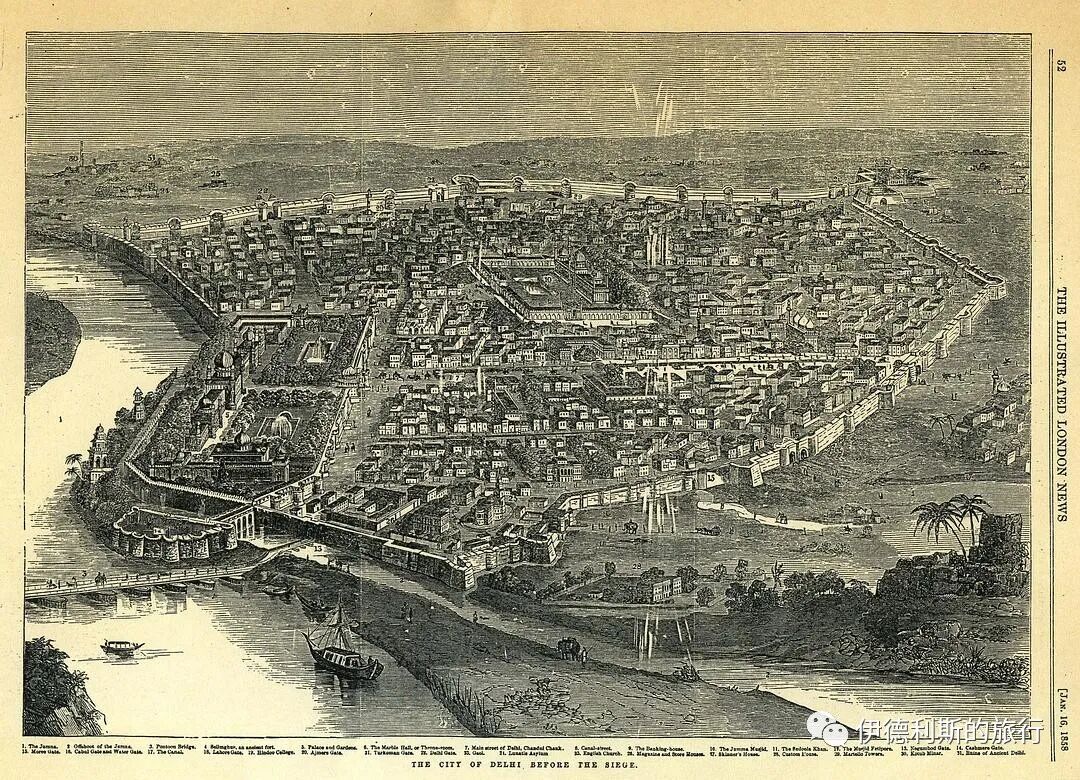
In 1628, Shah Jahan became the fifth emperor of the Mughal Empire. Under his rule, Mughal architectural aesthetics reached a new height, and this period is widely recognized as the golden age of Mughal architecture. Besides building the Taj Mahal, Shah Jahan built the seventh city of Delhi between 1639 and 1648, naming it Shahjahanabad after himself. Shah Jahan made Shahjahanabad the capital of the Mughal Empire, aiming to show the grandeur and power of the empire.
Shahjahanabad is now known as Old Delhi and still keeps many historical sites and traditional neighborhoods. The most important site inside the city, the Red Fort, was added to the UNESCO World Heritage list in 2007.
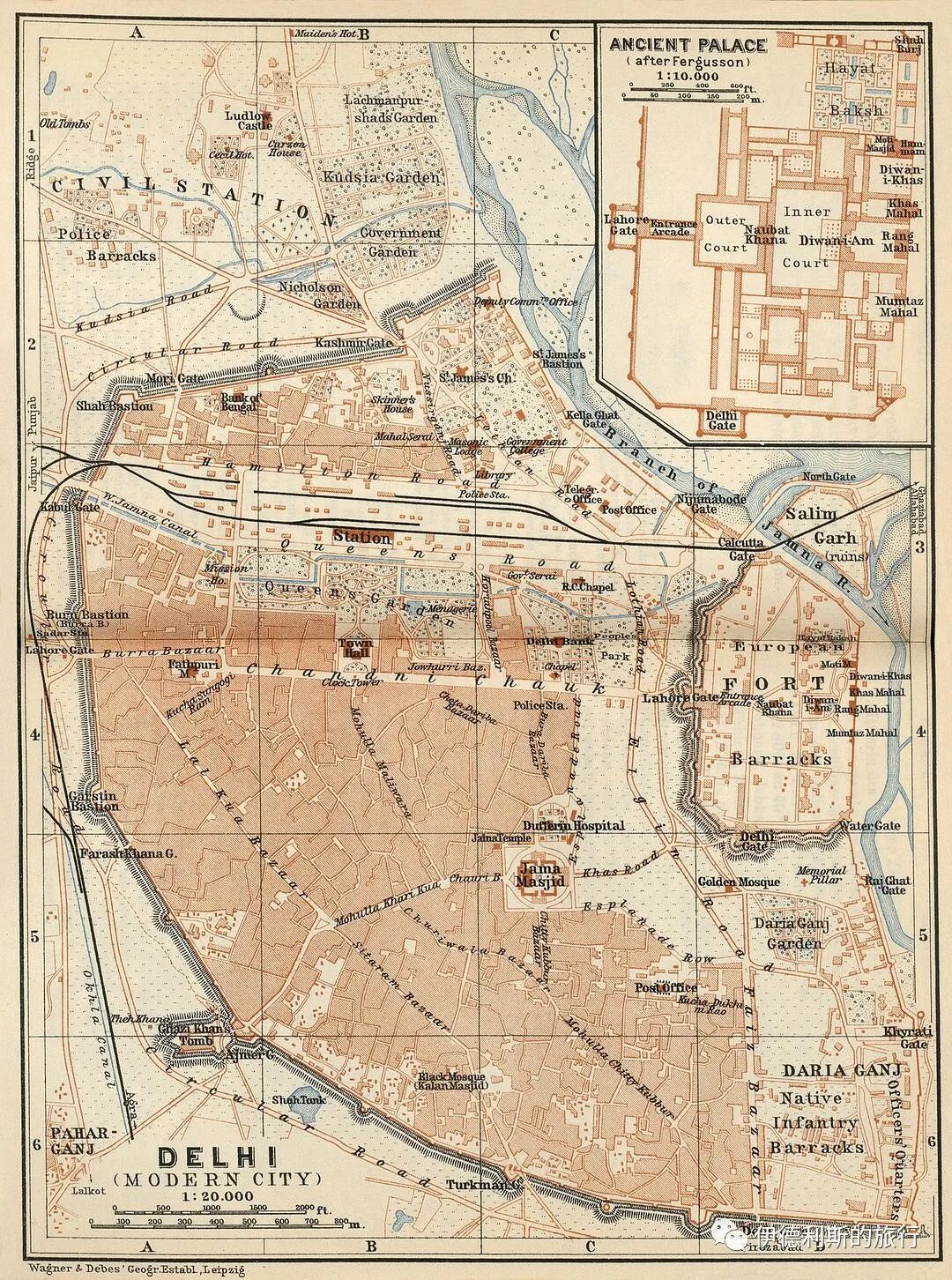
The layout of Shahjahanabad was inspired by the ancient Persian city of Isfahan and inherited urban planning ideas from the Agra Fort and Fatehpur Sikri, which were built by the previous Mughal emperor, Akbar. The city has an irregular shape, with the eastern wall built along the course of the Yamuna River. The Yamuna River later changed its course and moved away from the walls, and the original riverbed is now the Delhi Inner Ring Road.
The city has two main roads: Chandni Chowk running east-west and Faiz Bazaar running north-south, with major commercial areas on both sides of the streets. The Red Fort, where the Mughal royal family lived, is located at the junction of these two main roads.
1858
1914
Table of Contents
1. Red Fort: 1639-1648
1. Lahore Gate
2. Chhatta Chowk (market)
3. Naubat Khana (drum house)
4. Diwan-i-Aam (public audience hall)
5. Rang Mahal (palace of the empresses)
6. Khas Mahal (emperor's private palace)
7. Diwan-i-Khas (private audience hall)
8. Hammam-e-Lal Qila (bathhouse)
9. Pearl Mosque (Moti Masjid)
10. King's Tower (Shah Burj)
11. Life-Giving Garden (Hayat Bakhsh Bagh)
2. Jama Mosque: 1650-1656
3. Fatehpuri Mosque: 1650
4. Golden Mosque (Sunehri Masjid): 1751
5. Great Mosque (Kalan Masjid): 1387
6. Hauzwali Mosque: 15th century
1. Red Fort: 1639-1648
Shah Jahan decided to move the capital from Agra back to Delhi in 1638. On May 12, 1639, he ordered the construction of the Red Fort. The designer was Ustad Ahmad Lahauri, the architect who built the Taj Mahal.
On the north side of the Red Fort is the Salimgarh Fort, built by the Sur dynasty in 1546 (I introduced this in my previous article, 'The Sixth City of Delhi: The Birth of the Mughal Empire'). The Red Fort was designed to connect to Salimgarh Fort via a bridge, joining the two castles together.
In 1857, the last Mughal emperor, Bahadur Shah II, left the Red Fort and was arrested by the British army. He was tried at the Red Fort in 1858 and exiled to Yangon, marking the end of the Mughal Empire. Afterward, the Red Fort was used as a British military barracks. Most of the buildings were demolished. Only the marble structures in the far east survived because they were repurposed as barracks, offices, dormitories, and canteens.
After India's independence, the Red Fort continued to be used as an Indian Army barracks until 2003, when the Archaeological Survey of India was finally authorized to begin restoration. In 2009, the Archaeological Survey of India developed a comprehensive protection and management plan for the Red Fort under the direction of the Supreme Court.
The Red Fort viewed from east to west, painted in 1785.
The Red Fort viewed from east to west, painted by Ghulam Ali Khan between 1852 and 1854.
1. Lahore Gate
The Lahore Gate is the west gate of the Red Fort. It is named for facing the city of Lahore. During the reign of the sixth Mughal emperor, Aurangzeb (reigned 1658-1707), a barbican was added to the outside of the gate. Since 1947, the Prime Minister of India has stood at the Lahore Gate to deliver a speech every Indian Independence Day.
Painted by Ghulam Ali Khan between 1852 and 1854.
2. Chhatta Chowk (market)
After entering the Lahore Gate, you find a market called Chhatta Chowk. During the Mughal era, this was where silk and jewelry were sold to members of the royal family.
Painted by Ghulam Ali Khan between 1852 and 1854.
(Optional) Image description
3. Naubat Khana (drum house)
After walking through the Chhatta Chowk market, you reach the outer courtyard of the Red Fort. The building in the center of the outer courtyard is called the Naubat Khana, which serves as the main gate to the inner court. Naubat Khana means 'drum house.' During the Mughal era, ceremonial music was played here five times a day, and everyone except members of the royal family had to dismount from their horses when they reached this point. After 1857, the British army destroyed the arcades on both sides of the Naubat Khana and the central pool, leaving only the central building.
Photographed in 1858 by British army officer Robert Christopher Tytler and his wife Harriet.
4. Diwan-i-Aam (public audience hall)
After passing through the Naubat Khana, you enter the inner courtyard of the Red Fort, where the Diwan-i-Aam stands directly in front of you. Diwan-i-Aam means 'Hall of Public Audience.' It was the place where the Mughal emperor met with the public to hear their concerns.
In the center of the hall is the throne where the emperor sat. The marble steps below the throne were where the prime minister (wazir) received petitions from the public.
The door behind the throne, painted by Ghulam Ali Khan between 1852 and 1854.
5. Rang Mahal (palace of the empresses)
After entering the Diwan-i-Aam, you reach the harem section of the Red Fort. Rang Mahal means 'Palace of Colors.' It was the living quarters for the concubines of the Mughal emperor.
Painted by Ghulam Ali Khan between 1852 and 1854.
A shallow canal called the Stream of Paradise (Nahr-i-Bihist) flows into the marble pool in front of the Rang Mahal. During the hot summer, the women of the Mughal royal family would stay in the basement of the Diwan-i-Aam to escape the heat.
Painted by Ghulam Ali Khan between 1852 and 1854.
6. Khas Mahal (emperor's private palace)
To the north of the Rang Mahal is the Khass Mahal, which was the sleeping quarters of the Mughal emperor. The Rang Mahal was built of white marble. Its walls were originally inlaid with various jewels and the ceiling was gilded, but these features have not been preserved.
Painted by Sir Thomas Theophilus Metcalfe in 1843.
The last Mughal emperor, Bahadur Shah II, ascends the throne in the Khas Mahal, painted by Ghulam Ali Khan between 1837 and 1838.
7. Hall of Private Audience (Diwan-i-Khas)
North of the Khas Mahal is the Hall of Private Audience (Diwan-i-Khas), where the Mughal emperor met with courtiers and state guests. The Hall of Private Audience (Diwan-i-Khas) means "private reception room." It is built of white marble and was once inlaid with various jewels, featuring the exquisite Peacock Throne in the center. The hall once had a ceiling inlaid with gold and silver, but these were later removed. The current ceiling was installed in 1911.
Outside the hall, there used to be red awnings, and the arches below were inscribed with verses by the famous Sufi master Amir Khusrow:
If there is a paradise on earth,
It is this, it is this, it is this.
Painted by Ghulam 'Ali Khan in 1817.
Painted by Ghulam Ali Khan between 1852 and 1854.
The Peacock Throne in 1850.
8. Hammam-e-Lal Qila (bathhouse)
North of the Hall of Private Audience (Diwan-i-Khas) is the Red Fort Bathhouse (Hammam-e-Lal Qila), which was used by the Mughal royal family. The Red Fort Bathhouse (Hammam-e-Lal Qila) is a Turkish-style bath consisting of three sections: a children's bath, a dressing room, and a hot bath. Legend has it that the water flowing from the taps at that time was mixed with rose perfume.
Painted by Ghulam Ali Khan between 1852 and 1854.
9. Pearl Mosque (Moti Masjid)
The Pearl Mosque (Moti Masjid) is west of the bathhouse. It was built by the sixth Mughal emperor, Aurangzeb, between 1659 and 1660 for his second wife, Nawab Bai. Pearl (Moti) means "pearl." It is built of white marble, and its three domes were originally covered with gilded copper plates, which were lost after 1857.
Painted by Ghulam Ali Khan between 1852 and 1854.
Painted by Vasily Vereshchagin in the late 1880s.
10. King's Tower (Shah Burj)
The northernmost part of the harem is a white marble pavilion built during the Aurangzeb period. Behind the pavilion is the Shahi Burj, the northeast corner tower of the Red Fort, which means "Imperial Tower." Inside the tower is a hydraulic system that carries water from outside the Red Fort into its gardens and buildings.
Painted by Sir Thomas Metcalfe in 1843.
11. Life-Giving Garden (Hayat Bakhsh Bagh)
In the northwest part of the harem is the royal water garden Hayat Bakhsh Bagh, which means 'Life-Giving Garden'. Most of the garden's buildings were destroyed after 1857, and only three survive today.
At the center of the garden is the red sandstone building Zafar Mahal, built in 1842 by the last Mughal emperor, Bahadur Shah II. The building sits in a pool and was originally connected to the shore by a red sandstone bridge, but it was destroyed after 1857. After 1857, the British army used this area as a swimming pool.
Painted by Ghulam Ali Khan between 1852 and 1854.
To the north and south of the garden are two white marble pavilions called Sawan and Bhadon, named after the months of July and August in the Indian rainy season, as the ladies of the Mughal palace loved to visit the garden during these two months. The pavilions have wall niches that held vases with golden flowers during the day and small oil lamps at night.
To the west of Hayat Bakhsh Bagh, there was originally another water garden called Mehtab Bagh, meaning 'Moon Garden,' but after 1857, the site was turned into a British military barracks, and now only ruins remain.
2. Jama Mosque: 1650-1656
The Jama Masjid mosque is located southwest of the Red Fort; it was built between 1650 and 1656 by order of Shah Jahan and served as the royal mosque of the Mughal Empire.
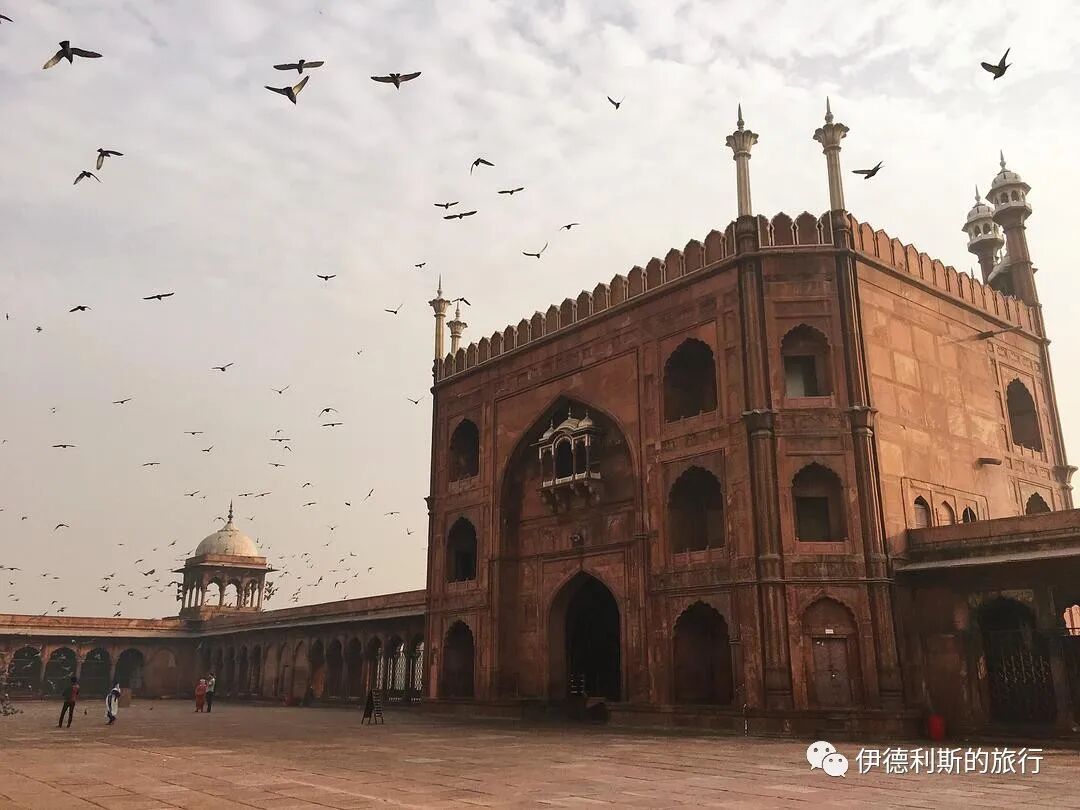
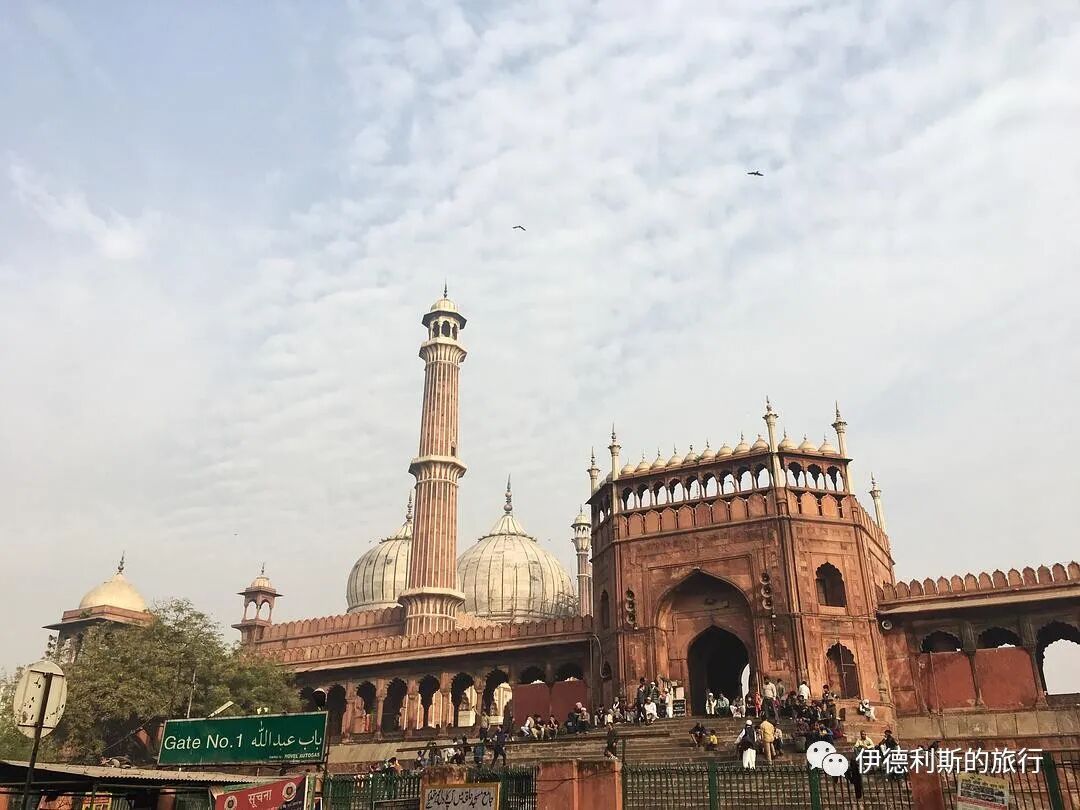
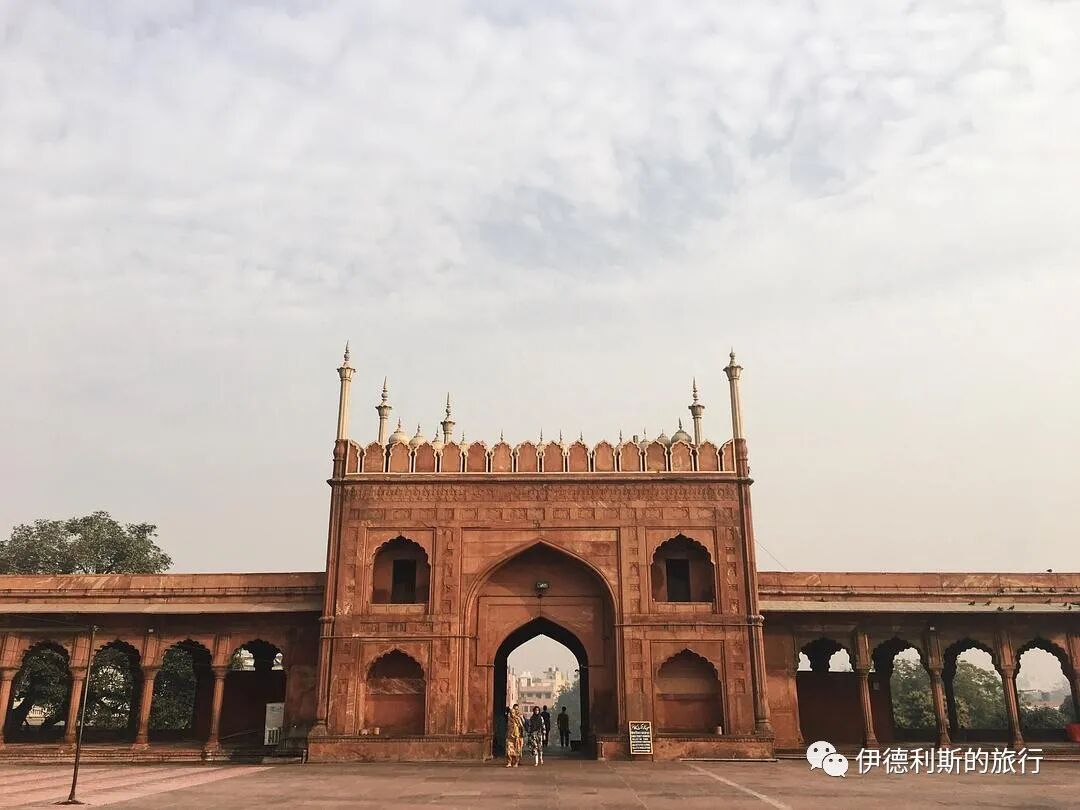
The mosque was built by more than 5,000 workers under the leadership of Shah Jahan's vizier (wazir) Saadullah Khan, costing over 1 million rupees. The mosque stands on a platform more than 9 meters above the ground and is made of red sandstone and marble, featuring a main hall connected by colonnades, two 40-meter-high minarets, and three gates. The east gate was reserved for the Mughal royal family and had a path that connected directly to the Delhi Gate of the Red Fort.
After 1857, the British seized the Jama Masjid mosque and stationed troops inside. They originally wanted to demolish the mosque, but they failed due to strong opposition, though the madrasa (Islamic school) on the south side of the mosque was destroyed as a result.
The mihrab in the center of the main hall indicates the direction of prayer toward Mecca:
Besides the main mihrab in the center, there is a smaller mihrab on each side.
During Jumu'ah, the imam stands on this stone platform to deliver the khutbah.
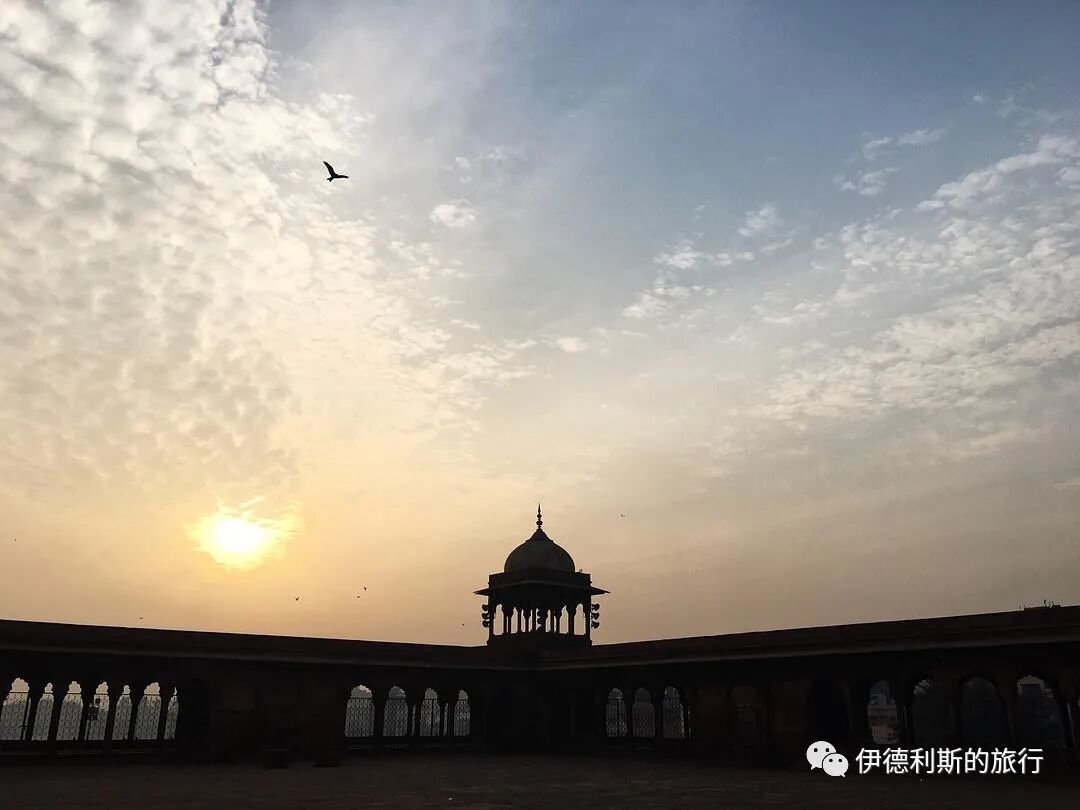
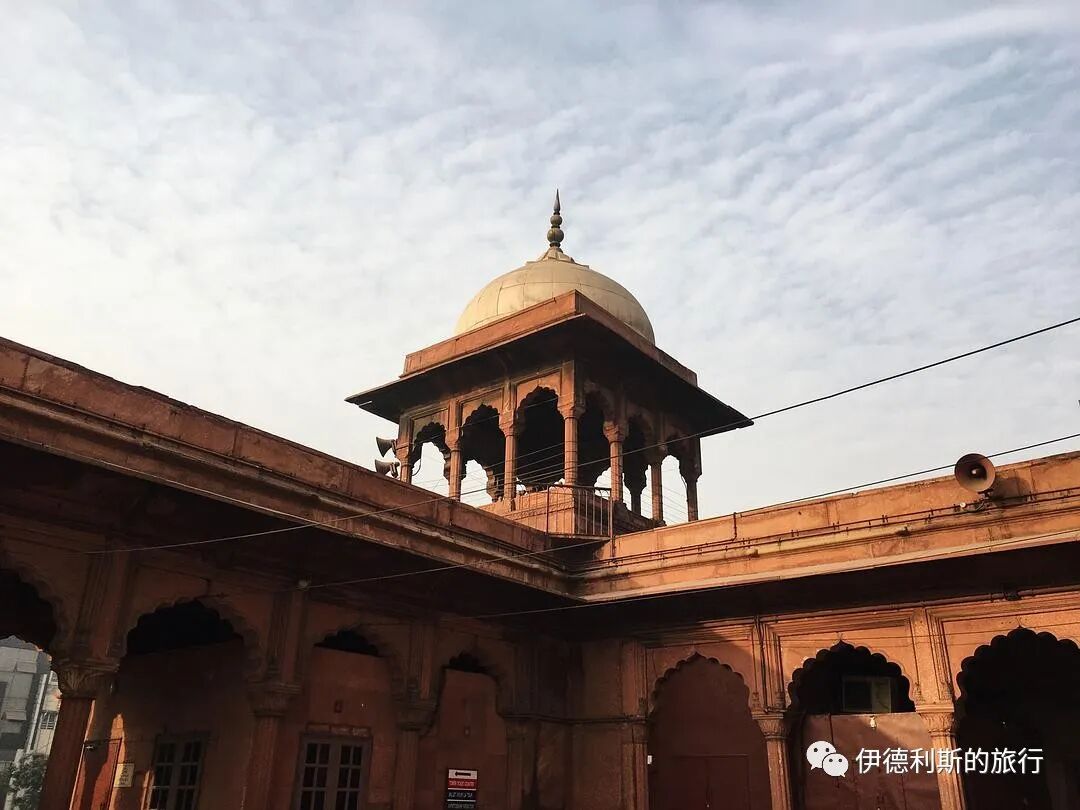
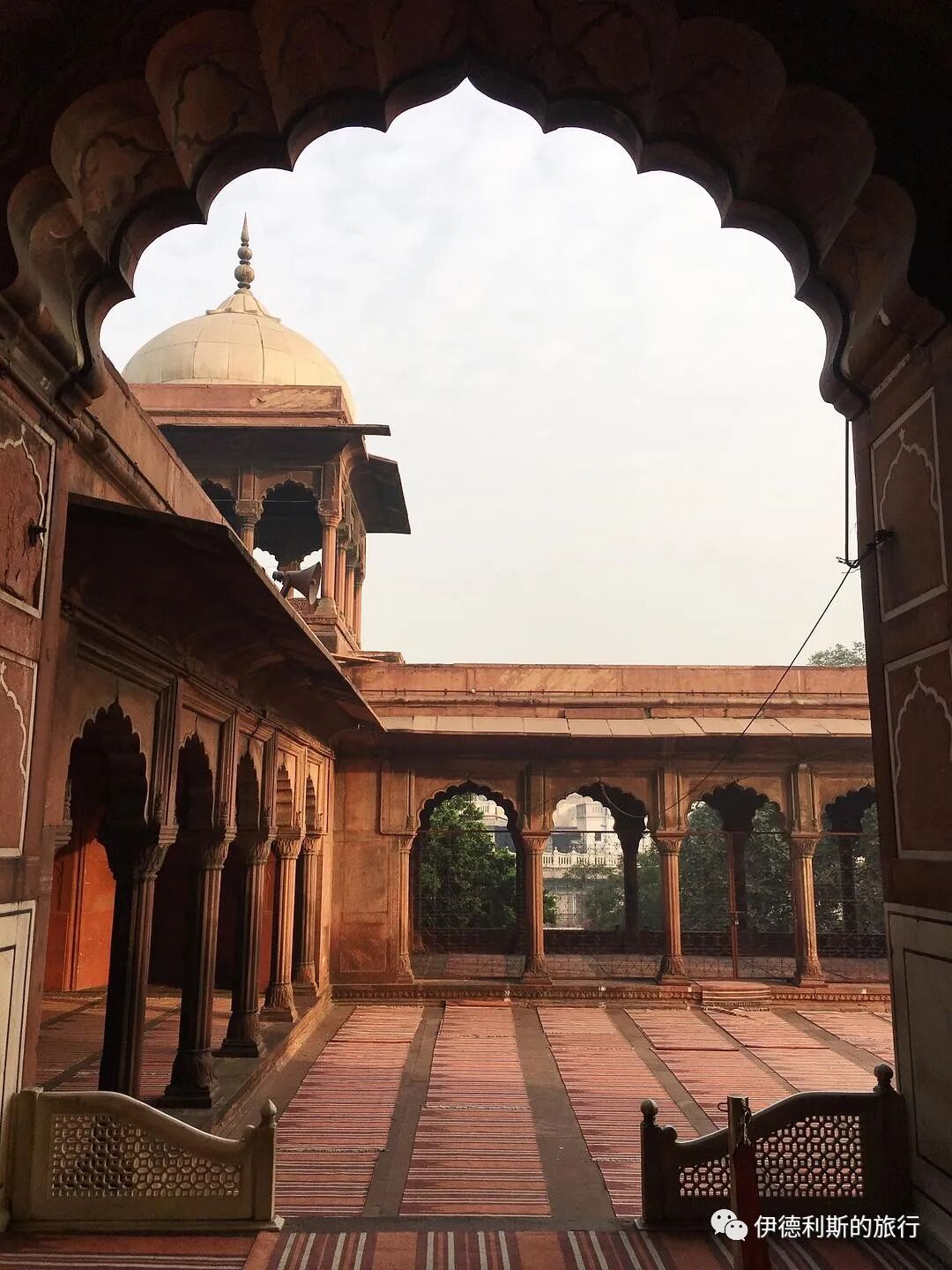
There is a tower at each of the four corners of the colonnade.
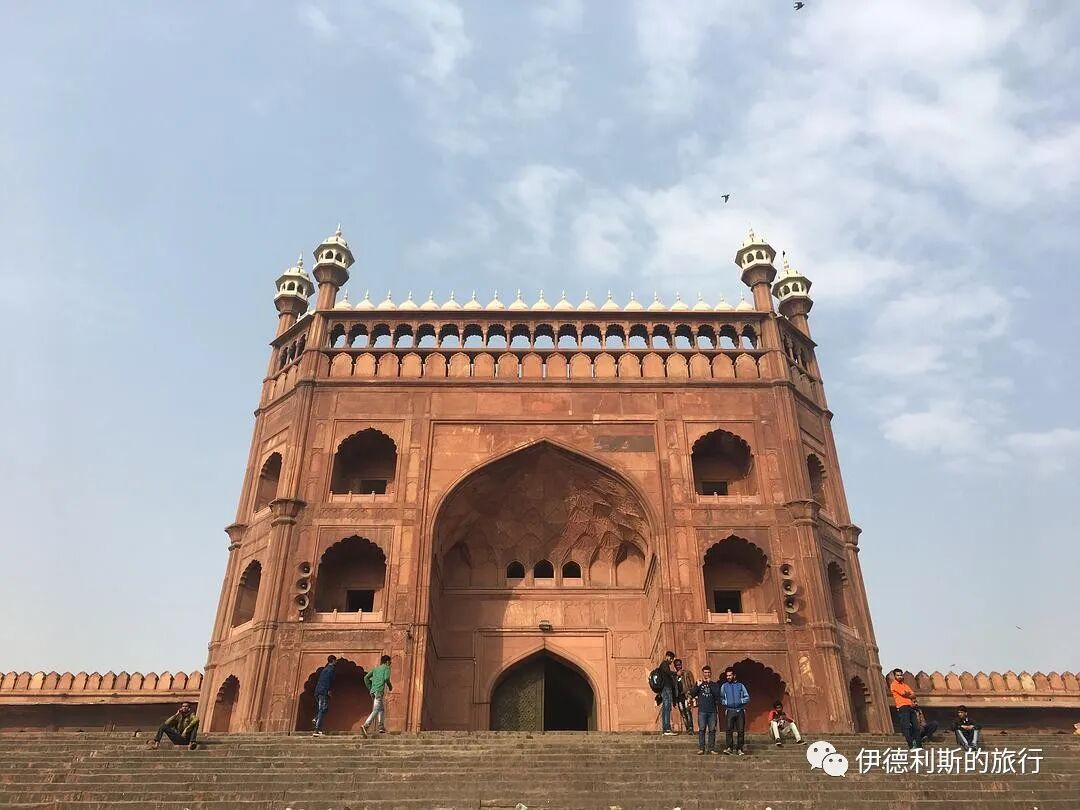
The east gate is the main entrance:
South Gate
North Gate
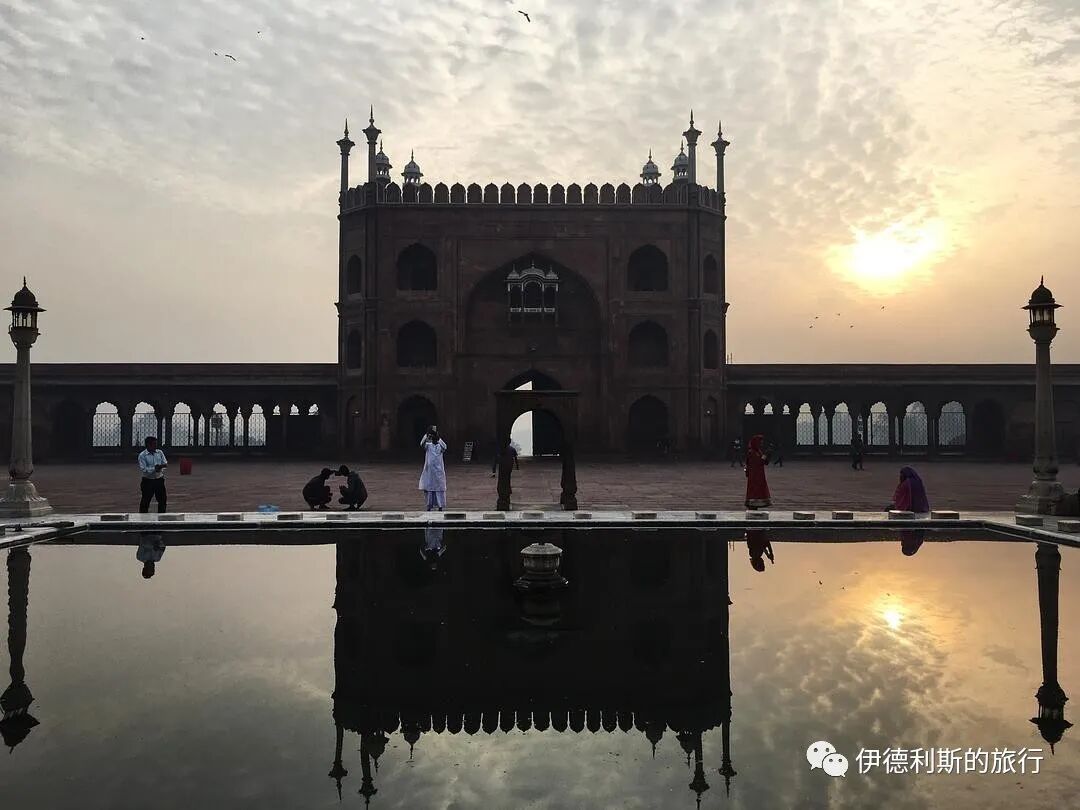
The water pool in the courtyard for wudu:
Jama means Jumu'ah, which refers to the Friday congregational prayer. The Jumu'ah mosque is usually the largest in the community, and the most important weekly prayer is held here every Friday at noon. I was lucky enough to attend a Friday Jumu'ah prayer at the Jama Mosque.
On the morning of Jumu'ah, more prayer rugs were already laid out in the courtyard.
People are performing wudu for the Jumu'ah prayer:
More and more people are arriving.
The imam leading the prayer climbs onto the stone platform.
After the prayer, people take photos:
3. Fatehpuri Mosque: 1650
Fatehpuri Mosque is located at the western end of Chandni Chowk, the main east-west road in Shahjahanabad. It was built in 1650 under the direction of Fatehpuri Begum, the wife of Shah Jahan. The mosque is in the classic Mughal style, built with red sandstone, featuring minarets on both sides and a main prayer hall in the middle. The main hall has seven arched bays, and the central iwan arch is topped with a Mughal-style dome.
4. Golden Mosque (Sunehri Masjid): 1751
Sunehri Mosque is located south of the Red Fort. It was built in 1751 by Qudsia Begum, the wife of the twelfth Mughal Emperor, Muhammad Shah. After Muhammad Shah died, Qudsia Begum's son, Ahmad Shah Bahadur, succeeded to the throne, making Qudsia Begum the de facto ruler of the Mughal Empire between 1748 and 1754.
During her rule, Qudsia Begum built a series of structures in Delhi, and the Sunehri Mosque is the most understated in its architectural style. The mosque's dome was originally copper-plated, but during renovations in 1852, sandstone replaced the damaged copper plates.
5. Great Mosque (Kalan Masjid): 1387
Kalan Mosque is one of the very few mosques in Shahjahanabad that existed before the city was built. It was constructed in 1387 by Khan-i-Jahan Maqbul, the vizier of Sultan Feroz Shah Tughlaq (reigned 1351-1388) of the Delhi Sultanate's Tughlaq dynasty. It is believed to have been built to commemorate a Sufi saint.
The mosque has been in continuous use, so the interior has changed significantly.
6. Hauzwali Mosque: 15th century
Hauzwali Mosque is another mosque that existed before the city of Shahjahanabad was built. Because the ground level has changed so much over time, the bottom half of the mosque is now underground, leaving only the top parts of the arches and the mihrab visible. view all
Summary: Delhi's Seventh City — Mughal Capital and Muslim History is presented here as a firsthand travel account in clear English, beginning with this scene: In my last article, The Sixth City of Delhi: The Birth of the Mughal Empire, I wrote about how Humayun, the second Mughal emperor, fell to his death from his library in the sixth city of Delhi, Dinpanah, in 1556. The account keeps its focus on Delhi Travel, Mughal History, Muslim Heritage while preserving the names, places, food, and historical details from the Chinese source.
In my last article, The Sixth City of Delhi: The Birth of the Mughal Empire, I wrote about how Humayun, the second Mughal emperor, fell to his death from his library in the sixth city of Delhi, Dinpanah, in 1556. His son, Emperor Akbar, moved the Mughal capital to Agra in 1558, and Delhi lost its status as the capital.
In 1628, Shah Jahan became the fifth emperor of the Mughal Empire. Under his rule, Mughal architectural aesthetics reached a new height, and this period is widely recognized as the golden age of Mughal architecture. Besides building the Taj Mahal, Shah Jahan built the seventh city of Delhi between 1639 and 1648, naming it Shahjahanabad after himself. Shah Jahan made Shahjahanabad the capital of the Mughal Empire, aiming to show the grandeur and power of the empire.
Shahjahanabad is now known as Old Delhi and still keeps many historical sites and traditional neighborhoods. The most important site inside the city, the Red Fort, was added to the UNESCO World Heritage list in 2007.
The layout of Shahjahanabad was inspired by the ancient Persian city of Isfahan and inherited urban planning ideas from the Agra Fort and Fatehpur Sikri, which were built by the previous Mughal emperor, Akbar. The city has an irregular shape, with the eastern wall built along the course of the Yamuna River. The Yamuna River later changed its course and moved away from the walls, and the original riverbed is now the Delhi Inner Ring Road.
The city has two main roads: Chandni Chowk running east-west and Faiz Bazaar running north-south, with major commercial areas on both sides of the streets. The Red Fort, where the Mughal royal family lived, is located at the junction of these two main roads.
1858
1914
Table of Contents
1. Red Fort: 1639-1648
1. Lahore Gate
2. Chhatta Chowk (market)
3. Naubat Khana (drum house)
4. Diwan-i-Aam (public audience hall)
5. Rang Mahal (palace of the empresses)
6. Khas Mahal (emperor's private palace)
7. Diwan-i-Khas (private audience hall)
8. Hammam-e-Lal Qila (bathhouse)
9. Pearl Mosque (Moti Masjid)
10. King's Tower (Shah Burj)
11. Life-Giving Garden (Hayat Bakhsh Bagh)
2. Jama Mosque: 1650-1656
3. Fatehpuri Mosque: 1650
4. Golden Mosque (Sunehri Masjid): 1751
5. Great Mosque (Kalan Masjid): 1387
6. Hauzwali Mosque: 15th century
1. Red Fort: 1639-1648
Shah Jahan decided to move the capital from Agra back to Delhi in 1638. On May 12, 1639, he ordered the construction of the Red Fort. The designer was Ustad Ahmad Lahauri, the architect who built the Taj Mahal.
On the north side of the Red Fort is the Salimgarh Fort, built by the Sur dynasty in 1546 (I introduced this in my previous article, 'The Sixth City of Delhi: The Birth of the Mughal Empire'). The Red Fort was designed to connect to Salimgarh Fort via a bridge, joining the two castles together.
In 1857, the last Mughal emperor, Bahadur Shah II, left the Red Fort and was arrested by the British army. He was tried at the Red Fort in 1858 and exiled to Yangon, marking the end of the Mughal Empire. Afterward, the Red Fort was used as a British military barracks. Most of the buildings were demolished. Only the marble structures in the far east survived because they were repurposed as barracks, offices, dormitories, and canteens.
After India's independence, the Red Fort continued to be used as an Indian Army barracks until 2003, when the Archaeological Survey of India was finally authorized to begin restoration. In 2009, the Archaeological Survey of India developed a comprehensive protection and management plan for the Red Fort under the direction of the Supreme Court.
The Red Fort viewed from east to west, painted in 1785.
The Red Fort viewed from east to west, painted by Ghulam Ali Khan between 1852 and 1854.
1. Lahore Gate
The Lahore Gate is the west gate of the Red Fort. It is named for facing the city of Lahore. During the reign of the sixth Mughal emperor, Aurangzeb (reigned 1658-1707), a barbican was added to the outside of the gate. Since 1947, the Prime Minister of India has stood at the Lahore Gate to deliver a speech every Indian Independence Day.
Painted by Ghulam Ali Khan between 1852 and 1854.
2. Chhatta Chowk (market)
After entering the Lahore Gate, you find a market called Chhatta Chowk. During the Mughal era, this was where silk and jewelry were sold to members of the royal family.
Painted by Ghulam Ali Khan between 1852 and 1854.
(Optional) Image description
3. Naubat Khana (drum house)
After walking through the Chhatta Chowk market, you reach the outer courtyard of the Red Fort. The building in the center of the outer courtyard is called the Naubat Khana, which serves as the main gate to the inner court. Naubat Khana means 'drum house.' During the Mughal era, ceremonial music was played here five times a day, and everyone except members of the royal family had to dismount from their horses when they reached this point. After 1857, the British army destroyed the arcades on both sides of the Naubat Khana and the central pool, leaving only the central building.
Photographed in 1858 by British army officer Robert Christopher Tytler and his wife Harriet.
4. Diwan-i-Aam (public audience hall)
After passing through the Naubat Khana, you enter the inner courtyard of the Red Fort, where the Diwan-i-Aam stands directly in front of you. Diwan-i-Aam means 'Hall of Public Audience.' It was the place where the Mughal emperor met with the public to hear their concerns.
In the center of the hall is the throne where the emperor sat. The marble steps below the throne were where the prime minister (wazir) received petitions from the public.
The door behind the throne, painted by Ghulam Ali Khan between 1852 and 1854.
5. Rang Mahal (palace of the empresses)
After entering the Diwan-i-Aam, you reach the harem section of the Red Fort. Rang Mahal means 'Palace of Colors.' It was the living quarters for the concubines of the Mughal emperor.
Painted by Ghulam Ali Khan between 1852 and 1854.
A shallow canal called the Stream of Paradise (Nahr-i-Bihist) flows into the marble pool in front of the Rang Mahal. During the hot summer, the women of the Mughal royal family would stay in the basement of the Diwan-i-Aam to escape the heat.
Painted by Ghulam Ali Khan between 1852 and 1854.
6. Khas Mahal (emperor's private palace)
To the north of the Rang Mahal is the Khass Mahal, which was the sleeping quarters of the Mughal emperor. The Rang Mahal was built of white marble. Its walls were originally inlaid with various jewels and the ceiling was gilded, but these features have not been preserved.
Painted by Sir Thomas Theophilus Metcalfe in 1843.
The last Mughal emperor, Bahadur Shah II, ascends the throne in the Khas Mahal, painted by Ghulam Ali Khan between 1837 and 1838.
7. Hall of Private Audience (Diwan-i-Khas)
North of the Khas Mahal is the Hall of Private Audience (Diwan-i-Khas), where the Mughal emperor met with courtiers and state guests. The Hall of Private Audience (Diwan-i-Khas) means "private reception room." It is built of white marble and was once inlaid with various jewels, featuring the exquisite Peacock Throne in the center. The hall once had a ceiling inlaid with gold and silver, but these were later removed. The current ceiling was installed in 1911.
Outside the hall, there used to be red awnings, and the arches below were inscribed with verses by the famous Sufi master Amir Khusrow:
If there is a paradise on earth,
It is this, it is this, it is this.
Painted by Ghulam 'Ali Khan in 1817.
Painted by Ghulam Ali Khan between 1852 and 1854.
The Peacock Throne in 1850.
8. Hammam-e-Lal Qila (bathhouse)
North of the Hall of Private Audience (Diwan-i-Khas) is the Red Fort Bathhouse (Hammam-e-Lal Qila), which was used by the Mughal royal family. The Red Fort Bathhouse (Hammam-e-Lal Qila) is a Turkish-style bath consisting of three sections: a children's bath, a dressing room, and a hot bath. Legend has it that the water flowing from the taps at that time was mixed with rose perfume.
Painted by Ghulam Ali Khan between 1852 and 1854.
9. Pearl Mosque (Moti Masjid)
The Pearl Mosque (Moti Masjid) is west of the bathhouse. It was built by the sixth Mughal emperor, Aurangzeb, between 1659 and 1660 for his second wife, Nawab Bai. Pearl (Moti) means "pearl." It is built of white marble, and its three domes were originally covered with gilded copper plates, which were lost after 1857.
Painted by Ghulam Ali Khan between 1852 and 1854.
Painted by Vasily Vereshchagin in the late 1880s.
10. King's Tower (Shah Burj)
The northernmost part of the harem is a white marble pavilion built during the Aurangzeb period. Behind the pavilion is the Shahi Burj, the northeast corner tower of the Red Fort, which means "Imperial Tower." Inside the tower is a hydraulic system that carries water from outside the Red Fort into its gardens and buildings.
Painted by Sir Thomas Metcalfe in 1843.
11. Life-Giving Garden (Hayat Bakhsh Bagh)
In the northwest part of the harem is the royal water garden Hayat Bakhsh Bagh, which means 'Life-Giving Garden'. Most of the garden's buildings were destroyed after 1857, and only three survive today.
At the center of the garden is the red sandstone building Zafar Mahal, built in 1842 by the last Mughal emperor, Bahadur Shah II. The building sits in a pool and was originally connected to the shore by a red sandstone bridge, but it was destroyed after 1857. After 1857, the British army used this area as a swimming pool.
Painted by Ghulam Ali Khan between 1852 and 1854.
To the north and south of the garden are two white marble pavilions called Sawan and Bhadon, named after the months of July and August in the Indian rainy season, as the ladies of the Mughal palace loved to visit the garden during these two months. The pavilions have wall niches that held vases with golden flowers during the day and small oil lamps at night.
To the west of Hayat Bakhsh Bagh, there was originally another water garden called Mehtab Bagh, meaning 'Moon Garden,' but after 1857, the site was turned into a British military barracks, and now only ruins remain.
2. Jama Mosque: 1650-1656
The Jama Masjid mosque is located southwest of the Red Fort; it was built between 1650 and 1656 by order of Shah Jahan and served as the royal mosque of the Mughal Empire.
The mosque was built by more than 5,000 workers under the leadership of Shah Jahan's vizier (wazir) Saadullah Khan, costing over 1 million rupees. The mosque stands on a platform more than 9 meters above the ground and is made of red sandstone and marble, featuring a main hall connected by colonnades, two 40-meter-high minarets, and three gates. The east gate was reserved for the Mughal royal family and had a path that connected directly to the Delhi Gate of the Red Fort.
After 1857, the British seized the Jama Masjid mosque and stationed troops inside. They originally wanted to demolish the mosque, but they failed due to strong opposition, though the madrasa (Islamic school) on the south side of the mosque was destroyed as a result.
The mihrab in the center of the main hall indicates the direction of prayer toward Mecca:
Besides the main mihrab in the center, there is a smaller mihrab on each side.
During Jumu'ah, the imam stands on this stone platform to deliver the khutbah.
There is a tower at each of the four corners of the colonnade.
The east gate is the main entrance:
South Gate
North Gate
The water pool in the courtyard for wudu:
Jama means Jumu'ah, which refers to the Friday congregational prayer. The Jumu'ah mosque is usually the largest in the community, and the most important weekly prayer is held here every Friday at noon. I was lucky enough to attend a Friday Jumu'ah prayer at the Jama Mosque.
On the morning of Jumu'ah, more prayer rugs were already laid out in the courtyard.
People are performing wudu for the Jumu'ah prayer:
More and more people are arriving.
The imam leading the prayer climbs onto the stone platform.
After the prayer, people take photos:
3. Fatehpuri Mosque: 1650
Fatehpuri Mosque is located at the western end of Chandni Chowk, the main east-west road in Shahjahanabad. It was built in 1650 under the direction of Fatehpuri Begum, the wife of Shah Jahan. The mosque is in the classic Mughal style, built with red sandstone, featuring minarets on both sides and a main prayer hall in the middle. The main hall has seven arched bays, and the central iwan arch is topped with a Mughal-style dome.
4. Golden Mosque (Sunehri Masjid): 1751
Sunehri Mosque is located south of the Red Fort. It was built in 1751 by Qudsia Begum, the wife of the twelfth Mughal Emperor, Muhammad Shah. After Muhammad Shah died, Qudsia Begum's son, Ahmad Shah Bahadur, succeeded to the throne, making Qudsia Begum the de facto ruler of the Mughal Empire between 1748 and 1754.
During her rule, Qudsia Begum built a series of structures in Delhi, and the Sunehri Mosque is the most understated in its architectural style. The mosque's dome was originally copper-plated, but during renovations in 1852, sandstone replaced the damaged copper plates.
5. Great Mosque (Kalan Masjid): 1387
Kalan Mosque is one of the very few mosques in Shahjahanabad that existed before the city was built. It was constructed in 1387 by Khan-i-Jahan Maqbul, the vizier of Sultan Feroz Shah Tughlaq (reigned 1351-1388) of the Delhi Sultanate's Tughlaq dynasty. It is believed to have been built to commemorate a Sufi saint.
The mosque has been in continuous use, so the interior has changed significantly.
6. Hauzwali Mosque: 15th century
Hauzwali Mosque is another mosque that existed before the city of Shahjahanabad was built. Because the ground level has changed so much over time, the bottom half of the mosque is now underground, leaving only the top parts of the arches and the mihrab visible. view all
Reposted from the web
Summary: Delhi's Seventh City — Mughal Capital and Muslim History is presented here as a firsthand travel account in clear English, beginning with this scene: In my last article, The Sixth City of Delhi: The Birth of the Mughal Empire, I wrote about how Humayun, the second Mughal emperor, fell to his death from his library in the sixth city of Delhi, Dinpanah, in 1556. The account keeps its focus on Delhi Travel, Mughal History, Muslim Heritage while preserving the names, places, food, and historical details from the Chinese source.
In my last article, The Sixth City of Delhi: The Birth of the Mughal Empire, I wrote about how Humayun, the second Mughal emperor, fell to his death from his library in the sixth city of Delhi, Dinpanah, in 1556. His son, Emperor Akbar, moved the Mughal capital to Agra in 1558, and Delhi lost its status as the capital.
In 1628, Shah Jahan became the fifth emperor of the Mughal Empire. Under his rule, Mughal architectural aesthetics reached a new height, and this period is widely recognized as the golden age of Mughal architecture. Besides building the Taj Mahal, Shah Jahan built the seventh city of Delhi between 1639 and 1648, naming it Shahjahanabad after himself. Shah Jahan made Shahjahanabad the capital of the Mughal Empire, aiming to show the grandeur and power of the empire.
Shahjahanabad is now known as Old Delhi and still keeps many historical sites and traditional neighborhoods. The most important site inside the city, the Red Fort, was added to the UNESCO World Heritage list in 2007.
The layout of Shahjahanabad was inspired by the ancient Persian city of Isfahan and inherited urban planning ideas from the Agra Fort and Fatehpur Sikri, which were built by the previous Mughal emperor, Akbar. The city has an irregular shape, with the eastern wall built along the course of the Yamuna River. The Yamuna River later changed its course and moved away from the walls, and the original riverbed is now the Delhi Inner Ring Road.
The city has two main roads: Chandni Chowk running east-west and Faiz Bazaar running north-south, with major commercial areas on both sides of the streets. The Red Fort, where the Mughal royal family lived, is located at the junction of these two main roads.
1858
1914
Table of Contents
1. Red Fort: 1639-1648
1. Lahore Gate
2. Chhatta Chowk (market)
3. Naubat Khana (drum house)
4. Diwan-i-Aam (public audience hall)
5. Rang Mahal (palace of the empresses)
6. Khas Mahal (emperor's private palace)
7. Diwan-i-Khas (private audience hall)
8. Hammam-e-Lal Qila (bathhouse)
9. Pearl Mosque (Moti Masjid)
10. King's Tower (Shah Burj)
11. Life-Giving Garden (Hayat Bakhsh Bagh)
2. Jama Mosque: 1650-1656
3. Fatehpuri Mosque: 1650
4. Golden Mosque (Sunehri Masjid): 1751
5. Great Mosque (Kalan Masjid): 1387
6. Hauzwali Mosque: 15th century
1. Red Fort: 1639-1648
Shah Jahan decided to move the capital from Agra back to Delhi in 1638. On May 12, 1639, he ordered the construction of the Red Fort. The designer was Ustad Ahmad Lahauri, the architect who built the Taj Mahal.
On the north side of the Red Fort is the Salimgarh Fort, built by the Sur dynasty in 1546 (I introduced this in my previous article, 'The Sixth City of Delhi: The Birth of the Mughal Empire'). The Red Fort was designed to connect to Salimgarh Fort via a bridge, joining the two castles together.
In 1857, the last Mughal emperor, Bahadur Shah II, left the Red Fort and was arrested by the British army. He was tried at the Red Fort in 1858 and exiled to Yangon, marking the end of the Mughal Empire. Afterward, the Red Fort was used as a British military barracks. Most of the buildings were demolished. Only the marble structures in the far east survived because they were repurposed as barracks, offices, dormitories, and canteens.
After India's independence, the Red Fort continued to be used as an Indian Army barracks until 2003, when the Archaeological Survey of India was finally authorized to begin restoration. In 2009, the Archaeological Survey of India developed a comprehensive protection and management plan for the Red Fort under the direction of the Supreme Court.
The Red Fort viewed from east to west, painted in 1785.
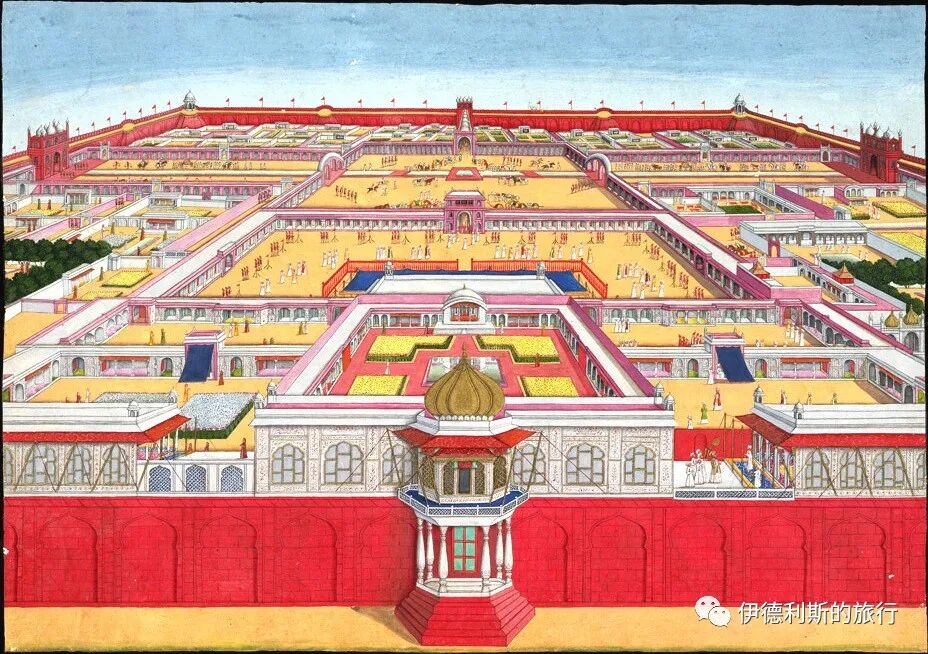
The Red Fort viewed from east to west, painted by Ghulam Ali Khan between 1852 and 1854.
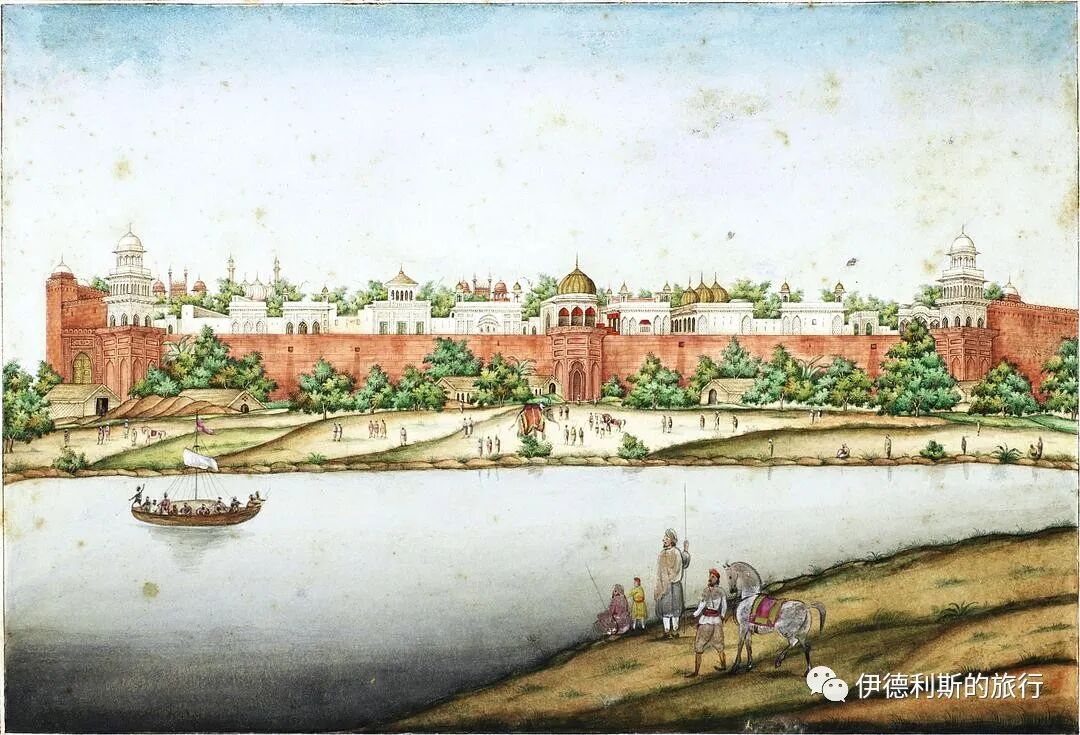
1. Lahore Gate
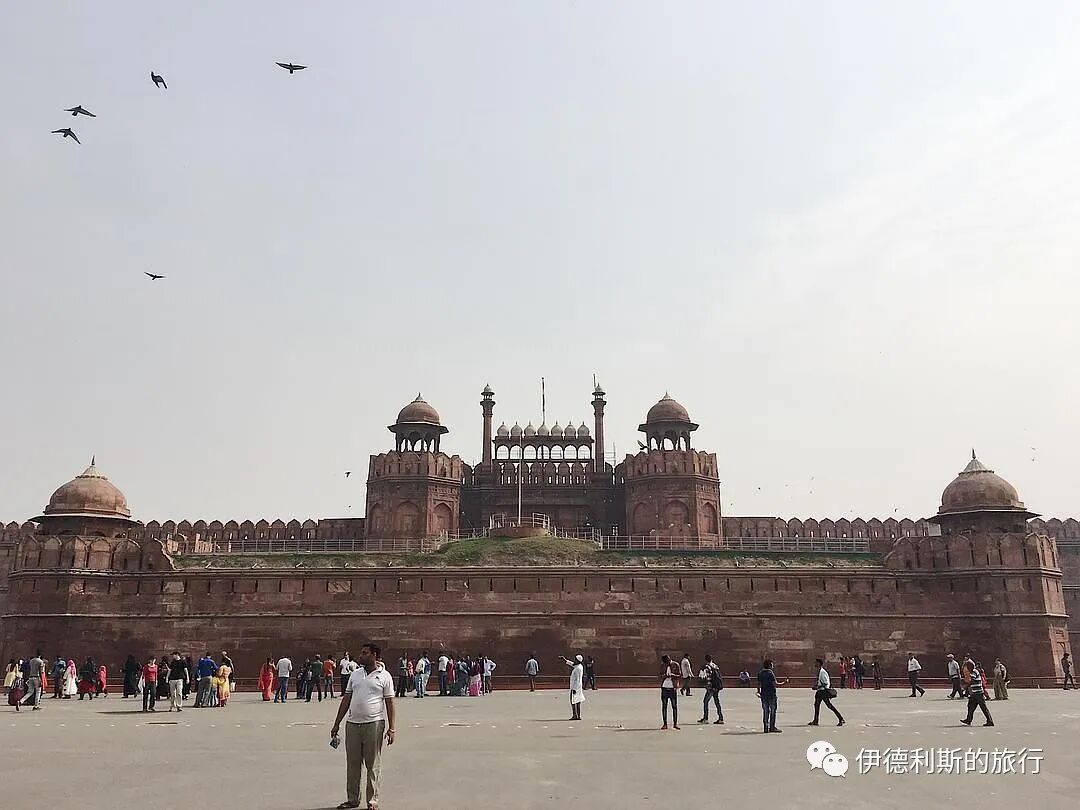
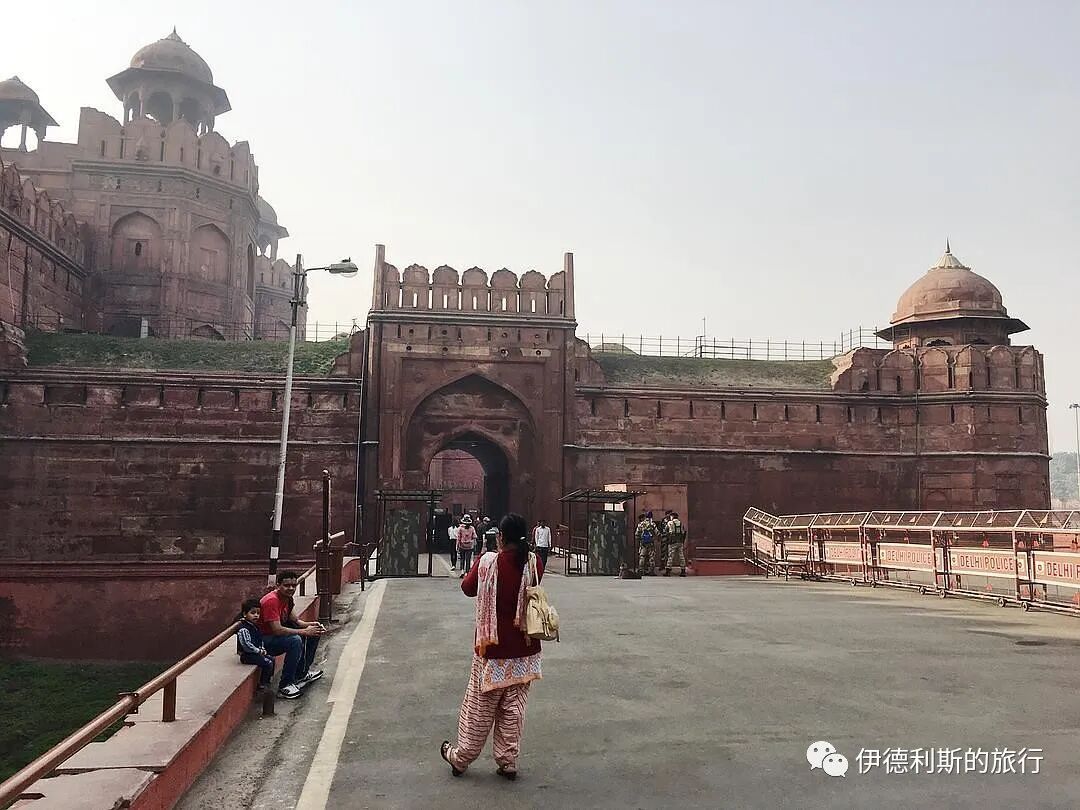
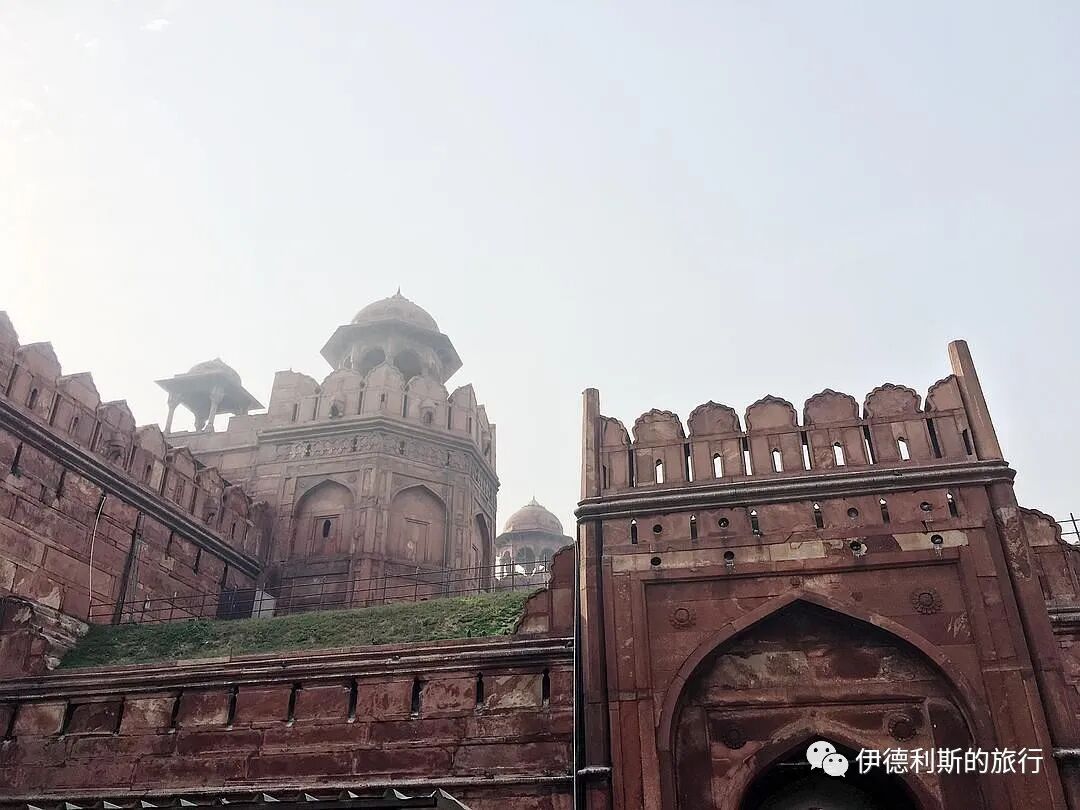
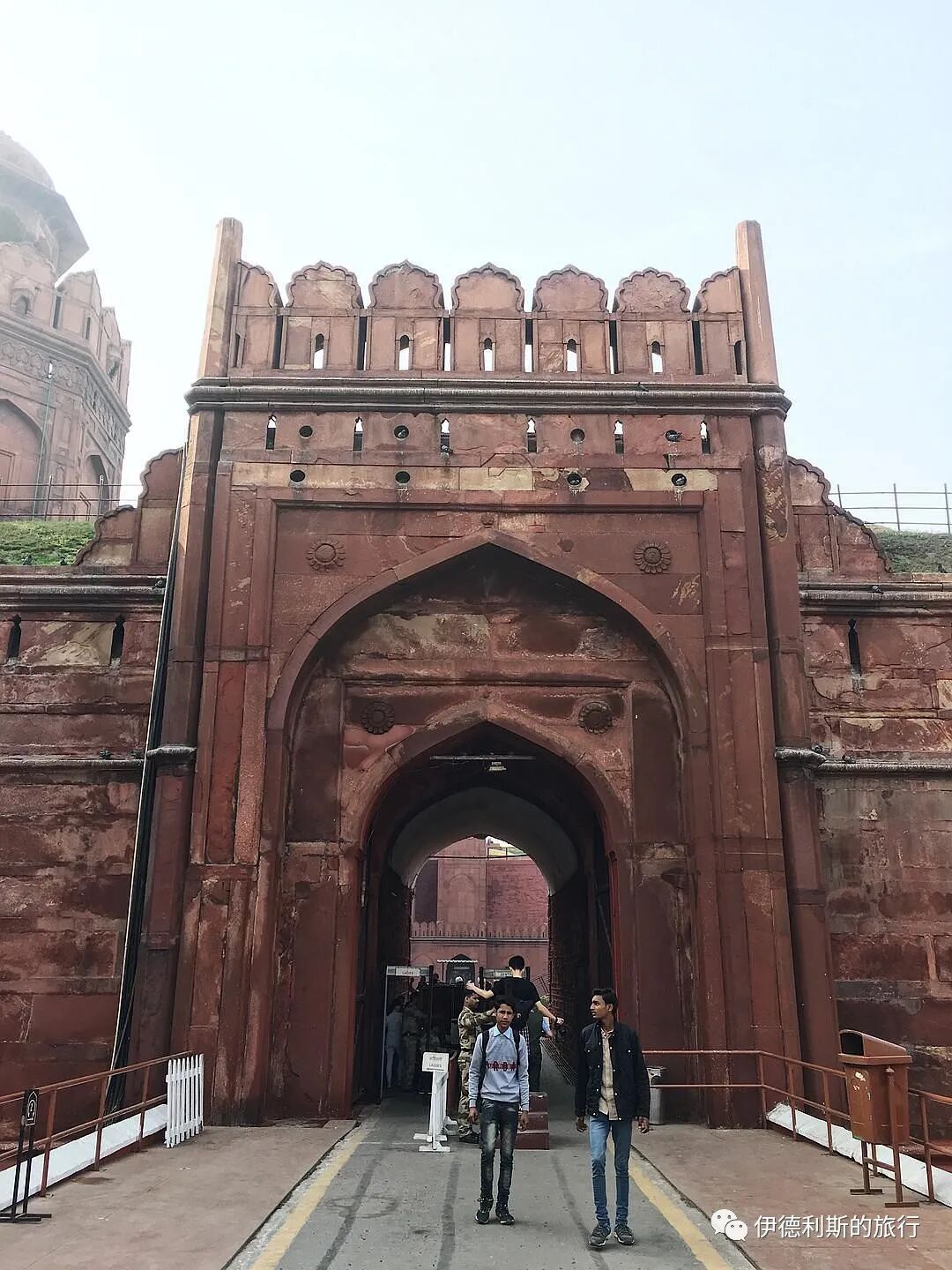
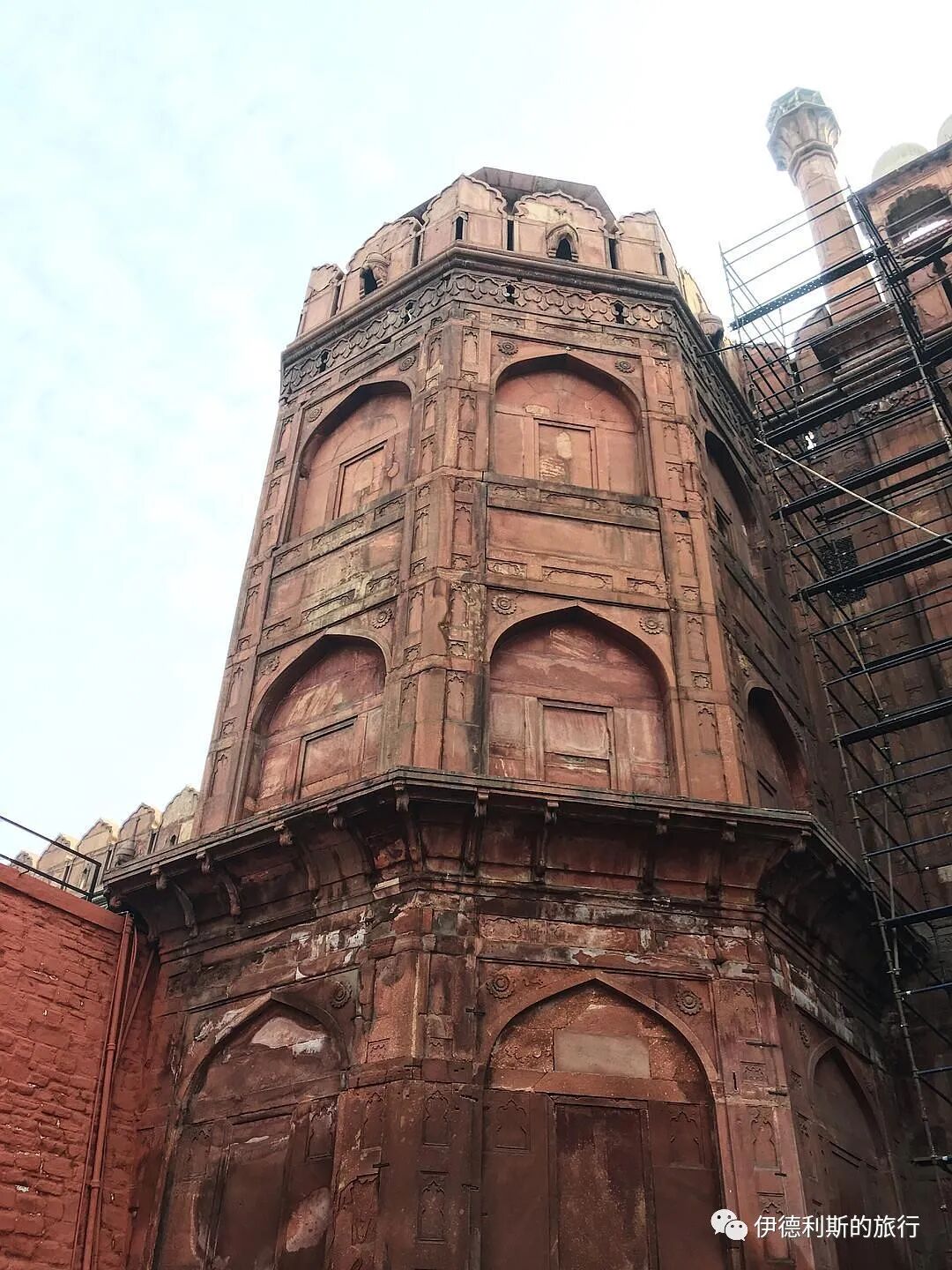
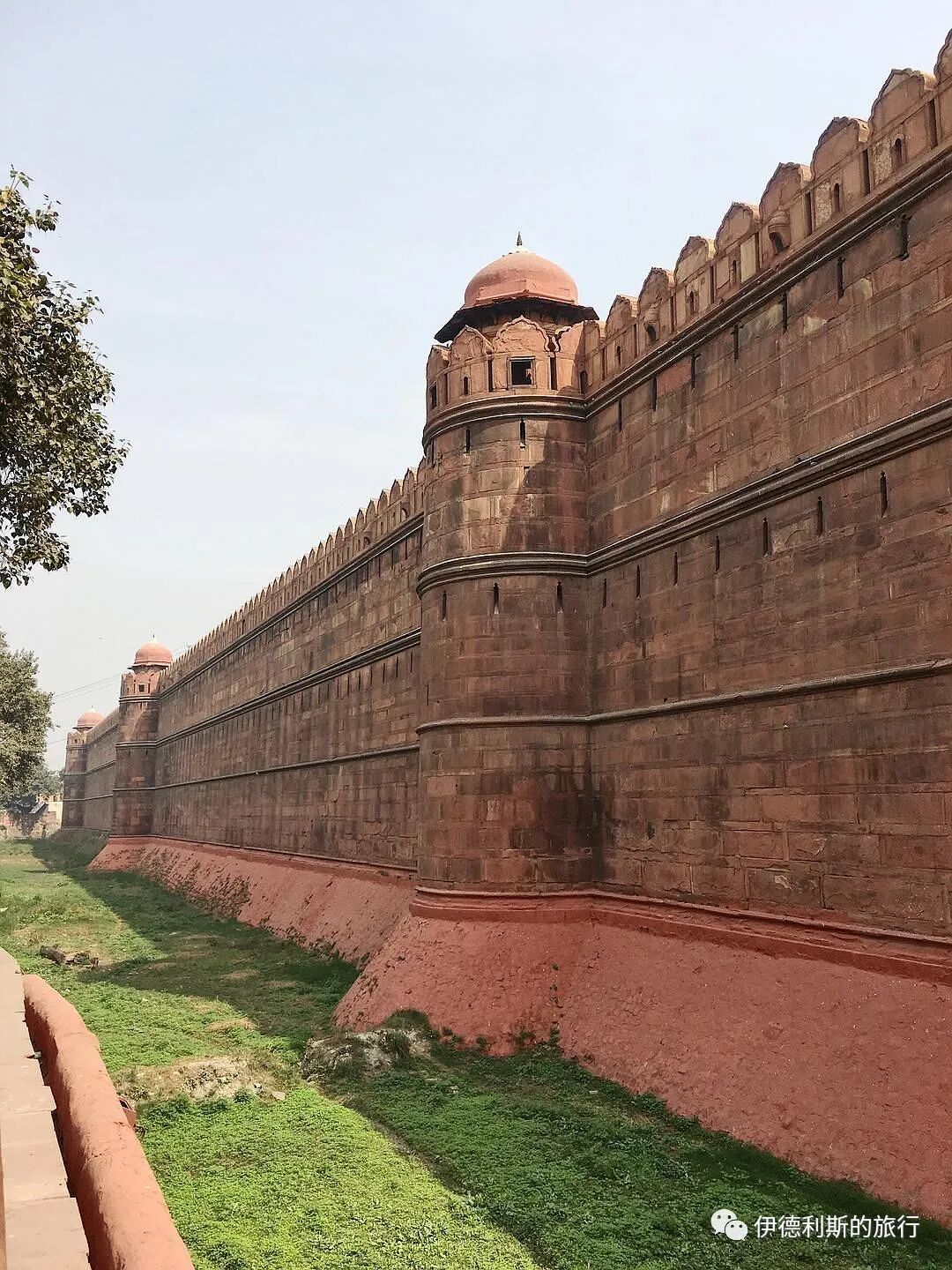
The Lahore Gate is the west gate of the Red Fort. It is named for facing the city of Lahore. During the reign of the sixth Mughal emperor, Aurangzeb (reigned 1658-1707), a barbican was added to the outside of the gate. Since 1947, the Prime Minister of India has stood at the Lahore Gate to deliver a speech every Indian Independence Day.
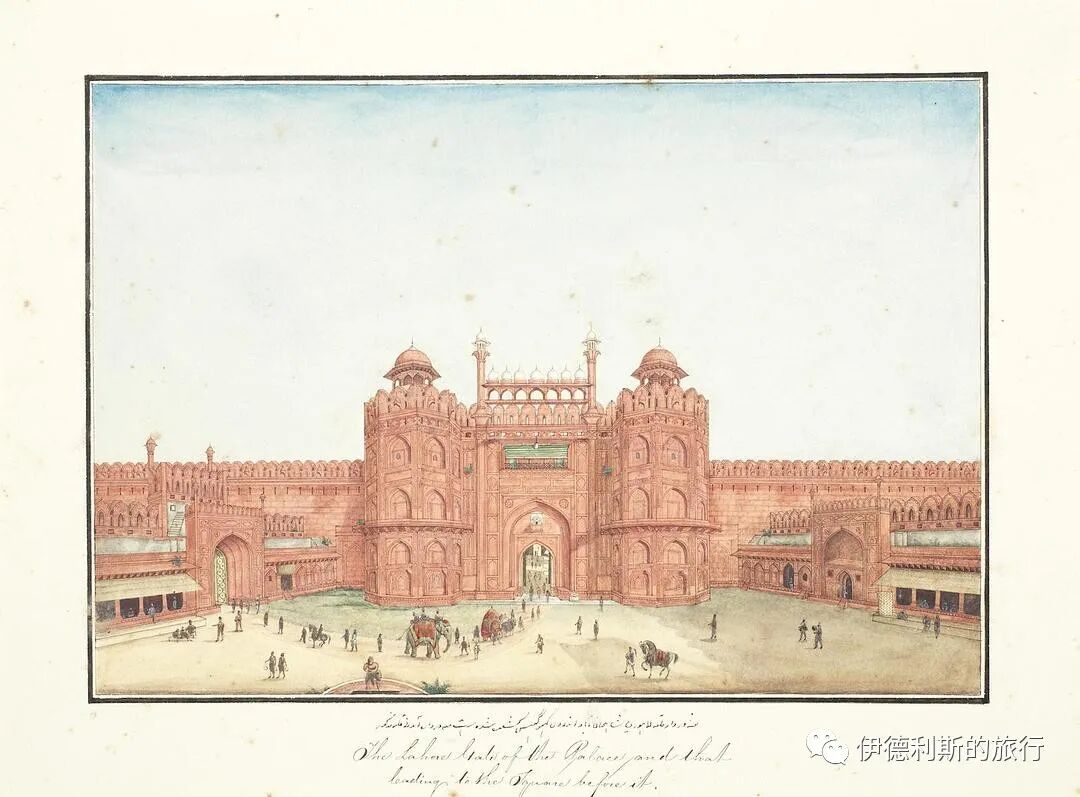
Painted by Ghulam Ali Khan between 1852 and 1854.
2. Chhatta Chowk (market)
After entering the Lahore Gate, you find a market called Chhatta Chowk. During the Mughal era, this was where silk and jewelry were sold to members of the royal family.
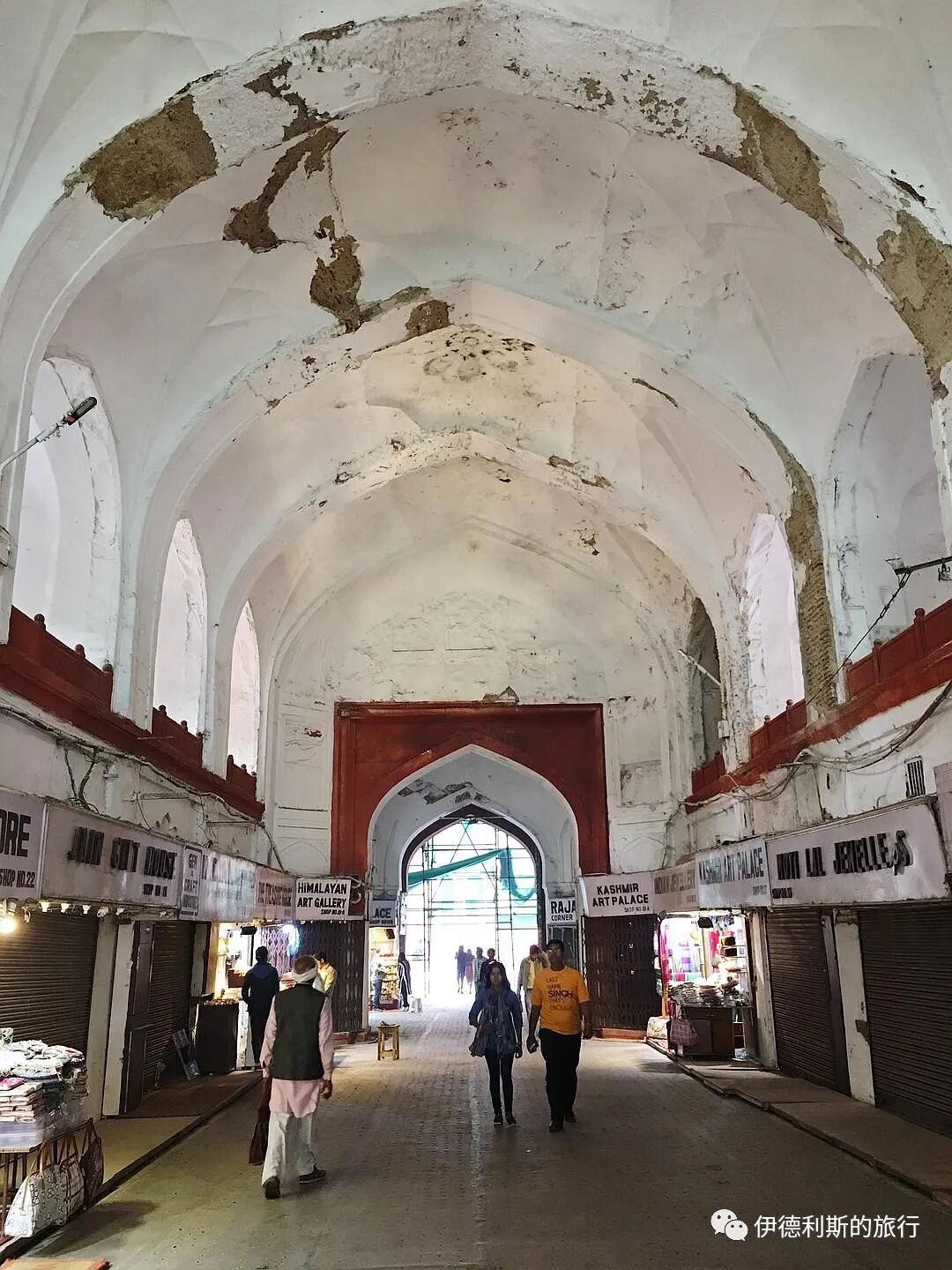
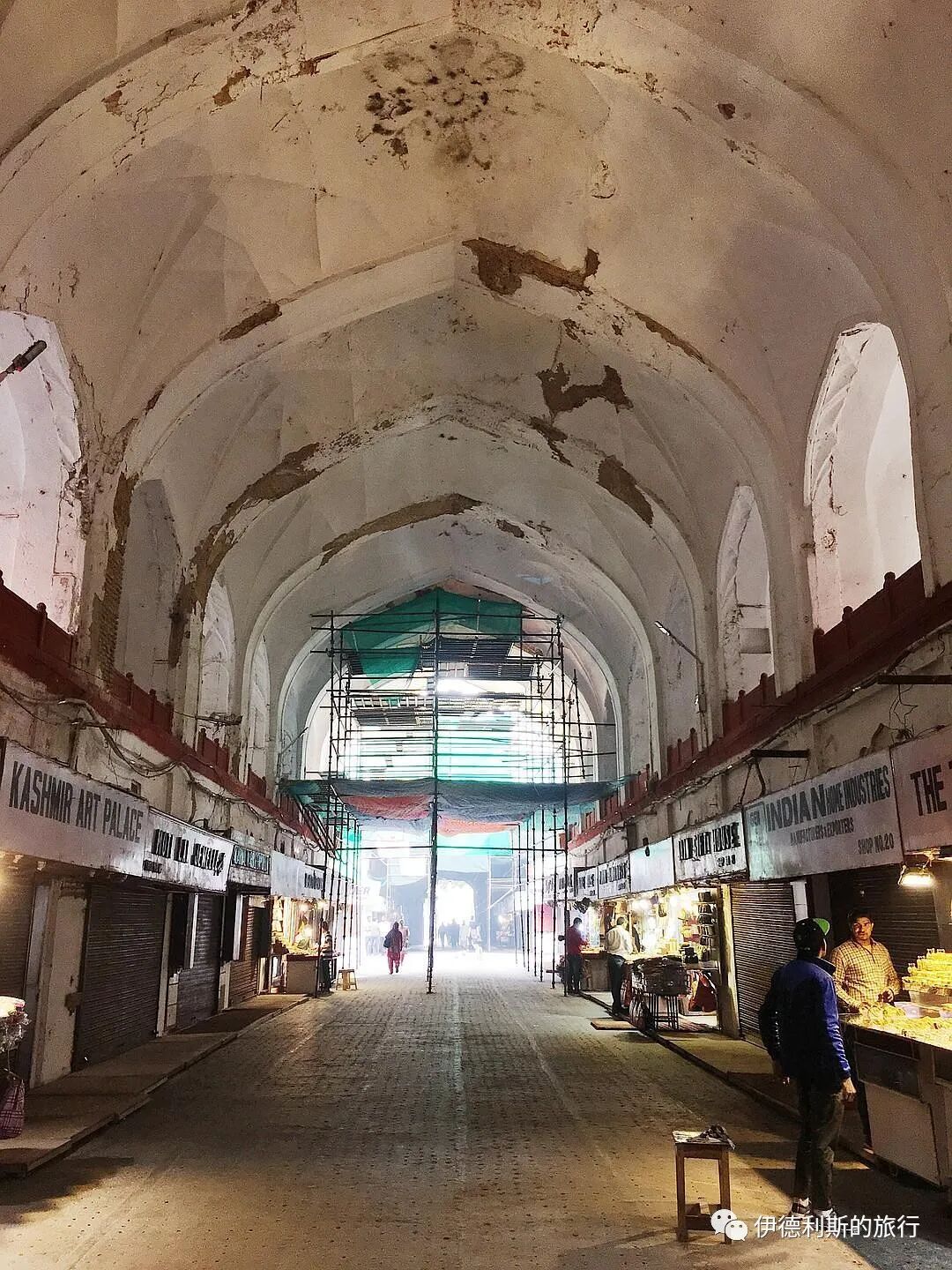
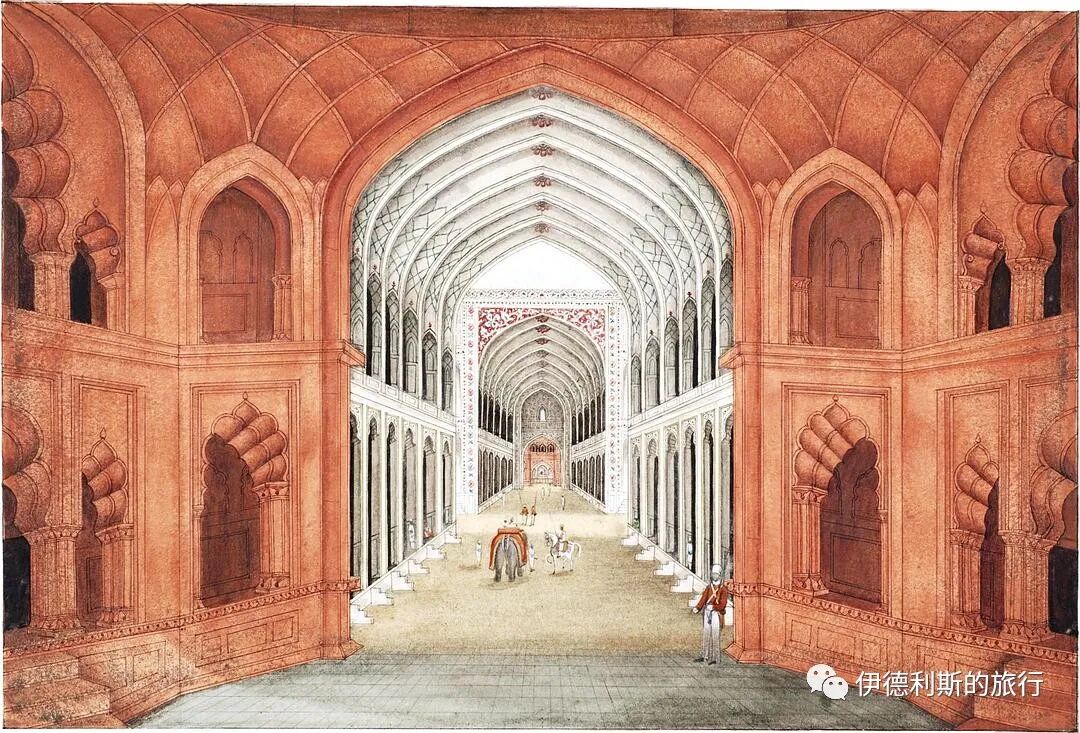
Painted by Ghulam Ali Khan between 1852 and 1854.
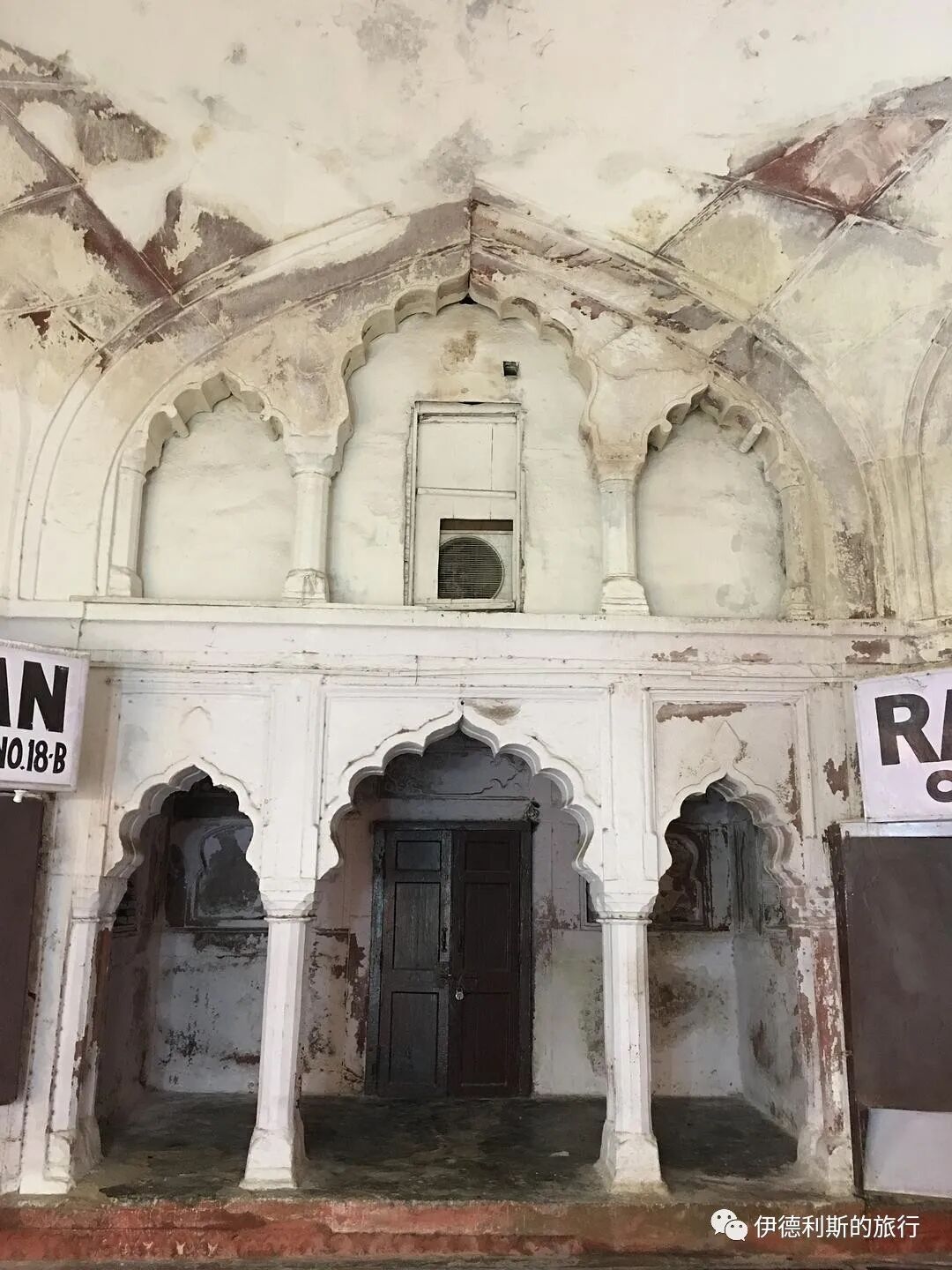
(Optional) Image description
3. Naubat Khana (drum house)
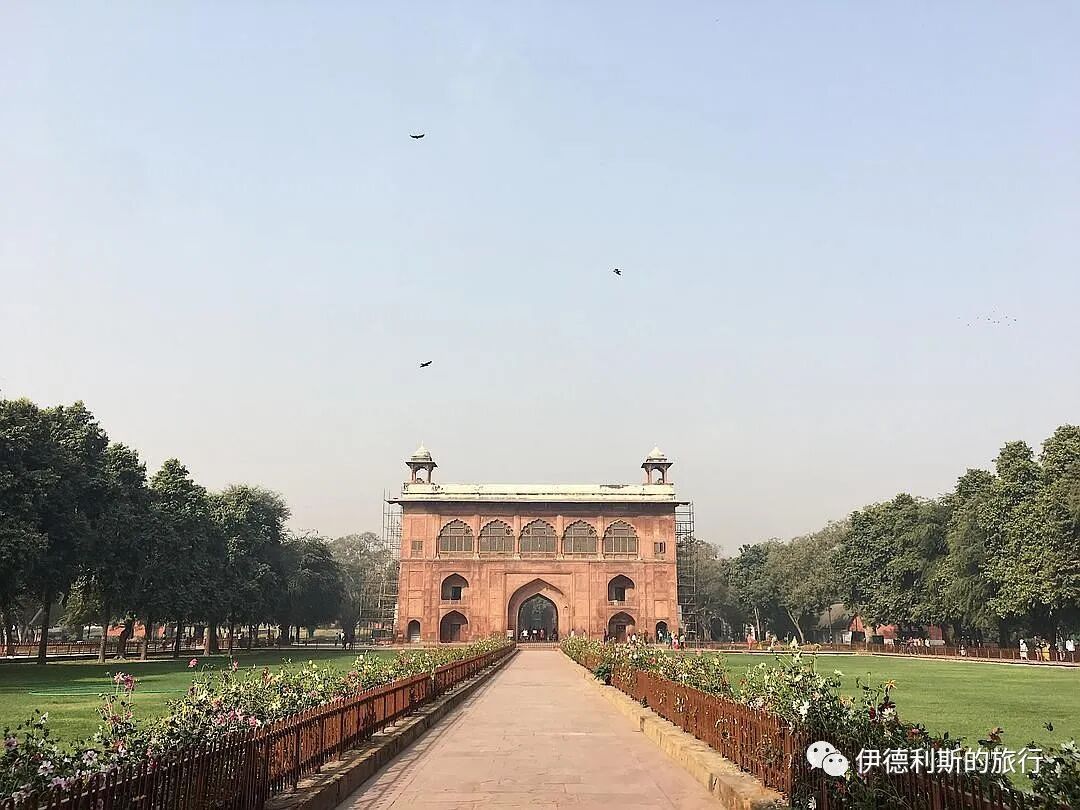
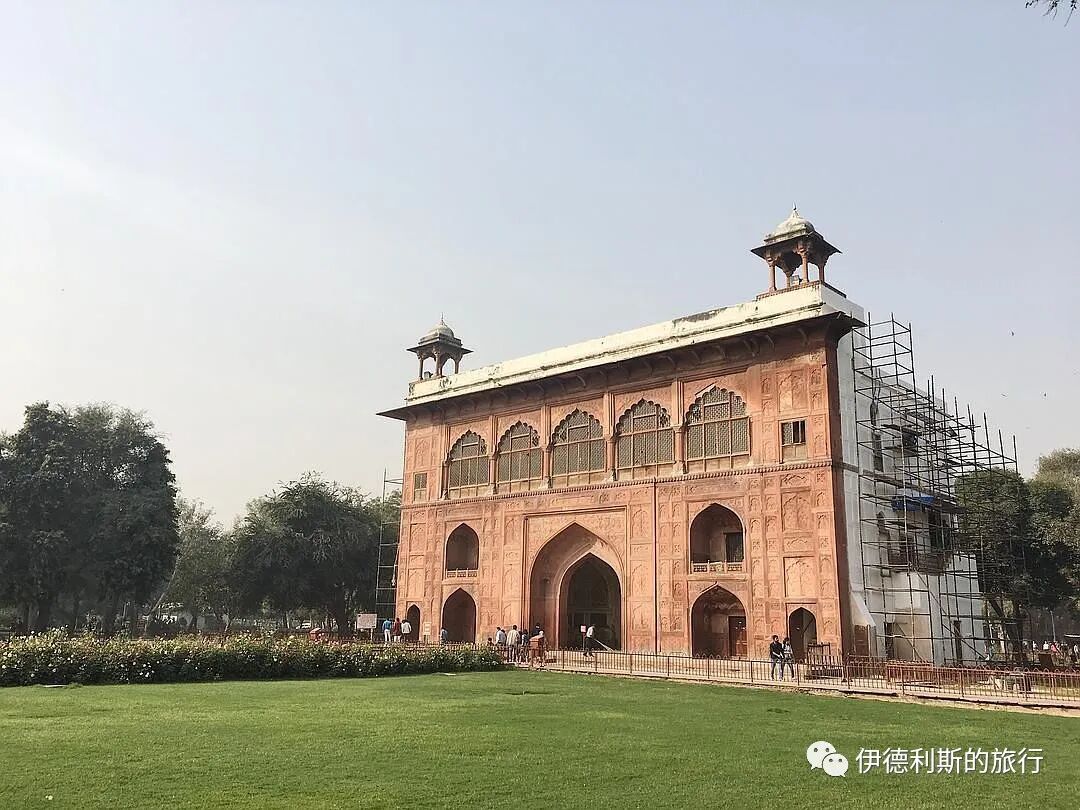
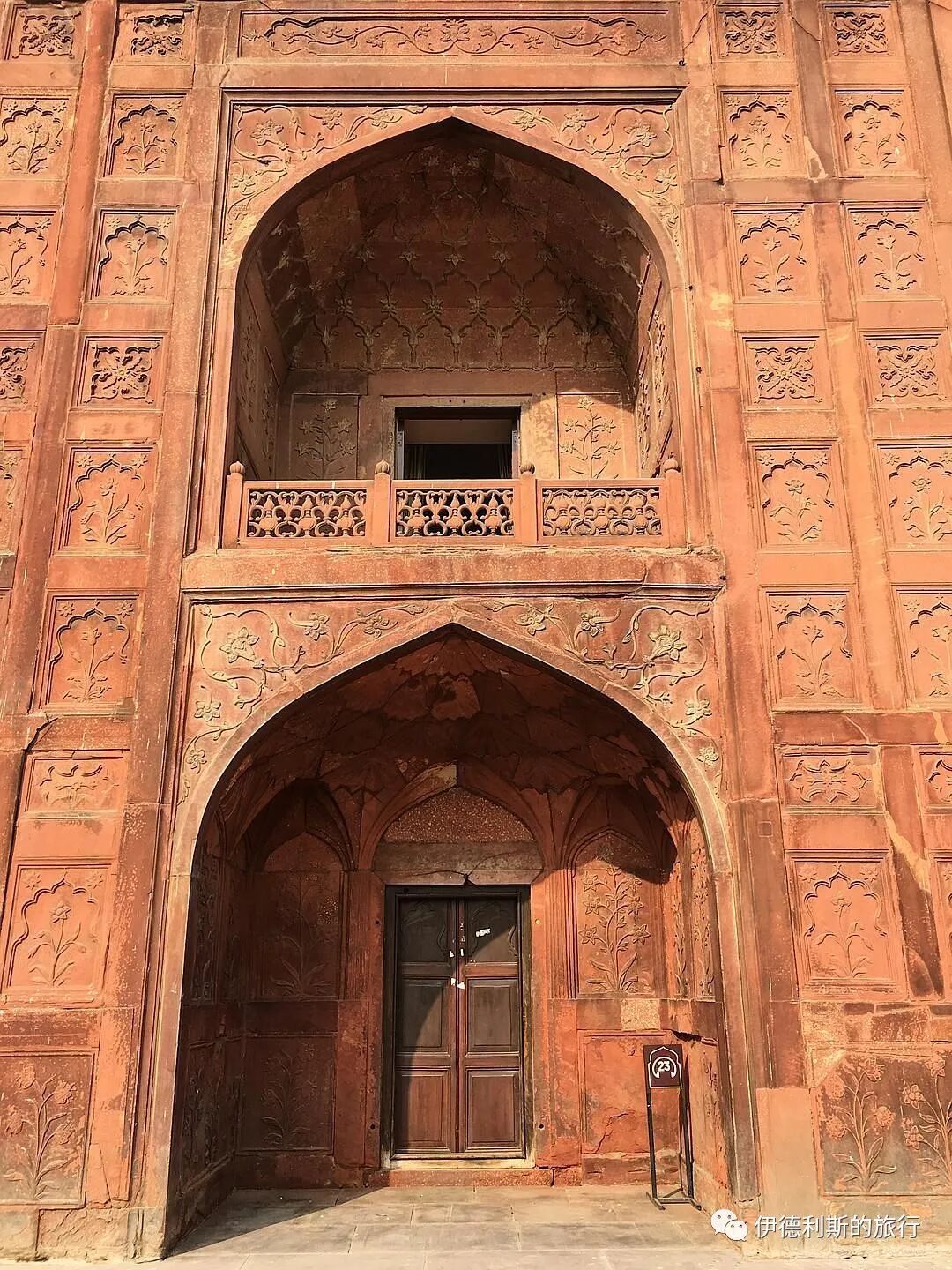
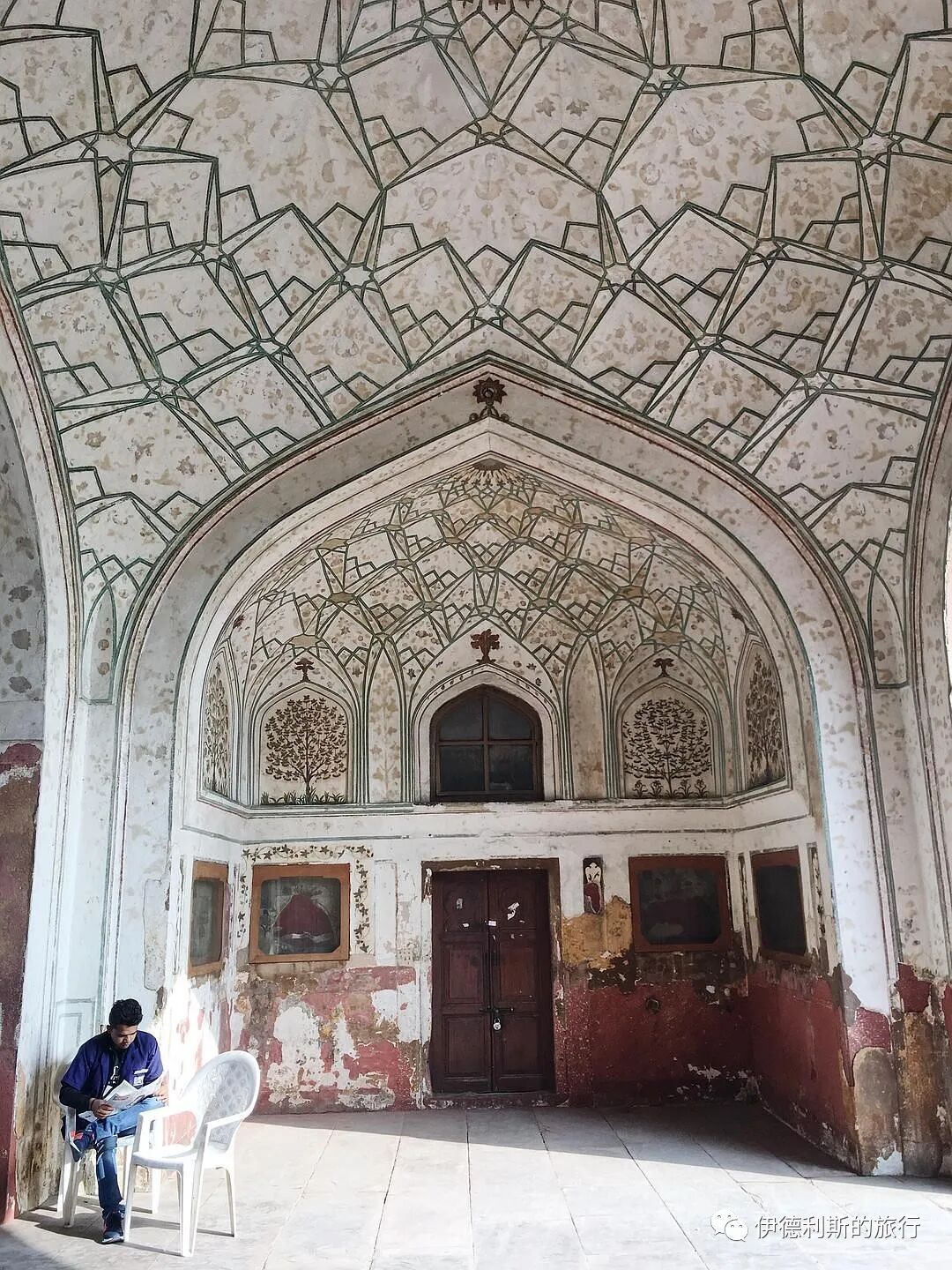
After walking through the Chhatta Chowk market, you reach the outer courtyard of the Red Fort. The building in the center of the outer courtyard is called the Naubat Khana, which serves as the main gate to the inner court. Naubat Khana means 'drum house.' During the Mughal era, ceremonial music was played here five times a day, and everyone except members of the royal family had to dismount from their horses when they reached this point. After 1857, the British army destroyed the arcades on both sides of the Naubat Khana and the central pool, leaving only the central building.
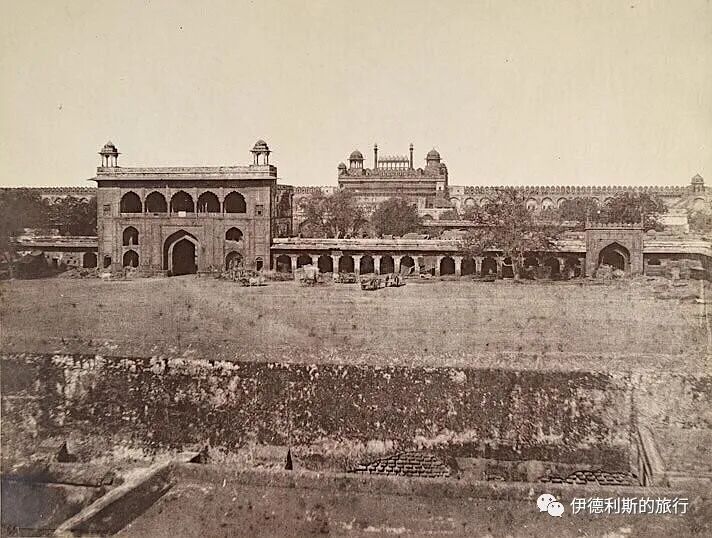
Photographed in 1858 by British army officer Robert Christopher Tytler and his wife Harriet.
4. Diwan-i-Aam (public audience hall)
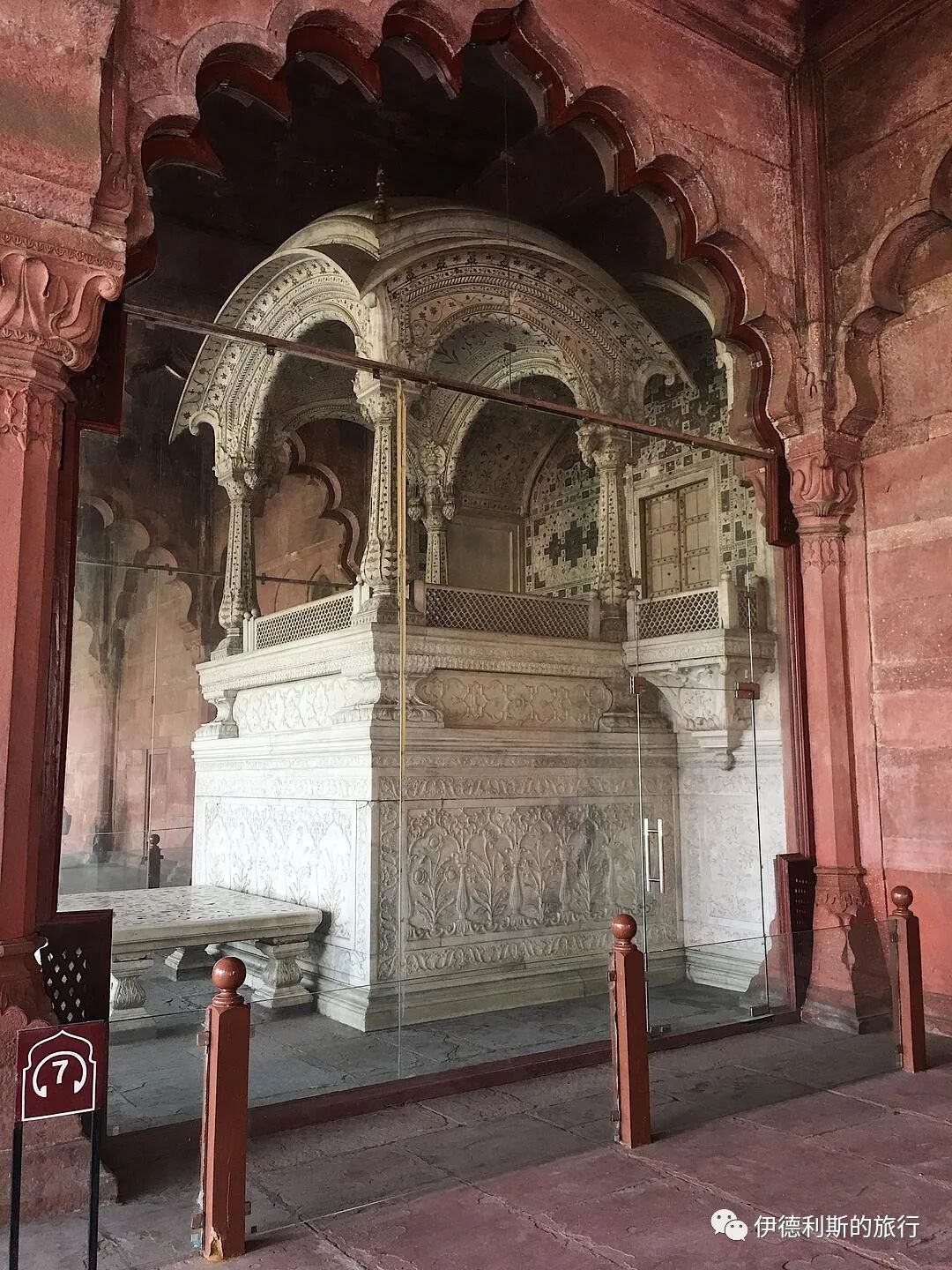
After passing through the Naubat Khana, you enter the inner courtyard of the Red Fort, where the Diwan-i-Aam stands directly in front of you. Diwan-i-Aam means 'Hall of Public Audience.' It was the place where the Mughal emperor met with the public to hear their concerns.
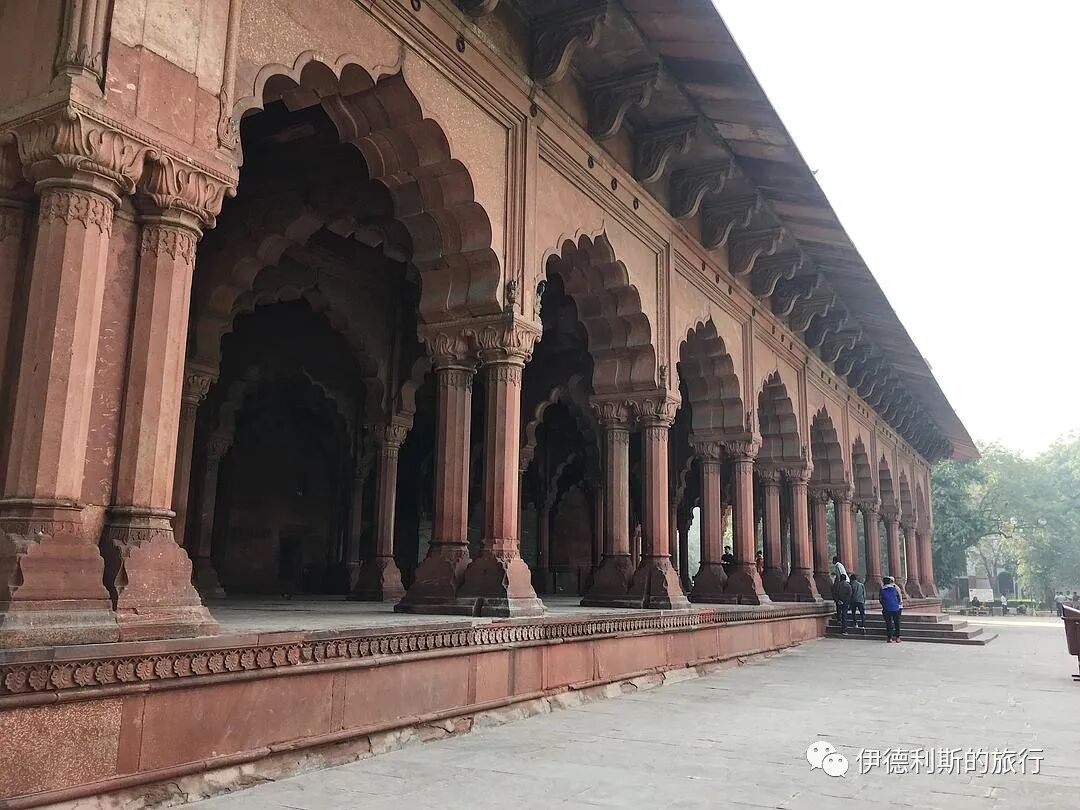
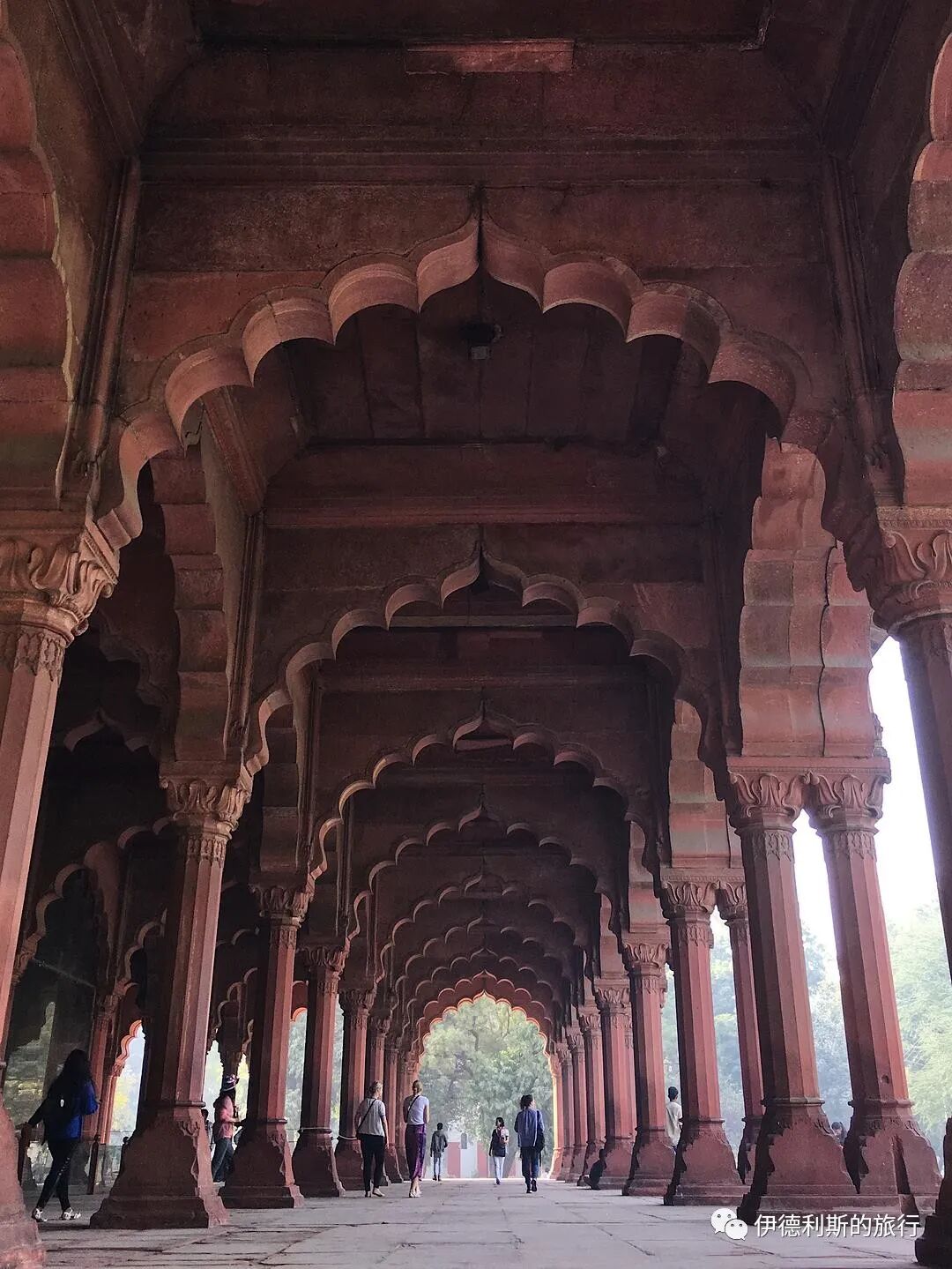
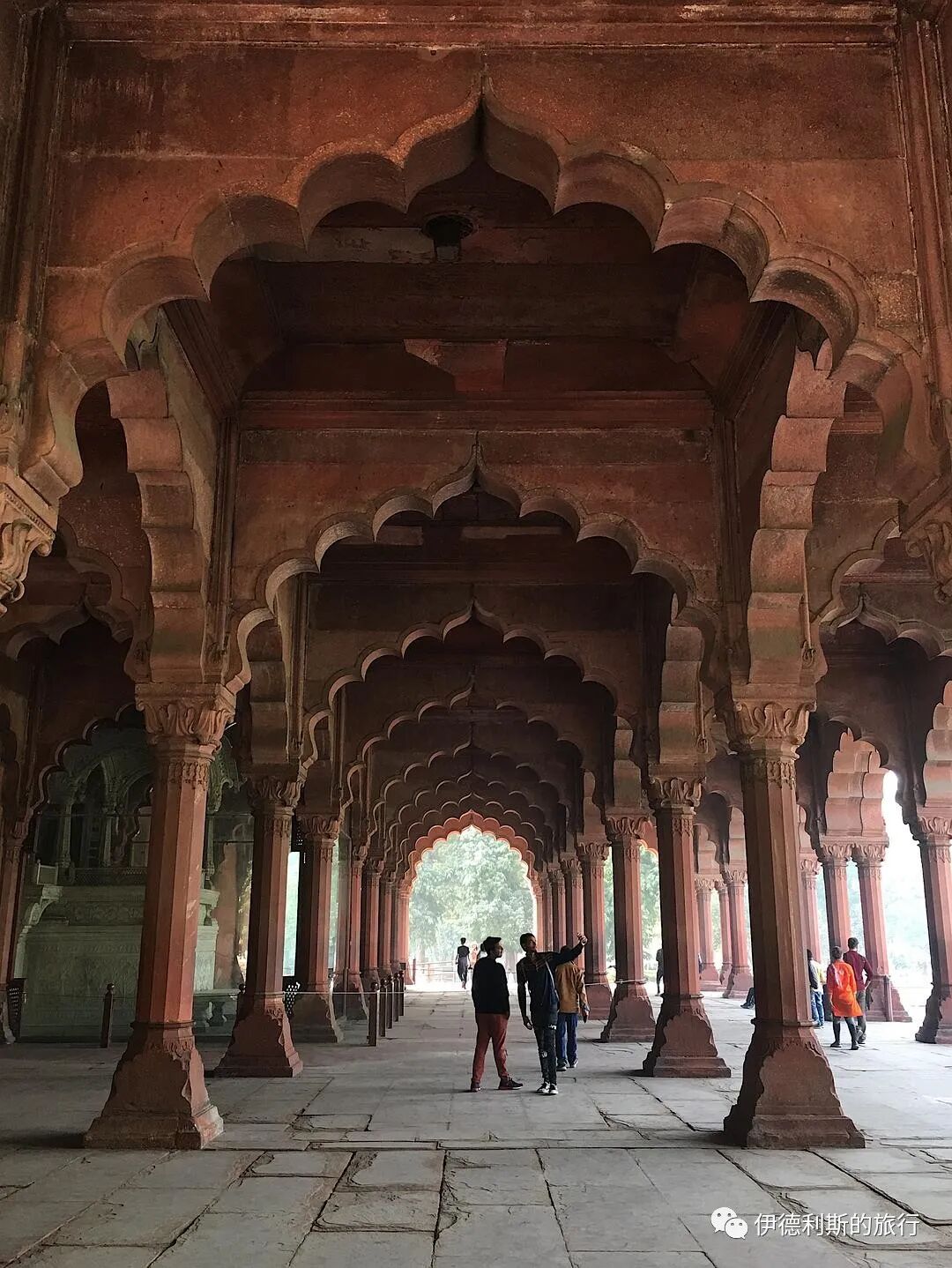
In the center of the hall is the throne where the emperor sat. The marble steps below the throne were where the prime minister (wazir) received petitions from the public.
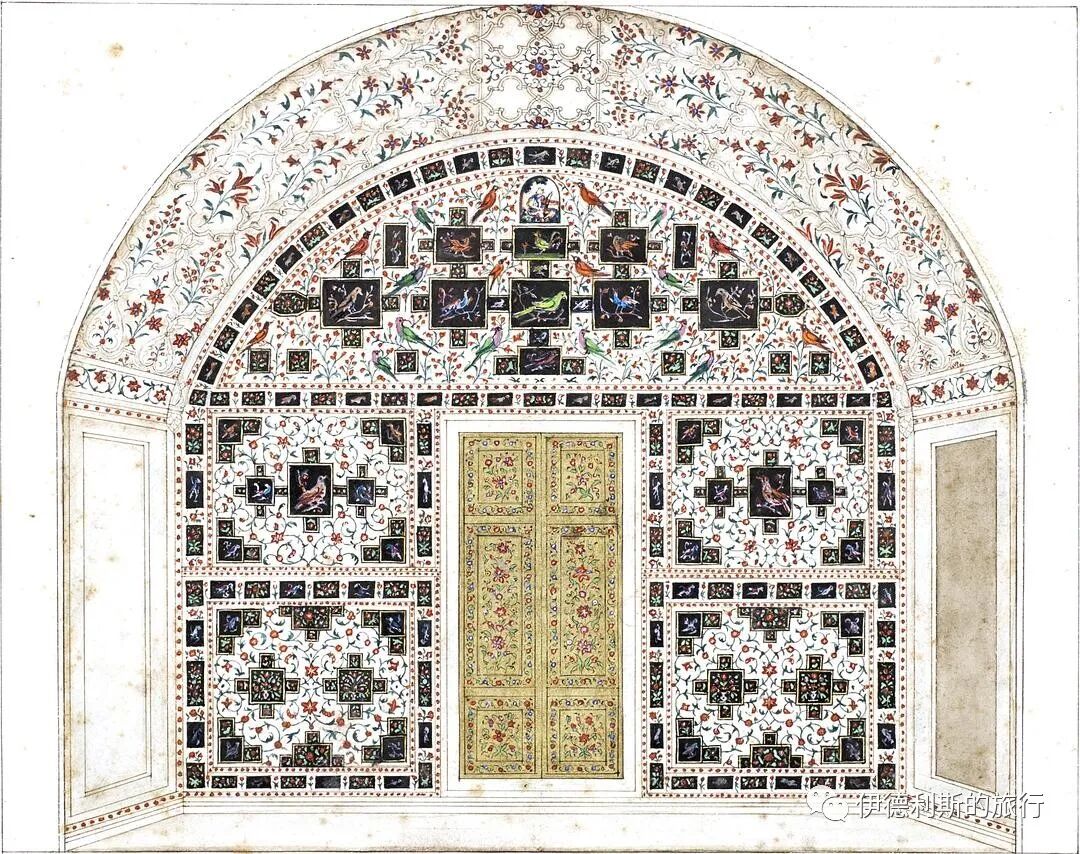
The door behind the throne, painted by Ghulam Ali Khan between 1852 and 1854.
5. Rang Mahal (palace of the empresses)
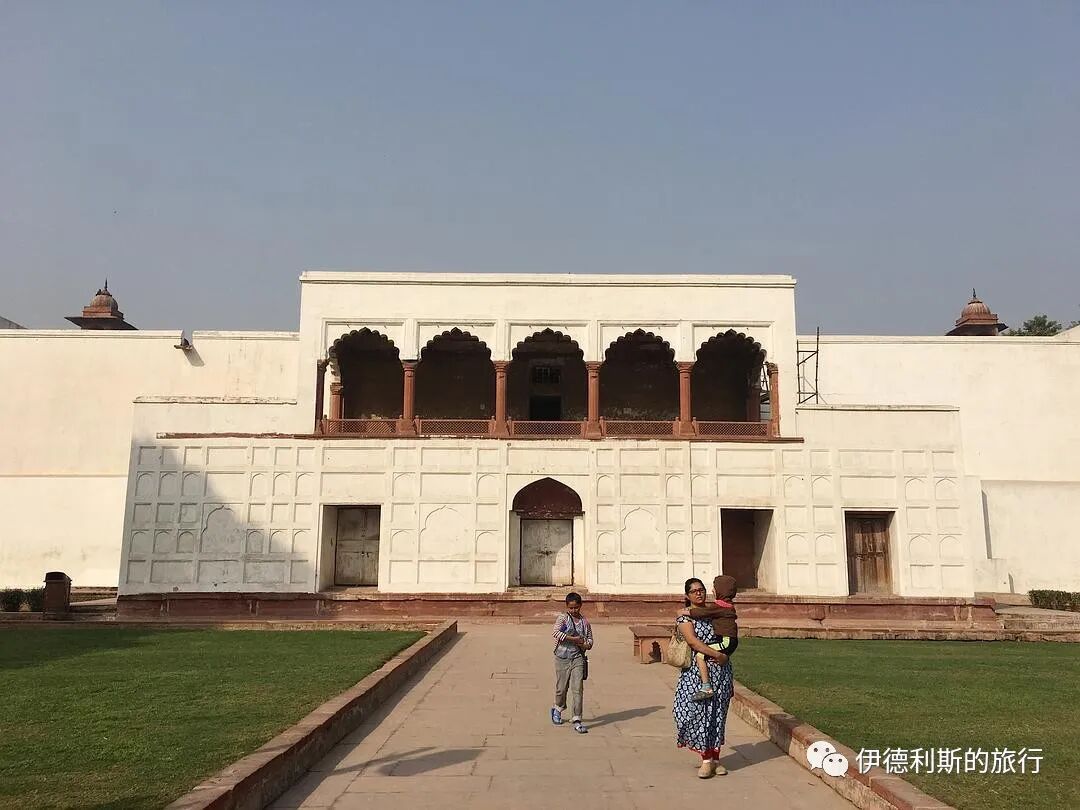
After entering the Diwan-i-Aam, you reach the harem section of the Red Fort. Rang Mahal means 'Palace of Colors.' It was the living quarters for the concubines of the Mughal emperor.
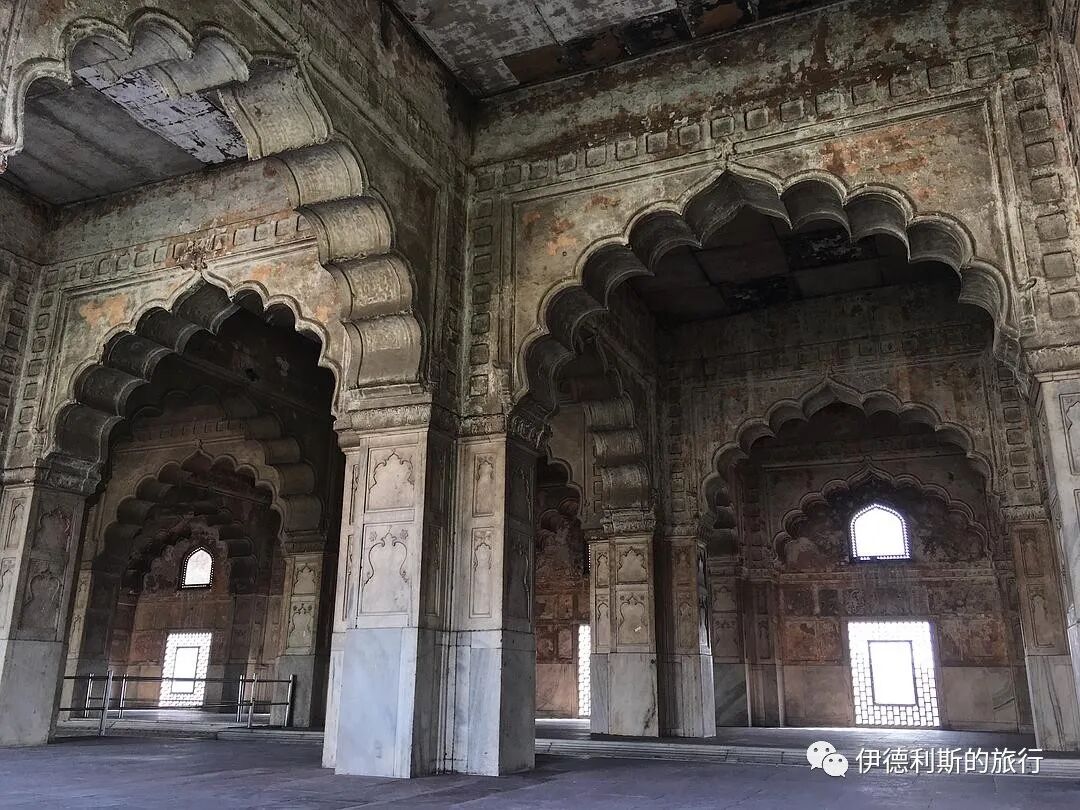
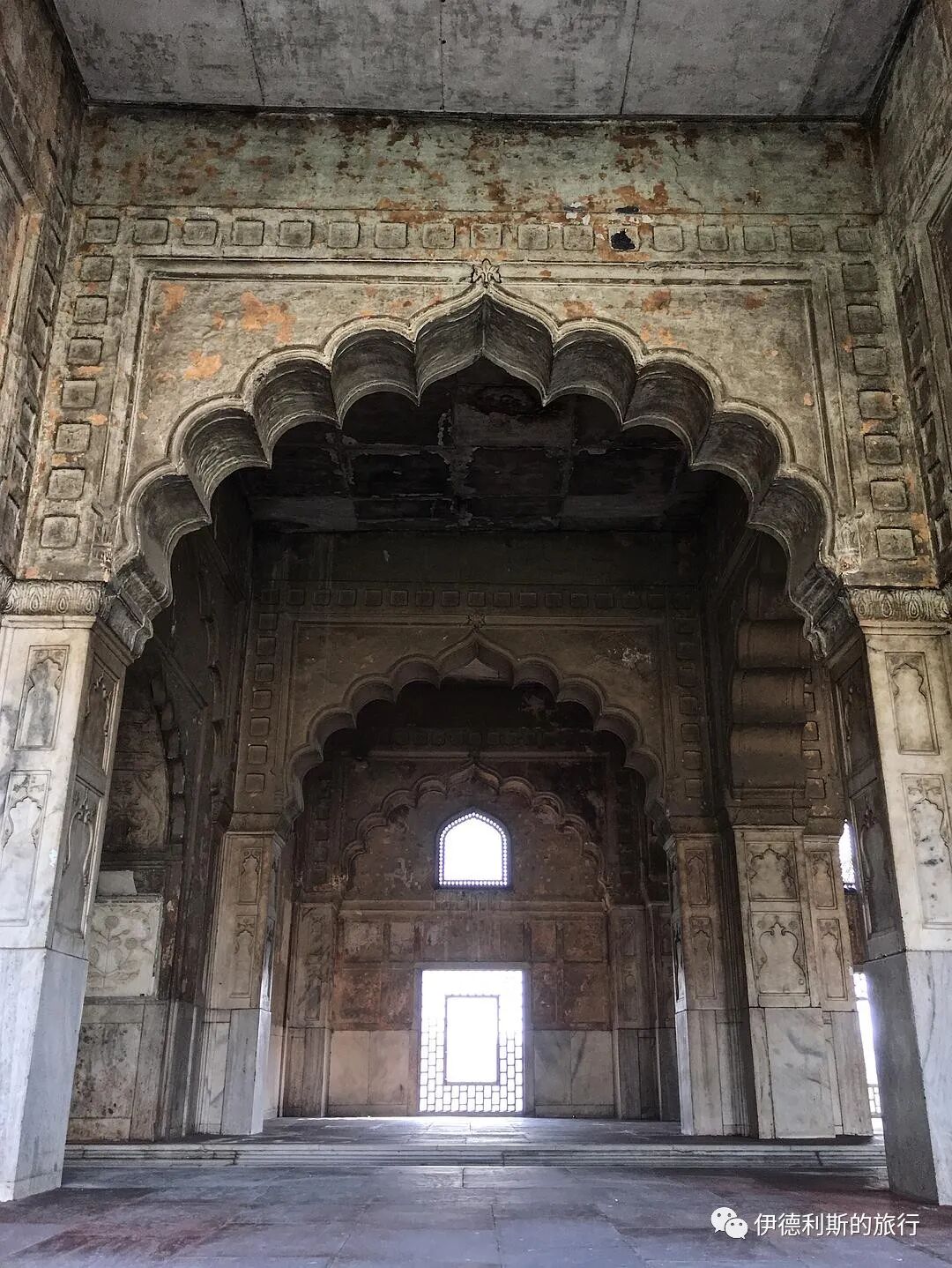

Painted by Ghulam Ali Khan between 1852 and 1854.
A shallow canal called the Stream of Paradise (Nahr-i-Bihist) flows into the marble pool in front of the Rang Mahal. During the hot summer, the women of the Mughal royal family would stay in the basement of the Diwan-i-Aam to escape the heat.
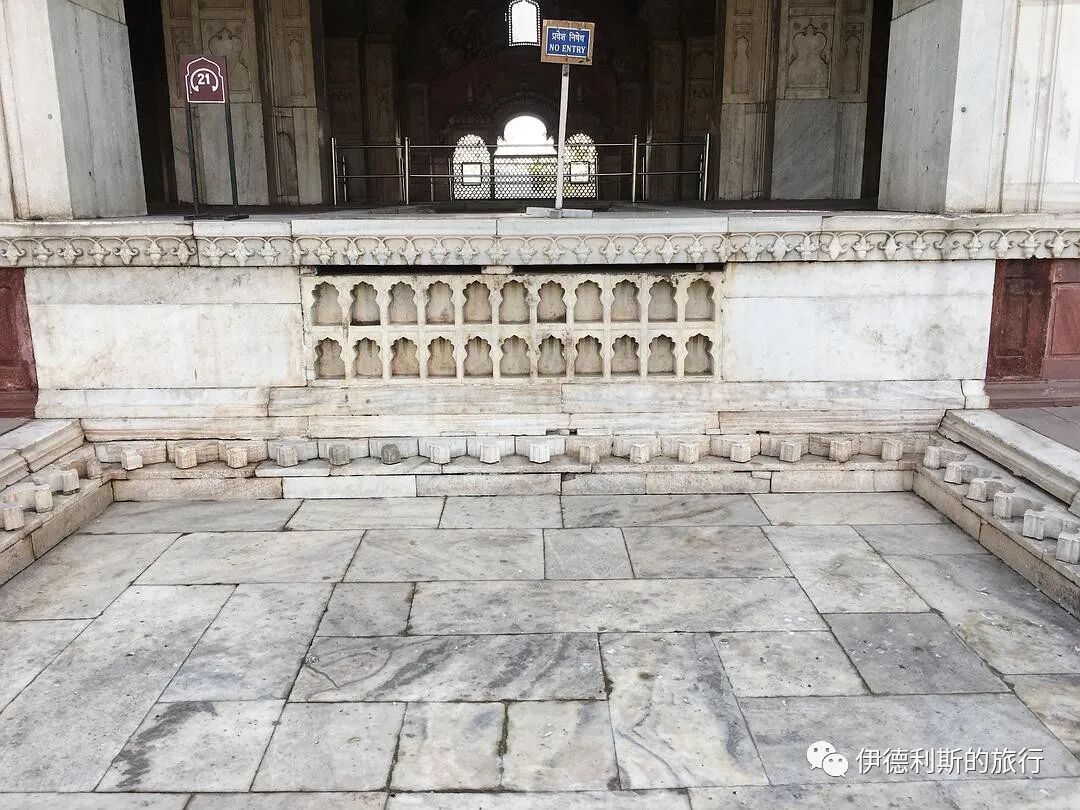
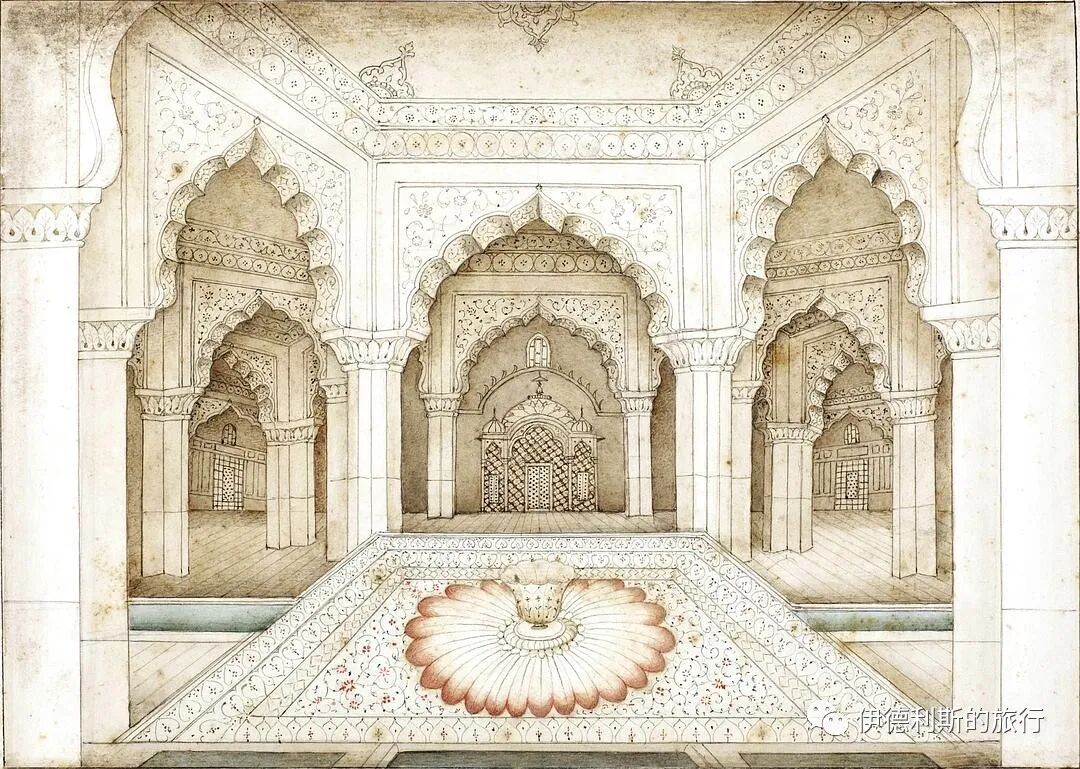
Painted by Ghulam Ali Khan between 1852 and 1854.
6. Khas Mahal (emperor's private palace)
To the north of the Rang Mahal is the Khass Mahal, which was the sleeping quarters of the Mughal emperor. The Rang Mahal was built of white marble. Its walls were originally inlaid with various jewels and the ceiling was gilded, but these features have not been preserved.
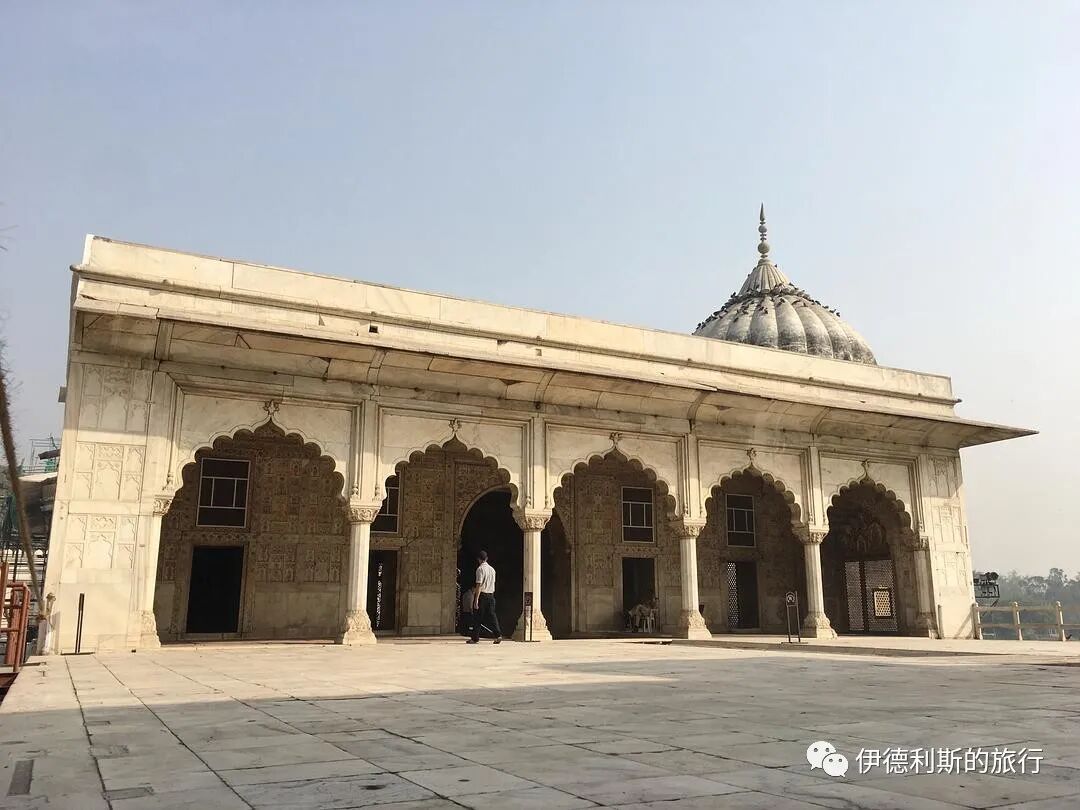
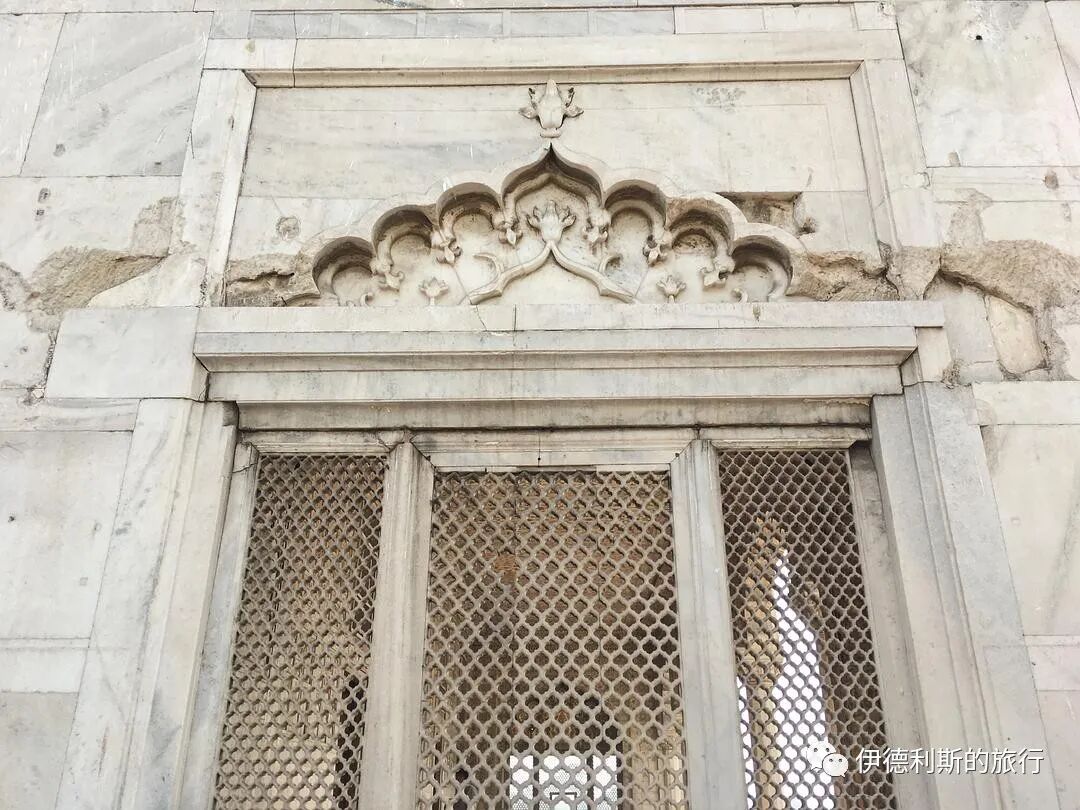
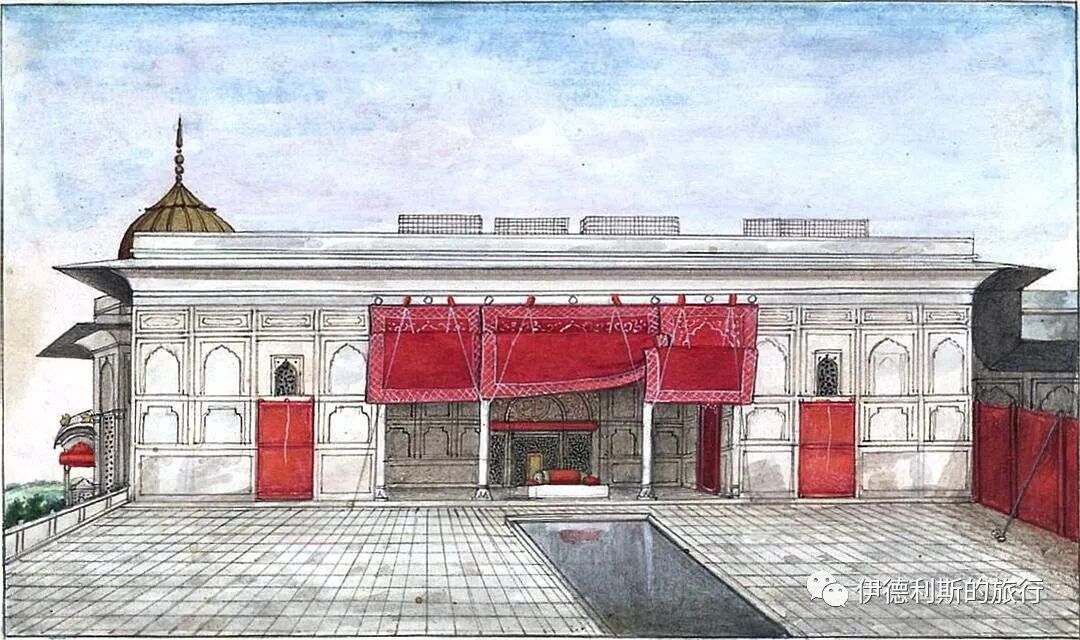
Painted by Sir Thomas Theophilus Metcalfe in 1843.
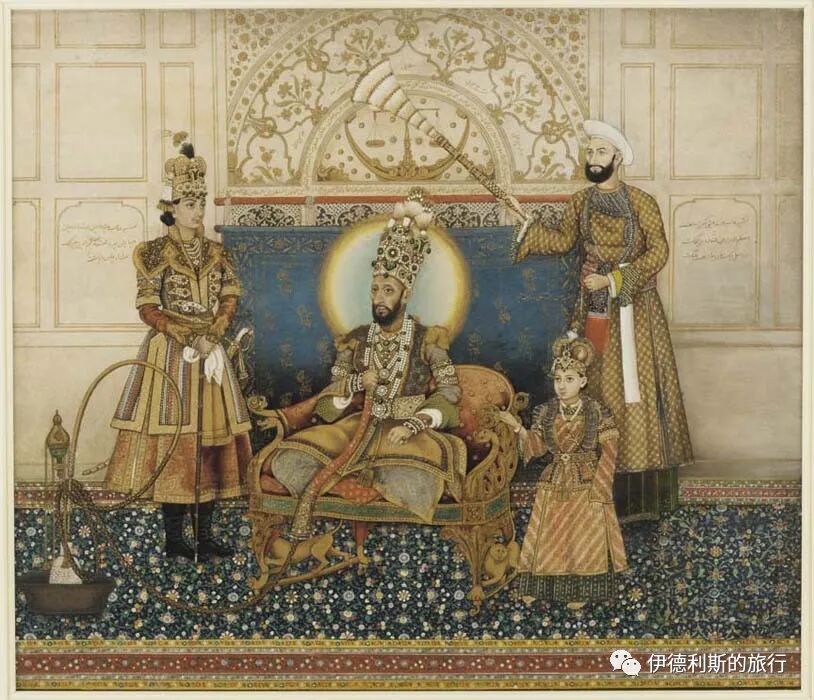
The last Mughal emperor, Bahadur Shah II, ascends the throne in the Khas Mahal, painted by Ghulam Ali Khan between 1837 and 1838.
7. Hall of Private Audience (Diwan-i-Khas)
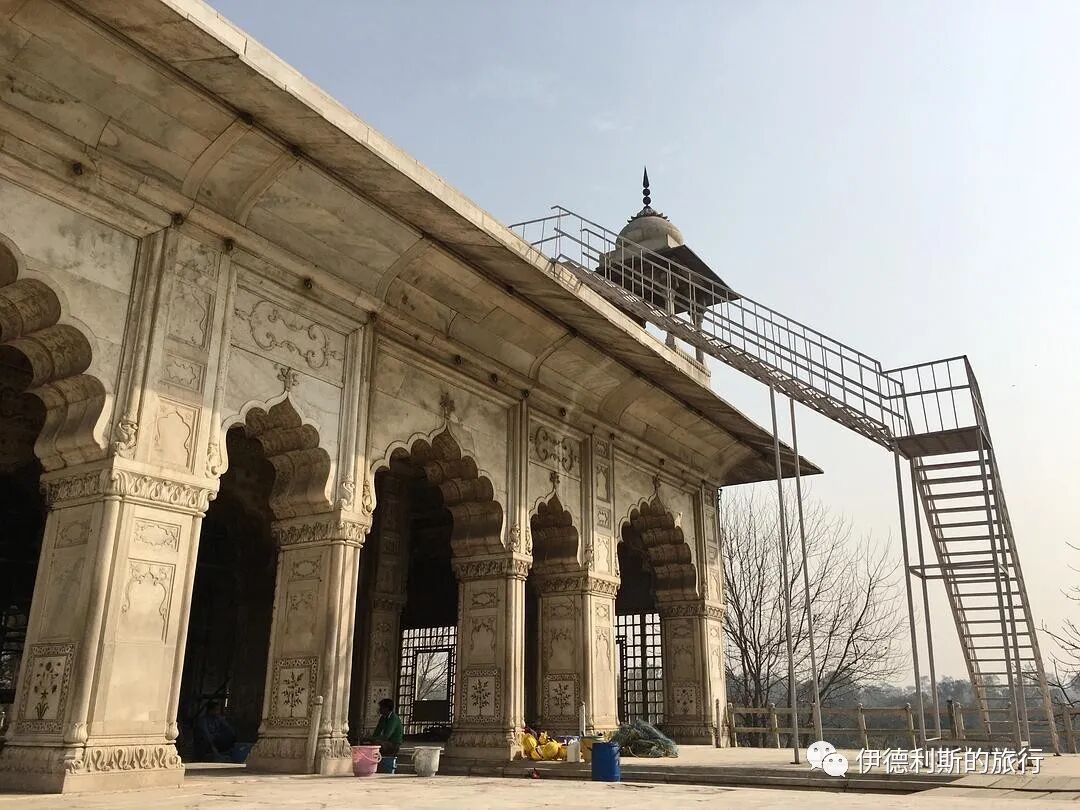
North of the Khas Mahal is the Hall of Private Audience (Diwan-i-Khas), where the Mughal emperor met with courtiers and state guests. The Hall of Private Audience (Diwan-i-Khas) means "private reception room." It is built of white marble and was once inlaid with various jewels, featuring the exquisite Peacock Throne in the center. The hall once had a ceiling inlaid with gold and silver, but these were later removed. The current ceiling was installed in 1911.
Outside the hall, there used to be red awnings, and the arches below were inscribed with verses by the famous Sufi master Amir Khusrow:
If there is a paradise on earth,
It is this, it is this, it is this.
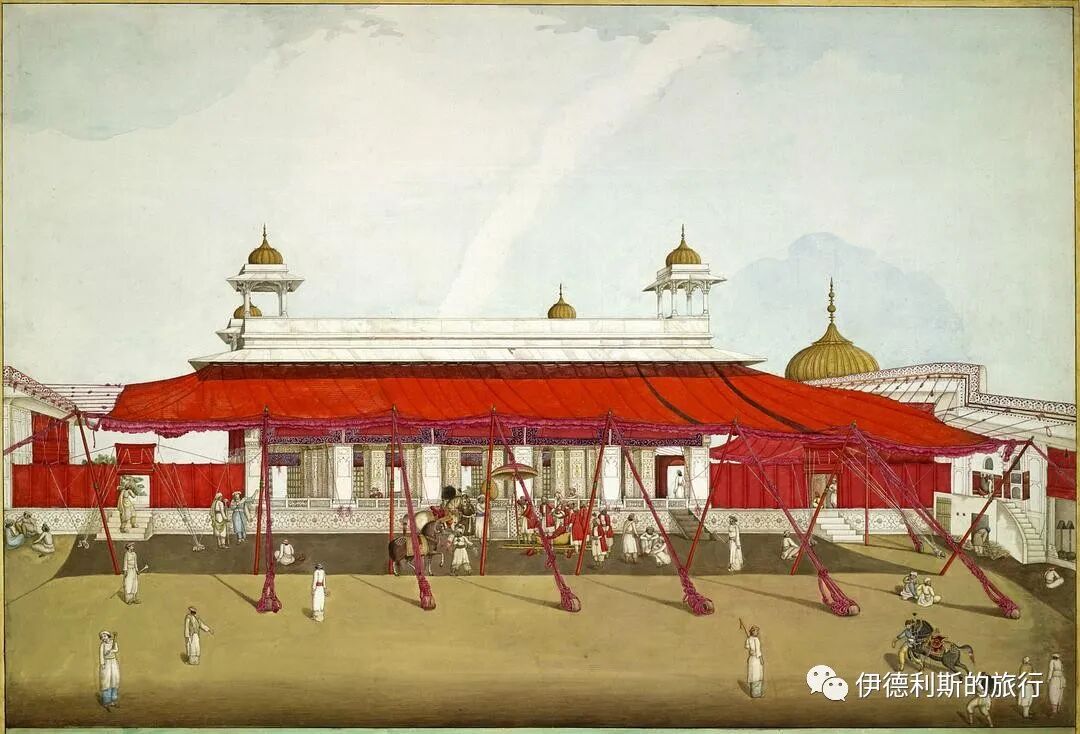
Painted by Ghulam 'Ali Khan in 1817.
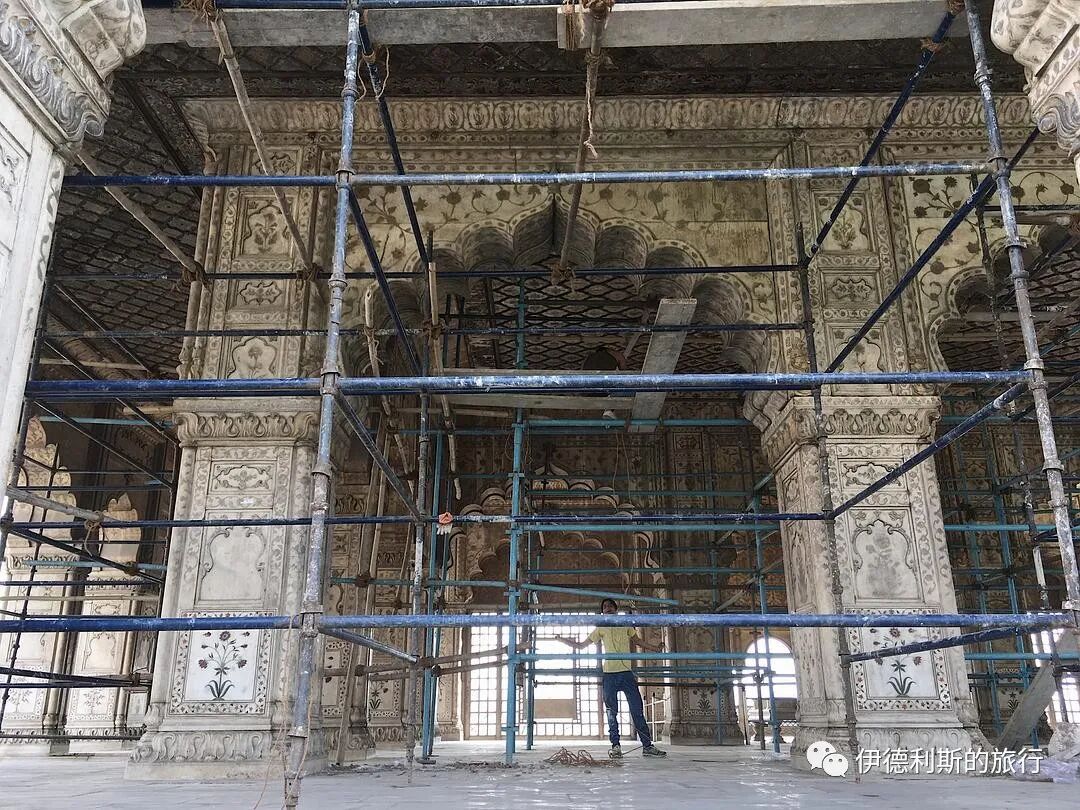
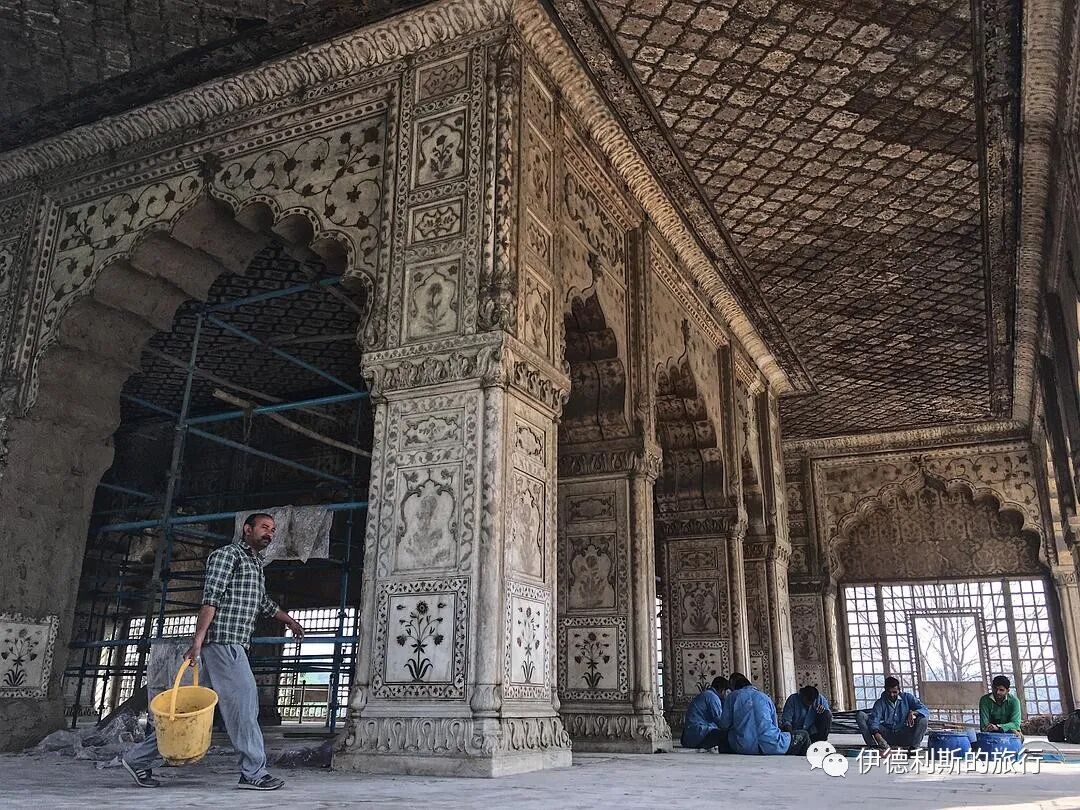
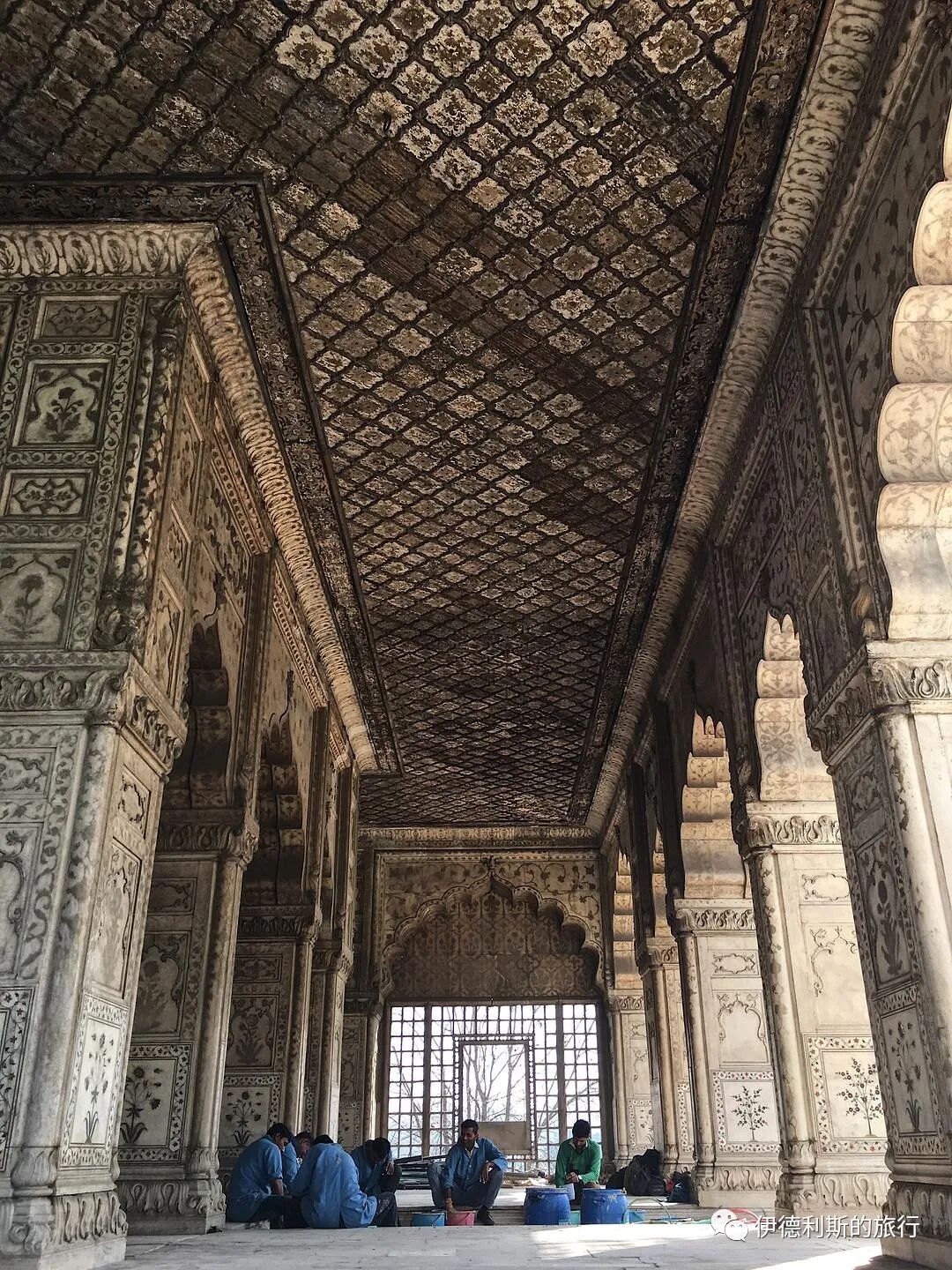
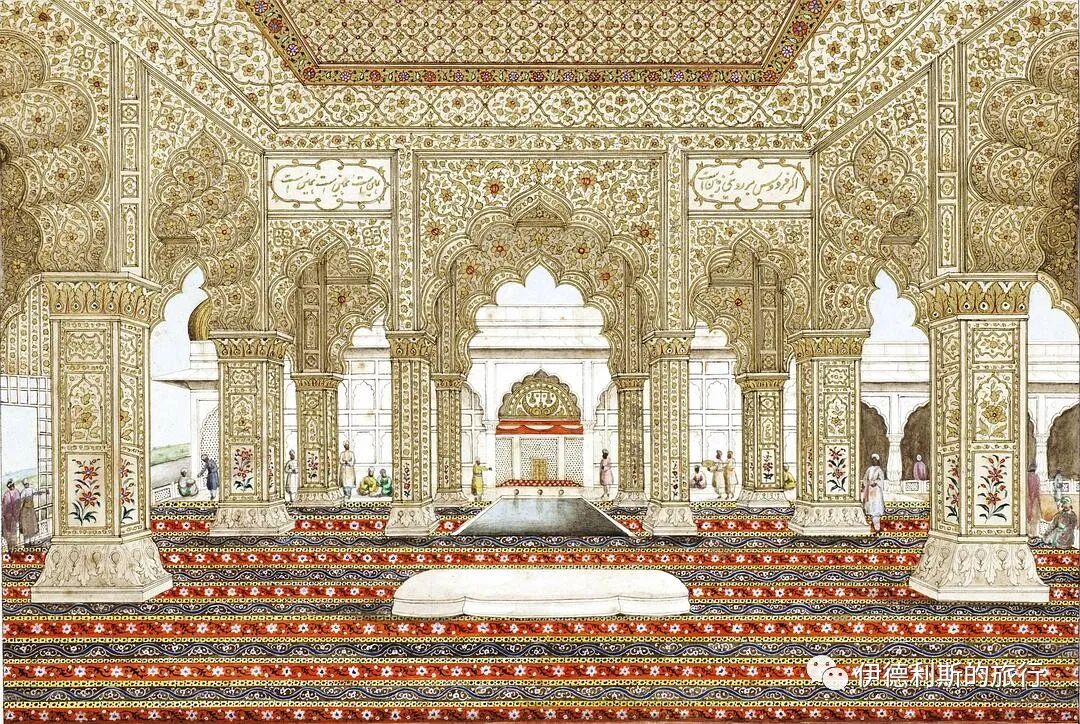
Painted by Ghulam Ali Khan between 1852 and 1854.
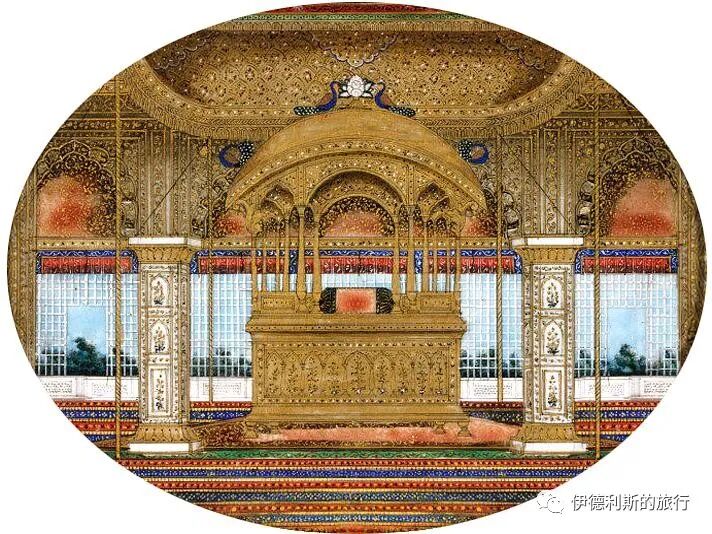
The Peacock Throne in 1850.
8. Hammam-e-Lal Qila (bathhouse)
North of the Hall of Private Audience (Diwan-i-Khas) is the Red Fort Bathhouse (Hammam-e-Lal Qila), which was used by the Mughal royal family. The Red Fort Bathhouse (Hammam-e-Lal Qila) is a Turkish-style bath consisting of three sections: a children's bath, a dressing room, and a hot bath. Legend has it that the water flowing from the taps at that time was mixed with rose perfume.
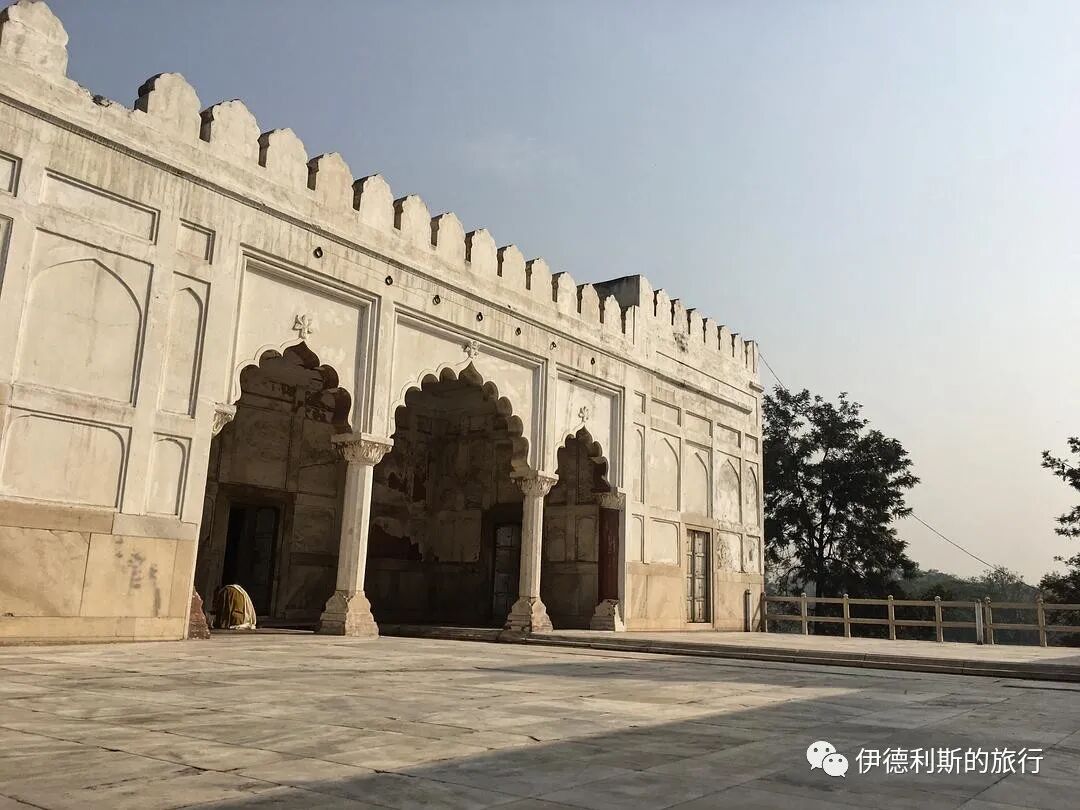
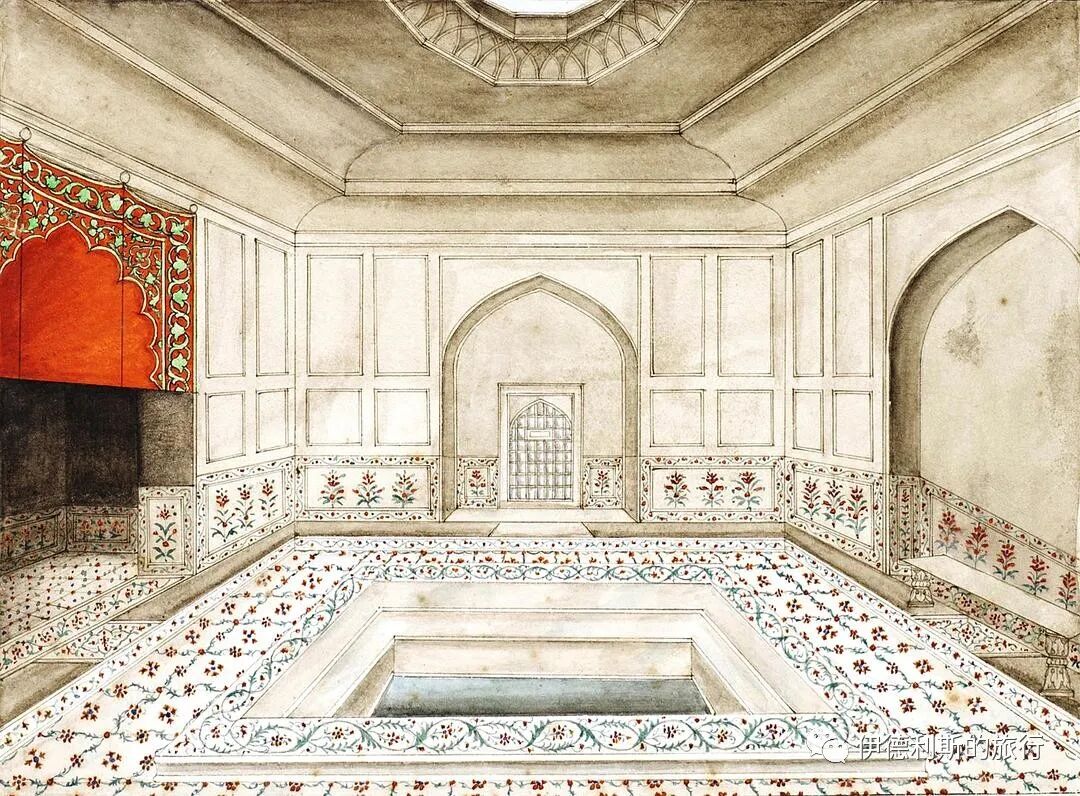
Painted by Ghulam Ali Khan between 1852 and 1854.
9. Pearl Mosque (Moti Masjid)
The Pearl Mosque (Moti Masjid) is west of the bathhouse. It was built by the sixth Mughal emperor, Aurangzeb, between 1659 and 1660 for his second wife, Nawab Bai. Pearl (Moti) means "pearl." It is built of white marble, and its three domes were originally covered with gilded copper plates, which were lost after 1857.
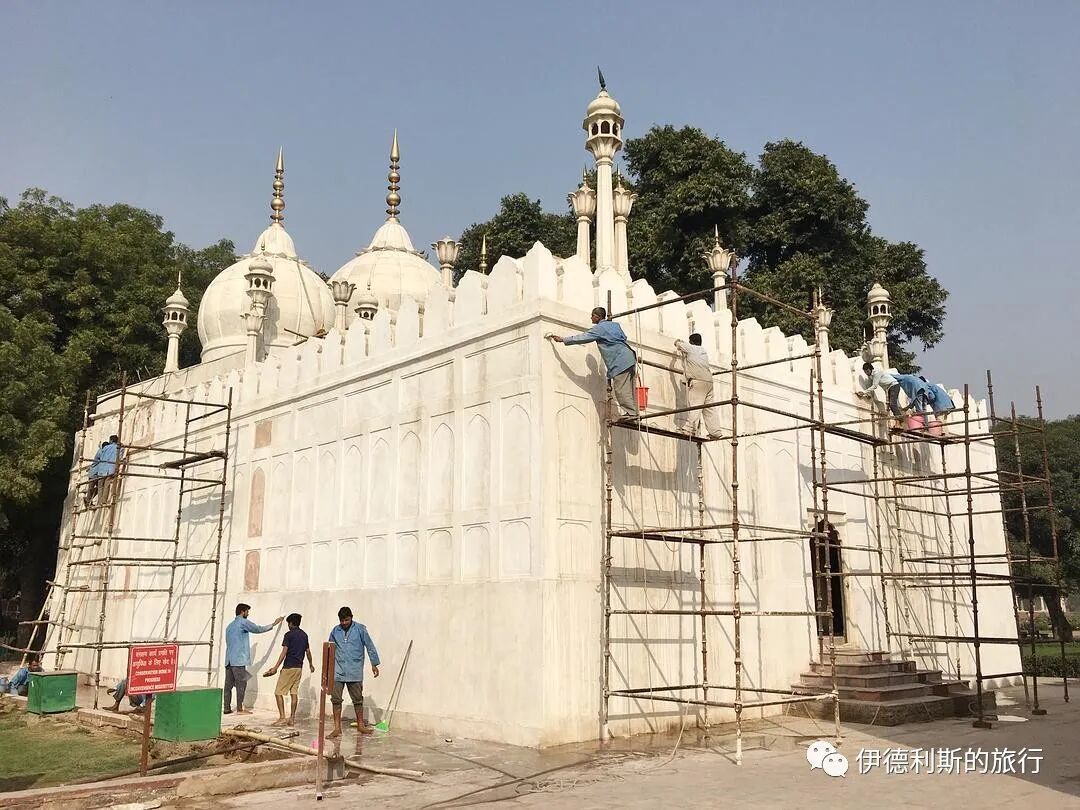
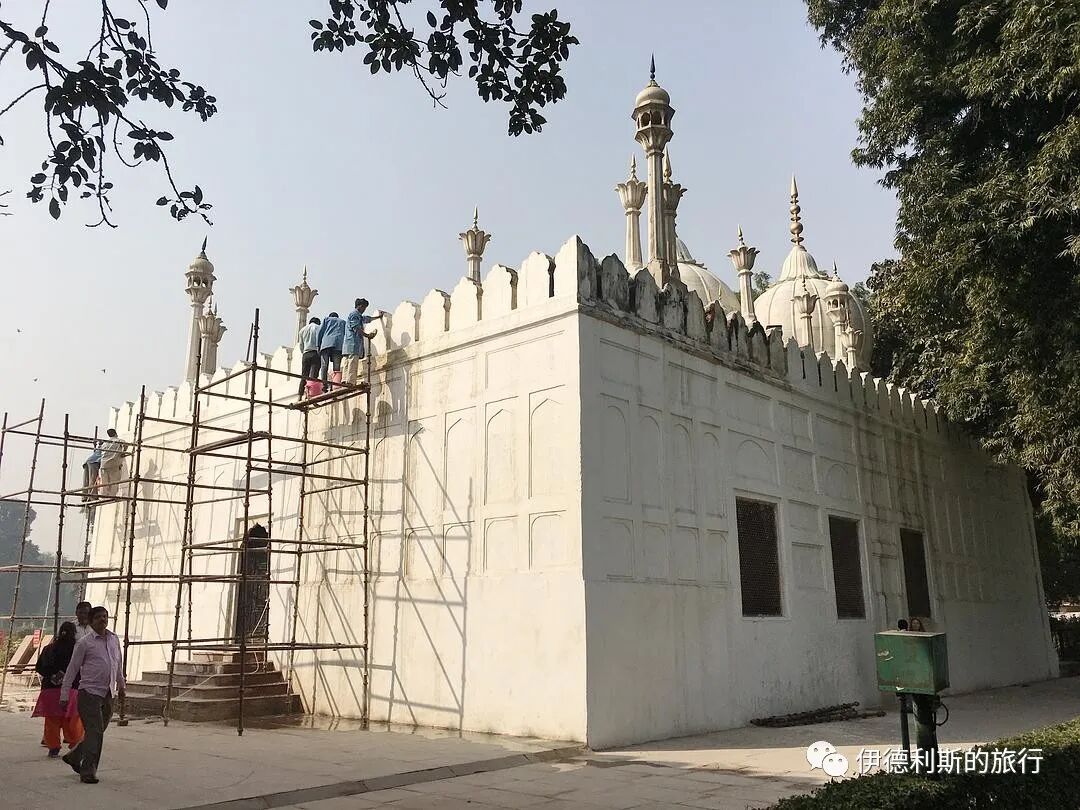
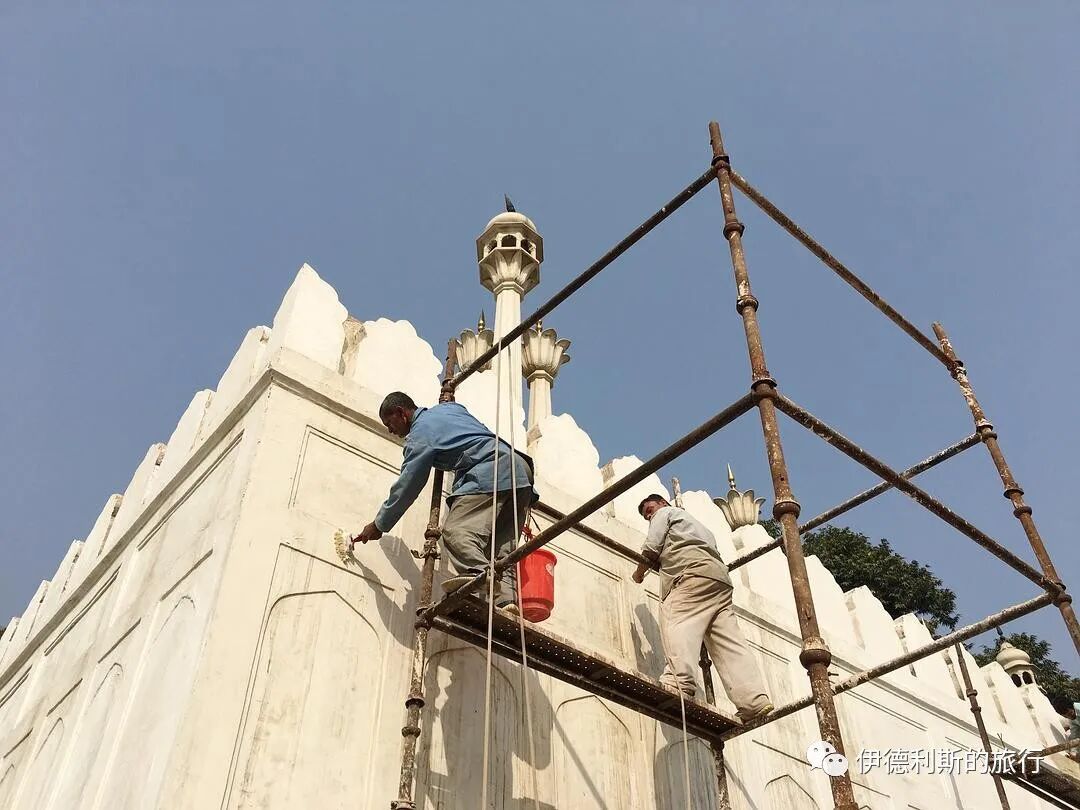
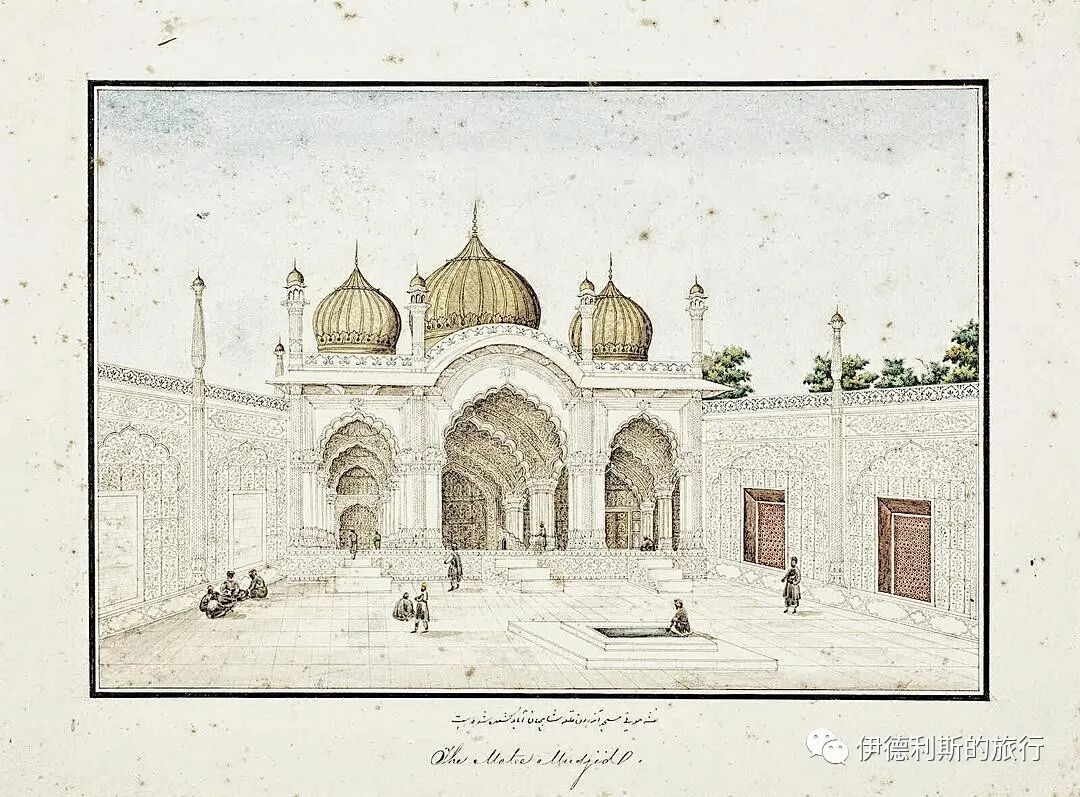
Painted by Ghulam Ali Khan between 1852 and 1854.
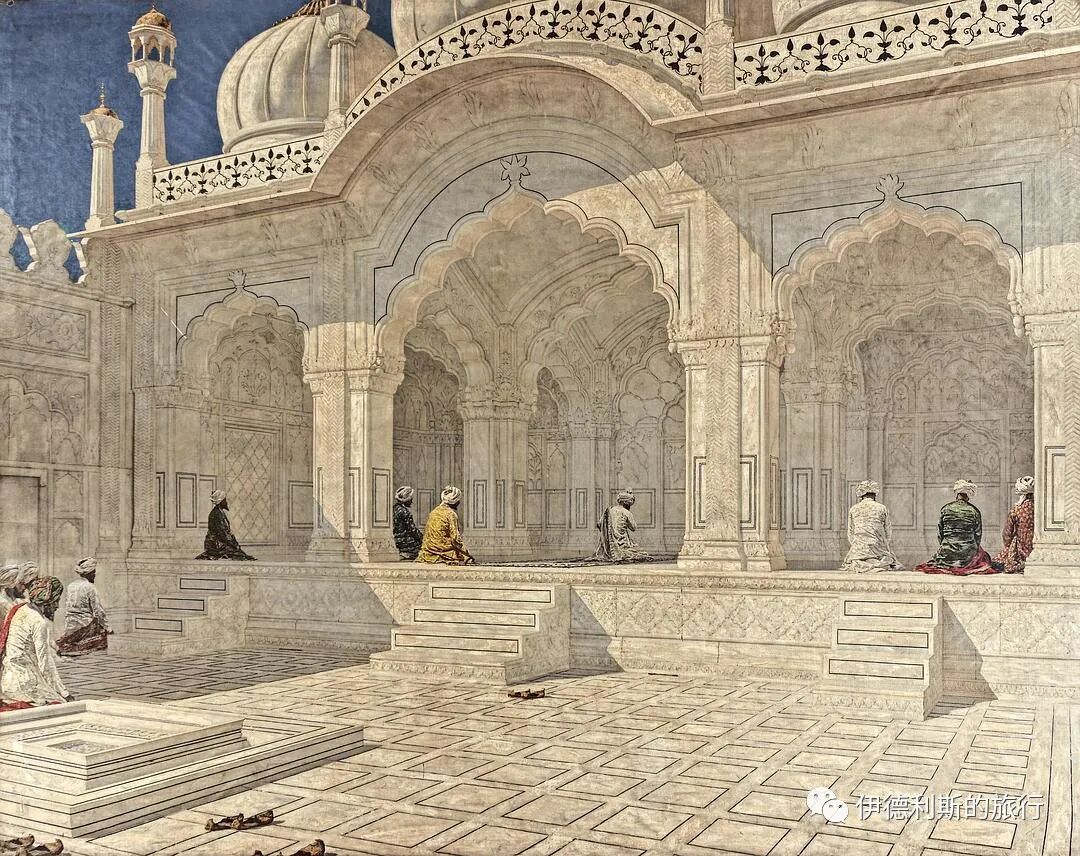
Painted by Vasily Vereshchagin in the late 1880s.
10. King's Tower (Shah Burj)
The northernmost part of the harem is a white marble pavilion built during the Aurangzeb period. Behind the pavilion is the Shahi Burj, the northeast corner tower of the Red Fort, which means "Imperial Tower." Inside the tower is a hydraulic system that carries water from outside the Red Fort into its gardens and buildings.
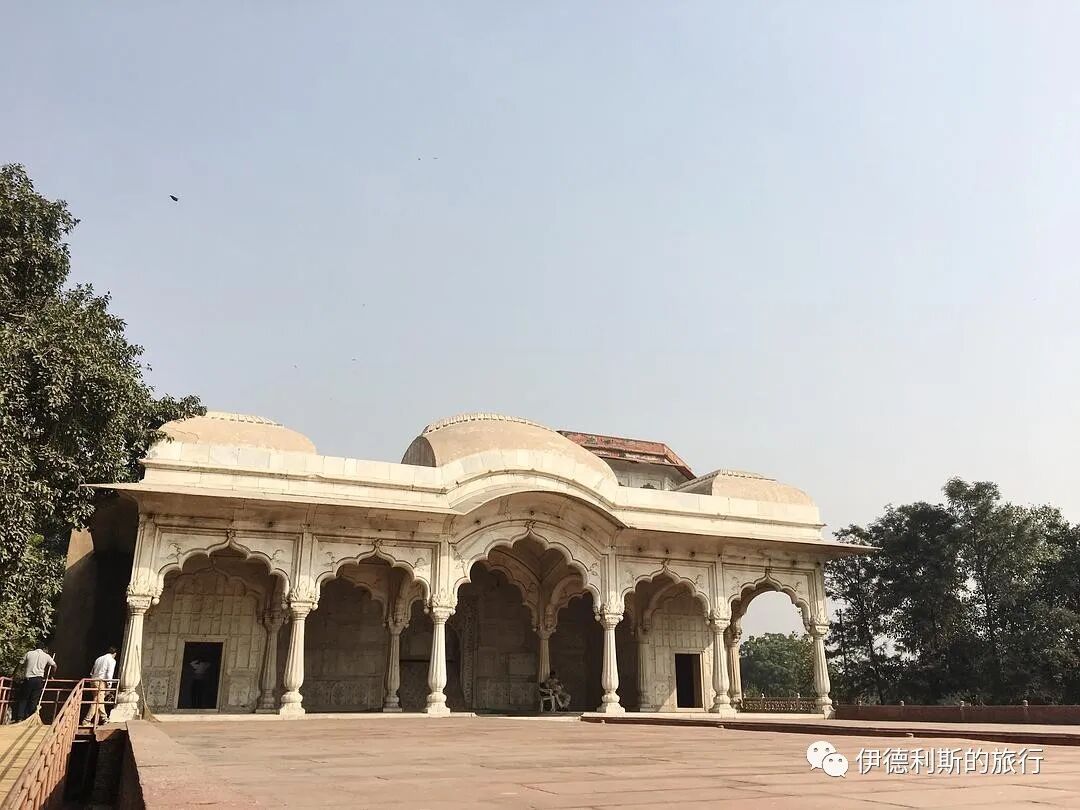
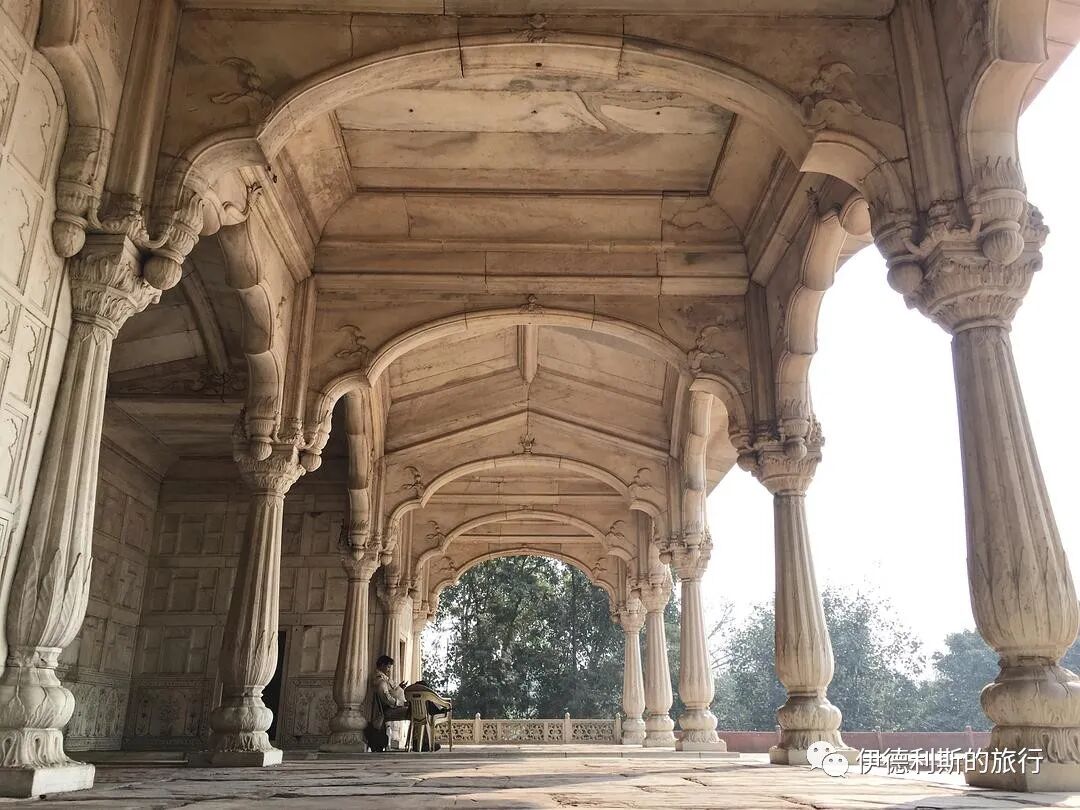
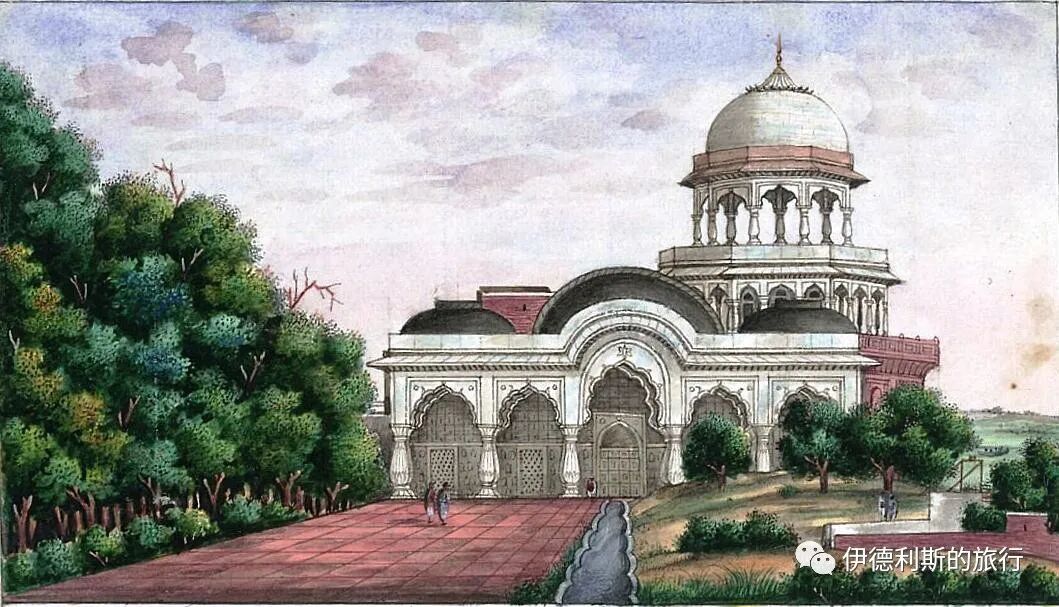
Painted by Sir Thomas Metcalfe in 1843.
11. Life-Giving Garden (Hayat Bakhsh Bagh)
In the northwest part of the harem is the royal water garden Hayat Bakhsh Bagh, which means 'Life-Giving Garden'. Most of the garden's buildings were destroyed after 1857, and only three survive today.
At the center of the garden is the red sandstone building Zafar Mahal, built in 1842 by the last Mughal emperor, Bahadur Shah II. The building sits in a pool and was originally connected to the shore by a red sandstone bridge, but it was destroyed after 1857. After 1857, the British army used this area as a swimming pool.
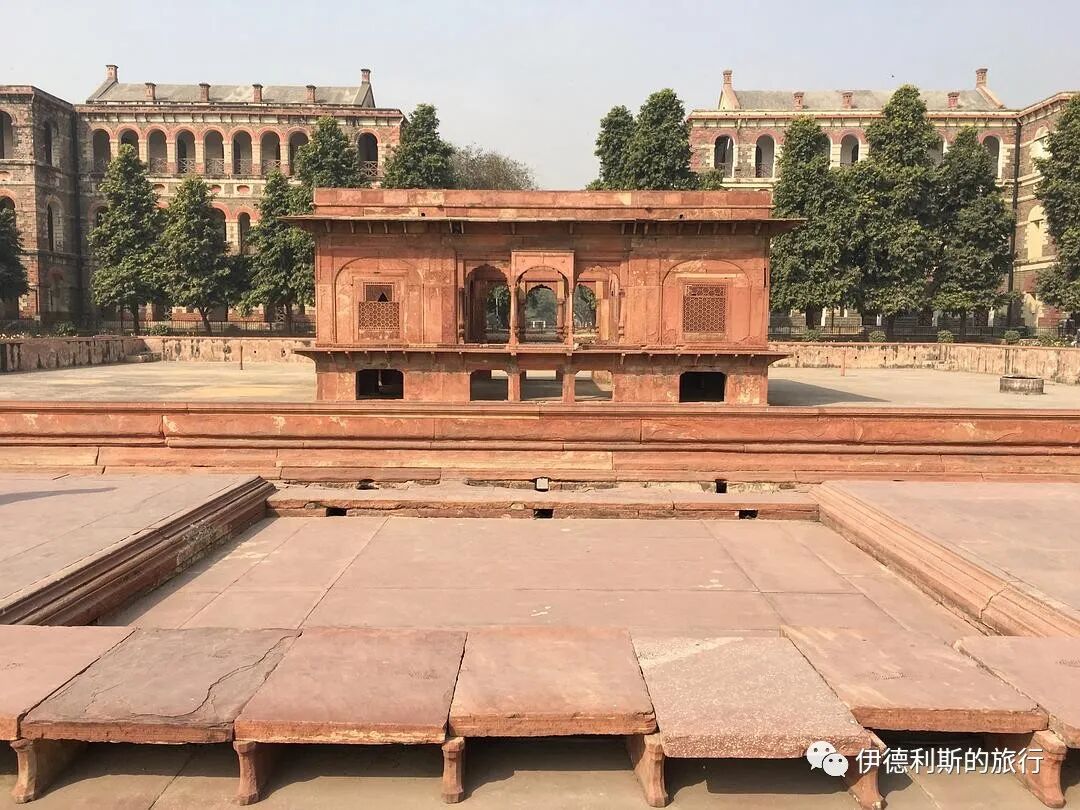
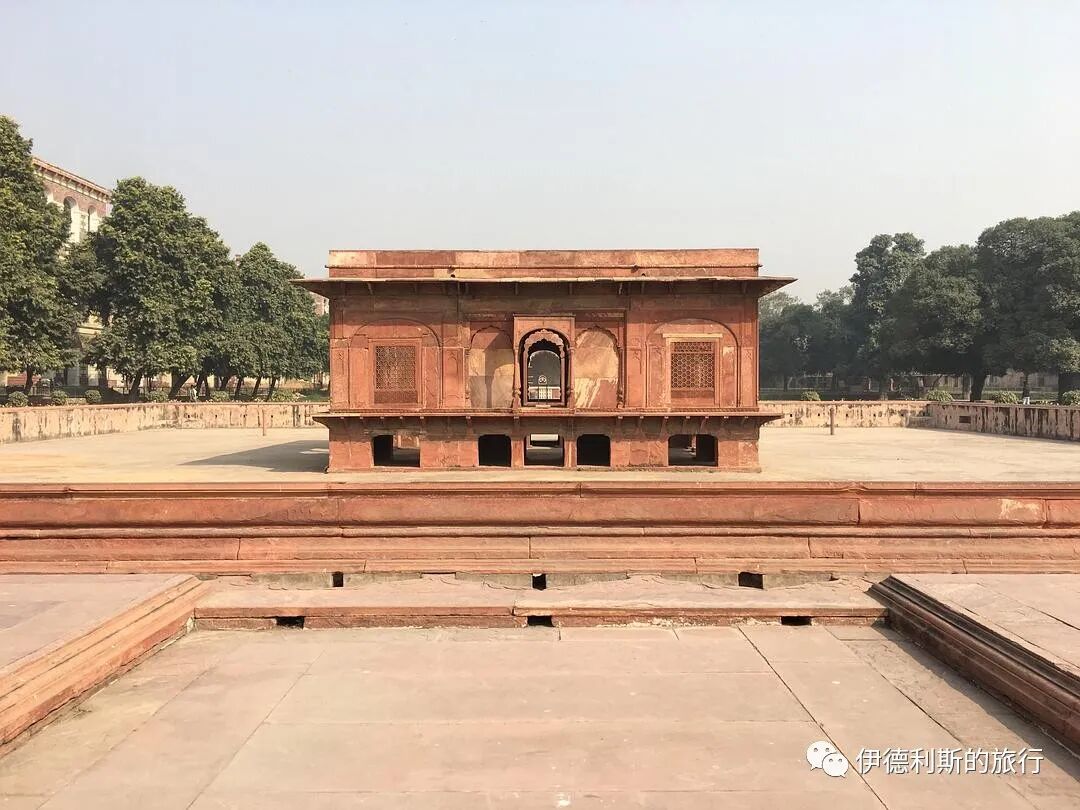
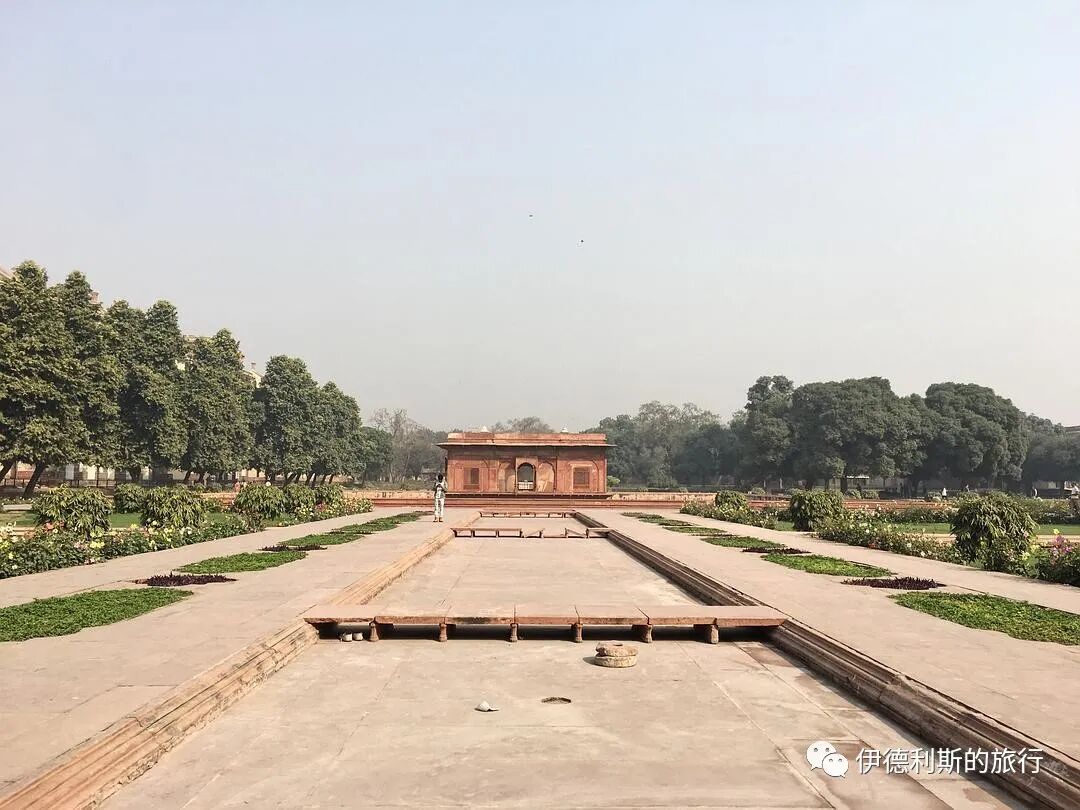
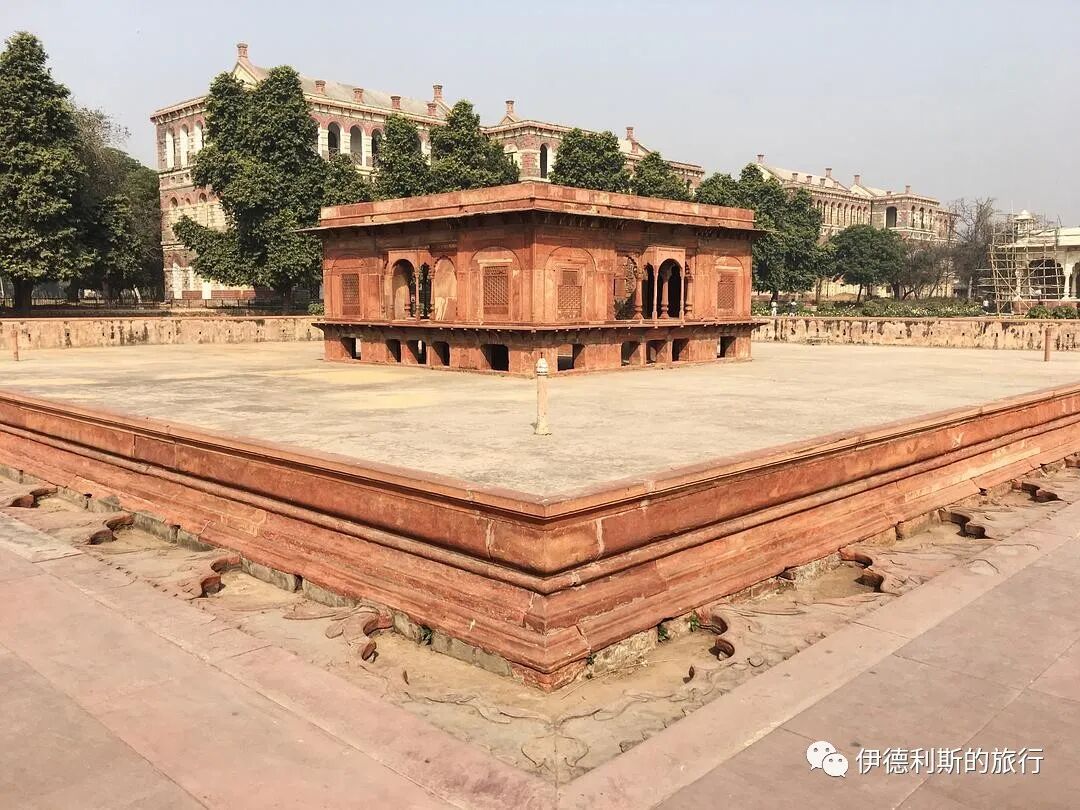
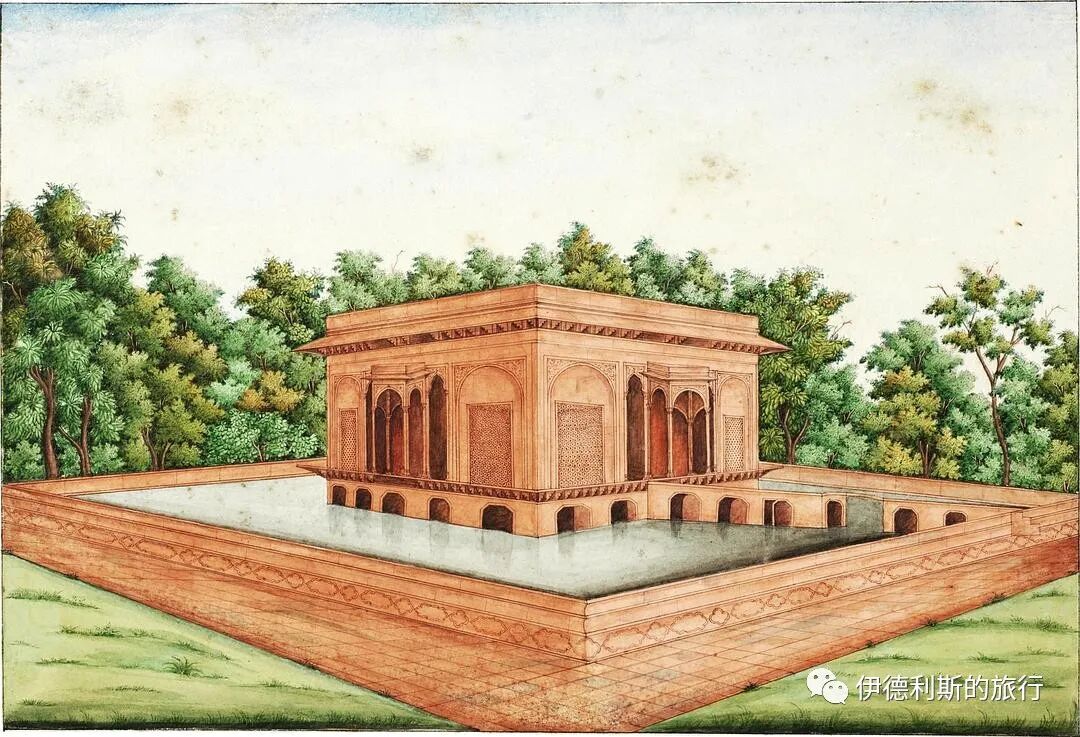
Painted by Ghulam Ali Khan between 1852 and 1854.
To the north and south of the garden are two white marble pavilions called Sawan and Bhadon, named after the months of July and August in the Indian rainy season, as the ladies of the Mughal palace loved to visit the garden during these two months. The pavilions have wall niches that held vases with golden flowers during the day and small oil lamps at night.
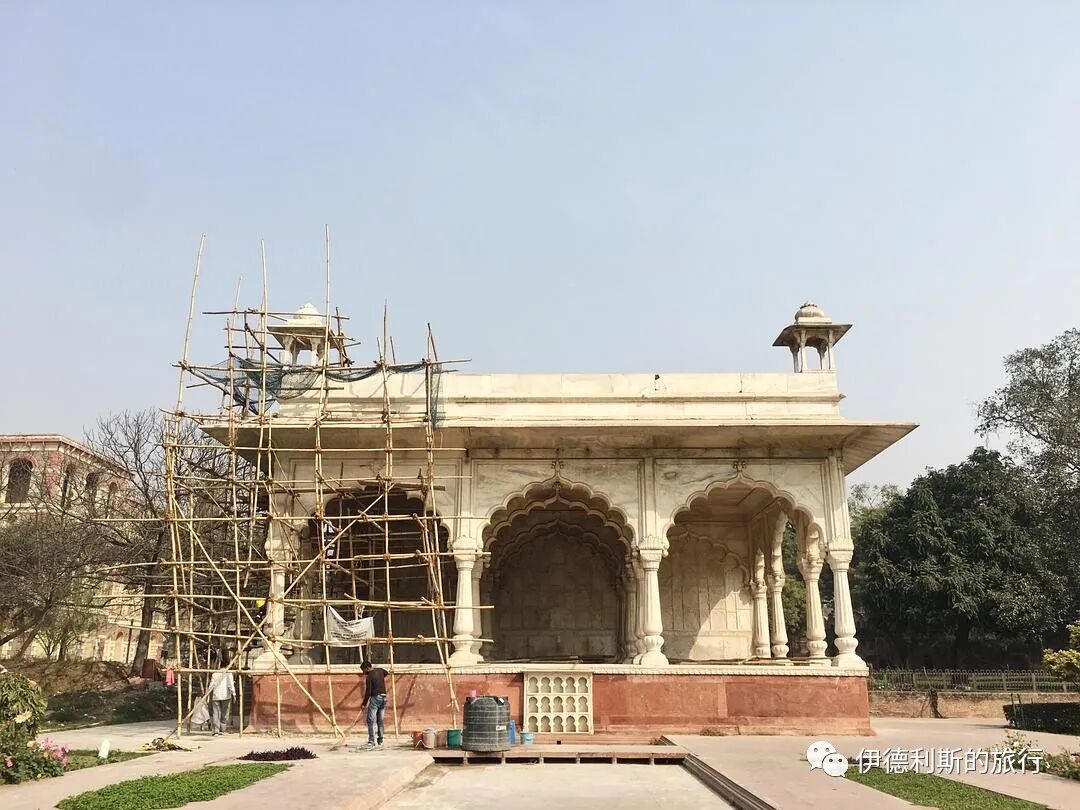
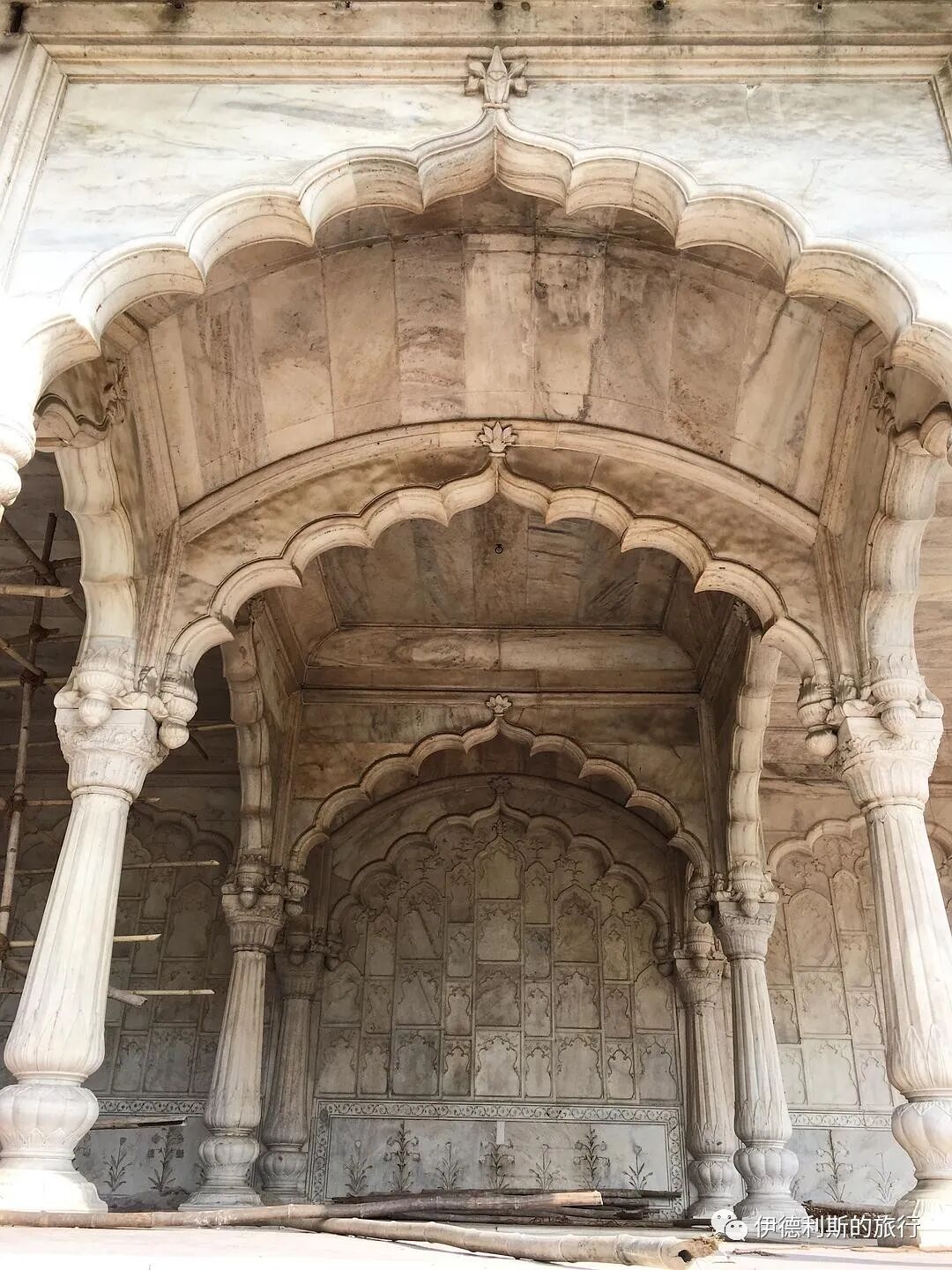
To the west of Hayat Bakhsh Bagh, there was originally another water garden called Mehtab Bagh, meaning 'Moon Garden,' but after 1857, the site was turned into a British military barracks, and now only ruins remain.
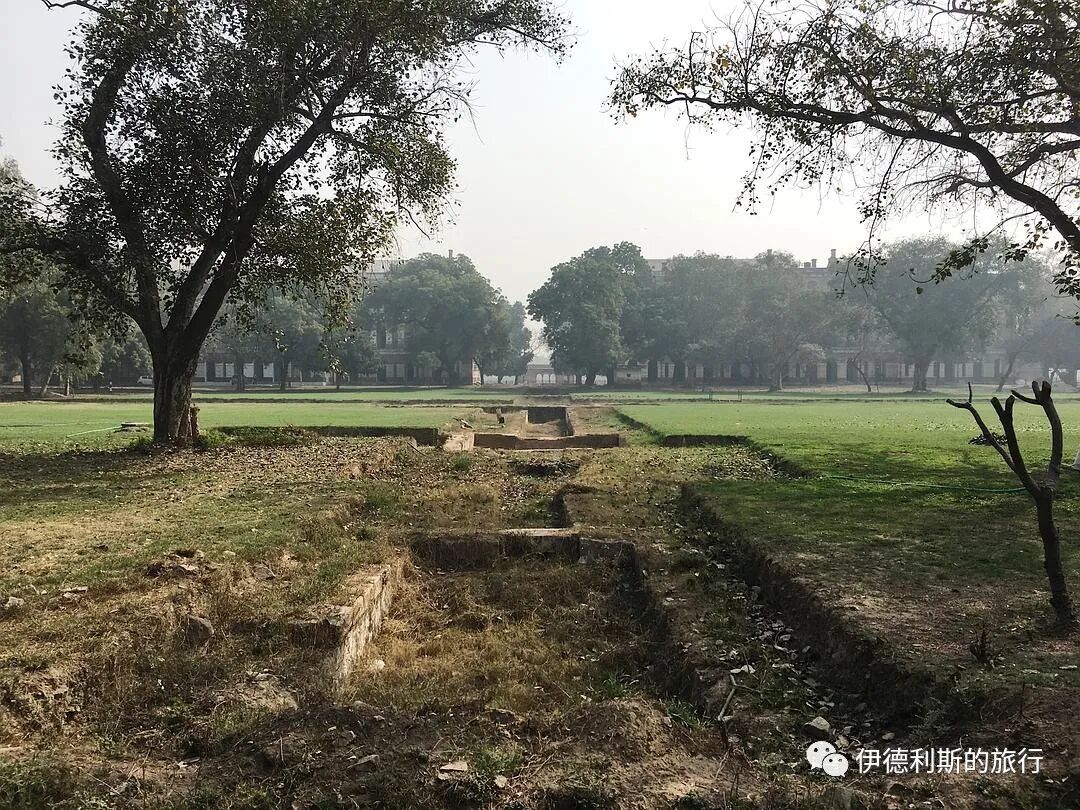
2. Jama Mosque: 1650-1656
The Jama Masjid mosque is located southwest of the Red Fort; it was built between 1650 and 1656 by order of Shah Jahan and served as the royal mosque of the Mughal Empire.
The mosque was built by more than 5,000 workers under the leadership of Shah Jahan's vizier (wazir) Saadullah Khan, costing over 1 million rupees. The mosque stands on a platform more than 9 meters above the ground and is made of red sandstone and marble, featuring a main hall connected by colonnades, two 40-meter-high minarets, and three gates. The east gate was reserved for the Mughal royal family and had a path that connected directly to the Delhi Gate of the Red Fort.
After 1857, the British seized the Jama Masjid mosque and stationed troops inside. They originally wanted to demolish the mosque, but they failed due to strong opposition, though the madrasa (Islamic school) on the south side of the mosque was destroyed as a result.
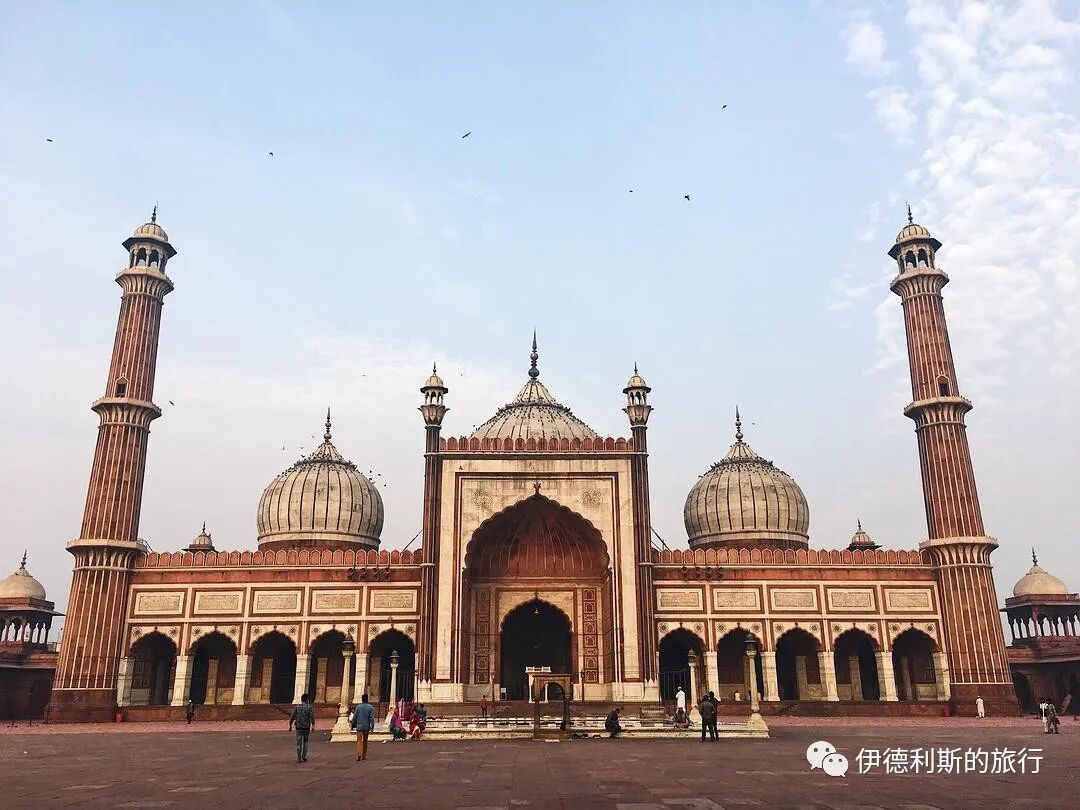
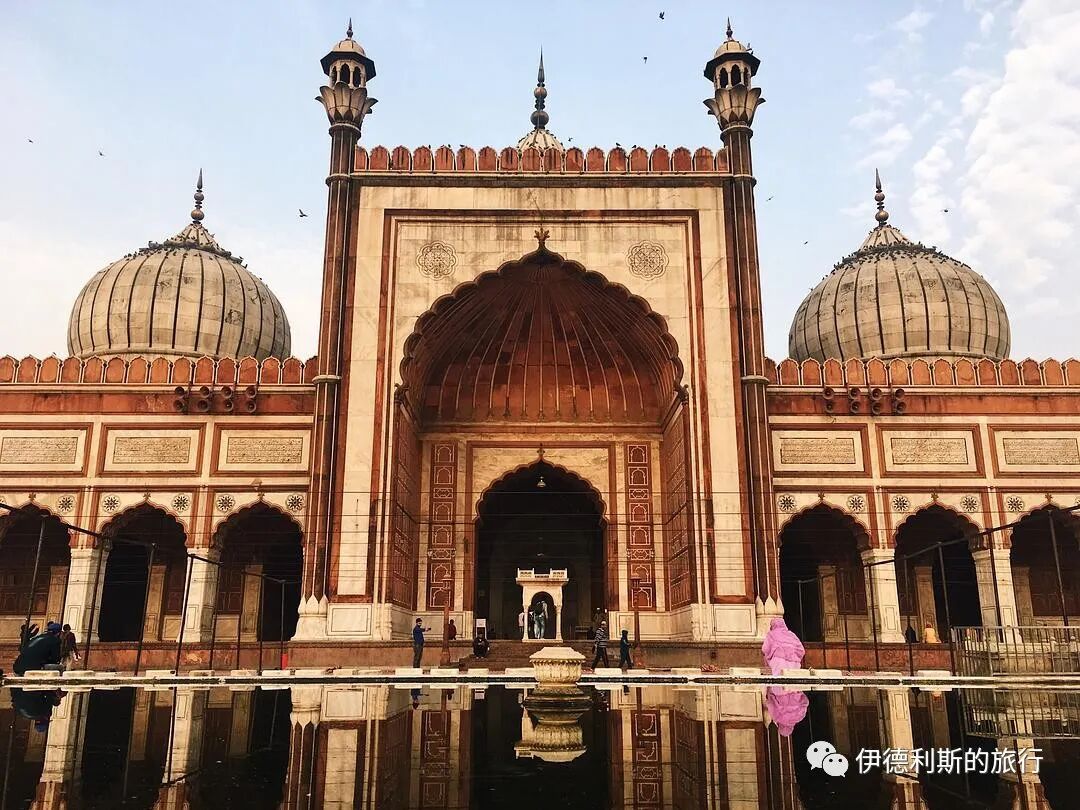
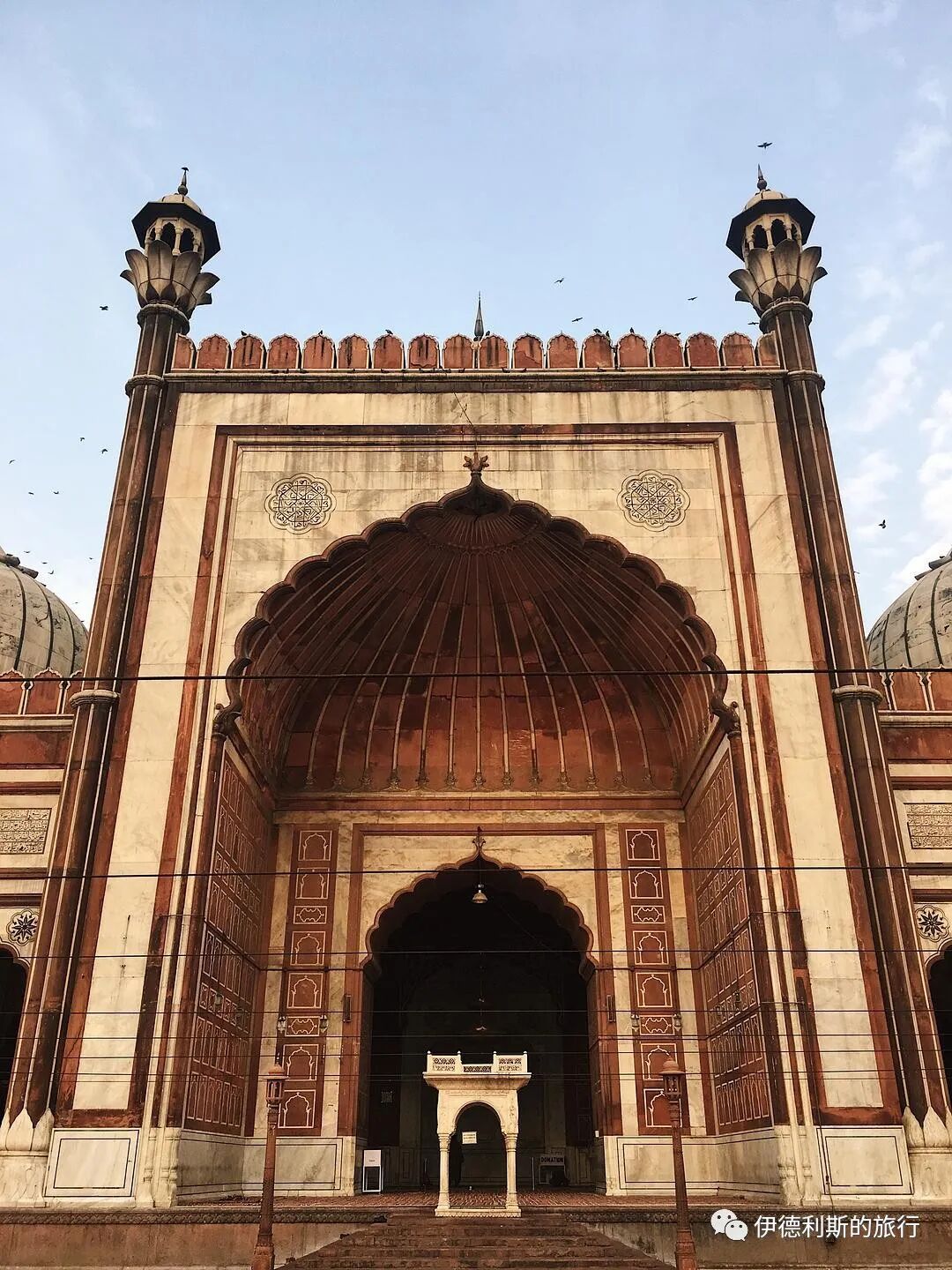
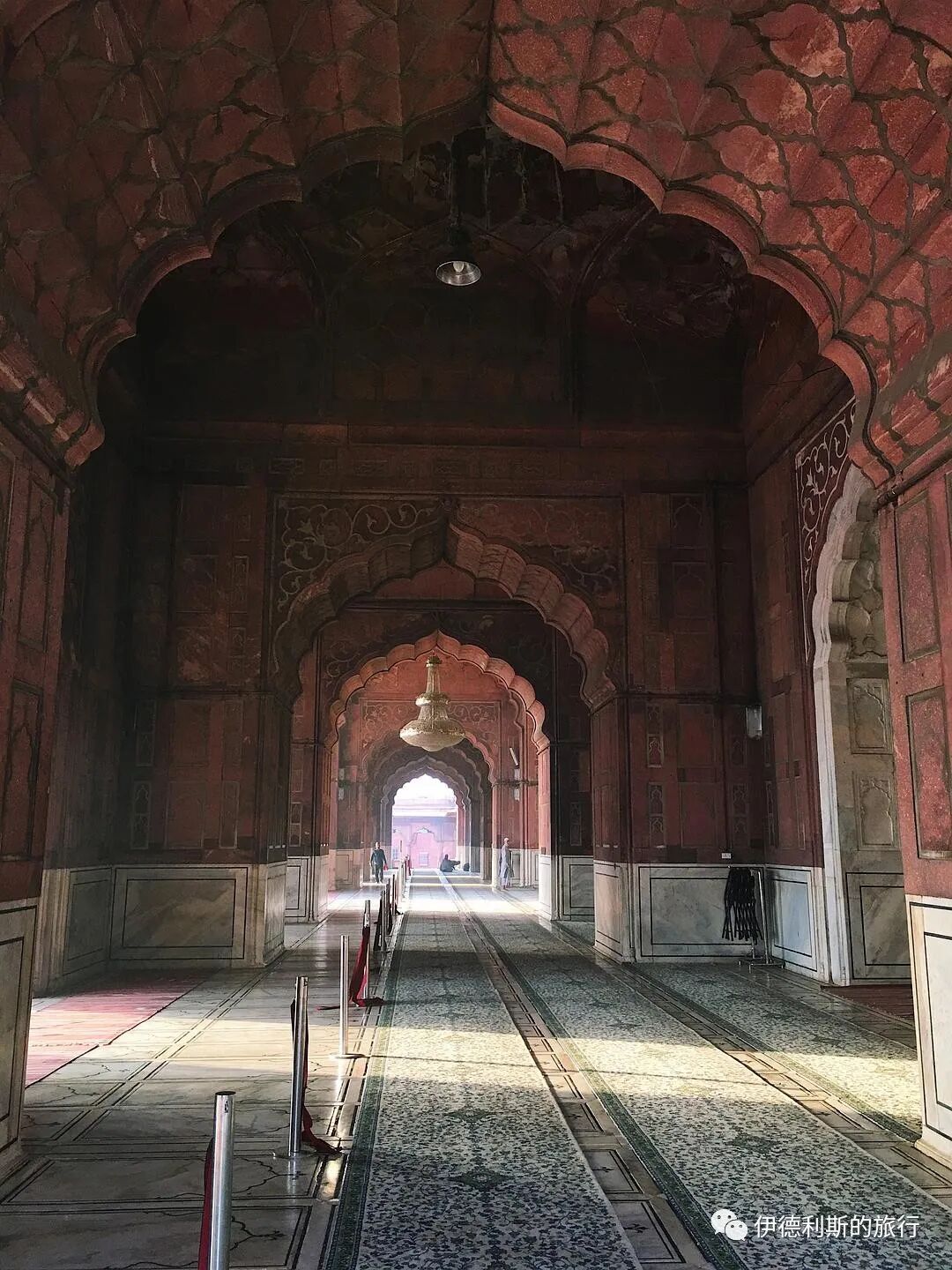
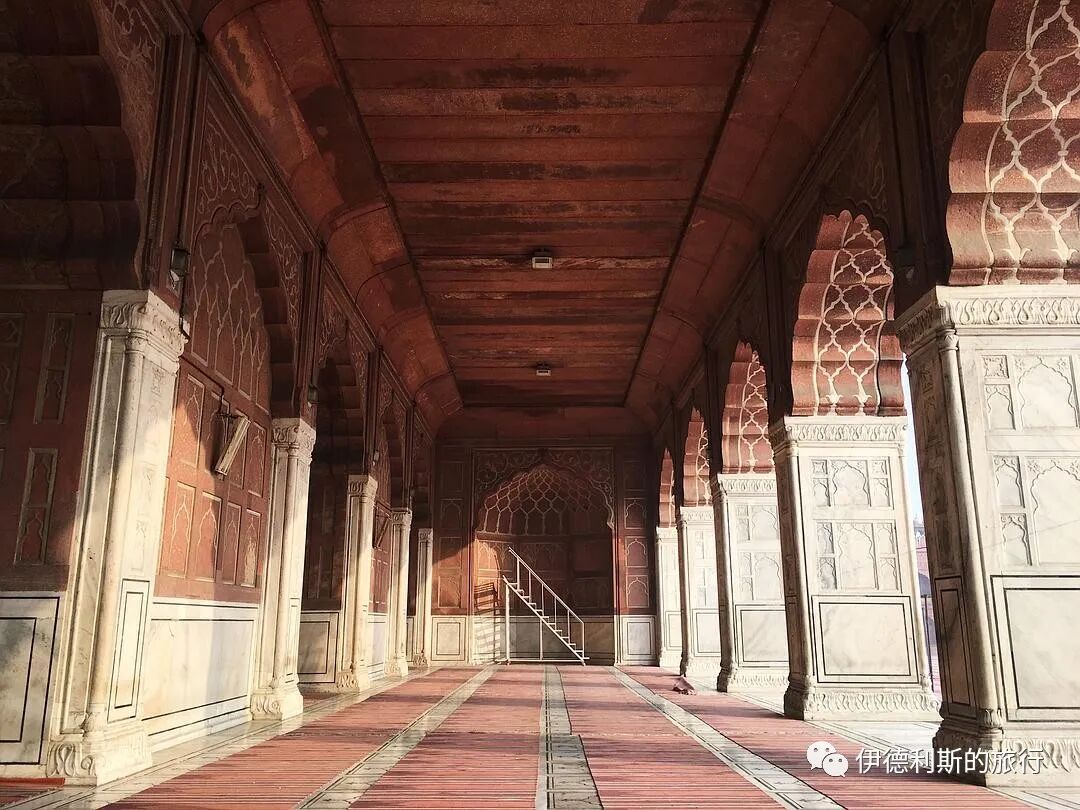
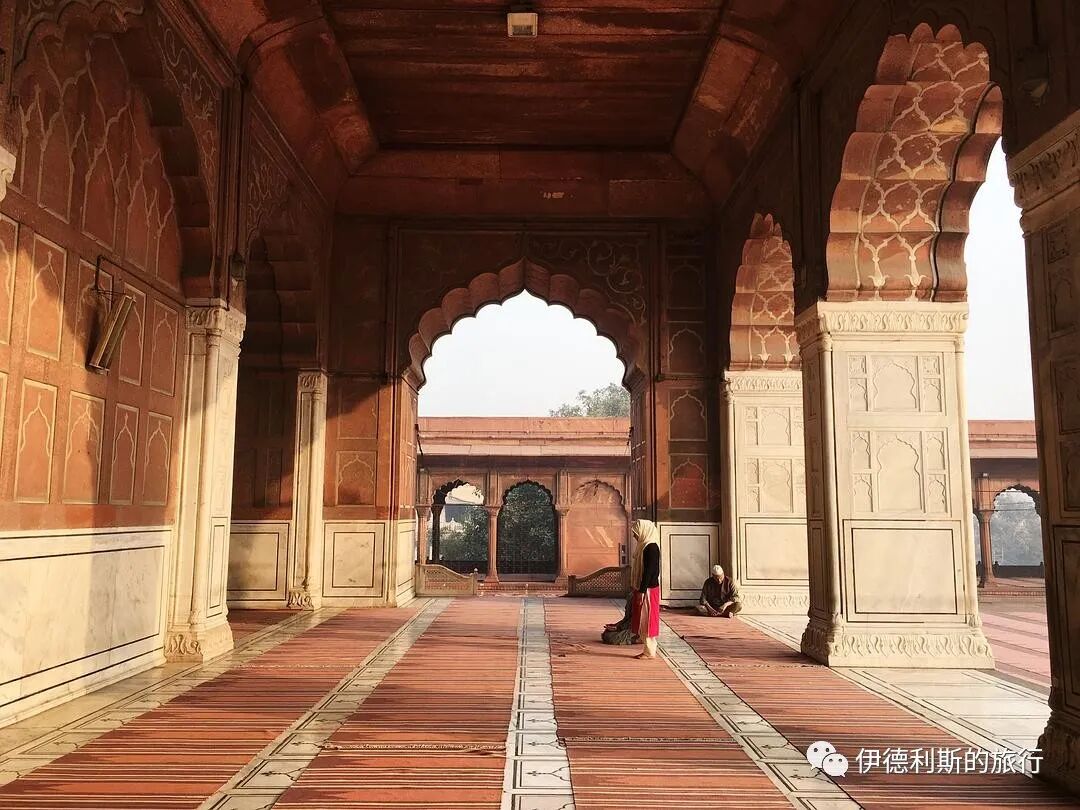
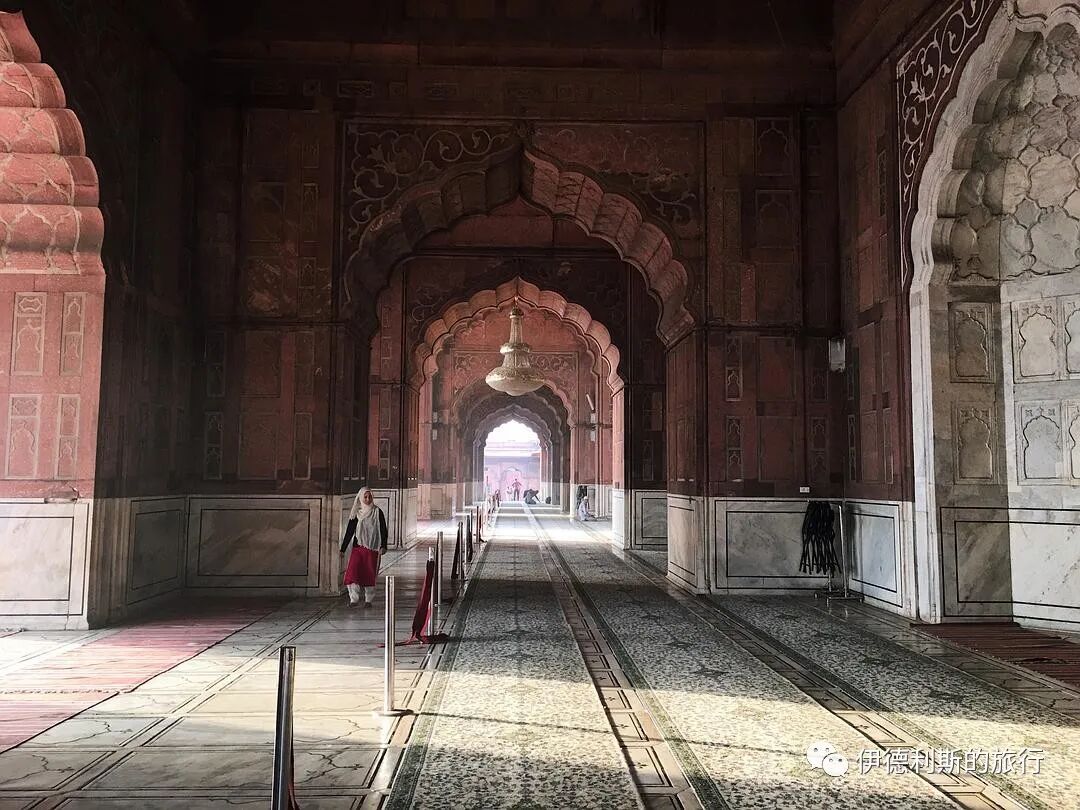
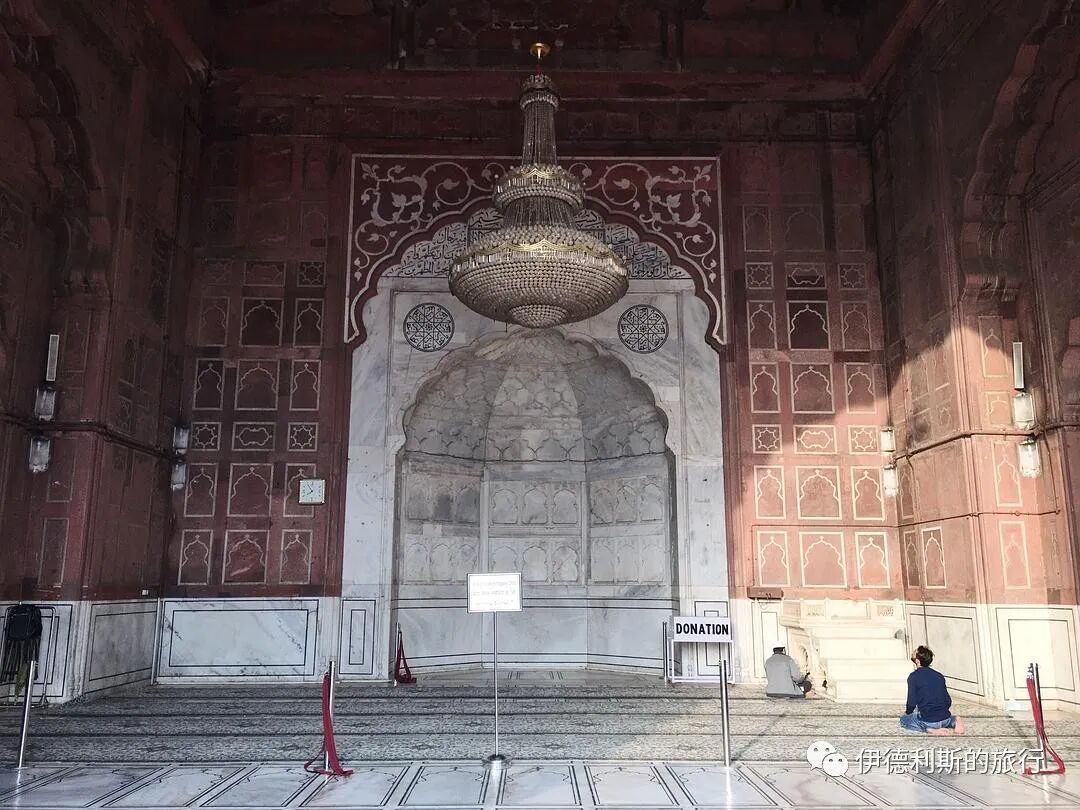
The mihrab in the center of the main hall indicates the direction of prayer toward Mecca:
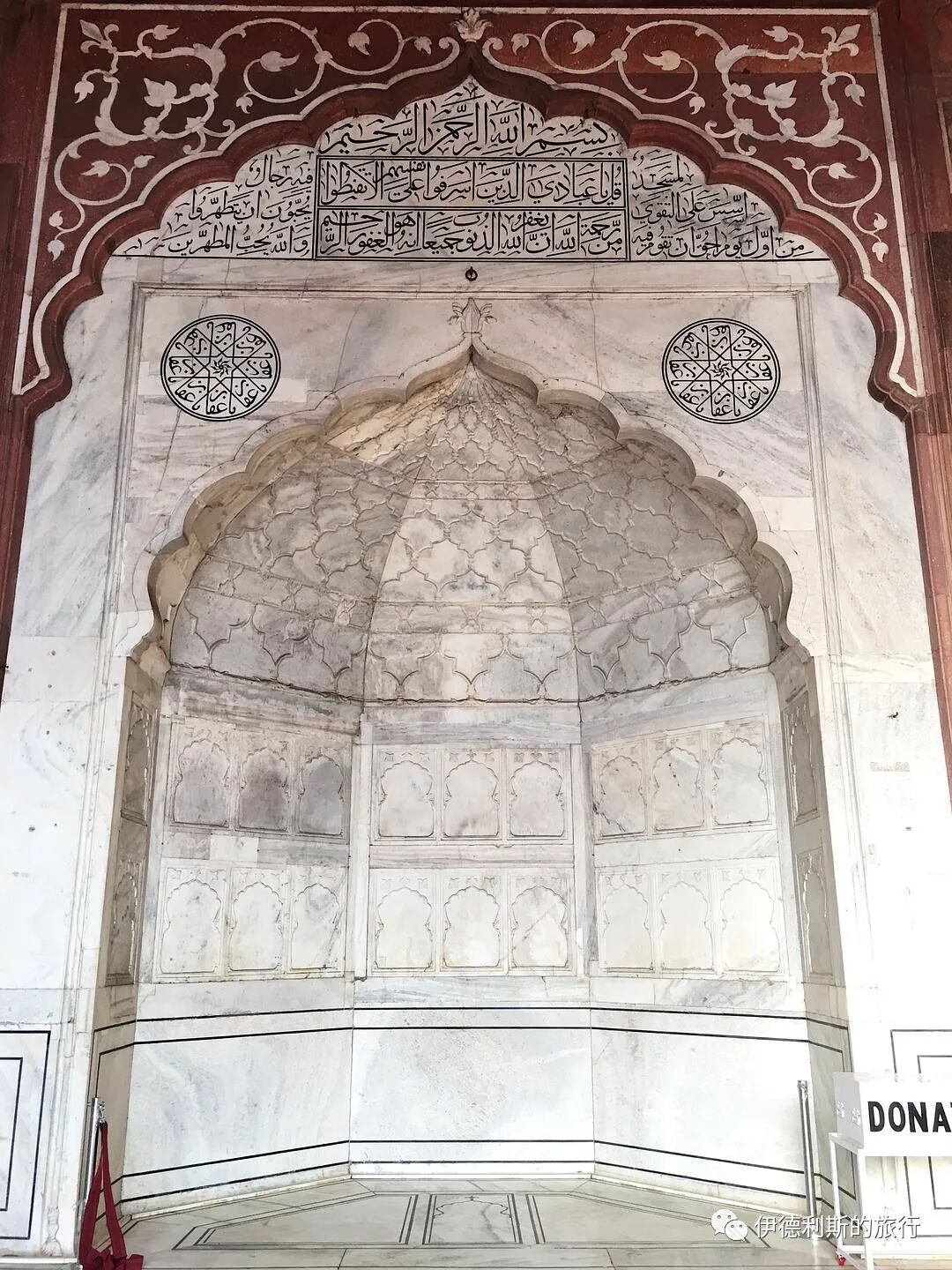
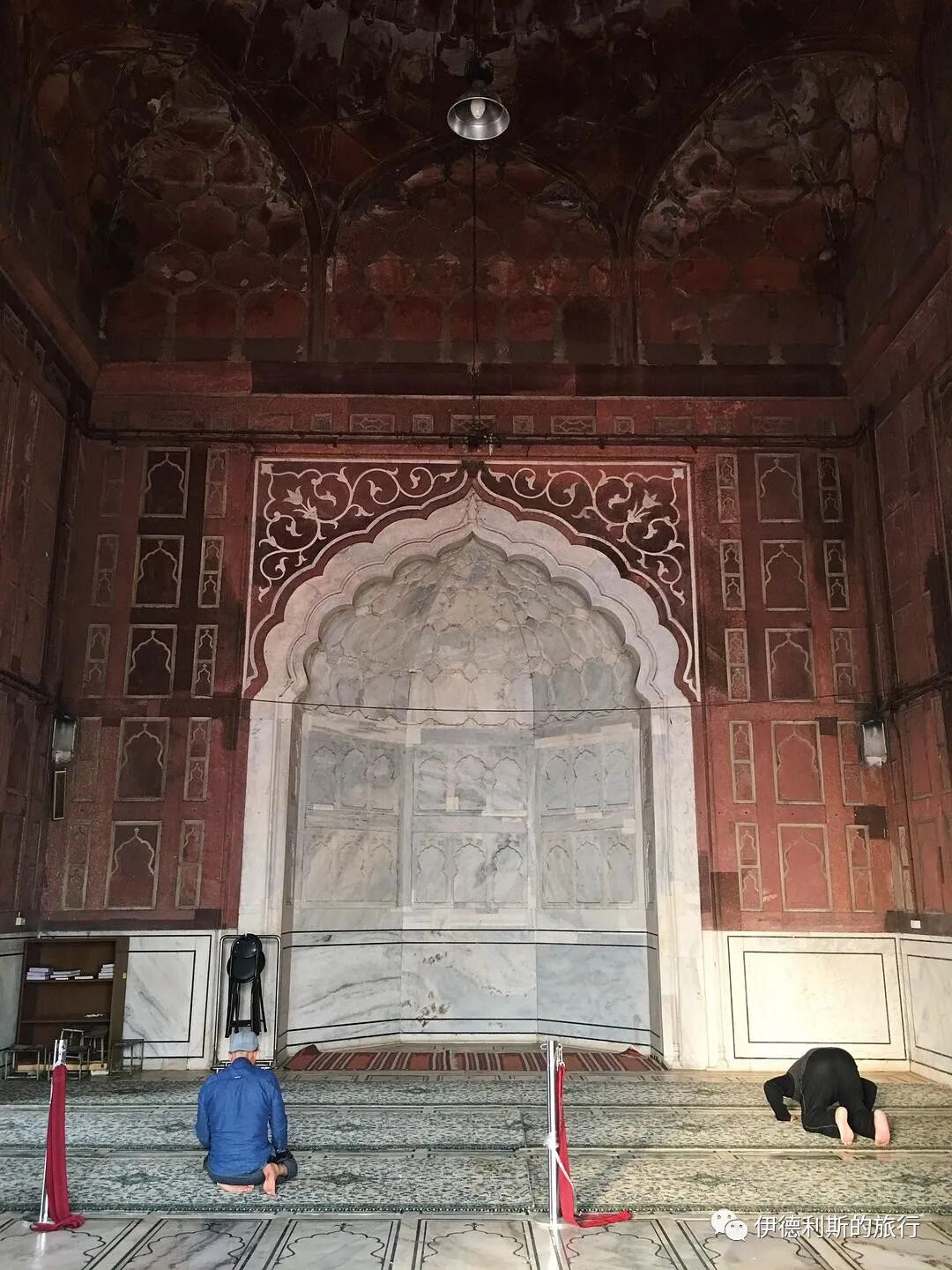
Besides the main mihrab in the center, there is a smaller mihrab on each side.
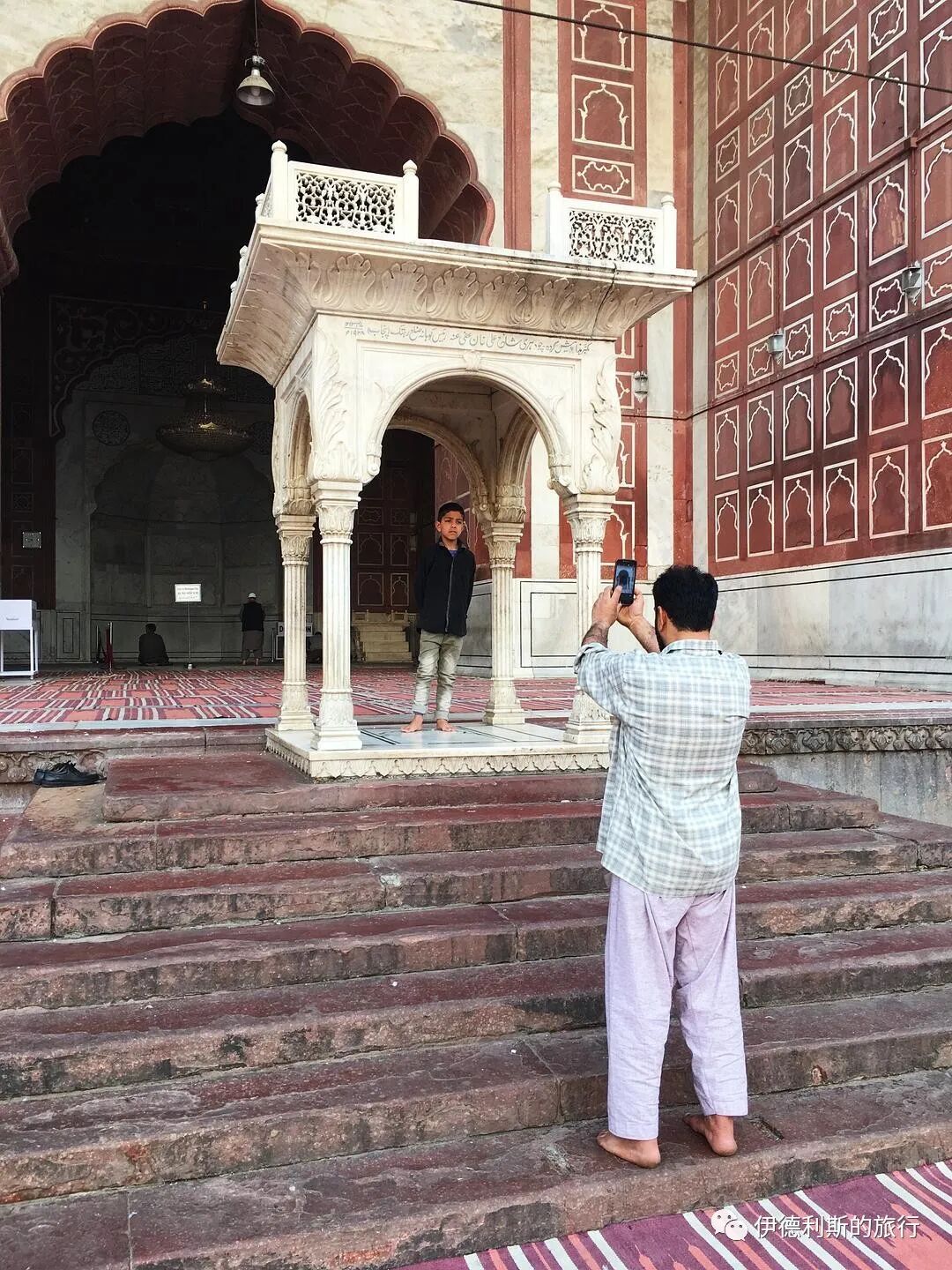
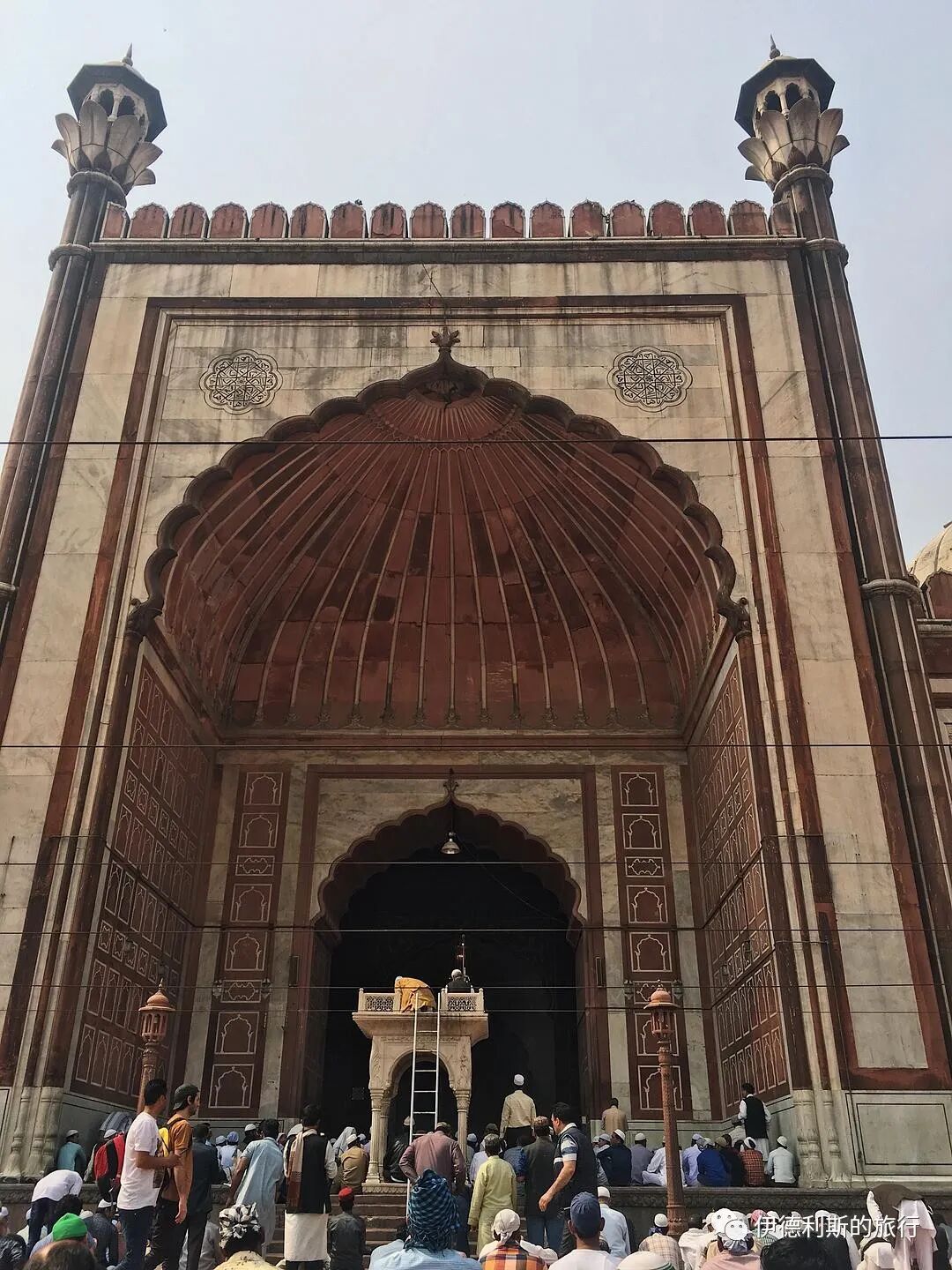
During Jumu'ah, the imam stands on this stone platform to deliver the khutbah.
There is a tower at each of the four corners of the colonnade.
The east gate is the main entrance:
South Gate
North Gate
The water pool in the courtyard for wudu:
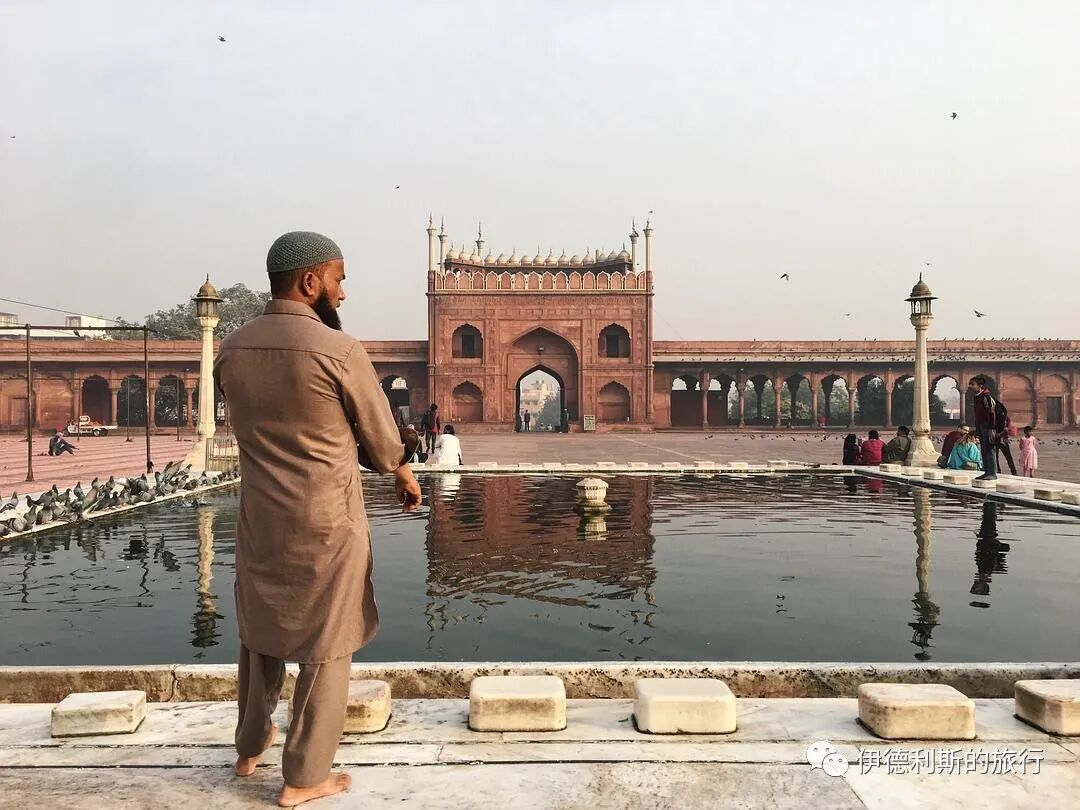
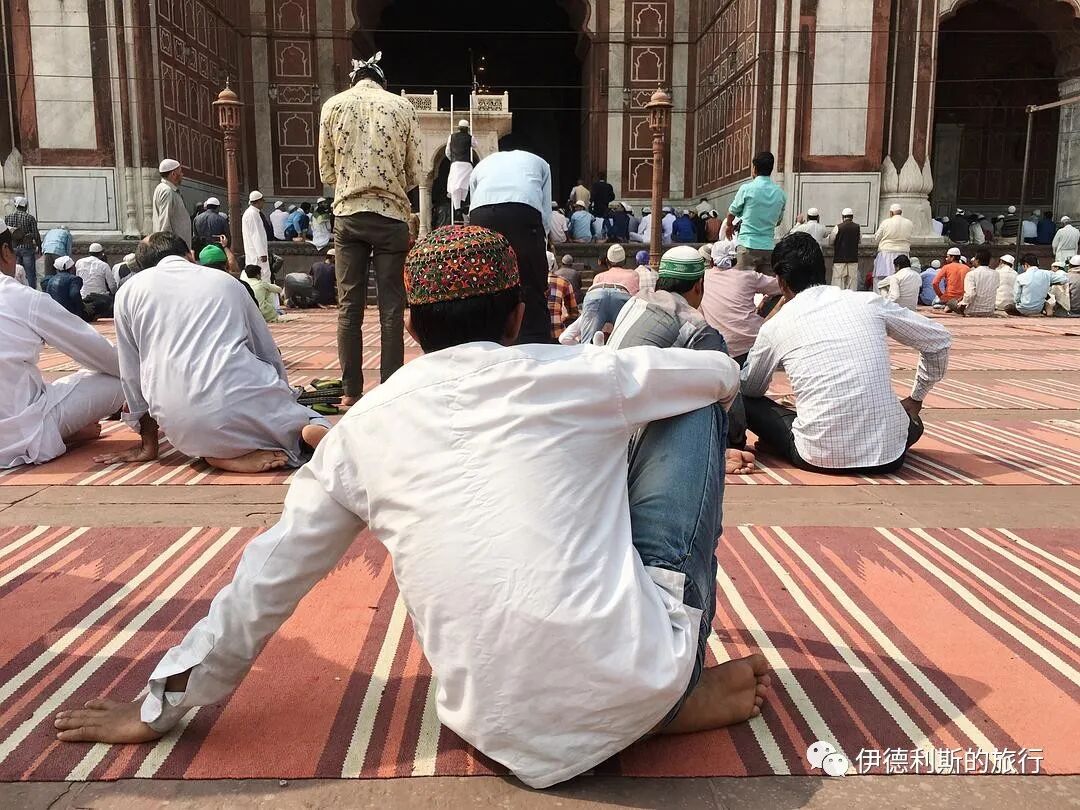
Jama means Jumu'ah, which refers to the Friday congregational prayer. The Jumu'ah mosque is usually the largest in the community, and the most important weekly prayer is held here every Friday at noon. I was lucky enough to attend a Friday Jumu'ah prayer at the Jama Mosque.
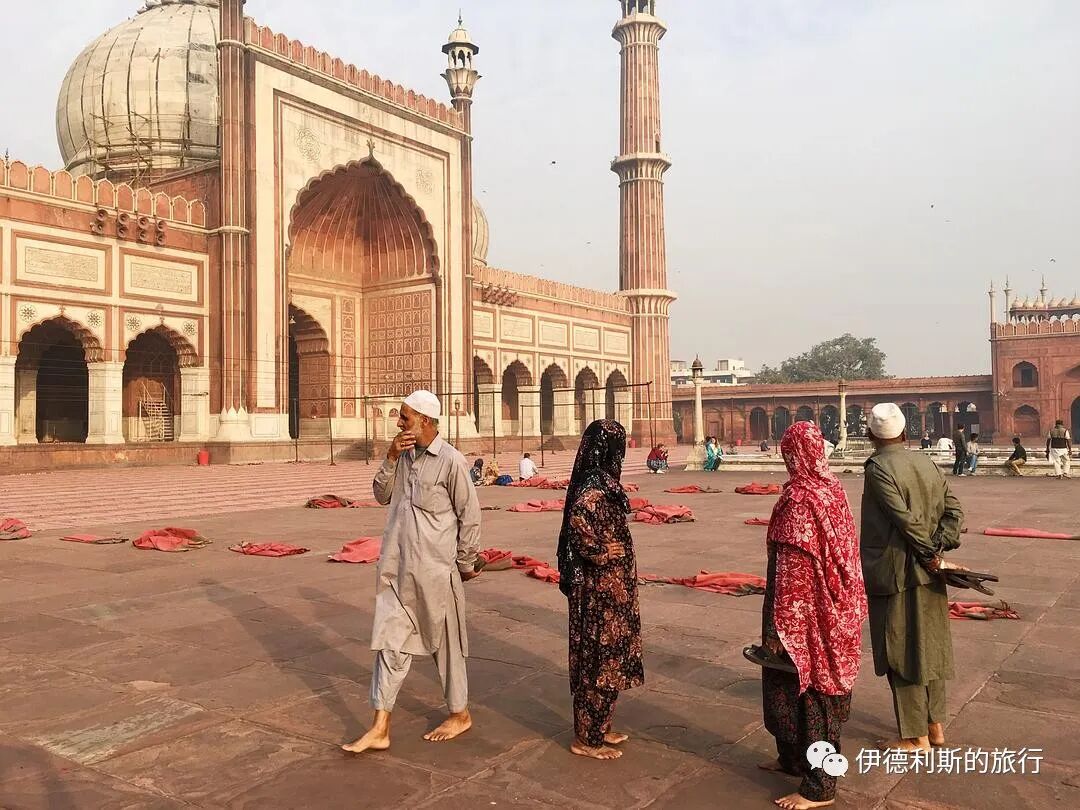
On the morning of Jumu'ah, more prayer rugs were already laid out in the courtyard.
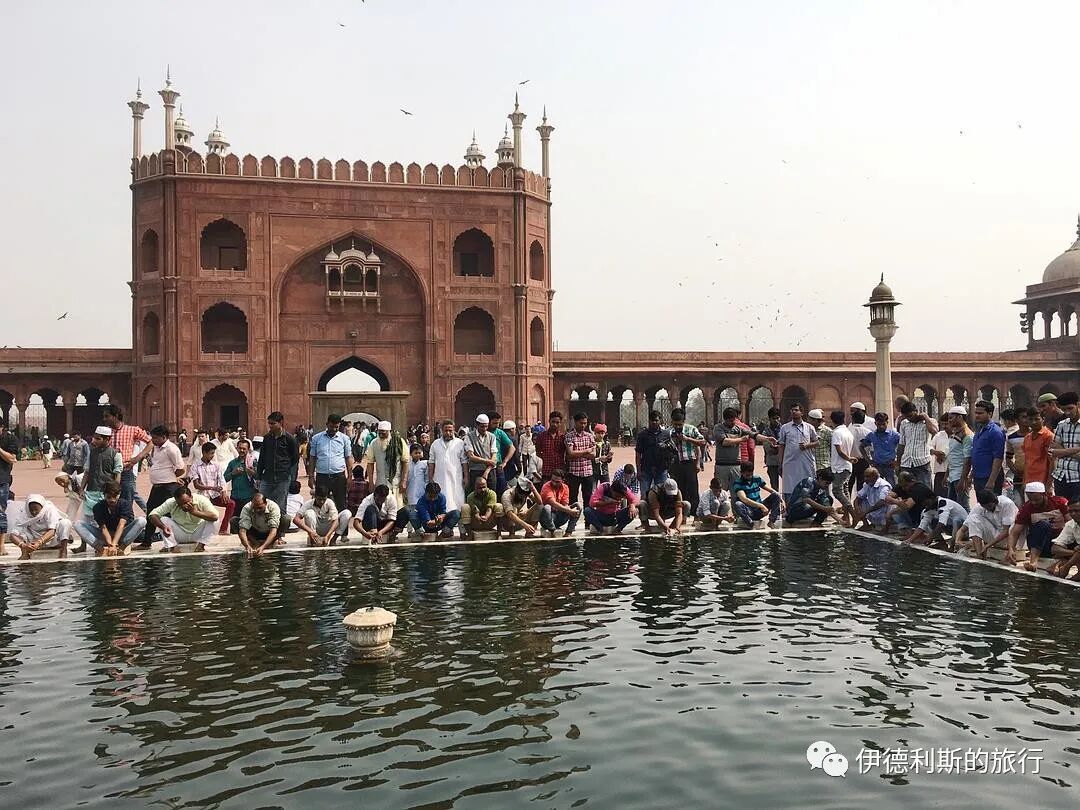
People are performing wudu for the Jumu'ah prayer:
More and more people are arriving.
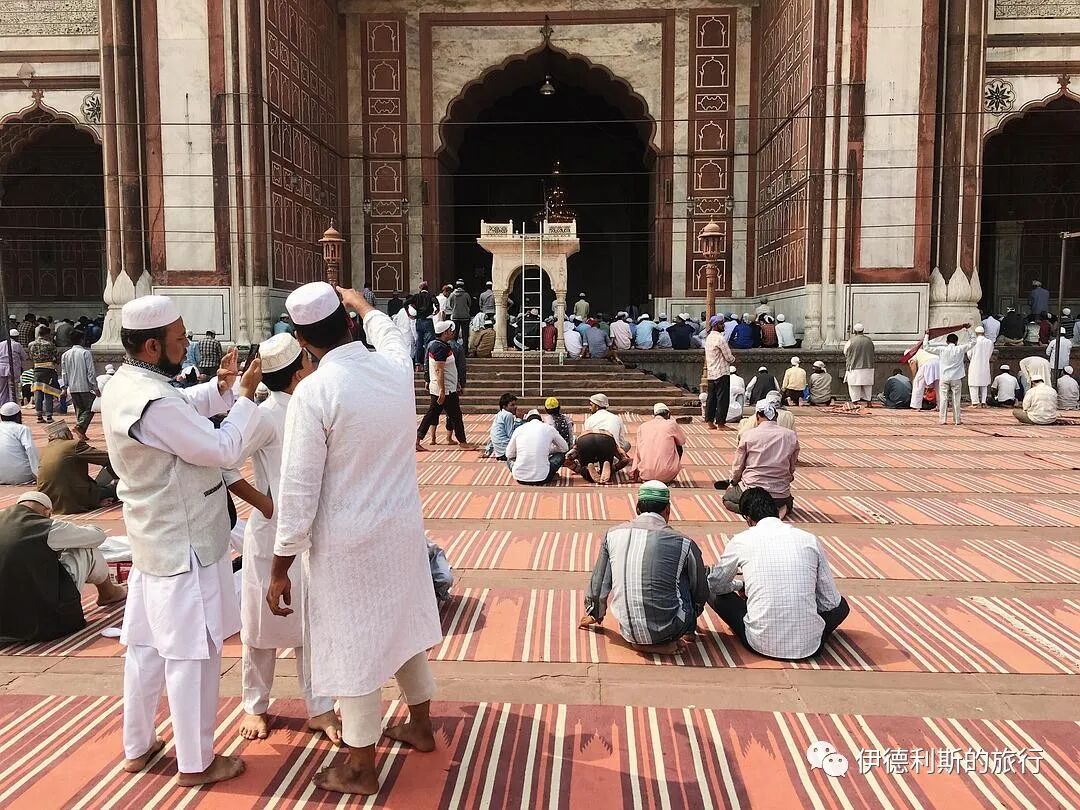
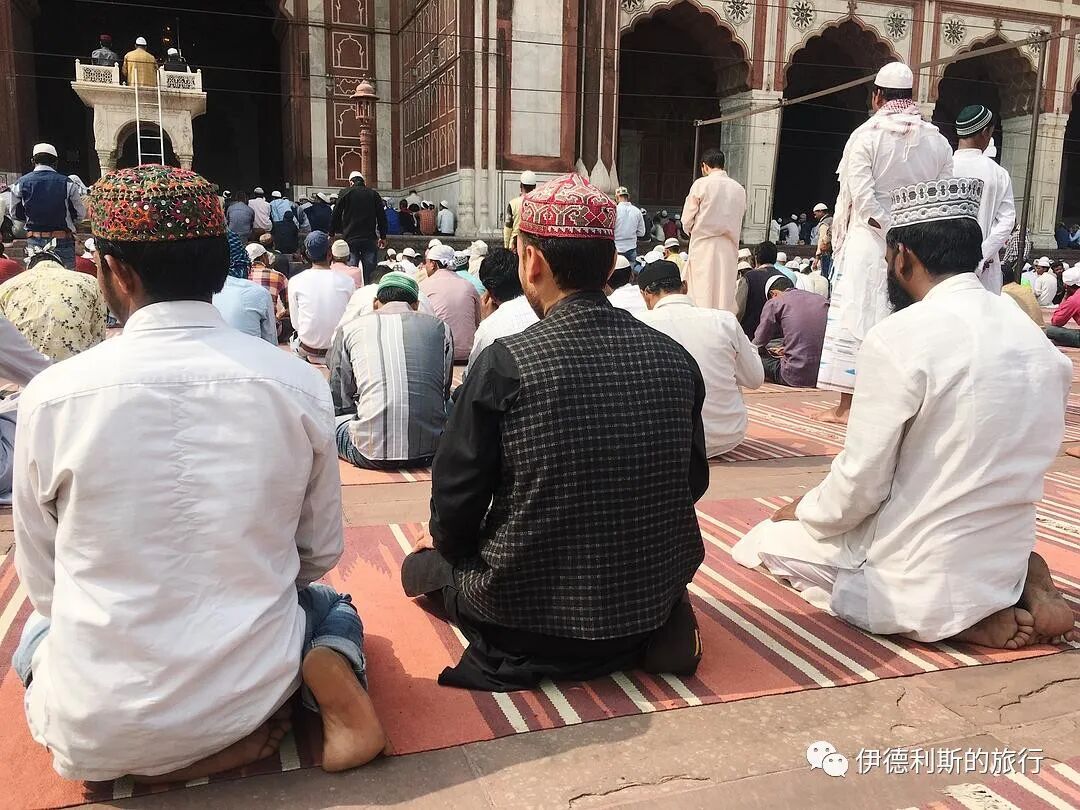
The imam leading the prayer climbs onto the stone platform.
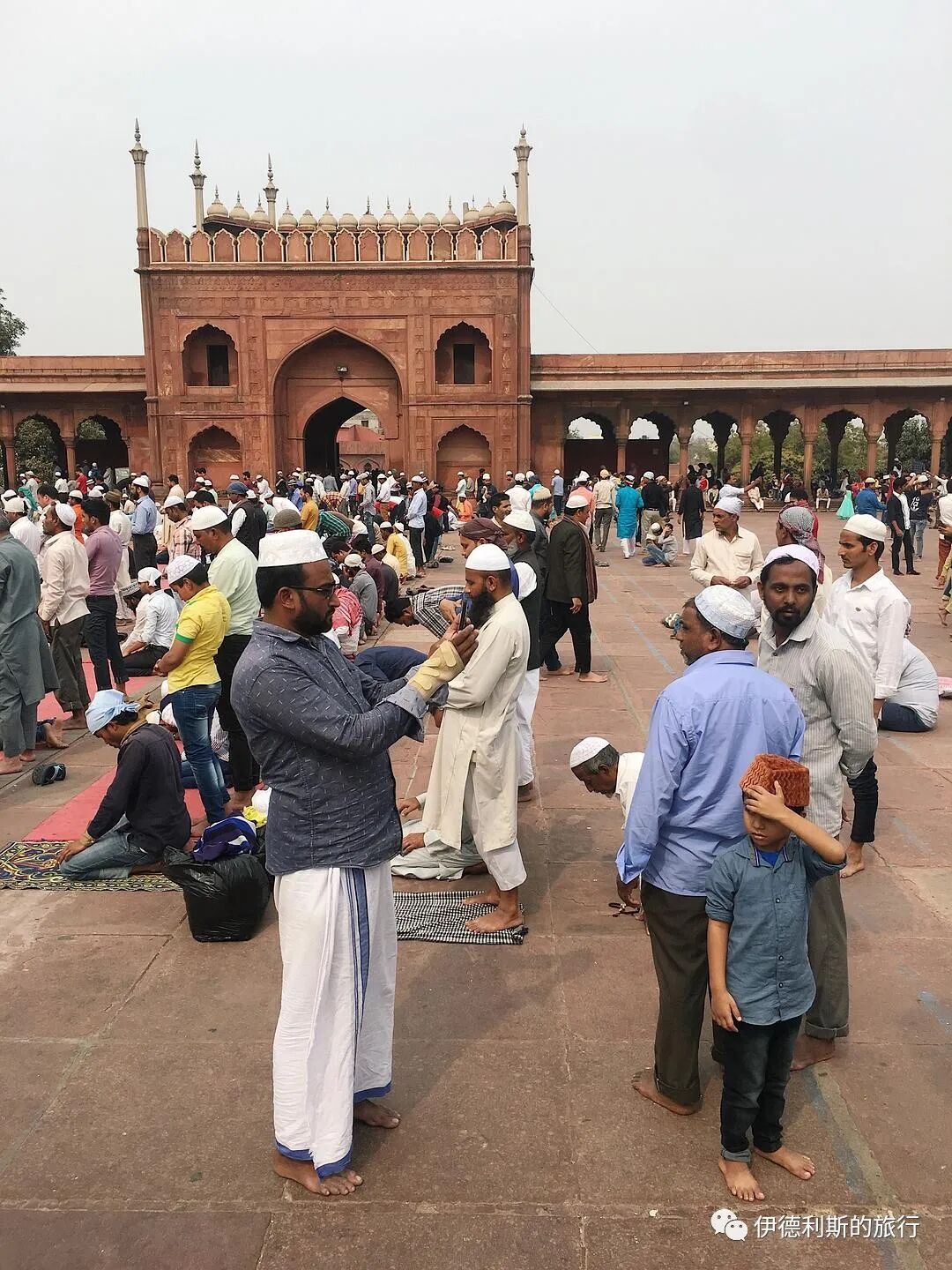
After the prayer, people take photos:
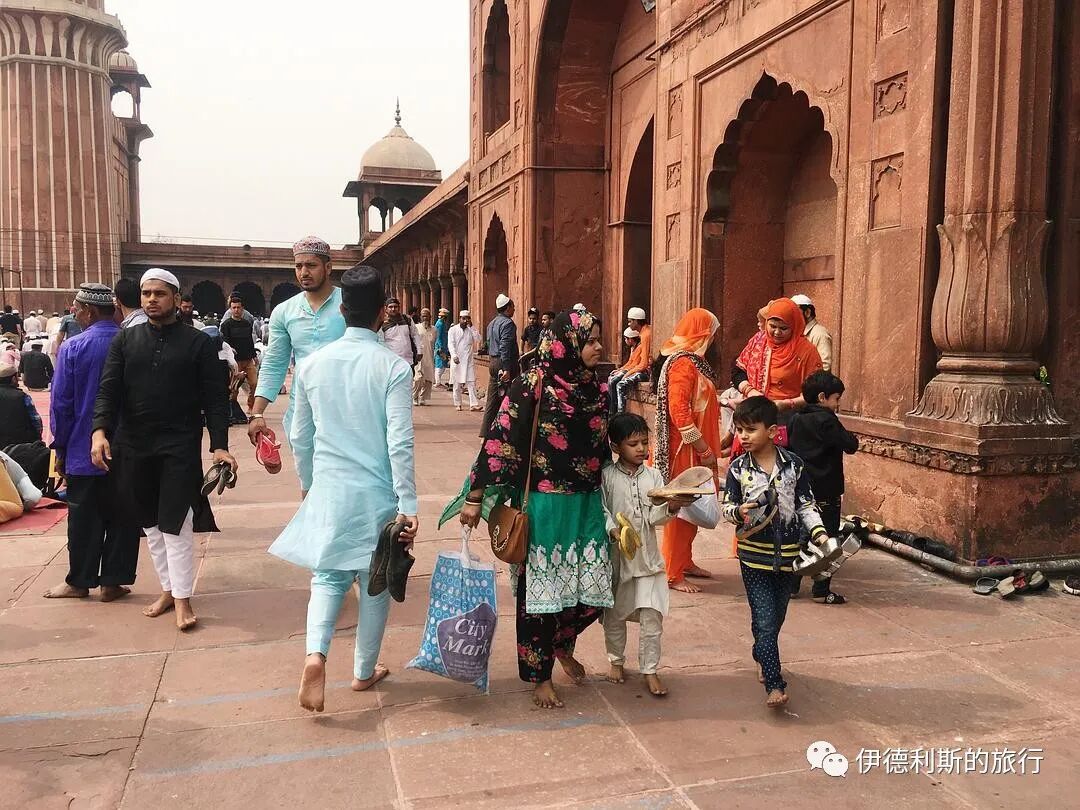
3. Fatehpuri Mosque: 1650
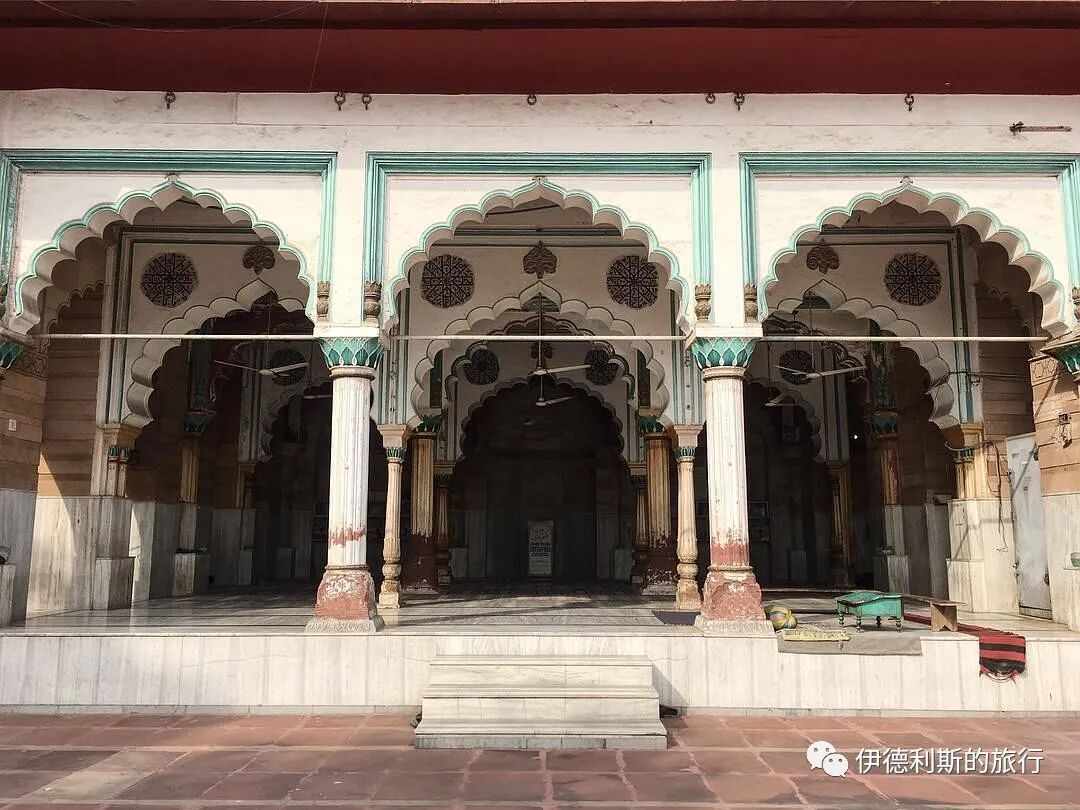
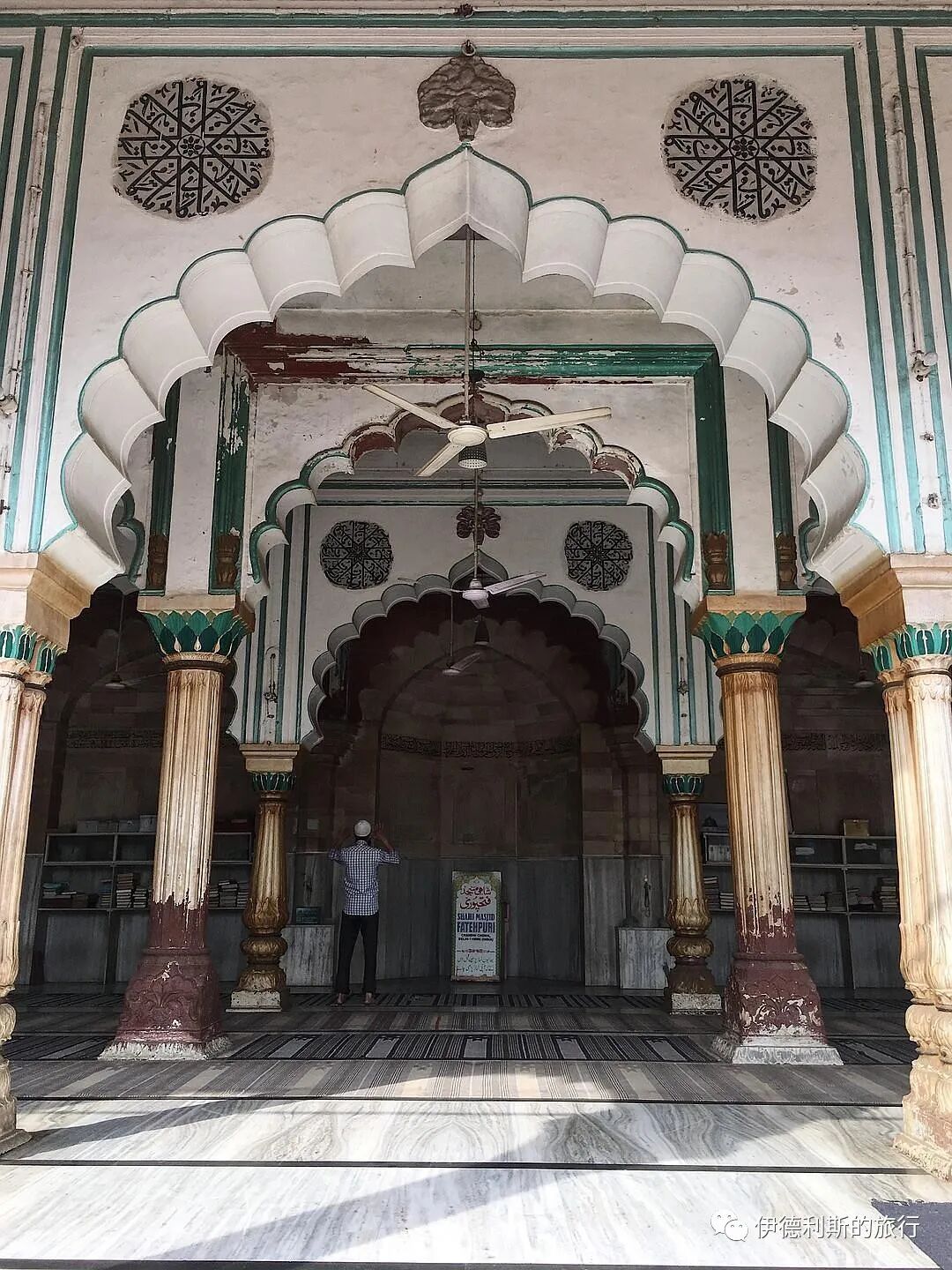
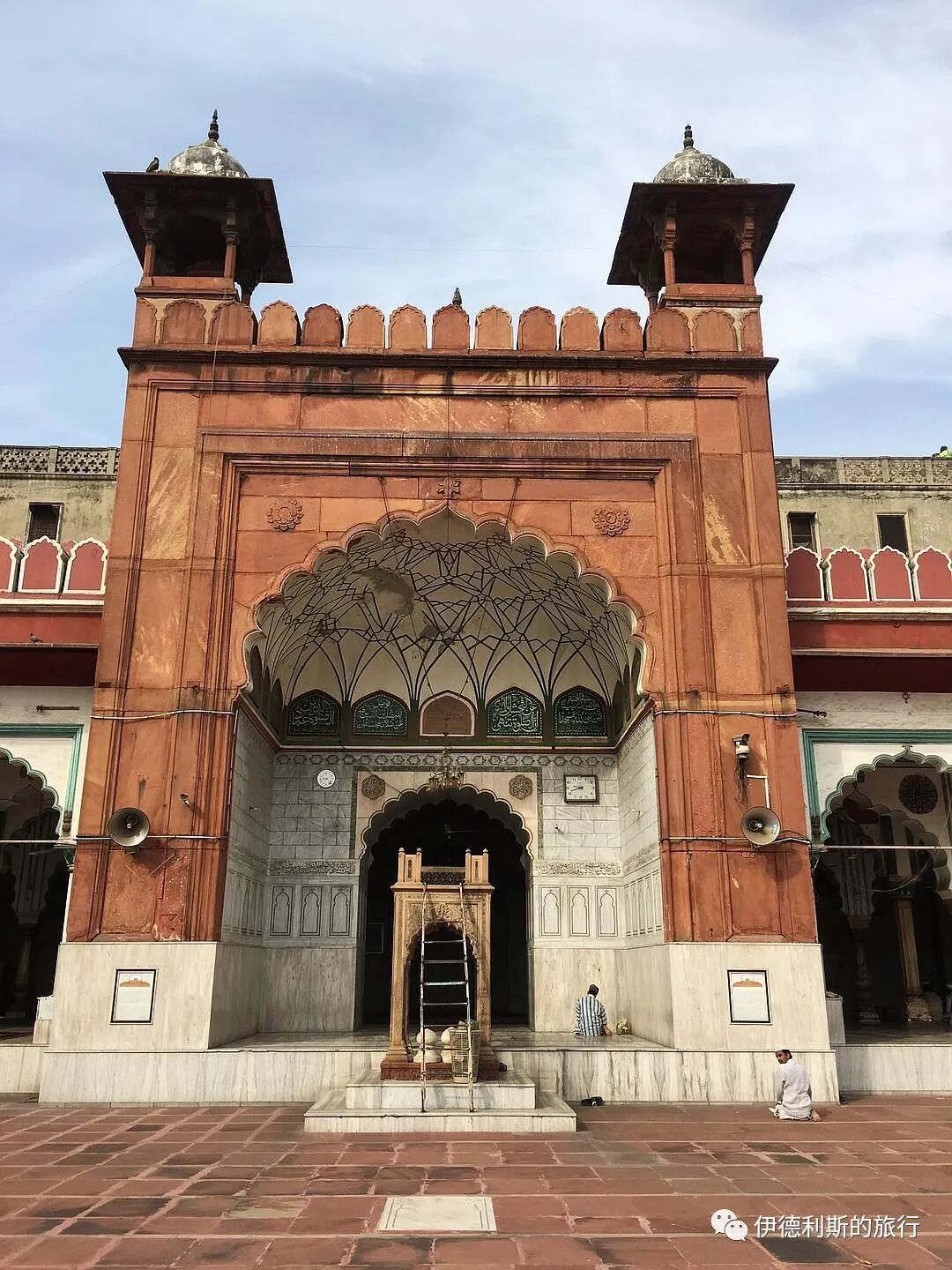
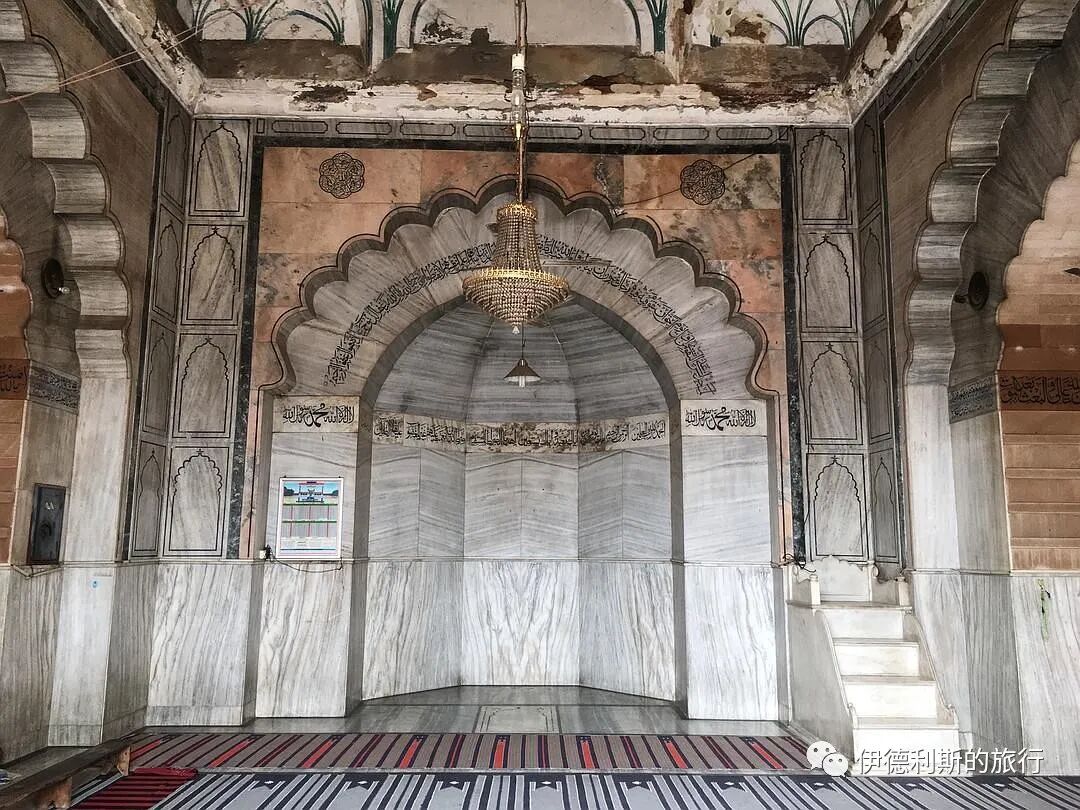
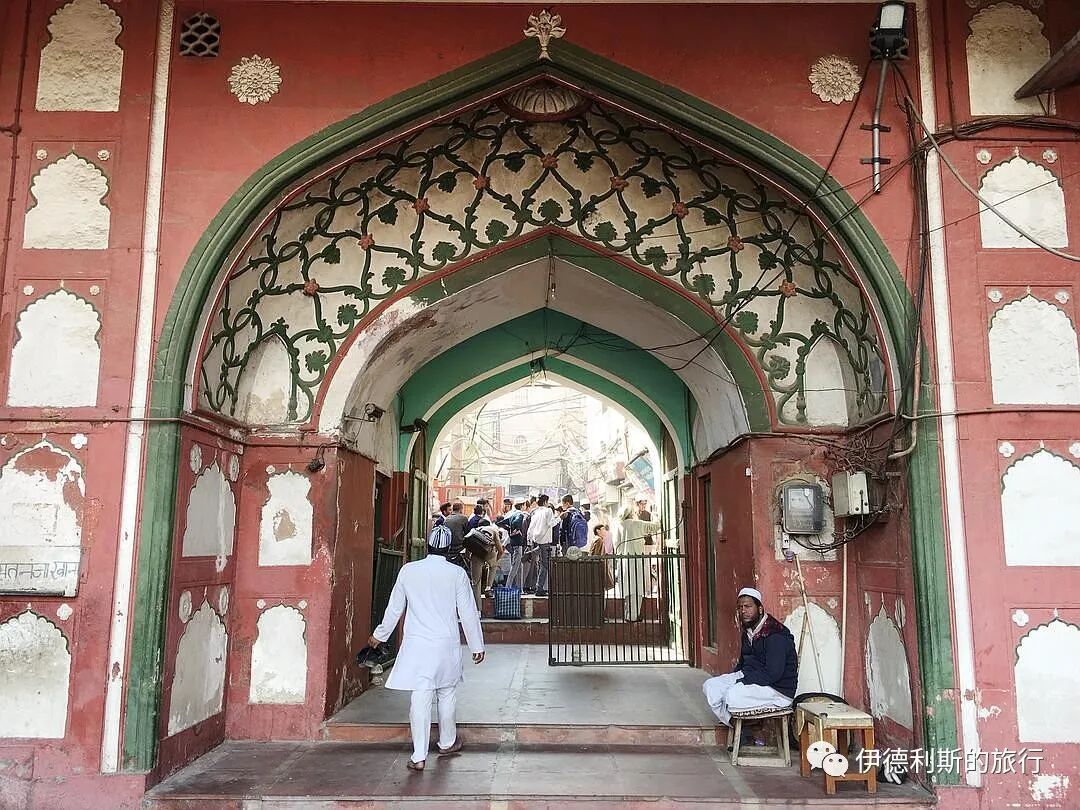
Fatehpuri Mosque is located at the western end of Chandni Chowk, the main east-west road in Shahjahanabad. It was built in 1650 under the direction of Fatehpuri Begum, the wife of Shah Jahan. The mosque is in the classic Mughal style, built with red sandstone, featuring minarets on both sides and a main prayer hall in the middle. The main hall has seven arched bays, and the central iwan arch is topped with a Mughal-style dome.
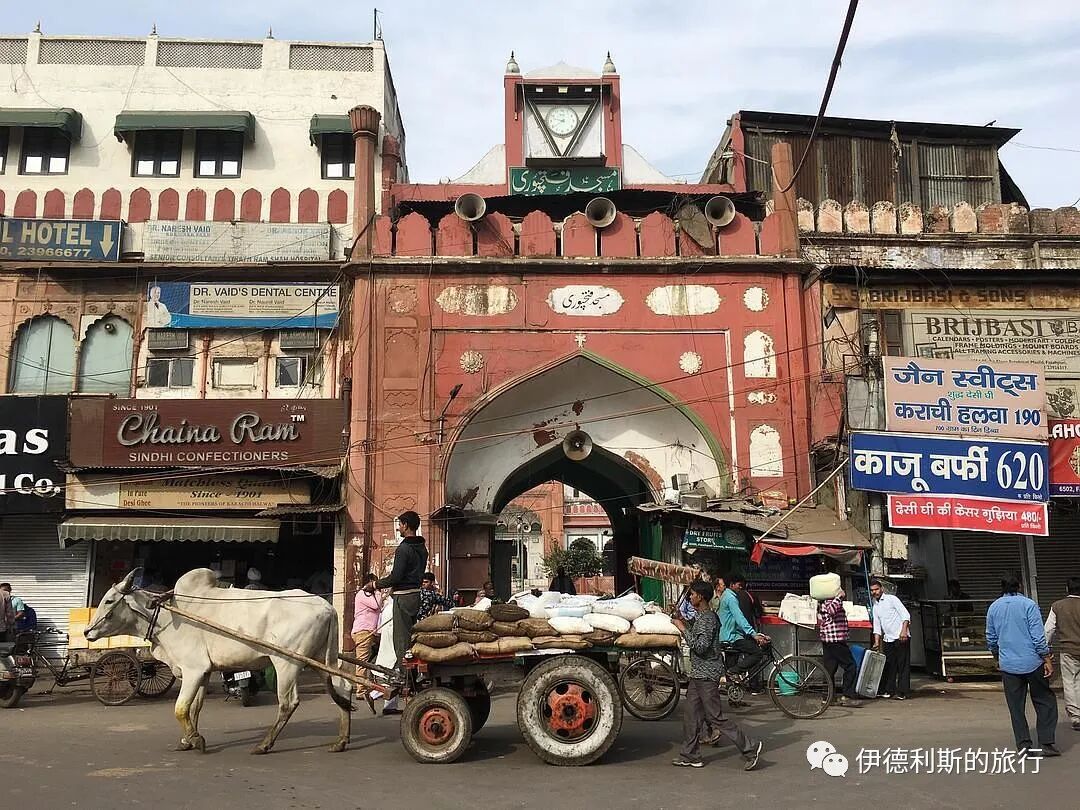
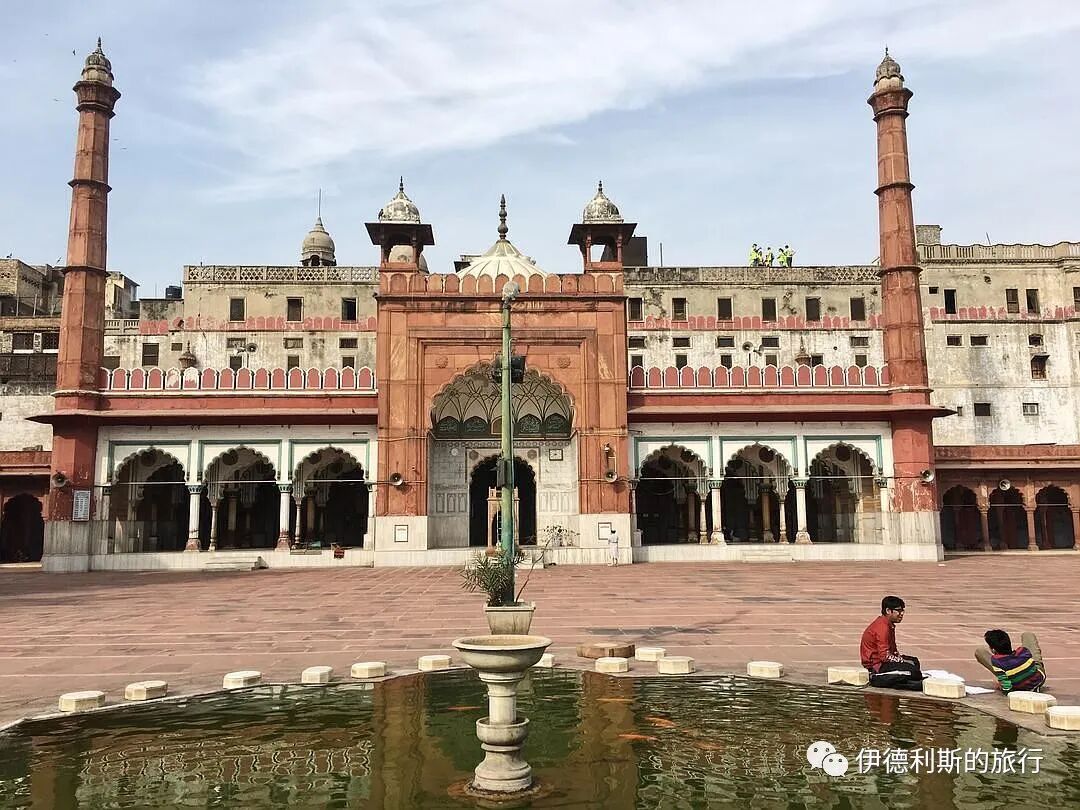
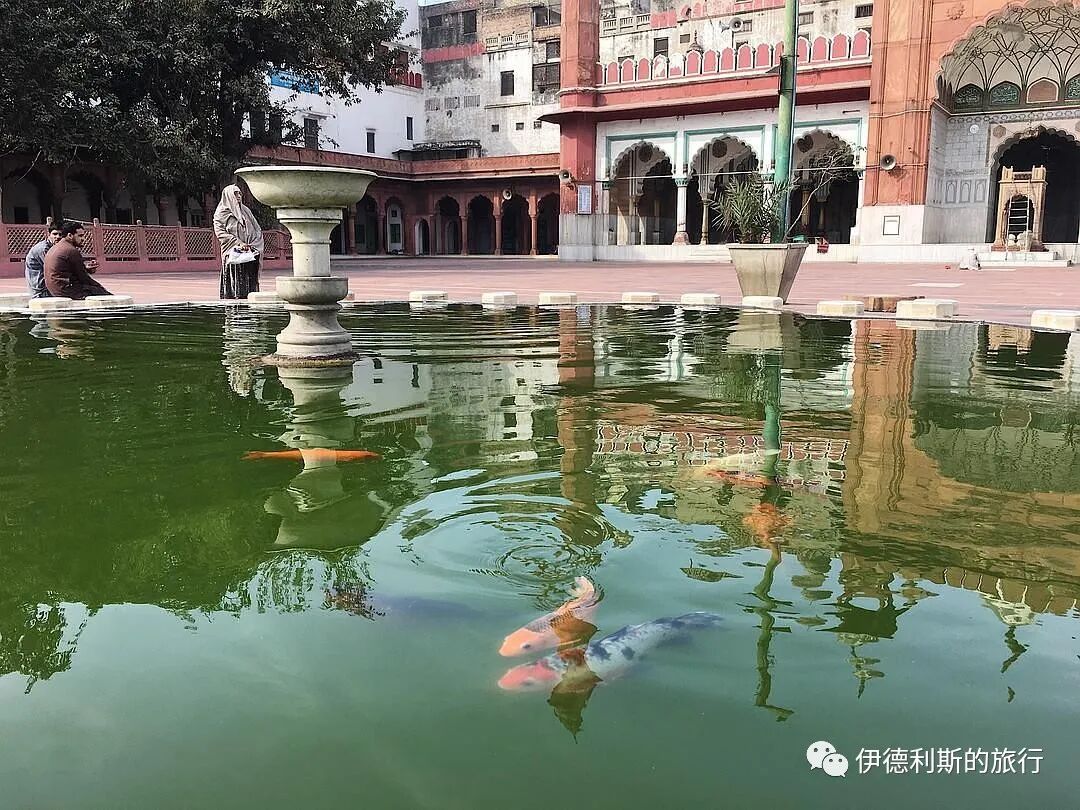
4. Golden Mosque (Sunehri Masjid): 1751
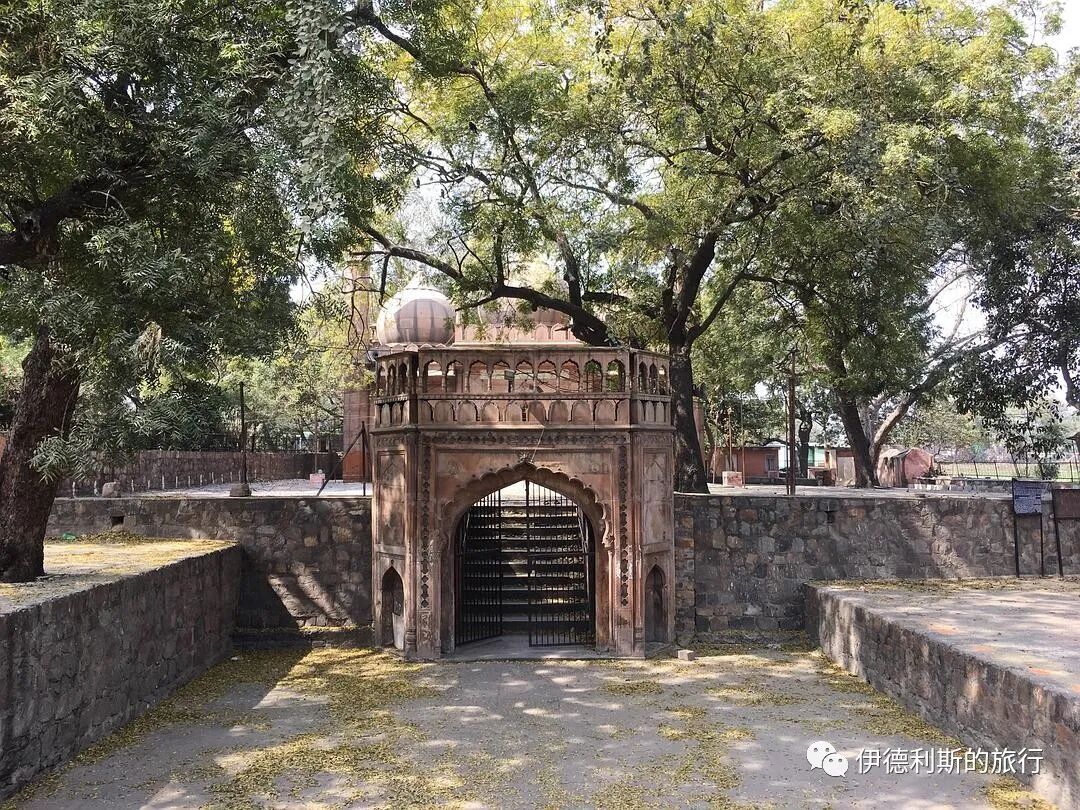
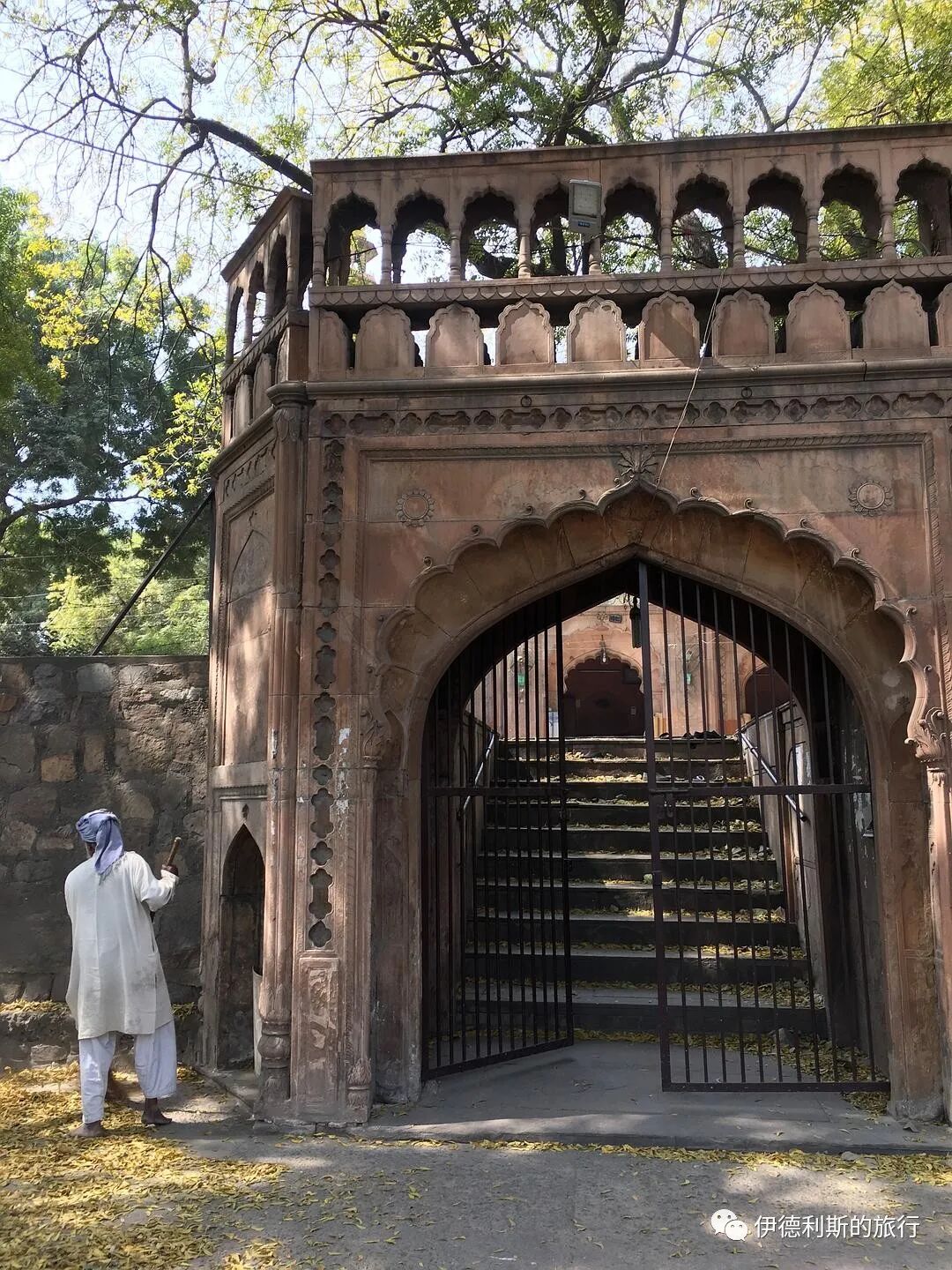
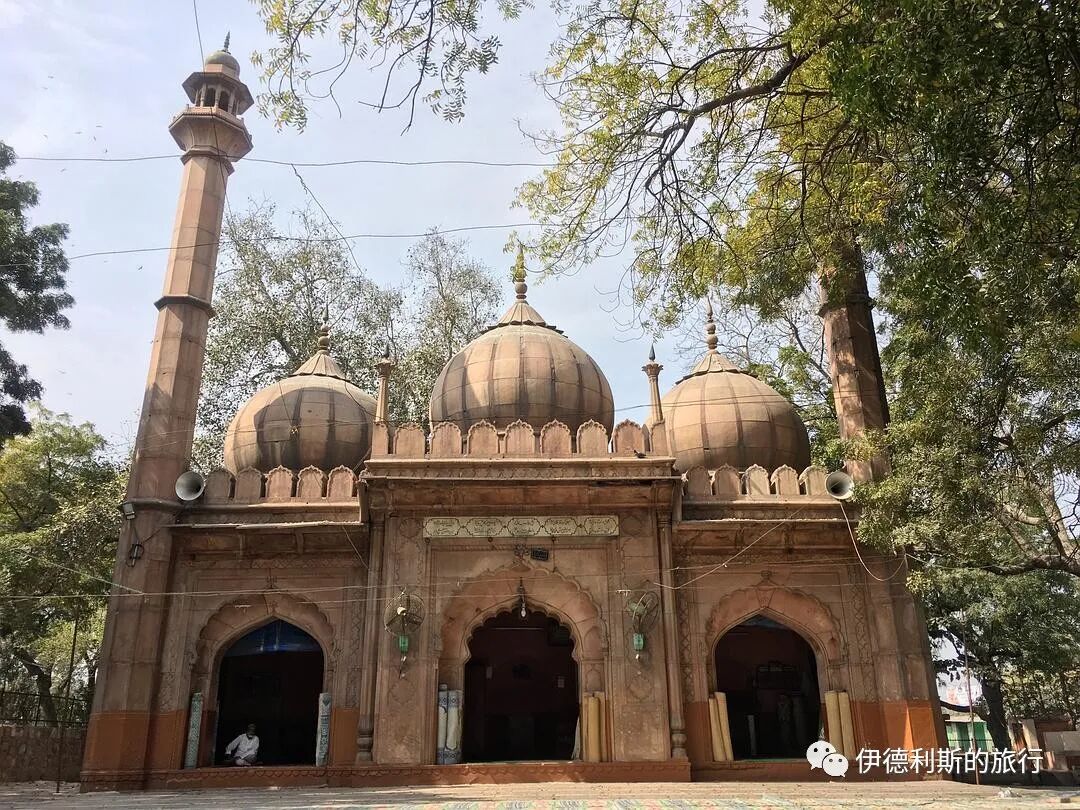
Sunehri Mosque is located south of the Red Fort. It was built in 1751 by Qudsia Begum, the wife of the twelfth Mughal Emperor, Muhammad Shah. After Muhammad Shah died, Qudsia Begum's son, Ahmad Shah Bahadur, succeeded to the throne, making Qudsia Begum the de facto ruler of the Mughal Empire between 1748 and 1754.
During her rule, Qudsia Begum built a series of structures in Delhi, and the Sunehri Mosque is the most understated in its architectural style. The mosque's dome was originally copper-plated, but during renovations in 1852, sandstone replaced the damaged copper plates.
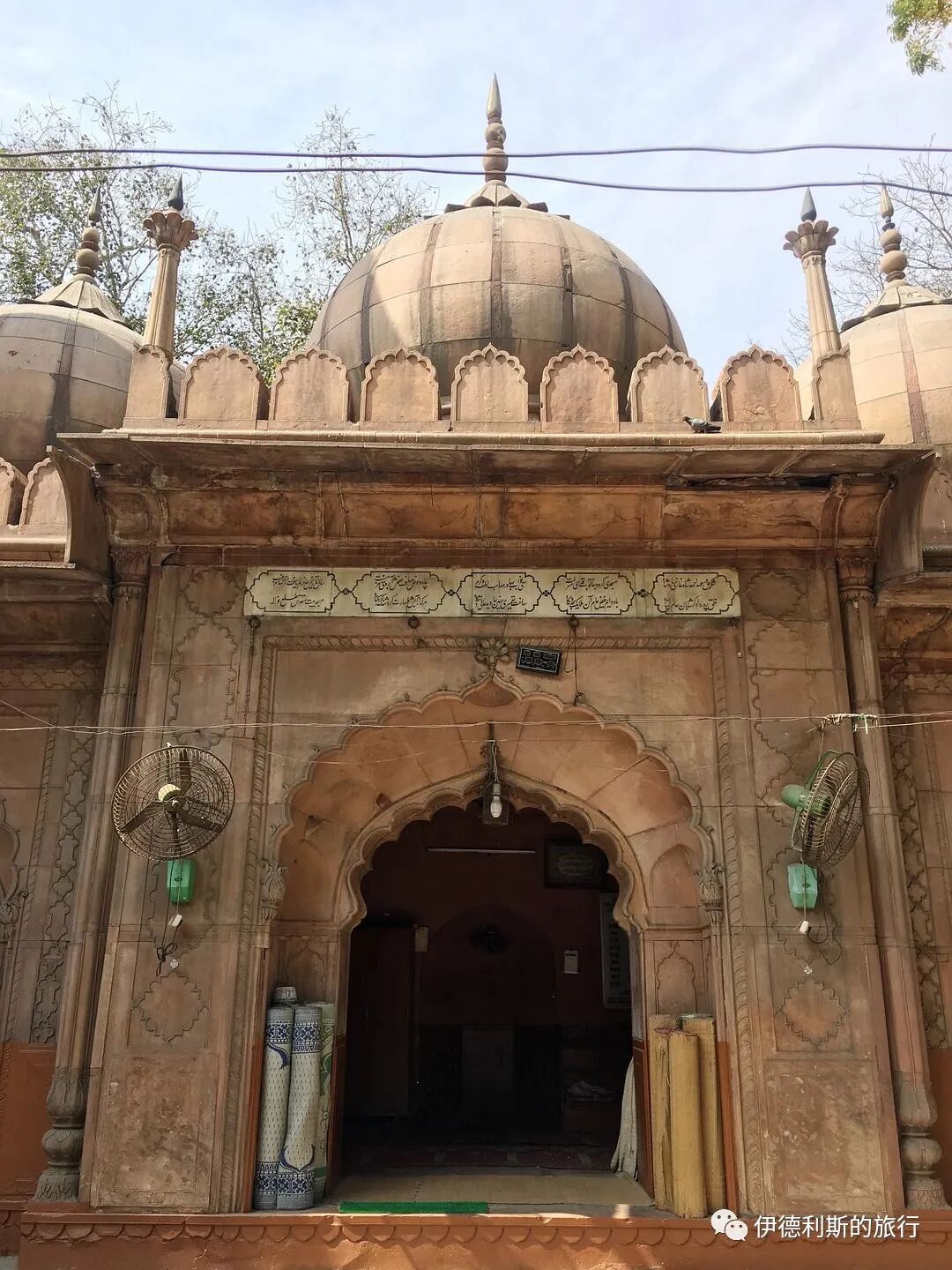
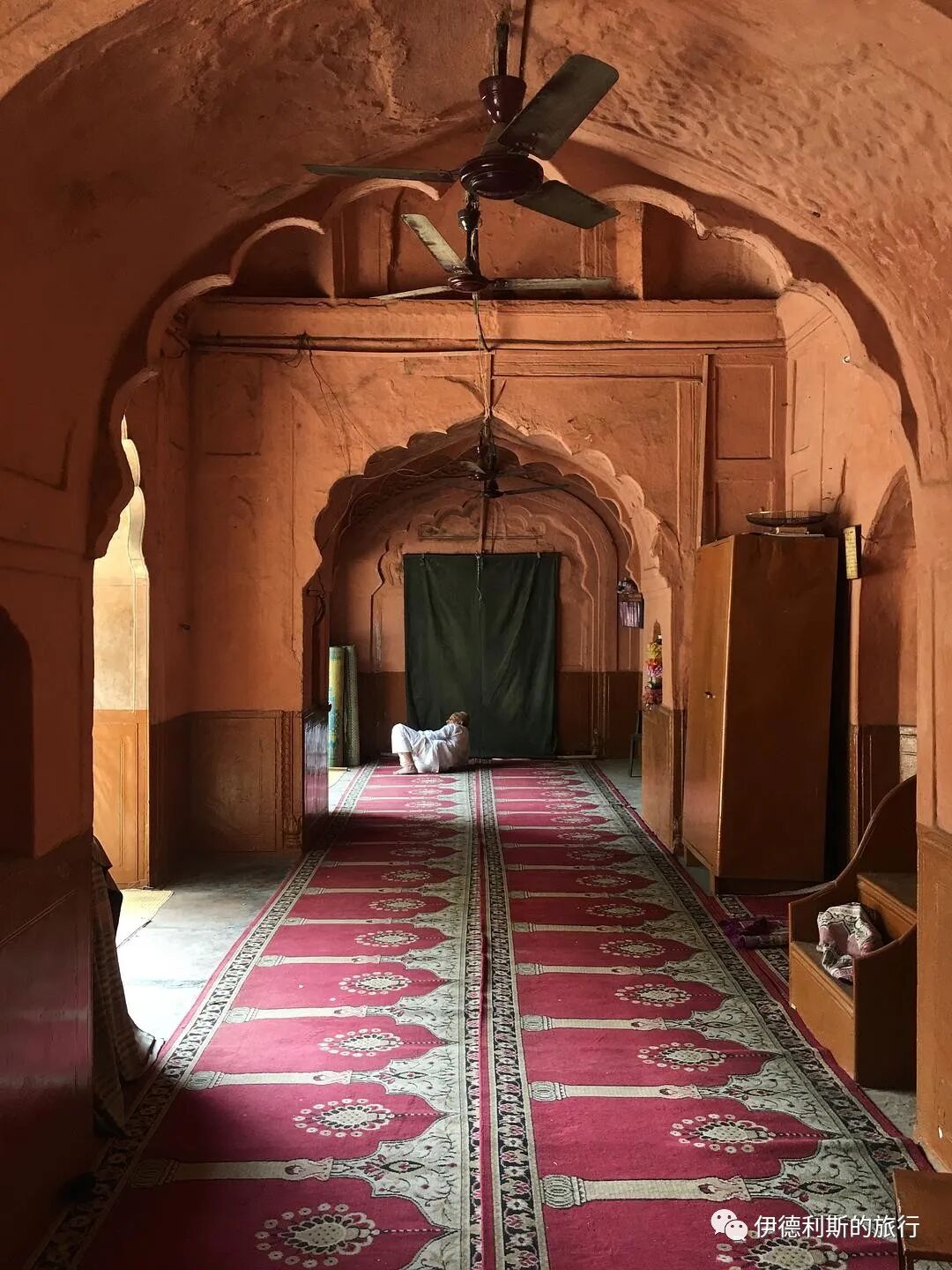
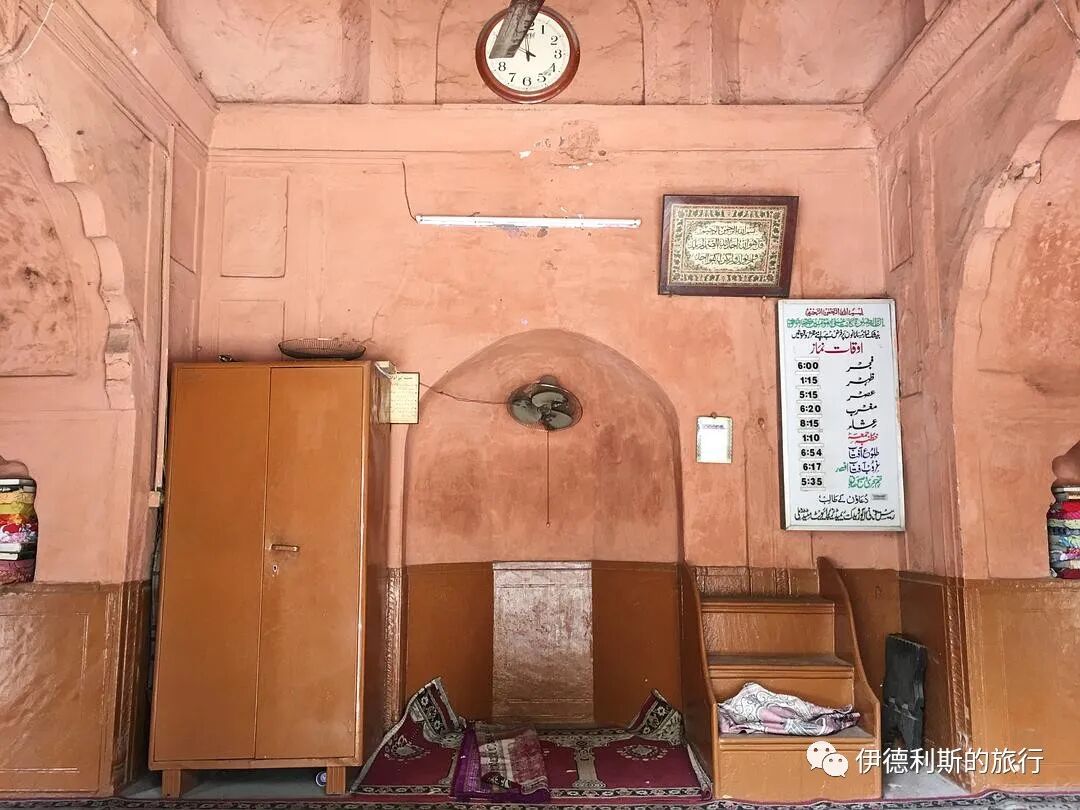
5. Great Mosque (Kalan Masjid): 1387
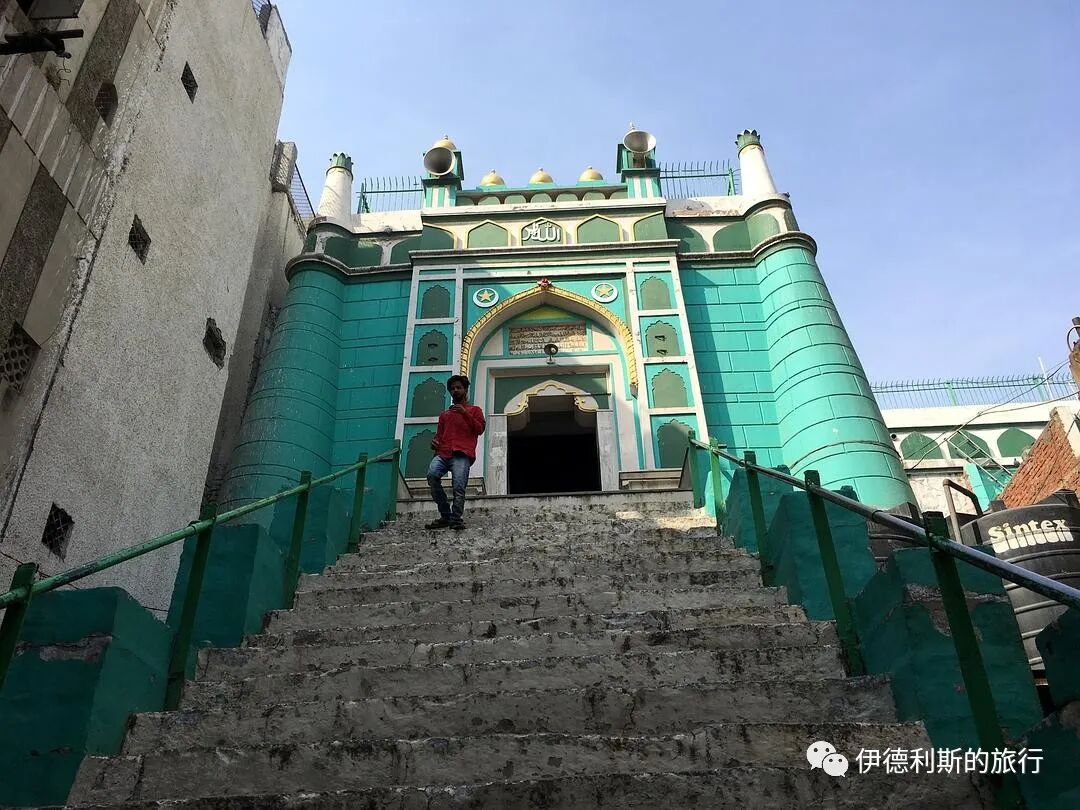
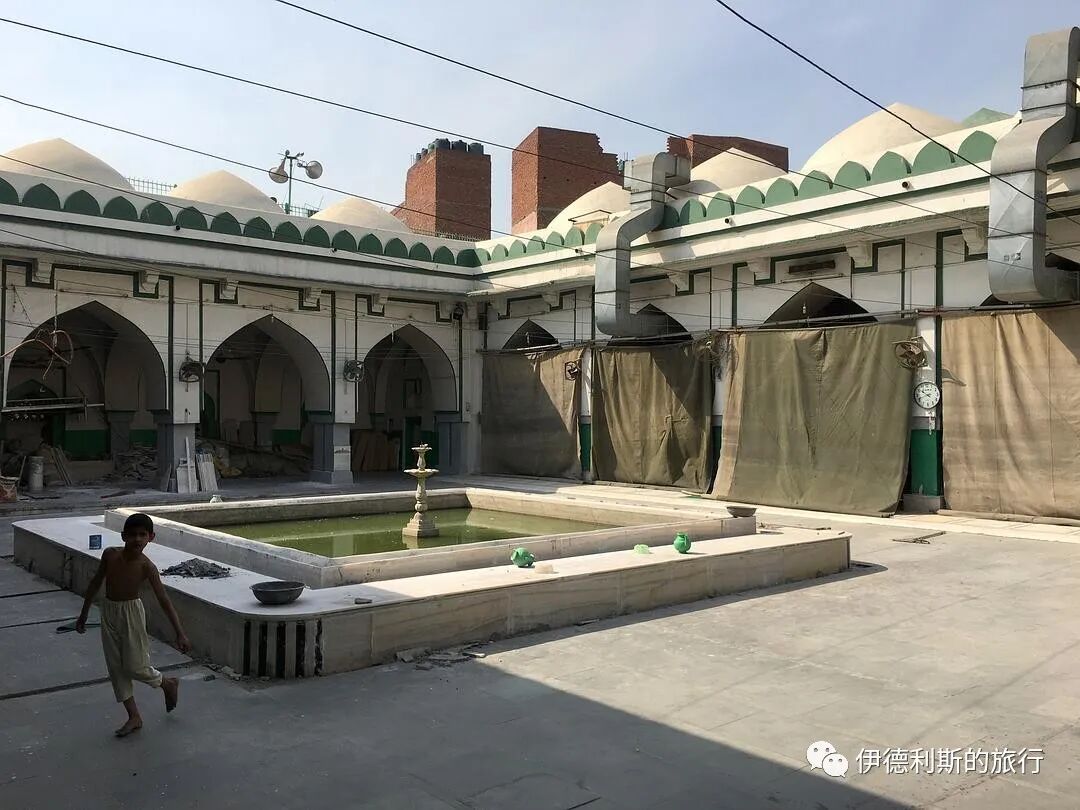
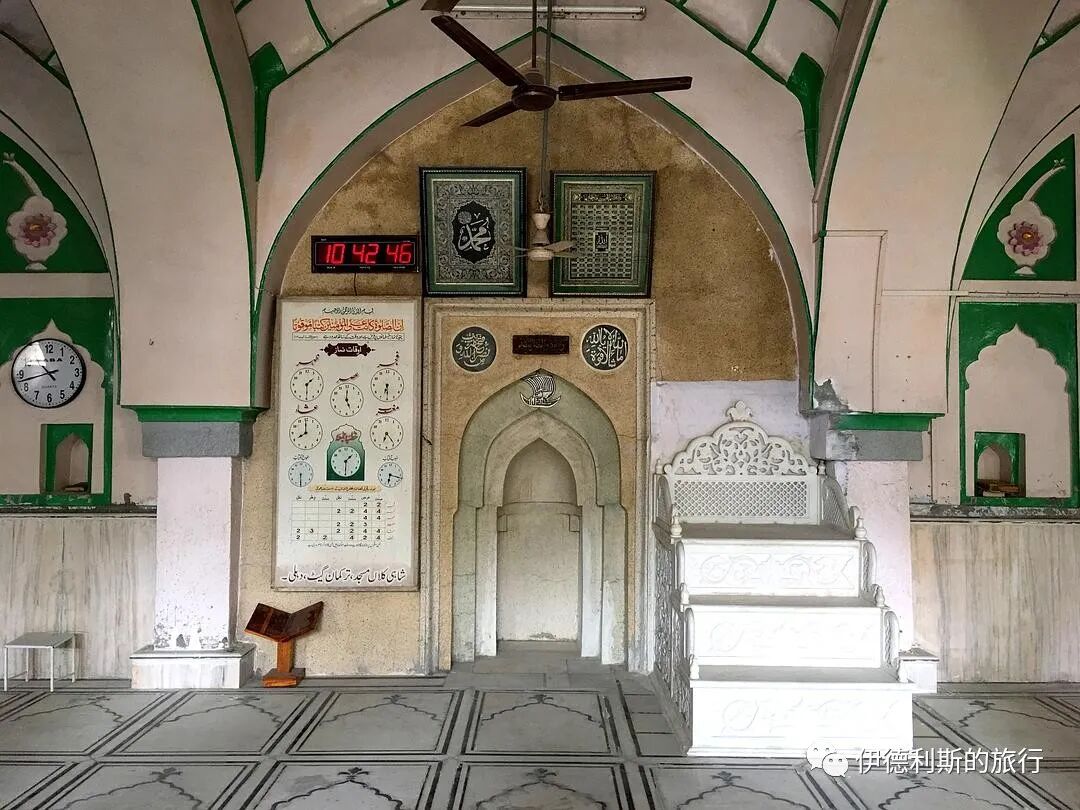
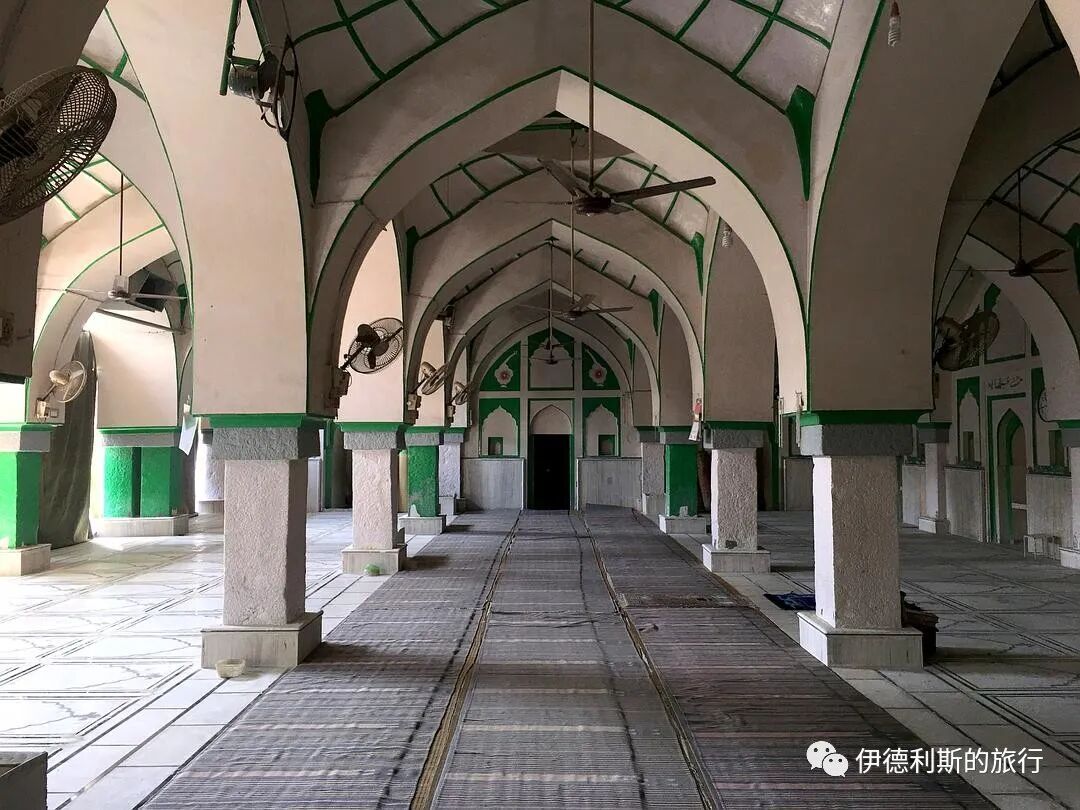
Kalan Mosque is one of the very few mosques in Shahjahanabad that existed before the city was built. It was constructed in 1387 by Khan-i-Jahan Maqbul, the vizier of Sultan Feroz Shah Tughlaq (reigned 1351-1388) of the Delhi Sultanate's Tughlaq dynasty. It is believed to have been built to commemorate a Sufi saint.
The mosque has been in continuous use, so the interior has changed significantly.
6. Hauzwali Mosque: 15th century
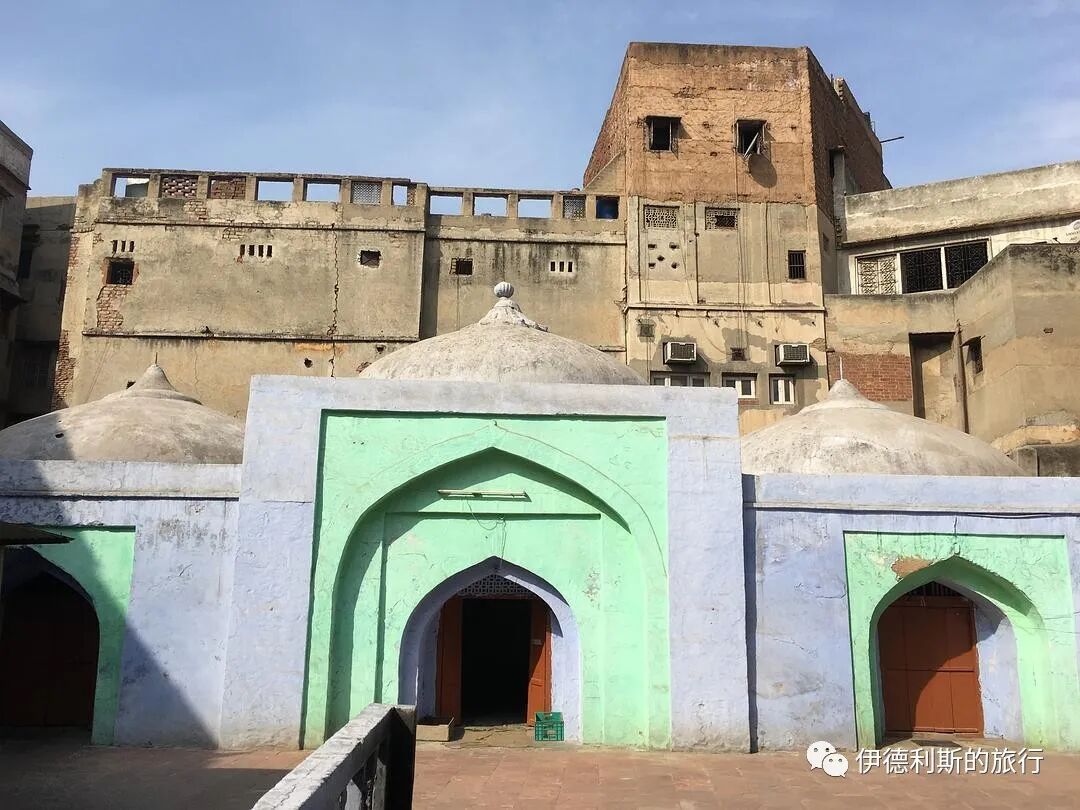
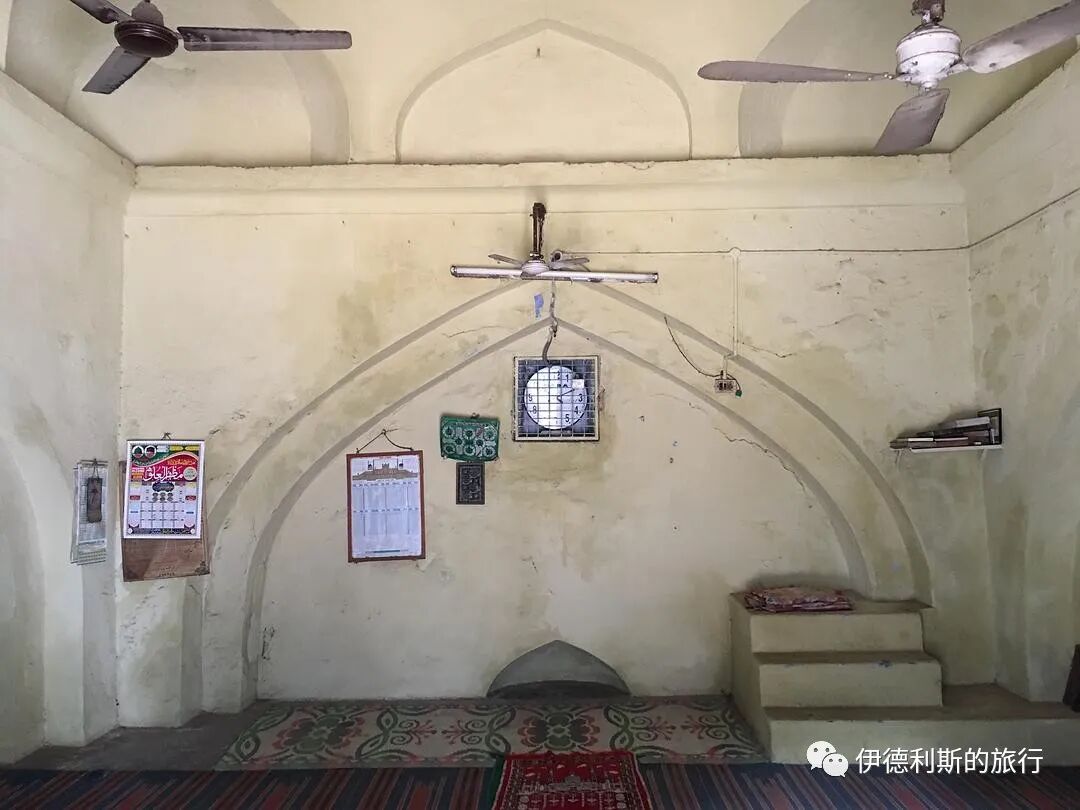
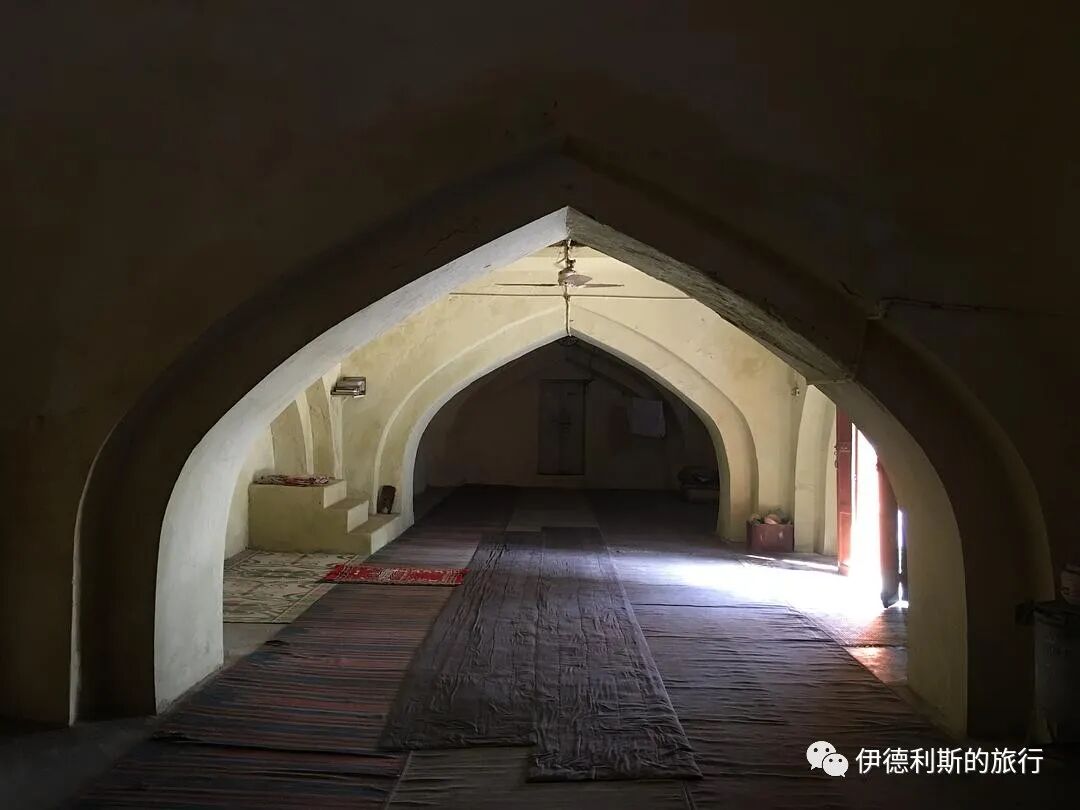
Hauzwali Mosque is another mosque that existed before the city of Shahjahanabad was built. Because the ground level has changed so much over time, the bottom half of the mosque is now underground, leaving only the top parts of the arches and the mihrab visible.
Summary: Delhi's Seventh City — Mughal Capital and Muslim History is presented here as a firsthand travel account in clear English, beginning with this scene: In my last article, The Sixth City of Delhi: The Birth of the Mughal Empire, I wrote about how Humayun, the second Mughal emperor, fell to his death from his library in the sixth city of Delhi, Dinpanah, in 1556. The account keeps its focus on Delhi Travel, Mughal History, Muslim Heritage while preserving the names, places, food, and historical details from the Chinese source.
In my last article, The Sixth City of Delhi: The Birth of the Mughal Empire, I wrote about how Humayun, the second Mughal emperor, fell to his death from his library in the sixth city of Delhi, Dinpanah, in 1556. His son, Emperor Akbar, moved the Mughal capital to Agra in 1558, and Delhi lost its status as the capital.
In 1628, Shah Jahan became the fifth emperor of the Mughal Empire. Under his rule, Mughal architectural aesthetics reached a new height, and this period is widely recognized as the golden age of Mughal architecture. Besides building the Taj Mahal, Shah Jahan built the seventh city of Delhi between 1639 and 1648, naming it Shahjahanabad after himself. Shah Jahan made Shahjahanabad the capital of the Mughal Empire, aiming to show the grandeur and power of the empire.
Shahjahanabad is now known as Old Delhi and still keeps many historical sites and traditional neighborhoods. The most important site inside the city, the Red Fort, was added to the UNESCO World Heritage list in 2007.
The layout of Shahjahanabad was inspired by the ancient Persian city of Isfahan and inherited urban planning ideas from the Agra Fort and Fatehpur Sikri, which were built by the previous Mughal emperor, Akbar. The city has an irregular shape, with the eastern wall built along the course of the Yamuna River. The Yamuna River later changed its course and moved away from the walls, and the original riverbed is now the Delhi Inner Ring Road.
The city has two main roads: Chandni Chowk running east-west and Faiz Bazaar running north-south, with major commercial areas on both sides of the streets. The Red Fort, where the Mughal royal family lived, is located at the junction of these two main roads.
1858
1914
Table of Contents
1. Red Fort: 1639-1648
1. Lahore Gate
2. Chhatta Chowk (market)
3. Naubat Khana (drum house)
4. Diwan-i-Aam (public audience hall)
5. Rang Mahal (palace of the empresses)
6. Khas Mahal (emperor's private palace)
7. Diwan-i-Khas (private audience hall)
8. Hammam-e-Lal Qila (bathhouse)
9. Pearl Mosque (Moti Masjid)
10. King's Tower (Shah Burj)
11. Life-Giving Garden (Hayat Bakhsh Bagh)
2. Jama Mosque: 1650-1656
3. Fatehpuri Mosque: 1650
4. Golden Mosque (Sunehri Masjid): 1751
5. Great Mosque (Kalan Masjid): 1387
6. Hauzwali Mosque: 15th century
1. Red Fort: 1639-1648
Shah Jahan decided to move the capital from Agra back to Delhi in 1638. On May 12, 1639, he ordered the construction of the Red Fort. The designer was Ustad Ahmad Lahauri, the architect who built the Taj Mahal.
On the north side of the Red Fort is the Salimgarh Fort, built by the Sur dynasty in 1546 (I introduced this in my previous article, 'The Sixth City of Delhi: The Birth of the Mughal Empire'). The Red Fort was designed to connect to Salimgarh Fort via a bridge, joining the two castles together.
In 1857, the last Mughal emperor, Bahadur Shah II, left the Red Fort and was arrested by the British army. He was tried at the Red Fort in 1858 and exiled to Yangon, marking the end of the Mughal Empire. Afterward, the Red Fort was used as a British military barracks. Most of the buildings were demolished. Only the marble structures in the far east survived because they were repurposed as barracks, offices, dormitories, and canteens.
After India's independence, the Red Fort continued to be used as an Indian Army barracks until 2003, when the Archaeological Survey of India was finally authorized to begin restoration. In 2009, the Archaeological Survey of India developed a comprehensive protection and management plan for the Red Fort under the direction of the Supreme Court.
The Red Fort viewed from east to west, painted in 1785.
The Red Fort viewed from east to west, painted by Ghulam Ali Khan between 1852 and 1854.
1. Lahore Gate
The Lahore Gate is the west gate of the Red Fort. It is named for facing the city of Lahore. During the reign of the sixth Mughal emperor, Aurangzeb (reigned 1658-1707), a barbican was added to the outside of the gate. Since 1947, the Prime Minister of India has stood at the Lahore Gate to deliver a speech every Indian Independence Day.
Painted by Ghulam Ali Khan between 1852 and 1854.
2. Chhatta Chowk (market)
After entering the Lahore Gate, you find a market called Chhatta Chowk. During the Mughal era, this was where silk and jewelry were sold to members of the royal family.
Painted by Ghulam Ali Khan between 1852 and 1854.
(Optional) Image description
3. Naubat Khana (drum house)
After walking through the Chhatta Chowk market, you reach the outer courtyard of the Red Fort. The building in the center of the outer courtyard is called the Naubat Khana, which serves as the main gate to the inner court. Naubat Khana means 'drum house.' During the Mughal era, ceremonial music was played here five times a day, and everyone except members of the royal family had to dismount from their horses when they reached this point. After 1857, the British army destroyed the arcades on both sides of the Naubat Khana and the central pool, leaving only the central building.
Photographed in 1858 by British army officer Robert Christopher Tytler and his wife Harriet.
4. Diwan-i-Aam (public audience hall)
After passing through the Naubat Khana, you enter the inner courtyard of the Red Fort, where the Diwan-i-Aam stands directly in front of you. Diwan-i-Aam means 'Hall of Public Audience.' It was the place where the Mughal emperor met with the public to hear their concerns.
In the center of the hall is the throne where the emperor sat. The marble steps below the throne were where the prime minister (wazir) received petitions from the public.
The door behind the throne, painted by Ghulam Ali Khan between 1852 and 1854.
5. Rang Mahal (palace of the empresses)
After entering the Diwan-i-Aam, you reach the harem section of the Red Fort. Rang Mahal means 'Palace of Colors.' It was the living quarters for the concubines of the Mughal emperor.
Painted by Ghulam Ali Khan between 1852 and 1854.
A shallow canal called the Stream of Paradise (Nahr-i-Bihist) flows into the marble pool in front of the Rang Mahal. During the hot summer, the women of the Mughal royal family would stay in the basement of the Diwan-i-Aam to escape the heat.
Painted by Ghulam Ali Khan between 1852 and 1854.
6. Khas Mahal (emperor's private palace)
To the north of the Rang Mahal is the Khass Mahal, which was the sleeping quarters of the Mughal emperor. The Rang Mahal was built of white marble. Its walls were originally inlaid with various jewels and the ceiling was gilded, but these features have not been preserved.
Painted by Sir Thomas Theophilus Metcalfe in 1843.
The last Mughal emperor, Bahadur Shah II, ascends the throne in the Khas Mahal, painted by Ghulam Ali Khan between 1837 and 1838.
7. Hall of Private Audience (Diwan-i-Khas)
North of the Khas Mahal is the Hall of Private Audience (Diwan-i-Khas), where the Mughal emperor met with courtiers and state guests. The Hall of Private Audience (Diwan-i-Khas) means "private reception room." It is built of white marble and was once inlaid with various jewels, featuring the exquisite Peacock Throne in the center. The hall once had a ceiling inlaid with gold and silver, but these were later removed. The current ceiling was installed in 1911.
Outside the hall, there used to be red awnings, and the arches below were inscribed with verses by the famous Sufi master Amir Khusrow:
If there is a paradise on earth,
It is this, it is this, it is this.
Painted by Ghulam 'Ali Khan in 1817.
Painted by Ghulam Ali Khan between 1852 and 1854.
The Peacock Throne in 1850.
8. Hammam-e-Lal Qila (bathhouse)
North of the Hall of Private Audience (Diwan-i-Khas) is the Red Fort Bathhouse (Hammam-e-Lal Qila), which was used by the Mughal royal family. The Red Fort Bathhouse (Hammam-e-Lal Qila) is a Turkish-style bath consisting of three sections: a children's bath, a dressing room, and a hot bath. Legend has it that the water flowing from the taps at that time was mixed with rose perfume.
Painted by Ghulam Ali Khan between 1852 and 1854.
9. Pearl Mosque (Moti Masjid)
The Pearl Mosque (Moti Masjid) is west of the bathhouse. It was built by the sixth Mughal emperor, Aurangzeb, between 1659 and 1660 for his second wife, Nawab Bai. Pearl (Moti) means "pearl." It is built of white marble, and its three domes were originally covered with gilded copper plates, which were lost after 1857.
Painted by Ghulam Ali Khan between 1852 and 1854.
Painted by Vasily Vereshchagin in the late 1880s.
10. King's Tower (Shah Burj)
The northernmost part of the harem is a white marble pavilion built during the Aurangzeb period. Behind the pavilion is the Shahi Burj, the northeast corner tower of the Red Fort, which means "Imperial Tower." Inside the tower is a hydraulic system that carries water from outside the Red Fort into its gardens and buildings.
Painted by Sir Thomas Metcalfe in 1843.
11. Life-Giving Garden (Hayat Bakhsh Bagh)
In the northwest part of the harem is the royal water garden Hayat Bakhsh Bagh, which means 'Life-Giving Garden'. Most of the garden's buildings were destroyed after 1857, and only three survive today.
At the center of the garden is the red sandstone building Zafar Mahal, built in 1842 by the last Mughal emperor, Bahadur Shah II. The building sits in a pool and was originally connected to the shore by a red sandstone bridge, but it was destroyed after 1857. After 1857, the British army used this area as a swimming pool.
Painted by Ghulam Ali Khan between 1852 and 1854.
To the north and south of the garden are two white marble pavilions called Sawan and Bhadon, named after the months of July and August in the Indian rainy season, as the ladies of the Mughal palace loved to visit the garden during these two months. The pavilions have wall niches that held vases with golden flowers during the day and small oil lamps at night.
To the west of Hayat Bakhsh Bagh, there was originally another water garden called Mehtab Bagh, meaning 'Moon Garden,' but after 1857, the site was turned into a British military barracks, and now only ruins remain.
2. Jama Mosque: 1650-1656
The Jama Masjid mosque is located southwest of the Red Fort; it was built between 1650 and 1656 by order of Shah Jahan and served as the royal mosque of the Mughal Empire.
The mosque was built by more than 5,000 workers under the leadership of Shah Jahan's vizier (wazir) Saadullah Khan, costing over 1 million rupees. The mosque stands on a platform more than 9 meters above the ground and is made of red sandstone and marble, featuring a main hall connected by colonnades, two 40-meter-high minarets, and three gates. The east gate was reserved for the Mughal royal family and had a path that connected directly to the Delhi Gate of the Red Fort.
After 1857, the British seized the Jama Masjid mosque and stationed troops inside. They originally wanted to demolish the mosque, but they failed due to strong opposition, though the madrasa (Islamic school) on the south side of the mosque was destroyed as a result.
The mihrab in the center of the main hall indicates the direction of prayer toward Mecca:
Besides the main mihrab in the center, there is a smaller mihrab on each side.
During Jumu'ah, the imam stands on this stone platform to deliver the khutbah.
There is a tower at each of the four corners of the colonnade.
The east gate is the main entrance:
South Gate
North Gate
The water pool in the courtyard for wudu:
Jama means Jumu'ah, which refers to the Friday congregational prayer. The Jumu'ah mosque is usually the largest in the community, and the most important weekly prayer is held here every Friday at noon. I was lucky enough to attend a Friday Jumu'ah prayer at the Jama Mosque.
On the morning of Jumu'ah, more prayer rugs were already laid out in the courtyard.
People are performing wudu for the Jumu'ah prayer:
More and more people are arriving.
The imam leading the prayer climbs onto the stone platform.
After the prayer, people take photos:
3. Fatehpuri Mosque: 1650
Fatehpuri Mosque is located at the western end of Chandni Chowk, the main east-west road in Shahjahanabad. It was built in 1650 under the direction of Fatehpuri Begum, the wife of Shah Jahan. The mosque is in the classic Mughal style, built with red sandstone, featuring minarets on both sides and a main prayer hall in the middle. The main hall has seven arched bays, and the central iwan arch is topped with a Mughal-style dome.
4. Golden Mosque (Sunehri Masjid): 1751
Sunehri Mosque is located south of the Red Fort. It was built in 1751 by Qudsia Begum, the wife of the twelfth Mughal Emperor, Muhammad Shah. After Muhammad Shah died, Qudsia Begum's son, Ahmad Shah Bahadur, succeeded to the throne, making Qudsia Begum the de facto ruler of the Mughal Empire between 1748 and 1754.
During her rule, Qudsia Begum built a series of structures in Delhi, and the Sunehri Mosque is the most understated in its architectural style. The mosque's dome was originally copper-plated, but during renovations in 1852, sandstone replaced the damaged copper plates.
5. Great Mosque (Kalan Masjid): 1387
Kalan Mosque is one of the very few mosques in Shahjahanabad that existed before the city was built. It was constructed in 1387 by Khan-i-Jahan Maqbul, the vizier of Sultan Feroz Shah Tughlaq (reigned 1351-1388) of the Delhi Sultanate's Tughlaq dynasty. It is believed to have been built to commemorate a Sufi saint.
The mosque has been in continuous use, so the interior has changed significantly.
6. Hauzwali Mosque: 15th century
Hauzwali Mosque is another mosque that existed before the city of Shahjahanabad was built. Because the ground level has changed so much over time, the bottom half of the mosque is now underground, leaving only the top parts of the arches and the mihrab visible.
Halal Travel Guide: Delhi — 24 Ancient Mosques and Muslim History (Part 1)
Articles • ali2007fr posted the article • 0 comments • 221 views • 2026-05-17 21:06
Reposted from the web
Summary: Delhi — 24 Ancient Mosques and Muslim History is presented here as a firsthand travel account in clear English, beginning with this scene: In February 2018, I visited Delhi to study over 90 historical buildings. I have selected 24 mosques built between the 12th and 18th centuries to share with you in chronological order. The account keeps its focus on Delhi Mosques, India Travel, Muslim History while preserving the names, places, food, and historical details from the Chinese source.
In February 2018, I visited Delhi to study over 90 historical buildings. I have selected 24 mosques built between the 12th and 18th centuries to share with you in chronological order. I missed some mosques due to time constraints, and I left out some smaller, simpler mosques to keep this article a reasonable length. I will share those with you another time.
Table of Contents
1. Ghurid Dynasty (879-1215)
Quwwat-ul-Islam Mosque (Qutb Mosque): construction began in 1193
Delhi Sultanate (1206-1526)
2. Mamluk Dynasty (1206-1290)
Qutb Mosque (Qutb Masjid): expanded in 1225
3. Khalji Dynasty (1290-1320)
1. Qutb Mosque (Qutb Masjid): expanded again in 1310
2. Jamaat Khana mosque: built after 1296.
3. Tohfe Wala Gumbad mosque: built after 1303.
IV. Tughlaq Dynasty (1320-1413).
1. Begampur mosque: built after 1351.
2. Feroz Shah Kotla mosque: 1354.
3. Khirki Mosque: 1370s
4. Kali Mosque: 1370
5. Kalan Mosque: 1387
V. Lodi Dynasty (1451-1526)
1. Bara Gumbad Mosque: 1494
2. Madhi mosque: 15th century
3. Nili mosque: 1505
4. Rajon ki Baoli mosque: 1506
5. Muhammad Wali mosque: late 15th to early 16th century
6. Early Mughal Empire (1526-1540)
1. Jamali Kamali mosque: 1528
7. Sur Dynasty (1532-1556)
1. Qila-i-Kuhna mosque: 1541
2. Salimgarh Fort mosque: 1546
3. Isa Khan mosque: 1547
8. Late Mughal Empire (1555-1857)
1. Khairul Manazil mosque: 1561
2. Afsarwala mosque: 1566
3. Jama mosque: 1650-1656
4. Fatehpuri Mosque: 1650
5. Pearl Mosque (Moti Masjid): 1659
6. Golden Mosque (Sunehri Masjid): 1751
7. Safdarjung Mosque: 1754.
1. Ghurid Dynasty (879-1215)
The Ghurid dynasty appeared in eastern Iran and Afghanistan starting in the 9th century. In 1011, the Persianized Turkic Muslim Ghaznavid dynasty conquered them, and they converted from Buddhism to Islam. In 1186, Muhammad of Ghor ended the Ghaznavid dynasty and took control of Afghanistan and northwestern India.
Quwwat-ul-Islam Mosque (Qutb Mosque): construction began in 1193
The Qutb mosque, later known as the Quwwat-ul-Islam mosque, was the first mosque in Delhi. It was started in 1193 after the Ghorid general Qutb al-Din Aibak captured the city of Lal Kot. According to a Persian inscription on the east gate, the mosque was built after tearing down 27 Hindu and Jain temples from the Tomar and Chauhan dynasties. Because of this, many parts of the mosque were taken directly from those original temples.
The Qutb Minar stands outside the southeast side of the mosque courtyard. It is made of red sandstone and follows the style of Iranian minarets, with patterns influenced by the famous Minaret of Jam in Afghanistan.
Qutb himself personally supervised the construction of the first level of the Qutb Minar, so it features many praises for Muhammad Ghori. His son-in-law, Shams ud-Din Iltutmish, finished the next three levels in 1220, keeping the style mostly the same as the Qutb period. The Qutb Minar from this period is made of red sandstone and is carved with Kufic script.
Delhi Sultanate (1206-1526)
2. Mamluk Dynasty (1206-1290)
In 1206, Muhammad Ghori handed over his affairs in India to Qutb and left for Afghanistan. He was assassinated on the way back. Qutb then established his own sultanate, which later generations called the Delhi Sultanate. Because Qutb was a Mamluk slave, the first dynasty of the Delhi Sultanate is known as the Mamluk Dynasty or the Slave Dynasty.
Qutb Mosque (Qutb Masjid): expanded in 1225
In 1225, the Mamluk Sultan Shams ud-Din Iltutmish began expanding the Qutb Mosque. The expanded section is also called the Iltutmish Mosque. During the expansion, Muslim craftsmen replaced the Hindu craftsmen from the Qutb era. They stopped using parts from the original temples, so the architectural style from this period is more Islamic than the Qutb period.
3. Khalji Dynasty (1290-1320)
The Khalji people are a Turkic group that lived among the Pashtun tribes of Afghanistan for over 200 years. Their customs became so Pashtunized that Turkic nobles in India even considered them Afghans. The Khalji people came to Delhi to serve the Sultan during the reign of Ghiyas ud din Balban, the ninth Sultan of the Mamluk dynasty, between 1266 and 1287.
After Balban died in 1287, his young successor became obsessed with wine and women, and the Turkic nobles fell into factional fighting. In 1290, the military officer Jalal ud din Firuz Khalji led a coup to overthrow the Mamluk dynasty and started the second dynasty of the Delhi Sultanate, the Khalji dynasty.
1. Qutb Mosque (Qutb Masjid): expanded again in 1310
In 1310, Sultan Alauddin Khalji of the Khalji dynasty expanded the Qutb Mosque once again. The new mosque area was much larger than the expansion built by Iltutmish. The most famous part of this new construction that still stands today is the south gate, later known as the Alai Darwaza. This building features red sandstone and white marble inlaid with beautiful Naskh script, and the geometric openwork marble screens show the high level of skill of the Turkic craftsmen.
After doubling the size of the Qutb Mosque, Alauddin Khalji started building the Alai Minar, a tower planned to be twice as tall as the Qutb Minar. Work stopped after the 24.5-meter first level was finished. Today, only a massive core of brick and rubble remains of the tower.
2. Jamaat Khana mosque: built after 1296.
The Jamaat Khana Mosque sits at the heart of the Sufi shrine of Nizamuddin. There are many different stories about its history, but it is likely the second mosque built in Delhi after the Qutb Mosque.
One story says that Sultan Alauddin Khalji (reigned 1296–1316) of the Khalji dynasty built the mosque because the Sufi saint Nizamuddin Auliya (1238–1325) had refused a large sum of money offered by the Sultan. Because of recent repairs, this mosque looks quite different from the Alai Darwaza, the southern gate of the Qutb Mosque built by Alauddin Khalji mentioned earlier. However, if you look closely, the proportions and decorations of the two buildings are actually very similar.
Another theory is that the main hall was originally built as a tomb for the saint by Alauddin Khalji's son, Khizr Khan. The saint did not want to be buried there, so the building became a mosque and side chambers were added to both sides. But looking at the existing structure, the main hall and the side chambers seem to be built together perfectly, with no signs that they were constructed at different times.
A third theory is that the saint Nizamuddin was buried in the wilderness according to his final wishes, and this mosque was built for pilgrims by Sultan Firuz Shah Tughlaq, who reigned from 1351 to 1388.
Overall, the building's style is still very close to the architectural style of the Khalji dynasty.
3. Tohfe Wala Gumbad mosque: built after 1303.
In 1303, the Chagatai Khanate besieged the city of Siri in Delhi for two months, but they could not break through and eventually retreated. After this, Sultan Alauddin Khalji of the Khalji dynasty focused on developing Siri, which had previously been just a military fort. He made Siri the new capital of the Delhi Sultanate, replacing the original site of Lal Kot.
Not many buildings remain in Siri today, but the Tohfe Wala Gumbad mosque is one of them. Unfortunately, there are no records available that show when it was built. This mosque looks very different from other buildings from the Alauddin period, but some of its wall structures show features of Khalji dynasty architecture.
IV. Tughlaq Dynasty (1320-1413).
In 1320, the Khalji dynasty fell during a chaotic struggle for the throne. Ghiyath al-Din Tughluq, a military commander with a strong army on the northwest frontier, defeated his rivals and established the Tughluq dynasty, the third dynasty of the Delhi Sultanate.
1. Begampur mosque: built after 1351.
Between 1326 and 1327, Sultan Muhammad bin Tughluq of the Tughluq dynasty connected Delhi's first city, Lal Kot, and its second city, Siri, with walls to build Jahanpanah, the fourth city of Delhi.
Begampur Mosque is the most important mosque in the city of Jahanpanah. It is the most representative mosque from the Tughlaq dynasty of the Delhi Sultanate that still stands today. It was reportedly designed by the Iranian architect Zahir al-Din al-Jayush.
There are two theories about when the mosque was built. One suggests it is one of the seven mosques built by Khan-i-Jahan Maqbul, the vizier (Wazir) to Sultan Firuz Shah Tughlaq (reigned 1351-1388). The other suggests it was built when Muhammad bin Tughlaq died in 1351.
Begampur Mosque is very grand. In the center is a spacious courtyard surrounded by colonnades. Each of the four sides has a building with a round dome in the center. The east, west, and north ones are gates, and the largest one on the west side is the main prayer hall. The mosque is very simple, with only a few carvings inside the main prayer hall. These stone carvings and domes were once covered in shiny white plaster, but most of it has fallen off and turned black now.
2. Feroz Shah Kotla mosque: 1354.
Sultan Feroz Shah Tughlaq of the Tughlaq dynasty (reigned 1351-1388) built the fifth city of Delhi, Ferozabad, in 1354. Later generations also called it Feroz Shah Kotla. The mosque is the main building in Feroz Shah Kotla and features the typical style of the Tughlaq dynasty. Some scholars believe that Timur the Lame prayed here in 1398 and later built a mosque of the same design in Samarkand. However, there is no solid evidence to confirm that the mosque Timur saw in Delhi was this one rather than the Begampur mosque mentioned earlier.
3. Khirki Mosque: 1370s
Khirki Mosque is another important mosque in the city of Jahanpanah, besides Begumpur Mosque. The design of this building is very different from Begumpur Mosque, but it is almost certainly one of the seven mosques built by Khan-i-Jahan Maqbul, the prime minister of Sultan Firoz Shah Tughlaq, and was likely built in the 1370s.
4. Kali Mosque: 1370
Like the Khirki Mosque mentioned earlier, Kali Mosque is also one of the seven mosques built by Sultan Firoz Shah Tughlaq's prime minister, Khan-i-Jahan Maqbul, and it stands near the Sufi shrine of Nizamuddin.
This mosque is very similar to Khirki Mosque in both its design and construction date, and both were once abandoned. Unlike others, this mosque returned to use in the early 20th century, and some changes were made to its original layout.
5. Kalan Mosque: 1387
Kalan Mosque is the northernmost of the seven mosques built by Khan-i-Jahan Maqbul, the prime minister of Sultan Firoz Shah Tughlaq. It was likely built to honor a Sufi saint and has been in use ever since.
V. Lodi Dynasty (1451-1526)
The Lodi dynasty was founded by the Pashtun leader Bahlul Khan Lodi in 1451. During the Lodi dynasty, the Delhi Sultanate shrank significantly and only ruled parts of northern India.
1. Bara Gumbad Mosque: 1494
The Bara Gumbad mosque is located inside Lodi Gardens. Specific details about the mosque are unknown, but inscriptions inside the building show it was built on November 30, 1494, by a man named Mughal Abdu Amjad.
The carvings in this mosque are very intricate. They are a great example of the limestone plastering and stone-cutting techniques used for architectural decoration during the Lodi dynasty.
2. Madhi mosque: 15th century
Madhi Mosque is located in the Mehrauli Archaeological Park in Delhi. While its exact construction date is unknown, its architectural style clearly shows it belongs to the Lodi dynasty.
Unlike typical mosques, this one does not have a main prayer hall. The mihrab, which points toward the direction of prayer, is made of a single wall. This type of mosque is also called a wall mosque, and it was built to make daily namaz more convenient. There are many other mosques in Delhi made of just one wall, but this one is the largest.
3. Nili mosque: 1505
The Blue Mosque (Nili Masjid) sits between the city of Siri and the Hauz Khas reservoir area, and it is a Lodi-era mosque that is still in use today.
4. Rajon ki Baoli mosque: 1506
Rajon ki Baoli is located in the Mehrauli Archaeological Park in Delhi and is known as the most beautiful stepwell (baoli) in the city. It was built by Daulat Khan Khwaja Muhammad in 1506 during the reign of Sultan Sikandar Lodi (1489-1517). Next to the pool are a mosque and a tomb, which seem to be part of one building complex.
Water reservoir
Mosque
5. Muhammad Wali mosque: late 15th to early 16th century
The Muhammad Wali mosque sits right next to the northwest wall of Siri city and shows the classic Lodi dynasty style.
6. Early Mughal Empire (1526-1540)
In 1526, Emperor Babur from Central Asia defeated the Lodi dynasty and established the Mughal Empire in Delhi.
1. Jamali Kamali mosque: 1528
The Jamali Kamali mosque is located in the Mehrauli Archaeological Park in Delhi and serves as the burial site for both Jamali and Kamali. Jamali, whose full name was Jamali Kamboh, was a famous 16th-century Persian poet and Sufi saint in India who was highly regarded by the Mughal emperors Babur and Humayun. Not much is known about the life of Kamali, but he was likely closely connected to Jamali. This mosque and the tomb were built between 1528 and 1529, and Jamali was buried here after he died in 1536.
Saint's tomb (gongbei)
Mosque
This style of mosque gate is said to be the first of its kind from the Mughal era.
7. Sur Dynasty (1532-1556)
The Sur dynasty was founded by Afghan Pashtun Muslims. In 1540, Sher Shah Suri defeated the Mughal emperor Humayun, took over northern India from the Mughals, and made Delhi his capital.
1. Qila-i-Kuhna mosque: 1541
The Qila-i-Kuhna mosque is located inside the Old Fort (Purana Qila), which is the sixth city of Delhi. In 1540, after Sher Shah Suri of the Sur Empire defeated the Mughal emperor Humayun and took Delhi, he used the Old Fort (Purana Qila) as his palace. In 1541, he built the Qila-i-Kuhna mosque as his royal mosque.
Some scholars believe Humayun designed and started building the mosque, while Sher Shah finished it. Other scholars think the marble on the outer walls was added by the Mughal emperor Akbar, because these geometric patterns did not appear in Delhi before his time.
Overall, the mosque is a Lodi-style five-arch mosque, meaning it is made up of five arched entrances. However, many of its details show architectural styles from different eras. The interior decoration shows the style of the Tughlaq dynasty, while the arches feature the style of the Khalji dynasty, and the semi-dome shape reflects the Mughal dynasty style. It is arguably the mosque with the most diverse architectural styles in Delhi.
2. Salimgarh Fort mosque: 1546
Salimgarh Fort is located north of the Red Fort. It was built in 1546 by Salim Shah Suri (reigned 1545-1554), the son of the Suri dynasty ruler Sher Shah Suri.
During the reign of the Mughal emperor Aurangzeb (reigned 1658-1707), this fort became a prison, and in 1857, it was occupied by the British. Today, it is part of the Red Fort complex and was added to the UNESCO World Heritage list in 2007.
3. Isa Khan mosque: 1547
The Isa Khan Mosque is inside the Humayun's Tomb complex. It is a tomb mosque built for the Pashtun noble Isa Khan from the Sur Empire.
Isa Khan Niazi was born in 1453. Like the Sur royal family, he belonged to the Afghan Pashtun Lodi tribe. He fought many wars against the Mughal Empire and won in the end. In 1548, Isa Khan died in Delhi at the age of 95. Before he died, he built a tomb for himself and added a mosque right next to it.
The tomb of Isa Khan is considered the earliest in India to feature a sunken garden, a design later used in the Taj Mahal.
The Isa Khan mosque was built at the same time as the tomb. The mosque has a strong Afghan style, and some of its features were used in the later Humayun's Tomb.
8. Late Mughal Empire (1555-1857)
In 1555, the Mughal emperor Humayun defeated the Sur Empire, recaptured Delhi, and restored Mughal rule in India.
1. Khairul Manazil mosque: 1561
The Khairul Manazil mosque sits across from the Purana Qila fort. It was built in 1561 by order of Maham Anga, the chief nurse to the Mughal Emperor Akbar and the person who actually held power in the Mughal Empire from 1560 to 1562.
The Persian calligraphy in marble above the main gate was written by Maulana Shihabuddin Ahmad Khan, a historian and poet in Emperor Akbar's court who used the pen name Baazil.
2. Afsarwala mosque: 1566
The Afsarwala mosque is located southwest of Humayun's Tomb. Built between 1566 and 1567, it serves as a tomb mosque for an official from the court of the Mughal Emperor Akbar. The word Afsar means official in Hindi.
The tomb is on the left, and the mosque is on the right.
Mosque
3. Jama mosque: 1650-1656
Jama Mosque is in Shahjahanabad, the seventh city of Delhi, also known as Old Delhi. It was once the main Friday mosque for the Mughal Empire.
The Mughal emperor Shah Jahan, who also built the Taj Mahal, ordered the construction of Jama Mosque between 1650 and 1656. In 1638, before this, Shah Jahan decided to move his capital from Agra, where the Taj Mahal is, to Delhi. He immediately started building a city named after himself, Shahjahanabad, in the north of Delhi. The Jama Mosque was a key part of this city.
Shah Jahan’s prime minister (wazir), Saadullah Khan, led more than 5,000 workers to build the Jama Mosque. It cost over 1 million rupees. view all
Summary: Delhi — 24 Ancient Mosques and Muslim History is presented here as a firsthand travel account in clear English, beginning with this scene: In February 2018, I visited Delhi to study over 90 historical buildings. I have selected 24 mosques built between the 12th and 18th centuries to share with you in chronological order. The account keeps its focus on Delhi Mosques, India Travel, Muslim History while preserving the names, places, food, and historical details from the Chinese source.
In February 2018, I visited Delhi to study over 90 historical buildings. I have selected 24 mosques built between the 12th and 18th centuries to share with you in chronological order. I missed some mosques due to time constraints, and I left out some smaller, simpler mosques to keep this article a reasonable length. I will share those with you another time.
Table of Contents
1. Ghurid Dynasty (879-1215)
Quwwat-ul-Islam Mosque (Qutb Mosque): construction began in 1193
Delhi Sultanate (1206-1526)
2. Mamluk Dynasty (1206-1290)
Qutb Mosque (Qutb Masjid): expanded in 1225
3. Khalji Dynasty (1290-1320)
1. Qutb Mosque (Qutb Masjid): expanded again in 1310
2. Jamaat Khana mosque: built after 1296.
3. Tohfe Wala Gumbad mosque: built after 1303.
IV. Tughlaq Dynasty (1320-1413).
1. Begampur mosque: built after 1351.
2. Feroz Shah Kotla mosque: 1354.
3. Khirki Mosque: 1370s
4. Kali Mosque: 1370
5. Kalan Mosque: 1387
V. Lodi Dynasty (1451-1526)
1. Bara Gumbad Mosque: 1494
2. Madhi mosque: 15th century
3. Nili mosque: 1505
4. Rajon ki Baoli mosque: 1506
5. Muhammad Wali mosque: late 15th to early 16th century
6. Early Mughal Empire (1526-1540)
1. Jamali Kamali mosque: 1528
7. Sur Dynasty (1532-1556)
1. Qila-i-Kuhna mosque: 1541
2. Salimgarh Fort mosque: 1546
3. Isa Khan mosque: 1547
8. Late Mughal Empire (1555-1857)
1. Khairul Manazil mosque: 1561
2. Afsarwala mosque: 1566
3. Jama mosque: 1650-1656
4. Fatehpuri Mosque: 1650
5. Pearl Mosque (Moti Masjid): 1659
6. Golden Mosque (Sunehri Masjid): 1751
7. Safdarjung Mosque: 1754.
1. Ghurid Dynasty (879-1215)
The Ghurid dynasty appeared in eastern Iran and Afghanistan starting in the 9th century. In 1011, the Persianized Turkic Muslim Ghaznavid dynasty conquered them, and they converted from Buddhism to Islam. In 1186, Muhammad of Ghor ended the Ghaznavid dynasty and took control of Afghanistan and northwestern India.
Quwwat-ul-Islam Mosque (Qutb Mosque): construction began in 1193
The Qutb mosque, later known as the Quwwat-ul-Islam mosque, was the first mosque in Delhi. It was started in 1193 after the Ghorid general Qutb al-Din Aibak captured the city of Lal Kot. According to a Persian inscription on the east gate, the mosque was built after tearing down 27 Hindu and Jain temples from the Tomar and Chauhan dynasties. Because of this, many parts of the mosque were taken directly from those original temples.
The Qutb Minar stands outside the southeast side of the mosque courtyard. It is made of red sandstone and follows the style of Iranian minarets, with patterns influenced by the famous Minaret of Jam in Afghanistan.
Qutb himself personally supervised the construction of the first level of the Qutb Minar, so it features many praises for Muhammad Ghori. His son-in-law, Shams ud-Din Iltutmish, finished the next three levels in 1220, keeping the style mostly the same as the Qutb period. The Qutb Minar from this period is made of red sandstone and is carved with Kufic script.
Delhi Sultanate (1206-1526)
2. Mamluk Dynasty (1206-1290)
In 1206, Muhammad Ghori handed over his affairs in India to Qutb and left for Afghanistan. He was assassinated on the way back. Qutb then established his own sultanate, which later generations called the Delhi Sultanate. Because Qutb was a Mamluk slave, the first dynasty of the Delhi Sultanate is known as the Mamluk Dynasty or the Slave Dynasty.
Qutb Mosque (Qutb Masjid): expanded in 1225
In 1225, the Mamluk Sultan Shams ud-Din Iltutmish began expanding the Qutb Mosque. The expanded section is also called the Iltutmish Mosque. During the expansion, Muslim craftsmen replaced the Hindu craftsmen from the Qutb era. They stopped using parts from the original temples, so the architectural style from this period is more Islamic than the Qutb period.
3. Khalji Dynasty (1290-1320)
The Khalji people are a Turkic group that lived among the Pashtun tribes of Afghanistan for over 200 years. Their customs became so Pashtunized that Turkic nobles in India even considered them Afghans. The Khalji people came to Delhi to serve the Sultan during the reign of Ghiyas ud din Balban, the ninth Sultan of the Mamluk dynasty, between 1266 and 1287.
After Balban died in 1287, his young successor became obsessed with wine and women, and the Turkic nobles fell into factional fighting. In 1290, the military officer Jalal ud din Firuz Khalji led a coup to overthrow the Mamluk dynasty and started the second dynasty of the Delhi Sultanate, the Khalji dynasty.
1. Qutb Mosque (Qutb Masjid): expanded again in 1310
In 1310, Sultan Alauddin Khalji of the Khalji dynasty expanded the Qutb Mosque once again. The new mosque area was much larger than the expansion built by Iltutmish. The most famous part of this new construction that still stands today is the south gate, later known as the Alai Darwaza. This building features red sandstone and white marble inlaid with beautiful Naskh script, and the geometric openwork marble screens show the high level of skill of the Turkic craftsmen.
After doubling the size of the Qutb Mosque, Alauddin Khalji started building the Alai Minar, a tower planned to be twice as tall as the Qutb Minar. Work stopped after the 24.5-meter first level was finished. Today, only a massive core of brick and rubble remains of the tower.
2. Jamaat Khana mosque: built after 1296.
The Jamaat Khana Mosque sits at the heart of the Sufi shrine of Nizamuddin. There are many different stories about its history, but it is likely the second mosque built in Delhi after the Qutb Mosque.
One story says that Sultan Alauddin Khalji (reigned 1296–1316) of the Khalji dynasty built the mosque because the Sufi saint Nizamuddin Auliya (1238–1325) had refused a large sum of money offered by the Sultan. Because of recent repairs, this mosque looks quite different from the Alai Darwaza, the southern gate of the Qutb Mosque built by Alauddin Khalji mentioned earlier. However, if you look closely, the proportions and decorations of the two buildings are actually very similar.
Another theory is that the main hall was originally built as a tomb for the saint by Alauddin Khalji's son, Khizr Khan. The saint did not want to be buried there, so the building became a mosque and side chambers were added to both sides. But looking at the existing structure, the main hall and the side chambers seem to be built together perfectly, with no signs that they were constructed at different times.
A third theory is that the saint Nizamuddin was buried in the wilderness according to his final wishes, and this mosque was built for pilgrims by Sultan Firuz Shah Tughlaq, who reigned from 1351 to 1388.
Overall, the building's style is still very close to the architectural style of the Khalji dynasty.
3. Tohfe Wala Gumbad mosque: built after 1303.
In 1303, the Chagatai Khanate besieged the city of Siri in Delhi for two months, but they could not break through and eventually retreated. After this, Sultan Alauddin Khalji of the Khalji dynasty focused on developing Siri, which had previously been just a military fort. He made Siri the new capital of the Delhi Sultanate, replacing the original site of Lal Kot.
Not many buildings remain in Siri today, but the Tohfe Wala Gumbad mosque is one of them. Unfortunately, there are no records available that show when it was built. This mosque looks very different from other buildings from the Alauddin period, but some of its wall structures show features of Khalji dynasty architecture.
IV. Tughlaq Dynasty (1320-1413).
In 1320, the Khalji dynasty fell during a chaotic struggle for the throne. Ghiyath al-Din Tughluq, a military commander with a strong army on the northwest frontier, defeated his rivals and established the Tughluq dynasty, the third dynasty of the Delhi Sultanate.
1. Begampur mosque: built after 1351.
Between 1326 and 1327, Sultan Muhammad bin Tughluq of the Tughluq dynasty connected Delhi's first city, Lal Kot, and its second city, Siri, with walls to build Jahanpanah, the fourth city of Delhi.
Begampur Mosque is the most important mosque in the city of Jahanpanah. It is the most representative mosque from the Tughlaq dynasty of the Delhi Sultanate that still stands today. It was reportedly designed by the Iranian architect Zahir al-Din al-Jayush.
There are two theories about when the mosque was built. One suggests it is one of the seven mosques built by Khan-i-Jahan Maqbul, the vizier (Wazir) to Sultan Firuz Shah Tughlaq (reigned 1351-1388). The other suggests it was built when Muhammad bin Tughlaq died in 1351.
Begampur Mosque is very grand. In the center is a spacious courtyard surrounded by colonnades. Each of the four sides has a building with a round dome in the center. The east, west, and north ones are gates, and the largest one on the west side is the main prayer hall. The mosque is very simple, with only a few carvings inside the main prayer hall. These stone carvings and domes were once covered in shiny white plaster, but most of it has fallen off and turned black now.
2. Feroz Shah Kotla mosque: 1354.
Sultan Feroz Shah Tughlaq of the Tughlaq dynasty (reigned 1351-1388) built the fifth city of Delhi, Ferozabad, in 1354. Later generations also called it Feroz Shah Kotla. The mosque is the main building in Feroz Shah Kotla and features the typical style of the Tughlaq dynasty. Some scholars believe that Timur the Lame prayed here in 1398 and later built a mosque of the same design in Samarkand. However, there is no solid evidence to confirm that the mosque Timur saw in Delhi was this one rather than the Begampur mosque mentioned earlier.
3. Khirki Mosque: 1370s
Khirki Mosque is another important mosque in the city of Jahanpanah, besides Begumpur Mosque. The design of this building is very different from Begumpur Mosque, but it is almost certainly one of the seven mosques built by Khan-i-Jahan Maqbul, the prime minister of Sultan Firoz Shah Tughlaq, and was likely built in the 1370s.
4. Kali Mosque: 1370
Like the Khirki Mosque mentioned earlier, Kali Mosque is also one of the seven mosques built by Sultan Firoz Shah Tughlaq's prime minister, Khan-i-Jahan Maqbul, and it stands near the Sufi shrine of Nizamuddin.
This mosque is very similar to Khirki Mosque in both its design and construction date, and both were once abandoned. Unlike others, this mosque returned to use in the early 20th century, and some changes were made to its original layout.
5. Kalan Mosque: 1387
Kalan Mosque is the northernmost of the seven mosques built by Khan-i-Jahan Maqbul, the prime minister of Sultan Firoz Shah Tughlaq. It was likely built to honor a Sufi saint and has been in use ever since.
V. Lodi Dynasty (1451-1526)
The Lodi dynasty was founded by the Pashtun leader Bahlul Khan Lodi in 1451. During the Lodi dynasty, the Delhi Sultanate shrank significantly and only ruled parts of northern India.
1. Bara Gumbad Mosque: 1494
The Bara Gumbad mosque is located inside Lodi Gardens. Specific details about the mosque are unknown, but inscriptions inside the building show it was built on November 30, 1494, by a man named Mughal Abdu Amjad.
The carvings in this mosque are very intricate. They are a great example of the limestone plastering and stone-cutting techniques used for architectural decoration during the Lodi dynasty.
2. Madhi mosque: 15th century
Madhi Mosque is located in the Mehrauli Archaeological Park in Delhi. While its exact construction date is unknown, its architectural style clearly shows it belongs to the Lodi dynasty.
Unlike typical mosques, this one does not have a main prayer hall. The mihrab, which points toward the direction of prayer, is made of a single wall. This type of mosque is also called a wall mosque, and it was built to make daily namaz more convenient. There are many other mosques in Delhi made of just one wall, but this one is the largest.
3. Nili mosque: 1505
The Blue Mosque (Nili Masjid) sits between the city of Siri and the Hauz Khas reservoir area, and it is a Lodi-era mosque that is still in use today.
4. Rajon ki Baoli mosque: 1506
Rajon ki Baoli is located in the Mehrauli Archaeological Park in Delhi and is known as the most beautiful stepwell (baoli) in the city. It was built by Daulat Khan Khwaja Muhammad in 1506 during the reign of Sultan Sikandar Lodi (1489-1517). Next to the pool are a mosque and a tomb, which seem to be part of one building complex.
Water reservoir
Mosque
5. Muhammad Wali mosque: late 15th to early 16th century
The Muhammad Wali mosque sits right next to the northwest wall of Siri city and shows the classic Lodi dynasty style.
6. Early Mughal Empire (1526-1540)
In 1526, Emperor Babur from Central Asia defeated the Lodi dynasty and established the Mughal Empire in Delhi.
1. Jamali Kamali mosque: 1528
The Jamali Kamali mosque is located in the Mehrauli Archaeological Park in Delhi and serves as the burial site for both Jamali and Kamali. Jamali, whose full name was Jamali Kamboh, was a famous 16th-century Persian poet and Sufi saint in India who was highly regarded by the Mughal emperors Babur and Humayun. Not much is known about the life of Kamali, but he was likely closely connected to Jamali. This mosque and the tomb were built between 1528 and 1529, and Jamali was buried here after he died in 1536.
Saint's tomb (gongbei)
Mosque
This style of mosque gate is said to be the first of its kind from the Mughal era.
7. Sur Dynasty (1532-1556)
The Sur dynasty was founded by Afghan Pashtun Muslims. In 1540, Sher Shah Suri defeated the Mughal emperor Humayun, took over northern India from the Mughals, and made Delhi his capital.
1. Qila-i-Kuhna mosque: 1541
The Qila-i-Kuhna mosque is located inside the Old Fort (Purana Qila), which is the sixth city of Delhi. In 1540, after Sher Shah Suri of the Sur Empire defeated the Mughal emperor Humayun and took Delhi, he used the Old Fort (Purana Qila) as his palace. In 1541, he built the Qila-i-Kuhna mosque as his royal mosque.
Some scholars believe Humayun designed and started building the mosque, while Sher Shah finished it. Other scholars think the marble on the outer walls was added by the Mughal emperor Akbar, because these geometric patterns did not appear in Delhi before his time.
Overall, the mosque is a Lodi-style five-arch mosque, meaning it is made up of five arched entrances. However, many of its details show architectural styles from different eras. The interior decoration shows the style of the Tughlaq dynasty, while the arches feature the style of the Khalji dynasty, and the semi-dome shape reflects the Mughal dynasty style. It is arguably the mosque with the most diverse architectural styles in Delhi.
2. Salimgarh Fort mosque: 1546
Salimgarh Fort is located north of the Red Fort. It was built in 1546 by Salim Shah Suri (reigned 1545-1554), the son of the Suri dynasty ruler Sher Shah Suri.
During the reign of the Mughal emperor Aurangzeb (reigned 1658-1707), this fort became a prison, and in 1857, it was occupied by the British. Today, it is part of the Red Fort complex and was added to the UNESCO World Heritage list in 2007.
3. Isa Khan mosque: 1547
The Isa Khan Mosque is inside the Humayun's Tomb complex. It is a tomb mosque built for the Pashtun noble Isa Khan from the Sur Empire.
Isa Khan Niazi was born in 1453. Like the Sur royal family, he belonged to the Afghan Pashtun Lodi tribe. He fought many wars against the Mughal Empire and won in the end. In 1548, Isa Khan died in Delhi at the age of 95. Before he died, he built a tomb for himself and added a mosque right next to it.
The tomb of Isa Khan is considered the earliest in India to feature a sunken garden, a design later used in the Taj Mahal.
The Isa Khan mosque was built at the same time as the tomb. The mosque has a strong Afghan style, and some of its features were used in the later Humayun's Tomb.
8. Late Mughal Empire (1555-1857)
In 1555, the Mughal emperor Humayun defeated the Sur Empire, recaptured Delhi, and restored Mughal rule in India.
1. Khairul Manazil mosque: 1561
The Khairul Manazil mosque sits across from the Purana Qila fort. It was built in 1561 by order of Maham Anga, the chief nurse to the Mughal Emperor Akbar and the person who actually held power in the Mughal Empire from 1560 to 1562.
The Persian calligraphy in marble above the main gate was written by Maulana Shihabuddin Ahmad Khan, a historian and poet in Emperor Akbar's court who used the pen name Baazil.
2. Afsarwala mosque: 1566
The Afsarwala mosque is located southwest of Humayun's Tomb. Built between 1566 and 1567, it serves as a tomb mosque for an official from the court of the Mughal Emperor Akbar. The word Afsar means official in Hindi.
The tomb is on the left, and the mosque is on the right.
Mosque
3. Jama mosque: 1650-1656
Jama Mosque is in Shahjahanabad, the seventh city of Delhi, also known as Old Delhi. It was once the main Friday mosque for the Mughal Empire.
The Mughal emperor Shah Jahan, who also built the Taj Mahal, ordered the construction of Jama Mosque between 1650 and 1656. In 1638, before this, Shah Jahan decided to move his capital from Agra, where the Taj Mahal is, to Delhi. He immediately started building a city named after himself, Shahjahanabad, in the north of Delhi. The Jama Mosque was a key part of this city.
Shah Jahan’s prime minister (wazir), Saadullah Khan, led more than 5,000 workers to build the Jama Mosque. It cost over 1 million rupees. view all
Reposted from the web
Summary: Delhi — 24 Ancient Mosques and Muslim History is presented here as a firsthand travel account in clear English, beginning with this scene: In February 2018, I visited Delhi to study over 90 historical buildings. I have selected 24 mosques built between the 12th and 18th centuries to share with you in chronological order. The account keeps its focus on Delhi Mosques, India Travel, Muslim History while preserving the names, places, food, and historical details from the Chinese source.
In February 2018, I visited Delhi to study over 90 historical buildings. I have selected 24 mosques built between the 12th and 18th centuries to share with you in chronological order. I missed some mosques due to time constraints, and I left out some smaller, simpler mosques to keep this article a reasonable length. I will share those with you another time.
Table of Contents
1. Ghurid Dynasty (879-1215)
Quwwat-ul-Islam Mosque (Qutb Mosque): construction began in 1193
Delhi Sultanate (1206-1526)
2. Mamluk Dynasty (1206-1290)
Qutb Mosque (Qutb Masjid): expanded in 1225
3. Khalji Dynasty (1290-1320)
1. Qutb Mosque (Qutb Masjid): expanded again in 1310
2. Jamaat Khana mosque: built after 1296.
3. Tohfe Wala Gumbad mosque: built after 1303.
IV. Tughlaq Dynasty (1320-1413).
1. Begampur mosque: built after 1351.
2. Feroz Shah Kotla mosque: 1354.
3. Khirki Mosque: 1370s
4. Kali Mosque: 1370
5. Kalan Mosque: 1387
V. Lodi Dynasty (1451-1526)
1. Bara Gumbad Mosque: 1494
2. Madhi mosque: 15th century
3. Nili mosque: 1505
4. Rajon ki Baoli mosque: 1506
5. Muhammad Wali mosque: late 15th to early 16th century
6. Early Mughal Empire (1526-1540)
1. Jamali Kamali mosque: 1528
7. Sur Dynasty (1532-1556)
1. Qila-i-Kuhna mosque: 1541
2. Salimgarh Fort mosque: 1546
3. Isa Khan mosque: 1547
8. Late Mughal Empire (1555-1857)
1. Khairul Manazil mosque: 1561
2. Afsarwala mosque: 1566
3. Jama mosque: 1650-1656
4. Fatehpuri Mosque: 1650
5. Pearl Mosque (Moti Masjid): 1659
6. Golden Mosque (Sunehri Masjid): 1751
7. Safdarjung Mosque: 1754.
1. Ghurid Dynasty (879-1215)
The Ghurid dynasty appeared in eastern Iran and Afghanistan starting in the 9th century. In 1011, the Persianized Turkic Muslim Ghaznavid dynasty conquered them, and they converted from Buddhism to Islam. In 1186, Muhammad of Ghor ended the Ghaznavid dynasty and took control of Afghanistan and northwestern India.
Quwwat-ul-Islam Mosque (Qutb Mosque): construction began in 1193
The Qutb mosque, later known as the Quwwat-ul-Islam mosque, was the first mosque in Delhi. It was started in 1193 after the Ghorid general Qutb al-Din Aibak captured the city of Lal Kot. According to a Persian inscription on the east gate, the mosque was built after tearing down 27 Hindu and Jain temples from the Tomar and Chauhan dynasties. Because of this, many parts of the mosque were taken directly from those original temples.
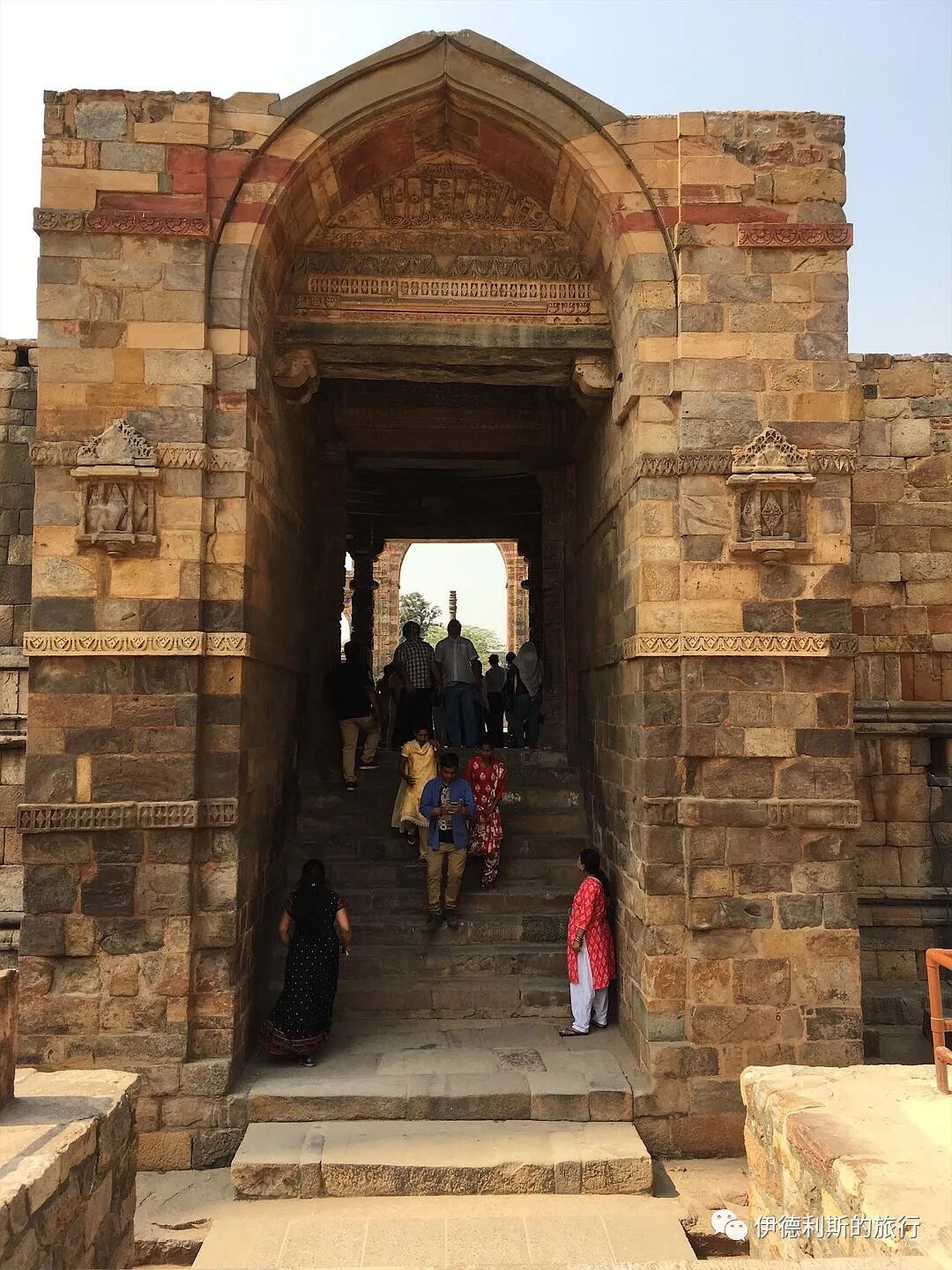
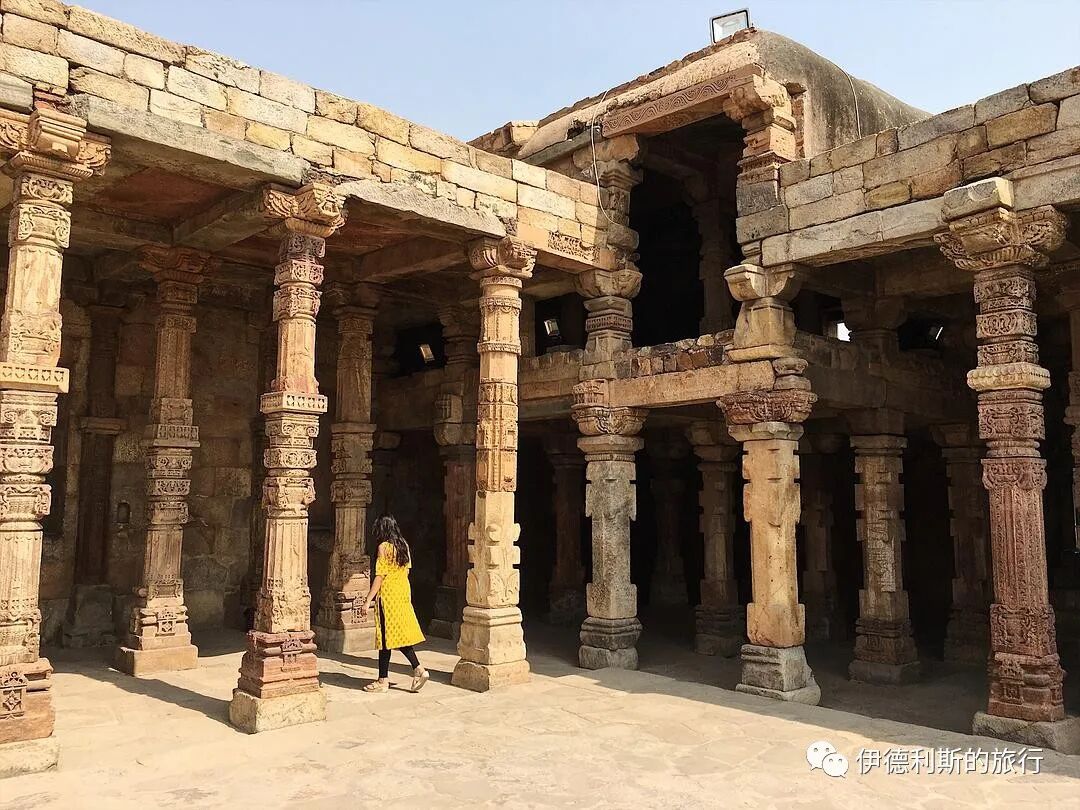
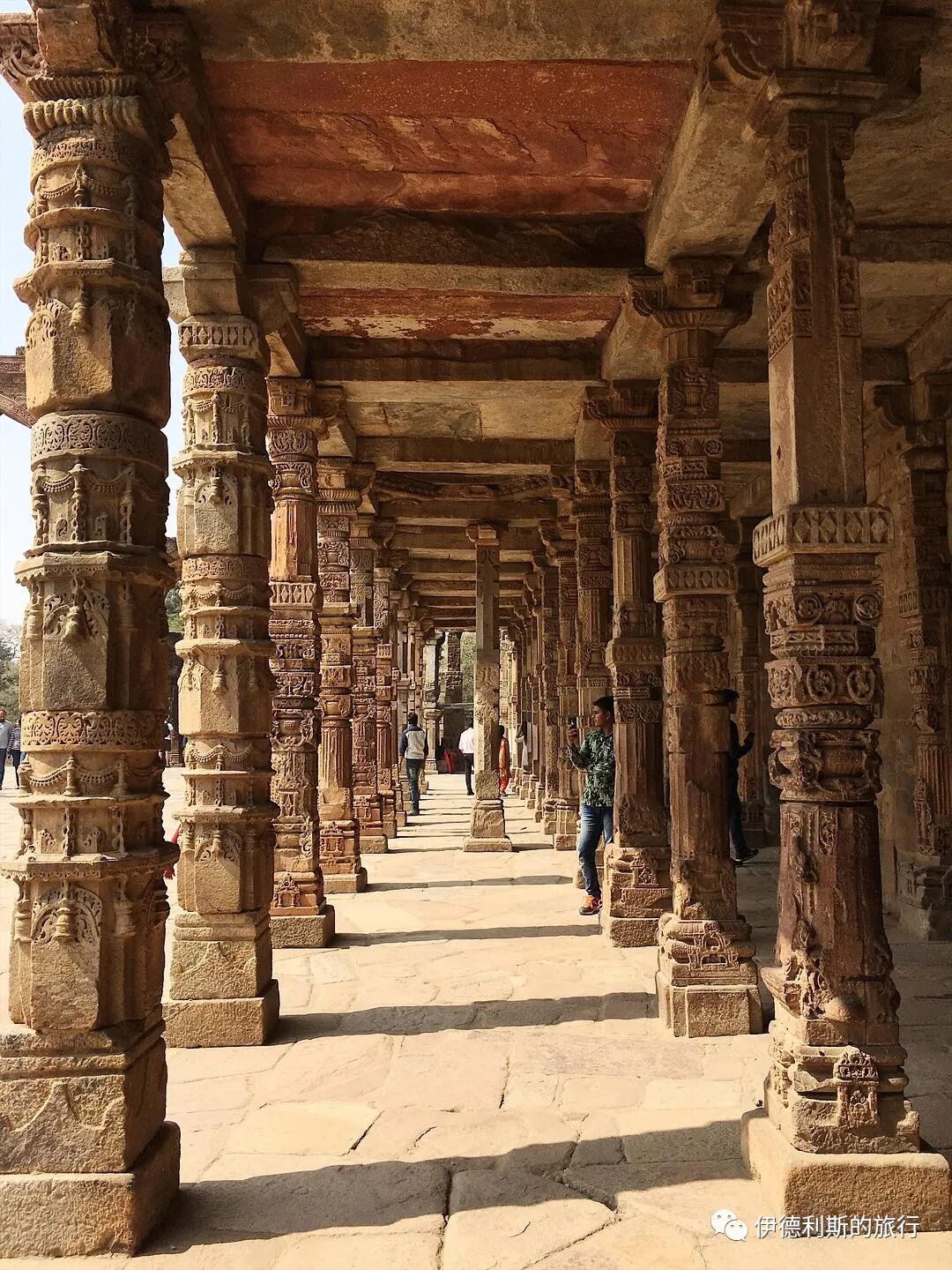
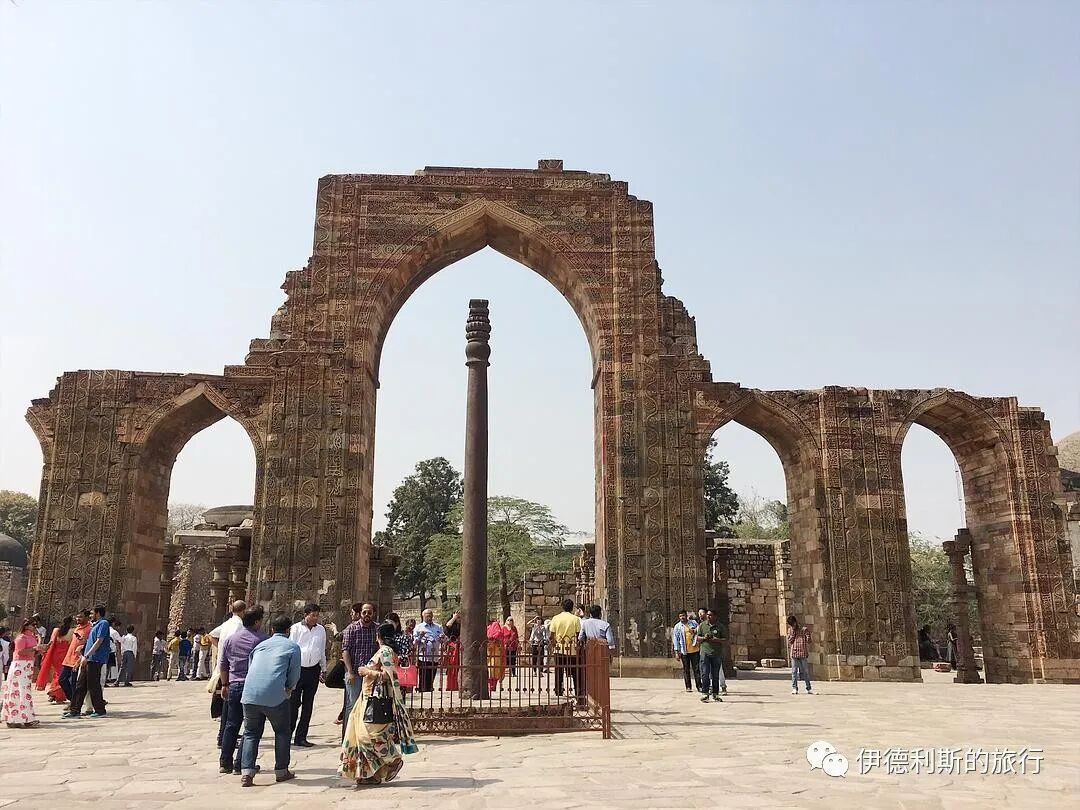
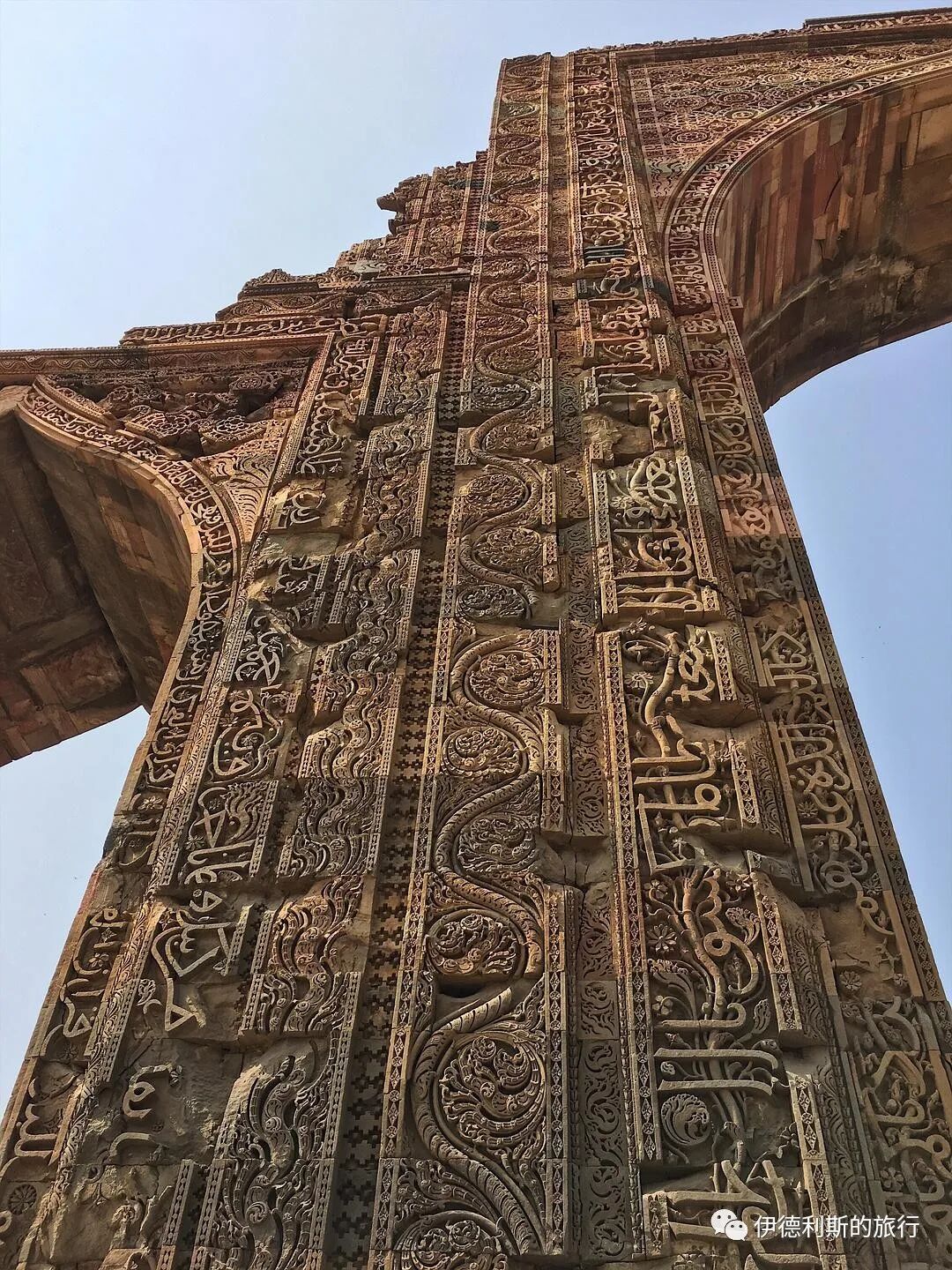
The Qutb Minar stands outside the southeast side of the mosque courtyard. It is made of red sandstone and follows the style of Iranian minarets, with patterns influenced by the famous Minaret of Jam in Afghanistan.
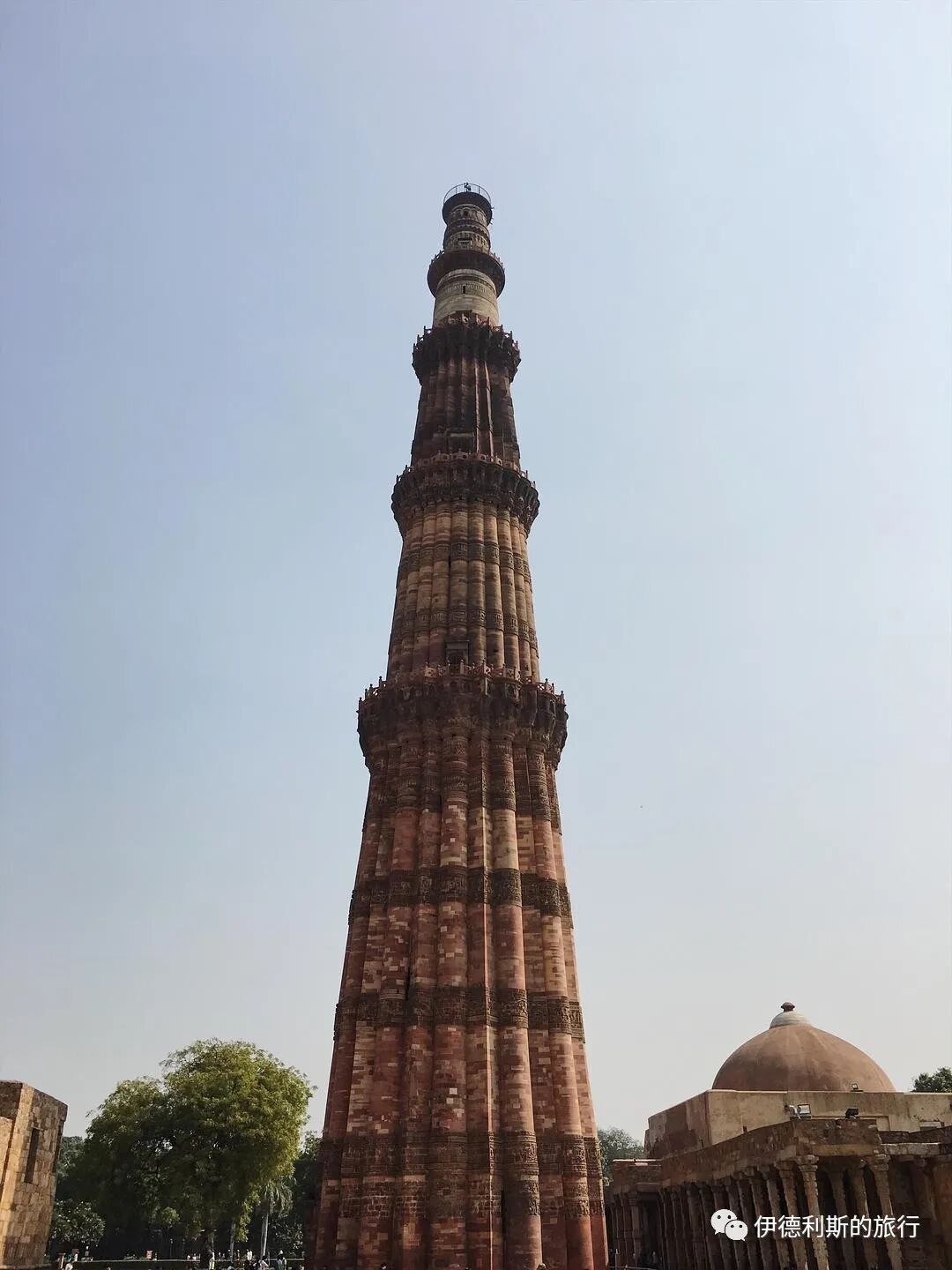
Qutb himself personally supervised the construction of the first level of the Qutb Minar, so it features many praises for Muhammad Ghori. His son-in-law, Shams ud-Din Iltutmish, finished the next three levels in 1220, keeping the style mostly the same as the Qutb period. The Qutb Minar from this period is made of red sandstone and is carved with Kufic script.
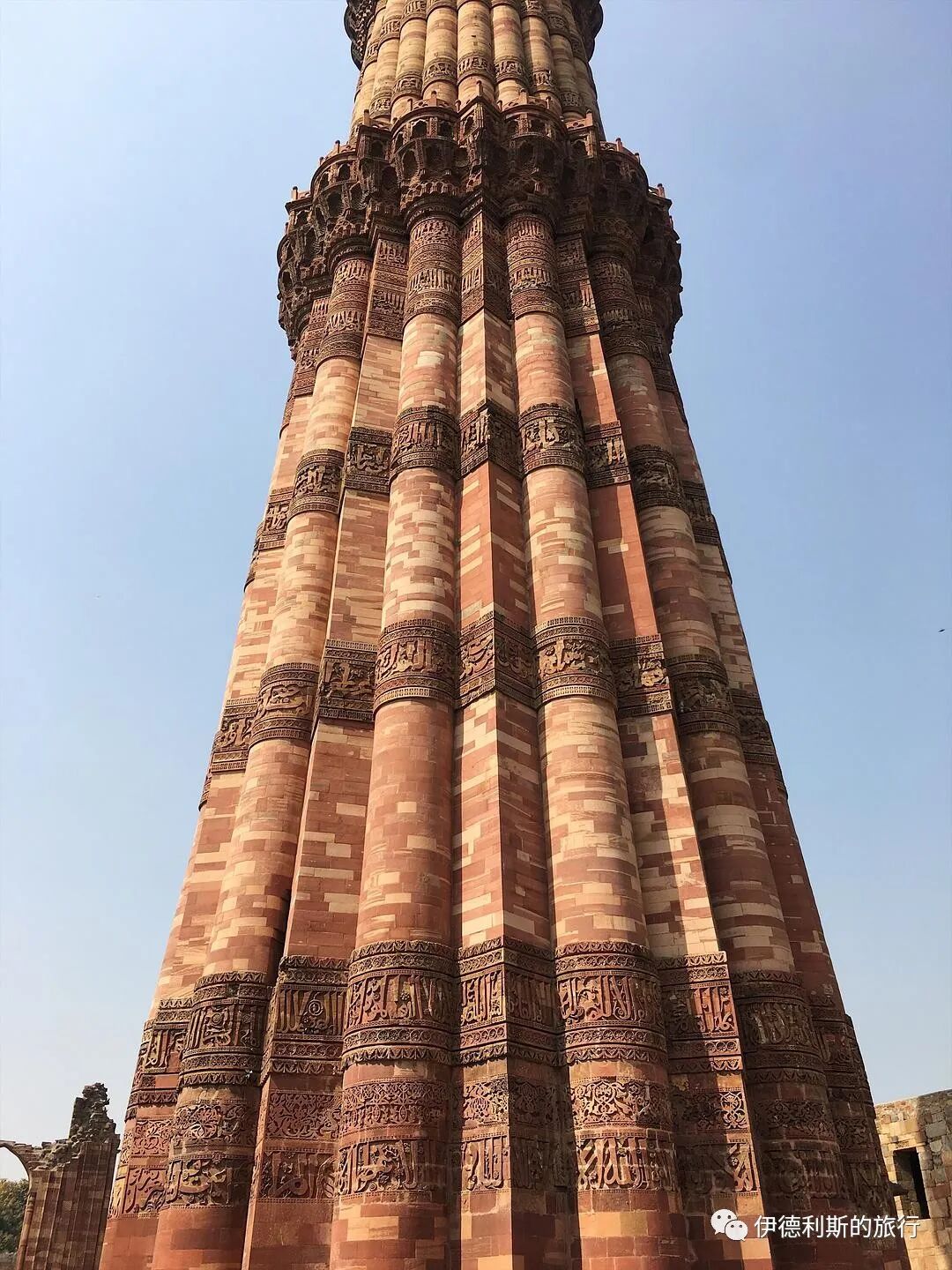
Delhi Sultanate (1206-1526)
2. Mamluk Dynasty (1206-1290)
In 1206, Muhammad Ghori handed over his affairs in India to Qutb and left for Afghanistan. He was assassinated on the way back. Qutb then established his own sultanate, which later generations called the Delhi Sultanate. Because Qutb was a Mamluk slave, the first dynasty of the Delhi Sultanate is known as the Mamluk Dynasty or the Slave Dynasty.
Qutb Mosque (Qutb Masjid): expanded in 1225
In 1225, the Mamluk Sultan Shams ud-Din Iltutmish began expanding the Qutb Mosque. The expanded section is also called the Iltutmish Mosque. During the expansion, Muslim craftsmen replaced the Hindu craftsmen from the Qutb era. They stopped using parts from the original temples, so the architectural style from this period is more Islamic than the Qutb period.
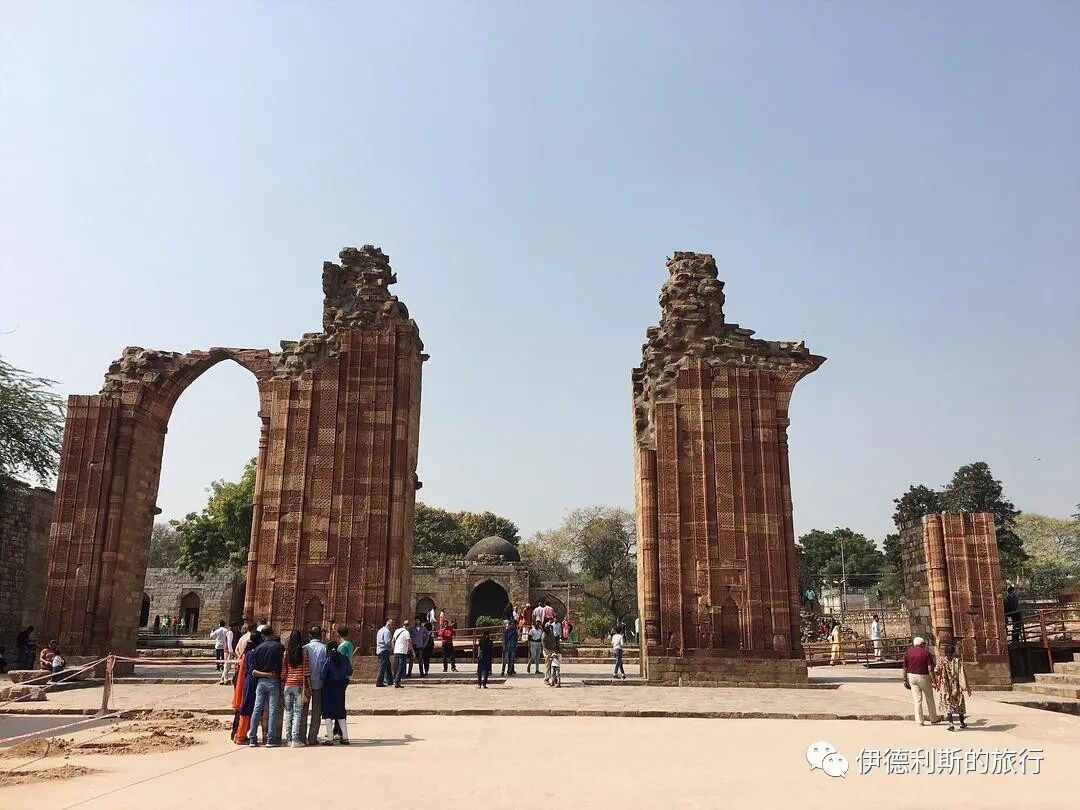
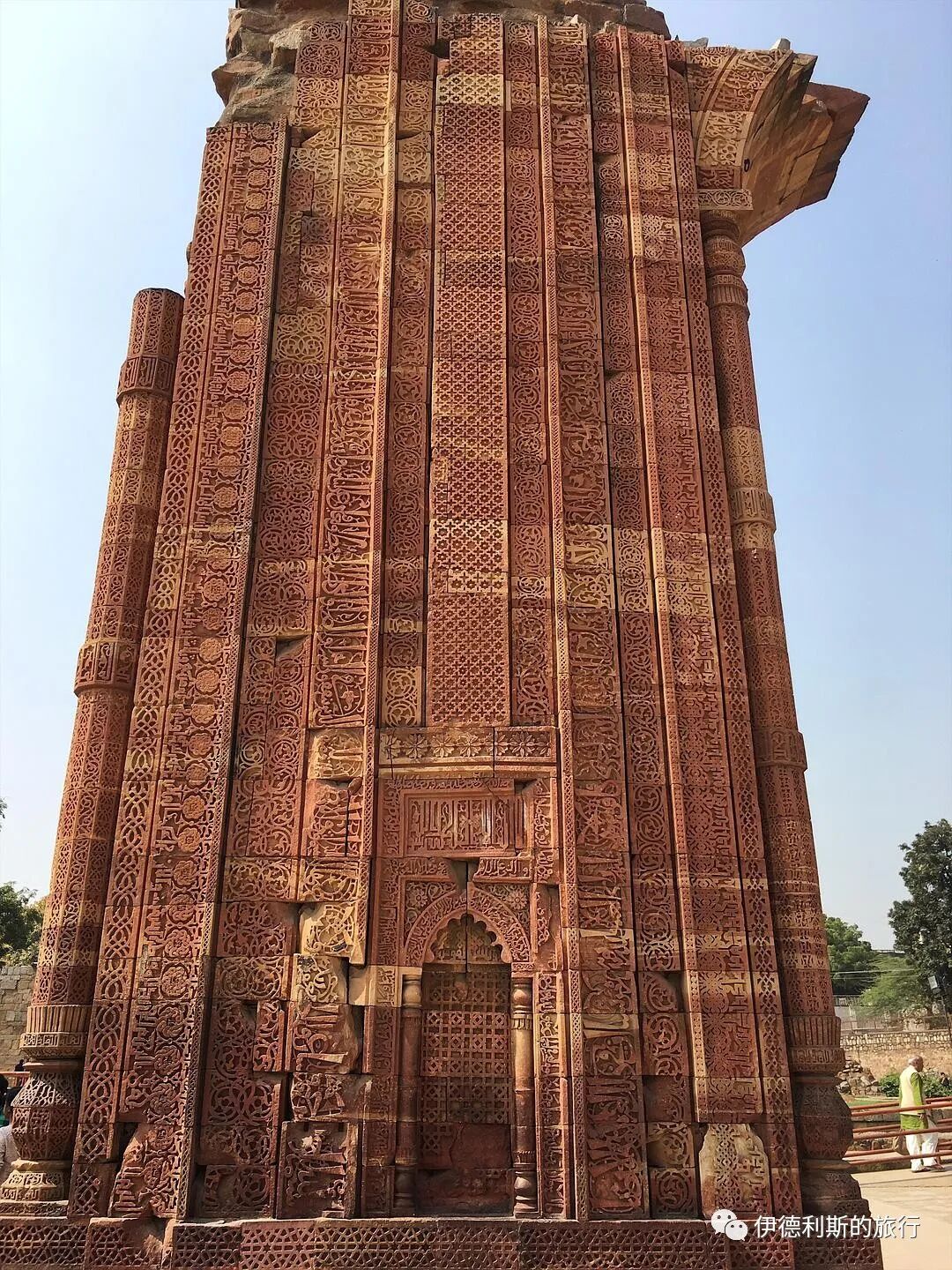
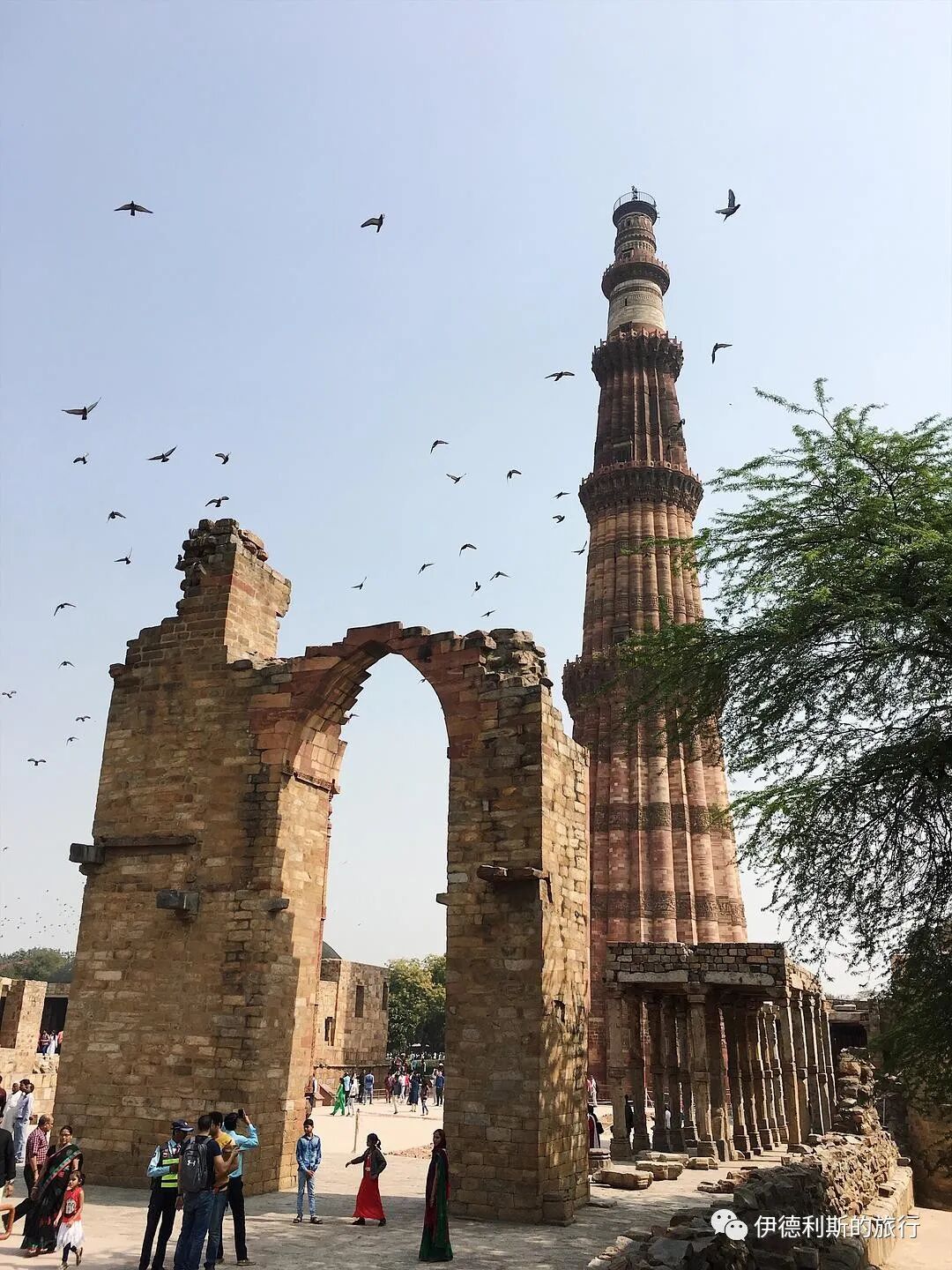
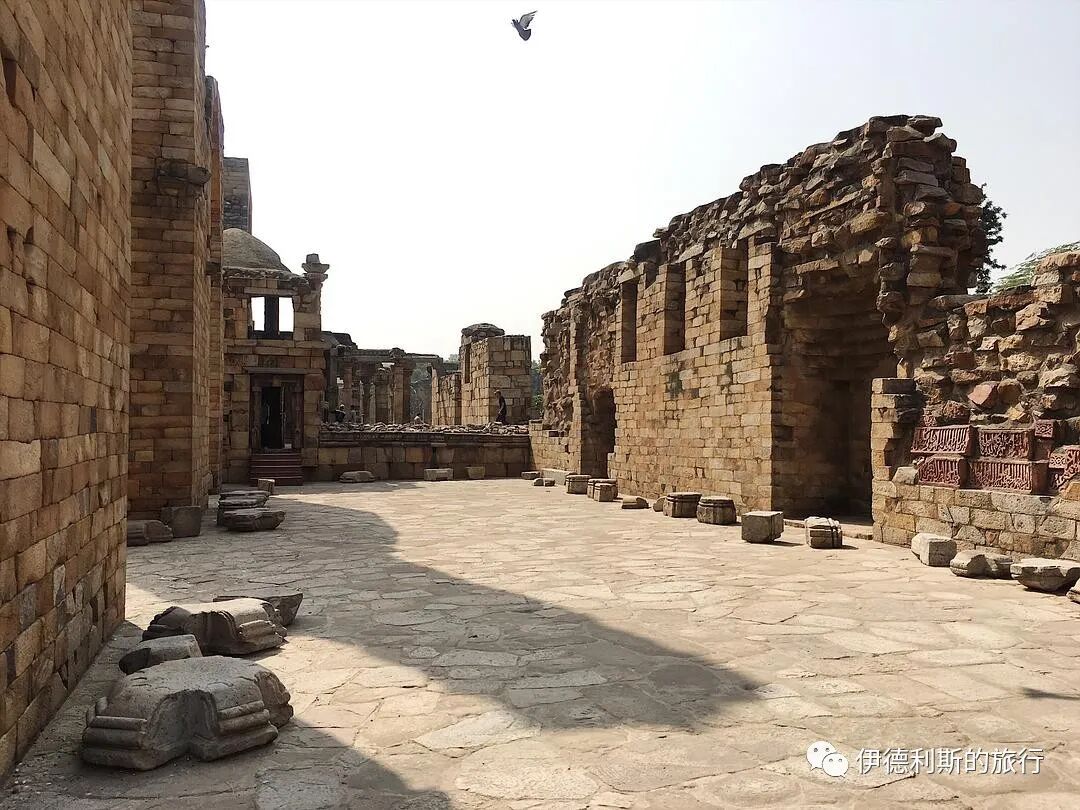
3. Khalji Dynasty (1290-1320)
The Khalji people are a Turkic group that lived among the Pashtun tribes of Afghanistan for over 200 years. Their customs became so Pashtunized that Turkic nobles in India even considered them Afghans. The Khalji people came to Delhi to serve the Sultan during the reign of Ghiyas ud din Balban, the ninth Sultan of the Mamluk dynasty, between 1266 and 1287.
After Balban died in 1287, his young successor became obsessed with wine and women, and the Turkic nobles fell into factional fighting. In 1290, the military officer Jalal ud din Firuz Khalji led a coup to overthrow the Mamluk dynasty and started the second dynasty of the Delhi Sultanate, the Khalji dynasty.
1. Qutb Mosque (Qutb Masjid): expanded again in 1310
In 1310, Sultan Alauddin Khalji of the Khalji dynasty expanded the Qutb Mosque once again. The new mosque area was much larger than the expansion built by Iltutmish. The most famous part of this new construction that still stands today is the south gate, later known as the Alai Darwaza. This building features red sandstone and white marble inlaid with beautiful Naskh script, and the geometric openwork marble screens show the high level of skill of the Turkic craftsmen.
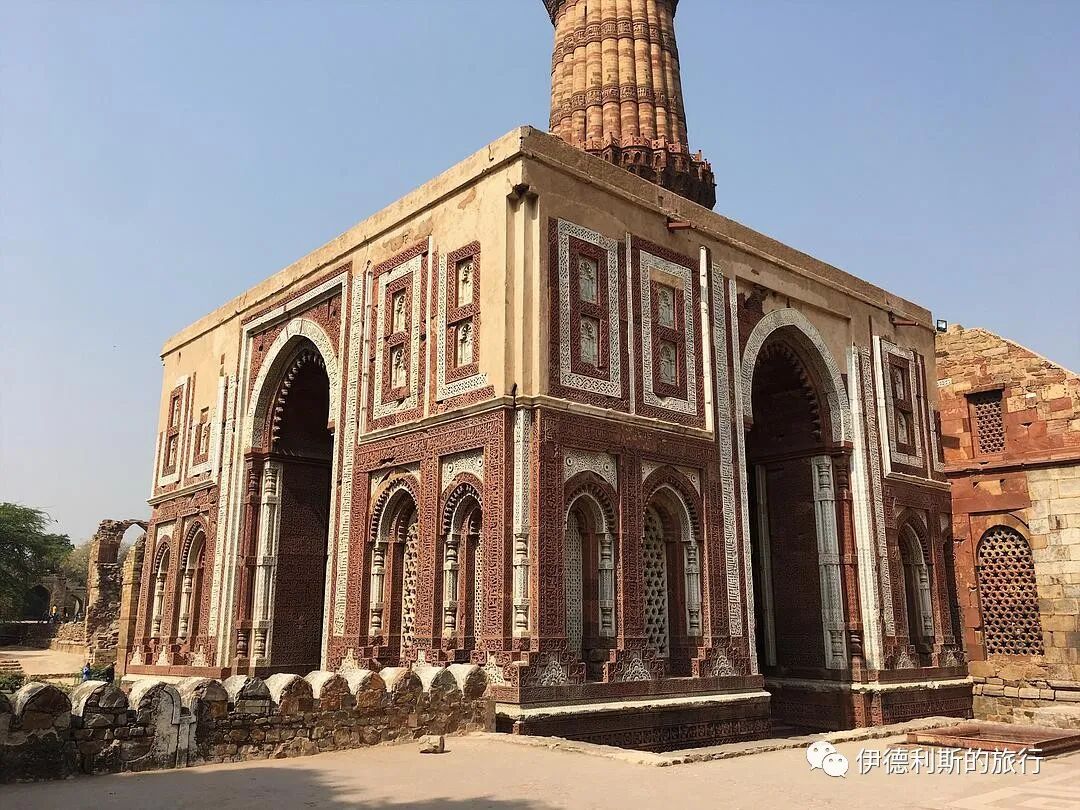
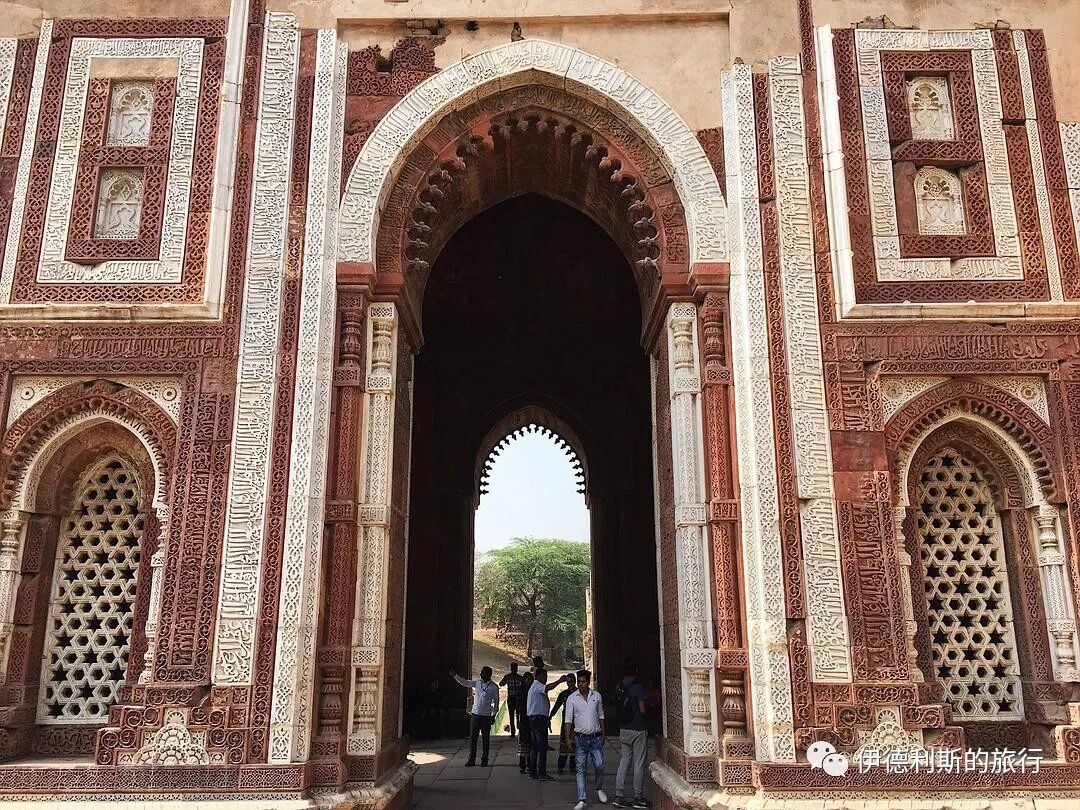
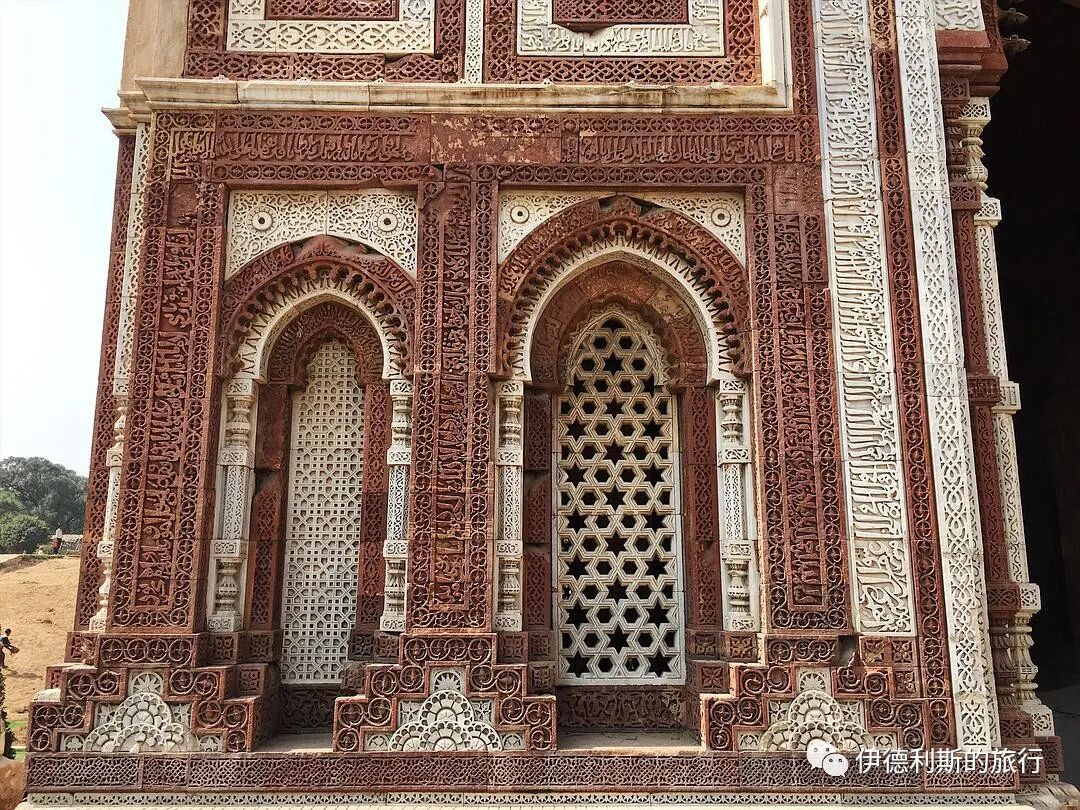
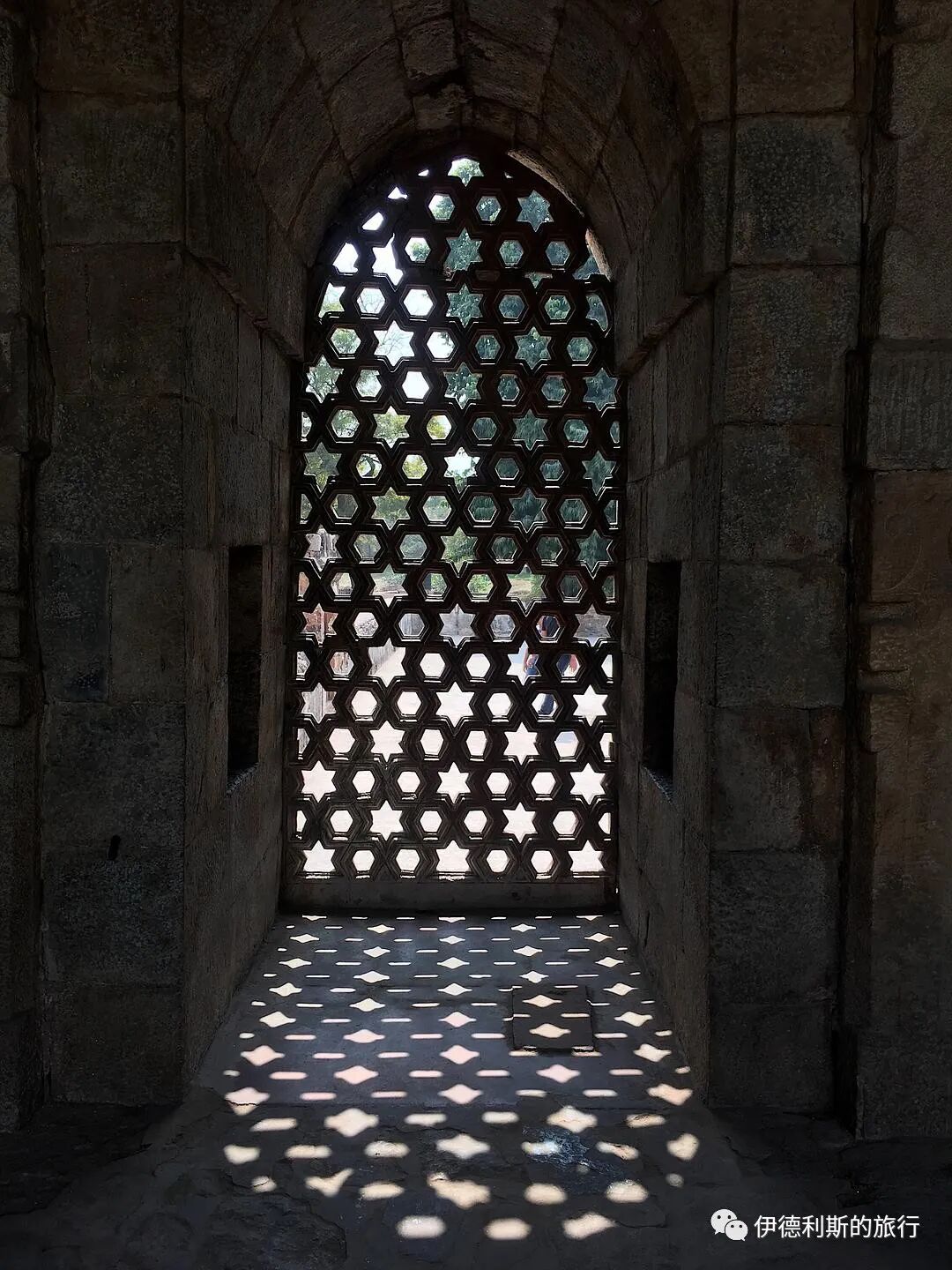
After doubling the size of the Qutb Mosque, Alauddin Khalji started building the Alai Minar, a tower planned to be twice as tall as the Qutb Minar. Work stopped after the 24.5-meter first level was finished. Today, only a massive core of brick and rubble remains of the tower.
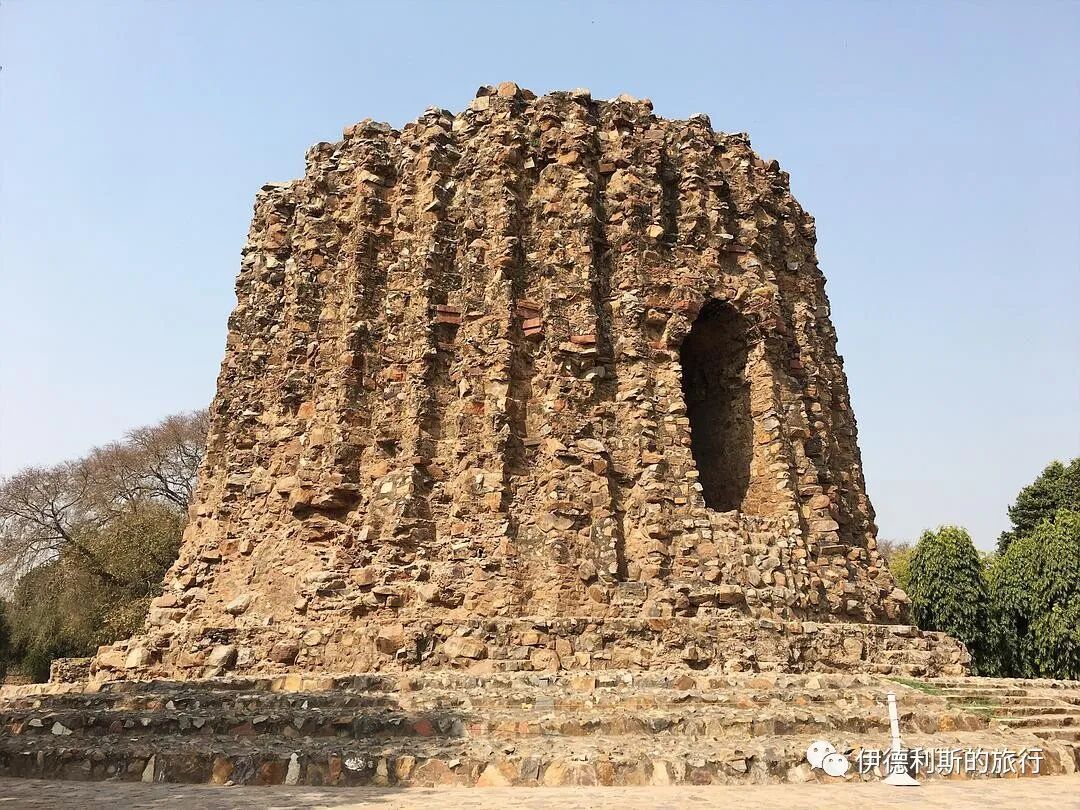
2. Jamaat Khana mosque: built after 1296.
The Jamaat Khana Mosque sits at the heart of the Sufi shrine of Nizamuddin. There are many different stories about its history, but it is likely the second mosque built in Delhi after the Qutb Mosque.
One story says that Sultan Alauddin Khalji (reigned 1296–1316) of the Khalji dynasty built the mosque because the Sufi saint Nizamuddin Auliya (1238–1325) had refused a large sum of money offered by the Sultan. Because of recent repairs, this mosque looks quite different from the Alai Darwaza, the southern gate of the Qutb Mosque built by Alauddin Khalji mentioned earlier. However, if you look closely, the proportions and decorations of the two buildings are actually very similar.
Another theory is that the main hall was originally built as a tomb for the saint by Alauddin Khalji's son, Khizr Khan. The saint did not want to be buried there, so the building became a mosque and side chambers were added to both sides. But looking at the existing structure, the main hall and the side chambers seem to be built together perfectly, with no signs that they were constructed at different times.
A third theory is that the saint Nizamuddin was buried in the wilderness according to his final wishes, and this mosque was built for pilgrims by Sultan Firuz Shah Tughlaq, who reigned from 1351 to 1388.
Overall, the building's style is still very close to the architectural style of the Khalji dynasty.
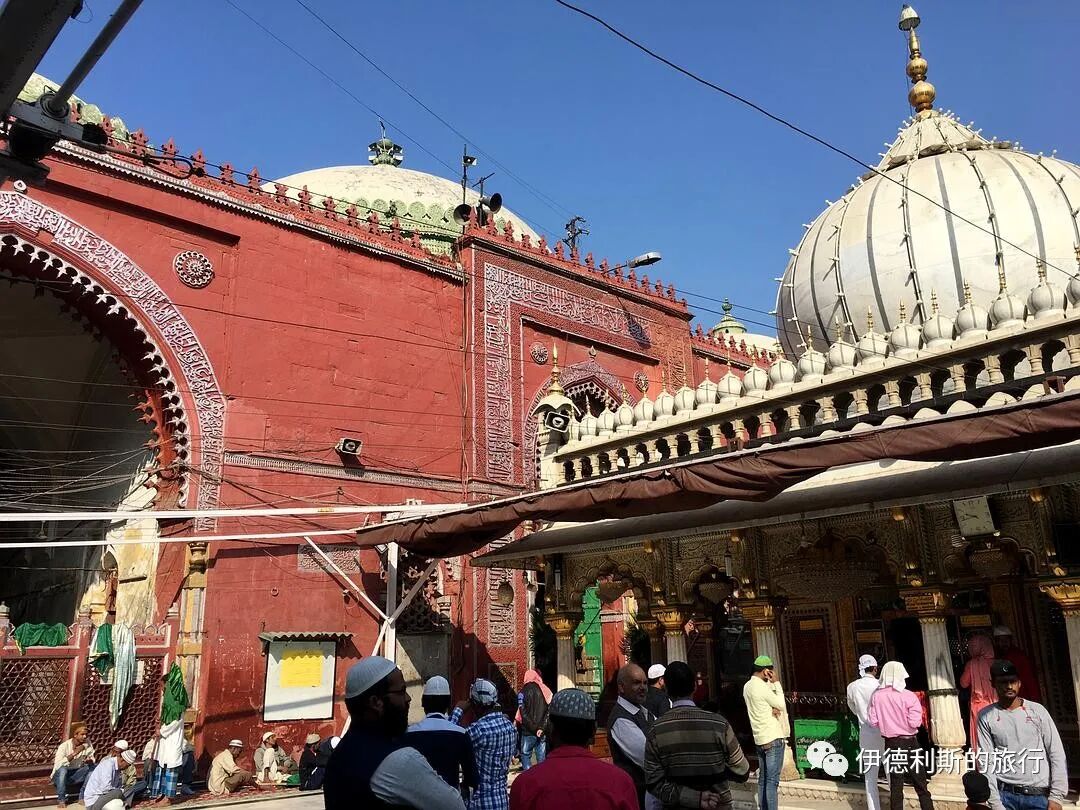
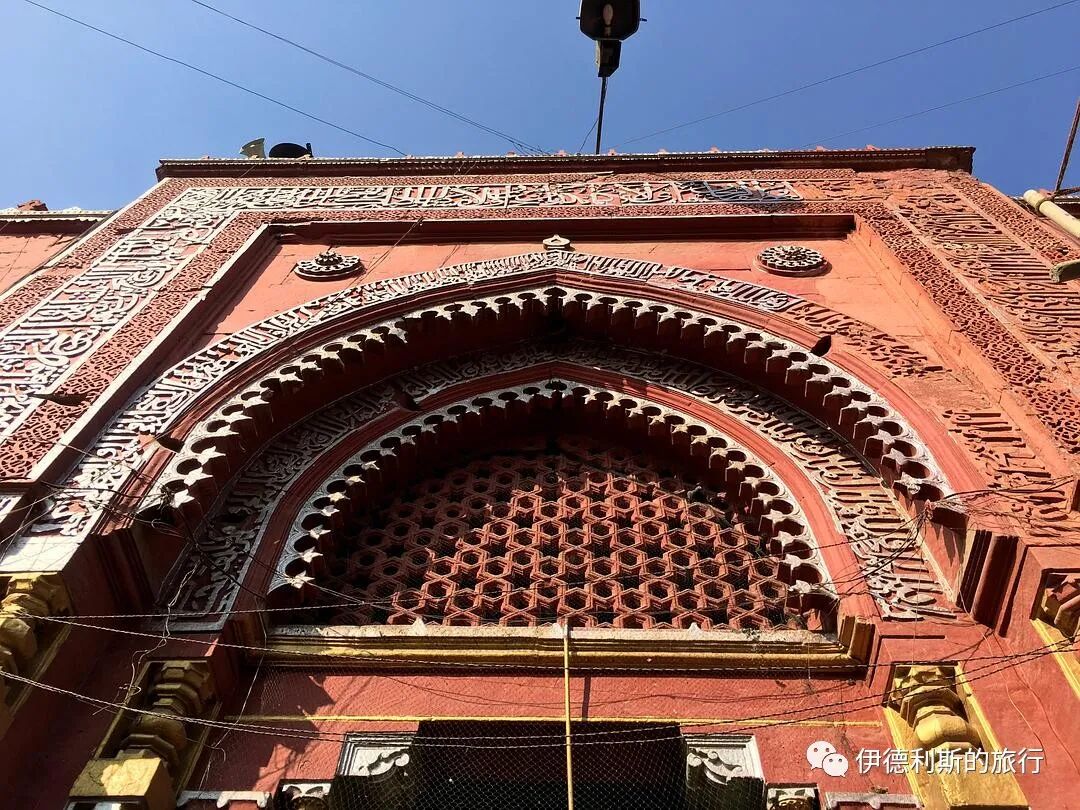
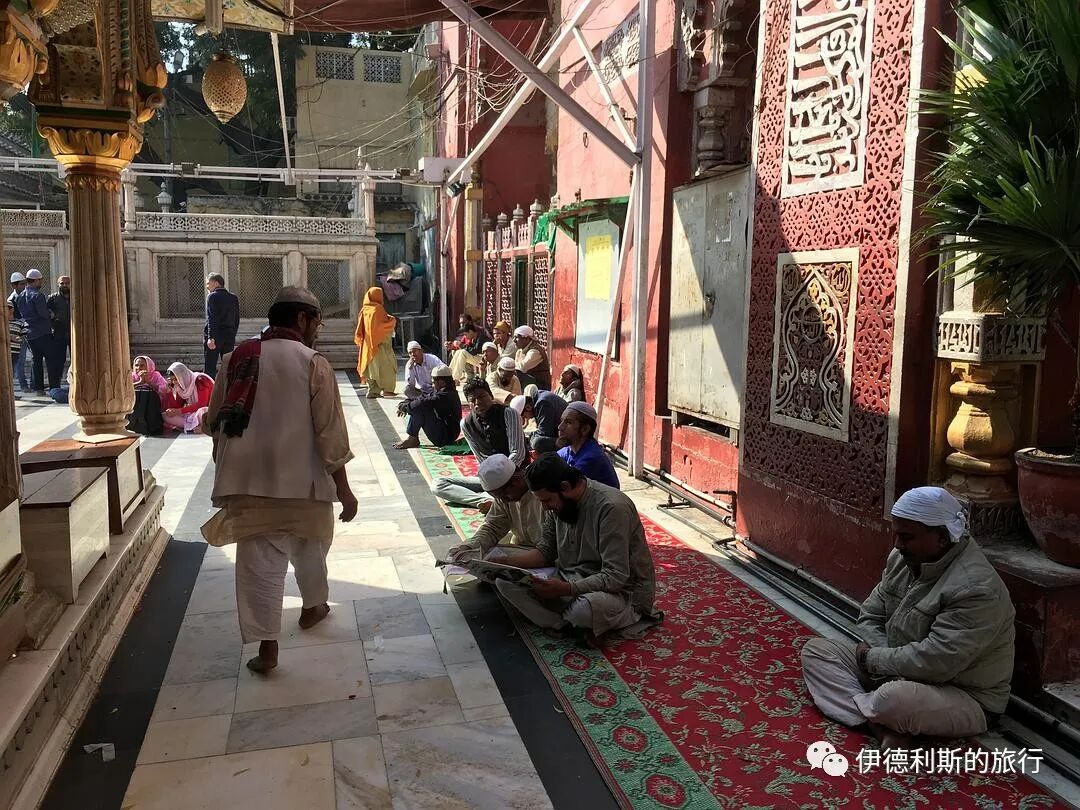
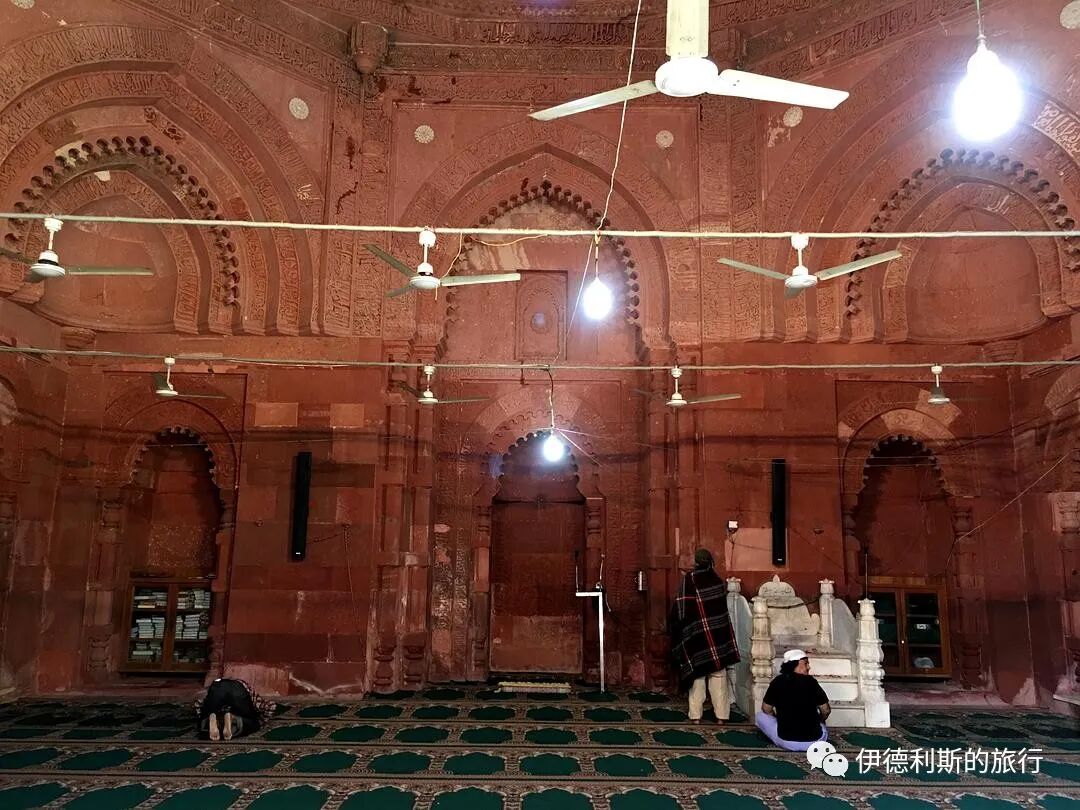
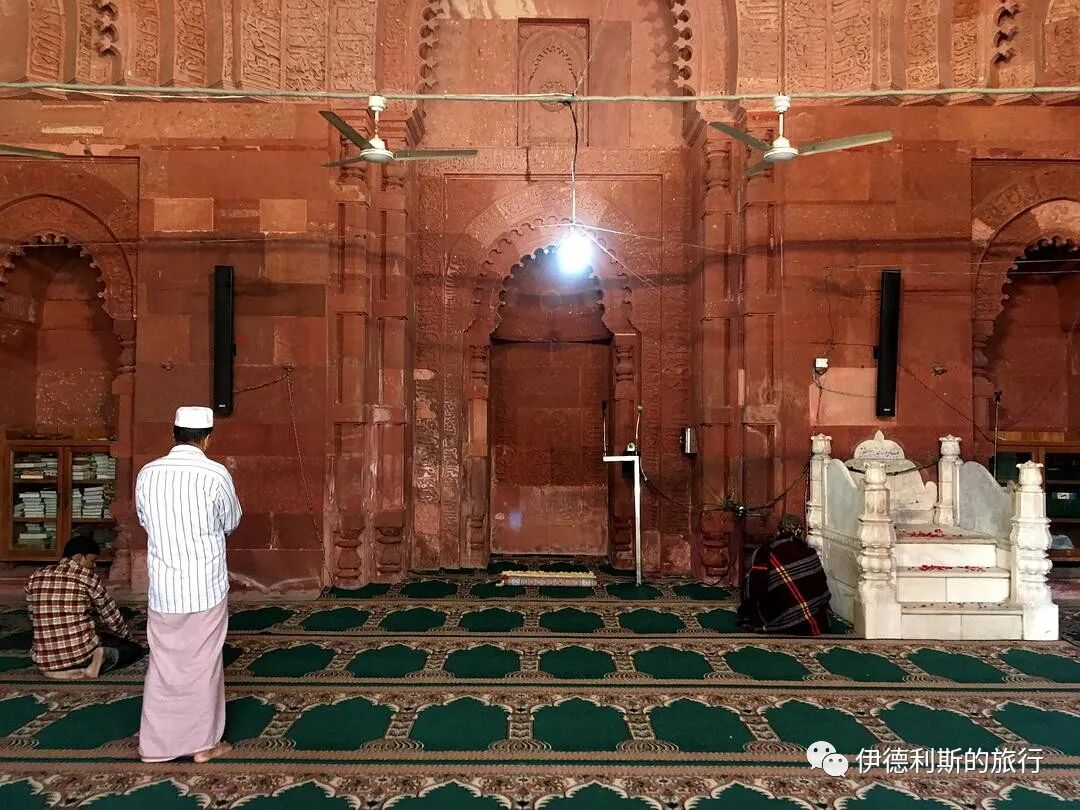
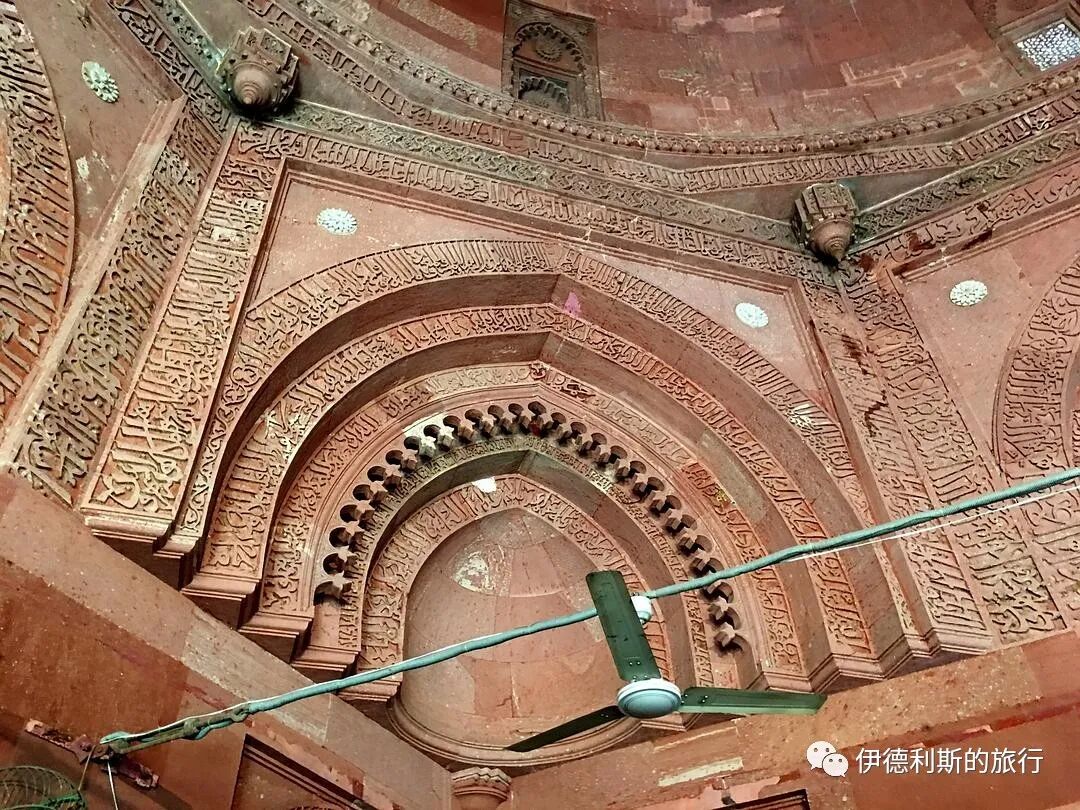
3. Tohfe Wala Gumbad mosque: built after 1303.
In 1303, the Chagatai Khanate besieged the city of Siri in Delhi for two months, but they could not break through and eventually retreated. After this, Sultan Alauddin Khalji of the Khalji dynasty focused on developing Siri, which had previously been just a military fort. He made Siri the new capital of the Delhi Sultanate, replacing the original site of Lal Kot.
Not many buildings remain in Siri today, but the Tohfe Wala Gumbad mosque is one of them. Unfortunately, there are no records available that show when it was built. This mosque looks very different from other buildings from the Alauddin period, but some of its wall structures show features of Khalji dynasty architecture.
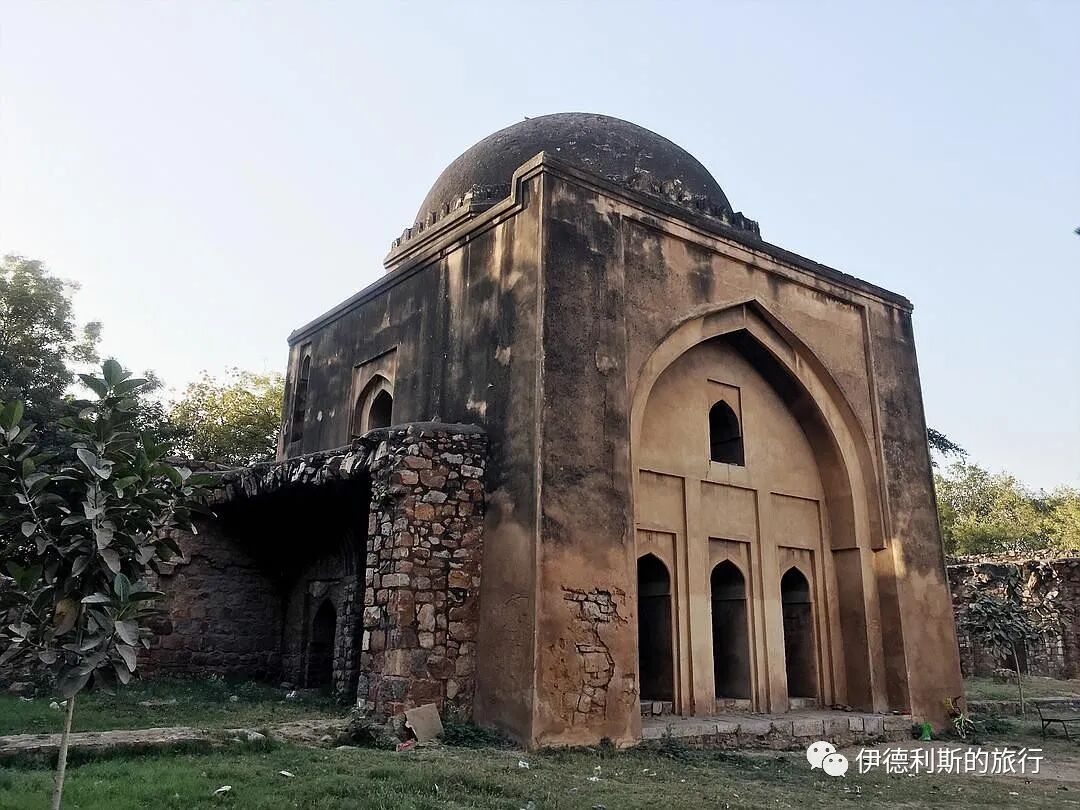
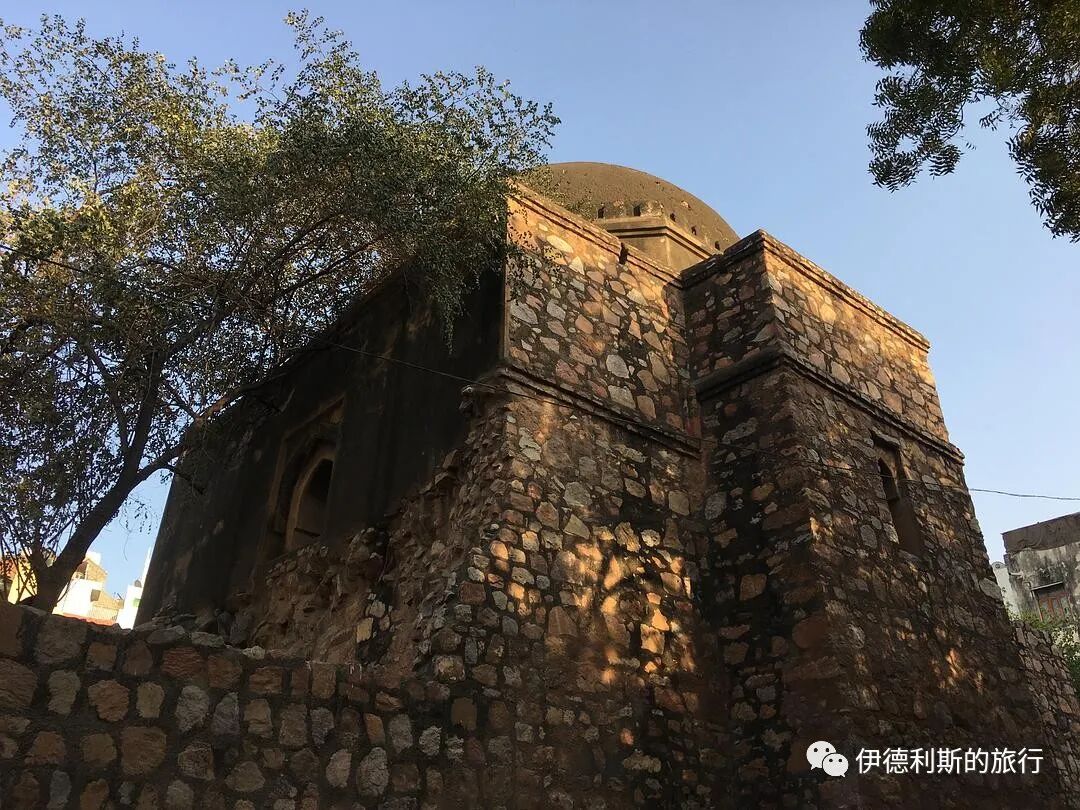
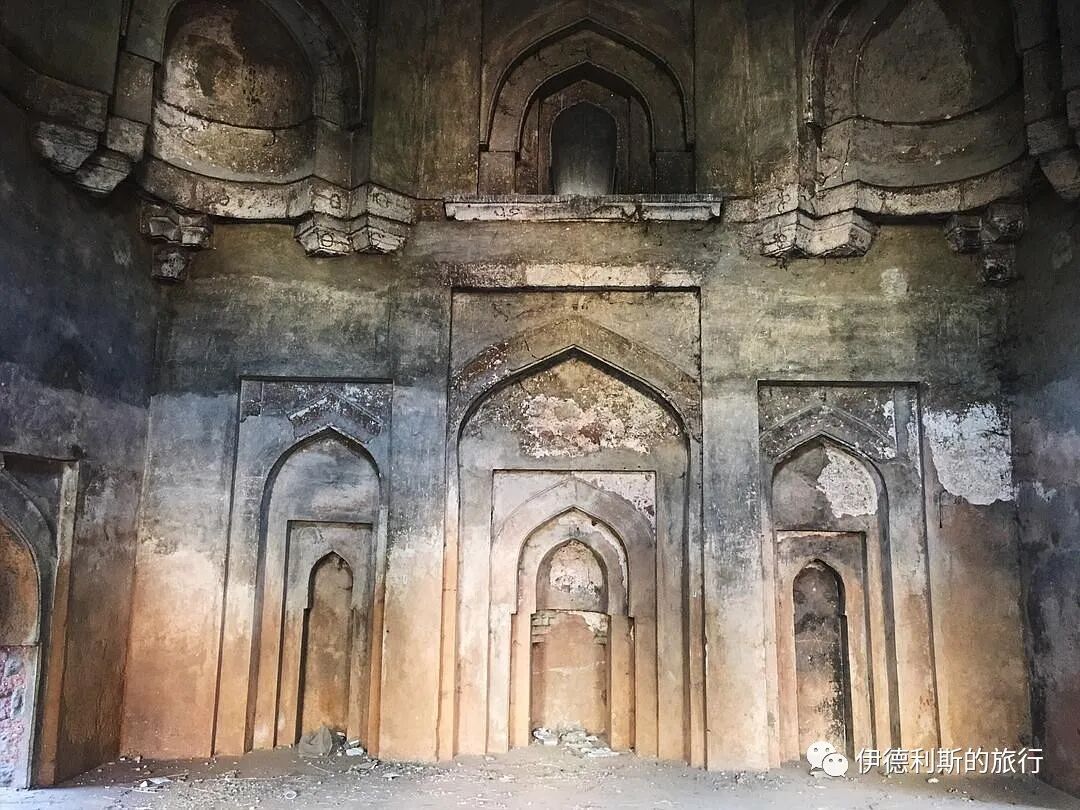
IV. Tughlaq Dynasty (1320-1413).
In 1320, the Khalji dynasty fell during a chaotic struggle for the throne. Ghiyath al-Din Tughluq, a military commander with a strong army on the northwest frontier, defeated his rivals and established the Tughluq dynasty, the third dynasty of the Delhi Sultanate.
1. Begampur mosque: built after 1351.
Between 1326 and 1327, Sultan Muhammad bin Tughluq of the Tughluq dynasty connected Delhi's first city, Lal Kot, and its second city, Siri, with walls to build Jahanpanah, the fourth city of Delhi.
Begampur Mosque is the most important mosque in the city of Jahanpanah. It is the most representative mosque from the Tughlaq dynasty of the Delhi Sultanate that still stands today. It was reportedly designed by the Iranian architect Zahir al-Din al-Jayush.
There are two theories about when the mosque was built. One suggests it is one of the seven mosques built by Khan-i-Jahan Maqbul, the vizier (Wazir) to Sultan Firuz Shah Tughlaq (reigned 1351-1388). The other suggests it was built when Muhammad bin Tughlaq died in 1351.
Begampur Mosque is very grand. In the center is a spacious courtyard surrounded by colonnades. Each of the four sides has a building with a round dome in the center. The east, west, and north ones are gates, and the largest one on the west side is the main prayer hall. The mosque is very simple, with only a few carvings inside the main prayer hall. These stone carvings and domes were once covered in shiny white plaster, but most of it has fallen off and turned black now.
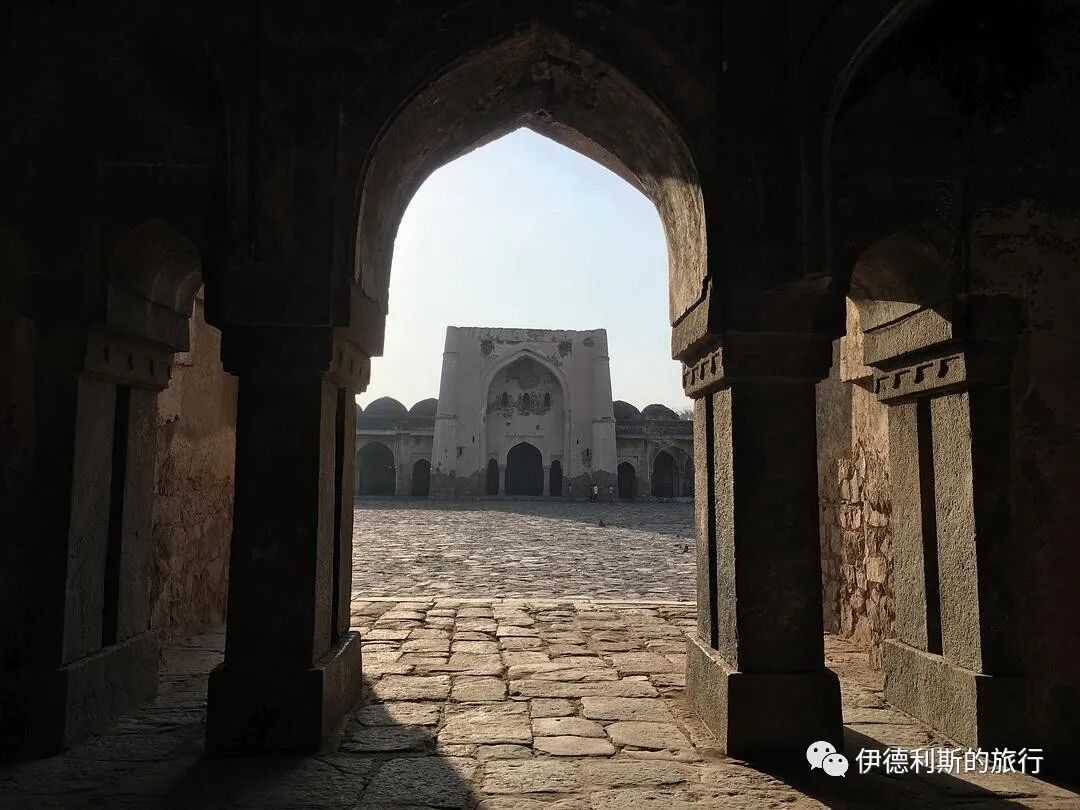
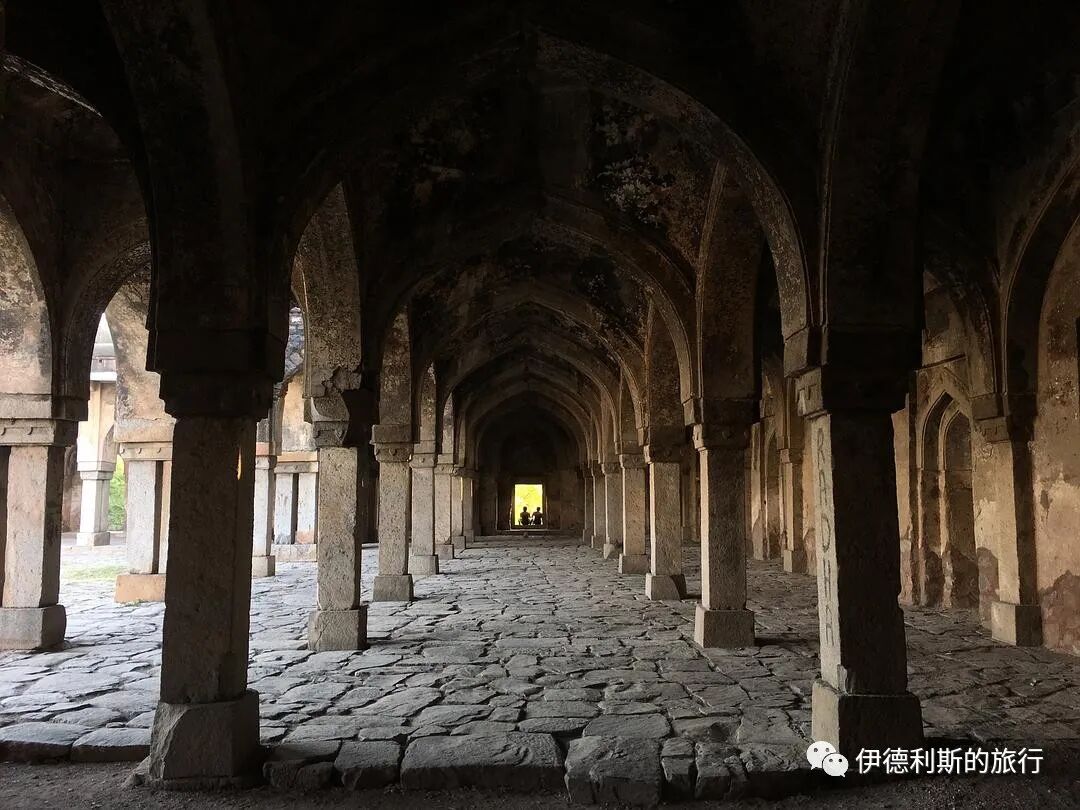
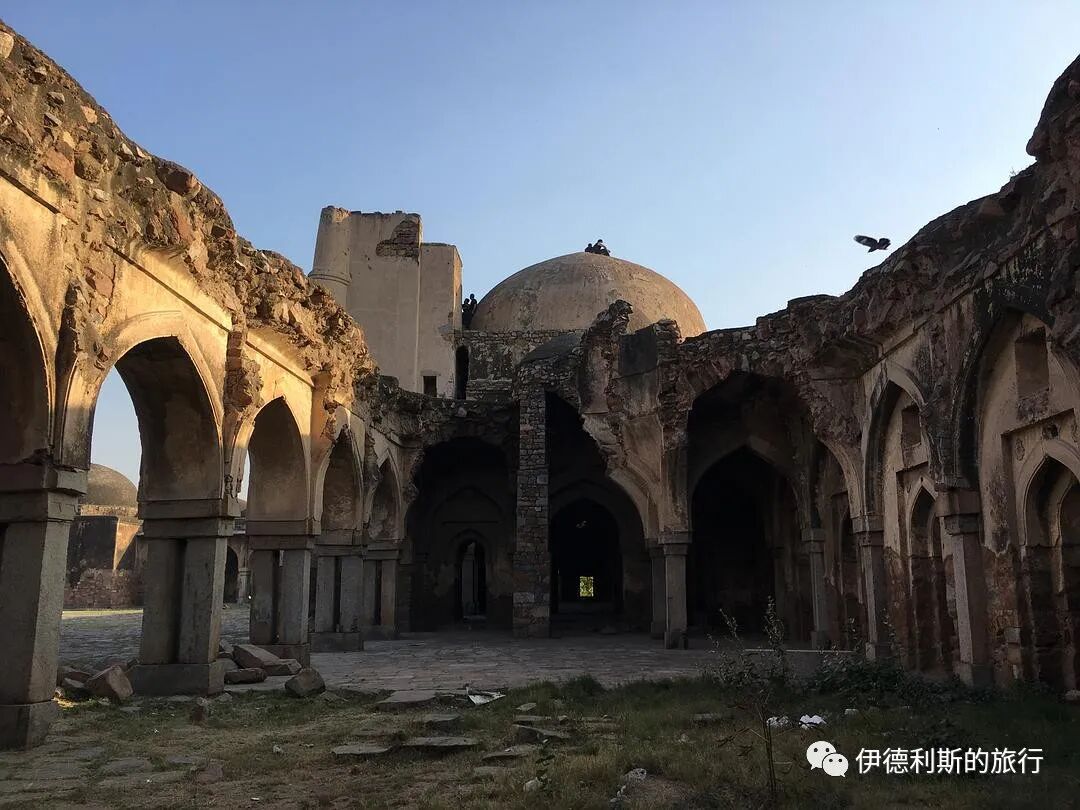
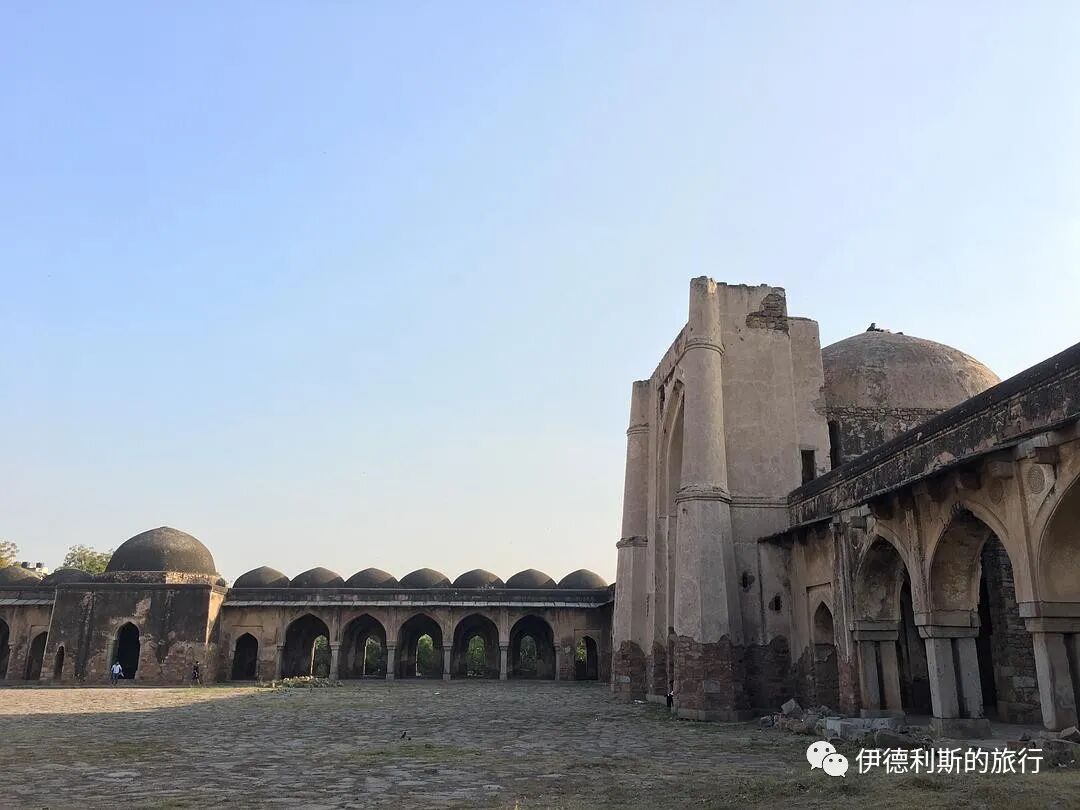
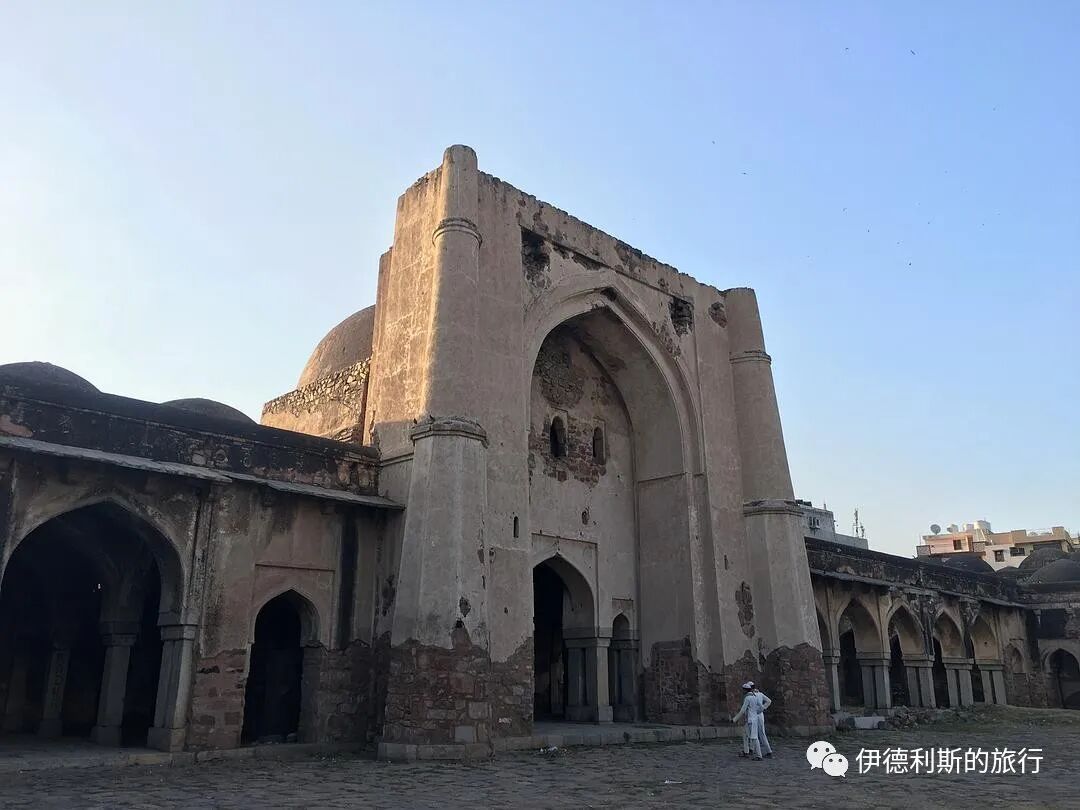
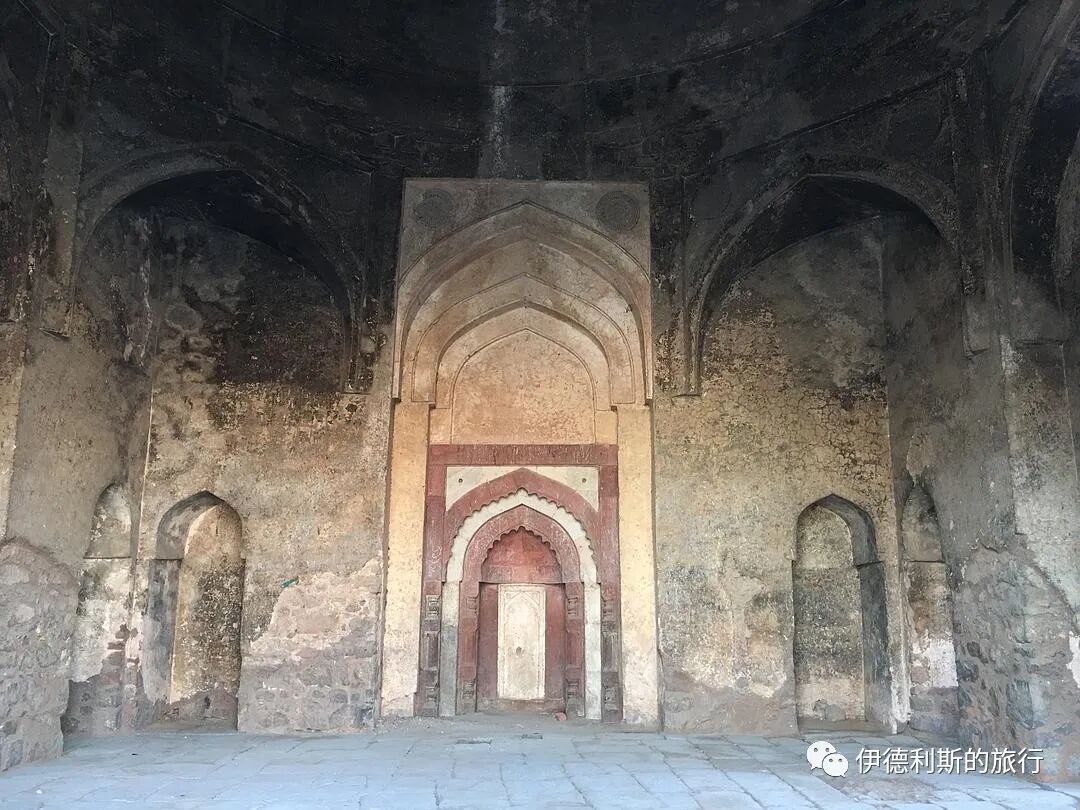
2. Feroz Shah Kotla mosque: 1354.
Sultan Feroz Shah Tughlaq of the Tughlaq dynasty (reigned 1351-1388) built the fifth city of Delhi, Ferozabad, in 1354. Later generations also called it Feroz Shah Kotla. The mosque is the main building in Feroz Shah Kotla and features the typical style of the Tughlaq dynasty. Some scholars believe that Timur the Lame prayed here in 1398 and later built a mosque of the same design in Samarkand. However, there is no solid evidence to confirm that the mosque Timur saw in Delhi was this one rather than the Begampur mosque mentioned earlier.
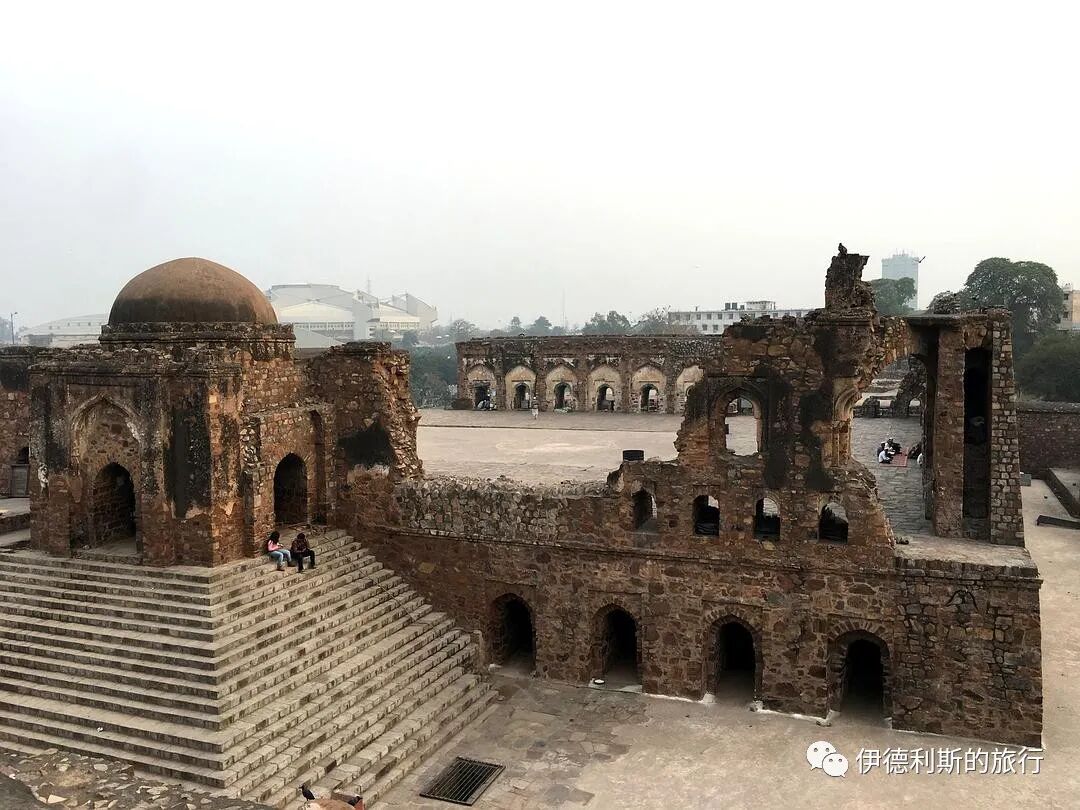
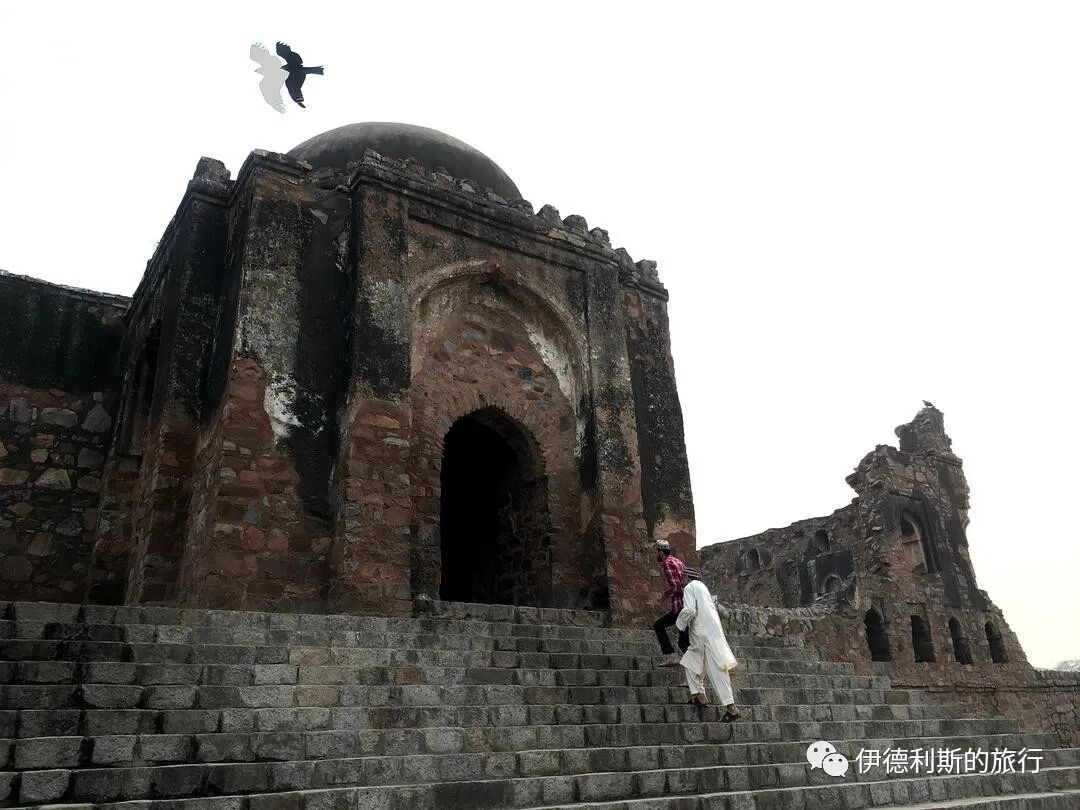
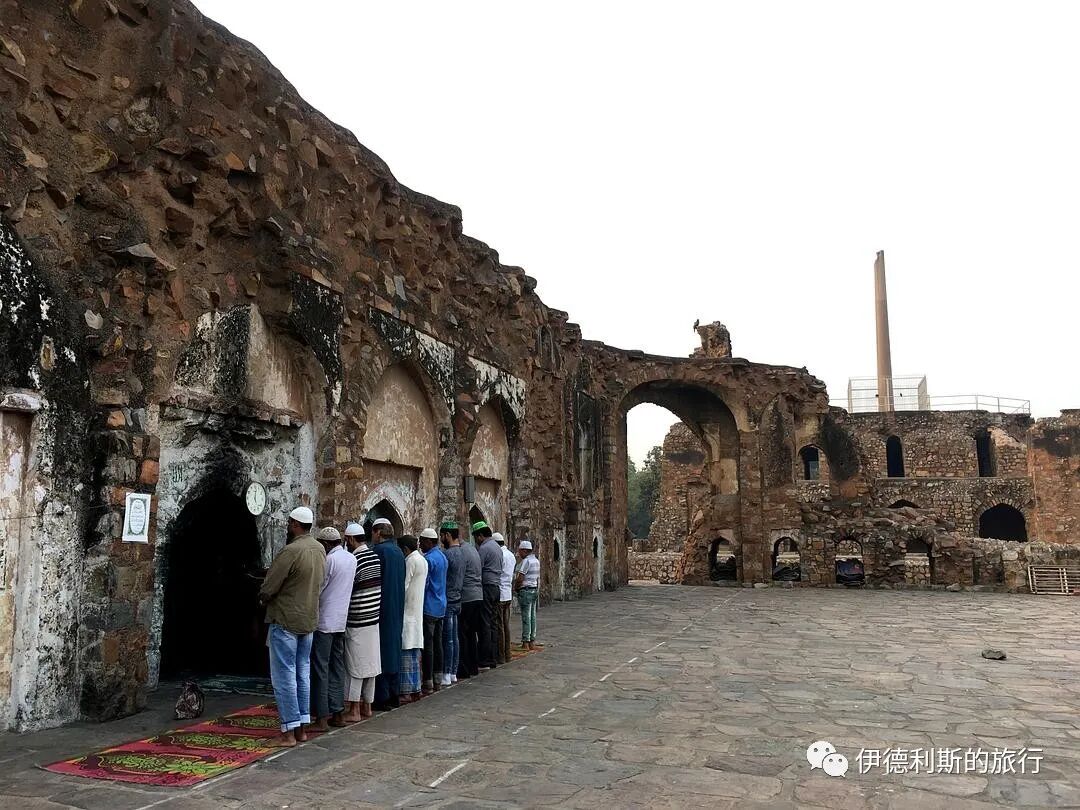
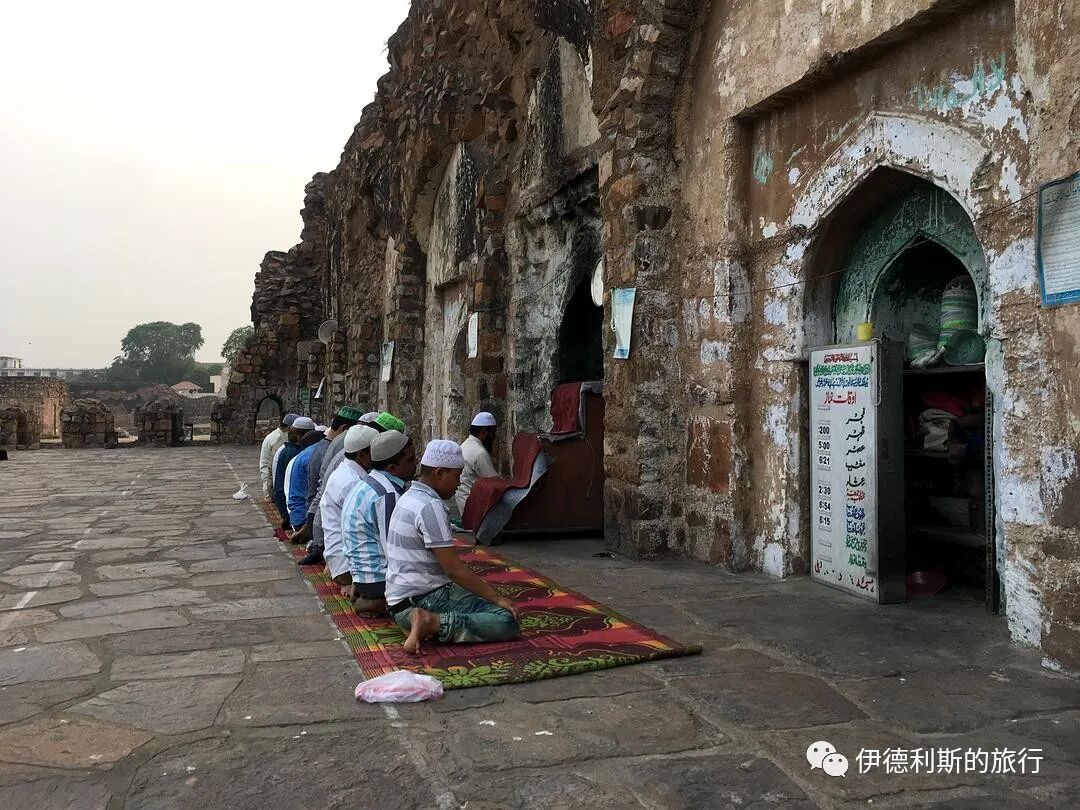
3. Khirki Mosque: 1370s
Khirki Mosque is another important mosque in the city of Jahanpanah, besides Begumpur Mosque. The design of this building is very different from Begumpur Mosque, but it is almost certainly one of the seven mosques built by Khan-i-Jahan Maqbul, the prime minister of Sultan Firoz Shah Tughlaq, and was likely built in the 1370s.
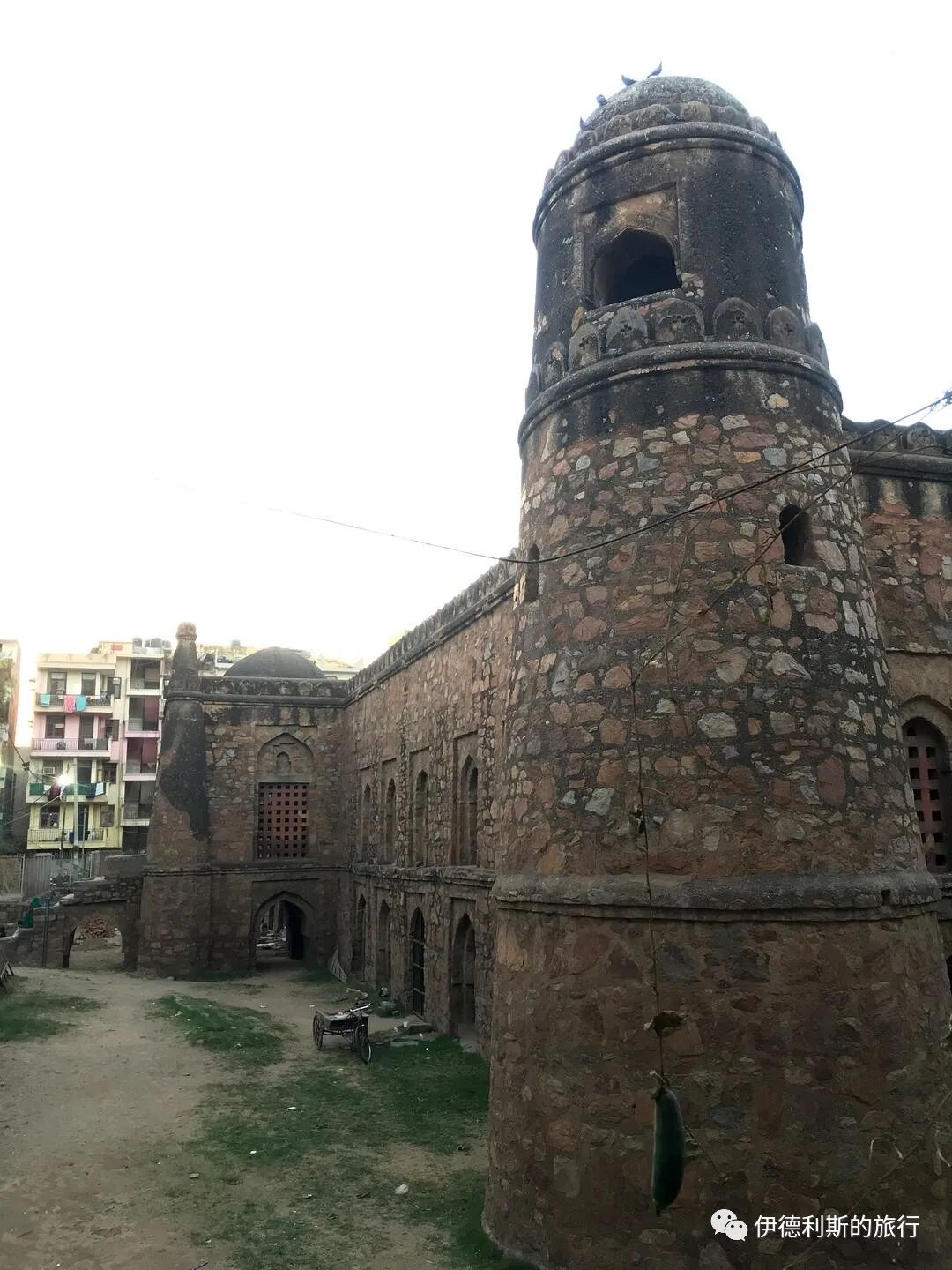
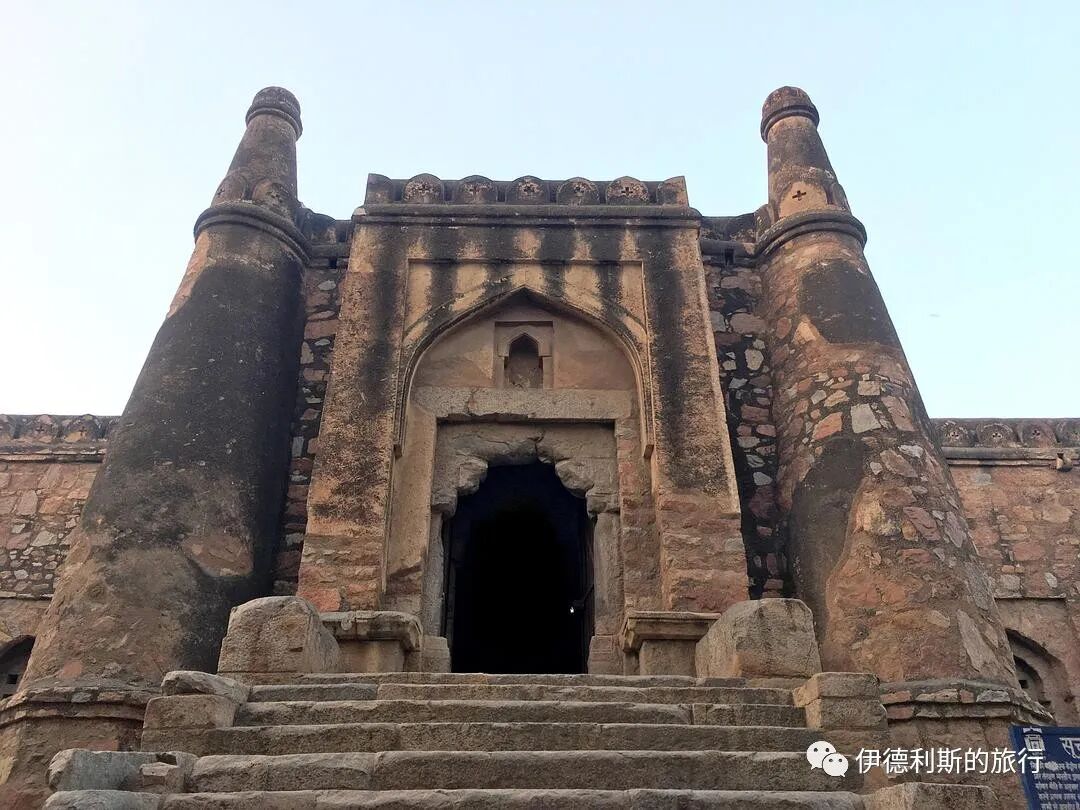
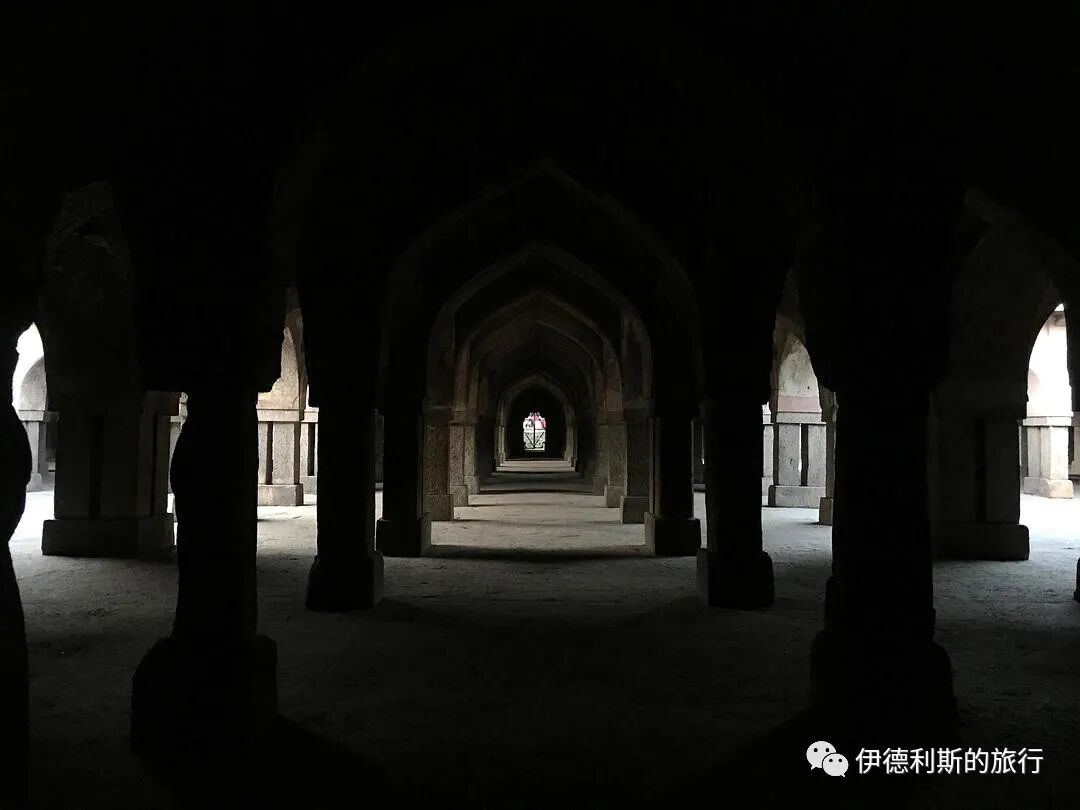
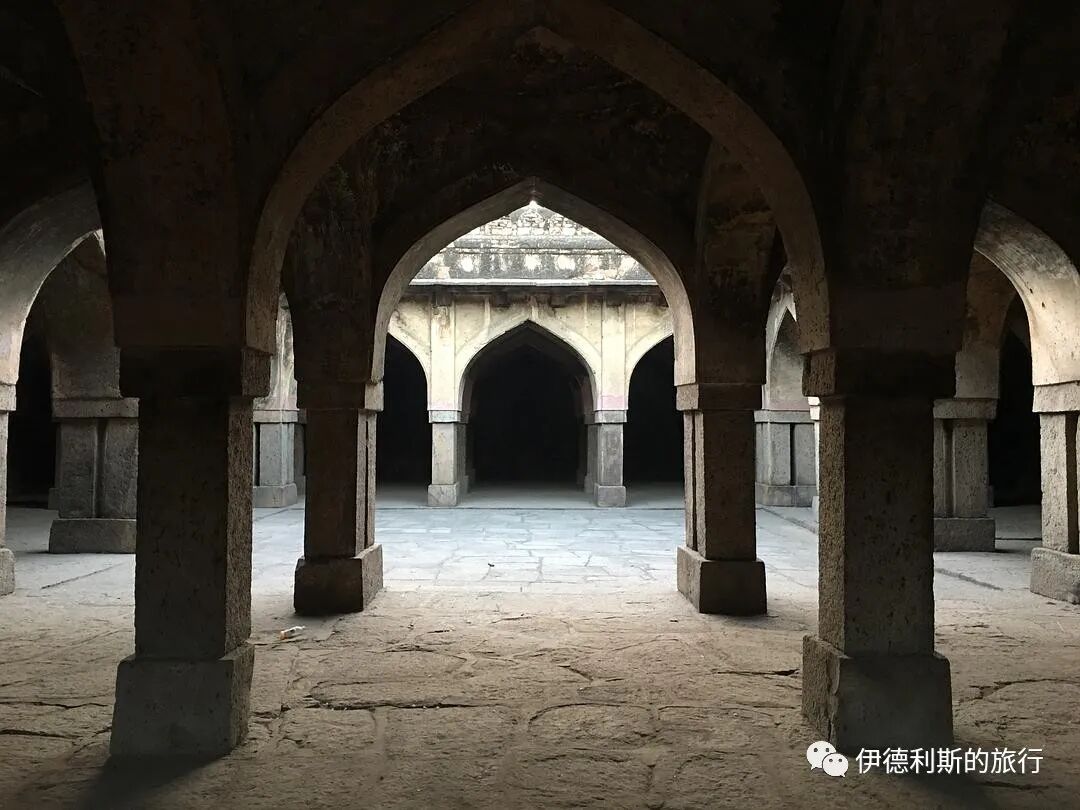
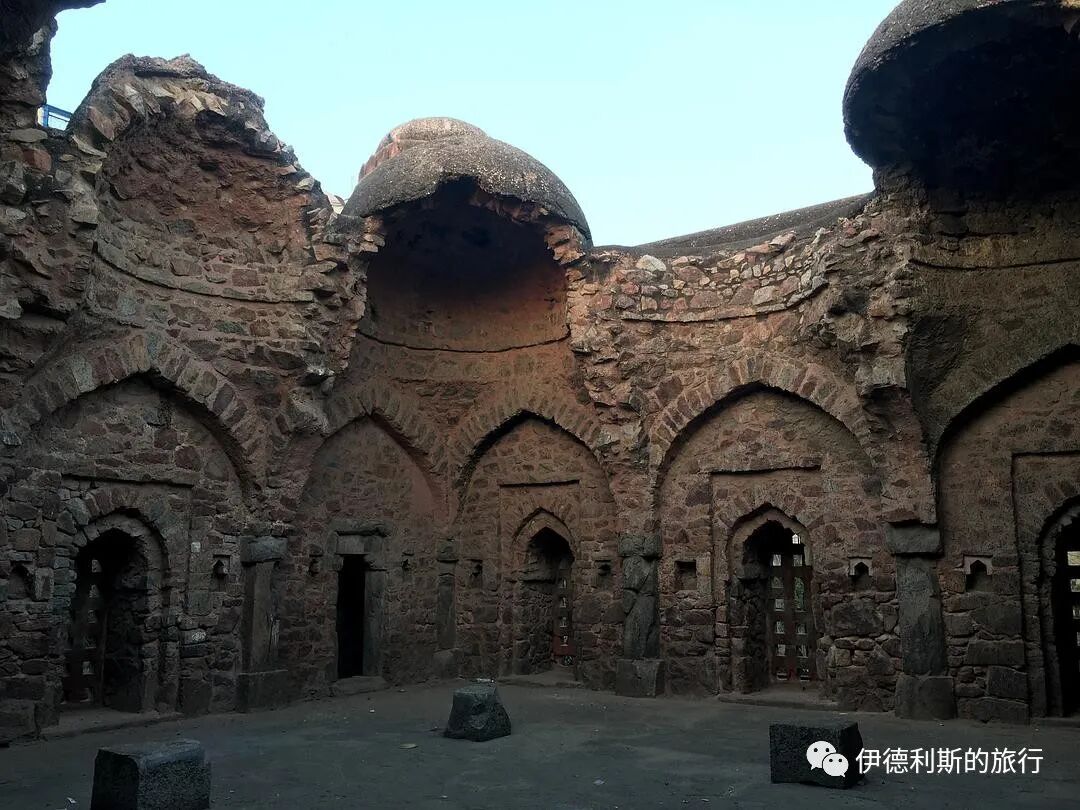
4. Kali Mosque: 1370
Like the Khirki Mosque mentioned earlier, Kali Mosque is also one of the seven mosques built by Sultan Firoz Shah Tughlaq's prime minister, Khan-i-Jahan Maqbul, and it stands near the Sufi shrine of Nizamuddin.
This mosque is very similar to Khirki Mosque in both its design and construction date, and both were once abandoned. Unlike others, this mosque returned to use in the early 20th century, and some changes were made to its original layout.
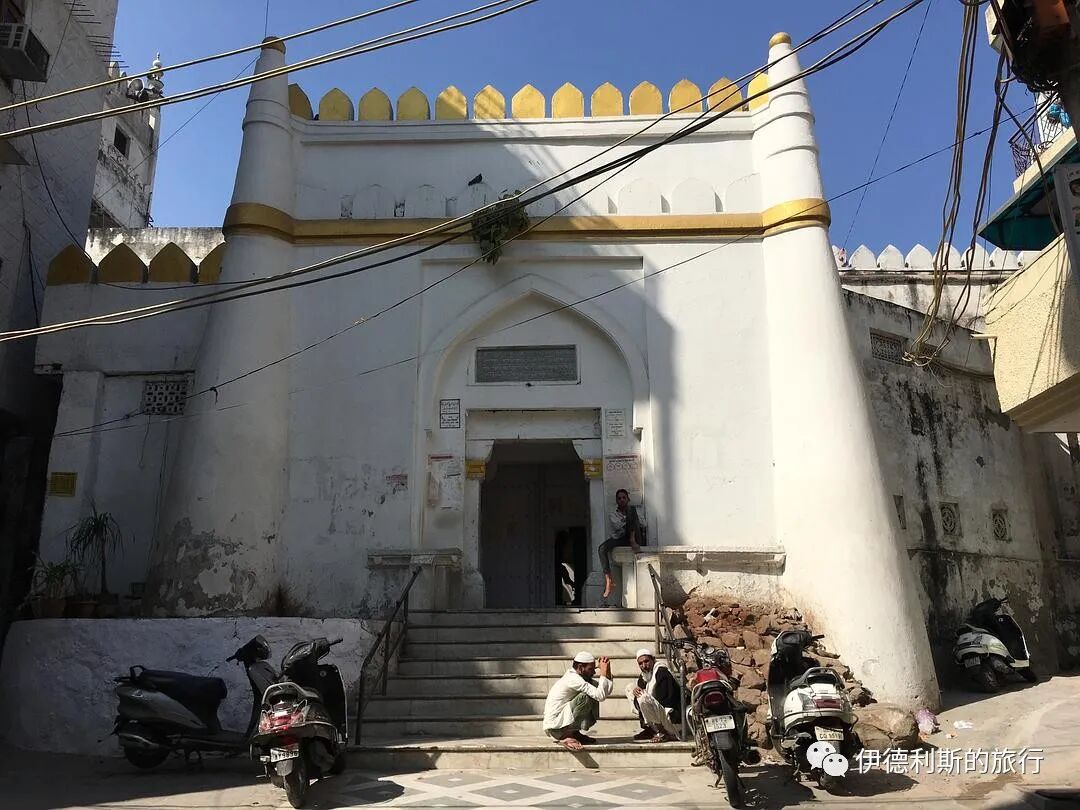
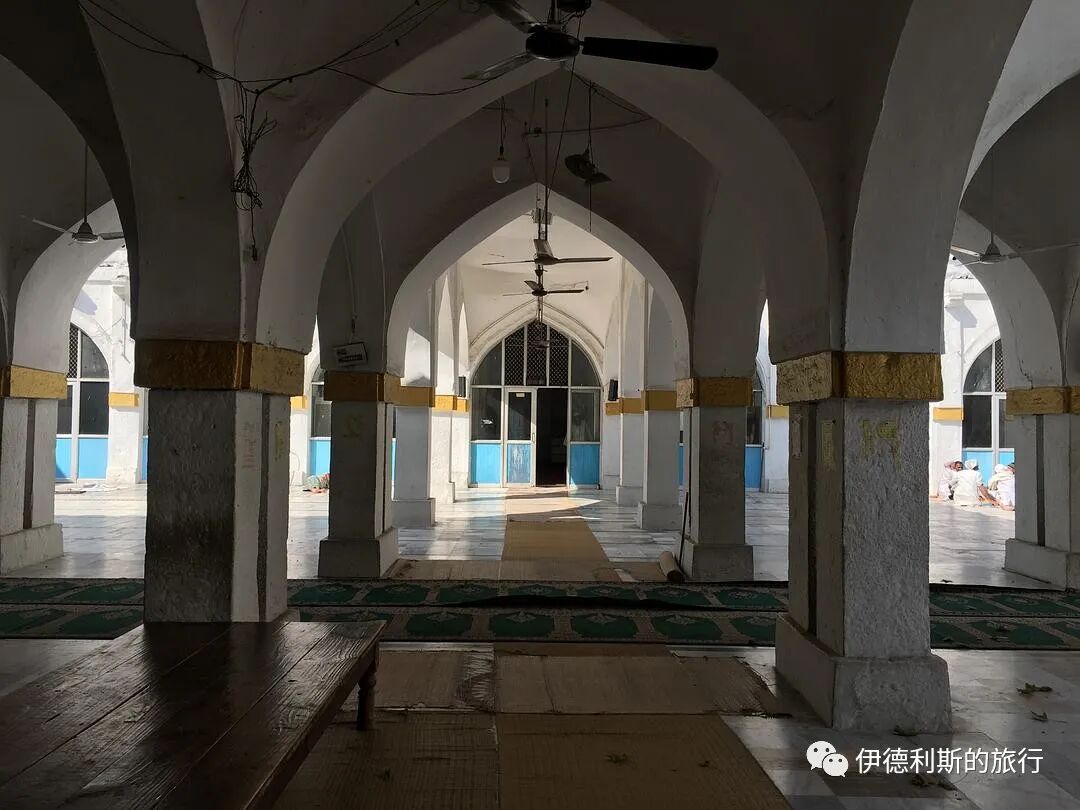
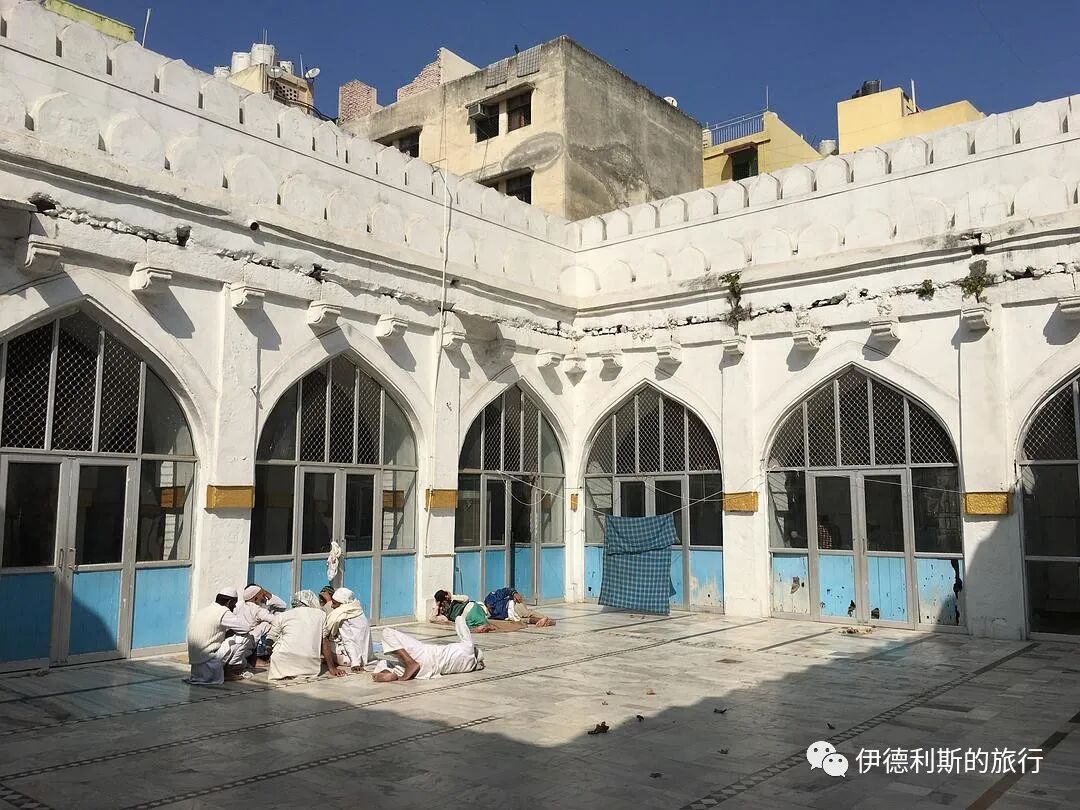
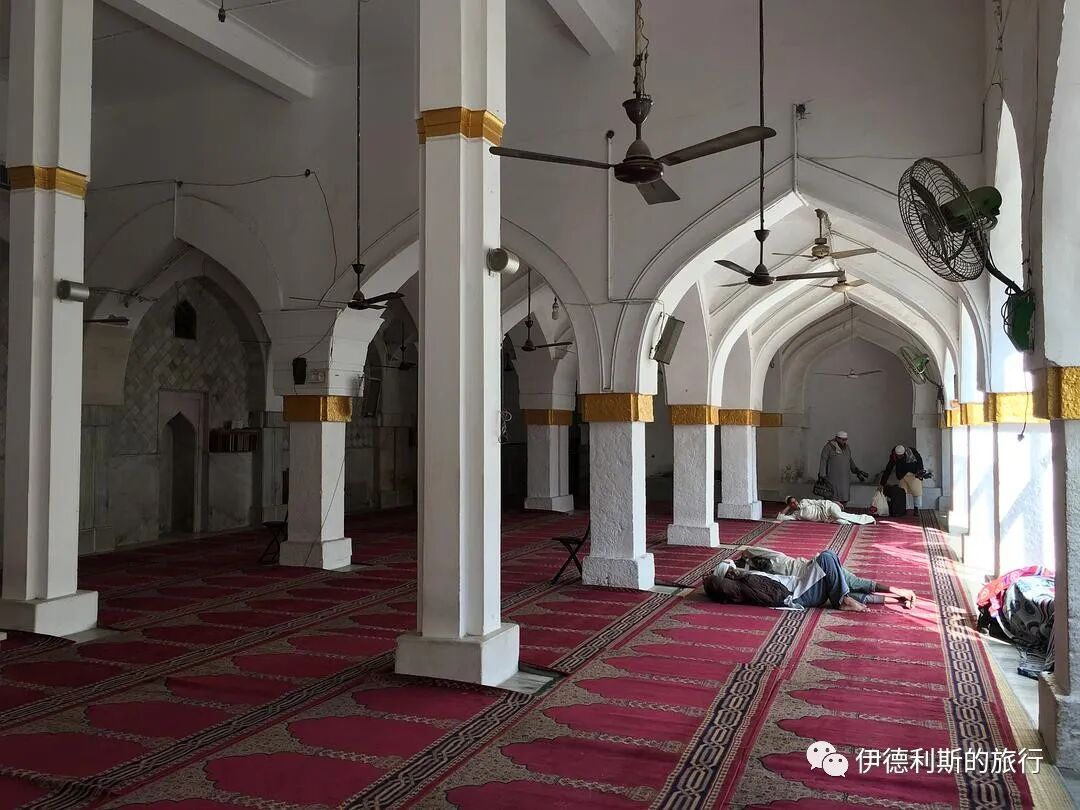
5. Kalan Mosque: 1387
Kalan Mosque is the northernmost of the seven mosques built by Khan-i-Jahan Maqbul, the prime minister of Sultan Firoz Shah Tughlaq. It was likely built to honor a Sufi saint and has been in use ever since.
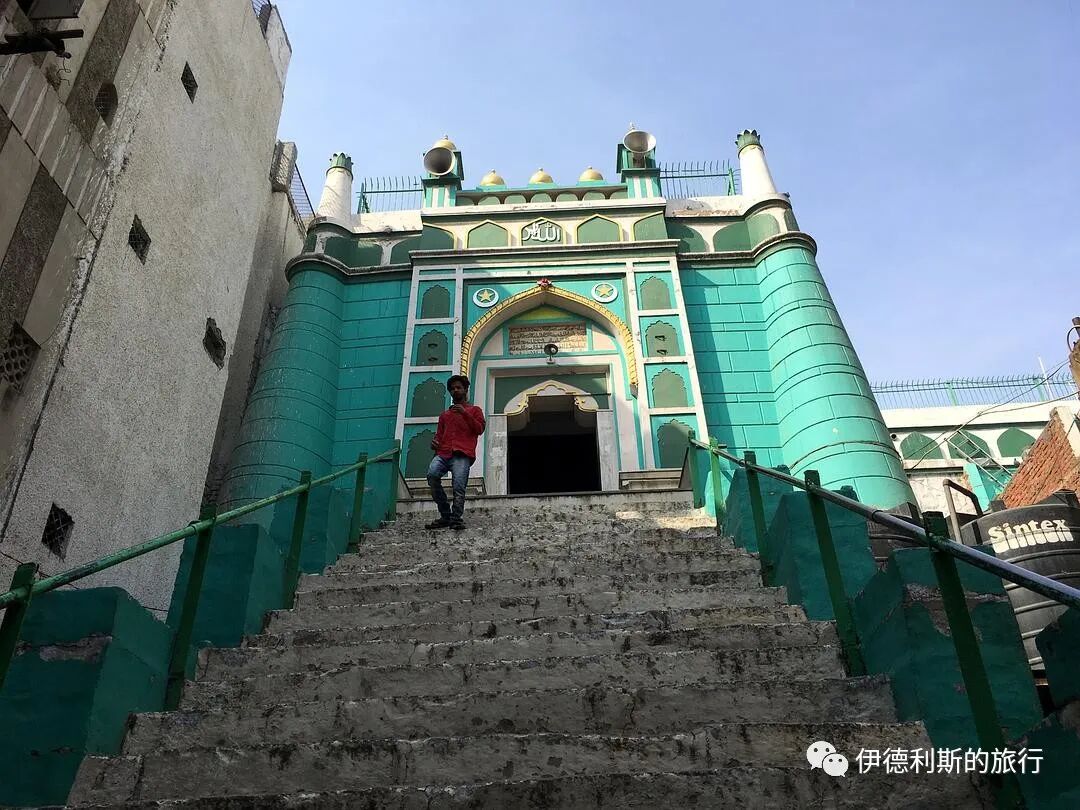
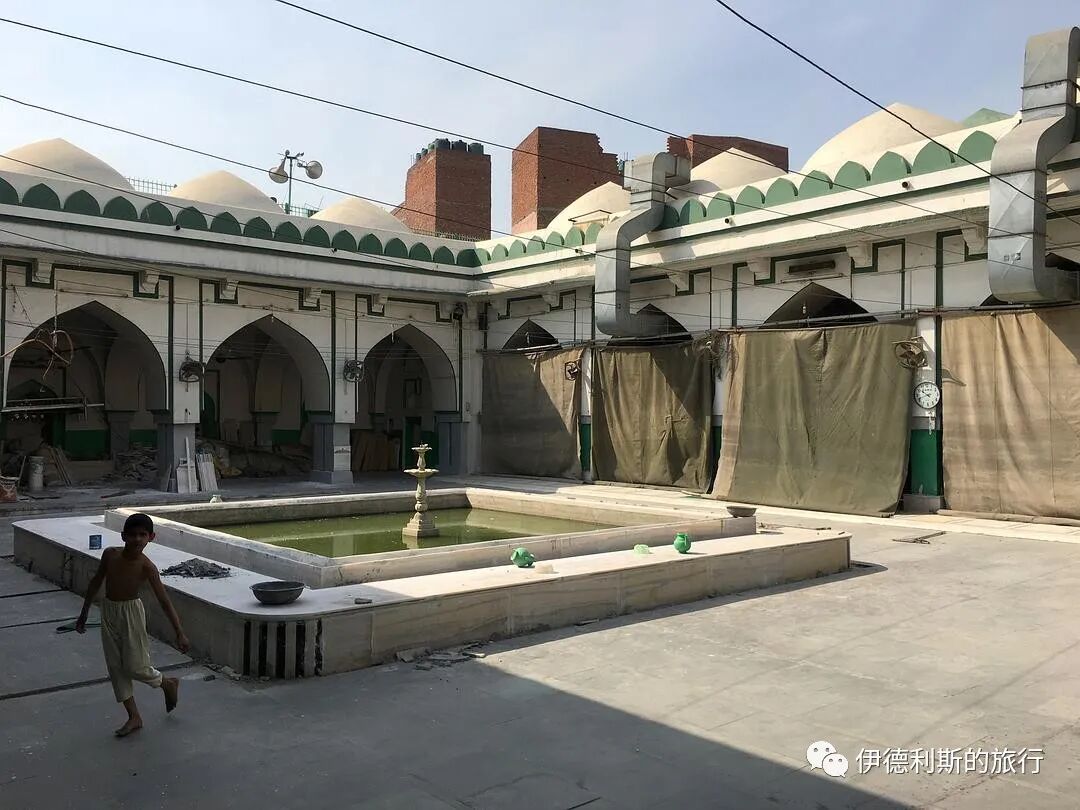
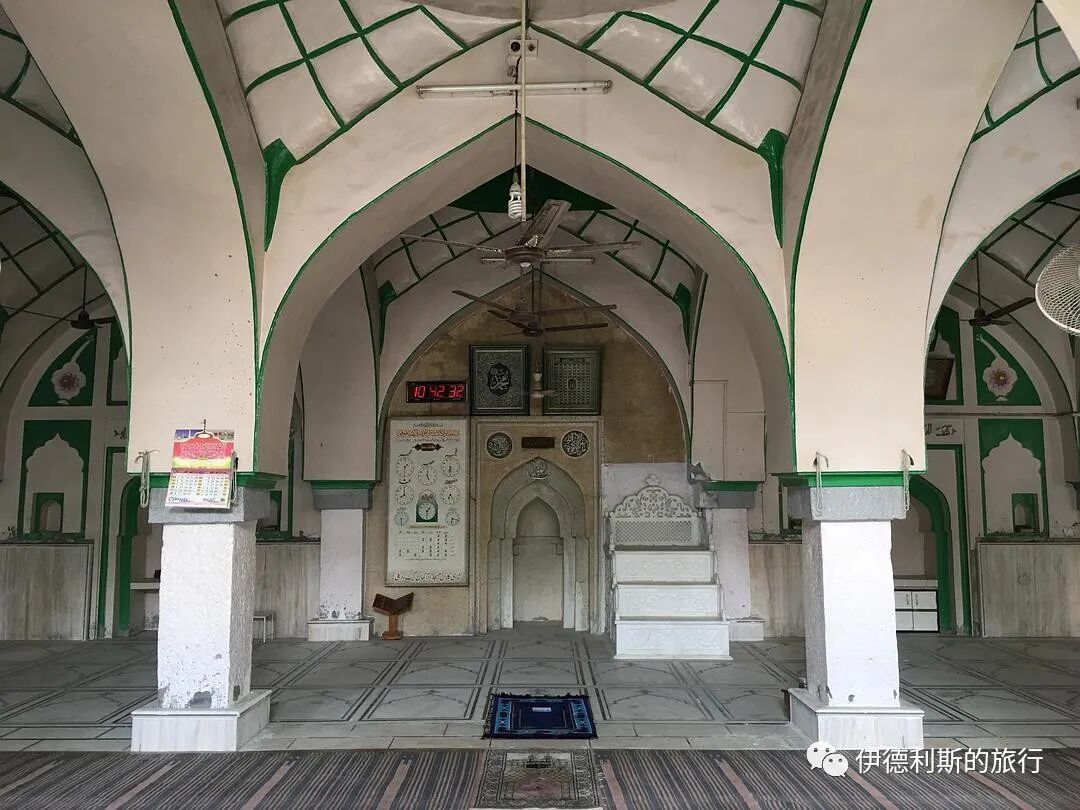
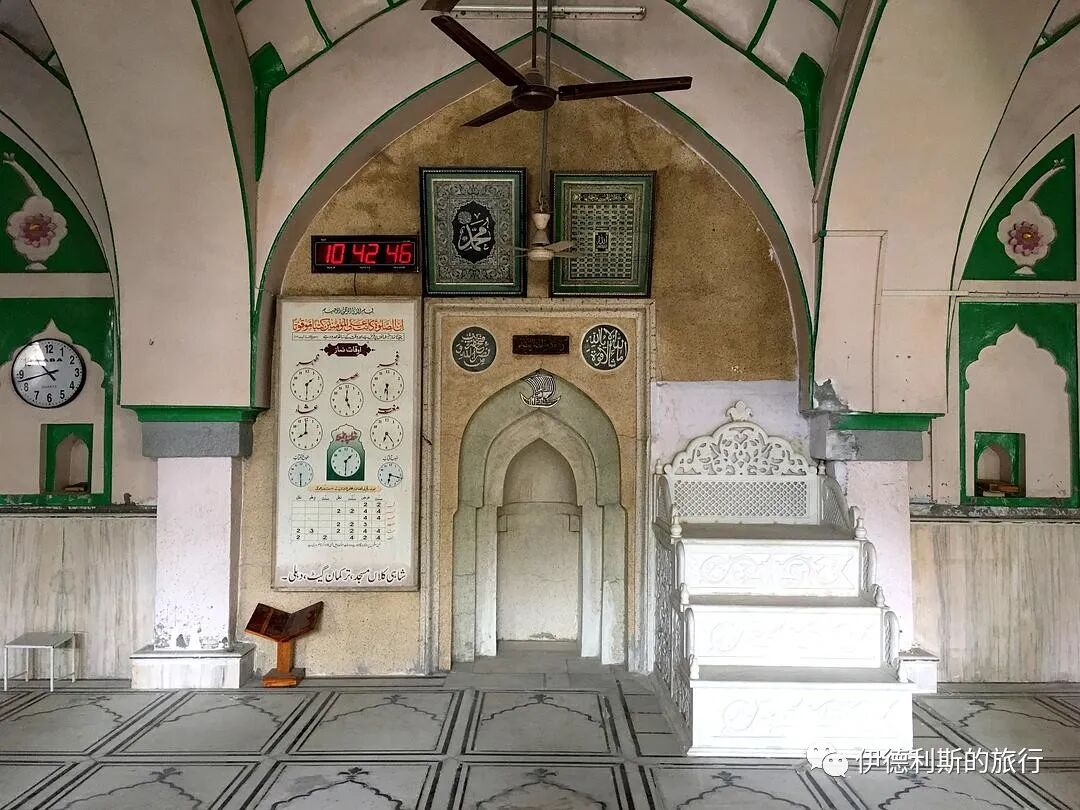
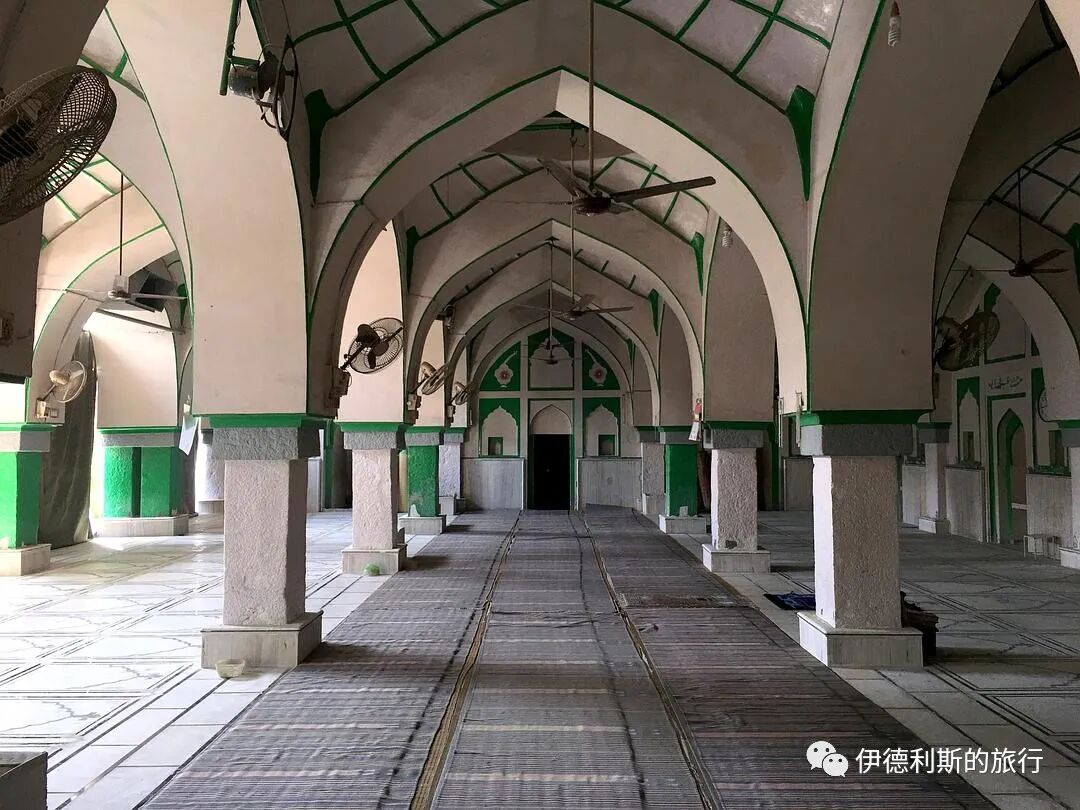
V. Lodi Dynasty (1451-1526)
The Lodi dynasty was founded by the Pashtun leader Bahlul Khan Lodi in 1451. During the Lodi dynasty, the Delhi Sultanate shrank significantly and only ruled parts of northern India.
1. Bara Gumbad Mosque: 1494
The Bara Gumbad mosque is located inside Lodi Gardens. Specific details about the mosque are unknown, but inscriptions inside the building show it was built on November 30, 1494, by a man named Mughal Abdu Amjad.
The carvings in this mosque are very intricate. They are a great example of the limestone plastering and stone-cutting techniques used for architectural decoration during the Lodi dynasty.
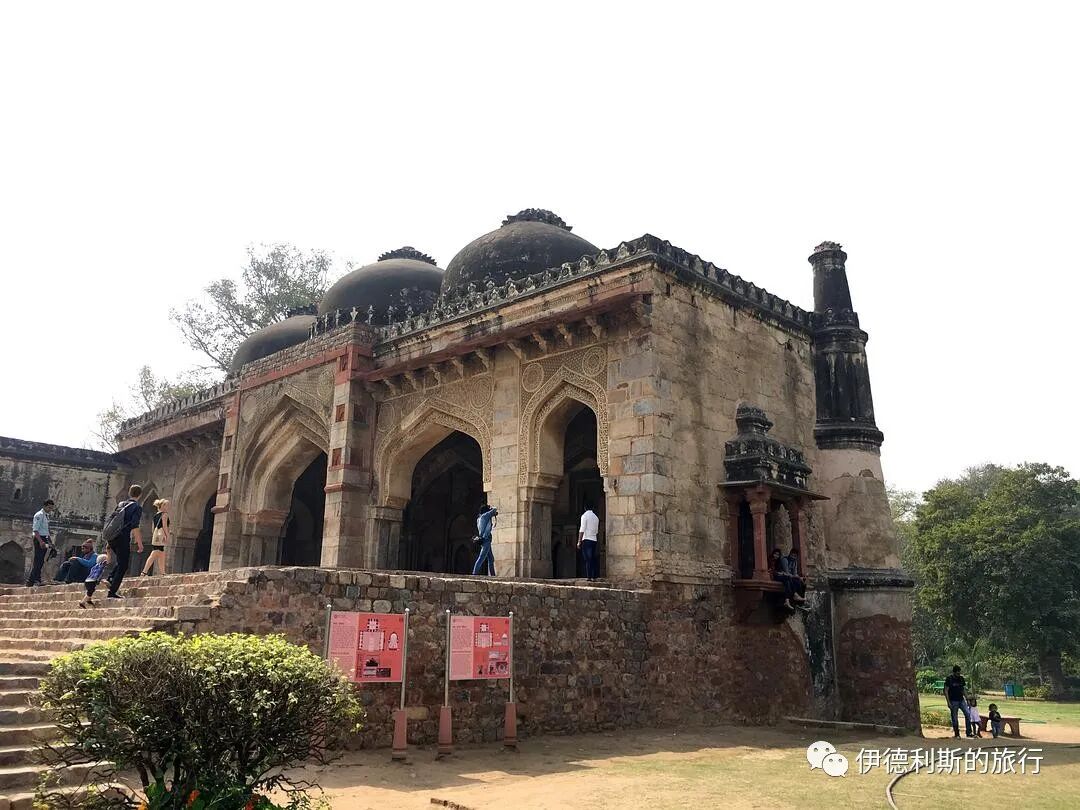
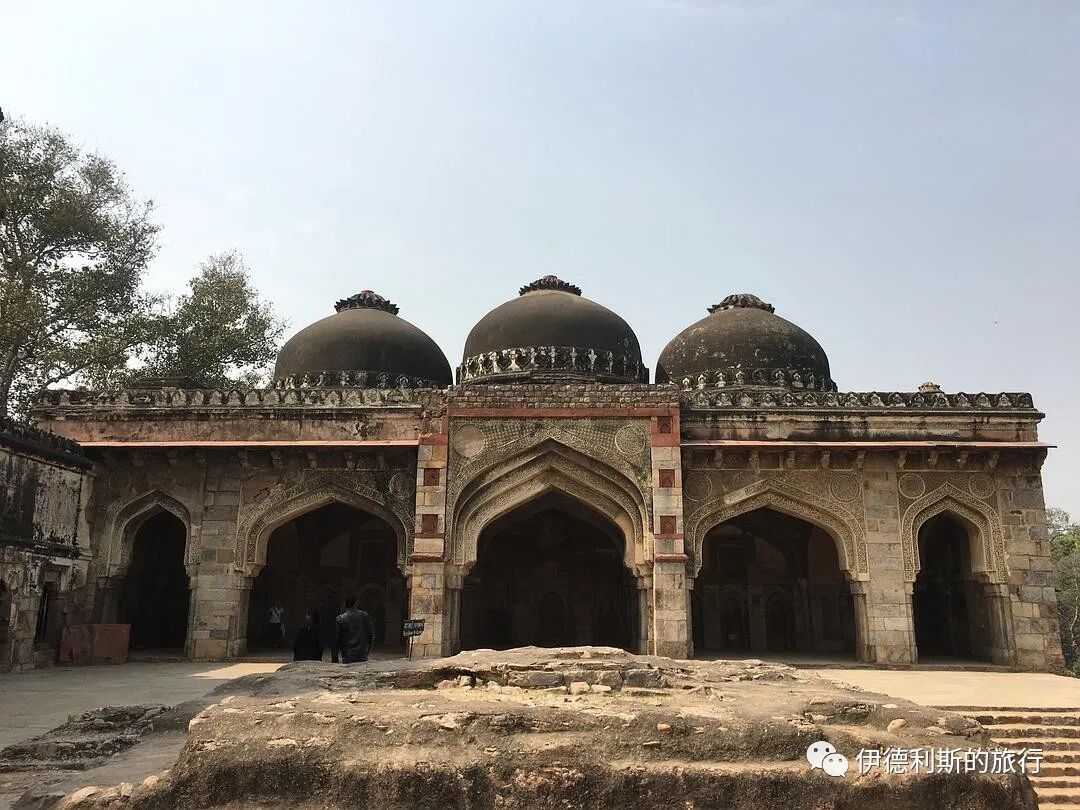
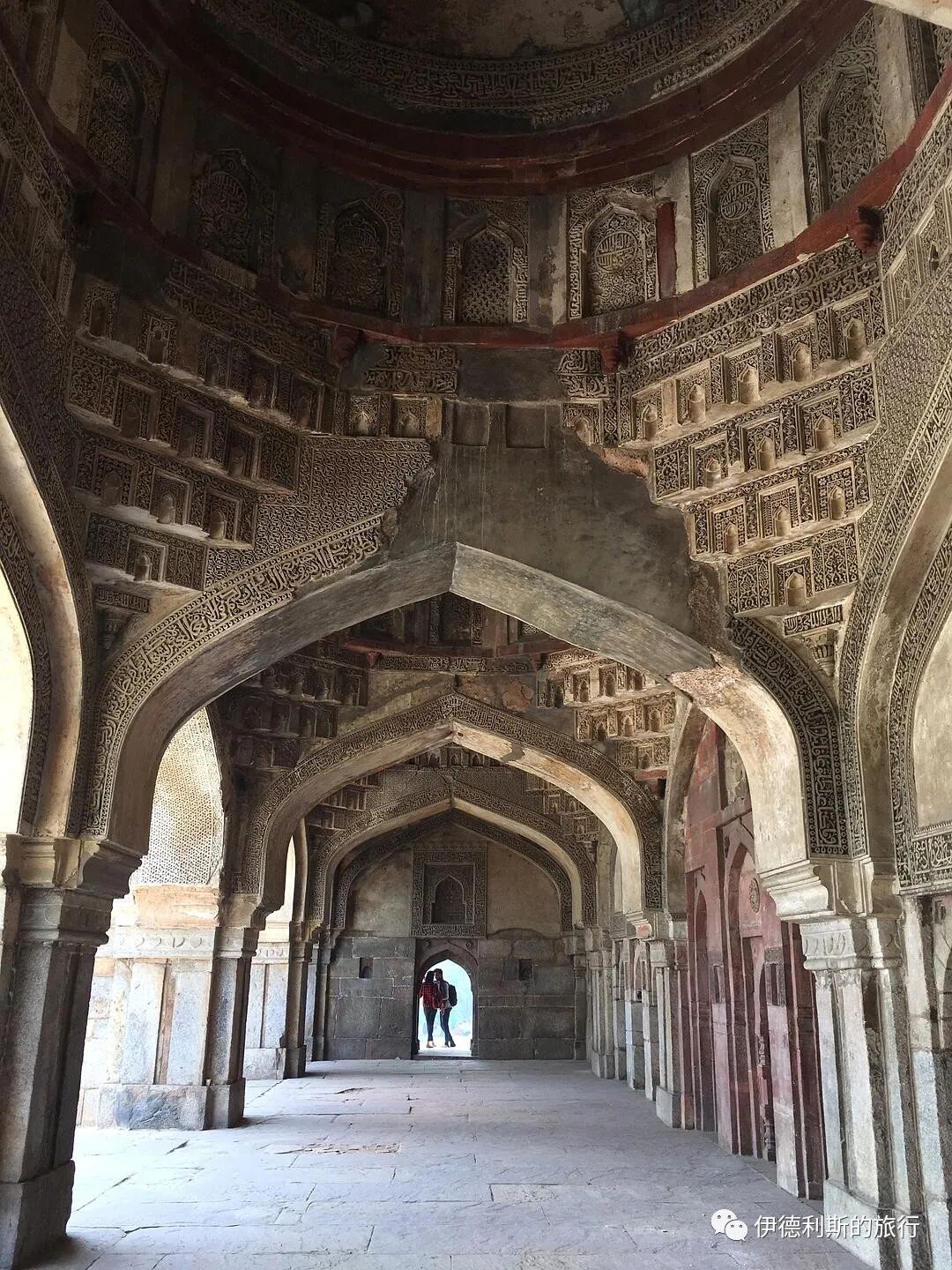
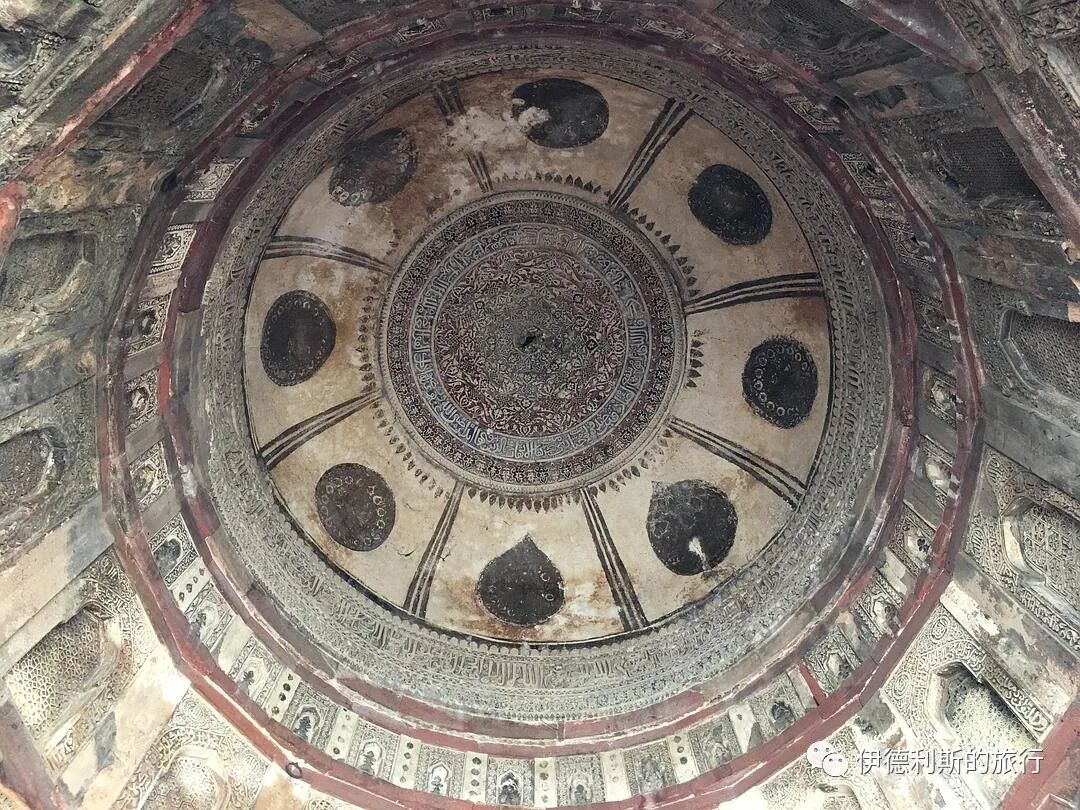
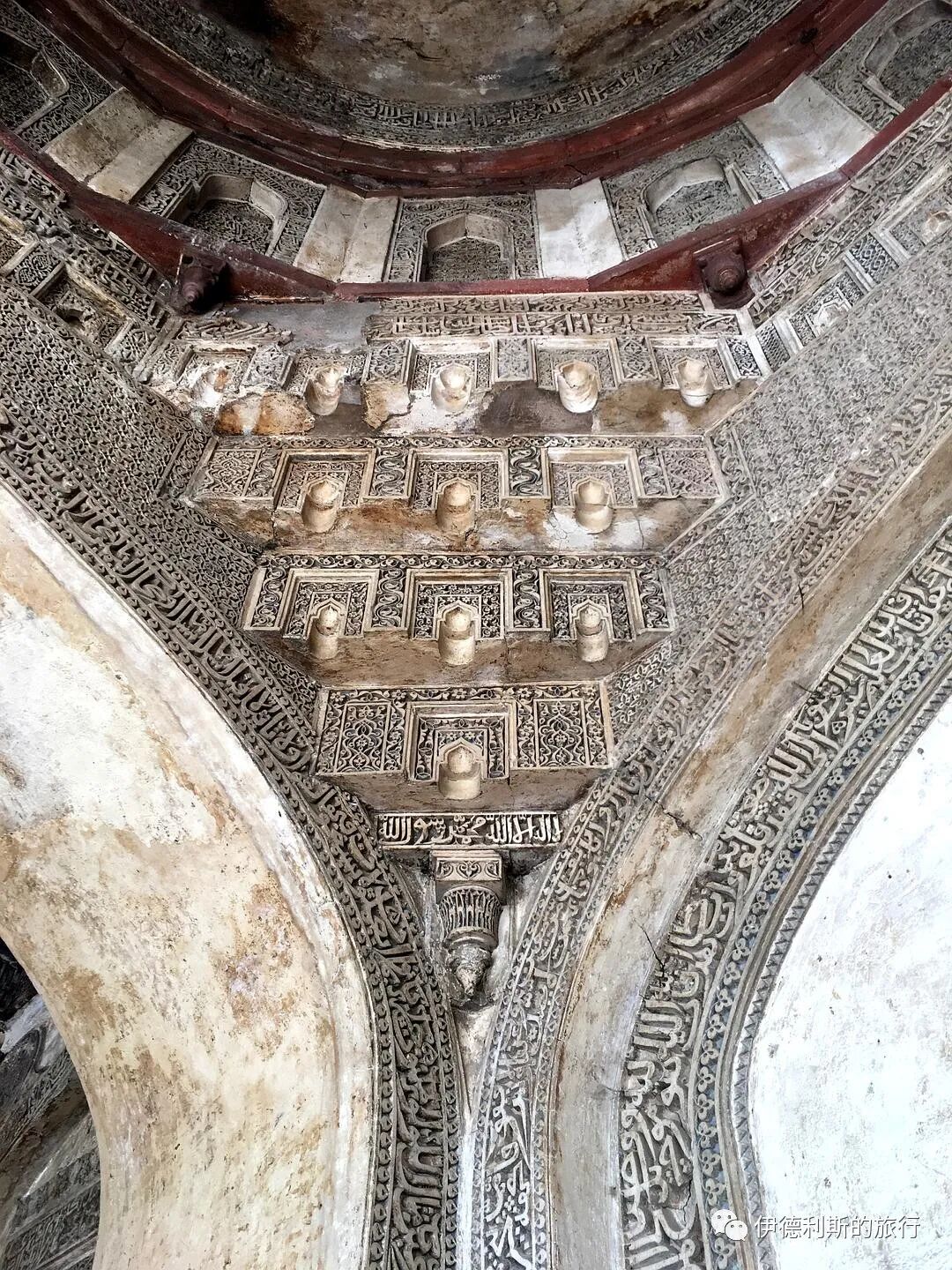
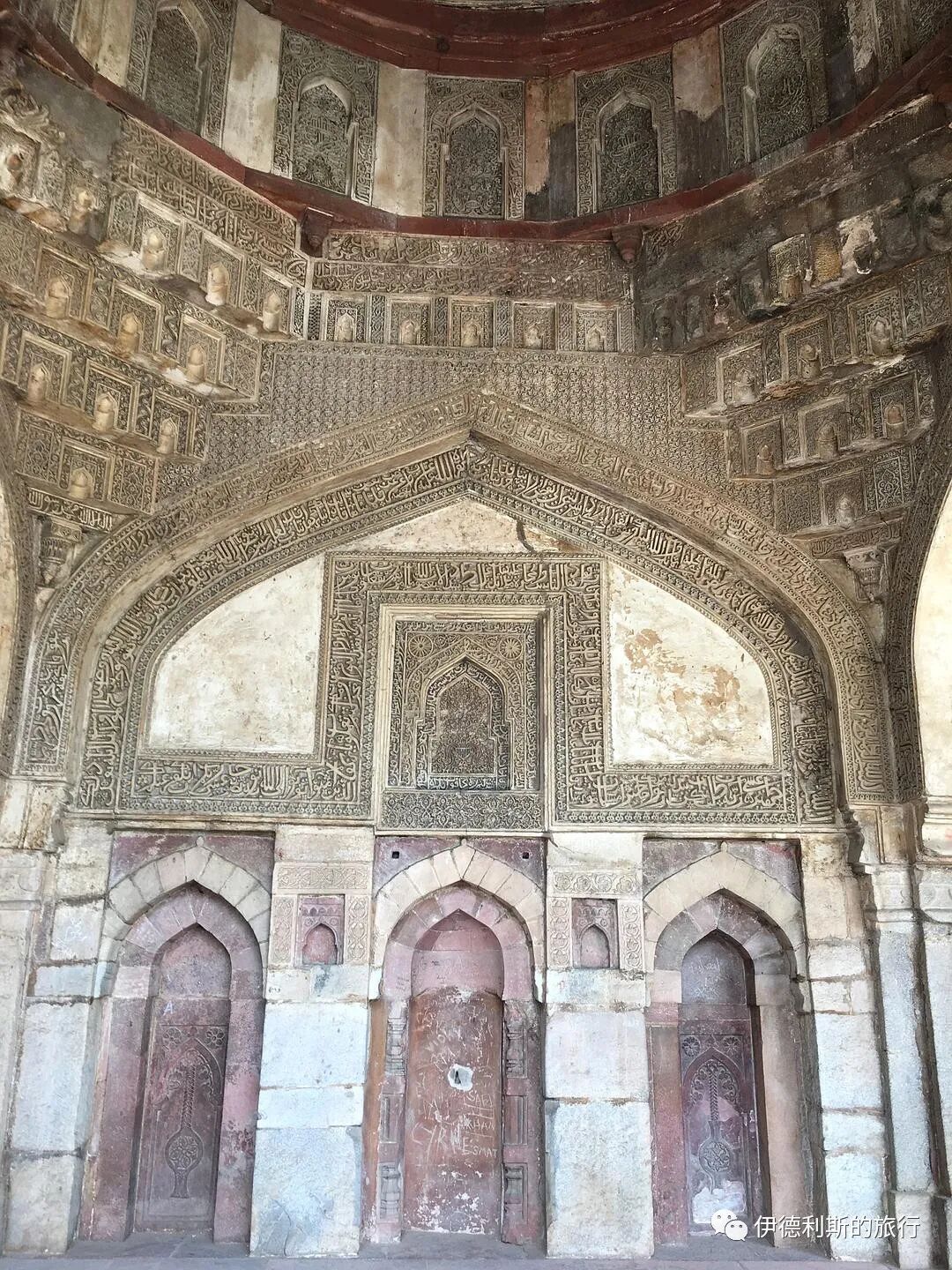
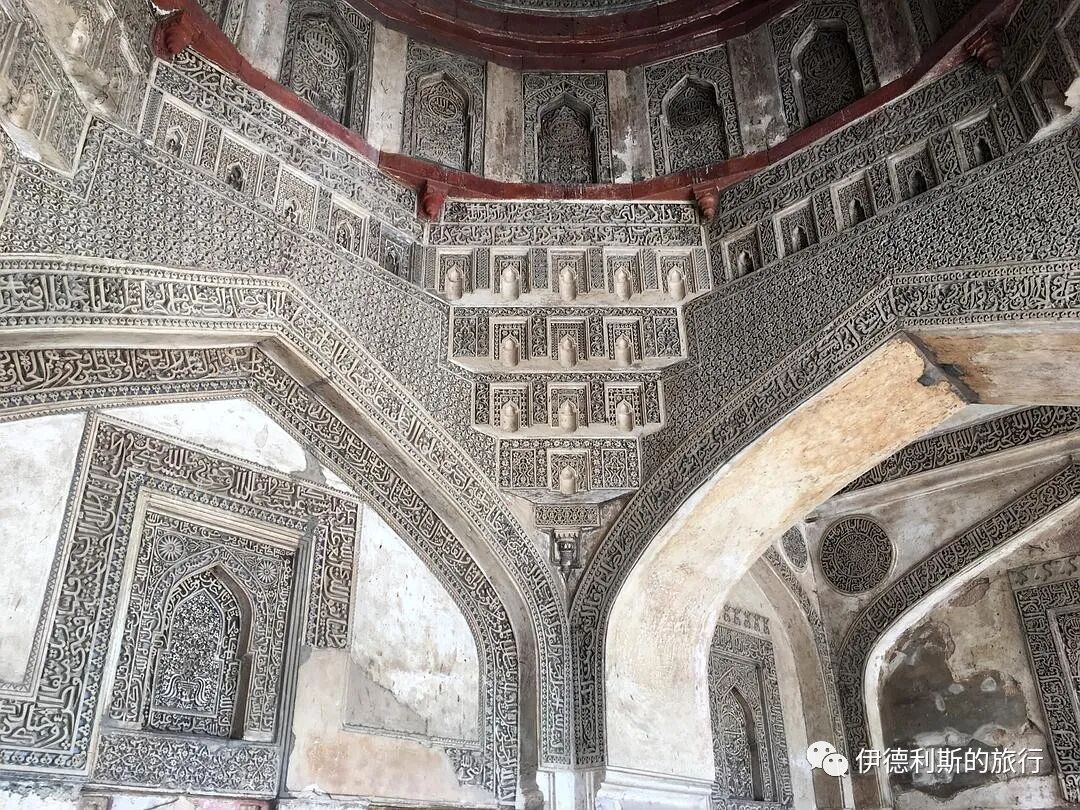
2. Madhi mosque: 15th century
Madhi Mosque is located in the Mehrauli Archaeological Park in Delhi. While its exact construction date is unknown, its architectural style clearly shows it belongs to the Lodi dynasty.
Unlike typical mosques, this one does not have a main prayer hall. The mihrab, which points toward the direction of prayer, is made of a single wall. This type of mosque is also called a wall mosque, and it was built to make daily namaz more convenient. There are many other mosques in Delhi made of just one wall, but this one is the largest.
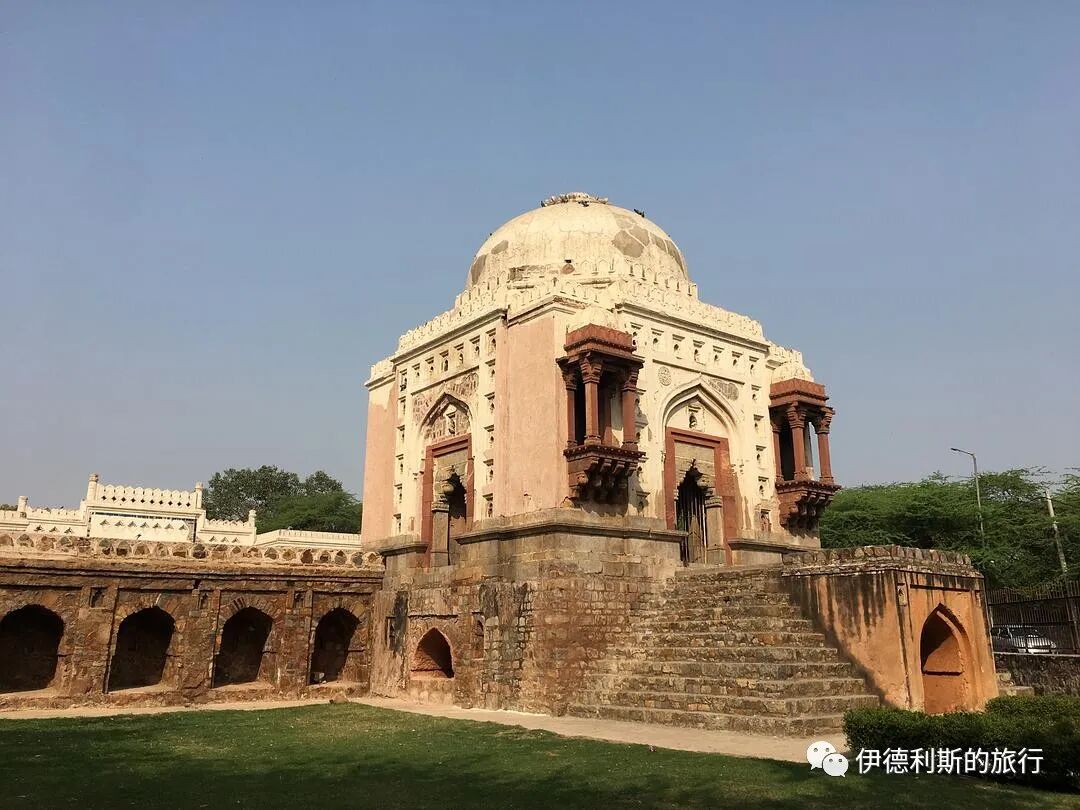
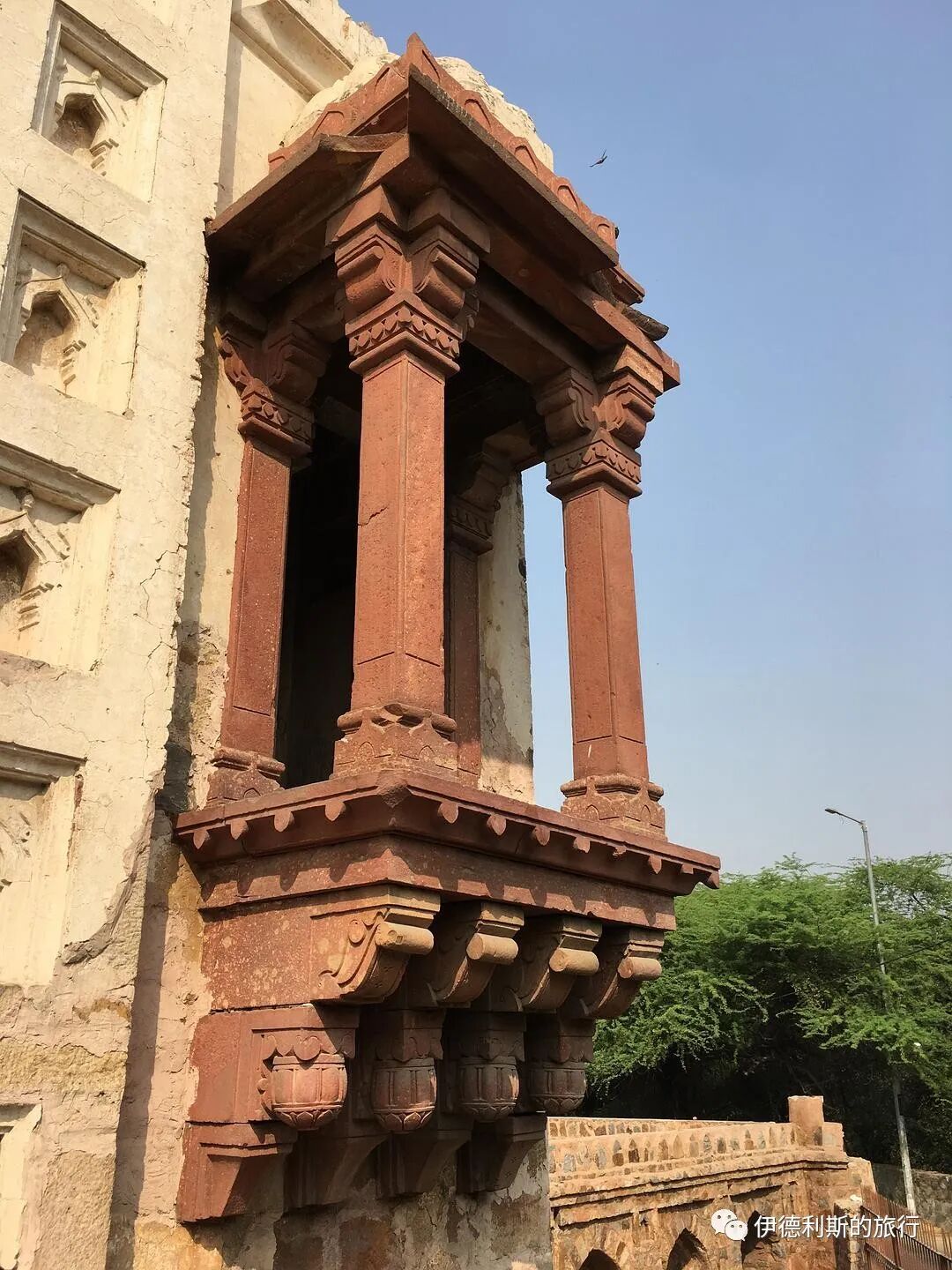
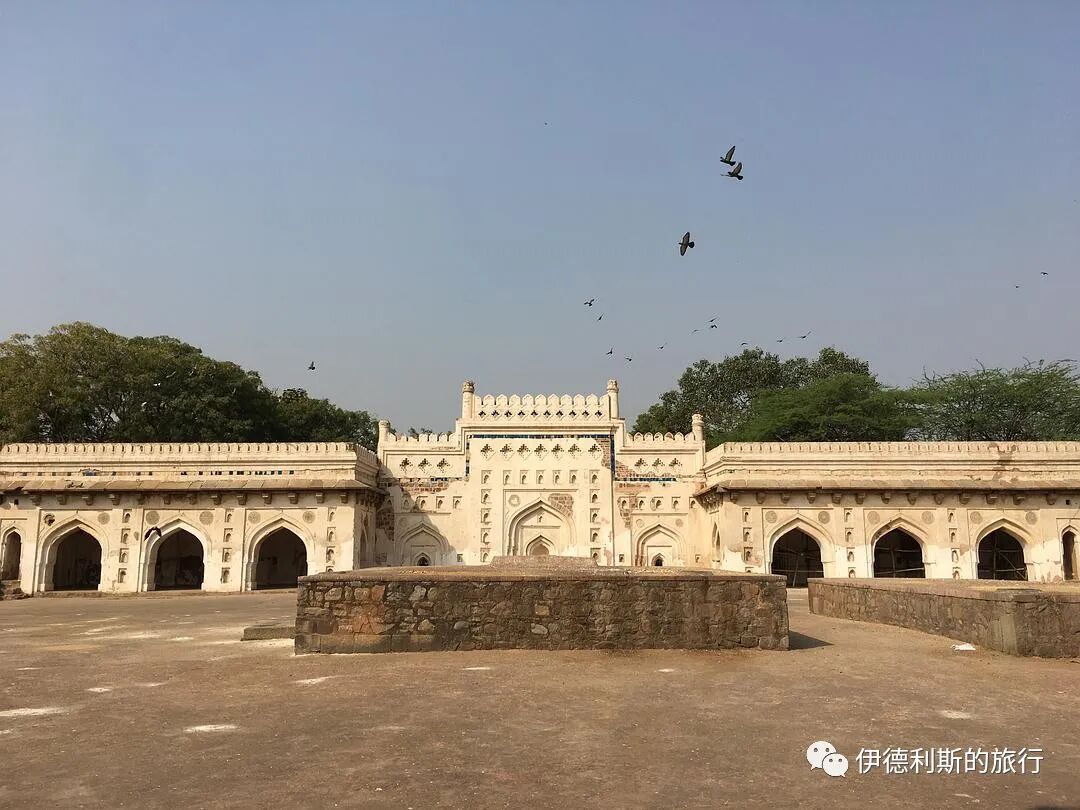
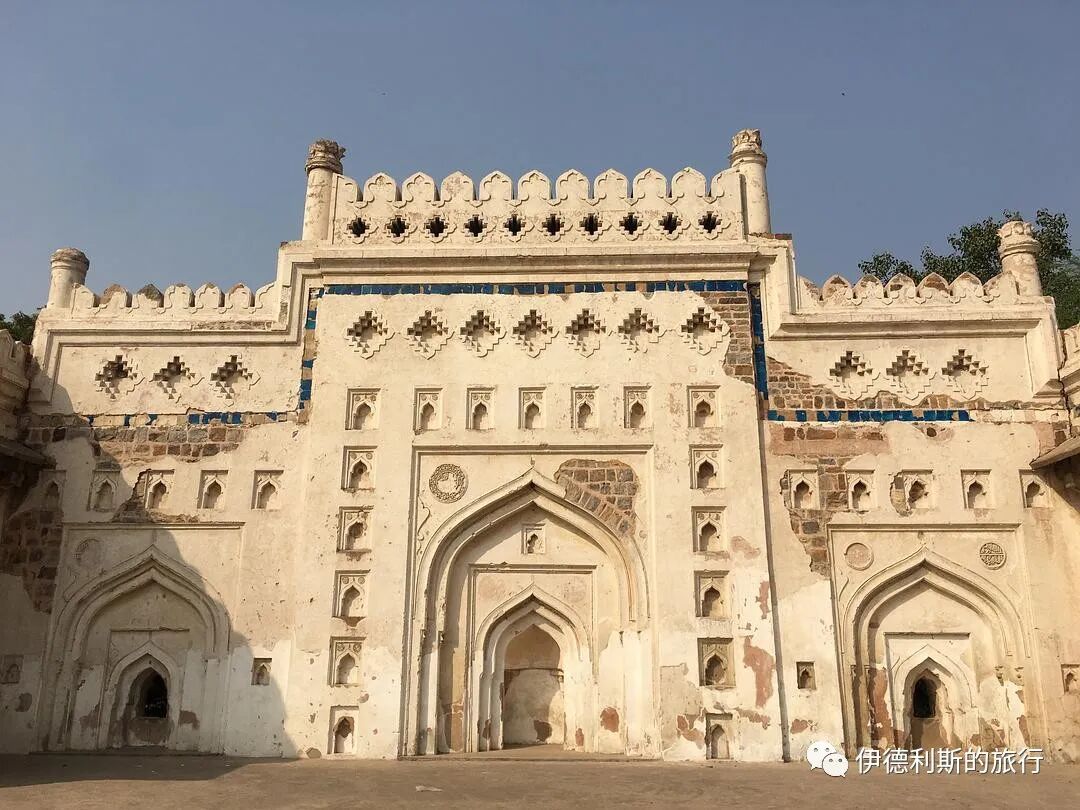
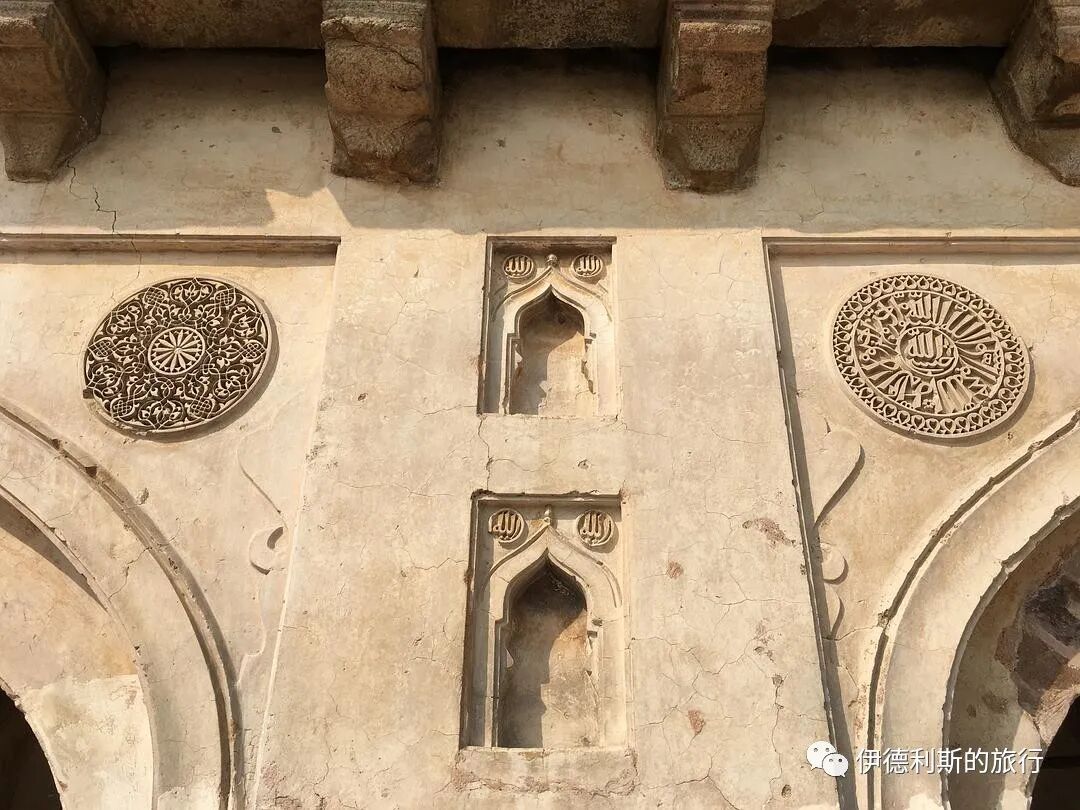
3. Nili mosque: 1505
The Blue Mosque (Nili Masjid) sits between the city of Siri and the Hauz Khas reservoir area, and it is a Lodi-era mosque that is still in use today.
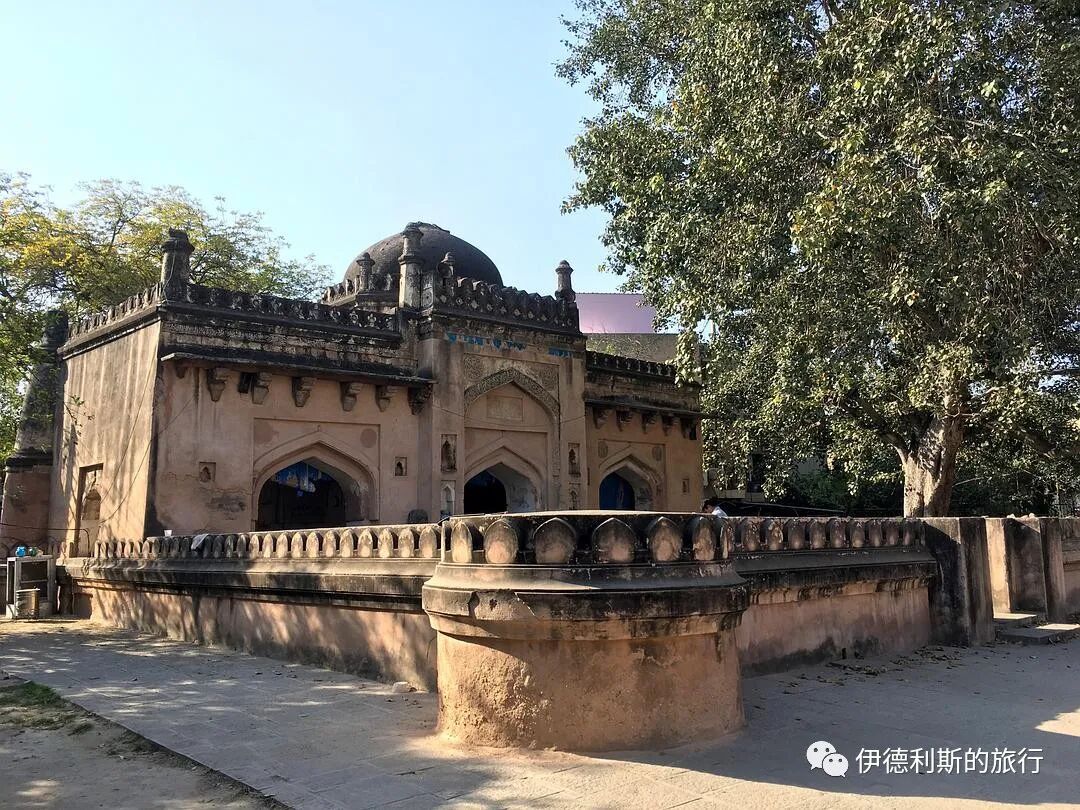
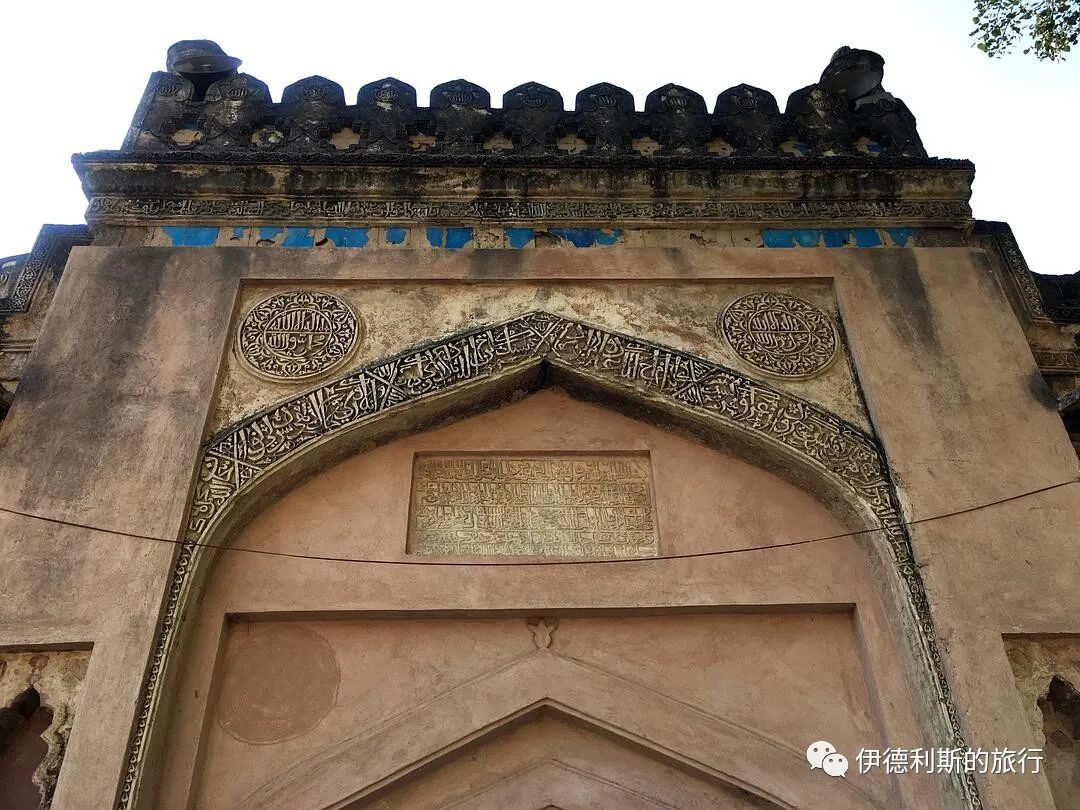
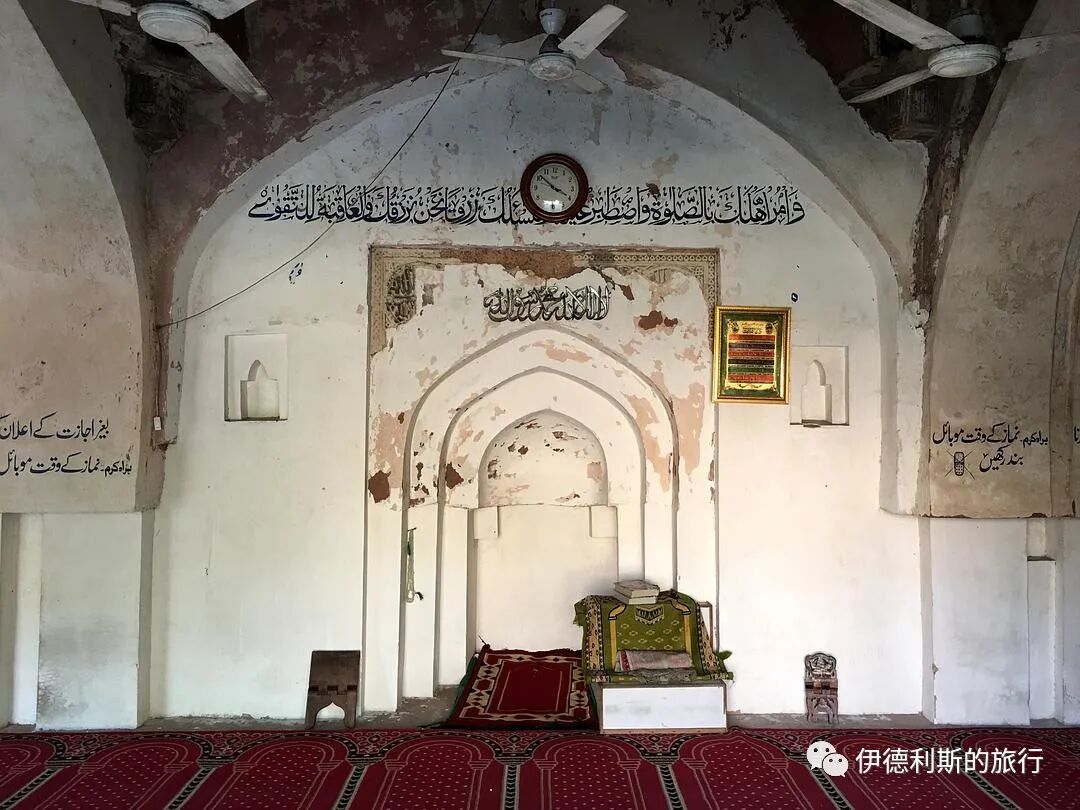
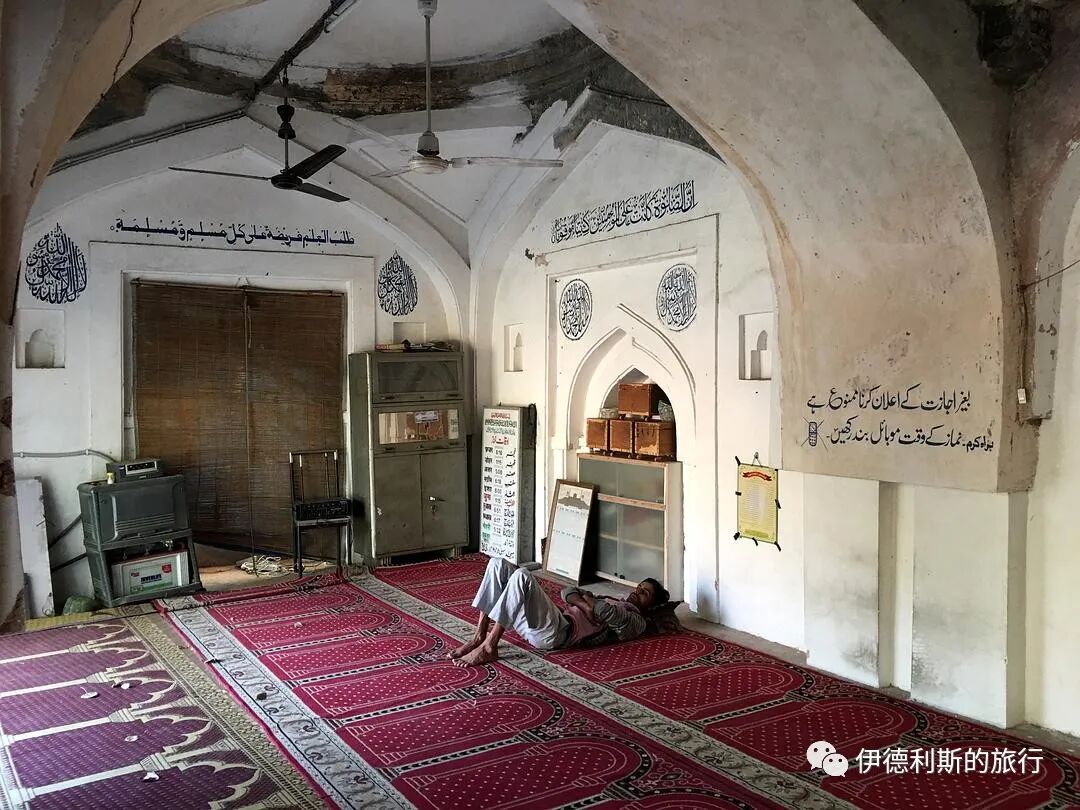
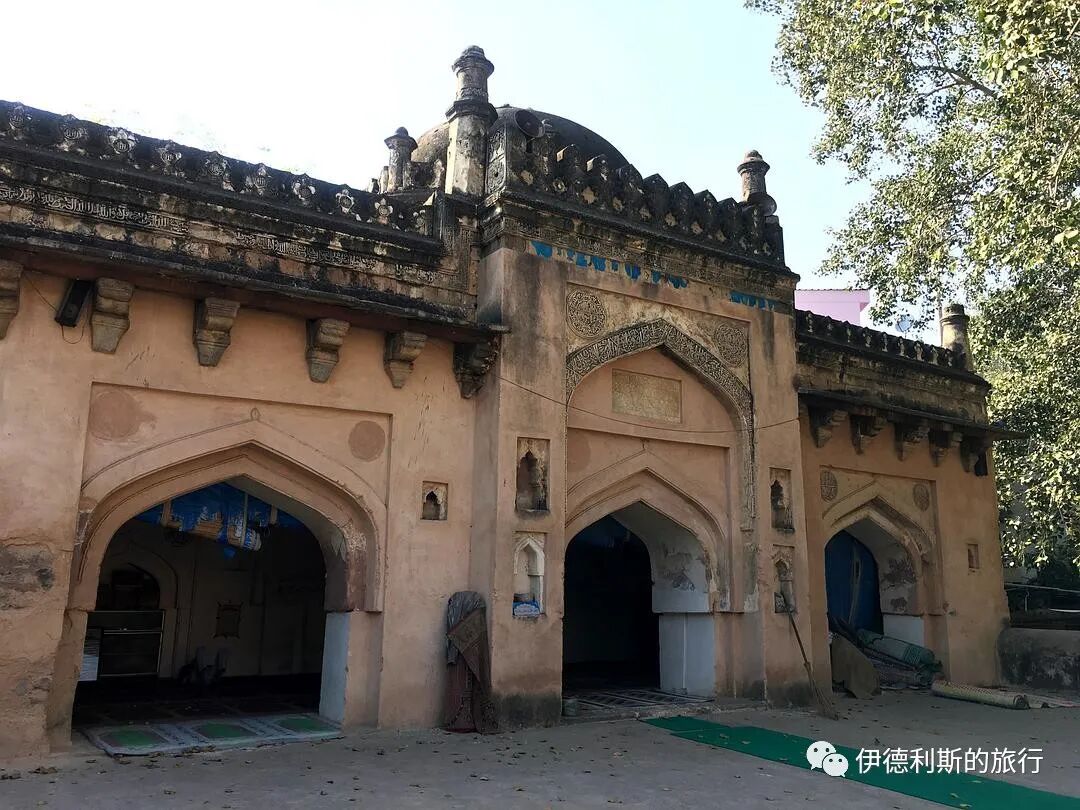
4. Rajon ki Baoli mosque: 1506
Rajon ki Baoli is located in the Mehrauli Archaeological Park in Delhi and is known as the most beautiful stepwell (baoli) in the city. It was built by Daulat Khan Khwaja Muhammad in 1506 during the reign of Sultan Sikandar Lodi (1489-1517). Next to the pool are a mosque and a tomb, which seem to be part of one building complex.
Water reservoir
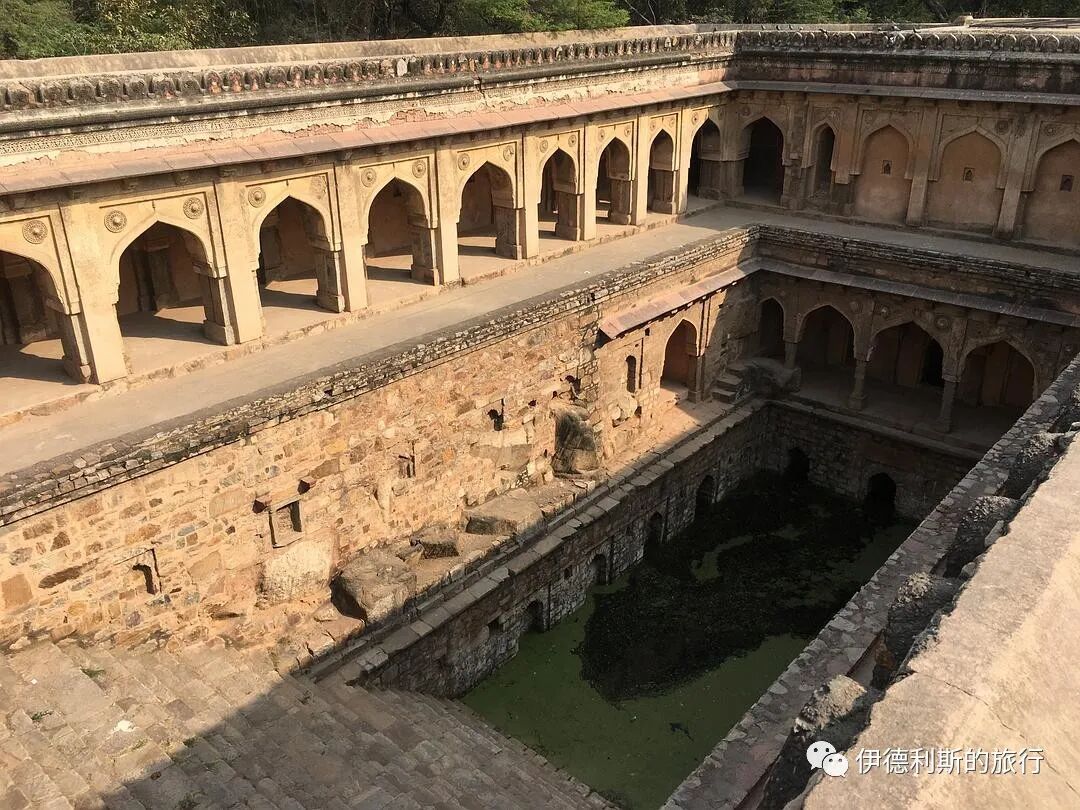
Mosque
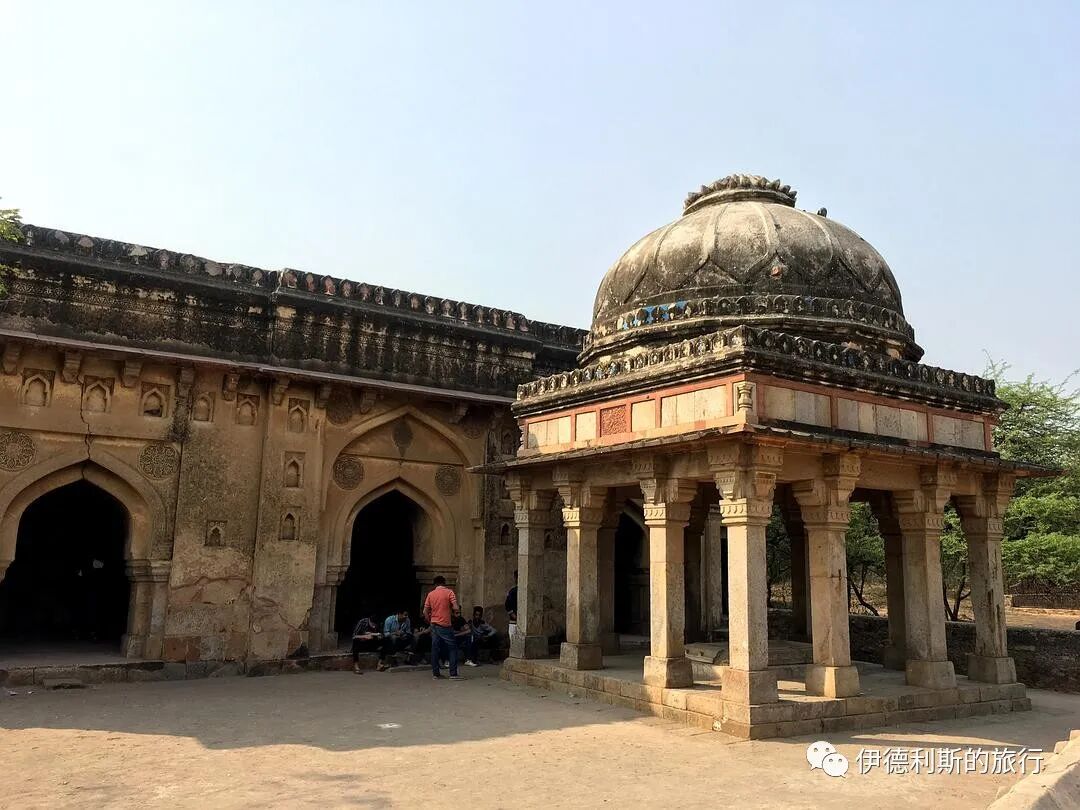
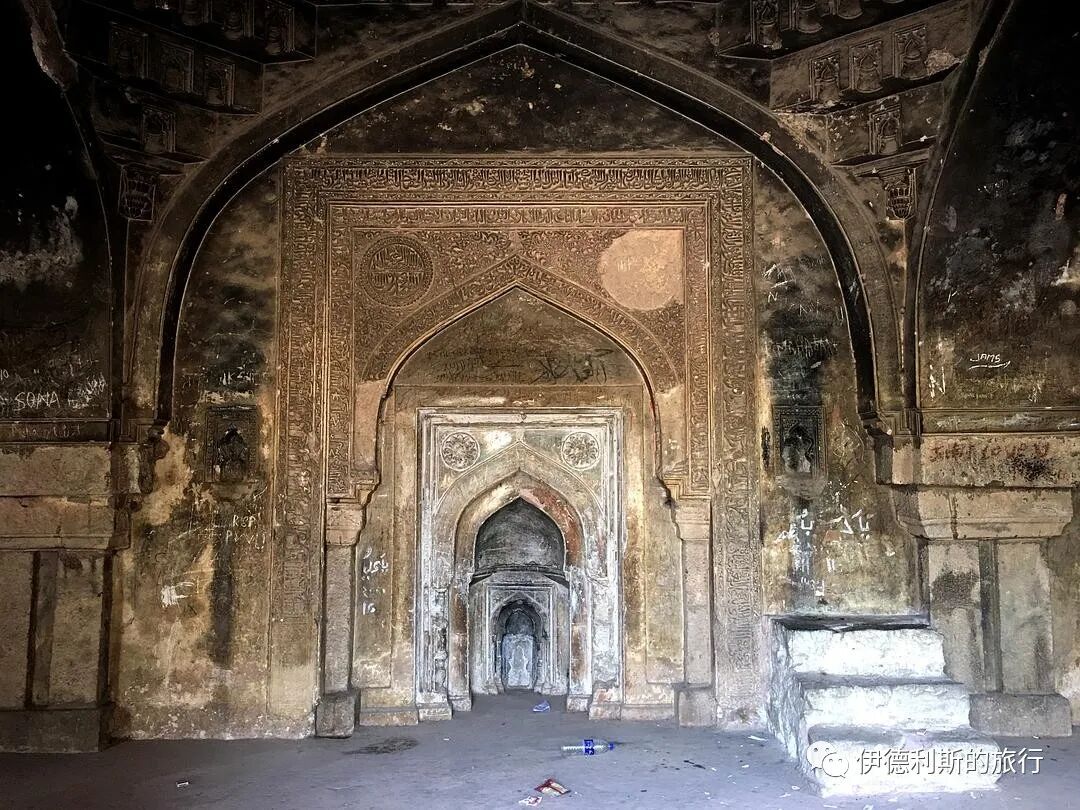
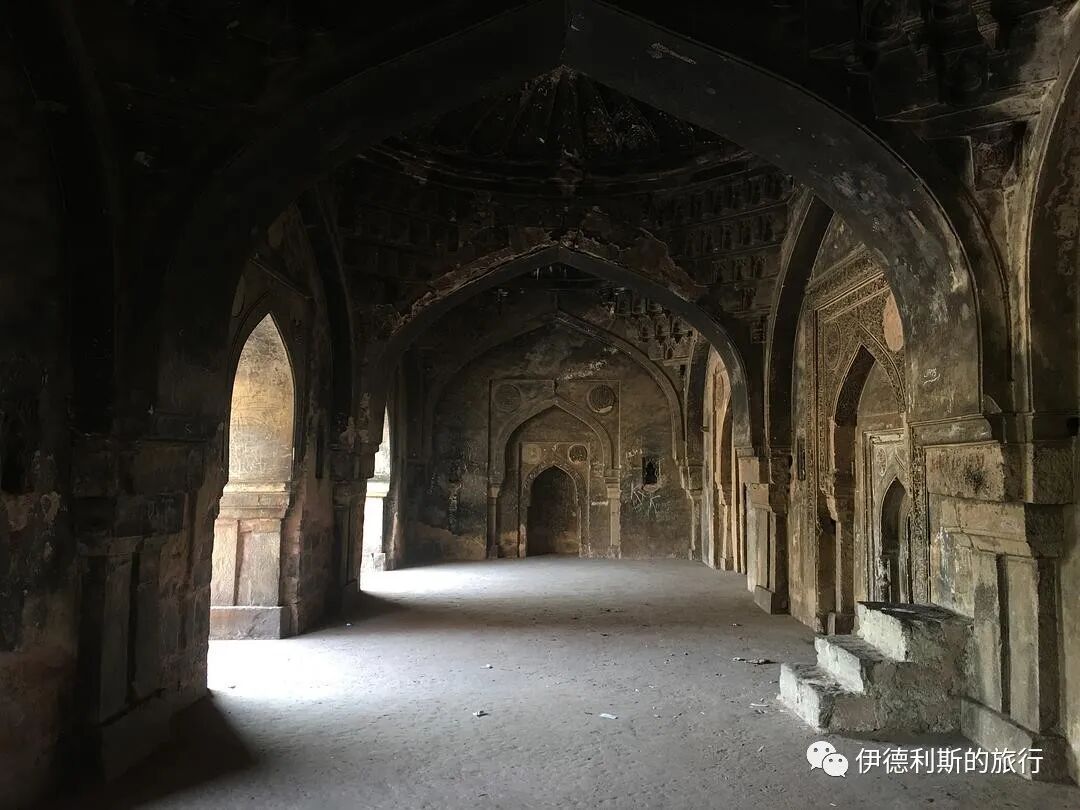
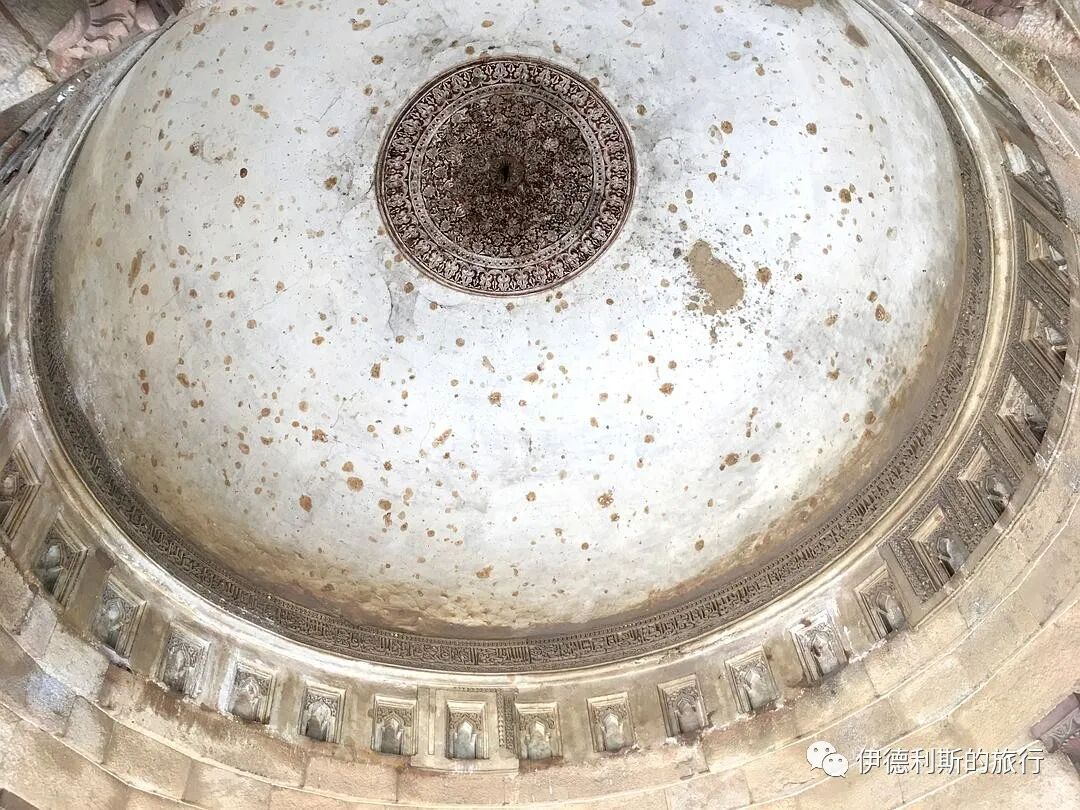
5. Muhammad Wali mosque: late 15th to early 16th century
The Muhammad Wali mosque sits right next to the northwest wall of Siri city and shows the classic Lodi dynasty style.
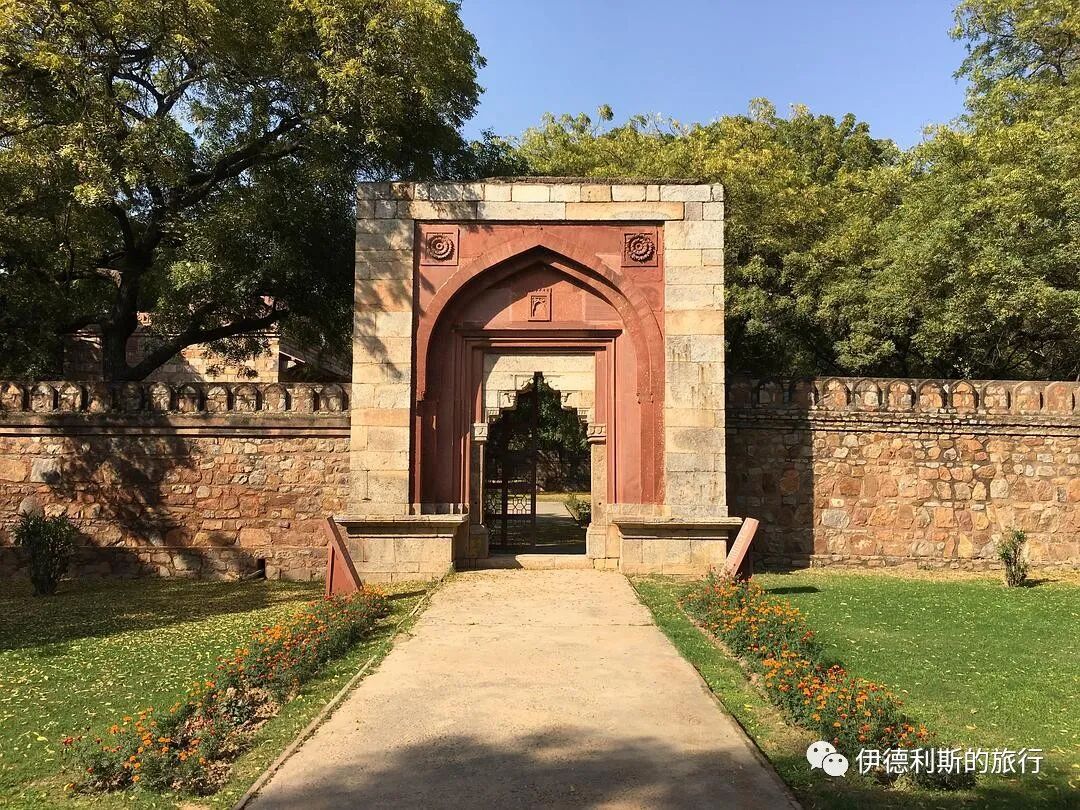
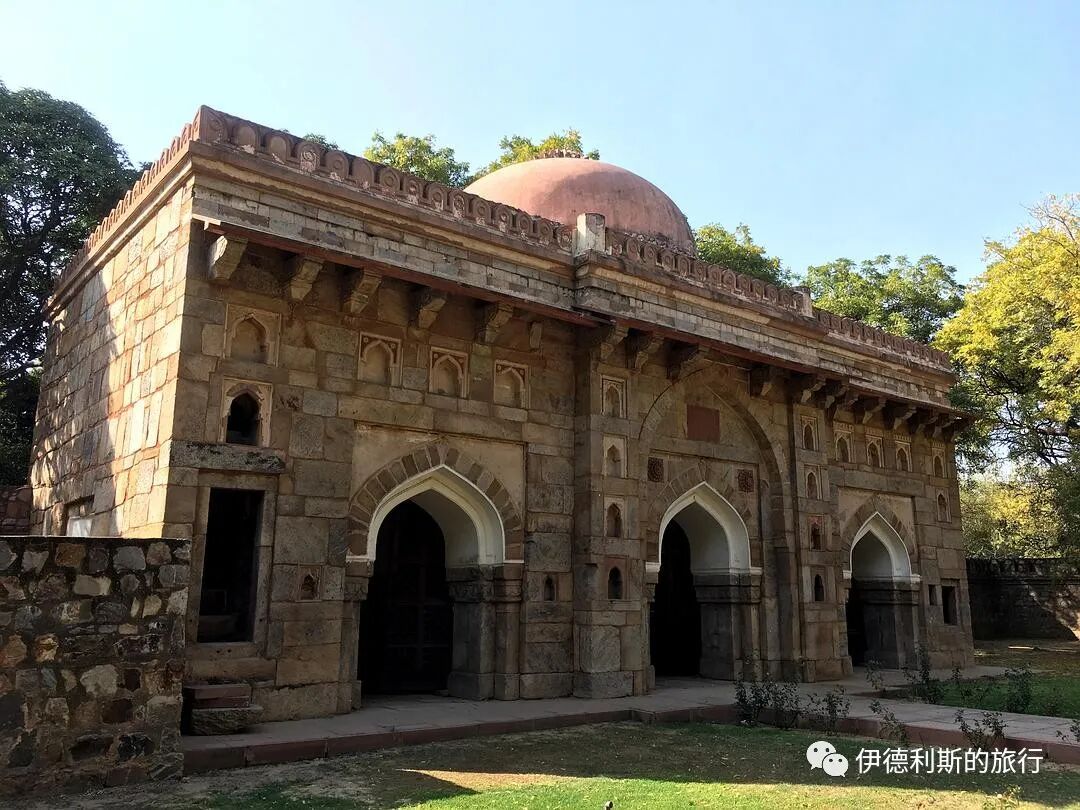
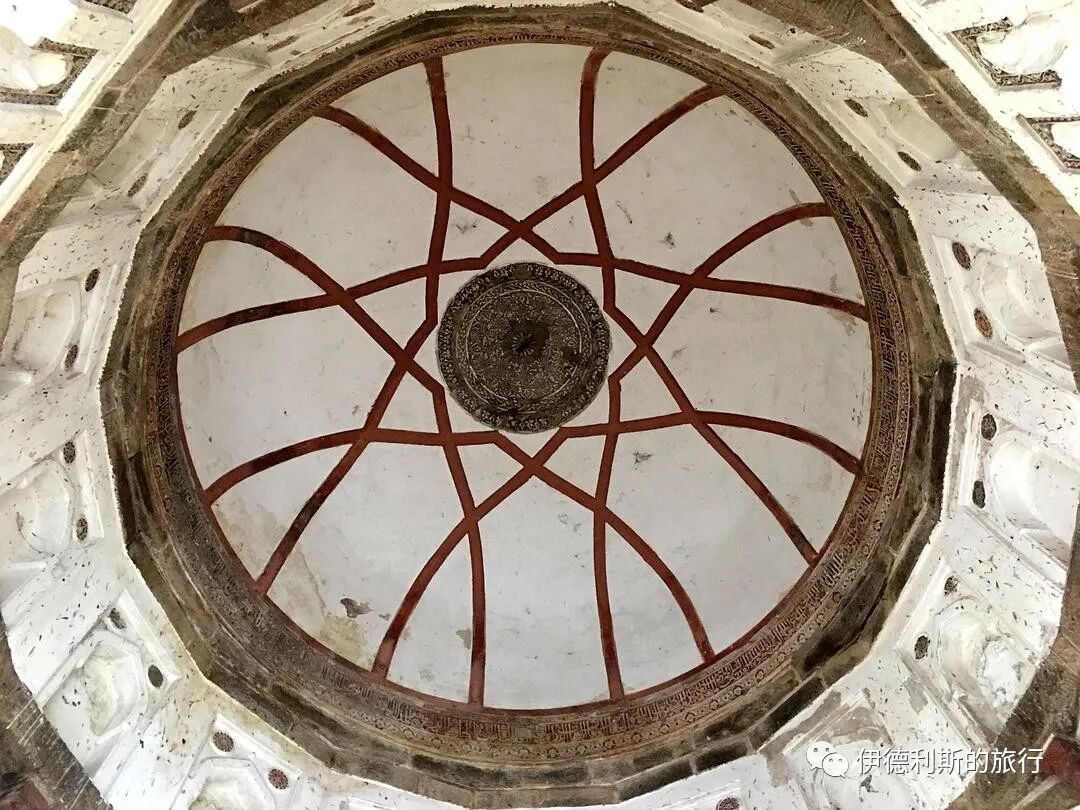
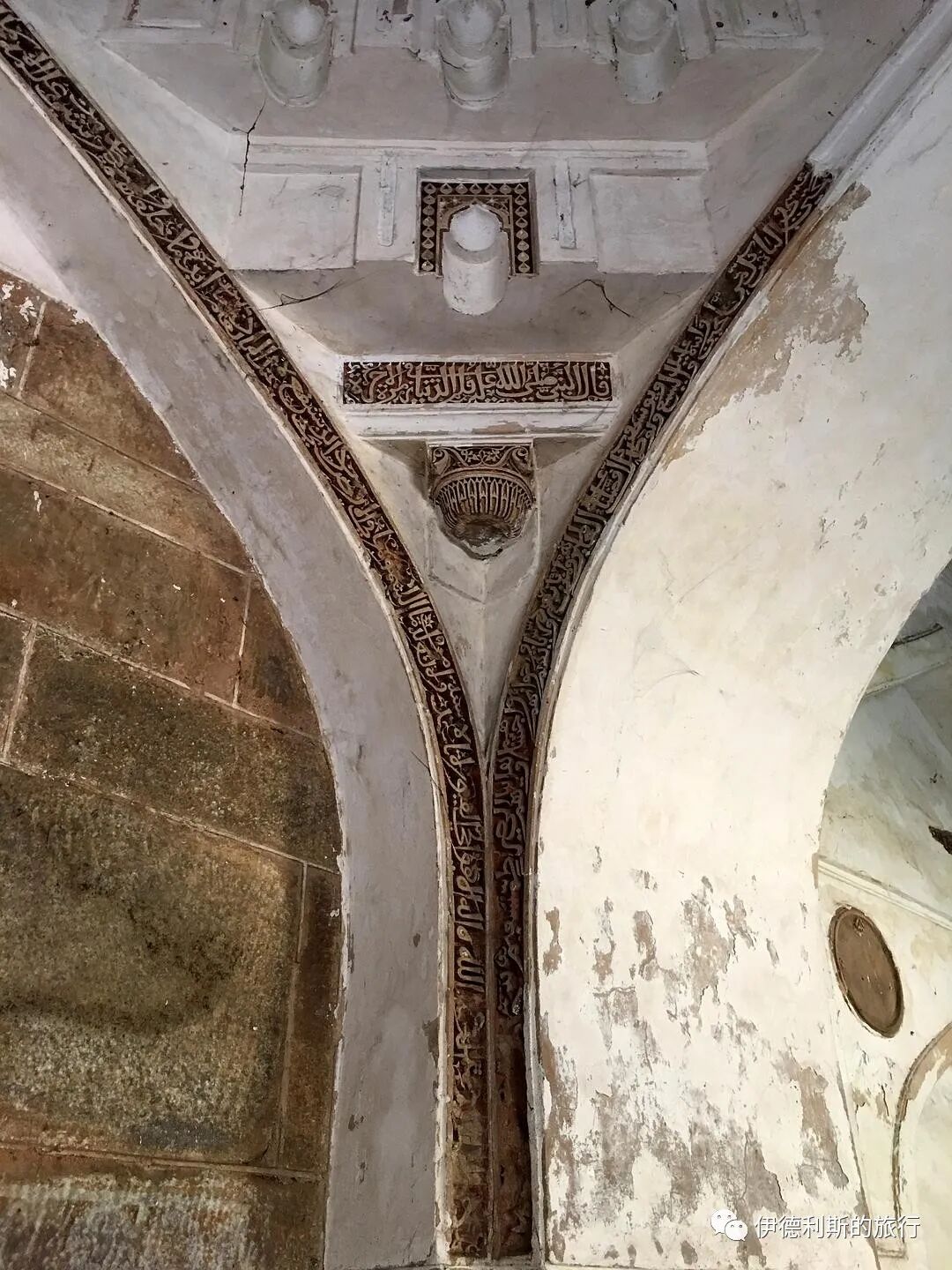
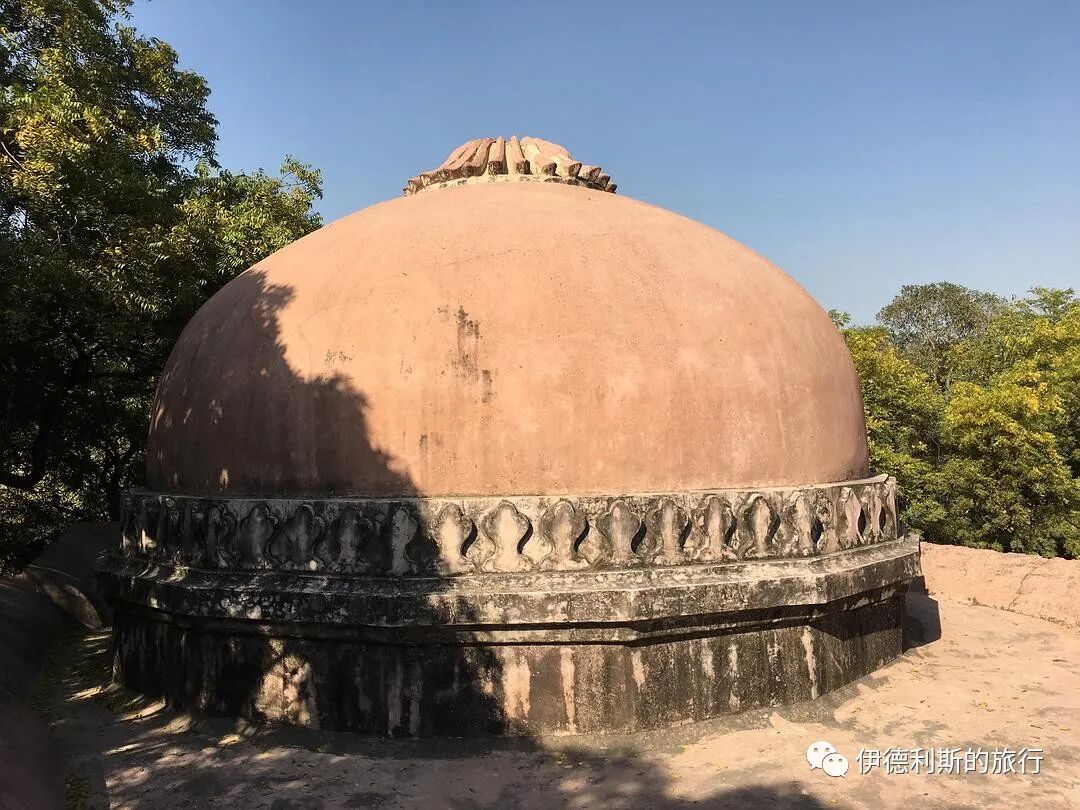
6. Early Mughal Empire (1526-1540)
In 1526, Emperor Babur from Central Asia defeated the Lodi dynasty and established the Mughal Empire in Delhi.
1. Jamali Kamali mosque: 1528
The Jamali Kamali mosque is located in the Mehrauli Archaeological Park in Delhi and serves as the burial site for both Jamali and Kamali. Jamali, whose full name was Jamali Kamboh, was a famous 16th-century Persian poet and Sufi saint in India who was highly regarded by the Mughal emperors Babur and Humayun. Not much is known about the life of Kamali, but he was likely closely connected to Jamali. This mosque and the tomb were built between 1528 and 1529, and Jamali was buried here after he died in 1536.
Saint's tomb (gongbei)
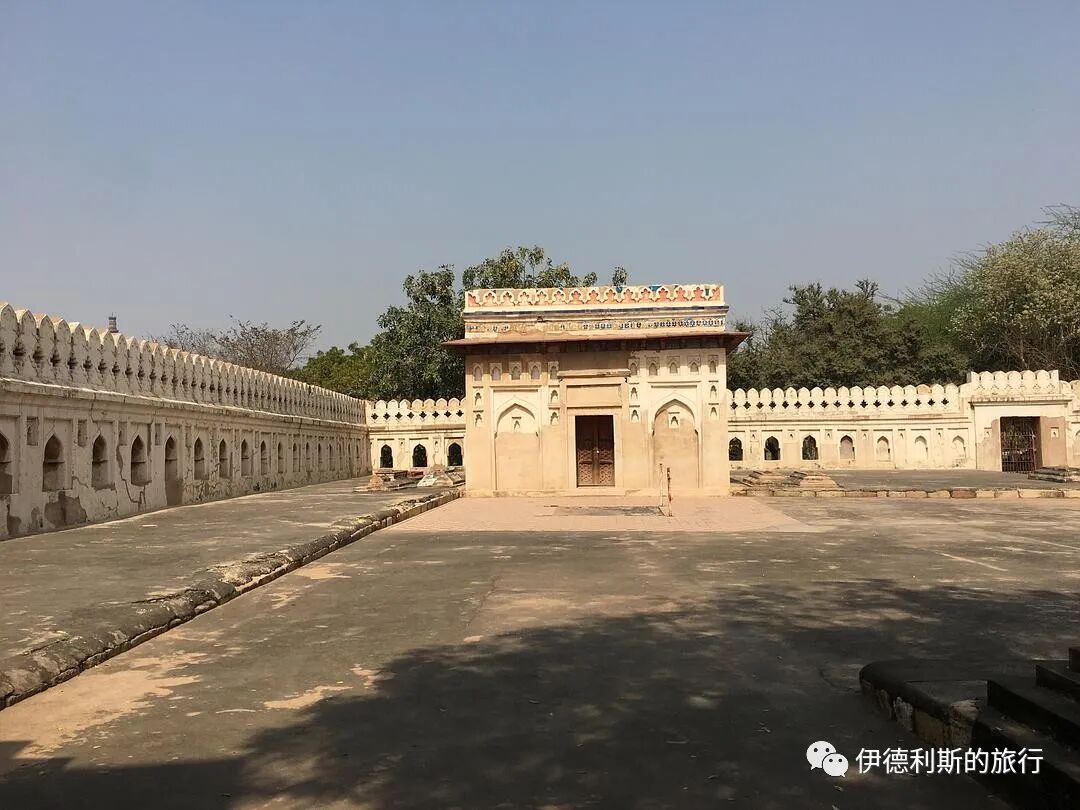
Mosque
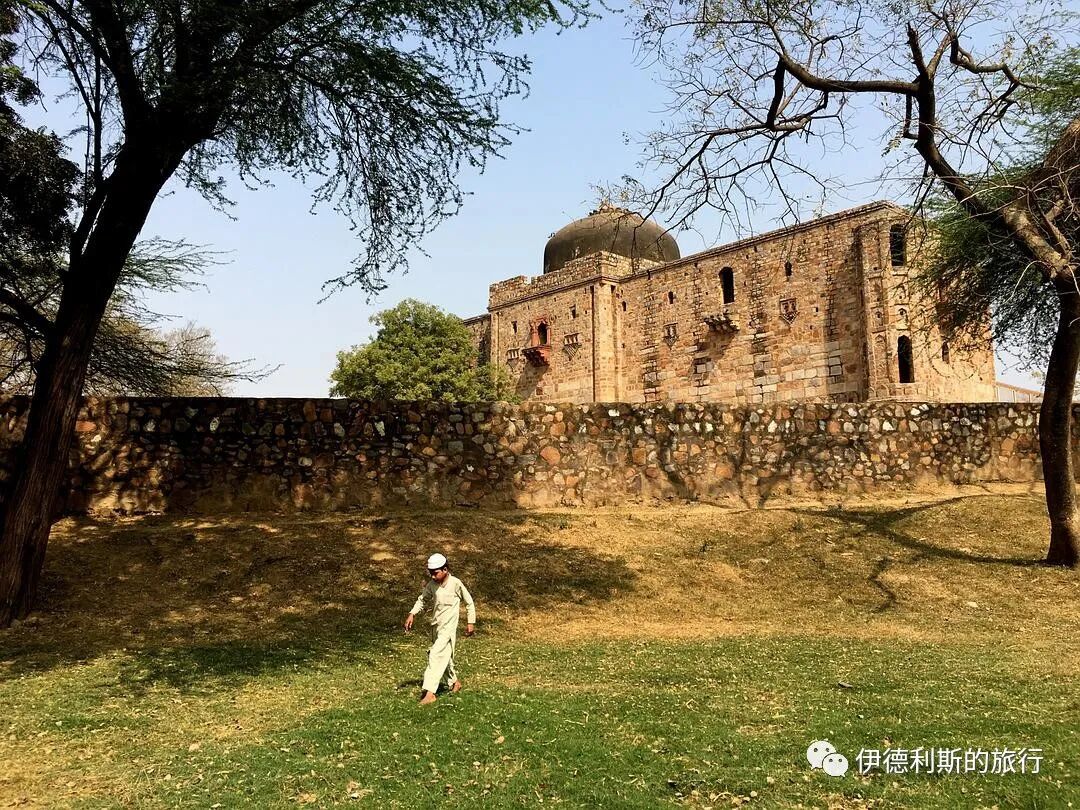
This style of mosque gate is said to be the first of its kind from the Mughal era.
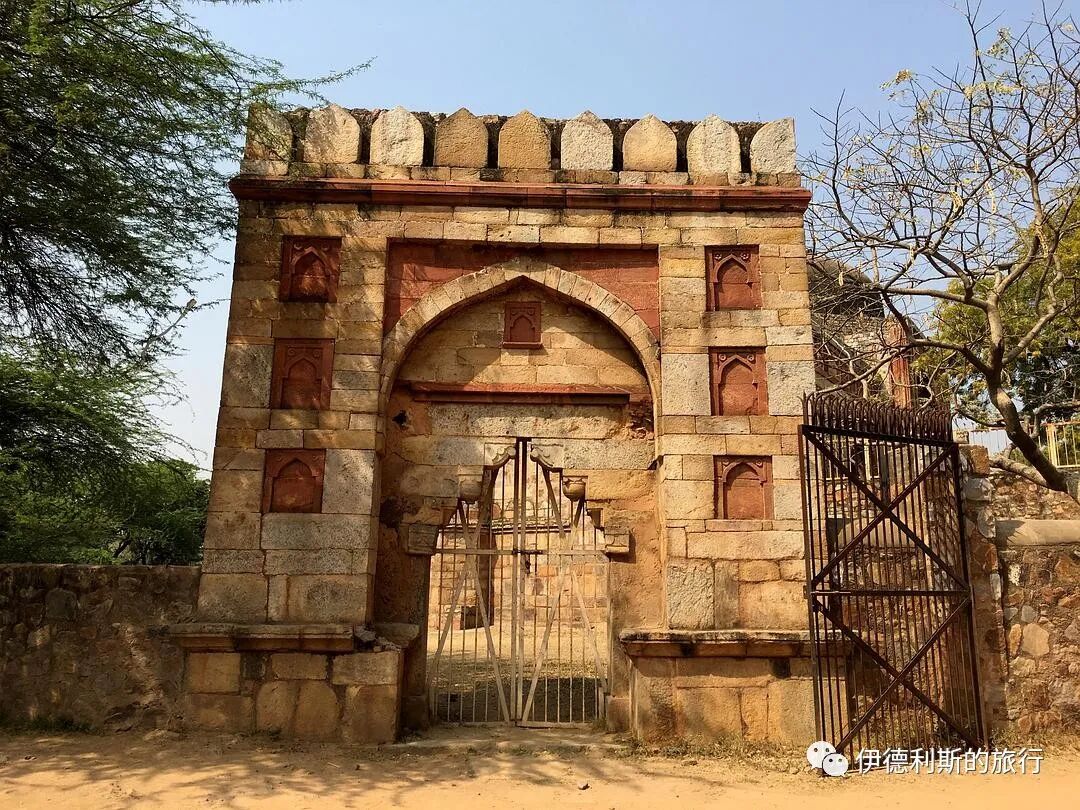
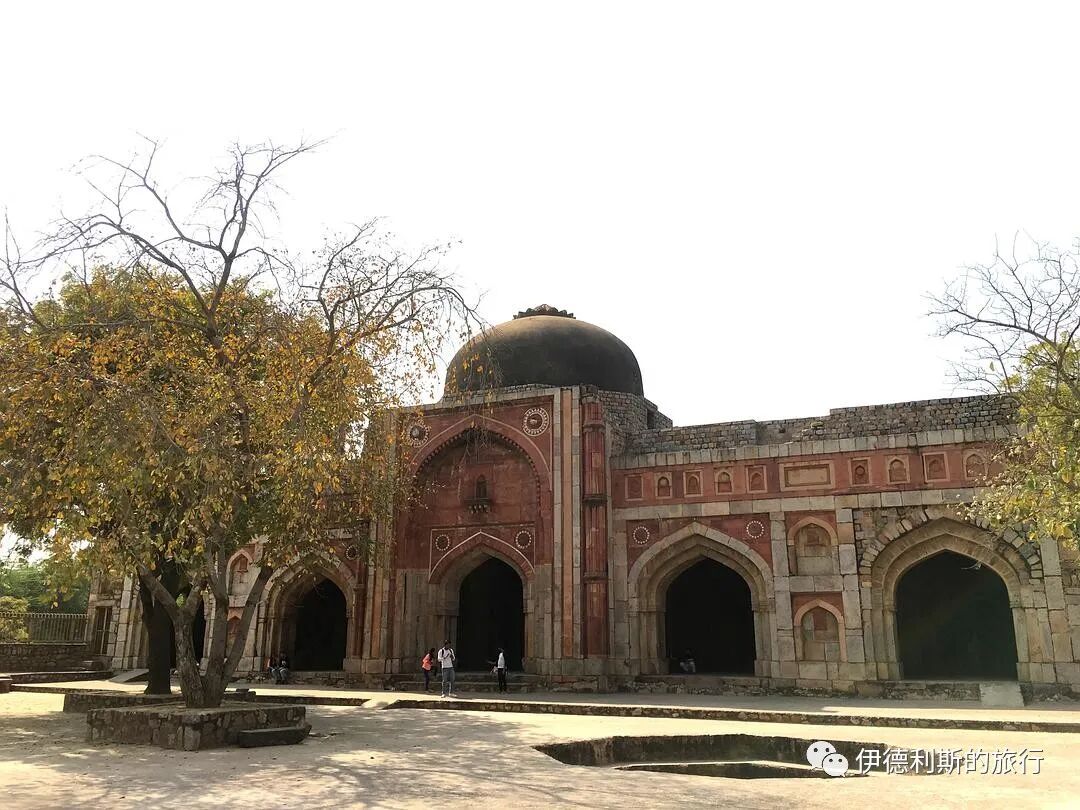
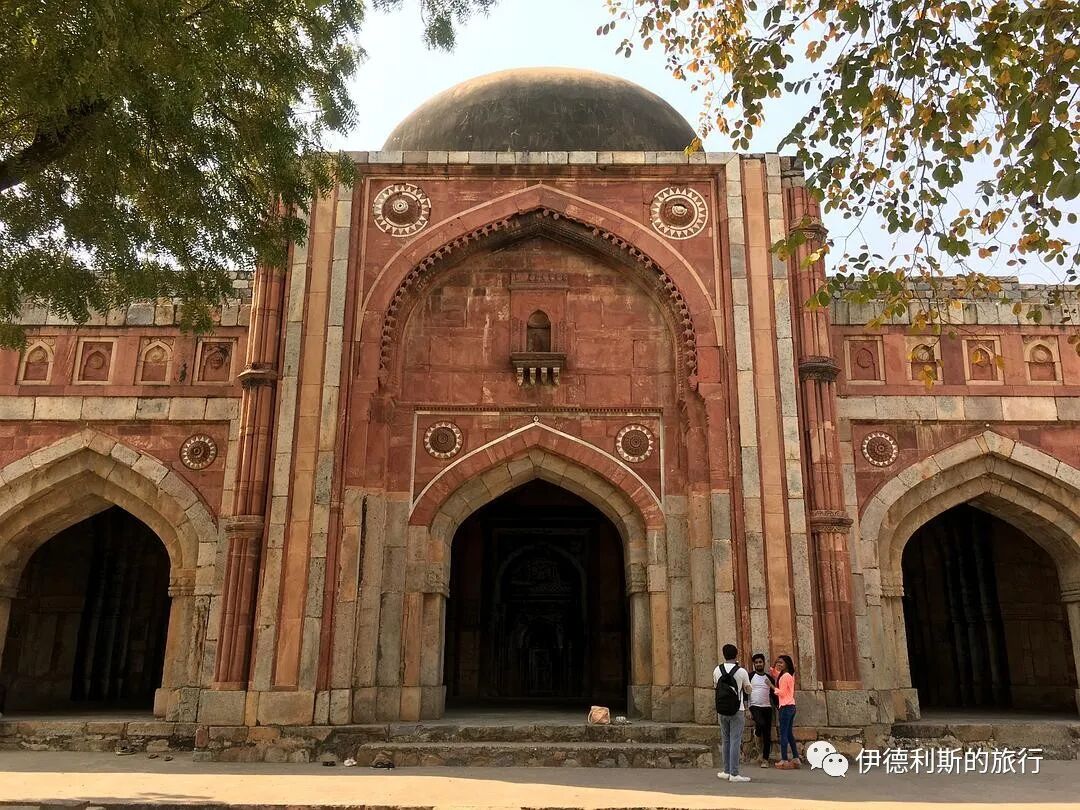
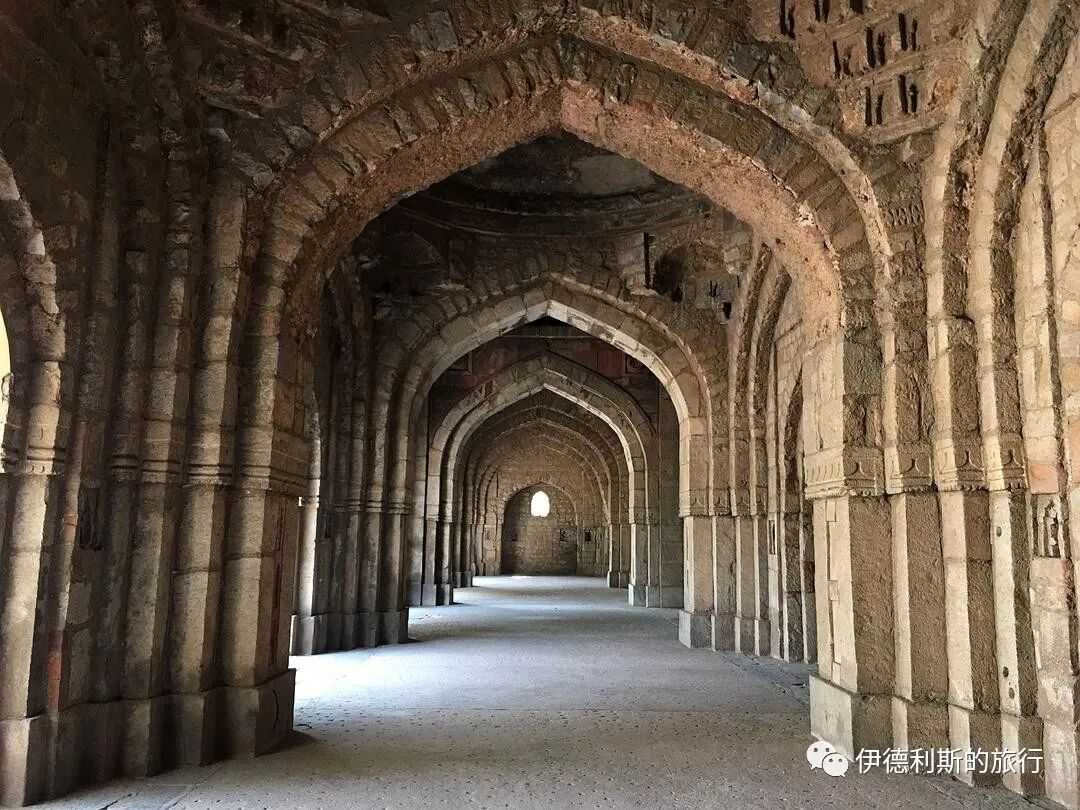
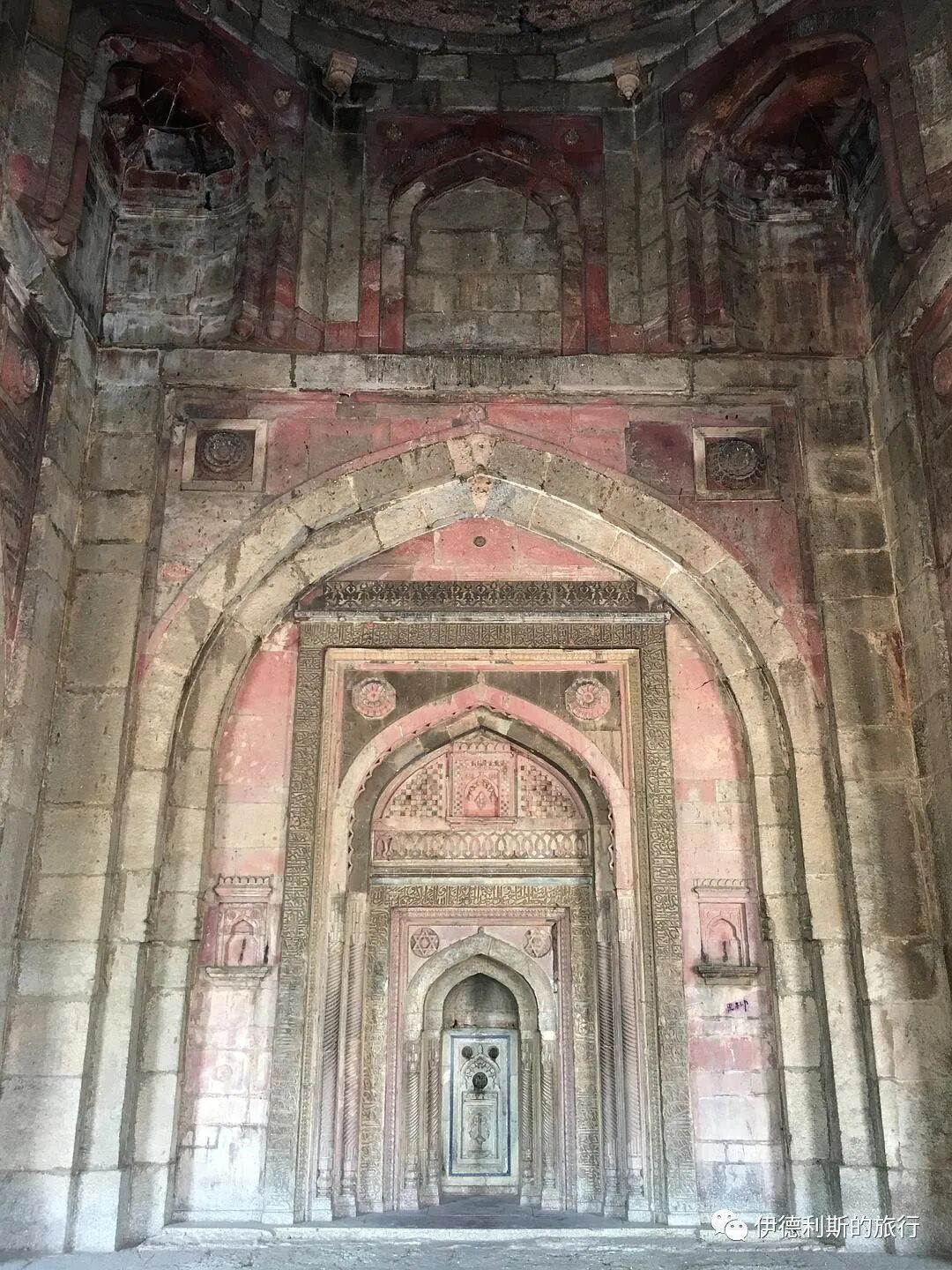
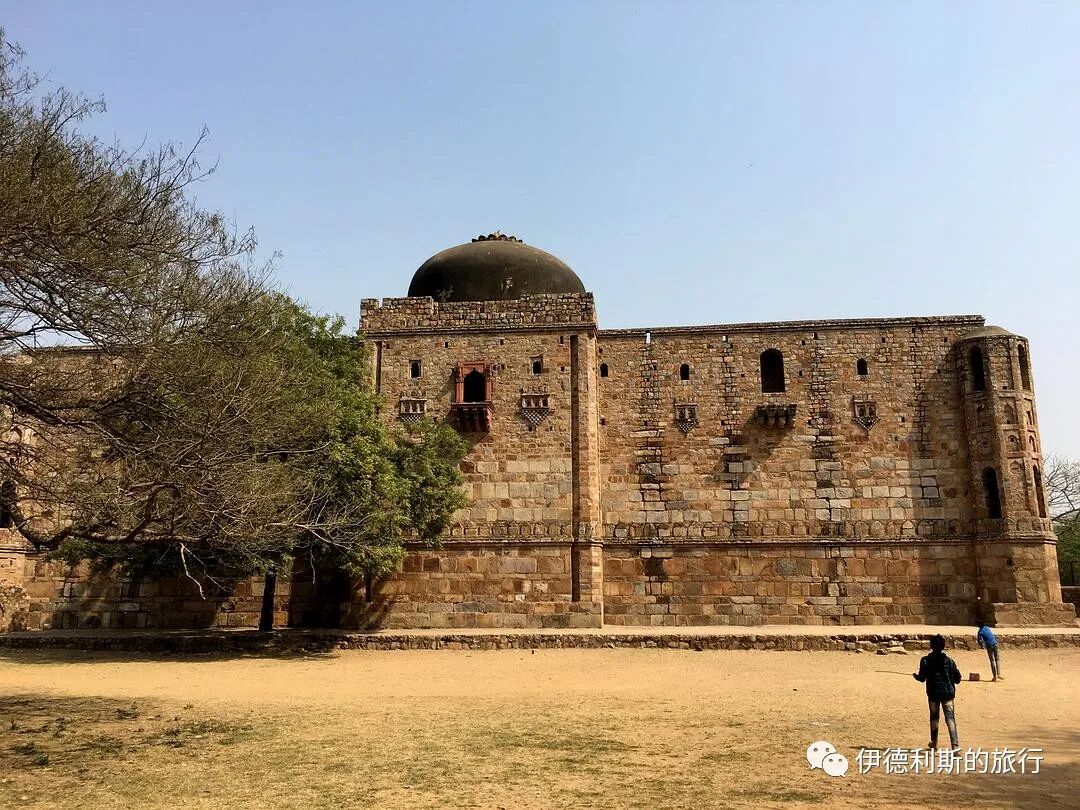
7. Sur Dynasty (1532-1556)
The Sur dynasty was founded by Afghan Pashtun Muslims. In 1540, Sher Shah Suri defeated the Mughal emperor Humayun, took over northern India from the Mughals, and made Delhi his capital.
1. Qila-i-Kuhna mosque: 1541
The Qila-i-Kuhna mosque is located inside the Old Fort (Purana Qila), which is the sixth city of Delhi. In 1540, after Sher Shah Suri of the Sur Empire defeated the Mughal emperor Humayun and took Delhi, he used the Old Fort (Purana Qila) as his palace. In 1541, he built the Qila-i-Kuhna mosque as his royal mosque.
Some scholars believe Humayun designed and started building the mosque, while Sher Shah finished it. Other scholars think the marble on the outer walls was added by the Mughal emperor Akbar, because these geometric patterns did not appear in Delhi before his time.
Overall, the mosque is a Lodi-style five-arch mosque, meaning it is made up of five arched entrances. However, many of its details show architectural styles from different eras. The interior decoration shows the style of the Tughlaq dynasty, while the arches feature the style of the Khalji dynasty, and the semi-dome shape reflects the Mughal dynasty style. It is arguably the mosque with the most diverse architectural styles in Delhi.
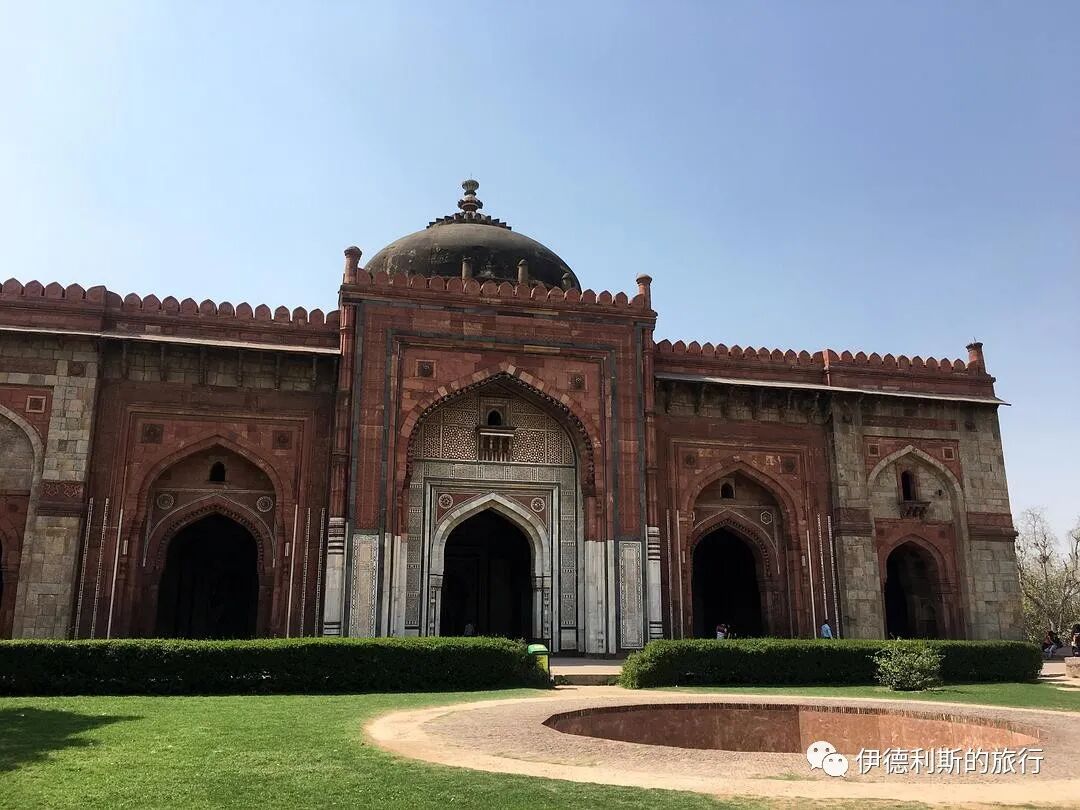
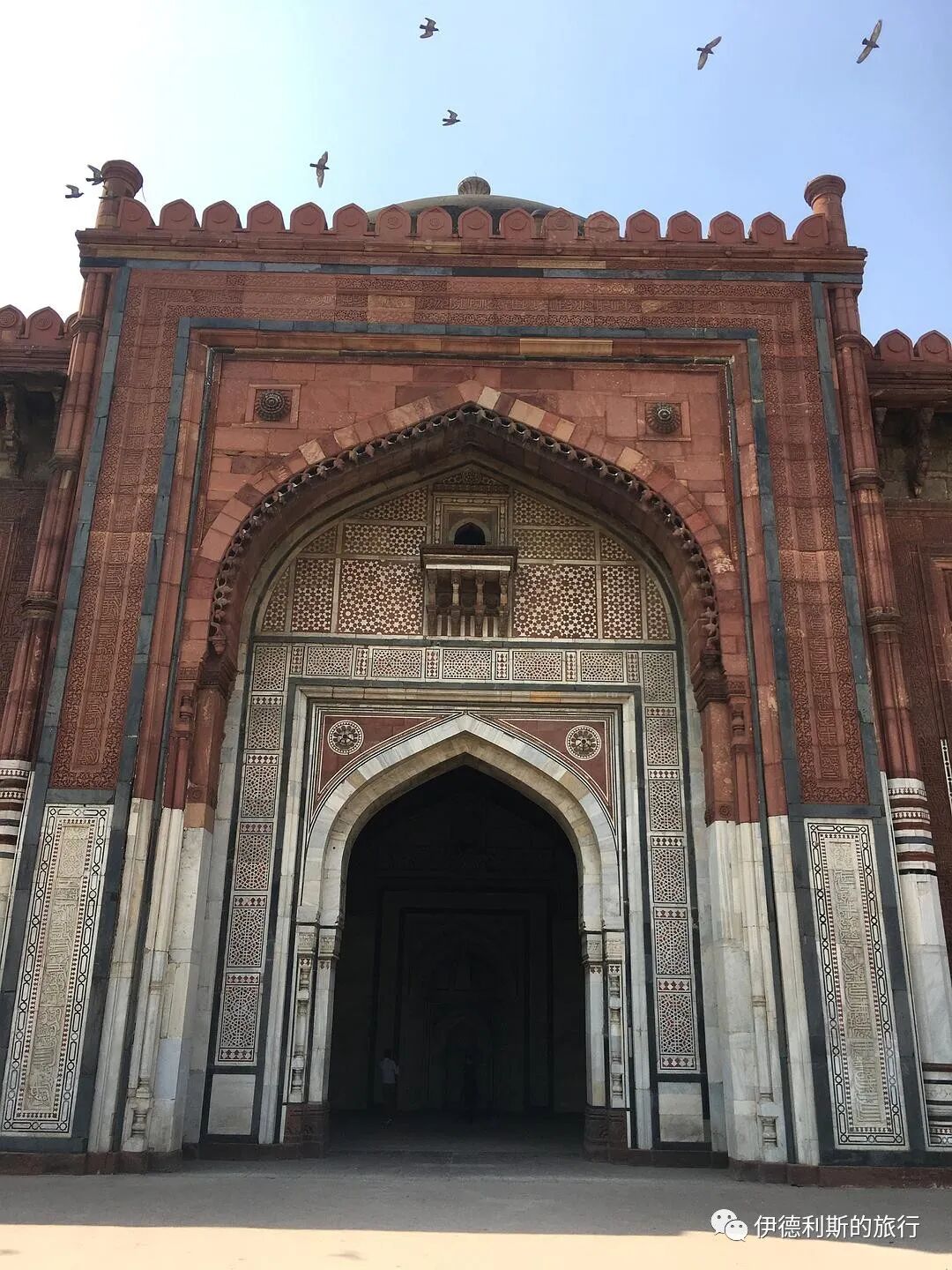
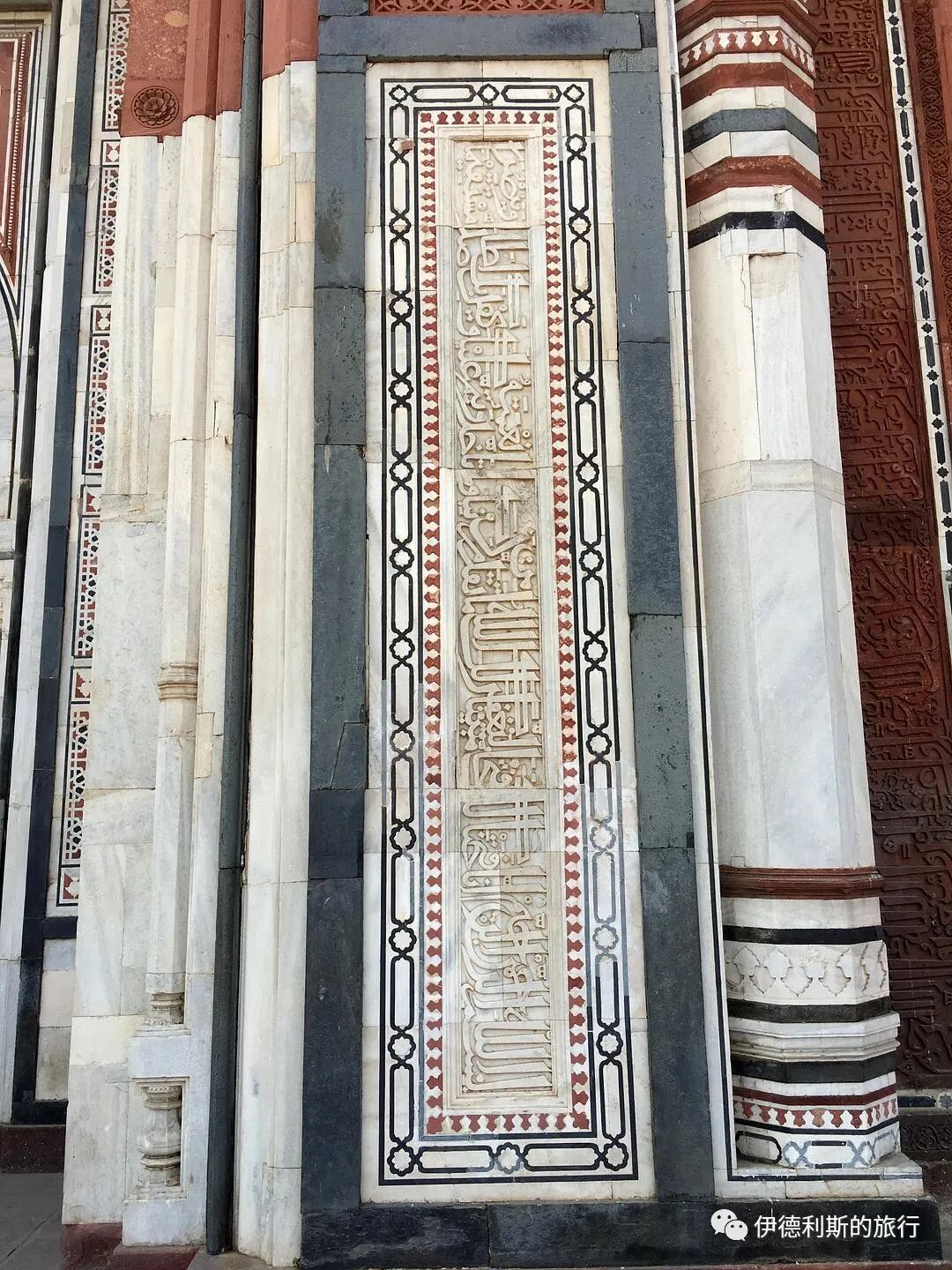
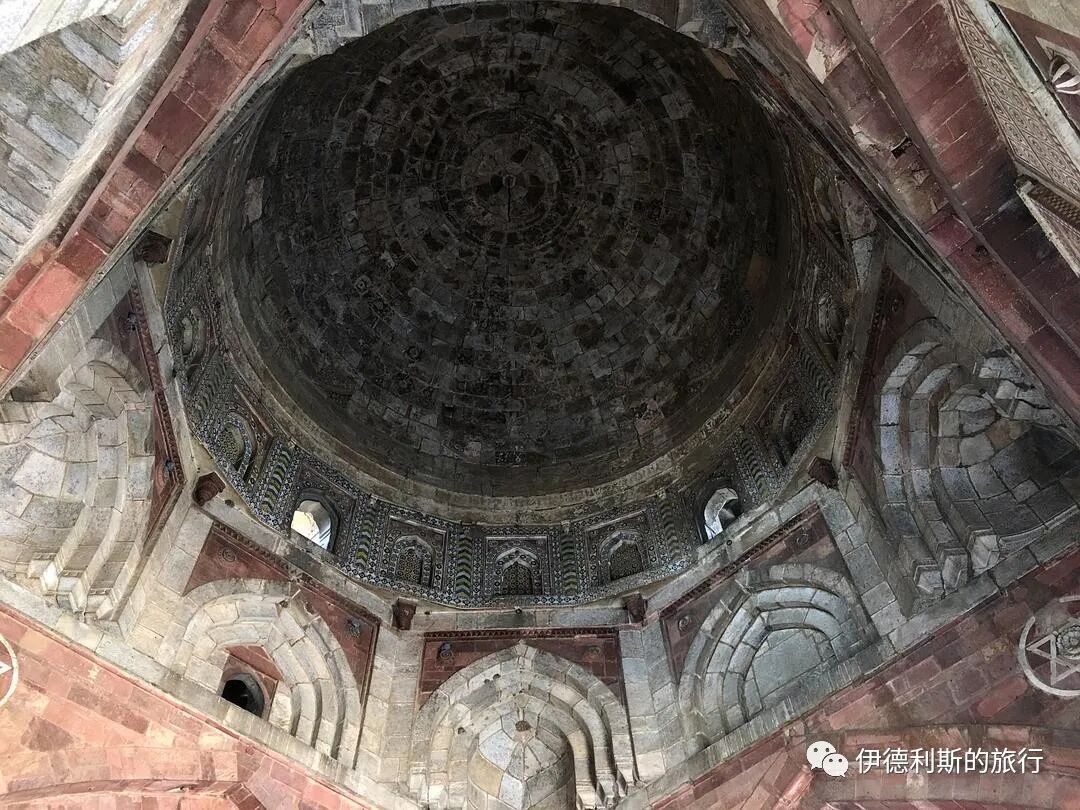
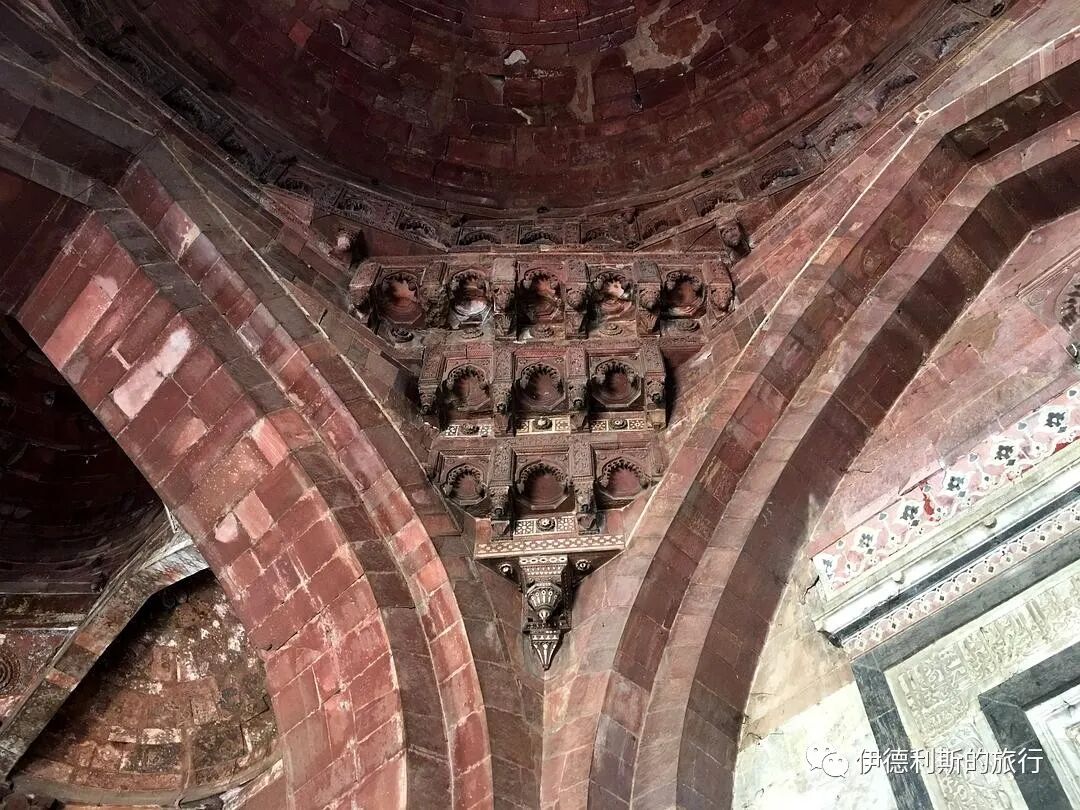
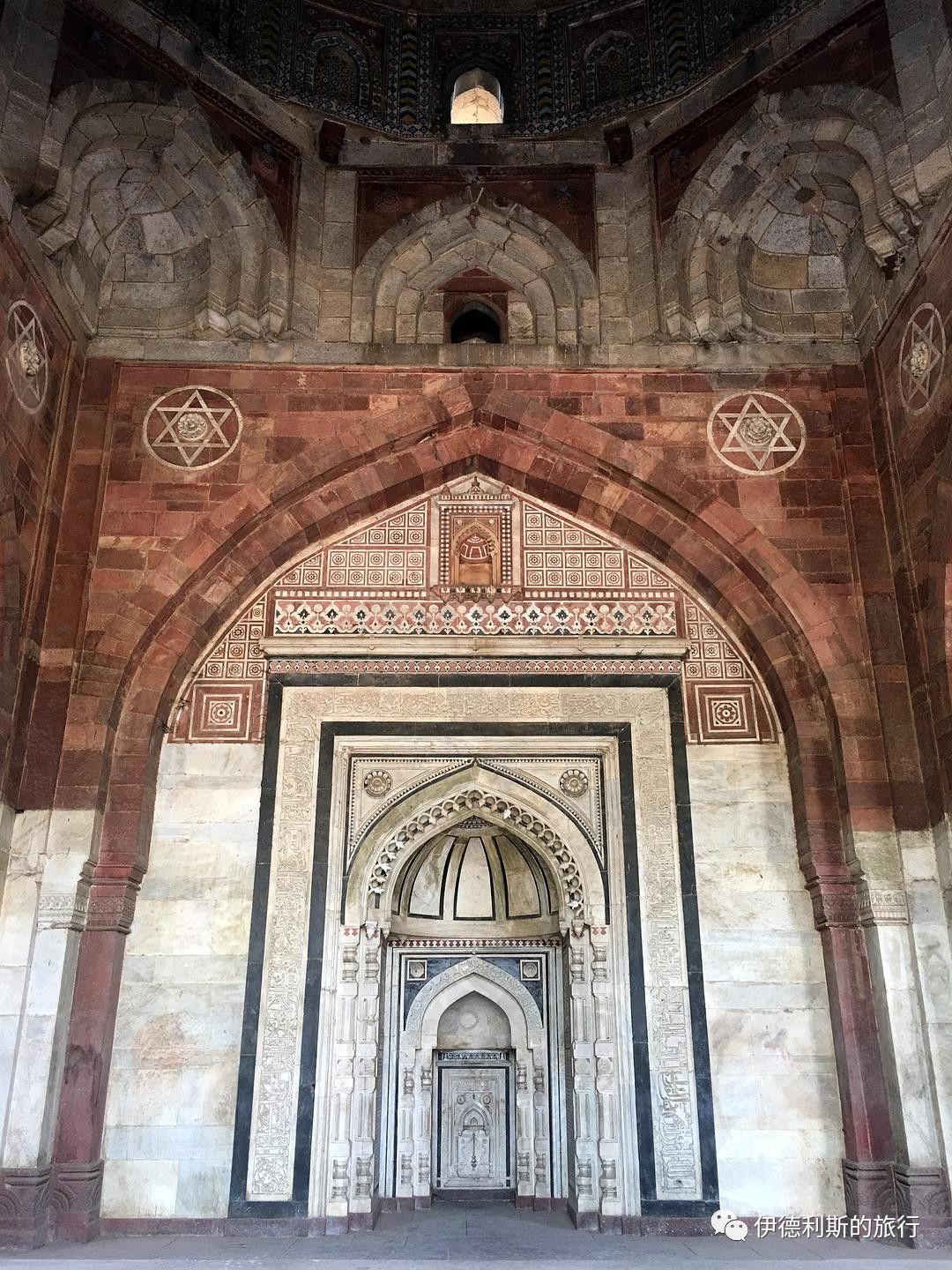
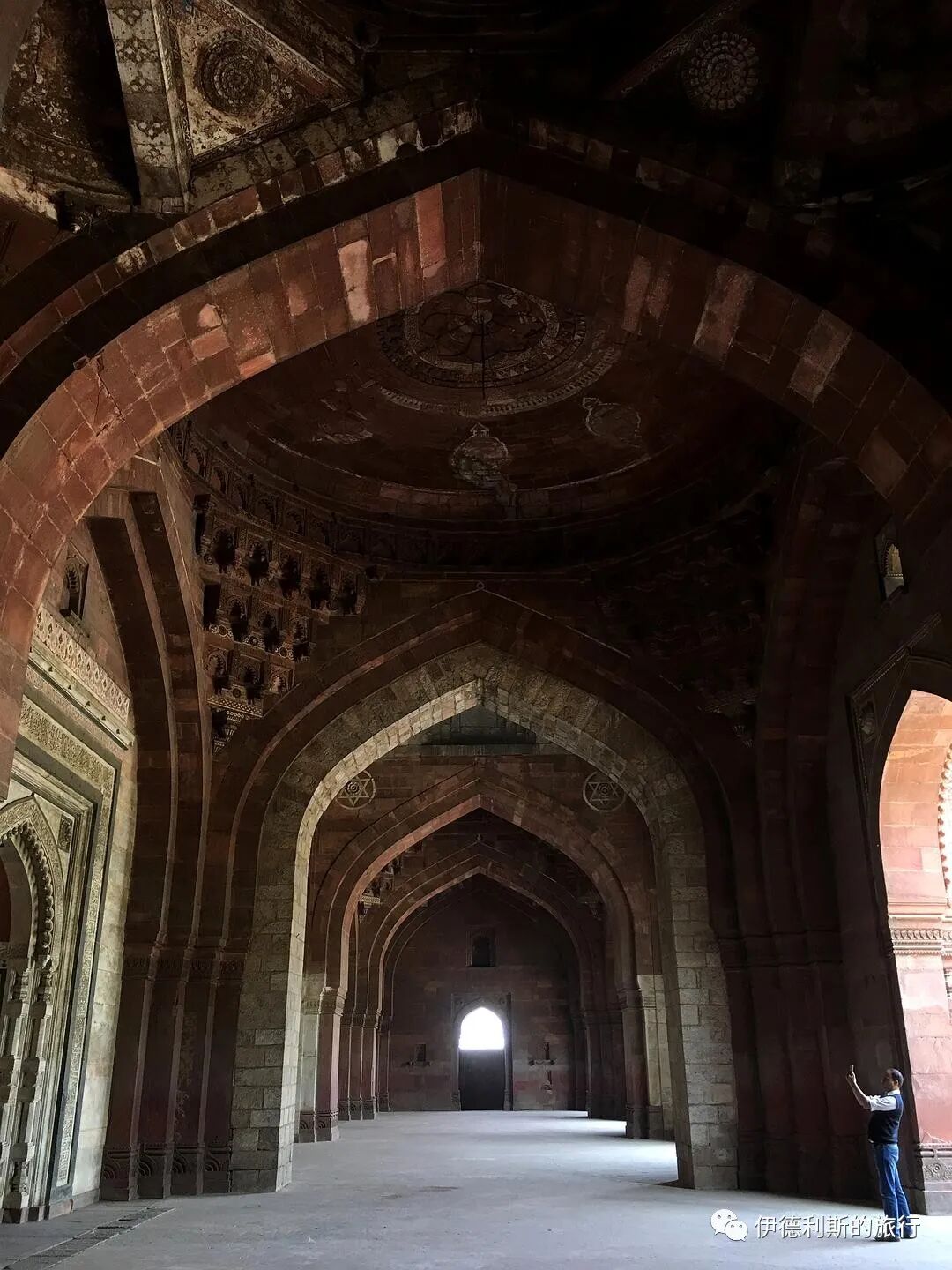
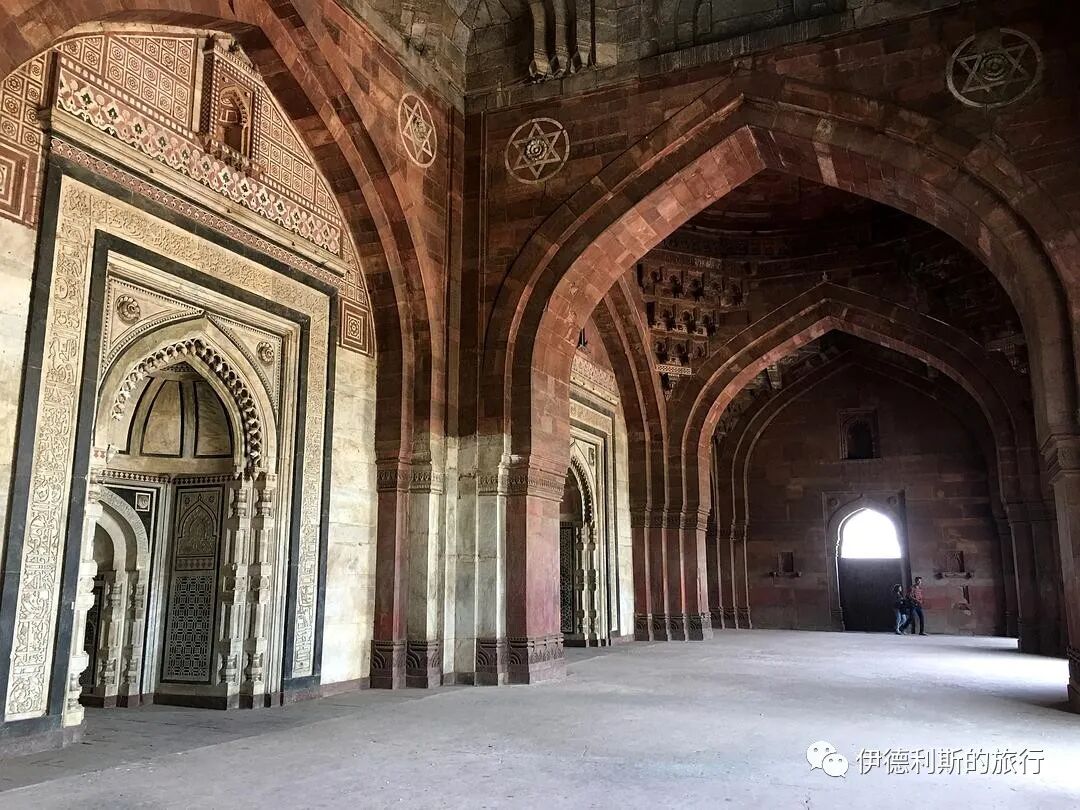
2. Salimgarh Fort mosque: 1546
Salimgarh Fort is located north of the Red Fort. It was built in 1546 by Salim Shah Suri (reigned 1545-1554), the son of the Suri dynasty ruler Sher Shah Suri.
During the reign of the Mughal emperor Aurangzeb (reigned 1658-1707), this fort became a prison, and in 1857, it was occupied by the British. Today, it is part of the Red Fort complex and was added to the UNESCO World Heritage list in 2007.
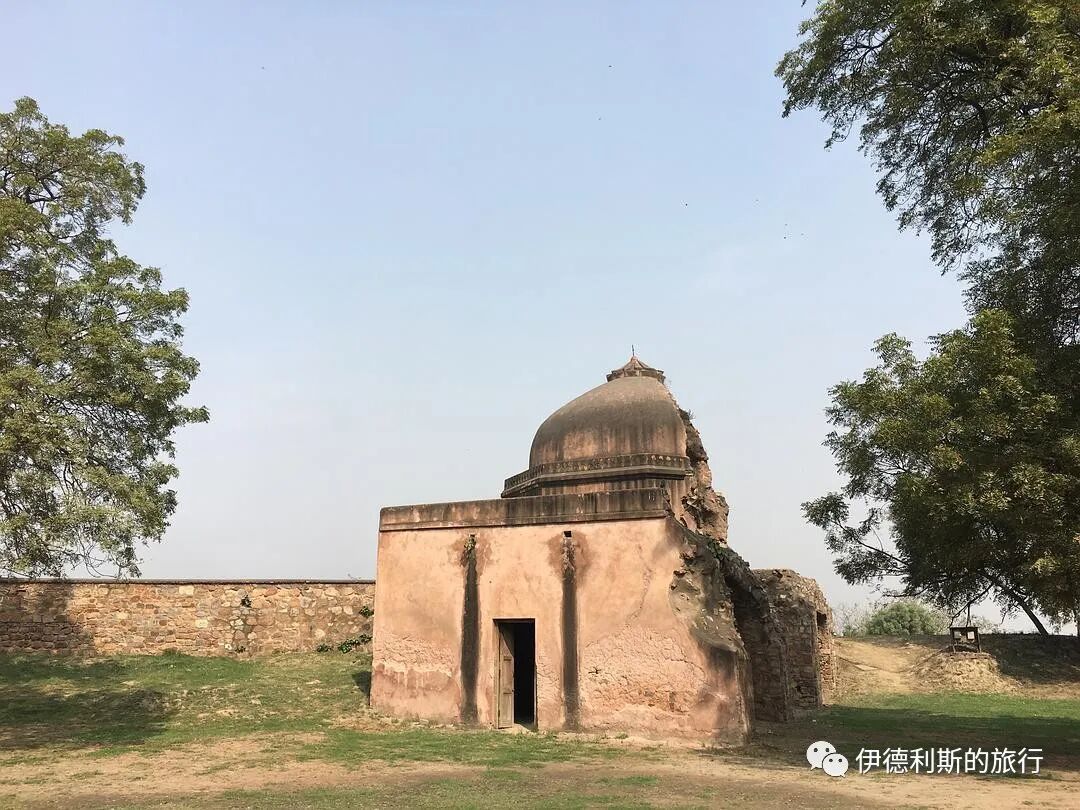
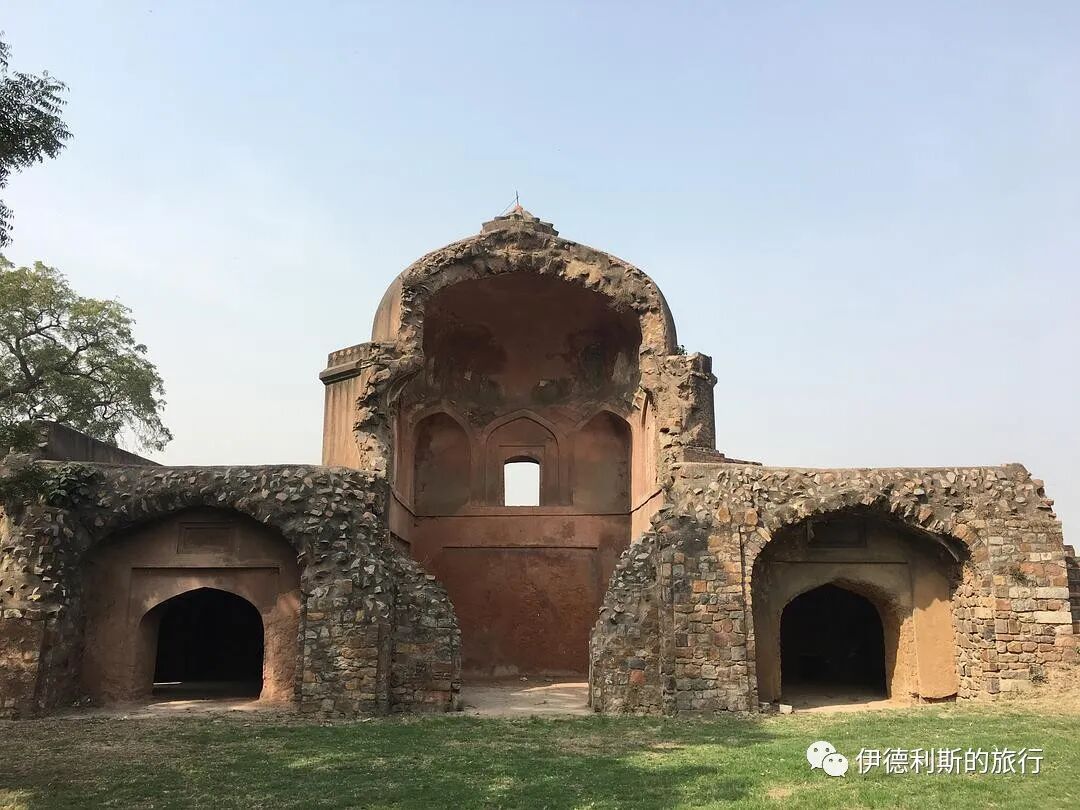
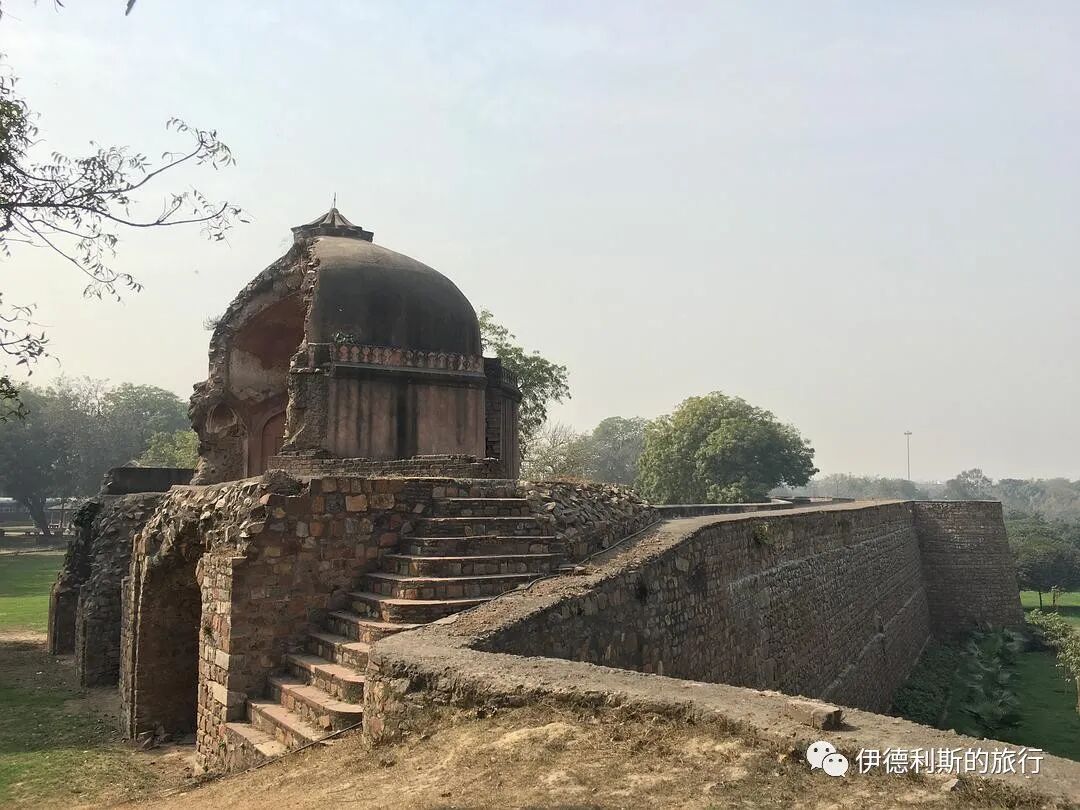
3. Isa Khan mosque: 1547
The Isa Khan Mosque is inside the Humayun's Tomb complex. It is a tomb mosque built for the Pashtun noble Isa Khan from the Sur Empire.
Isa Khan Niazi was born in 1453. Like the Sur royal family, he belonged to the Afghan Pashtun Lodi tribe. He fought many wars against the Mughal Empire and won in the end. In 1548, Isa Khan died in Delhi at the age of 95. Before he died, he built a tomb for himself and added a mosque right next to it.
The tomb of Isa Khan is considered the earliest in India to feature a sunken garden, a design later used in the Taj Mahal.
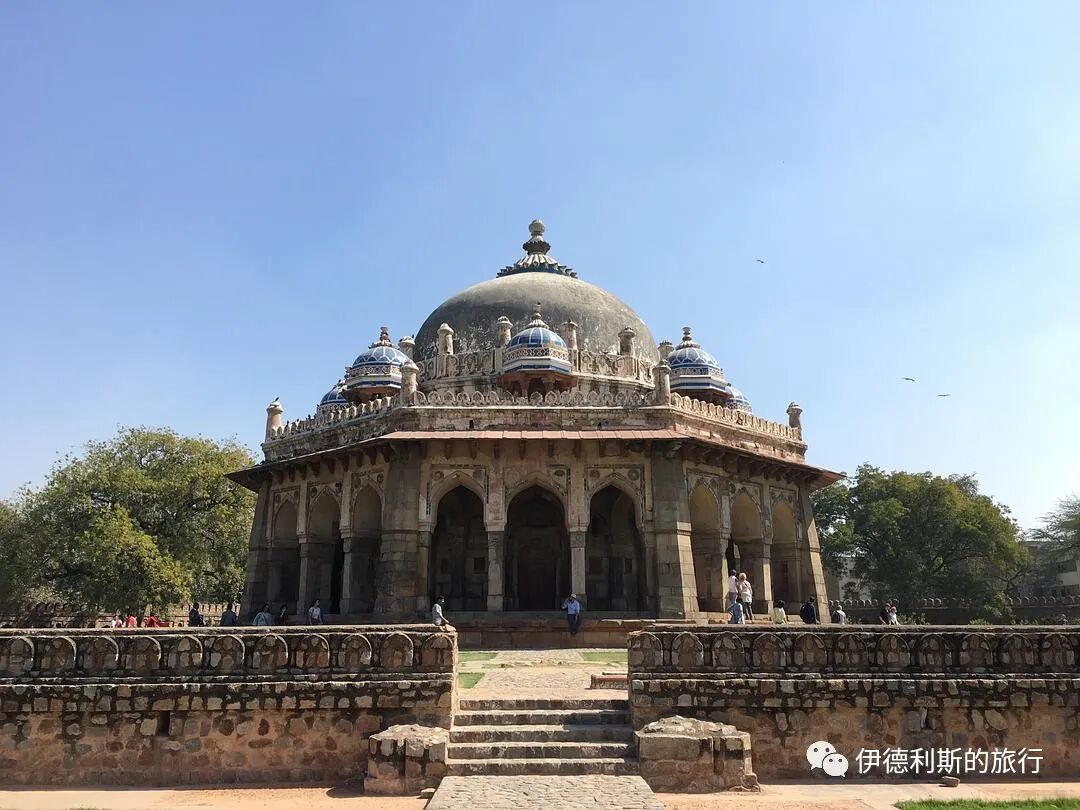
The Isa Khan mosque was built at the same time as the tomb. The mosque has a strong Afghan style, and some of its features were used in the later Humayun's Tomb.
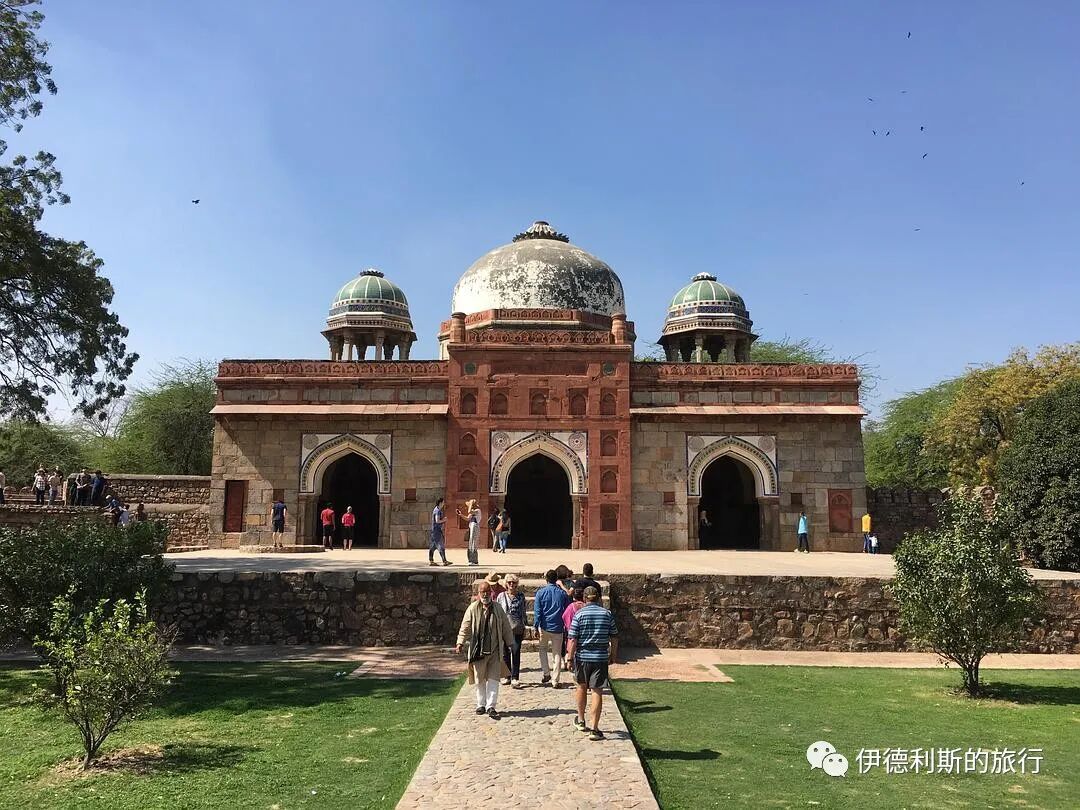
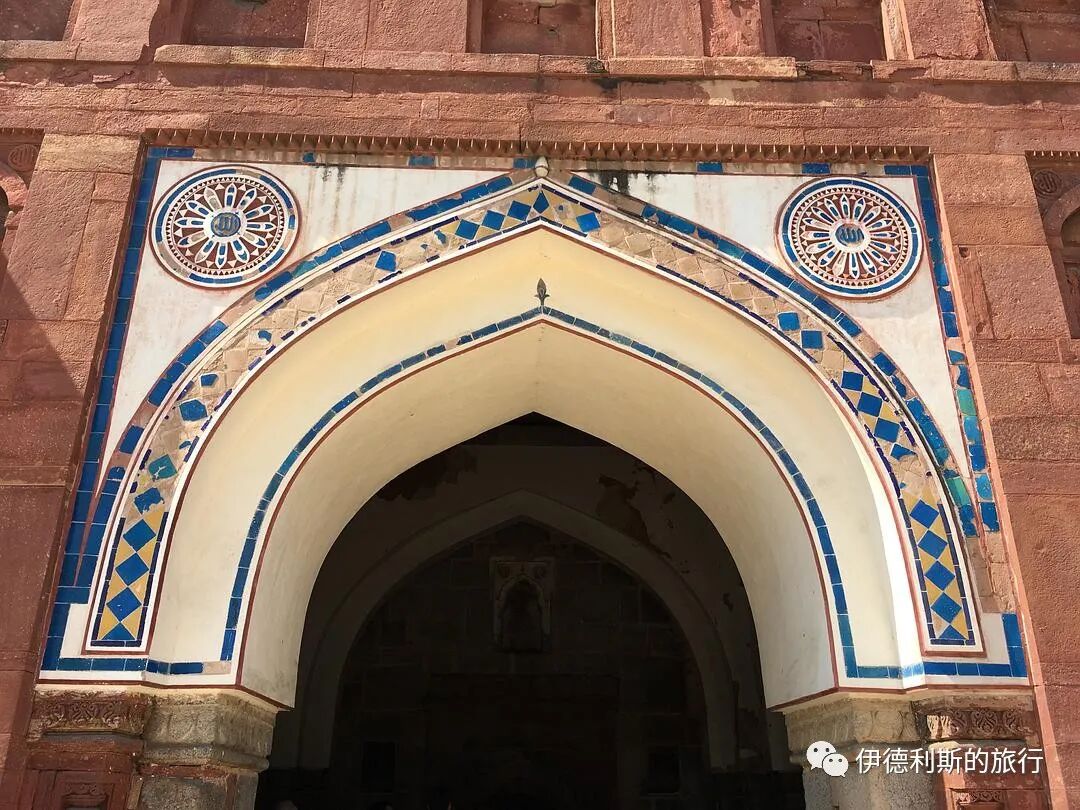
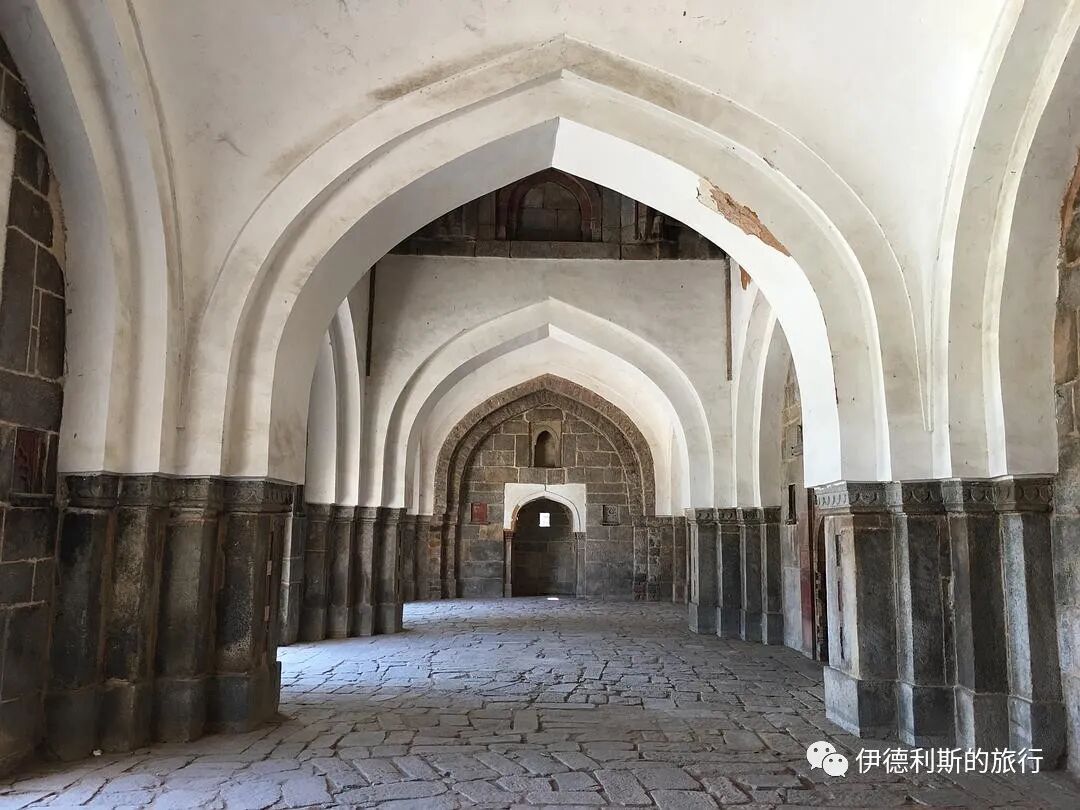
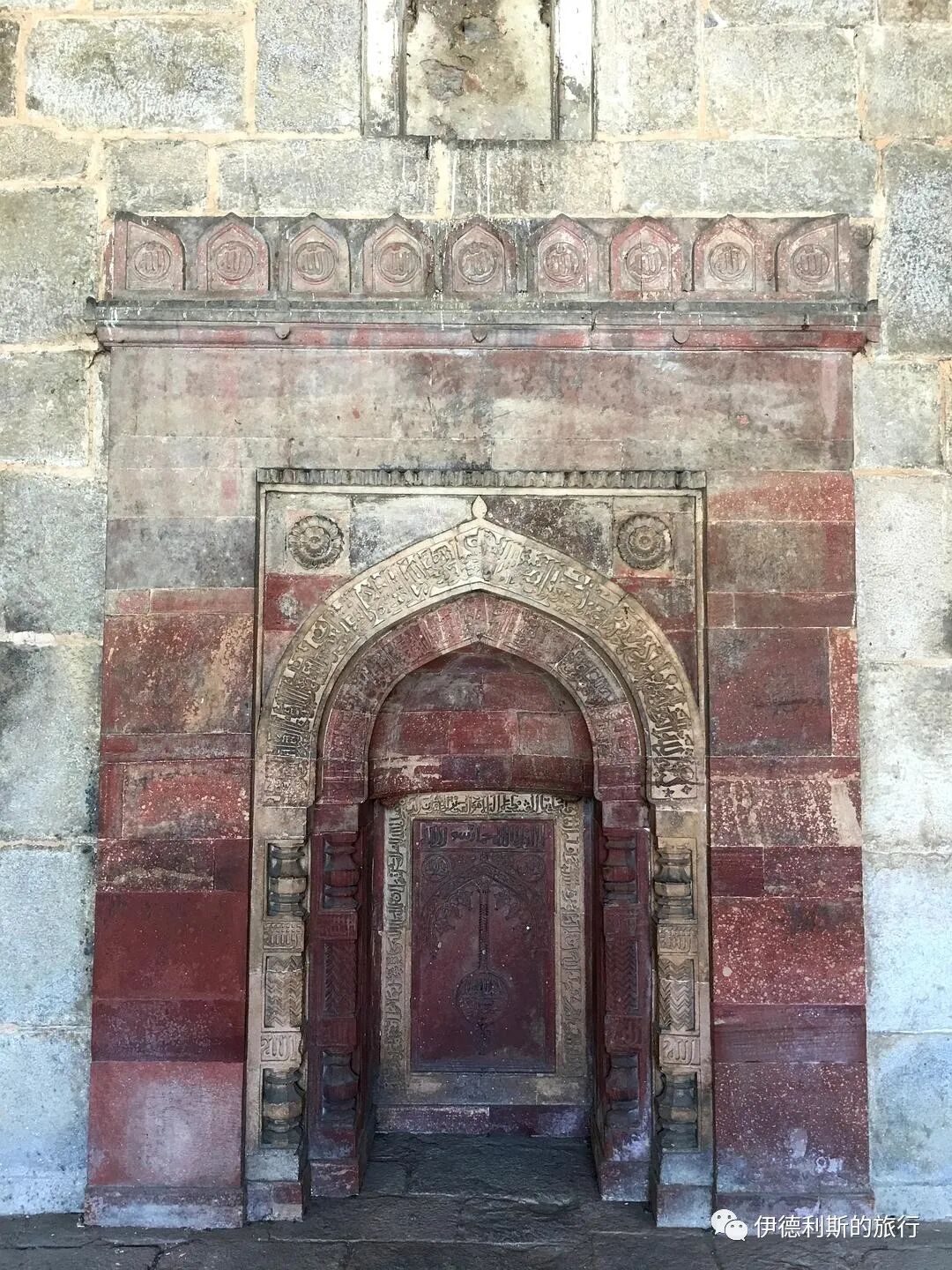
8. Late Mughal Empire (1555-1857)
In 1555, the Mughal emperor Humayun defeated the Sur Empire, recaptured Delhi, and restored Mughal rule in India.
1. Khairul Manazil mosque: 1561
The Khairul Manazil mosque sits across from the Purana Qila fort. It was built in 1561 by order of Maham Anga, the chief nurse to the Mughal Emperor Akbar and the person who actually held power in the Mughal Empire from 1560 to 1562.
The Persian calligraphy in marble above the main gate was written by Maulana Shihabuddin Ahmad Khan, a historian and poet in Emperor Akbar's court who used the pen name Baazil.
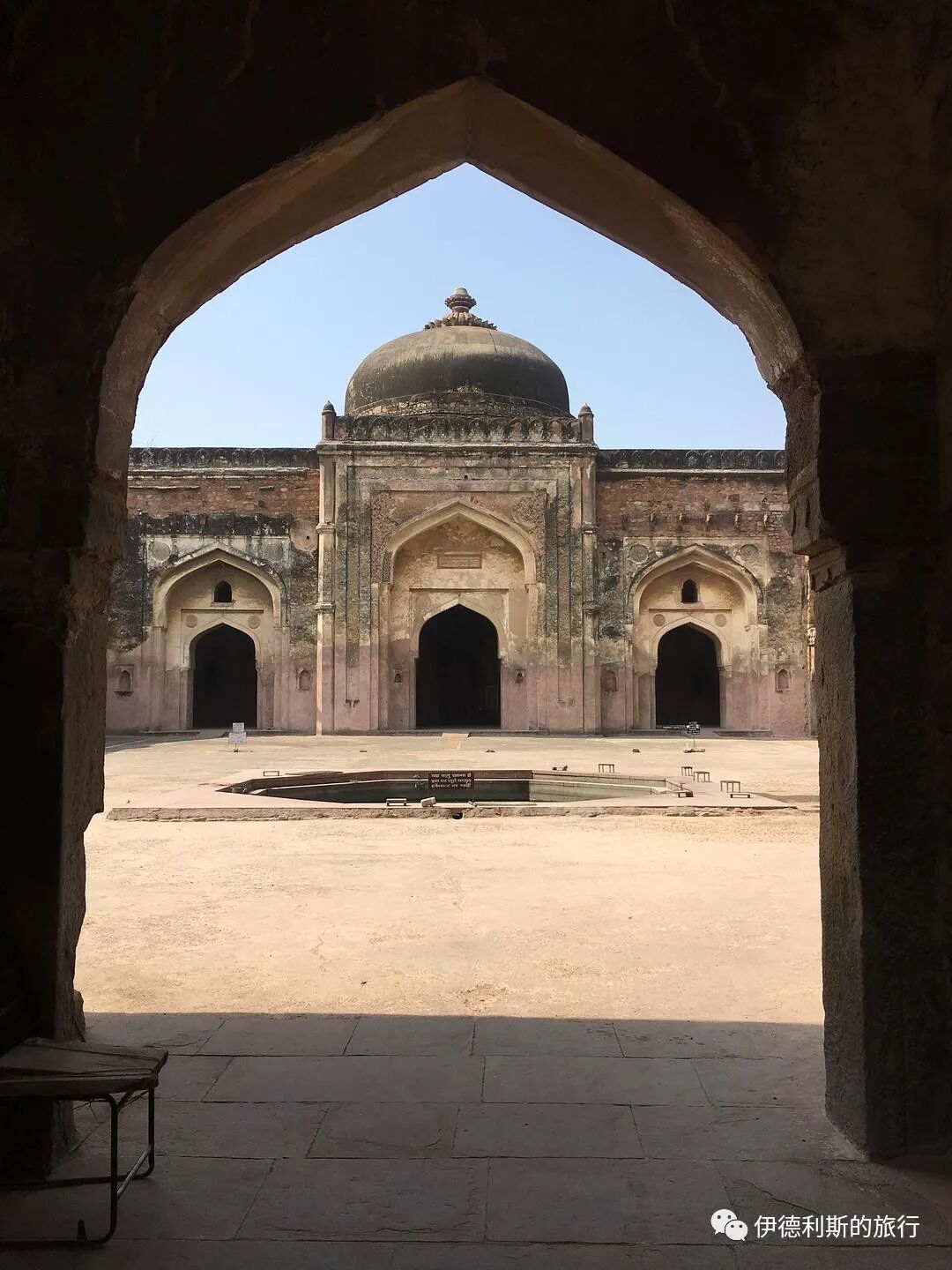
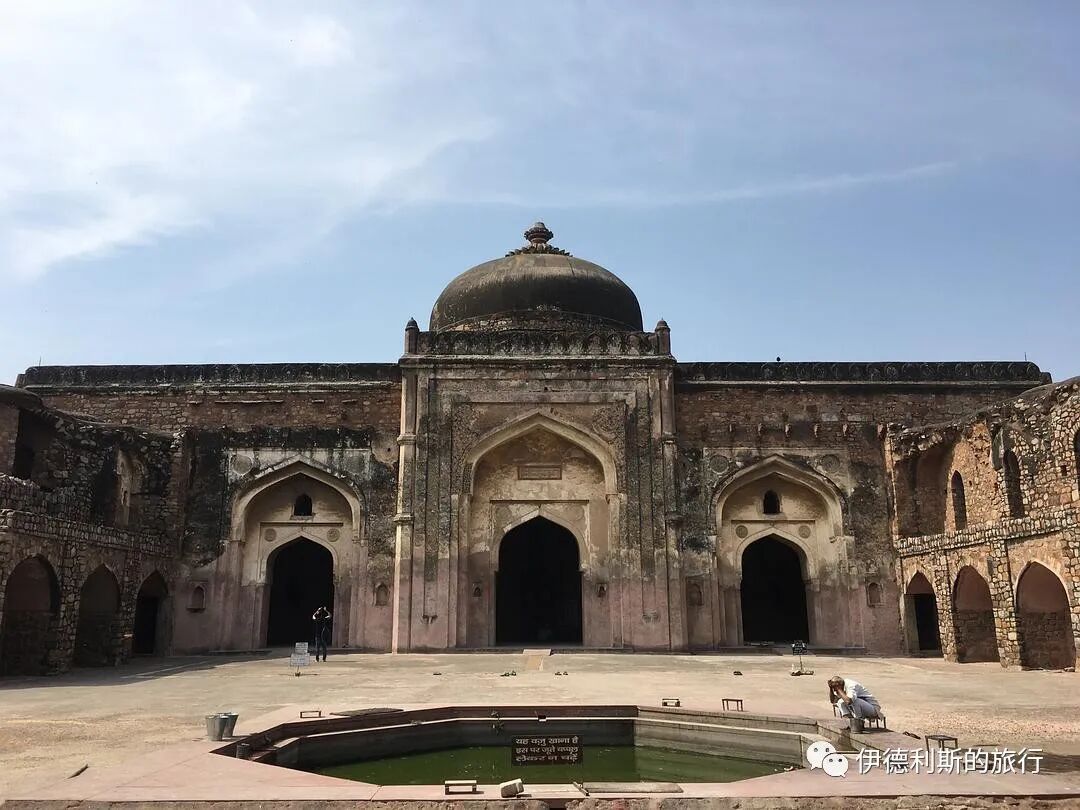
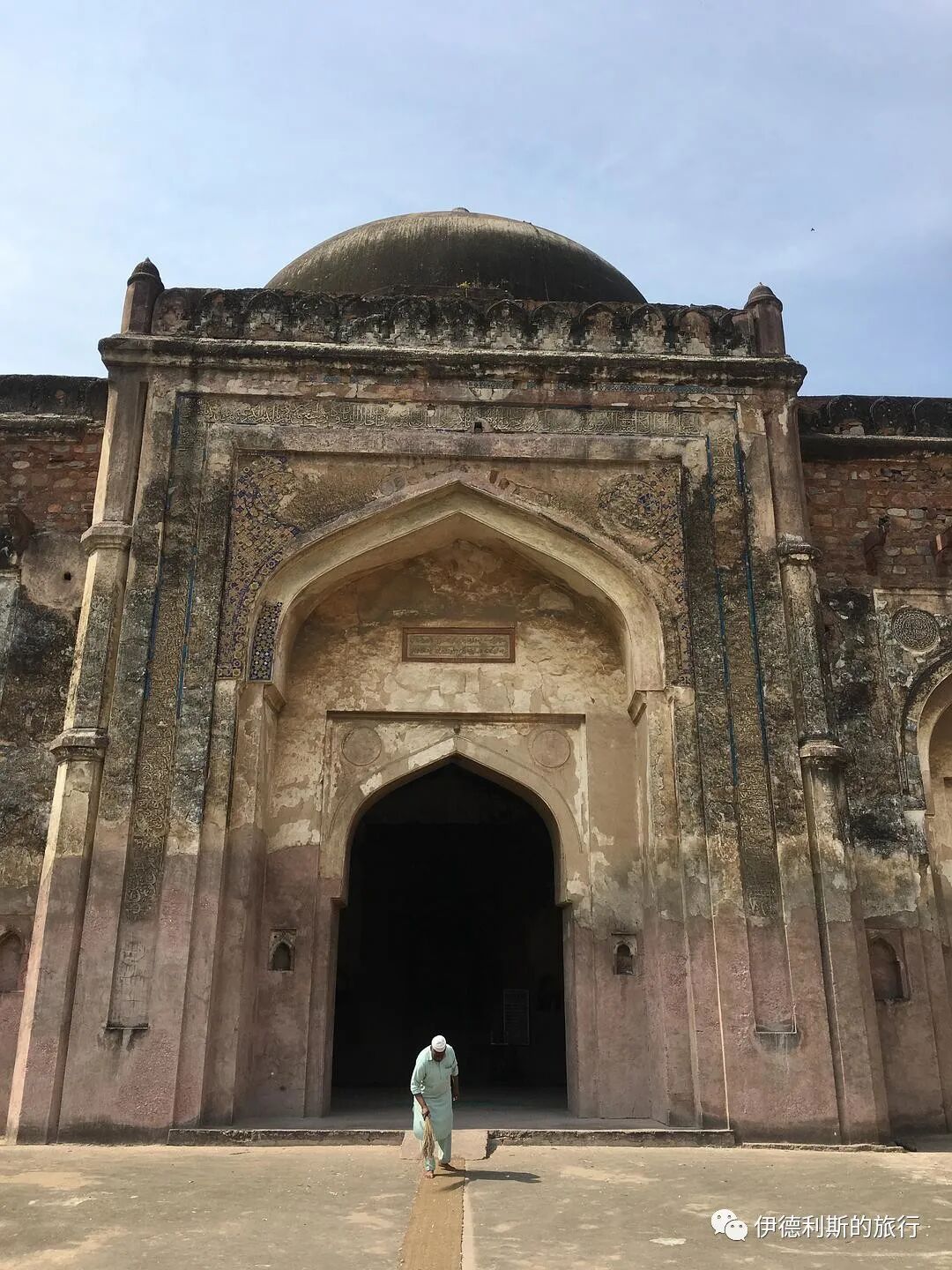
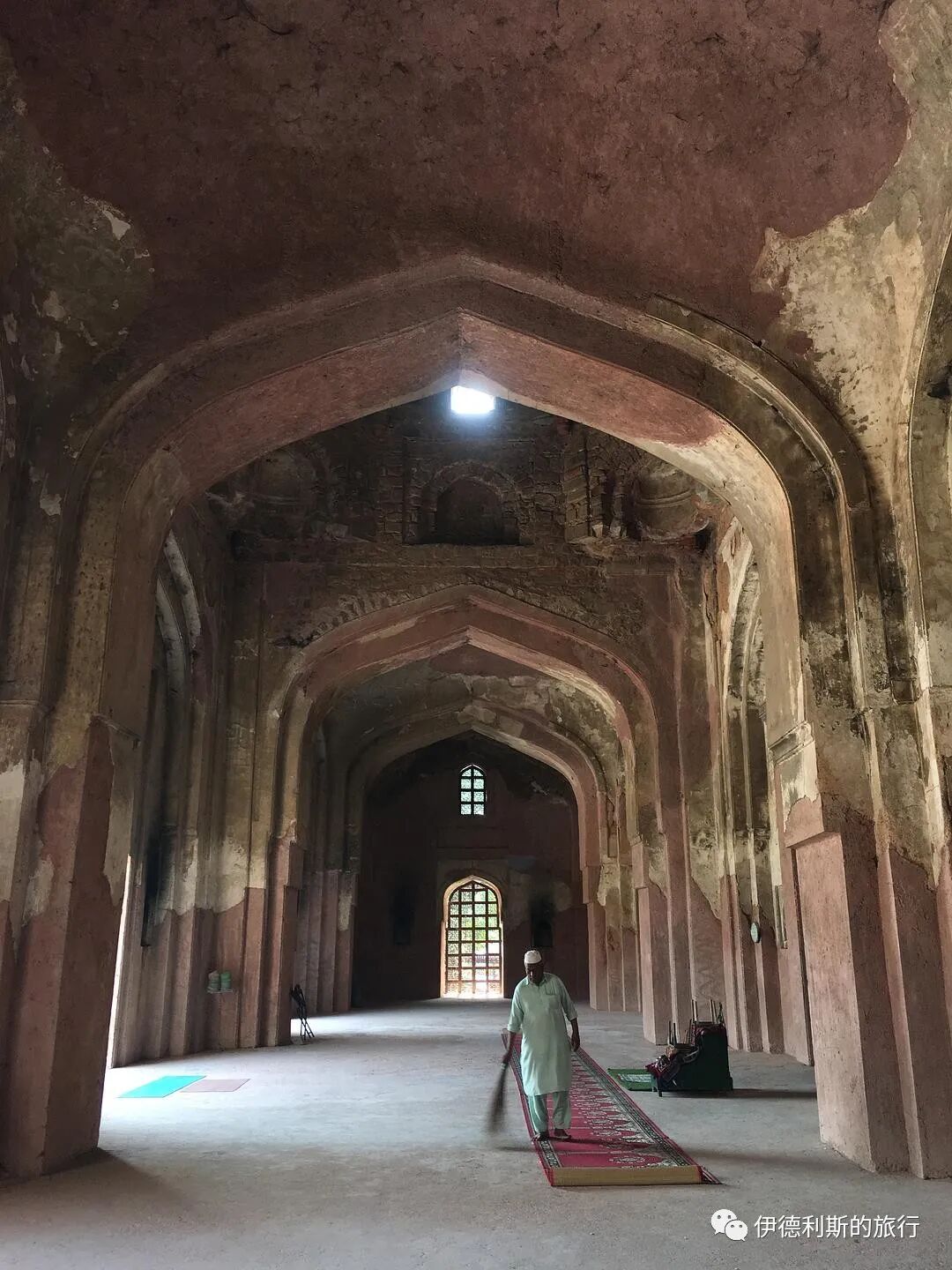
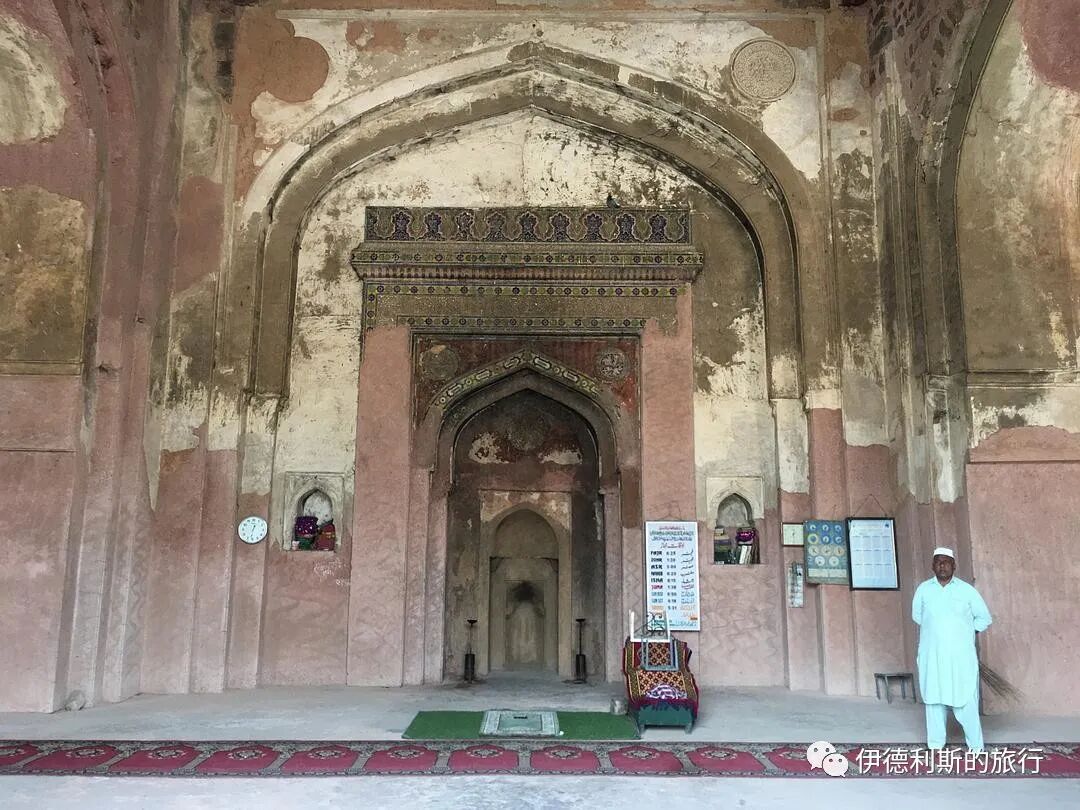
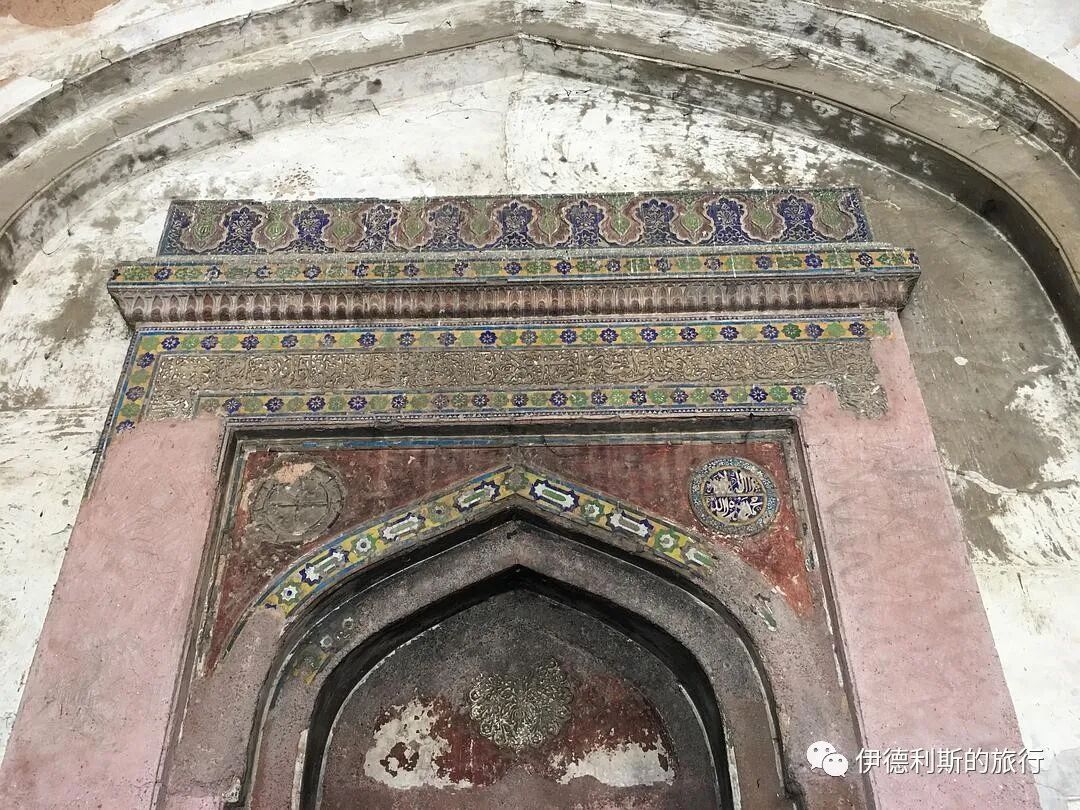
2. Afsarwala mosque: 1566
The Afsarwala mosque is located southwest of Humayun's Tomb. Built between 1566 and 1567, it serves as a tomb mosque for an official from the court of the Mughal Emperor Akbar. The word Afsar means official in Hindi.
The tomb is on the left, and the mosque is on the right.
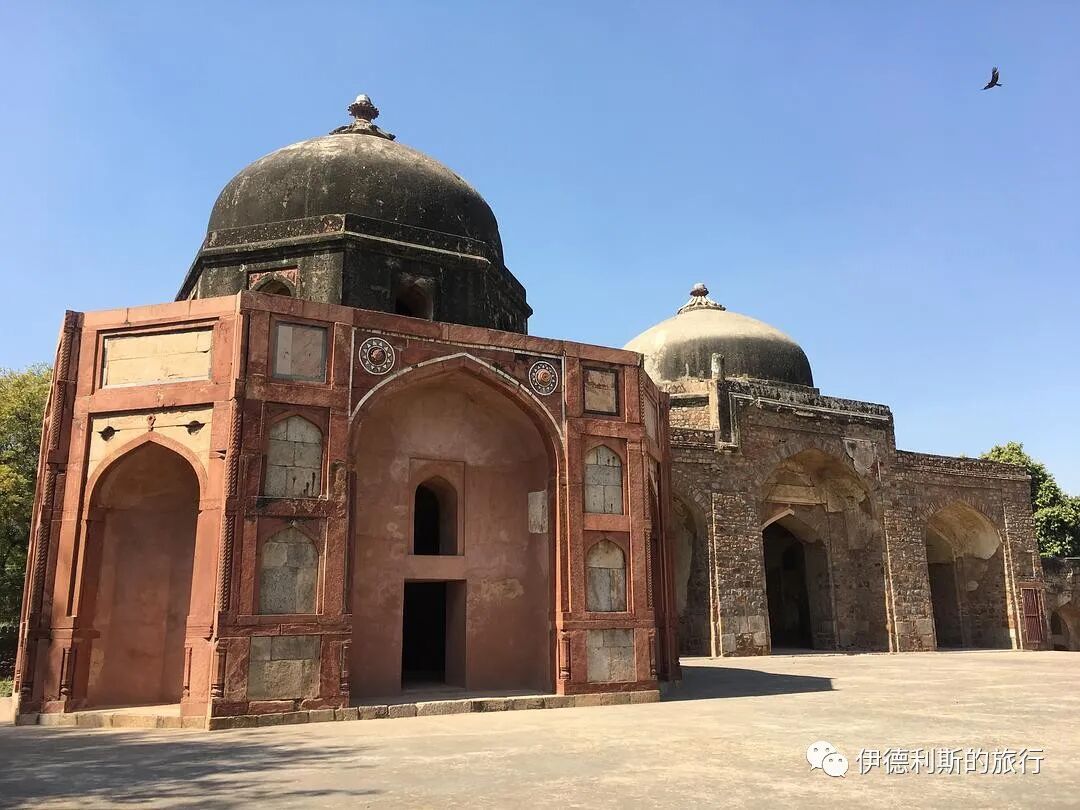
Mosque
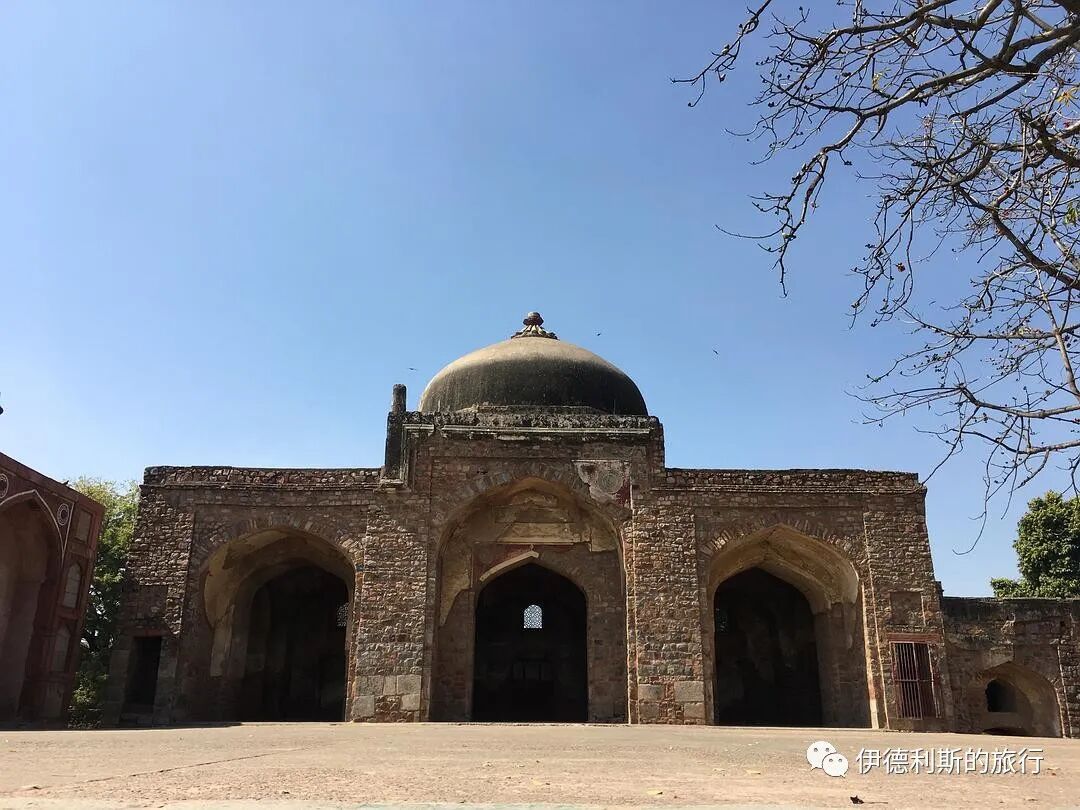
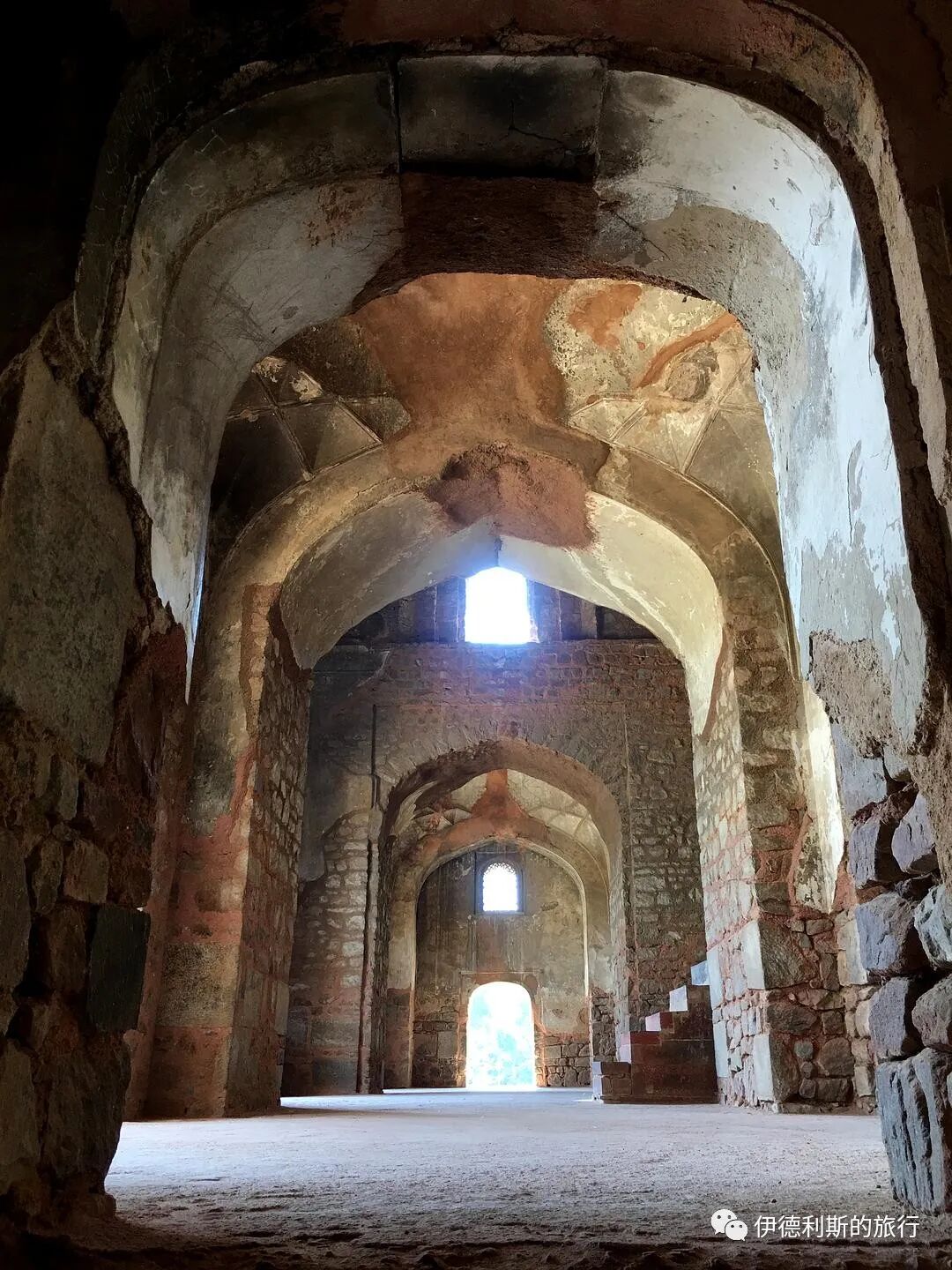
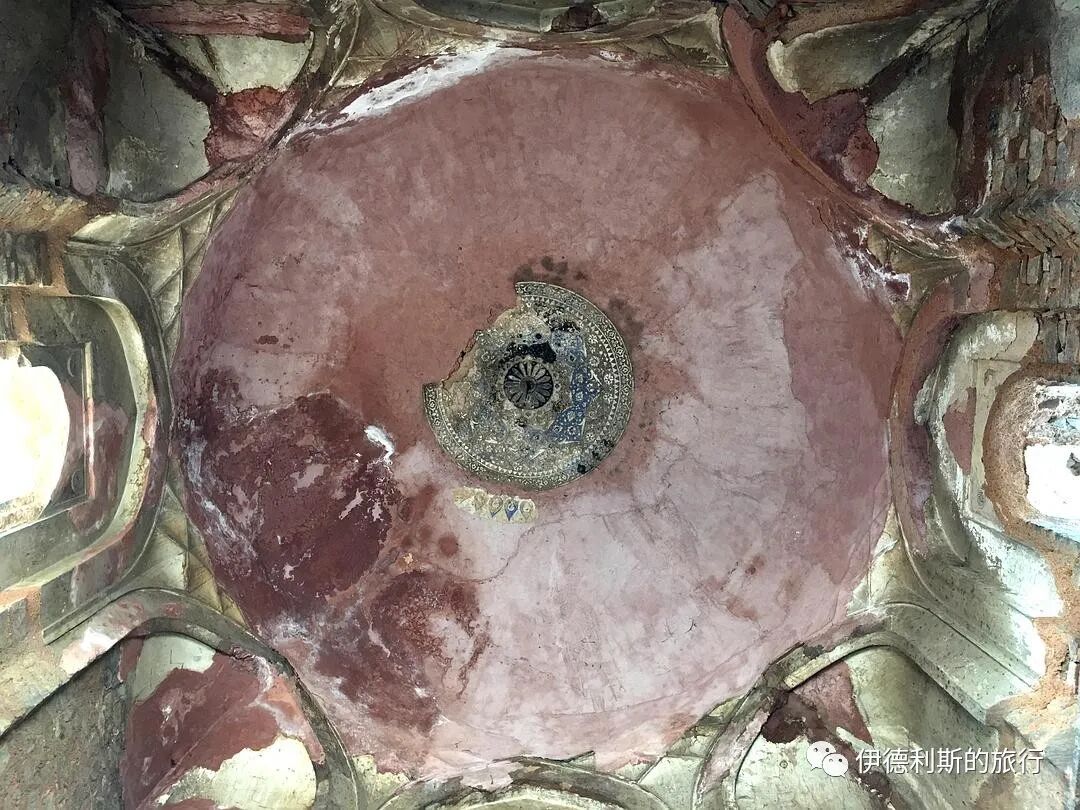
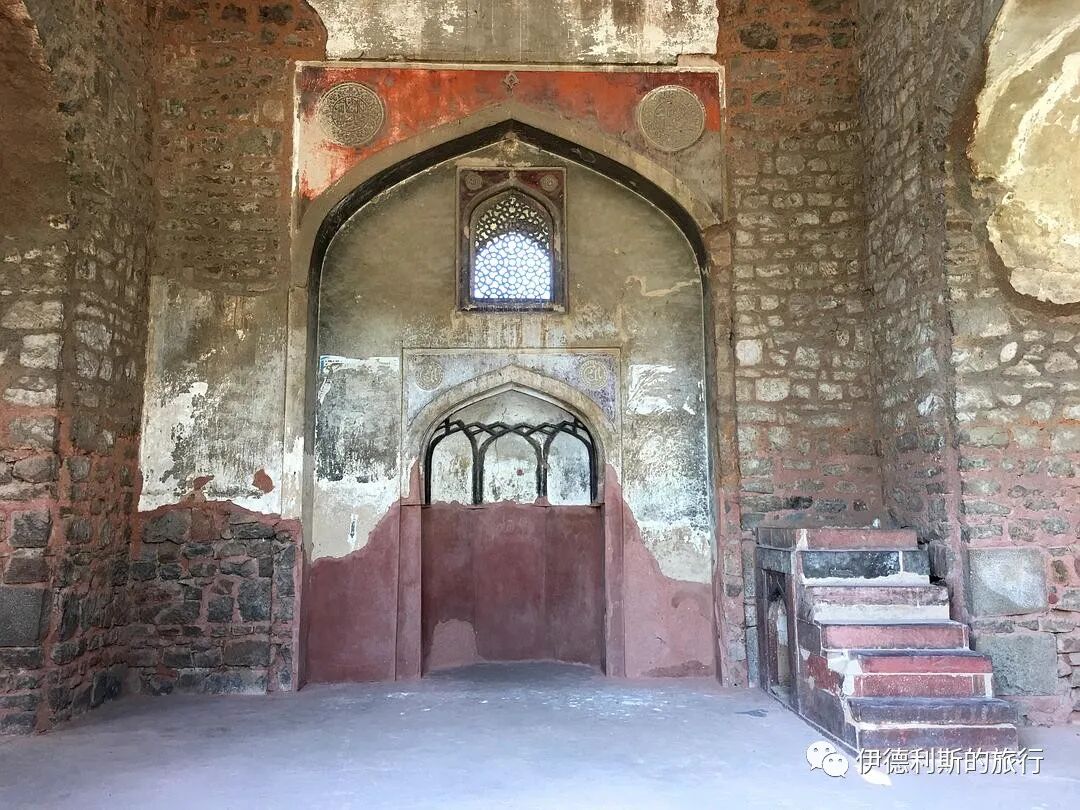
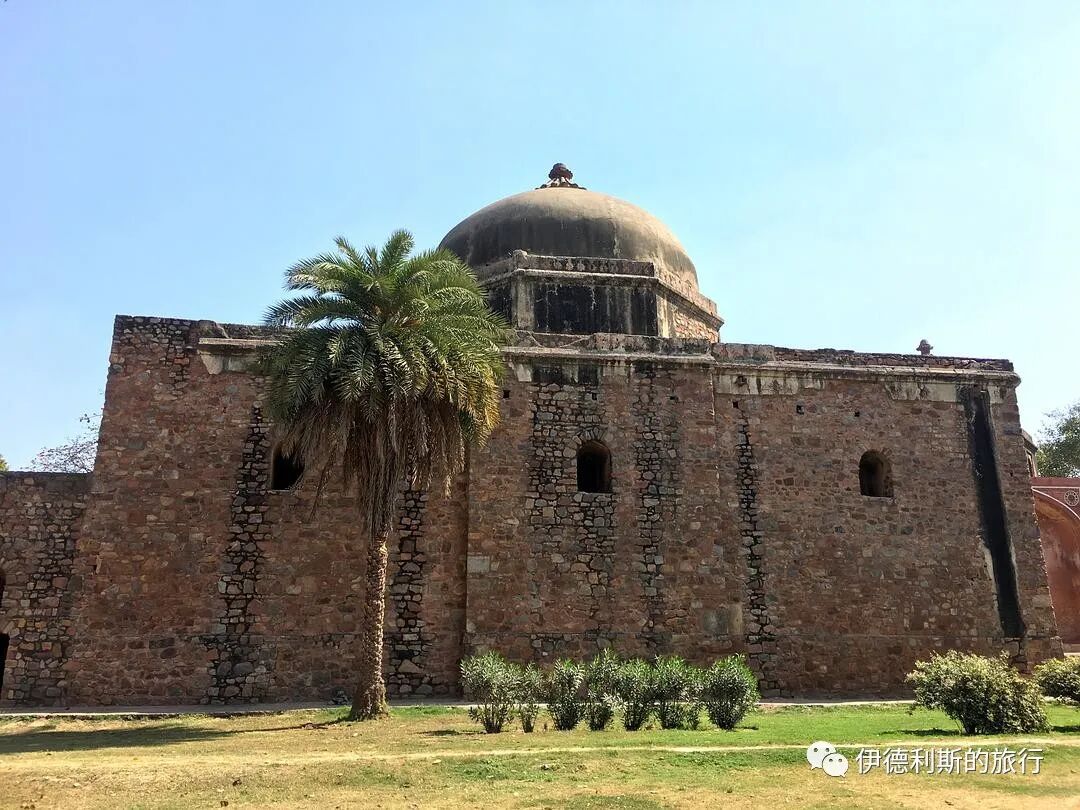
3. Jama mosque: 1650-1656
Jama Mosque is in Shahjahanabad, the seventh city of Delhi, also known as Old Delhi. It was once the main Friday mosque for the Mughal Empire.
The Mughal emperor Shah Jahan, who also built the Taj Mahal, ordered the construction of Jama Mosque between 1650 and 1656. In 1638, before this, Shah Jahan decided to move his capital from Agra, where the Taj Mahal is, to Delhi. He immediately started building a city named after himself, Shahjahanabad, in the north of Delhi. The Jama Mosque was a key part of this city.
Shah Jahan’s prime minister (wazir), Saadullah Khan, led more than 5,000 workers to build the Jama Mosque. It cost over 1 million rupees.
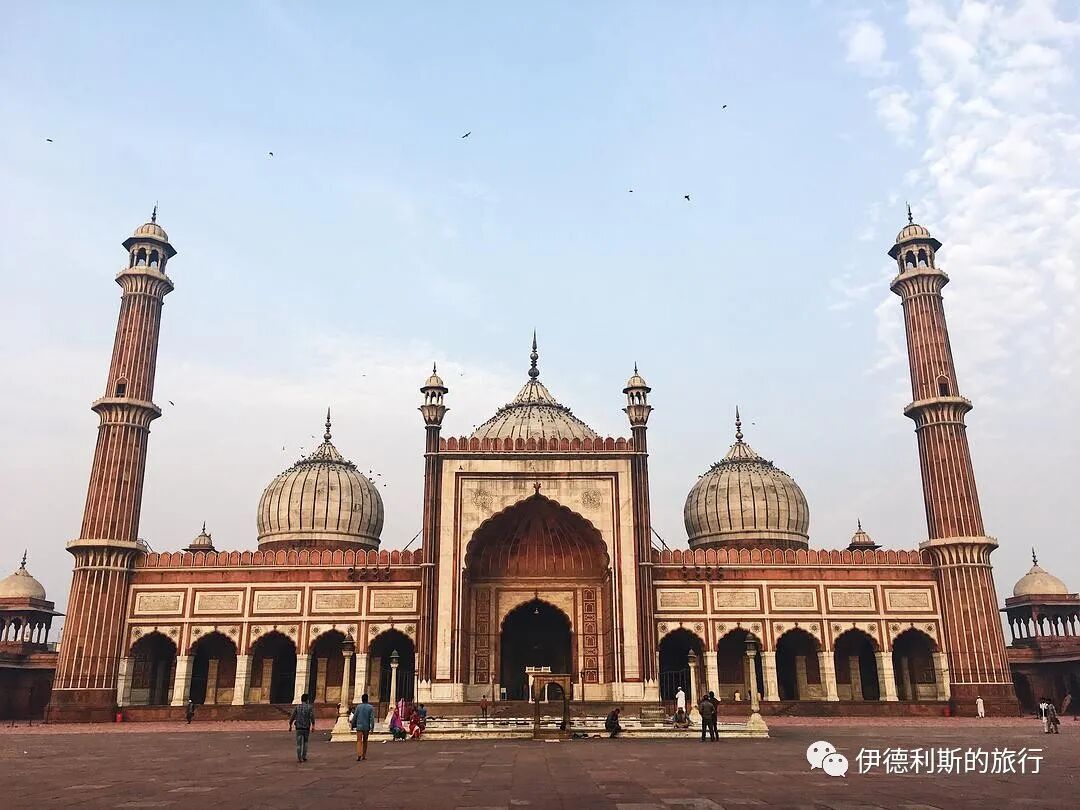
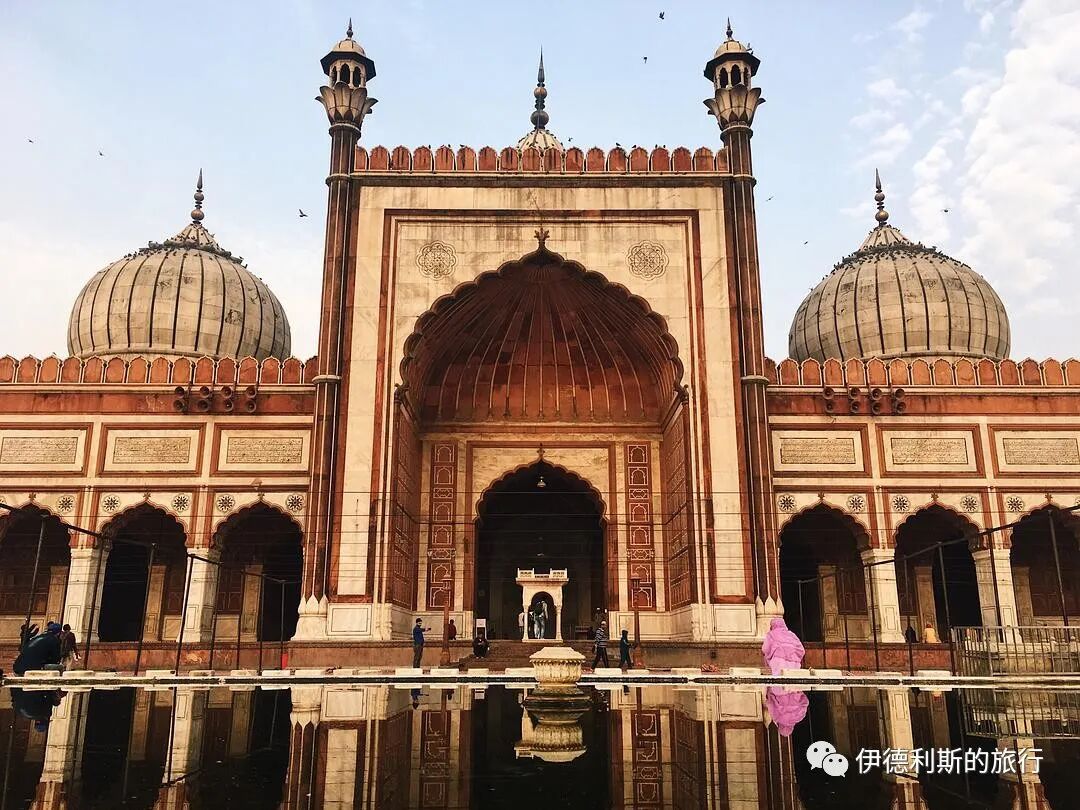
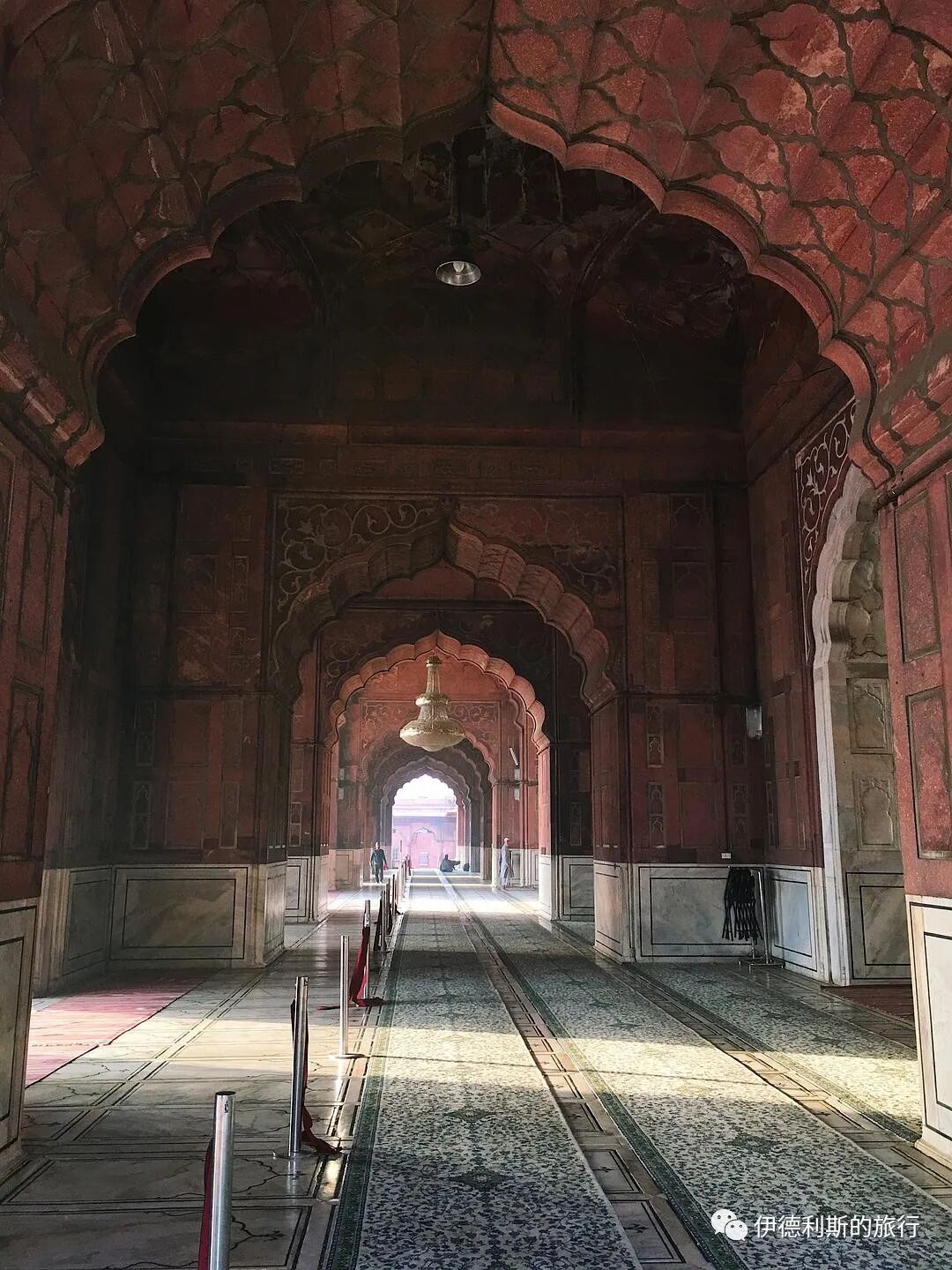
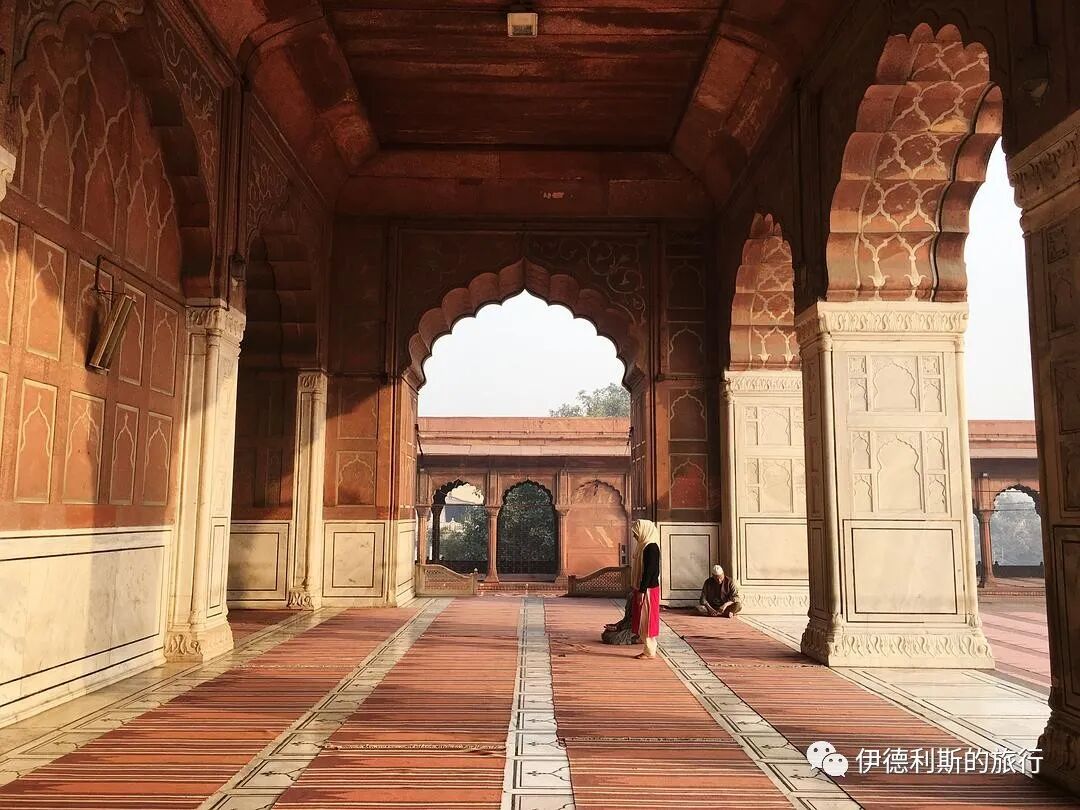
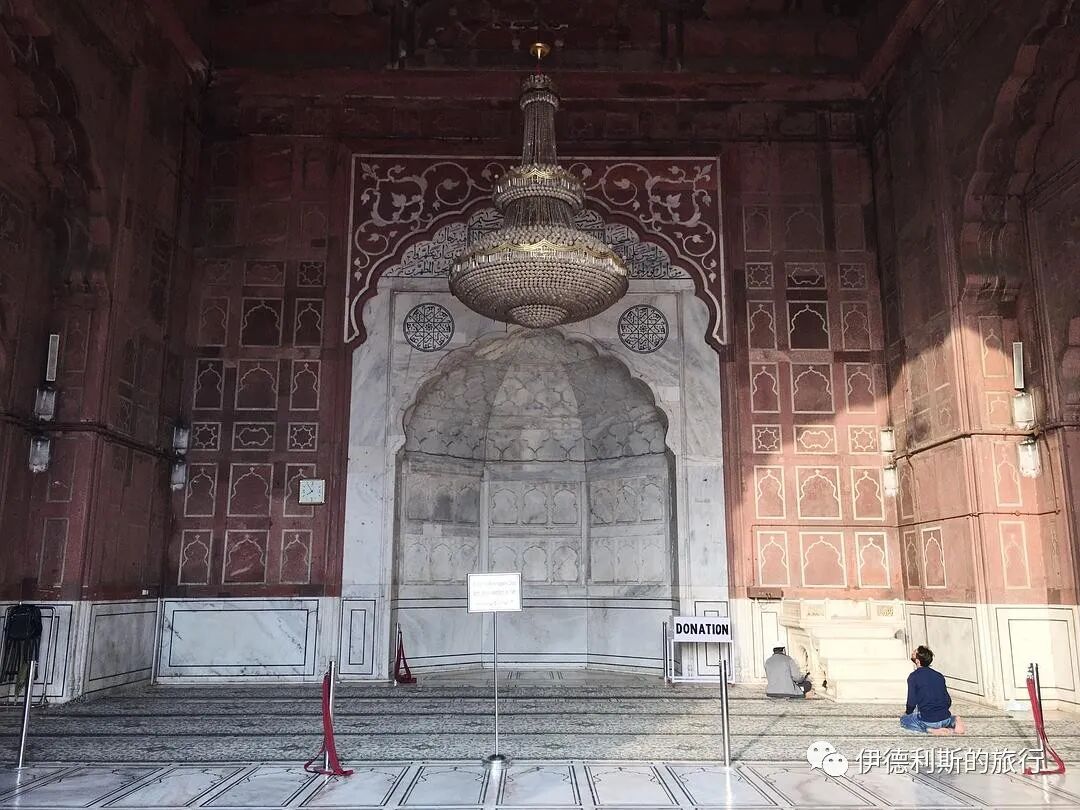
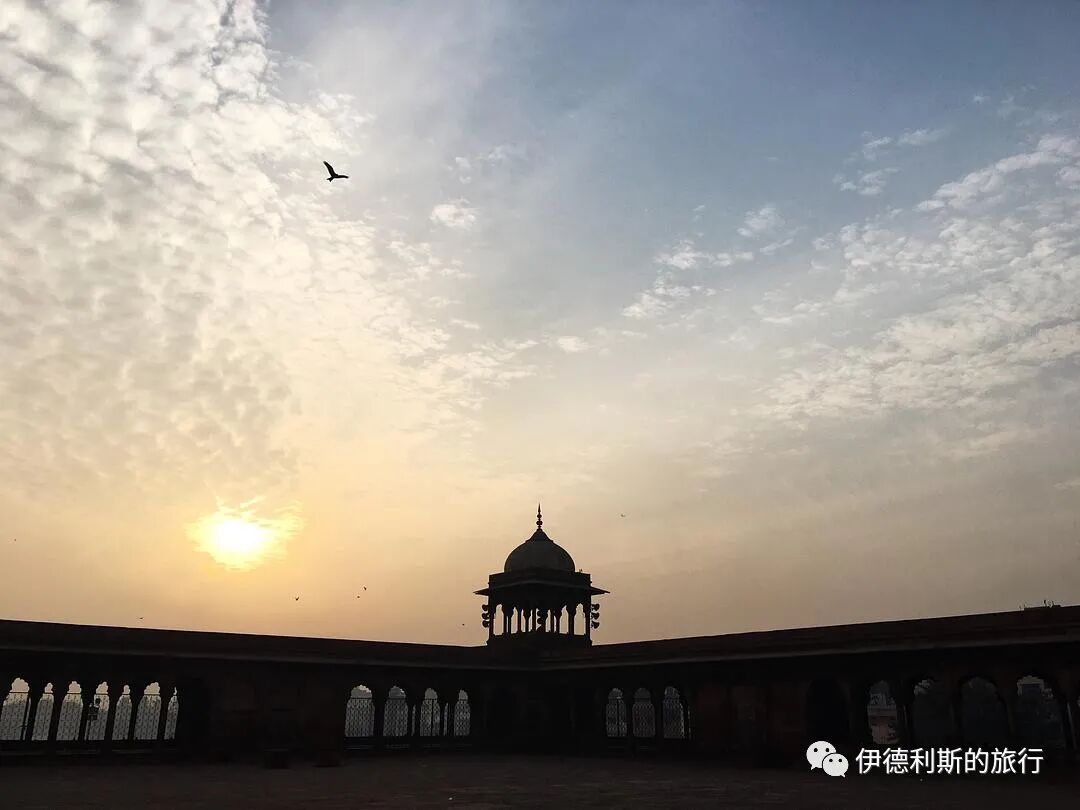
Summary: Delhi — 24 Ancient Mosques and Muslim History is presented here as a firsthand travel account in clear English, beginning with this scene: In February 2018, I visited Delhi to study over 90 historical buildings. I have selected 24 mosques built between the 12th and 18th centuries to share with you in chronological order. The account keeps its focus on Delhi Mosques, India Travel, Muslim History while preserving the names, places, food, and historical details from the Chinese source.
In February 2018, I visited Delhi to study over 90 historical buildings. I have selected 24 mosques built between the 12th and 18th centuries to share with you in chronological order. I missed some mosques due to time constraints, and I left out some smaller, simpler mosques to keep this article a reasonable length. I will share those with you another time.
Table of Contents
1. Ghurid Dynasty (879-1215)
Quwwat-ul-Islam Mosque (Qutb Mosque): construction began in 1193
Delhi Sultanate (1206-1526)
2. Mamluk Dynasty (1206-1290)
Qutb Mosque (Qutb Masjid): expanded in 1225
3. Khalji Dynasty (1290-1320)
1. Qutb Mosque (Qutb Masjid): expanded again in 1310
2. Jamaat Khana mosque: built after 1296.
3. Tohfe Wala Gumbad mosque: built after 1303.
IV. Tughlaq Dynasty (1320-1413).
1. Begampur mosque: built after 1351.
2. Feroz Shah Kotla mosque: 1354.
3. Khirki Mosque: 1370s
4. Kali Mosque: 1370
5. Kalan Mosque: 1387
V. Lodi Dynasty (1451-1526)
1. Bara Gumbad Mosque: 1494
2. Madhi mosque: 15th century
3. Nili mosque: 1505
4. Rajon ki Baoli mosque: 1506
5. Muhammad Wali mosque: late 15th to early 16th century
6. Early Mughal Empire (1526-1540)
1. Jamali Kamali mosque: 1528
7. Sur Dynasty (1532-1556)
1. Qila-i-Kuhna mosque: 1541
2. Salimgarh Fort mosque: 1546
3. Isa Khan mosque: 1547
8. Late Mughal Empire (1555-1857)
1. Khairul Manazil mosque: 1561
2. Afsarwala mosque: 1566
3. Jama mosque: 1650-1656
4. Fatehpuri Mosque: 1650
5. Pearl Mosque (Moti Masjid): 1659
6. Golden Mosque (Sunehri Masjid): 1751
7. Safdarjung Mosque: 1754.
1. Ghurid Dynasty (879-1215)
The Ghurid dynasty appeared in eastern Iran and Afghanistan starting in the 9th century. In 1011, the Persianized Turkic Muslim Ghaznavid dynasty conquered them, and they converted from Buddhism to Islam. In 1186, Muhammad of Ghor ended the Ghaznavid dynasty and took control of Afghanistan and northwestern India.
Quwwat-ul-Islam Mosque (Qutb Mosque): construction began in 1193
The Qutb mosque, later known as the Quwwat-ul-Islam mosque, was the first mosque in Delhi. It was started in 1193 after the Ghorid general Qutb al-Din Aibak captured the city of Lal Kot. According to a Persian inscription on the east gate, the mosque was built after tearing down 27 Hindu and Jain temples from the Tomar and Chauhan dynasties. Because of this, many parts of the mosque were taken directly from those original temples.
The Qutb Minar stands outside the southeast side of the mosque courtyard. It is made of red sandstone and follows the style of Iranian minarets, with patterns influenced by the famous Minaret of Jam in Afghanistan.
Qutb himself personally supervised the construction of the first level of the Qutb Minar, so it features many praises for Muhammad Ghori. His son-in-law, Shams ud-Din Iltutmish, finished the next three levels in 1220, keeping the style mostly the same as the Qutb period. The Qutb Minar from this period is made of red sandstone and is carved with Kufic script.
Delhi Sultanate (1206-1526)
2. Mamluk Dynasty (1206-1290)
In 1206, Muhammad Ghori handed over his affairs in India to Qutb and left for Afghanistan. He was assassinated on the way back. Qutb then established his own sultanate, which later generations called the Delhi Sultanate. Because Qutb was a Mamluk slave, the first dynasty of the Delhi Sultanate is known as the Mamluk Dynasty or the Slave Dynasty.
Qutb Mosque (Qutb Masjid): expanded in 1225
In 1225, the Mamluk Sultan Shams ud-Din Iltutmish began expanding the Qutb Mosque. The expanded section is also called the Iltutmish Mosque. During the expansion, Muslim craftsmen replaced the Hindu craftsmen from the Qutb era. They stopped using parts from the original temples, so the architectural style from this period is more Islamic than the Qutb period.
3. Khalji Dynasty (1290-1320)
The Khalji people are a Turkic group that lived among the Pashtun tribes of Afghanistan for over 200 years. Their customs became so Pashtunized that Turkic nobles in India even considered them Afghans. The Khalji people came to Delhi to serve the Sultan during the reign of Ghiyas ud din Balban, the ninth Sultan of the Mamluk dynasty, between 1266 and 1287.
After Balban died in 1287, his young successor became obsessed with wine and women, and the Turkic nobles fell into factional fighting. In 1290, the military officer Jalal ud din Firuz Khalji led a coup to overthrow the Mamluk dynasty and started the second dynasty of the Delhi Sultanate, the Khalji dynasty.
1. Qutb Mosque (Qutb Masjid): expanded again in 1310
In 1310, Sultan Alauddin Khalji of the Khalji dynasty expanded the Qutb Mosque once again. The new mosque area was much larger than the expansion built by Iltutmish. The most famous part of this new construction that still stands today is the south gate, later known as the Alai Darwaza. This building features red sandstone and white marble inlaid with beautiful Naskh script, and the geometric openwork marble screens show the high level of skill of the Turkic craftsmen.
After doubling the size of the Qutb Mosque, Alauddin Khalji started building the Alai Minar, a tower planned to be twice as tall as the Qutb Minar. Work stopped after the 24.5-meter first level was finished. Today, only a massive core of brick and rubble remains of the tower.
2. Jamaat Khana mosque: built after 1296.
The Jamaat Khana Mosque sits at the heart of the Sufi shrine of Nizamuddin. There are many different stories about its history, but it is likely the second mosque built in Delhi after the Qutb Mosque.
One story says that Sultan Alauddin Khalji (reigned 1296–1316) of the Khalji dynasty built the mosque because the Sufi saint Nizamuddin Auliya (1238–1325) had refused a large sum of money offered by the Sultan. Because of recent repairs, this mosque looks quite different from the Alai Darwaza, the southern gate of the Qutb Mosque built by Alauddin Khalji mentioned earlier. However, if you look closely, the proportions and decorations of the two buildings are actually very similar.
Another theory is that the main hall was originally built as a tomb for the saint by Alauddin Khalji's son, Khizr Khan. The saint did not want to be buried there, so the building became a mosque and side chambers were added to both sides. But looking at the existing structure, the main hall and the side chambers seem to be built together perfectly, with no signs that they were constructed at different times.
A third theory is that the saint Nizamuddin was buried in the wilderness according to his final wishes, and this mosque was built for pilgrims by Sultan Firuz Shah Tughlaq, who reigned from 1351 to 1388.
Overall, the building's style is still very close to the architectural style of the Khalji dynasty.
3. Tohfe Wala Gumbad mosque: built after 1303.
In 1303, the Chagatai Khanate besieged the city of Siri in Delhi for two months, but they could not break through and eventually retreated. After this, Sultan Alauddin Khalji of the Khalji dynasty focused on developing Siri, which had previously been just a military fort. He made Siri the new capital of the Delhi Sultanate, replacing the original site of Lal Kot.
Not many buildings remain in Siri today, but the Tohfe Wala Gumbad mosque is one of them. Unfortunately, there are no records available that show when it was built. This mosque looks very different from other buildings from the Alauddin period, but some of its wall structures show features of Khalji dynasty architecture.
IV. Tughlaq Dynasty (1320-1413).
In 1320, the Khalji dynasty fell during a chaotic struggle for the throne. Ghiyath al-Din Tughluq, a military commander with a strong army on the northwest frontier, defeated his rivals and established the Tughluq dynasty, the third dynasty of the Delhi Sultanate.
1. Begampur mosque: built after 1351.
Between 1326 and 1327, Sultan Muhammad bin Tughluq of the Tughluq dynasty connected Delhi's first city, Lal Kot, and its second city, Siri, with walls to build Jahanpanah, the fourth city of Delhi.
Begampur Mosque is the most important mosque in the city of Jahanpanah. It is the most representative mosque from the Tughlaq dynasty of the Delhi Sultanate that still stands today. It was reportedly designed by the Iranian architect Zahir al-Din al-Jayush.
There are two theories about when the mosque was built. One suggests it is one of the seven mosques built by Khan-i-Jahan Maqbul, the vizier (Wazir) to Sultan Firuz Shah Tughlaq (reigned 1351-1388). The other suggests it was built when Muhammad bin Tughlaq died in 1351.
Begampur Mosque is very grand. In the center is a spacious courtyard surrounded by colonnades. Each of the four sides has a building with a round dome in the center. The east, west, and north ones are gates, and the largest one on the west side is the main prayer hall. The mosque is very simple, with only a few carvings inside the main prayer hall. These stone carvings and domes were once covered in shiny white plaster, but most of it has fallen off and turned black now.
2. Feroz Shah Kotla mosque: 1354.
Sultan Feroz Shah Tughlaq of the Tughlaq dynasty (reigned 1351-1388) built the fifth city of Delhi, Ferozabad, in 1354. Later generations also called it Feroz Shah Kotla. The mosque is the main building in Feroz Shah Kotla and features the typical style of the Tughlaq dynasty. Some scholars believe that Timur the Lame prayed here in 1398 and later built a mosque of the same design in Samarkand. However, there is no solid evidence to confirm that the mosque Timur saw in Delhi was this one rather than the Begampur mosque mentioned earlier.
3. Khirki Mosque: 1370s
Khirki Mosque is another important mosque in the city of Jahanpanah, besides Begumpur Mosque. The design of this building is very different from Begumpur Mosque, but it is almost certainly one of the seven mosques built by Khan-i-Jahan Maqbul, the prime minister of Sultan Firoz Shah Tughlaq, and was likely built in the 1370s.
4. Kali Mosque: 1370
Like the Khirki Mosque mentioned earlier, Kali Mosque is also one of the seven mosques built by Sultan Firoz Shah Tughlaq's prime minister, Khan-i-Jahan Maqbul, and it stands near the Sufi shrine of Nizamuddin.
This mosque is very similar to Khirki Mosque in both its design and construction date, and both were once abandoned. Unlike others, this mosque returned to use in the early 20th century, and some changes were made to its original layout.
5. Kalan Mosque: 1387
Kalan Mosque is the northernmost of the seven mosques built by Khan-i-Jahan Maqbul, the prime minister of Sultan Firoz Shah Tughlaq. It was likely built to honor a Sufi saint and has been in use ever since.
V. Lodi Dynasty (1451-1526)
The Lodi dynasty was founded by the Pashtun leader Bahlul Khan Lodi in 1451. During the Lodi dynasty, the Delhi Sultanate shrank significantly and only ruled parts of northern India.
1. Bara Gumbad Mosque: 1494
The Bara Gumbad mosque is located inside Lodi Gardens. Specific details about the mosque are unknown, but inscriptions inside the building show it was built on November 30, 1494, by a man named Mughal Abdu Amjad.
The carvings in this mosque are very intricate. They are a great example of the limestone plastering and stone-cutting techniques used for architectural decoration during the Lodi dynasty.
2. Madhi mosque: 15th century
Madhi Mosque is located in the Mehrauli Archaeological Park in Delhi. While its exact construction date is unknown, its architectural style clearly shows it belongs to the Lodi dynasty.
Unlike typical mosques, this one does not have a main prayer hall. The mihrab, which points toward the direction of prayer, is made of a single wall. This type of mosque is also called a wall mosque, and it was built to make daily namaz more convenient. There are many other mosques in Delhi made of just one wall, but this one is the largest.
3. Nili mosque: 1505
The Blue Mosque (Nili Masjid) sits between the city of Siri and the Hauz Khas reservoir area, and it is a Lodi-era mosque that is still in use today.
4. Rajon ki Baoli mosque: 1506
Rajon ki Baoli is located in the Mehrauli Archaeological Park in Delhi and is known as the most beautiful stepwell (baoli) in the city. It was built by Daulat Khan Khwaja Muhammad in 1506 during the reign of Sultan Sikandar Lodi (1489-1517). Next to the pool are a mosque and a tomb, which seem to be part of one building complex.
Water reservoir
Mosque
5. Muhammad Wali mosque: late 15th to early 16th century
The Muhammad Wali mosque sits right next to the northwest wall of Siri city and shows the classic Lodi dynasty style.
6. Early Mughal Empire (1526-1540)
In 1526, Emperor Babur from Central Asia defeated the Lodi dynasty and established the Mughal Empire in Delhi.
1. Jamali Kamali mosque: 1528
The Jamali Kamali mosque is located in the Mehrauli Archaeological Park in Delhi and serves as the burial site for both Jamali and Kamali. Jamali, whose full name was Jamali Kamboh, was a famous 16th-century Persian poet and Sufi saint in India who was highly regarded by the Mughal emperors Babur and Humayun. Not much is known about the life of Kamali, but he was likely closely connected to Jamali. This mosque and the tomb were built between 1528 and 1529, and Jamali was buried here after he died in 1536.
Saint's tomb (gongbei)
Mosque
This style of mosque gate is said to be the first of its kind from the Mughal era.
7. Sur Dynasty (1532-1556)
The Sur dynasty was founded by Afghan Pashtun Muslims. In 1540, Sher Shah Suri defeated the Mughal emperor Humayun, took over northern India from the Mughals, and made Delhi his capital.
1. Qila-i-Kuhna mosque: 1541
The Qila-i-Kuhna mosque is located inside the Old Fort (Purana Qila), which is the sixth city of Delhi. In 1540, after Sher Shah Suri of the Sur Empire defeated the Mughal emperor Humayun and took Delhi, he used the Old Fort (Purana Qila) as his palace. In 1541, he built the Qila-i-Kuhna mosque as his royal mosque.
Some scholars believe Humayun designed and started building the mosque, while Sher Shah finished it. Other scholars think the marble on the outer walls was added by the Mughal emperor Akbar, because these geometric patterns did not appear in Delhi before his time.
Overall, the mosque is a Lodi-style five-arch mosque, meaning it is made up of five arched entrances. However, many of its details show architectural styles from different eras. The interior decoration shows the style of the Tughlaq dynasty, while the arches feature the style of the Khalji dynasty, and the semi-dome shape reflects the Mughal dynasty style. It is arguably the mosque with the most diverse architectural styles in Delhi.
2. Salimgarh Fort mosque: 1546
Salimgarh Fort is located north of the Red Fort. It was built in 1546 by Salim Shah Suri (reigned 1545-1554), the son of the Suri dynasty ruler Sher Shah Suri.
During the reign of the Mughal emperor Aurangzeb (reigned 1658-1707), this fort became a prison, and in 1857, it was occupied by the British. Today, it is part of the Red Fort complex and was added to the UNESCO World Heritage list in 2007.
3. Isa Khan mosque: 1547
The Isa Khan Mosque is inside the Humayun's Tomb complex. It is a tomb mosque built for the Pashtun noble Isa Khan from the Sur Empire.
Isa Khan Niazi was born in 1453. Like the Sur royal family, he belonged to the Afghan Pashtun Lodi tribe. He fought many wars against the Mughal Empire and won in the end. In 1548, Isa Khan died in Delhi at the age of 95. Before he died, he built a tomb for himself and added a mosque right next to it.
The tomb of Isa Khan is considered the earliest in India to feature a sunken garden, a design later used in the Taj Mahal.
The Isa Khan mosque was built at the same time as the tomb. The mosque has a strong Afghan style, and some of its features were used in the later Humayun's Tomb.
8. Late Mughal Empire (1555-1857)
In 1555, the Mughal emperor Humayun defeated the Sur Empire, recaptured Delhi, and restored Mughal rule in India.
1. Khairul Manazil mosque: 1561
The Khairul Manazil mosque sits across from the Purana Qila fort. It was built in 1561 by order of Maham Anga, the chief nurse to the Mughal Emperor Akbar and the person who actually held power in the Mughal Empire from 1560 to 1562.
The Persian calligraphy in marble above the main gate was written by Maulana Shihabuddin Ahmad Khan, a historian and poet in Emperor Akbar's court who used the pen name Baazil.
2. Afsarwala mosque: 1566
The Afsarwala mosque is located southwest of Humayun's Tomb. Built between 1566 and 1567, it serves as a tomb mosque for an official from the court of the Mughal Emperor Akbar. The word Afsar means official in Hindi.
The tomb is on the left, and the mosque is on the right.
Mosque
3. Jama mosque: 1650-1656
Jama Mosque is in Shahjahanabad, the seventh city of Delhi, also known as Old Delhi. It was once the main Friday mosque for the Mughal Empire.
The Mughal emperor Shah Jahan, who also built the Taj Mahal, ordered the construction of Jama Mosque between 1650 and 1656. In 1638, before this, Shah Jahan decided to move his capital from Agra, where the Taj Mahal is, to Delhi. He immediately started building a city named after himself, Shahjahanabad, in the north of Delhi. The Jama Mosque was a key part of this city.
Shah Jahan’s prime minister (wazir), Saadullah Khan, led more than 5,000 workers to build the Jama Mosque. It cost over 1 million rupees.
Halal Travel Guide: Delhi — 24 Ancient Mosques and Muslim History (Part 2)
Articles • ali2007fr posted the article • 0 comments • 228 views • 2026-05-17 21:05
Reposted from the web
Summary: Delhi — 24 Ancient Mosques and Muslim History is presented here as a firsthand travel account in clear English, beginning with this scene: 4. Fatehpuri Mosque: 1650. The account keeps its focus on Delhi Mosques, Muslim Heritage, India Travel while preserving the names, places, food, and historical details from the Chinese source.
4. Fatehpuri Mosque: 1650
Fatehpuri Mosque sits in the northwest of Old Delhi (Shahjahanabad), directly facing the Red Fort. It was built in 1650 by Fatehpuri Begum, the wife of the Mughal Emperor Shah Jahan.
5. Pearl Mosque (Moti Masjid): 1659
The Pearl Mosque (Moti Masjid) is located inside the Red Fort in Delhi. It was built in 1659 by the Mughal Emperor Aurangzeb (reigned 1658-1707) to serve as a private mosque for the royal family.
The domes of this white marble mosque were once covered in gilded copper, but these were lost after the Indian Rebellion of 1857.
The mosque was under renovation when I visited, so I was sorry I could not go inside.
6. Golden Mosque (Sunehri Masjid): 1751
The Golden Mosque (Sunehri Masjid) is in the eastern part of Shahjahanabad in Old Delhi. Qudsia Begum ordered it to be built in 1751. Qudsia Begum was the wife of the Mughal Emperor Muhammad Shah (reigned 1719–1748) and the mother of Emperor Ahmad Shah Bahadur (reigned 1748–1754).
This mosque has a more modest and restrained style compared to other mosques that Qudsia Begum ordered to be built.
7. Safdarjung Mosque: 1754.
Safdarjung Mosque is located west of Lodi Gardens and serves as the tomb mosque for Safdarjung. Safdarjung (1708-1754) ruled the Oudh Kingdom (1732-1801) in the Awadh region of India. He became the prime minister of the Mughal Empire in 1748 and was its actual ruler. He lost a political struggle in 1753, was forced out of Delhi, and died in 1754. After Safdarjung died, his son asked the Mughal emperor for permission to bury him in Delhi. The emperor agreed, and the Safdarjung Tomb was built.
Safdarjung Tomb is known as the last major building of the Mughal Empire and a symbol of its decline.
Tomb
The mosque was closed, so I only took photos of the exterior and the pool. view all
Summary: Delhi — 24 Ancient Mosques and Muslim History is presented here as a firsthand travel account in clear English, beginning with this scene: 4. Fatehpuri Mosque: 1650. The account keeps its focus on Delhi Mosques, Muslim Heritage, India Travel while preserving the names, places, food, and historical details from the Chinese source.
4. Fatehpuri Mosque: 1650
Fatehpuri Mosque sits in the northwest of Old Delhi (Shahjahanabad), directly facing the Red Fort. It was built in 1650 by Fatehpuri Begum, the wife of the Mughal Emperor Shah Jahan.
5. Pearl Mosque (Moti Masjid): 1659
The Pearl Mosque (Moti Masjid) is located inside the Red Fort in Delhi. It was built in 1659 by the Mughal Emperor Aurangzeb (reigned 1658-1707) to serve as a private mosque for the royal family.
The domes of this white marble mosque were once covered in gilded copper, but these were lost after the Indian Rebellion of 1857.
The mosque was under renovation when I visited, so I was sorry I could not go inside.
6. Golden Mosque (Sunehri Masjid): 1751
The Golden Mosque (Sunehri Masjid) is in the eastern part of Shahjahanabad in Old Delhi. Qudsia Begum ordered it to be built in 1751. Qudsia Begum was the wife of the Mughal Emperor Muhammad Shah (reigned 1719–1748) and the mother of Emperor Ahmad Shah Bahadur (reigned 1748–1754).
This mosque has a more modest and restrained style compared to other mosques that Qudsia Begum ordered to be built.
7. Safdarjung Mosque: 1754.
Safdarjung Mosque is located west of Lodi Gardens and serves as the tomb mosque for Safdarjung. Safdarjung (1708-1754) ruled the Oudh Kingdom (1732-1801) in the Awadh region of India. He became the prime minister of the Mughal Empire in 1748 and was its actual ruler. He lost a political struggle in 1753, was forced out of Delhi, and died in 1754. After Safdarjung died, his son asked the Mughal emperor for permission to bury him in Delhi. The emperor agreed, and the Safdarjung Tomb was built.
Safdarjung Tomb is known as the last major building of the Mughal Empire and a symbol of its decline.
Tomb
The mosque was closed, so I only took photos of the exterior and the pool. view all
Reposted from the web
Summary: Delhi — 24 Ancient Mosques and Muslim History is presented here as a firsthand travel account in clear English, beginning with this scene: 4. Fatehpuri Mosque: 1650. The account keeps its focus on Delhi Mosques, Muslim Heritage, India Travel while preserving the names, places, food, and historical details from the Chinese source.
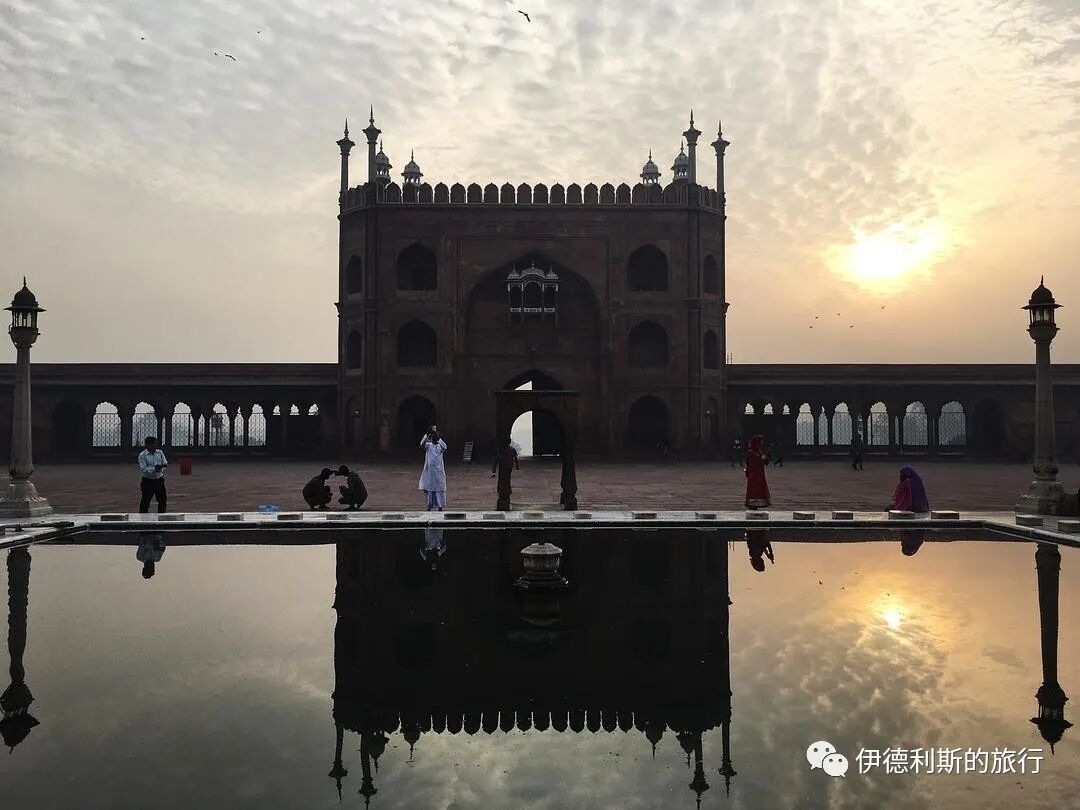
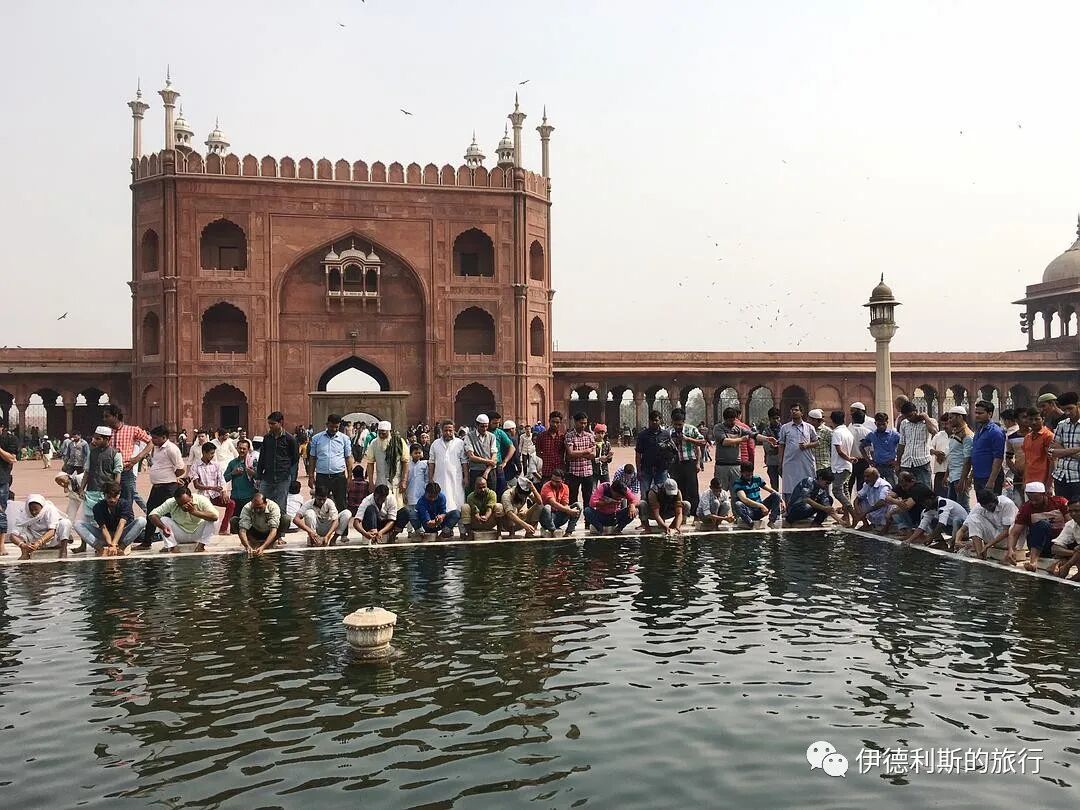
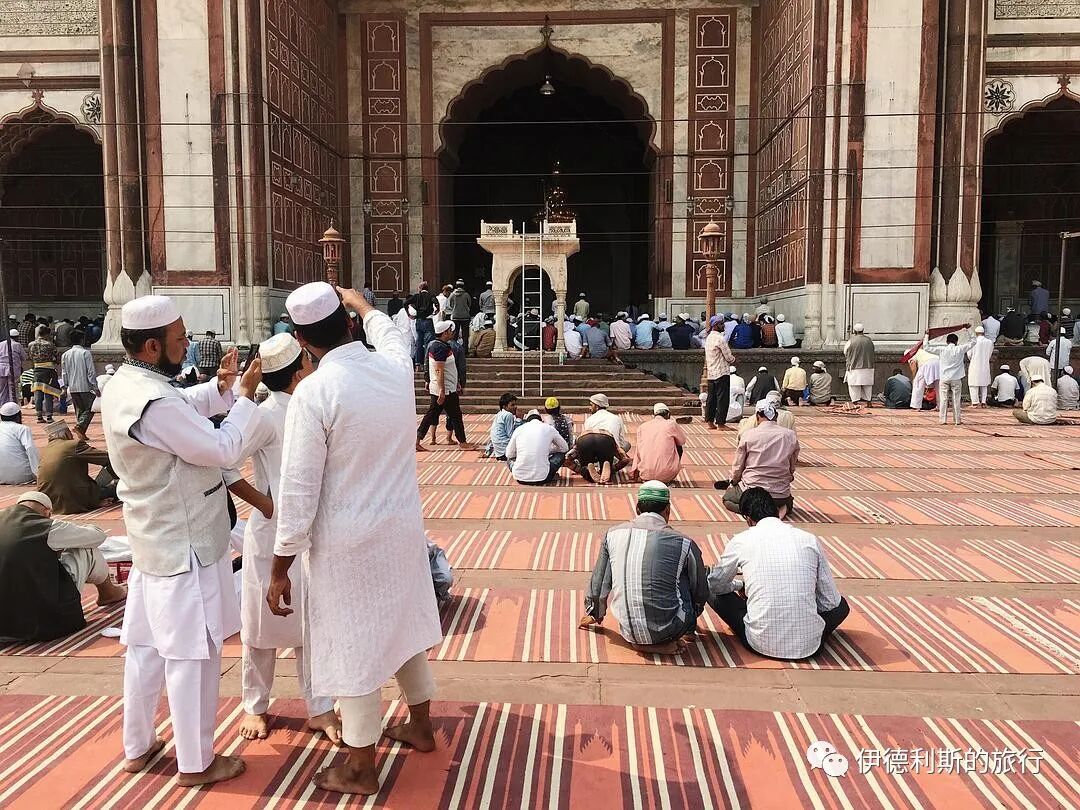
4. Fatehpuri Mosque: 1650
Fatehpuri Mosque sits in the northwest of Old Delhi (Shahjahanabad), directly facing the Red Fort. It was built in 1650 by Fatehpuri Begum, the wife of the Mughal Emperor Shah Jahan.
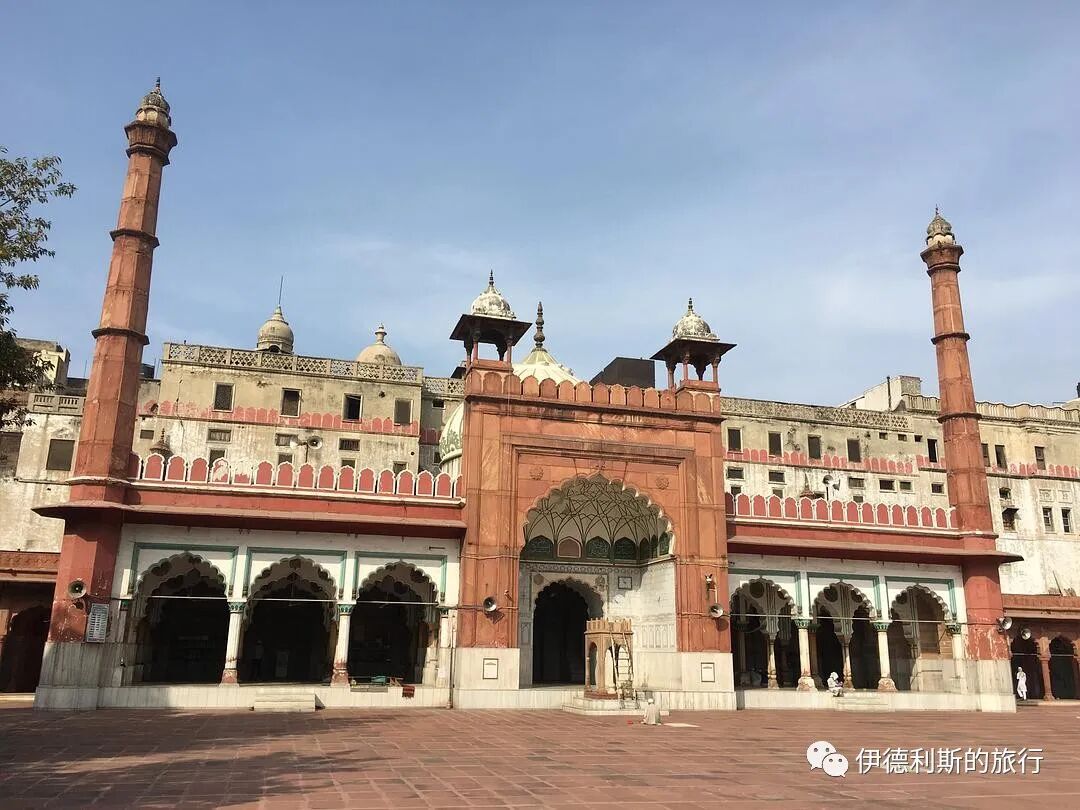
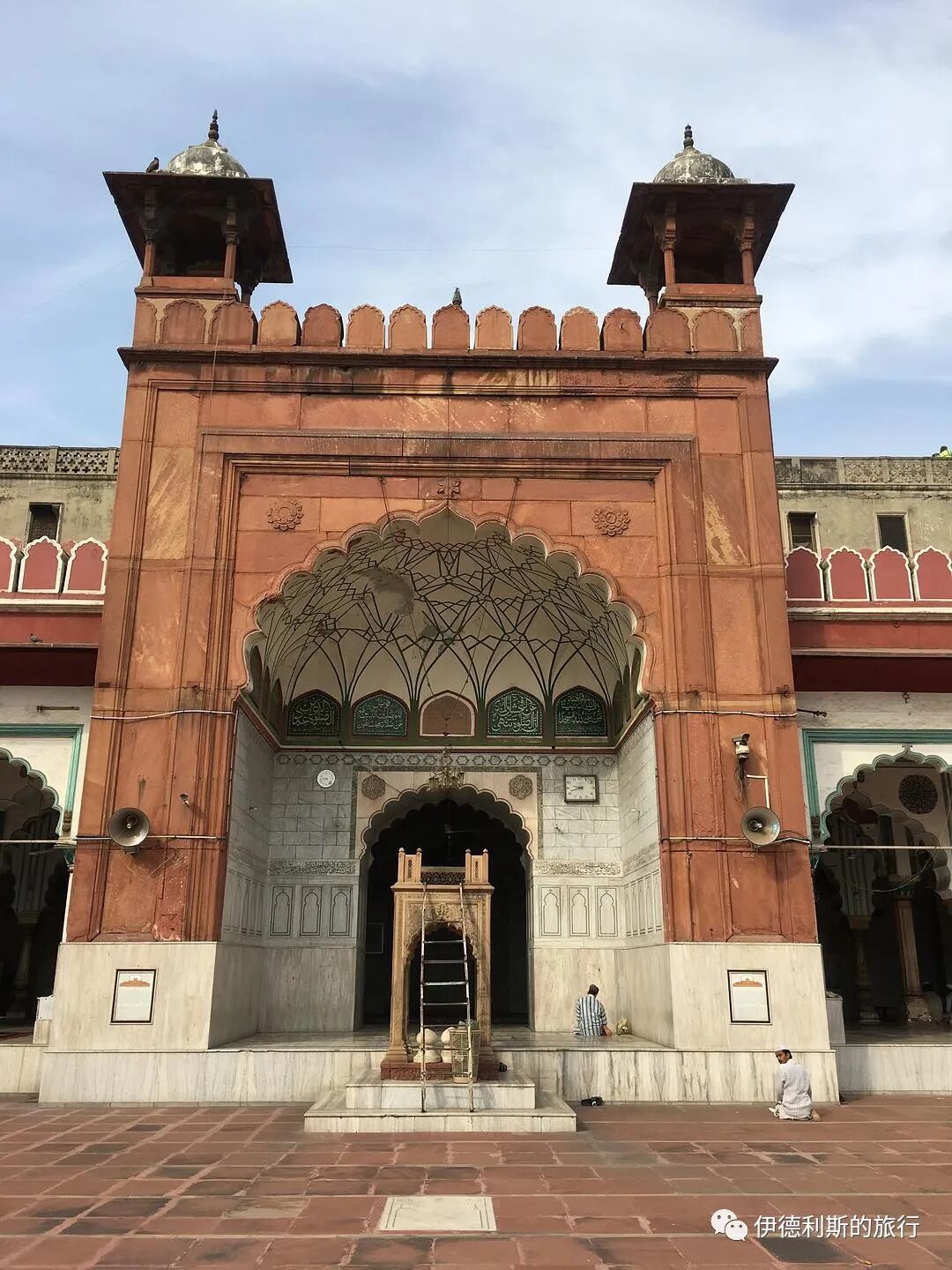
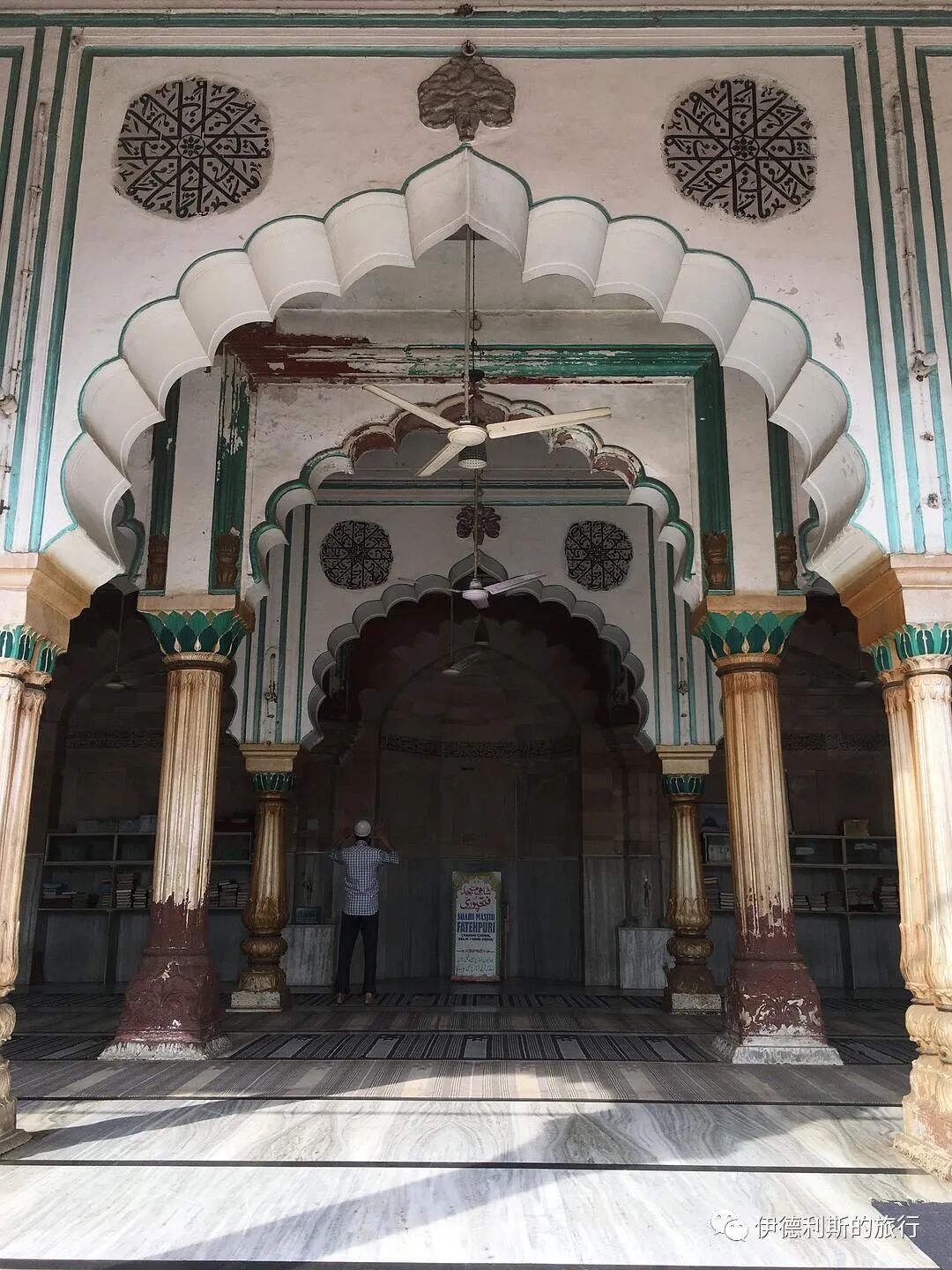
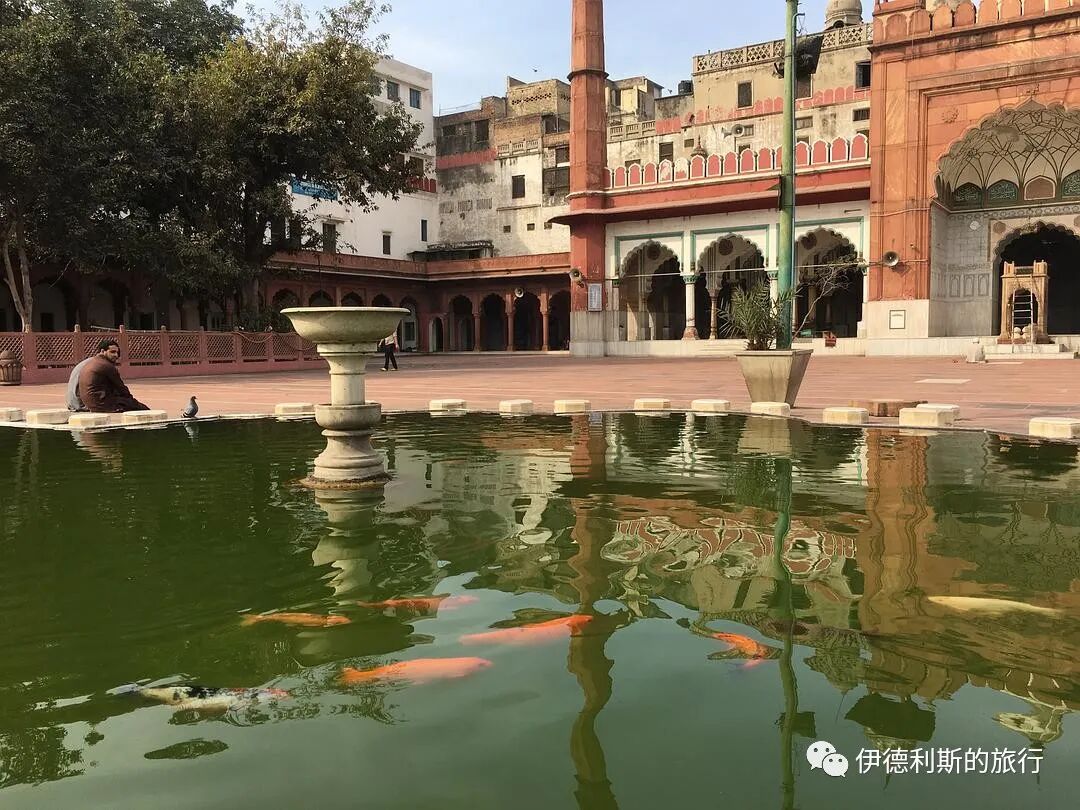
5. Pearl Mosque (Moti Masjid): 1659
The Pearl Mosque (Moti Masjid) is located inside the Red Fort in Delhi. It was built in 1659 by the Mughal Emperor Aurangzeb (reigned 1658-1707) to serve as a private mosque for the royal family.
The domes of this white marble mosque were once covered in gilded copper, but these were lost after the Indian Rebellion of 1857.
The mosque was under renovation when I visited, so I was sorry I could not go inside.
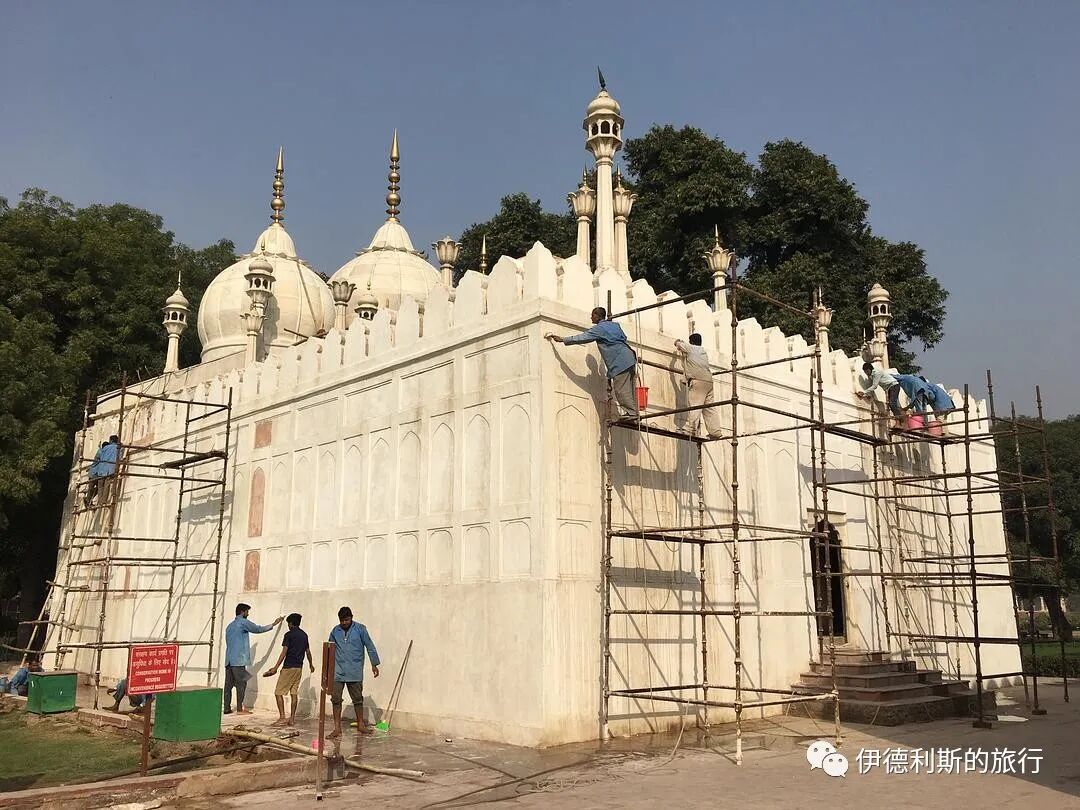
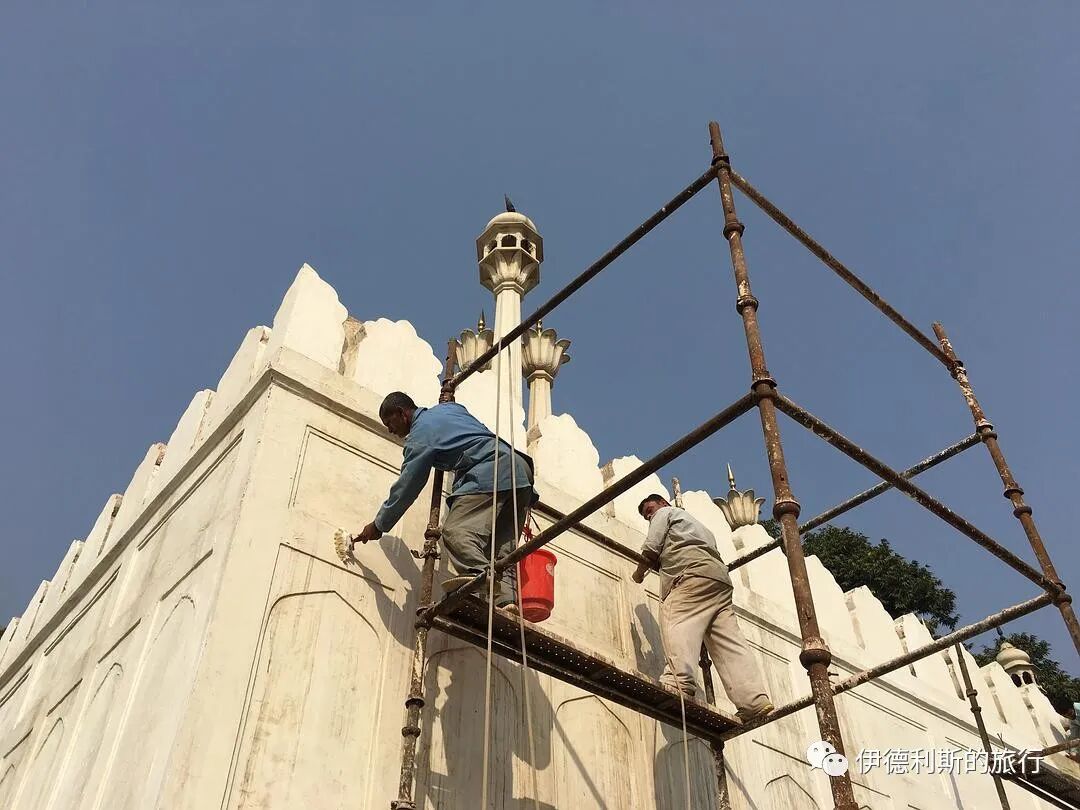
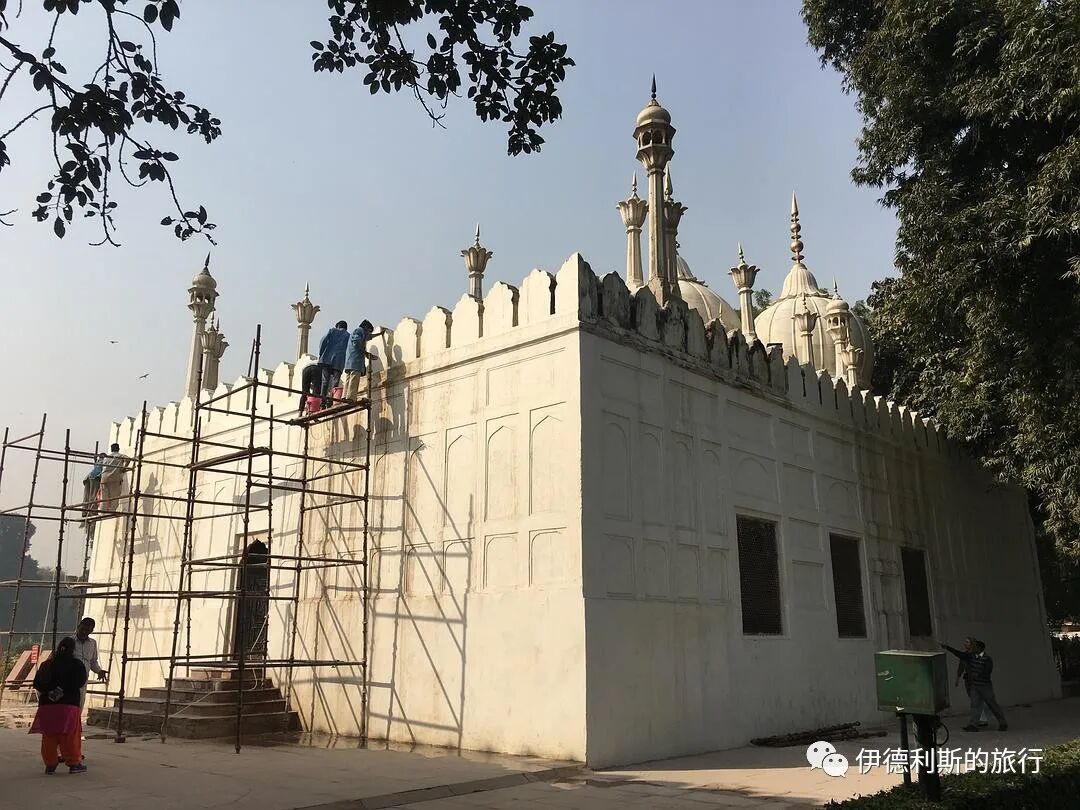
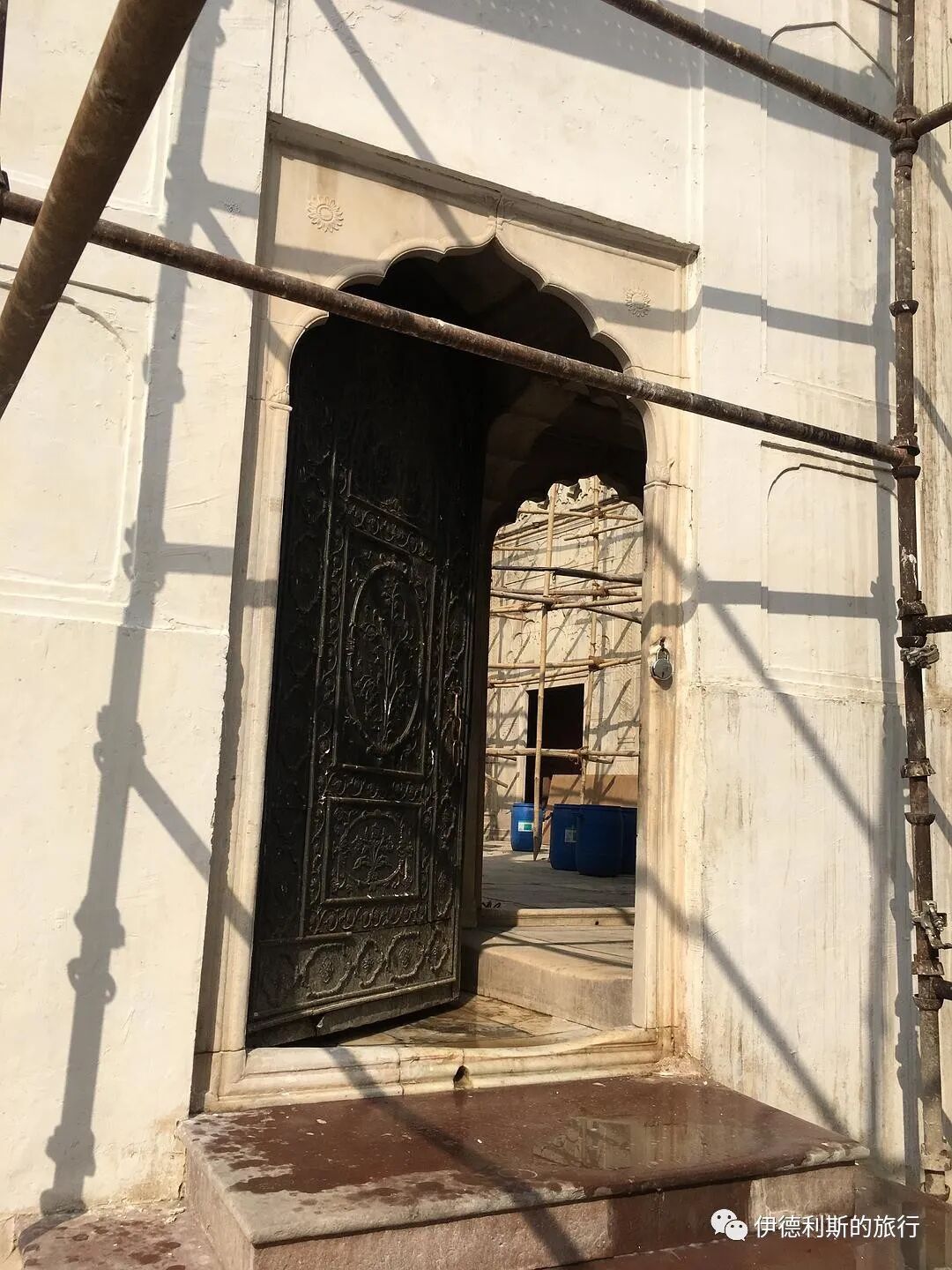
6. Golden Mosque (Sunehri Masjid): 1751
The Golden Mosque (Sunehri Masjid) is in the eastern part of Shahjahanabad in Old Delhi. Qudsia Begum ordered it to be built in 1751. Qudsia Begum was the wife of the Mughal Emperor Muhammad Shah (reigned 1719–1748) and the mother of Emperor Ahmad Shah Bahadur (reigned 1748–1754).
This mosque has a more modest and restrained style compared to other mosques that Qudsia Begum ordered to be built.
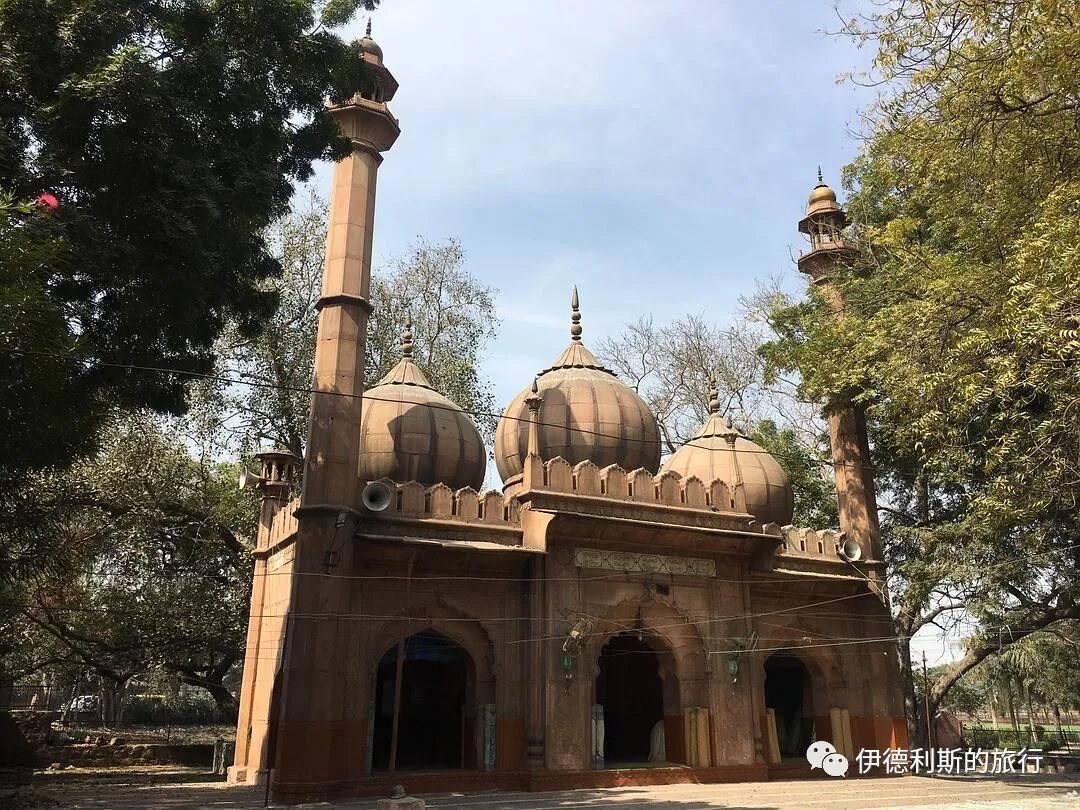
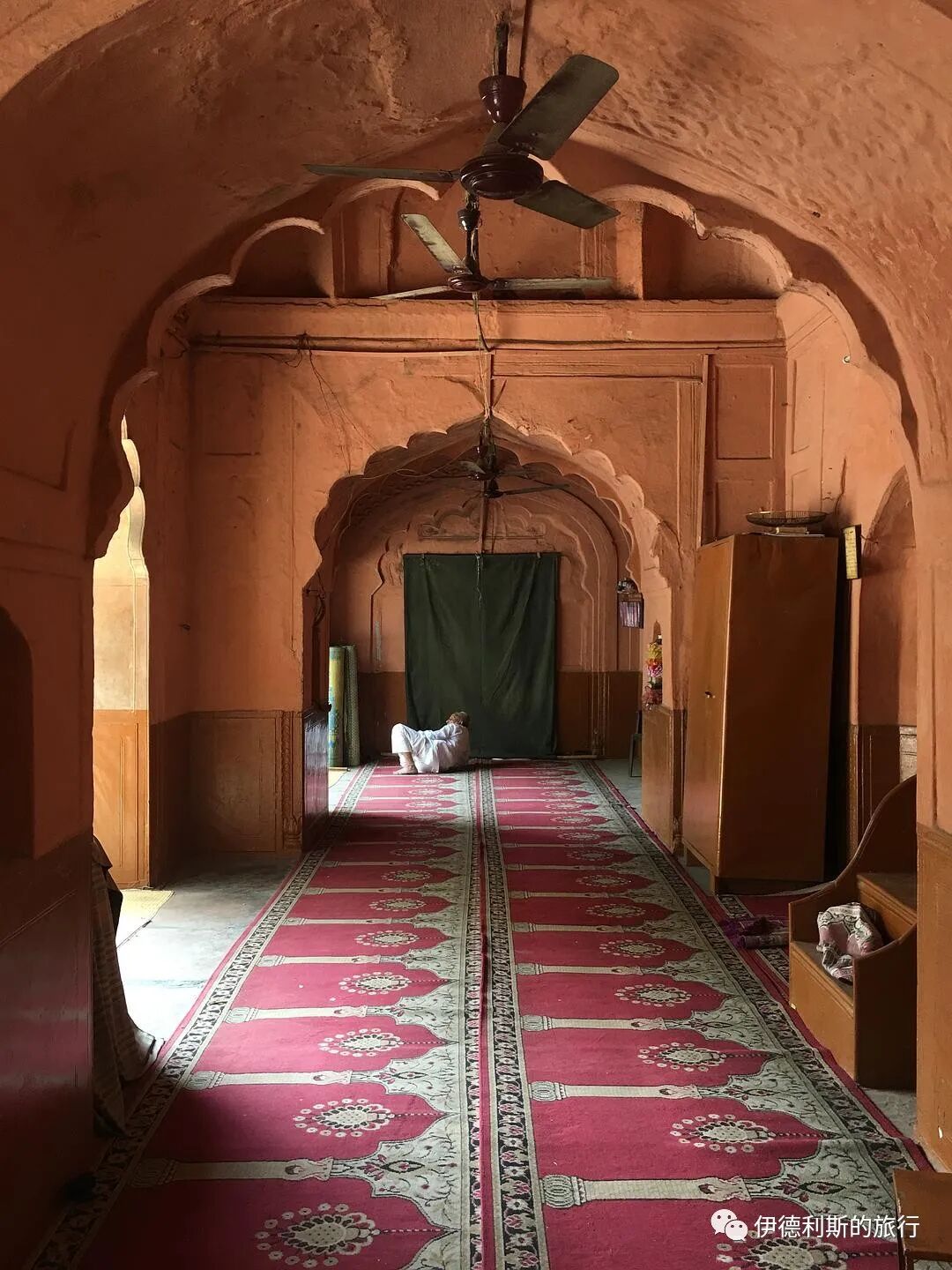
7. Safdarjung Mosque: 1754.
Safdarjung Mosque is located west of Lodi Gardens and serves as the tomb mosque for Safdarjung. Safdarjung (1708-1754) ruled the Oudh Kingdom (1732-1801) in the Awadh region of India. He became the prime minister of the Mughal Empire in 1748 and was its actual ruler. He lost a political struggle in 1753, was forced out of Delhi, and died in 1754. After Safdarjung died, his son asked the Mughal emperor for permission to bury him in Delhi. The emperor agreed, and the Safdarjung Tomb was built.
Safdarjung Tomb is known as the last major building of the Mughal Empire and a symbol of its decline.
Tomb
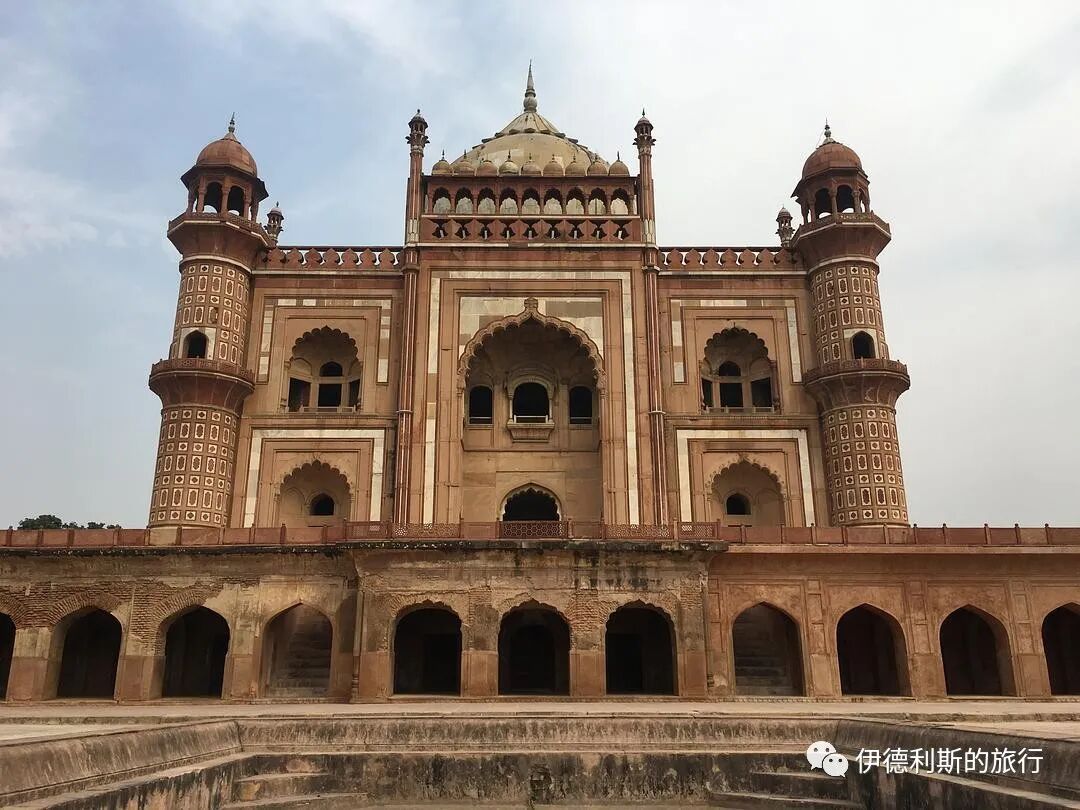
The mosque was closed, so I only took photos of the exterior and the pool.
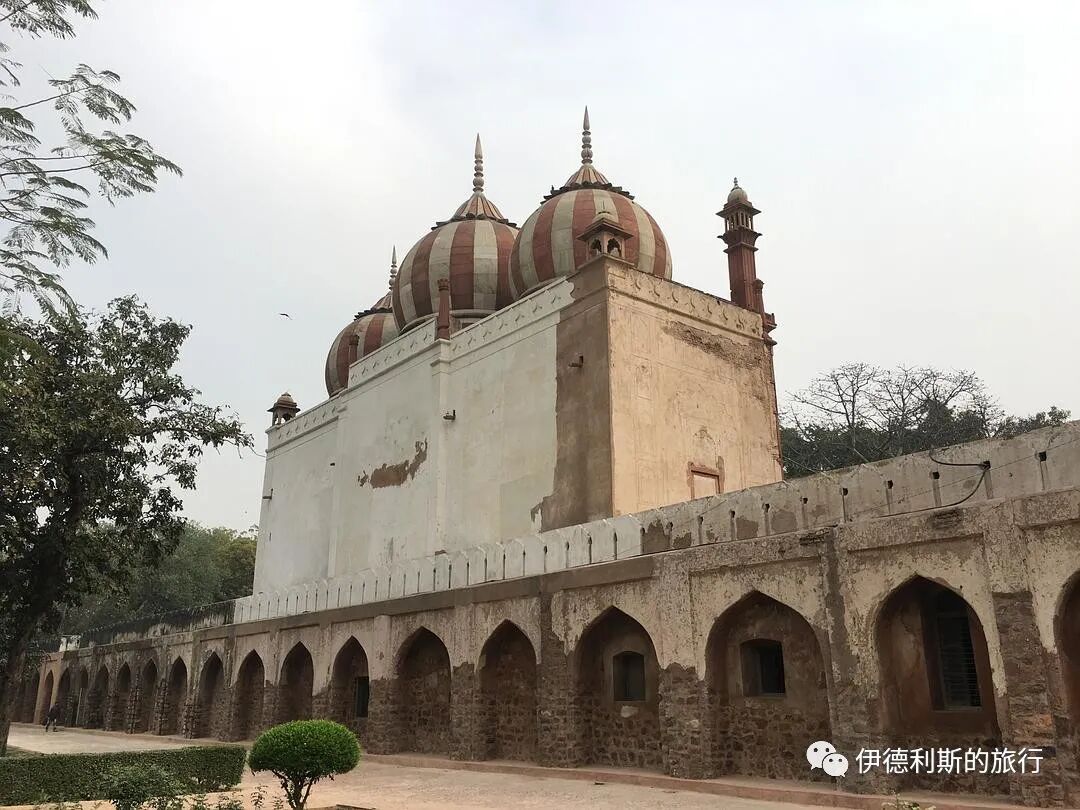
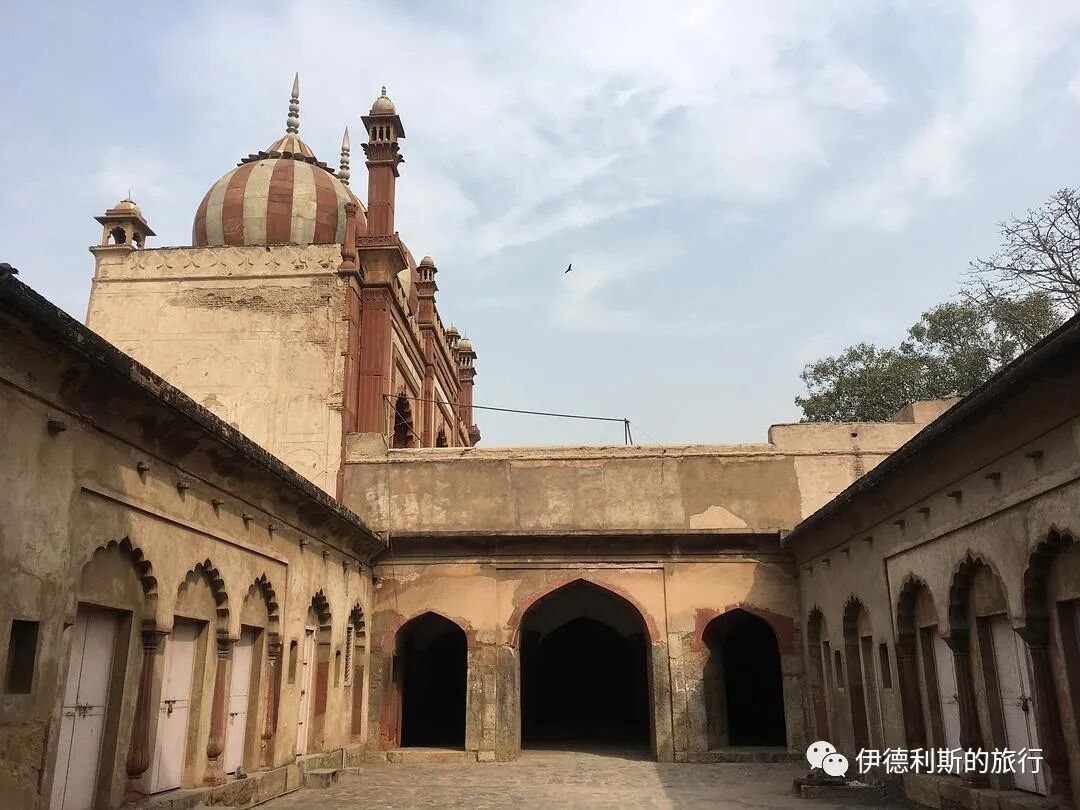
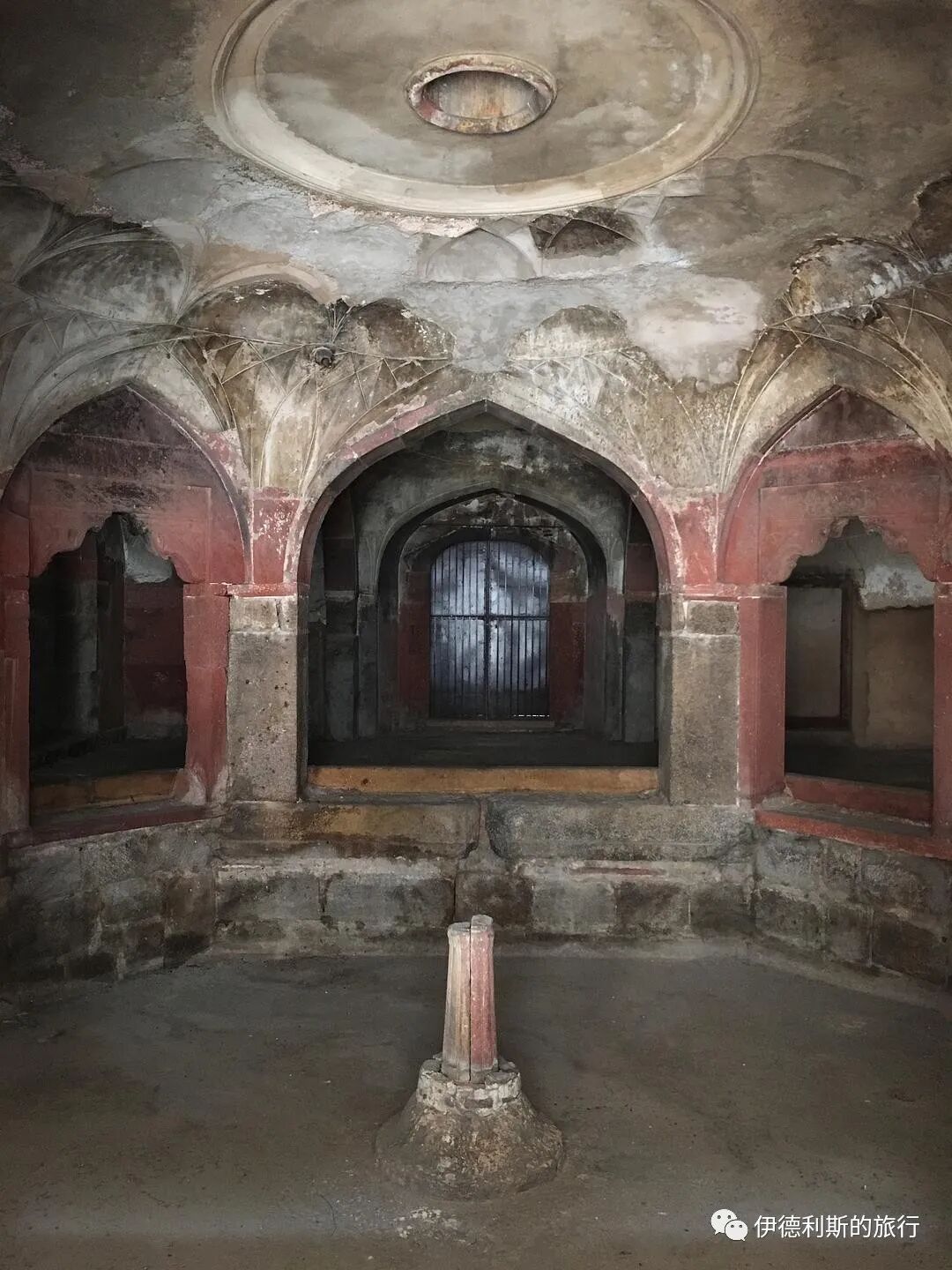
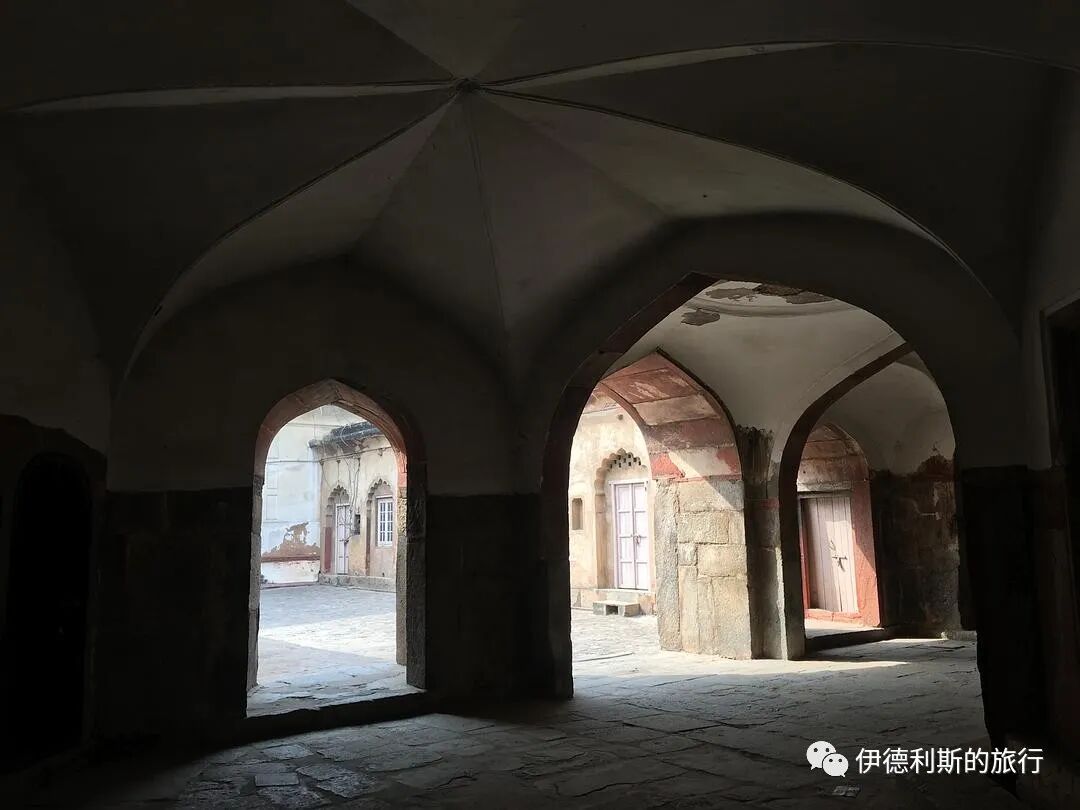
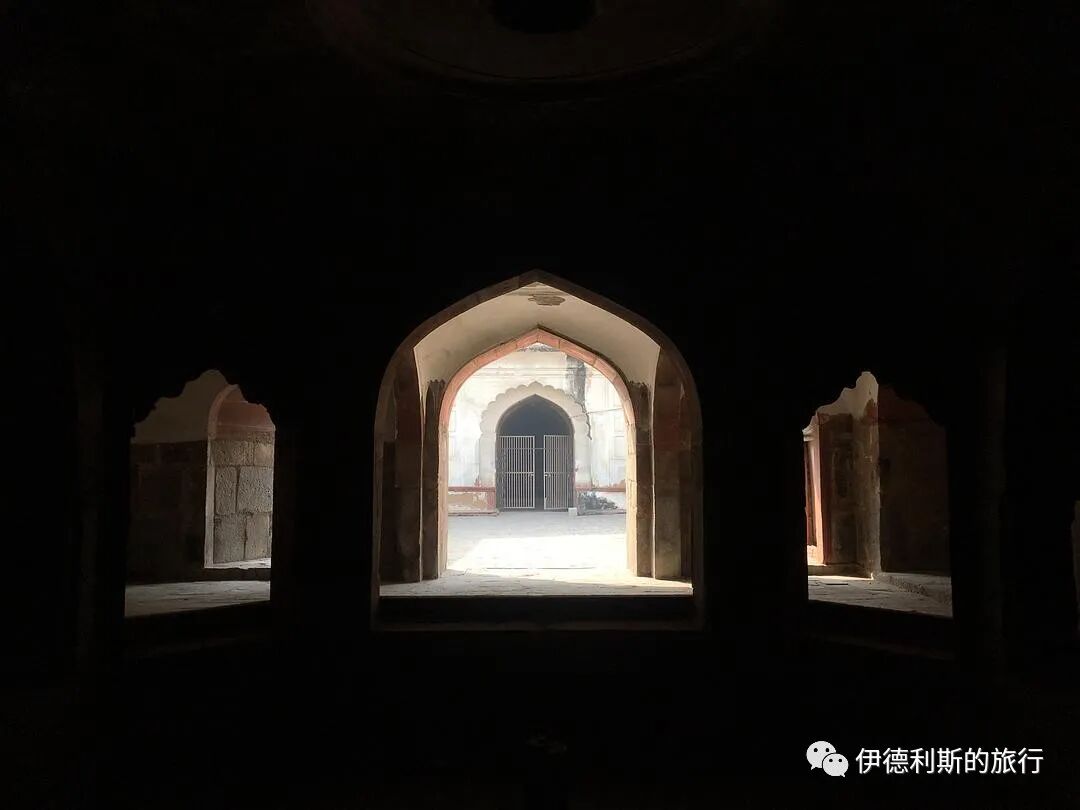
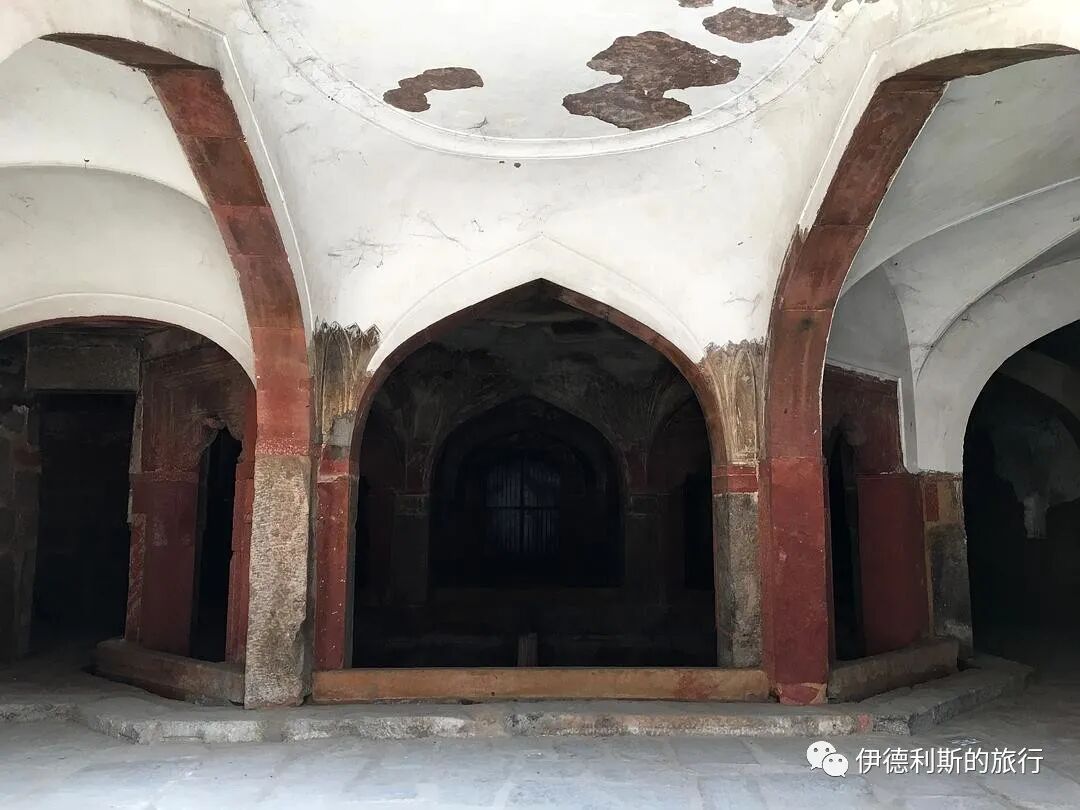
Summary: Delhi — 24 Ancient Mosques and Muslim History is presented here as a firsthand travel account in clear English, beginning with this scene: 4. Fatehpuri Mosque: 1650. The account keeps its focus on Delhi Mosques, Muslim Heritage, India Travel while preserving the names, places, food, and historical details from the Chinese source.
4. Fatehpuri Mosque: 1650
Fatehpuri Mosque sits in the northwest of Old Delhi (Shahjahanabad), directly facing the Red Fort. It was built in 1650 by Fatehpuri Begum, the wife of the Mughal Emperor Shah Jahan.
5. Pearl Mosque (Moti Masjid): 1659
The Pearl Mosque (Moti Masjid) is located inside the Red Fort in Delhi. It was built in 1659 by the Mughal Emperor Aurangzeb (reigned 1658-1707) to serve as a private mosque for the royal family.
The domes of this white marble mosque were once covered in gilded copper, but these were lost after the Indian Rebellion of 1857.
The mosque was under renovation when I visited, so I was sorry I could not go inside.
6. Golden Mosque (Sunehri Masjid): 1751
The Golden Mosque (Sunehri Masjid) is in the eastern part of Shahjahanabad in Old Delhi. Qudsia Begum ordered it to be built in 1751. Qudsia Begum was the wife of the Mughal Emperor Muhammad Shah (reigned 1719–1748) and the mother of Emperor Ahmad Shah Bahadur (reigned 1748–1754).
This mosque has a more modest and restrained style compared to other mosques that Qudsia Begum ordered to be built.
7. Safdarjung Mosque: 1754.
Safdarjung Mosque is located west of Lodi Gardens and serves as the tomb mosque for Safdarjung. Safdarjung (1708-1754) ruled the Oudh Kingdom (1732-1801) in the Awadh region of India. He became the prime minister of the Mughal Empire in 1748 and was its actual ruler. He lost a political struggle in 1753, was forced out of Delhi, and died in 1754. After Safdarjung died, his son asked the Mughal emperor for permission to bury him in Delhi. The emperor agreed, and the Safdarjung Tomb was built.
Safdarjung Tomb is known as the last major building of the Mughal Empire and a symbol of its decline.
Tomb
The mosque was closed, so I only took photos of the exterior and the pool.
Muslim History Guide Delhi: Mughal Capital, Old Mosques and Islamic Heritage
Articles • yusuf908 posted the article • 0 comments • 149 views • 2026-05-23 23:22
Reposted from the web
Summary: Delhi's Seventh City — Mughal Capital and Muslim History is presented here as a firsthand travel account in clear English, beginning with this scene: In my last article, The Sixth City of Delhi: The Birth of the Mughal Empire, I wrote about how Humayun, the second Mughal emperor, fell to his death from his library in the sixth city of Delhi, Dinpanah, in 1556. The account keeps its focus on Delhi Travel, Mughal History, Muslim Heritage while preserving the names, places, food, and historical details from the Chinese source.
In my last article, The Sixth City of Delhi: The Birth of the Mughal Empire, I wrote about how Humayun, the second Mughal emperor, fell to his death from his library in the sixth city of Delhi, Dinpanah, in 1556. His son, Emperor Akbar, moved the Mughal capital to Agra in 1558, and Delhi lost its status as the capital.
In 1628, Shah Jahan became the fifth emperor of the Mughal Empire. Under his rule, Mughal architectural aesthetics reached a new height, and this period is widely recognized as the golden age of Mughal architecture. Besides building the Taj Mahal, Shah Jahan built the seventh city of Delhi between 1639 and 1648, naming it Shahjahanabad after himself. Shah Jahan made Shahjahanabad the capital of the Mughal Empire, aiming to show the grandeur and power of the empire.
Shahjahanabad is now known as Old Delhi and still keeps many historical sites and traditional neighborhoods. The most important site inside the city, the Red Fort, was added to the UNESCO World Heritage list in 2007.
The layout of Shahjahanabad was inspired by the ancient Persian city of Isfahan and inherited urban planning ideas from the Agra Fort and Fatehpur Sikri, which were built by the previous Mughal emperor, Akbar. The city has an irregular shape, with the eastern wall built along the course of the Yamuna River. The Yamuna River later changed its course and moved away from the walls, and the original riverbed is now the Delhi Inner Ring Road.
The city has two main roads: Chandni Chowk running east-west and Faiz Bazaar running north-south, with major commercial areas on both sides of the streets. The Red Fort, where the Mughal royal family lived, is located at the junction of these two main roads.
1858
1914
Table of Contents
1. Red Fort: 1639-1648
1. Lahore Gate
2. Chhatta Chowk (market)
3. Naubat Khana (drum house)
4. Diwan-i-Aam (public audience hall)
5. Rang Mahal (palace of the empresses)
6. Khas Mahal (emperor's private palace)
7. Diwan-i-Khas (private audience hall)
8. Hammam-e-Lal Qila (bathhouse)
9. Pearl Mosque (Moti Masjid)
10. King's Tower (Shah Burj)
11. Life-Giving Garden (Hayat Bakhsh Bagh)
2. Jama Mosque: 1650-1656
3. Fatehpuri Mosque: 1650
4. Golden Mosque (Sunehri Masjid): 1751
5. Great Mosque (Kalan Masjid): 1387
6. Hauzwali Mosque: 15th century
1. Red Fort: 1639-1648
Shah Jahan decided to move the capital from Agra back to Delhi in 1638. On May 12, 1639, he ordered the construction of the Red Fort. The designer was Ustad Ahmad Lahauri, the architect who built the Taj Mahal.
On the north side of the Red Fort is the Salimgarh Fort, built by the Sur dynasty in 1546 (I introduced this in my previous article, 'The Sixth City of Delhi: The Birth of the Mughal Empire'). The Red Fort was designed to connect to Salimgarh Fort via a bridge, joining the two castles together.
In 1857, the last Mughal emperor, Bahadur Shah II, left the Red Fort and was arrested by the British army. He was tried at the Red Fort in 1858 and exiled to Yangon, marking the end of the Mughal Empire. Afterward, the Red Fort was used as a British military barracks. Most of the buildings were demolished. Only the marble structures in the far east survived because they were repurposed as barracks, offices, dormitories, and canteens.
After India's independence, the Red Fort continued to be used as an Indian Army barracks until 2003, when the Archaeological Survey of India was finally authorized to begin restoration. In 2009, the Archaeological Survey of India developed a comprehensive protection and management plan for the Red Fort under the direction of the Supreme Court.
The Red Fort viewed from east to west, painted in 1785.
The Red Fort viewed from east to west, painted by Ghulam Ali Khan between 1852 and 1854.
1. Lahore Gate
The Lahore Gate is the west gate of the Red Fort. It is named for facing the city of Lahore. During the reign of the sixth Mughal emperor, Aurangzeb (reigned 1658-1707), a barbican was added to the outside of the gate. Since 1947, the Prime Minister of India has stood at the Lahore Gate to deliver a speech every Indian Independence Day.
Painted by Ghulam Ali Khan between 1852 and 1854.
2. Chhatta Chowk (market)
After entering the Lahore Gate, you find a market called Chhatta Chowk. During the Mughal era, this was where silk and jewelry were sold to members of the royal family.
Painted by Ghulam Ali Khan between 1852 and 1854.
(Optional) Image description
3. Naubat Khana (drum house)
After walking through the Chhatta Chowk market, you reach the outer courtyard of the Red Fort. The building in the center of the outer courtyard is called the Naubat Khana, which serves as the main gate to the inner court. Naubat Khana means 'drum house.' During the Mughal era, ceremonial music was played here five times a day, and everyone except members of the royal family had to dismount from their horses when they reached this point. After 1857, the British army destroyed the arcades on both sides of the Naubat Khana and the central pool, leaving only the central building.
Photographed in 1858 by British army officer Robert Christopher Tytler and his wife Harriet.
4. Diwan-i-Aam (public audience hall)
After passing through the Naubat Khana, you enter the inner courtyard of the Red Fort, where the Diwan-i-Aam stands directly in front of you. Diwan-i-Aam means 'Hall of Public Audience.' It was the place where the Mughal emperor met with the public to hear their concerns.
In the center of the hall is the throne where the emperor sat. The marble steps below the throne were where the prime minister (wazir) received petitions from the public.
The door behind the throne, painted by Ghulam Ali Khan between 1852 and 1854.
5. Rang Mahal (palace of the empresses)
After entering the Diwan-i-Aam, you reach the harem section of the Red Fort. Rang Mahal means 'Palace of Colors.' It was the living quarters for the concubines of the Mughal emperor.
Painted by Ghulam Ali Khan between 1852 and 1854.
A shallow canal called the Stream of Paradise (Nahr-i-Bihist) flows into the marble pool in front of the Rang Mahal. During the hot summer, the women of the Mughal royal family would stay in the basement of the Diwan-i-Aam to escape the heat.
Painted by Ghulam Ali Khan between 1852 and 1854.
6. Khas Mahal (emperor's private palace)
To the north of the Rang Mahal is the Khass Mahal, which was the sleeping quarters of the Mughal emperor. The Rang Mahal was built of white marble. Its walls were originally inlaid with various jewels and the ceiling was gilded, but these features have not been preserved.
Painted by Sir Thomas Theophilus Metcalfe in 1843.
The last Mughal emperor, Bahadur Shah II, ascends the throne in the Khas Mahal, painted by Ghulam Ali Khan between 1837 and 1838.
7. Hall of Private Audience (Diwan-i-Khas)
North of the Khas Mahal is the Hall of Private Audience (Diwan-i-Khas), where the Mughal emperor met with courtiers and state guests. The Hall of Private Audience (Diwan-i-Khas) means "private reception room." It is built of white marble and was once inlaid with various jewels, featuring the exquisite Peacock Throne in the center. The hall once had a ceiling inlaid with gold and silver, but these were later removed. The current ceiling was installed in 1911.
Outside the hall, there used to be red awnings, and the arches below were inscribed with verses by the famous Sufi master Amir Khusrow:
If there is a paradise on earth,
It is this, it is this, it is this.
Painted by Ghulam 'Ali Khan in 1817.
Painted by Ghulam Ali Khan between 1852 and 1854.
The Peacock Throne in 1850.
8. Hammam-e-Lal Qila (bathhouse)
North of the Hall of Private Audience (Diwan-i-Khas) is the Red Fort Bathhouse (Hammam-e-Lal Qila), which was used by the Mughal royal family. The Red Fort Bathhouse (Hammam-e-Lal Qila) is a Turkish-style bath consisting of three sections: a children's bath, a dressing room, and a hot bath. Legend has it that the water flowing from the taps at that time was mixed with rose perfume.
Painted by Ghulam Ali Khan between 1852 and 1854.
9. Pearl Mosque (Moti Masjid)
The Pearl Mosque (Moti Masjid) is west of the bathhouse. It was built by the sixth Mughal emperor, Aurangzeb, between 1659 and 1660 for his second wife, Nawab Bai. Pearl (Moti) means "pearl." It is built of white marble, and its three domes were originally covered with gilded copper plates, which were lost after 1857.
Painted by Ghulam Ali Khan between 1852 and 1854.
Painted by Vasily Vereshchagin in the late 1880s.
10. King's Tower (Shah Burj)
The northernmost part of the harem is a white marble pavilion built during the Aurangzeb period. Behind the pavilion is the Shahi Burj, the northeast corner tower of the Red Fort, which means "Imperial Tower." Inside the tower is a hydraulic system that carries water from outside the Red Fort into its gardens and buildings.
Painted by Sir Thomas Metcalfe in 1843.
11. Life-Giving Garden (Hayat Bakhsh Bagh)
In the northwest part of the harem is the royal water garden Hayat Bakhsh Bagh, which means 'Life-Giving Garden'. Most of the garden's buildings were destroyed after 1857, and only three survive today.
At the center of the garden is the red sandstone building Zafar Mahal, built in 1842 by the last Mughal emperor, Bahadur Shah II. The building sits in a pool and was originally connected to the shore by a red sandstone bridge, but it was destroyed after 1857. After 1857, the British army used this area as a swimming pool.
Painted by Ghulam Ali Khan between 1852 and 1854.
To the north and south of the garden are two white marble pavilions called Sawan and Bhadon, named after the months of July and August in the Indian rainy season, as the ladies of the Mughal palace loved to visit the garden during these two months. The pavilions have wall niches that held vases with golden flowers during the day and small oil lamps at night.
To the west of Hayat Bakhsh Bagh, there was originally another water garden called Mehtab Bagh, meaning 'Moon Garden,' but after 1857, the site was turned into a British military barracks, and now only ruins remain.
2. Jama Mosque: 1650-1656
The Jama Masjid mosque is located southwest of the Red Fort; it was built between 1650 and 1656 by order of Shah Jahan and served as the royal mosque of the Mughal Empire.
The mosque was built by more than 5,000 workers under the leadership of Shah Jahan's vizier (wazir) Saadullah Khan, costing over 1 million rupees. The mosque stands on a platform more than 9 meters above the ground and is made of red sandstone and marble, featuring a main hall connected by colonnades, two 40-meter-high minarets, and three gates. The east gate was reserved for the Mughal royal family and had a path that connected directly to the Delhi Gate of the Red Fort.
After 1857, the British seized the Jama Masjid mosque and stationed troops inside. They originally wanted to demolish the mosque, but they failed due to strong opposition, though the madrasa (Islamic school) on the south side of the mosque was destroyed as a result.
The mihrab in the center of the main hall indicates the direction of prayer toward Mecca:
Besides the main mihrab in the center, there is a smaller mihrab on each side.
During Jumu'ah, the imam stands on this stone platform to deliver the khutbah.
There is a tower at each of the four corners of the colonnade.
The east gate is the main entrance:
South Gate
North Gate
The water pool in the courtyard for wudu:
Jama means Jumu'ah, which refers to the Friday congregational prayer. The Jumu'ah mosque is usually the largest in the community, and the most important weekly prayer is held here every Friday at noon. I was lucky enough to attend a Friday Jumu'ah prayer at the Jama Mosque.
On the morning of Jumu'ah, more prayer rugs were already laid out in the courtyard.
People are performing wudu for the Jumu'ah prayer:
More and more people are arriving.
The imam leading the prayer climbs onto the stone platform.
After the prayer, people take photos:
3. Fatehpuri Mosque: 1650
Fatehpuri Mosque is located at the western end of Chandni Chowk, the main east-west road in Shahjahanabad. It was built in 1650 under the direction of Fatehpuri Begum, the wife of Shah Jahan. The mosque is in the classic Mughal style, built with red sandstone, featuring minarets on both sides and a main prayer hall in the middle. The main hall has seven arched bays, and the central iwan arch is topped with a Mughal-style dome.
4. Golden Mosque (Sunehri Masjid): 1751
Sunehri Mosque is located south of the Red Fort. It was built in 1751 by Qudsia Begum, the wife of the twelfth Mughal Emperor, Muhammad Shah. After Muhammad Shah died, Qudsia Begum's son, Ahmad Shah Bahadur, succeeded to the throne, making Qudsia Begum the de facto ruler of the Mughal Empire between 1748 and 1754.
During her rule, Qudsia Begum built a series of structures in Delhi, and the Sunehri Mosque is the most understated in its architectural style. The mosque's dome was originally copper-plated, but during renovations in 1852, sandstone replaced the damaged copper plates.
5. Great Mosque (Kalan Masjid): 1387
Kalan Mosque is one of the very few mosques in Shahjahanabad that existed before the city was built. It was constructed in 1387 by Khan-i-Jahan Maqbul, the vizier of Sultan Feroz Shah Tughlaq (reigned 1351-1388) of the Delhi Sultanate's Tughlaq dynasty. It is believed to have been built to commemorate a Sufi saint.
The mosque has been in continuous use, so the interior has changed significantly.
6. Hauzwali Mosque: 15th century
Hauzwali Mosque is another mosque that existed before the city of Shahjahanabad was built. Because the ground level has changed so much over time, the bottom half of the mosque is now underground, leaving only the top parts of the arches and the mihrab visible. view all
Summary: Delhi's Seventh City — Mughal Capital and Muslim History is presented here as a firsthand travel account in clear English, beginning with this scene: In my last article, The Sixth City of Delhi: The Birth of the Mughal Empire, I wrote about how Humayun, the second Mughal emperor, fell to his death from his library in the sixth city of Delhi, Dinpanah, in 1556. The account keeps its focus on Delhi Travel, Mughal History, Muslim Heritage while preserving the names, places, food, and historical details from the Chinese source.
In my last article, The Sixth City of Delhi: The Birth of the Mughal Empire, I wrote about how Humayun, the second Mughal emperor, fell to his death from his library in the sixth city of Delhi, Dinpanah, in 1556. His son, Emperor Akbar, moved the Mughal capital to Agra in 1558, and Delhi lost its status as the capital.
In 1628, Shah Jahan became the fifth emperor of the Mughal Empire. Under his rule, Mughal architectural aesthetics reached a new height, and this period is widely recognized as the golden age of Mughal architecture. Besides building the Taj Mahal, Shah Jahan built the seventh city of Delhi between 1639 and 1648, naming it Shahjahanabad after himself. Shah Jahan made Shahjahanabad the capital of the Mughal Empire, aiming to show the grandeur and power of the empire.
Shahjahanabad is now known as Old Delhi and still keeps many historical sites and traditional neighborhoods. The most important site inside the city, the Red Fort, was added to the UNESCO World Heritage list in 2007.
The layout of Shahjahanabad was inspired by the ancient Persian city of Isfahan and inherited urban planning ideas from the Agra Fort and Fatehpur Sikri, which were built by the previous Mughal emperor, Akbar. The city has an irregular shape, with the eastern wall built along the course of the Yamuna River. The Yamuna River later changed its course and moved away from the walls, and the original riverbed is now the Delhi Inner Ring Road.
The city has two main roads: Chandni Chowk running east-west and Faiz Bazaar running north-south, with major commercial areas on both sides of the streets. The Red Fort, where the Mughal royal family lived, is located at the junction of these two main roads.
1858
1914
Table of Contents
1. Red Fort: 1639-1648
1. Lahore Gate
2. Chhatta Chowk (market)
3. Naubat Khana (drum house)
4. Diwan-i-Aam (public audience hall)
5. Rang Mahal (palace of the empresses)
6. Khas Mahal (emperor's private palace)
7. Diwan-i-Khas (private audience hall)
8. Hammam-e-Lal Qila (bathhouse)
9. Pearl Mosque (Moti Masjid)
10. King's Tower (Shah Burj)
11. Life-Giving Garden (Hayat Bakhsh Bagh)
2. Jama Mosque: 1650-1656
3. Fatehpuri Mosque: 1650
4. Golden Mosque (Sunehri Masjid): 1751
5. Great Mosque (Kalan Masjid): 1387
6. Hauzwali Mosque: 15th century
1. Red Fort: 1639-1648
Shah Jahan decided to move the capital from Agra back to Delhi in 1638. On May 12, 1639, he ordered the construction of the Red Fort. The designer was Ustad Ahmad Lahauri, the architect who built the Taj Mahal.
On the north side of the Red Fort is the Salimgarh Fort, built by the Sur dynasty in 1546 (I introduced this in my previous article, 'The Sixth City of Delhi: The Birth of the Mughal Empire'). The Red Fort was designed to connect to Salimgarh Fort via a bridge, joining the two castles together.
In 1857, the last Mughal emperor, Bahadur Shah II, left the Red Fort and was arrested by the British army. He was tried at the Red Fort in 1858 and exiled to Yangon, marking the end of the Mughal Empire. Afterward, the Red Fort was used as a British military barracks. Most of the buildings were demolished. Only the marble structures in the far east survived because they were repurposed as barracks, offices, dormitories, and canteens.
After India's independence, the Red Fort continued to be used as an Indian Army barracks until 2003, when the Archaeological Survey of India was finally authorized to begin restoration. In 2009, the Archaeological Survey of India developed a comprehensive protection and management plan for the Red Fort under the direction of the Supreme Court.
The Red Fort viewed from east to west, painted in 1785.
The Red Fort viewed from east to west, painted by Ghulam Ali Khan between 1852 and 1854.
1. Lahore Gate
The Lahore Gate is the west gate of the Red Fort. It is named for facing the city of Lahore. During the reign of the sixth Mughal emperor, Aurangzeb (reigned 1658-1707), a barbican was added to the outside of the gate. Since 1947, the Prime Minister of India has stood at the Lahore Gate to deliver a speech every Indian Independence Day.
Painted by Ghulam Ali Khan between 1852 and 1854.
2. Chhatta Chowk (market)
After entering the Lahore Gate, you find a market called Chhatta Chowk. During the Mughal era, this was where silk and jewelry were sold to members of the royal family.
Painted by Ghulam Ali Khan between 1852 and 1854.
(Optional) Image description
3. Naubat Khana (drum house)
After walking through the Chhatta Chowk market, you reach the outer courtyard of the Red Fort. The building in the center of the outer courtyard is called the Naubat Khana, which serves as the main gate to the inner court. Naubat Khana means 'drum house.' During the Mughal era, ceremonial music was played here five times a day, and everyone except members of the royal family had to dismount from their horses when they reached this point. After 1857, the British army destroyed the arcades on both sides of the Naubat Khana and the central pool, leaving only the central building.
Photographed in 1858 by British army officer Robert Christopher Tytler and his wife Harriet.
4. Diwan-i-Aam (public audience hall)
After passing through the Naubat Khana, you enter the inner courtyard of the Red Fort, where the Diwan-i-Aam stands directly in front of you. Diwan-i-Aam means 'Hall of Public Audience.' It was the place where the Mughal emperor met with the public to hear their concerns.
In the center of the hall is the throne where the emperor sat. The marble steps below the throne were where the prime minister (wazir) received petitions from the public.
The door behind the throne, painted by Ghulam Ali Khan between 1852 and 1854.
5. Rang Mahal (palace of the empresses)
After entering the Diwan-i-Aam, you reach the harem section of the Red Fort. Rang Mahal means 'Palace of Colors.' It was the living quarters for the concubines of the Mughal emperor.
Painted by Ghulam Ali Khan between 1852 and 1854.
A shallow canal called the Stream of Paradise (Nahr-i-Bihist) flows into the marble pool in front of the Rang Mahal. During the hot summer, the women of the Mughal royal family would stay in the basement of the Diwan-i-Aam to escape the heat.
Painted by Ghulam Ali Khan between 1852 and 1854.
6. Khas Mahal (emperor's private palace)
To the north of the Rang Mahal is the Khass Mahal, which was the sleeping quarters of the Mughal emperor. The Rang Mahal was built of white marble. Its walls were originally inlaid with various jewels and the ceiling was gilded, but these features have not been preserved.
Painted by Sir Thomas Theophilus Metcalfe in 1843.
The last Mughal emperor, Bahadur Shah II, ascends the throne in the Khas Mahal, painted by Ghulam Ali Khan between 1837 and 1838.
7. Hall of Private Audience (Diwan-i-Khas)
North of the Khas Mahal is the Hall of Private Audience (Diwan-i-Khas), where the Mughal emperor met with courtiers and state guests. The Hall of Private Audience (Diwan-i-Khas) means "private reception room." It is built of white marble and was once inlaid with various jewels, featuring the exquisite Peacock Throne in the center. The hall once had a ceiling inlaid with gold and silver, but these were later removed. The current ceiling was installed in 1911.
Outside the hall, there used to be red awnings, and the arches below were inscribed with verses by the famous Sufi master Amir Khusrow:
If there is a paradise on earth,
It is this, it is this, it is this.
Painted by Ghulam 'Ali Khan in 1817.
Painted by Ghulam Ali Khan between 1852 and 1854.
The Peacock Throne in 1850.
8. Hammam-e-Lal Qila (bathhouse)
North of the Hall of Private Audience (Diwan-i-Khas) is the Red Fort Bathhouse (Hammam-e-Lal Qila), which was used by the Mughal royal family. The Red Fort Bathhouse (Hammam-e-Lal Qila) is a Turkish-style bath consisting of three sections: a children's bath, a dressing room, and a hot bath. Legend has it that the water flowing from the taps at that time was mixed with rose perfume.
Painted by Ghulam Ali Khan between 1852 and 1854.
9. Pearl Mosque (Moti Masjid)
The Pearl Mosque (Moti Masjid) is west of the bathhouse. It was built by the sixth Mughal emperor, Aurangzeb, between 1659 and 1660 for his second wife, Nawab Bai. Pearl (Moti) means "pearl." It is built of white marble, and its three domes were originally covered with gilded copper plates, which were lost after 1857.
Painted by Ghulam Ali Khan between 1852 and 1854.
Painted by Vasily Vereshchagin in the late 1880s.
10. King's Tower (Shah Burj)
The northernmost part of the harem is a white marble pavilion built during the Aurangzeb period. Behind the pavilion is the Shahi Burj, the northeast corner tower of the Red Fort, which means "Imperial Tower." Inside the tower is a hydraulic system that carries water from outside the Red Fort into its gardens and buildings.
Painted by Sir Thomas Metcalfe in 1843.
11. Life-Giving Garden (Hayat Bakhsh Bagh)
In the northwest part of the harem is the royal water garden Hayat Bakhsh Bagh, which means 'Life-Giving Garden'. Most of the garden's buildings were destroyed after 1857, and only three survive today.
At the center of the garden is the red sandstone building Zafar Mahal, built in 1842 by the last Mughal emperor, Bahadur Shah II. The building sits in a pool and was originally connected to the shore by a red sandstone bridge, but it was destroyed after 1857. After 1857, the British army used this area as a swimming pool.
Painted by Ghulam Ali Khan between 1852 and 1854.
To the north and south of the garden are two white marble pavilions called Sawan and Bhadon, named after the months of July and August in the Indian rainy season, as the ladies of the Mughal palace loved to visit the garden during these two months. The pavilions have wall niches that held vases with golden flowers during the day and small oil lamps at night.
To the west of Hayat Bakhsh Bagh, there was originally another water garden called Mehtab Bagh, meaning 'Moon Garden,' but after 1857, the site was turned into a British military barracks, and now only ruins remain.
2. Jama Mosque: 1650-1656
The Jama Masjid mosque is located southwest of the Red Fort; it was built between 1650 and 1656 by order of Shah Jahan and served as the royal mosque of the Mughal Empire.
The mosque was built by more than 5,000 workers under the leadership of Shah Jahan's vizier (wazir) Saadullah Khan, costing over 1 million rupees. The mosque stands on a platform more than 9 meters above the ground and is made of red sandstone and marble, featuring a main hall connected by colonnades, two 40-meter-high minarets, and three gates. The east gate was reserved for the Mughal royal family and had a path that connected directly to the Delhi Gate of the Red Fort.
After 1857, the British seized the Jama Masjid mosque and stationed troops inside. They originally wanted to demolish the mosque, but they failed due to strong opposition, though the madrasa (Islamic school) on the south side of the mosque was destroyed as a result.
The mihrab in the center of the main hall indicates the direction of prayer toward Mecca:
Besides the main mihrab in the center, there is a smaller mihrab on each side.
During Jumu'ah, the imam stands on this stone platform to deliver the khutbah.
There is a tower at each of the four corners of the colonnade.
The east gate is the main entrance:
South Gate
North Gate
The water pool in the courtyard for wudu:
Jama means Jumu'ah, which refers to the Friday congregational prayer. The Jumu'ah mosque is usually the largest in the community, and the most important weekly prayer is held here every Friday at noon. I was lucky enough to attend a Friday Jumu'ah prayer at the Jama Mosque.
On the morning of Jumu'ah, more prayer rugs were already laid out in the courtyard.
People are performing wudu for the Jumu'ah prayer:
More and more people are arriving.
The imam leading the prayer climbs onto the stone platform.
After the prayer, people take photos:
3. Fatehpuri Mosque: 1650
Fatehpuri Mosque is located at the western end of Chandni Chowk, the main east-west road in Shahjahanabad. It was built in 1650 under the direction of Fatehpuri Begum, the wife of Shah Jahan. The mosque is in the classic Mughal style, built with red sandstone, featuring minarets on both sides and a main prayer hall in the middle. The main hall has seven arched bays, and the central iwan arch is topped with a Mughal-style dome.
4. Golden Mosque (Sunehri Masjid): 1751
Sunehri Mosque is located south of the Red Fort. It was built in 1751 by Qudsia Begum, the wife of the twelfth Mughal Emperor, Muhammad Shah. After Muhammad Shah died, Qudsia Begum's son, Ahmad Shah Bahadur, succeeded to the throne, making Qudsia Begum the de facto ruler of the Mughal Empire between 1748 and 1754.
During her rule, Qudsia Begum built a series of structures in Delhi, and the Sunehri Mosque is the most understated in its architectural style. The mosque's dome was originally copper-plated, but during renovations in 1852, sandstone replaced the damaged copper plates.
5. Great Mosque (Kalan Masjid): 1387
Kalan Mosque is one of the very few mosques in Shahjahanabad that existed before the city was built. It was constructed in 1387 by Khan-i-Jahan Maqbul, the vizier of Sultan Feroz Shah Tughlaq (reigned 1351-1388) of the Delhi Sultanate's Tughlaq dynasty. It is believed to have been built to commemorate a Sufi saint.
The mosque has been in continuous use, so the interior has changed significantly.
6. Hauzwali Mosque: 15th century
Hauzwali Mosque is another mosque that existed before the city of Shahjahanabad was built. Because the ground level has changed so much over time, the bottom half of the mosque is now underground, leaving only the top parts of the arches and the mihrab visible. view all
Reposted from the web
Summary: Delhi's Seventh City — Mughal Capital and Muslim History is presented here as a firsthand travel account in clear English, beginning with this scene: In my last article, The Sixth City of Delhi: The Birth of the Mughal Empire, I wrote about how Humayun, the second Mughal emperor, fell to his death from his library in the sixth city of Delhi, Dinpanah, in 1556. The account keeps its focus on Delhi Travel, Mughal History, Muslim Heritage while preserving the names, places, food, and historical details from the Chinese source.
In my last article, The Sixth City of Delhi: The Birth of the Mughal Empire, I wrote about how Humayun, the second Mughal emperor, fell to his death from his library in the sixth city of Delhi, Dinpanah, in 1556. His son, Emperor Akbar, moved the Mughal capital to Agra in 1558, and Delhi lost its status as the capital.
In 1628, Shah Jahan became the fifth emperor of the Mughal Empire. Under his rule, Mughal architectural aesthetics reached a new height, and this period is widely recognized as the golden age of Mughal architecture. Besides building the Taj Mahal, Shah Jahan built the seventh city of Delhi between 1639 and 1648, naming it Shahjahanabad after himself. Shah Jahan made Shahjahanabad the capital of the Mughal Empire, aiming to show the grandeur and power of the empire.
Shahjahanabad is now known as Old Delhi and still keeps many historical sites and traditional neighborhoods. The most important site inside the city, the Red Fort, was added to the UNESCO World Heritage list in 2007.
The layout of Shahjahanabad was inspired by the ancient Persian city of Isfahan and inherited urban planning ideas from the Agra Fort and Fatehpur Sikri, which were built by the previous Mughal emperor, Akbar. The city has an irregular shape, with the eastern wall built along the course of the Yamuna River. The Yamuna River later changed its course and moved away from the walls, and the original riverbed is now the Delhi Inner Ring Road.
The city has two main roads: Chandni Chowk running east-west and Faiz Bazaar running north-south, with major commercial areas on both sides of the streets. The Red Fort, where the Mughal royal family lived, is located at the junction of these two main roads.
1858
1914
Table of Contents
1. Red Fort: 1639-1648
1. Lahore Gate
2. Chhatta Chowk (market)
3. Naubat Khana (drum house)
4. Diwan-i-Aam (public audience hall)
5. Rang Mahal (palace of the empresses)
6. Khas Mahal (emperor's private palace)
7. Diwan-i-Khas (private audience hall)
8. Hammam-e-Lal Qila (bathhouse)
9. Pearl Mosque (Moti Masjid)
10. King's Tower (Shah Burj)
11. Life-Giving Garden (Hayat Bakhsh Bagh)
2. Jama Mosque: 1650-1656
3. Fatehpuri Mosque: 1650
4. Golden Mosque (Sunehri Masjid): 1751
5. Great Mosque (Kalan Masjid): 1387
6. Hauzwali Mosque: 15th century
1. Red Fort: 1639-1648
Shah Jahan decided to move the capital from Agra back to Delhi in 1638. On May 12, 1639, he ordered the construction of the Red Fort. The designer was Ustad Ahmad Lahauri, the architect who built the Taj Mahal.
On the north side of the Red Fort is the Salimgarh Fort, built by the Sur dynasty in 1546 (I introduced this in my previous article, 'The Sixth City of Delhi: The Birth of the Mughal Empire'). The Red Fort was designed to connect to Salimgarh Fort via a bridge, joining the two castles together.
In 1857, the last Mughal emperor, Bahadur Shah II, left the Red Fort and was arrested by the British army. He was tried at the Red Fort in 1858 and exiled to Yangon, marking the end of the Mughal Empire. Afterward, the Red Fort was used as a British military barracks. Most of the buildings were demolished. Only the marble structures in the far east survived because they were repurposed as barracks, offices, dormitories, and canteens.
After India's independence, the Red Fort continued to be used as an Indian Army barracks until 2003, when the Archaeological Survey of India was finally authorized to begin restoration. In 2009, the Archaeological Survey of India developed a comprehensive protection and management plan for the Red Fort under the direction of the Supreme Court.
The Red Fort viewed from east to west, painted in 1785.
The Red Fort viewed from east to west, painted by Ghulam Ali Khan between 1852 and 1854.
1. Lahore Gate
The Lahore Gate is the west gate of the Red Fort. It is named for facing the city of Lahore. During the reign of the sixth Mughal emperor, Aurangzeb (reigned 1658-1707), a barbican was added to the outside of the gate. Since 1947, the Prime Minister of India has stood at the Lahore Gate to deliver a speech every Indian Independence Day.
Painted by Ghulam Ali Khan between 1852 and 1854.
2. Chhatta Chowk (market)
After entering the Lahore Gate, you find a market called Chhatta Chowk. During the Mughal era, this was where silk and jewelry were sold to members of the royal family.
Painted by Ghulam Ali Khan between 1852 and 1854.
(Optional) Image description
3. Naubat Khana (drum house)
After walking through the Chhatta Chowk market, you reach the outer courtyard of the Red Fort. The building in the center of the outer courtyard is called the Naubat Khana, which serves as the main gate to the inner court. Naubat Khana means 'drum house.' During the Mughal era, ceremonial music was played here five times a day, and everyone except members of the royal family had to dismount from their horses when they reached this point. After 1857, the British army destroyed the arcades on both sides of the Naubat Khana and the central pool, leaving only the central building.
Photographed in 1858 by British army officer Robert Christopher Tytler and his wife Harriet.
4. Diwan-i-Aam (public audience hall)
After passing through the Naubat Khana, you enter the inner courtyard of the Red Fort, where the Diwan-i-Aam stands directly in front of you. Diwan-i-Aam means 'Hall of Public Audience.' It was the place where the Mughal emperor met with the public to hear their concerns.
In the center of the hall is the throne where the emperor sat. The marble steps below the throne were where the prime minister (wazir) received petitions from the public.
The door behind the throne, painted by Ghulam Ali Khan between 1852 and 1854.
5. Rang Mahal (palace of the empresses)
After entering the Diwan-i-Aam, you reach the harem section of the Red Fort. Rang Mahal means 'Palace of Colors.' It was the living quarters for the concubines of the Mughal emperor.
Painted by Ghulam Ali Khan between 1852 and 1854.
A shallow canal called the Stream of Paradise (Nahr-i-Bihist) flows into the marble pool in front of the Rang Mahal. During the hot summer, the women of the Mughal royal family would stay in the basement of the Diwan-i-Aam to escape the heat.
Painted by Ghulam Ali Khan between 1852 and 1854.
6. Khas Mahal (emperor's private palace)
To the north of the Rang Mahal is the Khass Mahal, which was the sleeping quarters of the Mughal emperor. The Rang Mahal was built of white marble. Its walls were originally inlaid with various jewels and the ceiling was gilded, but these features have not been preserved.
Painted by Sir Thomas Theophilus Metcalfe in 1843.
The last Mughal emperor, Bahadur Shah II, ascends the throne in the Khas Mahal, painted by Ghulam Ali Khan between 1837 and 1838.
7. Hall of Private Audience (Diwan-i-Khas)
North of the Khas Mahal is the Hall of Private Audience (Diwan-i-Khas), where the Mughal emperor met with courtiers and state guests. The Hall of Private Audience (Diwan-i-Khas) means "private reception room." It is built of white marble and was once inlaid with various jewels, featuring the exquisite Peacock Throne in the center. The hall once had a ceiling inlaid with gold and silver, but these were later removed. The current ceiling was installed in 1911.
Outside the hall, there used to be red awnings, and the arches below were inscribed with verses by the famous Sufi master Amir Khusrow:
If there is a paradise on earth,
It is this, it is this, it is this.
Painted by Ghulam 'Ali Khan in 1817.
Painted by Ghulam Ali Khan between 1852 and 1854.
The Peacock Throne in 1850.
8. Hammam-e-Lal Qila (bathhouse)
North of the Hall of Private Audience (Diwan-i-Khas) is the Red Fort Bathhouse (Hammam-e-Lal Qila), which was used by the Mughal royal family. The Red Fort Bathhouse (Hammam-e-Lal Qila) is a Turkish-style bath consisting of three sections: a children's bath, a dressing room, and a hot bath. Legend has it that the water flowing from the taps at that time was mixed with rose perfume.
Painted by Ghulam Ali Khan between 1852 and 1854.
9. Pearl Mosque (Moti Masjid)
The Pearl Mosque (Moti Masjid) is west of the bathhouse. It was built by the sixth Mughal emperor, Aurangzeb, between 1659 and 1660 for his second wife, Nawab Bai. Pearl (Moti) means "pearl." It is built of white marble, and its three domes were originally covered with gilded copper plates, which were lost after 1857.
Painted by Ghulam Ali Khan between 1852 and 1854.
Painted by Vasily Vereshchagin in the late 1880s.
10. King's Tower (Shah Burj)
The northernmost part of the harem is a white marble pavilion built during the Aurangzeb period. Behind the pavilion is the Shahi Burj, the northeast corner tower of the Red Fort, which means "Imperial Tower." Inside the tower is a hydraulic system that carries water from outside the Red Fort into its gardens and buildings.
Painted by Sir Thomas Metcalfe in 1843.
11. Life-Giving Garden (Hayat Bakhsh Bagh)
In the northwest part of the harem is the royal water garden Hayat Bakhsh Bagh, which means 'Life-Giving Garden'. Most of the garden's buildings were destroyed after 1857, and only three survive today.
At the center of the garden is the red sandstone building Zafar Mahal, built in 1842 by the last Mughal emperor, Bahadur Shah II. The building sits in a pool and was originally connected to the shore by a red sandstone bridge, but it was destroyed after 1857. After 1857, the British army used this area as a swimming pool.
Painted by Ghulam Ali Khan between 1852 and 1854.
To the north and south of the garden are two white marble pavilions called Sawan and Bhadon, named after the months of July and August in the Indian rainy season, as the ladies of the Mughal palace loved to visit the garden during these two months. The pavilions have wall niches that held vases with golden flowers during the day and small oil lamps at night.
To the west of Hayat Bakhsh Bagh, there was originally another water garden called Mehtab Bagh, meaning 'Moon Garden,' but after 1857, the site was turned into a British military barracks, and now only ruins remain.
2. Jama Mosque: 1650-1656
The Jama Masjid mosque is located southwest of the Red Fort; it was built between 1650 and 1656 by order of Shah Jahan and served as the royal mosque of the Mughal Empire.
The mosque was built by more than 5,000 workers under the leadership of Shah Jahan's vizier (wazir) Saadullah Khan, costing over 1 million rupees. The mosque stands on a platform more than 9 meters above the ground and is made of red sandstone and marble, featuring a main hall connected by colonnades, two 40-meter-high minarets, and three gates. The east gate was reserved for the Mughal royal family and had a path that connected directly to the Delhi Gate of the Red Fort.
After 1857, the British seized the Jama Masjid mosque and stationed troops inside. They originally wanted to demolish the mosque, but they failed due to strong opposition, though the madrasa (Islamic school) on the south side of the mosque was destroyed as a result.
The mihrab in the center of the main hall indicates the direction of prayer toward Mecca:
Besides the main mihrab in the center, there is a smaller mihrab on each side.
During Jumu'ah, the imam stands on this stone platform to deliver the khutbah.
There is a tower at each of the four corners of the colonnade.
The east gate is the main entrance:
South Gate
North Gate
The water pool in the courtyard for wudu:
Jama means Jumu'ah, which refers to the Friday congregational prayer. The Jumu'ah mosque is usually the largest in the community, and the most important weekly prayer is held here every Friday at noon. I was lucky enough to attend a Friday Jumu'ah prayer at the Jama Mosque.
On the morning of Jumu'ah, more prayer rugs were already laid out in the courtyard.
People are performing wudu for the Jumu'ah prayer:
More and more people are arriving.
The imam leading the prayer climbs onto the stone platform.
After the prayer, people take photos:
3. Fatehpuri Mosque: 1650
Fatehpuri Mosque is located at the western end of Chandni Chowk, the main east-west road in Shahjahanabad. It was built in 1650 under the direction of Fatehpuri Begum, the wife of Shah Jahan. The mosque is in the classic Mughal style, built with red sandstone, featuring minarets on both sides and a main prayer hall in the middle. The main hall has seven arched bays, and the central iwan arch is topped with a Mughal-style dome.
4. Golden Mosque (Sunehri Masjid): 1751
Sunehri Mosque is located south of the Red Fort. It was built in 1751 by Qudsia Begum, the wife of the twelfth Mughal Emperor, Muhammad Shah. After Muhammad Shah died, Qudsia Begum's son, Ahmad Shah Bahadur, succeeded to the throne, making Qudsia Begum the de facto ruler of the Mughal Empire between 1748 and 1754.
During her rule, Qudsia Begum built a series of structures in Delhi, and the Sunehri Mosque is the most understated in its architectural style. The mosque's dome was originally copper-plated, but during renovations in 1852, sandstone replaced the damaged copper plates.
5. Great Mosque (Kalan Masjid): 1387
Kalan Mosque is one of the very few mosques in Shahjahanabad that existed before the city was built. It was constructed in 1387 by Khan-i-Jahan Maqbul, the vizier of Sultan Feroz Shah Tughlaq (reigned 1351-1388) of the Delhi Sultanate's Tughlaq dynasty. It is believed to have been built to commemorate a Sufi saint.
The mosque has been in continuous use, so the interior has changed significantly.
6. Hauzwali Mosque: 15th century
Hauzwali Mosque is another mosque that existed before the city of Shahjahanabad was built. Because the ground level has changed so much over time, the bottom half of the mosque is now underground, leaving only the top parts of the arches and the mihrab visible.
Summary: Delhi's Seventh City — Mughal Capital and Muslim History is presented here as a firsthand travel account in clear English, beginning with this scene: In my last article, The Sixth City of Delhi: The Birth of the Mughal Empire, I wrote about how Humayun, the second Mughal emperor, fell to his death from his library in the sixth city of Delhi, Dinpanah, in 1556. The account keeps its focus on Delhi Travel, Mughal History, Muslim Heritage while preserving the names, places, food, and historical details from the Chinese source.
In my last article, The Sixth City of Delhi: The Birth of the Mughal Empire, I wrote about how Humayun, the second Mughal emperor, fell to his death from his library in the sixth city of Delhi, Dinpanah, in 1556. His son, Emperor Akbar, moved the Mughal capital to Agra in 1558, and Delhi lost its status as the capital.
In 1628, Shah Jahan became the fifth emperor of the Mughal Empire. Under his rule, Mughal architectural aesthetics reached a new height, and this period is widely recognized as the golden age of Mughal architecture. Besides building the Taj Mahal, Shah Jahan built the seventh city of Delhi between 1639 and 1648, naming it Shahjahanabad after himself. Shah Jahan made Shahjahanabad the capital of the Mughal Empire, aiming to show the grandeur and power of the empire.
Shahjahanabad is now known as Old Delhi and still keeps many historical sites and traditional neighborhoods. The most important site inside the city, the Red Fort, was added to the UNESCO World Heritage list in 2007.
The layout of Shahjahanabad was inspired by the ancient Persian city of Isfahan and inherited urban planning ideas from the Agra Fort and Fatehpur Sikri, which were built by the previous Mughal emperor, Akbar. The city has an irregular shape, with the eastern wall built along the course of the Yamuna River. The Yamuna River later changed its course and moved away from the walls, and the original riverbed is now the Delhi Inner Ring Road.
The city has two main roads: Chandni Chowk running east-west and Faiz Bazaar running north-south, with major commercial areas on both sides of the streets. The Red Fort, where the Mughal royal family lived, is located at the junction of these two main roads.
1858
1914
Table of Contents
1. Red Fort: 1639-1648
1. Lahore Gate
2. Chhatta Chowk (market)
3. Naubat Khana (drum house)
4. Diwan-i-Aam (public audience hall)
5. Rang Mahal (palace of the empresses)
6. Khas Mahal (emperor's private palace)
7. Diwan-i-Khas (private audience hall)
8. Hammam-e-Lal Qila (bathhouse)
9. Pearl Mosque (Moti Masjid)
10. King's Tower (Shah Burj)
11. Life-Giving Garden (Hayat Bakhsh Bagh)
2. Jama Mosque: 1650-1656
3. Fatehpuri Mosque: 1650
4. Golden Mosque (Sunehri Masjid): 1751
5. Great Mosque (Kalan Masjid): 1387
6. Hauzwali Mosque: 15th century
1. Red Fort: 1639-1648
Shah Jahan decided to move the capital from Agra back to Delhi in 1638. On May 12, 1639, he ordered the construction of the Red Fort. The designer was Ustad Ahmad Lahauri, the architect who built the Taj Mahal.
On the north side of the Red Fort is the Salimgarh Fort, built by the Sur dynasty in 1546 (I introduced this in my previous article, 'The Sixth City of Delhi: The Birth of the Mughal Empire'). The Red Fort was designed to connect to Salimgarh Fort via a bridge, joining the two castles together.
In 1857, the last Mughal emperor, Bahadur Shah II, left the Red Fort and was arrested by the British army. He was tried at the Red Fort in 1858 and exiled to Yangon, marking the end of the Mughal Empire. Afterward, the Red Fort was used as a British military barracks. Most of the buildings were demolished. Only the marble structures in the far east survived because they were repurposed as barracks, offices, dormitories, and canteens.
After India's independence, the Red Fort continued to be used as an Indian Army barracks until 2003, when the Archaeological Survey of India was finally authorized to begin restoration. In 2009, the Archaeological Survey of India developed a comprehensive protection and management plan for the Red Fort under the direction of the Supreme Court.
The Red Fort viewed from east to west, painted in 1785.
The Red Fort viewed from east to west, painted by Ghulam Ali Khan between 1852 and 1854.
1. Lahore Gate
The Lahore Gate is the west gate of the Red Fort. It is named for facing the city of Lahore. During the reign of the sixth Mughal emperor, Aurangzeb (reigned 1658-1707), a barbican was added to the outside of the gate. Since 1947, the Prime Minister of India has stood at the Lahore Gate to deliver a speech every Indian Independence Day.
Painted by Ghulam Ali Khan between 1852 and 1854.
2. Chhatta Chowk (market)
After entering the Lahore Gate, you find a market called Chhatta Chowk. During the Mughal era, this was where silk and jewelry were sold to members of the royal family.
Painted by Ghulam Ali Khan between 1852 and 1854.
(Optional) Image description
3. Naubat Khana (drum house)
After walking through the Chhatta Chowk market, you reach the outer courtyard of the Red Fort. The building in the center of the outer courtyard is called the Naubat Khana, which serves as the main gate to the inner court. Naubat Khana means 'drum house.' During the Mughal era, ceremonial music was played here five times a day, and everyone except members of the royal family had to dismount from their horses when they reached this point. After 1857, the British army destroyed the arcades on both sides of the Naubat Khana and the central pool, leaving only the central building.
Photographed in 1858 by British army officer Robert Christopher Tytler and his wife Harriet.
4. Diwan-i-Aam (public audience hall)
After passing through the Naubat Khana, you enter the inner courtyard of the Red Fort, where the Diwan-i-Aam stands directly in front of you. Diwan-i-Aam means 'Hall of Public Audience.' It was the place where the Mughal emperor met with the public to hear their concerns.
In the center of the hall is the throne where the emperor sat. The marble steps below the throne were where the prime minister (wazir) received petitions from the public.
The door behind the throne, painted by Ghulam Ali Khan between 1852 and 1854.
5. Rang Mahal (palace of the empresses)
After entering the Diwan-i-Aam, you reach the harem section of the Red Fort. Rang Mahal means 'Palace of Colors.' It was the living quarters for the concubines of the Mughal emperor.
Painted by Ghulam Ali Khan between 1852 and 1854.
A shallow canal called the Stream of Paradise (Nahr-i-Bihist) flows into the marble pool in front of the Rang Mahal. During the hot summer, the women of the Mughal royal family would stay in the basement of the Diwan-i-Aam to escape the heat.
Painted by Ghulam Ali Khan between 1852 and 1854.
6. Khas Mahal (emperor's private palace)
To the north of the Rang Mahal is the Khass Mahal, which was the sleeping quarters of the Mughal emperor. The Rang Mahal was built of white marble. Its walls were originally inlaid with various jewels and the ceiling was gilded, but these features have not been preserved.
Painted by Sir Thomas Theophilus Metcalfe in 1843.
The last Mughal emperor, Bahadur Shah II, ascends the throne in the Khas Mahal, painted by Ghulam Ali Khan between 1837 and 1838.
7. Hall of Private Audience (Diwan-i-Khas)
North of the Khas Mahal is the Hall of Private Audience (Diwan-i-Khas), where the Mughal emperor met with courtiers and state guests. The Hall of Private Audience (Diwan-i-Khas) means "private reception room." It is built of white marble and was once inlaid with various jewels, featuring the exquisite Peacock Throne in the center. The hall once had a ceiling inlaid with gold and silver, but these were later removed. The current ceiling was installed in 1911.
Outside the hall, there used to be red awnings, and the arches below were inscribed with verses by the famous Sufi master Amir Khusrow:
If there is a paradise on earth,
It is this, it is this, it is this.
Painted by Ghulam 'Ali Khan in 1817.
Painted by Ghulam Ali Khan between 1852 and 1854.
The Peacock Throne in 1850.
8. Hammam-e-Lal Qila (bathhouse)
North of the Hall of Private Audience (Diwan-i-Khas) is the Red Fort Bathhouse (Hammam-e-Lal Qila), which was used by the Mughal royal family. The Red Fort Bathhouse (Hammam-e-Lal Qila) is a Turkish-style bath consisting of three sections: a children's bath, a dressing room, and a hot bath. Legend has it that the water flowing from the taps at that time was mixed with rose perfume.
Painted by Ghulam Ali Khan between 1852 and 1854.
9. Pearl Mosque (Moti Masjid)
The Pearl Mosque (Moti Masjid) is west of the bathhouse. It was built by the sixth Mughal emperor, Aurangzeb, between 1659 and 1660 for his second wife, Nawab Bai. Pearl (Moti) means "pearl." It is built of white marble, and its three domes were originally covered with gilded copper plates, which were lost after 1857.
Painted by Ghulam Ali Khan between 1852 and 1854.
Painted by Vasily Vereshchagin in the late 1880s.
10. King's Tower (Shah Burj)
The northernmost part of the harem is a white marble pavilion built during the Aurangzeb period. Behind the pavilion is the Shahi Burj, the northeast corner tower of the Red Fort, which means "Imperial Tower." Inside the tower is a hydraulic system that carries water from outside the Red Fort into its gardens and buildings.
Painted by Sir Thomas Metcalfe in 1843.
11. Life-Giving Garden (Hayat Bakhsh Bagh)
In the northwest part of the harem is the royal water garden Hayat Bakhsh Bagh, which means 'Life-Giving Garden'. Most of the garden's buildings were destroyed after 1857, and only three survive today.
At the center of the garden is the red sandstone building Zafar Mahal, built in 1842 by the last Mughal emperor, Bahadur Shah II. The building sits in a pool and was originally connected to the shore by a red sandstone bridge, but it was destroyed after 1857. After 1857, the British army used this area as a swimming pool.
Painted by Ghulam Ali Khan between 1852 and 1854.
To the north and south of the garden are two white marble pavilions called Sawan and Bhadon, named after the months of July and August in the Indian rainy season, as the ladies of the Mughal palace loved to visit the garden during these two months. The pavilions have wall niches that held vases with golden flowers during the day and small oil lamps at night.
To the west of Hayat Bakhsh Bagh, there was originally another water garden called Mehtab Bagh, meaning 'Moon Garden,' but after 1857, the site was turned into a British military barracks, and now only ruins remain.
2. Jama Mosque: 1650-1656
The Jama Masjid mosque is located southwest of the Red Fort; it was built between 1650 and 1656 by order of Shah Jahan and served as the royal mosque of the Mughal Empire.
The mosque was built by more than 5,000 workers under the leadership of Shah Jahan's vizier (wazir) Saadullah Khan, costing over 1 million rupees. The mosque stands on a platform more than 9 meters above the ground and is made of red sandstone and marble, featuring a main hall connected by colonnades, two 40-meter-high minarets, and three gates. The east gate was reserved for the Mughal royal family and had a path that connected directly to the Delhi Gate of the Red Fort.
After 1857, the British seized the Jama Masjid mosque and stationed troops inside. They originally wanted to demolish the mosque, but they failed due to strong opposition, though the madrasa (Islamic school) on the south side of the mosque was destroyed as a result.
The mihrab in the center of the main hall indicates the direction of prayer toward Mecca:
Besides the main mihrab in the center, there is a smaller mihrab on each side.
During Jumu'ah, the imam stands on this stone platform to deliver the khutbah.
There is a tower at each of the four corners of the colonnade.
The east gate is the main entrance:
South Gate
North Gate
The water pool in the courtyard for wudu:
Jama means Jumu'ah, which refers to the Friday congregational prayer. The Jumu'ah mosque is usually the largest in the community, and the most important weekly prayer is held here every Friday at noon. I was lucky enough to attend a Friday Jumu'ah prayer at the Jama Mosque.
On the morning of Jumu'ah, more prayer rugs were already laid out in the courtyard.
People are performing wudu for the Jumu'ah prayer:
More and more people are arriving.
The imam leading the prayer climbs onto the stone platform.
After the prayer, people take photos:
3. Fatehpuri Mosque: 1650
Fatehpuri Mosque is located at the western end of Chandni Chowk, the main east-west road in Shahjahanabad. It was built in 1650 under the direction of Fatehpuri Begum, the wife of Shah Jahan. The mosque is in the classic Mughal style, built with red sandstone, featuring minarets on both sides and a main prayer hall in the middle. The main hall has seven arched bays, and the central iwan arch is topped with a Mughal-style dome.
4. Golden Mosque (Sunehri Masjid): 1751
Sunehri Mosque is located south of the Red Fort. It was built in 1751 by Qudsia Begum, the wife of the twelfth Mughal Emperor, Muhammad Shah. After Muhammad Shah died, Qudsia Begum's son, Ahmad Shah Bahadur, succeeded to the throne, making Qudsia Begum the de facto ruler of the Mughal Empire between 1748 and 1754.
During her rule, Qudsia Begum built a series of structures in Delhi, and the Sunehri Mosque is the most understated in its architectural style. The mosque's dome was originally copper-plated, but during renovations in 1852, sandstone replaced the damaged copper plates.
5. Great Mosque (Kalan Masjid): 1387
Kalan Mosque is one of the very few mosques in Shahjahanabad that existed before the city was built. It was constructed in 1387 by Khan-i-Jahan Maqbul, the vizier of Sultan Feroz Shah Tughlaq (reigned 1351-1388) of the Delhi Sultanate's Tughlaq dynasty. It is believed to have been built to commemorate a Sufi saint.
The mosque has been in continuous use, so the interior has changed significantly.
6. Hauzwali Mosque: 15th century
Hauzwali Mosque is another mosque that existed before the city of Shahjahanabad was built. Because the ground level has changed so much over time, the bottom half of the mosque is now underground, leaving only the top parts of the arches and the mihrab visible.
Halal Travel Guide: Delhi — 24 Ancient Mosques and Muslim History (Part 1)
Articles • ali2007fr posted the article • 0 comments • 221 views • 2026-05-17 21:06
Reposted from the web
Summary: Delhi — 24 Ancient Mosques and Muslim History is presented here as a firsthand travel account in clear English, beginning with this scene: In February 2018, I visited Delhi to study over 90 historical buildings. I have selected 24 mosques built between the 12th and 18th centuries to share with you in chronological order. The account keeps its focus on Delhi Mosques, India Travel, Muslim History while preserving the names, places, food, and historical details from the Chinese source.
In February 2018, I visited Delhi to study over 90 historical buildings. I have selected 24 mosques built between the 12th and 18th centuries to share with you in chronological order. I missed some mosques due to time constraints, and I left out some smaller, simpler mosques to keep this article a reasonable length. I will share those with you another time.
Table of Contents
1. Ghurid Dynasty (879-1215)
Quwwat-ul-Islam Mosque (Qutb Mosque): construction began in 1193
Delhi Sultanate (1206-1526)
2. Mamluk Dynasty (1206-1290)
Qutb Mosque (Qutb Masjid): expanded in 1225
3. Khalji Dynasty (1290-1320)
1. Qutb Mosque (Qutb Masjid): expanded again in 1310
2. Jamaat Khana mosque: built after 1296.
3. Tohfe Wala Gumbad mosque: built after 1303.
IV. Tughlaq Dynasty (1320-1413).
1. Begampur mosque: built after 1351.
2. Feroz Shah Kotla mosque: 1354.
3. Khirki Mosque: 1370s
4. Kali Mosque: 1370
5. Kalan Mosque: 1387
V. Lodi Dynasty (1451-1526)
1. Bara Gumbad Mosque: 1494
2. Madhi mosque: 15th century
3. Nili mosque: 1505
4. Rajon ki Baoli mosque: 1506
5. Muhammad Wali mosque: late 15th to early 16th century
6. Early Mughal Empire (1526-1540)
1. Jamali Kamali mosque: 1528
7. Sur Dynasty (1532-1556)
1. Qila-i-Kuhna mosque: 1541
2. Salimgarh Fort mosque: 1546
3. Isa Khan mosque: 1547
8. Late Mughal Empire (1555-1857)
1. Khairul Manazil mosque: 1561
2. Afsarwala mosque: 1566
3. Jama mosque: 1650-1656
4. Fatehpuri Mosque: 1650
5. Pearl Mosque (Moti Masjid): 1659
6. Golden Mosque (Sunehri Masjid): 1751
7. Safdarjung Mosque: 1754.
1. Ghurid Dynasty (879-1215)
The Ghurid dynasty appeared in eastern Iran and Afghanistan starting in the 9th century. In 1011, the Persianized Turkic Muslim Ghaznavid dynasty conquered them, and they converted from Buddhism to Islam. In 1186, Muhammad of Ghor ended the Ghaznavid dynasty and took control of Afghanistan and northwestern India.
Quwwat-ul-Islam Mosque (Qutb Mosque): construction began in 1193
The Qutb mosque, later known as the Quwwat-ul-Islam mosque, was the first mosque in Delhi. It was started in 1193 after the Ghorid general Qutb al-Din Aibak captured the city of Lal Kot. According to a Persian inscription on the east gate, the mosque was built after tearing down 27 Hindu and Jain temples from the Tomar and Chauhan dynasties. Because of this, many parts of the mosque were taken directly from those original temples.
The Qutb Minar stands outside the southeast side of the mosque courtyard. It is made of red sandstone and follows the style of Iranian minarets, with patterns influenced by the famous Minaret of Jam in Afghanistan.
Qutb himself personally supervised the construction of the first level of the Qutb Minar, so it features many praises for Muhammad Ghori. His son-in-law, Shams ud-Din Iltutmish, finished the next three levels in 1220, keeping the style mostly the same as the Qutb period. The Qutb Minar from this period is made of red sandstone and is carved with Kufic script.
Delhi Sultanate (1206-1526)
2. Mamluk Dynasty (1206-1290)
In 1206, Muhammad Ghori handed over his affairs in India to Qutb and left for Afghanistan. He was assassinated on the way back. Qutb then established his own sultanate, which later generations called the Delhi Sultanate. Because Qutb was a Mamluk slave, the first dynasty of the Delhi Sultanate is known as the Mamluk Dynasty or the Slave Dynasty.
Qutb Mosque (Qutb Masjid): expanded in 1225
In 1225, the Mamluk Sultan Shams ud-Din Iltutmish began expanding the Qutb Mosque. The expanded section is also called the Iltutmish Mosque. During the expansion, Muslim craftsmen replaced the Hindu craftsmen from the Qutb era. They stopped using parts from the original temples, so the architectural style from this period is more Islamic than the Qutb period.
3. Khalji Dynasty (1290-1320)
The Khalji people are a Turkic group that lived among the Pashtun tribes of Afghanistan for over 200 years. Their customs became so Pashtunized that Turkic nobles in India even considered them Afghans. The Khalji people came to Delhi to serve the Sultan during the reign of Ghiyas ud din Balban, the ninth Sultan of the Mamluk dynasty, between 1266 and 1287.
After Balban died in 1287, his young successor became obsessed with wine and women, and the Turkic nobles fell into factional fighting. In 1290, the military officer Jalal ud din Firuz Khalji led a coup to overthrow the Mamluk dynasty and started the second dynasty of the Delhi Sultanate, the Khalji dynasty.
1. Qutb Mosque (Qutb Masjid): expanded again in 1310
In 1310, Sultan Alauddin Khalji of the Khalji dynasty expanded the Qutb Mosque once again. The new mosque area was much larger than the expansion built by Iltutmish. The most famous part of this new construction that still stands today is the south gate, later known as the Alai Darwaza. This building features red sandstone and white marble inlaid with beautiful Naskh script, and the geometric openwork marble screens show the high level of skill of the Turkic craftsmen.
After doubling the size of the Qutb Mosque, Alauddin Khalji started building the Alai Minar, a tower planned to be twice as tall as the Qutb Minar. Work stopped after the 24.5-meter first level was finished. Today, only a massive core of brick and rubble remains of the tower.
2. Jamaat Khana mosque: built after 1296.
The Jamaat Khana Mosque sits at the heart of the Sufi shrine of Nizamuddin. There are many different stories about its history, but it is likely the second mosque built in Delhi after the Qutb Mosque.
One story says that Sultan Alauddin Khalji (reigned 1296–1316) of the Khalji dynasty built the mosque because the Sufi saint Nizamuddin Auliya (1238–1325) had refused a large sum of money offered by the Sultan. Because of recent repairs, this mosque looks quite different from the Alai Darwaza, the southern gate of the Qutb Mosque built by Alauddin Khalji mentioned earlier. However, if you look closely, the proportions and decorations of the two buildings are actually very similar.
Another theory is that the main hall was originally built as a tomb for the saint by Alauddin Khalji's son, Khizr Khan. The saint did not want to be buried there, so the building became a mosque and side chambers were added to both sides. But looking at the existing structure, the main hall and the side chambers seem to be built together perfectly, with no signs that they were constructed at different times.
A third theory is that the saint Nizamuddin was buried in the wilderness according to his final wishes, and this mosque was built for pilgrims by Sultan Firuz Shah Tughlaq, who reigned from 1351 to 1388.
Overall, the building's style is still very close to the architectural style of the Khalji dynasty.
3. Tohfe Wala Gumbad mosque: built after 1303.
In 1303, the Chagatai Khanate besieged the city of Siri in Delhi for two months, but they could not break through and eventually retreated. After this, Sultan Alauddin Khalji of the Khalji dynasty focused on developing Siri, which had previously been just a military fort. He made Siri the new capital of the Delhi Sultanate, replacing the original site of Lal Kot.
Not many buildings remain in Siri today, but the Tohfe Wala Gumbad mosque is one of them. Unfortunately, there are no records available that show when it was built. This mosque looks very different from other buildings from the Alauddin period, but some of its wall structures show features of Khalji dynasty architecture.
IV. Tughlaq Dynasty (1320-1413).
In 1320, the Khalji dynasty fell during a chaotic struggle for the throne. Ghiyath al-Din Tughluq, a military commander with a strong army on the northwest frontier, defeated his rivals and established the Tughluq dynasty, the third dynasty of the Delhi Sultanate.
1. Begampur mosque: built after 1351.
Between 1326 and 1327, Sultan Muhammad bin Tughluq of the Tughluq dynasty connected Delhi's first city, Lal Kot, and its second city, Siri, with walls to build Jahanpanah, the fourth city of Delhi.
Begampur Mosque is the most important mosque in the city of Jahanpanah. It is the most representative mosque from the Tughlaq dynasty of the Delhi Sultanate that still stands today. It was reportedly designed by the Iranian architect Zahir al-Din al-Jayush.
There are two theories about when the mosque was built. One suggests it is one of the seven mosques built by Khan-i-Jahan Maqbul, the vizier (Wazir) to Sultan Firuz Shah Tughlaq (reigned 1351-1388). The other suggests it was built when Muhammad bin Tughlaq died in 1351.
Begampur Mosque is very grand. In the center is a spacious courtyard surrounded by colonnades. Each of the four sides has a building with a round dome in the center. The east, west, and north ones are gates, and the largest one on the west side is the main prayer hall. The mosque is very simple, with only a few carvings inside the main prayer hall. These stone carvings and domes were once covered in shiny white plaster, but most of it has fallen off and turned black now.
2. Feroz Shah Kotla mosque: 1354.
Sultan Feroz Shah Tughlaq of the Tughlaq dynasty (reigned 1351-1388) built the fifth city of Delhi, Ferozabad, in 1354. Later generations also called it Feroz Shah Kotla. The mosque is the main building in Feroz Shah Kotla and features the typical style of the Tughlaq dynasty. Some scholars believe that Timur the Lame prayed here in 1398 and later built a mosque of the same design in Samarkand. However, there is no solid evidence to confirm that the mosque Timur saw in Delhi was this one rather than the Begampur mosque mentioned earlier.
3. Khirki Mosque: 1370s
Khirki Mosque is another important mosque in the city of Jahanpanah, besides Begumpur Mosque. The design of this building is very different from Begumpur Mosque, but it is almost certainly one of the seven mosques built by Khan-i-Jahan Maqbul, the prime minister of Sultan Firoz Shah Tughlaq, and was likely built in the 1370s.
4. Kali Mosque: 1370
Like the Khirki Mosque mentioned earlier, Kali Mosque is also one of the seven mosques built by Sultan Firoz Shah Tughlaq's prime minister, Khan-i-Jahan Maqbul, and it stands near the Sufi shrine of Nizamuddin.
This mosque is very similar to Khirki Mosque in both its design and construction date, and both were once abandoned. Unlike others, this mosque returned to use in the early 20th century, and some changes were made to its original layout.
5. Kalan Mosque: 1387
Kalan Mosque is the northernmost of the seven mosques built by Khan-i-Jahan Maqbul, the prime minister of Sultan Firoz Shah Tughlaq. It was likely built to honor a Sufi saint and has been in use ever since.
V. Lodi Dynasty (1451-1526)
The Lodi dynasty was founded by the Pashtun leader Bahlul Khan Lodi in 1451. During the Lodi dynasty, the Delhi Sultanate shrank significantly and only ruled parts of northern India.
1. Bara Gumbad Mosque: 1494
The Bara Gumbad mosque is located inside Lodi Gardens. Specific details about the mosque are unknown, but inscriptions inside the building show it was built on November 30, 1494, by a man named Mughal Abdu Amjad.
The carvings in this mosque are very intricate. They are a great example of the limestone plastering and stone-cutting techniques used for architectural decoration during the Lodi dynasty.
2. Madhi mosque: 15th century
Madhi Mosque is located in the Mehrauli Archaeological Park in Delhi. While its exact construction date is unknown, its architectural style clearly shows it belongs to the Lodi dynasty.
Unlike typical mosques, this one does not have a main prayer hall. The mihrab, which points toward the direction of prayer, is made of a single wall. This type of mosque is also called a wall mosque, and it was built to make daily namaz more convenient. There are many other mosques in Delhi made of just one wall, but this one is the largest.
3. Nili mosque: 1505
The Blue Mosque (Nili Masjid) sits between the city of Siri and the Hauz Khas reservoir area, and it is a Lodi-era mosque that is still in use today.
4. Rajon ki Baoli mosque: 1506
Rajon ki Baoli is located in the Mehrauli Archaeological Park in Delhi and is known as the most beautiful stepwell (baoli) in the city. It was built by Daulat Khan Khwaja Muhammad in 1506 during the reign of Sultan Sikandar Lodi (1489-1517). Next to the pool are a mosque and a tomb, which seem to be part of one building complex.
Water reservoir
Mosque
5. Muhammad Wali mosque: late 15th to early 16th century
The Muhammad Wali mosque sits right next to the northwest wall of Siri city and shows the classic Lodi dynasty style.
6. Early Mughal Empire (1526-1540)
In 1526, Emperor Babur from Central Asia defeated the Lodi dynasty and established the Mughal Empire in Delhi.
1. Jamali Kamali mosque: 1528
The Jamali Kamali mosque is located in the Mehrauli Archaeological Park in Delhi and serves as the burial site for both Jamali and Kamali. Jamali, whose full name was Jamali Kamboh, was a famous 16th-century Persian poet and Sufi saint in India who was highly regarded by the Mughal emperors Babur and Humayun. Not much is known about the life of Kamali, but he was likely closely connected to Jamali. This mosque and the tomb were built between 1528 and 1529, and Jamali was buried here after he died in 1536.
Saint's tomb (gongbei)
Mosque
This style of mosque gate is said to be the first of its kind from the Mughal era.
7. Sur Dynasty (1532-1556)
The Sur dynasty was founded by Afghan Pashtun Muslims. In 1540, Sher Shah Suri defeated the Mughal emperor Humayun, took over northern India from the Mughals, and made Delhi his capital.
1. Qila-i-Kuhna mosque: 1541
The Qila-i-Kuhna mosque is located inside the Old Fort (Purana Qila), which is the sixth city of Delhi. In 1540, after Sher Shah Suri of the Sur Empire defeated the Mughal emperor Humayun and took Delhi, he used the Old Fort (Purana Qila) as his palace. In 1541, he built the Qila-i-Kuhna mosque as his royal mosque.
Some scholars believe Humayun designed and started building the mosque, while Sher Shah finished it. Other scholars think the marble on the outer walls was added by the Mughal emperor Akbar, because these geometric patterns did not appear in Delhi before his time.
Overall, the mosque is a Lodi-style five-arch mosque, meaning it is made up of five arched entrances. However, many of its details show architectural styles from different eras. The interior decoration shows the style of the Tughlaq dynasty, while the arches feature the style of the Khalji dynasty, and the semi-dome shape reflects the Mughal dynasty style. It is arguably the mosque with the most diverse architectural styles in Delhi.
2. Salimgarh Fort mosque: 1546
Salimgarh Fort is located north of the Red Fort. It was built in 1546 by Salim Shah Suri (reigned 1545-1554), the son of the Suri dynasty ruler Sher Shah Suri.
During the reign of the Mughal emperor Aurangzeb (reigned 1658-1707), this fort became a prison, and in 1857, it was occupied by the British. Today, it is part of the Red Fort complex and was added to the UNESCO World Heritage list in 2007.
3. Isa Khan mosque: 1547
The Isa Khan Mosque is inside the Humayun's Tomb complex. It is a tomb mosque built for the Pashtun noble Isa Khan from the Sur Empire.
Isa Khan Niazi was born in 1453. Like the Sur royal family, he belonged to the Afghan Pashtun Lodi tribe. He fought many wars against the Mughal Empire and won in the end. In 1548, Isa Khan died in Delhi at the age of 95. Before he died, he built a tomb for himself and added a mosque right next to it.
The tomb of Isa Khan is considered the earliest in India to feature a sunken garden, a design later used in the Taj Mahal.
The Isa Khan mosque was built at the same time as the tomb. The mosque has a strong Afghan style, and some of its features were used in the later Humayun's Tomb.
8. Late Mughal Empire (1555-1857)
In 1555, the Mughal emperor Humayun defeated the Sur Empire, recaptured Delhi, and restored Mughal rule in India.
1. Khairul Manazil mosque: 1561
The Khairul Manazil mosque sits across from the Purana Qila fort. It was built in 1561 by order of Maham Anga, the chief nurse to the Mughal Emperor Akbar and the person who actually held power in the Mughal Empire from 1560 to 1562.
The Persian calligraphy in marble above the main gate was written by Maulana Shihabuddin Ahmad Khan, a historian and poet in Emperor Akbar's court who used the pen name Baazil.
2. Afsarwala mosque: 1566
The Afsarwala mosque is located southwest of Humayun's Tomb. Built between 1566 and 1567, it serves as a tomb mosque for an official from the court of the Mughal Emperor Akbar. The word Afsar means official in Hindi.
The tomb is on the left, and the mosque is on the right.
Mosque
3. Jama mosque: 1650-1656
Jama Mosque is in Shahjahanabad, the seventh city of Delhi, also known as Old Delhi. It was once the main Friday mosque for the Mughal Empire.
The Mughal emperor Shah Jahan, who also built the Taj Mahal, ordered the construction of Jama Mosque between 1650 and 1656. In 1638, before this, Shah Jahan decided to move his capital from Agra, where the Taj Mahal is, to Delhi. He immediately started building a city named after himself, Shahjahanabad, in the north of Delhi. The Jama Mosque was a key part of this city.
Shah Jahan’s prime minister (wazir), Saadullah Khan, led more than 5,000 workers to build the Jama Mosque. It cost over 1 million rupees. view all
Summary: Delhi — 24 Ancient Mosques and Muslim History is presented here as a firsthand travel account in clear English, beginning with this scene: In February 2018, I visited Delhi to study over 90 historical buildings. I have selected 24 mosques built between the 12th and 18th centuries to share with you in chronological order. The account keeps its focus on Delhi Mosques, India Travel, Muslim History while preserving the names, places, food, and historical details from the Chinese source.
In February 2018, I visited Delhi to study over 90 historical buildings. I have selected 24 mosques built between the 12th and 18th centuries to share with you in chronological order. I missed some mosques due to time constraints, and I left out some smaller, simpler mosques to keep this article a reasonable length. I will share those with you another time.
Table of Contents
1. Ghurid Dynasty (879-1215)
Quwwat-ul-Islam Mosque (Qutb Mosque): construction began in 1193
Delhi Sultanate (1206-1526)
2. Mamluk Dynasty (1206-1290)
Qutb Mosque (Qutb Masjid): expanded in 1225
3. Khalji Dynasty (1290-1320)
1. Qutb Mosque (Qutb Masjid): expanded again in 1310
2. Jamaat Khana mosque: built after 1296.
3. Tohfe Wala Gumbad mosque: built after 1303.
IV. Tughlaq Dynasty (1320-1413).
1. Begampur mosque: built after 1351.
2. Feroz Shah Kotla mosque: 1354.
3. Khirki Mosque: 1370s
4. Kali Mosque: 1370
5. Kalan Mosque: 1387
V. Lodi Dynasty (1451-1526)
1. Bara Gumbad Mosque: 1494
2. Madhi mosque: 15th century
3. Nili mosque: 1505
4. Rajon ki Baoli mosque: 1506
5. Muhammad Wali mosque: late 15th to early 16th century
6. Early Mughal Empire (1526-1540)
1. Jamali Kamali mosque: 1528
7. Sur Dynasty (1532-1556)
1. Qila-i-Kuhna mosque: 1541
2. Salimgarh Fort mosque: 1546
3. Isa Khan mosque: 1547
8. Late Mughal Empire (1555-1857)
1. Khairul Manazil mosque: 1561
2. Afsarwala mosque: 1566
3. Jama mosque: 1650-1656
4. Fatehpuri Mosque: 1650
5. Pearl Mosque (Moti Masjid): 1659
6. Golden Mosque (Sunehri Masjid): 1751
7. Safdarjung Mosque: 1754.
1. Ghurid Dynasty (879-1215)
The Ghurid dynasty appeared in eastern Iran and Afghanistan starting in the 9th century. In 1011, the Persianized Turkic Muslim Ghaznavid dynasty conquered them, and they converted from Buddhism to Islam. In 1186, Muhammad of Ghor ended the Ghaznavid dynasty and took control of Afghanistan and northwestern India.
Quwwat-ul-Islam Mosque (Qutb Mosque): construction began in 1193
The Qutb mosque, later known as the Quwwat-ul-Islam mosque, was the first mosque in Delhi. It was started in 1193 after the Ghorid general Qutb al-Din Aibak captured the city of Lal Kot. According to a Persian inscription on the east gate, the mosque was built after tearing down 27 Hindu and Jain temples from the Tomar and Chauhan dynasties. Because of this, many parts of the mosque were taken directly from those original temples.
The Qutb Minar stands outside the southeast side of the mosque courtyard. It is made of red sandstone and follows the style of Iranian minarets, with patterns influenced by the famous Minaret of Jam in Afghanistan.
Qutb himself personally supervised the construction of the first level of the Qutb Minar, so it features many praises for Muhammad Ghori. His son-in-law, Shams ud-Din Iltutmish, finished the next three levels in 1220, keeping the style mostly the same as the Qutb period. The Qutb Minar from this period is made of red sandstone and is carved with Kufic script.
Delhi Sultanate (1206-1526)
2. Mamluk Dynasty (1206-1290)
In 1206, Muhammad Ghori handed over his affairs in India to Qutb and left for Afghanistan. He was assassinated on the way back. Qutb then established his own sultanate, which later generations called the Delhi Sultanate. Because Qutb was a Mamluk slave, the first dynasty of the Delhi Sultanate is known as the Mamluk Dynasty or the Slave Dynasty.
Qutb Mosque (Qutb Masjid): expanded in 1225
In 1225, the Mamluk Sultan Shams ud-Din Iltutmish began expanding the Qutb Mosque. The expanded section is also called the Iltutmish Mosque. During the expansion, Muslim craftsmen replaced the Hindu craftsmen from the Qutb era. They stopped using parts from the original temples, so the architectural style from this period is more Islamic than the Qutb period.
3. Khalji Dynasty (1290-1320)
The Khalji people are a Turkic group that lived among the Pashtun tribes of Afghanistan for over 200 years. Their customs became so Pashtunized that Turkic nobles in India even considered them Afghans. The Khalji people came to Delhi to serve the Sultan during the reign of Ghiyas ud din Balban, the ninth Sultan of the Mamluk dynasty, between 1266 and 1287.
After Balban died in 1287, his young successor became obsessed with wine and women, and the Turkic nobles fell into factional fighting. In 1290, the military officer Jalal ud din Firuz Khalji led a coup to overthrow the Mamluk dynasty and started the second dynasty of the Delhi Sultanate, the Khalji dynasty.
1. Qutb Mosque (Qutb Masjid): expanded again in 1310
In 1310, Sultan Alauddin Khalji of the Khalji dynasty expanded the Qutb Mosque once again. The new mosque area was much larger than the expansion built by Iltutmish. The most famous part of this new construction that still stands today is the south gate, later known as the Alai Darwaza. This building features red sandstone and white marble inlaid with beautiful Naskh script, and the geometric openwork marble screens show the high level of skill of the Turkic craftsmen.
After doubling the size of the Qutb Mosque, Alauddin Khalji started building the Alai Minar, a tower planned to be twice as tall as the Qutb Minar. Work stopped after the 24.5-meter first level was finished. Today, only a massive core of brick and rubble remains of the tower.
2. Jamaat Khana mosque: built after 1296.
The Jamaat Khana Mosque sits at the heart of the Sufi shrine of Nizamuddin. There are many different stories about its history, but it is likely the second mosque built in Delhi after the Qutb Mosque.
One story says that Sultan Alauddin Khalji (reigned 1296–1316) of the Khalji dynasty built the mosque because the Sufi saint Nizamuddin Auliya (1238–1325) had refused a large sum of money offered by the Sultan. Because of recent repairs, this mosque looks quite different from the Alai Darwaza, the southern gate of the Qutb Mosque built by Alauddin Khalji mentioned earlier. However, if you look closely, the proportions and decorations of the two buildings are actually very similar.
Another theory is that the main hall was originally built as a tomb for the saint by Alauddin Khalji's son, Khizr Khan. The saint did not want to be buried there, so the building became a mosque and side chambers were added to both sides. But looking at the existing structure, the main hall and the side chambers seem to be built together perfectly, with no signs that they were constructed at different times.
A third theory is that the saint Nizamuddin was buried in the wilderness according to his final wishes, and this mosque was built for pilgrims by Sultan Firuz Shah Tughlaq, who reigned from 1351 to 1388.
Overall, the building's style is still very close to the architectural style of the Khalji dynasty.
3. Tohfe Wala Gumbad mosque: built after 1303.
In 1303, the Chagatai Khanate besieged the city of Siri in Delhi for two months, but they could not break through and eventually retreated. After this, Sultan Alauddin Khalji of the Khalji dynasty focused on developing Siri, which had previously been just a military fort. He made Siri the new capital of the Delhi Sultanate, replacing the original site of Lal Kot.
Not many buildings remain in Siri today, but the Tohfe Wala Gumbad mosque is one of them. Unfortunately, there are no records available that show when it was built. This mosque looks very different from other buildings from the Alauddin period, but some of its wall structures show features of Khalji dynasty architecture.
IV. Tughlaq Dynasty (1320-1413).
In 1320, the Khalji dynasty fell during a chaotic struggle for the throne. Ghiyath al-Din Tughluq, a military commander with a strong army on the northwest frontier, defeated his rivals and established the Tughluq dynasty, the third dynasty of the Delhi Sultanate.
1. Begampur mosque: built after 1351.
Between 1326 and 1327, Sultan Muhammad bin Tughluq of the Tughluq dynasty connected Delhi's first city, Lal Kot, and its second city, Siri, with walls to build Jahanpanah, the fourth city of Delhi.
Begampur Mosque is the most important mosque in the city of Jahanpanah. It is the most representative mosque from the Tughlaq dynasty of the Delhi Sultanate that still stands today. It was reportedly designed by the Iranian architect Zahir al-Din al-Jayush.
There are two theories about when the mosque was built. One suggests it is one of the seven mosques built by Khan-i-Jahan Maqbul, the vizier (Wazir) to Sultan Firuz Shah Tughlaq (reigned 1351-1388). The other suggests it was built when Muhammad bin Tughlaq died in 1351.
Begampur Mosque is very grand. In the center is a spacious courtyard surrounded by colonnades. Each of the four sides has a building with a round dome in the center. The east, west, and north ones are gates, and the largest one on the west side is the main prayer hall. The mosque is very simple, with only a few carvings inside the main prayer hall. These stone carvings and domes were once covered in shiny white plaster, but most of it has fallen off and turned black now.
2. Feroz Shah Kotla mosque: 1354.
Sultan Feroz Shah Tughlaq of the Tughlaq dynasty (reigned 1351-1388) built the fifth city of Delhi, Ferozabad, in 1354. Later generations also called it Feroz Shah Kotla. The mosque is the main building in Feroz Shah Kotla and features the typical style of the Tughlaq dynasty. Some scholars believe that Timur the Lame prayed here in 1398 and later built a mosque of the same design in Samarkand. However, there is no solid evidence to confirm that the mosque Timur saw in Delhi was this one rather than the Begampur mosque mentioned earlier.
3. Khirki Mosque: 1370s
Khirki Mosque is another important mosque in the city of Jahanpanah, besides Begumpur Mosque. The design of this building is very different from Begumpur Mosque, but it is almost certainly one of the seven mosques built by Khan-i-Jahan Maqbul, the prime minister of Sultan Firoz Shah Tughlaq, and was likely built in the 1370s.
4. Kali Mosque: 1370
Like the Khirki Mosque mentioned earlier, Kali Mosque is also one of the seven mosques built by Sultan Firoz Shah Tughlaq's prime minister, Khan-i-Jahan Maqbul, and it stands near the Sufi shrine of Nizamuddin.
This mosque is very similar to Khirki Mosque in both its design and construction date, and both were once abandoned. Unlike others, this mosque returned to use in the early 20th century, and some changes were made to its original layout.
5. Kalan Mosque: 1387
Kalan Mosque is the northernmost of the seven mosques built by Khan-i-Jahan Maqbul, the prime minister of Sultan Firoz Shah Tughlaq. It was likely built to honor a Sufi saint and has been in use ever since.
V. Lodi Dynasty (1451-1526)
The Lodi dynasty was founded by the Pashtun leader Bahlul Khan Lodi in 1451. During the Lodi dynasty, the Delhi Sultanate shrank significantly and only ruled parts of northern India.
1. Bara Gumbad Mosque: 1494
The Bara Gumbad mosque is located inside Lodi Gardens. Specific details about the mosque are unknown, but inscriptions inside the building show it was built on November 30, 1494, by a man named Mughal Abdu Amjad.
The carvings in this mosque are very intricate. They are a great example of the limestone plastering and stone-cutting techniques used for architectural decoration during the Lodi dynasty.
2. Madhi mosque: 15th century
Madhi Mosque is located in the Mehrauli Archaeological Park in Delhi. While its exact construction date is unknown, its architectural style clearly shows it belongs to the Lodi dynasty.
Unlike typical mosques, this one does not have a main prayer hall. The mihrab, which points toward the direction of prayer, is made of a single wall. This type of mosque is also called a wall mosque, and it was built to make daily namaz more convenient. There are many other mosques in Delhi made of just one wall, but this one is the largest.
3. Nili mosque: 1505
The Blue Mosque (Nili Masjid) sits between the city of Siri and the Hauz Khas reservoir area, and it is a Lodi-era mosque that is still in use today.
4. Rajon ki Baoli mosque: 1506
Rajon ki Baoli is located in the Mehrauli Archaeological Park in Delhi and is known as the most beautiful stepwell (baoli) in the city. It was built by Daulat Khan Khwaja Muhammad in 1506 during the reign of Sultan Sikandar Lodi (1489-1517). Next to the pool are a mosque and a tomb, which seem to be part of one building complex.
Water reservoir
Mosque
5. Muhammad Wali mosque: late 15th to early 16th century
The Muhammad Wali mosque sits right next to the northwest wall of Siri city and shows the classic Lodi dynasty style.
6. Early Mughal Empire (1526-1540)
In 1526, Emperor Babur from Central Asia defeated the Lodi dynasty and established the Mughal Empire in Delhi.
1. Jamali Kamali mosque: 1528
The Jamali Kamali mosque is located in the Mehrauli Archaeological Park in Delhi and serves as the burial site for both Jamali and Kamali. Jamali, whose full name was Jamali Kamboh, was a famous 16th-century Persian poet and Sufi saint in India who was highly regarded by the Mughal emperors Babur and Humayun. Not much is known about the life of Kamali, but he was likely closely connected to Jamali. This mosque and the tomb were built between 1528 and 1529, and Jamali was buried here after he died in 1536.
Saint's tomb (gongbei)
Mosque
This style of mosque gate is said to be the first of its kind from the Mughal era.
7. Sur Dynasty (1532-1556)
The Sur dynasty was founded by Afghan Pashtun Muslims. In 1540, Sher Shah Suri defeated the Mughal emperor Humayun, took over northern India from the Mughals, and made Delhi his capital.
1. Qila-i-Kuhna mosque: 1541
The Qila-i-Kuhna mosque is located inside the Old Fort (Purana Qila), which is the sixth city of Delhi. In 1540, after Sher Shah Suri of the Sur Empire defeated the Mughal emperor Humayun and took Delhi, he used the Old Fort (Purana Qila) as his palace. In 1541, he built the Qila-i-Kuhna mosque as his royal mosque.
Some scholars believe Humayun designed and started building the mosque, while Sher Shah finished it. Other scholars think the marble on the outer walls was added by the Mughal emperor Akbar, because these geometric patterns did not appear in Delhi before his time.
Overall, the mosque is a Lodi-style five-arch mosque, meaning it is made up of five arched entrances. However, many of its details show architectural styles from different eras. The interior decoration shows the style of the Tughlaq dynasty, while the arches feature the style of the Khalji dynasty, and the semi-dome shape reflects the Mughal dynasty style. It is arguably the mosque with the most diverse architectural styles in Delhi.
2. Salimgarh Fort mosque: 1546
Salimgarh Fort is located north of the Red Fort. It was built in 1546 by Salim Shah Suri (reigned 1545-1554), the son of the Suri dynasty ruler Sher Shah Suri.
During the reign of the Mughal emperor Aurangzeb (reigned 1658-1707), this fort became a prison, and in 1857, it was occupied by the British. Today, it is part of the Red Fort complex and was added to the UNESCO World Heritage list in 2007.
3. Isa Khan mosque: 1547
The Isa Khan Mosque is inside the Humayun's Tomb complex. It is a tomb mosque built for the Pashtun noble Isa Khan from the Sur Empire.
Isa Khan Niazi was born in 1453. Like the Sur royal family, he belonged to the Afghan Pashtun Lodi tribe. He fought many wars against the Mughal Empire and won in the end. In 1548, Isa Khan died in Delhi at the age of 95. Before he died, he built a tomb for himself and added a mosque right next to it.
The tomb of Isa Khan is considered the earliest in India to feature a sunken garden, a design later used in the Taj Mahal.
The Isa Khan mosque was built at the same time as the tomb. The mosque has a strong Afghan style, and some of its features were used in the later Humayun's Tomb.
8. Late Mughal Empire (1555-1857)
In 1555, the Mughal emperor Humayun defeated the Sur Empire, recaptured Delhi, and restored Mughal rule in India.
1. Khairul Manazil mosque: 1561
The Khairul Manazil mosque sits across from the Purana Qila fort. It was built in 1561 by order of Maham Anga, the chief nurse to the Mughal Emperor Akbar and the person who actually held power in the Mughal Empire from 1560 to 1562.
The Persian calligraphy in marble above the main gate was written by Maulana Shihabuddin Ahmad Khan, a historian and poet in Emperor Akbar's court who used the pen name Baazil.
2. Afsarwala mosque: 1566
The Afsarwala mosque is located southwest of Humayun's Tomb. Built between 1566 and 1567, it serves as a tomb mosque for an official from the court of the Mughal Emperor Akbar. The word Afsar means official in Hindi.
The tomb is on the left, and the mosque is on the right.
Mosque
3. Jama mosque: 1650-1656
Jama Mosque is in Shahjahanabad, the seventh city of Delhi, also known as Old Delhi. It was once the main Friday mosque for the Mughal Empire.
The Mughal emperor Shah Jahan, who also built the Taj Mahal, ordered the construction of Jama Mosque between 1650 and 1656. In 1638, before this, Shah Jahan decided to move his capital from Agra, where the Taj Mahal is, to Delhi. He immediately started building a city named after himself, Shahjahanabad, in the north of Delhi. The Jama Mosque was a key part of this city.
Shah Jahan’s prime minister (wazir), Saadullah Khan, led more than 5,000 workers to build the Jama Mosque. It cost over 1 million rupees. view all
Reposted from the web
Summary: Delhi — 24 Ancient Mosques and Muslim History is presented here as a firsthand travel account in clear English, beginning with this scene: In February 2018, I visited Delhi to study over 90 historical buildings. I have selected 24 mosques built between the 12th and 18th centuries to share with you in chronological order. The account keeps its focus on Delhi Mosques, India Travel, Muslim History while preserving the names, places, food, and historical details from the Chinese source.
In February 2018, I visited Delhi to study over 90 historical buildings. I have selected 24 mosques built between the 12th and 18th centuries to share with you in chronological order. I missed some mosques due to time constraints, and I left out some smaller, simpler mosques to keep this article a reasonable length. I will share those with you another time.
Table of Contents
1. Ghurid Dynasty (879-1215)
Quwwat-ul-Islam Mosque (Qutb Mosque): construction began in 1193
Delhi Sultanate (1206-1526)
2. Mamluk Dynasty (1206-1290)
Qutb Mosque (Qutb Masjid): expanded in 1225
3. Khalji Dynasty (1290-1320)
1. Qutb Mosque (Qutb Masjid): expanded again in 1310
2. Jamaat Khana mosque: built after 1296.
3. Tohfe Wala Gumbad mosque: built after 1303.
IV. Tughlaq Dynasty (1320-1413).
1. Begampur mosque: built after 1351.
2. Feroz Shah Kotla mosque: 1354.
3. Khirki Mosque: 1370s
4. Kali Mosque: 1370
5. Kalan Mosque: 1387
V. Lodi Dynasty (1451-1526)
1. Bara Gumbad Mosque: 1494
2. Madhi mosque: 15th century
3. Nili mosque: 1505
4. Rajon ki Baoli mosque: 1506
5. Muhammad Wali mosque: late 15th to early 16th century
6. Early Mughal Empire (1526-1540)
1. Jamali Kamali mosque: 1528
7. Sur Dynasty (1532-1556)
1. Qila-i-Kuhna mosque: 1541
2. Salimgarh Fort mosque: 1546
3. Isa Khan mosque: 1547
8. Late Mughal Empire (1555-1857)
1. Khairul Manazil mosque: 1561
2. Afsarwala mosque: 1566
3. Jama mosque: 1650-1656
4. Fatehpuri Mosque: 1650
5. Pearl Mosque (Moti Masjid): 1659
6. Golden Mosque (Sunehri Masjid): 1751
7. Safdarjung Mosque: 1754.
1. Ghurid Dynasty (879-1215)
The Ghurid dynasty appeared in eastern Iran and Afghanistan starting in the 9th century. In 1011, the Persianized Turkic Muslim Ghaznavid dynasty conquered them, and they converted from Buddhism to Islam. In 1186, Muhammad of Ghor ended the Ghaznavid dynasty and took control of Afghanistan and northwestern India.
Quwwat-ul-Islam Mosque (Qutb Mosque): construction began in 1193
The Qutb mosque, later known as the Quwwat-ul-Islam mosque, was the first mosque in Delhi. It was started in 1193 after the Ghorid general Qutb al-Din Aibak captured the city of Lal Kot. According to a Persian inscription on the east gate, the mosque was built after tearing down 27 Hindu and Jain temples from the Tomar and Chauhan dynasties. Because of this, many parts of the mosque were taken directly from those original temples.
The Qutb Minar stands outside the southeast side of the mosque courtyard. It is made of red sandstone and follows the style of Iranian minarets, with patterns influenced by the famous Minaret of Jam in Afghanistan.
Qutb himself personally supervised the construction of the first level of the Qutb Minar, so it features many praises for Muhammad Ghori. His son-in-law, Shams ud-Din Iltutmish, finished the next three levels in 1220, keeping the style mostly the same as the Qutb period. The Qutb Minar from this period is made of red sandstone and is carved with Kufic script.
Delhi Sultanate (1206-1526)
2. Mamluk Dynasty (1206-1290)
In 1206, Muhammad Ghori handed over his affairs in India to Qutb and left for Afghanistan. He was assassinated on the way back. Qutb then established his own sultanate, which later generations called the Delhi Sultanate. Because Qutb was a Mamluk slave, the first dynasty of the Delhi Sultanate is known as the Mamluk Dynasty or the Slave Dynasty.
Qutb Mosque (Qutb Masjid): expanded in 1225
In 1225, the Mamluk Sultan Shams ud-Din Iltutmish began expanding the Qutb Mosque. The expanded section is also called the Iltutmish Mosque. During the expansion, Muslim craftsmen replaced the Hindu craftsmen from the Qutb era. They stopped using parts from the original temples, so the architectural style from this period is more Islamic than the Qutb period.
3. Khalji Dynasty (1290-1320)
The Khalji people are a Turkic group that lived among the Pashtun tribes of Afghanistan for over 200 years. Their customs became so Pashtunized that Turkic nobles in India even considered them Afghans. The Khalji people came to Delhi to serve the Sultan during the reign of Ghiyas ud din Balban, the ninth Sultan of the Mamluk dynasty, between 1266 and 1287.
After Balban died in 1287, his young successor became obsessed with wine and women, and the Turkic nobles fell into factional fighting. In 1290, the military officer Jalal ud din Firuz Khalji led a coup to overthrow the Mamluk dynasty and started the second dynasty of the Delhi Sultanate, the Khalji dynasty.
1. Qutb Mosque (Qutb Masjid): expanded again in 1310
In 1310, Sultan Alauddin Khalji of the Khalji dynasty expanded the Qutb Mosque once again. The new mosque area was much larger than the expansion built by Iltutmish. The most famous part of this new construction that still stands today is the south gate, later known as the Alai Darwaza. This building features red sandstone and white marble inlaid with beautiful Naskh script, and the geometric openwork marble screens show the high level of skill of the Turkic craftsmen.
After doubling the size of the Qutb Mosque, Alauddin Khalji started building the Alai Minar, a tower planned to be twice as tall as the Qutb Minar. Work stopped after the 24.5-meter first level was finished. Today, only a massive core of brick and rubble remains of the tower.
2. Jamaat Khana mosque: built after 1296.
The Jamaat Khana Mosque sits at the heart of the Sufi shrine of Nizamuddin. There are many different stories about its history, but it is likely the second mosque built in Delhi after the Qutb Mosque.
One story says that Sultan Alauddin Khalji (reigned 1296–1316) of the Khalji dynasty built the mosque because the Sufi saint Nizamuddin Auliya (1238–1325) had refused a large sum of money offered by the Sultan. Because of recent repairs, this mosque looks quite different from the Alai Darwaza, the southern gate of the Qutb Mosque built by Alauddin Khalji mentioned earlier. However, if you look closely, the proportions and decorations of the two buildings are actually very similar.
Another theory is that the main hall was originally built as a tomb for the saint by Alauddin Khalji's son, Khizr Khan. The saint did not want to be buried there, so the building became a mosque and side chambers were added to both sides. But looking at the existing structure, the main hall and the side chambers seem to be built together perfectly, with no signs that they were constructed at different times.
A third theory is that the saint Nizamuddin was buried in the wilderness according to his final wishes, and this mosque was built for pilgrims by Sultan Firuz Shah Tughlaq, who reigned from 1351 to 1388.
Overall, the building's style is still very close to the architectural style of the Khalji dynasty.
3. Tohfe Wala Gumbad mosque: built after 1303.
In 1303, the Chagatai Khanate besieged the city of Siri in Delhi for two months, but they could not break through and eventually retreated. After this, Sultan Alauddin Khalji of the Khalji dynasty focused on developing Siri, which had previously been just a military fort. He made Siri the new capital of the Delhi Sultanate, replacing the original site of Lal Kot.
Not many buildings remain in Siri today, but the Tohfe Wala Gumbad mosque is one of them. Unfortunately, there are no records available that show when it was built. This mosque looks very different from other buildings from the Alauddin period, but some of its wall structures show features of Khalji dynasty architecture.
IV. Tughlaq Dynasty (1320-1413).
In 1320, the Khalji dynasty fell during a chaotic struggle for the throne. Ghiyath al-Din Tughluq, a military commander with a strong army on the northwest frontier, defeated his rivals and established the Tughluq dynasty, the third dynasty of the Delhi Sultanate.
1. Begampur mosque: built after 1351.
Between 1326 and 1327, Sultan Muhammad bin Tughluq of the Tughluq dynasty connected Delhi's first city, Lal Kot, and its second city, Siri, with walls to build Jahanpanah, the fourth city of Delhi.
Begampur Mosque is the most important mosque in the city of Jahanpanah. It is the most representative mosque from the Tughlaq dynasty of the Delhi Sultanate that still stands today. It was reportedly designed by the Iranian architect Zahir al-Din al-Jayush.
There are two theories about when the mosque was built. One suggests it is one of the seven mosques built by Khan-i-Jahan Maqbul, the vizier (Wazir) to Sultan Firuz Shah Tughlaq (reigned 1351-1388). The other suggests it was built when Muhammad bin Tughlaq died in 1351.
Begampur Mosque is very grand. In the center is a spacious courtyard surrounded by colonnades. Each of the four sides has a building with a round dome in the center. The east, west, and north ones are gates, and the largest one on the west side is the main prayer hall. The mosque is very simple, with only a few carvings inside the main prayer hall. These stone carvings and domes were once covered in shiny white plaster, but most of it has fallen off and turned black now.
2. Feroz Shah Kotla mosque: 1354.
Sultan Feroz Shah Tughlaq of the Tughlaq dynasty (reigned 1351-1388) built the fifth city of Delhi, Ferozabad, in 1354. Later generations also called it Feroz Shah Kotla. The mosque is the main building in Feroz Shah Kotla and features the typical style of the Tughlaq dynasty. Some scholars believe that Timur the Lame prayed here in 1398 and later built a mosque of the same design in Samarkand. However, there is no solid evidence to confirm that the mosque Timur saw in Delhi was this one rather than the Begampur mosque mentioned earlier.
3. Khirki Mosque: 1370s
Khirki Mosque is another important mosque in the city of Jahanpanah, besides Begumpur Mosque. The design of this building is very different from Begumpur Mosque, but it is almost certainly one of the seven mosques built by Khan-i-Jahan Maqbul, the prime minister of Sultan Firoz Shah Tughlaq, and was likely built in the 1370s.
4. Kali Mosque: 1370
Like the Khirki Mosque mentioned earlier, Kali Mosque is also one of the seven mosques built by Sultan Firoz Shah Tughlaq's prime minister, Khan-i-Jahan Maqbul, and it stands near the Sufi shrine of Nizamuddin.
This mosque is very similar to Khirki Mosque in both its design and construction date, and both were once abandoned. Unlike others, this mosque returned to use in the early 20th century, and some changes were made to its original layout.
5. Kalan Mosque: 1387
Kalan Mosque is the northernmost of the seven mosques built by Khan-i-Jahan Maqbul, the prime minister of Sultan Firoz Shah Tughlaq. It was likely built to honor a Sufi saint and has been in use ever since.
V. Lodi Dynasty (1451-1526)
The Lodi dynasty was founded by the Pashtun leader Bahlul Khan Lodi in 1451. During the Lodi dynasty, the Delhi Sultanate shrank significantly and only ruled parts of northern India.
1. Bara Gumbad Mosque: 1494
The Bara Gumbad mosque is located inside Lodi Gardens. Specific details about the mosque are unknown, but inscriptions inside the building show it was built on November 30, 1494, by a man named Mughal Abdu Amjad.
The carvings in this mosque are very intricate. They are a great example of the limestone plastering and stone-cutting techniques used for architectural decoration during the Lodi dynasty.
2. Madhi mosque: 15th century
Madhi Mosque is located in the Mehrauli Archaeological Park in Delhi. While its exact construction date is unknown, its architectural style clearly shows it belongs to the Lodi dynasty.
Unlike typical mosques, this one does not have a main prayer hall. The mihrab, which points toward the direction of prayer, is made of a single wall. This type of mosque is also called a wall mosque, and it was built to make daily namaz more convenient. There are many other mosques in Delhi made of just one wall, but this one is the largest.
3. Nili mosque: 1505
The Blue Mosque (Nili Masjid) sits between the city of Siri and the Hauz Khas reservoir area, and it is a Lodi-era mosque that is still in use today.
4. Rajon ki Baoli mosque: 1506
Rajon ki Baoli is located in the Mehrauli Archaeological Park in Delhi and is known as the most beautiful stepwell (baoli) in the city. It was built by Daulat Khan Khwaja Muhammad in 1506 during the reign of Sultan Sikandar Lodi (1489-1517). Next to the pool are a mosque and a tomb, which seem to be part of one building complex.
Water reservoir
Mosque
5. Muhammad Wali mosque: late 15th to early 16th century
The Muhammad Wali mosque sits right next to the northwest wall of Siri city and shows the classic Lodi dynasty style.
6. Early Mughal Empire (1526-1540)
In 1526, Emperor Babur from Central Asia defeated the Lodi dynasty and established the Mughal Empire in Delhi.
1. Jamali Kamali mosque: 1528
The Jamali Kamali mosque is located in the Mehrauli Archaeological Park in Delhi and serves as the burial site for both Jamali and Kamali. Jamali, whose full name was Jamali Kamboh, was a famous 16th-century Persian poet and Sufi saint in India who was highly regarded by the Mughal emperors Babur and Humayun. Not much is known about the life of Kamali, but he was likely closely connected to Jamali. This mosque and the tomb were built between 1528 and 1529, and Jamali was buried here after he died in 1536.
Saint's tomb (gongbei)
Mosque
This style of mosque gate is said to be the first of its kind from the Mughal era.
7. Sur Dynasty (1532-1556)
The Sur dynasty was founded by Afghan Pashtun Muslims. In 1540, Sher Shah Suri defeated the Mughal emperor Humayun, took over northern India from the Mughals, and made Delhi his capital.
1. Qila-i-Kuhna mosque: 1541
The Qila-i-Kuhna mosque is located inside the Old Fort (Purana Qila), which is the sixth city of Delhi. In 1540, after Sher Shah Suri of the Sur Empire defeated the Mughal emperor Humayun and took Delhi, he used the Old Fort (Purana Qila) as his palace. In 1541, he built the Qila-i-Kuhna mosque as his royal mosque.
Some scholars believe Humayun designed and started building the mosque, while Sher Shah finished it. Other scholars think the marble on the outer walls was added by the Mughal emperor Akbar, because these geometric patterns did not appear in Delhi before his time.
Overall, the mosque is a Lodi-style five-arch mosque, meaning it is made up of five arched entrances. However, many of its details show architectural styles from different eras. The interior decoration shows the style of the Tughlaq dynasty, while the arches feature the style of the Khalji dynasty, and the semi-dome shape reflects the Mughal dynasty style. It is arguably the mosque with the most diverse architectural styles in Delhi.
2. Salimgarh Fort mosque: 1546
Salimgarh Fort is located north of the Red Fort. It was built in 1546 by Salim Shah Suri (reigned 1545-1554), the son of the Suri dynasty ruler Sher Shah Suri.
During the reign of the Mughal emperor Aurangzeb (reigned 1658-1707), this fort became a prison, and in 1857, it was occupied by the British. Today, it is part of the Red Fort complex and was added to the UNESCO World Heritage list in 2007.
3. Isa Khan mosque: 1547
The Isa Khan Mosque is inside the Humayun's Tomb complex. It is a tomb mosque built for the Pashtun noble Isa Khan from the Sur Empire.
Isa Khan Niazi was born in 1453. Like the Sur royal family, he belonged to the Afghan Pashtun Lodi tribe. He fought many wars against the Mughal Empire and won in the end. In 1548, Isa Khan died in Delhi at the age of 95. Before he died, he built a tomb for himself and added a mosque right next to it.
The tomb of Isa Khan is considered the earliest in India to feature a sunken garden, a design later used in the Taj Mahal.
The Isa Khan mosque was built at the same time as the tomb. The mosque has a strong Afghan style, and some of its features were used in the later Humayun's Tomb.
8. Late Mughal Empire (1555-1857)
In 1555, the Mughal emperor Humayun defeated the Sur Empire, recaptured Delhi, and restored Mughal rule in India.
1. Khairul Manazil mosque: 1561
The Khairul Manazil mosque sits across from the Purana Qila fort. It was built in 1561 by order of Maham Anga, the chief nurse to the Mughal Emperor Akbar and the person who actually held power in the Mughal Empire from 1560 to 1562.
The Persian calligraphy in marble above the main gate was written by Maulana Shihabuddin Ahmad Khan, a historian and poet in Emperor Akbar's court who used the pen name Baazil.
2. Afsarwala mosque: 1566
The Afsarwala mosque is located southwest of Humayun's Tomb. Built between 1566 and 1567, it serves as a tomb mosque for an official from the court of the Mughal Emperor Akbar. The word Afsar means official in Hindi.
The tomb is on the left, and the mosque is on the right.
Mosque
3. Jama mosque: 1650-1656
Jama Mosque is in Shahjahanabad, the seventh city of Delhi, also known as Old Delhi. It was once the main Friday mosque for the Mughal Empire.
The Mughal emperor Shah Jahan, who also built the Taj Mahal, ordered the construction of Jama Mosque between 1650 and 1656. In 1638, before this, Shah Jahan decided to move his capital from Agra, where the Taj Mahal is, to Delhi. He immediately started building a city named after himself, Shahjahanabad, in the north of Delhi. The Jama Mosque was a key part of this city.
Shah Jahan’s prime minister (wazir), Saadullah Khan, led more than 5,000 workers to build the Jama Mosque. It cost over 1 million rupees.
Summary: Delhi — 24 Ancient Mosques and Muslim History is presented here as a firsthand travel account in clear English, beginning with this scene: In February 2018, I visited Delhi to study over 90 historical buildings. I have selected 24 mosques built between the 12th and 18th centuries to share with you in chronological order. The account keeps its focus on Delhi Mosques, India Travel, Muslim History while preserving the names, places, food, and historical details from the Chinese source.
In February 2018, I visited Delhi to study over 90 historical buildings. I have selected 24 mosques built between the 12th and 18th centuries to share with you in chronological order. I missed some mosques due to time constraints, and I left out some smaller, simpler mosques to keep this article a reasonable length. I will share those with you another time.
Table of Contents
1. Ghurid Dynasty (879-1215)
Quwwat-ul-Islam Mosque (Qutb Mosque): construction began in 1193
Delhi Sultanate (1206-1526)
2. Mamluk Dynasty (1206-1290)
Qutb Mosque (Qutb Masjid): expanded in 1225
3. Khalji Dynasty (1290-1320)
1. Qutb Mosque (Qutb Masjid): expanded again in 1310
2. Jamaat Khana mosque: built after 1296.
3. Tohfe Wala Gumbad mosque: built after 1303.
IV. Tughlaq Dynasty (1320-1413).
1. Begampur mosque: built after 1351.
2. Feroz Shah Kotla mosque: 1354.
3. Khirki Mosque: 1370s
4. Kali Mosque: 1370
5. Kalan Mosque: 1387
V. Lodi Dynasty (1451-1526)
1. Bara Gumbad Mosque: 1494
2. Madhi mosque: 15th century
3. Nili mosque: 1505
4. Rajon ki Baoli mosque: 1506
5. Muhammad Wali mosque: late 15th to early 16th century
6. Early Mughal Empire (1526-1540)
1. Jamali Kamali mosque: 1528
7. Sur Dynasty (1532-1556)
1. Qila-i-Kuhna mosque: 1541
2. Salimgarh Fort mosque: 1546
3. Isa Khan mosque: 1547
8. Late Mughal Empire (1555-1857)
1. Khairul Manazil mosque: 1561
2. Afsarwala mosque: 1566
3. Jama mosque: 1650-1656
4. Fatehpuri Mosque: 1650
5. Pearl Mosque (Moti Masjid): 1659
6. Golden Mosque (Sunehri Masjid): 1751
7. Safdarjung Mosque: 1754.
1. Ghurid Dynasty (879-1215)
The Ghurid dynasty appeared in eastern Iran and Afghanistan starting in the 9th century. In 1011, the Persianized Turkic Muslim Ghaznavid dynasty conquered them, and they converted from Buddhism to Islam. In 1186, Muhammad of Ghor ended the Ghaznavid dynasty and took control of Afghanistan and northwestern India.
Quwwat-ul-Islam Mosque (Qutb Mosque): construction began in 1193
The Qutb mosque, later known as the Quwwat-ul-Islam mosque, was the first mosque in Delhi. It was started in 1193 after the Ghorid general Qutb al-Din Aibak captured the city of Lal Kot. According to a Persian inscription on the east gate, the mosque was built after tearing down 27 Hindu and Jain temples from the Tomar and Chauhan dynasties. Because of this, many parts of the mosque were taken directly from those original temples.
The Qutb Minar stands outside the southeast side of the mosque courtyard. It is made of red sandstone and follows the style of Iranian minarets, with patterns influenced by the famous Minaret of Jam in Afghanistan.
Qutb himself personally supervised the construction of the first level of the Qutb Minar, so it features many praises for Muhammad Ghori. His son-in-law, Shams ud-Din Iltutmish, finished the next three levels in 1220, keeping the style mostly the same as the Qutb period. The Qutb Minar from this period is made of red sandstone and is carved with Kufic script.
Delhi Sultanate (1206-1526)
2. Mamluk Dynasty (1206-1290)
In 1206, Muhammad Ghori handed over his affairs in India to Qutb and left for Afghanistan. He was assassinated on the way back. Qutb then established his own sultanate, which later generations called the Delhi Sultanate. Because Qutb was a Mamluk slave, the first dynasty of the Delhi Sultanate is known as the Mamluk Dynasty or the Slave Dynasty.
Qutb Mosque (Qutb Masjid): expanded in 1225
In 1225, the Mamluk Sultan Shams ud-Din Iltutmish began expanding the Qutb Mosque. The expanded section is also called the Iltutmish Mosque. During the expansion, Muslim craftsmen replaced the Hindu craftsmen from the Qutb era. They stopped using parts from the original temples, so the architectural style from this period is more Islamic than the Qutb period.
3. Khalji Dynasty (1290-1320)
The Khalji people are a Turkic group that lived among the Pashtun tribes of Afghanistan for over 200 years. Their customs became so Pashtunized that Turkic nobles in India even considered them Afghans. The Khalji people came to Delhi to serve the Sultan during the reign of Ghiyas ud din Balban, the ninth Sultan of the Mamluk dynasty, between 1266 and 1287.
After Balban died in 1287, his young successor became obsessed with wine and women, and the Turkic nobles fell into factional fighting. In 1290, the military officer Jalal ud din Firuz Khalji led a coup to overthrow the Mamluk dynasty and started the second dynasty of the Delhi Sultanate, the Khalji dynasty.
1. Qutb Mosque (Qutb Masjid): expanded again in 1310
In 1310, Sultan Alauddin Khalji of the Khalji dynasty expanded the Qutb Mosque once again. The new mosque area was much larger than the expansion built by Iltutmish. The most famous part of this new construction that still stands today is the south gate, later known as the Alai Darwaza. This building features red sandstone and white marble inlaid with beautiful Naskh script, and the geometric openwork marble screens show the high level of skill of the Turkic craftsmen.
After doubling the size of the Qutb Mosque, Alauddin Khalji started building the Alai Minar, a tower planned to be twice as tall as the Qutb Minar. Work stopped after the 24.5-meter first level was finished. Today, only a massive core of brick and rubble remains of the tower.
2. Jamaat Khana mosque: built after 1296.
The Jamaat Khana Mosque sits at the heart of the Sufi shrine of Nizamuddin. There are many different stories about its history, but it is likely the second mosque built in Delhi after the Qutb Mosque.
One story says that Sultan Alauddin Khalji (reigned 1296–1316) of the Khalji dynasty built the mosque because the Sufi saint Nizamuddin Auliya (1238–1325) had refused a large sum of money offered by the Sultan. Because of recent repairs, this mosque looks quite different from the Alai Darwaza, the southern gate of the Qutb Mosque built by Alauddin Khalji mentioned earlier. However, if you look closely, the proportions and decorations of the two buildings are actually very similar.
Another theory is that the main hall was originally built as a tomb for the saint by Alauddin Khalji's son, Khizr Khan. The saint did not want to be buried there, so the building became a mosque and side chambers were added to both sides. But looking at the existing structure, the main hall and the side chambers seem to be built together perfectly, with no signs that they were constructed at different times.
A third theory is that the saint Nizamuddin was buried in the wilderness according to his final wishes, and this mosque was built for pilgrims by Sultan Firuz Shah Tughlaq, who reigned from 1351 to 1388.
Overall, the building's style is still very close to the architectural style of the Khalji dynasty.
3. Tohfe Wala Gumbad mosque: built after 1303.
In 1303, the Chagatai Khanate besieged the city of Siri in Delhi for two months, but they could not break through and eventually retreated. After this, Sultan Alauddin Khalji of the Khalji dynasty focused on developing Siri, which had previously been just a military fort. He made Siri the new capital of the Delhi Sultanate, replacing the original site of Lal Kot.
Not many buildings remain in Siri today, but the Tohfe Wala Gumbad mosque is one of them. Unfortunately, there are no records available that show when it was built. This mosque looks very different from other buildings from the Alauddin period, but some of its wall structures show features of Khalji dynasty architecture.
IV. Tughlaq Dynasty (1320-1413).
In 1320, the Khalji dynasty fell during a chaotic struggle for the throne. Ghiyath al-Din Tughluq, a military commander with a strong army on the northwest frontier, defeated his rivals and established the Tughluq dynasty, the third dynasty of the Delhi Sultanate.
1. Begampur mosque: built after 1351.
Between 1326 and 1327, Sultan Muhammad bin Tughluq of the Tughluq dynasty connected Delhi's first city, Lal Kot, and its second city, Siri, with walls to build Jahanpanah, the fourth city of Delhi.
Begampur Mosque is the most important mosque in the city of Jahanpanah. It is the most representative mosque from the Tughlaq dynasty of the Delhi Sultanate that still stands today. It was reportedly designed by the Iranian architect Zahir al-Din al-Jayush.
There are two theories about when the mosque was built. One suggests it is one of the seven mosques built by Khan-i-Jahan Maqbul, the vizier (Wazir) to Sultan Firuz Shah Tughlaq (reigned 1351-1388). The other suggests it was built when Muhammad bin Tughlaq died in 1351.
Begampur Mosque is very grand. In the center is a spacious courtyard surrounded by colonnades. Each of the four sides has a building with a round dome in the center. The east, west, and north ones are gates, and the largest one on the west side is the main prayer hall. The mosque is very simple, with only a few carvings inside the main prayer hall. These stone carvings and domes were once covered in shiny white plaster, but most of it has fallen off and turned black now.
2. Feroz Shah Kotla mosque: 1354.
Sultan Feroz Shah Tughlaq of the Tughlaq dynasty (reigned 1351-1388) built the fifth city of Delhi, Ferozabad, in 1354. Later generations also called it Feroz Shah Kotla. The mosque is the main building in Feroz Shah Kotla and features the typical style of the Tughlaq dynasty. Some scholars believe that Timur the Lame prayed here in 1398 and later built a mosque of the same design in Samarkand. However, there is no solid evidence to confirm that the mosque Timur saw in Delhi was this one rather than the Begampur mosque mentioned earlier.
3. Khirki Mosque: 1370s
Khirki Mosque is another important mosque in the city of Jahanpanah, besides Begumpur Mosque. The design of this building is very different from Begumpur Mosque, but it is almost certainly one of the seven mosques built by Khan-i-Jahan Maqbul, the prime minister of Sultan Firoz Shah Tughlaq, and was likely built in the 1370s.
4. Kali Mosque: 1370
Like the Khirki Mosque mentioned earlier, Kali Mosque is also one of the seven mosques built by Sultan Firoz Shah Tughlaq's prime minister, Khan-i-Jahan Maqbul, and it stands near the Sufi shrine of Nizamuddin.
This mosque is very similar to Khirki Mosque in both its design and construction date, and both were once abandoned. Unlike others, this mosque returned to use in the early 20th century, and some changes were made to its original layout.
5. Kalan Mosque: 1387
Kalan Mosque is the northernmost of the seven mosques built by Khan-i-Jahan Maqbul, the prime minister of Sultan Firoz Shah Tughlaq. It was likely built to honor a Sufi saint and has been in use ever since.
V. Lodi Dynasty (1451-1526)
The Lodi dynasty was founded by the Pashtun leader Bahlul Khan Lodi in 1451. During the Lodi dynasty, the Delhi Sultanate shrank significantly and only ruled parts of northern India.
1. Bara Gumbad Mosque: 1494
The Bara Gumbad mosque is located inside Lodi Gardens. Specific details about the mosque are unknown, but inscriptions inside the building show it was built on November 30, 1494, by a man named Mughal Abdu Amjad.
The carvings in this mosque are very intricate. They are a great example of the limestone plastering and stone-cutting techniques used for architectural decoration during the Lodi dynasty.
2. Madhi mosque: 15th century
Madhi Mosque is located in the Mehrauli Archaeological Park in Delhi. While its exact construction date is unknown, its architectural style clearly shows it belongs to the Lodi dynasty.
Unlike typical mosques, this one does not have a main prayer hall. The mihrab, which points toward the direction of prayer, is made of a single wall. This type of mosque is also called a wall mosque, and it was built to make daily namaz more convenient. There are many other mosques in Delhi made of just one wall, but this one is the largest.
3. Nili mosque: 1505
The Blue Mosque (Nili Masjid) sits between the city of Siri and the Hauz Khas reservoir area, and it is a Lodi-era mosque that is still in use today.
4. Rajon ki Baoli mosque: 1506
Rajon ki Baoli is located in the Mehrauli Archaeological Park in Delhi and is known as the most beautiful stepwell (baoli) in the city. It was built by Daulat Khan Khwaja Muhammad in 1506 during the reign of Sultan Sikandar Lodi (1489-1517). Next to the pool are a mosque and a tomb, which seem to be part of one building complex.
Water reservoir
Mosque
5. Muhammad Wali mosque: late 15th to early 16th century
The Muhammad Wali mosque sits right next to the northwest wall of Siri city and shows the classic Lodi dynasty style.
6. Early Mughal Empire (1526-1540)
In 1526, Emperor Babur from Central Asia defeated the Lodi dynasty and established the Mughal Empire in Delhi.
1. Jamali Kamali mosque: 1528
The Jamali Kamali mosque is located in the Mehrauli Archaeological Park in Delhi and serves as the burial site for both Jamali and Kamali. Jamali, whose full name was Jamali Kamboh, was a famous 16th-century Persian poet and Sufi saint in India who was highly regarded by the Mughal emperors Babur and Humayun. Not much is known about the life of Kamali, but he was likely closely connected to Jamali. This mosque and the tomb were built between 1528 and 1529, and Jamali was buried here after he died in 1536.
Saint's tomb (gongbei)
Mosque
This style of mosque gate is said to be the first of its kind from the Mughal era.
7. Sur Dynasty (1532-1556)
The Sur dynasty was founded by Afghan Pashtun Muslims. In 1540, Sher Shah Suri defeated the Mughal emperor Humayun, took over northern India from the Mughals, and made Delhi his capital.
1. Qila-i-Kuhna mosque: 1541
The Qila-i-Kuhna mosque is located inside the Old Fort (Purana Qila), which is the sixth city of Delhi. In 1540, after Sher Shah Suri of the Sur Empire defeated the Mughal emperor Humayun and took Delhi, he used the Old Fort (Purana Qila) as his palace. In 1541, he built the Qila-i-Kuhna mosque as his royal mosque.
Some scholars believe Humayun designed and started building the mosque, while Sher Shah finished it. Other scholars think the marble on the outer walls was added by the Mughal emperor Akbar, because these geometric patterns did not appear in Delhi before his time.
Overall, the mosque is a Lodi-style five-arch mosque, meaning it is made up of five arched entrances. However, many of its details show architectural styles from different eras. The interior decoration shows the style of the Tughlaq dynasty, while the arches feature the style of the Khalji dynasty, and the semi-dome shape reflects the Mughal dynasty style. It is arguably the mosque with the most diverse architectural styles in Delhi.
2. Salimgarh Fort mosque: 1546
Salimgarh Fort is located north of the Red Fort. It was built in 1546 by Salim Shah Suri (reigned 1545-1554), the son of the Suri dynasty ruler Sher Shah Suri.
During the reign of the Mughal emperor Aurangzeb (reigned 1658-1707), this fort became a prison, and in 1857, it was occupied by the British. Today, it is part of the Red Fort complex and was added to the UNESCO World Heritage list in 2007.
3. Isa Khan mosque: 1547
The Isa Khan Mosque is inside the Humayun's Tomb complex. It is a tomb mosque built for the Pashtun noble Isa Khan from the Sur Empire.
Isa Khan Niazi was born in 1453. Like the Sur royal family, he belonged to the Afghan Pashtun Lodi tribe. He fought many wars against the Mughal Empire and won in the end. In 1548, Isa Khan died in Delhi at the age of 95. Before he died, he built a tomb for himself and added a mosque right next to it.
The tomb of Isa Khan is considered the earliest in India to feature a sunken garden, a design later used in the Taj Mahal.
The Isa Khan mosque was built at the same time as the tomb. The mosque has a strong Afghan style, and some of its features were used in the later Humayun's Tomb.
8. Late Mughal Empire (1555-1857)
In 1555, the Mughal emperor Humayun defeated the Sur Empire, recaptured Delhi, and restored Mughal rule in India.
1. Khairul Manazil mosque: 1561
The Khairul Manazil mosque sits across from the Purana Qila fort. It was built in 1561 by order of Maham Anga, the chief nurse to the Mughal Emperor Akbar and the person who actually held power in the Mughal Empire from 1560 to 1562.
The Persian calligraphy in marble above the main gate was written by Maulana Shihabuddin Ahmad Khan, a historian and poet in Emperor Akbar's court who used the pen name Baazil.
2. Afsarwala mosque: 1566
The Afsarwala mosque is located southwest of Humayun's Tomb. Built between 1566 and 1567, it serves as a tomb mosque for an official from the court of the Mughal Emperor Akbar. The word Afsar means official in Hindi.
The tomb is on the left, and the mosque is on the right.
Mosque
3. Jama mosque: 1650-1656
Jama Mosque is in Shahjahanabad, the seventh city of Delhi, also known as Old Delhi. It was once the main Friday mosque for the Mughal Empire.
The Mughal emperor Shah Jahan, who also built the Taj Mahal, ordered the construction of Jama Mosque between 1650 and 1656. In 1638, before this, Shah Jahan decided to move his capital from Agra, where the Taj Mahal is, to Delhi. He immediately started building a city named after himself, Shahjahanabad, in the north of Delhi. The Jama Mosque was a key part of this city.
Shah Jahan’s prime minister (wazir), Saadullah Khan, led more than 5,000 workers to build the Jama Mosque. It cost over 1 million rupees.
Halal Travel Guide: Delhi — 24 Ancient Mosques and Muslim History (Part 2)
Articles • ali2007fr posted the article • 0 comments • 228 views • 2026-05-17 21:05
Reposted from the web
Summary: Delhi — 24 Ancient Mosques and Muslim History is presented here as a firsthand travel account in clear English, beginning with this scene: 4. Fatehpuri Mosque: 1650. The account keeps its focus on Delhi Mosques, Muslim Heritage, India Travel while preserving the names, places, food, and historical details from the Chinese source.
4. Fatehpuri Mosque: 1650
Fatehpuri Mosque sits in the northwest of Old Delhi (Shahjahanabad), directly facing the Red Fort. It was built in 1650 by Fatehpuri Begum, the wife of the Mughal Emperor Shah Jahan.
5. Pearl Mosque (Moti Masjid): 1659
The Pearl Mosque (Moti Masjid) is located inside the Red Fort in Delhi. It was built in 1659 by the Mughal Emperor Aurangzeb (reigned 1658-1707) to serve as a private mosque for the royal family.
The domes of this white marble mosque were once covered in gilded copper, but these were lost after the Indian Rebellion of 1857.
The mosque was under renovation when I visited, so I was sorry I could not go inside.
6. Golden Mosque (Sunehri Masjid): 1751
The Golden Mosque (Sunehri Masjid) is in the eastern part of Shahjahanabad in Old Delhi. Qudsia Begum ordered it to be built in 1751. Qudsia Begum was the wife of the Mughal Emperor Muhammad Shah (reigned 1719–1748) and the mother of Emperor Ahmad Shah Bahadur (reigned 1748–1754).
This mosque has a more modest and restrained style compared to other mosques that Qudsia Begum ordered to be built.
7. Safdarjung Mosque: 1754.
Safdarjung Mosque is located west of Lodi Gardens and serves as the tomb mosque for Safdarjung. Safdarjung (1708-1754) ruled the Oudh Kingdom (1732-1801) in the Awadh region of India. He became the prime minister of the Mughal Empire in 1748 and was its actual ruler. He lost a political struggle in 1753, was forced out of Delhi, and died in 1754. After Safdarjung died, his son asked the Mughal emperor for permission to bury him in Delhi. The emperor agreed, and the Safdarjung Tomb was built.
Safdarjung Tomb is known as the last major building of the Mughal Empire and a symbol of its decline.
Tomb
The mosque was closed, so I only took photos of the exterior and the pool. view all
Summary: Delhi — 24 Ancient Mosques and Muslim History is presented here as a firsthand travel account in clear English, beginning with this scene: 4. Fatehpuri Mosque: 1650. The account keeps its focus on Delhi Mosques, Muslim Heritage, India Travel while preserving the names, places, food, and historical details from the Chinese source.
4. Fatehpuri Mosque: 1650
Fatehpuri Mosque sits in the northwest of Old Delhi (Shahjahanabad), directly facing the Red Fort. It was built in 1650 by Fatehpuri Begum, the wife of the Mughal Emperor Shah Jahan.
5. Pearl Mosque (Moti Masjid): 1659
The Pearl Mosque (Moti Masjid) is located inside the Red Fort in Delhi. It was built in 1659 by the Mughal Emperor Aurangzeb (reigned 1658-1707) to serve as a private mosque for the royal family.
The domes of this white marble mosque were once covered in gilded copper, but these were lost after the Indian Rebellion of 1857.
The mosque was under renovation when I visited, so I was sorry I could not go inside.
6. Golden Mosque (Sunehri Masjid): 1751
The Golden Mosque (Sunehri Masjid) is in the eastern part of Shahjahanabad in Old Delhi. Qudsia Begum ordered it to be built in 1751. Qudsia Begum was the wife of the Mughal Emperor Muhammad Shah (reigned 1719–1748) and the mother of Emperor Ahmad Shah Bahadur (reigned 1748–1754).
This mosque has a more modest and restrained style compared to other mosques that Qudsia Begum ordered to be built.
7. Safdarjung Mosque: 1754.
Safdarjung Mosque is located west of Lodi Gardens and serves as the tomb mosque for Safdarjung. Safdarjung (1708-1754) ruled the Oudh Kingdom (1732-1801) in the Awadh region of India. He became the prime minister of the Mughal Empire in 1748 and was its actual ruler. He lost a political struggle in 1753, was forced out of Delhi, and died in 1754. After Safdarjung died, his son asked the Mughal emperor for permission to bury him in Delhi. The emperor agreed, and the Safdarjung Tomb was built.
Safdarjung Tomb is known as the last major building of the Mughal Empire and a symbol of its decline.
Tomb
The mosque was closed, so I only took photos of the exterior and the pool. view all
Reposted from the web
Summary: Delhi — 24 Ancient Mosques and Muslim History is presented here as a firsthand travel account in clear English, beginning with this scene: 4. Fatehpuri Mosque: 1650. The account keeps its focus on Delhi Mosques, Muslim Heritage, India Travel while preserving the names, places, food, and historical details from the Chinese source.
4. Fatehpuri Mosque: 1650
Fatehpuri Mosque sits in the northwest of Old Delhi (Shahjahanabad), directly facing the Red Fort. It was built in 1650 by Fatehpuri Begum, the wife of the Mughal Emperor Shah Jahan.
5. Pearl Mosque (Moti Masjid): 1659
The Pearl Mosque (Moti Masjid) is located inside the Red Fort in Delhi. It was built in 1659 by the Mughal Emperor Aurangzeb (reigned 1658-1707) to serve as a private mosque for the royal family.
The domes of this white marble mosque were once covered in gilded copper, but these were lost after the Indian Rebellion of 1857.
The mosque was under renovation when I visited, so I was sorry I could not go inside.
6. Golden Mosque (Sunehri Masjid): 1751
The Golden Mosque (Sunehri Masjid) is in the eastern part of Shahjahanabad in Old Delhi. Qudsia Begum ordered it to be built in 1751. Qudsia Begum was the wife of the Mughal Emperor Muhammad Shah (reigned 1719–1748) and the mother of Emperor Ahmad Shah Bahadur (reigned 1748–1754).
This mosque has a more modest and restrained style compared to other mosques that Qudsia Begum ordered to be built.
7. Safdarjung Mosque: 1754.
Safdarjung Mosque is located west of Lodi Gardens and serves as the tomb mosque for Safdarjung. Safdarjung (1708-1754) ruled the Oudh Kingdom (1732-1801) in the Awadh region of India. He became the prime minister of the Mughal Empire in 1748 and was its actual ruler. He lost a political struggle in 1753, was forced out of Delhi, and died in 1754. After Safdarjung died, his son asked the Mughal emperor for permission to bury him in Delhi. The emperor agreed, and the Safdarjung Tomb was built.
Safdarjung Tomb is known as the last major building of the Mughal Empire and a symbol of its decline.
Tomb
The mosque was closed, so I only took photos of the exterior and the pool.
Summary: Delhi — 24 Ancient Mosques and Muslim History is presented here as a firsthand travel account in clear English, beginning with this scene: 4. Fatehpuri Mosque: 1650. The account keeps its focus on Delhi Mosques, Muslim Heritage, India Travel while preserving the names, places, food, and historical details from the Chinese source.
4. Fatehpuri Mosque: 1650
Fatehpuri Mosque sits in the northwest of Old Delhi (Shahjahanabad), directly facing the Red Fort. It was built in 1650 by Fatehpuri Begum, the wife of the Mughal Emperor Shah Jahan.
5. Pearl Mosque (Moti Masjid): 1659
The Pearl Mosque (Moti Masjid) is located inside the Red Fort in Delhi. It was built in 1659 by the Mughal Emperor Aurangzeb (reigned 1658-1707) to serve as a private mosque for the royal family.
The domes of this white marble mosque were once covered in gilded copper, but these were lost after the Indian Rebellion of 1857.
The mosque was under renovation when I visited, so I was sorry I could not go inside.
6. Golden Mosque (Sunehri Masjid): 1751
The Golden Mosque (Sunehri Masjid) is in the eastern part of Shahjahanabad in Old Delhi. Qudsia Begum ordered it to be built in 1751. Qudsia Begum was the wife of the Mughal Emperor Muhammad Shah (reigned 1719–1748) and the mother of Emperor Ahmad Shah Bahadur (reigned 1748–1754).
This mosque has a more modest and restrained style compared to other mosques that Qudsia Begum ordered to be built.
7. Safdarjung Mosque: 1754.
Safdarjung Mosque is located west of Lodi Gardens and serves as the tomb mosque for Safdarjung. Safdarjung (1708-1754) ruled the Oudh Kingdom (1732-1801) in the Awadh region of India. He became the prime minister of the Mughal Empire in 1748 and was its actual ruler. He lost a political struggle in 1753, was forced out of Delhi, and died in 1754. After Safdarjung died, his son asked the Mughal emperor for permission to bury him in Delhi. The emperor agreed, and the Safdarjung Tomb was built.
Safdarjung Tomb is known as the last major building of the Mughal Empire and a symbol of its decline.
Tomb
The mosque was closed, so I only took photos of the exterior and the pool.