
Halal Travel Guide: Old Delhi — Muslim Communities, Streets and Food (Part 1)
Reposted from the web
Summary: Old Delhi — Muslim Communities, Streets and Food is presented here as a firsthand travel account in clear English, beginning with this scene: Jama Masjid sits in the south-central part of Shahjahanabad, the seventh historical city of Delhi. It is the largest mosque in Delhi and once served as the main Friday mosque for the Mughal Empire. The account keeps its focus on Old Delhi, Hui Muslims, Muslim Heritage while preserving the names, places, food, and historical details from the Chinese source.
Jama Masjid
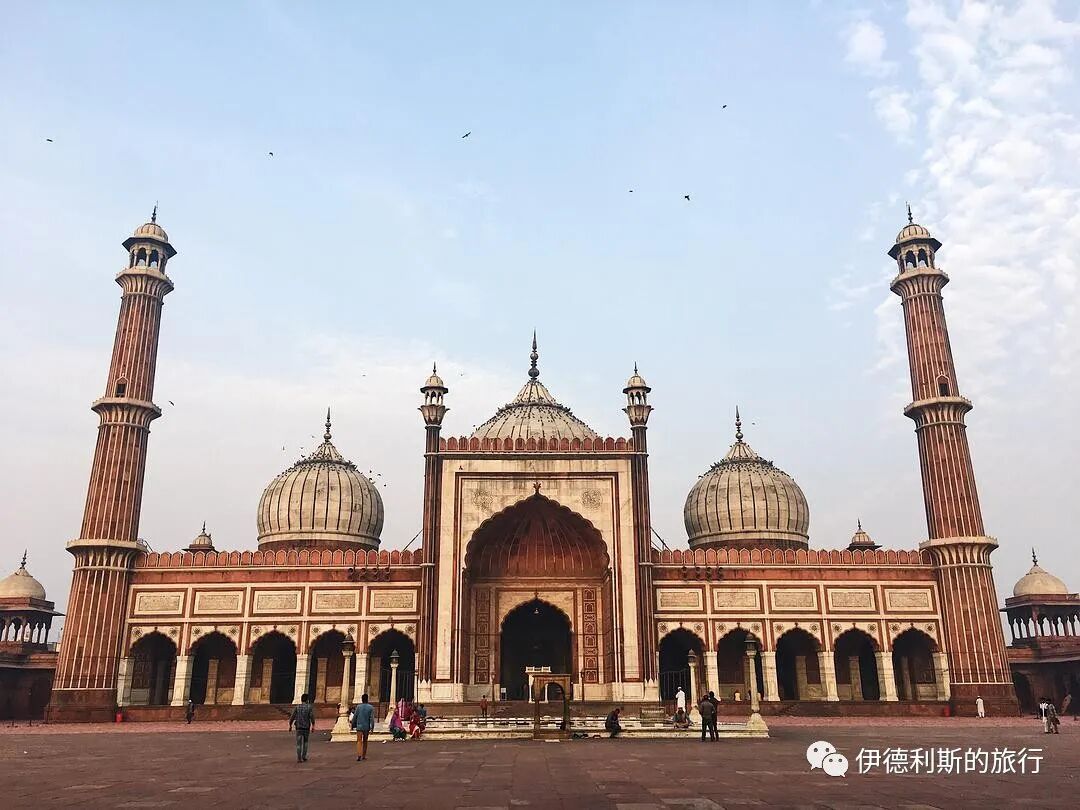
Jama Masjid sits in the south-central part of Shahjahanabad, the seventh historical city of Delhi. It is the largest mosque in Delhi and once served as the main Friday mosque for the Mughal Empire.
The Mughal emperor Shah Jahan, who also built the Taj Mahal, ordered the construction of Jama Masjid between 1650 and 1656. In 1638, before this, Shah Jahan decided to move his capital from Agra, where the Taj Mahal is, to Delhi. He immediately started building a city named after himself, Shahjahanabad, in the north of Delhi. The Jama Mosque was a key part of this city.
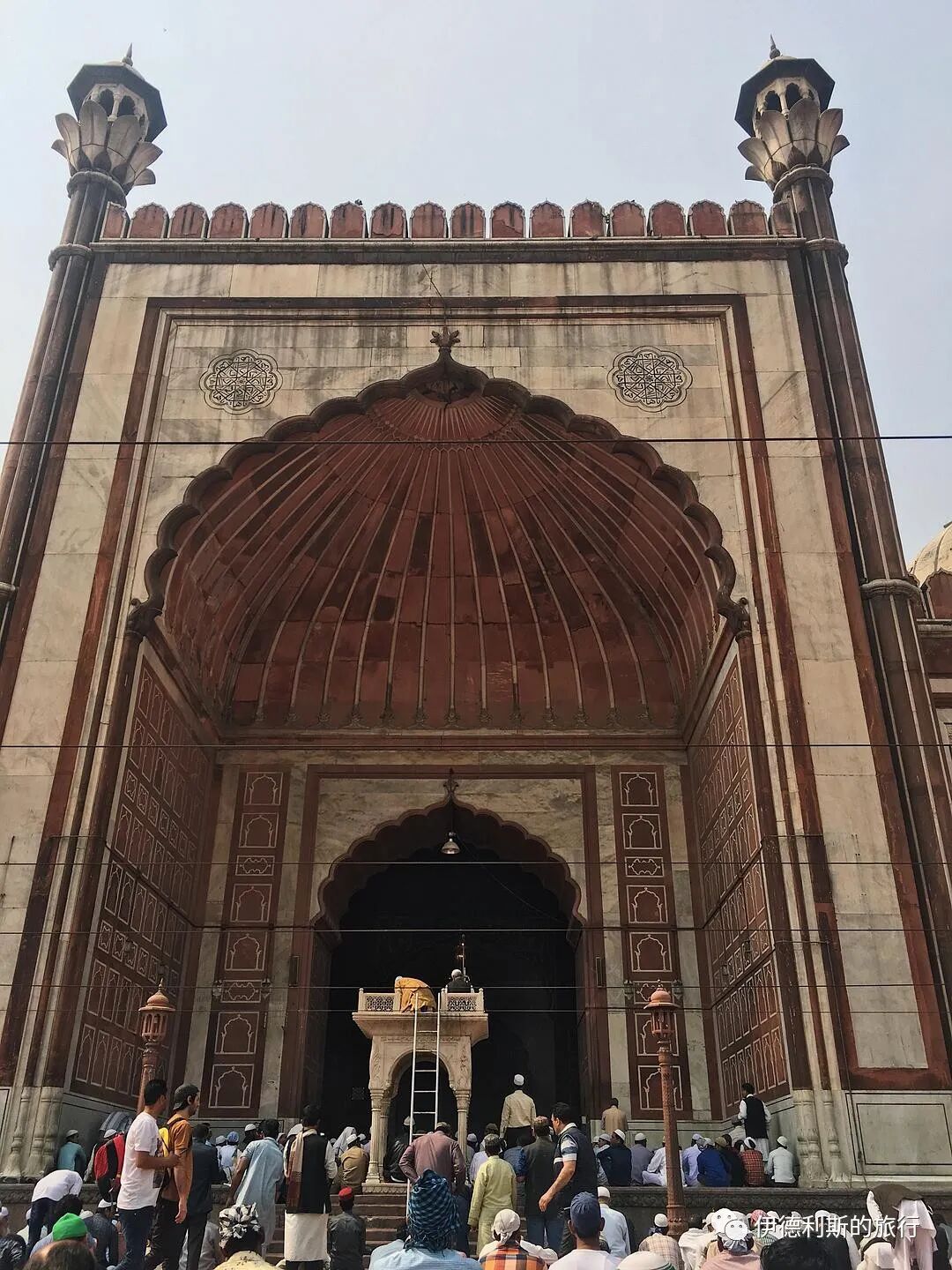
Shah Jahan’s prime minister (wazir), Saadullah Khan, led more than 5,000 workers to build the Jama Mosque. It cost over 1 million rupees. The mosque stands on a high platform over 9 meters above the ground. It is built from red sandstone and marble, featuring a main prayer hall connected by covered walkways, two 40-meter-tall minarets, and three main gates. The east gate was reserved for the Mughal royal family. A path connects it directly to the Delhi Gate of the Red Fort, where the royals lived.
In 1857, the Indian rebellion against the British East India Company broke out. The British then seized the Jama Mosque and stationed troops inside. They originally planned to tear down the mosque, but they failed because of strong opposition. However, the religious school (Madrasa) on the south side of the mosque was destroyed as a result.
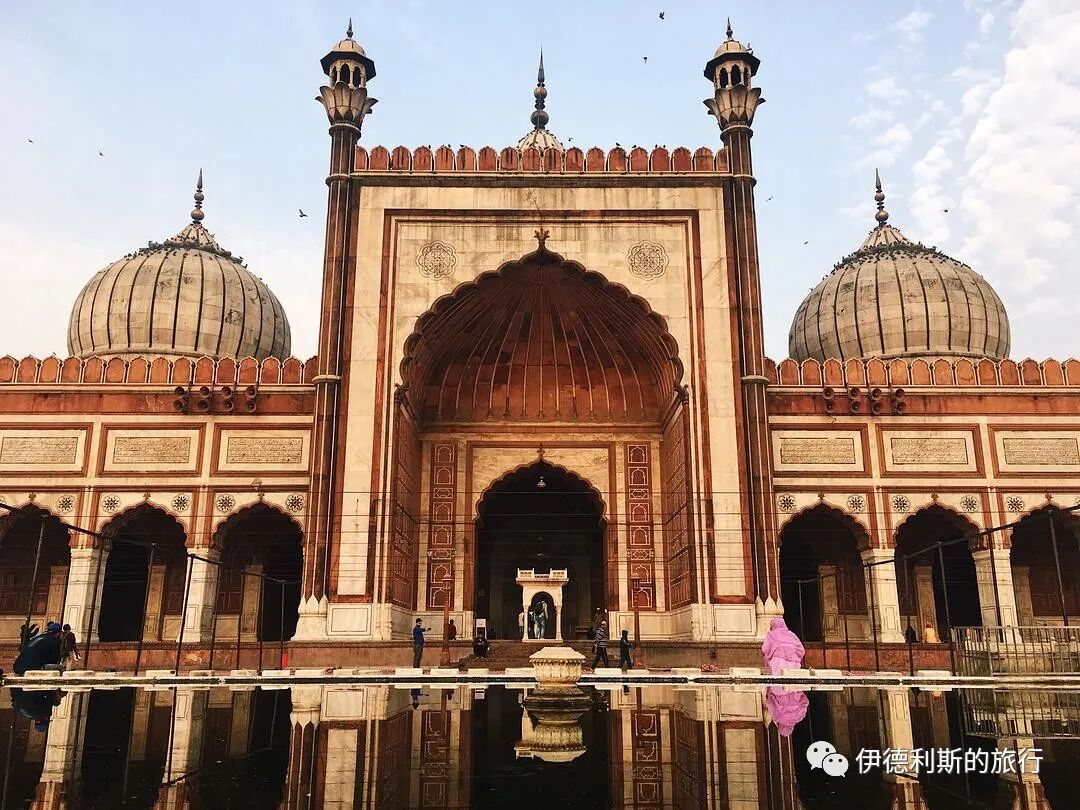
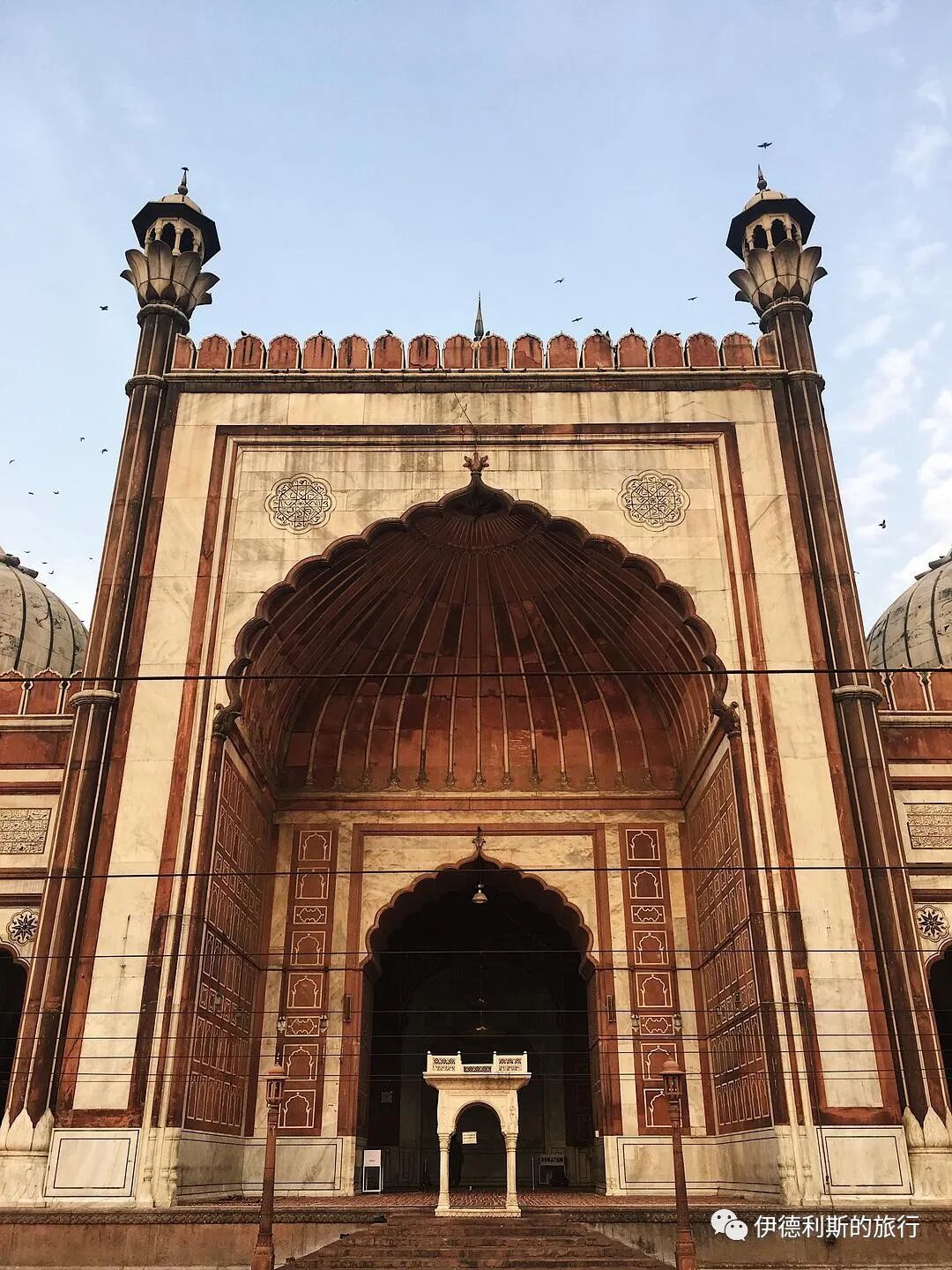
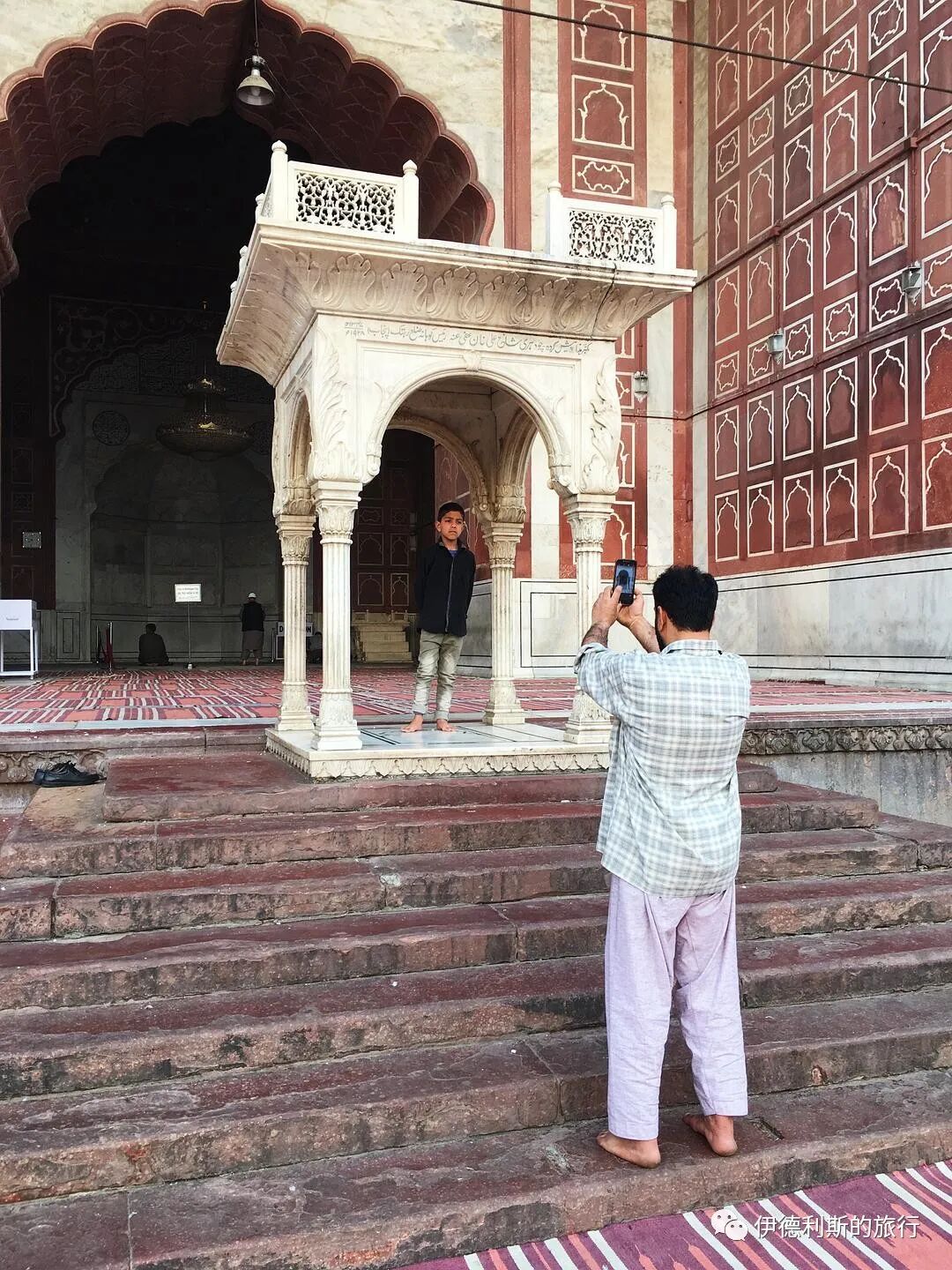
Exterior of the main prayer hall:
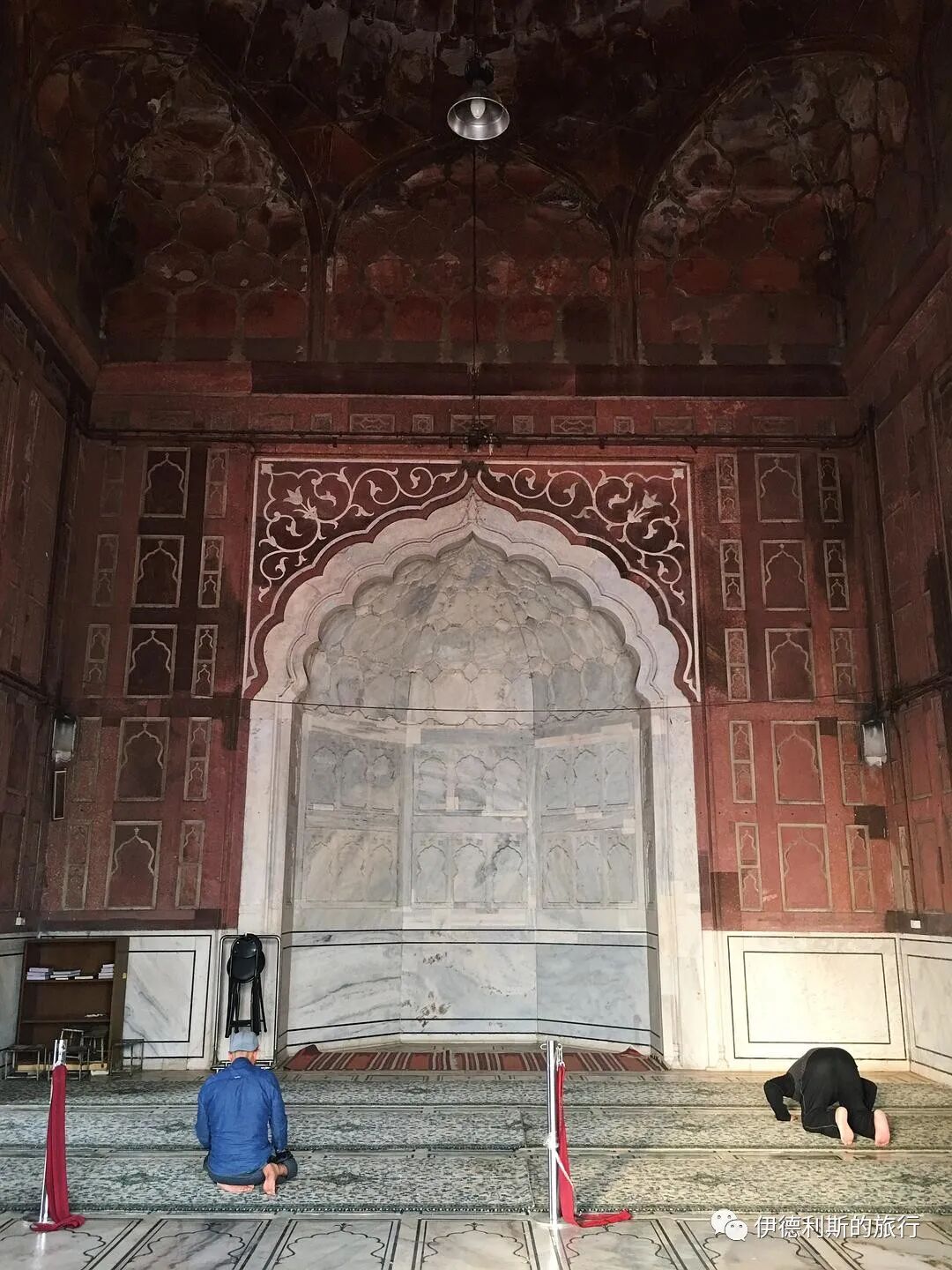
Inside the main prayer hall:
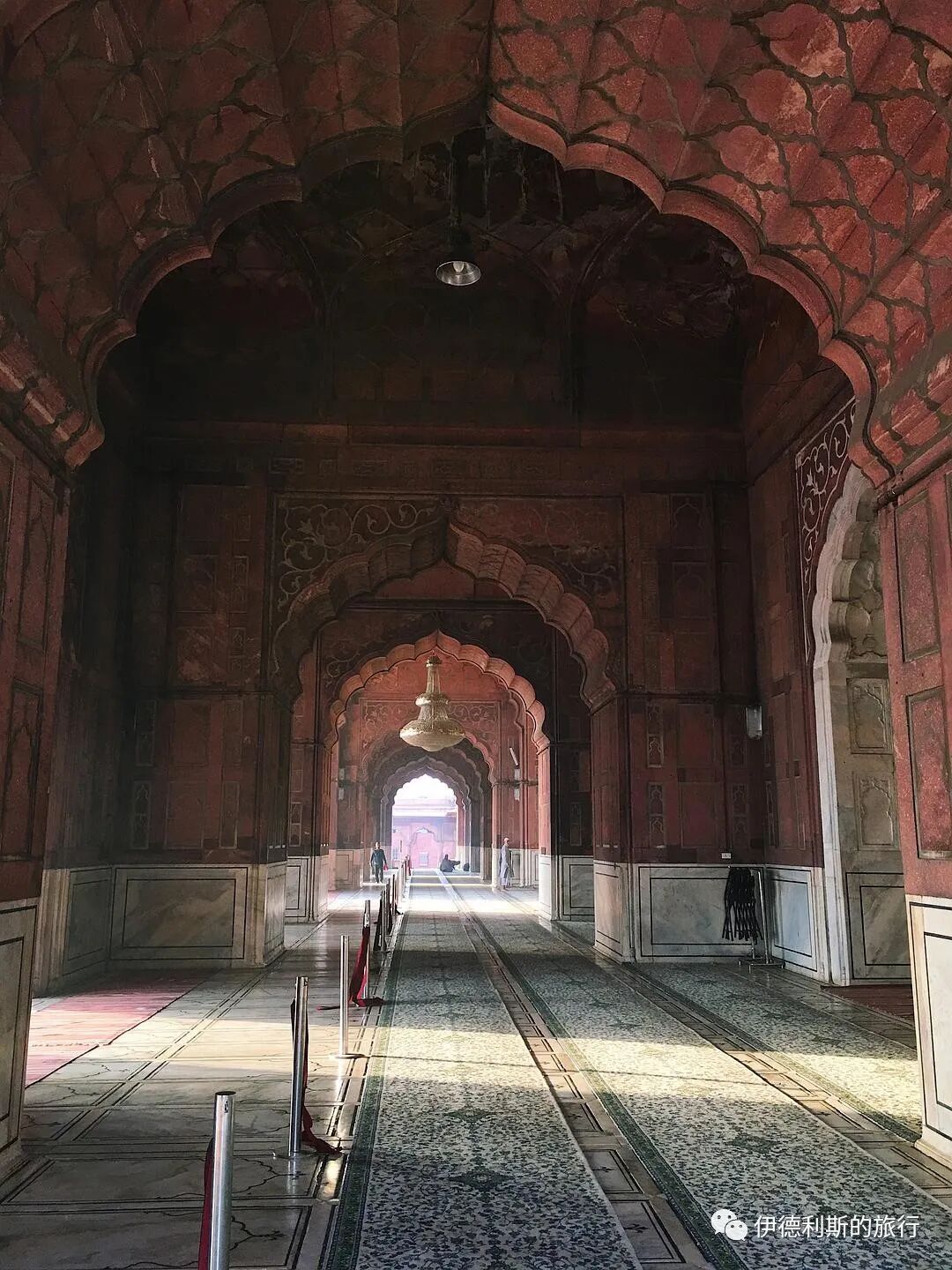
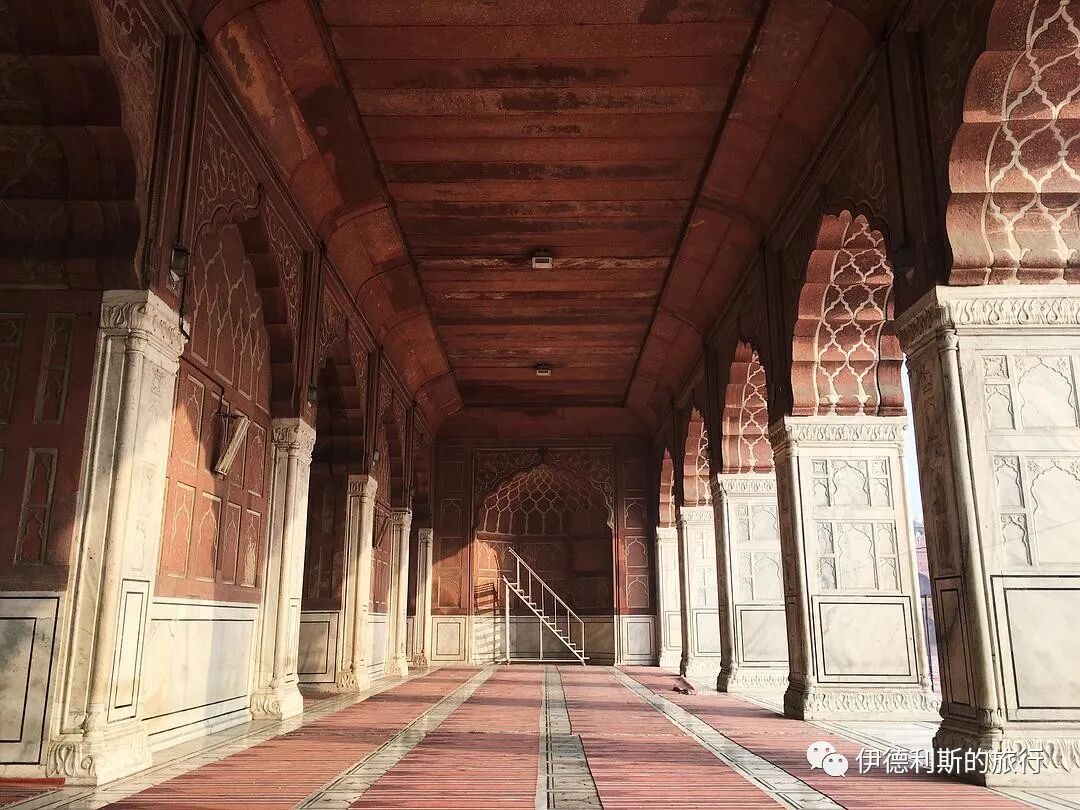
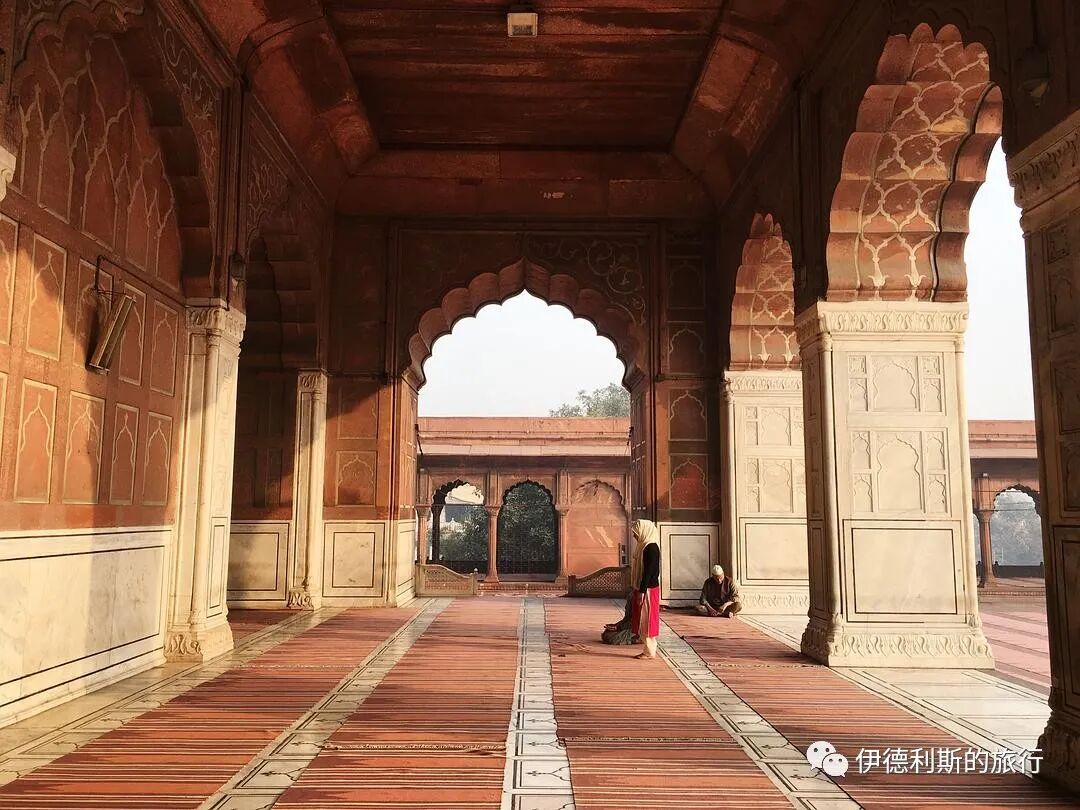
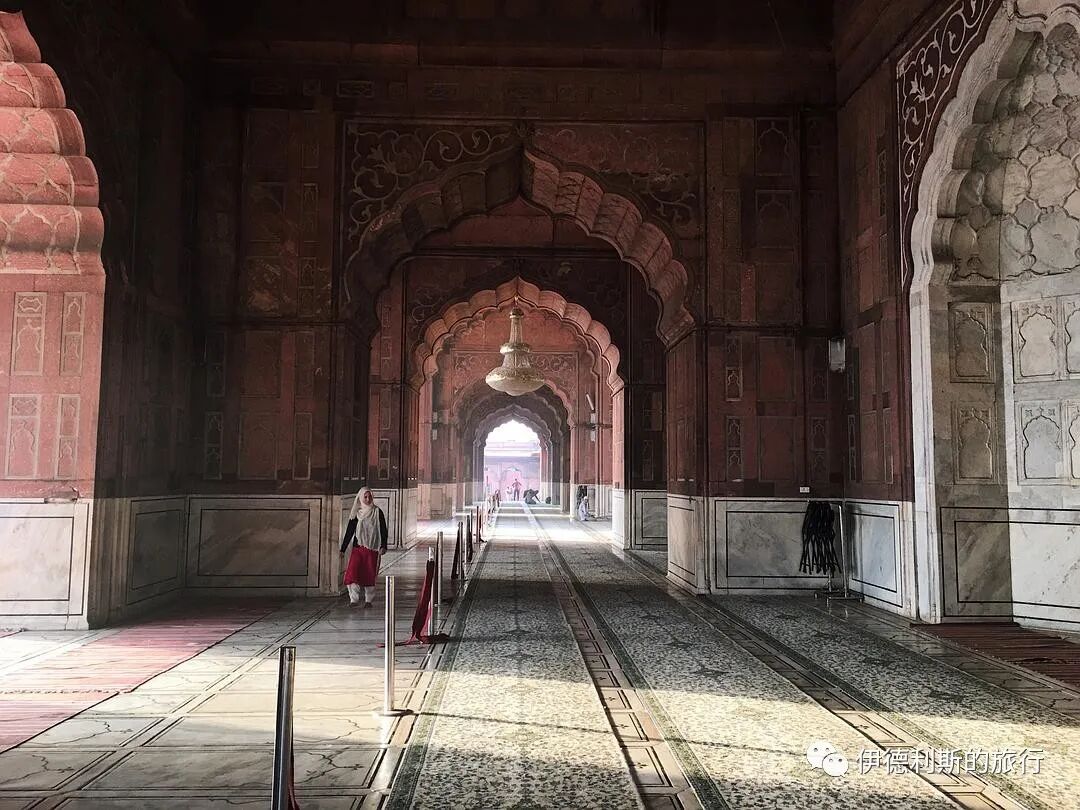
The mihrab sits in the center of the main hall to show the direction of prayer toward Mecca.
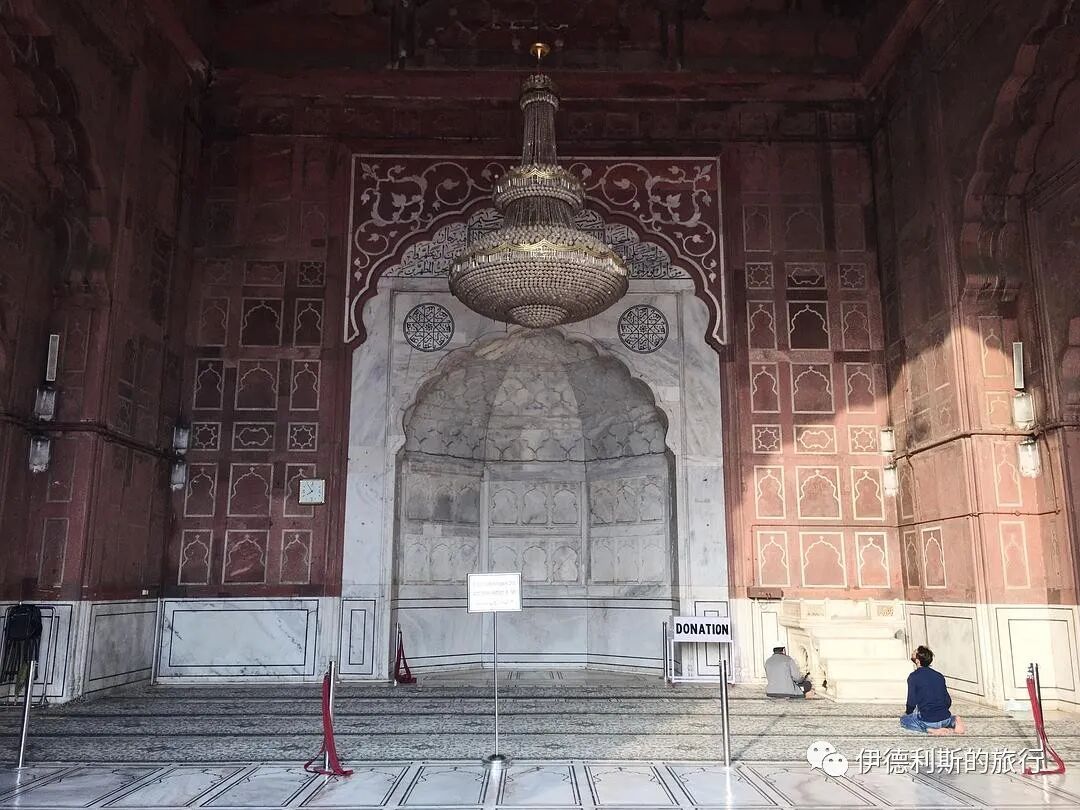
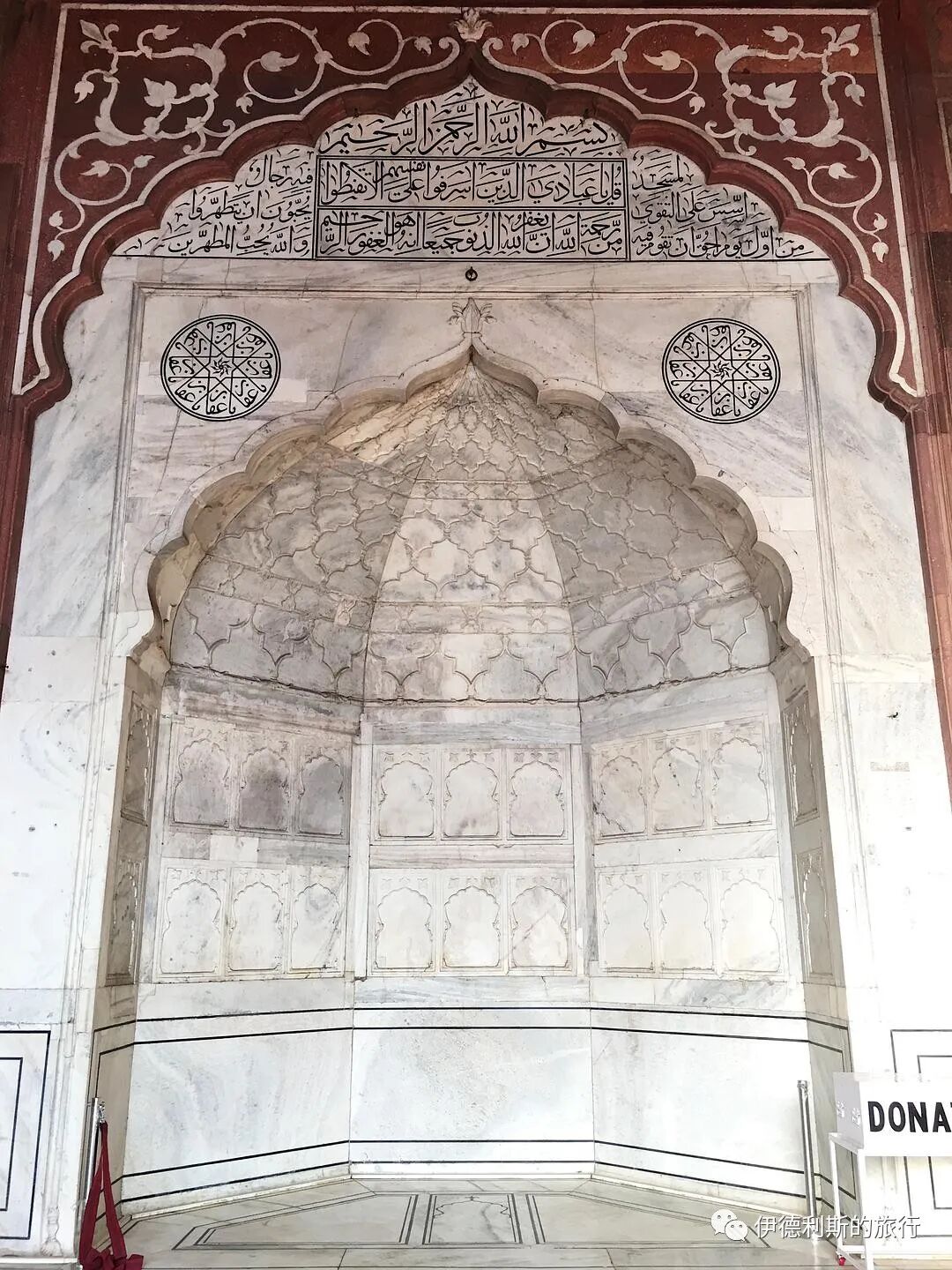
Besides the main mihrab in the center, there is a smaller mihrab on each side.
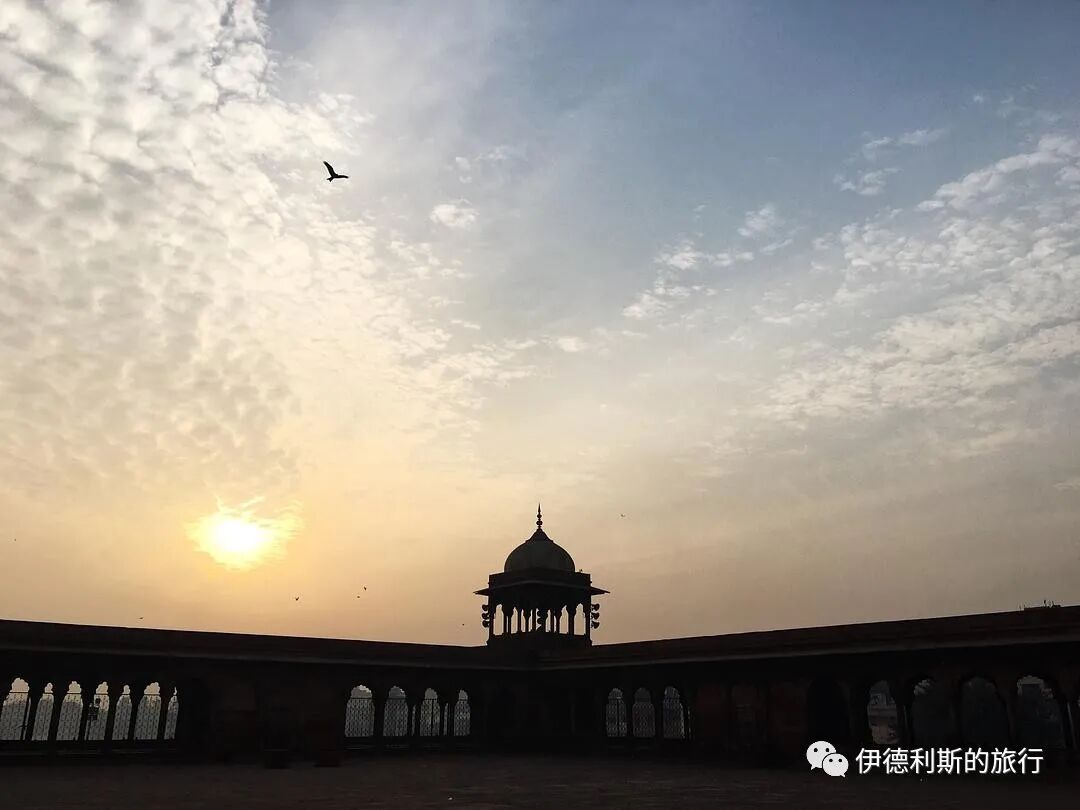
There are four towers, one at each corner of the veranda.
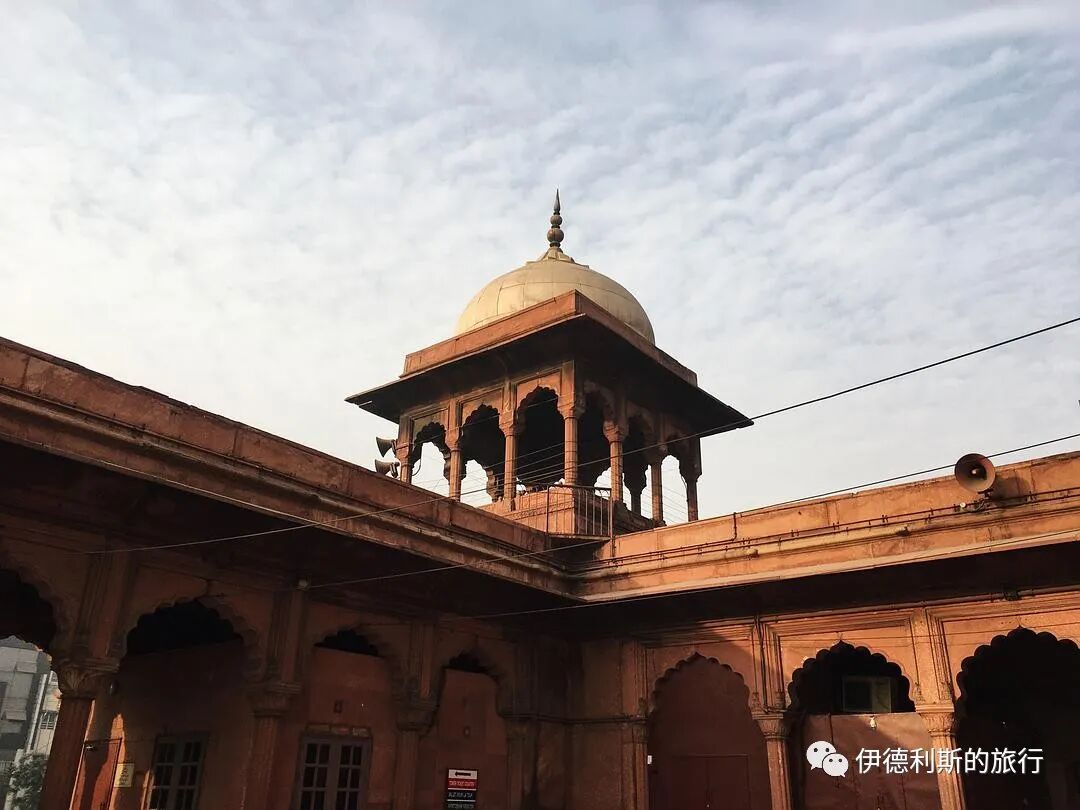
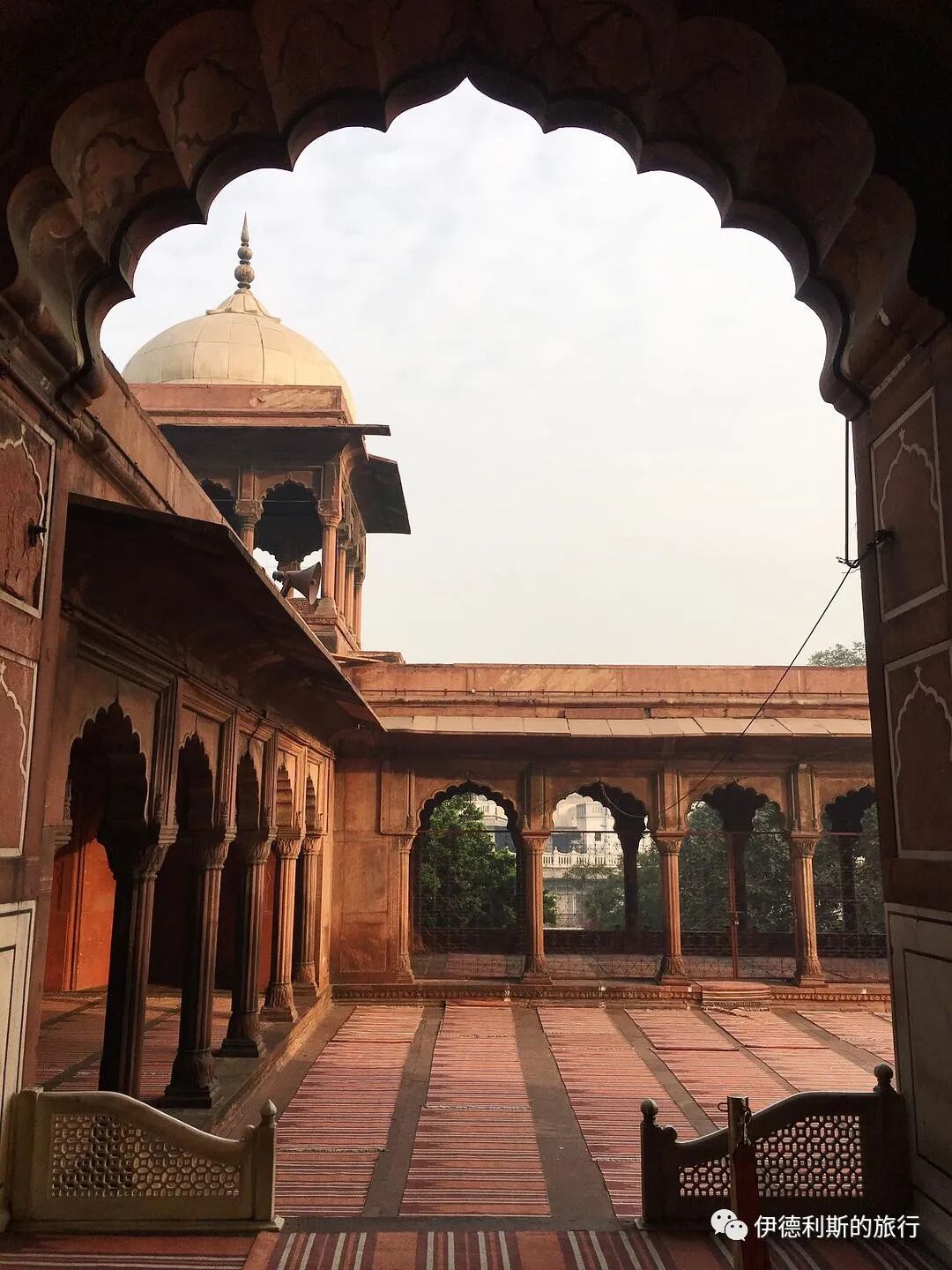
Three main gates:
The East Gate is the main entrance.
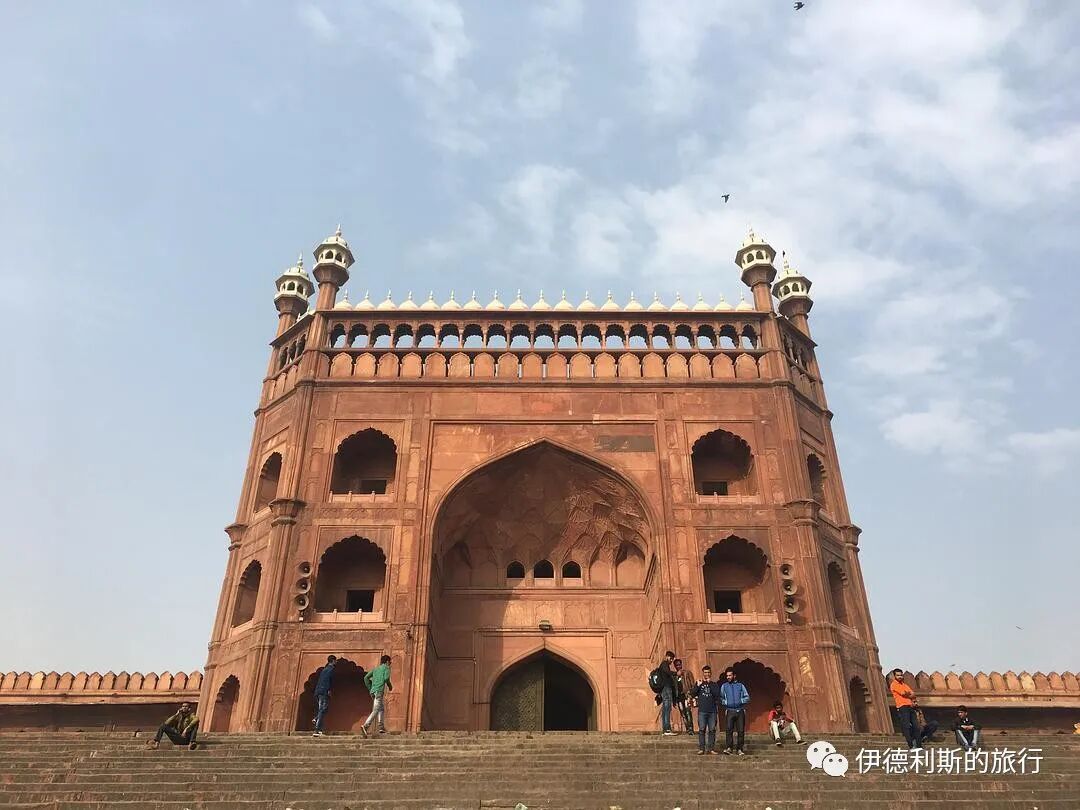
South Gate:
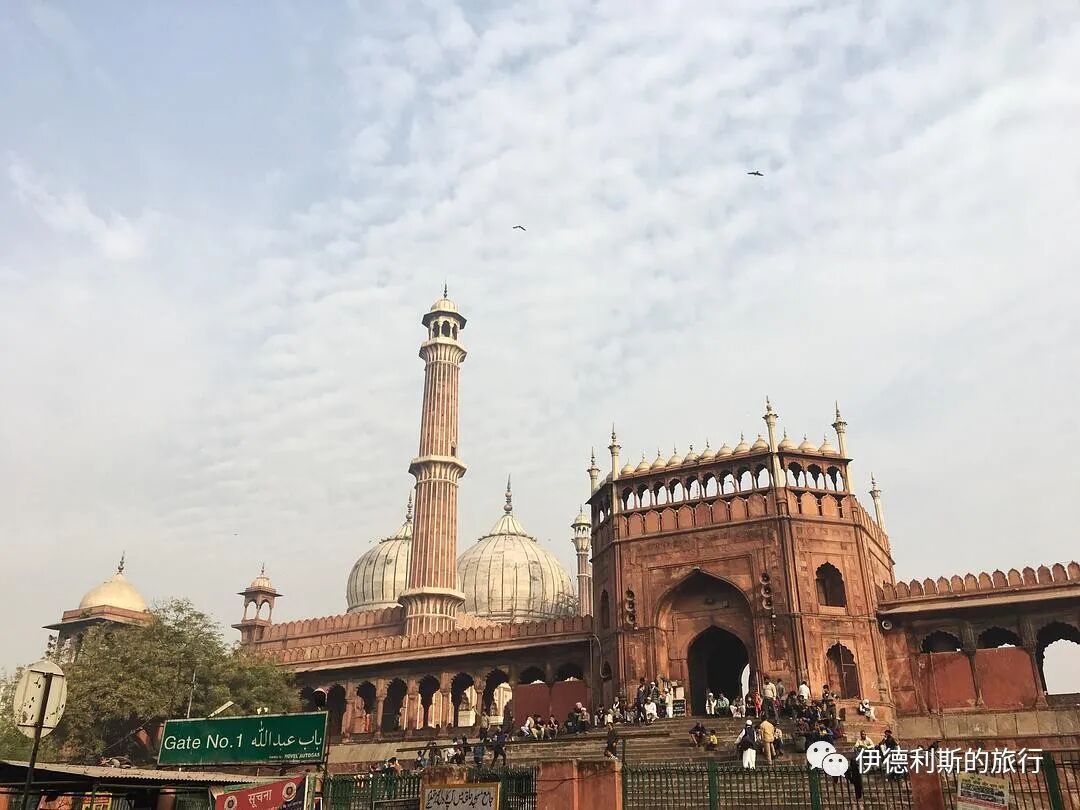
North Gate:
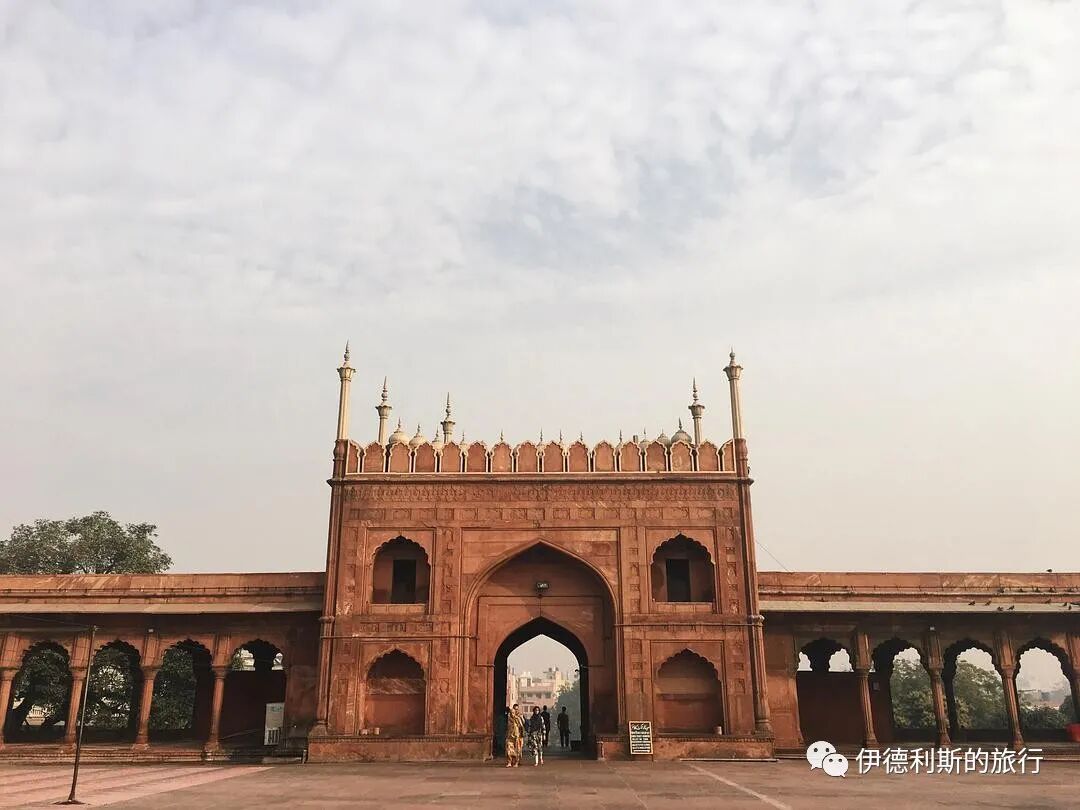
Inside the East Gate:
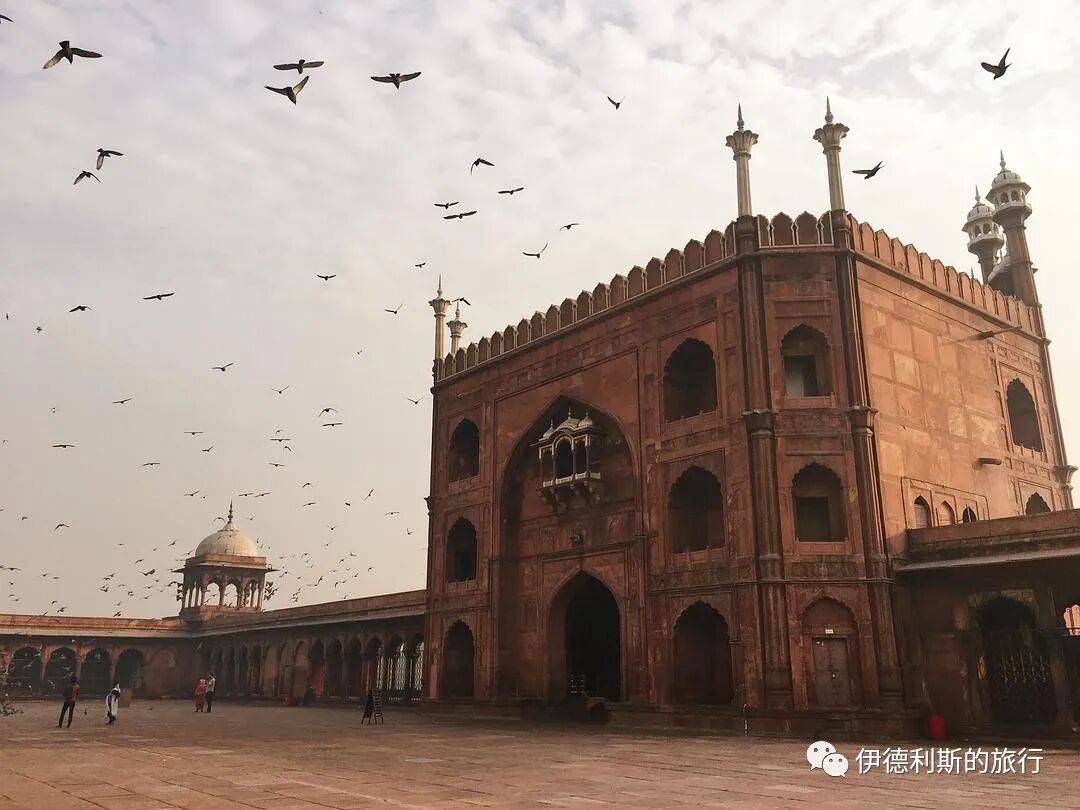
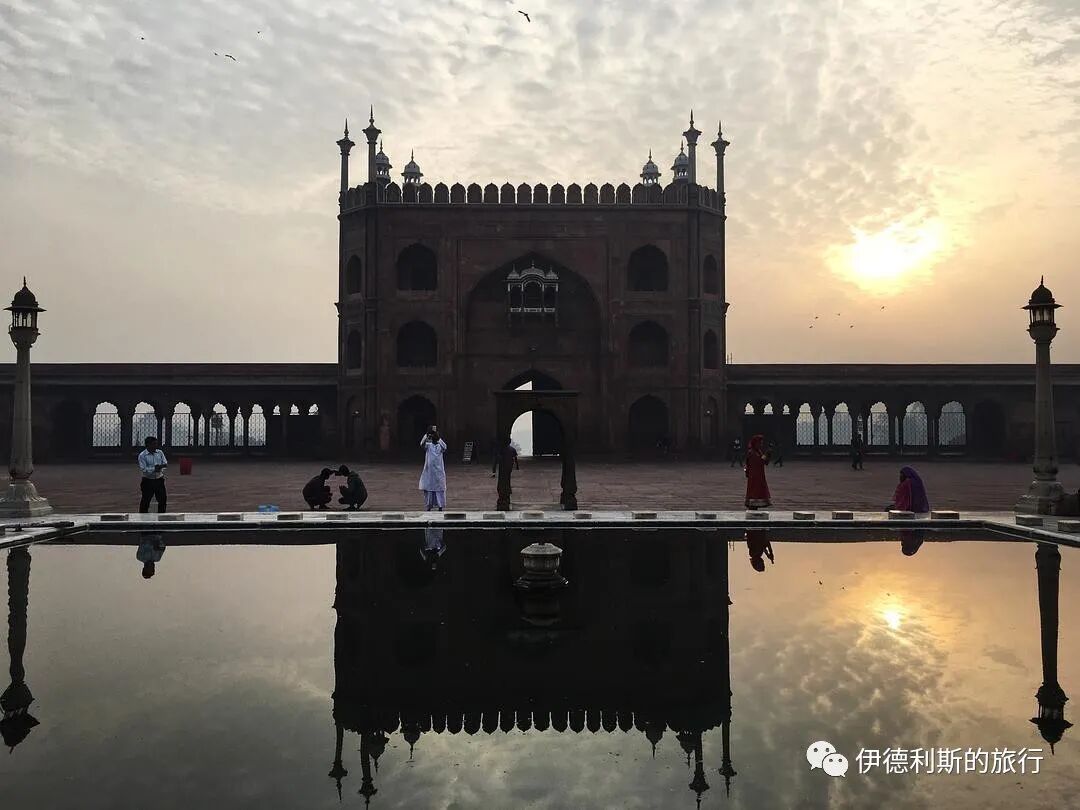
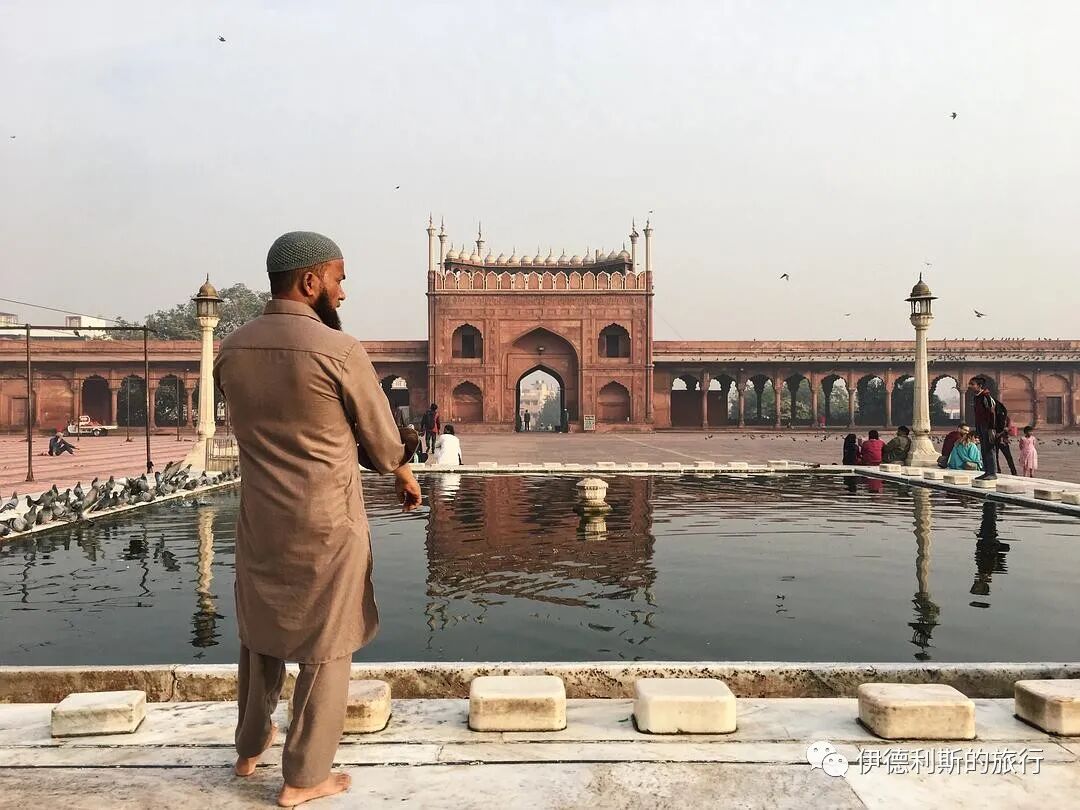
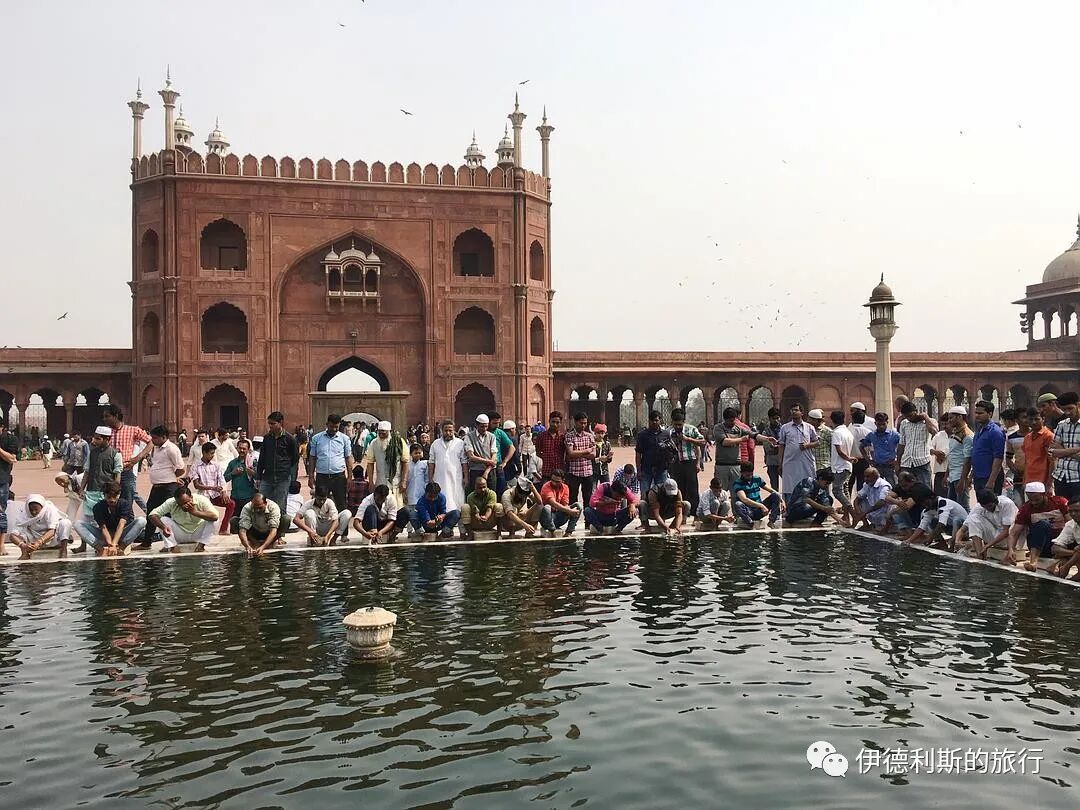
The pool for ritual washing (wudu) in the courtyard:
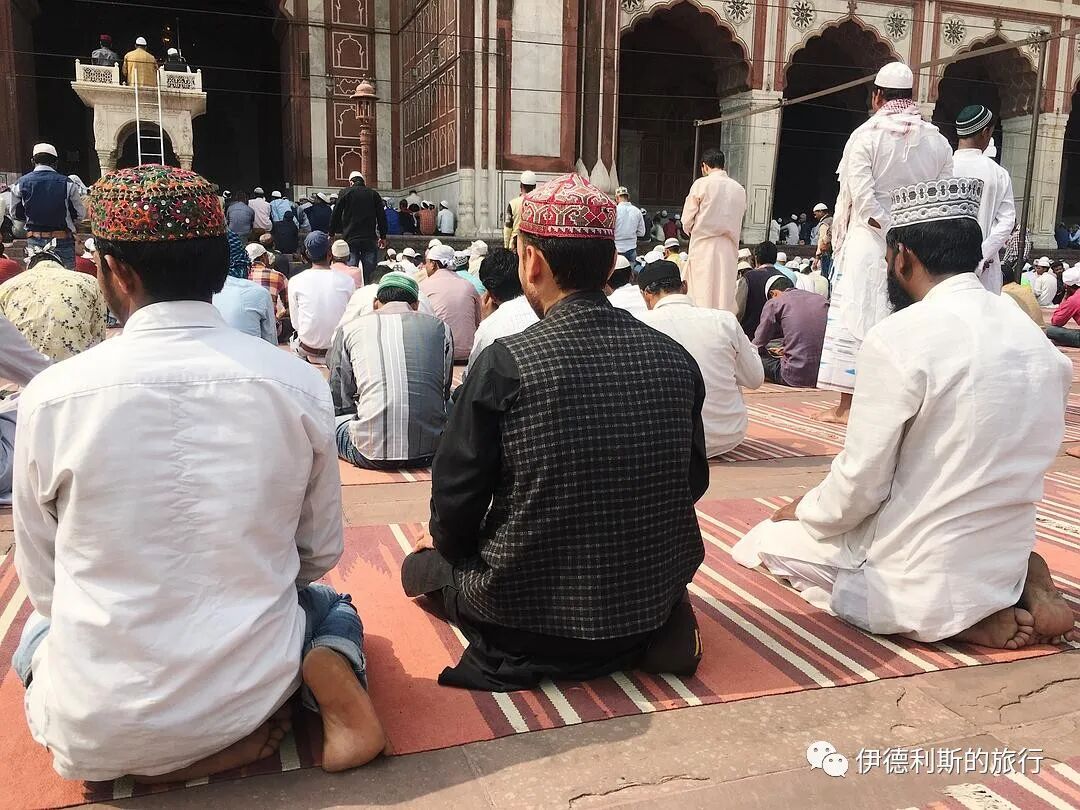
The Friday congregational prayer (Jumu'ah) at the Jama Mosque.
When used alone, the word Jama translates to Jumu'ah, which means the Friday congregational prayer. A Jumu'ah mosque is usually the largest one in the community, where Muslims gather every Friday at noon for the most important prayer of the week. I was lucky enough to attend a Friday Jumu'ah prayer at the Jama Mosque.
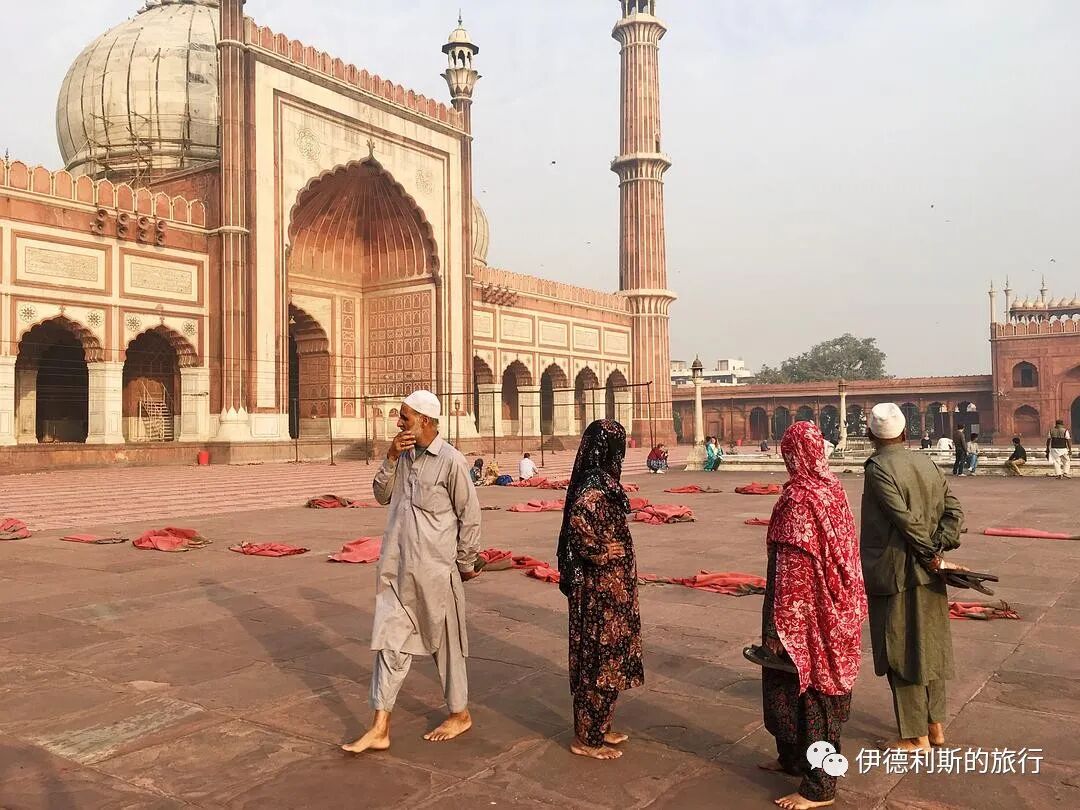
On Friday morning, more prayer rugs were already laid out in the courtyard.
People are performing wudu before the Friday namaz.
The crowd is getting bigger.
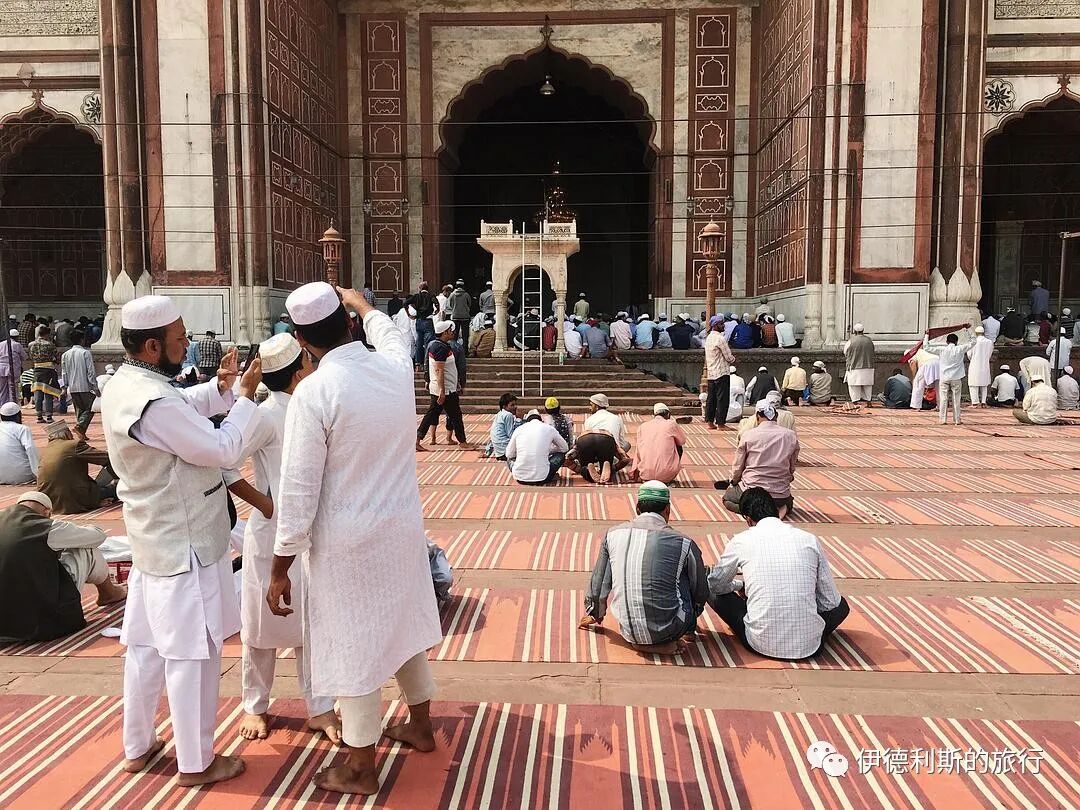
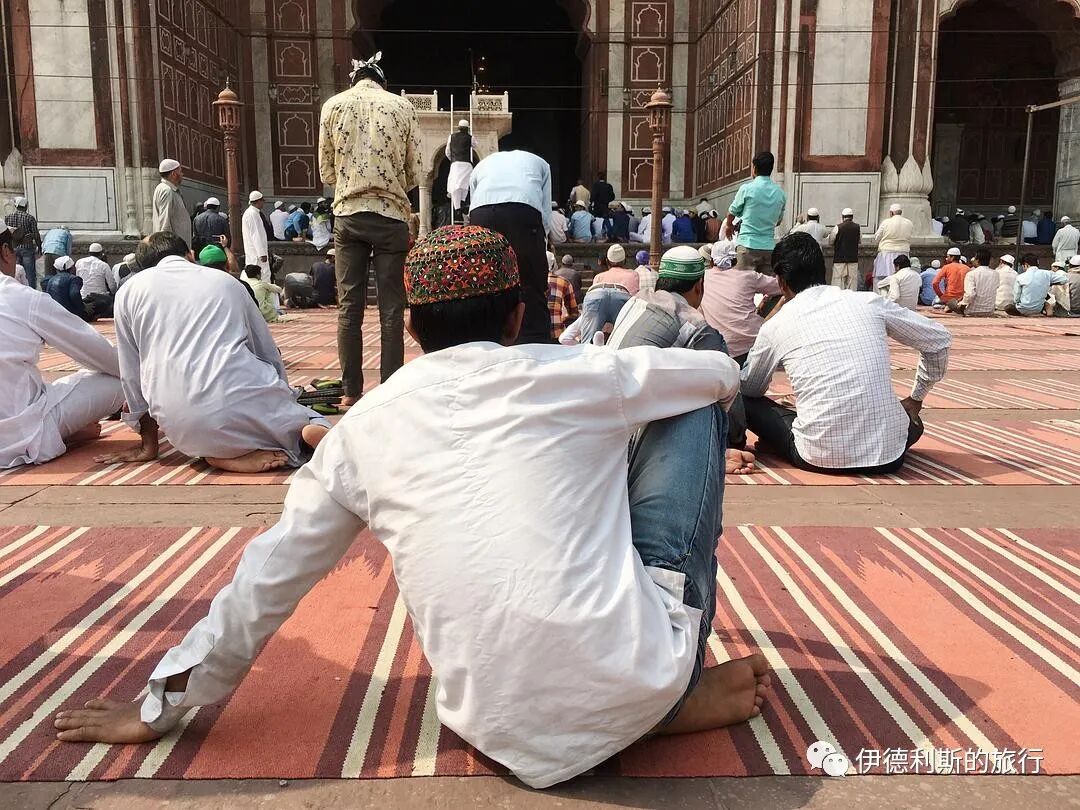
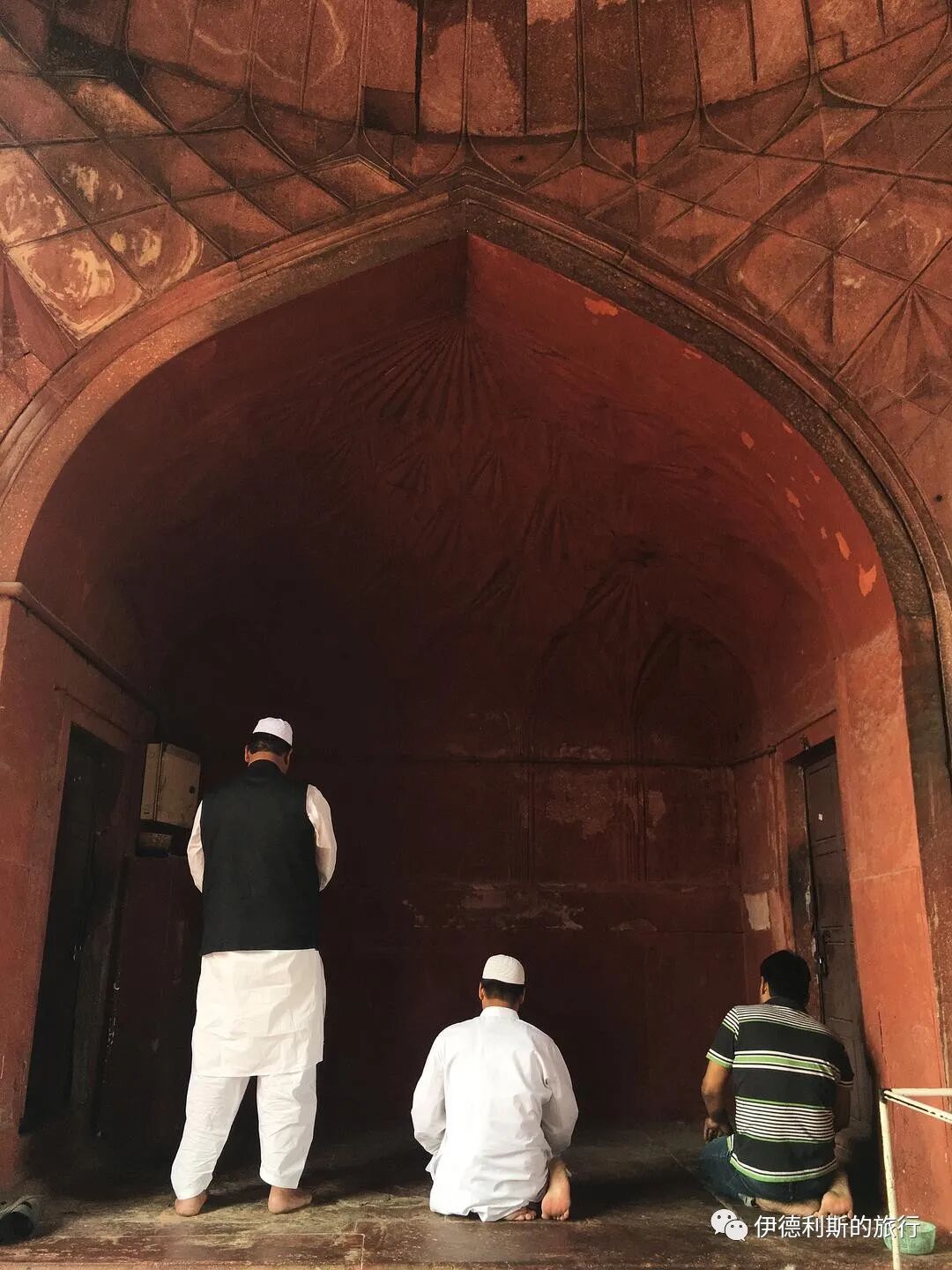
People praying inside the main gate archway.
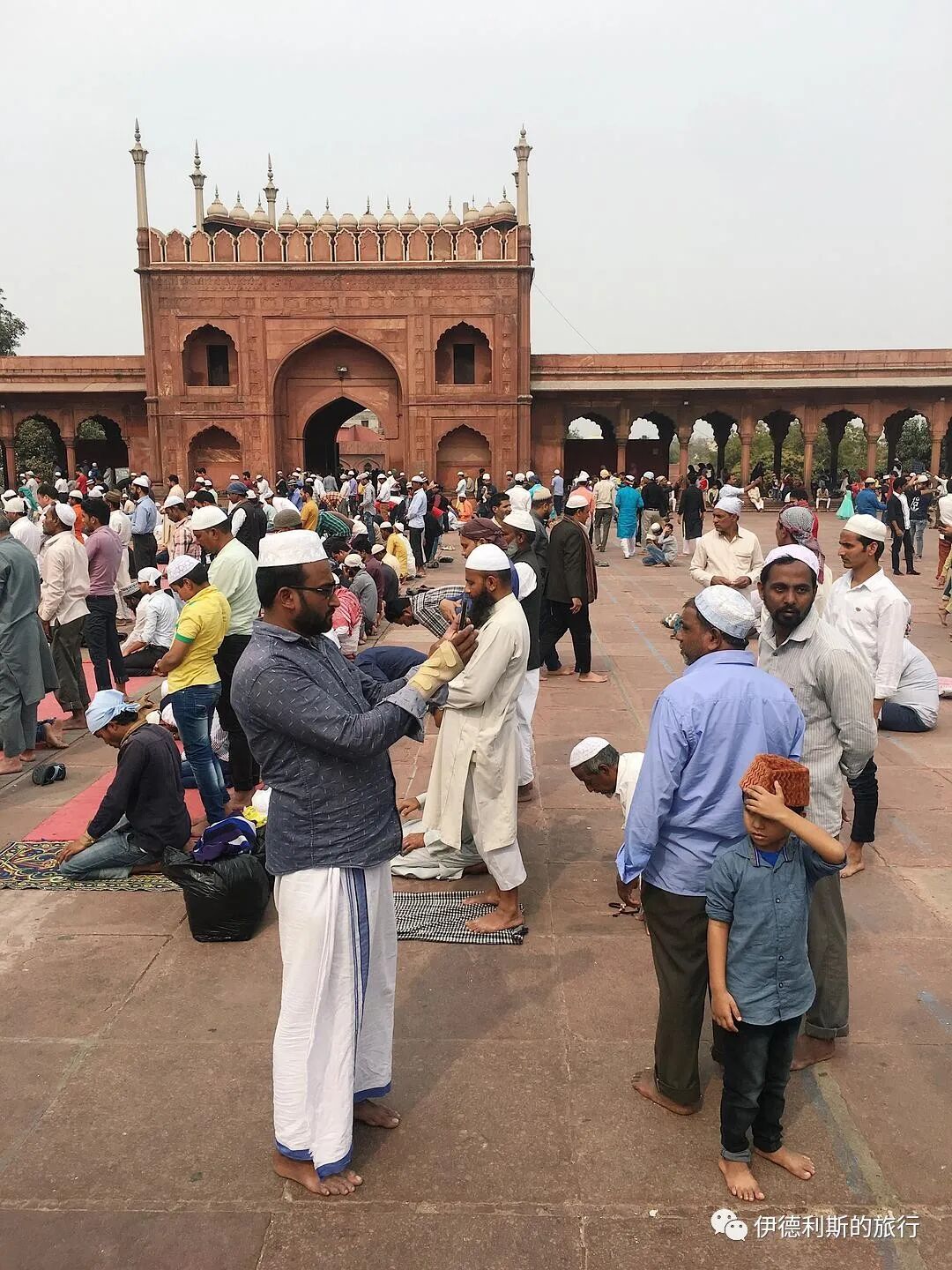
People taking photos after finishing their namaz.
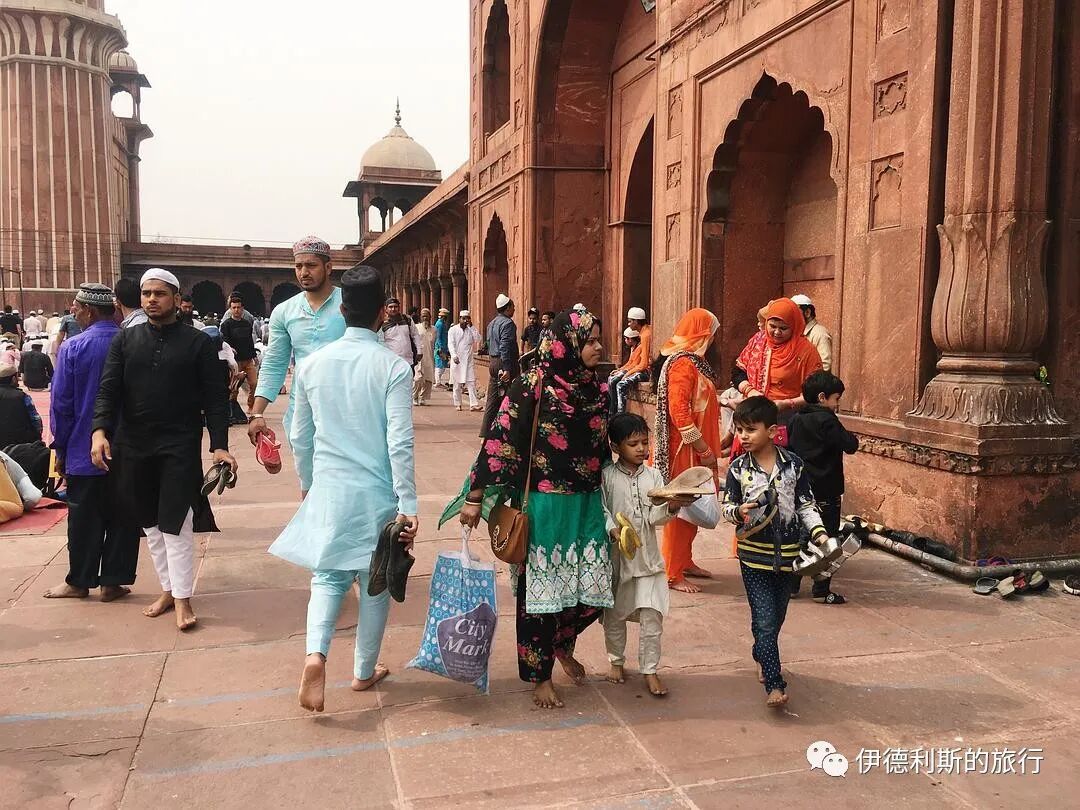
People eating fruit outside the north gate of the mosque after namaz.
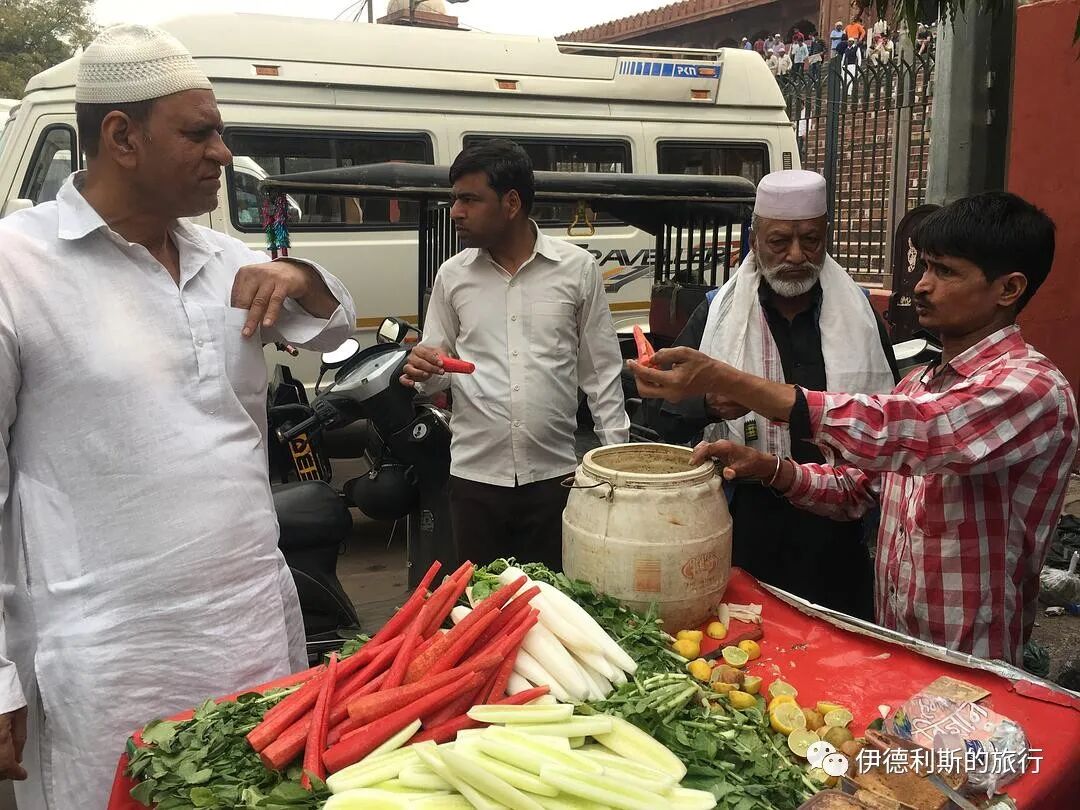
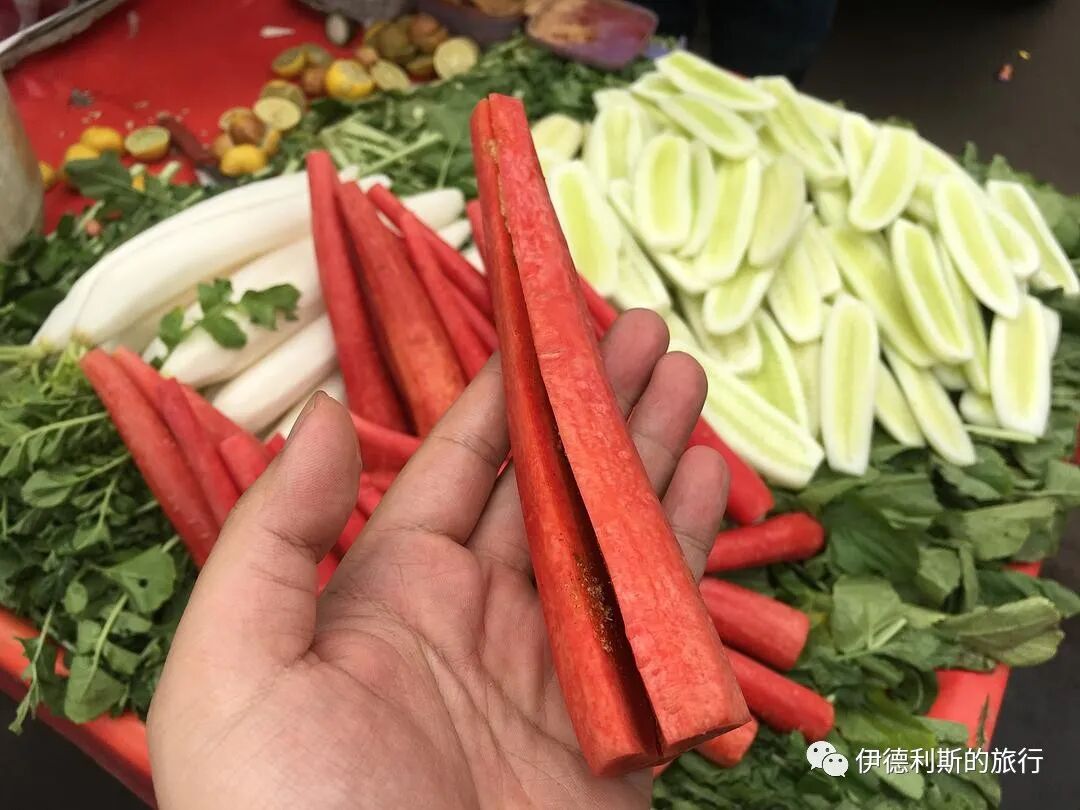
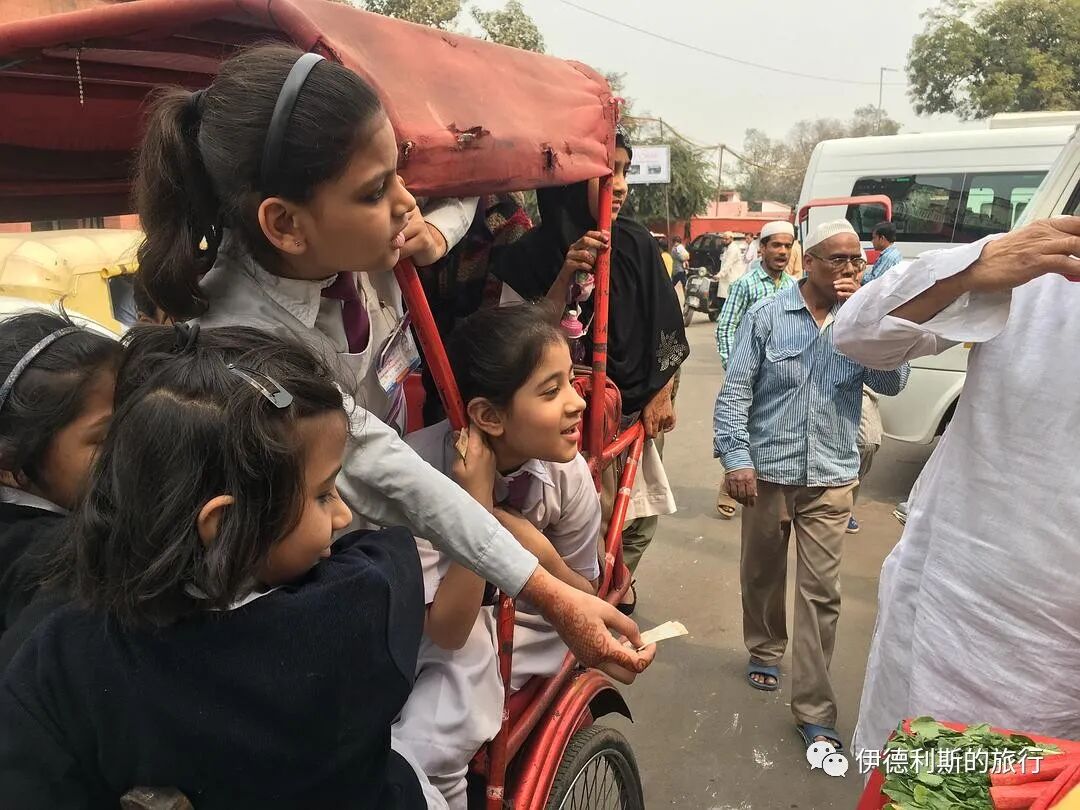
The Jama Masjid Muslim community.
After the Jama Masjid was built, Muslims kept moving in to live around the mosque. By the mid-17th century, the Jama Masjid Muslim community had formed.
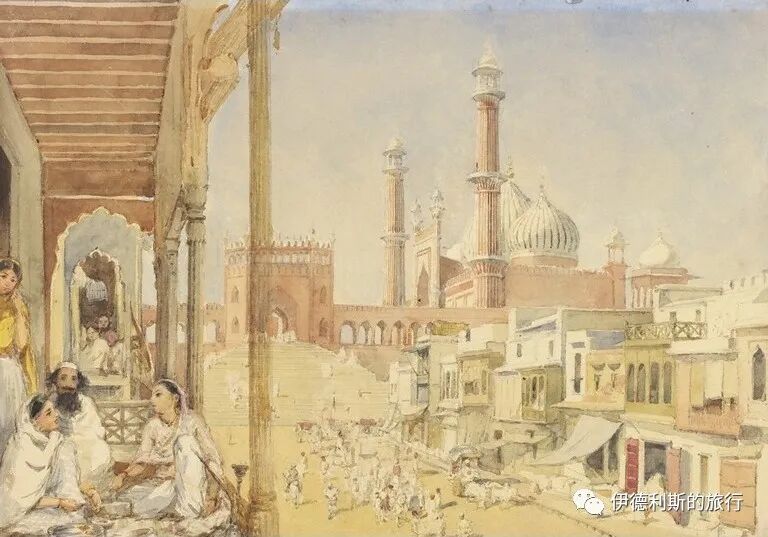
The Jama Masjid Muslim community in 1852, from Wikipedia.
During the Mughal Empire, Muslims lived in a large area surrounding the Jama Masjid. However, things changed after the 1857 Indian Rebellion when the British took over the Jama Masjid for a military camp and cleared out all the nearby bazaars. Later, during the 1947 partition of India and Pakistan, many Delhi Muslims moved to Pakistan. Today, the areas west and north of the Jama Masjid are entirely Hindu communities. The Muslim community is now limited to the area outside the south and east gates of the mosque in the southeastern part of the old city.
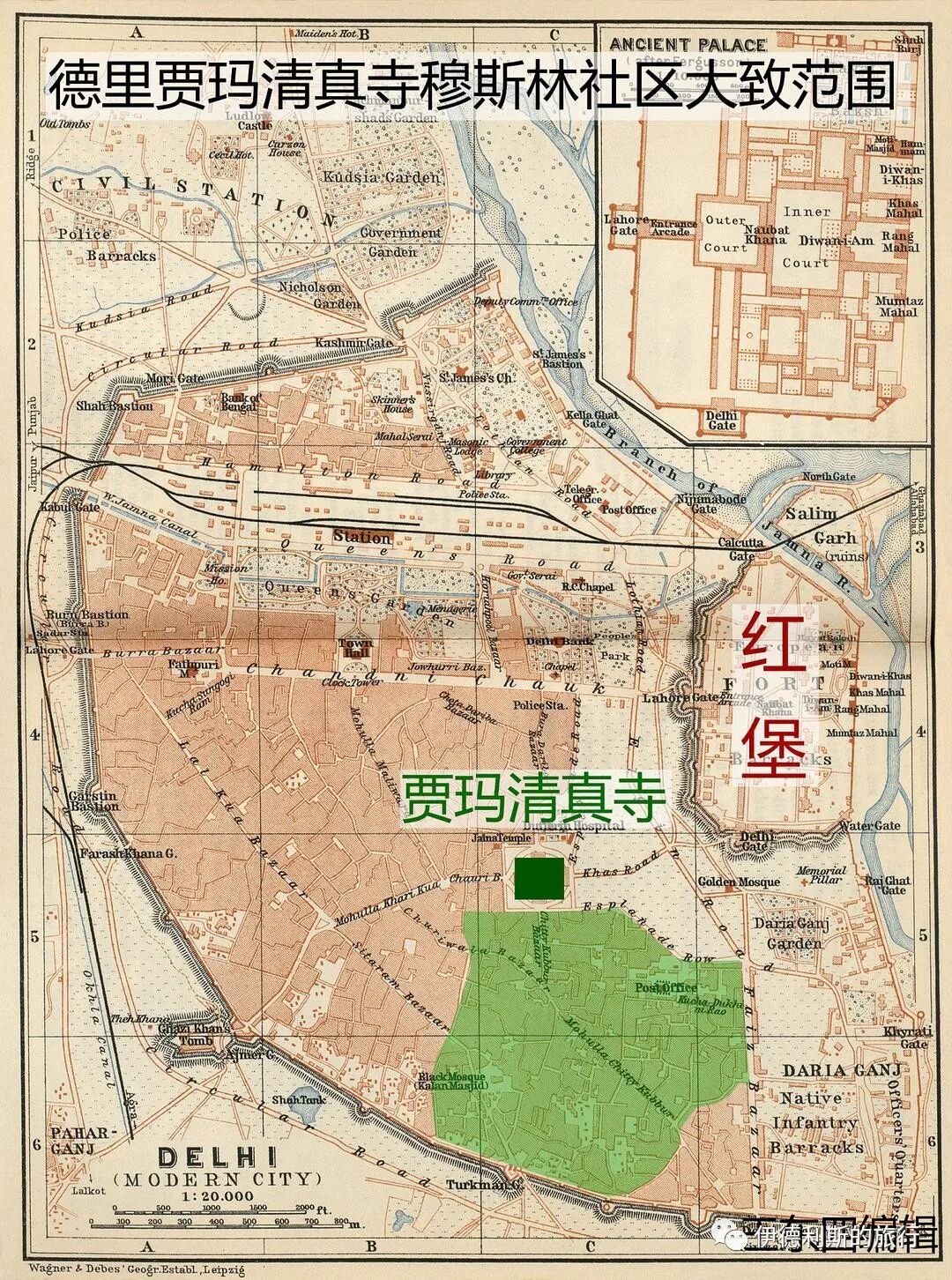
The Muslim community around Jama Mosque has four main roads, each leading to one of the community's four primary bazaars: Urdu Bazaar, Matia Mahal Bazaar, Chitli Qabar Bazaar, and Meena Bazaar. I will introduce these four bazaars one by one.
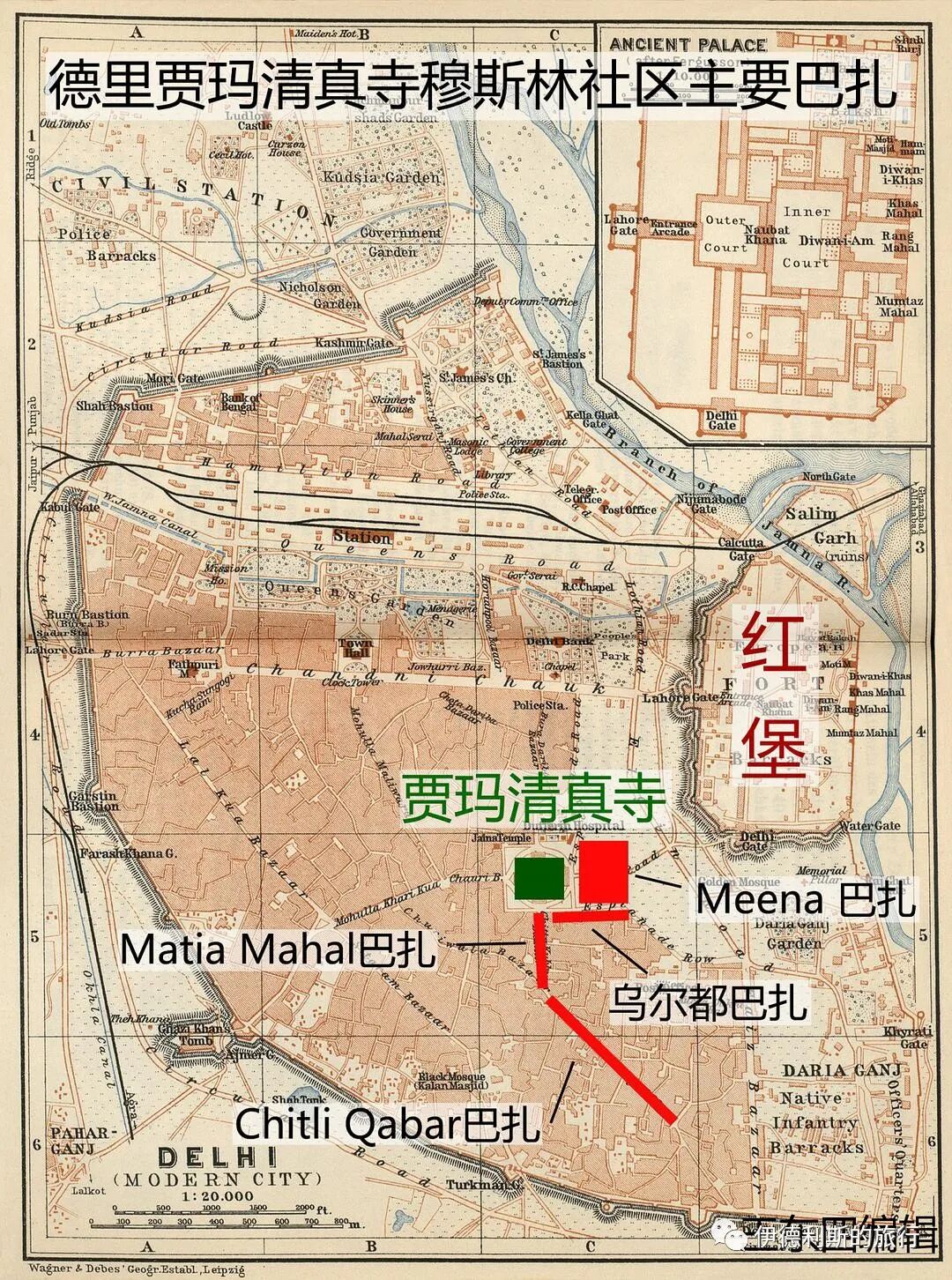
Urdu Bazaar
Urdu Bazaar is located on the south side of the street that stretches east from the south gate of Jama Mosque. This place was once a famous market for Urdu language books during the Mughal era.
The word "Urdu" comes from the Turkic word "ordu," meaning army. During the Delhi Sultanate and Mughal Empire, many Persianized Turkic Muslims from Central Asia and Afghanistan moved to North India. They used Persian as their official and literary language, Chagatai Turkic for daily life, and Arabic for religion. All three languages had a major impact on the local Hindustani language. This version of Hindustani, which included loanwords from Persian, Chagatai Turkic, and Arabic, slowly developed into what we now call Urdu.
From the 13th century until the end of the 18th century, both Urdu and Hindi were called Hindustani, and they were basically the same in spoken form. After the British replaced the Mughal Empire to rule India in the 19th century, Urdu and English replaced Persian as the official languages of India in 1837. Hindus resisted this language because it was written in the Persian script. They believed their language had to be written in the Devanagari script, which belongs to the Sanskrit system. In 1881, Bihar became the first state to replace Hindustani with Hindi, written in the Devanagari script, as its official language. This move started the divide between Muslim Urdu and Hindu Hindi.
After this, Indian Muslims removed Sanskrit loanwords from Urdu, while Hindus removed Arabic and Persian loanwords from Hindi. This created two written languages that were even more different from each other. Choosing to use Urdu or Hindi became a way for people to show their religious and cultural identity.
As the capital of the Mughal Empire, the area around the Jama Mosque was once home to many Urdu-speaking scholars and upper-class families. It slowly became the largest market for Urdu books in Delhi. In 1857, the British seized the Jama Mosque and cleared out the bazaar. The Urdu Bazaar disappeared for a time, but it slowly recovered later. After the partition of India and Pakistan in 1947, many well-educated Urdu speakers near Jama Mosque moved to Pakistan, which dealt another blow to Urdu Bazaar.
Today, only a few Urdu bookstores remain in Urdu Bazaar, while most of the area is now taken over by long-distance bus stations, kebab shops, and various food stalls. Every night, the place is packed with rickshaws and is very lively.
On the right is one of the few remaining Urdu bookstores.
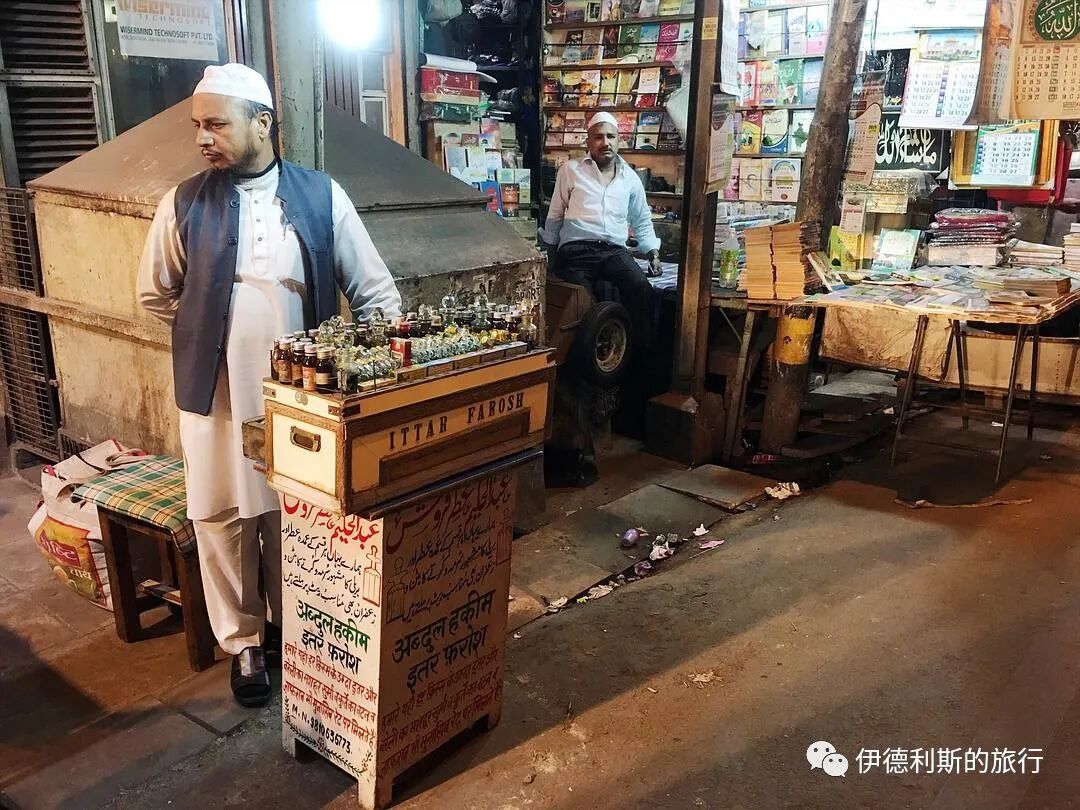
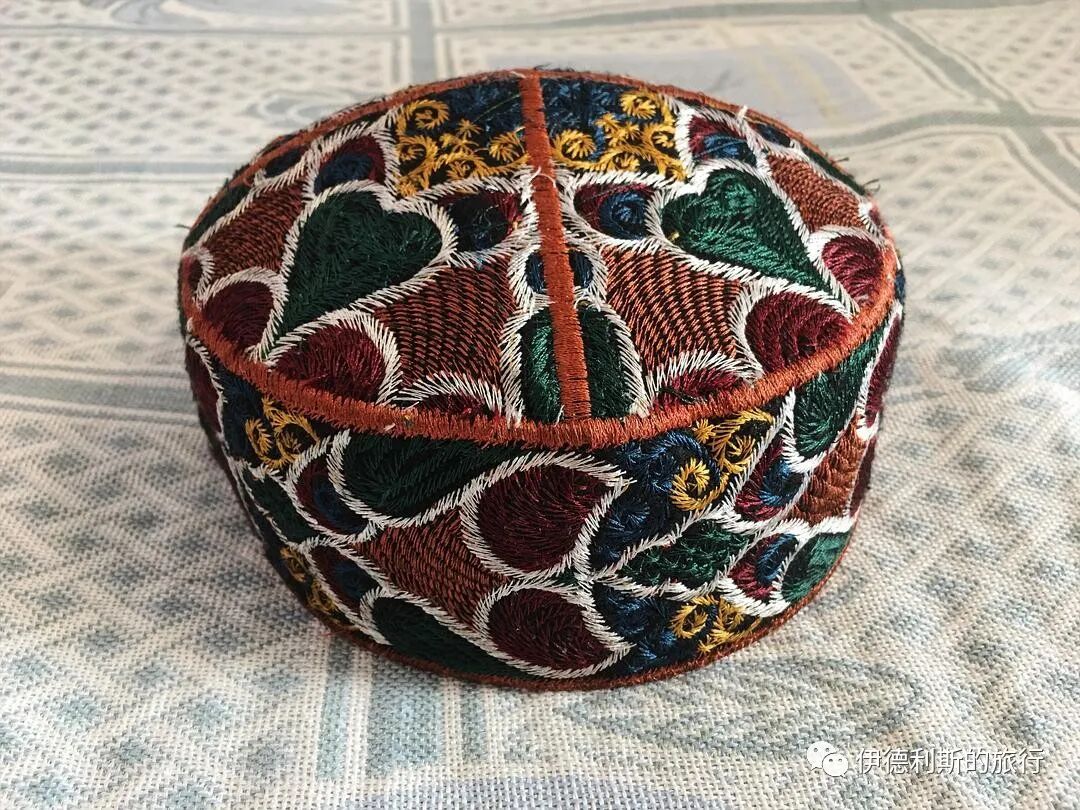
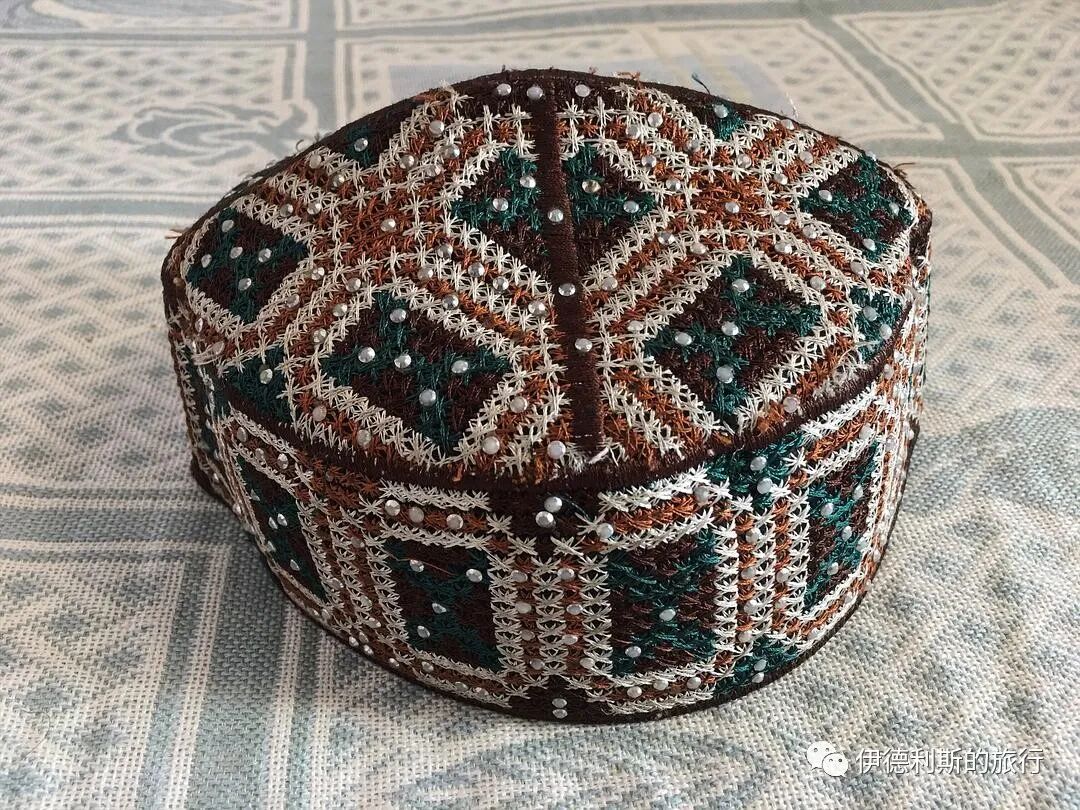
I bought a hat at this shop, and there is another Urdu bookstore to its left.
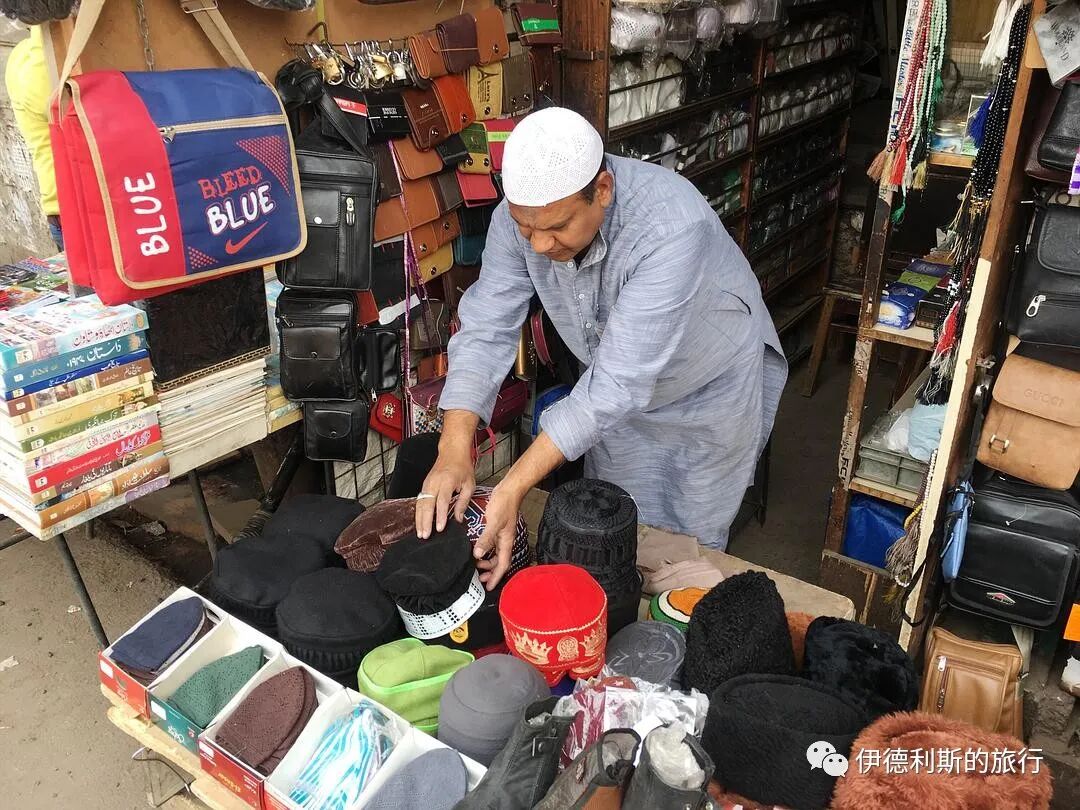
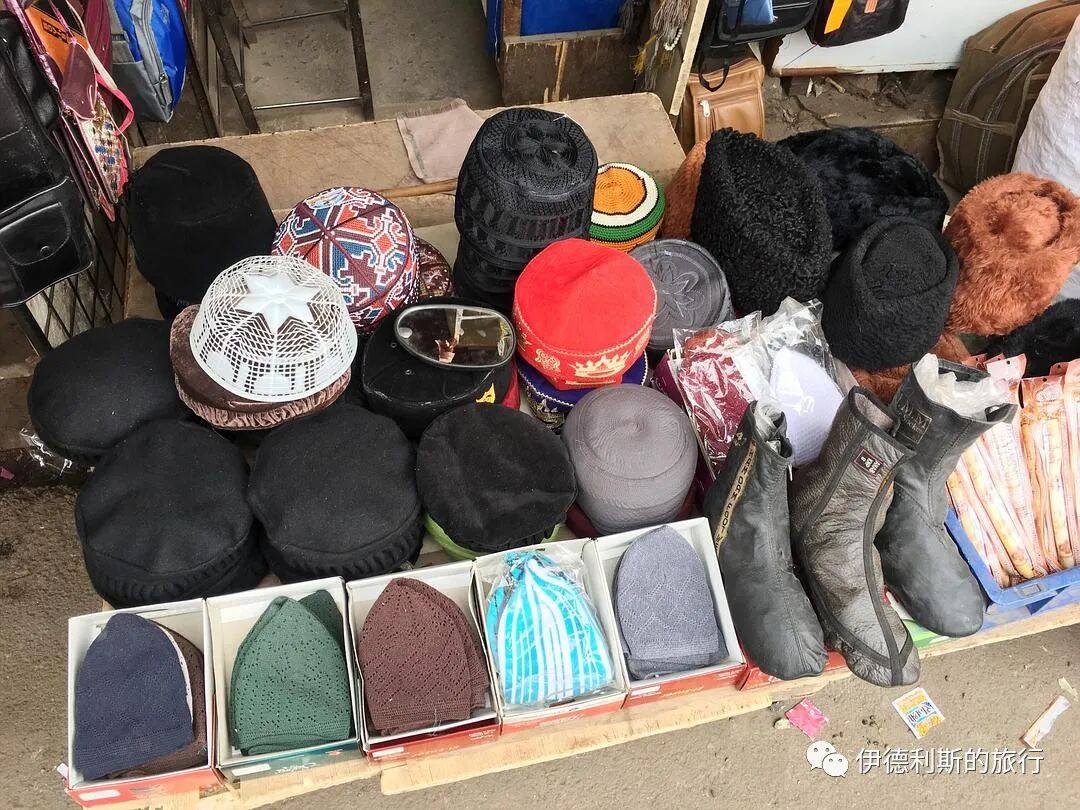
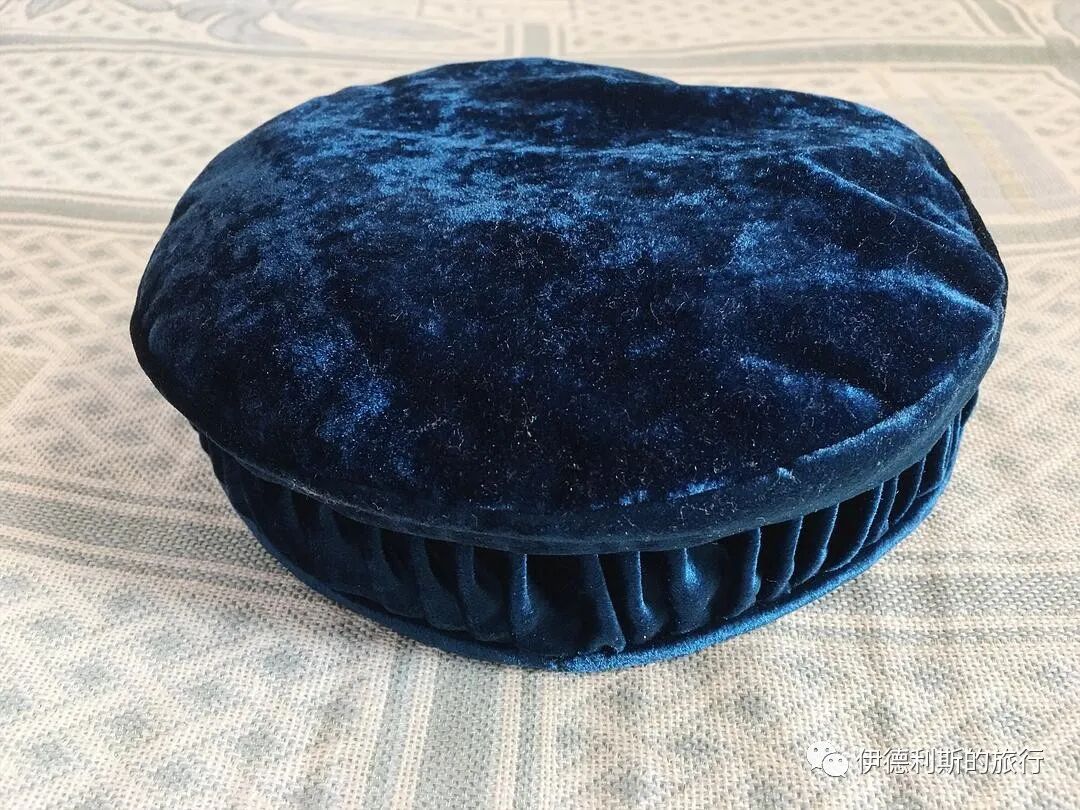
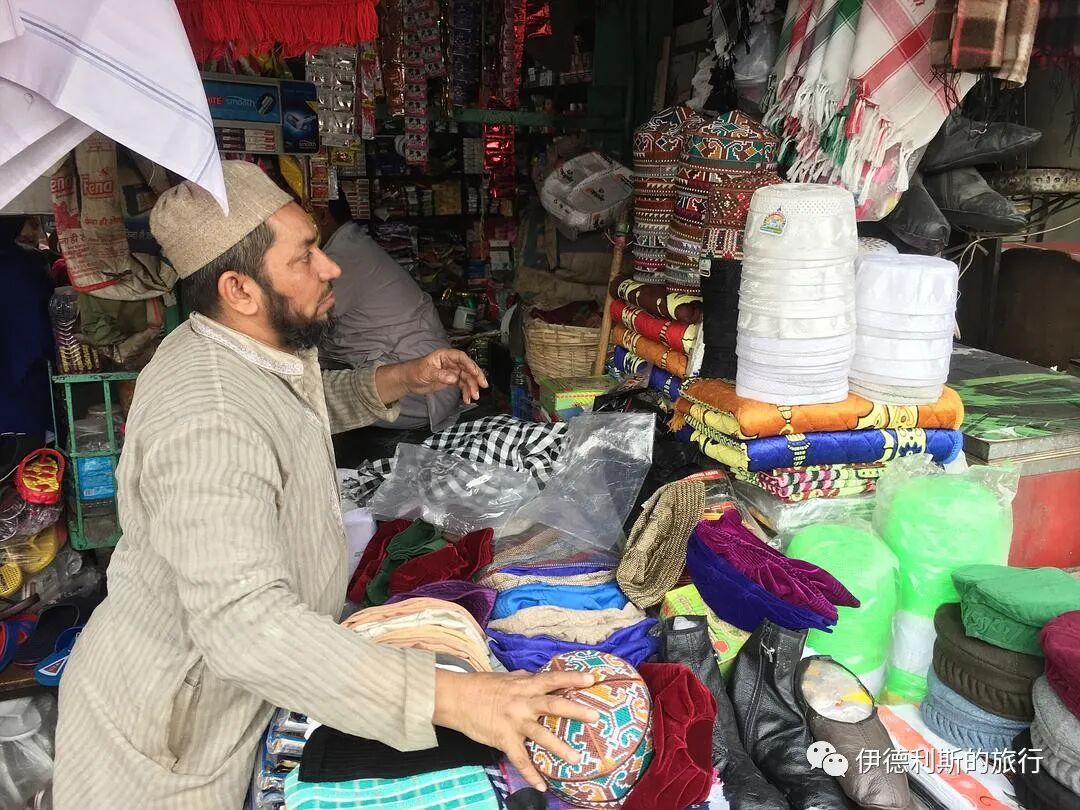
Another hat shop, where many of the hats come from Pakistan.
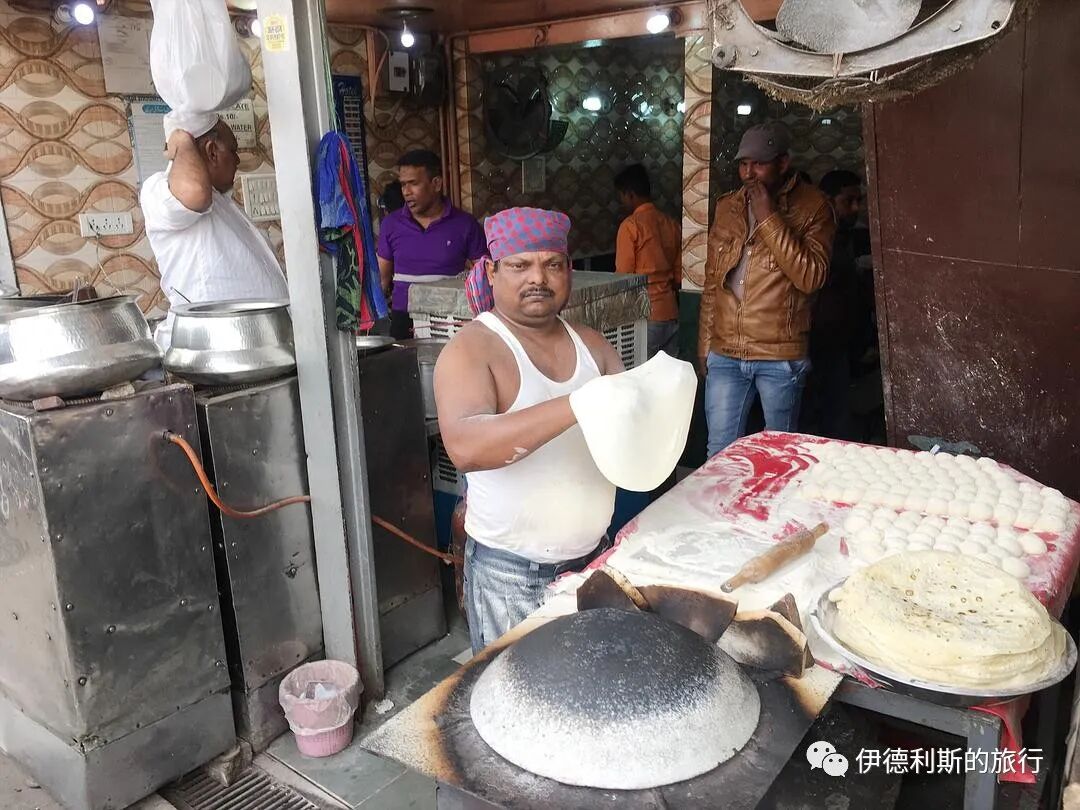
The man making flatbread (roti).
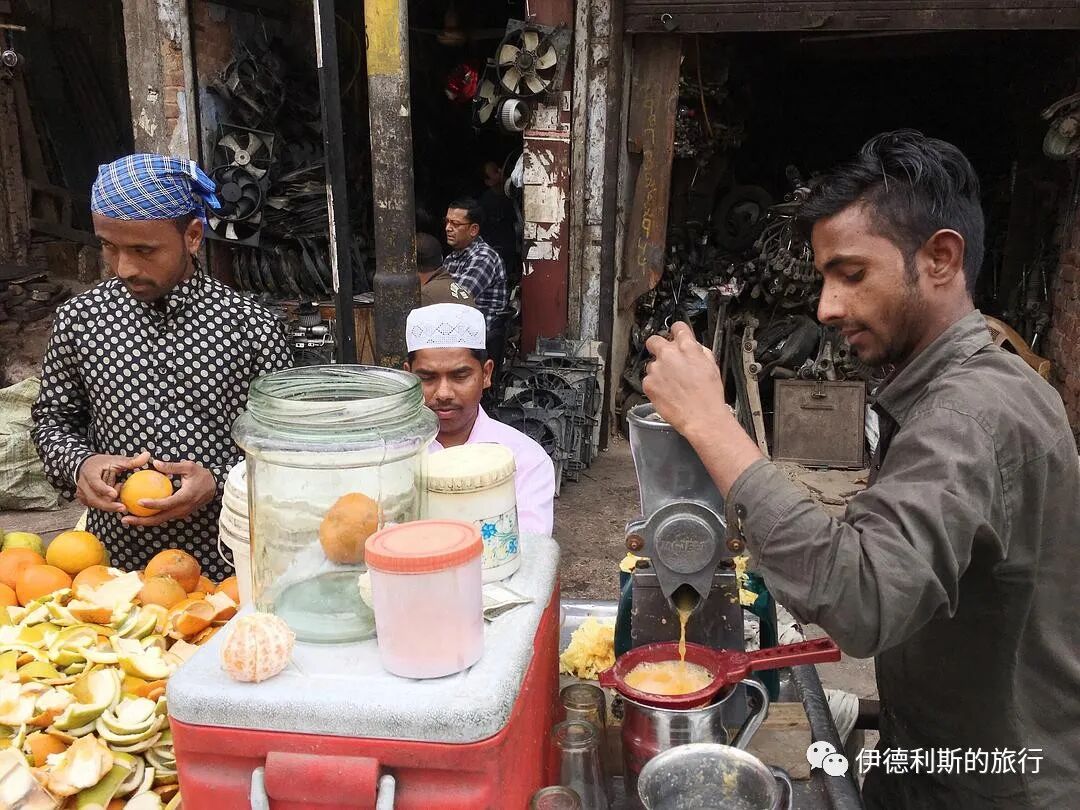
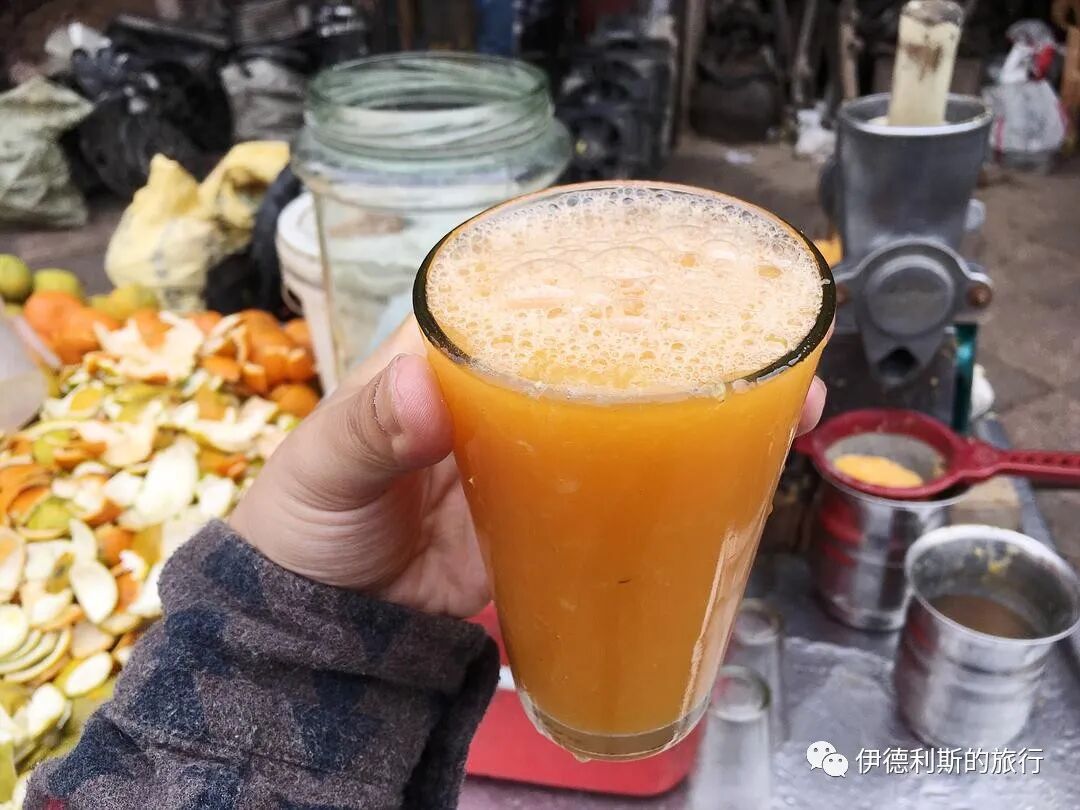
The young man squeezing orange juice.
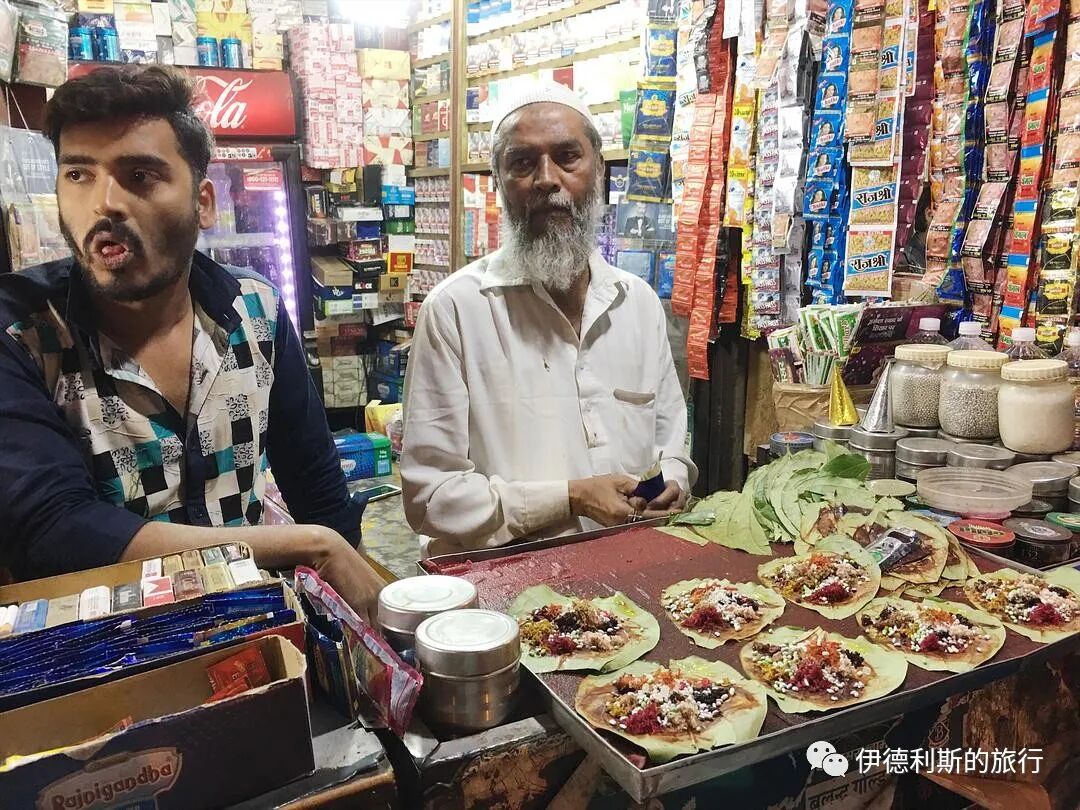
This betel nut powder wrapped in a leaf is called paan, and it is addictive.
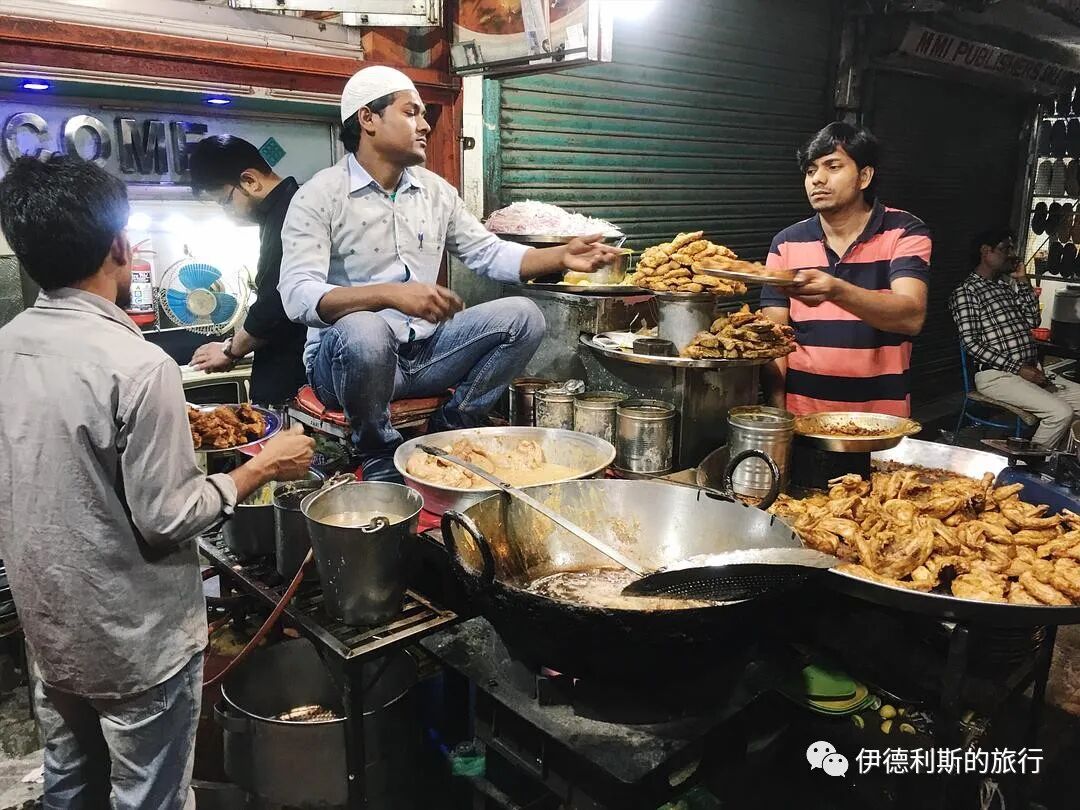
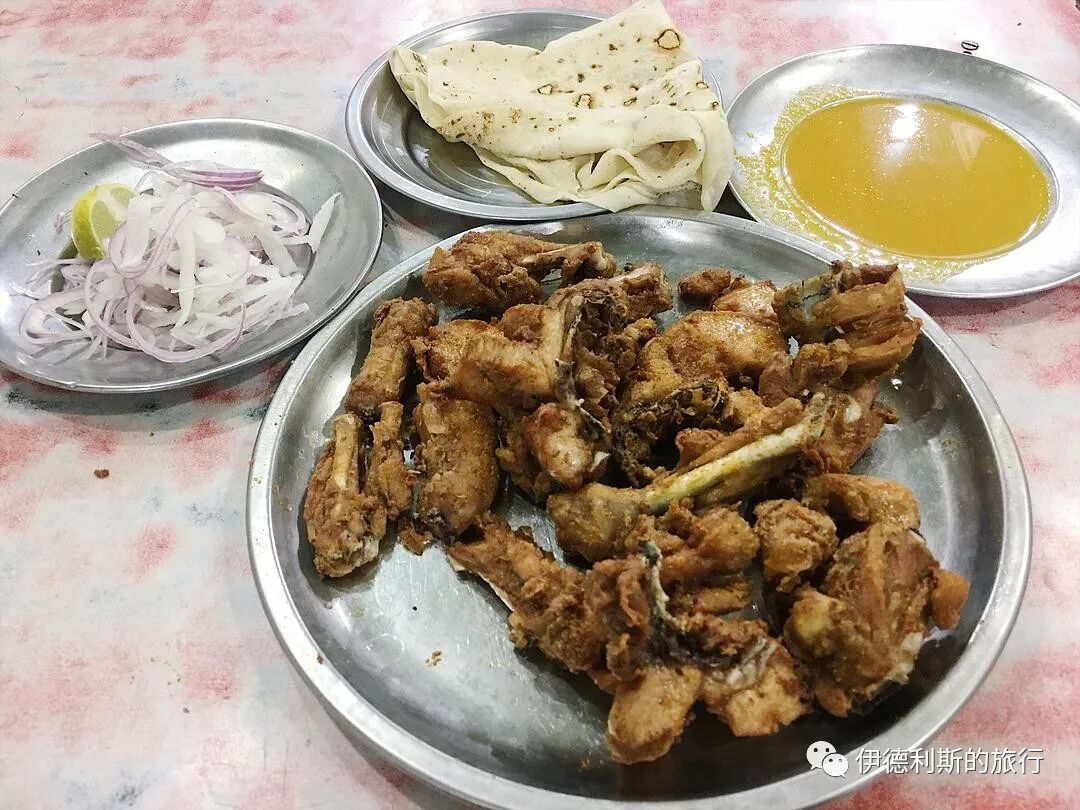
Late-night fried chicken.
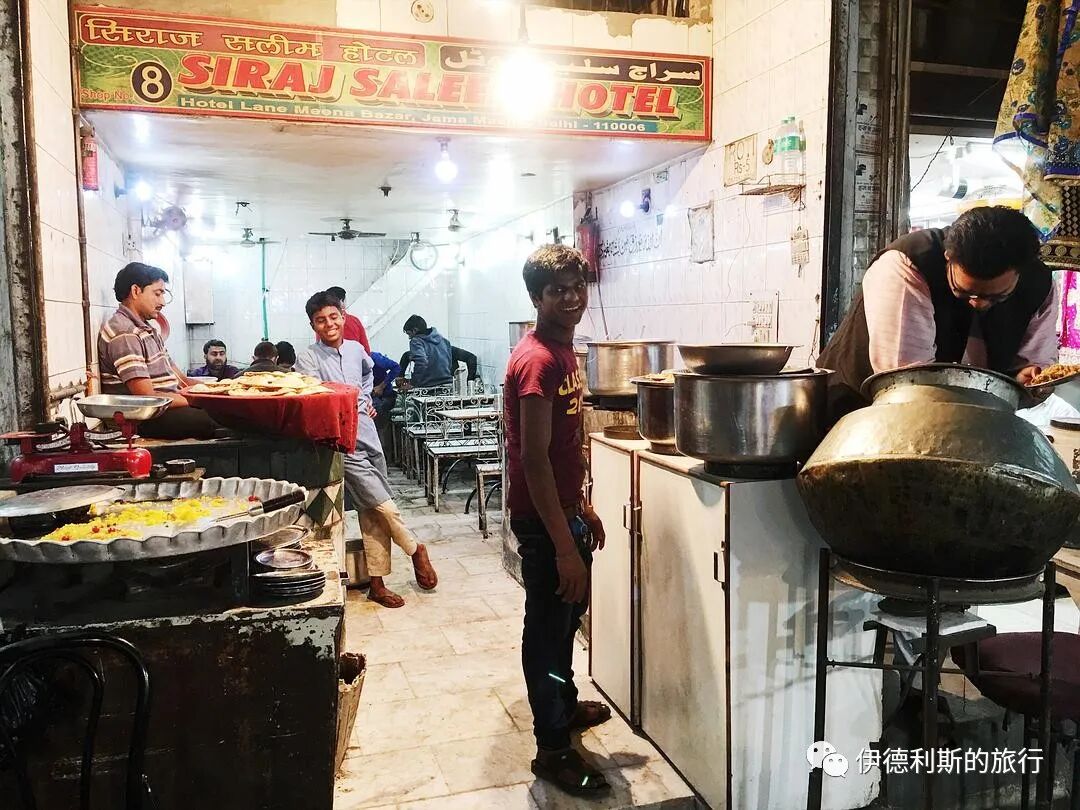
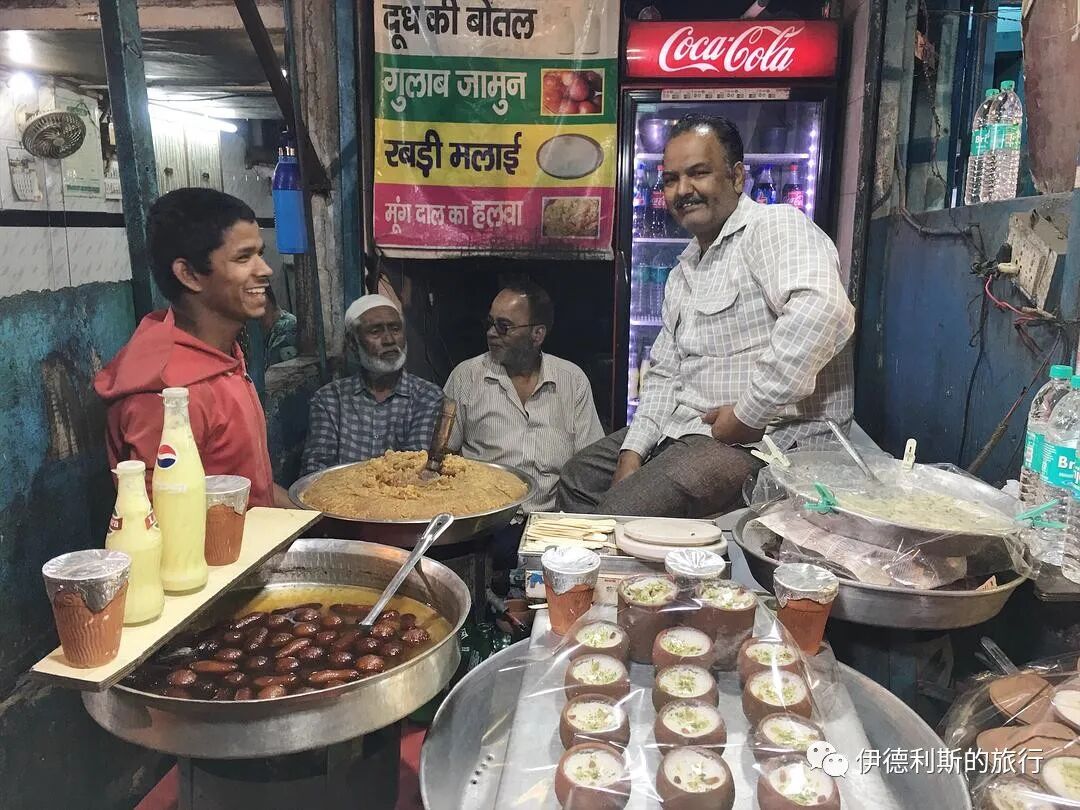
Various desserts
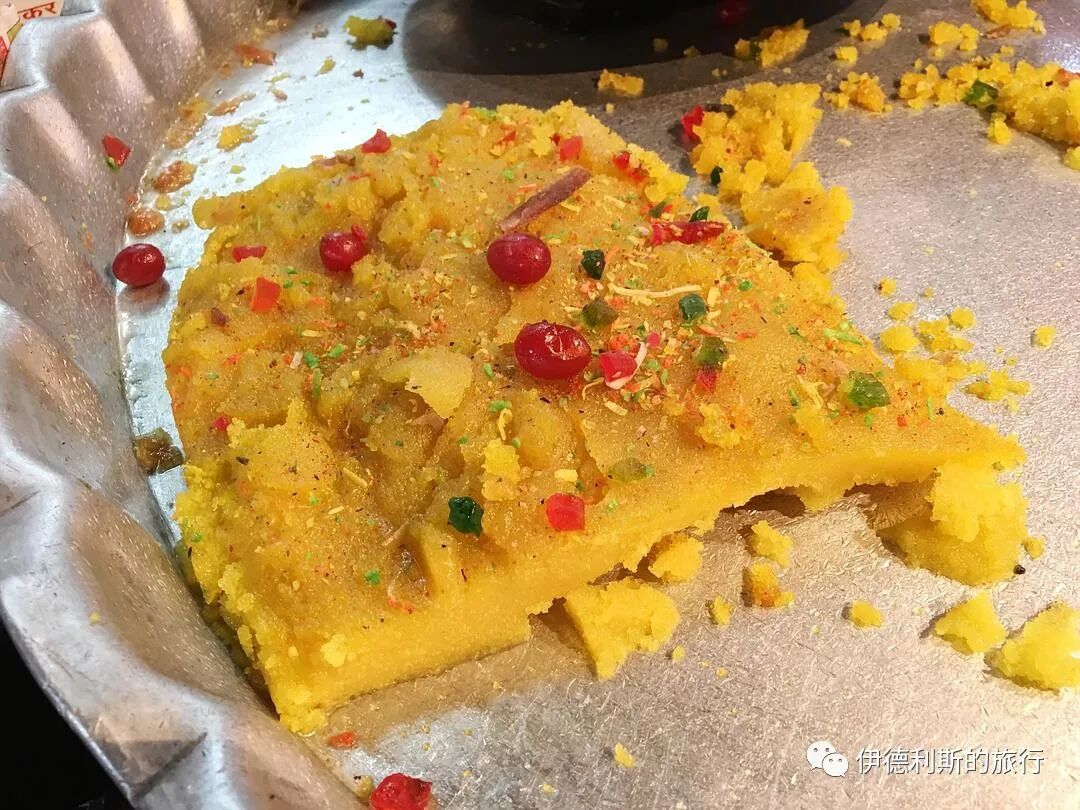
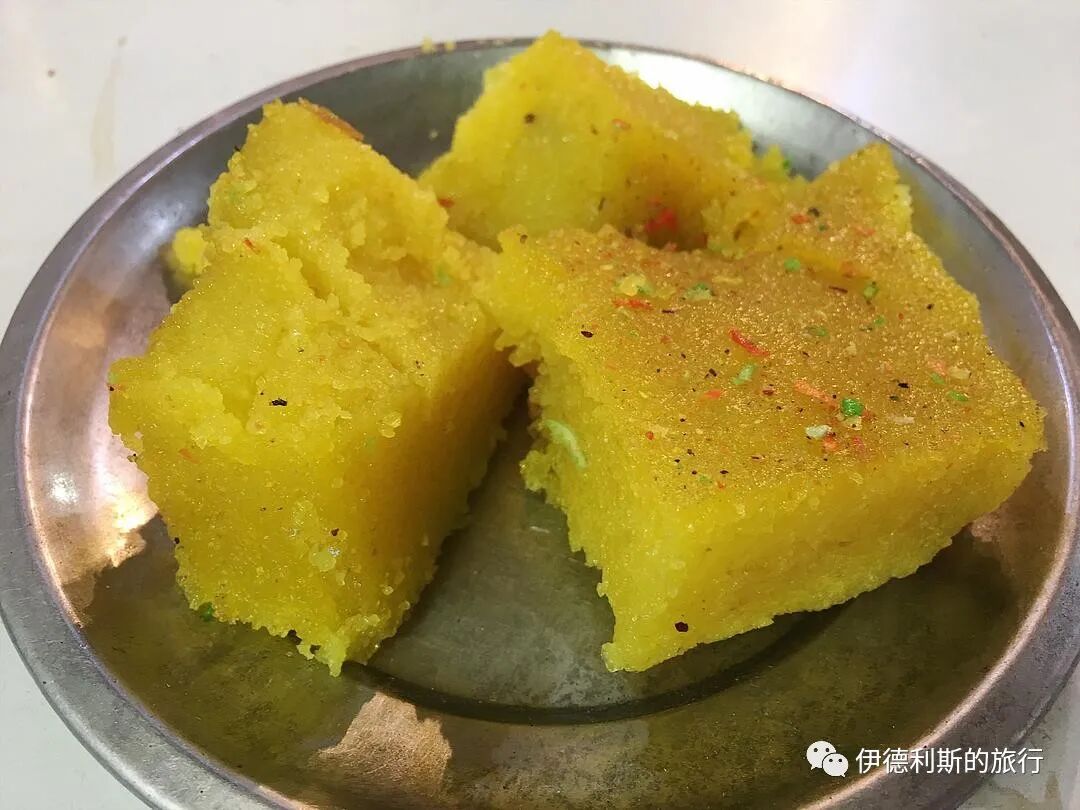
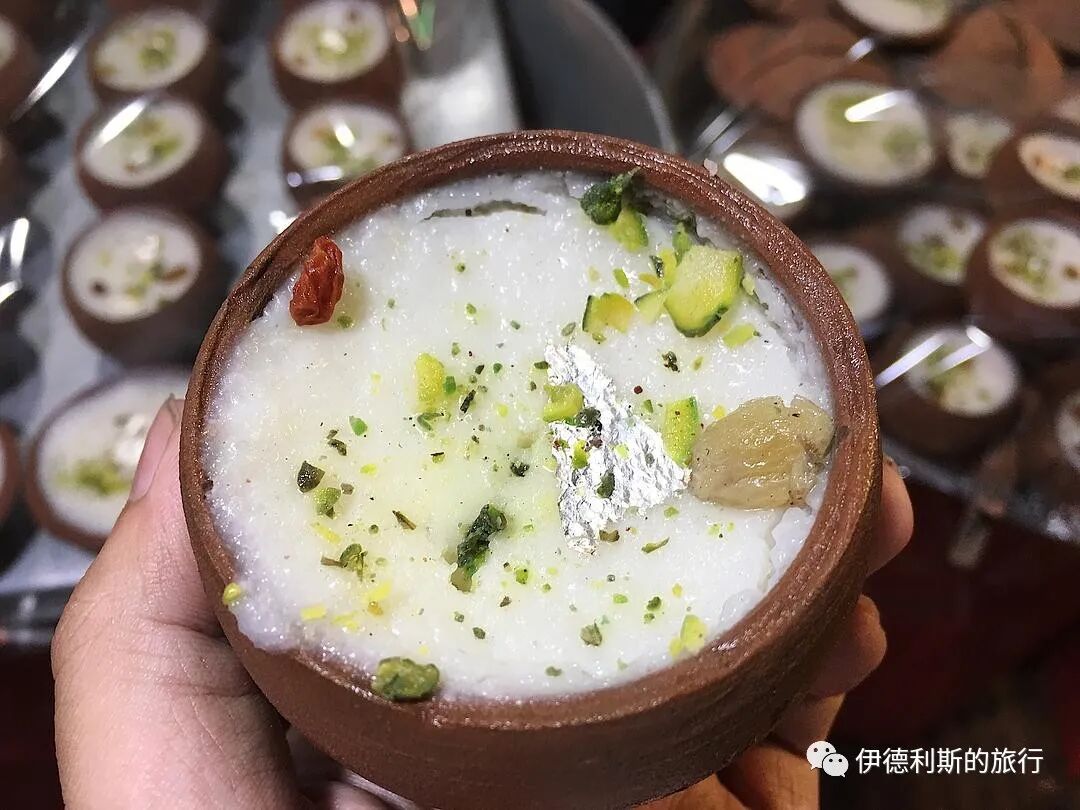
A type of rice pudding
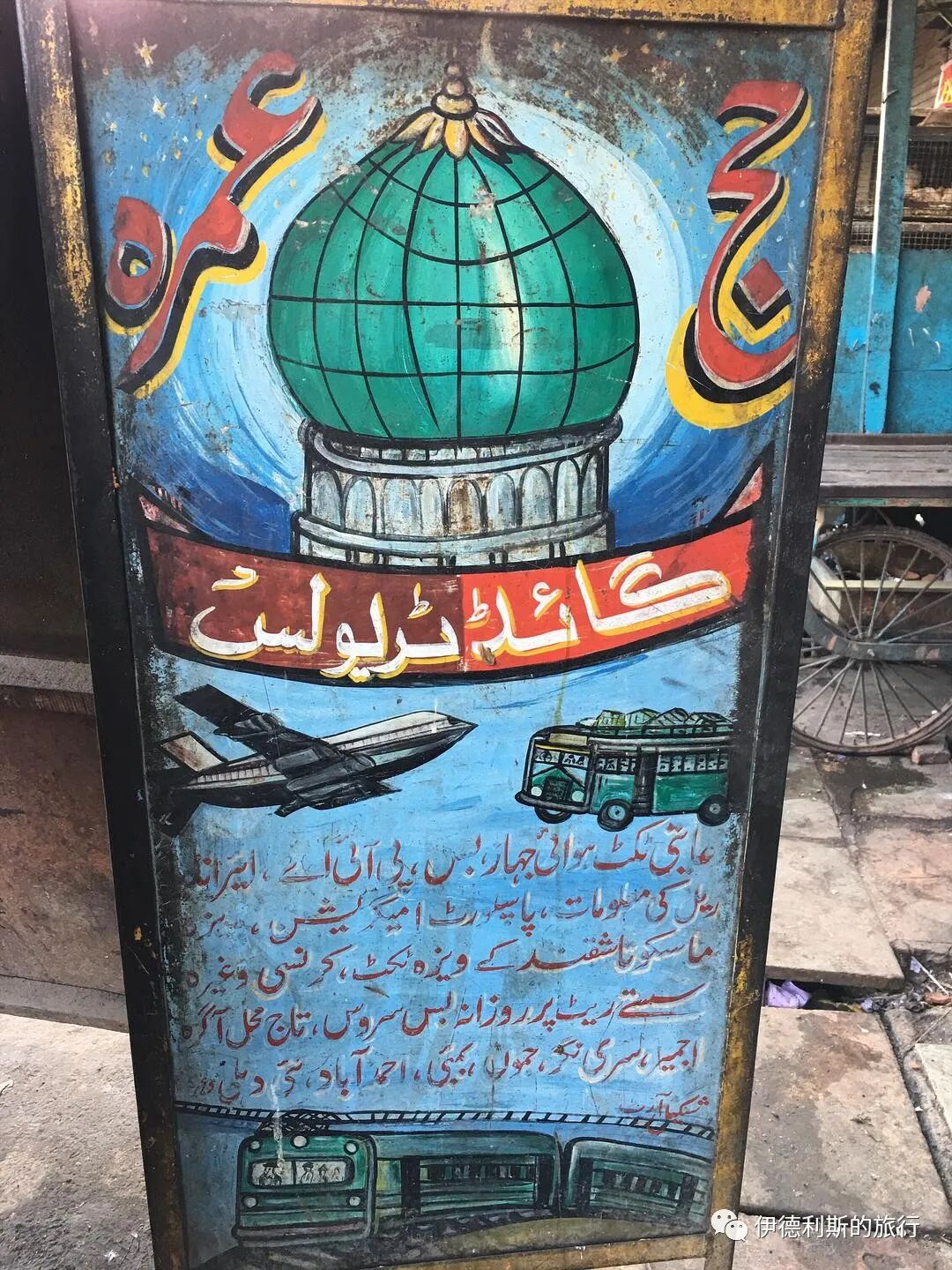
Long-distance bus station signs in Urdu
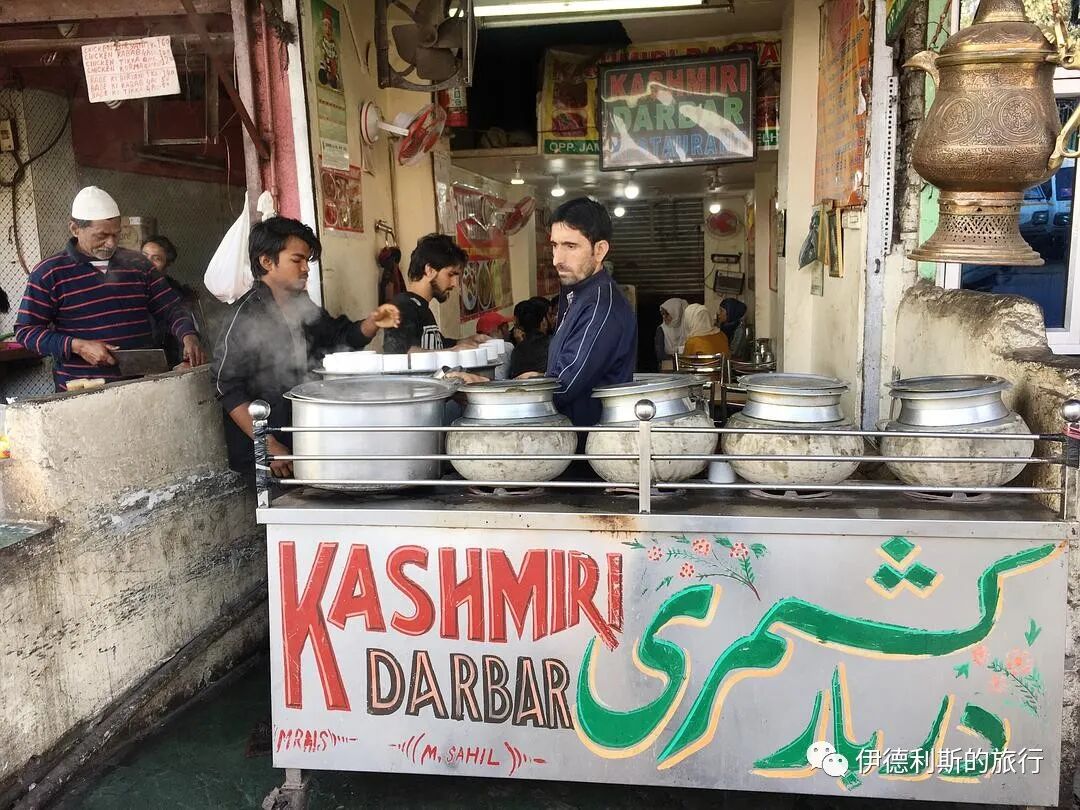
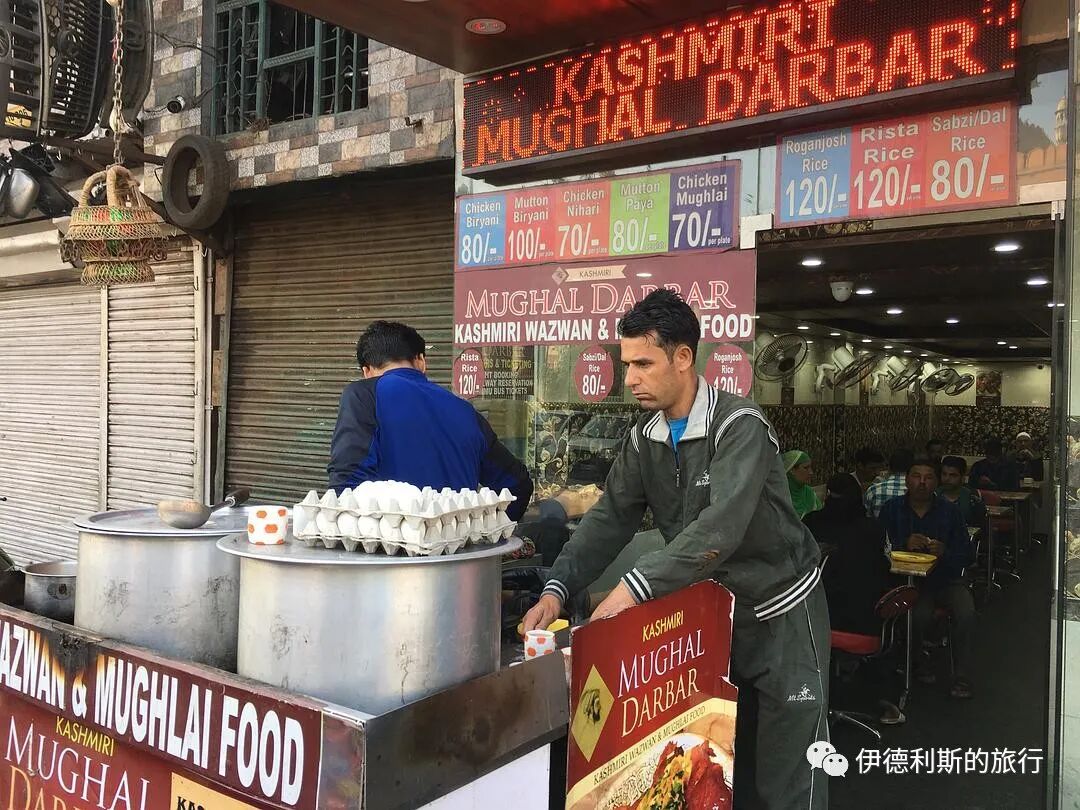
Urdu Bazaar also has some Kashmiri restaurants. You can clearly see the difference in appearance between these Kashmiris and the local Hui Muslims.
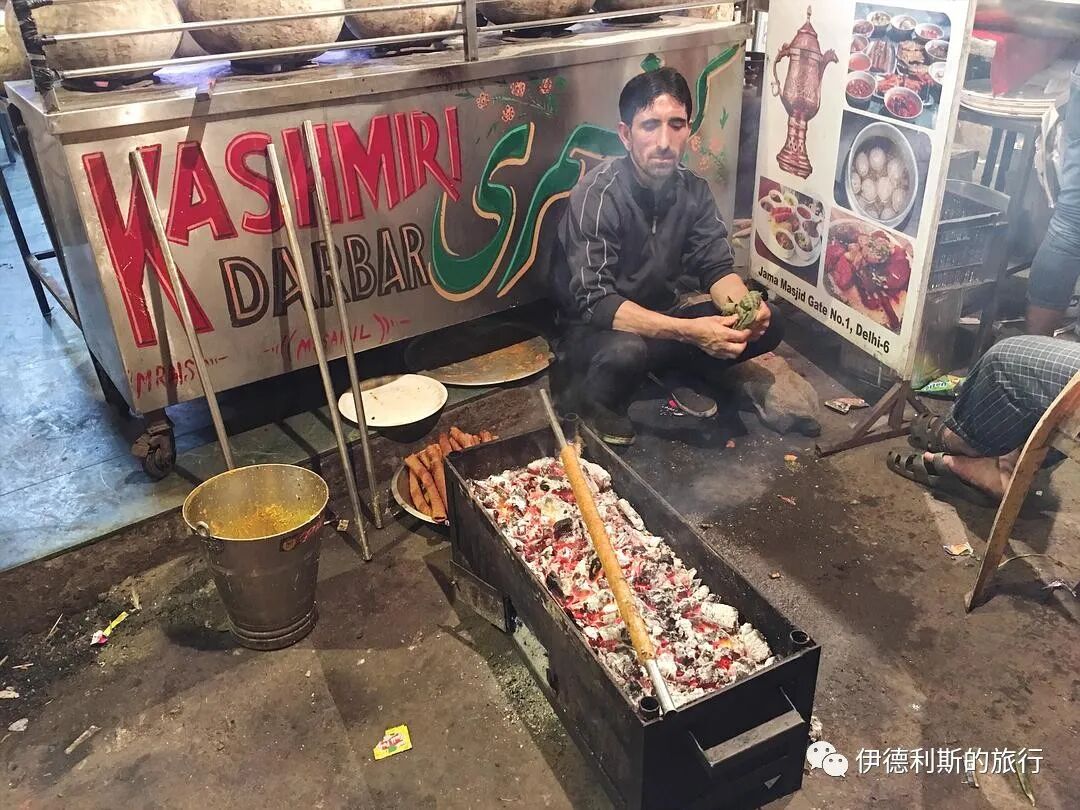
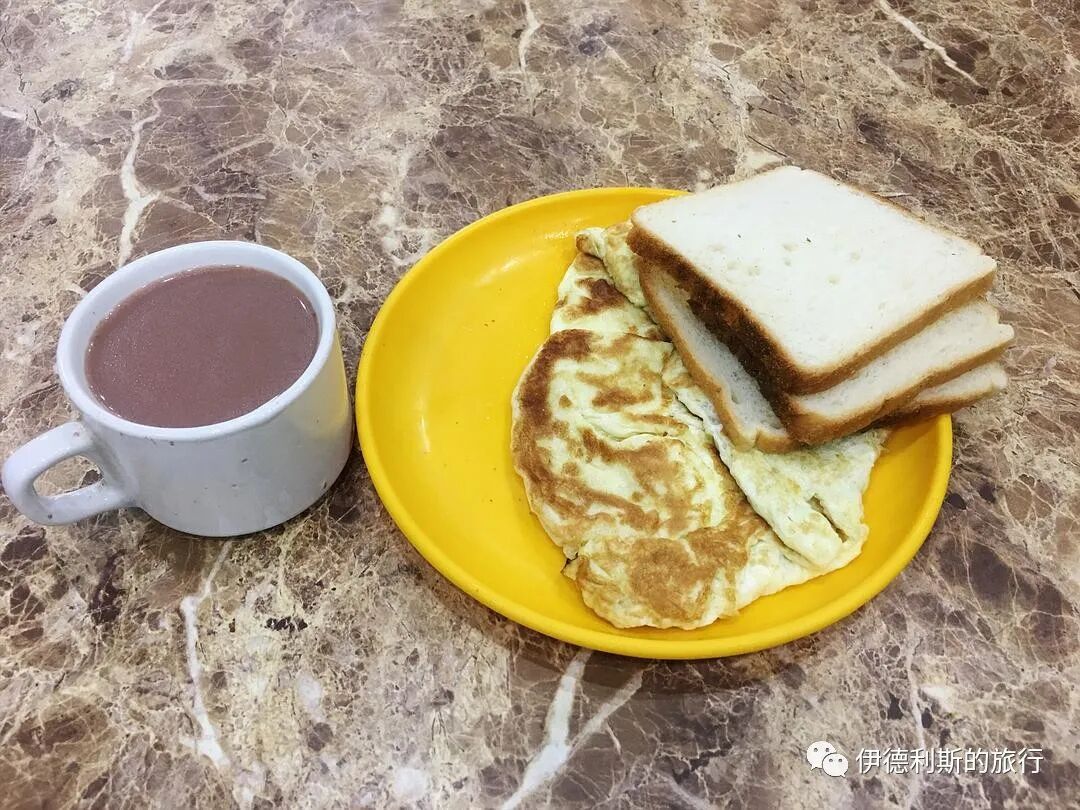
For breakfast at a Kashmiri restaurant, I had bread and eggs with spiced tea (Masala chai).
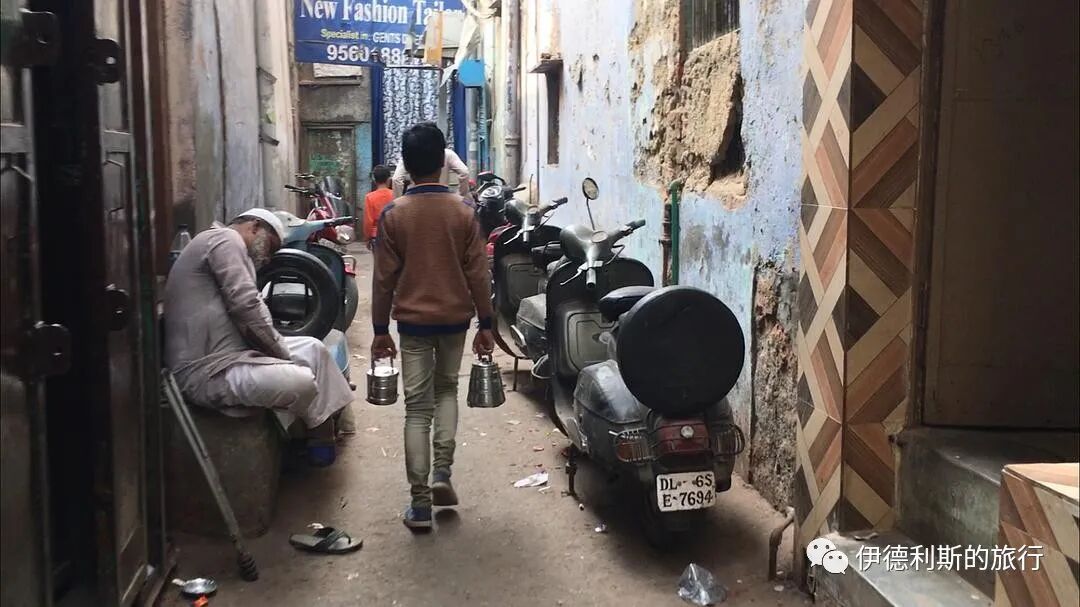
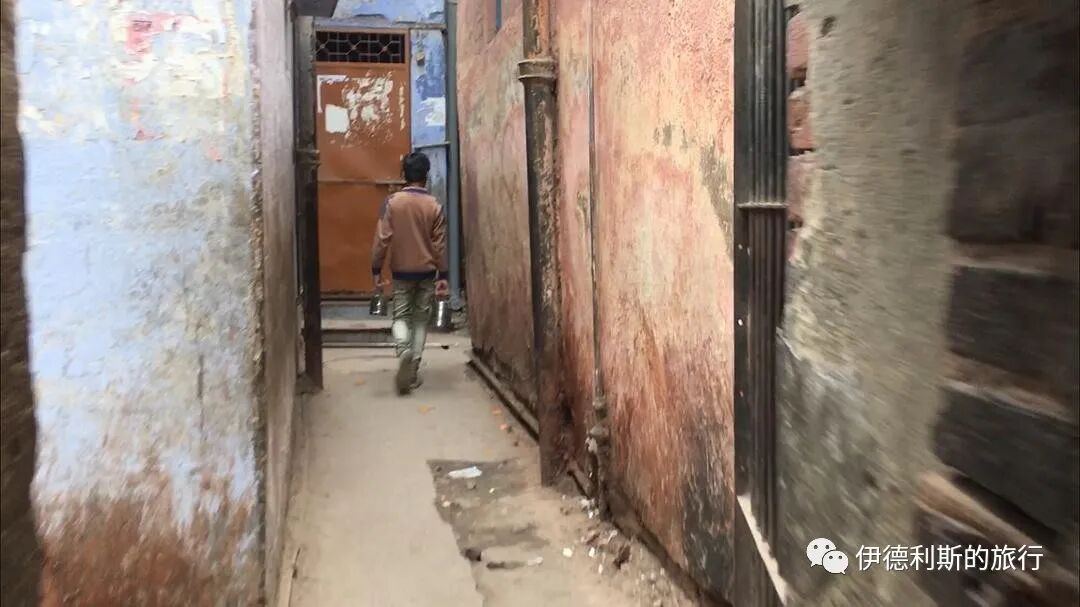
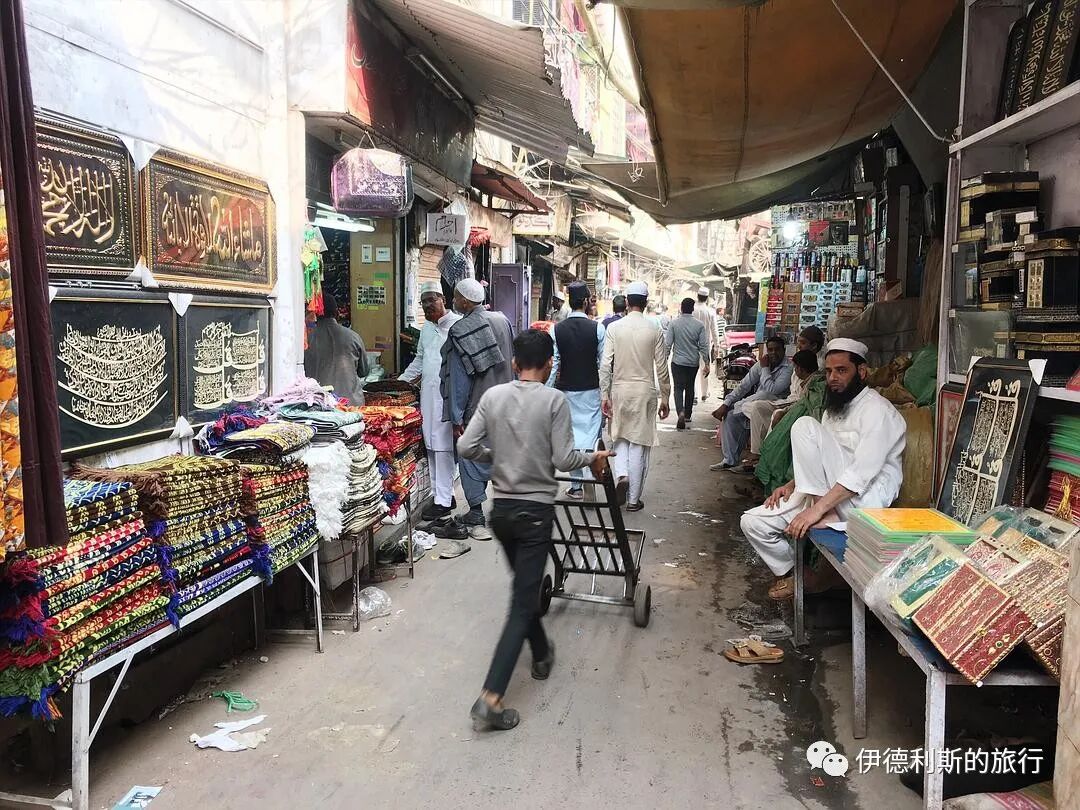
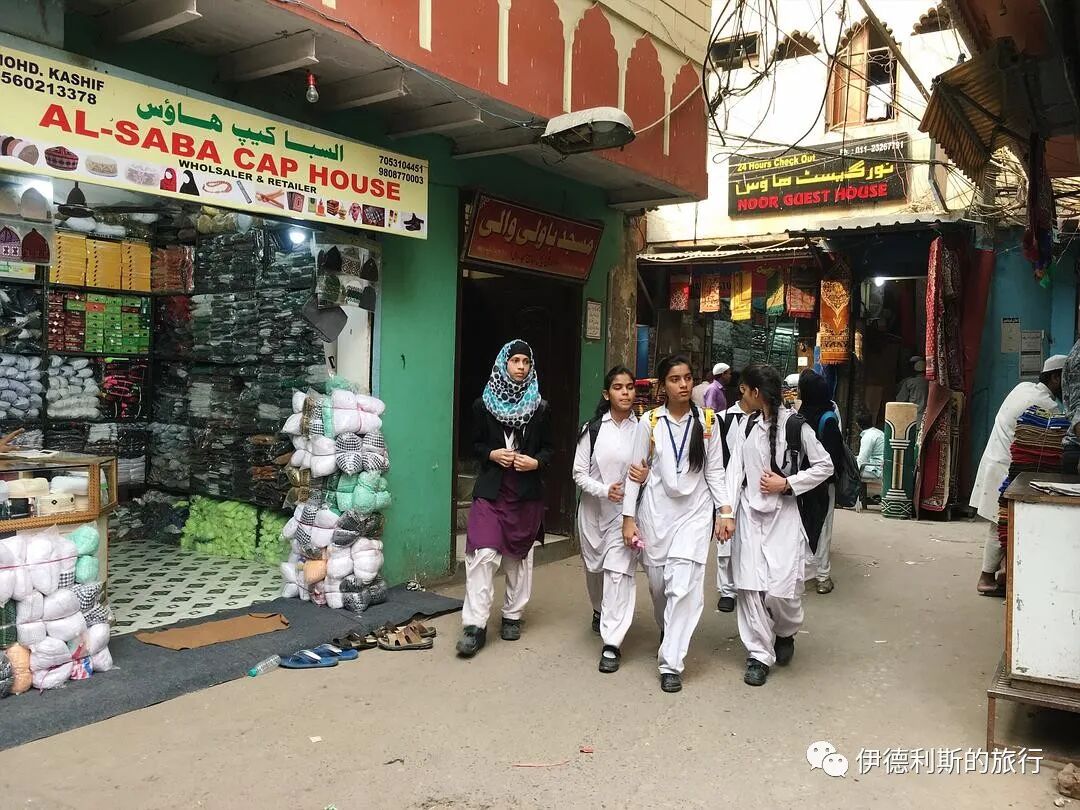
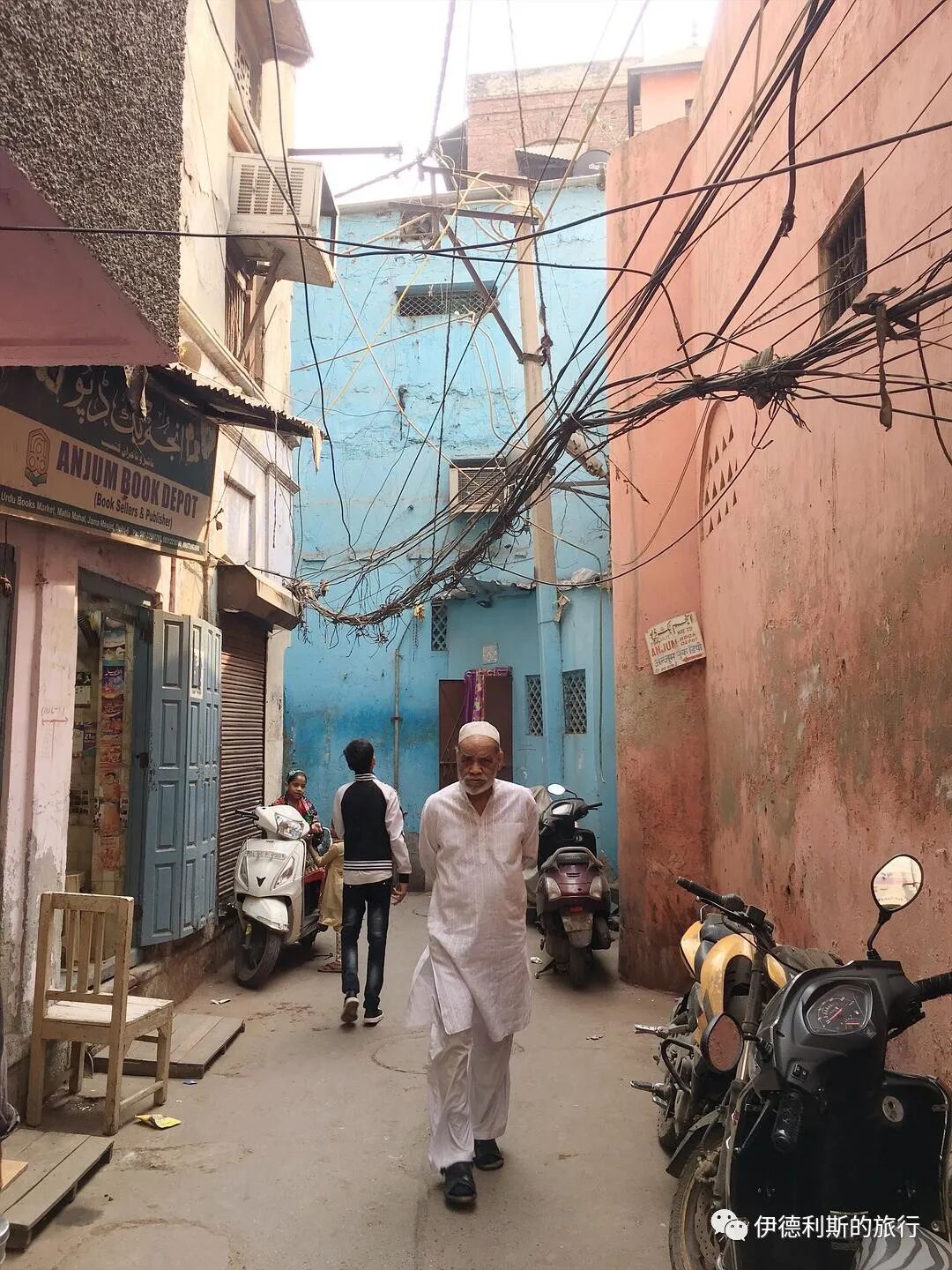
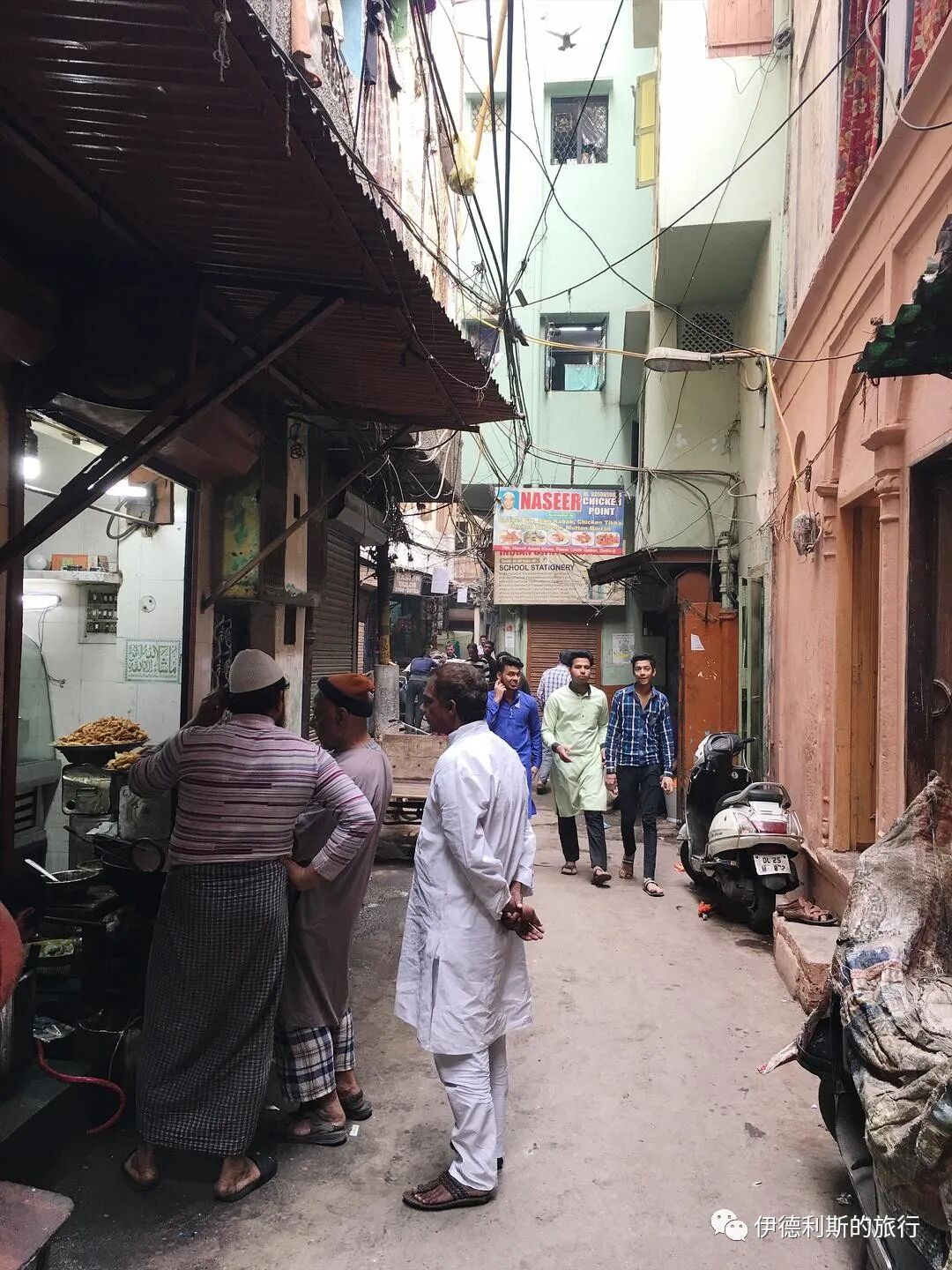
In the small alleys south of Urdu Bazaar, many bookstores still sell religious books in Urdu. It feels like a different world compared to the noisy Urdu Bazaar.
Matia Mahal Bazaar
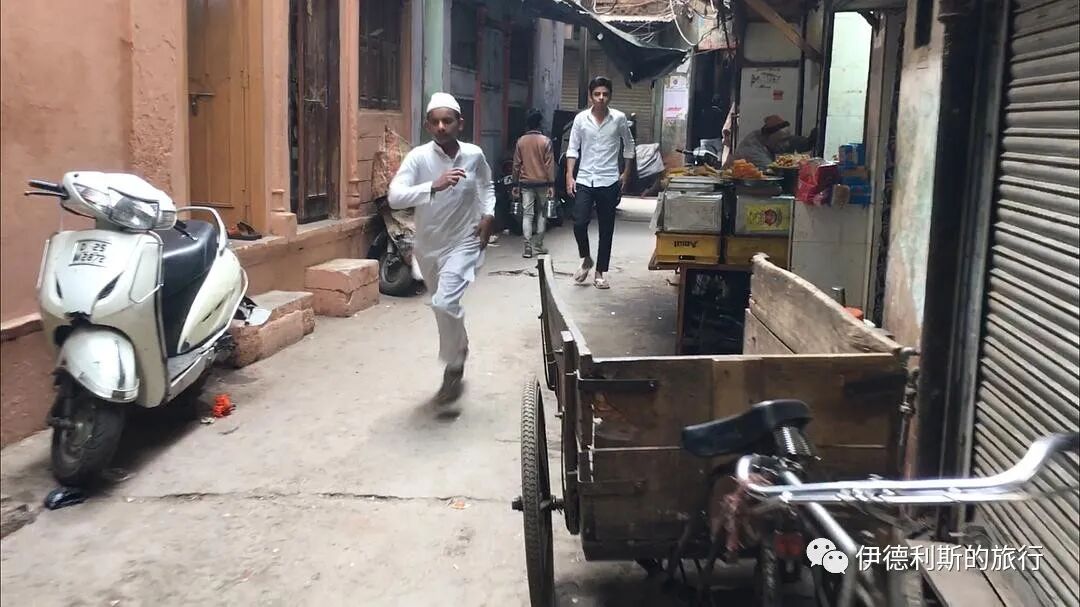
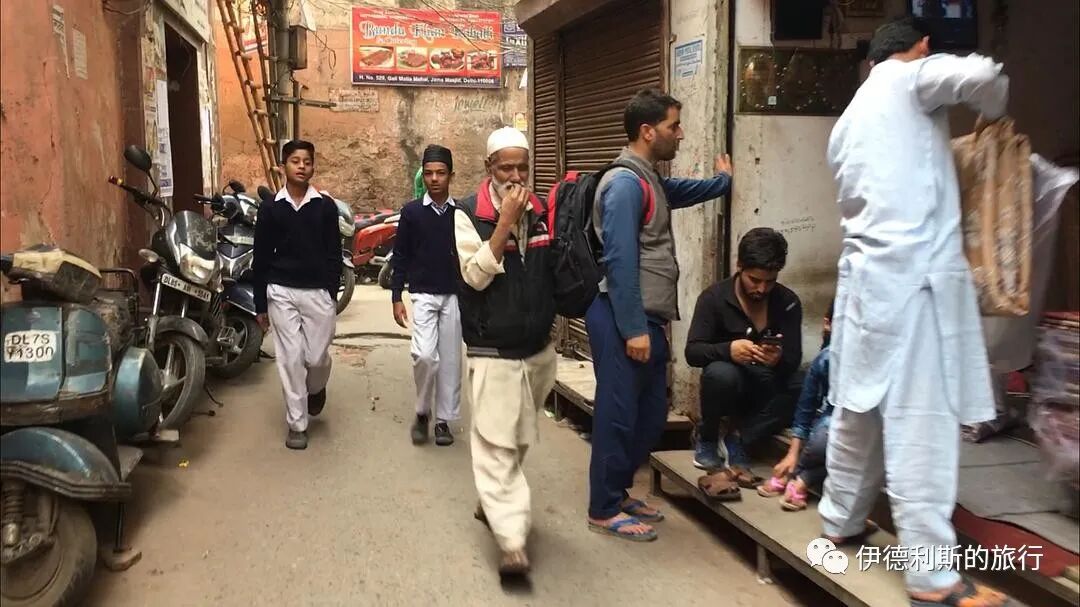
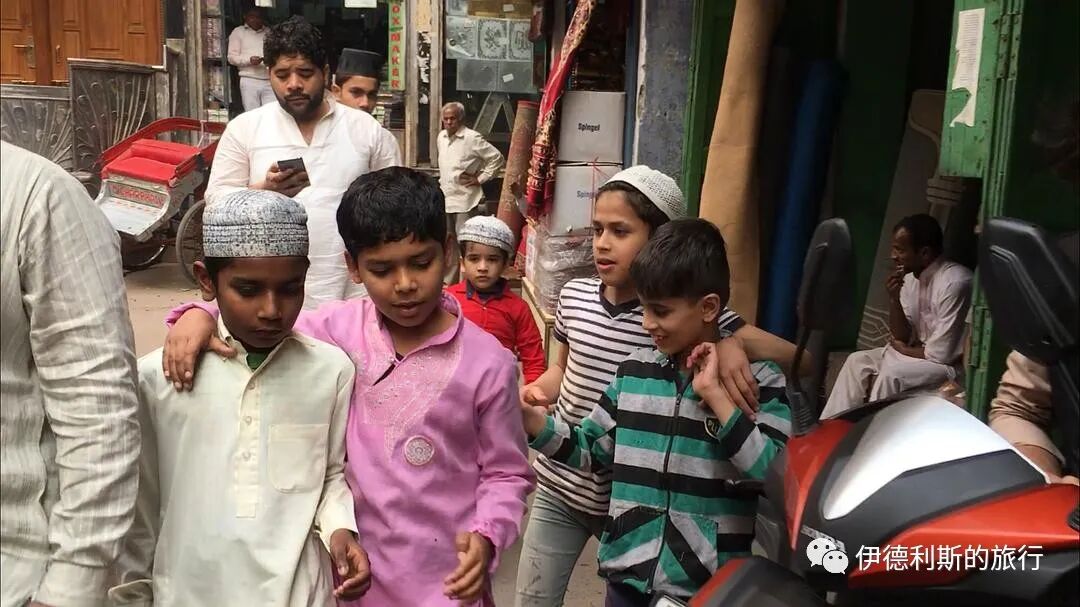
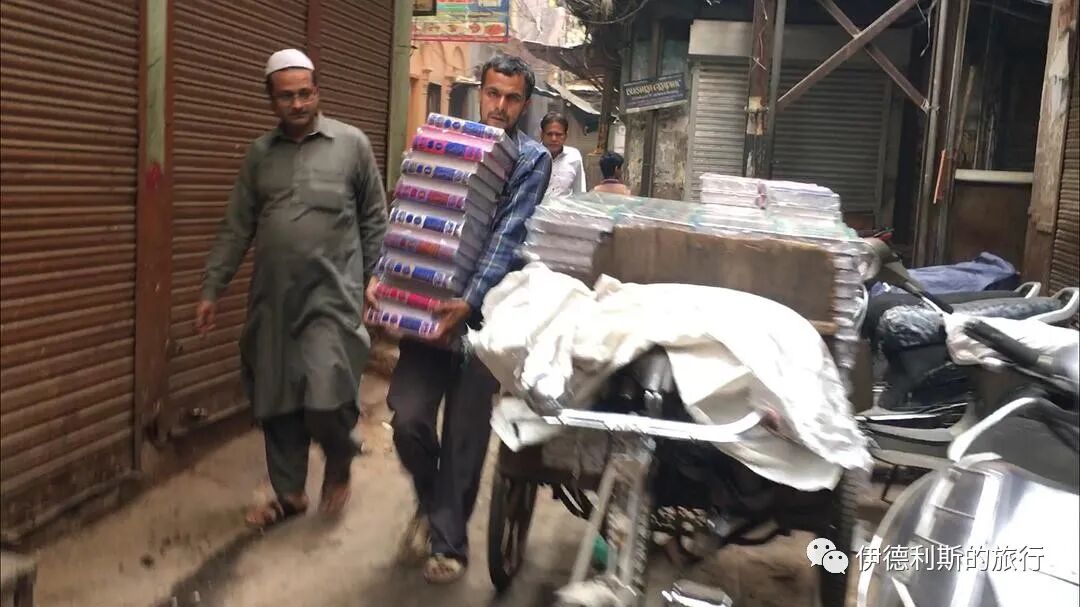
Matia Mahal Bazaar sits right across from the south gate of Jama Mosque and is the main street for halal food in the community.
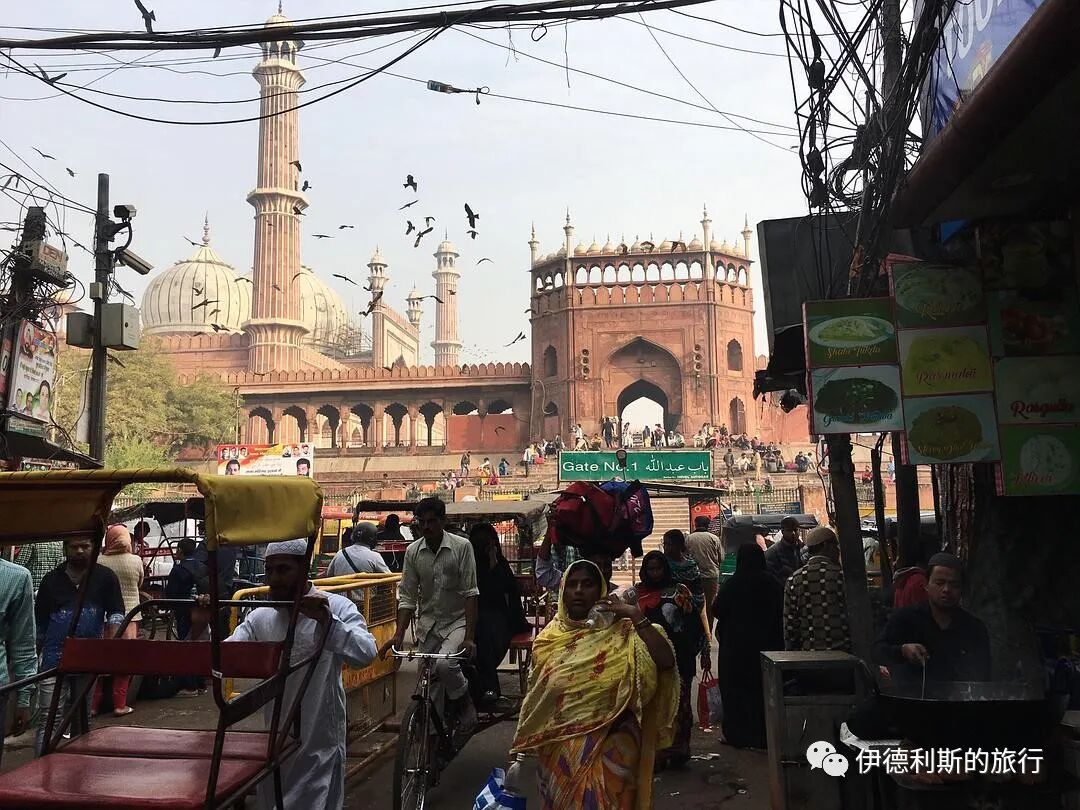
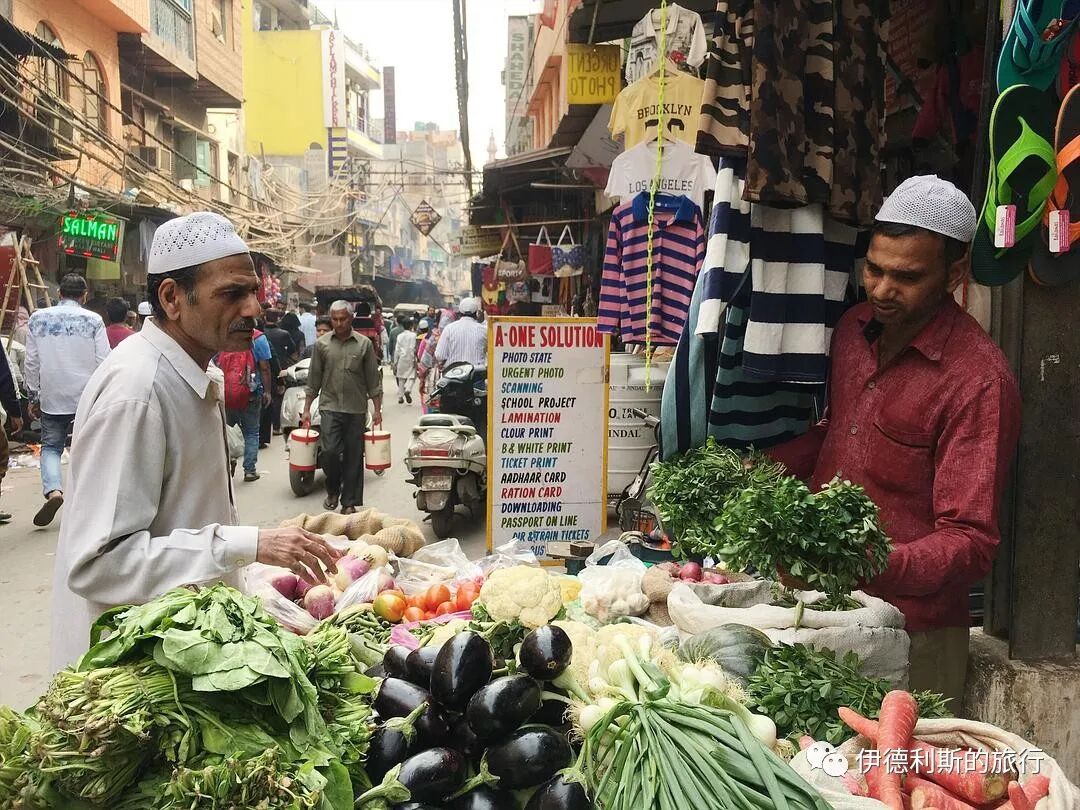
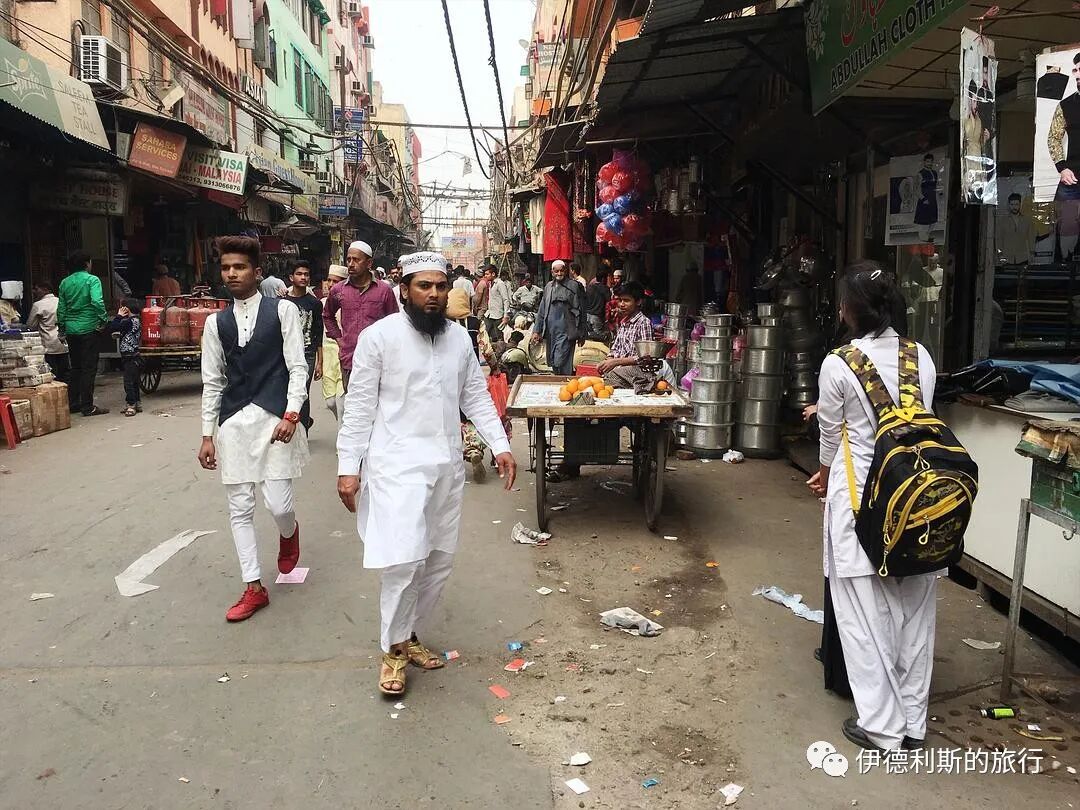
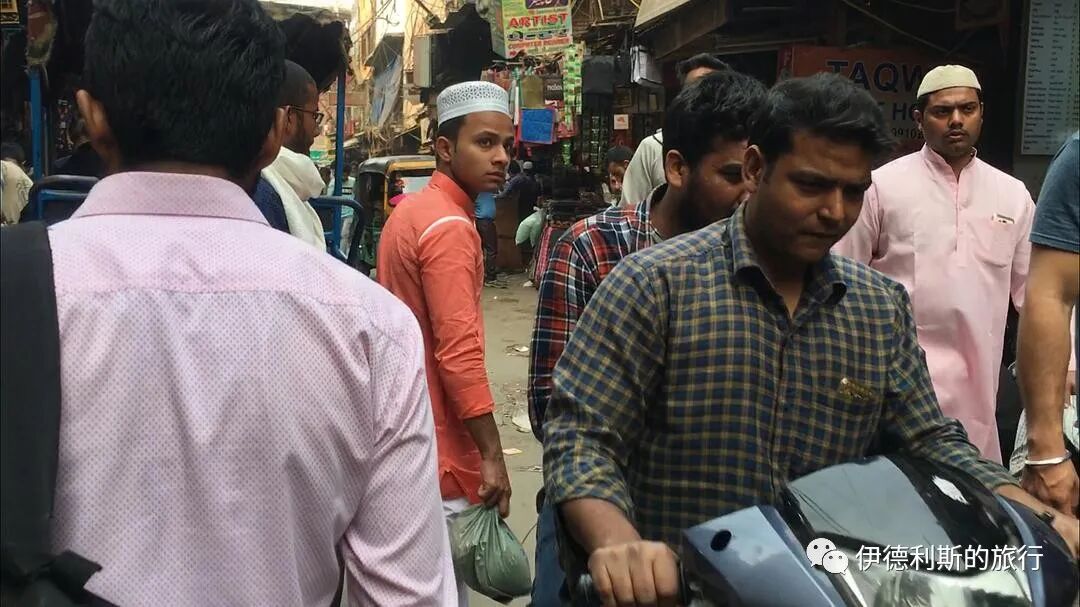
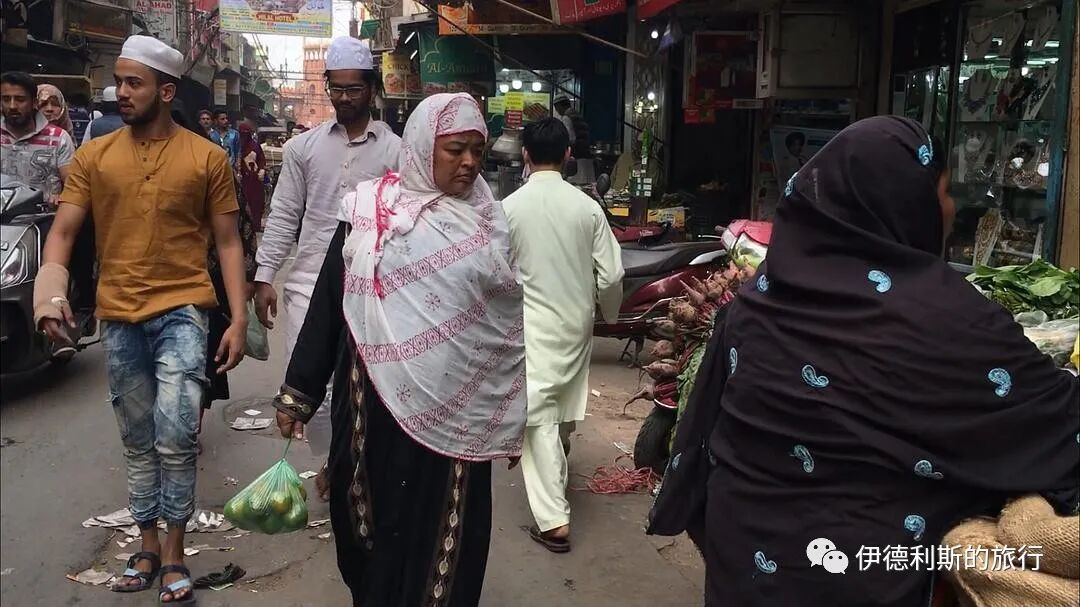
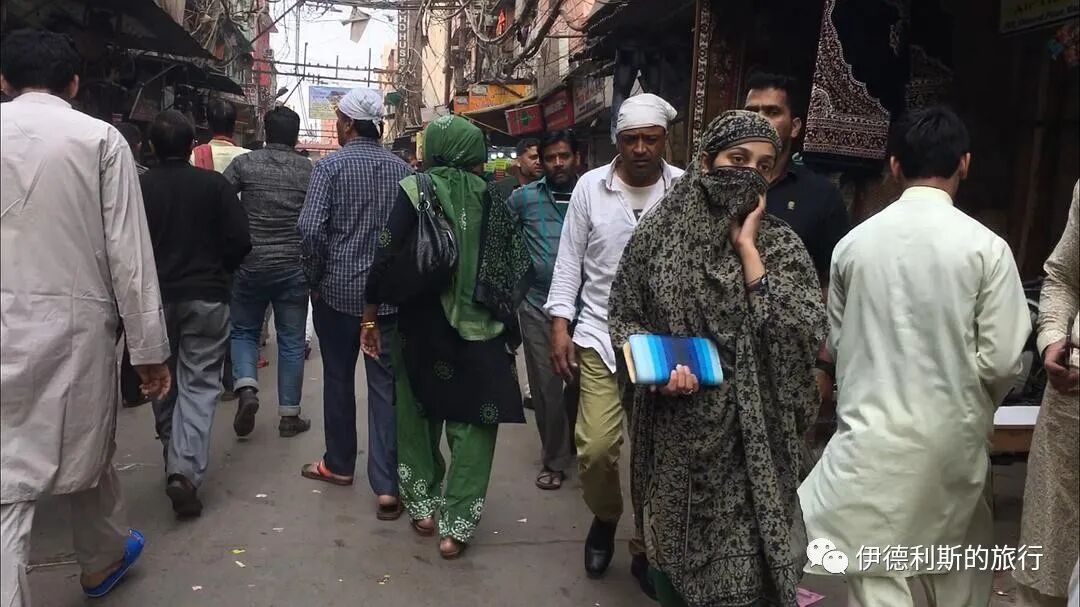
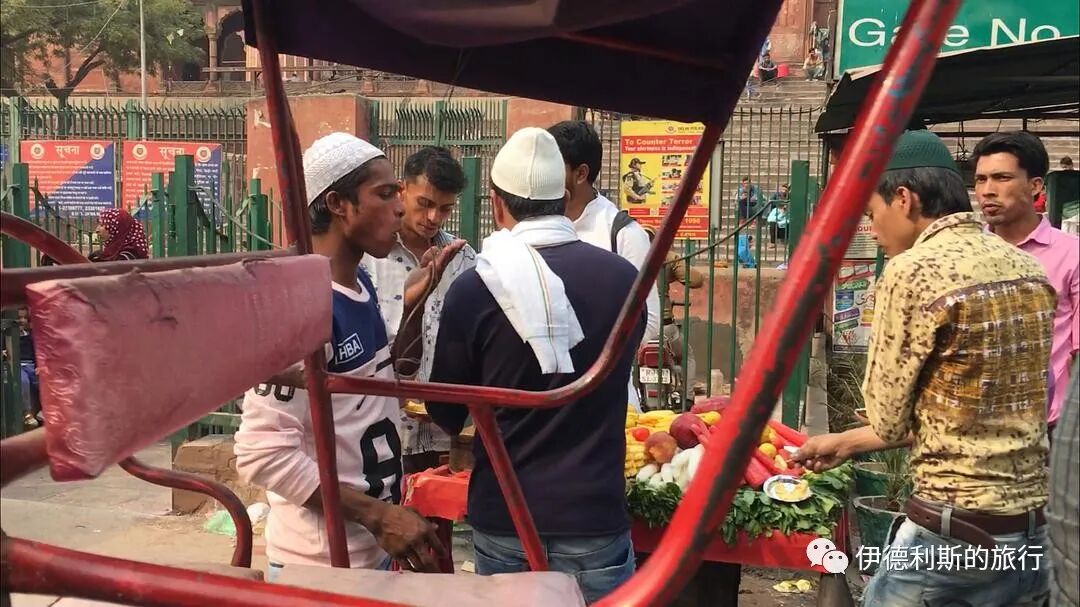
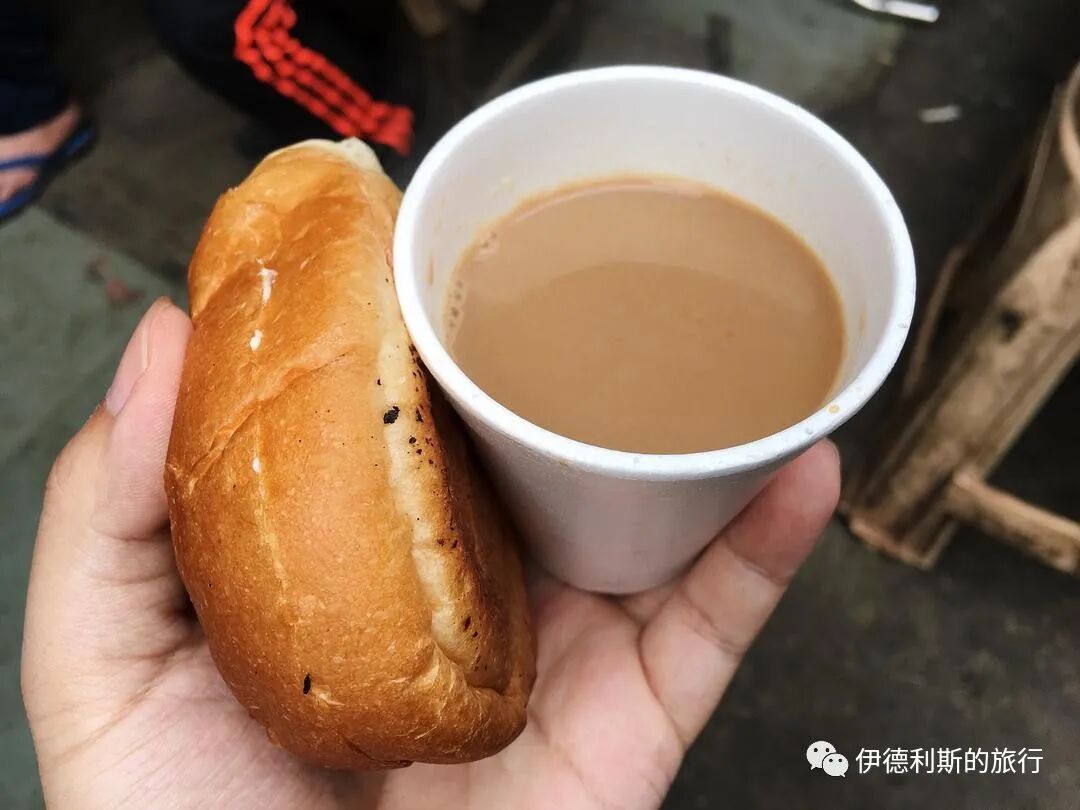
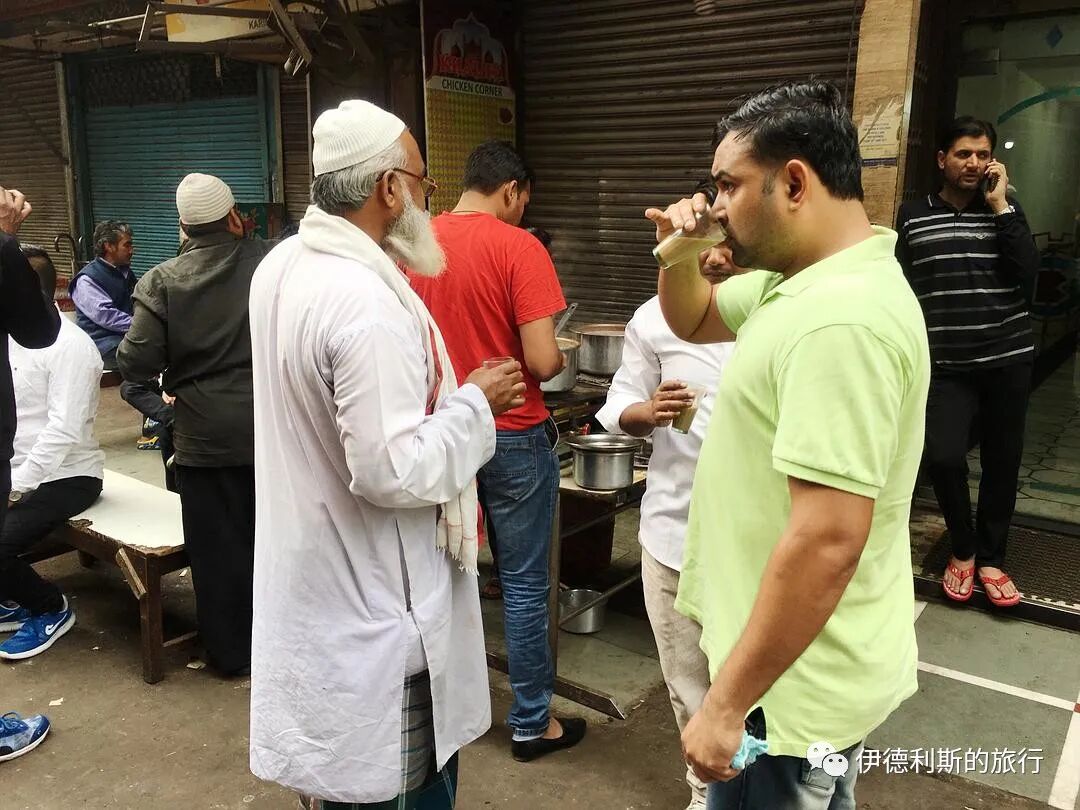
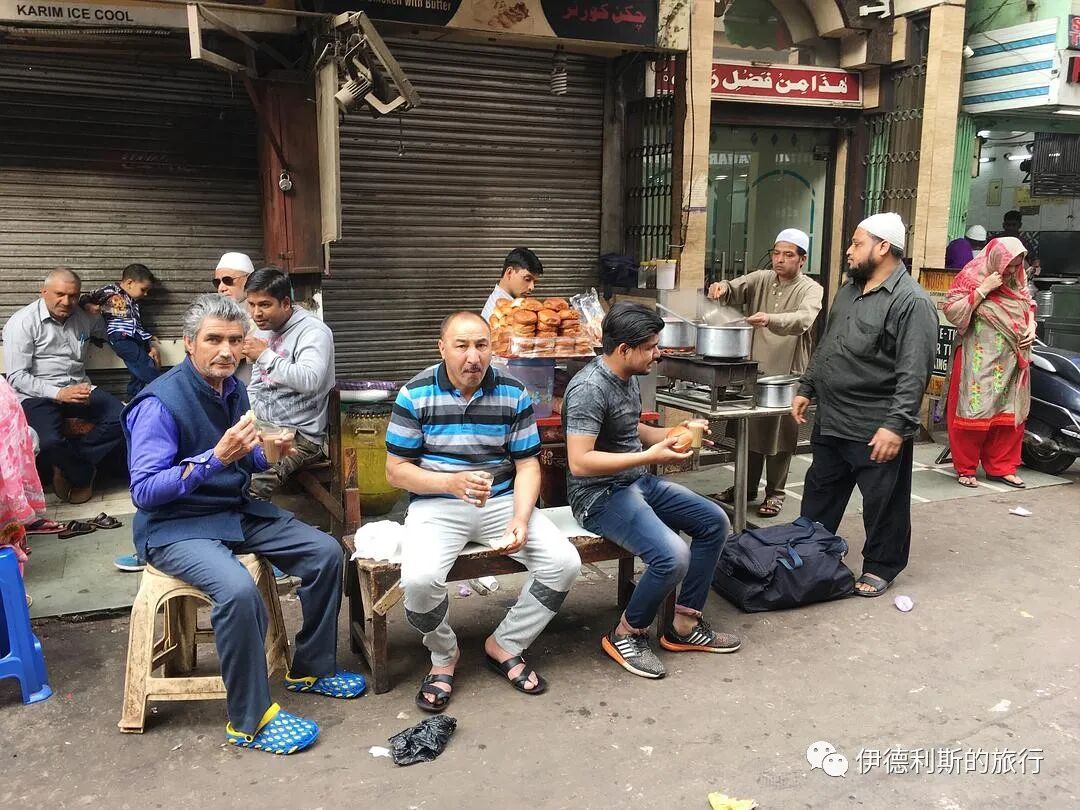
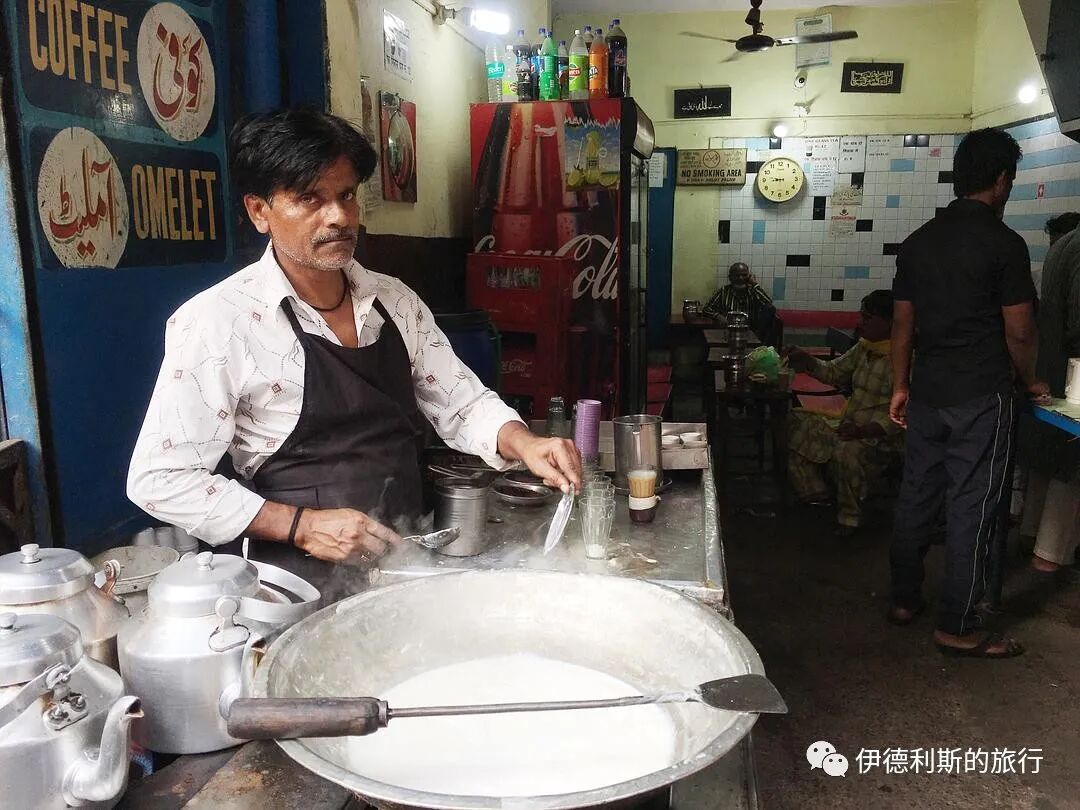
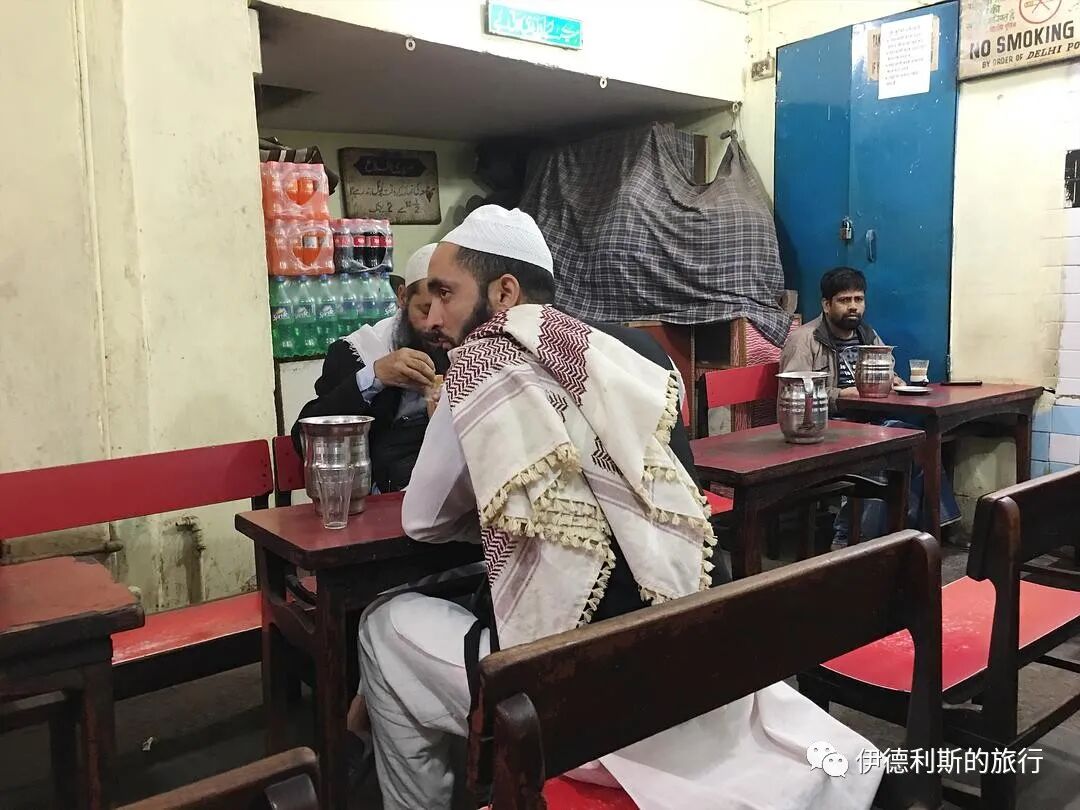
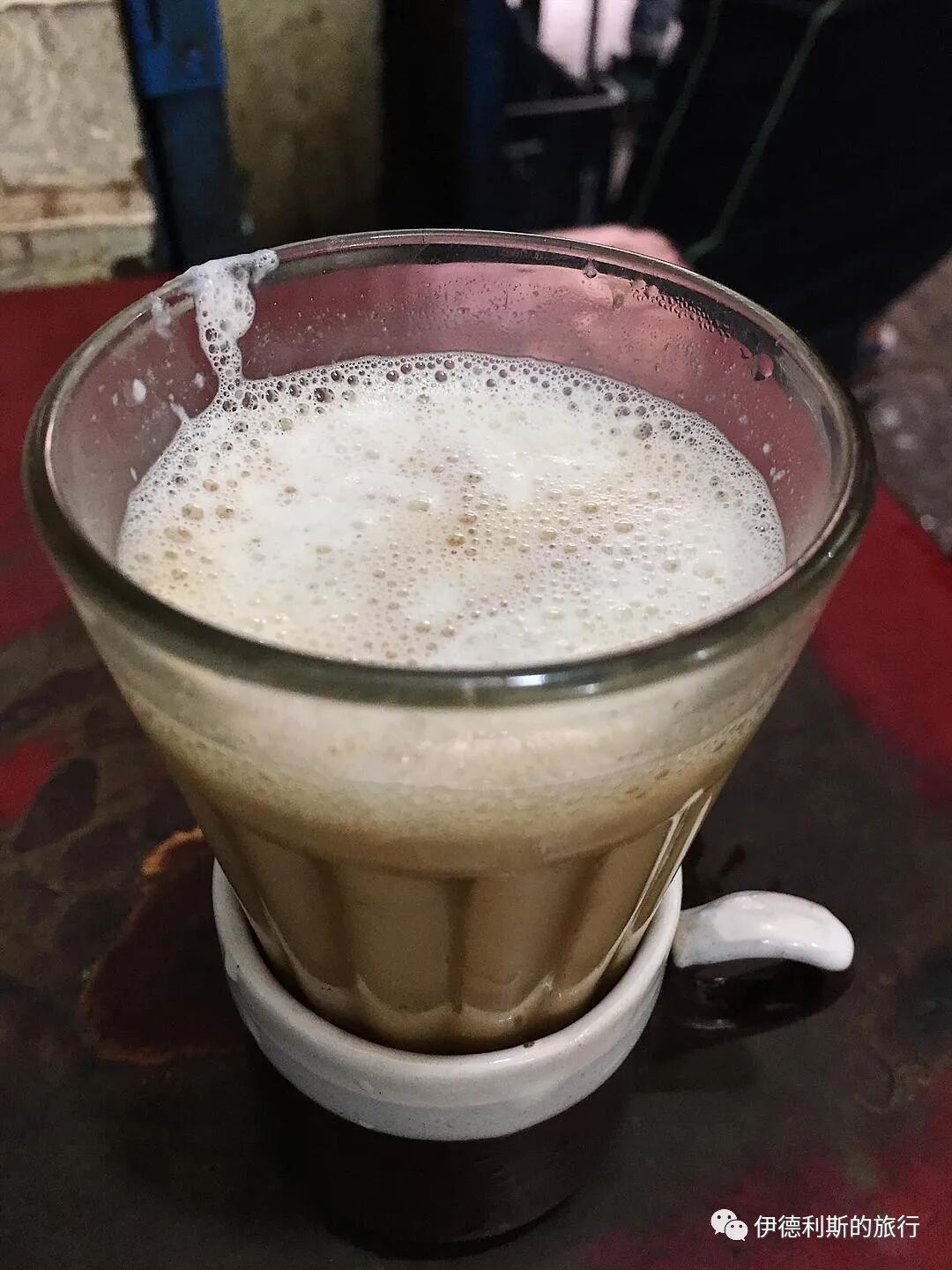
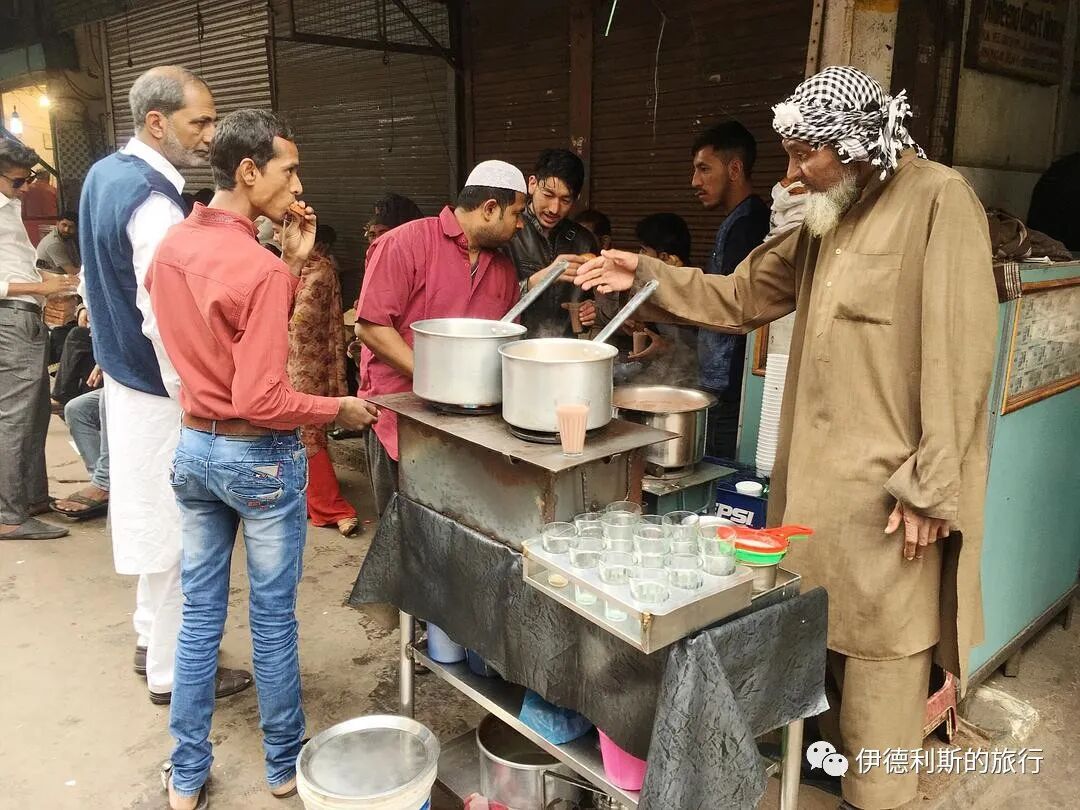
For street breakfast, drink spiced tea (Masala chai) and eat bread and desserts.
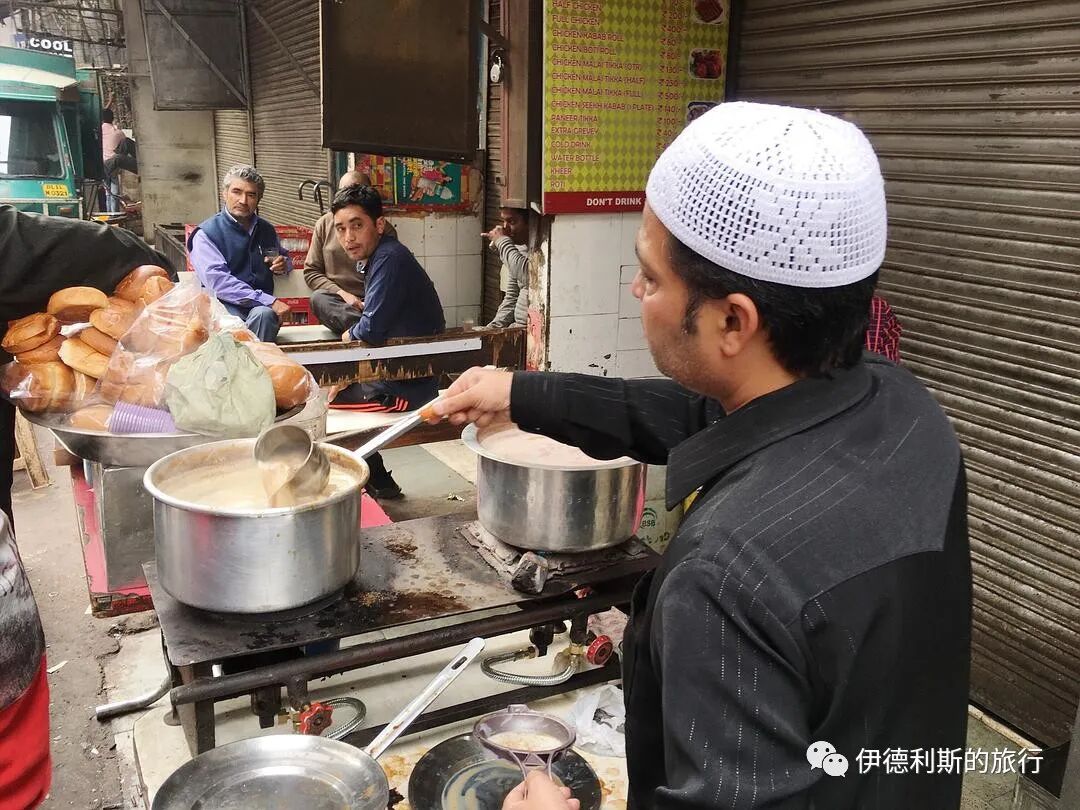
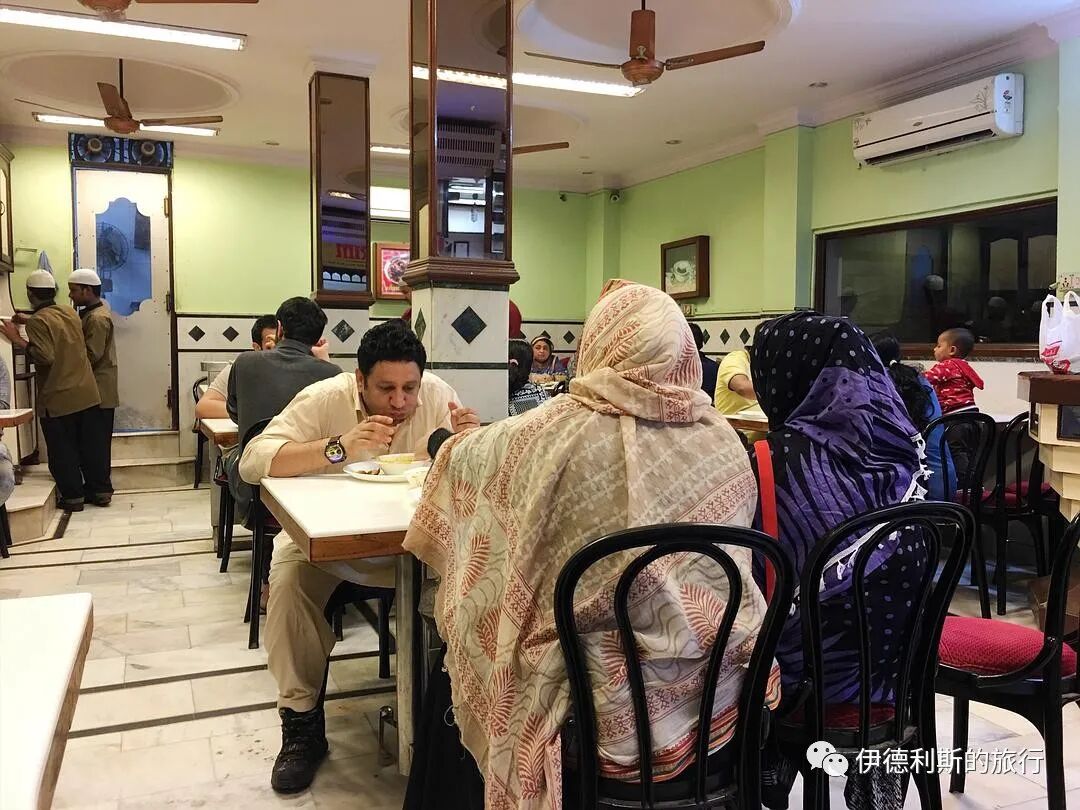
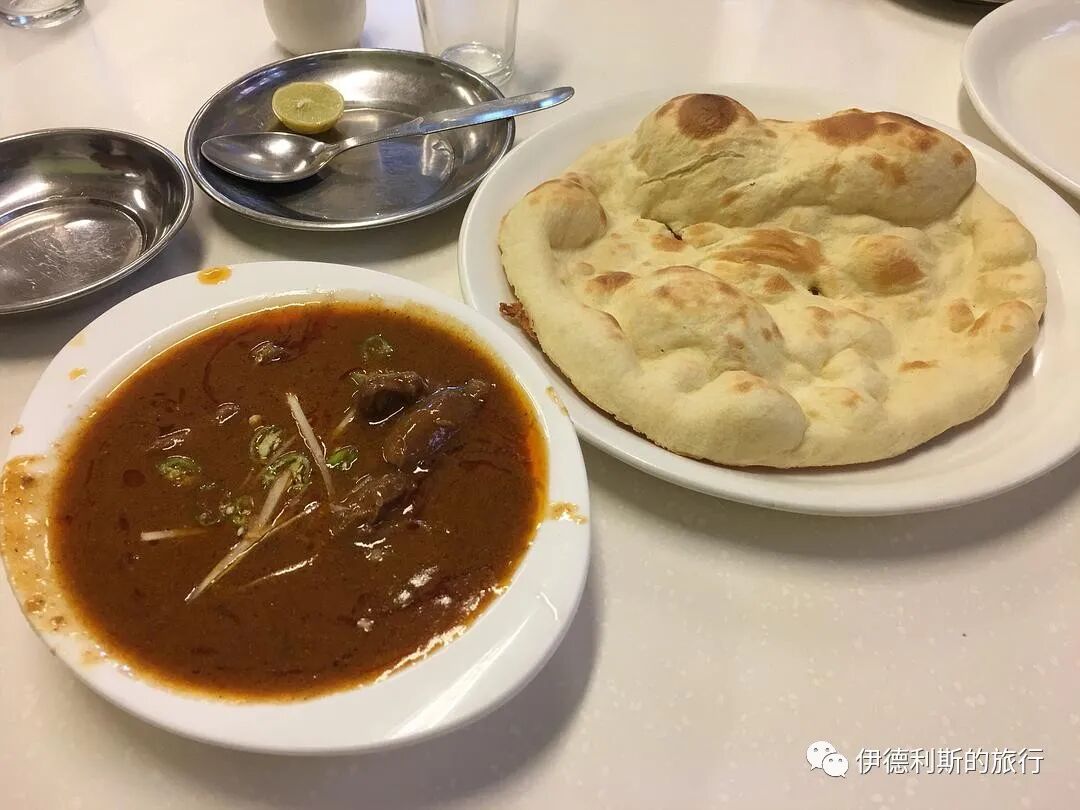
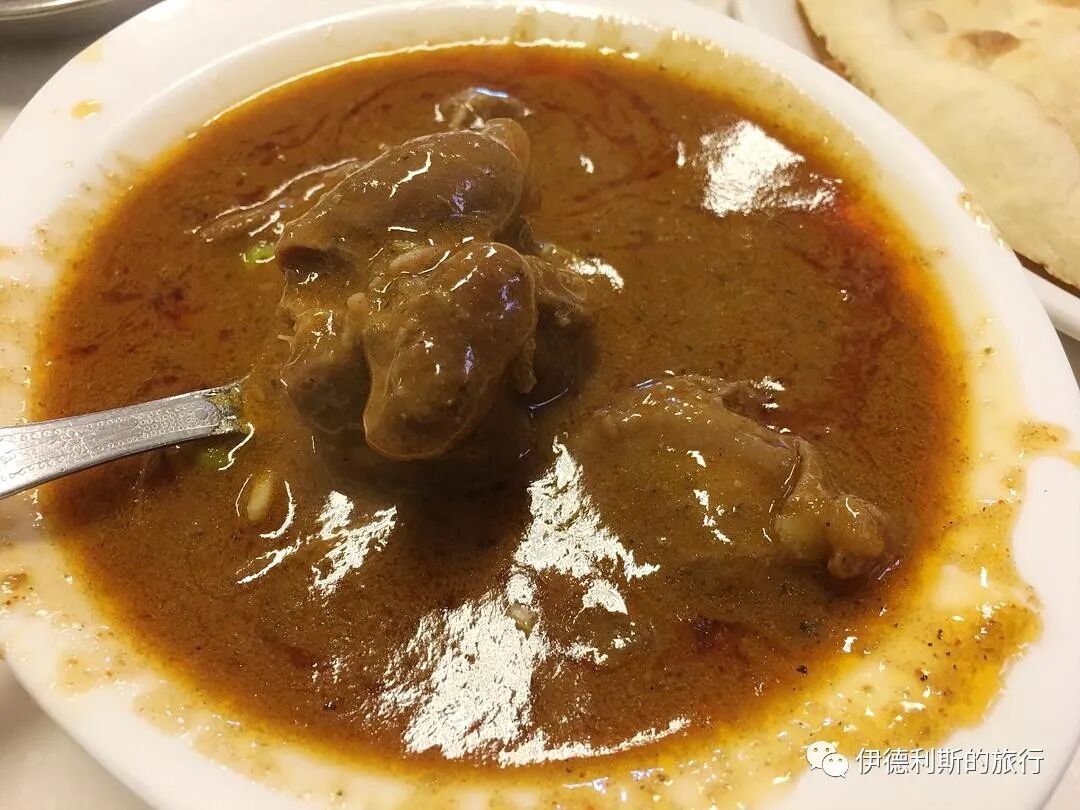
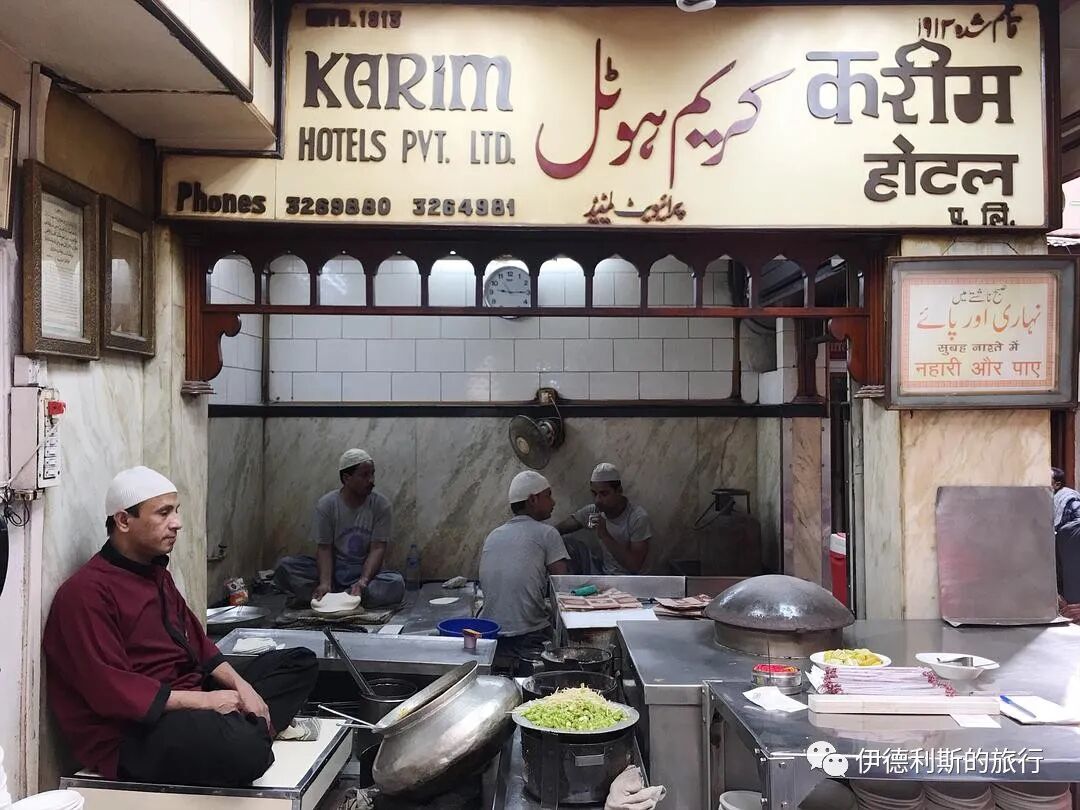
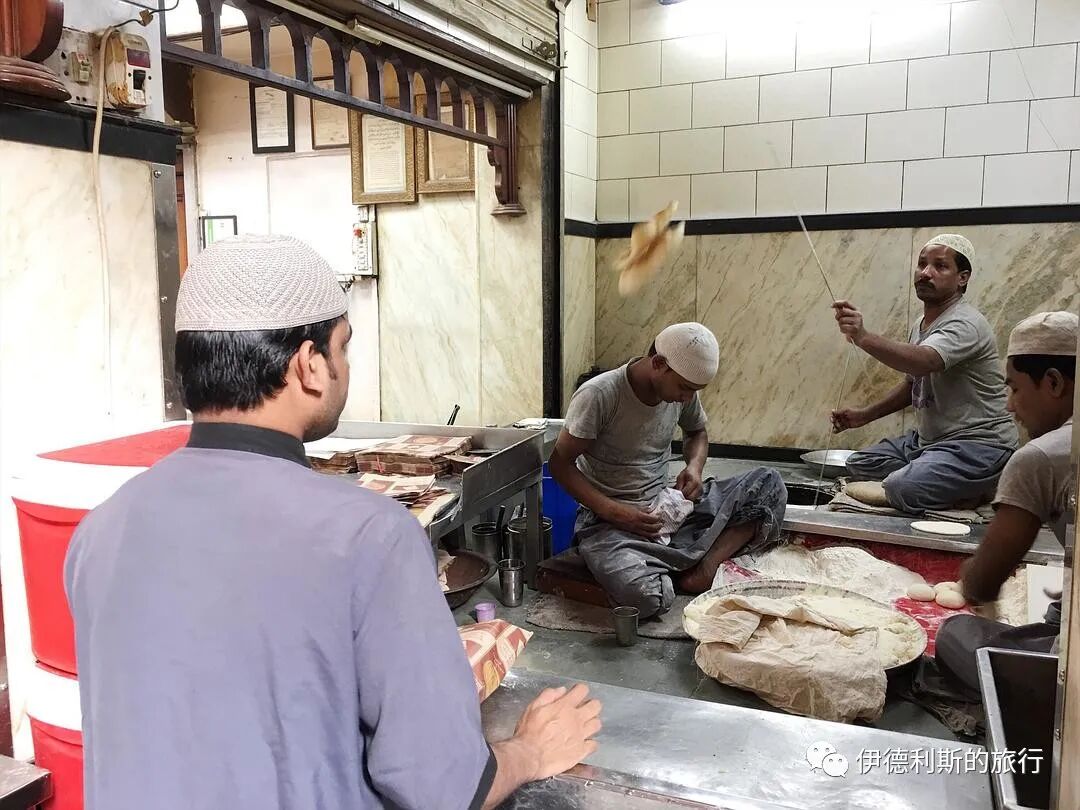
Karim, the most famous restaurant in the Jama Mosque Muslim community, serves delicious slow-cooked meat stew (nahari) with flatbread (naan).
The family that runs Karim has lived in Delhi since the Mughal Empire. They were forced to leave after the 1857 uprising, but Karimuddin returned to Delhi in 1911 and opened Karim across from the Jama Mosque in 1913, which has now been open for over a hundred years.
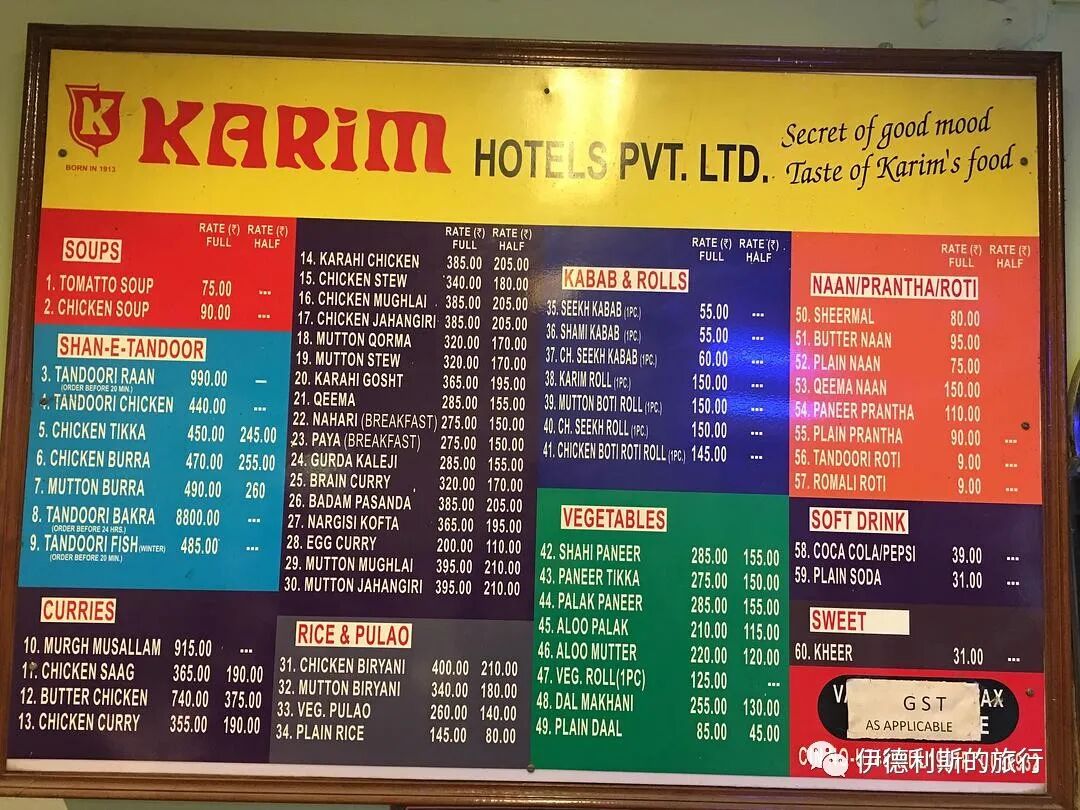
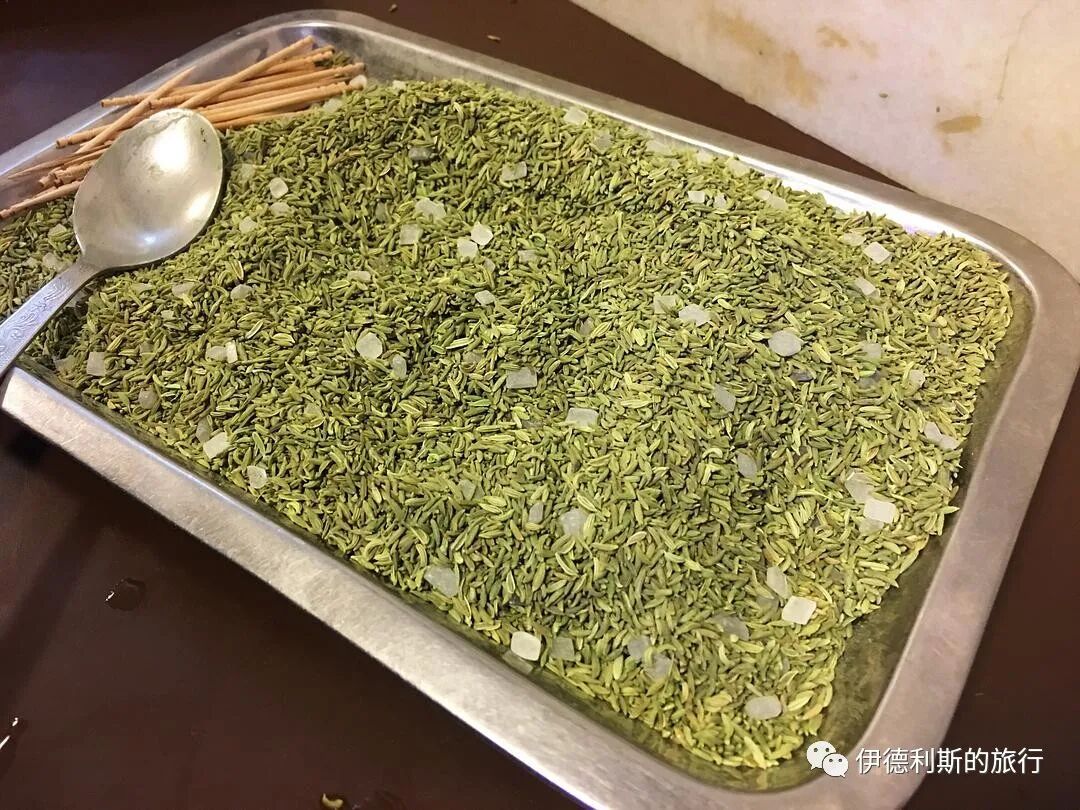
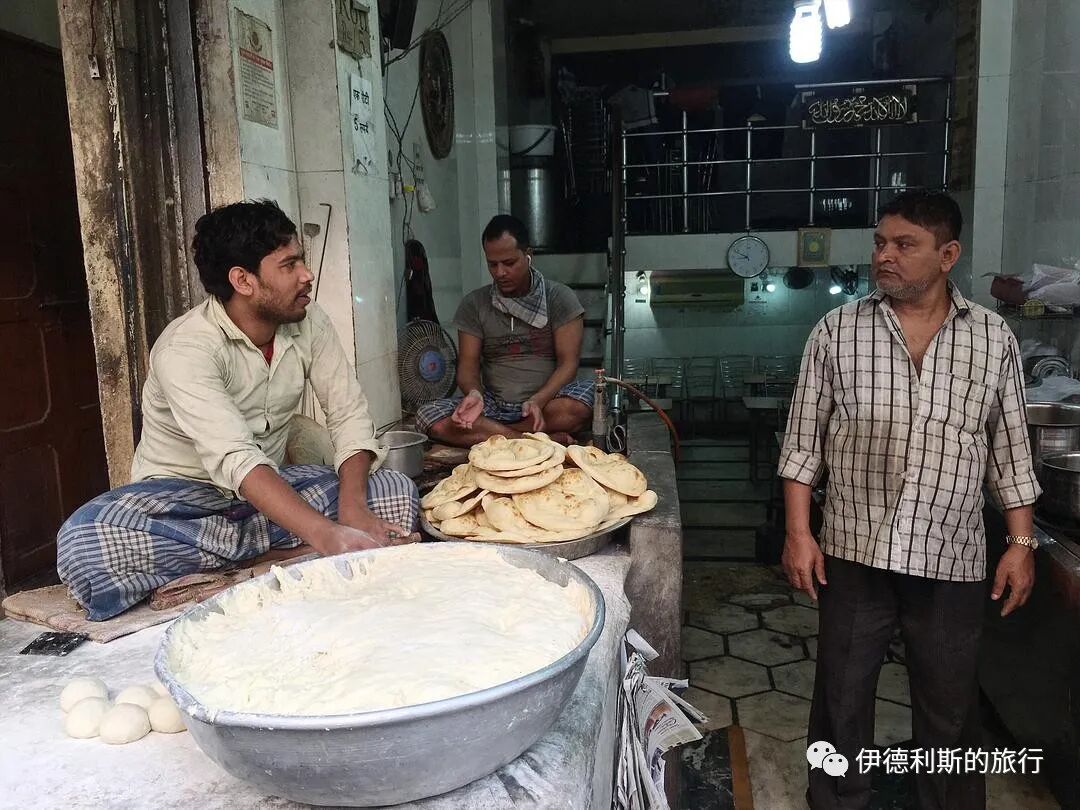
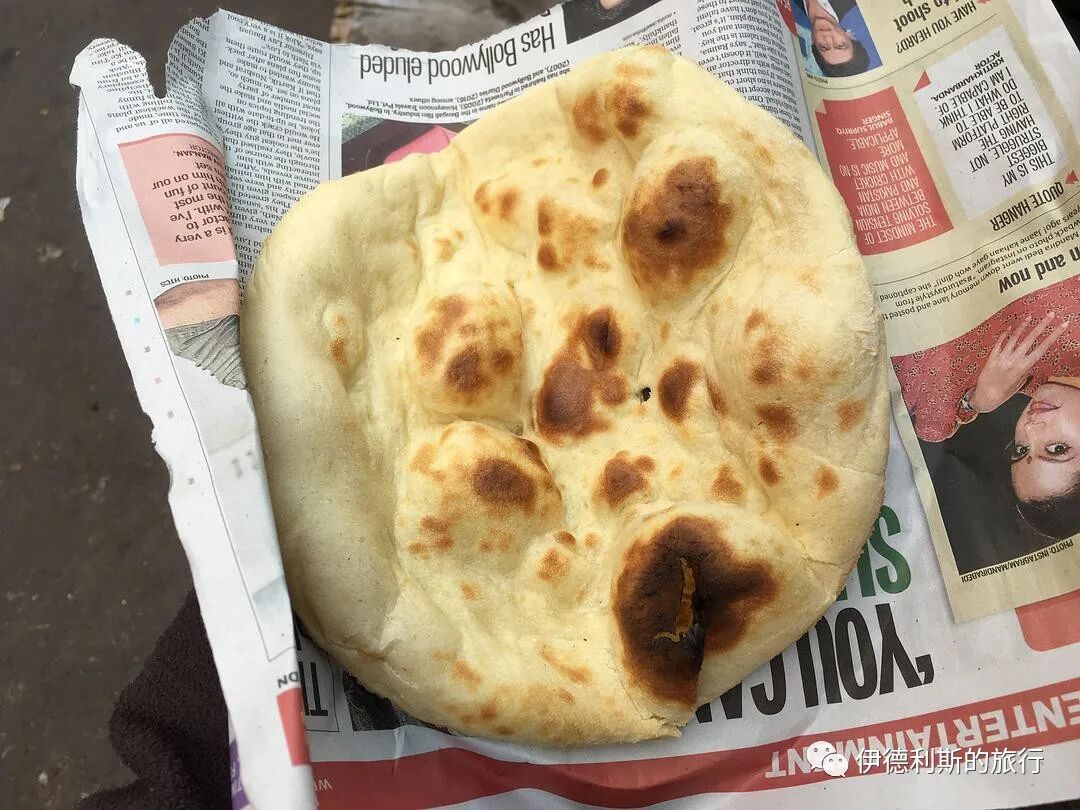
Another naan bread shop.
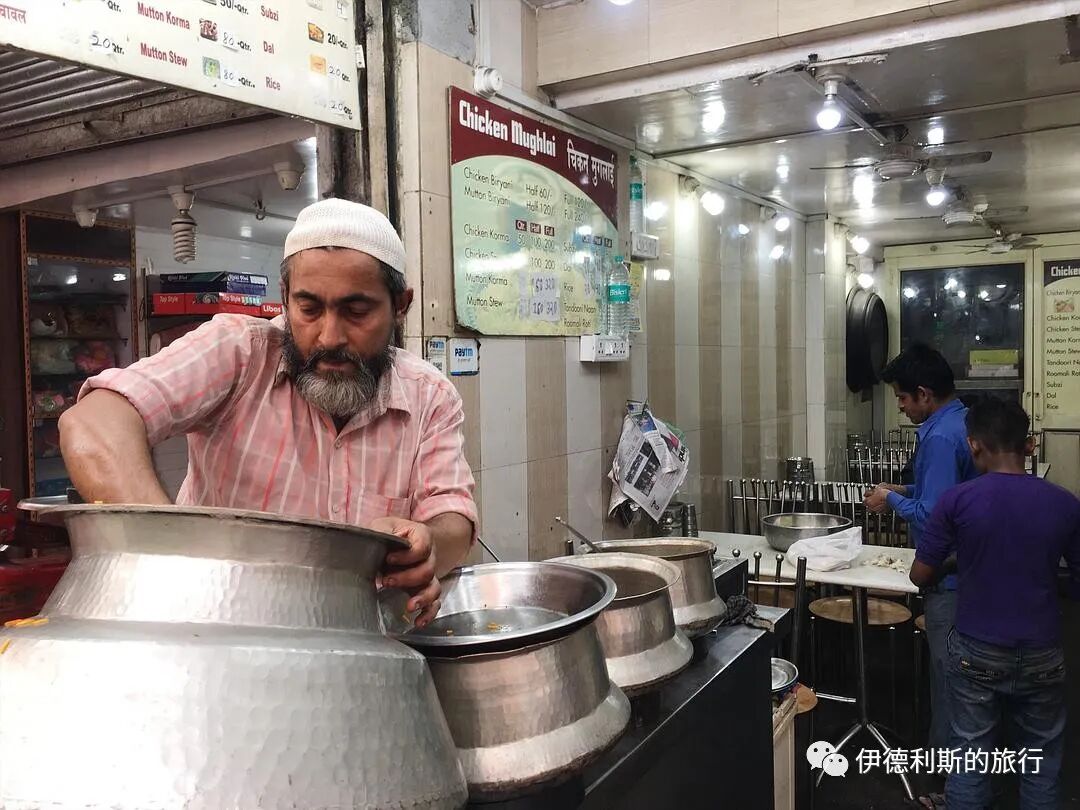
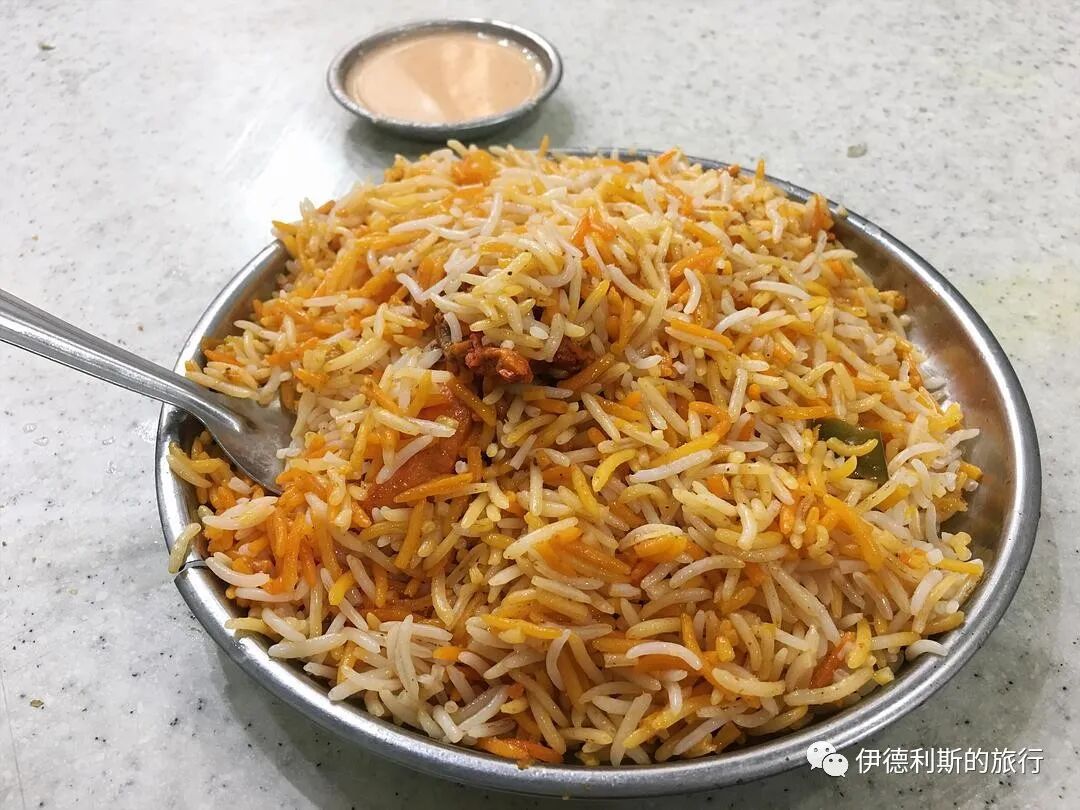
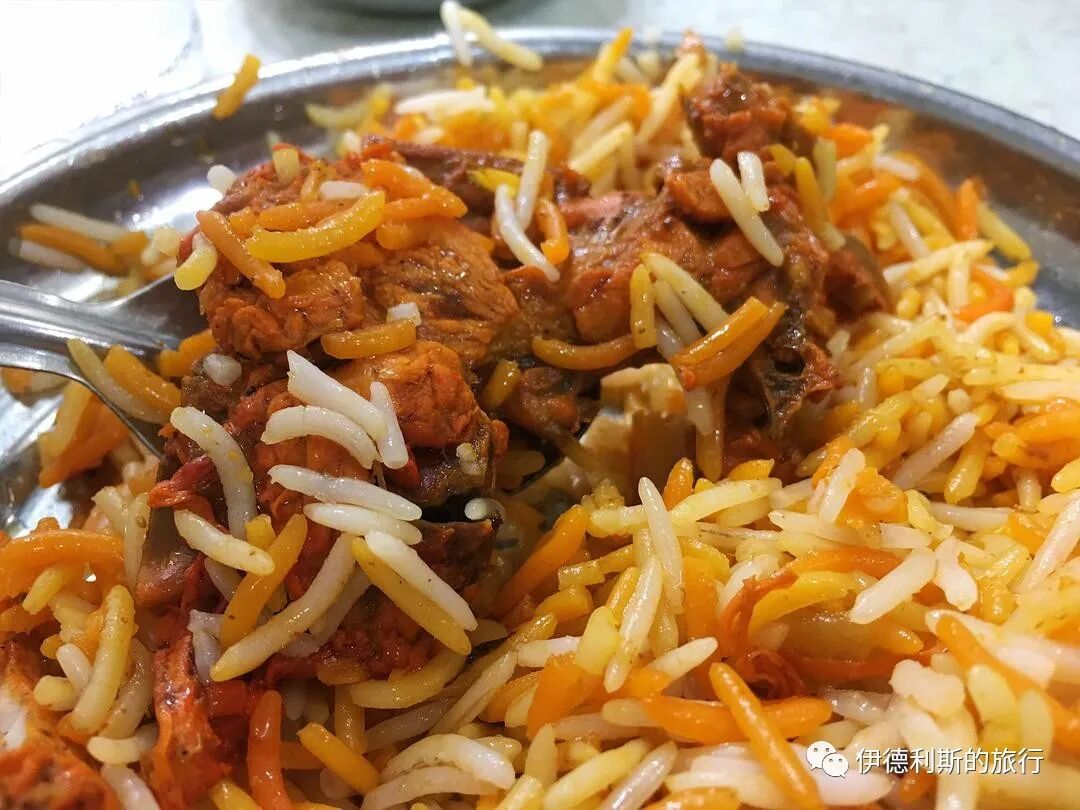
I ate chicken biryani rice here.
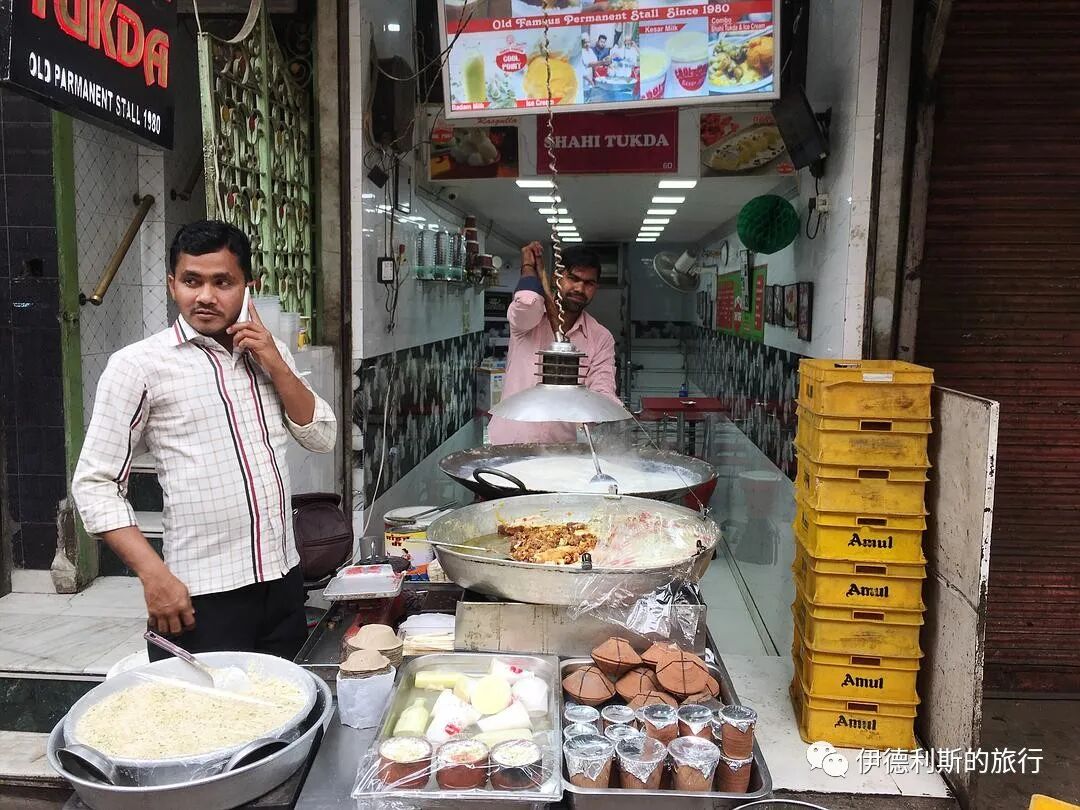
This dessert shop opened in 1980.
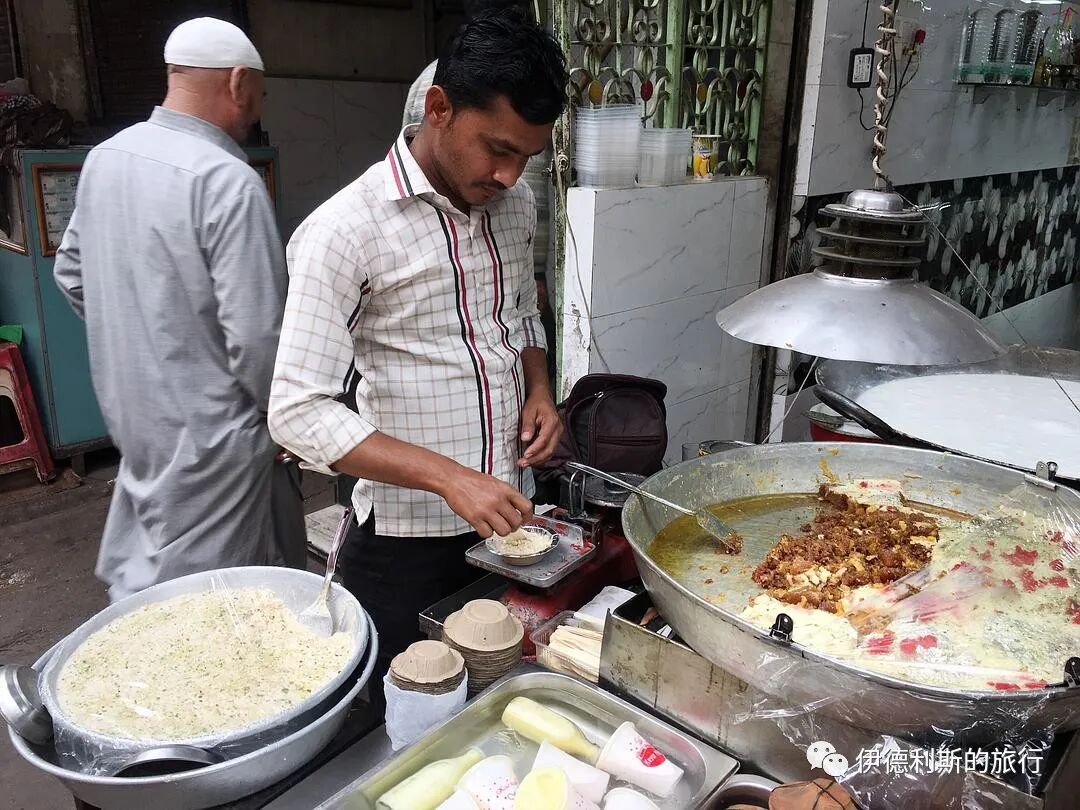
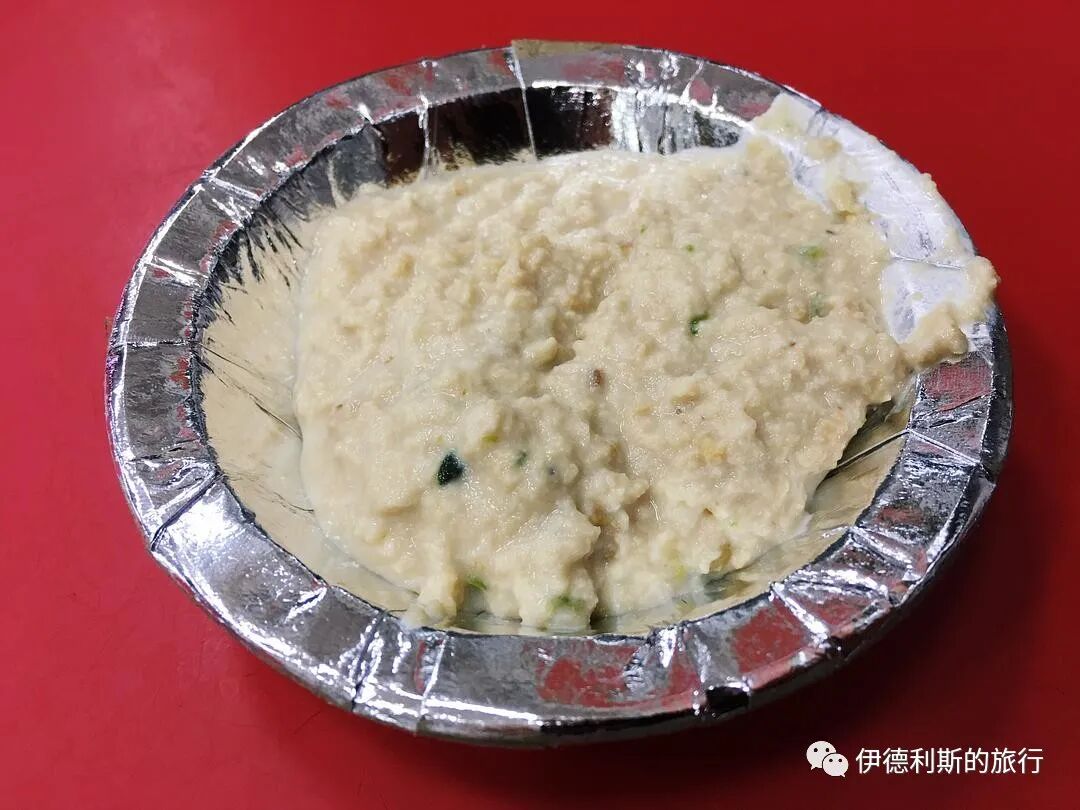
Rice pudding (kheer).
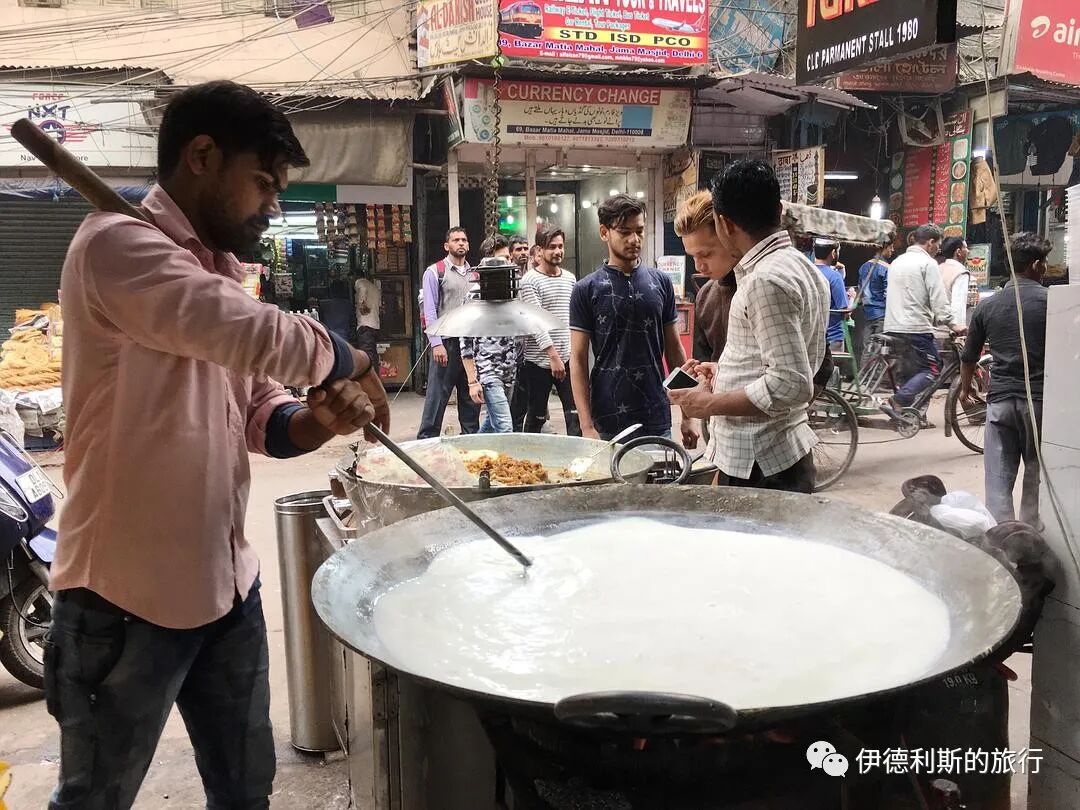
Matia Mahal Bazaar looks completely different at night.
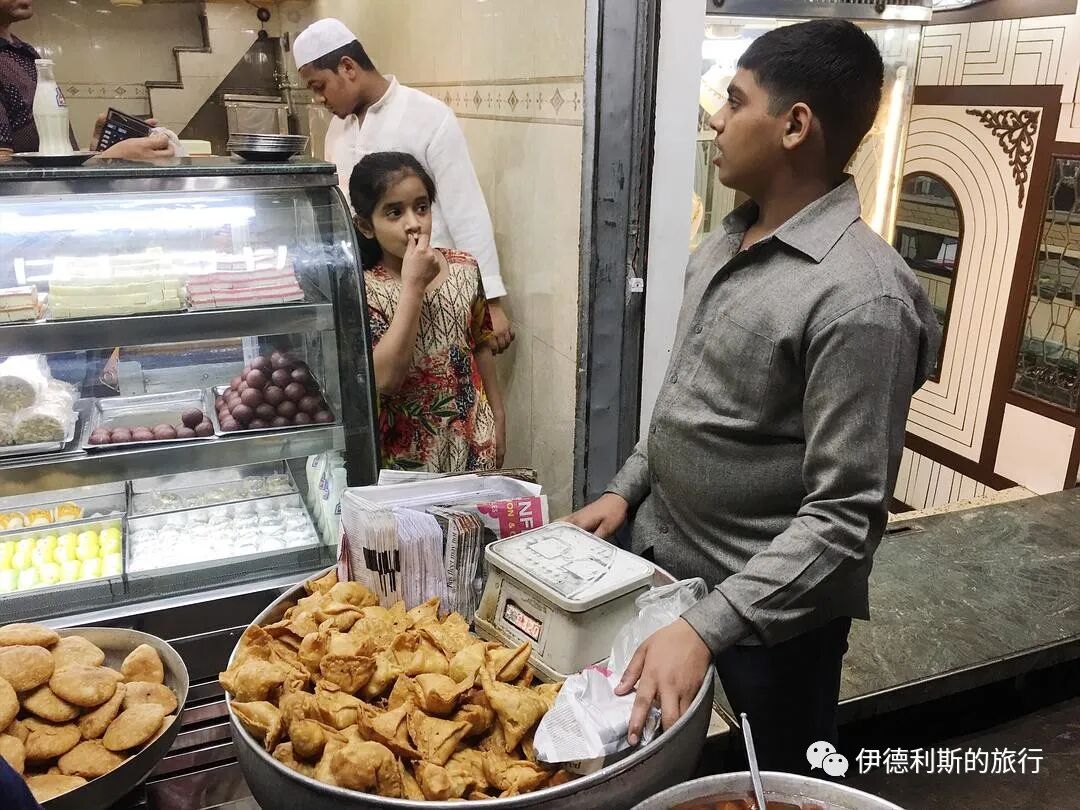
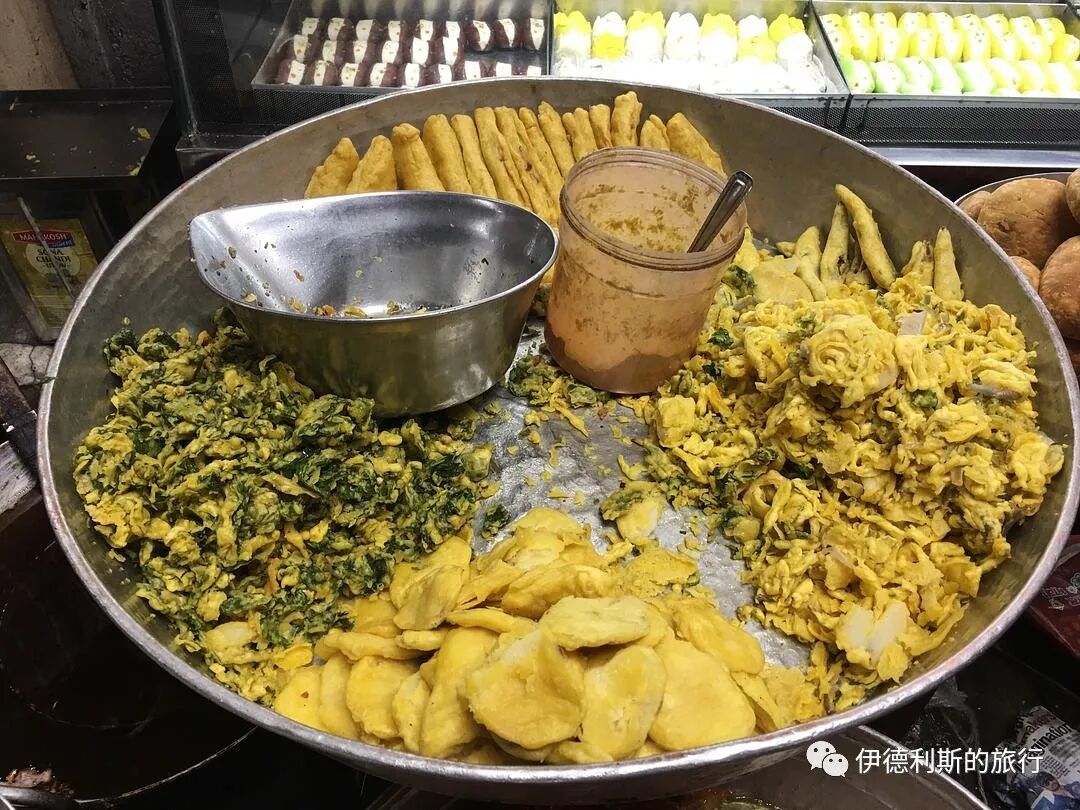
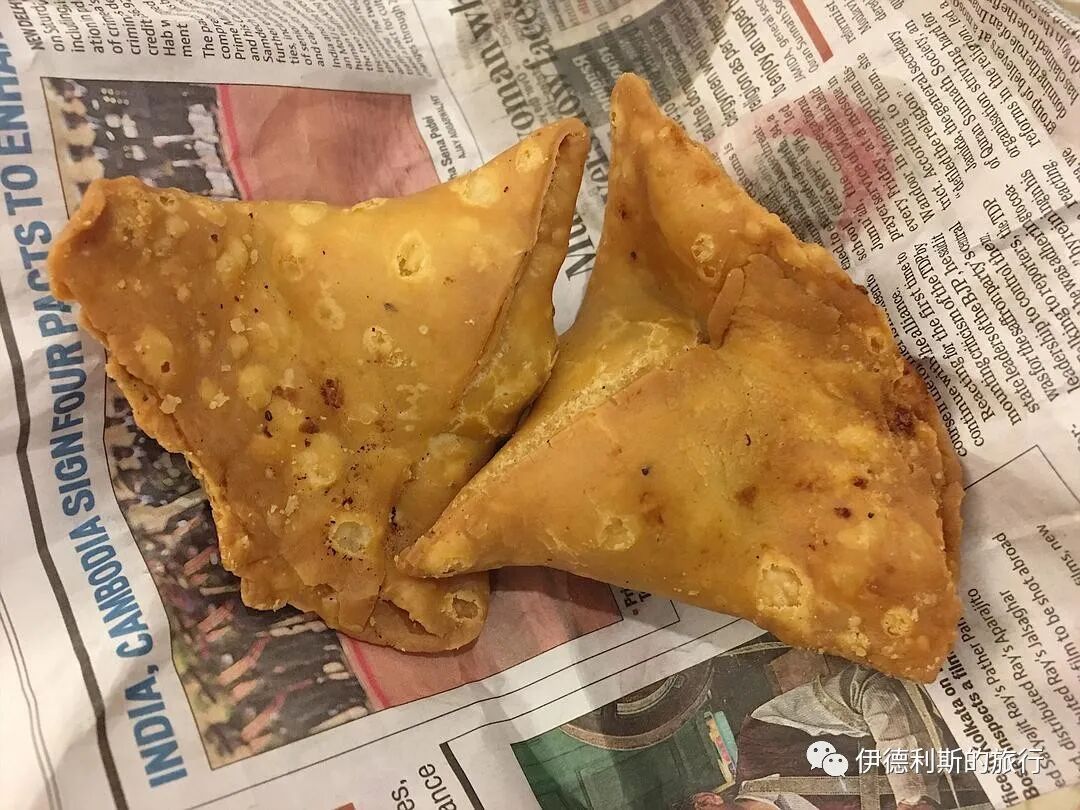
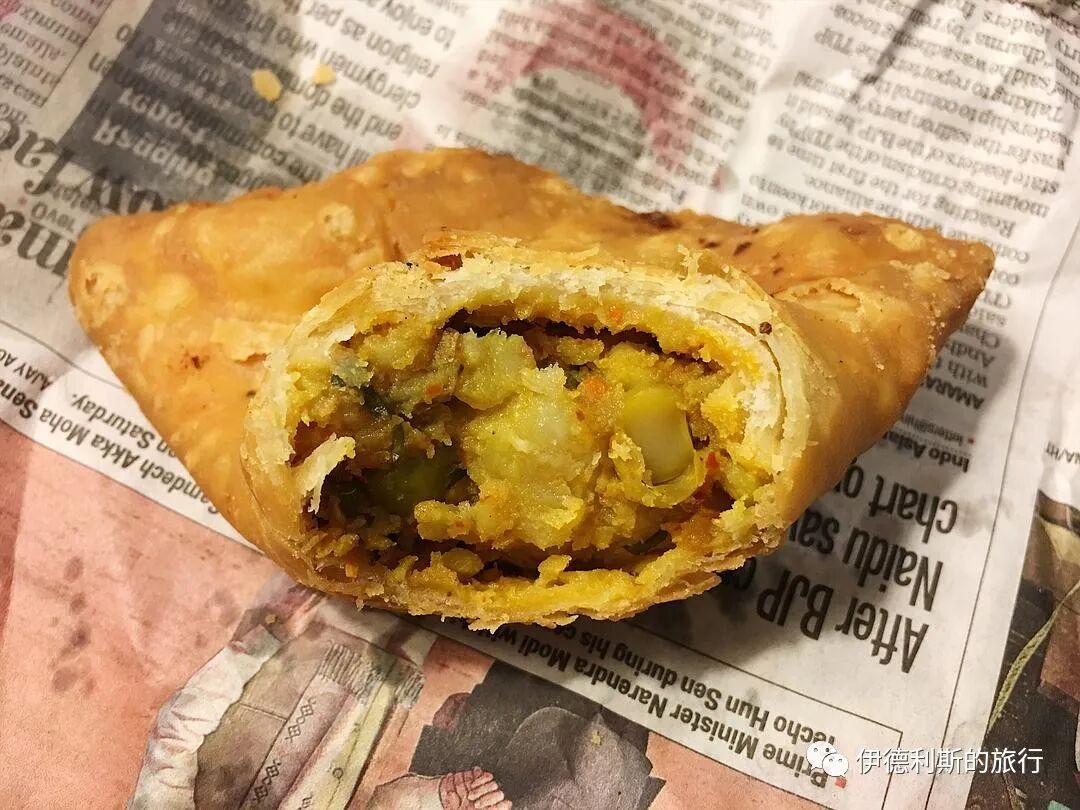
I bought a potato-filled fried pastry (samosa) here.
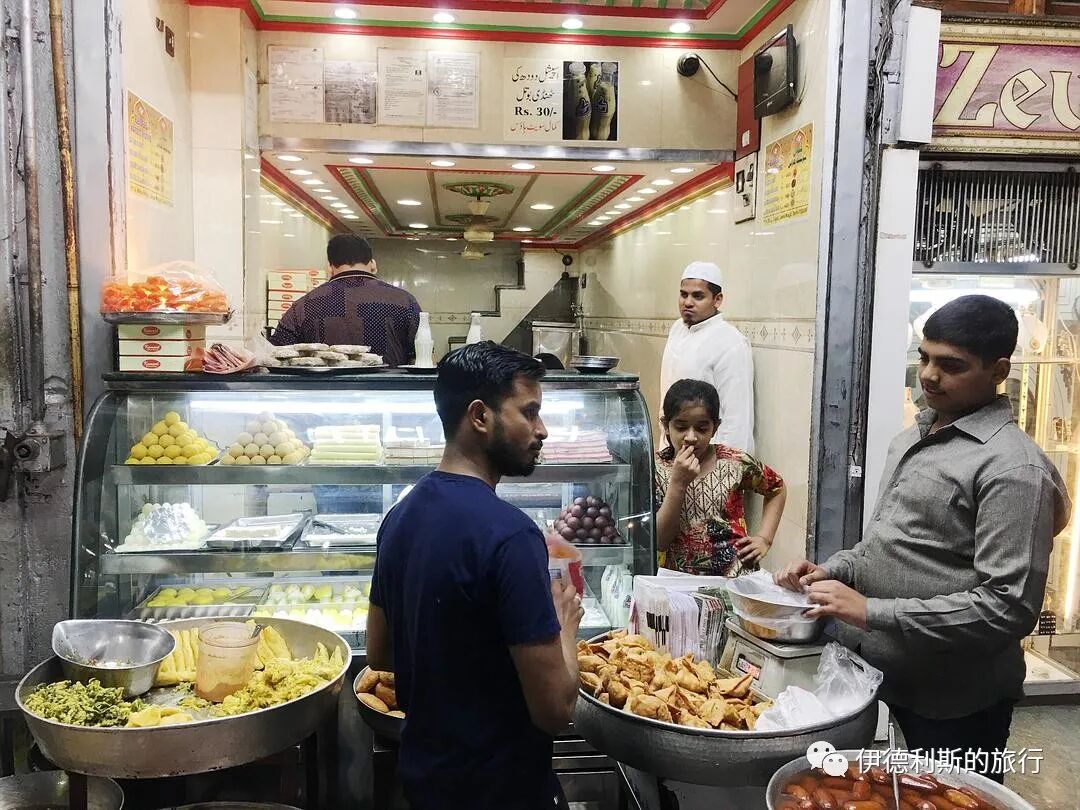
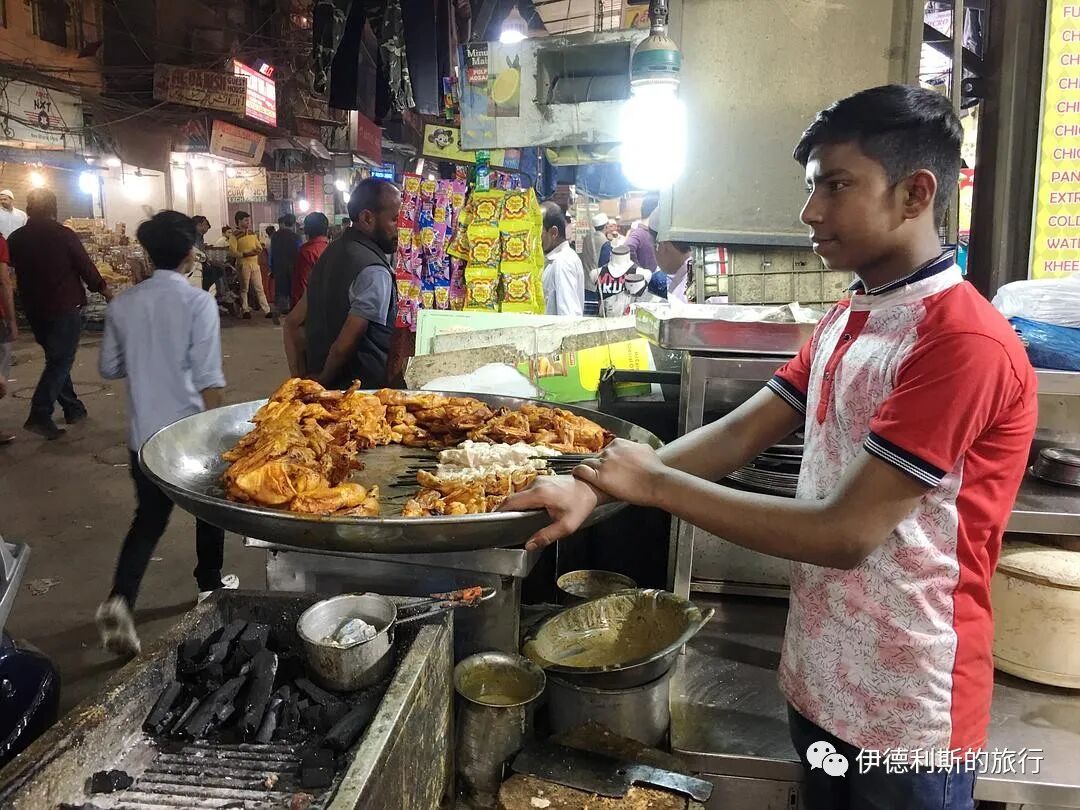
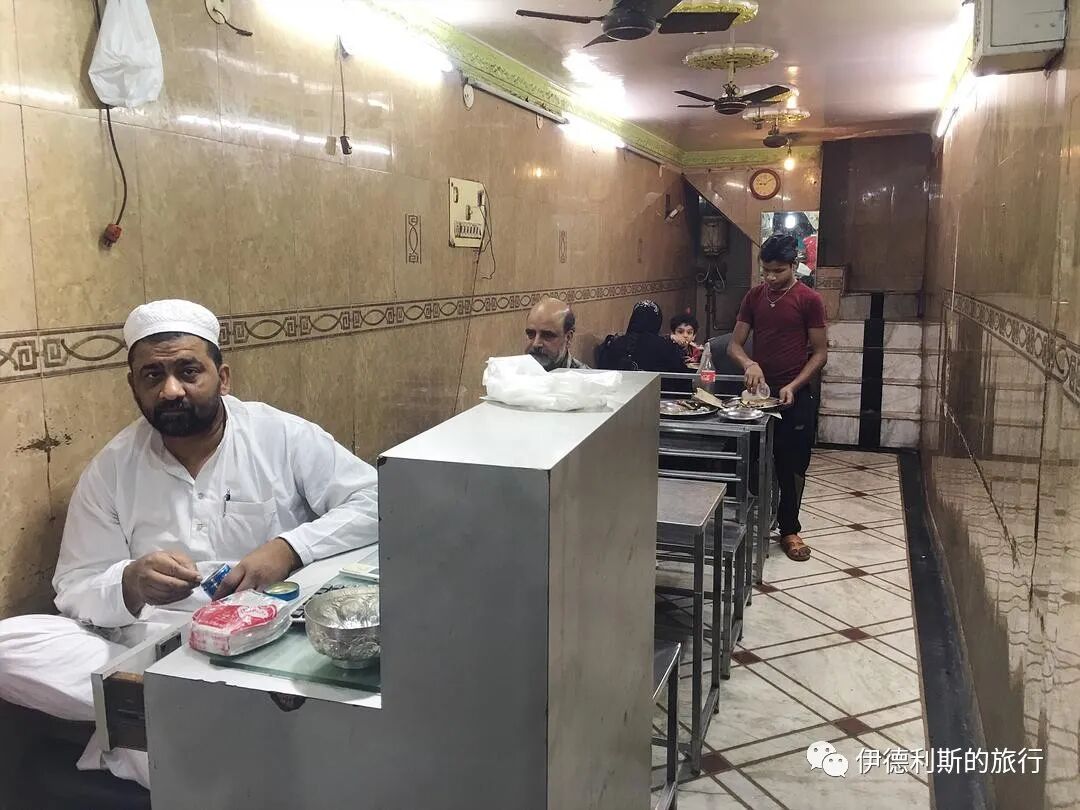
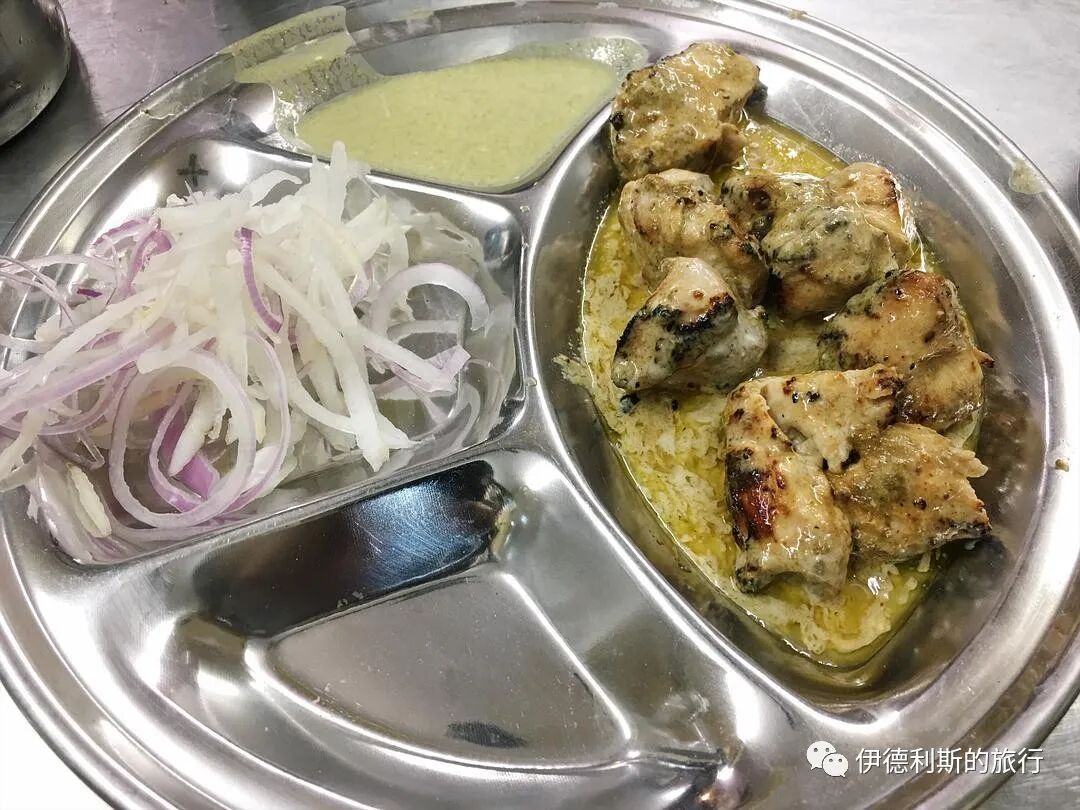
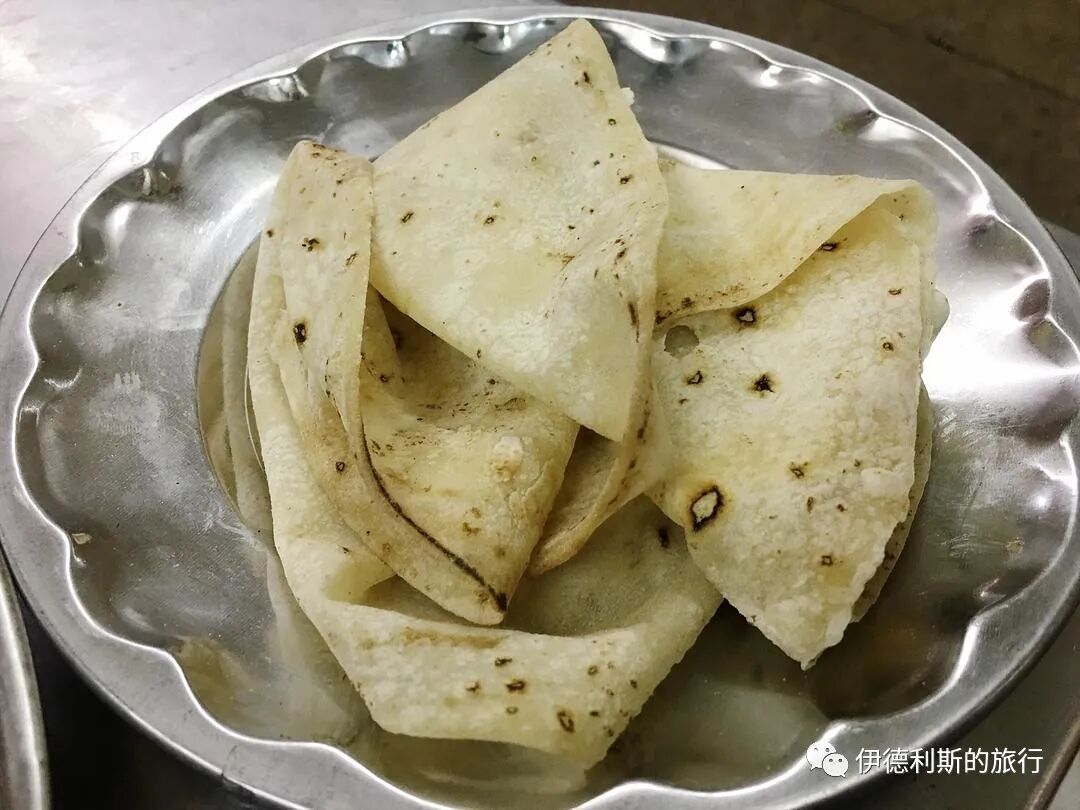
I ate roasted chicken at this place.
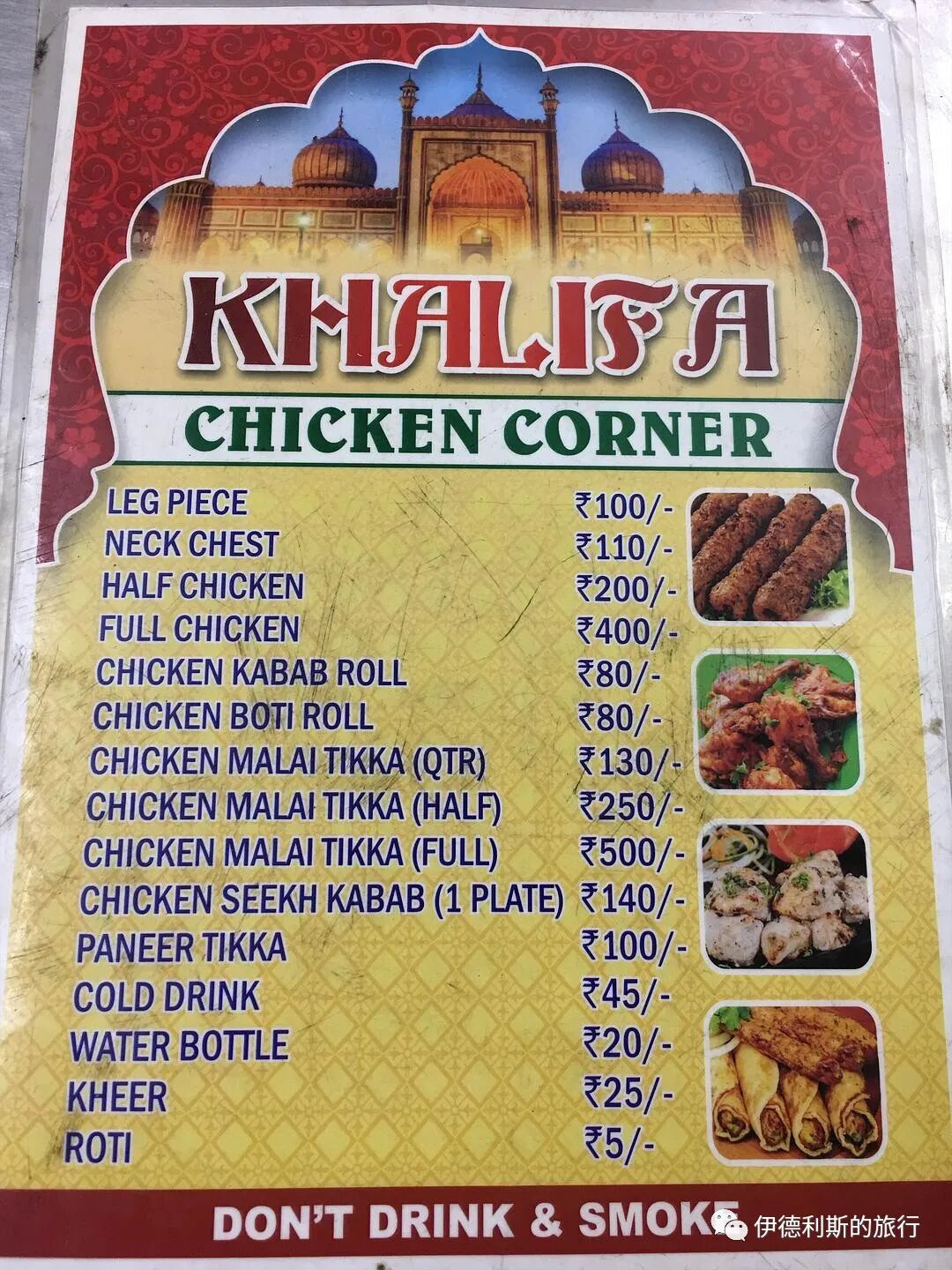
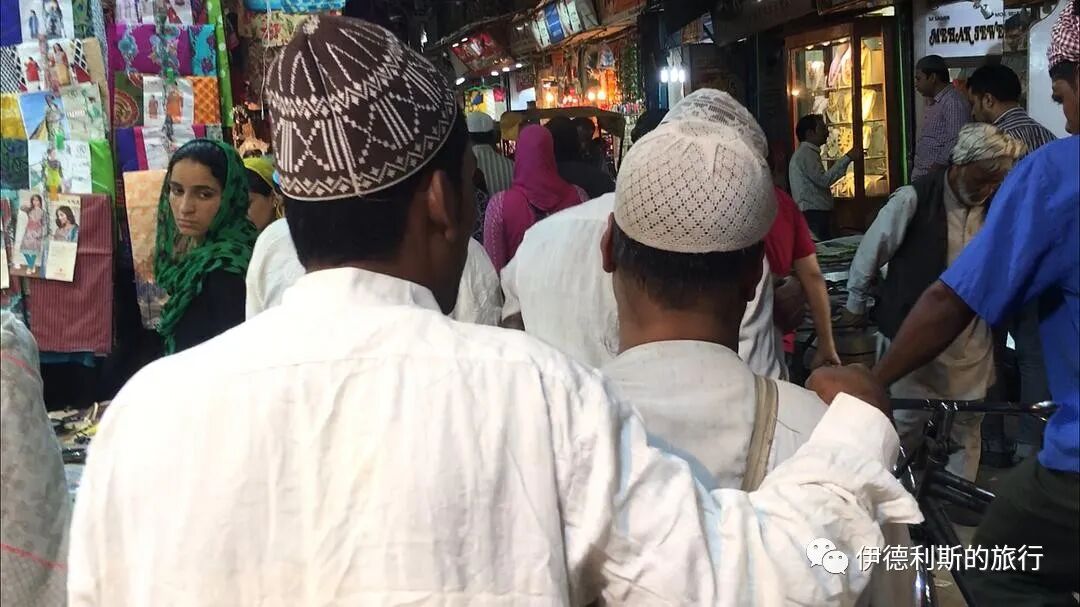
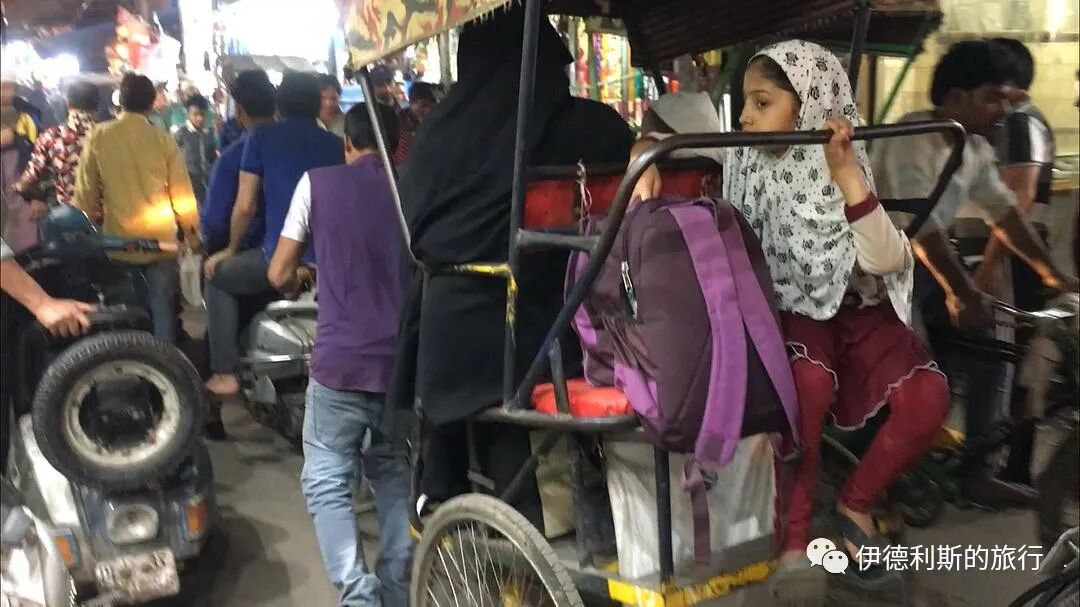
Chitli Qabar Bazaar.
During the Mughal Empire, this street was famous for chittai (carving text and patterns on tableware). Later, locals mixed the word chittai with the nearby Chitla Gate to create the name Chitli.
Qabar comes from the 1857 Indian Rebellion. At that time, the British killed several respected elders here, and some were buried nearby. That is how grave (qabar) became the second half of this place name.
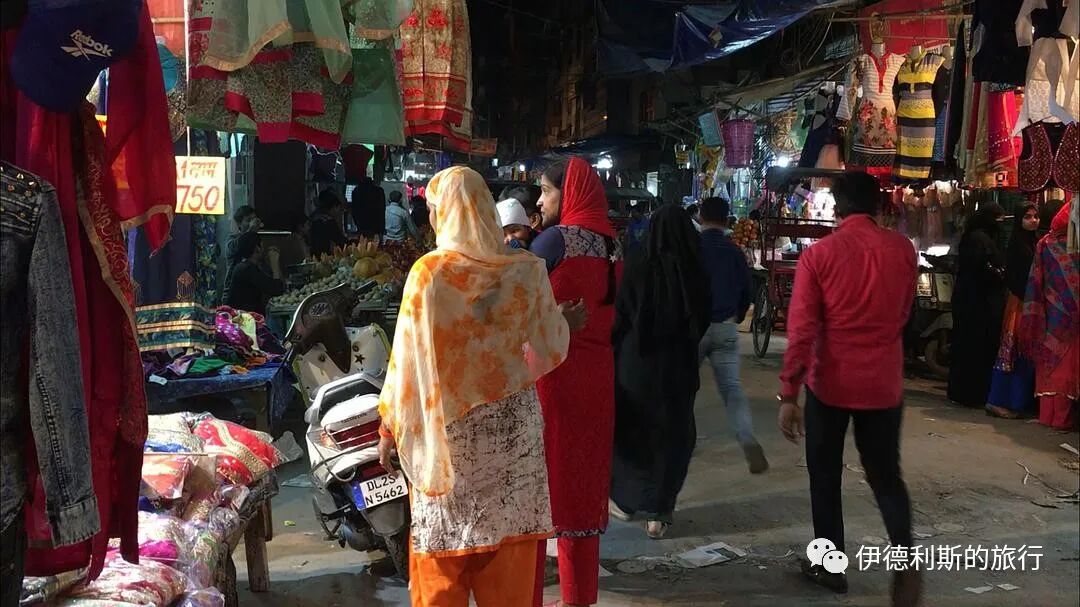
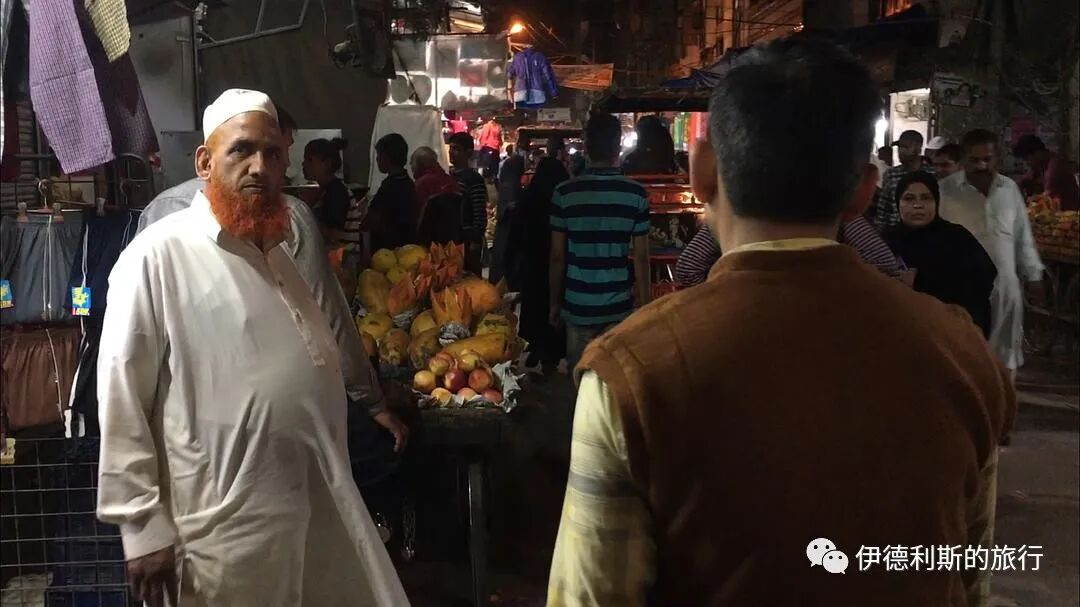
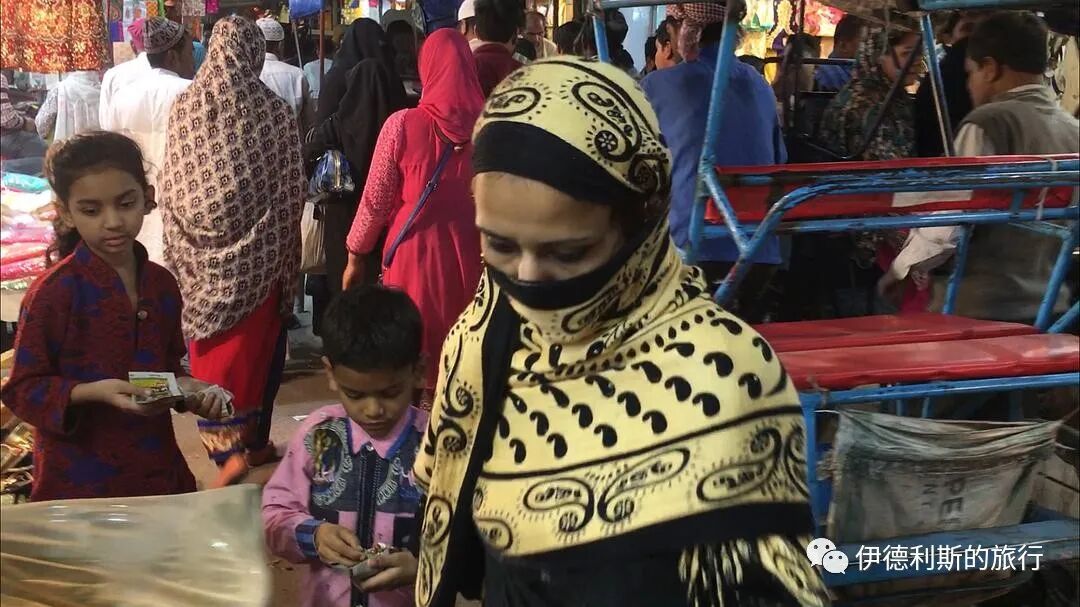
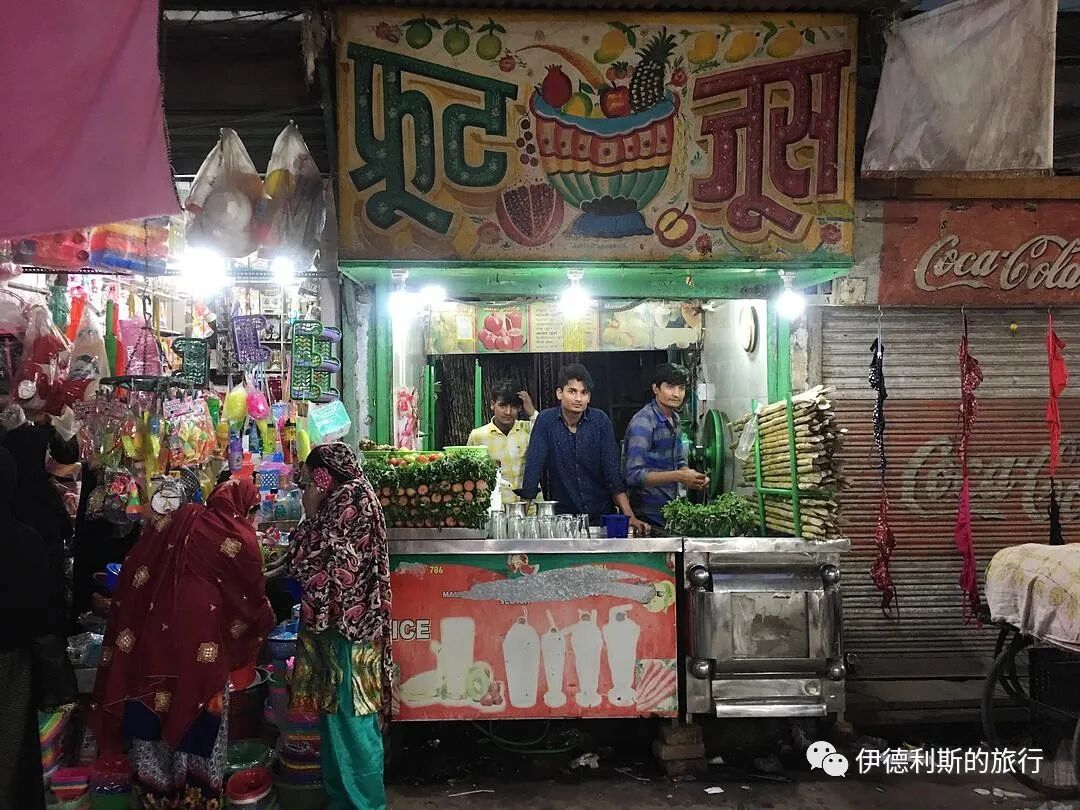
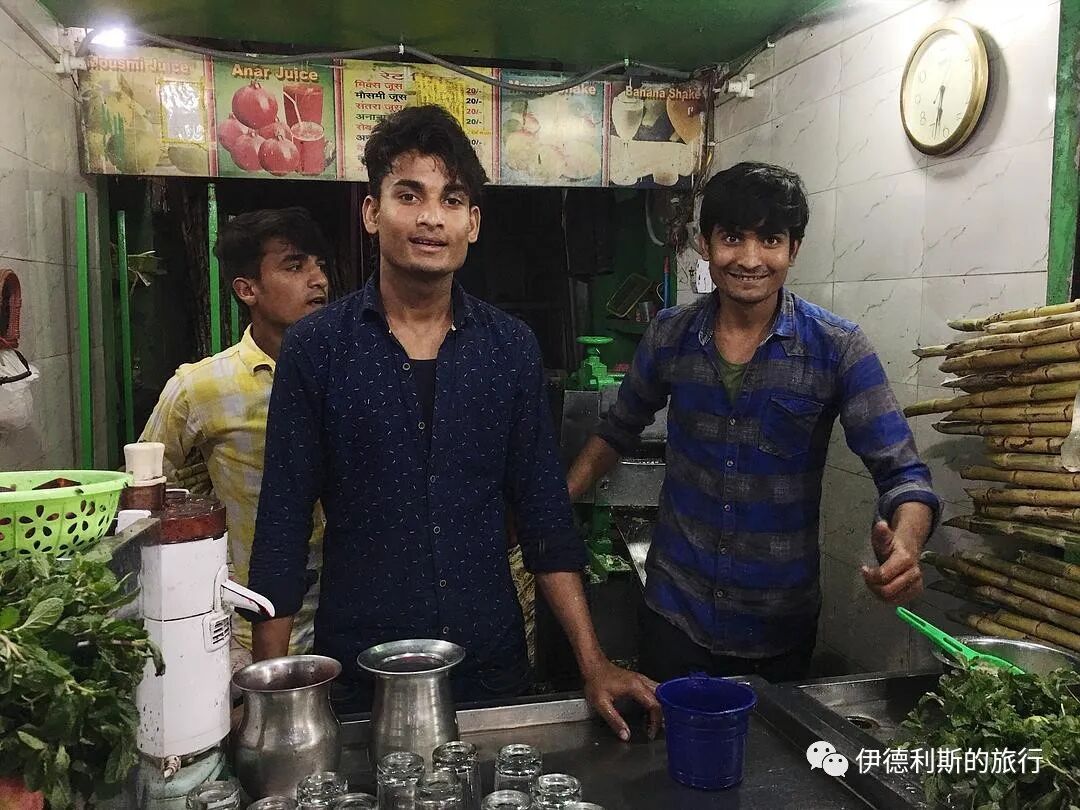
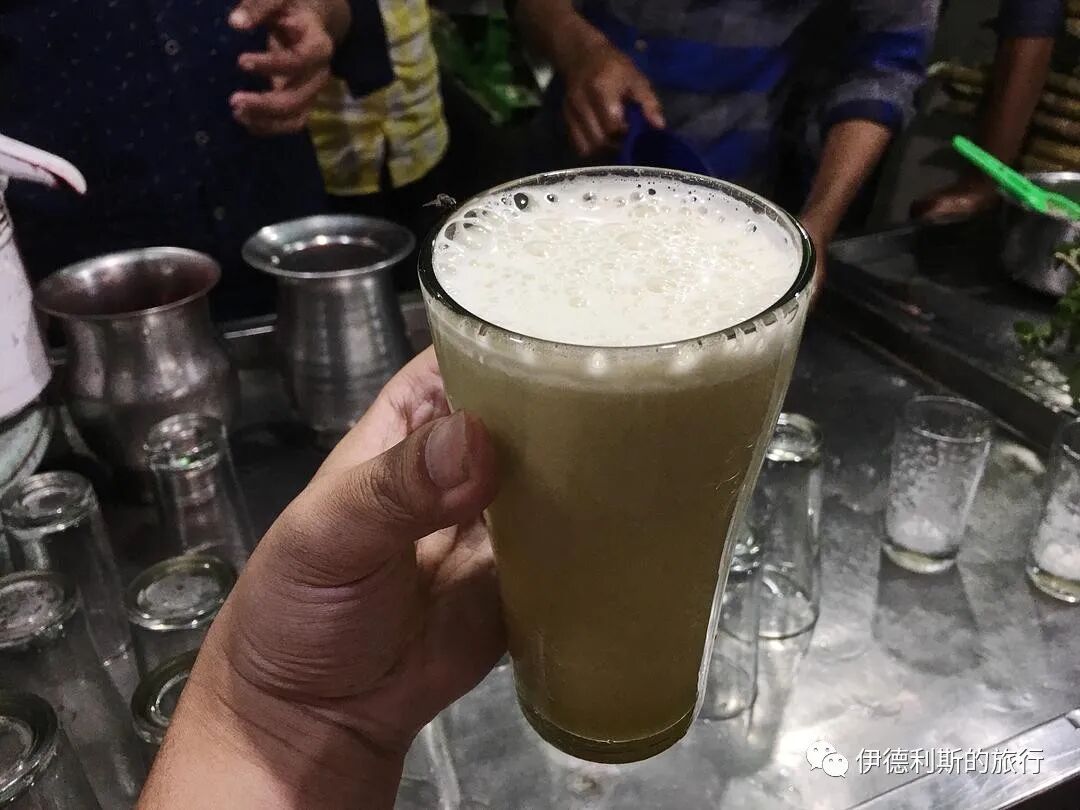
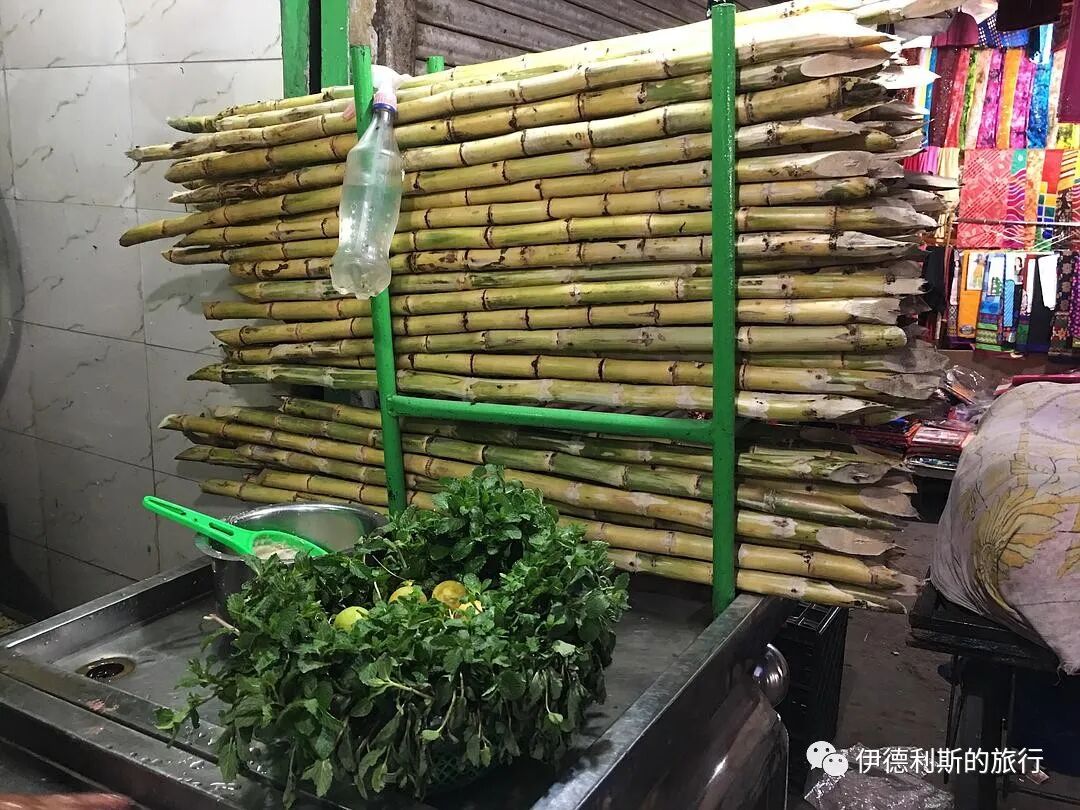
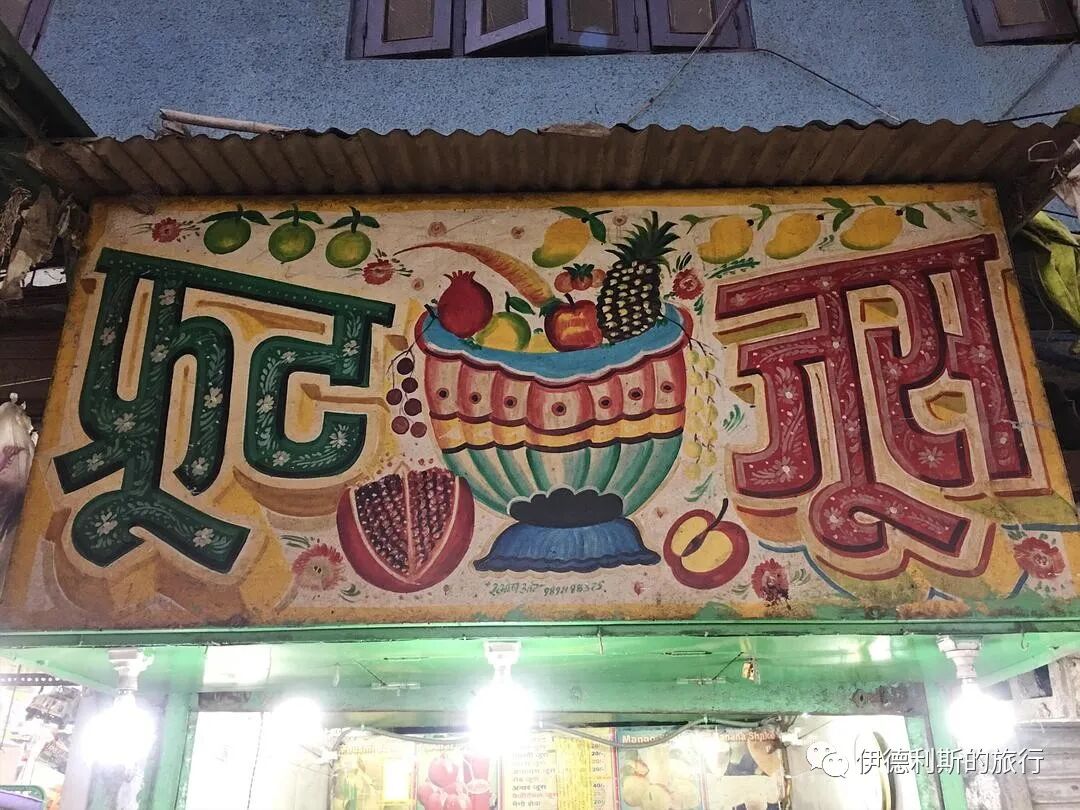
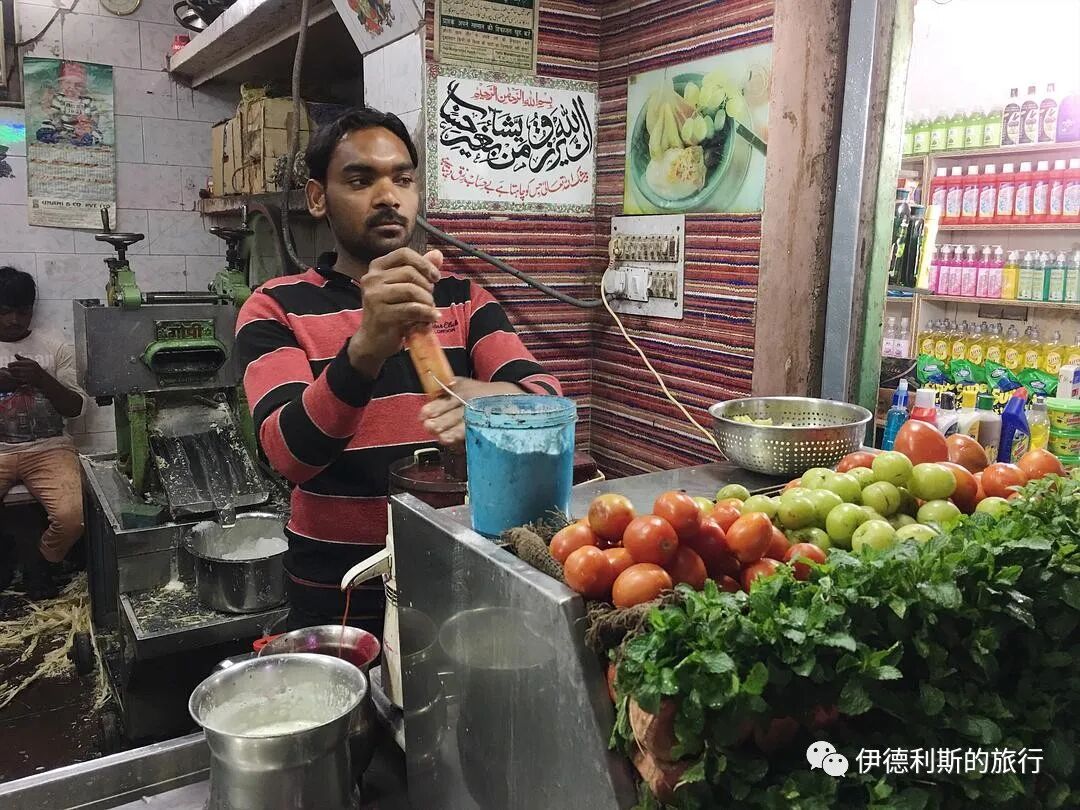
Various fruit juices:
Summary: Old Delhi — Muslim Communities, Streets and Food is presented here as a firsthand travel account in clear English, beginning with this scene: Jama Masjid sits in the south-central part of Shahjahanabad, the seventh historical city of Delhi. It is the largest mosque in Delhi and once served as the main Friday mosque for the Mughal Empire. The account keeps its focus on Old Delhi, Hui Muslims, Muslim Heritage while preserving the names, places, food, and historical details from the Chinese source.
Jama Masjid
Jama Masjid sits in the south-central part of Shahjahanabad, the seventh historical city of Delhi. It is the largest mosque in Delhi and once served as the main Friday mosque for the Mughal Empire.
The Mughal emperor Shah Jahan, who also built the Taj Mahal, ordered the construction of Jama Masjid between 1650 and 1656. In 1638, before this, Shah Jahan decided to move his capital from Agra, where the Taj Mahal is, to Delhi. He immediately started building a city named after himself, Shahjahanabad, in the north of Delhi. The Jama Mosque was a key part of this city.
Shah Jahan’s prime minister (wazir), Saadullah Khan, led more than 5,000 workers to build the Jama Mosque. It cost over 1 million rupees. The mosque stands on a high platform over 9 meters above the ground. It is built from red sandstone and marble, featuring a main prayer hall connected by covered walkways, two 40-meter-tall minarets, and three main gates. The east gate was reserved for the Mughal royal family. A path connects it directly to the Delhi Gate of the Red Fort, where the royals lived.
In 1857, the Indian rebellion against the British East India Company broke out. The British then seized the Jama Mosque and stationed troops inside. They originally planned to tear down the mosque, but they failed because of strong opposition. However, the religious school (Madrasa) on the south side of the mosque was destroyed as a result.
Exterior of the main prayer hall:
Inside the main prayer hall:
The mihrab sits in the center of the main hall to show the direction of prayer toward Mecca.
Besides the main mihrab in the center, there is a smaller mihrab on each side.
There are four towers, one at each corner of the veranda.
Three main gates:
The East Gate is the main entrance.
South Gate:
North Gate:
Inside the East Gate:
The pool for ritual washing (wudu) in the courtyard:
The Friday congregational prayer (Jumu'ah) at the Jama Mosque.
When used alone, the word Jama translates to Jumu'ah, which means the Friday congregational prayer. A Jumu'ah mosque is usually the largest one in the community, where Muslims gather every Friday at noon for the most important prayer of the week. I was lucky enough to attend a Friday Jumu'ah prayer at the Jama Mosque.
On Friday morning, more prayer rugs were already laid out in the courtyard.
People are performing wudu before the Friday namaz.
The crowd is getting bigger.
People praying inside the main gate archway.
People taking photos after finishing their namaz.
People eating fruit outside the north gate of the mosque after namaz.
The Jama Masjid Muslim community.
After the Jama Masjid was built, Muslims kept moving in to live around the mosque. By the mid-17th century, the Jama Masjid Muslim community had formed.
The Jama Masjid Muslim community in 1852, from Wikipedia.
During the Mughal Empire, Muslims lived in a large area surrounding the Jama Masjid. However, things changed after the 1857 Indian Rebellion when the British took over the Jama Masjid for a military camp and cleared out all the nearby bazaars. Later, during the 1947 partition of India and Pakistan, many Delhi Muslims moved to Pakistan. Today, the areas west and north of the Jama Masjid are entirely Hindu communities. The Muslim community is now limited to the area outside the south and east gates of the mosque in the southeastern part of the old city.
The Muslim community around Jama Mosque has four main roads, each leading to one of the community's four primary bazaars: Urdu Bazaar, Matia Mahal Bazaar, Chitli Qabar Bazaar, and Meena Bazaar. I will introduce these four bazaars one by one.
Urdu Bazaar
Urdu Bazaar is located on the south side of the street that stretches east from the south gate of Jama Mosque. This place was once a famous market for Urdu language books during the Mughal era.
The word "Urdu" comes from the Turkic word "ordu," meaning army. During the Delhi Sultanate and Mughal Empire, many Persianized Turkic Muslims from Central Asia and Afghanistan moved to North India. They used Persian as their official and literary language, Chagatai Turkic for daily life, and Arabic for religion. All three languages had a major impact on the local Hindustani language. This version of Hindustani, which included loanwords from Persian, Chagatai Turkic, and Arabic, slowly developed into what we now call Urdu.
From the 13th century until the end of the 18th century, both Urdu and Hindi were called Hindustani, and they were basically the same in spoken form. After the British replaced the Mughal Empire to rule India in the 19th century, Urdu and English replaced Persian as the official languages of India in 1837. Hindus resisted this language because it was written in the Persian script. They believed their language had to be written in the Devanagari script, which belongs to the Sanskrit system. In 1881, Bihar became the first state to replace Hindustani with Hindi, written in the Devanagari script, as its official language. This move started the divide between Muslim Urdu and Hindu Hindi.
After this, Indian Muslims removed Sanskrit loanwords from Urdu, while Hindus removed Arabic and Persian loanwords from Hindi. This created two written languages that were even more different from each other. Choosing to use Urdu or Hindi became a way for people to show their religious and cultural identity.
As the capital of the Mughal Empire, the area around the Jama Mosque was once home to many Urdu-speaking scholars and upper-class families. It slowly became the largest market for Urdu books in Delhi. In 1857, the British seized the Jama Mosque and cleared out the bazaar. The Urdu Bazaar disappeared for a time, but it slowly recovered later. After the partition of India and Pakistan in 1947, many well-educated Urdu speakers near Jama Mosque moved to Pakistan, which dealt another blow to Urdu Bazaar.
Today, only a few Urdu bookstores remain in Urdu Bazaar, while most of the area is now taken over by long-distance bus stations, kebab shops, and various food stalls. Every night, the place is packed with rickshaws and is very lively.
On the right is one of the few remaining Urdu bookstores.
I bought a hat at this shop, and there is another Urdu bookstore to its left.
Another hat shop, where many of the hats come from Pakistan.
The man making flatbread (roti).
The young man squeezing orange juice.
This betel nut powder wrapped in a leaf is called paan, and it is addictive.
Late-night fried chicken.
Various desserts
A type of rice pudding
Long-distance bus station signs in Urdu
Urdu Bazaar also has some Kashmiri restaurants. You can clearly see the difference in appearance between these Kashmiris and the local Hui Muslims.
For breakfast at a Kashmiri restaurant, I had bread and eggs with spiced tea (Masala chai).
In the small alleys south of Urdu Bazaar, many bookstores still sell religious books in Urdu. It feels like a different world compared to the noisy Urdu Bazaar.
Matia Mahal Bazaar
Matia Mahal Bazaar sits right across from the south gate of Jama Mosque and is the main street for halal food in the community.
For street breakfast, drink spiced tea (Masala chai) and eat bread and desserts.
Karim, the most famous restaurant in the Jama Mosque Muslim community, serves delicious slow-cooked meat stew (nahari) with flatbread (naan).
The family that runs Karim has lived in Delhi since the Mughal Empire. They were forced to leave after the 1857 uprising, but Karimuddin returned to Delhi in 1911 and opened Karim across from the Jama Mosque in 1913, which has now been open for over a hundred years.
Another naan bread shop.
I ate chicken biryani rice here.
This dessert shop opened in 1980.
Rice pudding (kheer).
Matia Mahal Bazaar looks completely different at night.
I bought a potato-filled fried pastry (samosa) here.
I ate roasted chicken at this place.
Chitli Qabar Bazaar.
During the Mughal Empire, this street was famous for chittai (carving text and patterns on tableware). Later, locals mixed the word chittai with the nearby Chitla Gate to create the name Chitli.
Qabar comes from the 1857 Indian Rebellion. At that time, the British killed several respected elders here, and some were buried nearby. That is how grave (qabar) became the second half of this place name.
Various fruit juices:
