
Halal Food Guide: Western China — Muslim Snacks and Local Halal Food (Part 2)
Reposted from the web
Summary: Halal Food Guide: Western China — Muslim Snacks and Local Halal Food is presented here as a firsthand travel account in clear English, beginning with this scene: Xianyin Mosque is not far northwest of the Hanzhong train station. Like Baba Mosque in Langzhong and Luling Mosque in Xixiang, it belongs to the Sufi Qadiriyya menhuan gongbei tradition. The account keeps its focus on Western China Food, Halal Snacks, China Travel while preserving the names, places, food, and historical details from the Chinese source.
5. Xianyin Mosque in Hanzhong
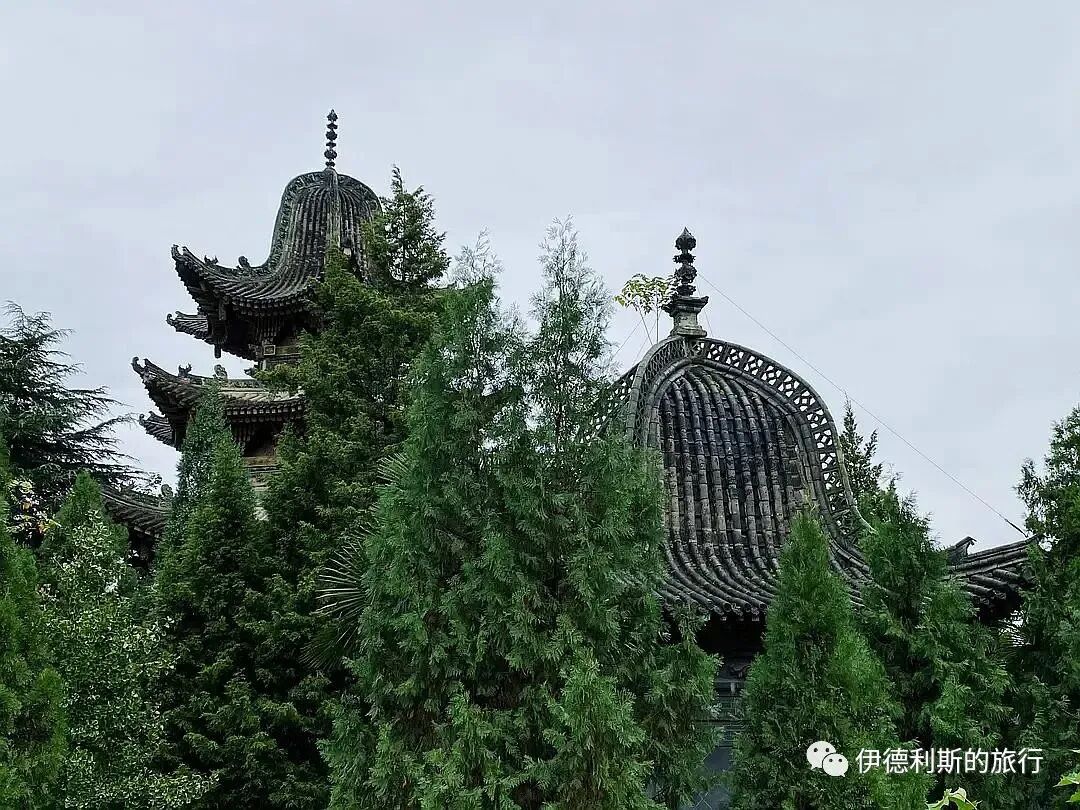
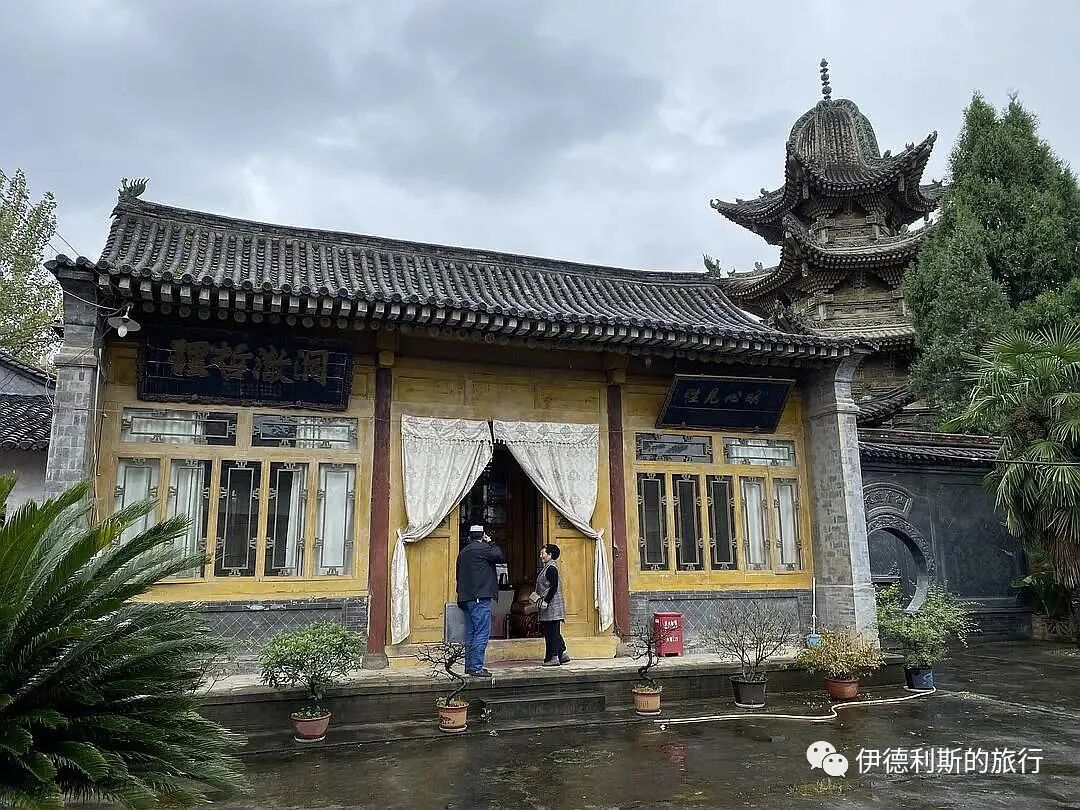
Xianyin Mosque is not far northwest of the Hanzhong train station. Like Baba Mosque in Langzhong and Luling Mosque in Xixiang, it belongs to the Sufi Qadiriyya menhuan gongbei tradition.
Two ascetics who guard the gongbei at Xianyin Mosque gave us a warm welcome. Beyond following the Quran and Sunnah, the Qadiriyya menhuan gongbei tradition teaches that one must escape the temptations of daily life and practice asceticism to know and draw closer to Allah. Because of this, disciples of the gongbei tradition enter the site at a young age to live apart from the world, remain unmarried for life, and are known as ascetics. According to the rules, religious workers must rotate every three years to guard the various shrines under the jurisdiction of the Great Gongbei, a practice known as guarding the gongbei. The two religious workers at Xianyin Mosque were both sent from the Linxia Great Gongbei and will return to Linxia after their three-year term ends.
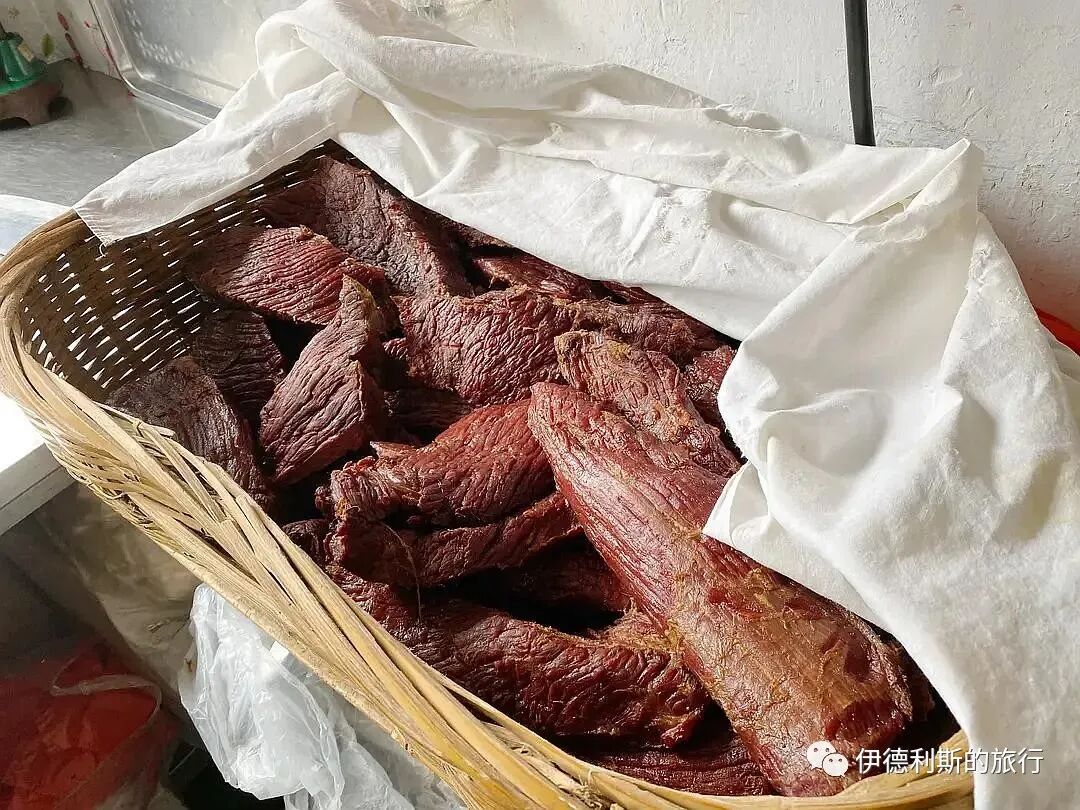
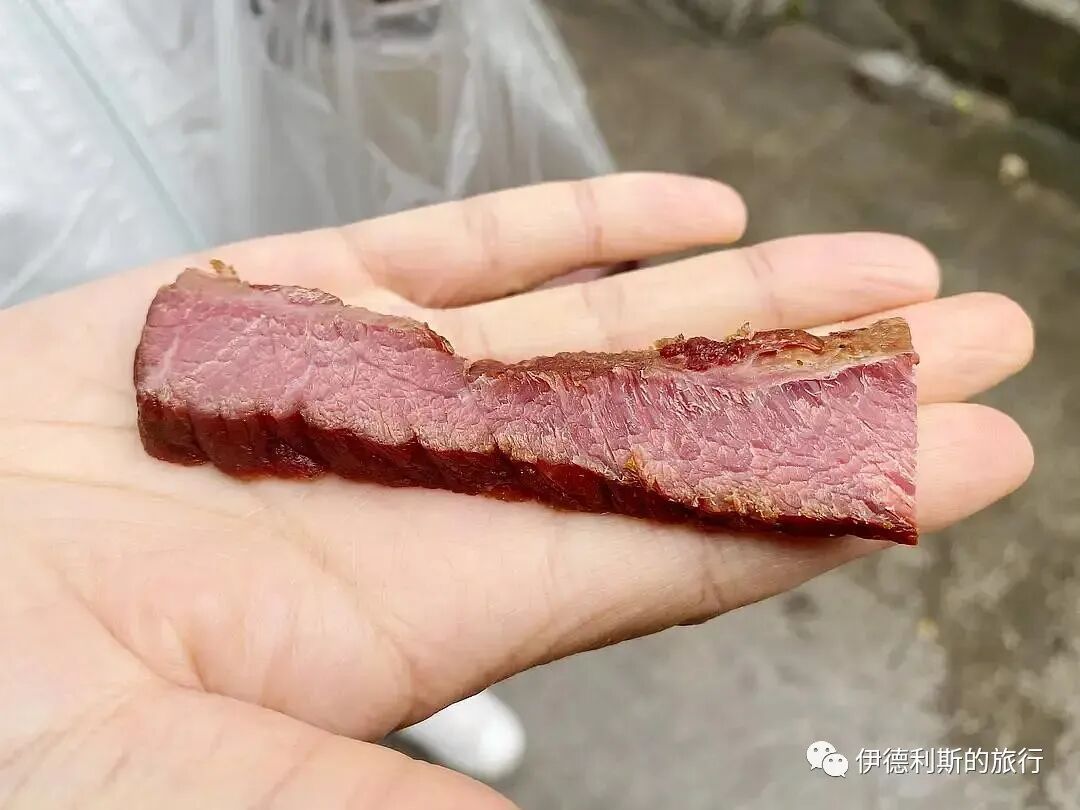
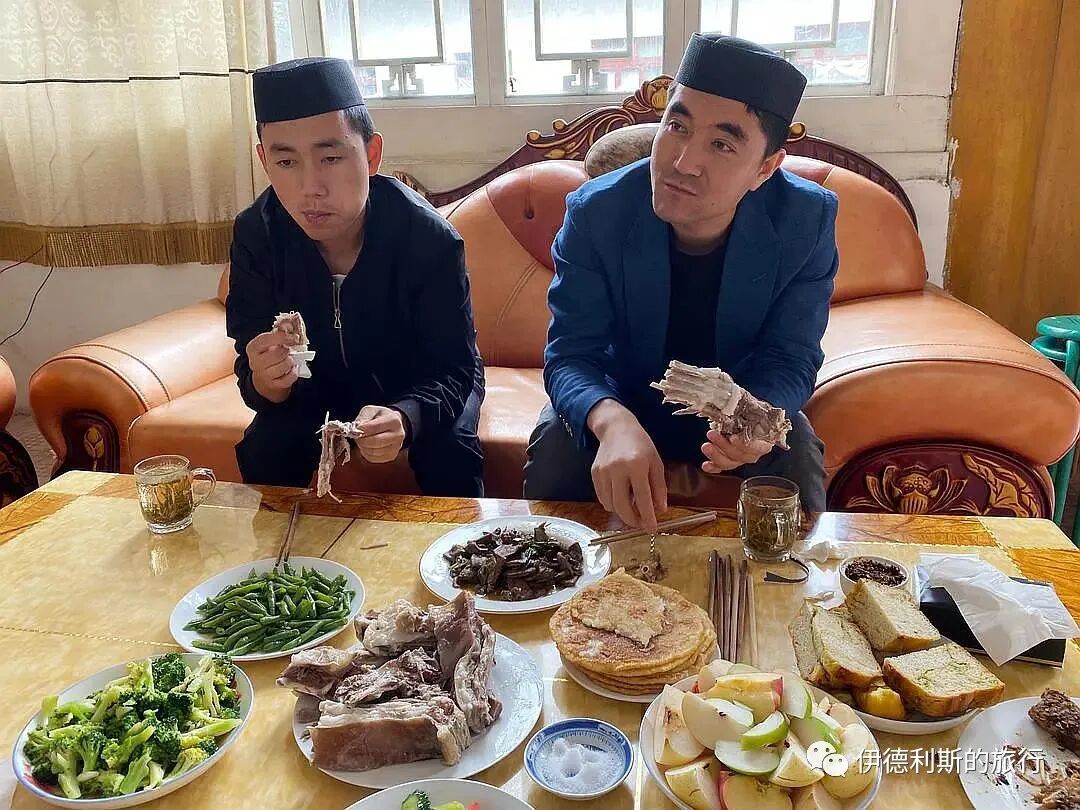
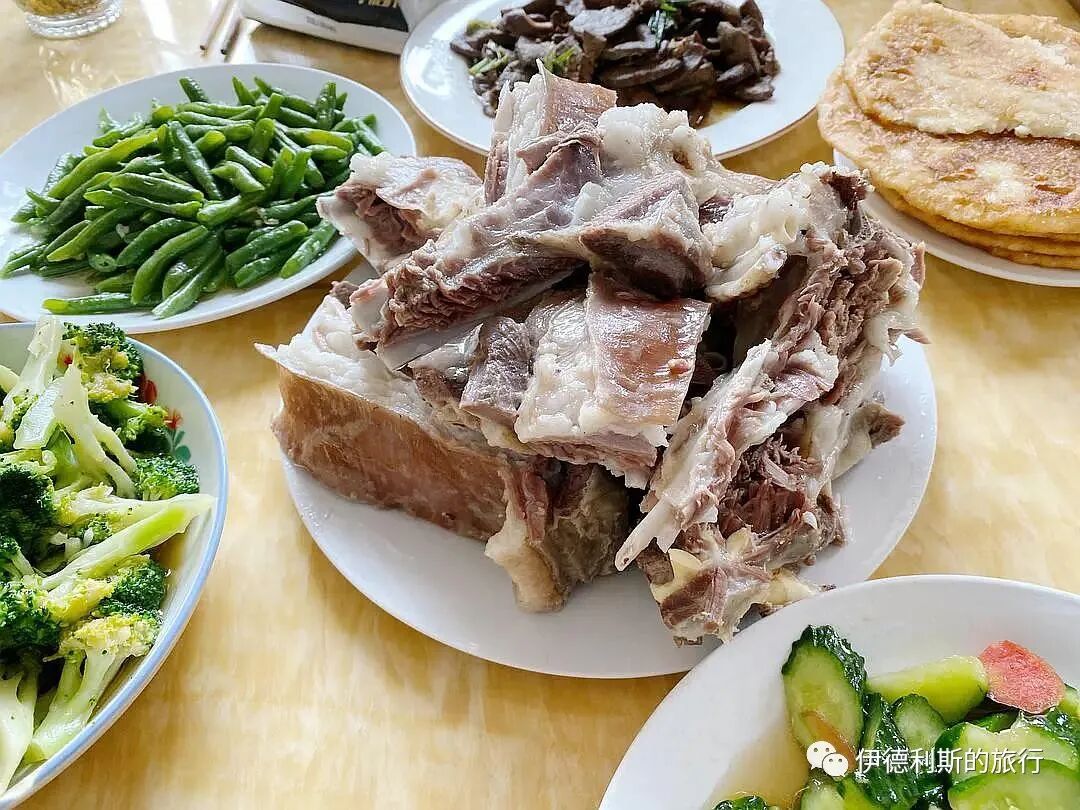
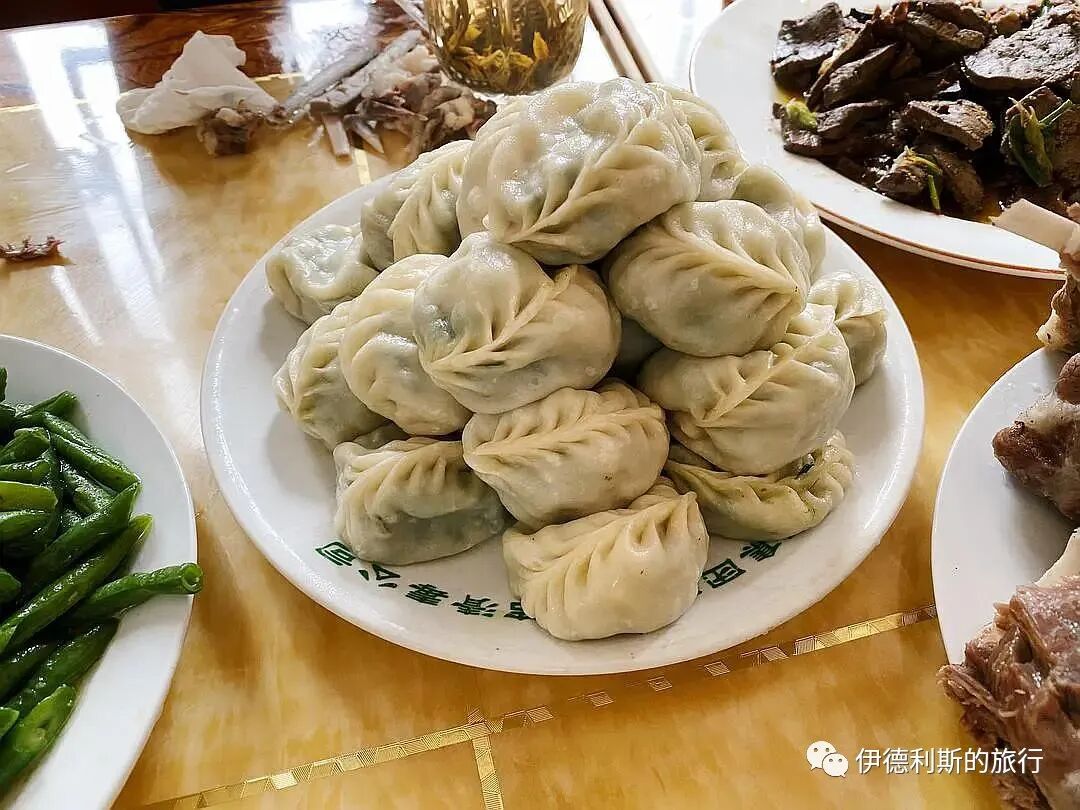
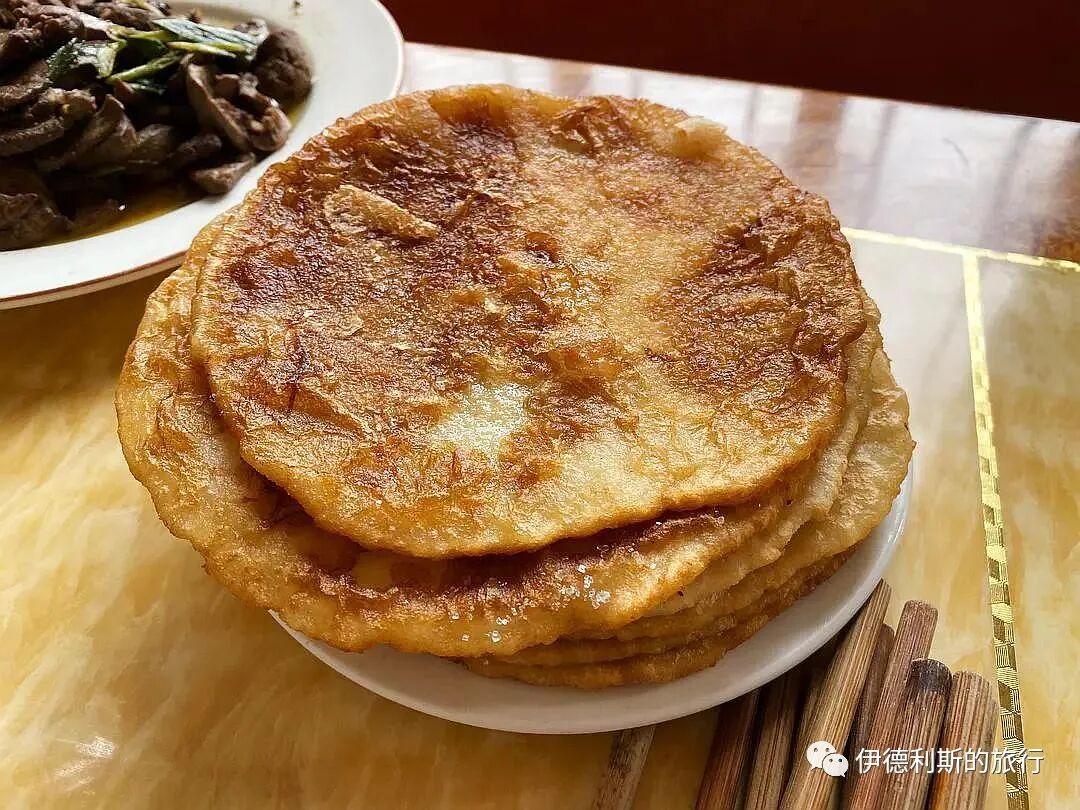
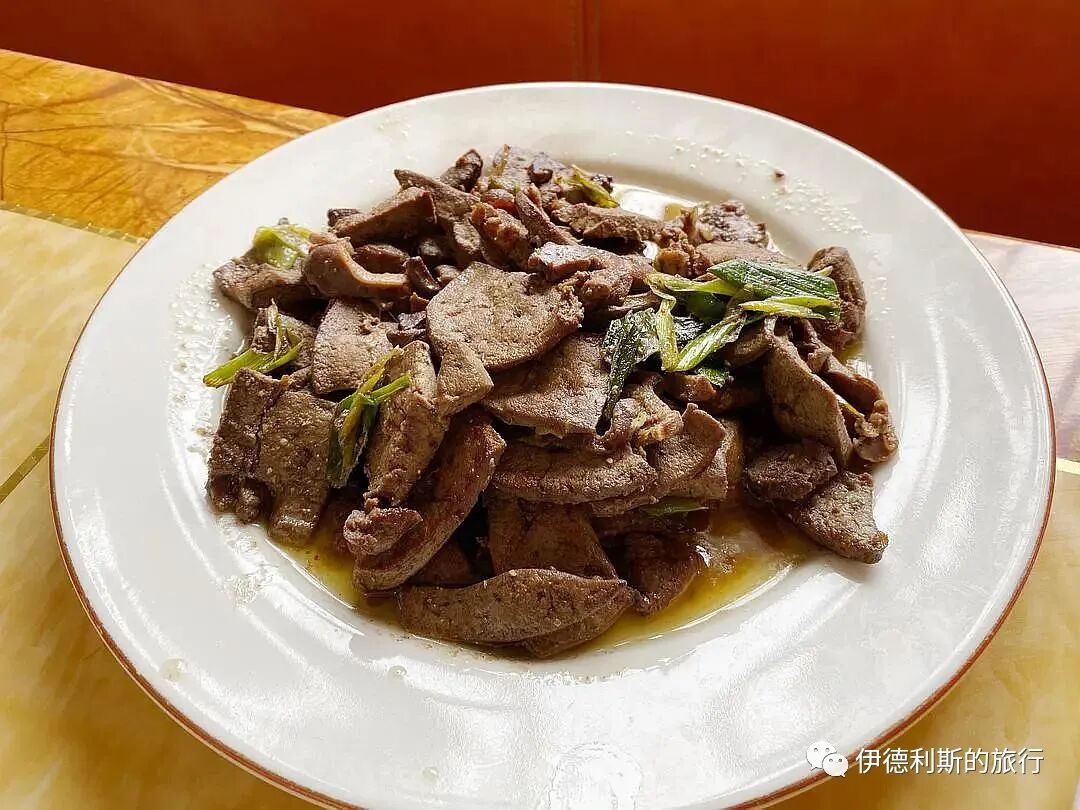
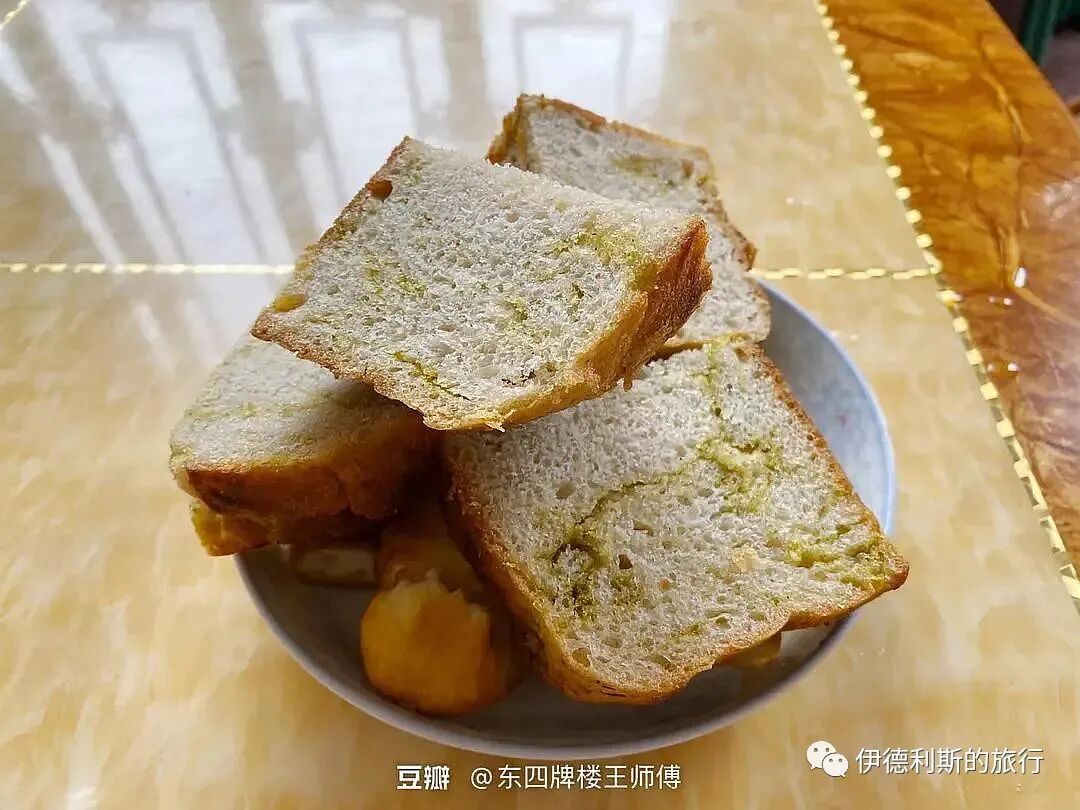
When we visited Xianyin Mosque, we happened to meet a large family from Linxia who had come to hold a religious gathering (a'mali), which allowed us to enjoy some Hezhou delicacies in Hanzhong. The religious workers prepared fresh hand-grabbed lamb (shouzhua rou) that was very tender, and they also stir-fried lamb liver and deep-fried hot-water dough fritters (youxiang).
4. Inner Mongolia
1. Hohhot
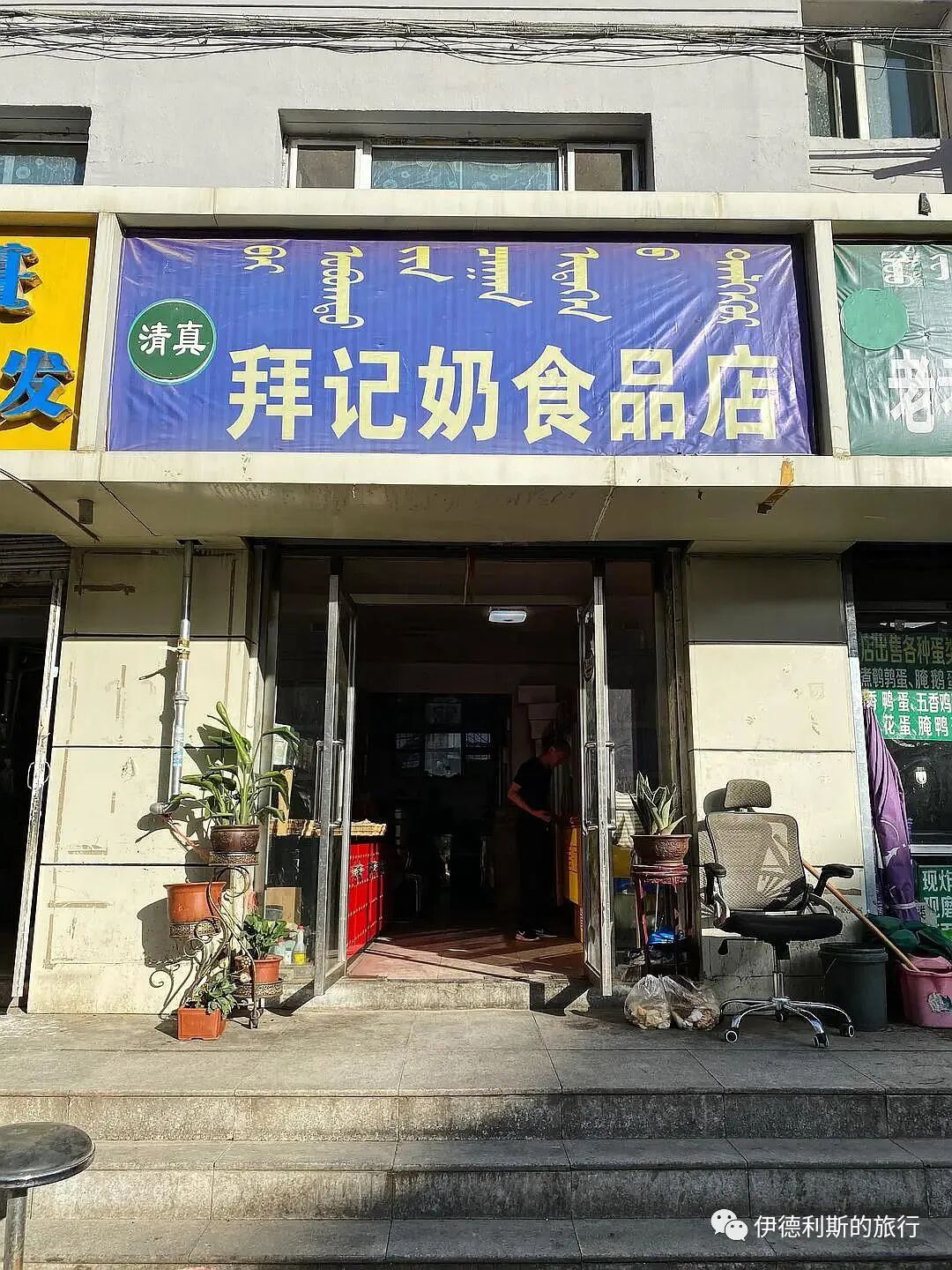
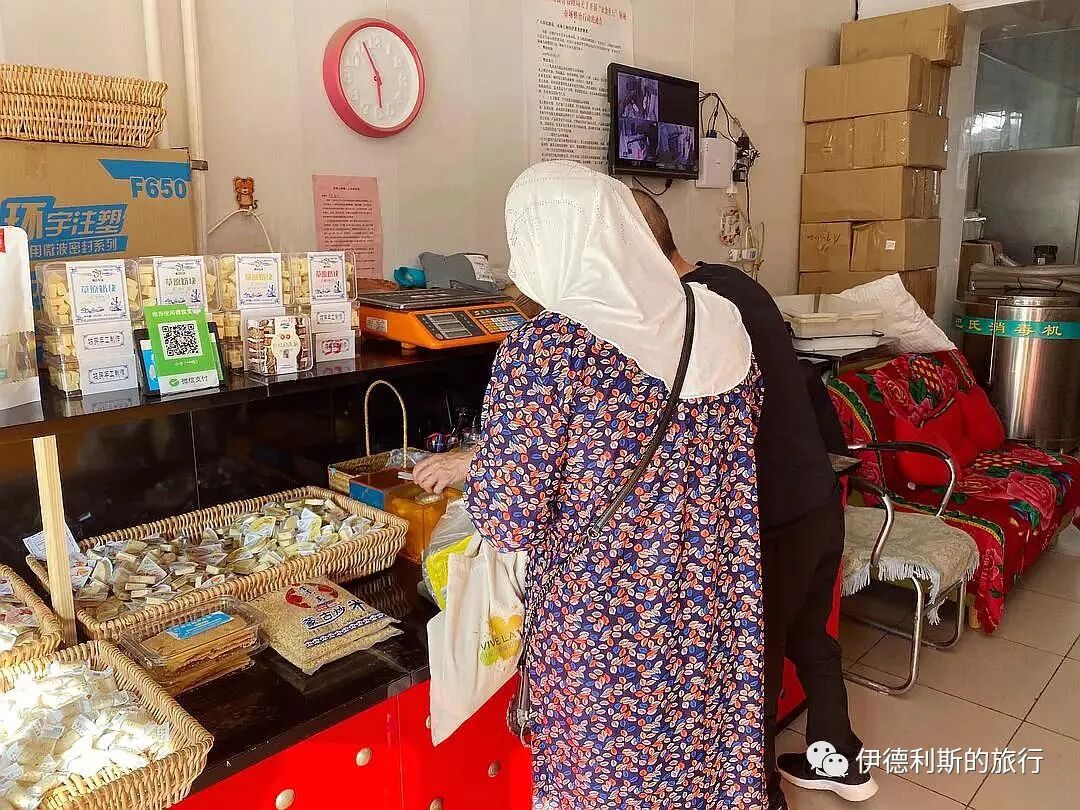
Buy some baked milk skin (kaonaipi) at Bai's Dairy Shop on Houxincheng Road in Hohhot. Their baked milk skin has a great texture and is not hard at all. Zainab said it tastes much better than the kind she bought online before. Their cheese is also delicious, with a sweet and sour taste, but it was too hot to carry, so we only tried a little.
One theory says the Bai family of Hui Muslims in Hohhot came to Guihua City to trade after Princess Kejing married the Mongol Tushetu Khan in 1697 (the 36th year of the Kangxi reign). Another theory says they moved from Xi'an during the late Qing Dynasty. The most famous noodle shop outside the north gate of Guihua City at that time was run by Bai Xiu.
2. Longshengzhuang
Longshengzhuang sits on the border of Shanxi and Inner Mongolia. From the Qing Dynasty to the early Republic of China, it was a meeting point for trade routes between Hohhot, Datong, and Zhangjiakou, serving as a key market town for Shanxi merchants trading in Mongolia. Shanxi merchants traveling to Mongolia brought rice, flour, tea, oil, wine, and daily goods from Longshengzhuang to Mongolia, returning with furs, livestock, and leather, which brought great wealth to the town.
Starting in the early Qing Dynasty, Hui Muslims from Hebei and Shandong moved to Longshengzhuang in Inner Mongolia for business, and many more Hui Muslims from Shaanxi arrived during the late Qing Dynasty. After the Ping-Sui Railway opened in 1921, Longshengzhuang declined quickly. People moved away in large numbers after the 1930s, and today only about 30 Hui Muslims remain, mostly elderly.
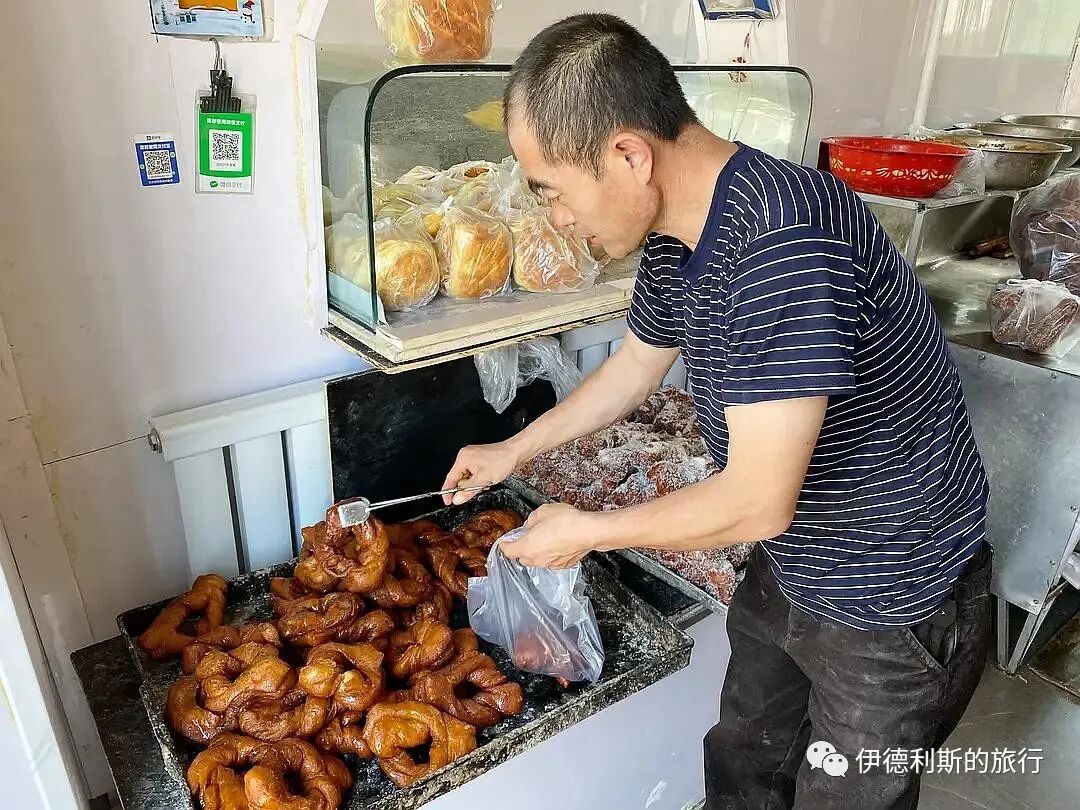
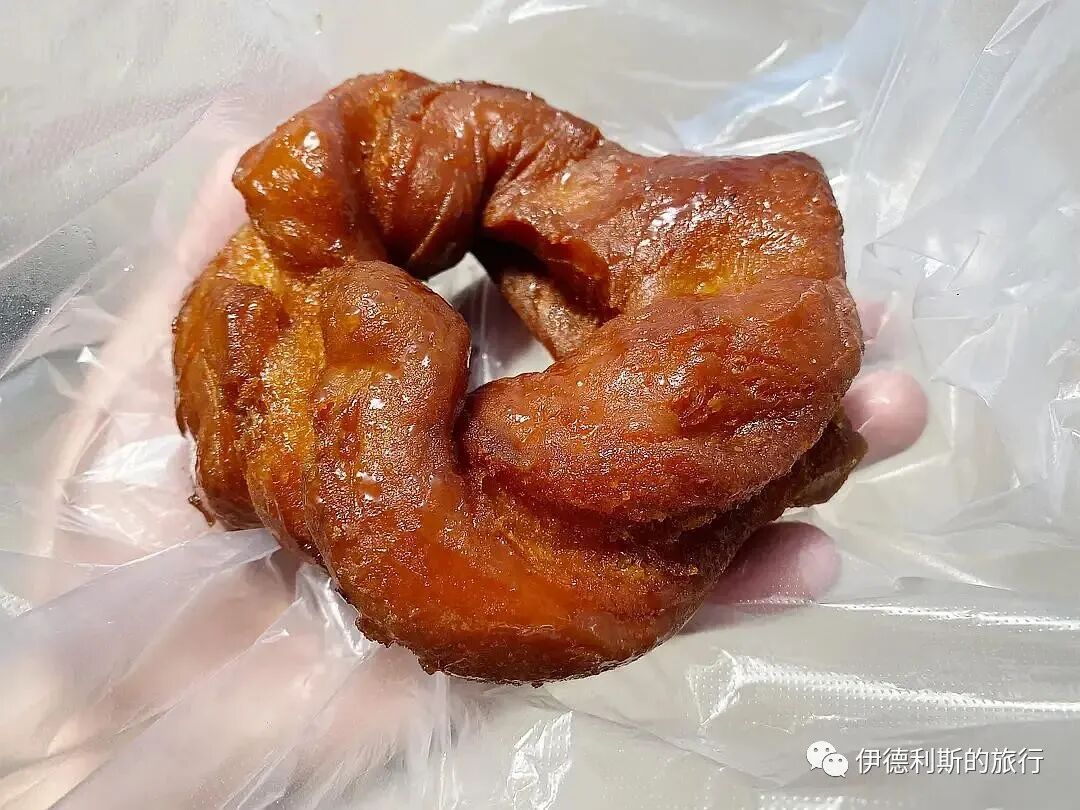
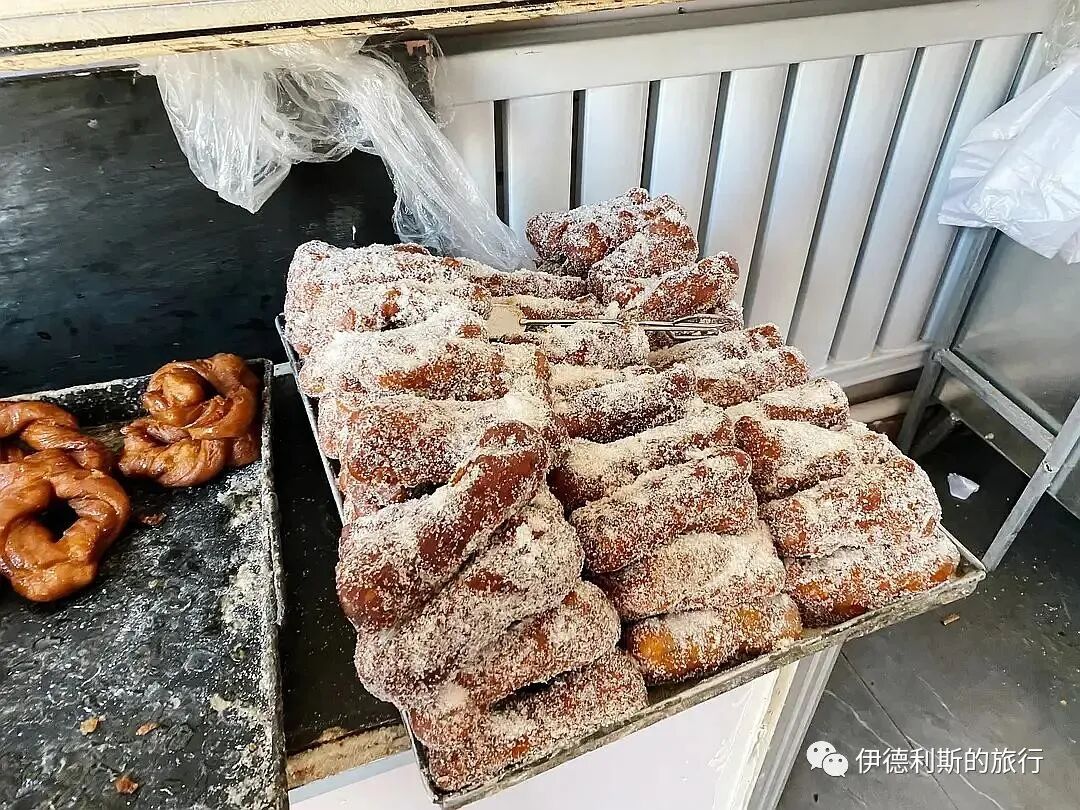
In Maqiao Square at the center of Longshengzhuang, a few Hui Muslim vendors still sell honey pastries (misu), fried dough strips (maye), fried dough twists (mahua), and baked flatbreads (beizi). We bought a sugar-coated fried dough strip (tangmaye) at the old Liu Zhen shop. It looked very sweet, but it was not greasy at all, and I finished it in a few bites.
3. Jining
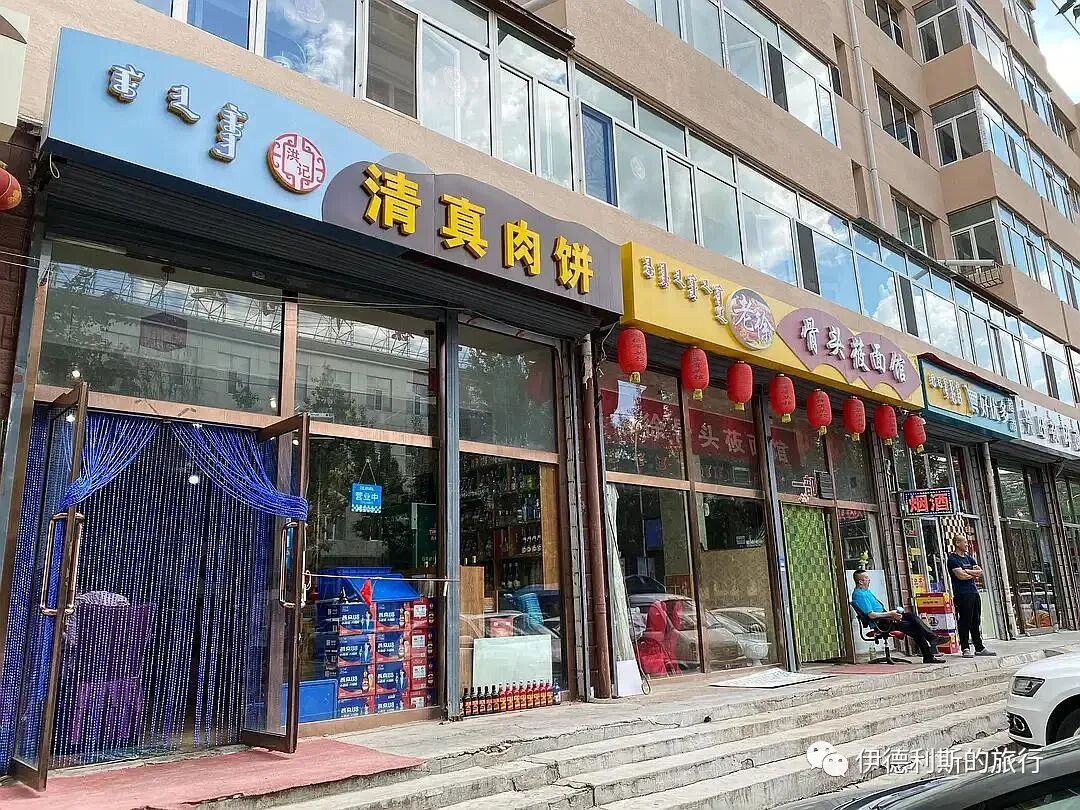
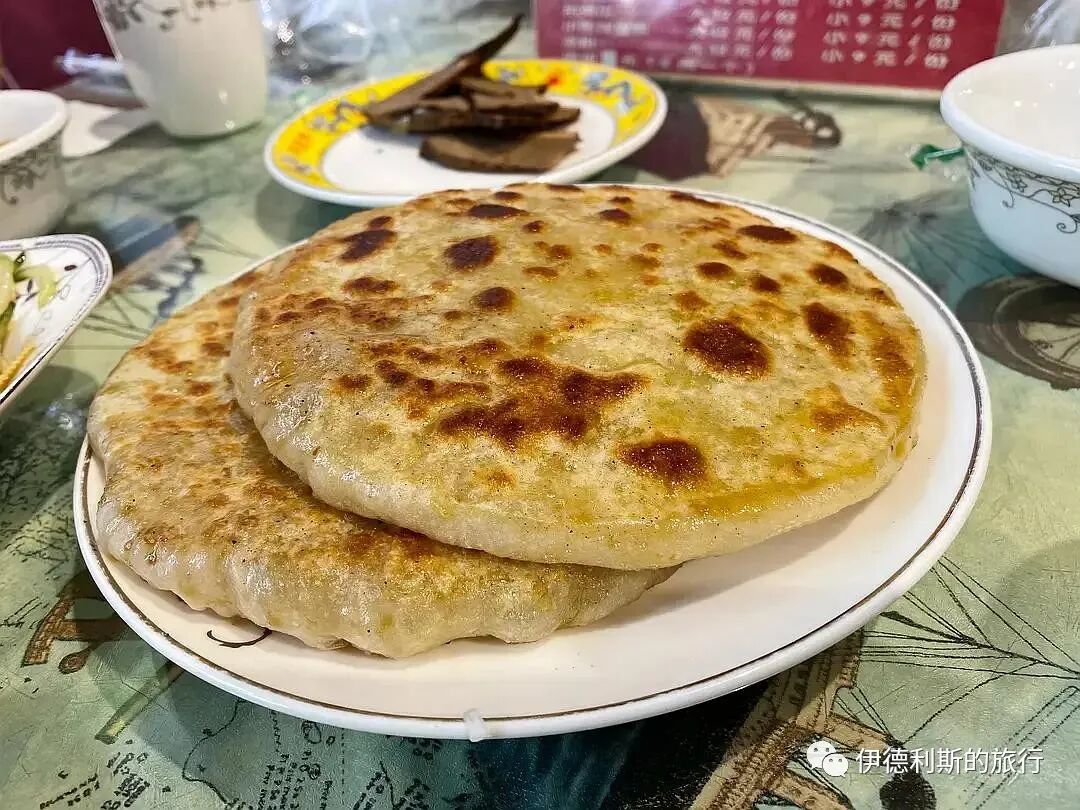
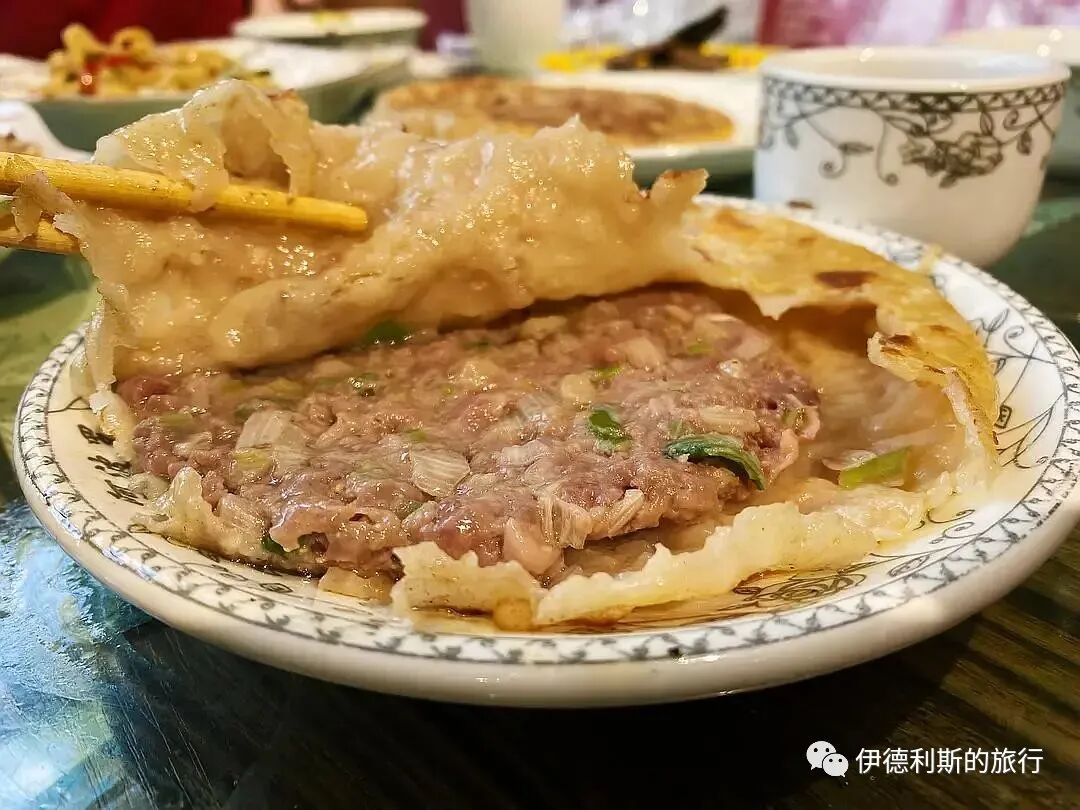
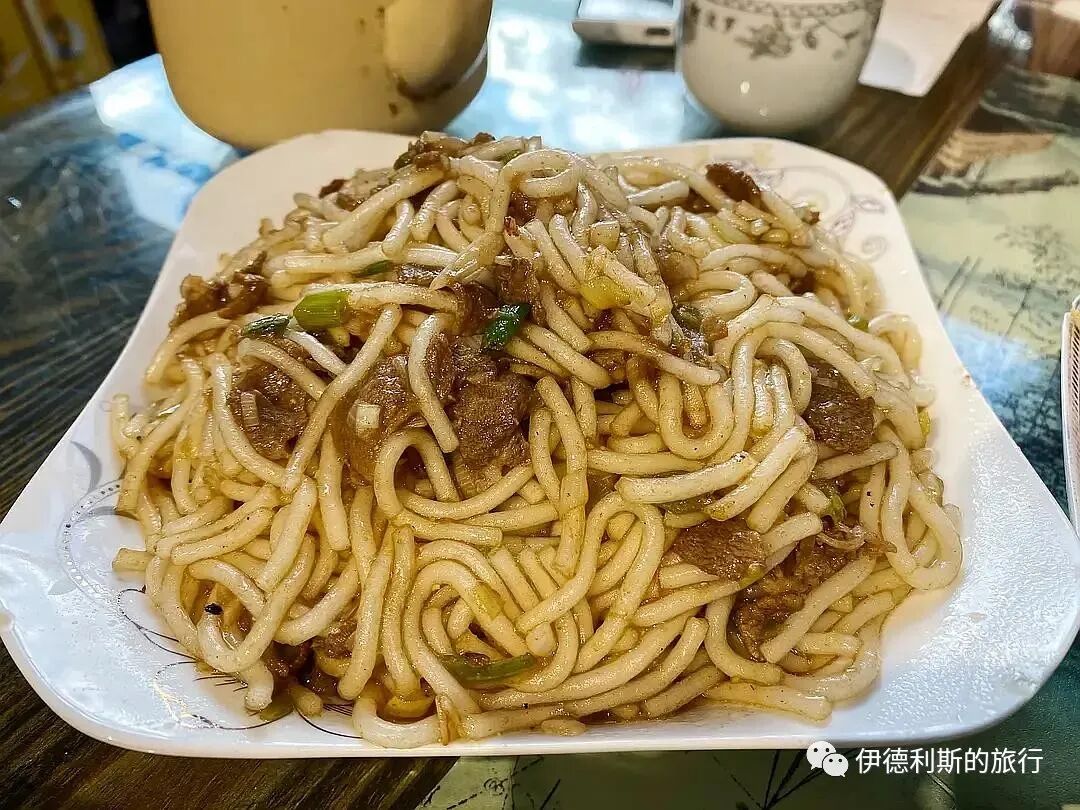
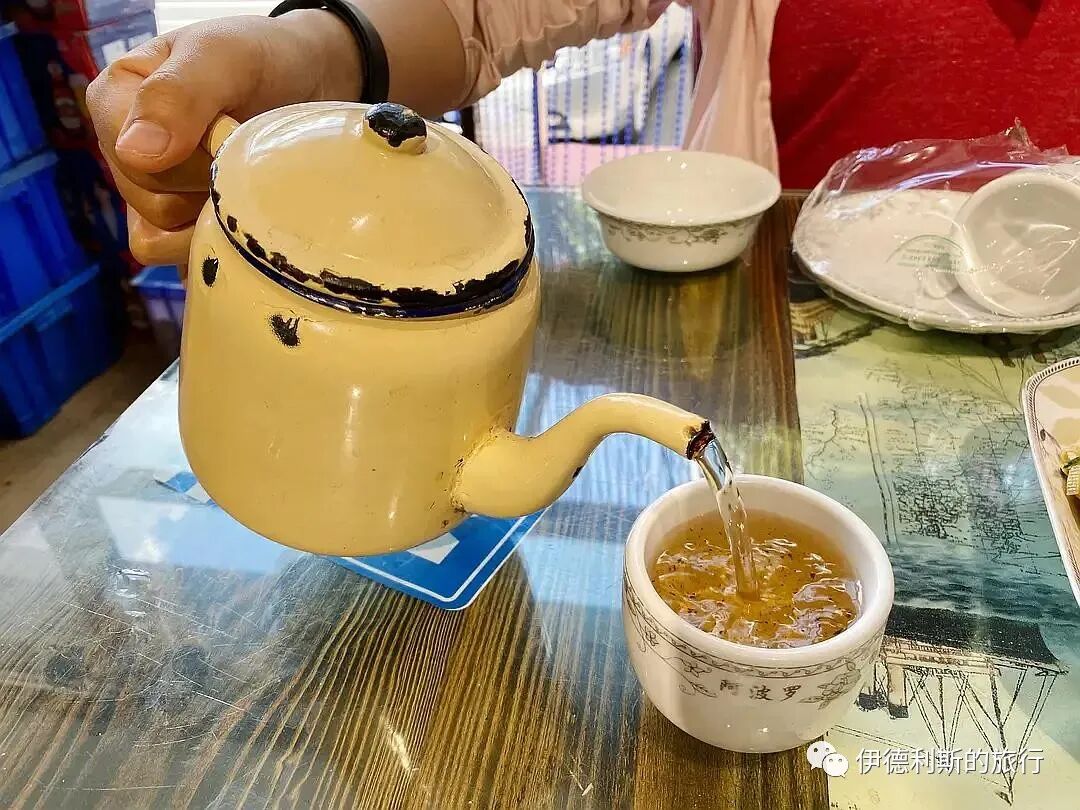
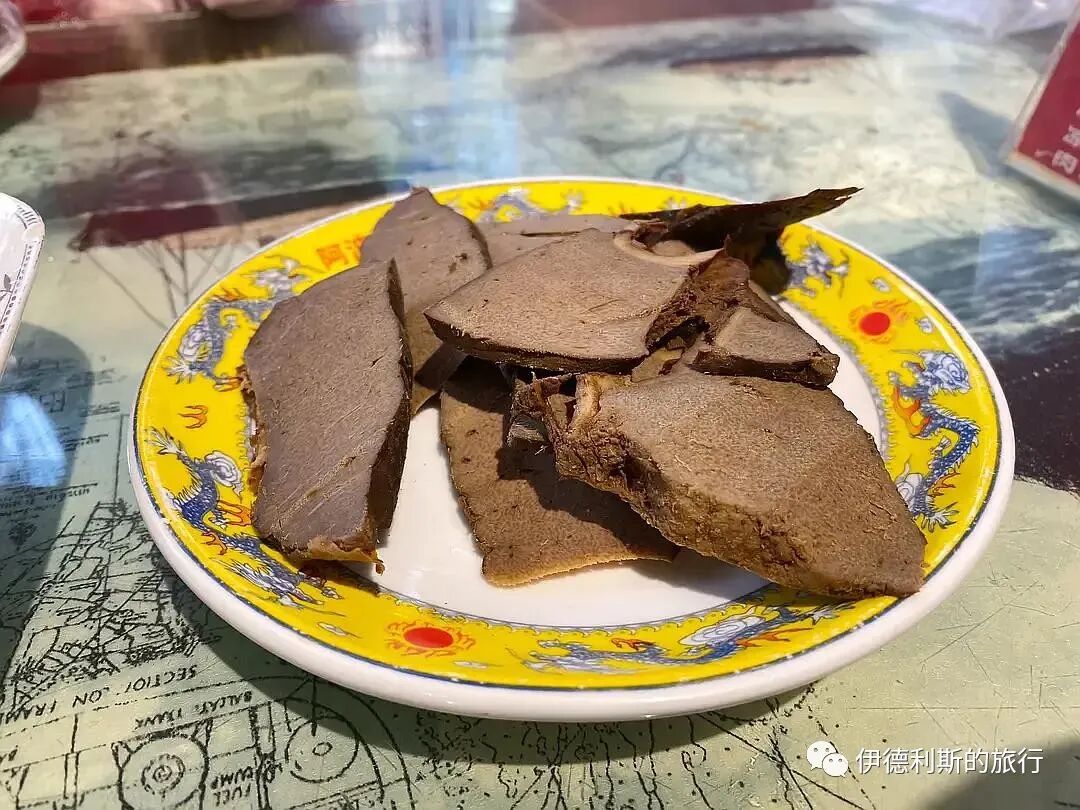
Xinti Street is the halal food street of Jining. It is lined with various halal restaurants serving oat noodles (youmian), bone broth, steamed dumplings (zhengjiao), steamed meat dumplings (shaomai), rice noodles (mixian), stir-fried meat stew (chaohuirou), and barbecue. We arrived at 3:00 PM, and many of these places were closed, so we had meat pies instead. The freshly pan-fried meat pies were hot and fragrant. We also ordered shredded tofu salad, braised beef liver, and stir-fried meat stew with potato starch noodles (tudoufen chaohuirou). The noodles were delicious, and the meat had no gamey taste.
5. Ningxia
1. Yinchuan
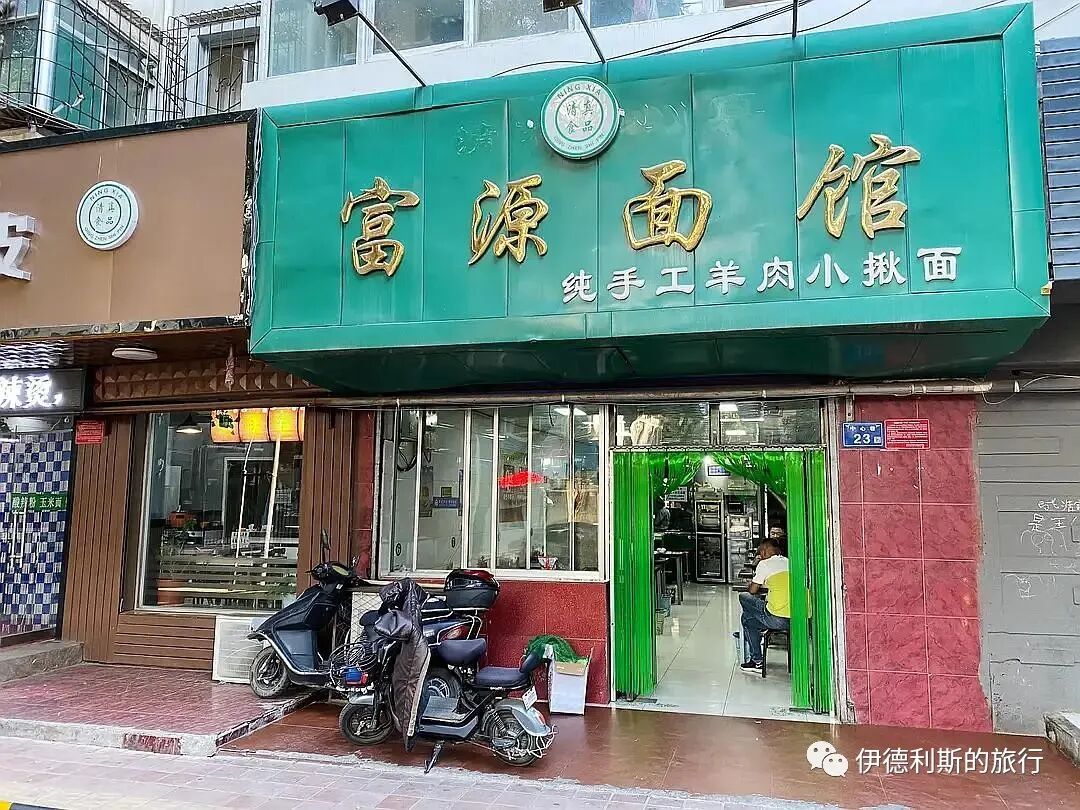
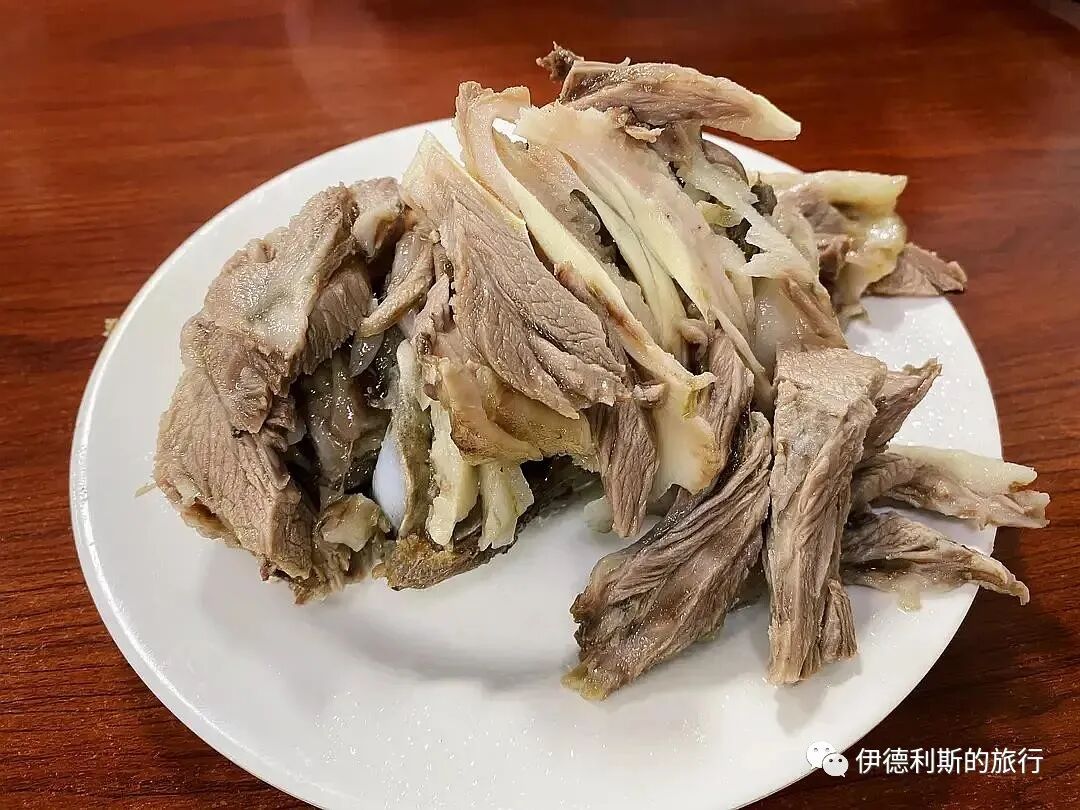
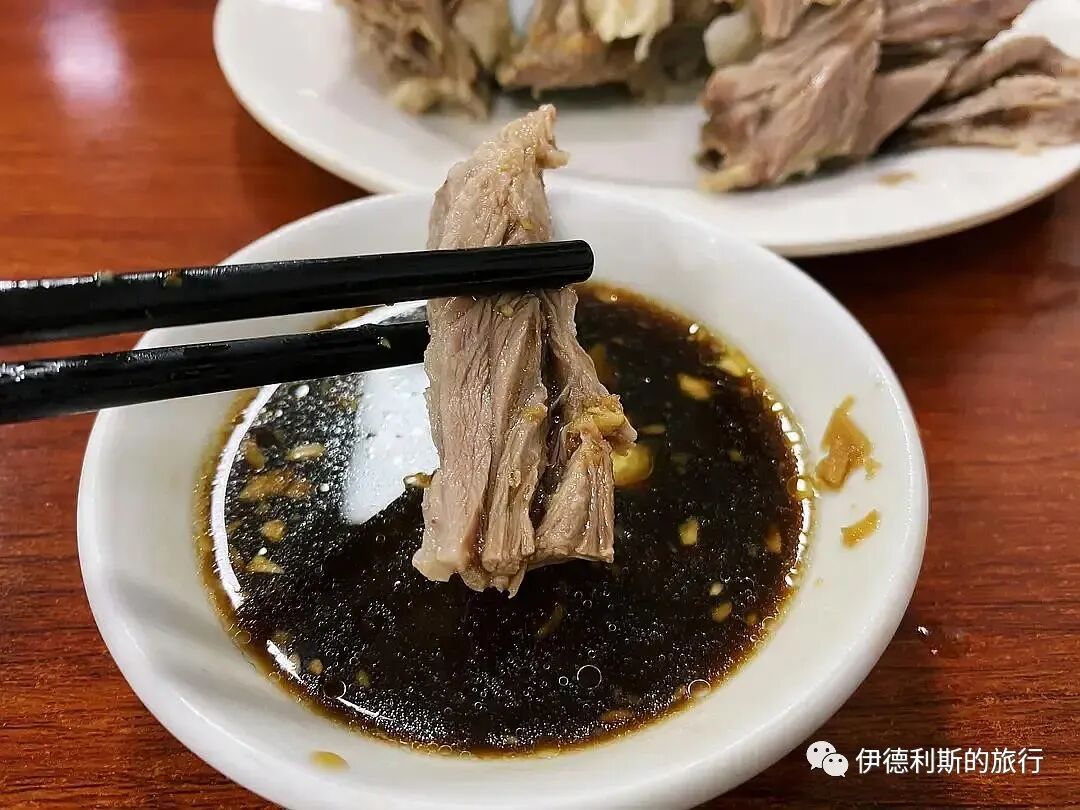
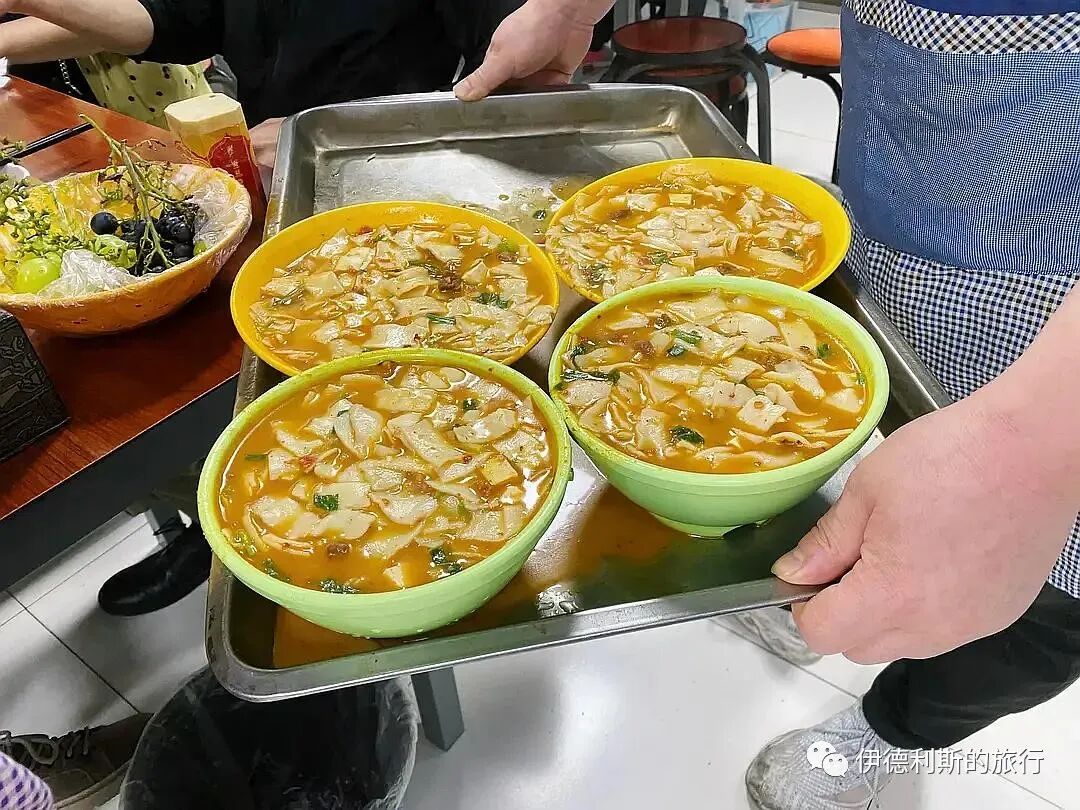
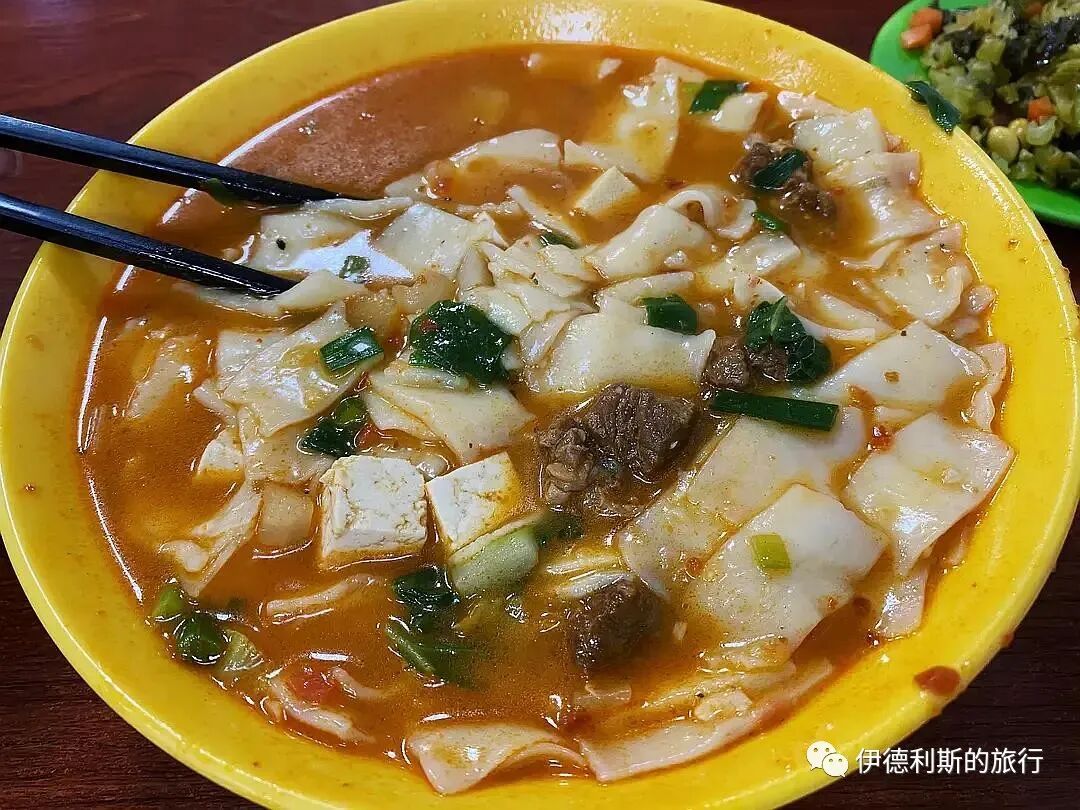
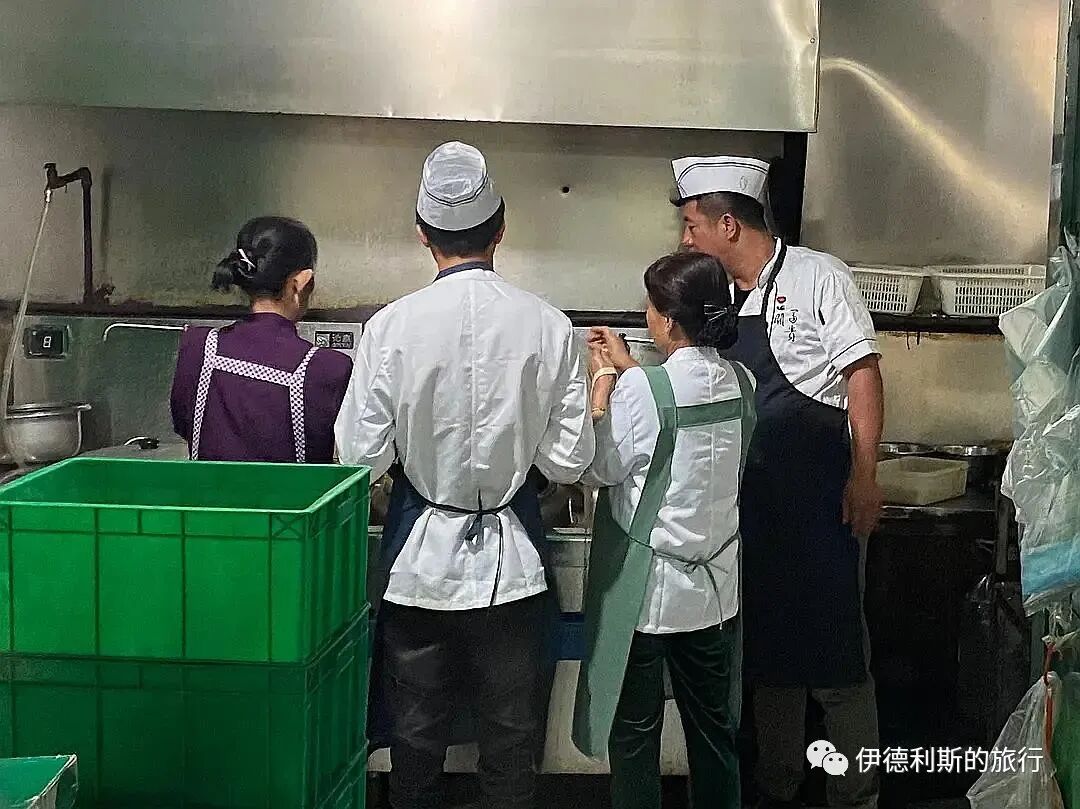
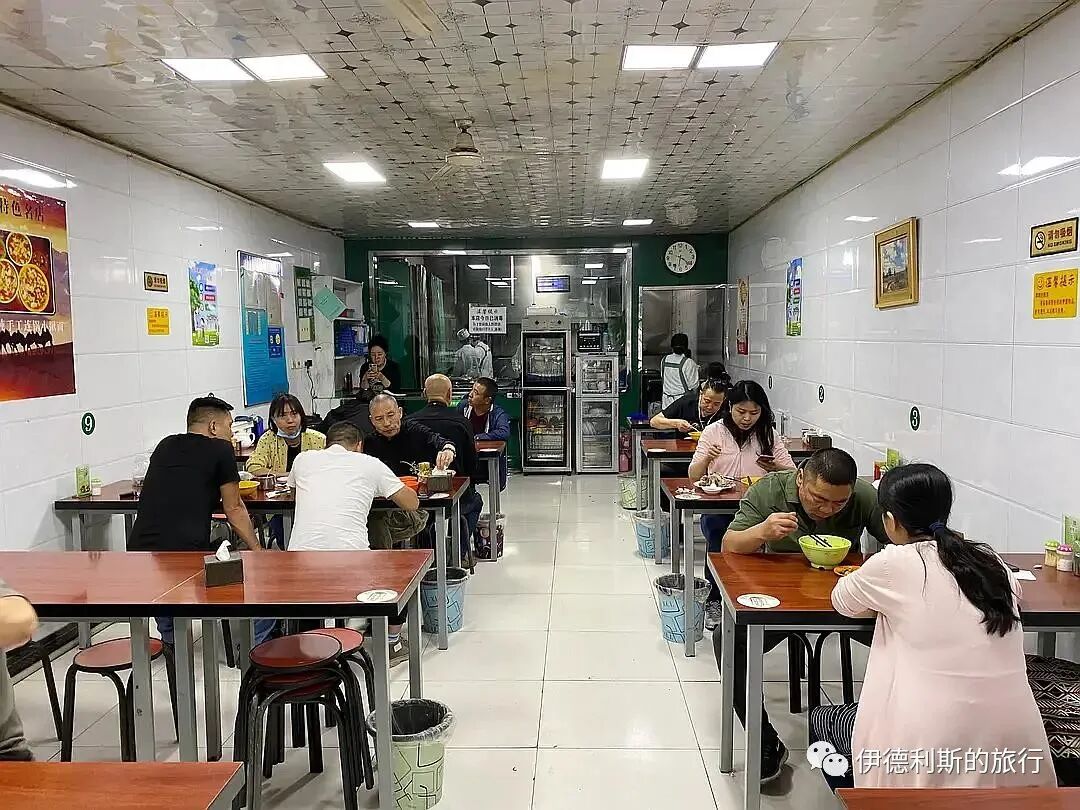
Visit Fuyuan Noodle Restaurant on Zhongxin Lane in Yinchuan. They only sell lamb neck, lamb stew with hand-torn noodles (lian guo yangrou xiao jiupian), and side dishes. I ordered half a jin of lamb neck. It tasted great and smelled delicious. Three people work together to tear the dough for the lamb hand-torn noodles into a large pot. Watching the pieces of dough fly into the pot is quite a sight.
6. Gansu
1. Lanzhou
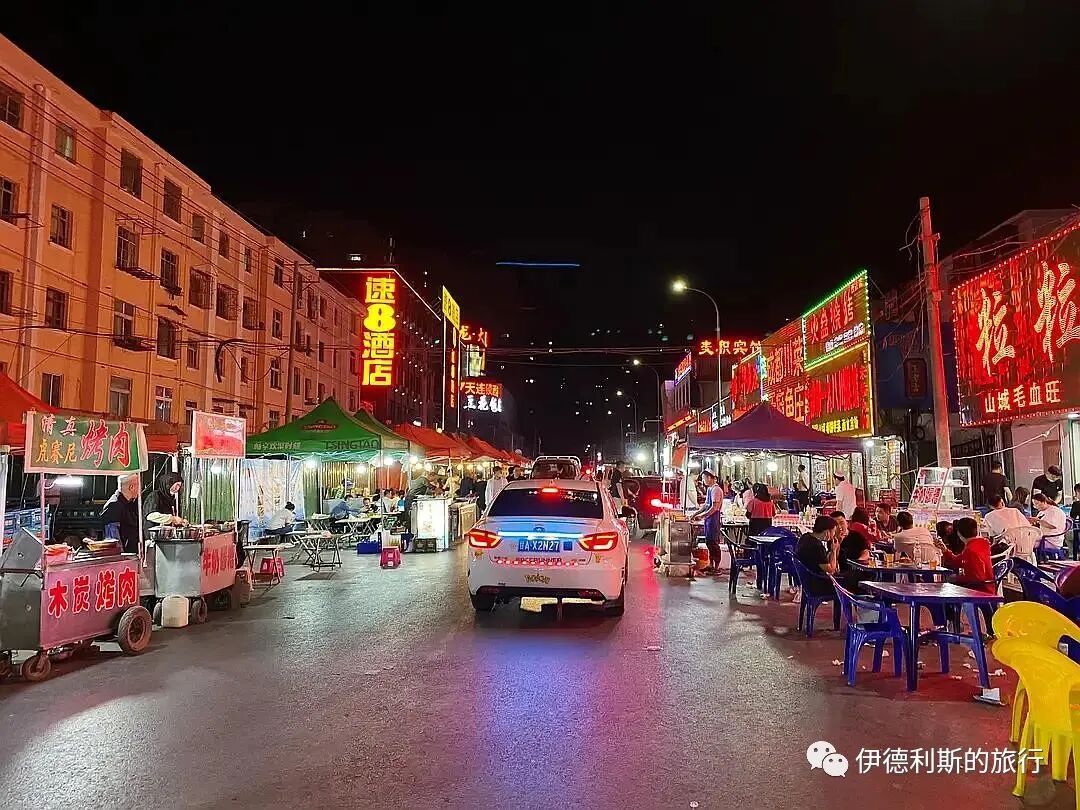
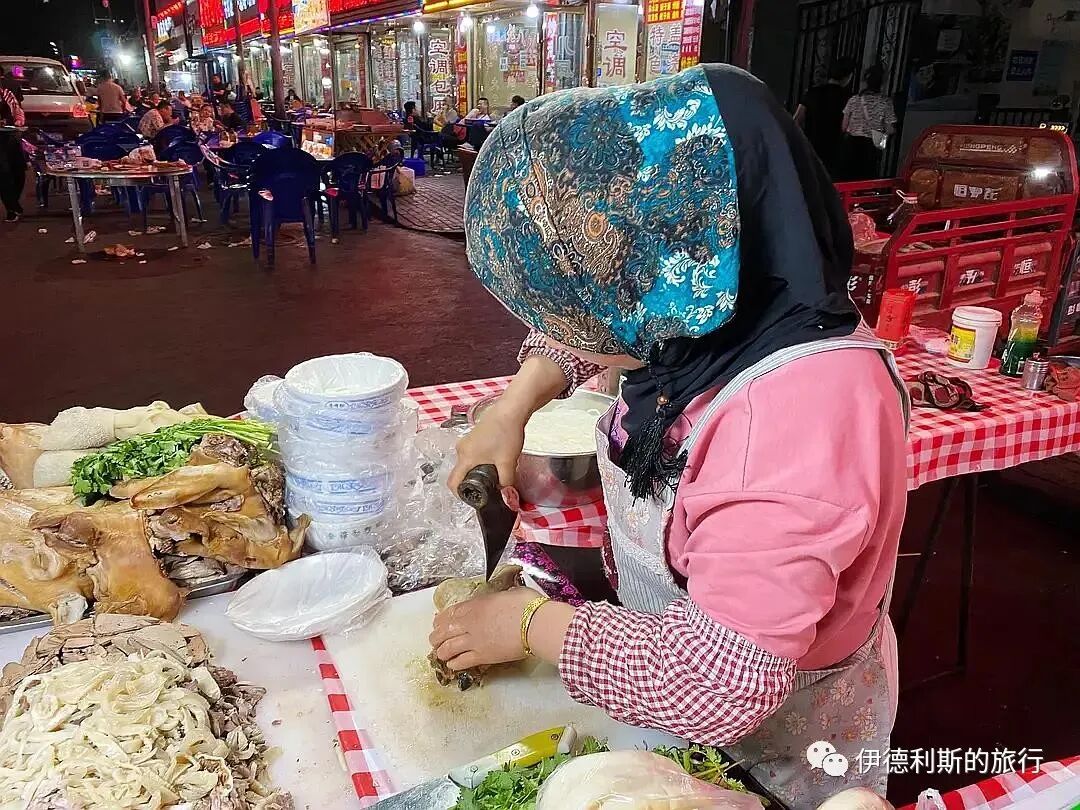
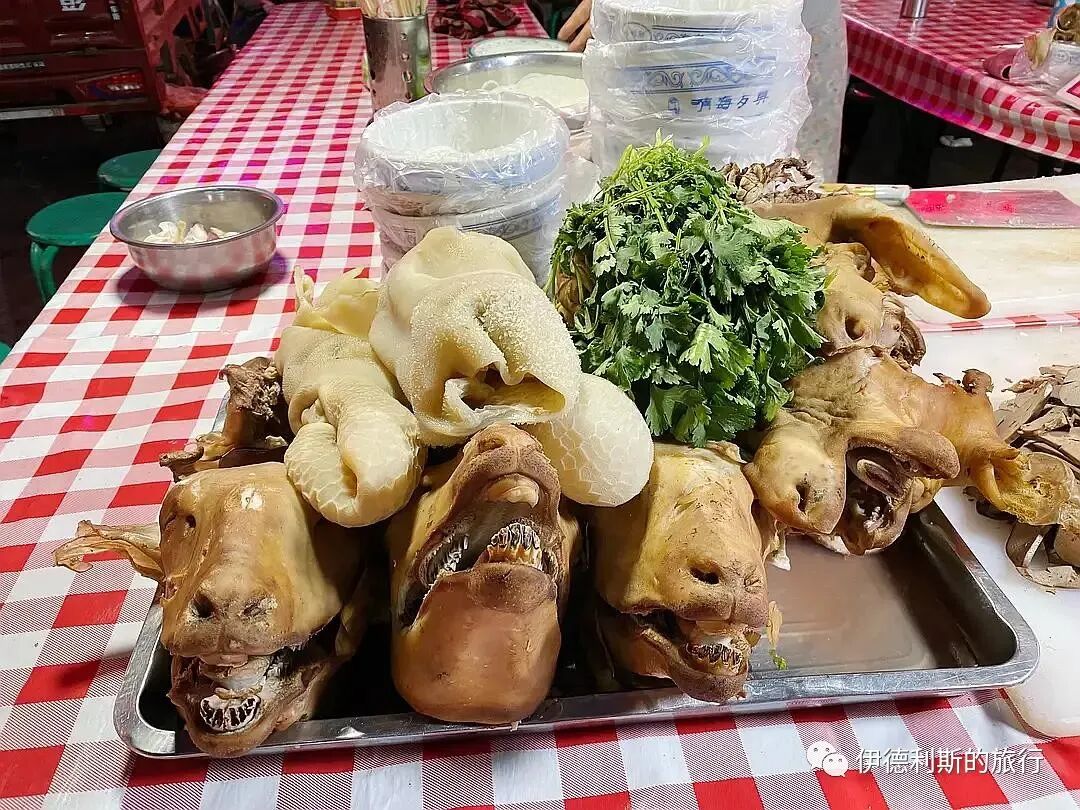
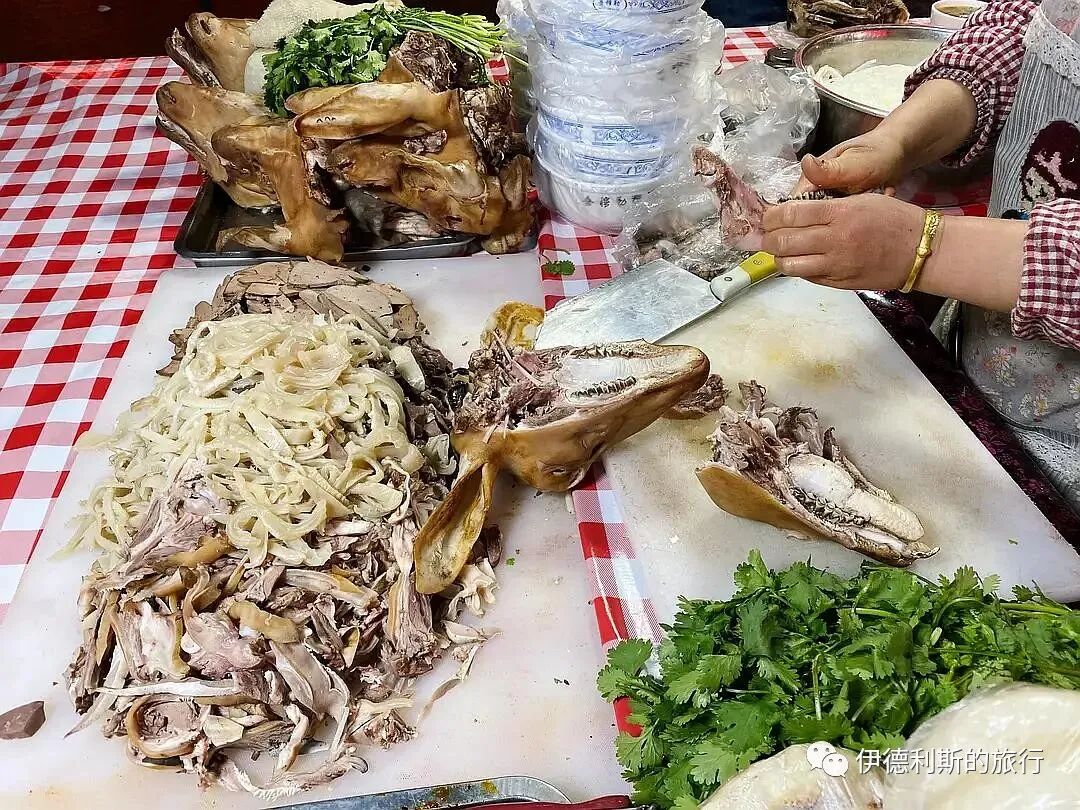
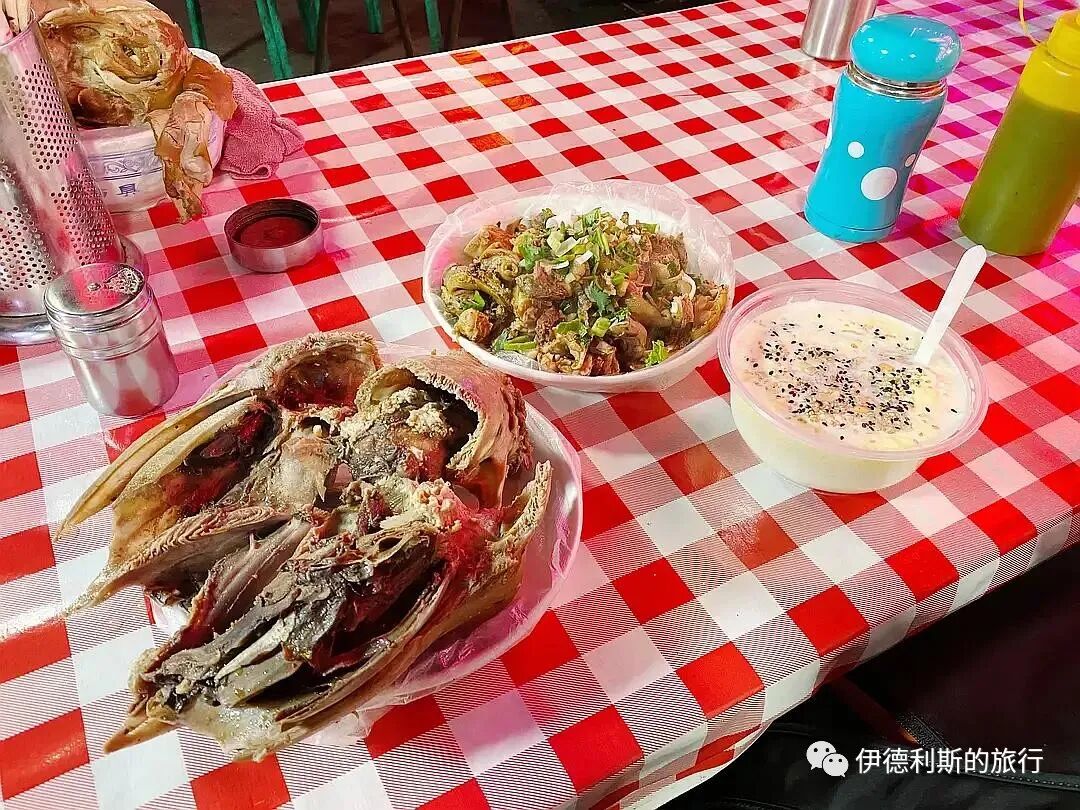
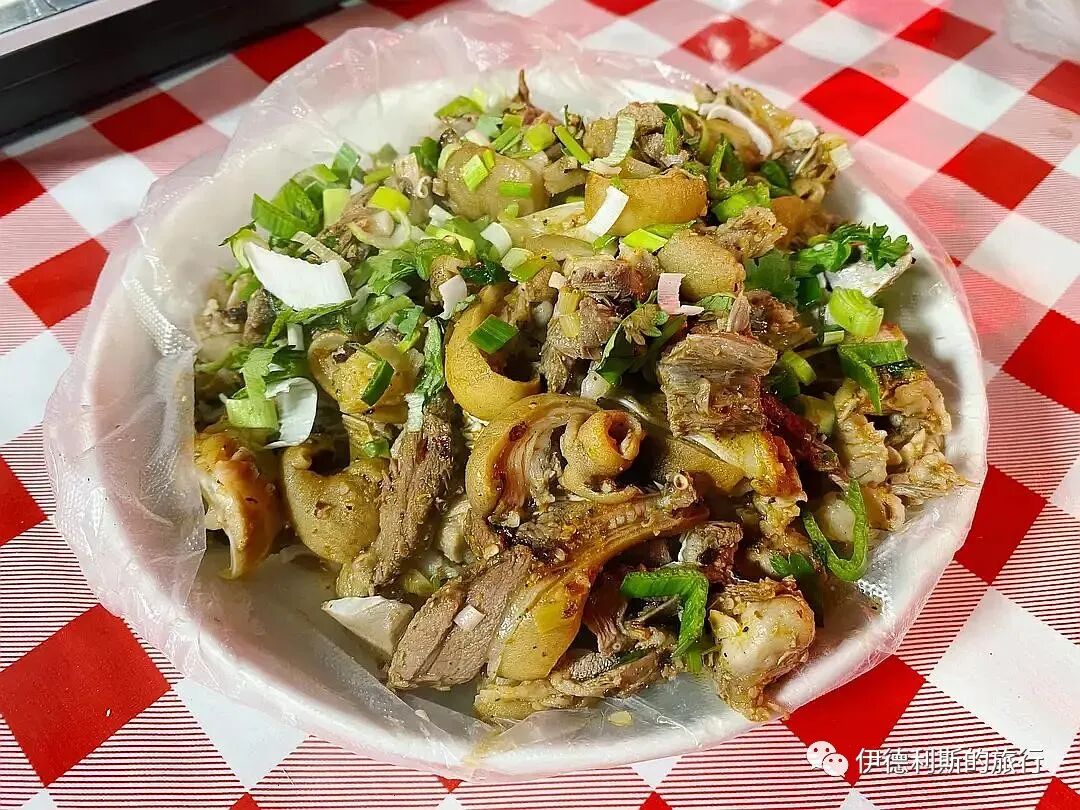
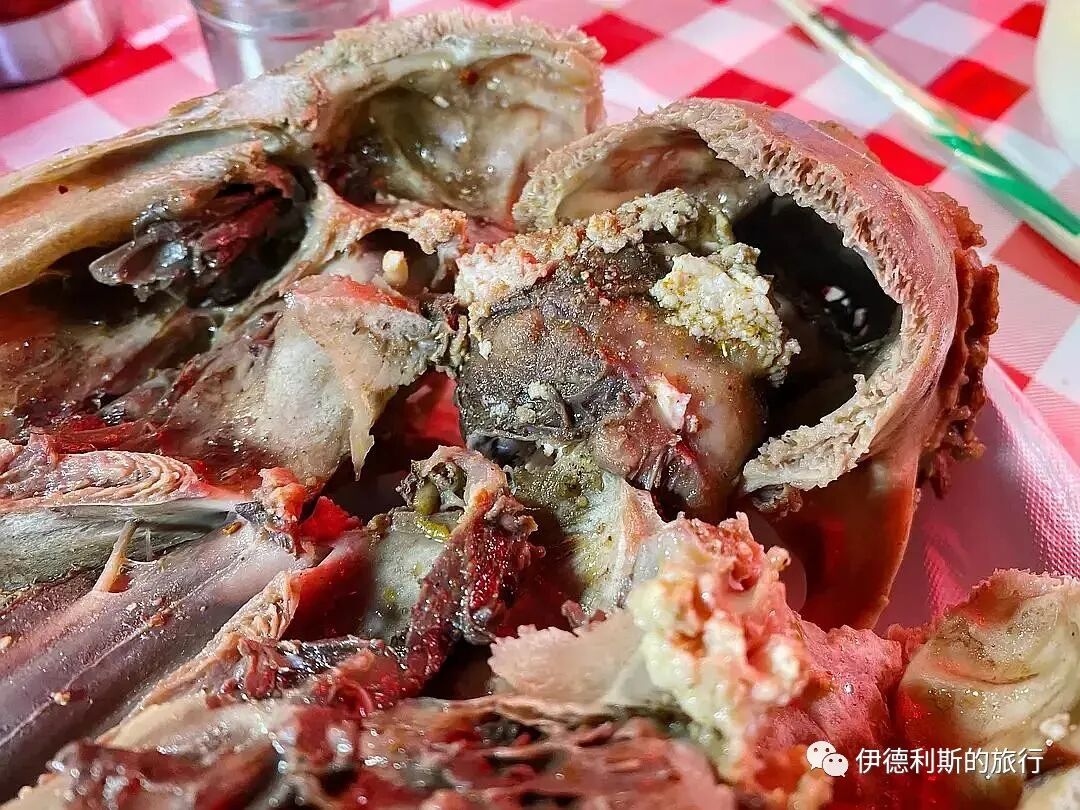
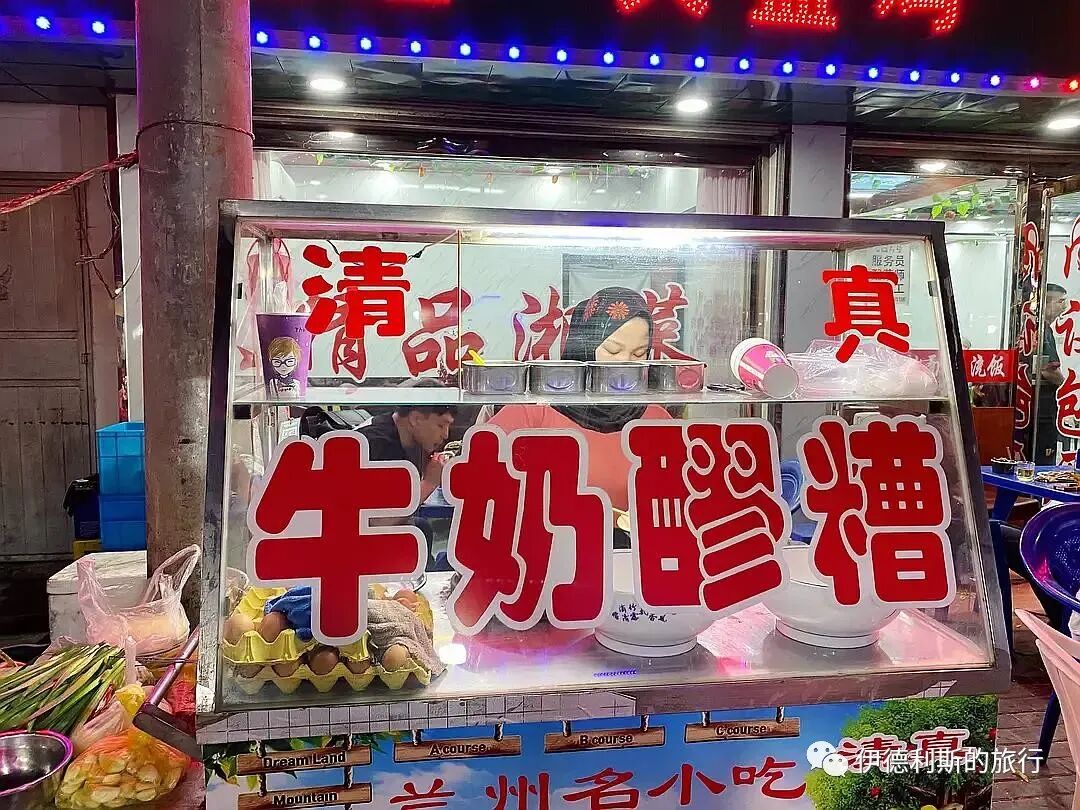
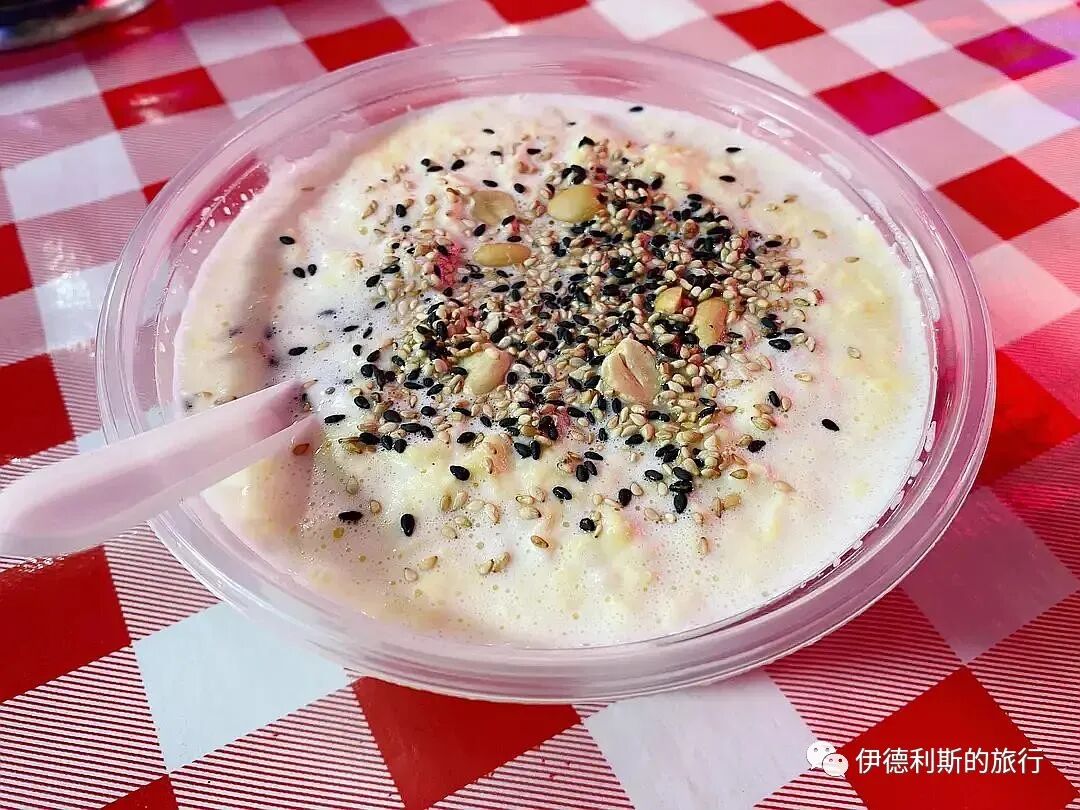
I arrived in Lanzhou at night and went straight to the Jianlan Road night market. I had a sheep head with milk egg fermented rice soup (niunai jidan laozao). The hot-mixed version tastes different from the stir-fried one, but it is also quite delicious!
2. Linxia
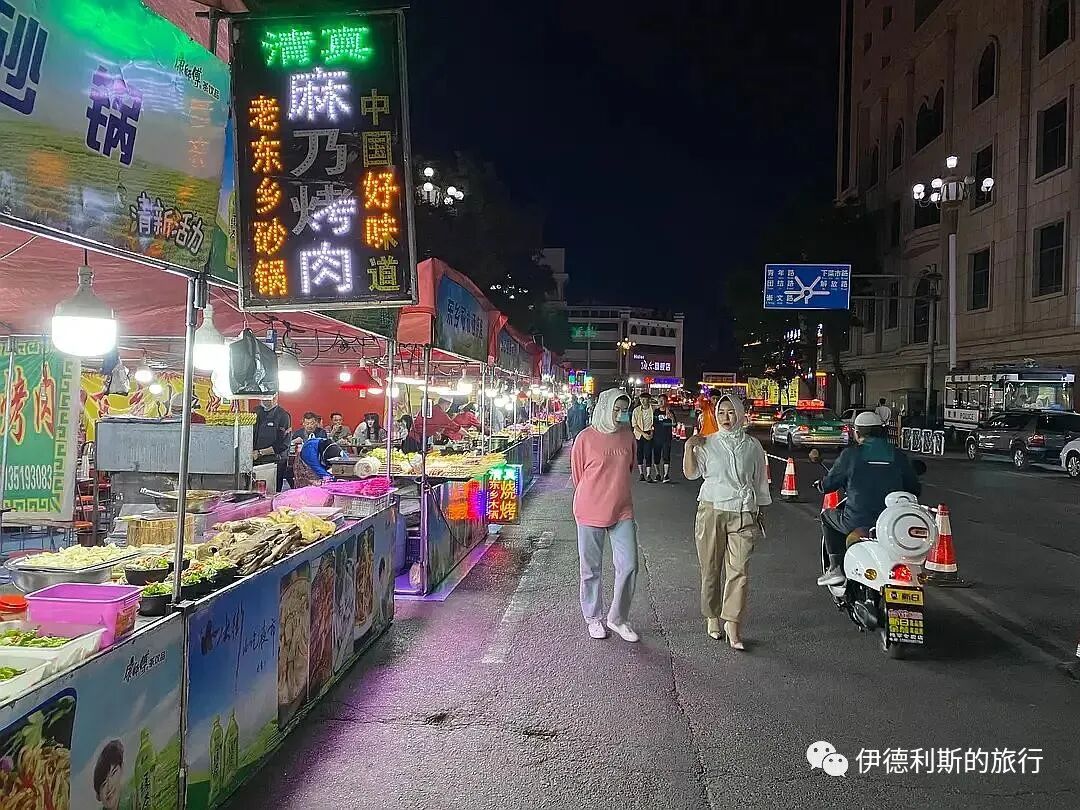
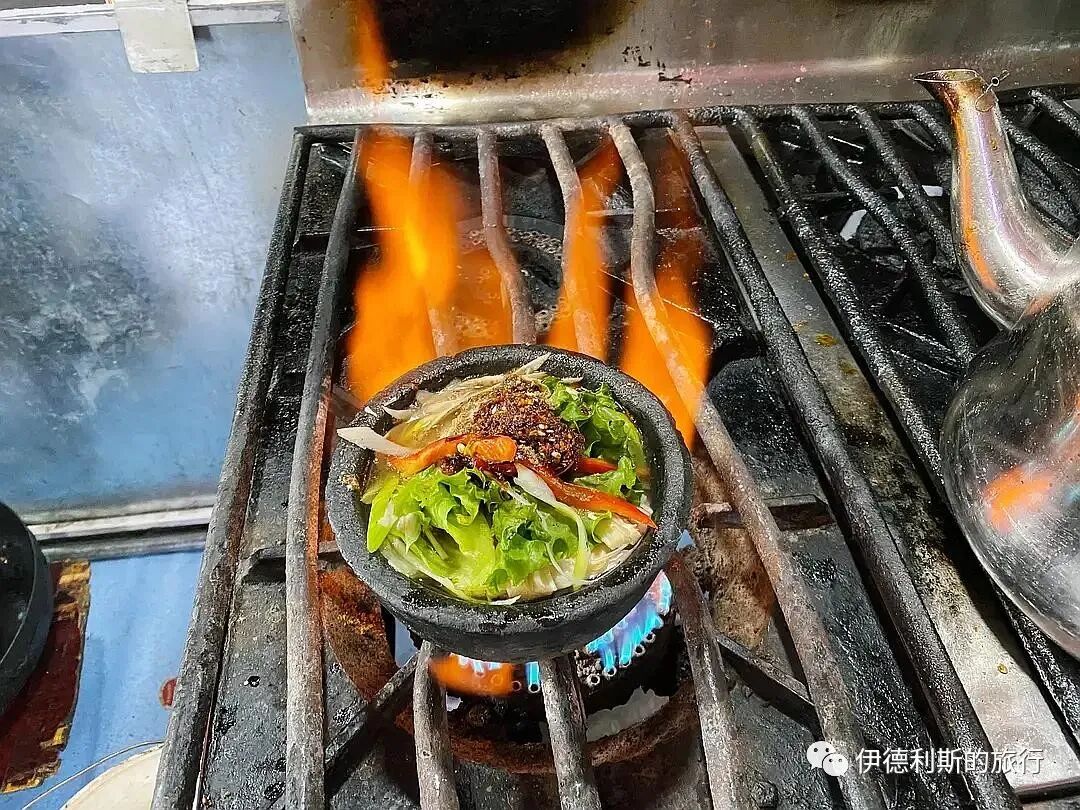
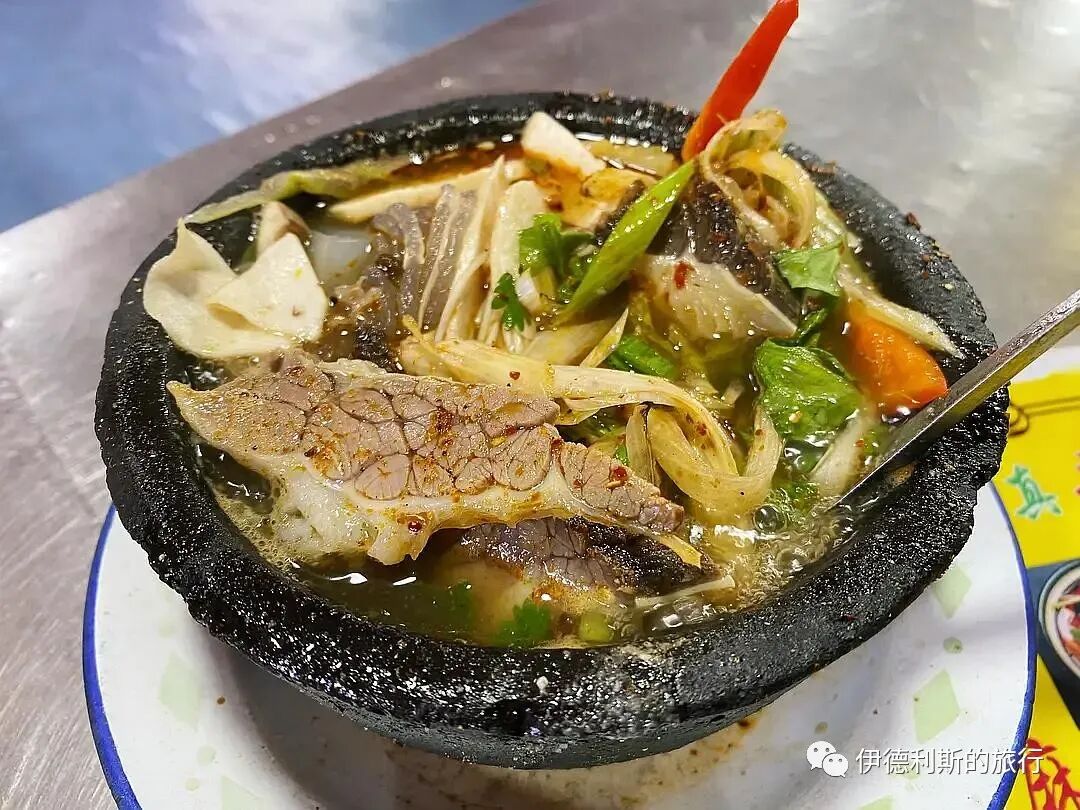
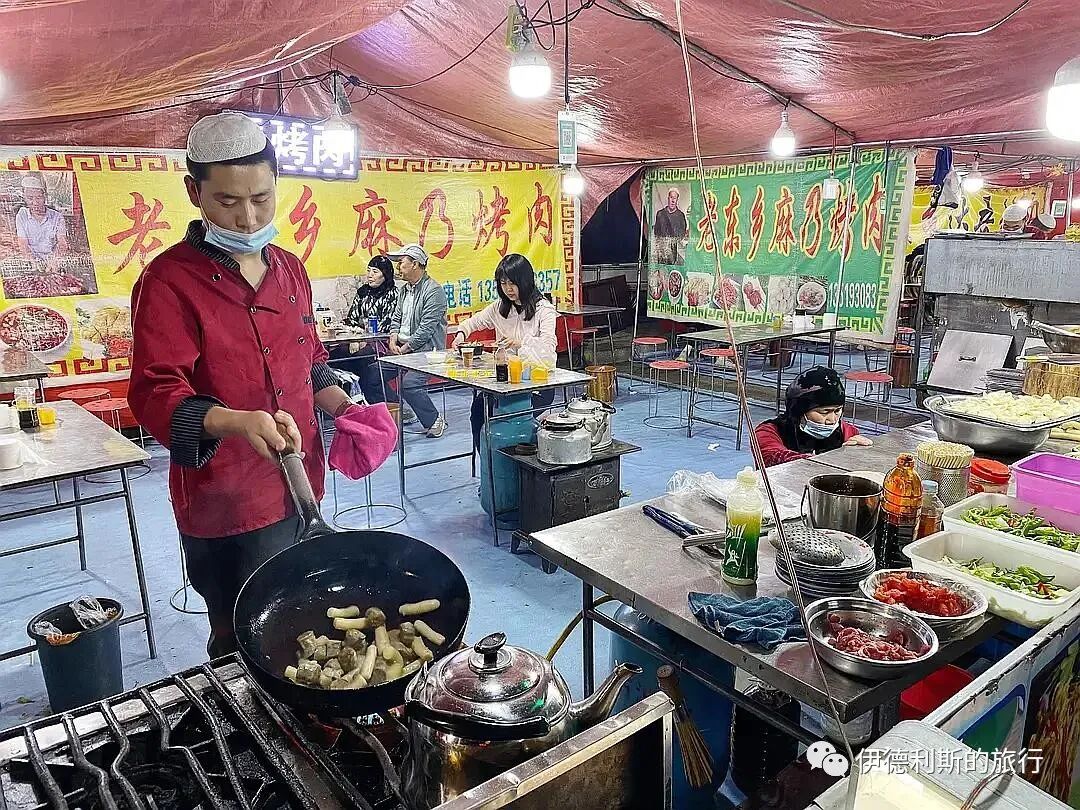
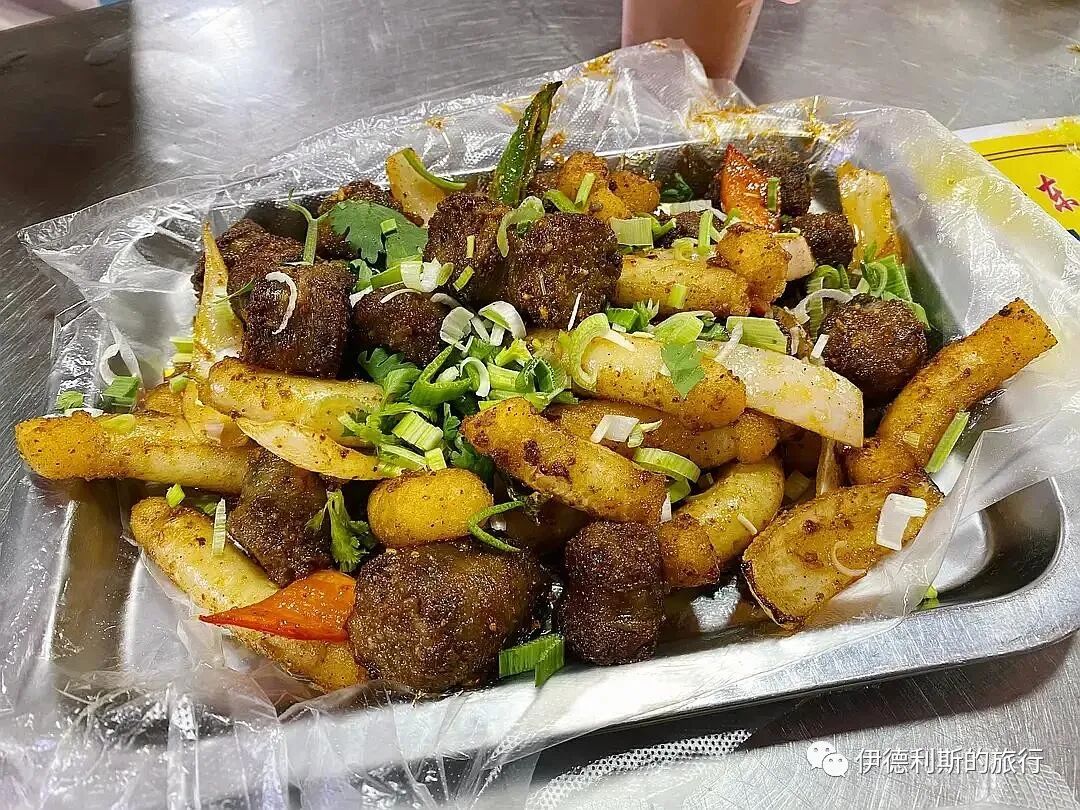
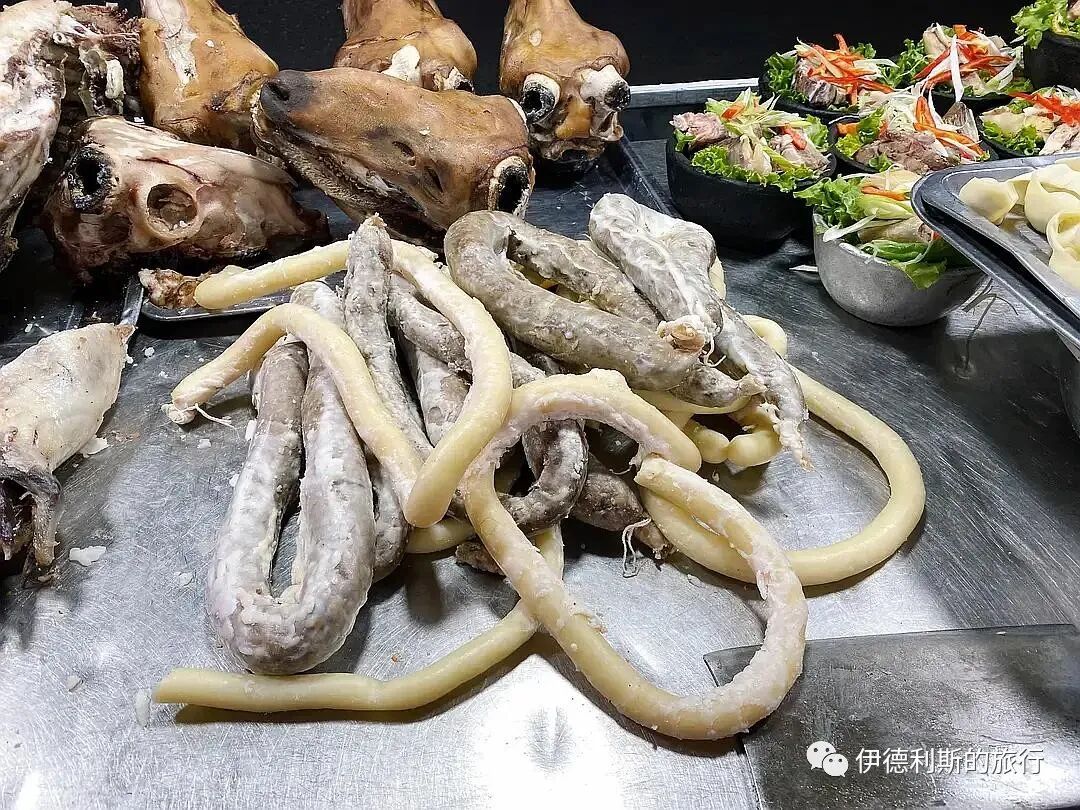
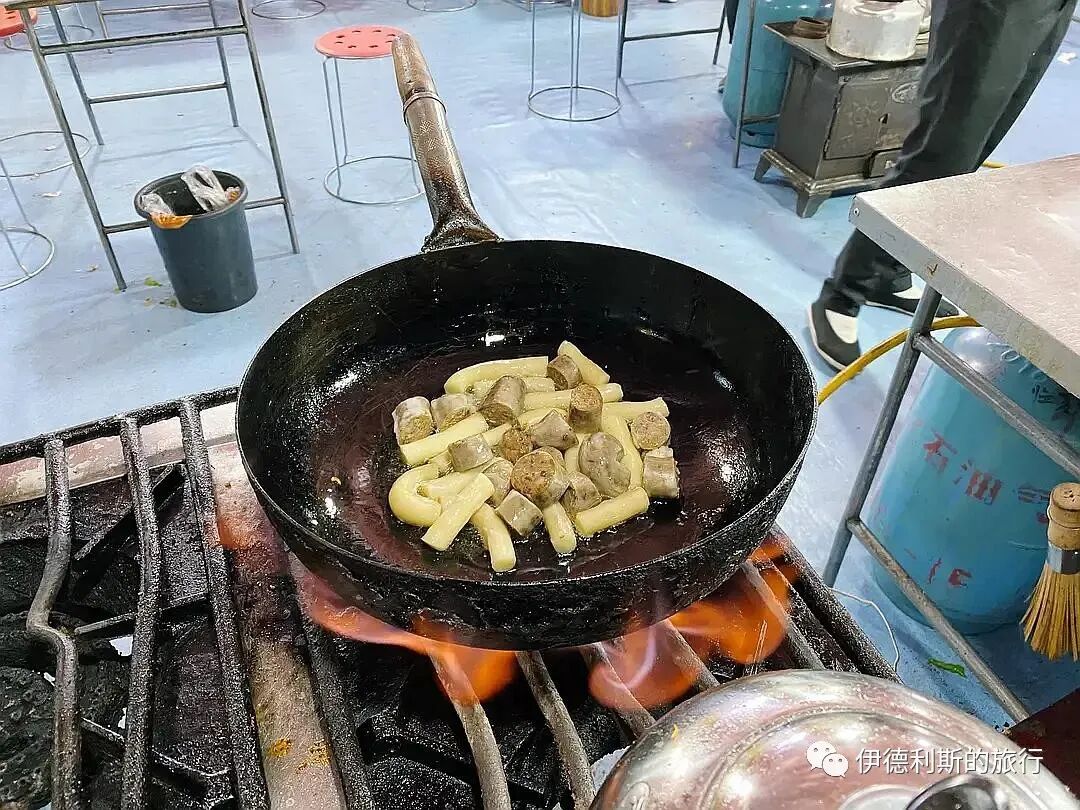
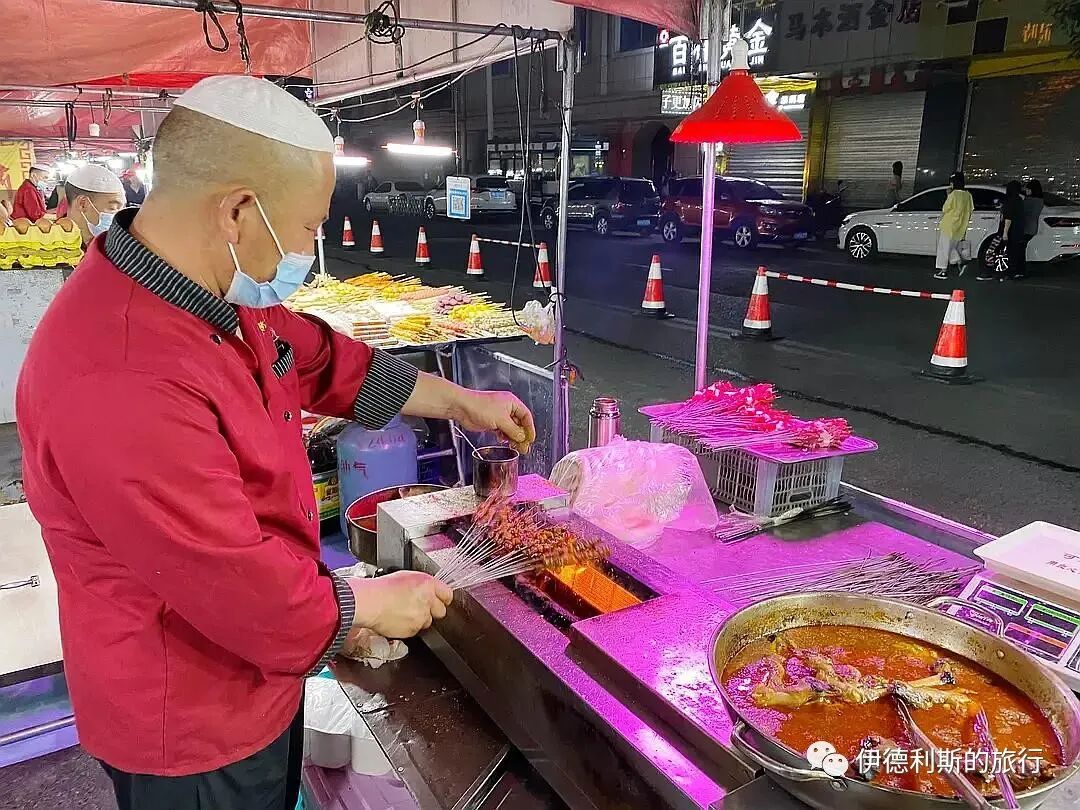
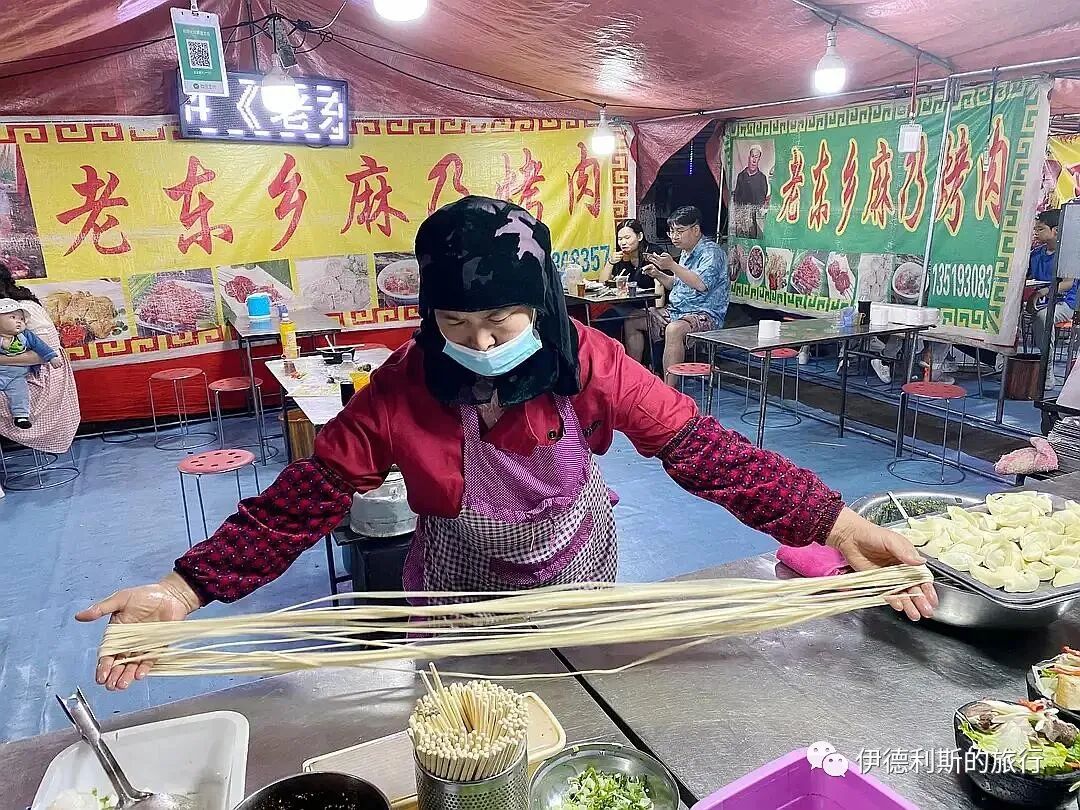
At the Lao Dongxiang Manai stall in the Linxia North Street night market, I had beef clay pot (niurou shaguo) and stir-fried flour sausage (fazi mianchang). Fazi, also called fazi, is sheep intestine stuffed with chopped organ meats and minced meat. I think the highlight of the Linxia North Street night market is the stir-frying. The flames on the stoves can rise higher than a person, but I didn't manage to take a picture.
7. Qinghai
1. Ping'an
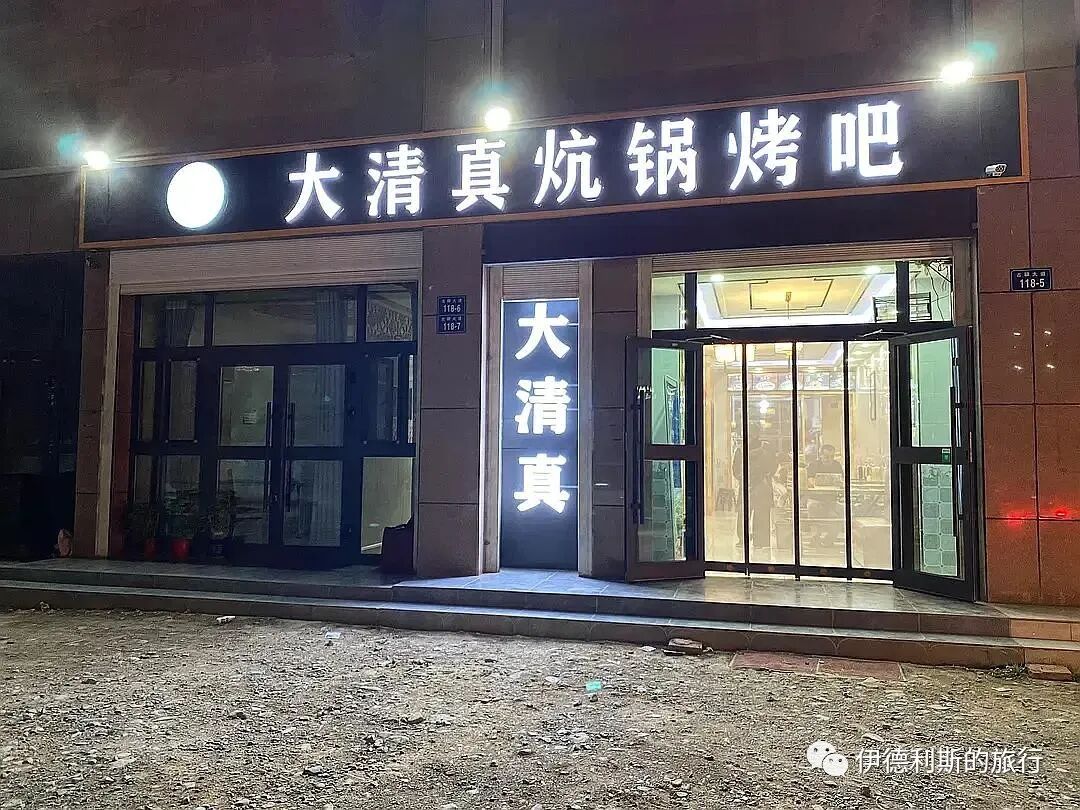
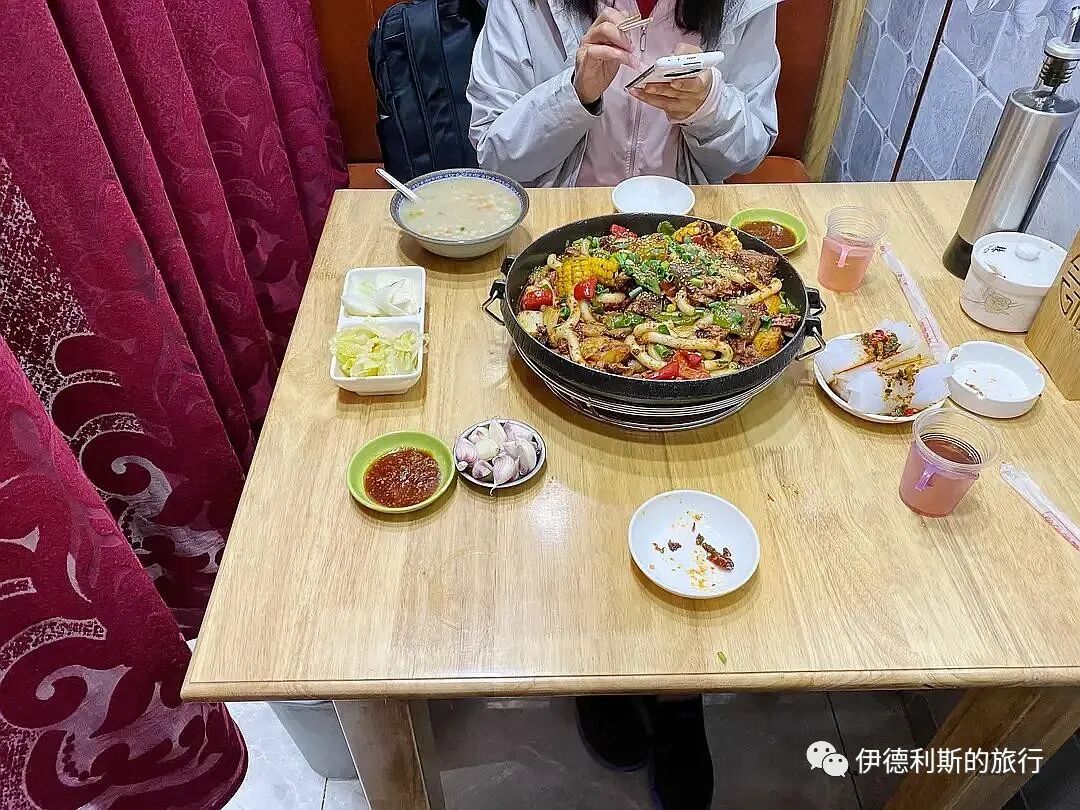
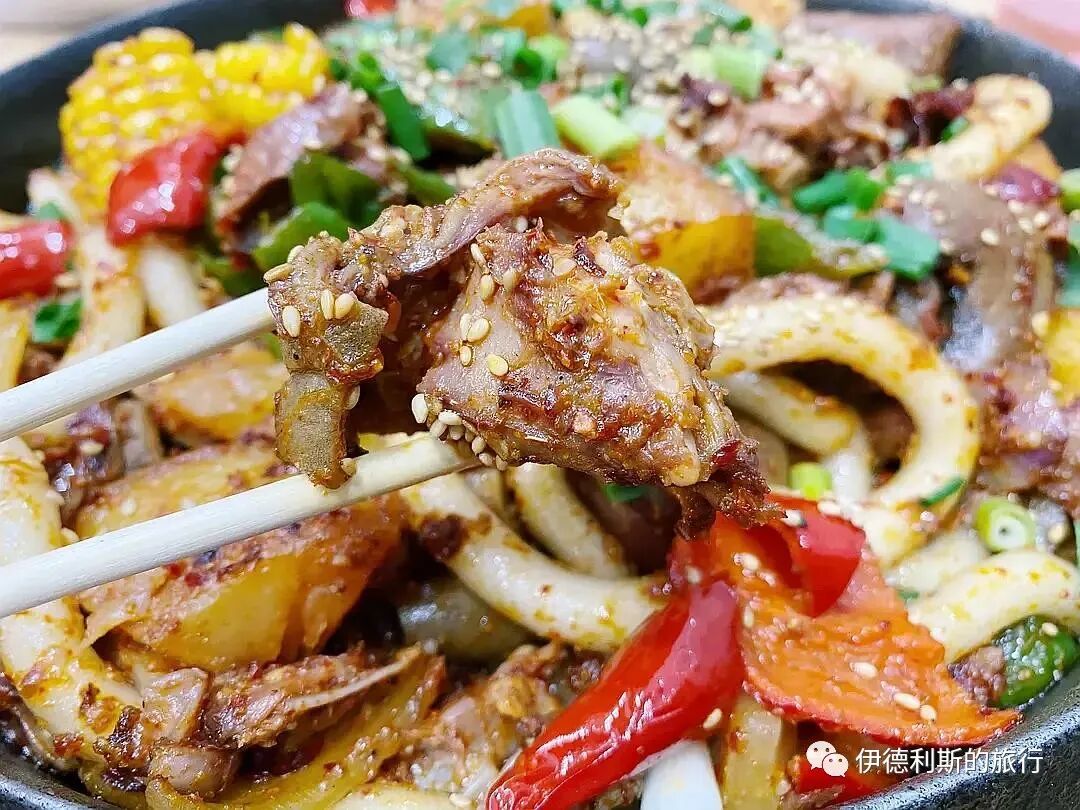
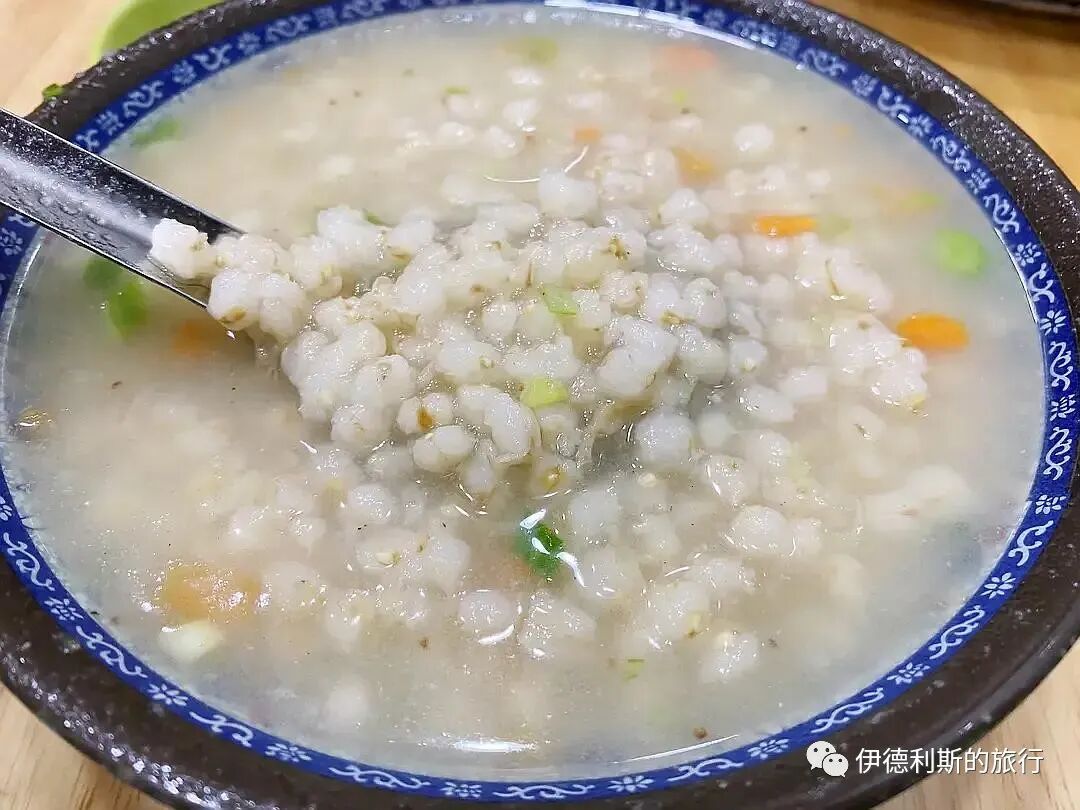
Go to the Daqingzhen Kangguo Grill in Ping'an District, Haidong, to eat pan-roasted meat (kangguo). They have many kinds of pan-roasted dishes (kanguo) here, including lamb, tripe, intestines, and chicken. We ordered the pan-roasted lamb head and the wheat kernel porridge (mairen zhou), which is a must-have at any Qinghai barbecue shop.
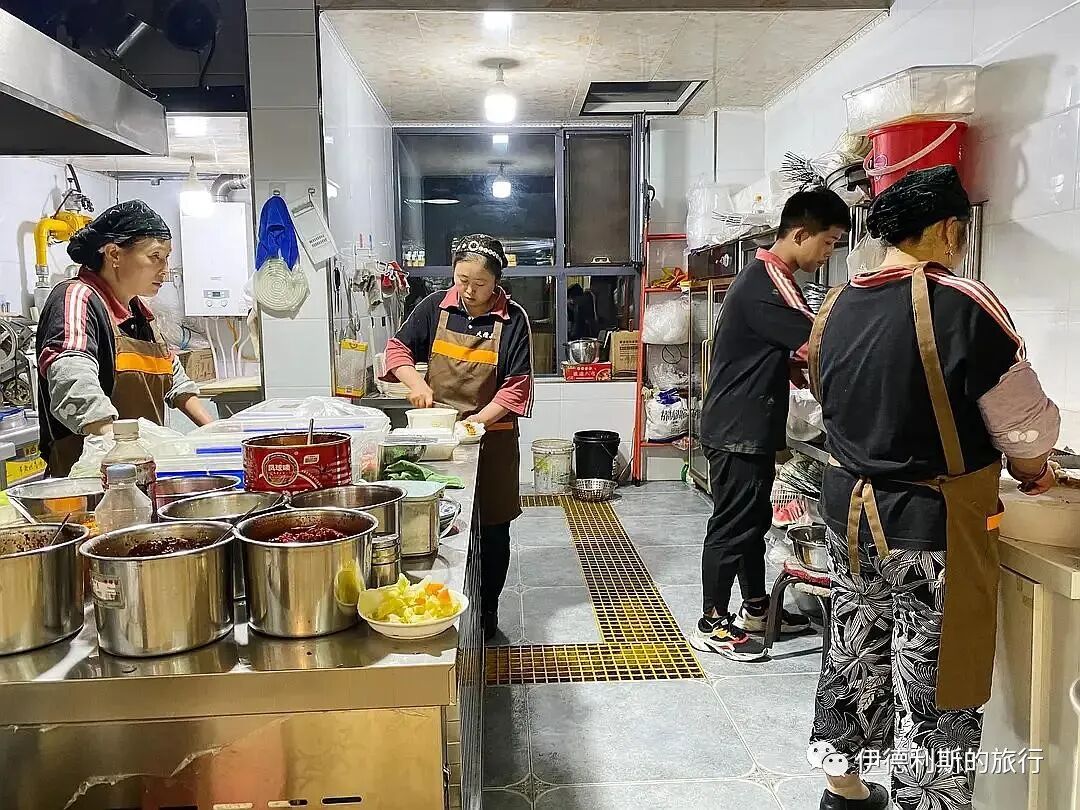
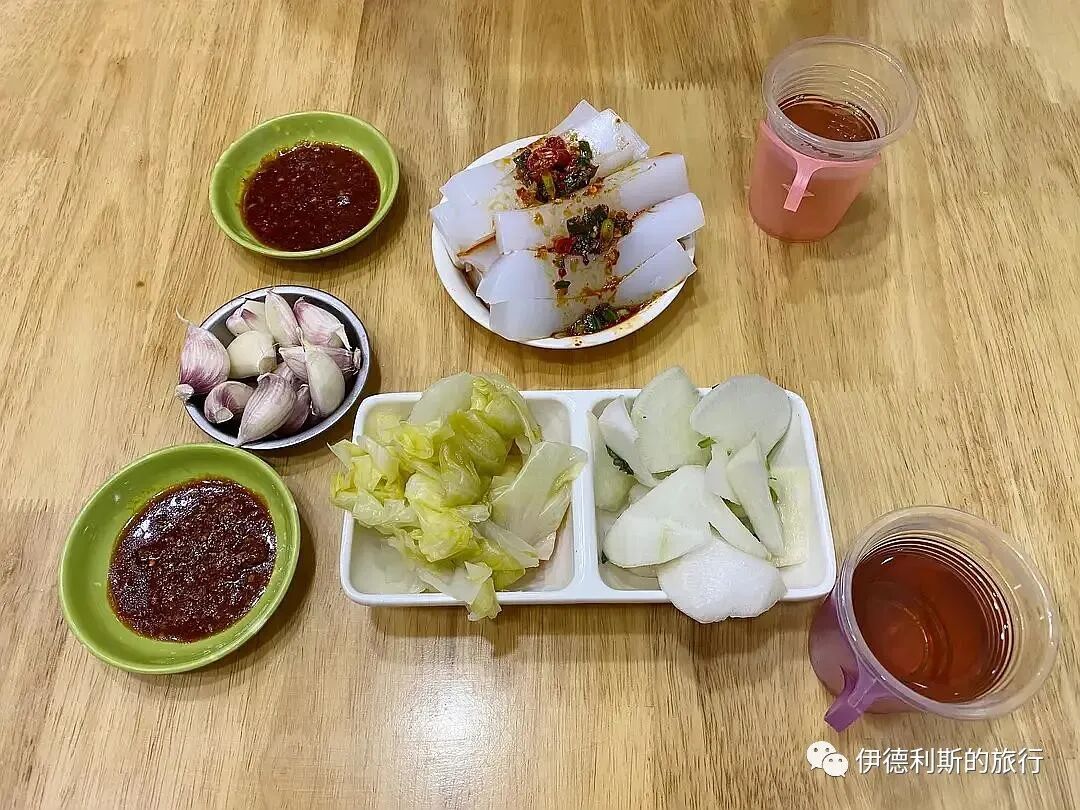
The restaurant layout features small private rooms common in Qinghai towns. Even for two people, you can pull the curtain for privacy, which feels quite nice. After we ordered, they brought out free pickles, radishes, mung bean jelly (liangfen), and boiled tea (aocha). The servers were very friendly. We had a few bites of the mung bean jelly and some tea before the pan-roasted dish arrived. Besides the whole lamb head, it came with potatoes, corn, and vermicelli (fentiao). We really did not need to order any other main dish. Finish with a bowl of wheat kernel porridge (mairen zhou) for a very satisfying end.
2. Xunhua
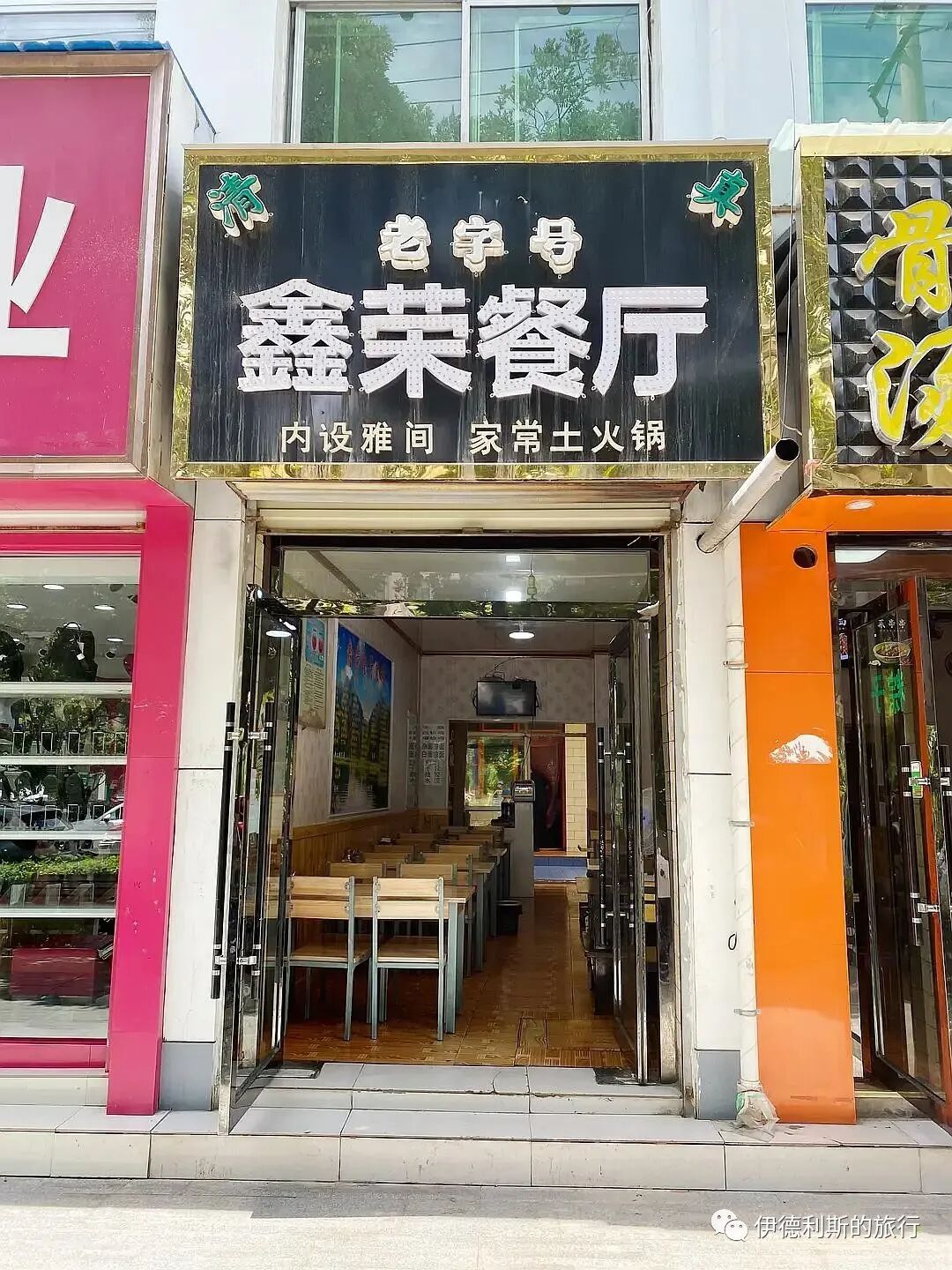
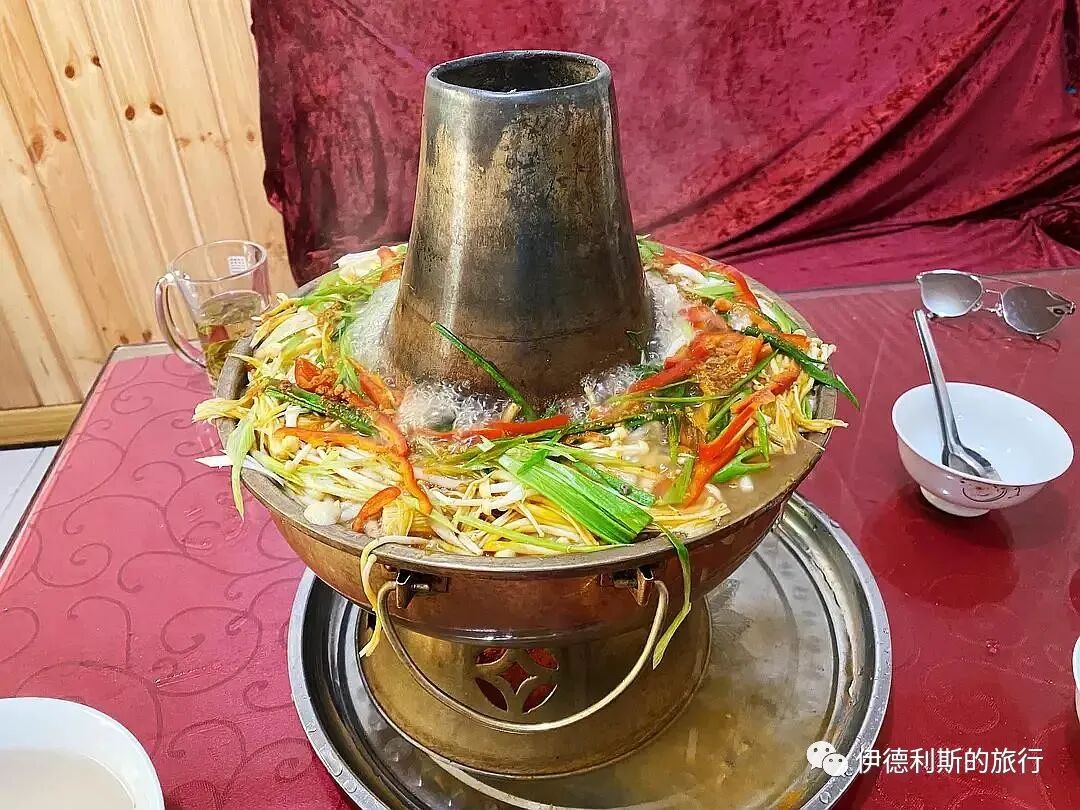
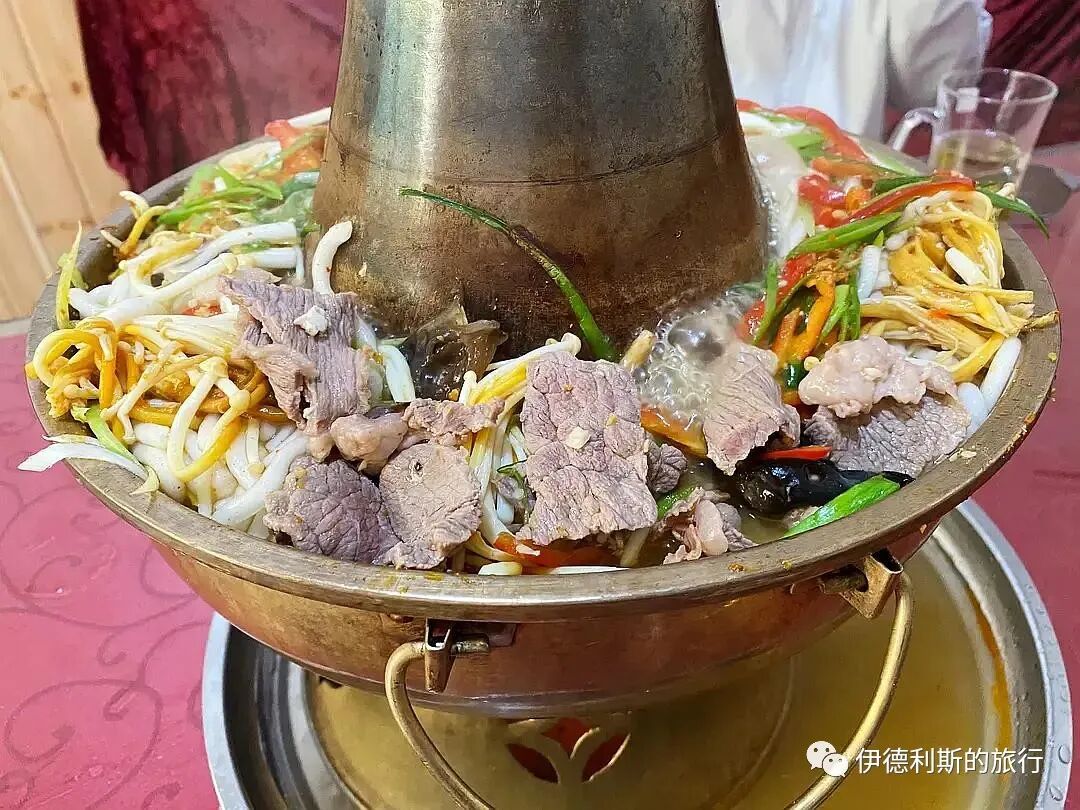
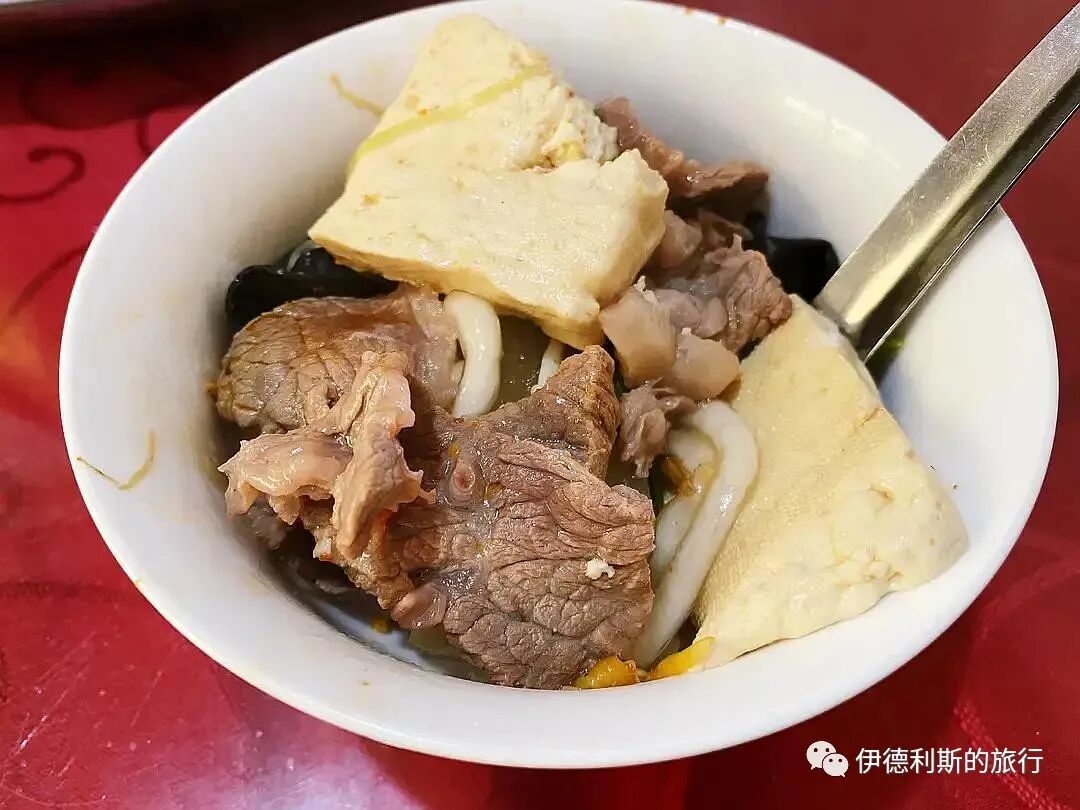
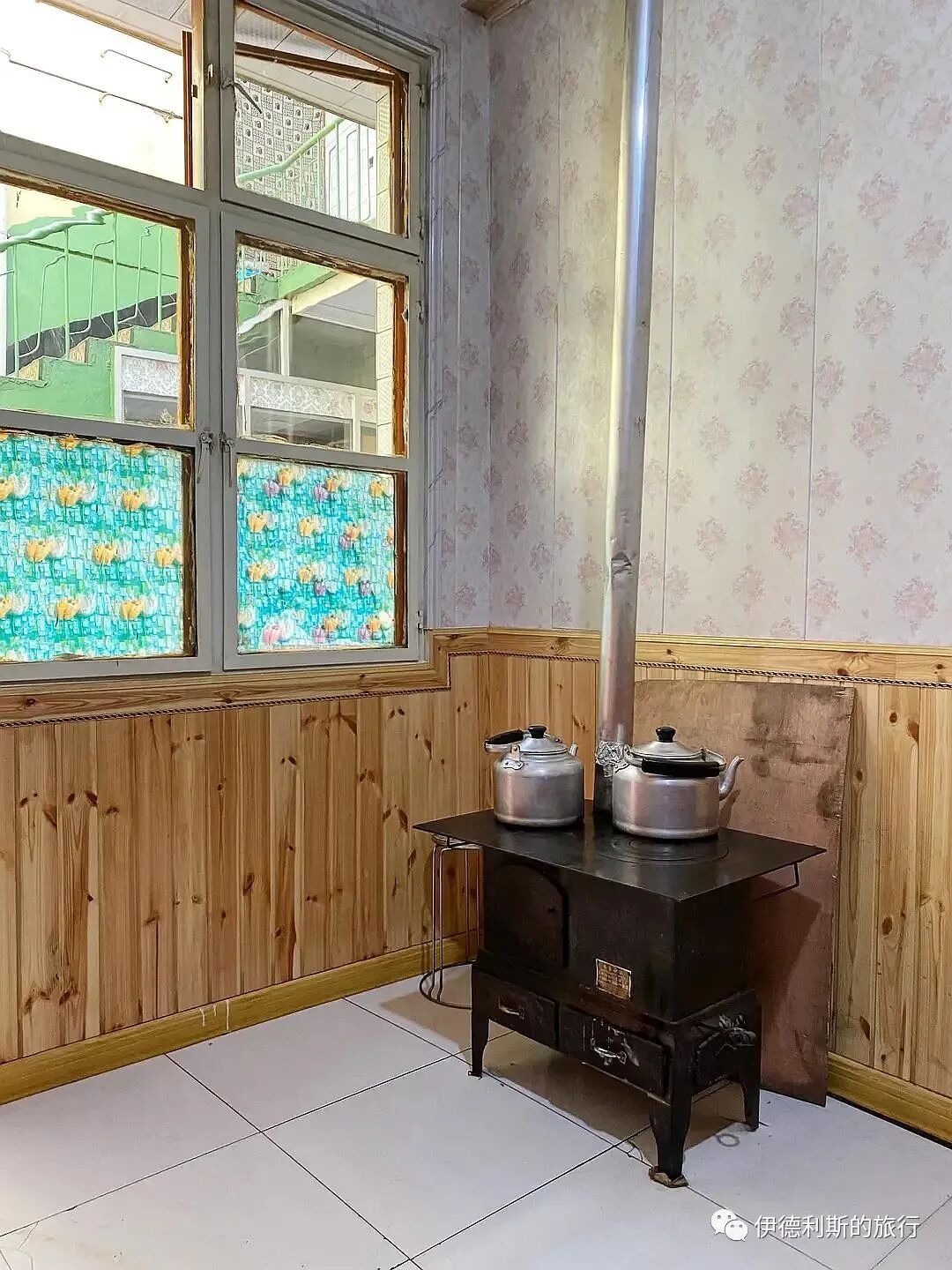
In Xunhua County, we had a home-style assorted clay pot hotpot (tuhuoguo). It was packed with a variety of vegetables, and there was actually plenty of meat hidden underneath. A small pot was more than enough to leave two people feeling full.
3. Xining
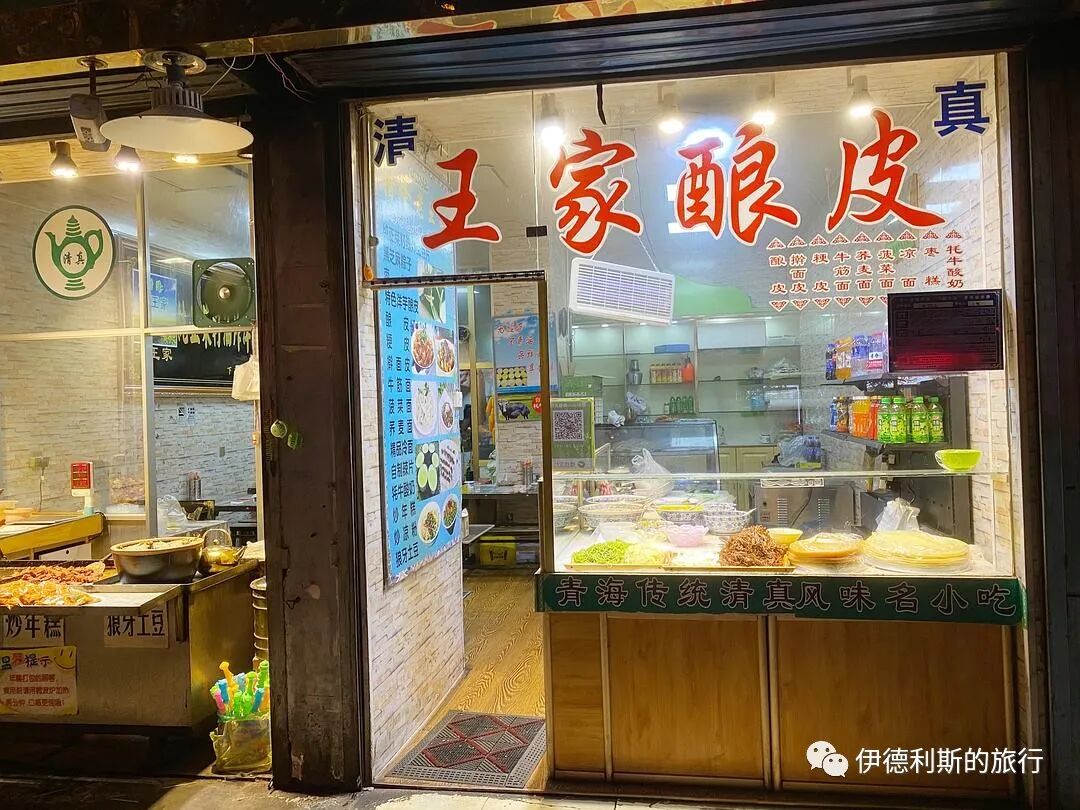
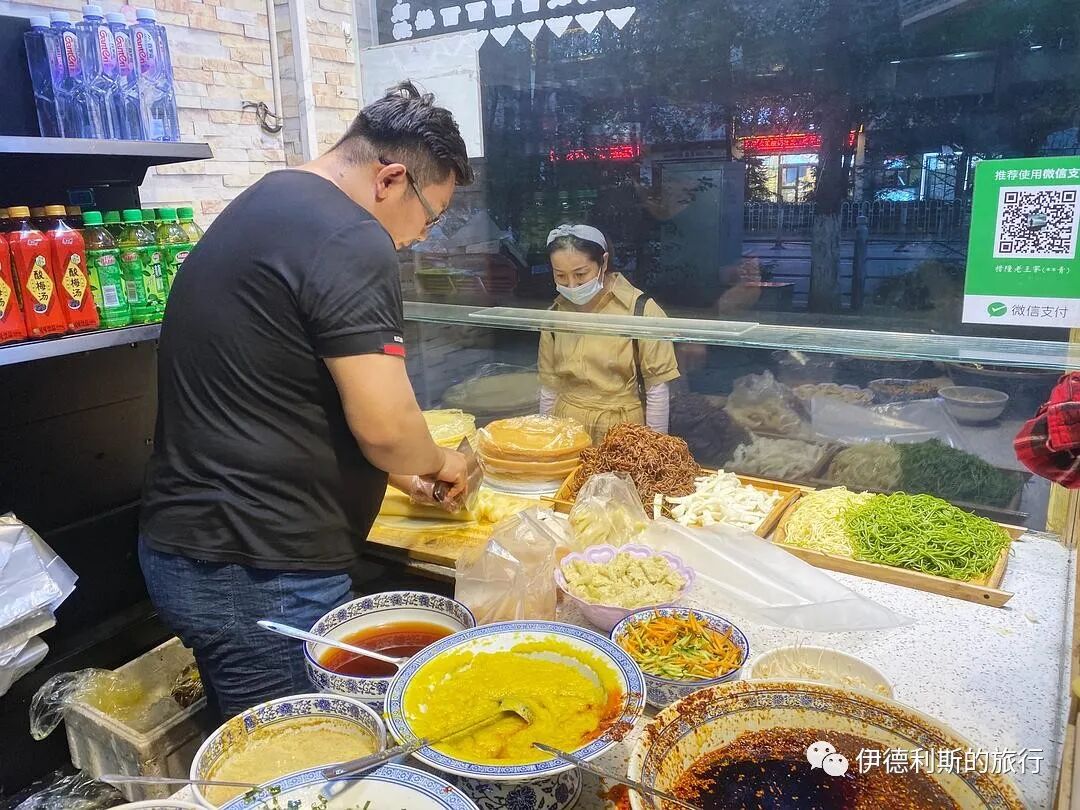
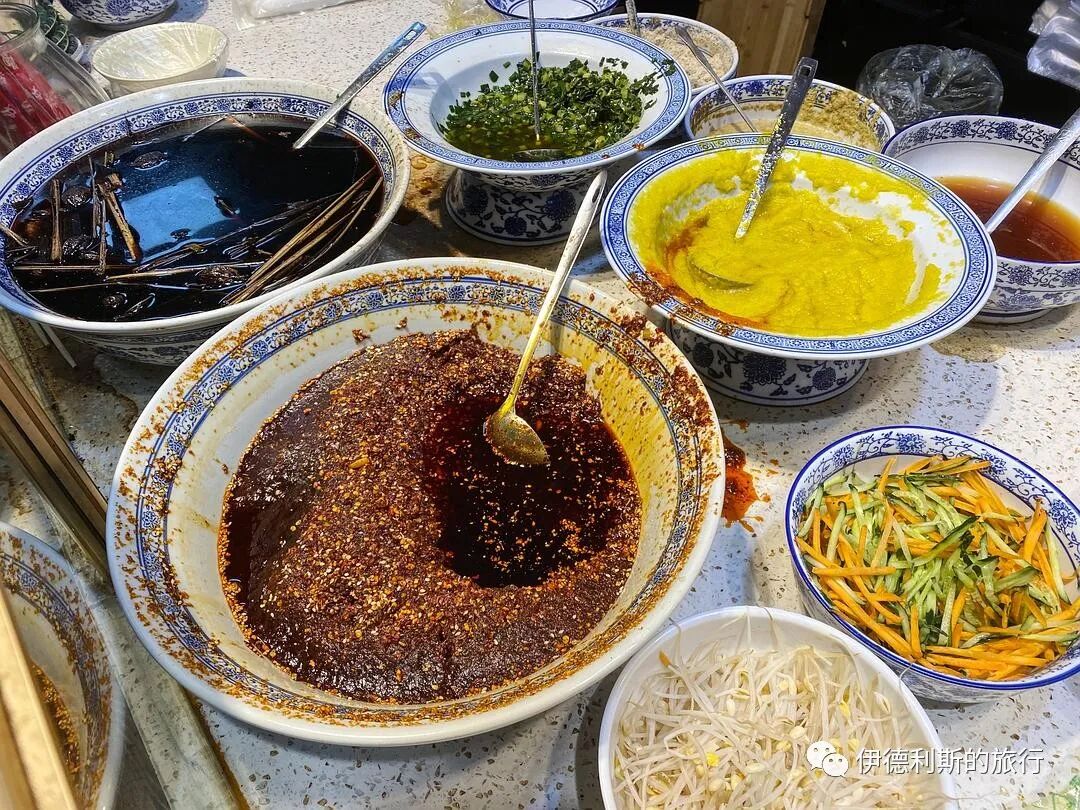
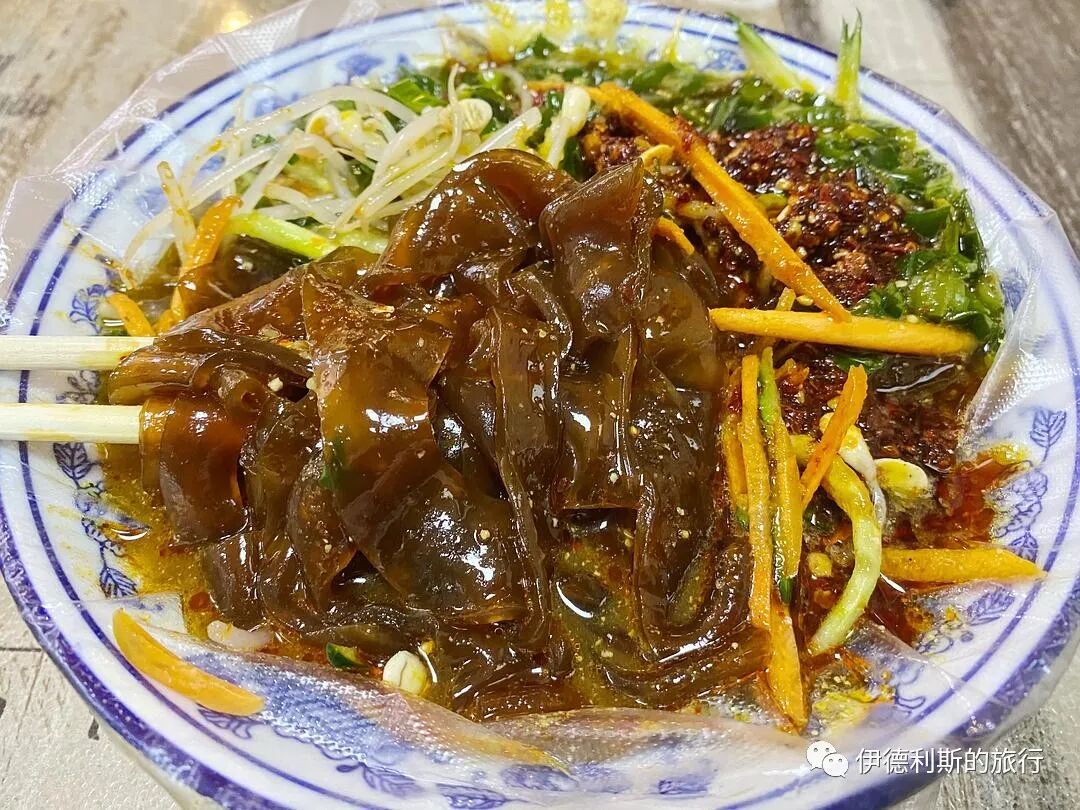
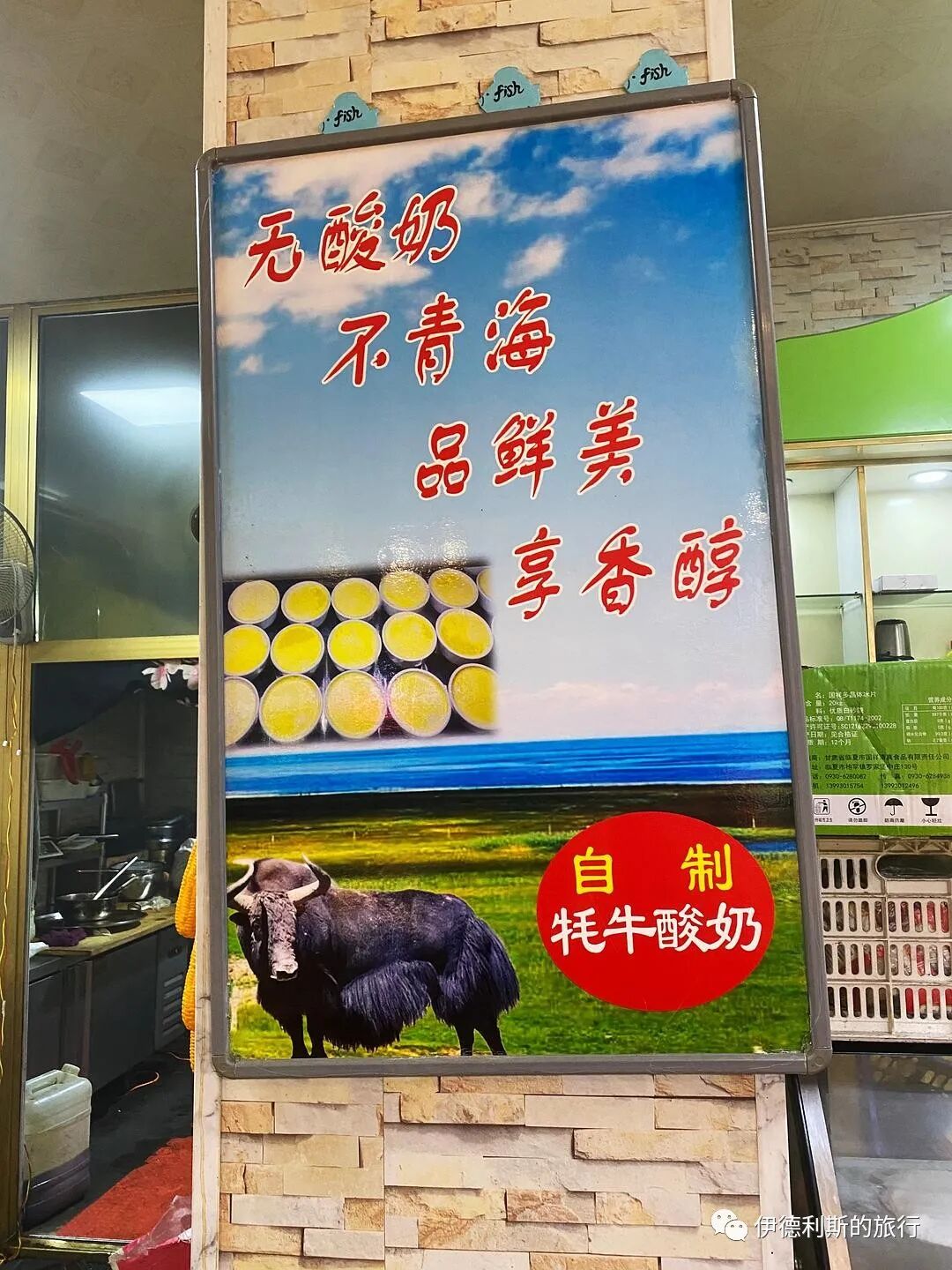
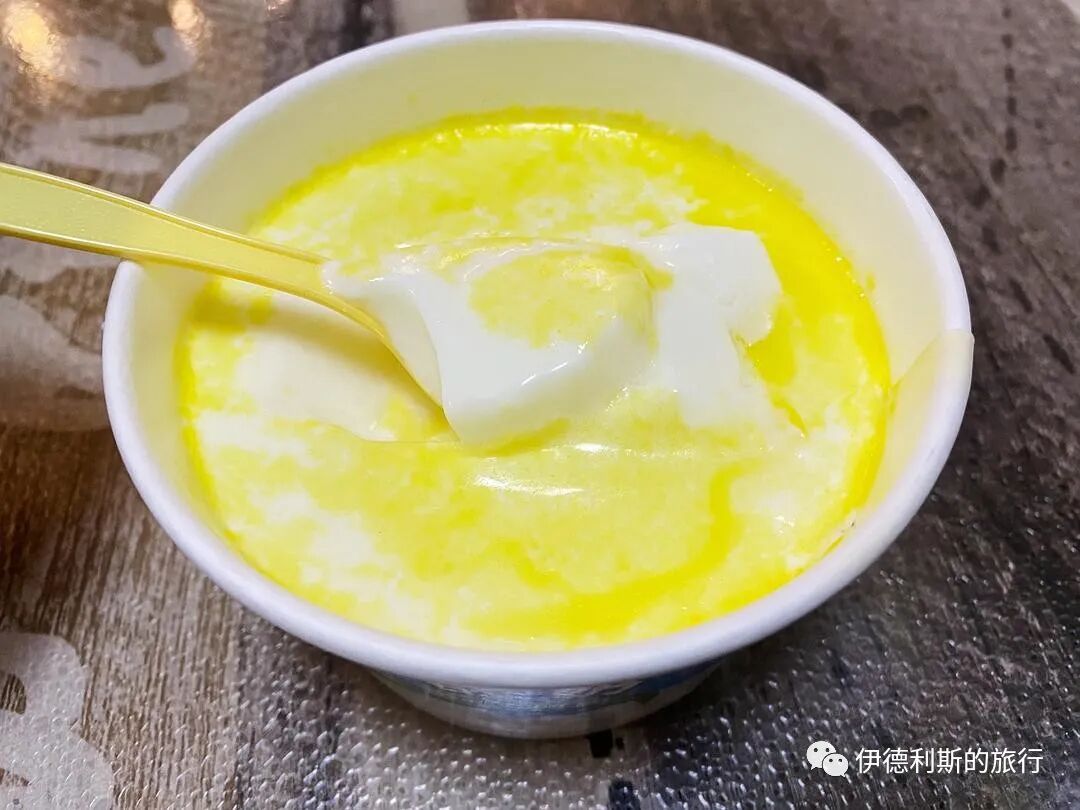
At Old Wang’s place in Dongguan, Xining, we had starch noodles (gengpi) and fresh yak yogurt. Zainabu said this was the best yogurt we had during our entire trip to Xining.
8. Xinjiang
1. Urumqi
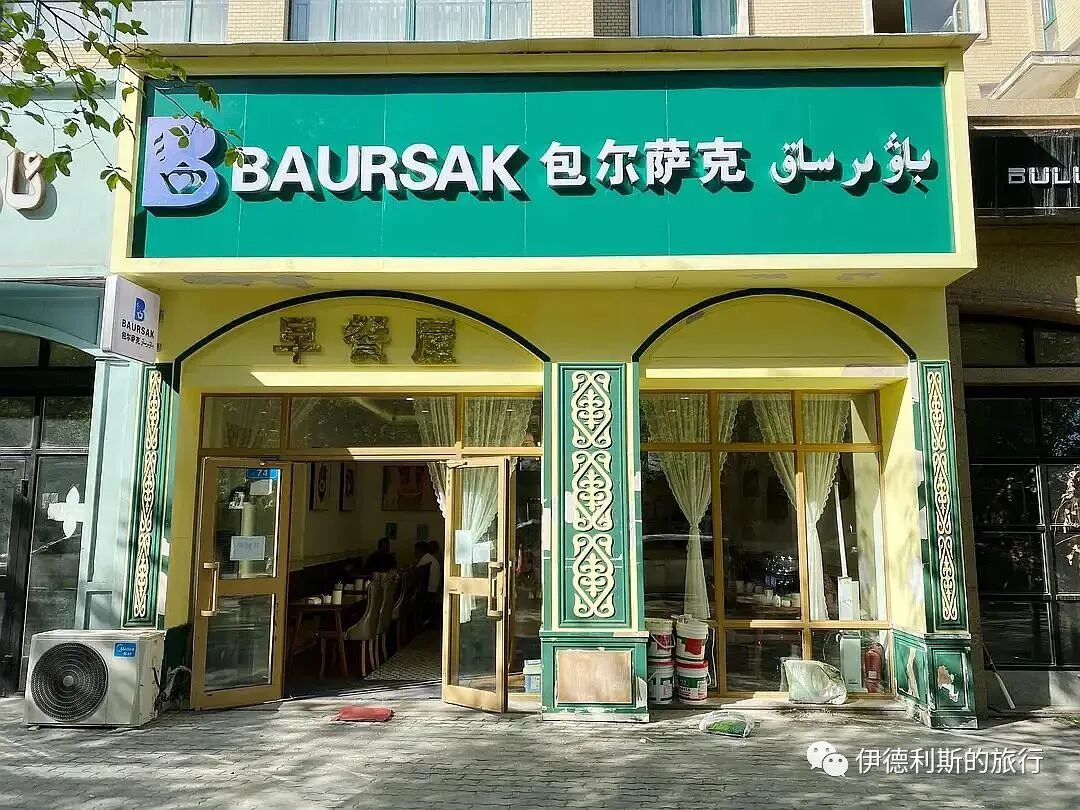
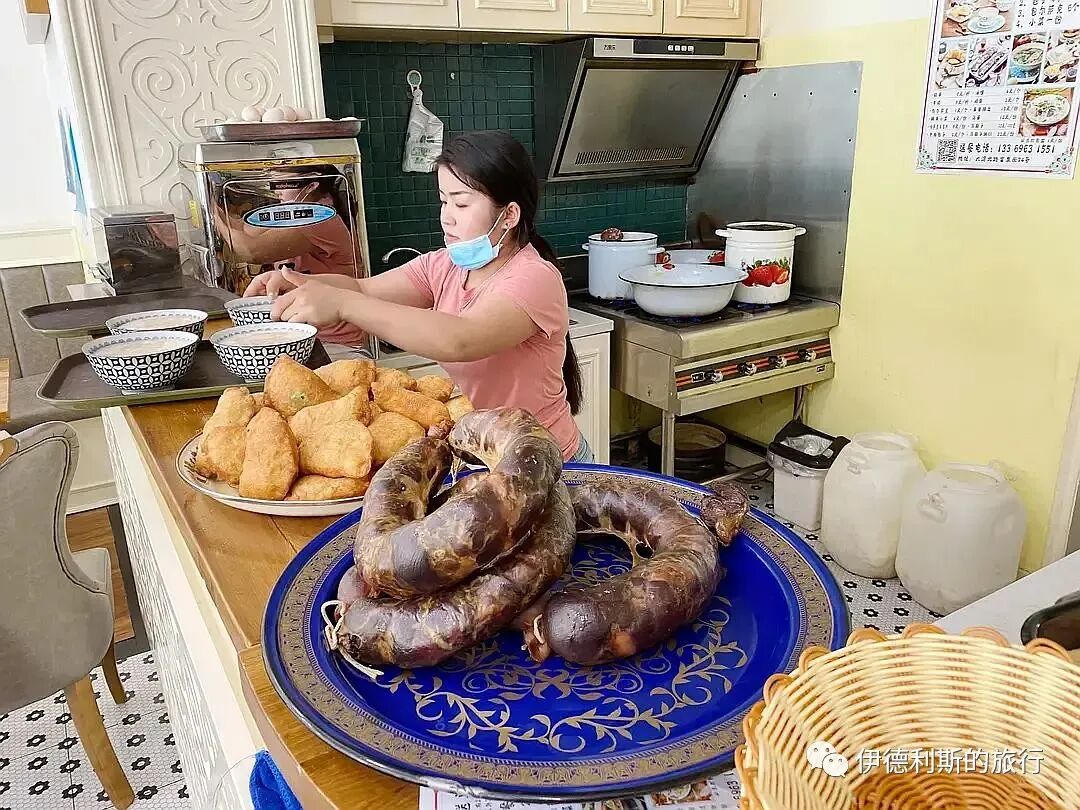
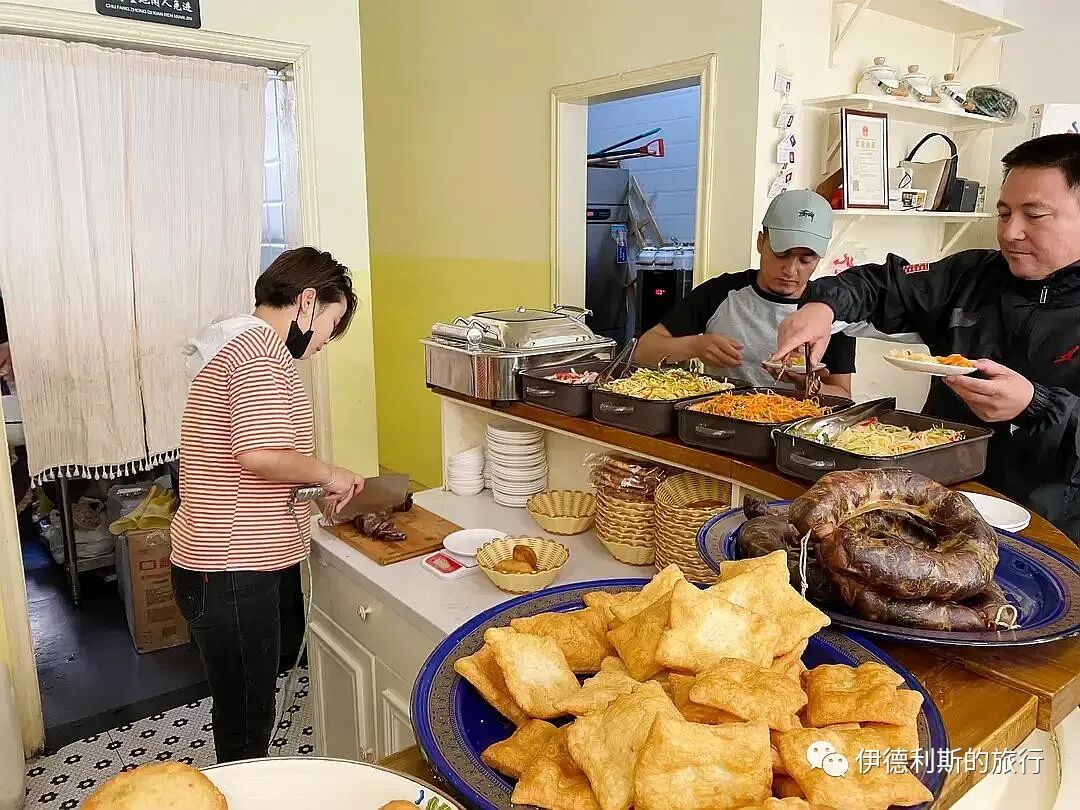
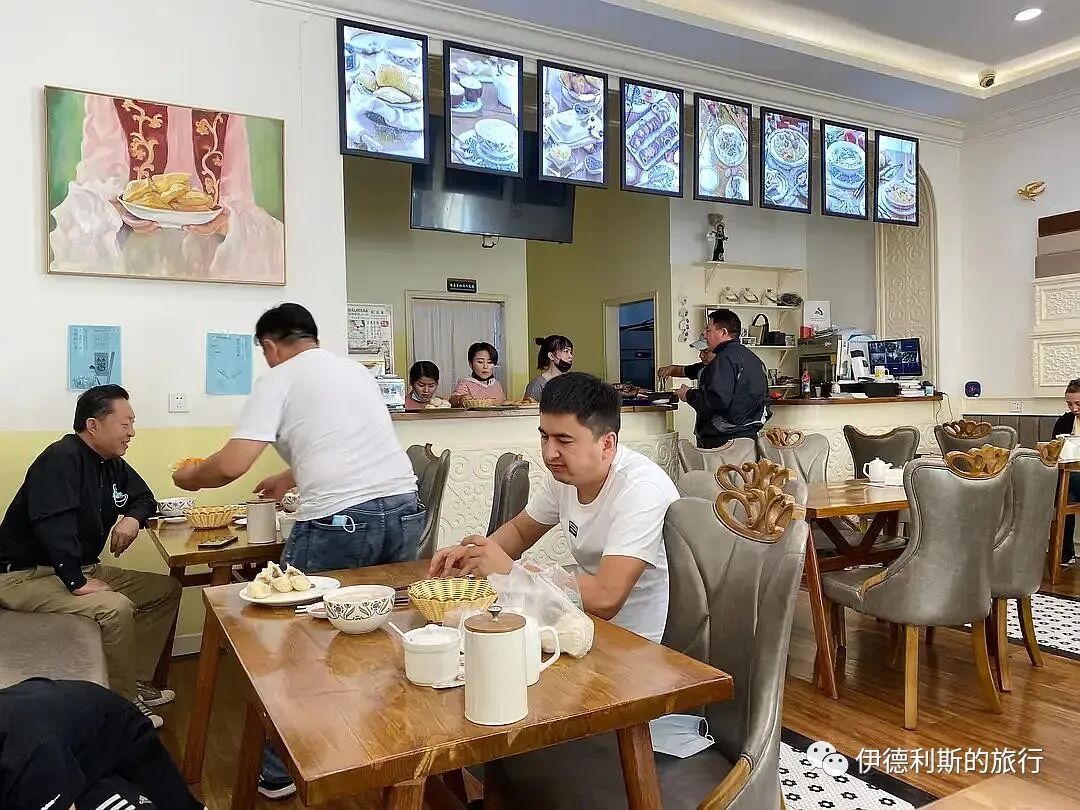
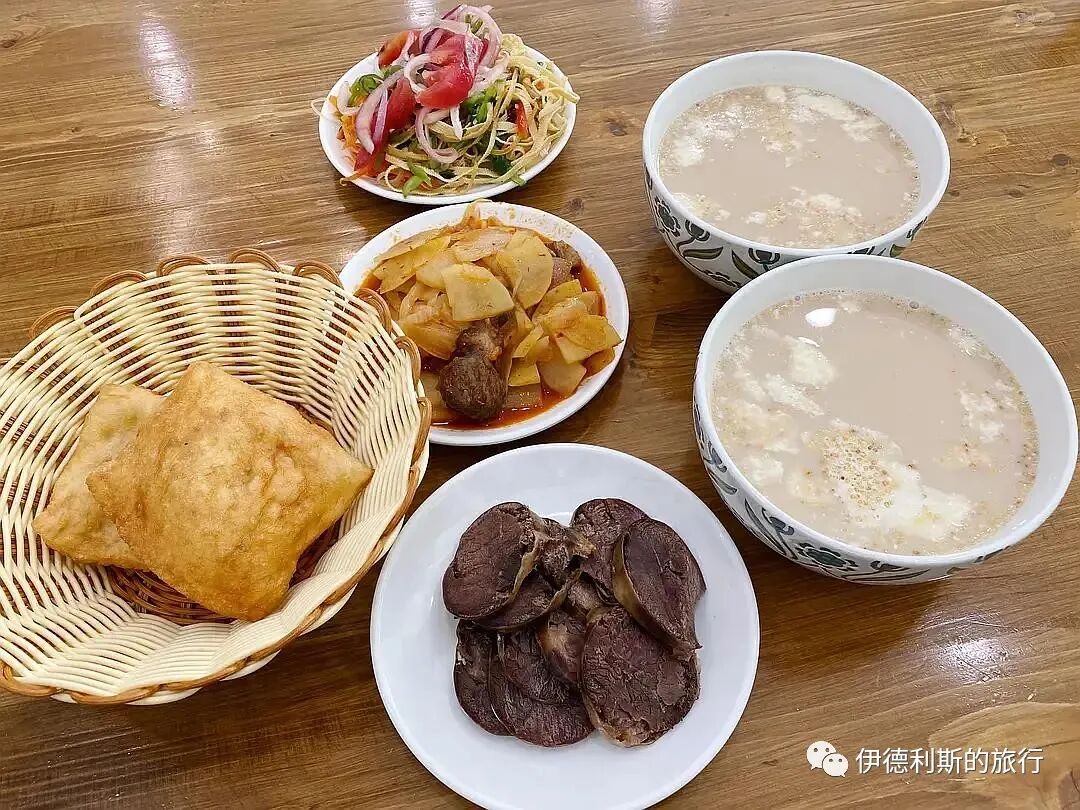
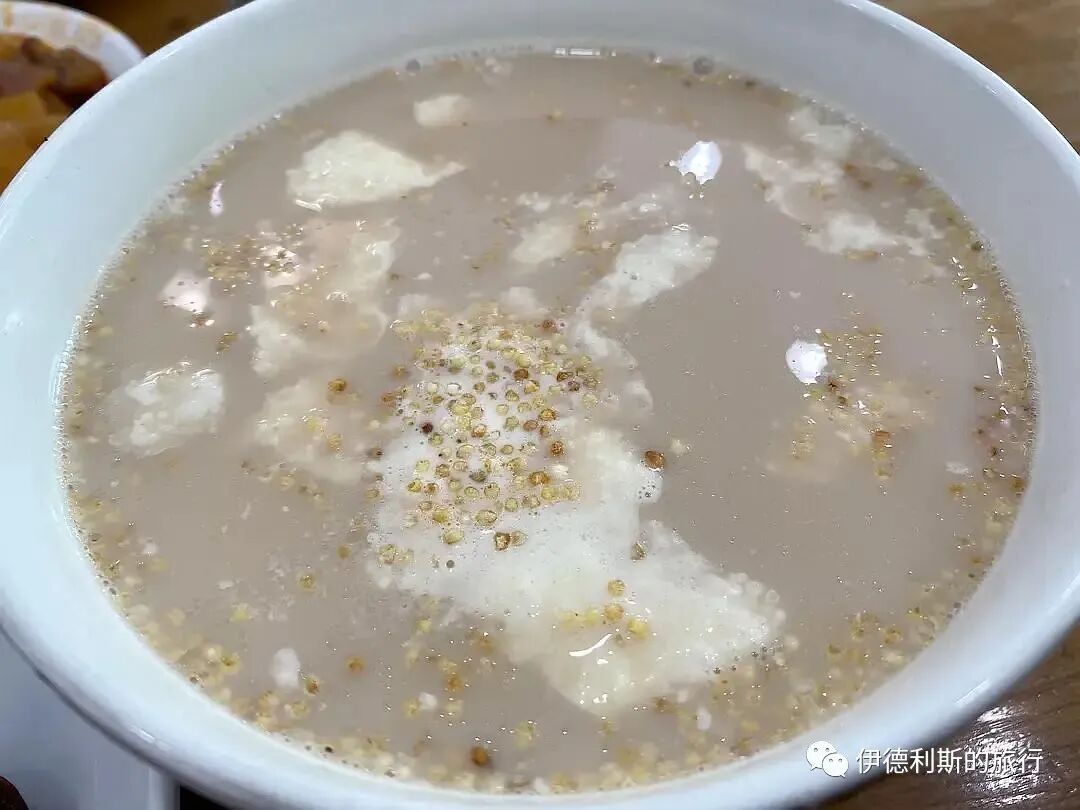
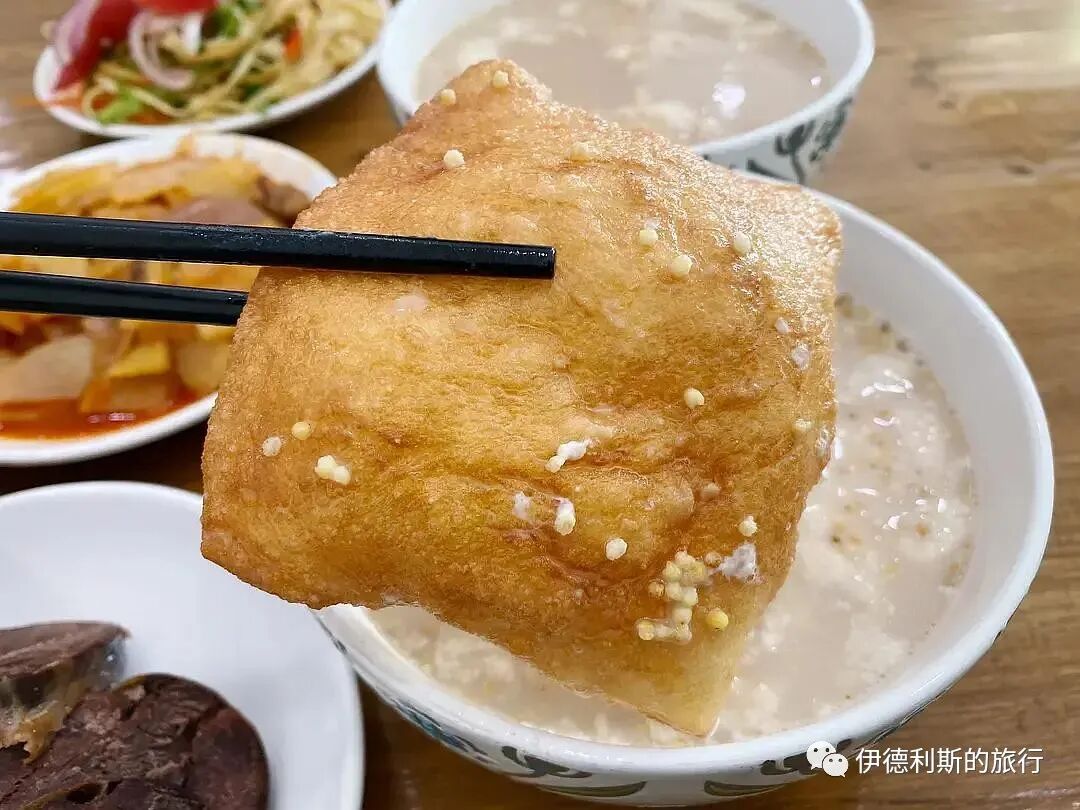
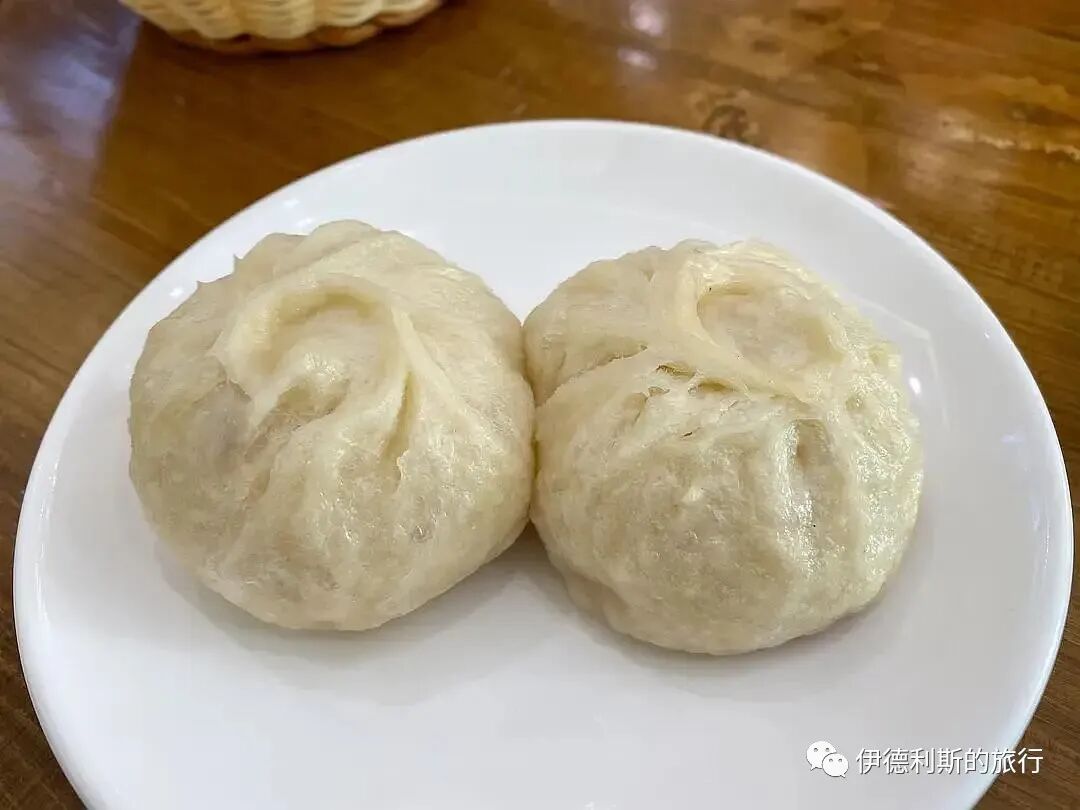
We had milk tea at a Kazakh milk tea shop in Dawan. This place is likely the most famous spot for Kazakh breakfast in the area. Seeing the fresh milk being boiled in a basin made it feel very authentic. We ate milk tea, horse meat sausage (machangzi), fried dough (baowusake), Kazakh-style potatoes, and steamed buns (baozi). Everything tasted great.
2. Toksun County
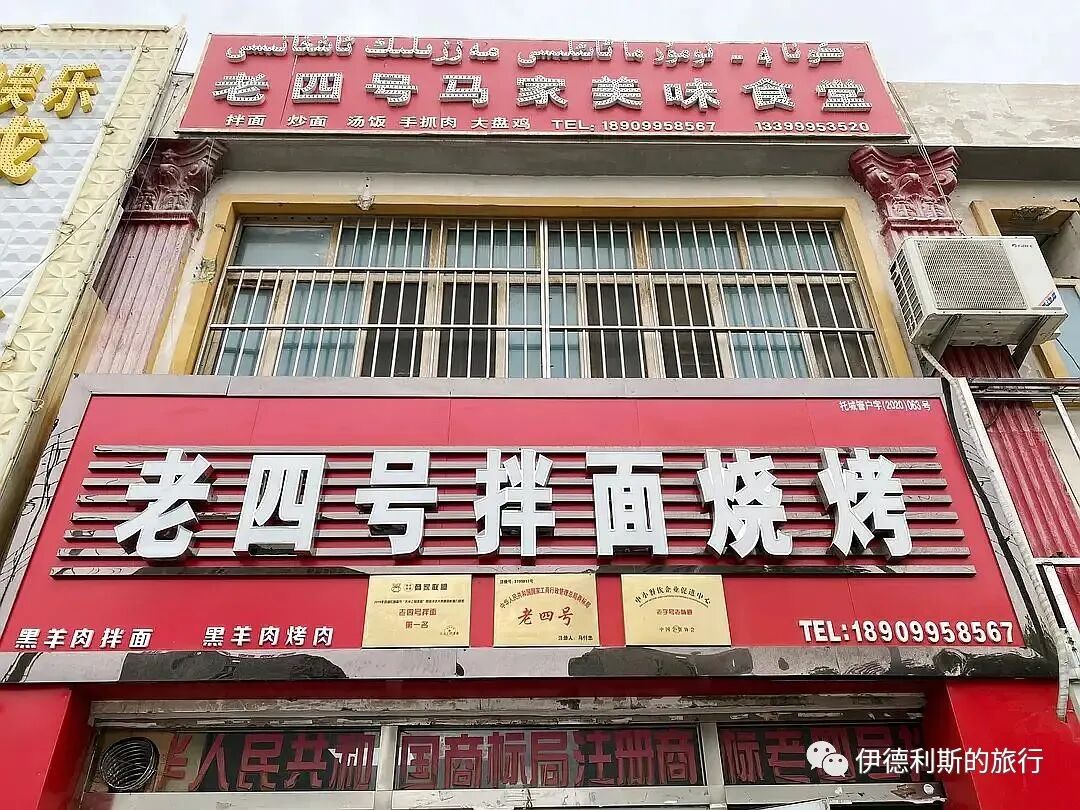
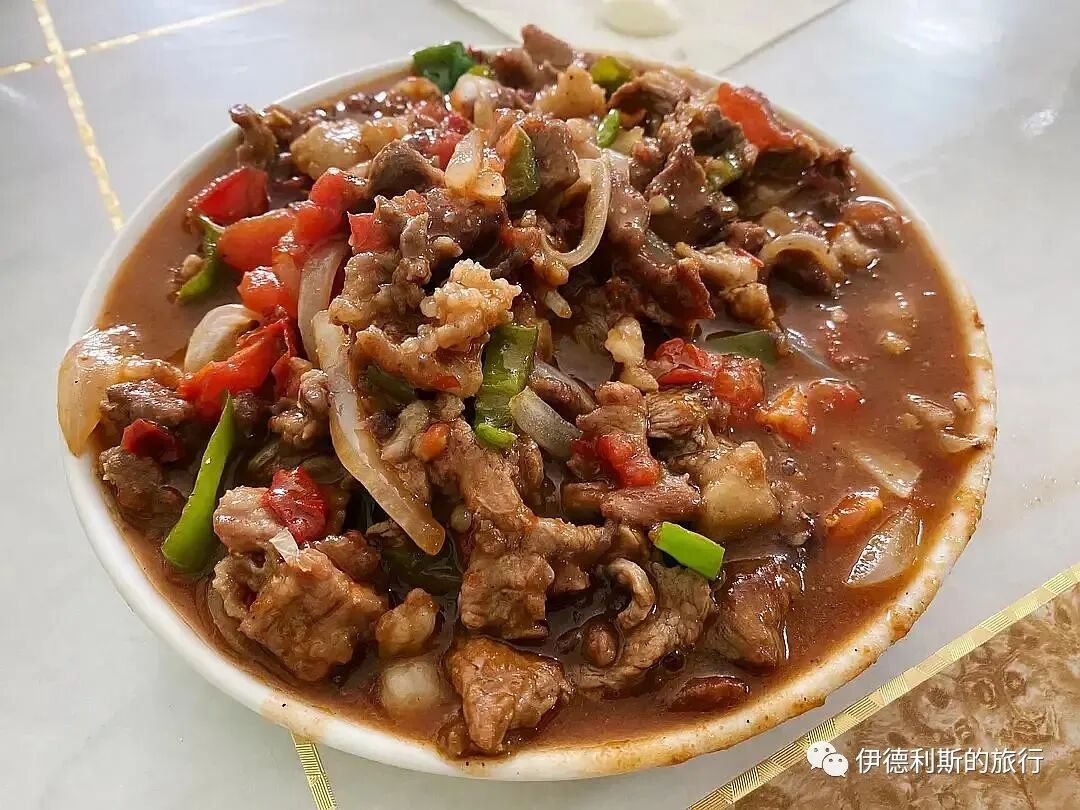
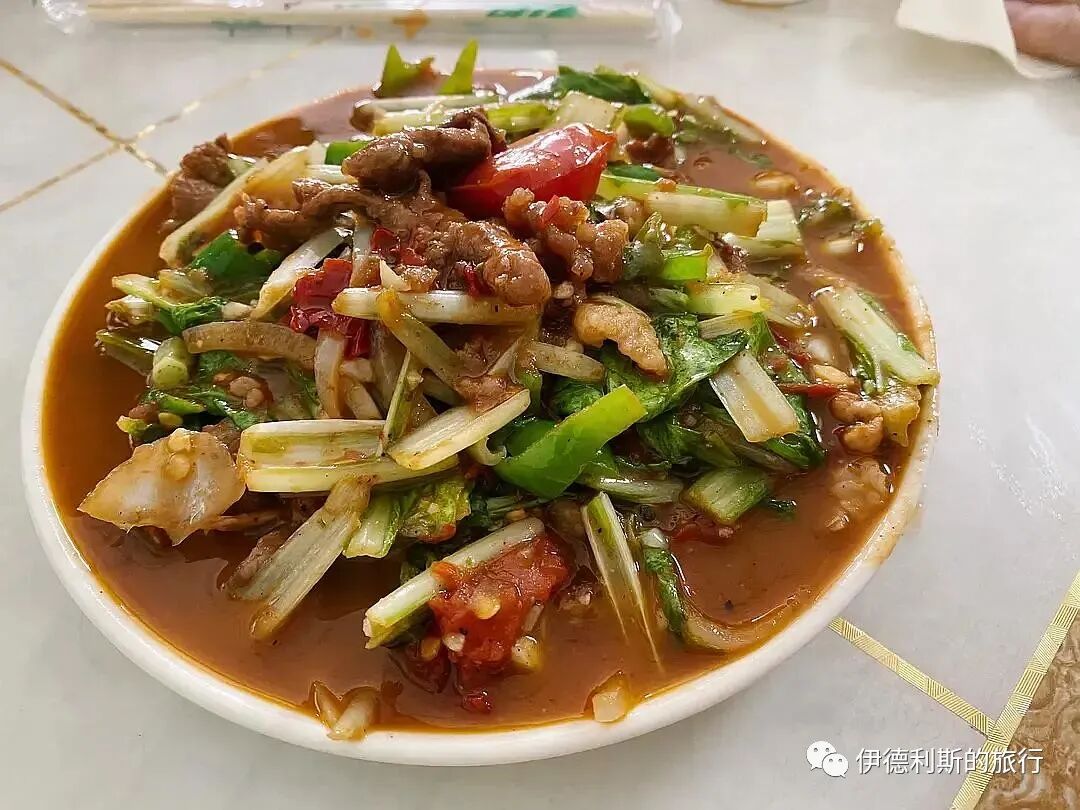
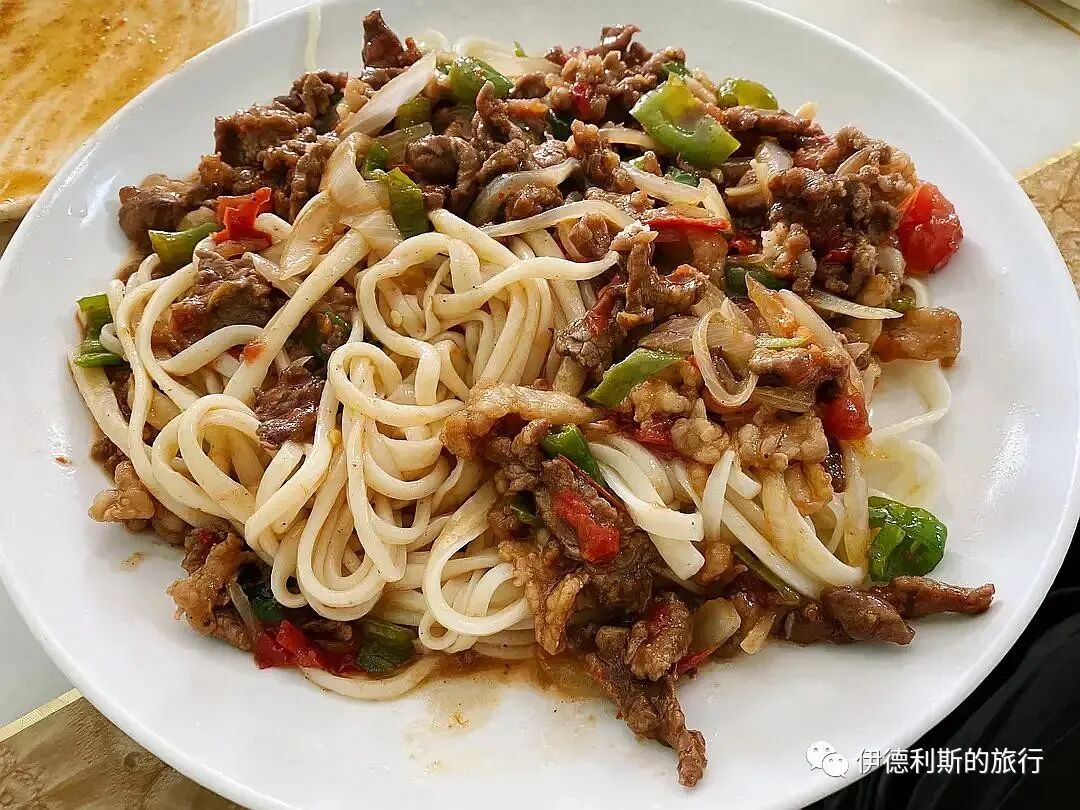
The most popular spot in Tuokexun County is Lao Si Hao. It is packed at meal times with both locals and people who travel all the way from Turpan just to eat here. Their specialty is stir-fried meat with noodles (guoyou rou banmian) made with black goat. This local specialty lives on the cliffs of the Tianshan Mountains. It costs much more than regular lamb, but the taste and texture are truly different. I think it is much better.
3. Turpan
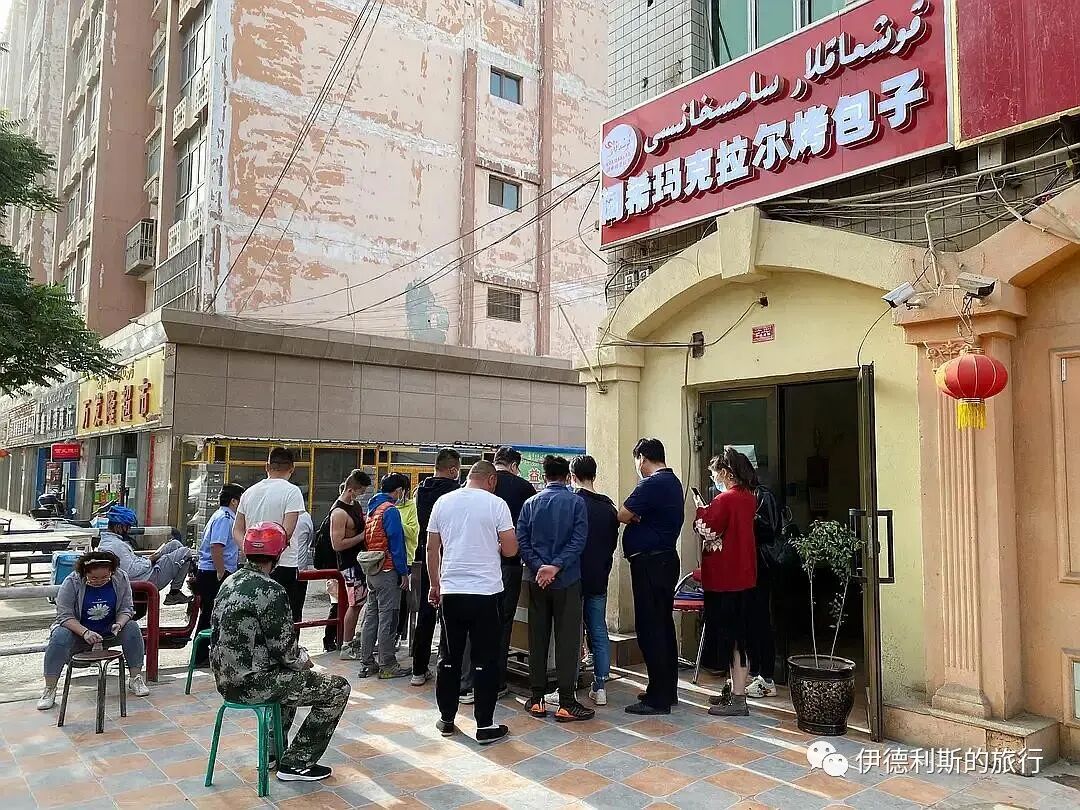
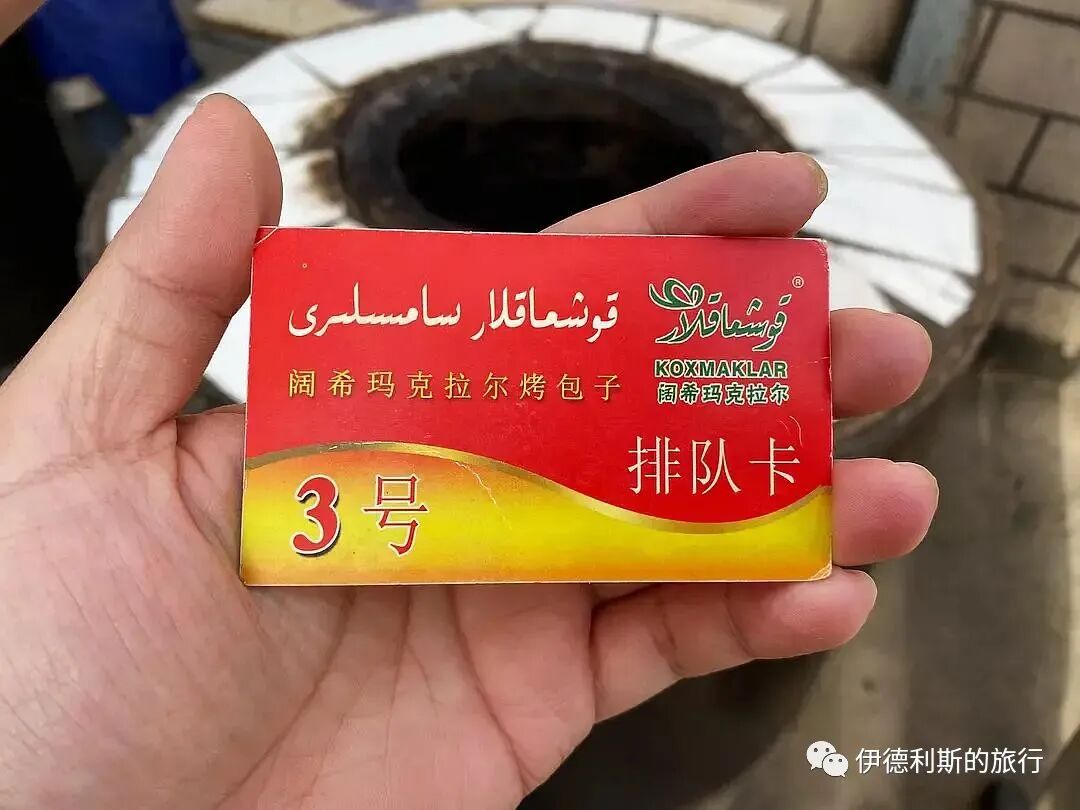
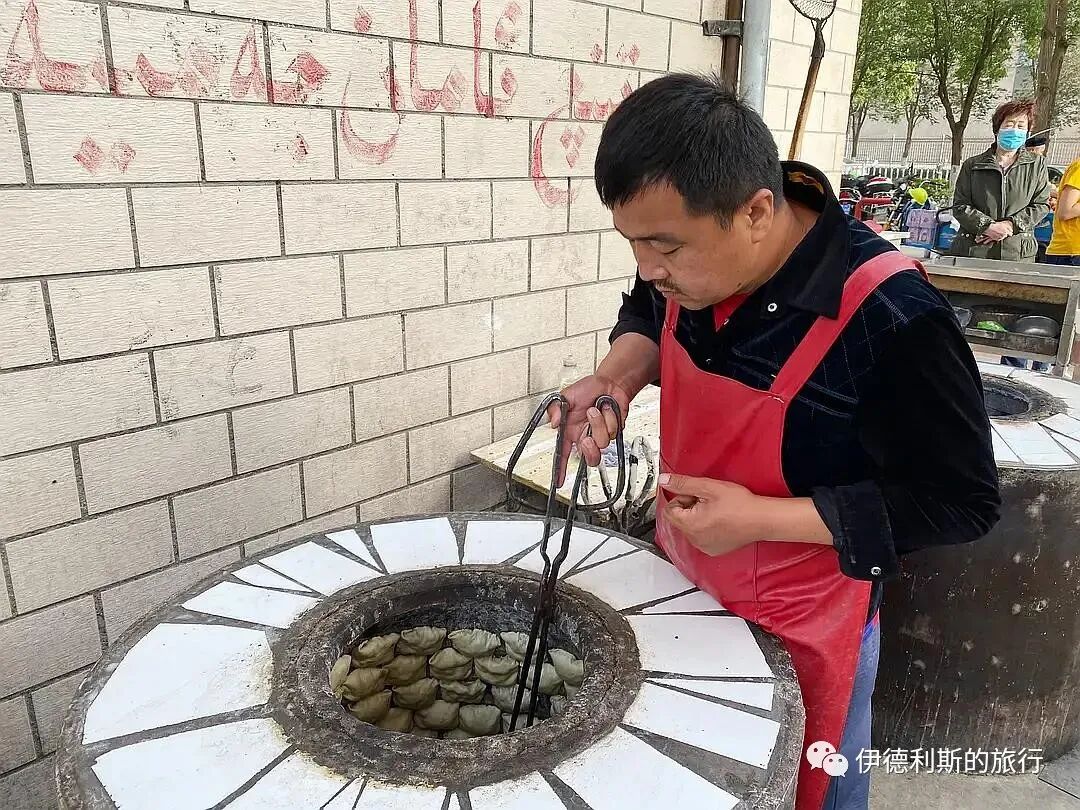
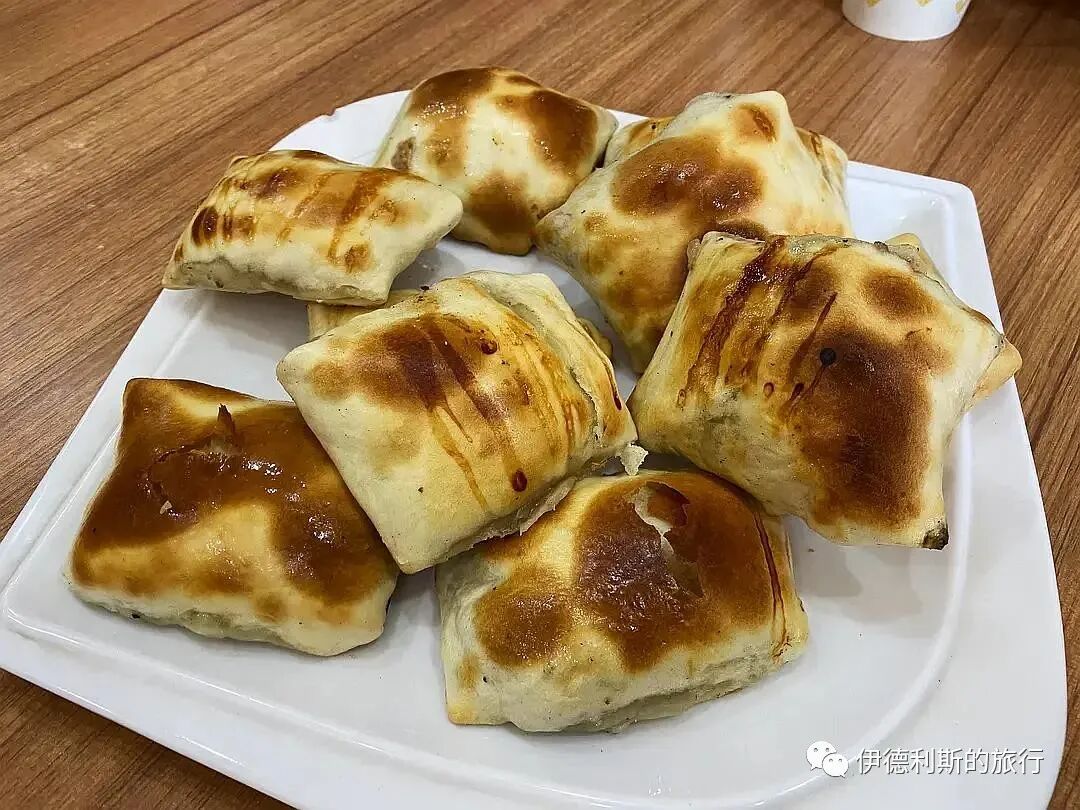
At the Turpan Museum, you can find the incredibly popular baked buns (kaobaozi) from Koshimaklar. They used to be the Twin Baked Buns at the entrance of the Big Cross Bazaar before moving here. We arrived at 8:30 in the morning to catch the first batch from the oven. We had to get a queue card to buy them, and there were already many people waiting behind us.
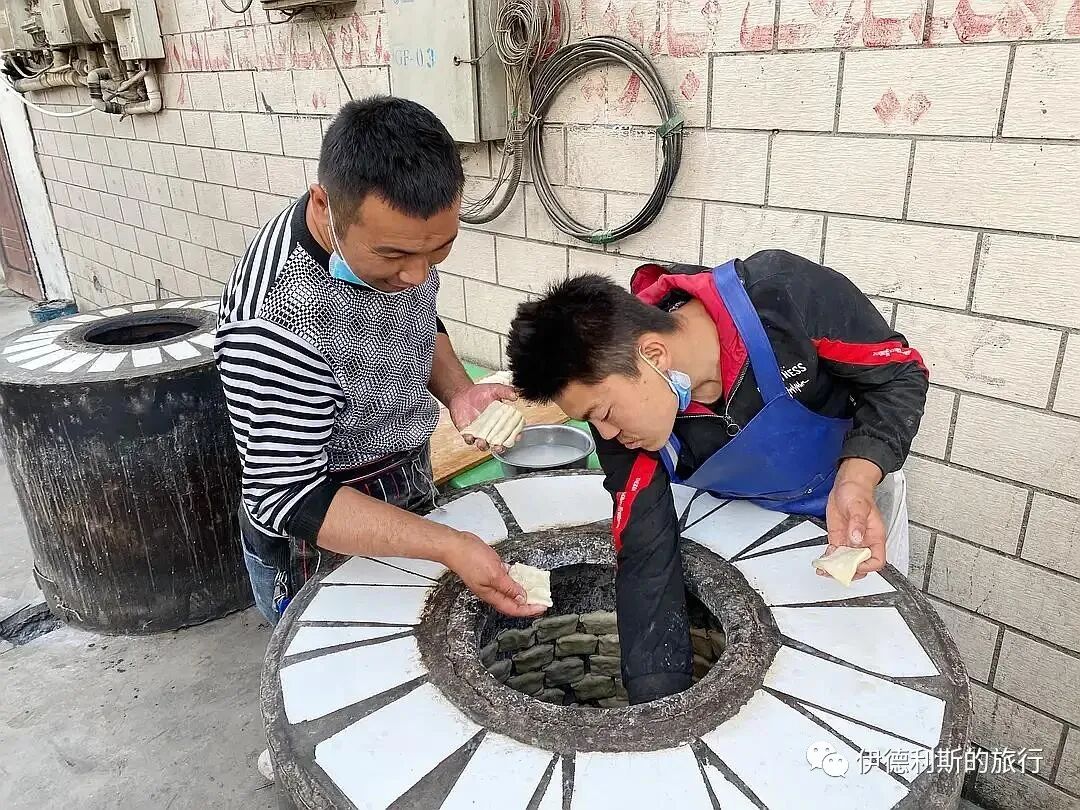
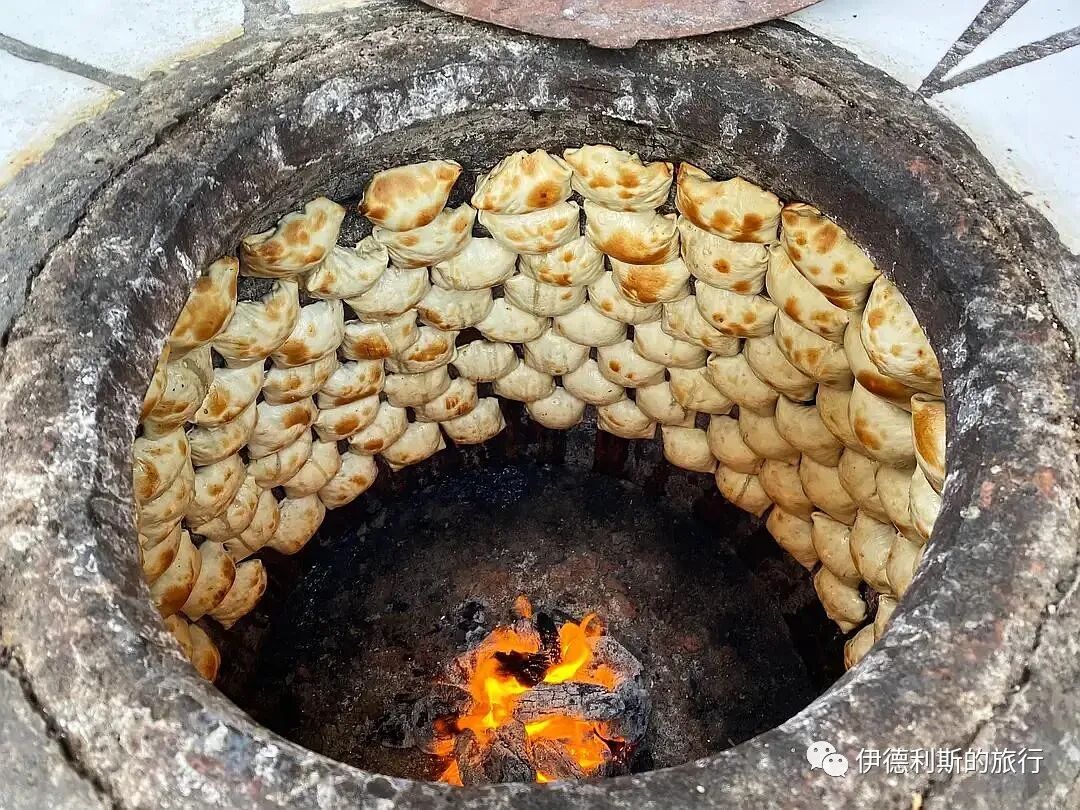
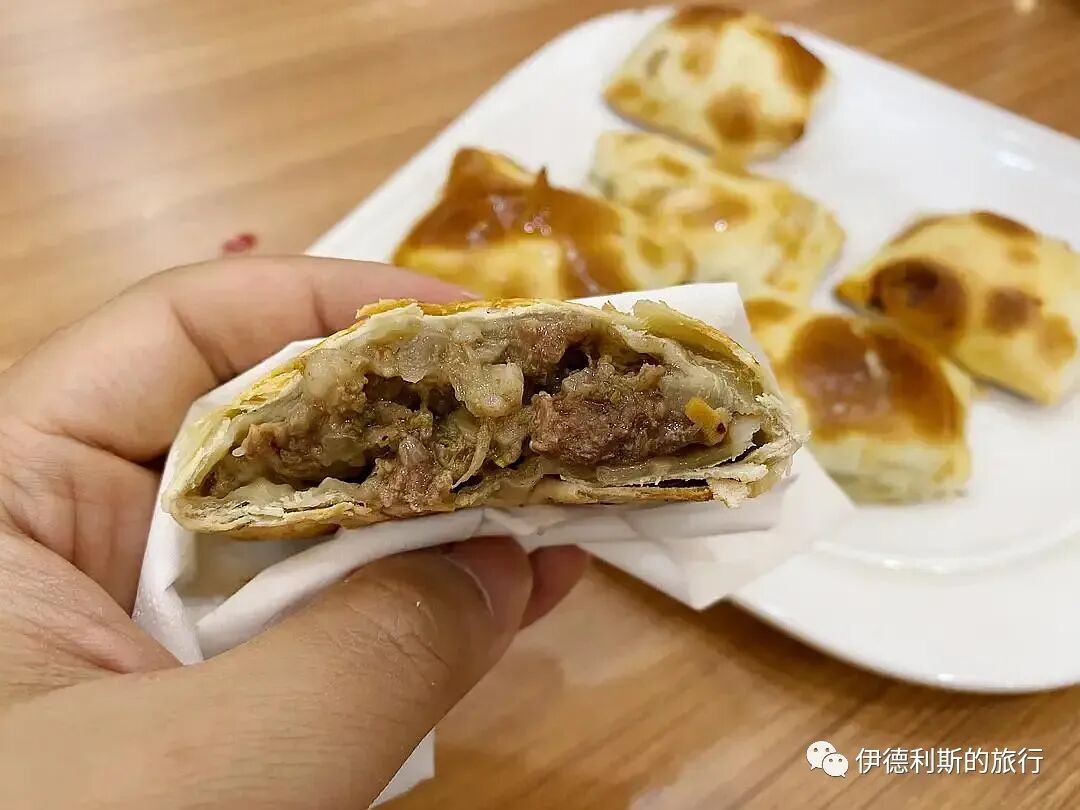
Their baked buns (kaobaozi) are truly delicious. They are baked over charcoal, which is hard to find in Urumqi. The filling inside is not fatty and has plenty of meat.
4. Huoyanshan Town
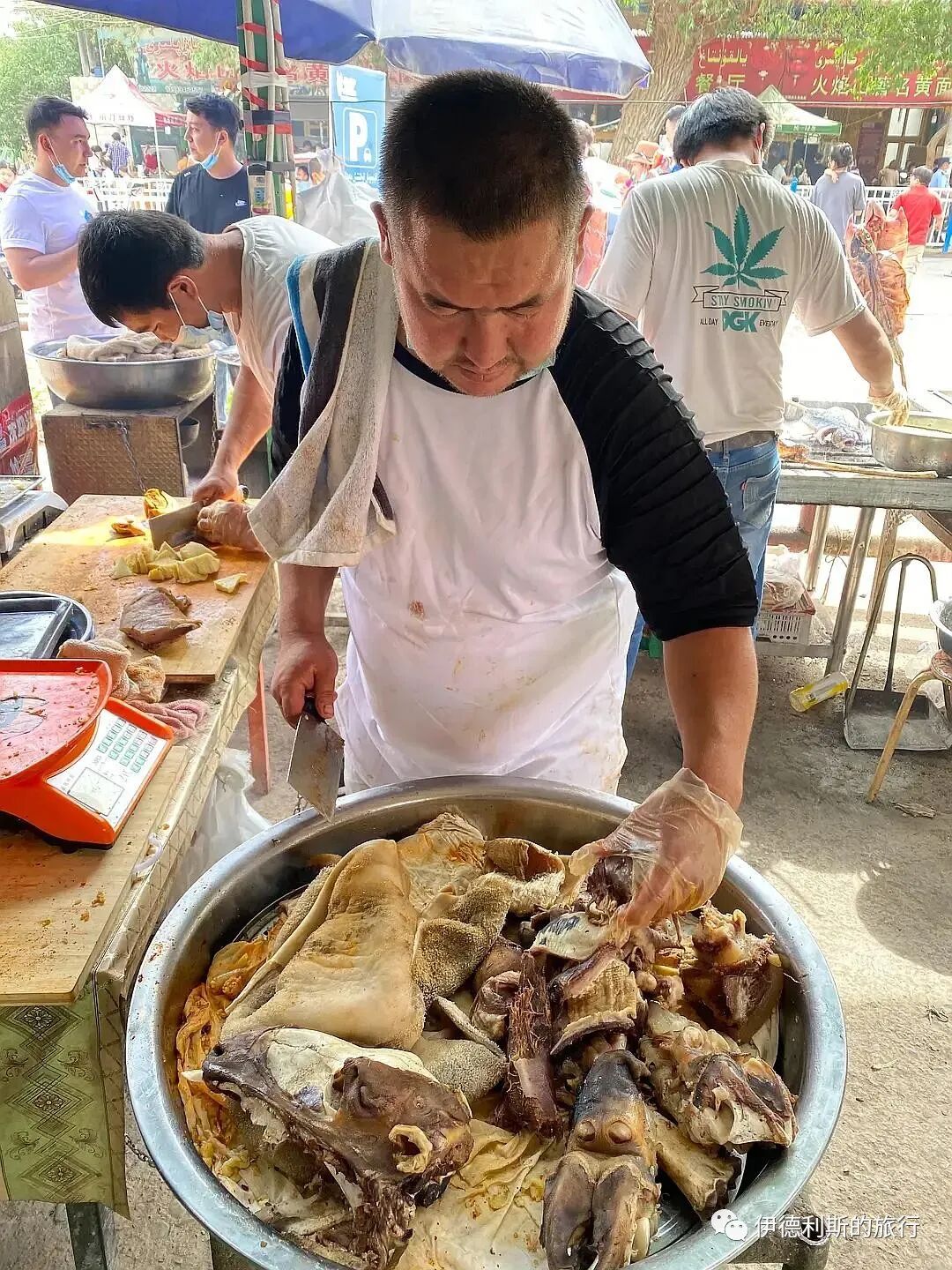
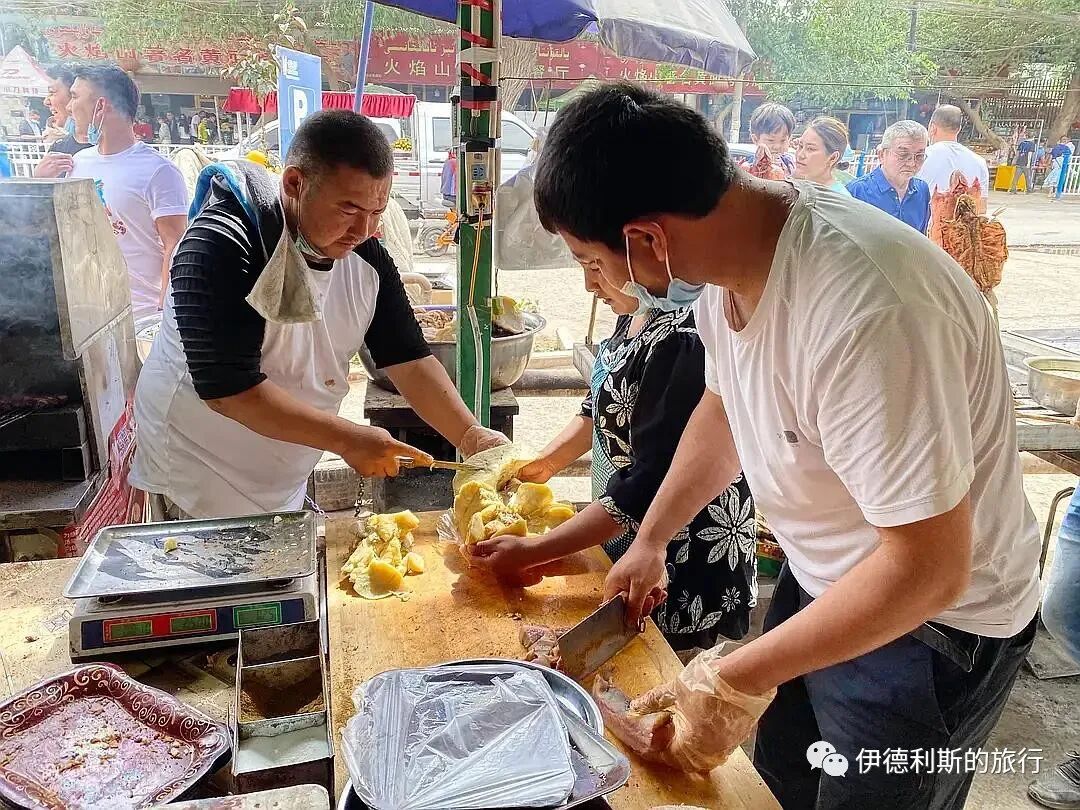
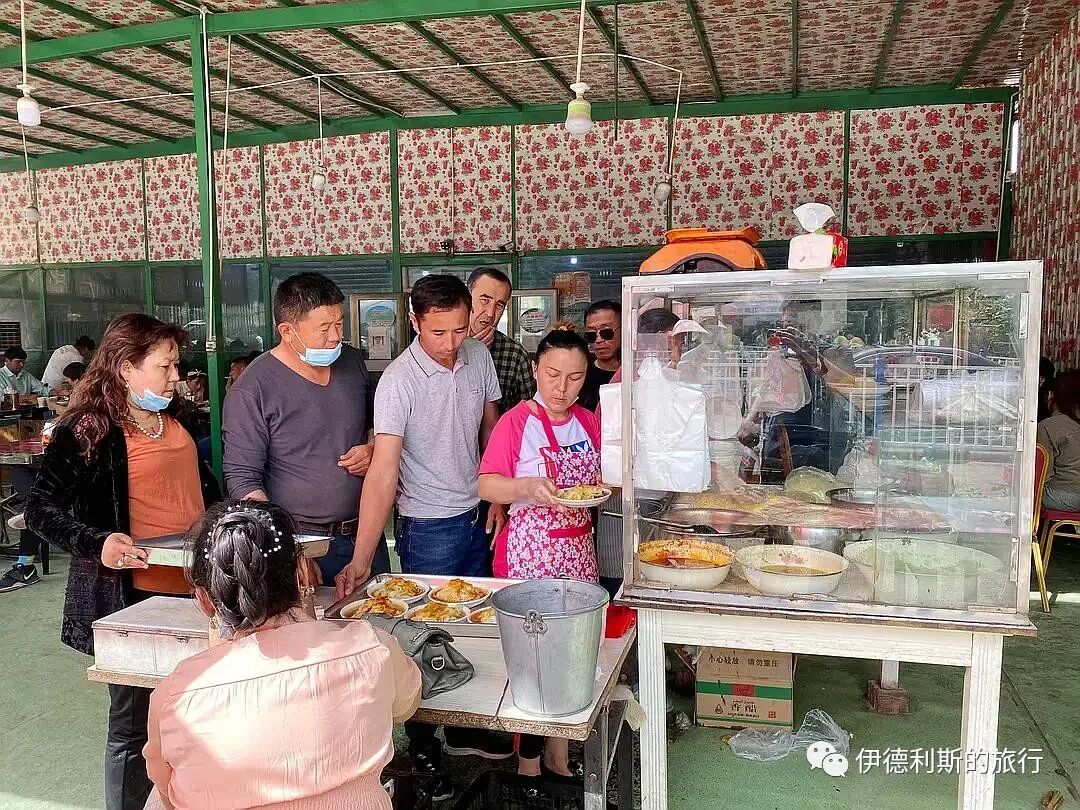
Huoyanshan Town is famous for its yellow noodles with grilled meat (huangmian kaorou). The whole street is filled with shops selling them. The most famous one is called Huoyanshan Famous Yellow Noodle and Grilled Meat Shop, but it was fully booked when we arrived, so we ate at the place across the street. We ordered a mix of yellow noodles and cold starch noodles (liangpi). Once the grilled meat was ready, they took it off the skewers and placed it on top of the noodles. It was so refreshing to eat in the summer and felt perfect for the climate of the Flaming Mountains. We also had grilled fish, and everyone agreed the meat was tender and delicious.
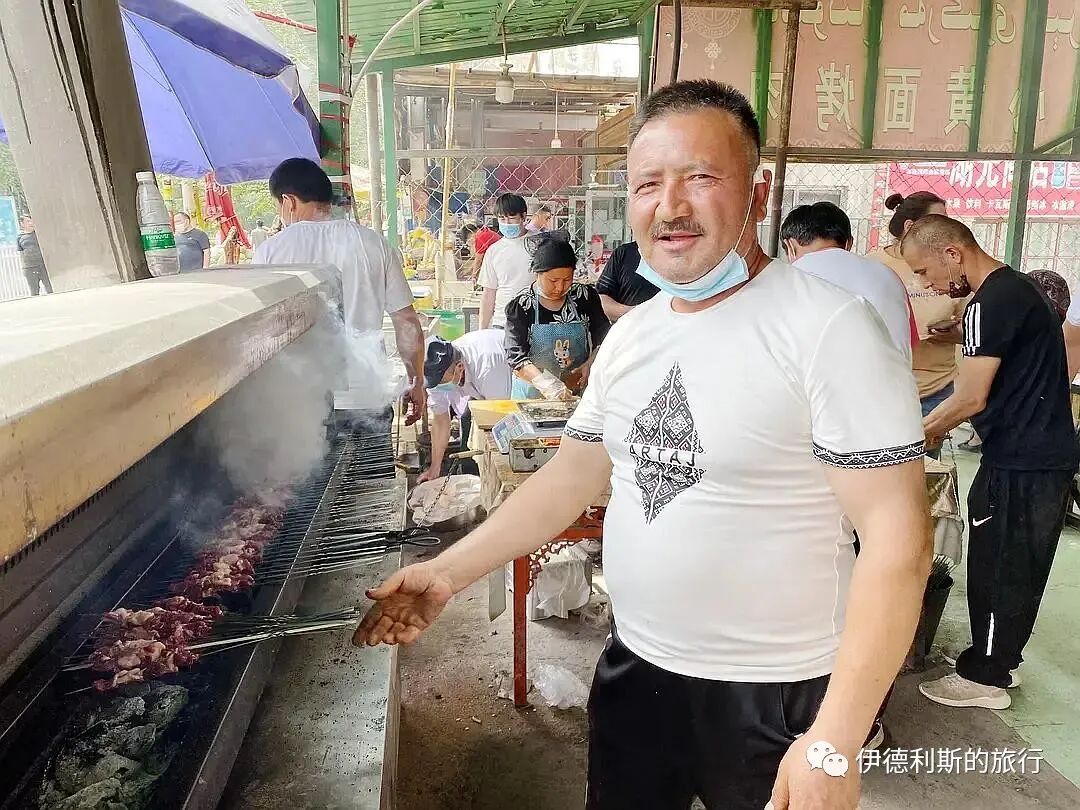
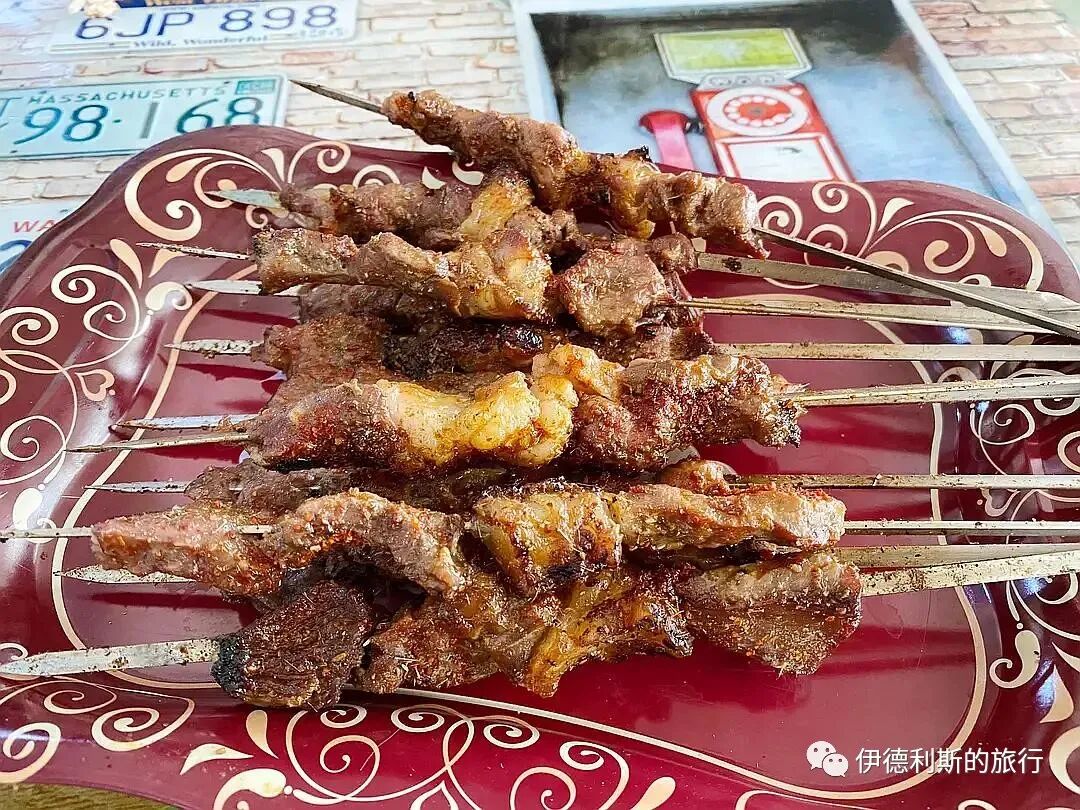
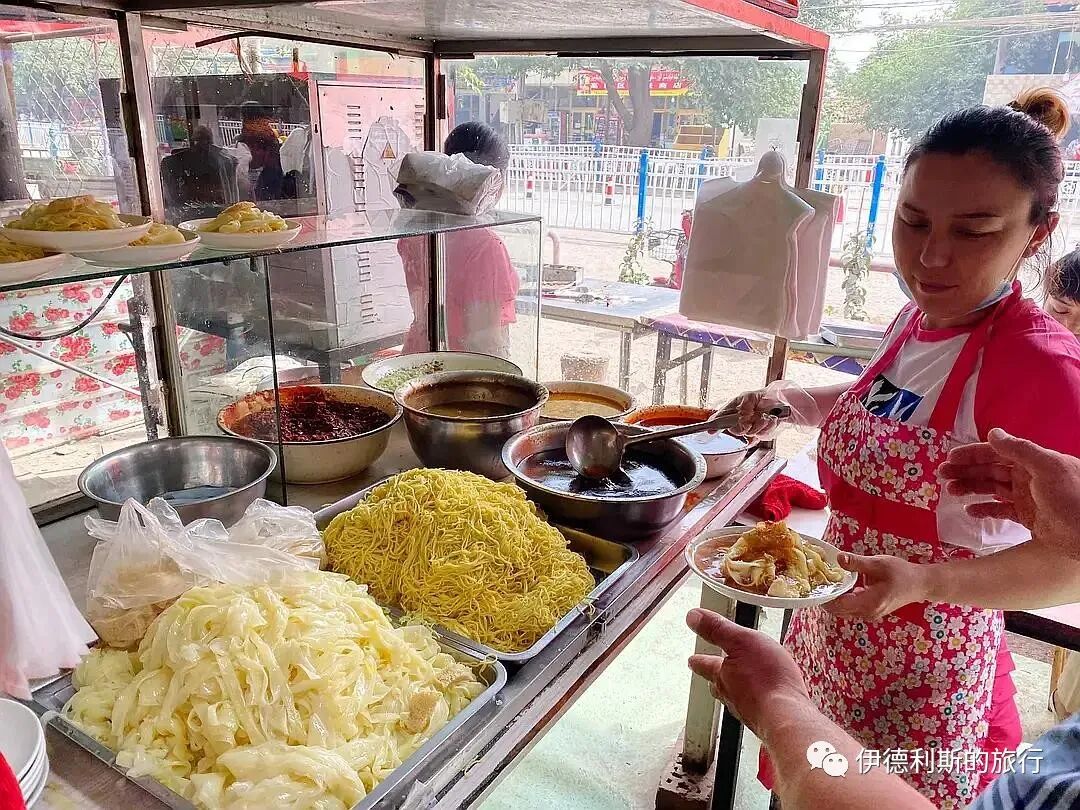
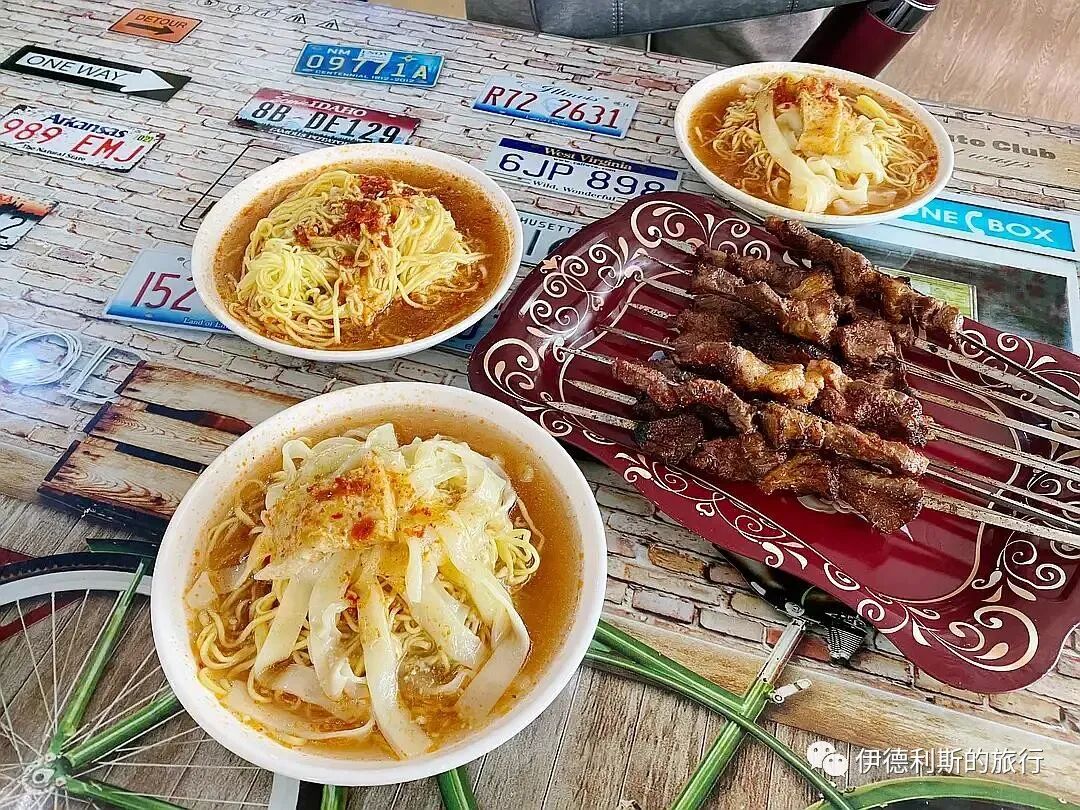
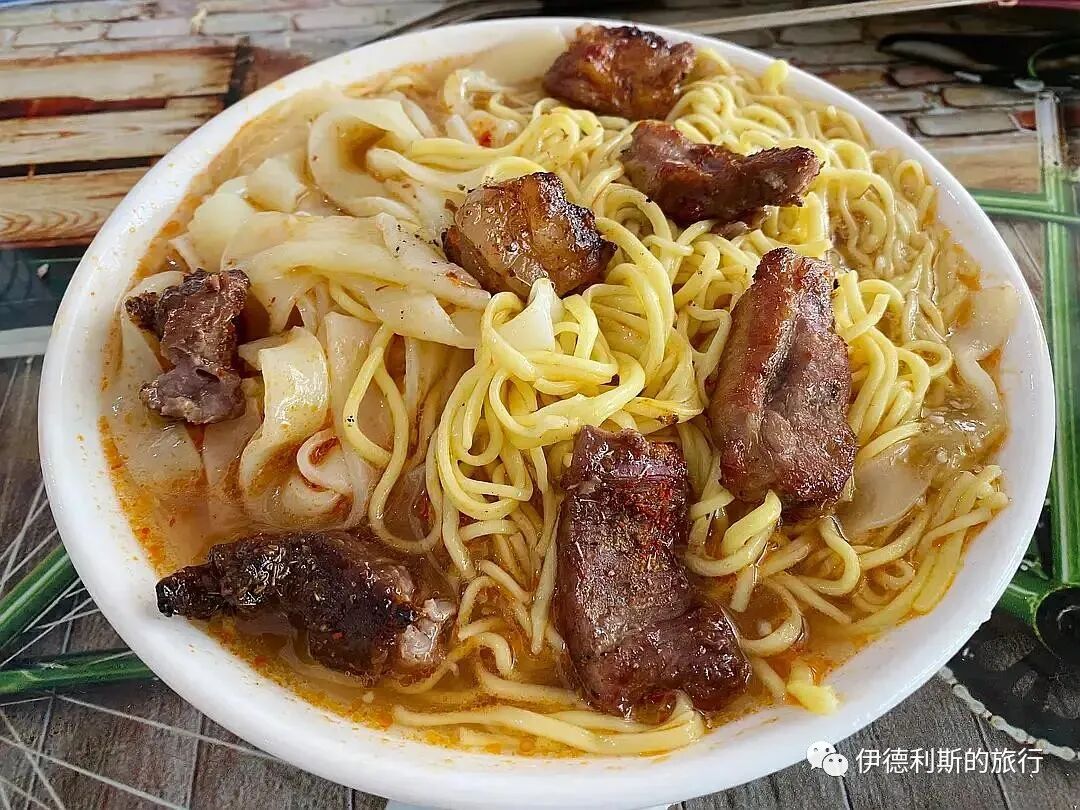
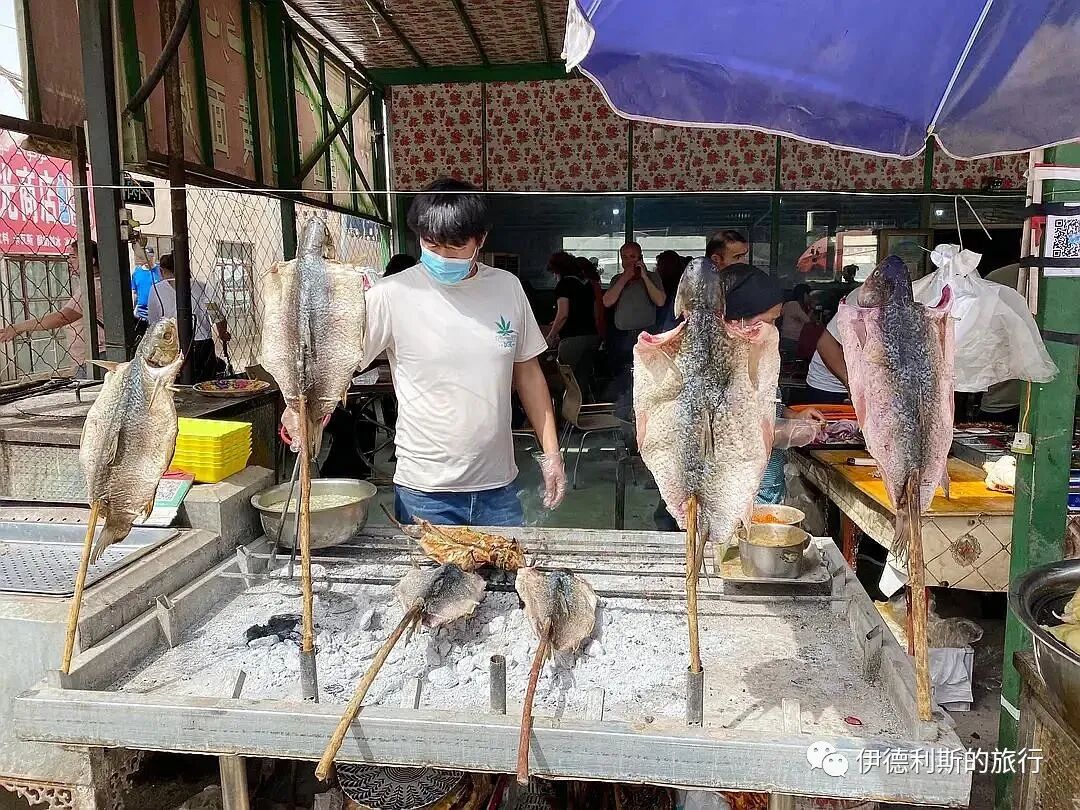
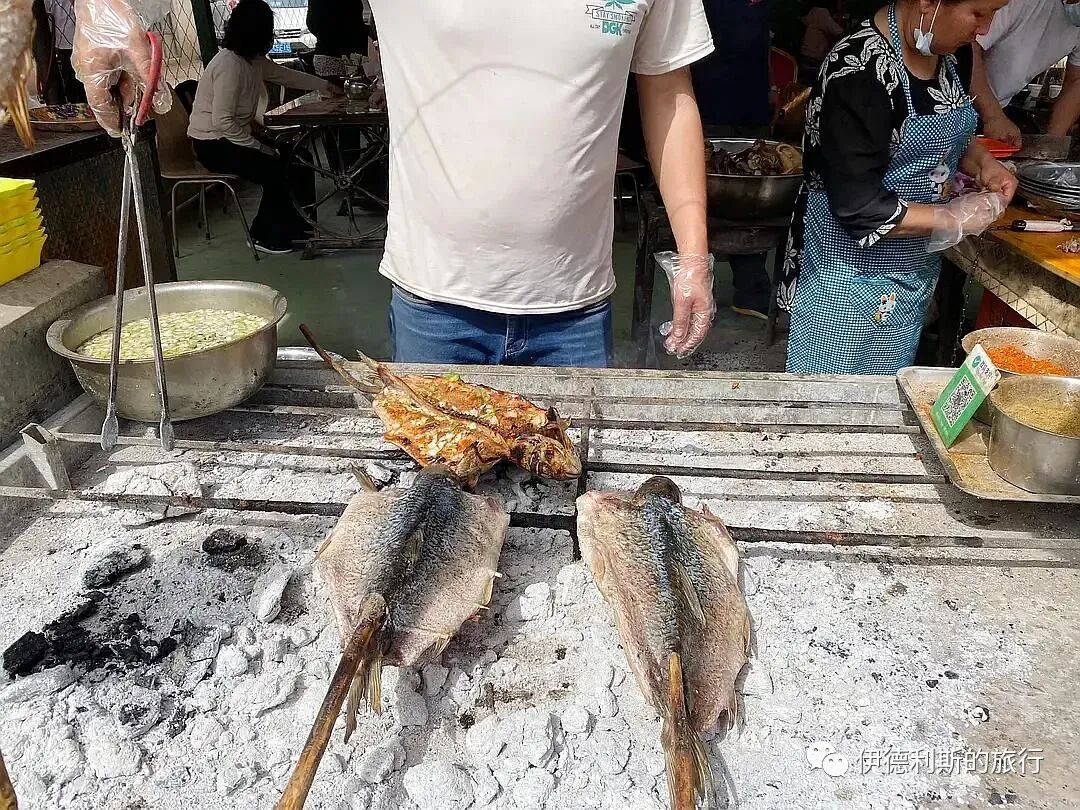
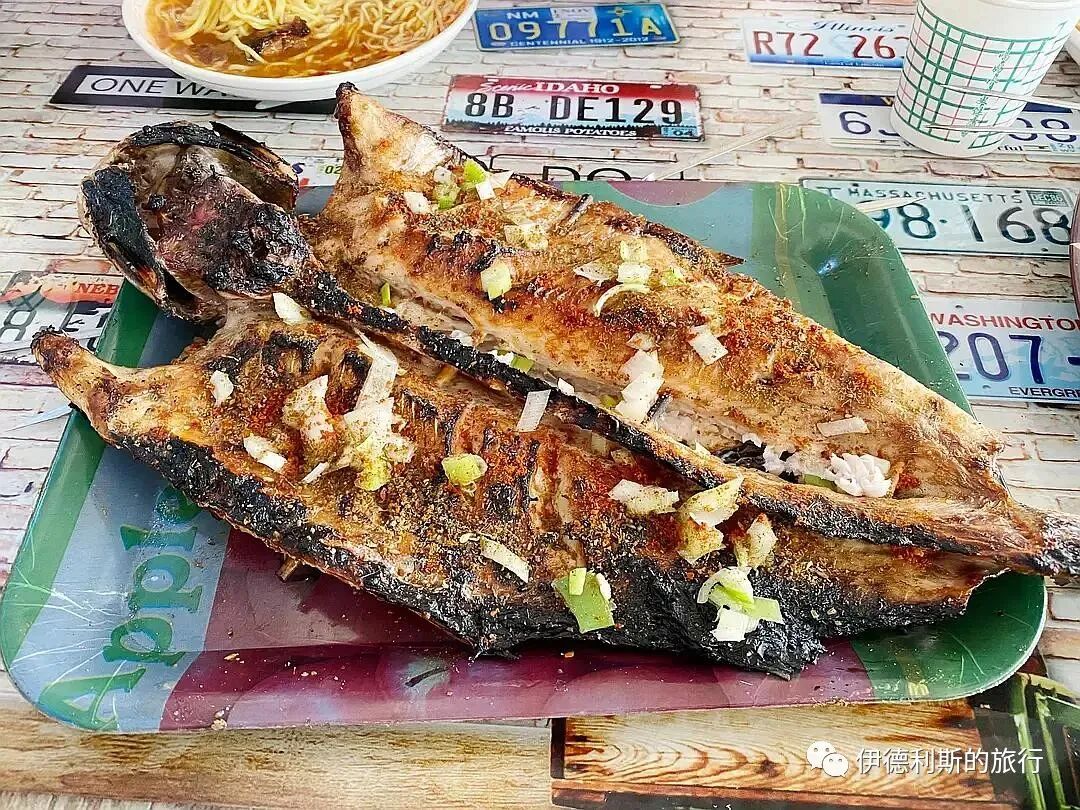
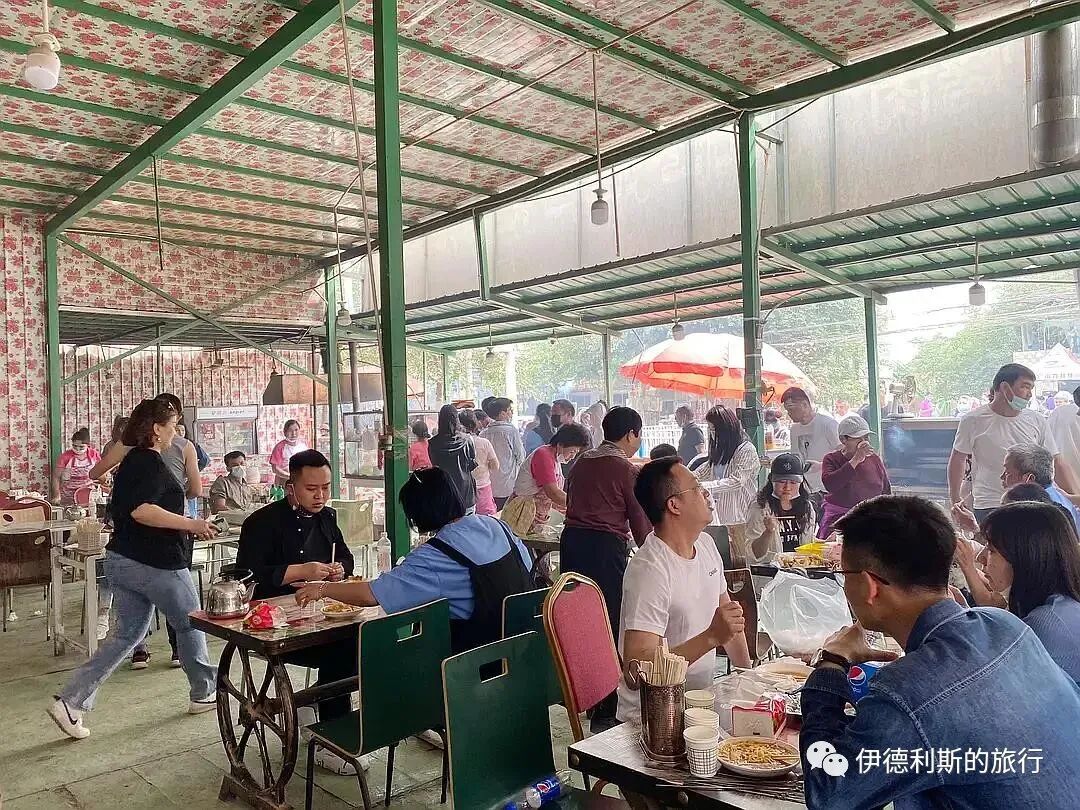
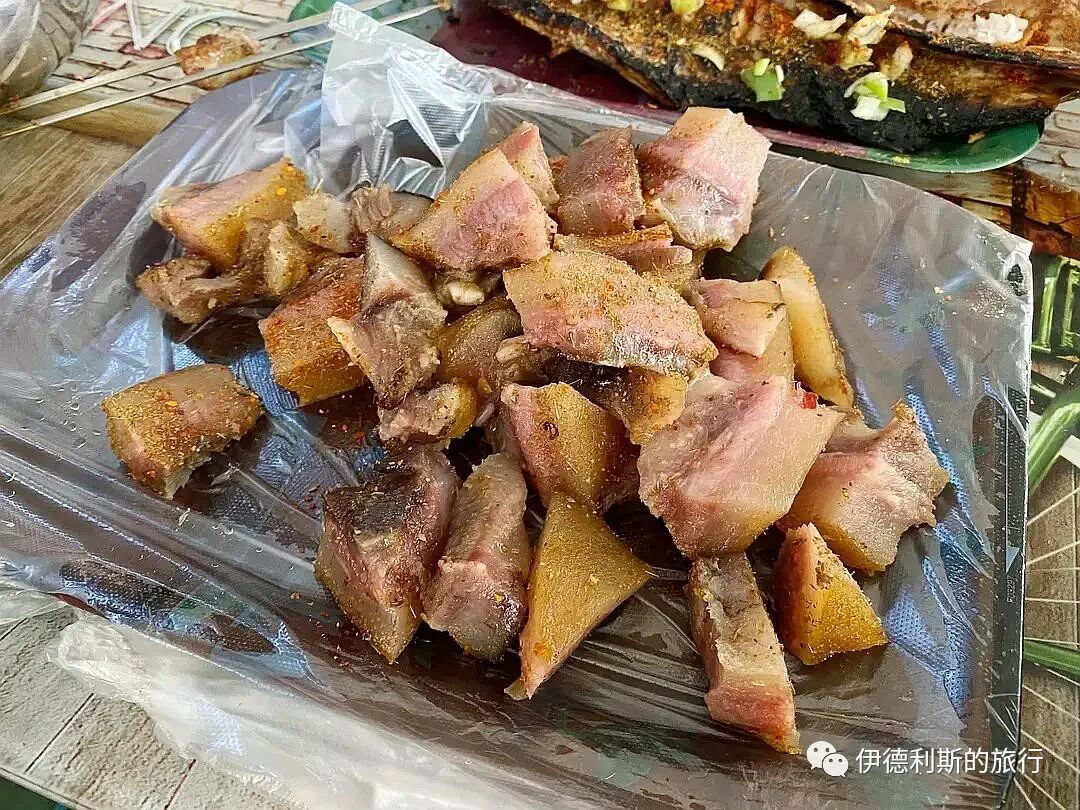
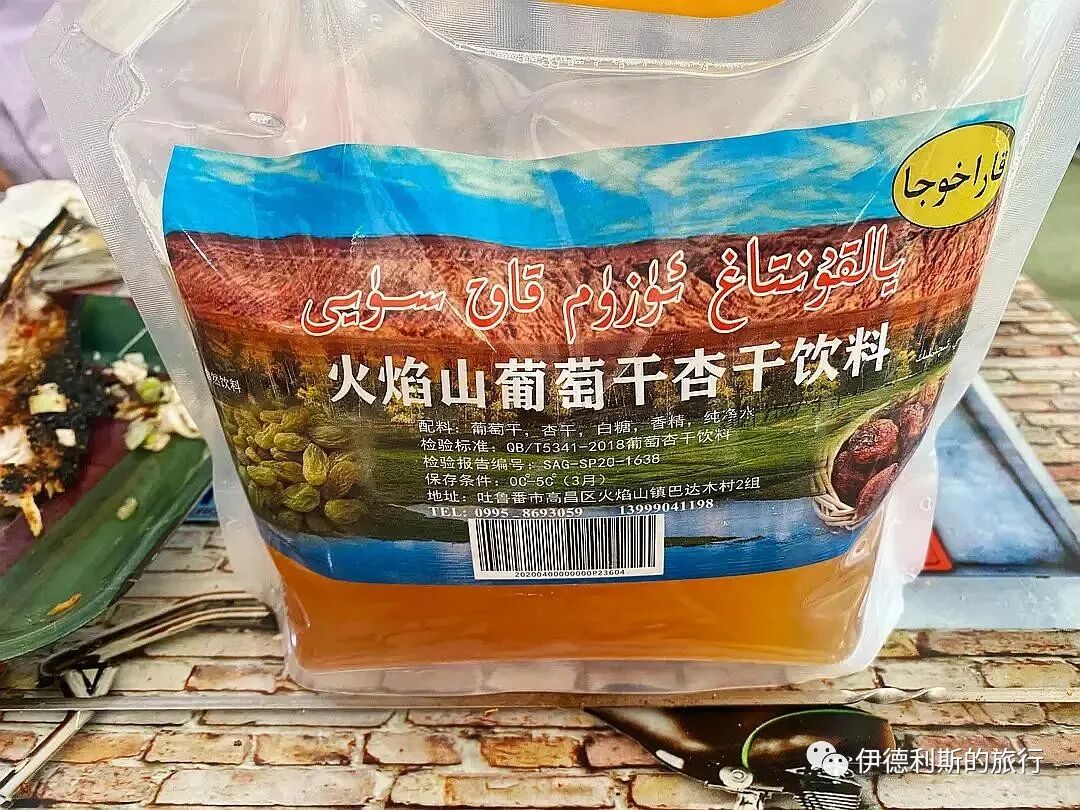
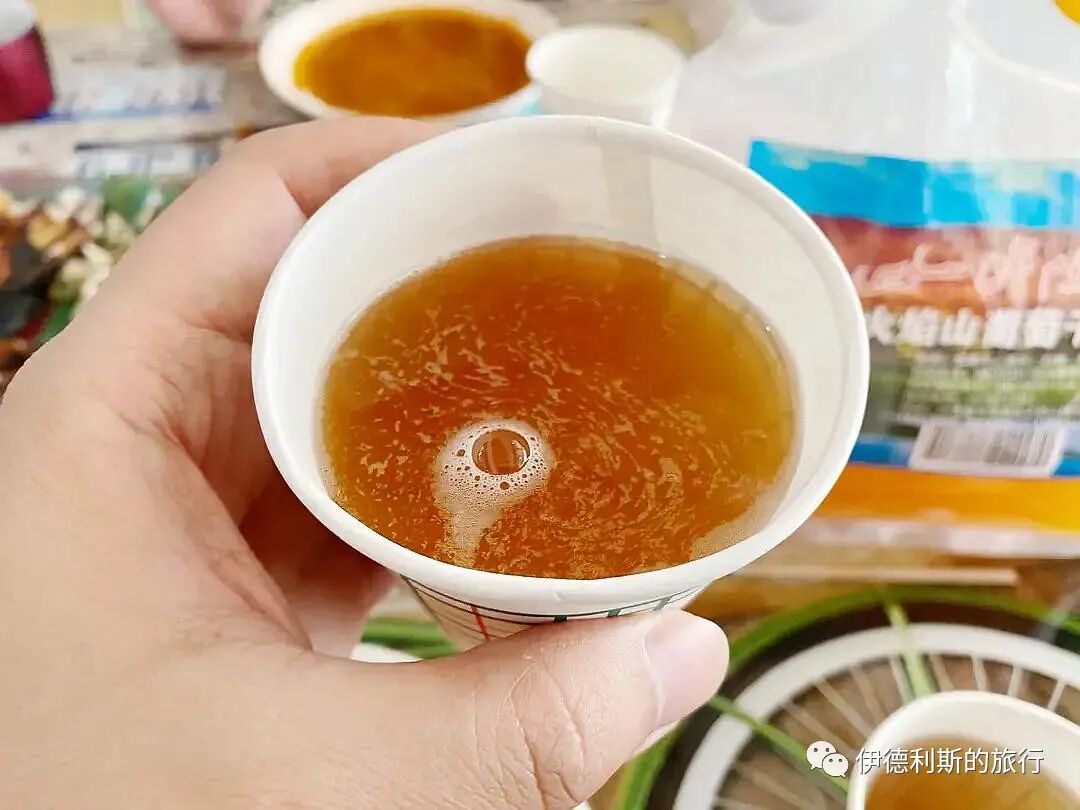
The beef head meat had a great chewy texture and the portion was huge. We also drank a fermented raisin and dried apricot beverage that is a specialty of Flaming Mountain Town, which is even richer than kvass (kawasi).
5. Shanshan County
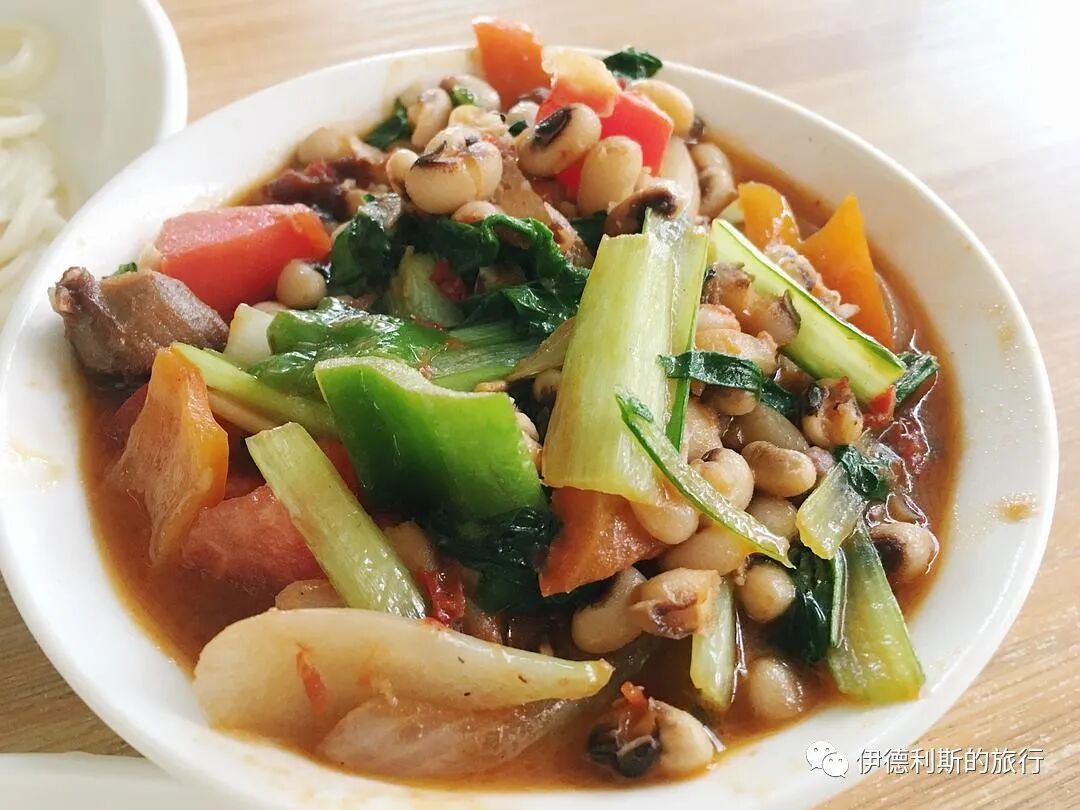
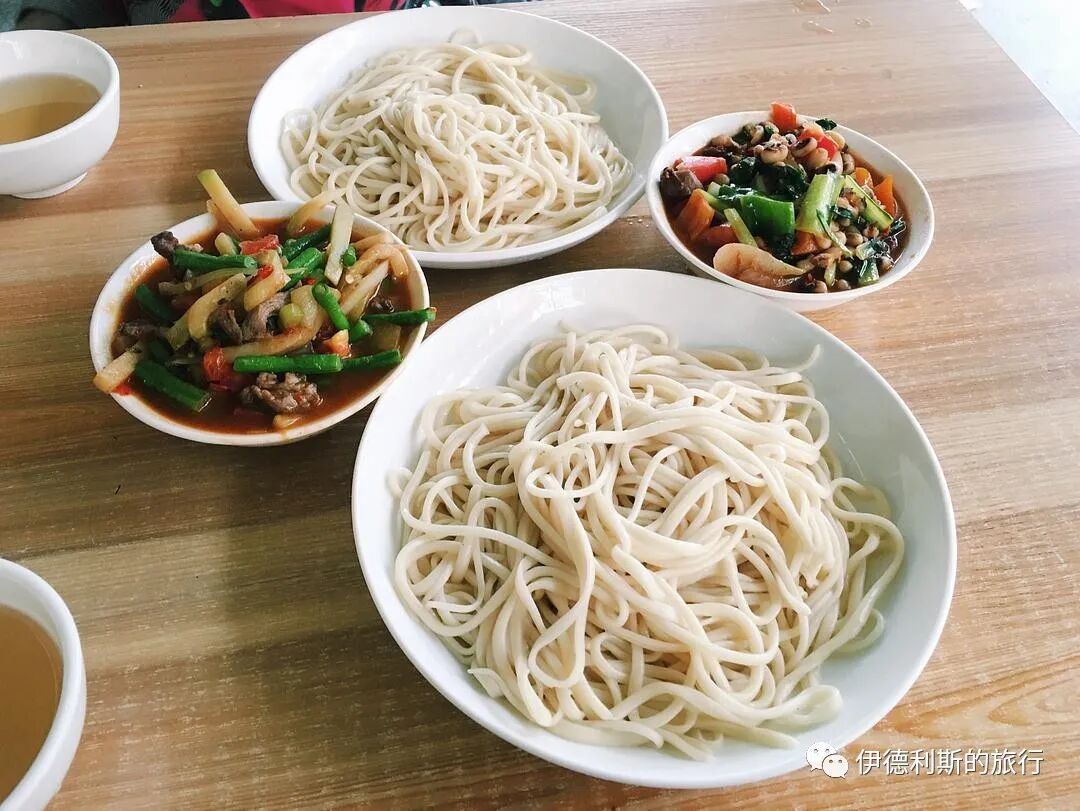
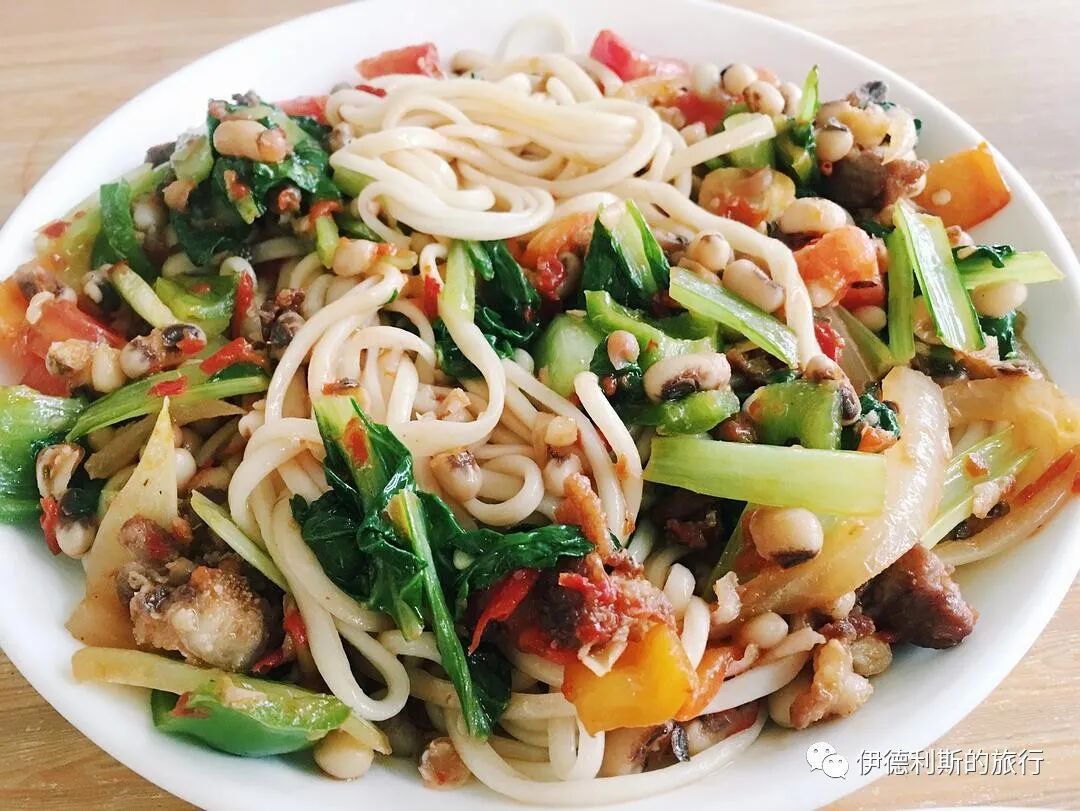
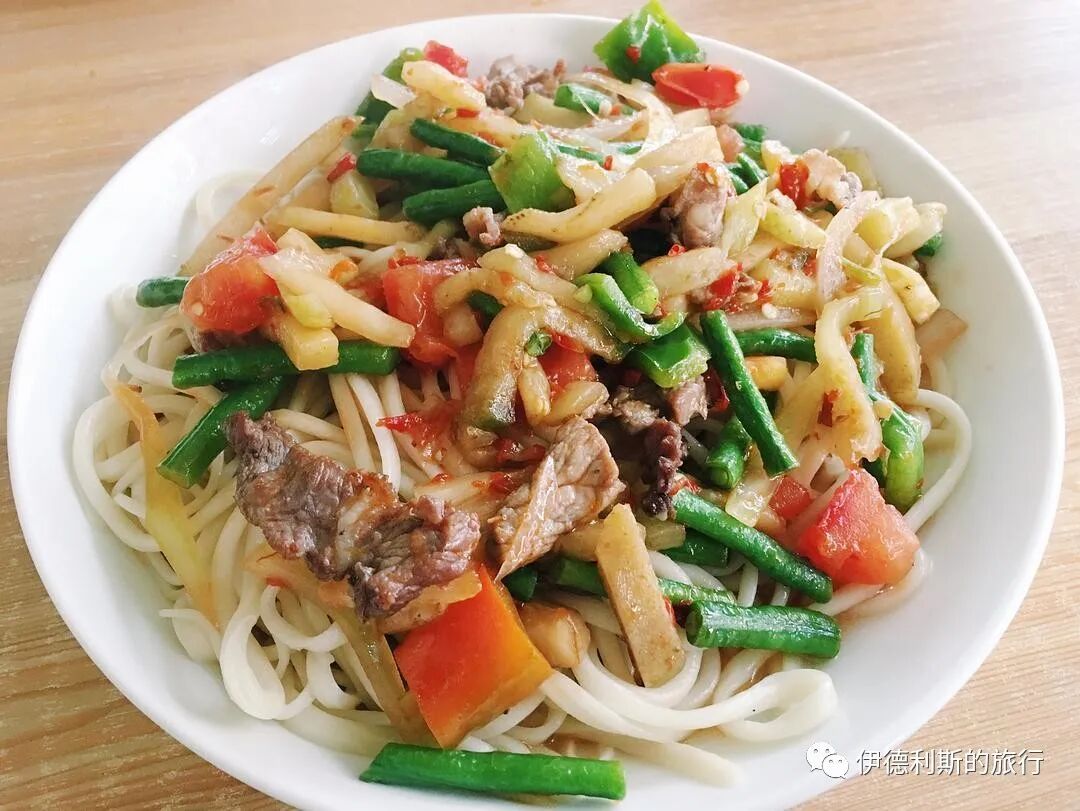
We ate bean noodle soup (doudou mian) and eggplant noodles in Shanshan County, Turpan. People in Turpan love eating beans, including bean soup noodles (doudou tangfan), bean dumplings (doudou ququ'er), and bean mixed noodles (doudou banmian).
6. Yarkant (Shache)
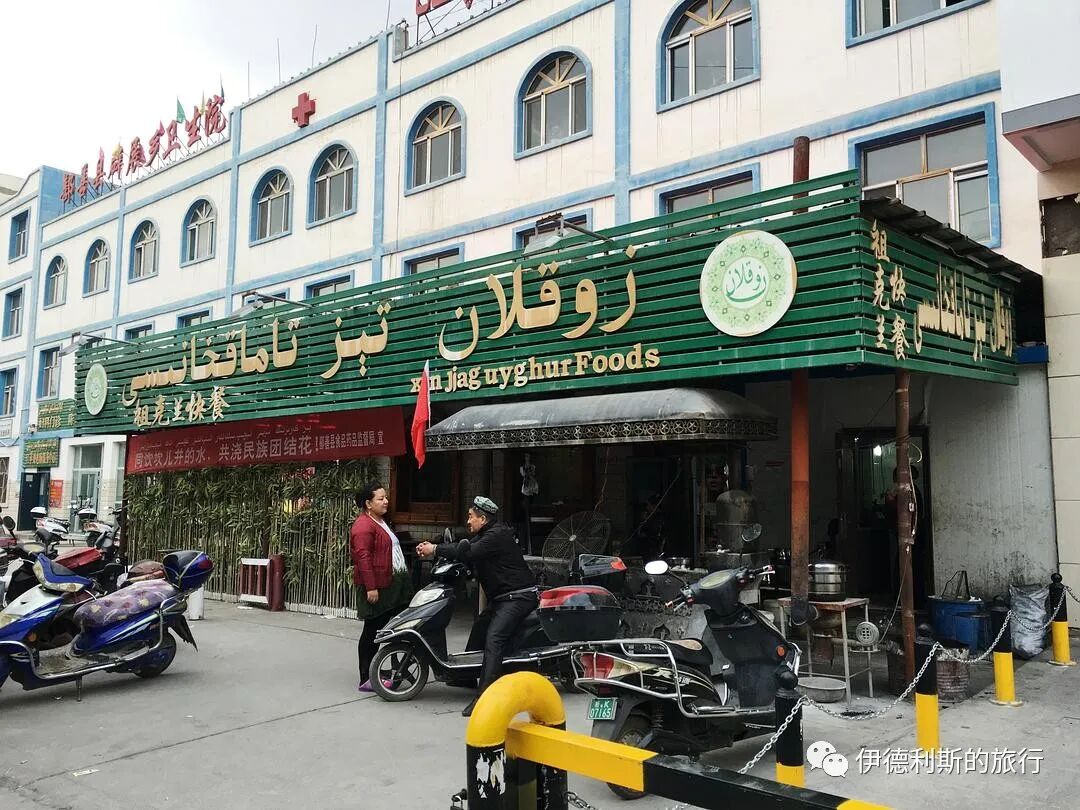
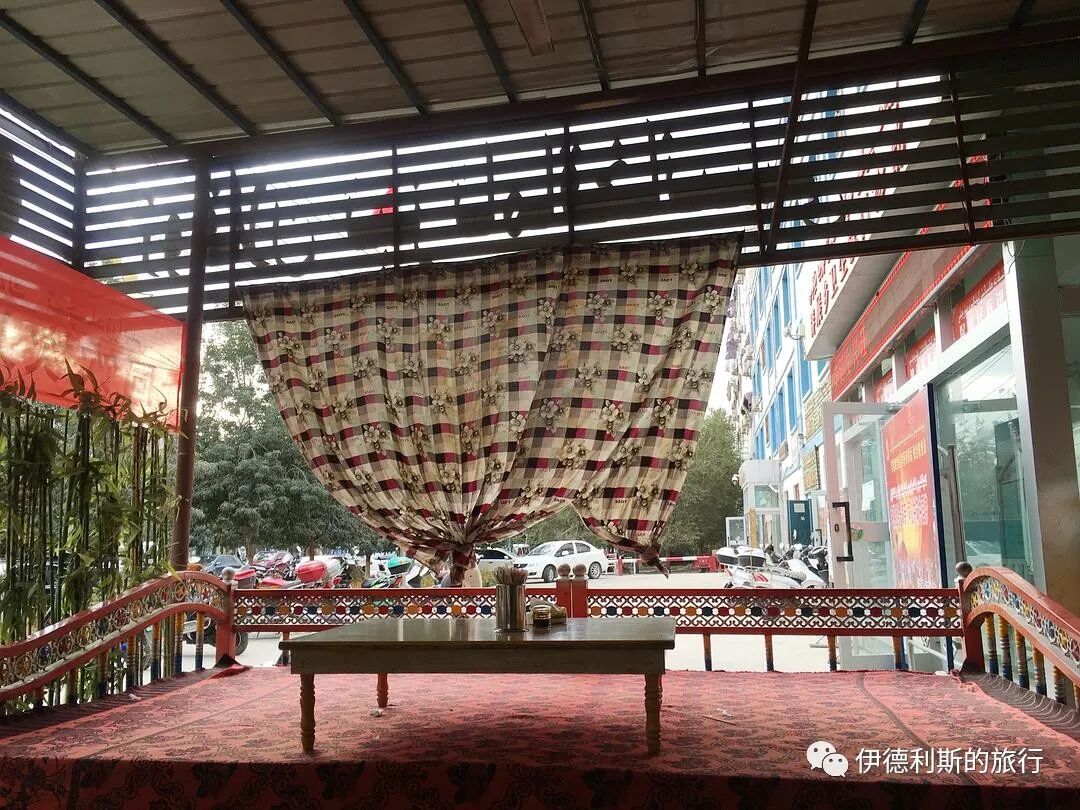
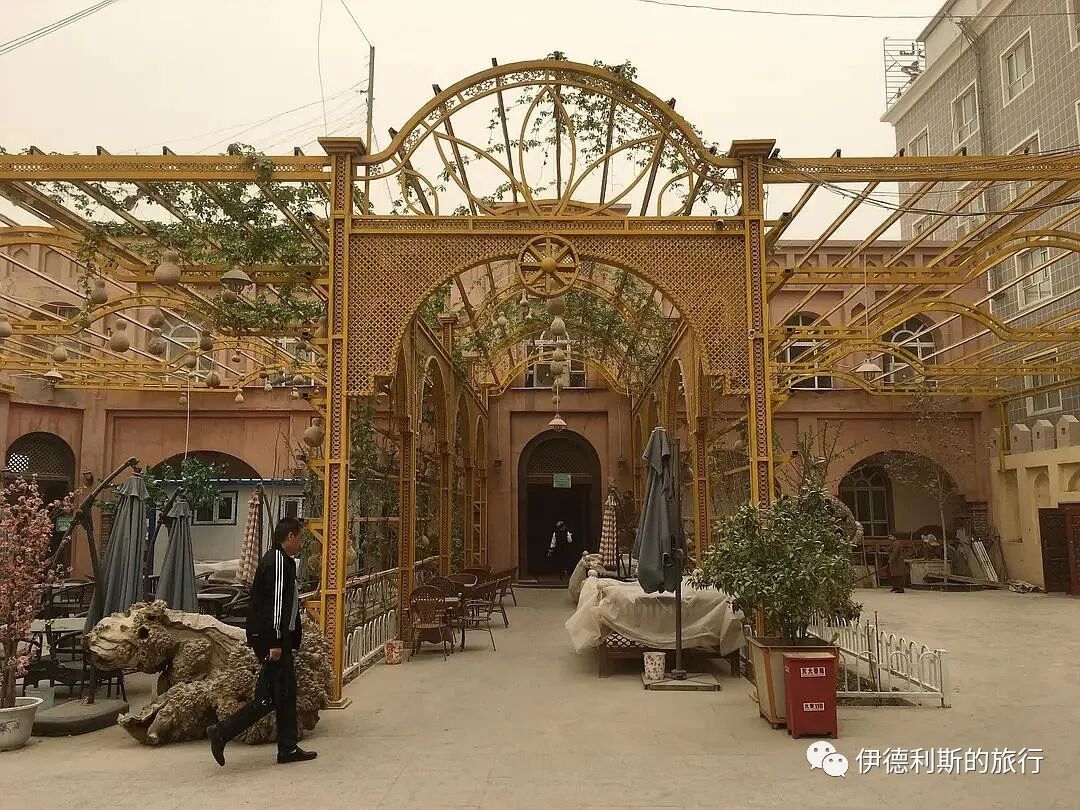
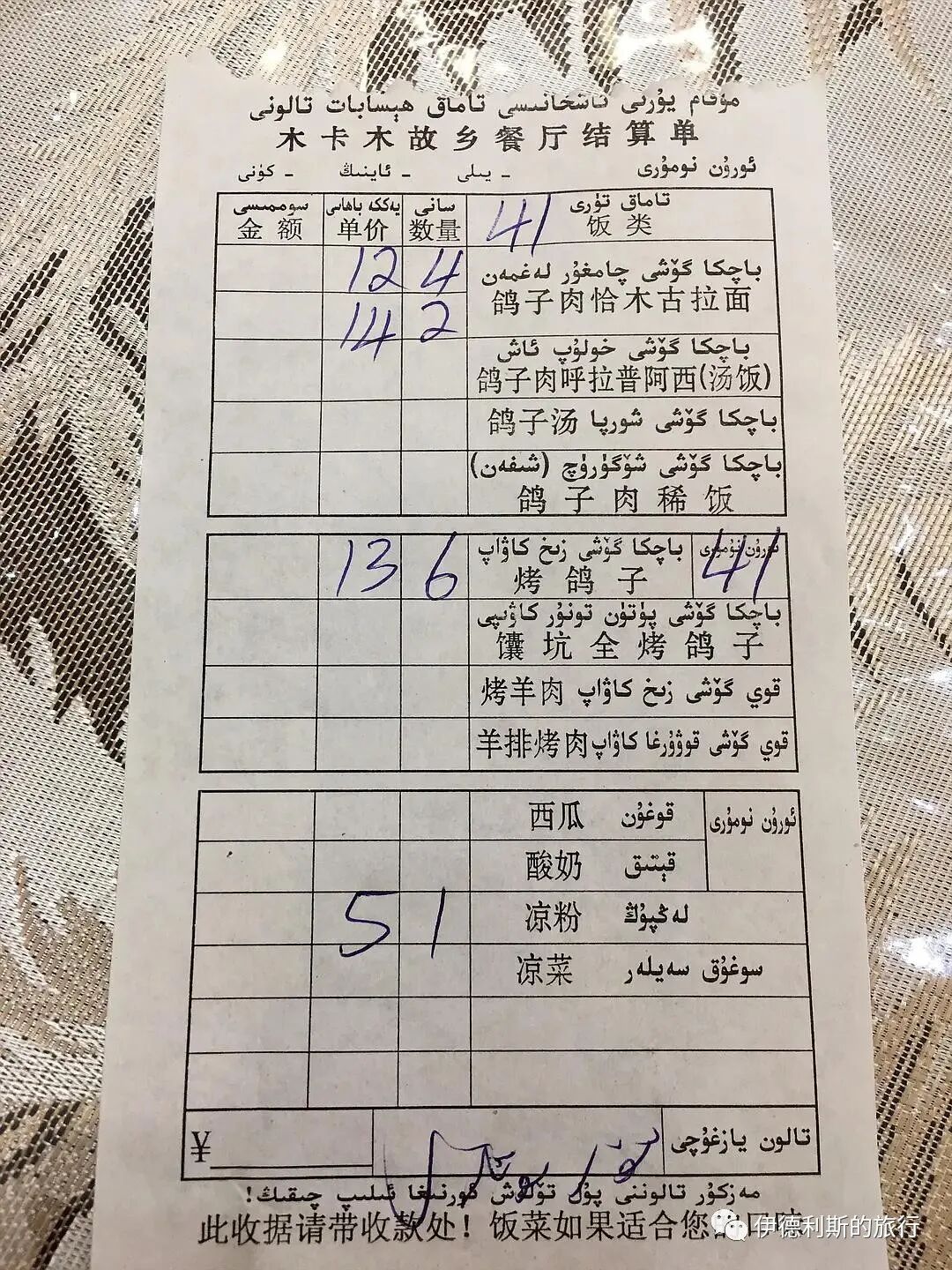
We ate pigeon with the Yarkant Muqam Art Troupe at the Hometown of Muqam Restaurant (Mukamu Guxiang Canting). This is a famous spot for pigeon in Yarkant.
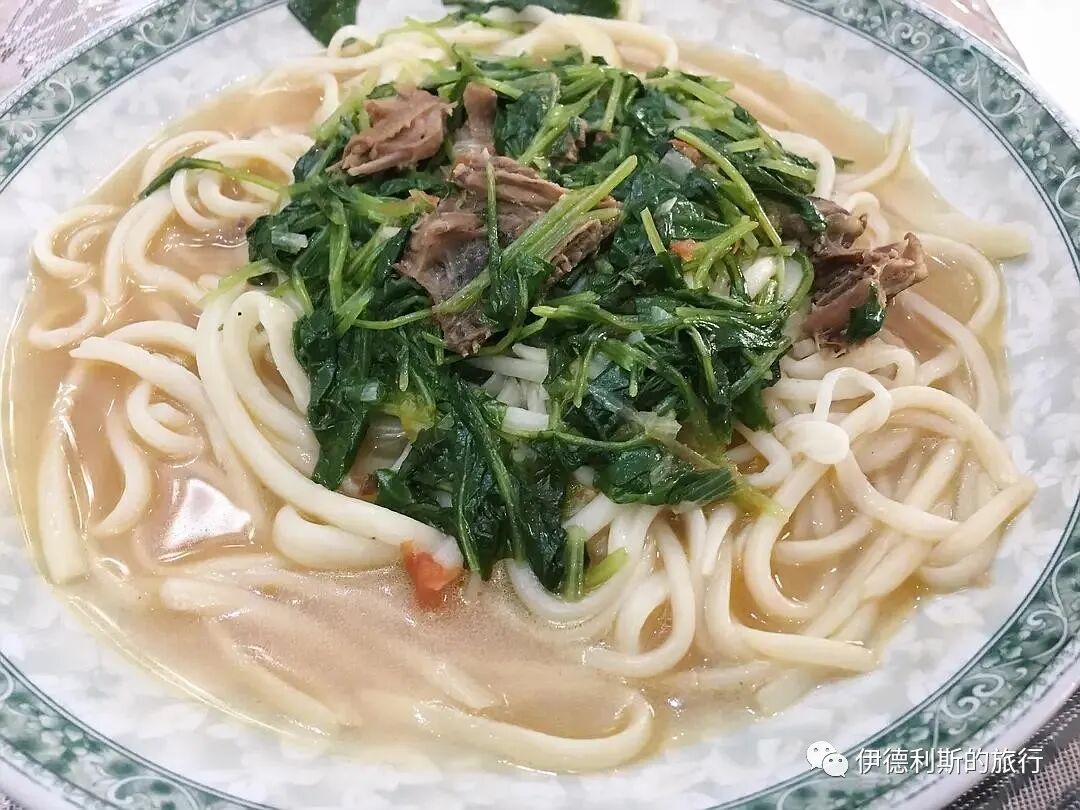
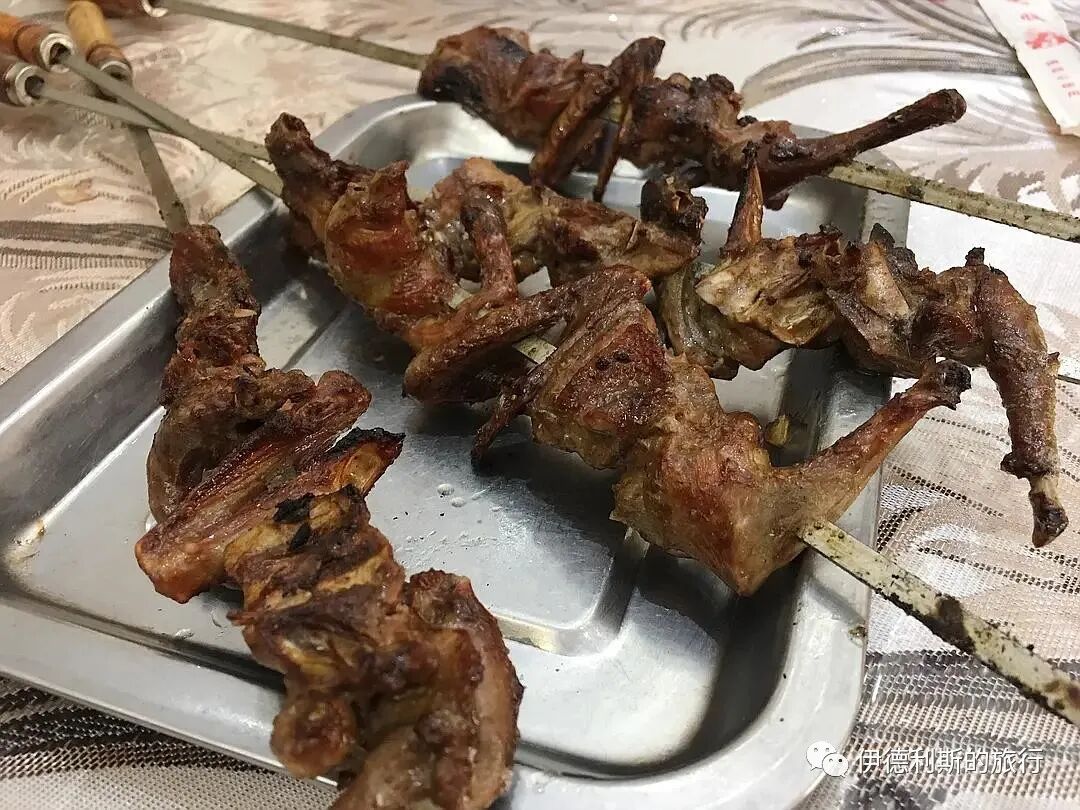
We ordered pigeon meat with turnip noodles (qiamugula mian) and roasted pigeon, both of which were delicious.
7. Kashgar (Kashi)
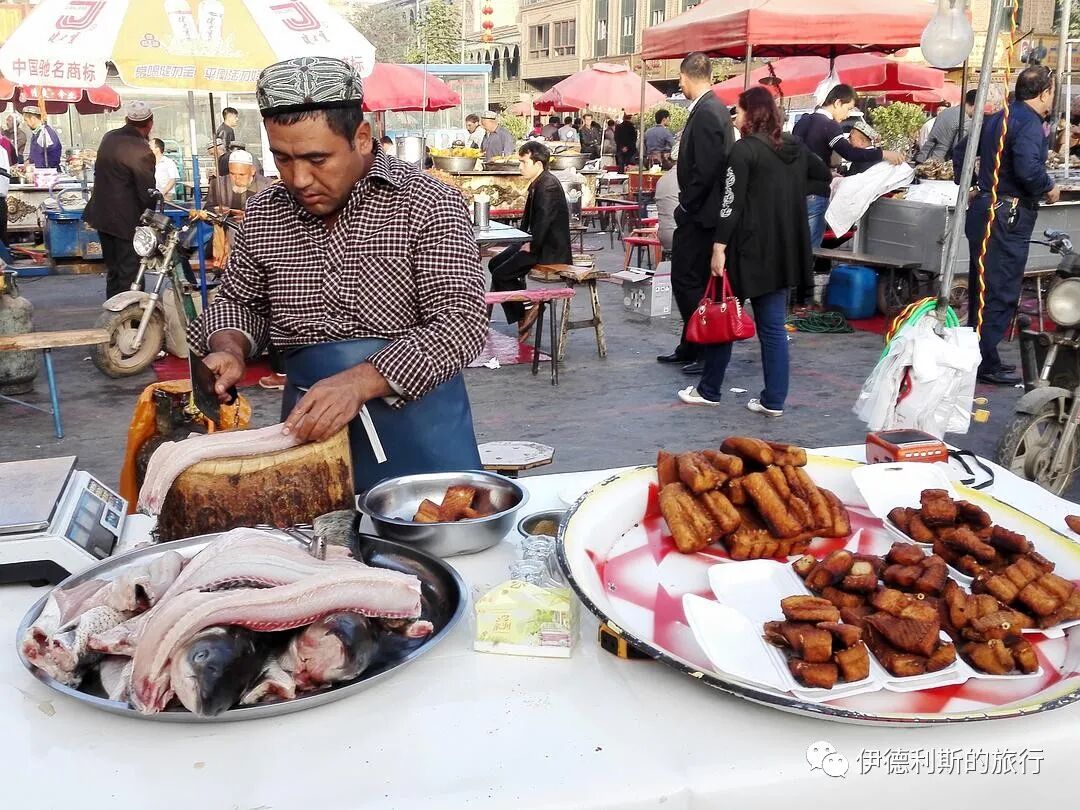
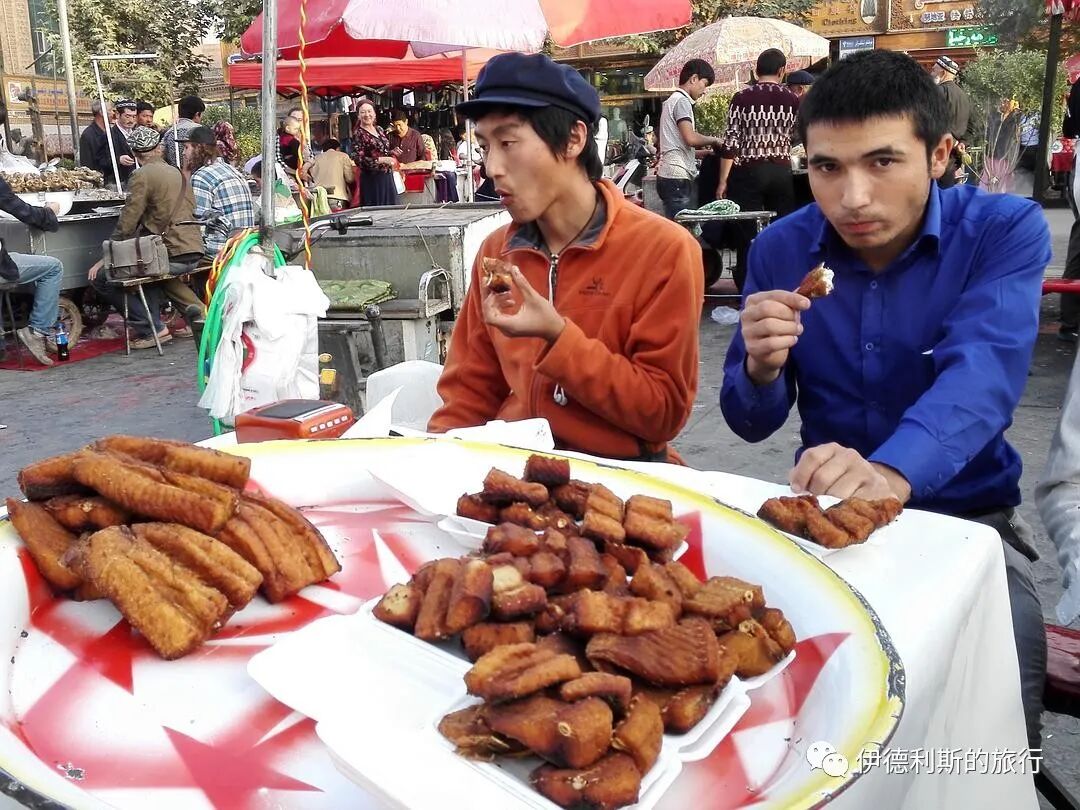
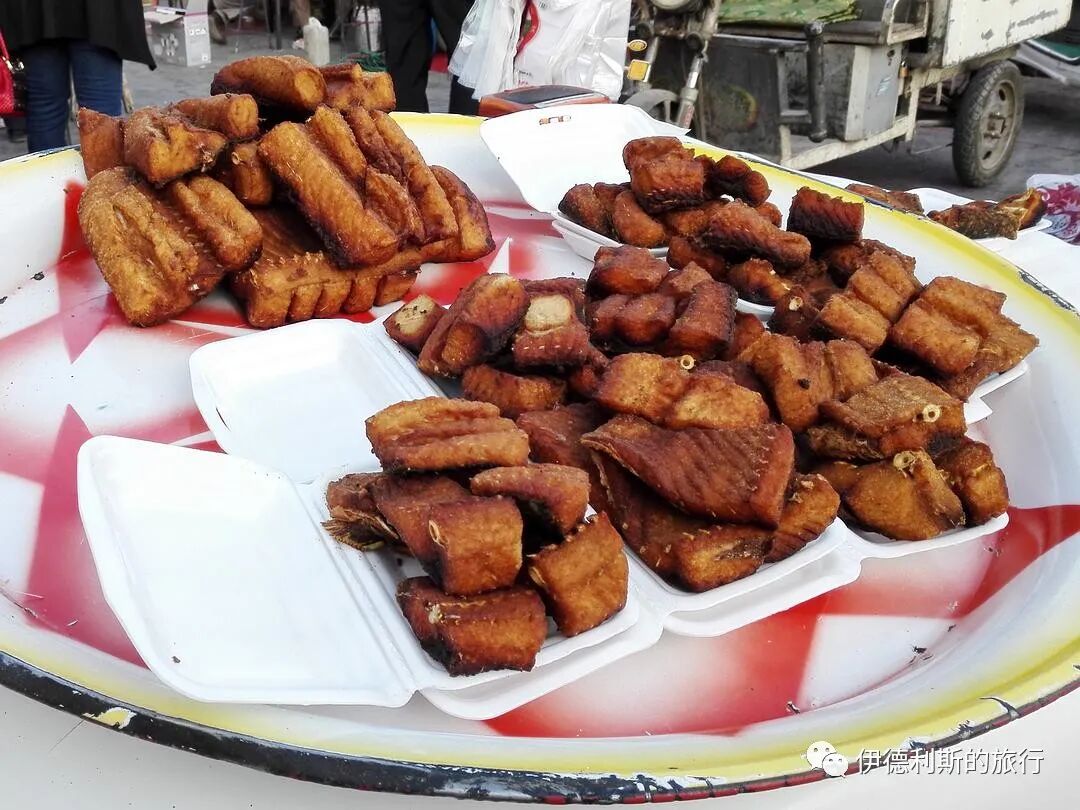
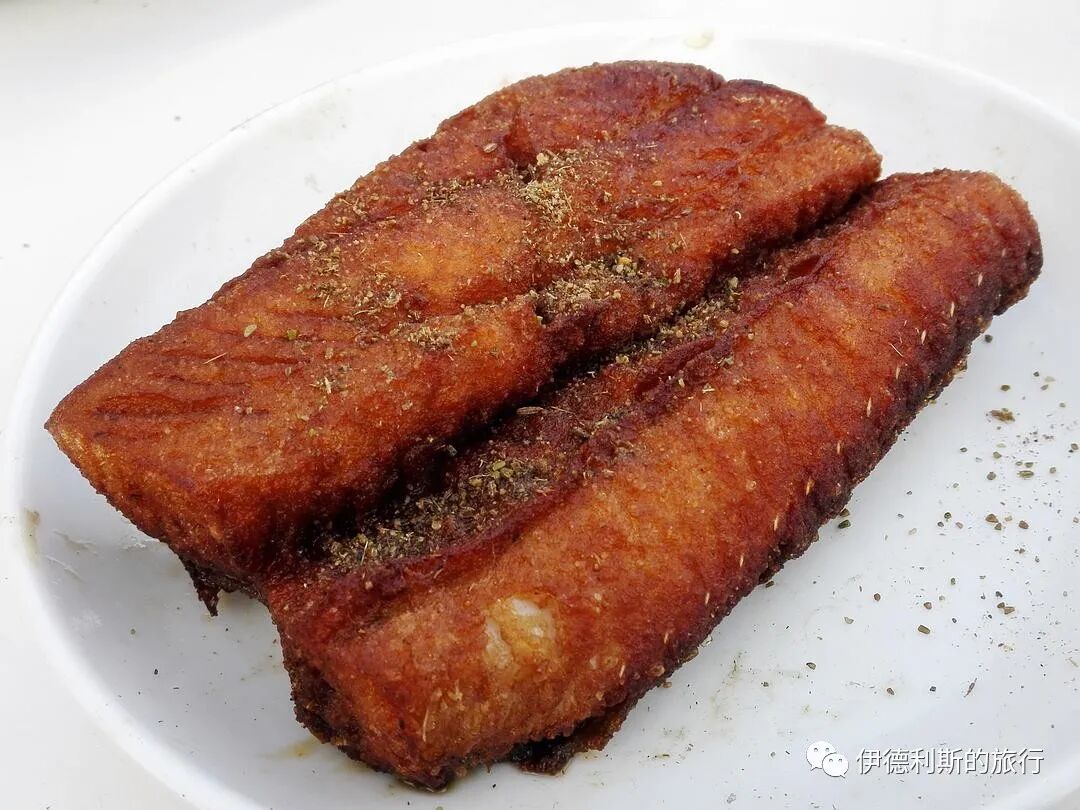
The fried fish at the night market across from the Id Kah Mosque in Kashgar is so fragrant, and this enamel plate is huge!
8. Yining
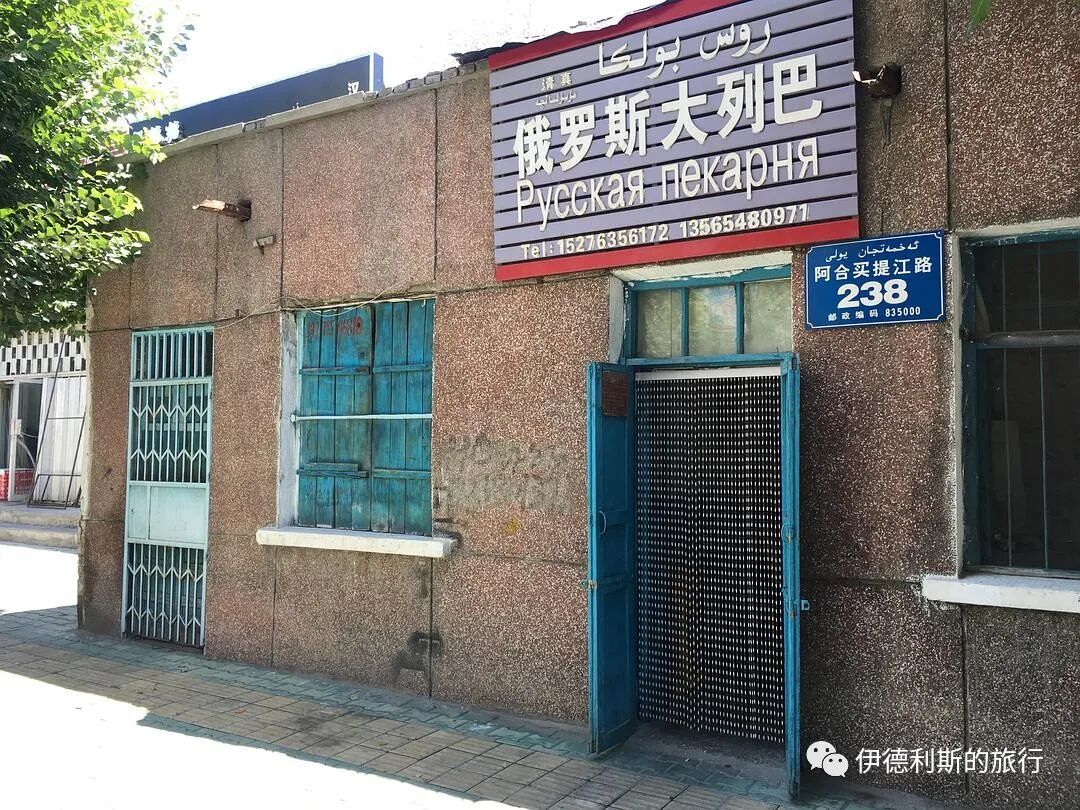
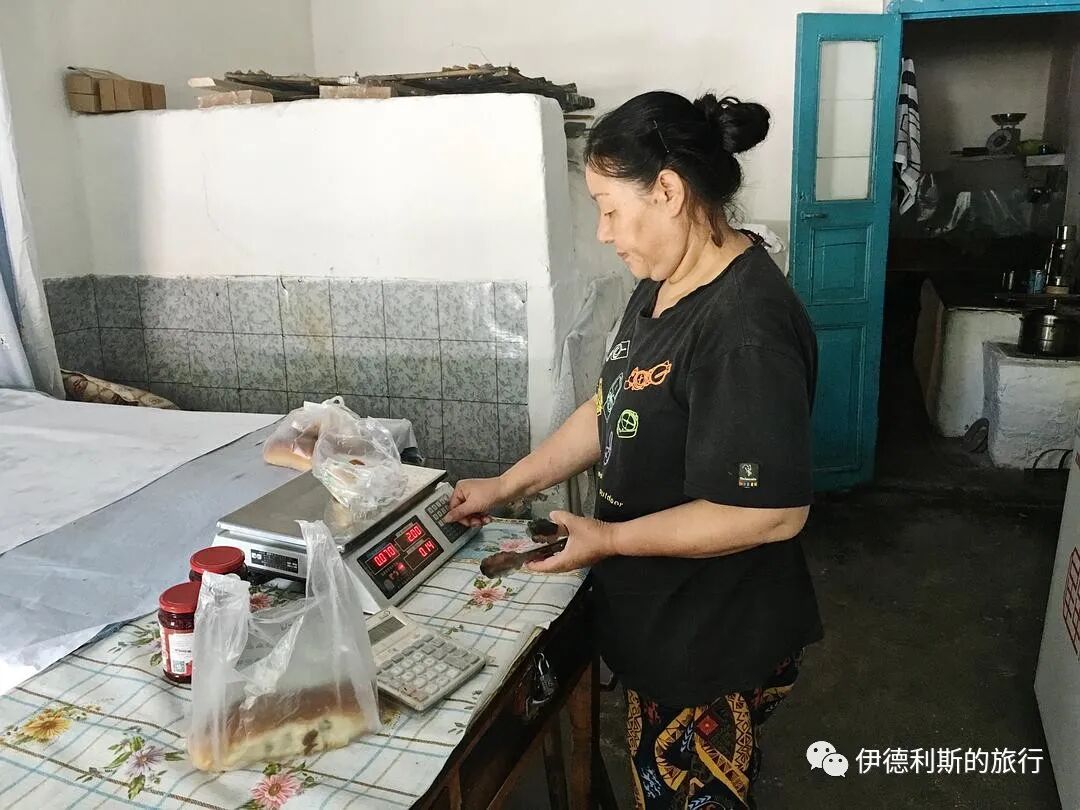
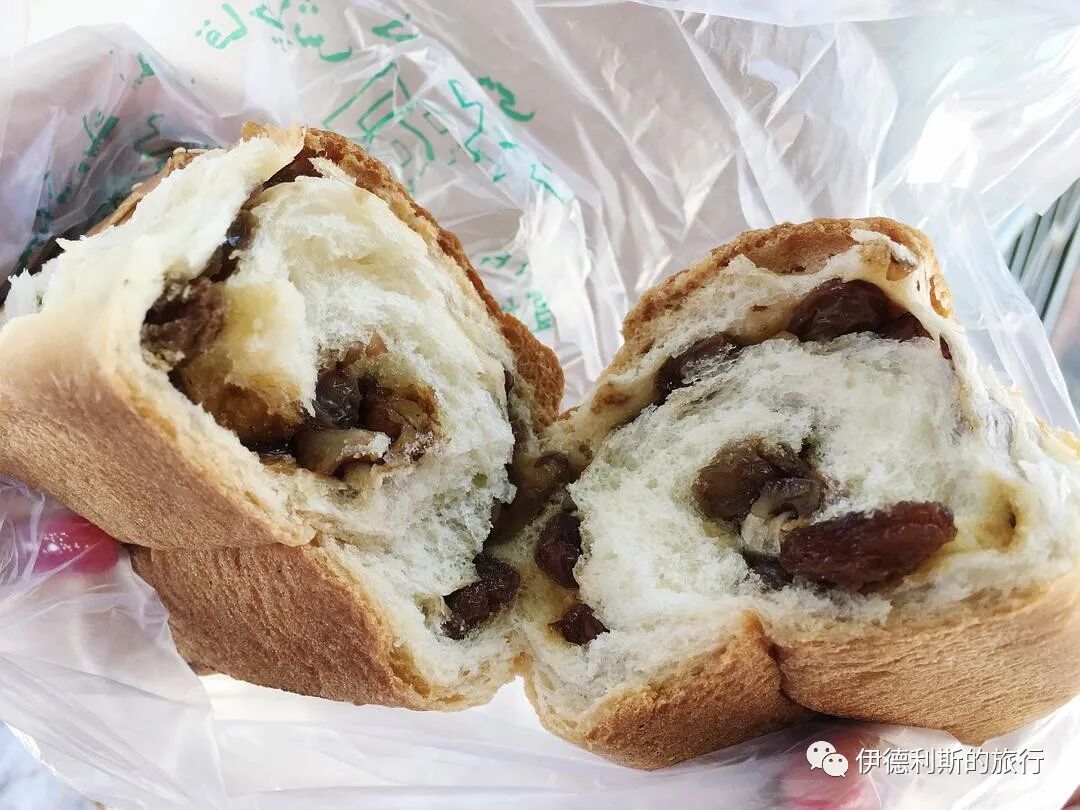
On Ahemaitijiang Road in Yining, there is a traditional Russian bread shop (lieba) run by locals. It has been open since 1988, and they still make their bread by hand and bake it over charcoal. The original owner was an old man with a big beard named Vladimir. Later, it was run by a long-haired young man named Balike, along with his mother Lima and his aunts Liuba and Ala. Since the traditional plain bread (lieba) is only available on Mondays, I only bought the raisin bread, but it was still delicious. The shop also has small apricot jam buns, and they make the apricot jam themselves.
9. Qingshuihe Town, Huocheng County
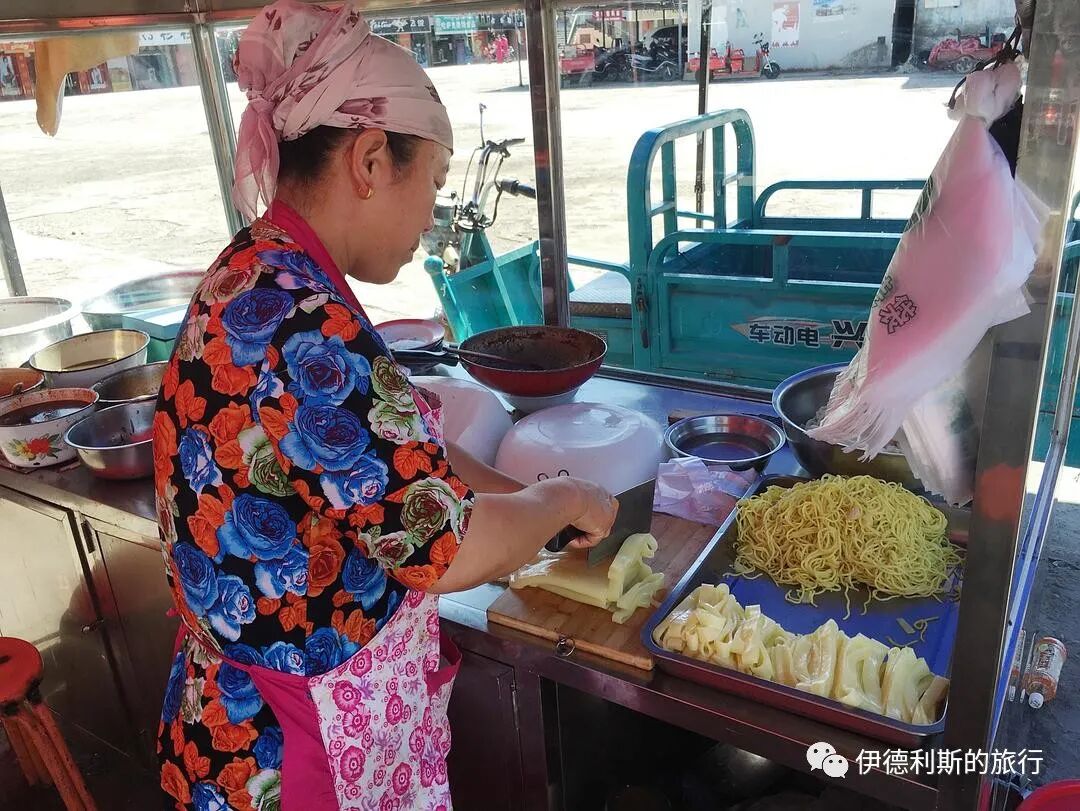
Eat yogurt shaved ice (suannai baobing), beef tendon noodles (niujinmian), and yellow noodles (huangmian) in the shed outside the Qingshuihe Town bus station in Huocheng County, Ili. Summer in the Ili Valley is much hotter than in the surrounding pasture areas.
Summary: Halal Food Guide: Western China — Muslim Snacks and Local Halal Food is presented here as a firsthand travel account in clear English, beginning with this scene: Xianyin Mosque is not far northwest of the Hanzhong train station. Like Baba Mosque in Langzhong and Luling Mosque in Xixiang, it belongs to the Sufi Qadiriyya menhuan gongbei tradition. The account keeps its focus on Western China Food, Halal Snacks, China Travel while preserving the names, places, food, and historical details from the Chinese source.
5. Xianyin Mosque in Hanzhong
Xianyin Mosque is not far northwest of the Hanzhong train station. Like Baba Mosque in Langzhong and Luling Mosque in Xixiang, it belongs to the Sufi Qadiriyya menhuan gongbei tradition.
Two ascetics who guard the gongbei at Xianyin Mosque gave us a warm welcome. Beyond following the Quran and Sunnah, the Qadiriyya menhuan gongbei tradition teaches that one must escape the temptations of daily life and practice asceticism to know and draw closer to Allah. Because of this, disciples of the gongbei tradition enter the site at a young age to live apart from the world, remain unmarried for life, and are known as ascetics. According to the rules, religious workers must rotate every three years to guard the various shrines under the jurisdiction of the Great Gongbei, a practice known as guarding the gongbei. The two religious workers at Xianyin Mosque were both sent from the Linxia Great Gongbei and will return to Linxia after their three-year term ends.
When we visited Xianyin Mosque, we happened to meet a large family from Linxia who had come to hold a religious gathering (a'mali), which allowed us to enjoy some Hezhou delicacies in Hanzhong. The religious workers prepared fresh hand-grabbed lamb (shouzhua rou) that was very tender, and they also stir-fried lamb liver and deep-fried hot-water dough fritters (youxiang).
4. Inner Mongolia
1. Hohhot
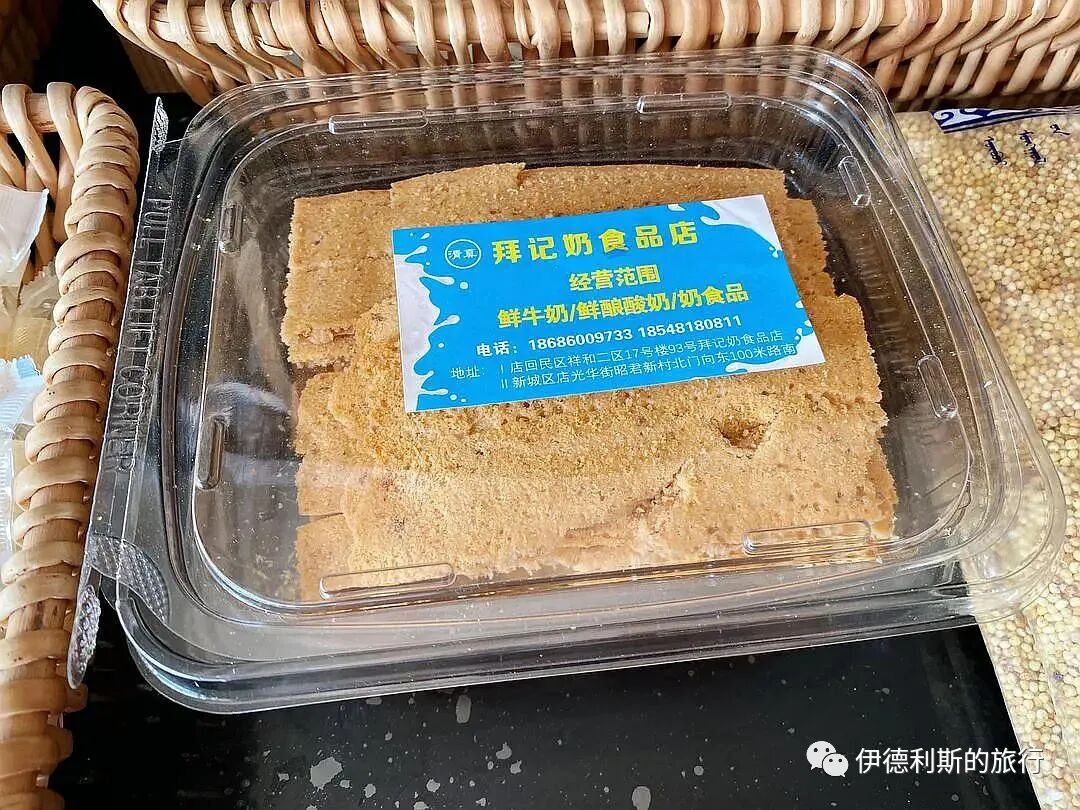
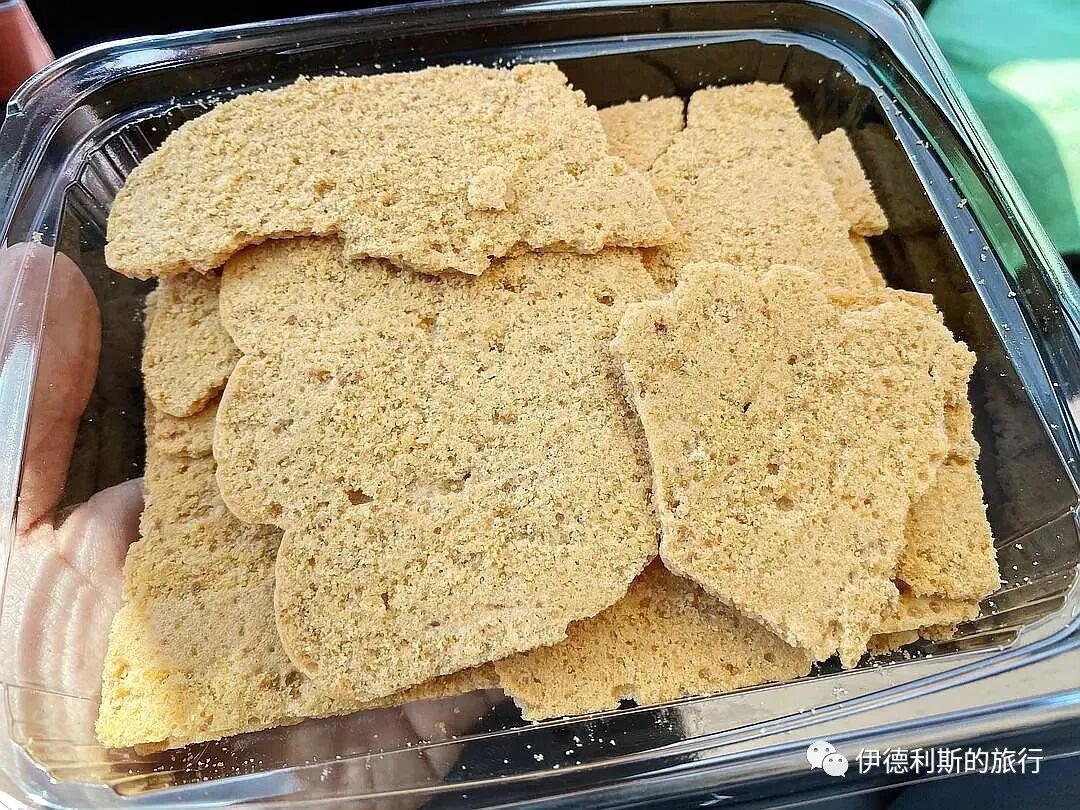
Buy some baked milk skin (kaonaipi) at Bai's Dairy Shop on Houxincheng Road in Hohhot. Their baked milk skin has a great texture and is not hard at all. Zainab said it tastes much better than the kind she bought online before. Their cheese is also delicious, with a sweet and sour taste, but it was too hot to carry, so we only tried a little.
One theory says the Bai family of Hui Muslims in Hohhot came to Guihua City to trade after Princess Kejing married the Mongol Tushetu Khan in 1697 (the 36th year of the Kangxi reign). Another theory says they moved from Xi'an during the late Qing Dynasty. The most famous noodle shop outside the north gate of Guihua City at that time was run by Bai Xiu.
2. Longshengzhuang
Longshengzhuang sits on the border of Shanxi and Inner Mongolia. From the Qing Dynasty to the early Republic of China, it was a meeting point for trade routes between Hohhot, Datong, and Zhangjiakou, serving as a key market town for Shanxi merchants trading in Mongolia. Shanxi merchants traveling to Mongolia brought rice, flour, tea, oil, wine, and daily goods from Longshengzhuang to Mongolia, returning with furs, livestock, and leather, which brought great wealth to the town.
Starting in the early Qing Dynasty, Hui Muslims from Hebei and Shandong moved to Longshengzhuang in Inner Mongolia for business, and many more Hui Muslims from Shaanxi arrived during the late Qing Dynasty. After the Ping-Sui Railway opened in 1921, Longshengzhuang declined quickly. People moved away in large numbers after the 1930s, and today only about 30 Hui Muslims remain, mostly elderly.
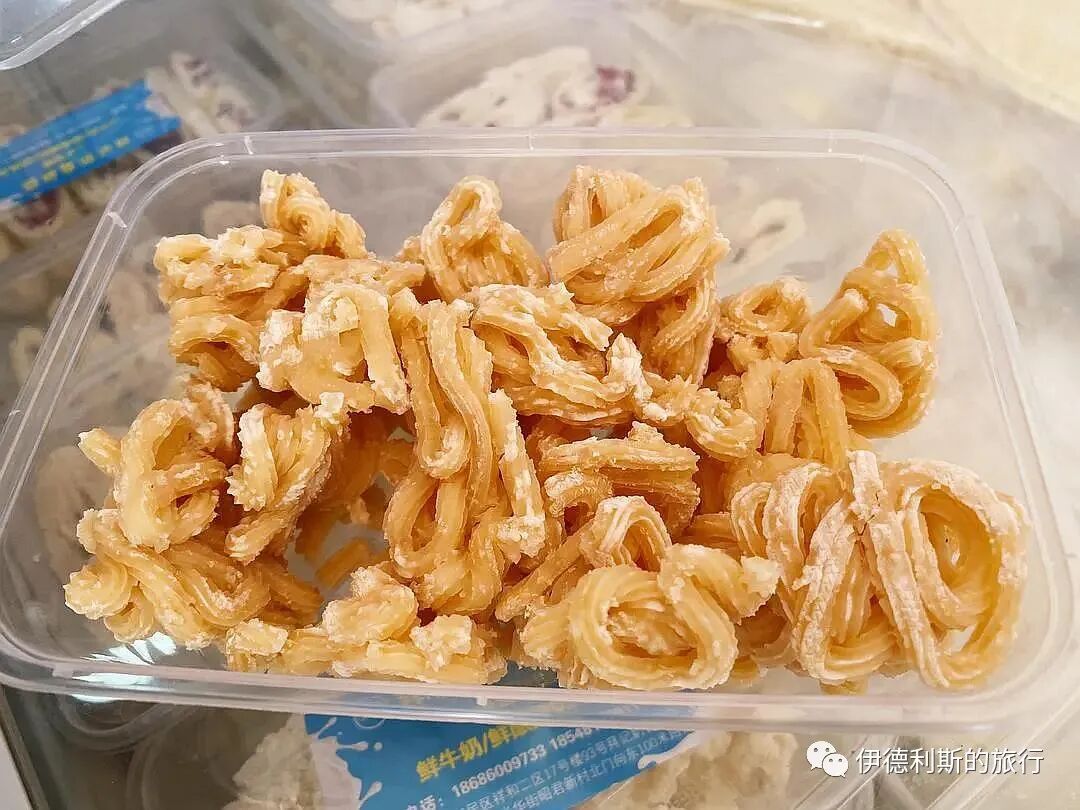
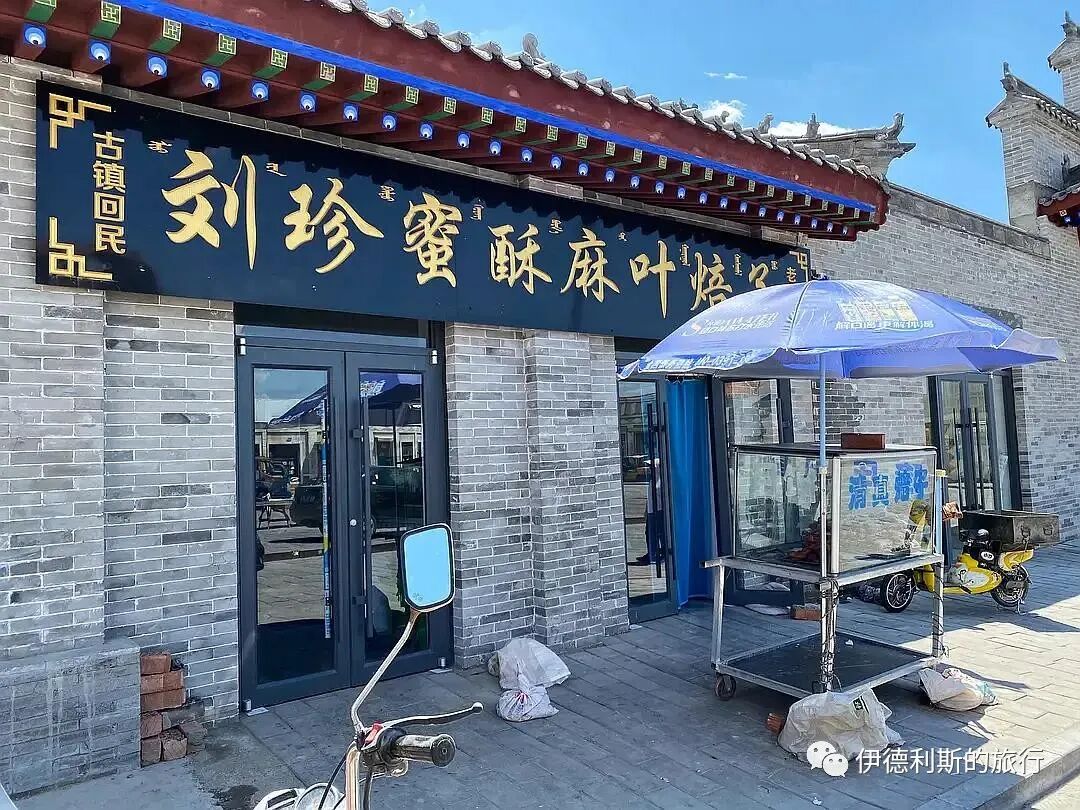
In Maqiao Square at the center of Longshengzhuang, a few Hui Muslim vendors still sell honey pastries (misu), fried dough strips (maye), fried dough twists (mahua), and baked flatbreads (beizi). We bought a sugar-coated fried dough strip (tangmaye) at the old Liu Zhen shop. It looked very sweet, but it was not greasy at all, and I finished it in a few bites.
3. Jining
Xinti Street is the halal food street of Jining. It is lined with various halal restaurants serving oat noodles (youmian), bone broth, steamed dumplings (zhengjiao), steamed meat dumplings (shaomai), rice noodles (mixian), stir-fried meat stew (chaohuirou), and barbecue. We arrived at 3:00 PM, and many of these places were closed, so we had meat pies instead. The freshly pan-fried meat pies were hot and fragrant. We also ordered shredded tofu salad, braised beef liver, and stir-fried meat stew with potato starch noodles (tudoufen chaohuirou). The noodles were delicious, and the meat had no gamey taste.
5. Ningxia
1. Yinchuan
Visit Fuyuan Noodle Restaurant on Zhongxin Lane in Yinchuan. They only sell lamb neck, lamb stew with hand-torn noodles (lian guo yangrou xiao jiupian), and side dishes. I ordered half a jin of lamb neck. It tasted great and smelled delicious. Three people work together to tear the dough for the lamb hand-torn noodles into a large pot. Watching the pieces of dough fly into the pot is quite a sight.
6. Gansu
1. Lanzhou
I arrived in Lanzhou at night and went straight to the Jianlan Road night market. I had a sheep head with milk egg fermented rice soup (niunai jidan laozao). The hot-mixed version tastes different from the stir-fried one, but it is also quite delicious!
2. Linxia
At the Lao Dongxiang Manai stall in the Linxia North Street night market, I had beef clay pot (niurou shaguo) and stir-fried flour sausage (fazi mianchang). Fazi, also called fazi, is sheep intestine stuffed with chopped organ meats and minced meat. I think the highlight of the Linxia North Street night market is the stir-frying. The flames on the stoves can rise higher than a person, but I didn't manage to take a picture.
7. Qinghai
1. Ping'an
Go to the Daqingzhen Kangguo Grill in Ping'an District, Haidong, to eat pan-roasted meat (kangguo). They have many kinds of pan-roasted dishes (kanguo) here, including lamb, tripe, intestines, and chicken. We ordered the pan-roasted lamb head and the wheat kernel porridge (mairen zhou), which is a must-have at any Qinghai barbecue shop.
The restaurant layout features small private rooms common in Qinghai towns. Even for two people, you can pull the curtain for privacy, which feels quite nice. After we ordered, they brought out free pickles, radishes, mung bean jelly (liangfen), and boiled tea (aocha). The servers were very friendly. We had a few bites of the mung bean jelly and some tea before the pan-roasted dish arrived. Besides the whole lamb head, it came with potatoes, corn, and vermicelli (fentiao). We really did not need to order any other main dish. Finish with a bowl of wheat kernel porridge (mairen zhou) for a very satisfying end.
2. Xunhua
In Xunhua County, we had a home-style assorted clay pot hotpot (tuhuoguo). It was packed with a variety of vegetables, and there was actually plenty of meat hidden underneath. A small pot was more than enough to leave two people feeling full.
3. Xining
At Old Wang’s place in Dongguan, Xining, we had starch noodles (gengpi) and fresh yak yogurt. Zainabu said this was the best yogurt we had during our entire trip to Xining.
8. Xinjiang
1. Urumqi
We had milk tea at a Kazakh milk tea shop in Dawan. This place is likely the most famous spot for Kazakh breakfast in the area. Seeing the fresh milk being boiled in a basin made it feel very authentic. We ate milk tea, horse meat sausage (machangzi), fried dough (baowusake), Kazakh-style potatoes, and steamed buns (baozi). Everything tasted great.
2. Toksun County
The most popular spot in Tuokexun County is Lao Si Hao. It is packed at meal times with both locals and people who travel all the way from Turpan just to eat here. Their specialty is stir-fried meat with noodles (guoyou rou banmian) made with black goat. This local specialty lives on the cliffs of the Tianshan Mountains. It costs much more than regular lamb, but the taste and texture are truly different. I think it is much better.
3. Turpan
At the Turpan Museum, you can find the incredibly popular baked buns (kaobaozi) from Koshimaklar. They used to be the Twin Baked Buns at the entrance of the Big Cross Bazaar before moving here. We arrived at 8:30 in the morning to catch the first batch from the oven. We had to get a queue card to buy them, and there were already many people waiting behind us.
Their baked buns (kaobaozi) are truly delicious. They are baked over charcoal, which is hard to find in Urumqi. The filling inside is not fatty and has plenty of meat.
4. Huoyanshan Town
Huoyanshan Town is famous for its yellow noodles with grilled meat (huangmian kaorou). The whole street is filled with shops selling them. The most famous one is called Huoyanshan Famous Yellow Noodle and Grilled Meat Shop, but it was fully booked when we arrived, so we ate at the place across the street. We ordered a mix of yellow noodles and cold starch noodles (liangpi). Once the grilled meat was ready, they took it off the skewers and placed it on top of the noodles. It was so refreshing to eat in the summer and felt perfect for the climate of the Flaming Mountains. We also had grilled fish, and everyone agreed the meat was tender and delicious.
The beef head meat had a great chewy texture and the portion was huge. We also drank a fermented raisin and dried apricot beverage that is a specialty of Flaming Mountain Town, which is even richer than kvass (kawasi).
5. Shanshan County
We ate bean noodle soup (doudou mian) and eggplant noodles in Shanshan County, Turpan. People in Turpan love eating beans, including bean soup noodles (doudou tangfan), bean dumplings (doudou ququ'er), and bean mixed noodles (doudou banmian).
6. Yarkant (Shache)
We ate pigeon with the Yarkant Muqam Art Troupe at the Hometown of Muqam Restaurant (Mukamu Guxiang Canting). This is a famous spot for pigeon in Yarkant.
We ordered pigeon meat with turnip noodles (qiamugula mian) and roasted pigeon, both of which were delicious.
7. Kashgar (Kashi)
The fried fish at the night market across from the Id Kah Mosque in Kashgar is so fragrant, and this enamel plate is huge!
8. Yining
On Ahemaitijiang Road in Yining, there is a traditional Russian bread shop (lieba) run by locals. It has been open since 1988, and they still make their bread by hand and bake it over charcoal. The original owner was an old man with a big beard named Vladimir. Later, it was run by a long-haired young man named Balike, along with his mother Lima and his aunts Liuba and Ala. Since the traditional plain bread (lieba) is only available on Mondays, I only bought the raisin bread, but it was still delicious. The shop also has small apricot jam buns, and they make the apricot jam themselves.
9. Qingshuihe Town, Huocheng County
Eat yogurt shaved ice (suannai baobing), beef tendon noodles (niujinmian), and yellow noodles (huangmian) in the shed outside the Qingshuihe Town bus station in Huocheng County, Ili. Summer in the Ili Valley is much hotter than in the surrounding pasture areas.
