
Muslim Music Records in China: Hui Culture, Old Albums and Memory
Reposted from the web
Summary: Muslim Music Records in China: Hui Culture, Old Albums and Memory is presented here as a firsthand travel account in clear English, beginning with this scene: On December 17, 2021, I went to Xinqiao Market at Sun Palace Building, outside Xizhimen in Beijing, to browse CDs at Director Cong Feng's stall. The account keeps its focus on Muslim Music, Hui Culture, China Travel while preserving the names, places, food, and historical details from the Chinese source.
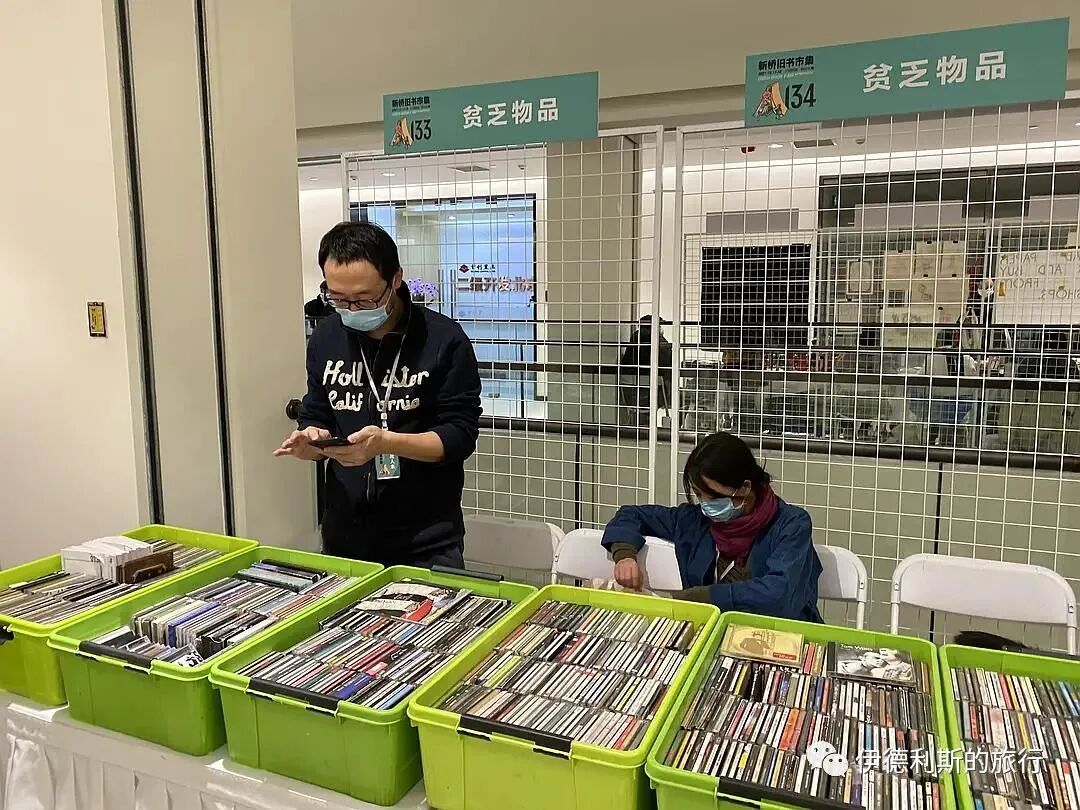
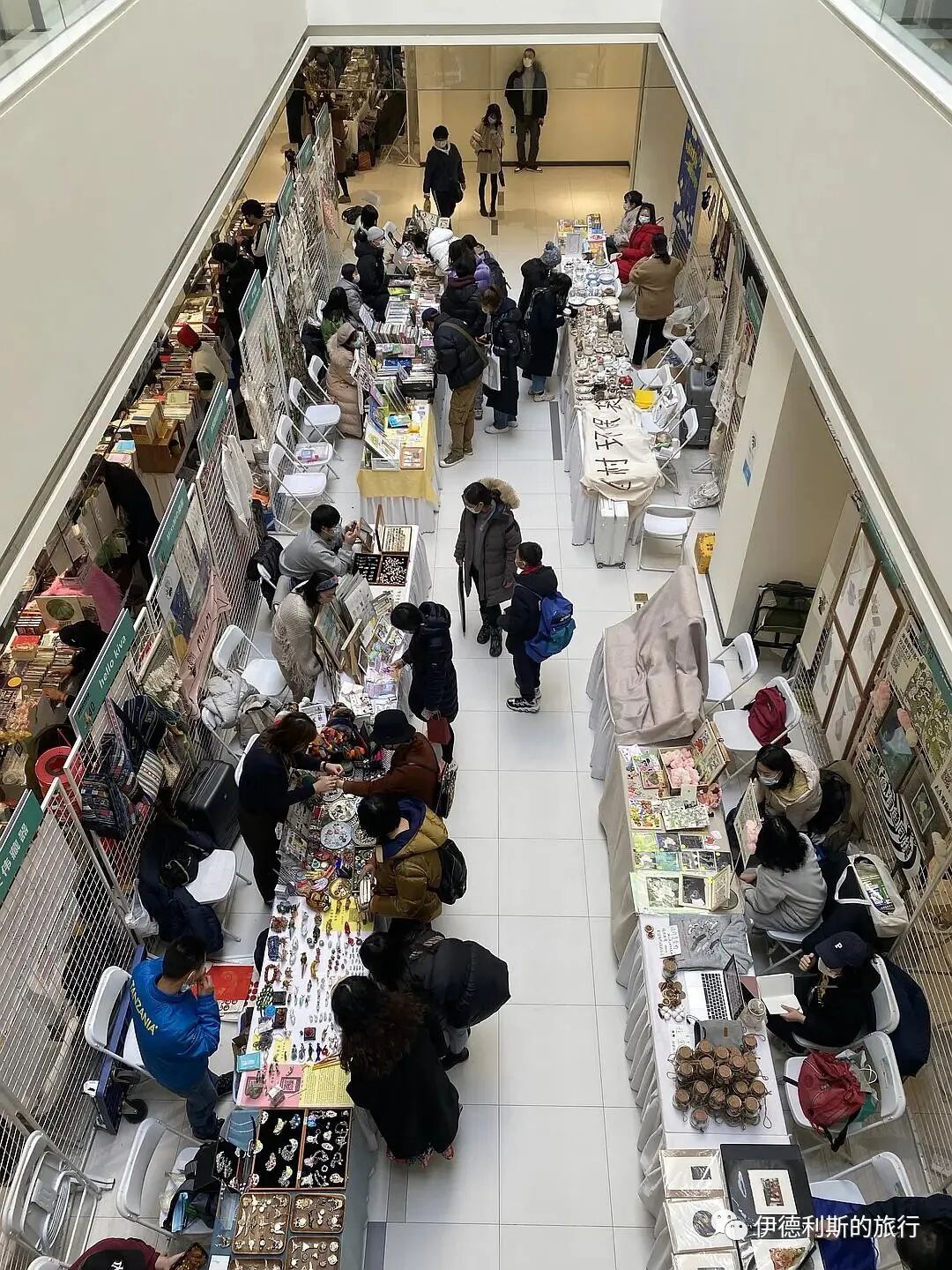
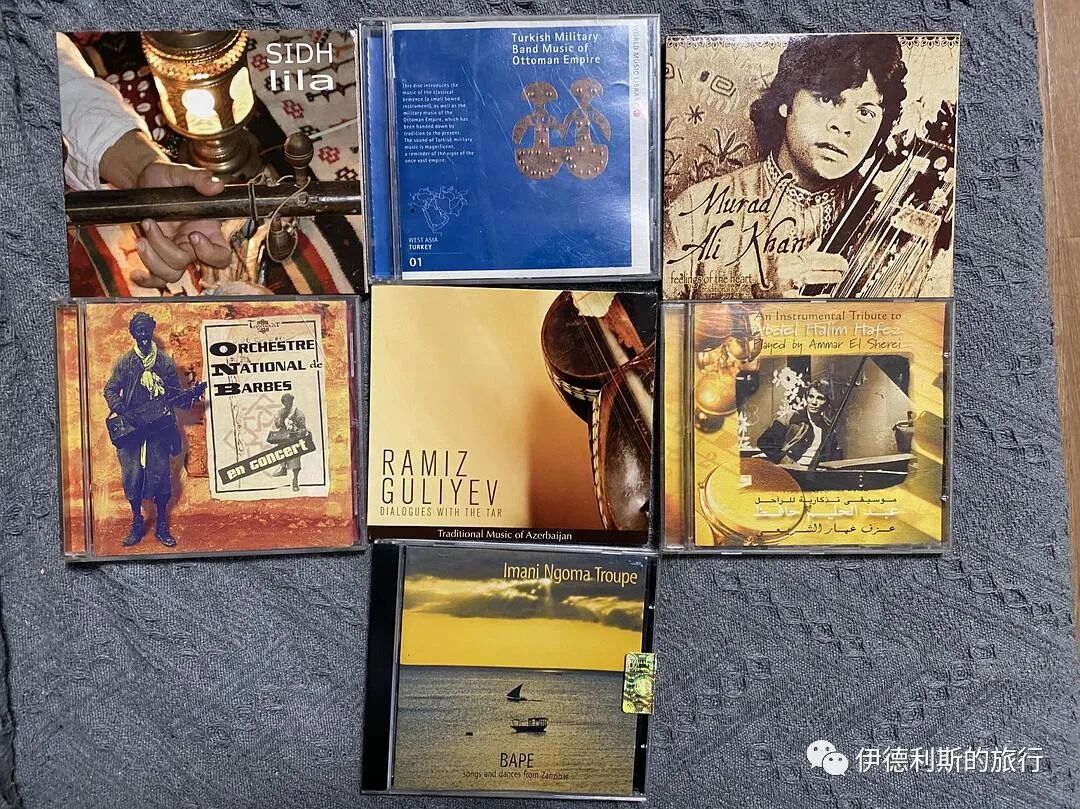
On December 17, 2021, I went to Xinqiao Market at Sun Palace Building, outside Xizhimen in Beijing, to browse CDs at Director Cong Feng's stall. After just a couple of sentences, Director Cong recognized me as Wang Dongsì, laughing. He said a friend had shown him the diary entry I wrote about him before. Back in April 2021, at the Xinqiao Market, I bought several favorite CDs from Director Cong. This time, I picked up several more. Among them were Tanzanian dance music, Ottoman military band music, Algerian Sufi music, Azerbaijani tar music, music from a North African orchestra in Paris, and North Indian Sarangi music. Later, I got the urge to buy more, so I bought a Pakistani Sufi music album and a Syrian wedding music album from Director Cong's online store (Kong.com cf1972). I'll share them with you below.

Algerian Sufi Gnawa Music.
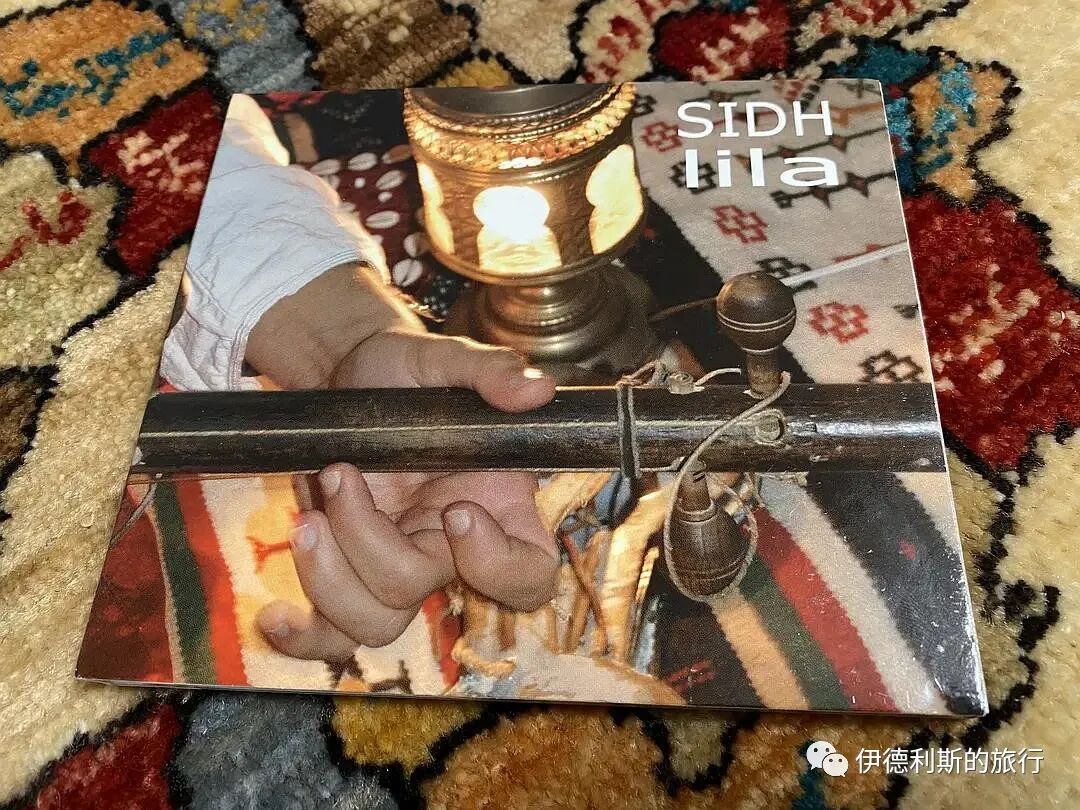
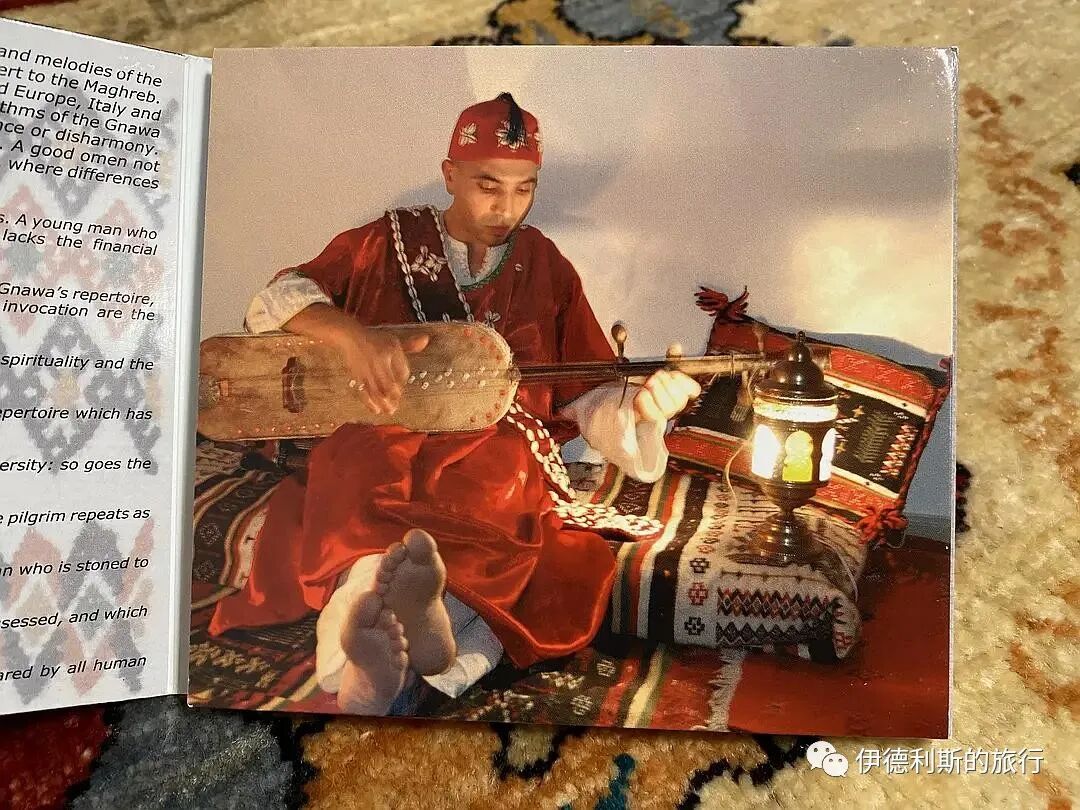
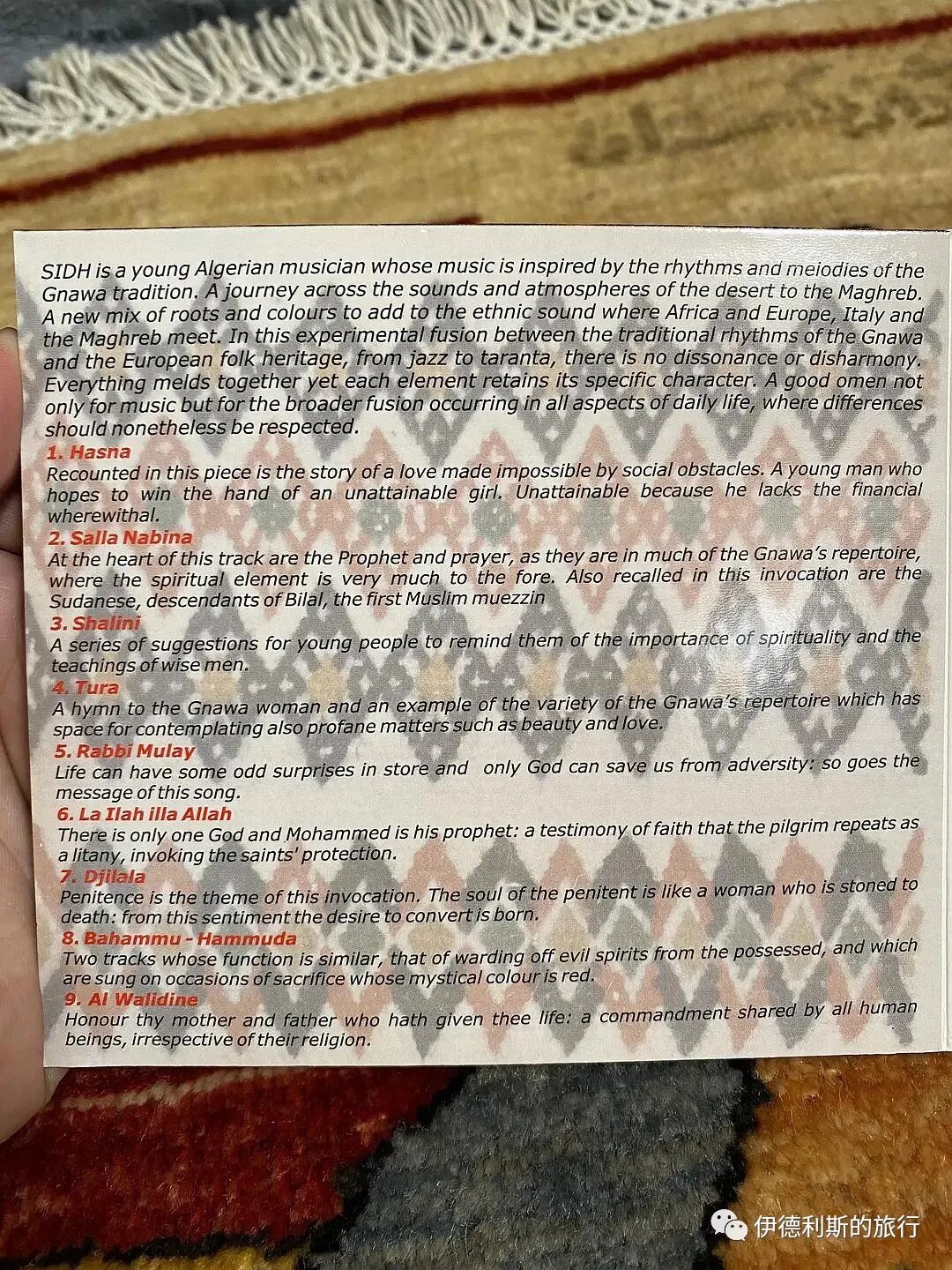
Sidh, a young Algerian musician based in Italy, released an African Sufi Gnawa music album called
Gnawa music comes from the Gnawa people, who migrated from sub-Saharan Africa to North and West Africa. Today, Gnawa music is centered in Essaouira, southwestern Morocco, and is popular across West and North Africa. It's a blend of classical Sufi music and traditional African music. In 2019, UNESCO listed it as an Intangible Cultural Heritage. Traditional Gnawa musicians use music and dance for spiritual healing. This ritual is called
On the album, Sidh plays two traditional Gnawa instruments: the Gumbri and the Qraqeb. The Gumbri is a bass three-string plucked instrument. It's carved from a log, with a body shaped like a canoe. Its soundbox is covered with camel or goat skin, and its strings are made from goat gut. The Qraqeb are large cast-iron castanets. Long ago, Gnawa people were sold as slaves from sub-Saharan Africa to North Africa. This instrument is used to recall the sound of horse hooves when they were carried away in sacks. It also represents the sound of shackles being removed when they regained their freedom. Sidh also plays the Bendir, a traditional North African wooden frame drum.
After the 1990s, Gnawa musicians began experimenting with blending their music with other genres. So, this album features Riccardo Manzi on guitar and the Greek plucked Bouzouki, Renato Vecchio on saxophone, flute, and the Armenian Duduk pipe, and Zaki Bedaida on acoustic guitar.
Sarangi from a North Indian Musician.
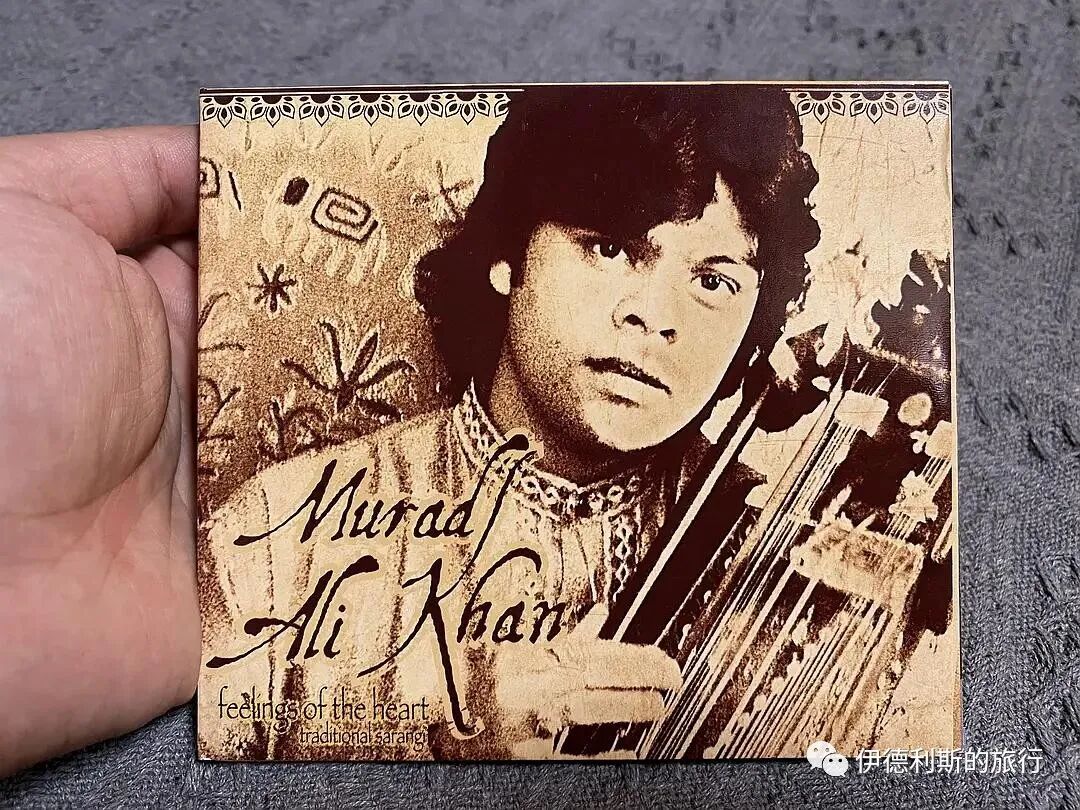
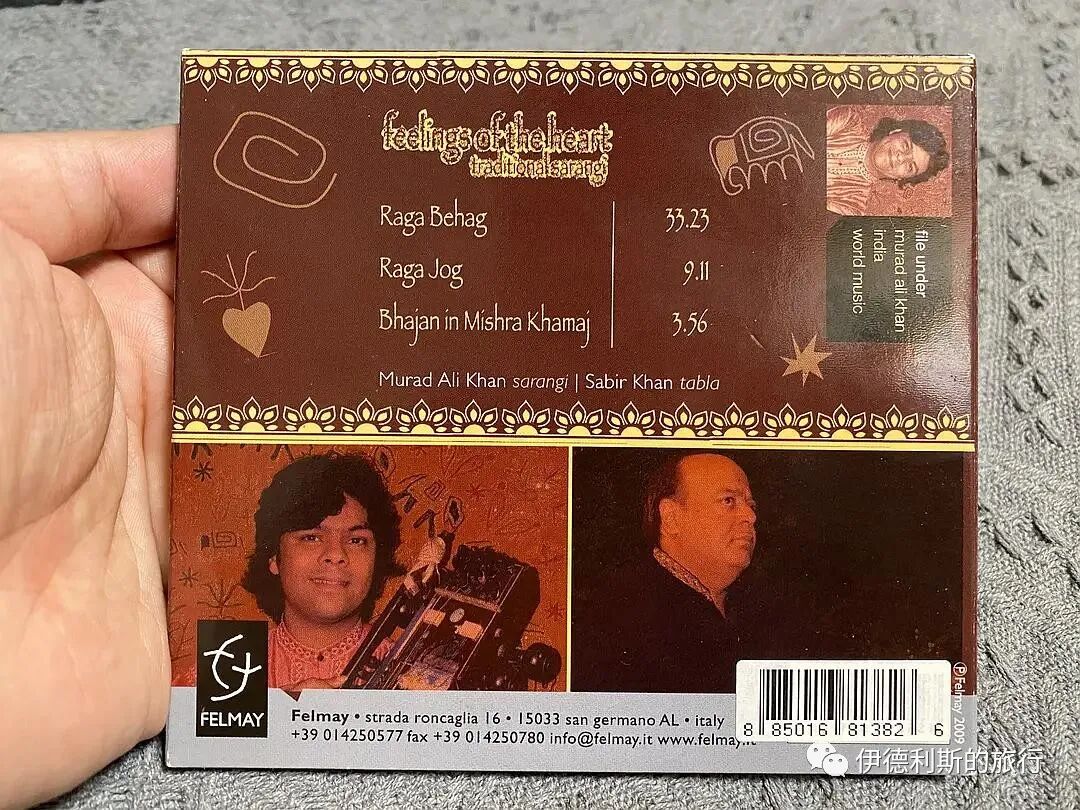
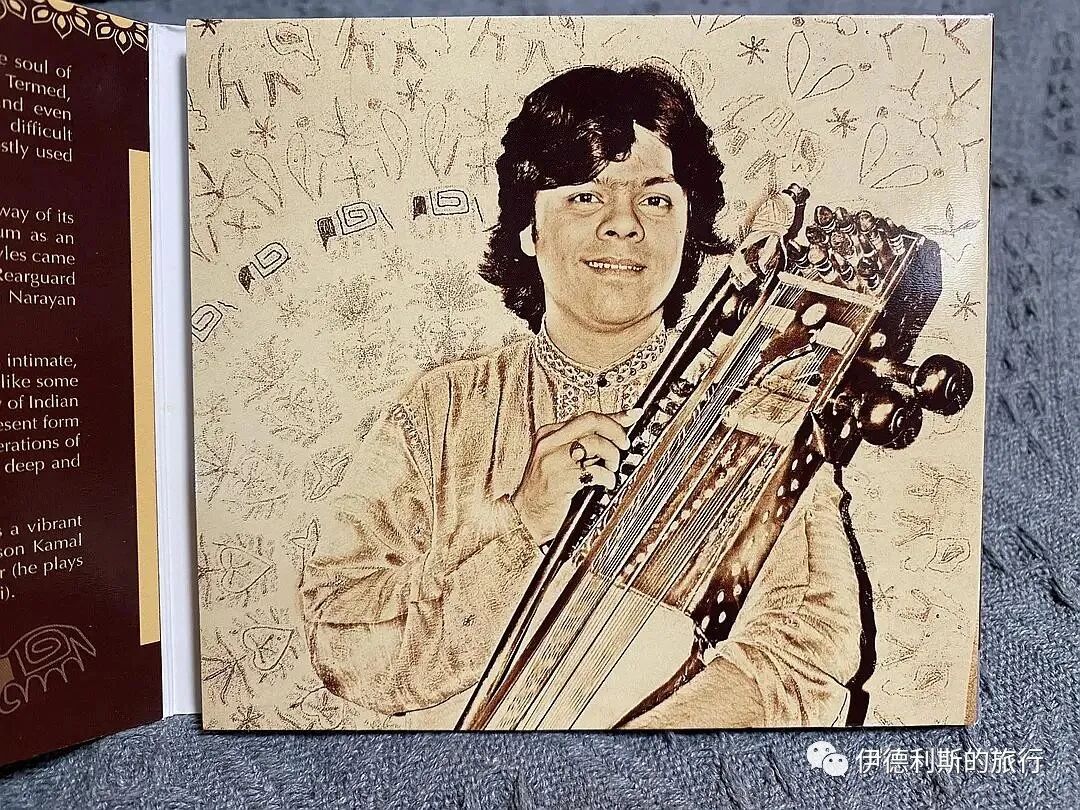
North Indian musician Murad Ali Khan released his Sarangi album, "Feelings of the Heart (Traditional Sarangi)," on the Italian label Felmay in 2009. The Sarangi is a bowed, short-necked string instrument popular in North South Asia, including Punjab, Rajasthan, Pakistan, and Bangladesh. Its sound is much like a soprano voice, and it is known as one of the most difficult South Asian instruments to play. Historically, the Sarangi mainly accompanied wandering singers and dancers. The Sarangi became a solo instrument only after musicians like Bundu Khan (1880-1955) and Ram Narayan (1927-) improved it in the 20th century.
Murad Ali Khan comes from a musical family in Moradabad, a city in India's Uttar Pradesh state. He is a leading Sarangi musician among India's middle-aged and younger artists. Murad Ali Khan's family has played the Sarangi for six generations. He learned the Sarangi from a young age under the strict training of his grandfather and father. He started performing on stage at age 10. His playing has a bright tone and rich imagination.
Contemporary Azerbaijani Tar Master.
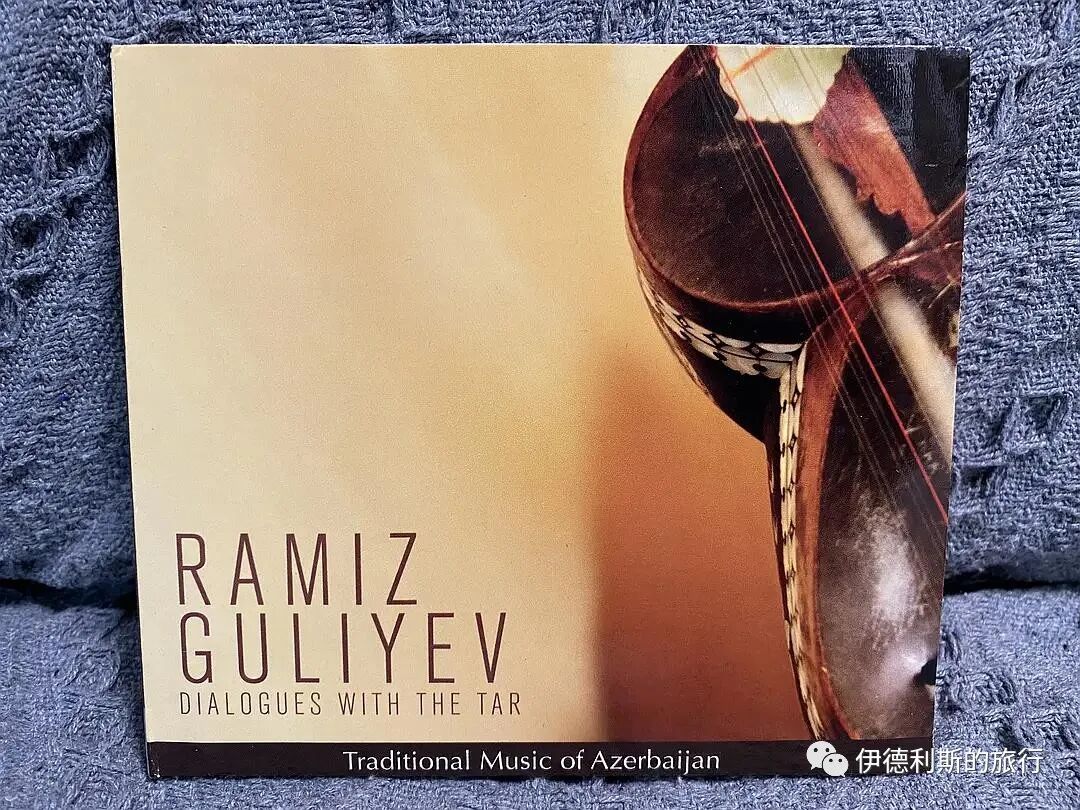
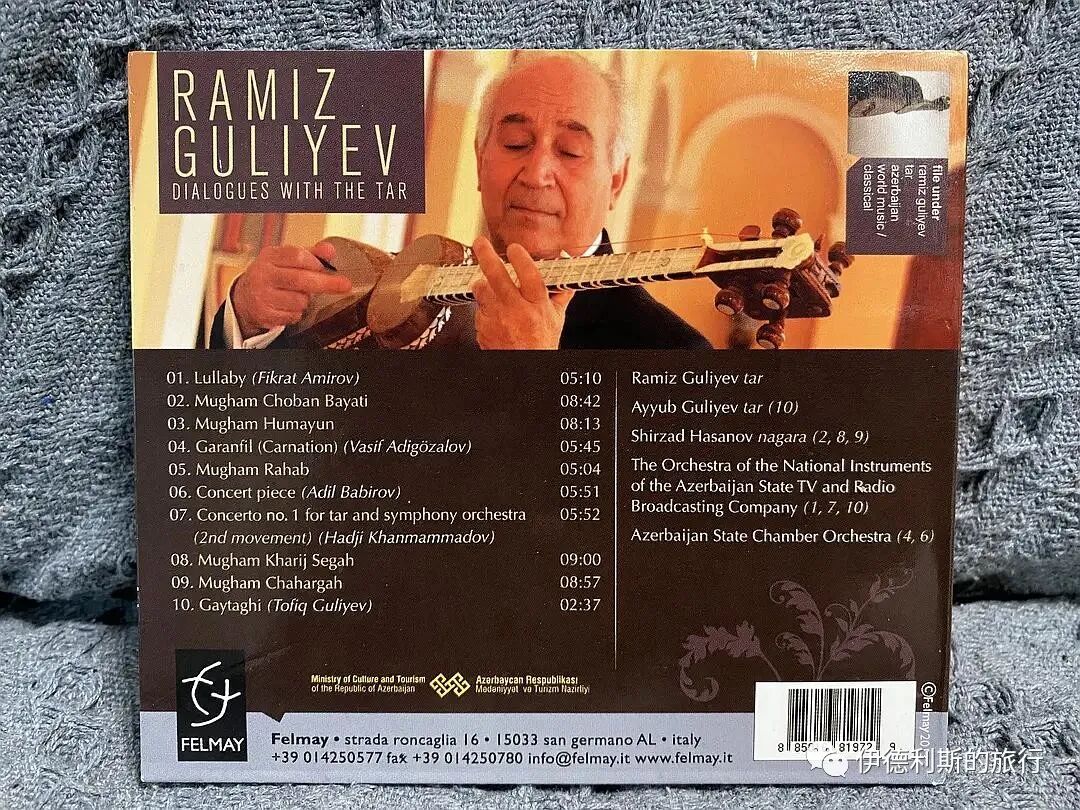
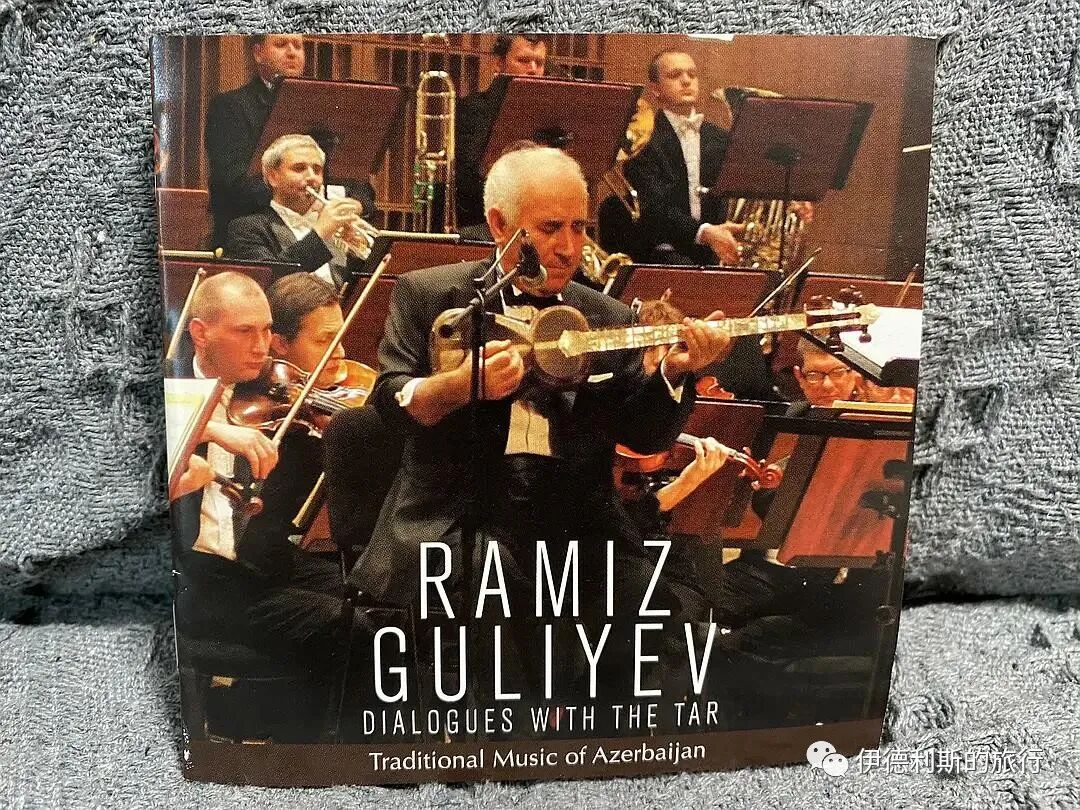
Contemporary Azerbaijani Tar master Ramiz Quliyev released his album, "Dialogues with the Tar (Traditional Music of Azerbaijan)," on the Italian label Felmay in 2013.
Ramiz was born in Agdam in 1947. Neither of his parents were musicians, but his uncle Habib's tar hung on the wall of their home since Ramiz was a child. His uncle, Habib Quliyev, was once an excellent tar player. Sadly, he could no longer play after injuring his arm in World War II. Habib became Ramiz's first teacher, and the tar on the wall became Ramiz's first instrument. When that tar broke from practice, Ramiz's father sold several beehives from their farm to buy Ramiz a new instrument. His father strongly supported his music.
Ramiz started at the Agdam music school at age 7. At 17, he went to the Azerbaijan State Conservatory for advanced studies. After age 27, he stayed at the conservatory as a national instrument teacher. He won many awards after that and has been known as the People's Artist of Azerbaijan since 1988. Ramiz toured Europe and America in the late 1980s and early 2000s. He had great success at a folk festival in Washington in 1988, which led to an invitation to perform at the White House.
Besides traditional Azerbaijani mugham (muqam), Ramiz also excels at playing works by many Azerbaijani composers and tar (tar) pieces adapted from European music. Countless people love his exquisite playing, unique tone, and rich creativity. Ramiz still teaches at the Baku Academy of Music today. He has trained many excellent tar (tar) artists.
Ottoman Military Band
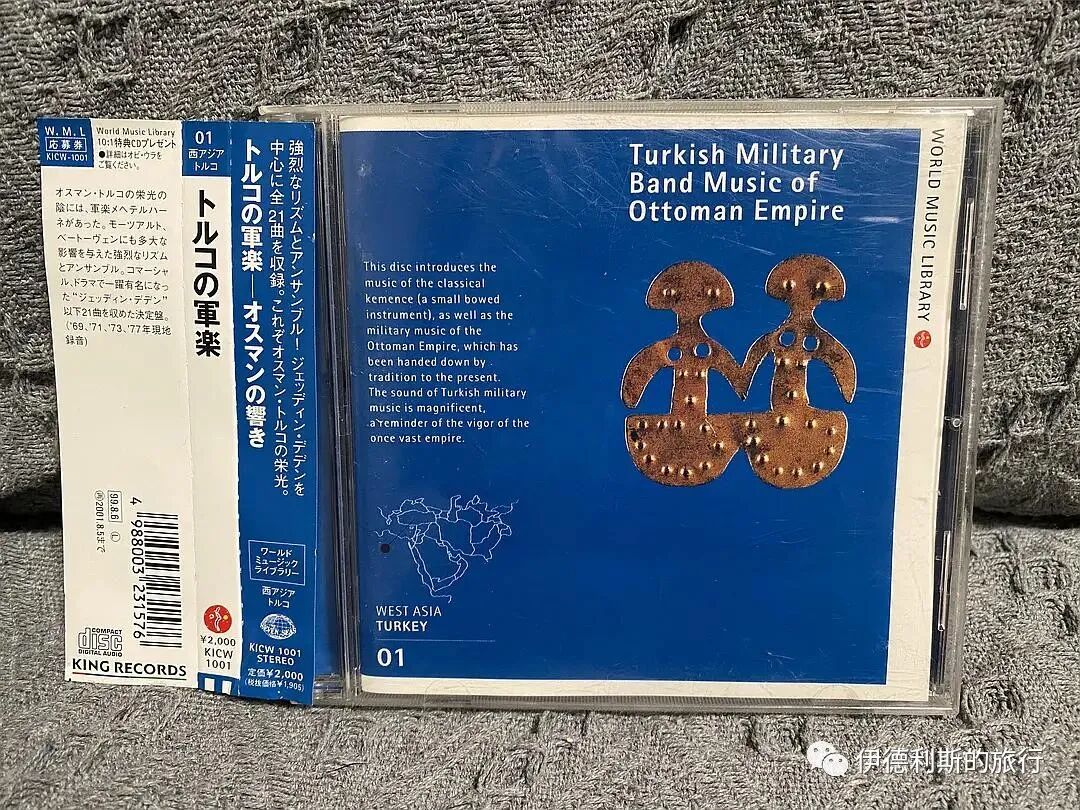
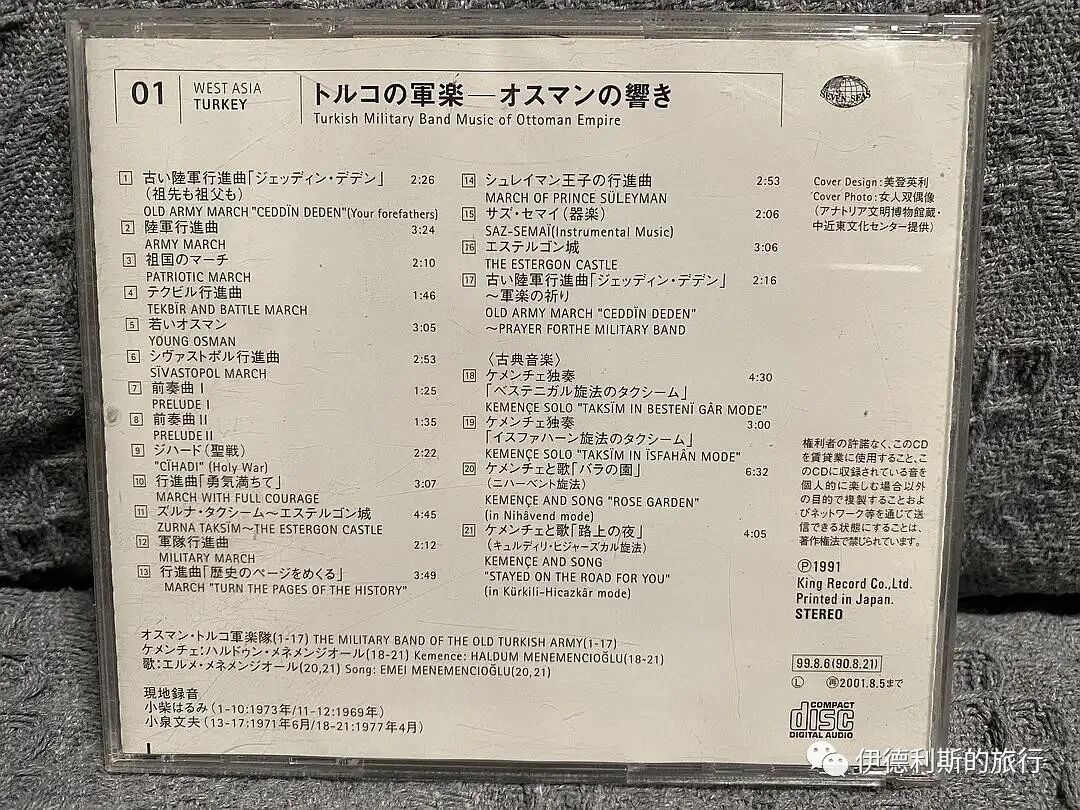
Seven Seas, a sub-label of Japan's King Records, released the first volume in its "World Music Library" series in 1999, titled "Turkish Military Band Music of Ottoman Empire." The album includes two parts: Ottoman military music and Turkish traditional music played on the Klasik Kemence bowed string instrument. Both are live recordings from the 1960s-70s.
The Ottoman Military Band (Mehter Bölüğü) might be the oldest existing military band. Sultan Kayqubad III (reigned 1298-1302) of the Seljuk Sultanate of Rum reportedly gave the first Ottoman military musicians as a gift to the Ottoman dynasty in 1299. From then on, every day after the afternoon namaz, the musicians would play for the Ottoman Sultan.
The tunes of the Ottoman Military Band date back to the 16th century. They developed greatly in the 17th century, and many musicians composed pieces for the band. In the mid-17th century, 300 military band musicians lived in the Ottoman palace in Istanbul. They performed three times a day. Another 1,000 military band musicians in Istanbul were spread across various armies in the city. They performed once at dawn and once at sunset every day. In 1826, Sultan Mahmud II (reigned 1808-1839) abolished the Janissaries (Sultan's elite infantry). The military band then disbanded.
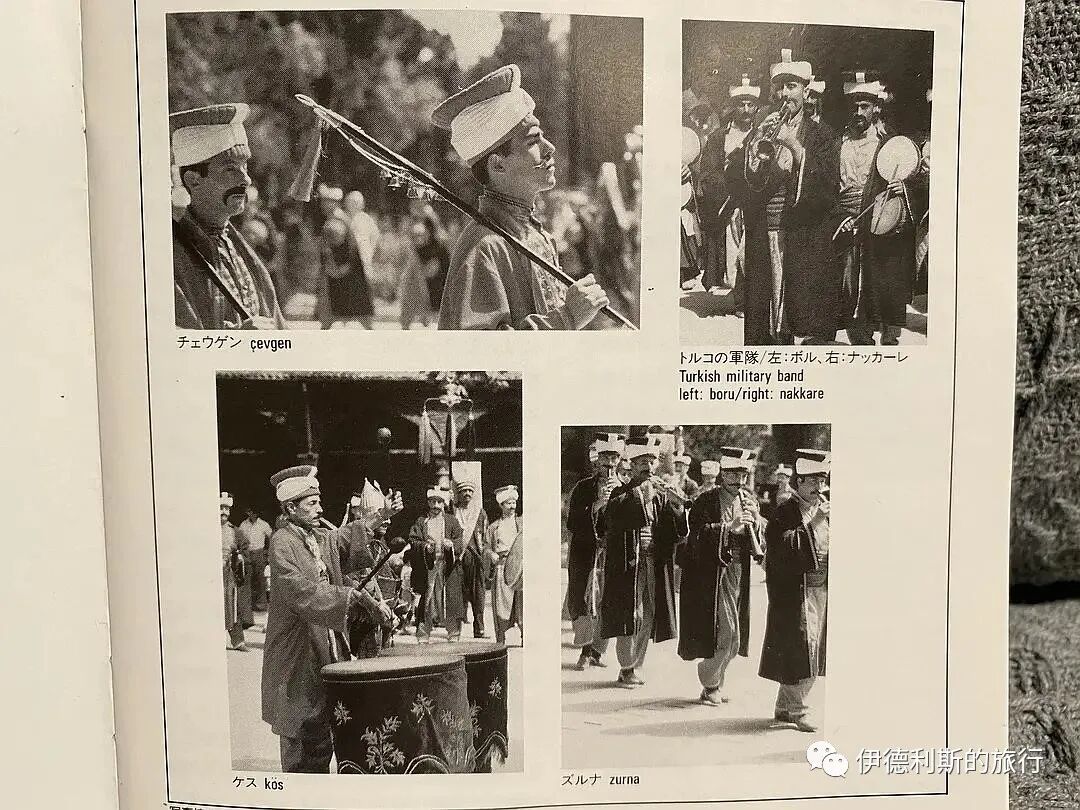
Standard military band instruments included the large kettledrum (Kös), small kettledrum (Nakare), bass drum (Davul), cymbals (Zil), bass zurna (Kaba Zurna), horn (Boru), and a percussion instrument with bells called Cevgen. The band's composition varied in different eras. On the eve of the Janissaries' abolition, one band consisted of nine Davul drummers, nine zurna players, nine Nakare drummers, nine cymbal players, and nine horn players.
After the 20th century, the Istanbul Military Museum revived the Ottoman Military Band's performances. They played in 1953 to celebrate the 500th anniversary of Sultan Mehmed the Conqueror's capture of Istanbul.
Today, the Ottoman Military Band performs regularly at the Istanbul Military Museum and at various ceremonies. The grandest performance happens on May 29 each year, at the ceremony celebrating the Ottoman conquest of Constantinople.
Tanzanian Dance Music
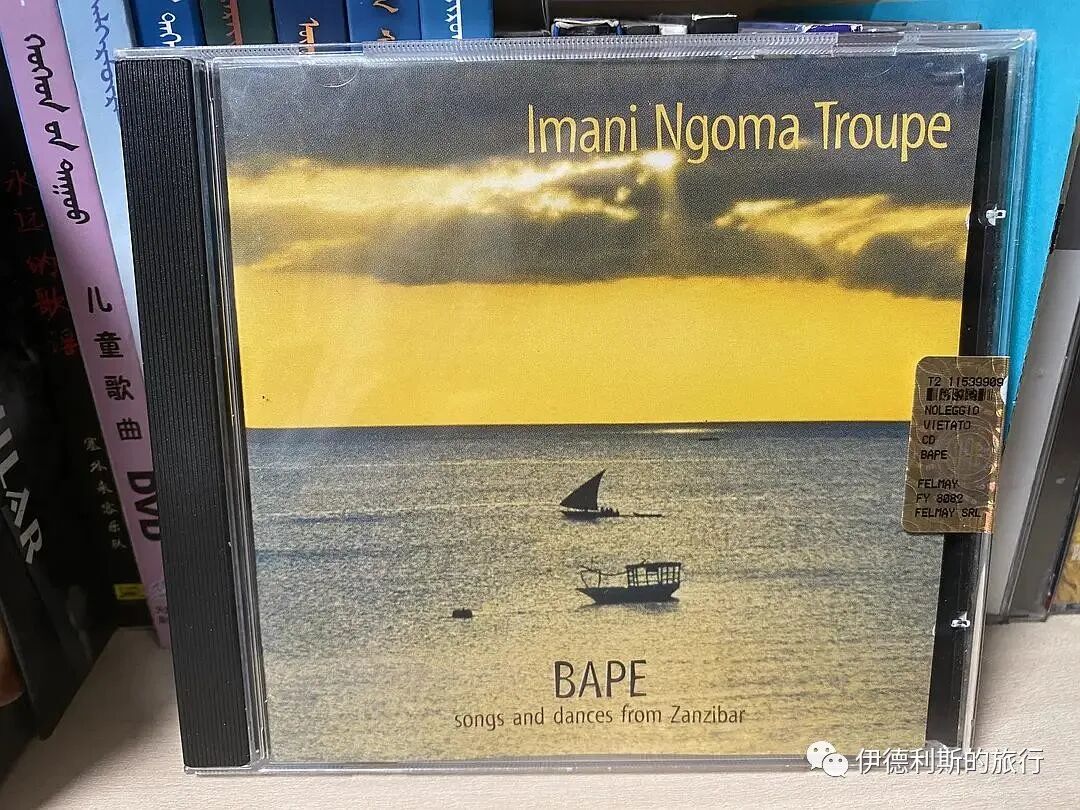
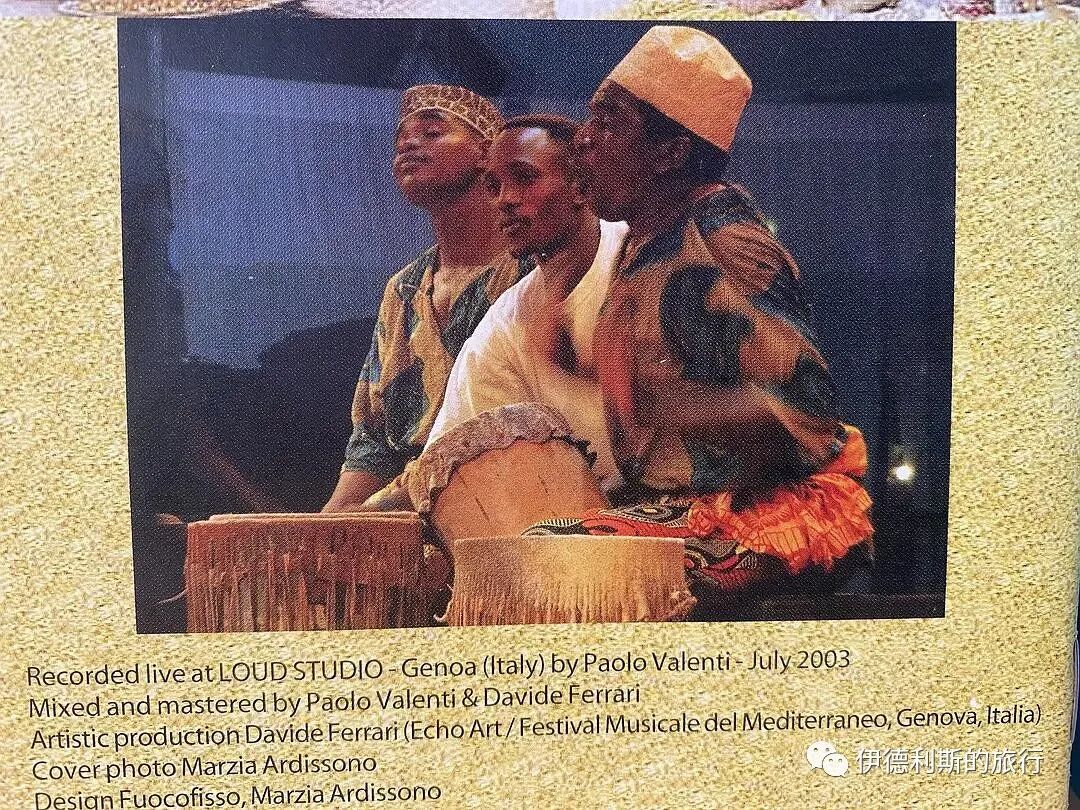
The Tanzanian Imani Ngoma Art Troupe's album 'BAPE' was released in 2005 by the Italian label Felmay. The Imani Ngoma Art Troupe started in 2000 in Kariakoo, a Tanzanian city on the Indian Ocean. Its goal is to revive, develop, and promote traditional Tanzanian music, dance, and theater. The Imani Troupe performs traditional songs and dances from Zanzibar Island and mainland Tanzania. The Nogoma drum is their most important instrument. They also use the Zumari woodwind, which might have come from Portugal, the Sanduku bass, and various percussion instruments. Female vocals are also very important in the troupe. These powerful songs cover many topics, including history, culture, love, poverty, and the fight against AIDS. They range from current social issues to the eternal mysteries of the human heart.
North African Band in Paris
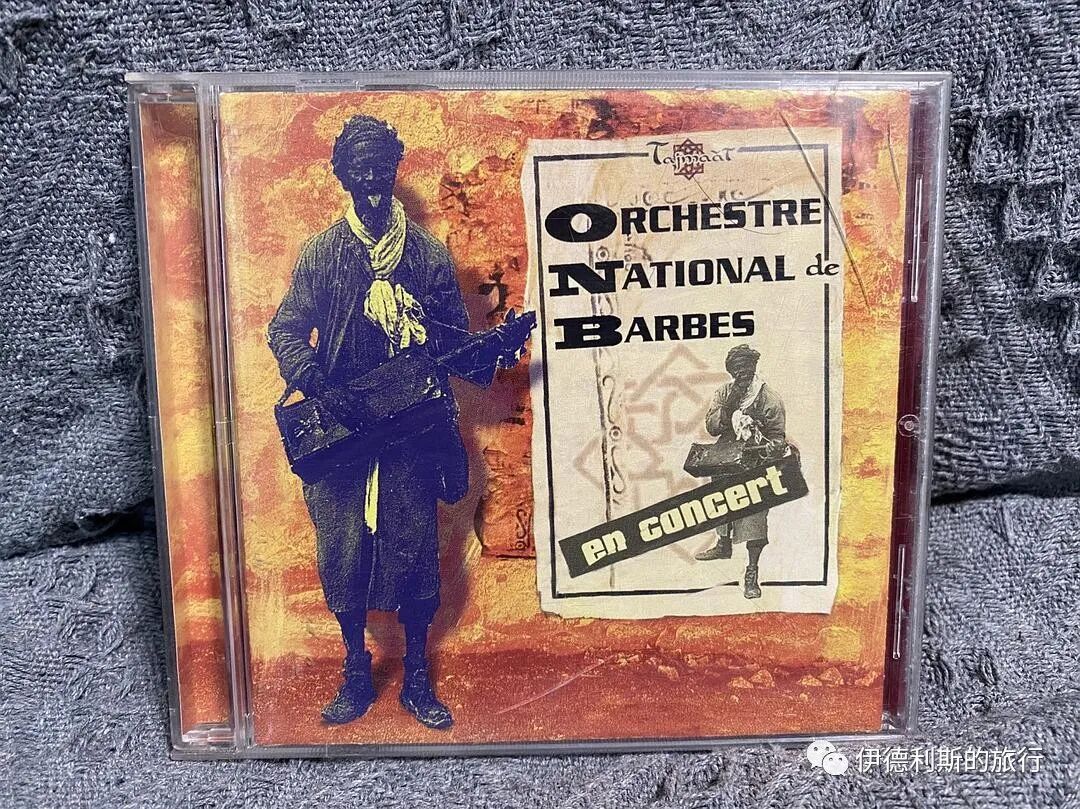
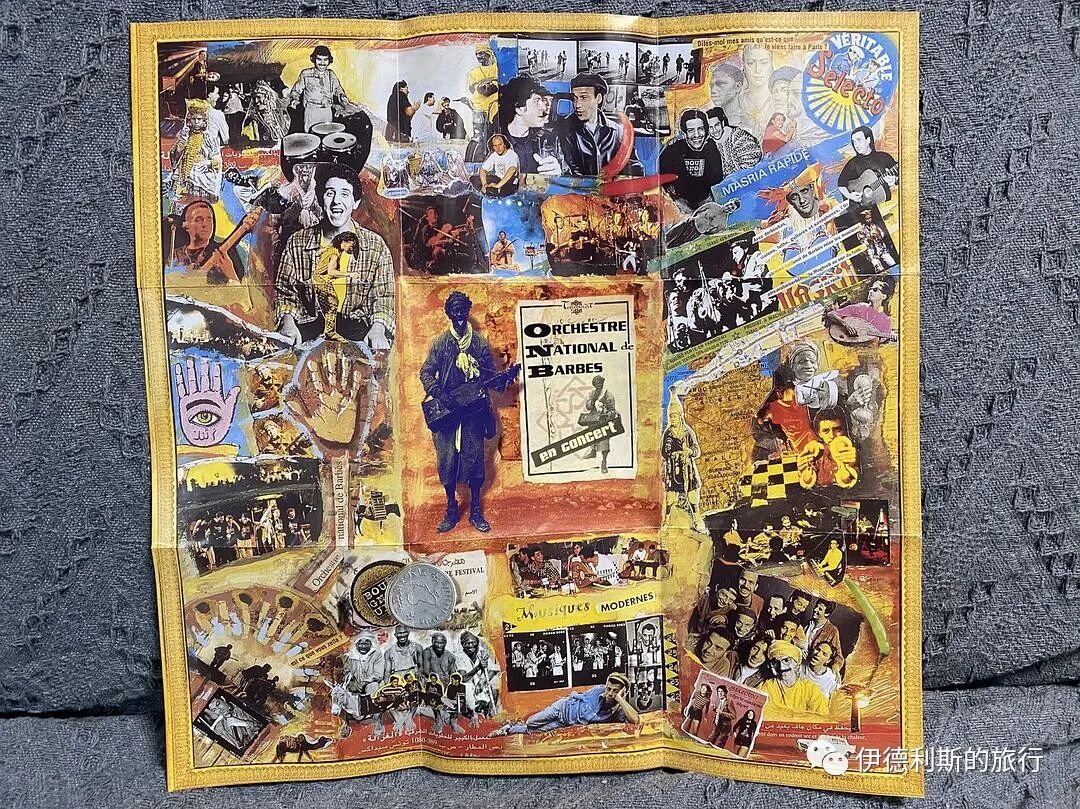
The North African Orchestre National de Barbes from Paris released their album 'En Concert' in 1998.
Barbès is a neighborhood at the foot of Paris's Sacré-Cœur Basilica. It has the largest concentration of North Africans and is known as 'a little piece of North Africa'. This area is a melting pot of North African culture, food, and music. You can find many small North African restaurants and shisha (water pipe) lounges. TVs here play various Middle Eastern music programs through satellite dishes.
In the 1980s, people from all over North Africa moved to this Parisian neighborhood. Many talented musicians were among them. Among these musicians, Larbi Dida was a founding member of the famous Algerian band Raina Rai. This band was the first to mix Algerian folk music, Rai, with rock music. Youcef Boukalla was the bassist for T34, a pioneering Algerian Arabic rock band from the 1980s. Aziz Sahmouni is a Sufi musician from Marrakech, Morocco. He is skilled at blending Moroccan Sufi Gnawa music with modern music.
After the 1990s, these talented North African musicians living in Barbès came together to form the Orchestre National de Barbes. They began to experiment with combining traditional North African Maghreb music with modern rock and funk music. After this, more North African and French musicians kept joining the group. In 1998, the band recorded their first album, 'En Concert,' live at the Agory Theater in Paris.
Legendary Syrian wedding singer
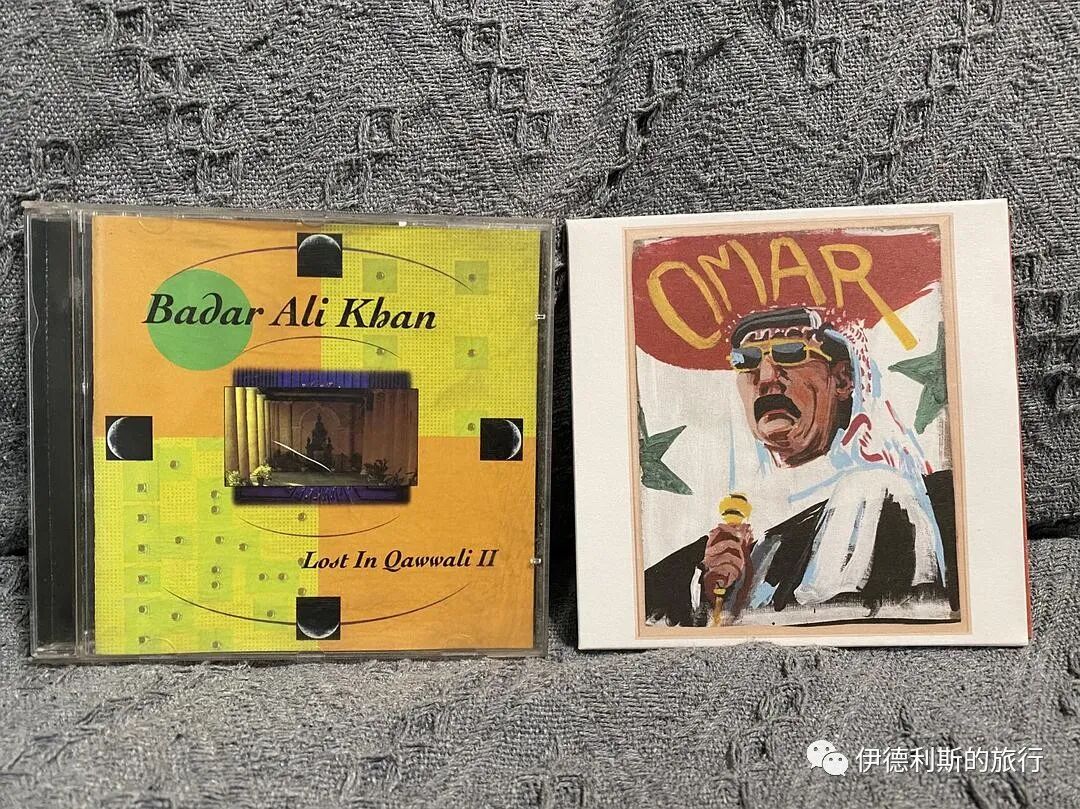
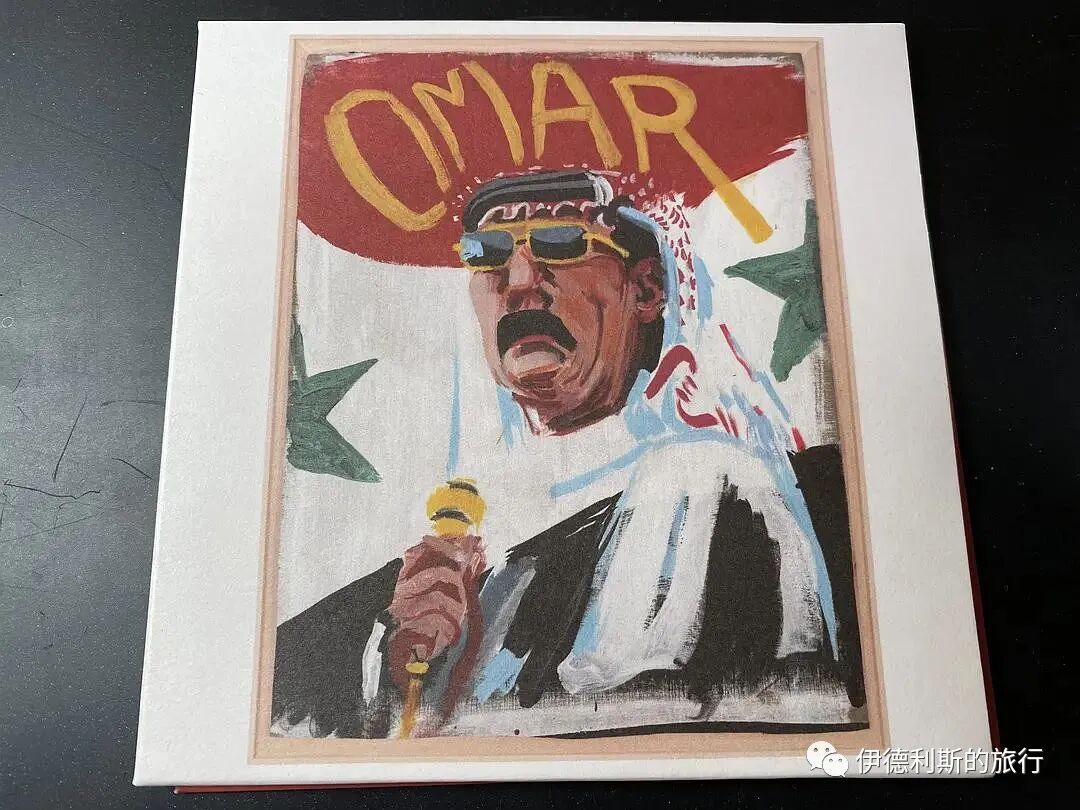
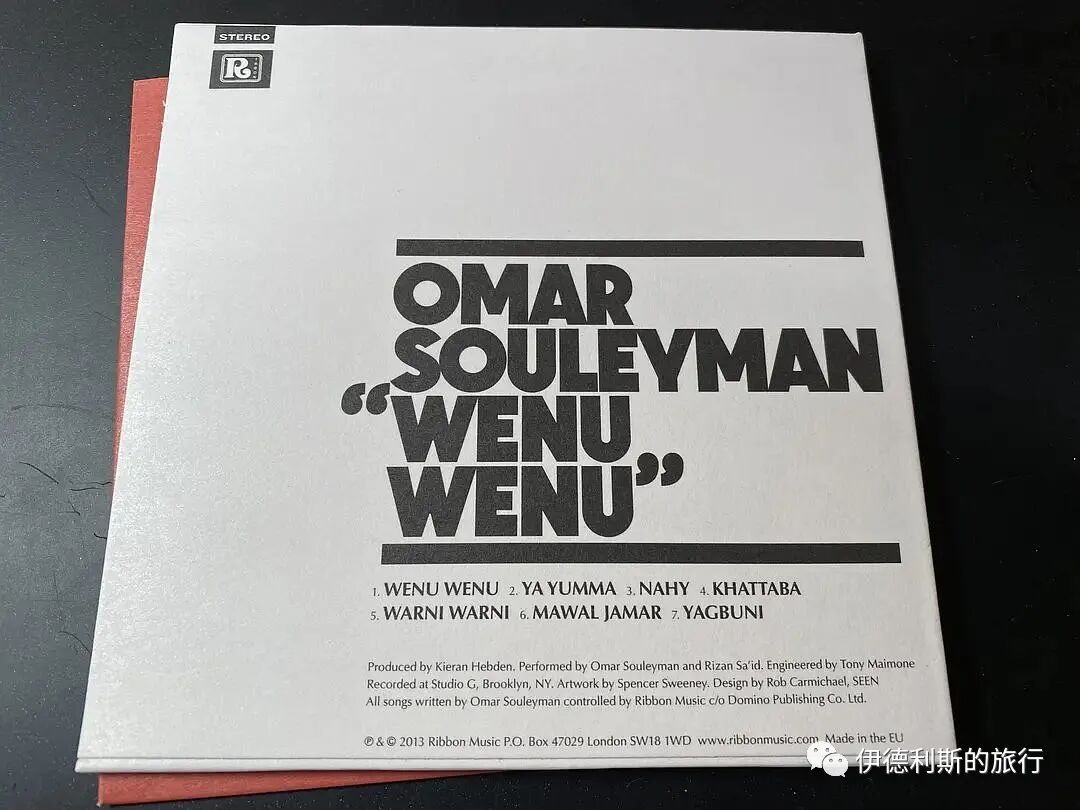
Legendary Syrian wedding singer Omar Souleyman's 2013 album "Wenu Wenu" features very energetic Syrian dance music. This album shows you the favorite songs Syrians play at weddings, birthdays, and circumcisions. Omar Souleyman's singing style is called Dabke, a traditional dance music from the Levant region. With keyboardist Rizan Sa'id's captivating music and Omar Souleyman's singing, Syrians open their arms, put them on each other's shoulders, and dance together.
Omar Souleyman was born in 1966 on the Syria-Turkey border. He made a living singing at weddings. He is a Sunni Arab, but his singing goes beyond ethnic groups. Kurds, Assyrians, Arabs, and Turks all like to invite him to sing at their weddings. Since 1994, Omar has recorded over 500 albums. He recorded 80% of them live at weddings. He would give these albums to the newlyweds and then sell them at local kiosks. In 2013, the British label Ribbon Music released Omar's studio album "Wenu Wenu." This is the album I bought.
After the Syrian civil war started in 2011, Omar fled to Turkey. In the Turkish border town of Akçakale, he set up a free bakery. It provides free bread to Syrian refugees in Turkey.
Famous Pakistani Sufi Qawwali music
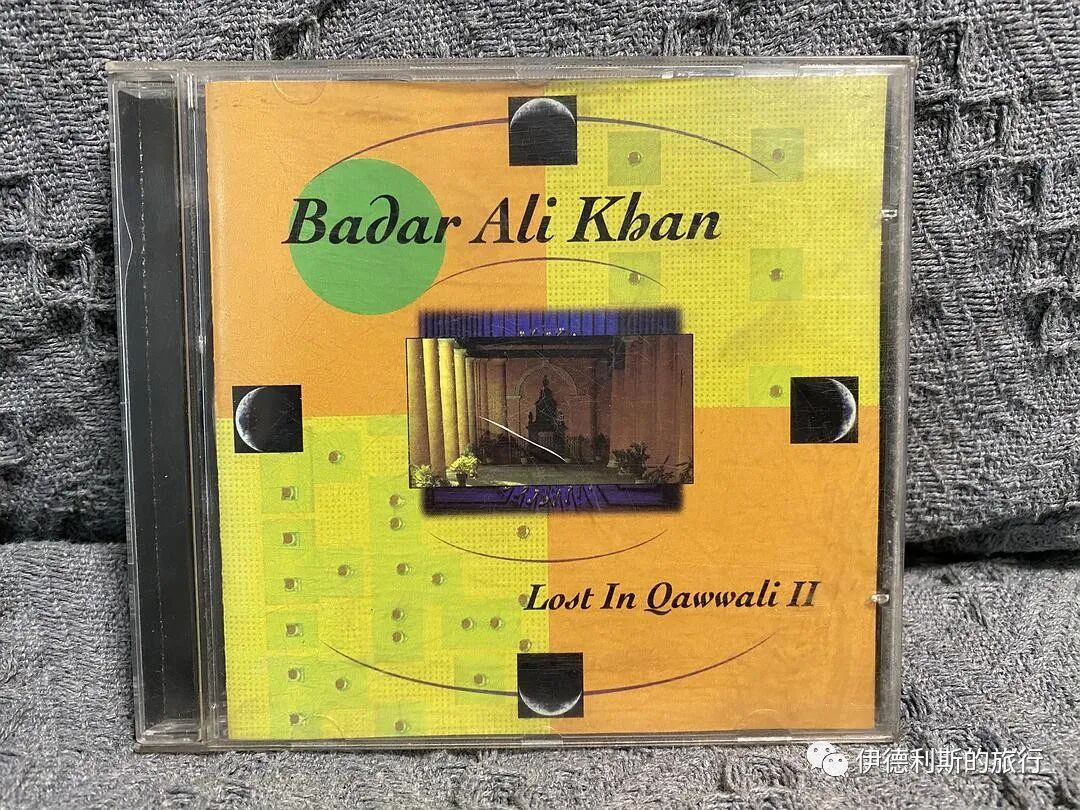
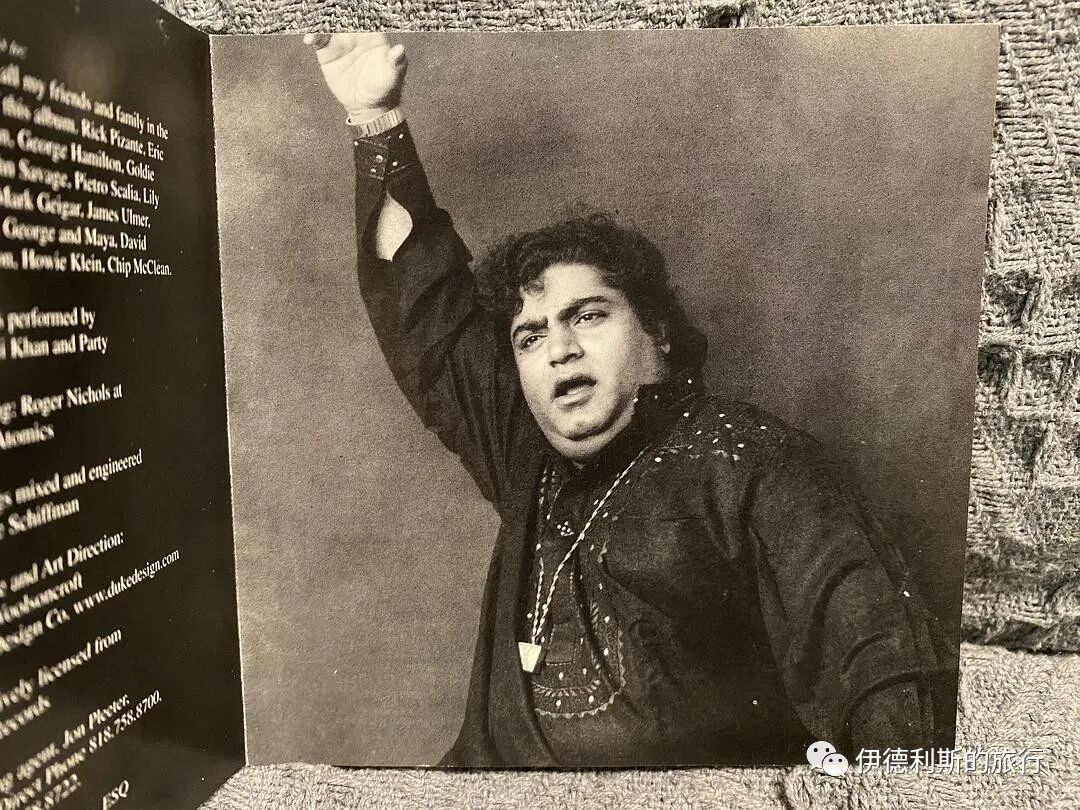
"Lost in Qawwali II" is an album by famous Pakistani Sufi Qawwali singer Badar Ali Khan. The American world music label Triloka Records released it in 1998.
Badar Ali Khan was a Punjabi Muslim. He was born in 1960 in Pakistan's Punjab province into a Sufi Qawwali music family with 600 years of history. His cousin was Nusrat Fateh Ali Khan, known as the "King of Qawwali."
Badar Ali Khan became a professional Qawwali singer in 1975. By the mid-1980s, he was well-known. He wrote music for many Bollywood and Pakistani films in the 1980s and 1990s. He returned to Allah from heart disease in 2007 at only 47 years old.
Qawwali music was invented in the 13th century by Amir Khusrow, a Sufi saint from the Chisti order in Delhi, India. He blended Persian, Turkic, Arabic, and Indian traditional music. Like the Turkish Sufi whirling dance we know, Qawwali is part of the Sufi Sama ritual. During the Mughal Empire, Qawwali was mainly sung in Persian. But as it spread across South Asia, people started singing it in many languages, including Urdu, Bengali, and Punjabi. At first, Qawwali music was only performed in Sufi shrines (Dargahs). It wasn't until the late 20th century that the international music world discovered it, and it began to be performed at world music festivals.
Summary: Muslim Music Records in China: Hui Culture, Old Albums and Memory is presented here as a firsthand travel account in clear English, beginning with this scene: On December 17, 2021, I went to Xinqiao Market at Sun Palace Building, outside Xizhimen in Beijing, to browse CDs at Director Cong Feng's stall. The account keeps its focus on Muslim Music, Hui Culture, China Travel while preserving the names, places, food, and historical details from the Chinese source.
On December 17, 2021, I went to Xinqiao Market at Sun Palace Building, outside Xizhimen in Beijing, to browse CDs at Director Cong Feng's stall. After just a couple of sentences, Director Cong recognized me as Wang Dongsì, laughing. He said a friend had shown him the diary entry I wrote about him before. Back in April 2021, at the Xinqiao Market, I bought several favorite CDs from Director Cong. This time, I picked up several more. Among them were Tanzanian dance music, Ottoman military band music, Algerian Sufi music, Azerbaijani tar music, music from a North African orchestra in Paris, and North Indian Sarangi music. Later, I got the urge to buy more, so I bought a Pakistani Sufi music album and a Syrian wedding music album from Director Cong's online store (Kong.com cf1972). I'll share them with you below.
Algerian Sufi Gnawa Music.
Sidh, a young Algerian musician based in Italy, released an African Sufi Gnawa music album called
Gnawa music comes from the Gnawa people, who migrated from sub-Saharan Africa to North and West Africa. Today, Gnawa music is centered in Essaouira, southwestern Morocco, and is popular across West and North Africa. It's a blend of classical Sufi music and traditional African music. In 2019, UNESCO listed it as an Intangible Cultural Heritage. Traditional Gnawa musicians use music and dance for spiritual healing. This ritual is called
On the album, Sidh plays two traditional Gnawa instruments: the Gumbri and the Qraqeb. The Gumbri is a bass three-string plucked instrument. It's carved from a log, with a body shaped like a canoe. Its soundbox is covered with camel or goat skin, and its strings are made from goat gut. The Qraqeb are large cast-iron castanets. Long ago, Gnawa people were sold as slaves from sub-Saharan Africa to North Africa. This instrument is used to recall the sound of horse hooves when they were carried away in sacks. It also represents the sound of shackles being removed when they regained their freedom. Sidh also plays the Bendir, a traditional North African wooden frame drum.
After the 1990s, Gnawa musicians began experimenting with blending their music with other genres. So, this album features Riccardo Manzi on guitar and the Greek plucked Bouzouki, Renato Vecchio on saxophone, flute, and the Armenian Duduk pipe, and Zaki Bedaida on acoustic guitar.
Sarangi from a North Indian Musician.
North Indian musician Murad Ali Khan released his Sarangi album, "Feelings of the Heart (Traditional Sarangi)," on the Italian label Felmay in 2009. The Sarangi is a bowed, short-necked string instrument popular in North South Asia, including Punjab, Rajasthan, Pakistan, and Bangladesh. Its sound is much like a soprano voice, and it is known as one of the most difficult South Asian instruments to play. Historically, the Sarangi mainly accompanied wandering singers and dancers. The Sarangi became a solo instrument only after musicians like Bundu Khan (1880-1955) and Ram Narayan (1927-) improved it in the 20th century.
Murad Ali Khan comes from a musical family in Moradabad, a city in India's Uttar Pradesh state. He is a leading Sarangi musician among India's middle-aged and younger artists. Murad Ali Khan's family has played the Sarangi for six generations. He learned the Sarangi from a young age under the strict training of his grandfather and father. He started performing on stage at age 10. His playing has a bright tone and rich imagination.
Contemporary Azerbaijani Tar Master.
Contemporary Azerbaijani Tar master Ramiz Quliyev released his album, "Dialogues with the Tar (Traditional Music of Azerbaijan)," on the Italian label Felmay in 2013.
Ramiz was born in Agdam in 1947. Neither of his parents were musicians, but his uncle Habib's tar hung on the wall of their home since Ramiz was a child. His uncle, Habib Quliyev, was once an excellent tar player. Sadly, he could no longer play after injuring his arm in World War II. Habib became Ramiz's first teacher, and the tar on the wall became Ramiz's first instrument. When that tar broke from practice, Ramiz's father sold several beehives from their farm to buy Ramiz a new instrument. His father strongly supported his music.
Ramiz started at the Agdam music school at age 7. At 17, he went to the Azerbaijan State Conservatory for advanced studies. After age 27, he stayed at the conservatory as a national instrument teacher. He won many awards after that and has been known as the People's Artist of Azerbaijan since 1988. Ramiz toured Europe and America in the late 1980s and early 2000s. He had great success at a folk festival in Washington in 1988, which led to an invitation to perform at the White House.
Besides traditional Azerbaijani mugham (muqam), Ramiz also excels at playing works by many Azerbaijani composers and tar (tar) pieces adapted from European music. Countless people love his exquisite playing, unique tone, and rich creativity. Ramiz still teaches at the Baku Academy of Music today. He has trained many excellent tar (tar) artists.
Ottoman Military Band
Seven Seas, a sub-label of Japan's King Records, released the first volume in its "World Music Library" series in 1999, titled "Turkish Military Band Music of Ottoman Empire." The album includes two parts: Ottoman military music and Turkish traditional music played on the Klasik Kemence bowed string instrument. Both are live recordings from the 1960s-70s.
The Ottoman Military Band (Mehter Bölüğü) might be the oldest existing military band. Sultan Kayqubad III (reigned 1298-1302) of the Seljuk Sultanate of Rum reportedly gave the first Ottoman military musicians as a gift to the Ottoman dynasty in 1299. From then on, every day after the afternoon namaz, the musicians would play for the Ottoman Sultan.
The tunes of the Ottoman Military Band date back to the 16th century. They developed greatly in the 17th century, and many musicians composed pieces for the band. In the mid-17th century, 300 military band musicians lived in the Ottoman palace in Istanbul. They performed three times a day. Another 1,000 military band musicians in Istanbul were spread across various armies in the city. They performed once at dawn and once at sunset every day. In 1826, Sultan Mahmud II (reigned 1808-1839) abolished the Janissaries (Sultan's elite infantry). The military band then disbanded.
Standard military band instruments included the large kettledrum (Kös), small kettledrum (Nakare), bass drum (Davul), cymbals (Zil), bass zurna (Kaba Zurna), horn (Boru), and a percussion instrument with bells called Cevgen. The band's composition varied in different eras. On the eve of the Janissaries' abolition, one band consisted of nine Davul drummers, nine zurna players, nine Nakare drummers, nine cymbal players, and nine horn players.
After the 20th century, the Istanbul Military Museum revived the Ottoman Military Band's performances. They played in 1953 to celebrate the 500th anniversary of Sultan Mehmed the Conqueror's capture of Istanbul.
Today, the Ottoman Military Band performs regularly at the Istanbul Military Museum and at various ceremonies. The grandest performance happens on May 29 each year, at the ceremony celebrating the Ottoman conquest of Constantinople.
Tanzanian Dance Music
The Tanzanian Imani Ngoma Art Troupe's album 'BAPE' was released in 2005 by the Italian label Felmay. The Imani Ngoma Art Troupe started in 2000 in Kariakoo, a Tanzanian city on the Indian Ocean. Its goal is to revive, develop, and promote traditional Tanzanian music, dance, and theater. The Imani Troupe performs traditional songs and dances from Zanzibar Island and mainland Tanzania. The Nogoma drum is their most important instrument. They also use the Zumari woodwind, which might have come from Portugal, the Sanduku bass, and various percussion instruments. Female vocals are also very important in the troupe. These powerful songs cover many topics, including history, culture, love, poverty, and the fight against AIDS. They range from current social issues to the eternal mysteries of the human heart.
North African Band in Paris
The North African Orchestre National de Barbes from Paris released their album 'En Concert' in 1998.
Barbès is a neighborhood at the foot of Paris's Sacré-Cœur Basilica. It has the largest concentration of North Africans and is known as 'a little piece of North Africa'. This area is a melting pot of North African culture, food, and music. You can find many small North African restaurants and shisha (water pipe) lounges. TVs here play various Middle Eastern music programs through satellite dishes.
In the 1980s, people from all over North Africa moved to this Parisian neighborhood. Many talented musicians were among them. Among these musicians, Larbi Dida was a founding member of the famous Algerian band Raina Rai. This band was the first to mix Algerian folk music, Rai, with rock music. Youcef Boukalla was the bassist for T34, a pioneering Algerian Arabic rock band from the 1980s. Aziz Sahmouni is a Sufi musician from Marrakech, Morocco. He is skilled at blending Moroccan Sufi Gnawa music with modern music.
After the 1990s, these talented North African musicians living in Barbès came together to form the Orchestre National de Barbes. They began to experiment with combining traditional North African Maghreb music with modern rock and funk music. After this, more North African and French musicians kept joining the group. In 1998, the band recorded their first album, 'En Concert,' live at the Agory Theater in Paris.
Legendary Syrian wedding singer
Legendary Syrian wedding singer Omar Souleyman's 2013 album "Wenu Wenu" features very energetic Syrian dance music. This album shows you the favorite songs Syrians play at weddings, birthdays, and circumcisions. Omar Souleyman's singing style is called Dabke, a traditional dance music from the Levant region. With keyboardist Rizan Sa'id's captivating music and Omar Souleyman's singing, Syrians open their arms, put them on each other's shoulders, and dance together.
Omar Souleyman was born in 1966 on the Syria-Turkey border. He made a living singing at weddings. He is a Sunni Arab, but his singing goes beyond ethnic groups. Kurds, Assyrians, Arabs, and Turks all like to invite him to sing at their weddings. Since 1994, Omar has recorded over 500 albums. He recorded 80% of them live at weddings. He would give these albums to the newlyweds and then sell them at local kiosks. In 2013, the British label Ribbon Music released Omar's studio album "Wenu Wenu." This is the album I bought.
After the Syrian civil war started in 2011, Omar fled to Turkey. In the Turkish border town of Akçakale, he set up a free bakery. It provides free bread to Syrian refugees in Turkey.
Famous Pakistani Sufi Qawwali music
"Lost in Qawwali II" is an album by famous Pakistani Sufi Qawwali singer Badar Ali Khan. The American world music label Triloka Records released it in 1998.
Badar Ali Khan was a Punjabi Muslim. He was born in 1960 in Pakistan's Punjab province into a Sufi Qawwali music family with 600 years of history. His cousin was Nusrat Fateh Ali Khan, known as the "King of Qawwali."
Badar Ali Khan became a professional Qawwali singer in 1975. By the mid-1980s, he was well-known. He wrote music for many Bollywood and Pakistani films in the 1980s and 1990s. He returned to Allah from heart disease in 2007 at only 47 years old.
Qawwali music was invented in the 13th century by Amir Khusrow, a Sufi saint from the Chisti order in Delhi, India. He blended Persian, Turkic, Arabic, and Indian traditional music. Like the Turkish Sufi whirling dance we know, Qawwali is part of the Sufi Sama ritual. During the Mughal Empire, Qawwali was mainly sung in Persian. But as it spread across South Asia, people started singing it in many languages, including Urdu, Bengali, and Punjabi. At first, Qawwali music was only performed in Sufi shrines (Dargahs). It wasn't until the late 20th century that the international music world discovered it, and it began to be performed at world music festivals.
