
Kazan Kremlin Exhibition: Golden Horde, Mongol Empire and Muslim Heritage
Reposted from the web
Summary: Kazan Kremlin Exhibition: Golden Horde, Mongol Empire and Muslim Heritage is presented here as a firsthand travel account in clear English, beginning with this scene: In the summer of 2019, I visited Kazan in Tatarstan. At the Hermitage-Kazan Exhibition Centre inside the Kazan Kremlin, I saw a special exhibition called The Golden Horde and the Black Sea Coast: Lessons of the. The account keeps its focus on Golden Horde, Kazan Travel, Muslim Heritage while preserving the names, places, food, and historical details from the Chinese source.
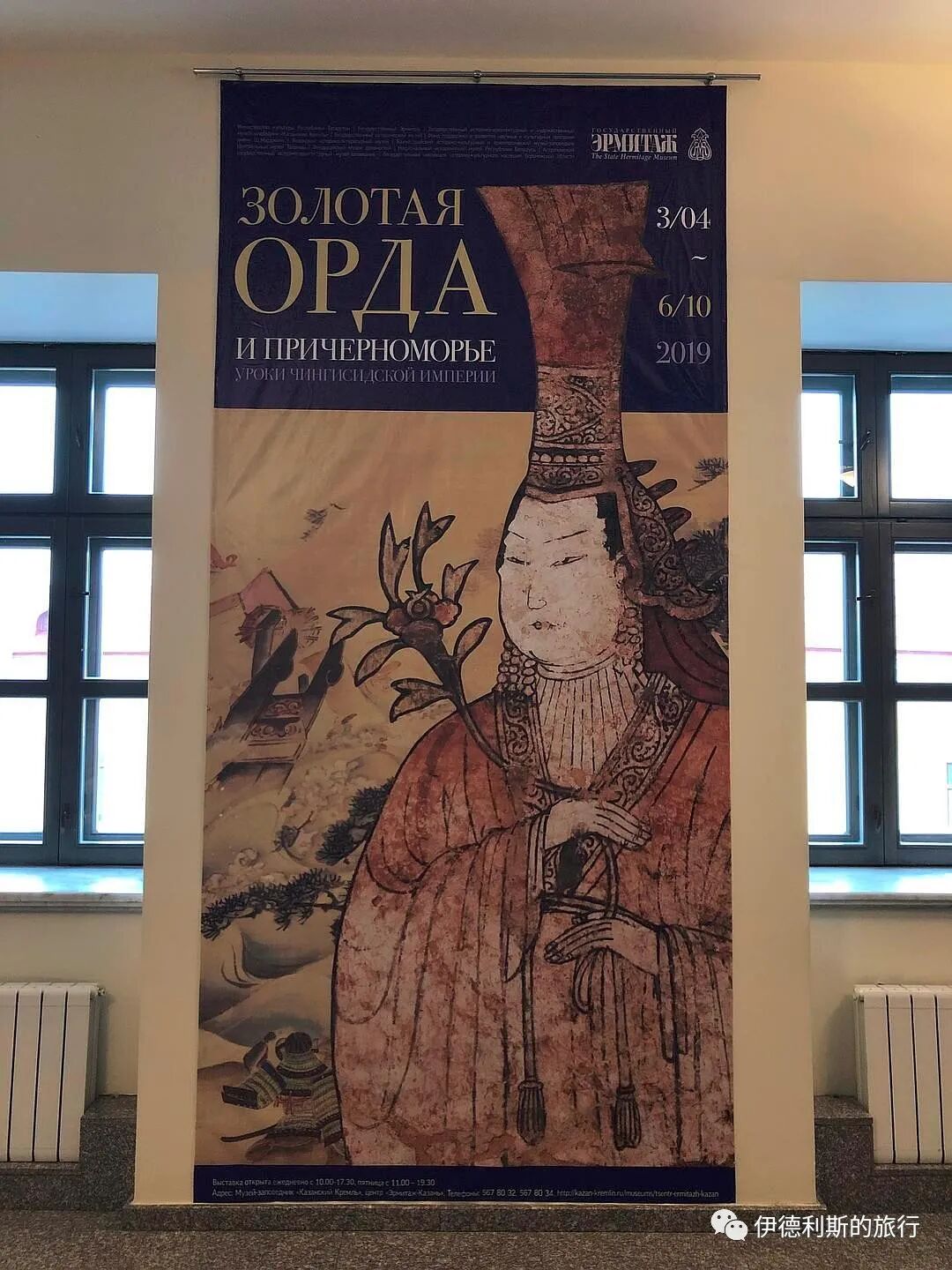
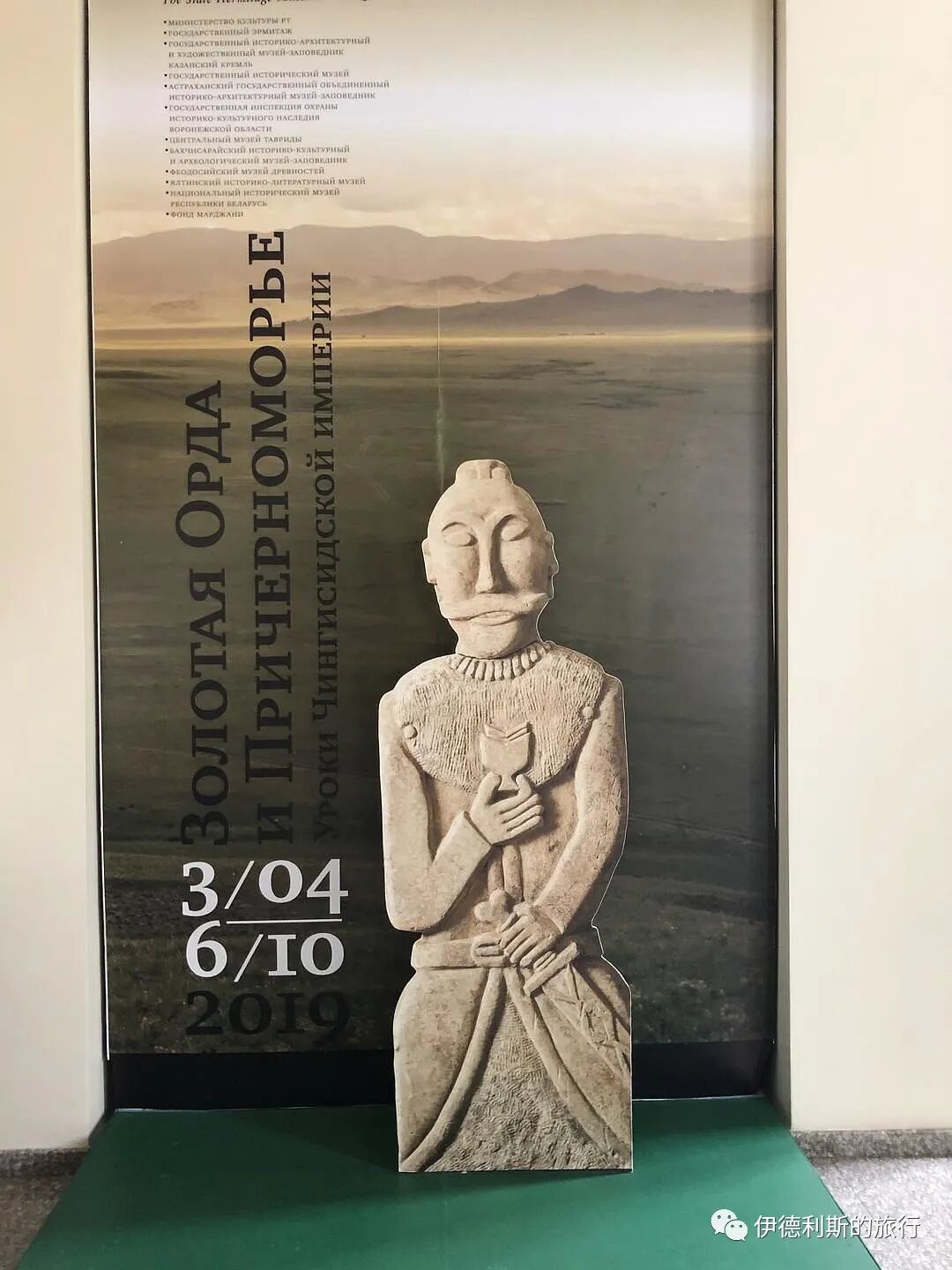
In the summer of 2019, I visited Kazan in Tatarstan. At the Hermitage-Kazan Exhibition Centre inside the Kazan Kremlin, I saw a special exhibition called The Golden Horde and the Black Sea Coast: Lessons of the Genghisid Empire. The items came from the State Hermitage Museum in St. Petersburg and nine other museums, showing the history of the Golden Horde and the Mongol Empire.
New Sarai, the capital of the Golden Horde.
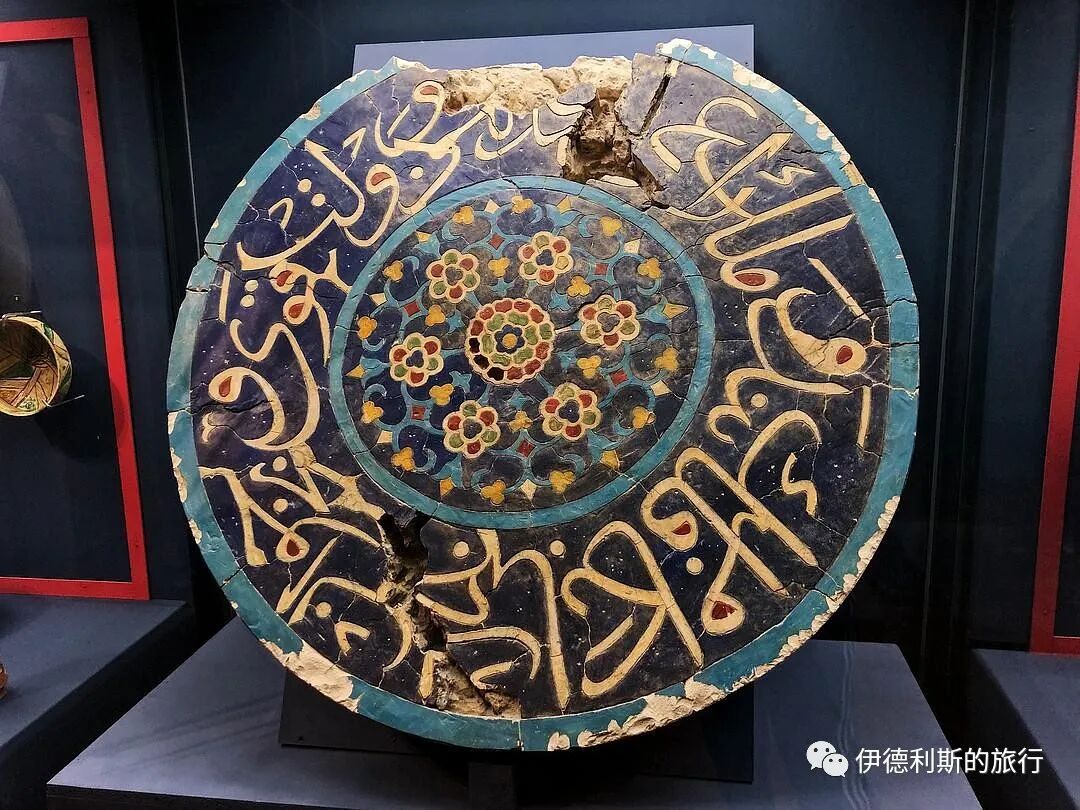
A 14th-century Persian tile found in the 1980s at the palace ruins of the Golden Horde capital, New Sarai.
New Sarai sits 85 kilometers east of Volgograd. It was the second capital of the Golden Horde, built in the 14th century by Öz Beg Khan, who reigned from 1312 to 1341. During the time of Öz Beg Khan, the Golden Horde fully embraced Islam. The famous traveler Ibn Battuta described New Sarai in his journals as one of the most beautiful cities, full of people, with lovely markets and wide streets. He noted it had 13 Friday mosques and many smaller mosques.
New Sarai was destroyed many times. Timur first damaged New Sarai in 1395. Meñli I Giray, the Khan of the Crimean Khanate, destroyed it again in 1502. Finally, Ivan the Terrible of Russia crushed the entire city in 1556 when he conquered the Astrakhan Khanate.
In 1965, a Volga archaeological team led by the German researcher Alekseevich Fedorov-Davydov excavated 25,000 square meters of the ancient city ruins. During the 1960s and 1980s, they discovered ruins of manors, a mosque, a large cemetery, and artisan workshops in the ancient city.
Stary Krym, the capital of the Golden Horde on the Crimean Peninsula.
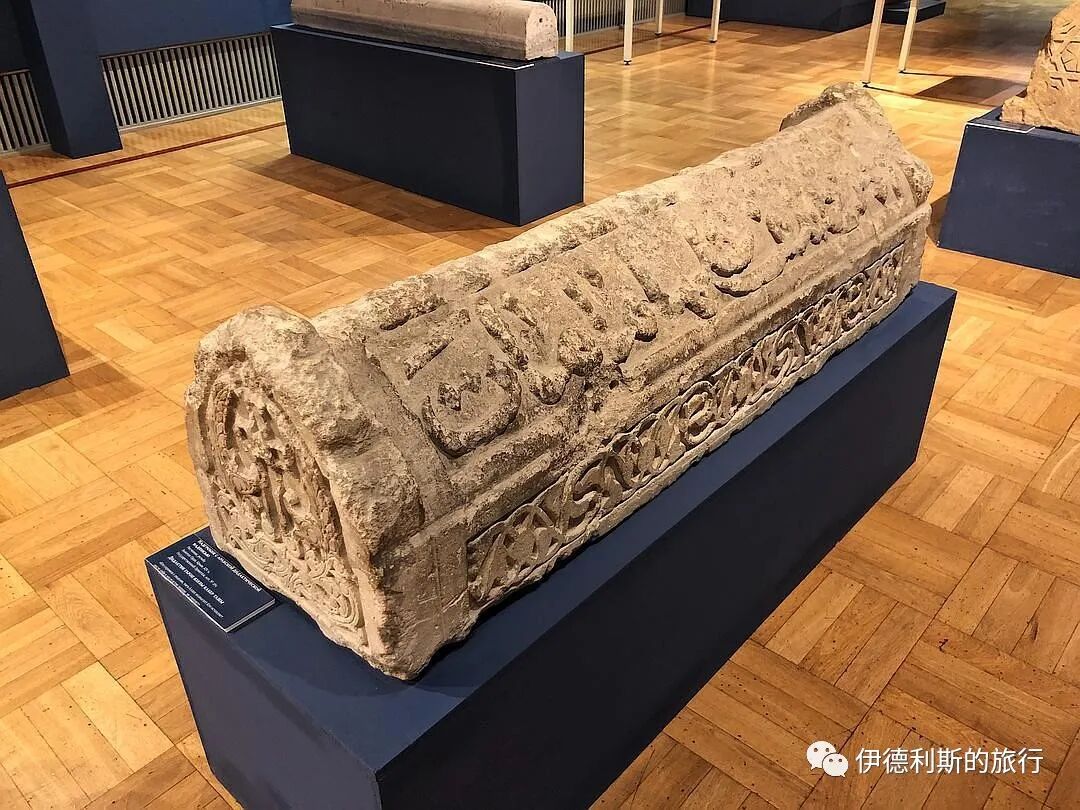
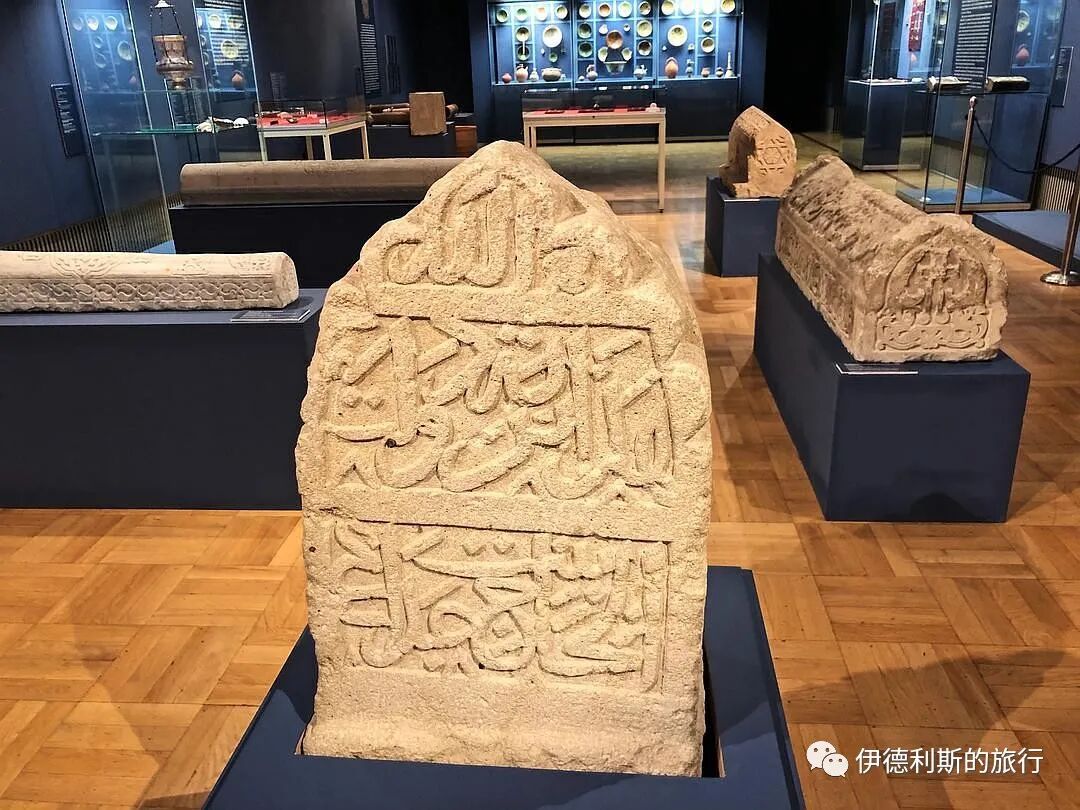
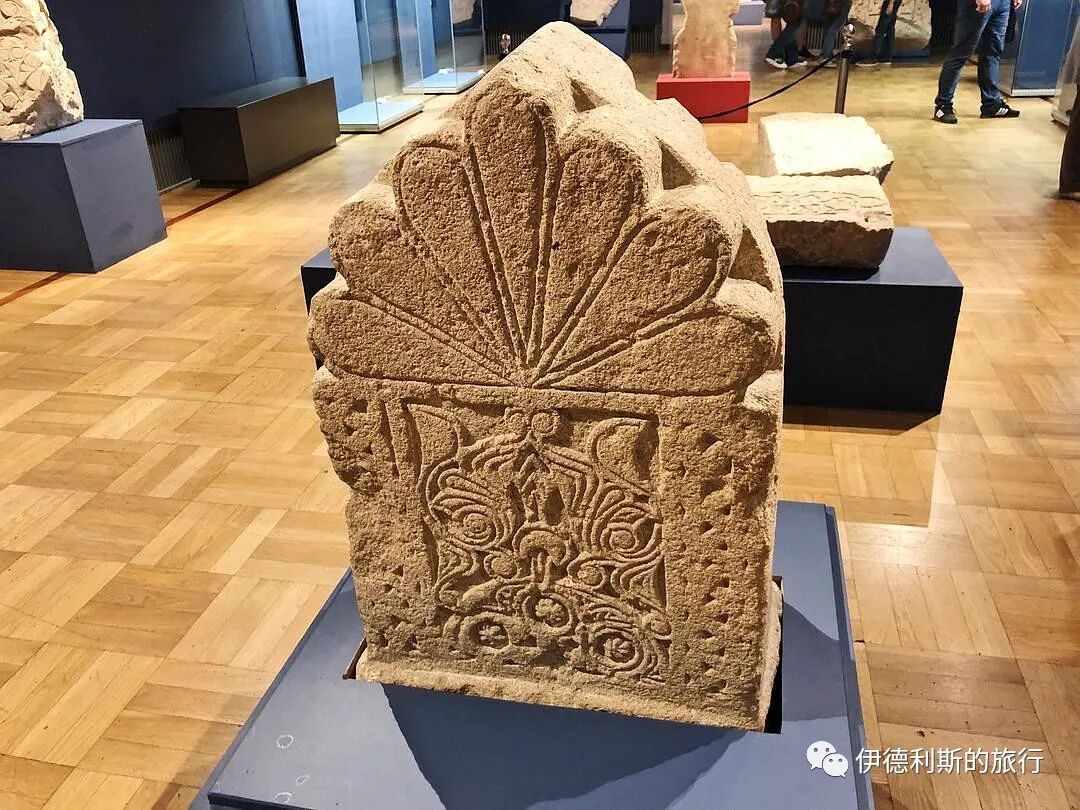
Muslim tombstones from the 14th and 15th centuries during the Golden Horde period, all from the ancient city of Stary Krym in the eastern part of the Crimean Peninsula.
Stary Krym started as a fortress for the Khazars. After the Mongol conquest, Batu Khan, the founder of the Golden Horde, made it the capital of the Golden Horde on the Crimean Peninsula. Stary Krym grew into a prosperous city in the 14th century, but it was destroyed in the late 15th century by the Crimean Khan, Mengli Girai.
Stary Krym played an important role in cultural exchange between Southern Europe, Byzantium, and Asia Minor. Latin-Byzantine culture and Turkic-Mongol culture met here, creating a unique artistic style.
A marble Muslim tombstone from the second half of the 14th to the 15th century.
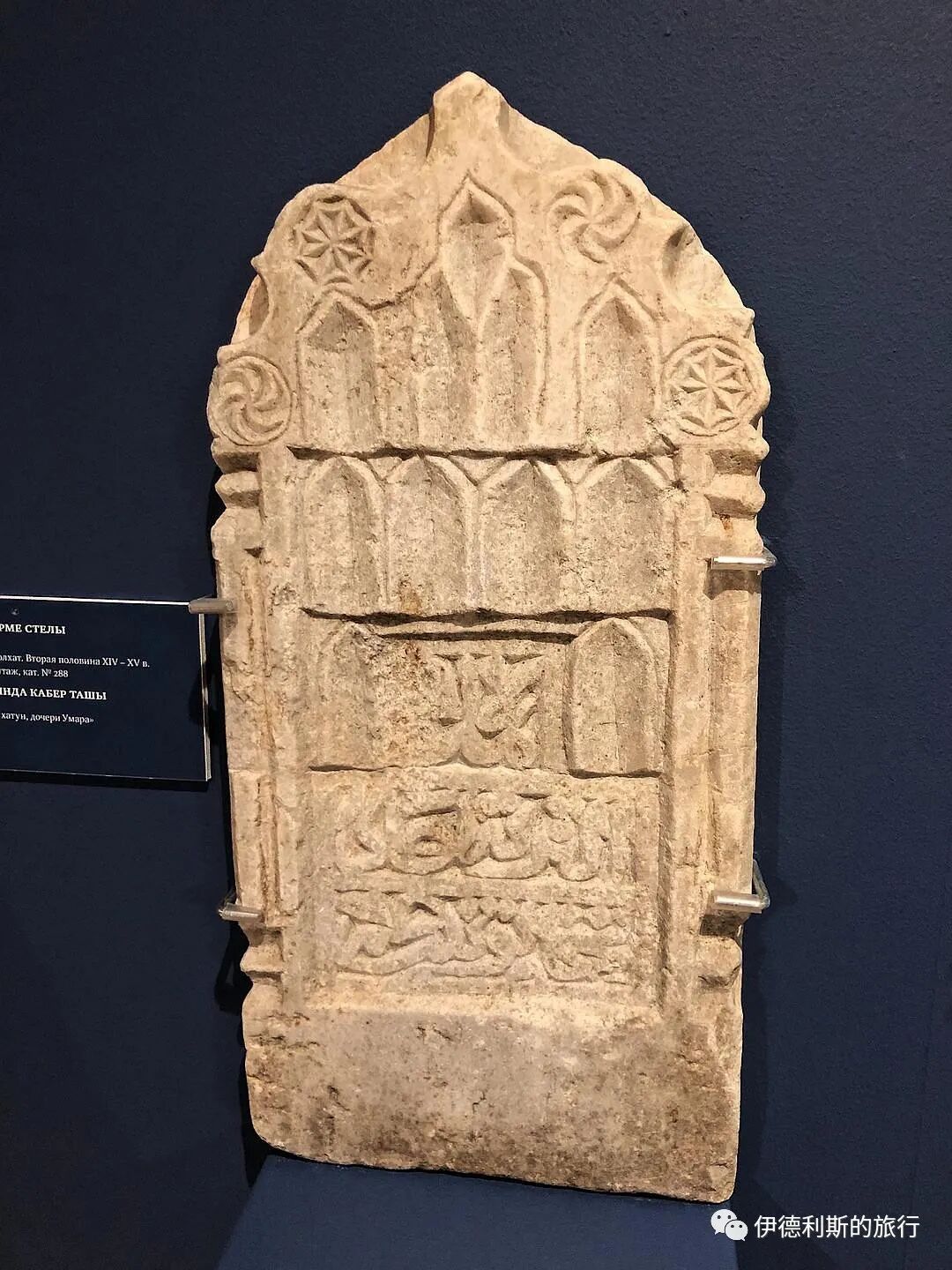
Two marble Muslim tombstones from 1371 and 1429, found in 1925 in the furrows of the ancient city of Stary Krym.
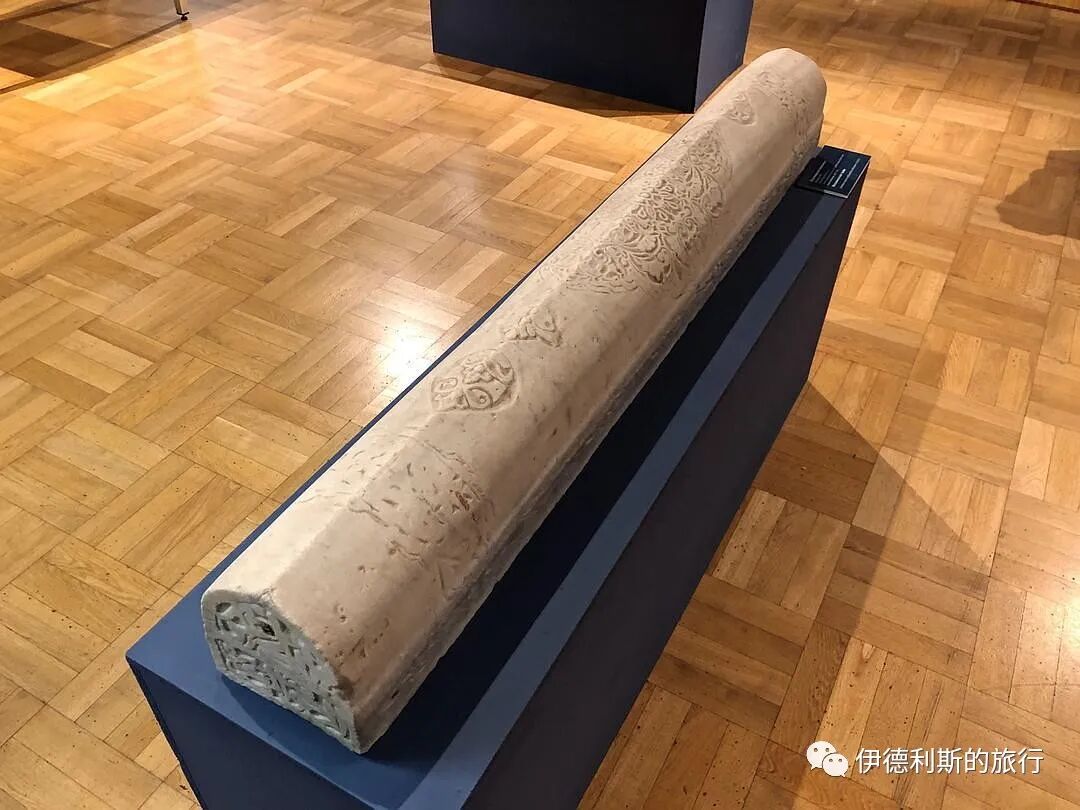
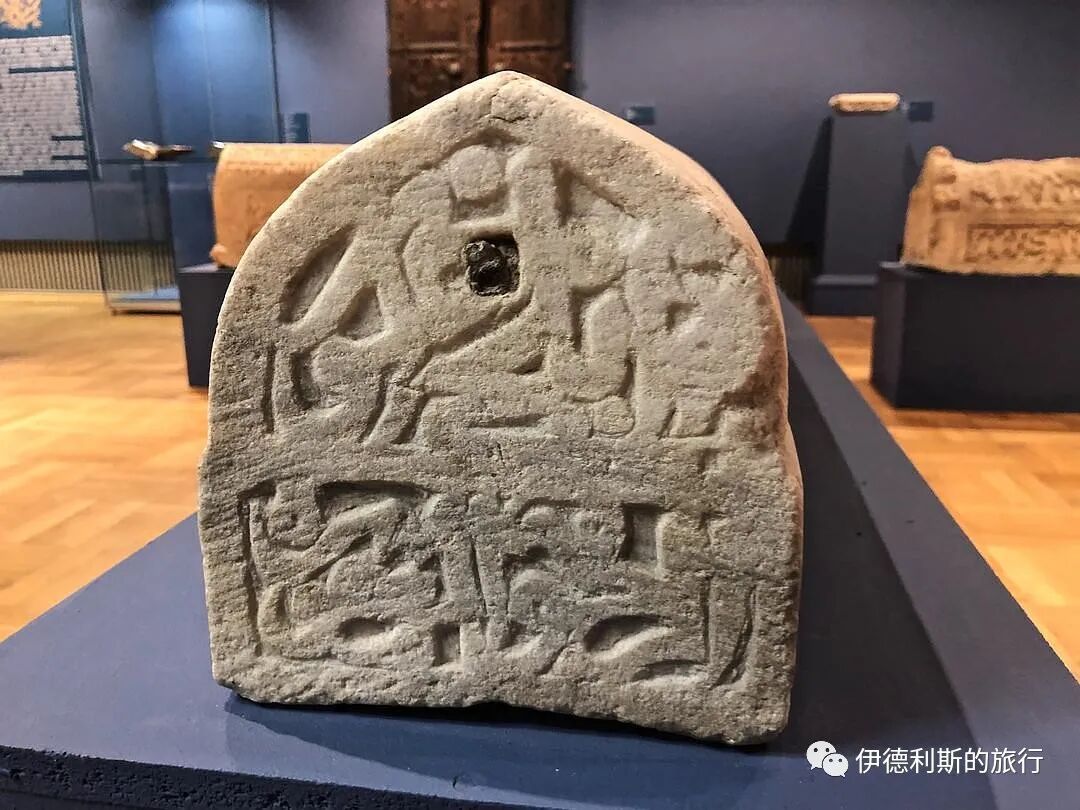
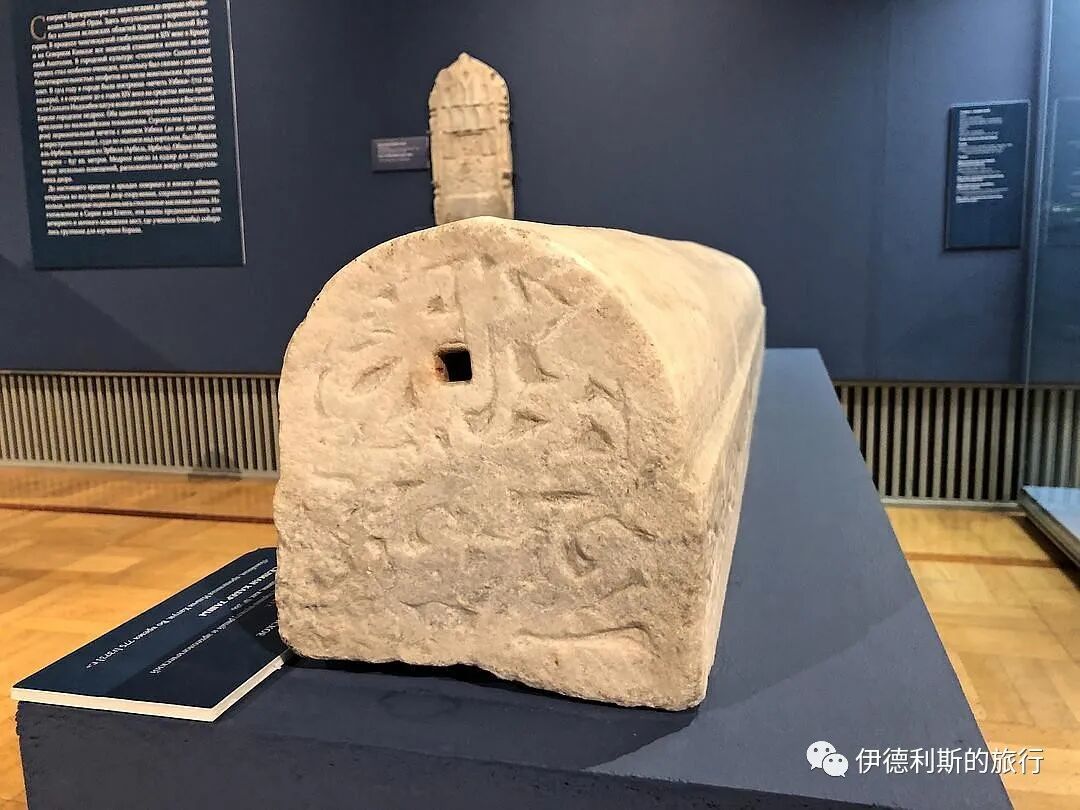
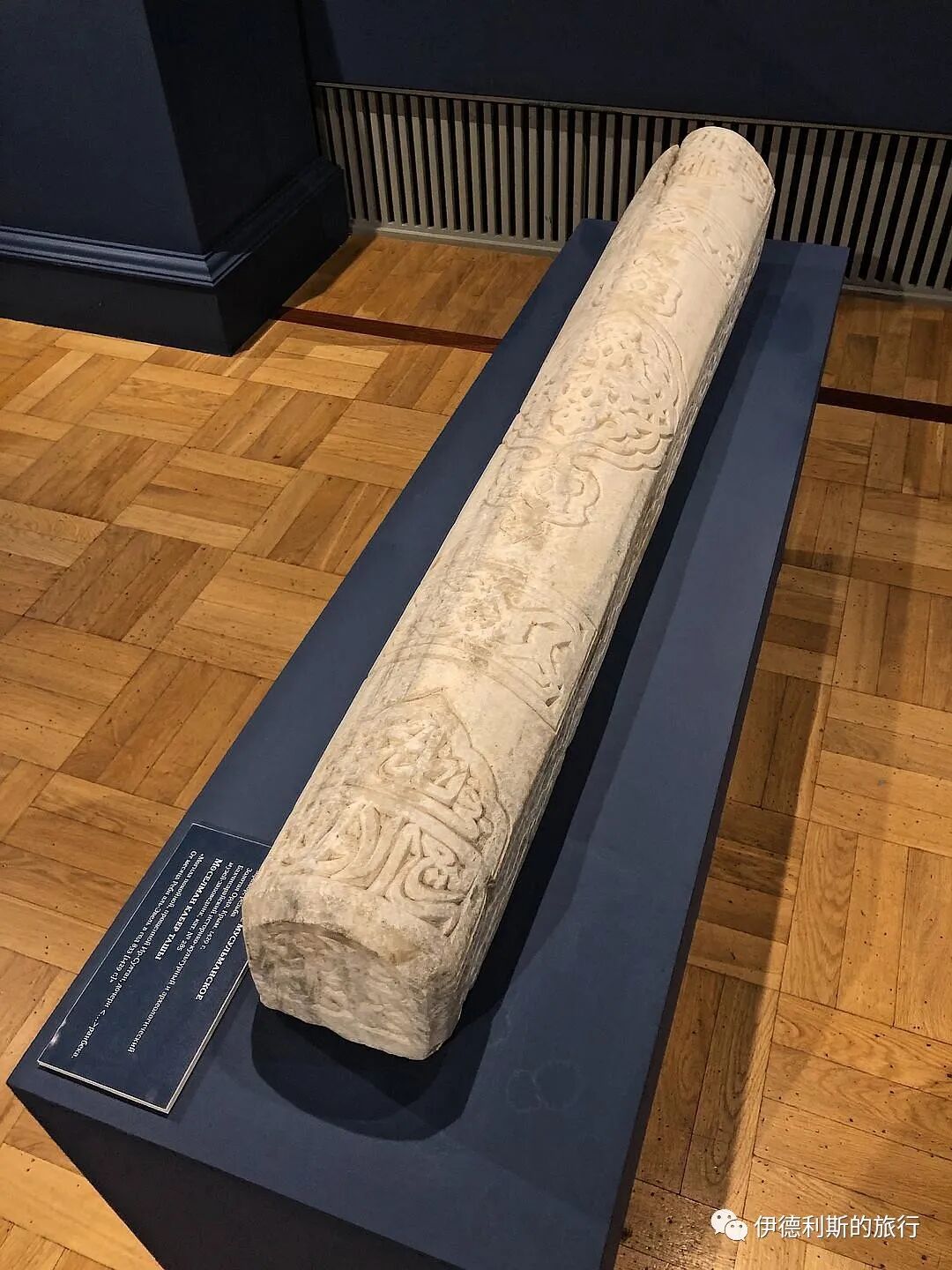
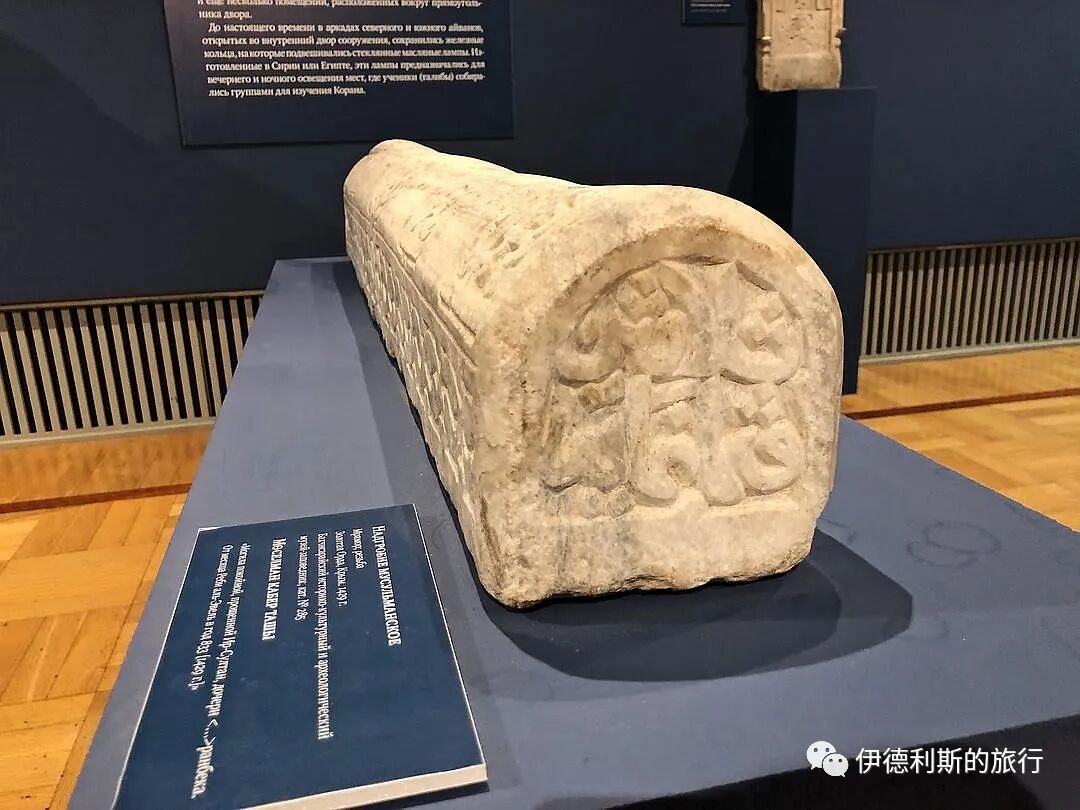
Two sandstone Muslim tombstones from the 14th century, excavated in 1979 from the castle on the hill in the ancient city of Stary Krym.
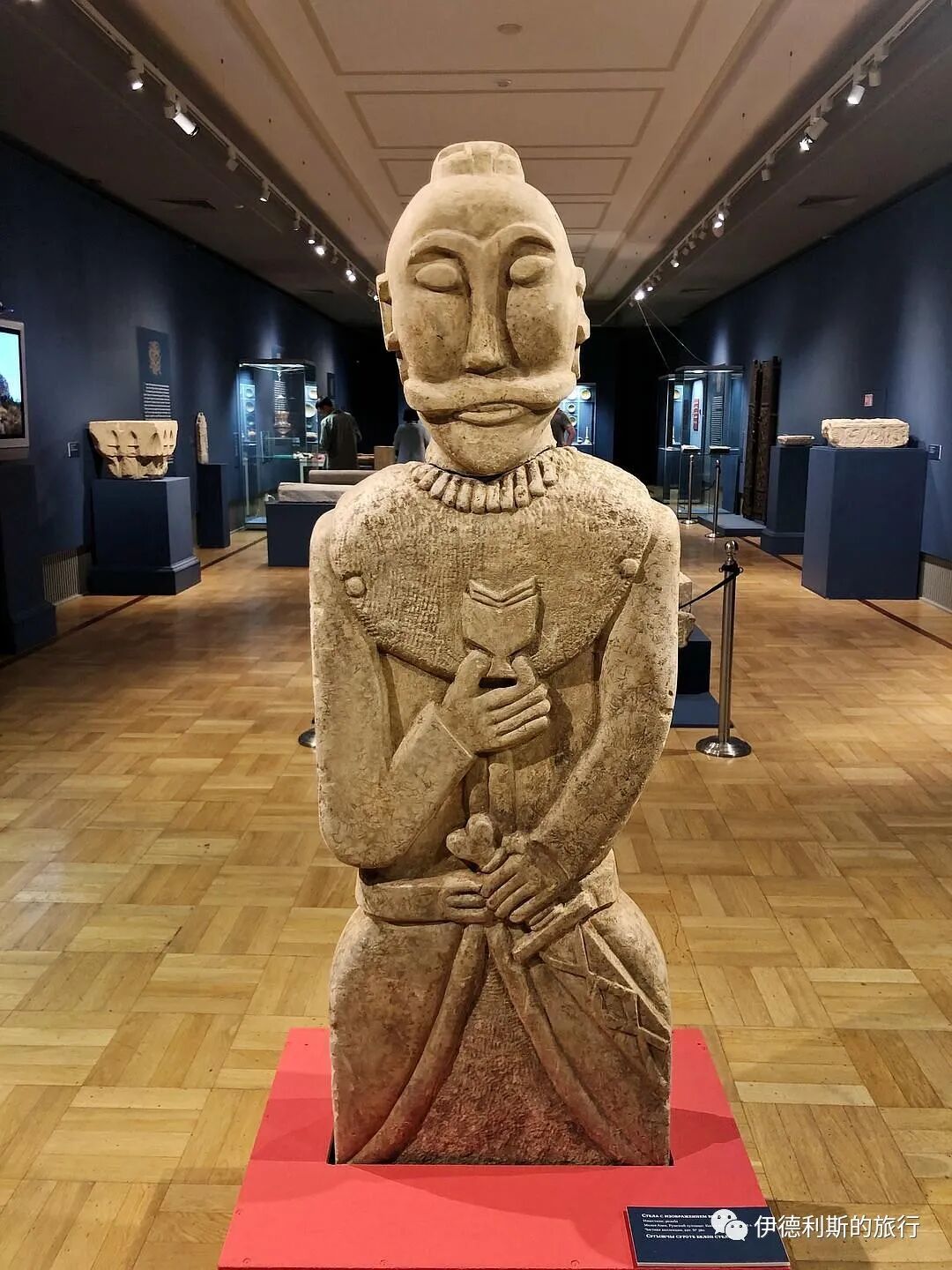
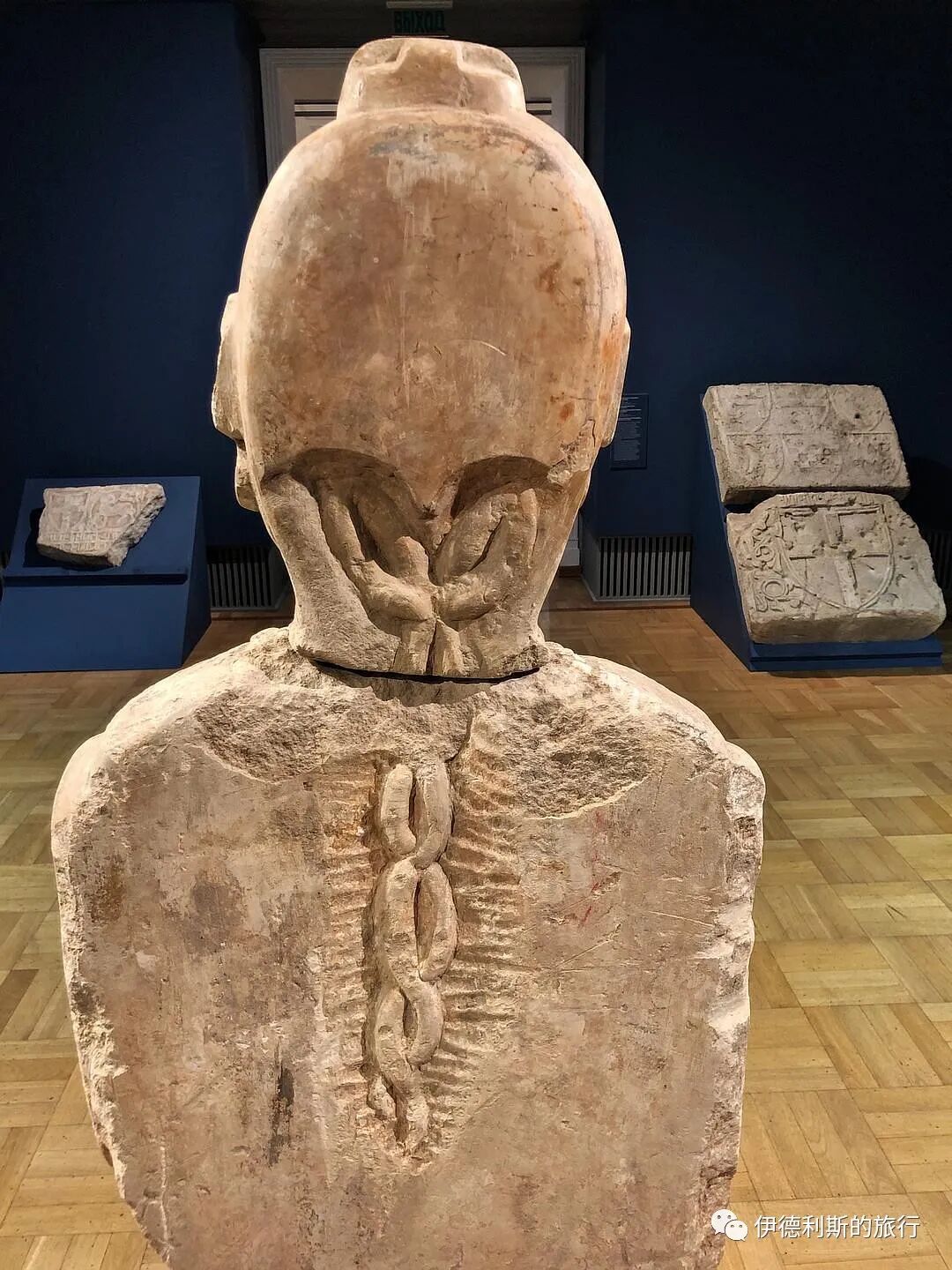
A stone stele showing a warrior from the late 12th or early 13th century. It was found near the ancient city of Stary Krym on the Crimean Peninsula and came from the Seljuk Sultanate of Rum in Asia Minor.
The North Caucasus during the Golden Horde era.
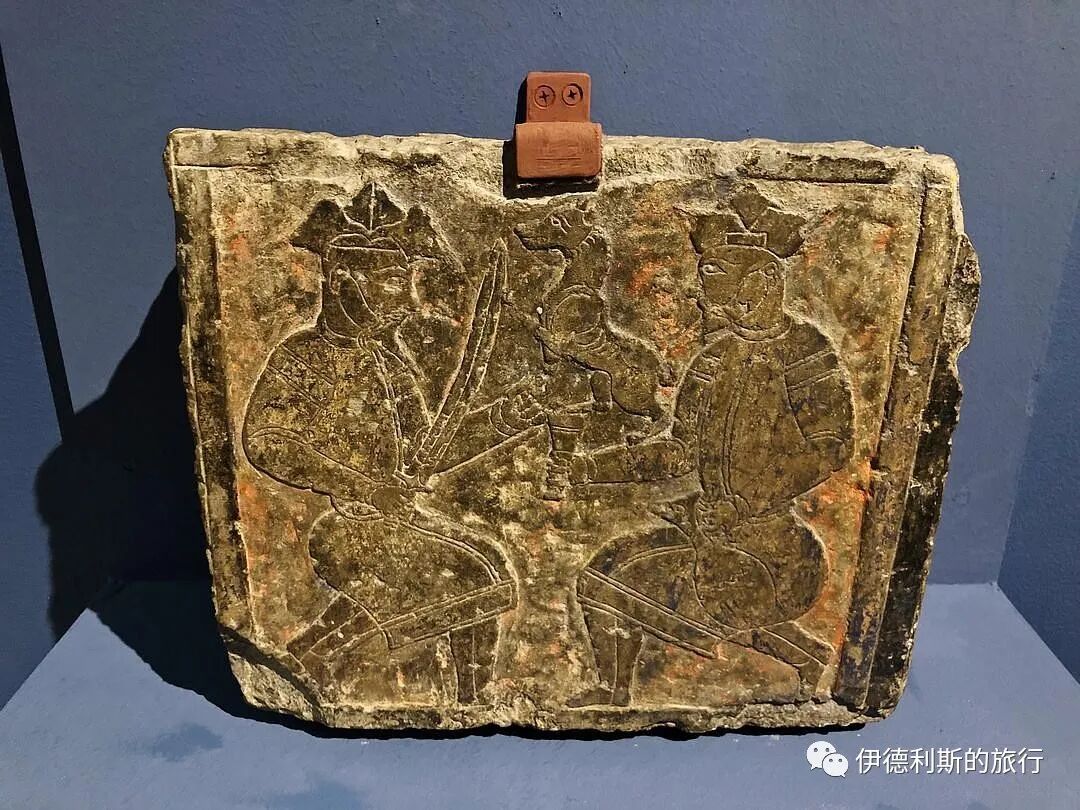
A 14th-century shale stone carving from Kubachi in Dagestan, North Caucasus. Kubachi is a center for traditional metalwork, stone carving, and wood carving in the Caucasus. It has been famous for making weapons and chainmail since the Middle Ages.
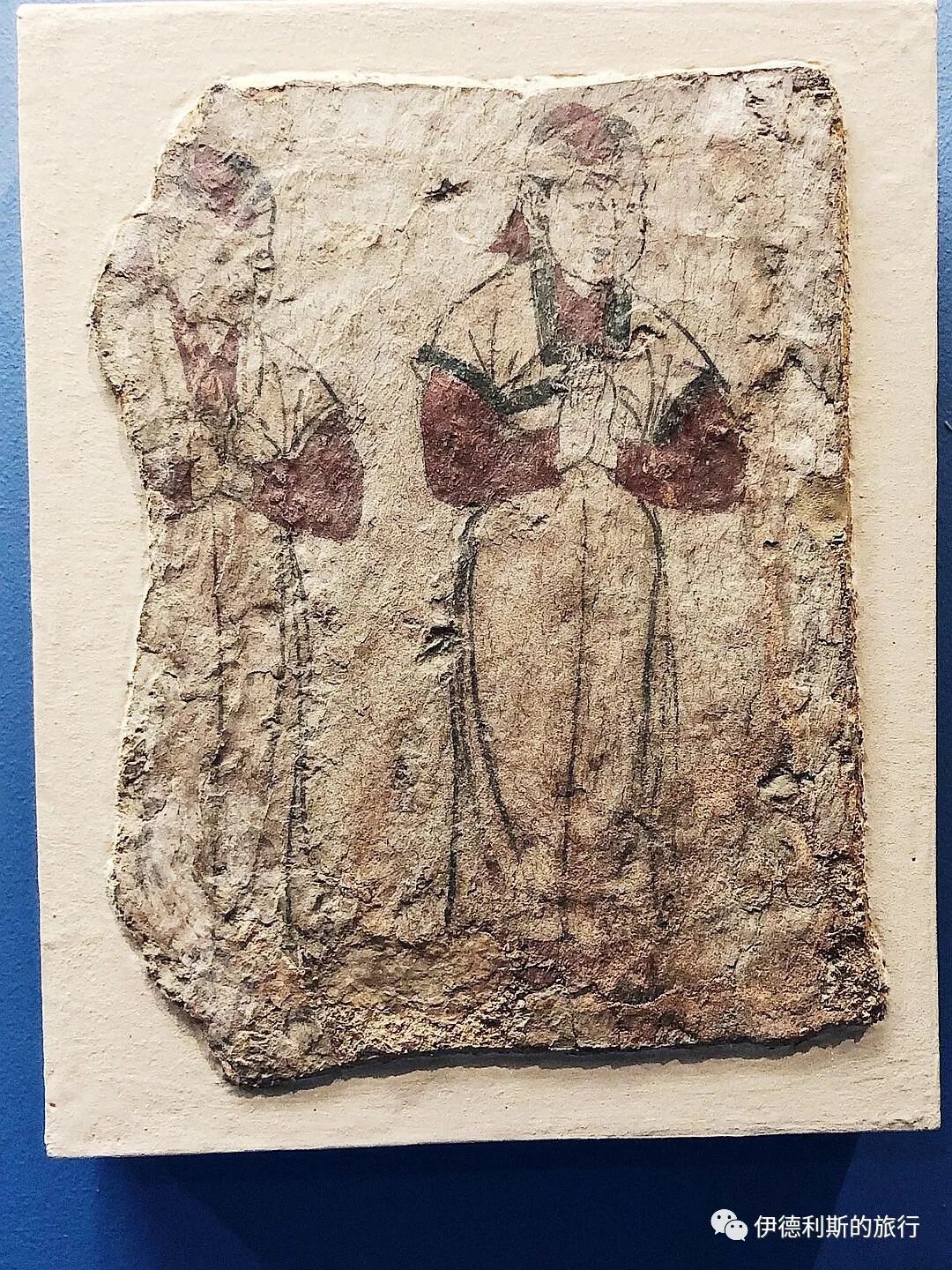
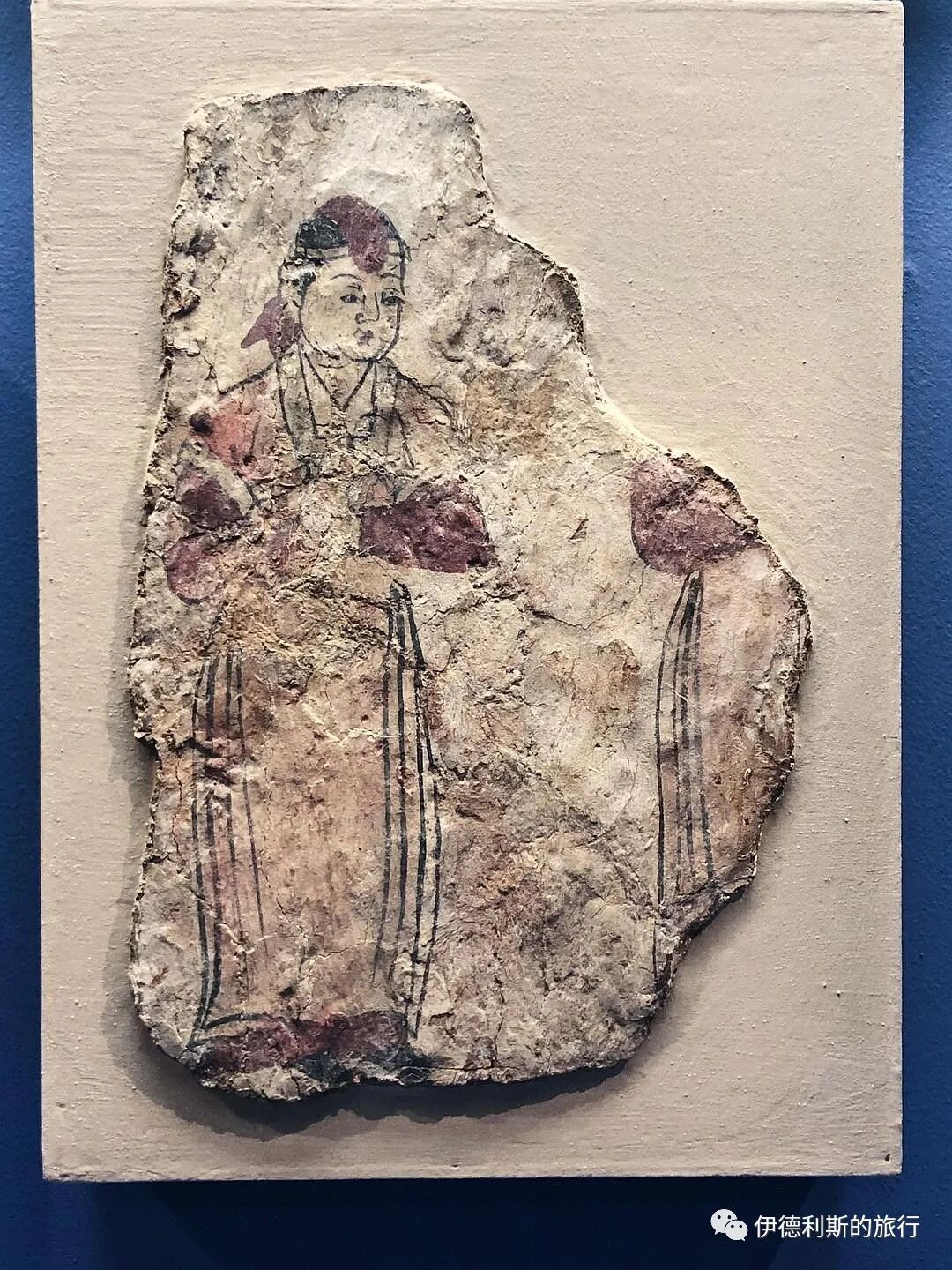
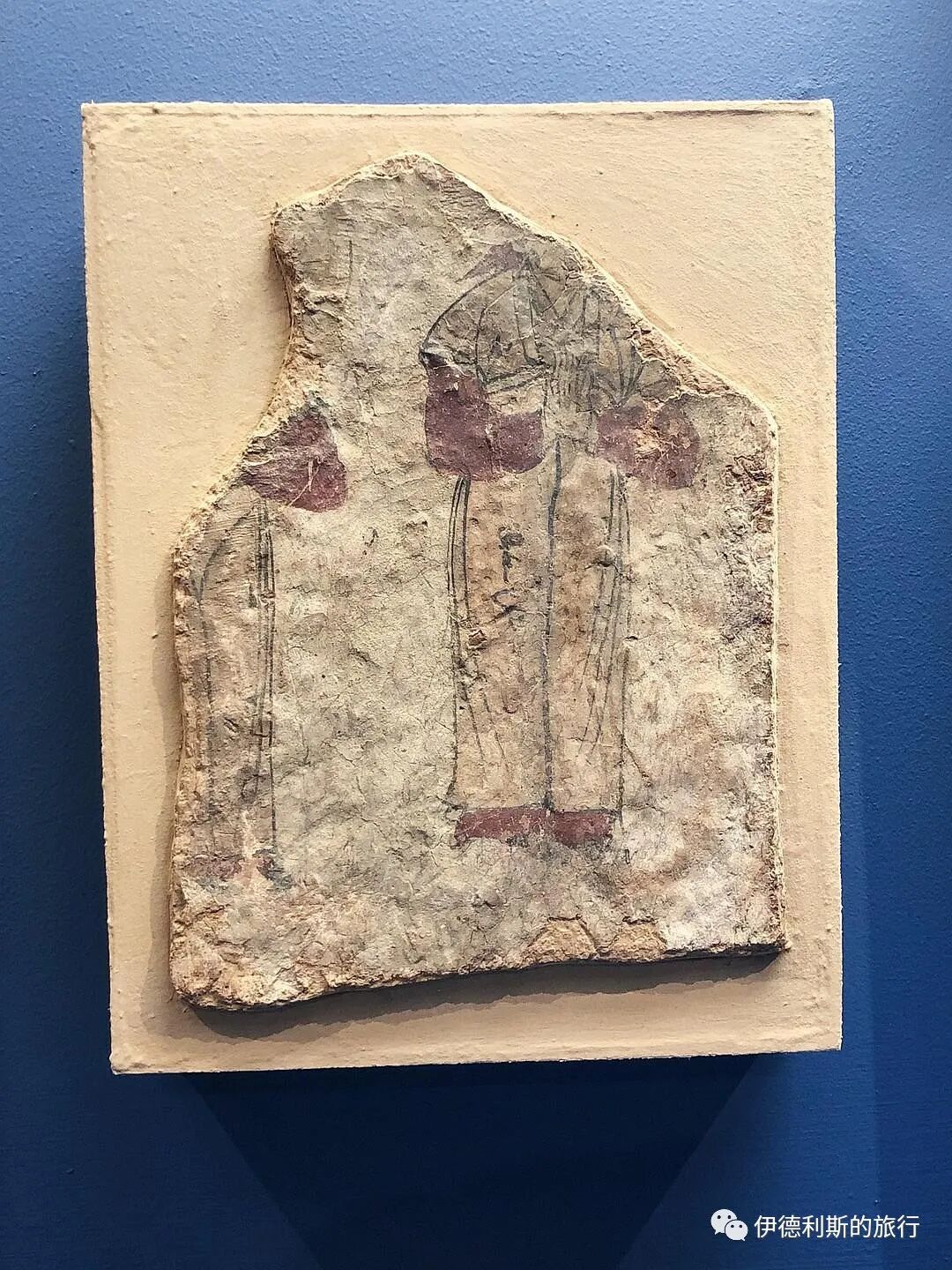
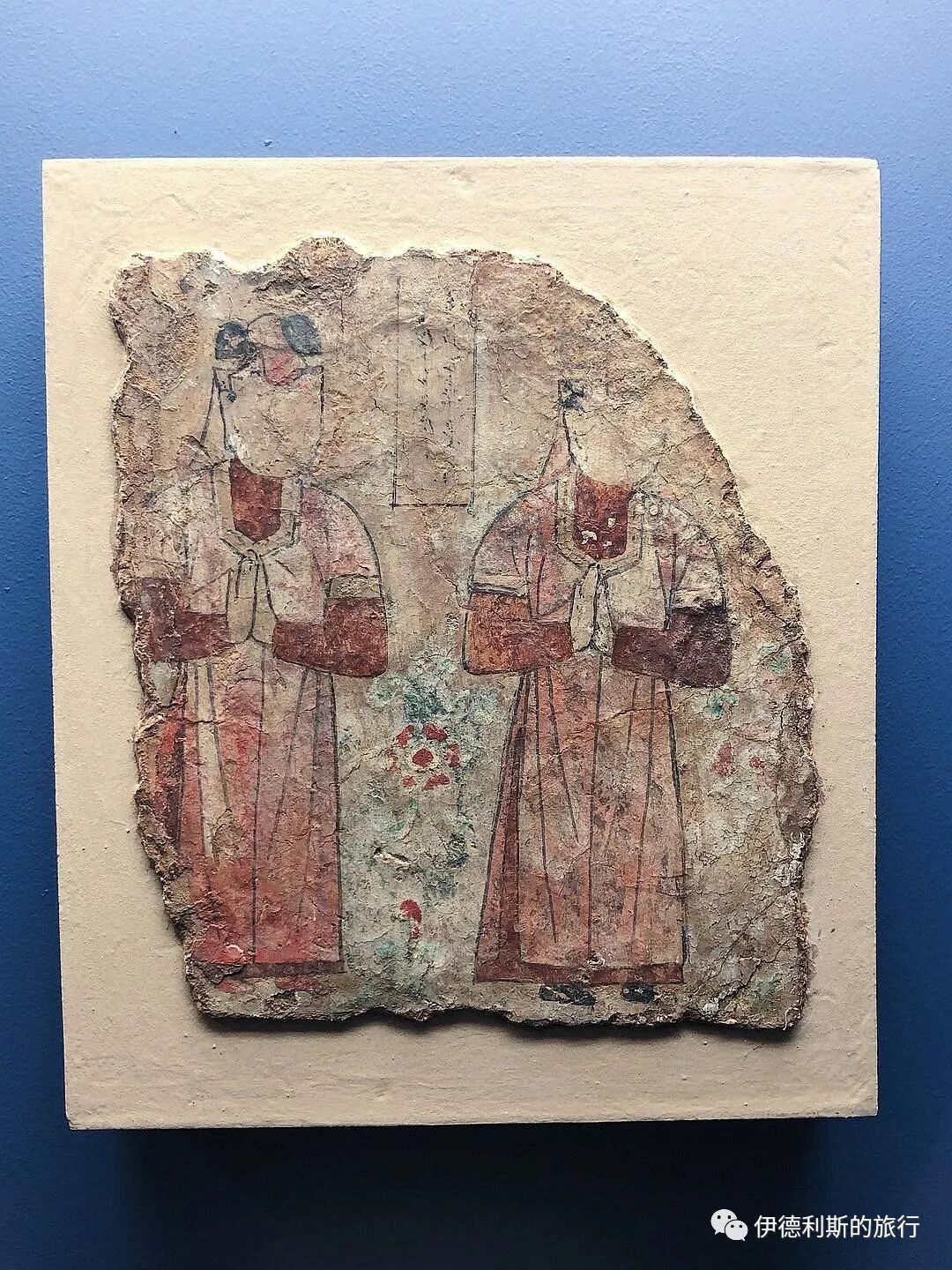
Images of Mongols from Turpan, Xinjiang.
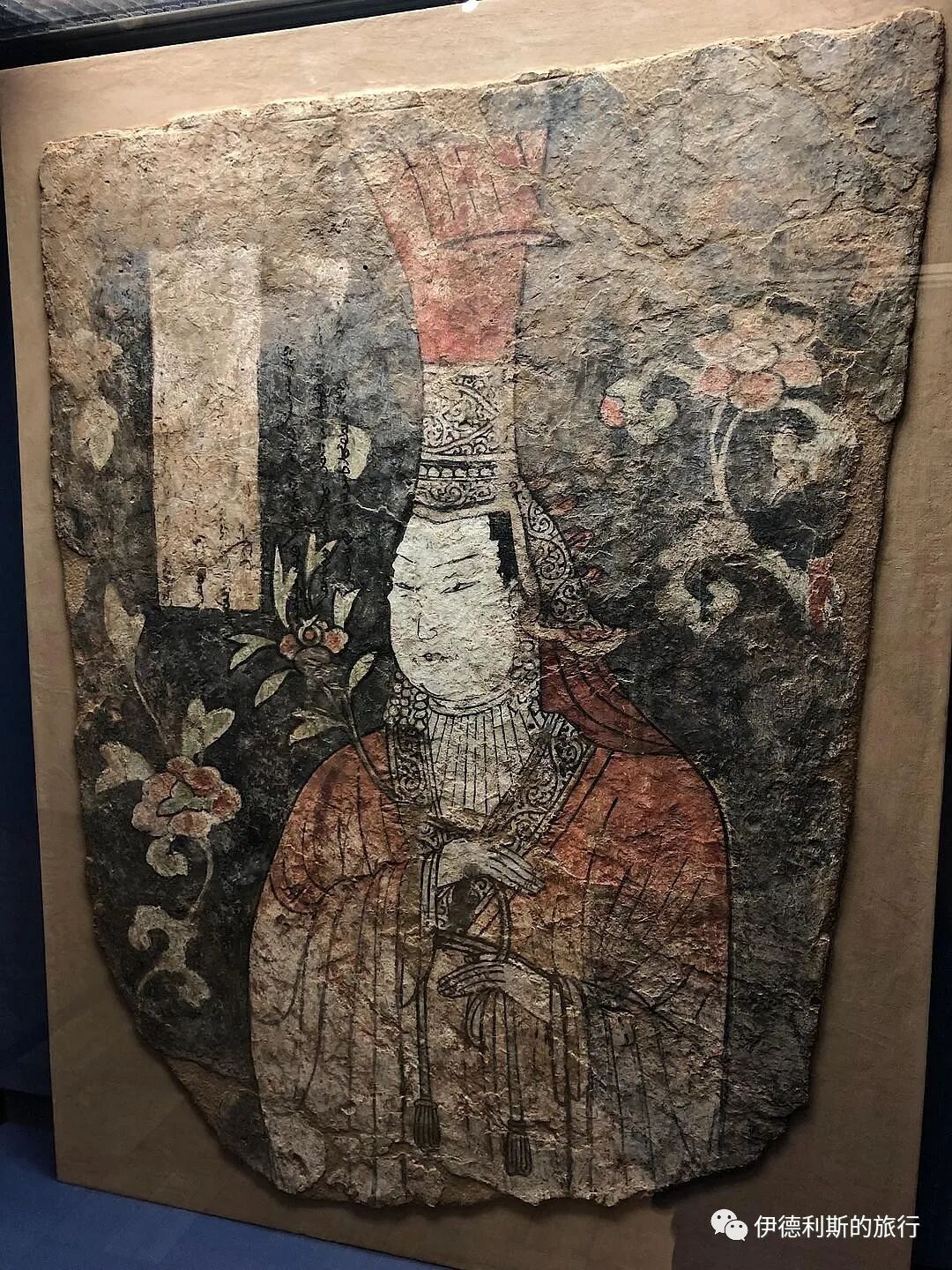
Four wall paintings of Mongols from Turpan, Xinjiang, dating to the 13th and 14th centuries. They are kept at the State Hermitage Museum in St. Petersburg. Before 1945, they belonged to the Ethnological Museum of Berlin, but were later taken to the Soviet Union by the Red Army.
An Orthodox church born on the ruins of a Mongol palace
I read an interesting article on Weibo called 'An Orthodox church born on the ruins of a Mongol palace,' and I was surprised to see the actual artifacts at a special exhibition in the Kazan Kremlin.
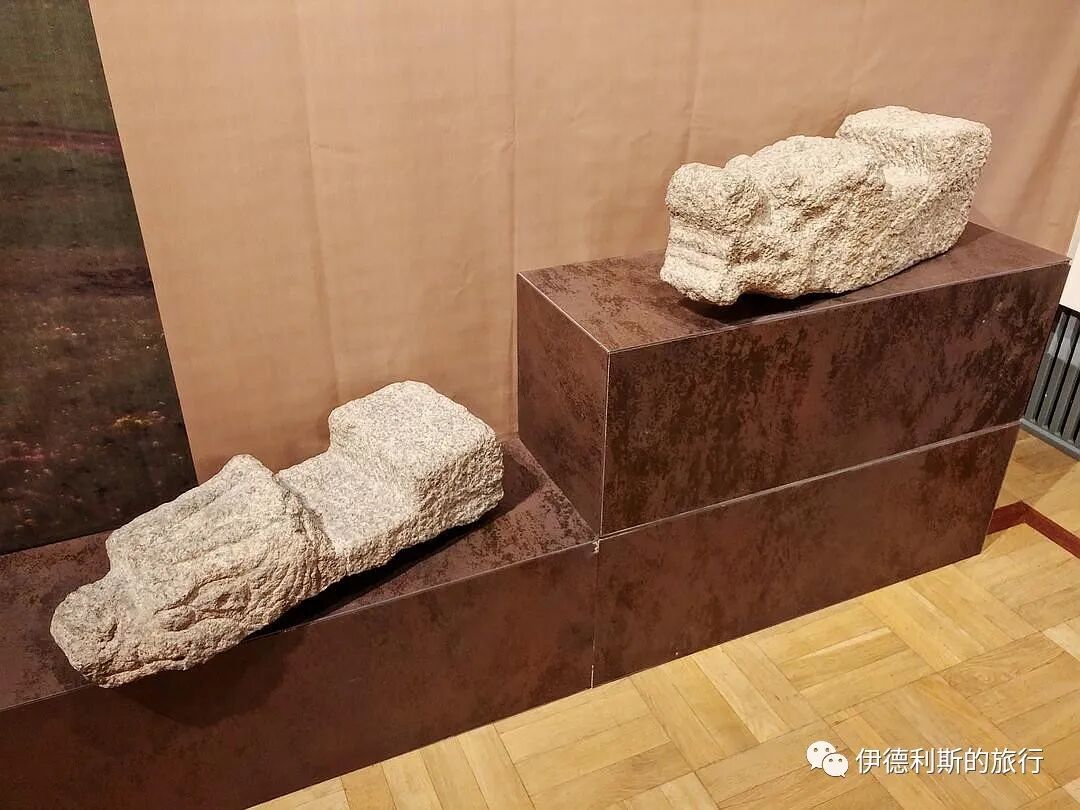
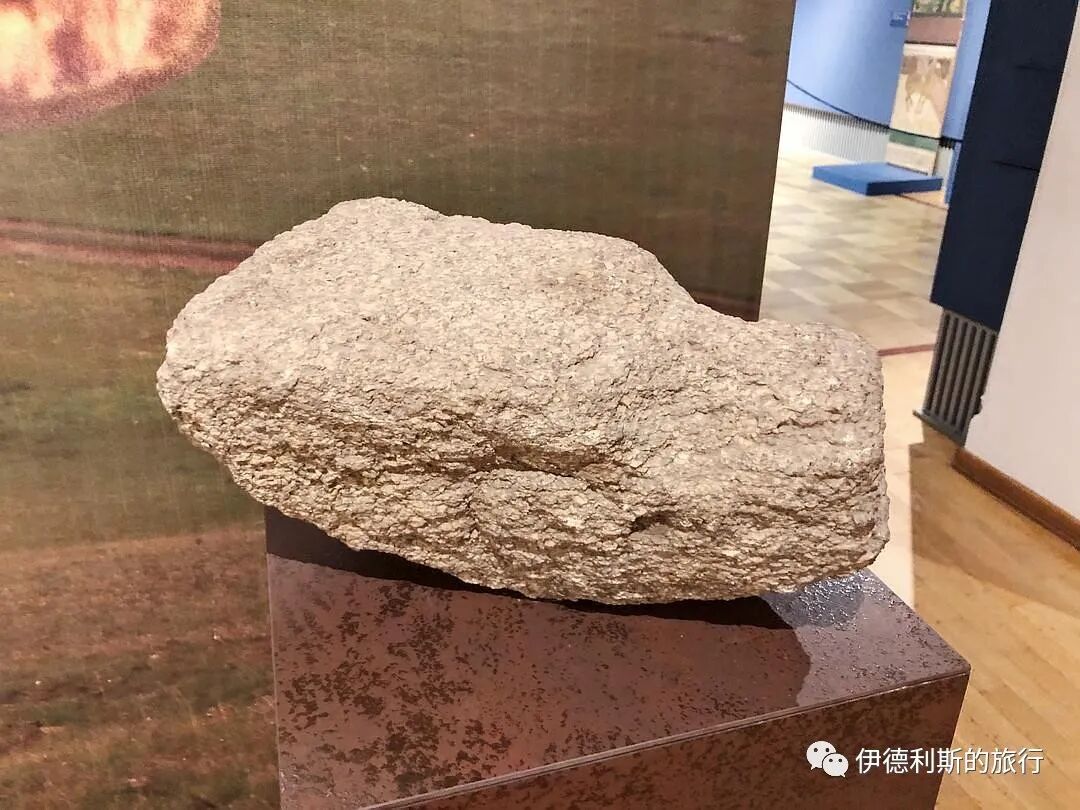
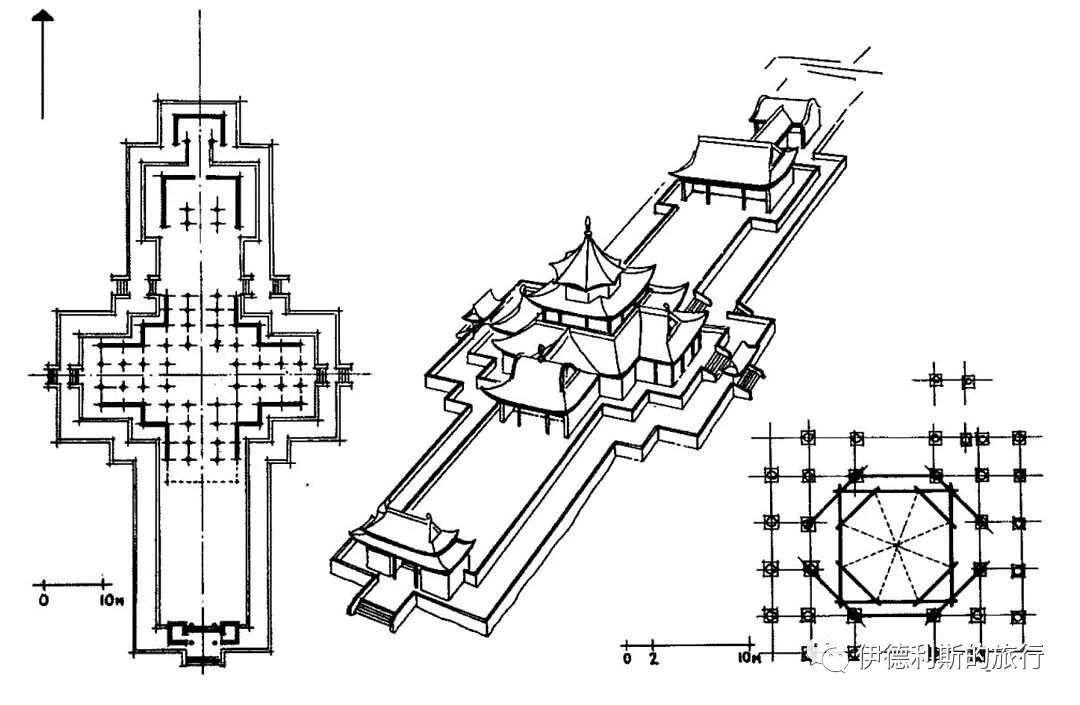
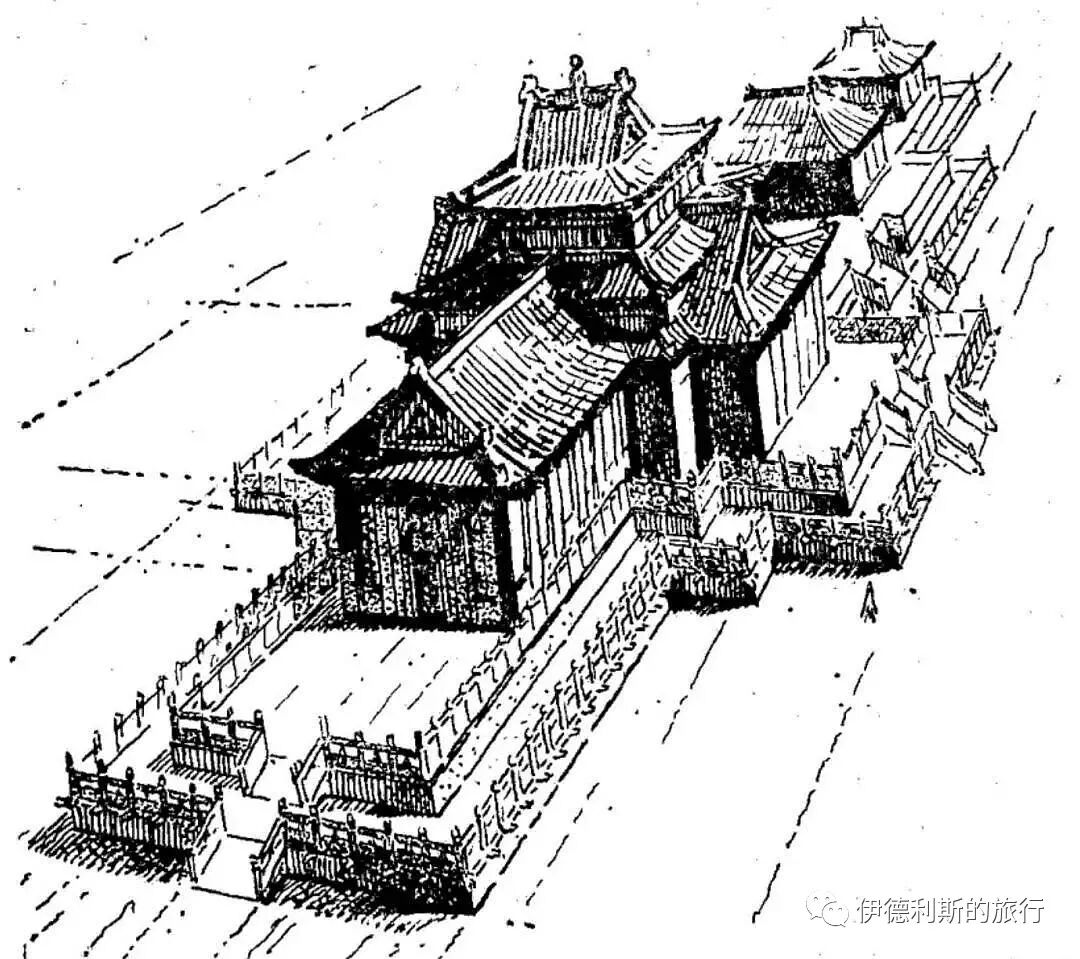
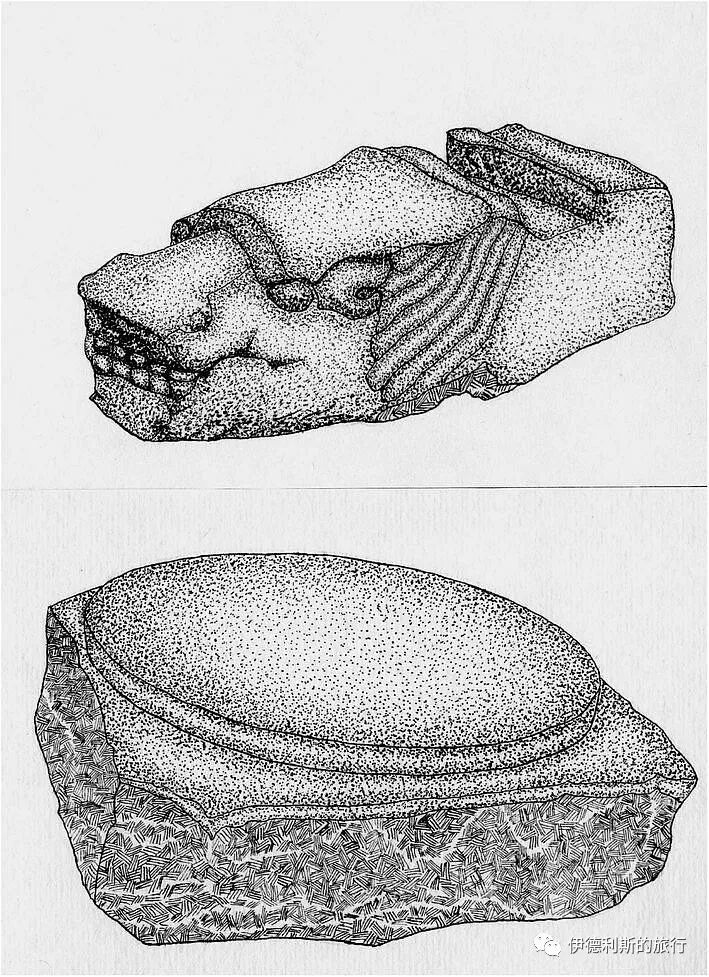
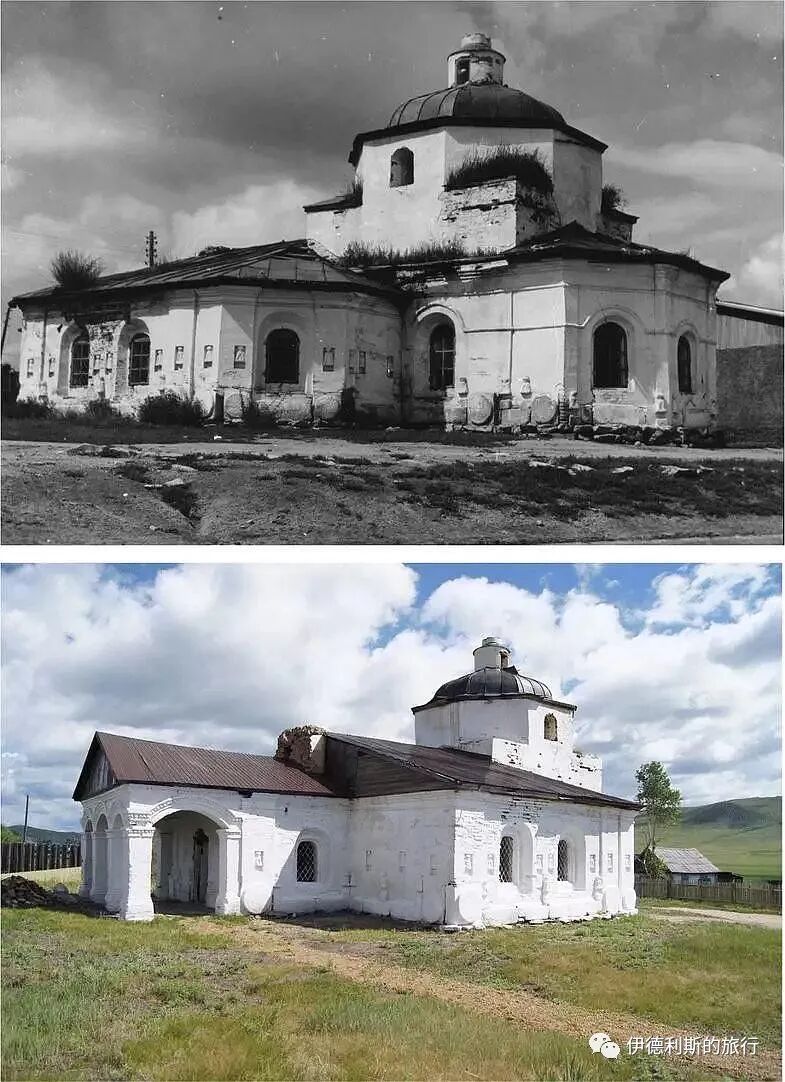
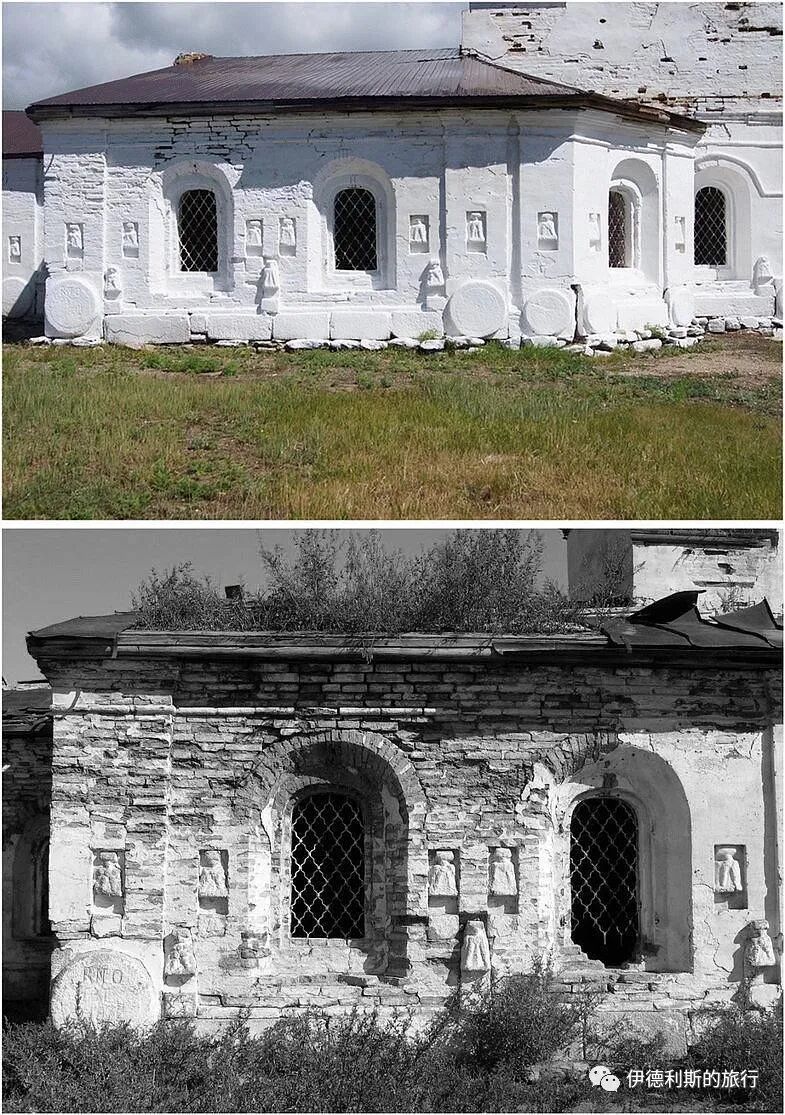
The story takes place near Hulunbuir, at a Cossack border outpost called Konduy on the grasslands of the Zabaykalsky Krai region in Russia. In 1804, a Cossack sergeant happened to find a strange hill near the village. Under the topsoil, he discovered a large amount of exquisite stone carvings, glazed tiles, and ceramics, along with what seemed like an endless supply of regular stones and bricks. The villagers then started using these building materials to construct their church and houses. In 1806, the village church was completed. Except for the outer walls, it was built entirely with bricks and stones hauled from the ruins, using 64 stone dragon-head carvings (chishou) alone. It was not until 1957 that S. V. Kiselev from the Soviet Academy of Sciences led the Mongolian Academy of Sciences to excavate the site, finally revealing the true face of this 'Konduyskoye' Mongol palace to the world. This Mongol palace was built during the Mongol Empire and was one of the important grassland cities in eastern Mongolia at that time. The central hall sat on a five-tiered platform. Each baluster pillar had a dragon-head carving at its base, and the palace roof featured green glazed tiles and yellow ridge beasts.
The stone dragon-head carving I saw this time belongs to this site.
The Middle East during the Mongol era
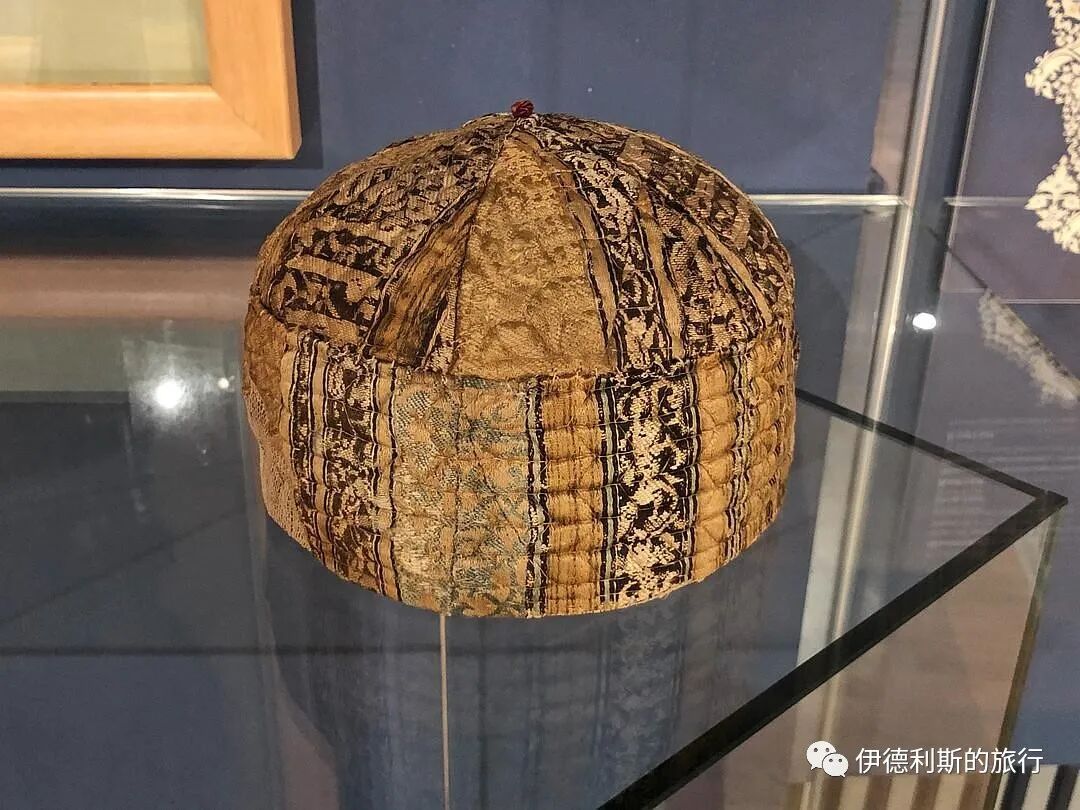
A 14th-century Egyptian hexagonal hat made from scraps of high-quality fabric.
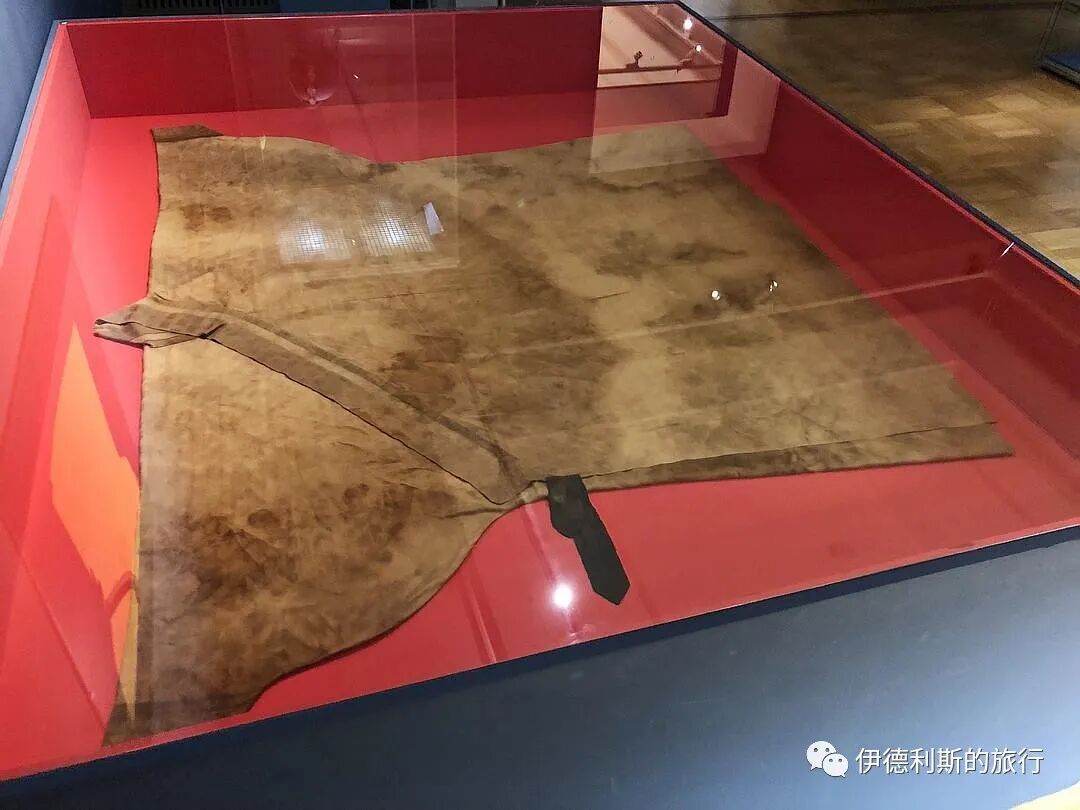
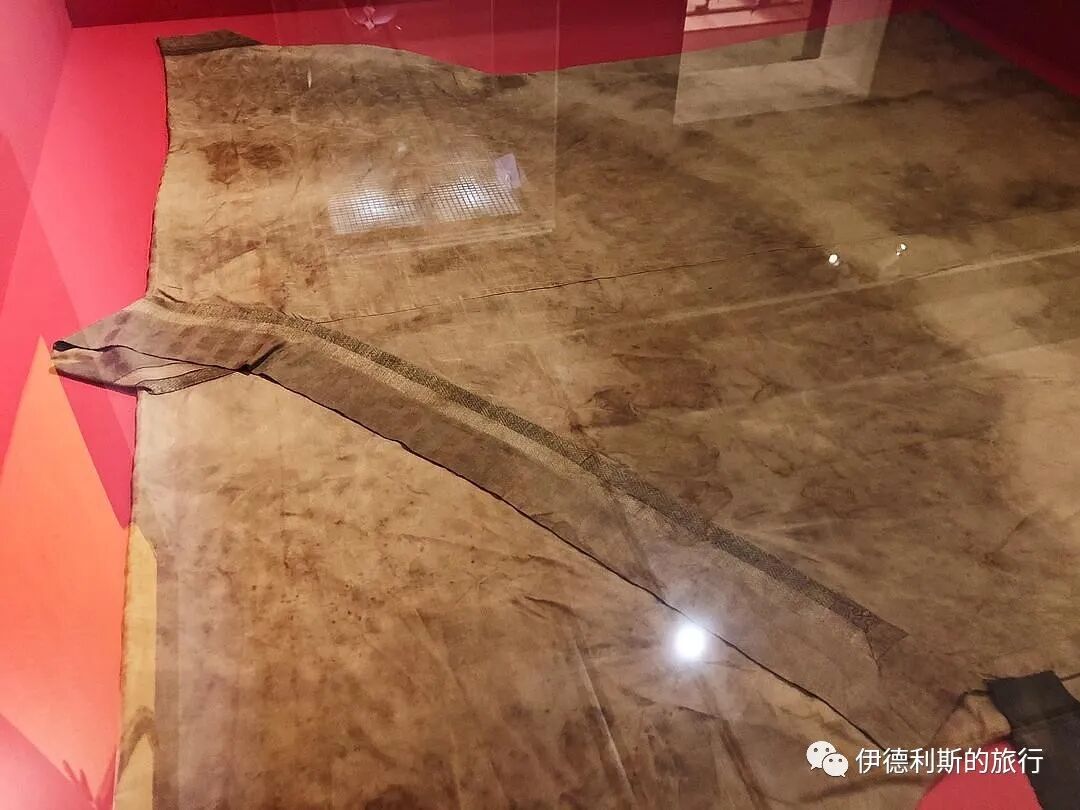
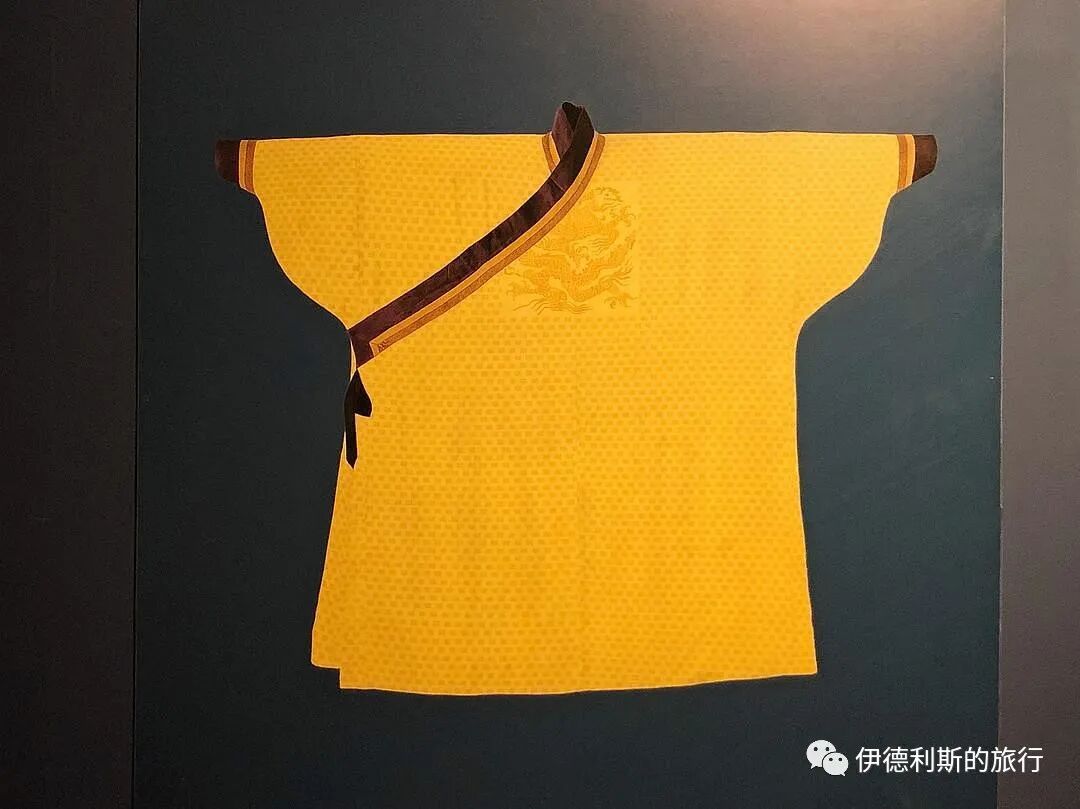
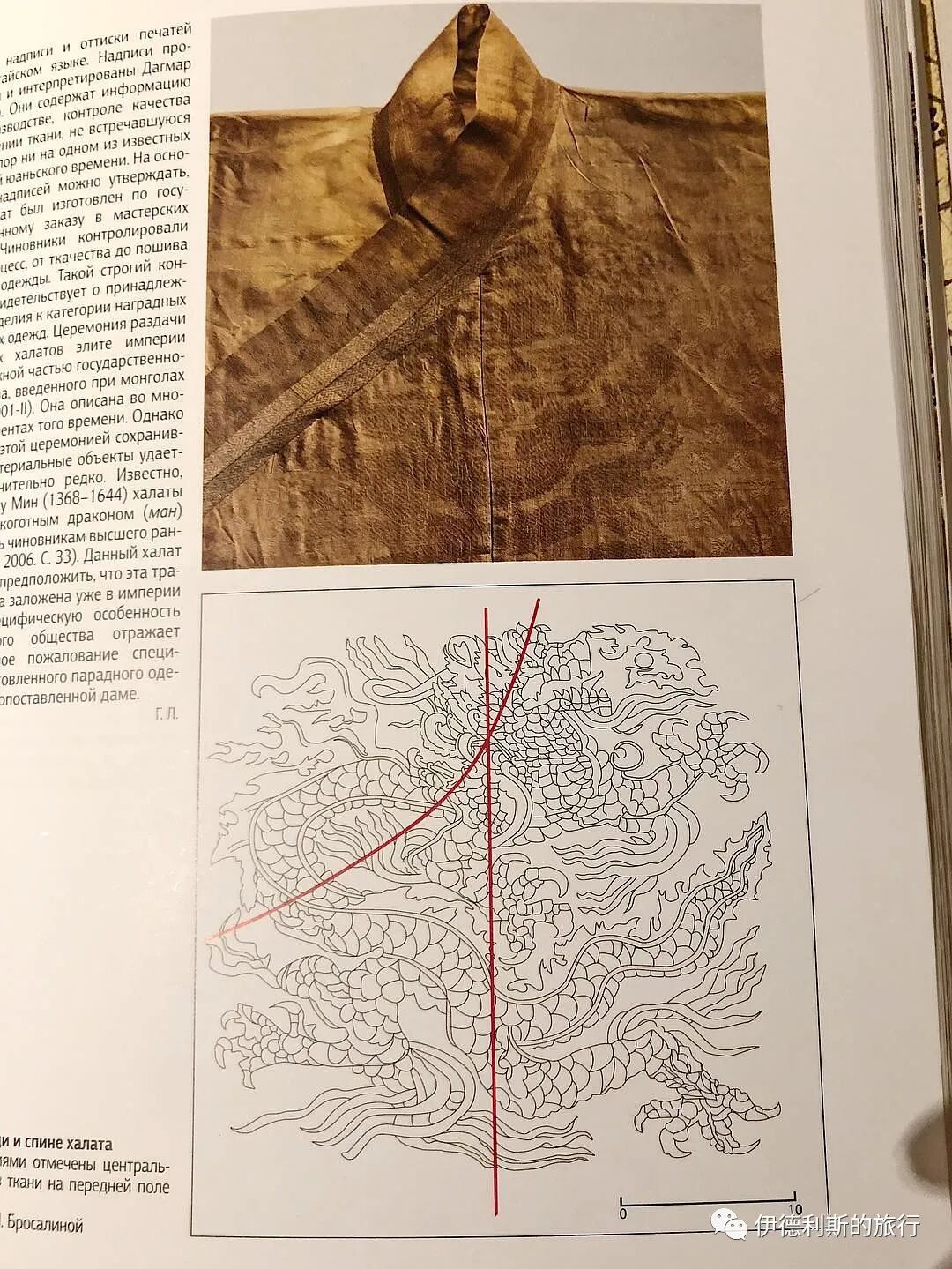
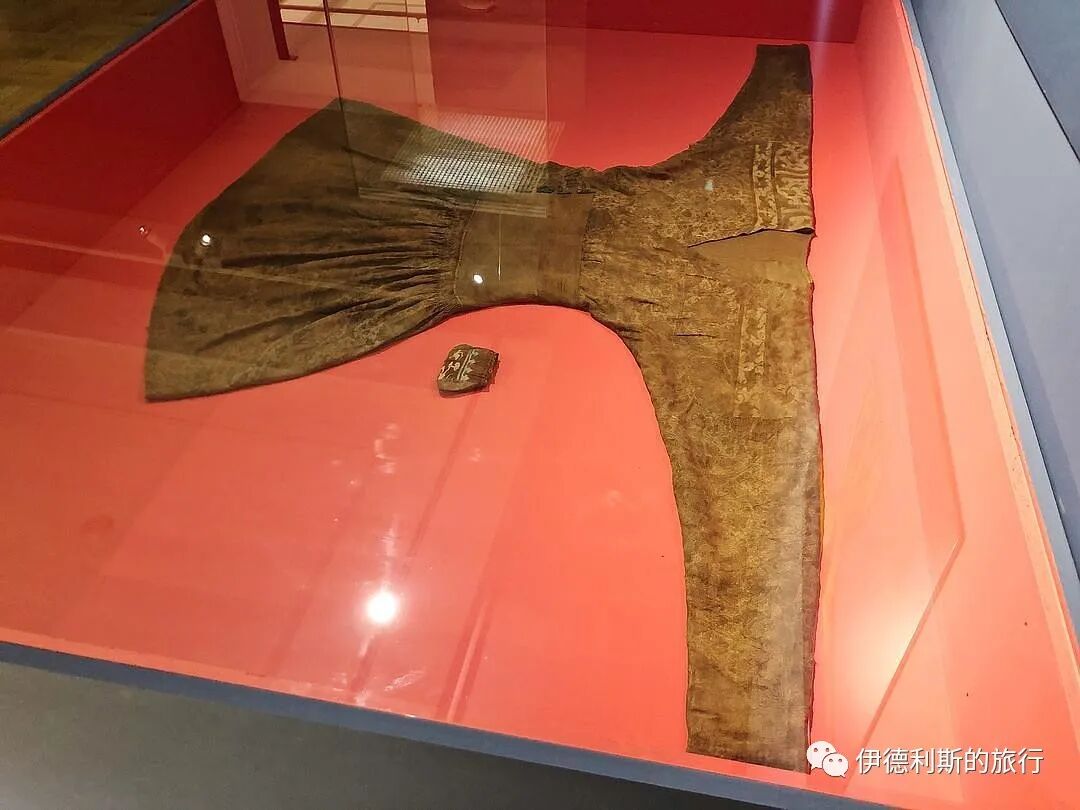
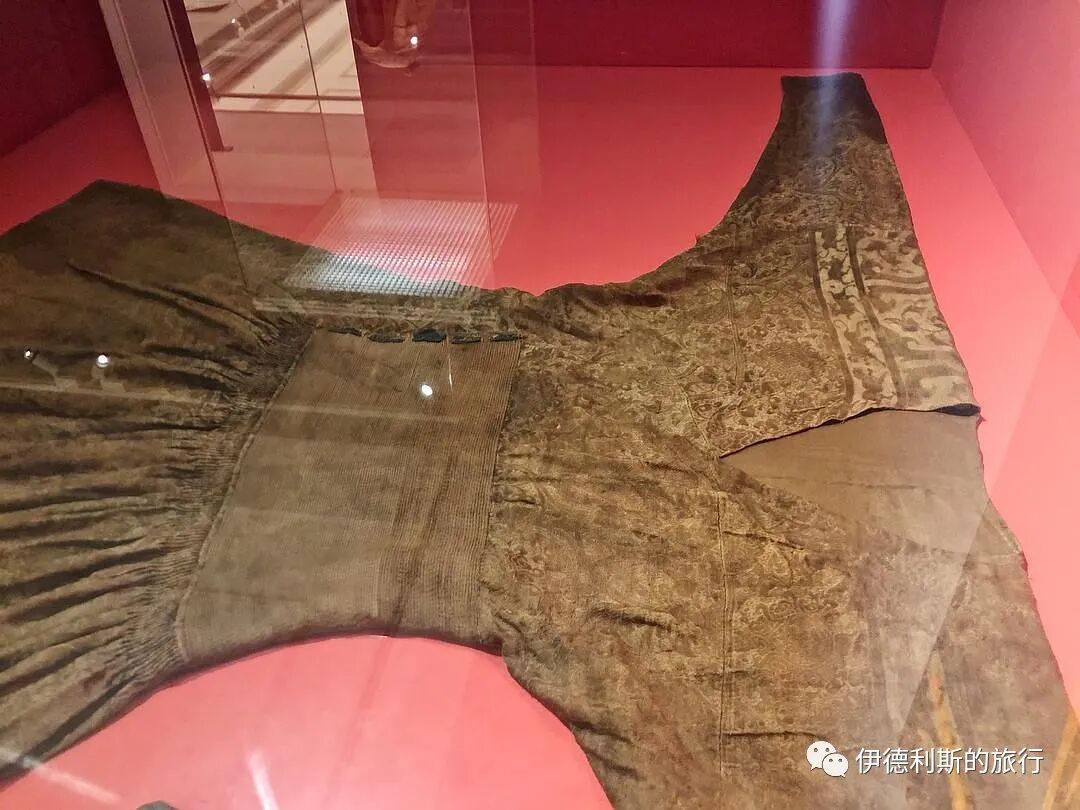
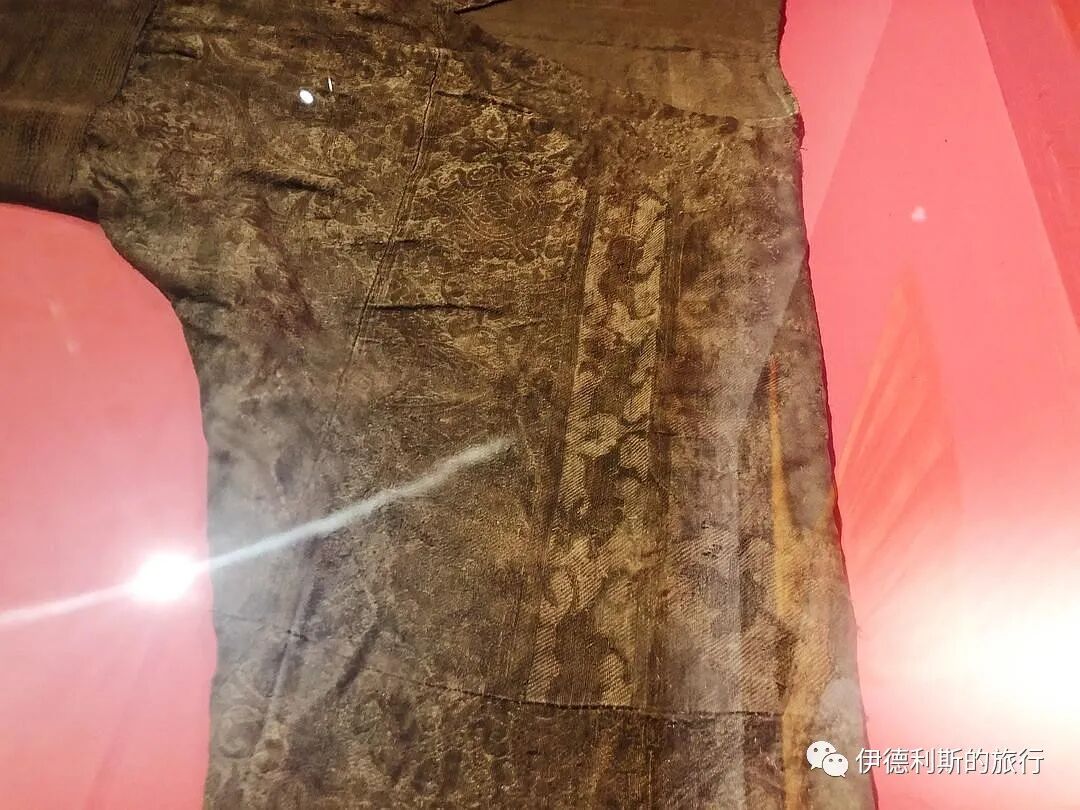
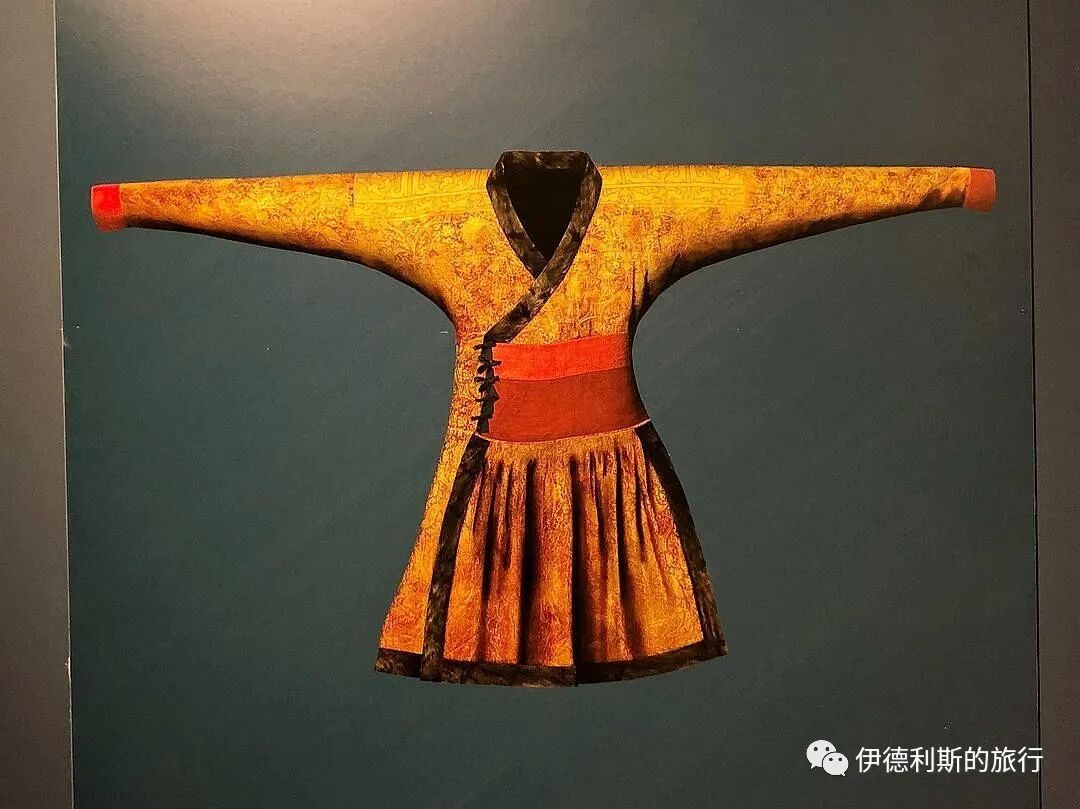
Clothing of the Yuan Dynasty
Summary: Kazan Kremlin Exhibition: Golden Horde, Mongol Empire and Muslim Heritage is presented here as a firsthand travel account in clear English, beginning with this scene: In the summer of 2019, I visited Kazan in Tatarstan. At the Hermitage-Kazan Exhibition Centre inside the Kazan Kremlin, I saw a special exhibition called The Golden Horde and the Black Sea Coast: Lessons of the. The account keeps its focus on Golden Horde, Kazan Travel, Muslim Heritage while preserving the names, places, food, and historical details from the Chinese source.
In the summer of 2019, I visited Kazan in Tatarstan. At the Hermitage-Kazan Exhibition Centre inside the Kazan Kremlin, I saw a special exhibition called The Golden Horde and the Black Sea Coast: Lessons of the Genghisid Empire. The items came from the State Hermitage Museum in St. Petersburg and nine other museums, showing the history of the Golden Horde and the Mongol Empire.
New Sarai, the capital of the Golden Horde.
A 14th-century Persian tile found in the 1980s at the palace ruins of the Golden Horde capital, New Sarai.
New Sarai sits 85 kilometers east of Volgograd. It was the second capital of the Golden Horde, built in the 14th century by Öz Beg Khan, who reigned from 1312 to 1341. During the time of Öz Beg Khan, the Golden Horde fully embraced Islam. The famous traveler Ibn Battuta described New Sarai in his journals as one of the most beautiful cities, full of people, with lovely markets and wide streets. He noted it had 13 Friday mosques and many smaller mosques.
New Sarai was destroyed many times. Timur first damaged New Sarai in 1395. Meñli I Giray, the Khan of the Crimean Khanate, destroyed it again in 1502. Finally, Ivan the Terrible of Russia crushed the entire city in 1556 when he conquered the Astrakhan Khanate.
In 1965, a Volga archaeological team led by the German researcher Alekseevich Fedorov-Davydov excavated 25,000 square meters of the ancient city ruins. During the 1960s and 1980s, they discovered ruins of manors, a mosque, a large cemetery, and artisan workshops in the ancient city.
Stary Krym, the capital of the Golden Horde on the Crimean Peninsula.
Muslim tombstones from the 14th and 15th centuries during the Golden Horde period, all from the ancient city of Stary Krym in the eastern part of the Crimean Peninsula.
Stary Krym started as a fortress for the Khazars. After the Mongol conquest, Batu Khan, the founder of the Golden Horde, made it the capital of the Golden Horde on the Crimean Peninsula. Stary Krym grew into a prosperous city in the 14th century, but it was destroyed in the late 15th century by the Crimean Khan, Mengli Girai.
Stary Krym played an important role in cultural exchange between Southern Europe, Byzantium, and Asia Minor. Latin-Byzantine culture and Turkic-Mongol culture met here, creating a unique artistic style.
A marble Muslim tombstone from the second half of the 14th to the 15th century.
Two marble Muslim tombstones from 1371 and 1429, found in 1925 in the furrows of the ancient city of Stary Krym.
Two sandstone Muslim tombstones from the 14th century, excavated in 1979 from the castle on the hill in the ancient city of Stary Krym.
A stone stele showing a warrior from the late 12th or early 13th century. It was found near the ancient city of Stary Krym on the Crimean Peninsula and came from the Seljuk Sultanate of Rum in Asia Minor.
The North Caucasus during the Golden Horde era.
A 14th-century shale stone carving from Kubachi in Dagestan, North Caucasus. Kubachi is a center for traditional metalwork, stone carving, and wood carving in the Caucasus. It has been famous for making weapons and chainmail since the Middle Ages.
Images of Mongols from Turpan, Xinjiang.
Four wall paintings of Mongols from Turpan, Xinjiang, dating to the 13th and 14th centuries. They are kept at the State Hermitage Museum in St. Petersburg. Before 1945, they belonged to the Ethnological Museum of Berlin, but were later taken to the Soviet Union by the Red Army.
An Orthodox church born on the ruins of a Mongol palace
I read an interesting article on Weibo called 'An Orthodox church born on the ruins of a Mongol palace,' and I was surprised to see the actual artifacts at a special exhibition in the Kazan Kremlin.
The story takes place near Hulunbuir, at a Cossack border outpost called Konduy on the grasslands of the Zabaykalsky Krai region in Russia. In 1804, a Cossack sergeant happened to find a strange hill near the village. Under the topsoil, he discovered a large amount of exquisite stone carvings, glazed tiles, and ceramics, along with what seemed like an endless supply of regular stones and bricks. The villagers then started using these building materials to construct their church and houses. In 1806, the village church was completed. Except for the outer walls, it was built entirely with bricks and stones hauled from the ruins, using 64 stone dragon-head carvings (chishou) alone. It was not until 1957 that S. V. Kiselev from the Soviet Academy of Sciences led the Mongolian Academy of Sciences to excavate the site, finally revealing the true face of this 'Konduyskoye' Mongol palace to the world. This Mongol palace was built during the Mongol Empire and was one of the important grassland cities in eastern Mongolia at that time. The central hall sat on a five-tiered platform. Each baluster pillar had a dragon-head carving at its base, and the palace roof featured green glazed tiles and yellow ridge beasts.
The stone dragon-head carving I saw this time belongs to this site.
The Middle East during the Mongol era
A 14th-century Egyptian hexagonal hat made from scraps of high-quality fabric.
Clothing of the Yuan Dynasty
