
Halal Travel Guide: Kazan Kremlin — Tatarstan Museum and Muslim Heritage
Reposted from the web
Summary: Kazan Kremlin — Tatarstan Museum and Muslim Heritage is presented here as a firsthand travel account in clear English, beginning with this scene: Kazan Kremlin sits in the heart of Kazan, the capital of Tatarstan, and started as a fortress for the Volga Bulgaria khanate. The account keeps its focus on Kazan Travel, Tatarstan Museum, Muslim Heritage while preserving the names, places, food, and historical details from the Chinese source.
The history of Kazan city.
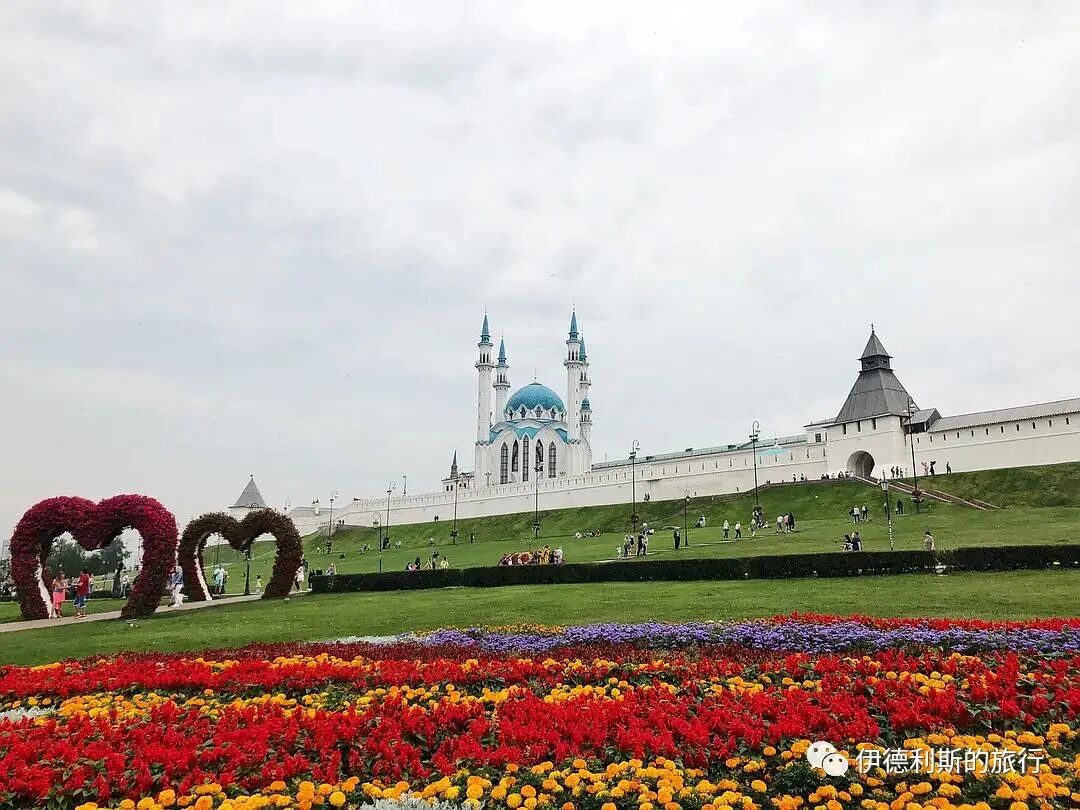
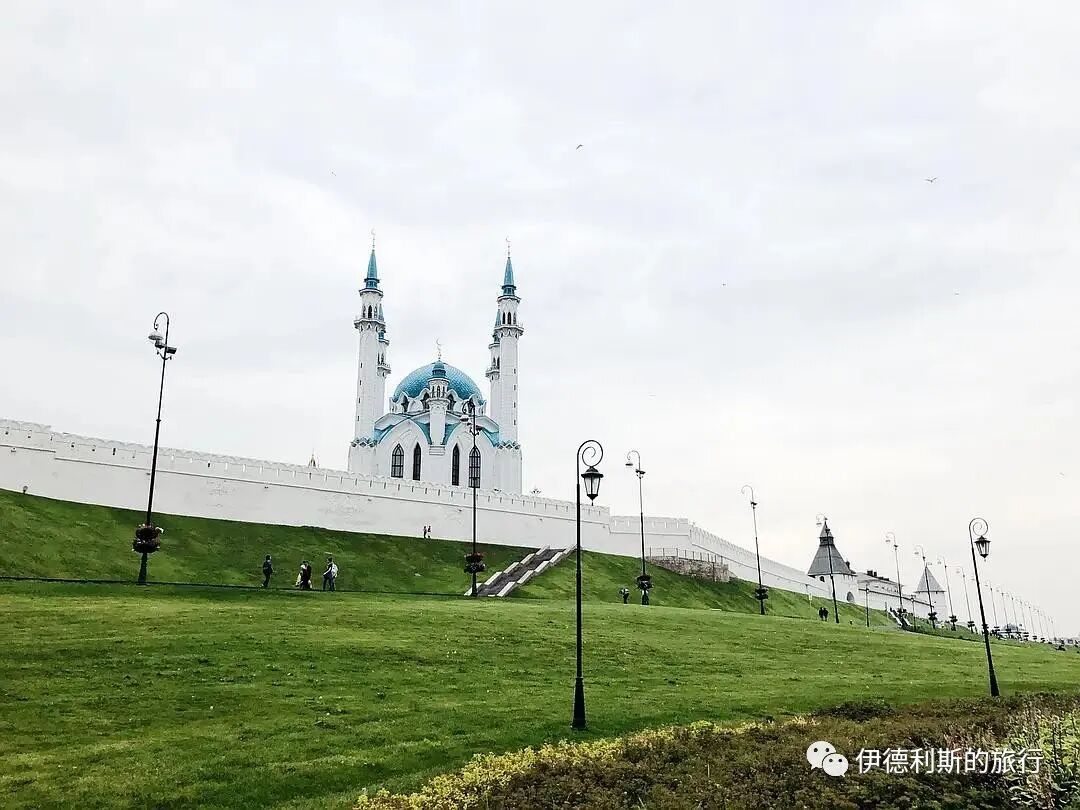
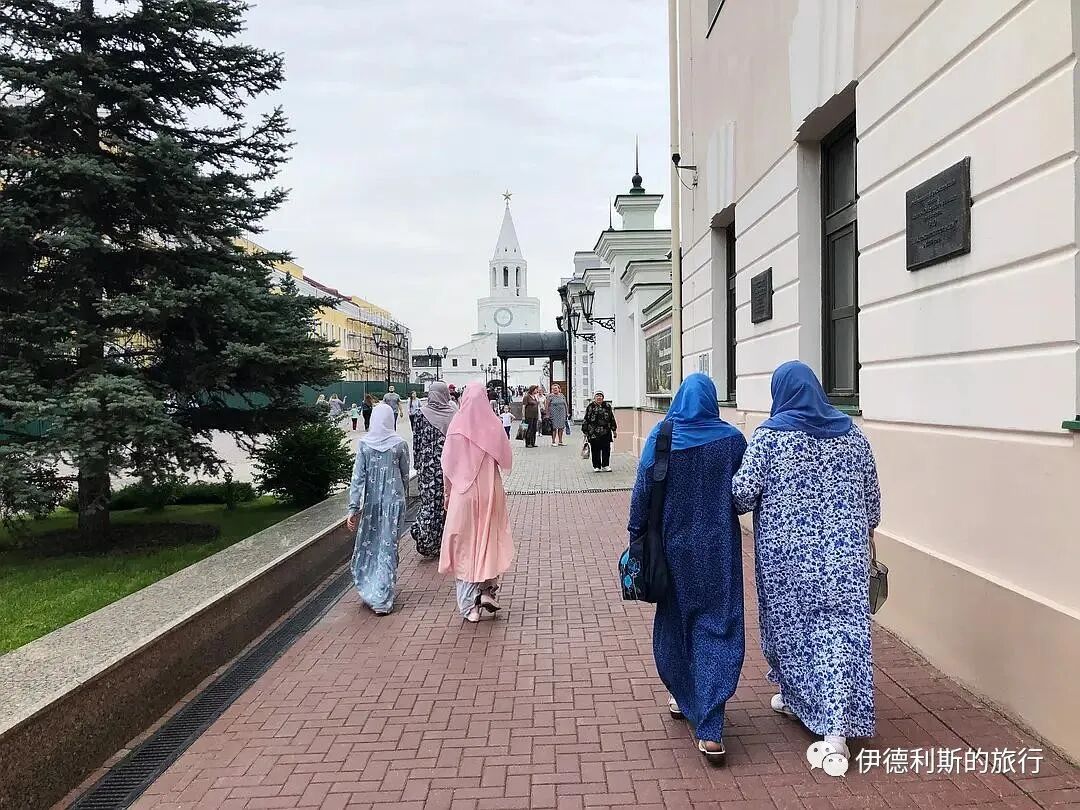
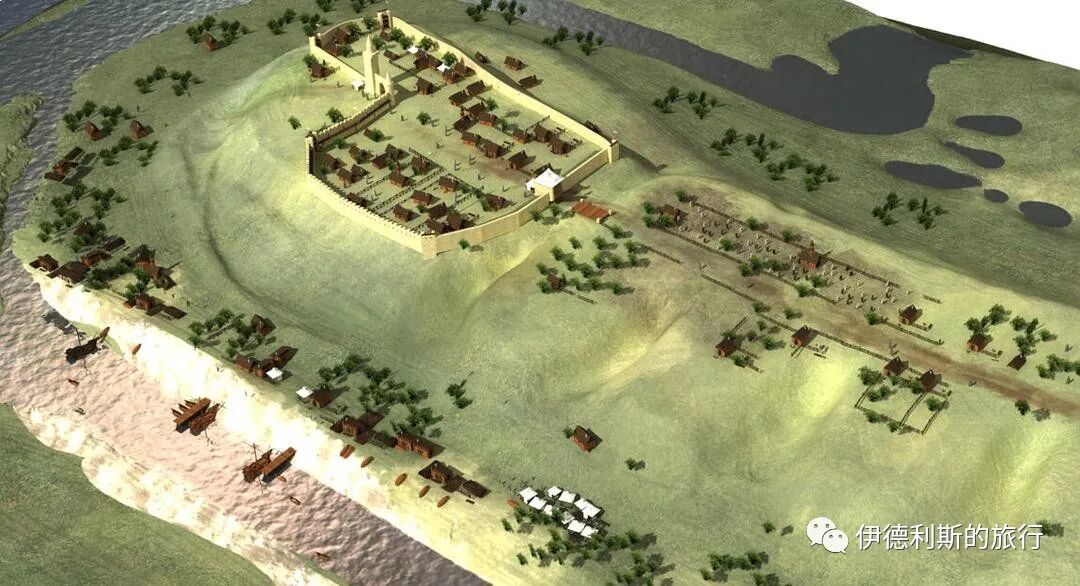
Kazan Kremlin sits in the heart of Kazan, the capital of Tatarstan, and started as a fortress for the Volga Bulgaria khanate. After the 9th century, the Bulgars living along the Volga River kept expanding to the northwest. To protect trade routes on the Volga, the Bulgars built a military fortress between the 10th and 11th centuries in the middle reaches of the river, featuring a 4-meter-deep steep trench and a 3-meter-high earthen wall; this marks the beginning of Kazan's history as a city.
In the late 12th century, the Volga Bulgaria khanate added a 2-meter-thick white stone wall to Kazan city to defend against constant attacks from Russian principalities. After Kazan joined the Golden Horde in the 13th century, it jumped from a border fortress to become the political and economic center of the middle Volga, famous for leather, jewelry, ceramics, and metalwork.
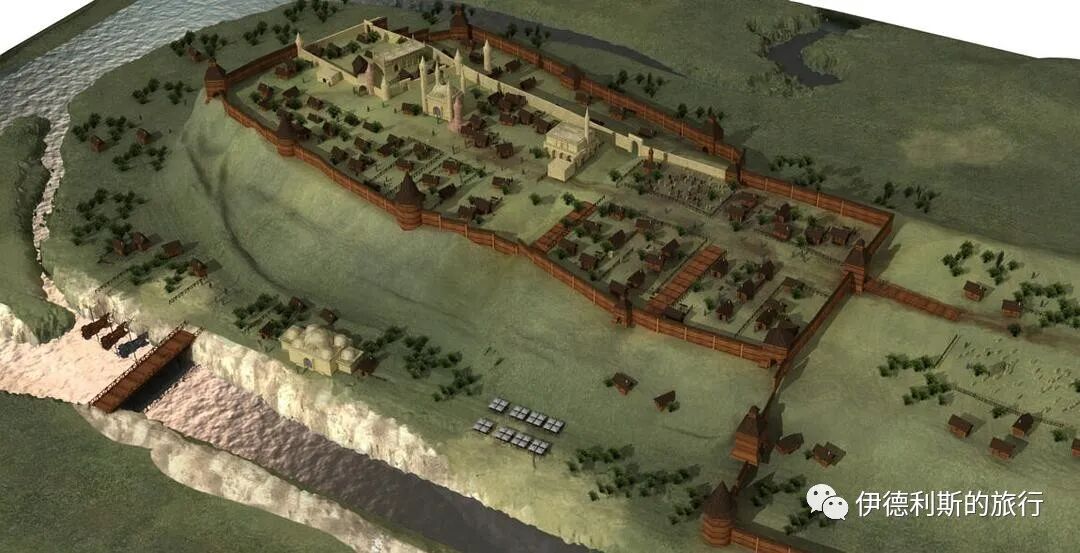
After the Golden Horde collapsed in the 15th century, the Kazan Khanate (1438-1552) was established in Kazan. As the capital, Kazan's population grew quickly, and many homes and public buildings were built, including the Kazan Khan's palace, courtyards, mosques, and tombs, with tall minarets defining the city skyline.
In 1552, Ivan the Terrible of Russia attacked Kazan, destroyed the Kazan Khanate, and forced all Tatars out of the city, allowing only Russians to settle there. Between 1556 and 1562, Ivan the Terrible ordered the construction of the Kazan Kremlin on the site of the old Kazan Khanate fortress. The mosques, the Kazan Khan's palace, and the tombs were first used as armories and ammunition depots, but they were all torn down by the 18th century.
Restoration images of the Volga Bulgaria and Kazan Khanate periods from the official Kazan Kremlin website.
The tomb of the Kazan Khan.
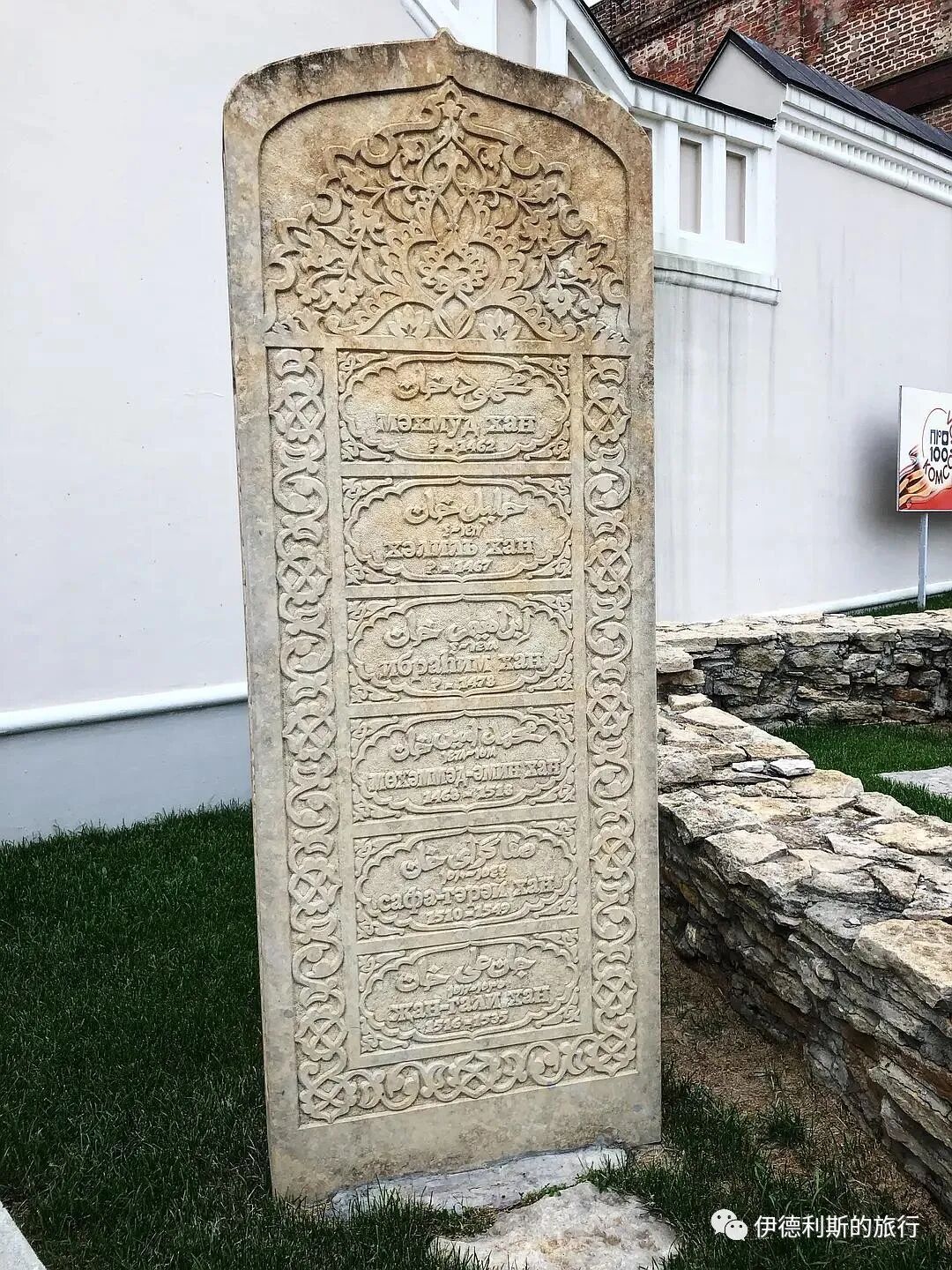
In 1977, water engineers digging for a rainwater pipe at the Kazan Kremlin accidentally uncovered a tomb and immediately contacted the archaeology department. Archaeological excavations lasted for 10 years and uncovered five graves. Two were confirmed to be those of the actual founders of the Kazan Khanate: Kazan Khan Mäxmüd (died in 1463 or 1466) and his grandson, Kazan Khan Möxämmät Ämin (died in 1518). The tomb was originally built from white stone and eventually collapsed in the 17th century.
For further research, the remains of the two Kazan Khans, Mäxmüd and Möxämmät Ämin, were kept at the Institute of Archaeology of the Tatarstan Academy of Sciences for 40 years. In May 2017, after persistent efforts by the Tatar Muslims of Kazan, the two Kazan Khans were finally reburied not far from the original tomb site.
The burial site discovered in 1977.
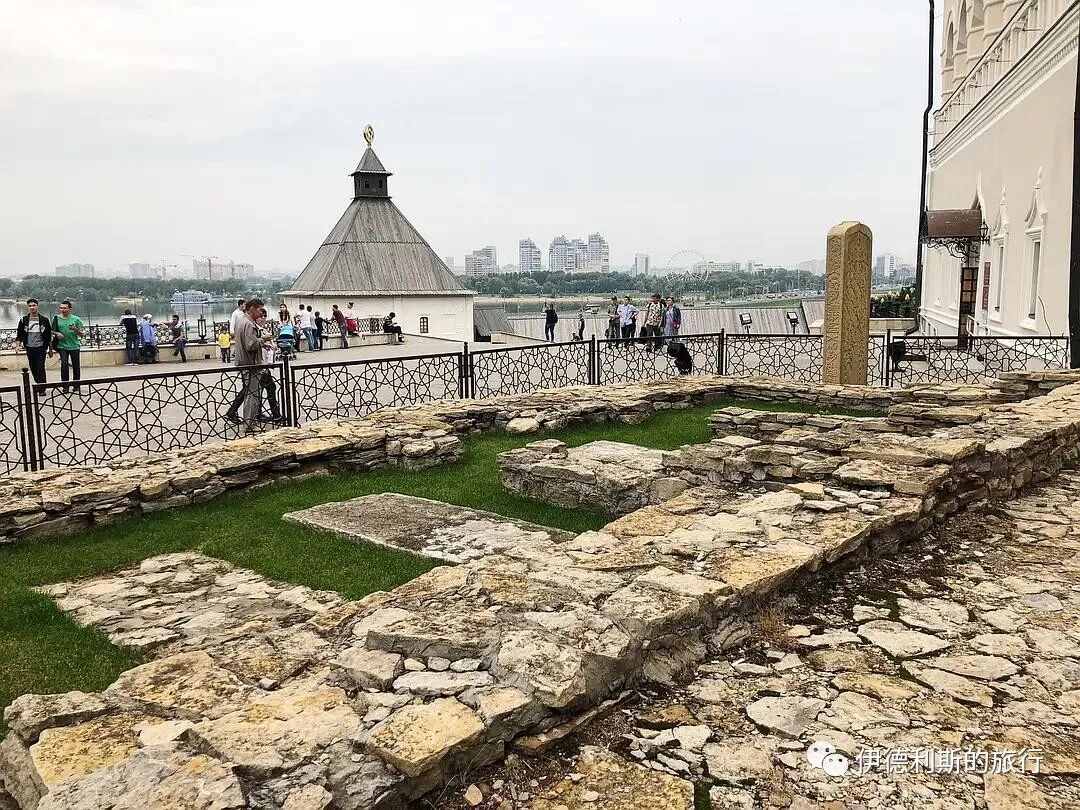
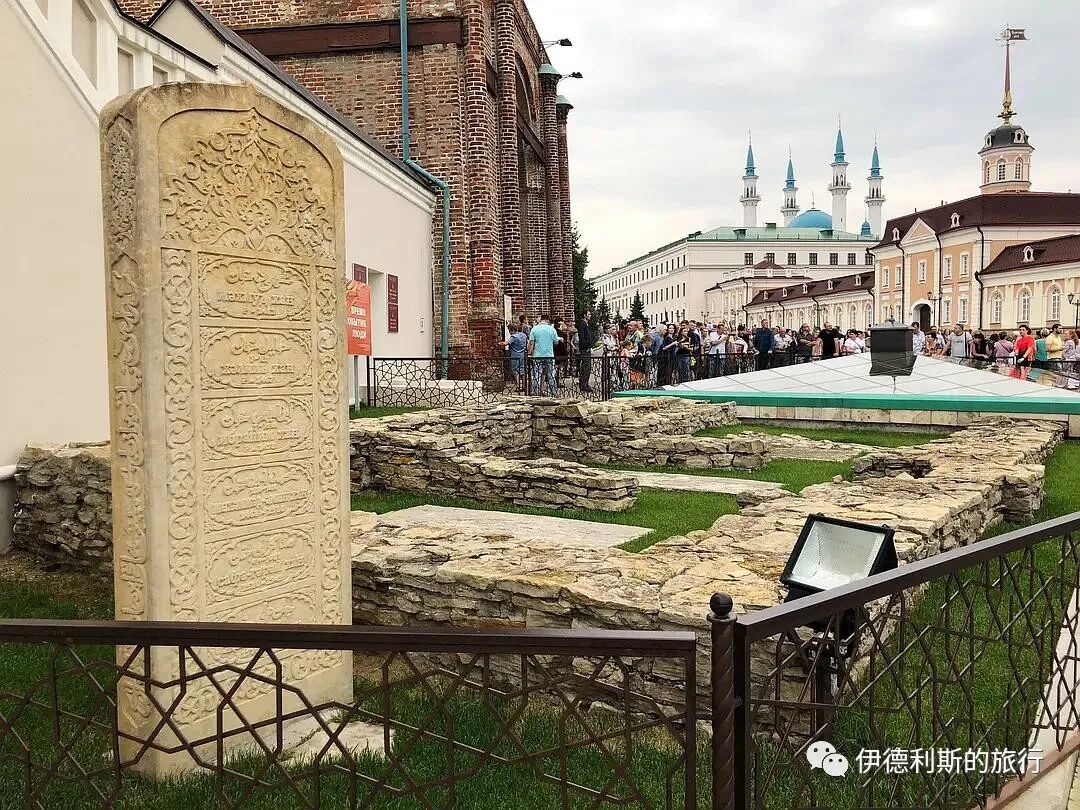
Likely relics from the Khan's palace mosque.
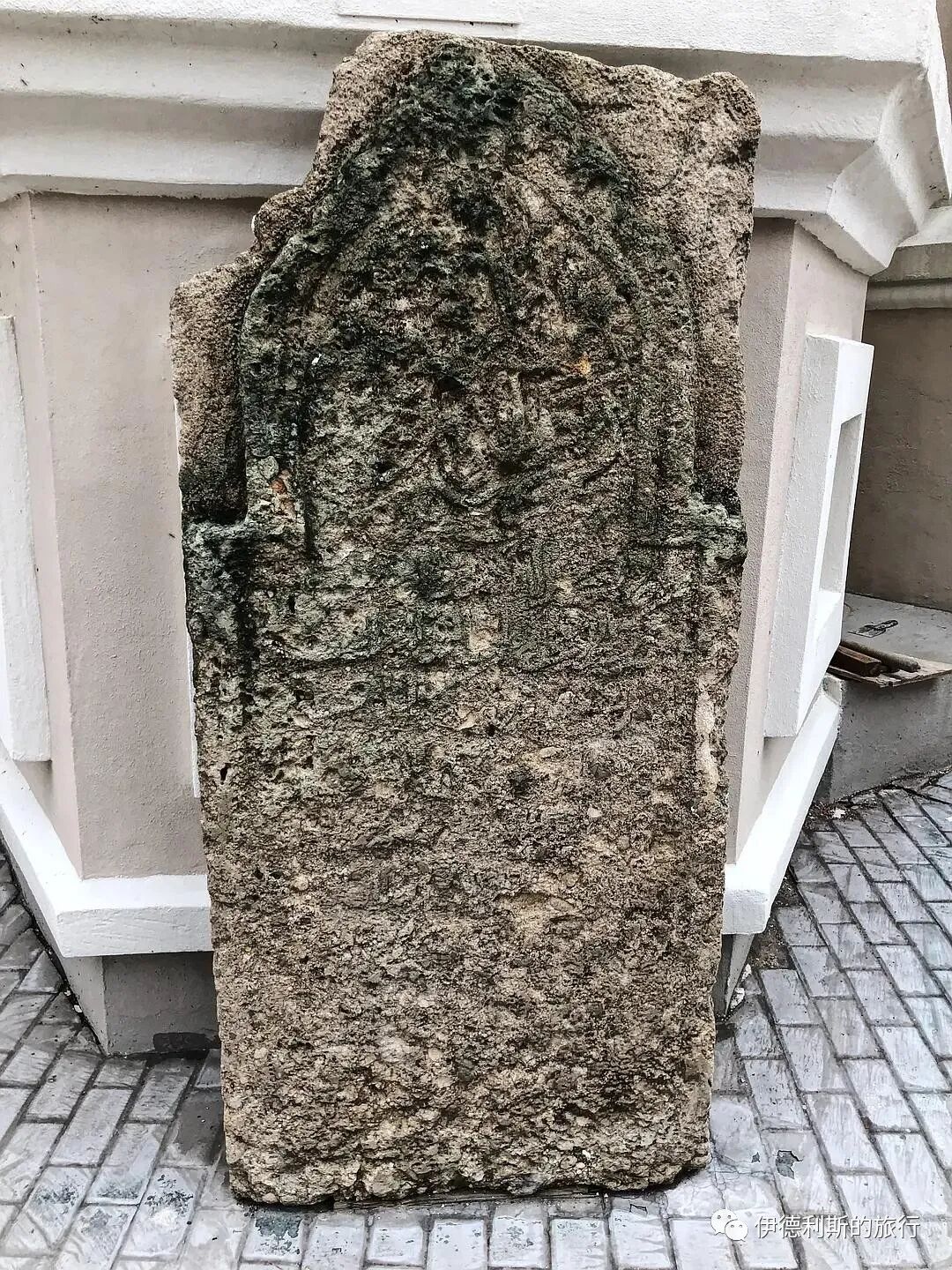
Khan Mäxmüd was the eldest son of Ulugh Muhammad, the Great Khan of the Golden Horde, and a descendant of Genghis Khan's eldest son, Jochi. In 1438, his father Ulugh Muhammad occupied Kazan and began constant raids on the Grand Duchy of Moscow. Mäxmüd joined his father's attack on Moscow and won a major victory in 1445, capturing Grand Prince Vasily II and forcing the Grand Duchy of Moscow to pay tribute to Kazan. Mäxmüd took the throne in 1445 and kept control over Moscow. During his reign, Kazan completely separated from the Golden Horde, marking the beginning of what later generations called the Kazan Khanate.
Khan Muhammad Amin was the grandson of Khan Mahmud. From the age of 10, he was involved in the struggles between pro-Russian and anti-Russian factions within the khanate. As a khan supported by Moscow, he took the throne three times: from 1484 to 1485, 1487 to 1495, and 1502 to 1518. He also paid tribute to Grand Prince Ivan III of Moscow. Later in his reign, he stopped paying tribute to Moscow and worked to strengthen his country to oppose the Grand Duchy of Moscow.
The burial site was re-interred in 2017.
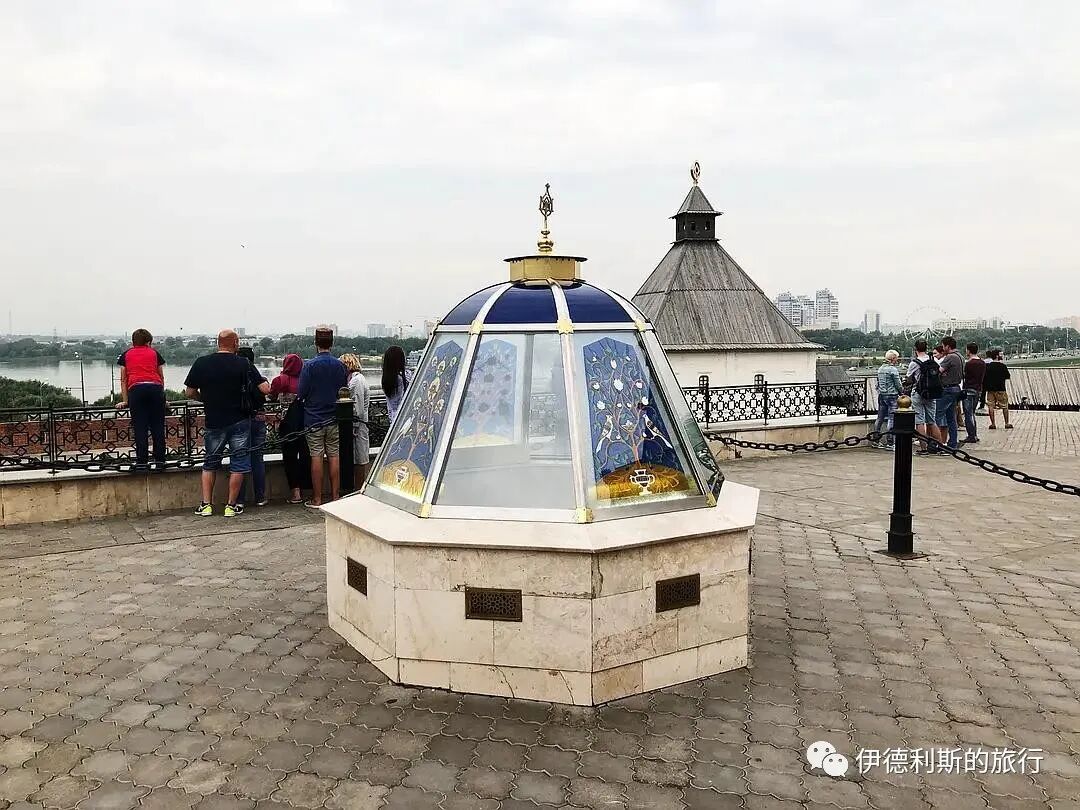
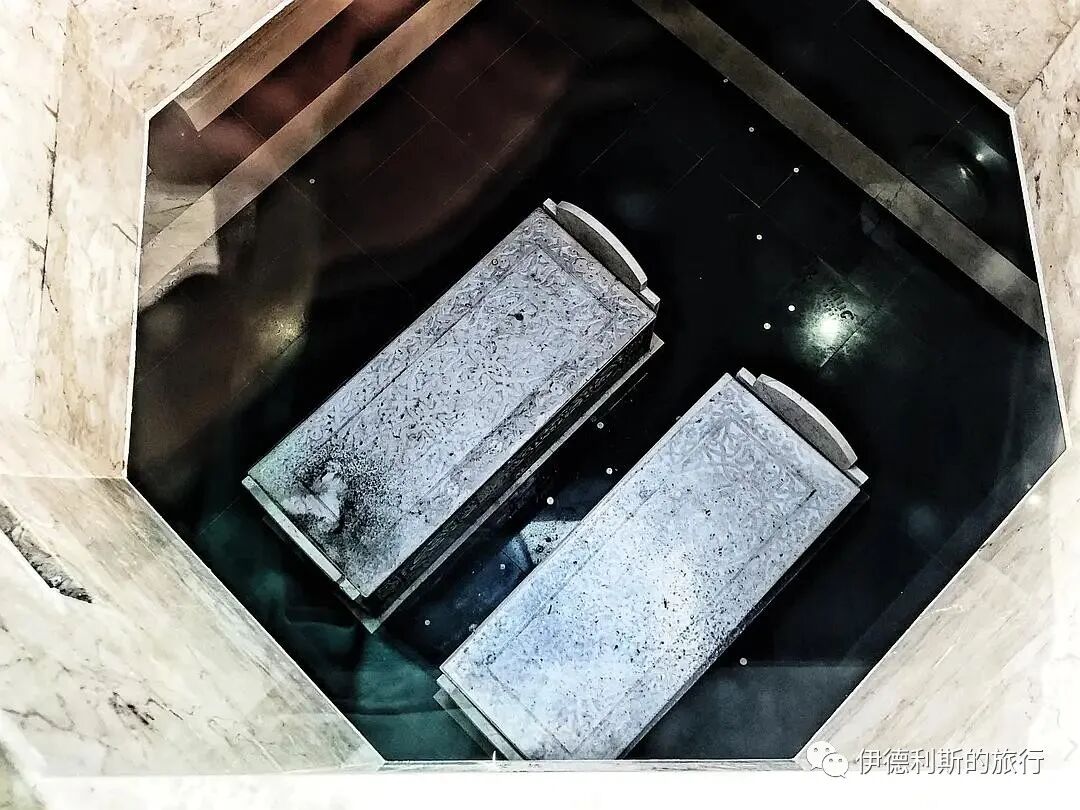
Between 2004 and 2005, the Institute of Archaeology of the Tatarstan Academy of Sciences re-excavated the Kazan Khan mausoleum. They discovered the graves of four more Kazan khans: Khalil (died 1467), Ibrahim (died 1478), Safa Giray (died 1549), and Canghali (died 1535). Today, these four Kazan khan graves are protected under a glass roof.
Khan Khalil was the eldest son of Khan Mahmud. He was known for violating treaties with the Grand Prince of Moscow and for his poor relationship with the Nogai tribe. The young khan died early, not long after taking the throne. One legend says he died in prison due to the war with the Golden Horde.
Khan Ibrahim was the younger brother of Khan Khalil. He fought against the Grand Duchy of Moscow many times and won a great victory in the 1467 war against Grand Prince Ivan III of Moscow.
Khan Safa Giray came from the Giray family of the Crimean Khanate. He served as the Kazan khan three times: from 1524 to 1531, 1535 to 1546, and 1546 to 1549. Safa Giray was an anti-Russian Kazan khan. His first reign ended when the Grand Duchy of Moscow attacked Kazan. Four years later, he took the throne again after Kazan nobles overthrew the pro-Russian khan. Eleven years later, internal unrest in Kazan led to him being overthrown again by the pro-Russian Kazan Khan. Safa Giray fled to his father-in-law's Nogai tribe, returned to Kazan with a Nogai army a few months later, and became the Kazan Khan for the third time.
Khan Ghali was originally the khan of the Qasim Khanate, a vassal state of the Grand Duchy of Moscow. In 1532, Grand Prince Vasily III of Moscow defeated the Kazan Khan Safa Giray and installed 16-year-old Khan Ghali as the pro-Russian Kazan Khan. He died in 1535 during a coup by Kazan nobles.
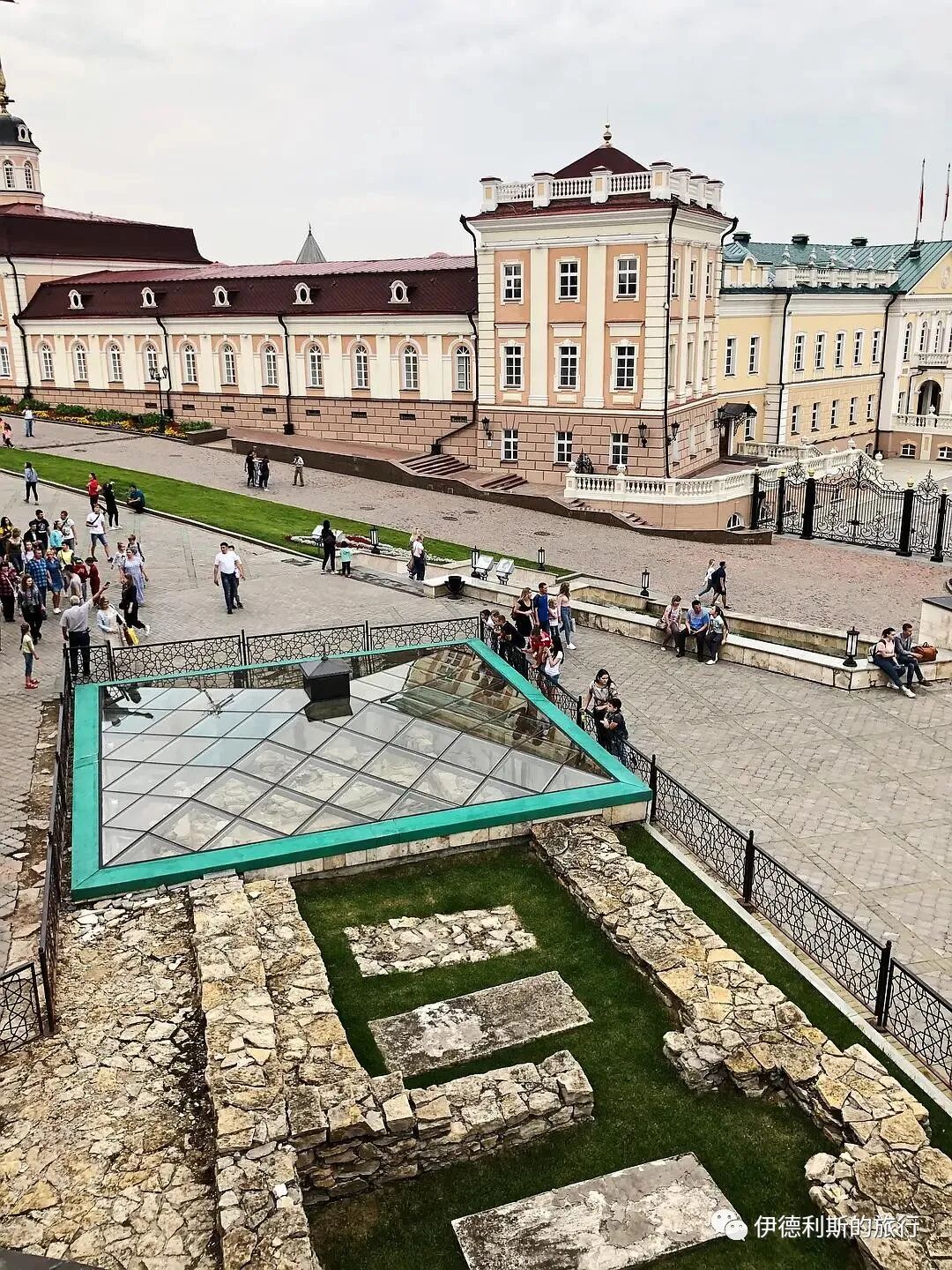
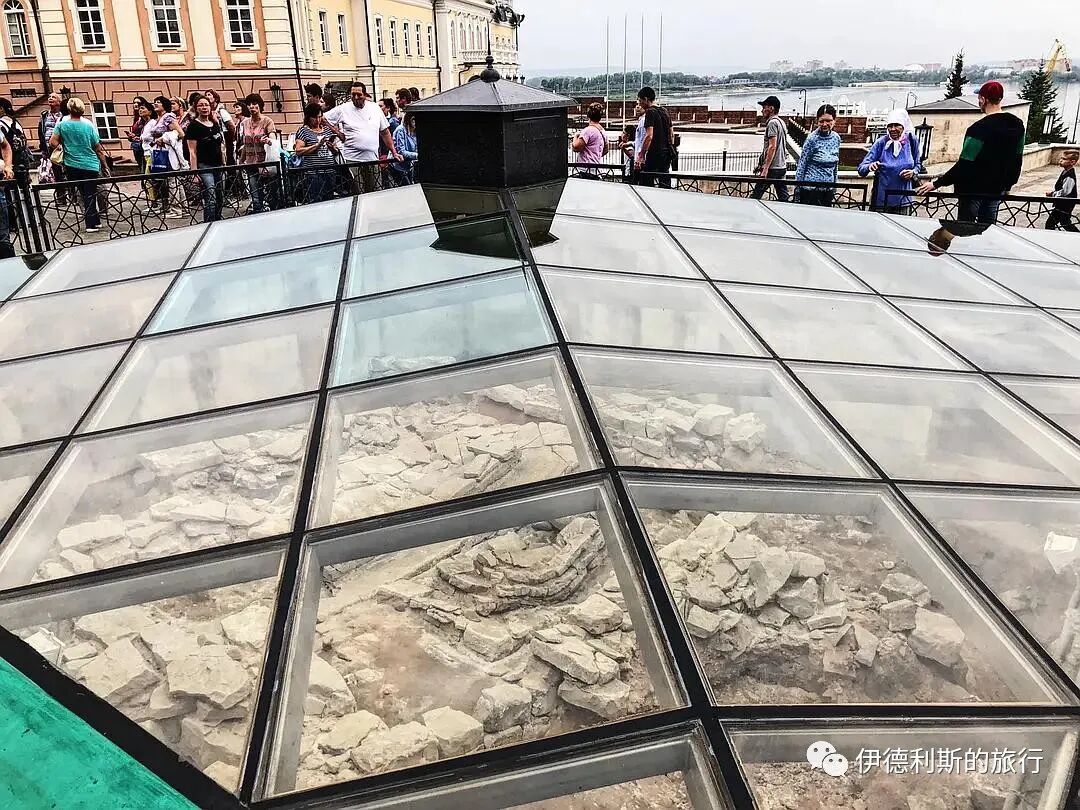
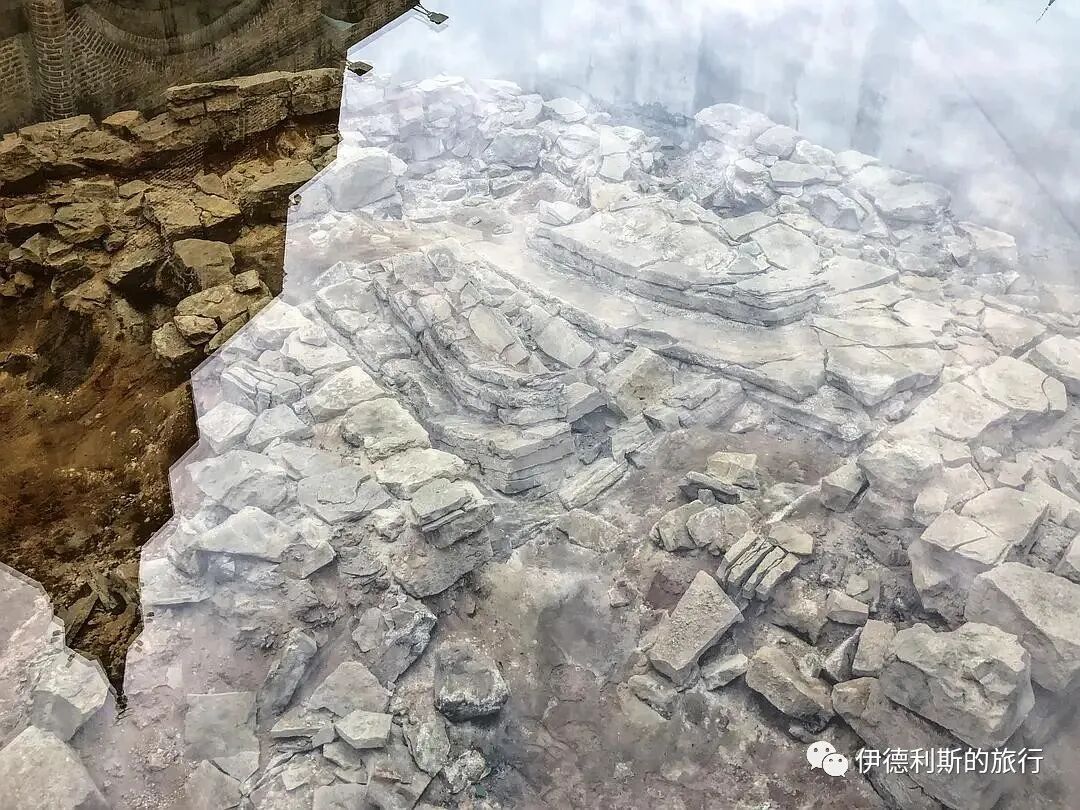
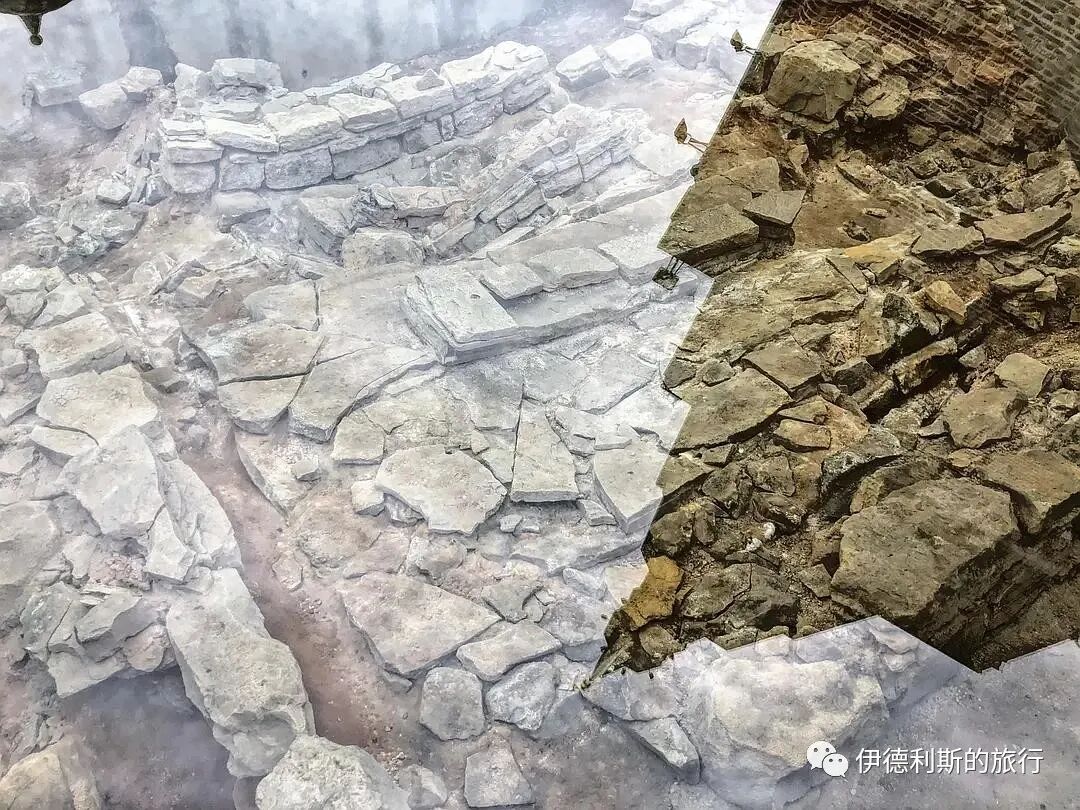
The names of six Kazan khans
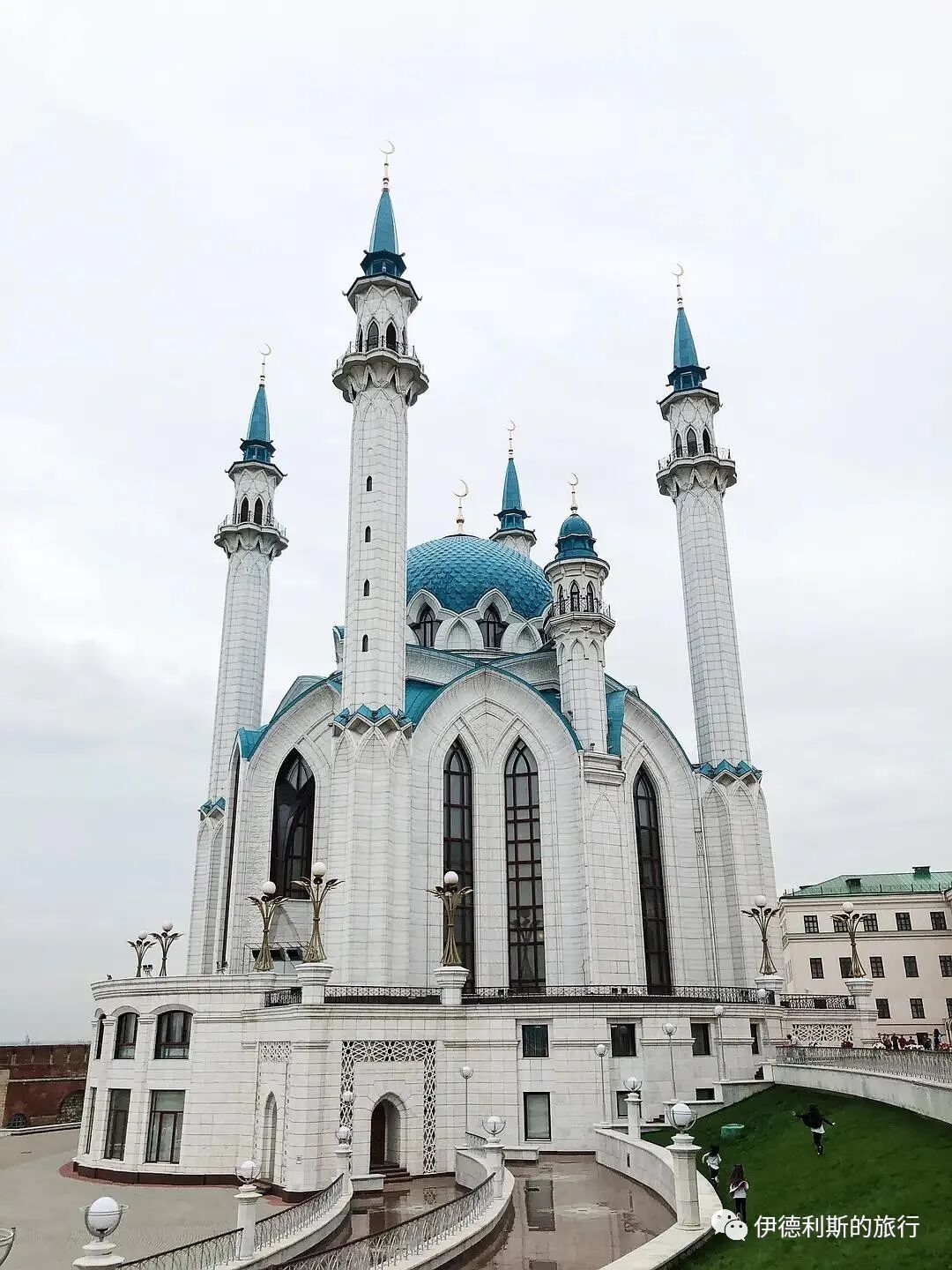
Kul Sharif Mosque
At the entrance of the Kul Sharif Mosque inside the Kazan Kremlin, there are performances about the Siege of Kazan. In 1552, Ivan the Terrible besieged Kazan. The last imam of the Kazan Khanate, Seid Kul Sharif, led the people in a final stand and eventually died in the city. Today, Seid Kul Sharif is a national hero to the Kazan Tatars, and the new Kul Sharif Mosque built in 2005 is named after him.
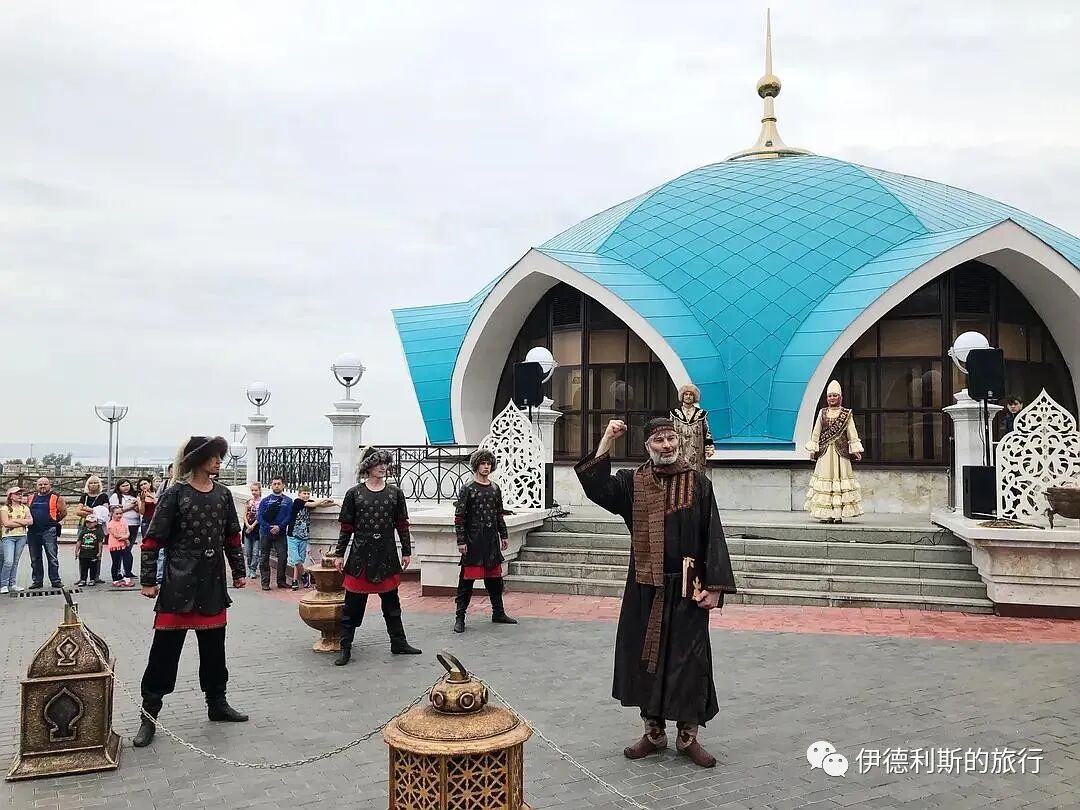
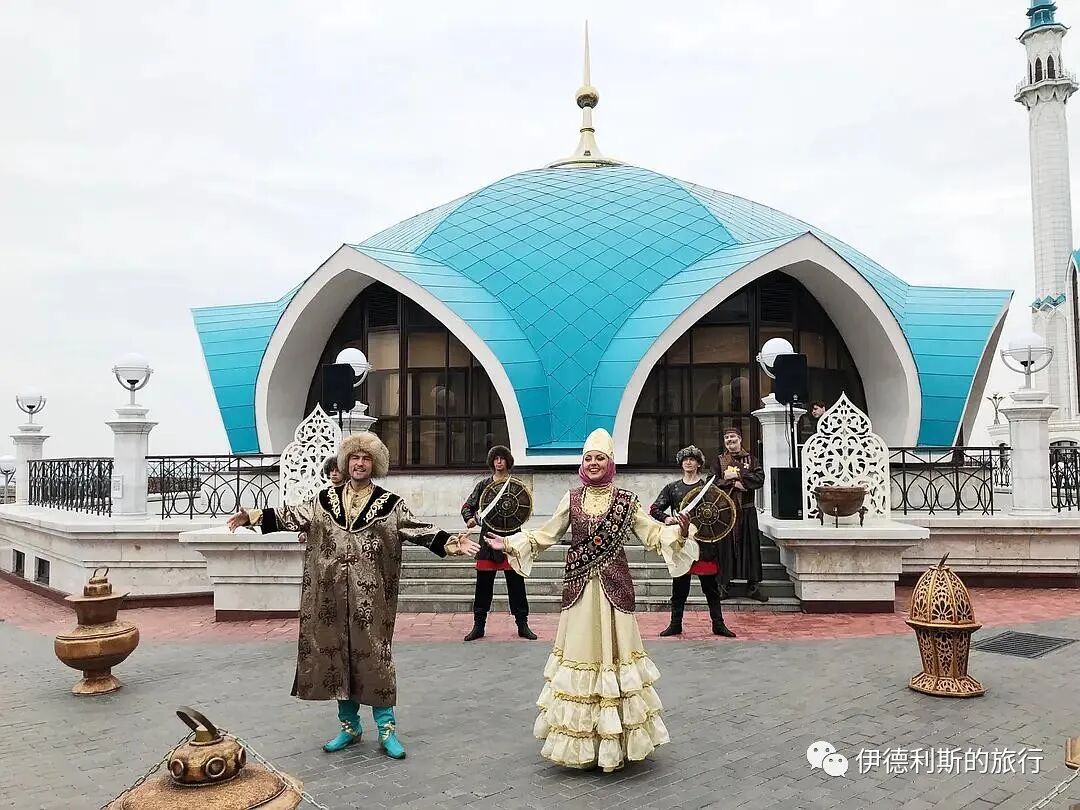
The imam chanting inside the mosque has a beautiful and moving voice. This is the first time I have seen a mosque open to tourists to experience chanting firsthand.
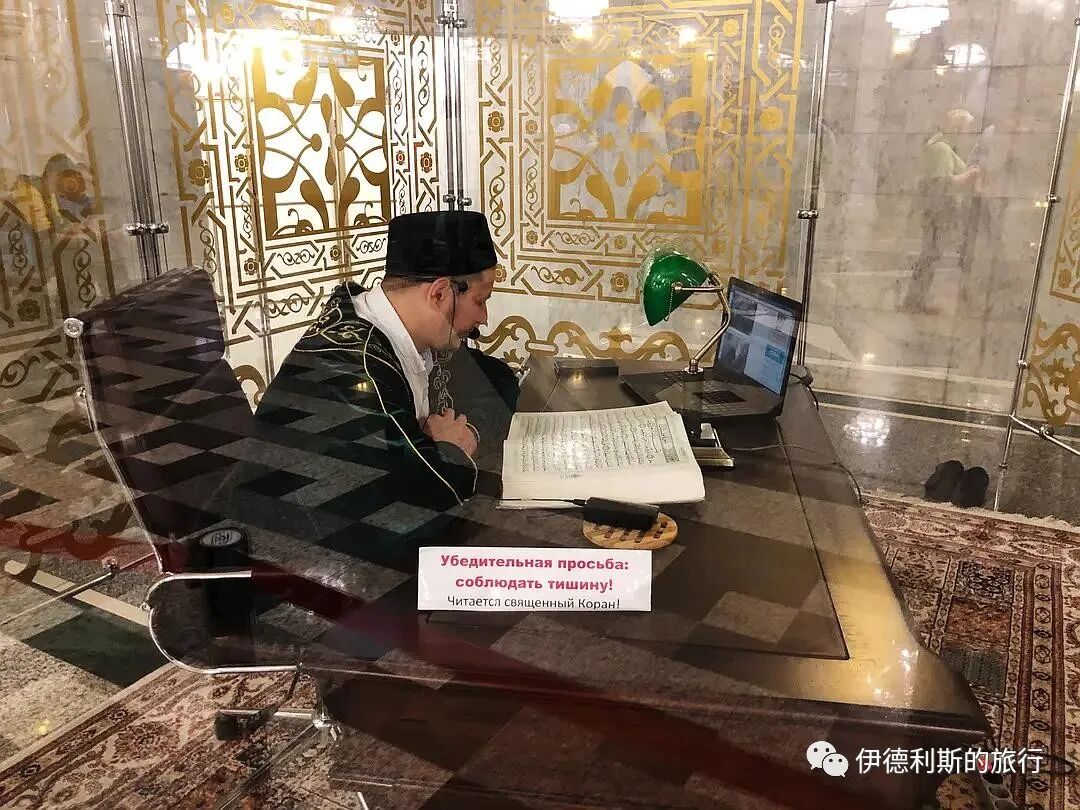
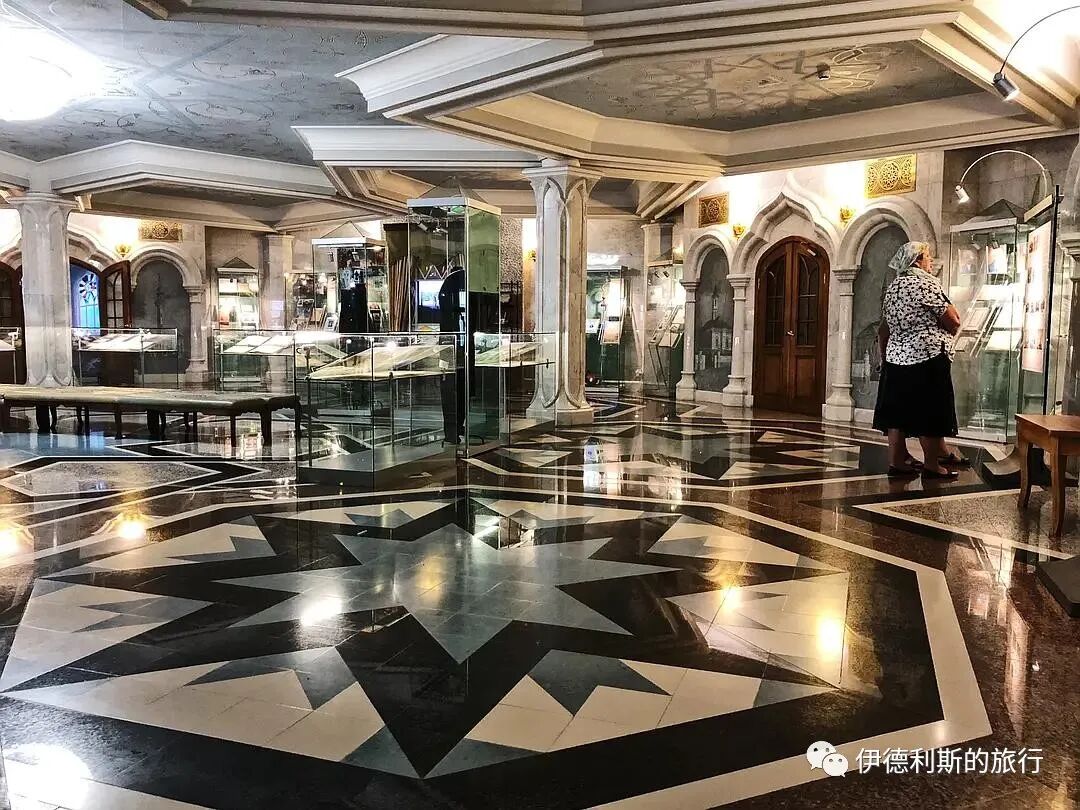
There is a small Islamic culture museum on the basement level of the mosque.
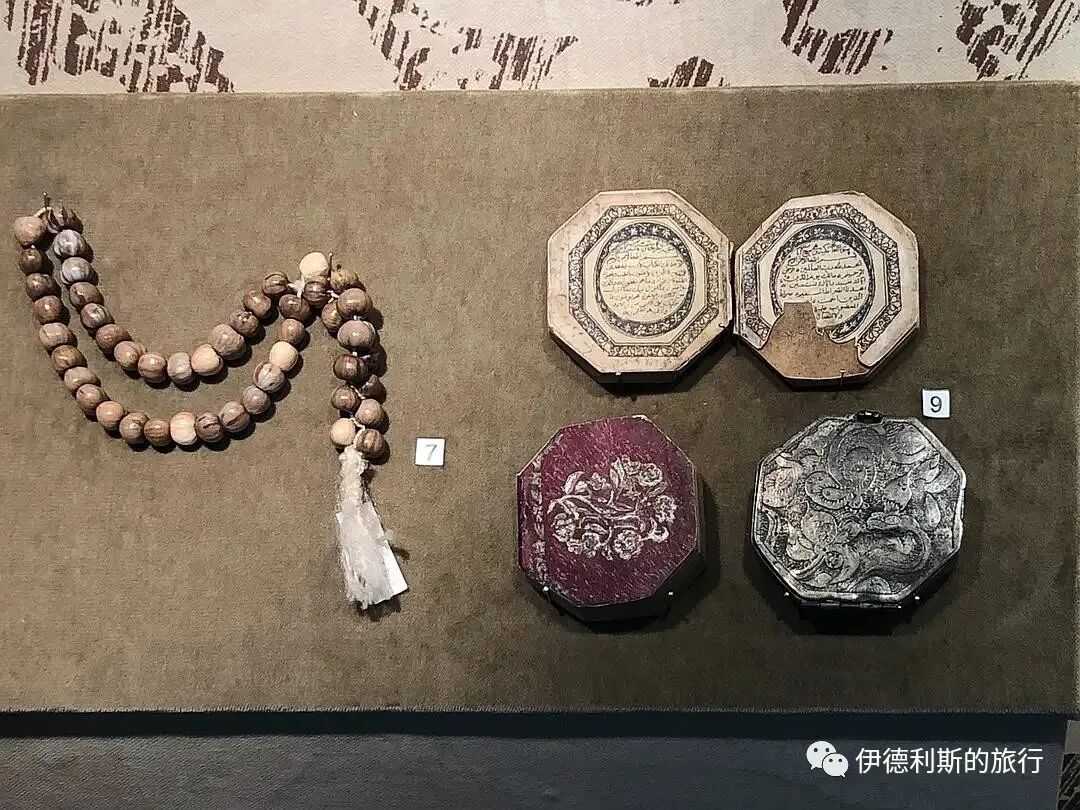
A pocket-sized Quran (gureani) from the Kazan Tatars in the late 19th century.
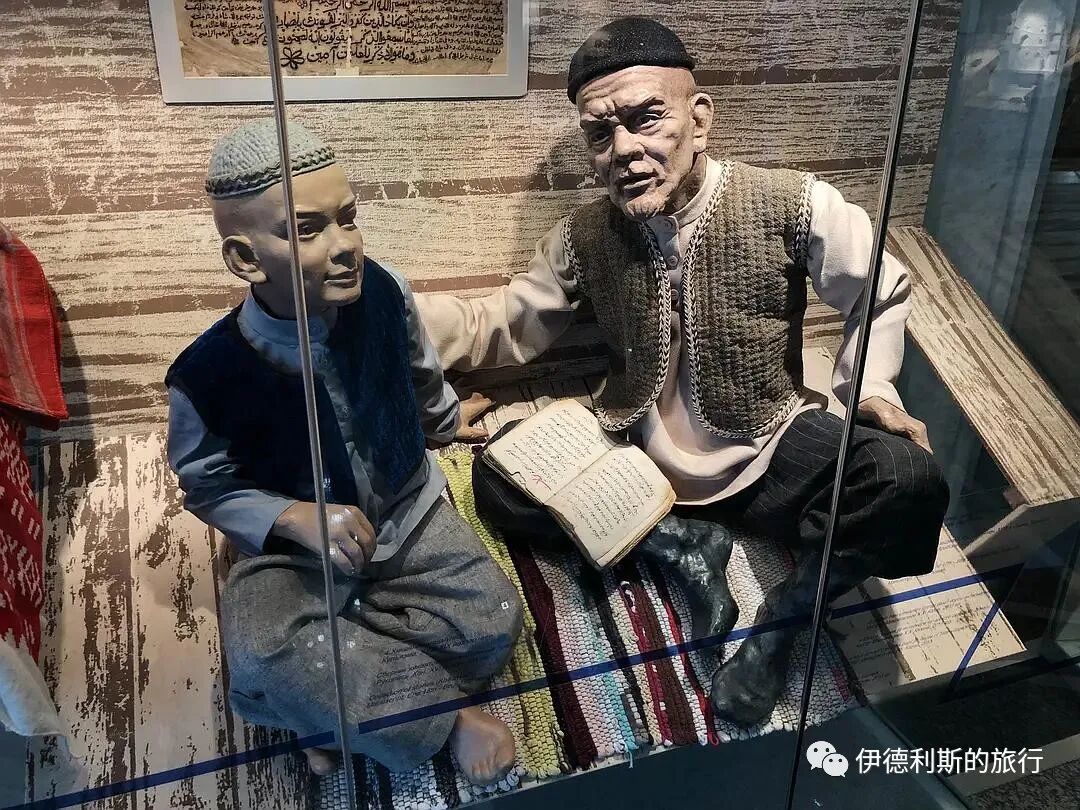
A display showing an imam and a student (hailifan) teaching scripture in the 19th century.
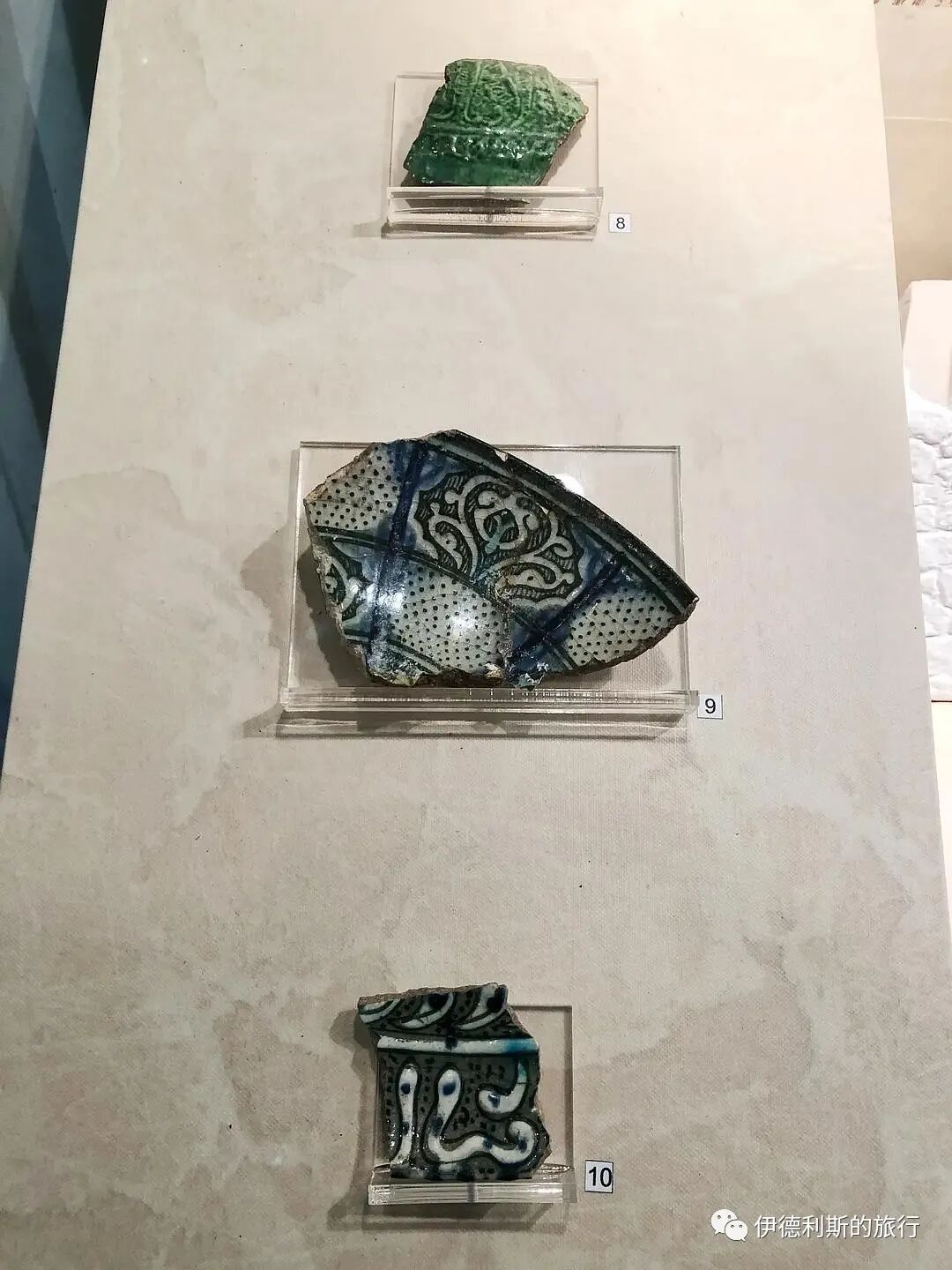
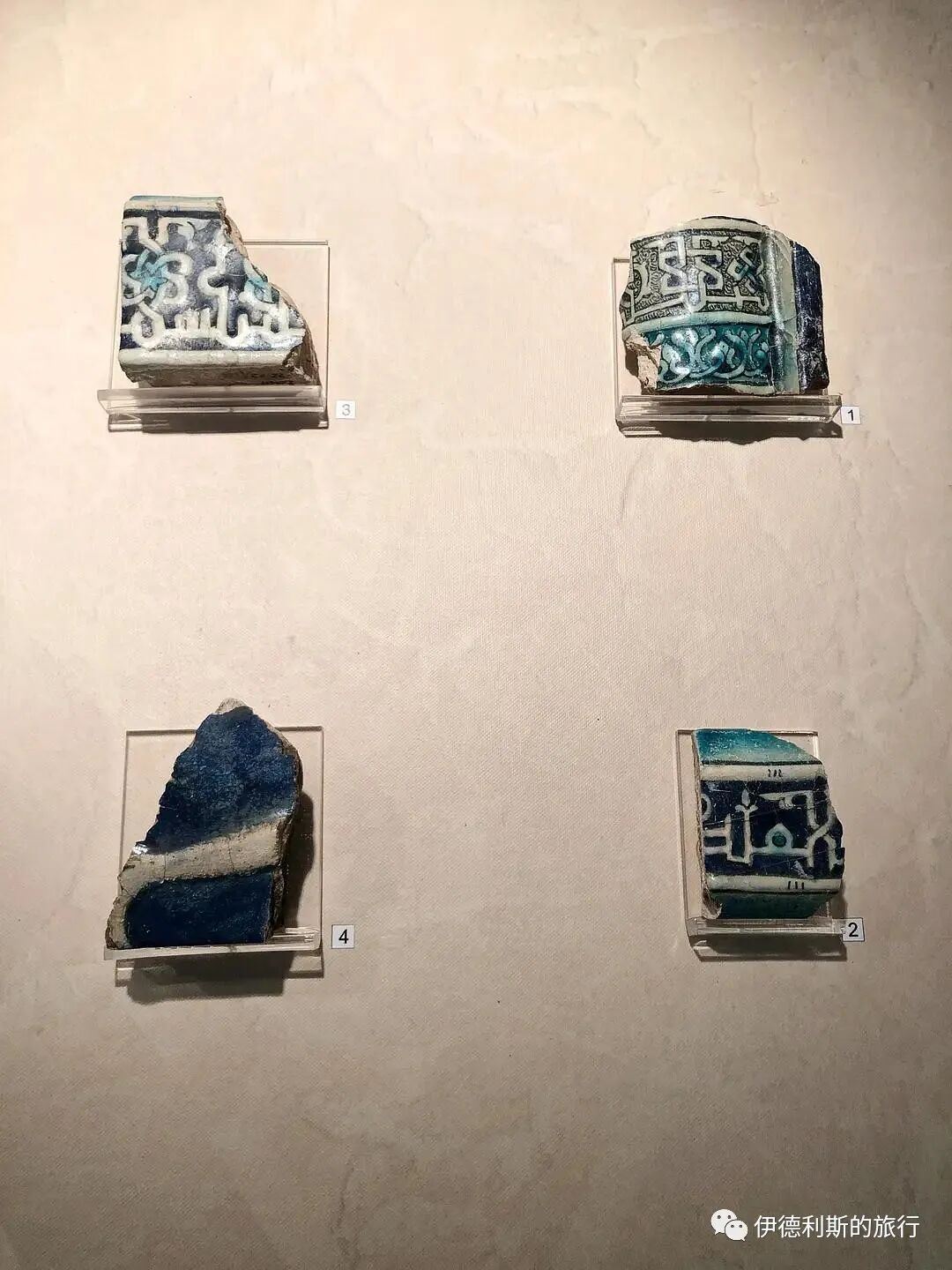
Porcelain from the ancient city of Bolghar dating back to the 10th to 13th centuries.
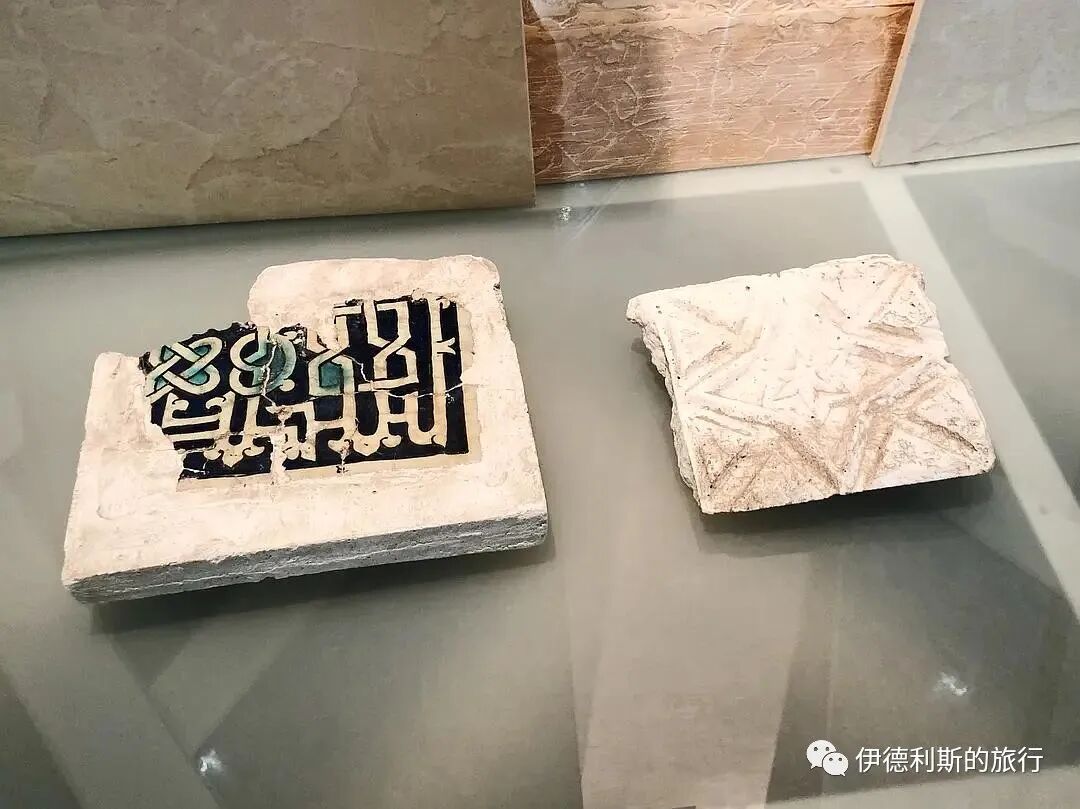
A decorative panel from the Golden Horde period.
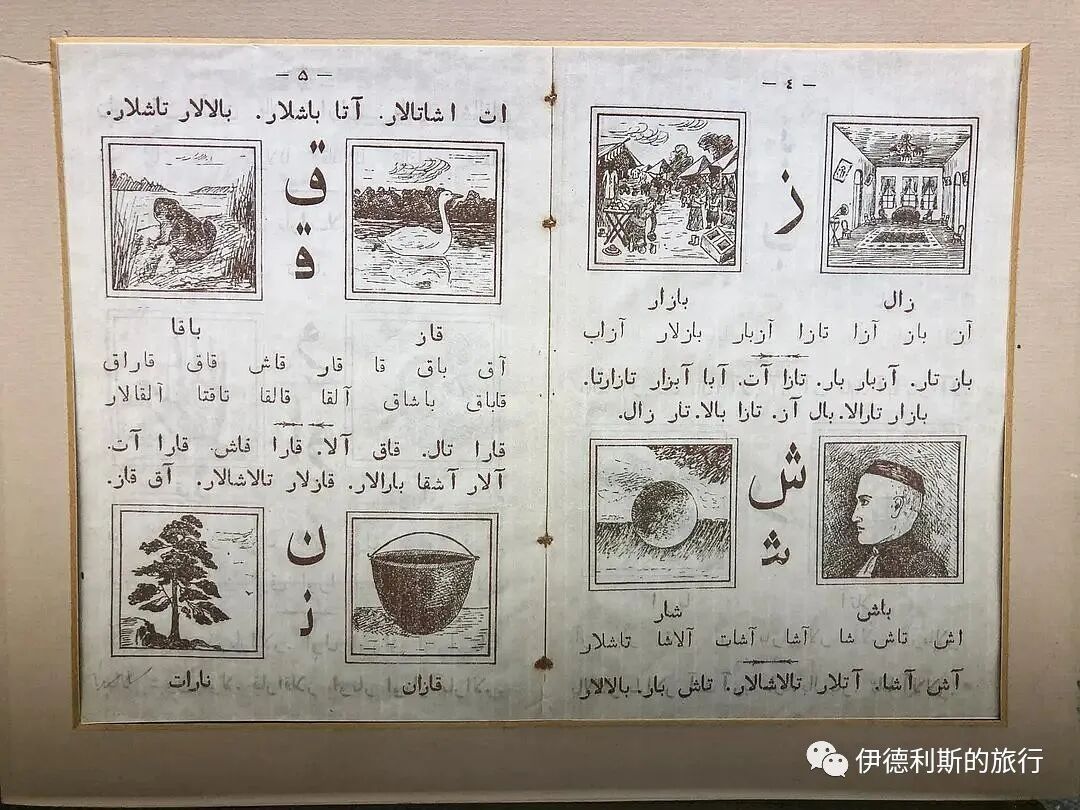
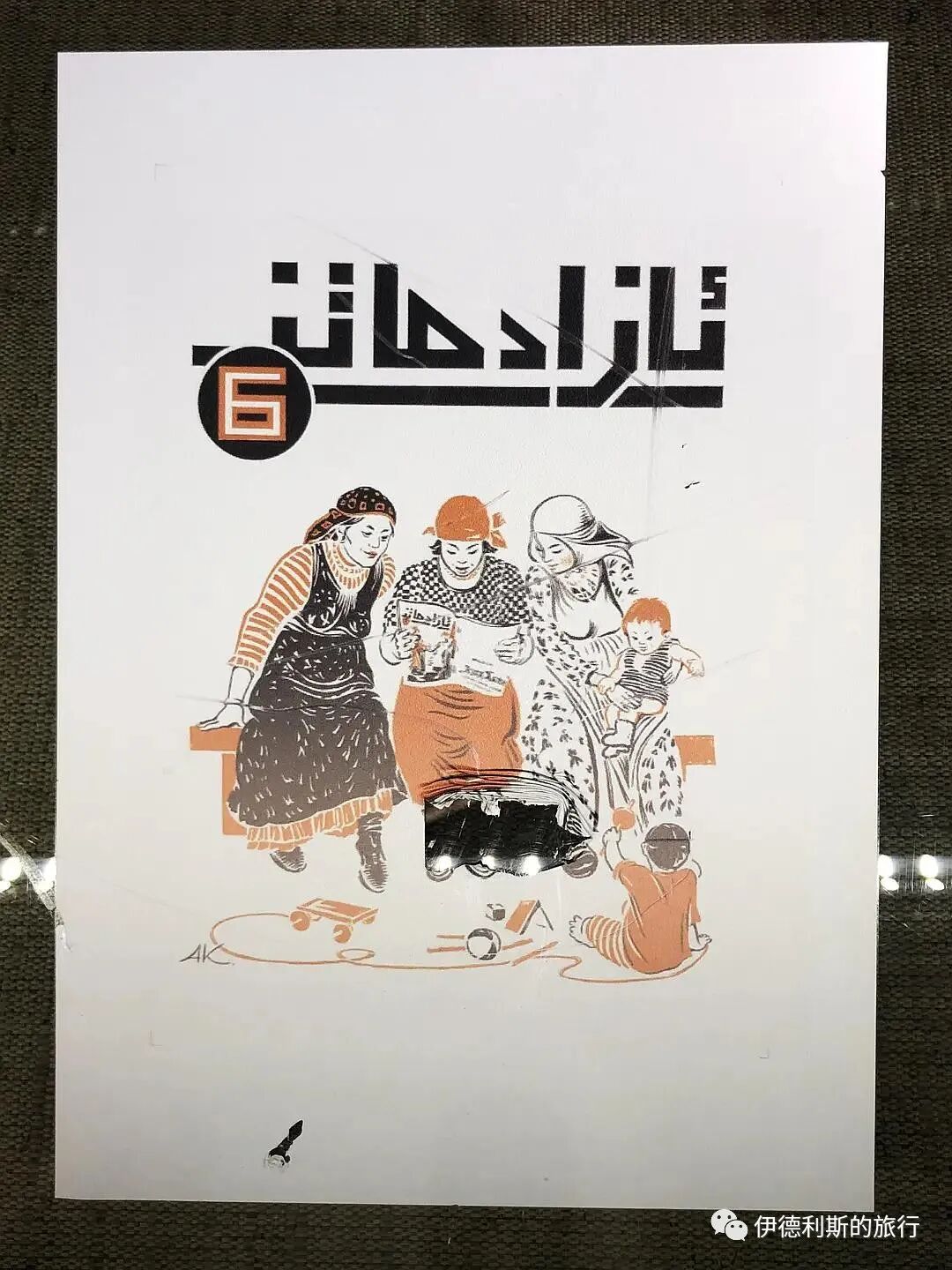
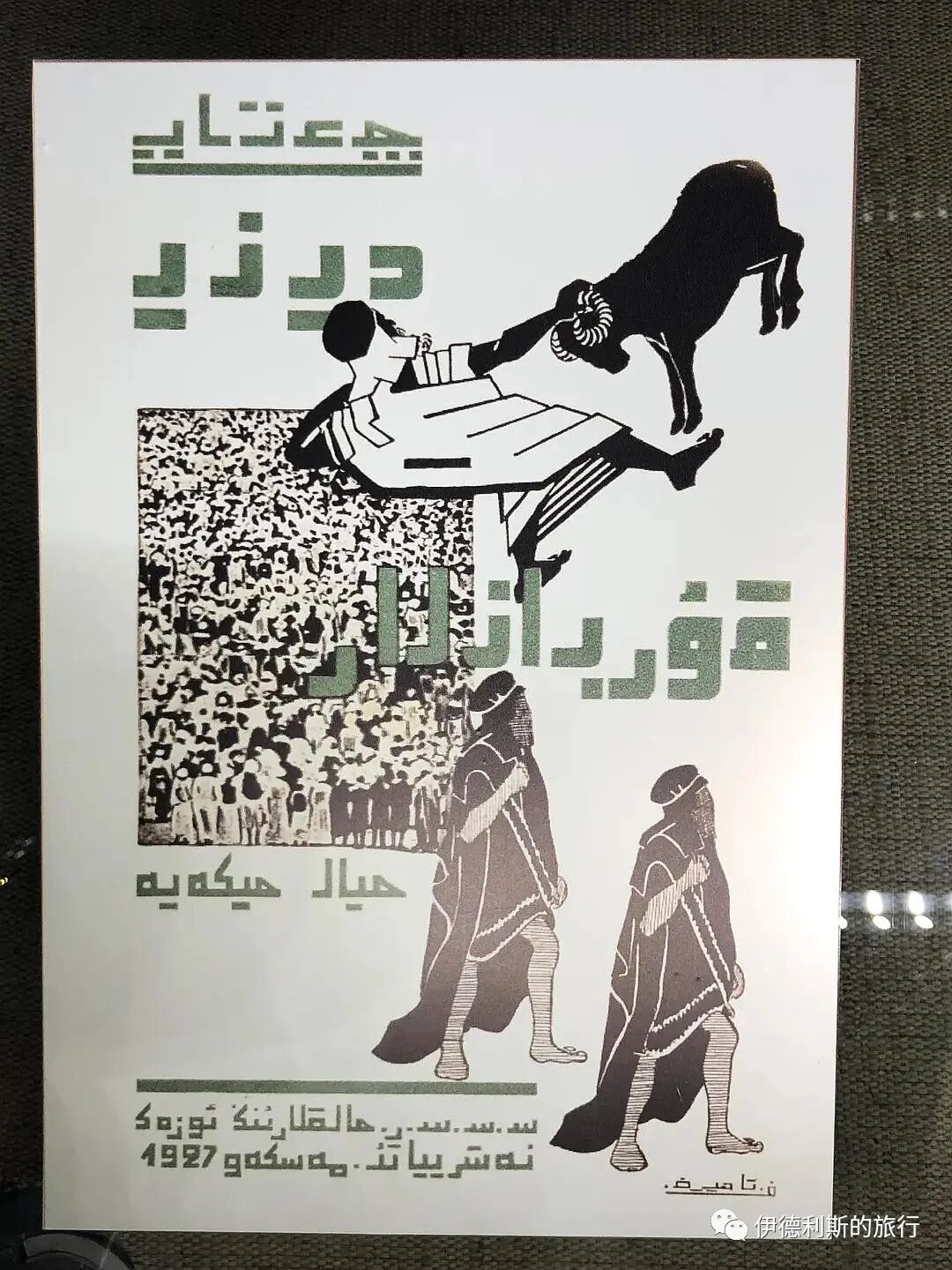
Literacy materials and magazines for Kazan Tatars from the early 20th century.
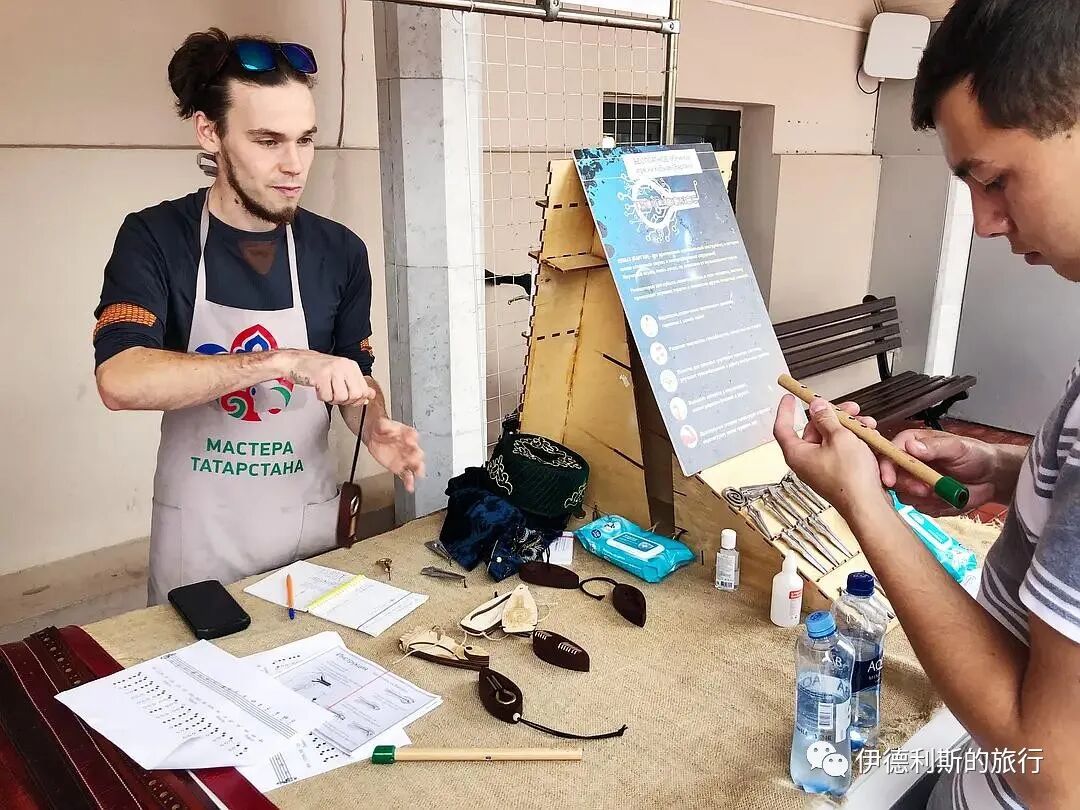
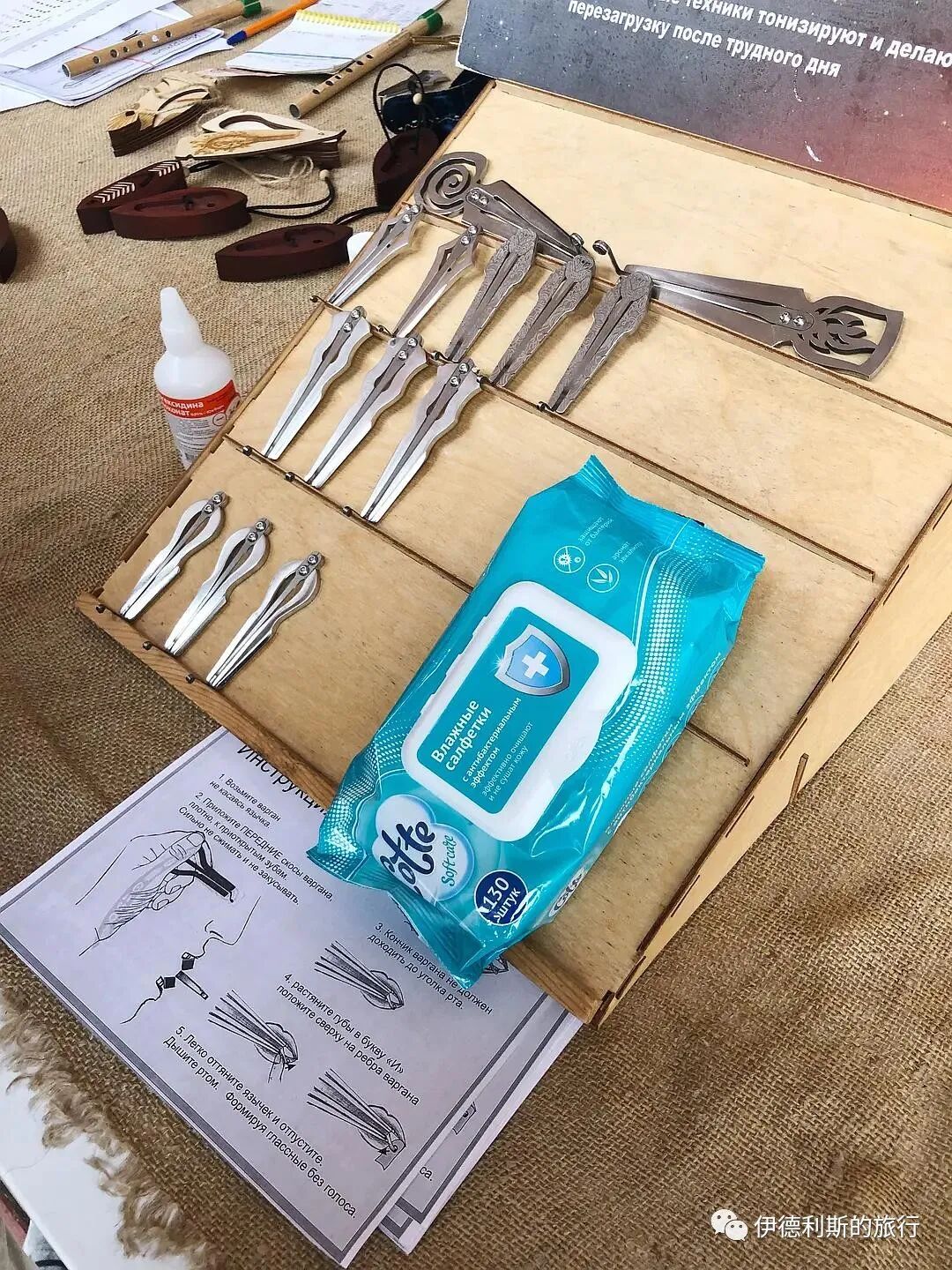
A handsome Tatar guy was selling mouth harps (kouxian) at the mosque entrance, and I really regret not buying one.
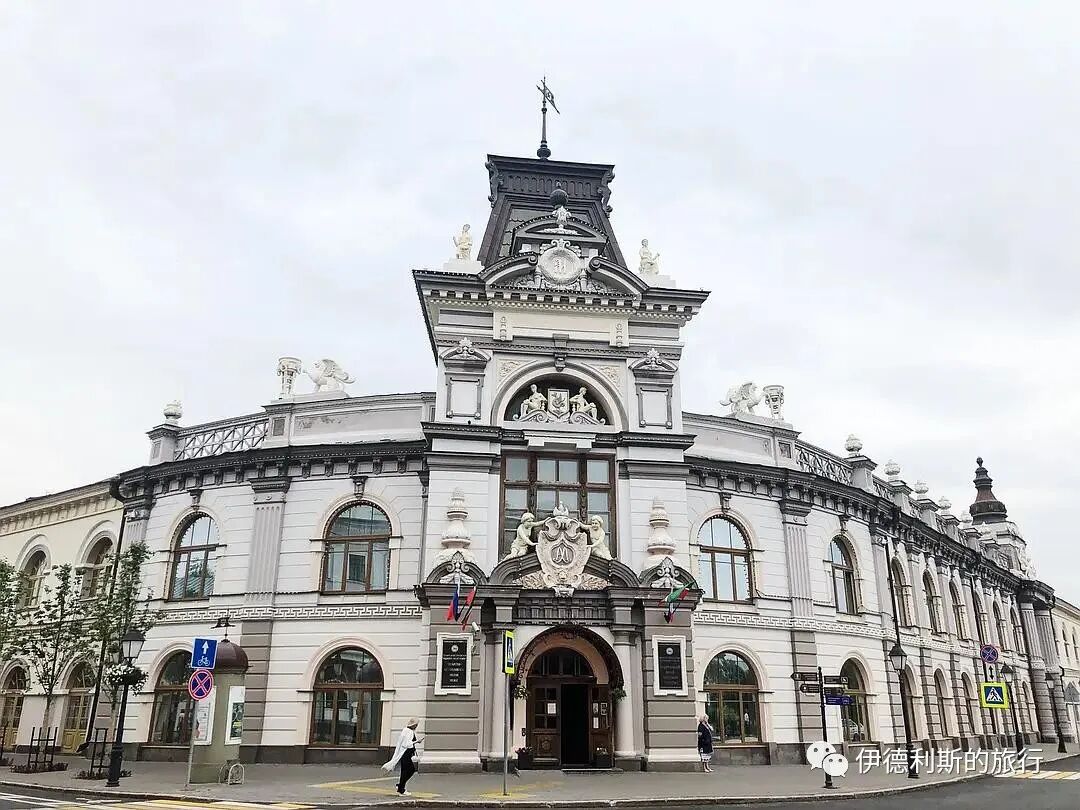
Republic of Tatarstan Museum
The National Museum of the Republic of Tatarstan opened in 1895. The building was once the Gostinniy Hotel and is a historical monument of Tatarstan itself. The museum has over 800,000 items in its collection, including pieces related to the Golden Horde, the Kazan Khanate, and the Kazan Tatars.
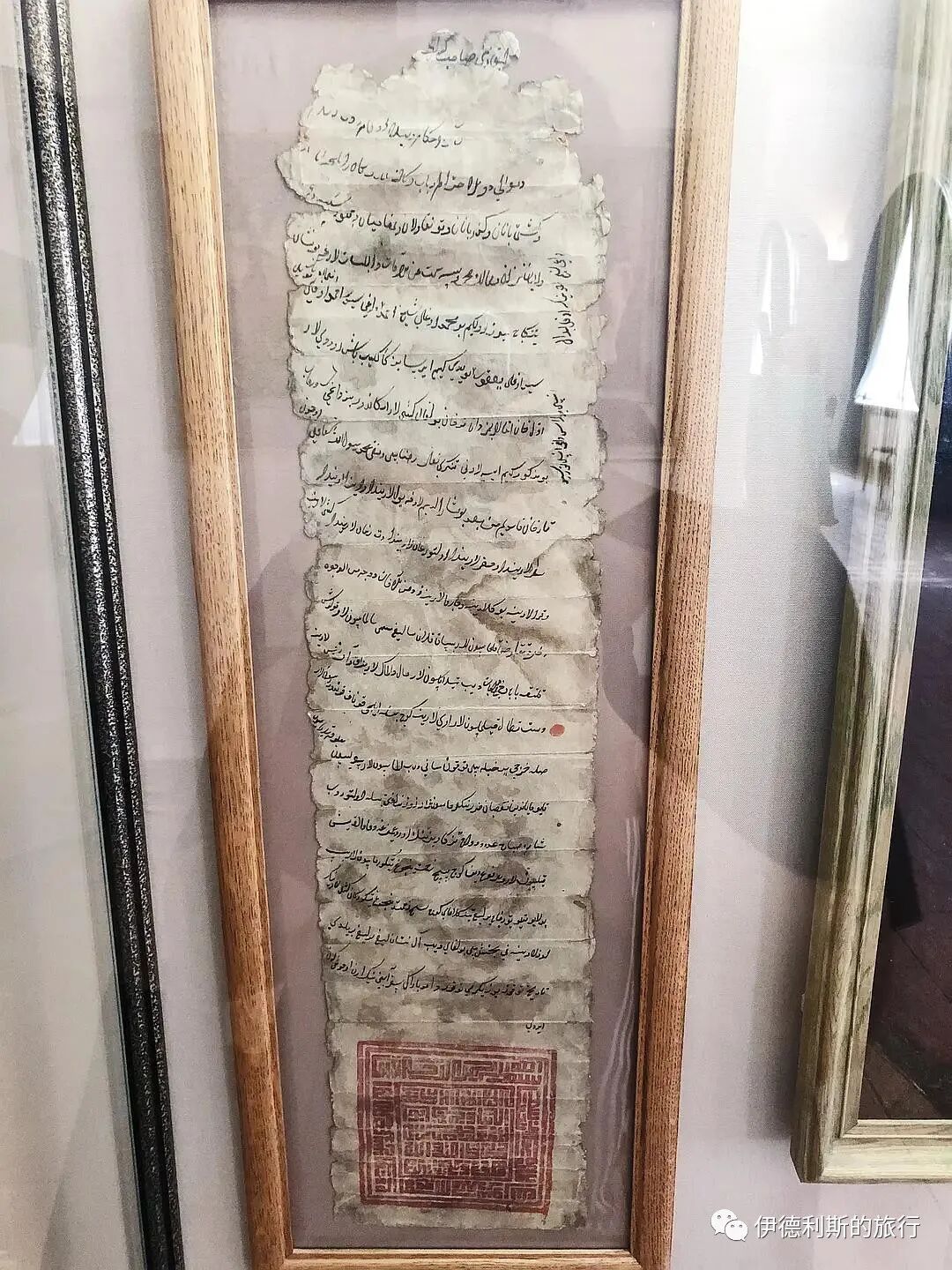
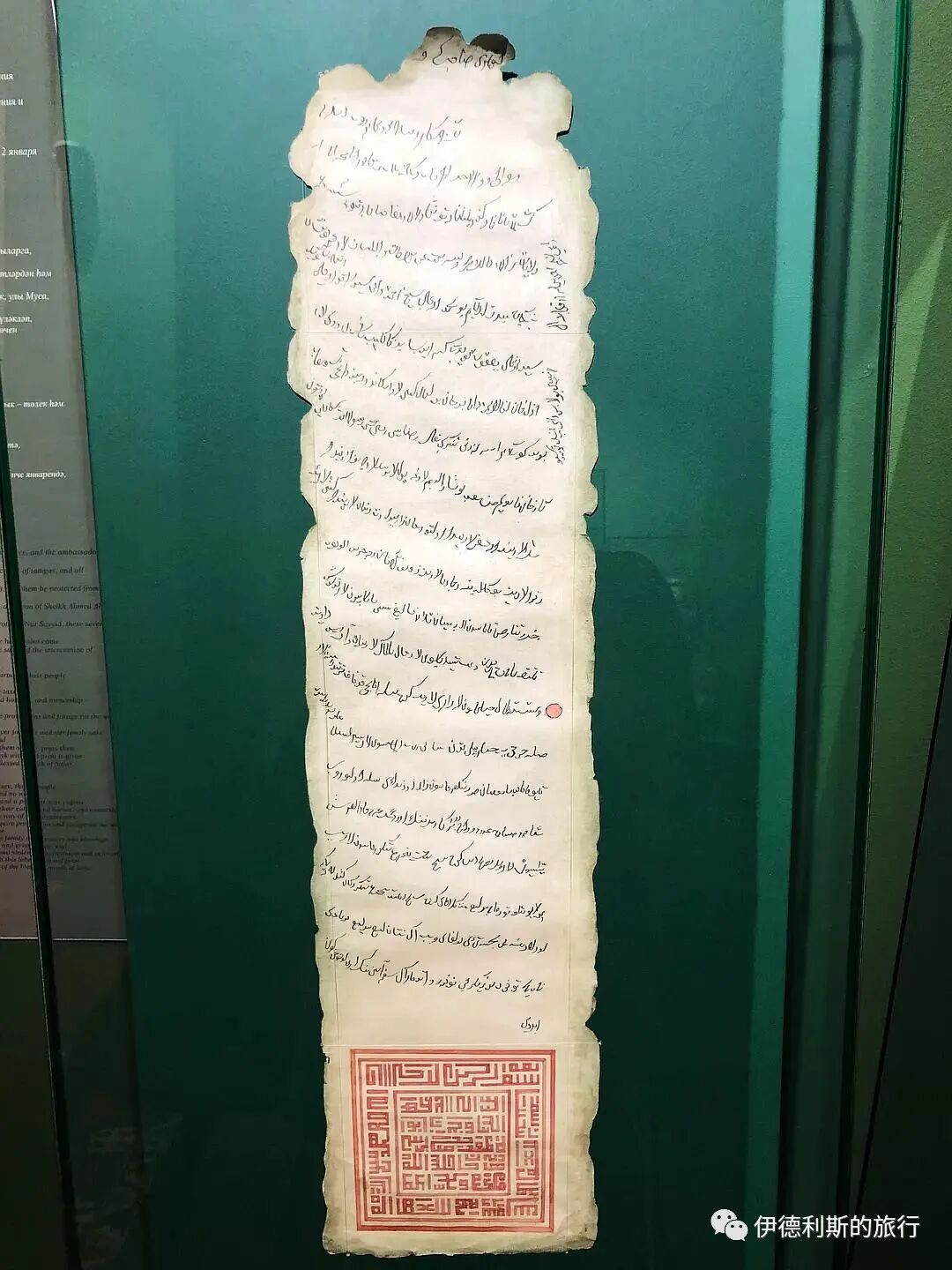
A letter written in 1523 by Sahib I Giray, the Khan of Kazan who reigned from 1521 to 1524. There is a replica of this letter inside the Kazan Kremlin.
Sahib Giray was a descendant of Jochi, the eldest son of Genghis Khan, and his grandfather founded the Crimean Khanate. In 1521, the Kazan Khanate wanted to break free from the Grand Duchy of Moscow. They overthrew the pro-Moscow Kazan Khan, Shahghali, and invited Sahib Giray from Crimea to Kazan to become the new Khan.
Sahib Giray attacked Moscow twice, in 1521 and 1522, and brought back many captives. In 1524, Moscow sent a large army to attack Kazan, forcing Sahib Giray to flee back to Crimea.
People actually know Sahib Giray better for what happened after that. In 1532, the Ottoman Empire installed Sahib Giray as the Crimean Khan. That same year, he built a new capital, Bakhchisarai, in a valley downstream from the old capital of the Crimean Khanate. For the next 250 years, Bakhchisarai served as the capital of the Crimean Khanate, where successive Khans built palaces and various mosque buildings. Today in Bakhchisarai, you can still see the Great Khan Mosque and the Sary Guzel bathhouse, both built under the direction of Sahib Giray in 1532.
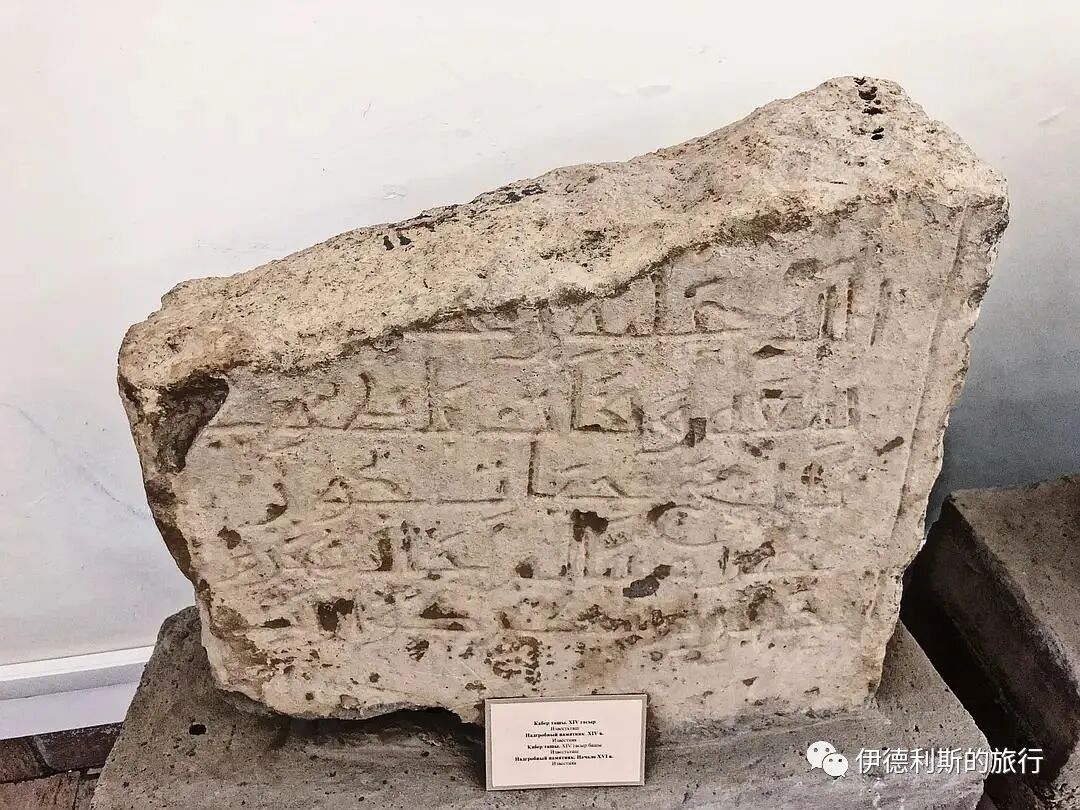
A tombstone from the Golden Horde period in the 14th century.
Architectural pieces from the Golden Horde period in the 14th century. The bottom left shows pieces from the Great Mosque of Bolghar, dating from the late 13th to early 14th century.
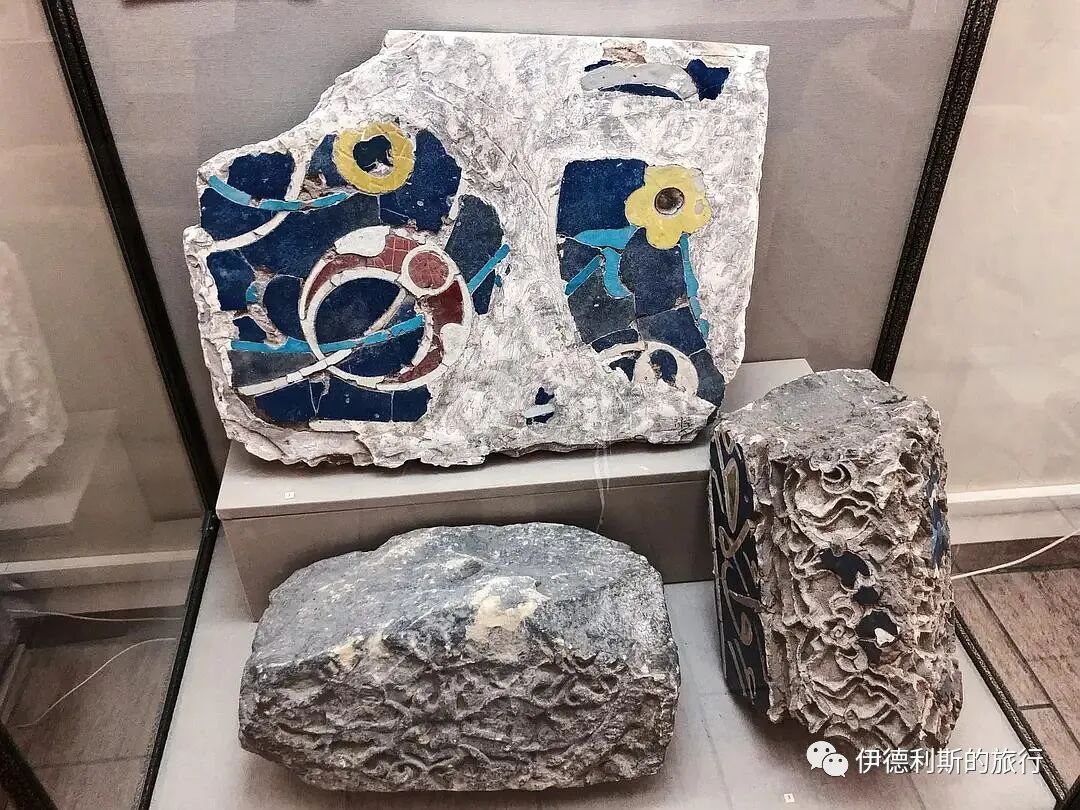
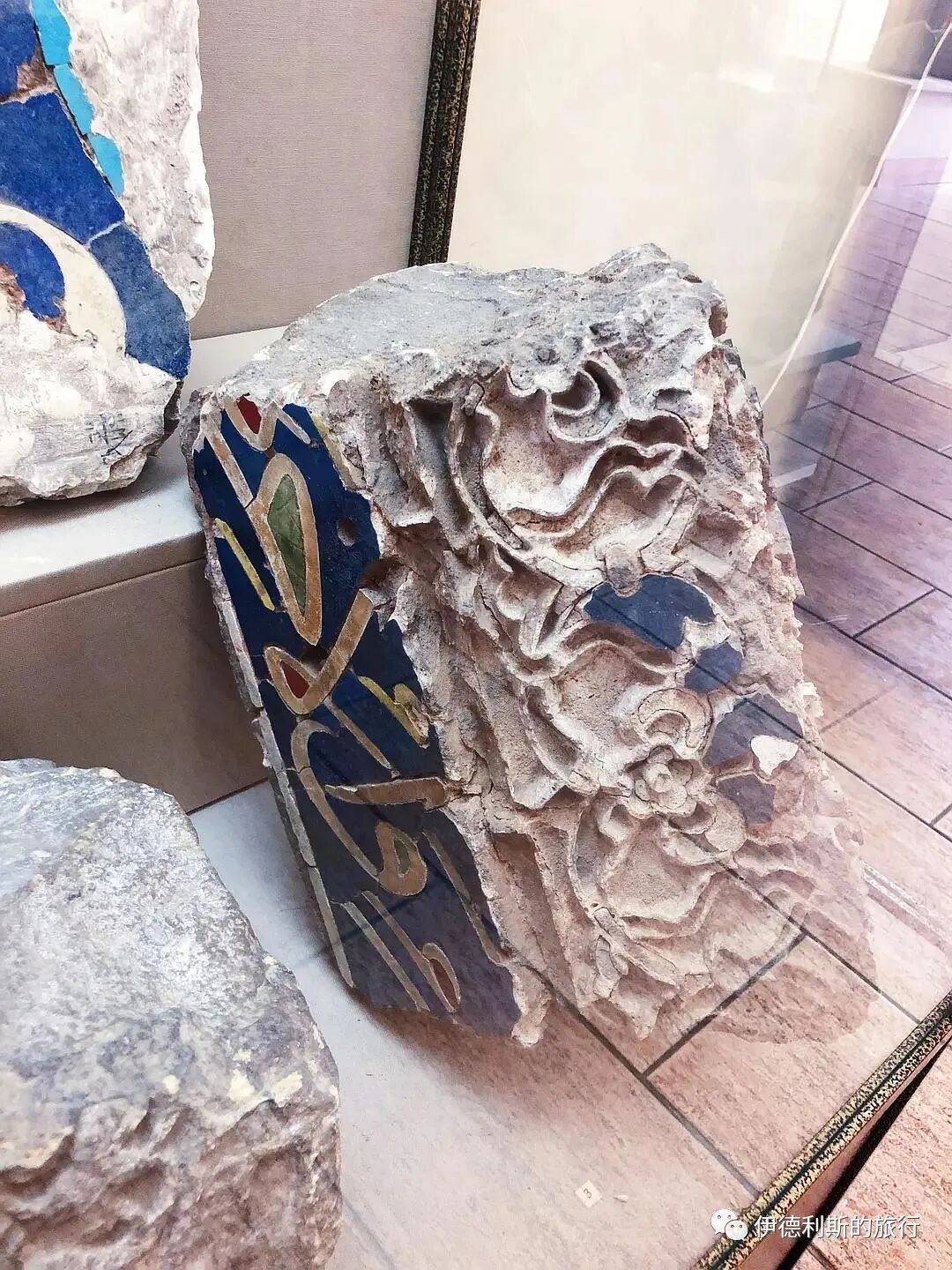
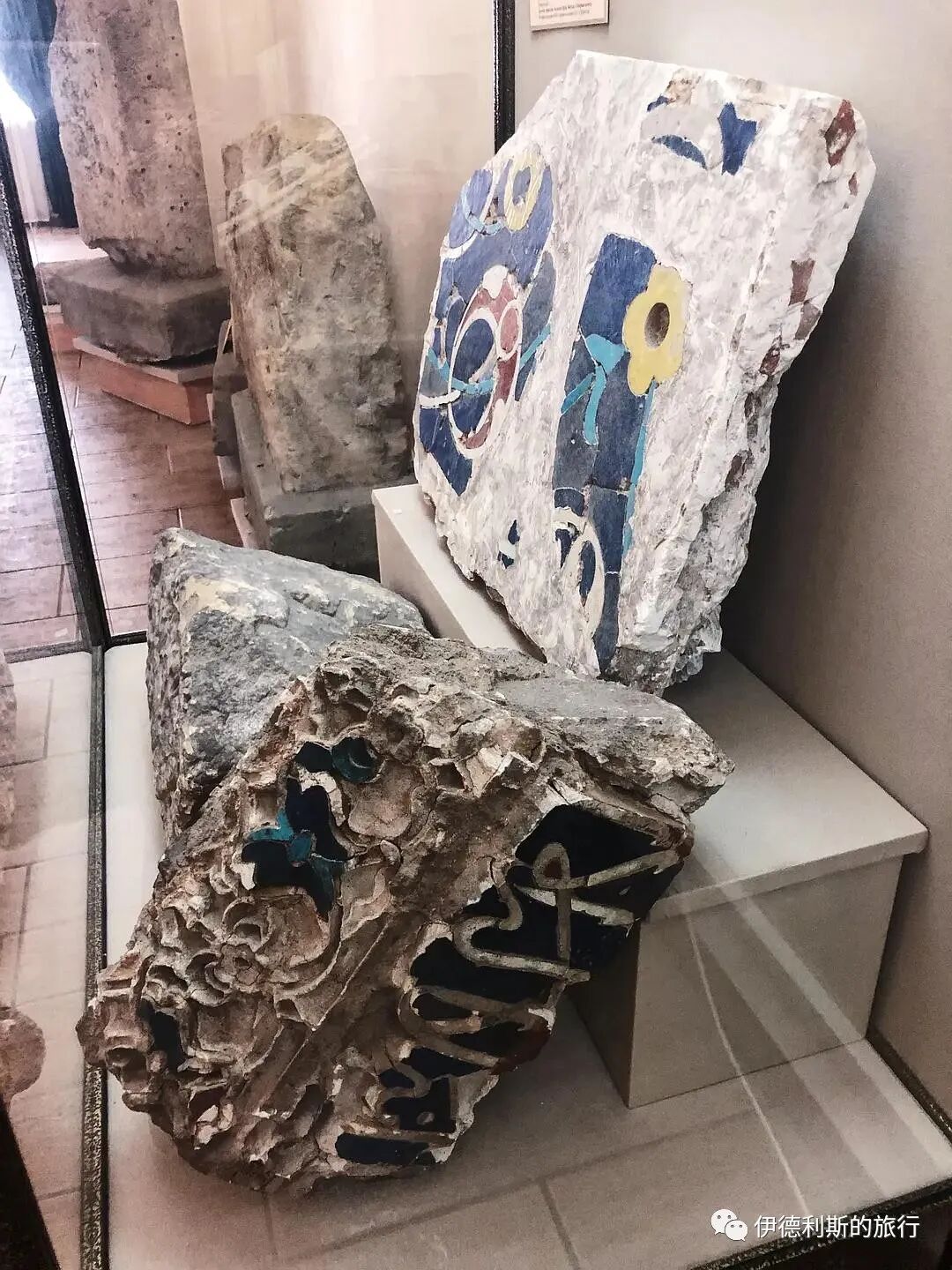
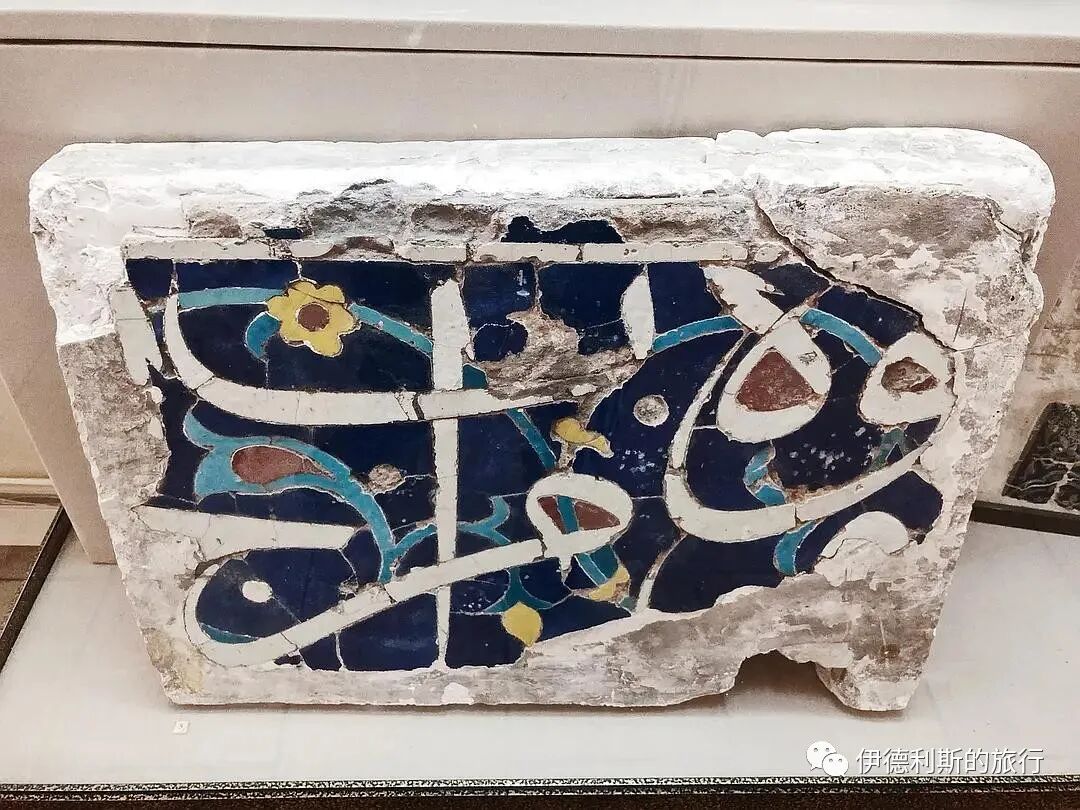
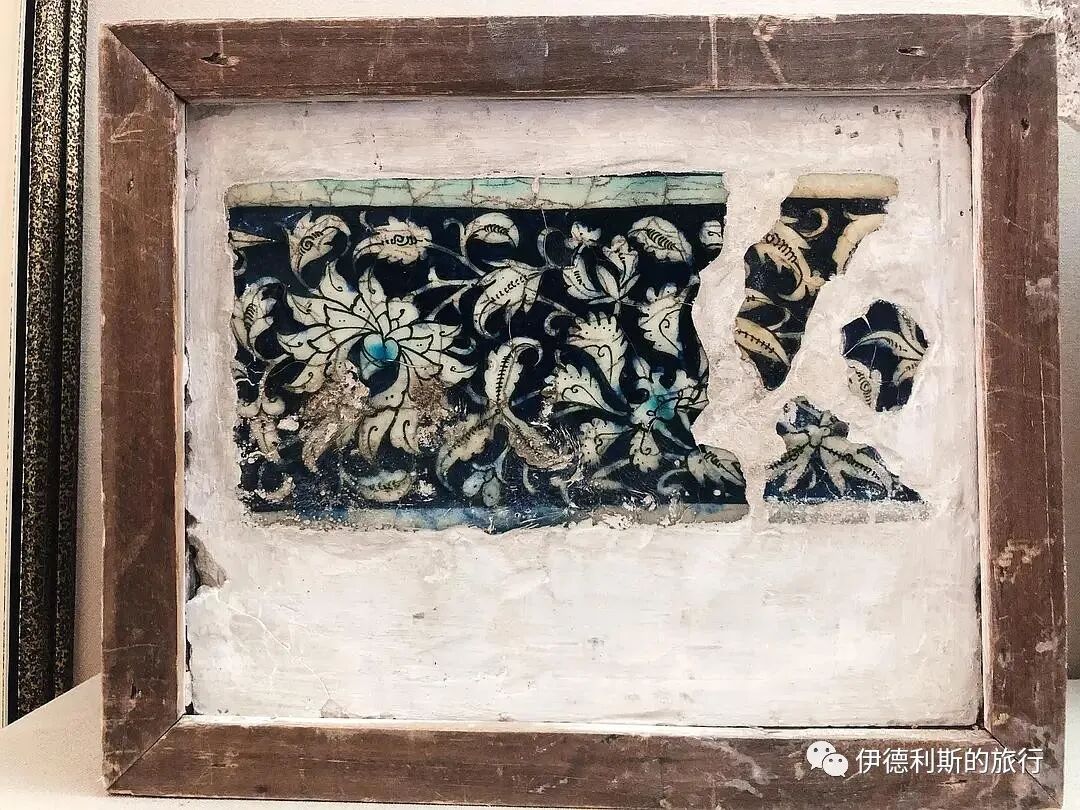
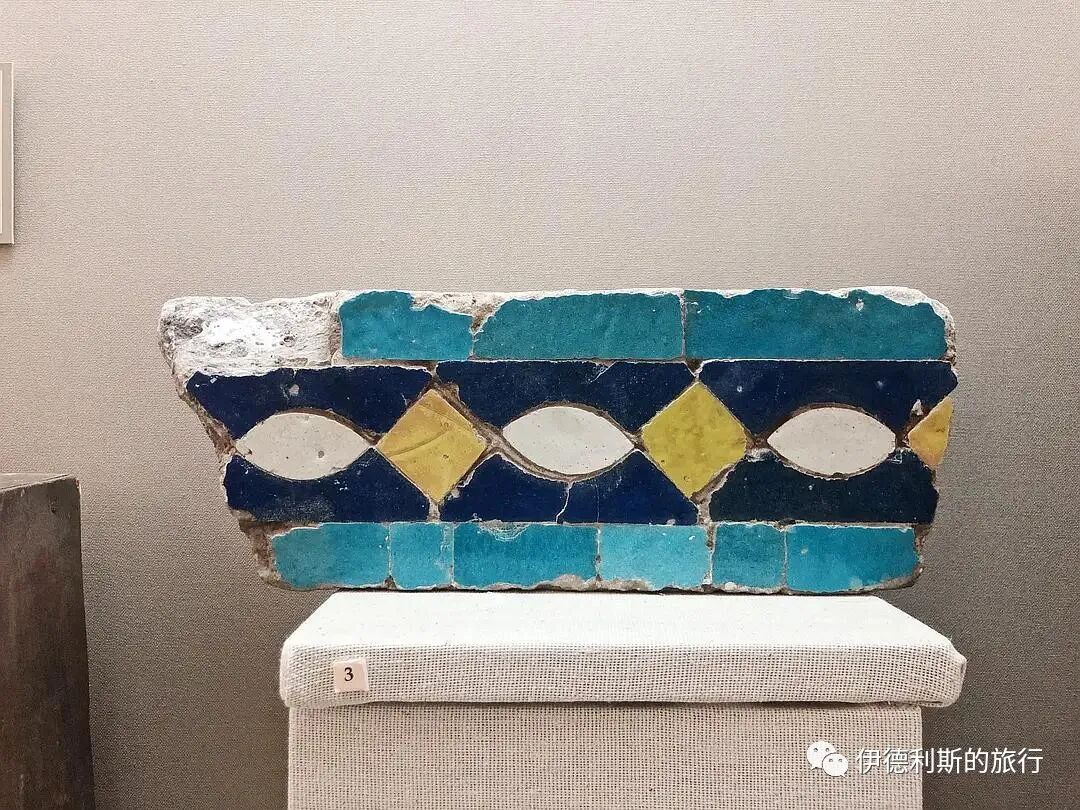
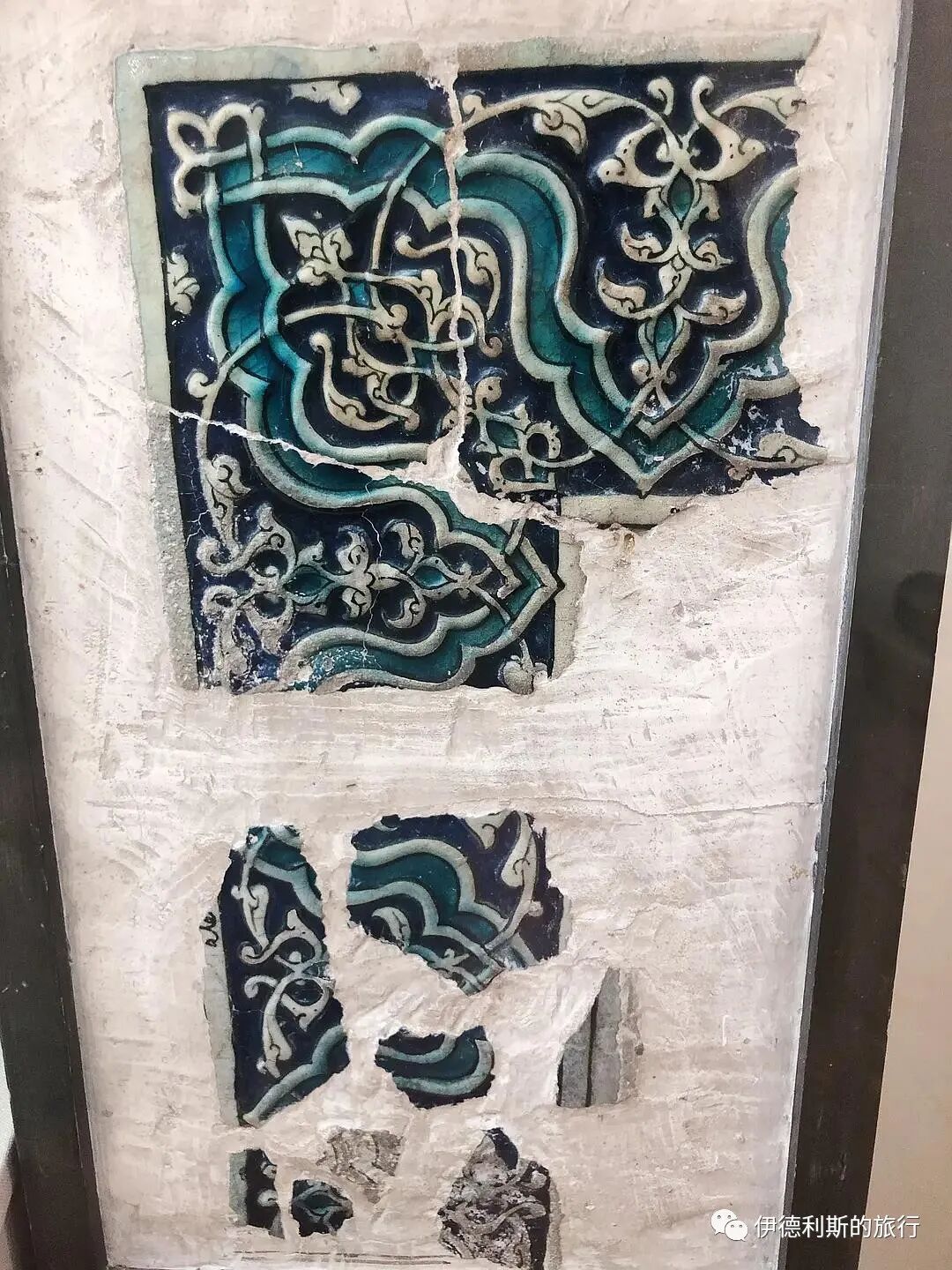
A water basin from a public bathhouse in the ancient city of Bolghar during the 14th-century Golden Horde period.
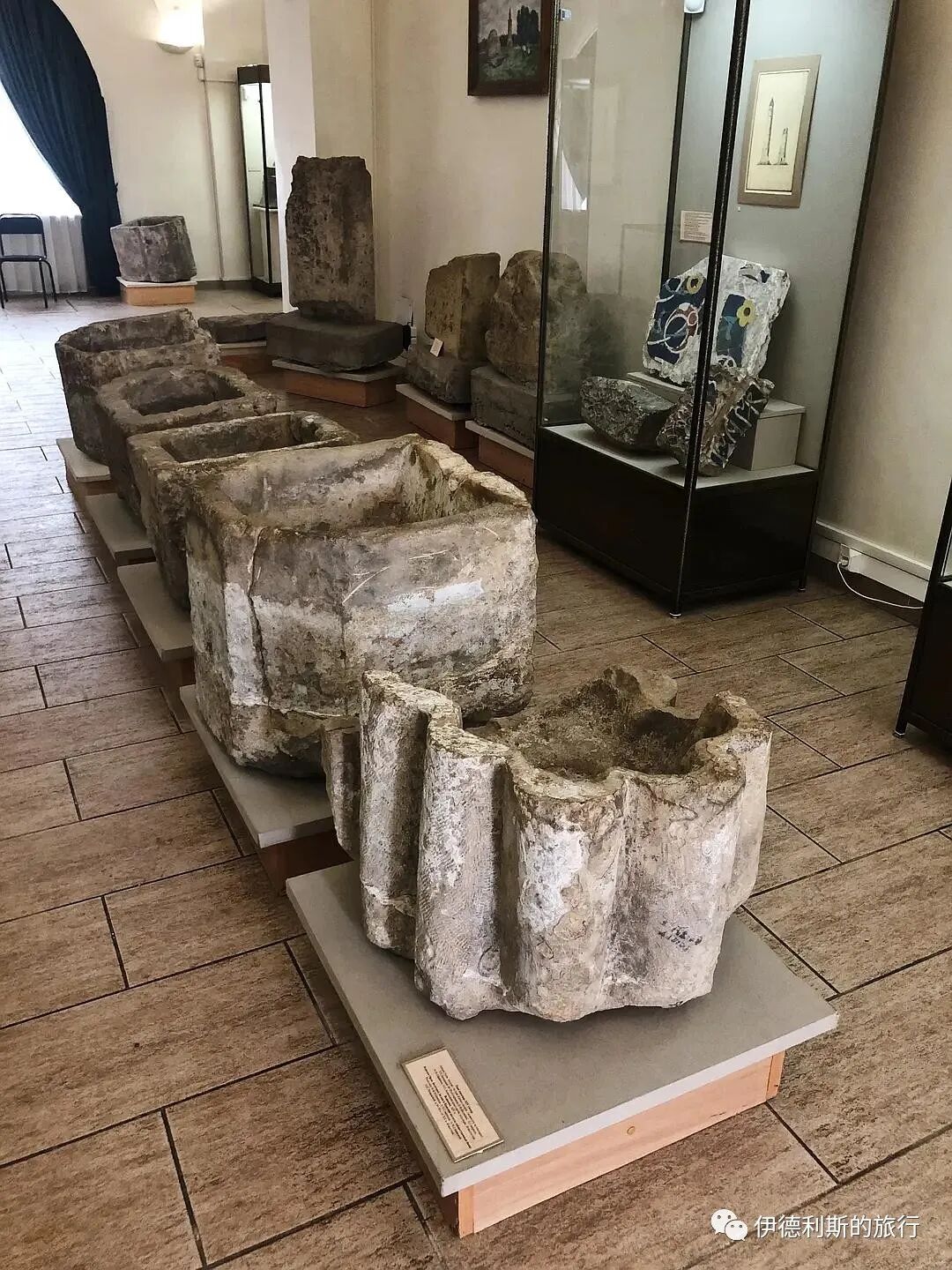
Gate components from the Great Mosque of Bolghar during the Golden Horde period, dating from the late 13th to early 14th century.
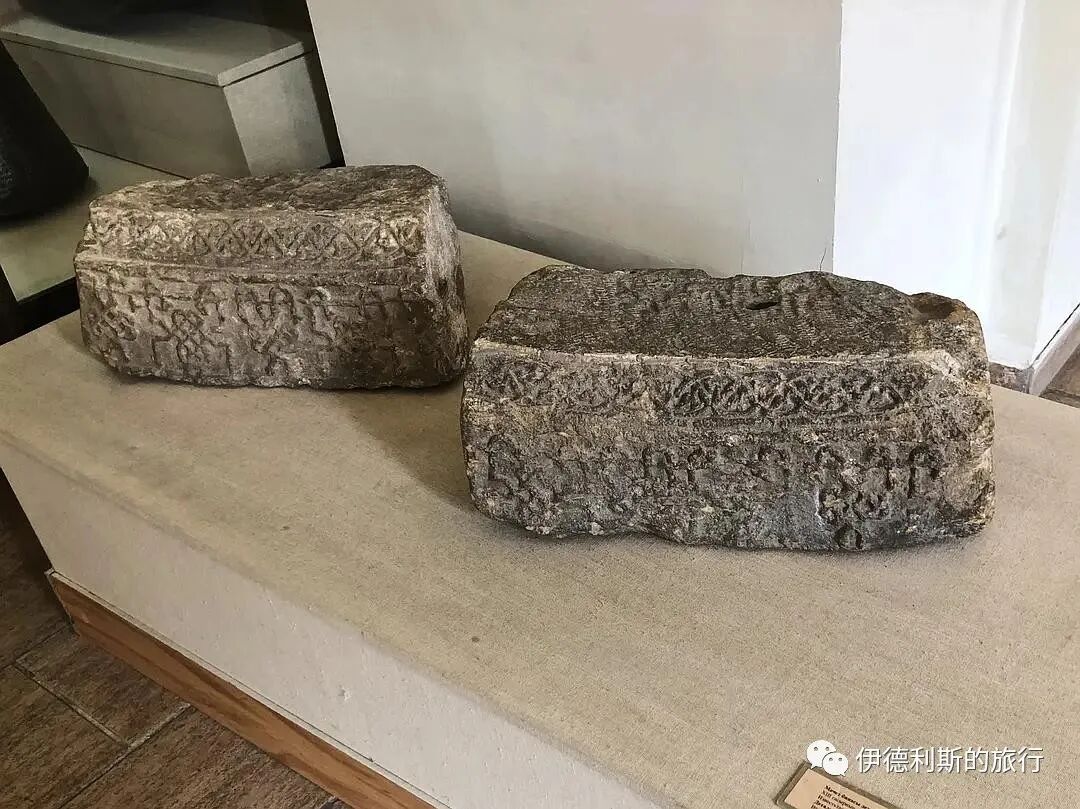
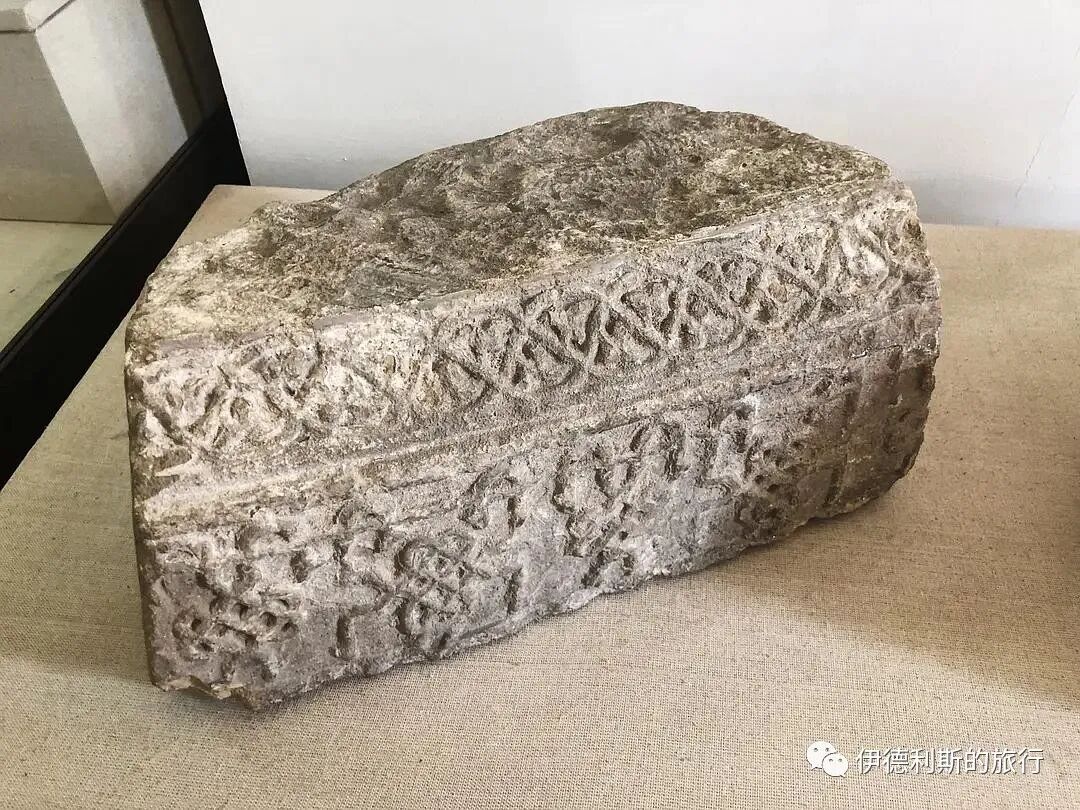
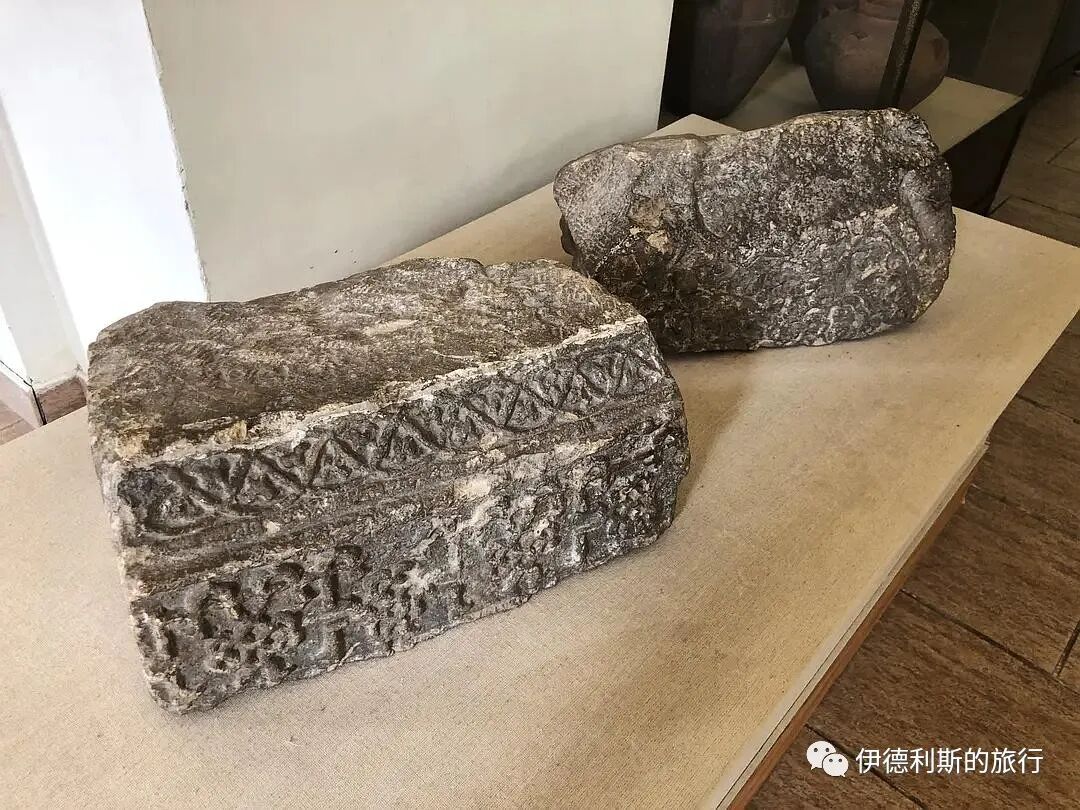
A tombstone from Kazan during the Golden Horde period in the early 14th century.
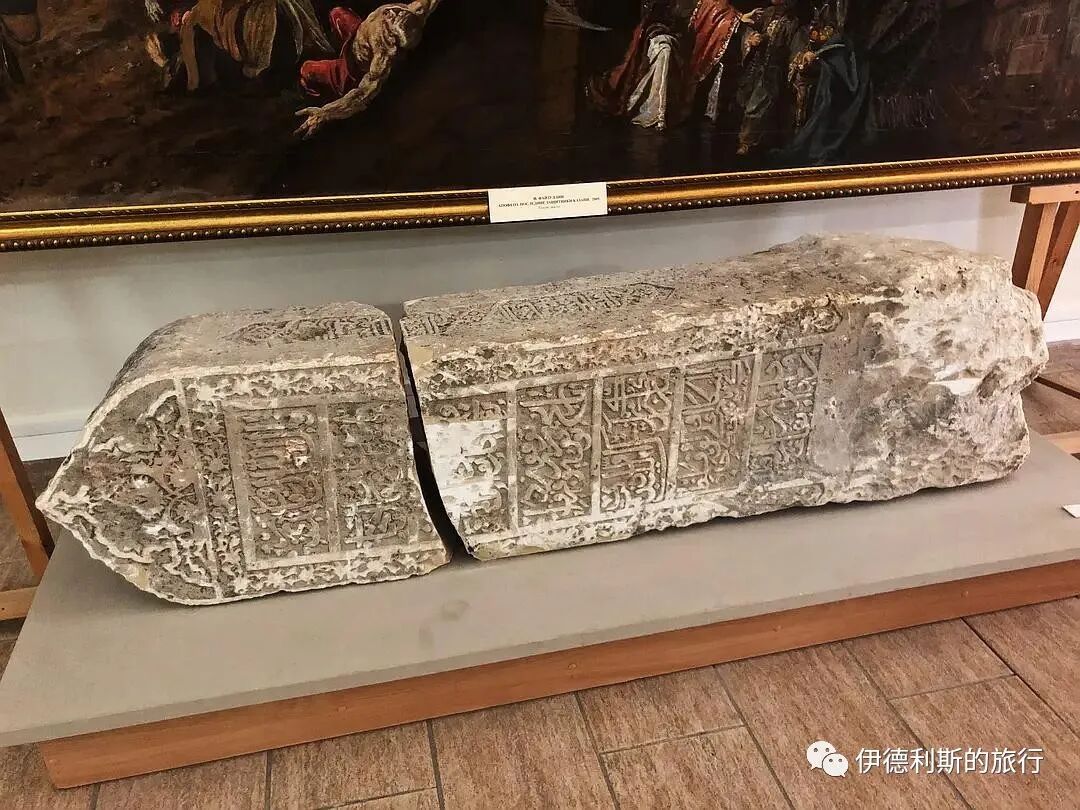
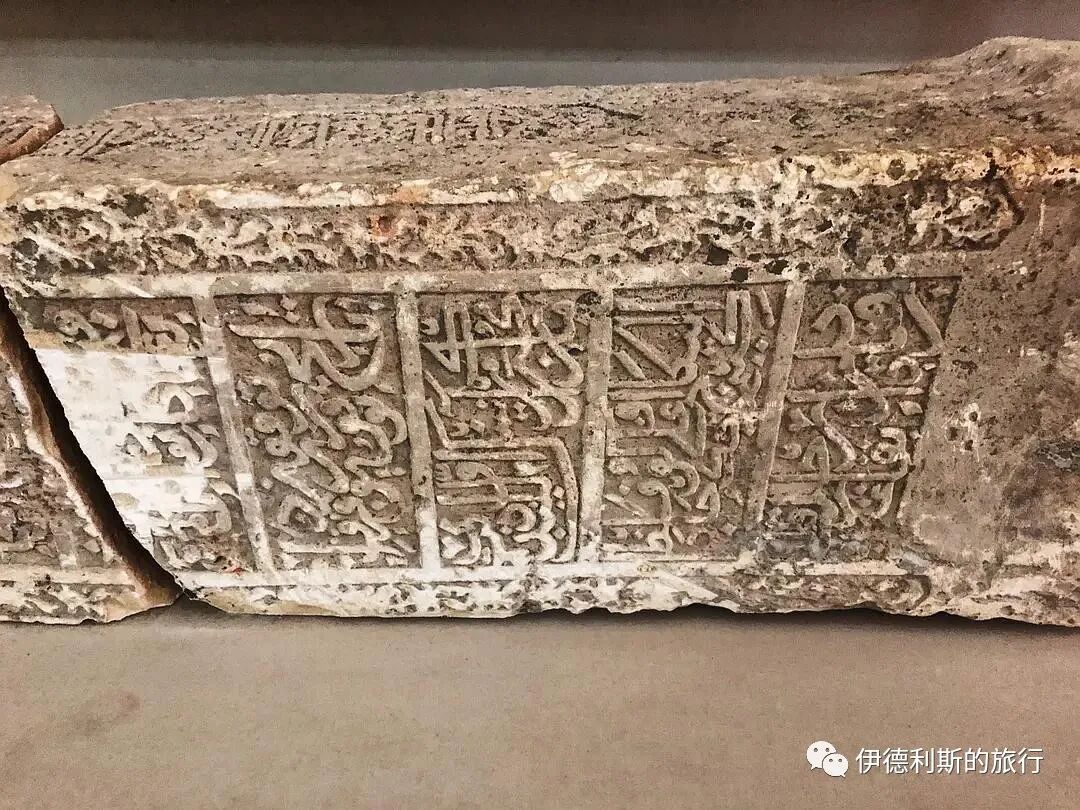
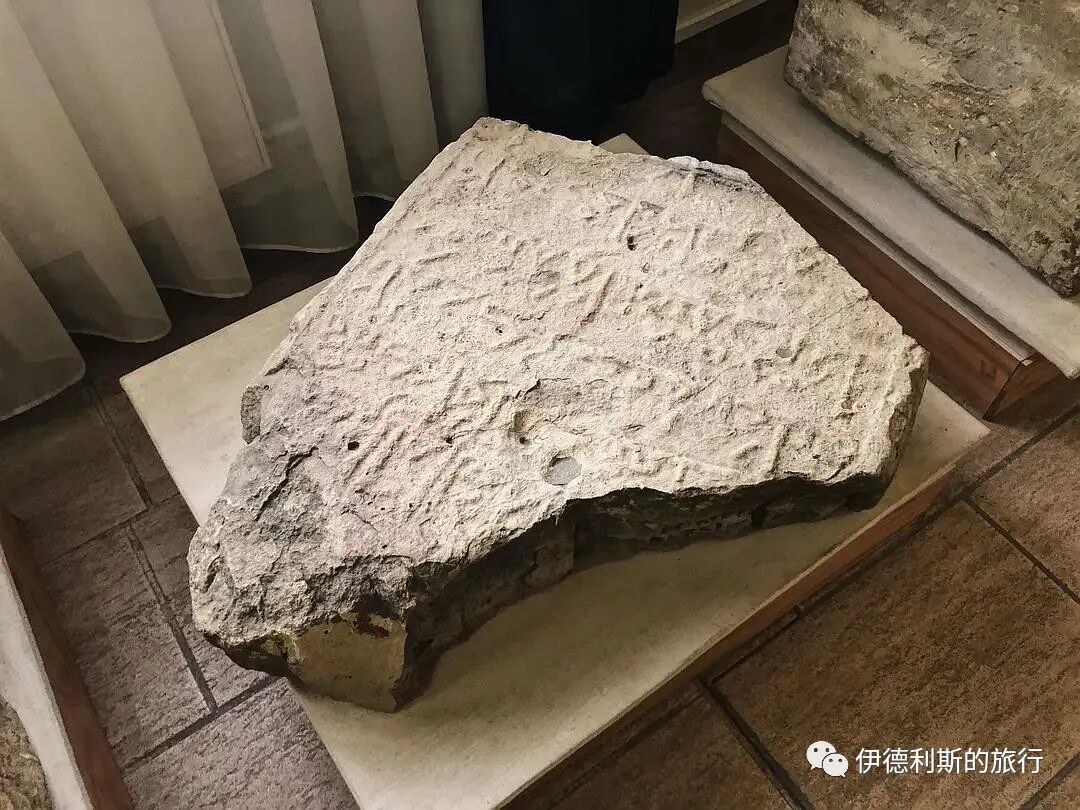
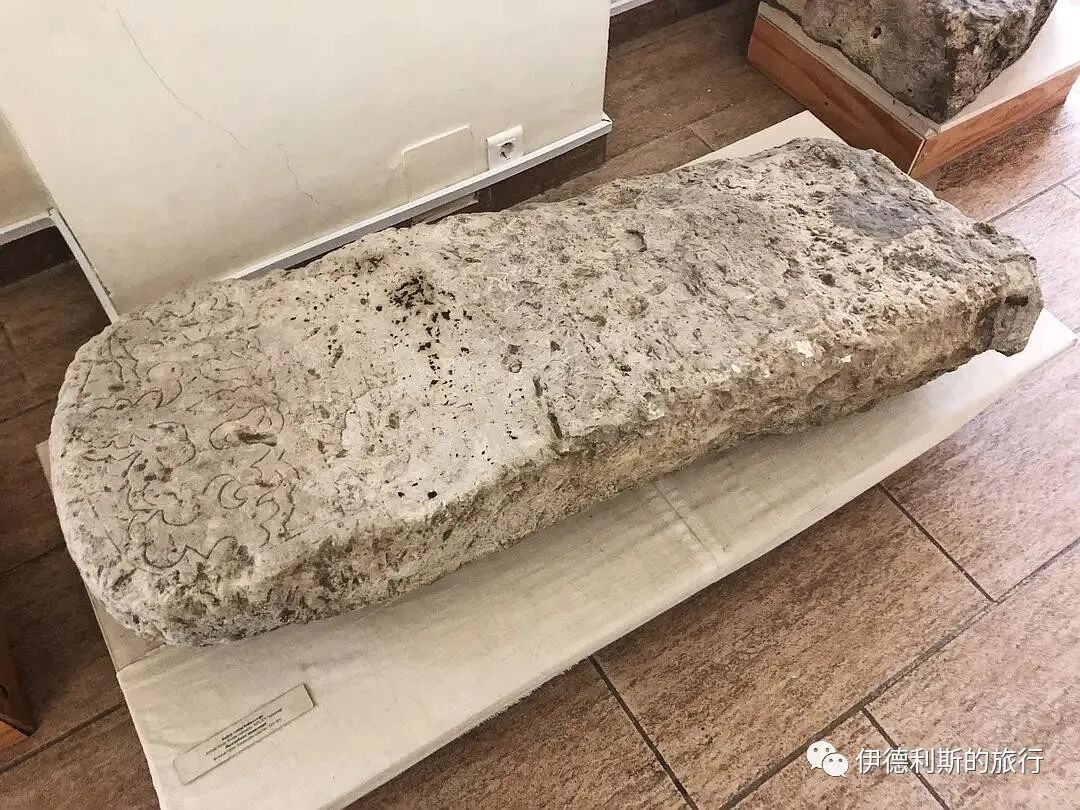
A tombstone from the 14th to 15th century, dating back to the Golden Horde or Kazan Khanate period.
A miniature Quran box used by Kazan Tatars from the late 18th to the 19th century.
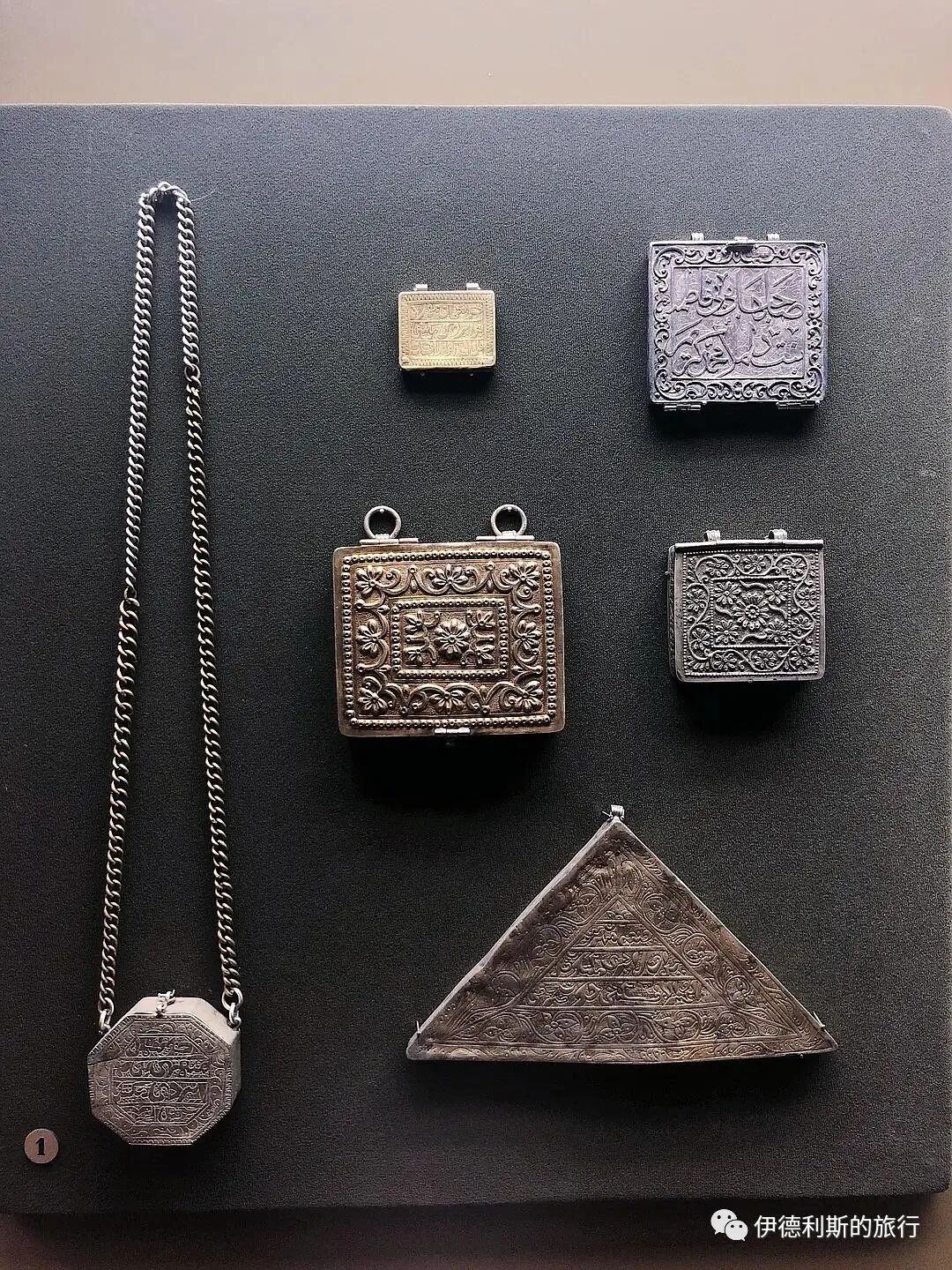
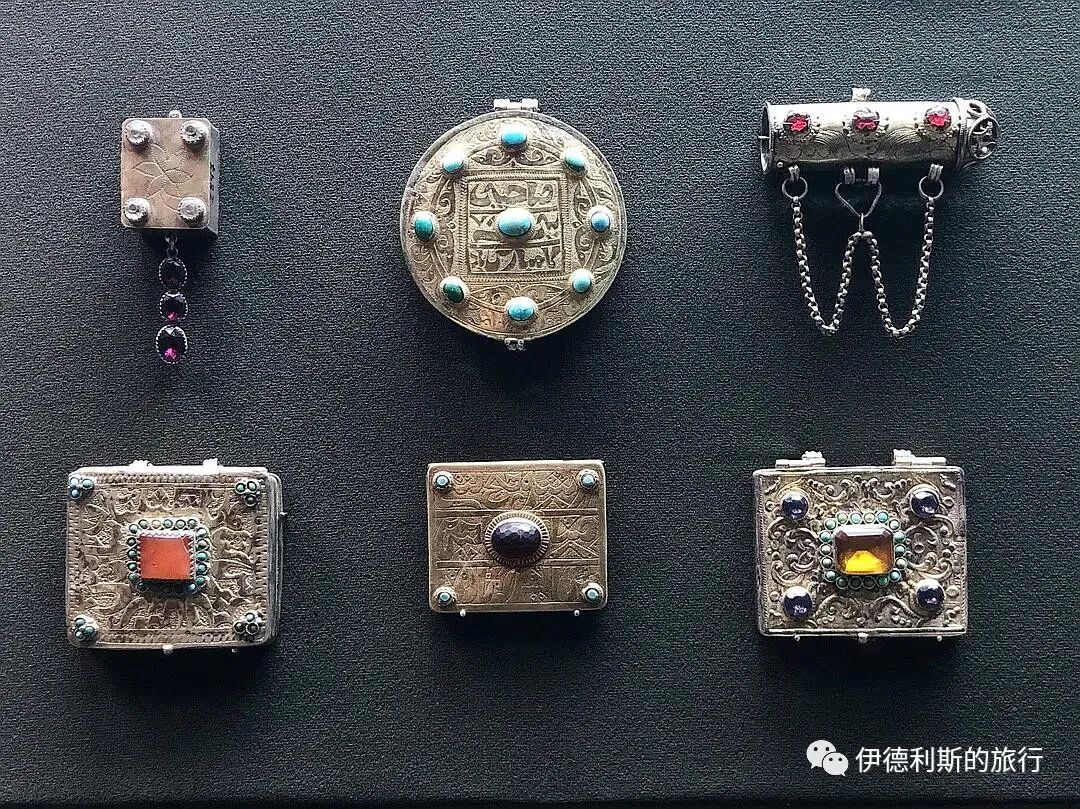
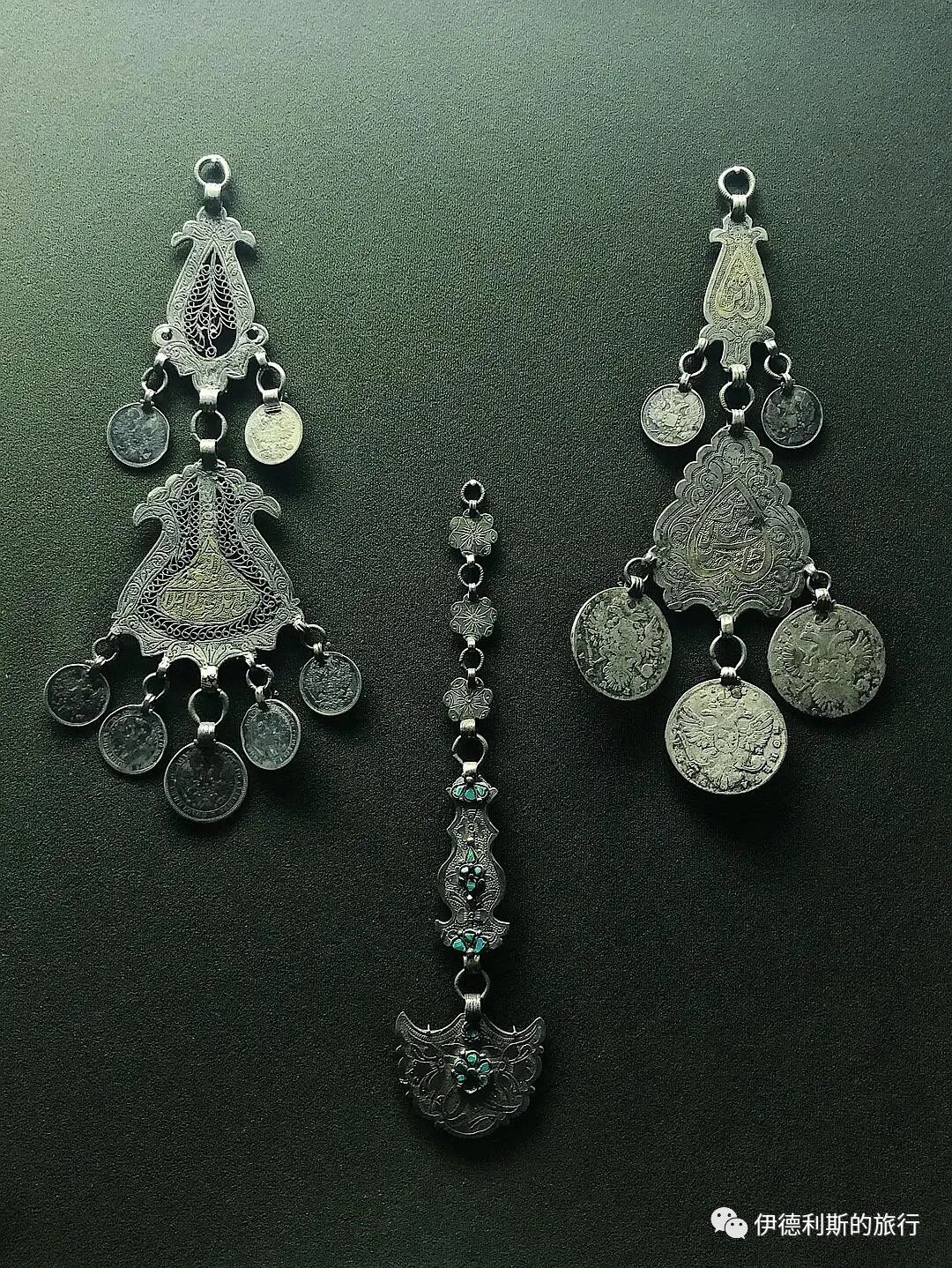
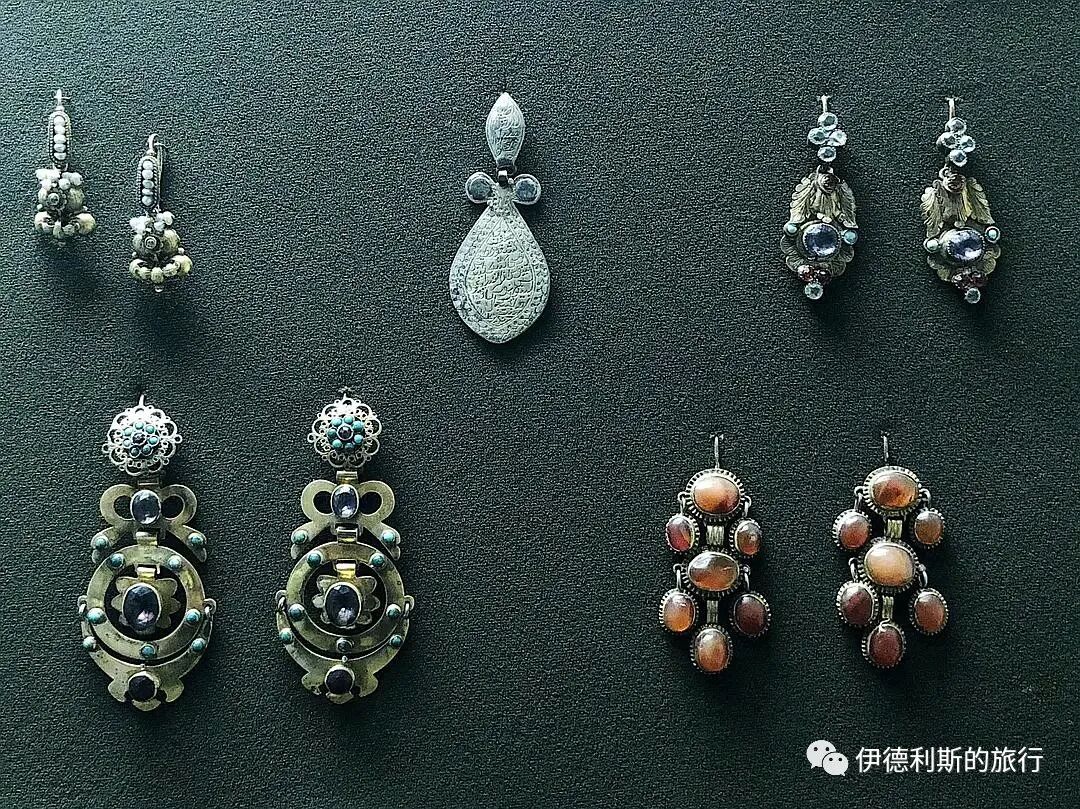
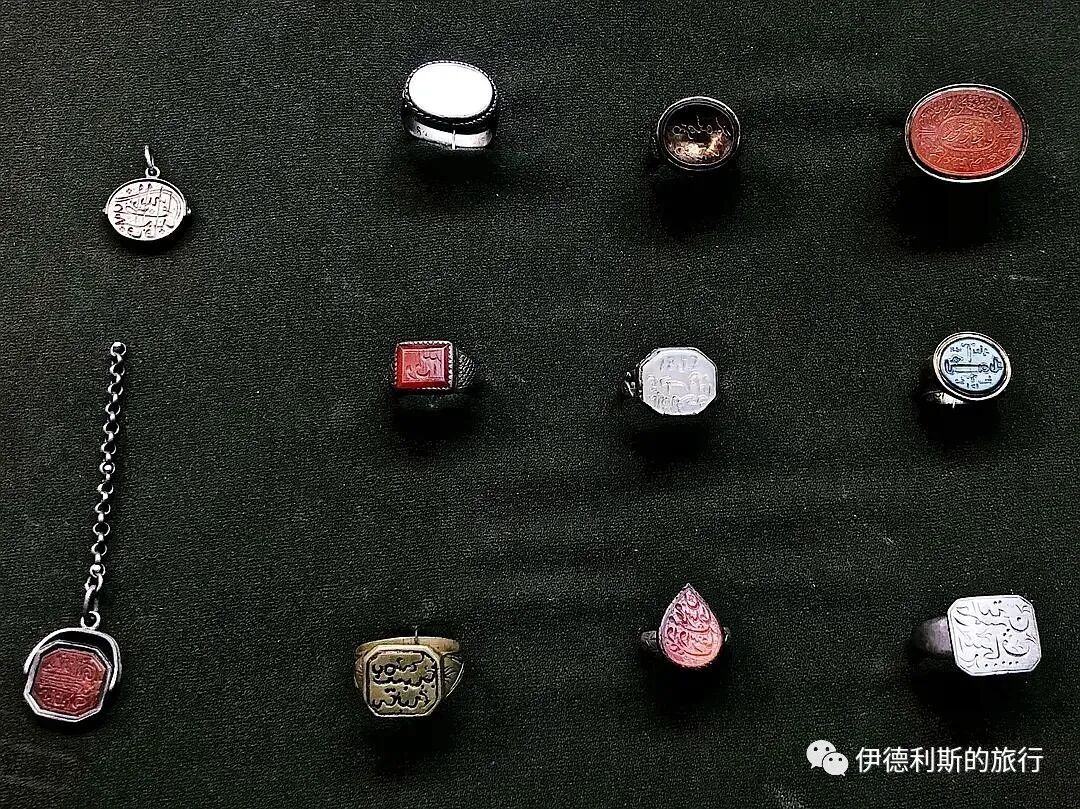
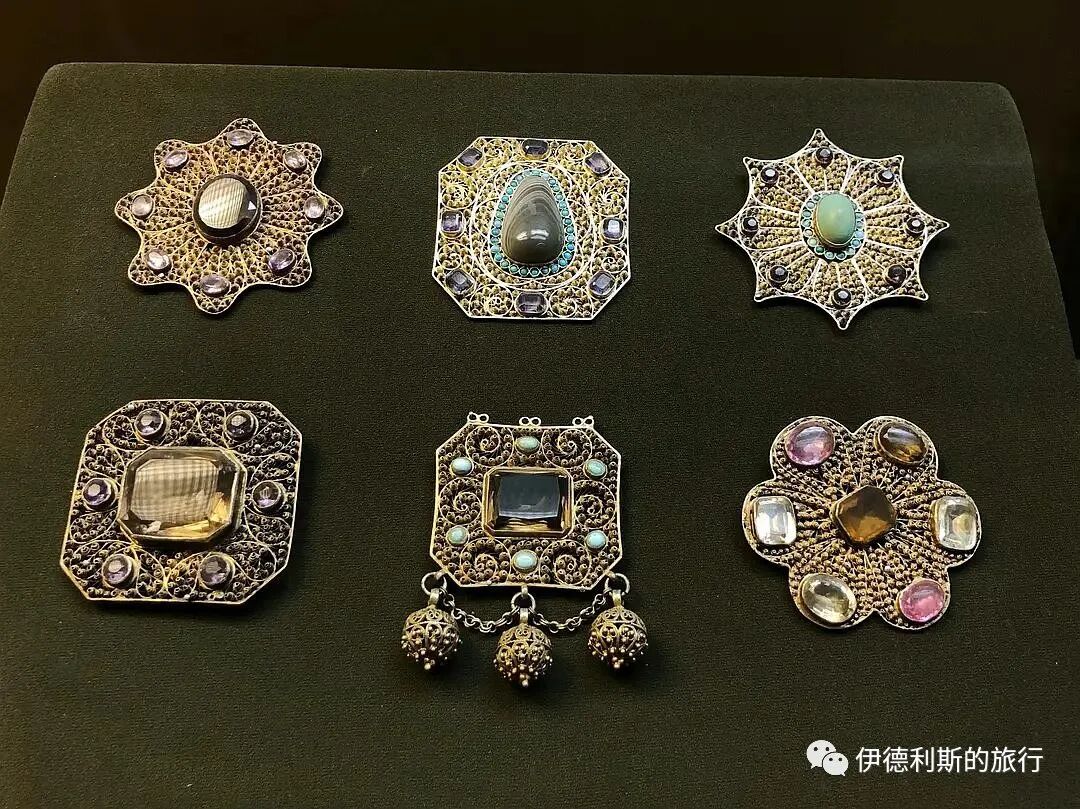
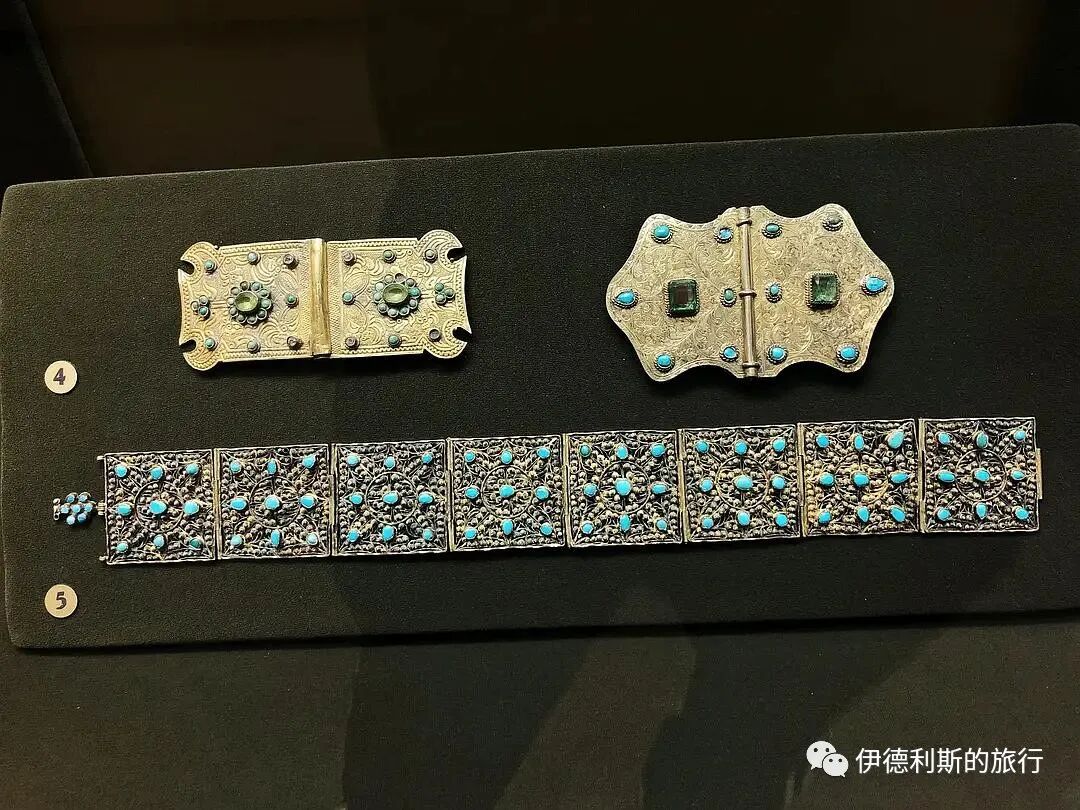
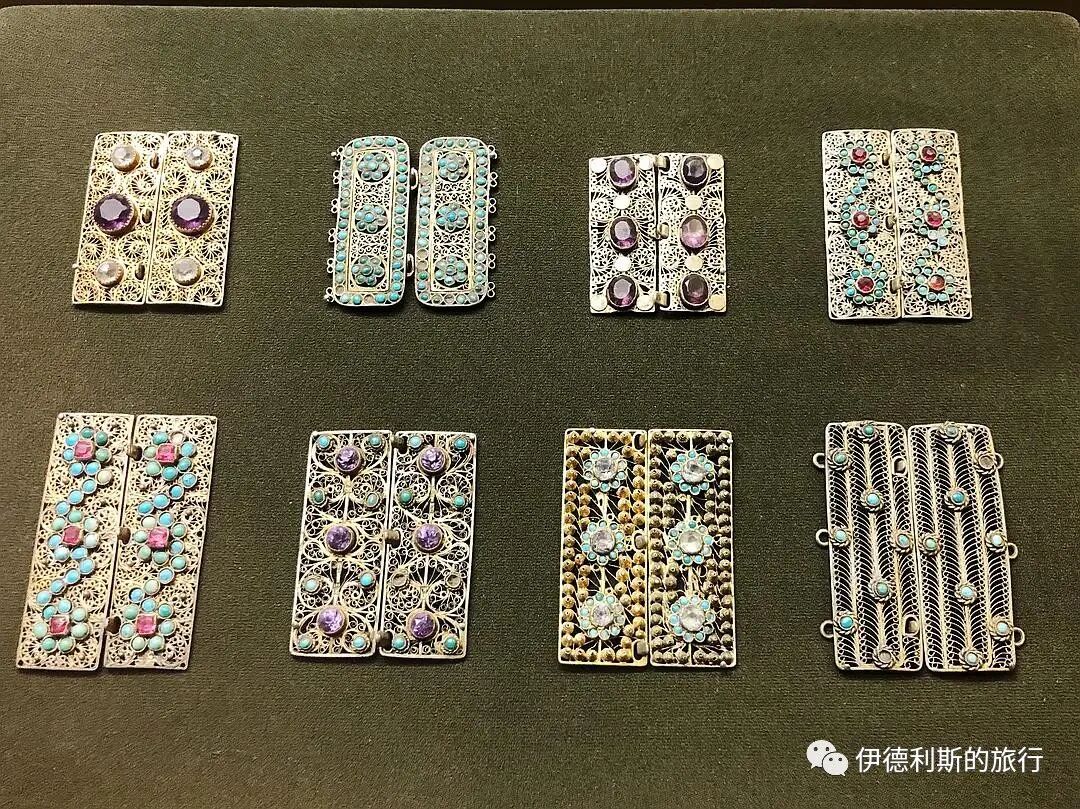
Jewelry worn by Kazan Tatars from the late 18th to the 19th century.
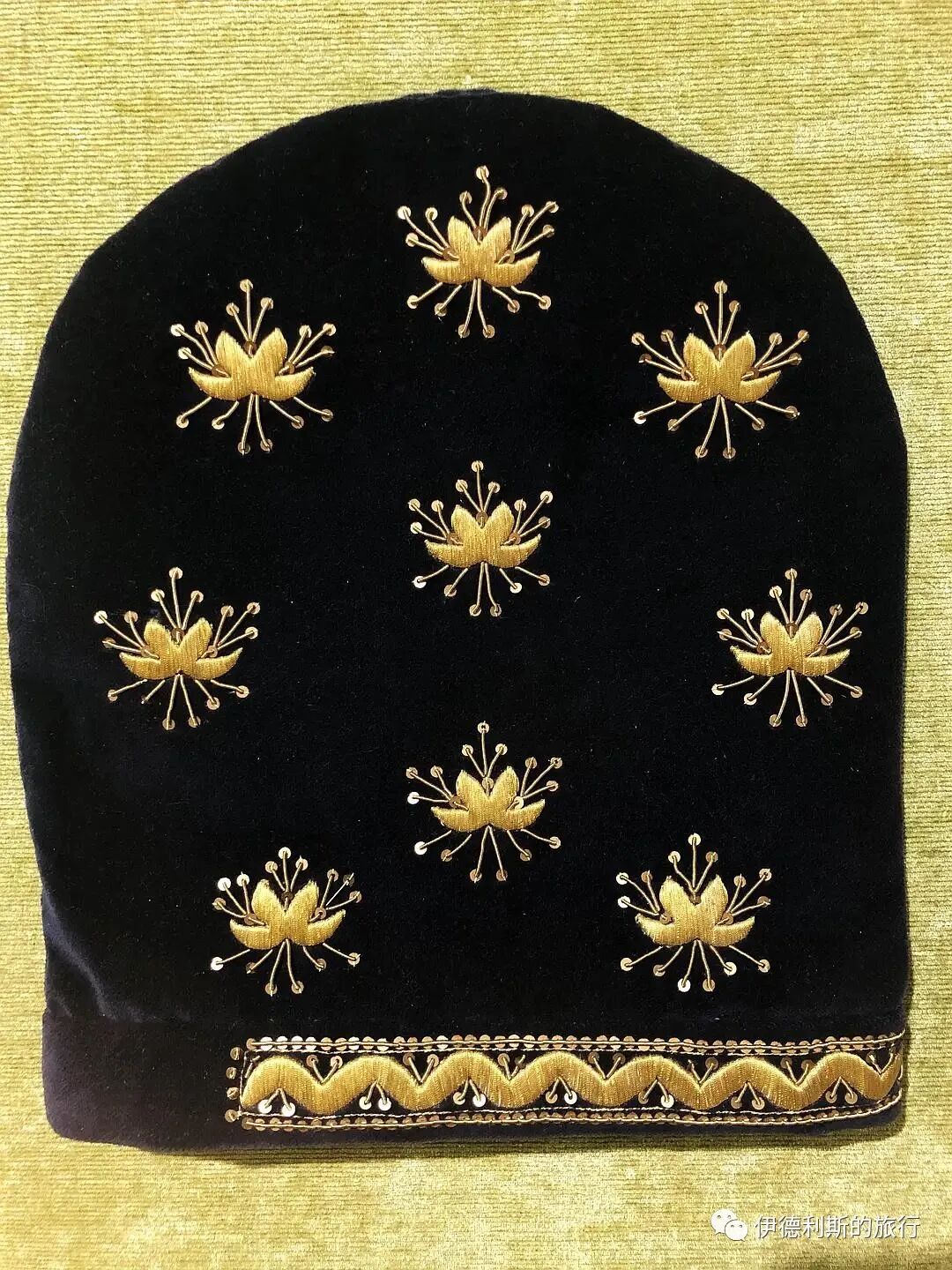
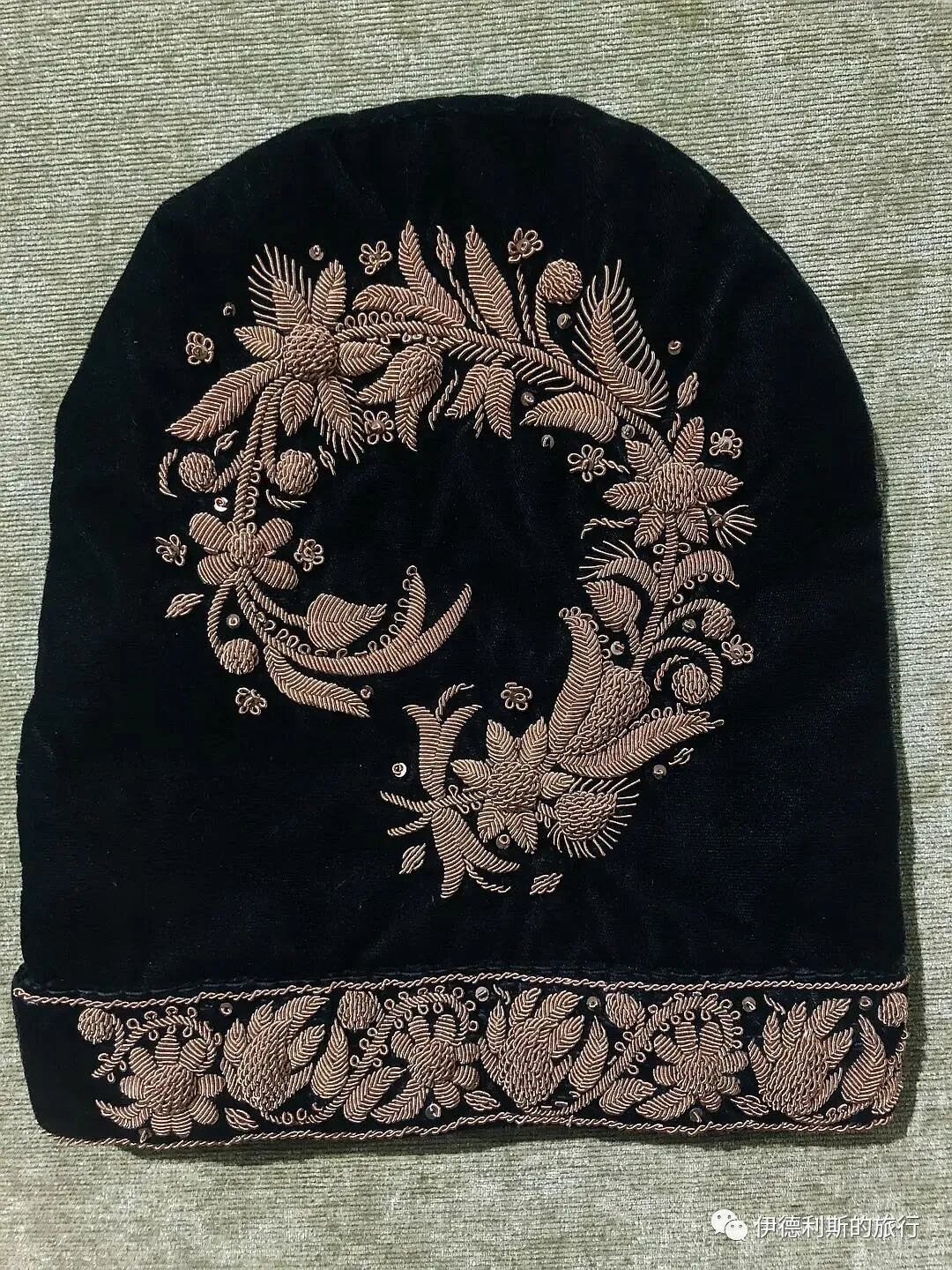
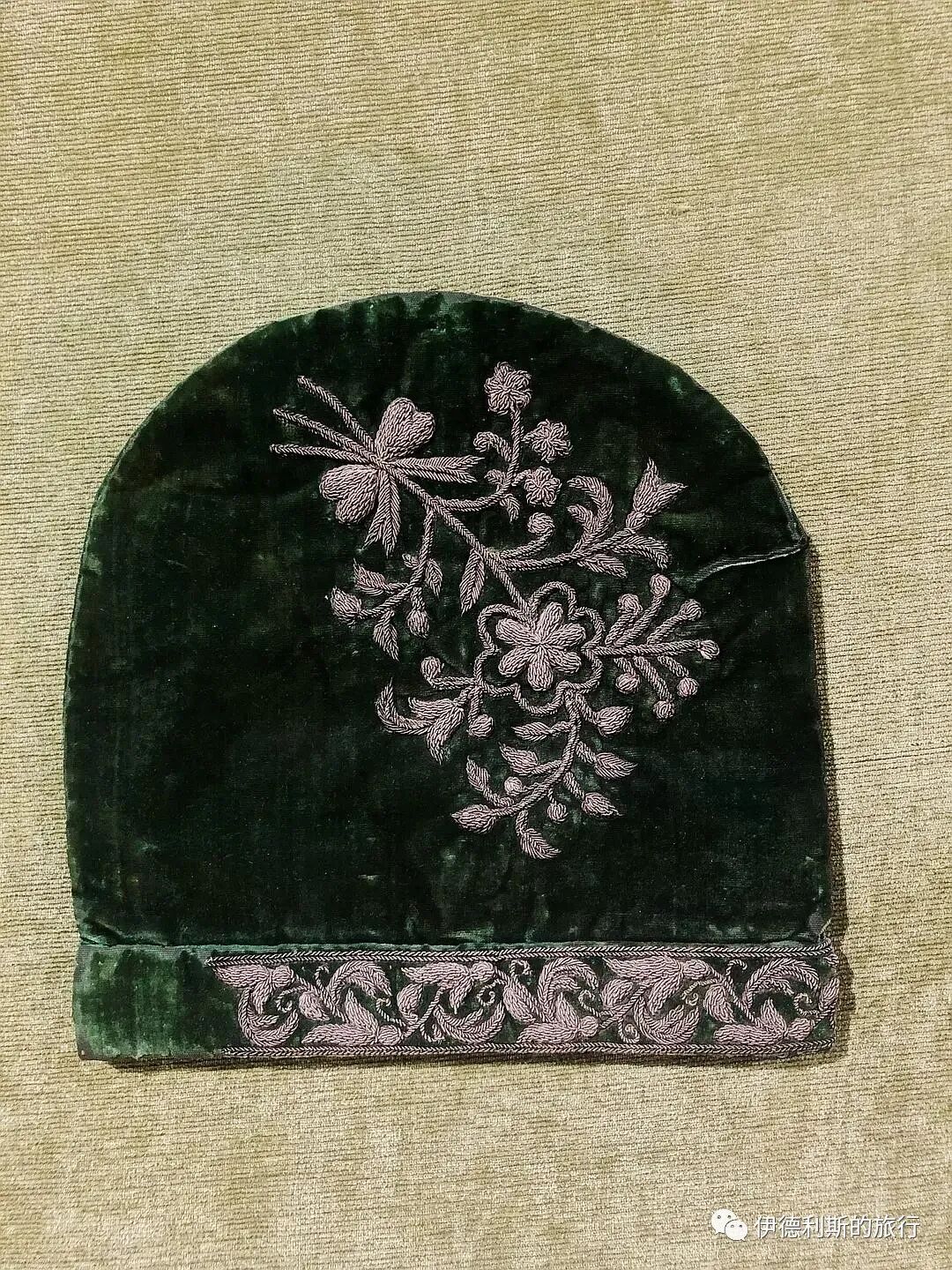
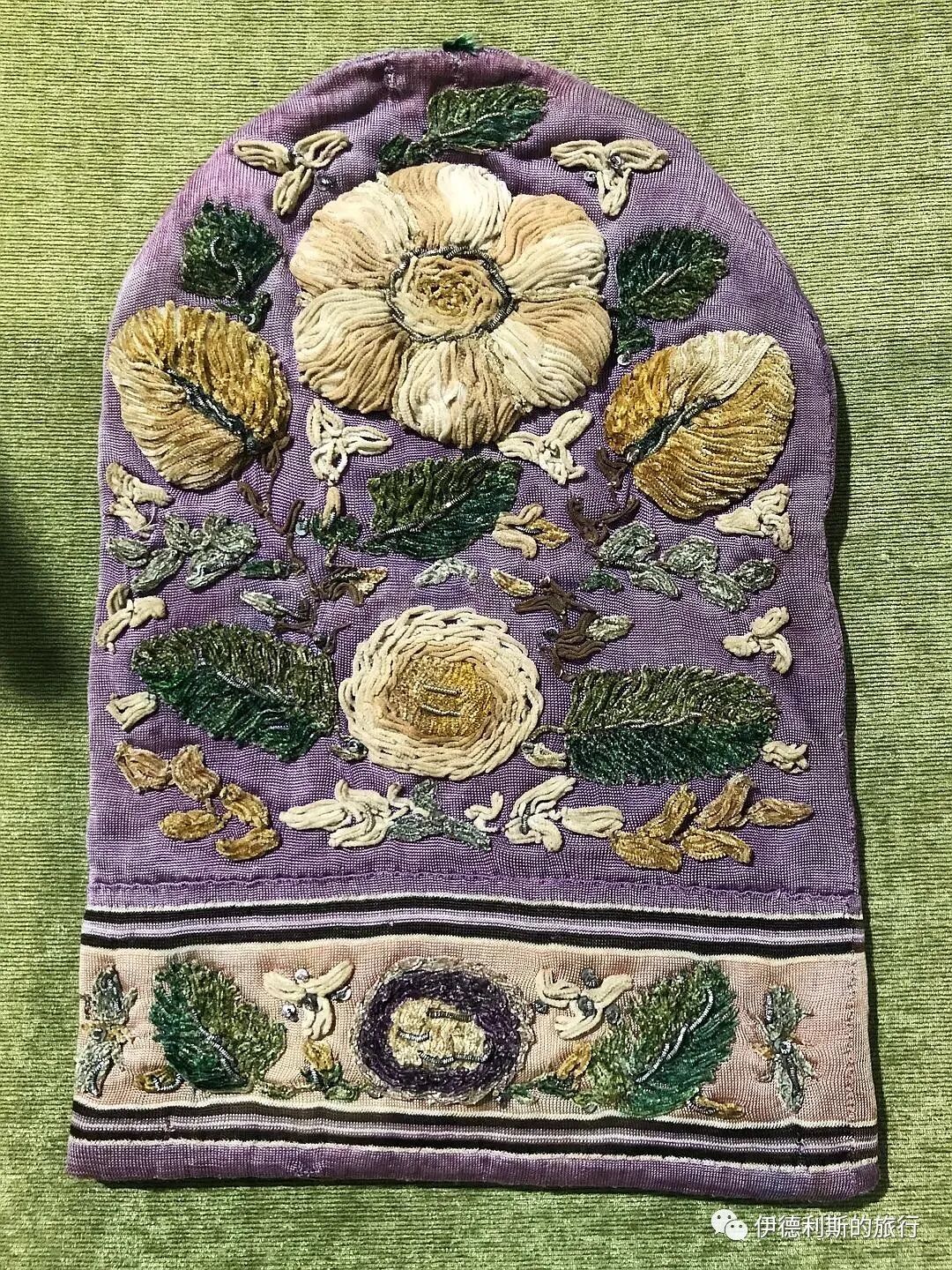
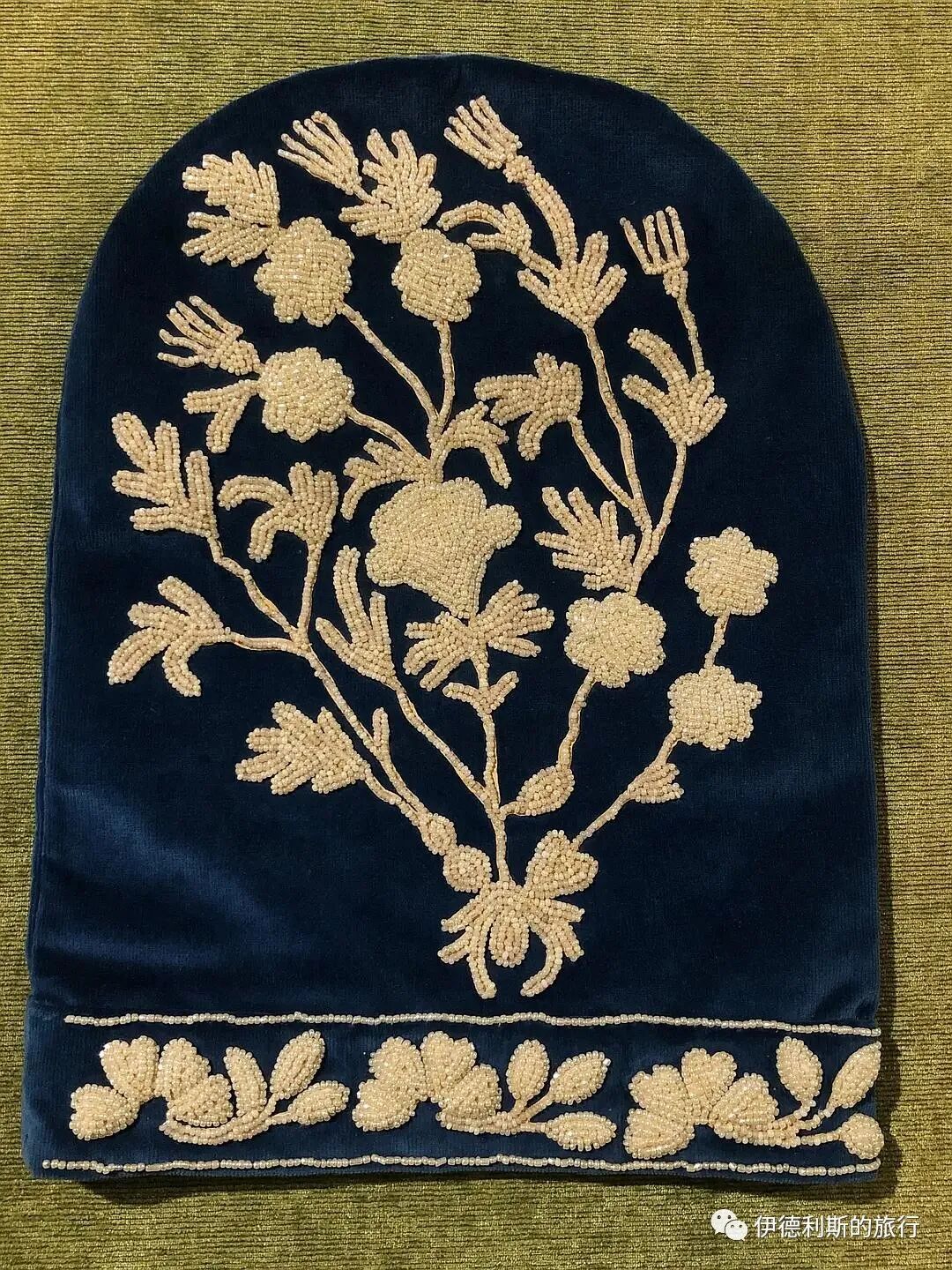
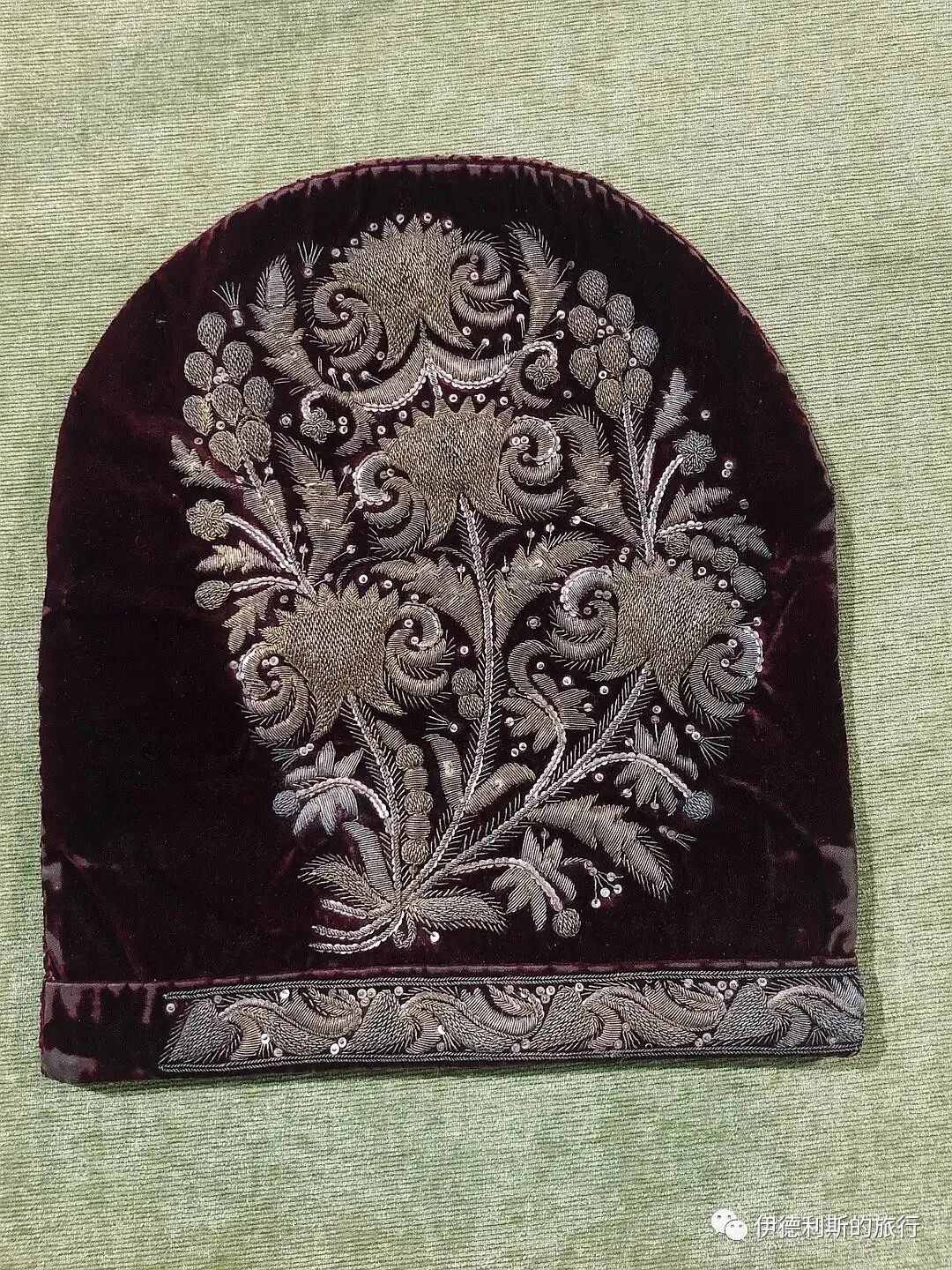
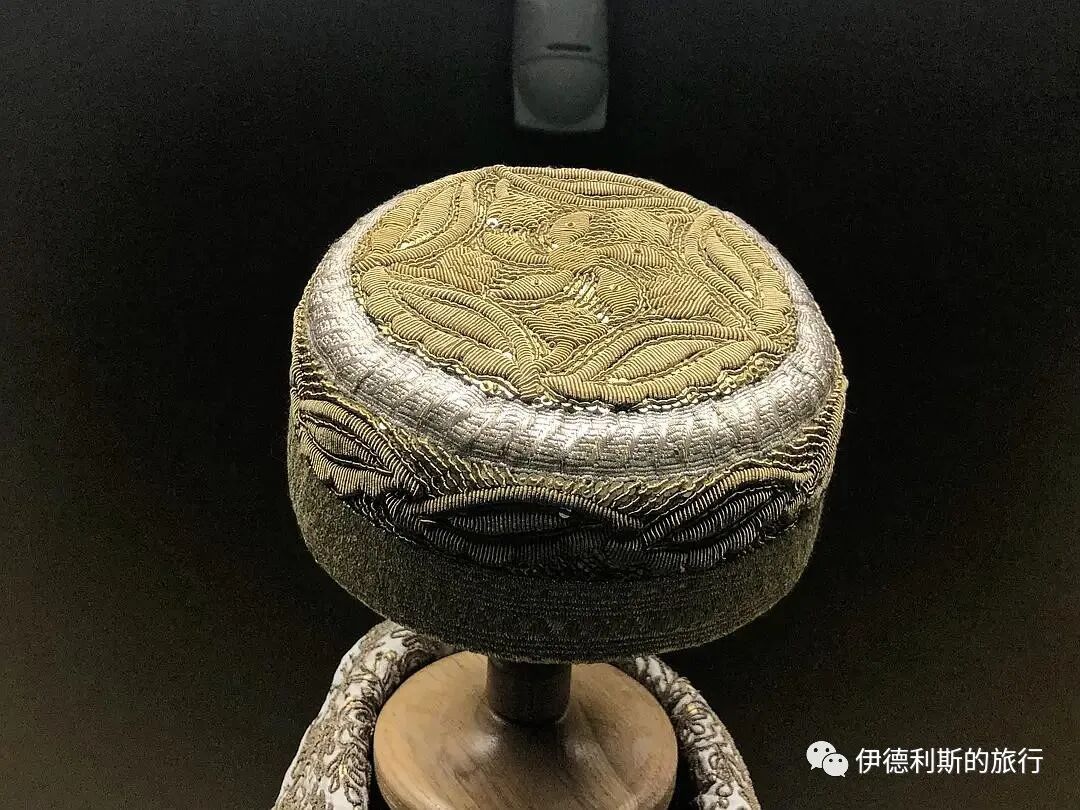
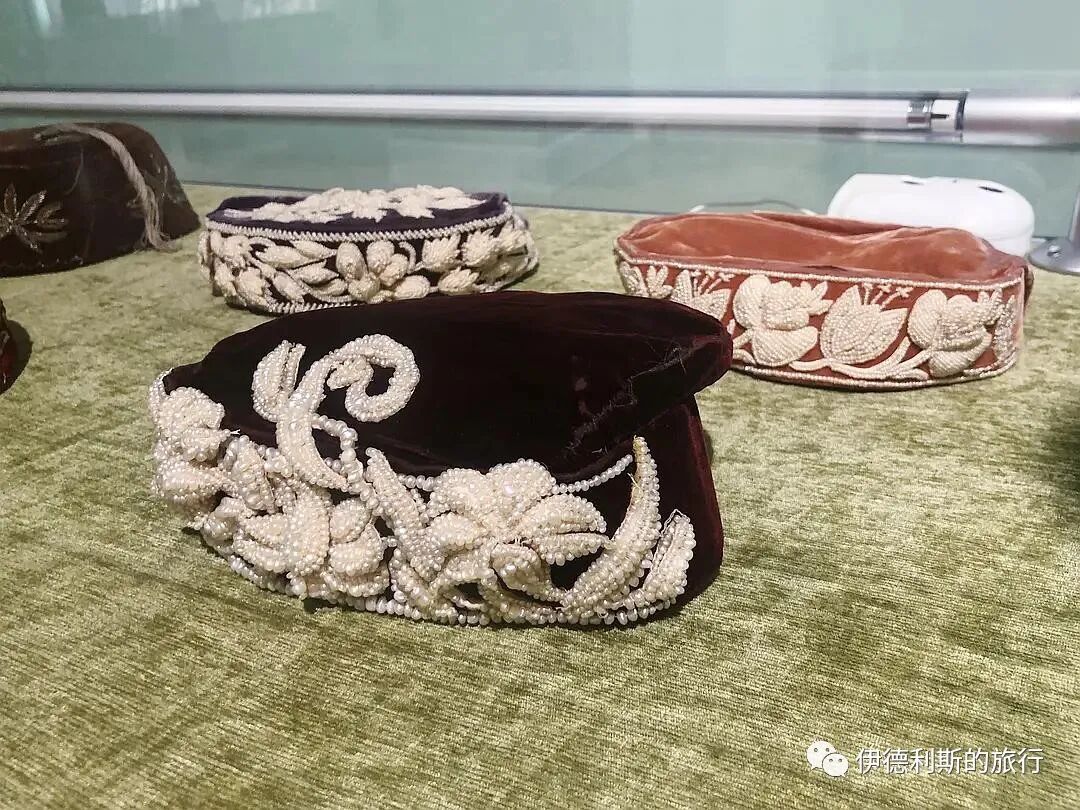
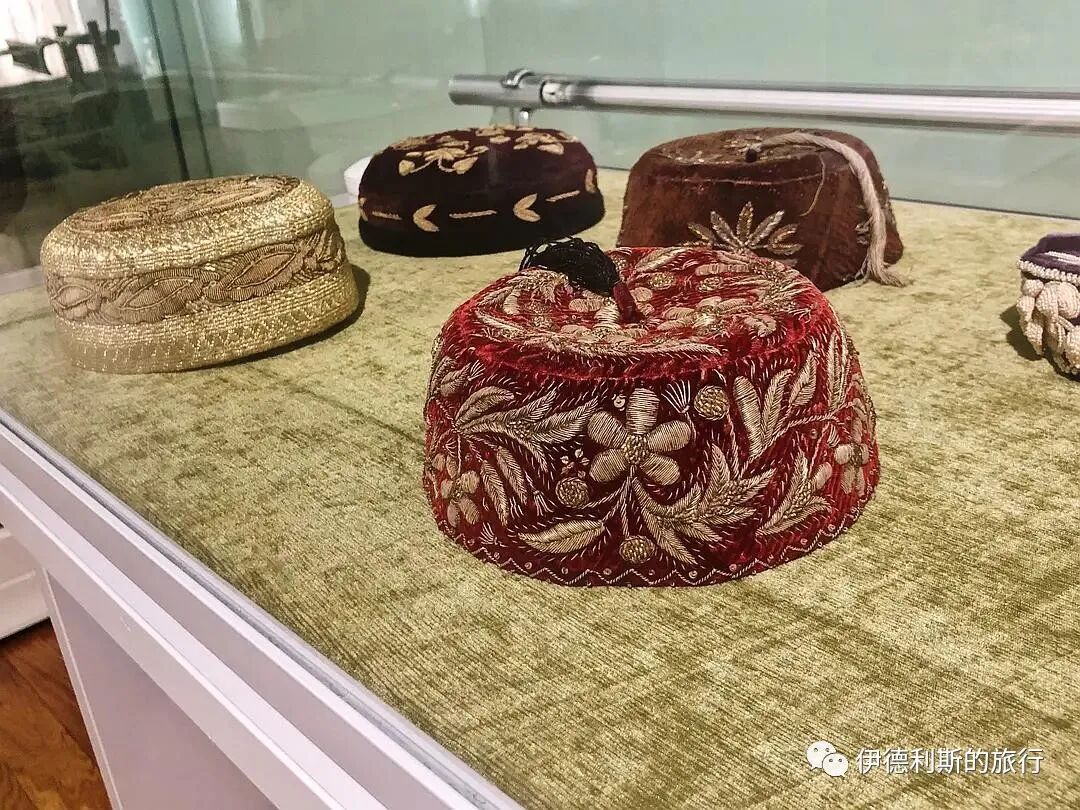
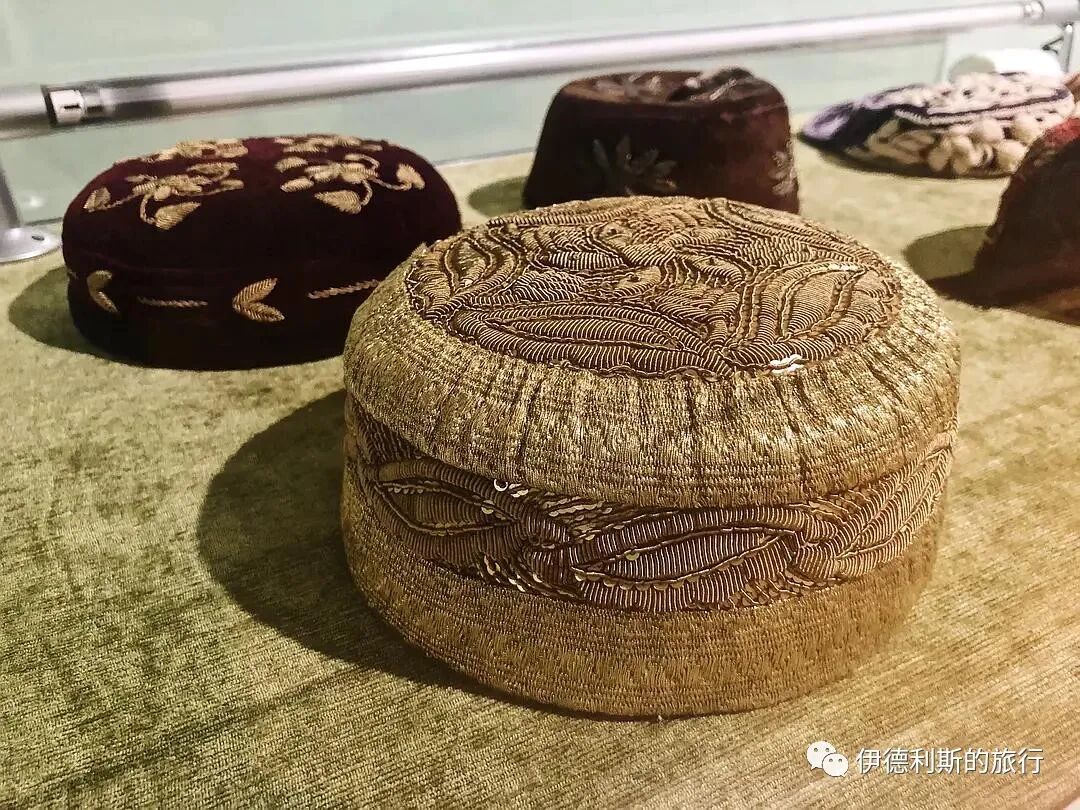
Embroidered caps worn by Kazan Tatars from the 19th to the early 20th century.
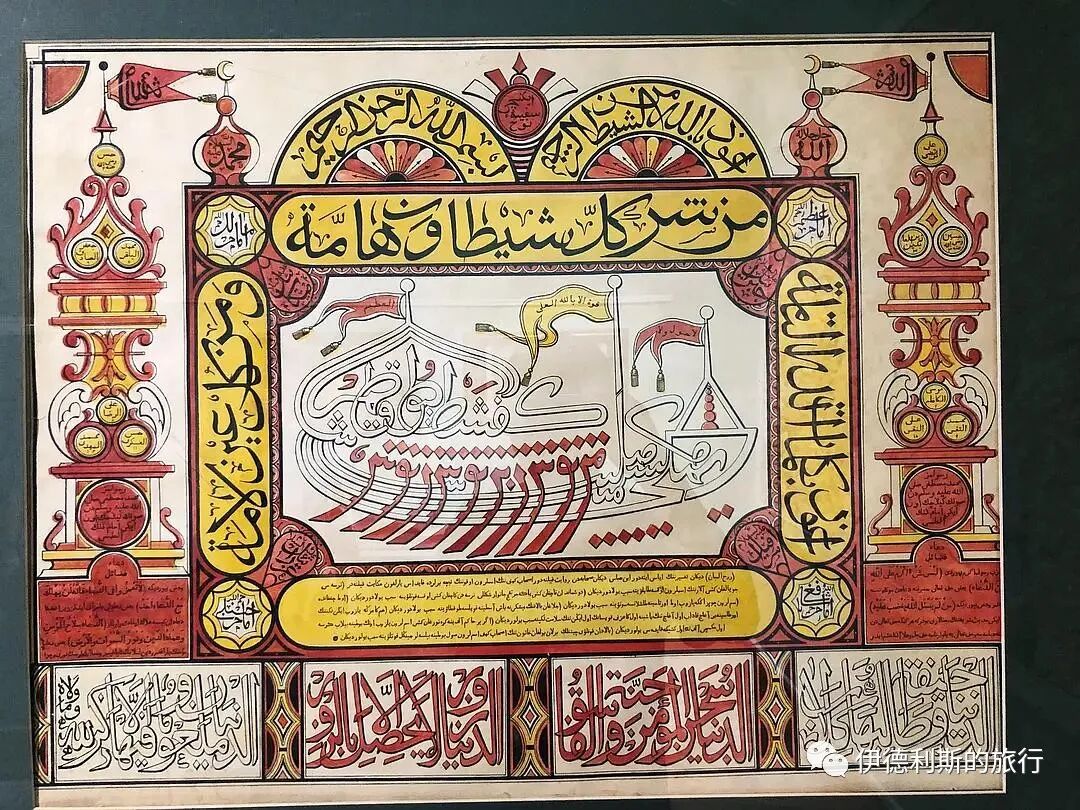
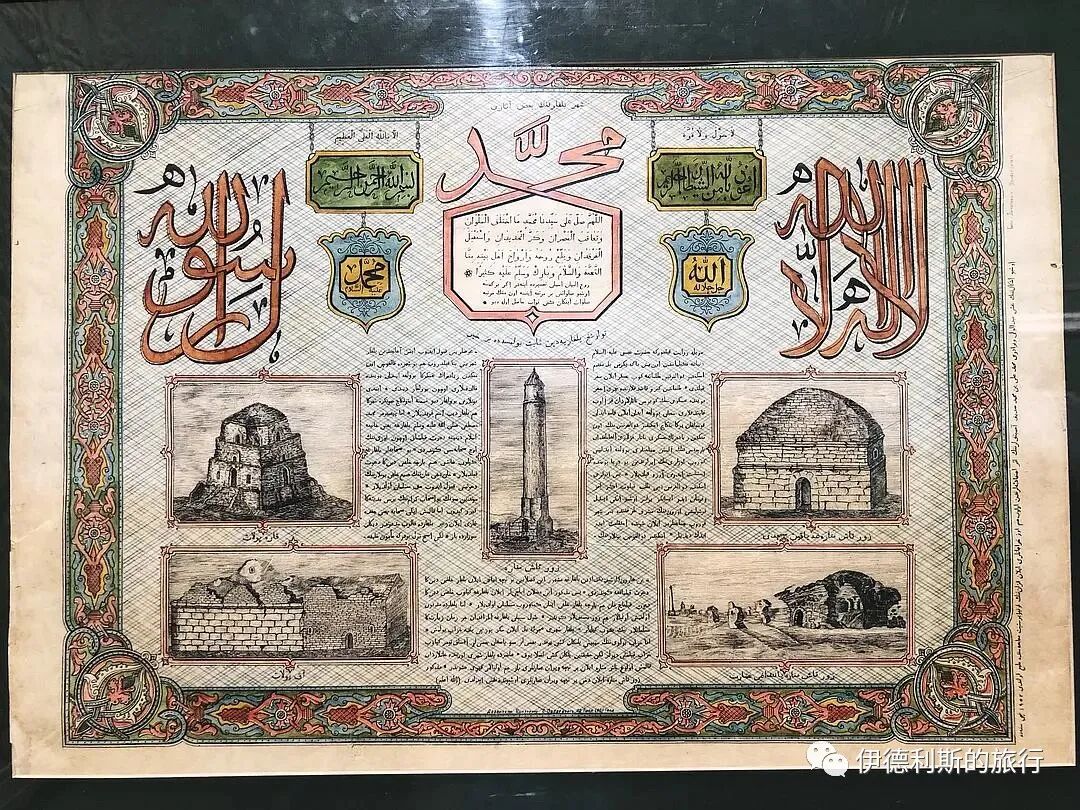
A 1902 publication from Kazan University Press introducing the ship Nu Hai and artifacts from the ancient city of Bolghar.
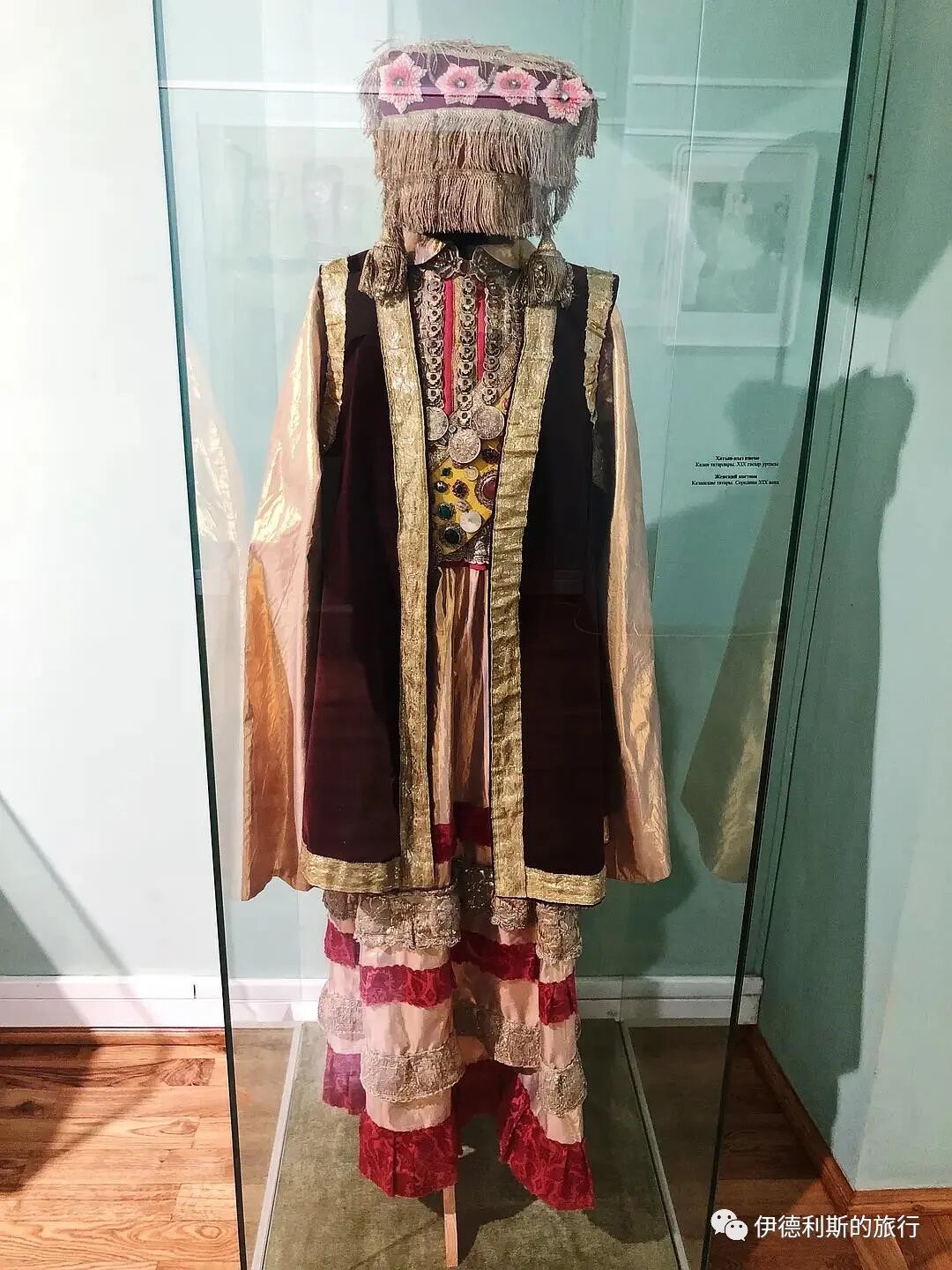
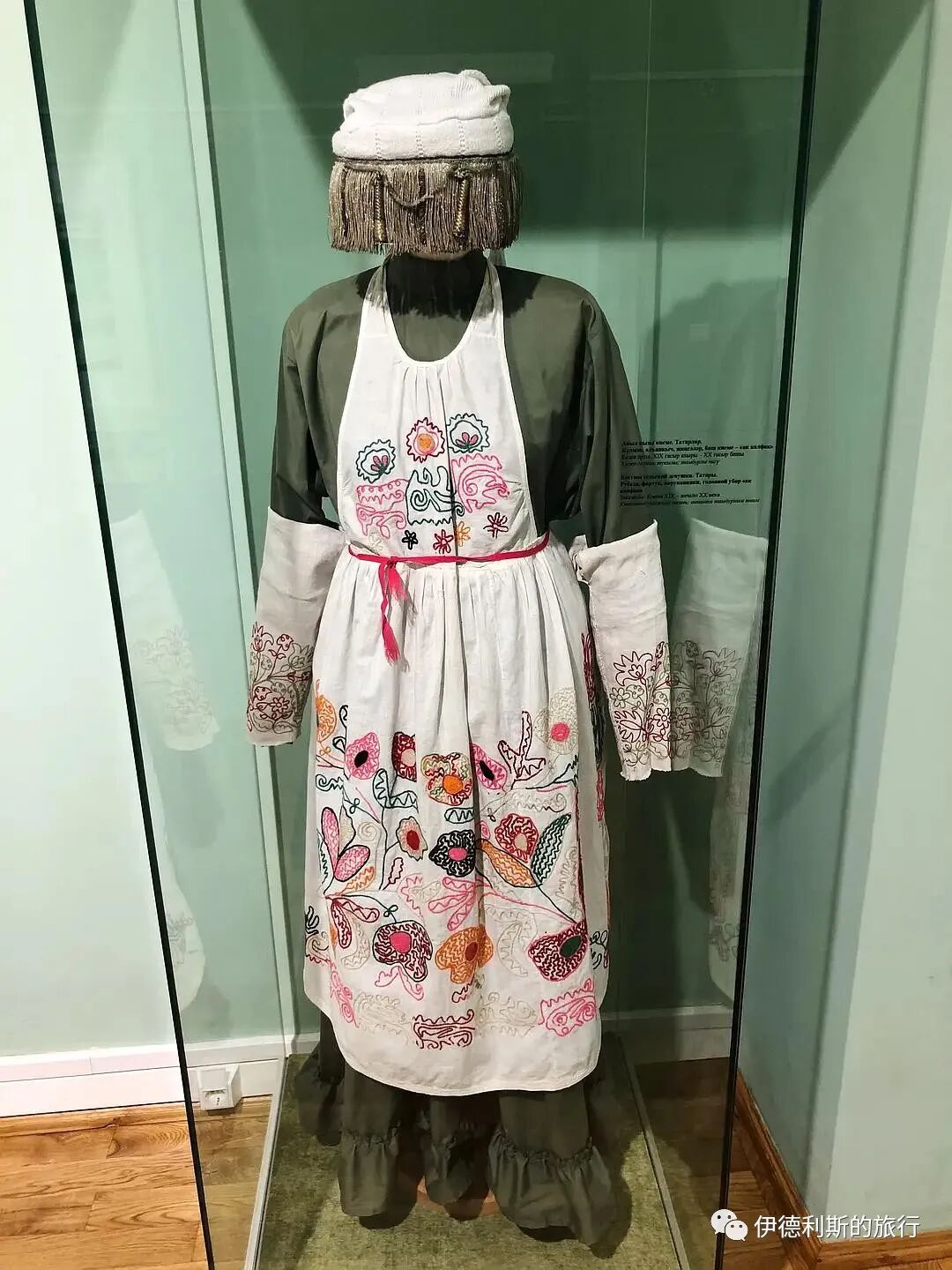
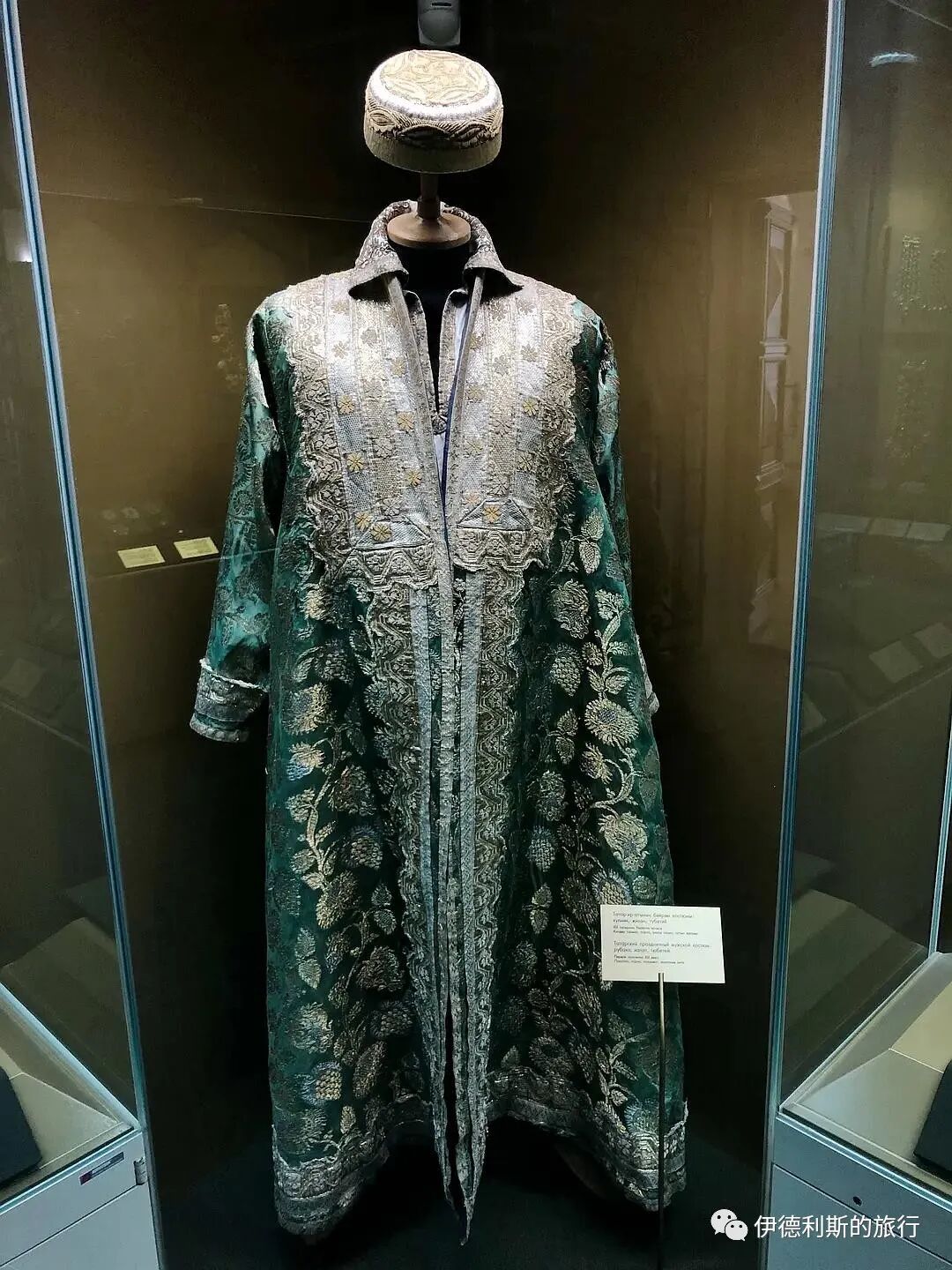
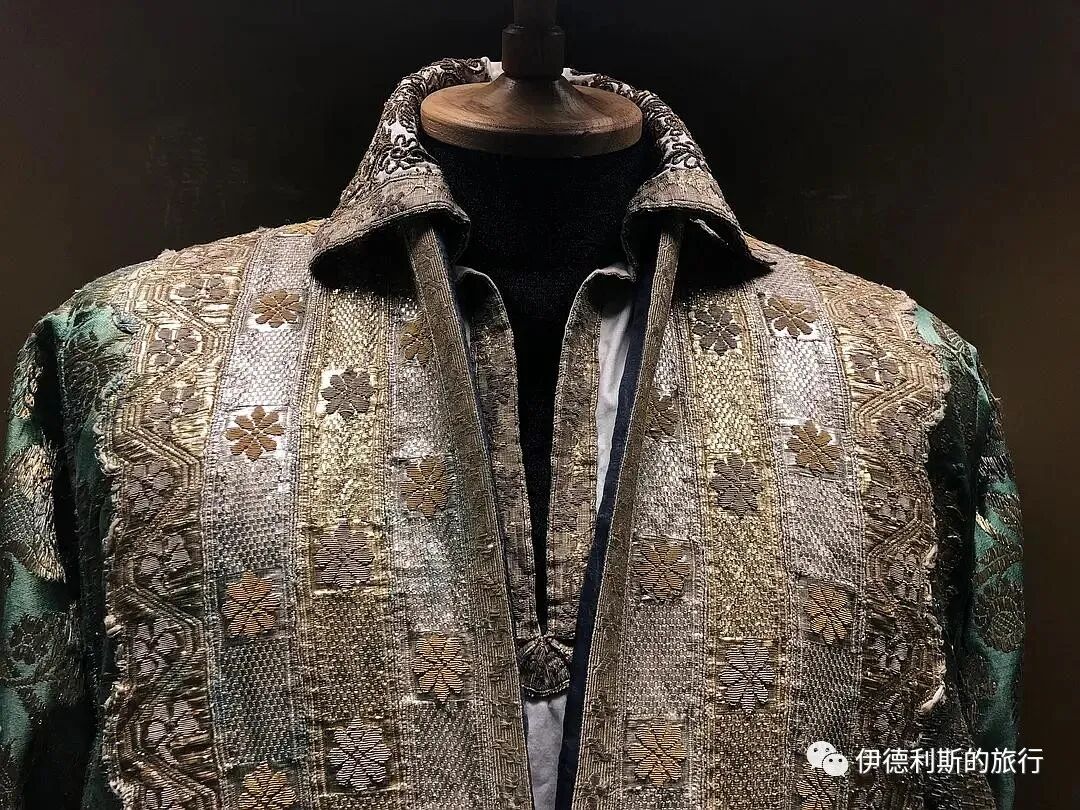
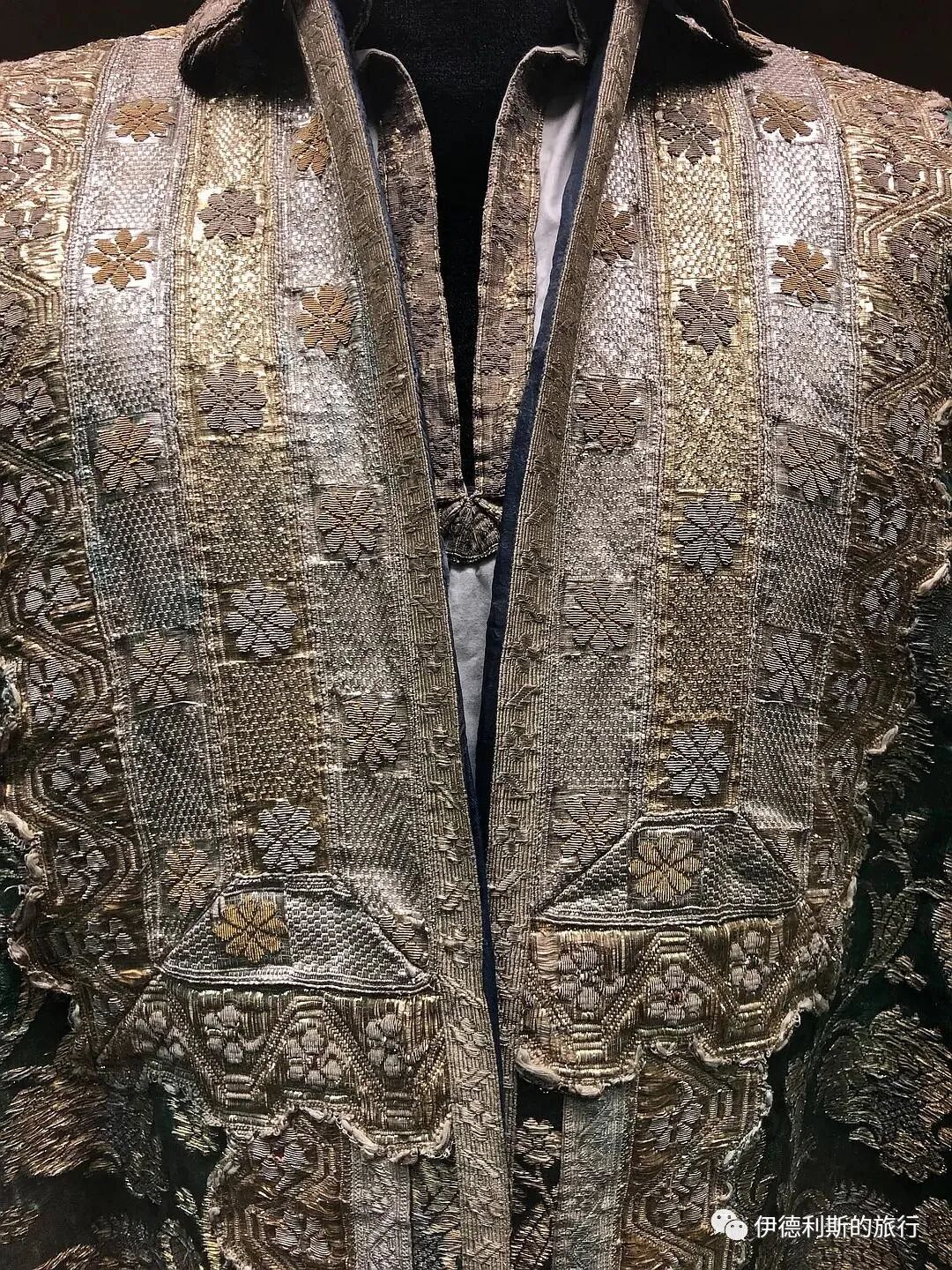
Traditional clothing of the Kazan Tatars from the 19th to the early 20th century.
Summary: Kazan Kremlin — Tatarstan Museum and Muslim Heritage is presented here as a firsthand travel account in clear English, beginning with this scene: Kazan Kremlin sits in the heart of Kazan, the capital of Tatarstan, and started as a fortress for the Volga Bulgaria khanate. The account keeps its focus on Kazan Travel, Tatarstan Museum, Muslim Heritage while preserving the names, places, food, and historical details from the Chinese source.
The history of Kazan city.
Kazan Kremlin sits in the heart of Kazan, the capital of Tatarstan, and started as a fortress for the Volga Bulgaria khanate. After the 9th century, the Bulgars living along the Volga River kept expanding to the northwest. To protect trade routes on the Volga, the Bulgars built a military fortress between the 10th and 11th centuries in the middle reaches of the river, featuring a 4-meter-deep steep trench and a 3-meter-high earthen wall; this marks the beginning of Kazan's history as a city.
In the late 12th century, the Volga Bulgaria khanate added a 2-meter-thick white stone wall to Kazan city to defend against constant attacks from Russian principalities. After Kazan joined the Golden Horde in the 13th century, it jumped from a border fortress to become the political and economic center of the middle Volga, famous for leather, jewelry, ceramics, and metalwork.
After the Golden Horde collapsed in the 15th century, the Kazan Khanate (1438-1552) was established in Kazan. As the capital, Kazan's population grew quickly, and many homes and public buildings were built, including the Kazan Khan's palace, courtyards, mosques, and tombs, with tall minarets defining the city skyline.
In 1552, Ivan the Terrible of Russia attacked Kazan, destroyed the Kazan Khanate, and forced all Tatars out of the city, allowing only Russians to settle there. Between 1556 and 1562, Ivan the Terrible ordered the construction of the Kazan Kremlin on the site of the old Kazan Khanate fortress. The mosques, the Kazan Khan's palace, and the tombs were first used as armories and ammunition depots, but they were all torn down by the 18th century.
Restoration images of the Volga Bulgaria and Kazan Khanate periods from the official Kazan Kremlin website.
The tomb of the Kazan Khan.
In 1977, water engineers digging for a rainwater pipe at the Kazan Kremlin accidentally uncovered a tomb and immediately contacted the archaeology department. Archaeological excavations lasted for 10 years and uncovered five graves. Two were confirmed to be those of the actual founders of the Kazan Khanate: Kazan Khan Mäxmüd (died in 1463 or 1466) and his grandson, Kazan Khan Möxämmät Ämin (died in 1518). The tomb was originally built from white stone and eventually collapsed in the 17th century.
For further research, the remains of the two Kazan Khans, Mäxmüd and Möxämmät Ämin, were kept at the Institute of Archaeology of the Tatarstan Academy of Sciences for 40 years. In May 2017, after persistent efforts by the Tatar Muslims of Kazan, the two Kazan Khans were finally reburied not far from the original tomb site.
The burial site discovered in 1977.
Likely relics from the Khan's palace mosque.
Khan Mäxmüd was the eldest son of Ulugh Muhammad, the Great Khan of the Golden Horde, and a descendant of Genghis Khan's eldest son, Jochi. In 1438, his father Ulugh Muhammad occupied Kazan and began constant raids on the Grand Duchy of Moscow. Mäxmüd joined his father's attack on Moscow and won a major victory in 1445, capturing Grand Prince Vasily II and forcing the Grand Duchy of Moscow to pay tribute to Kazan. Mäxmüd took the throne in 1445 and kept control over Moscow. During his reign, Kazan completely separated from the Golden Horde, marking the beginning of what later generations called the Kazan Khanate.
Khan Muhammad Amin was the grandson of Khan Mahmud. From the age of 10, he was involved in the struggles between pro-Russian and anti-Russian factions within the khanate. As a khan supported by Moscow, he took the throne three times: from 1484 to 1485, 1487 to 1495, and 1502 to 1518. He also paid tribute to Grand Prince Ivan III of Moscow. Later in his reign, he stopped paying tribute to Moscow and worked to strengthen his country to oppose the Grand Duchy of Moscow.
The burial site was re-interred in 2017.
Between 2004 and 2005, the Institute of Archaeology of the Tatarstan Academy of Sciences re-excavated the Kazan Khan mausoleum. They discovered the graves of four more Kazan khans: Khalil (died 1467), Ibrahim (died 1478), Safa Giray (died 1549), and Canghali (died 1535). Today, these four Kazan khan graves are protected under a glass roof.
Khan Khalil was the eldest son of Khan Mahmud. He was known for violating treaties with the Grand Prince of Moscow and for his poor relationship with the Nogai tribe. The young khan died early, not long after taking the throne. One legend says he died in prison due to the war with the Golden Horde.
Khan Ibrahim was the younger brother of Khan Khalil. He fought against the Grand Duchy of Moscow many times and won a great victory in the 1467 war against Grand Prince Ivan III of Moscow.
Khan Safa Giray came from the Giray family of the Crimean Khanate. He served as the Kazan khan three times: from 1524 to 1531, 1535 to 1546, and 1546 to 1549. Safa Giray was an anti-Russian Kazan khan. His first reign ended when the Grand Duchy of Moscow attacked Kazan. Four years later, he took the throne again after Kazan nobles overthrew the pro-Russian khan. Eleven years later, internal unrest in Kazan led to him being overthrown again by the pro-Russian Kazan Khan. Safa Giray fled to his father-in-law's Nogai tribe, returned to Kazan with a Nogai army a few months later, and became the Kazan Khan for the third time.
Khan Ghali was originally the khan of the Qasim Khanate, a vassal state of the Grand Duchy of Moscow. In 1532, Grand Prince Vasily III of Moscow defeated the Kazan Khan Safa Giray and installed 16-year-old Khan Ghali as the pro-Russian Kazan Khan. He died in 1535 during a coup by Kazan nobles.
The names of six Kazan khans
Kul Sharif Mosque
At the entrance of the Kul Sharif Mosque inside the Kazan Kremlin, there are performances about the Siege of Kazan. In 1552, Ivan the Terrible besieged Kazan. The last imam of the Kazan Khanate, Seid Kul Sharif, led the people in a final stand and eventually died in the city. Today, Seid Kul Sharif is a national hero to the Kazan Tatars, and the new Kul Sharif Mosque built in 2005 is named after him.
The imam chanting inside the mosque has a beautiful and moving voice. This is the first time I have seen a mosque open to tourists to experience chanting firsthand.
There is a small Islamic culture museum on the basement level of the mosque.
A pocket-sized Quran (gureani) from the Kazan Tatars in the late 19th century.
A display showing an imam and a student (hailifan) teaching scripture in the 19th century.
Porcelain from the ancient city of Bolghar dating back to the 10th to 13th centuries.
A decorative panel from the Golden Horde period.
Literacy materials and magazines for Kazan Tatars from the early 20th century.
A handsome Tatar guy was selling mouth harps (kouxian) at the mosque entrance, and I really regret not buying one.
Republic of Tatarstan Museum
The National Museum of the Republic of Tatarstan opened in 1895. The building was once the Gostinniy Hotel and is a historical monument of Tatarstan itself. The museum has over 800,000 items in its collection, including pieces related to the Golden Horde, the Kazan Khanate, and the Kazan Tatars.
A letter written in 1523 by Sahib I Giray, the Khan of Kazan who reigned from 1521 to 1524. There is a replica of this letter inside the Kazan Kremlin.
Sahib Giray was a descendant of Jochi, the eldest son of Genghis Khan, and his grandfather founded the Crimean Khanate. In 1521, the Kazan Khanate wanted to break free from the Grand Duchy of Moscow. They overthrew the pro-Moscow Kazan Khan, Shahghali, and invited Sahib Giray from Crimea to Kazan to become the new Khan.
Sahib Giray attacked Moscow twice, in 1521 and 1522, and brought back many captives. In 1524, Moscow sent a large army to attack Kazan, forcing Sahib Giray to flee back to Crimea.
People actually know Sahib Giray better for what happened after that. In 1532, the Ottoman Empire installed Sahib Giray as the Crimean Khan. That same year, he built a new capital, Bakhchisarai, in a valley downstream from the old capital of the Crimean Khanate. For the next 250 years, Bakhchisarai served as the capital of the Crimean Khanate, where successive Khans built palaces and various mosque buildings. Today in Bakhchisarai, you can still see the Great Khan Mosque and the Sary Guzel bathhouse, both built under the direction of Sahib Giray in 1532.
A tombstone from the Golden Horde period in the 14th century.
Architectural pieces from the Golden Horde period in the 14th century. The bottom left shows pieces from the Great Mosque of Bolghar, dating from the late 13th to early 14th century.
A water basin from a public bathhouse in the ancient city of Bolghar during the 14th-century Golden Horde period.
Gate components from the Great Mosque of Bolghar during the Golden Horde period, dating from the late 13th to early 14th century.
A tombstone from Kazan during the Golden Horde period in the early 14th century.
A tombstone from the 14th to 15th century, dating back to the Golden Horde or Kazan Khanate period.
A miniature Quran box used by Kazan Tatars from the late 18th to the 19th century.
Jewelry worn by Kazan Tatars from the late 18th to the 19th century.
Embroidered caps worn by Kazan Tatars from the 19th to the early 20th century.
A 1902 publication from Kazan University Press introducing the ship Nu Hai and artifacts from the ancient city of Bolghar.
Traditional clothing of the Kazan Tatars from the 19th to the early 20th century.
