
Halal Travel Guide: Hyderabad — Muslim Old City, Mosques and Halal Food
Reposted from the web
Summary: Hyderabad — Muslim Old City, Mosques and Halal Food is presented here as a firsthand travel account in clear English, beginning with this scene: Hyderabad means 'City (abad) of the Lion (Hyder)' and is a bustling ancient capital on the Deccan Plateau. The account keeps its focus on Hyderabad Travel, Muslim Heritage, Halal Food while preserving the names, places, food, and historical details from the Chinese source.
Hyderabad means 'City (abad) of the Lion (Hyder)' and is a bustling ancient capital on the Deccan Plateau. From 1364 to 1948, this place was ruled by Muslims for nearly six hundred years and served as the capital for both the Qutb Shahi and Asaf Jahi dynasties.
The earliest castle in Hyderabad is Golkonda, built between the 11th and 13th centuries, which became the capital of the Qutb Shahi dynasty in 1518. In 1591, to solve water shortages at Golkonda Fort, the Qutb Shahi dynasty moved the capital east to the banks of the Musi River and established Hyderabad, which is now the Old City.
Part 1: Qutb Shahi Dynasty
1. Charminar: 1591
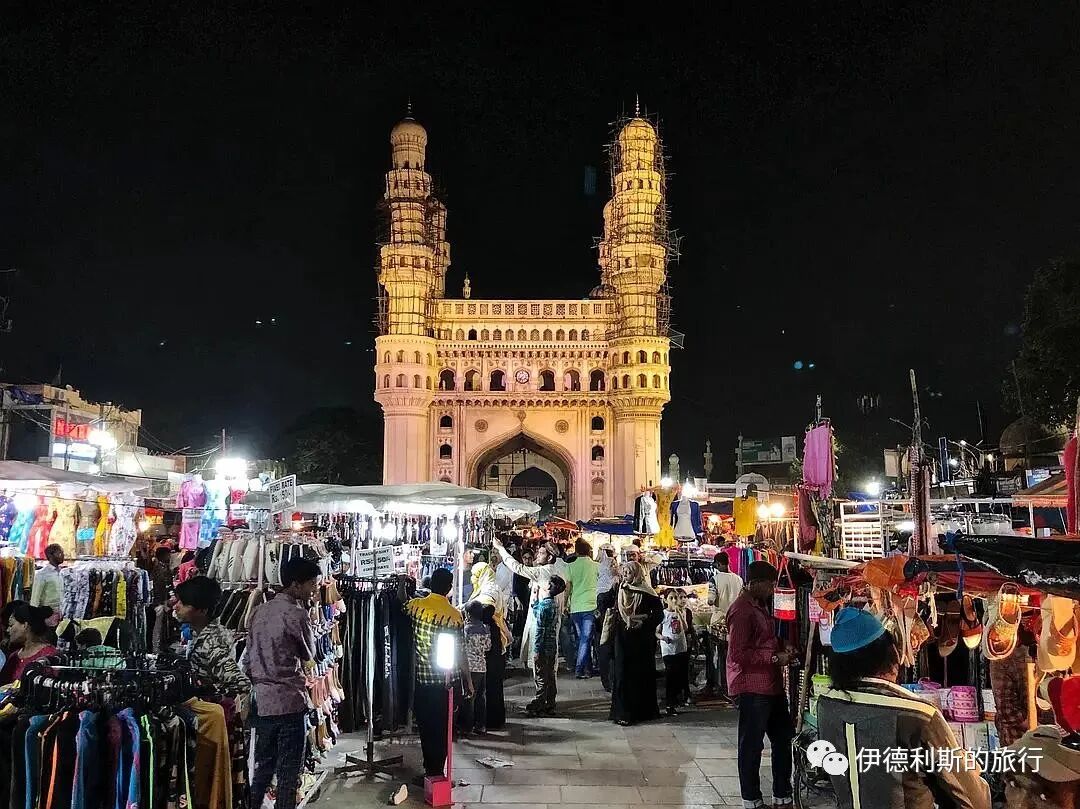
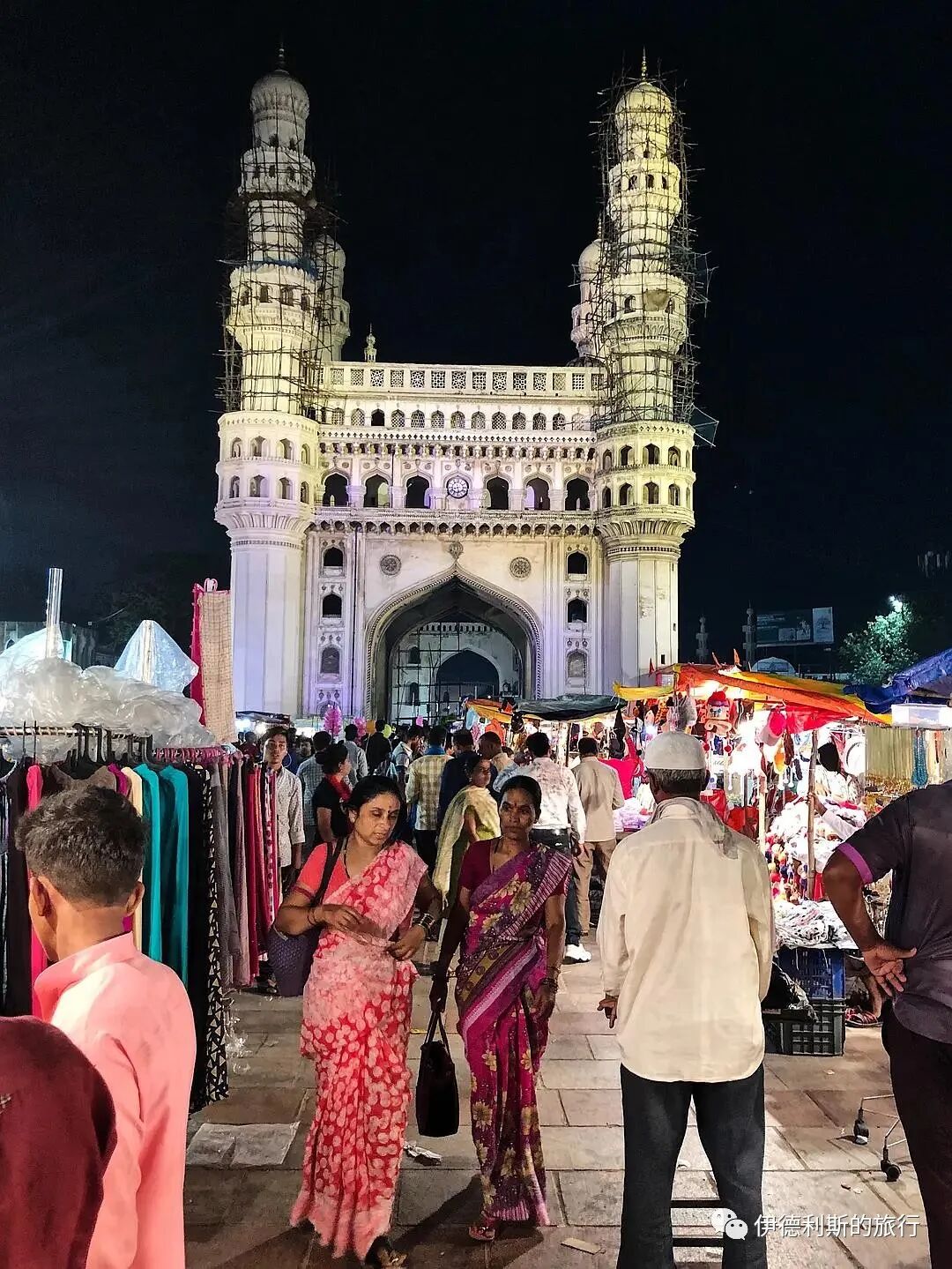
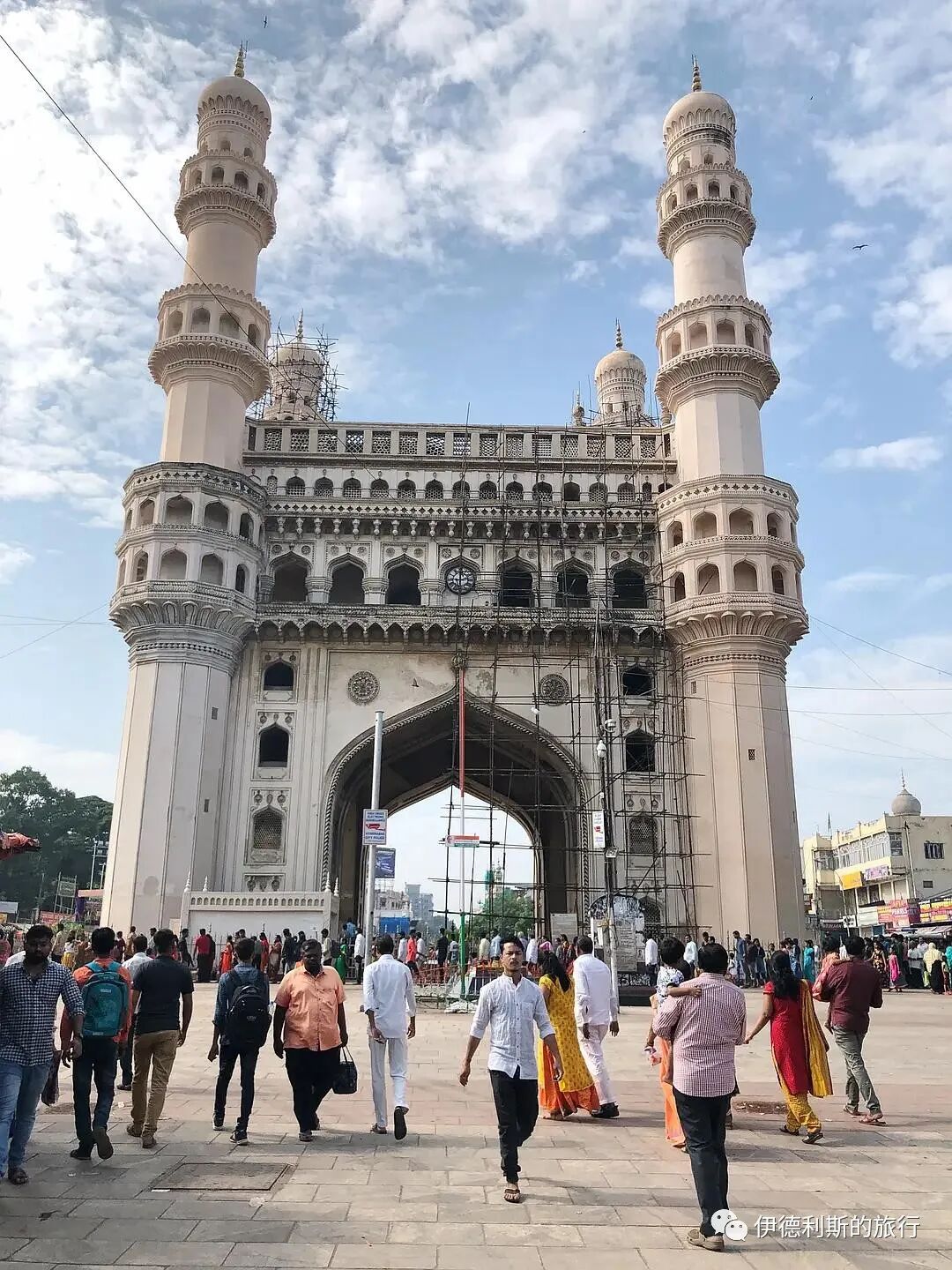
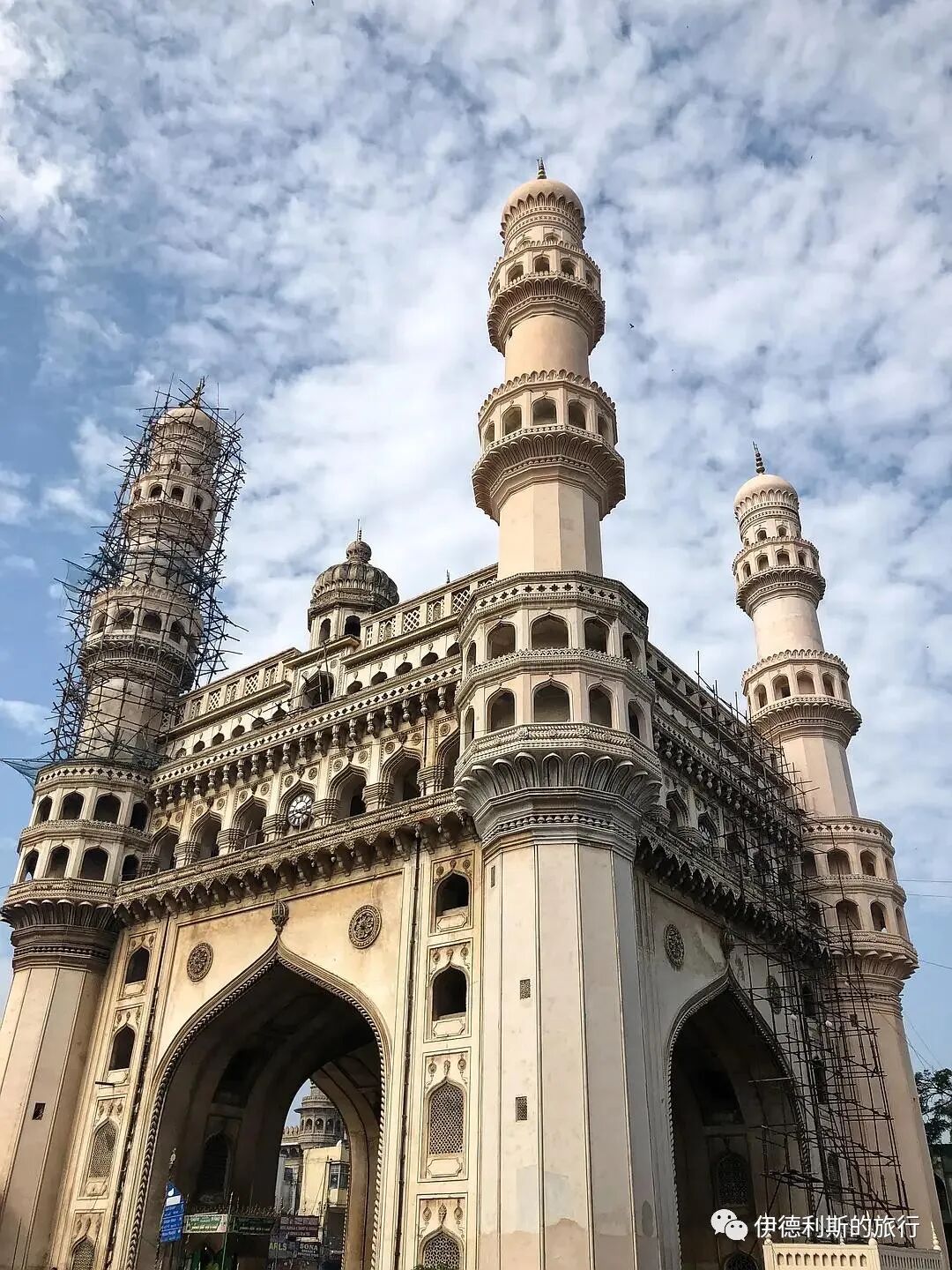
In 1591, the fifth sultan of the Qutb Shahi dynasty, Muhammad Quli Qutb Shah, moved the capital from Golkonda Fort to Hyderabad and built the Charminar that same year. It has been the landmark of Hyderabad for over four hundred years.
Muhammad Quli Qutb Shah invited many famous Persian architects to plan Hyderabad. They chose the Charminar as the city center and the intersection for trade routes.
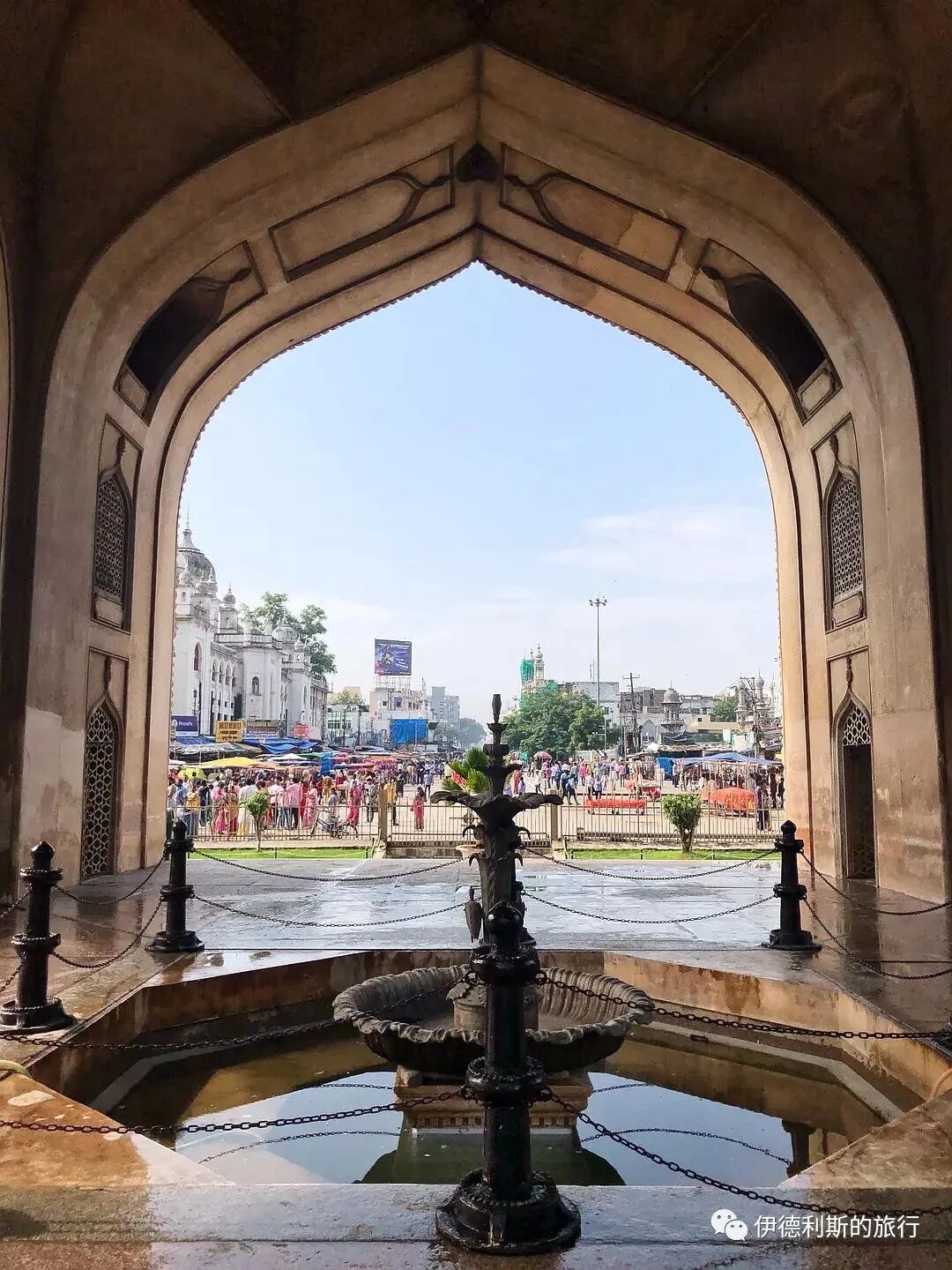
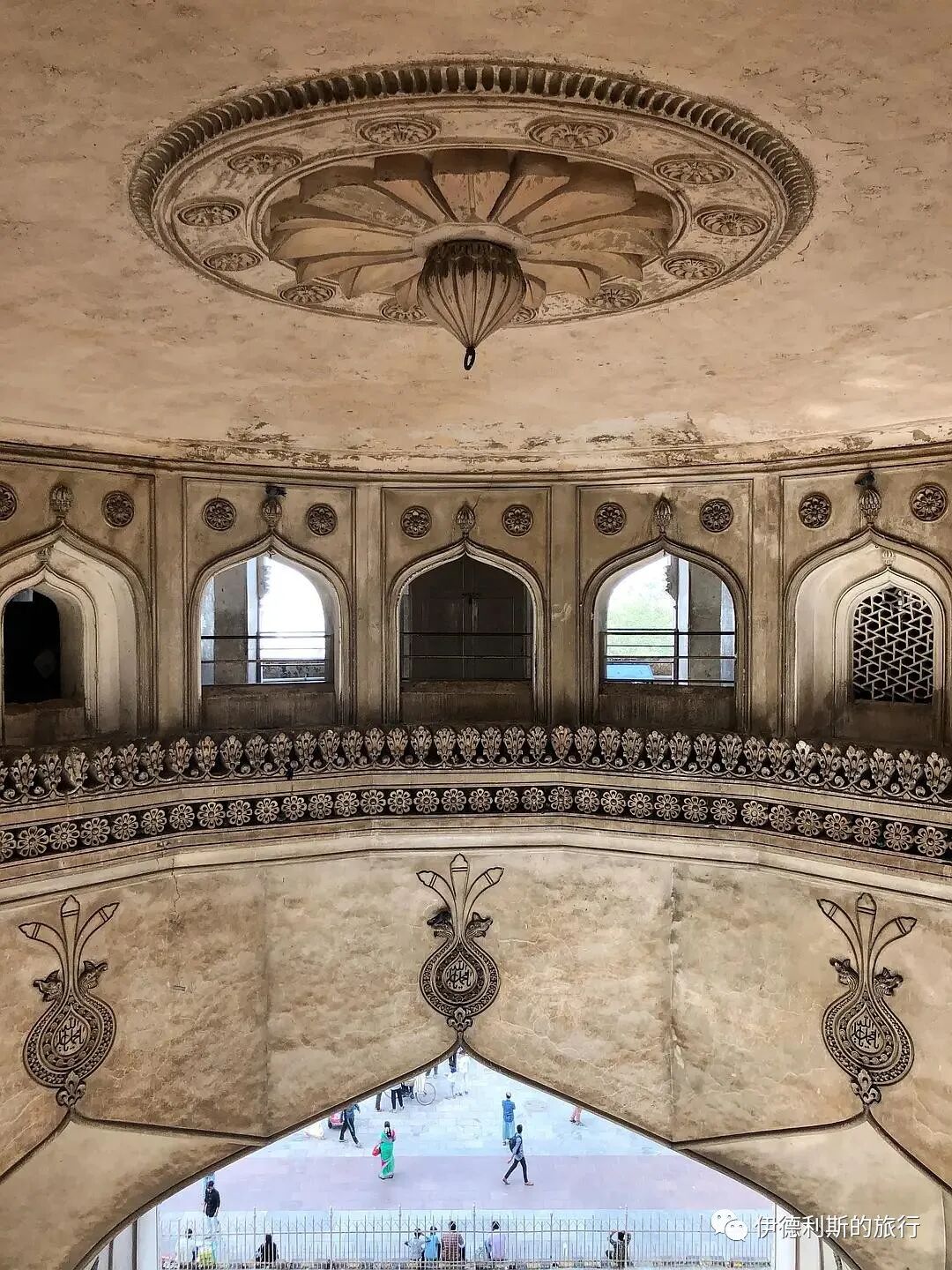
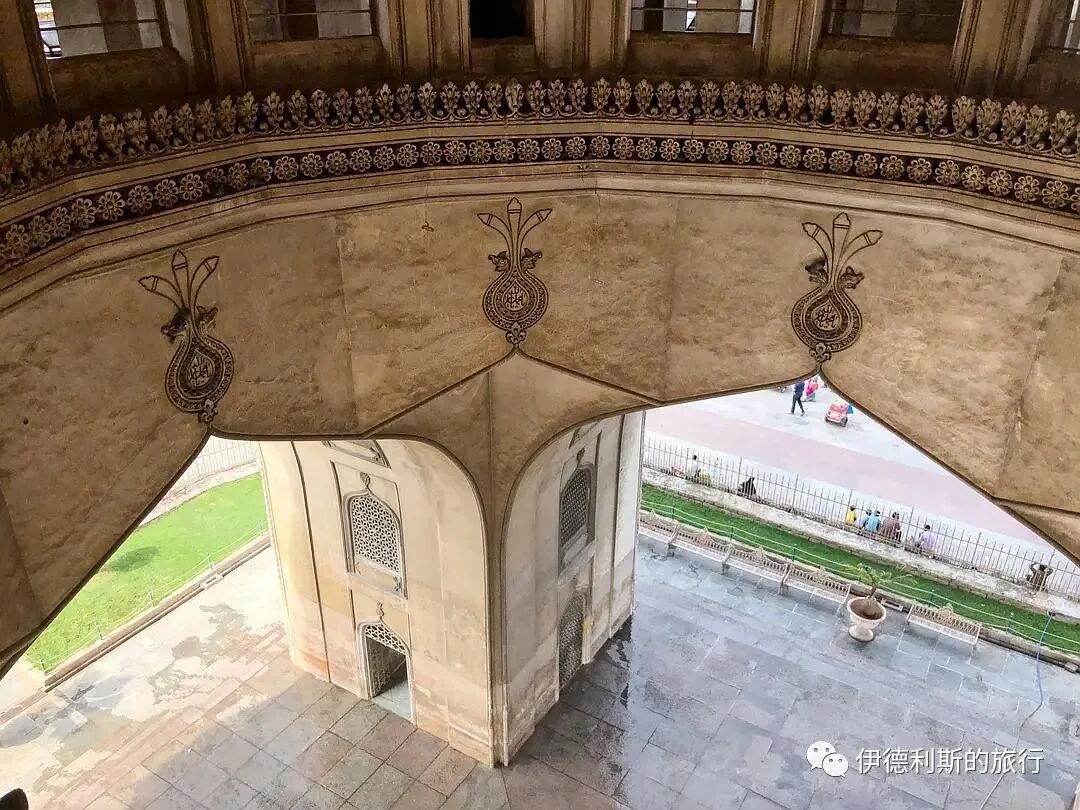
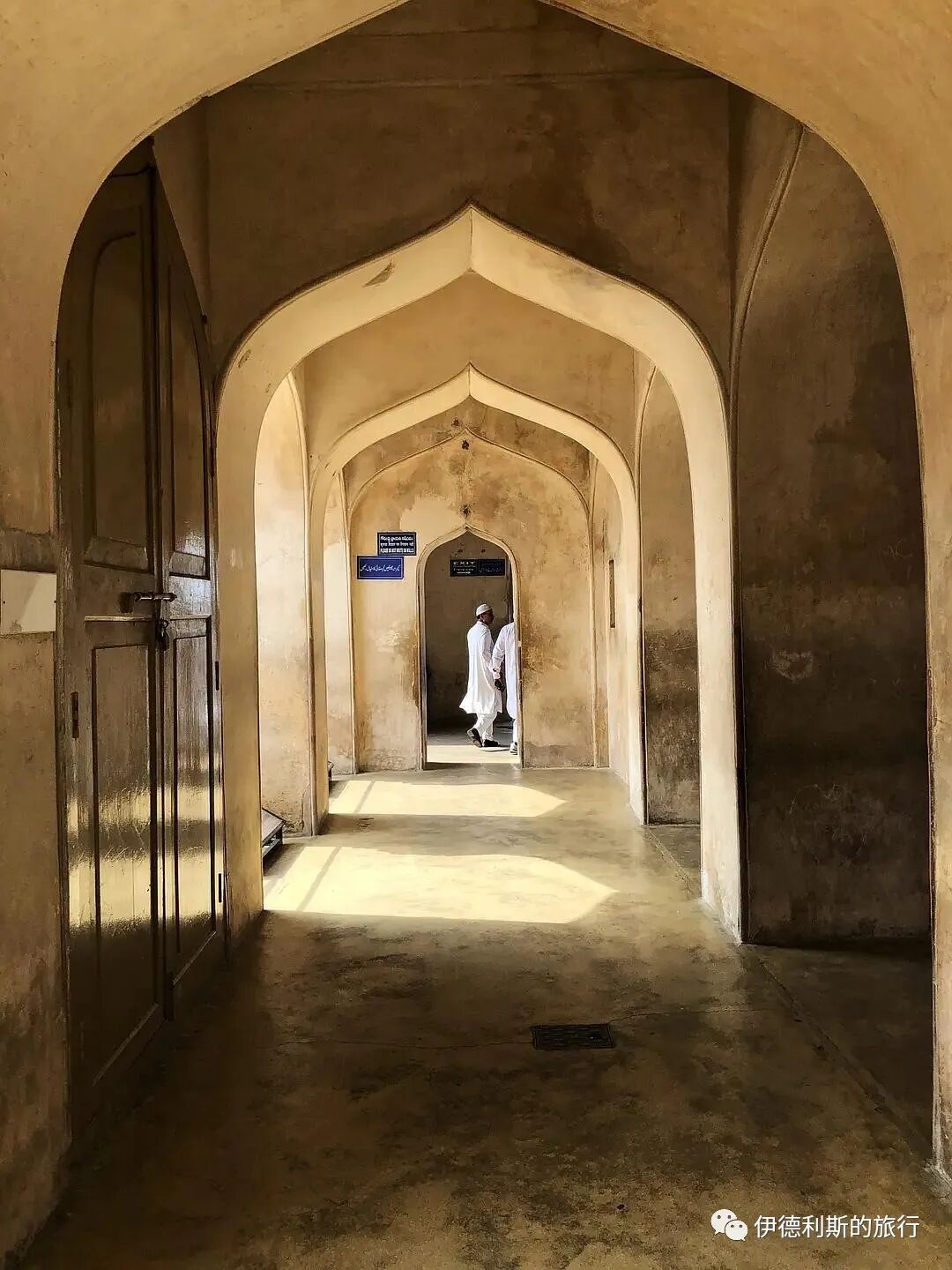
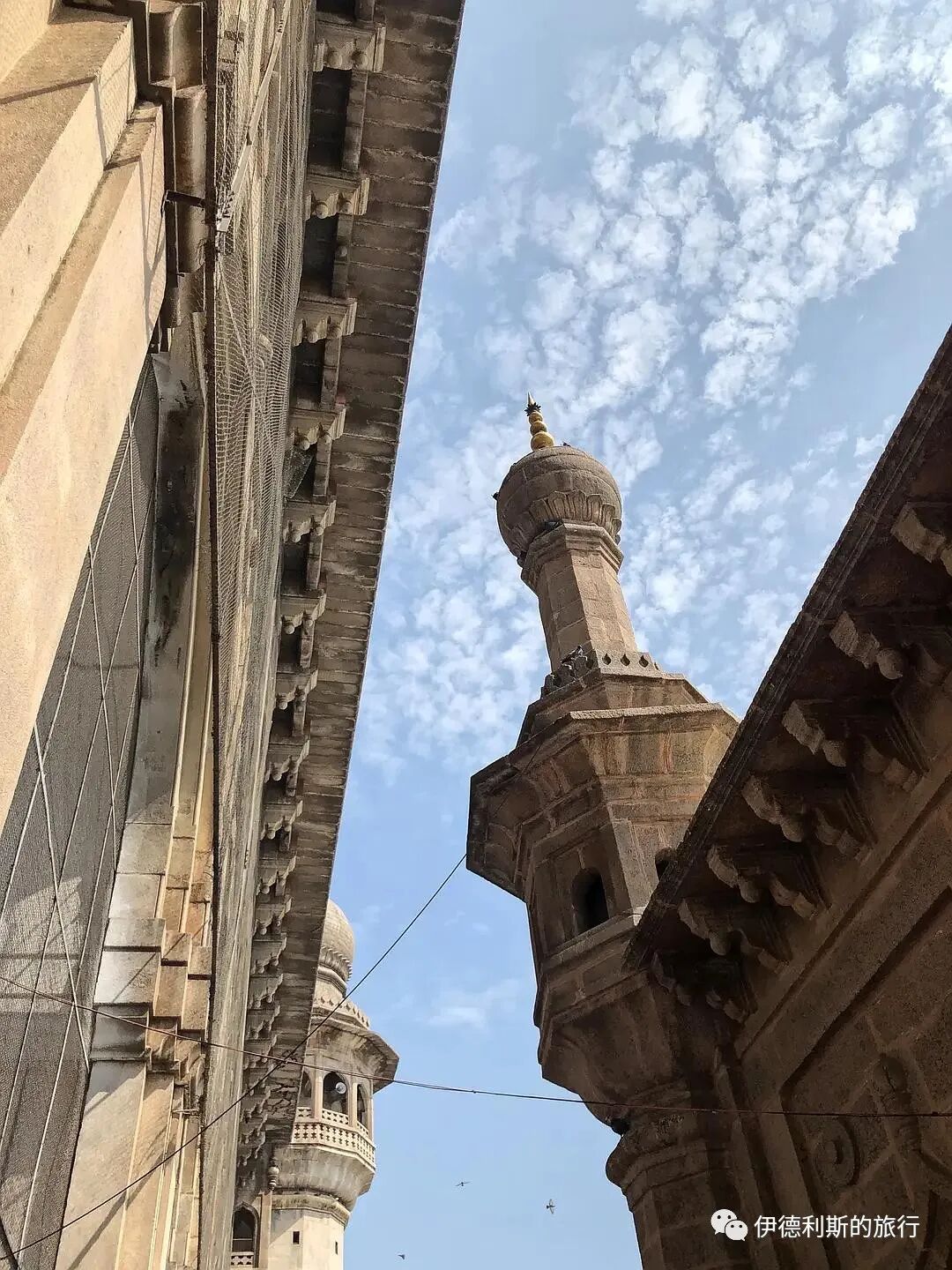
Charminar comes from the Urdu words 'Chār' and 'Minar,' which literally translate to 'four towers.' The Charminar has four 56-meter-tall minarets supported by 20-meter-long arches, with a mosque and a madrasa built between the minarets and arches.
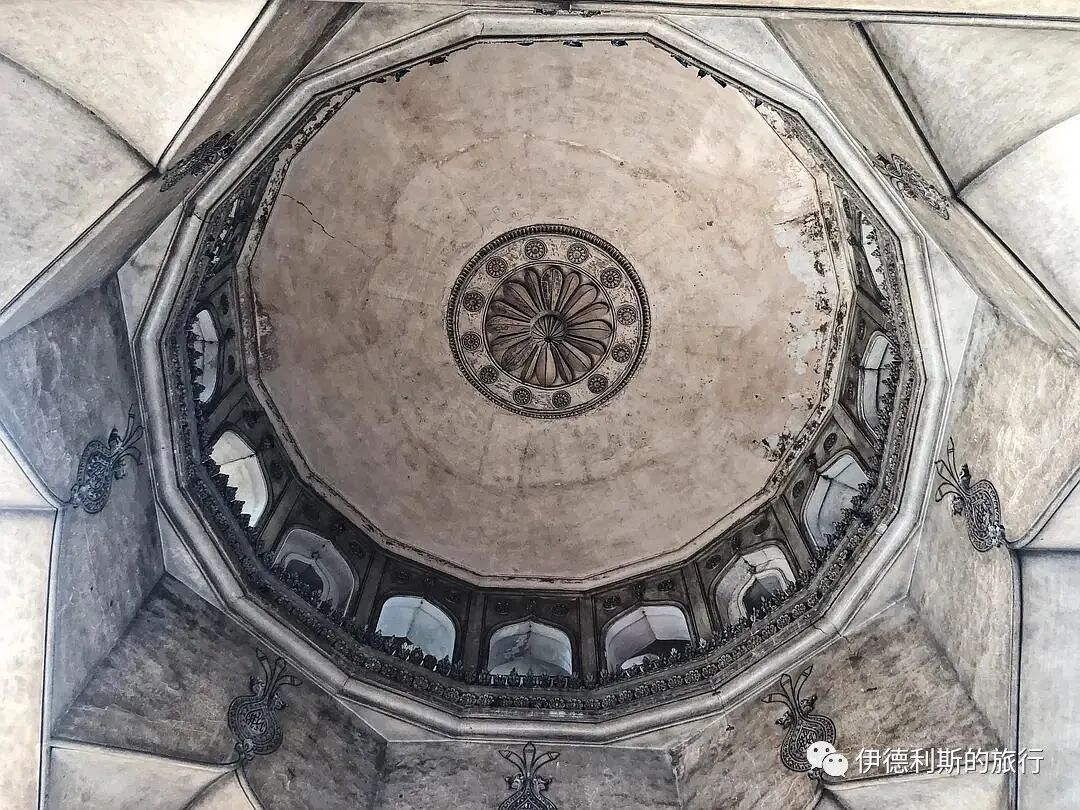
2. Char Kaman: 1592
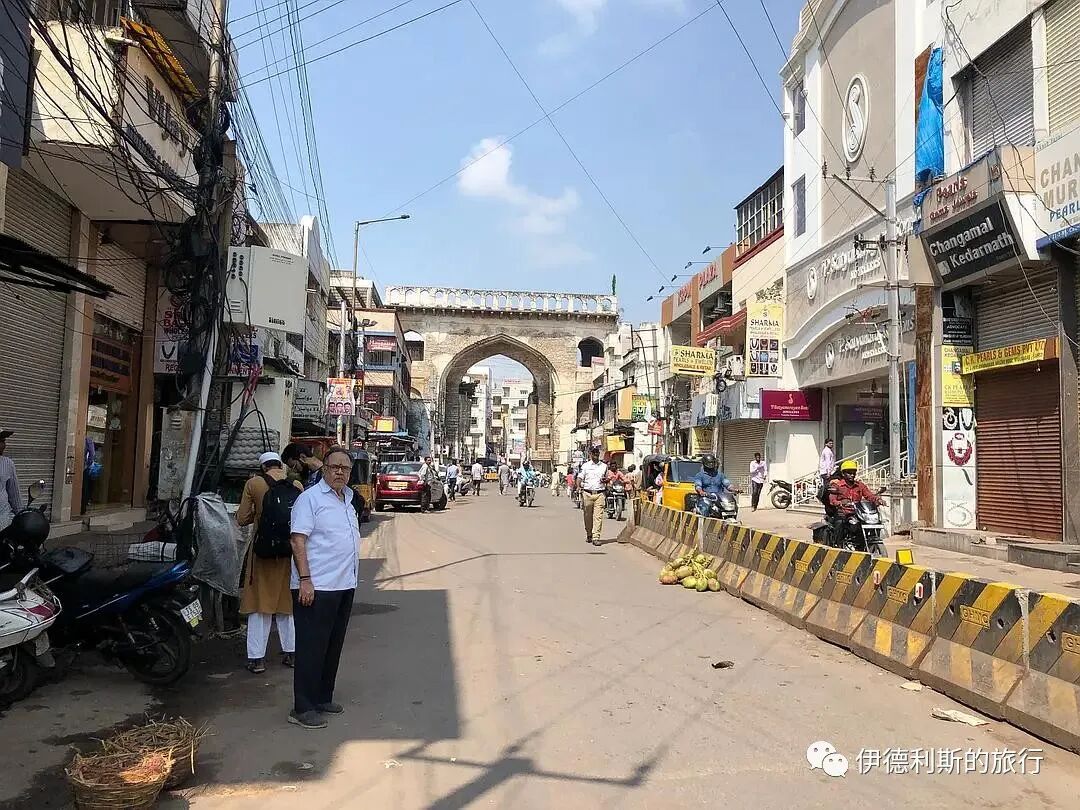
Char Kaman means 'four arches.' After the Charminar was completed, Muhammad Quli Qutb Shah built four high arches around it in 1592 as an important part of the city plan.
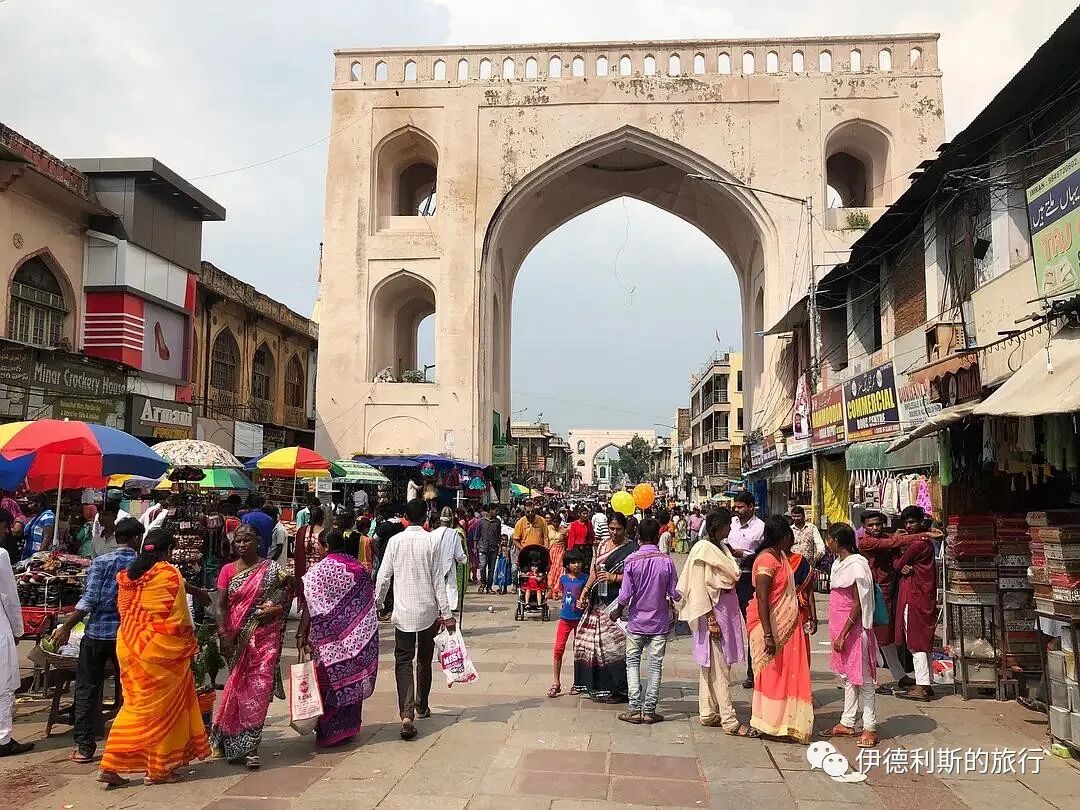
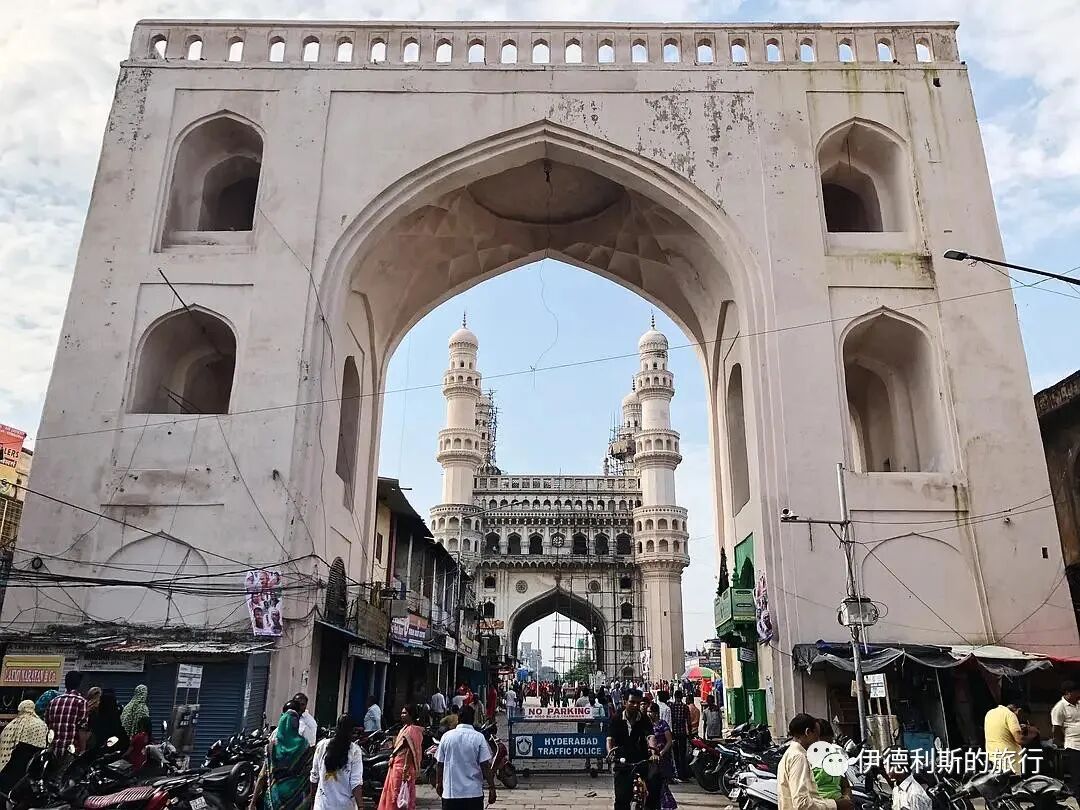
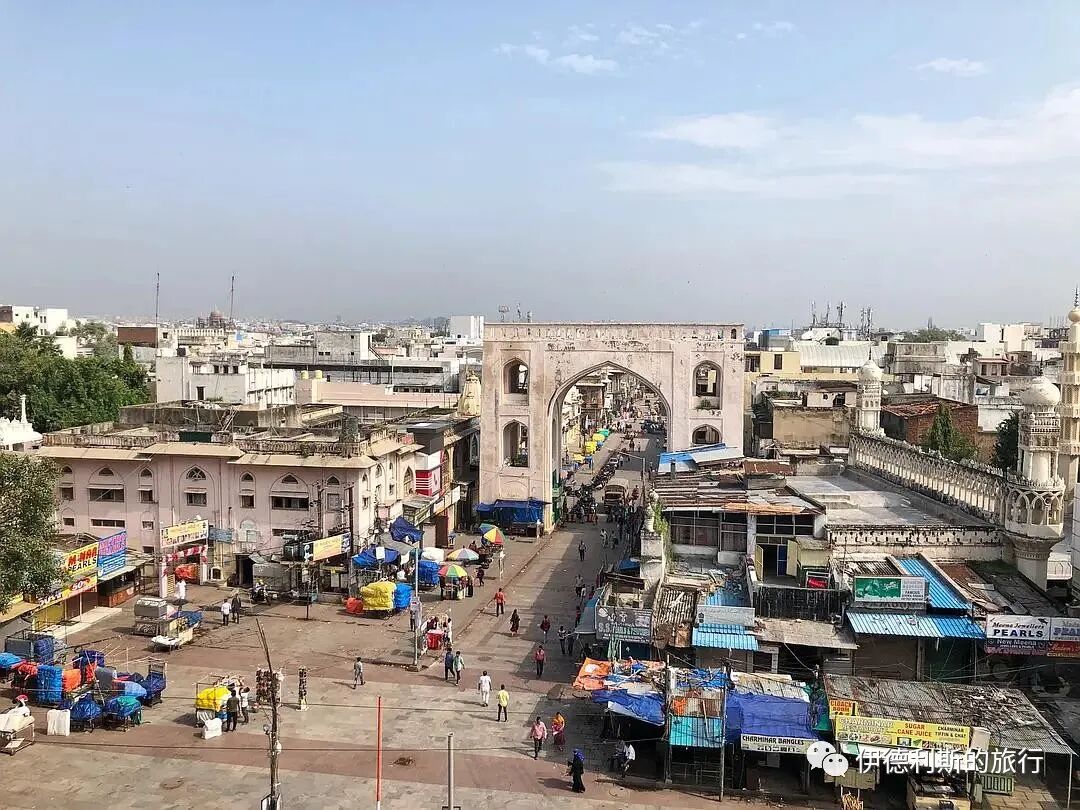
3. Old City Bazaar
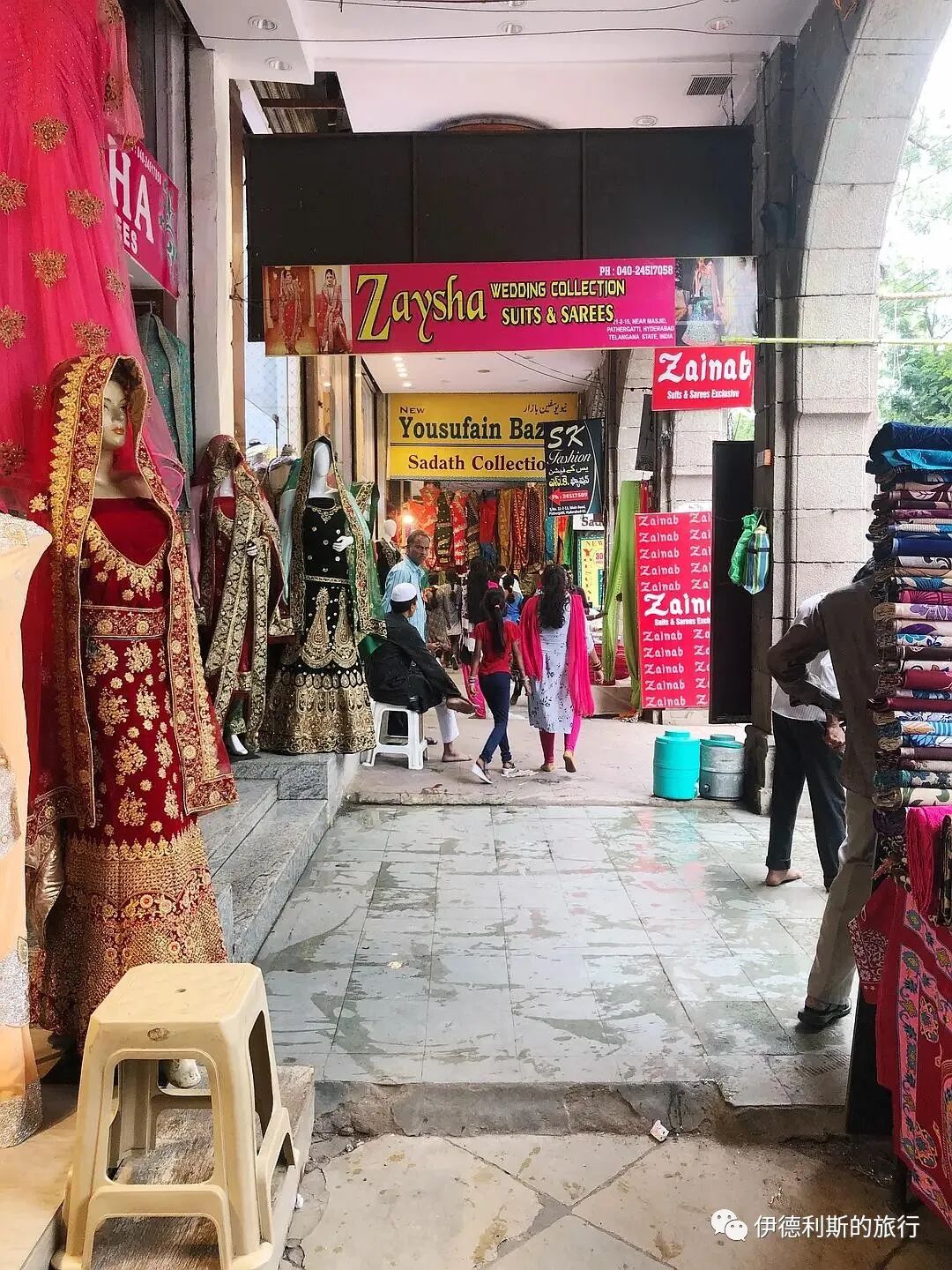
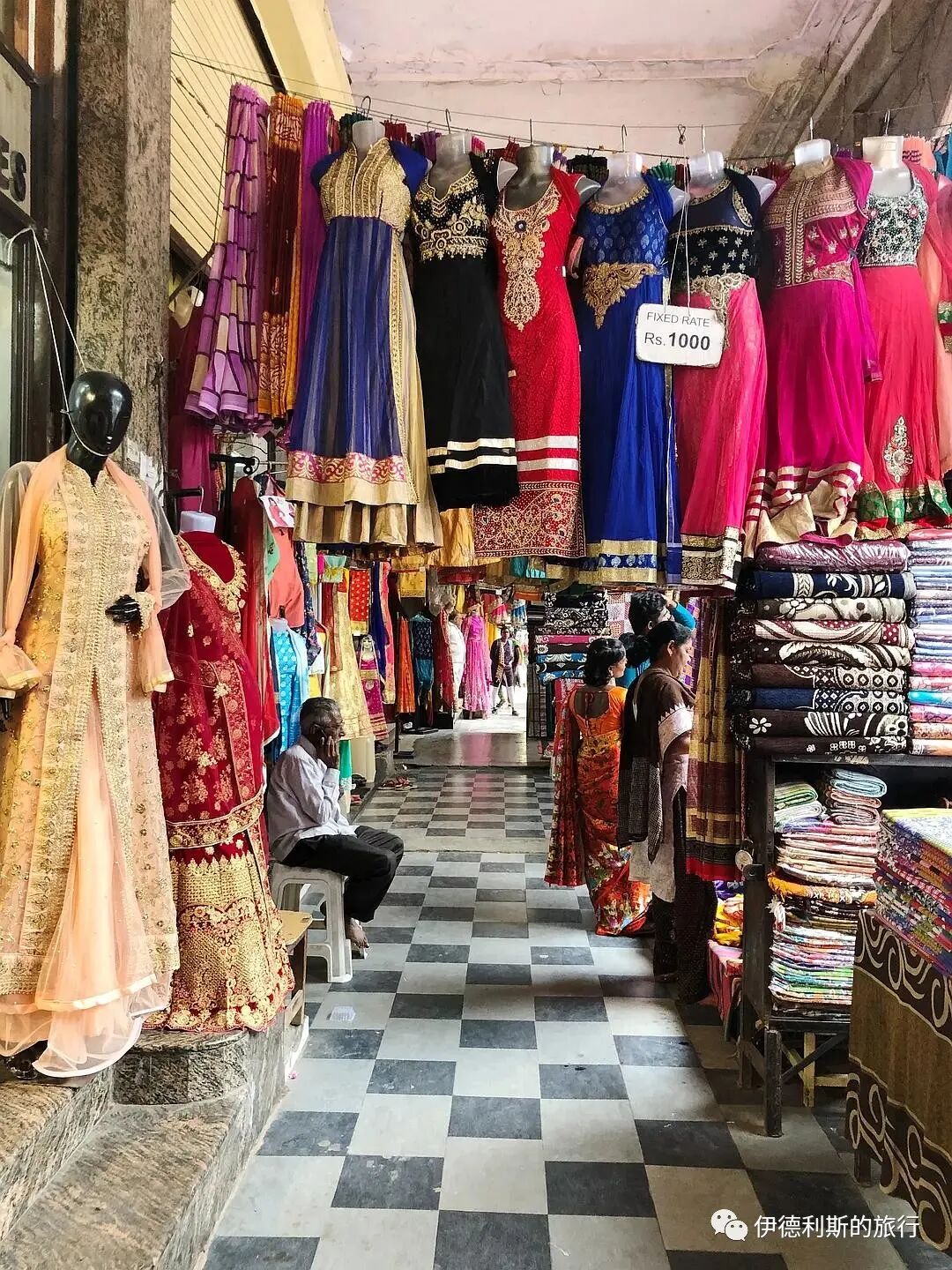
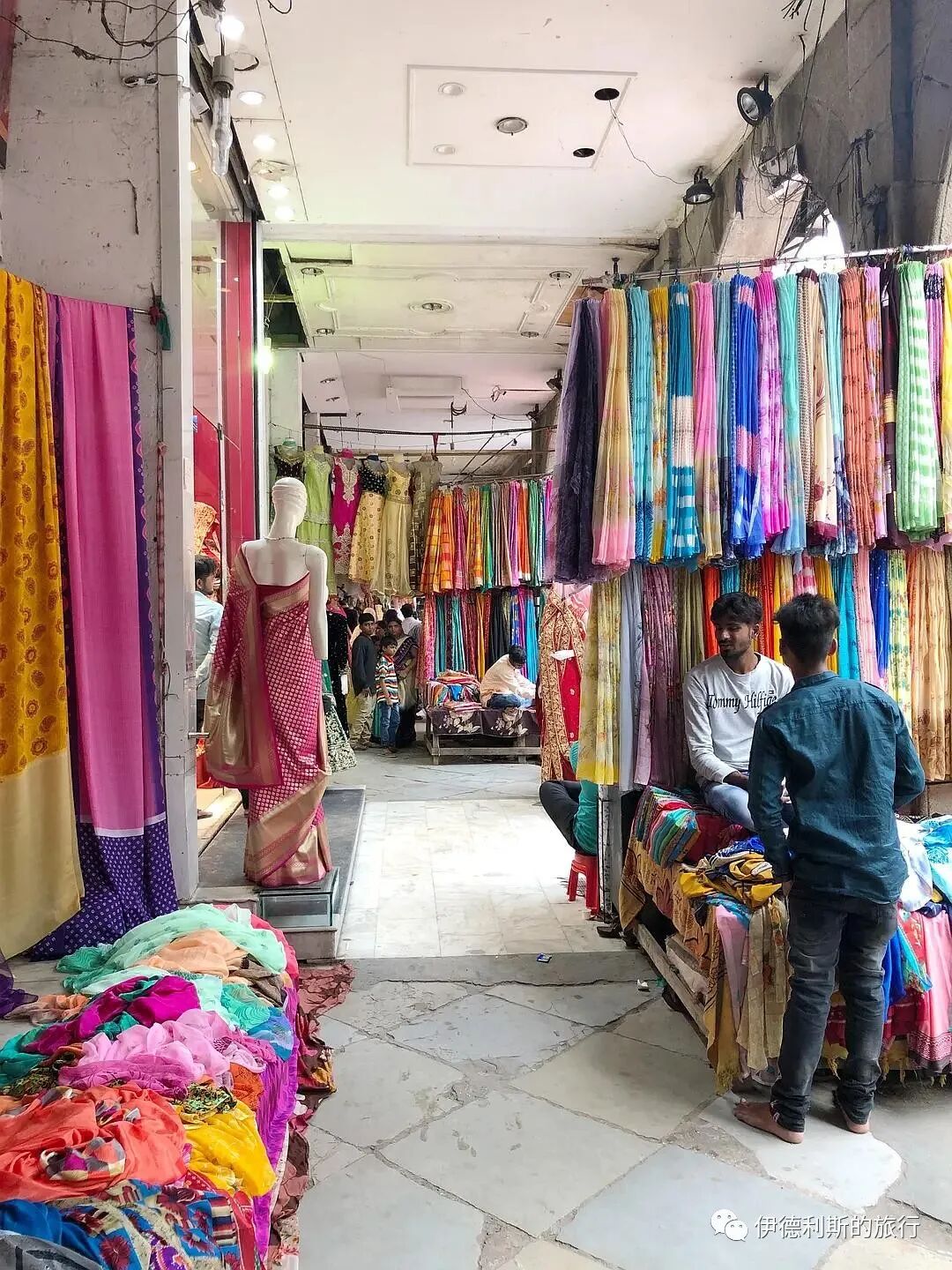
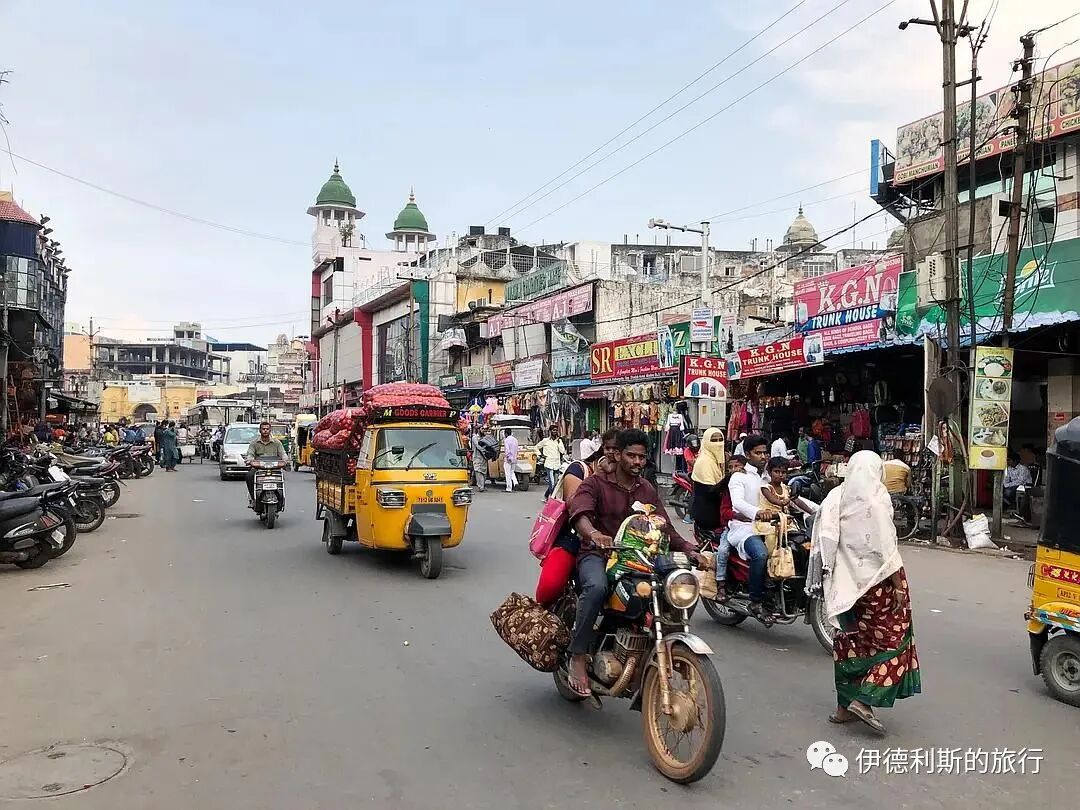
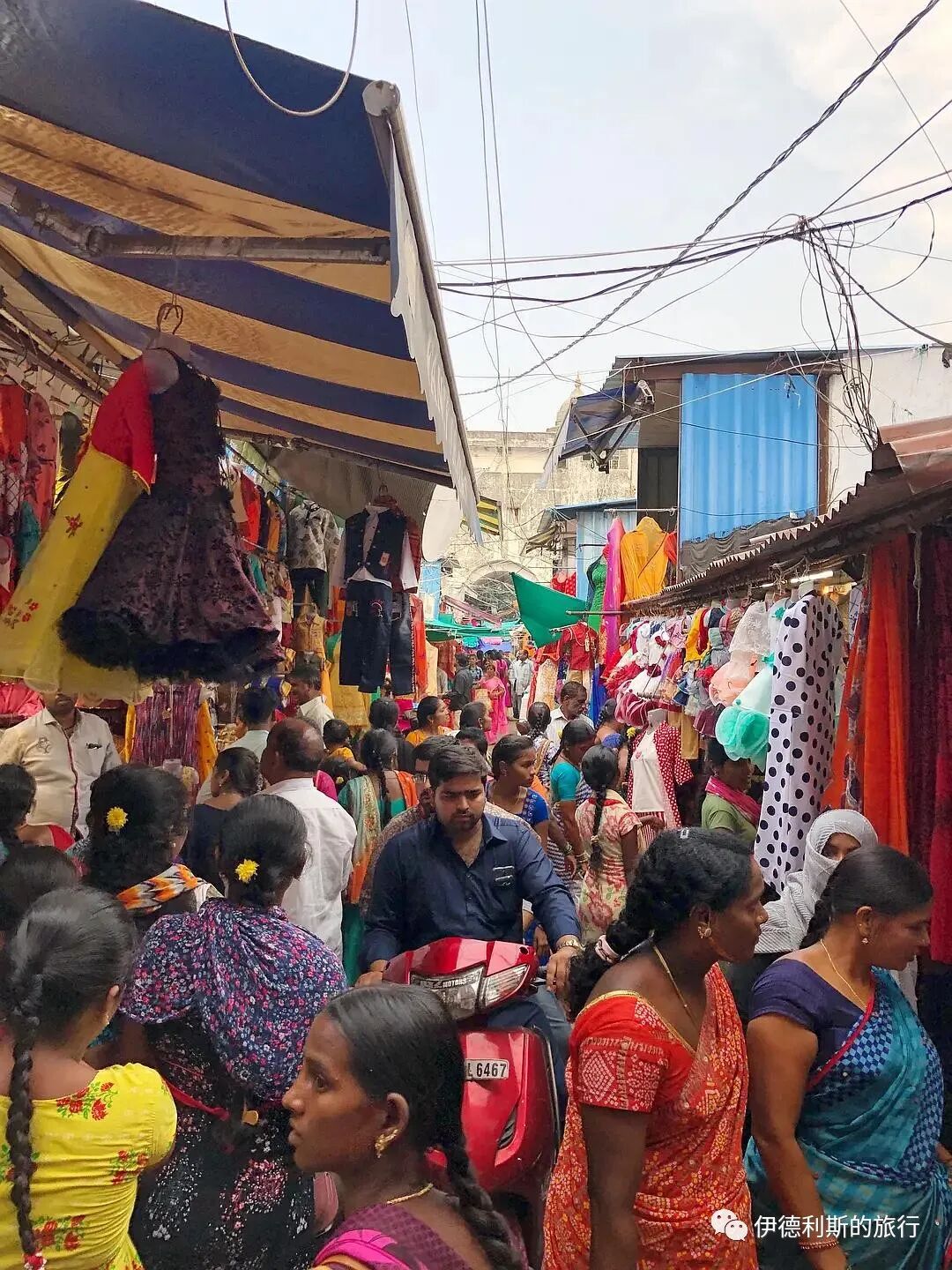
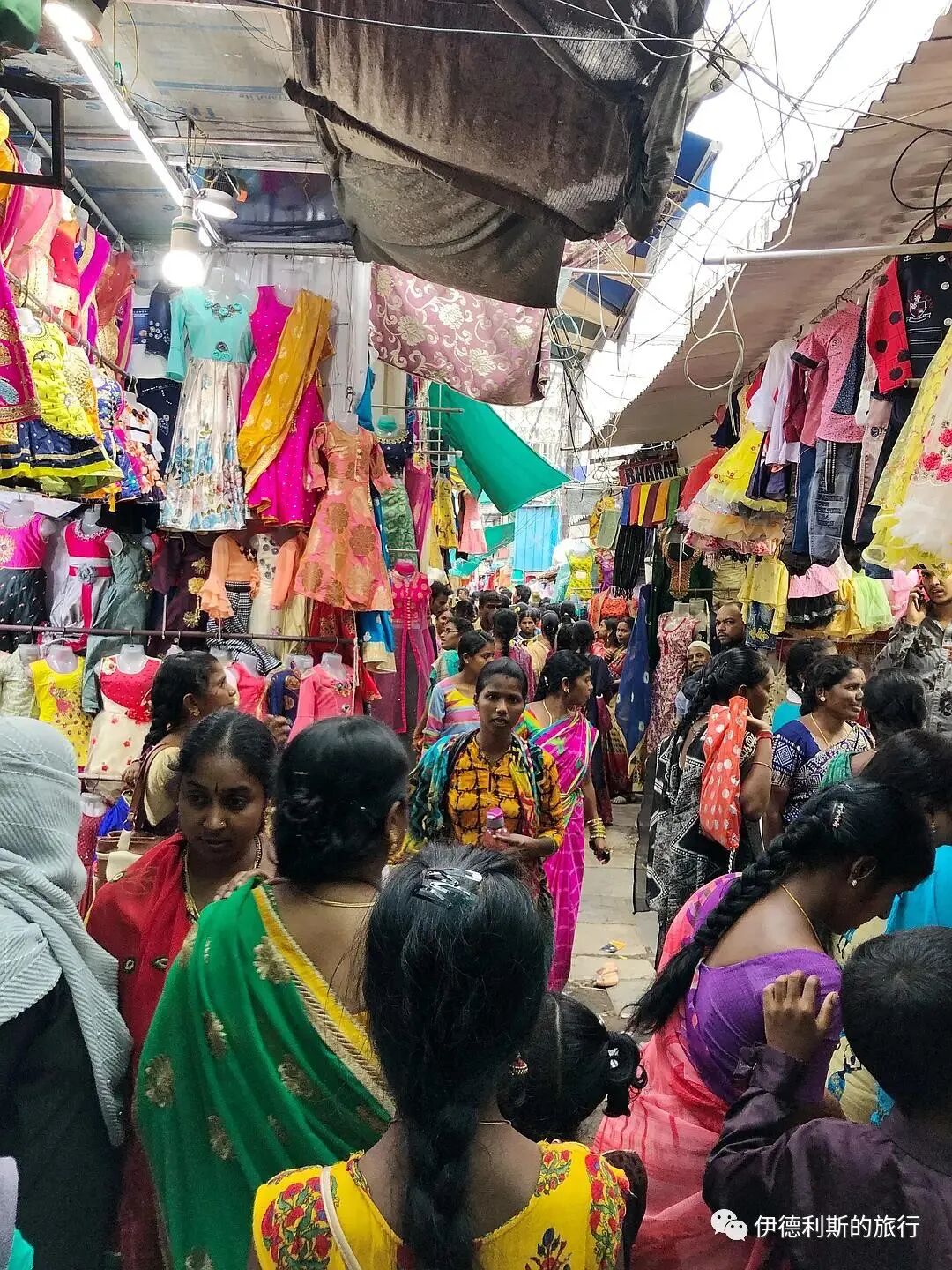
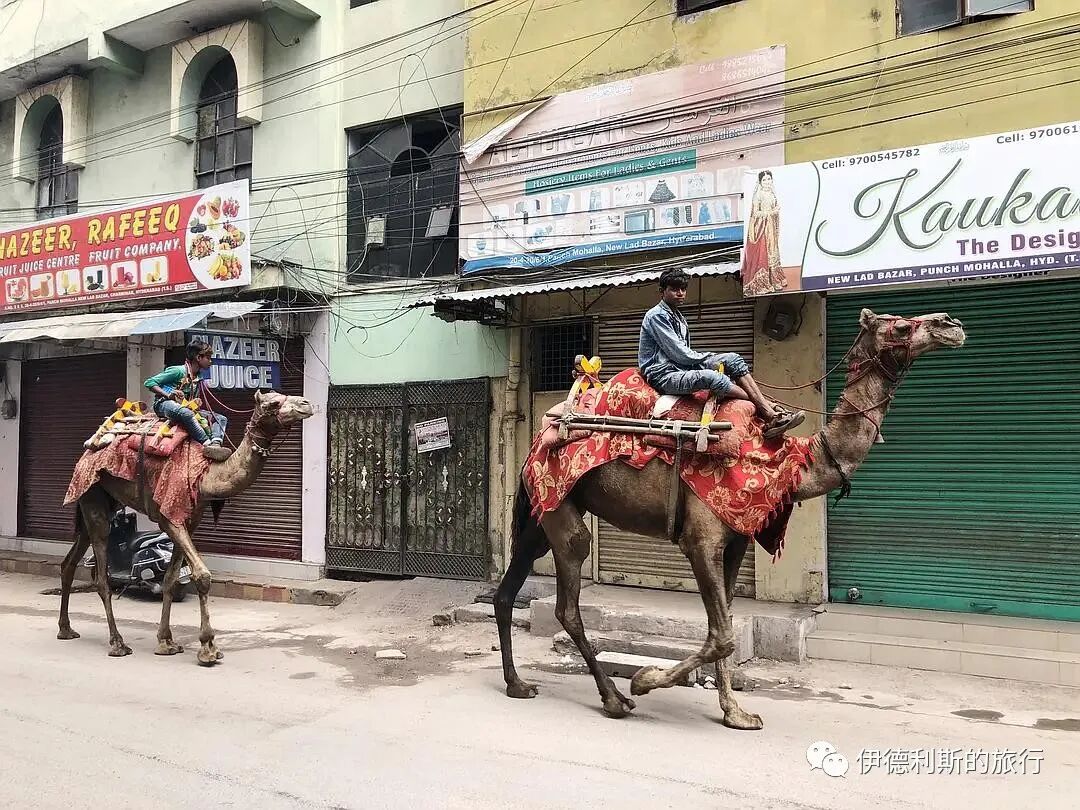
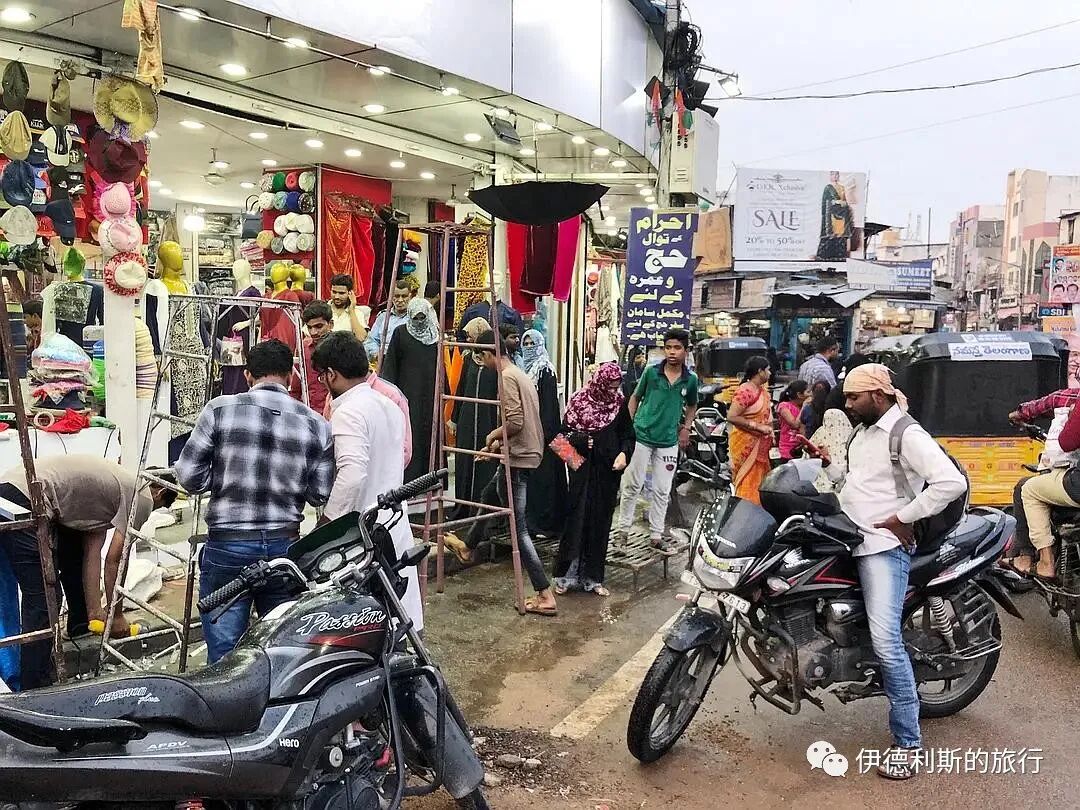
The four main roads extending from the Charminar are very busy bazaars. The most famous is Laad Bazaar, where the whole street sells Indian saris and various jewelry.
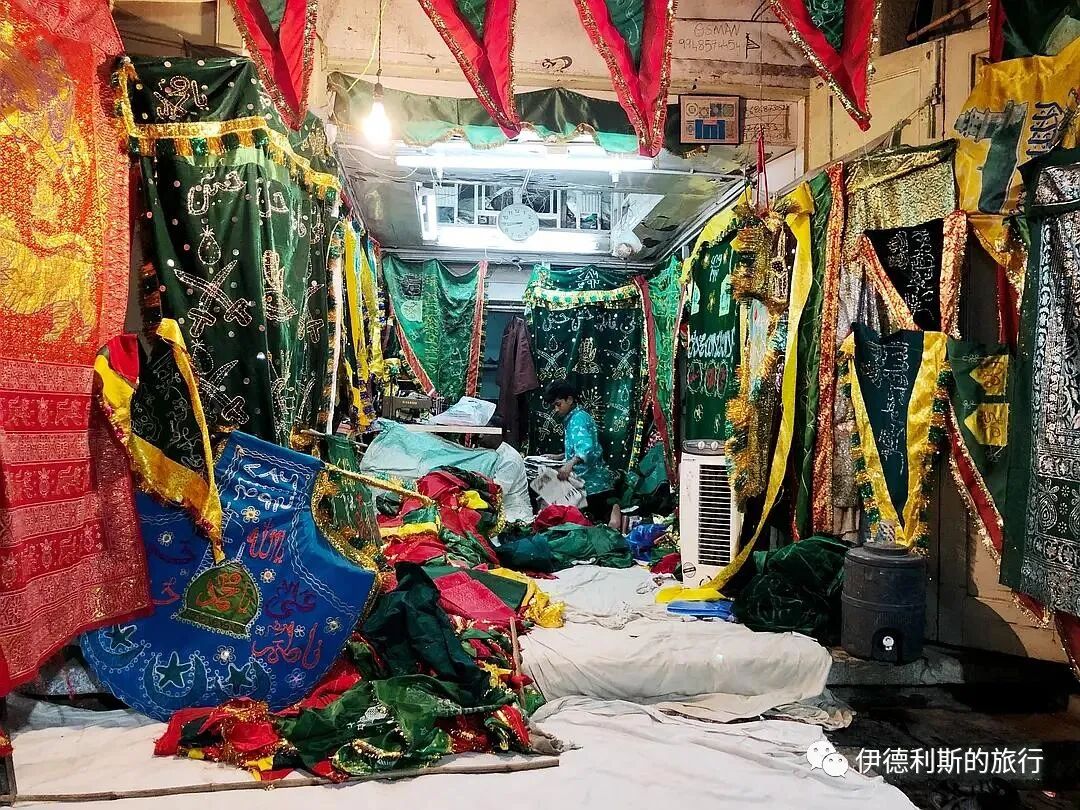
They sell Shia flags here.
4. Mecca Mosque (Mecca Masjid)
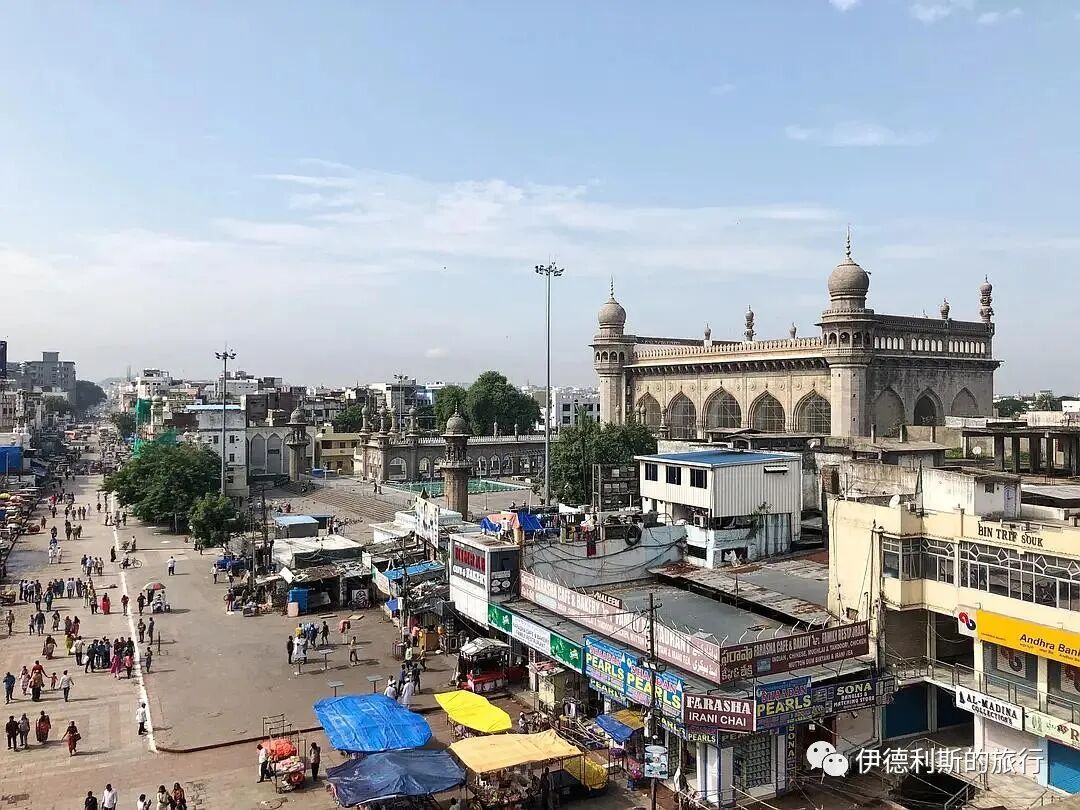
The Mecca Mosque was also ordered to be built by the fifth sultan of the Qutb Shahi dynasty, Muhammad Quli Qutb Shah (reigned 1580-1611). He sent people to bring back soil from the holy city of Mecca to make bricks for the arches, which is how the mosque got its name.
The three arched exterior walls of the mosque were carved from a single piece of granite, and the quarrying alone took five years. The entire mosque was built by over 8,000 workers, and Muhammad Quli Qutb Shah personally laid the foundation and oversaw the construction.
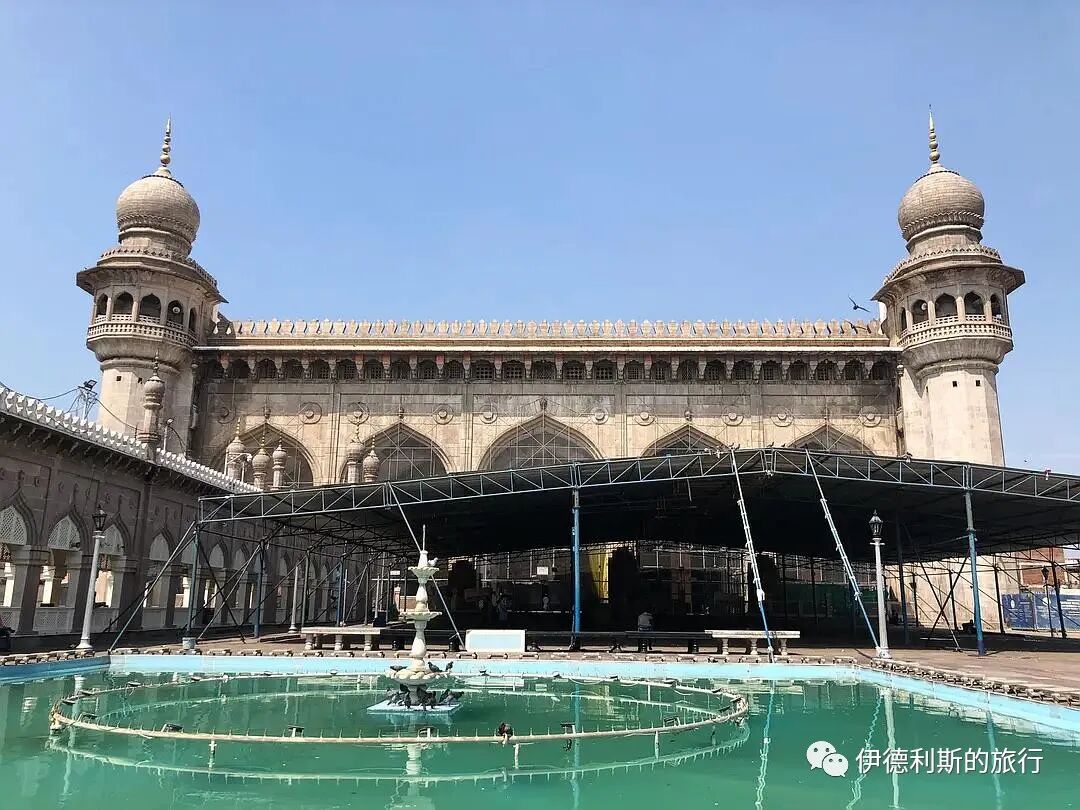
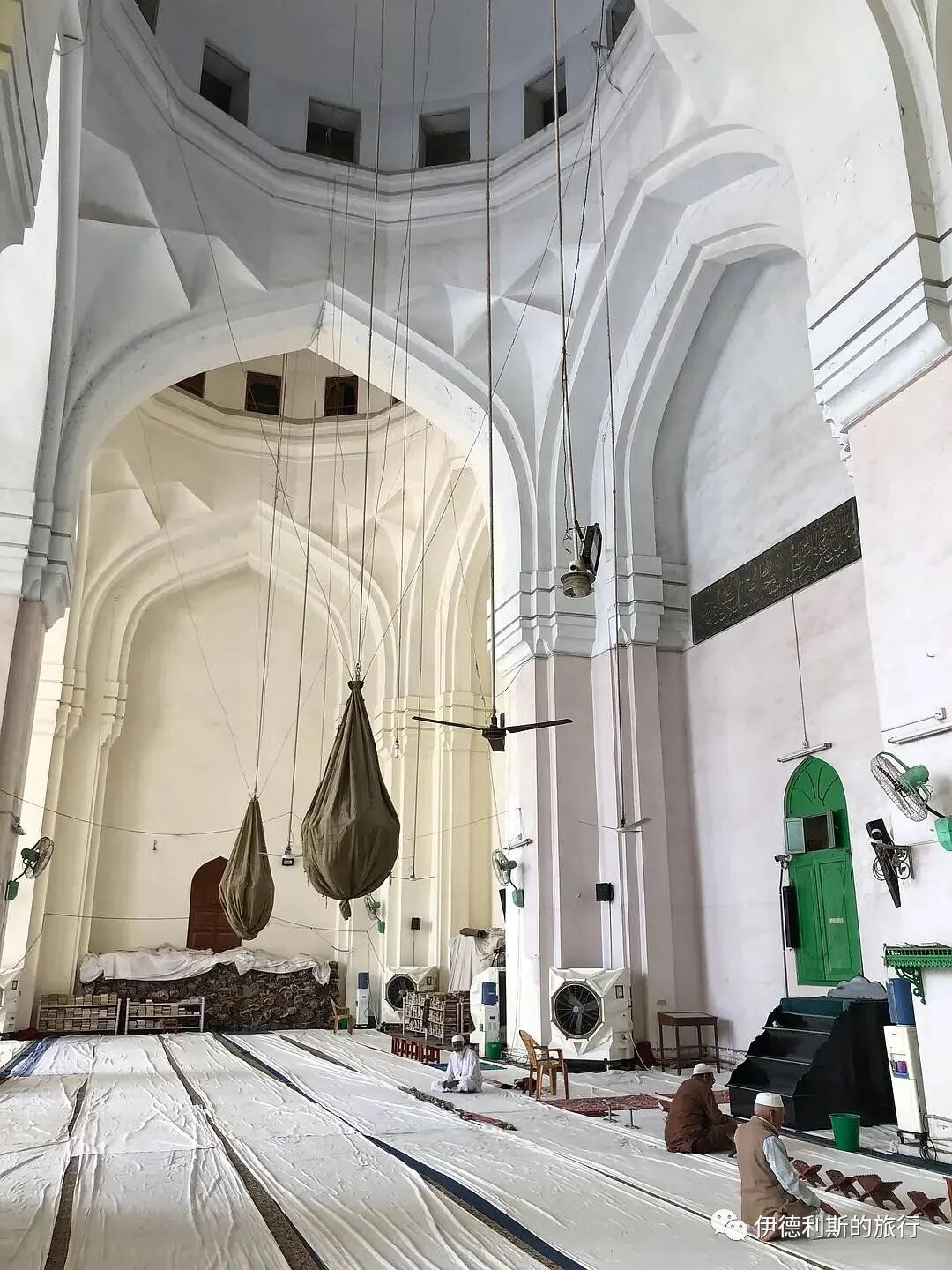
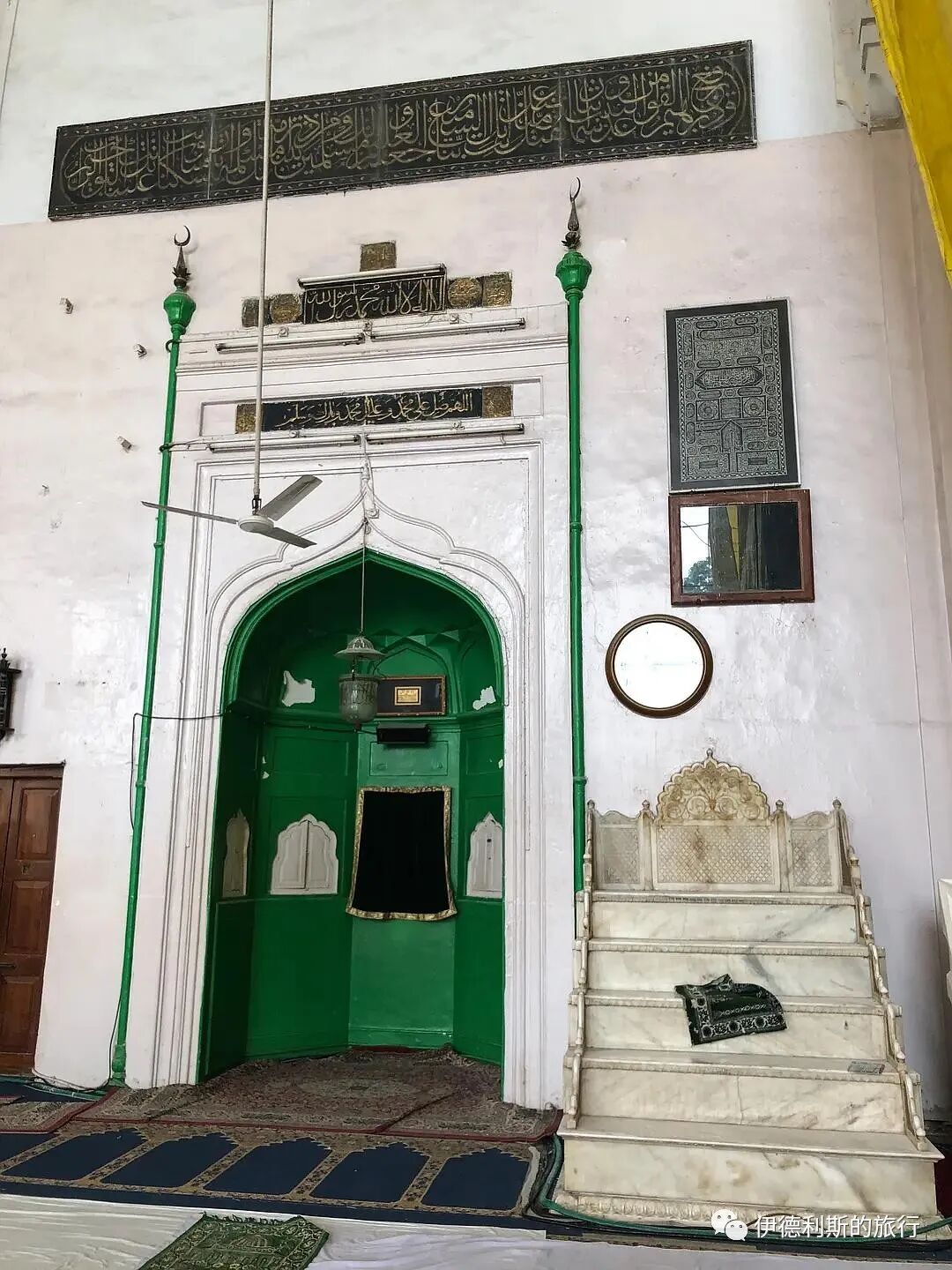
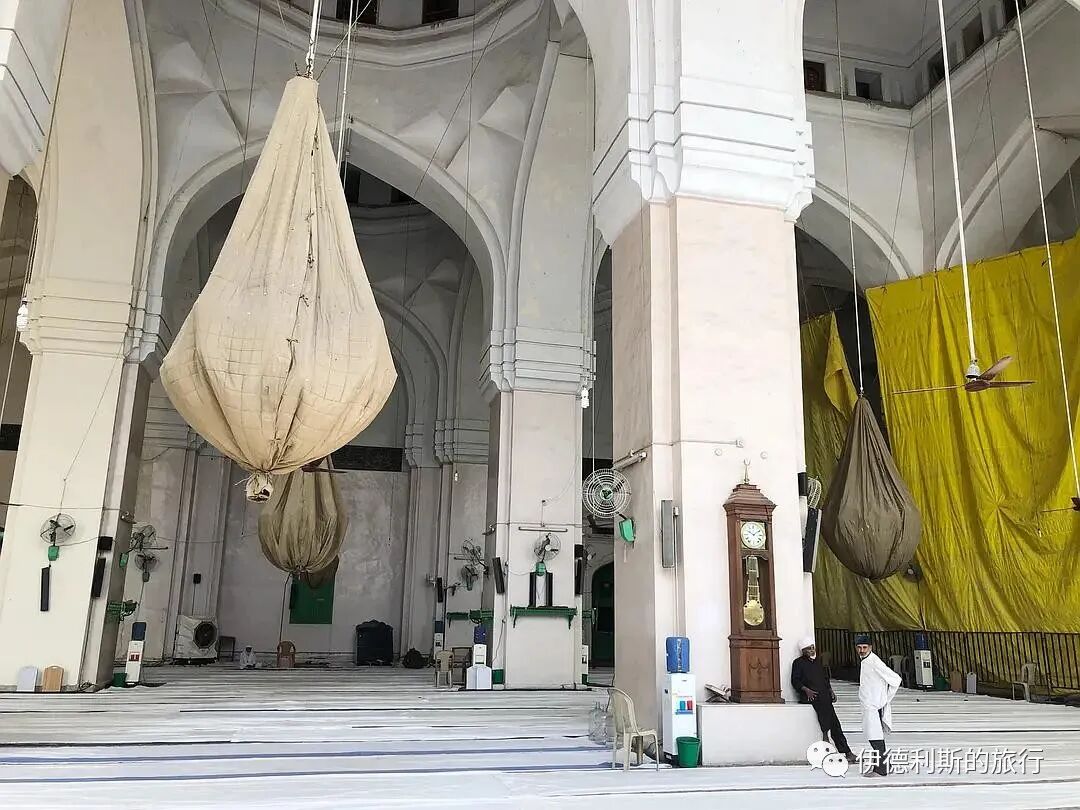
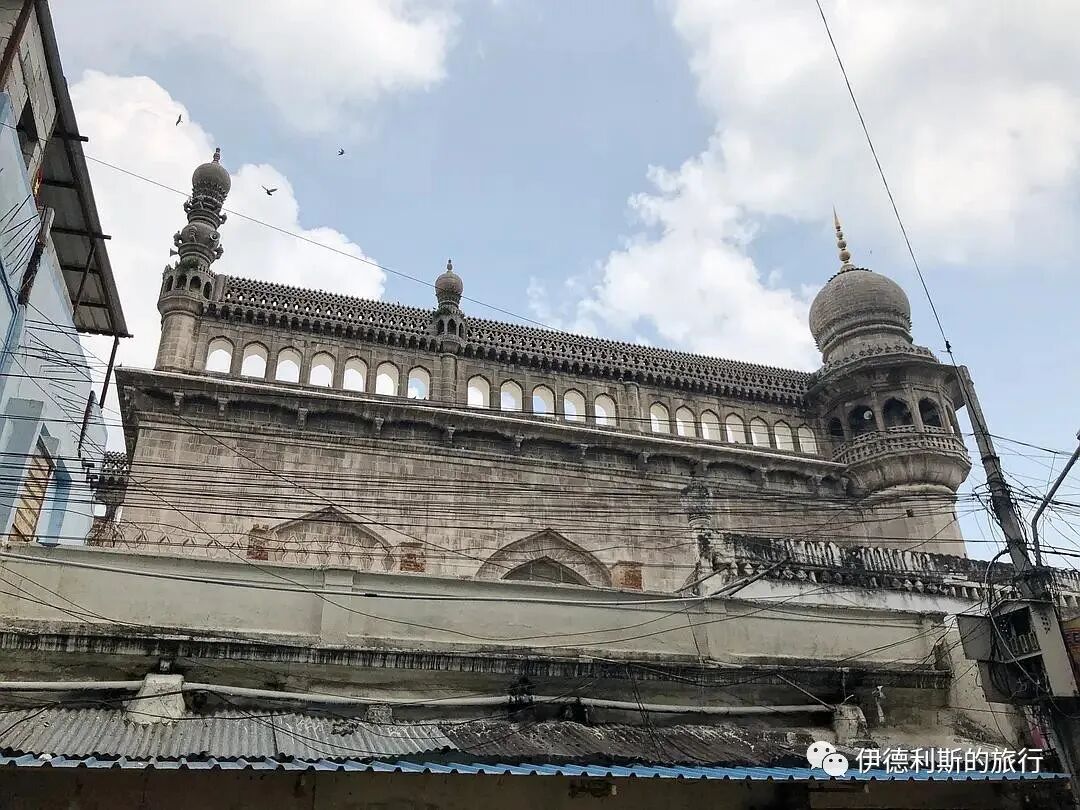
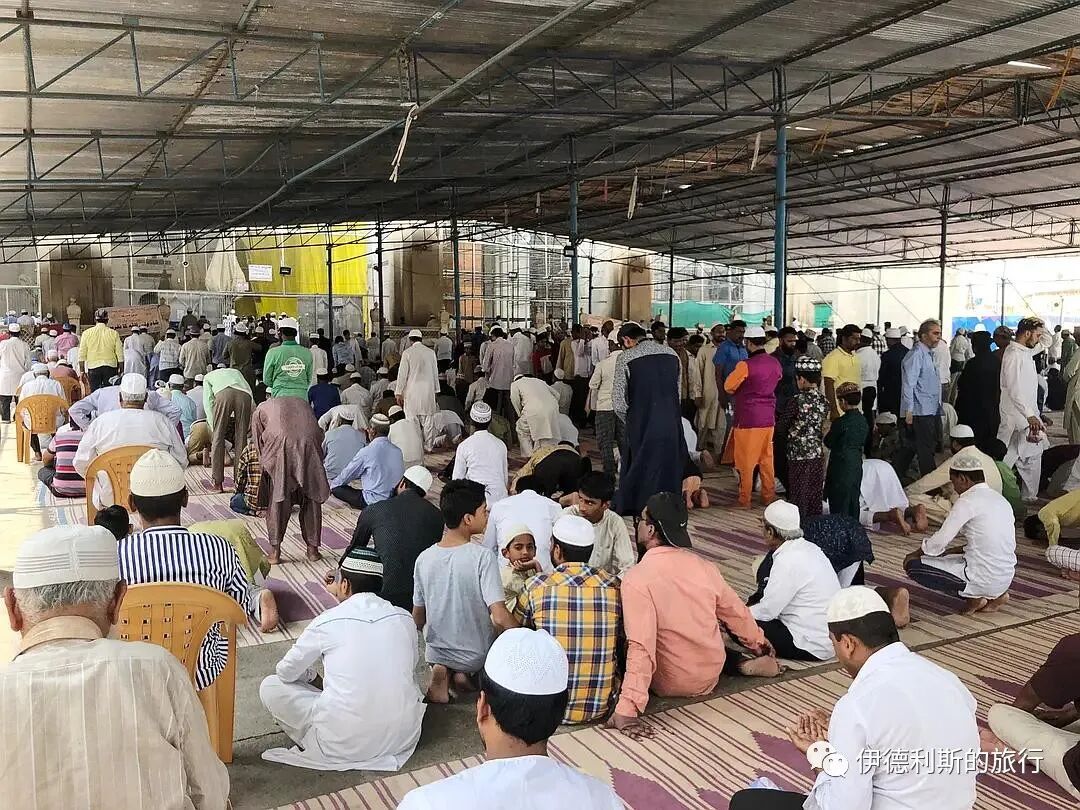
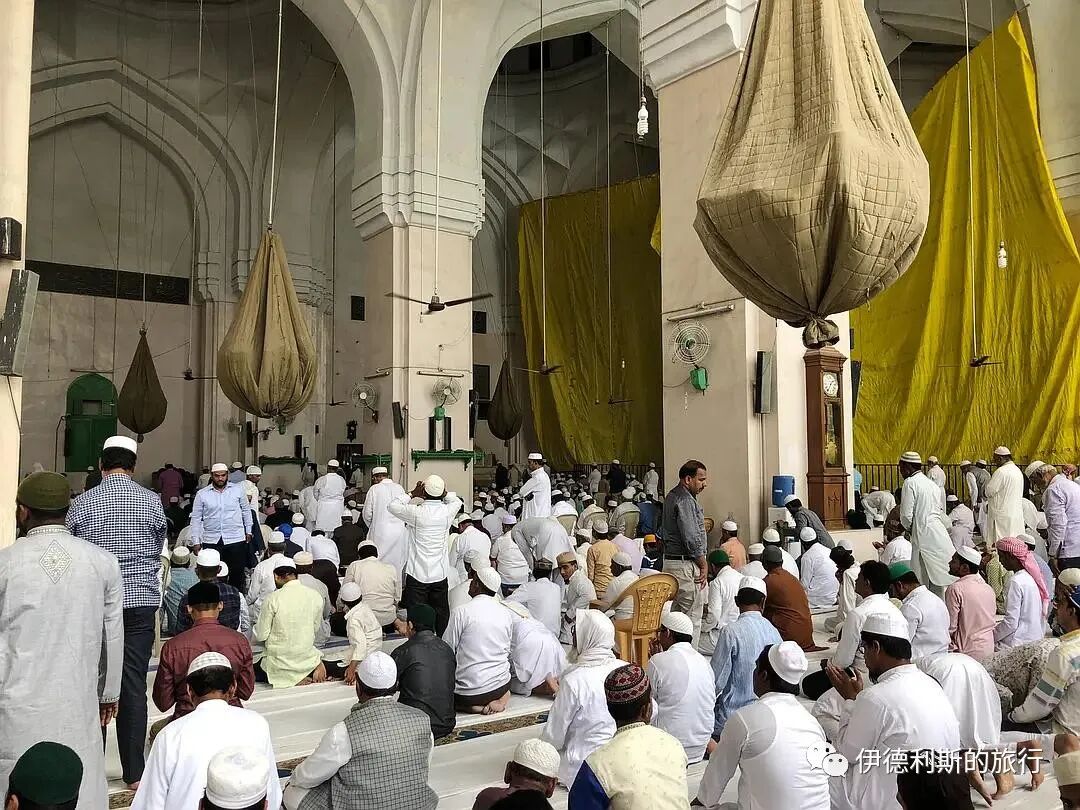
I arrived late for Jumu'ah prayer at the Mecca Mosque, and there were so many people that I had to stand in the courtyard.
5. Bad-e-Shahi Ashur Khana: 1594
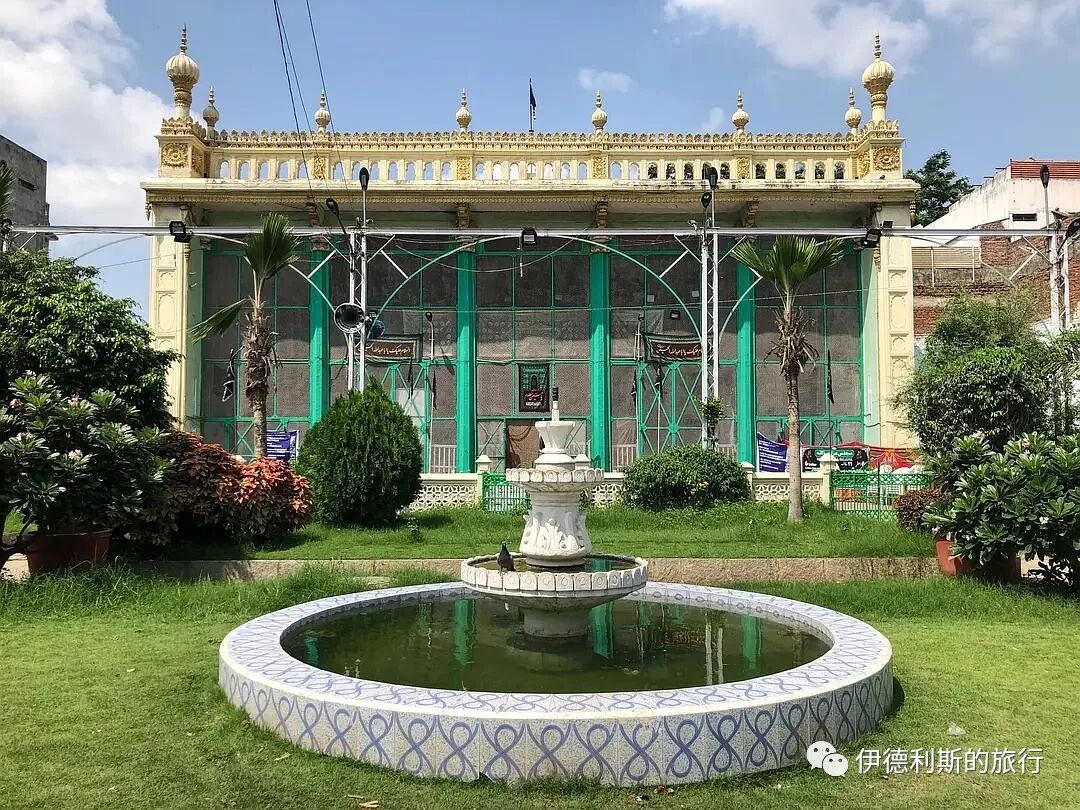
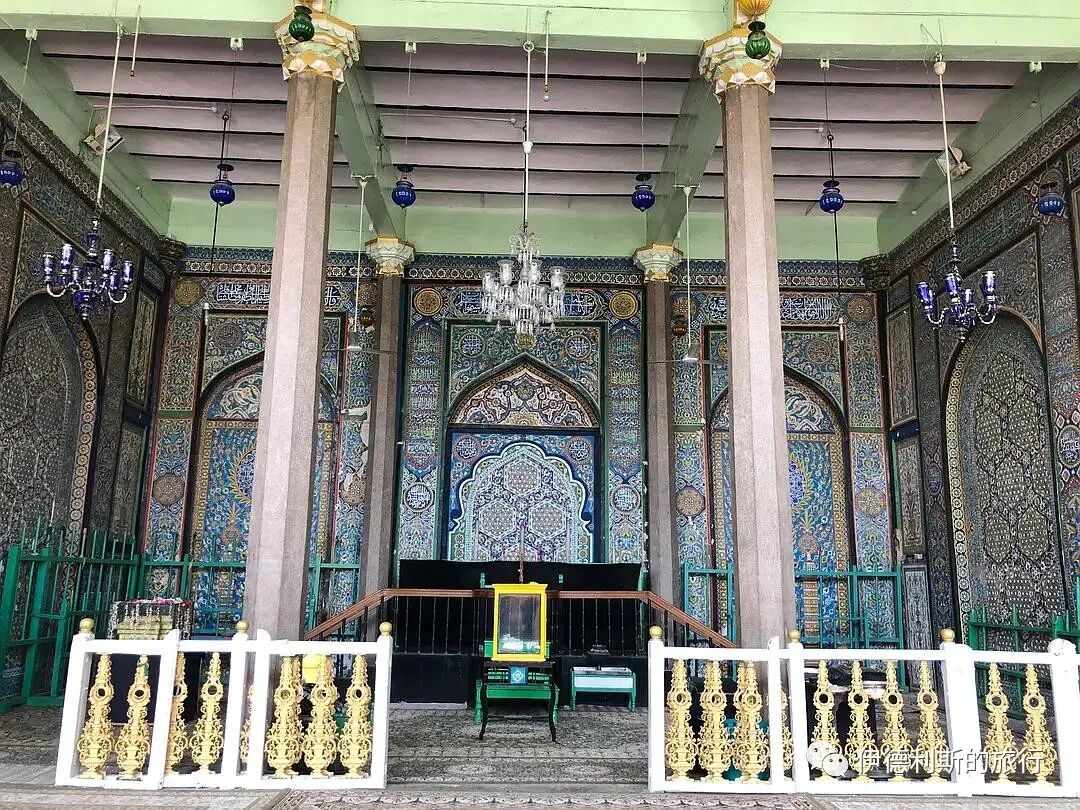
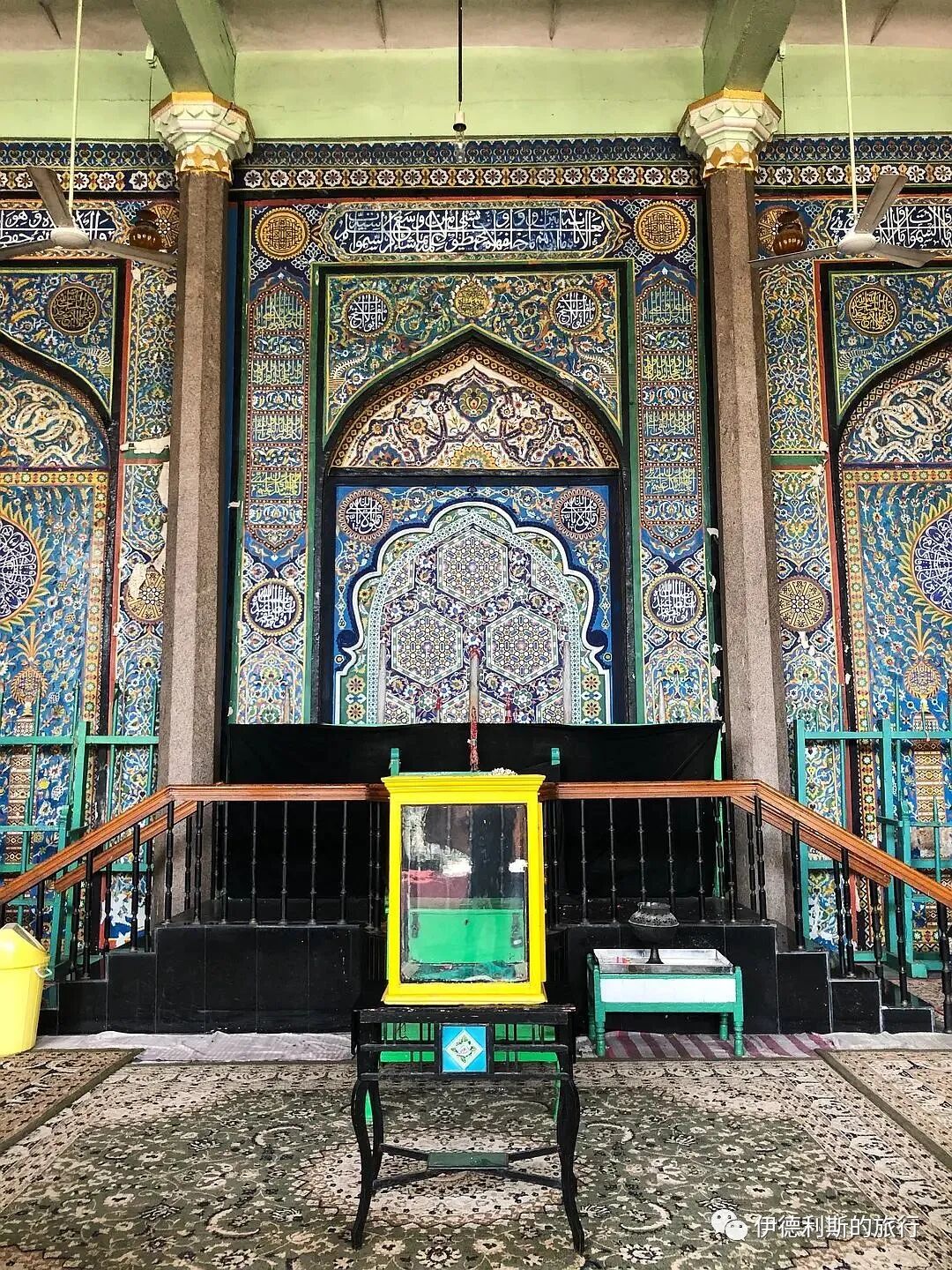
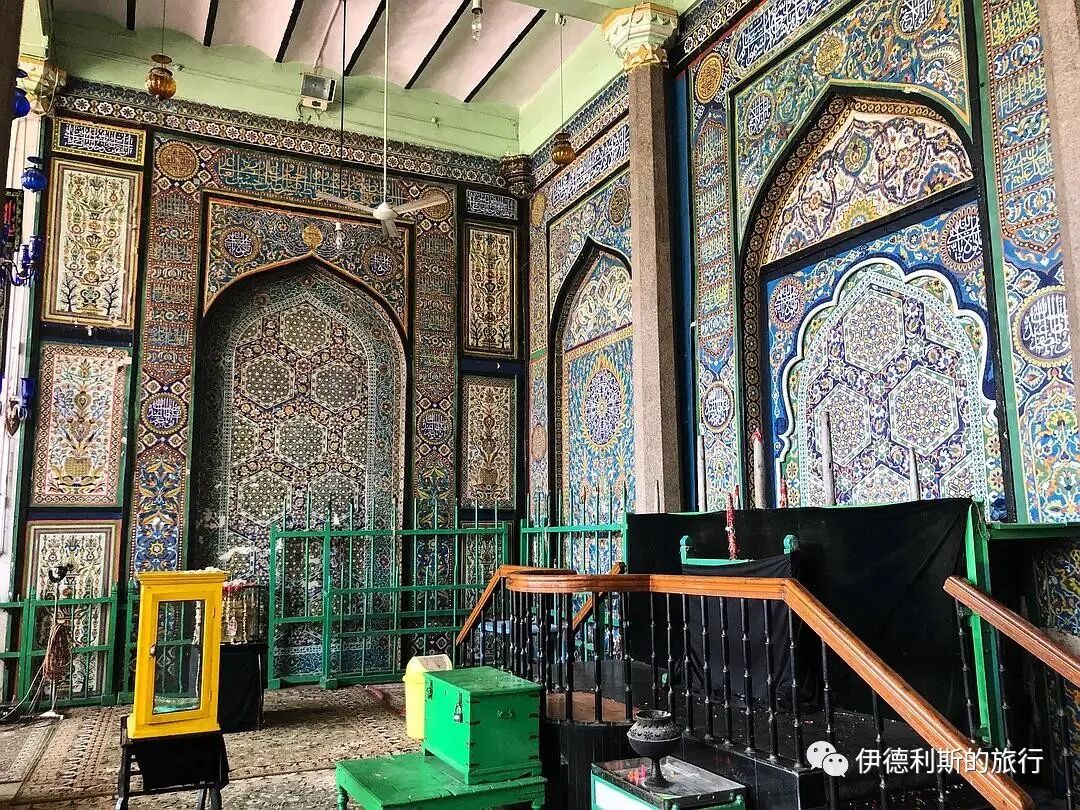
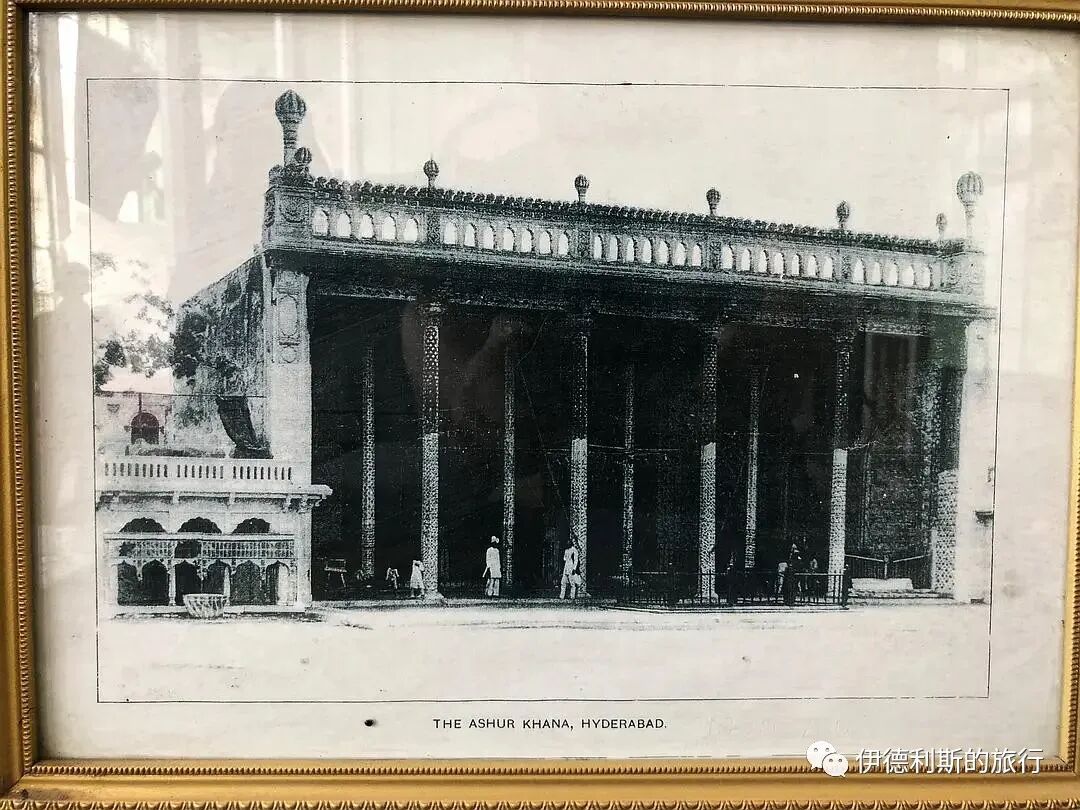
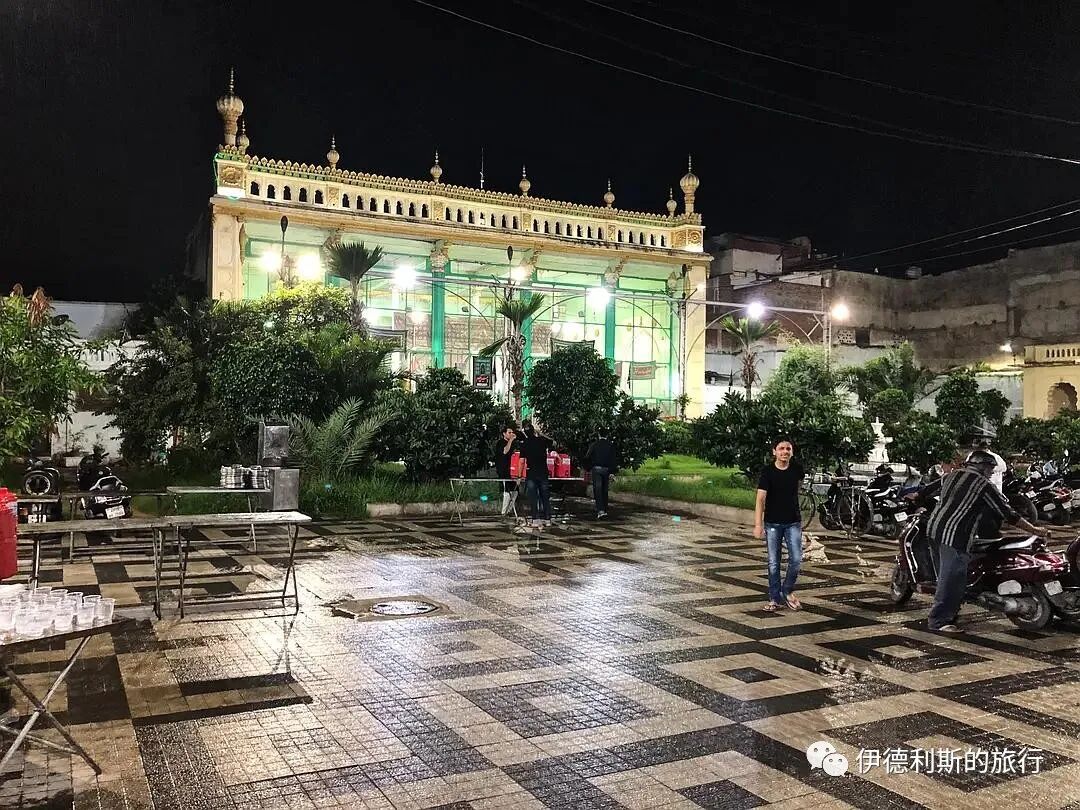
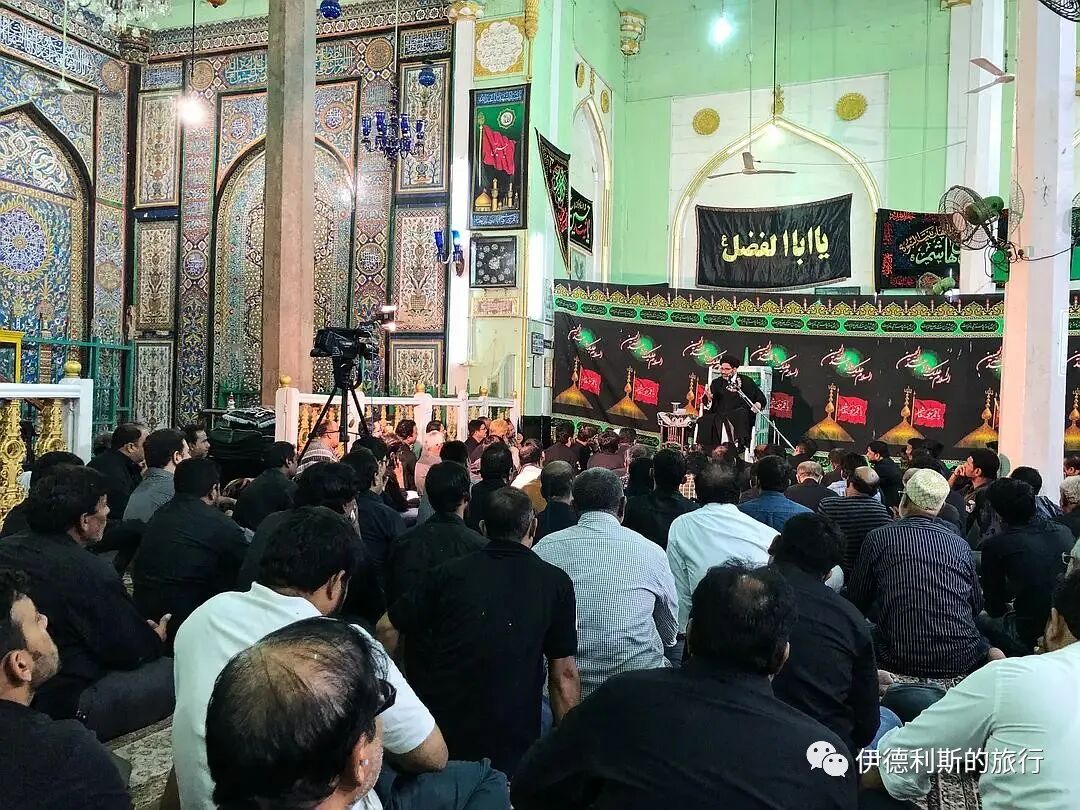
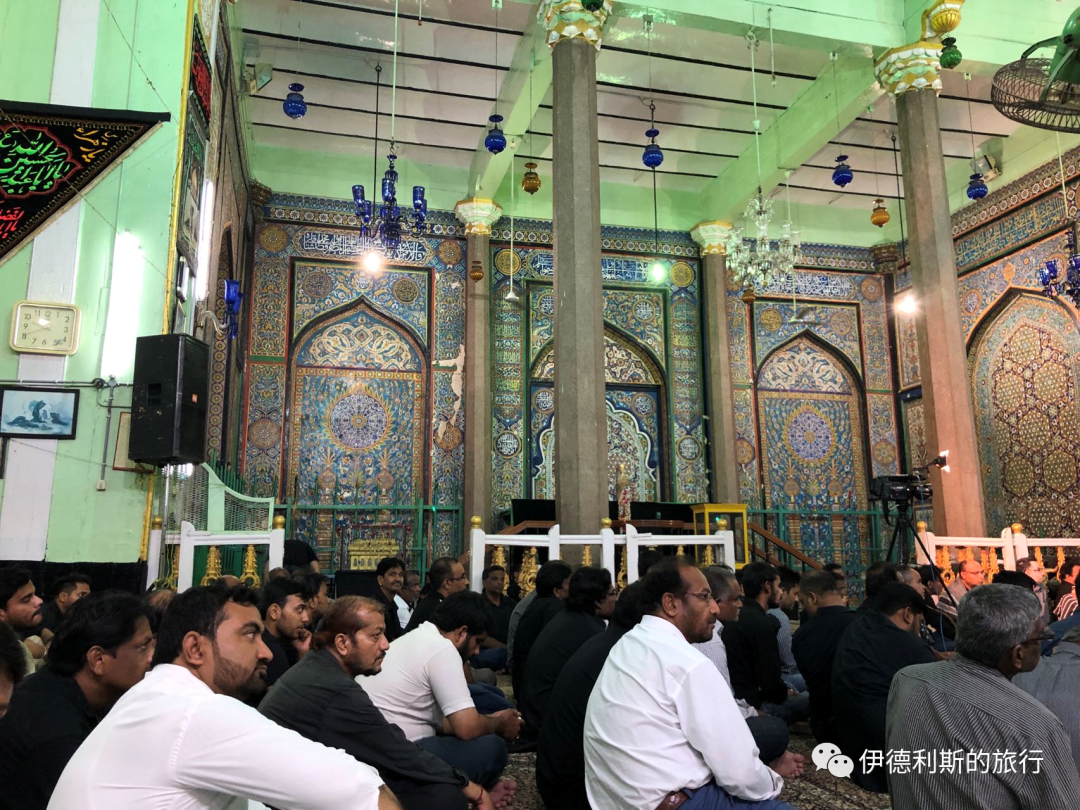
Bad-e-Shahi Ashur Khana is the Shia center of Hyderabad and the first Imambargah in India. An Imambargah, also called a Hussainiya, is a hall where Shia Muslims of the Twelver branch mourn Imam Hussain. It is busiest during Ashura, but there are also events held here every week.
The fifth Sultan of the Qutb Shahi dynasty, Muhammad Quli Qutb Shah, ordered the construction of Bad-e-Shahi Ashur Khana in 1594, and the seventh Sultan, Abdullah Qutb Shah, added tiles in 1611. In 1764, the second Nizam of the Asaf Jahi dynasty, Ali Khan, added a wooden colonnade, an outer hall, and a gate. The caretakers here are from a hereditary family, and the current 11th Mutawalli is Mujawer Mir Nawazish Ali Moosvi.
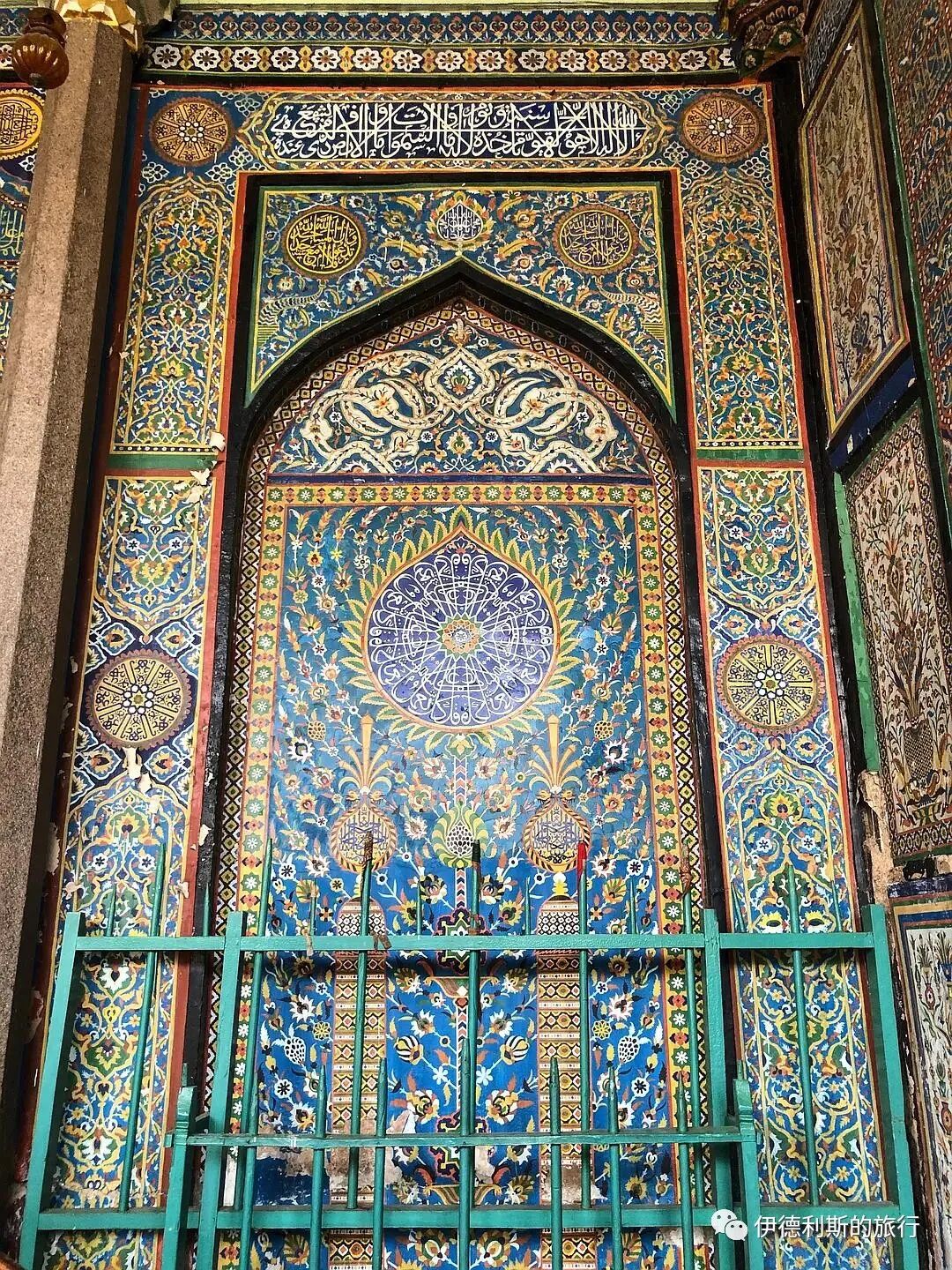
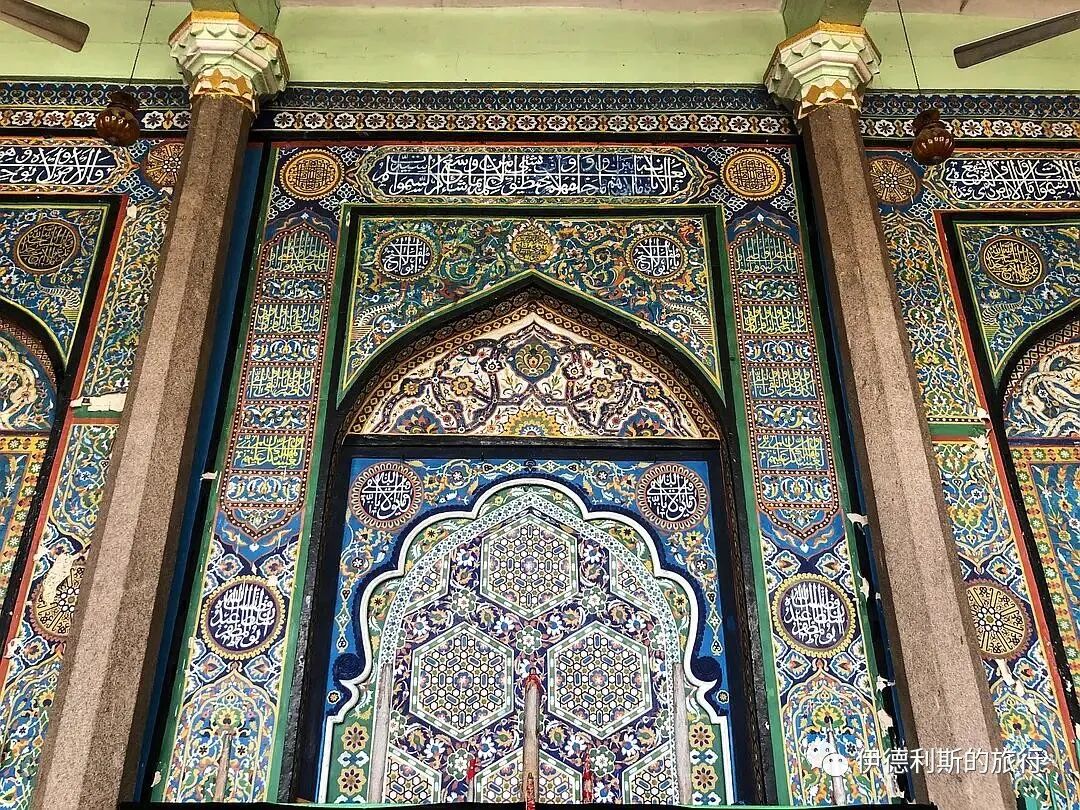
The Arabic calligraphy and floral tiles inside the building use the Cuerda Seca technique, which was created by Persian craftsmen. This technique uses lines of dark pigment mixed with grease on the tile surface to separate different colors of water-soluble glaze, which is why every area has dark lines. Scholars believe the Cuerda Seca technique originated in 10th-century Andalusia in southern Spain and later spread to Asia through Arabs and Persians. The Mughal dynasty often used this technique to fire tiles during the 17th century.
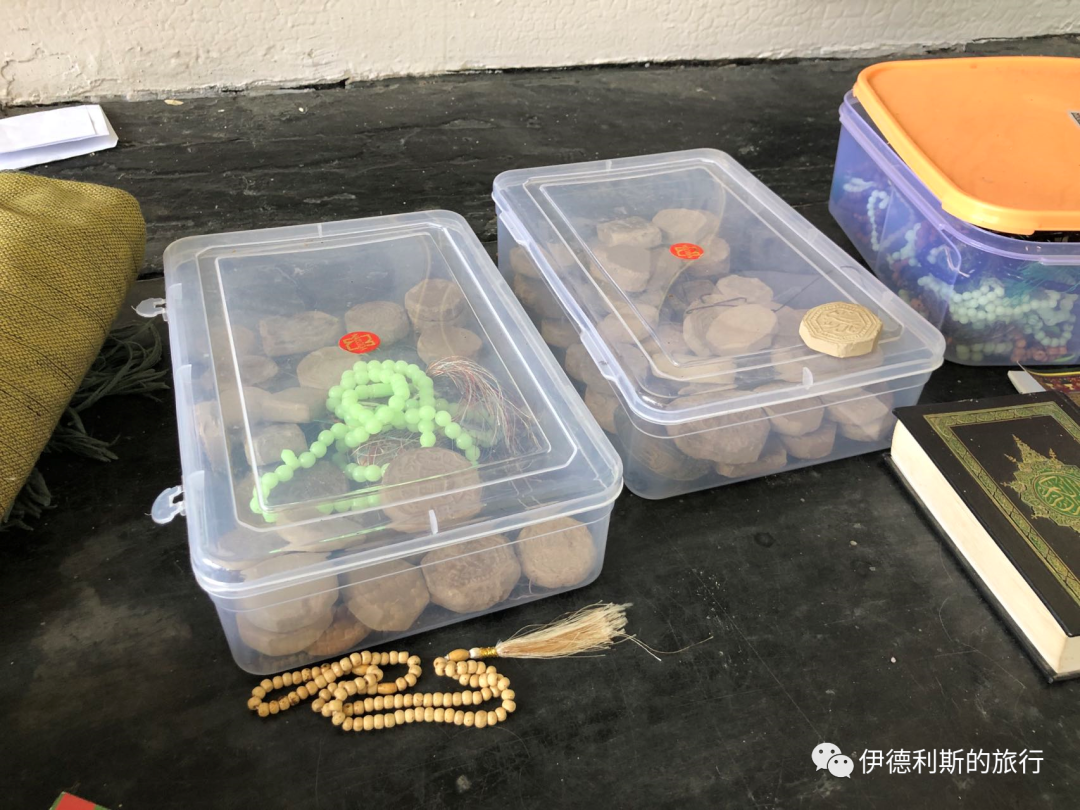
Clay tablets used by Shia Muslims for namaz.
We arrived in Hyderabad just in time for a Shia event at Bad-e-Shahi Ashur Khana.
Shia Islam developed in the Deccan Plateau of South India during the Bahmani Sultanate (1347-1527). After the Bahmani Sultanate declined, the Qutb Shahi dynasty became independent in 1518 and declared Shia Islam the state religion.
Hyderabad became a center for Shia culture in India during the 16th and 17th centuries. The fifth Sultan of the Qutb Shahi dynasty, Muhammad Quli Qutb Shah, was a talented Urdu poet and the first person to write Marsiya, which are Shia mourning poems for Imam Hussain, in Urdu. The Shia scholar and scientist Mir Muhammad Momin arrived in the Qutb Shahi dynasty in 1581 and helped design and build the city of Hyderabad in 1591.
Summary: Hyderabad — Muslim Old City, Mosques and Halal Food is presented here as a firsthand travel account in clear English, beginning with this scene: Hyderabad means 'City (abad) of the Lion (Hyder)' and is a bustling ancient capital on the Deccan Plateau. The account keeps its focus on Hyderabad Travel, Muslim Heritage, Halal Food while preserving the names, places, food, and historical details from the Chinese source.
Hyderabad means 'City (abad) of the Lion (Hyder)' and is a bustling ancient capital on the Deccan Plateau. From 1364 to 1948, this place was ruled by Muslims for nearly six hundred years and served as the capital for both the Qutb Shahi and Asaf Jahi dynasties.
The earliest castle in Hyderabad is Golkonda, built between the 11th and 13th centuries, which became the capital of the Qutb Shahi dynasty in 1518. In 1591, to solve water shortages at Golkonda Fort, the Qutb Shahi dynasty moved the capital east to the banks of the Musi River and established Hyderabad, which is now the Old City.
Part 1: Qutb Shahi Dynasty
1. Charminar: 1591
In 1591, the fifth sultan of the Qutb Shahi dynasty, Muhammad Quli Qutb Shah, moved the capital from Golkonda Fort to Hyderabad and built the Charminar that same year. It has been the landmark of Hyderabad for over four hundred years.
Muhammad Quli Qutb Shah invited many famous Persian architects to plan Hyderabad. They chose the Charminar as the city center and the intersection for trade routes.
Charminar comes from the Urdu words 'Chār' and 'Minar,' which literally translate to 'four towers.' The Charminar has four 56-meter-tall minarets supported by 20-meter-long arches, with a mosque and a madrasa built between the minarets and arches.
2. Char Kaman: 1592
Char Kaman means 'four arches.' After the Charminar was completed, Muhammad Quli Qutb Shah built four high arches around it in 1592 as an important part of the city plan.
3. Old City Bazaar
The four main roads extending from the Charminar are very busy bazaars. The most famous is Laad Bazaar, where the whole street sells Indian saris and various jewelry.
They sell Shia flags here.
4. Mecca Mosque (Mecca Masjid)
The Mecca Mosque was also ordered to be built by the fifth sultan of the Qutb Shahi dynasty, Muhammad Quli Qutb Shah (reigned 1580-1611). He sent people to bring back soil from the holy city of Mecca to make bricks for the arches, which is how the mosque got its name.
The three arched exterior walls of the mosque were carved from a single piece of granite, and the quarrying alone took five years. The entire mosque was built by over 8,000 workers, and Muhammad Quli Qutb Shah personally laid the foundation and oversaw the construction.
I arrived late for Jumu'ah prayer at the Mecca Mosque, and there were so many people that I had to stand in the courtyard.
5. Bad-e-Shahi Ashur Khana: 1594
Bad-e-Shahi Ashur Khana is the Shia center of Hyderabad and the first Imambargah in India. An Imambargah, also called a Hussainiya, is a hall where Shia Muslims of the Twelver branch mourn Imam Hussain. It is busiest during Ashura, but there are also events held here every week.
The fifth Sultan of the Qutb Shahi dynasty, Muhammad Quli Qutb Shah, ordered the construction of Bad-e-Shahi Ashur Khana in 1594, and the seventh Sultan, Abdullah Qutb Shah, added tiles in 1611. In 1764, the second Nizam of the Asaf Jahi dynasty, Ali Khan, added a wooden colonnade, an outer hall, and a gate. The caretakers here are from a hereditary family, and the current 11th Mutawalli is Mujawer Mir Nawazish Ali Moosvi.
The Arabic calligraphy and floral tiles inside the building use the Cuerda Seca technique, which was created by Persian craftsmen. This technique uses lines of dark pigment mixed with grease on the tile surface to separate different colors of water-soluble glaze, which is why every area has dark lines. Scholars believe the Cuerda Seca technique originated in 10th-century Andalusia in southern Spain and later spread to Asia through Arabs and Persians. The Mughal dynasty often used this technique to fire tiles during the 17th century.
Clay tablets used by Shia Muslims for namaz.
We arrived in Hyderabad just in time for a Shia event at Bad-e-Shahi Ashur Khana.
Shia Islam developed in the Deccan Plateau of South India during the Bahmani Sultanate (1347-1527). After the Bahmani Sultanate declined, the Qutb Shahi dynasty became independent in 1518 and declared Shia Islam the state religion.
Hyderabad became a center for Shia culture in India during the 16th and 17th centuries. The fifth Sultan of the Qutb Shahi dynasty, Muhammad Quli Qutb Shah, was a talented Urdu poet and the first person to write Marsiya, which are Shia mourning poems for Imam Hussain, in Urdu. The Shia scholar and scientist Mir Muhammad Momin arrived in the Qutb Shahi dynasty in 1581 and helped design and build the city of Hyderabad in 1591.
