
Halal Travel Guide: Central Java — Semarang, Solo, Kudus Food and Muslim Heritage
Reposted from the web
Summary: Central Java — Semarang, Solo, Kudus Food and Muslim Heritage is presented here as a firsthand travel account in clear English, beginning with this scene: During the 2019 May Day holiday, I traveled to Central Java, Indonesia, to explore and eat. The account keeps its focus on Kudus Travel, Java Islam, Muslim Heritage while preserving the names, places, food, and historical details from the Chinese source.
During the 2019 May Day holiday, I traveled to Central Java, Indonesia, to explore and eat. I visited the capital, Semarang, the cultural city of Solo, and the religious site of Kudus. I am sharing some of the things I saw and ate during this trip.
Solo
In 1755, the Dutch East India Company represented Sultan Pakubuwono III of the Mataram Sultanate in negotiations with Prince Mangkubumi. A treaty was signed, and the Mataram Sultanate, once the most powerful Islamic kingdom on Java, was split into the Yogyakarta Sultanate and the Surakarta Sunanate. The city of Solo officially became the capital of the Surakarta Sunanate.
During the Dutch East Indies era, the Surakarta Sunanate, like the Yogyakarta Sultanate, enjoyed autonomous status and was considered a vassal state of the Dutch Empire. In 1945, the Republic of Indonesia was declared. In 1946, an anti-monarchy movement broke out, the Surakarta Sunan was stripped of ruling power, and the Sunanate was incorporated into Central Java Province. Although they have no real power, the Surakarta Sunan still holds royal authority and a special status in maintaining traditional Javanese culture, and they still command high prestige.
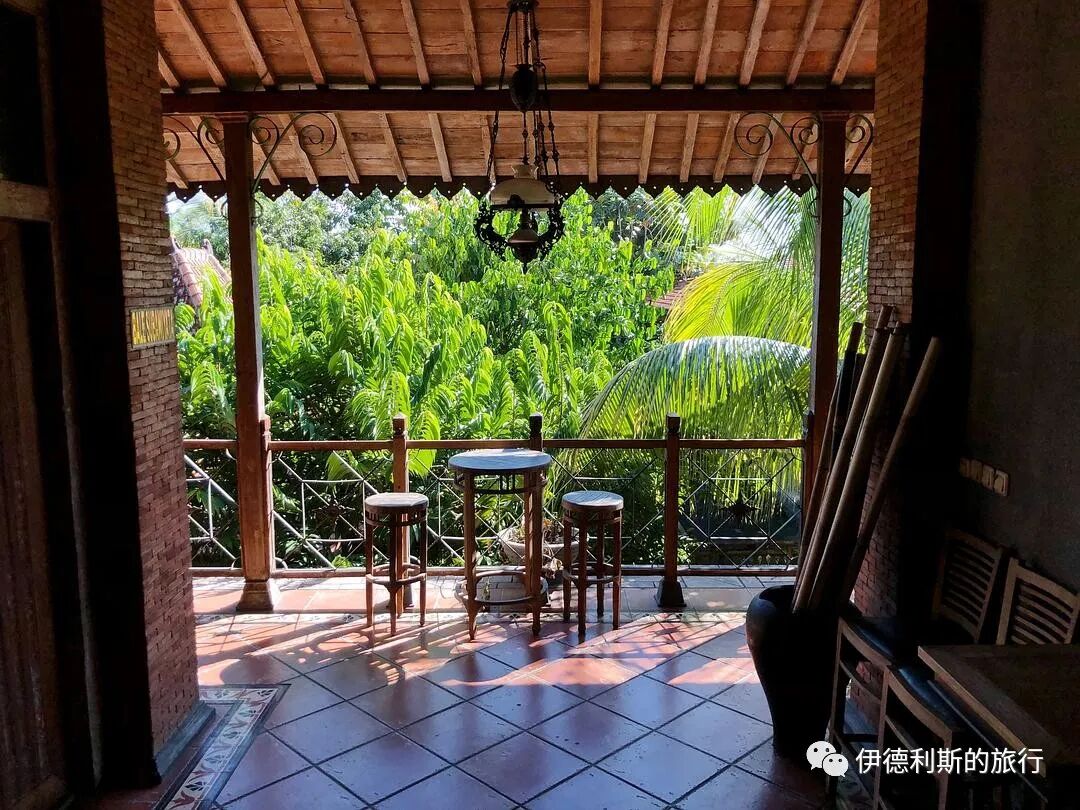
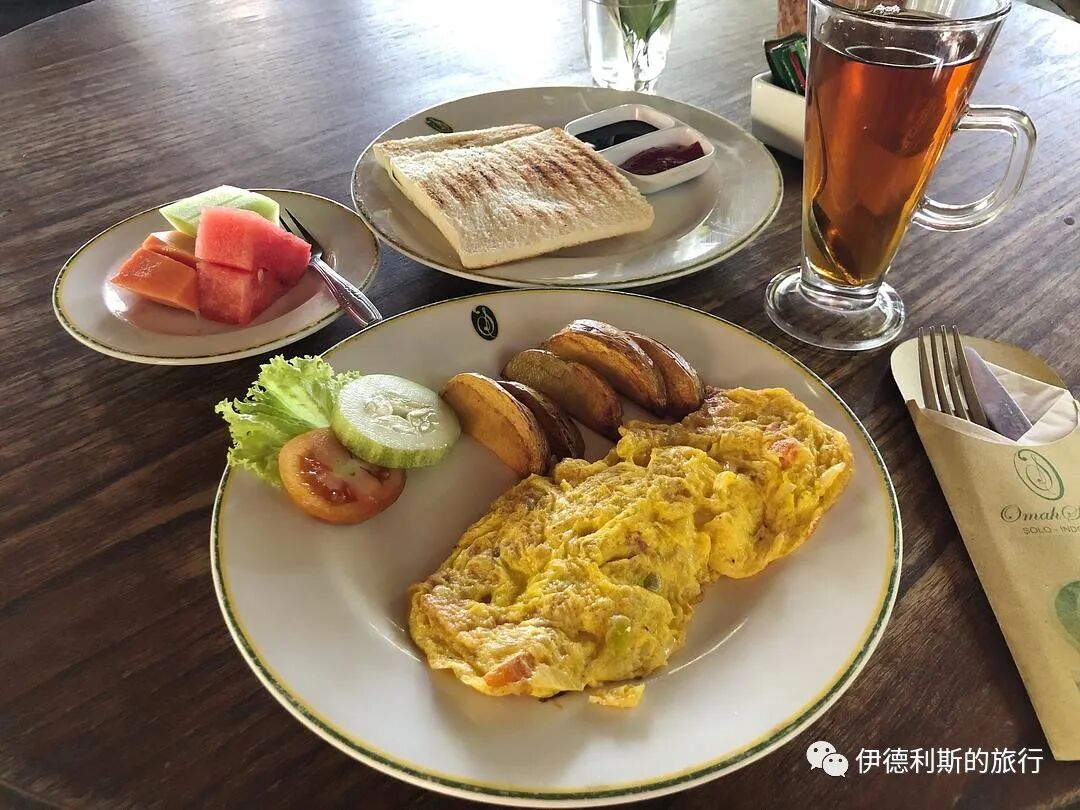
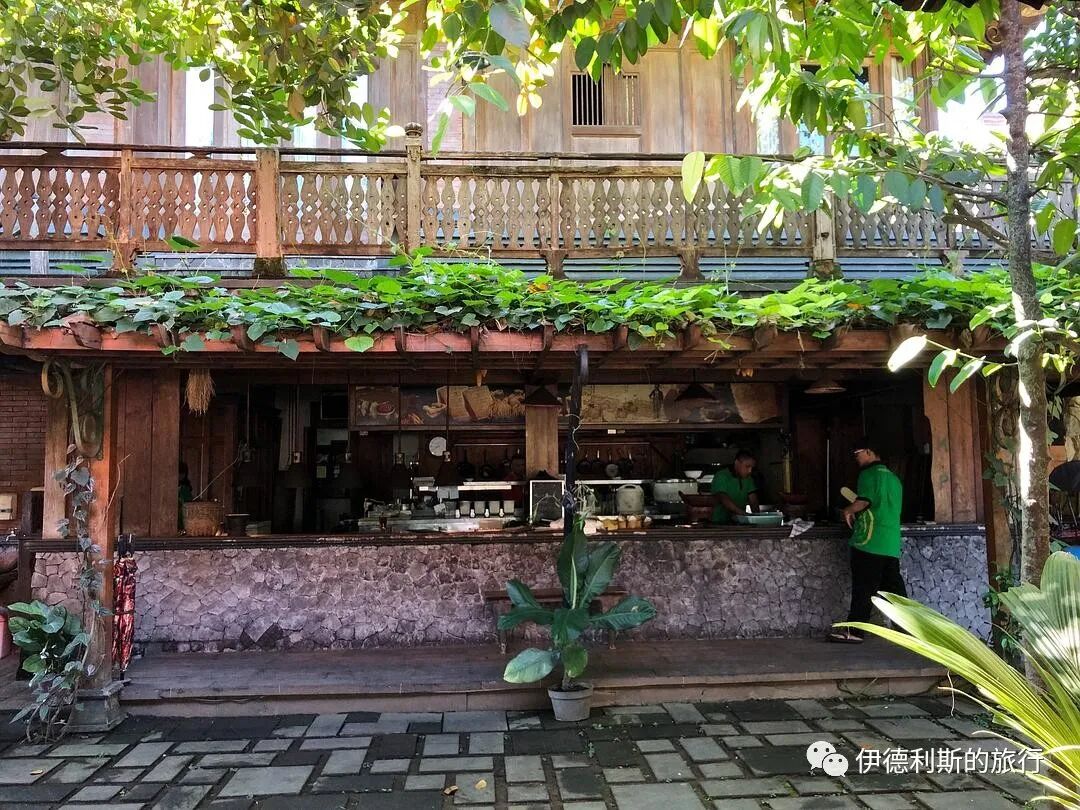
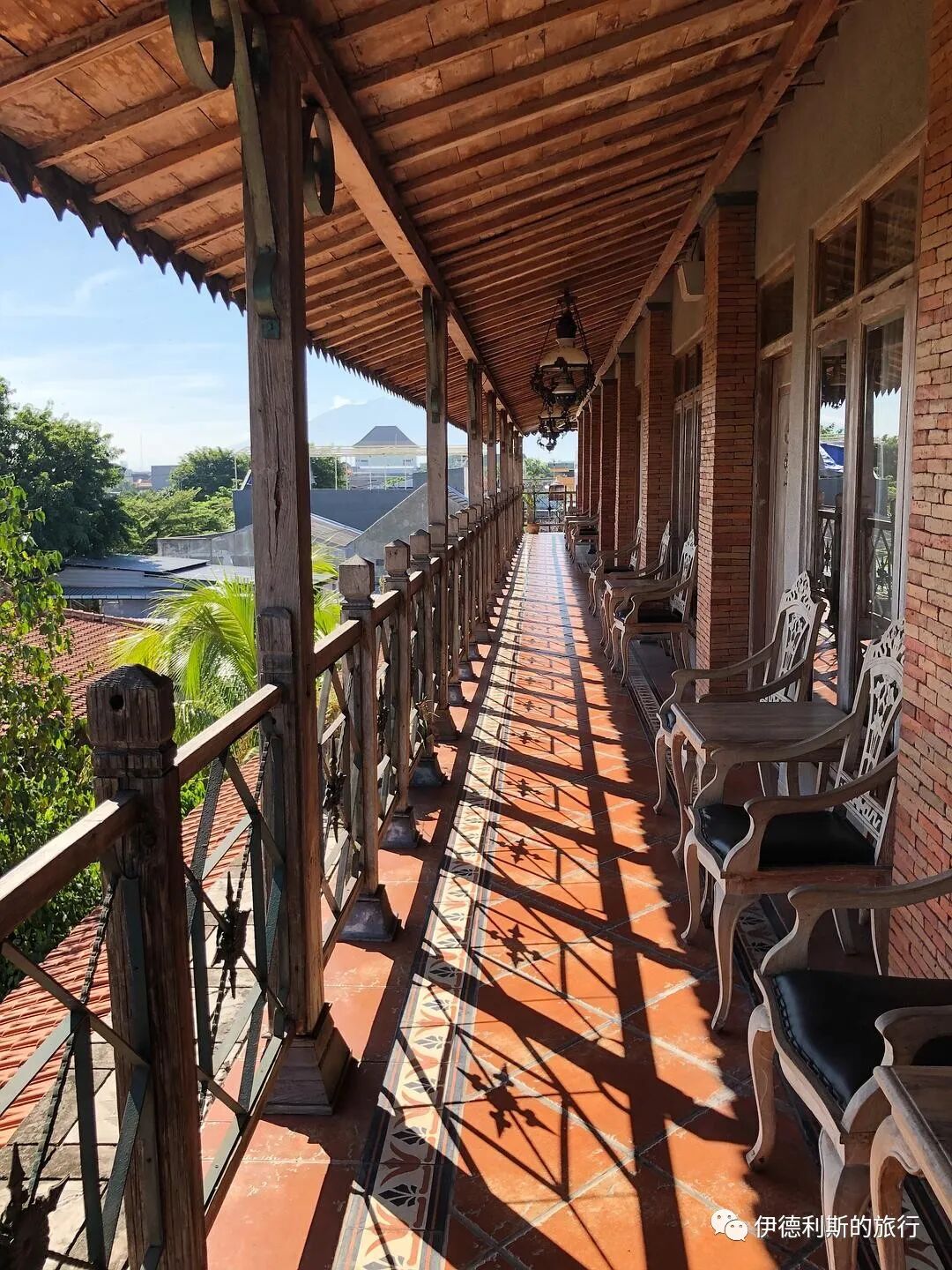
I ate breakfast at my hotel in Solo. I was the only guest in the entire hotel, and the palace of the Surakarta Sunan was right behind the woods.
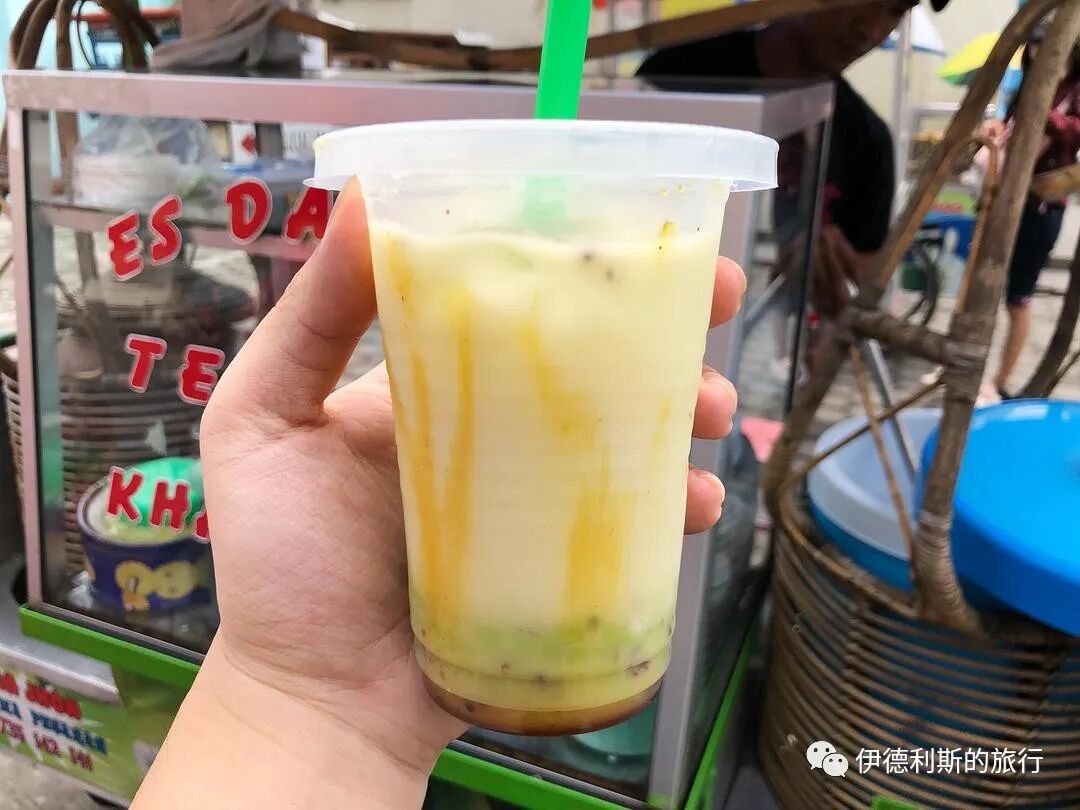
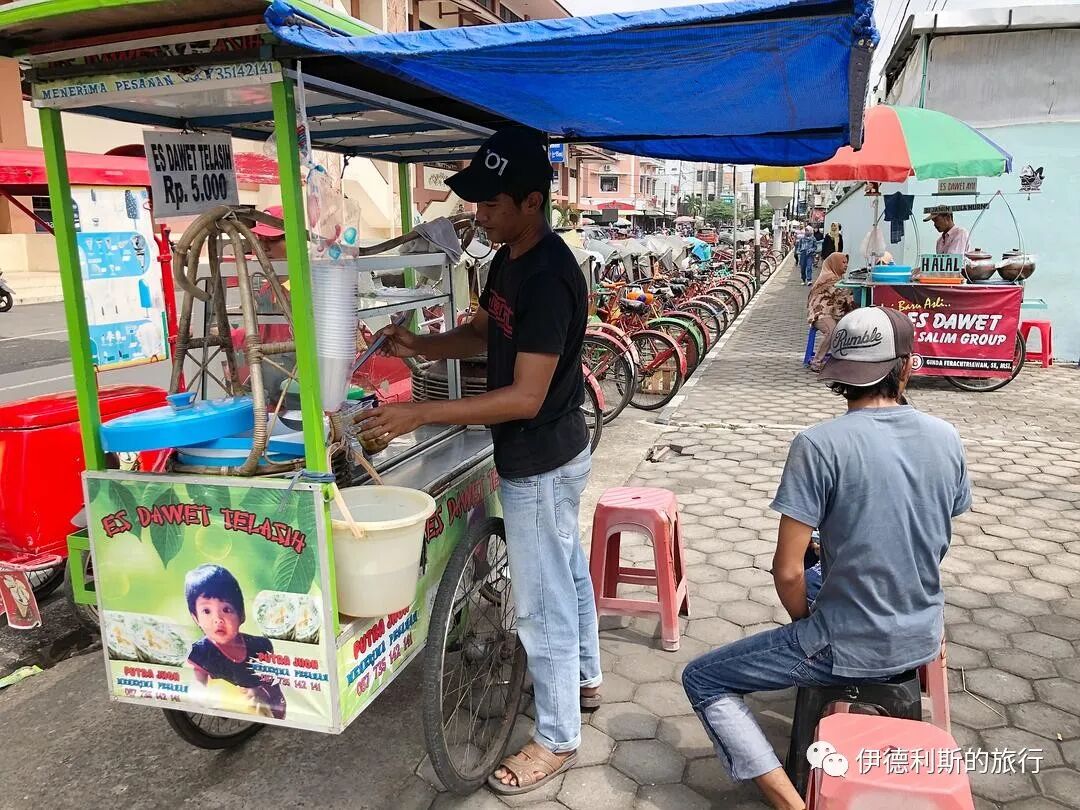
Solo's specialty iced drink is Es Dawet Telasih, made with coconut milk, palm sugar, rice flour jelly (cendol), coconut rice pudding (bubur sumsum), basil seeds, and black glutinous rice.
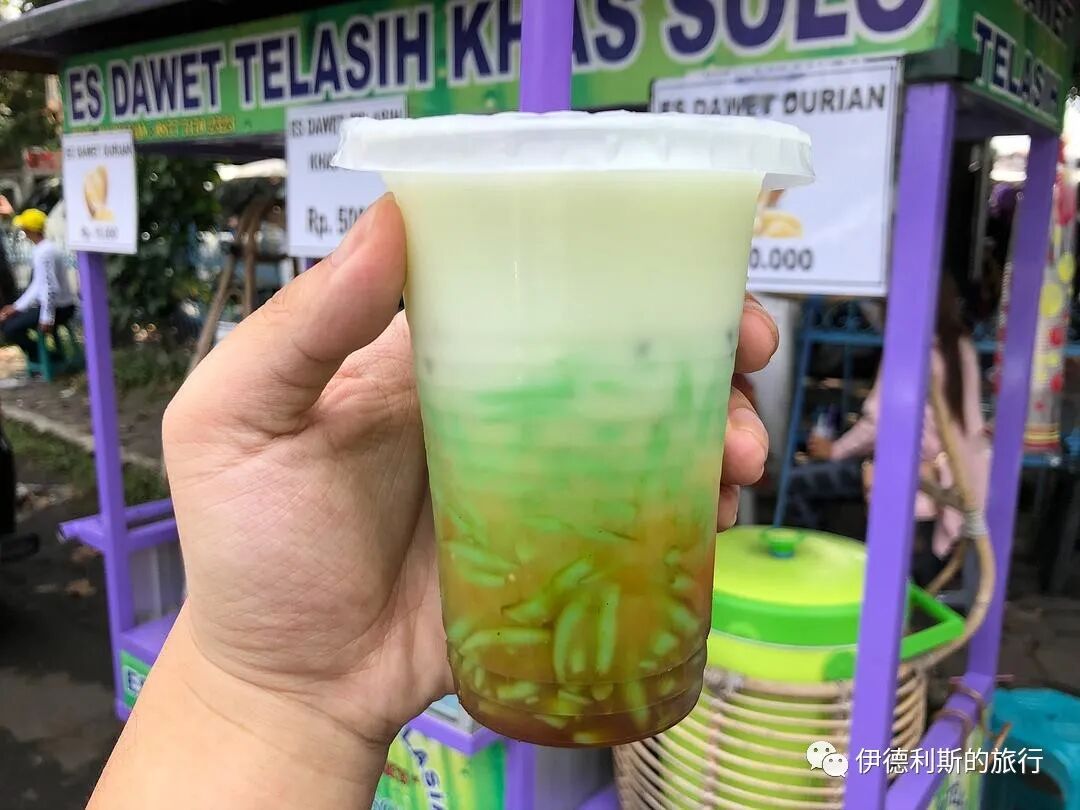
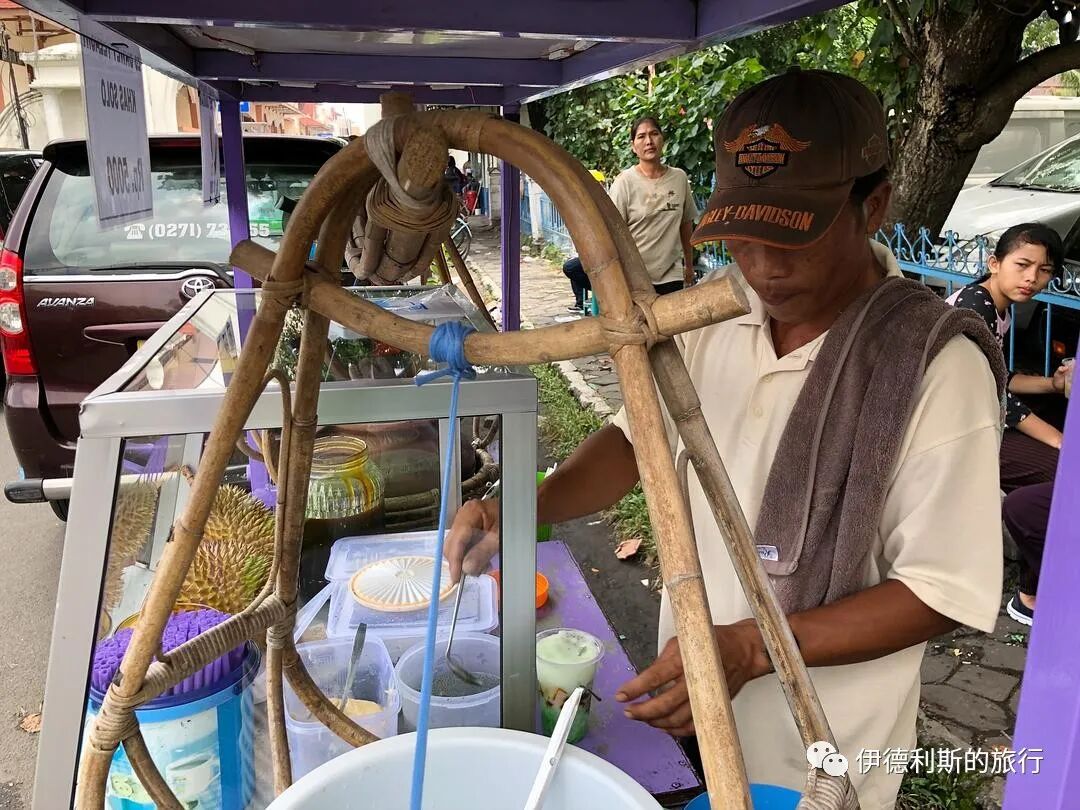
Es Dawet Durian is Es Dawet Telasih with durian added.
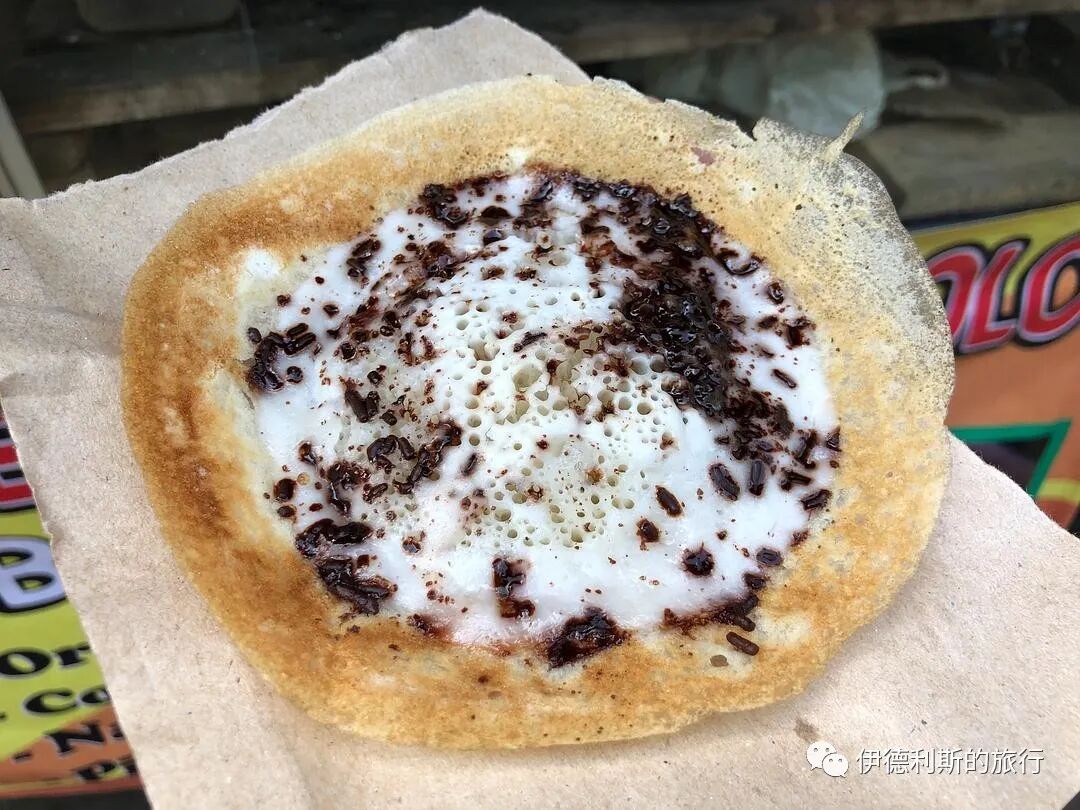
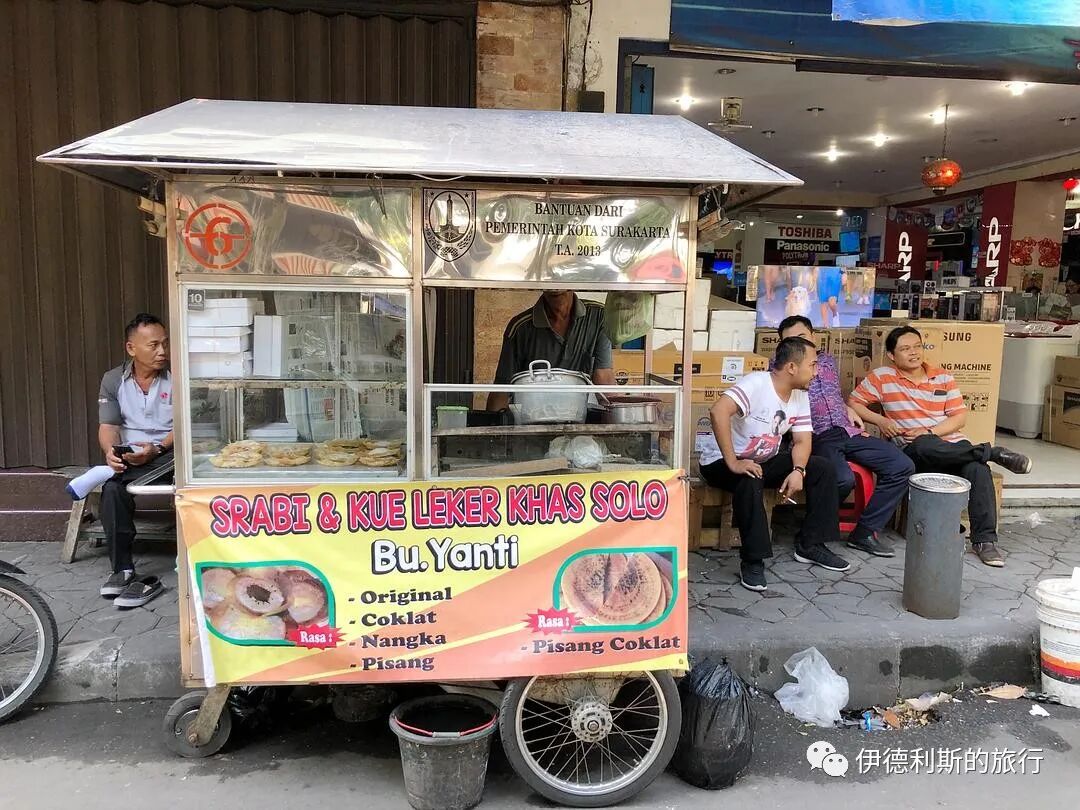
Indonesian pancakes (serabi) are made from rice flour and coconut milk.
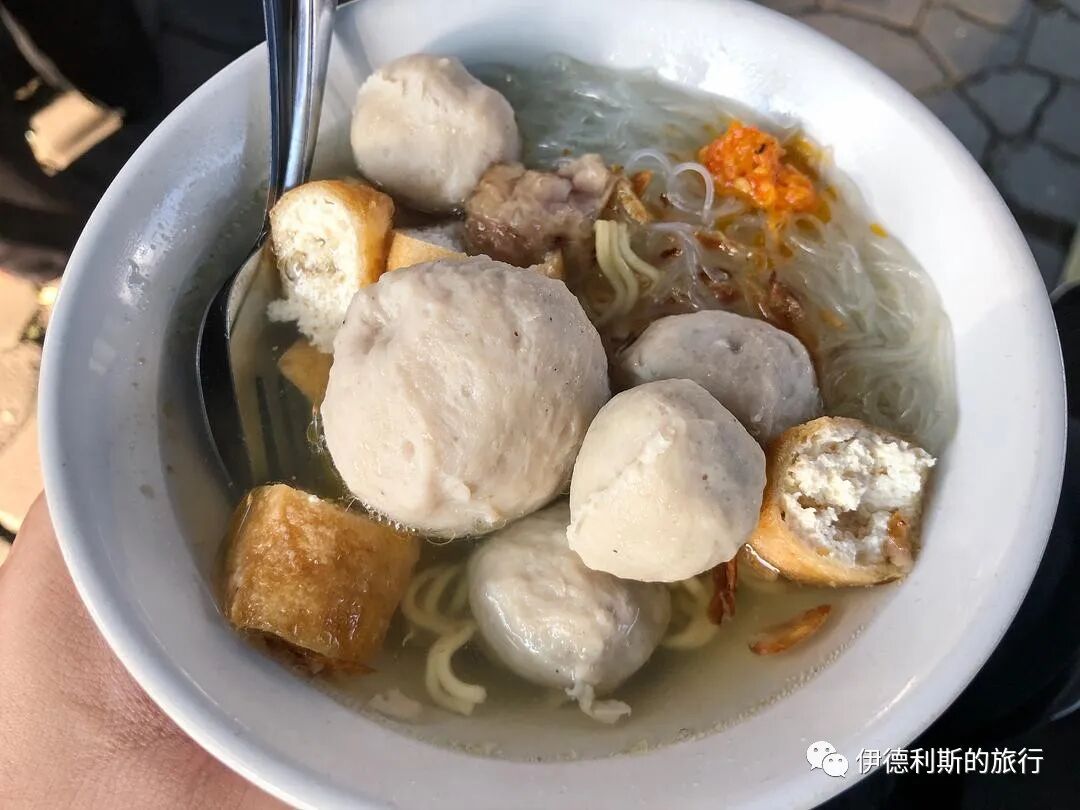
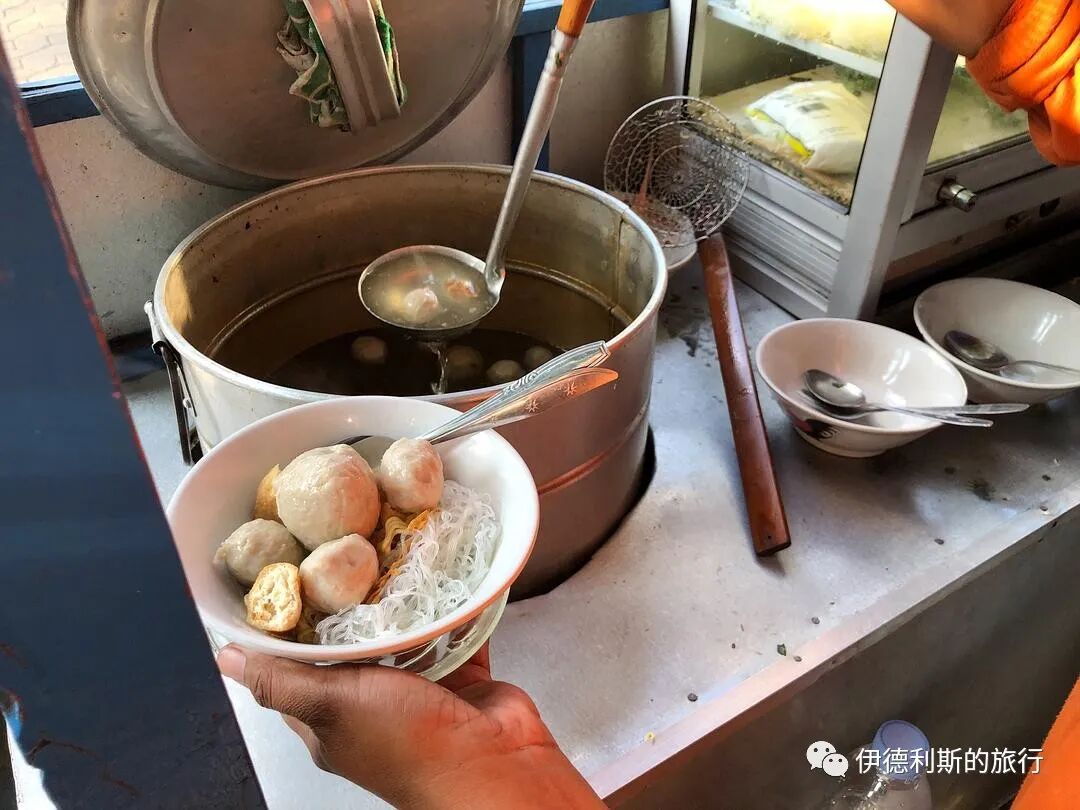
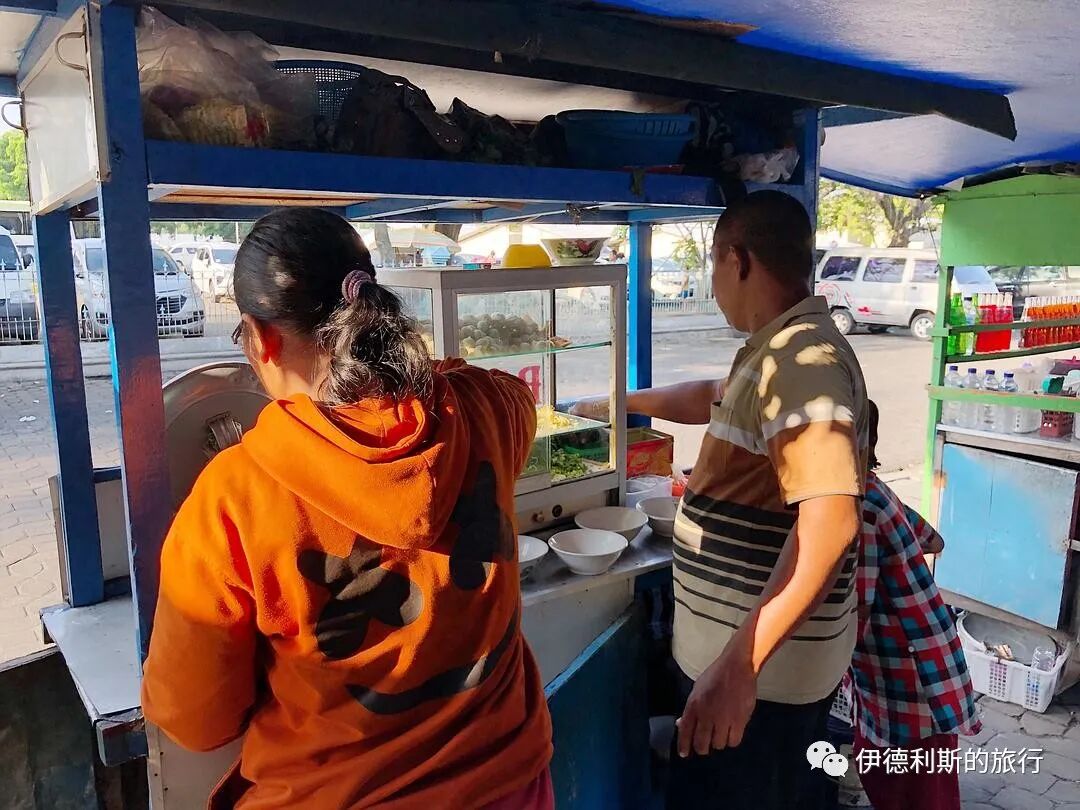
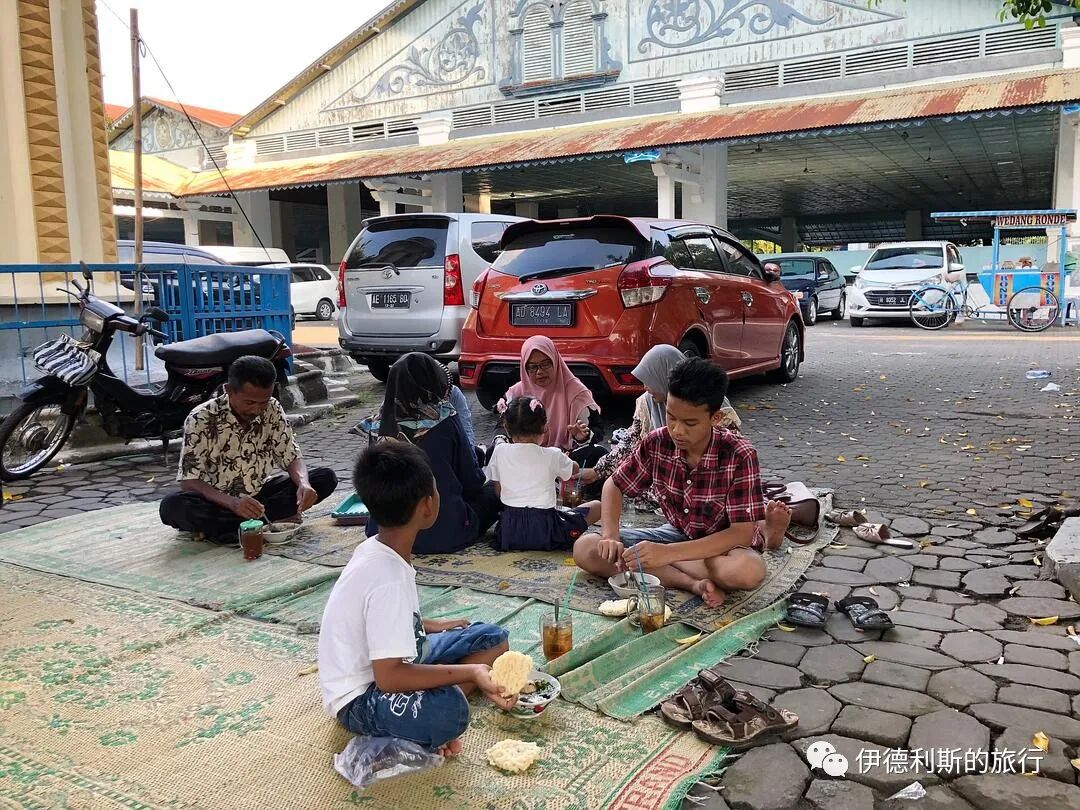
I ate beef meatballs (bakso daging sapi) at a street stall next to the Solo palace. Bakso meatballs are a classic Indonesian street snack made from a mixture of ground beef and tapioca flour. The word "bak-so" originally comes from the Hokkien term for "meat crisp," but the method of making meatballs likely came from 19th-century Dutch colonists. Today, the best bakso meatballs are widely considered to come from Solo in Central Java and Malang in East Java.
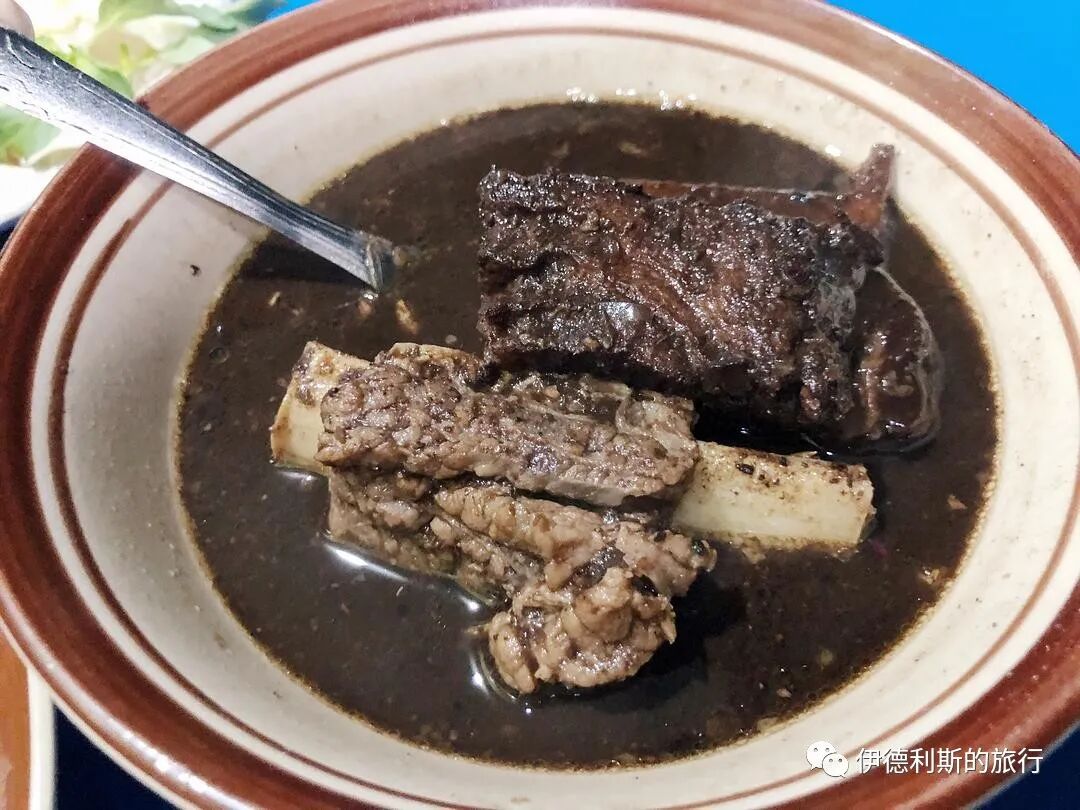
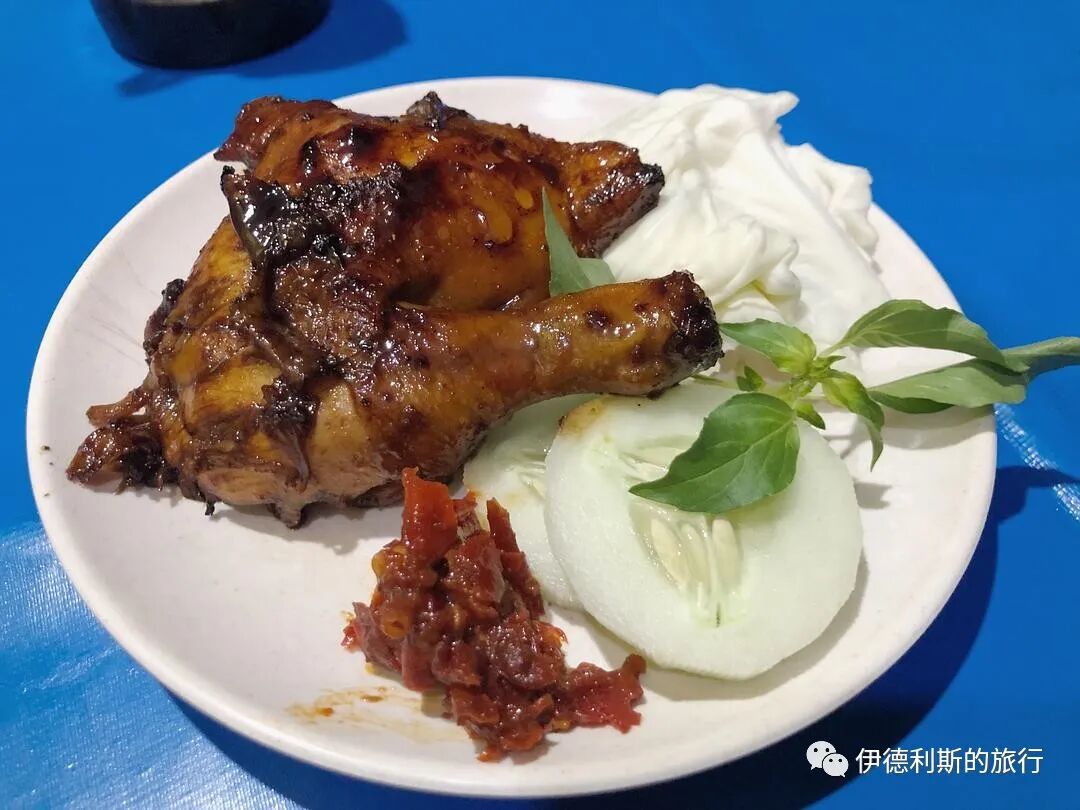
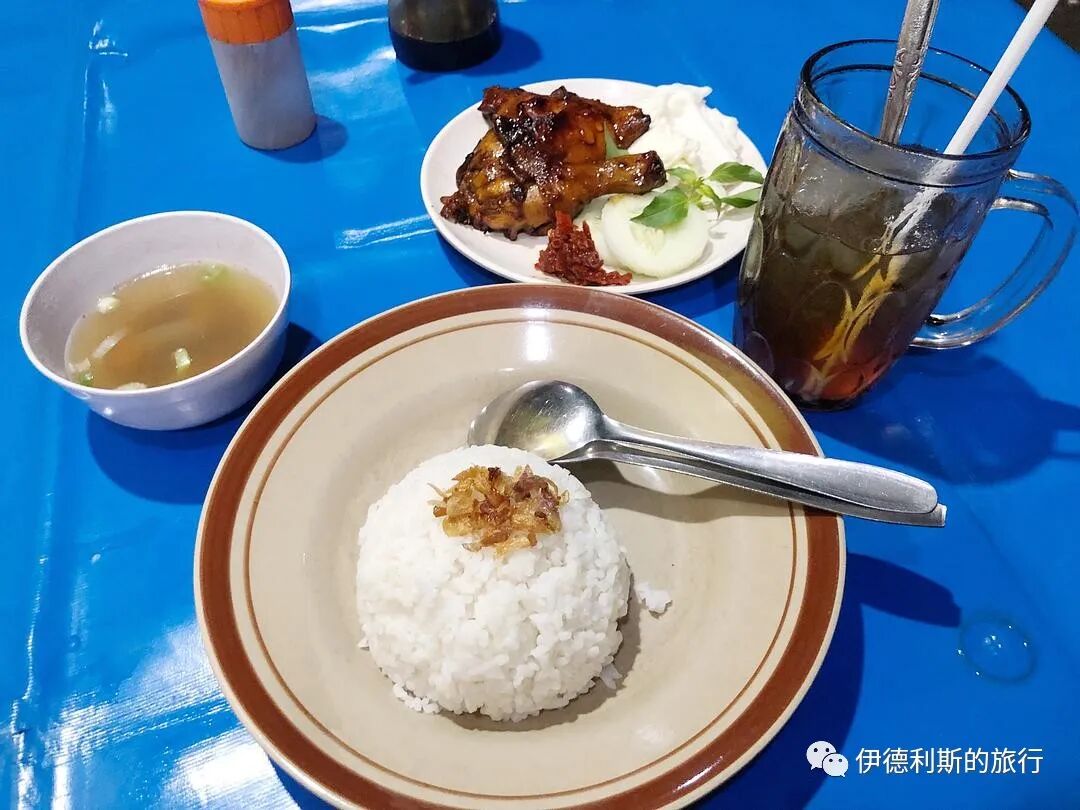
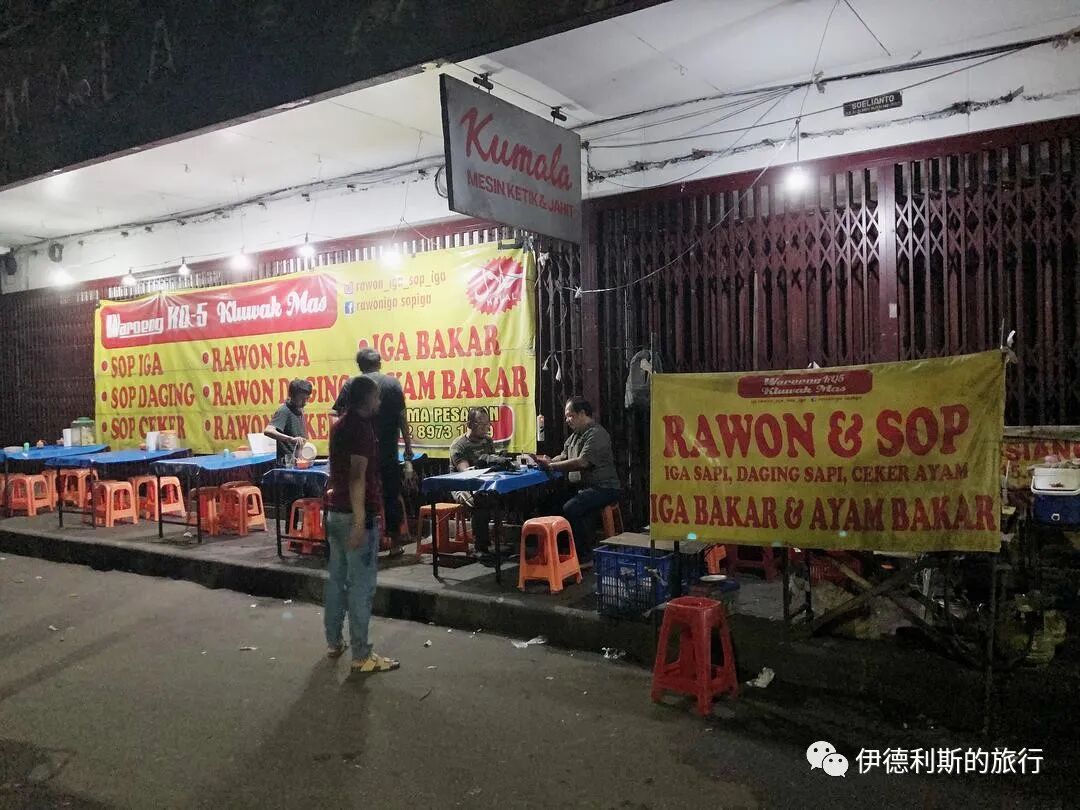
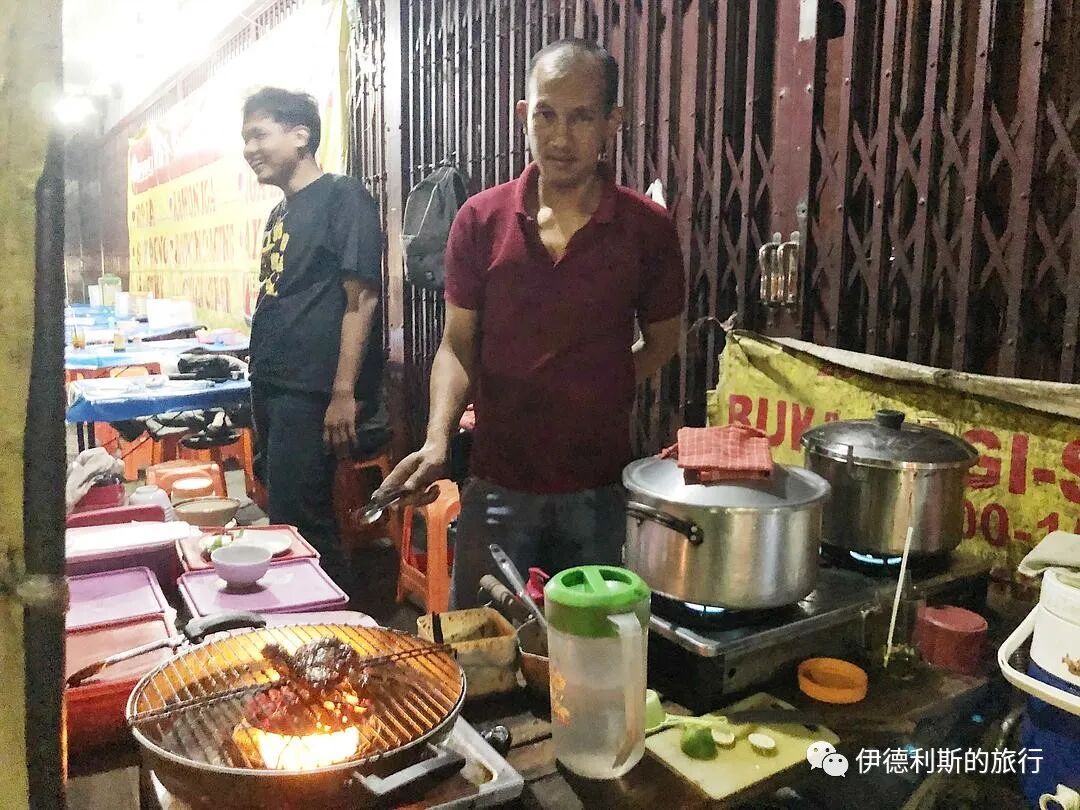
I ate beef rib soup (rawon) and grilled chicken (ayam bakar kuah) at a late-night street stall in Solo. This shop is open from 6 p.m. to midnight. Rawon is a beef soup that originated in Surabaya, East Java. It has a rich, nutty flavor and a black color because it uses the Indonesian black nut (keluak) as its main seasoning. Rawon has a very long history, dating back to the ancient Mataram Kingdom of Java in the 10th century.
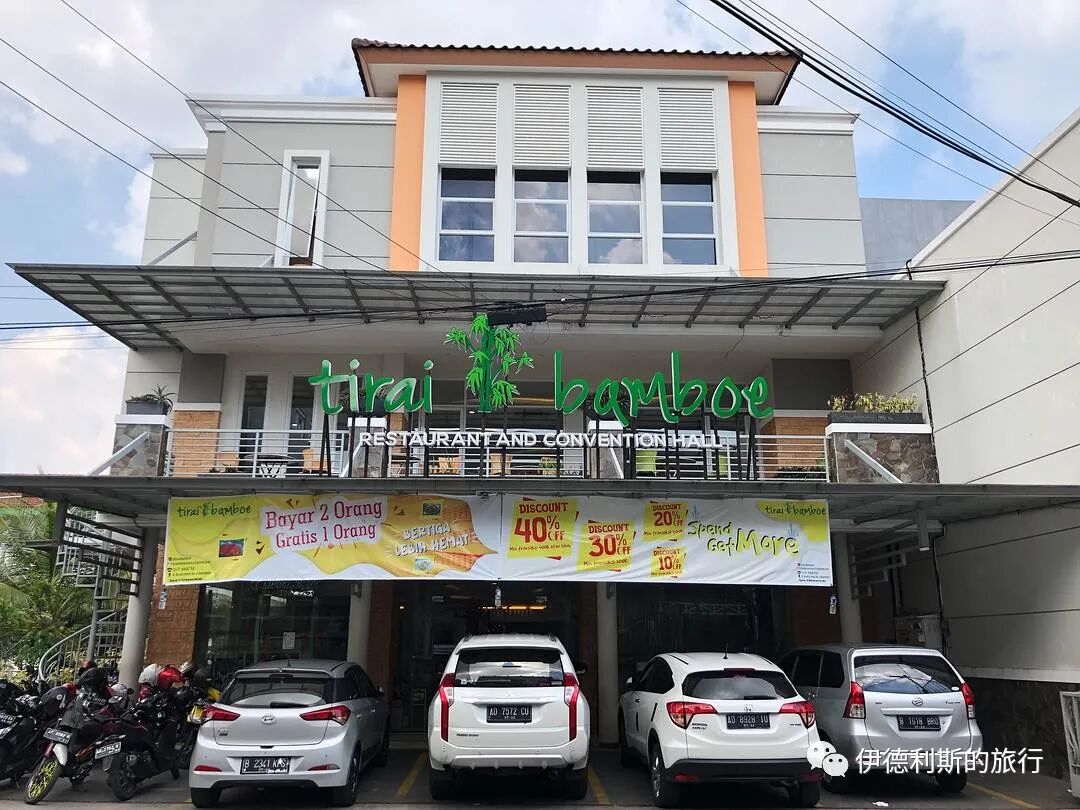
I ate at a self-service restaurant. For a solo traveler like me, this kind of restaurant allows me to try a wider variety of dishes.
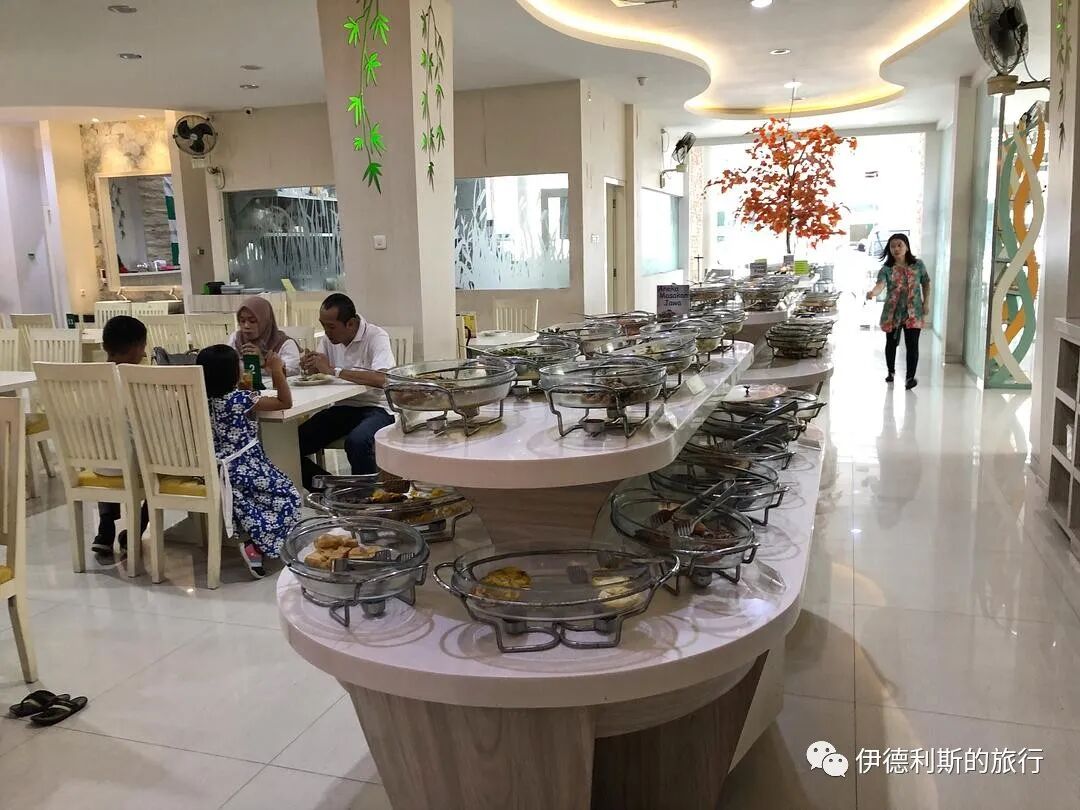
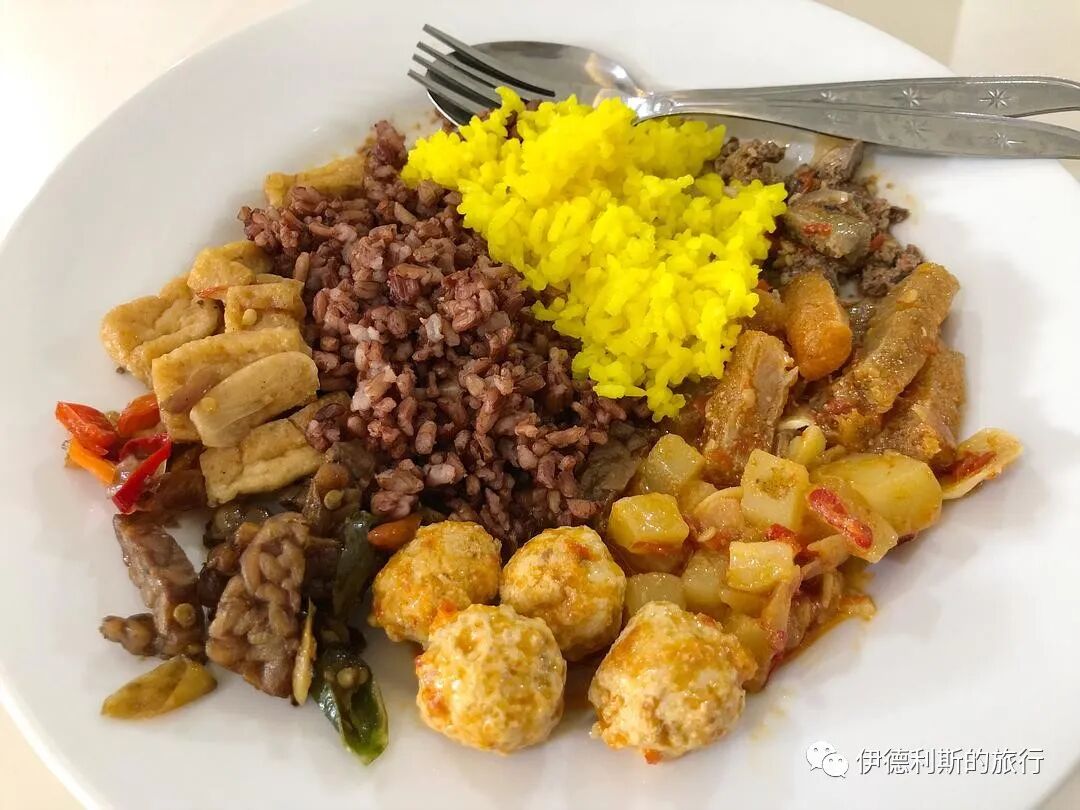
In the middle are yellow rice (nasi kuning) made with coconut milk and turmeric, and red rice (nasi merah). From bottom to top on the right are beef meatballs (kreni), potatoes (kentang), beef tendon (cecek), and liver (ati), all made with chili paste (sambal goreng).
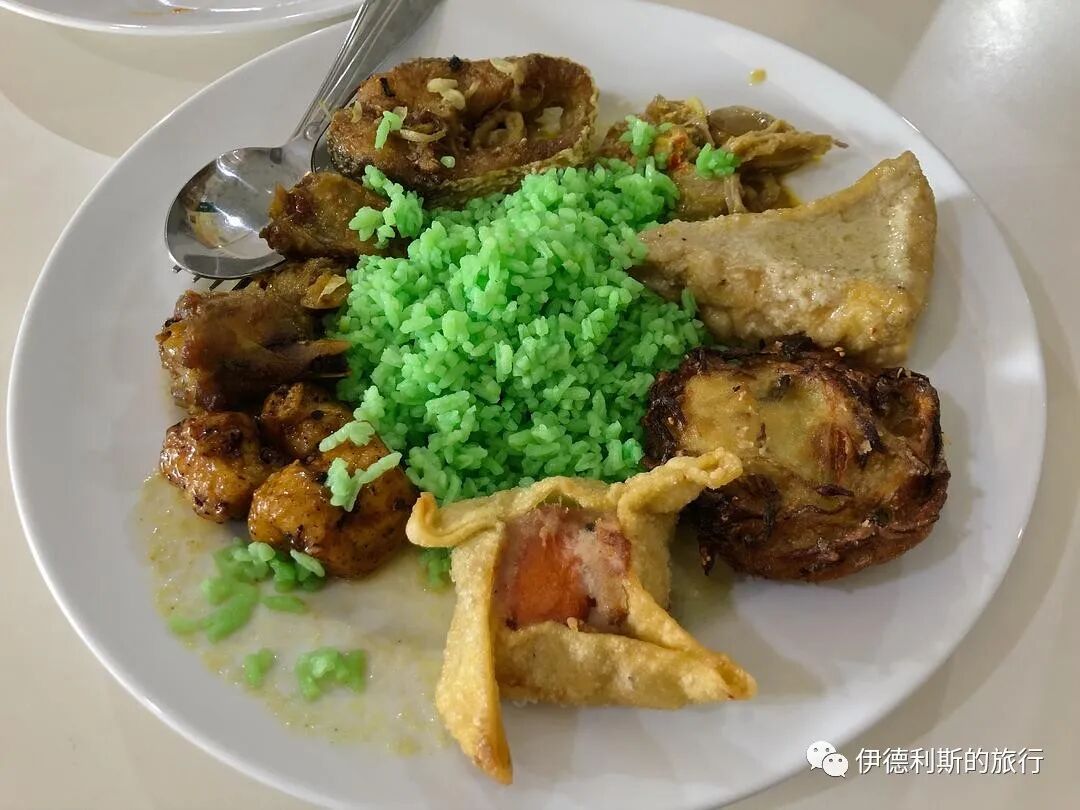
In the middle is green rice (nasi hijau), on the right is Indonesian vegetable fritter (bakwan sayur), and on the left is black pepper tofu (tahu lada hitam).
Semarang
Semarang is the capital and largest city of Central Java and was a major port during the Dutch colonial era. The old town of Semarang, established in the 18th century, is also known as Little Netherlands.
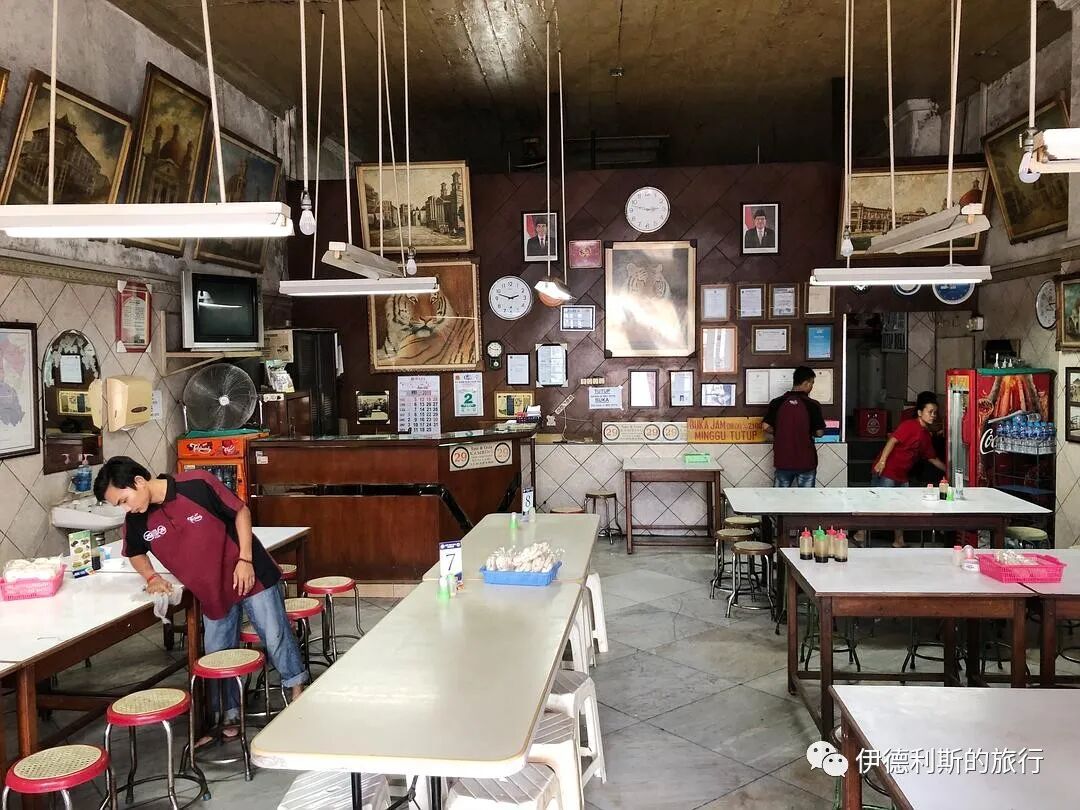
I ate at a restaurant in the Dutch old town of Semarang that specializes in satay and curry soup.
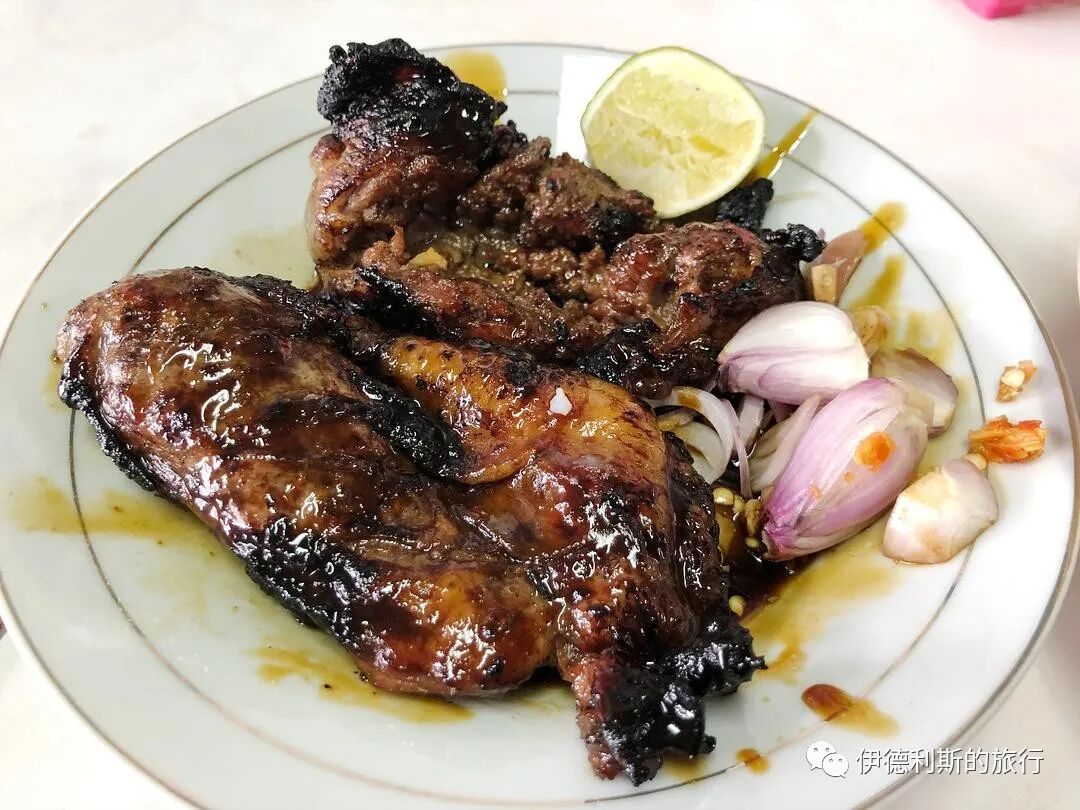
Goat meat satay (sate buntel) is a skewer featuring a mix of fat and lean meat. It is served with tamarind juice, coconut milk, sweet soy sauce, and various spices. It was invented in 1948 by Lim Hwa Youe from Yogyakarta.
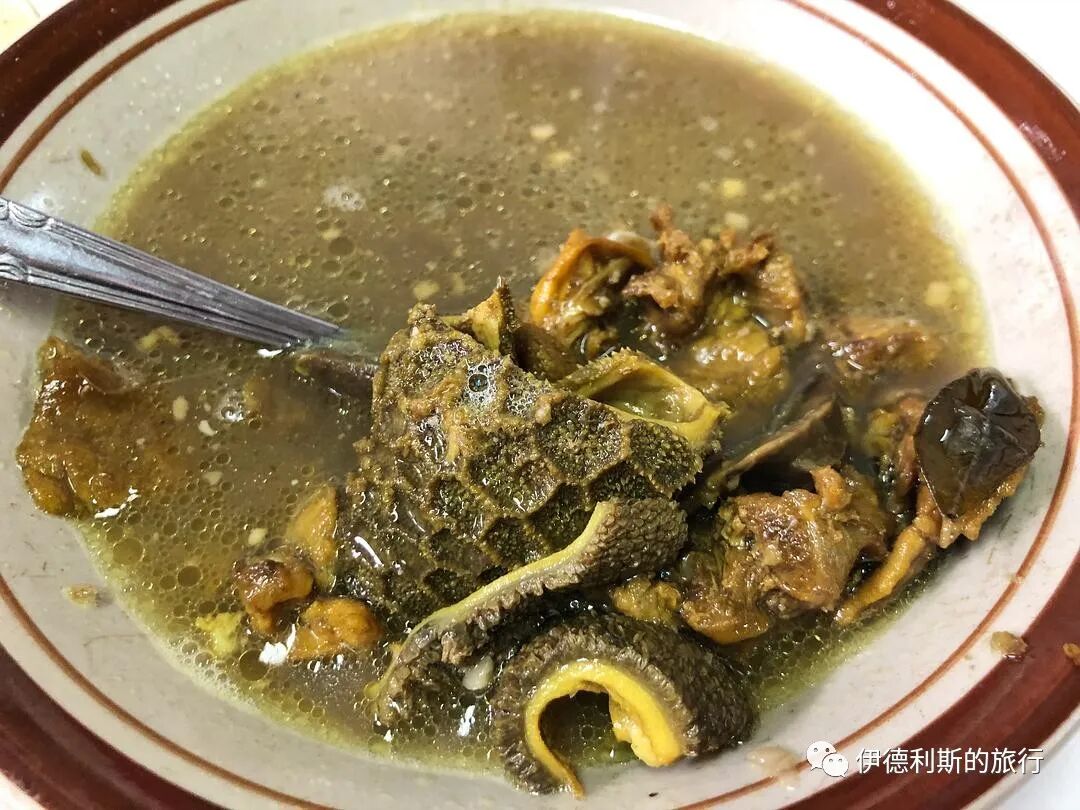
Goat offal curry soup (gulai kambing) is a specialty Indonesian dish. Curry (gulai) originated in Sumatra. Its deep yellow color comes mainly from turmeric. It also uses spices like black pepper, galangal, lemongrass, and cinnamon. To make it, spices and coconut milk are mixed and stewed with the meat for a long time.
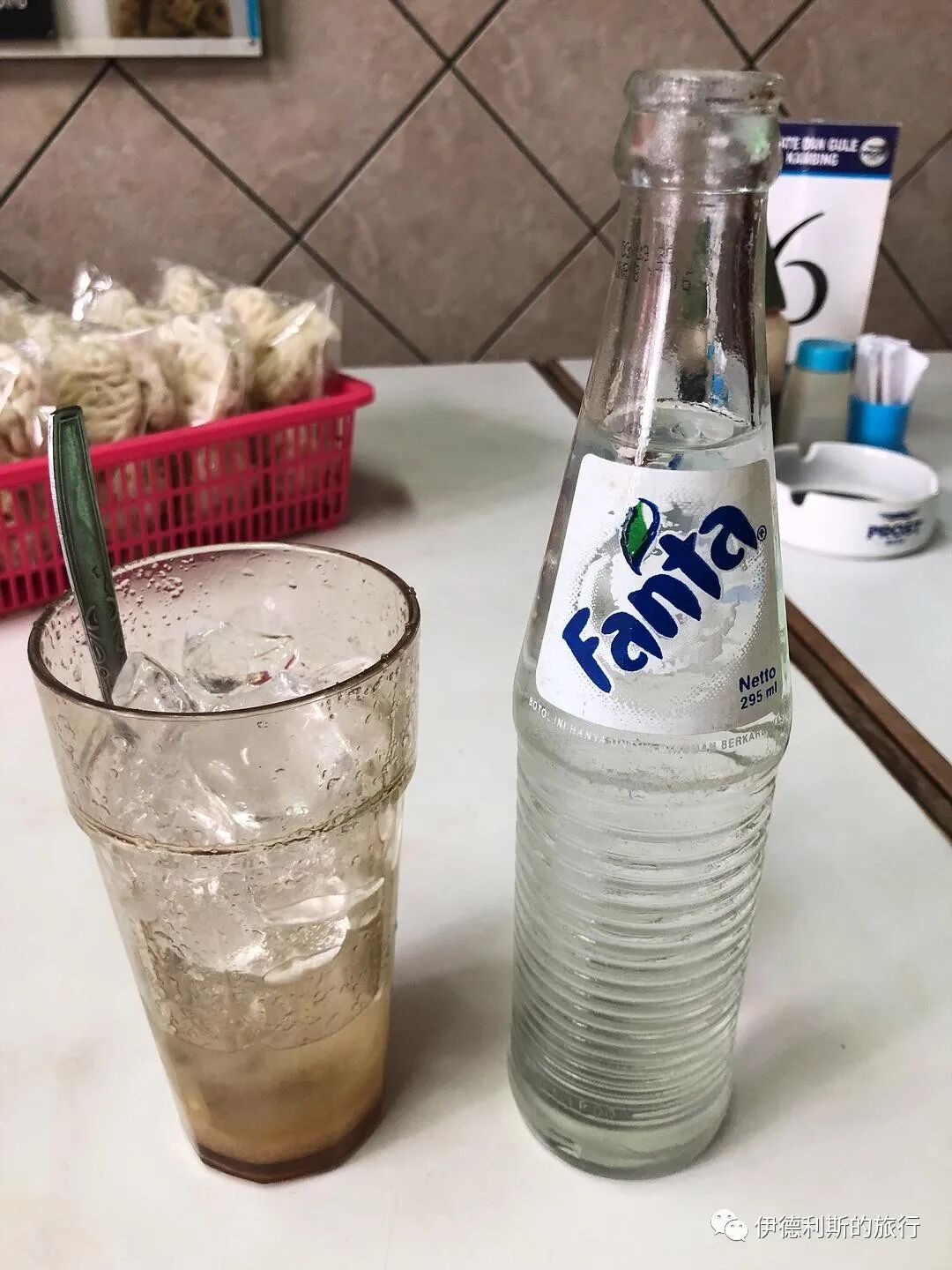
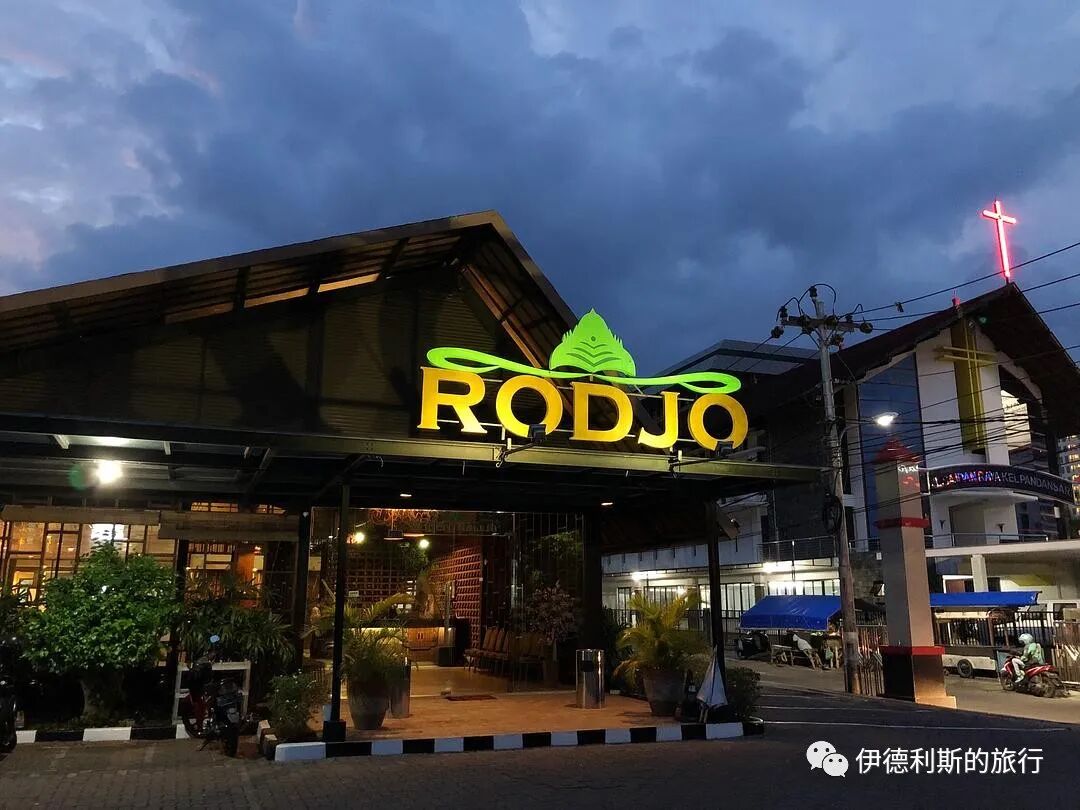
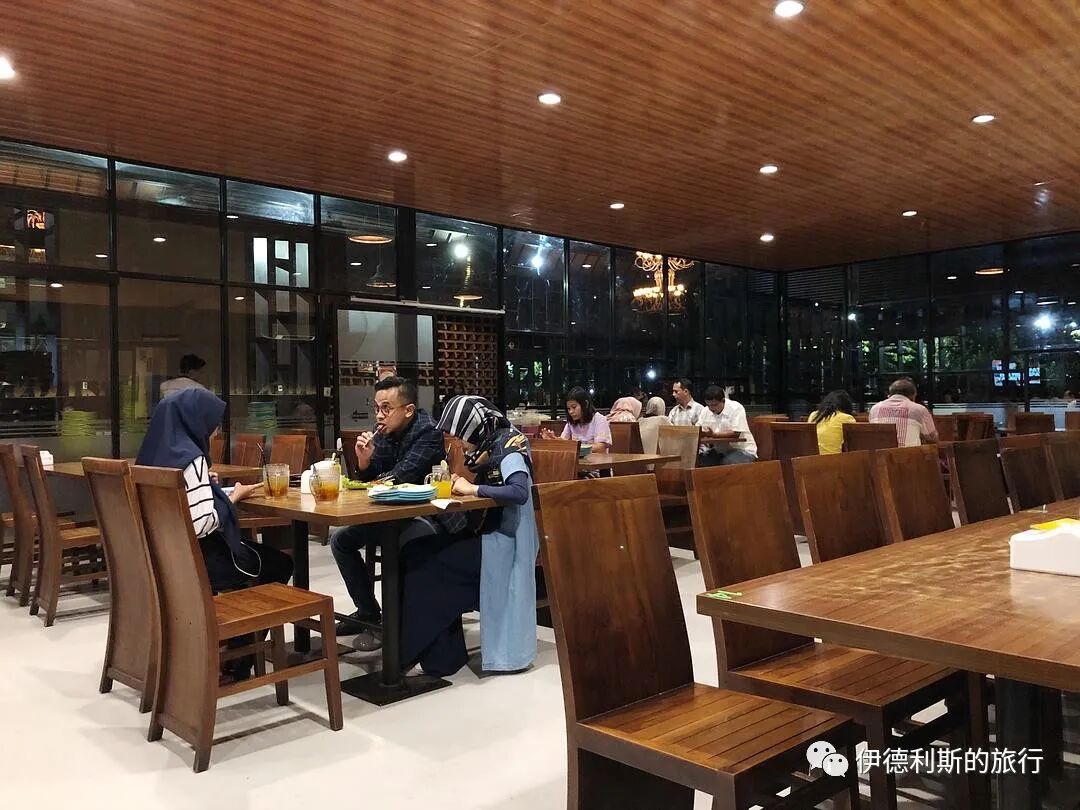
At a restaurant in Semarang, I had Javanese tripe fried rice (nasi goreng babat jawa), boneless fillet of giant gourami in sauce (gurame fillet saos), chicken satay (sate ayam), and kiwi soda (kiwi squash). Besides various street stalls and small eateries, Semarang has many restaurants with nice environments like this one.
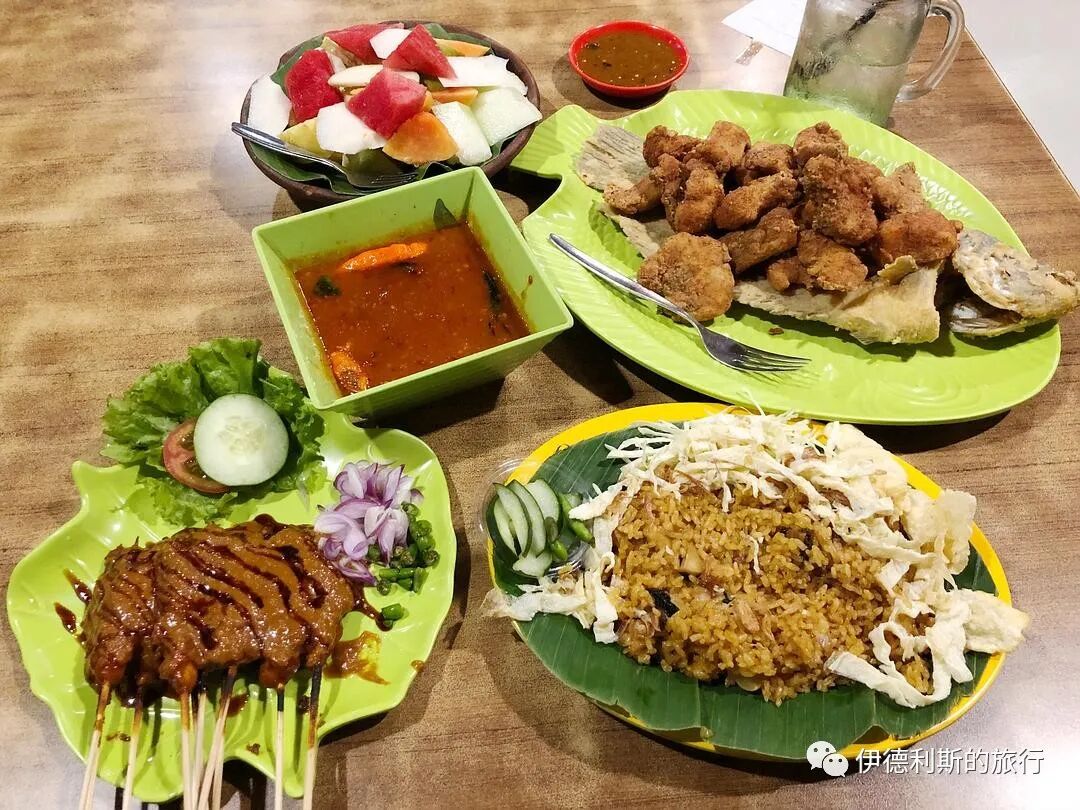
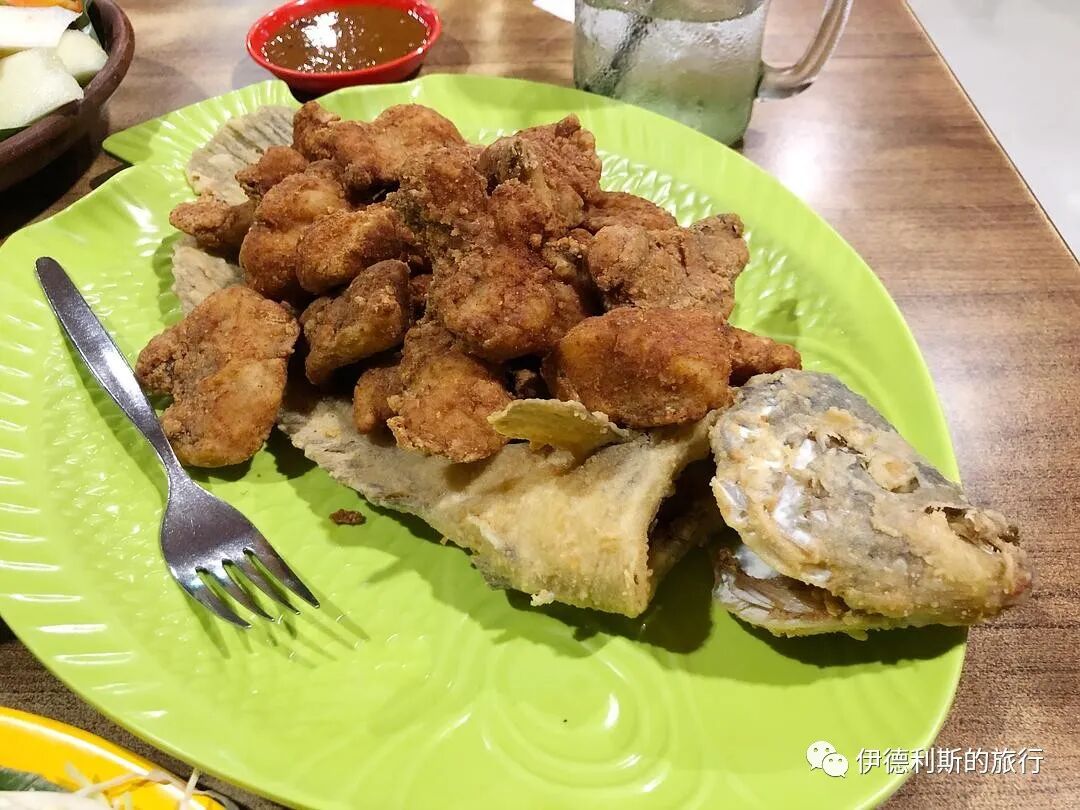
Boneless fillet of giant gourami in sauce (gurame fillet saos)
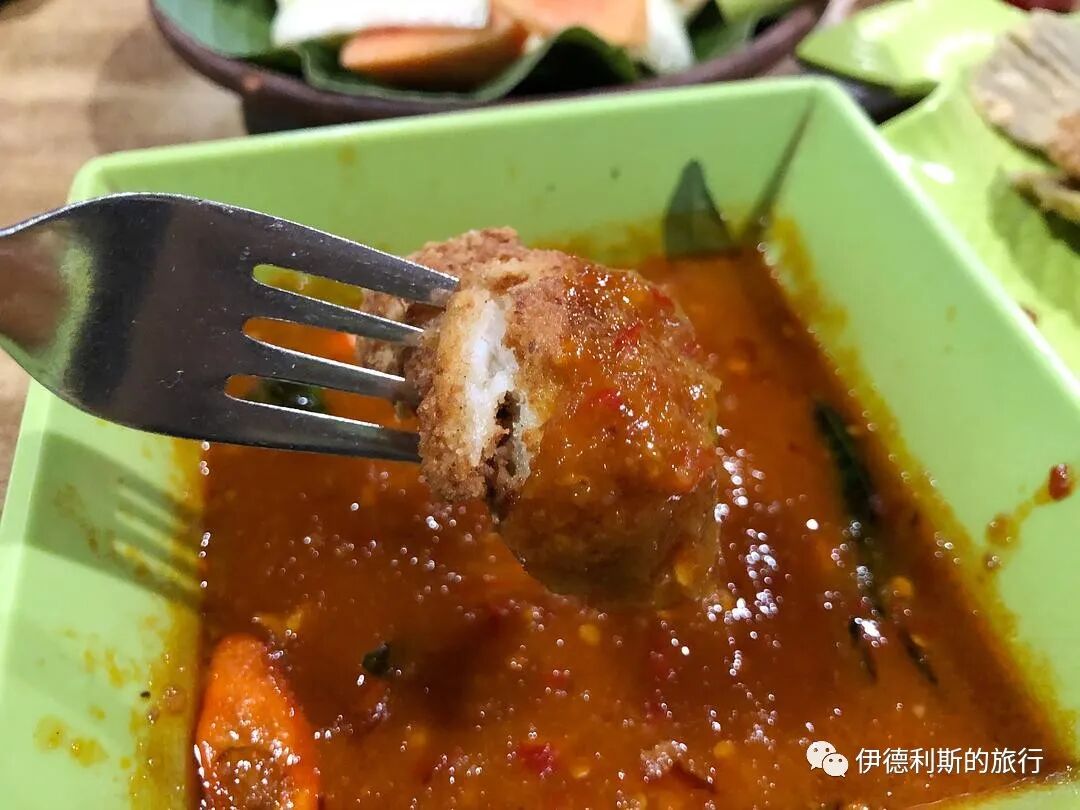
Boneless fillet of giant gourami in sauce (gurame fillet saos)
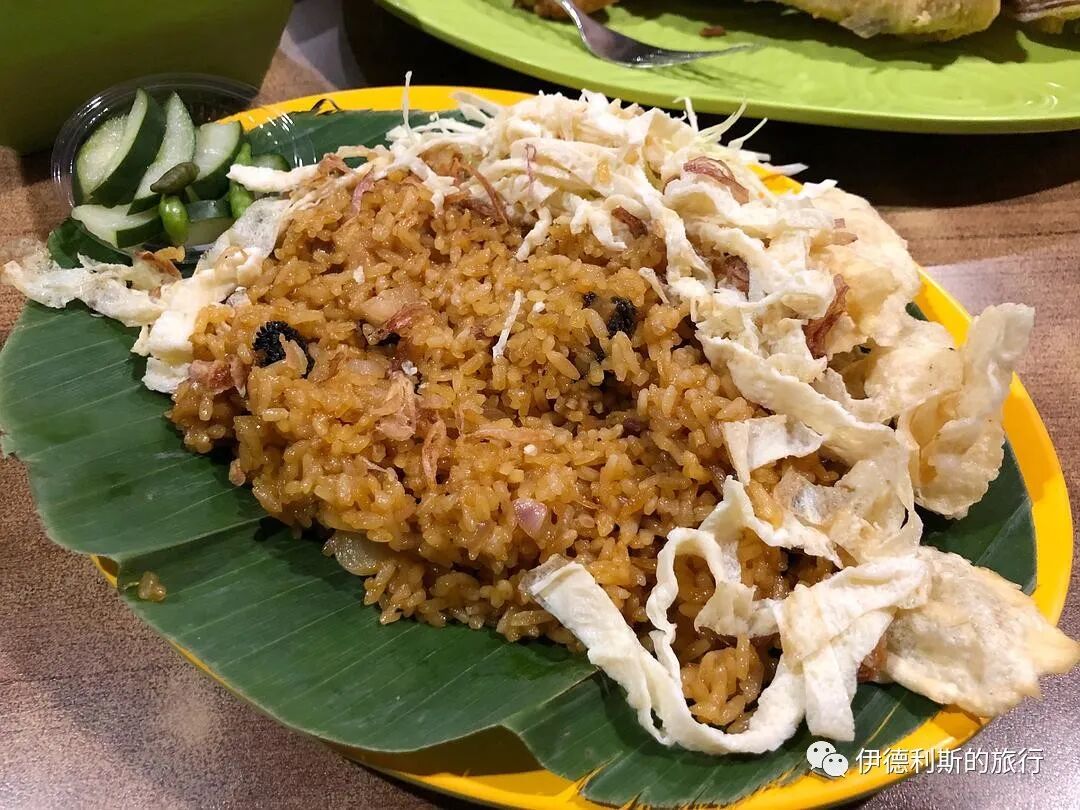
Javanese tripe fried rice (nasi goreng babat jawa)
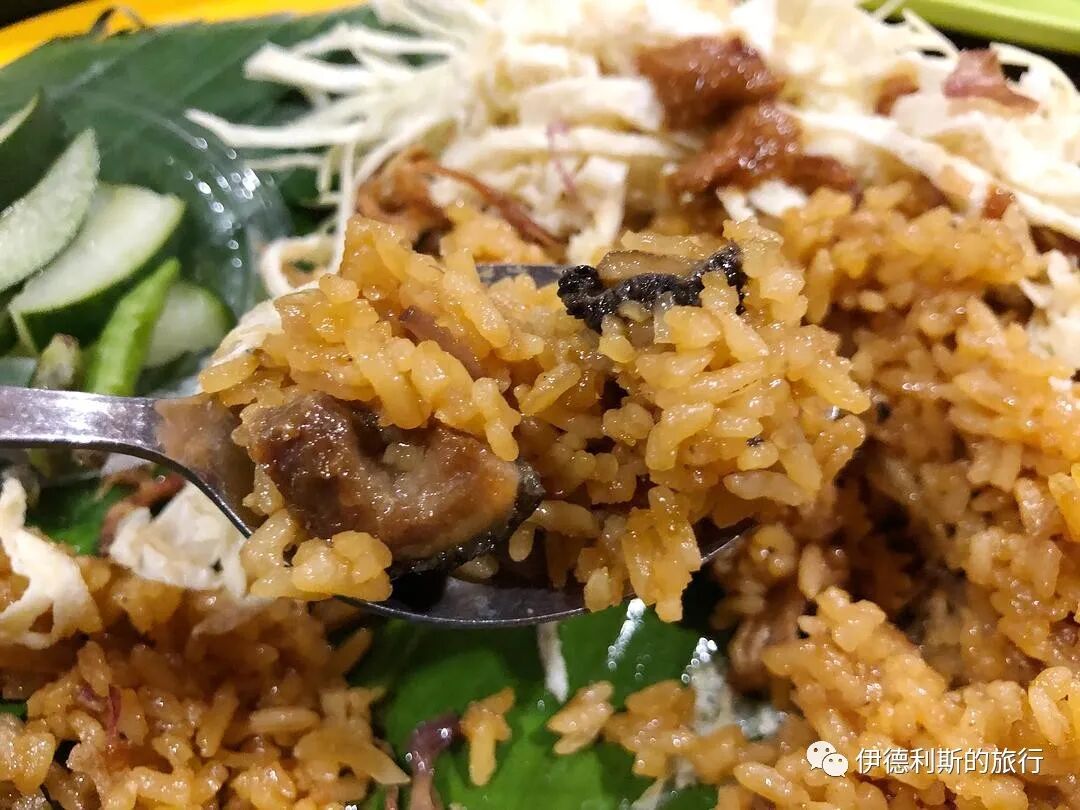
Javanese tripe fried rice (nasi goreng babat jawa)
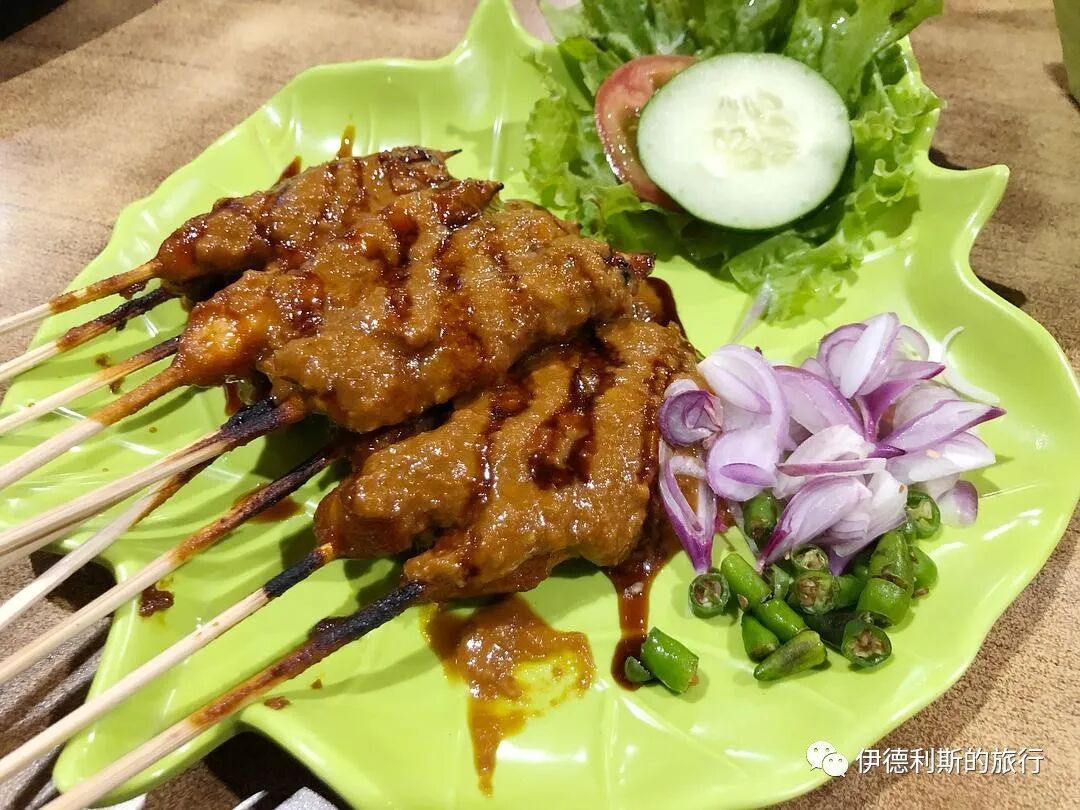
Chicken satay (sate ayam)
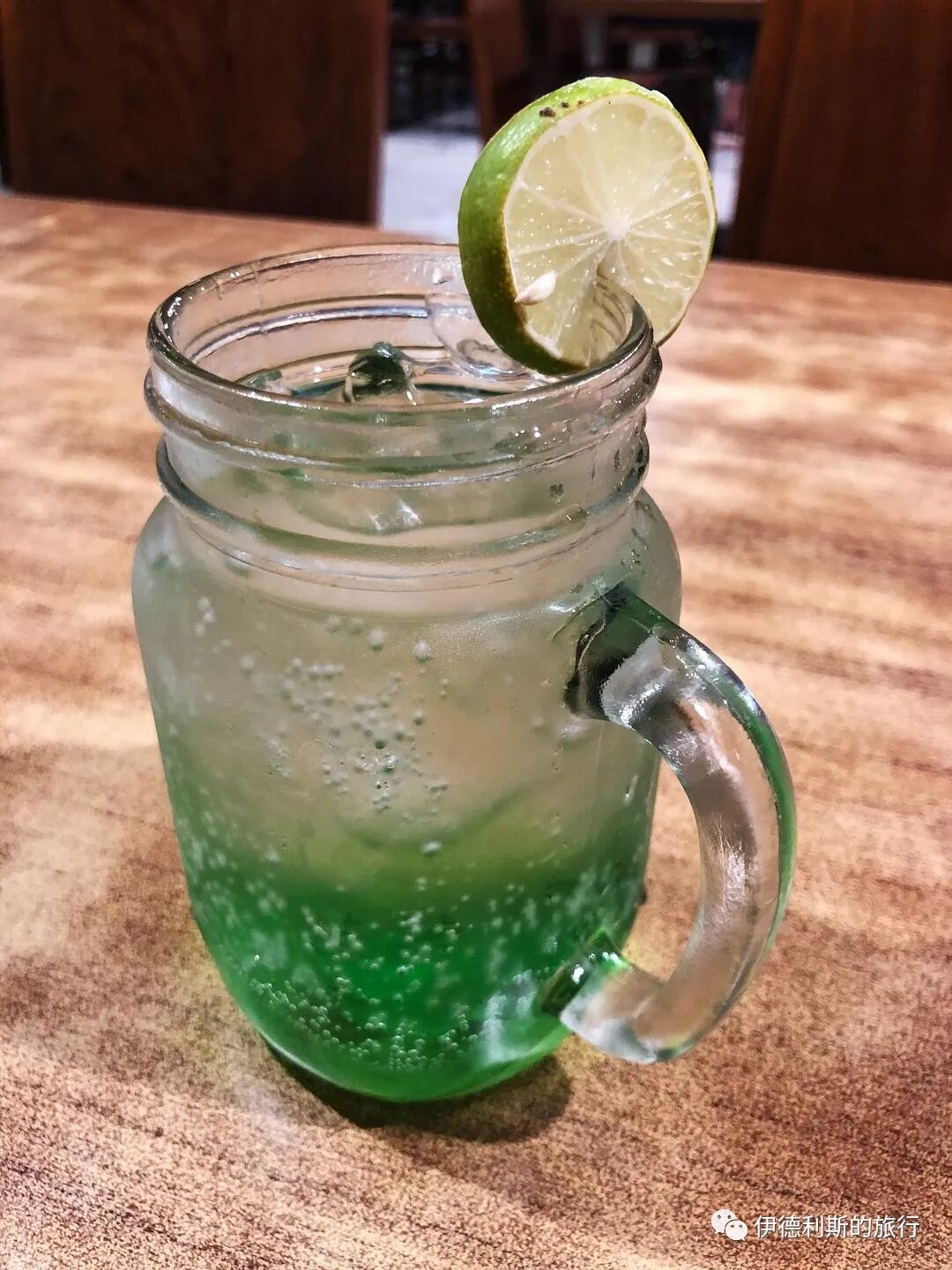
Kiwi soda (kiwi squash)
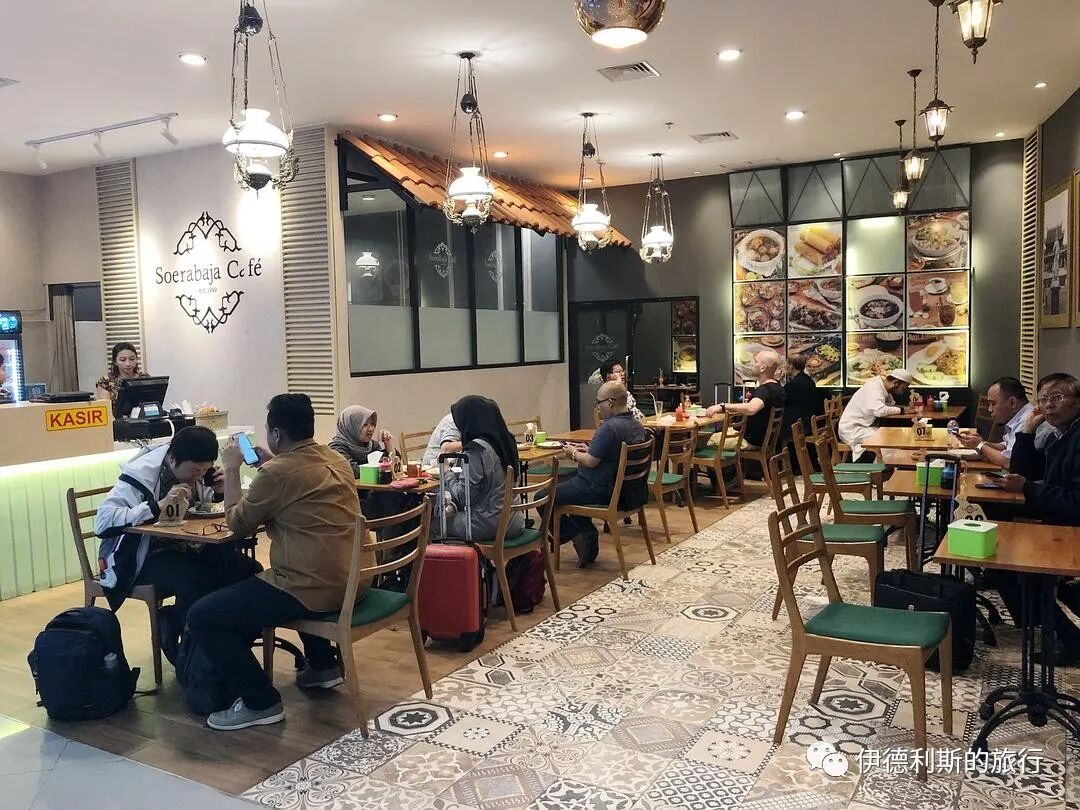
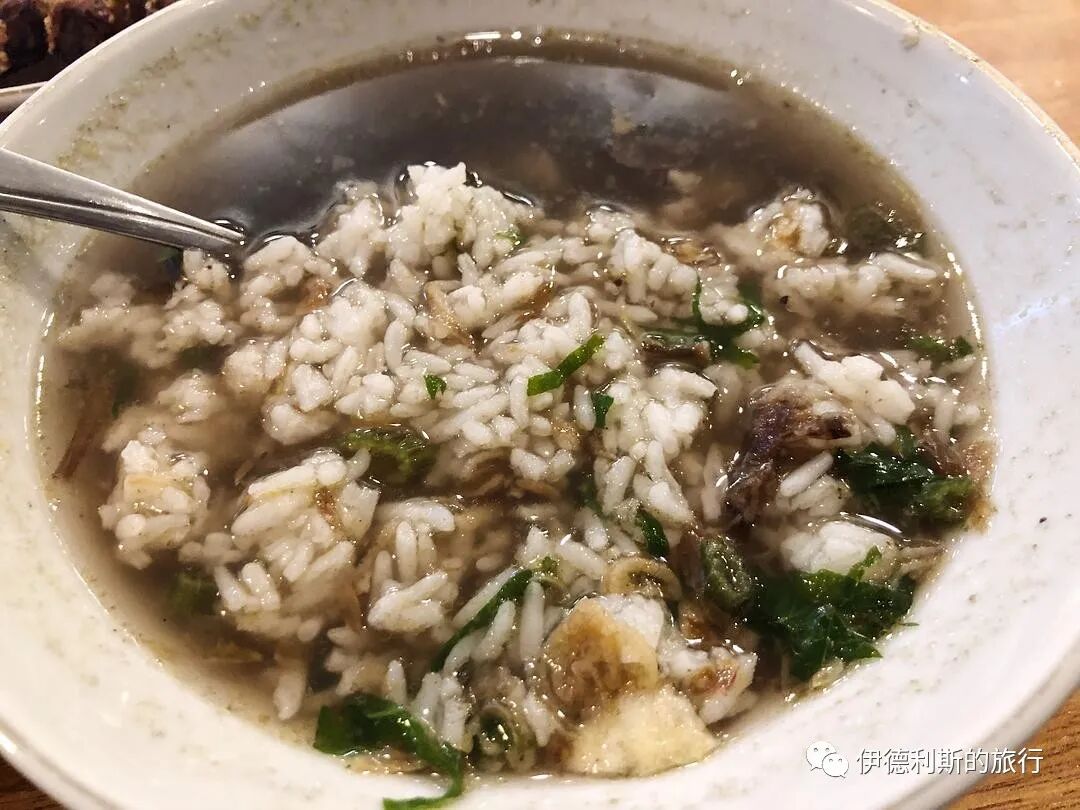
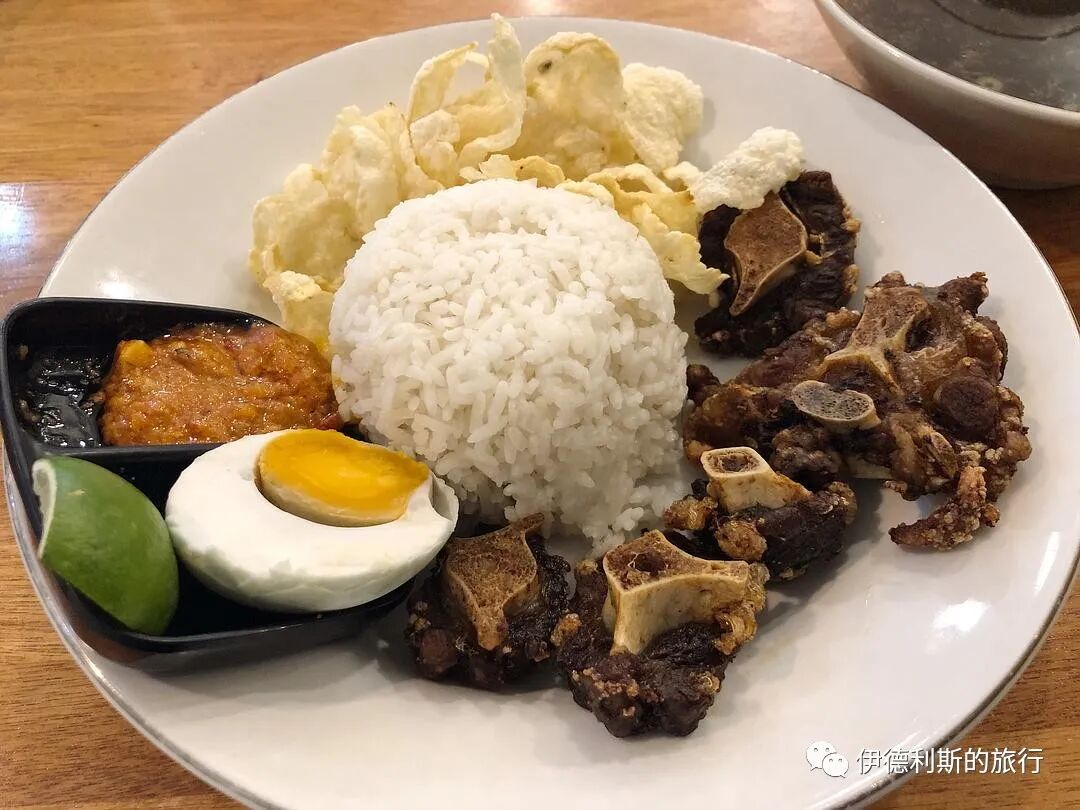
Before leaving, I ate fried oxtail soup (sop buntut goreng) at a restaurant in the Semarang airport. The oxtail is fried and dried, and served separately from the broth.
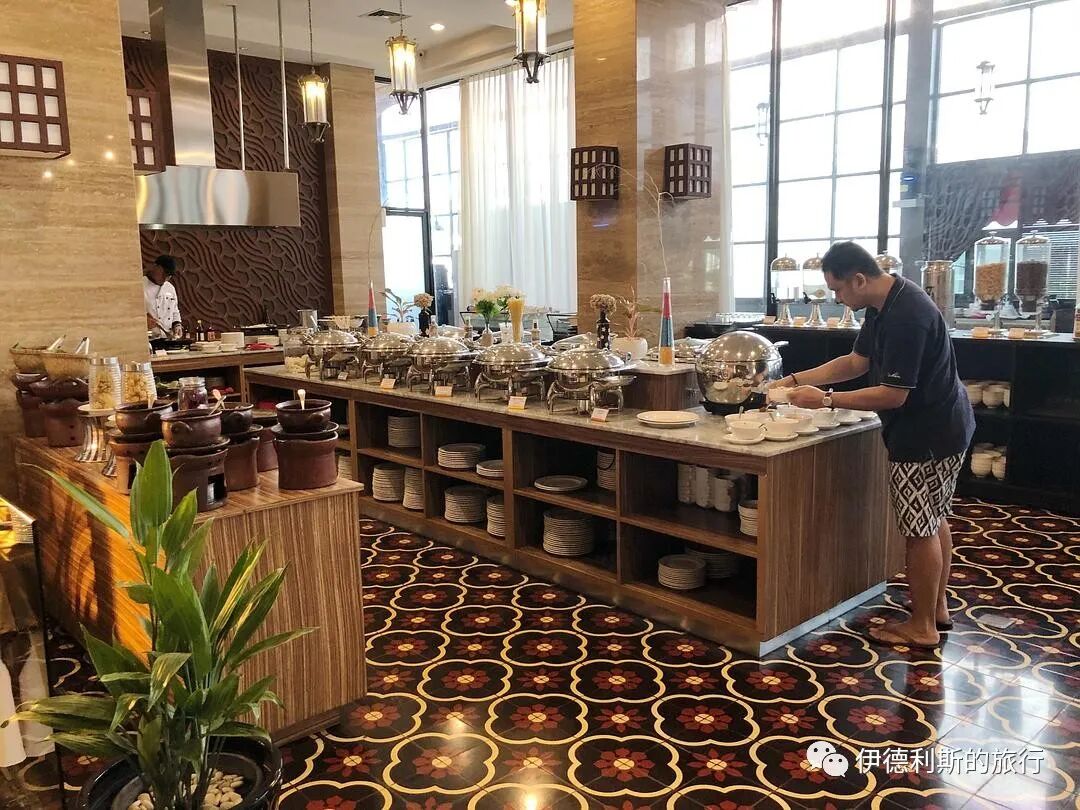
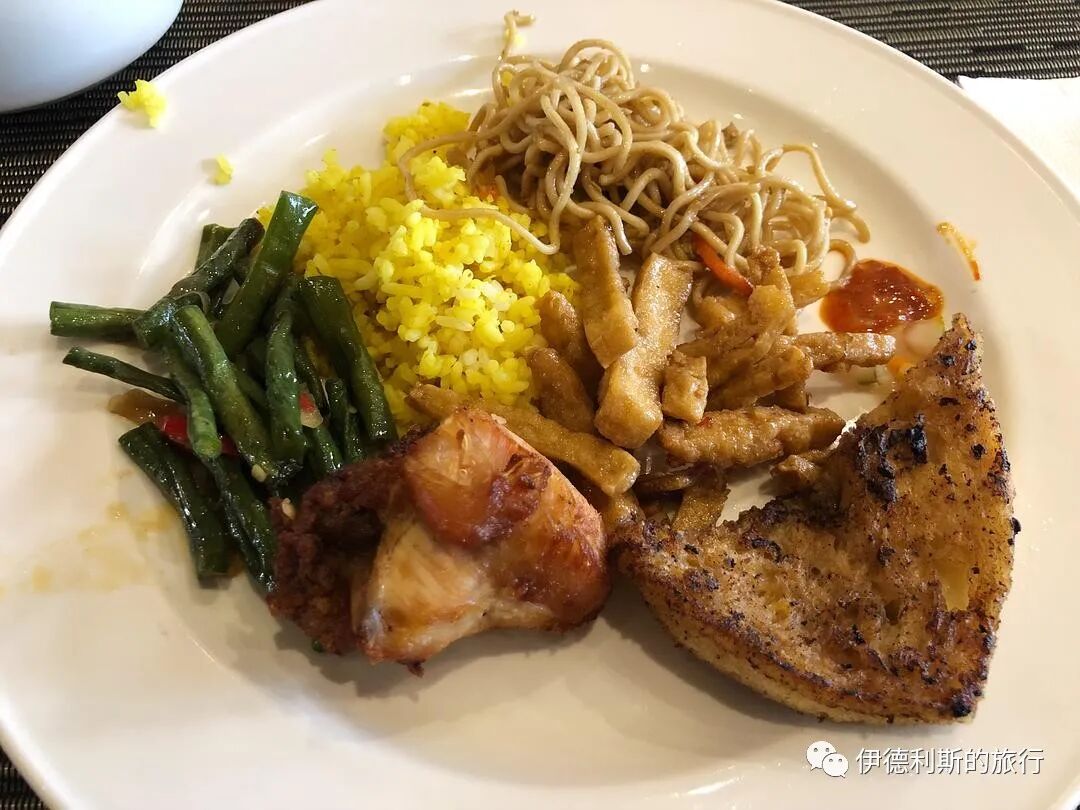
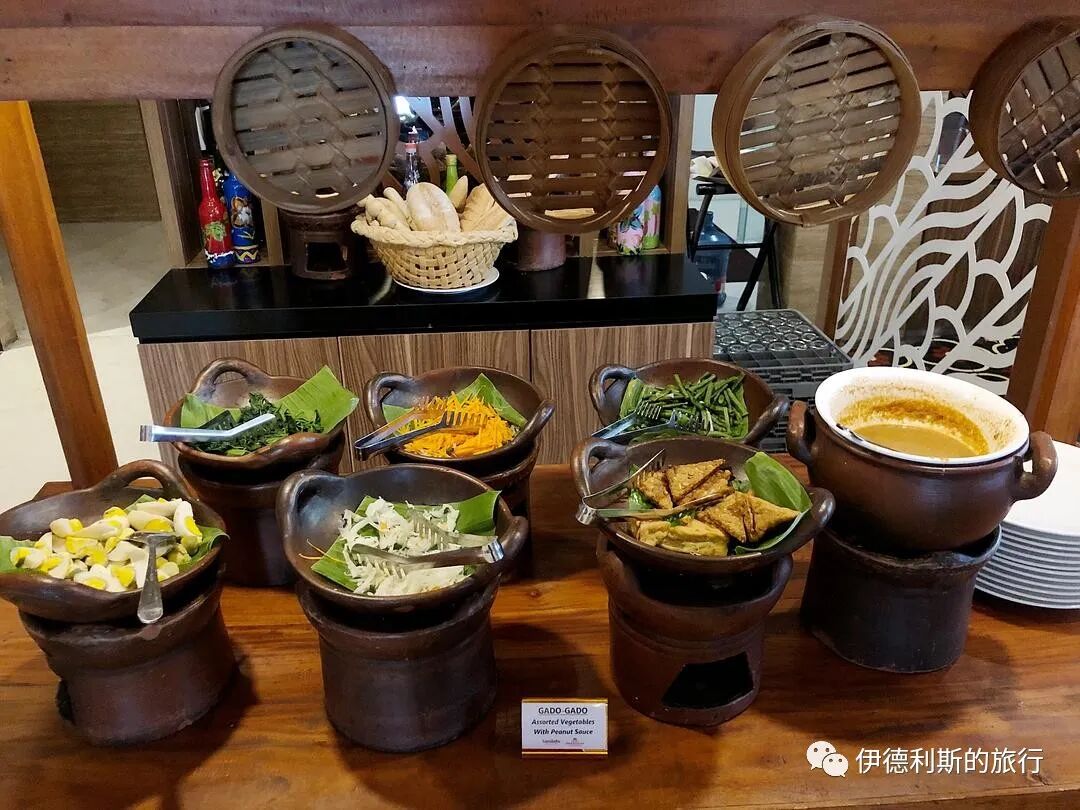
I had the buffet breakfast at the hotel where I stayed in Semarang, and the environment was quite nice.
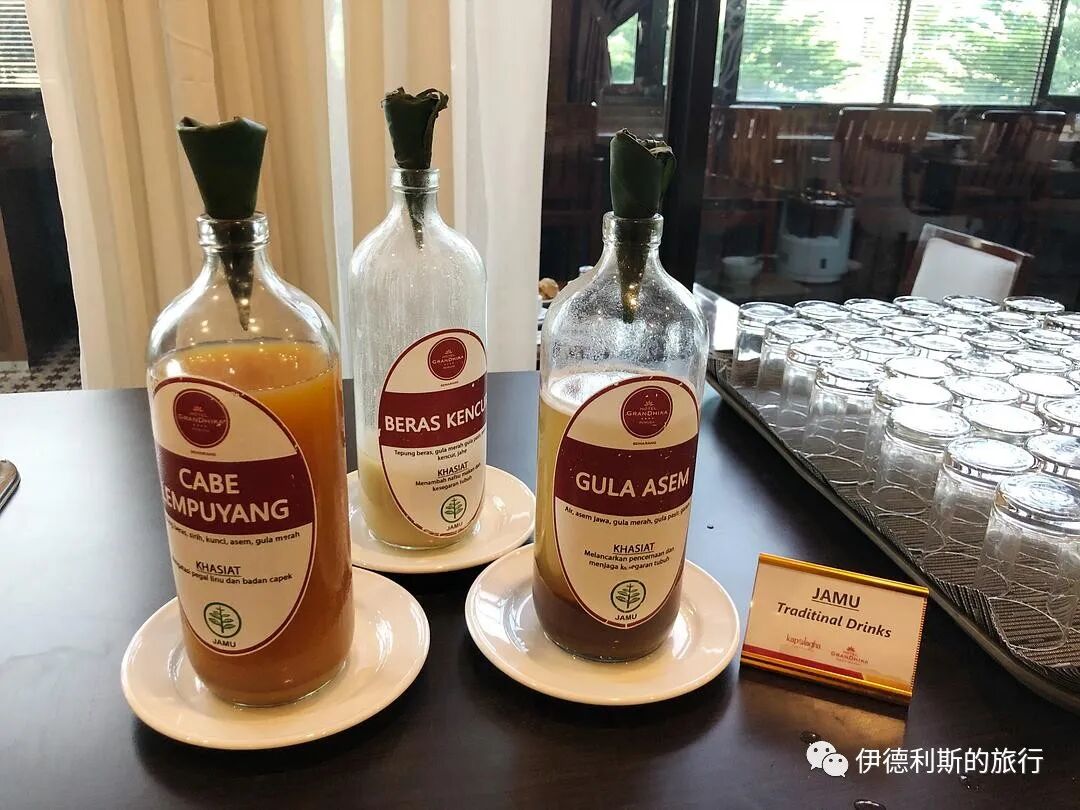
Javanese herbal drink (jamu) is a traditional Javanese herbal medicine mixed with honey and palm sugar.
Kudus
Kudus is a two-hour drive from Semarang. It is the only city on Java island with an Arabic name. Kudus is actually the Arabic pronunciation of Jerusalem, al-Quds. The tomb in Kudus is now an important religious site on Java. Next to the tomb, the Al-Aqsa Mosque is famous for its minaret, which features a unique, early Javanese traditional style.
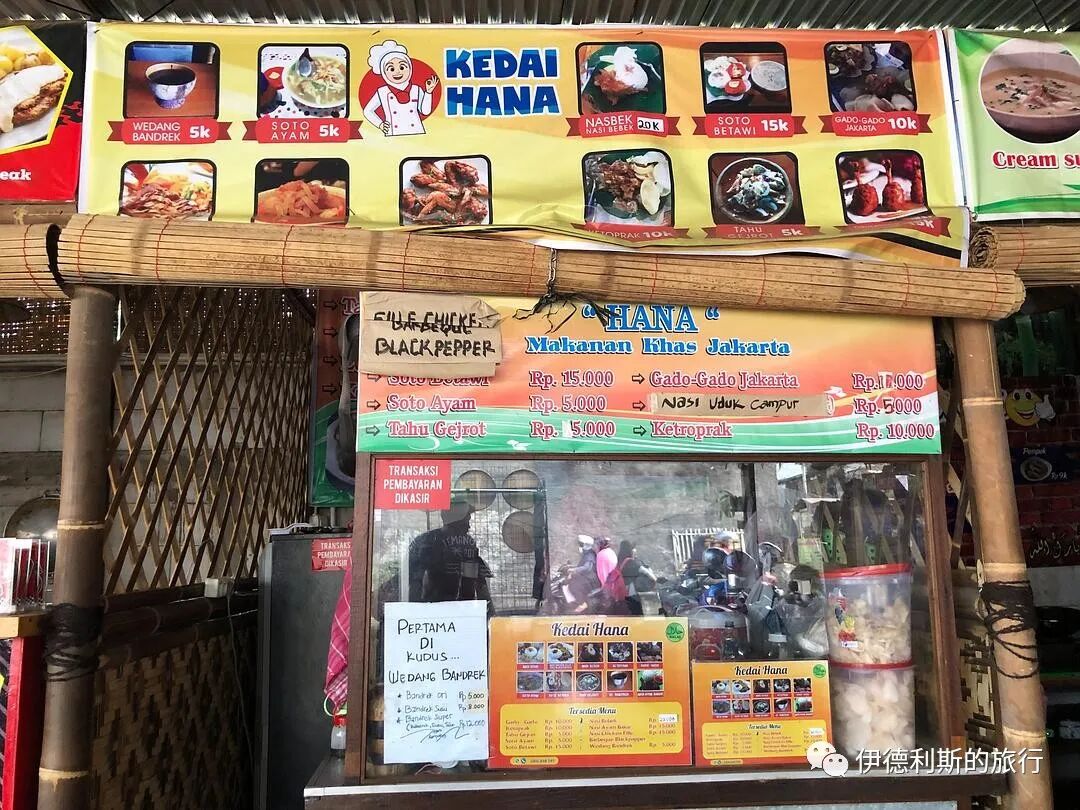
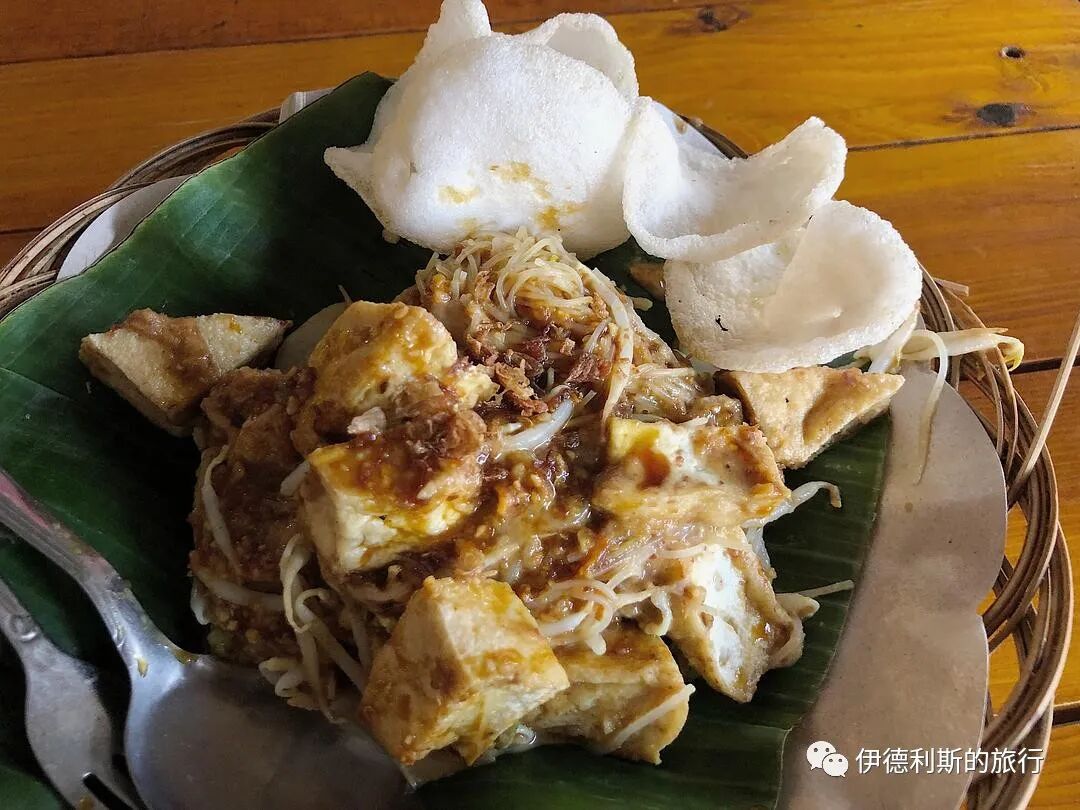
Ketoprak eaten in Kudus. Ketoprak is a vegetarian dish from Jakarta. It is made of fried tofu, vegetables, steamed rice cakes (lontong), rice vermicelli, and peanut sauce.
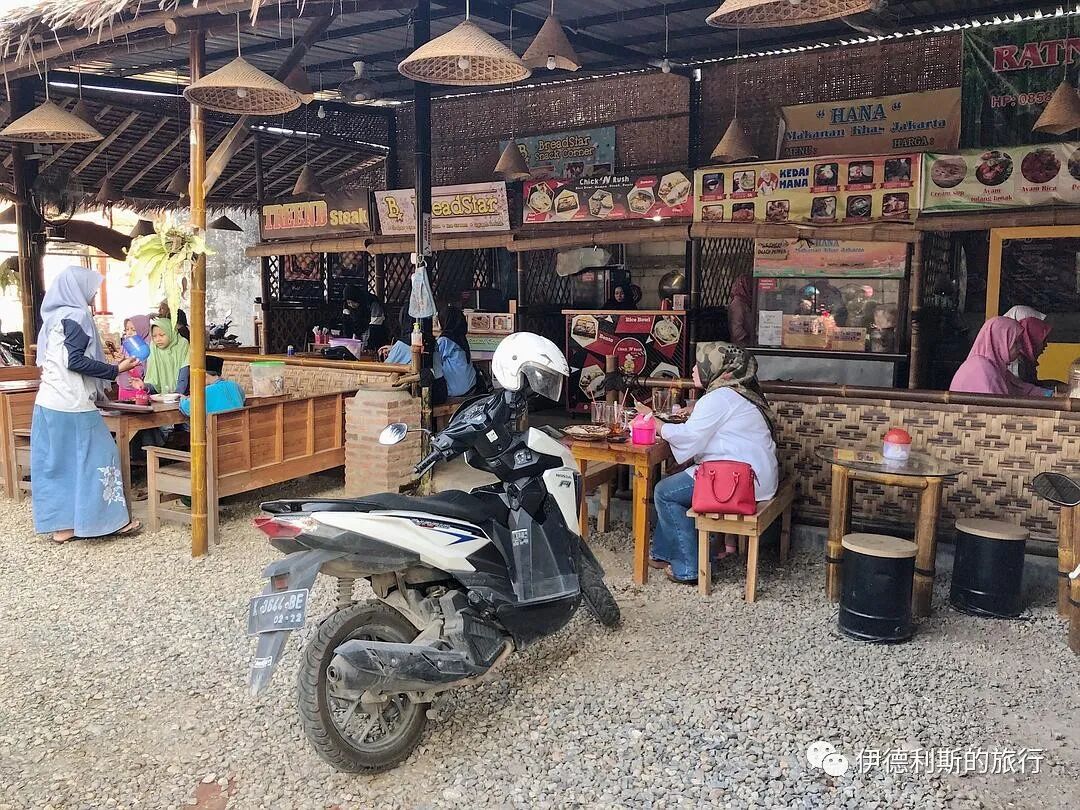
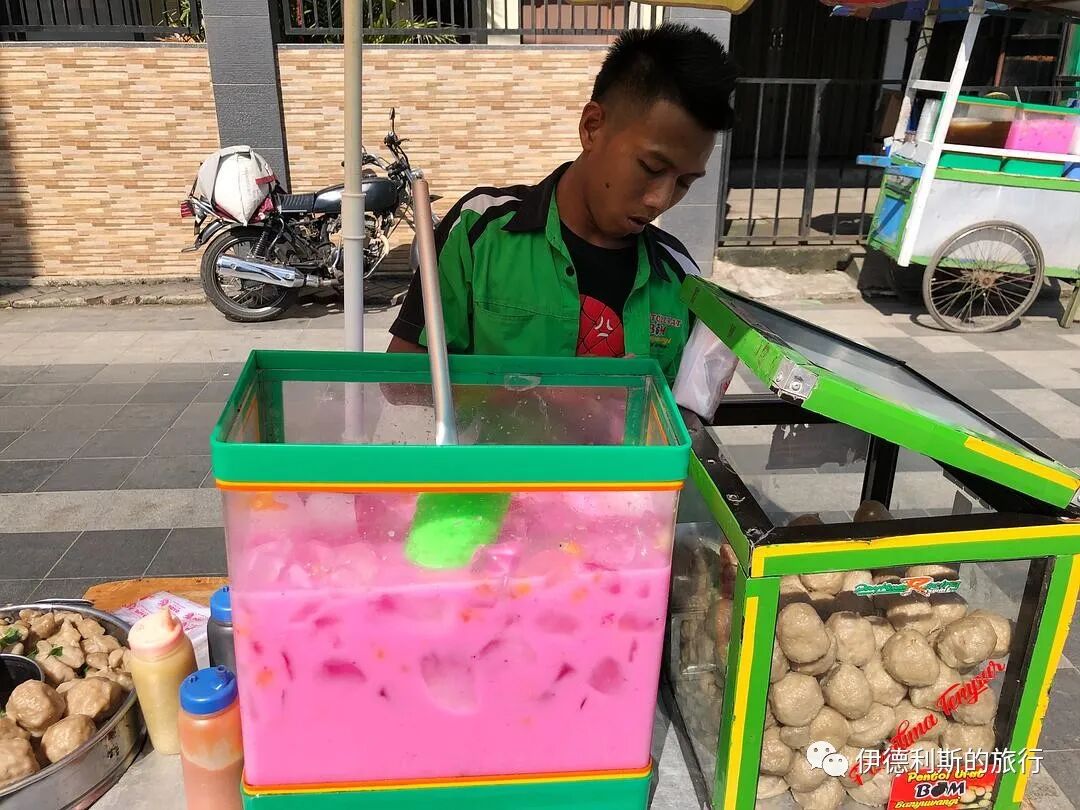
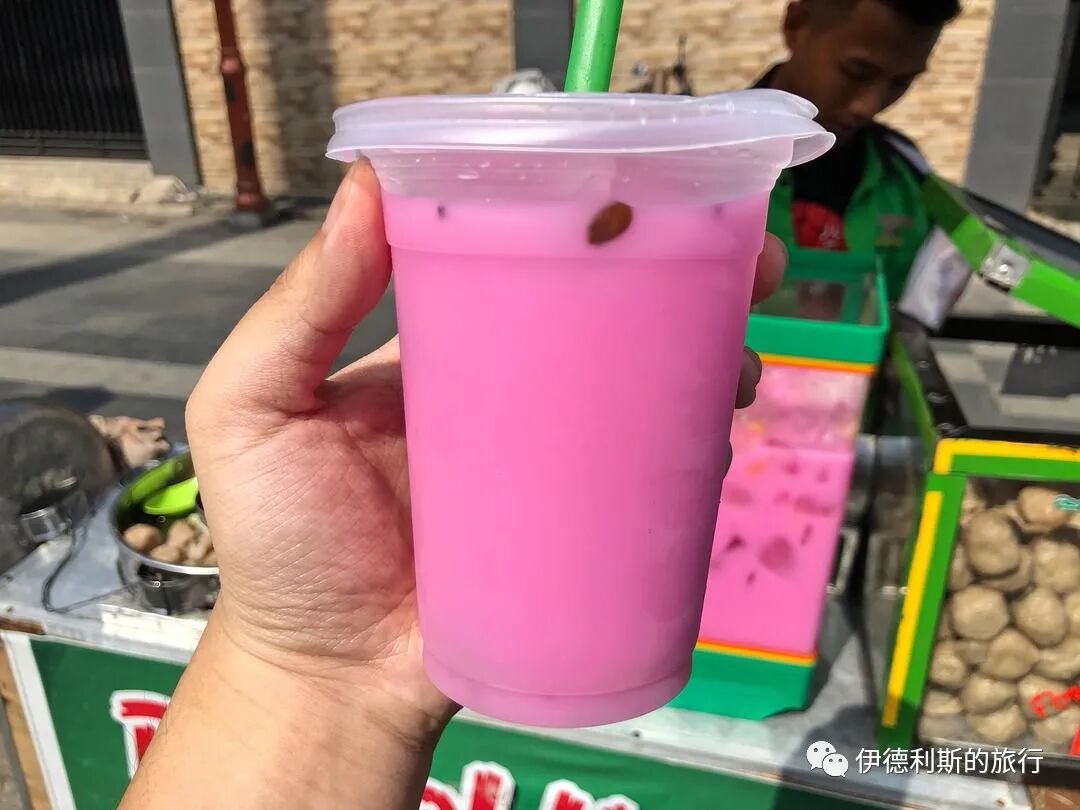
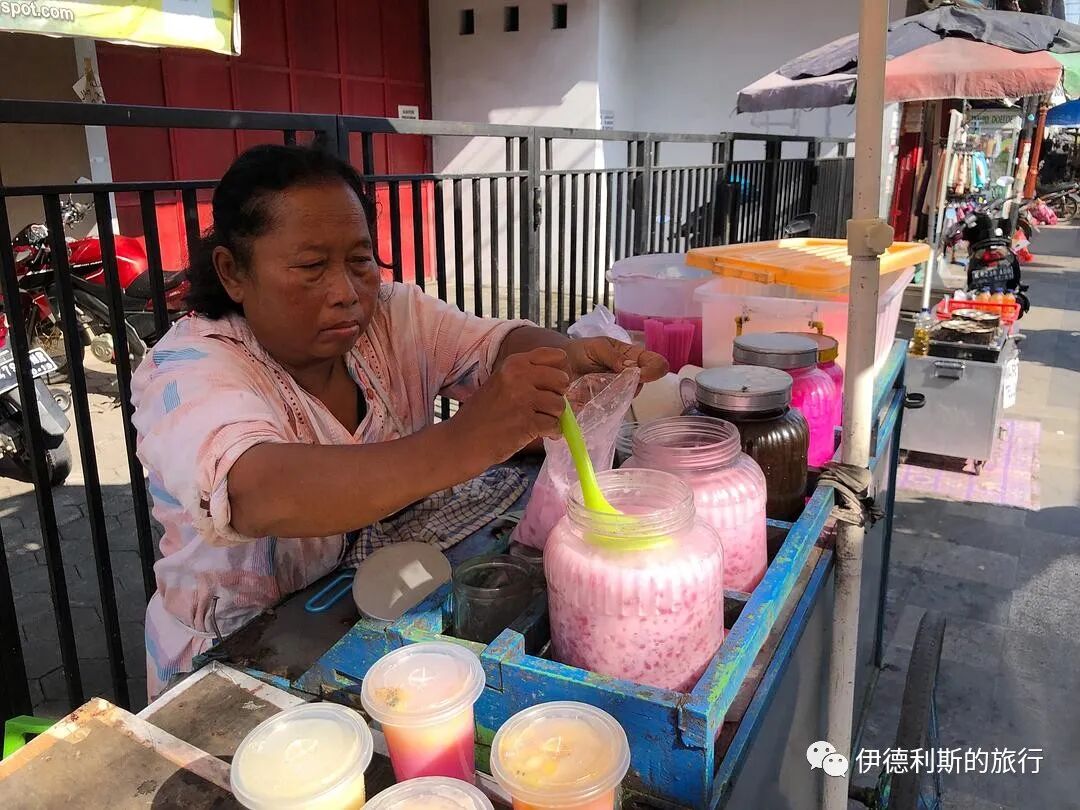
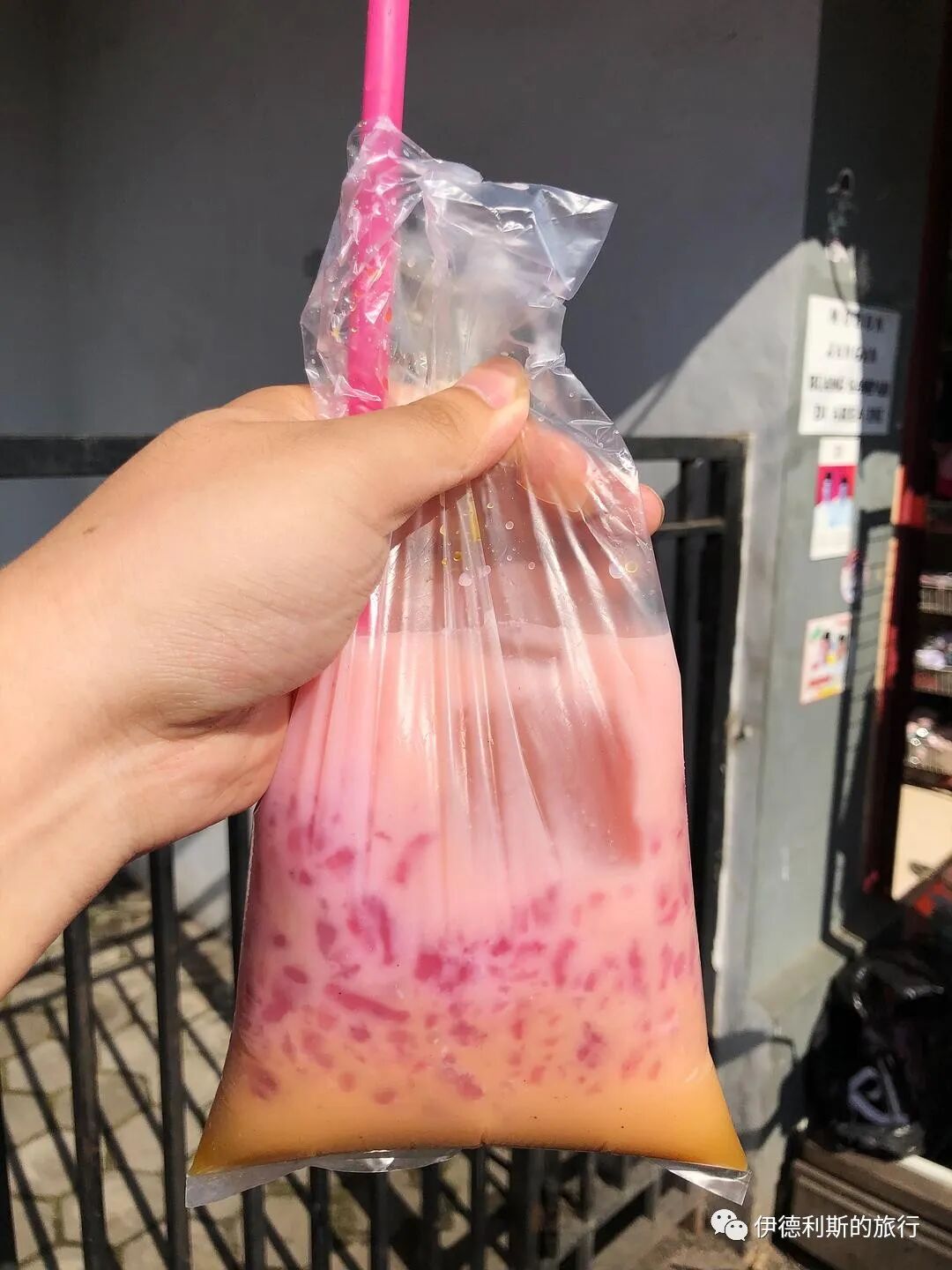
Javanese fruit ice drink (Es Buah) enjoyed in Kudus, which contains various fruits.
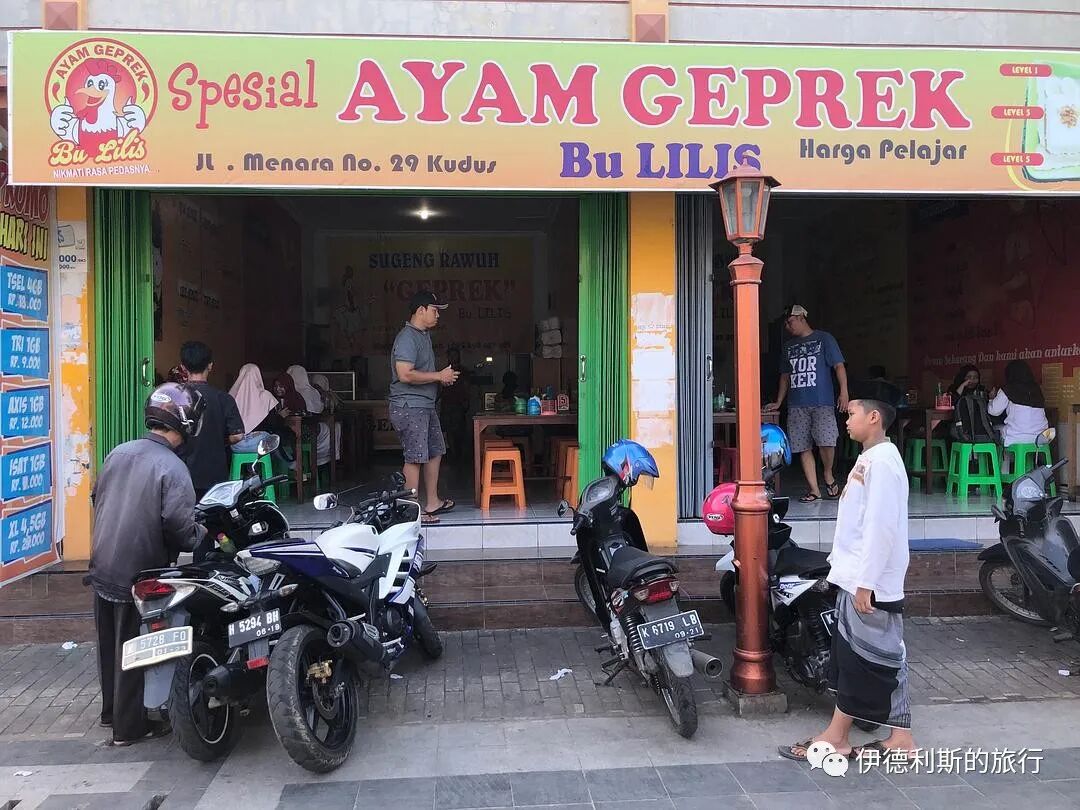
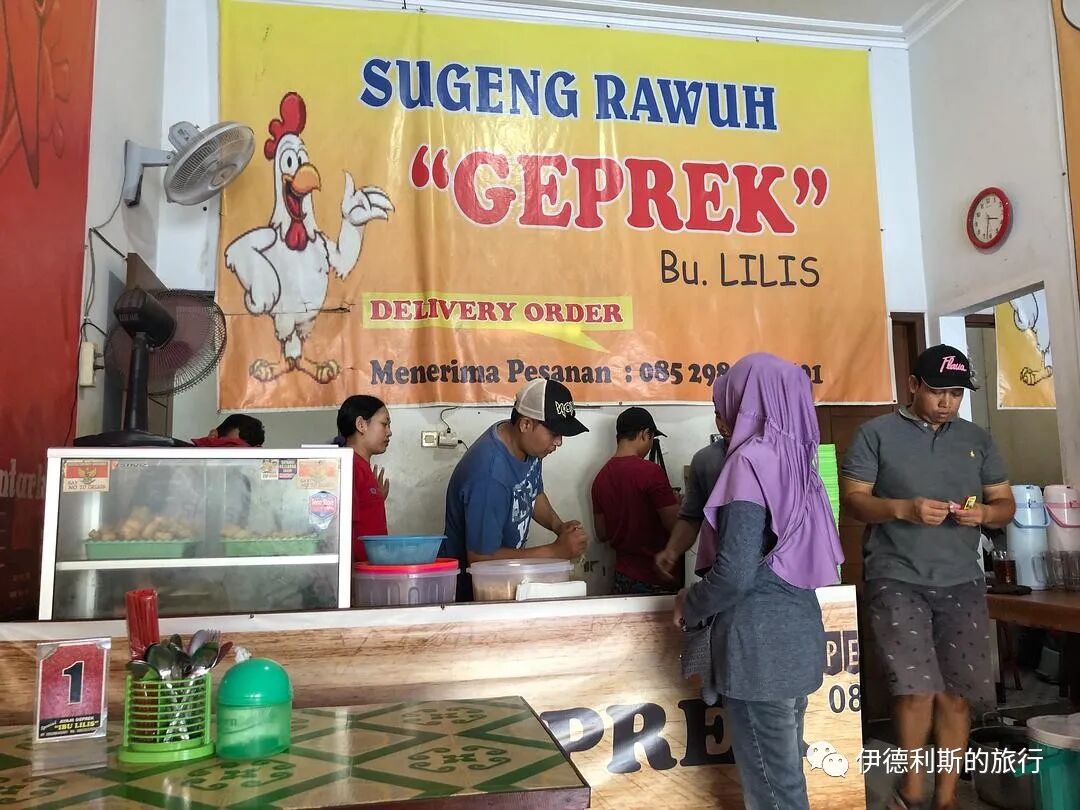
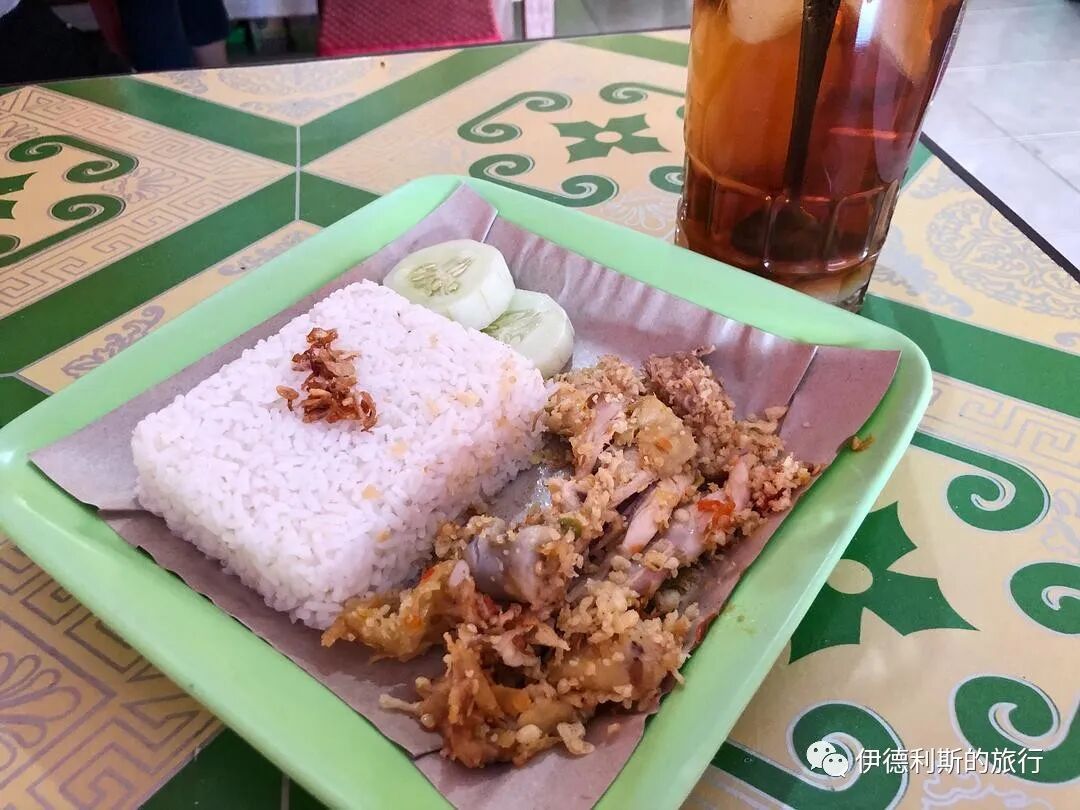
Geprek chicken eaten in Kudus. Geprek chicken is fried chicken mixed with spicy chili paste (Sambal). A woman named Ruminah invented this recipe in 2003, and it has become very popular in recent years. Ruminah originally sold fried chicken at a stall in Yogyakarta. Later, a college student asked her to spread chili paste on the fried chicken. It tasted very good, so she and the student started a brand together to sell Geprek chicken.
Summary: Central Java — Semarang, Solo, Kudus Food and Muslim Heritage is presented here as a firsthand travel account in clear English, beginning with this scene: During the 2019 May Day holiday, I traveled to Central Java, Indonesia, to explore and eat. The account keeps its focus on Kudus Travel, Java Islam, Muslim Heritage while preserving the names, places, food, and historical details from the Chinese source.
During the 2019 May Day holiday, I traveled to Central Java, Indonesia, to explore and eat. I visited the capital, Semarang, the cultural city of Solo, and the religious site of Kudus. I am sharing some of the things I saw and ate during this trip.
Solo
In 1755, the Dutch East India Company represented Sultan Pakubuwono III of the Mataram Sultanate in negotiations with Prince Mangkubumi. A treaty was signed, and the Mataram Sultanate, once the most powerful Islamic kingdom on Java, was split into the Yogyakarta Sultanate and the Surakarta Sunanate. The city of Solo officially became the capital of the Surakarta Sunanate.
During the Dutch East Indies era, the Surakarta Sunanate, like the Yogyakarta Sultanate, enjoyed autonomous status and was considered a vassal state of the Dutch Empire. In 1945, the Republic of Indonesia was declared. In 1946, an anti-monarchy movement broke out, the Surakarta Sunan was stripped of ruling power, and the Sunanate was incorporated into Central Java Province. Although they have no real power, the Surakarta Sunan still holds royal authority and a special status in maintaining traditional Javanese culture, and they still command high prestige.
I ate breakfast at my hotel in Solo. I was the only guest in the entire hotel, and the palace of the Surakarta Sunan was right behind the woods.
Solo's specialty iced drink is Es Dawet Telasih, made with coconut milk, palm sugar, rice flour jelly (cendol), coconut rice pudding (bubur sumsum), basil seeds, and black glutinous rice.
Es Dawet Durian is Es Dawet Telasih with durian added.
Indonesian pancakes (serabi) are made from rice flour and coconut milk.
I ate beef meatballs (bakso daging sapi) at a street stall next to the Solo palace. Bakso meatballs are a classic Indonesian street snack made from a mixture of ground beef and tapioca flour. The word "bak-so" originally comes from the Hokkien term for "meat crisp," but the method of making meatballs likely came from 19th-century Dutch colonists. Today, the best bakso meatballs are widely considered to come from Solo in Central Java and Malang in East Java.
I ate beef rib soup (rawon) and grilled chicken (ayam bakar kuah) at a late-night street stall in Solo. This shop is open from 6 p.m. to midnight. Rawon is a beef soup that originated in Surabaya, East Java. It has a rich, nutty flavor and a black color because it uses the Indonesian black nut (keluak) as its main seasoning. Rawon has a very long history, dating back to the ancient Mataram Kingdom of Java in the 10th century.
I ate at a self-service restaurant. For a solo traveler like me, this kind of restaurant allows me to try a wider variety of dishes.
In the middle are yellow rice (nasi kuning) made with coconut milk and turmeric, and red rice (nasi merah). From bottom to top on the right are beef meatballs (kreni), potatoes (kentang), beef tendon (cecek), and liver (ati), all made with chili paste (sambal goreng).
In the middle is green rice (nasi hijau), on the right is Indonesian vegetable fritter (bakwan sayur), and on the left is black pepper tofu (tahu lada hitam).
Semarang
Semarang is the capital and largest city of Central Java and was a major port during the Dutch colonial era. The old town of Semarang, established in the 18th century, is also known as Little Netherlands.
I ate at a restaurant in the Dutch old town of Semarang that specializes in satay and curry soup.
Goat meat satay (sate buntel) is a skewer featuring a mix of fat and lean meat. It is served with tamarind juice, coconut milk, sweet soy sauce, and various spices. It was invented in 1948 by Lim Hwa Youe from Yogyakarta.
Goat offal curry soup (gulai kambing) is a specialty Indonesian dish. Curry (gulai) originated in Sumatra. Its deep yellow color comes mainly from turmeric. It also uses spices like black pepper, galangal, lemongrass, and cinnamon. To make it, spices and coconut milk are mixed and stewed with the meat for a long time.
At a restaurant in Semarang, I had Javanese tripe fried rice (nasi goreng babat jawa), boneless fillet of giant gourami in sauce (gurame fillet saos), chicken satay (sate ayam), and kiwi soda (kiwi squash). Besides various street stalls and small eateries, Semarang has many restaurants with nice environments like this one.
Boneless fillet of giant gourami in sauce (gurame fillet saos)
Boneless fillet of giant gourami in sauce (gurame fillet saos)
Javanese tripe fried rice (nasi goreng babat jawa)
Javanese tripe fried rice (nasi goreng babat jawa)
Chicken satay (sate ayam)
Kiwi soda (kiwi squash)
Before leaving, I ate fried oxtail soup (sop buntut goreng) at a restaurant in the Semarang airport. The oxtail is fried and dried, and served separately from the broth.
I had the buffet breakfast at the hotel where I stayed in Semarang, and the environment was quite nice.
Javanese herbal drink (jamu) is a traditional Javanese herbal medicine mixed with honey and palm sugar.
Kudus
Kudus is a two-hour drive from Semarang. It is the only city on Java island with an Arabic name. Kudus is actually the Arabic pronunciation of Jerusalem, al-Quds. The tomb in Kudus is now an important religious site on Java. Next to the tomb, the Al-Aqsa Mosque is famous for its minaret, which features a unique, early Javanese traditional style.
Ketoprak eaten in Kudus. Ketoprak is a vegetarian dish from Jakarta. It is made of fried tofu, vegetables, steamed rice cakes (lontong), rice vermicelli, and peanut sauce.
Javanese fruit ice drink (Es Buah) enjoyed in Kudus, which contains various fruits.
Geprek chicken eaten in Kudus. Geprek chicken is fried chicken mixed with spicy chili paste (Sambal). A woman named Ruminah invented this recipe in 2003, and it has become very popular in recent years. Ruminah originally sold fried chicken at a stall in Yogyakarta. Later, a college student asked her to spread chili paste on the fried chicken. It tasted very good, so she and the student started a brand together to sell Geprek chicken.
