
Beijing Halal Food Diary: Summer 2022 Muslim Food and Mosques (Part 4)
Reposted from the web
Summary: Beijing Halal Food Diary: Summer 2022 Muslim Food and Mosques is presented here as a firsthand travel account in clear English, beginning with this scene: At Shanshui Tianyuan Ethnic Restaurant in Mujiaoyu, we ate stir-fried beef with wild mushrooms, stir-fried tofu and wood ear mushrooms, deep-fried topmouth culter (qiaozui), and cornmeal flatbreads (tiebingzi). The account keeps its focus on Beijing Halal Food, Summer Diary, Muslim Food while preserving the names, places, food, and historical details from the Chinese source.
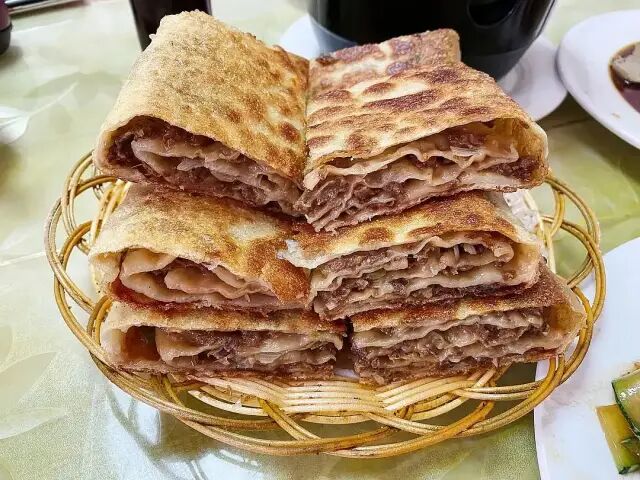
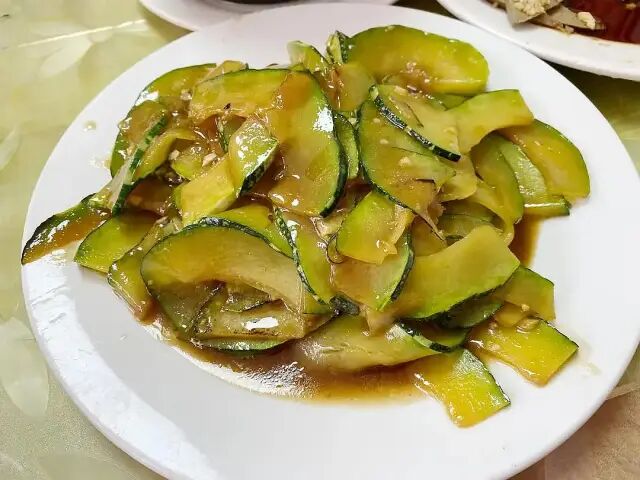
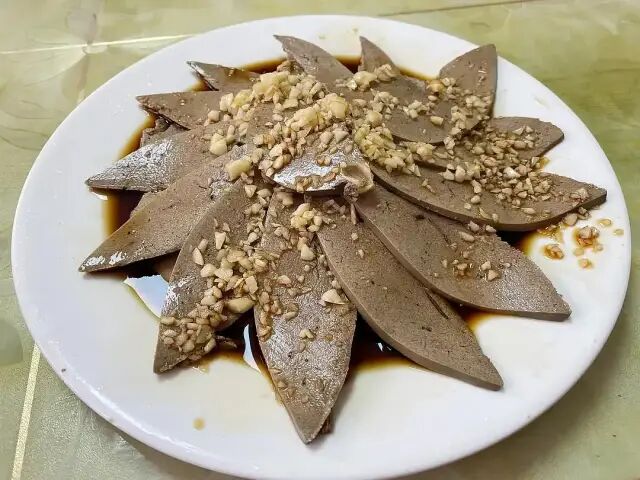
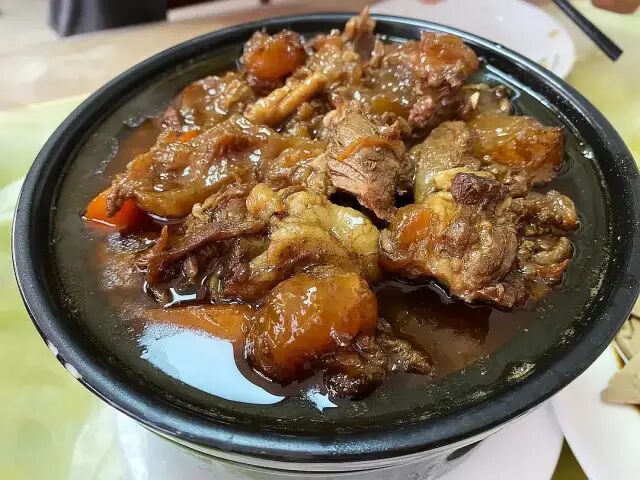
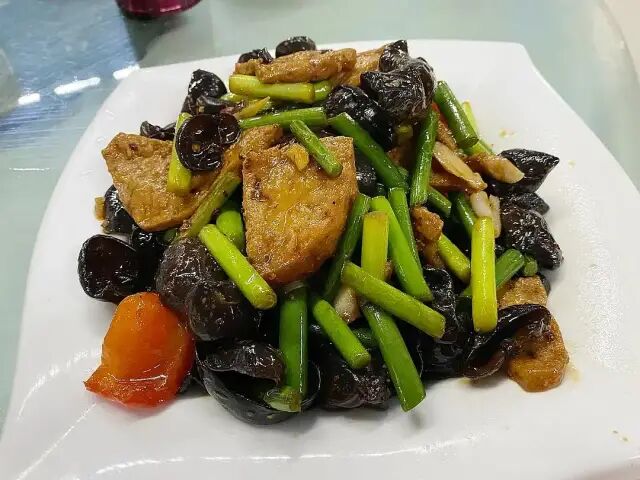
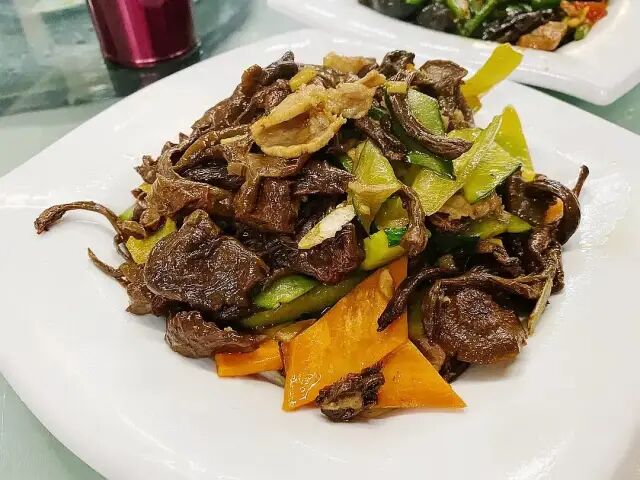
August 25, Shanshui Tianyuan Ethnic Restaurant in Mujiaoyu, Miyun.
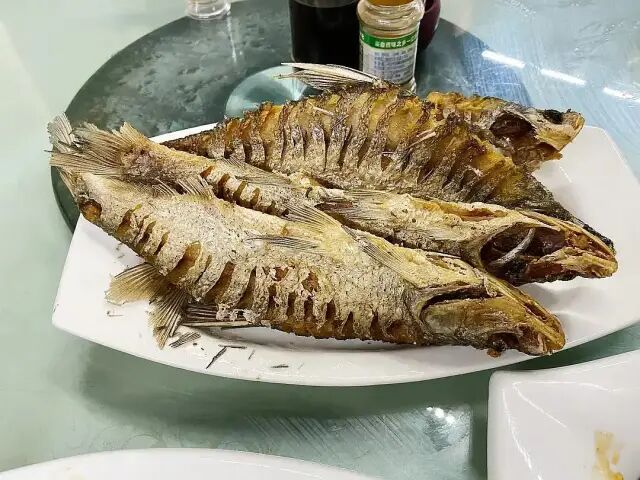
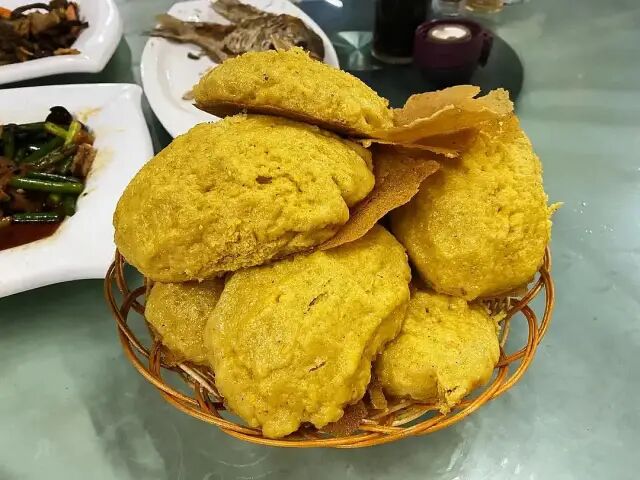
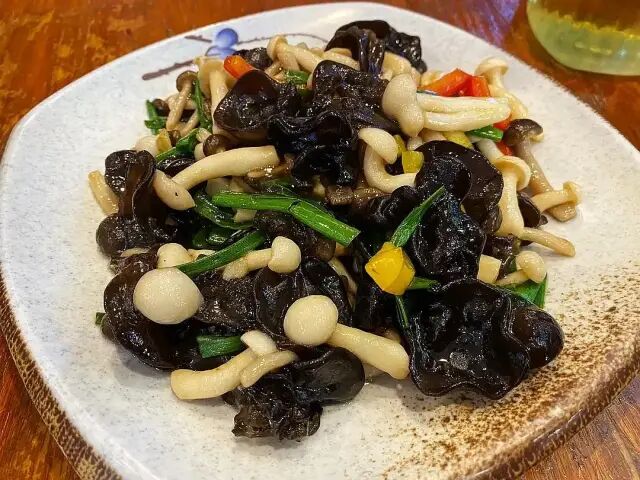
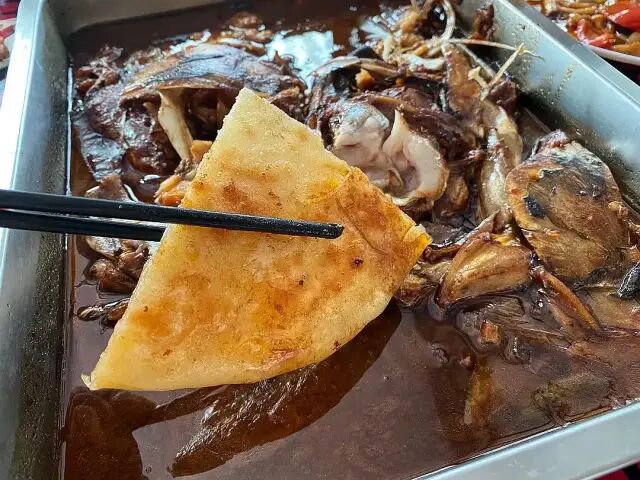
At Shanshui Tianyuan Ethnic Restaurant in Mujiaoyu, we ate stir-fried beef with wild mushrooms, stir-fried tofu and wood ear mushrooms, deep-fried topmouth culter (qiaozui), and cornmeal flatbreads (tiebingzi). A large iron pot of freshly made flatbreads cost only 15 yuan, and we couldn't even finish them. The deep-fried fish was very satisfying, but the portion was huge. Overall, eating at a farmhouse restaurant means big, affordable portions, which reminded me of eating in Northeast China, haha.
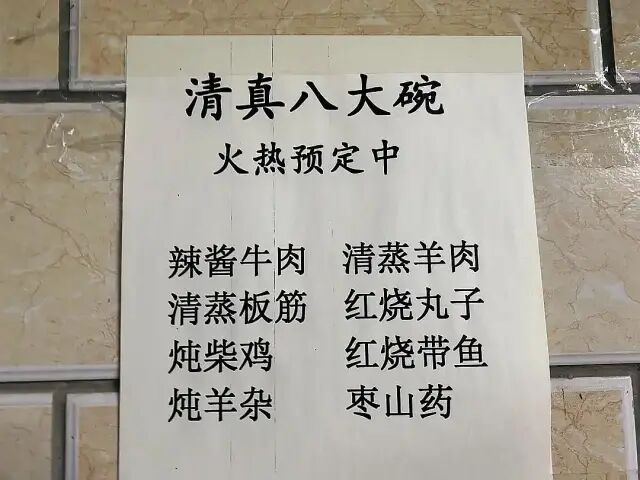
Also, the Hui Muslim banquet dish Eight Great Bowls (badawan) in Mujiaoyu has a long history. When the Miyun Reservoir was built in 1958, all residents of the Shixia Ancient City in the flooded area were relocated. A group of Hui Muslims surnamed Li, who were experts at making the Eight Great Bowls, moved to Mujiaoyu, which is how the current Mujiaoyu halal Eight Great Bowls came to be.
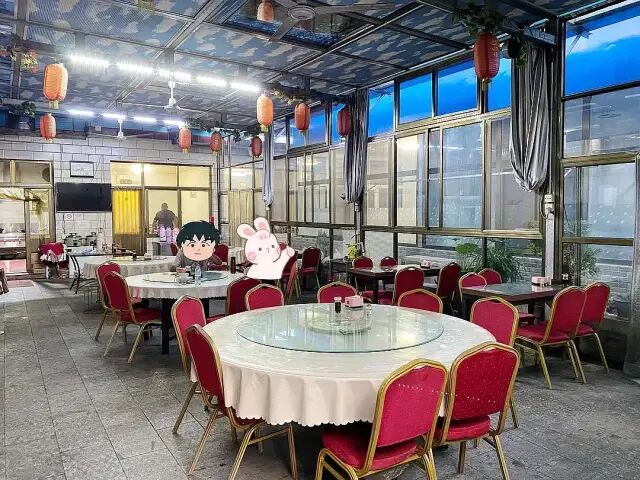
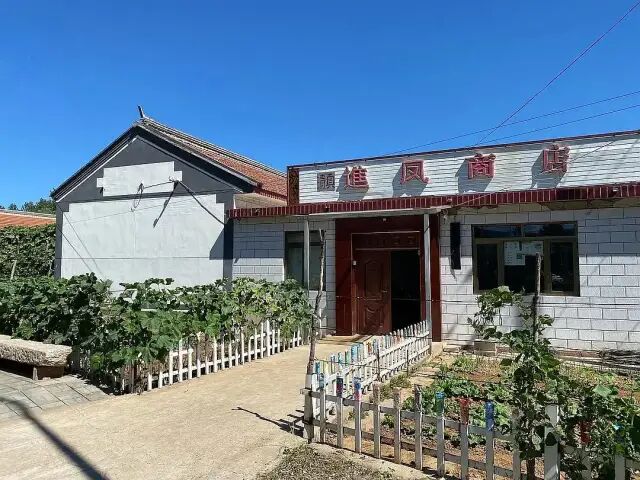
August 26, Hexingzhai Halal Restaurant in Mujiaoyu, Miyun.
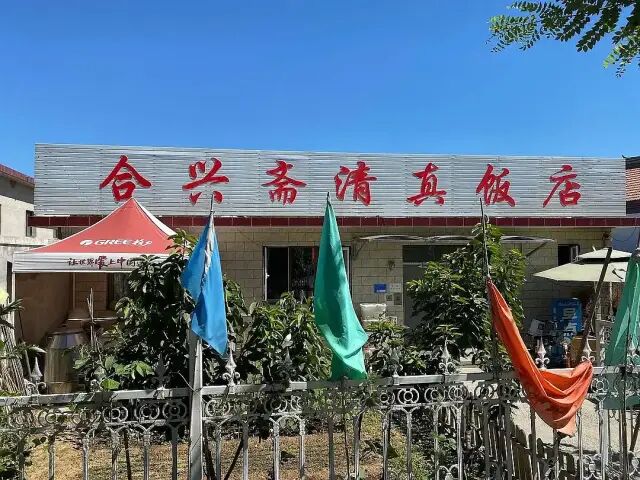
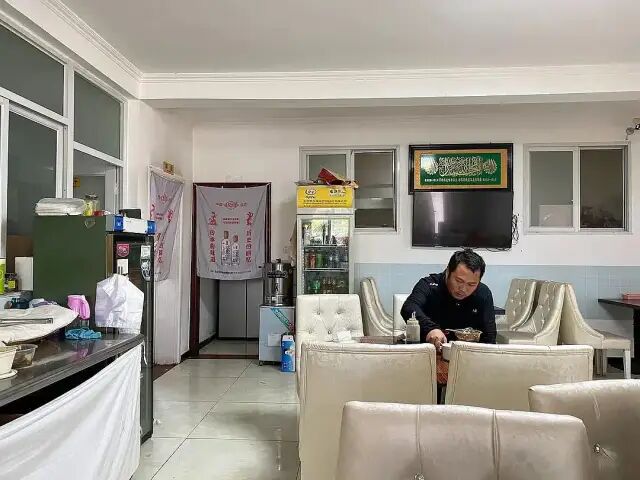
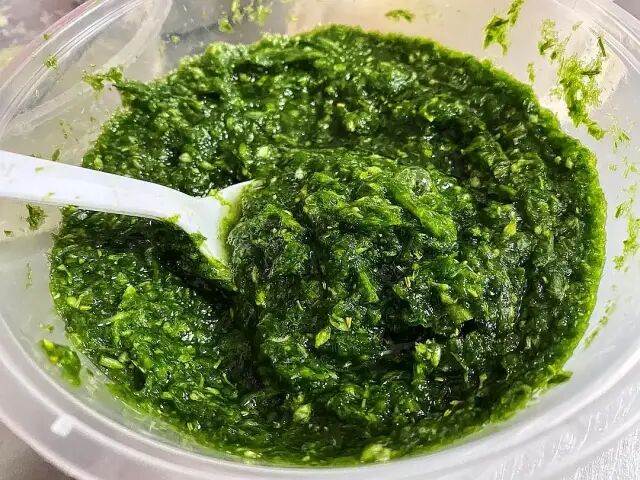
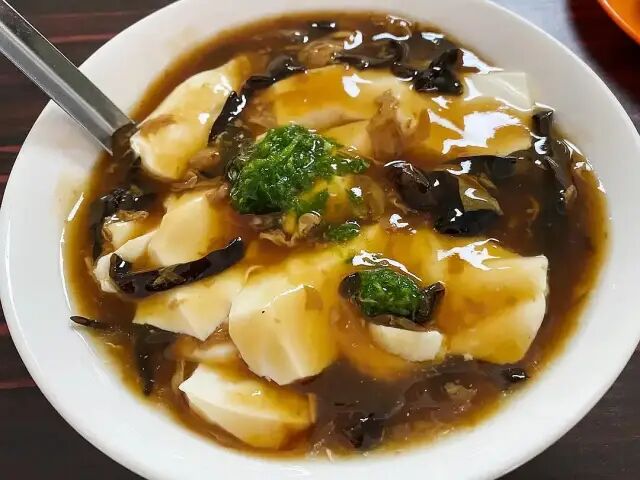
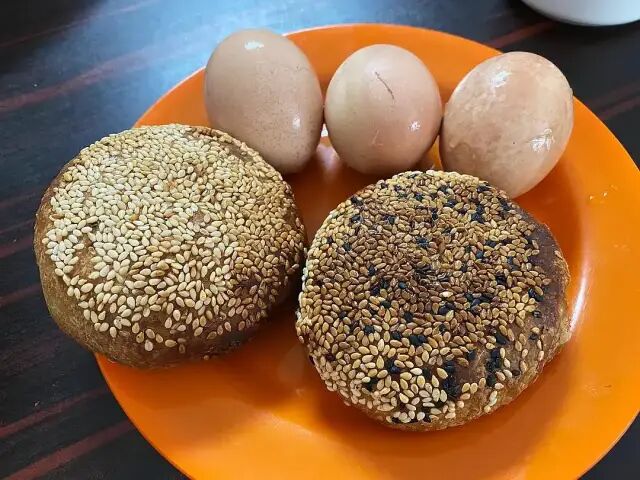
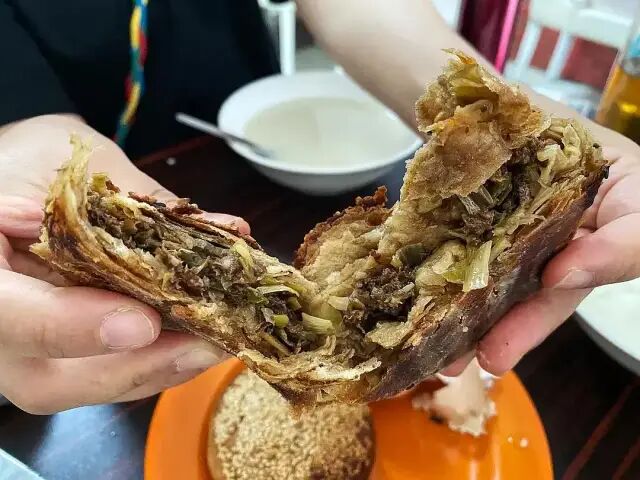
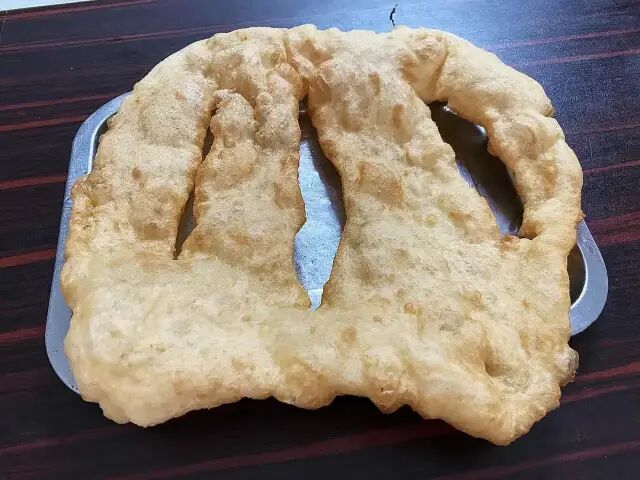
In the morning, I had tofu pudding (doufunao), soy milk (doujiang), fried dough (youbing), and meat flatbread (shaobing) at Hexingzhai Halal Restaurant in Mujiayu. This place seems to be the only breakfast spot in the North Mujiayu Hui Muslim village. Their homemade fresh chive flower sauce is especially delicious, and the meat flatbread is very flavorful.
August 26, Gubeikou Halal Snack Shop, Miyun.
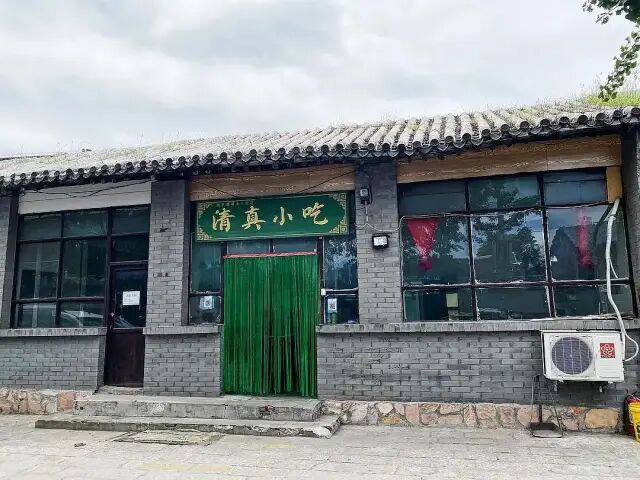
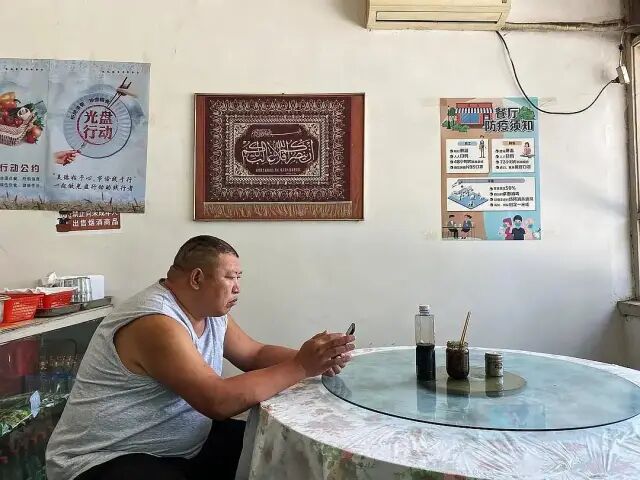
This is the only halal snack shop in Gubeikou Town. The owner's surname is Cao, and he is a local Hui Muslim from Gubeikou. The ancestors of the Cao-surnamed Hui Muslims in North China were originally surnamed Li. They lived in Erlanggang, Nanjing, which research suggests was a station for Semu people who surrendered to the Ming Dynasty. During the Yongle reign, they followed the emperor to Beijing. On the return trip, one ancestor stayed in Cangzhou due to illness, married into the Cao family, and his descendants changed their surname to Cao. The Cao-surnamed Hui Muslims from Cangzhou later spread throughout North China, and one branch settled in Gubeikou during the Qing Dynasty.
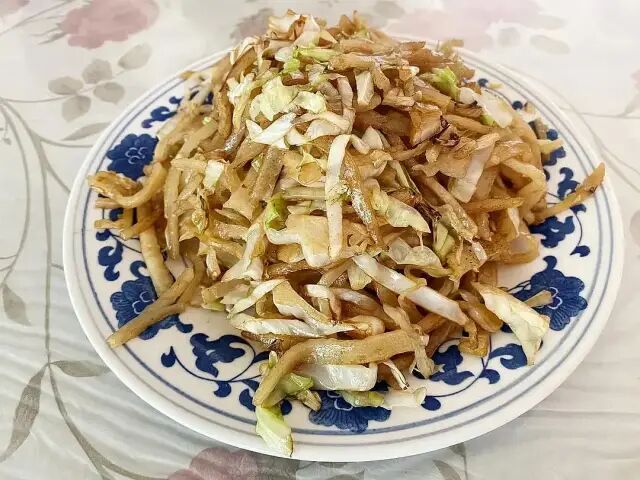
Their shop is famous for selling flatbread (shaobing) and lamb offal soup (yangza) in the morning. At noon, they serve lamb dumplings and stir-fried flatbread (chaobing). It is just a small shop run by a husband and wife. Boss Cao looks a bit stern, but he is actually very friendly. He chatted with me about the situation of the Hui Muslims in Gubeikou. He said that most of the Hui Muslims in Gubeikou have moved away, and some of them have relocated near the Miyun Mosque.
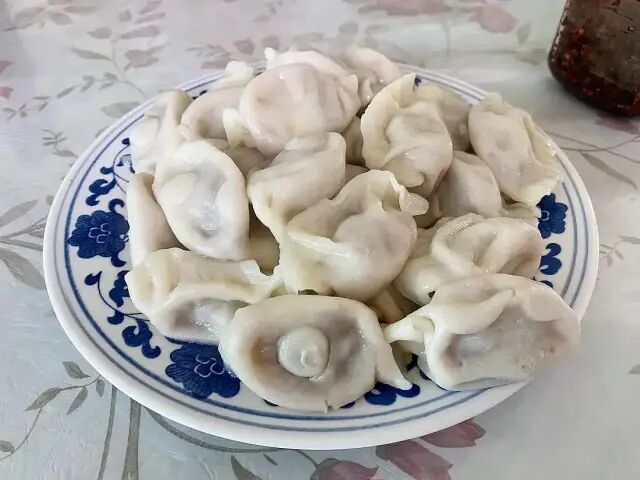
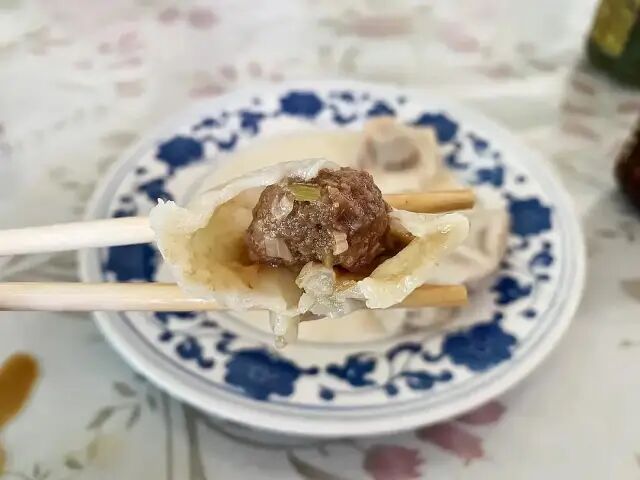
August 26, Tanghe Halal Restaurant in Gubei Water Town, Miyun.
Most Hui Muslims visiting Gubei Water Town stop by this Tanghe Halal Restaurant. The building mimics the Hengchang Ruiji storefront on Dongsi Fourth Alley. It has a classic, antique look and a very nice atmosphere.
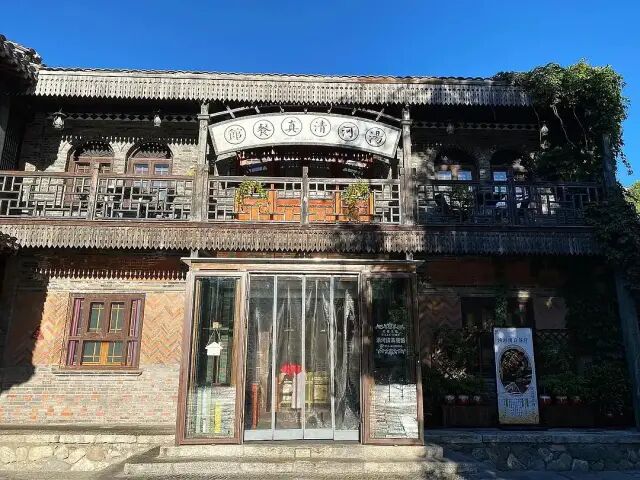
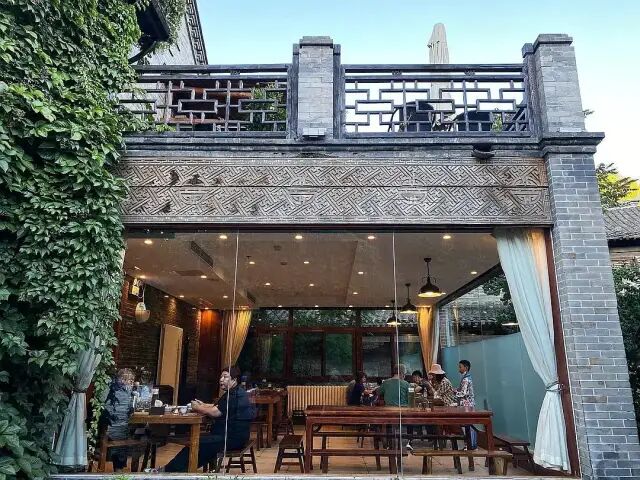
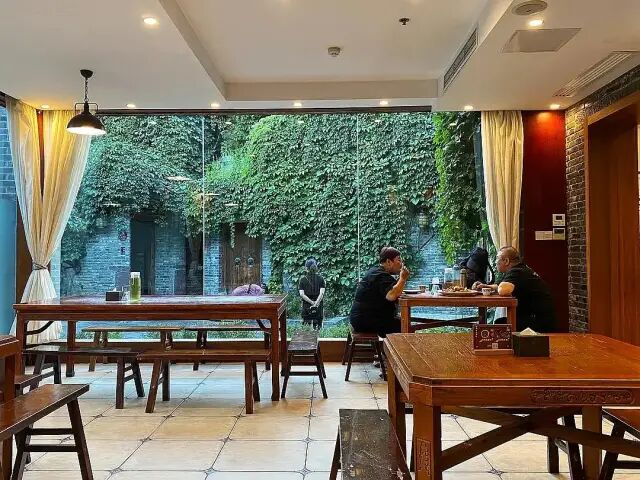
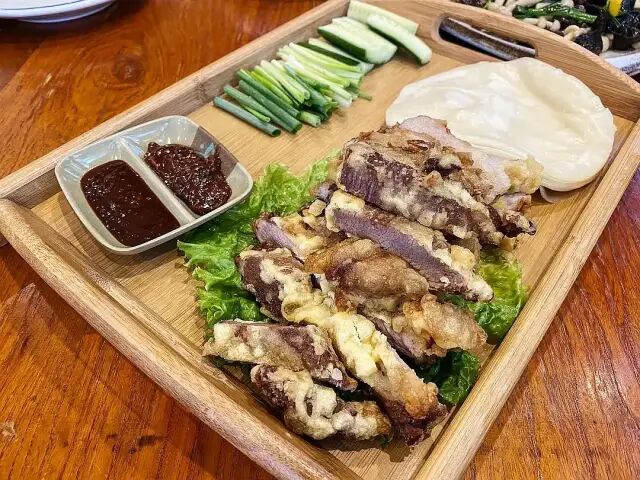
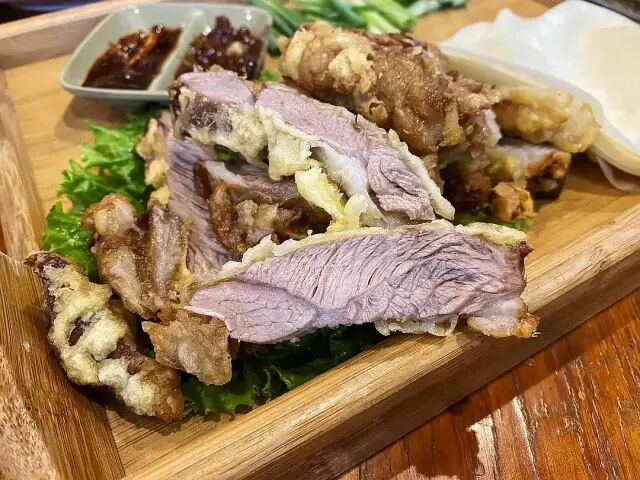
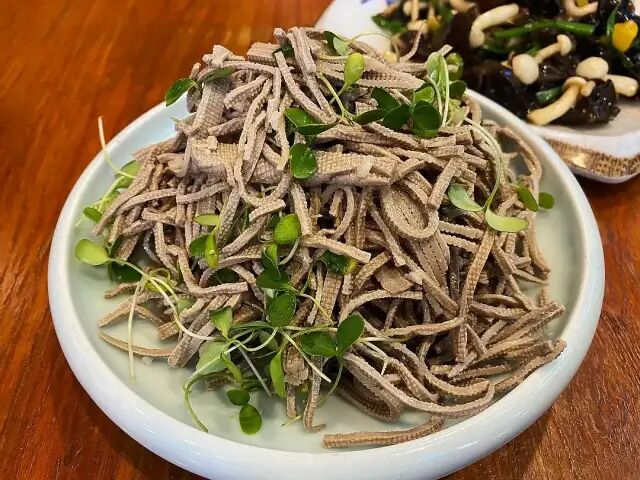
Their menu is a mix of styles, with the main dishes being big plate chicken (dapanji) and roasted lamb (shao yangrou). We looked at the big plate chicken other tables ordered. It had too many potatoes and no wide belt noodles (pidaimian), just flatbread (nang) underneath, so we ordered the roasted lamb instead. They serve the roasted lamb like roast duck, with yellow bean sauce for dipping and lotus leaf pancakes (heye bing) for wrapping. It was pretty good. However, the fried coating on the roasted lamb wasn't fragrant enough, and the flavor didn't soak into the meat. This made the fatty parts feel greasy. It is not quite as good as truly delicious roasted lamb, but I am satisfied to find a restaurant like this inside a tourist area.
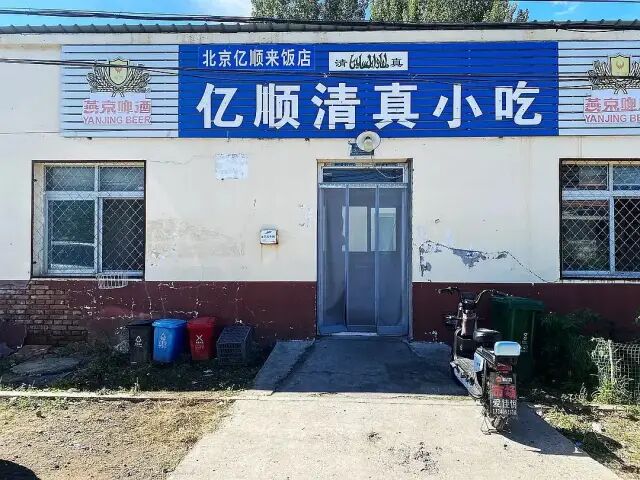
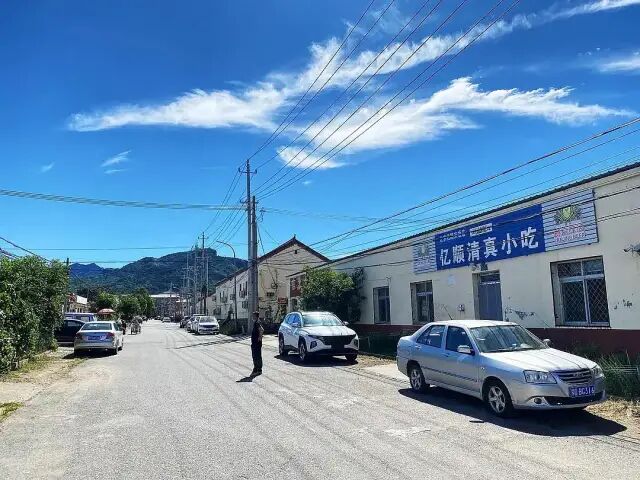
August 27, Yishun Halal Snack Shop in Taishitun Town, Miyun.
Gubei Water Town has no halal breakfast. The closest option is the sesame flatbread (shaobing) and lamb offal soup (yangza) at the Gubei Kou Town Halal Snack Shop. We wanted something different, so we drove south to the Yishun Halal Snack Shop in Taishitun Town that morning.
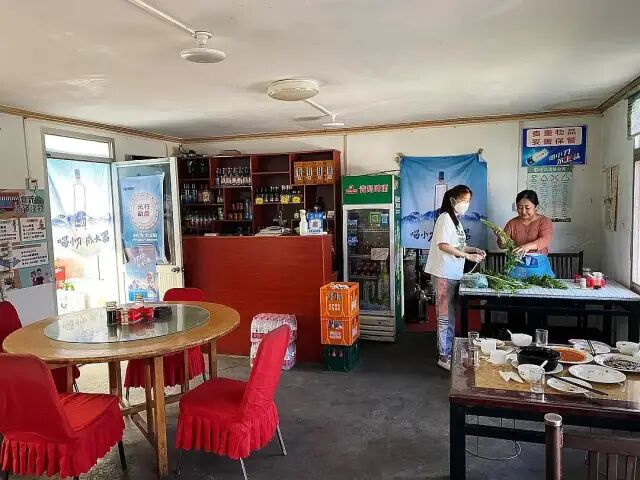
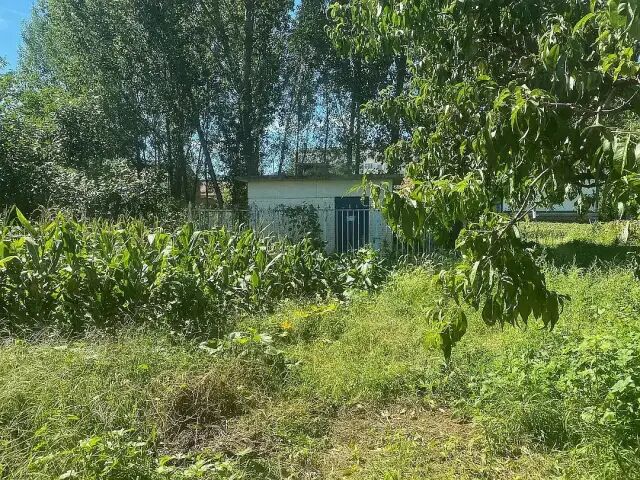
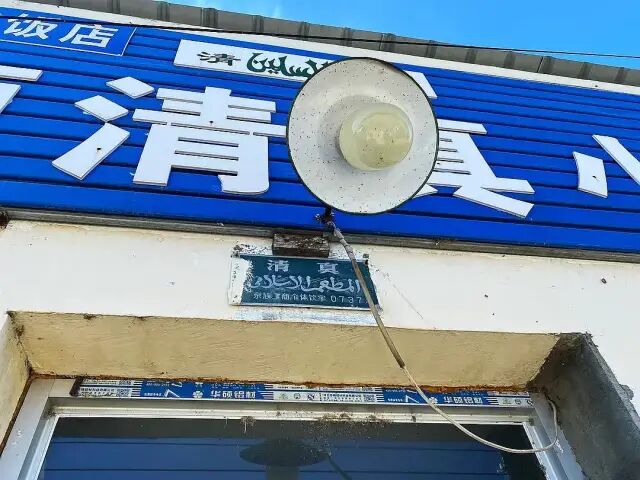
This restaurant is run by local Hui Muslims from Taishitun. They are the only Hui Muslim family in Taishitun town. There are dozens more families in Lugezhuang to the south, but this is the only halal restaurant in the area. The restaurant is right on the edge of town. There is a cornfield behind it, which gives it a real countryside feel.
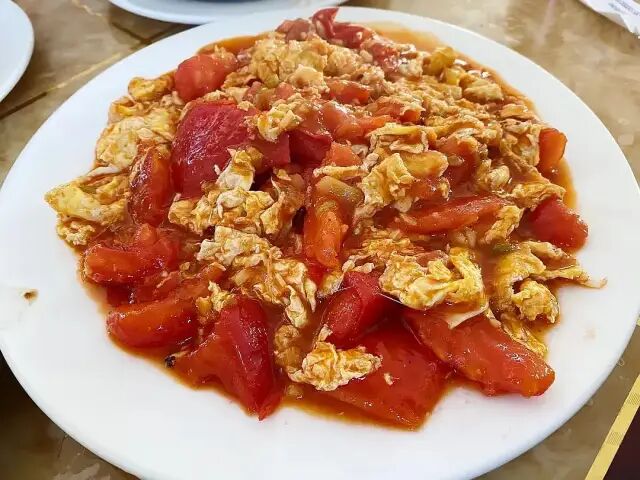
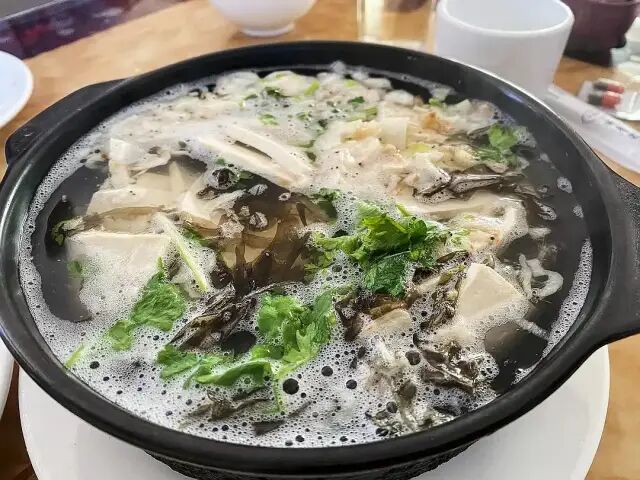
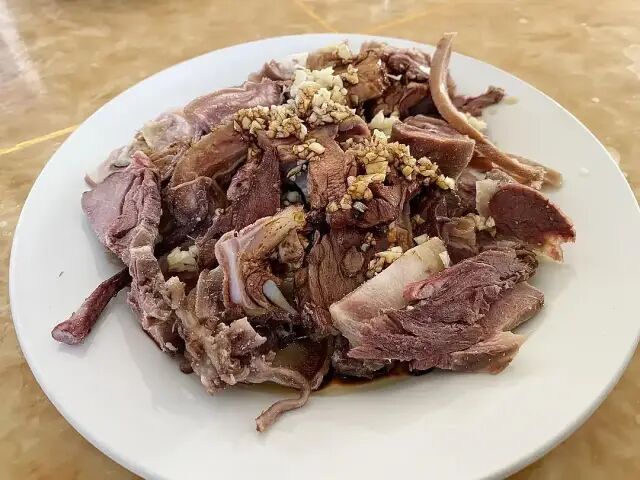
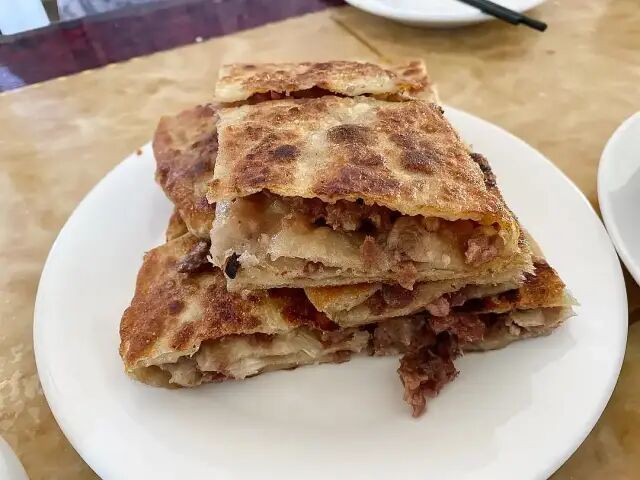
We arrived after nine in the morning and they were already serving their full menu. The dishes are similar to the Hui Muslim farmhouse food in Mujiaoyu, focusing on beef pancakes (niuroubing) and the eight classic Hui Muslim bowls (Hui min ba da wan), along with some home-style stir-fries. We ordered half a jin of beef pancakes, stir-fried eggs with tomatoes (muxu chao shizi), boiled lamb head (baishui yangtou), and tofu in a clay pot (shaguo doufu). Everything tasted great, making for a very hearty breakfast, haha.
August 27, Kunanchun Folk Restaurant in Mujiaoyu, Miyun.
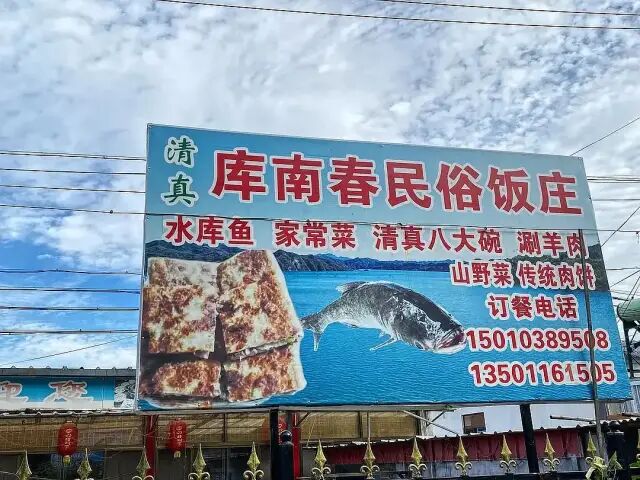
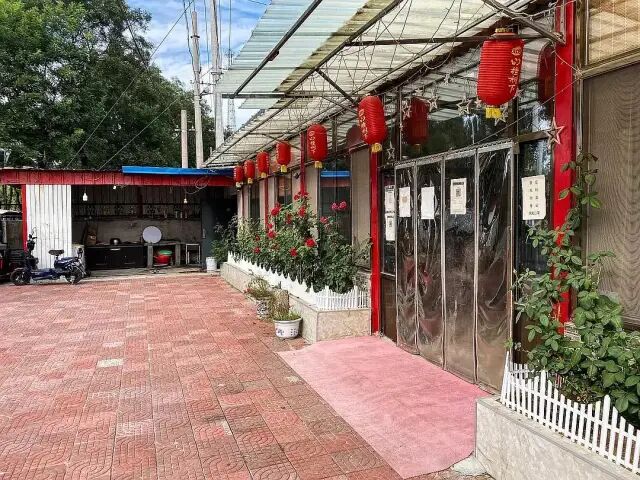
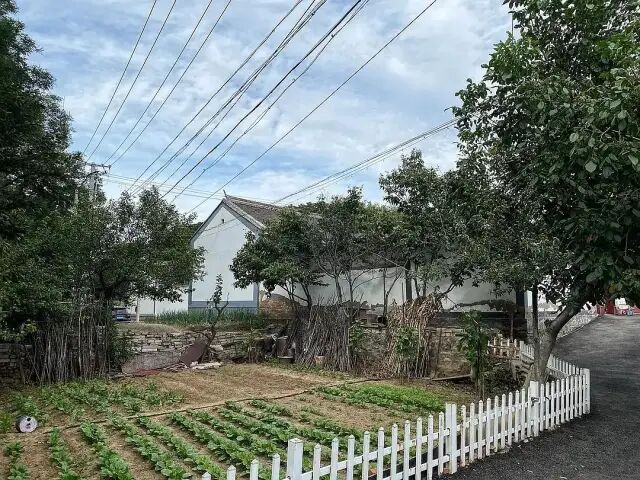
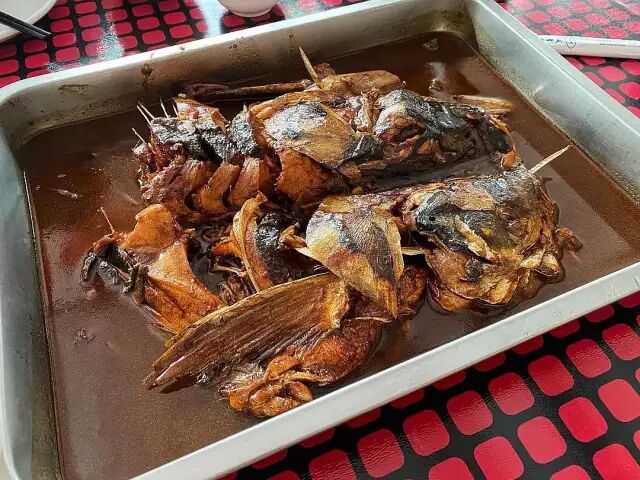
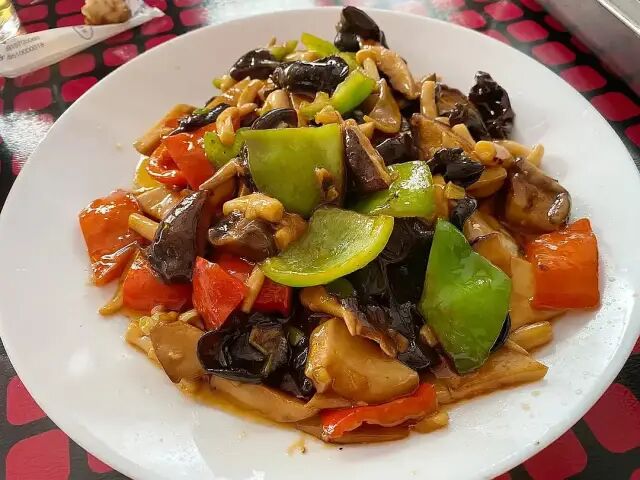
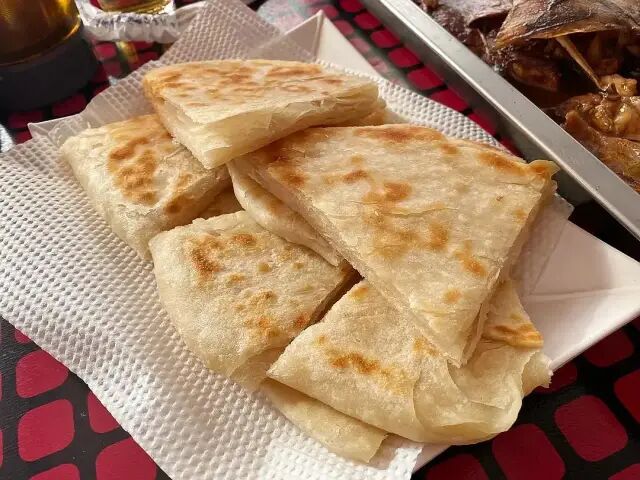
A halal farmhouse restaurant in Mujiaoyu: Kunanchun Folk Restaurant. We ate fish head with flatbread (yutou paobing), which was three jin of bighead carp served with freshly baked home-style flatbread (jiachang bing), and we also ordered a braised three-mushroom dish (hui san jun). I called ahead to ask for less salt and had them start the stew, so it was ready to eat as soon as we arrived. The reservoir fish was not as chewy as the rainbow trout we had last week, but it was delicious in its own way. Everyone was very happy and wanted more, saying we should order a whole five or six-pound fish next time.
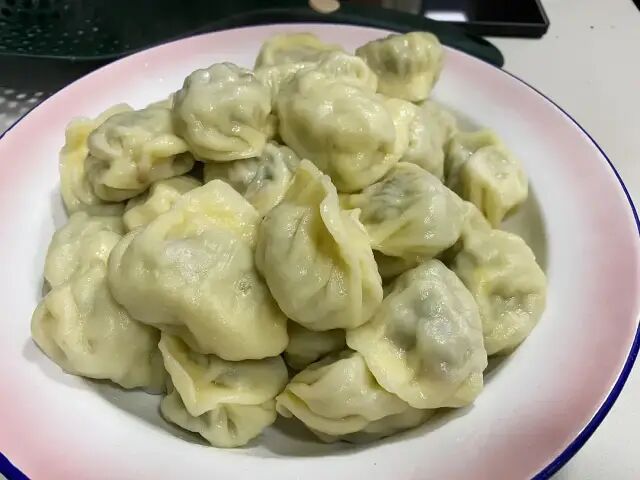
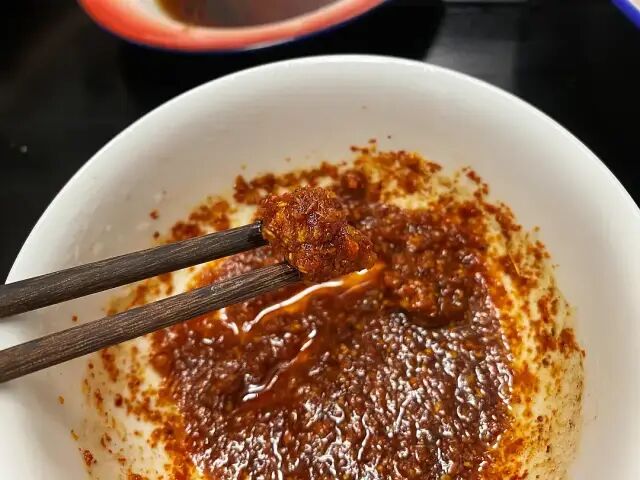
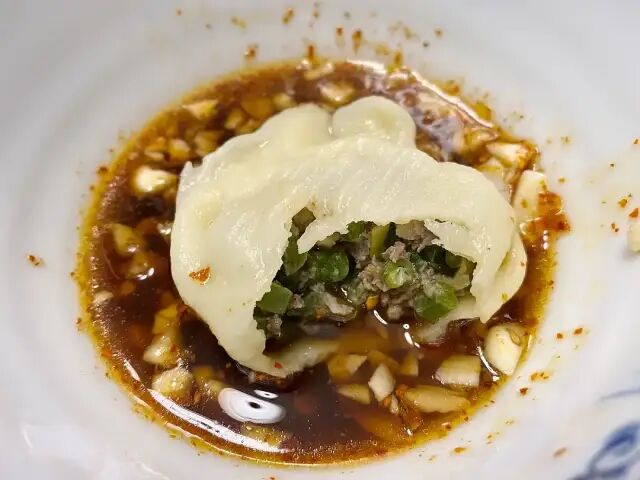
August 30, eating dumplings.
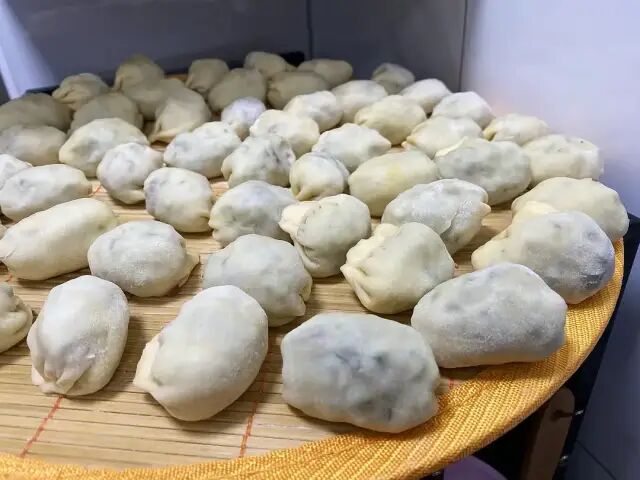
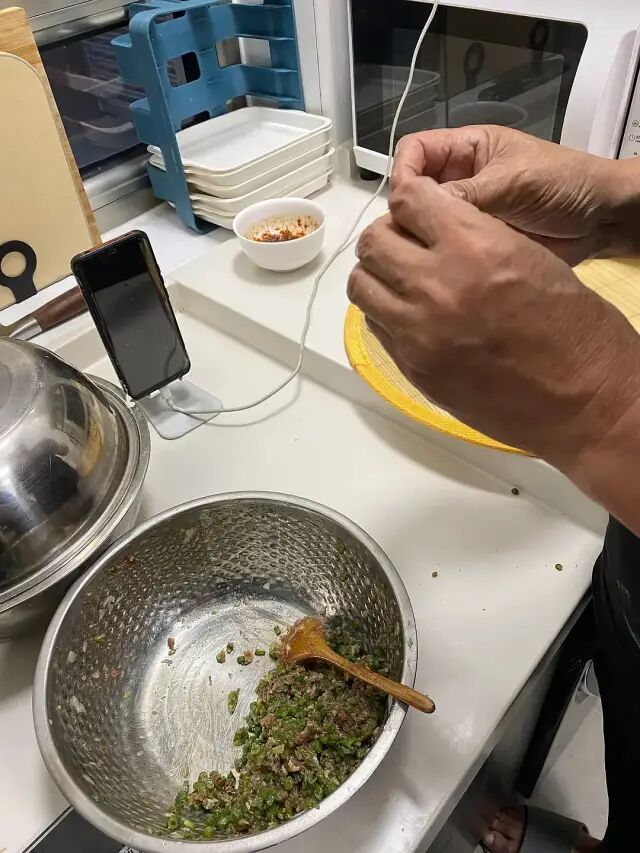
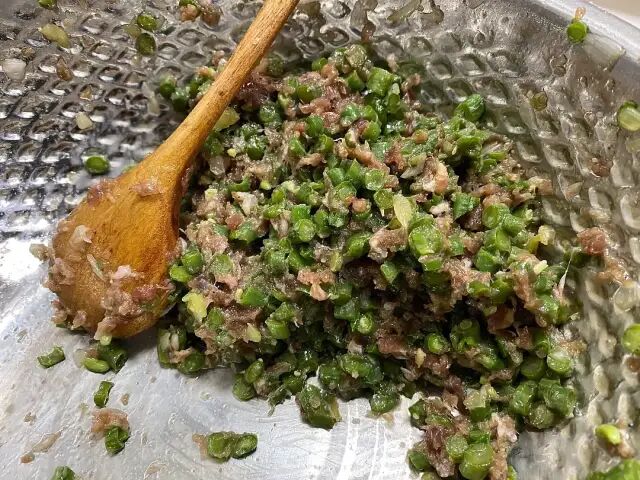
My father-in-law made delicious long bean dumplings. They had thin skins and big fillings, looking like small steamed buns (baozi).
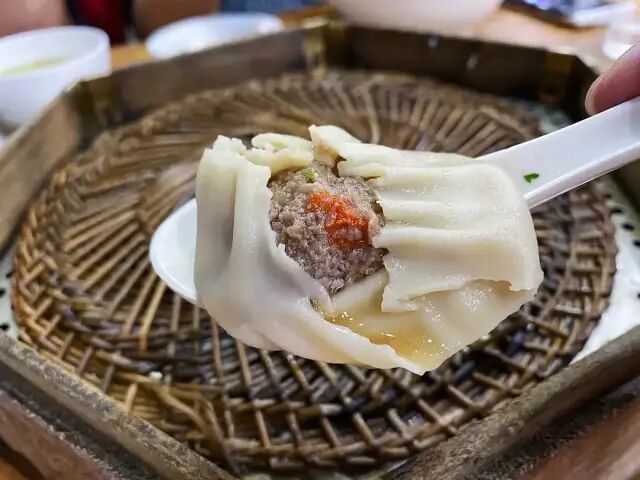
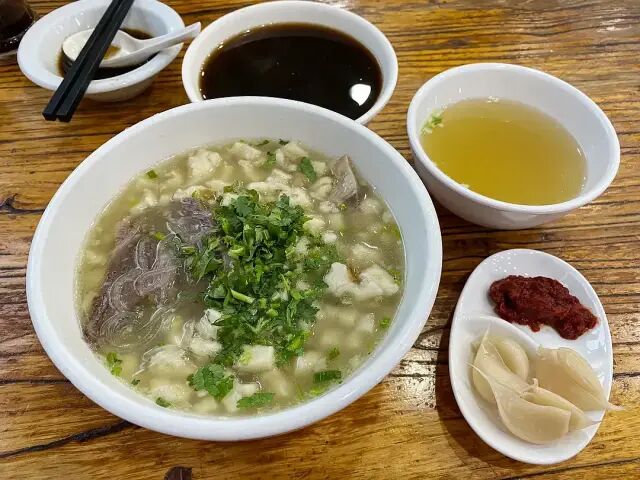
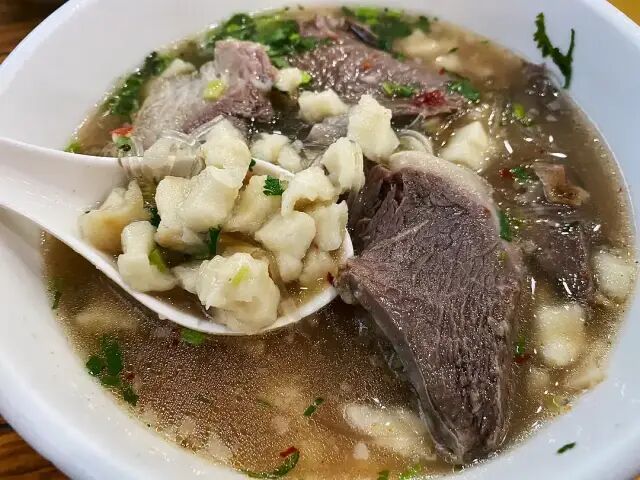
August 31, Jia San Steamed Buns (baozi) at Baiyun Temple.
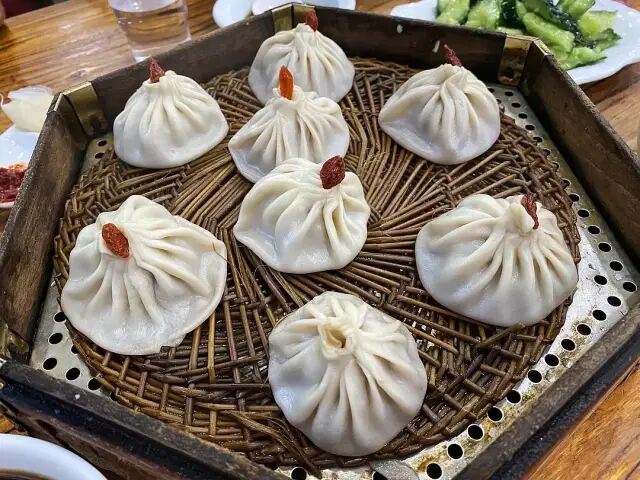
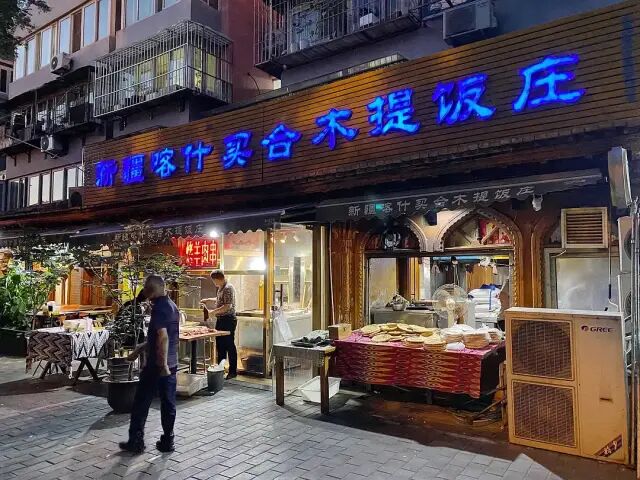
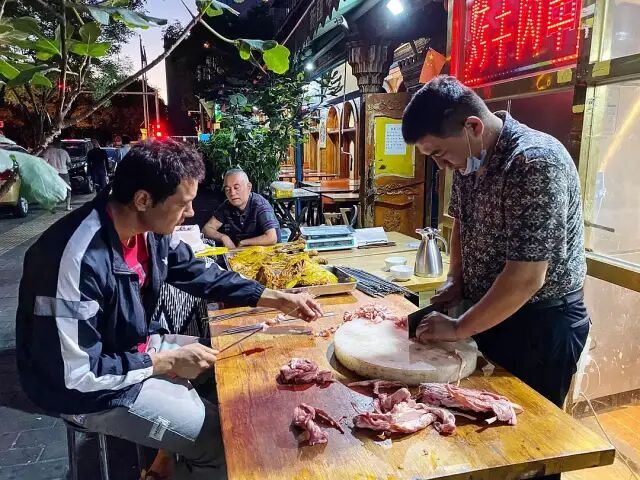
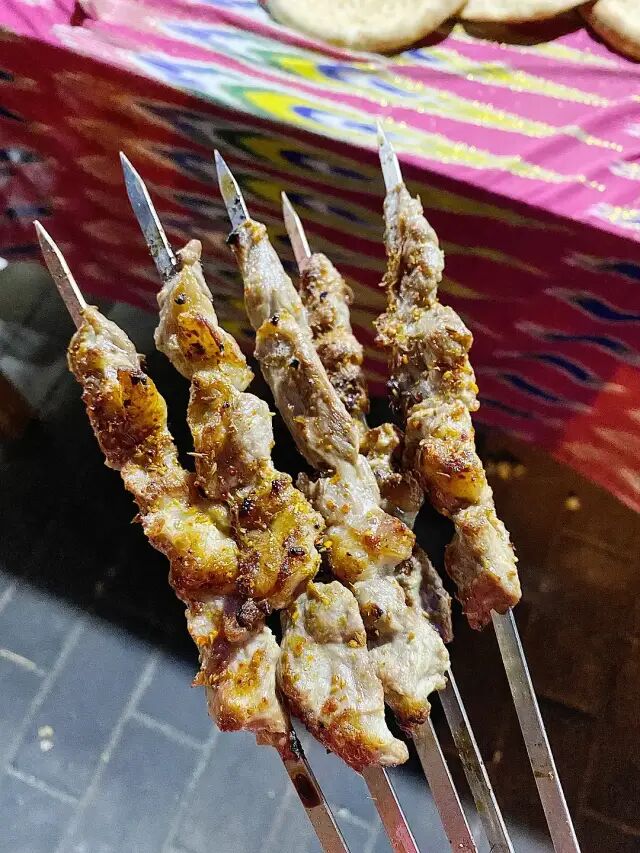
We went to Jia San Steamed Buns (baozi) at Baiyun Temple for lamb pita bread soup (yangrou paomo) and beef tail soup-filled buns (guantang bao), then bought strip flatbread (pitiao nang), yogurt, and barbecue at the nearby Kashgar Mahmut restaurant. I love both of these places and always struggle to choose between them, but this time I finally got to eat at both, haha.
August 31, Kashgar Mahmut Restaurant at Baiyun Temple.
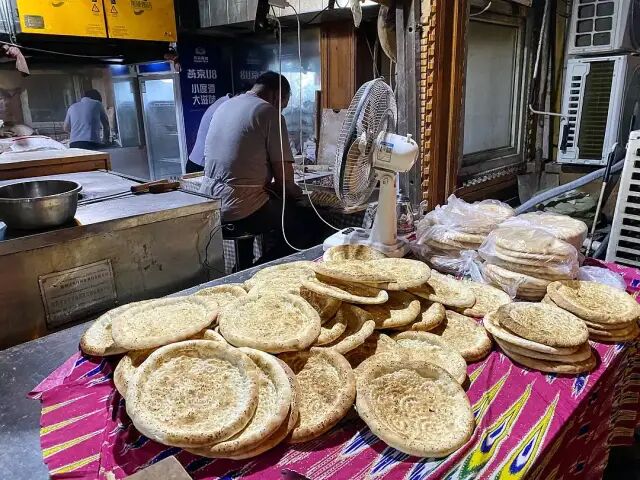
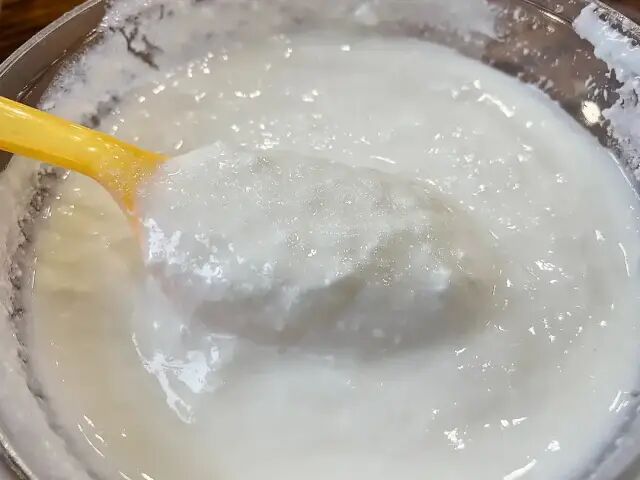
Kashgar Maihemuti's yogurt is the most authentic Xinjiang-style yogurt in all of Beijing; one bite and you feel like you have been transported straight back to Xingxing Gorge. Freshly baked flatbread (nang) has such a strong wheat aroma that the whole bus smells like it on the way home.
Summary: Beijing Halal Food Diary: Summer 2022 Muslim Food and Mosques is presented here as a firsthand travel account in clear English, beginning with this scene: At Shanshui Tianyuan Ethnic Restaurant in Mujiaoyu, we ate stir-fried beef with wild mushrooms, stir-fried tofu and wood ear mushrooms, deep-fried topmouth culter (qiaozui), and cornmeal flatbreads (tiebingzi). The account keeps its focus on Beijing Halal Food, Summer Diary, Muslim Food while preserving the names, places, food, and historical details from the Chinese source.
August 25, Shanshui Tianyuan Ethnic Restaurant in Mujiaoyu, Miyun.
At Shanshui Tianyuan Ethnic Restaurant in Mujiaoyu, we ate stir-fried beef with wild mushrooms, stir-fried tofu and wood ear mushrooms, deep-fried topmouth culter (qiaozui), and cornmeal flatbreads (tiebingzi). A large iron pot of freshly made flatbreads cost only 15 yuan, and we couldn't even finish them. The deep-fried fish was very satisfying, but the portion was huge. Overall, eating at a farmhouse restaurant means big, affordable portions, which reminded me of eating in Northeast China, haha.
Also, the Hui Muslim banquet dish Eight Great Bowls (badawan) in Mujiaoyu has a long history. When the Miyun Reservoir was built in 1958, all residents of the Shixia Ancient City in the flooded area were relocated. A group of Hui Muslims surnamed Li, who were experts at making the Eight Great Bowls, moved to Mujiaoyu, which is how the current Mujiaoyu halal Eight Great Bowls came to be.
August 26, Hexingzhai Halal Restaurant in Mujiaoyu, Miyun.
In the morning, I had tofu pudding (doufunao), soy milk (doujiang), fried dough (youbing), and meat flatbread (shaobing) at Hexingzhai Halal Restaurant in Mujiayu. This place seems to be the only breakfast spot in the North Mujiayu Hui Muslim village. Their homemade fresh chive flower sauce is especially delicious, and the meat flatbread is very flavorful.
August 26, Gubeikou Halal Snack Shop, Miyun.
This is the only halal snack shop in Gubeikou Town. The owner's surname is Cao, and he is a local Hui Muslim from Gubeikou. The ancestors of the Cao-surnamed Hui Muslims in North China were originally surnamed Li. They lived in Erlanggang, Nanjing, which research suggests was a station for Semu people who surrendered to the Ming Dynasty. During the Yongle reign, they followed the emperor to Beijing. On the return trip, one ancestor stayed in Cangzhou due to illness, married into the Cao family, and his descendants changed their surname to Cao. The Cao-surnamed Hui Muslims from Cangzhou later spread throughout North China, and one branch settled in Gubeikou during the Qing Dynasty.
Their shop is famous for selling flatbread (shaobing) and lamb offal soup (yangza) in the morning. At noon, they serve lamb dumplings and stir-fried flatbread (chaobing). It is just a small shop run by a husband and wife. Boss Cao looks a bit stern, but he is actually very friendly. He chatted with me about the situation of the Hui Muslims in Gubeikou. He said that most of the Hui Muslims in Gubeikou have moved away, and some of them have relocated near the Miyun Mosque.
August 26, Tanghe Halal Restaurant in Gubei Water Town, Miyun.
Most Hui Muslims visiting Gubei Water Town stop by this Tanghe Halal Restaurant. The building mimics the Hengchang Ruiji storefront on Dongsi Fourth Alley. It has a classic, antique look and a very nice atmosphere.
Their menu is a mix of styles, with the main dishes being big plate chicken (dapanji) and roasted lamb (shao yangrou). We looked at the big plate chicken other tables ordered. It had too many potatoes and no wide belt noodles (pidaimian), just flatbread (nang) underneath, so we ordered the roasted lamb instead. They serve the roasted lamb like roast duck, with yellow bean sauce for dipping and lotus leaf pancakes (heye bing) for wrapping. It was pretty good. However, the fried coating on the roasted lamb wasn't fragrant enough, and the flavor didn't soak into the meat. This made the fatty parts feel greasy. It is not quite as good as truly delicious roasted lamb, but I am satisfied to find a restaurant like this inside a tourist area.
August 27, Yishun Halal Snack Shop in Taishitun Town, Miyun.
Gubei Water Town has no halal breakfast. The closest option is the sesame flatbread (shaobing) and lamb offal soup (yangza) at the Gubei Kou Town Halal Snack Shop. We wanted something different, so we drove south to the Yishun Halal Snack Shop in Taishitun Town that morning.
This restaurant is run by local Hui Muslims from Taishitun. They are the only Hui Muslim family in Taishitun town. There are dozens more families in Lugezhuang to the south, but this is the only halal restaurant in the area. The restaurant is right on the edge of town. There is a cornfield behind it, which gives it a real countryside feel.
We arrived after nine in the morning and they were already serving their full menu. The dishes are similar to the Hui Muslim farmhouse food in Mujiaoyu, focusing on beef pancakes (niuroubing) and the eight classic Hui Muslim bowls (Hui min ba da wan), along with some home-style stir-fries. We ordered half a jin of beef pancakes, stir-fried eggs with tomatoes (muxu chao shizi), boiled lamb head (baishui yangtou), and tofu in a clay pot (shaguo doufu). Everything tasted great, making for a very hearty breakfast, haha.
August 27, Kunanchun Folk Restaurant in Mujiaoyu, Miyun.
A halal farmhouse restaurant in Mujiaoyu: Kunanchun Folk Restaurant. We ate fish head with flatbread (yutou paobing), which was three jin of bighead carp served with freshly baked home-style flatbread (jiachang bing), and we also ordered a braised three-mushroom dish (hui san jun). I called ahead to ask for less salt and had them start the stew, so it was ready to eat as soon as we arrived. The reservoir fish was not as chewy as the rainbow trout we had last week, but it was delicious in its own way. Everyone was very happy and wanted more, saying we should order a whole five or six-pound fish next time.
August 30, eating dumplings.
My father-in-law made delicious long bean dumplings. They had thin skins and big fillings, looking like small steamed buns (baozi).
August 31, Jia San Steamed Buns (baozi) at Baiyun Temple.
We went to Jia San Steamed Buns (baozi) at Baiyun Temple for lamb pita bread soup (yangrou paomo) and beef tail soup-filled buns (guantang bao), then bought strip flatbread (pitiao nang), yogurt, and barbecue at the nearby Kashgar Mahmut restaurant. I love both of these places and always struggle to choose between them, but this time I finally got to eat at both, haha.
August 31, Kashgar Mahmut Restaurant at Baiyun Temple.
Kashgar Maihemuti's yogurt is the most authentic Xinjiang-style yogurt in all of Beijing; one bite and you feel like you have been transported straight back to Xingxing Gorge. Freshly baked flatbread (nang) has such a strong wheat aroma that the whole bus smells like it on the way home.
