
Beijing Halal Food Diary: Summer 2022 Muslim Food and Mosques (Part 3)
Reposted from the web
Summary: Beijing Halal Food Diary: Summer 2022 Muslim Food and Mosques is presented here as a firsthand travel account in clear English, beginning with this scene: Lamb for Eid al-Adha (Qurban), bean rice for Ashura, and fried dough (youxiang) for religious gatherings (niansuoer). The account keeps its focus on Beijing Halal Food, Summer Diary, Muslim Food while preserving the names, places, food, and historical details from the Chinese source.
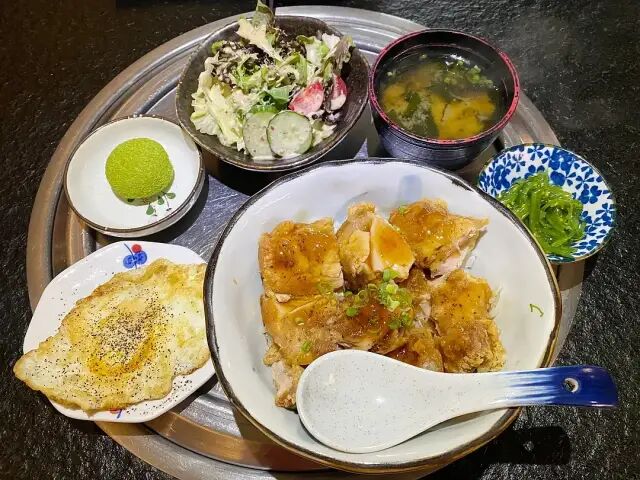
August 9, Faith and Food
Lamb for Eid al-Adha (Qurban), bean rice for Ashura, and fried dough (youxiang) for religious gatherings (niansuoer).
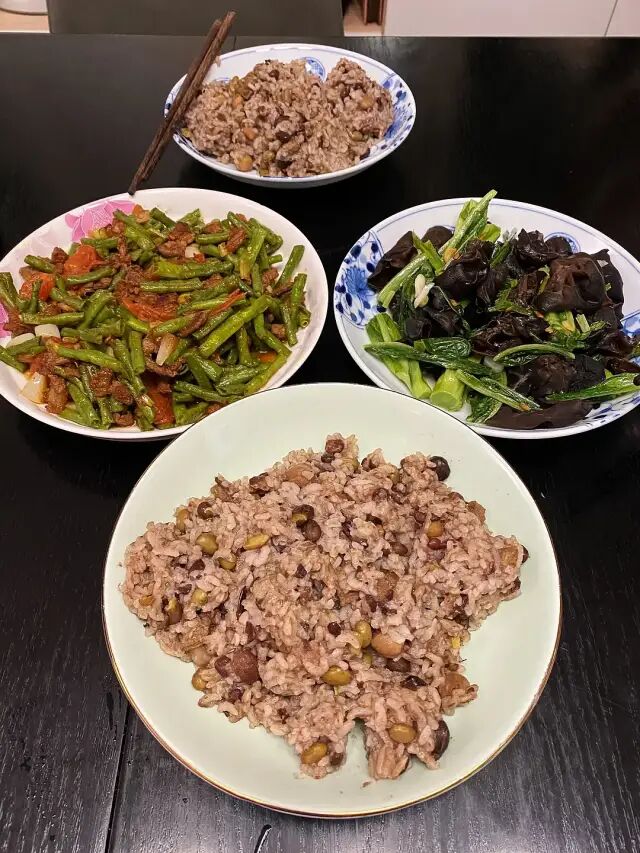
August 10
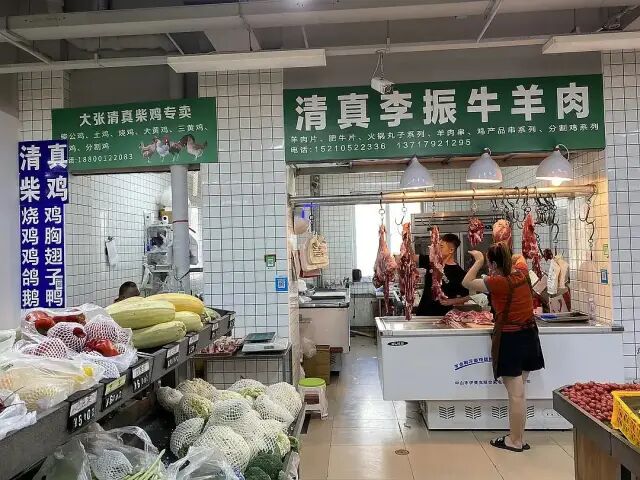
It was my first day staying at home. I got a call from the community office in the morning and headed home from work. I had some time at noon to shop, so I rushed to the Niuniu market in Changying to buy chicken, meat, and fillings to prepare for big plate chicken (dapanji), meatball soup (wanzi tang), and hand-pulled noodles (latiaozi).
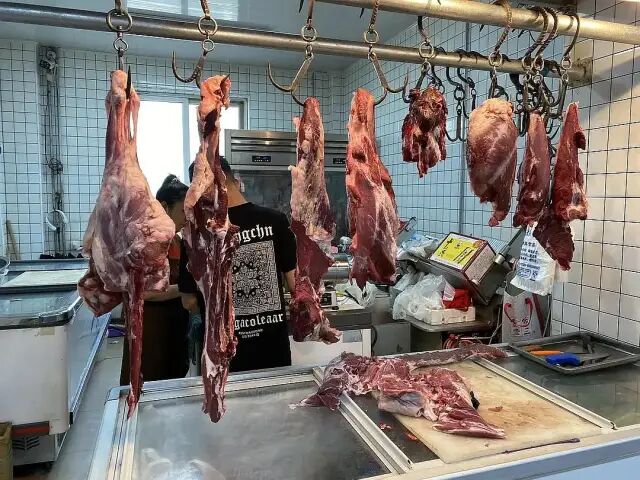
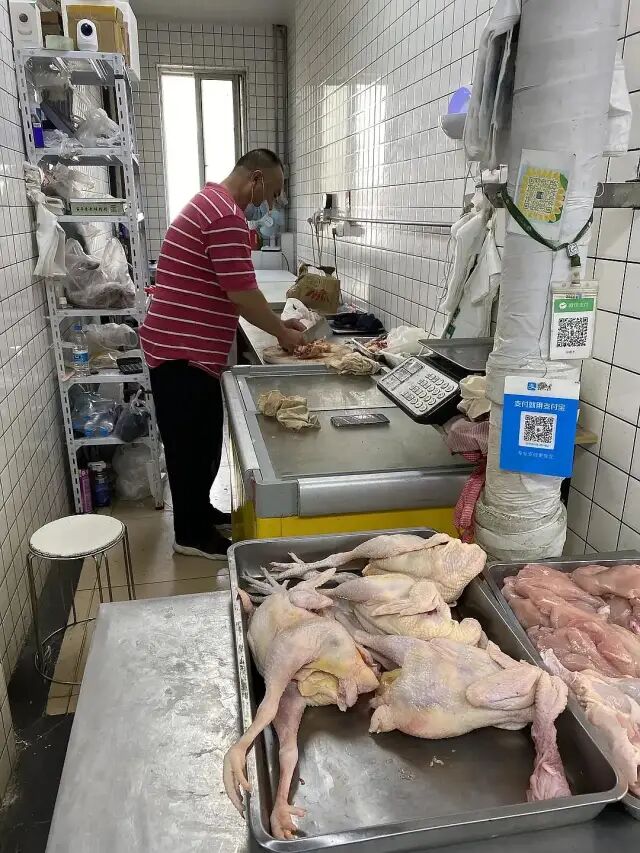
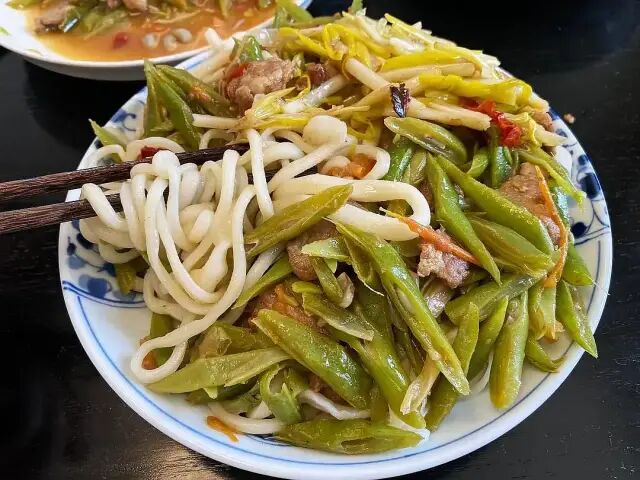
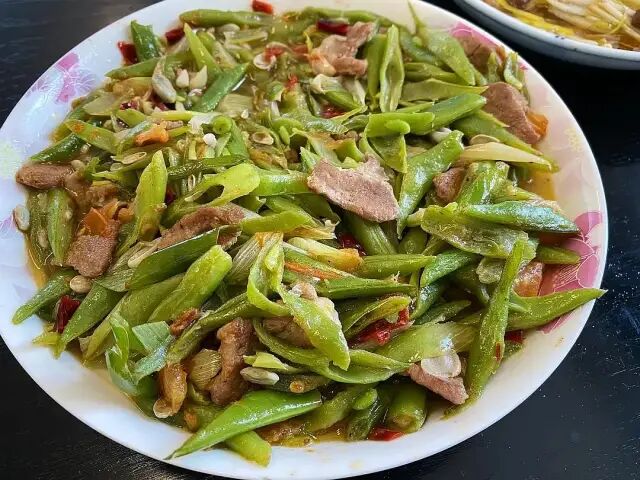
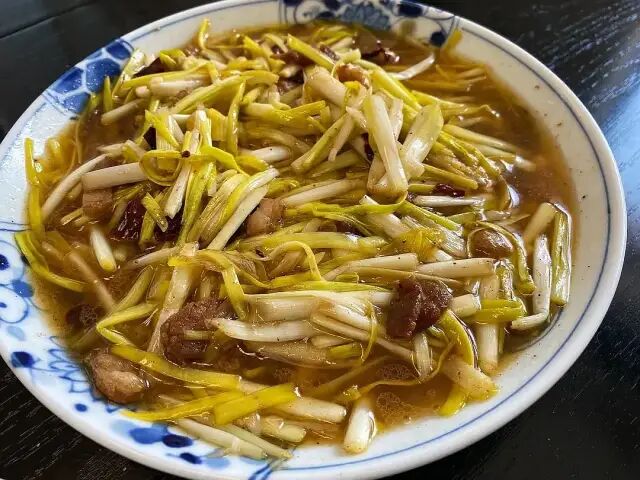
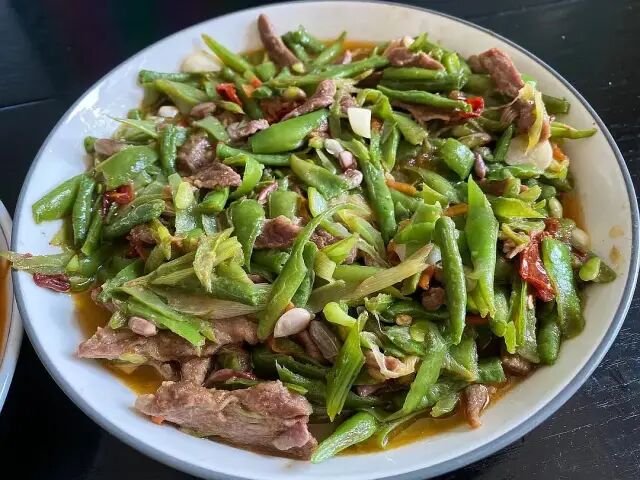
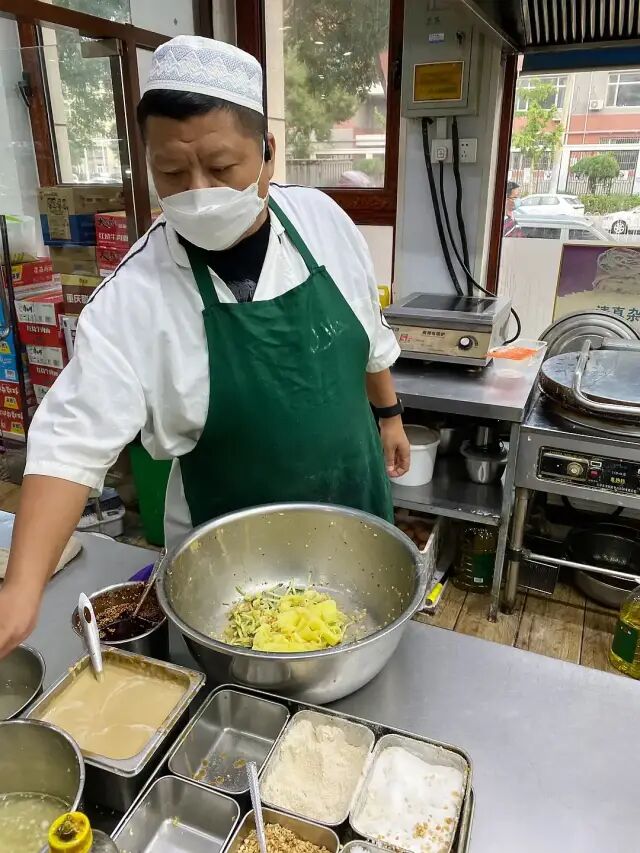
At noon, my father-in-law made green bean and meat stir-fry and yellow chive and meat stir-fry. The secret is to add plenty of green onions, Sichuan peppercorn powder, and dried chili skins (lapizi) so the flavor really pops. My father-in-law said he used half a whole green onion for just one dish.
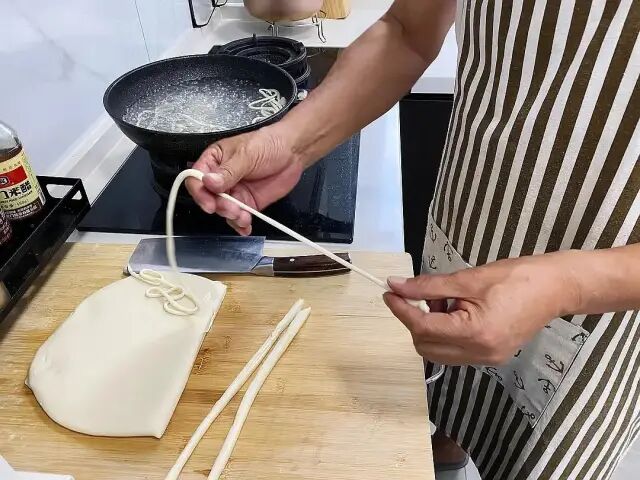
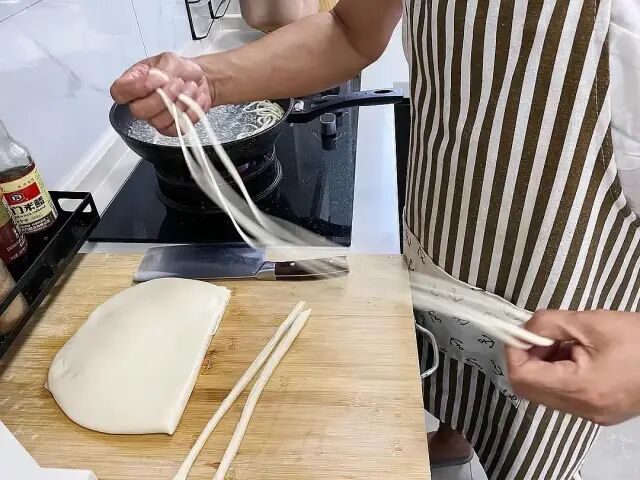
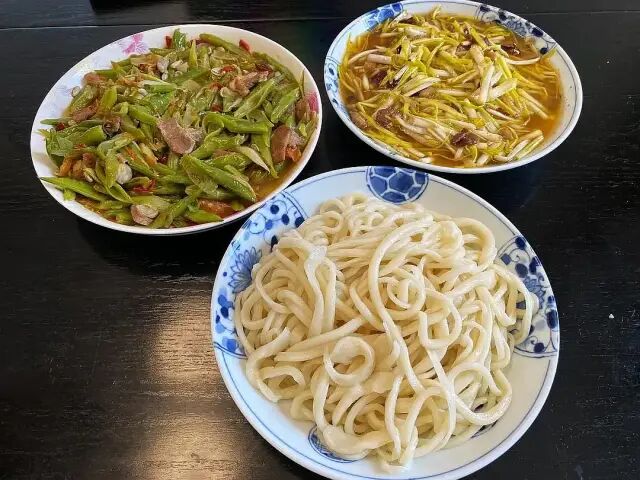
In the afternoon, my father-in-law made lamb dough-flake soup (jiupianzi), which is a type of soup-based meal.
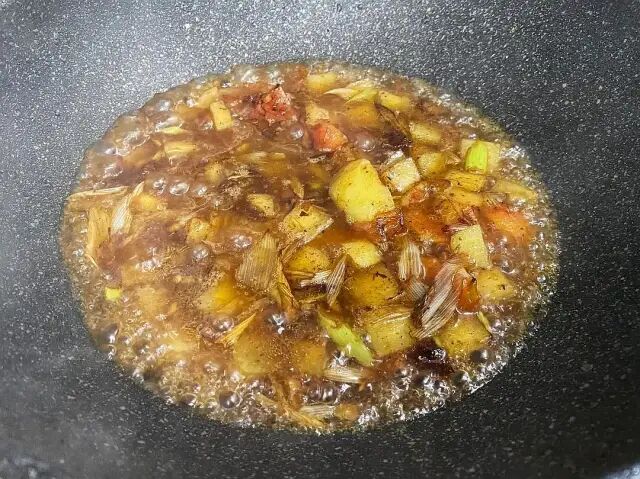
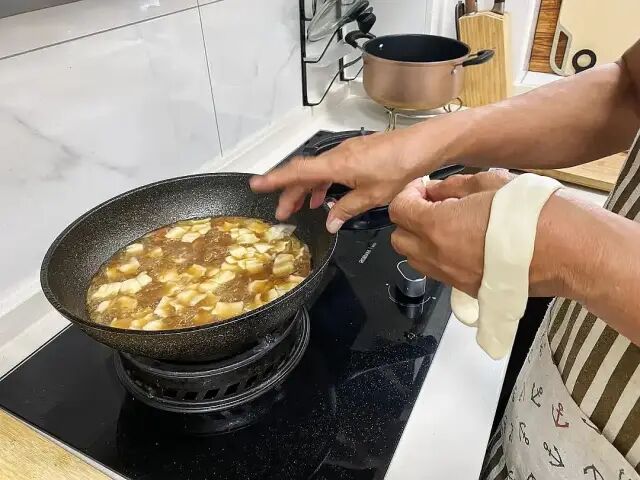
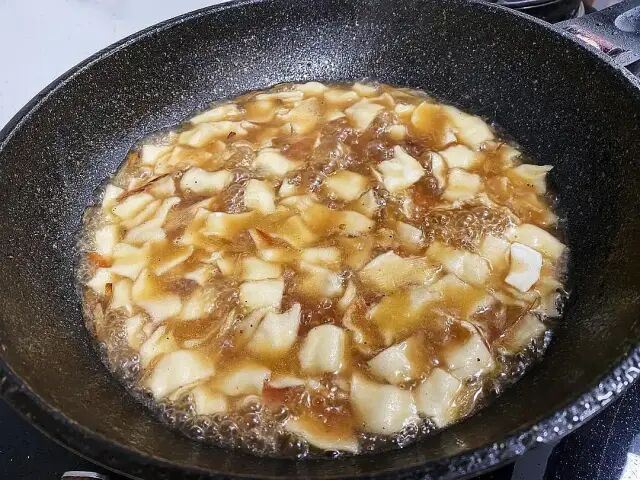
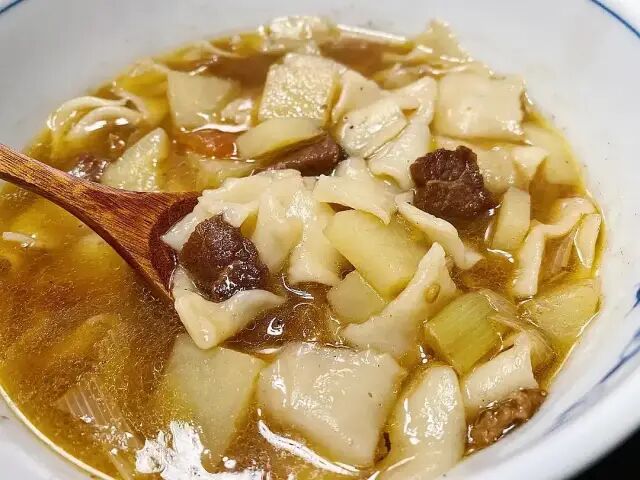
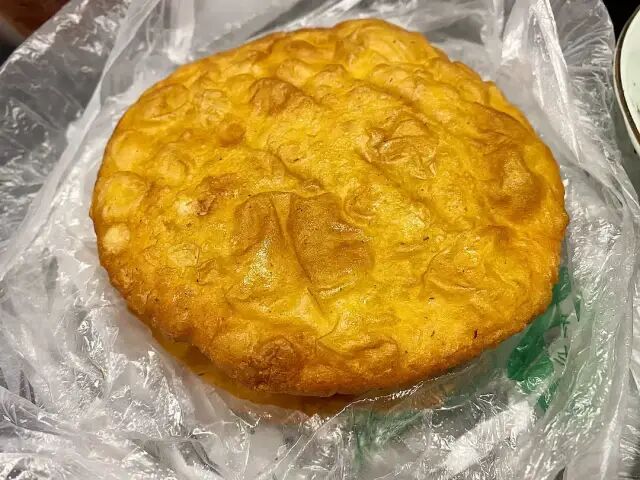
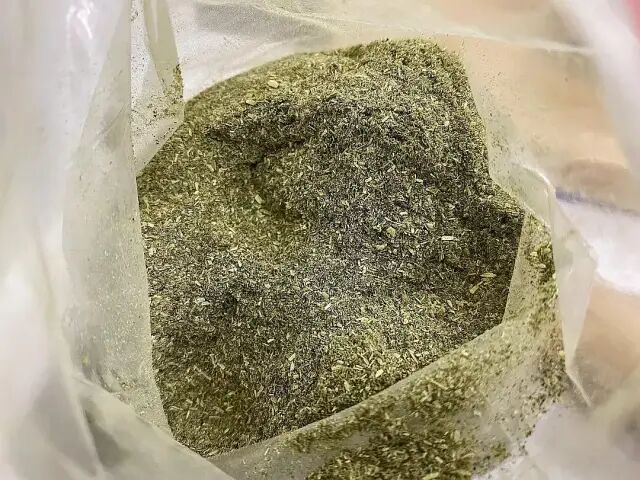
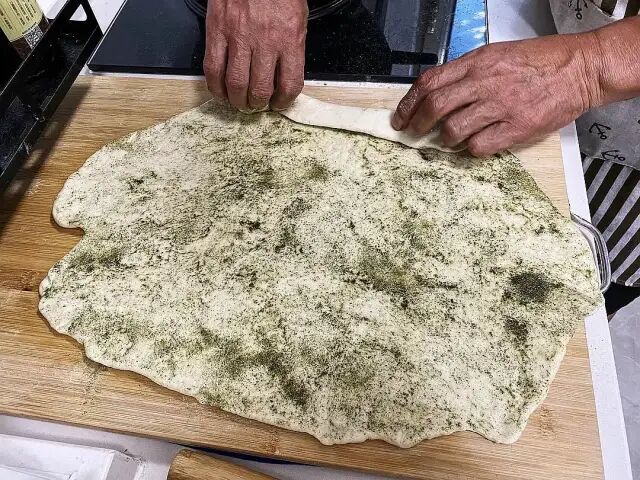
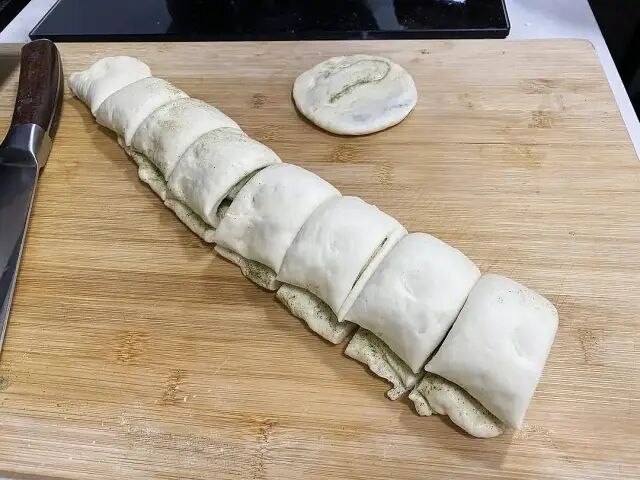
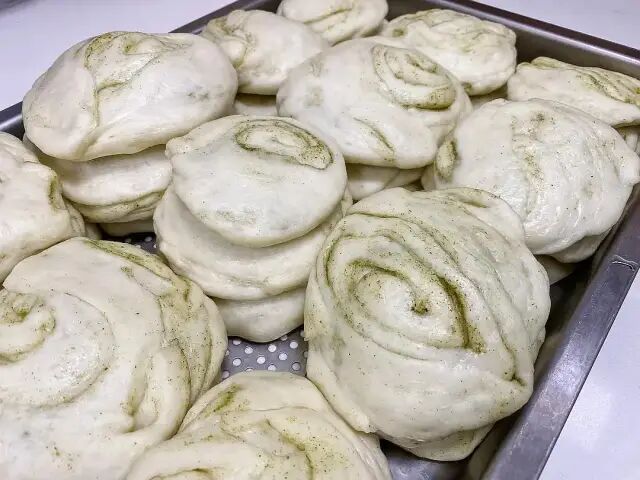
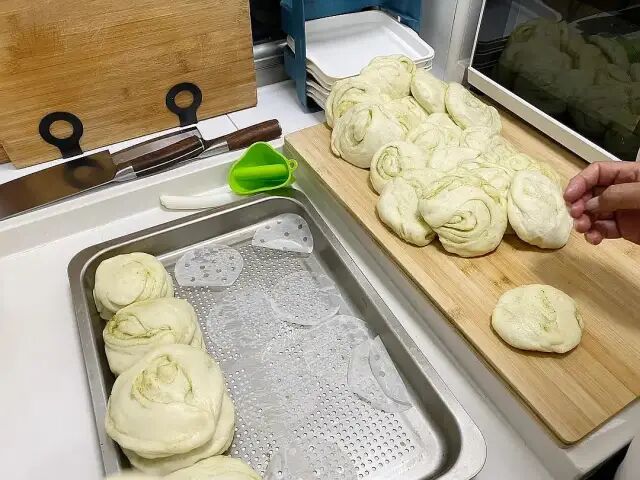
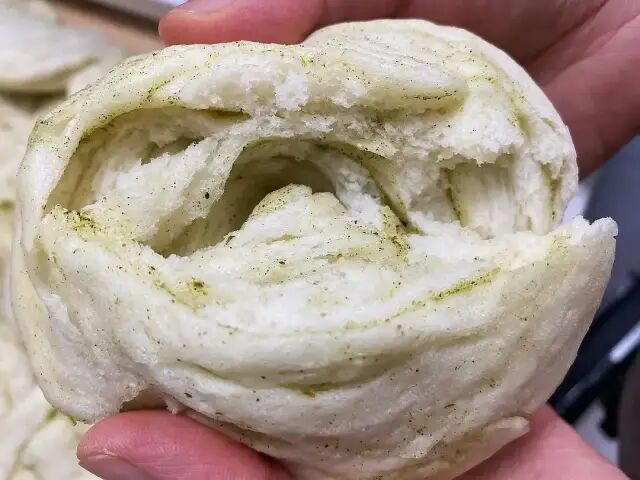
My father-in-law made steamed fried dough (youxiang) using fenugreek powder (xiangdou fen), a breakfast essential while staying at home.
August 11, meatball soup (wanzi tang).
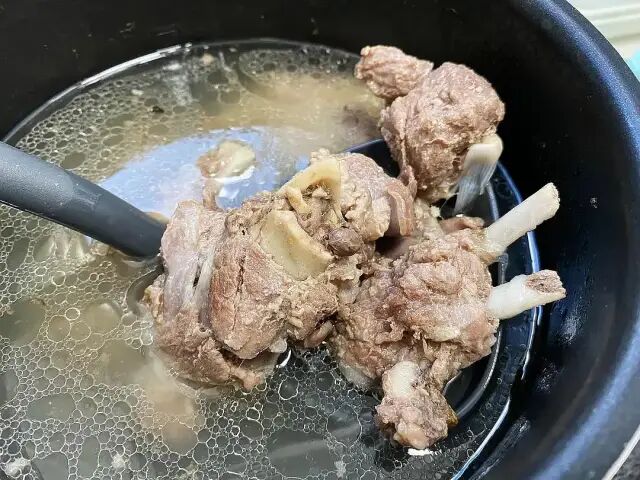
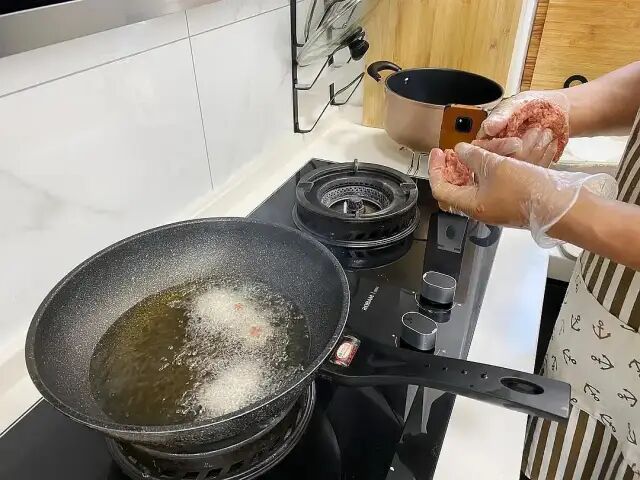
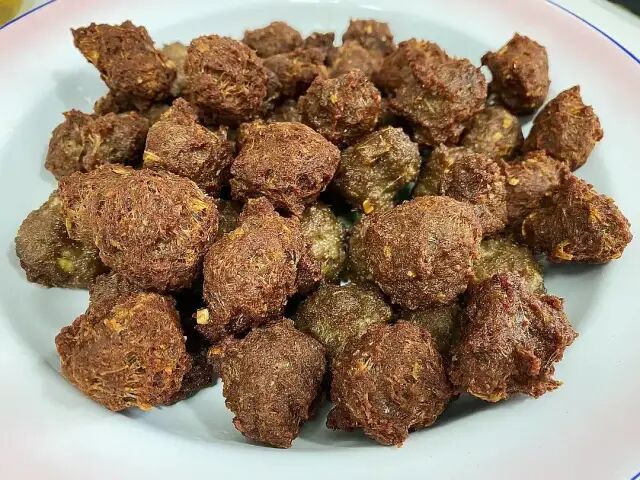
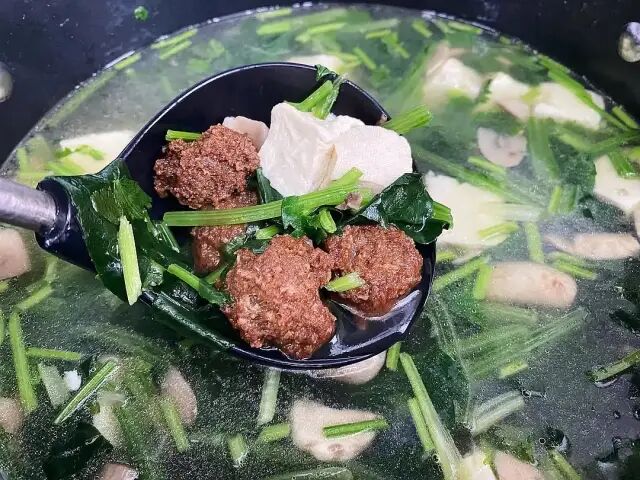
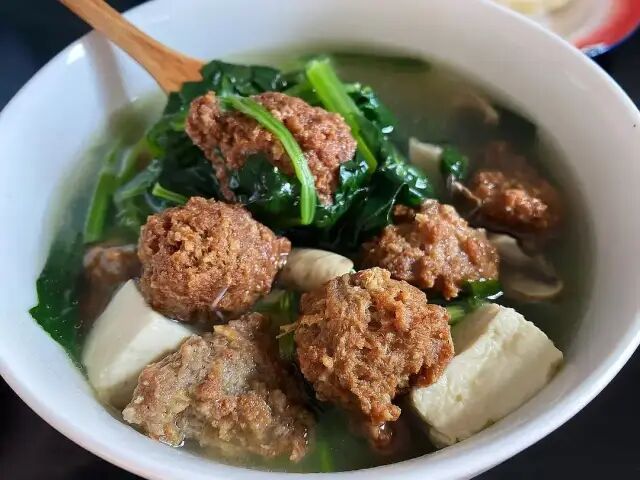
On our second day at home, the whole family made meatball soup together. In the morning, we first simmered a pot of meat broth, then fried the meatballs.
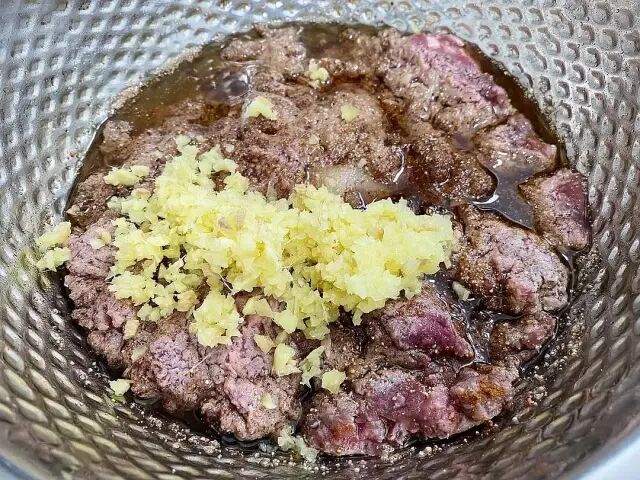
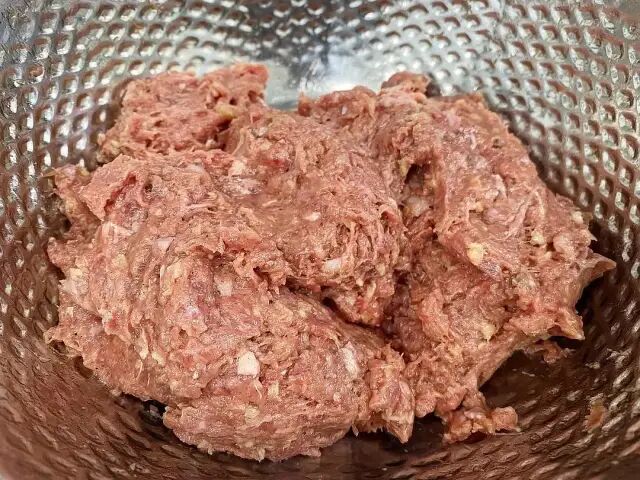
We used one jin (500 grams) of ground beef, one level spoonful of star anise powder, one full spoonful of Sichuan peppercorn powder, one full spoonful of salt, and poured in half a ladle of hot oil.
We minced half a piece of ginger into tiny bits, added it to the mix, and stirred it well. We cracked one egg into the mixture and kept mixing. Then we added half a small bowl of dry starch, kneaded the mixture repeatedly, and it was ready to fry.
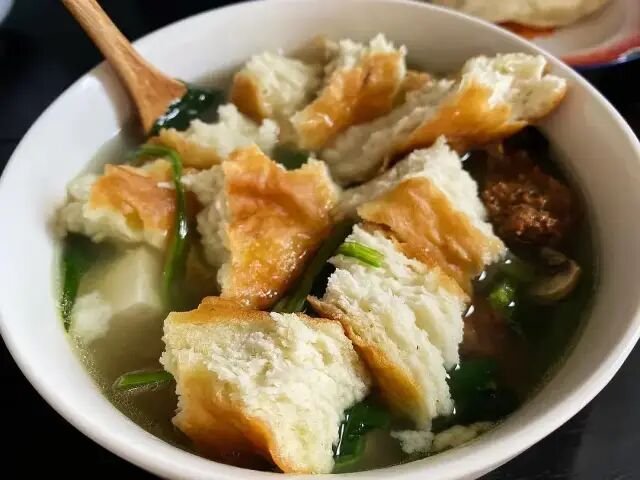
We added frozen tofu, spinach, king oyster mushrooms, cilantro, and the fried meatballs into the meat broth, and the delicious meatball soup was ready. Break the fried dough (youxiang) into pieces and eat it with the meal.
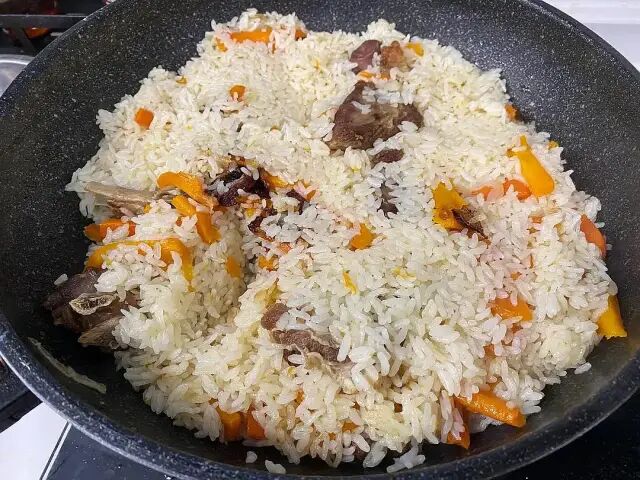
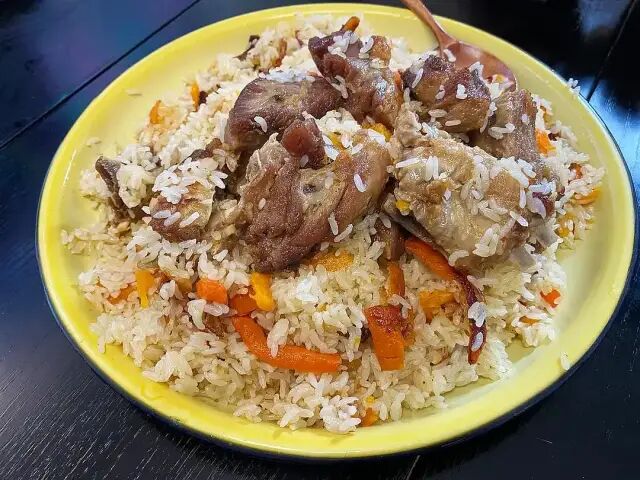
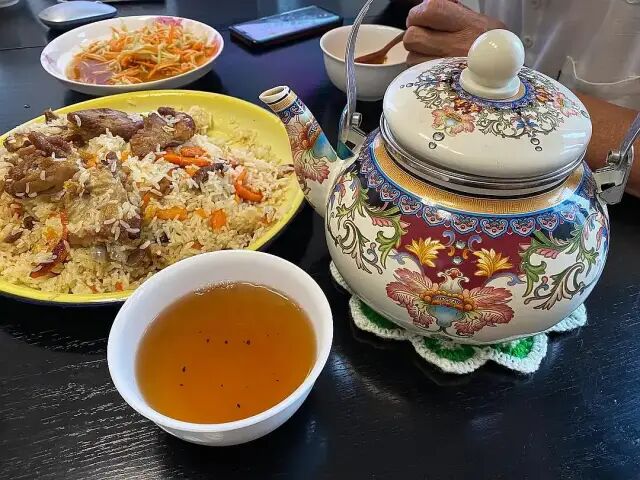
August 12, pilaf (zhuafan).
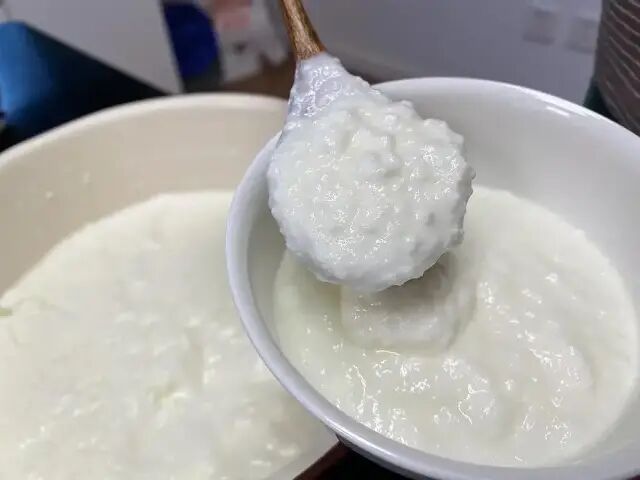
On the third day at home, my father-in-law made pilaf, I brewed brick tea, and Zainab made yogurt.
My father-in-law learned how to make some of the pilaf from the owner of a Uyghur pilaf restaurant near our house.
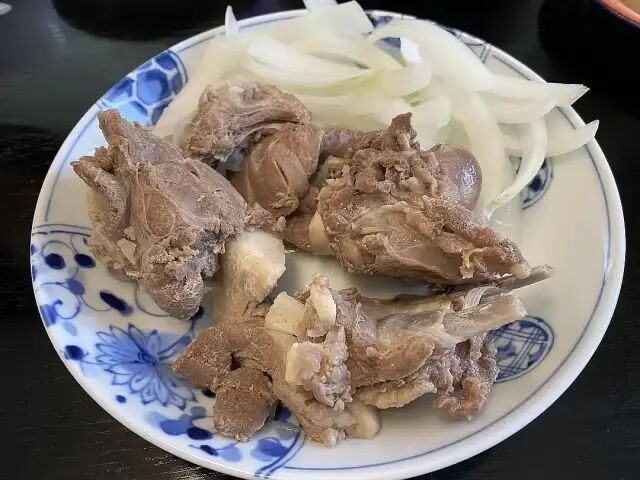
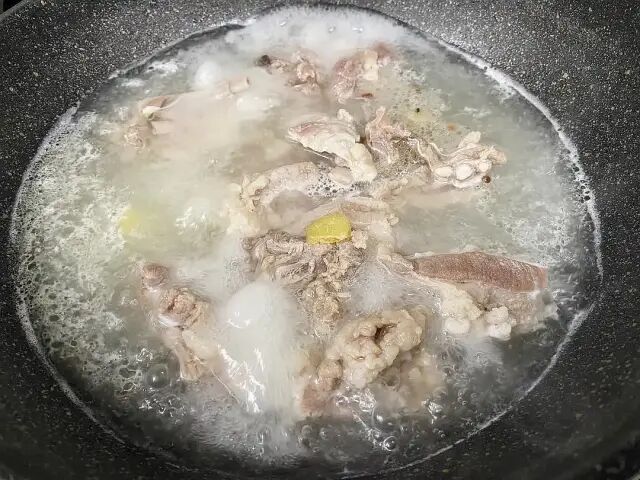
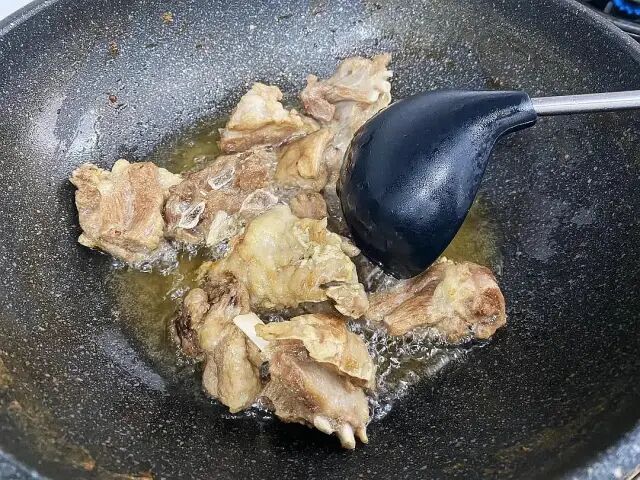
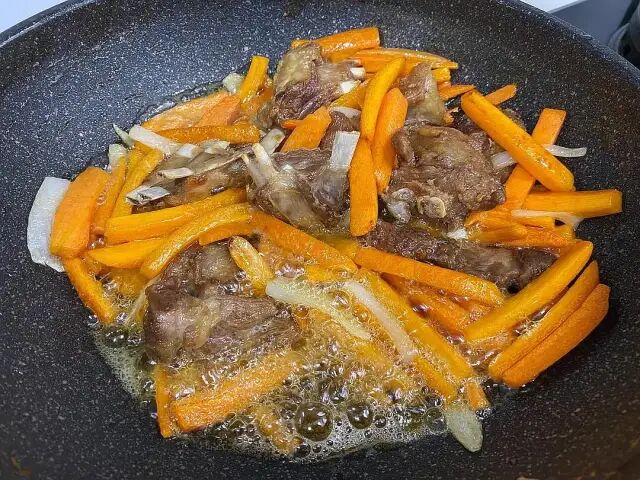
For Eid al-Adha, take one portion of lamb chops and one portion of lamb front leg, soak them for 20 minutes, then add salt, Sichuan peppercorns, and a little ginger to boil for 30 minutes. Take out the cooked lamb, stir-fry it in plenty of oil until dry, and add two spoonfuls of salt. Add carrot strips and onion chunks (piyazi), stir until the carrots shrink and soften, then take out the meat.
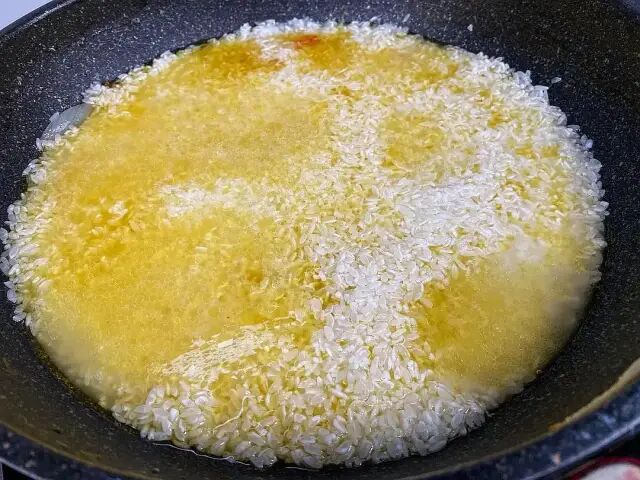
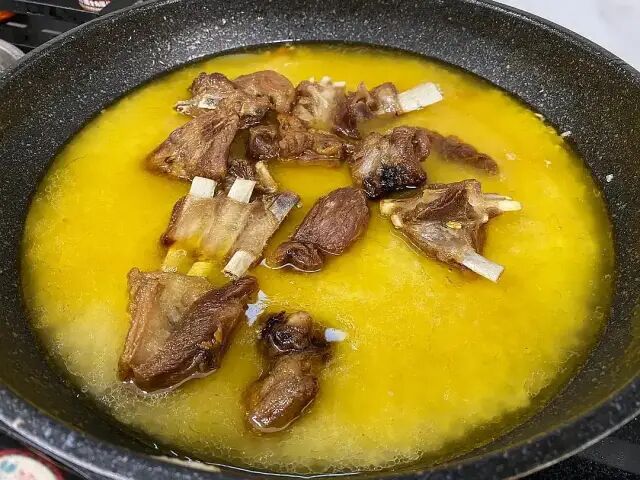
Spread two bowls of rice over the carrots; we used rice from Miquan. Add the lamb stew broth until it covers the rice by about the width of a finger. If you need more liquid, add water. Add two spoonfuls of granulated sugar (shazi tang) and a little cumin powder. Uyghur restaurants usually add a large amount of rock sugar and some whole cumin seeds. Finally, place the meat on top.
Turn the heat to high. Once the water boils, use chopsticks to poke a few holes in the rice. Then, turn the heat to low to steam it. Do not lift the lid during this time, but rotate the pot occasionally so it heats evenly. After steaming for 30 minutes, flip the rice from the top to the bottom, then steam for another 10 minutes and it is ready.
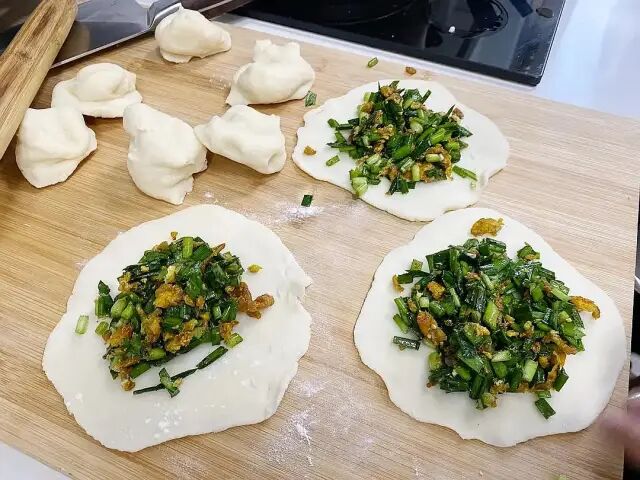
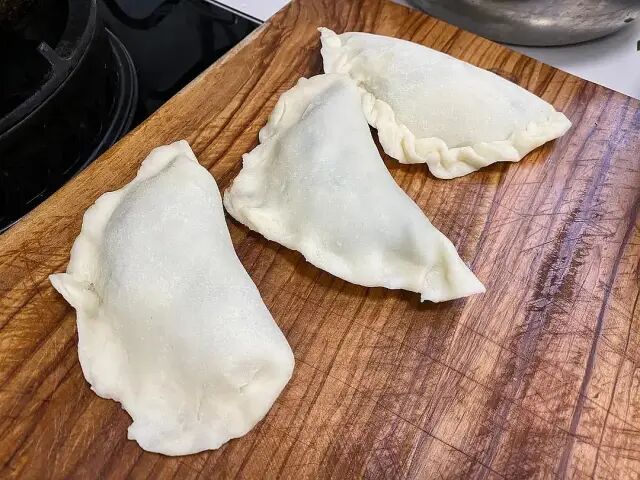
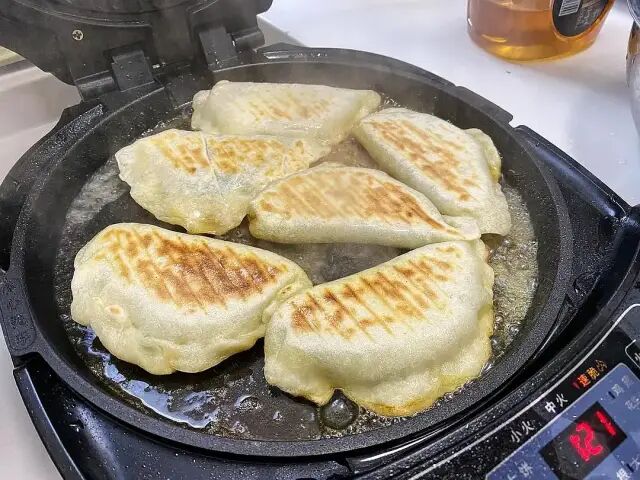
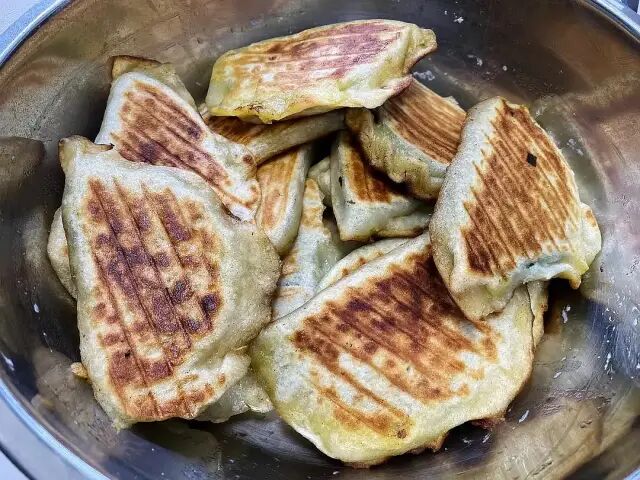
August 13, chive pockets (jiucai hezi).
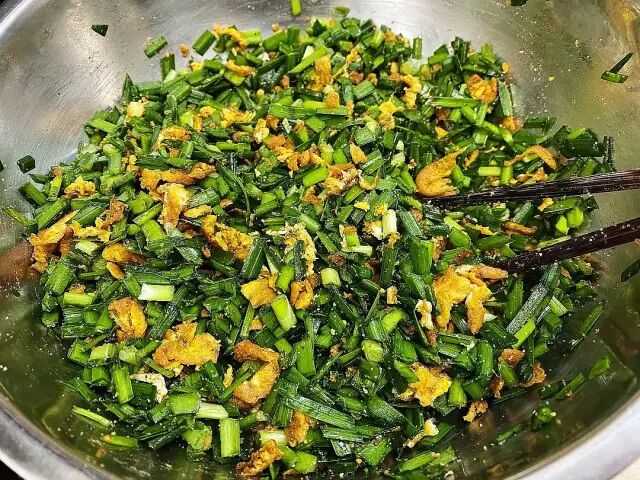
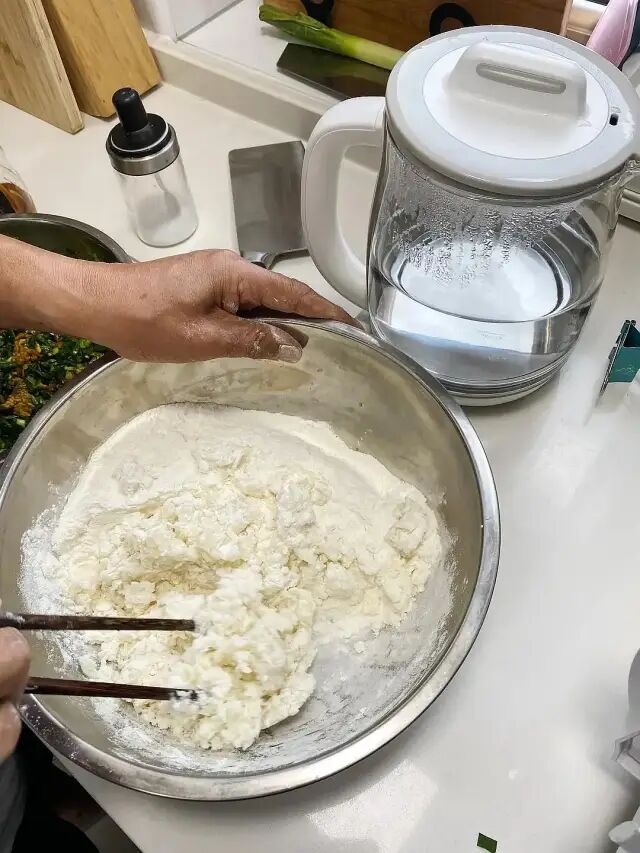
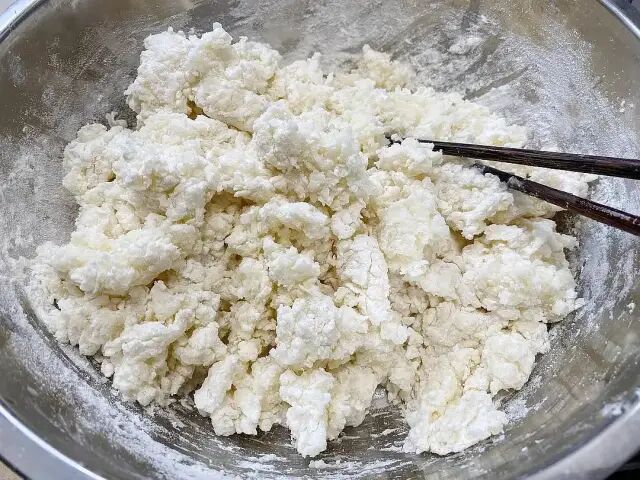
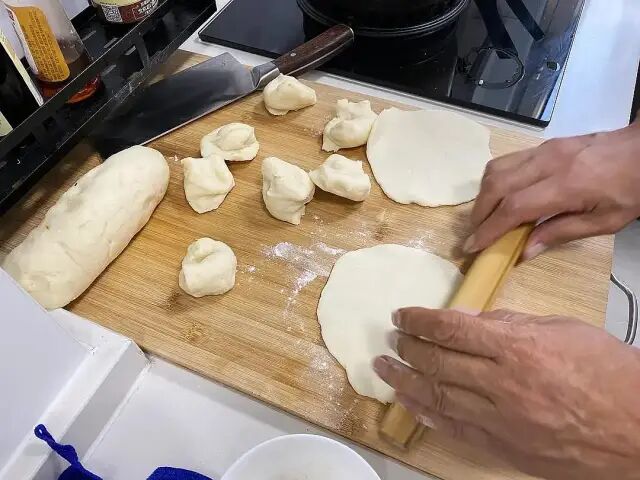
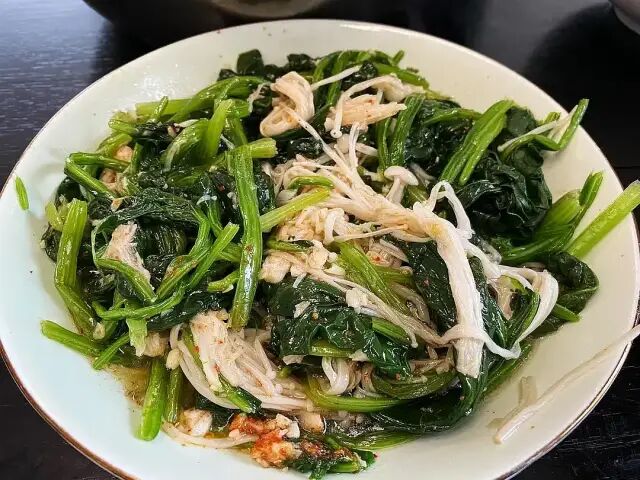
Day four at home, my father-in-law made chive pockets (jiucai hezi) for me. Scramble the eggs, add the chives, then pour hot oil over them. Add plenty of salt and Sichuan peppercorn powder (huajiao mian). The flour used is from Qitai. Scald it with boiling water before wrapping the pockets.
August 14, Big Plate Chicken (dapanji)
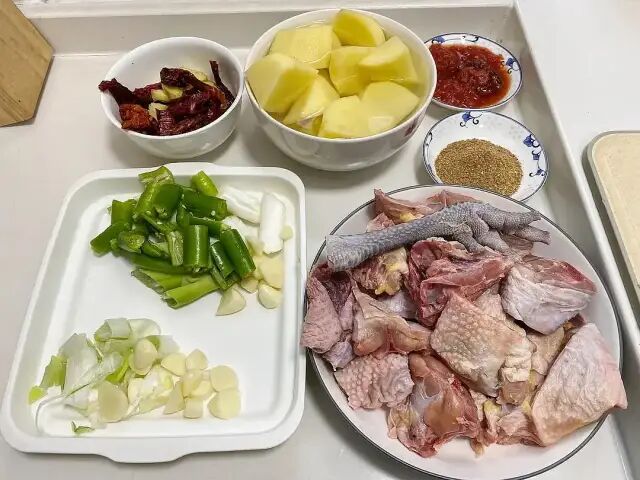
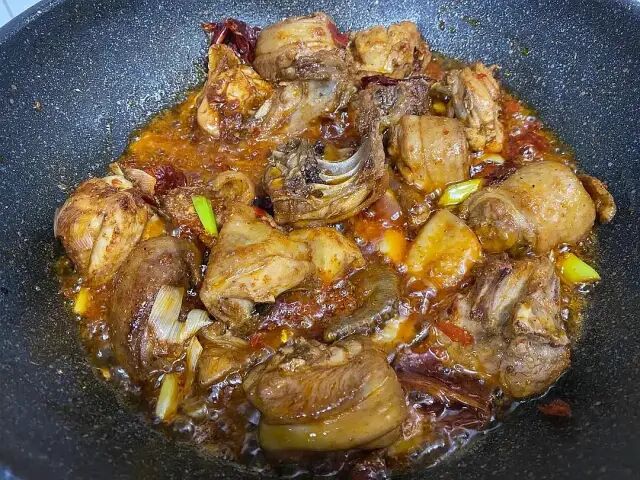
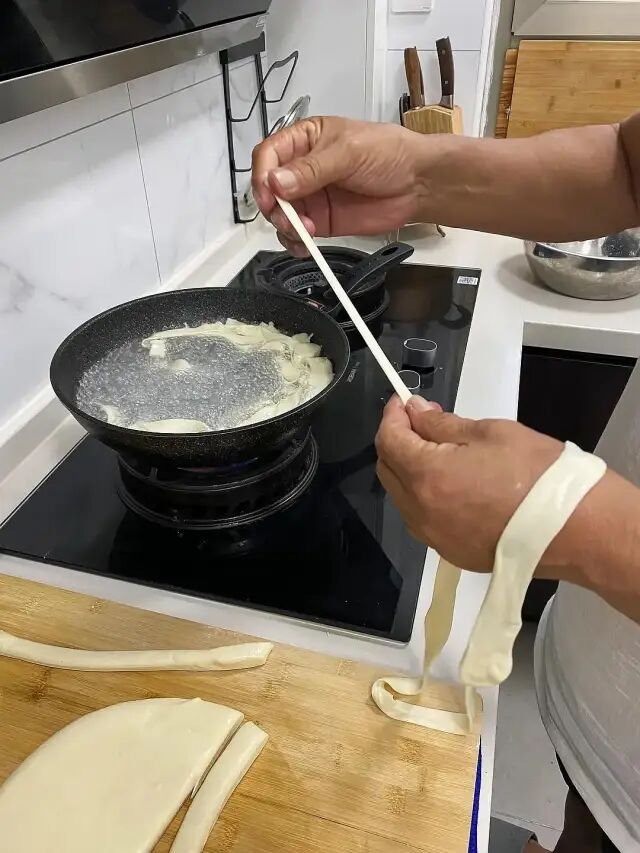
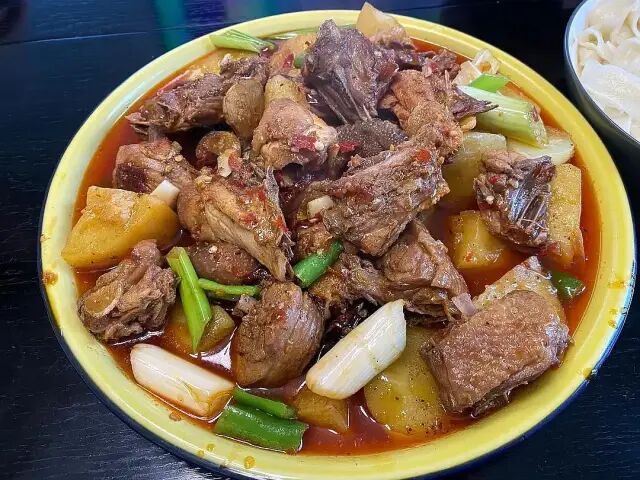
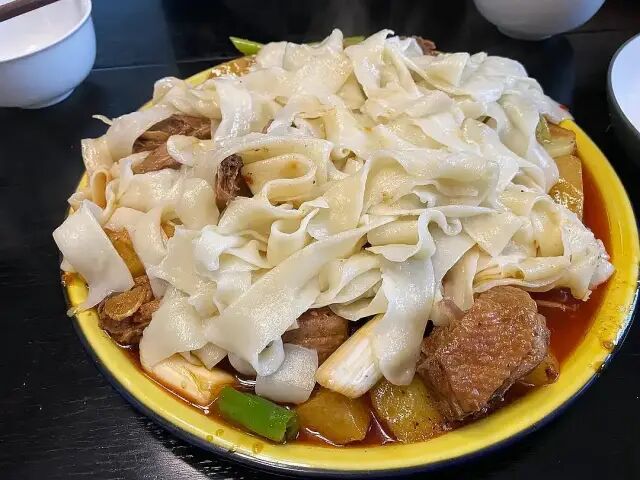
On the fifth day of staying home, Zainab stir-fried the Big Plate Chicken (dapanji), and my father-in-law made the belt noodles (pidaimian). We used a free-range chicken with black claws that I bought from Dazhang in Changying. It tastes exactly like the Big Plate Chicken (dapanji) from Urumqi in the 1990s.
In the top right corner is tomato paste and bean paste (doubanjiang), and below that is the special seasoning mix for the Big Plate Chicken (dapanji).
August 15, Braised Meatballs (huiwanzi)
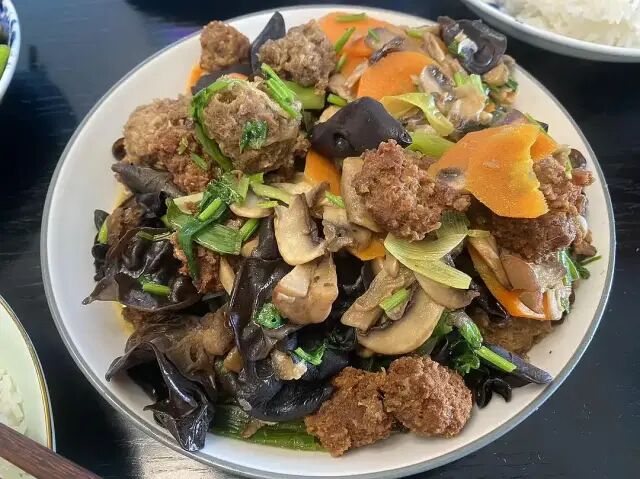
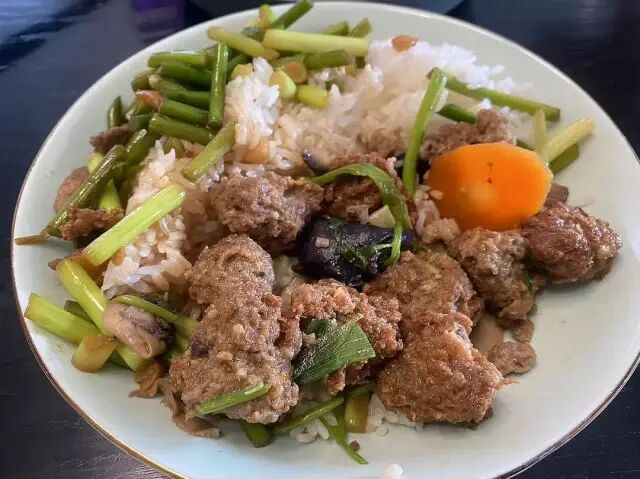
On the fifth day of staying home, I made Braised Meatballs (huiwanzi). They go perfectly with rice.
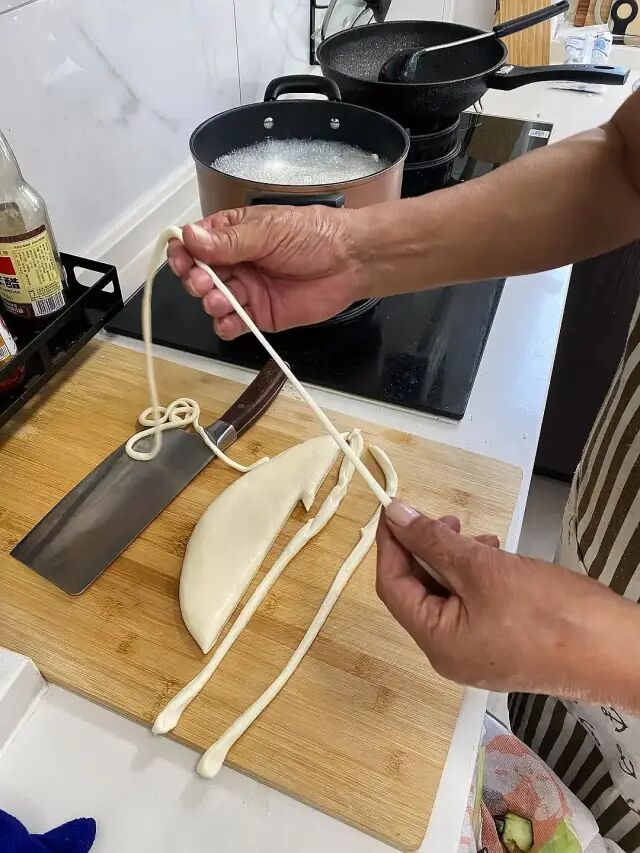
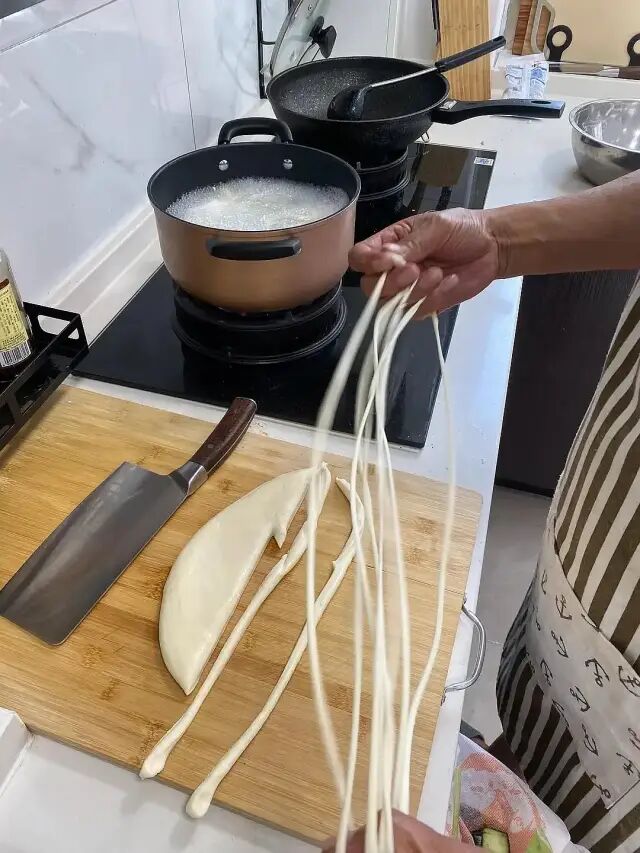
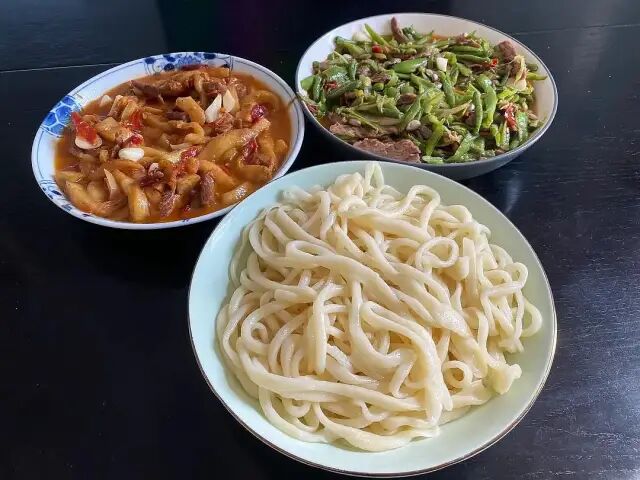
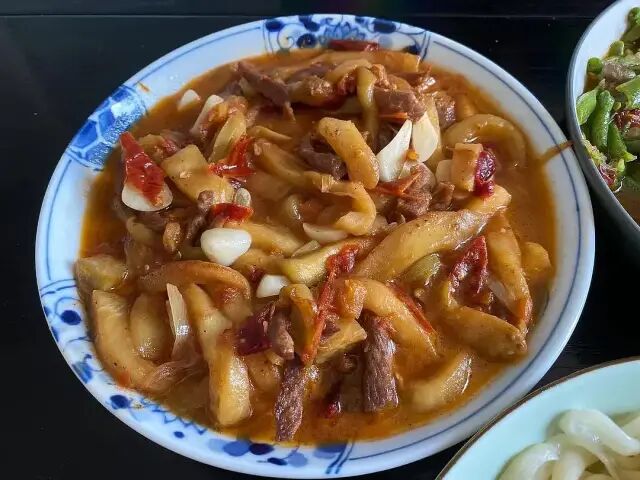
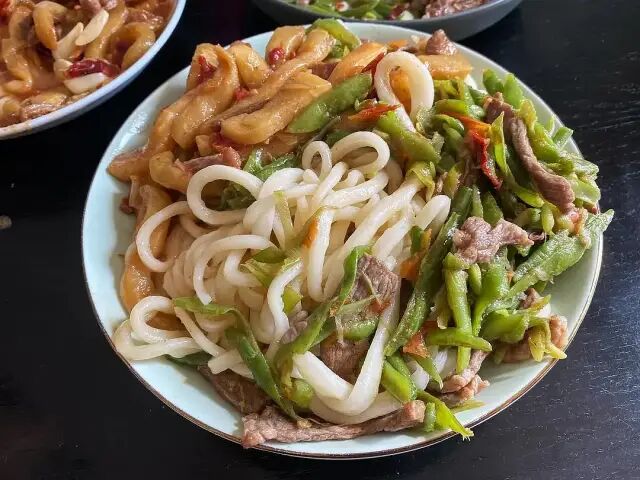
August 16, Hand-pulled Noodles (latiaozi)
On the seventh day of staying home, I still love eating the romantic meal made by my father-in-law.
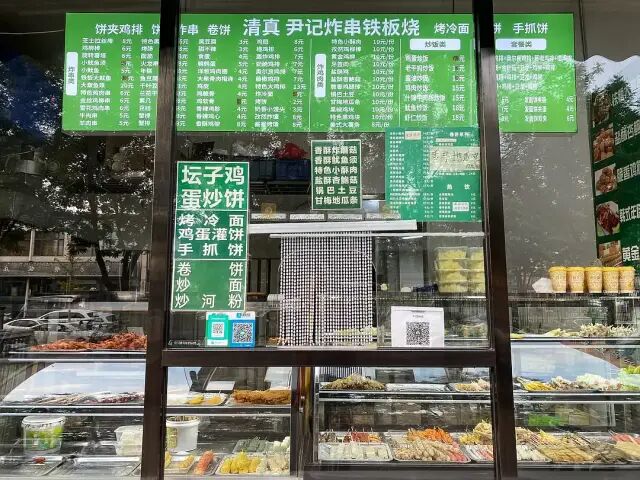
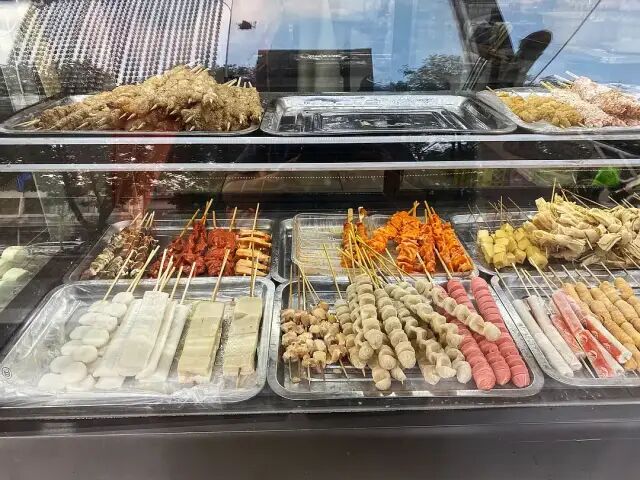
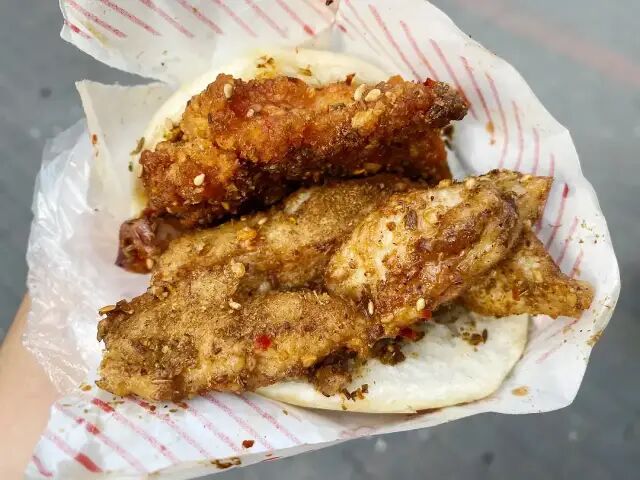
August 17, eating flatbread with fried chicken and fried skewers at Yin's in Changying.
I had a flatbread sandwich with fried chicken and fried skewers at Yinji in Changying. It had chicken and a squid skewer inside, and it tasted pretty good. Then I grabbed some cold skin noodles (liangpi) from the supermarket next door.
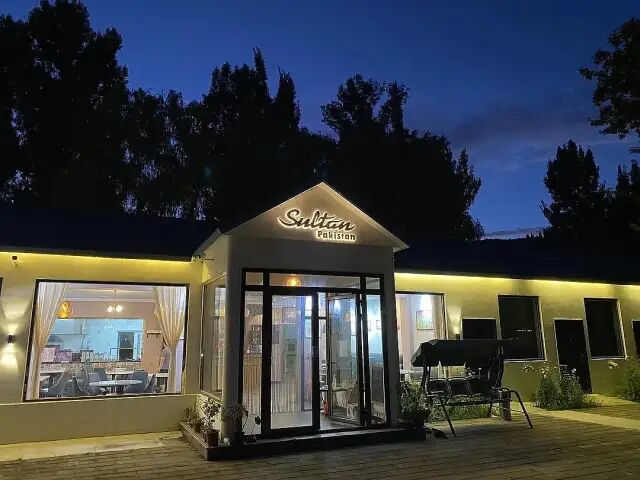
August 19, Sultan, a Pakistani restaurant in Sanduhe Village, Huairou.
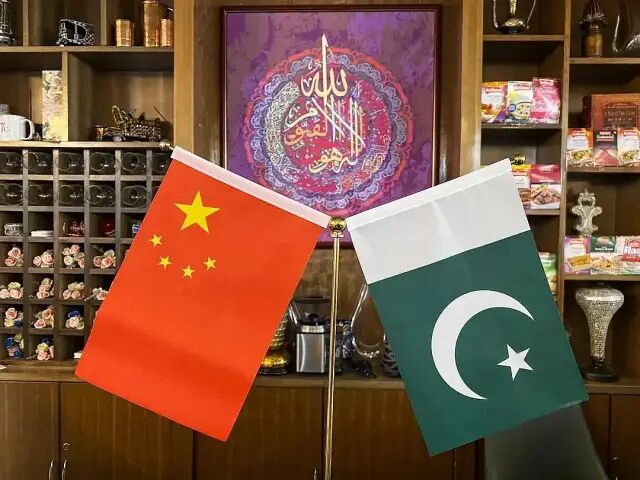
By mid-August, the muggy heat in Beijing eased up, so we drove to Huairou for a halal getaway.
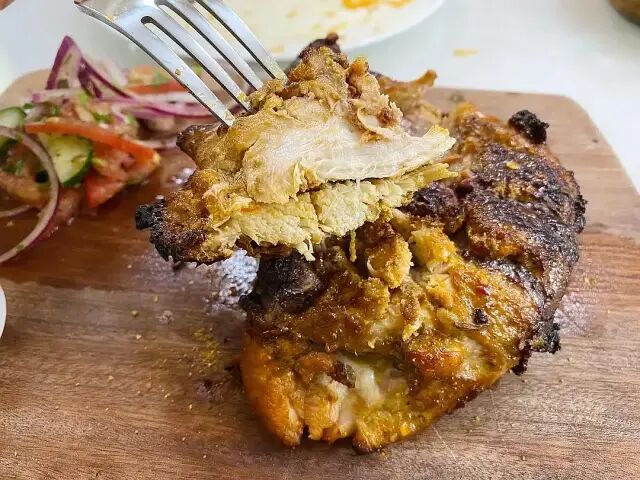
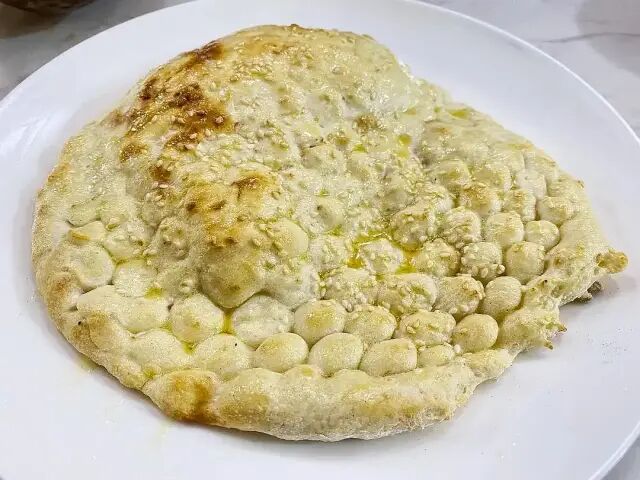
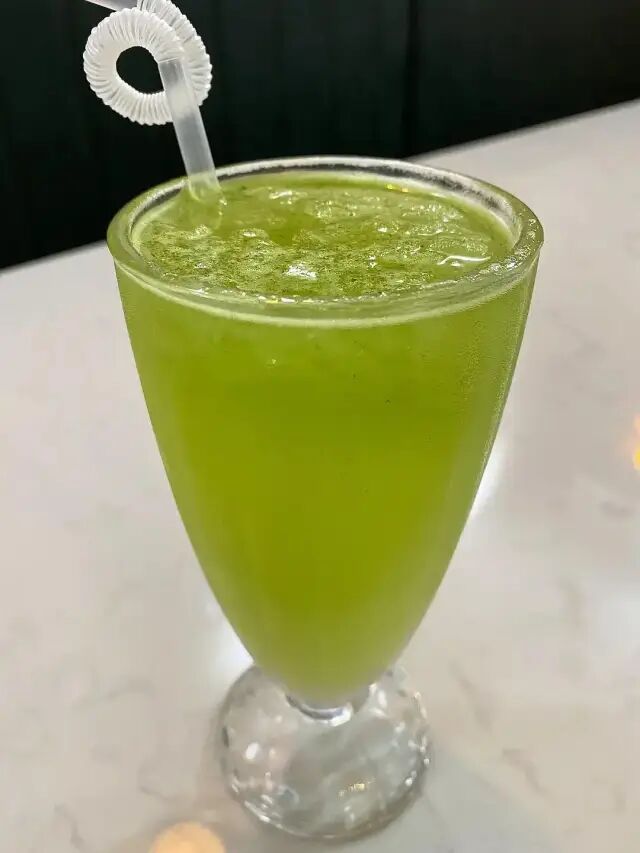
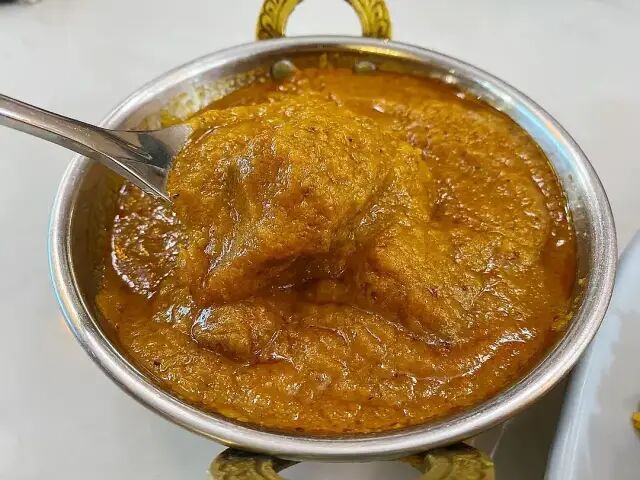
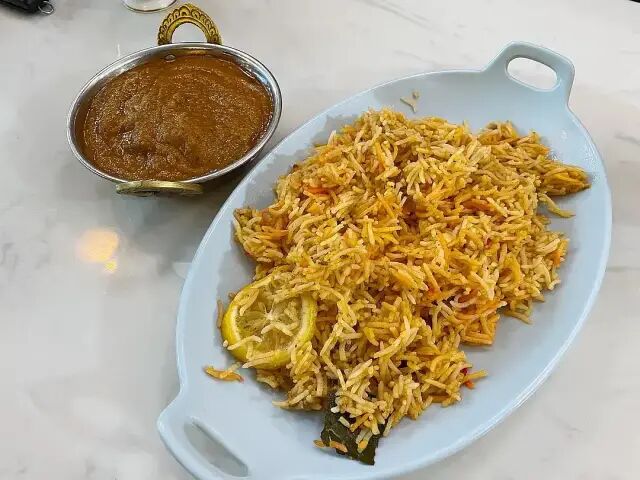
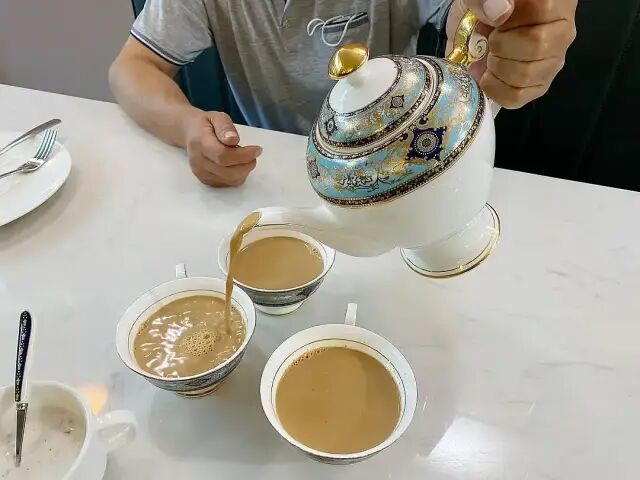
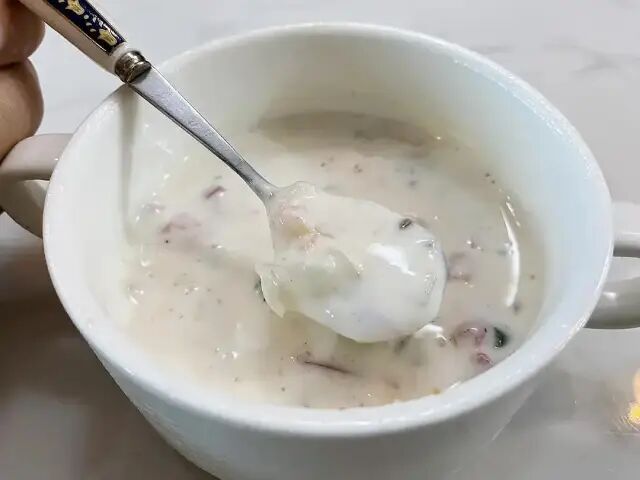
We arrived at Sanduhe Village in Huairou in the evening and started at the Pakistani restaurant Sultan. We had butter naan, spicy yogurt (Raita), rice (Biryani), tandoori chicken legs, beef curry (Kadhi), grilled shrimp, milk tea, and mint lemonade. To be fair, their portions are small and the prices are high, but the food is really delicious. It is better than some of the Pakistani restaurants in the city. Their butter naan is especially good. It comes out of the oven fluffy and smells amazing. The chicken legs and beef taste great. My father-in-law and Zainab especially liked the milk tea, which has a very rich milk and tea flavor. The only downside is that the shrimp probably sat out too long, so the texture was mushy.
It is rare to find yogurt sauce (raita) made with fresh spicy peppers. It has a strong spicy kick and tastes very unique. Raita is a Hindi word formed by combining the Sanskrit words "rajika" and "tiktaka," which mean "black mustard seeds" and "pungent." To make it, you fry black mustard seeds and cumin, mix them with chopped vegetables, and stir them into yogurt.
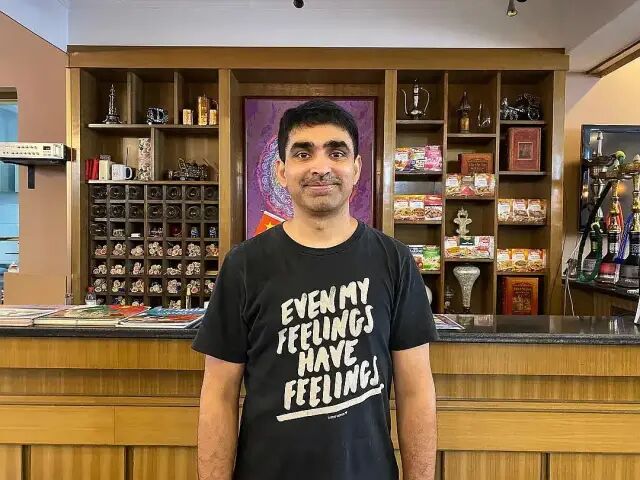
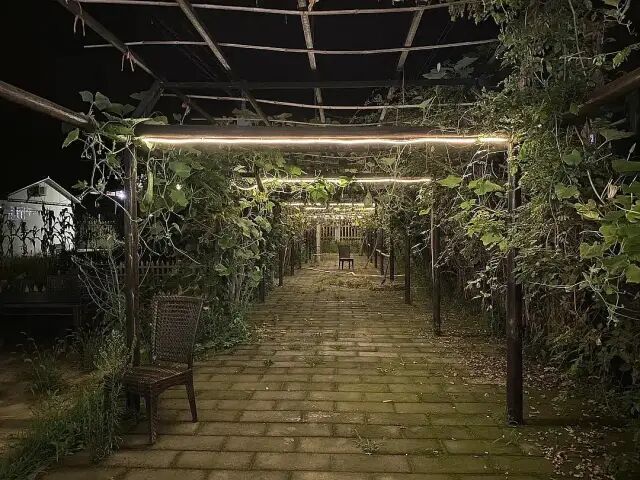
Playing in the restaurant at night.

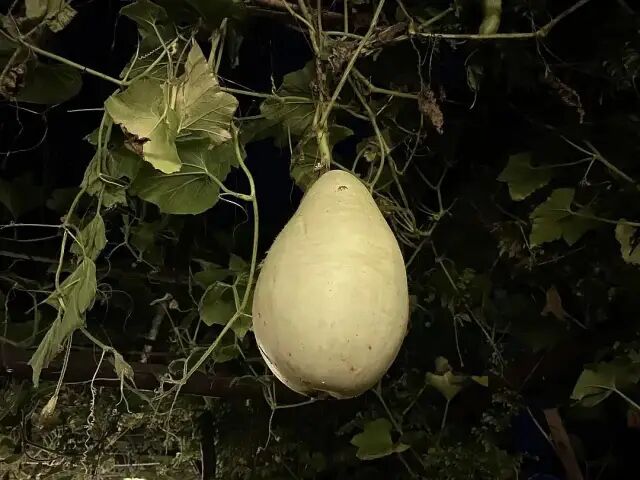
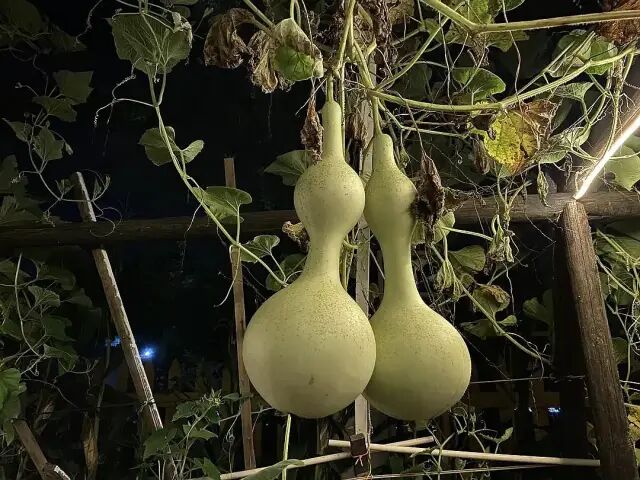
Gourd vines in the restaurant.
August 20, Xingyuanzhai Ethnic Restaurant in Sanduhe Village, Huairou.
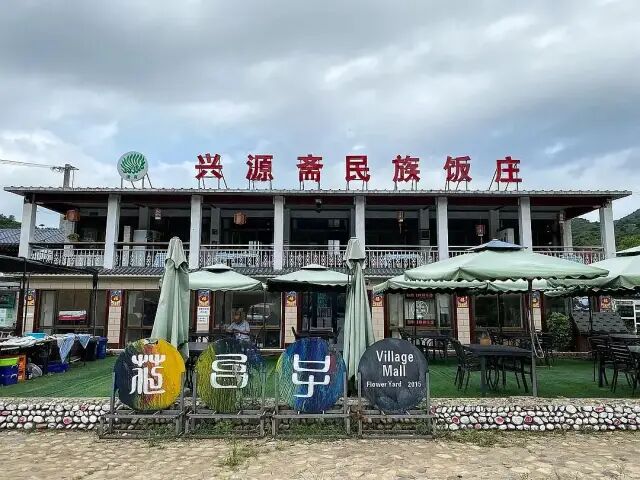
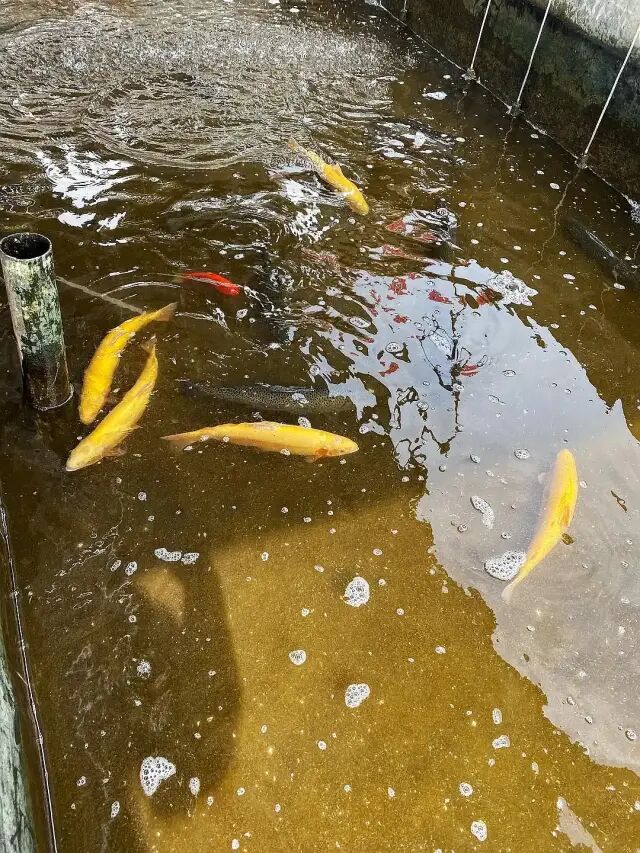
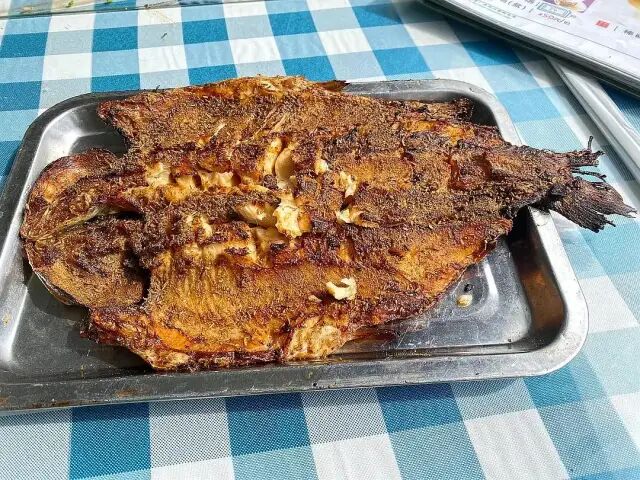
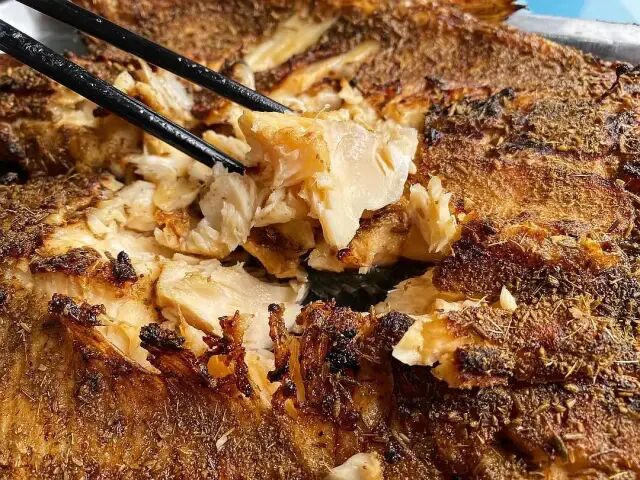
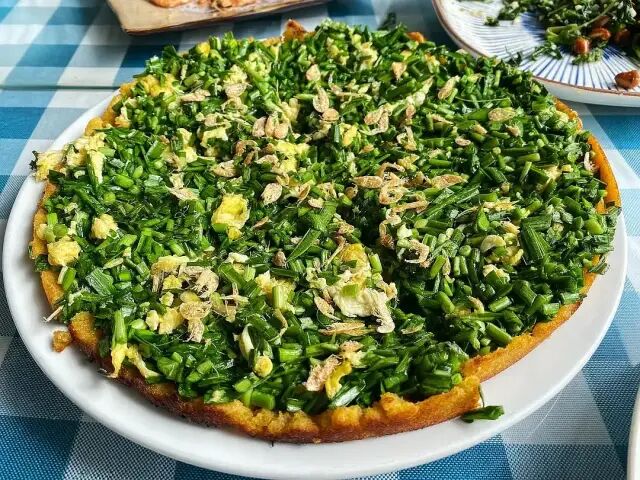
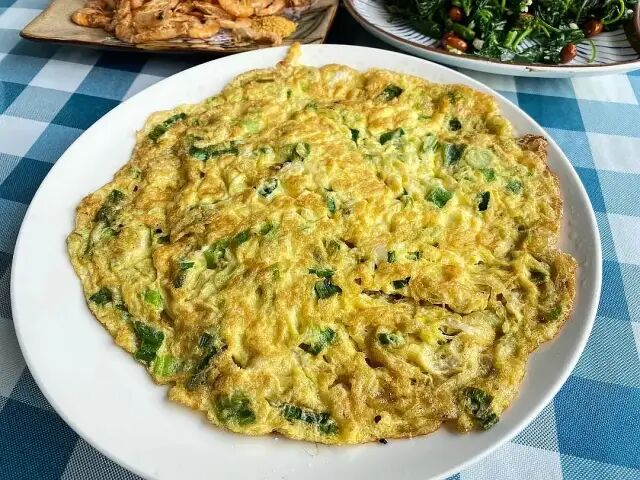
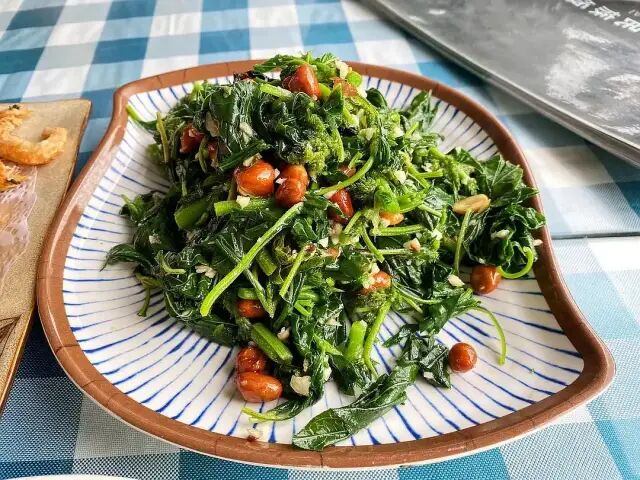
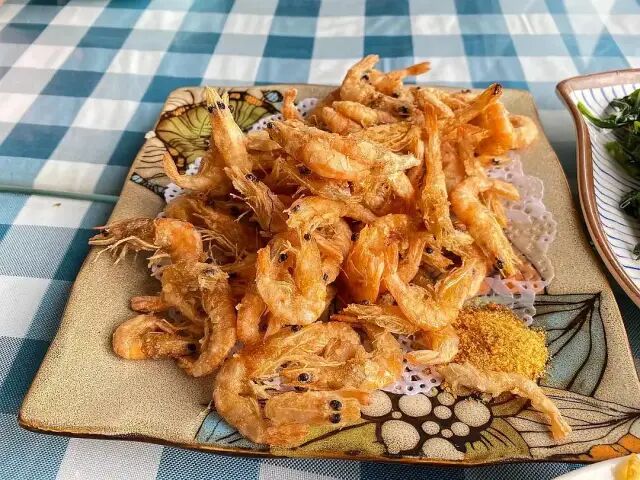
In the morning, we ate grilled golden trout, cornmeal flatbread (hubing), scrambled eggs with green onions, seasonal wild amaranth (yugu cai), and fried fresh river shrimp at Xingyuanzhai Ethnic Restaurant in Sanduhe Village. This place is run by Hui Muslims from the Hui Muslim camp in Shunyi. They specialize in golden trout and rainbow trout. The meat is tender like garlic cloves, and their other dishes are very flavorful. Zaynab especially loved the small river shrimp. If you are visiting the mountains in Huairou, like Mutianyu or Xiangshui Lake, I recommend eating here.
August 20, Masala Pakistani Restaurant in downtown Huairou.
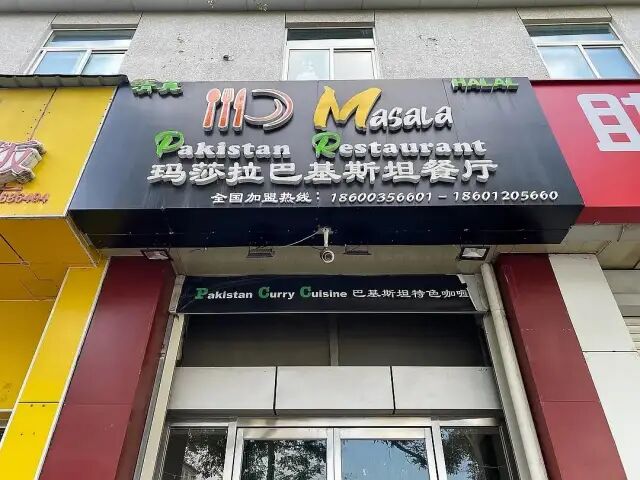
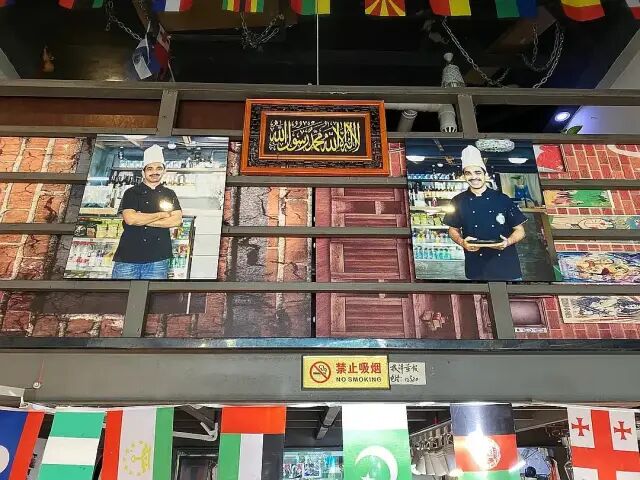
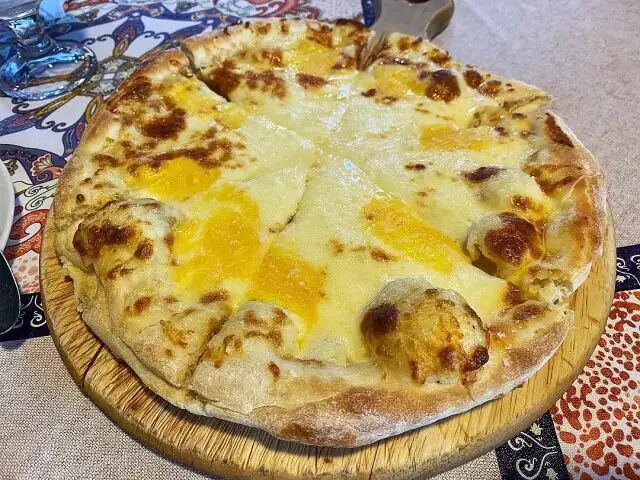
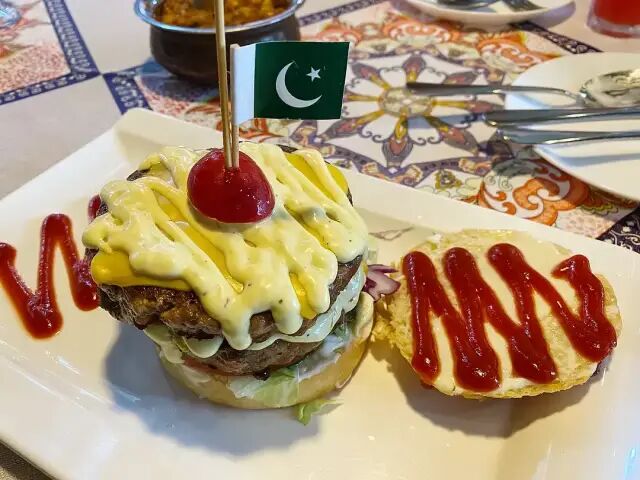
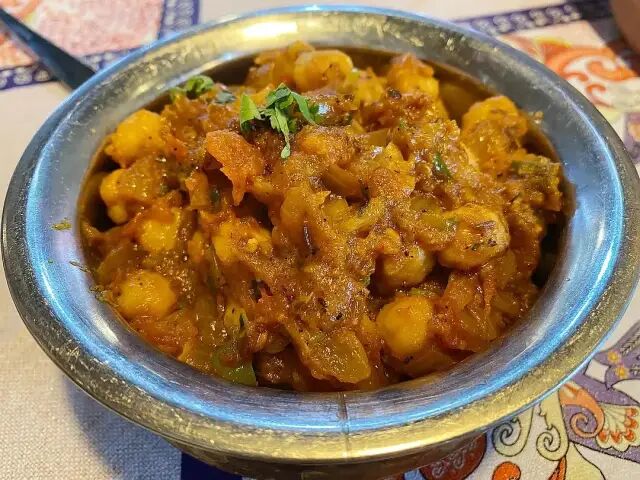
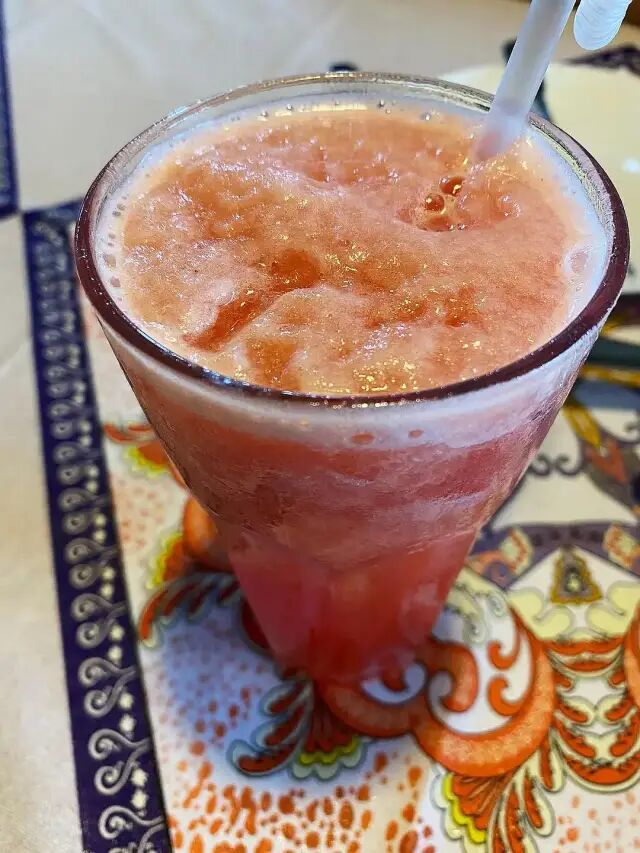
In the afternoon, I had a beef burger, cheese pizza, chickpea curry, and watermelon shaved ice at Masala Pakistani Restaurant in downtown Huairou. This restaurant has the same owner as Sultan up on the mountain, and the menu is about the same. Their cheese pizza is super delicious and very fluffy; I bet they use the same dough as they do for their butter naan. The chickpea curry and watermelon shaved ice were also quite good. Unfortunately, the burger was not great. The bun lacked texture and the beef was too tough, making it uncomfortable to eat.
August 24, Run Gesheng on Gulou South Street in Miyun.
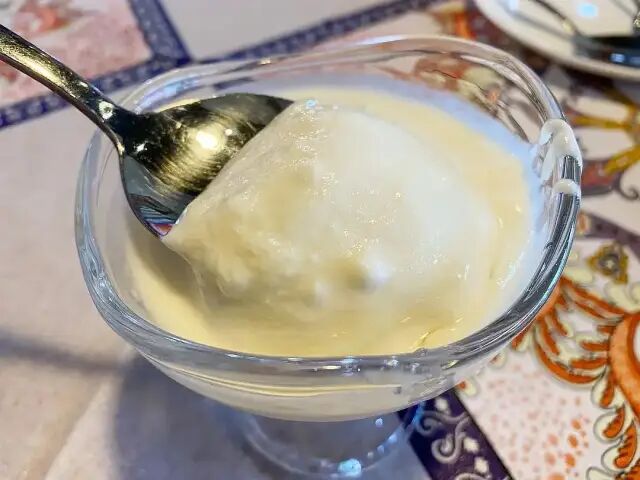
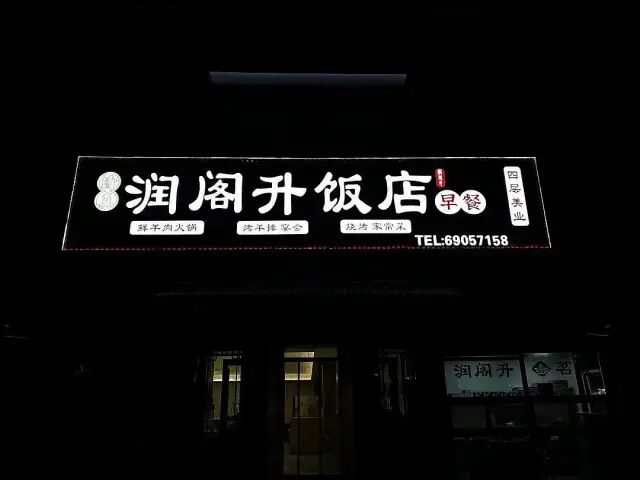
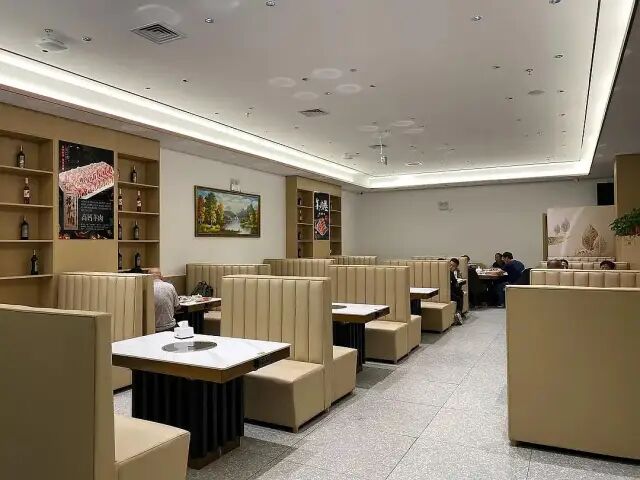
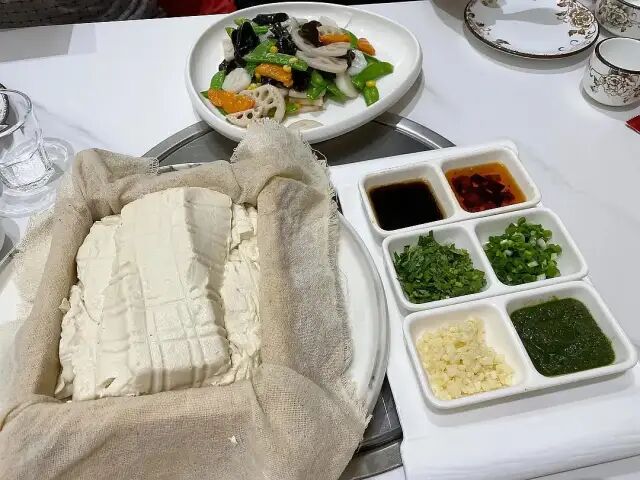
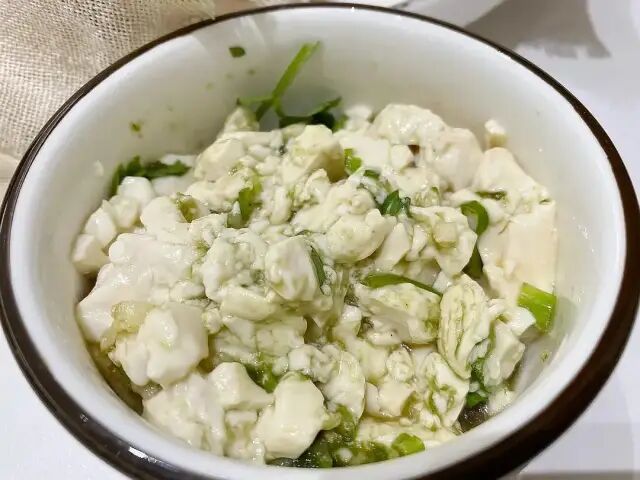
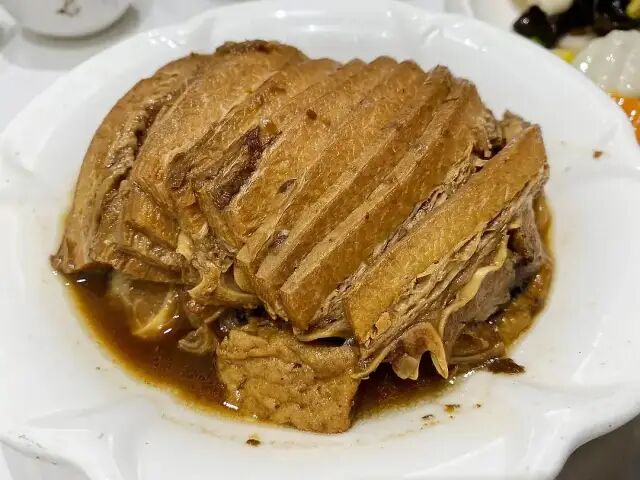
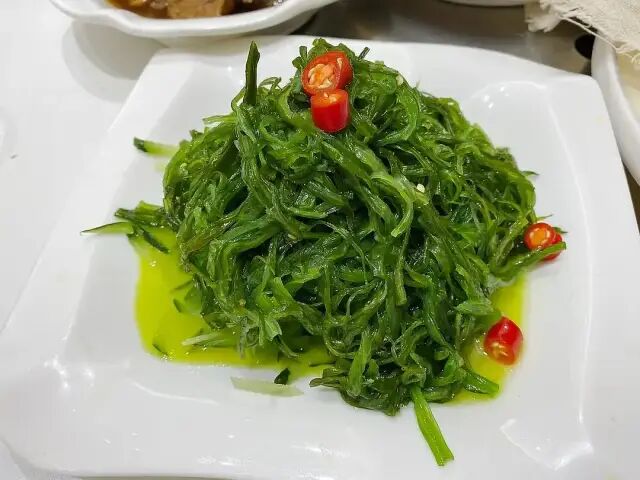
I drove to Miyun city center after work and arrived at Run'gesheng on Drum Tower South Street in the evening. The restaurant was recently renovated this year and the environment is very nice. We ordered steamed tofu (kaibao doufu) and red steamed beef. The steamed tofu is made by steaming the tofu and mixing it with various seasonings. Adding chive flower sauce really makes it flavorful! The red steamed beef has a great texture and is likely one of the eight classic bowls (badawan) of the Hui Muslims, though Zainab and my father-in-law both said it was a bit salty. I guess I will be experiencing the salty taste of traditional Beijing suburban dishes every day for a while, haha.
August 25, Changshunzhai on Nanda Street in Miyun.
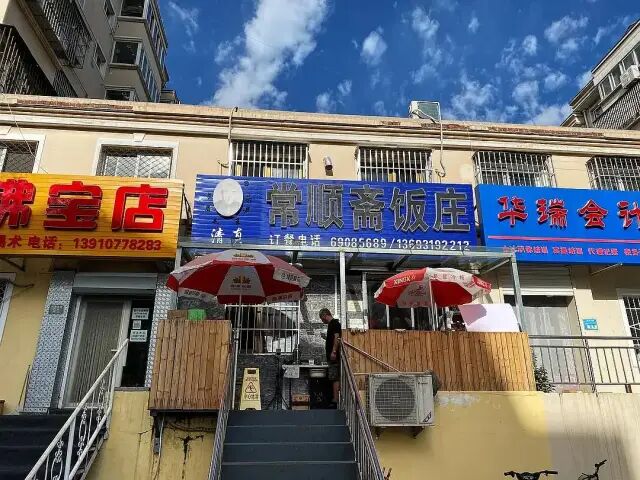
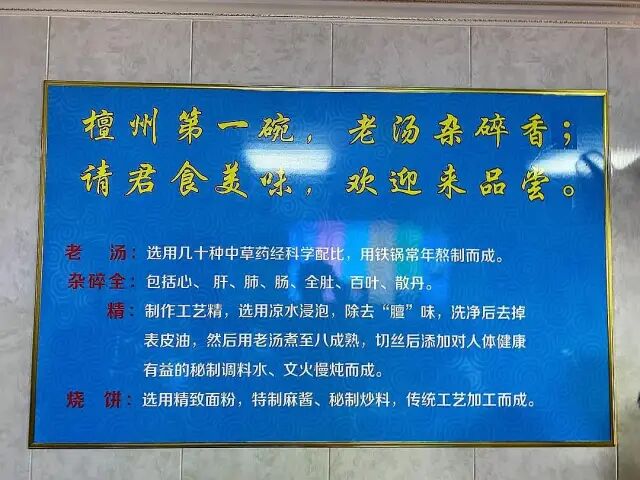
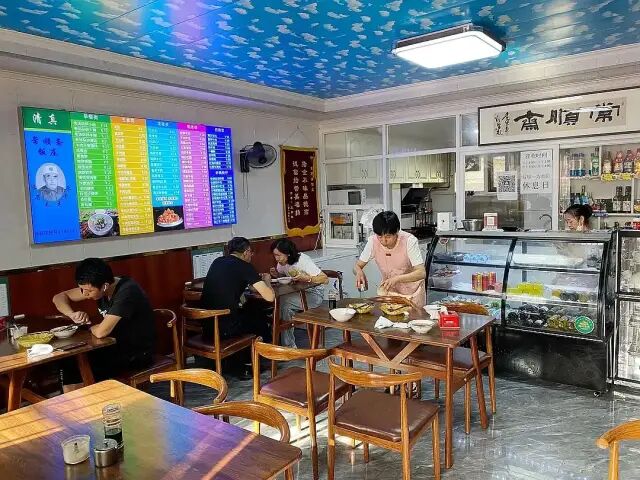
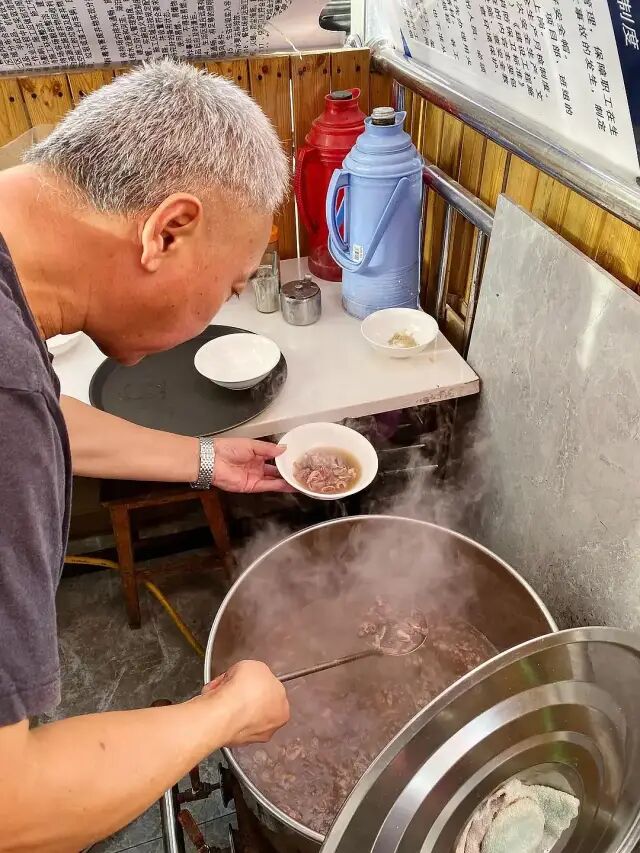
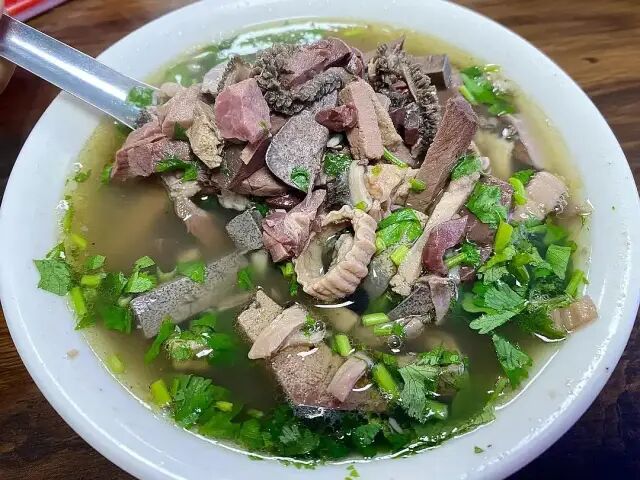
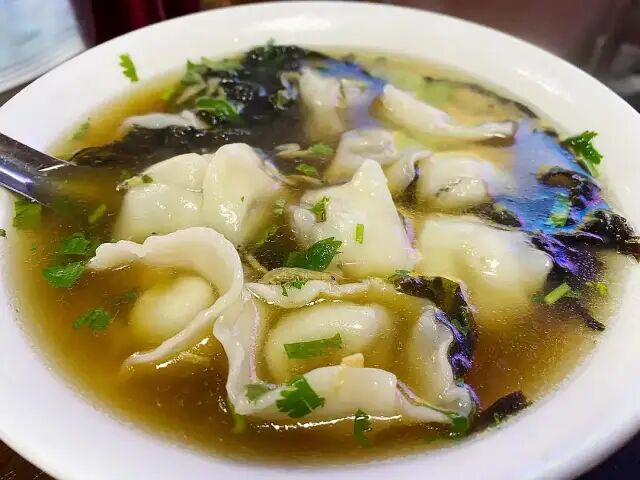
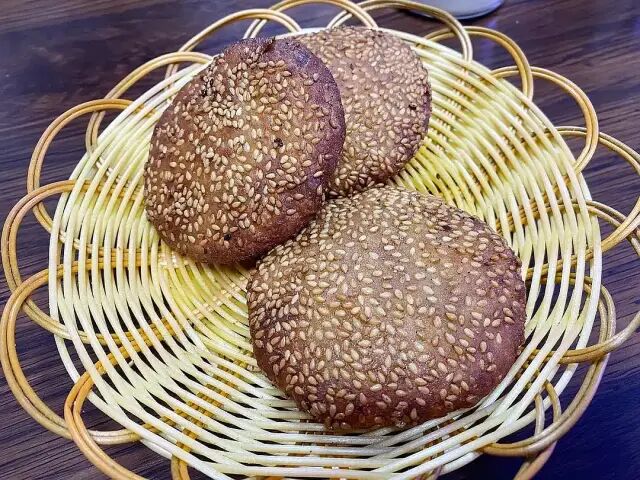
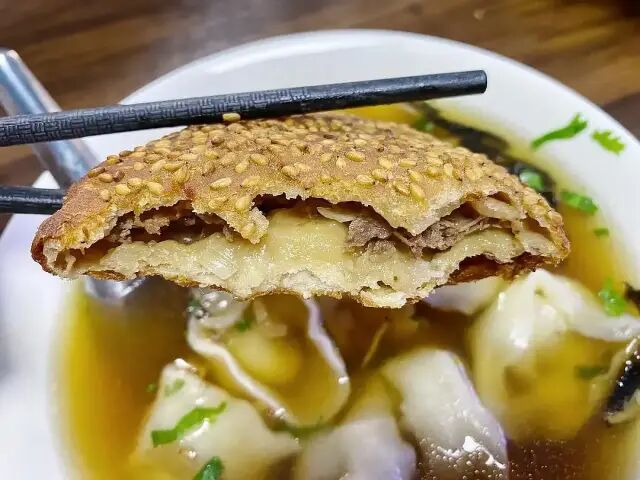
In the morning, we ate old-broth lamb offal soup (laotang yangza), beef ingot soup (niurou yuanbao tang), and freshly fried meat flatbread (shaobing) at Changshunzhai on Nanda Street in Miyun. The lamb offal tasted great, but my father-in-law and Zainab still could not get used to the salty taste of traditional Beijing suburban food. The flatbread was fried until crispy, and the aroma of the sesame really came through. The ingot-shaped dumplings (yuanbaotang) have thin skins and plenty of filling, and they taste great.
August 25, outside the Miyun Mosque.
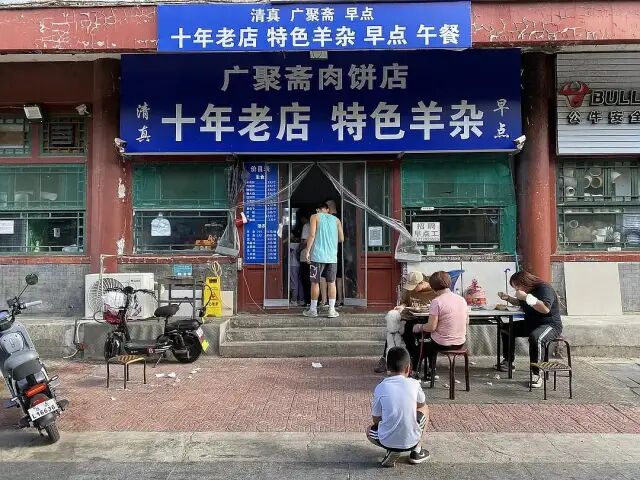
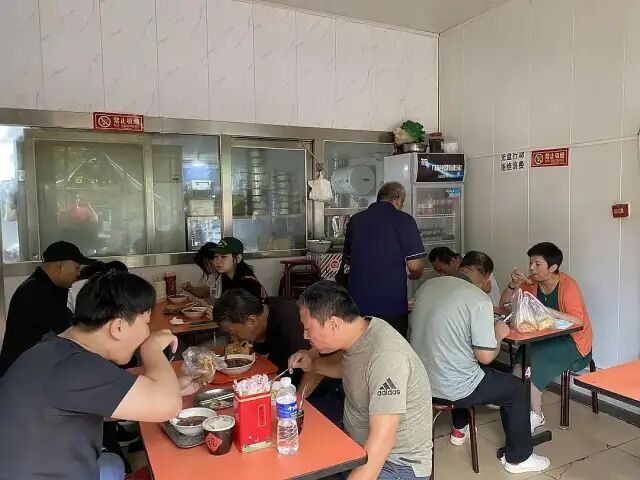
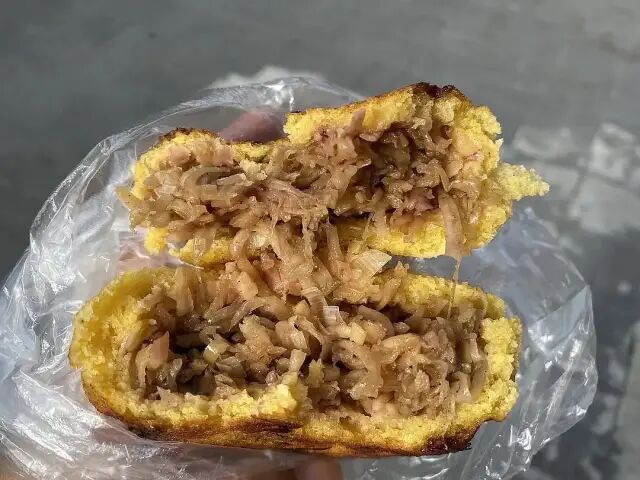
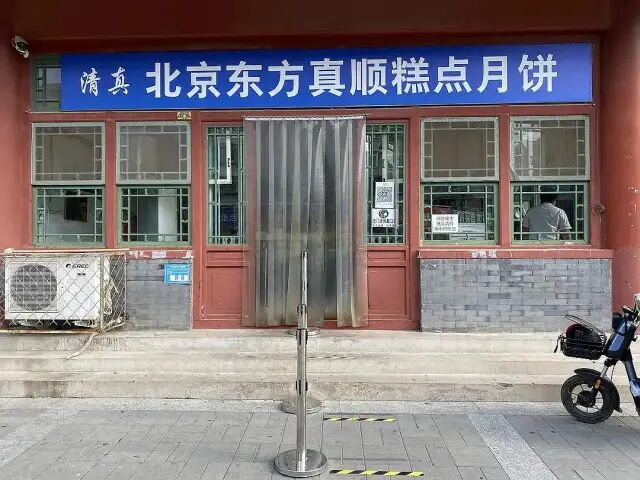
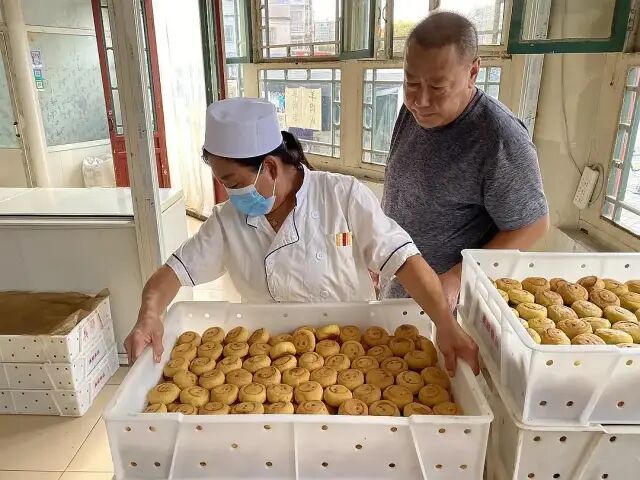
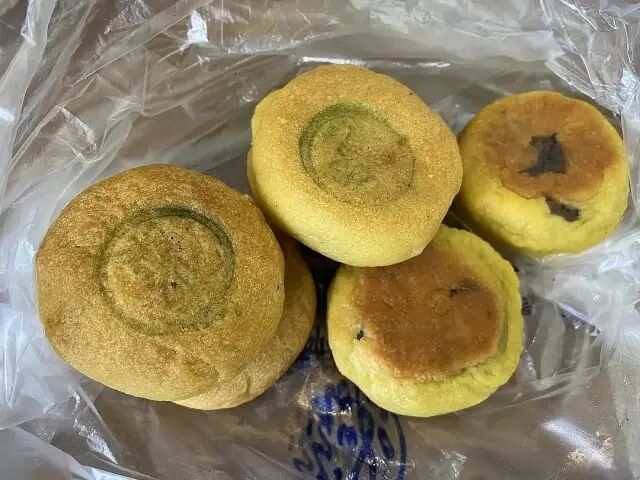
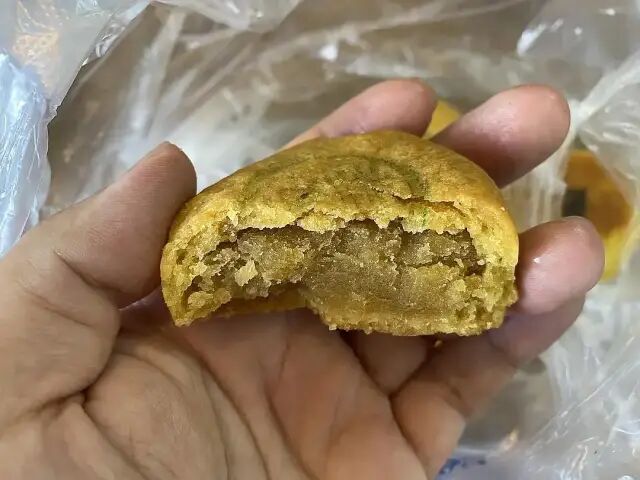
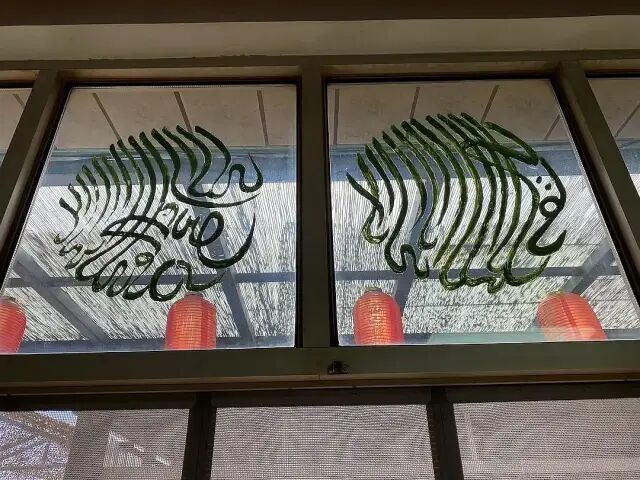
I bought radish-filled buns (xianbobo) at Guangjuzhai outside the Miyun Mosque, and old-fashioned mooncakes with chestnut, five-kernel, and black sesame fillings at Dongfang Zhenshun Bakery. They were all delicious. Most of the halal signs here in Miyun use Persian blue, which matches the style outside the Great Wall.
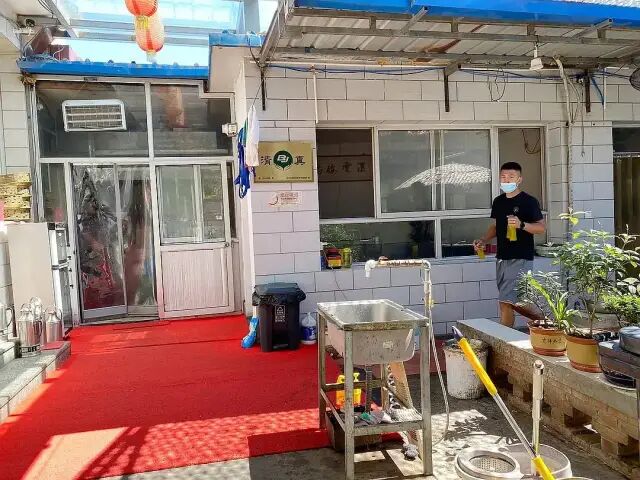
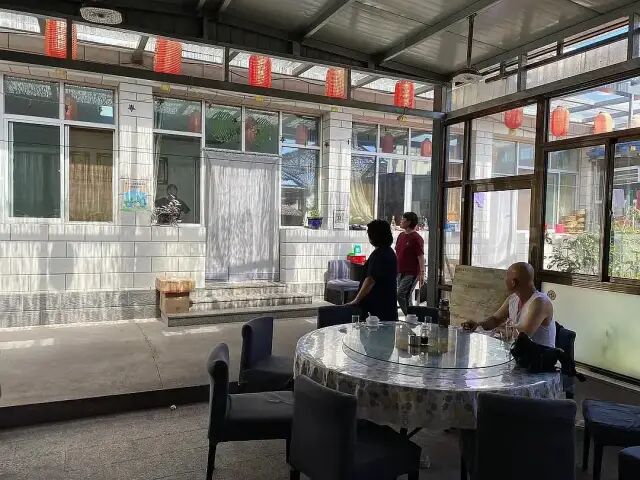
August 25, Fuhua Zhengxing Folk Restaurant in Mujia Yu, Miyun.
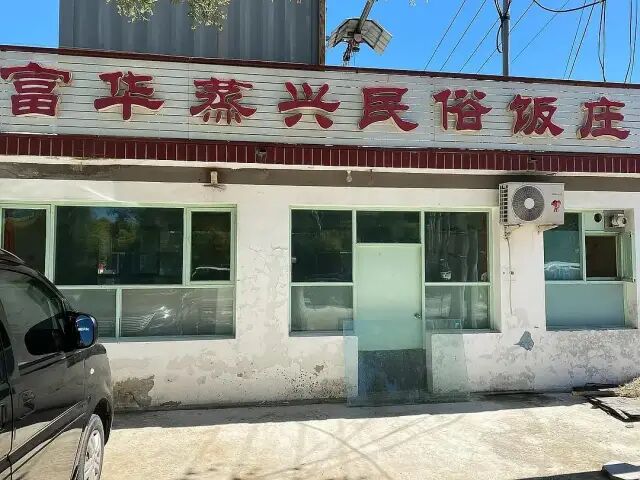
I ate beef pancakes, beef in a clay pot, mixed lamb liver, and stir-fried pumpkin at Fuhua Zhengxing Folk Restaurant in Mujia Yu. It was my first time eating at a farm-style restaurant in Miyun, so I didn't know what to expect and ordered way too much, haha. The flaky beef pancakes are delicious! The mixed lamb liver (ban yanggan) is very flavorful, but the beef has a lot of gristle and fat. It would be better if it were leaner.
The owner is very welcoming. As soon as he saw that Zainab was pregnant, he quickly moved us into a quiet room in the back to eat.
Summary: Beijing Halal Food Diary: Summer 2022 Muslim Food and Mosques is presented here as a firsthand travel account in clear English, beginning with this scene: Lamb for Eid al-Adha (Qurban), bean rice for Ashura, and fried dough (youxiang) for religious gatherings (niansuoer). The account keeps its focus on Beijing Halal Food, Summer Diary, Muslim Food while preserving the names, places, food, and historical details from the Chinese source.
August 9, Faith and Food
Lamb for Eid al-Adha (Qurban), bean rice for Ashura, and fried dough (youxiang) for religious gatherings (niansuoer).
August 10
It was my first day staying at home. I got a call from the community office in the morning and headed home from work. I had some time at noon to shop, so I rushed to the Niuniu market in Changying to buy chicken, meat, and fillings to prepare for big plate chicken (dapanji), meatball soup (wanzi tang), and hand-pulled noodles (latiaozi).
At noon, my father-in-law made green bean and meat stir-fry and yellow chive and meat stir-fry. The secret is to add plenty of green onions, Sichuan peppercorn powder, and dried chili skins (lapizi) so the flavor really pops. My father-in-law said he used half a whole green onion for just one dish.
In the afternoon, my father-in-law made lamb dough-flake soup (jiupianzi), which is a type of soup-based meal.
My father-in-law made steamed fried dough (youxiang) using fenugreek powder (xiangdou fen), a breakfast essential while staying at home.
August 11, meatball soup (wanzi tang).
On our second day at home, the whole family made meatball soup together. In the morning, we first simmered a pot of meat broth, then fried the meatballs.
We used one jin (500 grams) of ground beef, one level spoonful of star anise powder, one full spoonful of Sichuan peppercorn powder, one full spoonful of salt, and poured in half a ladle of hot oil.
We minced half a piece of ginger into tiny bits, added it to the mix, and stirred it well. We cracked one egg into the mixture and kept mixing. Then we added half a small bowl of dry starch, kneaded the mixture repeatedly, and it was ready to fry.
We added frozen tofu, spinach, king oyster mushrooms, cilantro, and the fried meatballs into the meat broth, and the delicious meatball soup was ready. Break the fried dough (youxiang) into pieces and eat it with the meal.
August 12, pilaf (zhuafan).
On the third day at home, my father-in-law made pilaf, I brewed brick tea, and Zainab made yogurt.
My father-in-law learned how to make some of the pilaf from the owner of a Uyghur pilaf restaurant near our house.
For Eid al-Adha, take one portion of lamb chops and one portion of lamb front leg, soak them for 20 minutes, then add salt, Sichuan peppercorns, and a little ginger to boil for 30 minutes. Take out the cooked lamb, stir-fry it in plenty of oil until dry, and add two spoonfuls of salt. Add carrot strips and onion chunks (piyazi), stir until the carrots shrink and soften, then take out the meat.
Spread two bowls of rice over the carrots; we used rice from Miquan. Add the lamb stew broth until it covers the rice by about the width of a finger. If you need more liquid, add water. Add two spoonfuls of granulated sugar (shazi tang) and a little cumin powder. Uyghur restaurants usually add a large amount of rock sugar and some whole cumin seeds. Finally, place the meat on top.
Turn the heat to high. Once the water boils, use chopsticks to poke a few holes in the rice. Then, turn the heat to low to steam it. Do not lift the lid during this time, but rotate the pot occasionally so it heats evenly. After steaming for 30 minutes, flip the rice from the top to the bottom, then steam for another 10 minutes and it is ready.
August 13, chive pockets (jiucai hezi).
Day four at home, my father-in-law made chive pockets (jiucai hezi) for me. Scramble the eggs, add the chives, then pour hot oil over them. Add plenty of salt and Sichuan peppercorn powder (huajiao mian). The flour used is from Qitai. Scald it with boiling water before wrapping the pockets.
August 14, Big Plate Chicken (dapanji)
On the fifth day of staying home, Zainab stir-fried the Big Plate Chicken (dapanji), and my father-in-law made the belt noodles (pidaimian). We used a free-range chicken with black claws that I bought from Dazhang in Changying. It tastes exactly like the Big Plate Chicken (dapanji) from Urumqi in the 1990s.
In the top right corner is tomato paste and bean paste (doubanjiang), and below that is the special seasoning mix for the Big Plate Chicken (dapanji).
August 15, Braised Meatballs (huiwanzi)
On the fifth day of staying home, I made Braised Meatballs (huiwanzi). They go perfectly with rice.
August 16, Hand-pulled Noodles (latiaozi)
On the seventh day of staying home, I still love eating the romantic meal made by my father-in-law.
August 17, eating flatbread with fried chicken and fried skewers at Yin's in Changying.
I had a flatbread sandwich with fried chicken and fried skewers at Yinji in Changying. It had chicken and a squid skewer inside, and it tasted pretty good. Then I grabbed some cold skin noodles (liangpi) from the supermarket next door.
August 19, Sultan, a Pakistani restaurant in Sanduhe Village, Huairou.
By mid-August, the muggy heat in Beijing eased up, so we drove to Huairou for a halal getaway.
We arrived at Sanduhe Village in Huairou in the evening and started at the Pakistani restaurant Sultan. We had butter naan, spicy yogurt (Raita), rice (Biryani), tandoori chicken legs, beef curry (Kadhi), grilled shrimp, milk tea, and mint lemonade. To be fair, their portions are small and the prices are high, but the food is really delicious. It is better than some of the Pakistani restaurants in the city. Their butter naan is especially good. It comes out of the oven fluffy and smells amazing. The chicken legs and beef taste great. My father-in-law and Zainab especially liked the milk tea, which has a very rich milk and tea flavor. The only downside is that the shrimp probably sat out too long, so the texture was mushy.
It is rare to find yogurt sauce (raita) made with fresh spicy peppers. It has a strong spicy kick and tastes very unique. Raita is a Hindi word formed by combining the Sanskrit words "rajika" and "tiktaka," which mean "black mustard seeds" and "pungent." To make it, you fry black mustard seeds and cumin, mix them with chopped vegetables, and stir them into yogurt.
Playing in the restaurant at night.
Gourd vines in the restaurant.
August 20, Xingyuanzhai Ethnic Restaurant in Sanduhe Village, Huairou.
In the morning, we ate grilled golden trout, cornmeal flatbread (hubing), scrambled eggs with green onions, seasonal wild amaranth (yugu cai), and fried fresh river shrimp at Xingyuanzhai Ethnic Restaurant in Sanduhe Village. This place is run by Hui Muslims from the Hui Muslim camp in Shunyi. They specialize in golden trout and rainbow trout. The meat is tender like garlic cloves, and their other dishes are very flavorful. Zaynab especially loved the small river shrimp. If you are visiting the mountains in Huairou, like Mutianyu or Xiangshui Lake, I recommend eating here.
August 20, Masala Pakistani Restaurant in downtown Huairou.
In the afternoon, I had a beef burger, cheese pizza, chickpea curry, and watermelon shaved ice at Masala Pakistani Restaurant in downtown Huairou. This restaurant has the same owner as Sultan up on the mountain, and the menu is about the same. Their cheese pizza is super delicious and very fluffy; I bet they use the same dough as they do for their butter naan. The chickpea curry and watermelon shaved ice were also quite good. Unfortunately, the burger was not great. The bun lacked texture and the beef was too tough, making it uncomfortable to eat.
August 24, Run Gesheng on Gulou South Street in Miyun.
I drove to Miyun city center after work and arrived at Run'gesheng on Drum Tower South Street in the evening. The restaurant was recently renovated this year and the environment is very nice. We ordered steamed tofu (kaibao doufu) and red steamed beef. The steamed tofu is made by steaming the tofu and mixing it with various seasonings. Adding chive flower sauce really makes it flavorful! The red steamed beef has a great texture and is likely one of the eight classic bowls (badawan) of the Hui Muslims, though Zainab and my father-in-law both said it was a bit salty. I guess I will be experiencing the salty taste of traditional Beijing suburban dishes every day for a while, haha.
August 25, Changshunzhai on Nanda Street in Miyun.
In the morning, we ate old-broth lamb offal soup (laotang yangza), beef ingot soup (niurou yuanbao tang), and freshly fried meat flatbread (shaobing) at Changshunzhai on Nanda Street in Miyun. The lamb offal tasted great, but my father-in-law and Zainab still could not get used to the salty taste of traditional Beijing suburban food. The flatbread was fried until crispy, and the aroma of the sesame really came through. The ingot-shaped dumplings (yuanbaotang) have thin skins and plenty of filling, and they taste great.
August 25, outside the Miyun Mosque.
I bought radish-filled buns (xianbobo) at Guangjuzhai outside the Miyun Mosque, and old-fashioned mooncakes with chestnut, five-kernel, and black sesame fillings at Dongfang Zhenshun Bakery. They were all delicious. Most of the halal signs here in Miyun use Persian blue, which matches the style outside the Great Wall.
August 25, Fuhua Zhengxing Folk Restaurant in Mujia Yu, Miyun.
I ate beef pancakes, beef in a clay pot, mixed lamb liver, and stir-fried pumpkin at Fuhua Zhengxing Folk Restaurant in Mujia Yu. It was my first time eating at a farm-style restaurant in Miyun, so I didn't know what to expect and ordered way too much, haha. The flaky beef pancakes are delicious! The mixed lamb liver (ban yanggan) is very flavorful, but the beef has a lot of gristle and fat. It would be better if it were leaner.
The owner is very welcoming. As soon as he saw that Zainab was pregnant, he quickly moved us into a quiet room in the back to eat.
