
Beijing Halal Food Diary: Summer 2022 Muslim Food and Mosques (Part 2)
Reposted from the web
Summary: Beijing Halal Food Diary: Summer 2022 Muslim Food and Mosques is presented here as a firsthand travel account in clear English, beginning with this scene: I went to the Indian restaurant Mughal Darbar in the basement food court of Hongqiao Market. The account keeps its focus on Beijing Halal Food, Summer Diary, Muslim Food while preserving the names, places, food, and historical details from the Chinese source.
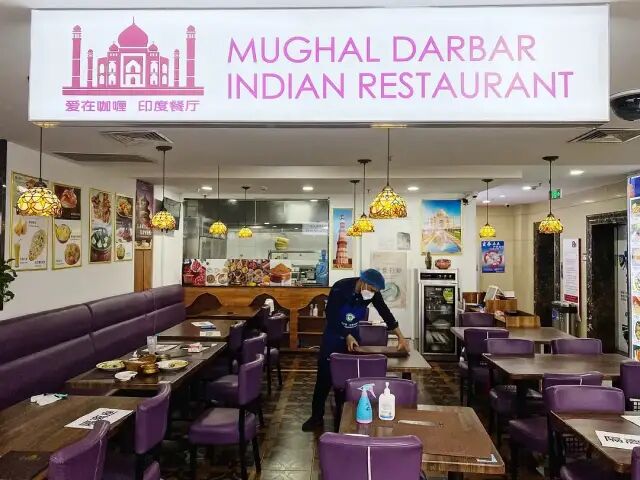
July 12, Indian restaurant Mughal Darbar.
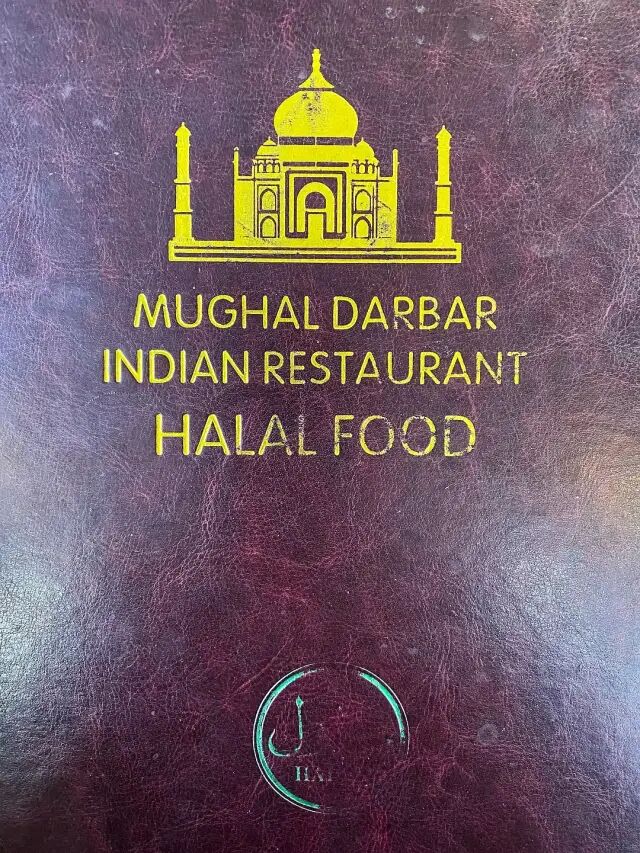
I went to the Indian restaurant Mughal Darbar in the basement food court of Hongqiao Market. The name translates directly to 'Mughal Court'. The Chinese name is 'Love in Curry' (Ai Zai Gali), which feels a lot less impressive, haha. The owner is a Muslim from Delhi, and the guy at the front desk is also from Delhi. Even though he is not Muslim, he says 'salam' and 'bismillah' very fluently. Many of their dishes really do come from the Mughal Empire.
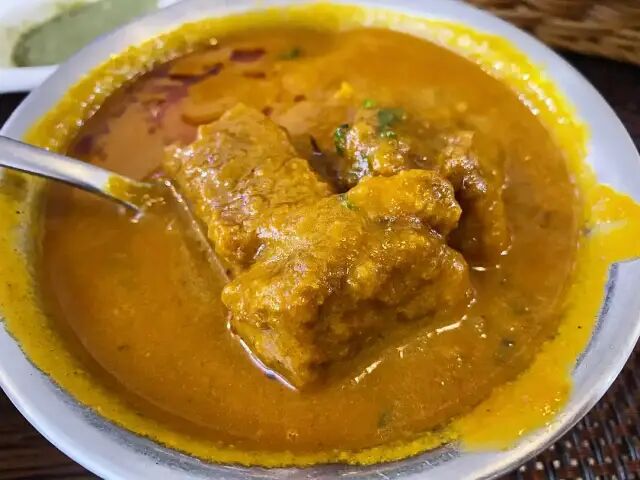
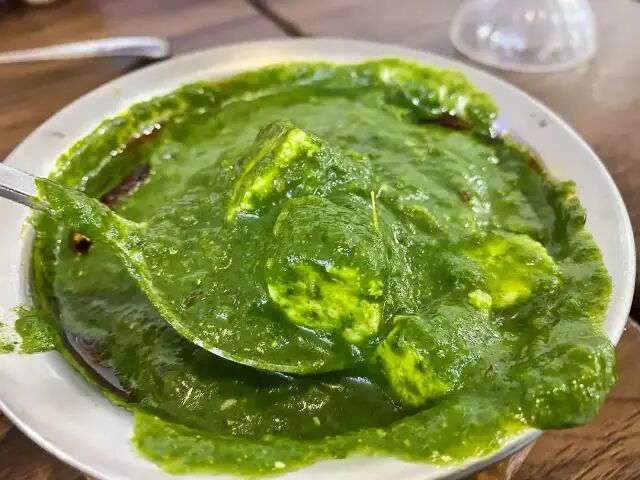
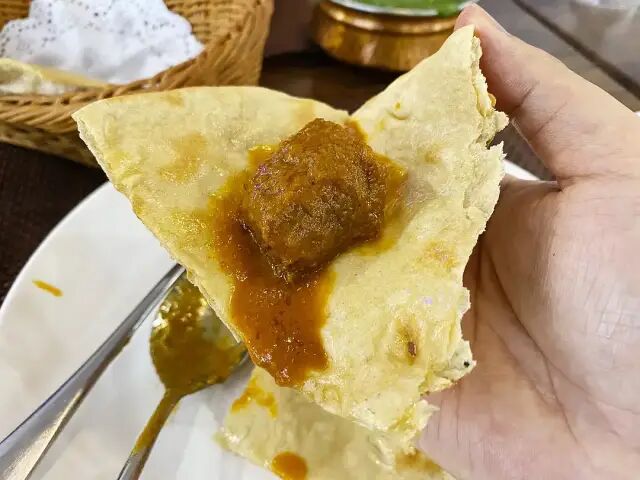
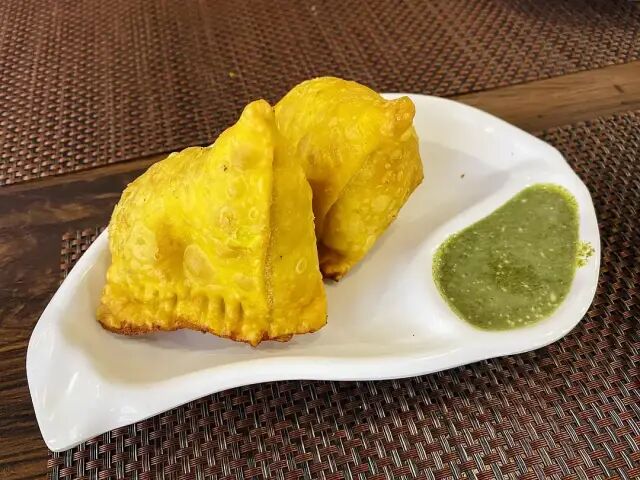
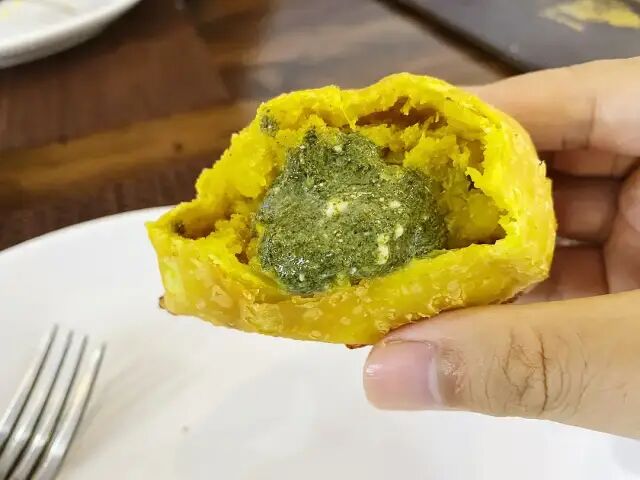
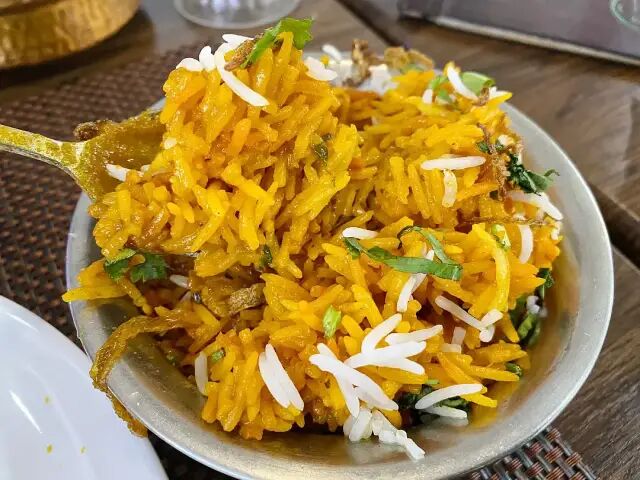
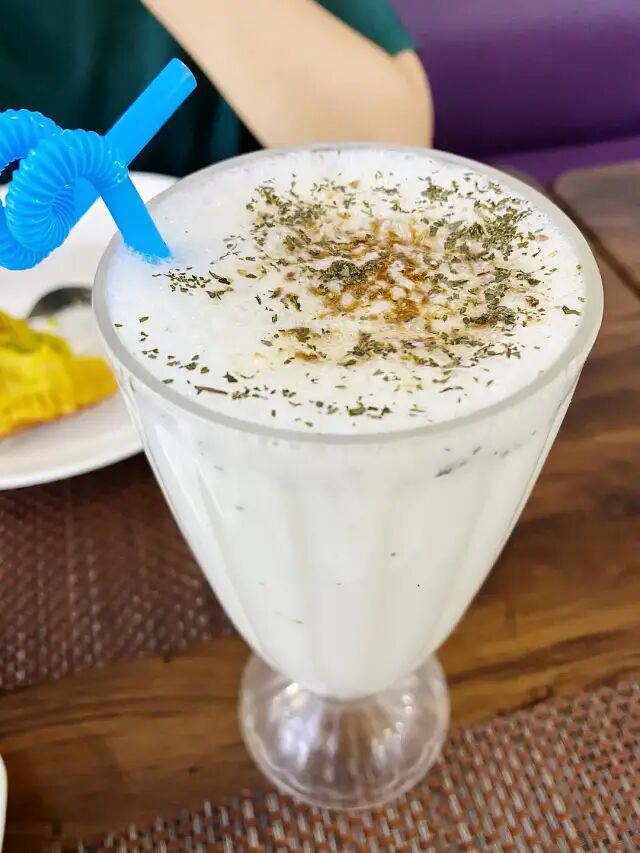
We ate spinach cheese curry (Palak Paneer), lamb curry (Rogan Josh), vegetable fried dumplings (Samosa), spiced yogurt drink (Masala Chach), chicken rice (Biryani), and butter flatbread (Roti).
Rogan Josh is a specialty curry from Kashmir. The Mughals brought it there when they went to Kashmir to escape the summer heat during the Mughal Empire. It mainly uses alkanet root (alkanet) and Kashmiri chili as seasonings. 'Rogan' comes from the Persian word for 'clarified butter' (roughan), and 'josh' is the Persian word for 'stew'.
Palak paneer is a North Indian vegetarian curry made with Indian white soft cheese (paneer, which comes from the Persian word for cheese, panir) and spinach puree. It is a classic home-cooked Indian dish.
The samosa curry puff comes from the Persian word 'sanbosag'. It is a classic street snack brought to South Asia by Central Asian merchants in the 13th and 14th centuries. This shop's samosas are very large and filled with mashed potatoes.
Biryani also comes from a Persian word. Legend says it was created by Mughal palace chefs who combined spicy Indian rice with Persian pilaf.
Traditional buttermilk (chach) is made by mixing yogurt and water with a tool called a 'madhani', then seasoning it with spices like masala. Chach is similar to the common Indian yogurt drink (lassi), but chach is thinner and uses spices instead of sugar or fruit jam. Chach is very popular in India's desert regions and the hot areas of South India. People often choose a glass of chach to rehydrate after being out in the sun.
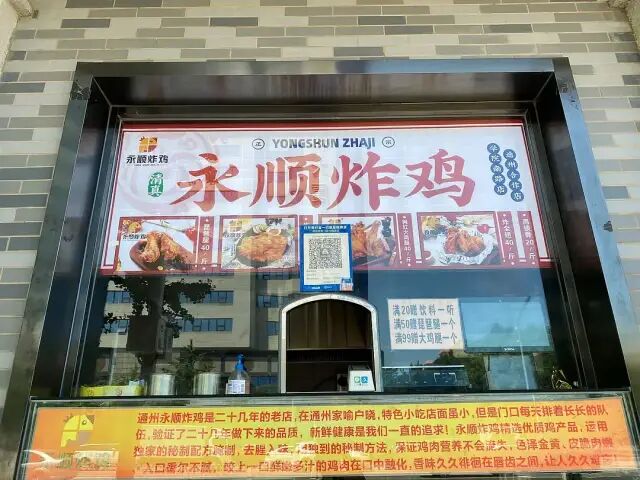
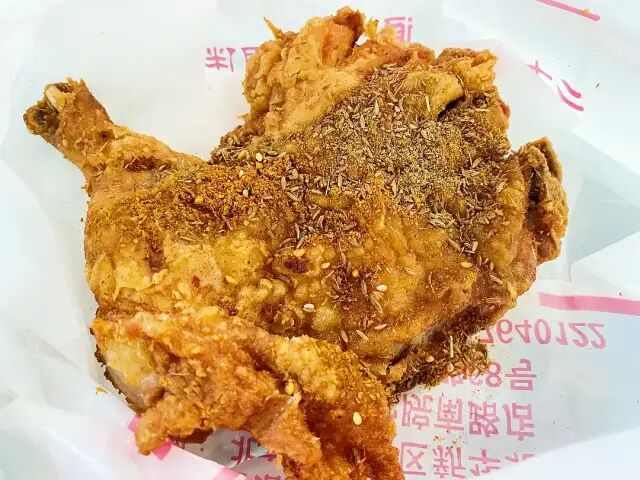
July 14, Yongshun Fried Chicken at the Yiguzhai franchise on Daliushu Road.
Yongshun Fried Chicken at the Yiguzhai franchise on Daliushu Road. You can eat a large chicken leg in the shop, and it comes with a free drink.

July 16, Longxianghui on Dongsi North Street.
I love the stewed flatbread (hubo) at Longxianghui, even though eating it in the summer makes me sweat all over.
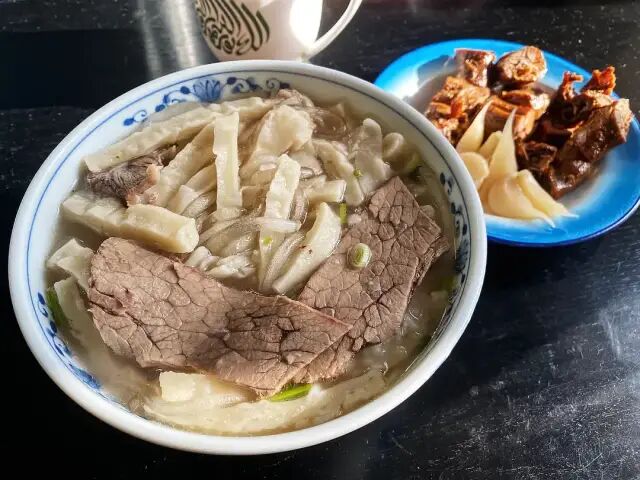
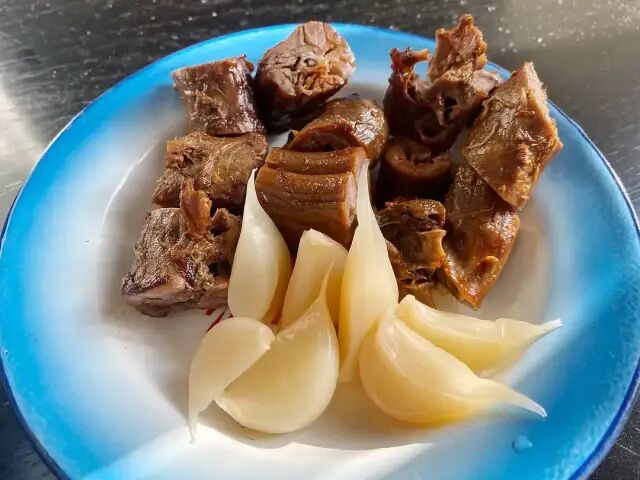
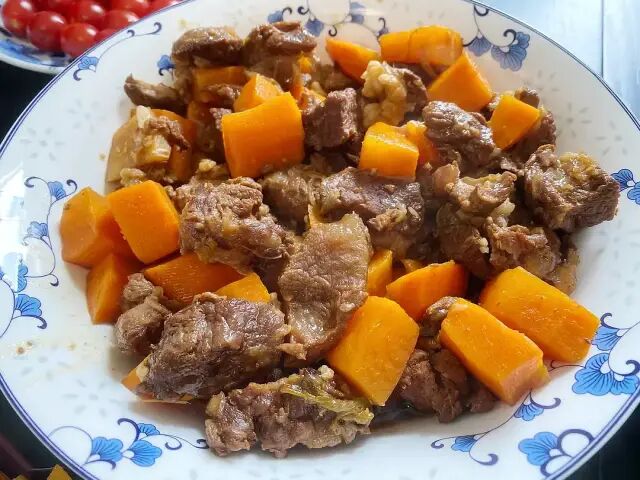
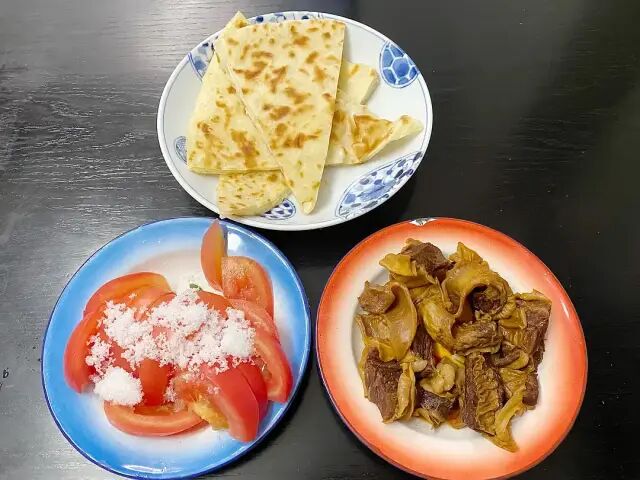
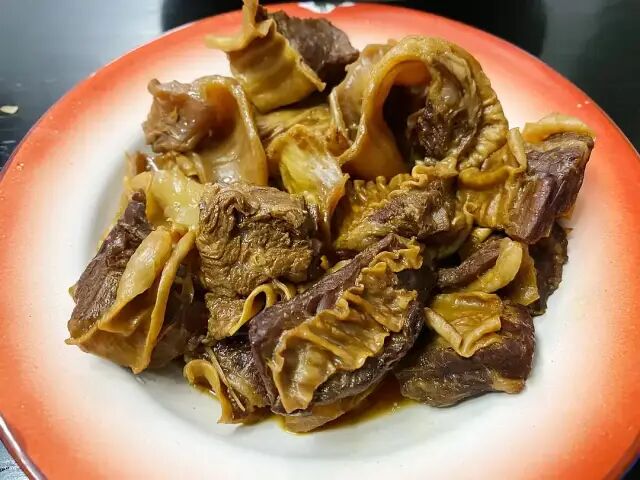
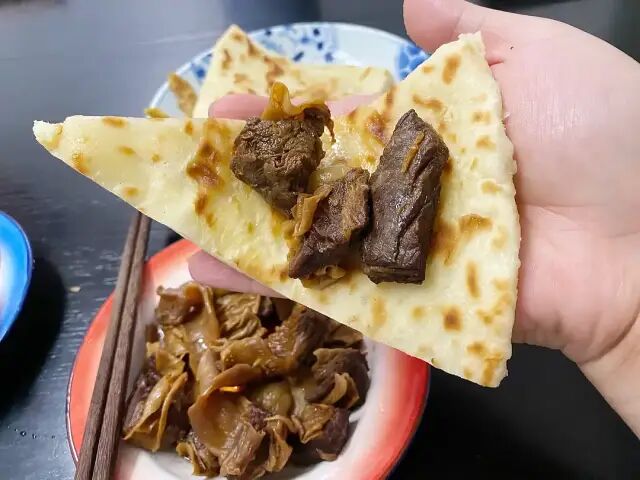
July 16, stewed meat with flatbread.
Listening to storytelling made me hungry, so today I stewed beef brisket and bought a griddle-baked flatbread (laobing) from Niujie to make stewed meat with flatbread, a classic dish from the Water Margin!
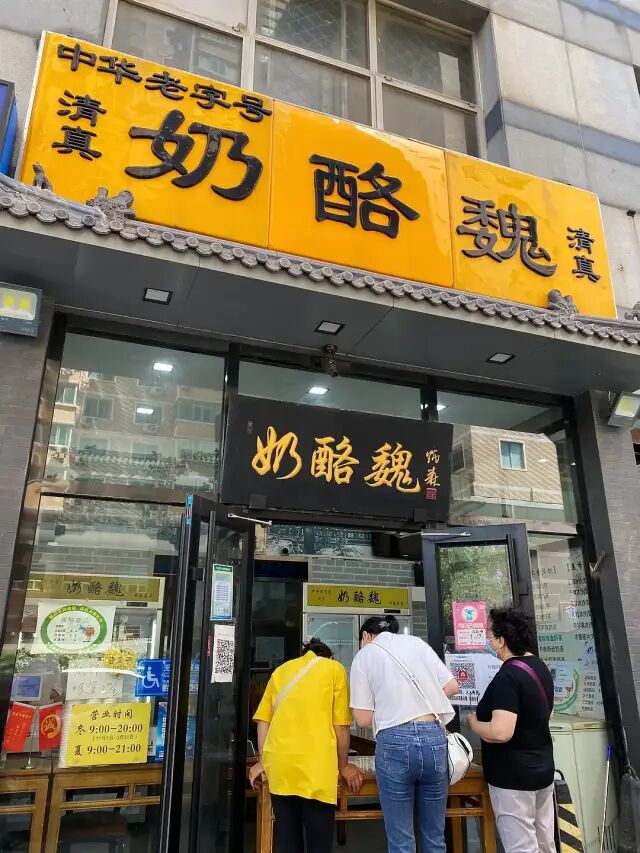
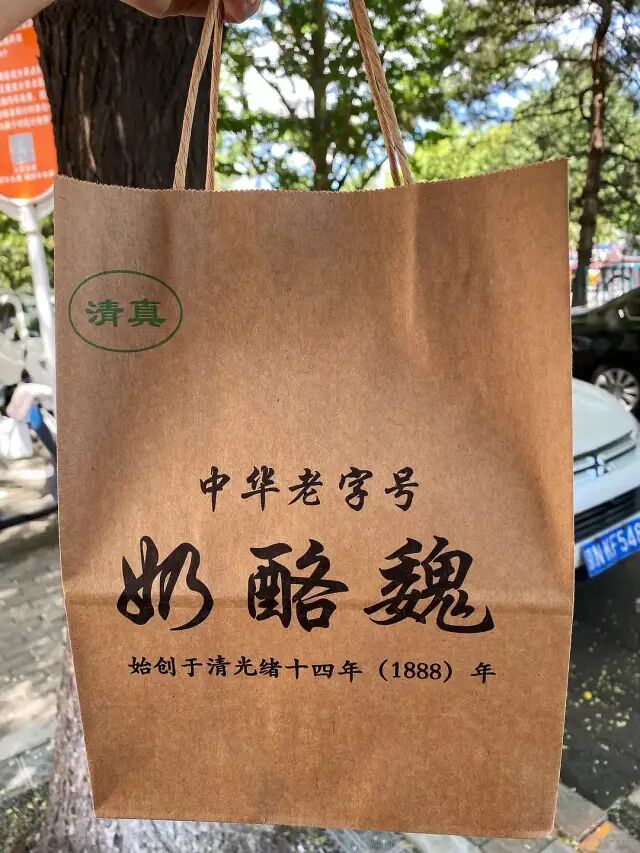
July 17, Cheese Wei in Niujie.
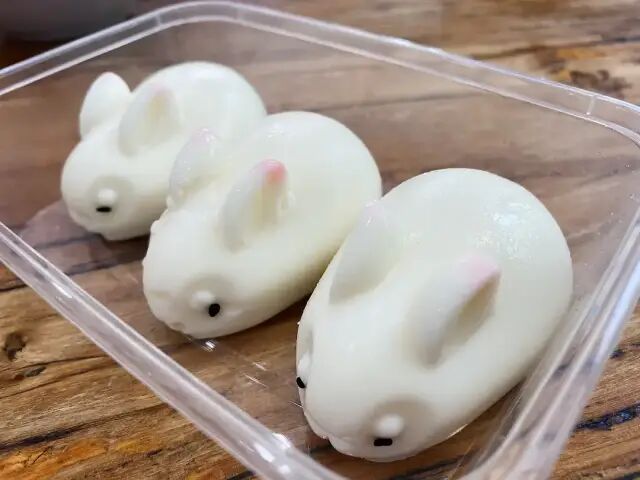
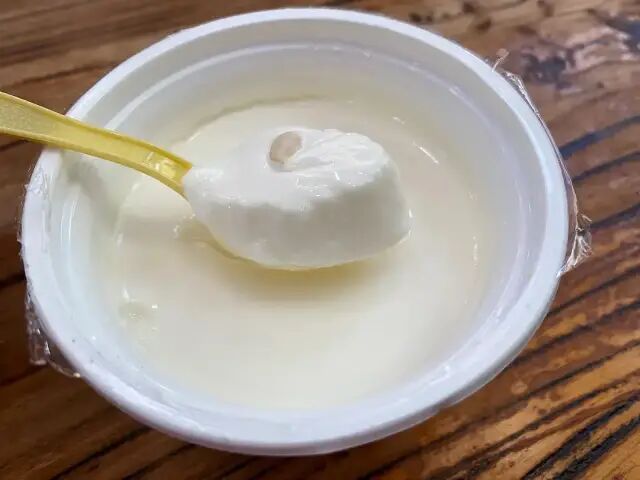
The original flavor cheese and the yogurt jade rabbit from Cheese Wei in Niujie.
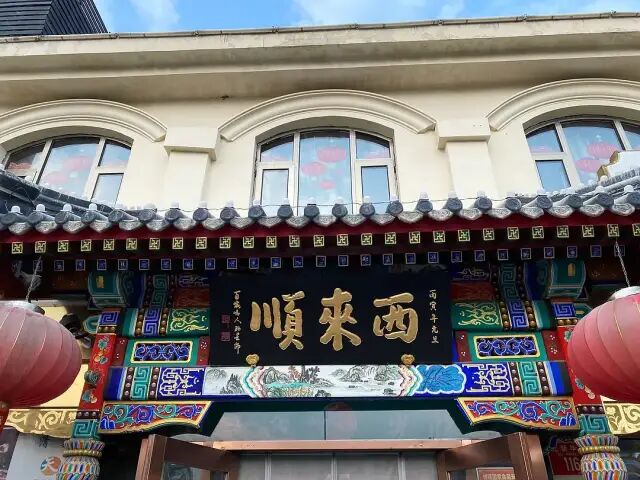
July 16, Xilaishun.
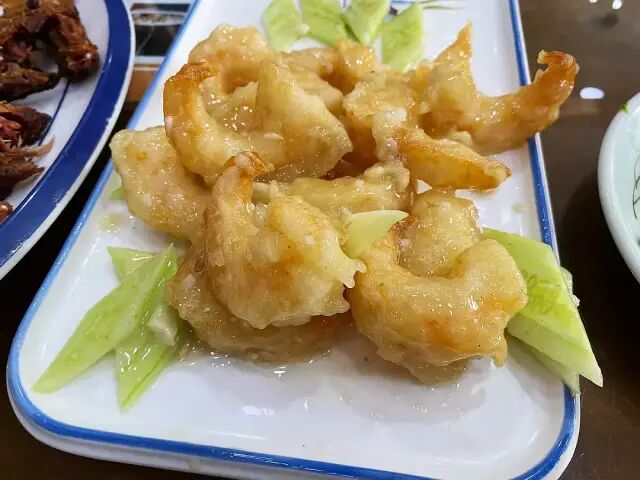
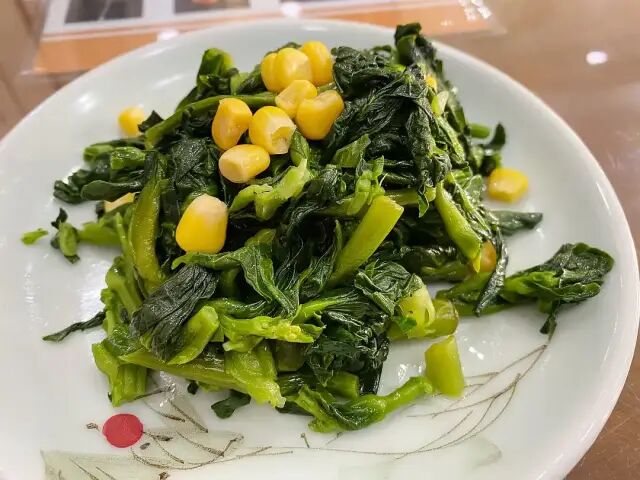
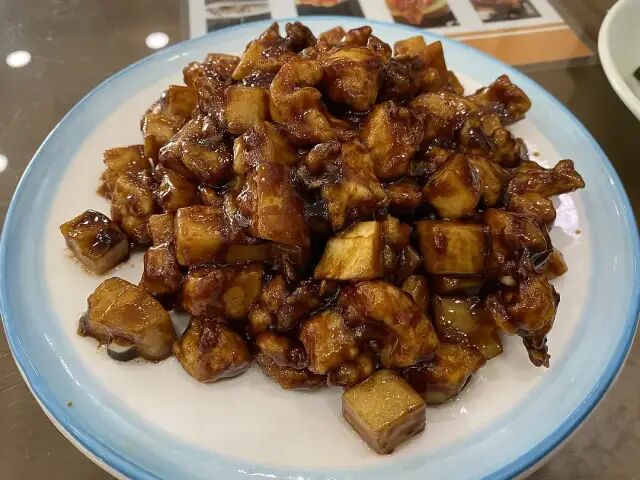
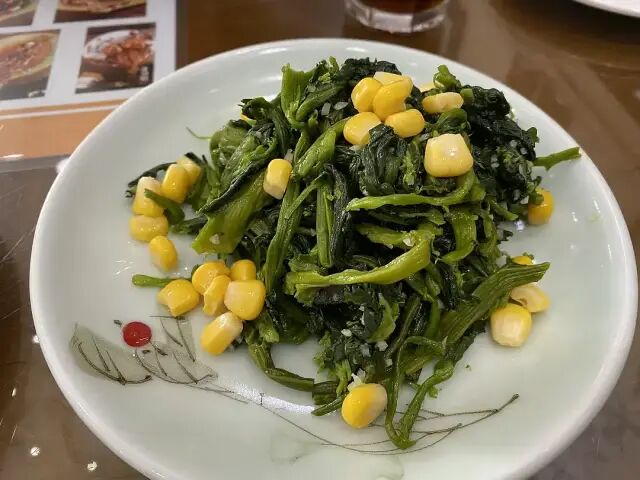
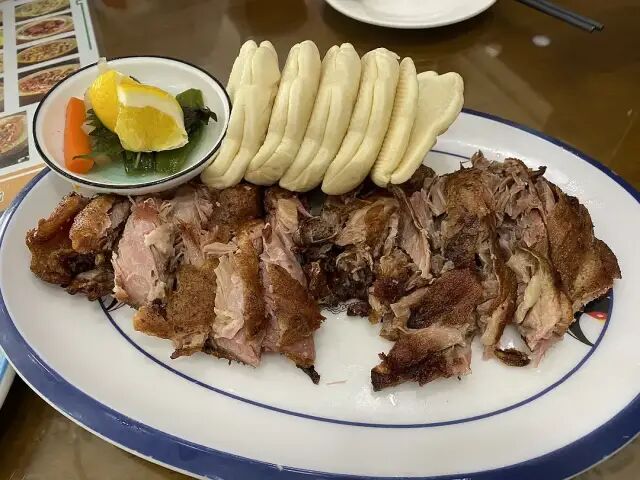
After listening to storytelling, I went to Xilaishun to eat and ordered my favorites: stir-fried chicken cubes in bean sauce (jiangbao jiding), Ma Lianliang duck, deep-fried shrimp, and mixed wild mountain vegetables. Every time I go to their place, I order the stir-fried chicken with soybean paste (jiangbao jiding) and two bowls of rice. I never get tired of it! I have been eating Ma Lianliang duck for many years. For a few years, their duck was a bit fatty, but in the last two years, they have gone back to a leaner style. The meat is fried until tender and the skin is crispy. You can even eat the bones. For the past two years, they have served the duck with flatbread (bing). It tastes even better when you eat it as a sandwich.
I ordered the deep-fried shrimp (zha peng xia) for Zainab. It was my first time trying their version. The batter felt a bit hard, but the shrimp inside was very tender.
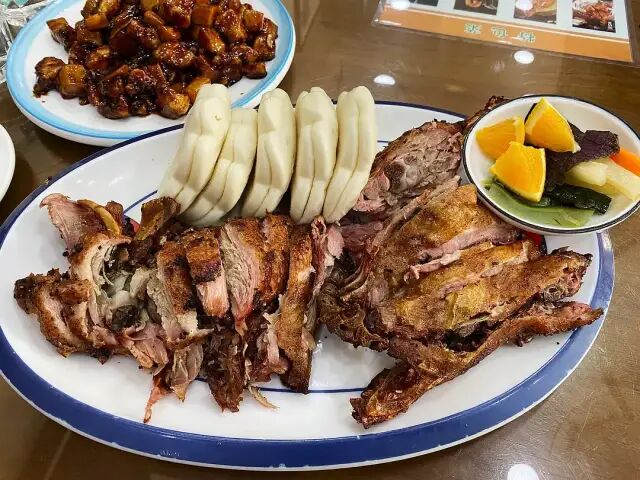
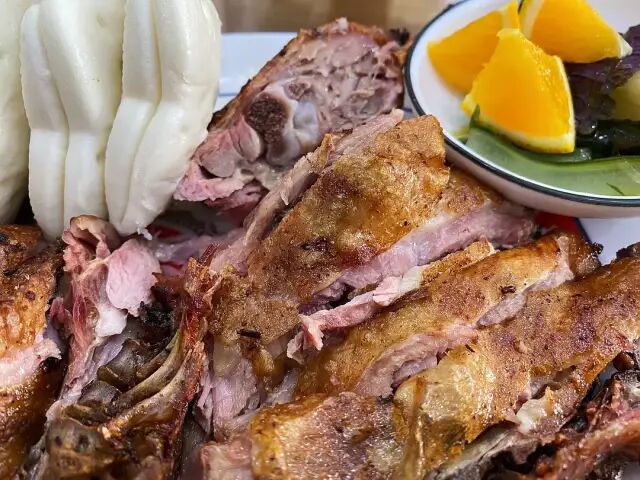
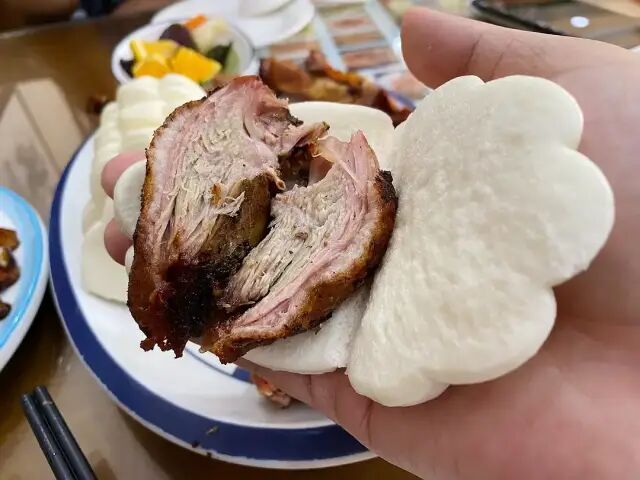
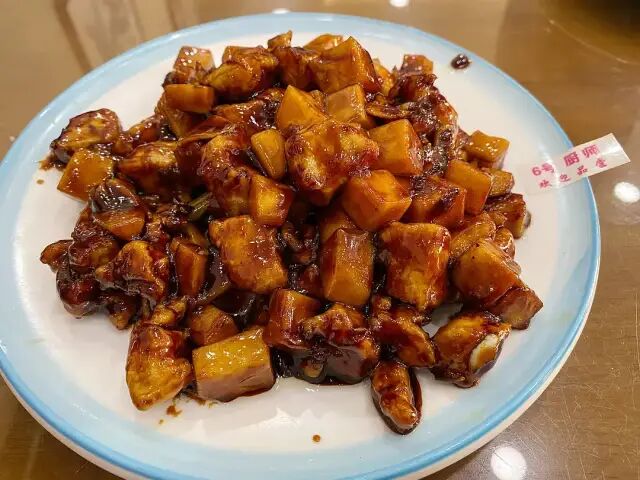
July 17, Jia San Soup Dumplings (Jia San guantangbao).
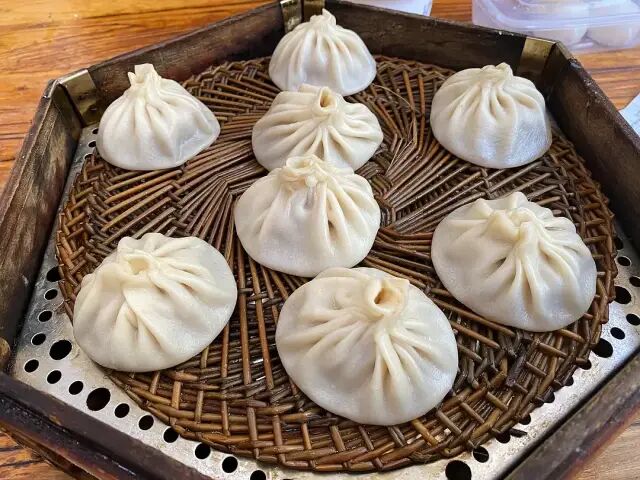
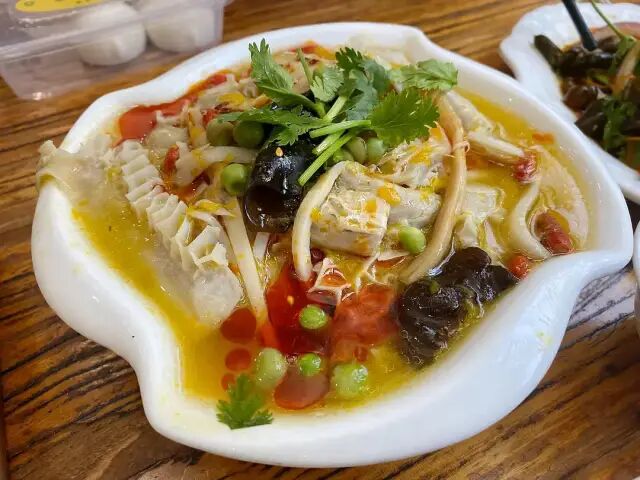
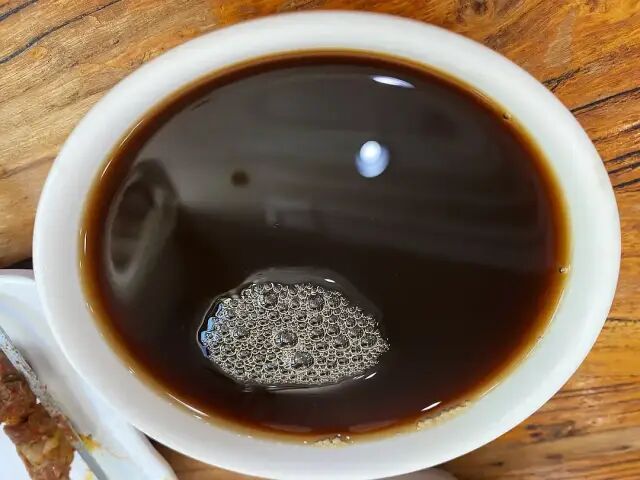
I had lunch at Jia San on Baiyun Road and enjoyed their soup dumplings (guantangbao). It was delicious. I also had the stir-fried lamb (yangrou xiaochao) and the mixed vegetable stew (huicai). Their stir-fried lamb was a bit too salty compared to the local version in Xi'an. Next time, I will just stick to the regular soaked bread (paomo).
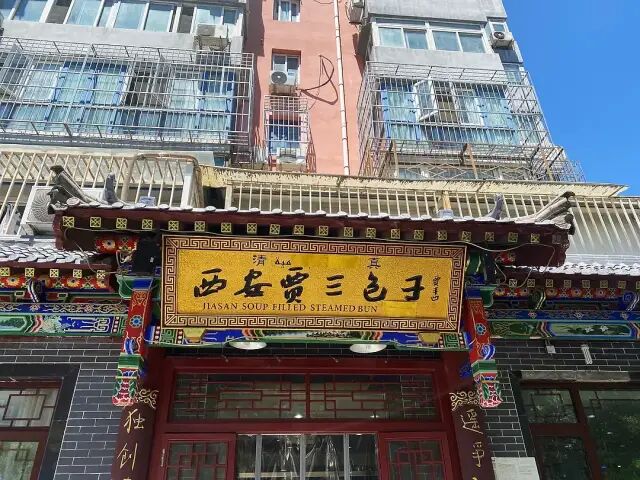
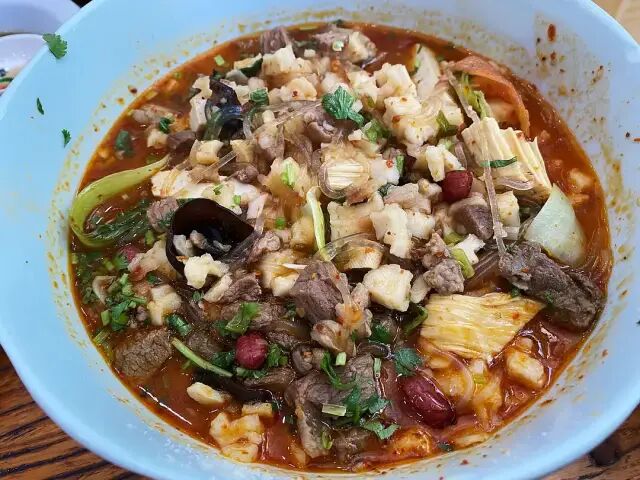
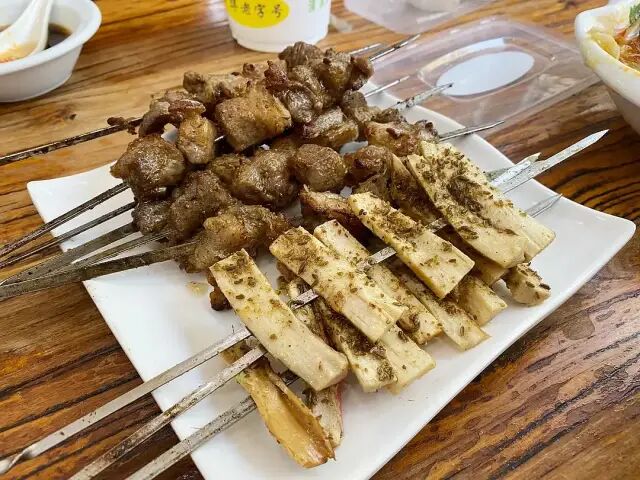
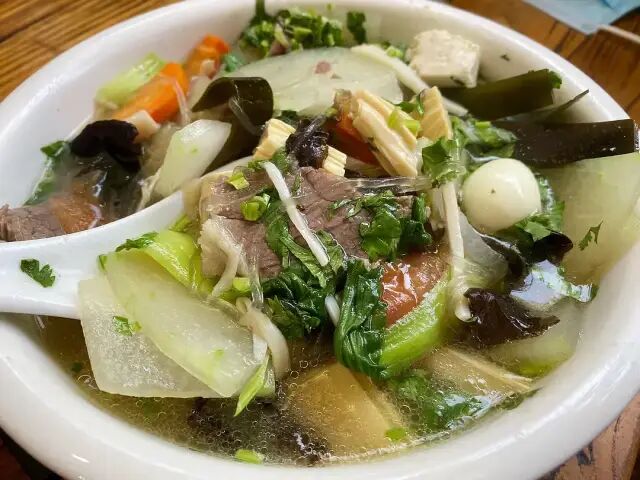
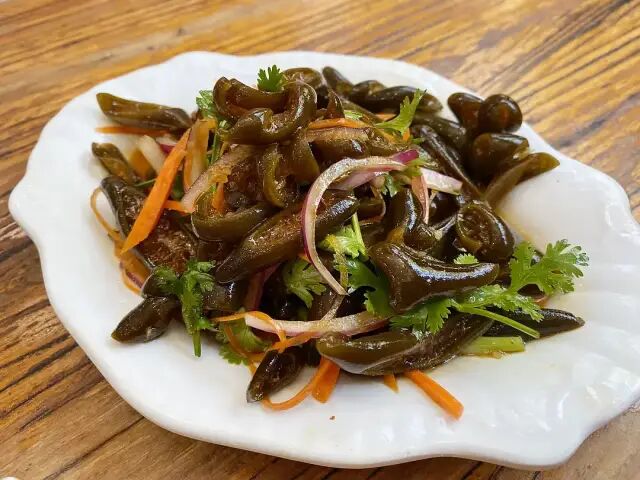
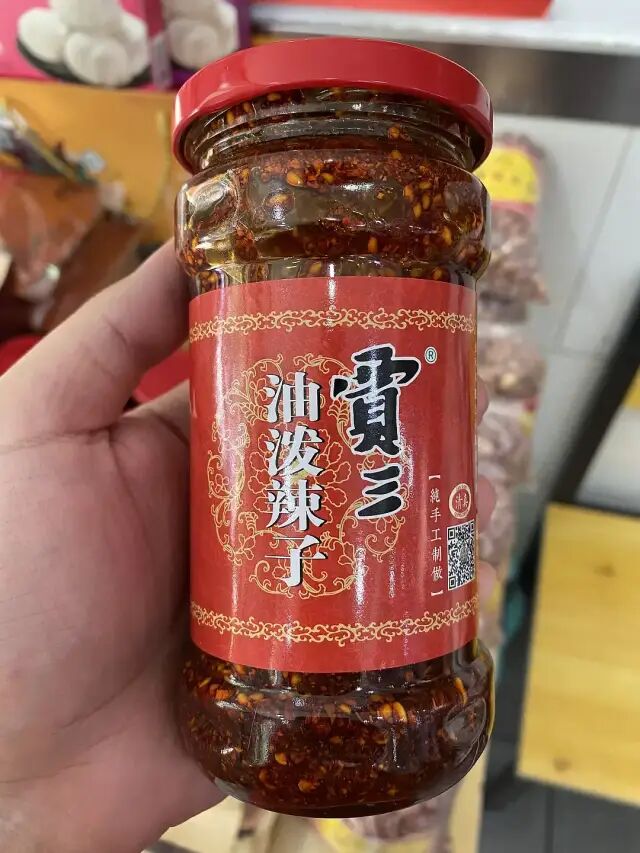
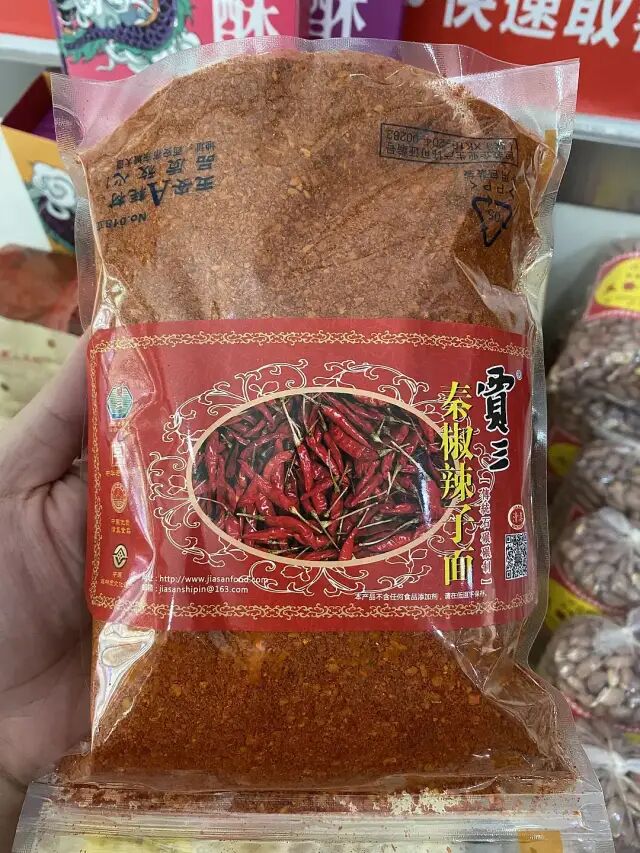
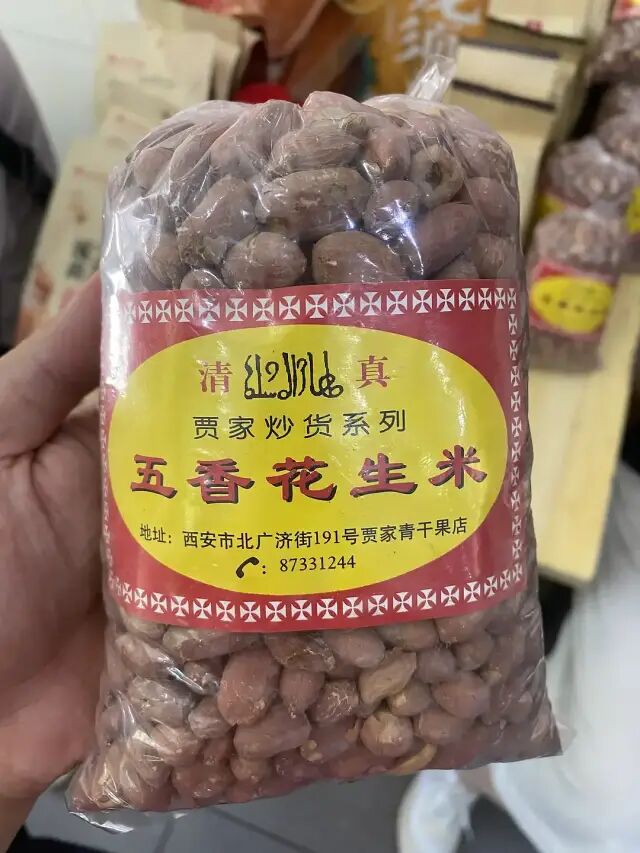
Jia San sells hot chili oil (youpo lazi), chili powder (lamianzi), and peanuts. It feels like I am pretending to be back in the Muslim Quarter (fangshang).
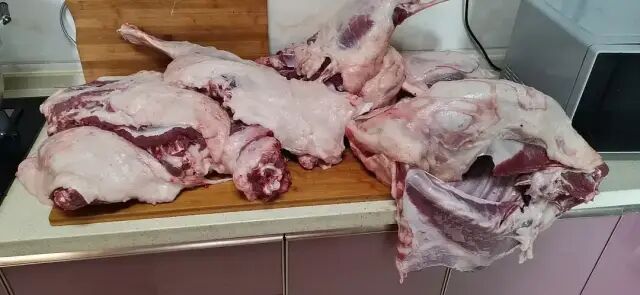
July 19, Qurbani sheep
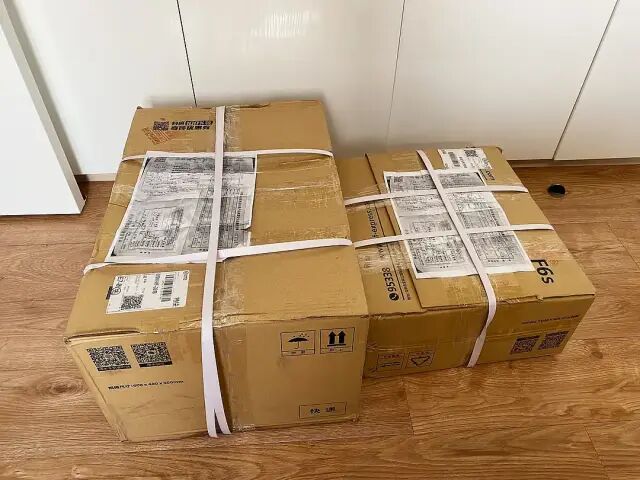
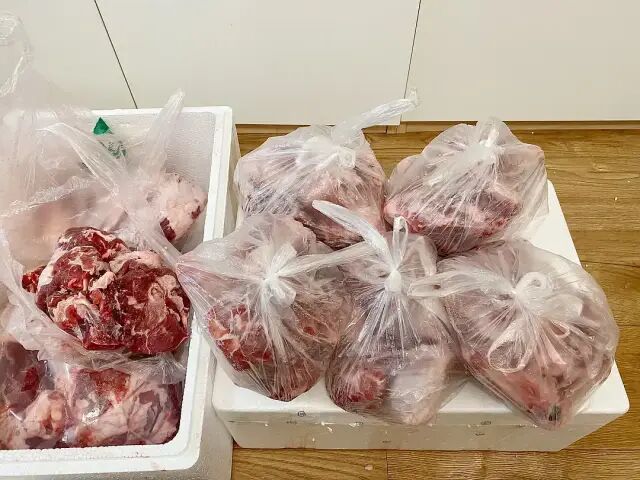
We made the intention for our Qurbani sheep, and Zaynab's uncle had it slaughtered for us in the Nanshan mountains of Urumqi. It arrived in Beijing last Saturday. Zaynab's uncle bought these Kazakh fat-tailed sheep from herders in Yili and Tacheng ahead of time.
On Saturday and Sunday, we gave lamb to a few friends (dosti) and took a trip to Niujie. Sharing is an important part of Qurbani, and it brings many rewards.
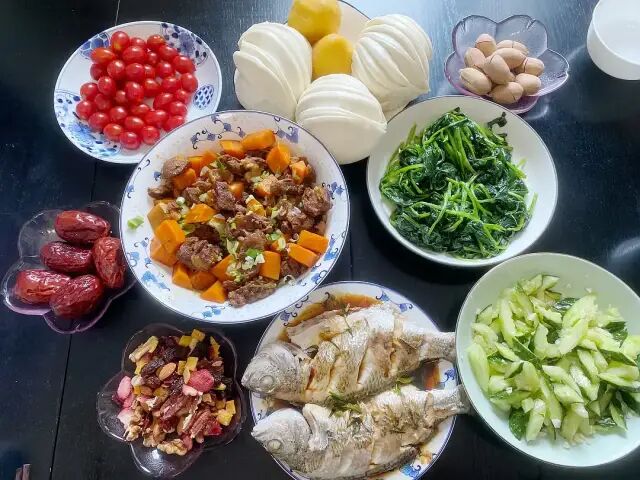
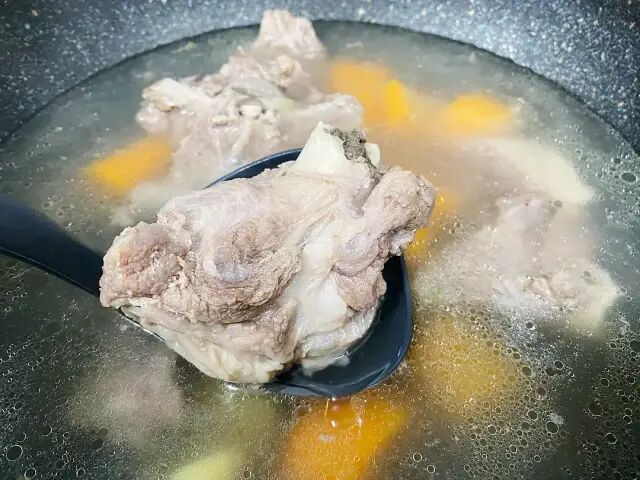
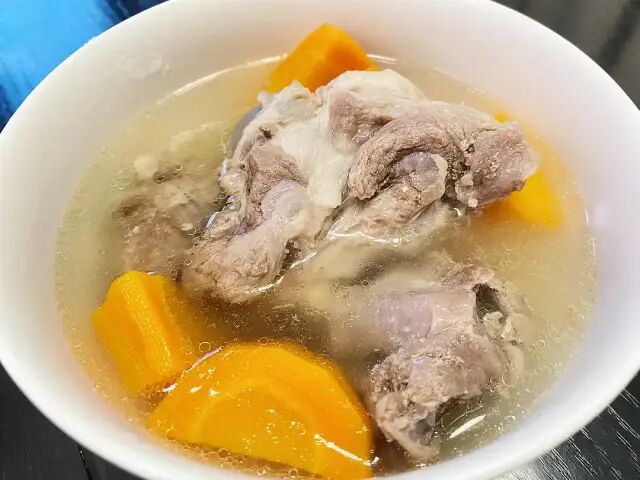
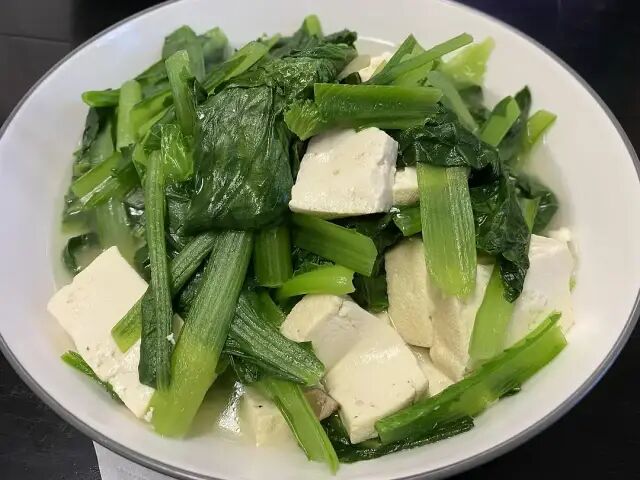
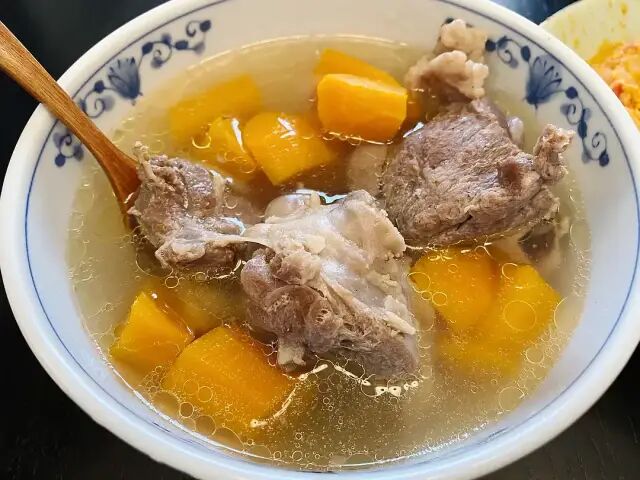
Today I stewed the Qurbani lamb. It is so fragrant when boiled plain; you do not need any seasonings, just a little salt. After stewing the lamb, I added baby bok choy and tofu to the broth, so we had both meat and vegetables.
July 23, Ma's Handmade Dumplings
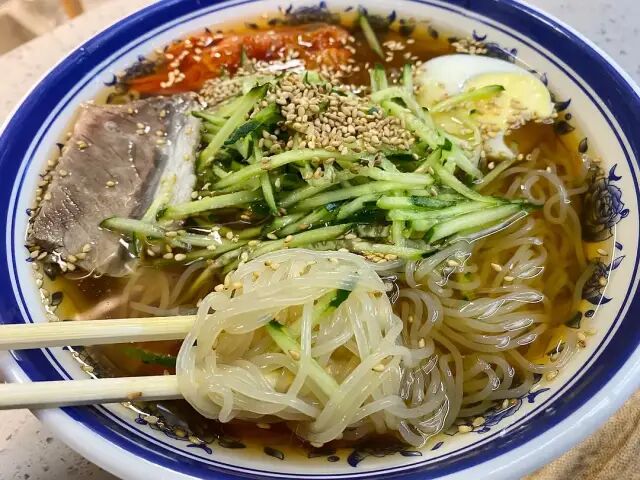
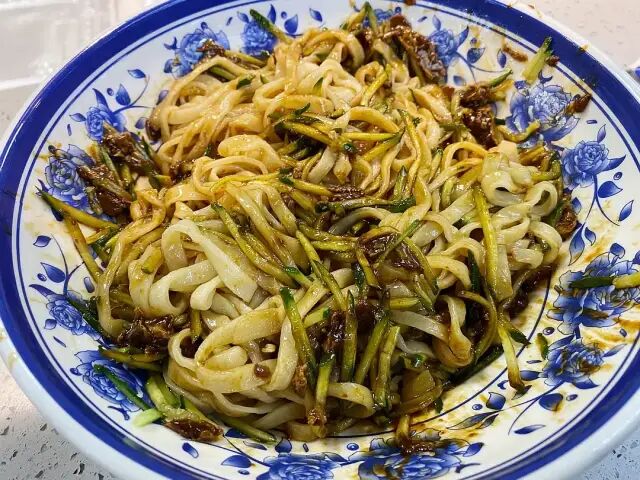
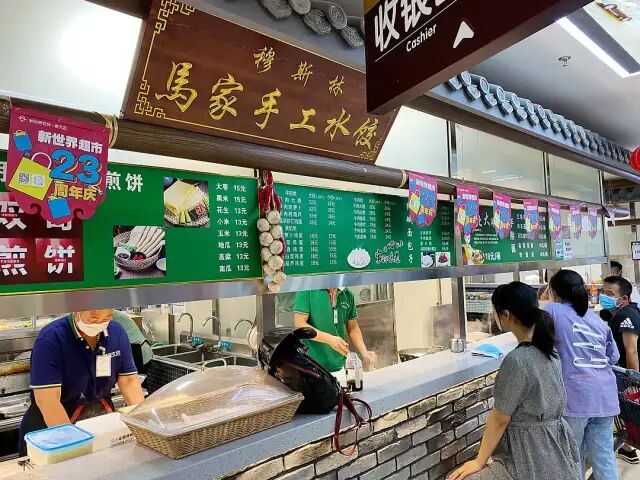
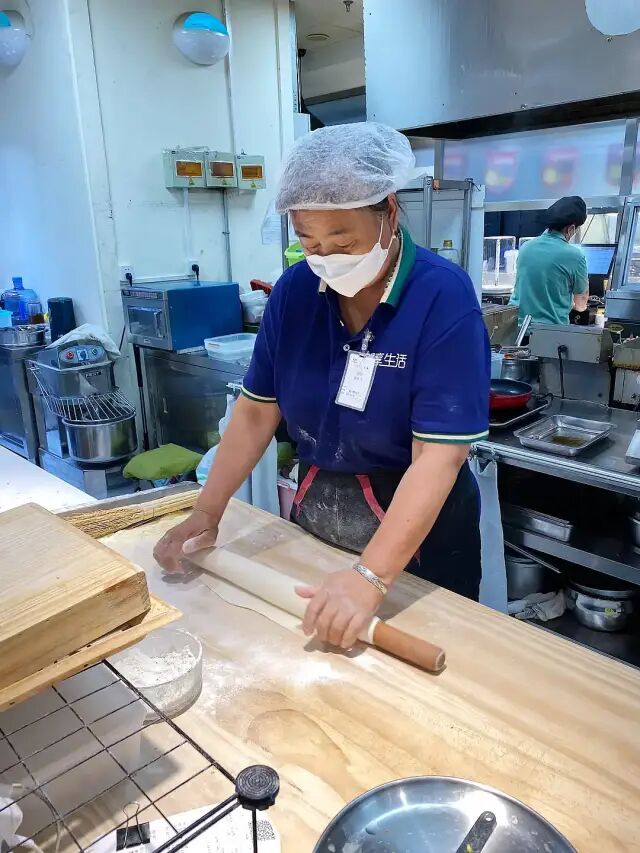
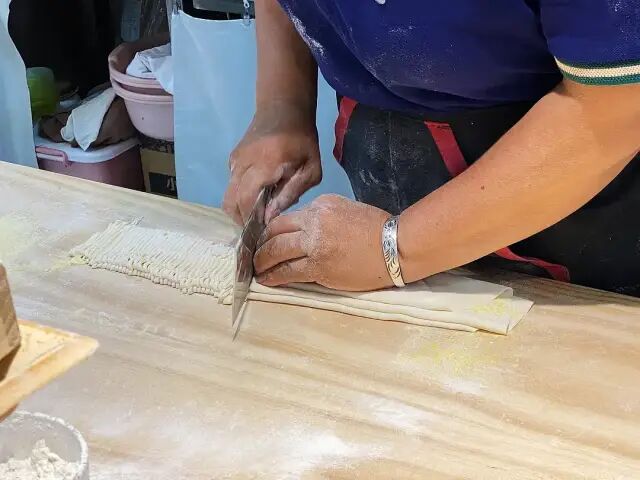
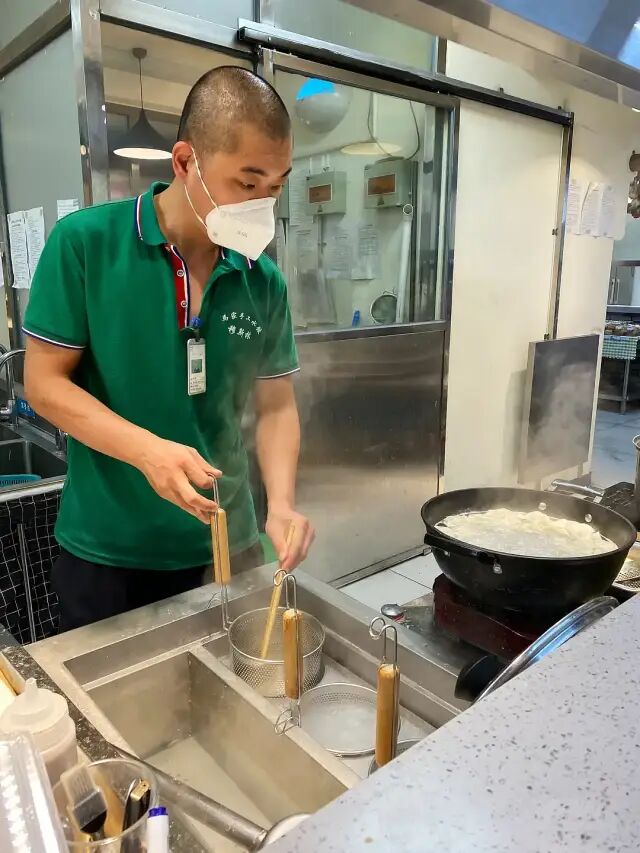
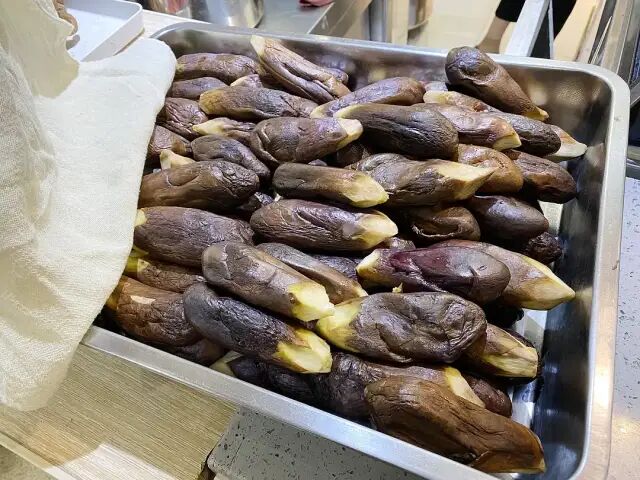
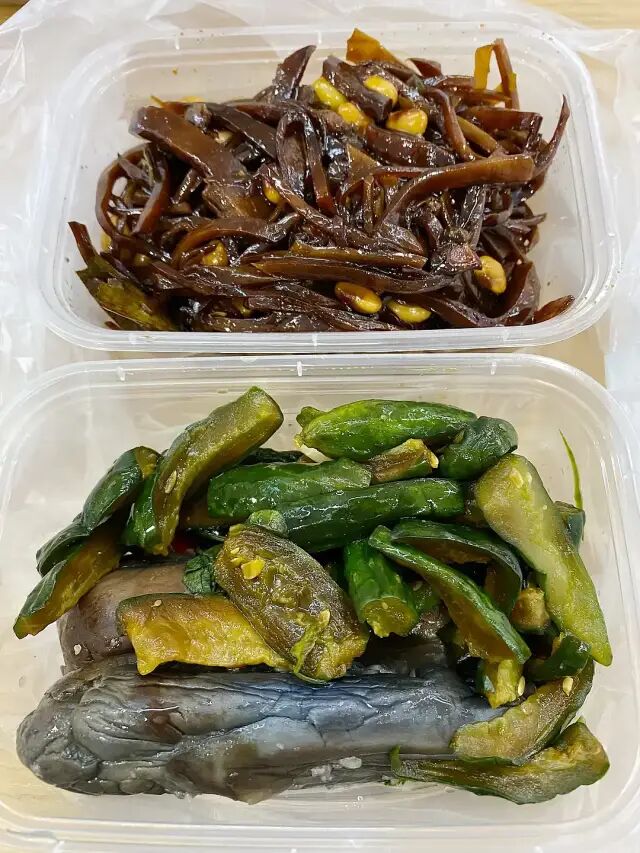
At noon, we ate Northeast-style cold noodles and fresh hand-cut noodles with soybean paste (zhajiangmian) at Ma's Handmade Dumplings in the basement supermarket of the New World mall outside Chongwenmen. The shop is run by Hui Muslims from Fushun, Liaoning. Last time I visited, they didn't offer dine-in, but now you can eat right there. They have also added various braised meats and pickles, like shredded eggplant and pickled cucumbers.
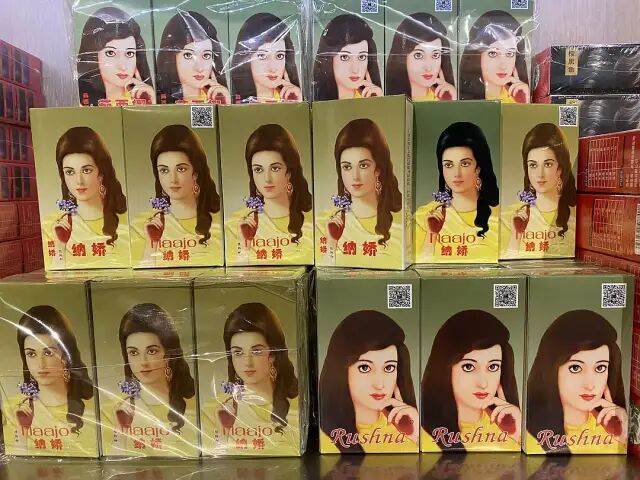
July 23: The newly opened Bangdan'er Meatball Soup inside Xinjiang Mansion.
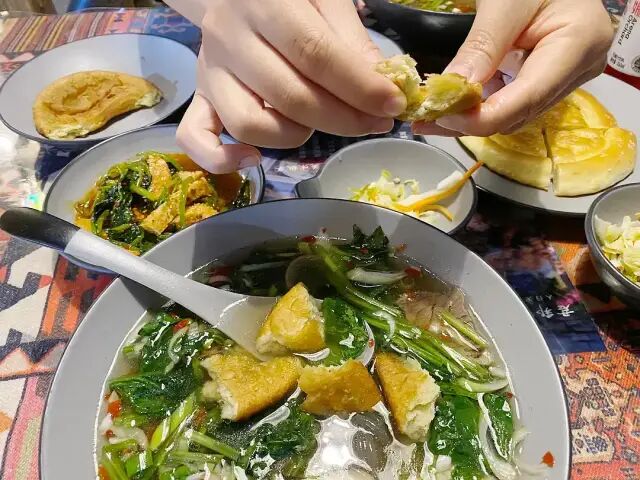
The new Bangdan'er Meatball Soup is inside Xinjiang Mansion, right as you enter the east gate. It is a bit tucked away, so not many people have been there yet. Their specialty is meatball soup served with fried dough (youxiang), which is very authentic. The Changji flavor is excellent. You cannot find these meatballs in typical Beijing restaurants, though they do put a bit too much vermicelli in it. My wife broke the fried dough (youxiang) for me; how happy I am.
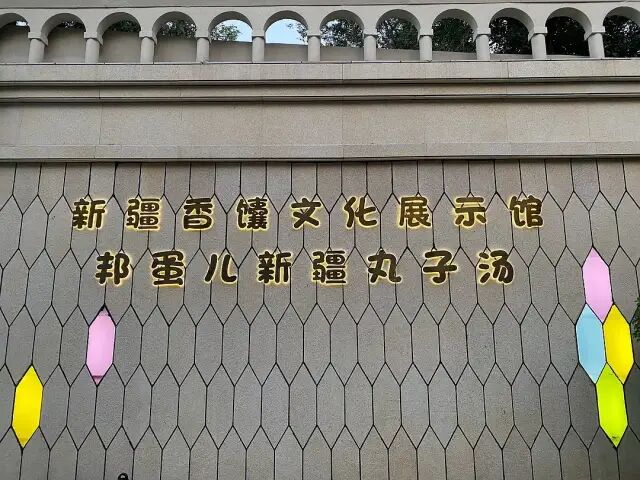
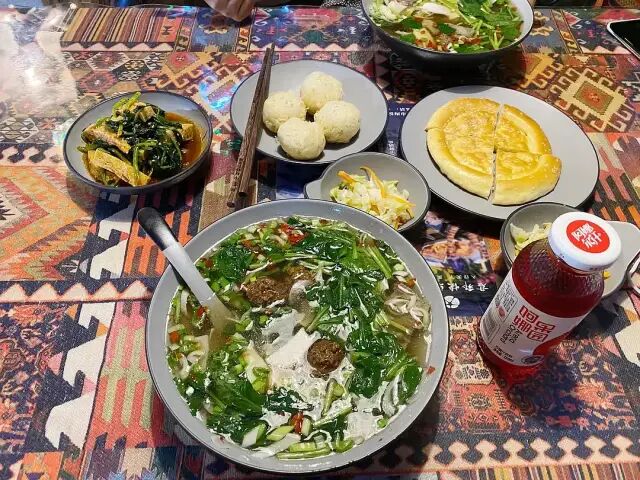
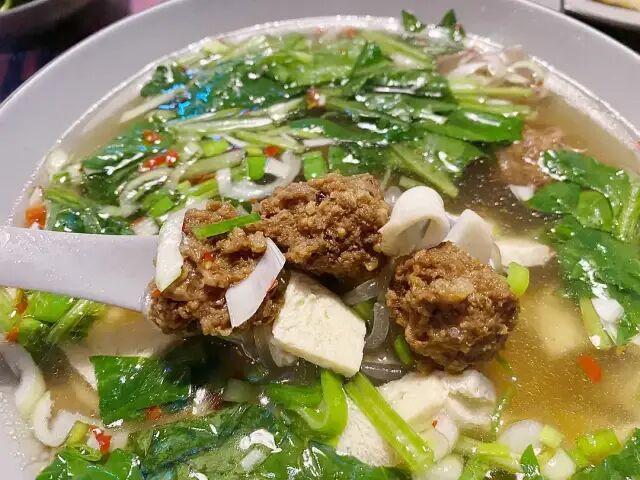
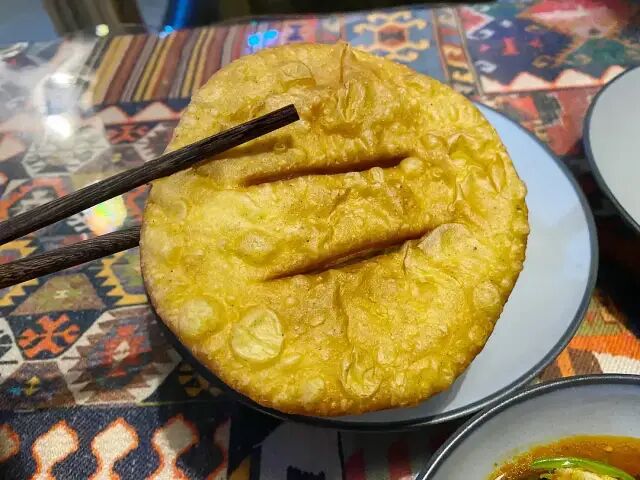
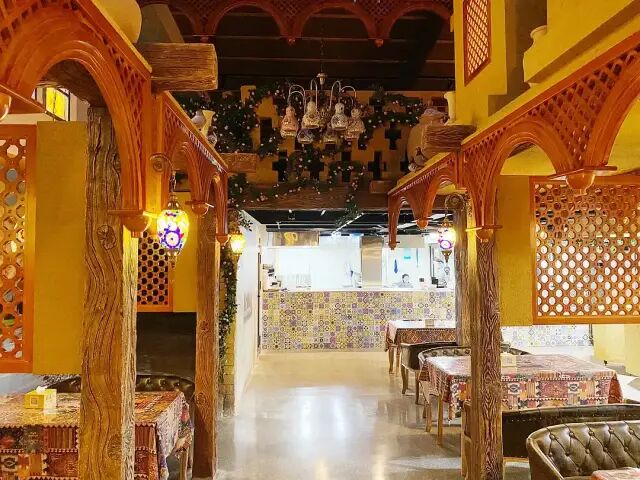
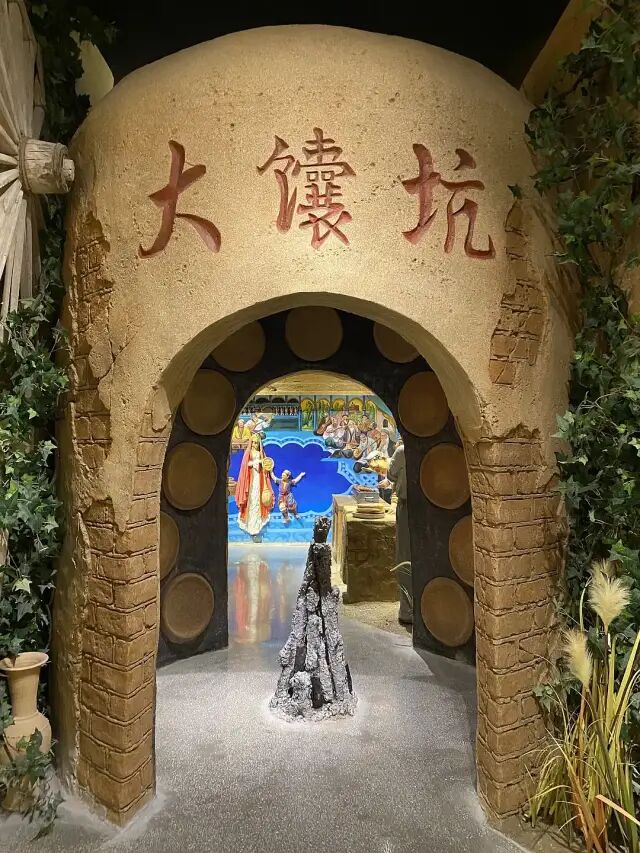
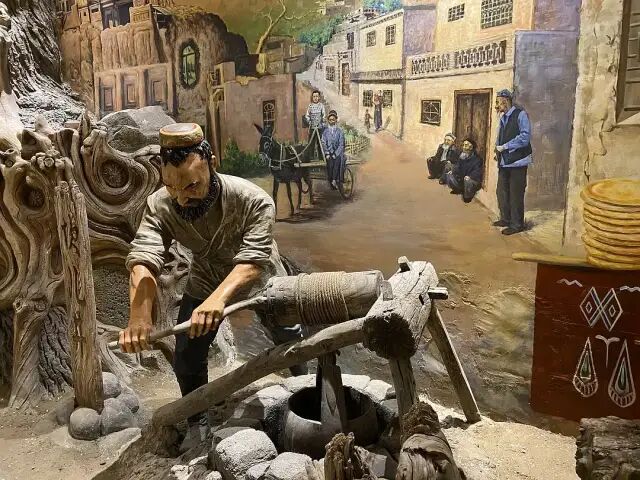
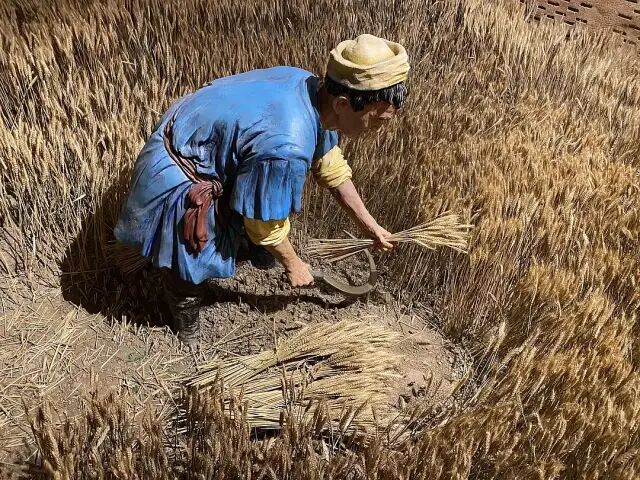
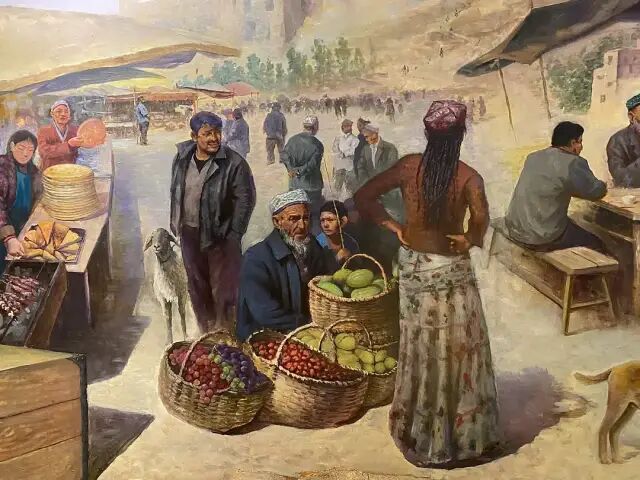
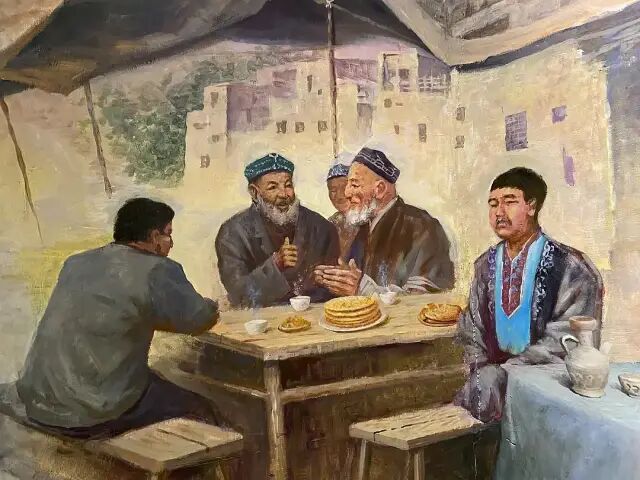
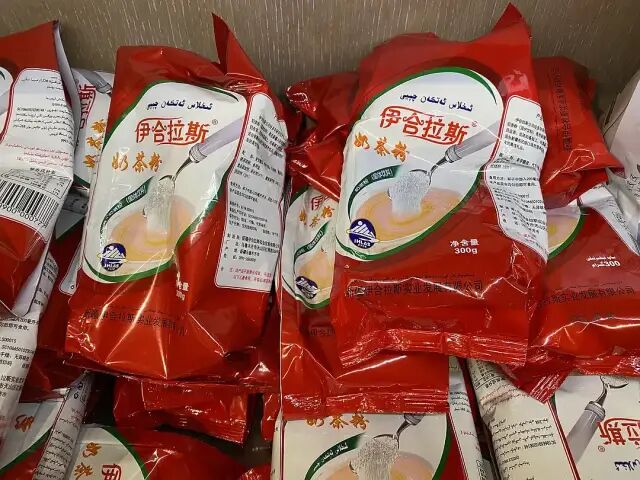
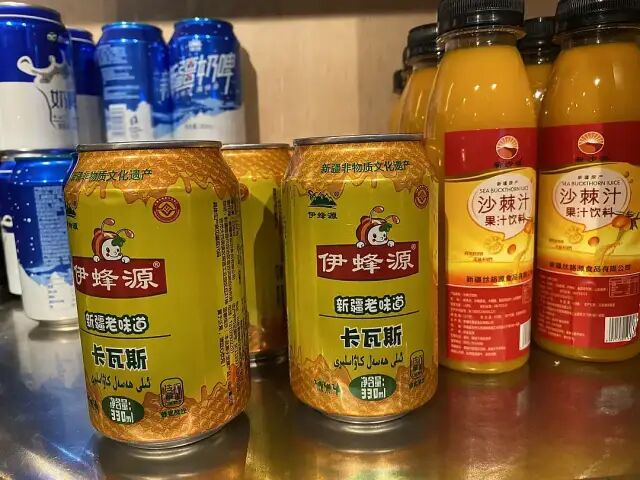
Inside Bangdan'er Meatball Soup, there is a naan culture exhibition hall, and there is a Xinjiang specialty shop right across from it.
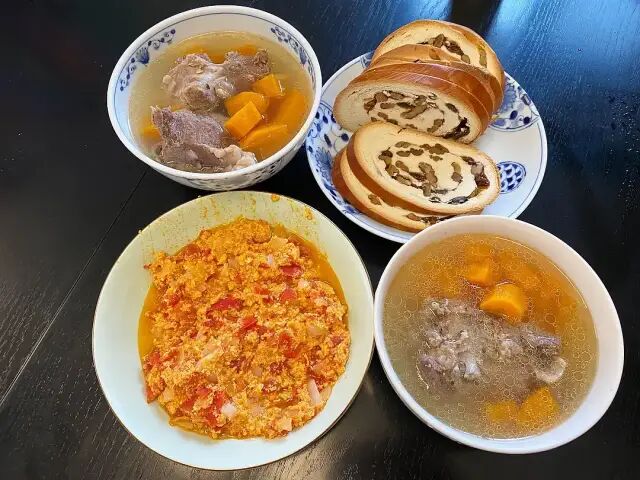
July 24: Eating breakfast at home.
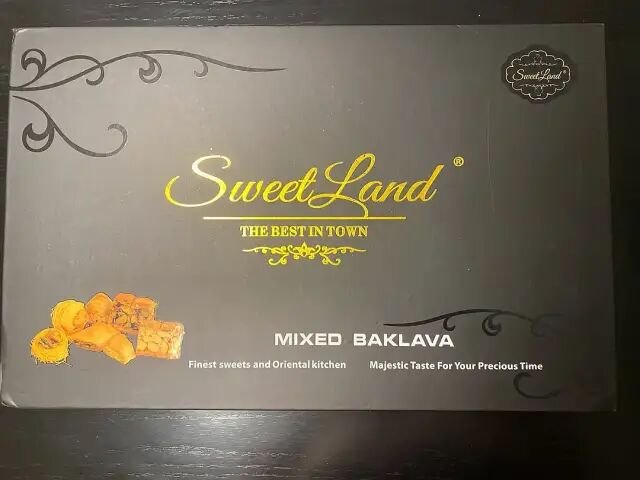
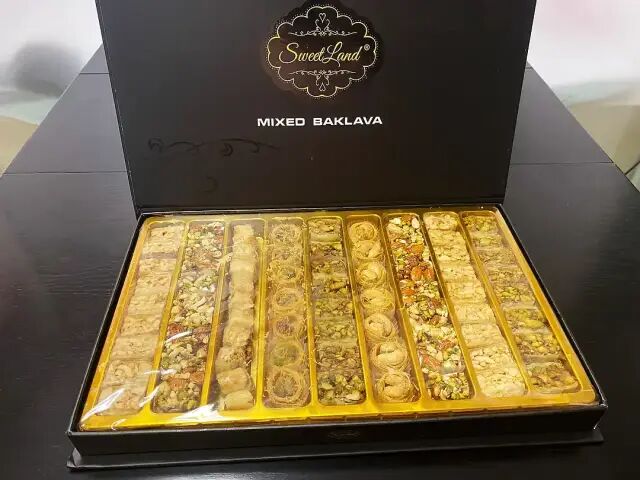
July 26: Syrian baklava.
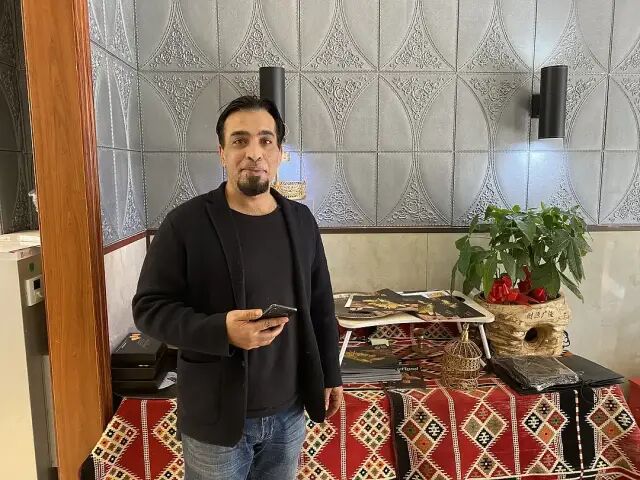
I once took photos at a Syrian pastry shop in Yiwu and posted them on Douban, and many friends went to buy their pastries after seeing them. I later found out the owner, Omar, had been asking around about me and recently had a friend send me some baklava. I sincerely wish their business all the best!
July 30, Yiyuan Restaurant in Xiguan City.
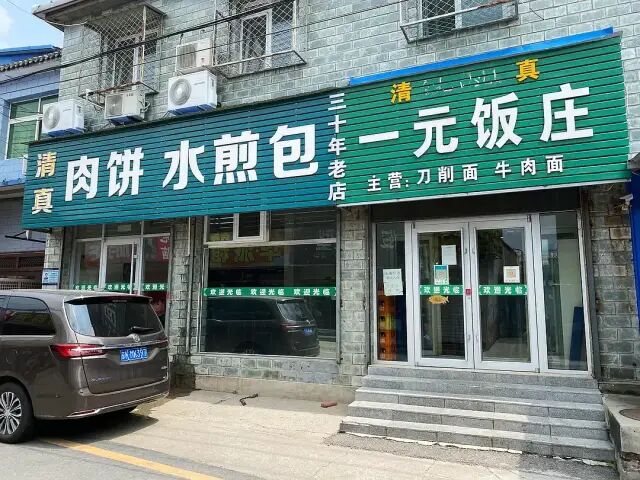
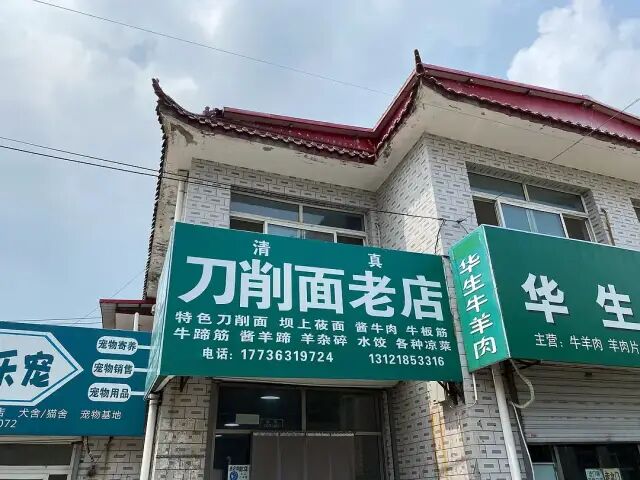
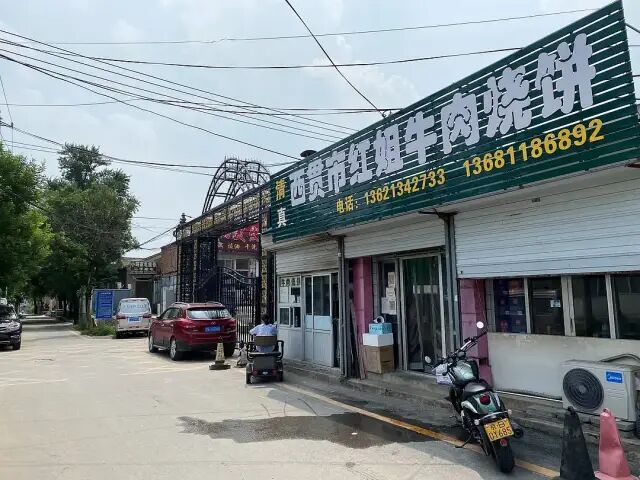
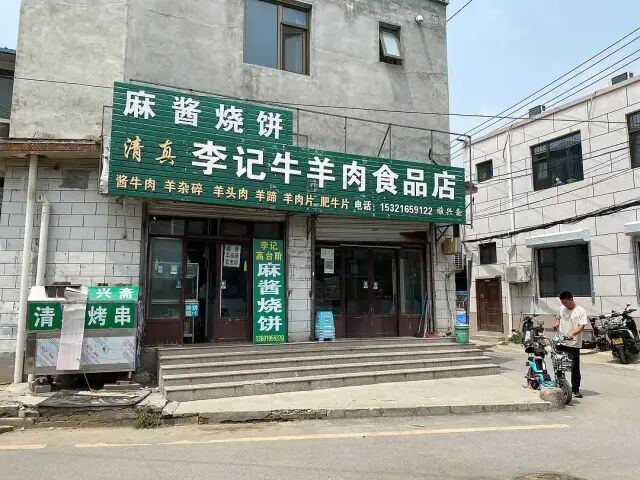
I had knife-cut noodles (daoxiaomian) for lunch at Yiyuan Restaurant in Xiguan City, which also serves corn noodles (helemian) and oat noodles (youmian) from the Bashang region. Because the area was a common route for Qing Dynasty armed escorts, the food in Xiguan City was influenced by the Jin dialect region and is very different from that of Hui Muslims in other parts of Beijing. Eating a bowl of knife-cut noodles from the Hui Muslims in Xiguan City is a way to taste the history of the Qing Dynasty's westward migration culture.
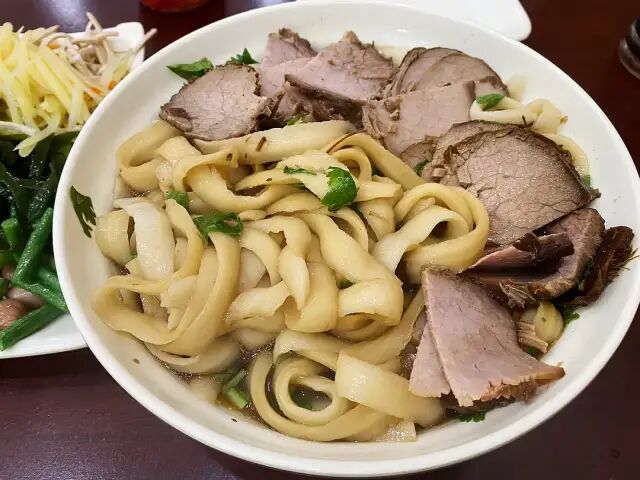
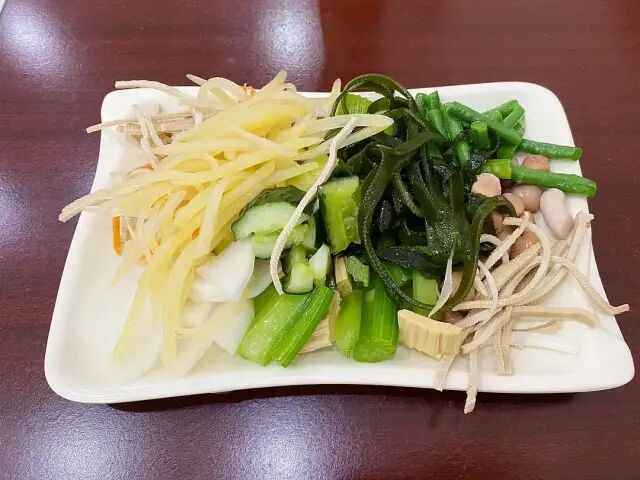
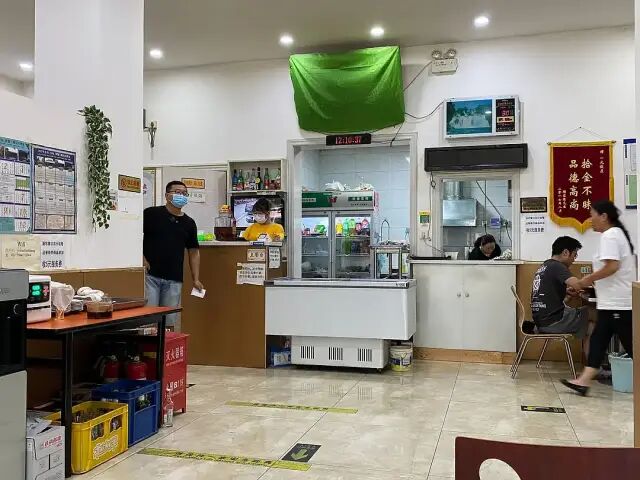
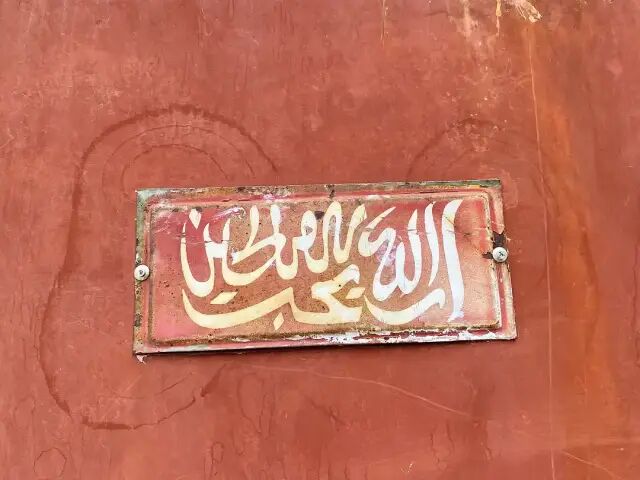
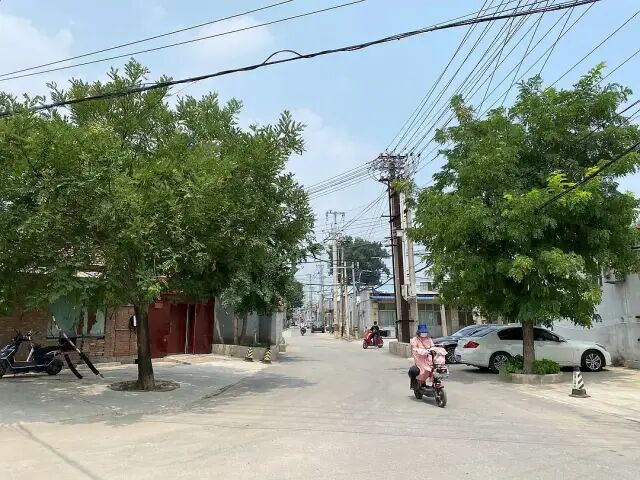
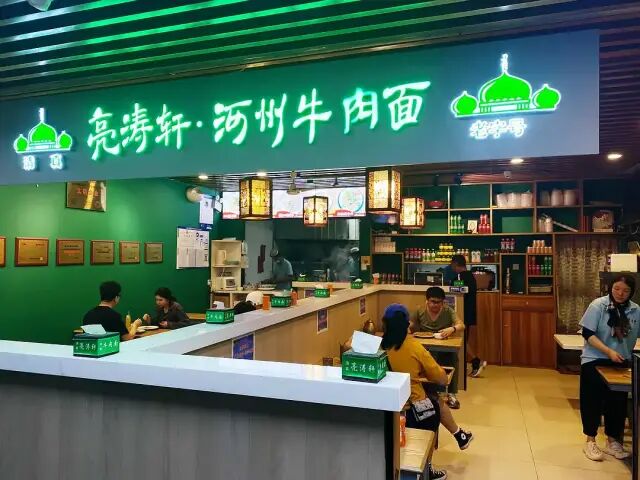
August 2, Liangtaoxuan at the Lama Temple.
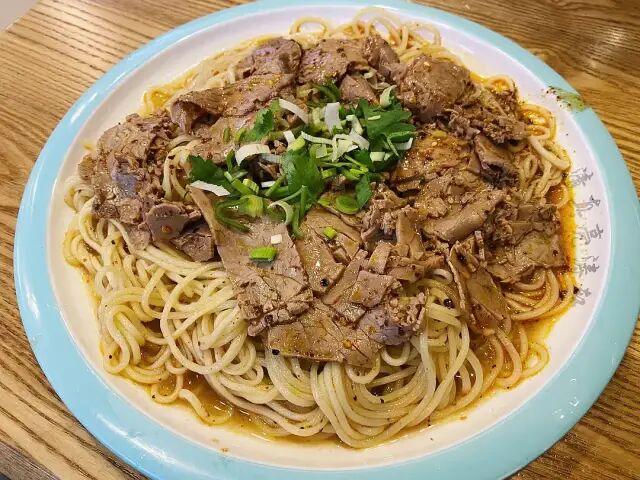
After work, I had Hezhou beef noodles at the Liangtaoxuan Yonghegong branch. I usually eat at the Shilihe branch, but this was my first time at the Yonghegong location. It is inside the basement food court of an office building, and the entrance is very hidden.
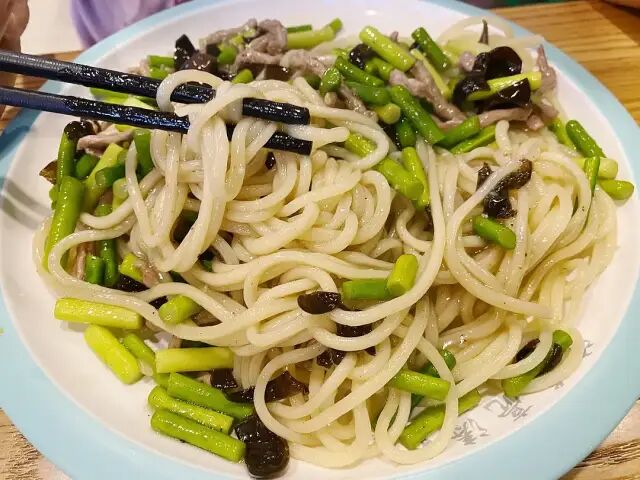
I ordered the classic dry-mixed beef noodles with extra meat, and Zainab ordered the garlic sprout and meat mixed noodles. One noodle type was thin and the other thick, but both were very chewy. In my opinion, these are the best hand-pulled noodles (lamian) in Beijing.
Besides the great noodles, the restaurant has a strong commitment to the faith. They often visit the Bo Hazhi gongbei in Changping for religious gatherings (gan'ermaili). The waiter was also very kind. When he saw that Zainab was pregnant, he took the initiative to ask the kitchen to make a lighter version of the mixed noodles for her.
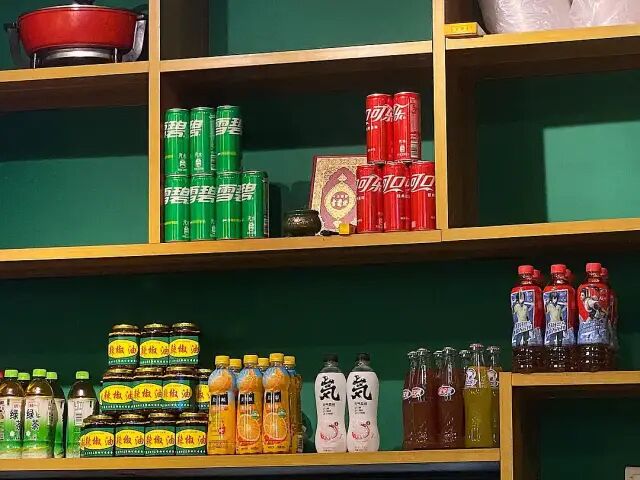

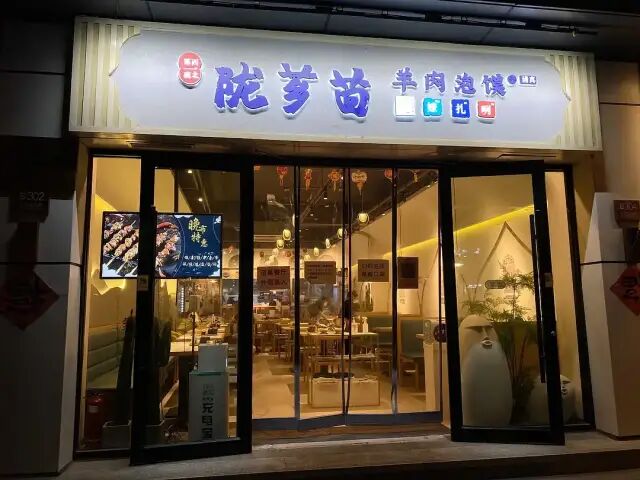
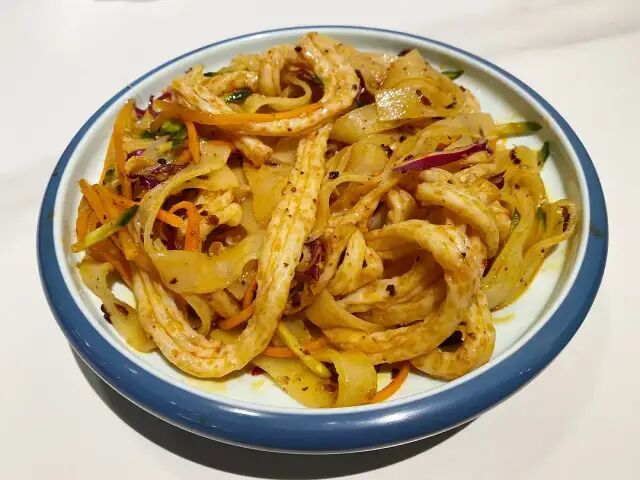
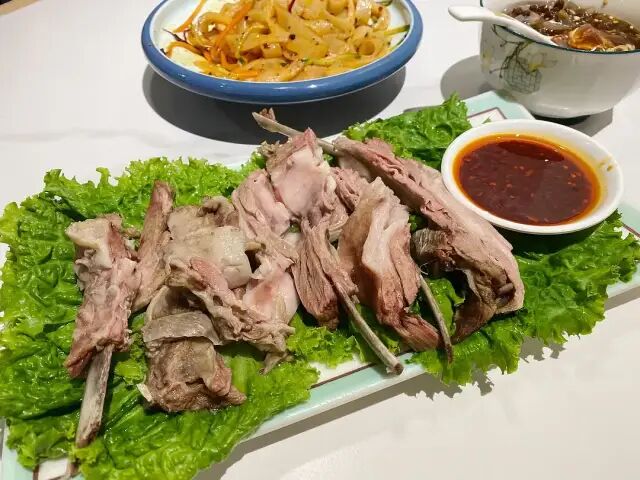
August 4, Longxianghui on Dongsi North Street.
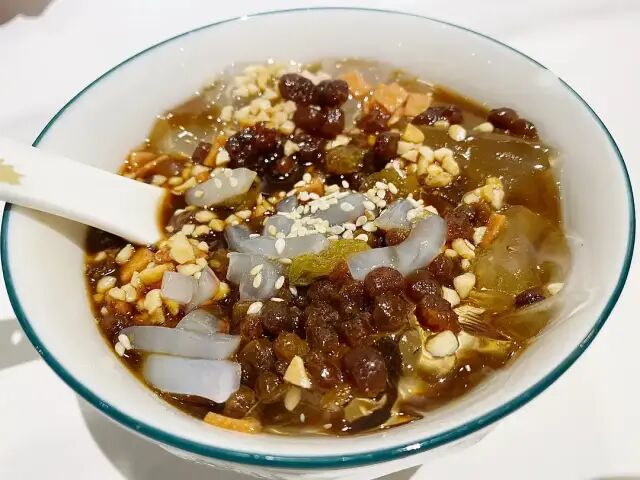
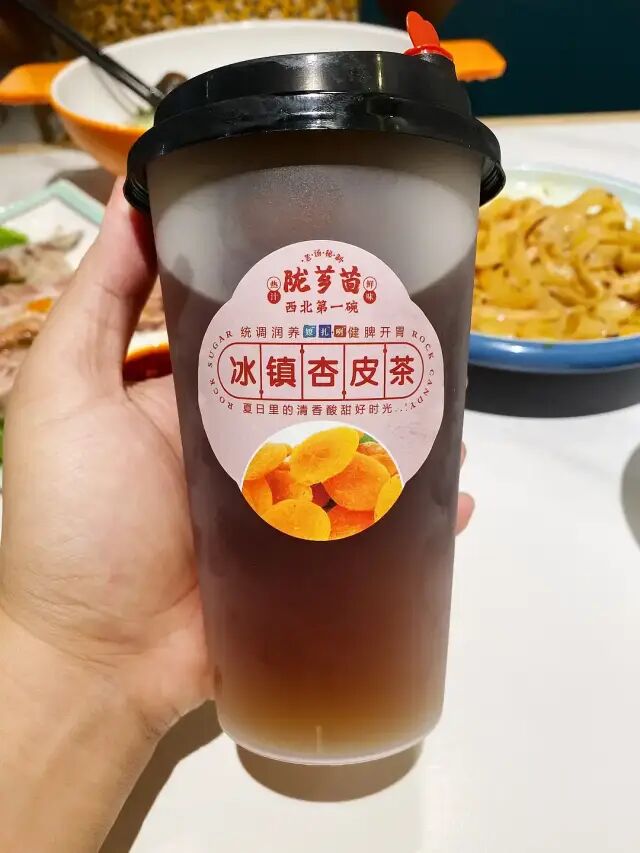
In the evening, I ate a mix of cold noodles and beef tendon noodles, hand-grabbed lamb (shouzhuayangrou), ice jelly (bingfen), and apricot peel tea (xingpicha) at Longxianghui on Dongsi North Street.
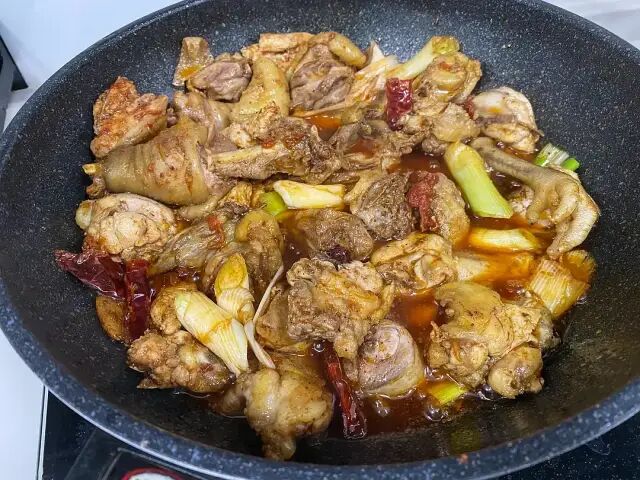
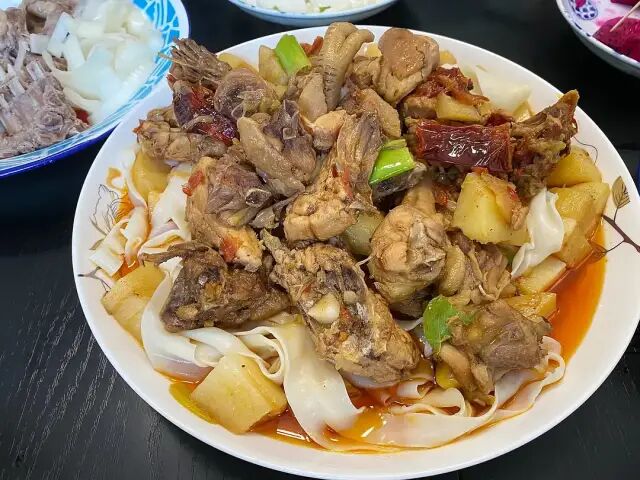
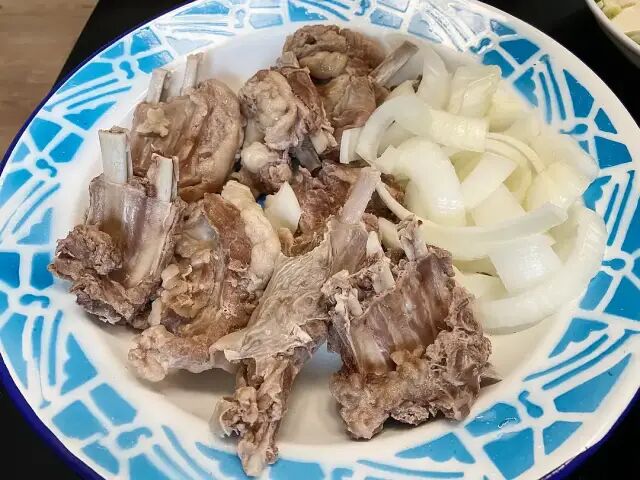
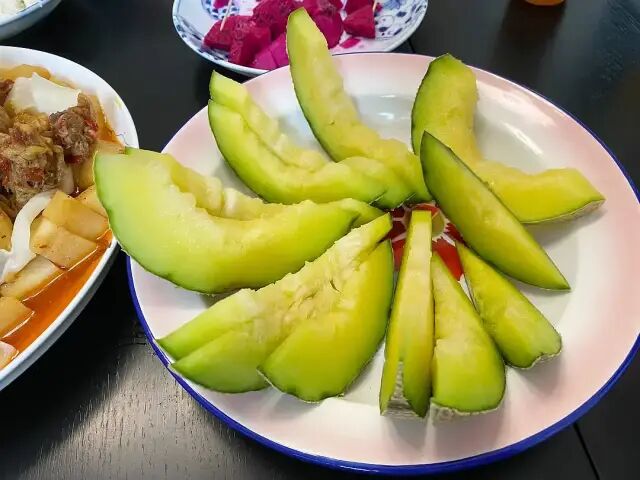
August 6, ate big plate chicken (dapanji) and hand-held lamb (shoubarou) at home.
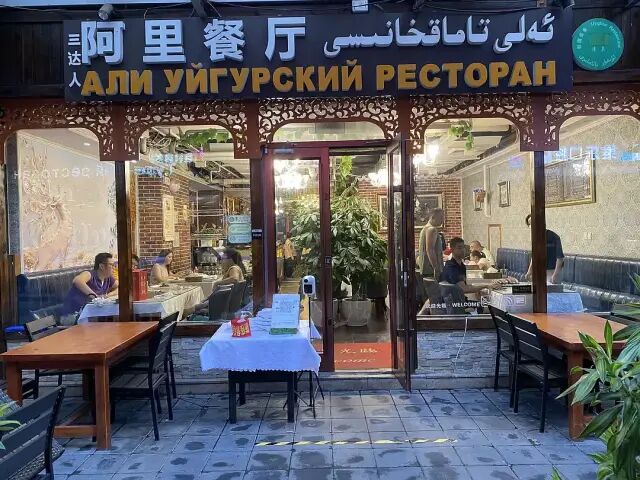
August 7, Ali at Ritan Shangjie.
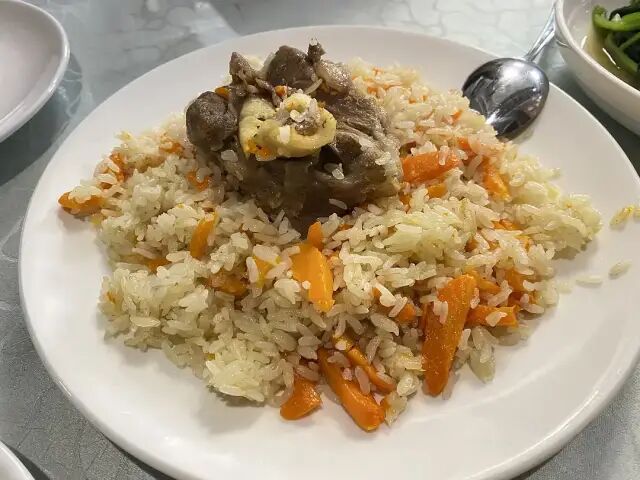
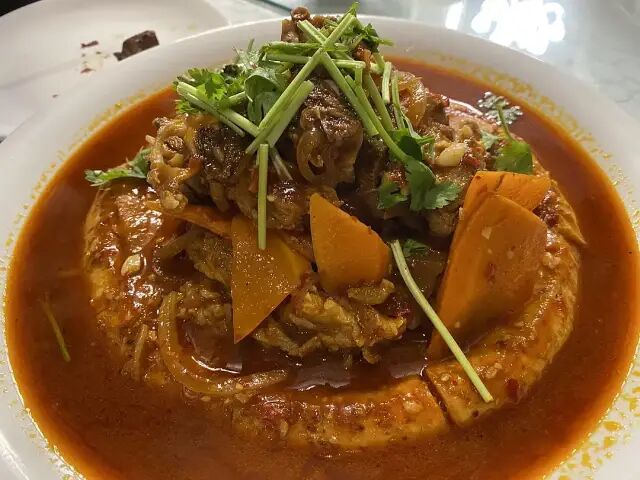
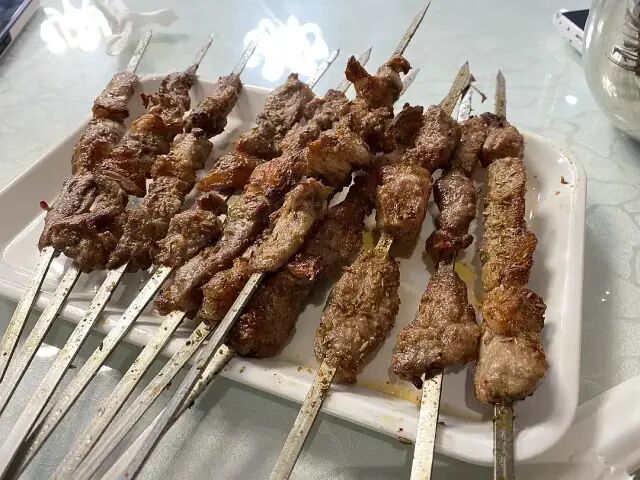
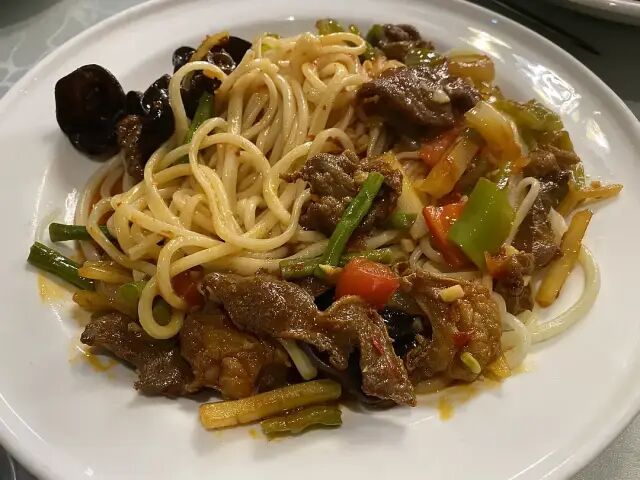
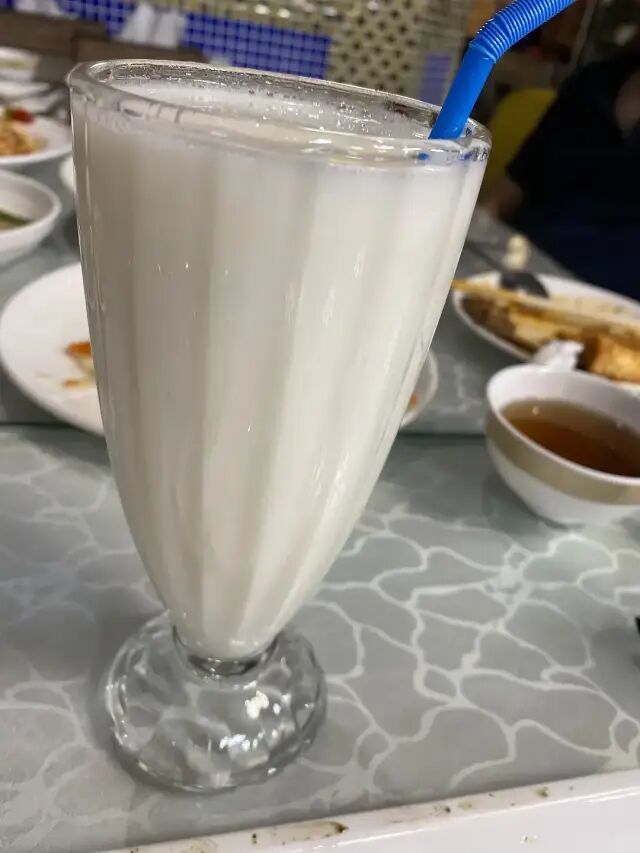
Ali at Ritan Shangjie, serving rice pilaf (zhuafan), mixed noodles (banmian), barbecue (kaorou), and meat in naan bread (nangbaorou).
August 8, Xilaisun.
Ma Lianliang duck and stir-fried chicken cubes in bean sauce (jiangbao jiding) at Xilaisun.
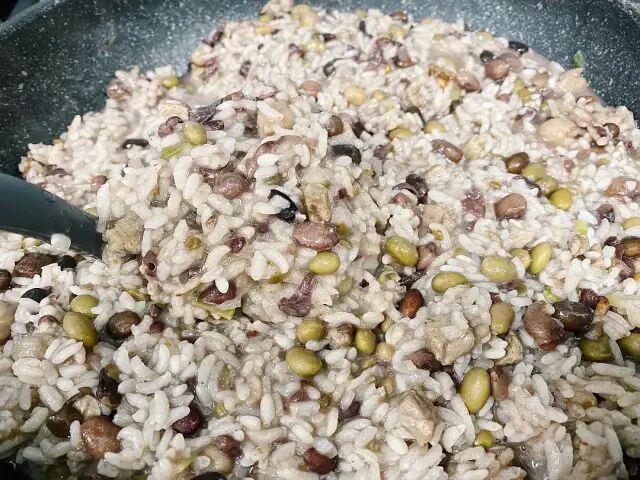
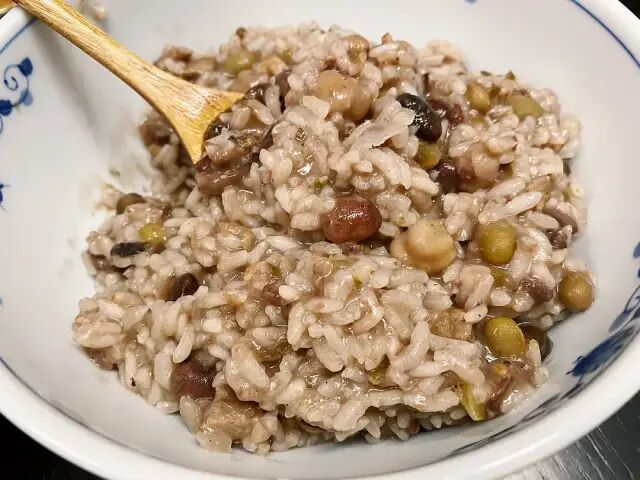
August 8, Ashura lamb and bean rice.
The 10th day of the first month in the Islamic calendar is the honorable Day of Ashura, the first important day after the Islamic New Year. Hui Muslims in China traditionally fast today and make Ashura porridge. After work today, Zainab and I made the Urumqi Hui Muslim version of Ashura lamb and bean rice together.
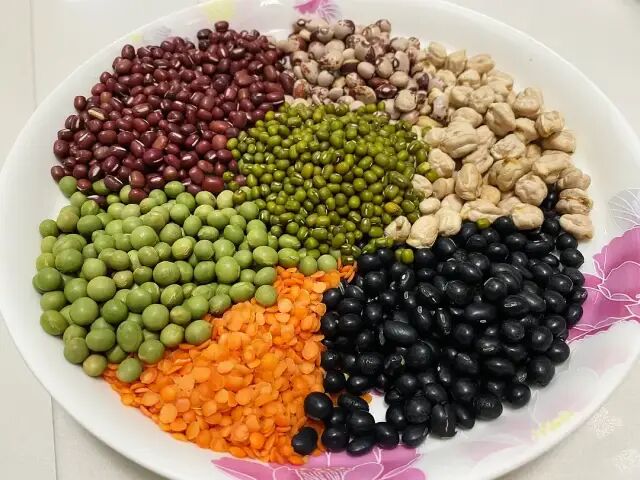
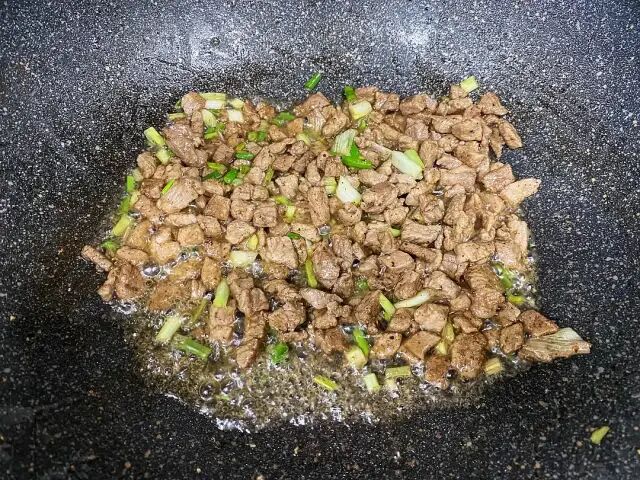
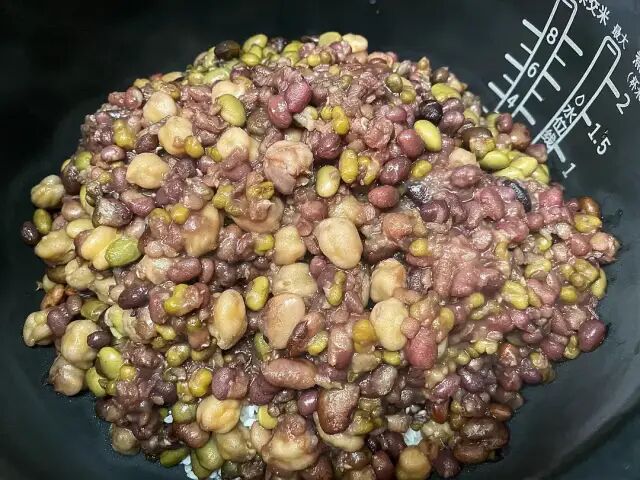
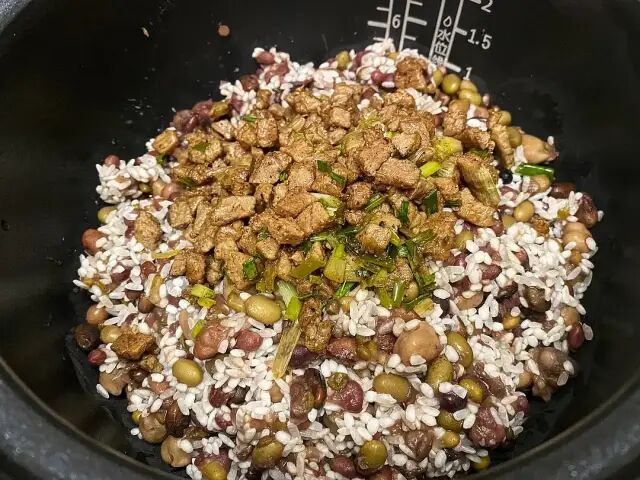
We prepared seven types of beans and cooked them in a pressure cooker. Then, we diced the Qurbani lamb, rendered the lamb fat, and stir-fried it with chopped green onions before adding salt and Sichuan peppercorn powder. Once the beans were cooked, we added rice and glutinous rice, followed by the stir-fried lamb, and simmered everything until the rice was done. The dish has the fresh scent of beans and the savory taste of lamb. I ate two big bowls and still wanted more.
We actually make Ashura bean porridge to commemorate the landing of Nuh's ship, also known as Noah's Ark. I am sharing the origin of Ashura bean porridge as told by Imam An from the Jingjue Mosque in Nanjing: On the Day of Ashura, the Prophet Nuh and his followers stepped off the ship and fasted that day to thank Allah. At that time, they had almost run out of food. One person took out a handful of wheat, another a handful of mung beans, and another a handful of fava beans. After the Prophet Nuh gathered seven types of seeds, he boiled them together so everyone could break their fast. By the will of Allah and the blessing (mu'ezhize) of the Prophet. This small amount of food was enough to feed everyone who got off the boat. This was the first meal cooked on the ground after the floodwaters receded, so people consider it a blessing from the Prophet Nuh. The Prophet Nuh is known as the second ancestor of humanity.
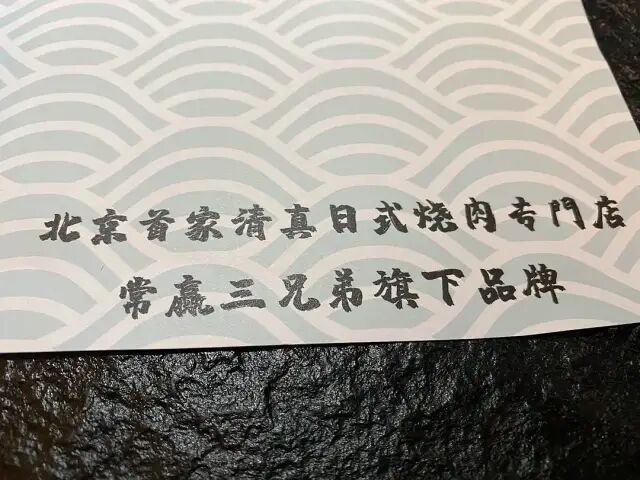
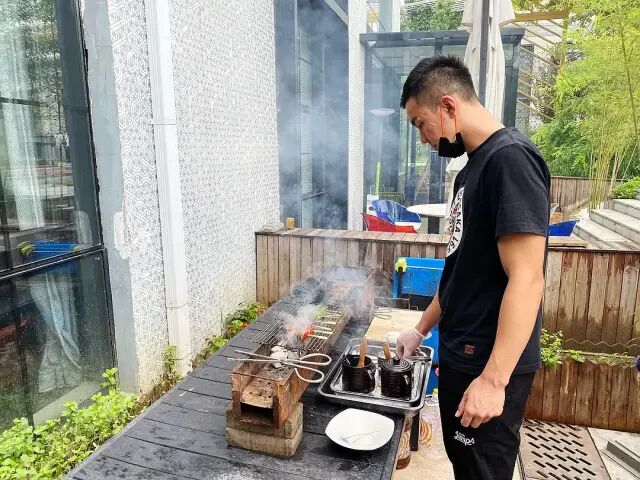
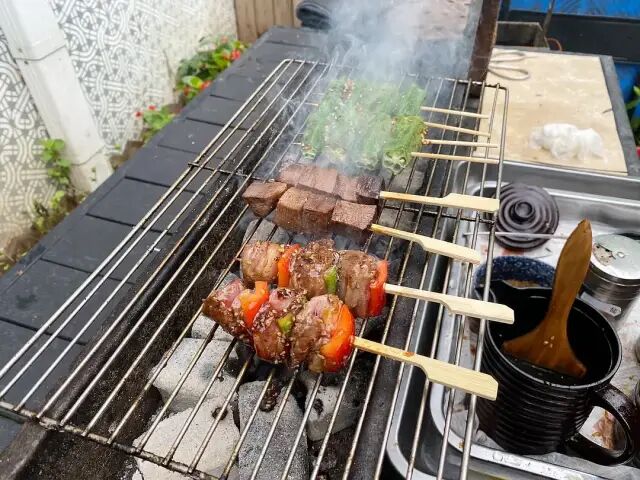
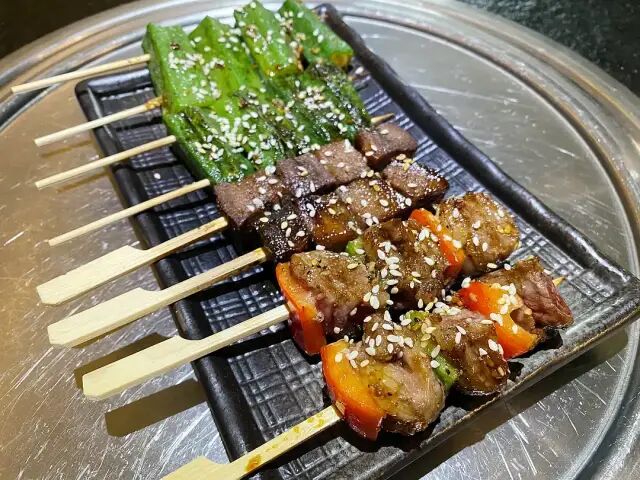
August 9, Changying Chidao Barbecue.
I ate a teriyaki chicken set meal and yakitori skewers at Changying Chidao Barbecue, and ordered wagyu beef, beef tongue, and okra.
Summary: Beijing Halal Food Diary: Summer 2022 Muslim Food and Mosques is presented here as a firsthand travel account in clear English, beginning with this scene: I went to the Indian restaurant Mughal Darbar in the basement food court of Hongqiao Market. The account keeps its focus on Beijing Halal Food, Summer Diary, Muslim Food while preserving the names, places, food, and historical details from the Chinese source.
July 12, Indian restaurant Mughal Darbar.
I went to the Indian restaurant Mughal Darbar in the basement food court of Hongqiao Market. The name translates directly to 'Mughal Court'. The Chinese name is 'Love in Curry' (Ai Zai Gali), which feels a lot less impressive, haha. The owner is a Muslim from Delhi, and the guy at the front desk is also from Delhi. Even though he is not Muslim, he says 'salam' and 'bismillah' very fluently. Many of their dishes really do come from the Mughal Empire.
We ate spinach cheese curry (Palak Paneer), lamb curry (Rogan Josh), vegetable fried dumplings (Samosa), spiced yogurt drink (Masala Chach), chicken rice (Biryani), and butter flatbread (Roti).
Rogan Josh is a specialty curry from Kashmir. The Mughals brought it there when they went to Kashmir to escape the summer heat during the Mughal Empire. It mainly uses alkanet root (alkanet) and Kashmiri chili as seasonings. 'Rogan' comes from the Persian word for 'clarified butter' (roughan), and 'josh' is the Persian word for 'stew'.
Palak paneer is a North Indian vegetarian curry made with Indian white soft cheese (paneer, which comes from the Persian word for cheese, panir) and spinach puree. It is a classic home-cooked Indian dish.
The samosa curry puff comes from the Persian word 'sanbosag'. It is a classic street snack brought to South Asia by Central Asian merchants in the 13th and 14th centuries. This shop's samosas are very large and filled with mashed potatoes.
Biryani also comes from a Persian word. Legend says it was created by Mughal palace chefs who combined spicy Indian rice with Persian pilaf.
Traditional buttermilk (chach) is made by mixing yogurt and water with a tool called a 'madhani', then seasoning it with spices like masala. Chach is similar to the common Indian yogurt drink (lassi), but chach is thinner and uses spices instead of sugar or fruit jam. Chach is very popular in India's desert regions and the hot areas of South India. People often choose a glass of chach to rehydrate after being out in the sun.
July 14, Yongshun Fried Chicken at the Yiguzhai franchise on Daliushu Road.
Yongshun Fried Chicken at the Yiguzhai franchise on Daliushu Road. You can eat a large chicken leg in the shop, and it comes with a free drink.
July 16, Longxianghui on Dongsi North Street.
I love the stewed flatbread (hubo) at Longxianghui, even though eating it in the summer makes me sweat all over.
July 16, stewed meat with flatbread.
Listening to storytelling made me hungry, so today I stewed beef brisket and bought a griddle-baked flatbread (laobing) from Niujie to make stewed meat with flatbread, a classic dish from the Water Margin!
July 17, Cheese Wei in Niujie.
The original flavor cheese and the yogurt jade rabbit from Cheese Wei in Niujie.
July 16, Xilaishun.
After listening to storytelling, I went to Xilaishun to eat and ordered my favorites: stir-fried chicken cubes in bean sauce (jiangbao jiding), Ma Lianliang duck, deep-fried shrimp, and mixed wild mountain vegetables. Every time I go to their place, I order the stir-fried chicken with soybean paste (jiangbao jiding) and two bowls of rice. I never get tired of it! I have been eating Ma Lianliang duck for many years. For a few years, their duck was a bit fatty, but in the last two years, they have gone back to a leaner style. The meat is fried until tender and the skin is crispy. You can even eat the bones. For the past two years, they have served the duck with flatbread (bing). It tastes even better when you eat it as a sandwich.
I ordered the deep-fried shrimp (zha peng xia) for Zainab. It was my first time trying their version. The batter felt a bit hard, but the shrimp inside was very tender.
July 17, Jia San Soup Dumplings (Jia San guantangbao).
I had lunch at Jia San on Baiyun Road and enjoyed their soup dumplings (guantangbao). It was delicious. I also had the stir-fried lamb (yangrou xiaochao) and the mixed vegetable stew (huicai). Their stir-fried lamb was a bit too salty compared to the local version in Xi'an. Next time, I will just stick to the regular soaked bread (paomo).
Jia San sells hot chili oil (youpo lazi), chili powder (lamianzi), and peanuts. It feels like I am pretending to be back in the Muslim Quarter (fangshang).
July 19, Qurbani sheep
We made the intention for our Qurbani sheep, and Zaynab's uncle had it slaughtered for us in the Nanshan mountains of Urumqi. It arrived in Beijing last Saturday. Zaynab's uncle bought these Kazakh fat-tailed sheep from herders in Yili and Tacheng ahead of time.
On Saturday and Sunday, we gave lamb to a few friends (dosti) and took a trip to Niujie. Sharing is an important part of Qurbani, and it brings many rewards.
Today I stewed the Qurbani lamb. It is so fragrant when boiled plain; you do not need any seasonings, just a little salt. After stewing the lamb, I added baby bok choy and tofu to the broth, so we had both meat and vegetables.
July 23, Ma's Handmade Dumplings
At noon, we ate Northeast-style cold noodles and fresh hand-cut noodles with soybean paste (zhajiangmian) at Ma's Handmade Dumplings in the basement supermarket of the New World mall outside Chongwenmen. The shop is run by Hui Muslims from Fushun, Liaoning. Last time I visited, they didn't offer dine-in, but now you can eat right there. They have also added various braised meats and pickles, like shredded eggplant and pickled cucumbers.
July 23: The newly opened Bangdan'er Meatball Soup inside Xinjiang Mansion.
The new Bangdan'er Meatball Soup is inside Xinjiang Mansion, right as you enter the east gate. It is a bit tucked away, so not many people have been there yet. Their specialty is meatball soup served with fried dough (youxiang), which is very authentic. The Changji flavor is excellent. You cannot find these meatballs in typical Beijing restaurants, though they do put a bit too much vermicelli in it. My wife broke the fried dough (youxiang) for me; how happy I am.
Inside Bangdan'er Meatball Soup, there is a naan culture exhibition hall, and there is a Xinjiang specialty shop right across from it.
July 24: Eating breakfast at home.
July 26: Syrian baklava.
I once took photos at a Syrian pastry shop in Yiwu and posted them on Douban, and many friends went to buy their pastries after seeing them. I later found out the owner, Omar, had been asking around about me and recently had a friend send me some baklava. I sincerely wish their business all the best!
July 30, Yiyuan Restaurant in Xiguan City.
I had knife-cut noodles (daoxiaomian) for lunch at Yiyuan Restaurant in Xiguan City, which also serves corn noodles (helemian) and oat noodles (youmian) from the Bashang region. Because the area was a common route for Qing Dynasty armed escorts, the food in Xiguan City was influenced by the Jin dialect region and is very different from that of Hui Muslims in other parts of Beijing. Eating a bowl of knife-cut noodles from the Hui Muslims in Xiguan City is a way to taste the history of the Qing Dynasty's westward migration culture.
August 2, Liangtaoxuan at the Lama Temple.
After work, I had Hezhou beef noodles at the Liangtaoxuan Yonghegong branch. I usually eat at the Shilihe branch, but this was my first time at the Yonghegong location. It is inside the basement food court of an office building, and the entrance is very hidden.
I ordered the classic dry-mixed beef noodles with extra meat, and Zainab ordered the garlic sprout and meat mixed noodles. One noodle type was thin and the other thick, but both were very chewy. In my opinion, these are the best hand-pulled noodles (lamian) in Beijing.
Besides the great noodles, the restaurant has a strong commitment to the faith. They often visit the Bo Hazhi gongbei in Changping for religious gatherings (gan'ermaili). The waiter was also very kind. When he saw that Zainab was pregnant, he took the initiative to ask the kitchen to make a lighter version of the mixed noodles for her.
August 4, Longxianghui on Dongsi North Street.
In the evening, I ate a mix of cold noodles and beef tendon noodles, hand-grabbed lamb (shouzhuayangrou), ice jelly (bingfen), and apricot peel tea (xingpicha) at Longxianghui on Dongsi North Street.
August 6, ate big plate chicken (dapanji) and hand-held lamb (shoubarou) at home.
August 7, Ali at Ritan Shangjie.
Ali at Ritan Shangjie, serving rice pilaf (zhuafan), mixed noodles (banmian), barbecue (kaorou), and meat in naan bread (nangbaorou).
August 8, Xilaisun.
Ma Lianliang duck and stir-fried chicken cubes in bean sauce (jiangbao jiding) at Xilaisun.
August 8, Ashura lamb and bean rice.
The 10th day of the first month in the Islamic calendar is the honorable Day of Ashura, the first important day after the Islamic New Year. Hui Muslims in China traditionally fast today and make Ashura porridge. After work today, Zainab and I made the Urumqi Hui Muslim version of Ashura lamb and bean rice together.
We prepared seven types of beans and cooked them in a pressure cooker. Then, we diced the Qurbani lamb, rendered the lamb fat, and stir-fried it with chopped green onions before adding salt and Sichuan peppercorn powder. Once the beans were cooked, we added rice and glutinous rice, followed by the stir-fried lamb, and simmered everything until the rice was done. The dish has the fresh scent of beans and the savory taste of lamb. I ate two big bowls and still wanted more.
We actually make Ashura bean porridge to commemorate the landing of Nuh's ship, also known as Noah's Ark. I am sharing the origin of Ashura bean porridge as told by Imam An from the Jingjue Mosque in Nanjing: On the Day of Ashura, the Prophet Nuh and his followers stepped off the ship and fasted that day to thank Allah. At that time, they had almost run out of food. One person took out a handful of wheat, another a handful of mung beans, and another a handful of fava beans. After the Prophet Nuh gathered seven types of seeds, he boiled them together so everyone could break their fast. By the will of Allah and the blessing (mu'ezhize) of the Prophet. This small amount of food was enough to feed everyone who got off the boat. This was the first meal cooked on the ground after the floodwaters receded, so people consider it a blessing from the Prophet Nuh. The Prophet Nuh is known as the second ancestor of humanity.
August 9, Changying Chidao Barbecue.
I ate a teriyaki chicken set meal and yakitori skewers at Changying Chidao Barbecue, and ordered wagyu beef, beef tongue, and okra.
