
Beijing Halal Food Diary: Summer 2022 Muslim Food and Mosques (Part 1)
Reposted from the web
Summary: Beijing Halal Food Diary: Summer 2022 Muslim Food and Mosques is presented here as a firsthand travel account in clear English, beginning with this scene: In the summer of 2022, I still could not leave Beijing. In early June, indoor dining was banned, so I ate barbecue outside the restaurant door. The account keeps its focus on Beijing Halal Food, Summer Diary, Muslim Food while preserving the names, places, food, and historical details from the Chinese source.
In the summer of 2022, I still could not leave Beijing. In early June, indoor dining was banned, so I ate barbecue outside the restaurant door. Then, for the Dragon Boat Festival, I bought special yellow rice sticky rice dumplings (zongzi) and eight-treasure sticky rice dumplings (zongzi) in Changying. I found a new breakfast shop in Changying run by Hui Muslims from Kaifeng that serves spicy soup (hulatang) and pan-fried buns (shuijianbao), and it was delicious.
After indoor dining reopened in June, I visited many restaurants, but I was sad to find that the Japanese restaurant Chidao Yakiniku had already closed. However, I was pleasantly surprised to discover a new Xinjiang restaurant I really like called Hetian Shidang.
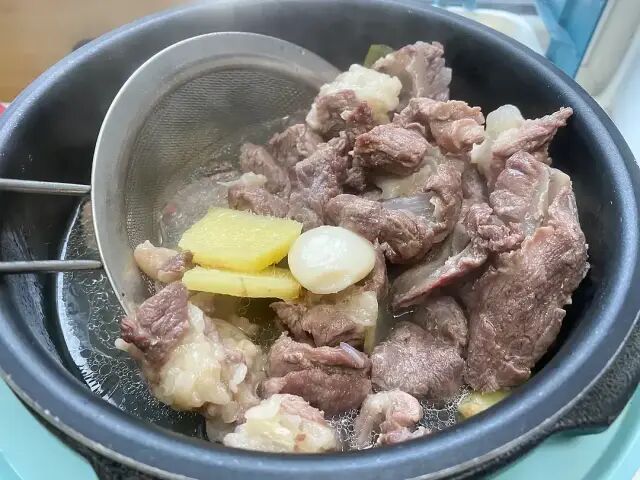
In July, I celebrated Eid al-Adha (Qurbani) with a family meal featuring fish and meat, and I stewed some delicious lamb that was slaughtered in Urumqi and shipped to me. Also, the Pingliang restaurant I liked, Longxianghui, had closed by then.
In August, I observed Ashura and made the Urumqi Hui Muslim version of lamb and bean rice (doudoufan). In mid-August, my father-in-law came to Beijing from Urumqi. We stayed home for seven days and ate all kinds of delicious homemade Urumqi Hui Muslim dishes. In late August, we took a road trip to the outskirts of Beijing in Huairou and Miyun. We ate at a Pakistani restaurant in the valley and enjoyed local halal food in Chengguan, Mujiayu, Gubeikou, and Taishitun.
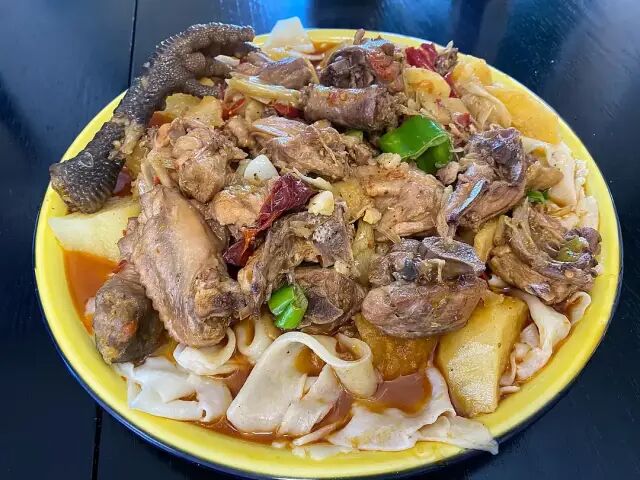
June 1: Big plate chicken (dapanji).
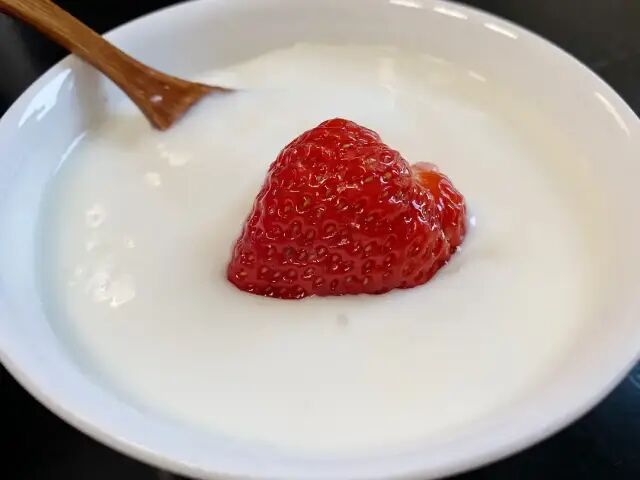
Zainab made big plate chicken (dapanji) and yogurt (suannaizi). It was a blessing (talaodao). Our house felt just like a branch of Luyuan Street in the Saybagh District of Urumqi!
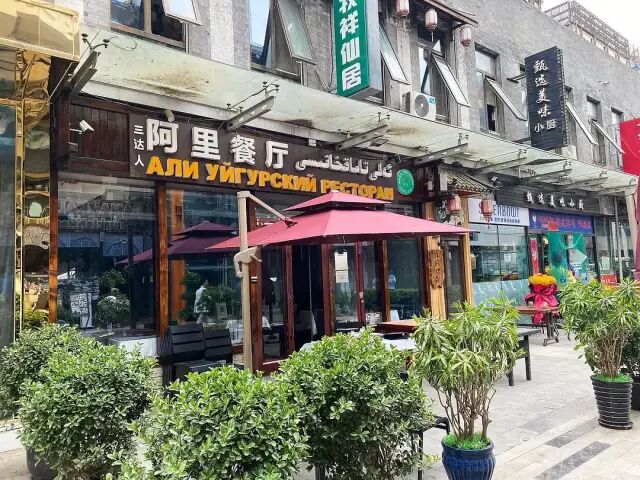
June 3: Ali's barbecue on Shenlu Street.
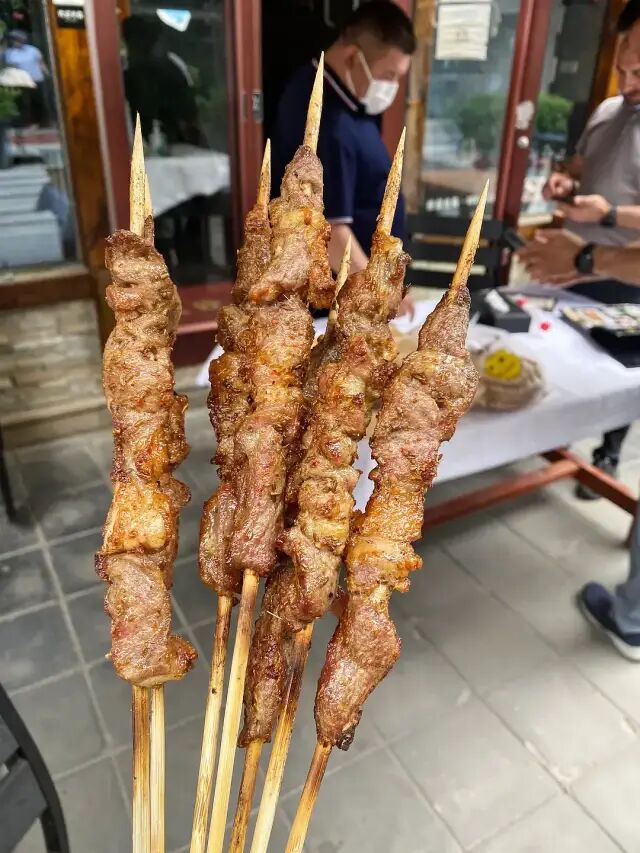
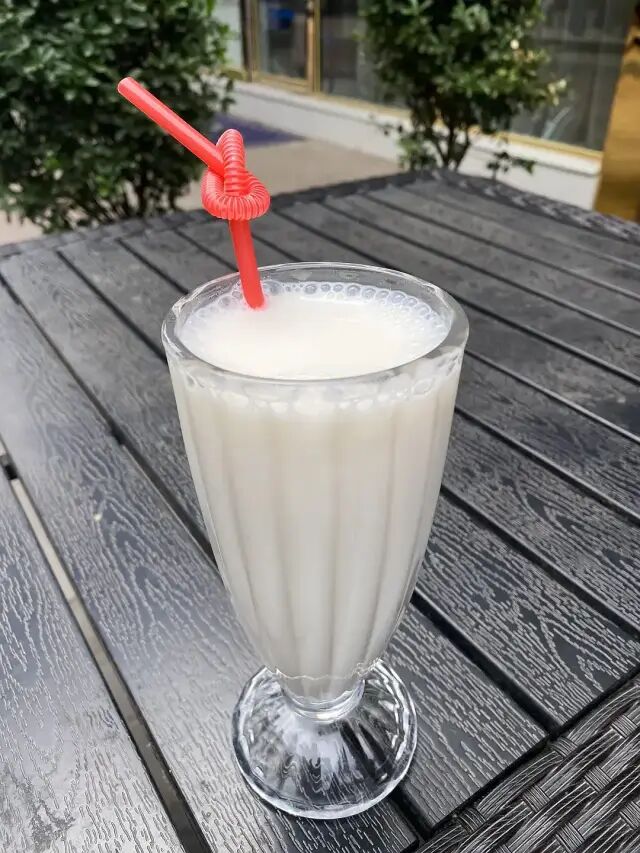
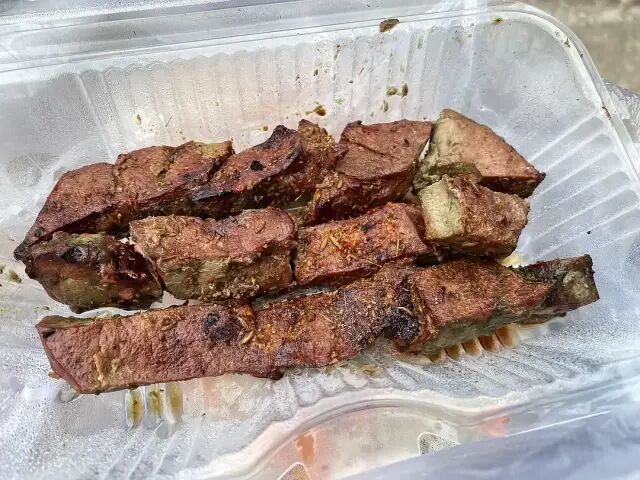
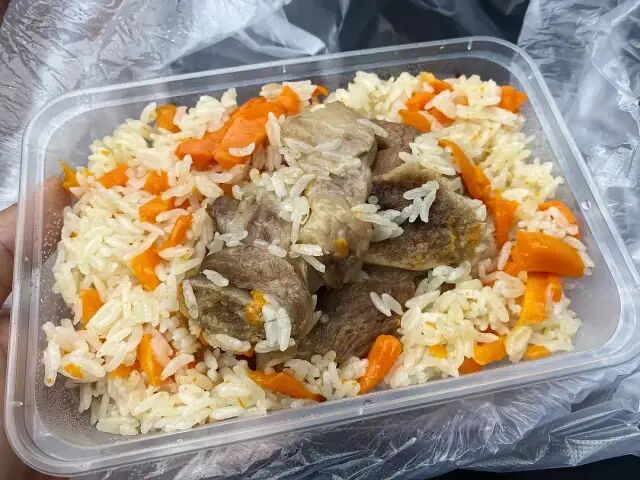
We had Ali's barbecue, liver (ganzi), yogurt drink (ayran), and rice pilaf (zhuafan) on Shenlu Street. I hadn't been to Chaoyang for a month, and their barbecue is arguably the best near our home.
June 6: Changying.
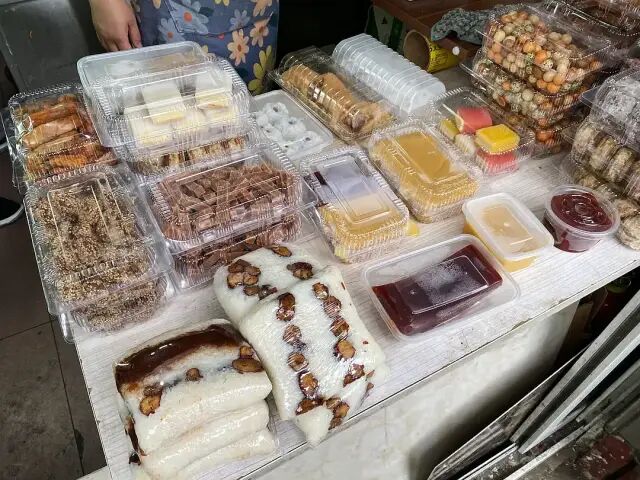
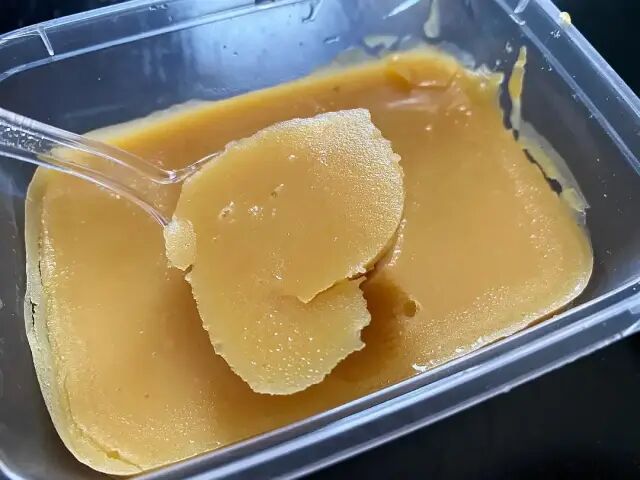
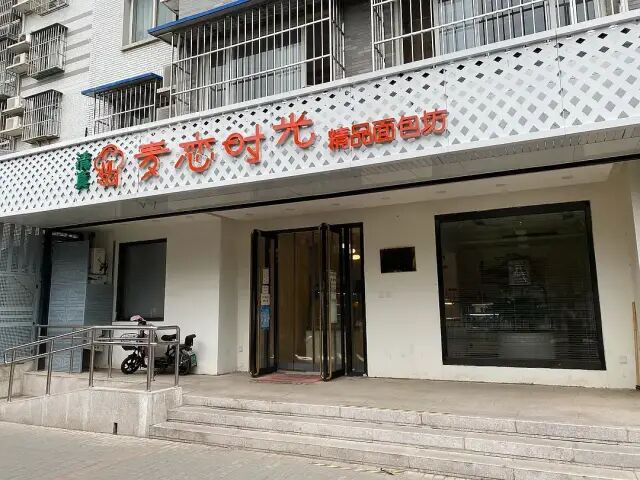
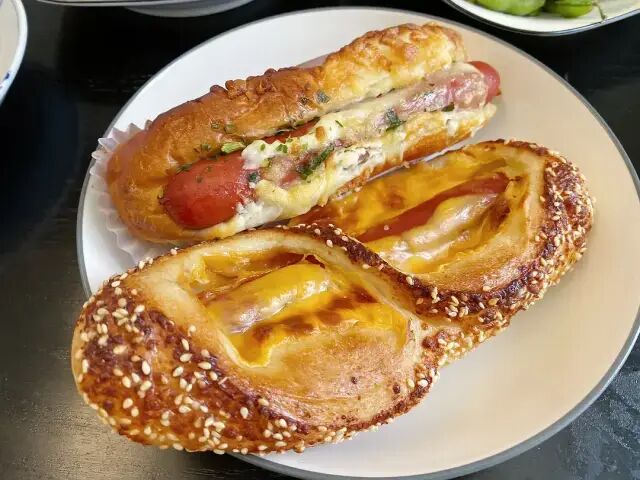
Try the yellow rice sticky rice dumplings (zongzi) and eight-treasure sticky rice dumplings (zongzi) at Changying Yijinzhai, the pea flour cake (wandouhuang) at Kaiyizhai, and the cheese hot dog at Mailian Shiguang.
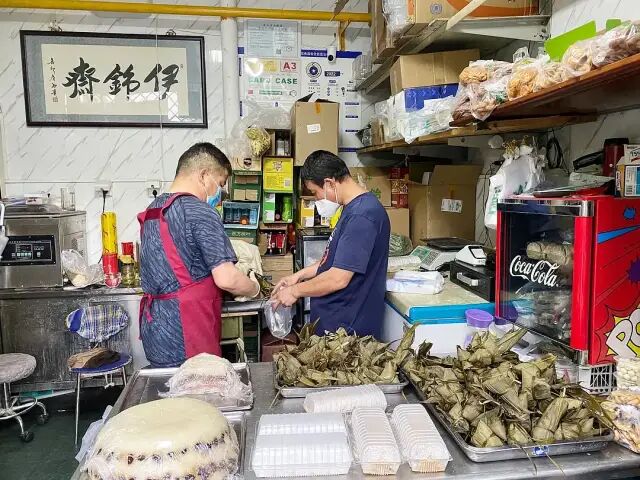
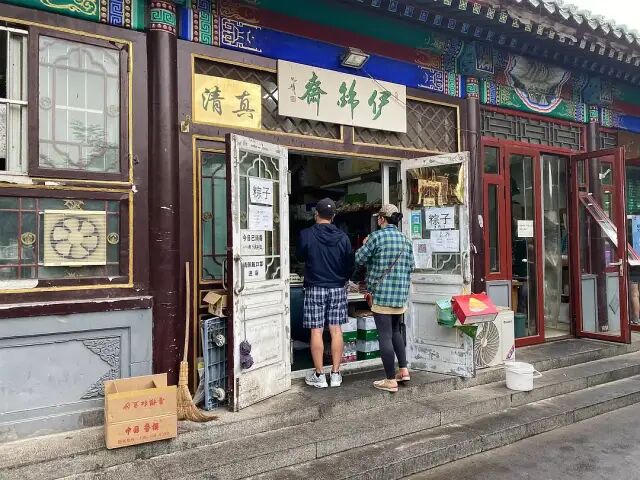
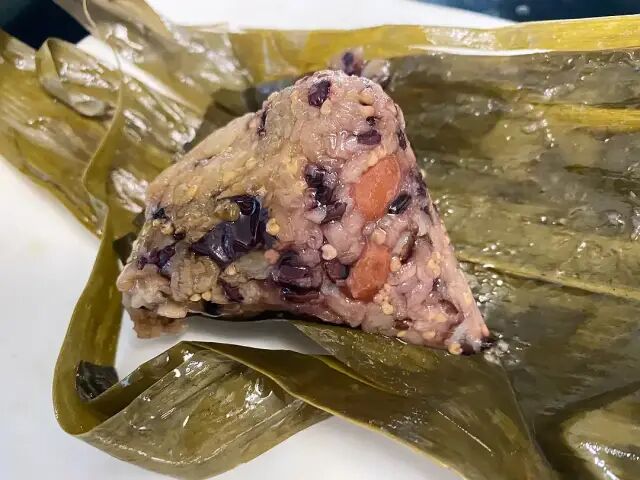
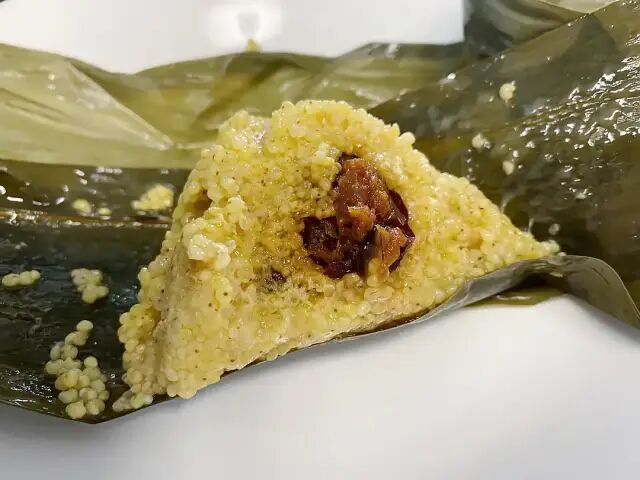
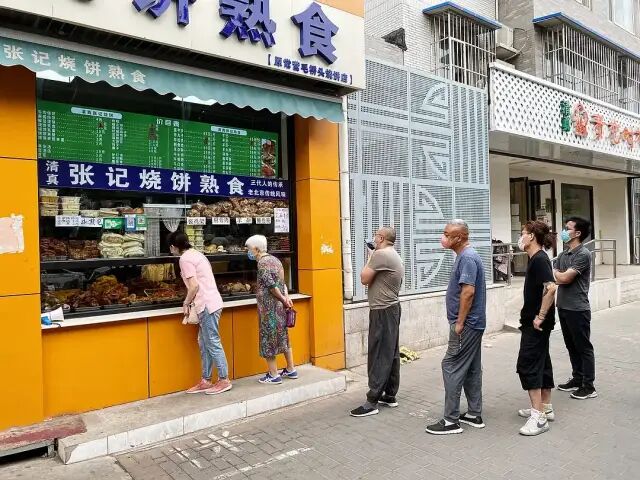
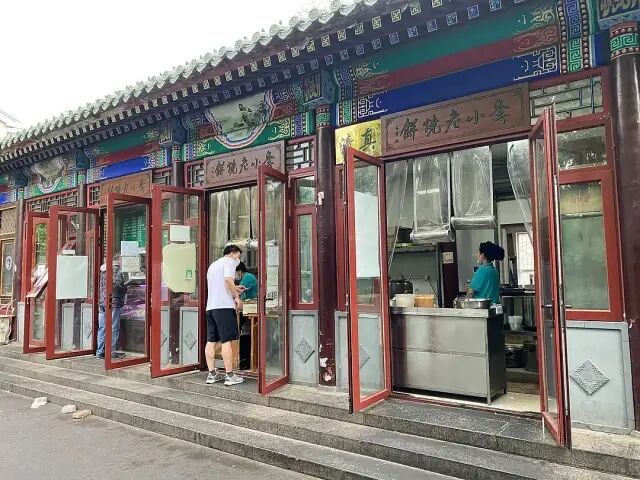
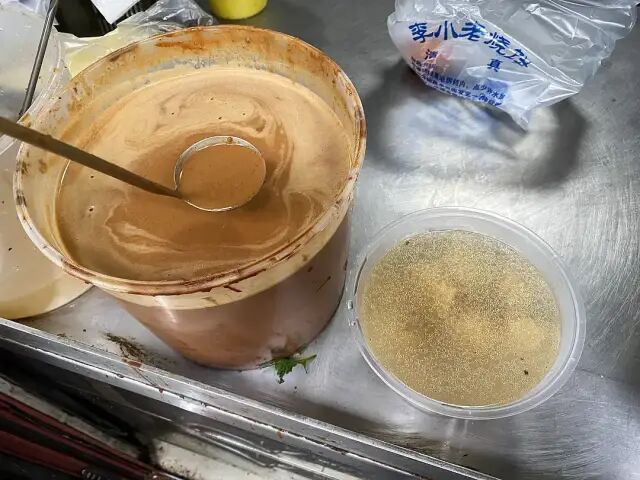
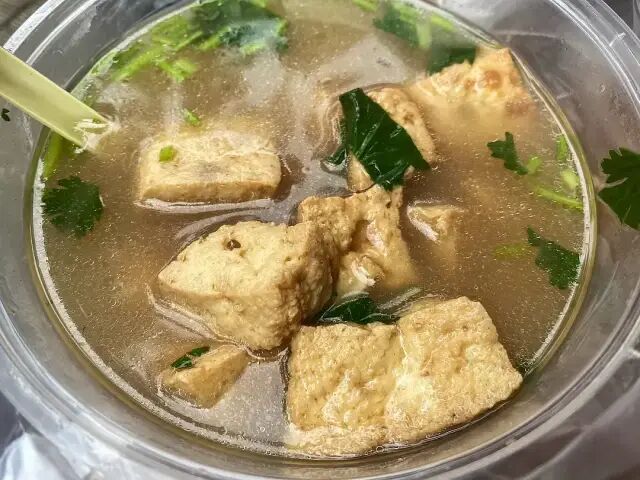
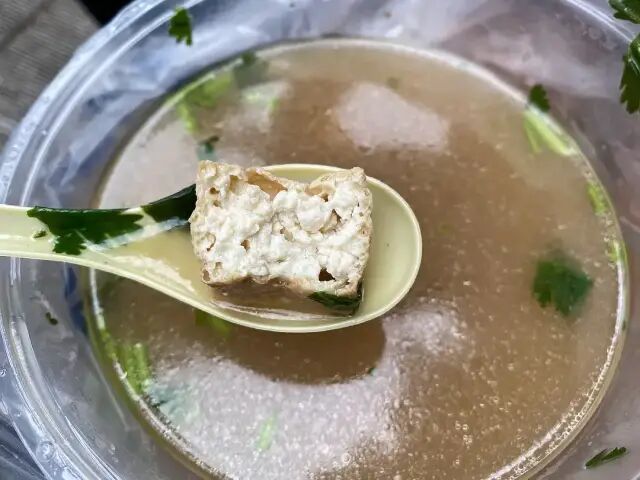
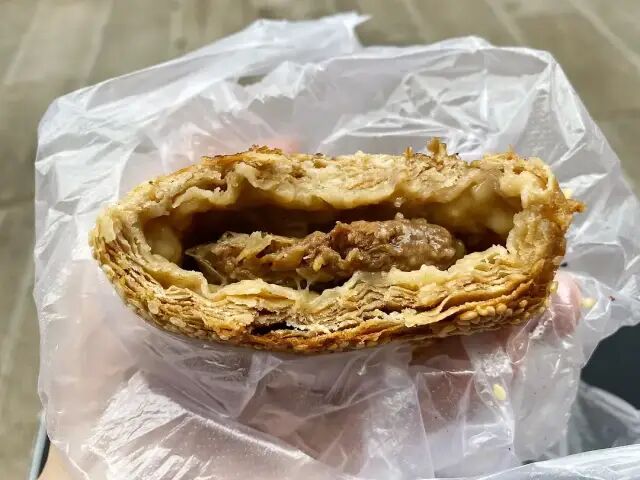
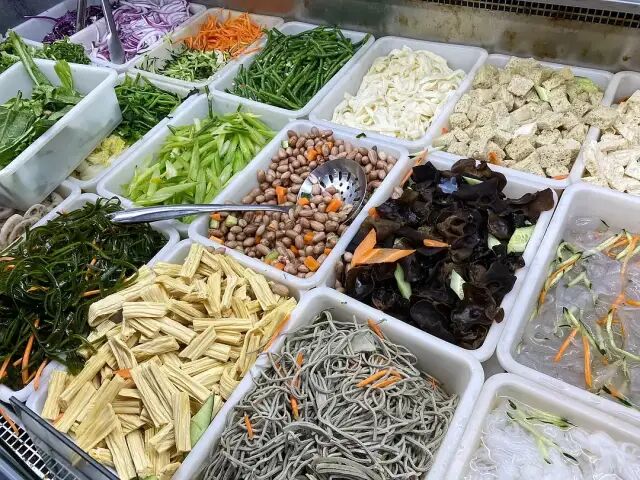
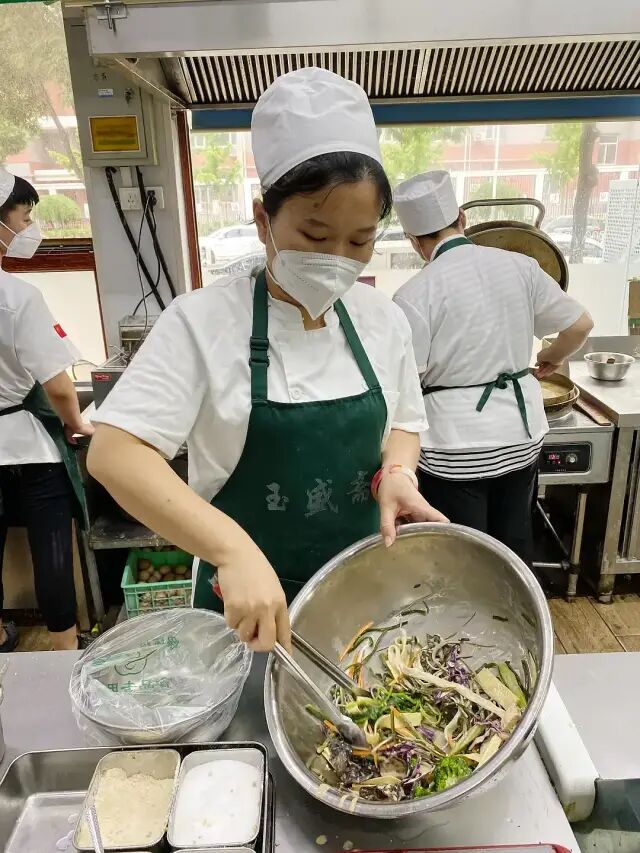
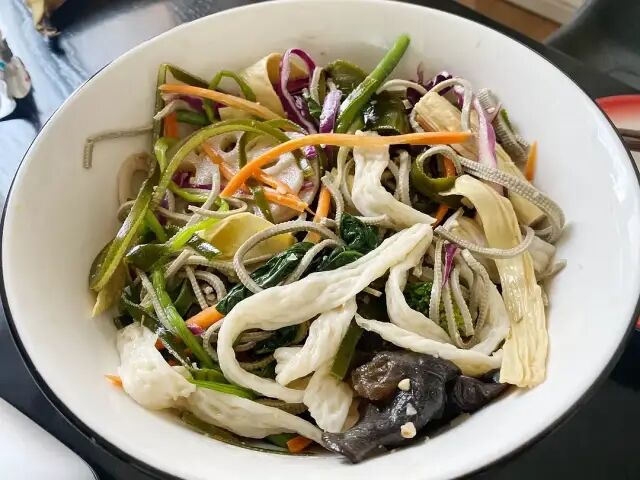
Get the meat flatbread (shaobing) with fried tofu soup (doupao tang) at Lixiaolao, and the mixed vegetable salad (bancai) at Yicheng. You cannot find tofu this tender in the city center!
June 7, Henan-style breakfast at Changying Dahuzi Chuanchuanxiang.
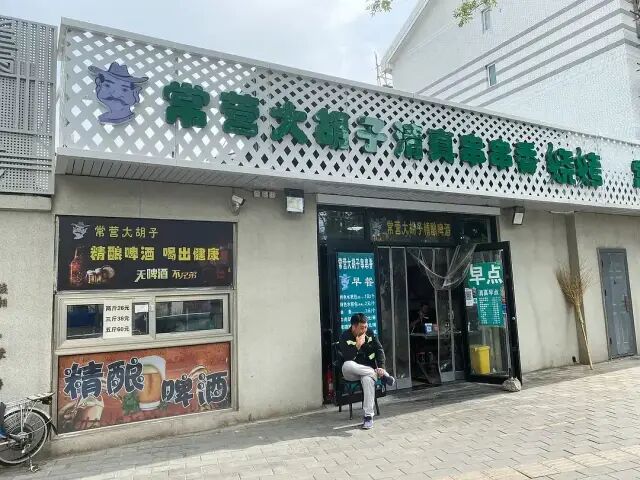
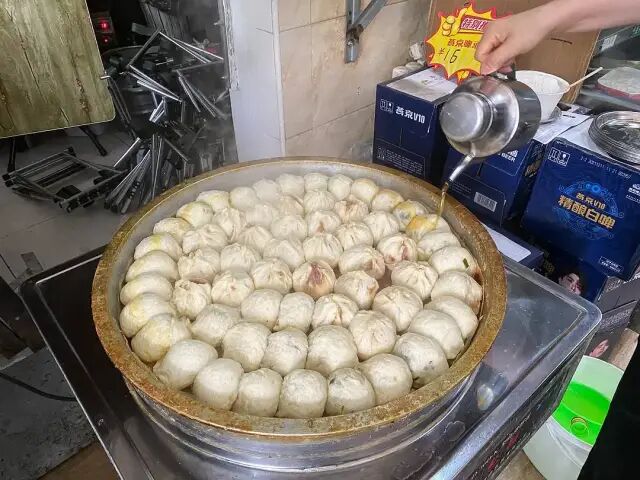
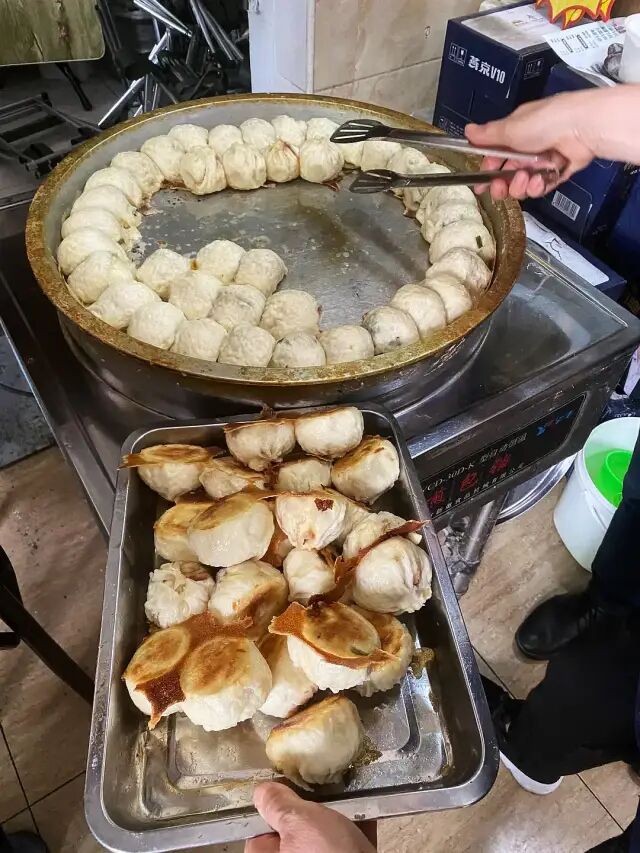
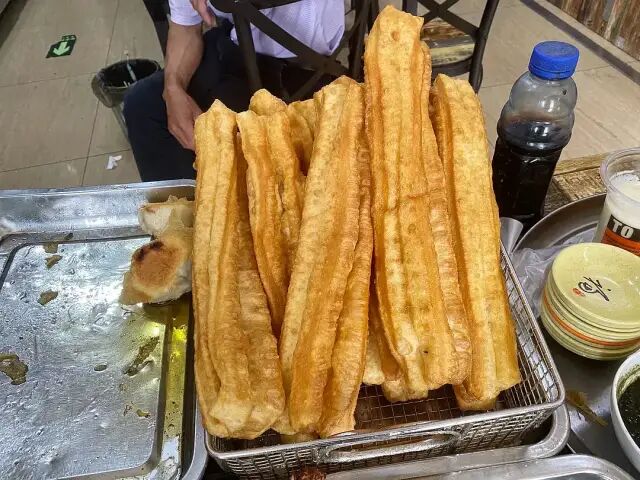
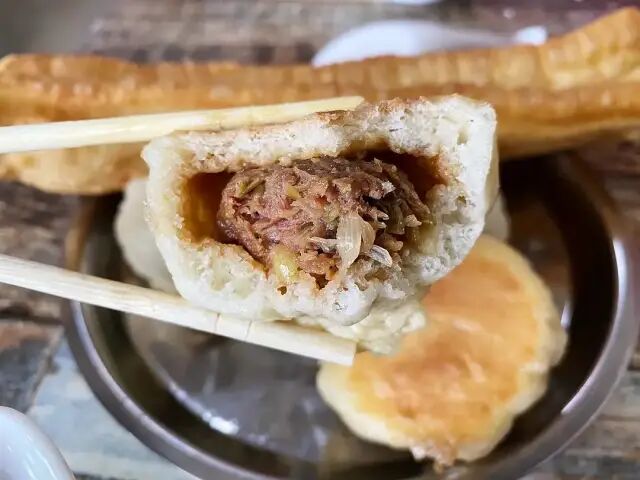
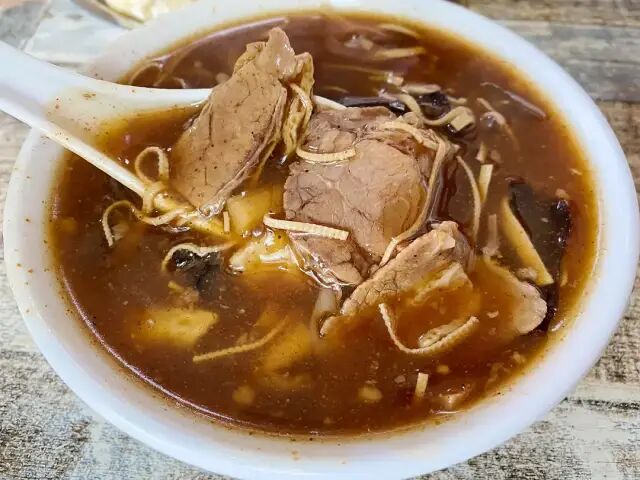
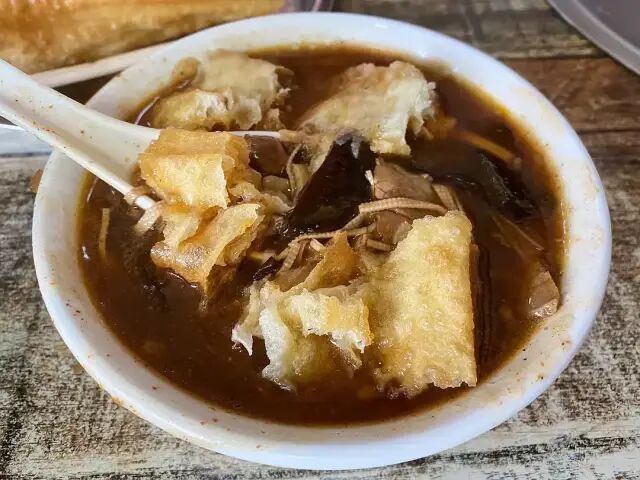
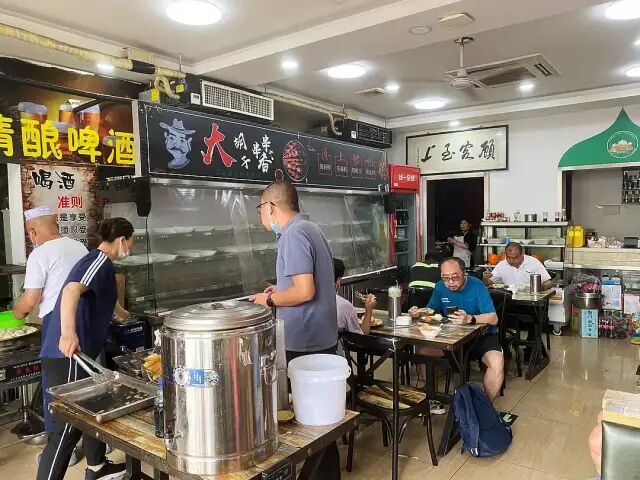
In the morning, Changying Dahuzi Chuanchuanxiang is run by a family from Kaifeng, Henan, selling breakfast items like spicy soup (hulatang), pan-fried buns (shuijianbao), and large fried dough sticks (youtiao). I have been eating Beijing-style breakfast for a month, so today I am switching things up!
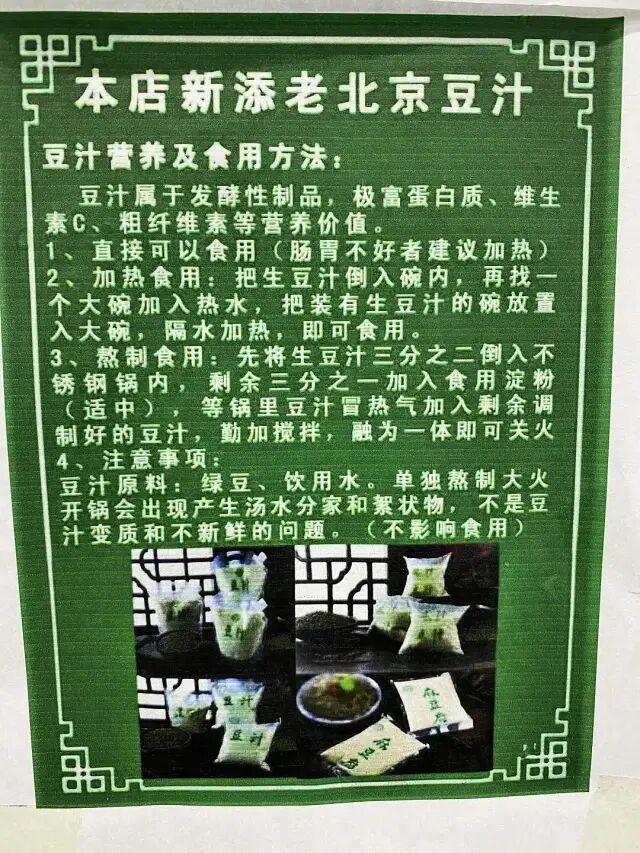
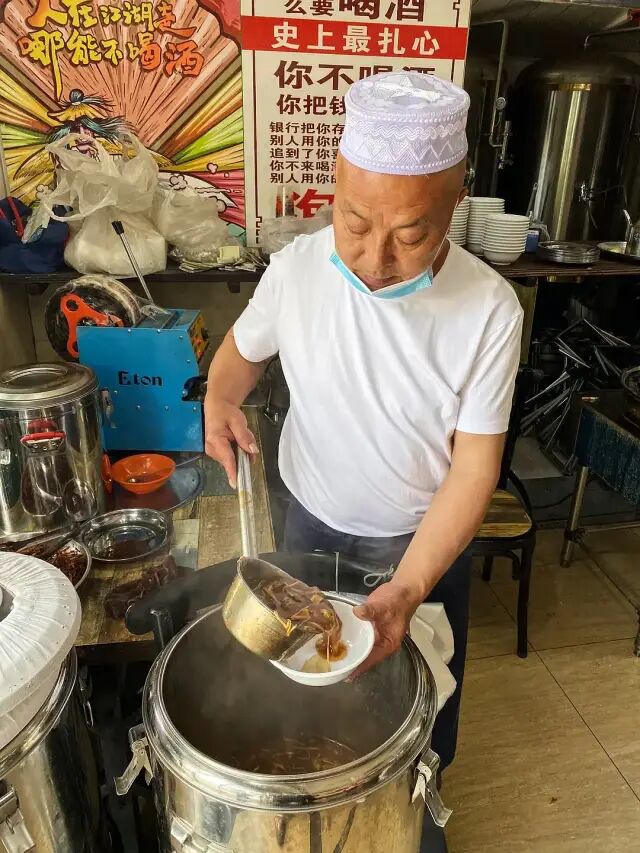
They have three types of pan-fried buns (shuijianbao): beef and green onion, vermicelli, and chive and egg. They fry them fresh, and there is always a long line. They usually sell out as soon as they come out of the pan. I think they taste great and have plenty of meat. The fried dough sticks (youtiao) are huge. They are fried in clear oil, so they have a nice color, and one is enough to keep you full. The spicy soup (hulatang) is very rich, and it tastes great when you break off a piece of the fried dough stick (youtiao) and dip it in. Next time I have to try the mix of tofu pudding (doufunao) and spicy soup (hulatang).
June 9, Palestinian restaurant Zayton.
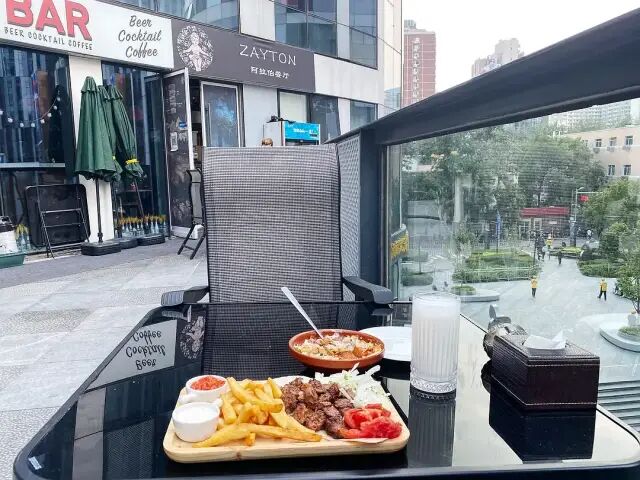
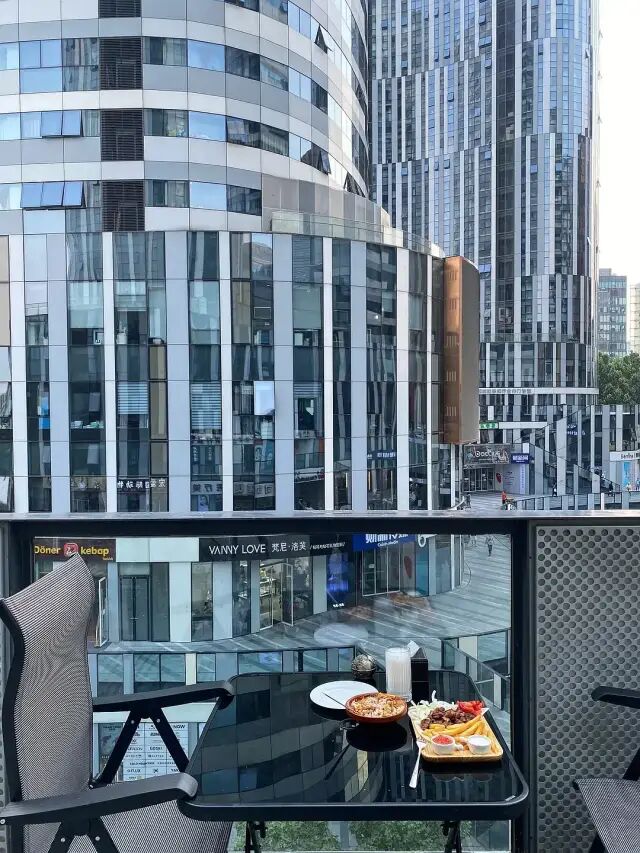
After dine-in reopened, I spent the evening catching a breeze on the terrace at the Palestinian restaurant Zayton to enjoy life.
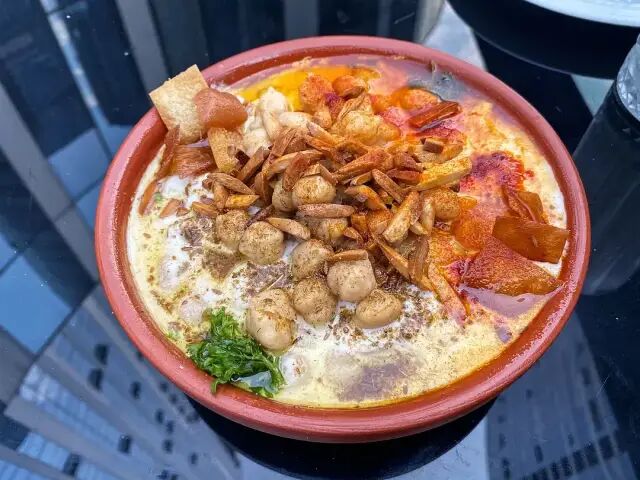
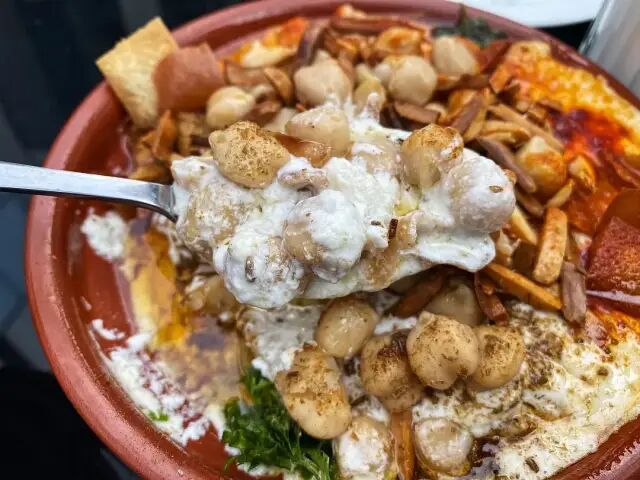
I started by eating Fatteh, a Levantine snack you can only find here in Beijing. Fatteh means "crushed" in Arabic. It is a snack from the southern Levant region, found in Damascus, Beirut, Jordan, and Palestine, but not in the northern Levant. The main ingredient of Fatteh is crushed flatbread (khubz), topped with yogurt, steamed chickpeas, olive oil, and other ingredients, then sprinkled with cumin.
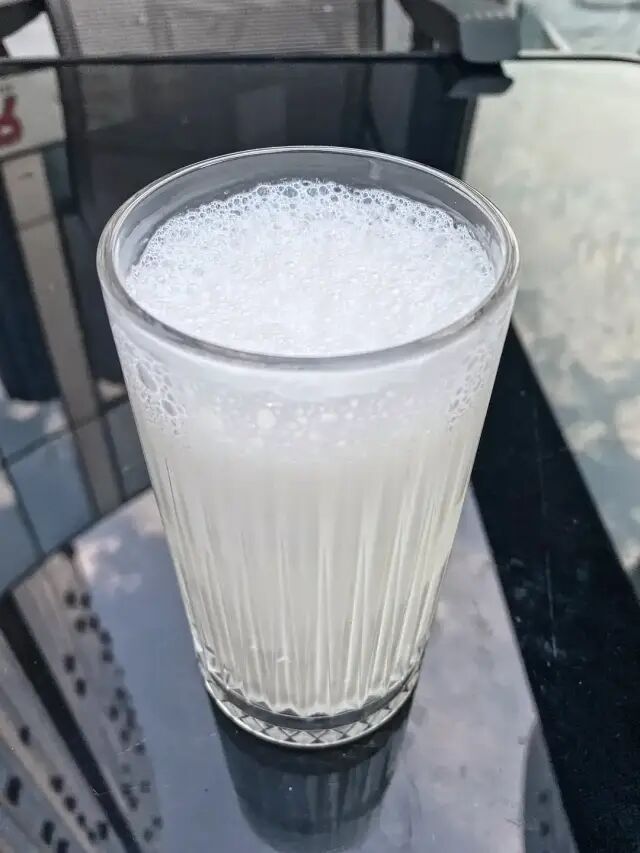
I also ordered salty yogurt drink (ayran), grilled lamb, and veal steak. Among Middle Eastern restaurants in Beijing, this place offers great value for money. The view from this terrace is just amazing.
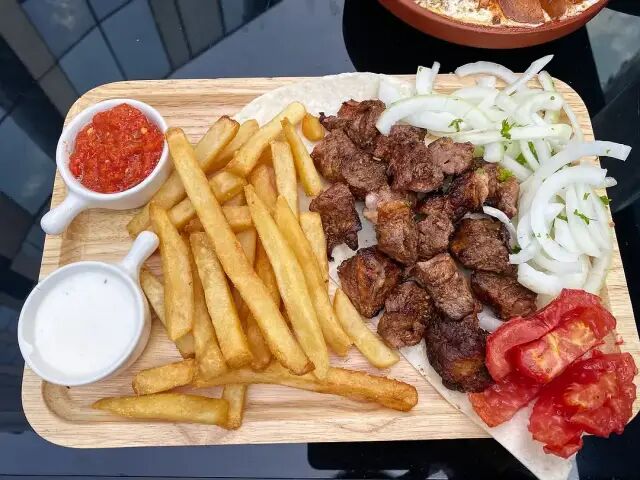
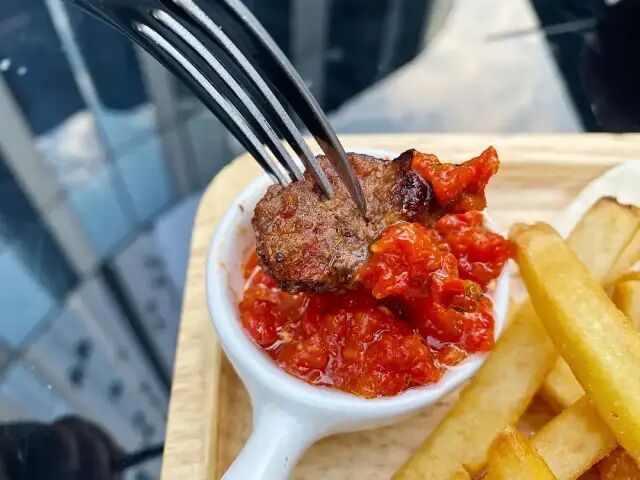
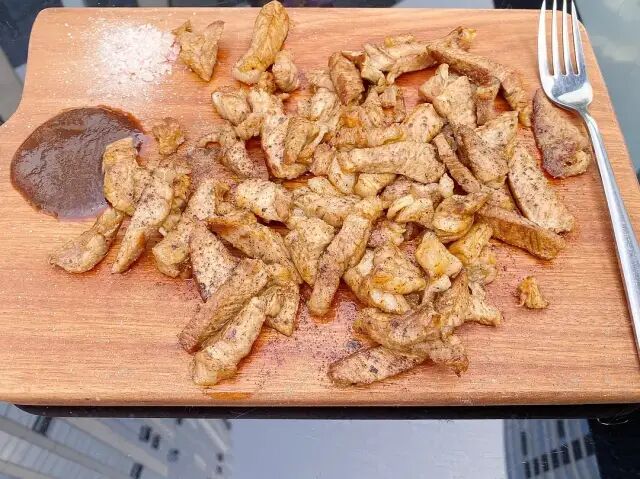
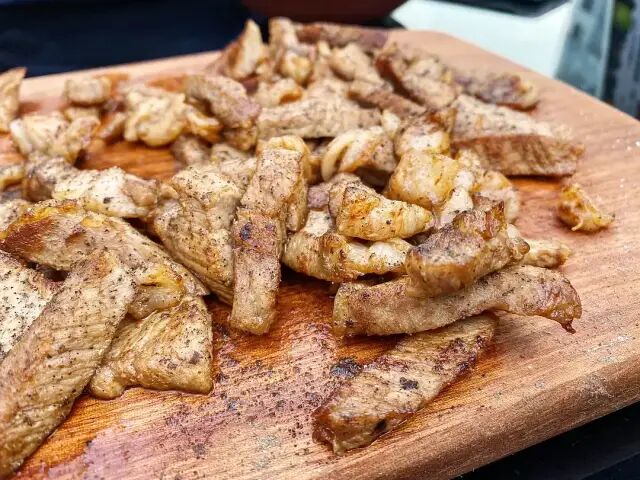
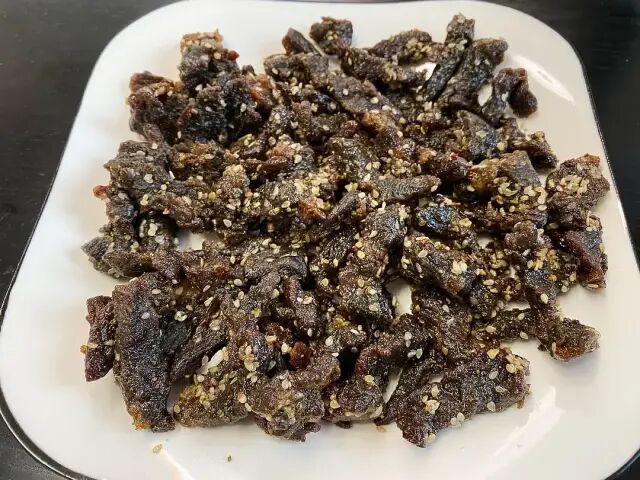
June 10: Homemade beef jerky (niurougan) from my mother-in-law in Urumqi, made the Hui Muslim way.
My mother-in-law sent two kinds of homemade Hui Muslim beef jerky (niurougan) from Urumqi. One is a bold flavor, marinated with egg white and starch before being fried. The other is a milder flavor, boiled in water, air-dried for two hours, and then mixed with seasonings until dry. Both are finished with a sprinkle of white sesame seeds. Four kilograms of beef made less than two kilograms of jerky. The kids in Urumqi would cry with envy if they saw this.
June 10: Dastan, an Indian restaurant.
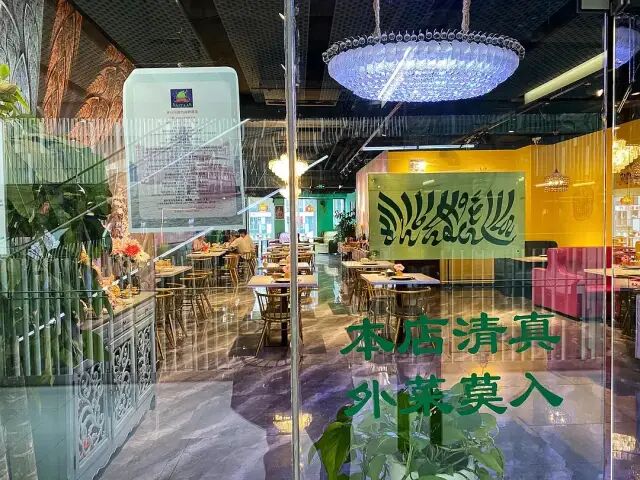
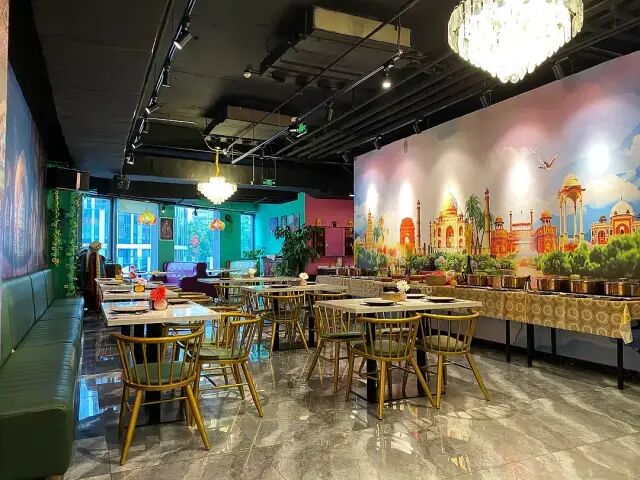
Dastan is a new Indian restaurant that opened this year in Sanlitun SOHO. It sits right next to the Palestinian restaurant Zayton and is a halal spot run by a Hindu owner.
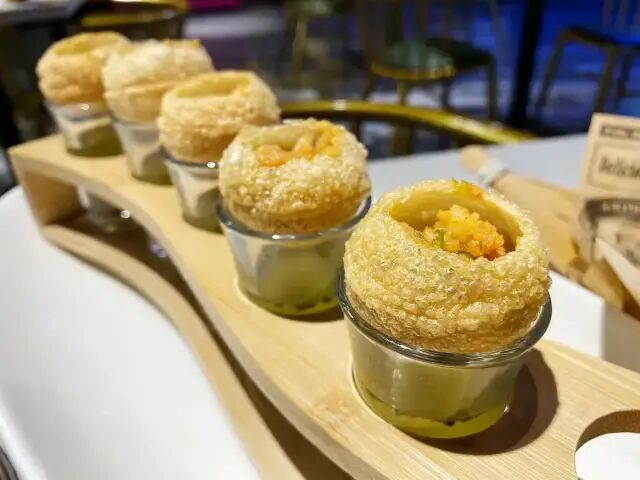
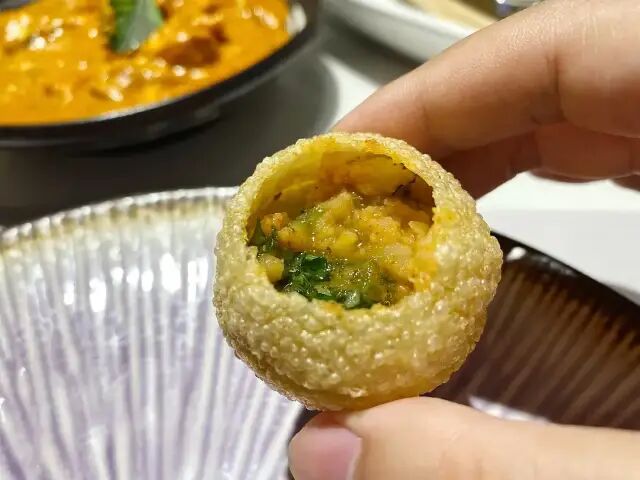
I started with the Indian street snack Panipuri, which became famous because of the movie Dangal. The name of this snack comes from two parts: pani and puri. A puri is a round, hollow, deep-fried crispy bread filled with mashed potatoes, onions, chickpeas, and various spices. Imli pani is a sauce made from cilantro, green chili, ginger, Chaat masala spice, and tamarind chutney. To eat it, just pour the sauce into the filling.
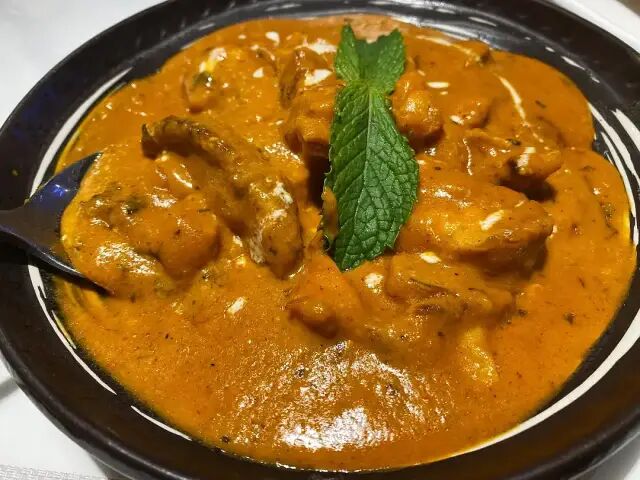
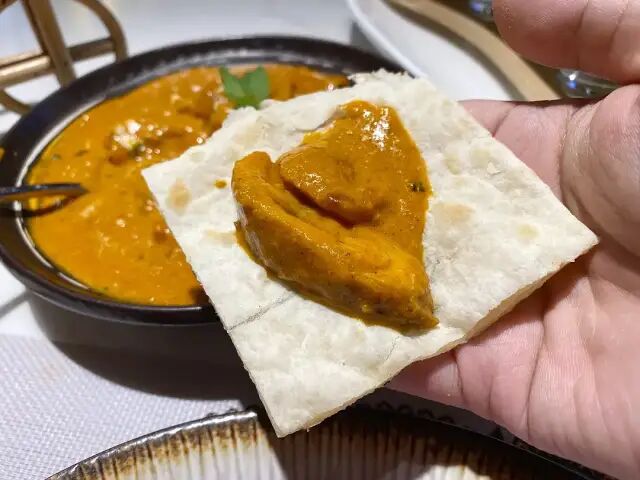
I also ordered the Old Delhi butter chicken (Purani Delhi Wali Murgh Makhani), a dish invented in the 1950s by the famous Punjabi restaurant Moti Mahal in Old Delhi. The story goes that one day near closing time, a group of hungry poor people came to the restaurant. The kitchen used leftover tomatoes, butter, and spices to make a sauce, then added leftover Tandoori roasted chicken. They did not expect it to create such a unique flavor. Today, making this dish starts by marinating the chicken in lemon, yogurt, Kashmiri red chili, salt, Garam Masala spice, ginger, and garlic. It is then roasted in a tandoor oven before being added to a curry made of butter, tomatoes, and various spices.
June 13, Yanlanlou Anzhen branch.
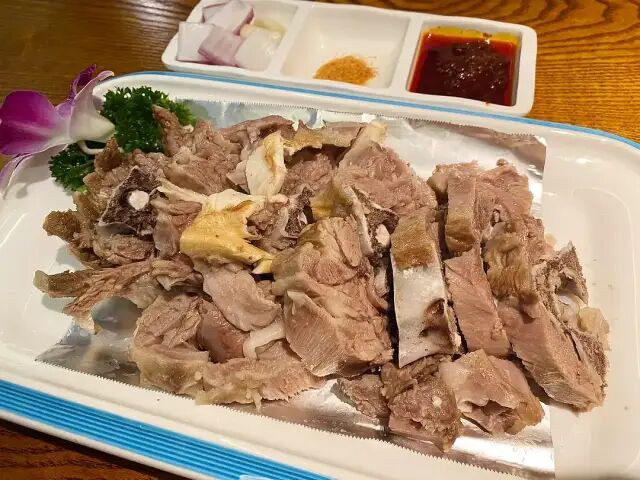
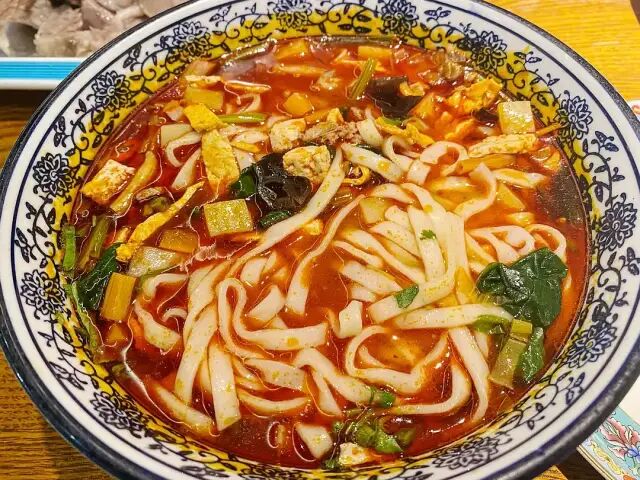
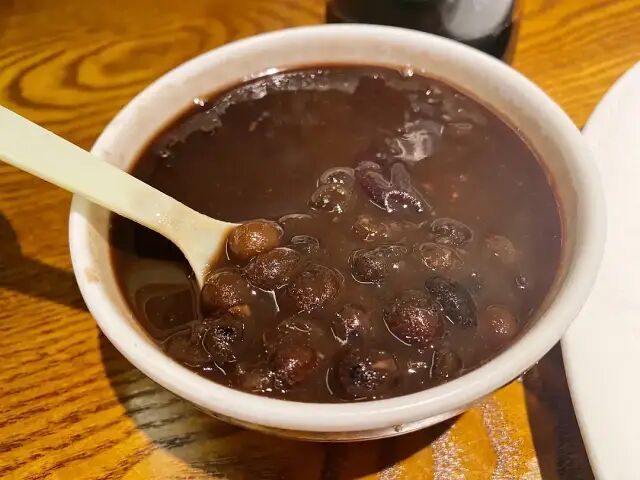
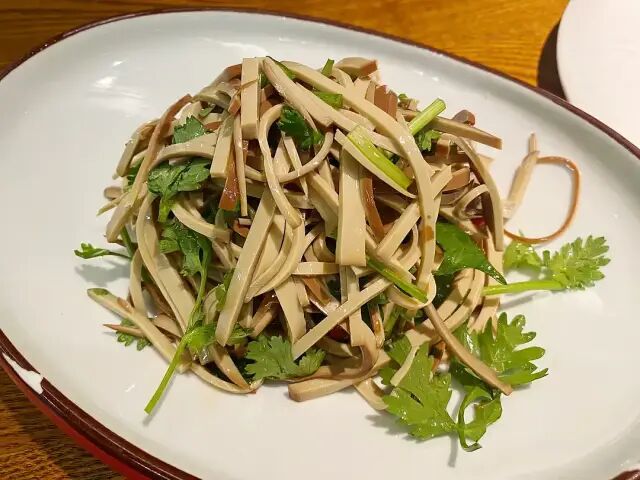
I had lamb neck, minced meat noodles (saozimian), and pea soup (huidouzi) at the Yanlanlou Anzhen branch. I miss the lamb neck I had in Yinchuan; it was so tender.
June 16, Chidao Yakiniku lunch set.
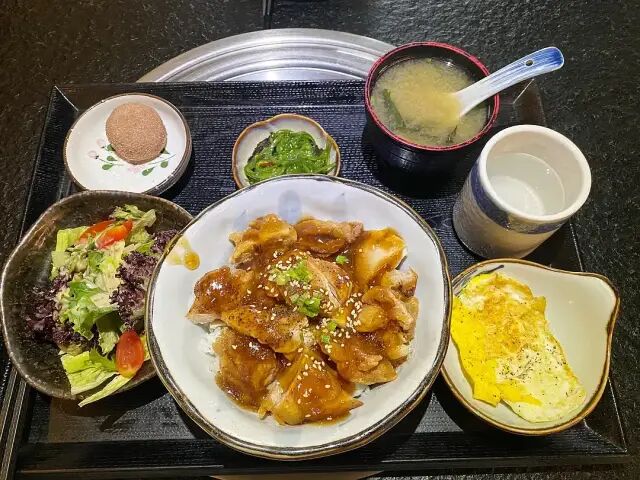
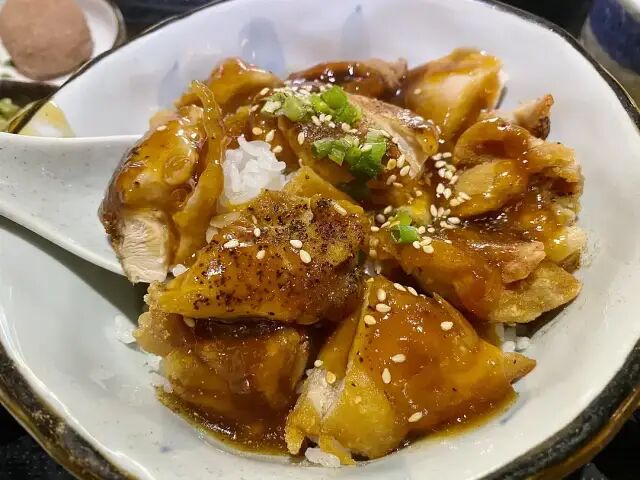
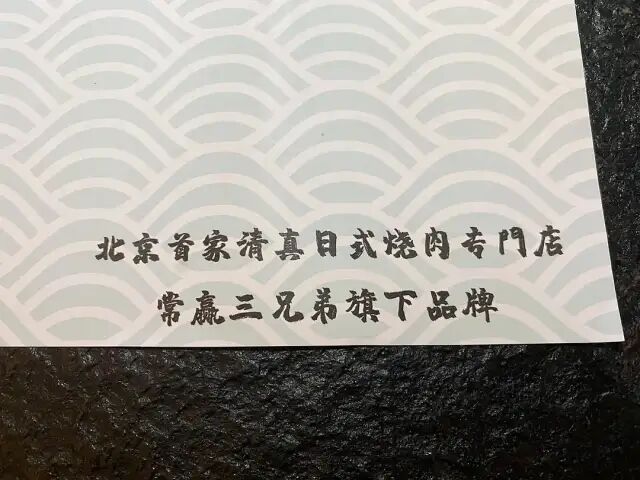
This was my first lunch set at Chidao since returning to work. I had the teriyaki chicken. The restaurant has now changed its name to Changying Sanxiongdi.
June 16, Dachangying Restaurant.
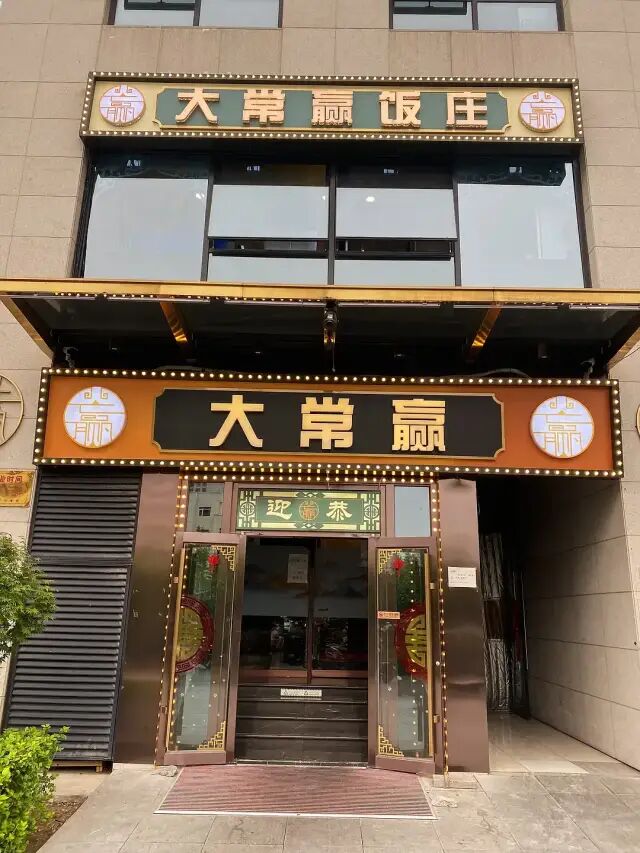
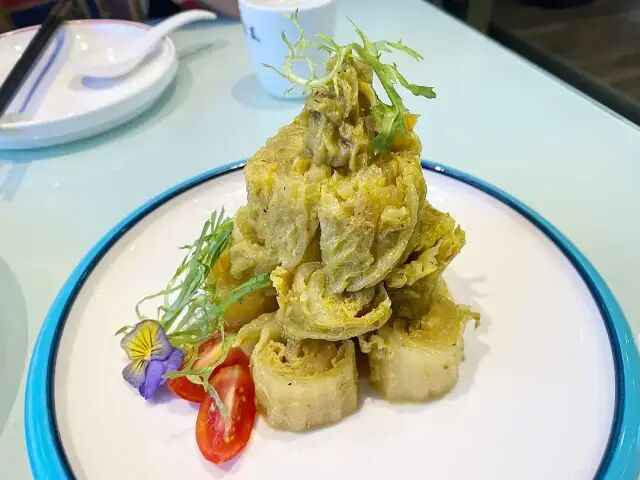
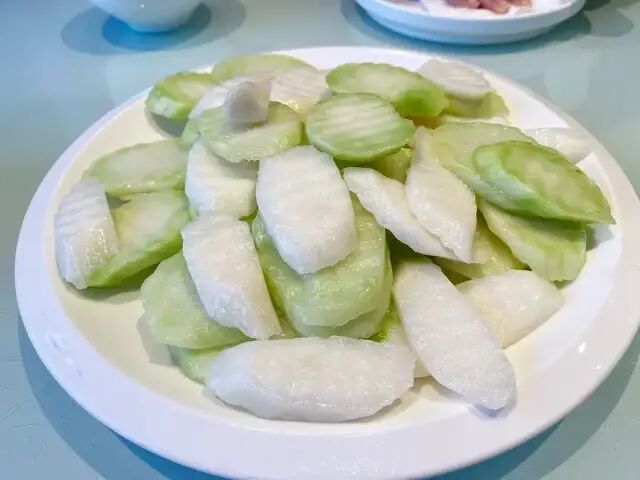
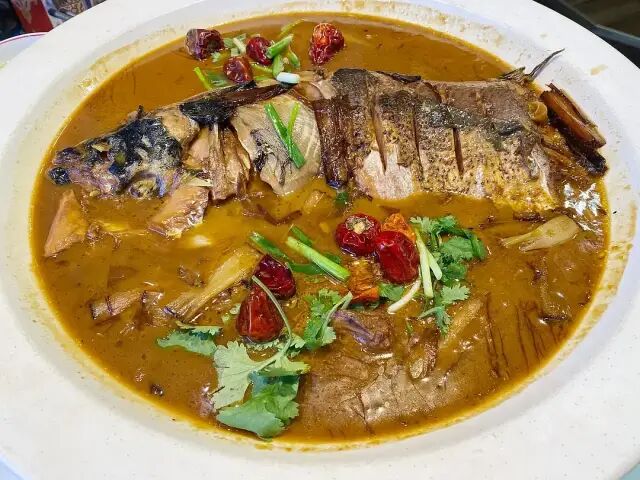
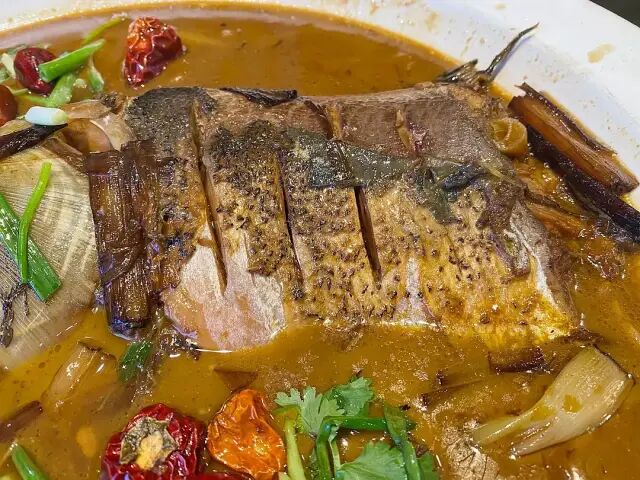
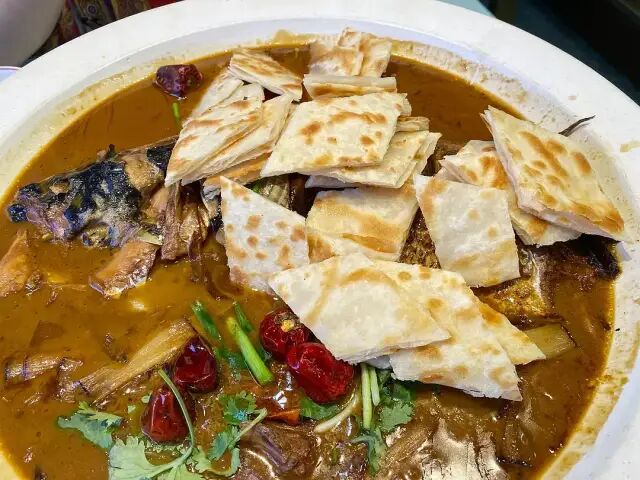
For dinner at Dachangying, I had fish head with flatbread. The mustard-marinated cabbage (jieshudun) was a great appetizer to beat the heat, and the Chinese kale with yam was very crisp. The dish used half a bighead carp and a broth made from beef bones. The freshly baked flatbread was very crispy and delicious, though the fish soup was a bit salty, haha. The server told me they are hosting an ambassador from an African country next week. It seems even ambassadors enjoy Beijing-style flavors.
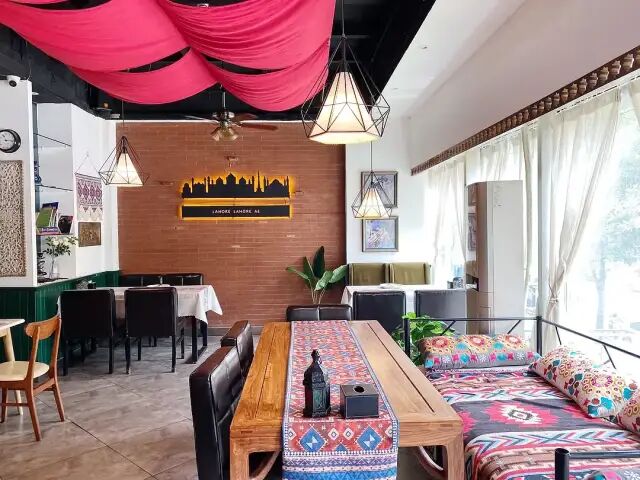
June 17, Lahore Restaurant
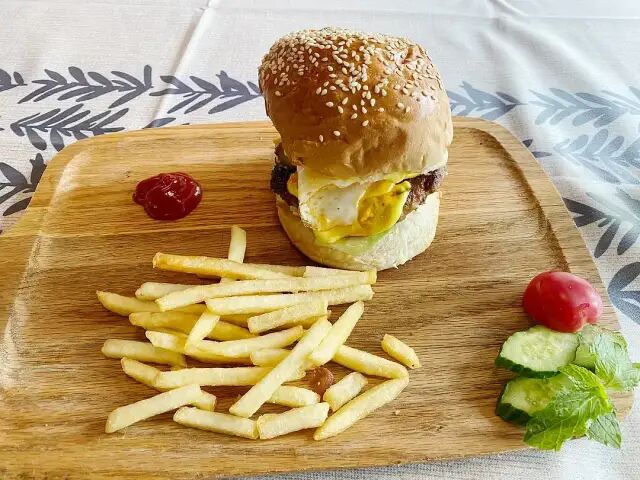
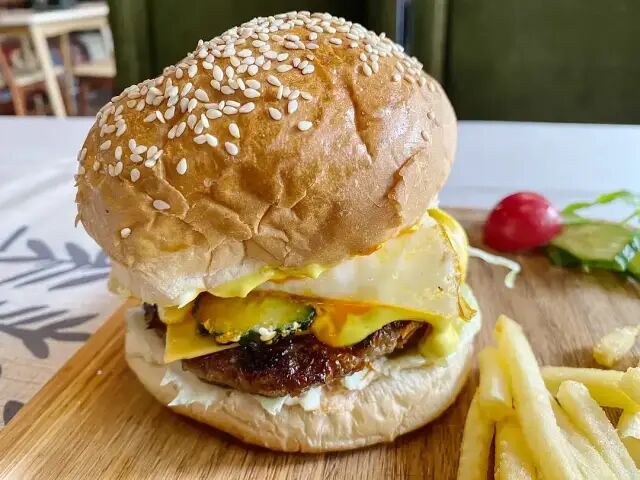
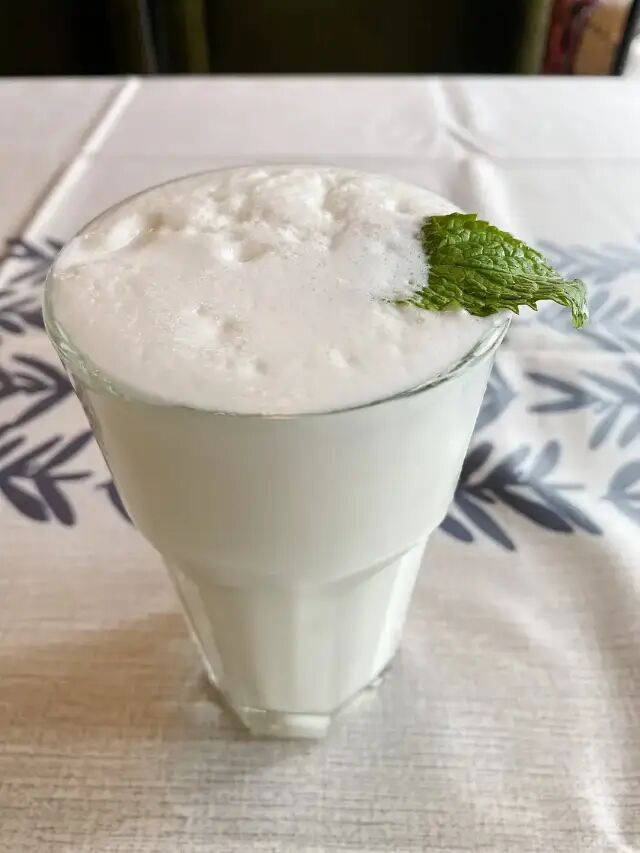
I had a Lahore beef egg burger with lassi at Lahore Restaurant because I was craving a burger. This combination reminds me of the South Asian fast-food shops in Dubai.
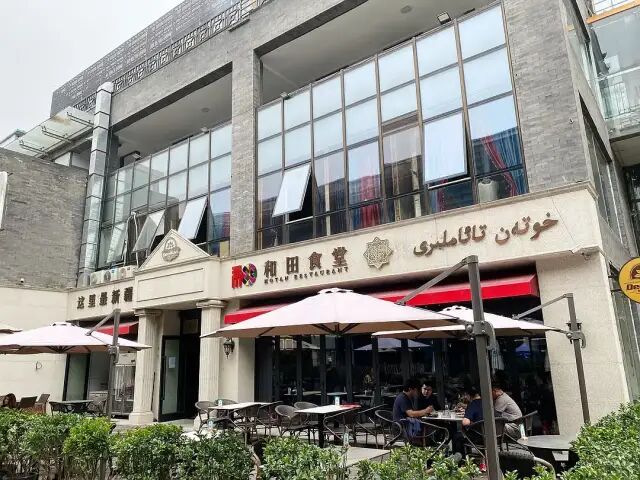
June 19, Hotan Canteen on Ritan Upper Street
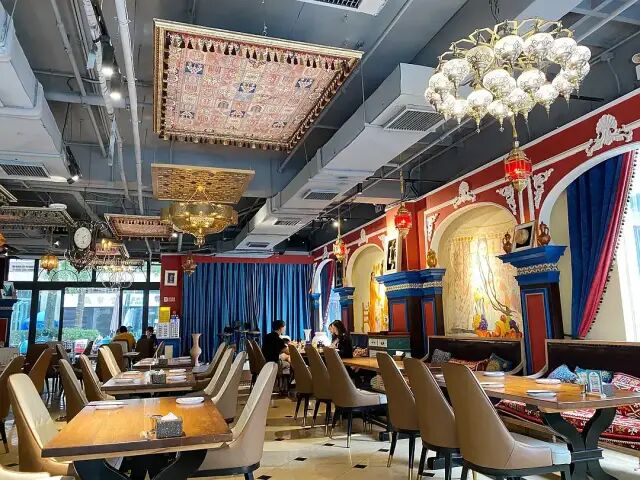
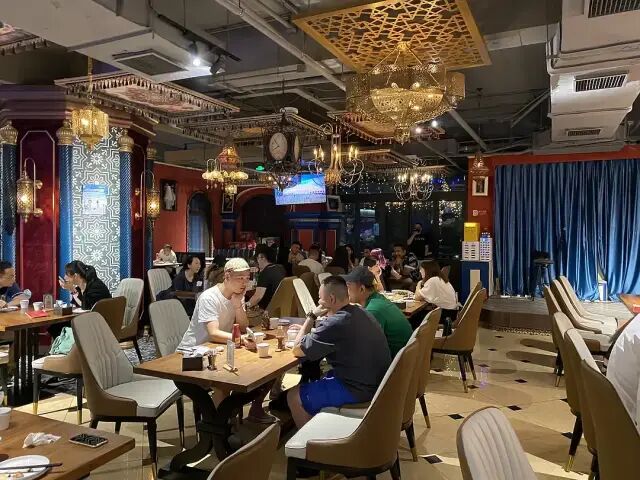
My biggest surprise lately is finding the best Uyghur restaurant in Beijing: Hotan Canteen on Ritan Upper Street! This spot used to be the Uyghur restaurant Red Willow, then it became the Turkish restaurant Rumi's Secret for 20 years. This year, Rumi's Secret moved to Urumqi, and now this new Uyghur restaurant, Hotan Canteen, has opened here.
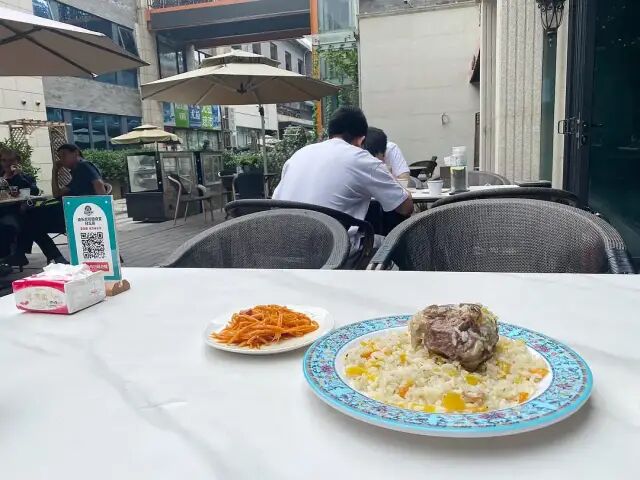
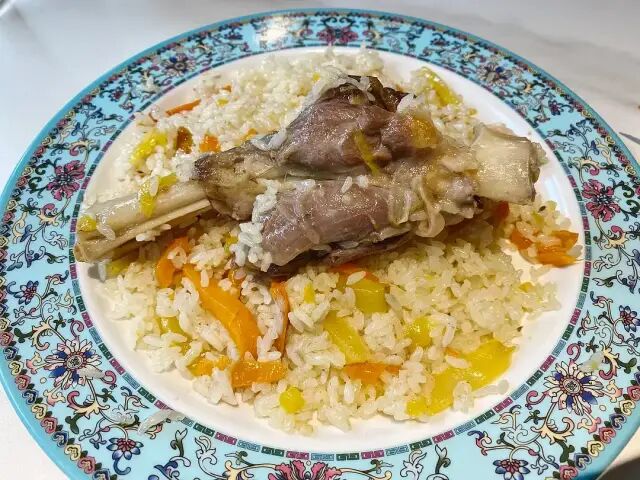
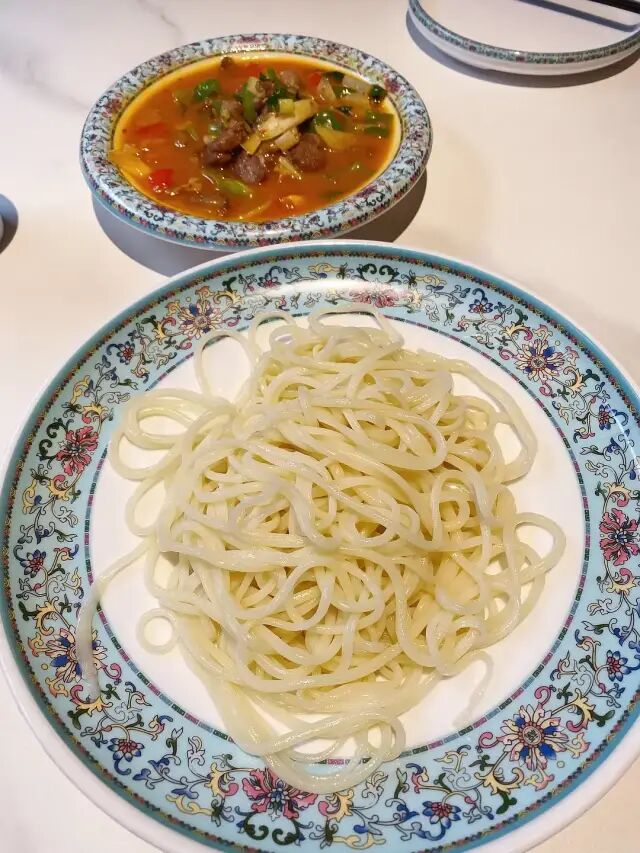
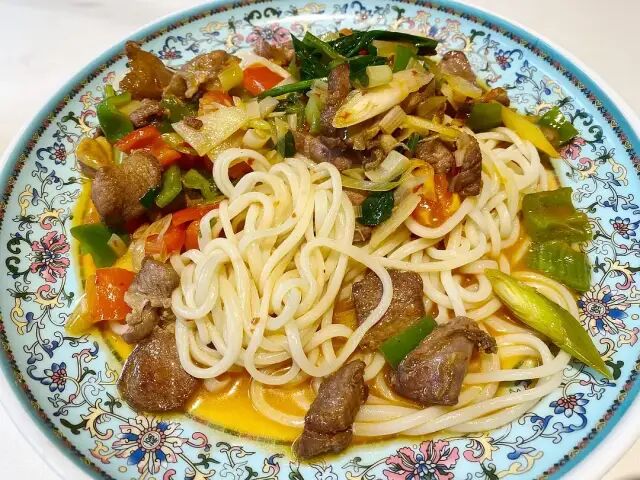
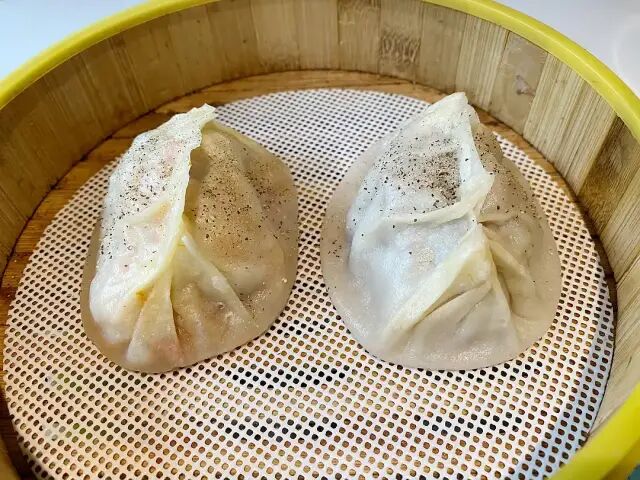
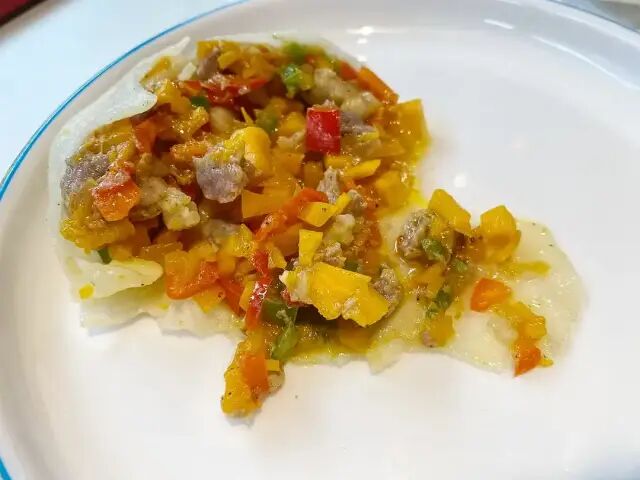
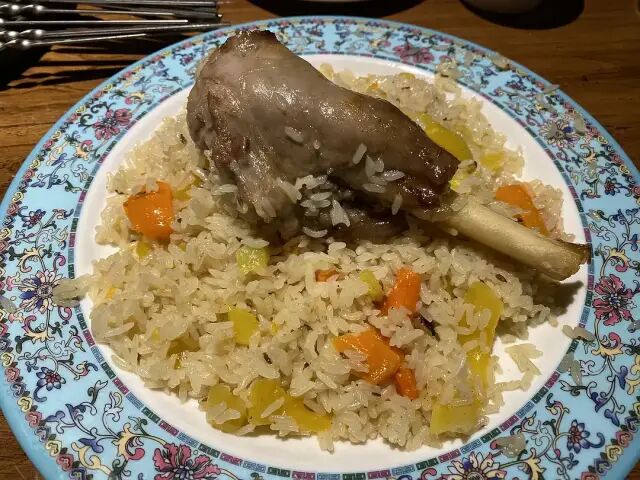
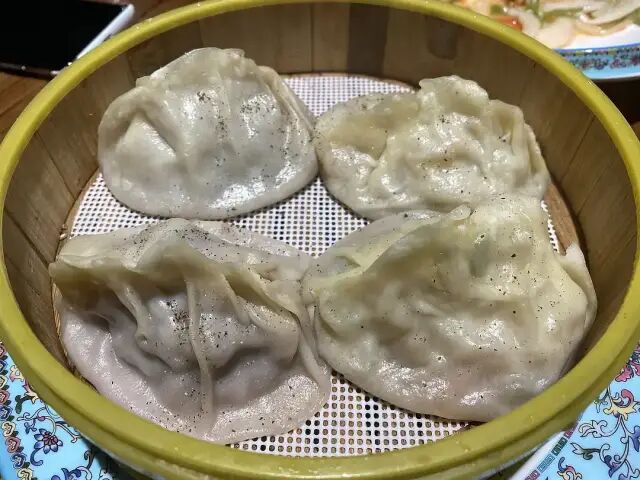
I have to say, their pilaf (zhua fan), hand-pulled noodles (ban mian), and steamed meat dumplings (baopi baozi) are the best I have ever had at a Uyghur restaurant in Beijing. After eating here, the places I previously considered top-tier, like Ali, White Diamond, and Kashgar Mahmut, have all been bumped down to second place. It is no exaggeration to say that even back in Urumqi, you would be hard-pressed to find a restaurant that beats this Hotan eatery.
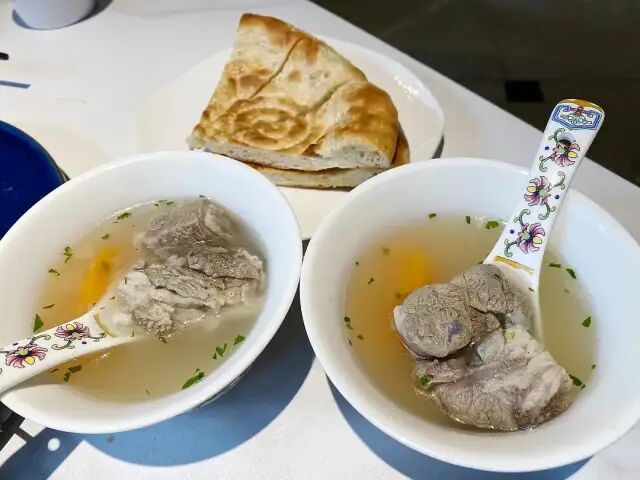
The lamb leg in the pilaf (zhua fan) is so tender that I almost cried after the first bite. I have lived in Beijing for many years and have never eaten such fresh, tender lamb leg in any restaurant here. The hand-pulled noodles (latiaozi) in the mixed noodles are very thin and have a fantastic texture. I finished the whole bowl in one go and could not stop. The skin of the thin-skinned steamed buns (baopi baozi) is the thinnest I have ever eaten in Beijing. The lamb filling is meaty and not too oily, and the pumpkin filling is very rare in Beijing and also tastes great.
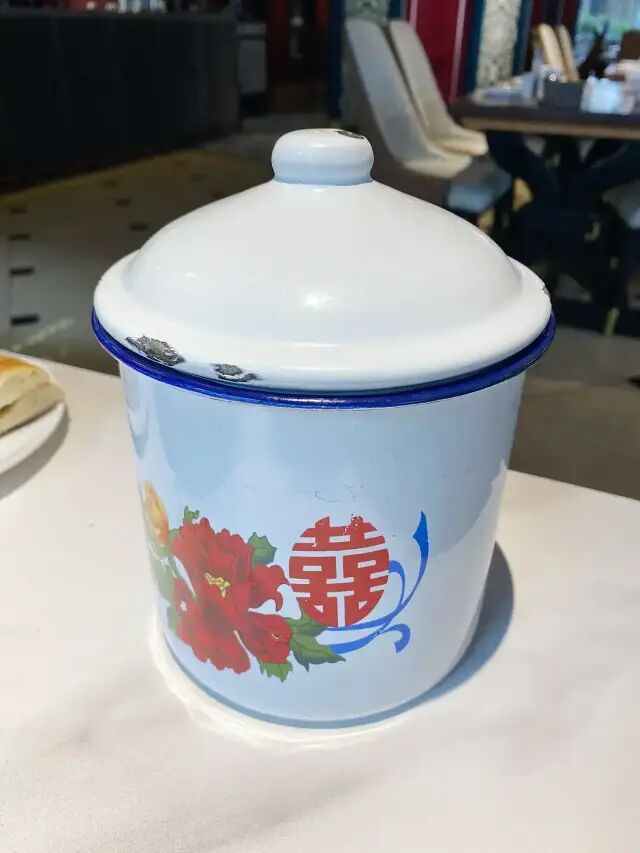
Their mug-stewed lamb (gangzi rou) comes in a huge mug, haha. However, the amount of meat inside is not as much as it looks; it is just the standard portion you get from street vendors in Xinjiang. The lamb broth is very soothing for the stomach.
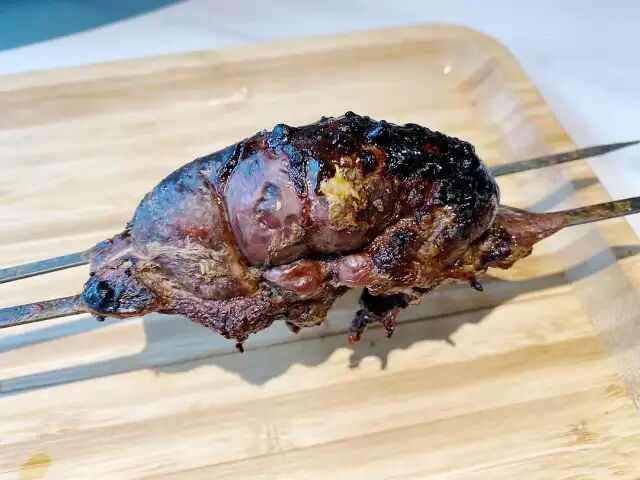
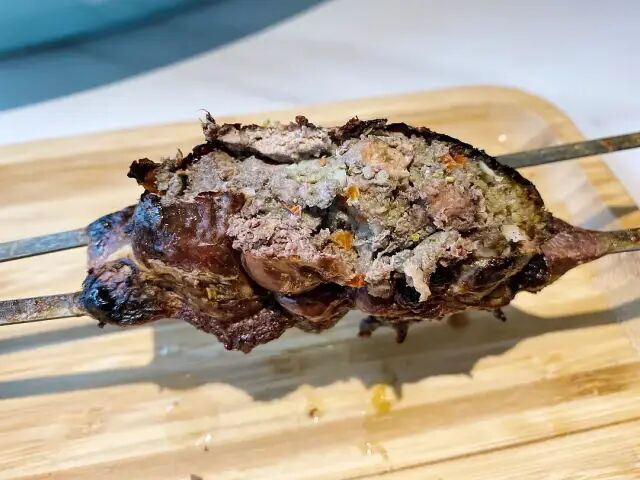
I highly recommend their grilled stuffed spleen (kaoseipi)! I do not know why this classic Xinjiang delicacy is missing from all the Uyghur restaurants in Beijing, but I am glad I finally got to eat it. Grilled stuffed spleen, also known as fake kidney, is made by stuffing lamb spleen with onions (piyazi), minced meat, and liver before grilling it. It has a very rich texture.
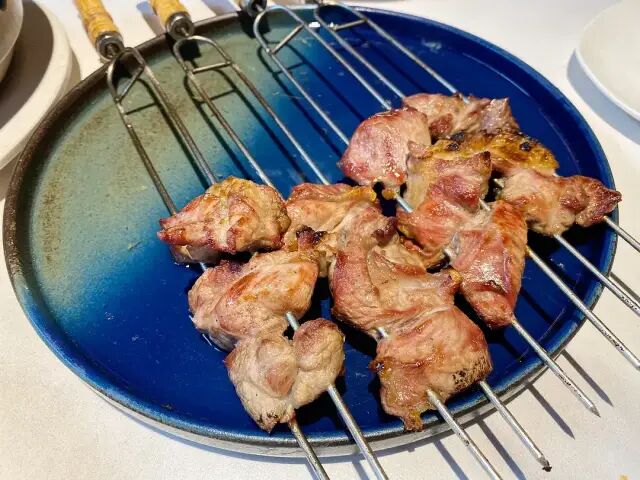
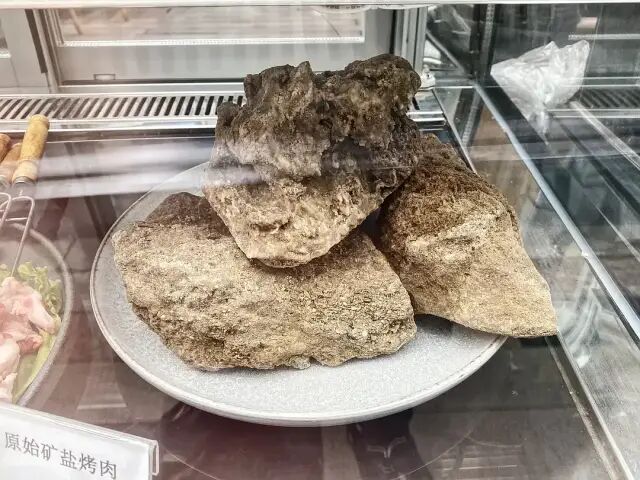
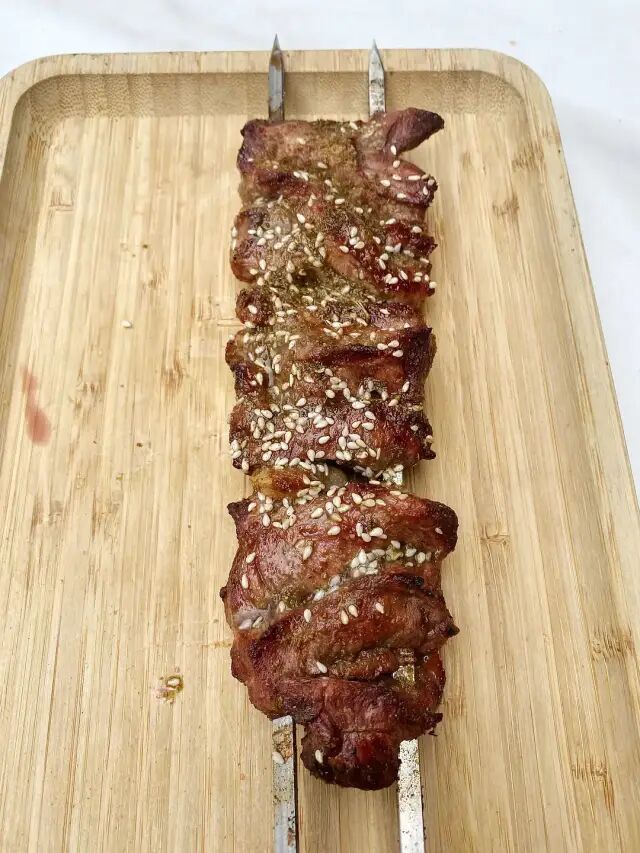
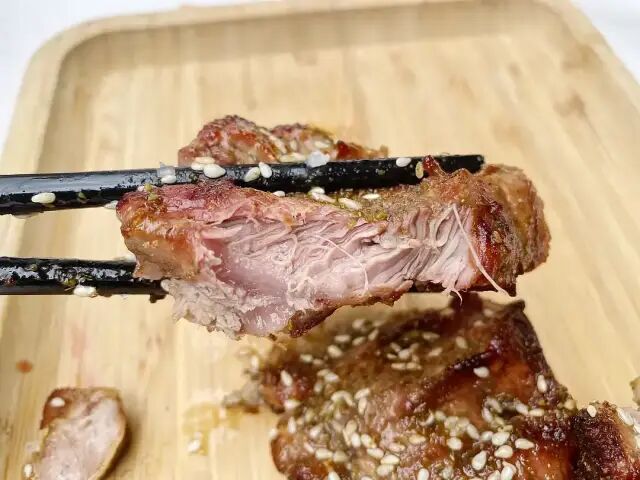
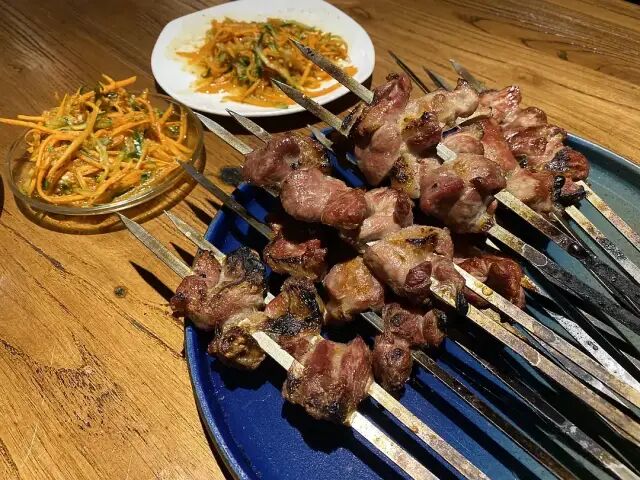
My favorite dish here is the Hotan salt mine barbecue (hetian yankuang kaorou). It is roasted using earth salt and seasoned only with salt water, without any chili or cumin, which is the traditional way to eat it in Hotan. Their salt mine barbecue is so tender and fragrant that it is the kind of food that makes you want to cry after just one bite. I also ordered their grilled tenderloin, which tasted fine, but it was not as amazing as the salt mine barbecue.
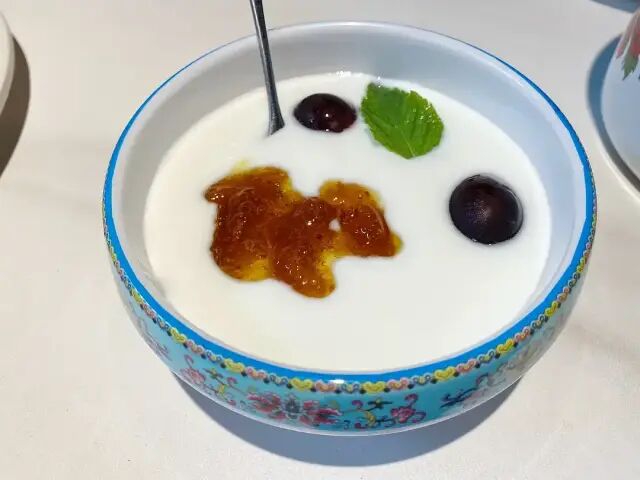
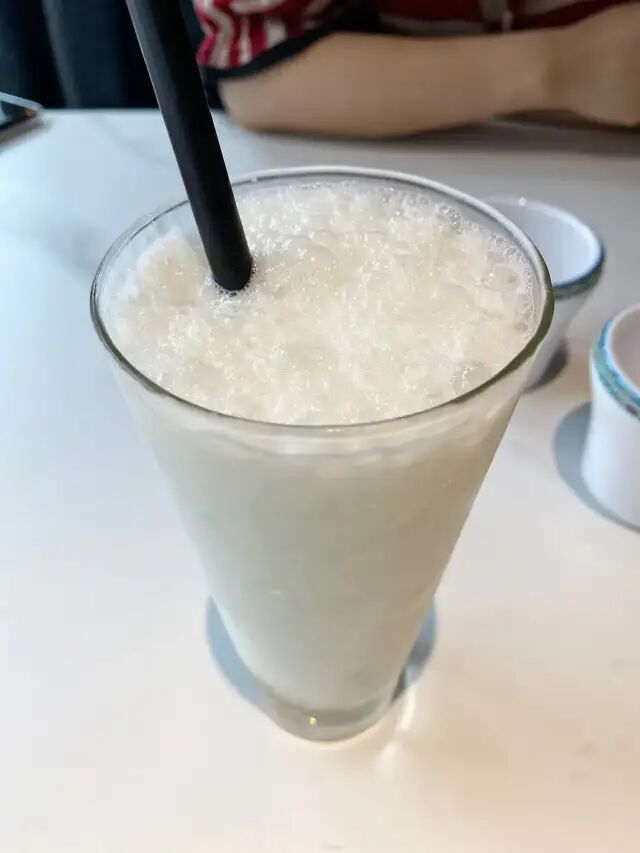
In the summer, I definitely recommend their Kashgar yogurt shaved ice (kashi suannai baobing). The yogurt flavor is very rich and authentic, and it is incredibly refreshing. Also, the fig jam on their Hotan fig jam yogurt rice dumpling (wuhuaguo jiang suannai zongzi) is very fragrant.
Finally, I have to mention that there are some dishes here that do not taste good. First of all, their non-Xinjiang local dishes are not done well; the sweet and sour fish tasted a bit fishy. It is also a pity that their yogurt is not good; it lacks a real yogurt flavor and only tastes sweet. The only truly authentic Xinjiang yogurt I have had in Beijing so far is from Kashe Maihemuti.
June 22, Lahore Restaurant
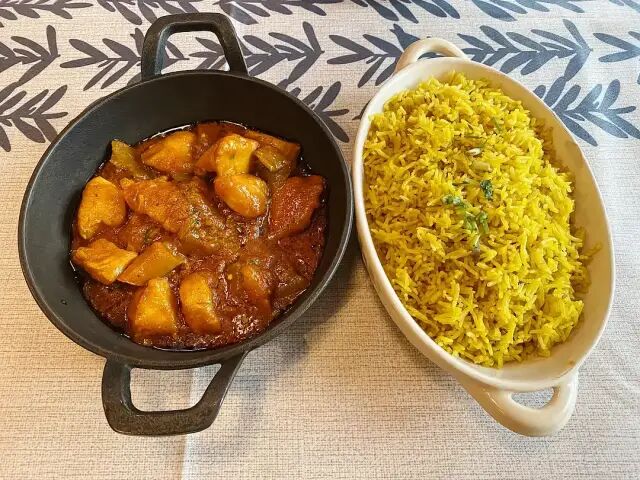
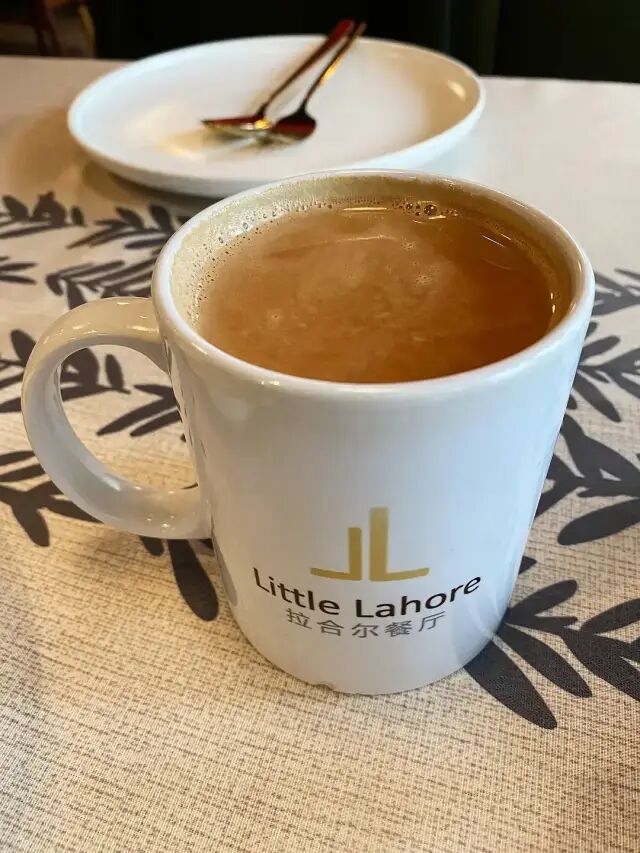
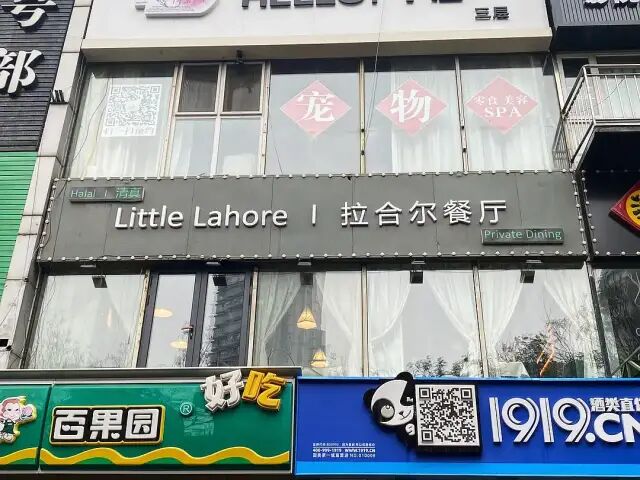
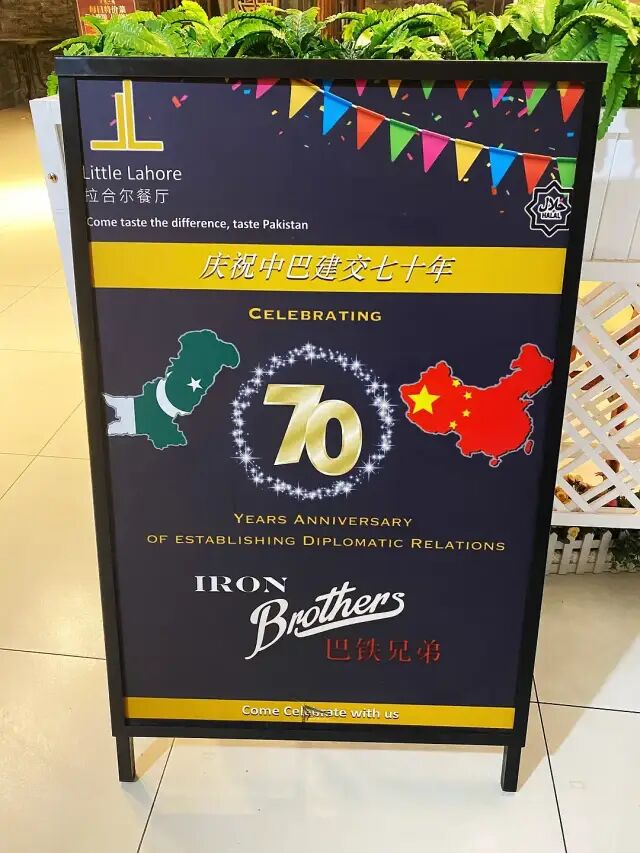
It was unusually cool at noon, so I went to the Pakistani restaurant Lahore Restaurant for a weekday lunch set. There were a few combinations to choose from, and I had the Achari chicken curry with saffron rice and Pakistani curry.
June 25, Family Dinner
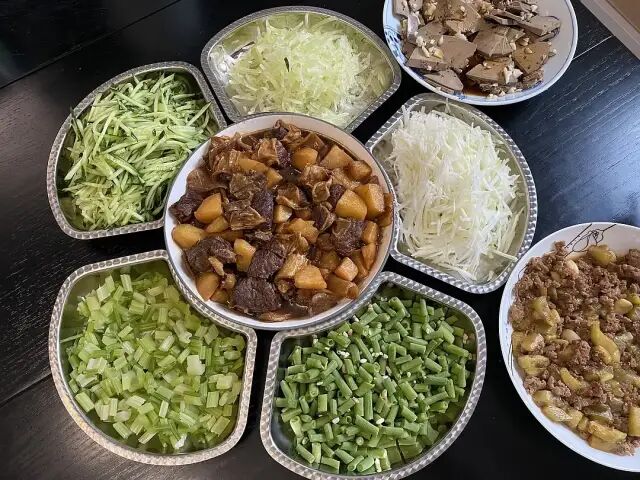
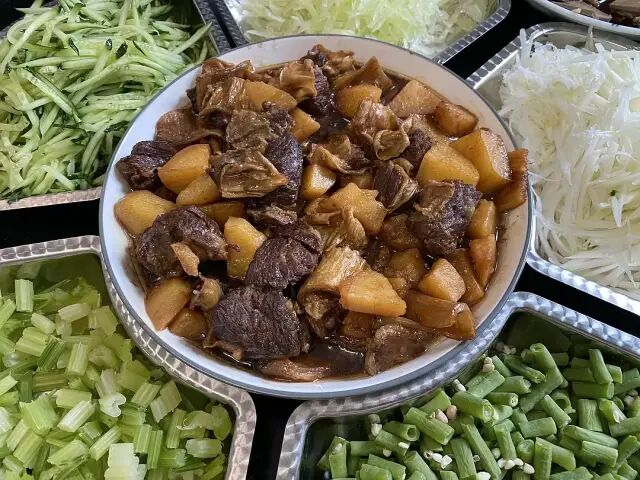
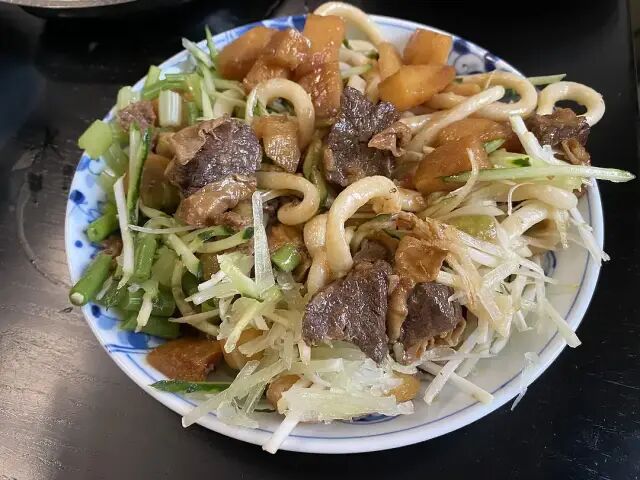
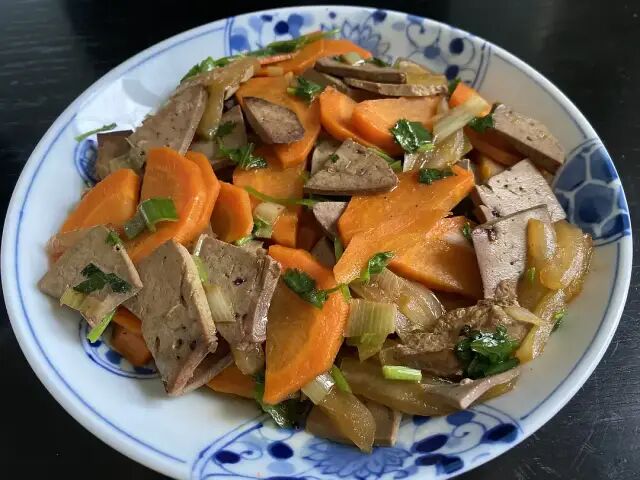
For our family dinner, I made beef brisket stewed with potatoes and minced meat with eggplant served with five types of noodle toppings. Zainabu kneaded the dough, my dad pulled the noodles, and my mom steamed a fish.
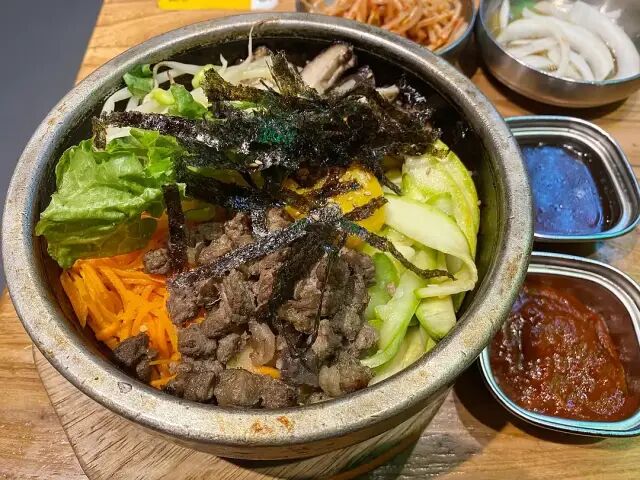
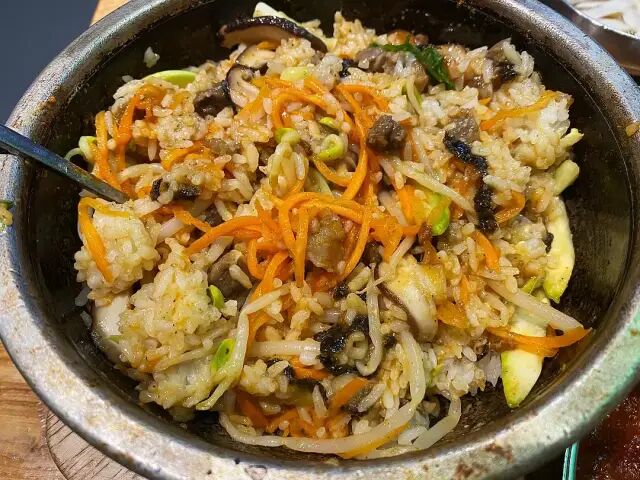
June 26, Qingu in Changying
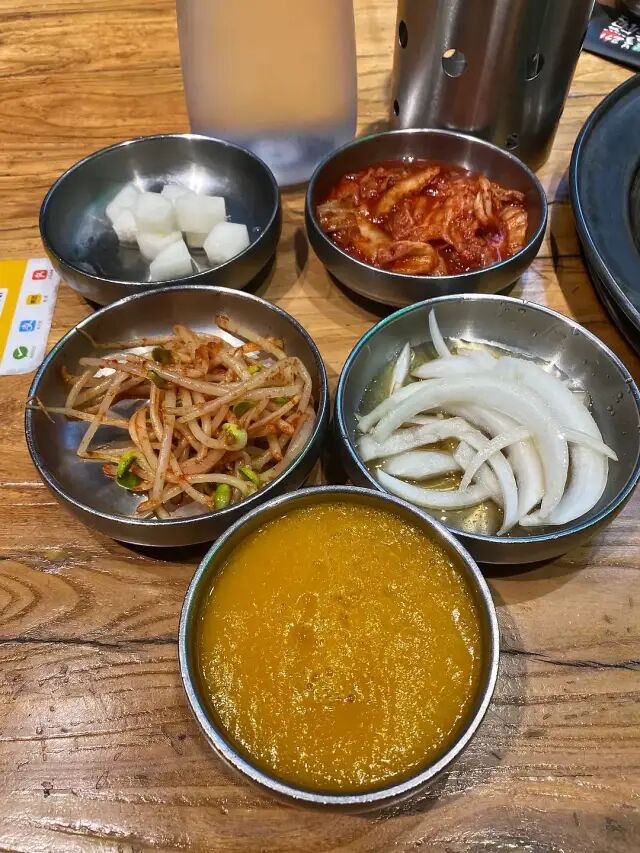
I ate the stone pot bibimbap at Qingu and worked up a real sweat!
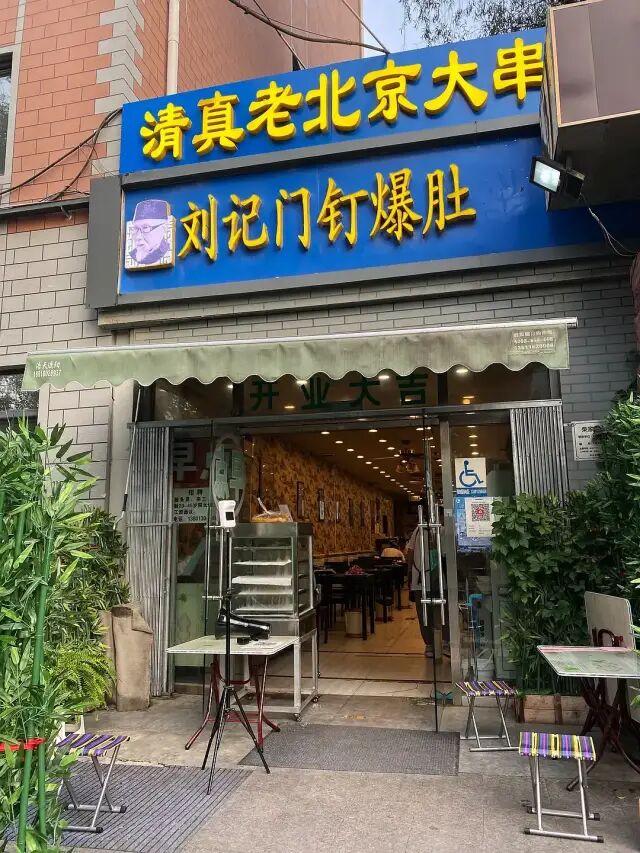
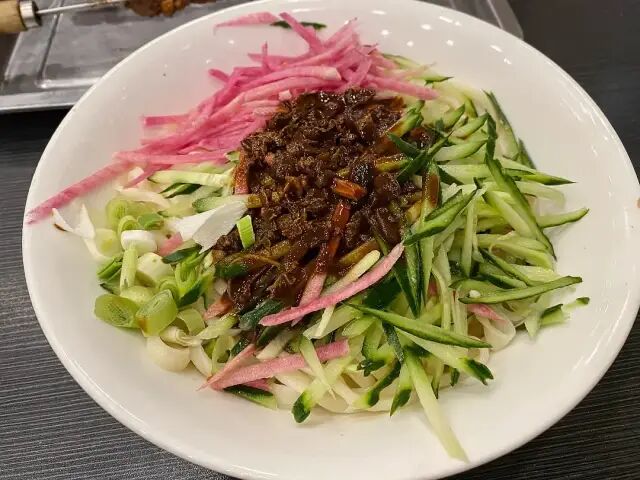
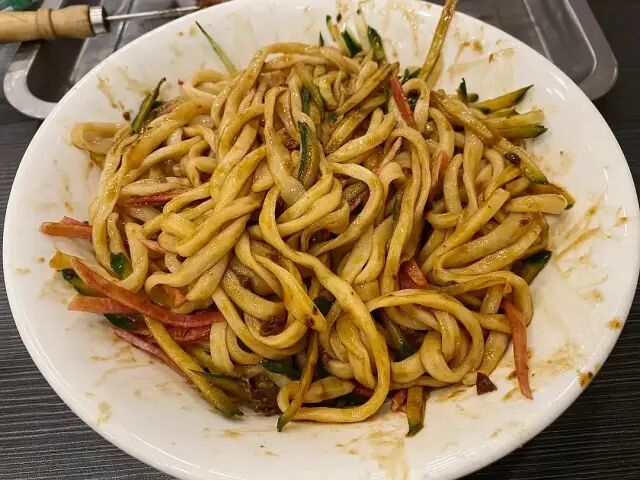
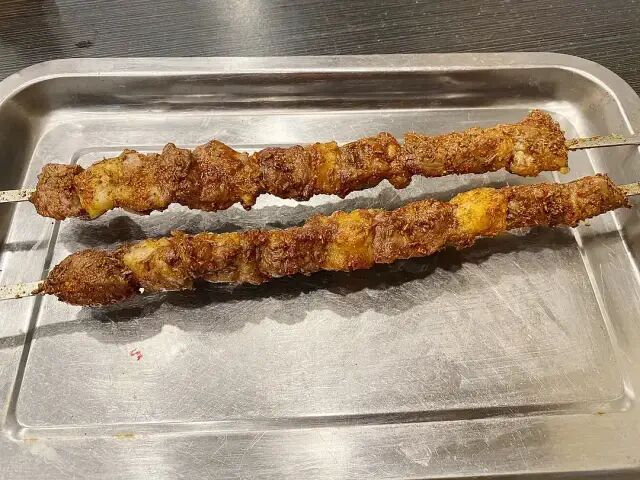
June 30, Liuji Mending Baodu
I have been eating the soybean paste noodles (zhajiangmian) with large meat skewers at Liu's for years.
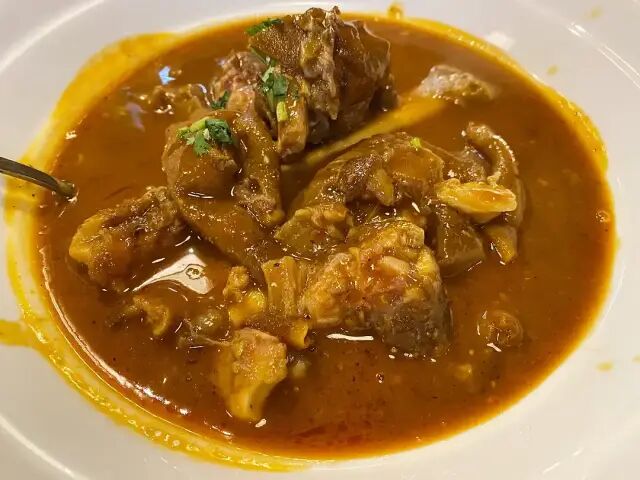
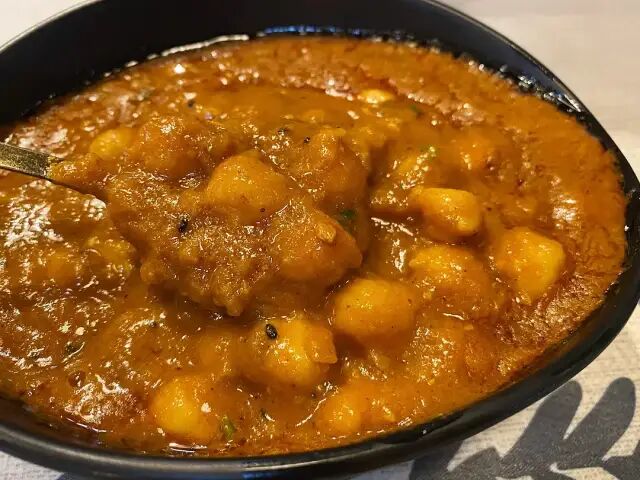
July 3, Lahore Restaurant
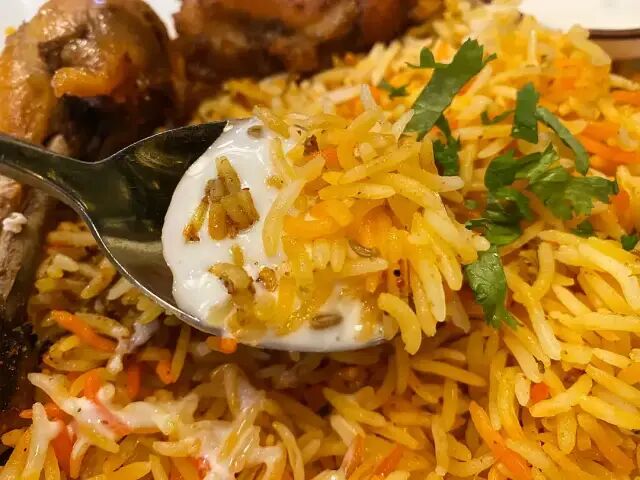
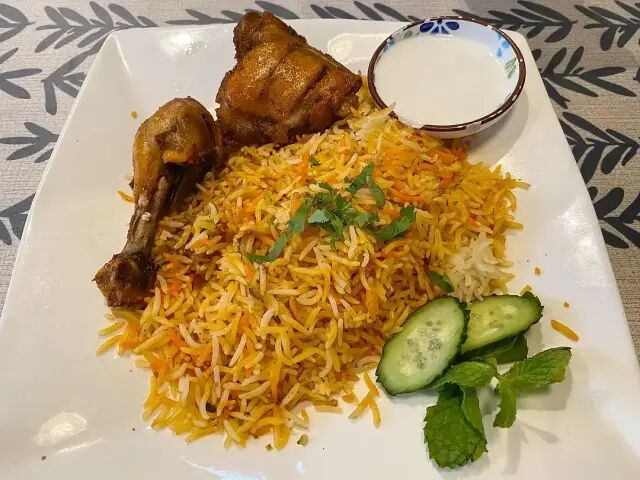
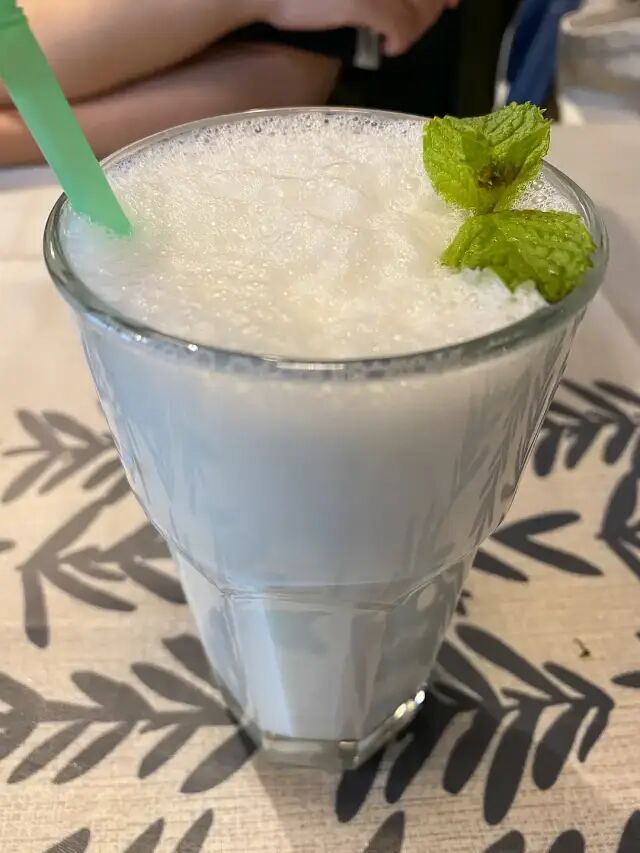
I ate stewed lamb trotters, Punjabi chickpeas, chicken biryani, and yogurt drink (lassi) at Lahore Restaurant on Youth Road (Qingnian Lu). After eating here so many times, I still think their stewed lamb trotters are the best; they are cooked until tender and full of flavor!

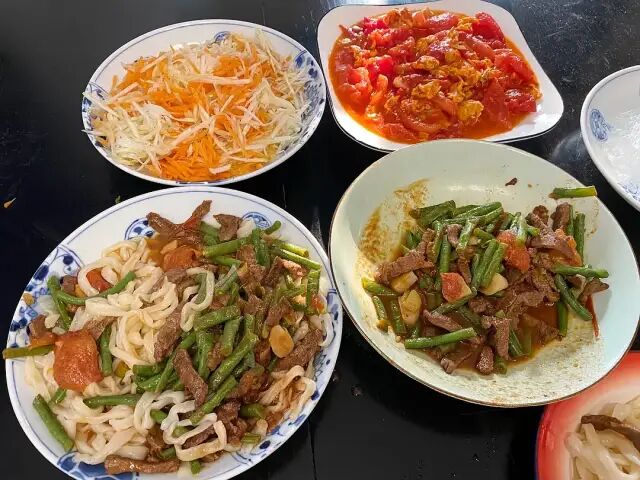
July 4, mixed noodles
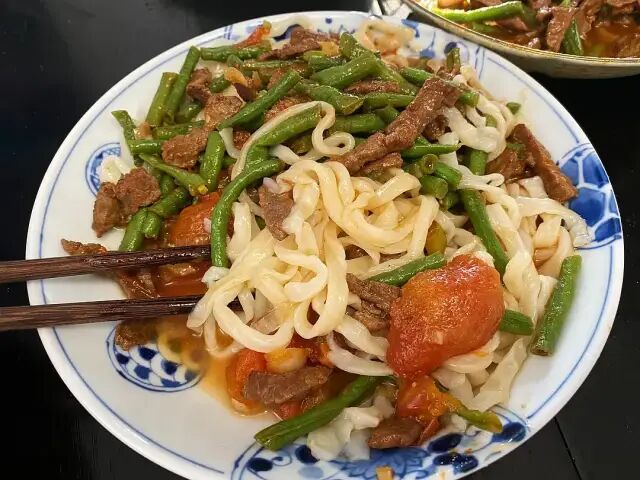
It is my birthday today, and Zainab made me mixed noodles (banmian).
July 9, Hotan Canteen
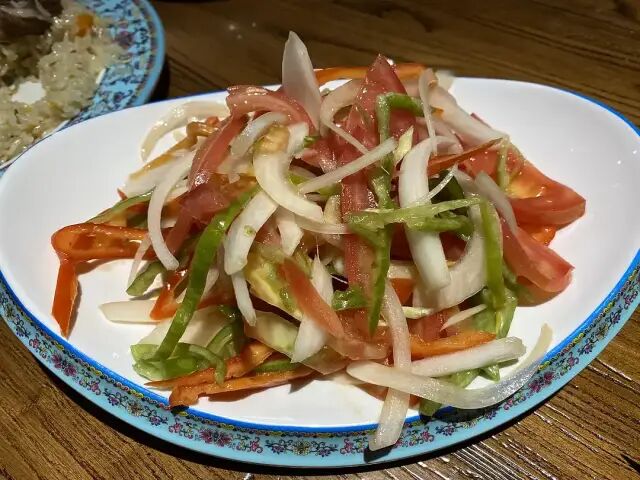
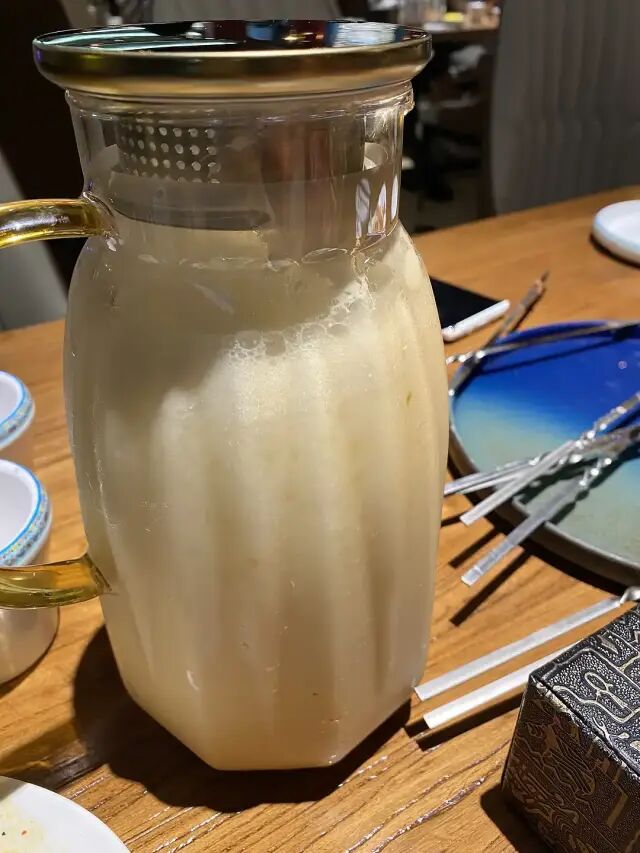
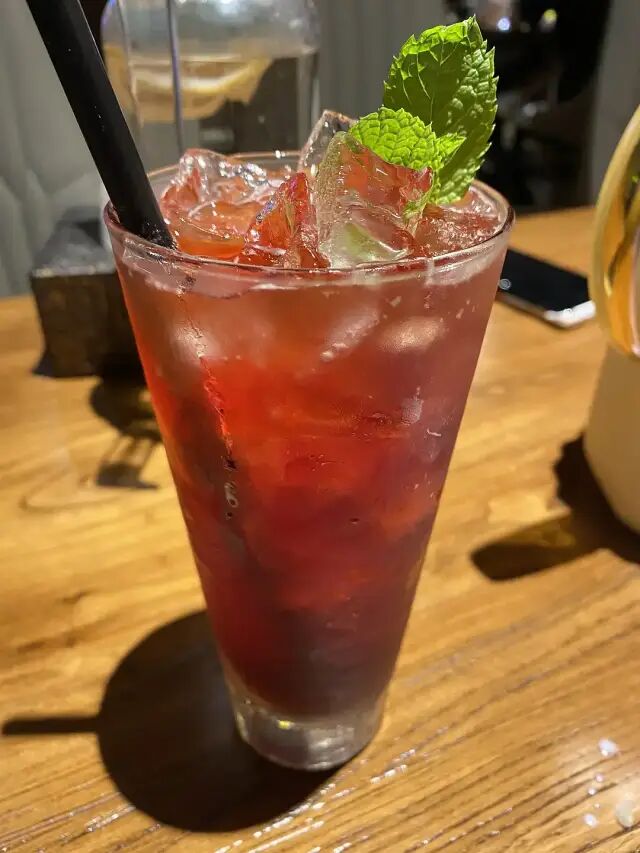
Iftar meal for the Day of Arafah at Hotan Canteen.
July 10, Eid al-Adha feast.
Eid Mubarak. Today there are seven sunnah acts: perform ghusl, brush your teeth, wear clean and tidy clothes, use perfume, recite the takbir, eat and drink only after the Eid prayer, and perform the qurbani. Today we are having a sheep slaughtered on our behalf that was raised in the Southern Mountains of Urumqi by Zainab's second uncle. Every year before Eid al-Adha, his family collects a batch of sheep from herders in Altay and Tacheng.
Summary: Beijing Halal Food Diary: Summer 2022 Muslim Food and Mosques is presented here as a firsthand travel account in clear English, beginning with this scene: In the summer of 2022, I still could not leave Beijing. In early June, indoor dining was banned, so I ate barbecue outside the restaurant door. The account keeps its focus on Beijing Halal Food, Summer Diary, Muslim Food while preserving the names, places, food, and historical details from the Chinese source.
In the summer of 2022, I still could not leave Beijing. In early June, indoor dining was banned, so I ate barbecue outside the restaurant door. Then, for the Dragon Boat Festival, I bought special yellow rice sticky rice dumplings (zongzi) and eight-treasure sticky rice dumplings (zongzi) in Changying. I found a new breakfast shop in Changying run by Hui Muslims from Kaifeng that serves spicy soup (hulatang) and pan-fried buns (shuijianbao), and it was delicious.
After indoor dining reopened in June, I visited many restaurants, but I was sad to find that the Japanese restaurant Chidao Yakiniku had already closed. However, I was pleasantly surprised to discover a new Xinjiang restaurant I really like called Hetian Shidang.
In July, I celebrated Eid al-Adha (Qurbani) with a family meal featuring fish and meat, and I stewed some delicious lamb that was slaughtered in Urumqi and shipped to me. Also, the Pingliang restaurant I liked, Longxianghui, had closed by then.
In August, I observed Ashura and made the Urumqi Hui Muslim version of lamb and bean rice (doudoufan). In mid-August, my father-in-law came to Beijing from Urumqi. We stayed home for seven days and ate all kinds of delicious homemade Urumqi Hui Muslim dishes. In late August, we took a road trip to the outskirts of Beijing in Huairou and Miyun. We ate at a Pakistani restaurant in the valley and enjoyed local halal food in Chengguan, Mujiayu, Gubeikou, and Taishitun.
June 1: Big plate chicken (dapanji).
Zainab made big plate chicken (dapanji) and yogurt (suannaizi). It was a blessing (talaodao). Our house felt just like a branch of Luyuan Street in the Saybagh District of Urumqi!
June 3: Ali's barbecue on Shenlu Street.
We had Ali's barbecue, liver (ganzi), yogurt drink (ayran), and rice pilaf (zhuafan) on Shenlu Street. I hadn't been to Chaoyang for a month, and their barbecue is arguably the best near our home.
June 6: Changying.
Try the yellow rice sticky rice dumplings (zongzi) and eight-treasure sticky rice dumplings (zongzi) at Changying Yijinzhai, the pea flour cake (wandouhuang) at Kaiyizhai, and the cheese hot dog at Mailian Shiguang.
Get the meat flatbread (shaobing) with fried tofu soup (doupao tang) at Lixiaolao, and the mixed vegetable salad (bancai) at Yicheng. You cannot find tofu this tender in the city center!
June 7, Henan-style breakfast at Changying Dahuzi Chuanchuanxiang.
In the morning, Changying Dahuzi Chuanchuanxiang is run by a family from Kaifeng, Henan, selling breakfast items like spicy soup (hulatang), pan-fried buns (shuijianbao), and large fried dough sticks (youtiao). I have been eating Beijing-style breakfast for a month, so today I am switching things up!
They have three types of pan-fried buns (shuijianbao): beef and green onion, vermicelli, and chive and egg. They fry them fresh, and there is always a long line. They usually sell out as soon as they come out of the pan. I think they taste great and have plenty of meat. The fried dough sticks (youtiao) are huge. They are fried in clear oil, so they have a nice color, and one is enough to keep you full. The spicy soup (hulatang) is very rich, and it tastes great when you break off a piece of the fried dough stick (youtiao) and dip it in. Next time I have to try the mix of tofu pudding (doufunao) and spicy soup (hulatang).
June 9, Palestinian restaurant Zayton.
After dine-in reopened, I spent the evening catching a breeze on the terrace at the Palestinian restaurant Zayton to enjoy life.
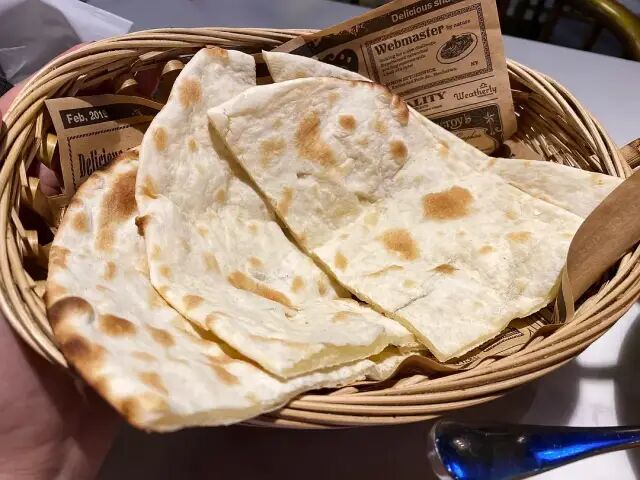
I started by eating Fatteh, a Levantine snack you can only find here in Beijing. Fatteh means "crushed" in Arabic. It is a snack from the southern Levant region, found in Damascus, Beirut, Jordan, and Palestine, but not in the northern Levant. The main ingredient of Fatteh is crushed flatbread (khubz), topped with yogurt, steamed chickpeas, olive oil, and other ingredients, then sprinkled with cumin.
I also ordered salty yogurt drink (ayran), grilled lamb, and veal steak. Among Middle Eastern restaurants in Beijing, this place offers great value for money. The view from this terrace is just amazing.
June 10: Homemade beef jerky (niurougan) from my mother-in-law in Urumqi, made the Hui Muslim way.
My mother-in-law sent two kinds of homemade Hui Muslim beef jerky (niurougan) from Urumqi. One is a bold flavor, marinated with egg white and starch before being fried. The other is a milder flavor, boiled in water, air-dried for two hours, and then mixed with seasonings until dry. Both are finished with a sprinkle of white sesame seeds. Four kilograms of beef made less than two kilograms of jerky. The kids in Urumqi would cry with envy if they saw this.
June 10: Dastan, an Indian restaurant.
Dastan is a new Indian restaurant that opened this year in Sanlitun SOHO. It sits right next to the Palestinian restaurant Zayton and is a halal spot run by a Hindu owner.
I started with the Indian street snack Panipuri, which became famous because of the movie Dangal. The name of this snack comes from two parts: pani and puri. A puri is a round, hollow, deep-fried crispy bread filled with mashed potatoes, onions, chickpeas, and various spices. Imli pani is a sauce made from cilantro, green chili, ginger, Chaat masala spice, and tamarind chutney. To eat it, just pour the sauce into the filling.
I also ordered the Old Delhi butter chicken (Purani Delhi Wali Murgh Makhani), a dish invented in the 1950s by the famous Punjabi restaurant Moti Mahal in Old Delhi. The story goes that one day near closing time, a group of hungry poor people came to the restaurant. The kitchen used leftover tomatoes, butter, and spices to make a sauce, then added leftover Tandoori roasted chicken. They did not expect it to create such a unique flavor. Today, making this dish starts by marinating the chicken in lemon, yogurt, Kashmiri red chili, salt, Garam Masala spice, ginger, and garlic. It is then roasted in a tandoor oven before being added to a curry made of butter, tomatoes, and various spices.
June 13, Yanlanlou Anzhen branch.
I had lamb neck, minced meat noodles (saozimian), and pea soup (huidouzi) at the Yanlanlou Anzhen branch. I miss the lamb neck I had in Yinchuan; it was so tender.
June 16, Chidao Yakiniku lunch set.
This was my first lunch set at Chidao since returning to work. I had the teriyaki chicken. The restaurant has now changed its name to Changying Sanxiongdi.
June 16, Dachangying Restaurant.
For dinner at Dachangying, I had fish head with flatbread. The mustard-marinated cabbage (jieshudun) was a great appetizer to beat the heat, and the Chinese kale with yam was very crisp. The dish used half a bighead carp and a broth made from beef bones. The freshly baked flatbread was very crispy and delicious, though the fish soup was a bit salty, haha. The server told me they are hosting an ambassador from an African country next week. It seems even ambassadors enjoy Beijing-style flavors.
June 17, Lahore Restaurant
I had a Lahore beef egg burger with lassi at Lahore Restaurant because I was craving a burger. This combination reminds me of the South Asian fast-food shops in Dubai.
June 19, Hotan Canteen on Ritan Upper Street
My biggest surprise lately is finding the best Uyghur restaurant in Beijing: Hotan Canteen on Ritan Upper Street! This spot used to be the Uyghur restaurant Red Willow, then it became the Turkish restaurant Rumi's Secret for 20 years. This year, Rumi's Secret moved to Urumqi, and now this new Uyghur restaurant, Hotan Canteen, has opened here.
I have to say, their pilaf (zhua fan), hand-pulled noodles (ban mian), and steamed meat dumplings (baopi baozi) are the best I have ever had at a Uyghur restaurant in Beijing. After eating here, the places I previously considered top-tier, like Ali, White Diamond, and Kashgar Mahmut, have all been bumped down to second place. It is no exaggeration to say that even back in Urumqi, you would be hard-pressed to find a restaurant that beats this Hotan eatery.
The lamb leg in the pilaf (zhua fan) is so tender that I almost cried after the first bite. I have lived in Beijing for many years and have never eaten such fresh, tender lamb leg in any restaurant here. The hand-pulled noodles (latiaozi) in the mixed noodles are very thin and have a fantastic texture. I finished the whole bowl in one go and could not stop. The skin of the thin-skinned steamed buns (baopi baozi) is the thinnest I have ever eaten in Beijing. The lamb filling is meaty and not too oily, and the pumpkin filling is very rare in Beijing and also tastes great.
Their mug-stewed lamb (gangzi rou) comes in a huge mug, haha. However, the amount of meat inside is not as much as it looks; it is just the standard portion you get from street vendors in Xinjiang. The lamb broth is very soothing for the stomach.
I highly recommend their grilled stuffed spleen (kaoseipi)! I do not know why this classic Xinjiang delicacy is missing from all the Uyghur restaurants in Beijing, but I am glad I finally got to eat it. Grilled stuffed spleen, also known as fake kidney, is made by stuffing lamb spleen with onions (piyazi), minced meat, and liver before grilling it. It has a very rich texture.
My favorite dish here is the Hotan salt mine barbecue (hetian yankuang kaorou). It is roasted using earth salt and seasoned only with salt water, without any chili or cumin, which is the traditional way to eat it in Hotan. Their salt mine barbecue is so tender and fragrant that it is the kind of food that makes you want to cry after just one bite. I also ordered their grilled tenderloin, which tasted fine, but it was not as amazing as the salt mine barbecue.
In the summer, I definitely recommend their Kashgar yogurt shaved ice (kashi suannai baobing). The yogurt flavor is very rich and authentic, and it is incredibly refreshing. Also, the fig jam on their Hotan fig jam yogurt rice dumpling (wuhuaguo jiang suannai zongzi) is very fragrant.
Finally, I have to mention that there are some dishes here that do not taste good. First of all, their non-Xinjiang local dishes are not done well; the sweet and sour fish tasted a bit fishy. It is also a pity that their yogurt is not good; it lacks a real yogurt flavor and only tastes sweet. The only truly authentic Xinjiang yogurt I have had in Beijing so far is from Kashe Maihemuti.
June 22, Lahore Restaurant
It was unusually cool at noon, so I went to the Pakistani restaurant Lahore Restaurant for a weekday lunch set. There were a few combinations to choose from, and I had the Achari chicken curry with saffron rice and Pakistani curry.
June 25, Family Dinner
For our family dinner, I made beef brisket stewed with potatoes and minced meat with eggplant served with five types of noodle toppings. Zainabu kneaded the dough, my dad pulled the noodles, and my mom steamed a fish.
June 26, Qingu in Changying
I ate the stone pot bibimbap at Qingu and worked up a real sweat!
June 30, Liuji Mending Baodu
I have been eating the soybean paste noodles (zhajiangmian) with large meat skewers at Liu's for years.
July 3, Lahore Restaurant
I ate stewed lamb trotters, Punjabi chickpeas, chicken biryani, and yogurt drink (lassi) at Lahore Restaurant on Youth Road (Qingnian Lu). After eating here so many times, I still think their stewed lamb trotters are the best; they are cooked until tender and full of flavor!
July 4, mixed noodles
It is my birthday today, and Zainab made me mixed noodles (banmian).
July 9, Hotan Canteen
Iftar meal for the Day of Arafah at Hotan Canteen.
July 10, Eid al-Adha feast.
Eid Mubarak. Today there are seven sunnah acts: perform ghusl, brush your teeth, wear clean and tidy clothes, use perfume, recite the takbir, eat and drink only after the Eid prayer, and perform the qurbani. Today we are having a sheep slaughtered on our behalf that was raised in the Southern Mountains of Urumqi by Zainab's second uncle. Every year before Eid al-Adha, his family collects a batch of sheep from herders in Altay and Tacheng.
