
Islamic Manuscripts Around the World: Qurans, Calligraphy and Muslim Heritage (Part 2)
Reposted from the web
Summary: Islamic Manuscripts Around the World: Qurans, Calligraphy and Muslim Heritage is presented here as a firsthand travel account in clear English, beginning with this scene: A 19th-century leather book cover from sub-Saharan Africa. This region kept the tradition of using leather straps to wrap leather book covers, a style that dates back to the 10th century. The account keeps its focus on Islamic Manuscripts, Quran Manuscripts, Muslim Calligraphy while preserving the names, places, food, and historical details from the Chinese source.
A 19th-century leather book cover from sub-Saharan Africa. This region kept the tradition of using leather straps to wrap leather book covers, a style that dates back to the 10th century.
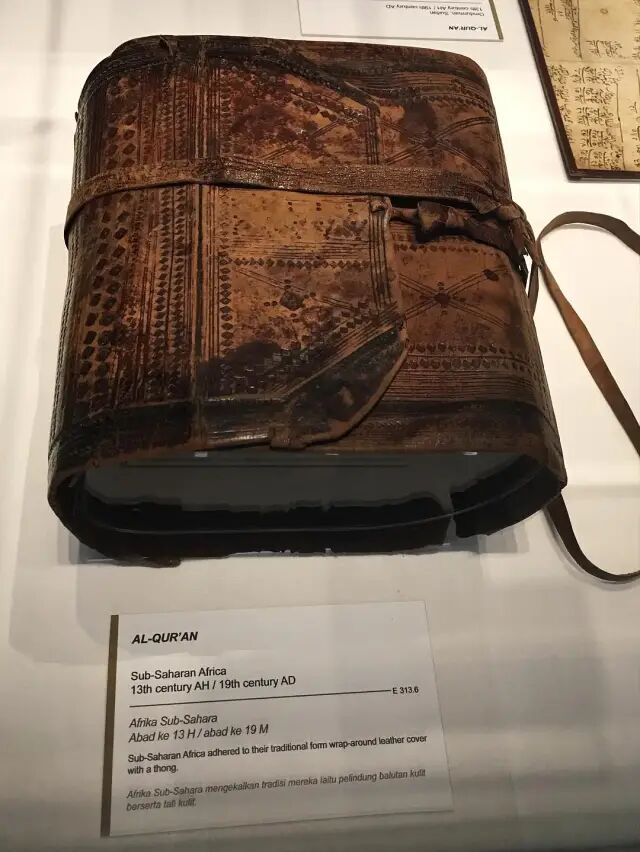
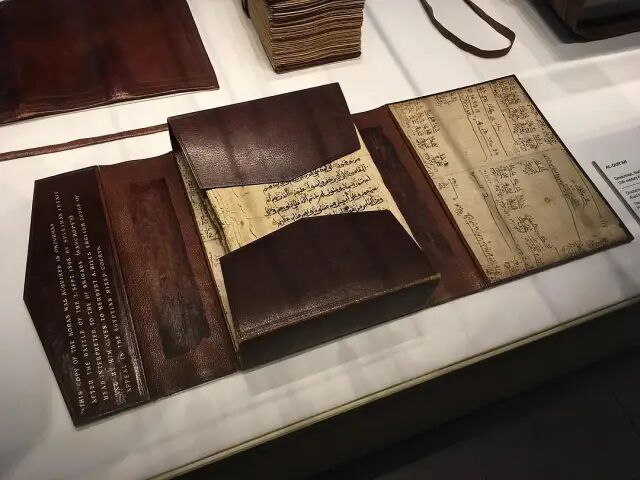
Omdurman, Sudan, 19th century. Omdurman sits across the Nile River from Khartoum, the capital of Sudan, and serves as a center for the faith in the country. This book is written on loose paper and kept inside an early-style box-shaped leather cover.
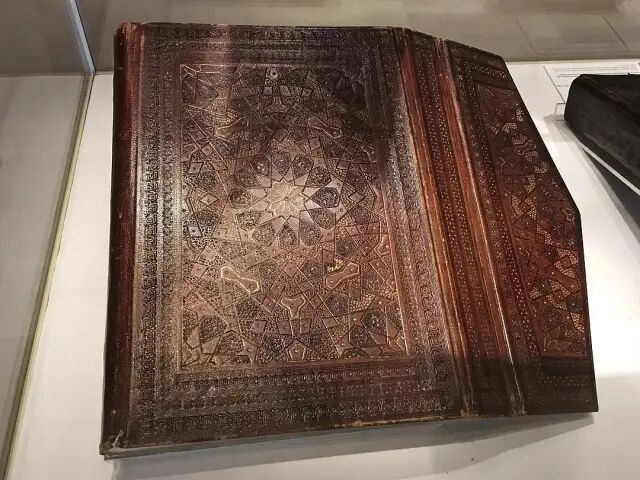
Mamluk Sultanate, Egypt, 14th century. This pattern of stars was a classic carving design used by the Mamluk Sultanate starting in the 14th century.
Ilkhanate, Iran, 1304. This eight-pointed star pattern was influenced by the Mamluk Sultanate.
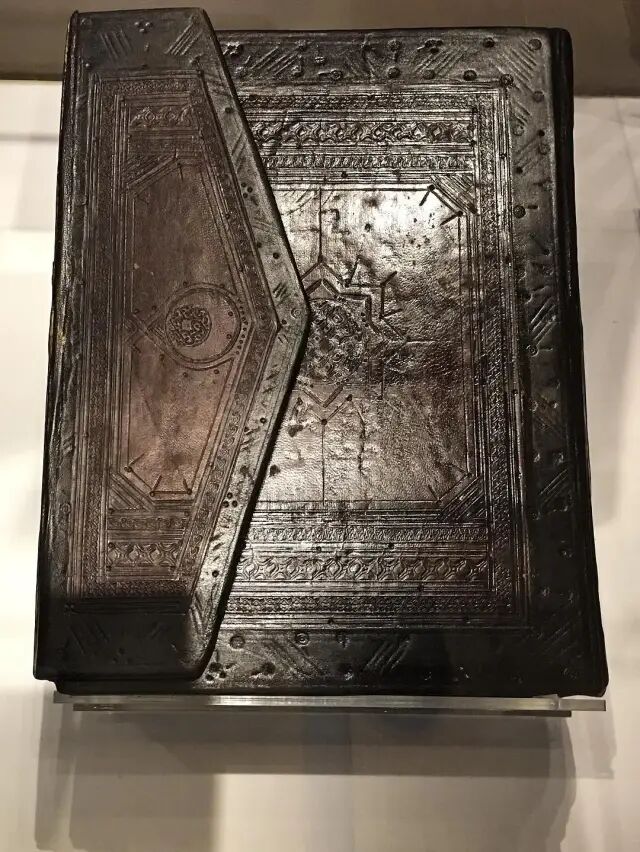
Mamluk Sultanate, 1400. The medallion design with geometric patterns in the center of the cover is a typical circular arrangement from the early Mamluk period.
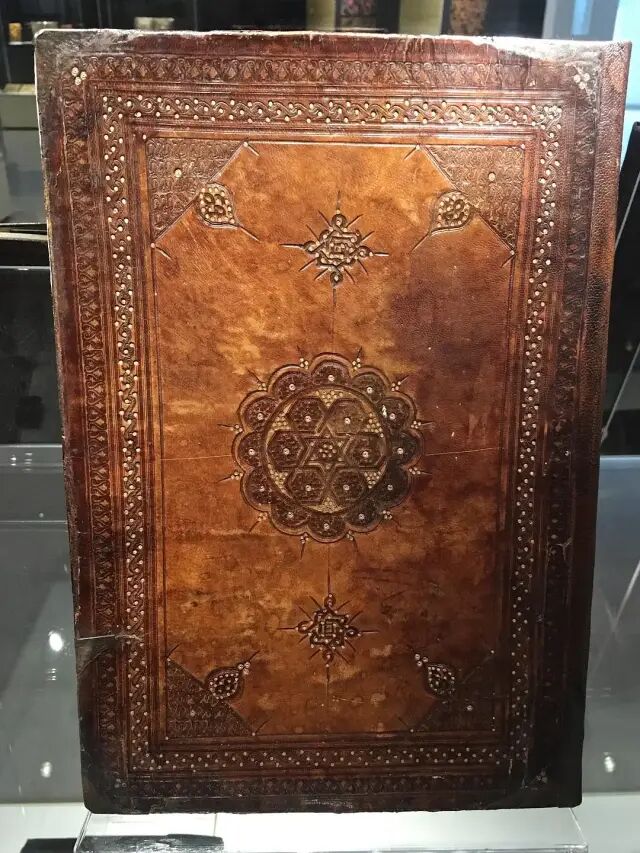
Mughal Empire, India, 18th-century miniature. This miniature scripture with a metal casing was very easy to carry.
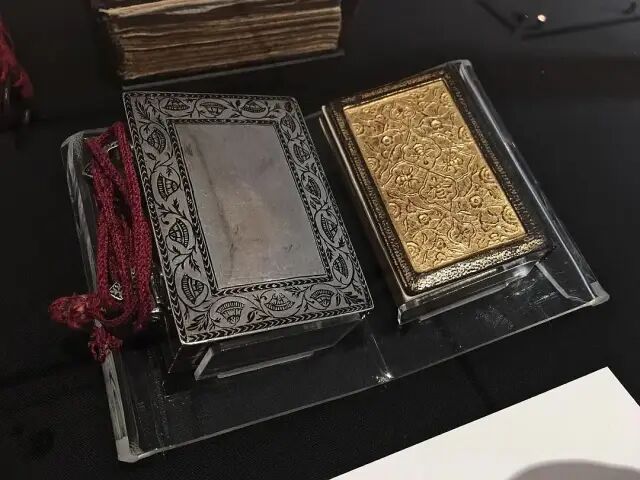
Iran, 1725. These book covers, inlaid with colorful gemstones, were usually made for noble guests.
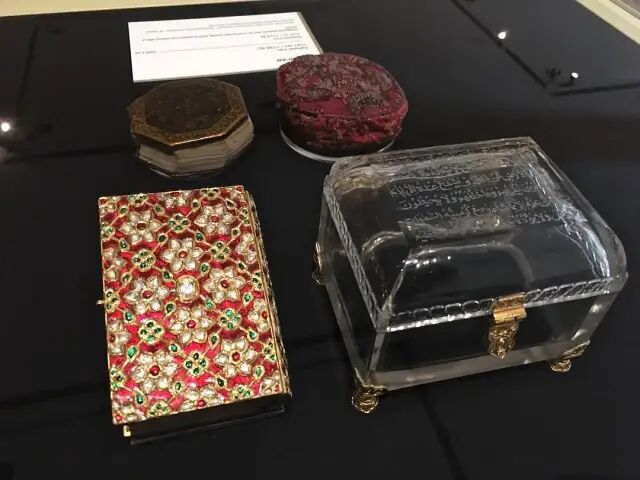
In 18th-century Bukhara, Uzbekistan, the book cover features an Arabic inscription reading 'Amal-i Muhammad Sharif-i Shhhaf'.
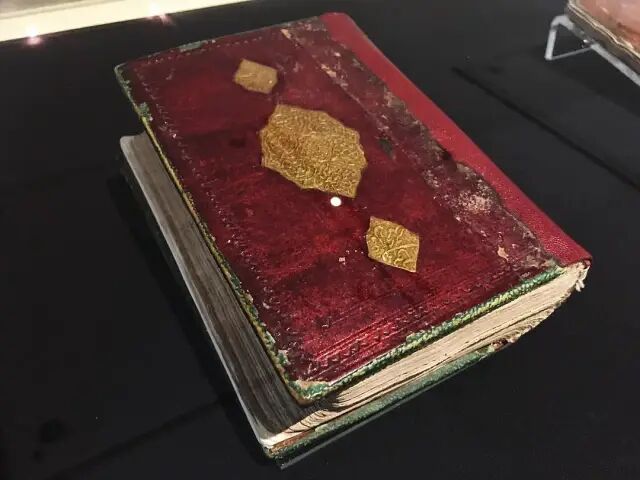
In 19th-century Iran, the medallion on the book cover is inscribed with the name 'Ashraf Anbiya Habib Khoda'.
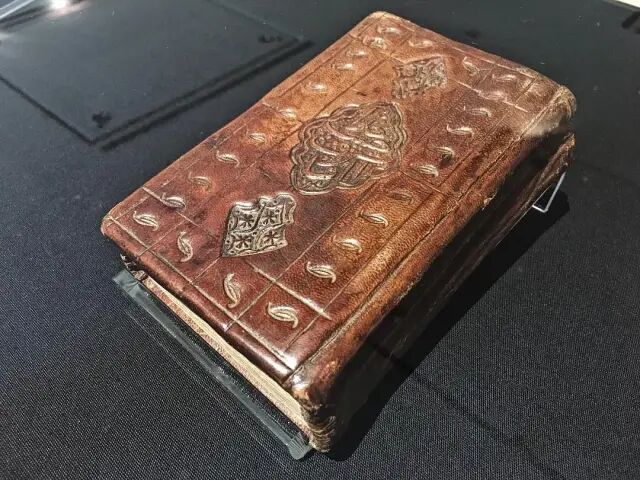
On this 17th-century Ottoman book cover, the central medallion and the four corners feature complex floral patterns that blend arabesque and hatayi styles.
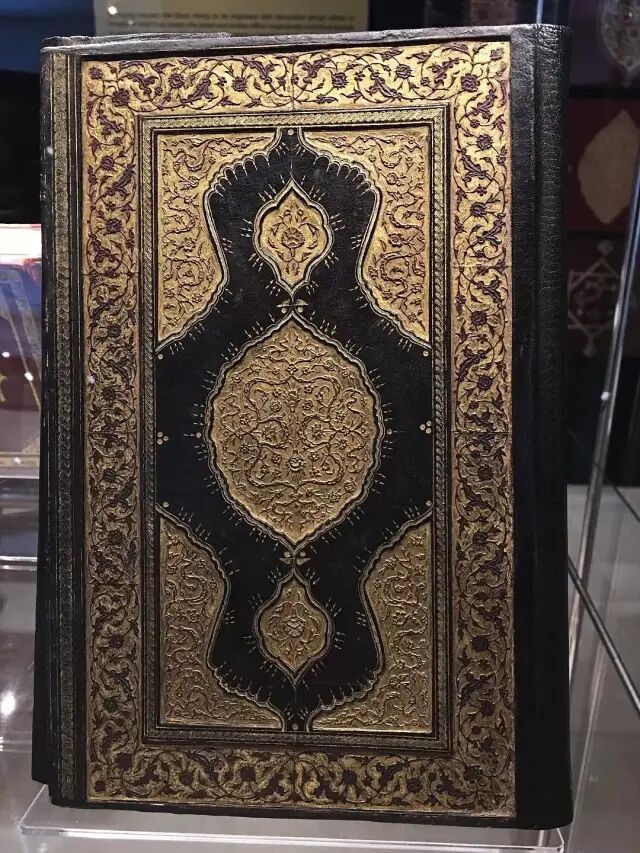
From the 19th to 20th century on the east coast of the Malay Peninsula, this book cover is made of bright red dyed leather. It features a medallion pattern in the center of a diamond-shaped inlay, with the edges and spine decorated in the same exquisite style as the cover. This is a classic 19th-century bookbinding style from the east coast of the Malay Peninsula.
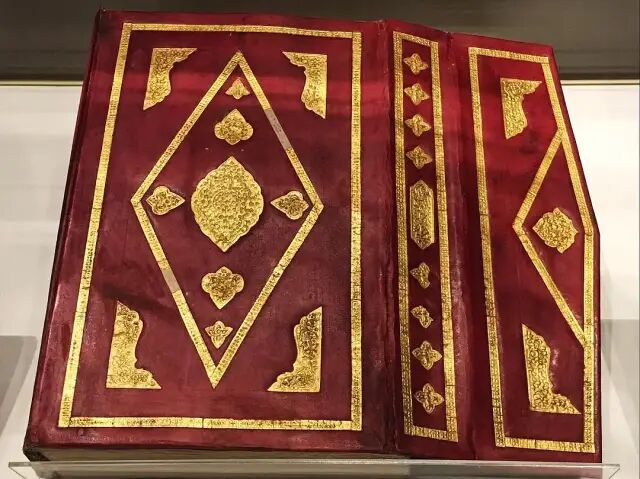
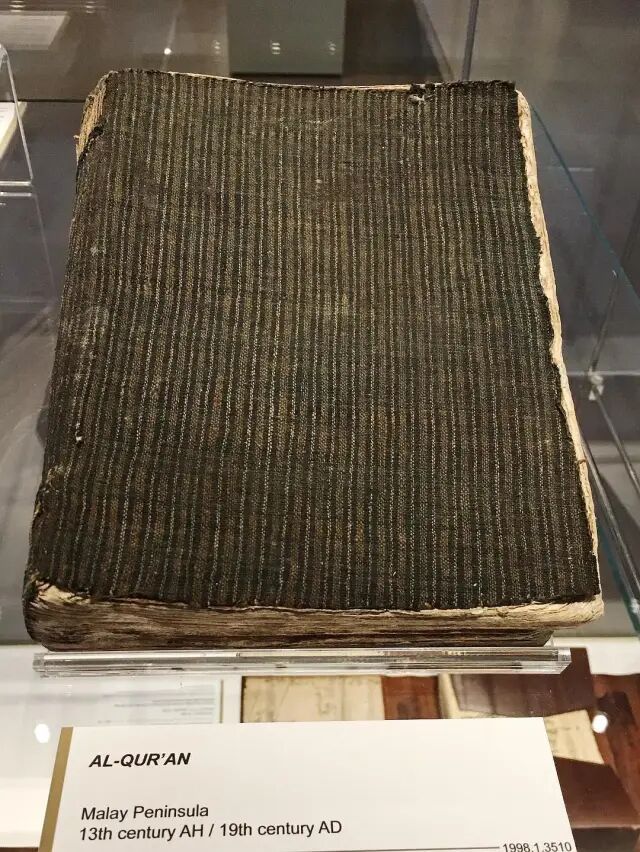
A 19th-century book cover from the east coast of the Malay Peninsula.
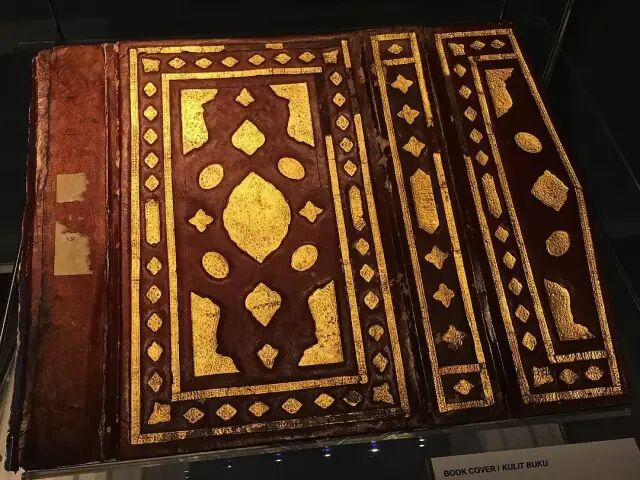
In 1555, during the Safavid dynasty in Iran, this technique involved lining the inside of the book cover with gold-stamped filigree, often arranged in a honeycomb pattern.
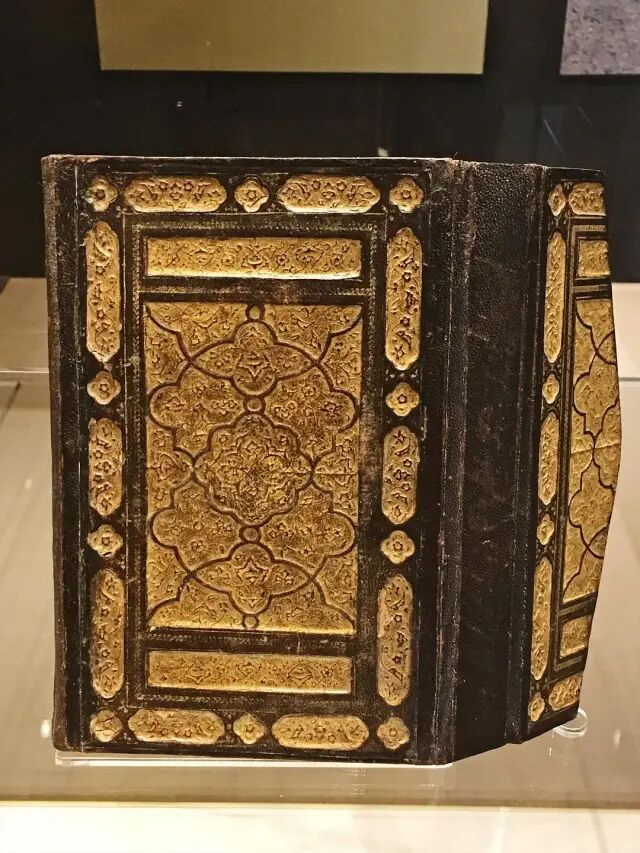
In 19th-century Qajar Iran, the colorful floral patterns on book covers likely emerged in the mid-17th century, inspired by herbal packaging imported from Europe.
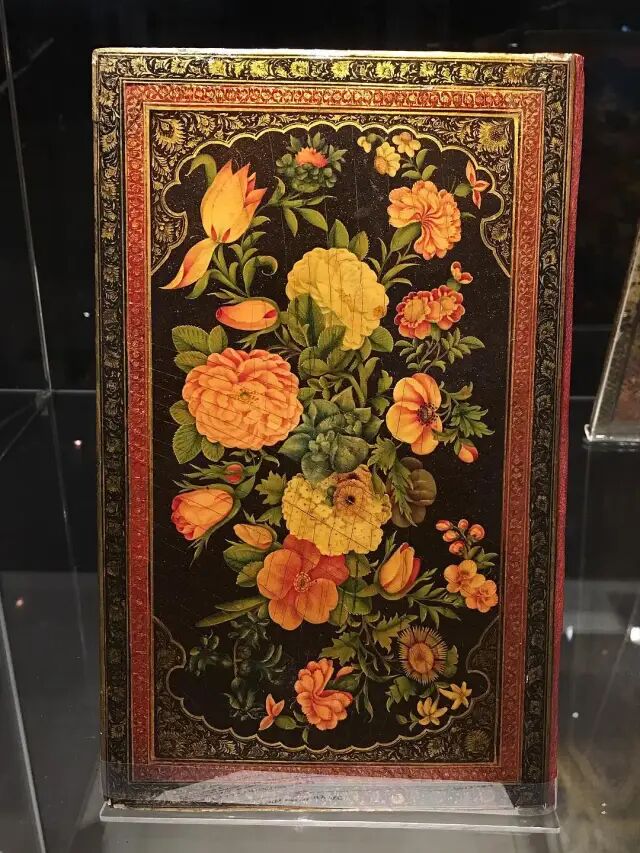
In the 18th-century Mughal Empire of India, the overall design of book covers was influenced by Iran, but they used local Indian floral patterns.
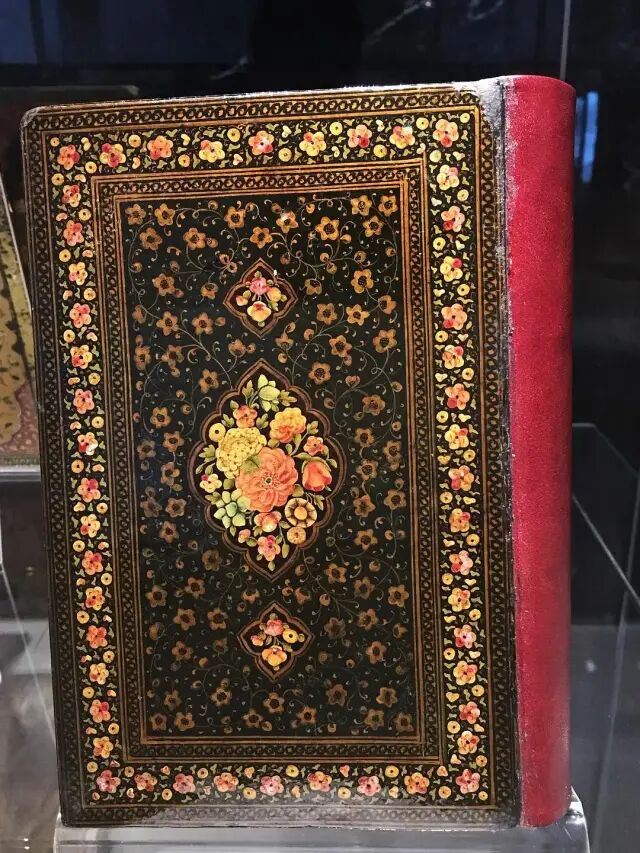
Doublure
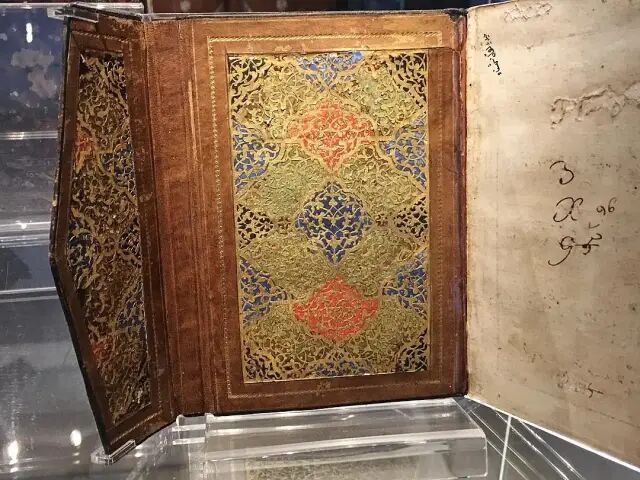
A doublure is the inner surface of a book cover, made from materials like leather, paper, or fabric. Lacquer painting, leather stamping, and filigree are the three main types of doublure decoration. Filigree is often used in Southeast Asia, while Turkey is most famous for its marbling technique called ebru.
In 16th-century Ottoman Turkey, they also used filigree on book doublures, cutting gold paper into intricate patterns against colorful backgrounds.
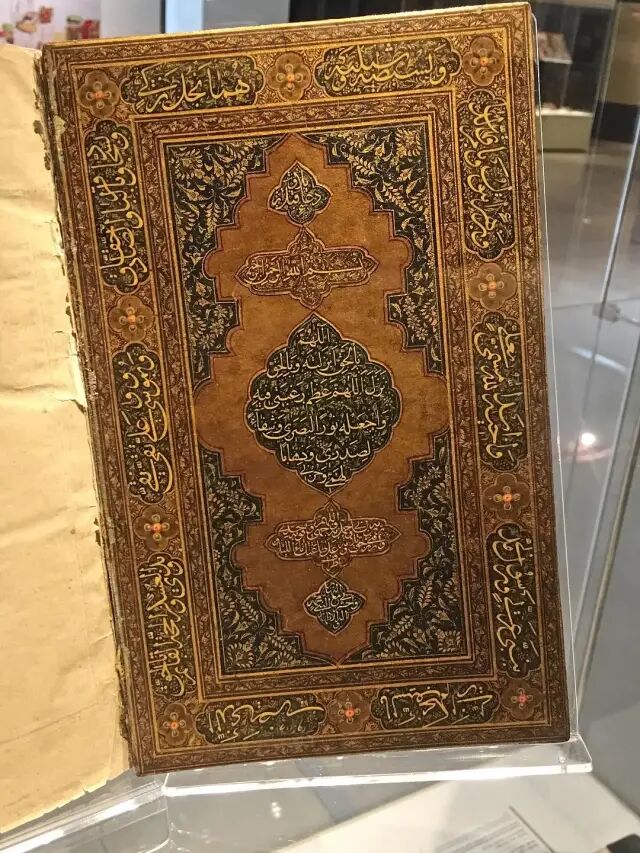
During the 19th-century Qajar dynasty in Iran, the calligraphy on doublures was complex and beautiful, representing the peak of Iranian doublure calligraphy art.
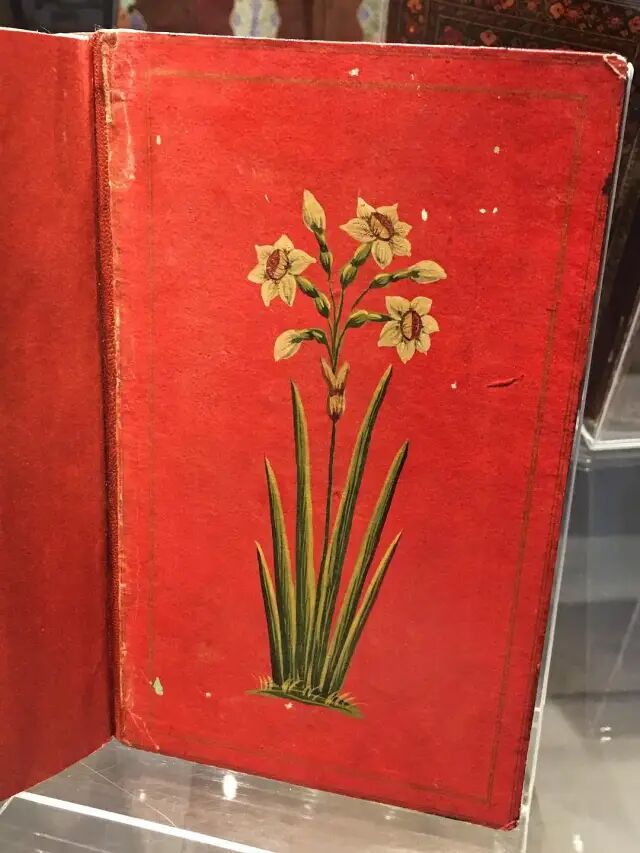
In the 19th-century Qajar dynasty of Iran, doublures often featured paintings of six-flowered narcissus on a single stem against a red background.
Summary: Islamic Manuscripts Around the World: Qurans, Calligraphy and Muslim Heritage is presented here as a firsthand travel account in clear English, beginning with this scene: A 19th-century leather book cover from sub-Saharan Africa. This region kept the tradition of using leather straps to wrap leather book covers, a style that dates back to the 10th century. The account keeps its focus on Islamic Manuscripts, Quran Manuscripts, Muslim Calligraphy while preserving the names, places, food, and historical details from the Chinese source.
A 19th-century leather book cover from sub-Saharan Africa. This region kept the tradition of using leather straps to wrap leather book covers, a style that dates back to the 10th century.
Omdurman, Sudan, 19th century. Omdurman sits across the Nile River from Khartoum, the capital of Sudan, and serves as a center for the faith in the country. This book is written on loose paper and kept inside an early-style box-shaped leather cover.
Mamluk Sultanate, Egypt, 14th century. This pattern of stars was a classic carving design used by the Mamluk Sultanate starting in the 14th century.
Ilkhanate, Iran, 1304. This eight-pointed star pattern was influenced by the Mamluk Sultanate.
Mamluk Sultanate, 1400. The medallion design with geometric patterns in the center of the cover is a typical circular arrangement from the early Mamluk period.
Mughal Empire, India, 18th-century miniature. This miniature scripture with a metal casing was very easy to carry.
Iran, 1725. These book covers, inlaid with colorful gemstones, were usually made for noble guests.
In 18th-century Bukhara, Uzbekistan, the book cover features an Arabic inscription reading 'Amal-i Muhammad Sharif-i Shhhaf'.
In 19th-century Iran, the medallion on the book cover is inscribed with the name 'Ashraf Anbiya Habib Khoda'.
On this 17th-century Ottoman book cover, the central medallion and the four corners feature complex floral patterns that blend arabesque and hatayi styles.
From the 19th to 20th century on the east coast of the Malay Peninsula, this book cover is made of bright red dyed leather. It features a medallion pattern in the center of a diamond-shaped inlay, with the edges and spine decorated in the same exquisite style as the cover. This is a classic 19th-century bookbinding style from the east coast of the Malay Peninsula.
A 19th-century book cover from the east coast of the Malay Peninsula.
In 1555, during the Safavid dynasty in Iran, this technique involved lining the inside of the book cover with gold-stamped filigree, often arranged in a honeycomb pattern.
In 19th-century Qajar Iran, the colorful floral patterns on book covers likely emerged in the mid-17th century, inspired by herbal packaging imported from Europe.
In the 18th-century Mughal Empire of India, the overall design of book covers was influenced by Iran, but they used local Indian floral patterns.
Doublure
A doublure is the inner surface of a book cover, made from materials like leather, paper, or fabric. Lacquer painting, leather stamping, and filigree are the three main types of doublure decoration. Filigree is often used in Southeast Asia, while Turkey is most famous for its marbling technique called ebru.
In 16th-century Ottoman Turkey, they also used filigree on book doublures, cutting gold paper into intricate patterns against colorful backgrounds.
During the 19th-century Qajar dynasty in Iran, the calligraphy on doublures was complex and beautiful, representing the peak of Iranian doublure calligraphy art.
In the 19th-century Qajar dynasty of Iran, doublures often featured paintings of six-flowered narcissus on a single stem against a red background.
