
Halal Travel Guide: Hong Kong — Mosques, Halal Food and Muslim History (Part 2)
Reposted from the web
Summary: Hong Kong — Mosques, Halal Food and Muslim History is presented here as a firsthand travel account in clear English, beginning with this scene: In December 2015, I ate at Hong Kee Chinese Restaurant on the ground floor of Chungking Mansions. The account keeps its focus on Hong Kong Travel, Halal Food, Mosques while preserving the names, places, food, and historical details from the Chinese source.
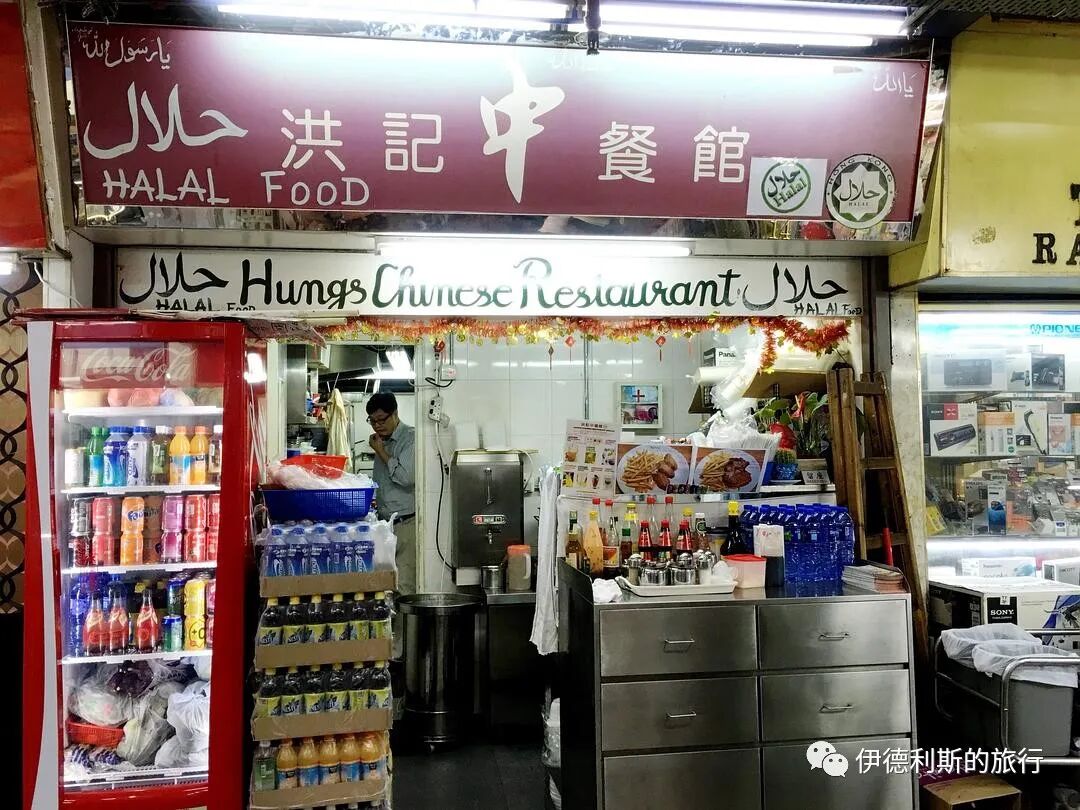
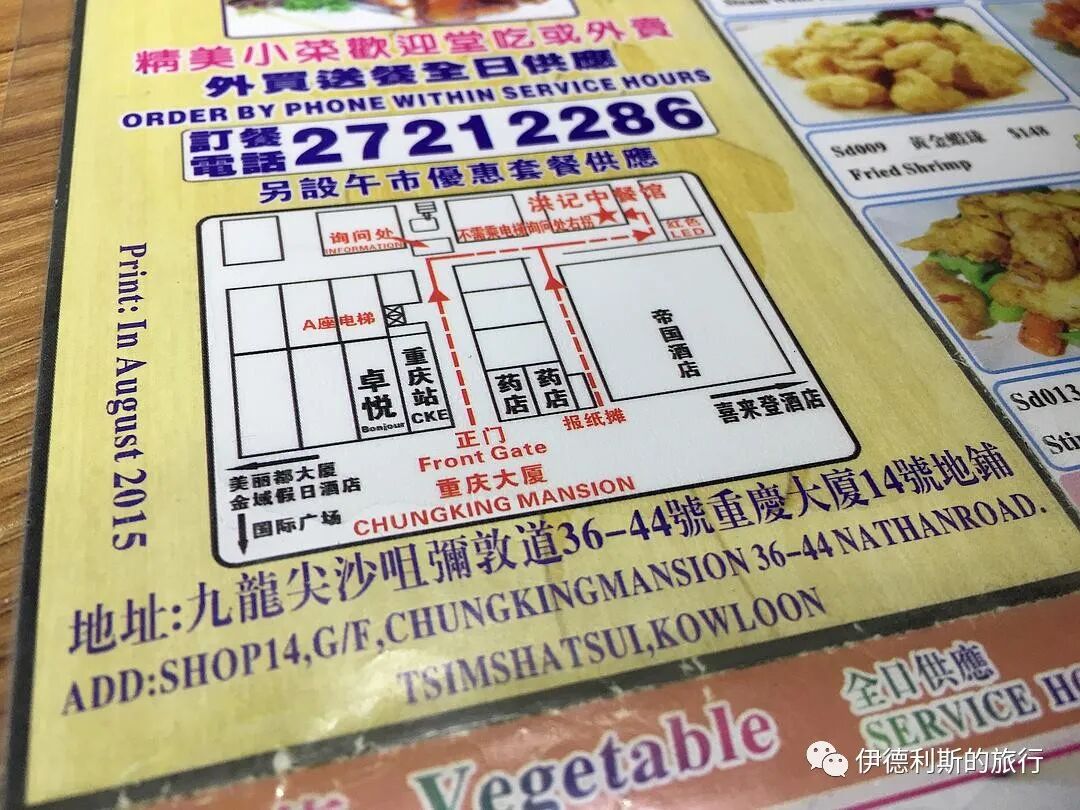
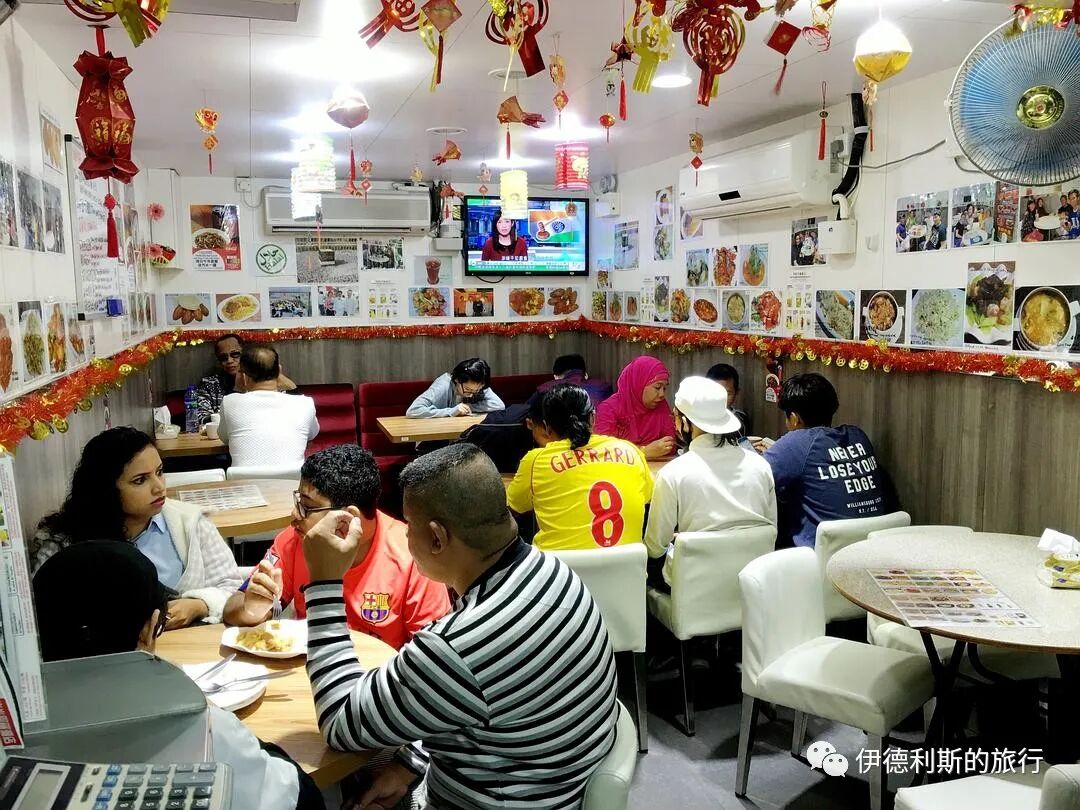
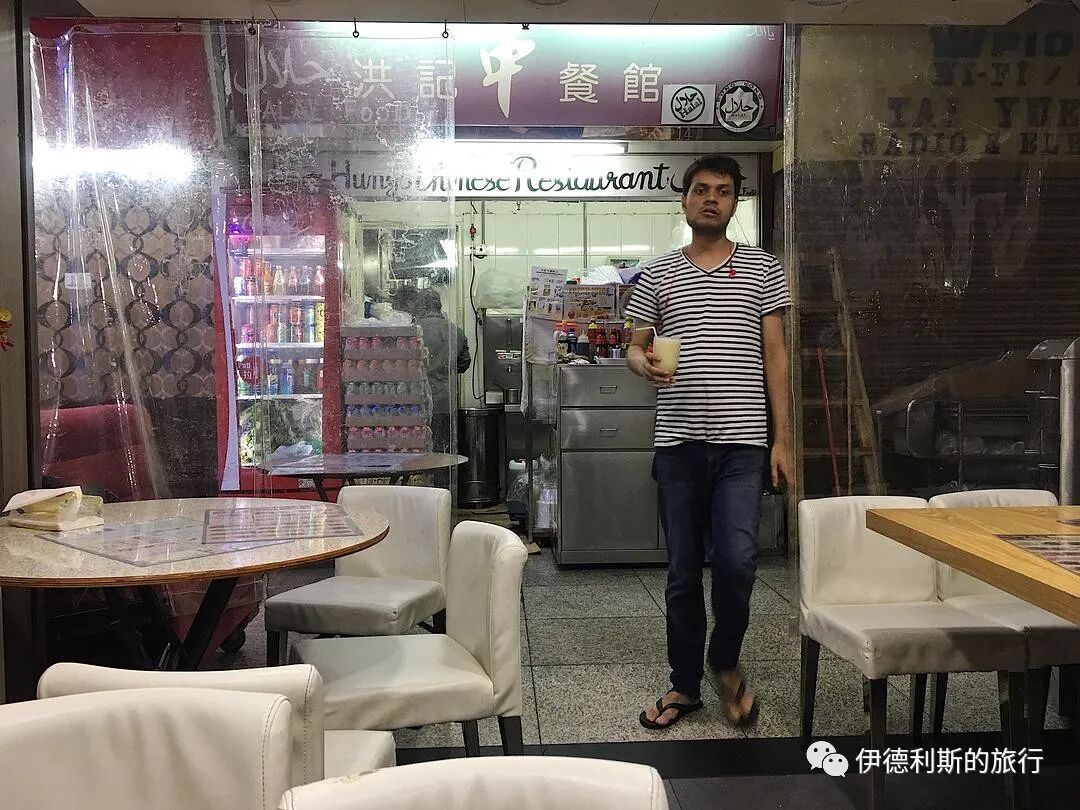
In December 2015, I ate at Hong Kee Chinese Restaurant on the ground floor of Chungking Mansions.
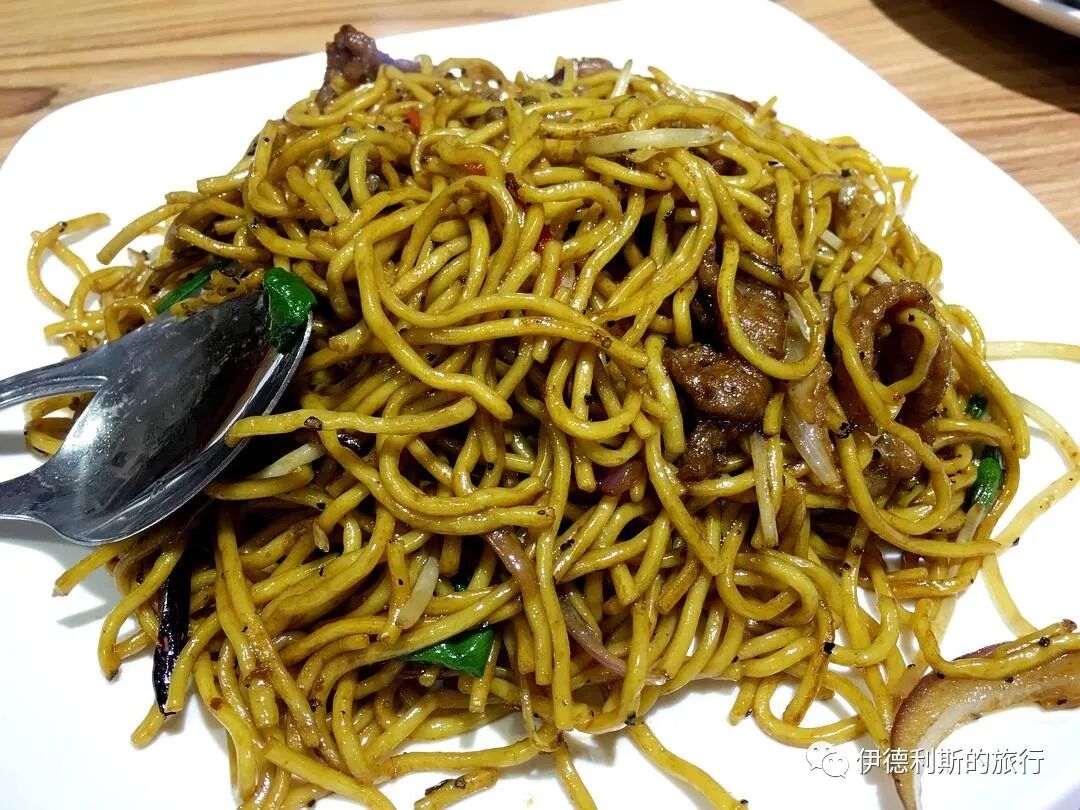
Stir-fried beef tenderloin noodles with black pepper (ganchao heijiao niuliu mian).
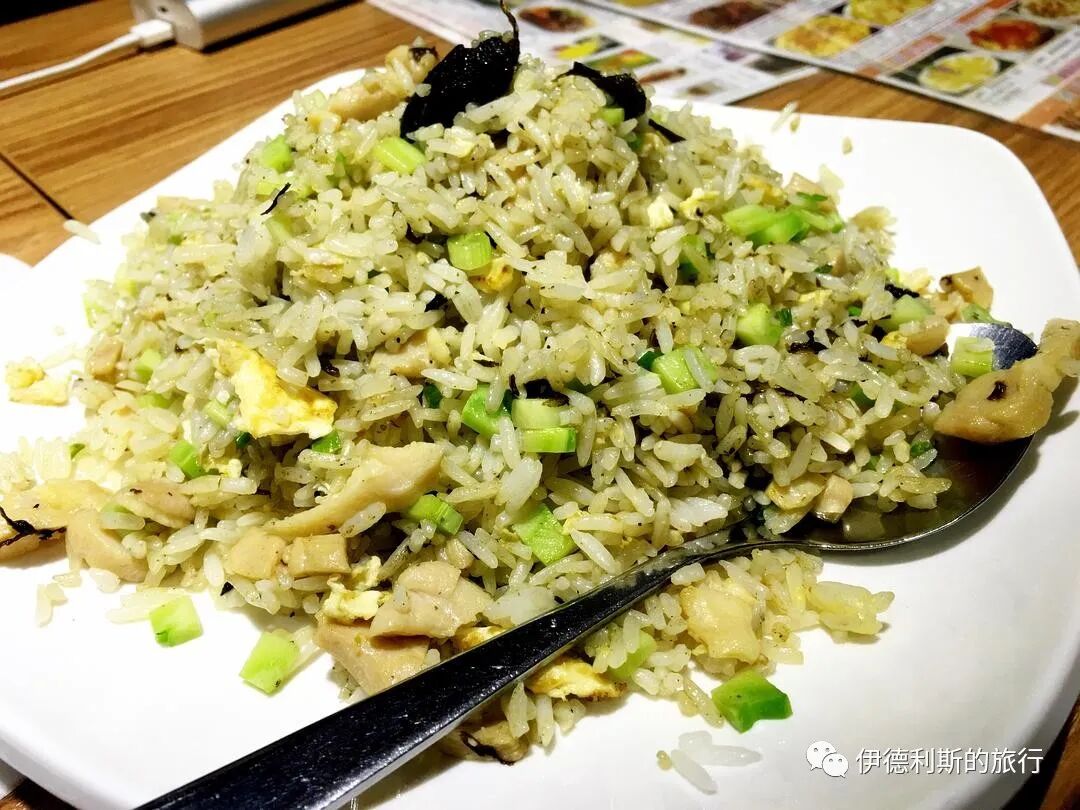
Fried rice with olive vegetables and diced goose (lancai eli chaofan).
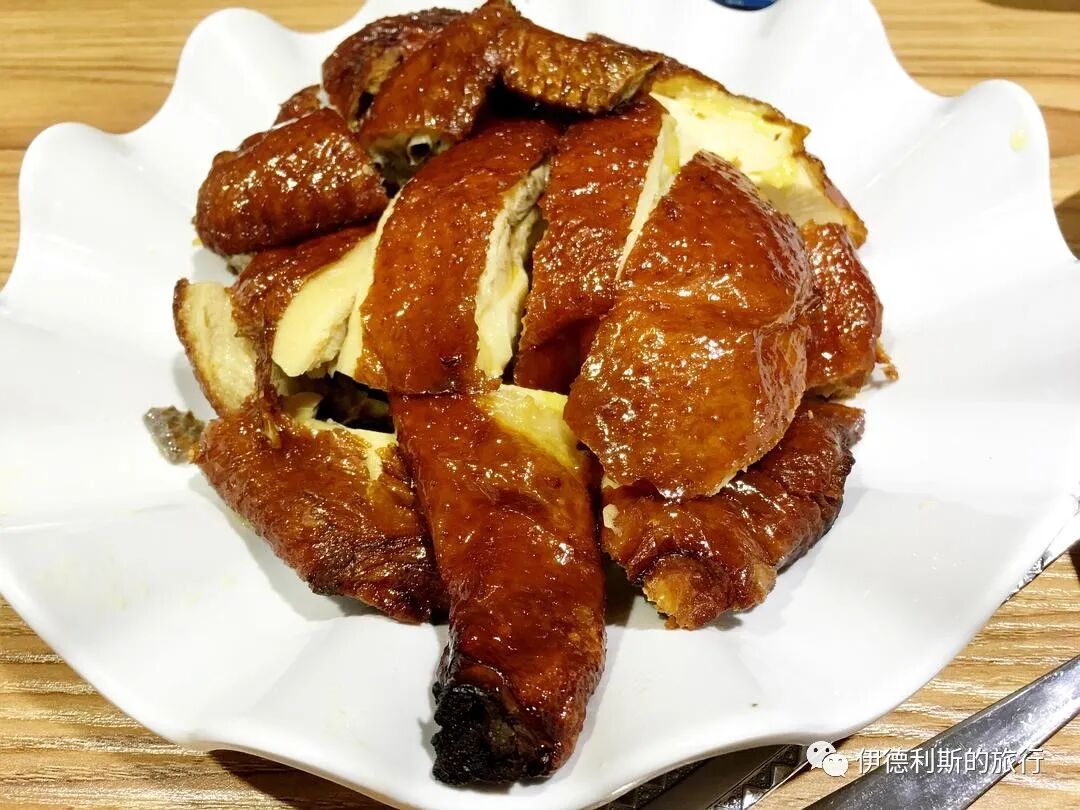
Signature crispy fried chicken (zhaopai cuipi zhaziji).
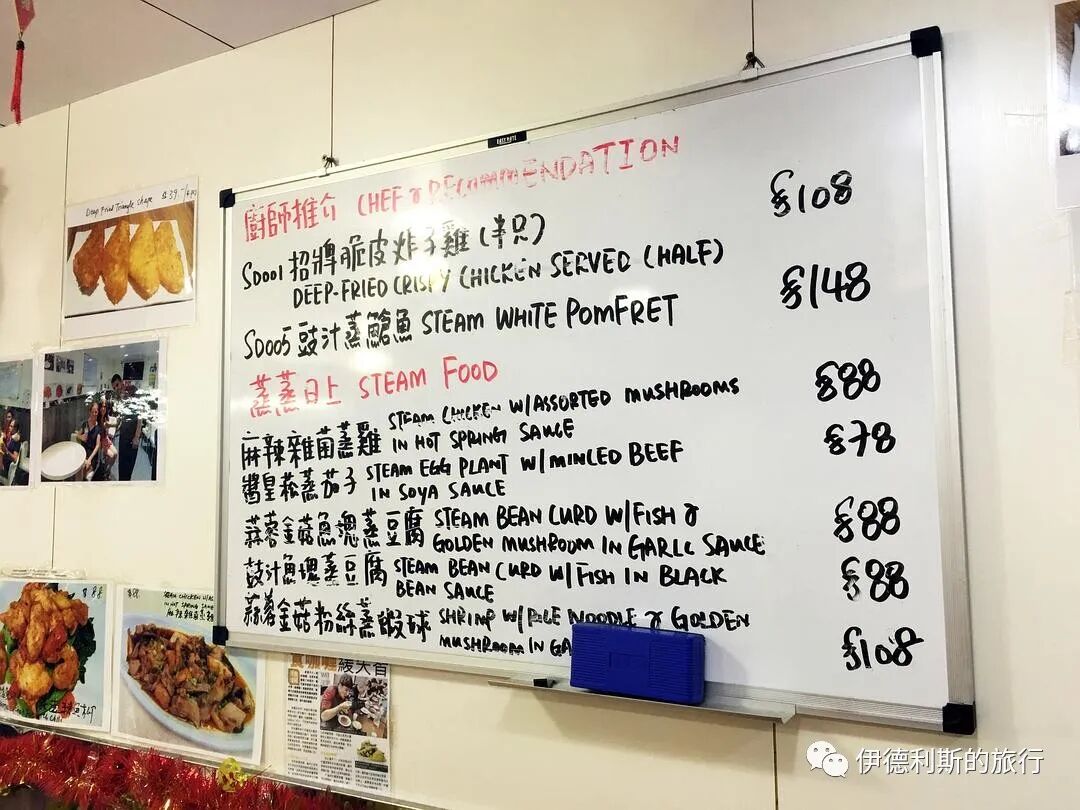
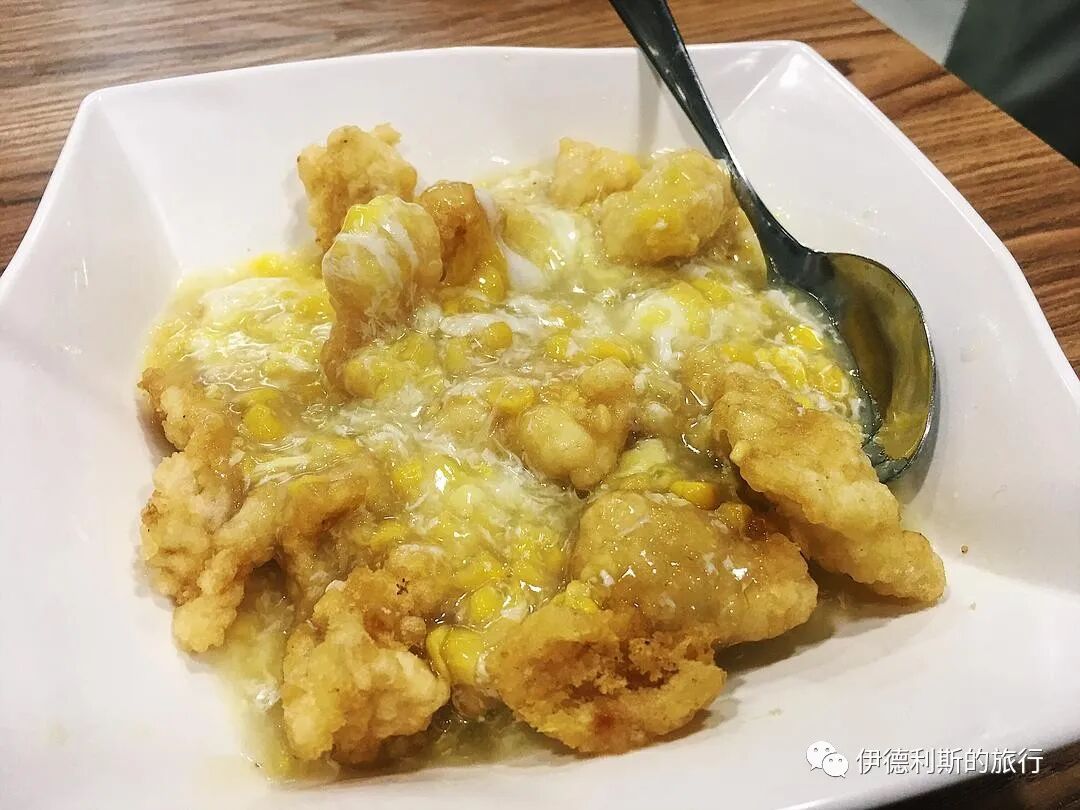
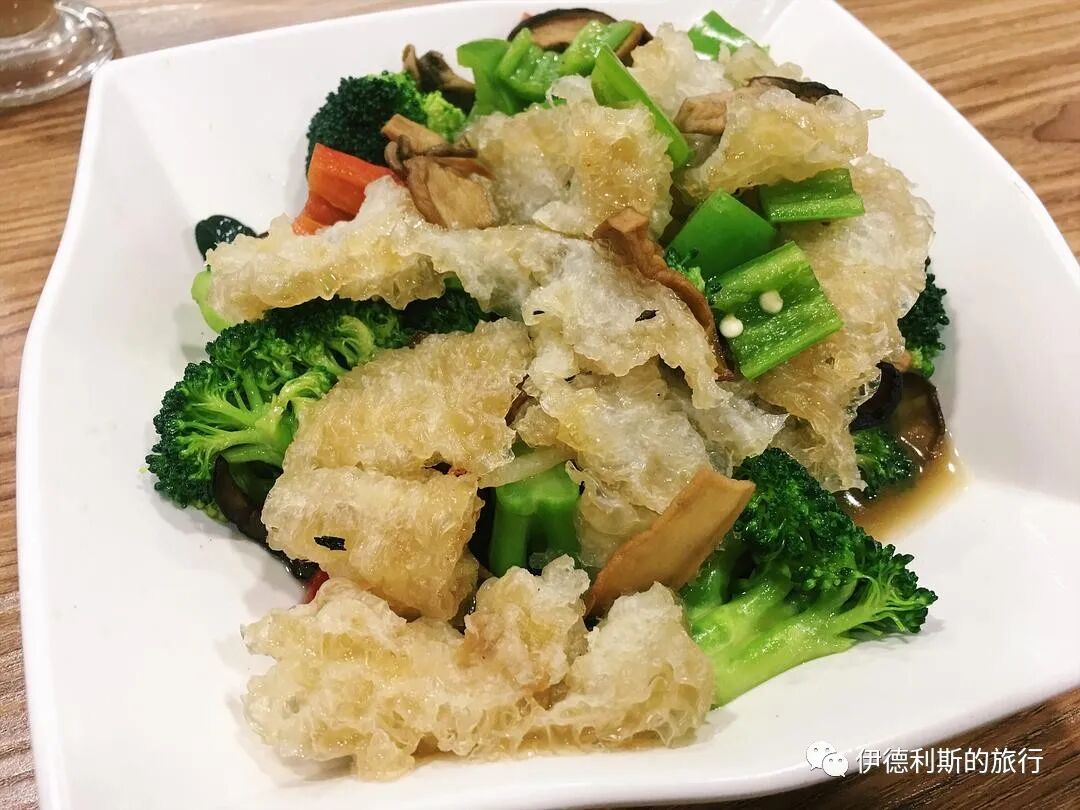
I went back to Hong Kee in October 2017 and ate corn with grouper fillet (sumi bannan) and mixed mushroom and fish maw (zajun cai yudu).
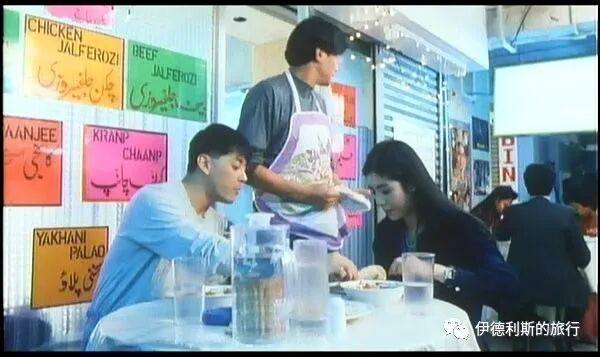
In the film 'Neon Goddesses', Charlie Young says her mother told her when she was little that this place was complicated and wouldn't let her go downstairs.
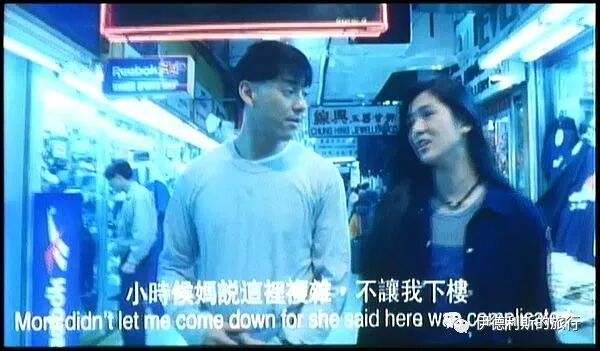
Max Mok described Chungking Mansions in the early 1990s as having many tourists and many curry shops.

Next to Hong Kee Chinese Restaurant is a Pakistani shop where I bought several South Asian hats.
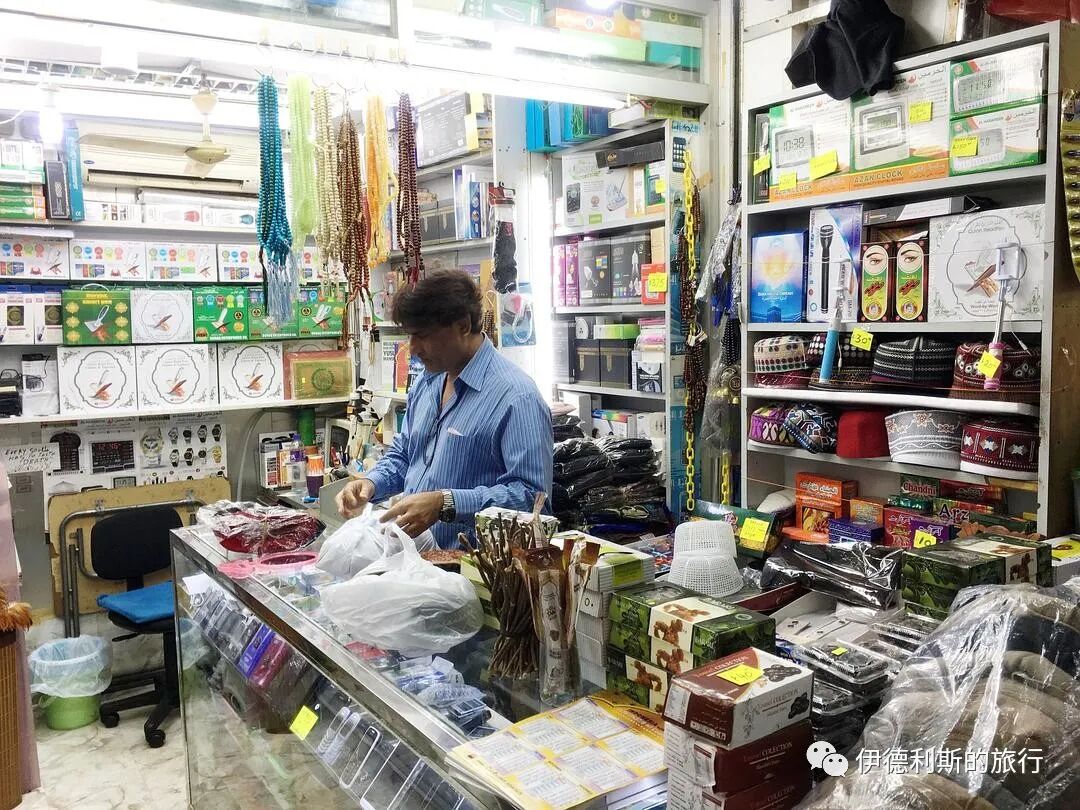
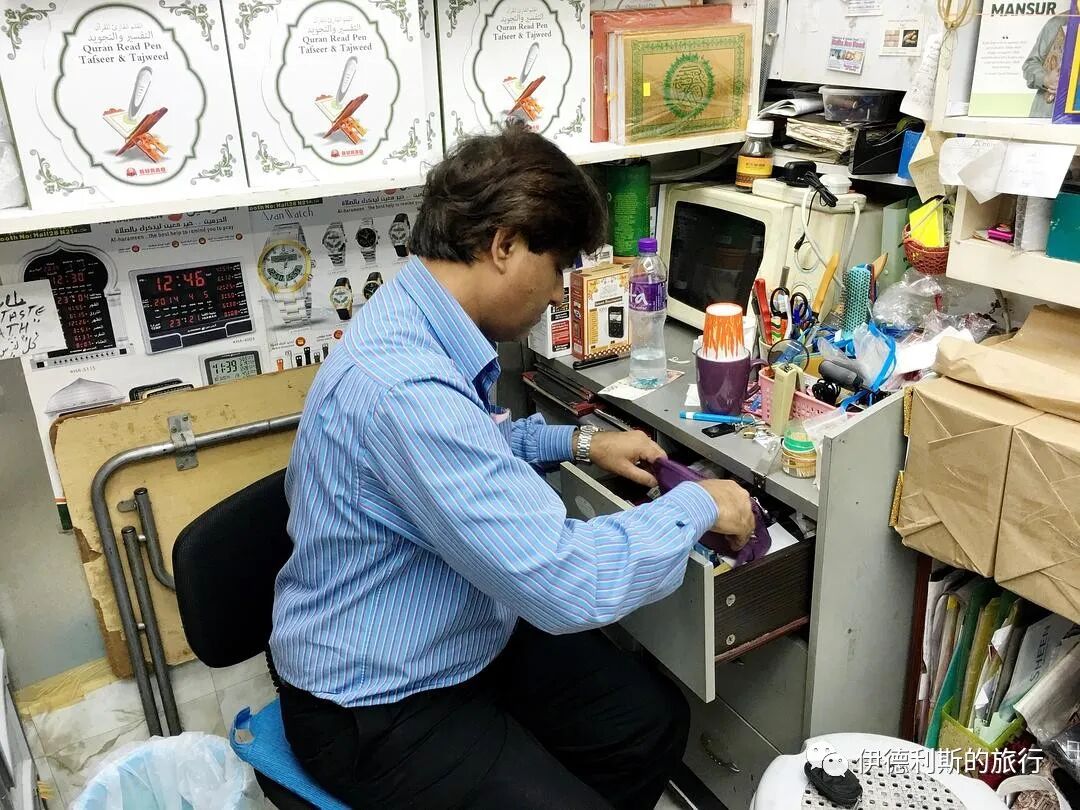
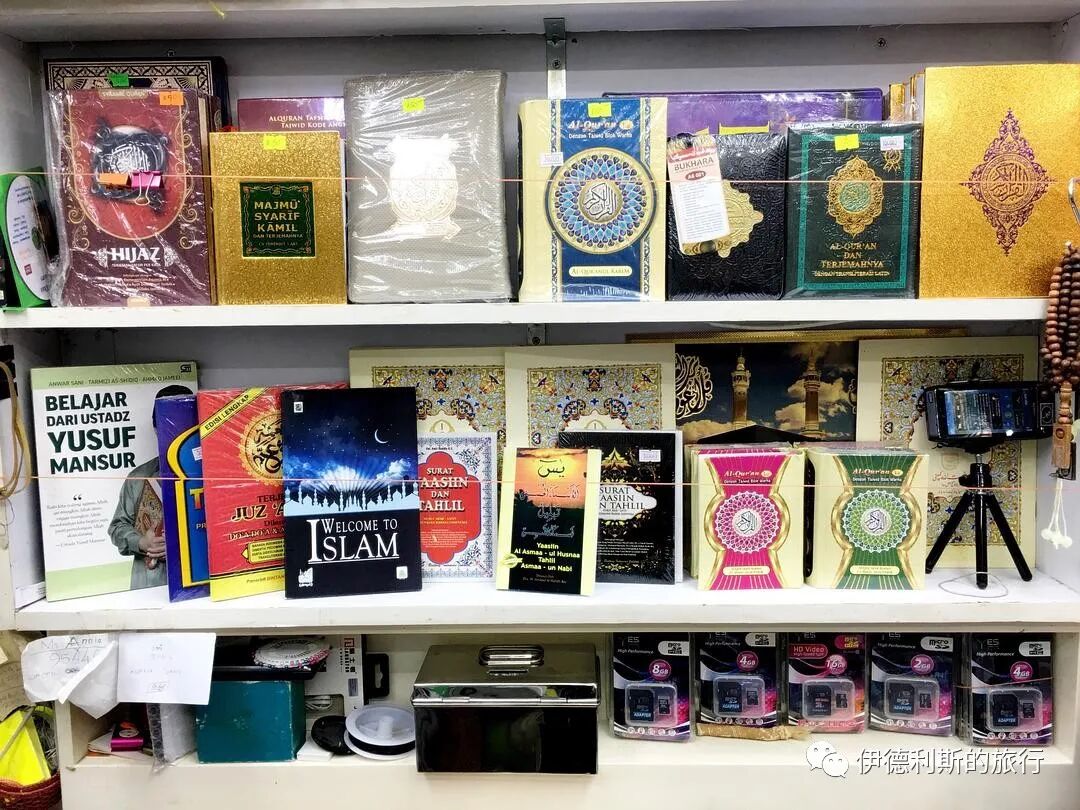
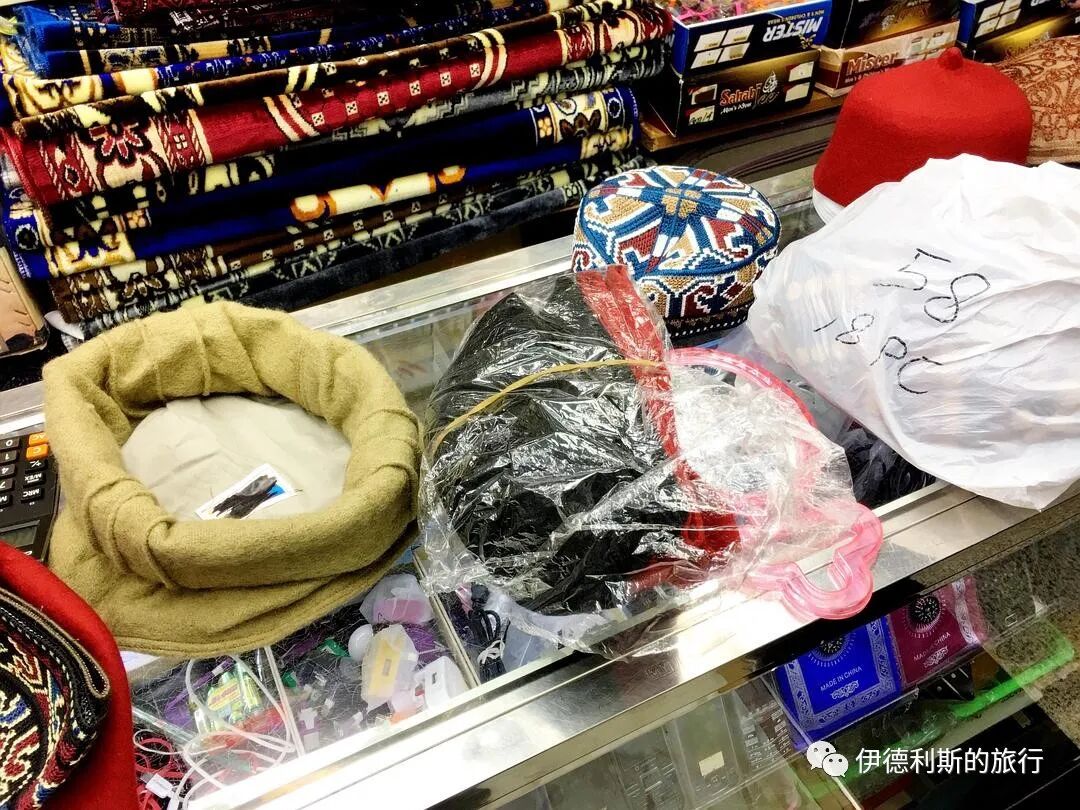
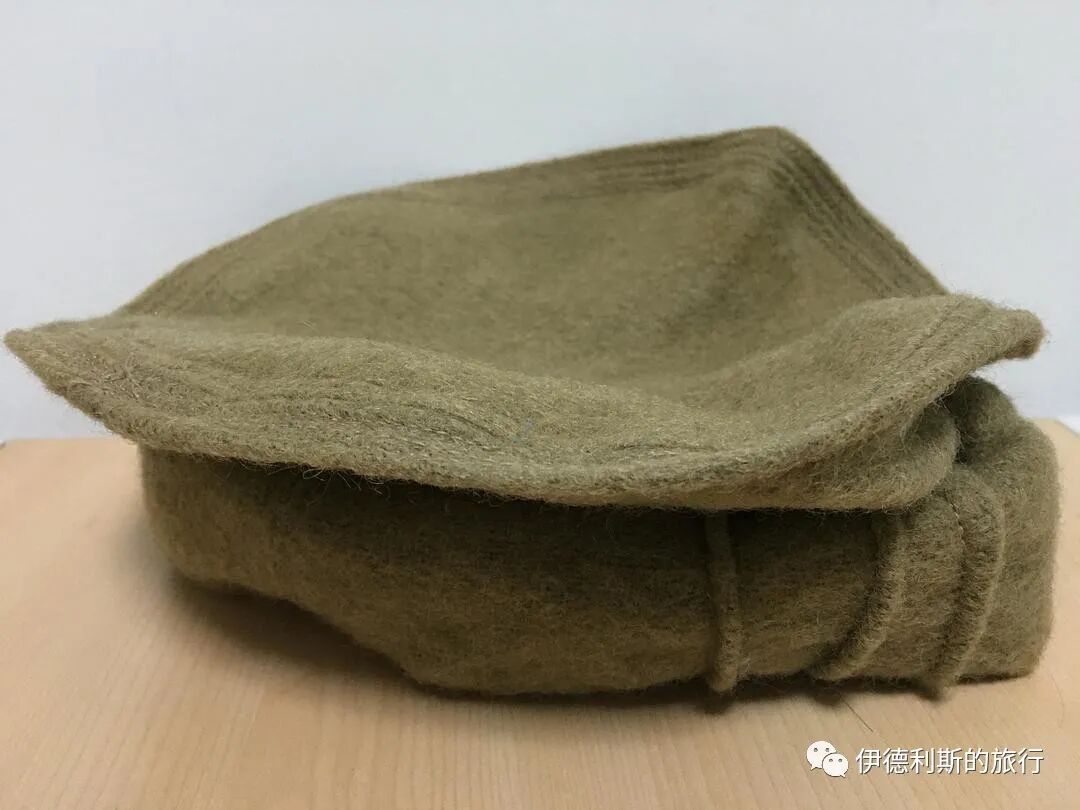
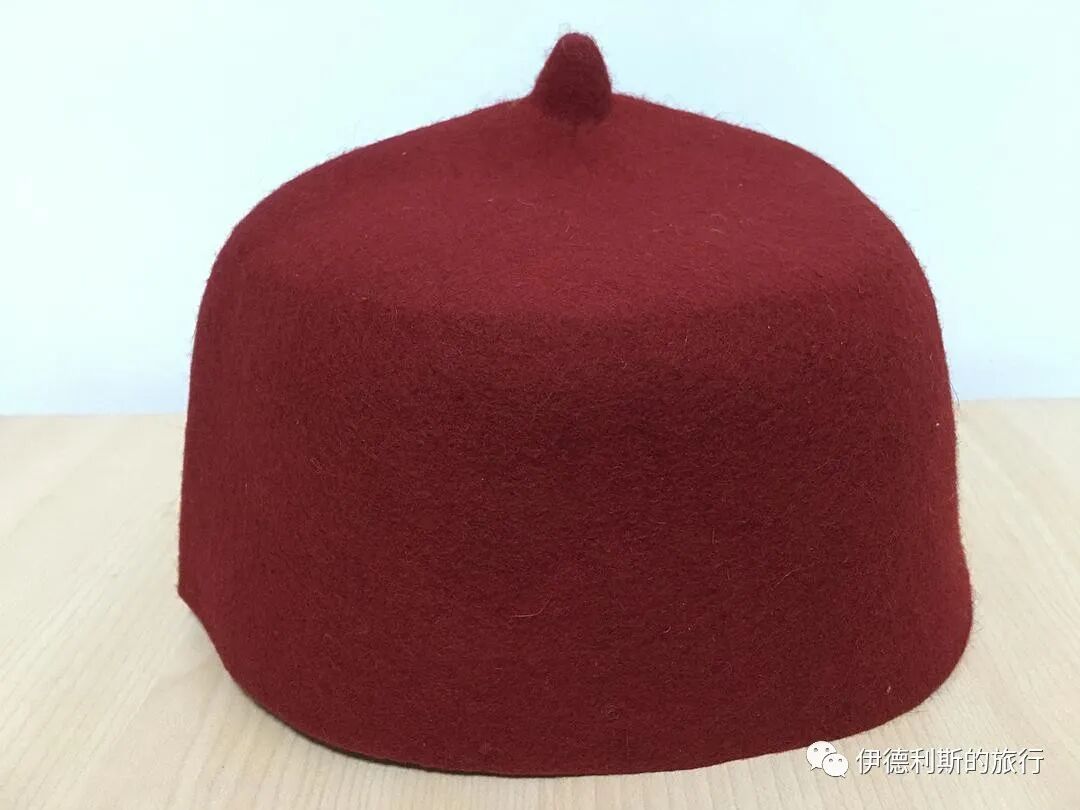
Hats bought at the Pakistani shop.
This type of skullcap (topi) can be seen in Pakistan and Tajikistan around the Pamir Mountains.
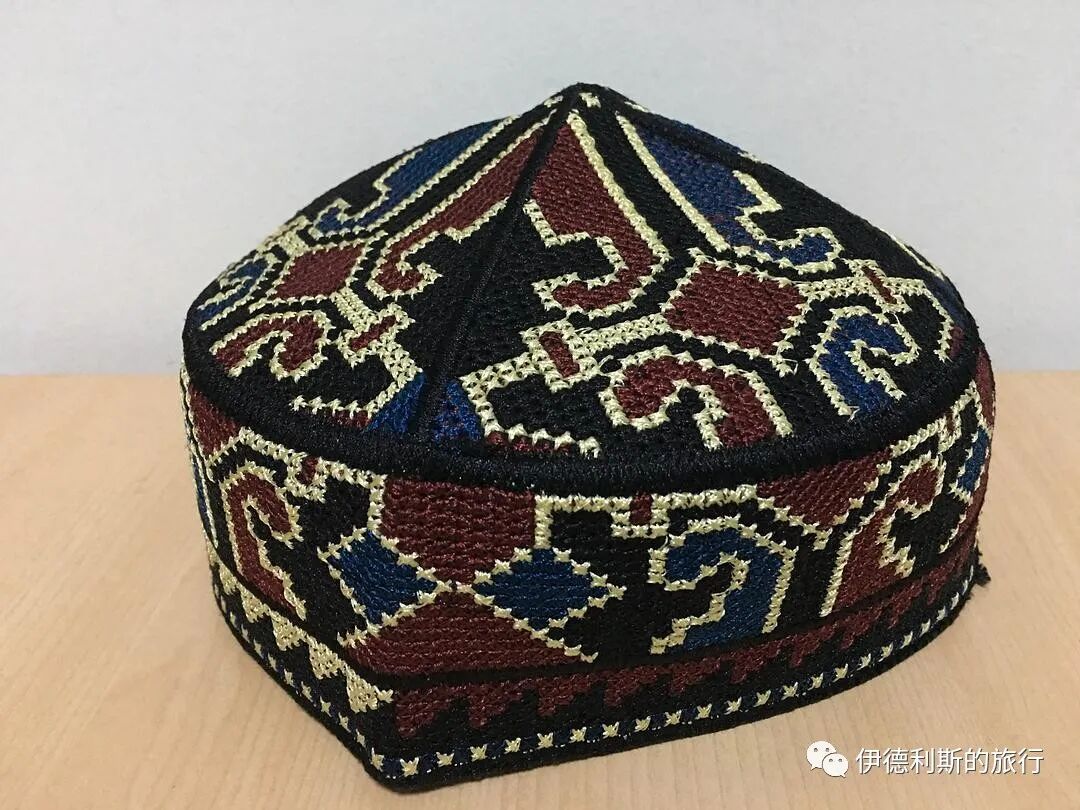
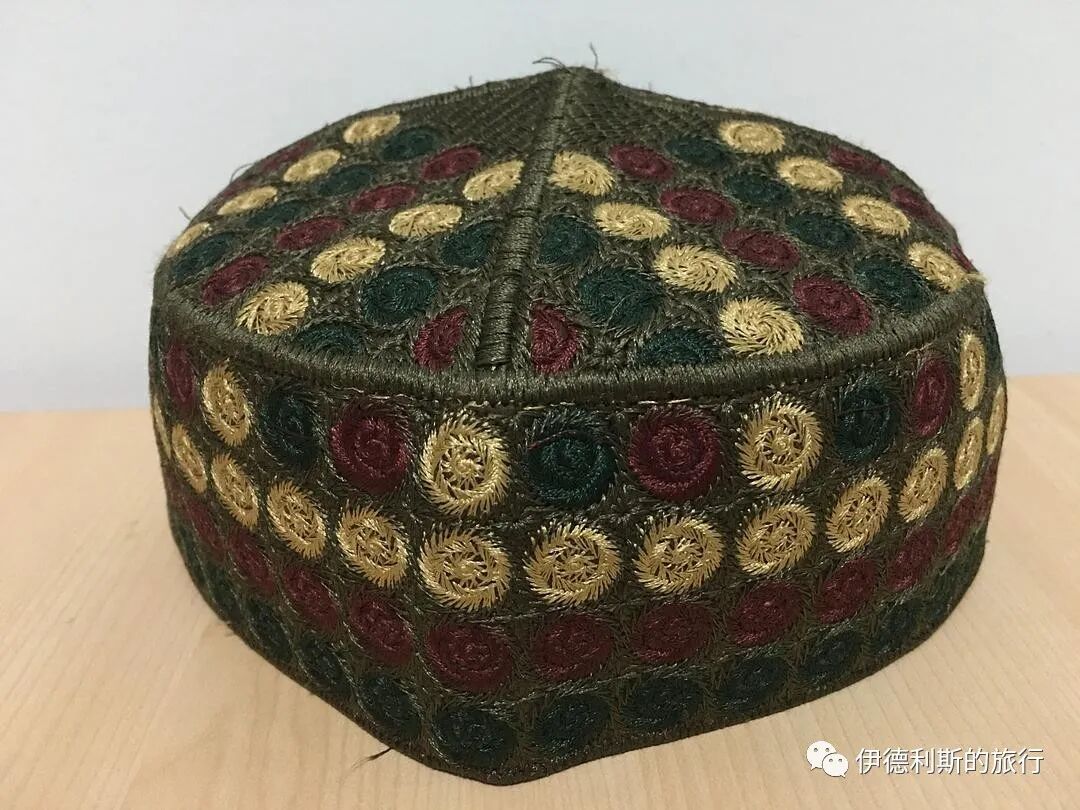
Traditional wool felt cap (pakol).
Red style fez cap (rumi topi).
The fez cap was first worn by ancient Phoenicians living in Cyprus, introduced to the Balkans during the Byzantine era, and later became popular among Bosnians and Serbs during the Ottoman Empire.
In 1826, Ottoman Sultan Mahmud II began comprehensive military reforms, and his modernized army wore Western-style uniforms with fez caps on their heads.
In 1829, the Sultan ordered officials in the country to stop wearing turbans and to wear fez caps instead. This series of measures made the fez cap a symbol of modernization in Islamic countries, and it was not only welcomed by people within the Ottoman Empire but also began to spread throughout the Islamic world.
In South Asia, the fez cap is called rumi topi, which translates literally to 'Roman cap,' because the Ottoman Empire was seen as the successor to the Eastern Roman Empire. At first, only Muslim nobles in South Asia wore them, but later it spread to the common people.
Bismillah Kebab House on the first floor of Chungking Mansions.
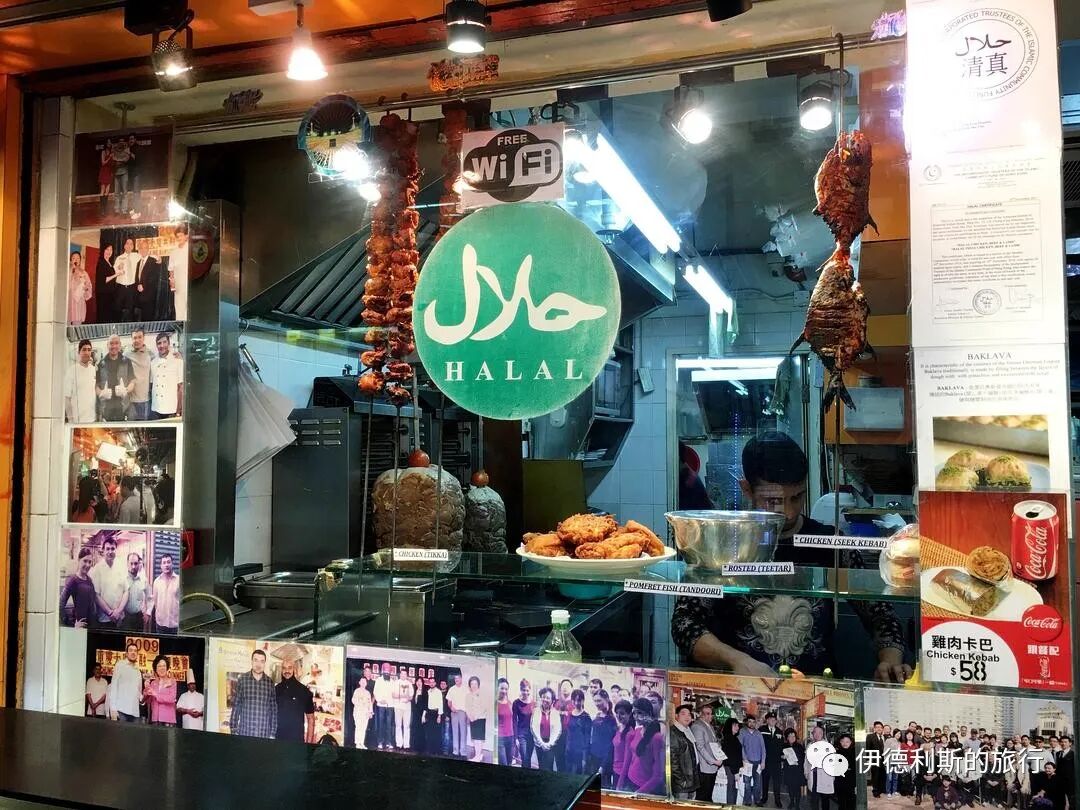
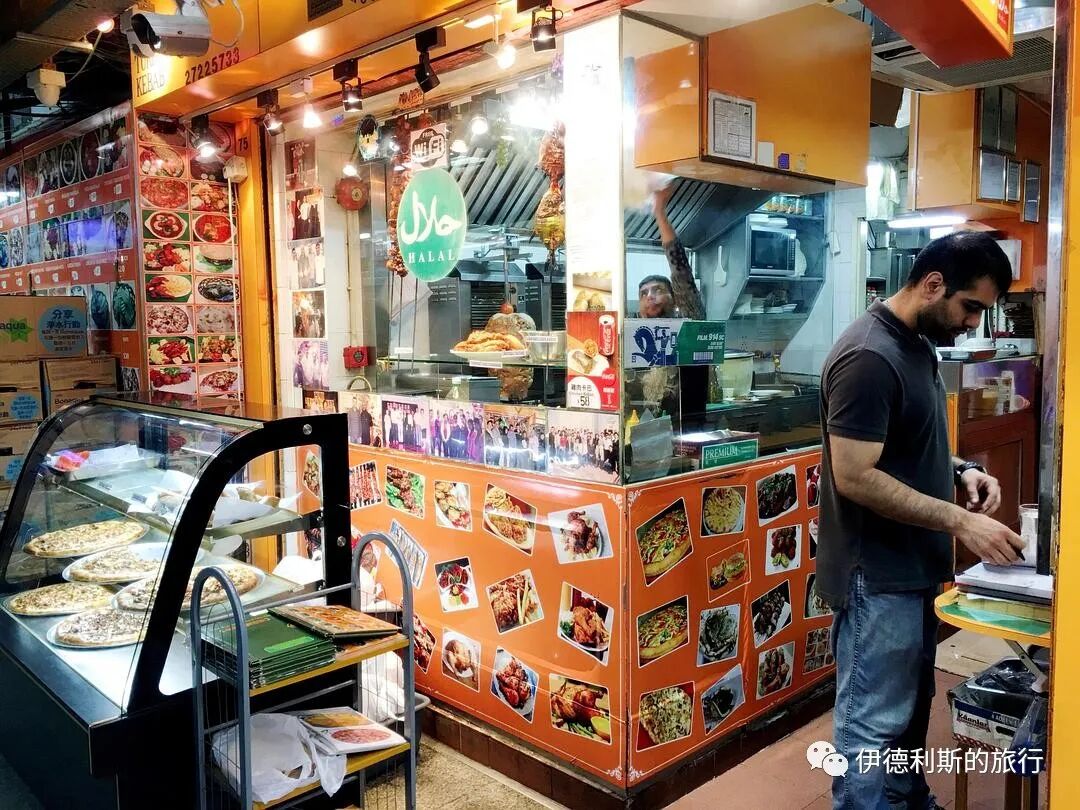
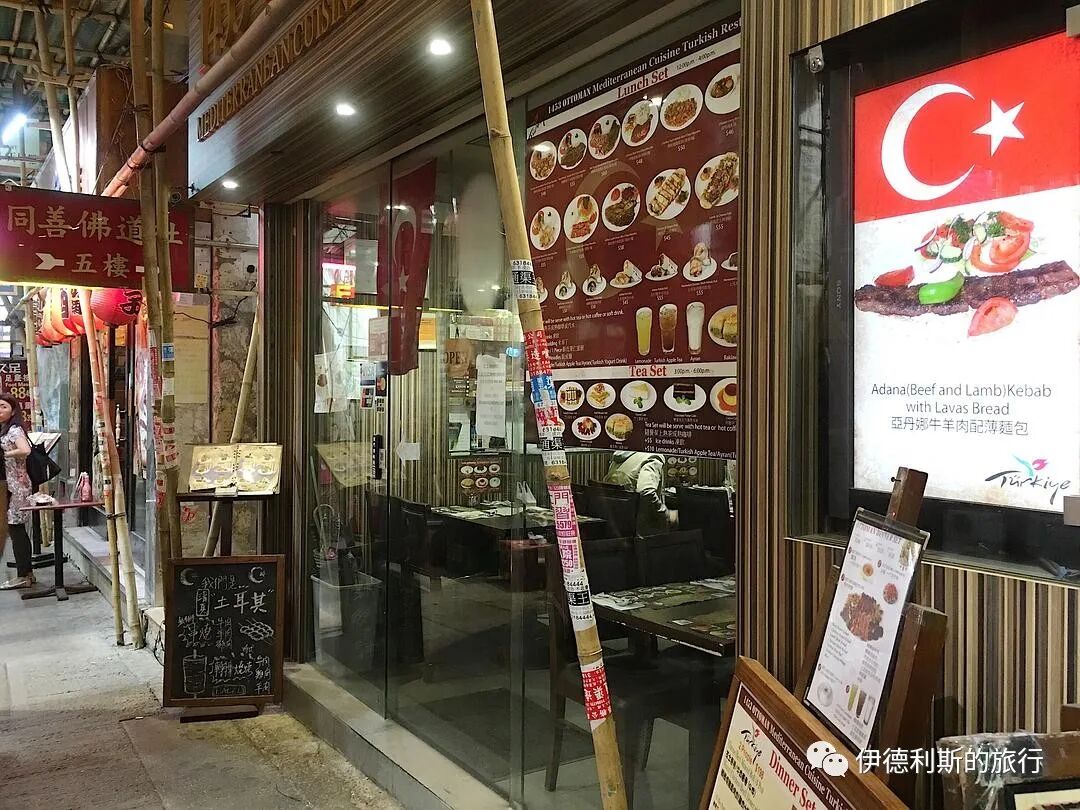
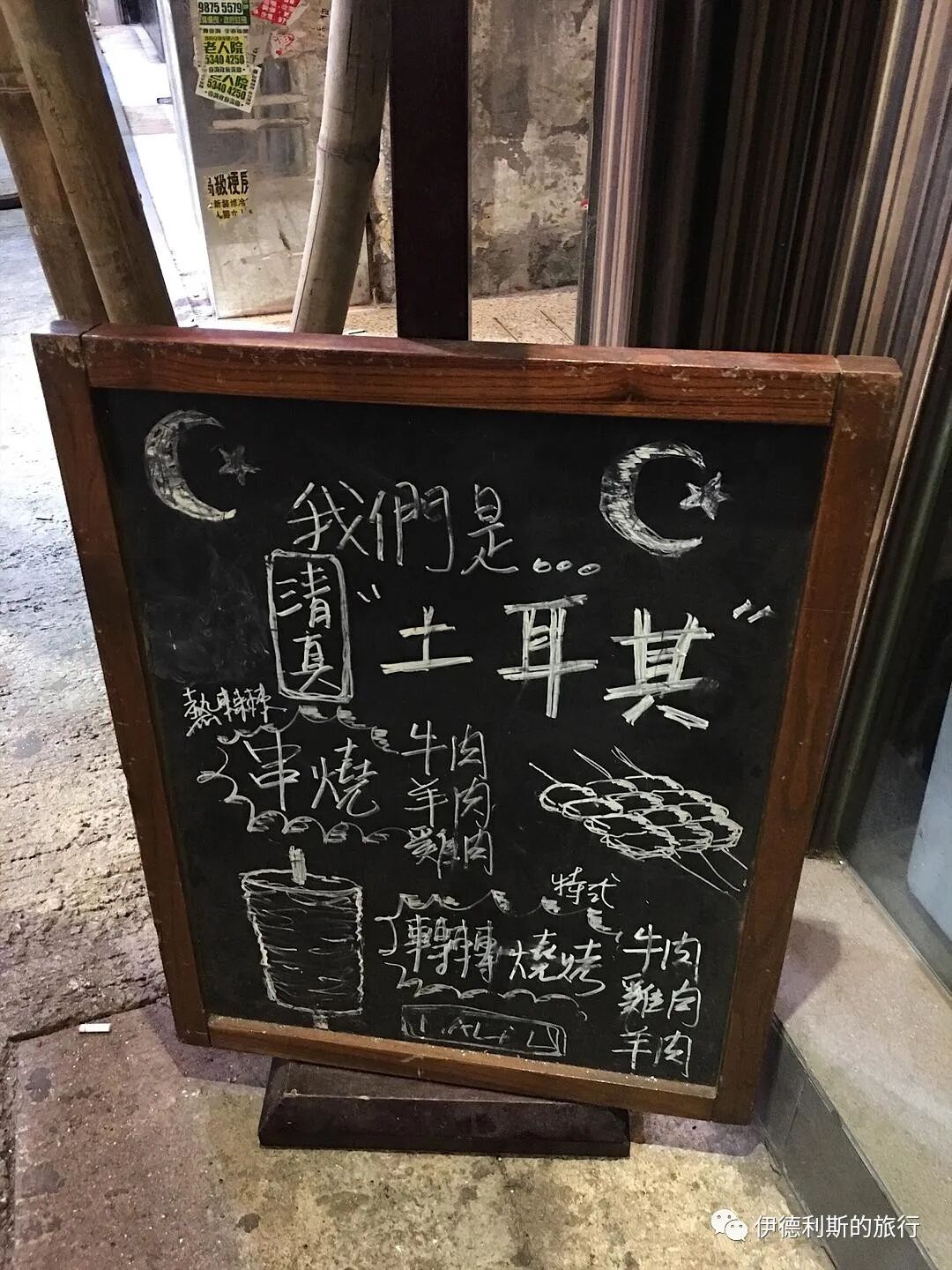
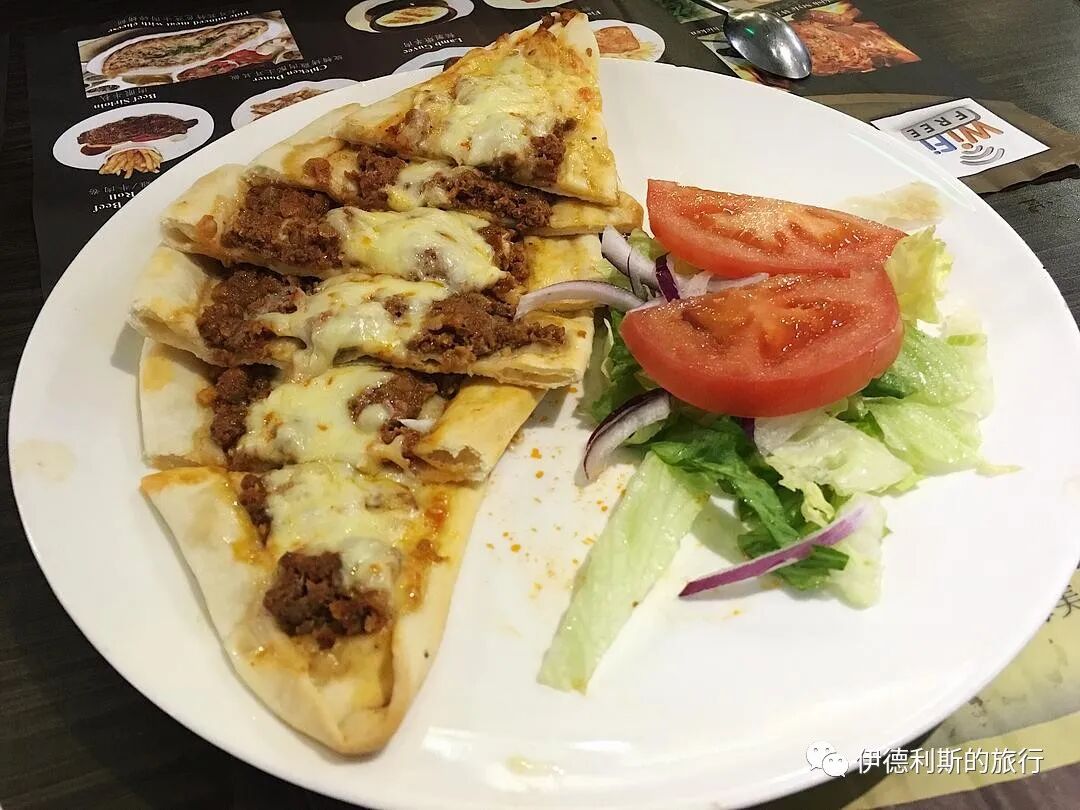
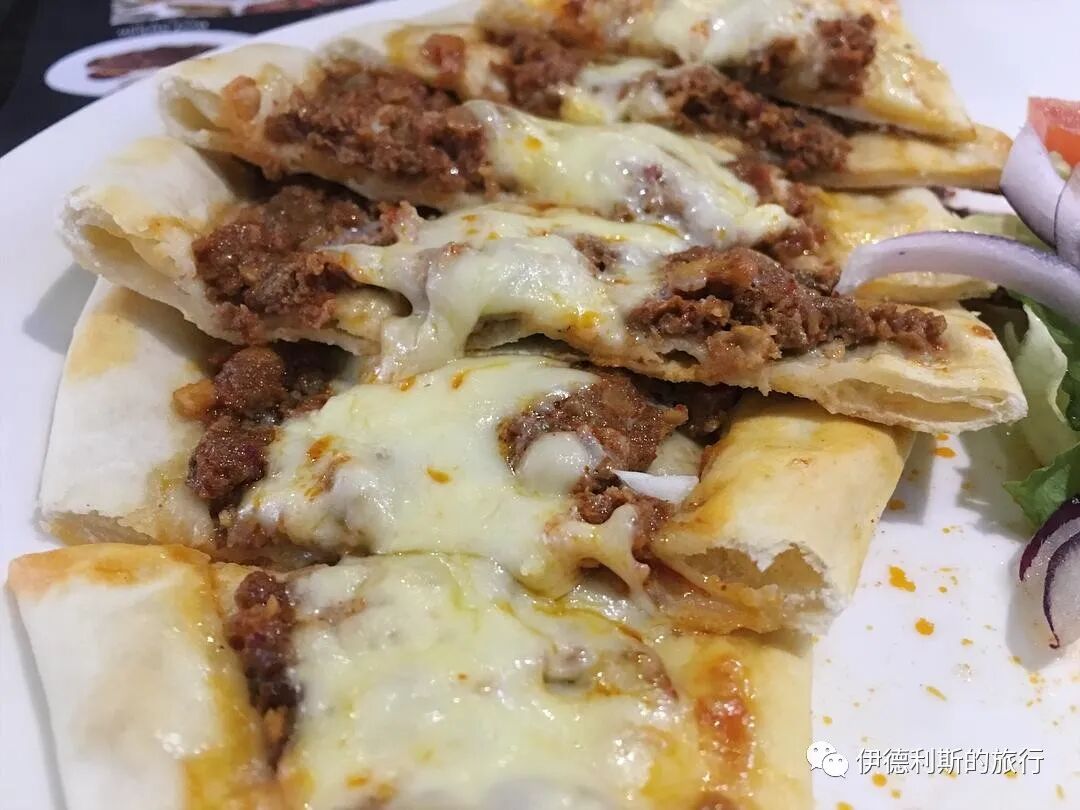
Ottoman Mediterranean Cuisine.
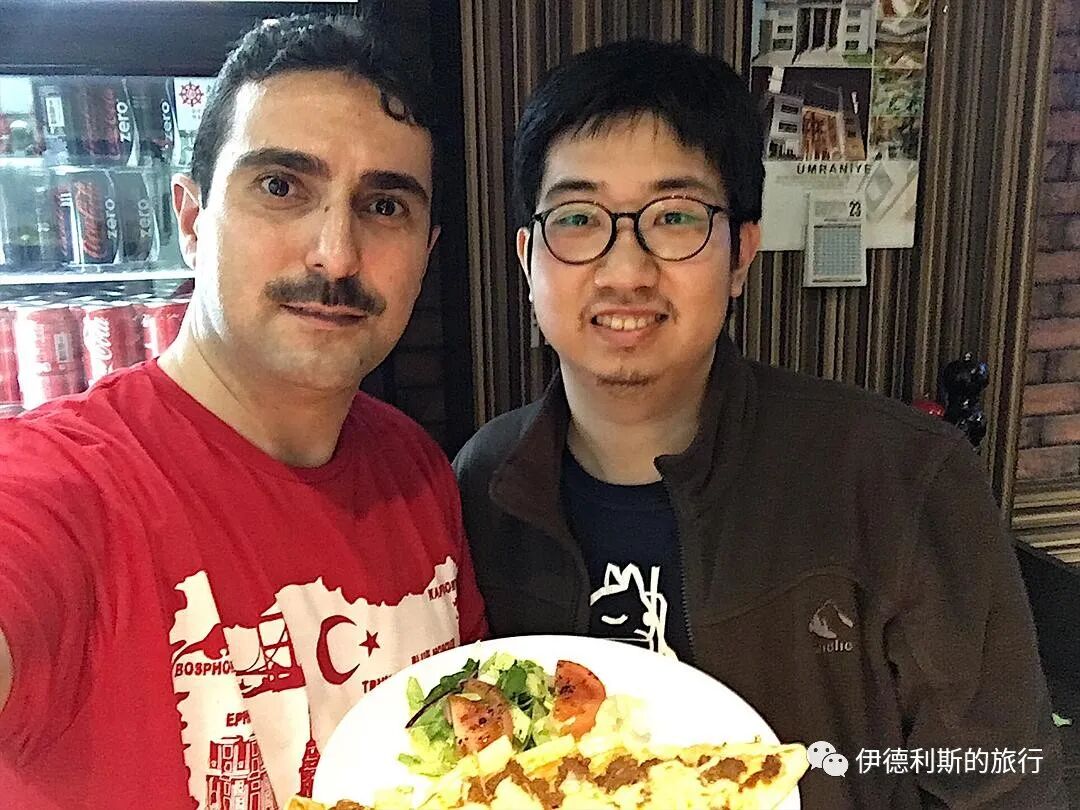
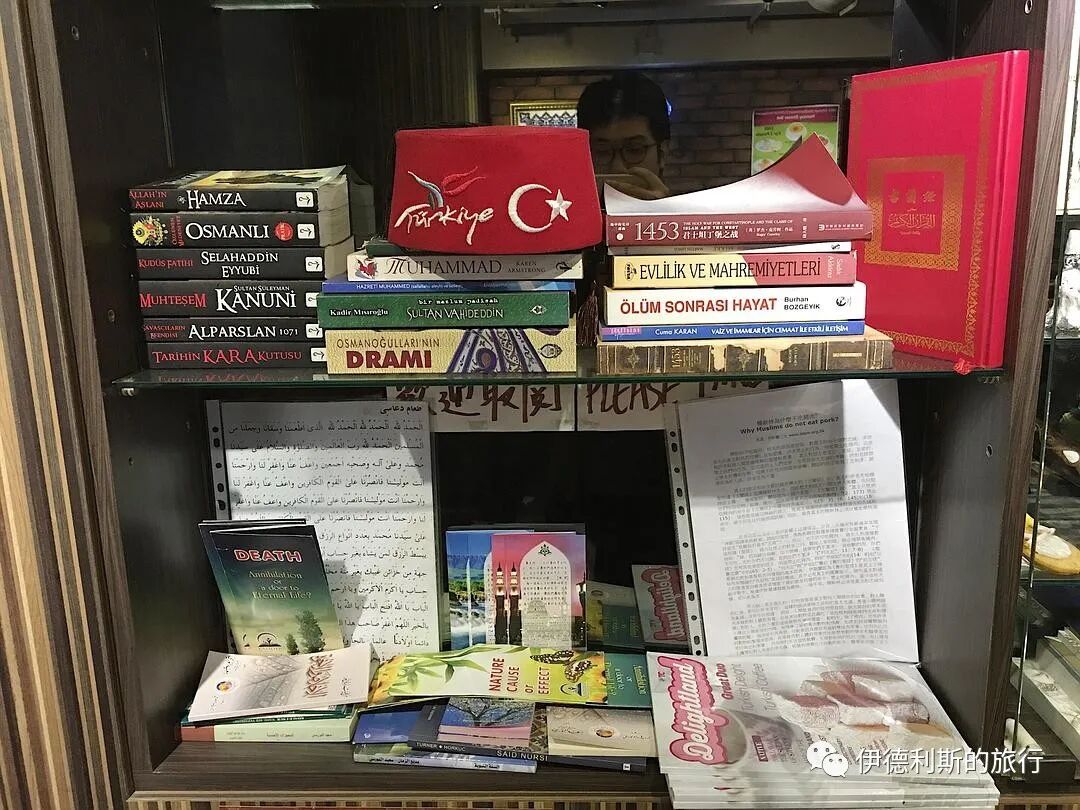
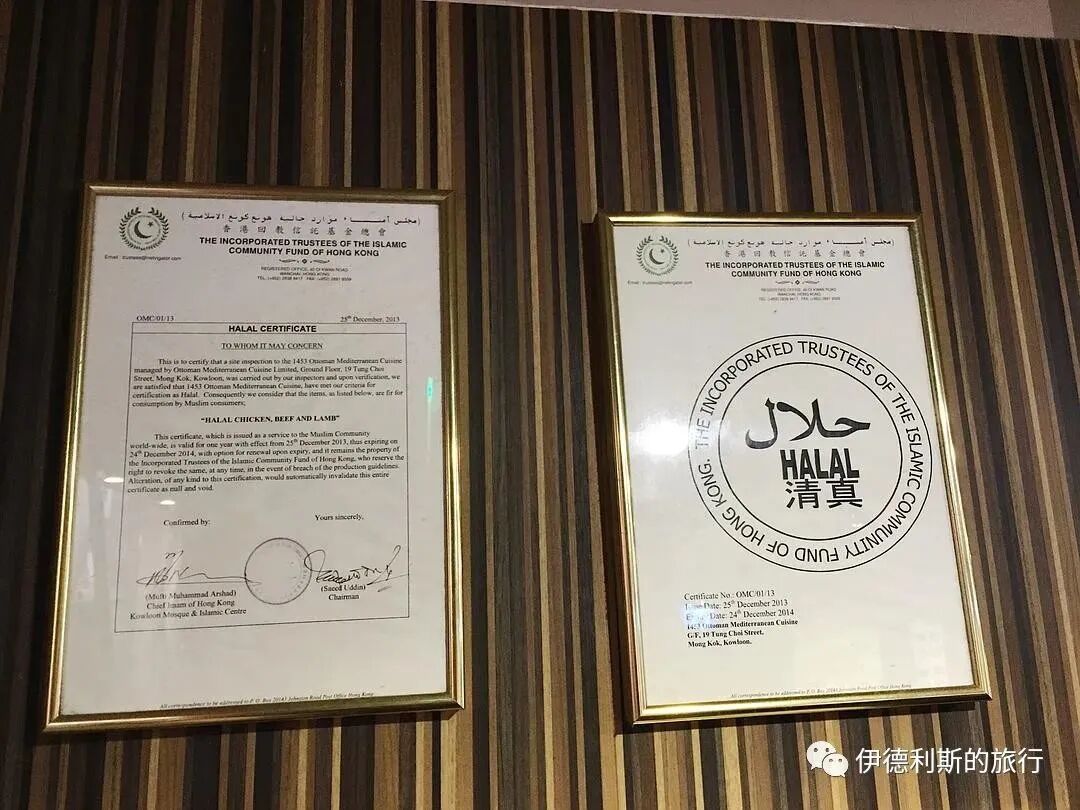
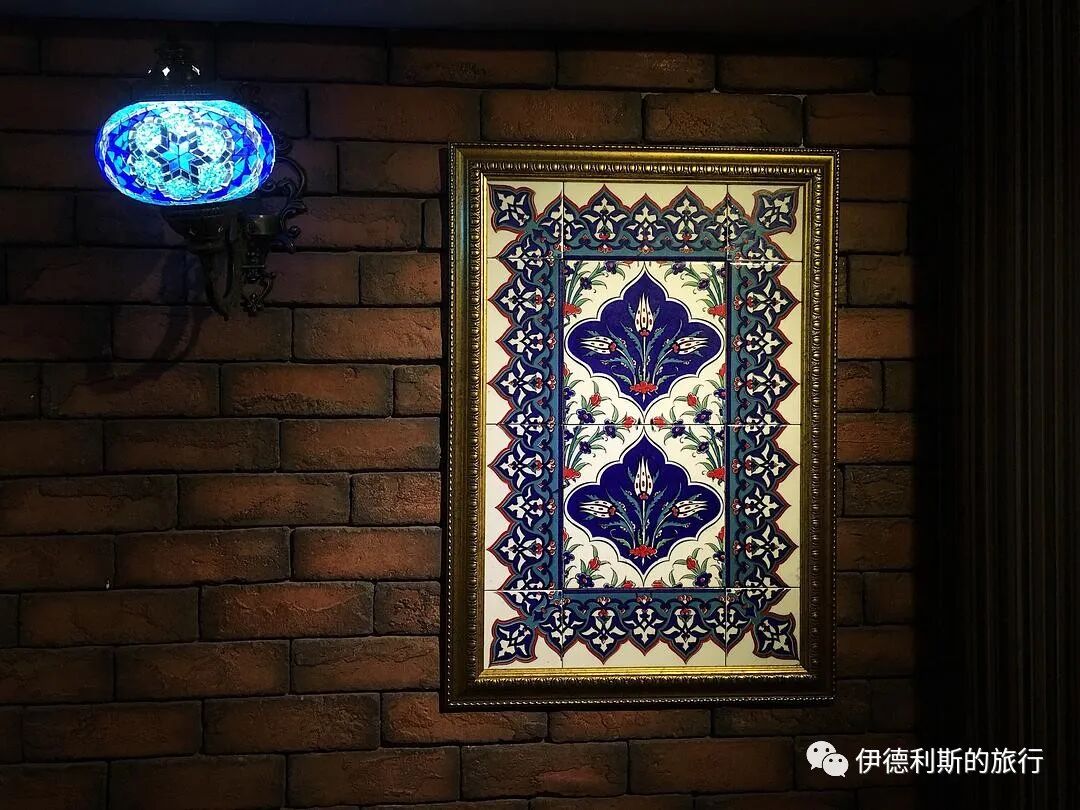
Besides Chungking Mansions, there are many halal restaurants in Kowloon. This time I chose a Turkish restaurant, 1453 Ottoman Mediterranean Cuisine on Ladies' Market in Mong Kok.
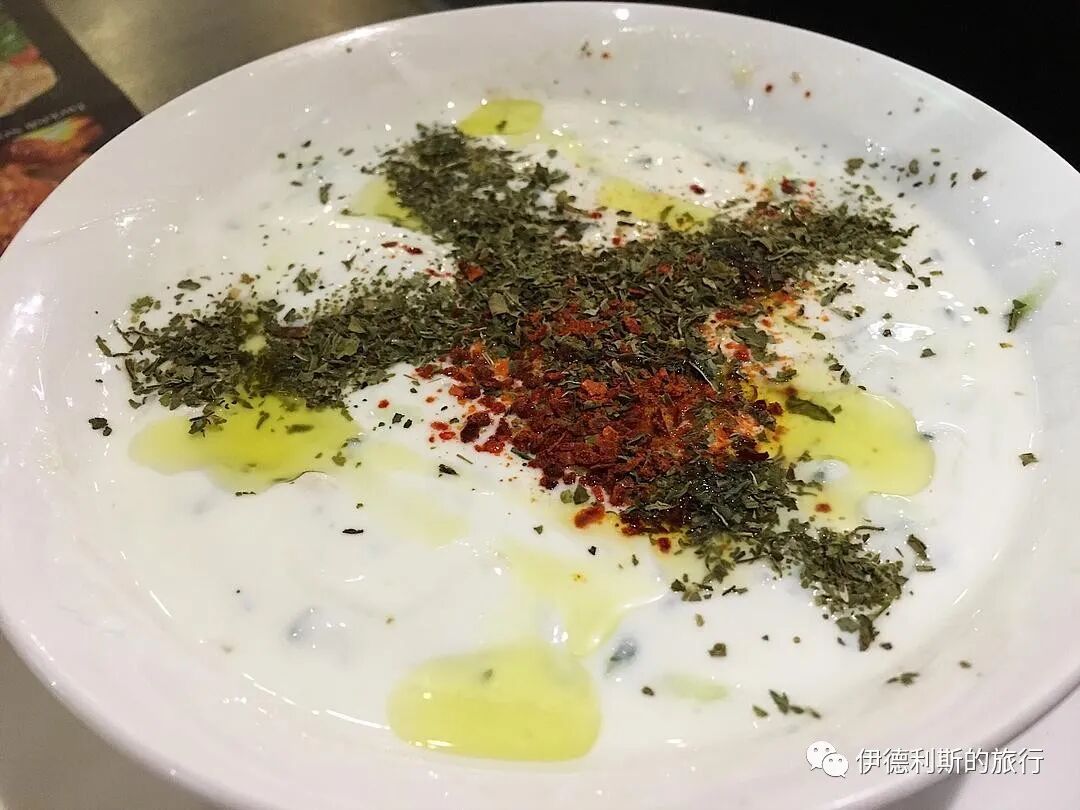
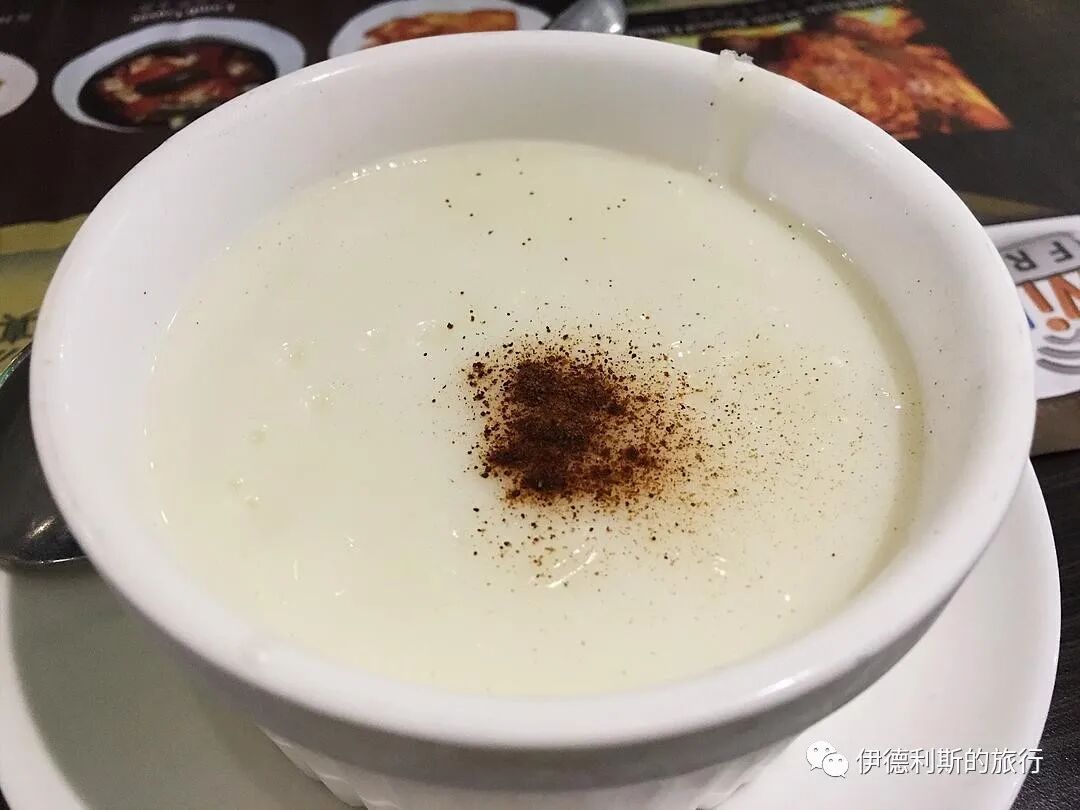
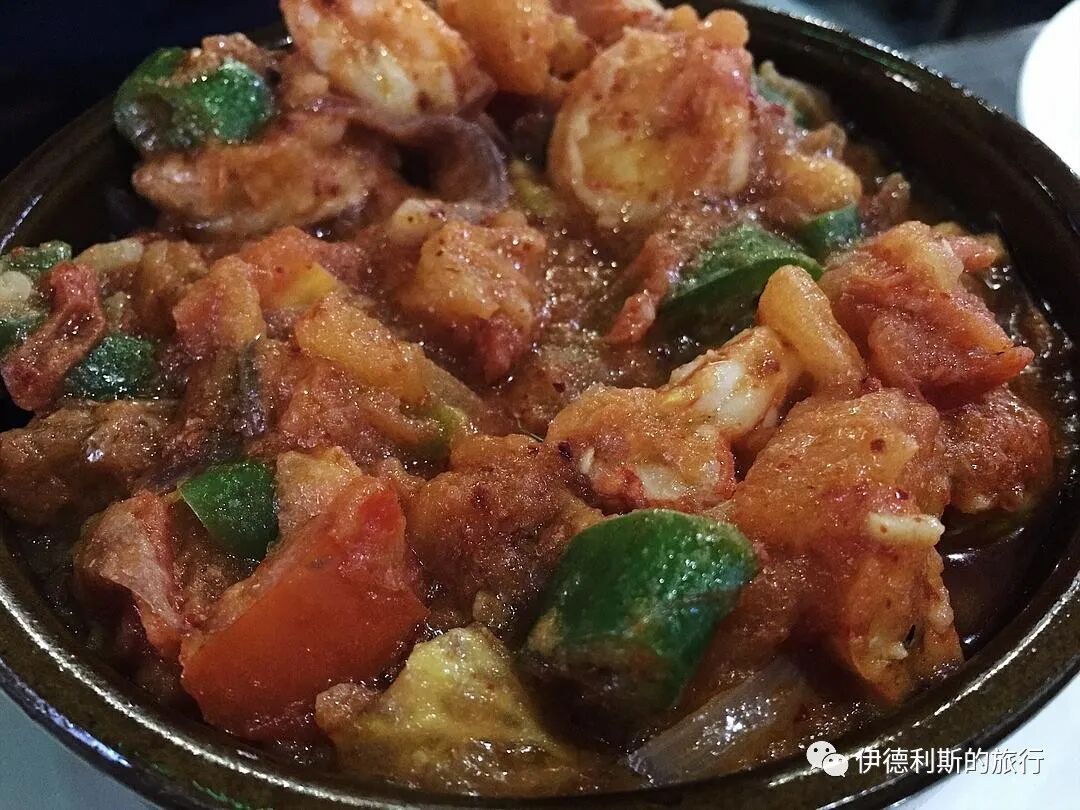
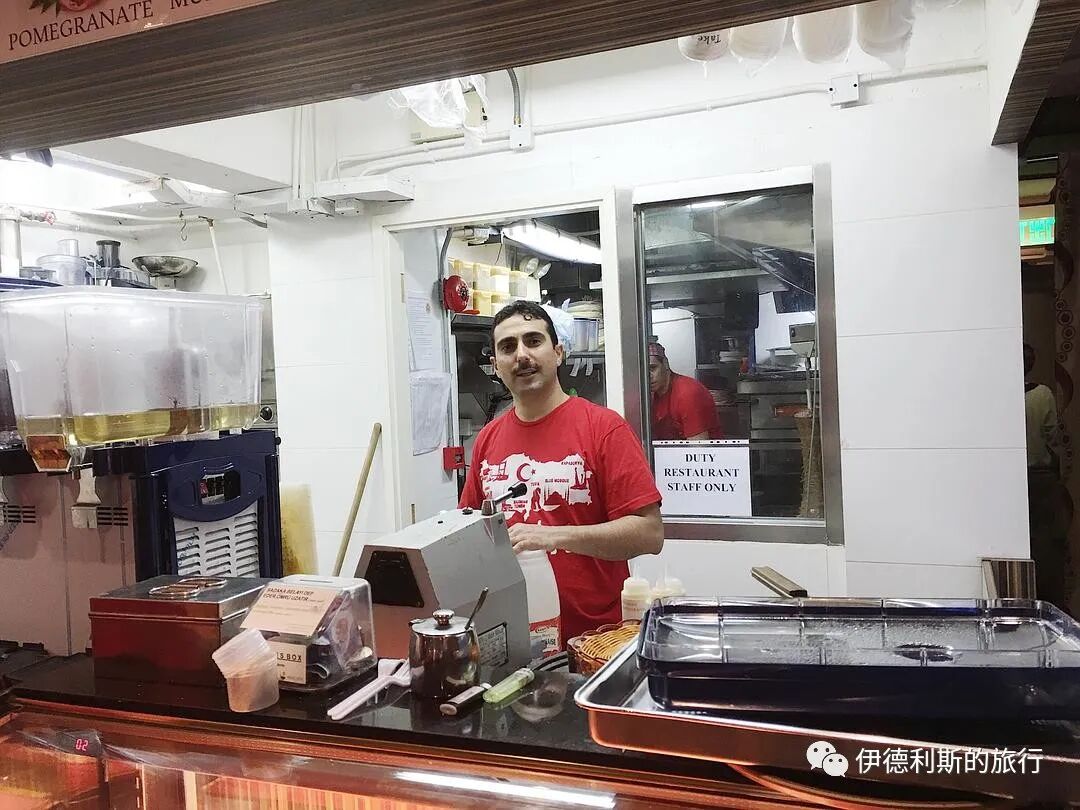
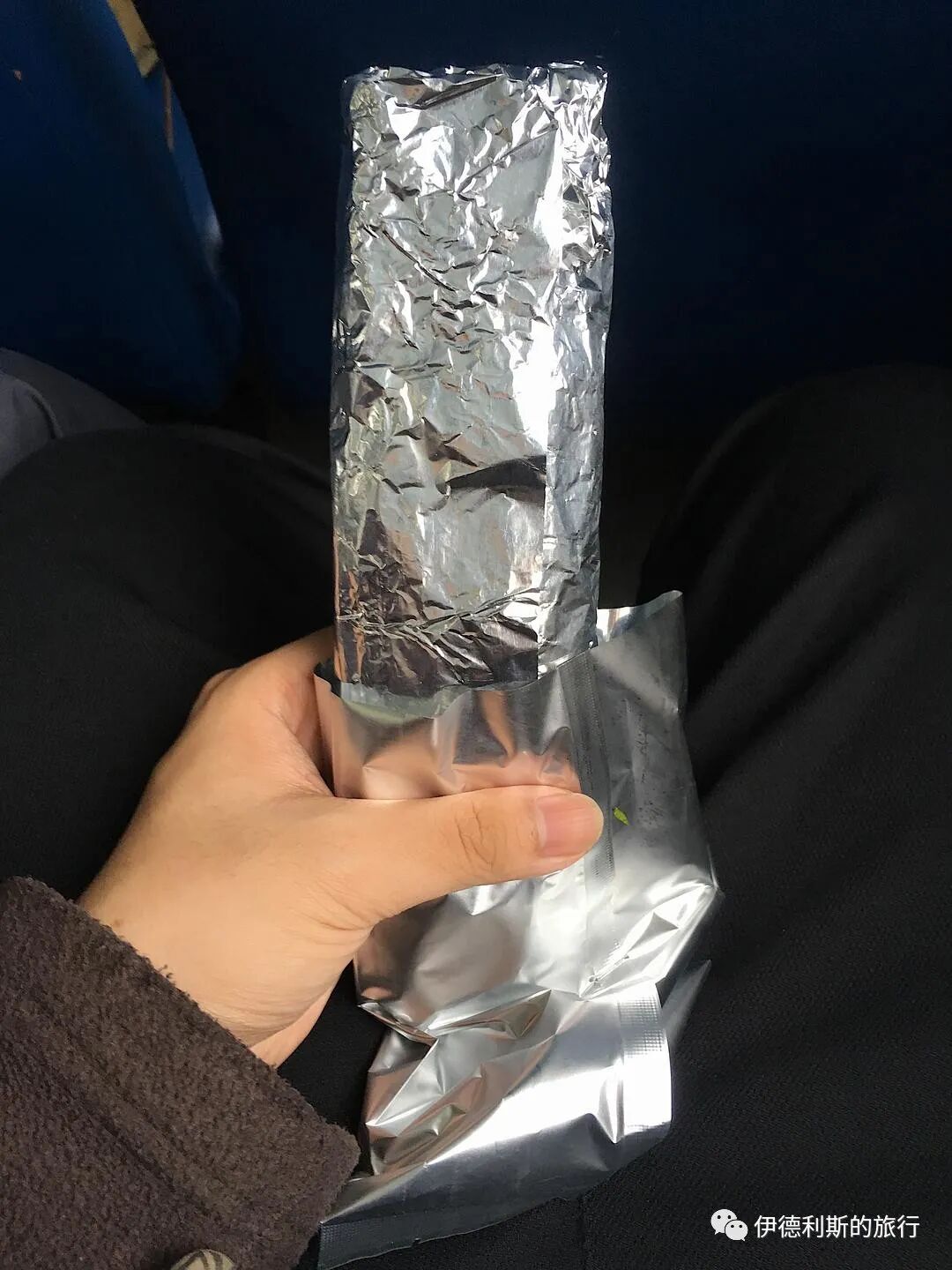
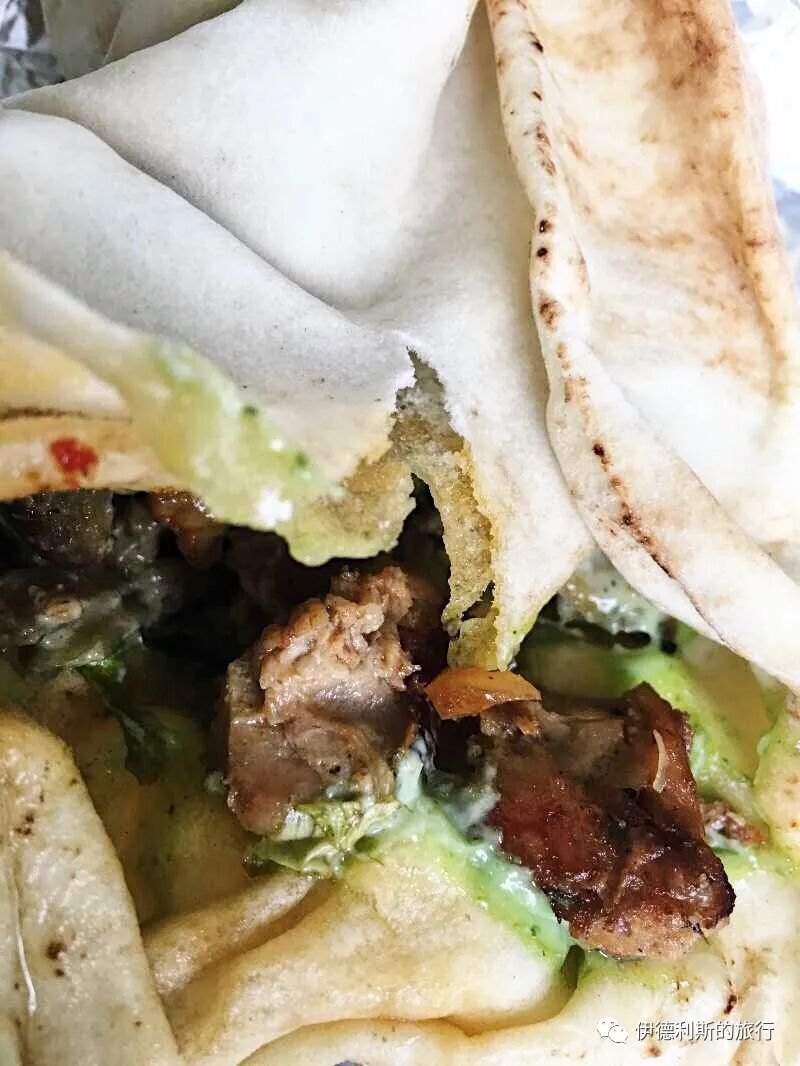
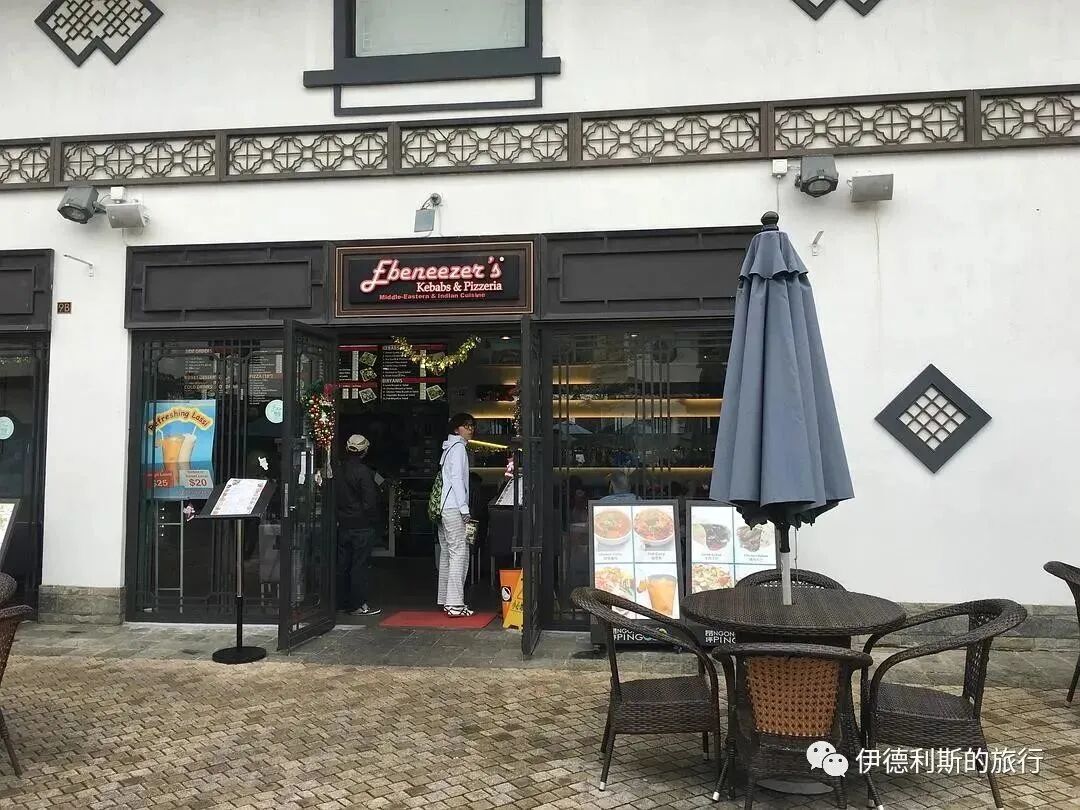
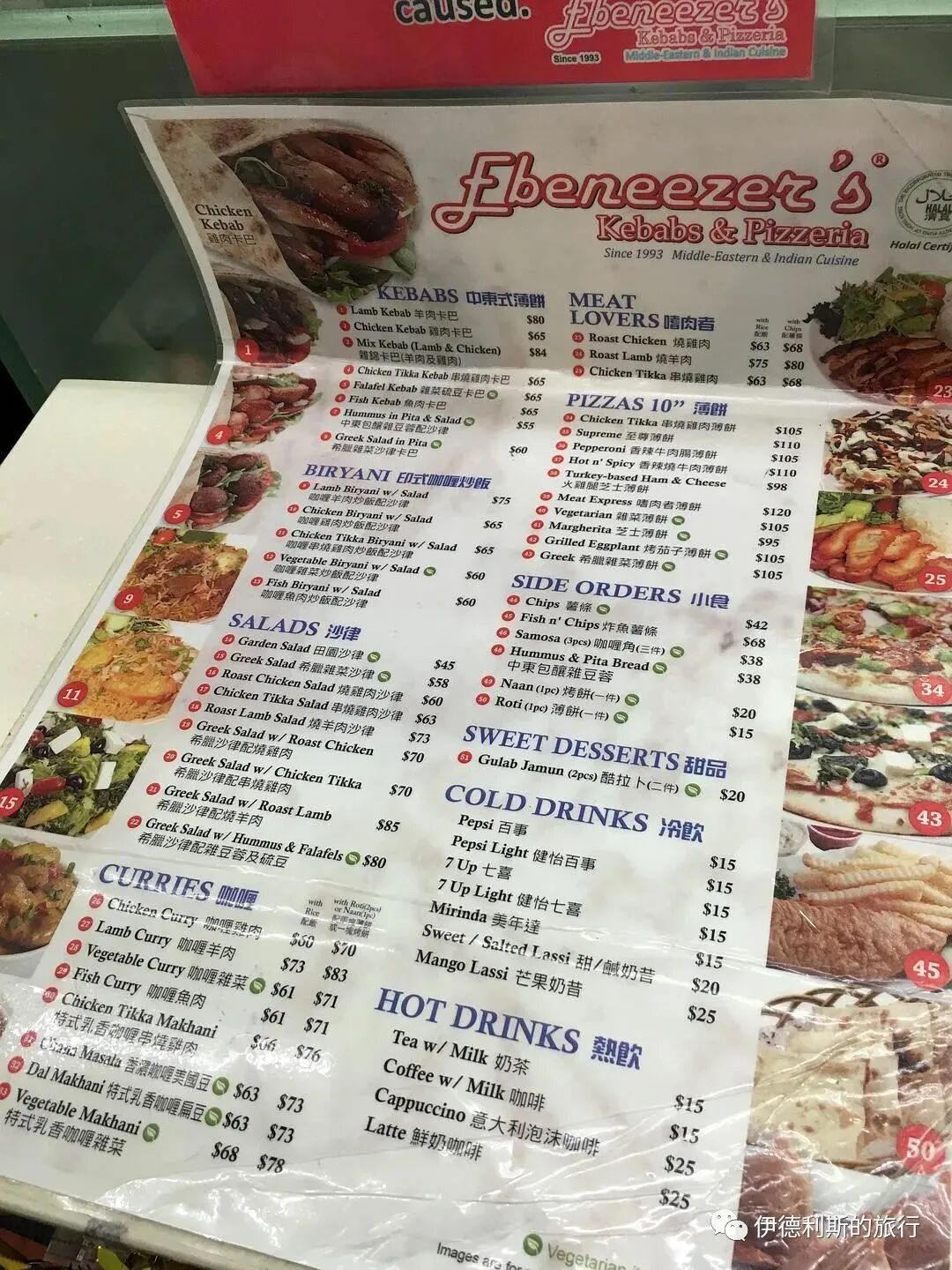
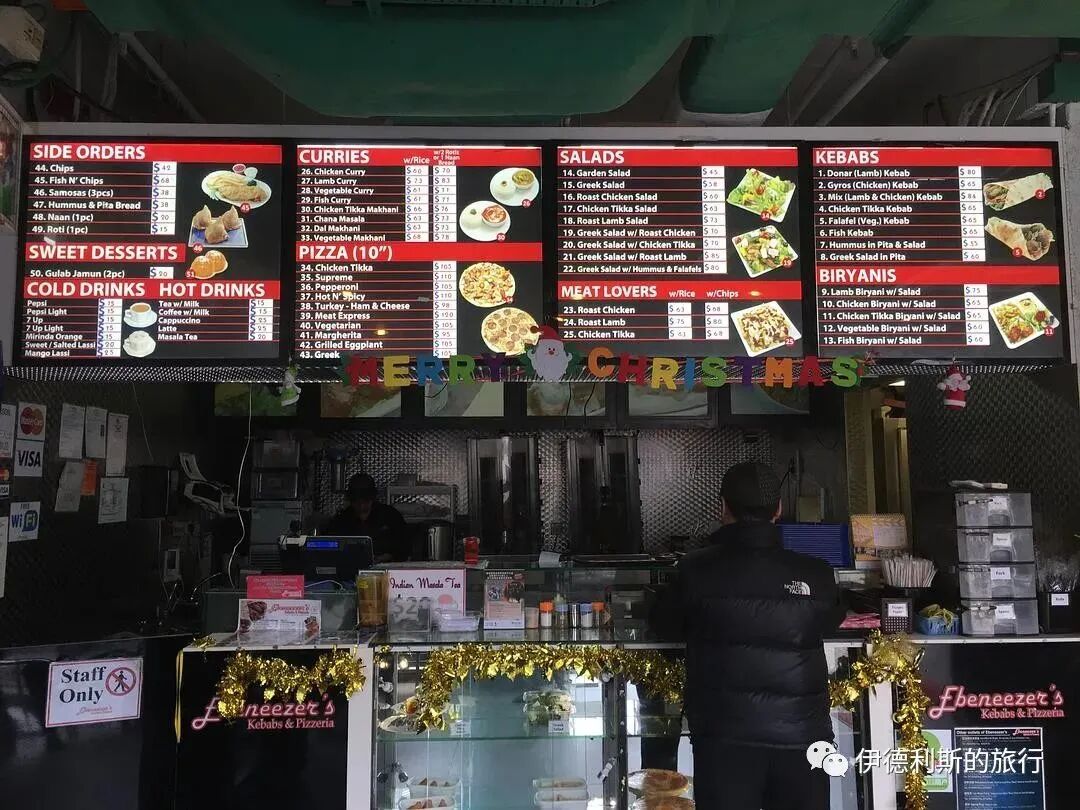
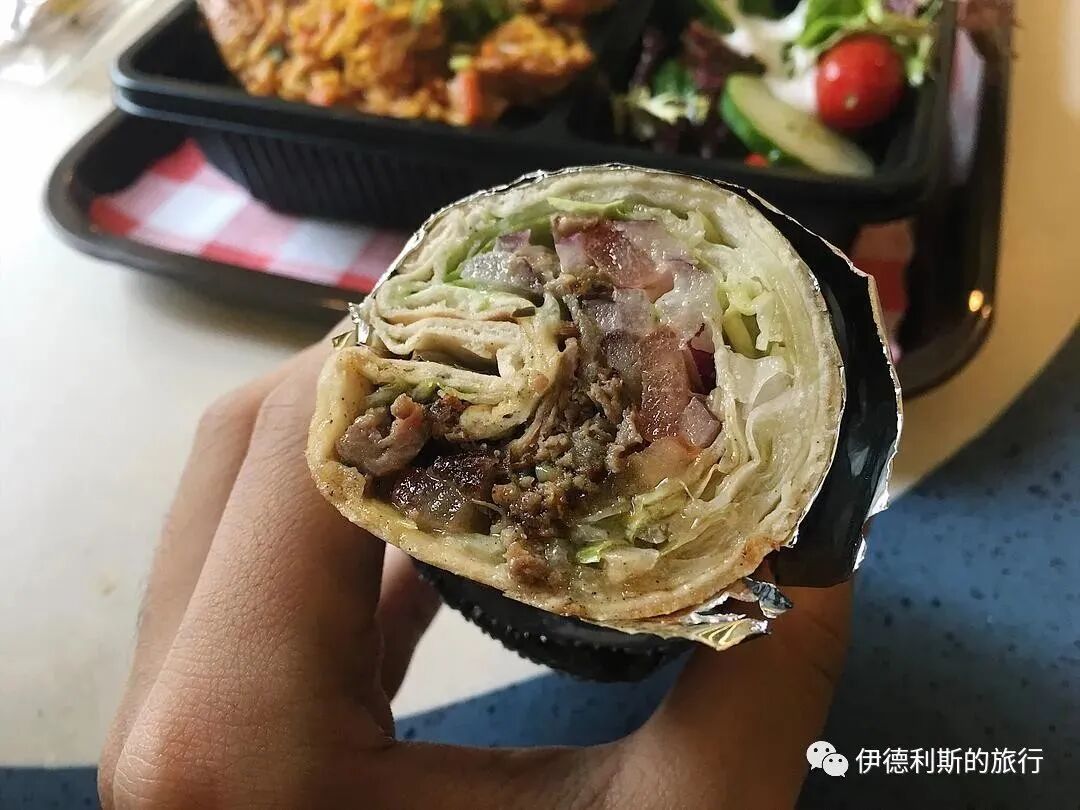
Ebeneezer's Kebabs & Pizzeria.
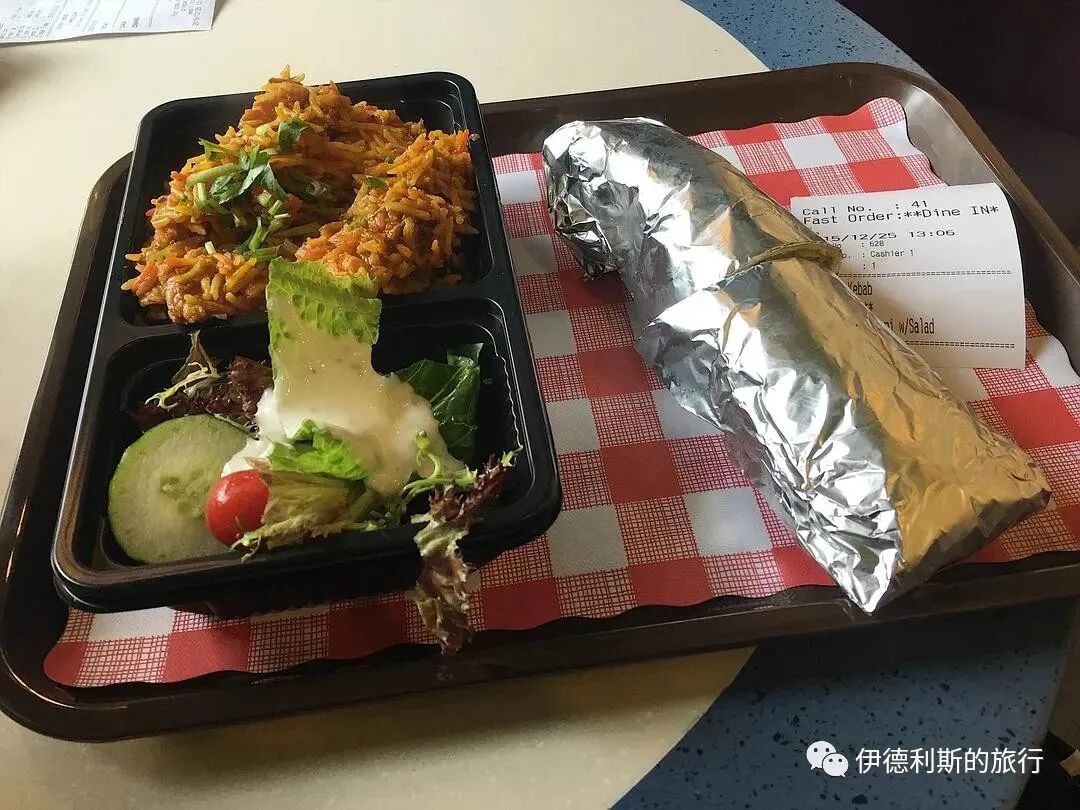
Also, when visiting tourist spots in Hong Kong, there are many halal fast food restaurants. A famous one is Ebeneezer's Kebabs & Pizzeria, which is where we ate this time at Ngong Ping Village on Lantau Island.
Summary: Hong Kong — Mosques, Halal Food and Muslim History is presented here as a firsthand travel account in clear English, beginning with this scene: In December 2015, I ate at Hong Kee Chinese Restaurant on the ground floor of Chungking Mansions. The account keeps its focus on Hong Kong Travel, Halal Food, Mosques while preserving the names, places, food, and historical details from the Chinese source.
In December 2015, I ate at Hong Kee Chinese Restaurant on the ground floor of Chungking Mansions.
Stir-fried beef tenderloin noodles with black pepper (ganchao heijiao niuliu mian).
Fried rice with olive vegetables and diced goose (lancai eli chaofan).
Signature crispy fried chicken (zhaopai cuipi zhaziji).
I went back to Hong Kee in October 2017 and ate corn with grouper fillet (sumi bannan) and mixed mushroom and fish maw (zajun cai yudu).
In the film 'Neon Goddesses', Charlie Young says her mother told her when she was little that this place was complicated and wouldn't let her go downstairs.
Max Mok described Chungking Mansions in the early 1990s as having many tourists and many curry shops.
Next to Hong Kee Chinese Restaurant is a Pakistani shop where I bought several South Asian hats.
Hats bought at the Pakistani shop.
This type of skullcap (topi) can be seen in Pakistan and Tajikistan around the Pamir Mountains.
Traditional wool felt cap (pakol).
Red style fez cap (rumi topi).
The fez cap was first worn by ancient Phoenicians living in Cyprus, introduced to the Balkans during the Byzantine era, and later became popular among Bosnians and Serbs during the Ottoman Empire.
In 1826, Ottoman Sultan Mahmud II began comprehensive military reforms, and his modernized army wore Western-style uniforms with fez caps on their heads.
In 1829, the Sultan ordered officials in the country to stop wearing turbans and to wear fez caps instead. This series of measures made the fez cap a symbol of modernization in Islamic countries, and it was not only welcomed by people within the Ottoman Empire but also began to spread throughout the Islamic world.
In South Asia, the fez cap is called rumi topi, which translates literally to 'Roman cap,' because the Ottoman Empire was seen as the successor to the Eastern Roman Empire. At first, only Muslim nobles in South Asia wore them, but later it spread to the common people.
Bismillah Kebab House on the first floor of Chungking Mansions.
Ottoman Mediterranean Cuisine.
Besides Chungking Mansions, there are many halal restaurants in Kowloon. This time I chose a Turkish restaurant, 1453 Ottoman Mediterranean Cuisine on Ladies' Market in Mong Kok.
Ebeneezer's Kebabs & Pizzeria.
Also, when visiting tourist spots in Hong Kong, there are many halal fast food restaurants. A famous one is Ebeneezer's Kebabs & Pizzeria, which is where we ate this time at Ngong Ping Village on Lantau Island.
