
Halal Travel Guide: Delhi Lodhi Garden — Sultanate Tombs and Muslim History
Reposted from the web
Summary: Delhi Lodhi Garden — Sultanate Tombs and Muslim History is presented here as a firsthand travel account in clear English, beginning with this scene: The Lodhi dynasty was the last of the five dynasties of the Delhi Sultanate. It was founded by the Pashtun Lodhi family in 1451 and lasted 75 years until it was conquered by the Mughal Empire in 1526. The account keeps its focus on Delhi Travel, Lodhi Dynasty, Muslim Heritage while preserving the names, places, food, and historical details from the Chinese source.
The Lodhi dynasty was the last of the five dynasties of the Delhi Sultanate. It was founded by the Pashtun Lodhi family in 1451 and lasted 75 years until it was conquered by the Mughal Empire in 1526. The Lodhi dynasty did not build a new capital in Delhi, so no large palaces remain. However, many tombs and mosques from the Lodhi period are preserved in the southern suburbs of Delhi, serving as the best examples for studying the history and architectural art of the Lodhi dynasty.
If you want to experience the history of the Lodhi dynasty firsthand, the best place to go is Lodhi Garden on the south side of New Delhi. The entire garden covers 360,000 square meters. Major buildings include the tomb of Sultan Muhammad Shah (reigned 1434-1445) of the Sayyid dynasty, the tomb of Sultan Sikandar Lodi (reigned 1489-1517) of the Lodhi dynasty, the Bara Gumbad (Big Dome), and the Shish Gumbad (Glass Dome), which is suspected to be the tomb of Sultan Bahlul Lodi (reigned 1451-1489). Some relics from the Mughal period are also preserved there.
Tomb of Muhammad Shah
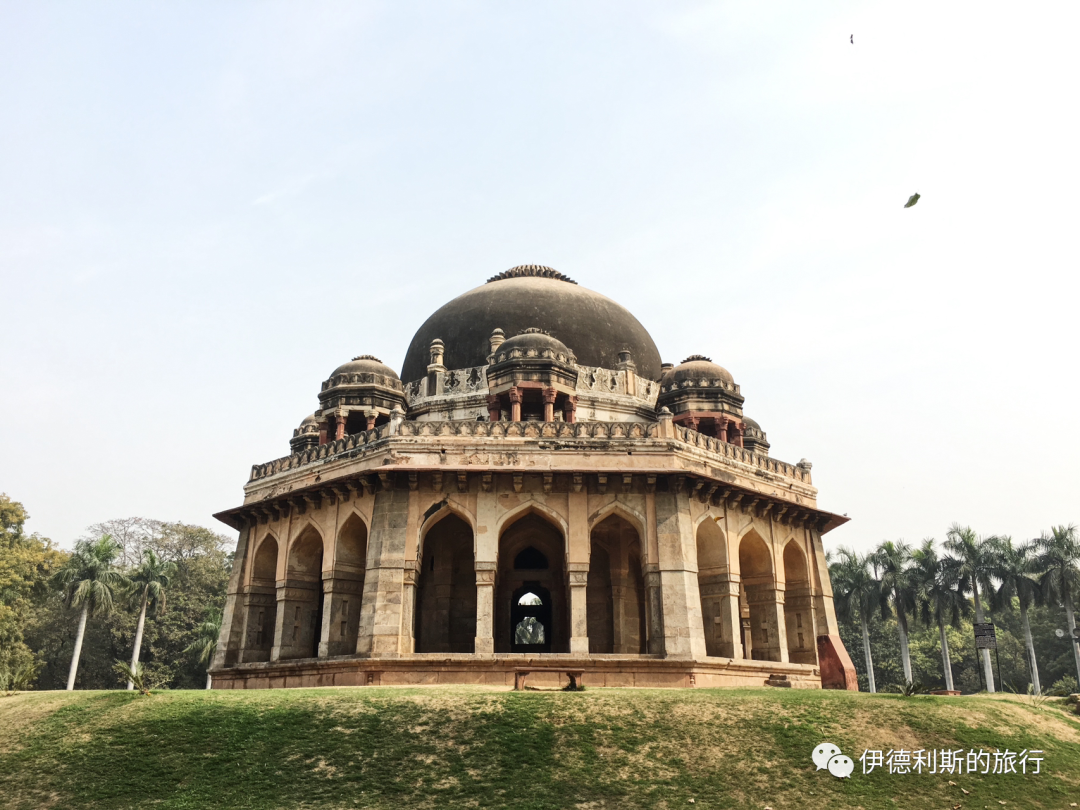
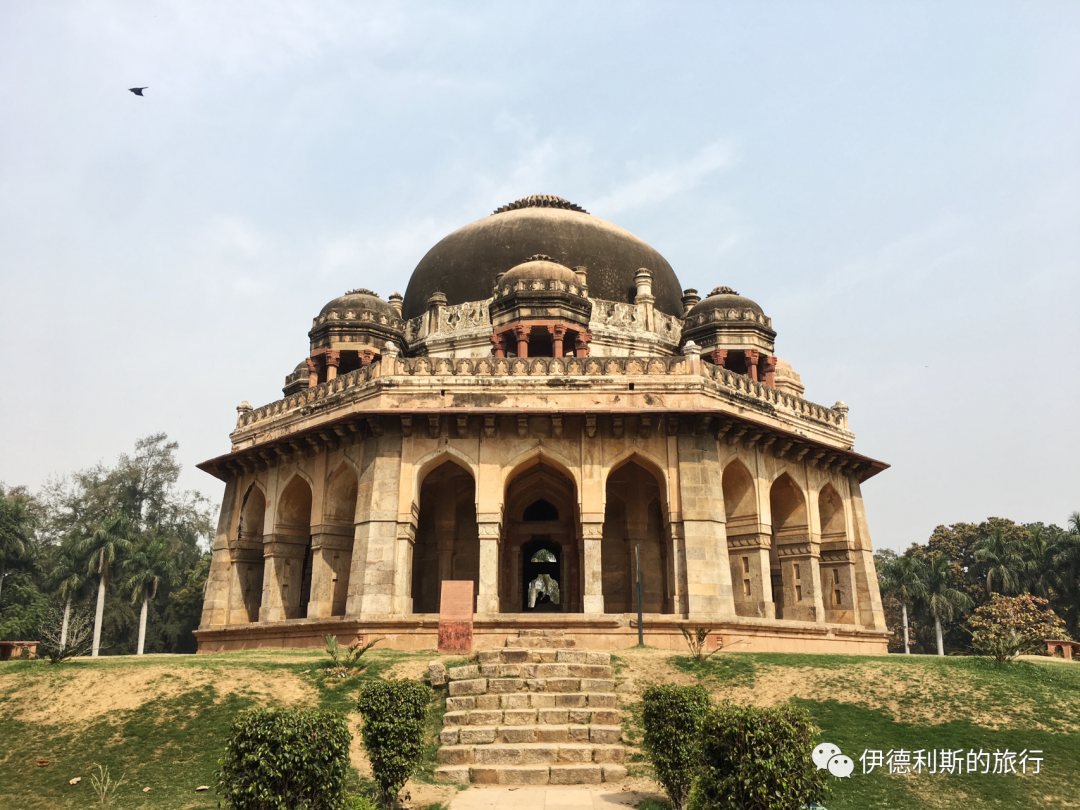
Entering from the south gate of Lodhi Garden, the first thing you see is the tomb of Muhammad Shah (reigned 1434-1445), the third sultan of the Sayyid dynasty of the Delhi Sultanate.
The Sayyid family claimed to be descendants of the Prophet Muhammad and originally lived in the Punjab region. The founder, Khizr Khan, became the governor of Multan after Timur invaded the Delhi Sultanate in 1398, and he officially established the Sayyid Sultanate after occupying Delhi in 1414. Muhammad Shah was the grand-nephew of Khizr Khan. During his reign, the territory of the Delhi Sultanate continued to shrink. Sunni Islam was no longer the dominant force, Shia Islam began to rise, and Indian Islamic culture started to take root in areas outside of Delhi.
During the reign of Muhammad Shah, Bahlul Lodi, the leader of the Pashtun Lodi tribe, was highly favored by the Sultan. Thanks to his military achievements, he gained control over most of the Punjab region, laying the foundation for the establishment of the Lodhi dynasty.
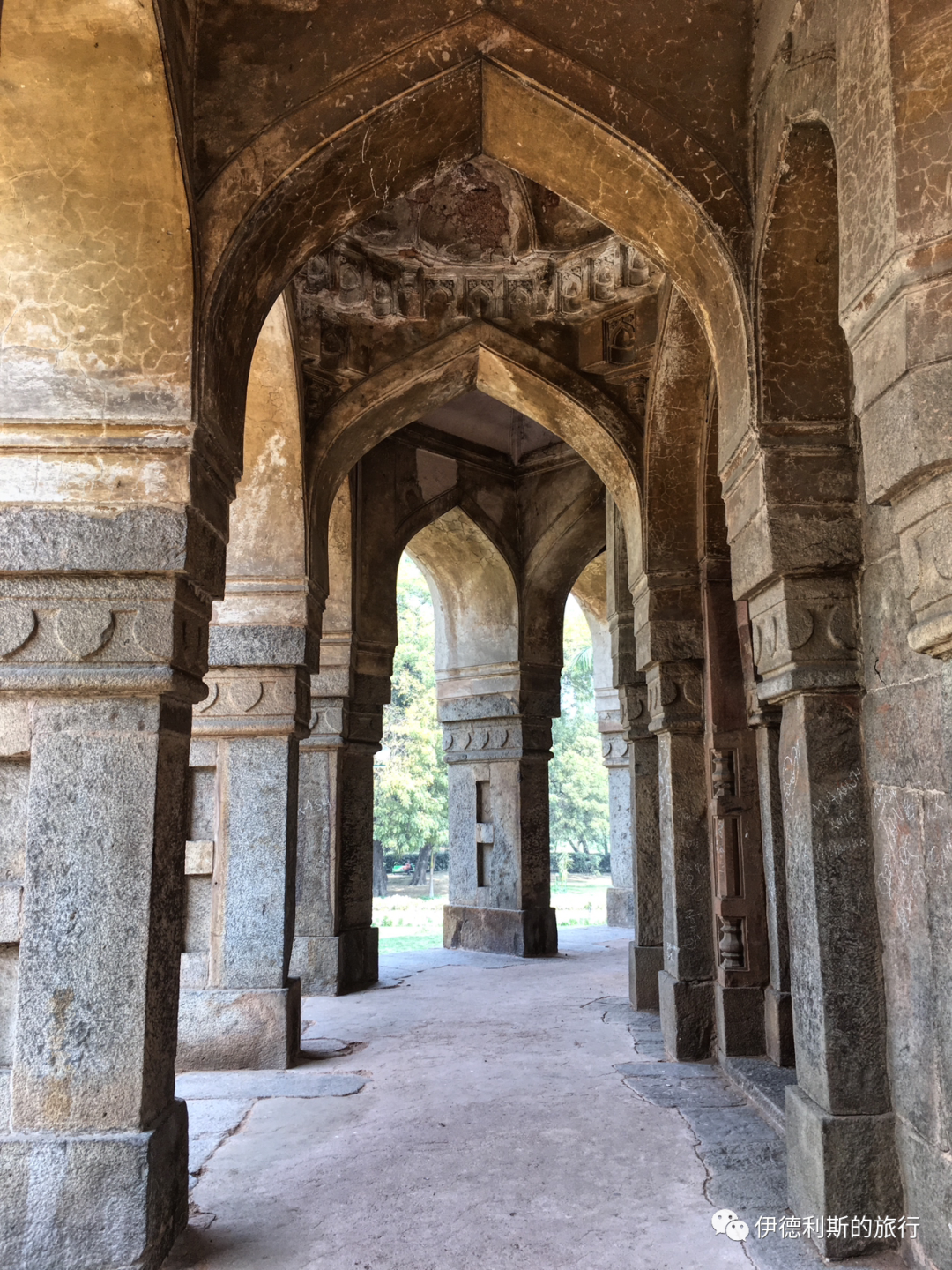
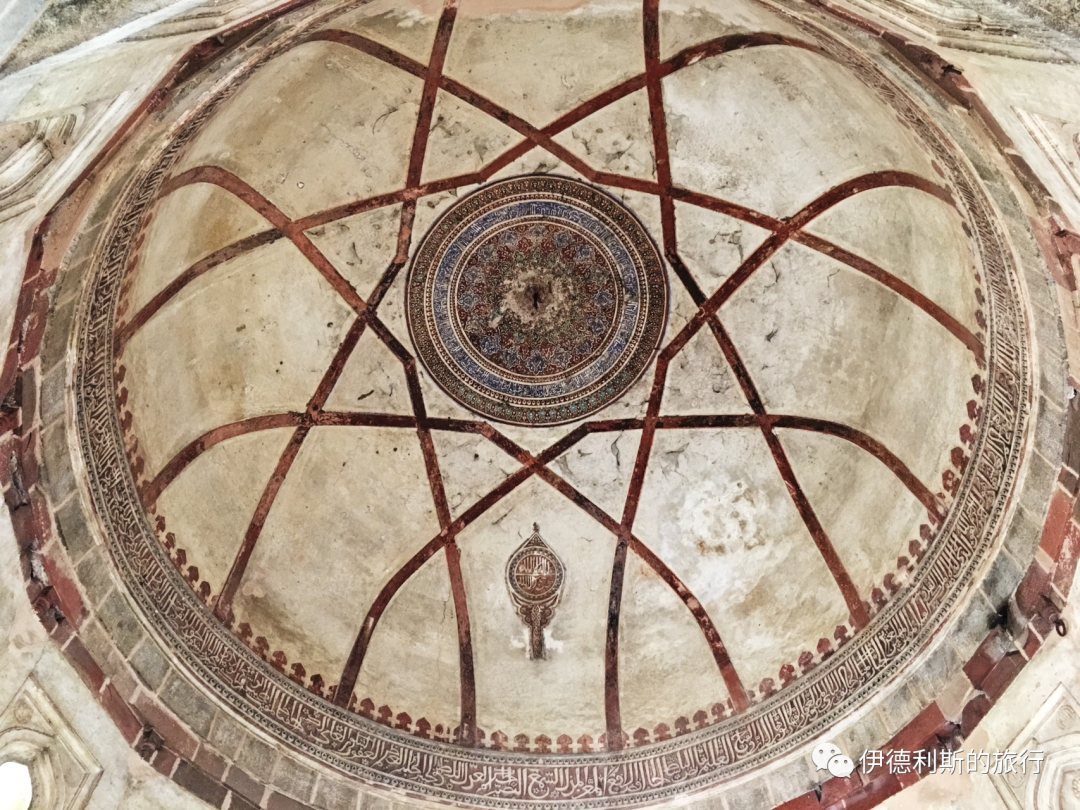
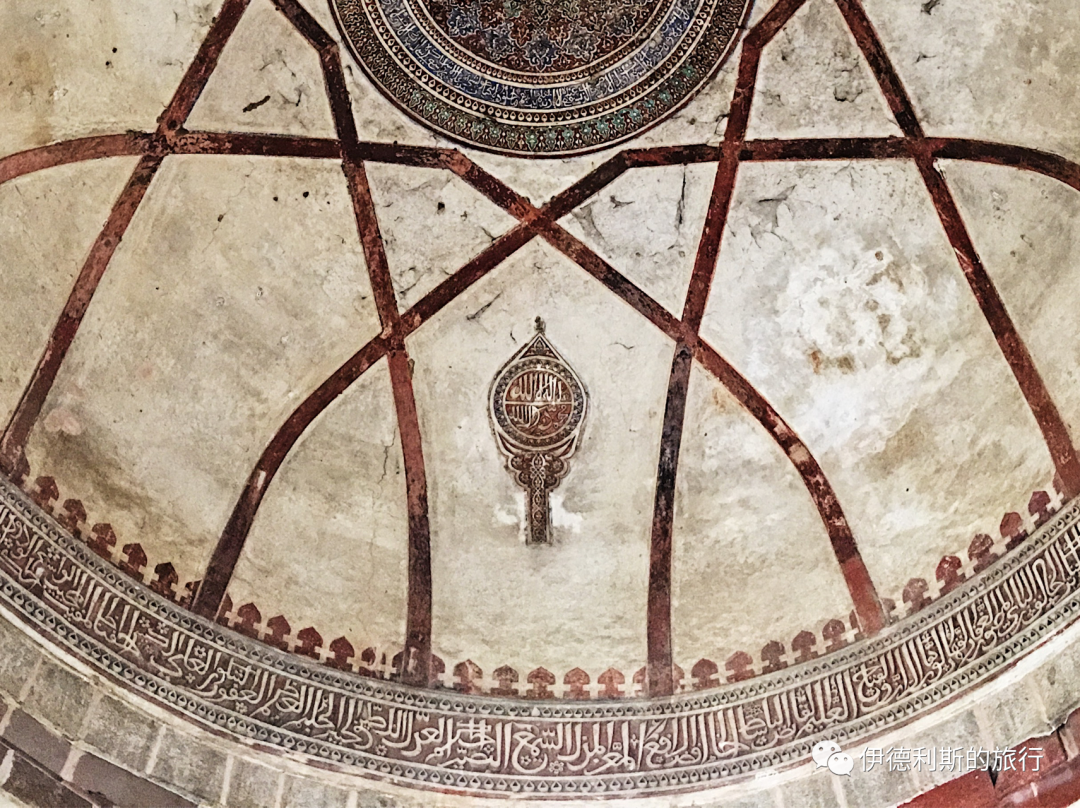
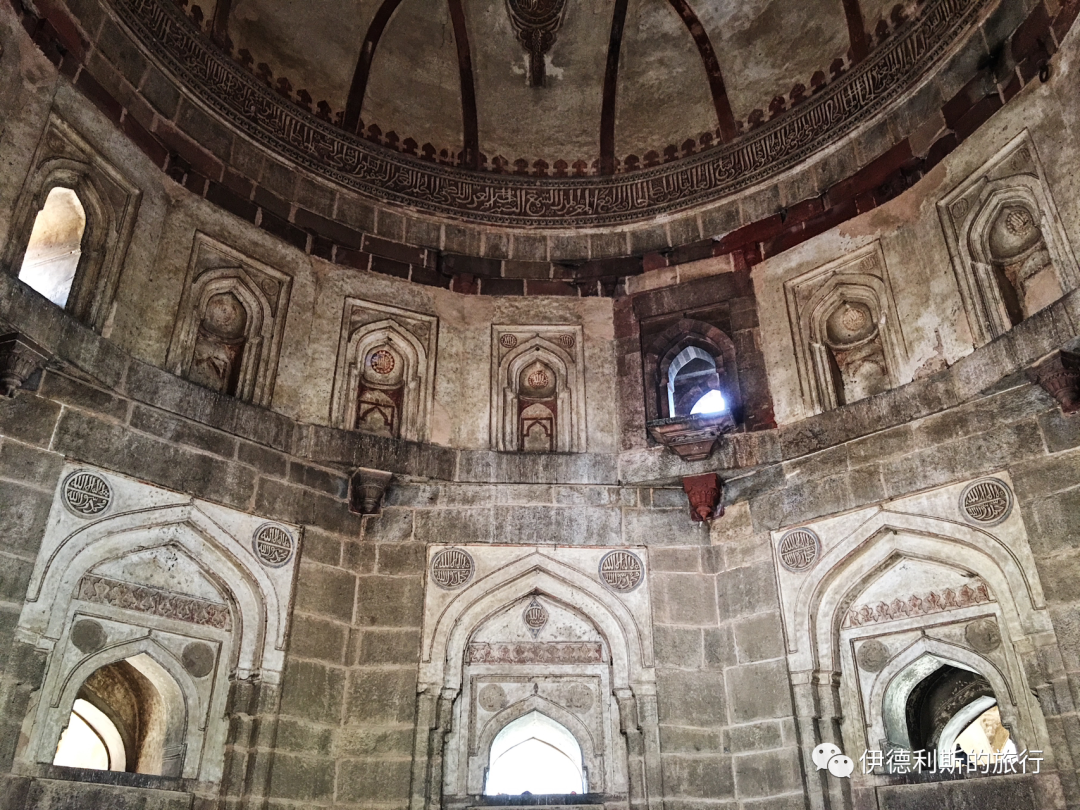
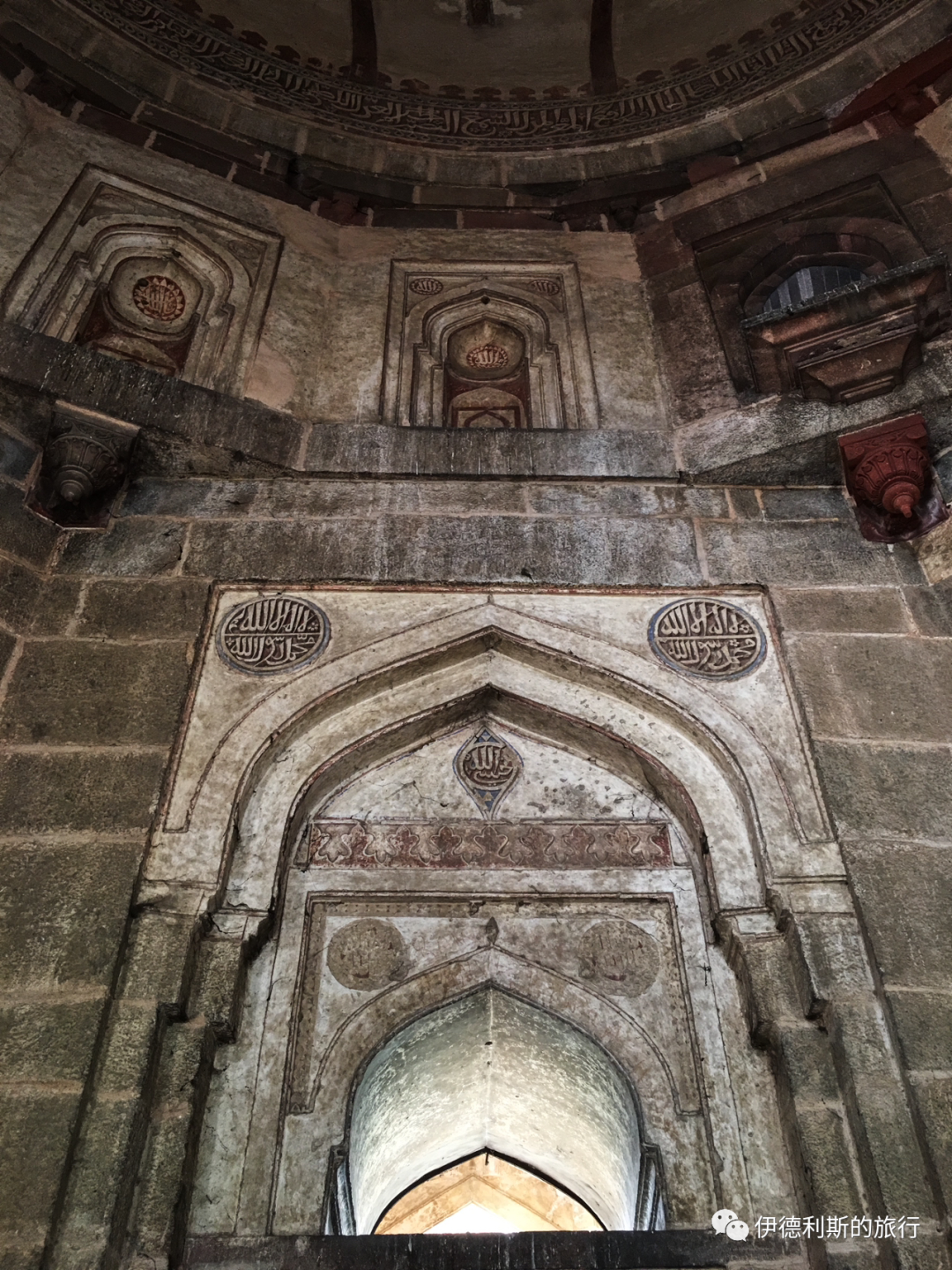
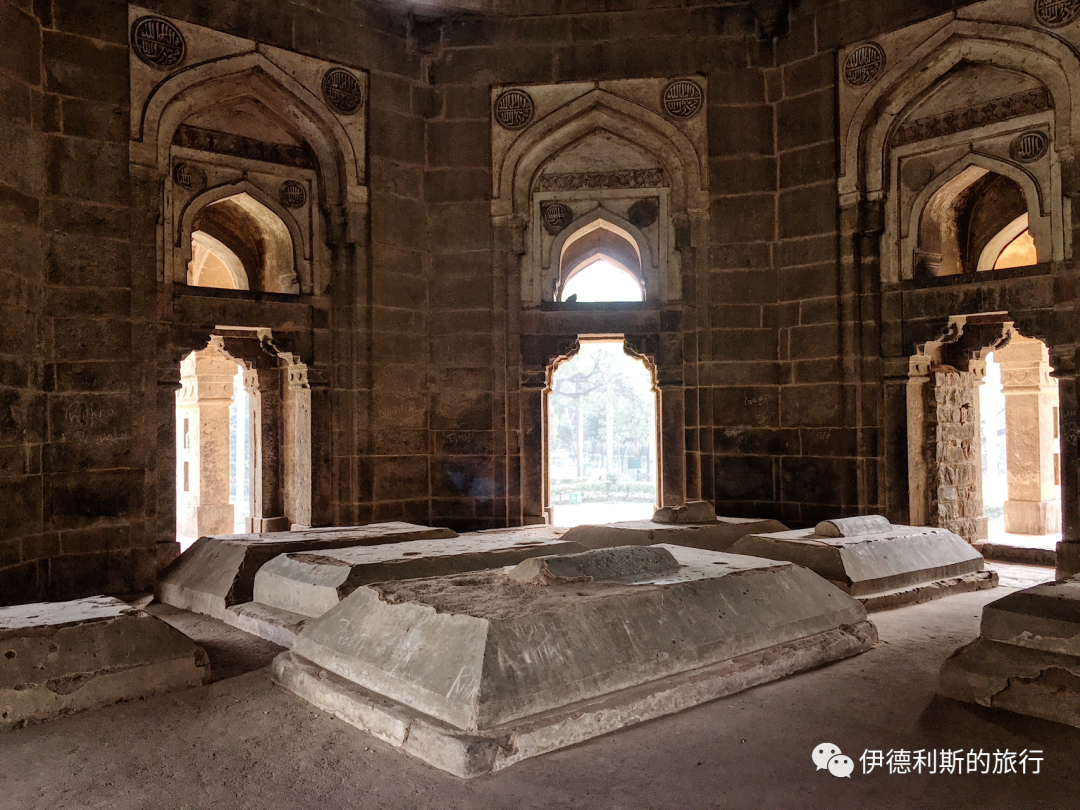
The tomb of Muhammad Shah is an octagonal domed building, which is more magnificent than the tomb of the previous sultan, Mubarak Shah. It is very strange that this tomb has no outer walls. Some speculate it was due to a lack of funds, while others think the outer walls likely collapsed later.
This building has a very typical Indo-Islamic architectural style. The central dome (gumbad) is surrounded by decorative spires (guldasta), then by domed pavilions (chhatri), and finally by eaves (chhajja).
Guldasta means 'tied bouquet' in Persian, and in Indo-Islamic architecture, it is usually shaped like a flower. The domed pavilion (chhatri) first appeared on early Indian Sufi tombs in the 12th century. It was later popularized by the Mughal Empire and became a signature feature of Indo-Islamic architecture. In fact, both the guldasta and the chhatri are a fusion of Persian pavilions and the indigenous Indian roof tower (sikhara).
The eaves (chhajja) were relatively rare during the Delhi Sultanate period. They did not become popular until the Mughal period and were later incorporated into Hindu architecture.
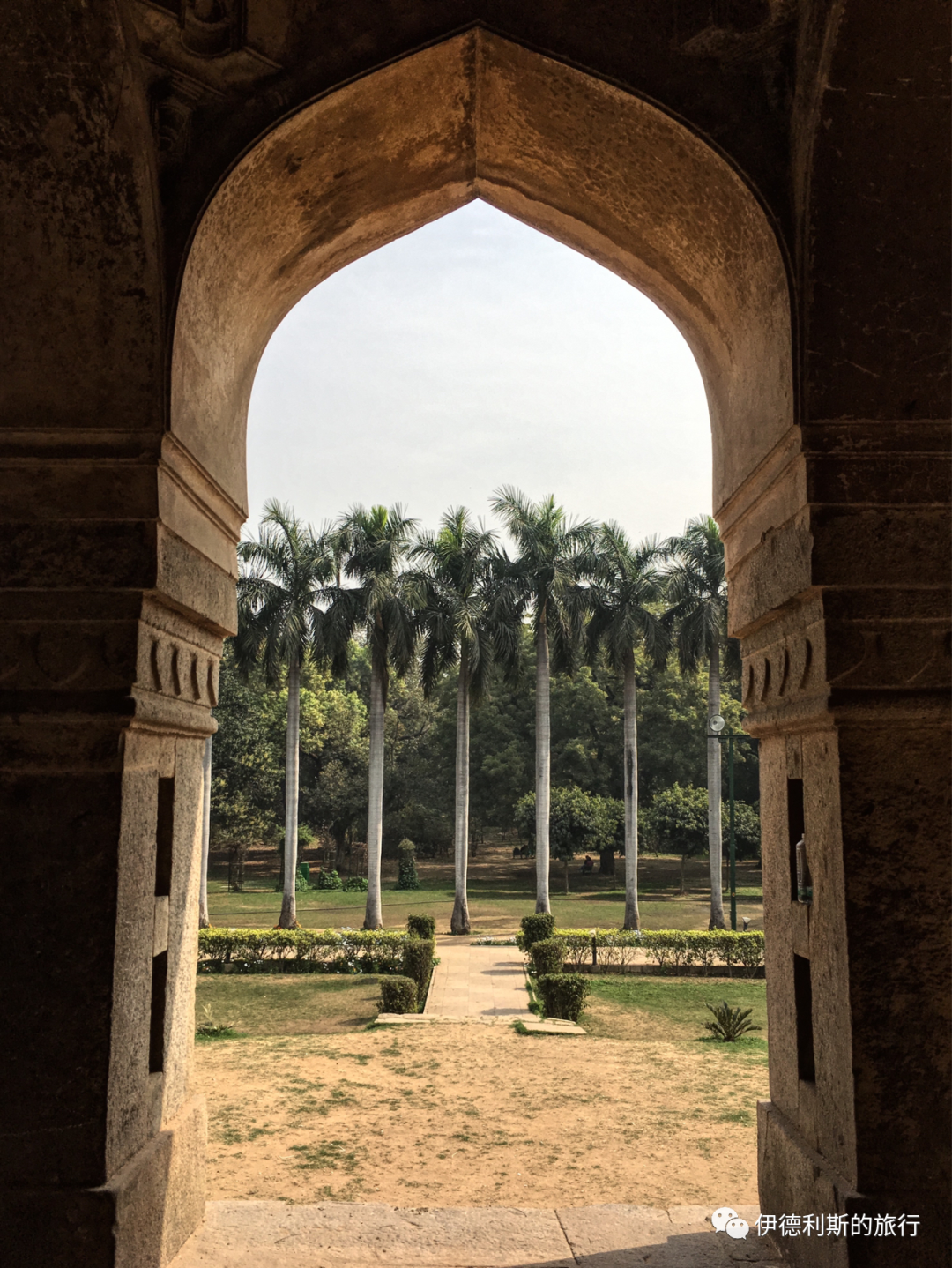
Bara Gumbad
Walking northeast from the tomb of Muhammad Shah, you reach the largest building from the Lodhi period: the Bara Gumbad (Big Dome).
The Bara Gumbad was built in 1490 by Sultan Sikandar Lodi (reigned 1489-1517) of the Lodhi dynasty. It consists of three buildings on a 4-meter-high platform. In the middle of the platform is a tombstone, with the Bara Gumbad on the south side, a Friday mosque (Juma Masjid) on the west side, and a guest house (mehman khana) on the east side. Judging by its shape, the Bara Gumbad looks like a tomb, but no burial has been found underneath, so it is likely the south gate of the platform.
The Bara Gumbad is 29 meters high and features Delhi's first 'full dome,' which is a complete semi-circular dome. The outer wall looks like it has two layers from the outside, but it is actually a single-layer structure inside. This design is very clever. The building is made of gray quartzite and decorated with red sandstone and black stone. All the stones were trimmed and polished, with no plaster used at all.
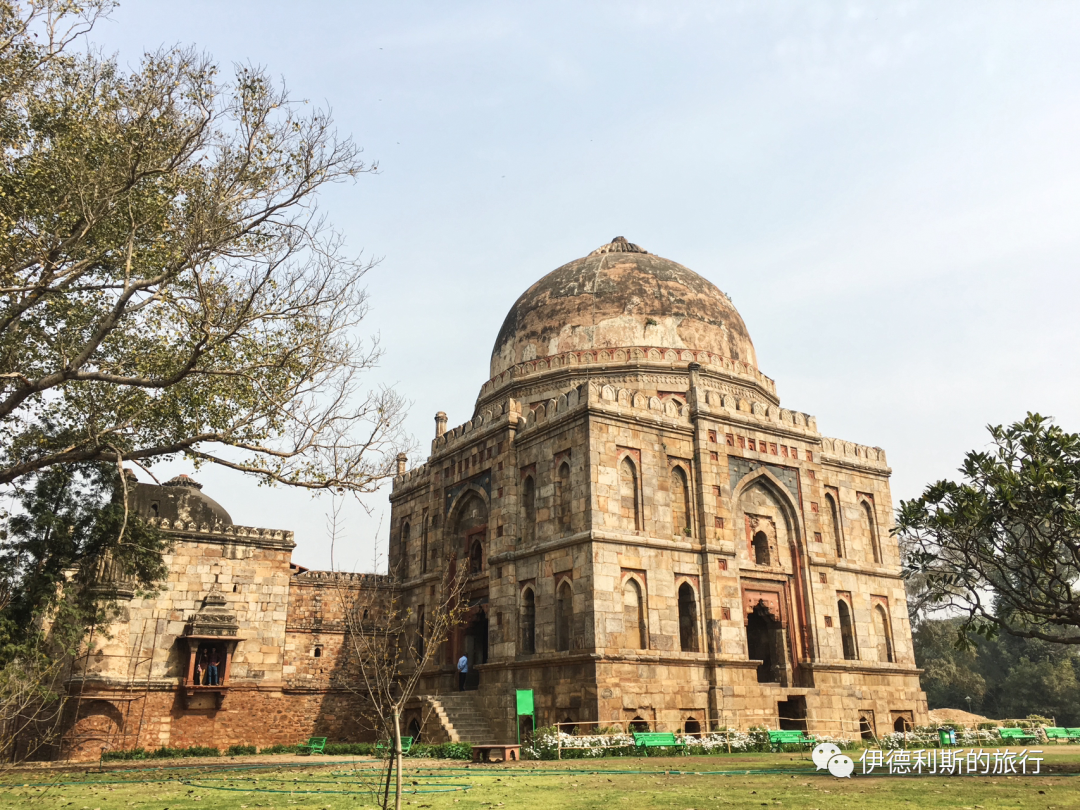
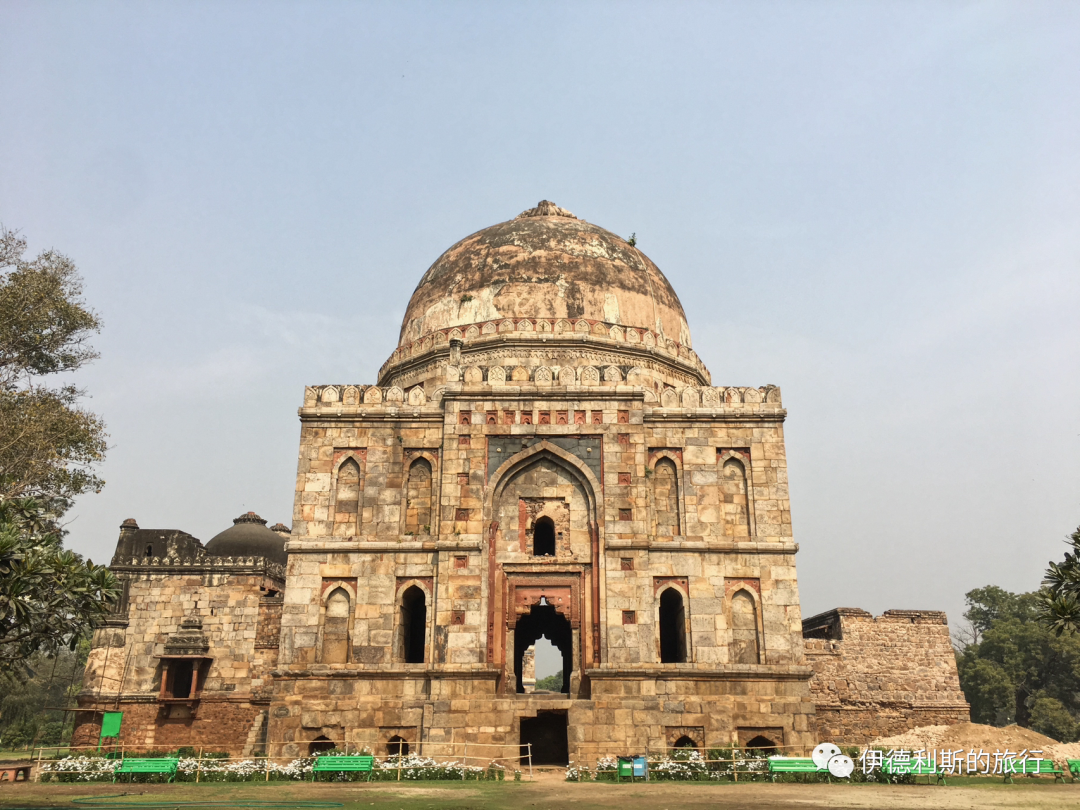
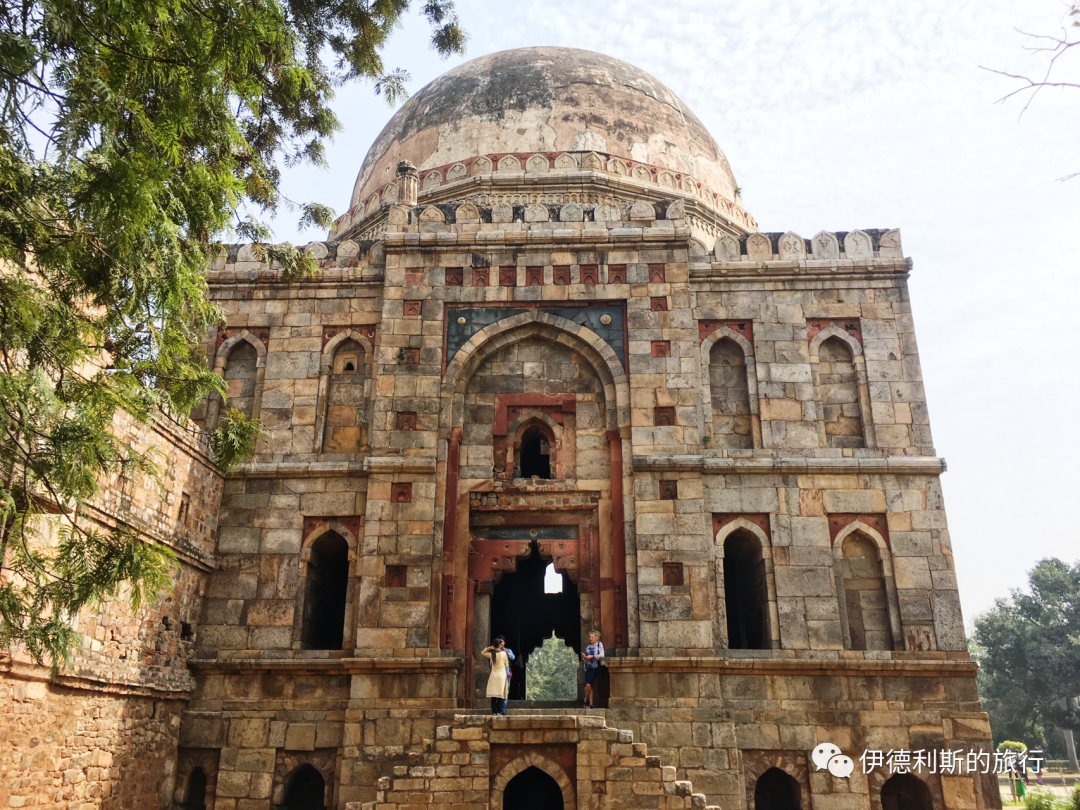
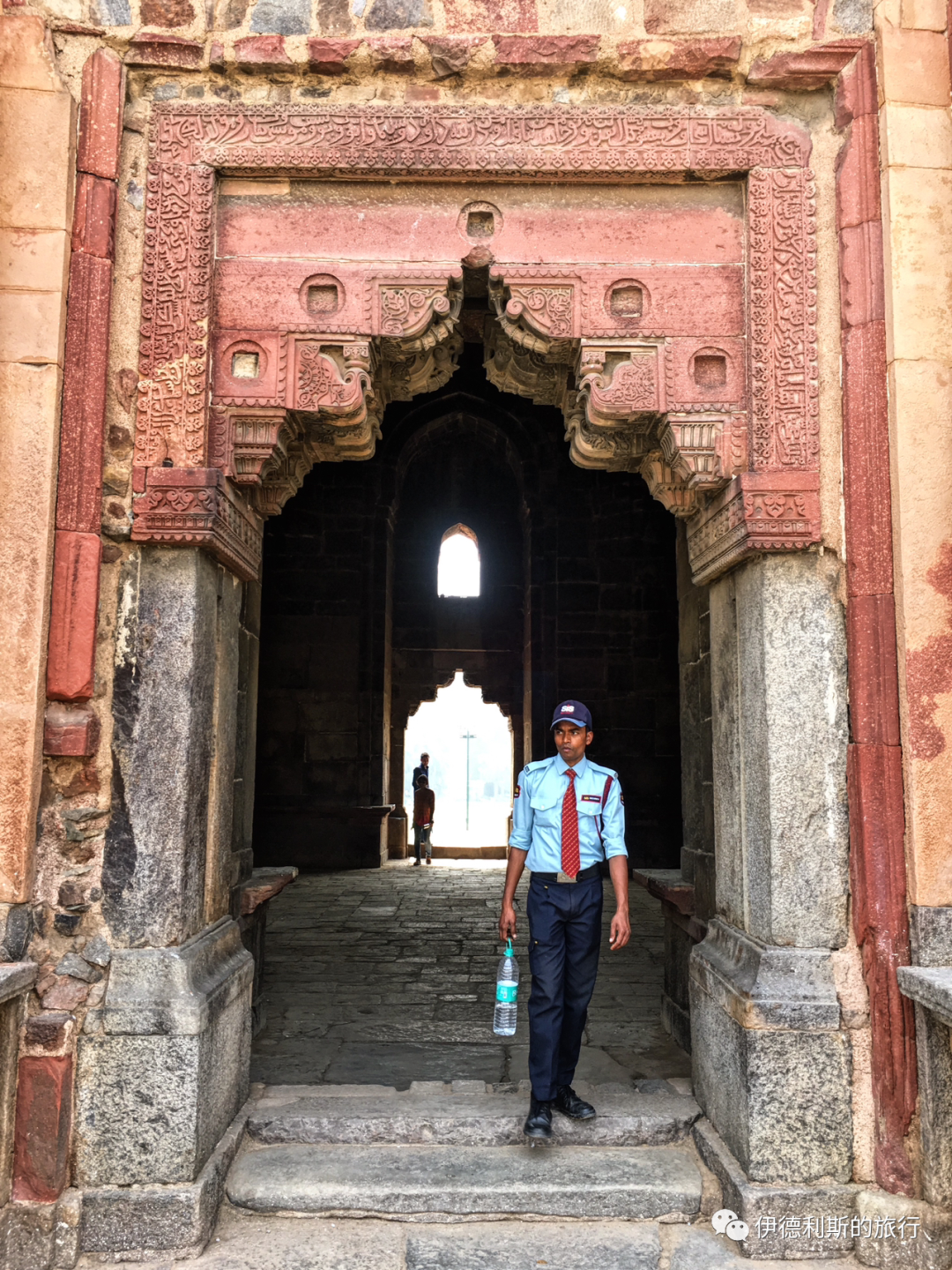
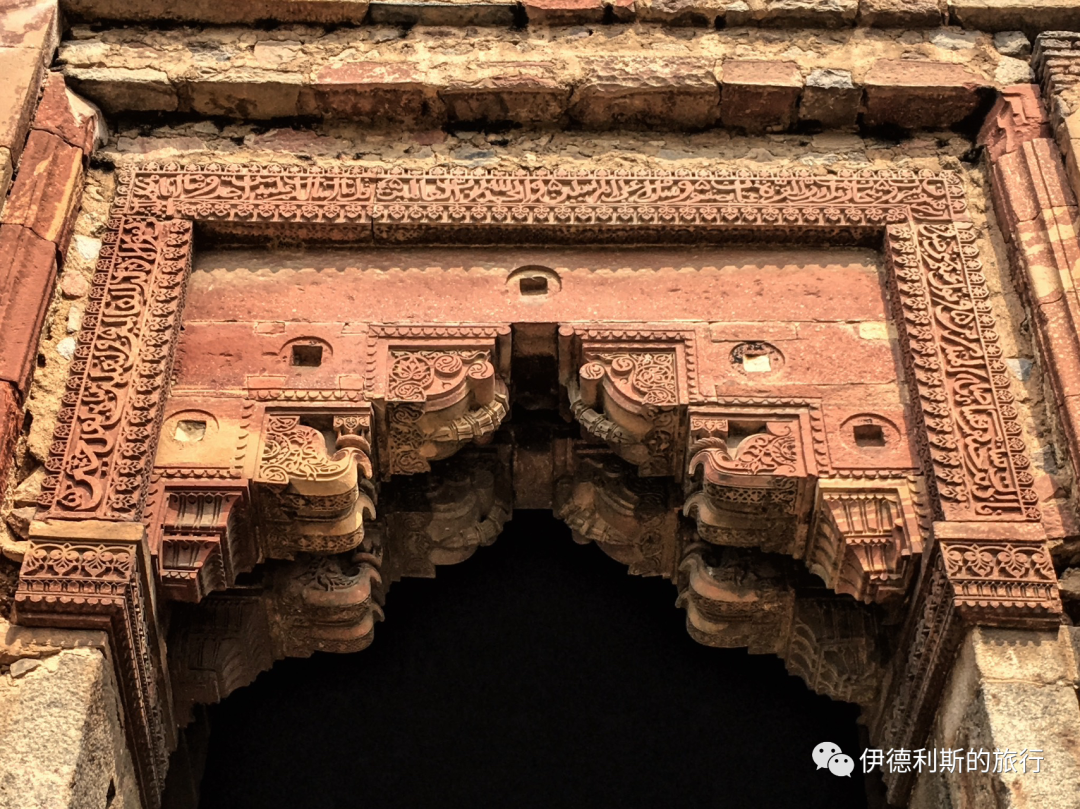
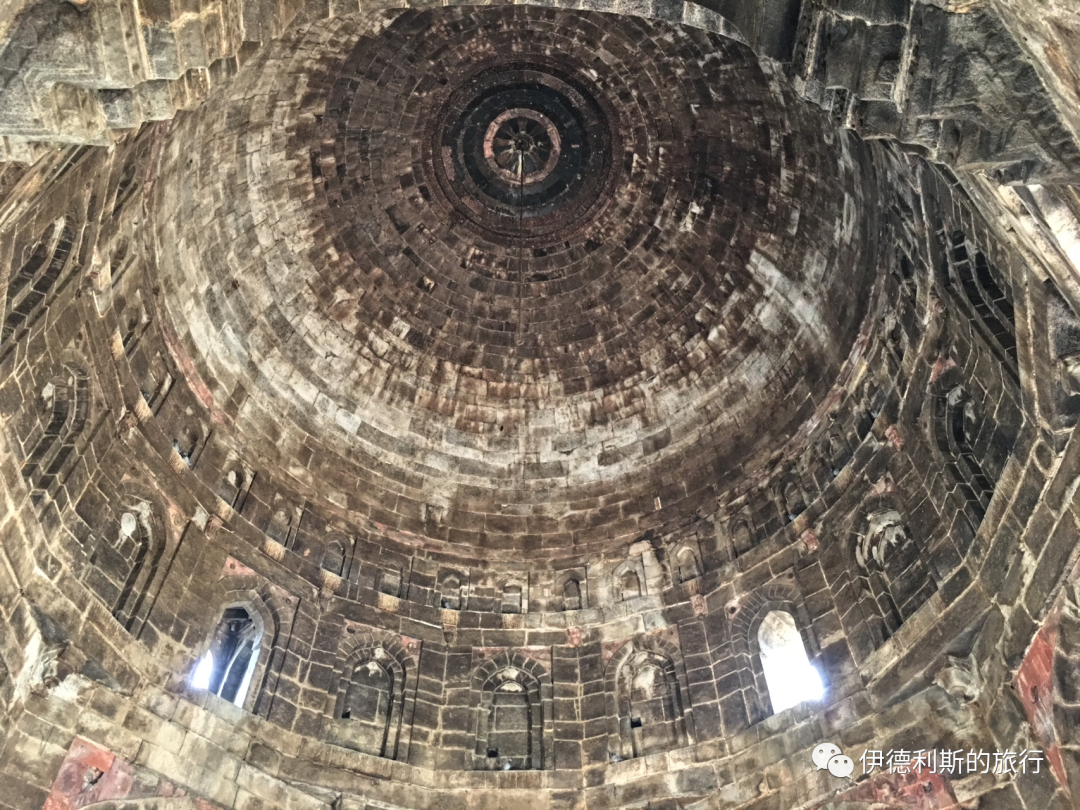
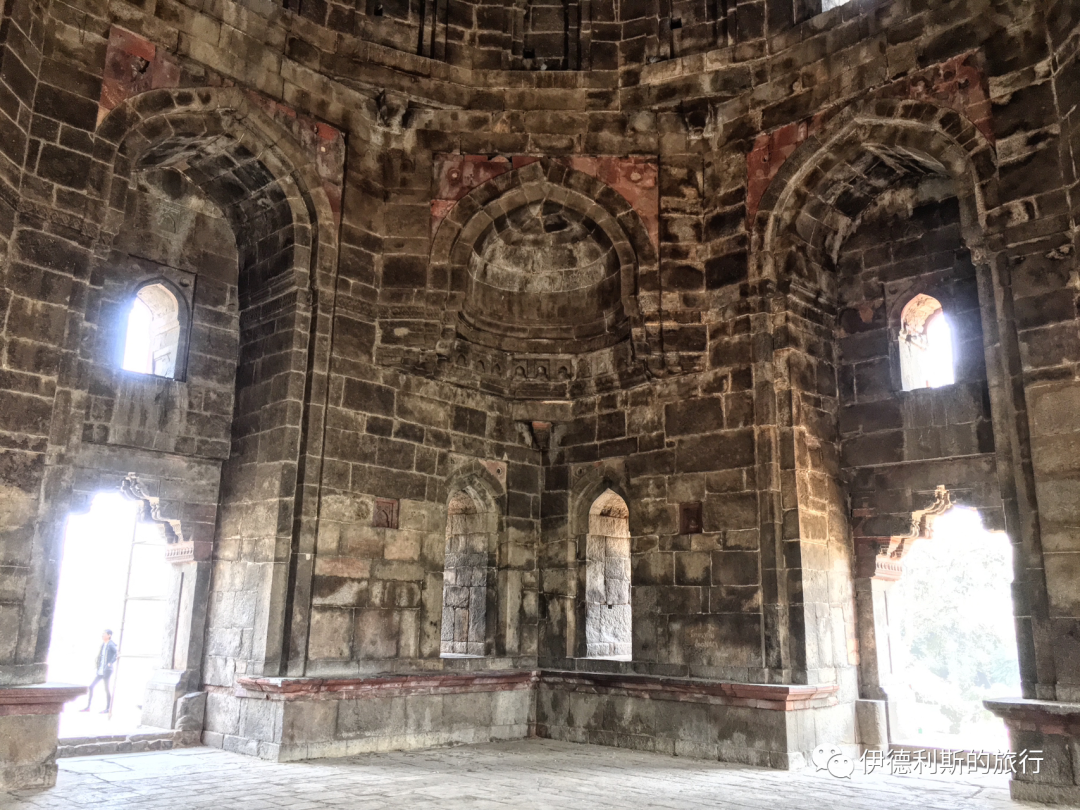
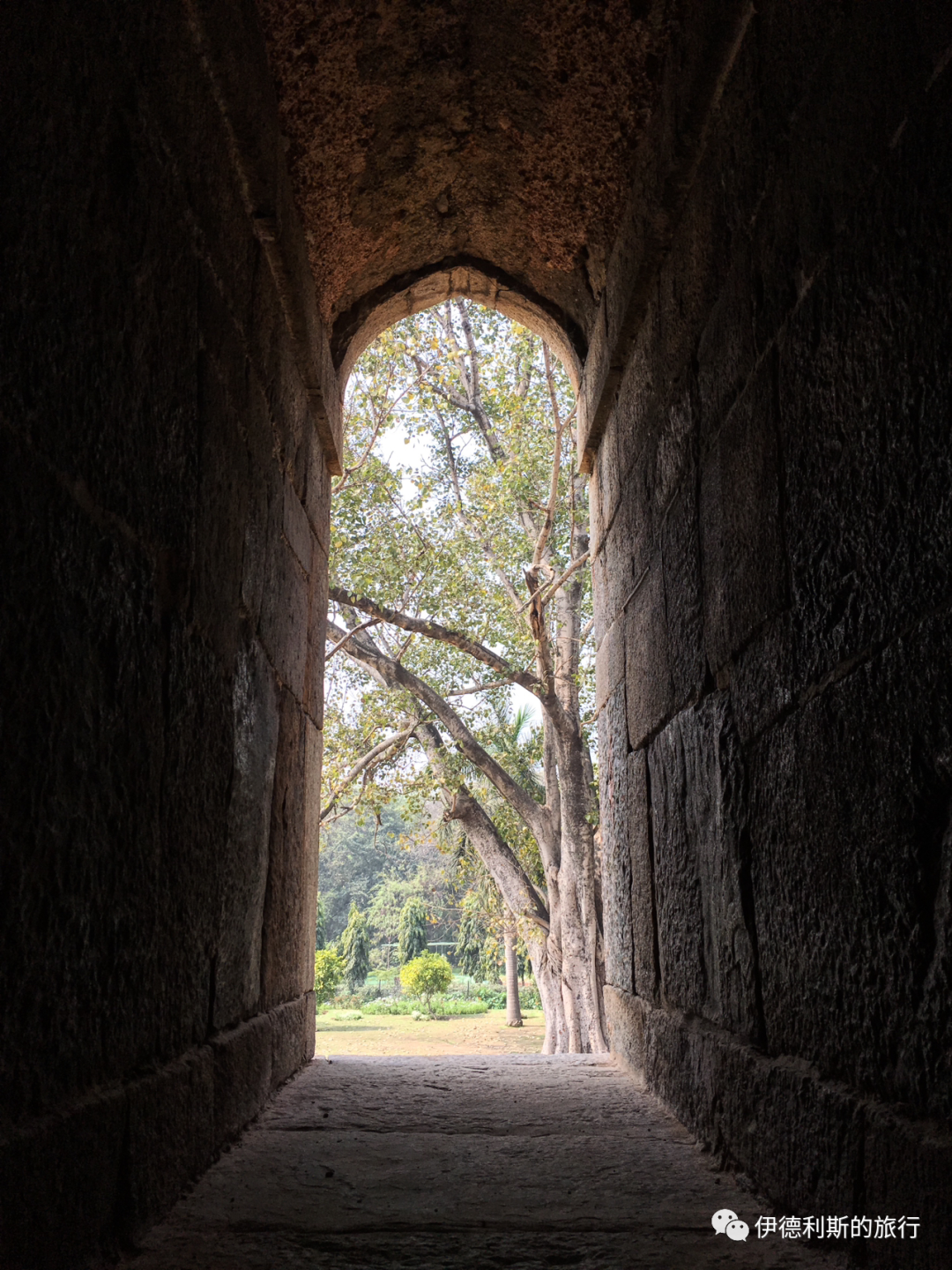
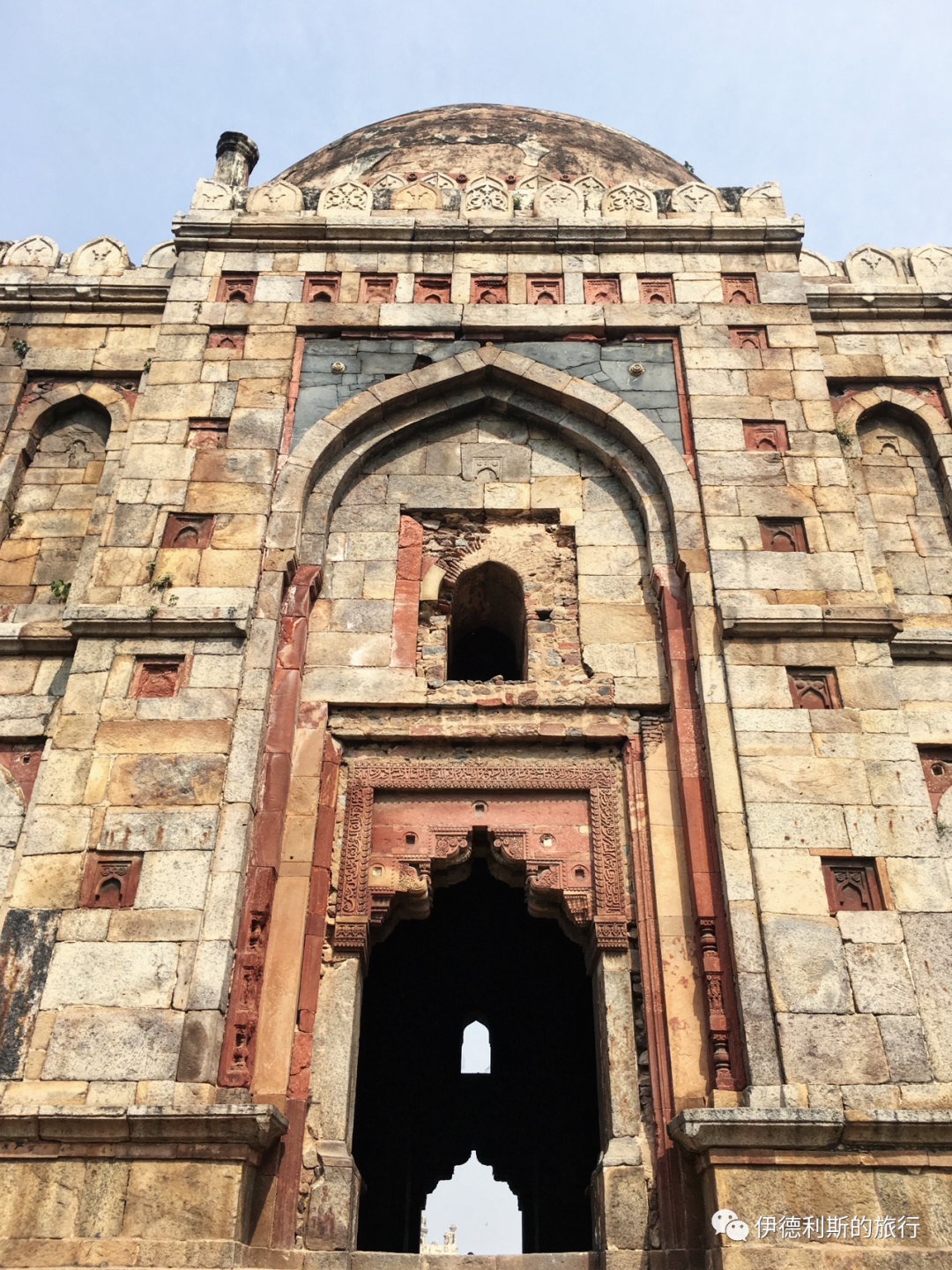
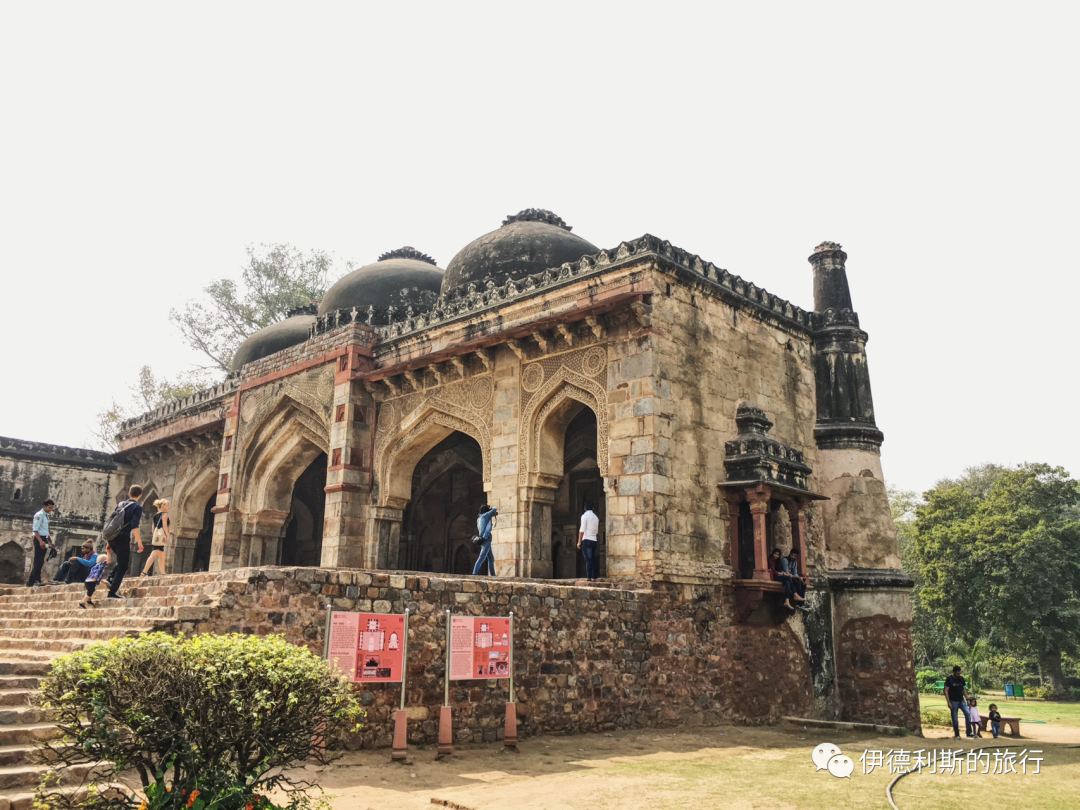
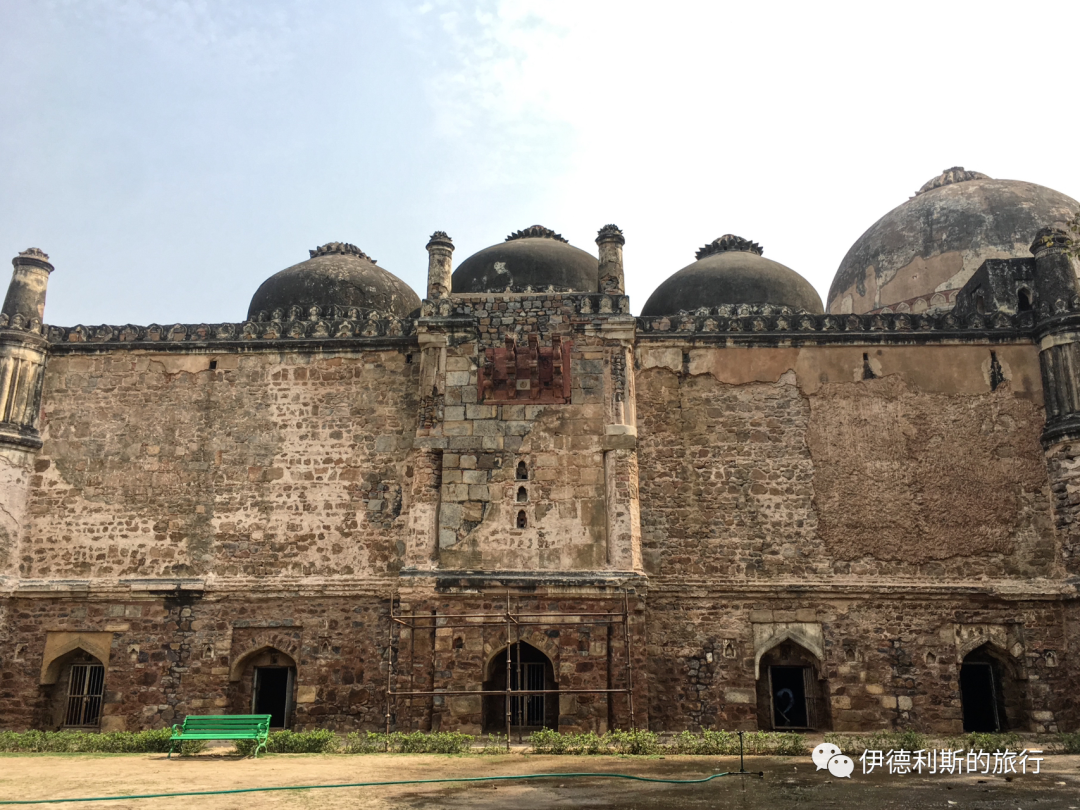
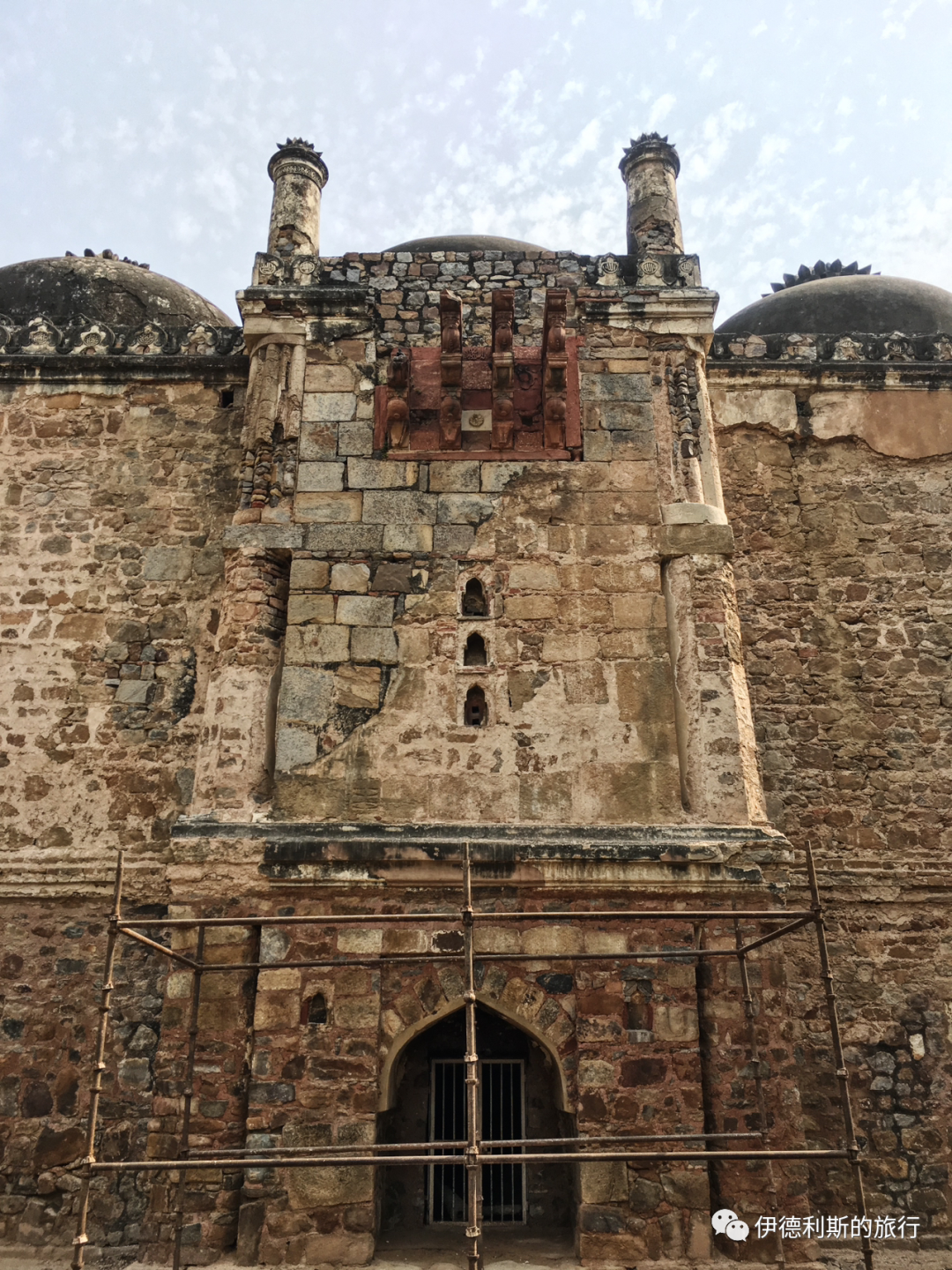
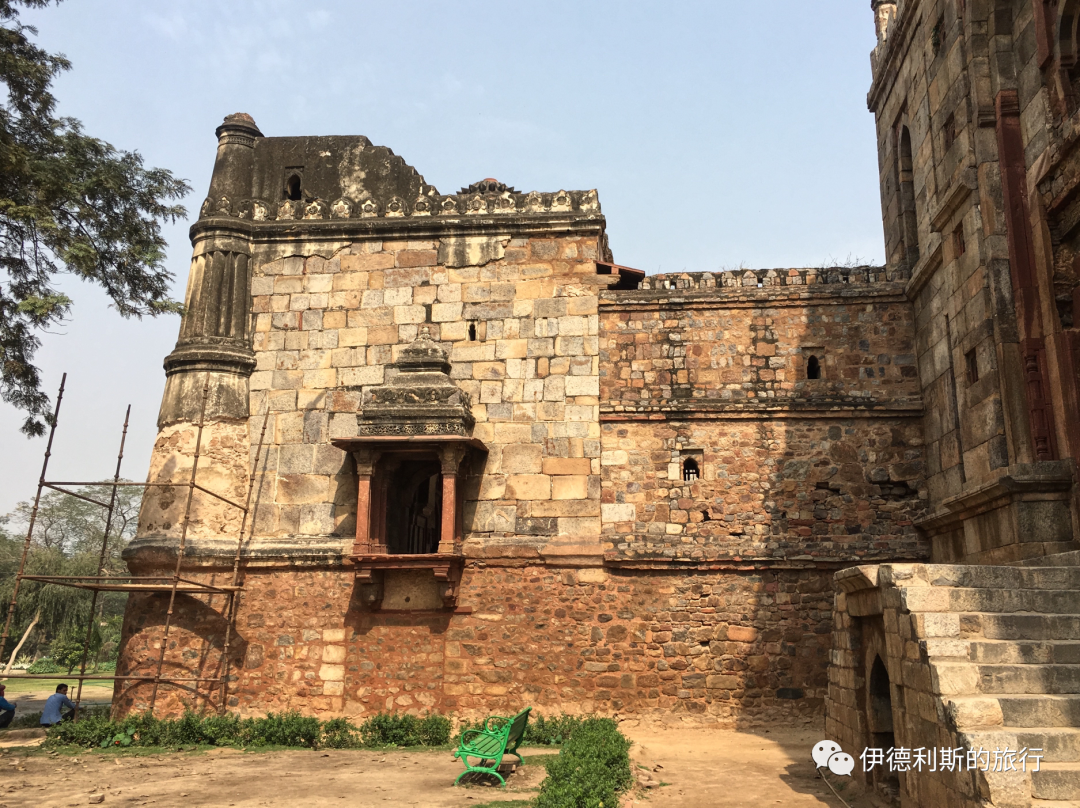
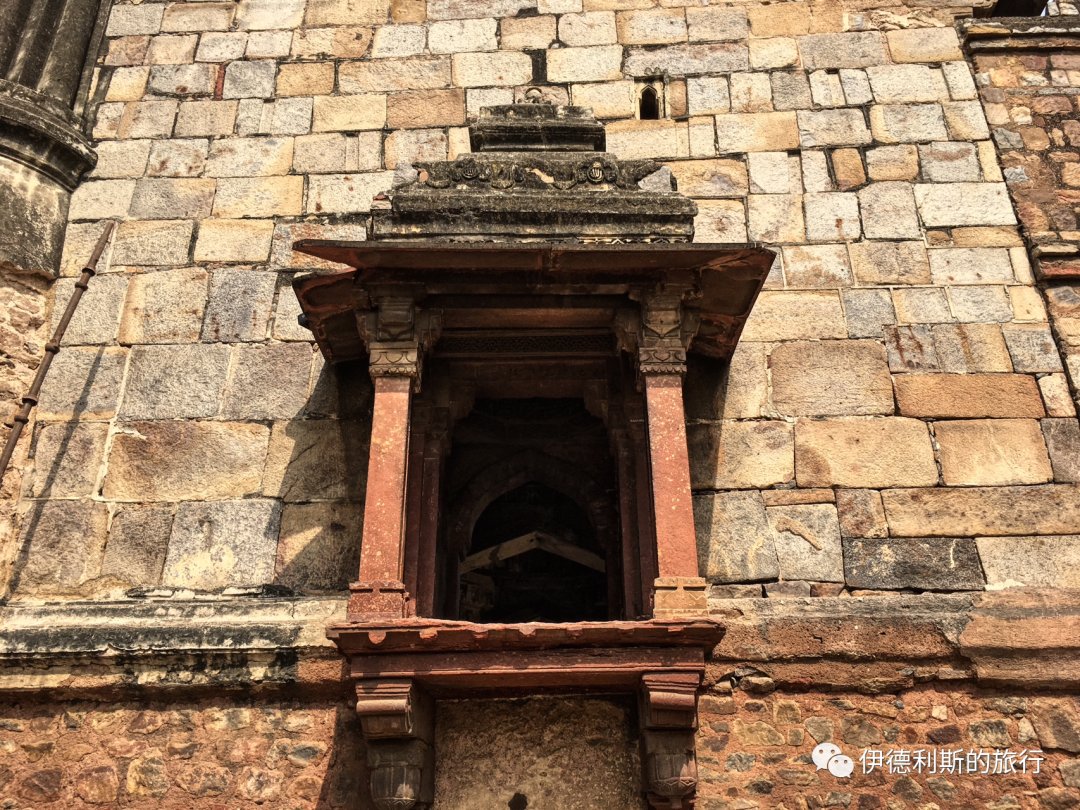
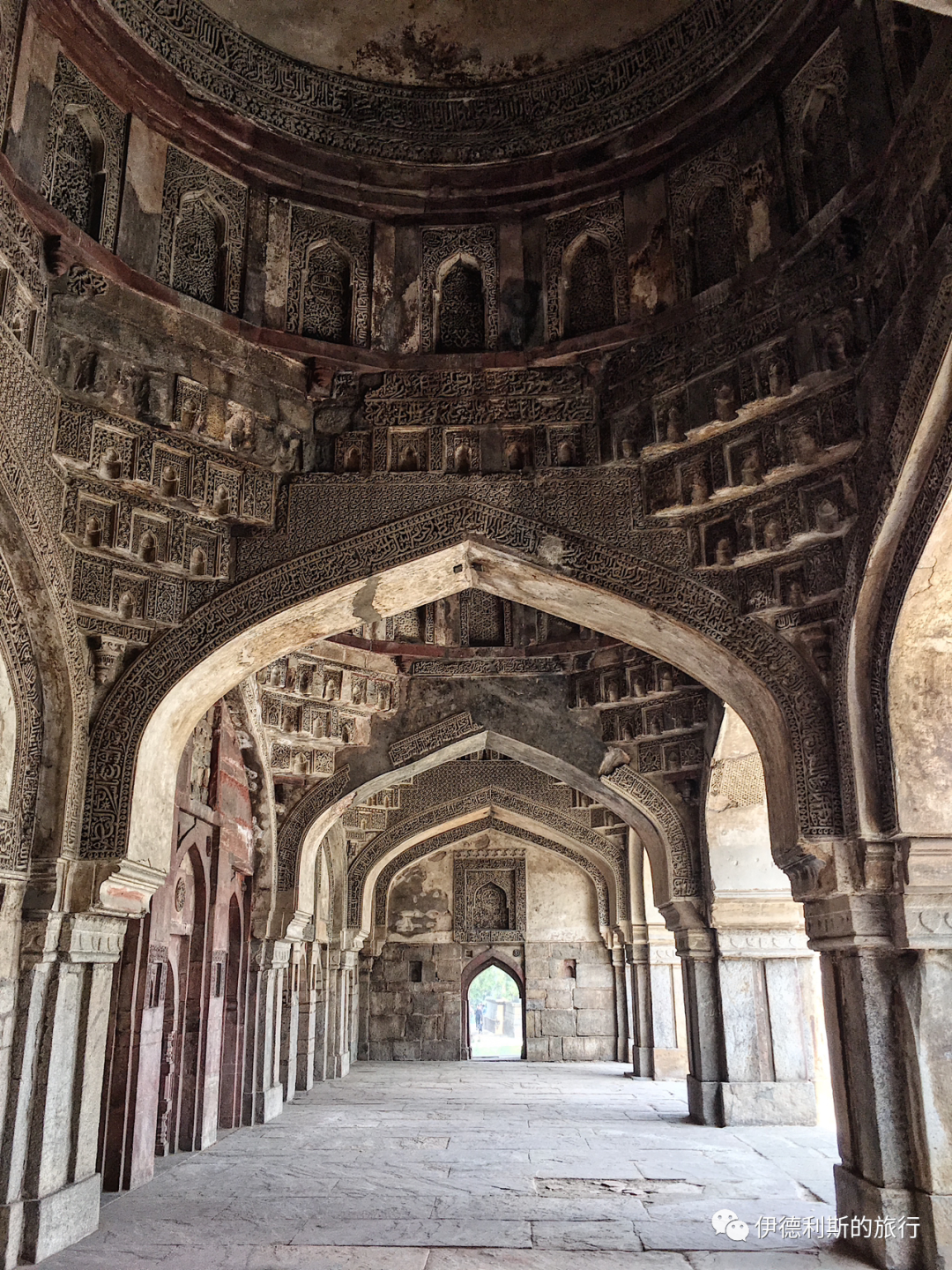
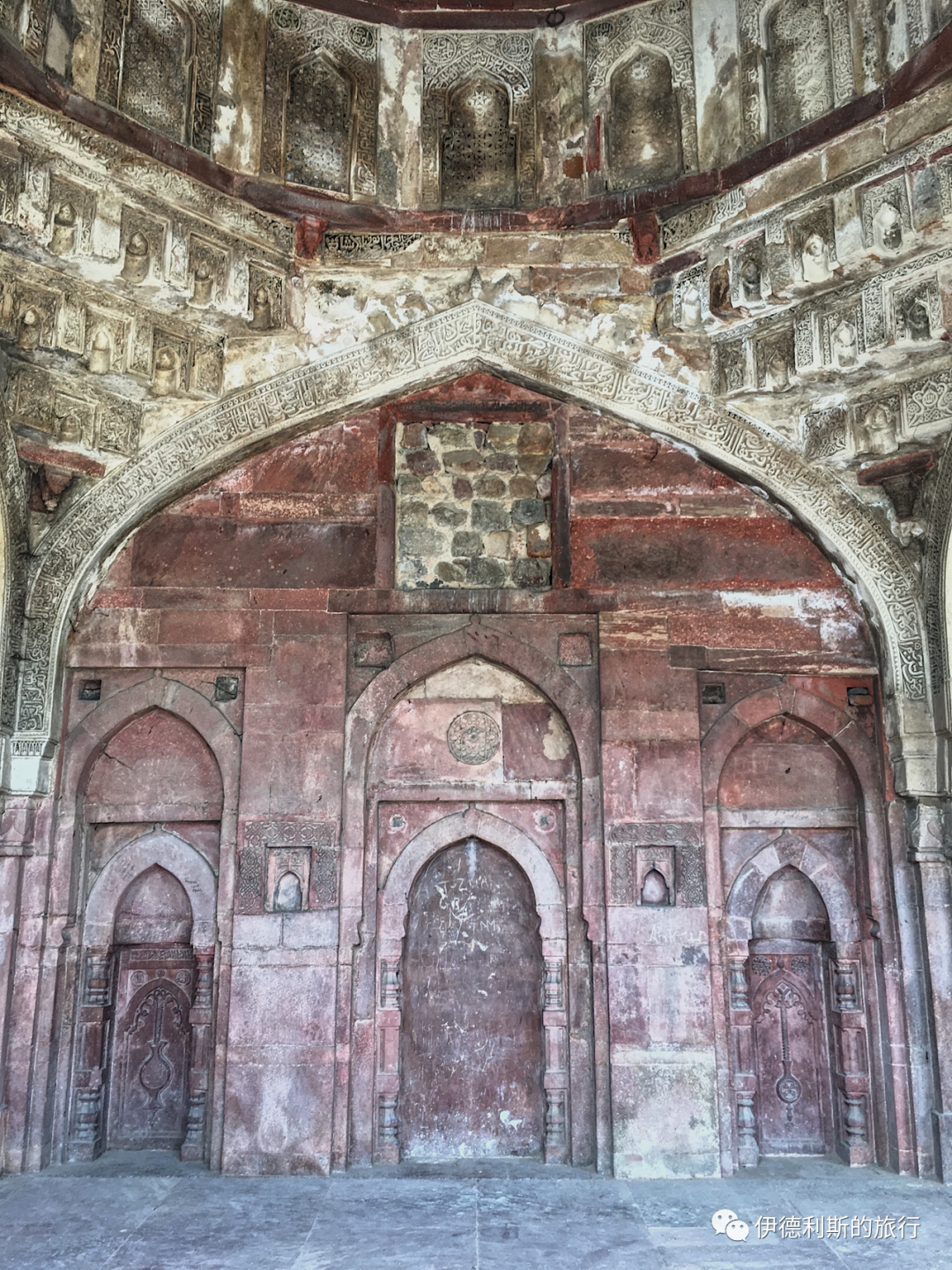
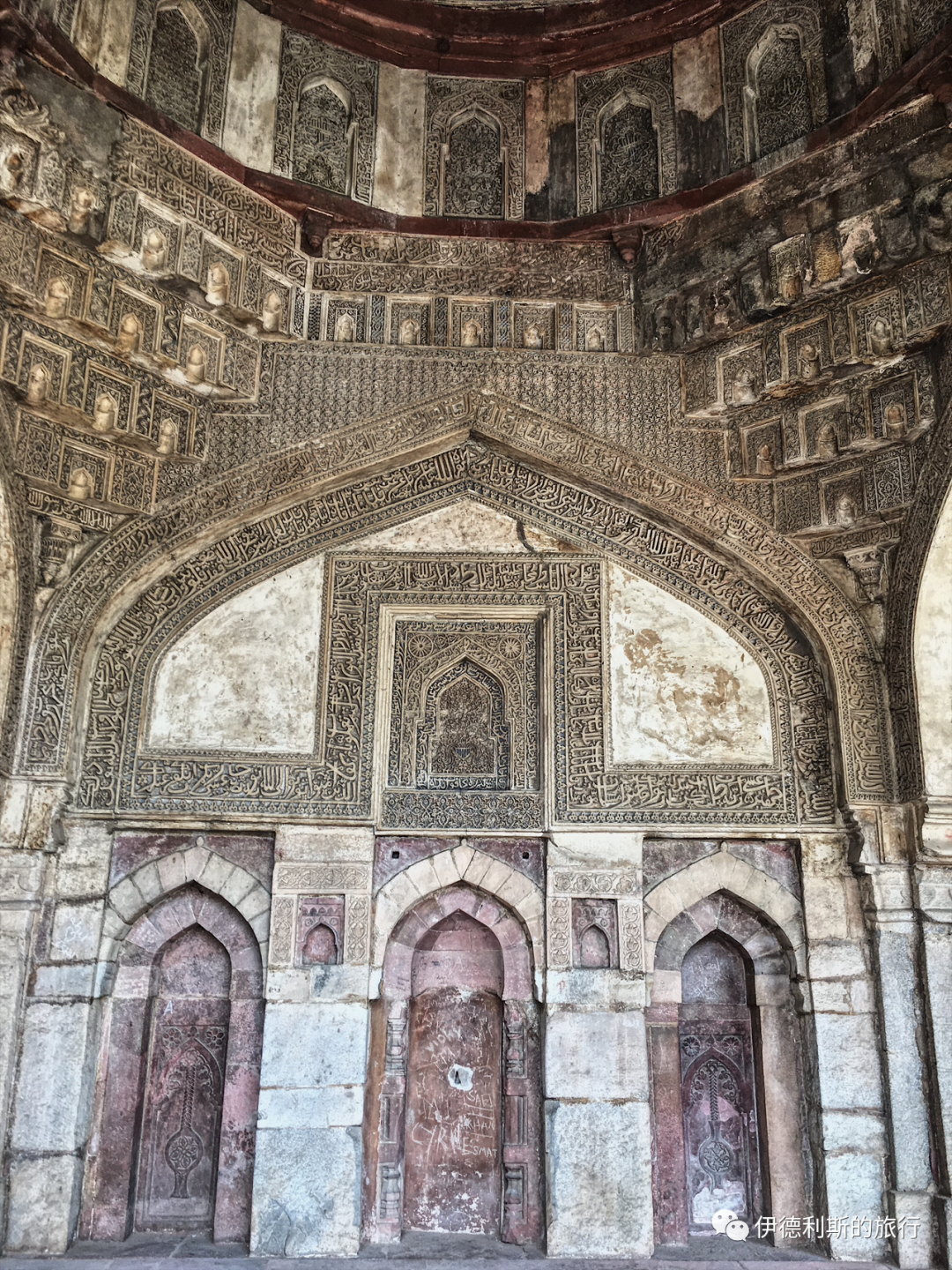
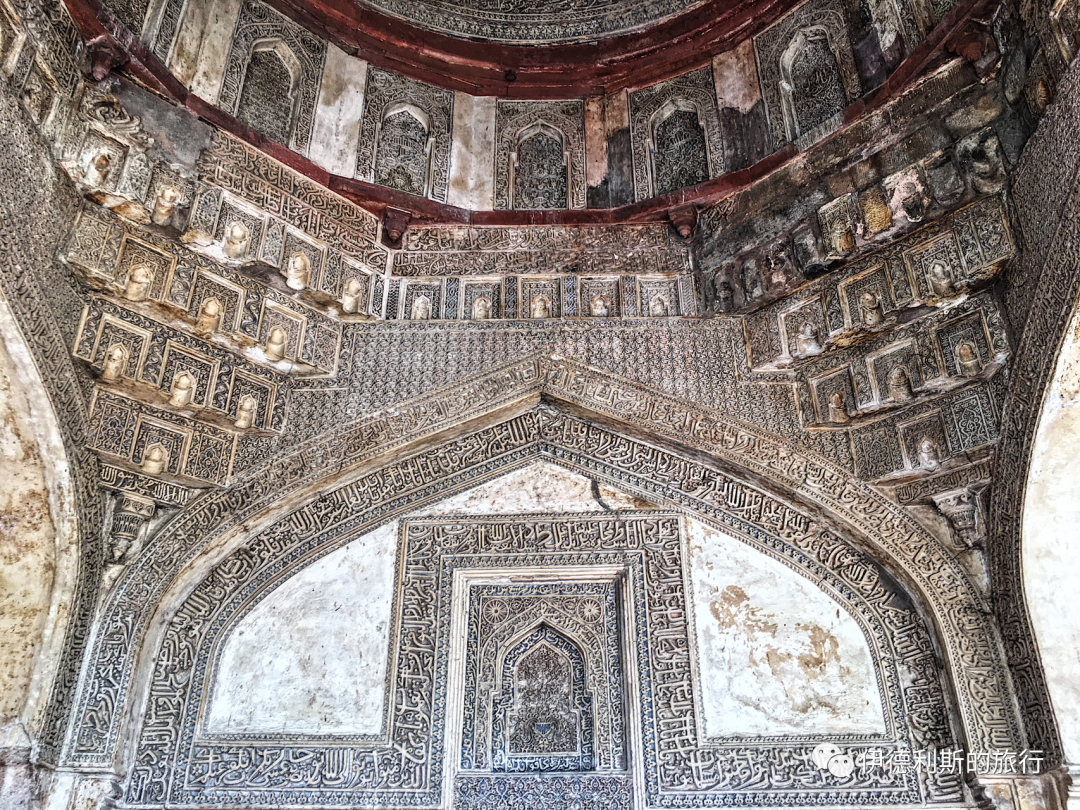
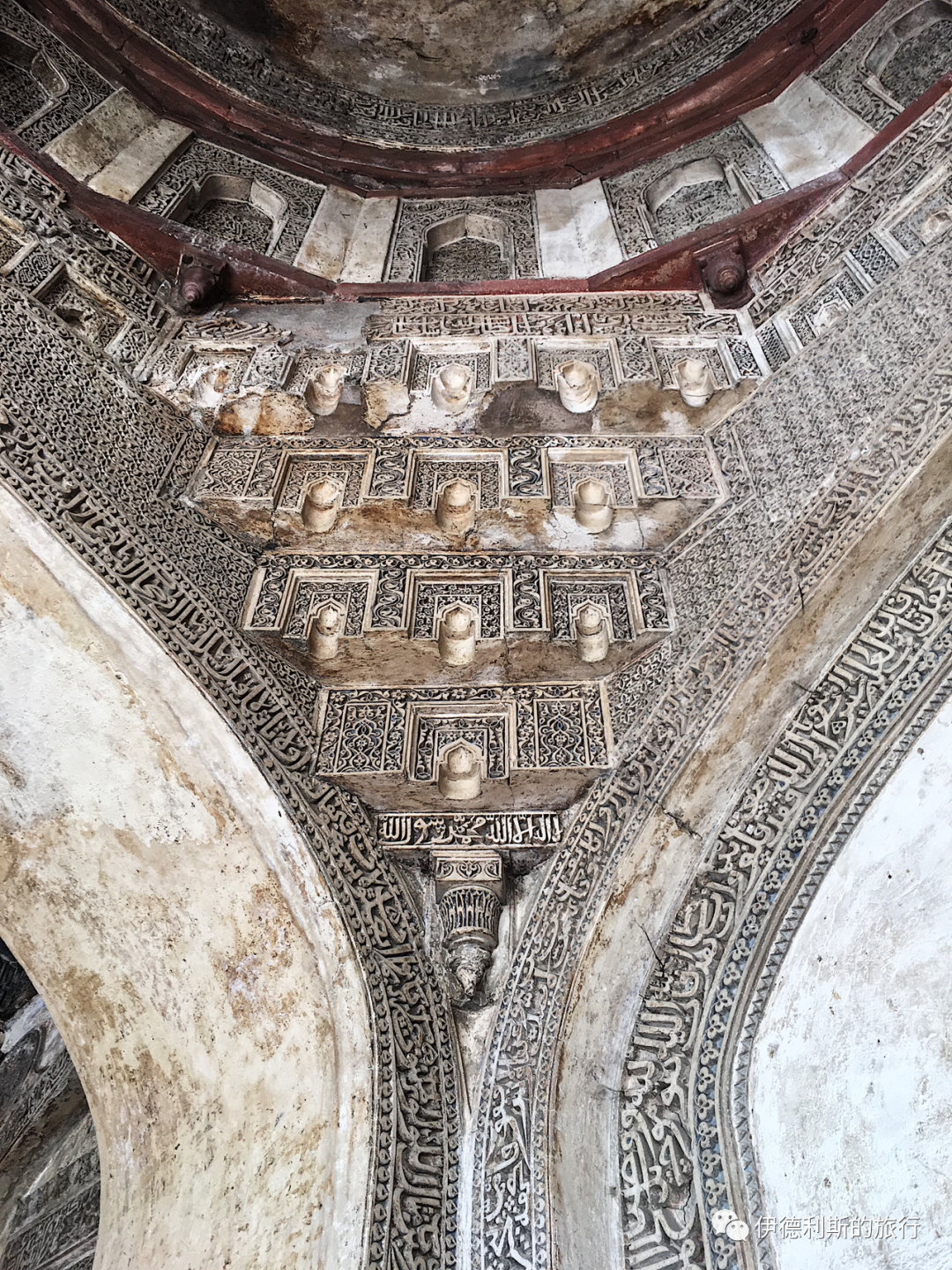
The Friday mosque on the west side of the Bara Gumbad was built in 1494. It is in the classic Lodhi style, with three large and two small arches, three domes on top, corner towers on both sides, and stone windows (jharokha) on the sides and back. This design had a great influence on later Mughal architecture.
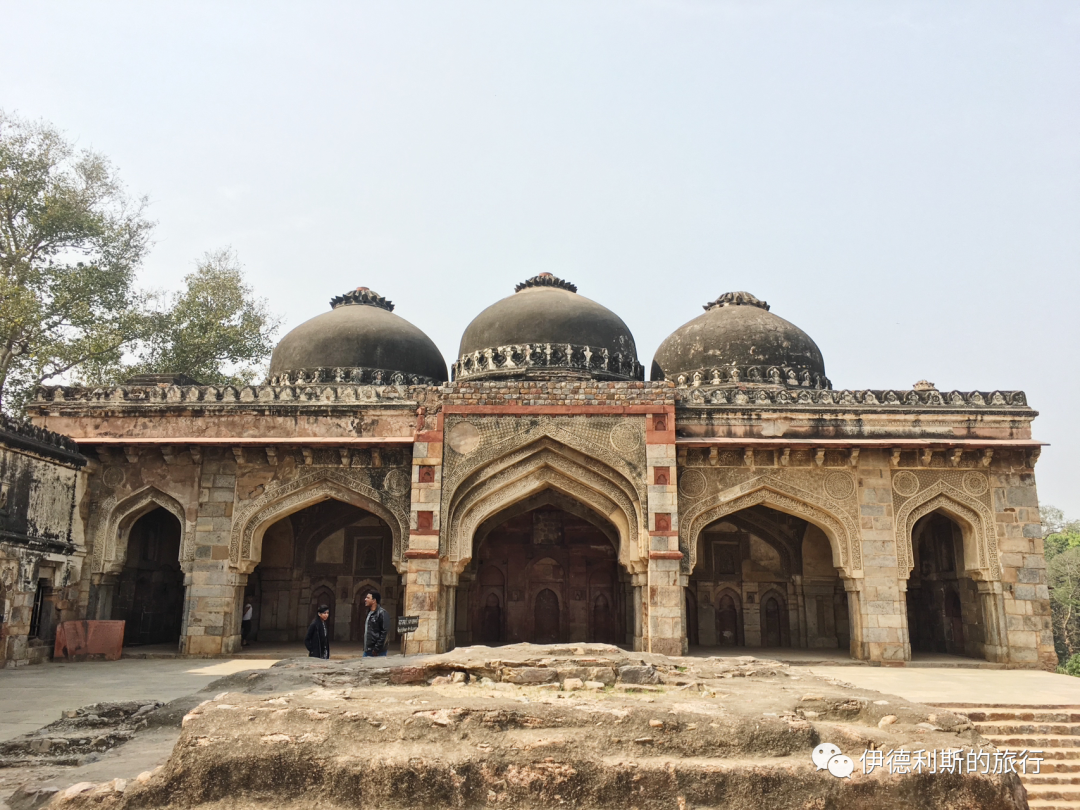
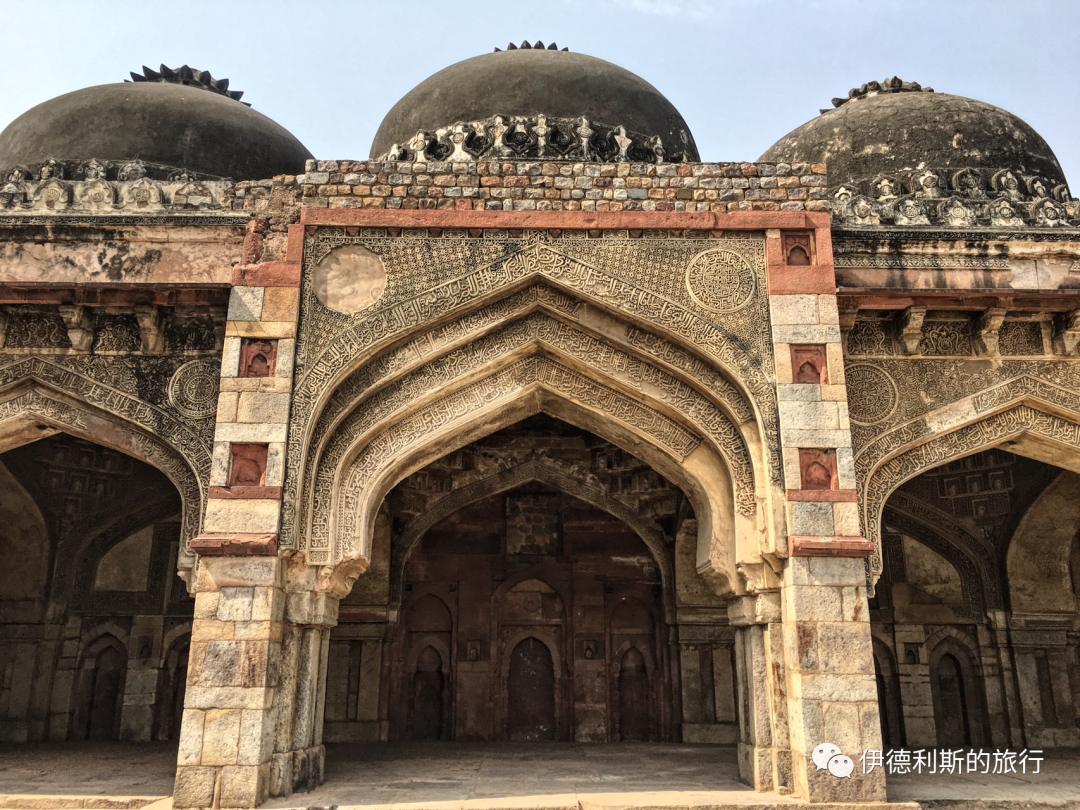
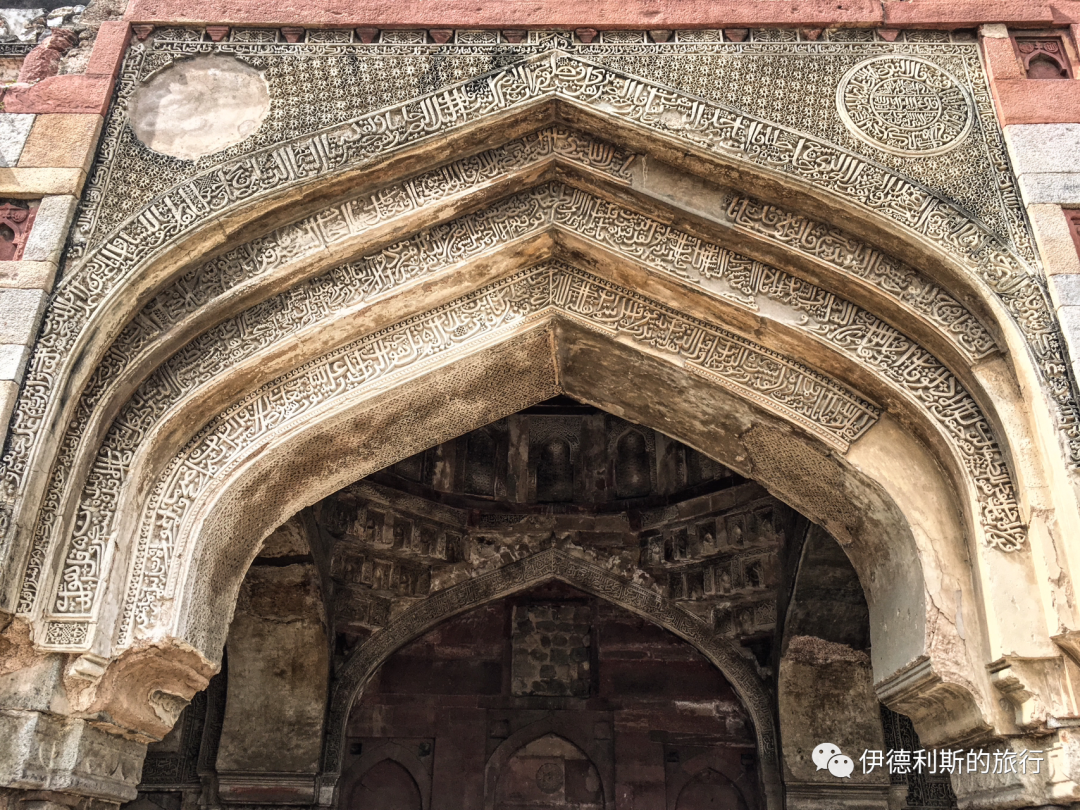
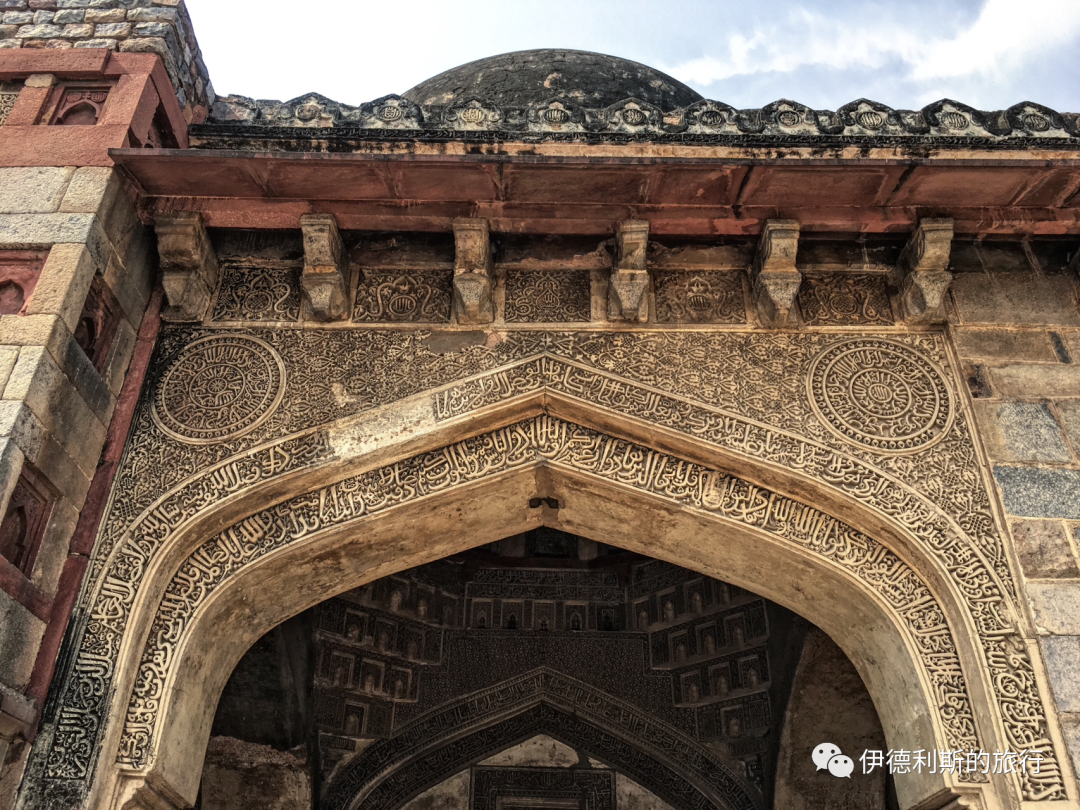
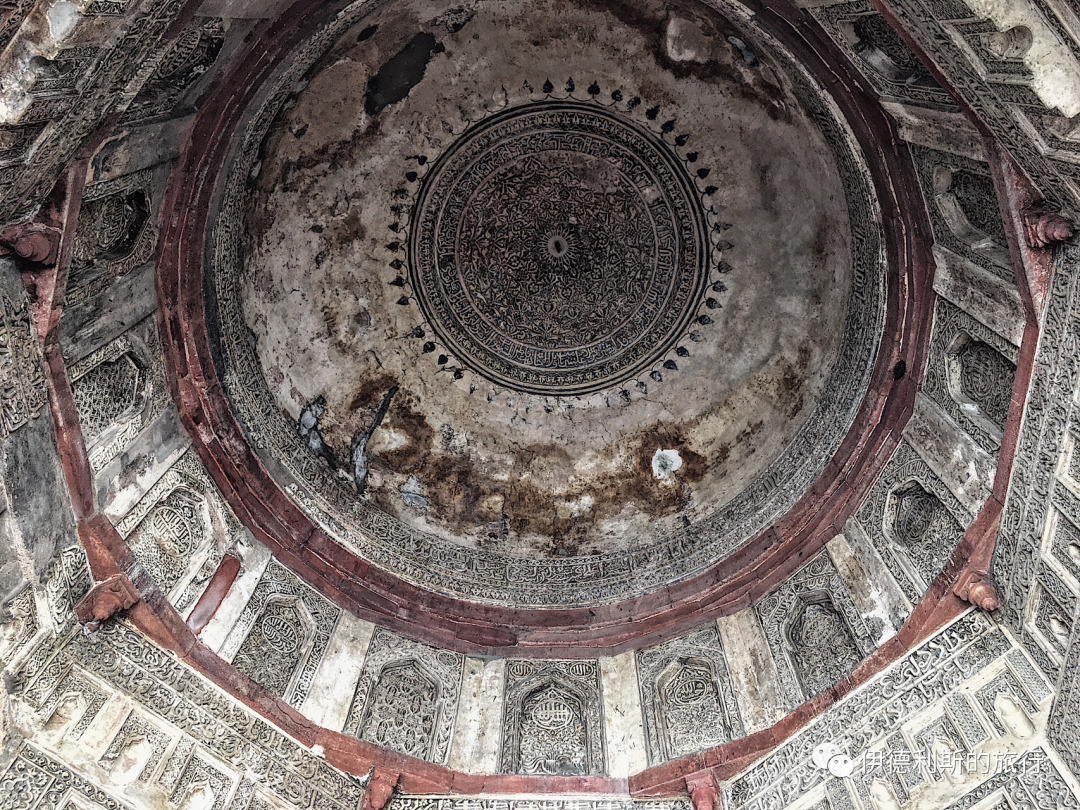
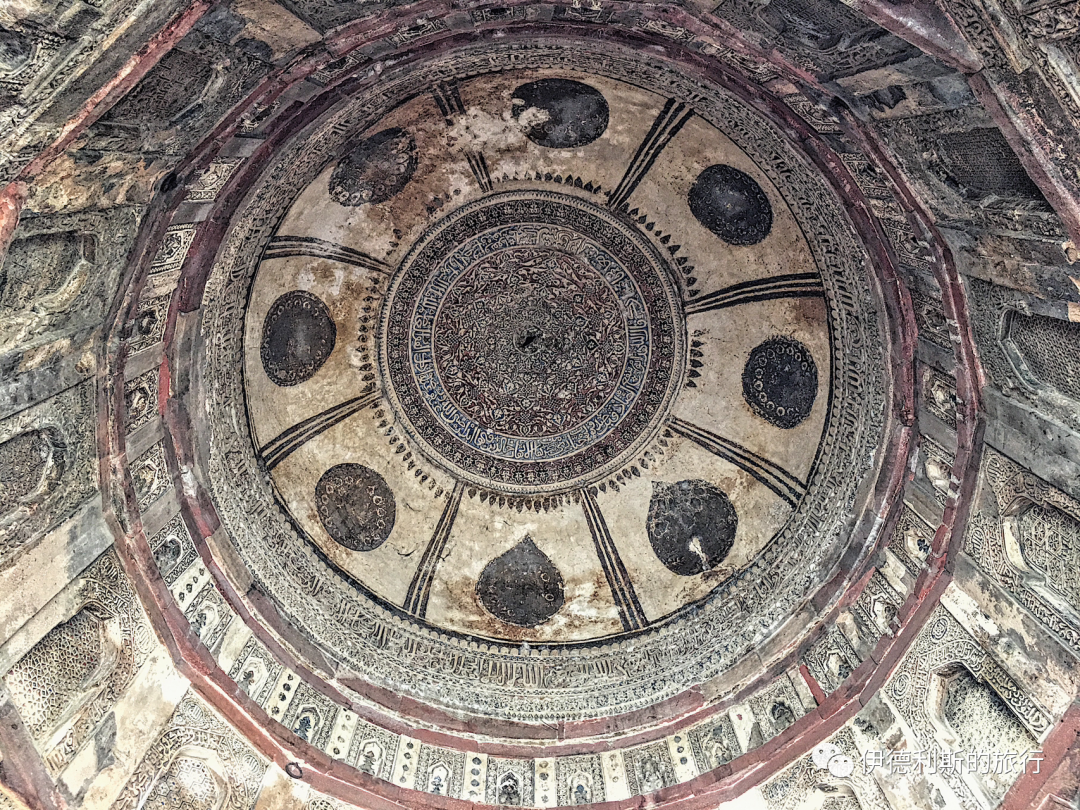
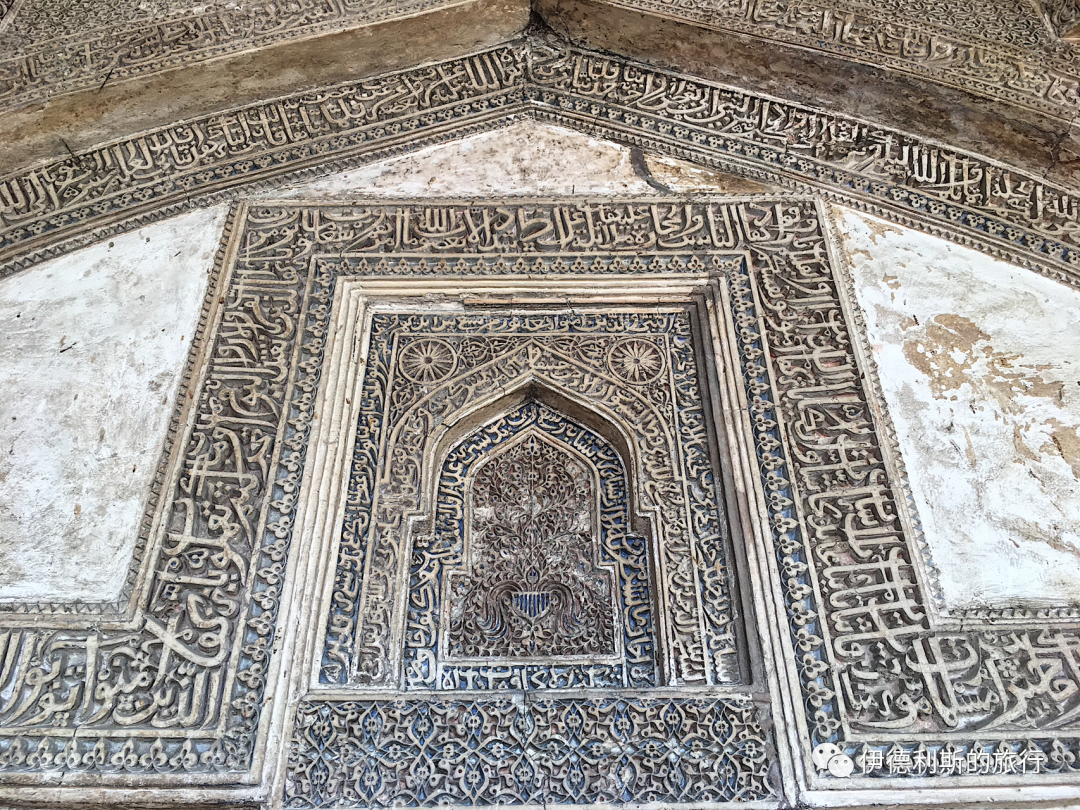
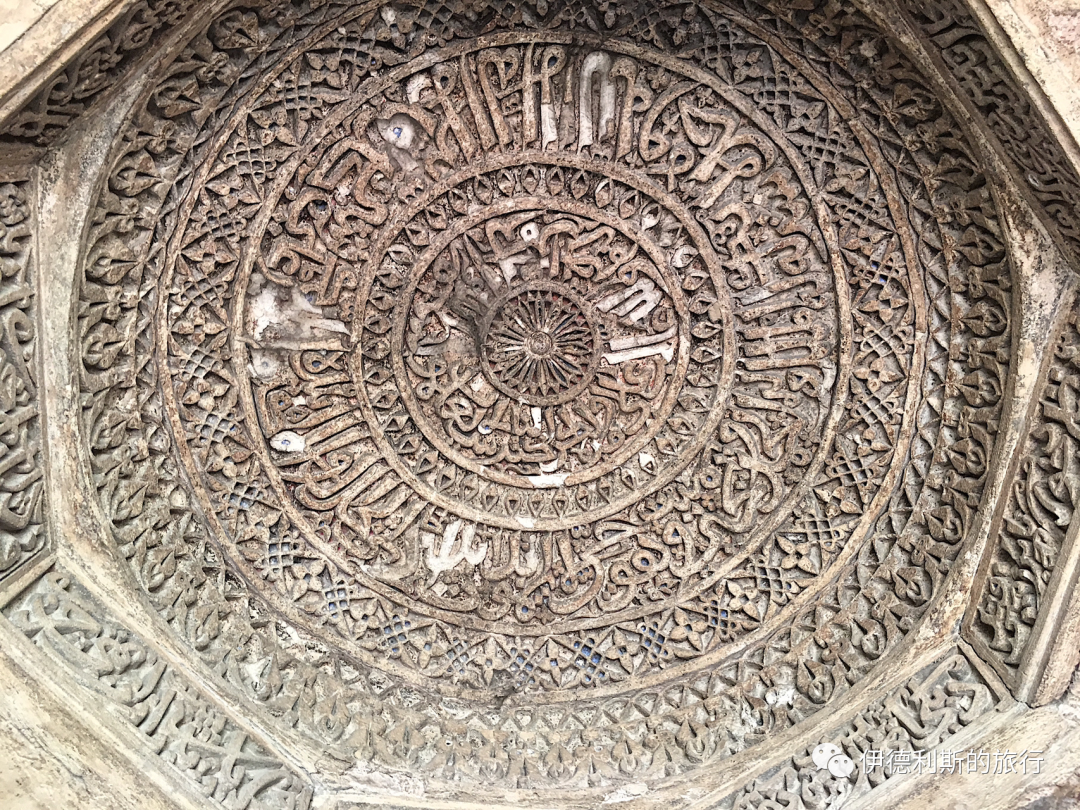
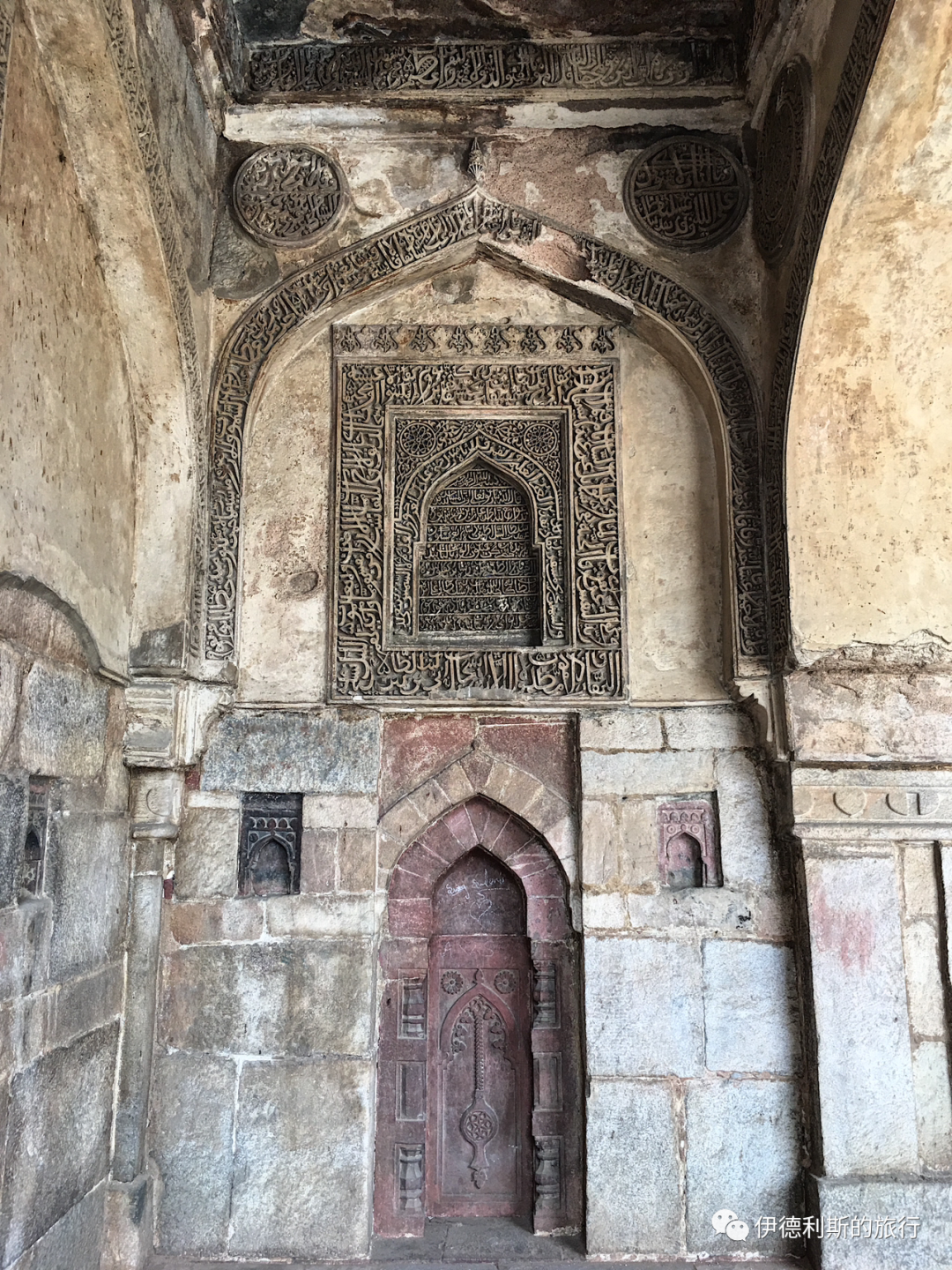
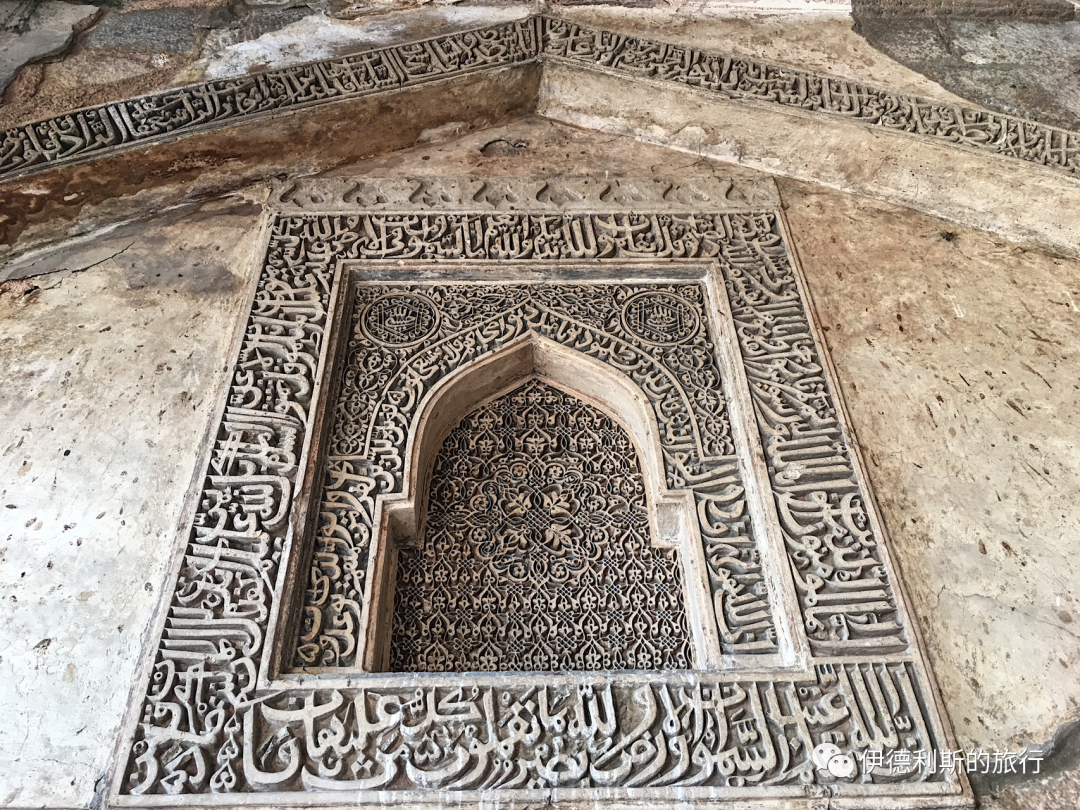
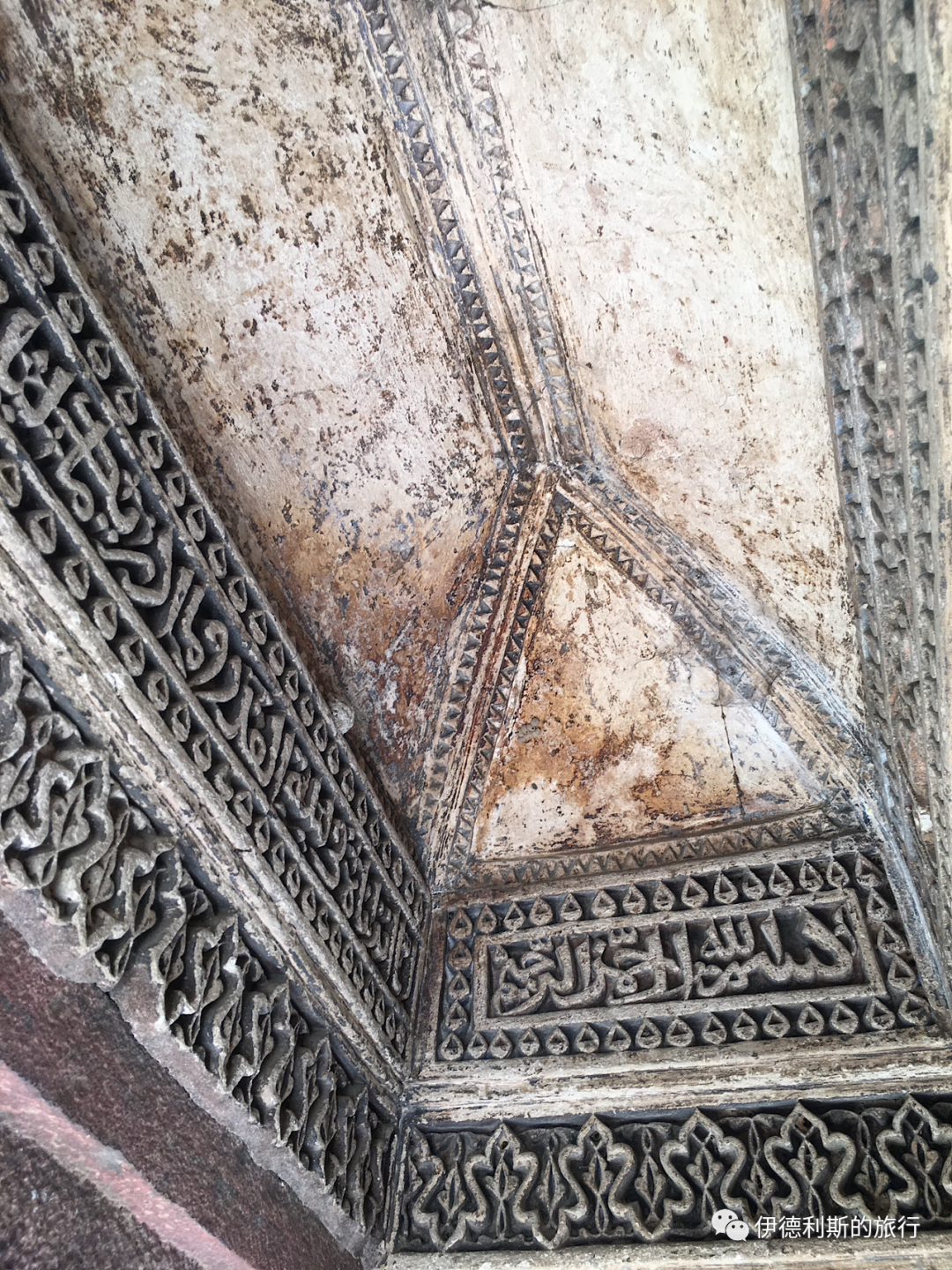
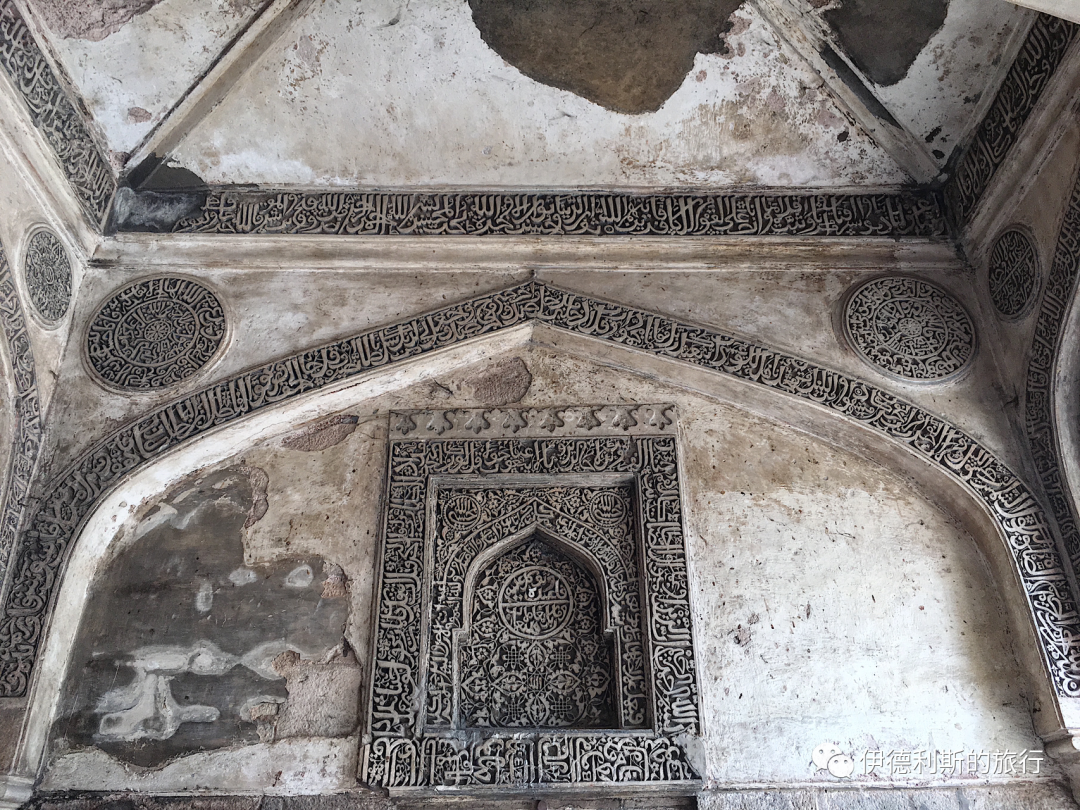
The plaster carvings inside the Friday mosque of the Bara Gumbad are perhaps the richest of the Lodhi period. The abundance of floral patterns, geometric designs, and scriptures is overwhelming, making this mosque occupy an important place among mosques in India.
Shish Gumbad
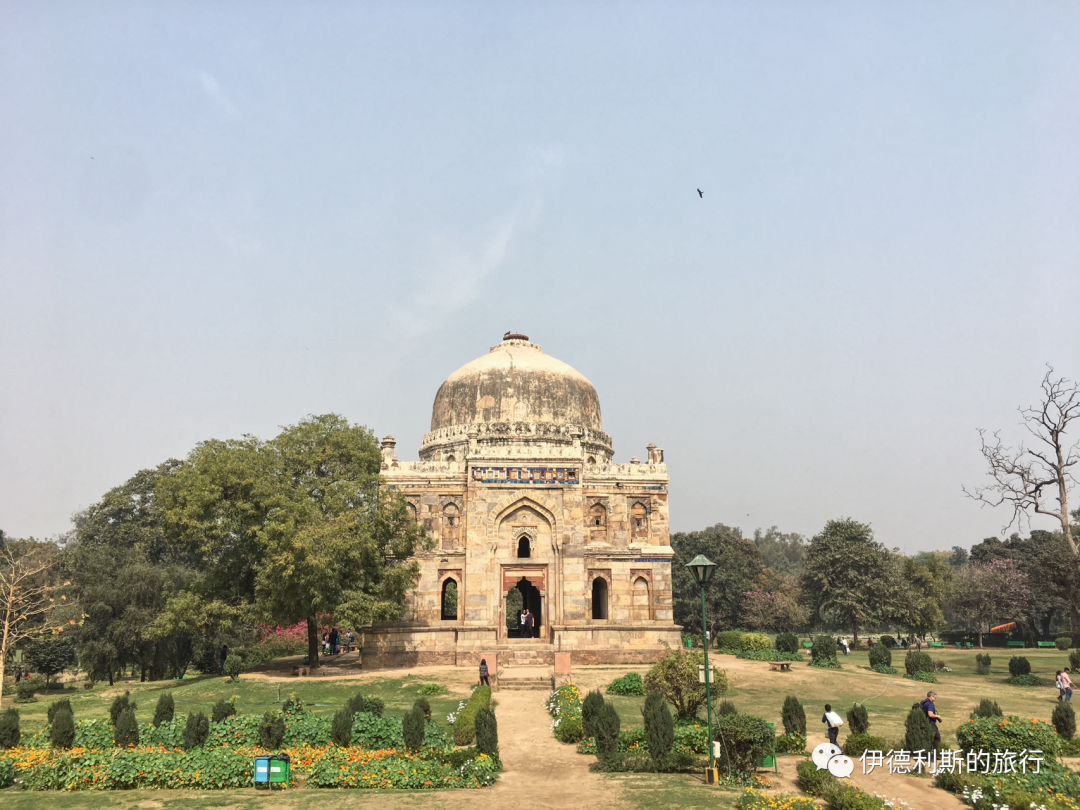
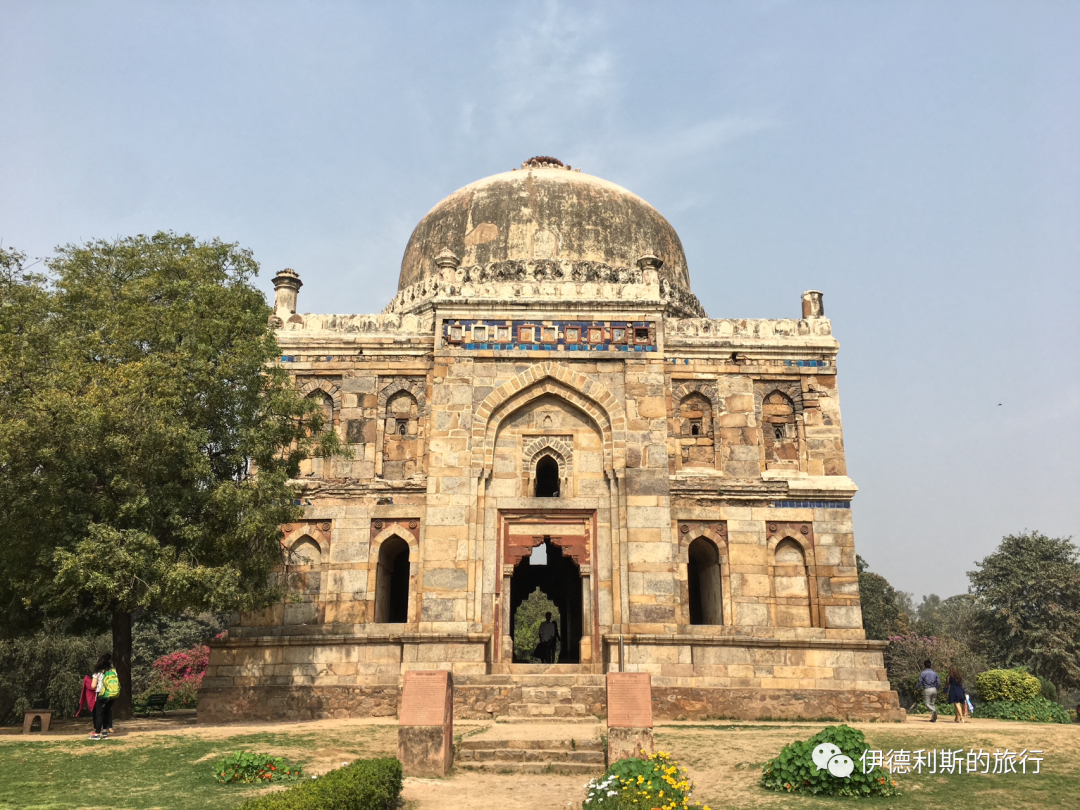
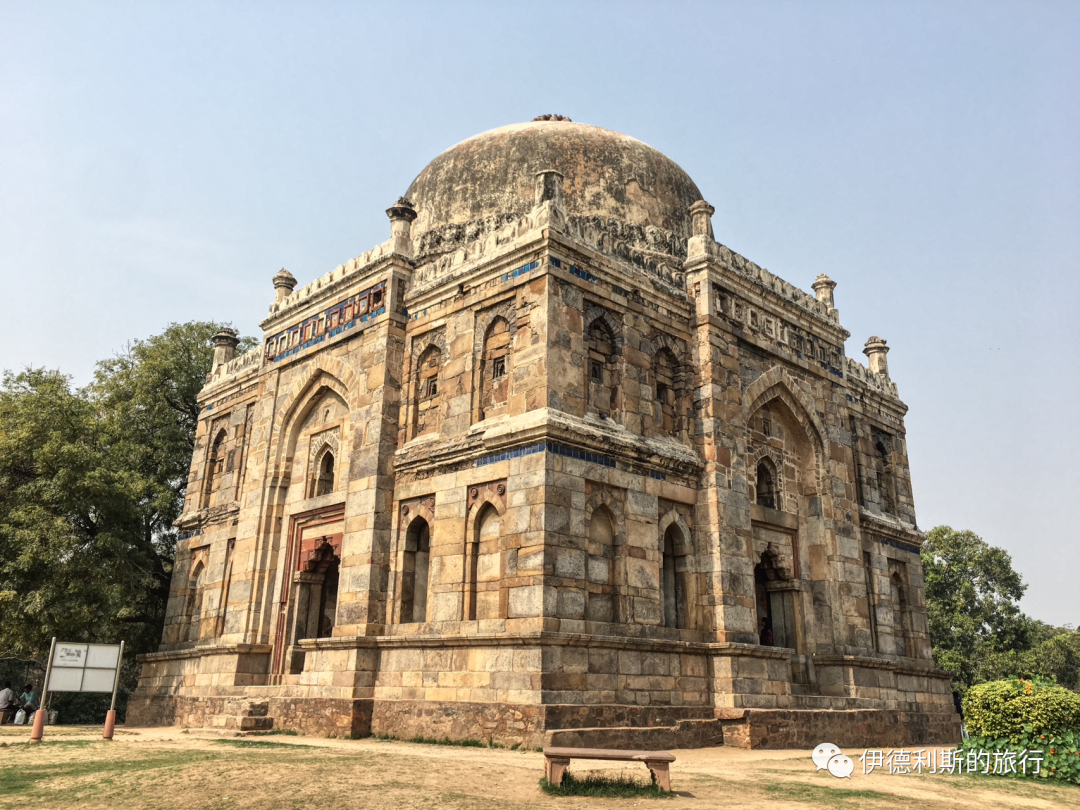
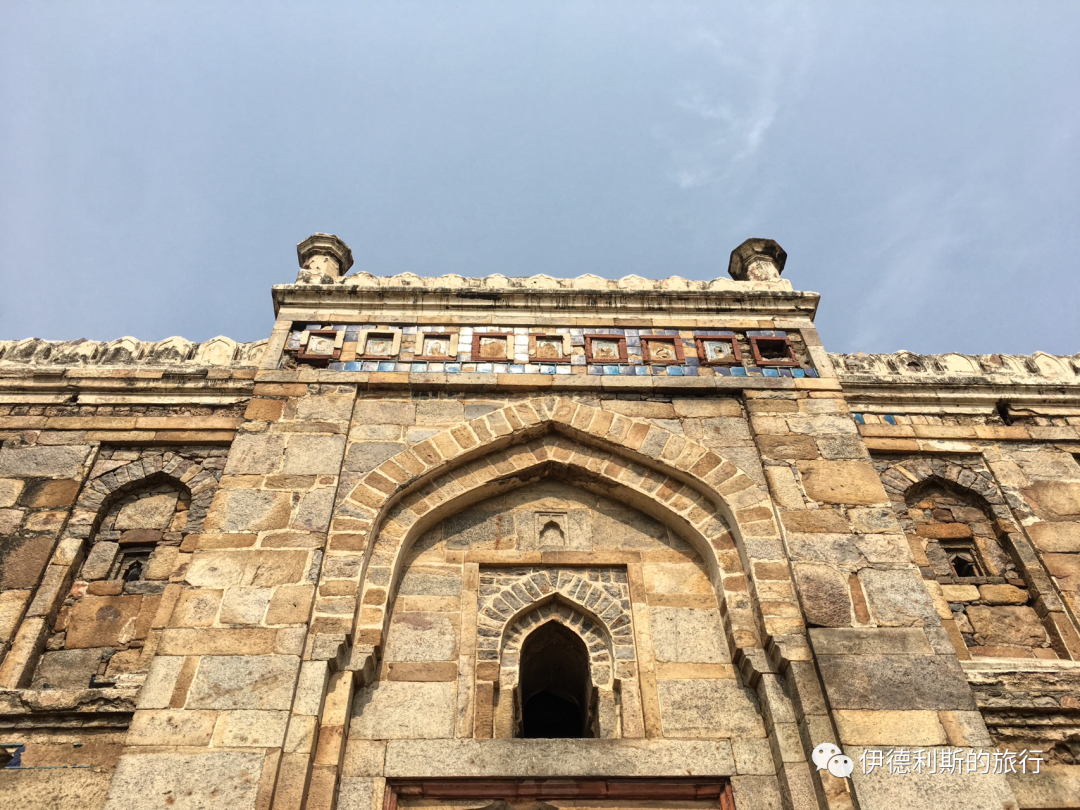
Directly north of the Bara Gumbad is the Shish Gumbad (Glass Dome), which is said to have been built by Sultan Sikandar Lodi (reigned 1489-1517). The ownership of this dome is still debated. One theory is that it belonged to a nobleman of the Lodhi dynasty, while another suggests it was for the founder of the Lodhi dynasty, Bahlul Lodi (reigned 1451-1489).
The Glass Dome gets its name from the blue tiles that once decorated the exterior of the tomb, making it shine like glass. Currently, only a few blue tiles remain.
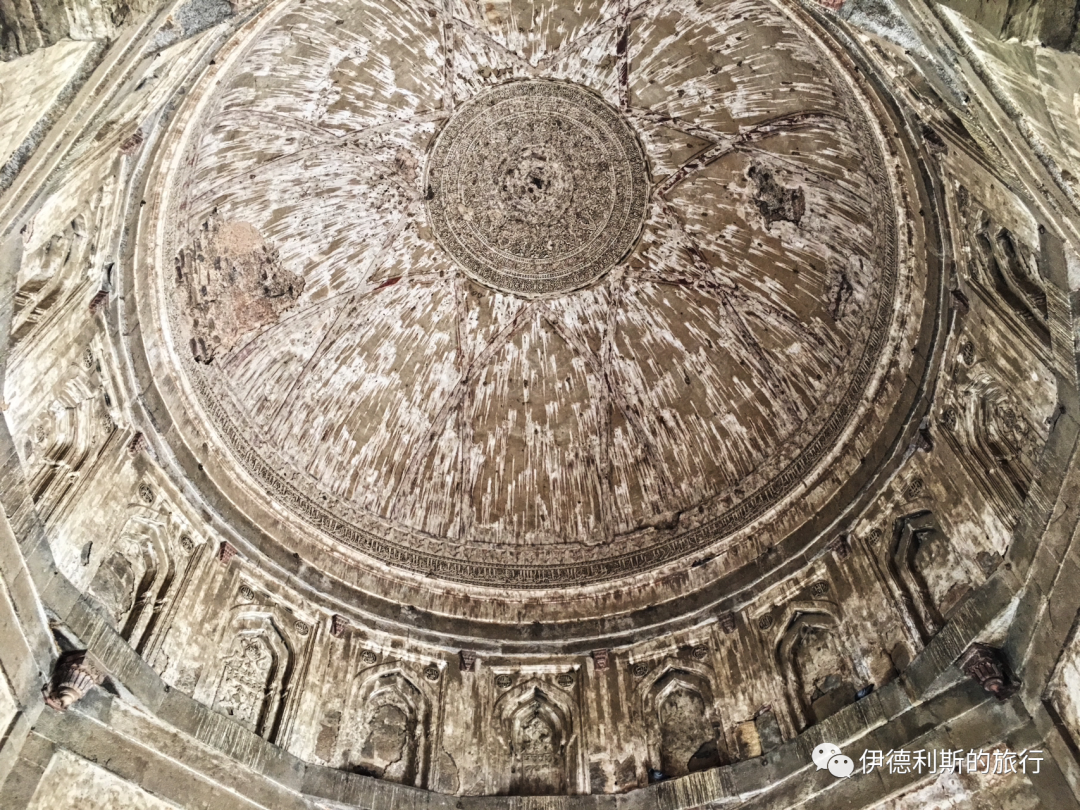
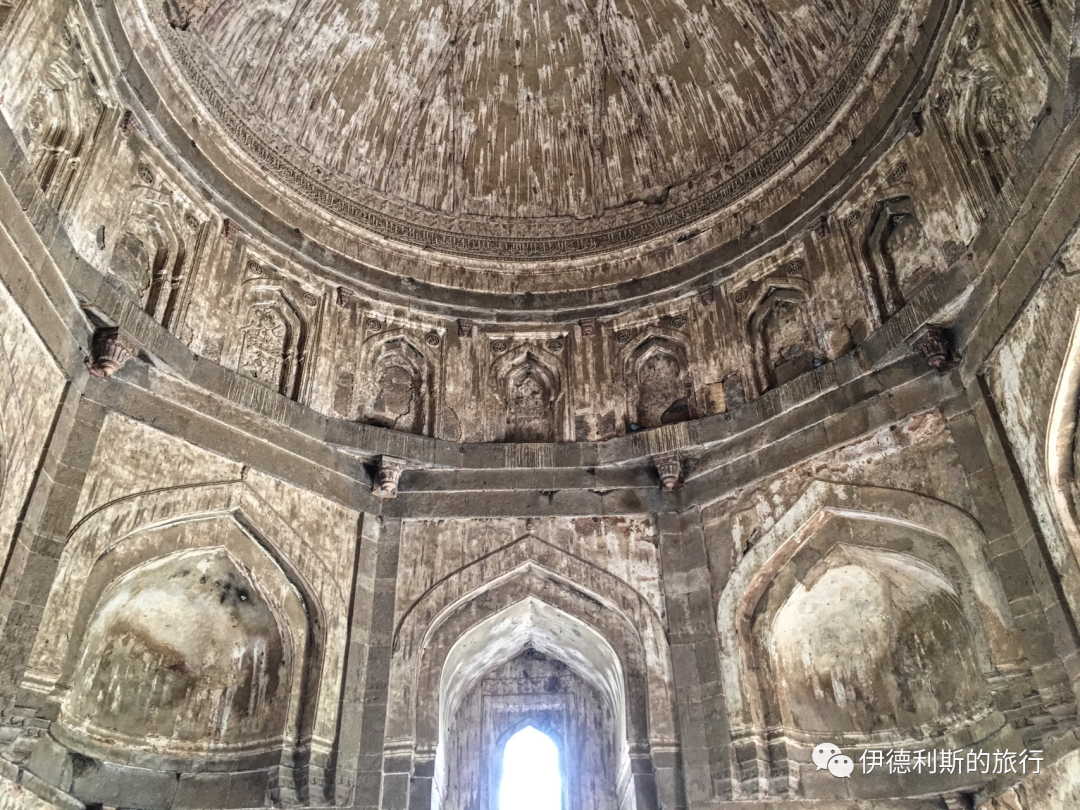
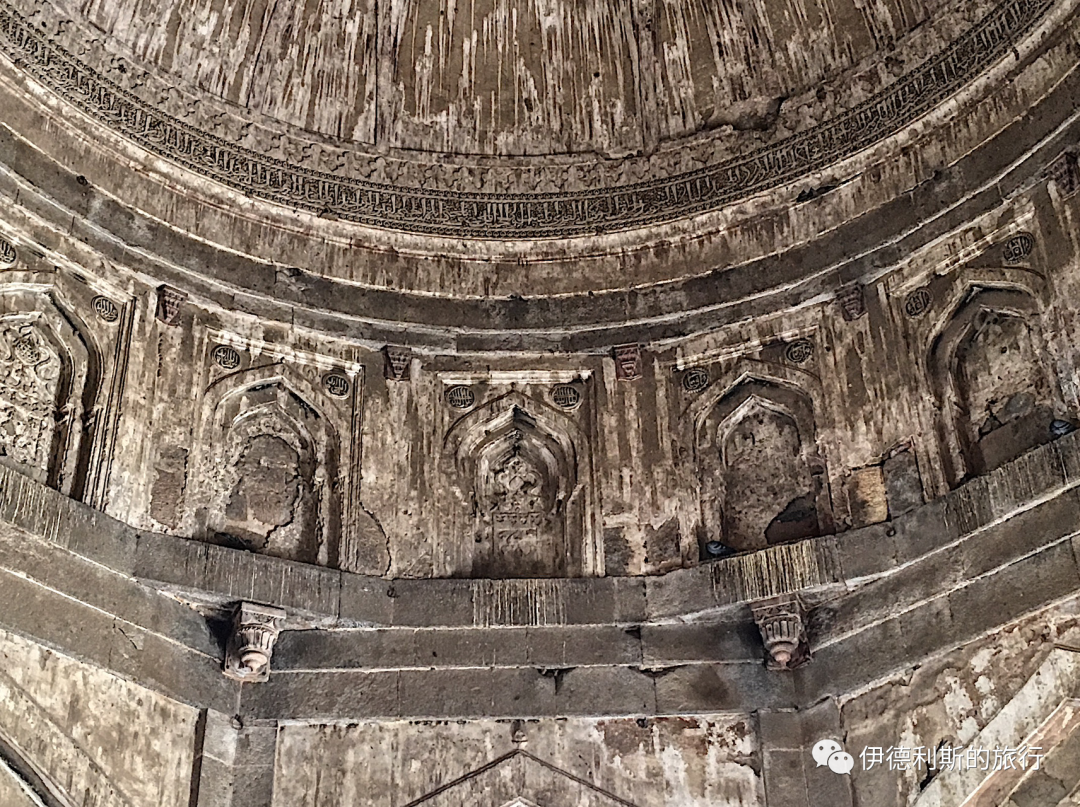
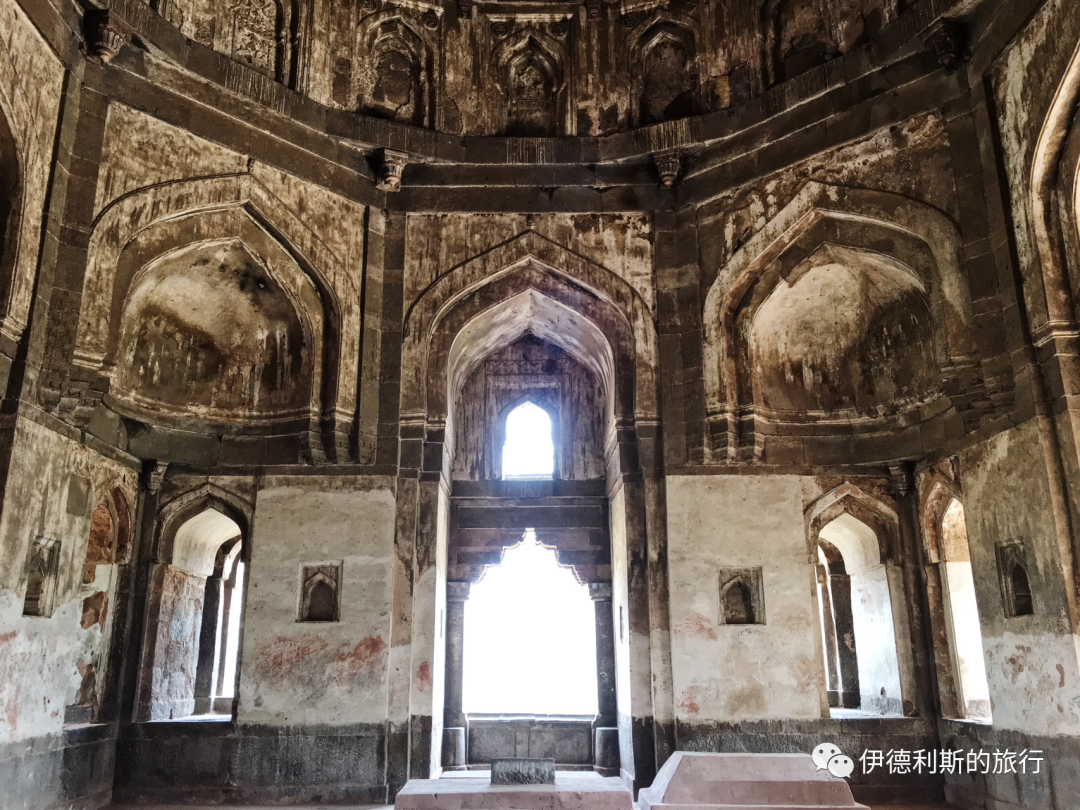
The Glass Tomb (Shisha Gumbad) and the Big Tomb (Bara Gumbad) have similar structures. Both look like two stories from the outside, but they are actually only one story inside. The dome is also surrounded by decorative spires called guldasta. However, the interior of the Glass Tomb (Shisha Gumbad) is poorly preserved and covered in bird droppings.
Tomb of Sikandar Lodi
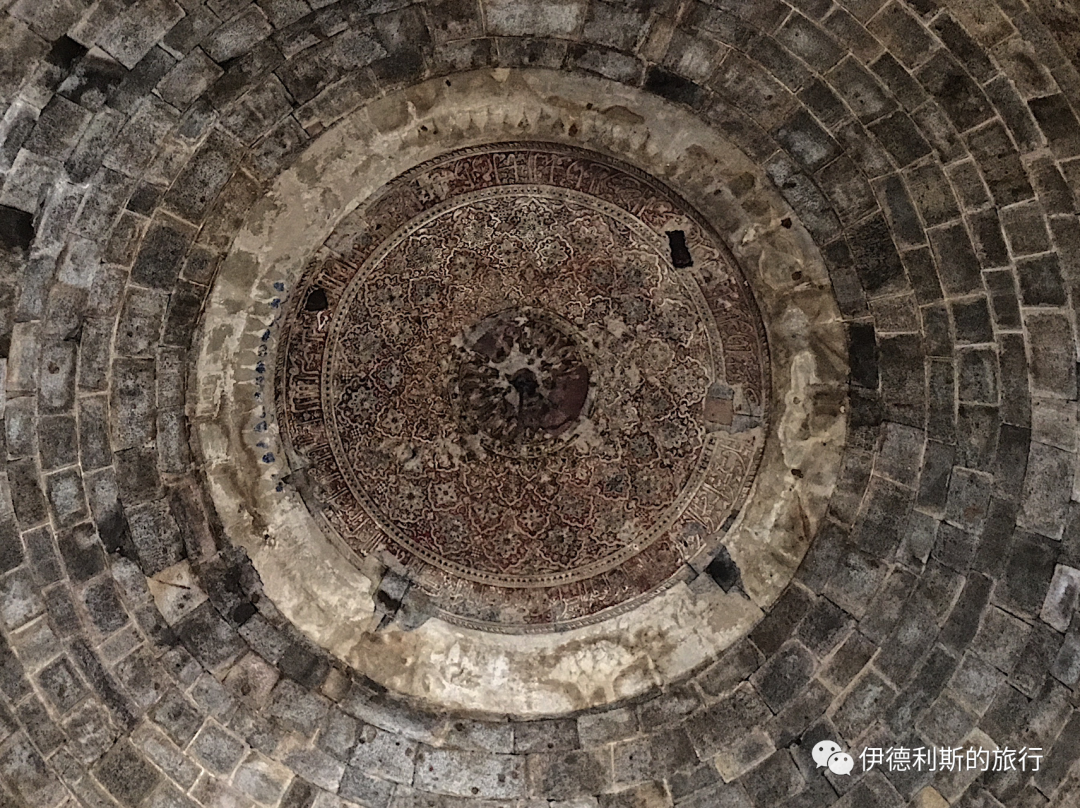
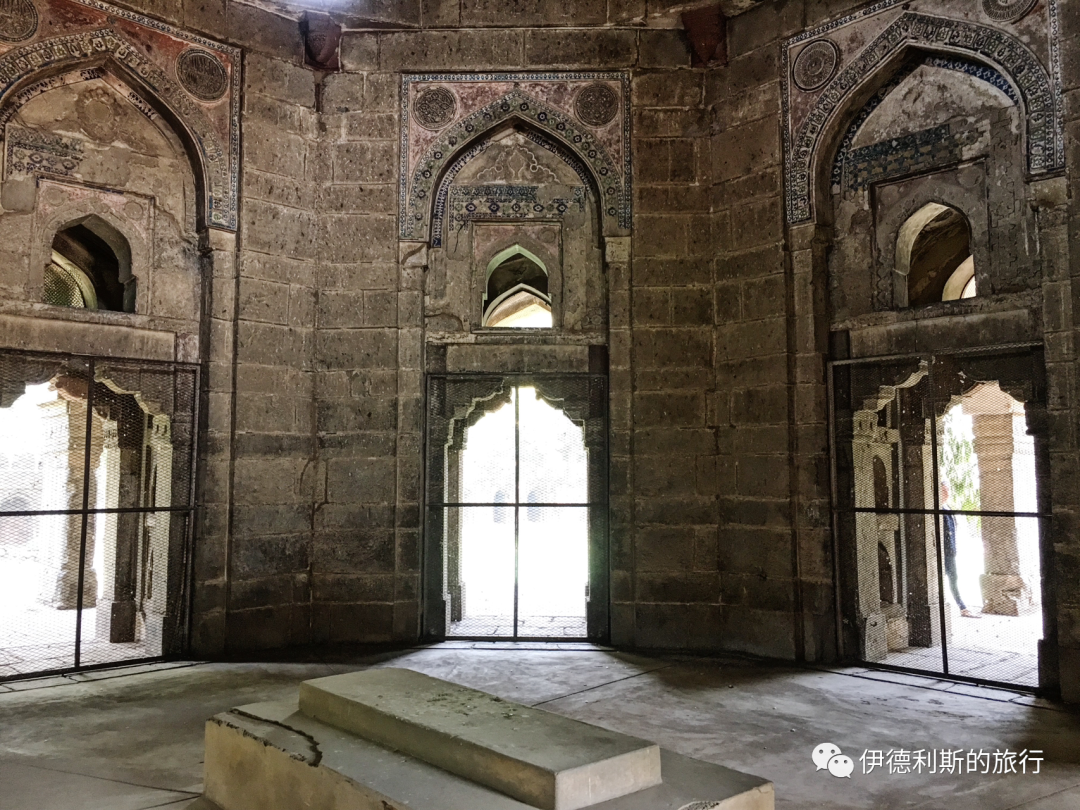
Northeast of the Glass Tomb (Shisha Gumbad) stands the tomb of the Lodi Dynasty Sultan Sikandar Lodi (reigned 1489-1517). It was built between 1517 and 1518 by his successor, Sultan Ibrahim Lodi (reigned 1517-1526), and is India's first enclosed garden tomb.
Sikandar Lodi was a capable ruler. He expanded the Lodi Dynasty's territory and built the city of Agra between 1504 and 1505, which is the same city where the Taj Mahal is located today. The Lodi Dynasty officially moved its capital to Agra after that, but after Sikandar passed away, his son still buried his father in Delhi.
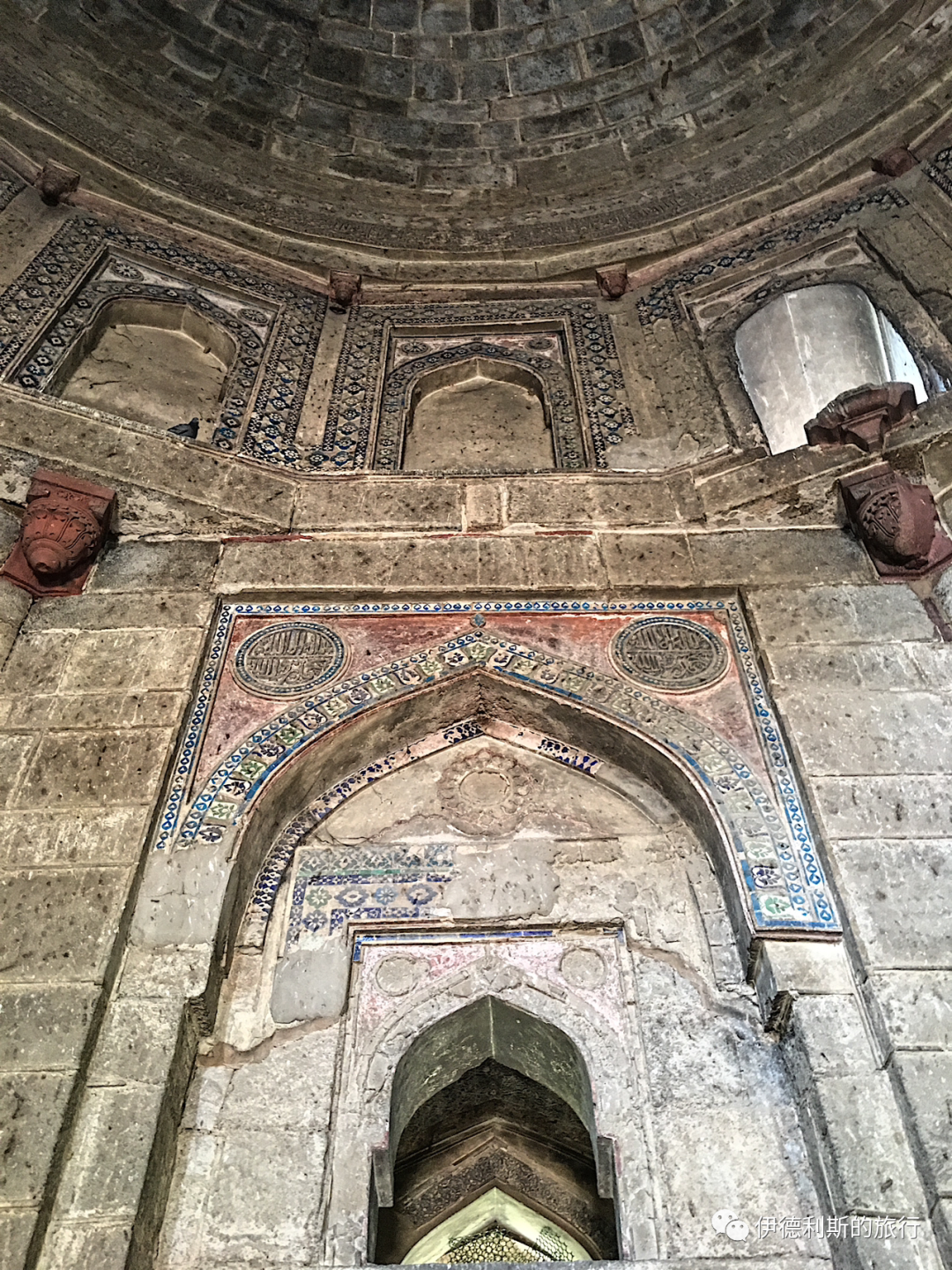
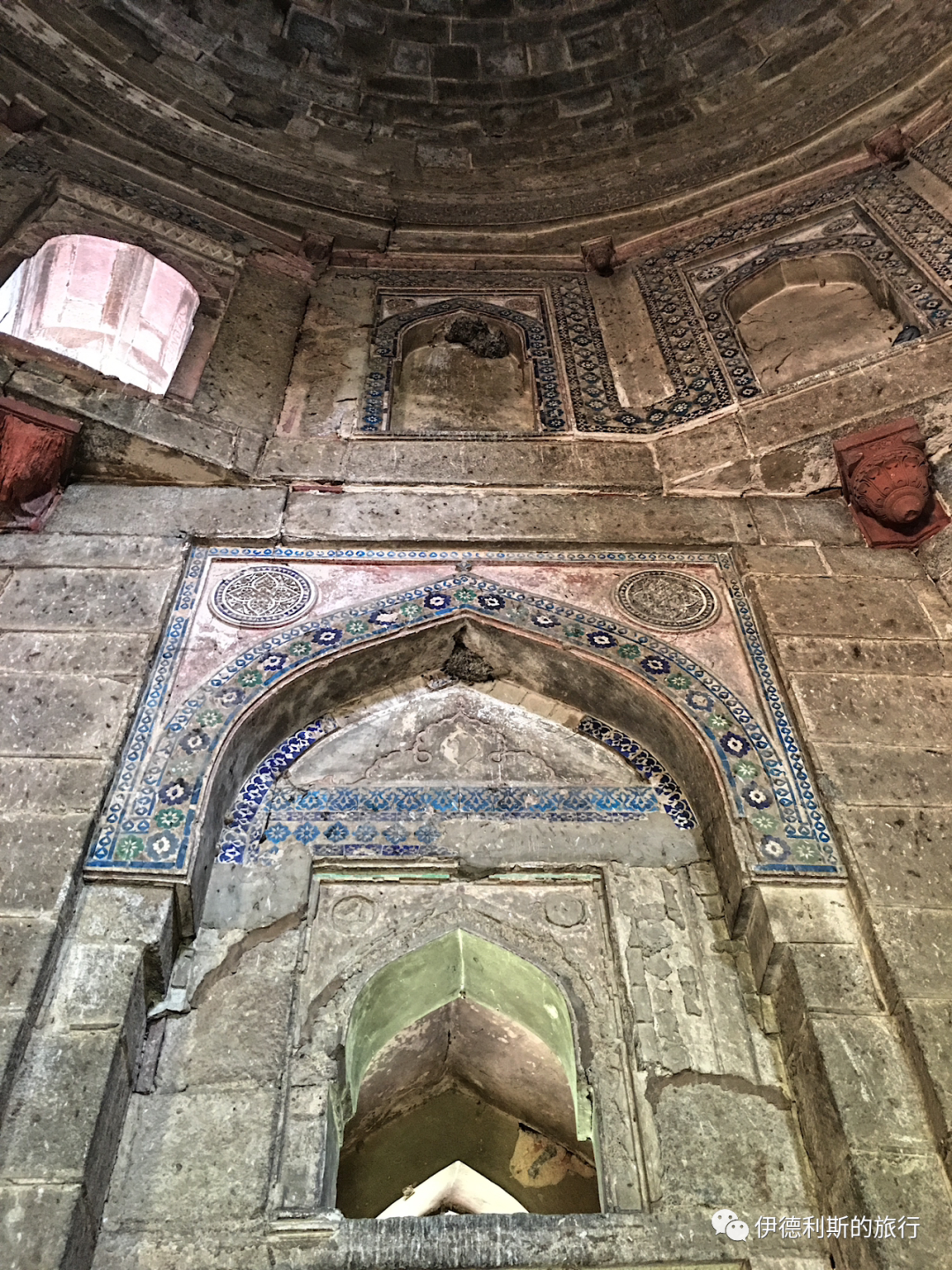
The tomb is surrounded by a 3.6-meter-high wall with corner towers. The west wall features a prayer wall and three mihrab niches—one large and two small. The south gate is shaped like a convex character and has two domed pavilions (chhatris) inlaid with tiles.
The main building's design follows the tomb of the previous Sultan, Muhammad Shah. Both are octagonal domed buildings, but the main difference is that Sikandar Lodi's tomb lacks the domed pavilions (chhatris).
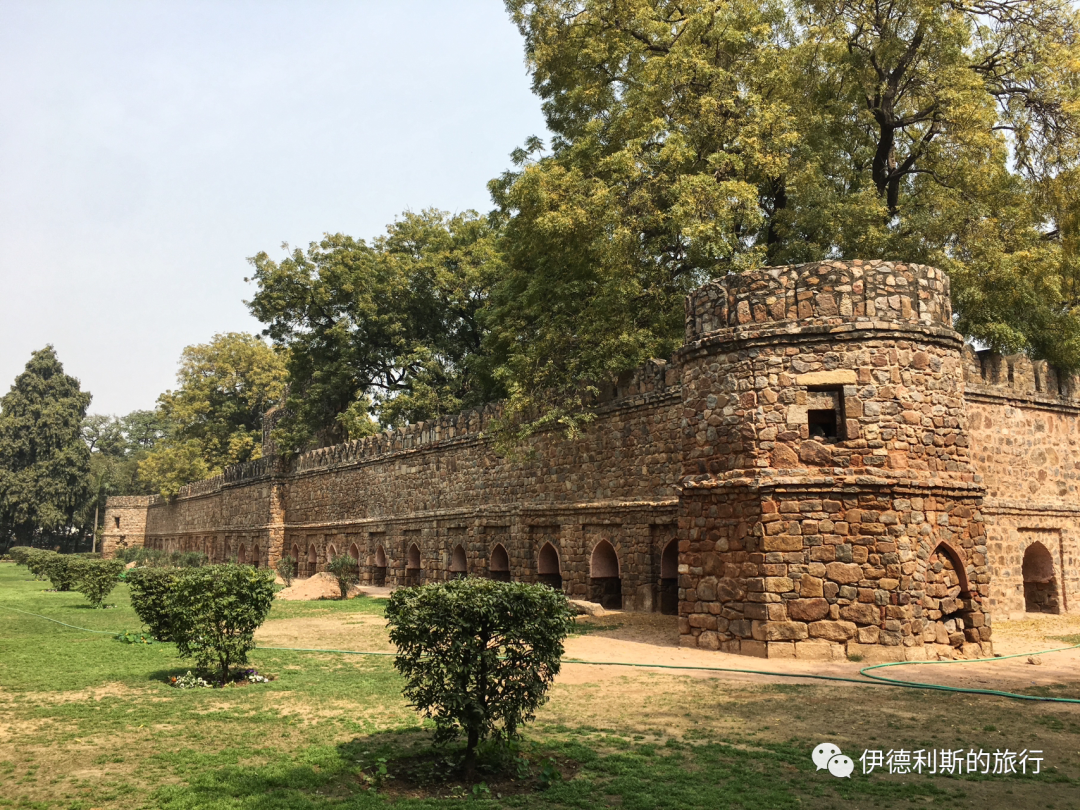
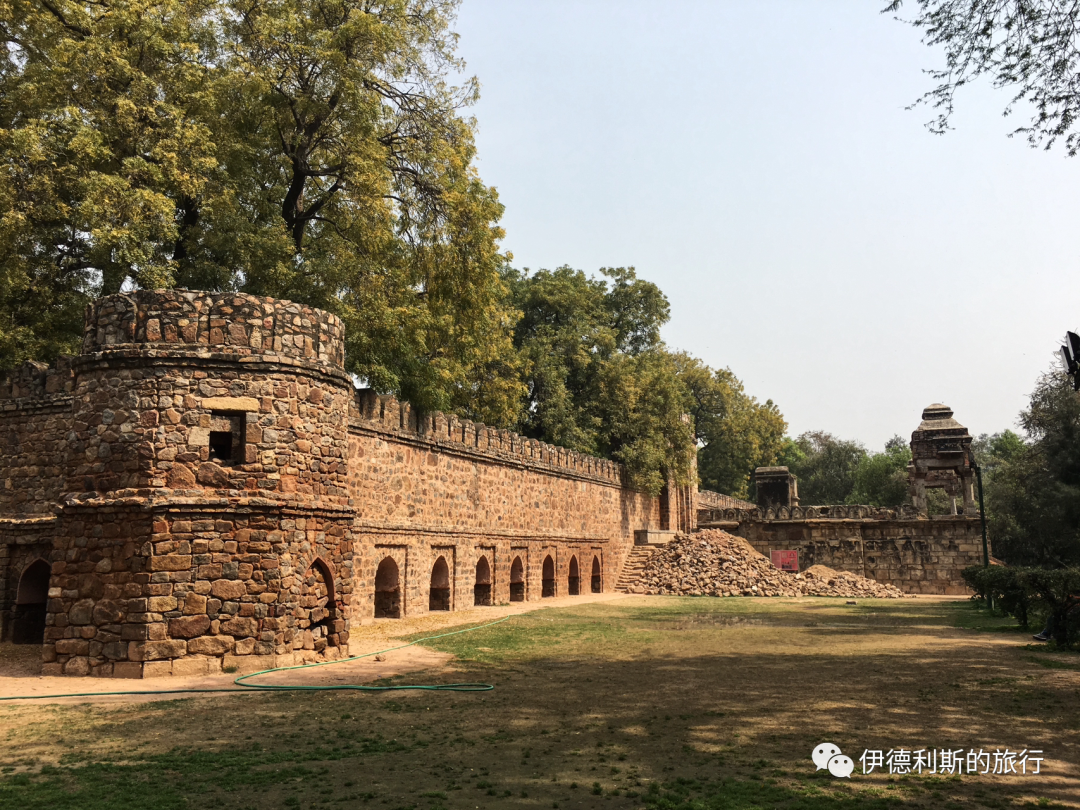
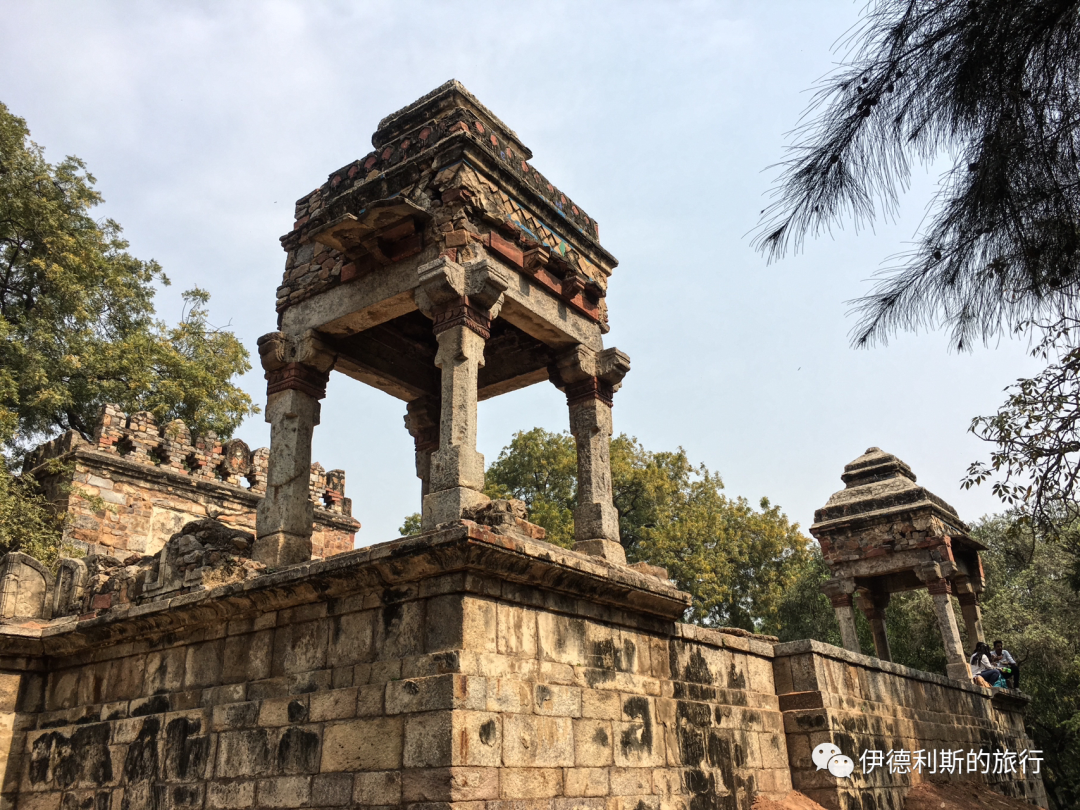
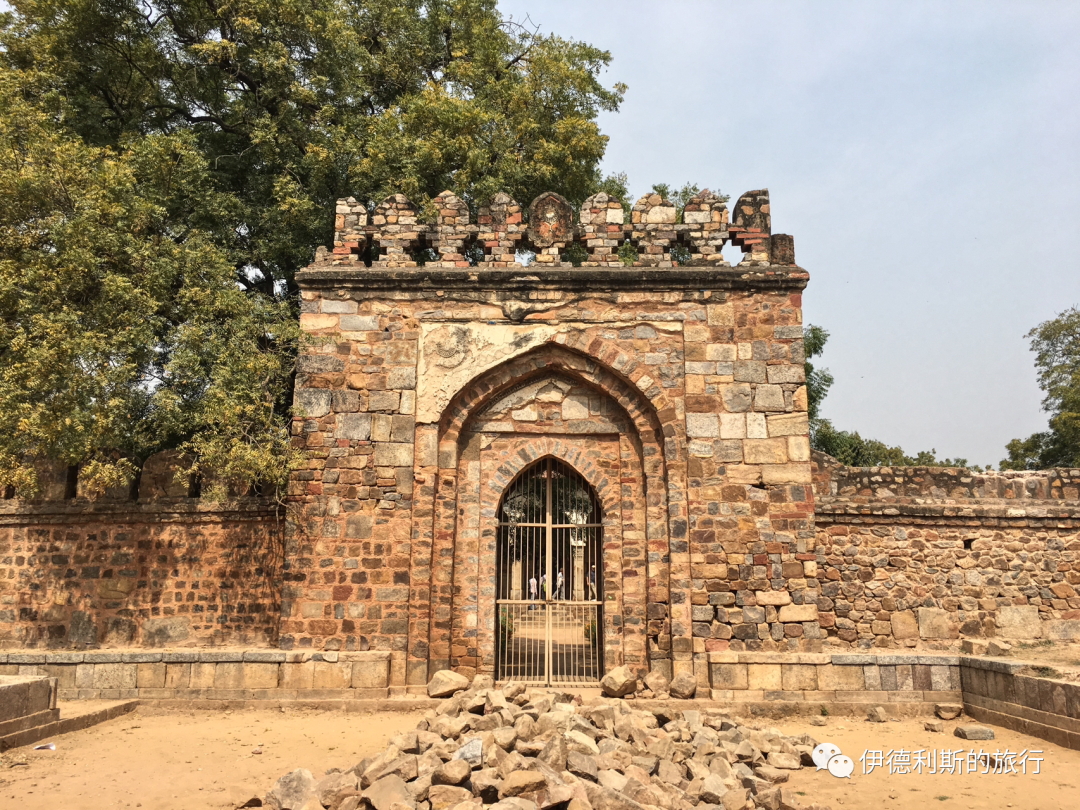
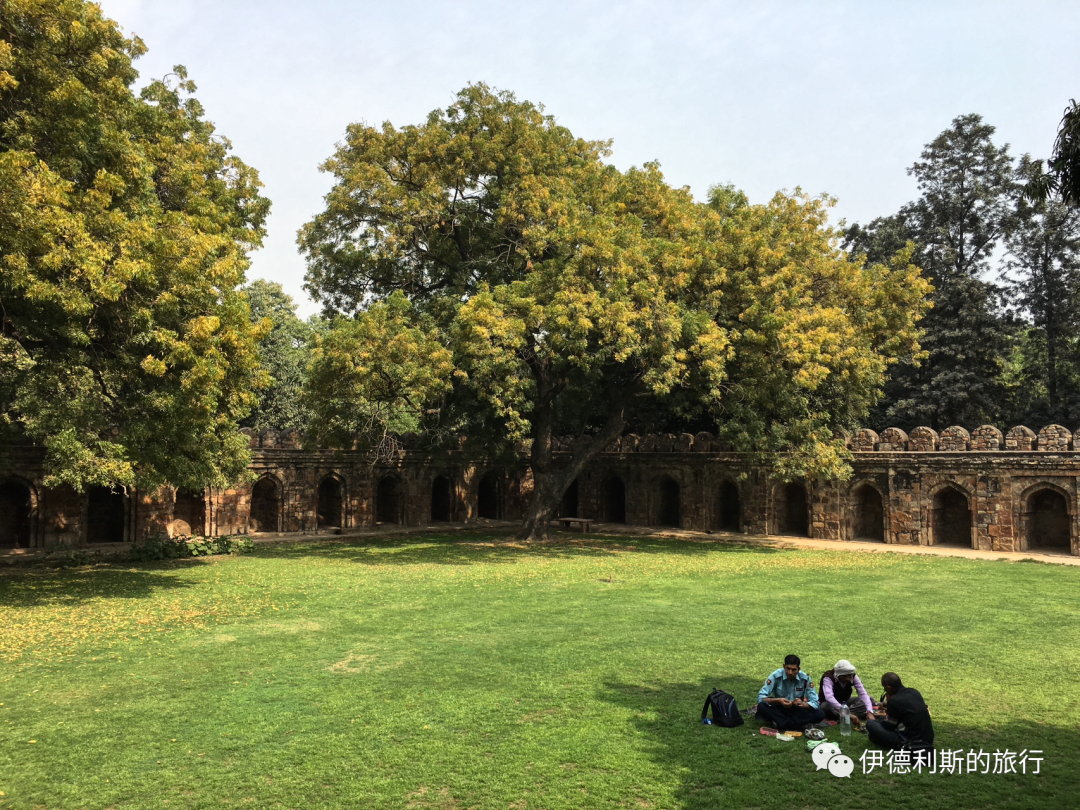
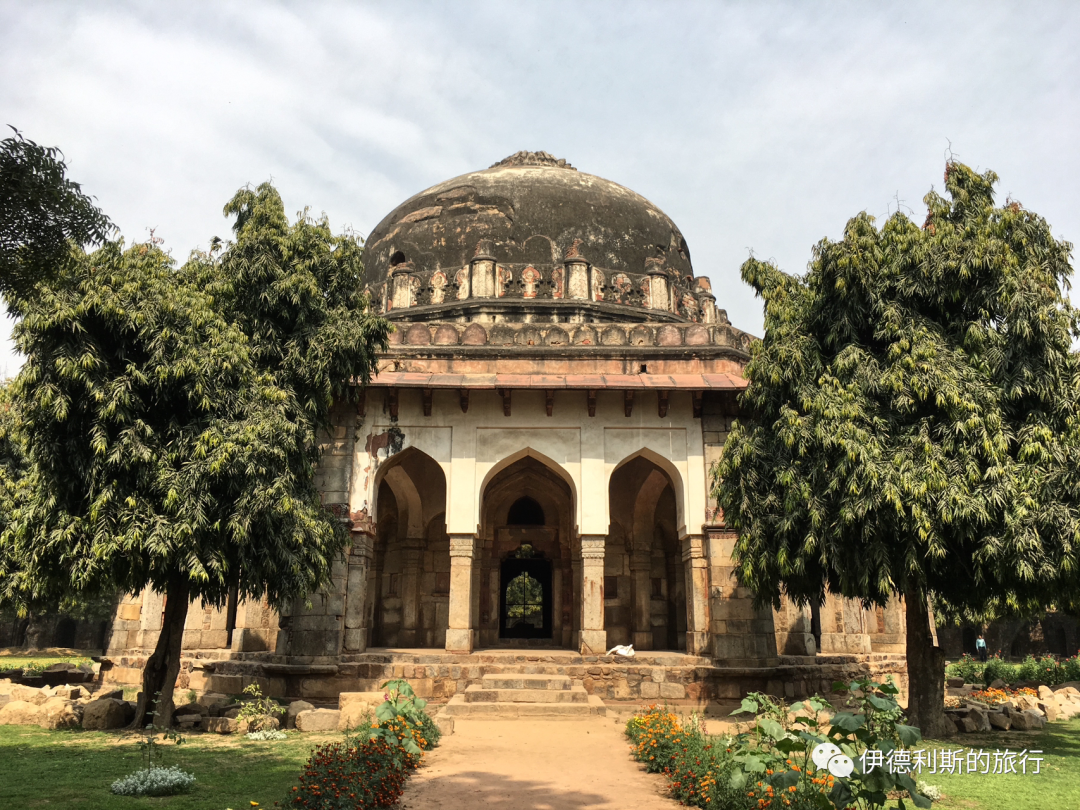
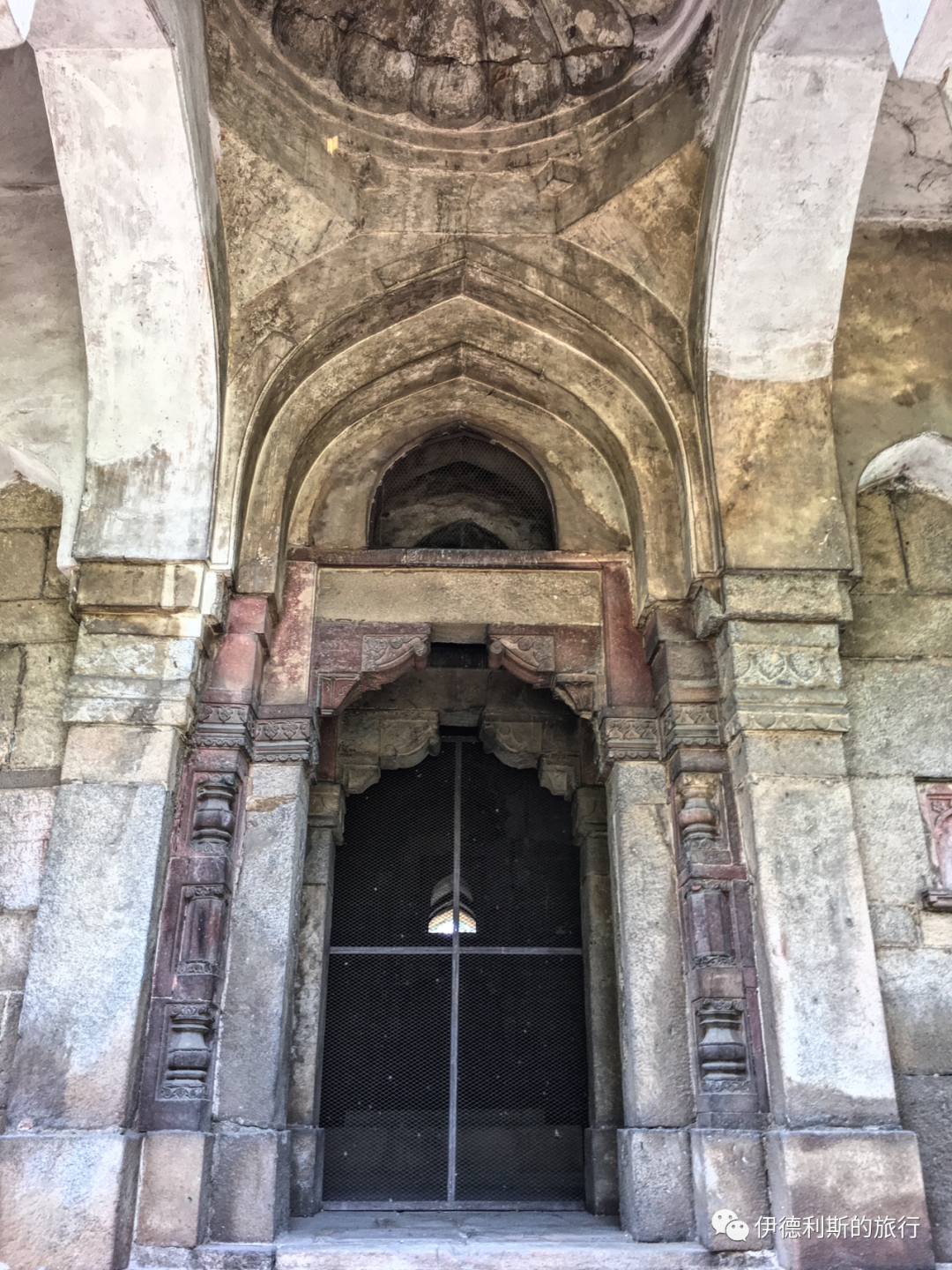
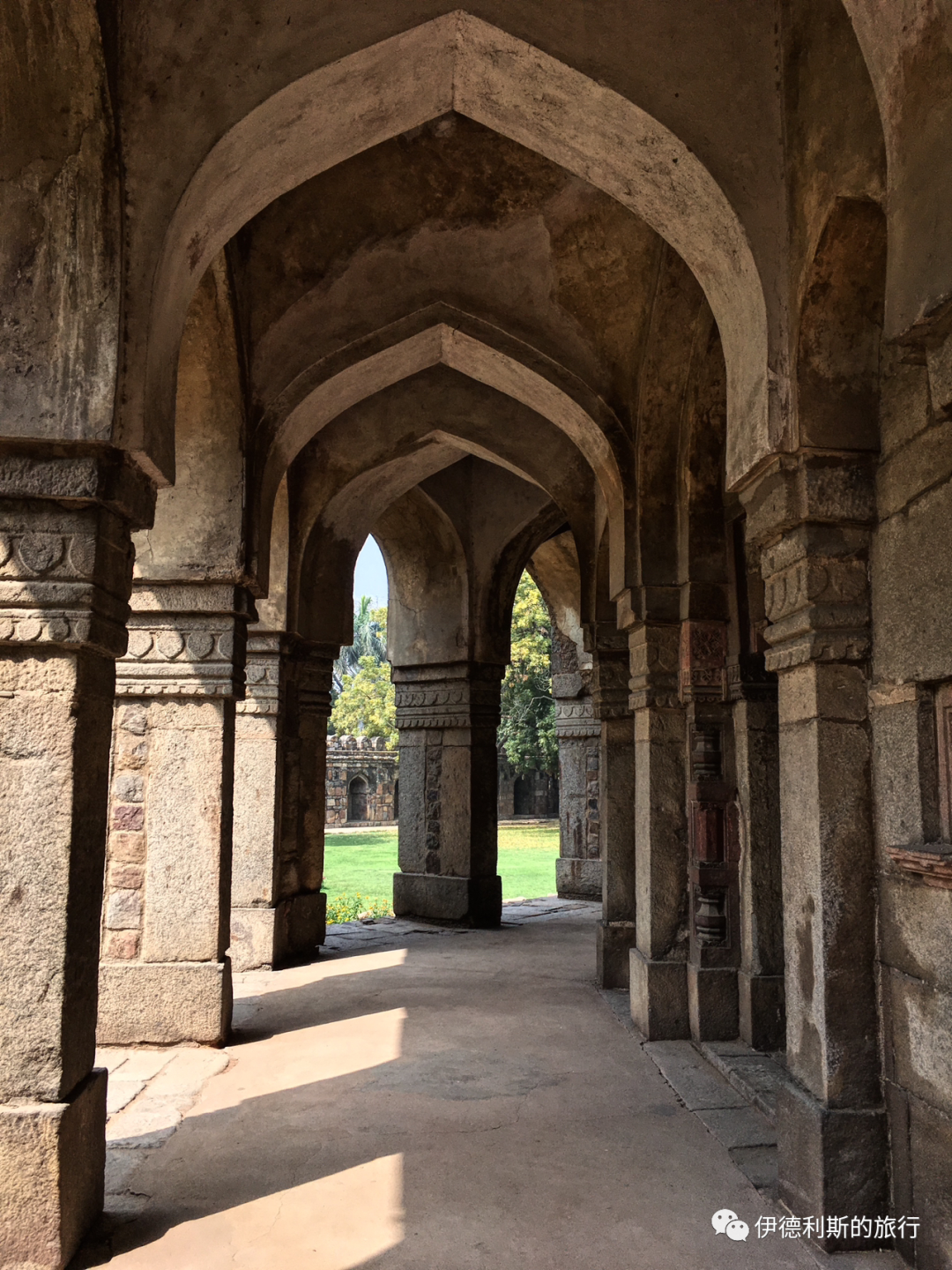
The biggest feature of Sikandar Lodi's tomb is the colorful tile decoration inside, which is extremely rare in Lodi Dynasty architecture.
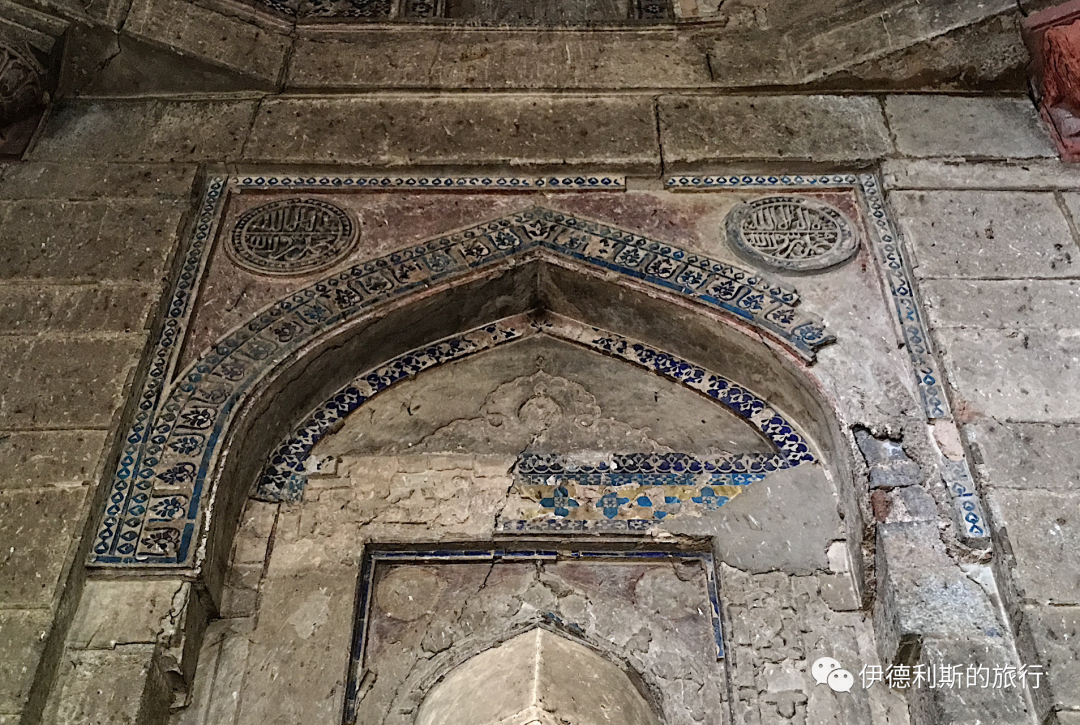
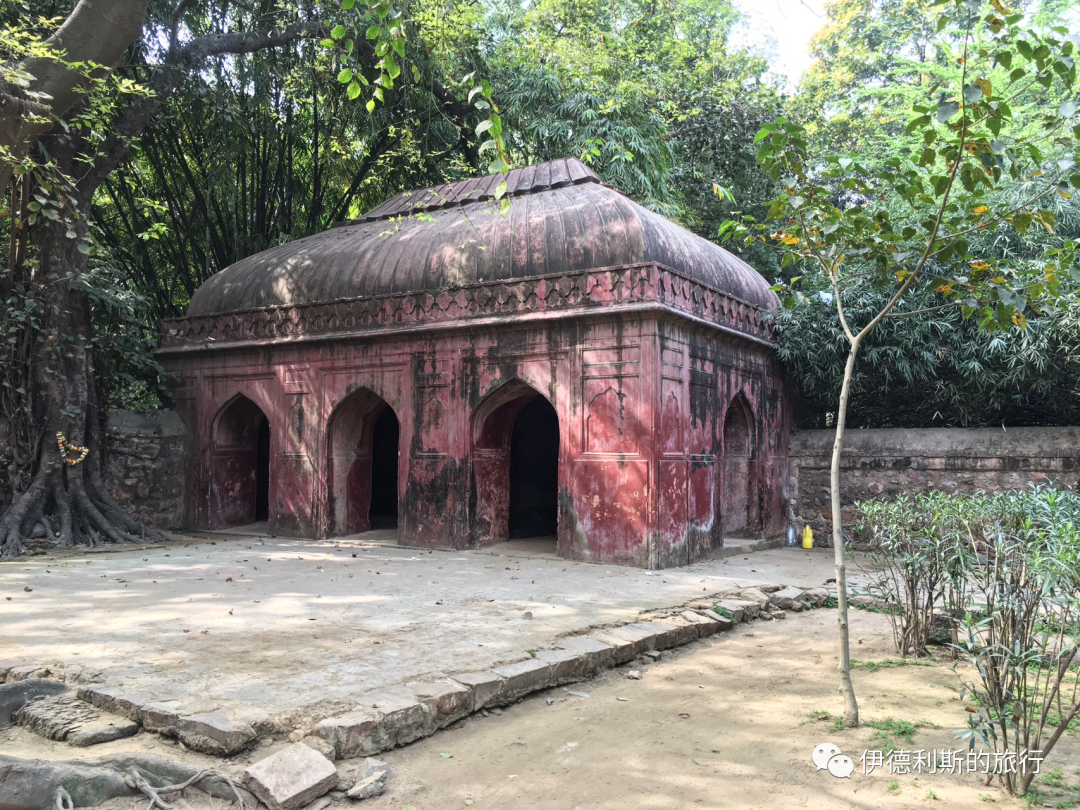
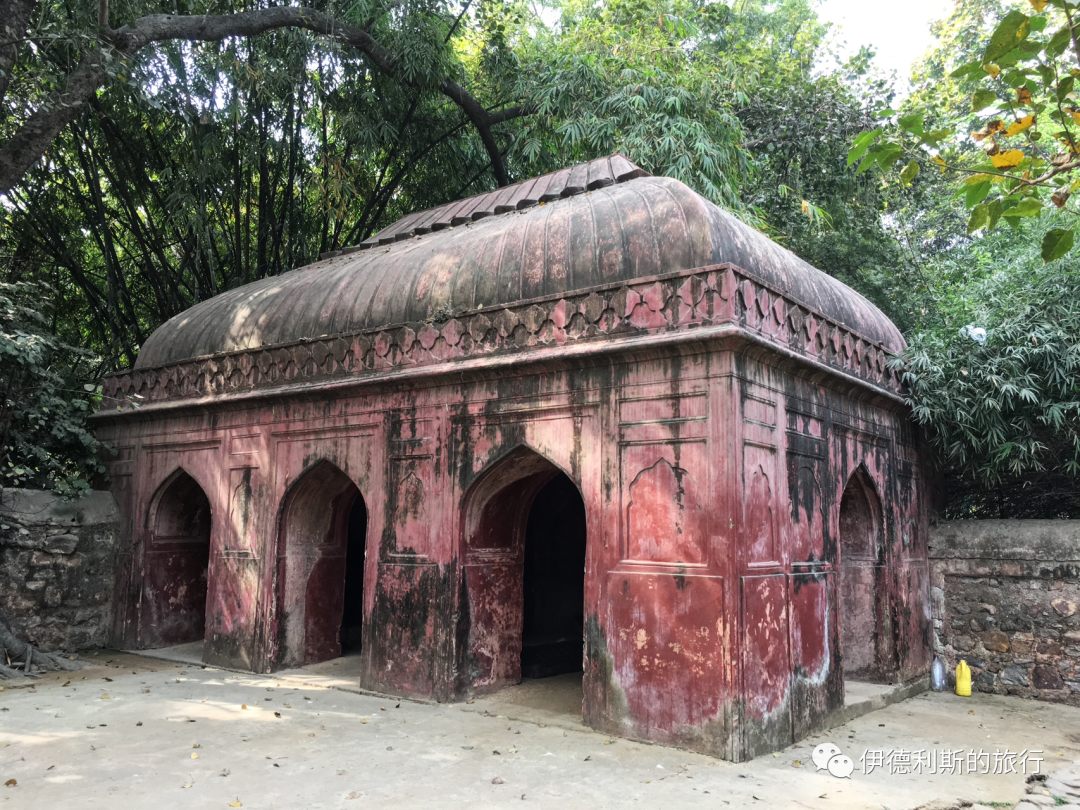
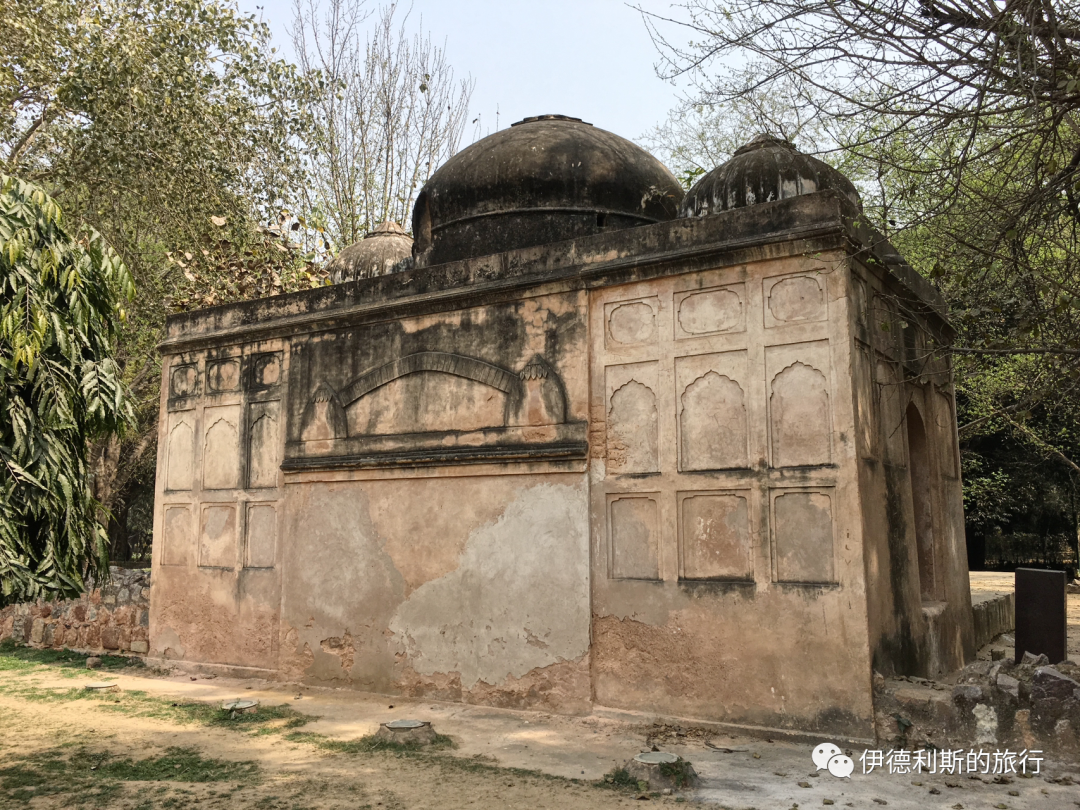
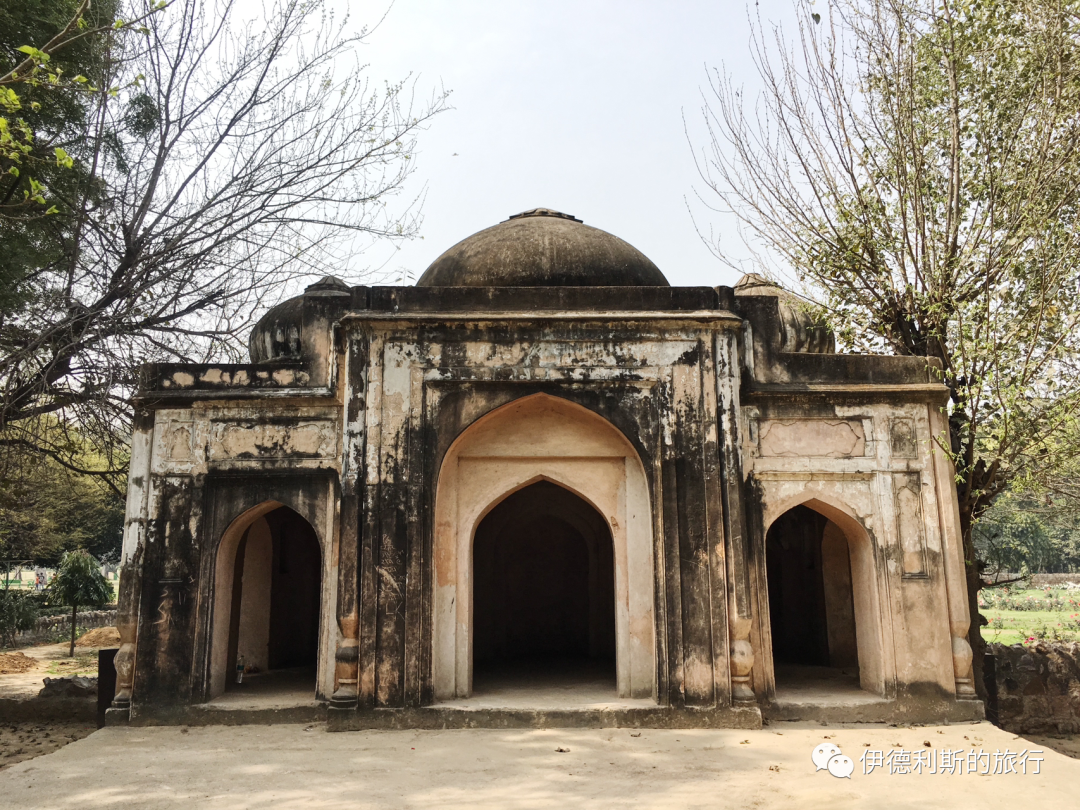
Example of a small Lodi Dynasty mosque
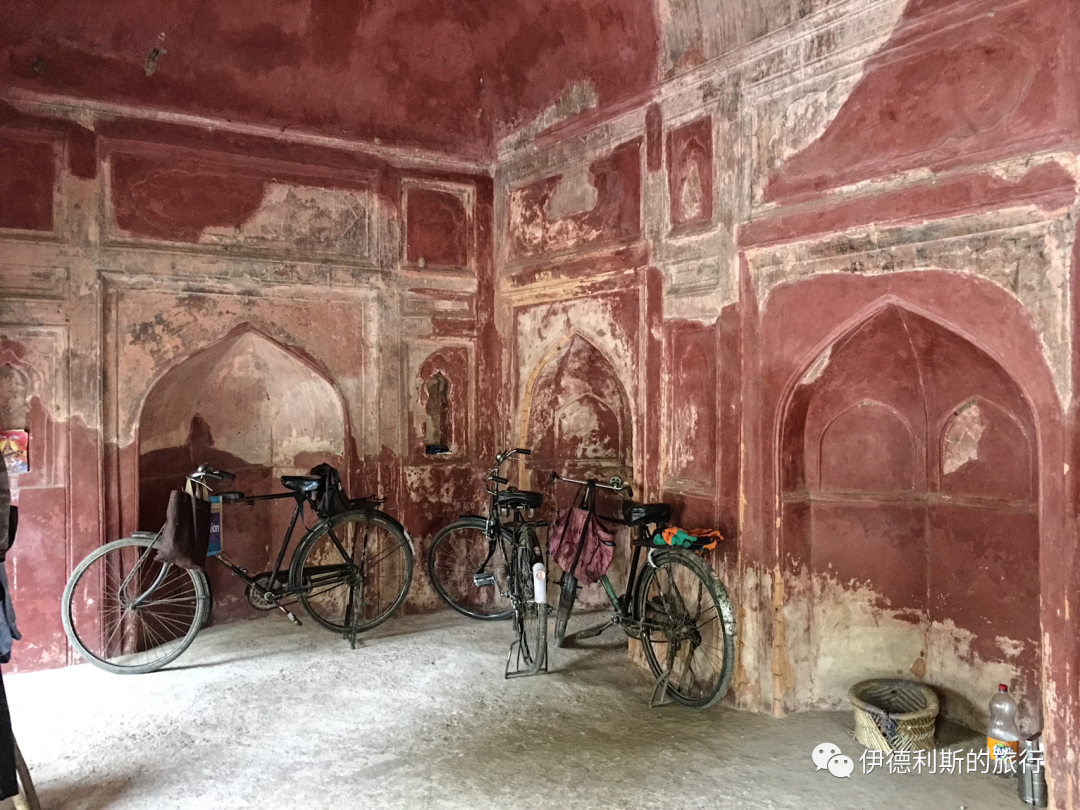
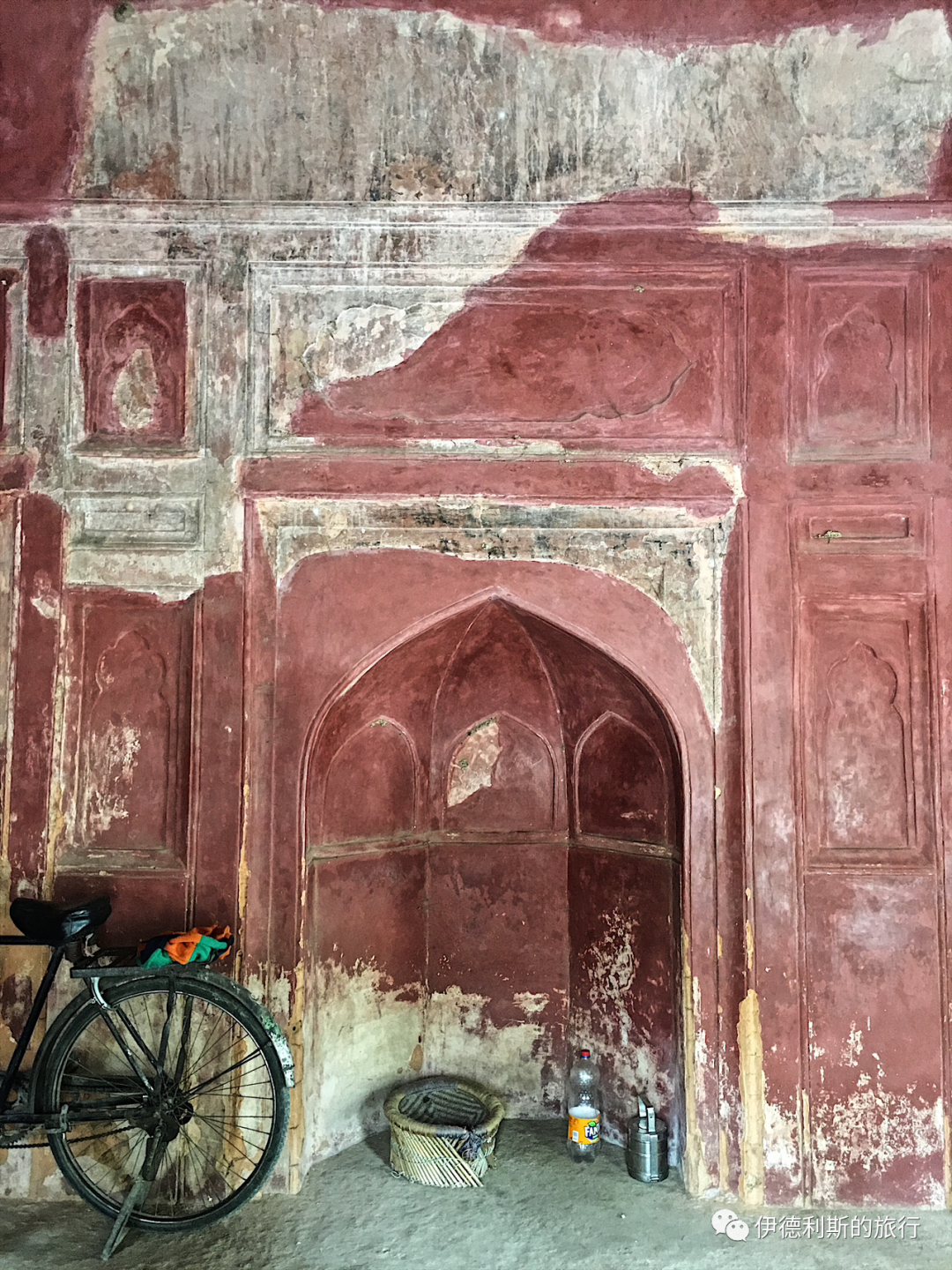
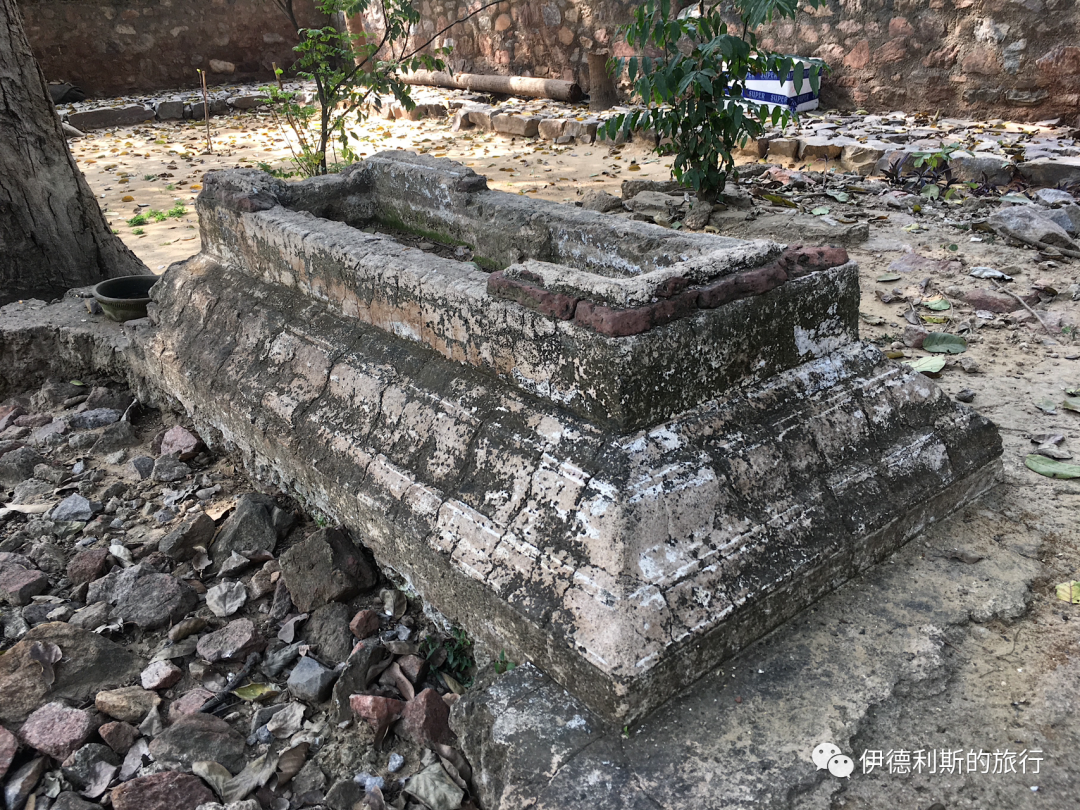
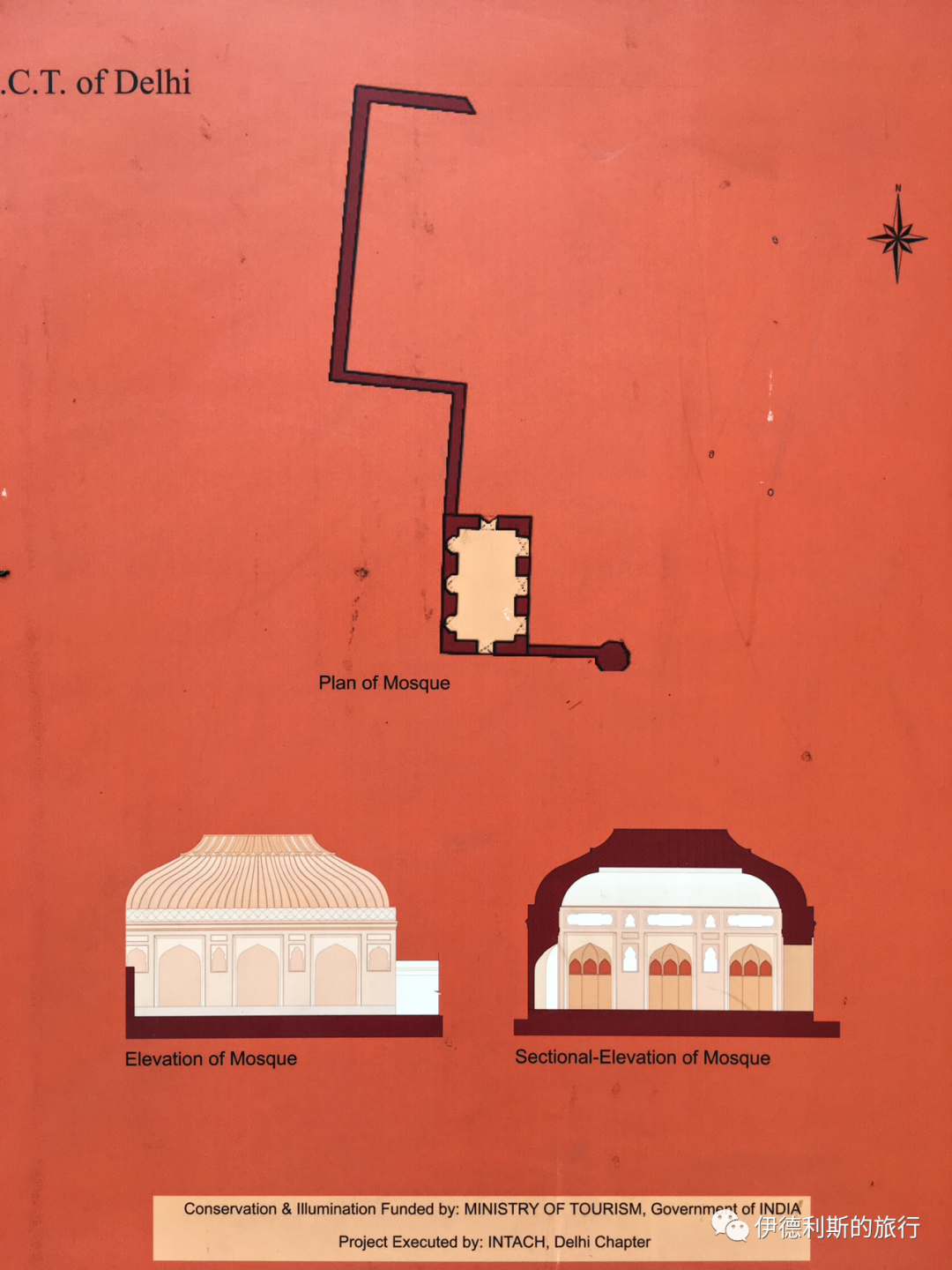
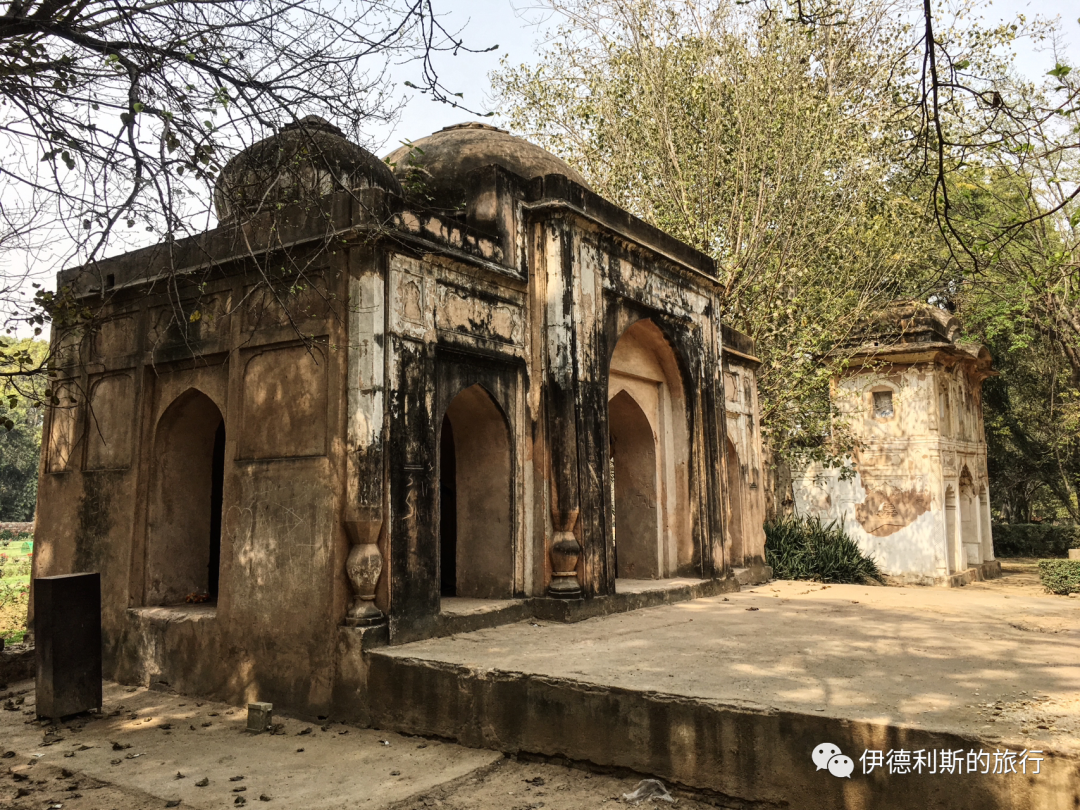
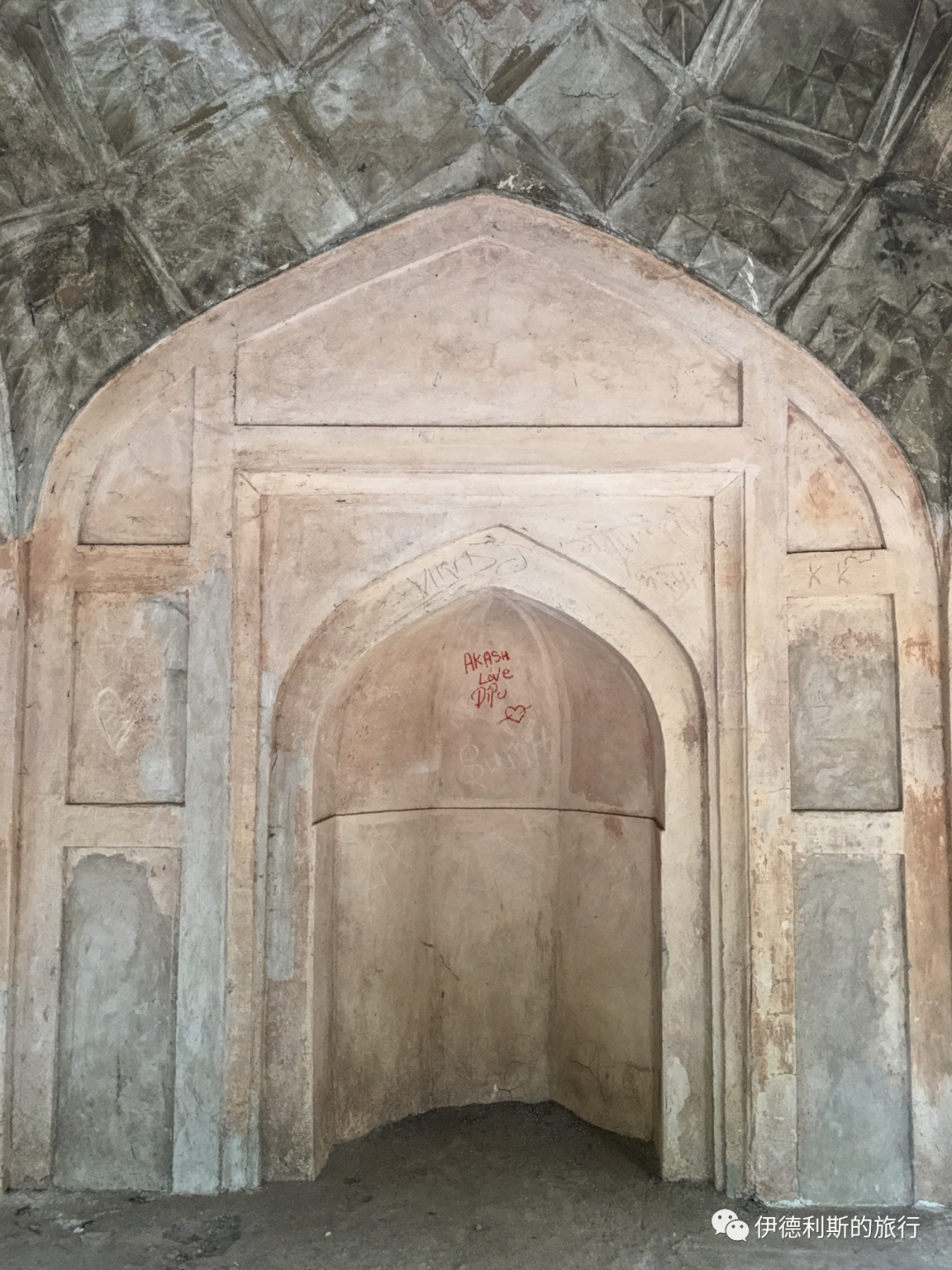
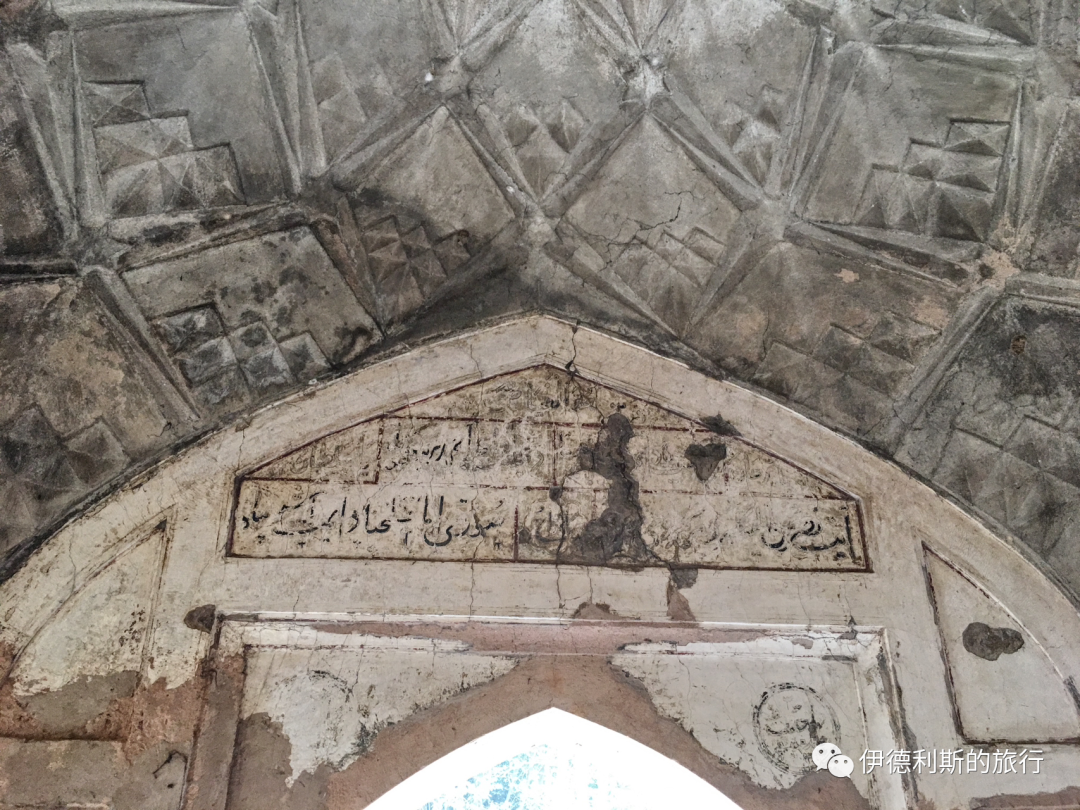
Inside the garden is an example of a small Lodi Dynasty mosque, with the remains of walls and tombs nearby. The mosque has three arched entrances, and the top is decorated with inverted lotus flowers. Unlike the brick buildings of the Mughal era, the Lodi Dynasty used stone even for small structures and applied bright red plaster using traditional fresco techniques.
Mughal Rose Garden
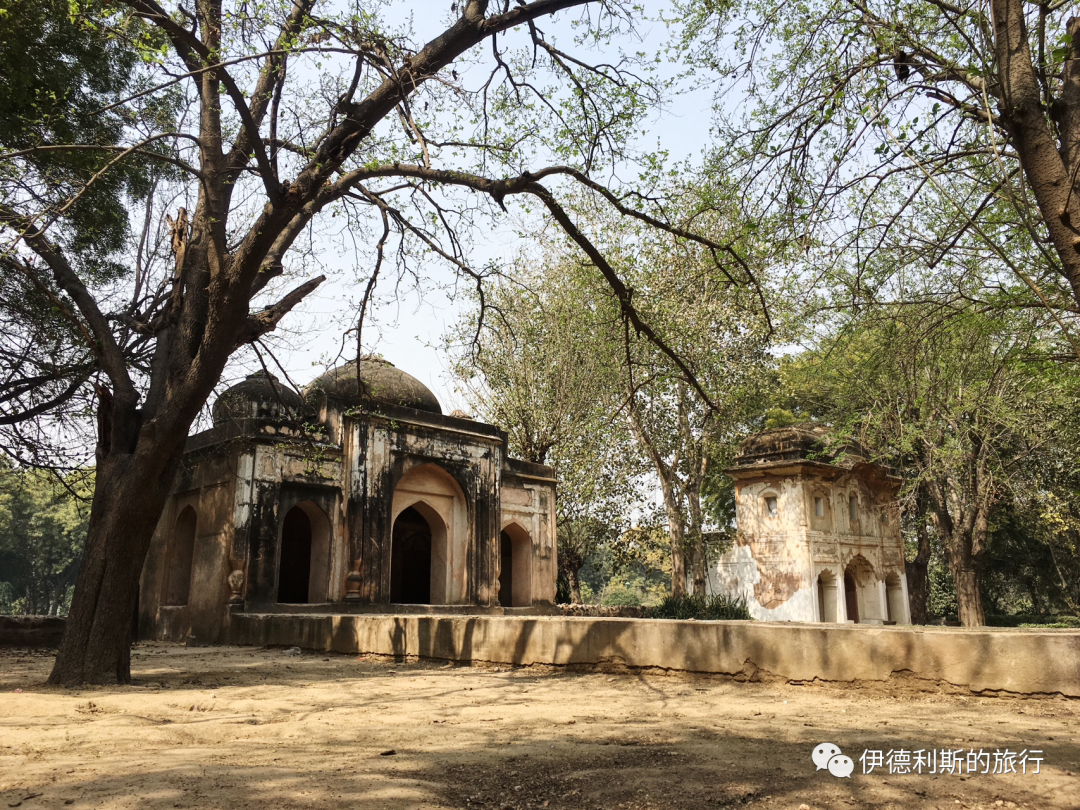
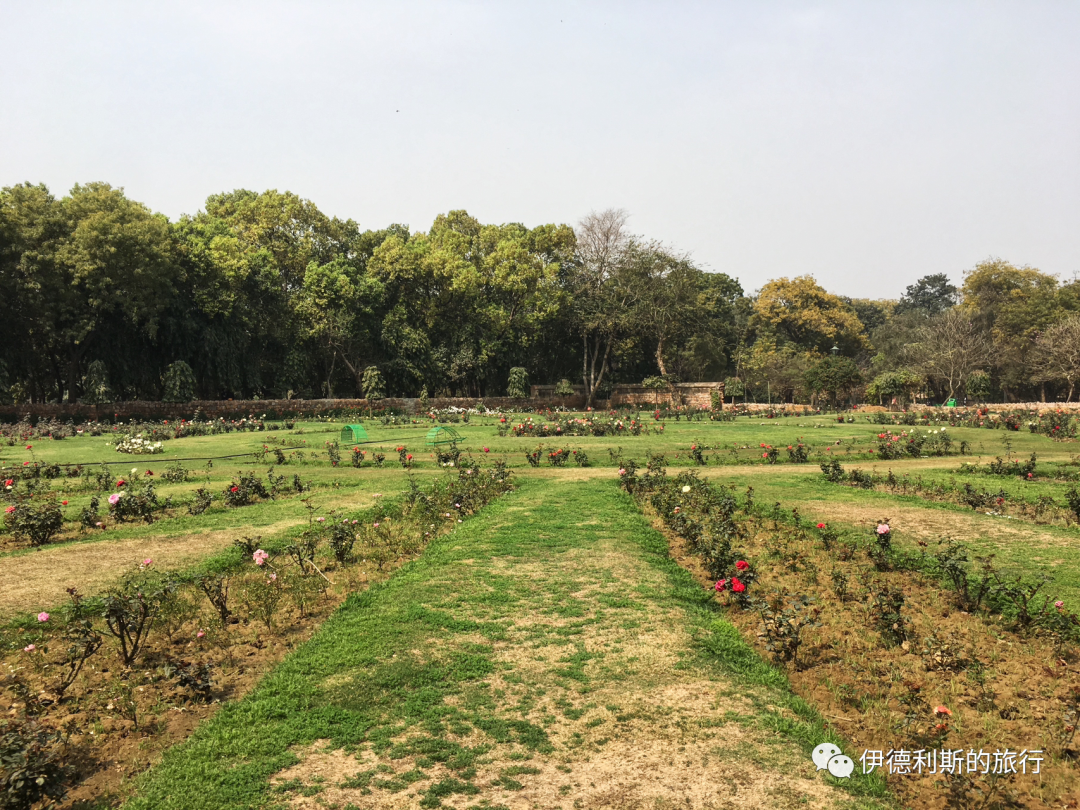
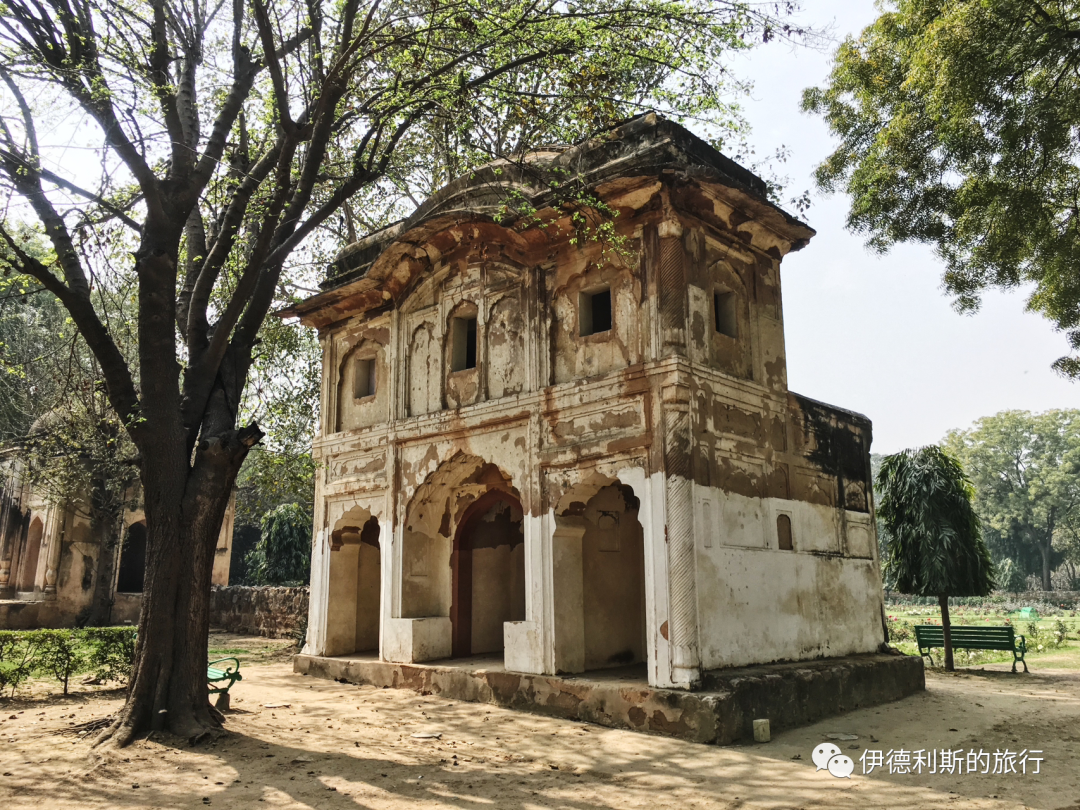
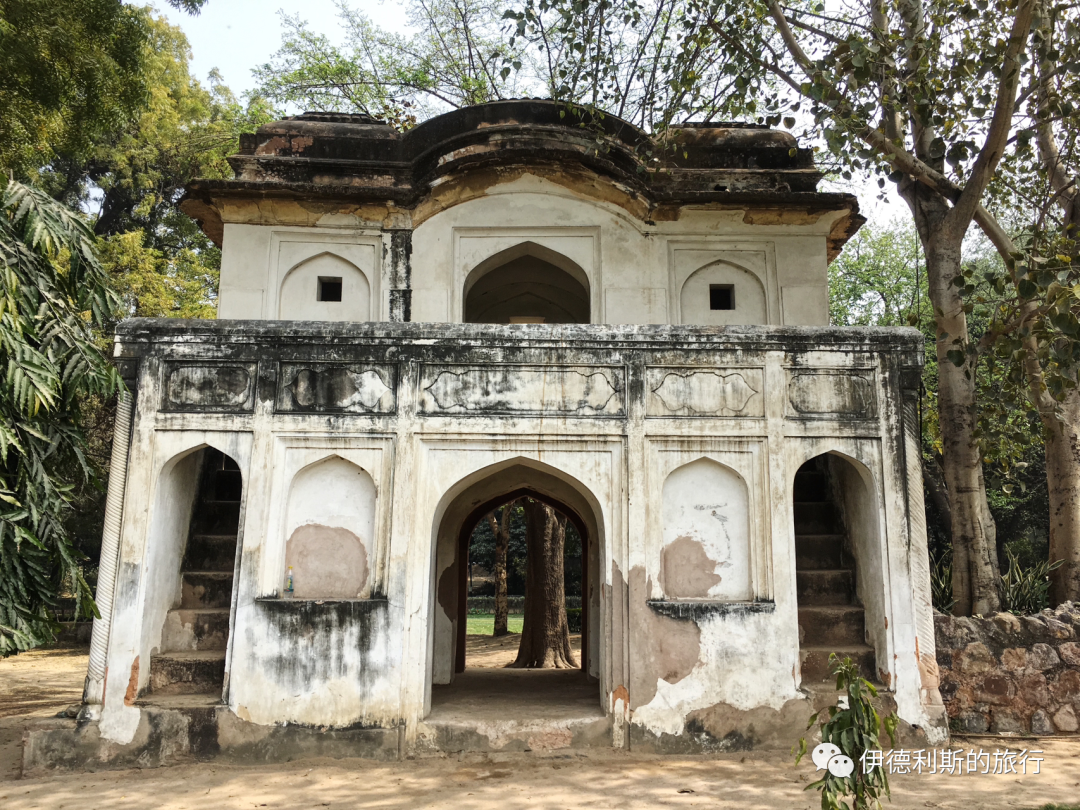
On the south side of Sikandar Lodi's tomb is a group of Mughal-era buildings surrounded by walls, with a two-story gate and a three-arched mosque on the east side. Today this is a rose garden, but there was likely a Mughal tomb in the center of the garden in the past.
The two-story gate features a Bengal-style roof, traditional Indo-Islamic eaves (chhajja), and Mughal-style Lakhori bricks.
The Bengal-style roof mimics the thatched, reed roofs of rural areas in the rainy Bengal region. It first appeared in Bengal in the 16th century and was introduced to Delhi in the 17th century, so it is only seen in buildings from the Mughal era and later.
Lakhori bricks are relatively flat red bricks that were popular from the time of the 17th-century Mughal Emperor Shah Jahan until the early 20th century. During the Delhi Sultanate period, buildings were mainly supported by pillars and beams made of large stone blocks, without the need for mortar. By the time of Shah Jahan, Lakhori bricks were used on a large scale to build houses. These bricks are smaller in size, which allows for more complex architectural decorations.
Summary: Delhi Lodhi Garden — Sultanate Tombs and Muslim History is presented here as a firsthand travel account in clear English, beginning with this scene: The Lodhi dynasty was the last of the five dynasties of the Delhi Sultanate. It was founded by the Pashtun Lodhi family in 1451 and lasted 75 years until it was conquered by the Mughal Empire in 1526. The account keeps its focus on Delhi Travel, Lodhi Dynasty, Muslim Heritage while preserving the names, places, food, and historical details from the Chinese source.
The Lodhi dynasty was the last of the five dynasties of the Delhi Sultanate. It was founded by the Pashtun Lodhi family in 1451 and lasted 75 years until it was conquered by the Mughal Empire in 1526. The Lodhi dynasty did not build a new capital in Delhi, so no large palaces remain. However, many tombs and mosques from the Lodhi period are preserved in the southern suburbs of Delhi, serving as the best examples for studying the history and architectural art of the Lodhi dynasty.
If you want to experience the history of the Lodhi dynasty firsthand, the best place to go is Lodhi Garden on the south side of New Delhi. The entire garden covers 360,000 square meters. Major buildings include the tomb of Sultan Muhammad Shah (reigned 1434-1445) of the Sayyid dynasty, the tomb of Sultan Sikandar Lodi (reigned 1489-1517) of the Lodhi dynasty, the Bara Gumbad (Big Dome), and the Shish Gumbad (Glass Dome), which is suspected to be the tomb of Sultan Bahlul Lodi (reigned 1451-1489). Some relics from the Mughal period are also preserved there.
Tomb of Muhammad Shah
Entering from the south gate of Lodhi Garden, the first thing you see is the tomb of Muhammad Shah (reigned 1434-1445), the third sultan of the Sayyid dynasty of the Delhi Sultanate.
The Sayyid family claimed to be descendants of the Prophet Muhammad and originally lived in the Punjab region. The founder, Khizr Khan, became the governor of Multan after Timur invaded the Delhi Sultanate in 1398, and he officially established the Sayyid Sultanate after occupying Delhi in 1414. Muhammad Shah was the grand-nephew of Khizr Khan. During his reign, the territory of the Delhi Sultanate continued to shrink. Sunni Islam was no longer the dominant force, Shia Islam began to rise, and Indian Islamic culture started to take root in areas outside of Delhi.
During the reign of Muhammad Shah, Bahlul Lodi, the leader of the Pashtun Lodi tribe, was highly favored by the Sultan. Thanks to his military achievements, he gained control over most of the Punjab region, laying the foundation for the establishment of the Lodhi dynasty.
The tomb of Muhammad Shah is an octagonal domed building, which is more magnificent than the tomb of the previous sultan, Mubarak Shah. It is very strange that this tomb has no outer walls. Some speculate it was due to a lack of funds, while others think the outer walls likely collapsed later.
This building has a very typical Indo-Islamic architectural style. The central dome (gumbad) is surrounded by decorative spires (guldasta), then by domed pavilions (chhatri), and finally by eaves (chhajja).
Guldasta means 'tied bouquet' in Persian, and in Indo-Islamic architecture, it is usually shaped like a flower. The domed pavilion (chhatri) first appeared on early Indian Sufi tombs in the 12th century. It was later popularized by the Mughal Empire and became a signature feature of Indo-Islamic architecture. In fact, both the guldasta and the chhatri are a fusion of Persian pavilions and the indigenous Indian roof tower (sikhara).
The eaves (chhajja) were relatively rare during the Delhi Sultanate period. They did not become popular until the Mughal period and were later incorporated into Hindu architecture.
Bara Gumbad
Walking northeast from the tomb of Muhammad Shah, you reach the largest building from the Lodhi period: the Bara Gumbad (Big Dome).
The Bara Gumbad was built in 1490 by Sultan Sikandar Lodi (reigned 1489-1517) of the Lodhi dynasty. It consists of three buildings on a 4-meter-high platform. In the middle of the platform is a tombstone, with the Bara Gumbad on the south side, a Friday mosque (Juma Masjid) on the west side, and a guest house (mehman khana) on the east side. Judging by its shape, the Bara Gumbad looks like a tomb, but no burial has been found underneath, so it is likely the south gate of the platform.
The Bara Gumbad is 29 meters high and features Delhi's first 'full dome,' which is a complete semi-circular dome. The outer wall looks like it has two layers from the outside, but it is actually a single-layer structure inside. This design is very clever. The building is made of gray quartzite and decorated with red sandstone and black stone. All the stones were trimmed and polished, with no plaster used at all.
The Friday mosque on the west side of the Bara Gumbad was built in 1494. It is in the classic Lodhi style, with three large and two small arches, three domes on top, corner towers on both sides, and stone windows (jharokha) on the sides and back. This design had a great influence on later Mughal architecture.
The plaster carvings inside the Friday mosque of the Bara Gumbad are perhaps the richest of the Lodhi period. The abundance of floral patterns, geometric designs, and scriptures is overwhelming, making this mosque occupy an important place among mosques in India.
Shish Gumbad
Directly north of the Bara Gumbad is the Shish Gumbad (Glass Dome), which is said to have been built by Sultan Sikandar Lodi (reigned 1489-1517). The ownership of this dome is still debated. One theory is that it belonged to a nobleman of the Lodhi dynasty, while another suggests it was for the founder of the Lodhi dynasty, Bahlul Lodi (reigned 1451-1489).
The Glass Dome gets its name from the blue tiles that once decorated the exterior of the tomb, making it shine like glass. Currently, only a few blue tiles remain.
The Glass Tomb (Shisha Gumbad) and the Big Tomb (Bara Gumbad) have similar structures. Both look like two stories from the outside, but they are actually only one story inside. The dome is also surrounded by decorative spires called guldasta. However, the interior of the Glass Tomb (Shisha Gumbad) is poorly preserved and covered in bird droppings.
Tomb of Sikandar Lodi
Northeast of the Glass Tomb (Shisha Gumbad) stands the tomb of the Lodi Dynasty Sultan Sikandar Lodi (reigned 1489-1517). It was built between 1517 and 1518 by his successor, Sultan Ibrahim Lodi (reigned 1517-1526), and is India's first enclosed garden tomb.
Sikandar Lodi was a capable ruler. He expanded the Lodi Dynasty's territory and built the city of Agra between 1504 and 1505, which is the same city where the Taj Mahal is located today. The Lodi Dynasty officially moved its capital to Agra after that, but after Sikandar passed away, his son still buried his father in Delhi.
The tomb is surrounded by a 3.6-meter-high wall with corner towers. The west wall features a prayer wall and three mihrab niches—one large and two small. The south gate is shaped like a convex character and has two domed pavilions (chhatris) inlaid with tiles.
The main building's design follows the tomb of the previous Sultan, Muhammad Shah. Both are octagonal domed buildings, but the main difference is that Sikandar Lodi's tomb lacks the domed pavilions (chhatris).
The biggest feature of Sikandar Lodi's tomb is the colorful tile decoration inside, which is extremely rare in Lodi Dynasty architecture.
Example of a small Lodi Dynasty mosque
Inside the garden is an example of a small Lodi Dynasty mosque, with the remains of walls and tombs nearby. The mosque has three arched entrances, and the top is decorated with inverted lotus flowers. Unlike the brick buildings of the Mughal era, the Lodi Dynasty used stone even for small structures and applied bright red plaster using traditional fresco techniques.
Mughal Rose Garden
On the south side of Sikandar Lodi's tomb is a group of Mughal-era buildings surrounded by walls, with a two-story gate and a three-arched mosque on the east side. Today this is a rose garden, but there was likely a Mughal tomb in the center of the garden in the past.
The two-story gate features a Bengal-style roof, traditional Indo-Islamic eaves (chhajja), and Mughal-style Lakhori bricks.
The Bengal-style roof mimics the thatched, reed roofs of rural areas in the rainy Bengal region. It first appeared in Bengal in the 16th century and was introduced to Delhi in the 17th century, so it is only seen in buildings from the Mughal era and later.
Lakhori bricks are relatively flat red bricks that were popular from the time of the 17th-century Mughal Emperor Shah Jahan until the early 20th century. During the Delhi Sultanate period, buildings were mainly supported by pillars and beams made of large stone blocks, without the need for mortar. By the time of Shah Jahan, Lakhori bricks were used on a large scale to build houses. These bricks are smaller in size, which allows for more complex architectural decorations.
