
Halal Travel Guide: Zhenjiang — Mosques, Muslim Heritage and Jiangsu Food
Reposted from the web
Summary: Zhenjiang — Mosques, Muslim Heritage and Jiangsu Food is presented here as a firsthand travel account in clear English, beginning with this scene: Unlike in the north, Hui Muslim communities in the Jiangnan region fell apart rapidly after the 1950s, and halal businesses declined quickly along with them. The account keeps its focus on Zhenjiang Travel, Jiangsu Mosques, Muslim Heritage while preserving the names, places, food, and historical details from the Chinese source.
Unlike in the north, Hui Muslim communities in the Jiangnan region fell apart rapidly after the 1950s, and halal businesses declined quickly along with them. Today, Zhenjiang is one of the few cities left in Jiangnan that still has a number of local halal restaurants. I visited Zhenjiang twice to explore the food on New Year's Day and May 14, 2017. Here are my impressions of the halal scene in Zhenjiang.
Some of the information in this article about halal life in Zhenjiang comes from the posthumous work, History of Islam in Zhenjiang, Jiangsu, by Mr. Xia Rongguang. Mr. Xia was born on South Gate Street in Zhenjiang in 1909. He became the leader of the Shanxiang Mosque in 1938 and managed the work at the Xinhe Street Mosque, making him an eyewitness to Islam in Zhenjiang during the Republic of China era. Mr. Xia began organizing historical materials on Islam in Zhenjiang in the 1980s. In 1998, while on his way to submit the manuscript for this book, he passed away at the age of ninety. Through Mr. Xia's book, we can learn about the past stories of the Hui Muslims in Zhenjiang.
Where the ancient canal meets the Yangtze River.
This food tour starts with an abandoned Song Dynasty canal and an old Qing Dynasty street that is currently being demolished.
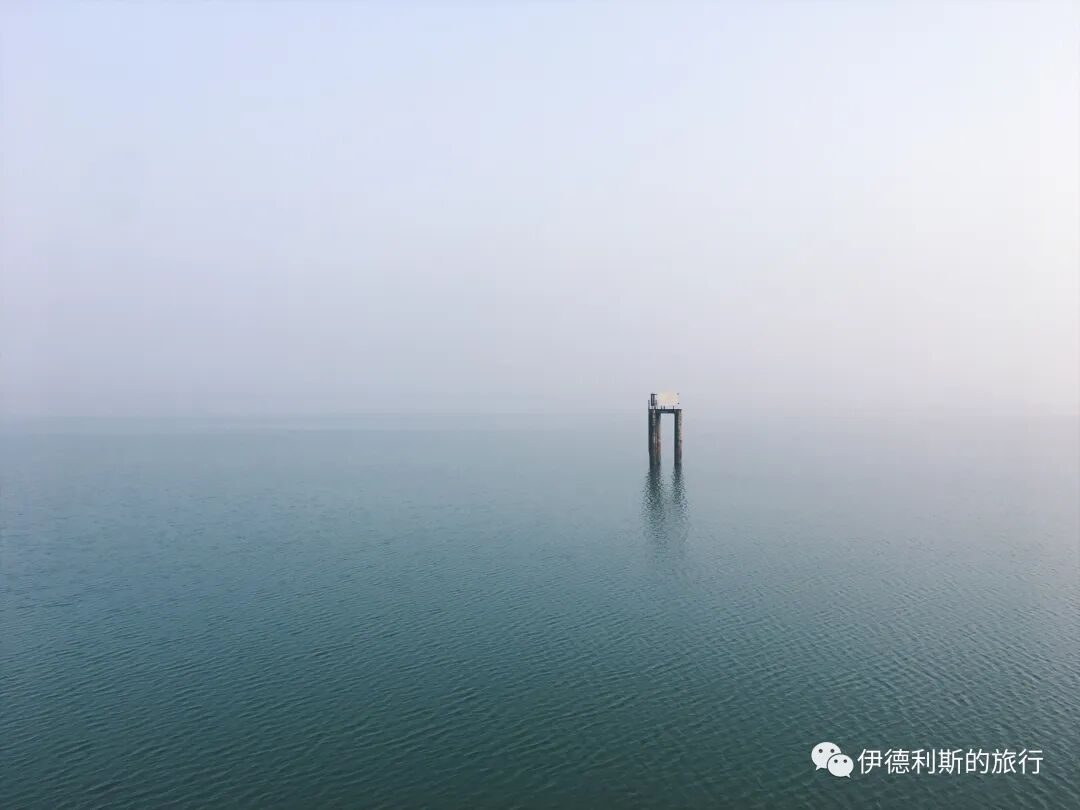
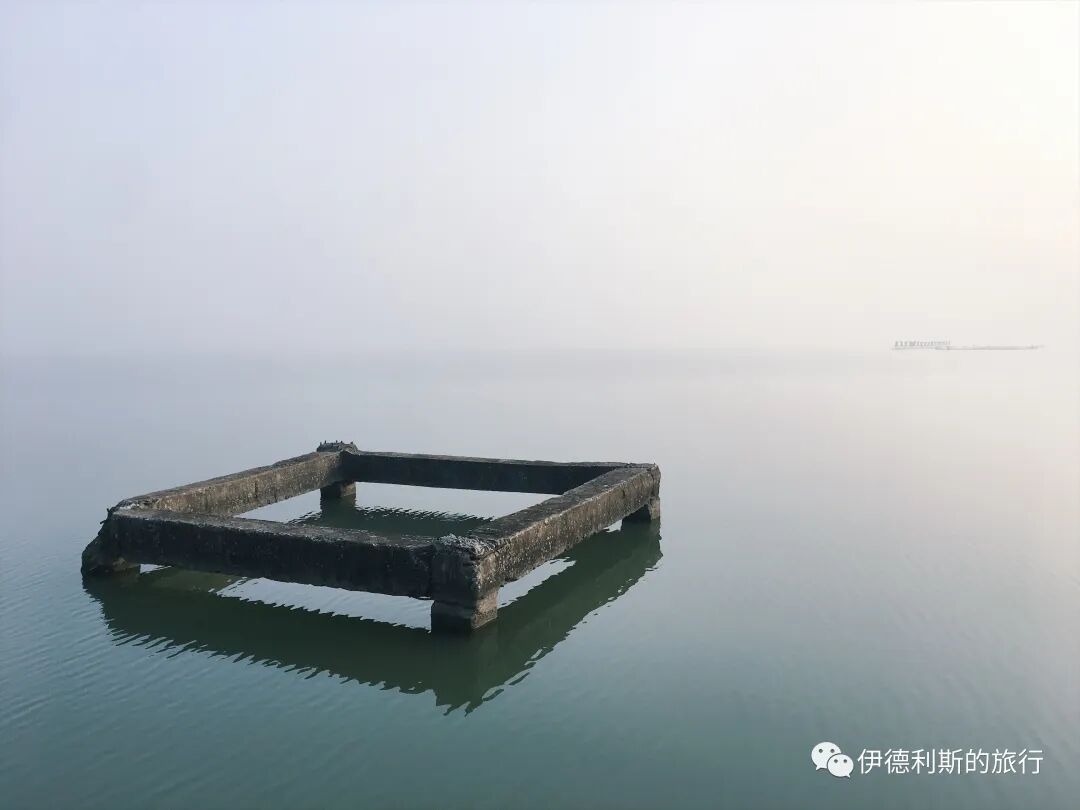
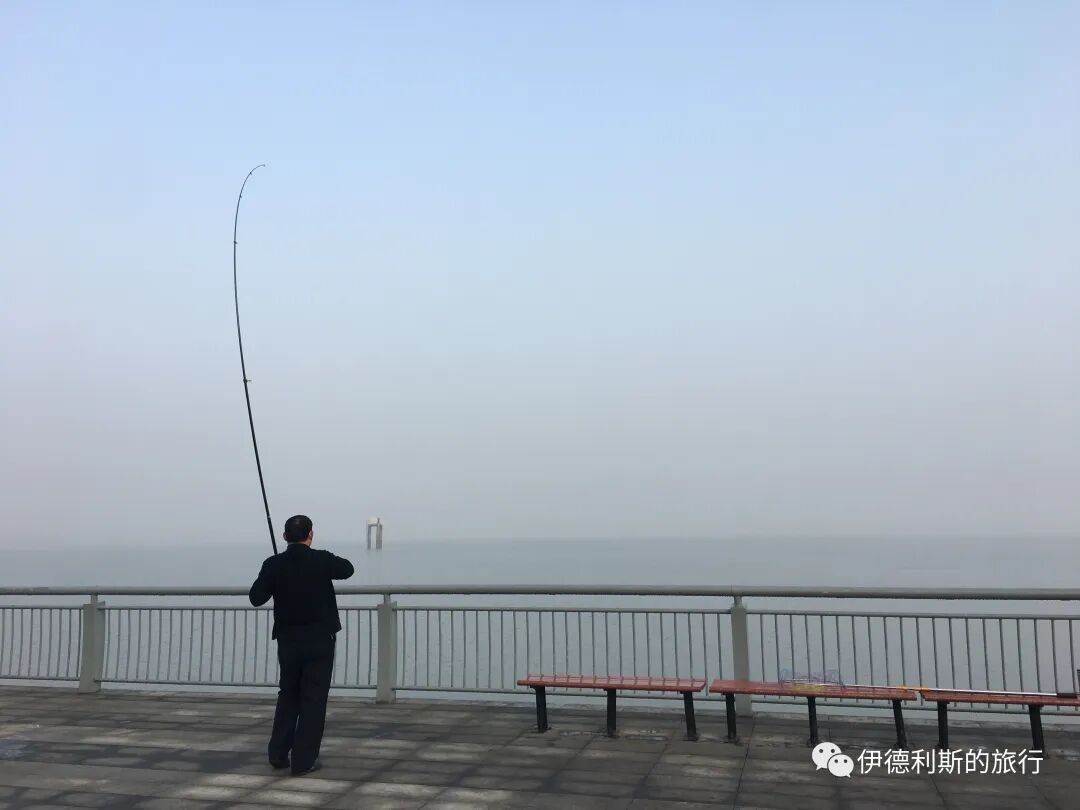
I stayed by the banks of the Yangtze River in Zhenjiang, where the river surface was hidden in the morning mist as far as the eye could see. However, there were no ships on the water because the main channel of the Yangtze had already shifted north, and this area was no longer the main river.
The scene described in the poem, Jingkou and Guazhou are separated by a single stretch of water, began to change during the middle and late Qing Dynasty. Toward the end of the Kangxi reign, the south bank of the Yangtze between Zhenjiang and Guazhou began to silt up while the north bank collapsed, causing the river to shift steadily northward. River beaches and sandbars slowly but irreversibly appeared on the Zhenjiang side, while the Guazhou riverbank on the north side kept collapsing. Finally, in 1895 (the 21st year of the Guangxu reign), the entire ancient city of Guazhou collapsed into the river, and its former bustling streets and famous gardens were all swept away by the current.
Although the riverfront at Zhenjiang was gradually surrounded by the newly formed Zhenrunzhou island, the port of Zhenjiang maintained a normal navigable depth of 4 meters until 1954. After the massive Yangtze River flood in 1954, Zhengrun Island expanded significantly, and Zhenjiang Port was blocked by sandbars, turning it into a U-shaped harbor.
After walking a short distance, you reach Xiaojingkou, the meeting point of the Grand Canal and the Yangtze River.
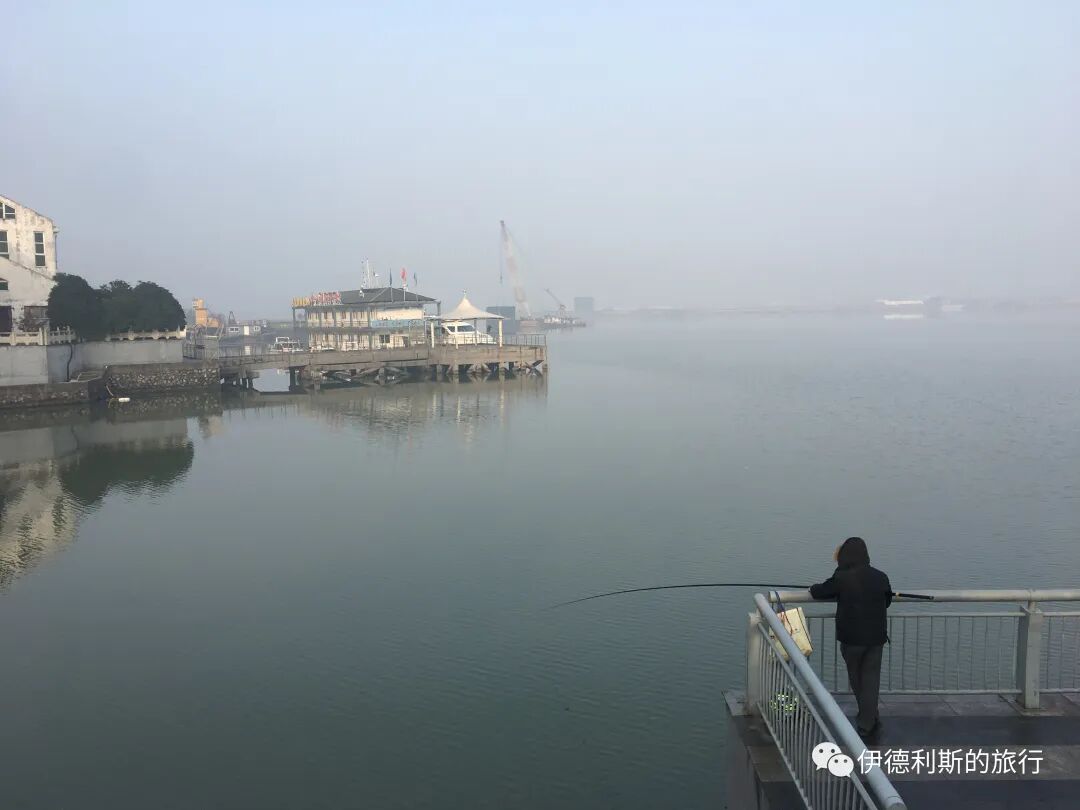
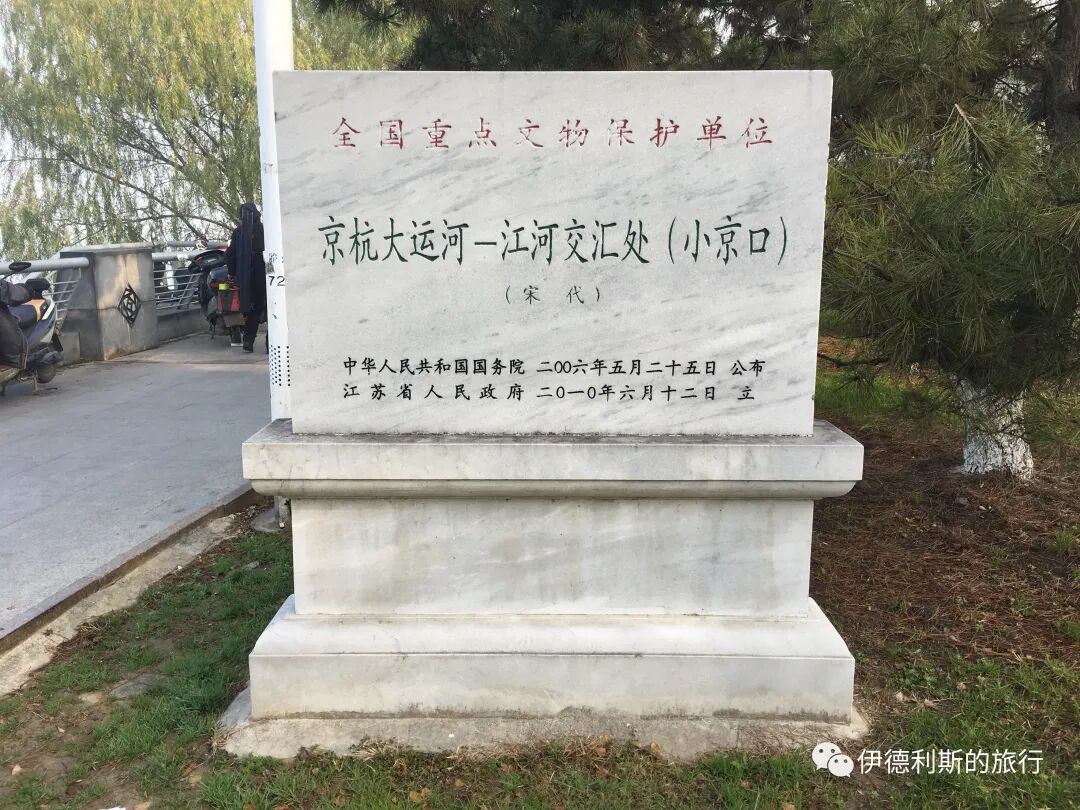
The original meeting point of the Grand Canal, built by Emperor Yang of Sui, was called Dajingkou. In 1029 (the seventh year of the Tiansheng era of the Song Dynasty), a new canal was dug east of the old one, and the point where this new canal met the Yangtze River was named Xiaojingkou. In 1954, workers cleared and dredged Xiaojingkou, and in 1957, they built a sluice gate. However, the water level at Xiaojingkou is usually less than 1.6 meters, and during the dry season, it drops to only 0.5 meters, meaning it can basically only handle small boats. In 1958, work began to improve the Grand Canal, and Jianbikou was designated as the meeting point between the Grand Canal and the south bank of the Yangtze River. In 1960, Jianbikou was widened and dredged, and Xiaojingkou stopped being used for shipping.
New Canal (Xinhe)
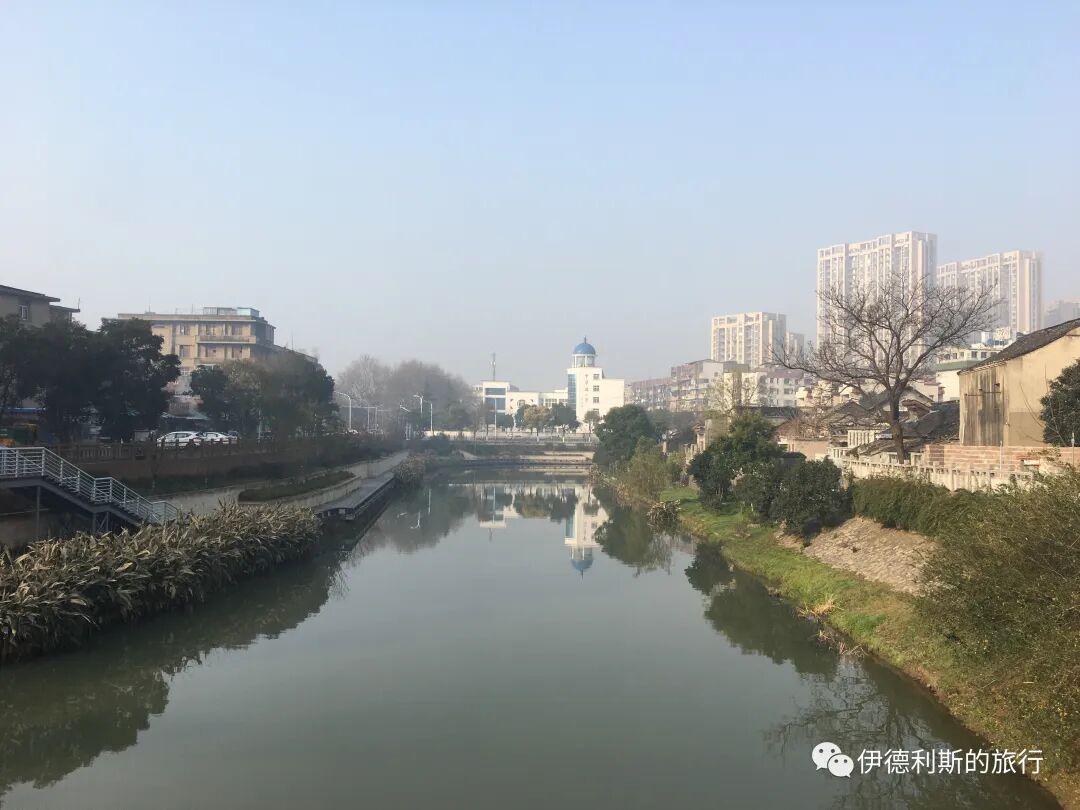
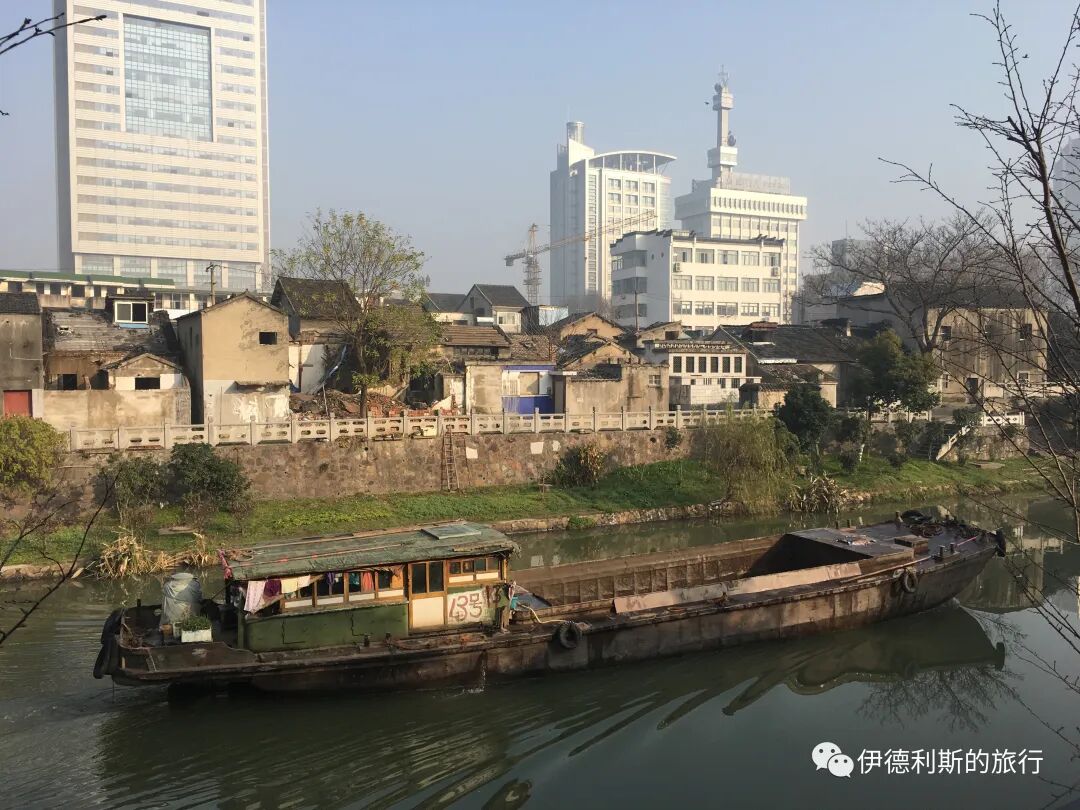
After the New Canal was dug, it gradually became an important hub for grain transport, and Xinhe Street formed along the riverbank. After Zhenjiang opened as a treaty port in 1861, Xinhe Street became even more prosperous, with all kinds of shops opening up. The Shanghai-Nanjing Railway opened in 1908, and the ferry between Zhenjiang and Liuwei started in 1923. The area along the river near the train station was very busy with travelers coming and going, and Xinhe Street, which connected to the Subei Road, reached its peak of prosperity. Until the Zhenjiang-Yangzhou ferry opened in 1978 and the old Zhenjiang train station moved, Xinhe Street gradually declined and was slowly forgotten.
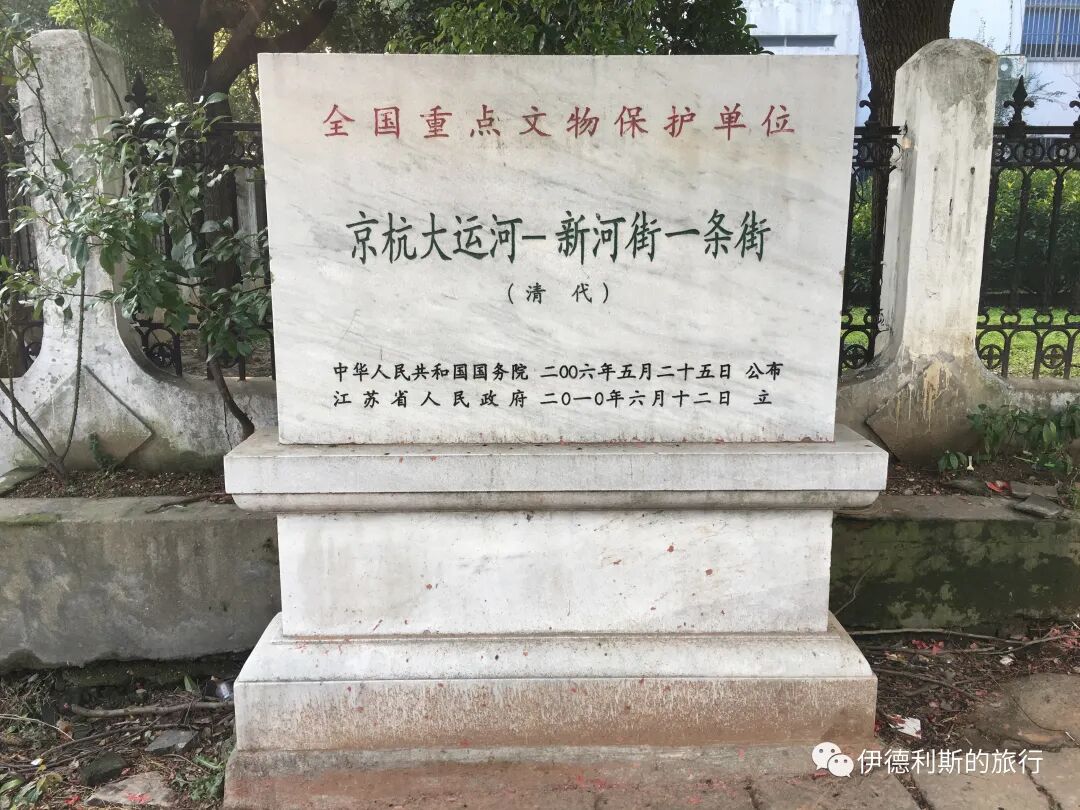
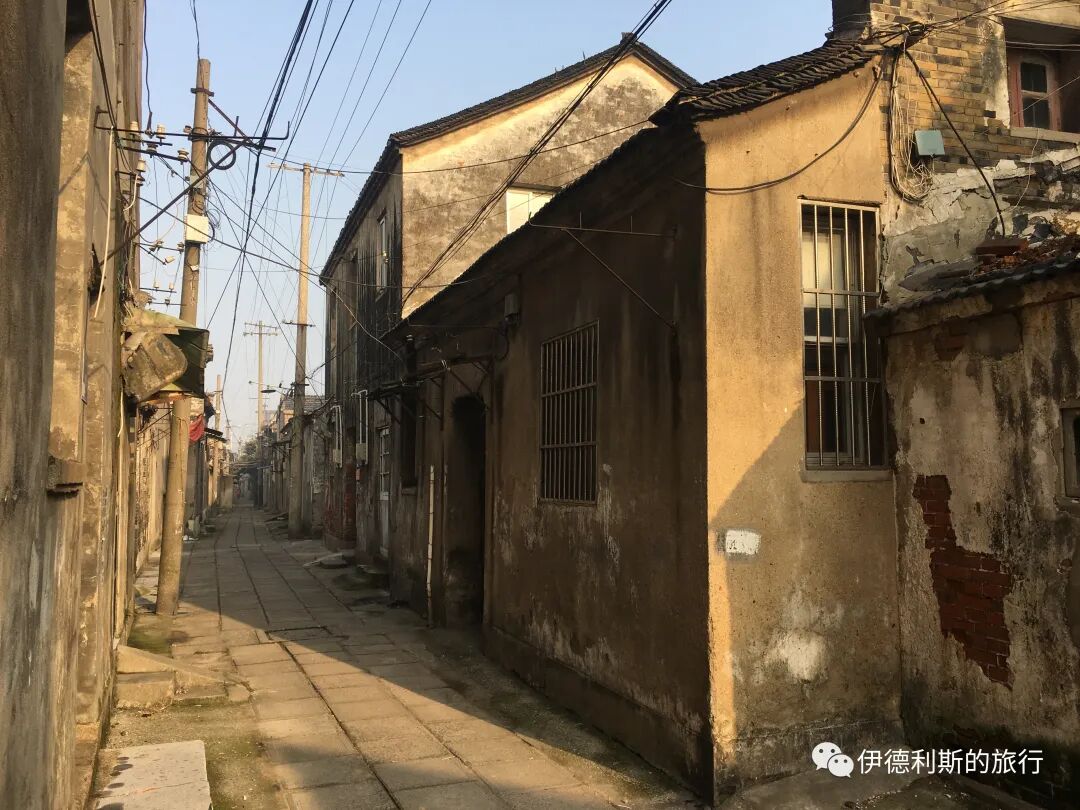
The place we are talking about today is a mosque on Xinhe Street, which is also the only Ikhwan mosque in Jiangsu Province—the Xinhe Street Mosque.
The Xinhe Street Mosque was built in 1930. Hui Muslims in Zhenjiang also used to call it the "Jinde Association." It was originally a private residence purchased with donations from Muslims in both Shanghai and Zhenjiang, so it is a traditional Jiangnan-style house with three courtyards and two side wings.
The Ikhwan, also called the New Sect (Xinhang), means "brothers" in Arabic. It was founded by Ma Wanfu from Guoyuan Township in Linxia after he returned from his pilgrimage to Mecca in the late 19th century, and it was later carried on by Hu Songshan. The Ikhwan sect advocates following the scriptures and reforming customs, insisting that everything should be done according to the teachings of the Quran and Sunnah. They opposed some of the customs of the old Gedimu sect at the time, such as wearing mourning clothes and calling the adhan when moving into a new house.
The Ikhwan sect spread to the Jiangnan region in the 1920s. In 1926, Imam Ha Decheng and others started the Jindehui organization at the Xiaotaoyuan Mosque in Shanghai to promote the Ikhwani teachings. Fa Jiesan (1872-1958), a Hui Muslim from Zhenjiang who traveled to Shanghai, discussed the teachings with Imam Ha Decheng. He accepted the Ikhwani ideas and returned to Zhenjiang to practice his worship at home according to Ikhwani rituals. Later, funds were raised in both Shanghai and Zhenjiang to build an Ikhwani mosque on Xinhe Street.
After the Ikhwani sect arrived in Zhenjiang, it was generally hard for the middle-aged and elderly to accept, but many young people embraced it. At that time, the new and old sects lived in peace and practiced side by side.
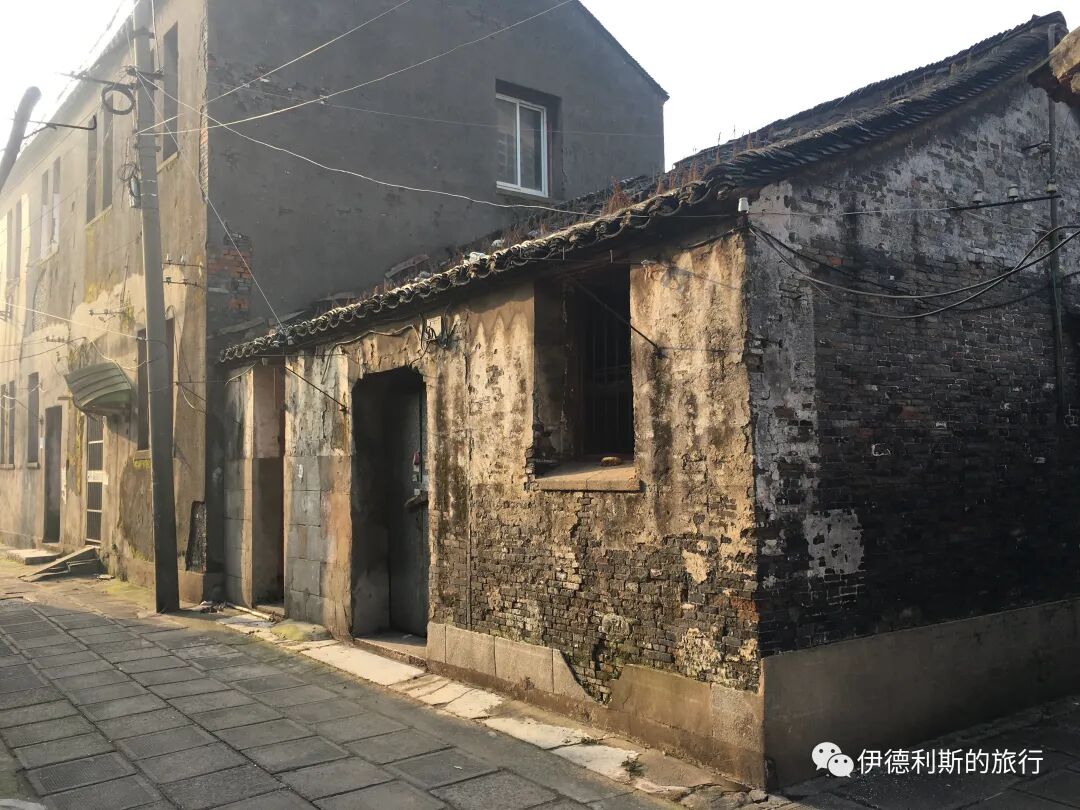
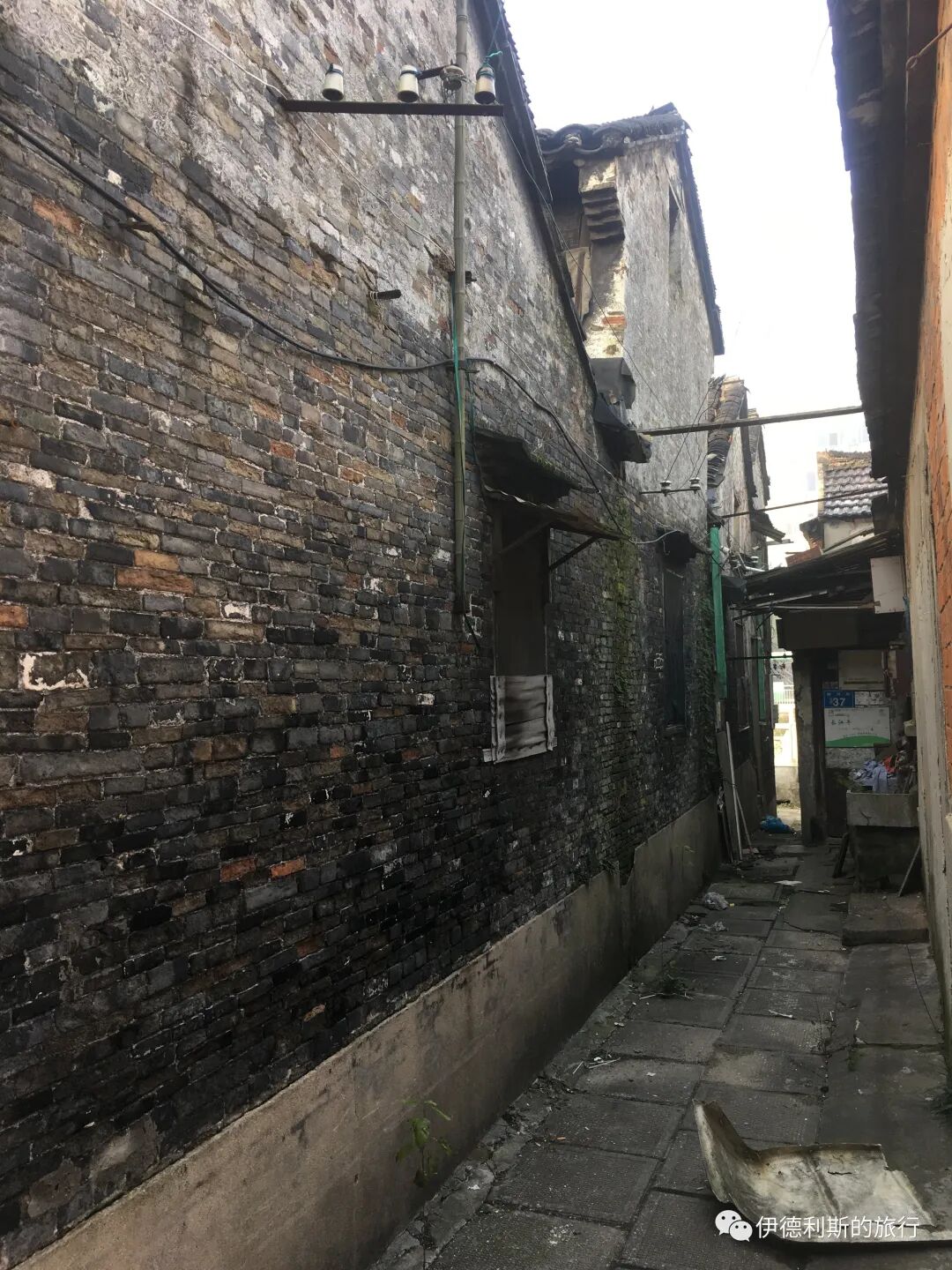
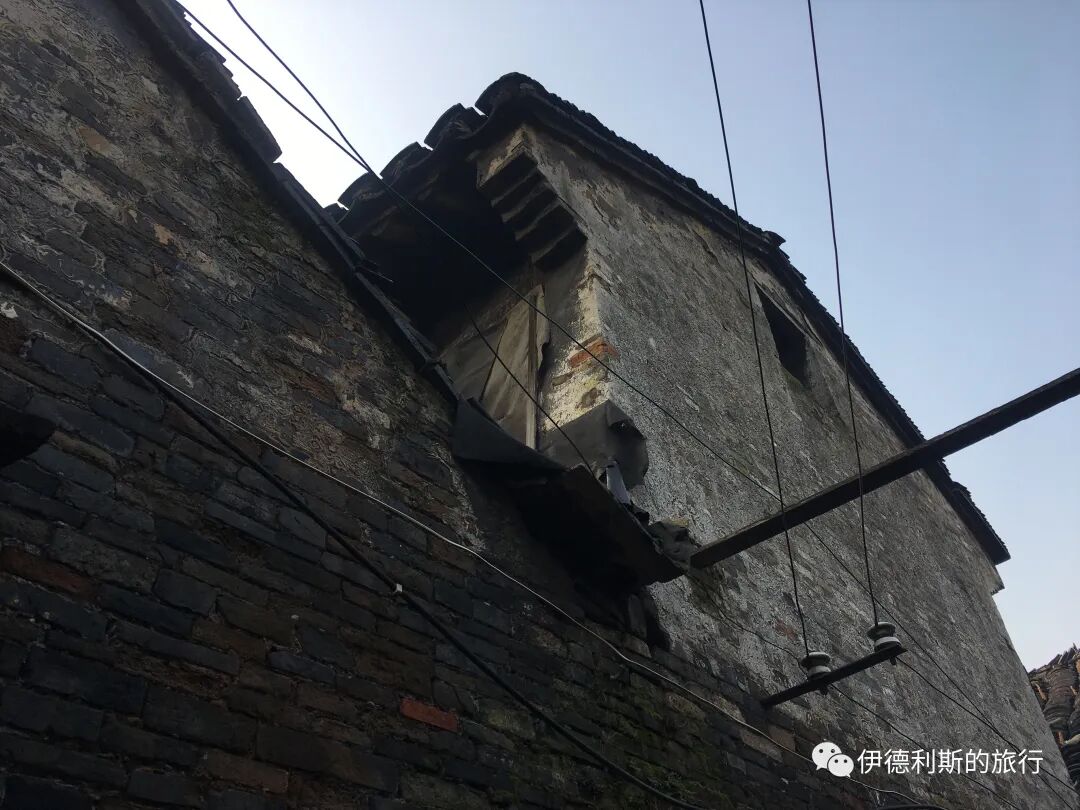
The old Xinhe Street Mosque had a stone plaque above the main gate carved with the words "Mosque" (Huijiaotang), but it no longer exists today. The current building is a three-bay, three-courtyard structure with side rooms. There is a covered courtyard between the first and second sections, a garden gate connecting the second and third sections, and the third section is a two-story building.
The Zhenjiang Jindehui held dinners every Saturday night after namaz. They invited an imam to give a sermon (wa'az). Anyone who came to listen was invited to eat, and the costs were covered by members who hired the imam to perform memorial services for their ancestors.
The Jindehui also used winter and summer breaks to organize a "Hui Muslim Children's Scripture Class," and Hui Muslims from all sects sent their children there to study.
After the mosque was built, many famous imams were hired to lead the religious affairs. In 1947, the famous Li Zhenji, also known as Imam Li Si from Anhui, came to the Xinhe Street Mosque from the Luohe Mosque in Henan. According to Mr. Xia Rongguang, Imam Li Si was nearly 70 years old at the time. He had a kind and gentle face and a refined manner. When he explained the teachings, listeners of all levels could find inspiration in his words. Because of this, more and more elders from other neighborhoods came to the mosque for Jumu'ah prayers. In the autumn of 1949, Imam Li Si returned to Luohe from Zhenjiang.
In 1950, 43-year-old Imam Zhang Zhushu came to the Xinhe Street Mosque to serve as the head imam. Imam Zhang Zhushu was from Xiangfan, Hubei. Mr. Xia Rongguang remembered him as a man who was well-versed in religious teachings and had deep modern knowledge. When he taught, he connected the lessons to real life. His language was vivid and easy to understand, attracting both ordinary elders and intellectuals. Local Muslims in Zhenjiang praised him as an imam of the new era. In 1953, Imam Zhang Shuzhu left Zhenjiang after being invited to serve as the imam at the Fuyou Road Mosque in Shanghai.
After that, an elder named Tan Jizhen managed prayers and affairs at the Xinhe Street Mosque until it merged with the Shanxiang Mosque in 1958. It later became a dormitory for a forestry machinery factory and has been abandoned ever since.
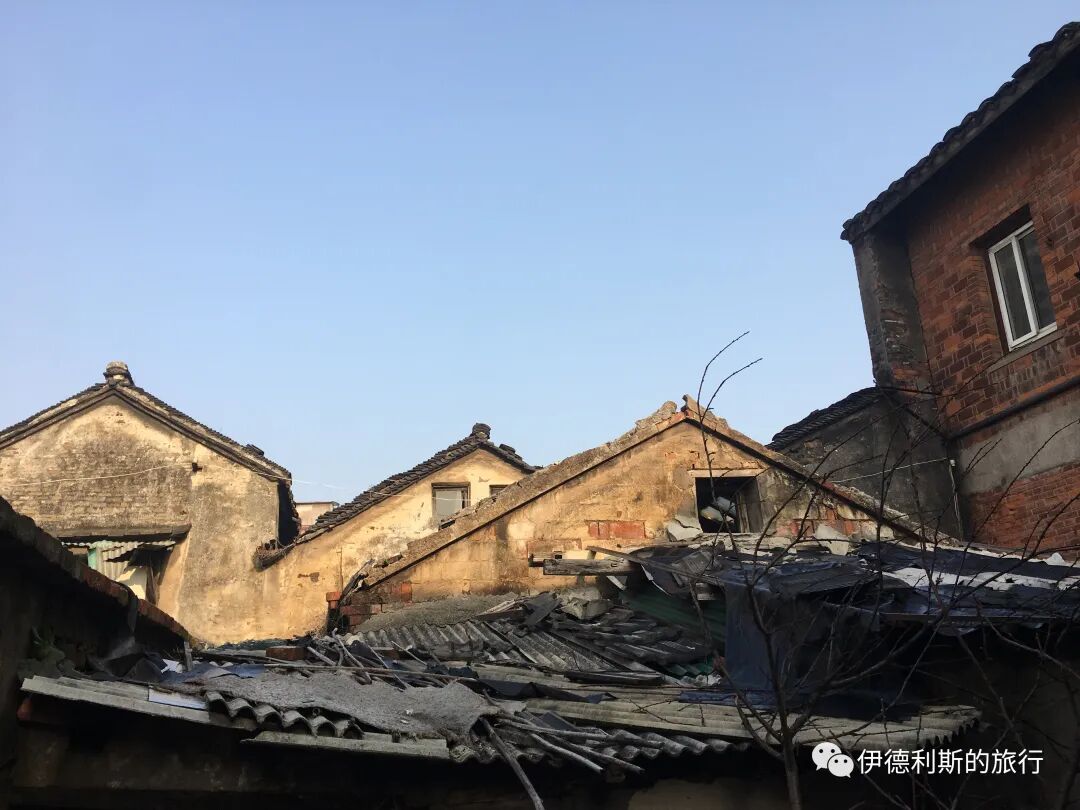
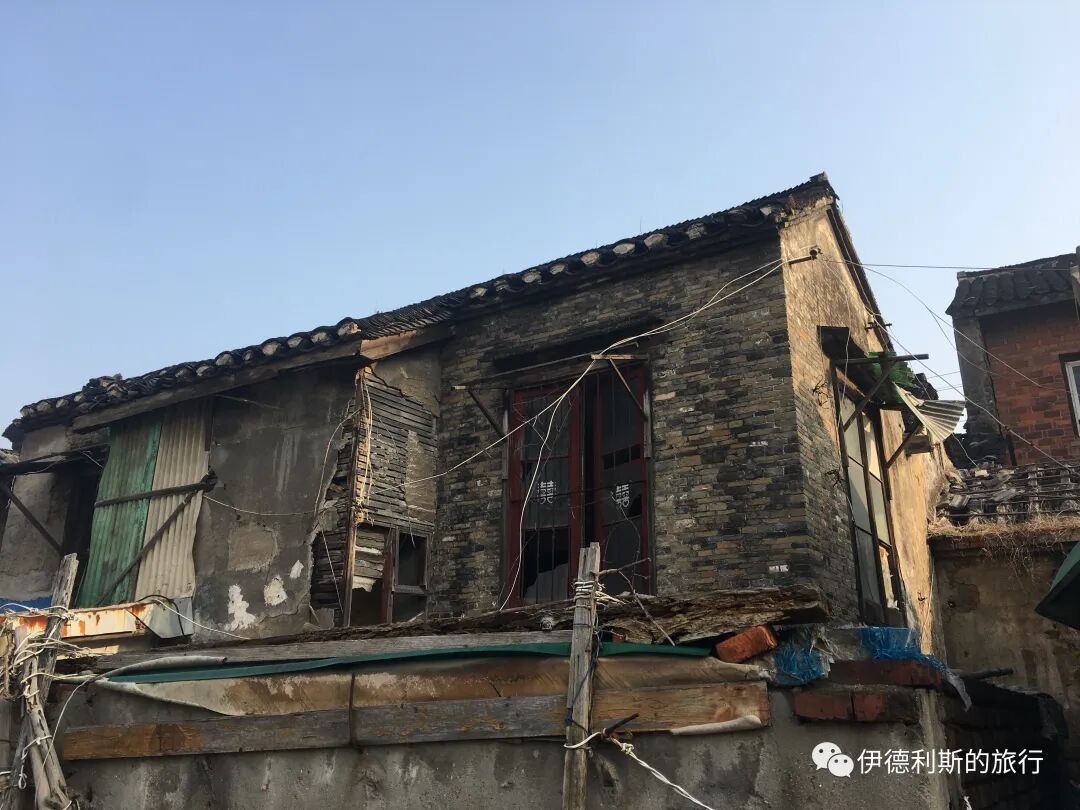
Besides the mosque, there were many other important buildings on Xinhe Street. The Jingtai Guild Hall (Jingtaigongsuo) was built during the Tongzhi reign as a meeting place for merchants from Jing County and Taiping County in Anhui who were living in Zhenjiang.
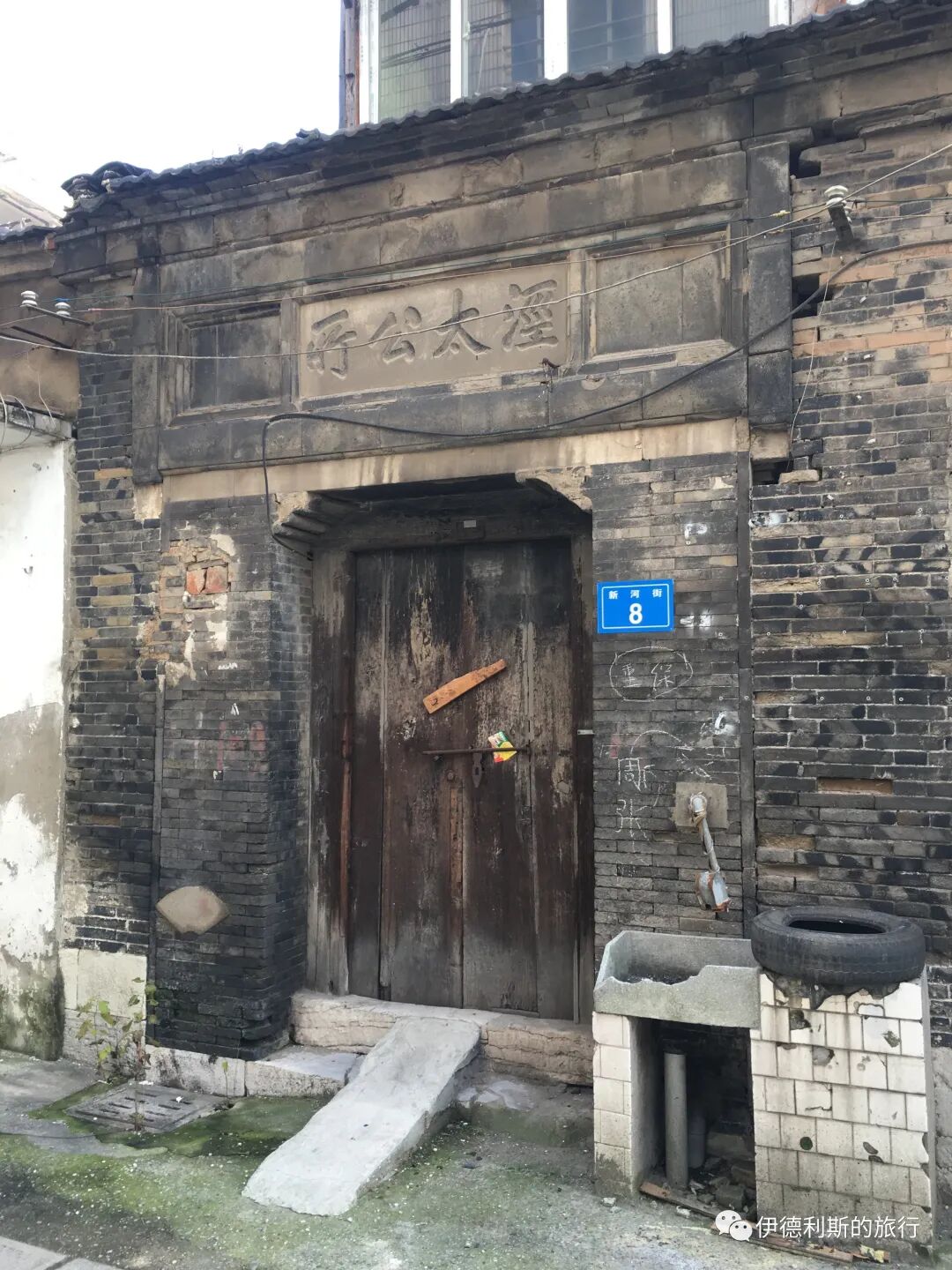
The Rice Industry Guild Hall (Miyegongsuo) was the largest building on Xinhe Street and served as the trade association for the rice industry. This four-section building with a central hallway was once the only major rice market in the lower Yangtze River region, and daily market prices were set here.
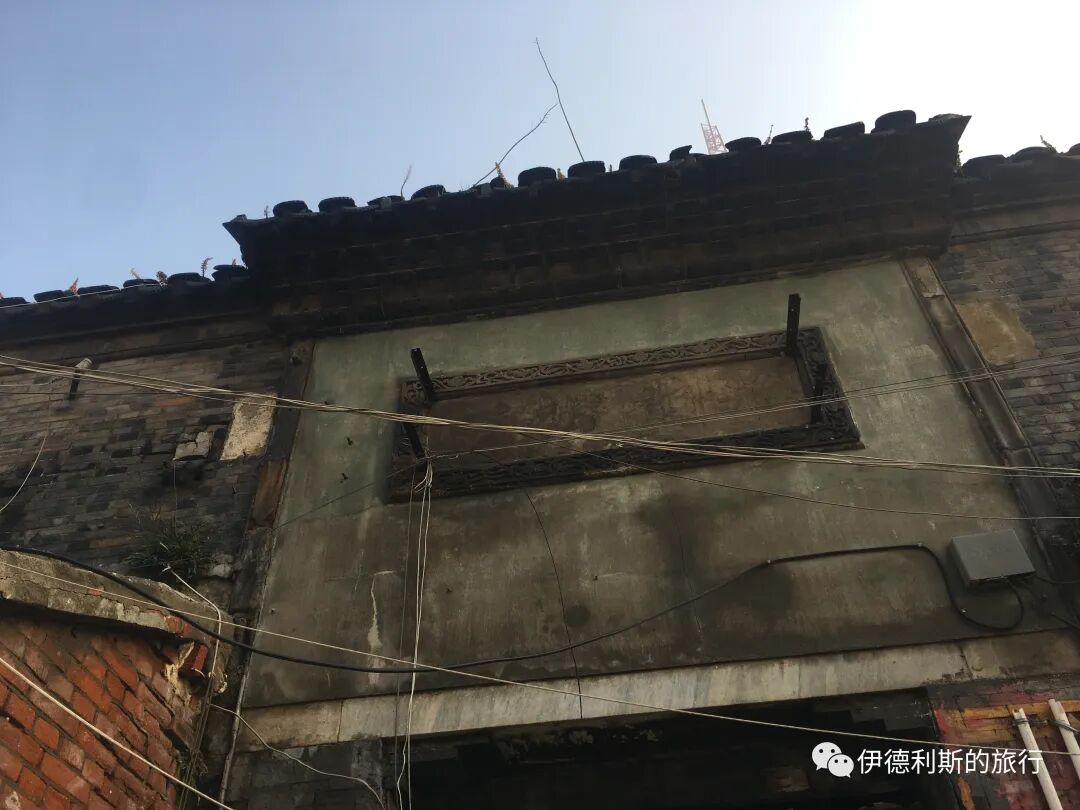
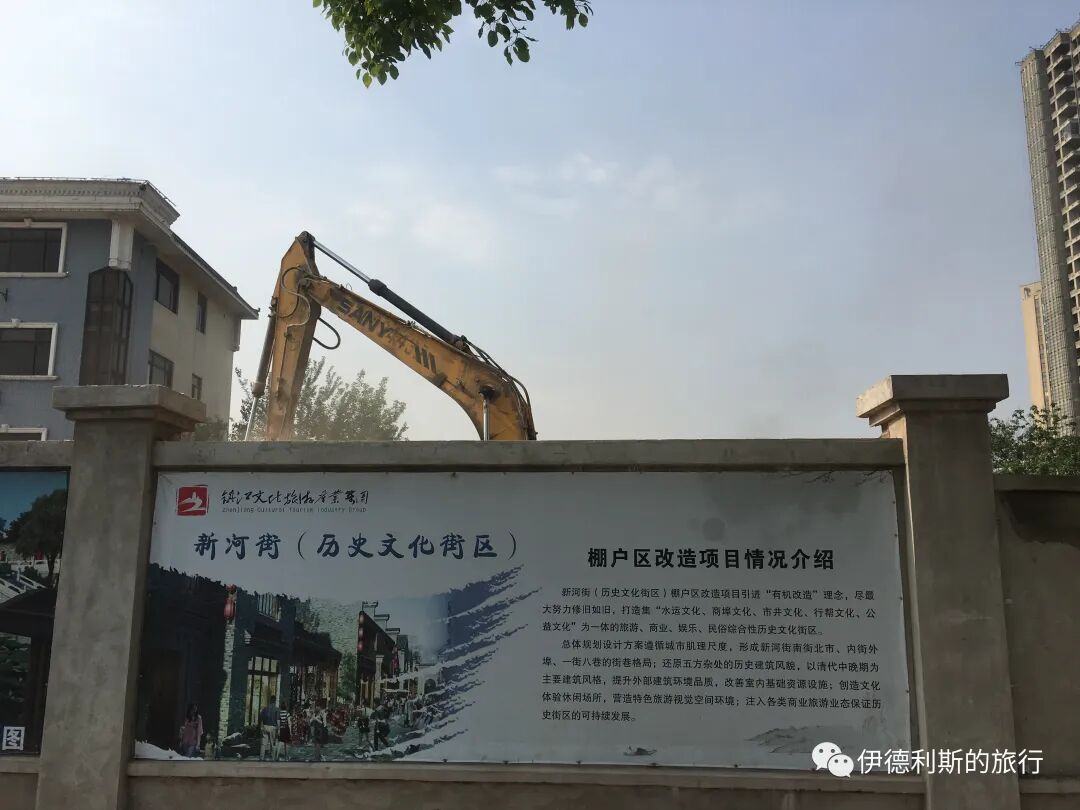
Zhenjiang has seen severe and rapid destruction of its historic districts and cultural relics, and Xinhe Street could not escape this fate. In 2016, Xinhe Street faced demolition and was slated for development into a commercial street, with only a few historic buildings preserved. I returned to Zhenjiang five months later in May 2017. The north entrance of Xinhe Street was already closed, and excavators were clearing the building ruins.
Shanxiang Mosque
Leaving Xinhe Street, we headed toward Shanxiang.
We passed a halal food shop run by a Hui Muslim family named Hua. The Hua family moved to Zhenjiang from Taierzhuang, Shandong, during the Taiping Rebellion. The Taiping Rebellion caused heavy damage to Zhenjiang and a sharp drop in population. Many people from the north moved in, which is a key reason why Zhenjiang eventually shifted from a Wu-speaking area to a Jianghuai Mandarin-speaking area.
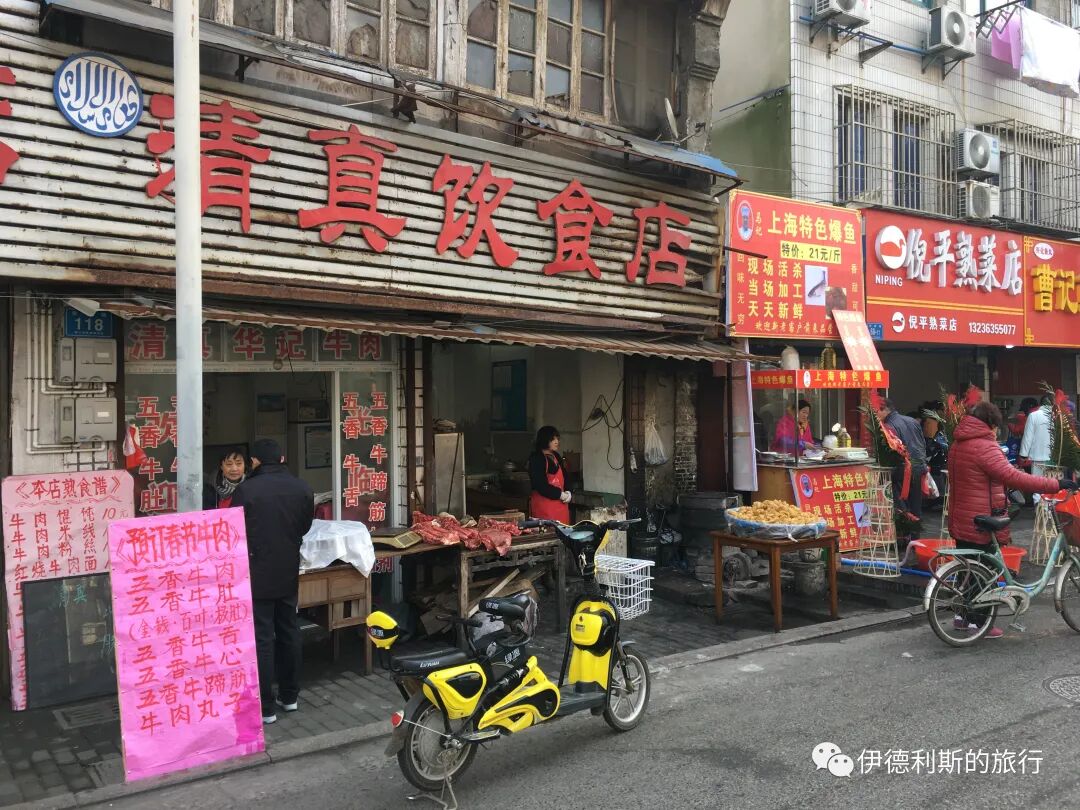
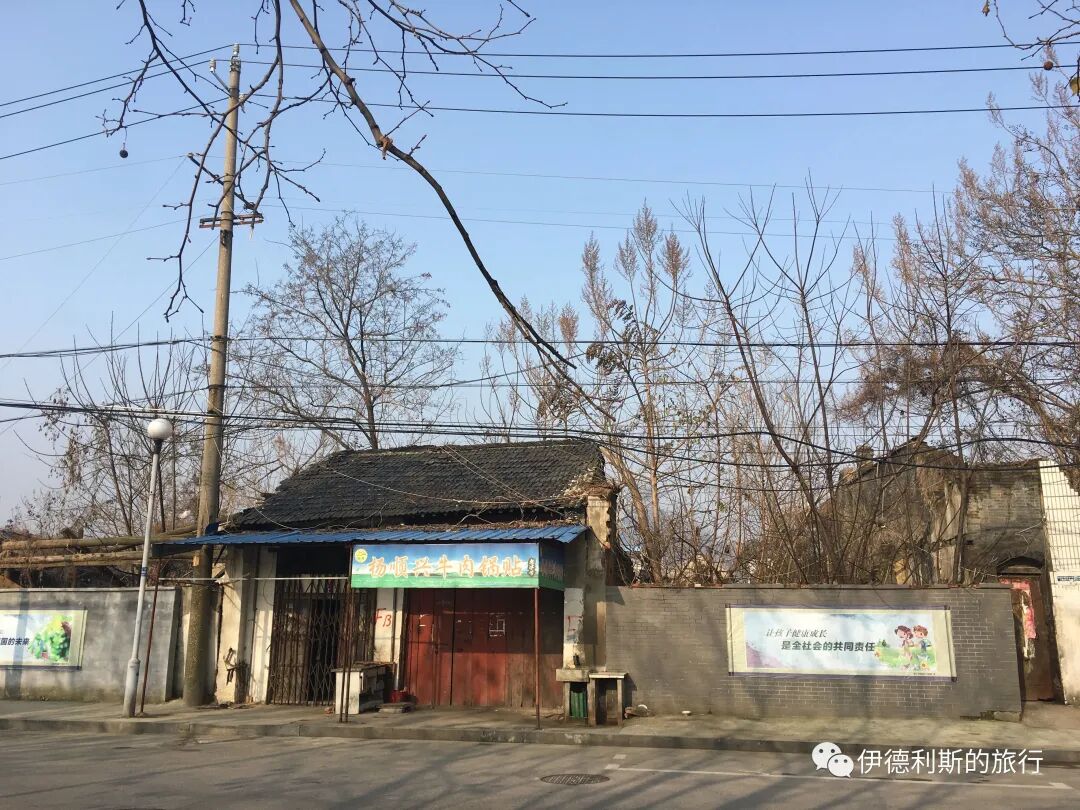
Walking further west, we arrived at Shanxiang. Shanxiang was once a famous historic street in the west of Zhenjiang, but like Xinhe Street, it was also demolished in the 21st century.
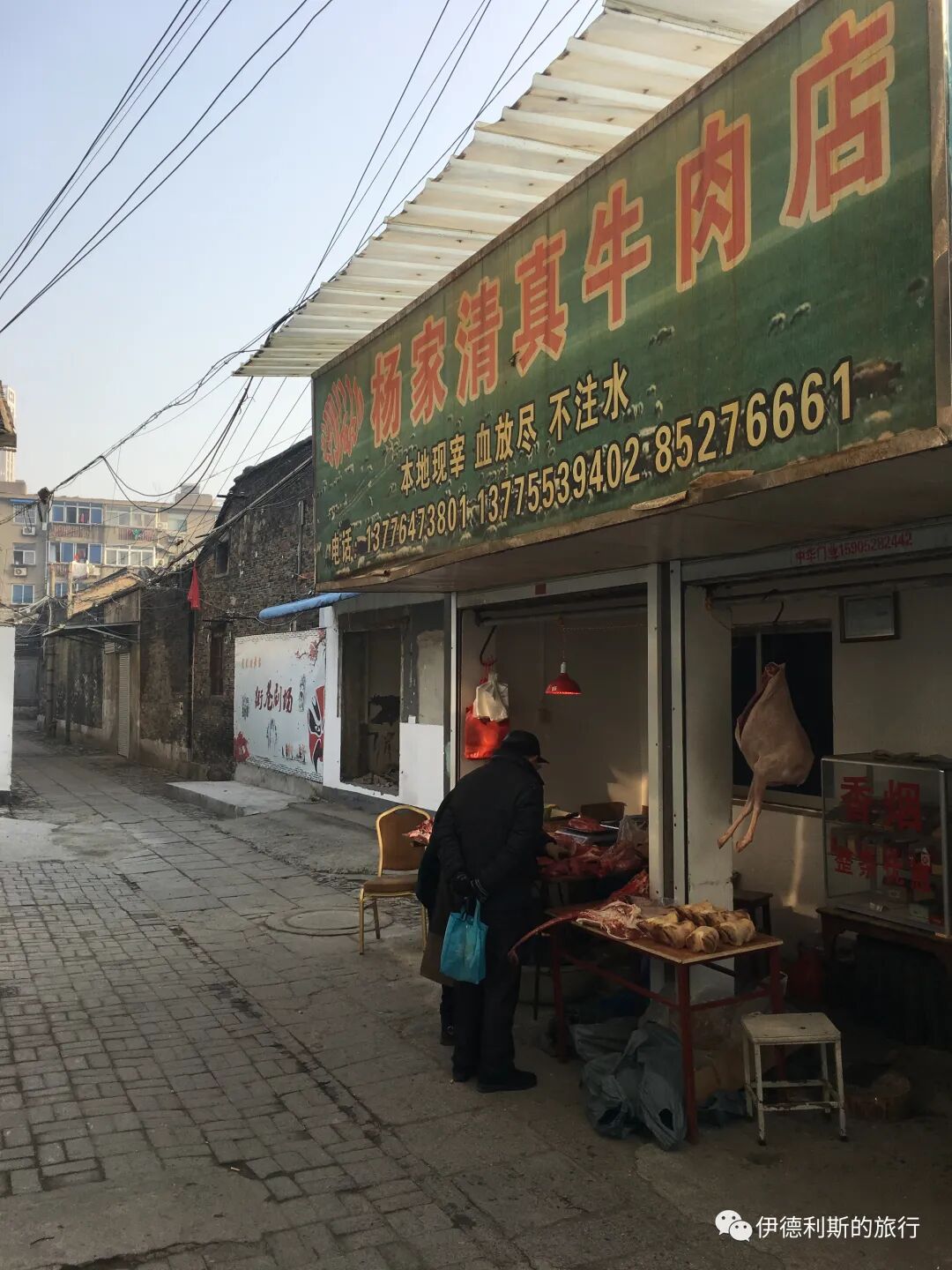
Yang Shunxing beef potstickers (guotie) are one of the last remaining street-facing shops on Shan Lane. The Yang family are the earliest recorded Hui Muslims to move to Zhenjiang. According to family records, they moved from Hongnong County, Shaanxi, to Zhenjiang in the early Song Dynasty. By the Hongwu era of the Ming Dynasty, they had reached the twenty-fifth generation, and now they are past the fiftieth generation, making them the largest branch among Zhenjiang's Hui Muslims.
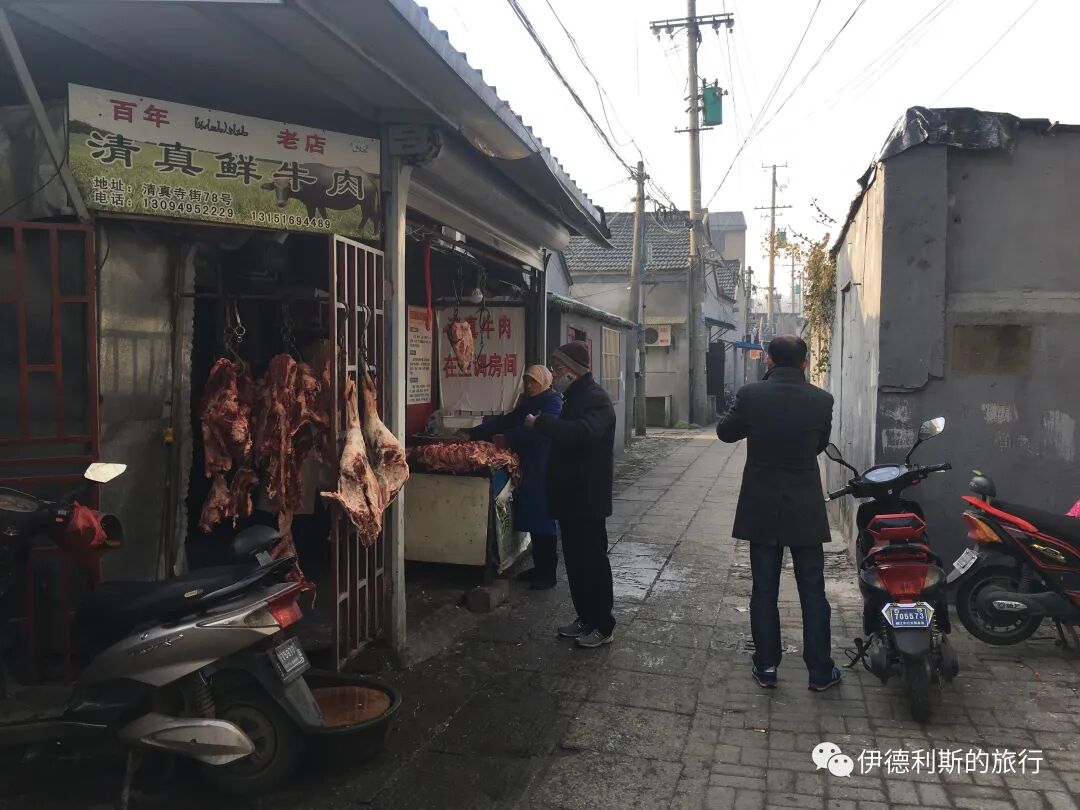
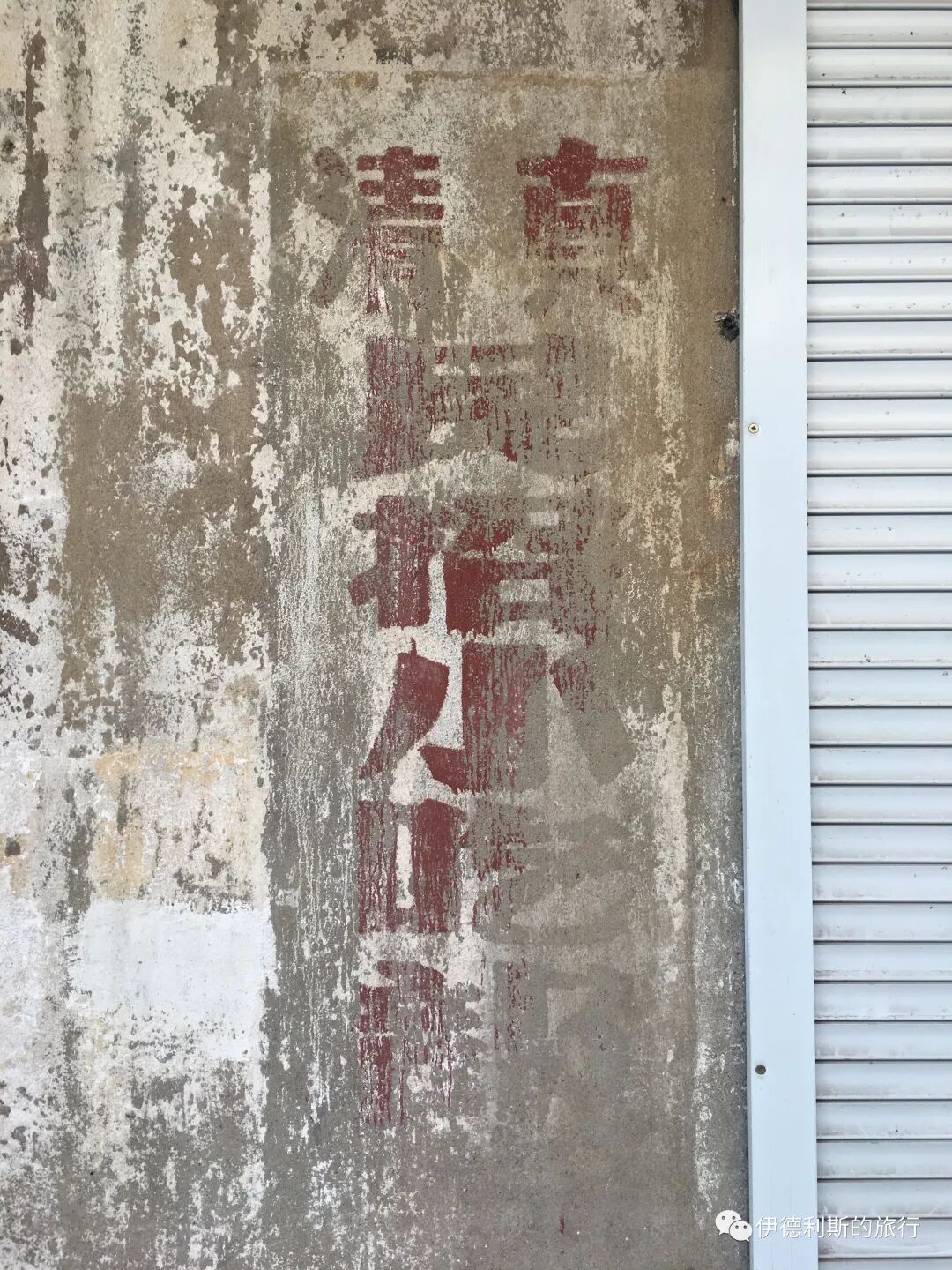
Turn into the small alley nearby to reach Mosque Street. At the entrance, there are several halal fresh beef and mutton shops that are still run by the Yang family. The most famous halal noodle shop in Zhenjiang used to be the pot-lid noodle (guogaimian) shop owned by Yang Dazhang, a Hui Muslim from the Yang family. Yang Dazhang's noodle shop was on Zhonghua Road next to the Shan Lane Mosque, across from a halal beef shop run by a Hui Muslim named Jin Zhiren. Many Hui Muslims liked to buy some shredded beef and garlic from Jin Zhiren's shop after leaving the Shan Lane Mosque, then have it blanched in Yang Dazhang's noodle pot to eat with their noodles, which smelled delicious.
Continue walking south to reach the area of the Shan Lane Mosque.
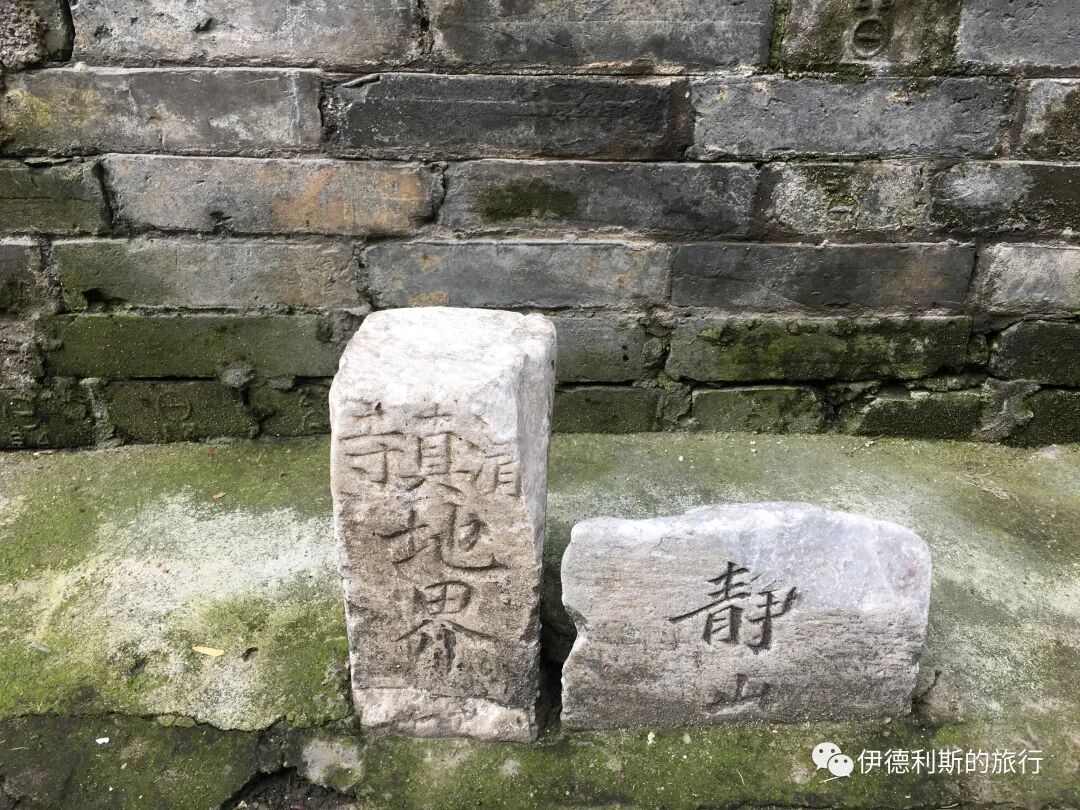
The Shan Lane Mosque is also called the West City Mosque, or West Great Mosque for short. Its founding date is unknown. It was expanded during the Kangxi era, destroyed by war in 1853 (the third year of the Xianfeng era), and rebuilt in 1873 (the twelfth year of the Tongzhi era). The late Imam Tan Yuanshen, who lived to be over eighty, once said that he heard from his grandfather and the elders in the community that before the expansion in the late Kangxi era, the West City Mosque only had three thatched huts. At that time, the area around the mosque was sparsely populated and vast, with the Zhenjiang city gate tower visible to the east and Yuntai Mountain visible to the west.
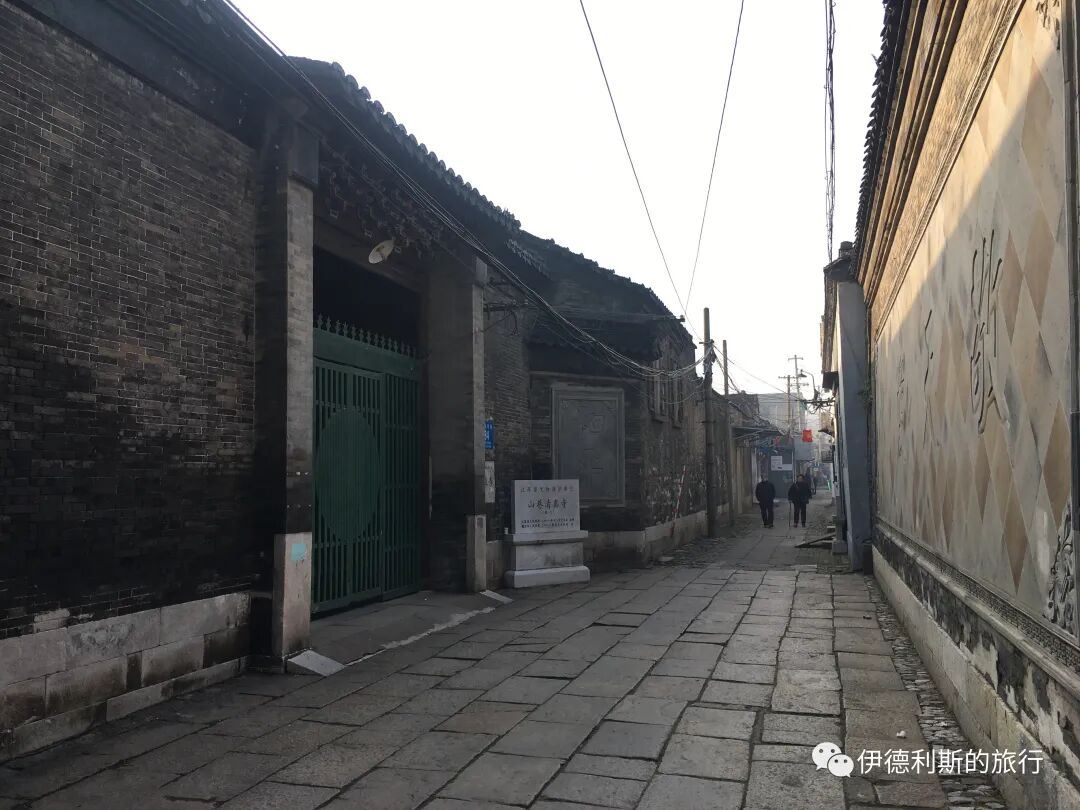
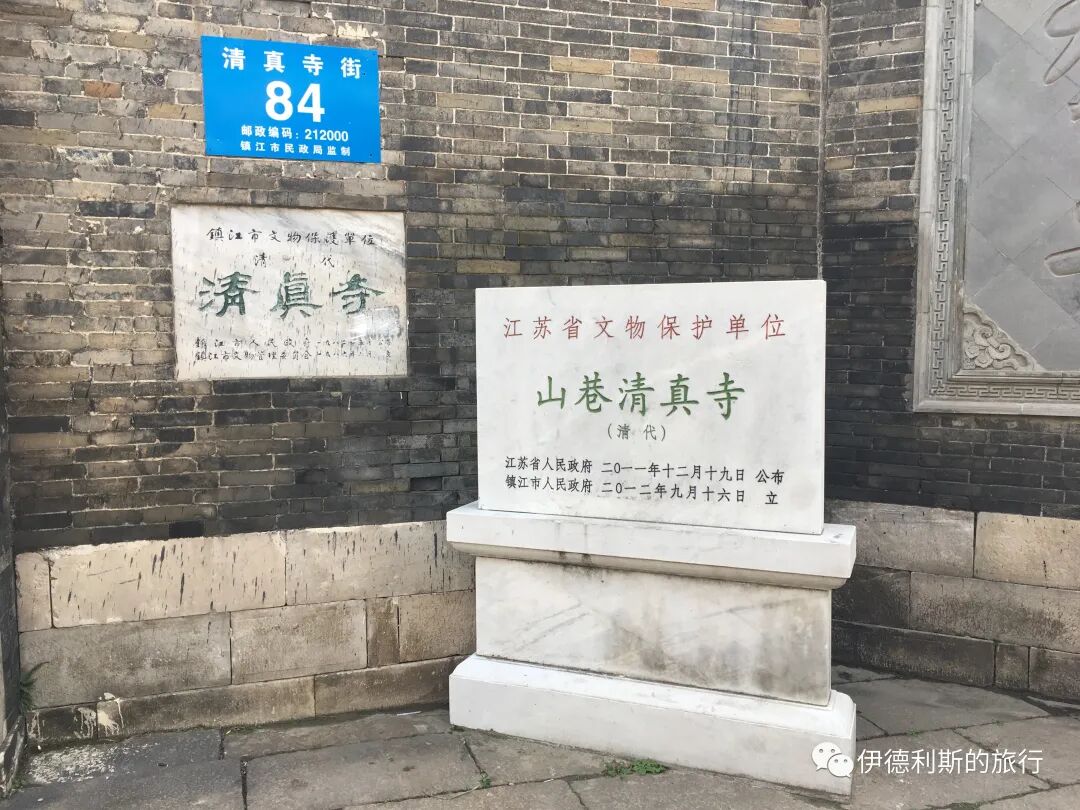
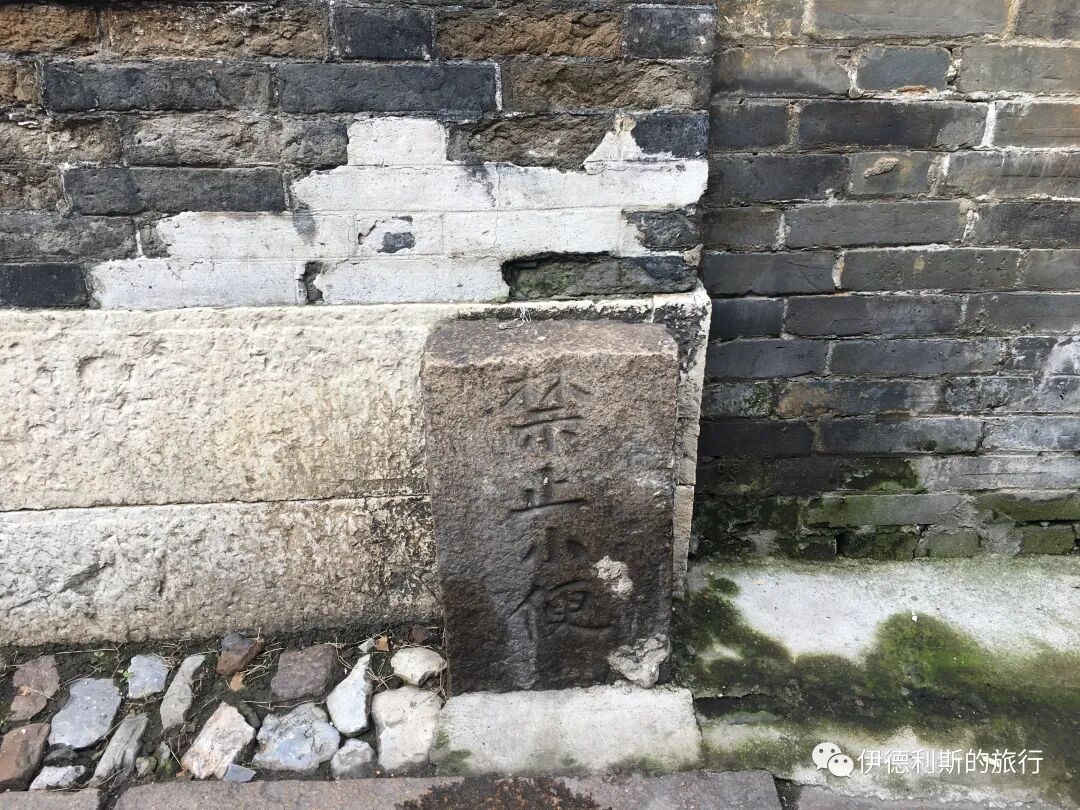
After Zhenjiang opened as a treaty port, the area outside the West Gate became a bustling commercial district. In 1865, after the British established a concession by the river and the Shanghai-Nanjing Railway opened, the area outside the West Gate developed further. Hui Muslims kept coming to do business and settled around the Shan Lane Mosque.
In 1902 (the twenty-eighth year of the Guangxu era), Zhenjiang Hui Muslims raised funds to expand the Shan Lane Mosque. The current layout of the mosque dates back to this renovation.
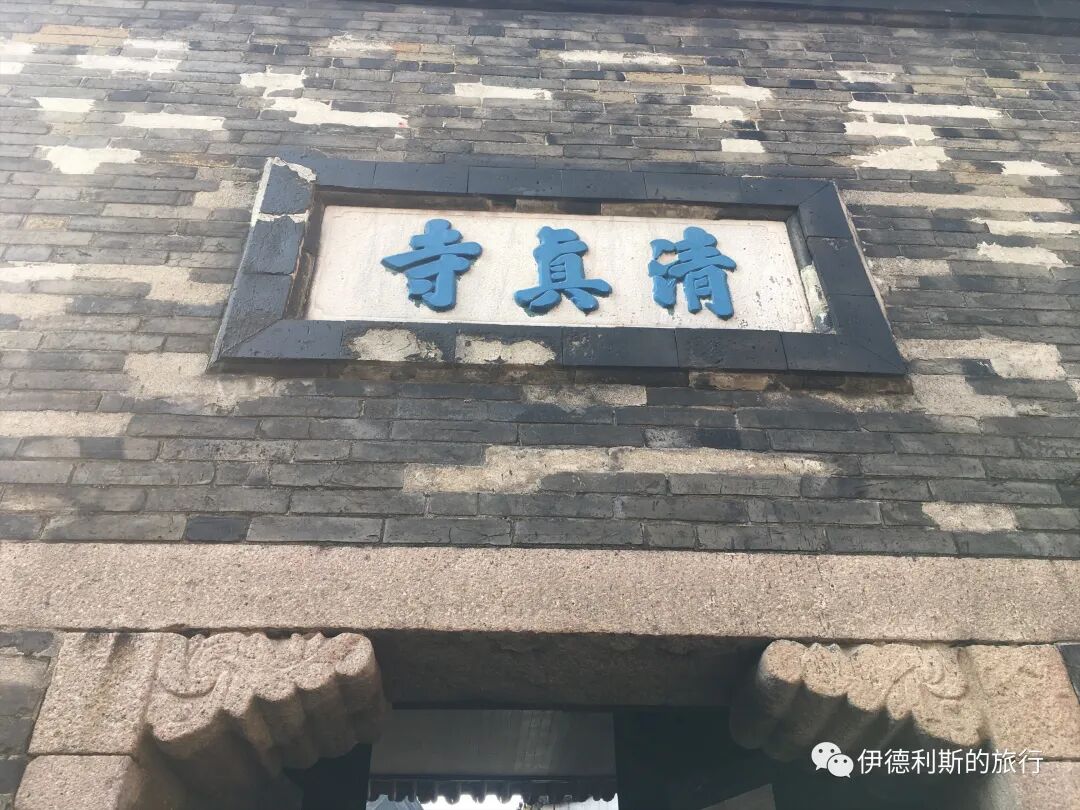
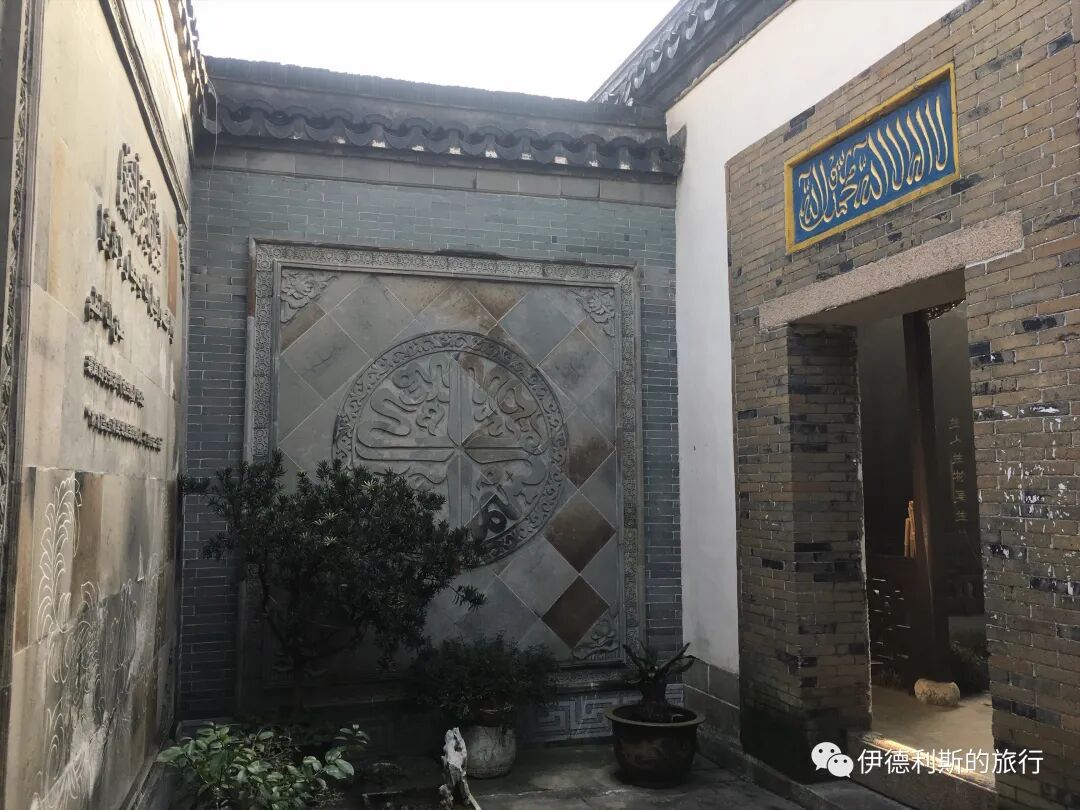
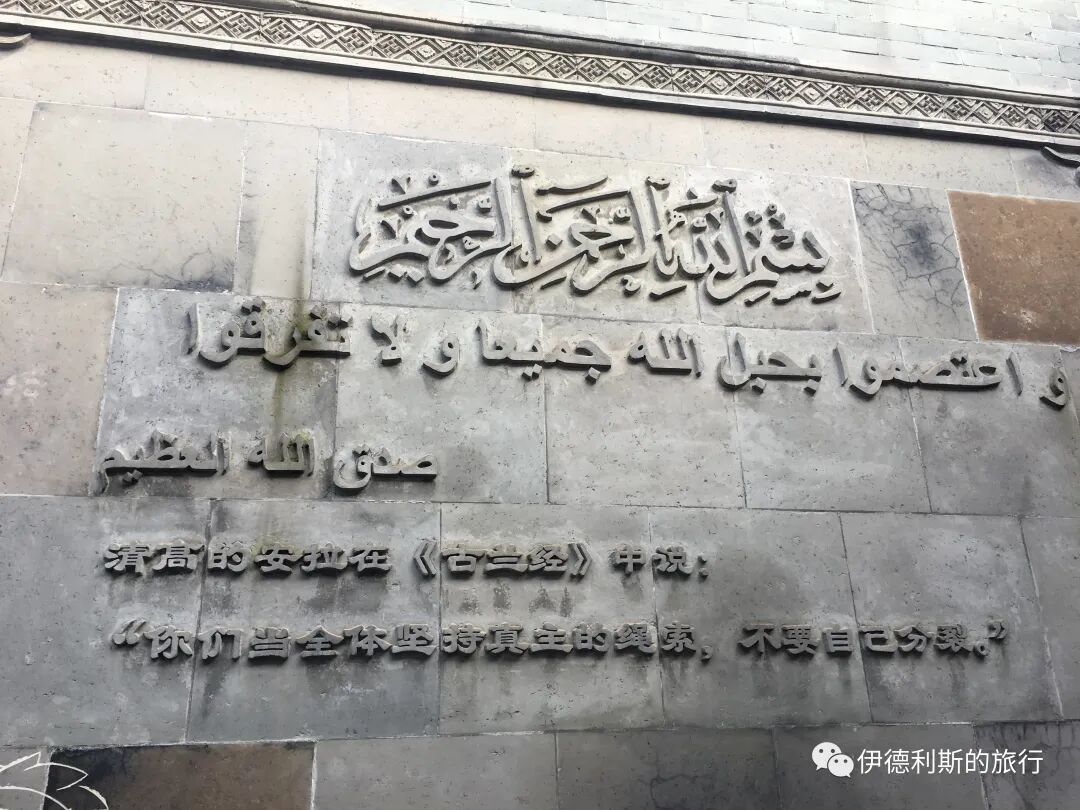
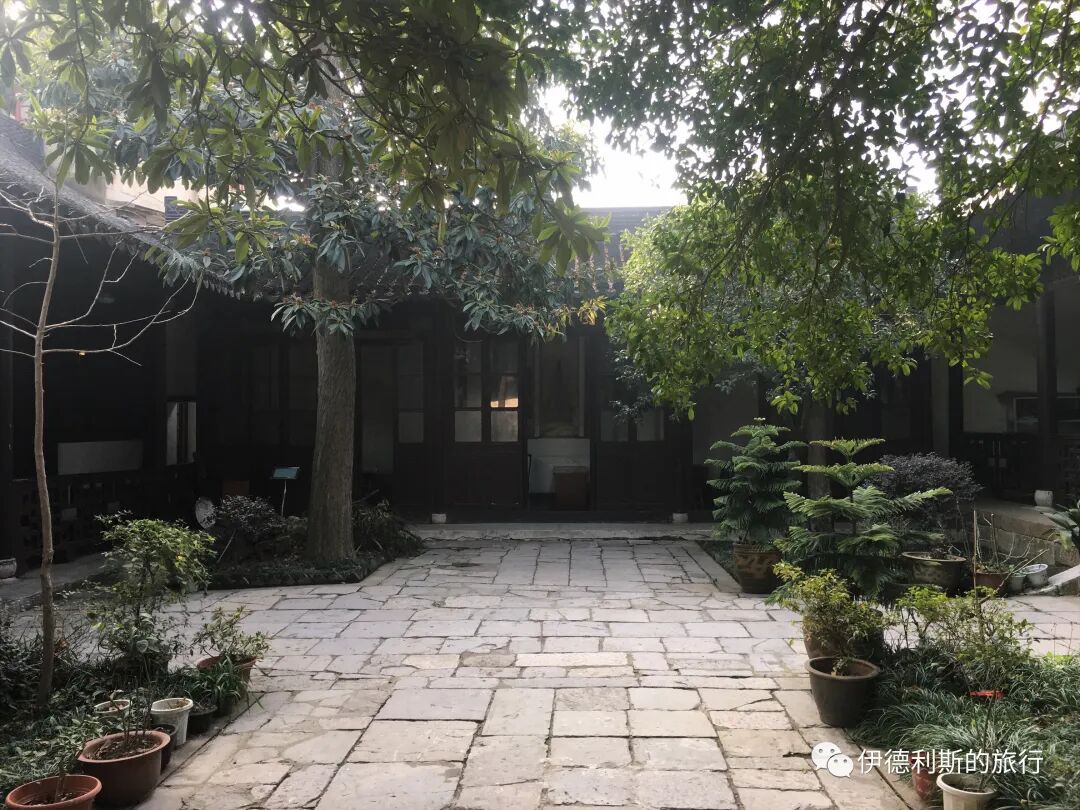
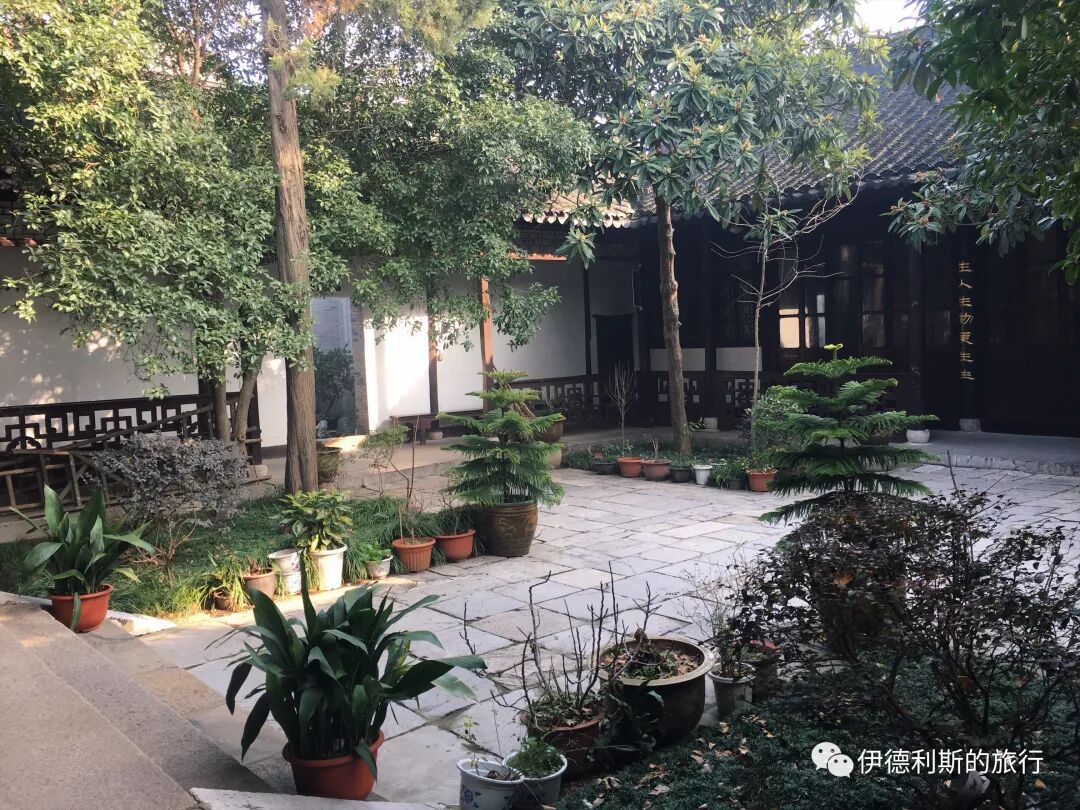
The Shan Lane Mosque was once one of the three major bases for printing and publishing Islamic books in China. From the Qianlong to the Tongzhi eras of the Qing Dynasty, more than 20 types of Islamic philosophy and theology books in Chinese, such as the Precious Life Scripture (Baoming Zhenjing), The Heavenly Rites (Tianfang Dianli), The General Meaning of Returning to the Truth (Guizhen Zongyi), and The Origin of the Hui People (Huihui Yuanlai), were printed using woodblocks and shipped across the country by land and water. To this day, the Cultural Palace of Nationalities in Beijing, the library of Minzu University of China, and the Peking University Library all hold copies of books printed by the Zhenjiang Shan Lane Mosque.
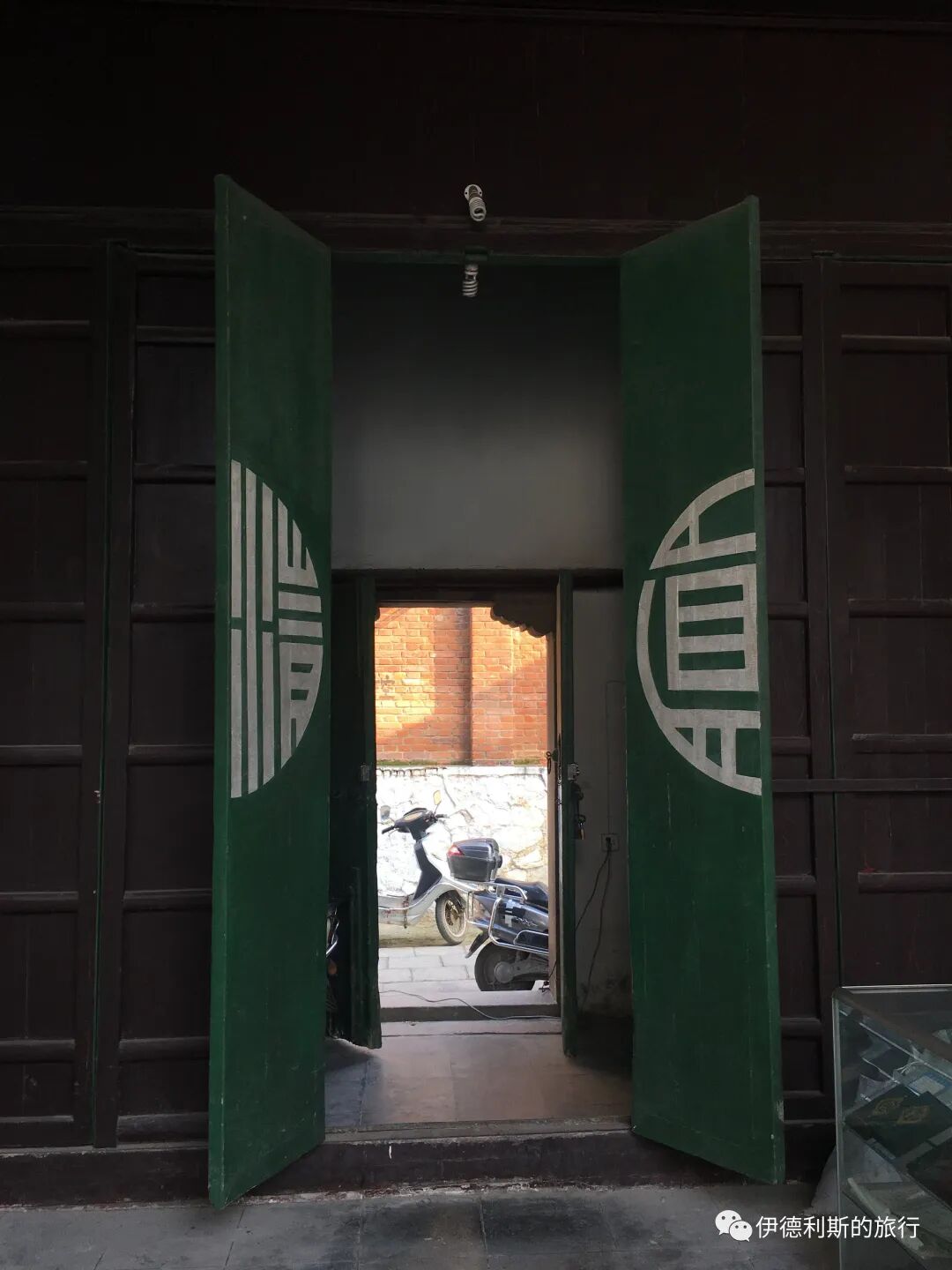
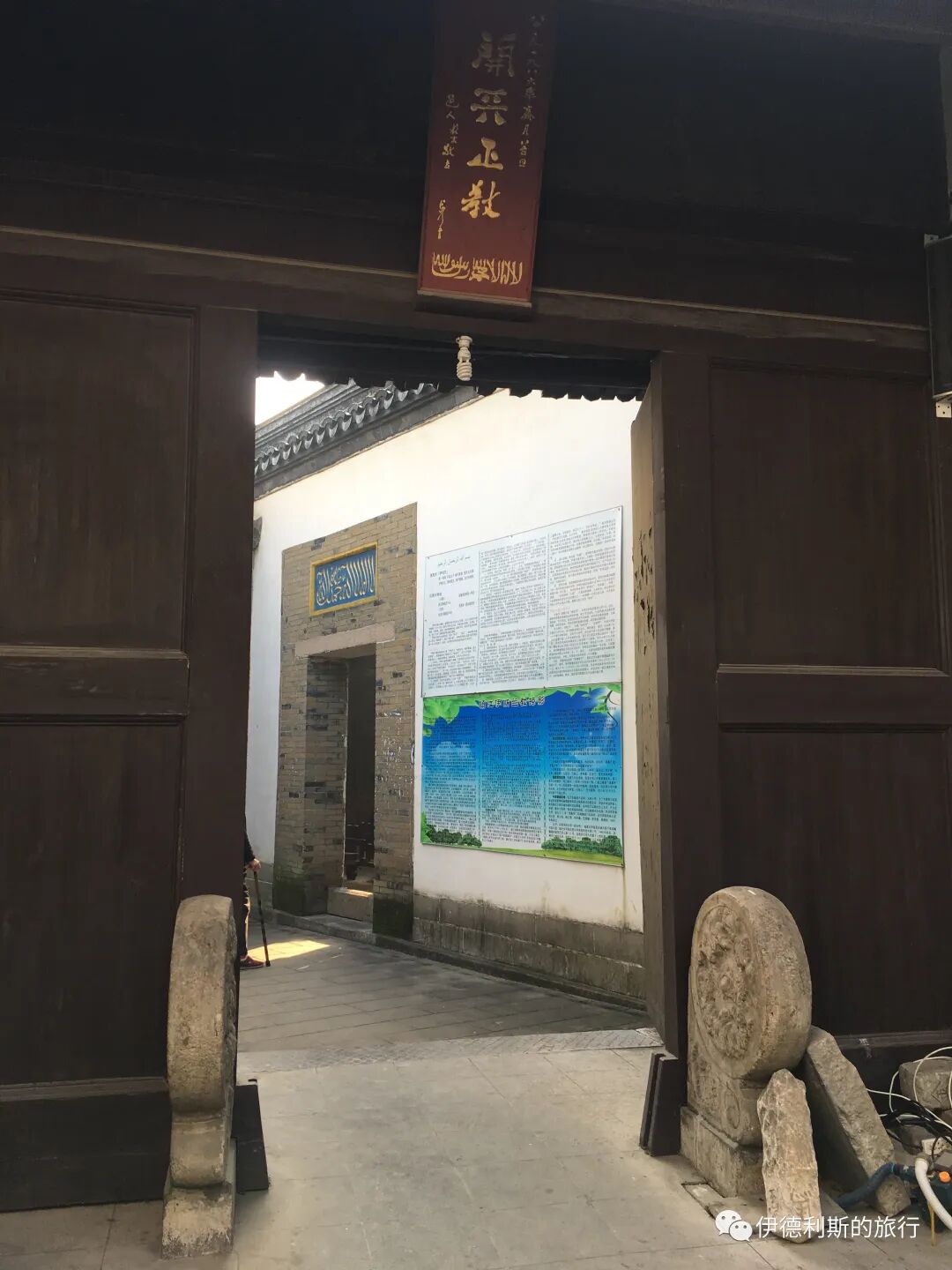
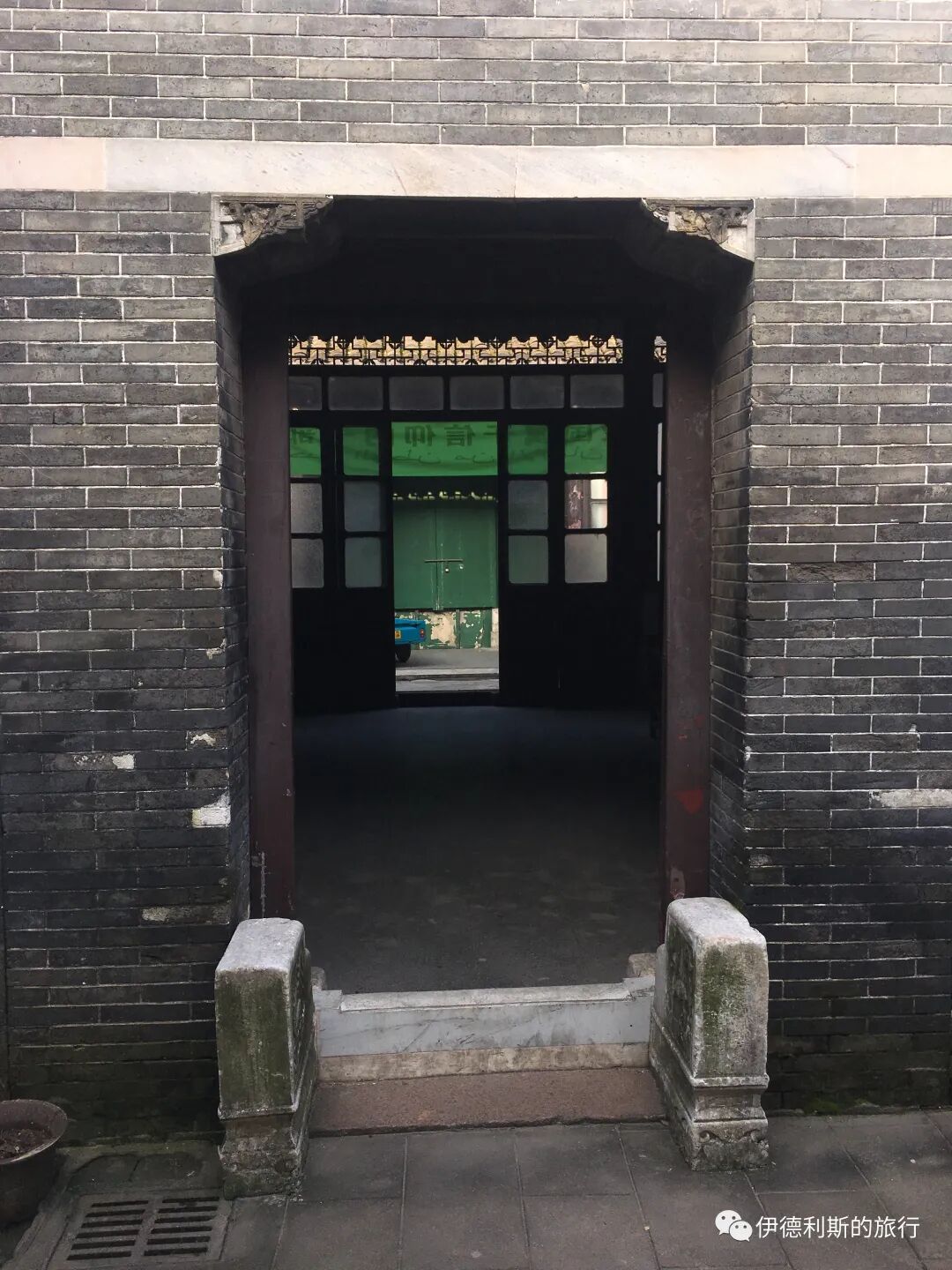
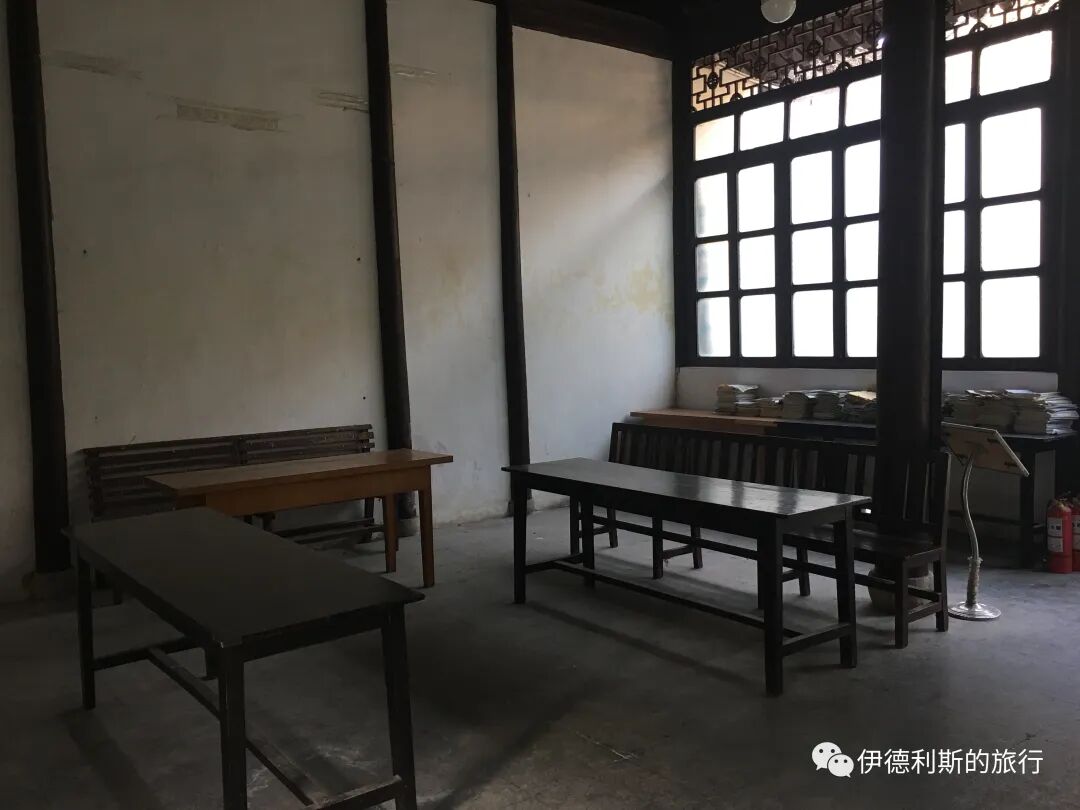
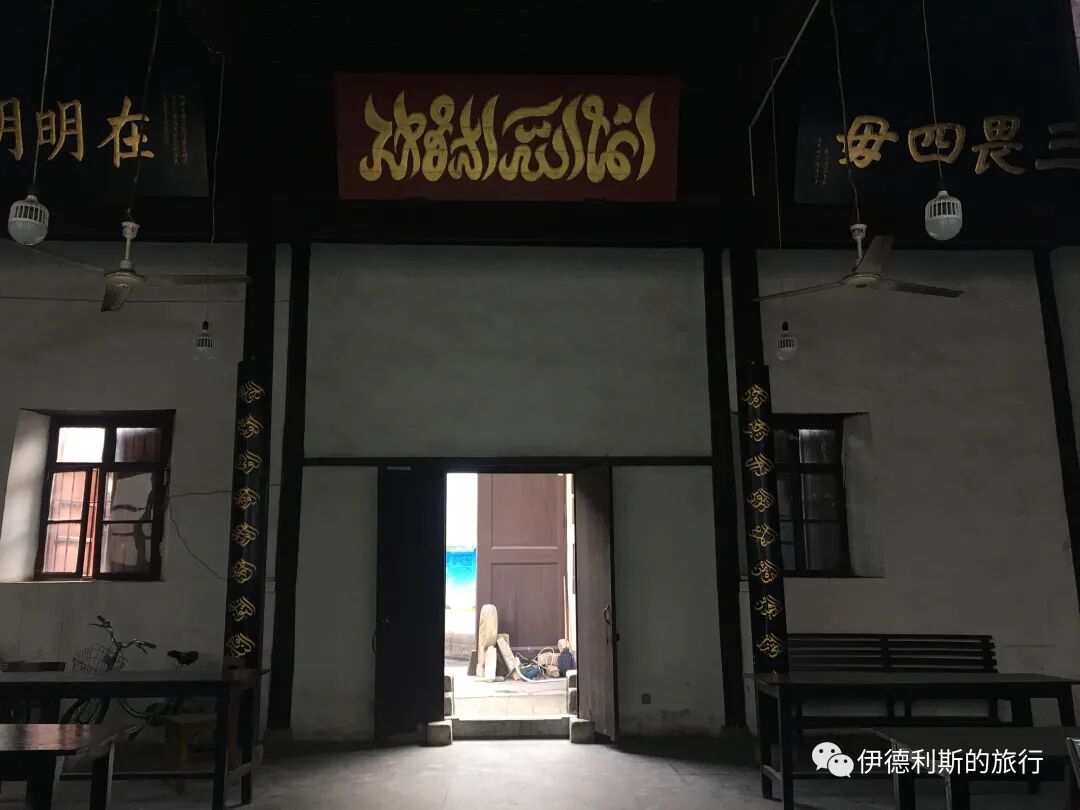
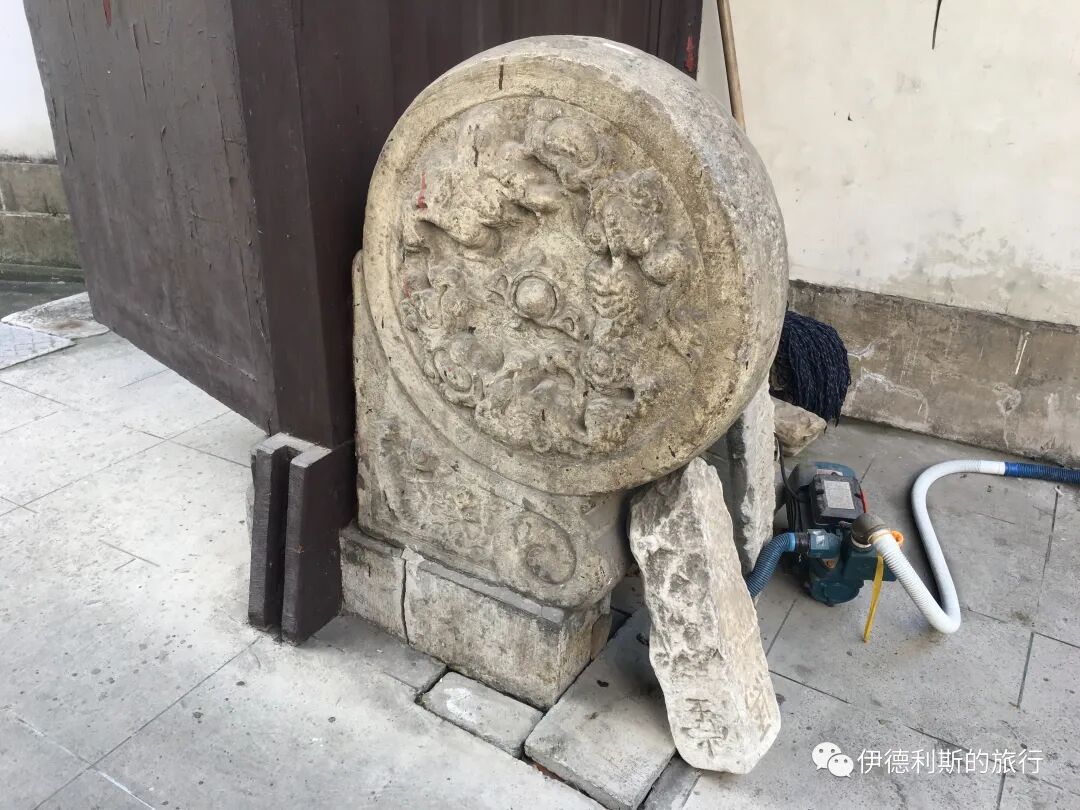
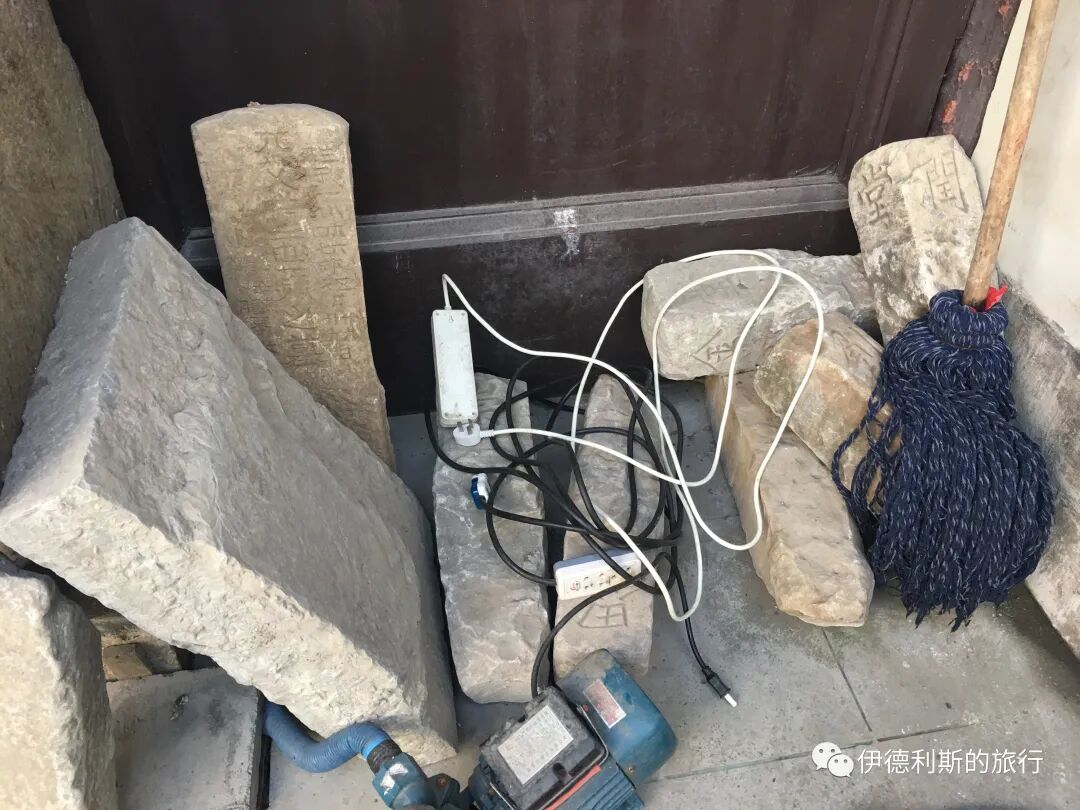
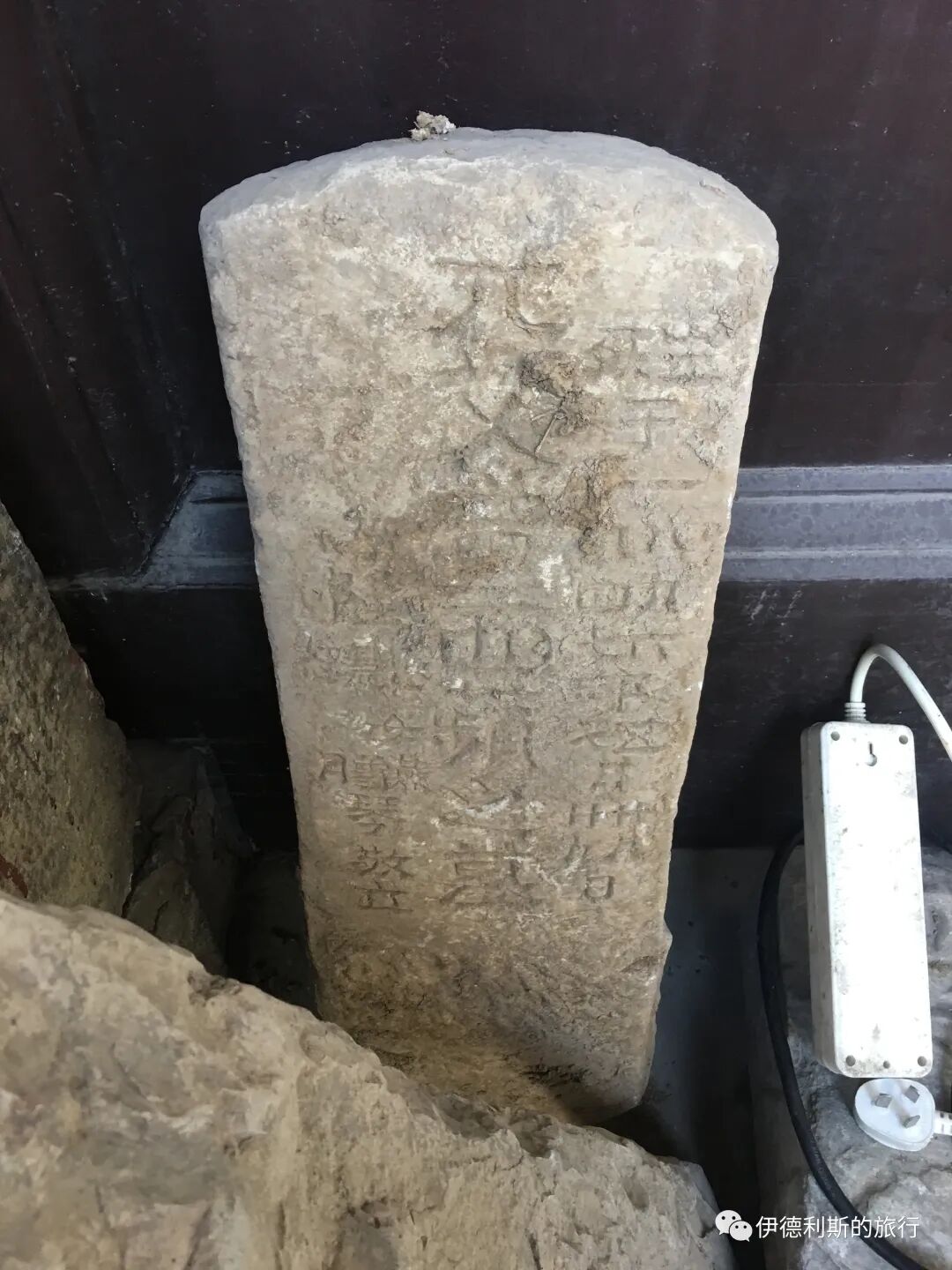
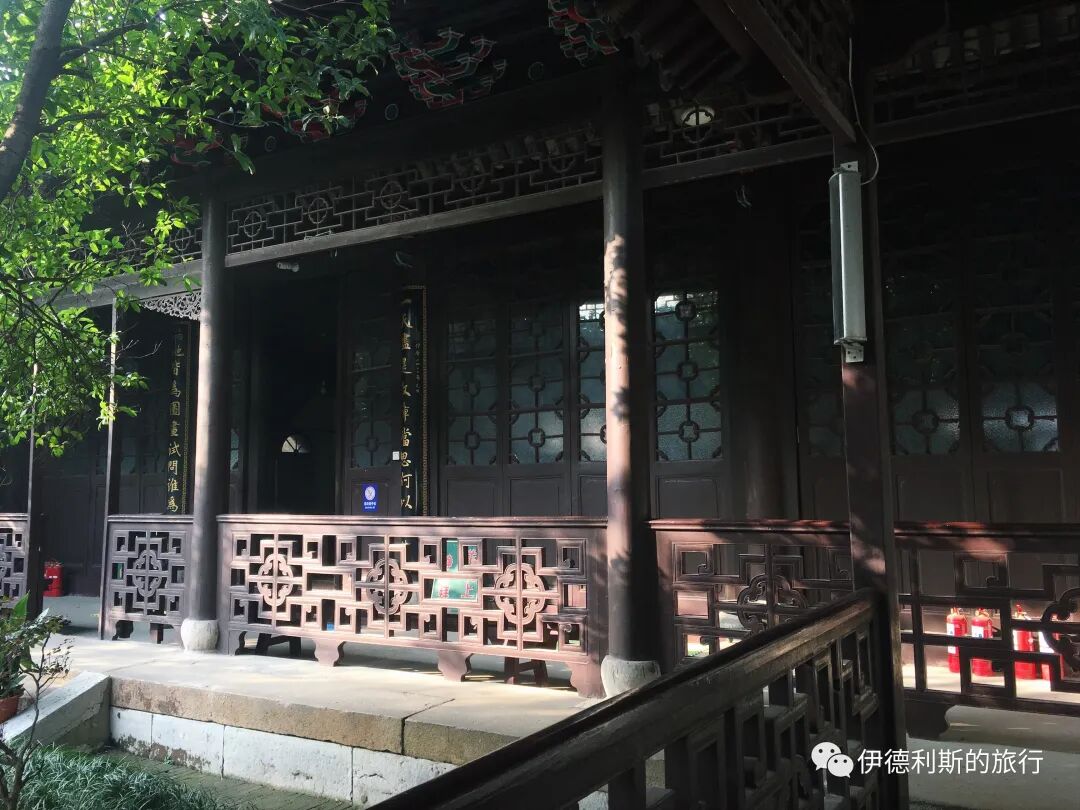
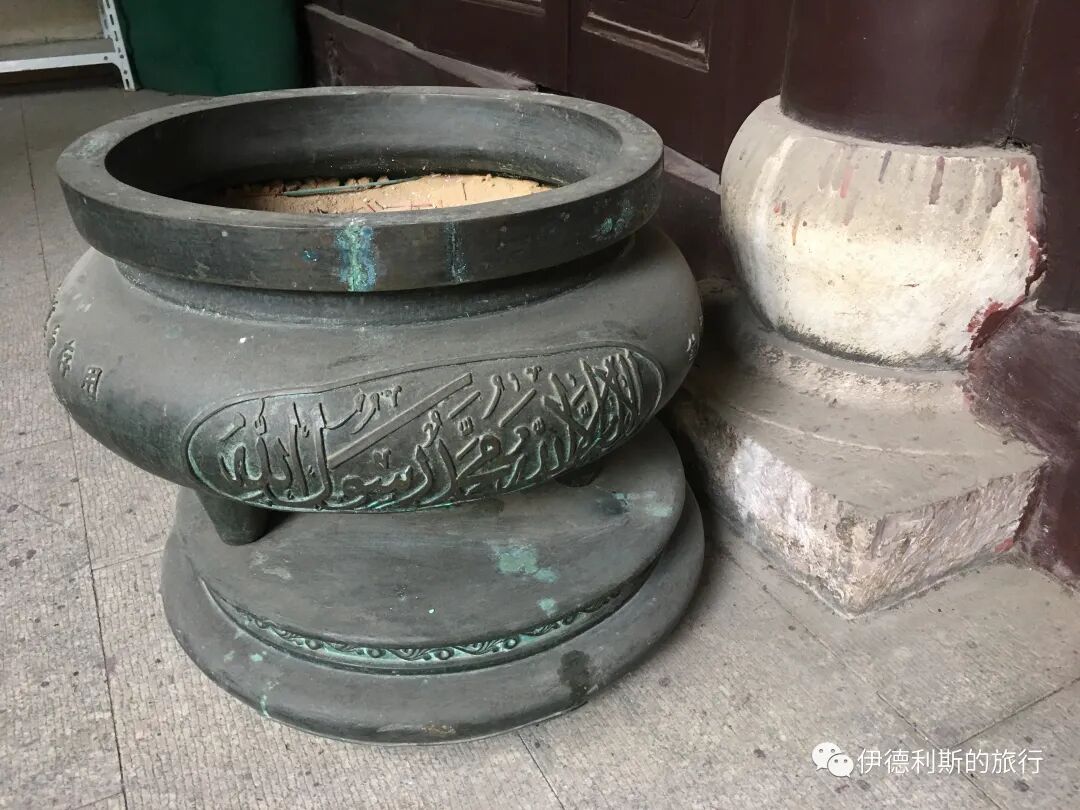
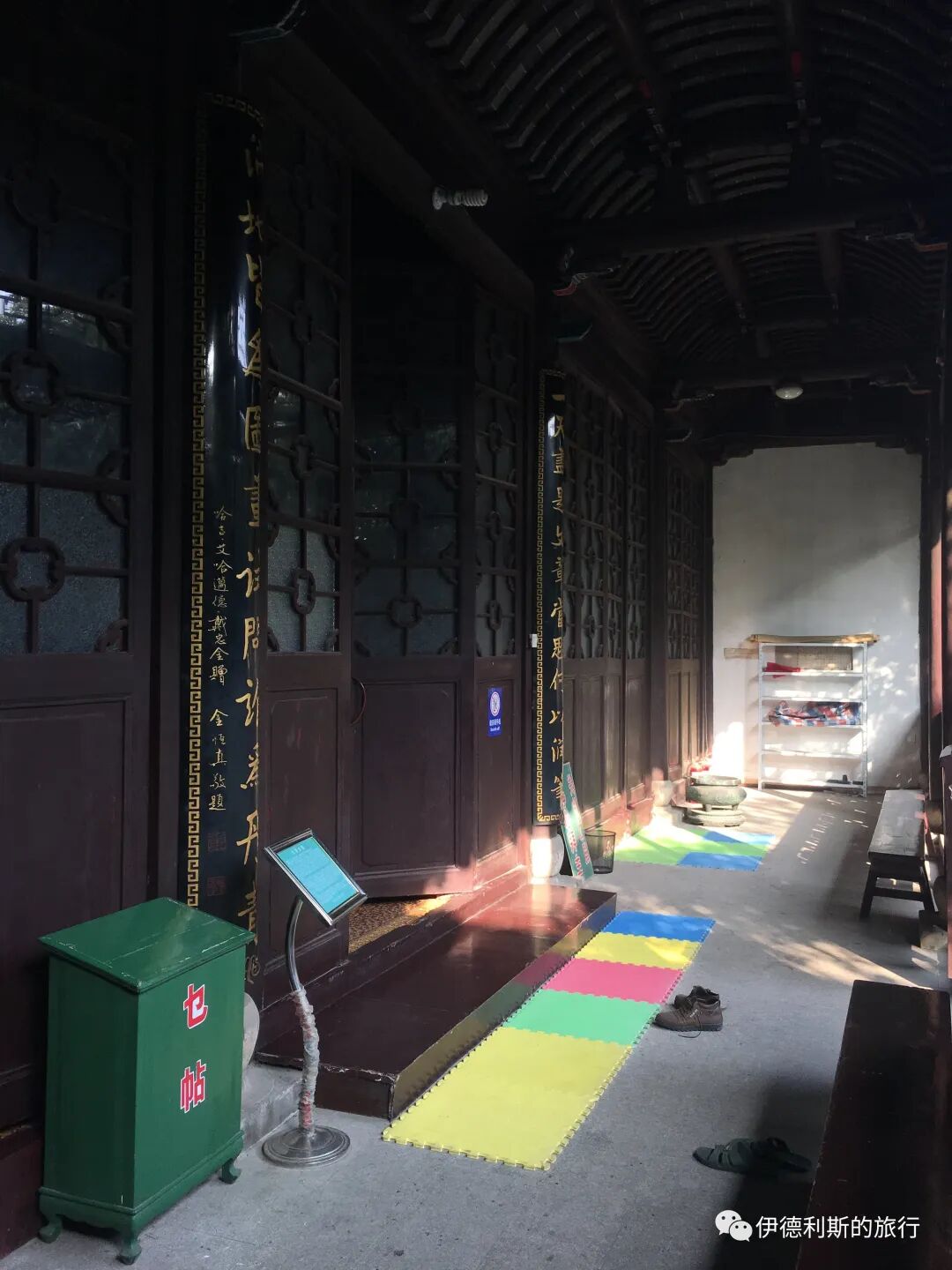
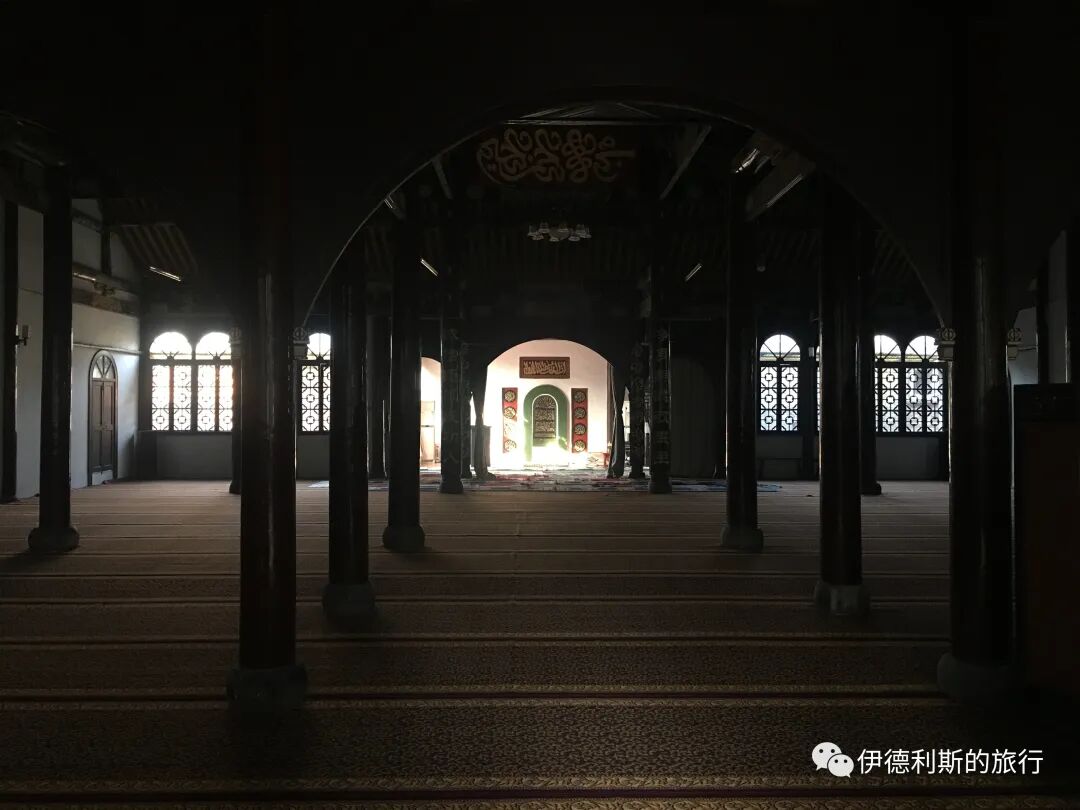
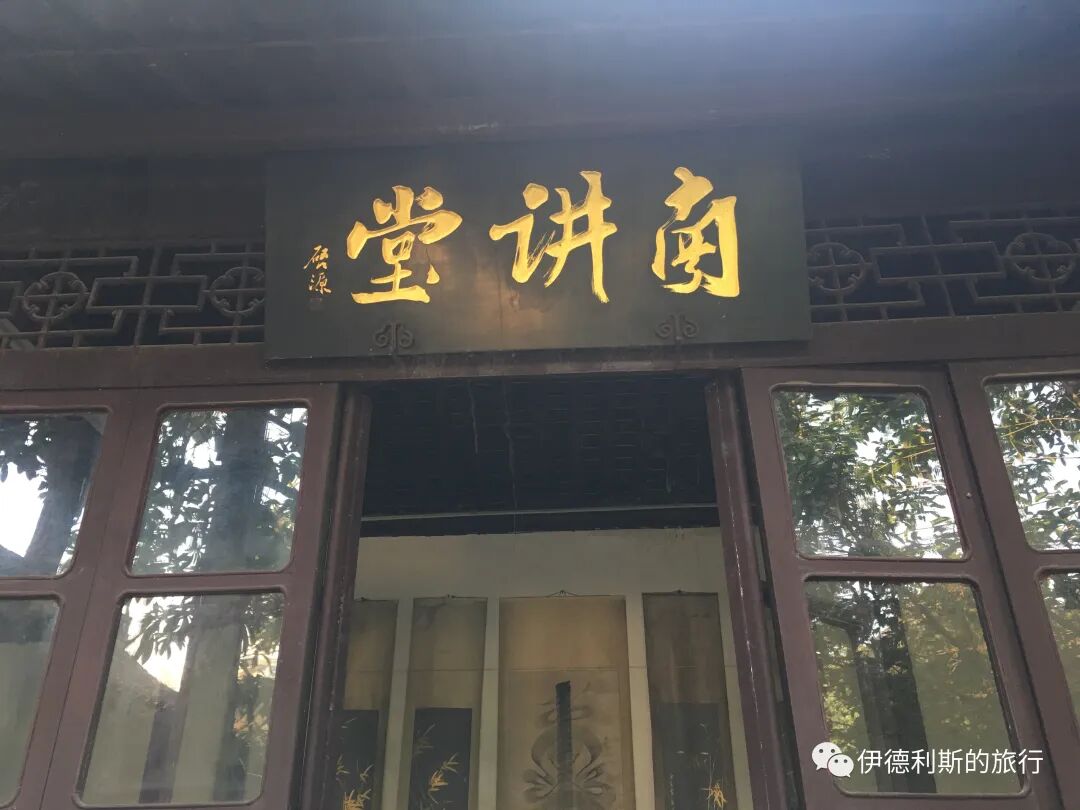
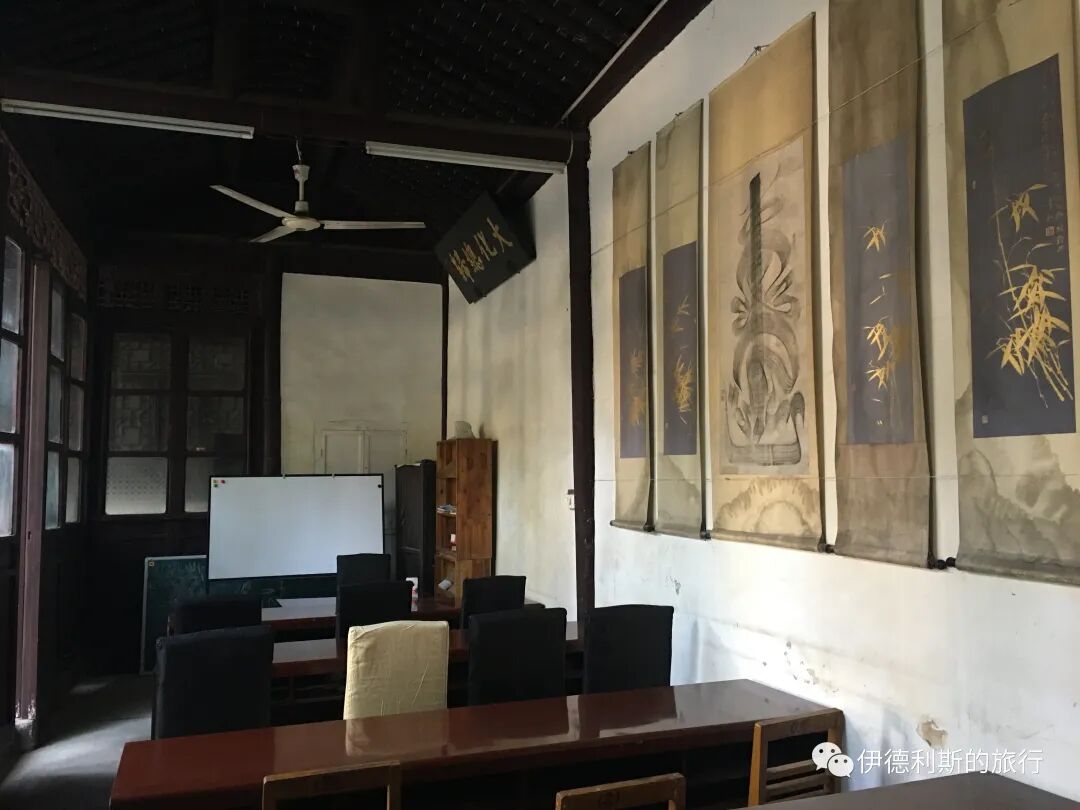
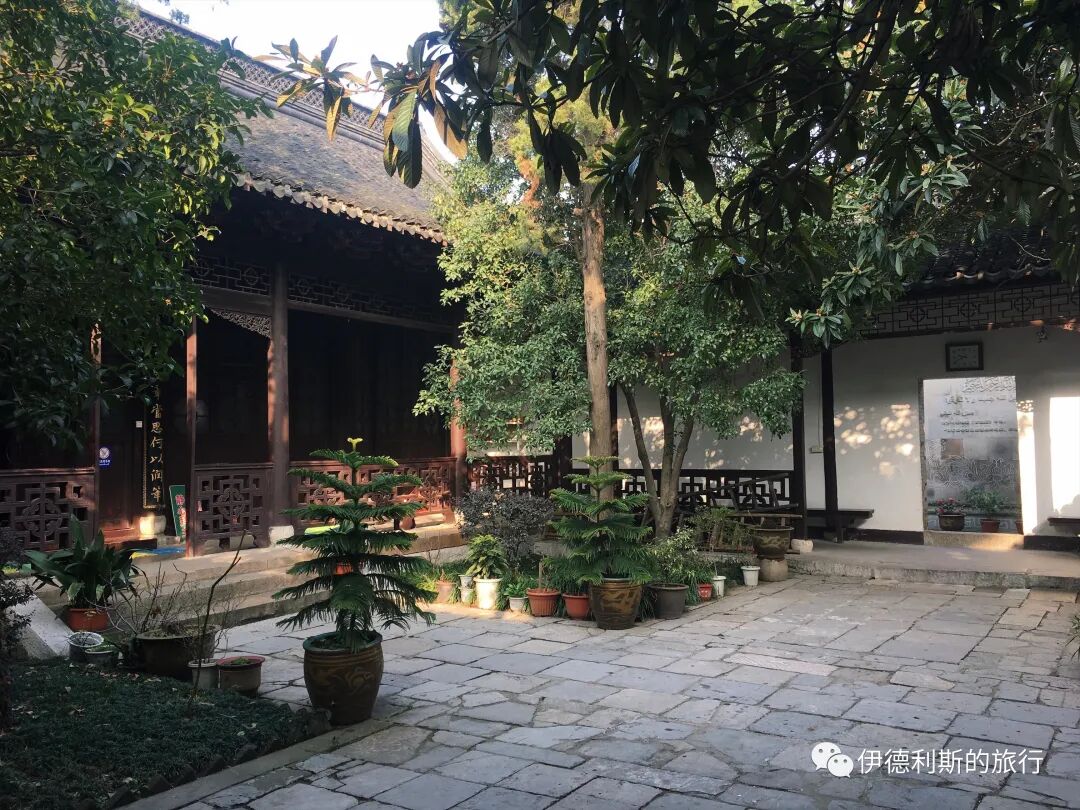
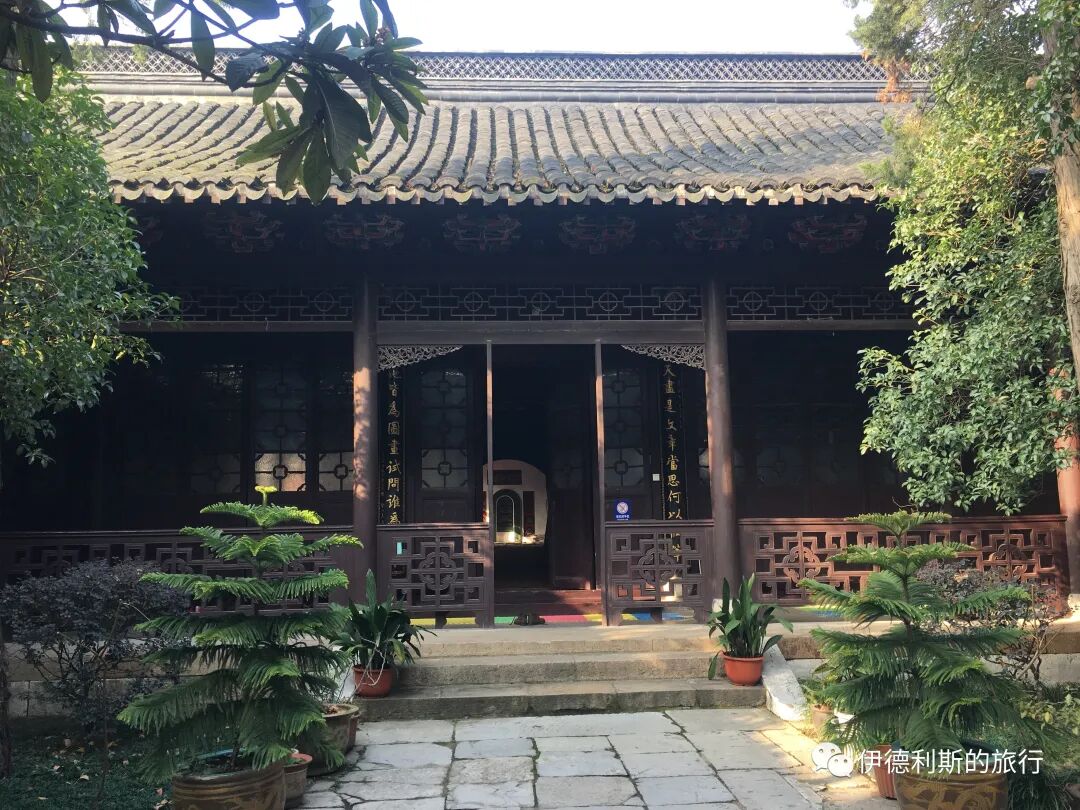
The water room of the Shan Lane Mosque was expanded in the early years of the Republic of China. At that time, a water pump was installed in the water room, operated by two people working up and down to draw water directly from a deep well into a large boiler. The water pump was designed and installed by a Hui Muslim named Ma Chengzhang, who was known as a foreign-style coppersmith or machine smith. His pump kept the water supply running normally even when hundreds of people used it during holidays. The bottom of the boiler had brick-lined smoke tunnels, commonly called earth dragons (dilong), covered with large square floor tiles. This kept the washroom as warm as spring in winter, a rare feature for mosques across the country at that time.
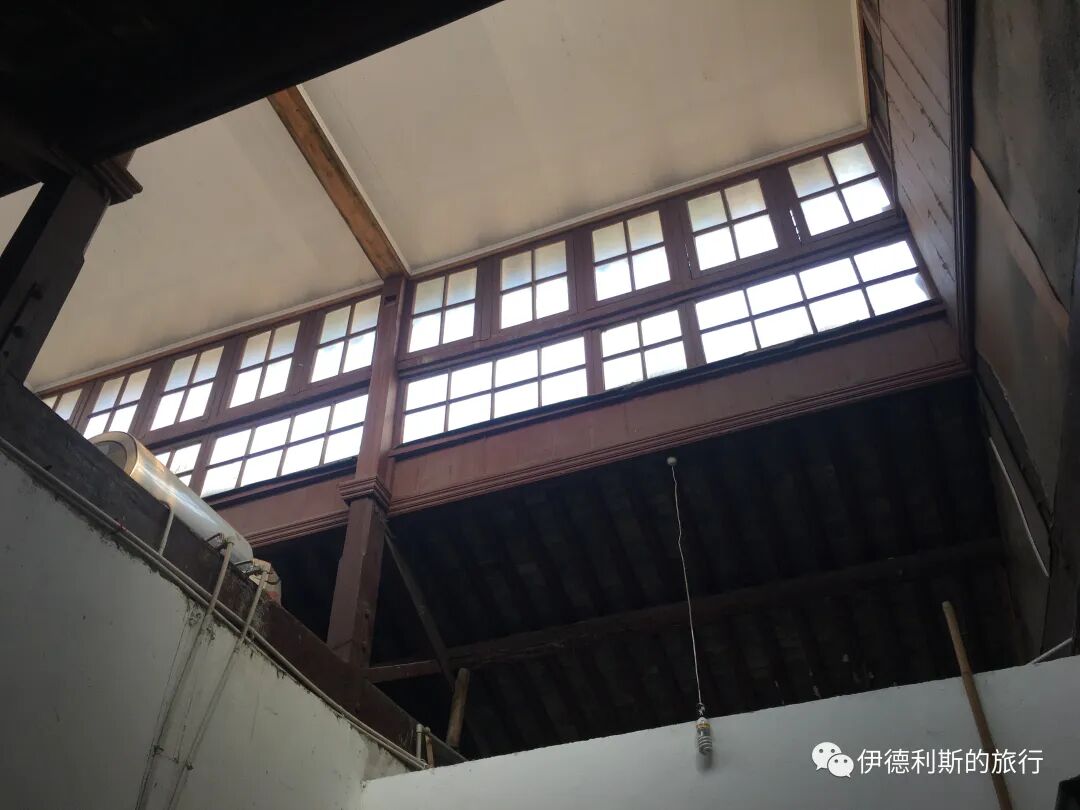
During the 1960s and 1970s, the Shanxiang Mosque was severely damaged. Scriptures, woodblock prints, plaques, couplets, furniture, decorations, and all sorts of cultural relics were destroyed. Two ginkgo trees in the main hall, both over 200 years old, were cut down in 1958 to support the Great Leap Forward steel production.
After the mosque was smashed, it was occupied by outside organizations, leaving only the side gatehouse guarded by an elderly man named Ma Zhonglin. During the Cultural Revolution, the occupying units tried to force Ma Zhonglin out with various excuses, but he refused every time and spent ten difficult years there. During those ten years, all the Hui Muslims in Zhenjiang used this gatehouse to store funeral supplies, hold and prepare the deceased, and perform religious ceremonies. At that time, the imams in Zhenjiang were afraid to come out to serve grieving families. Only Ma Zhonglin would wash the bodies, lead the namaz, and go to the burial site to recite dua. He also helped the community elders by slaughtering poultry for them in the gatehouse every morning.
In 1981, Ma Zhonglin passed away. After he passed away, Tan Quanhong and Zhang Dagui took turns slaughtering poultry for the elders in the side gatehouse every morning. That same year, the occupying units began to move out, and the Shanxiang Mosque was finally recovered.
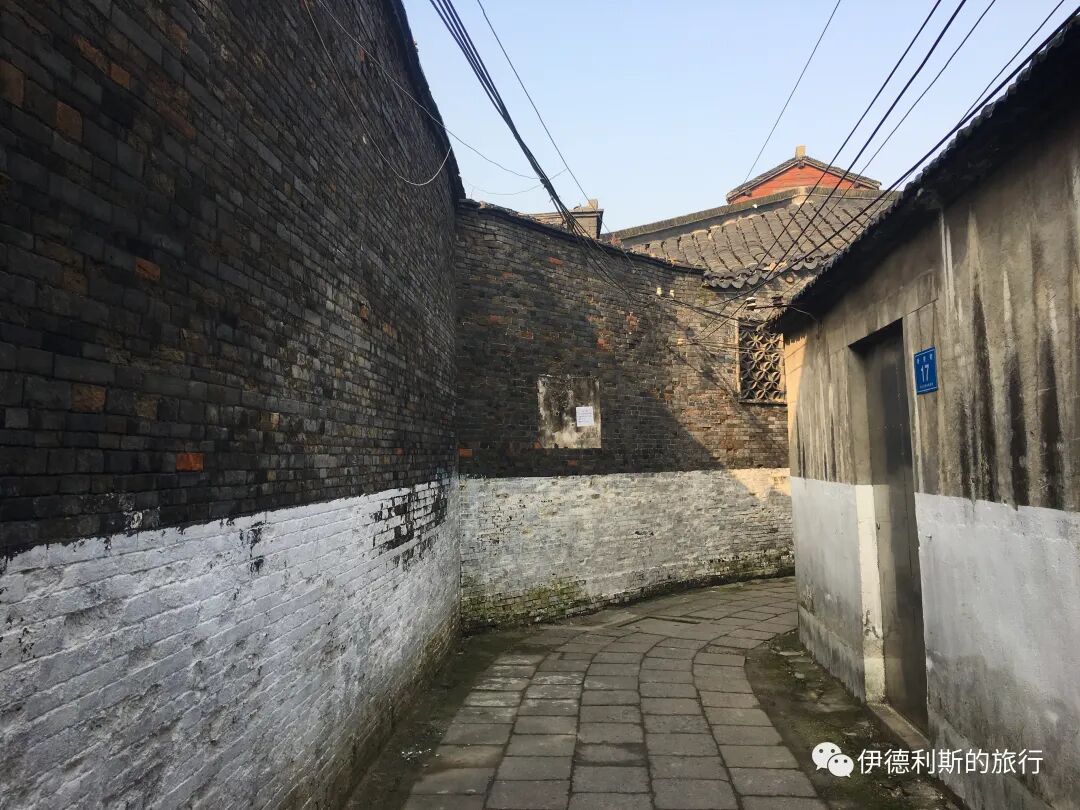
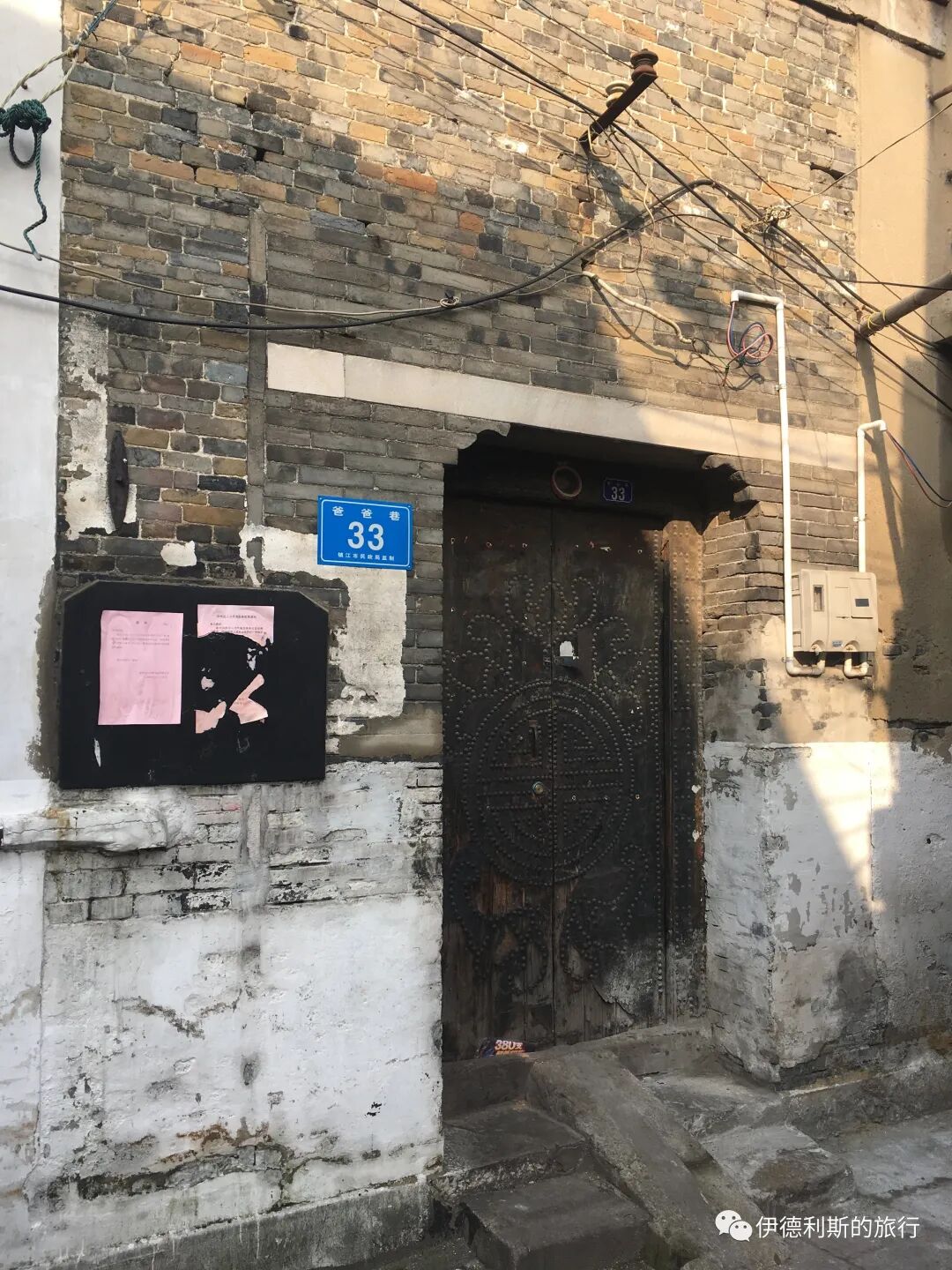
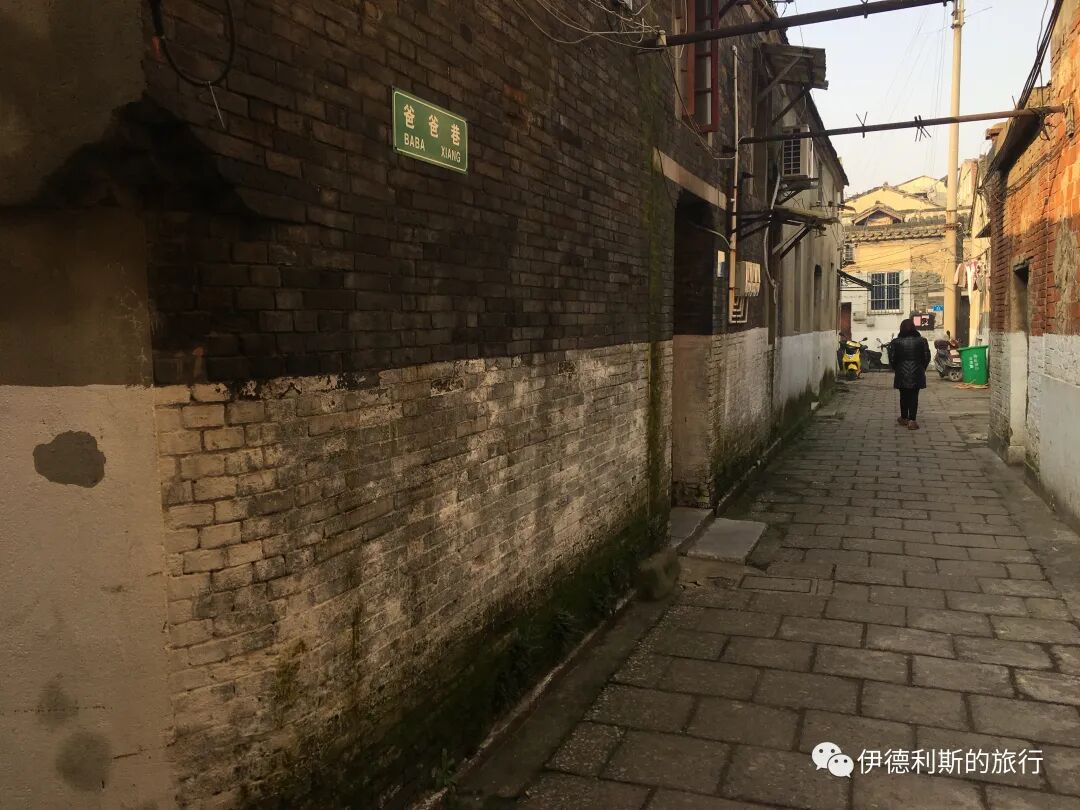
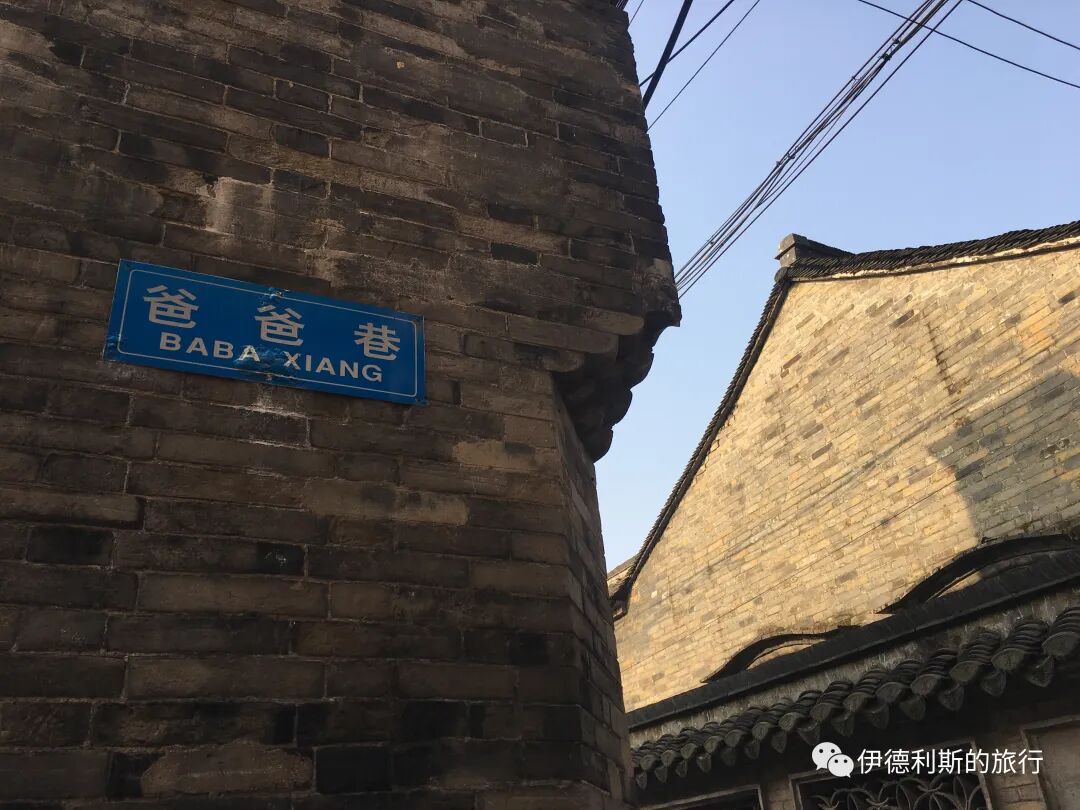
Baba is a transliteration of a Persian word and is a respectful term Hui Muslims use for elders. It can also be written as baba, and in the Beijing area, it is pronounced as bǎ ba.
The Vanished Jianzi Lane Mosque
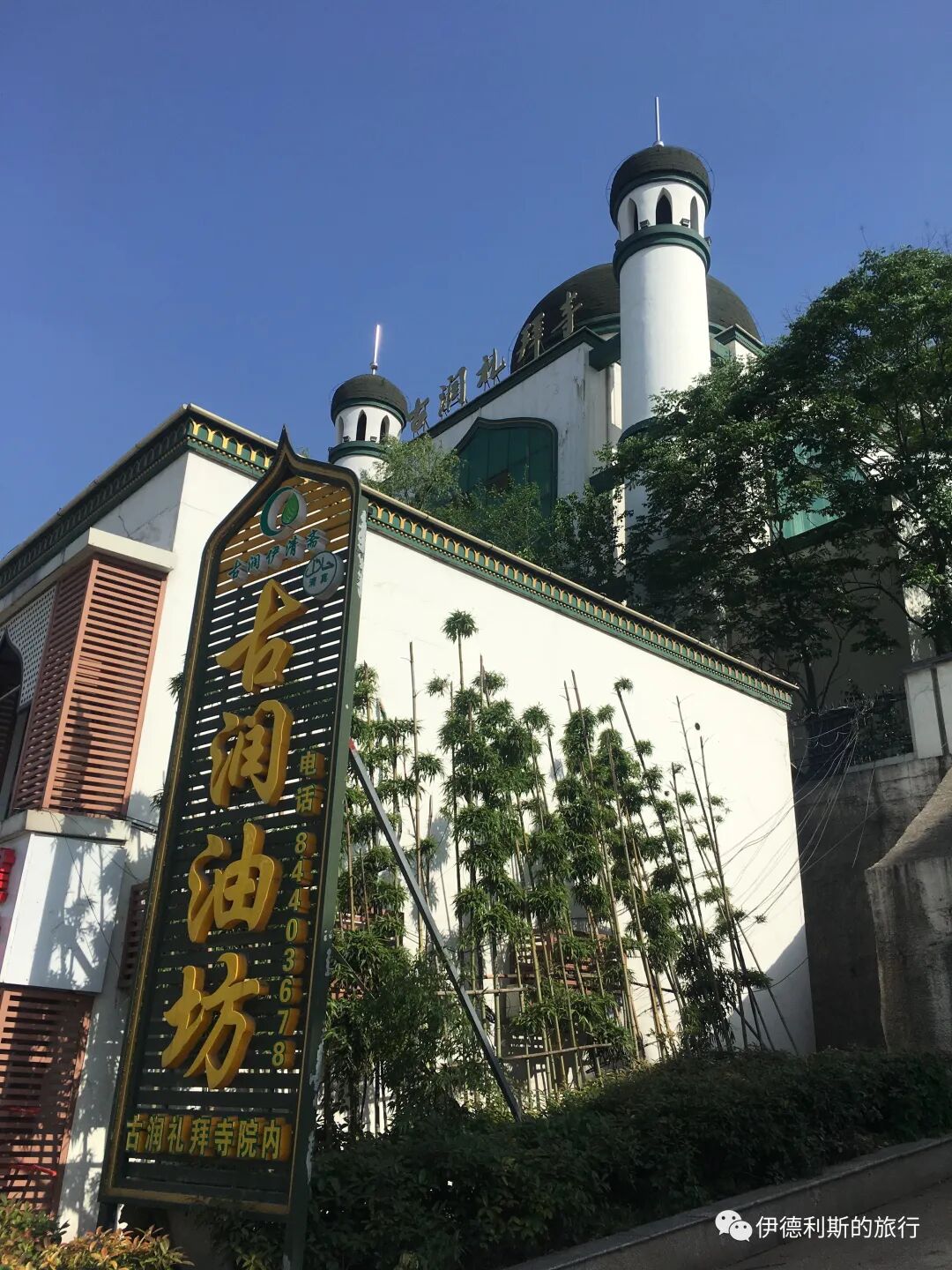
The Jianzi Lane Mosque was originally called the Gurun Mosque. It was first built on Fumin Street in Ren'an Ward and was a mosque in Zhenjiang during the Yuan Dynasty. According to the 1333 (the fourth year of the Zhishun reign of the Yuan Dynasty) Records of Zhishun Zhenjiang, there were 59 Hui Muslim households with 374 people in Zhenjiang during the Yuan Dynasty. The famous Yuan Dynasty Hui Muslim poet Sa Dula served as a darughachi (a seal-holding administrator) for the Zhenjiang Circuit for three years starting in 1328 (the first year of the Tianli reign). According to the Guangxu edition of the Dantu County Gazetteer, Sa Dula did many good deeds in Zhenjiang, such as stabilizing prices, opening granaries to help the people, curbing powerful servants, and breaking down superstitions. In 1326, a Hui Muslim scholar named Jamal al-Din, who had passed the provincial civil service exams, served as a professor at the Zhenjiang Road Confucian School. This was the highest educational position at the time.
The ancient Gurun Mosque was destroyed between the end of the Yuan Dynasty and the beginning of the Ming Dynasty. It was rebuilt during the Hongwu reign of the Ming Dynasty and moved to Jianzi Lane inside the city in 1602. From then on, it was called the Jianzi Lane Mosque. It was renovated three times in 1850, 1904, and 1909.
In 1958, a knitting factory and a color printing factory took over the Jianzi Lane Mosque. Between the 1970s and the early 1980s, the printing factory demolished the main prayer hall, the assembly hall, and the ablution room to build factory buildings. The stone tablet titled Record of the Gurun Mosque, written in 1620 by the scholar Li Yiyang, was used to mix cement, which ruined the inscriptions. The calligraphy on the Wanli-era renovation tablet was written by Ma Zhiqi, a Hui Muslim from Xinye, Henan. Ma Zhiqi was the runner-up in the 1610 imperial examinations and was skilled in poetry and calligraphy. Between the Wanli and Chongzhen reigns, he wrote renovation records for the Xiaopiyuan Mosque in Xi'an, Shaanxi, the Datong Mosque in Shanxi, the Jinshifang Street Mosque in Beijing, and the Chengguan Mosque in Wudu, Gansu. In 1982, the Zhenjiang Islamic Association repaired the stone tablet and moved it to the Shanxiang Mosque, where it was finally preserved.
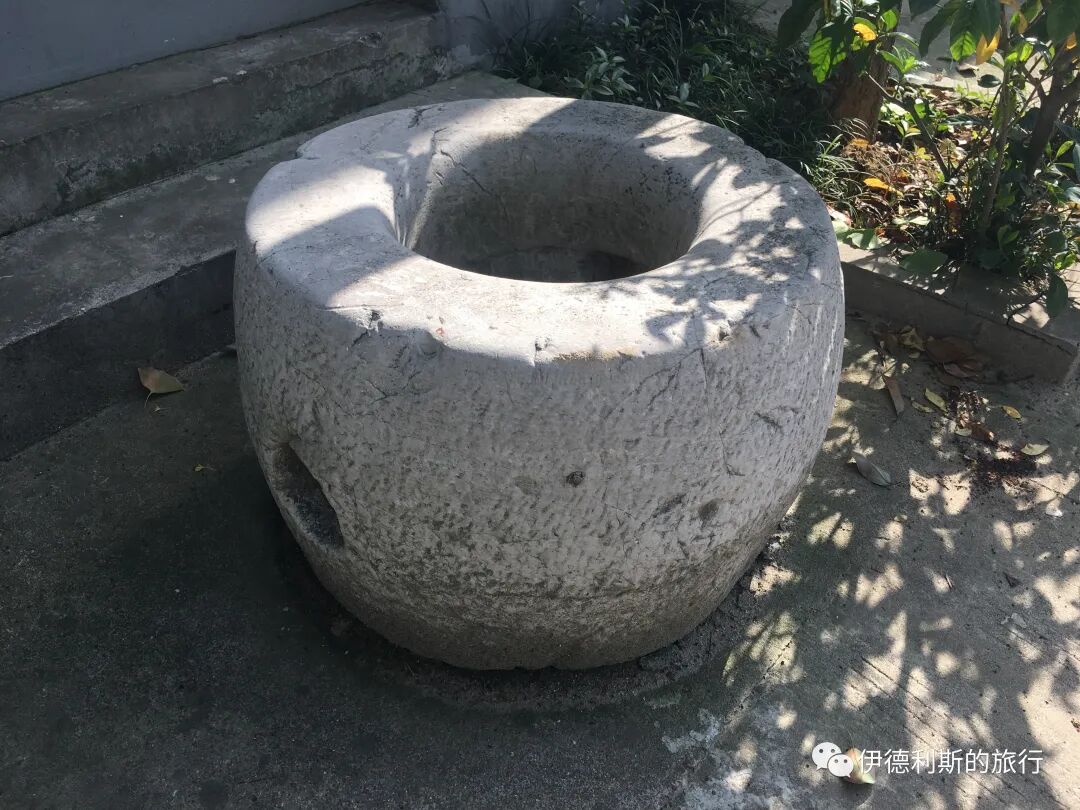
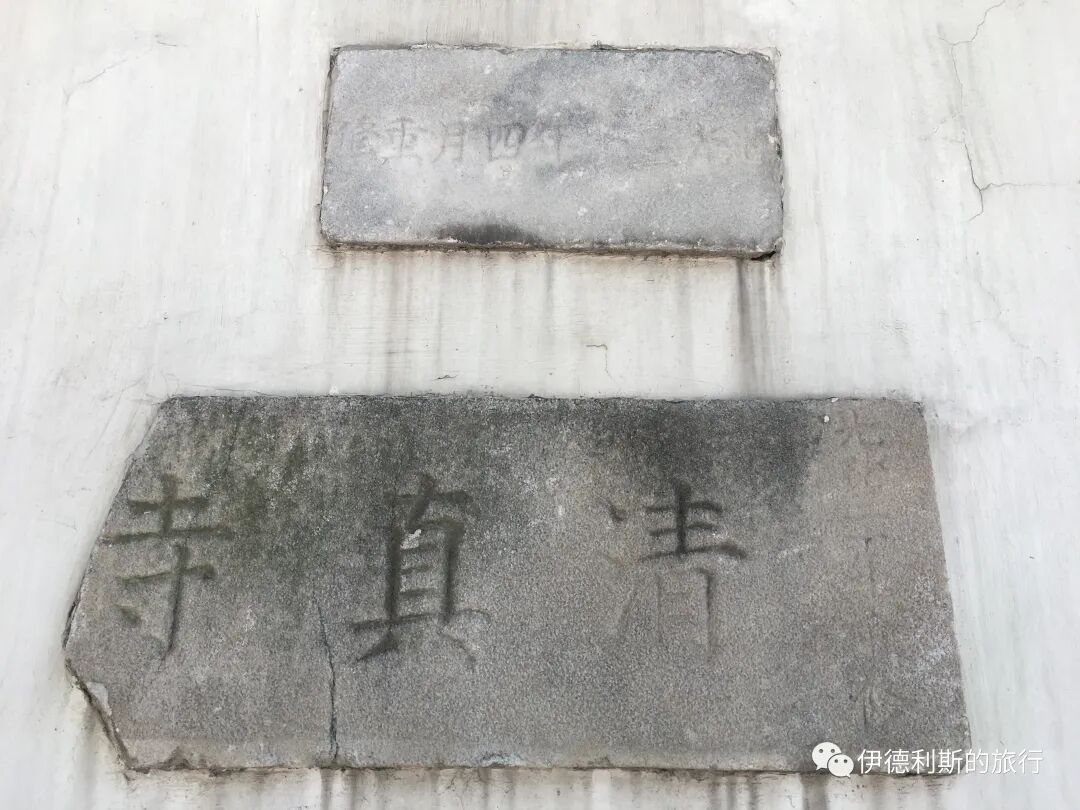
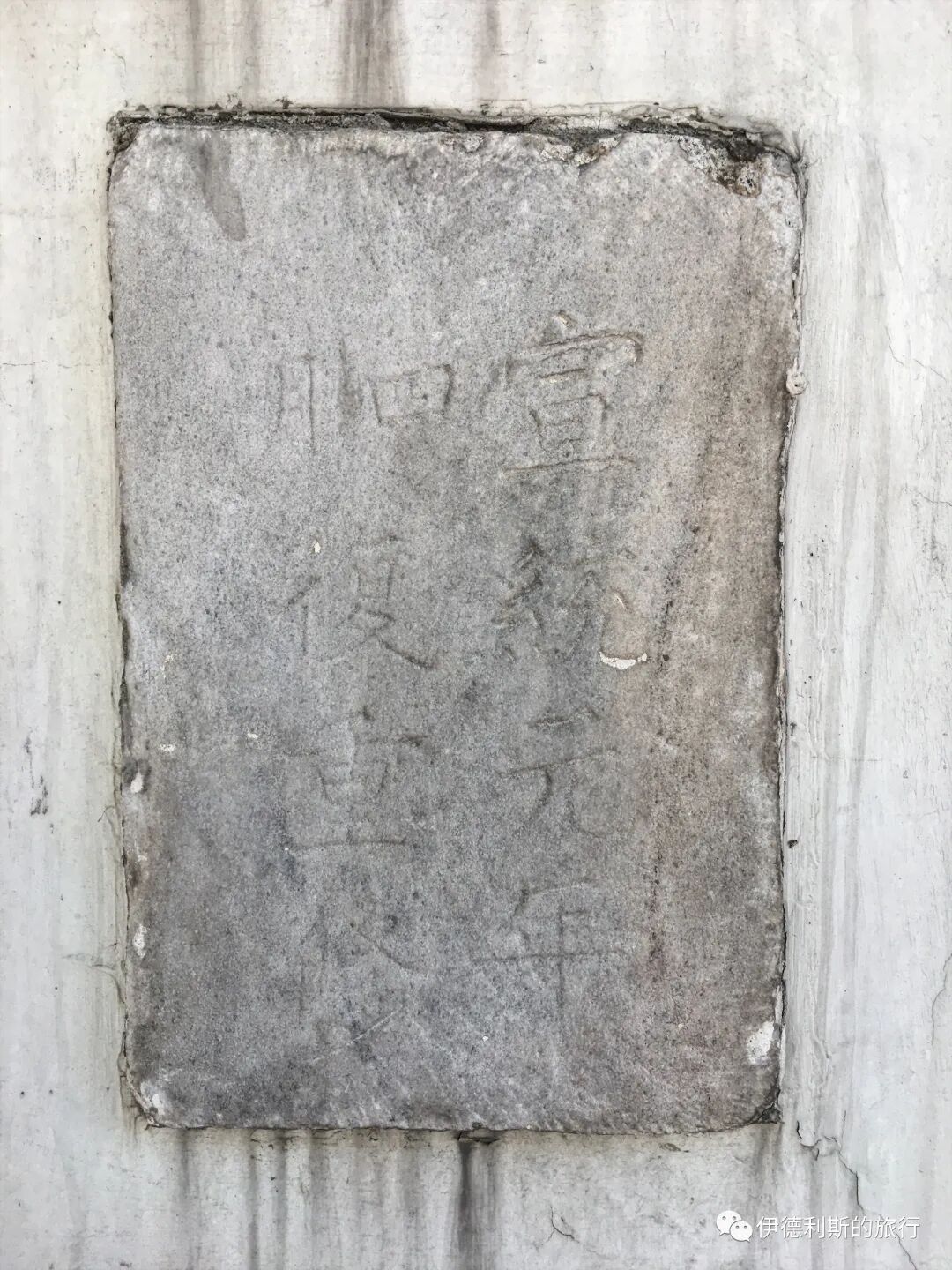
The printing factory occupying the mosque did not leave until 1993. In 1994, the Islamic Association regained ownership of the Jianzi Lane Mosque. In 2005, when Zhenjiang built the First Building commercial pedestrian street, the Jianzi Lane Mosque was completely demolished. A new Gurun Mosque was built on Xuefu Road. The Wanli-era renovation tablet, an ancient well railing, and three Qing Dynasty renovation tablets from the original Jianzi Lane Mosque were placed in the courtyard for safekeeping.
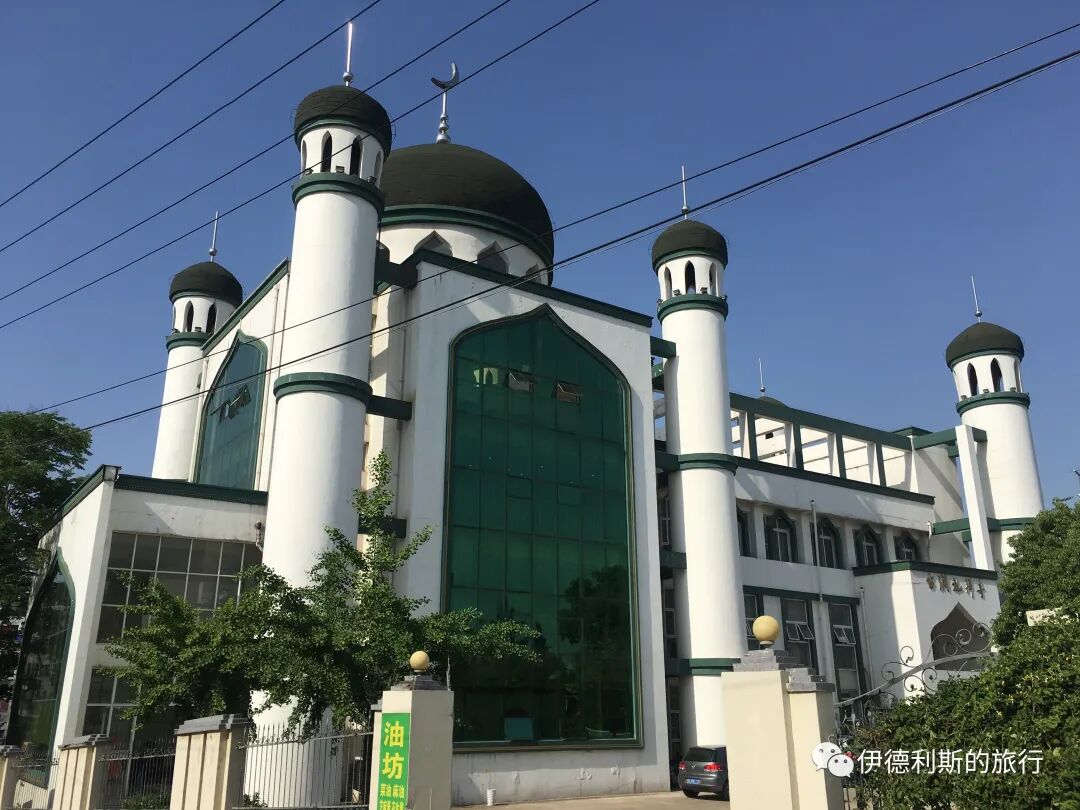
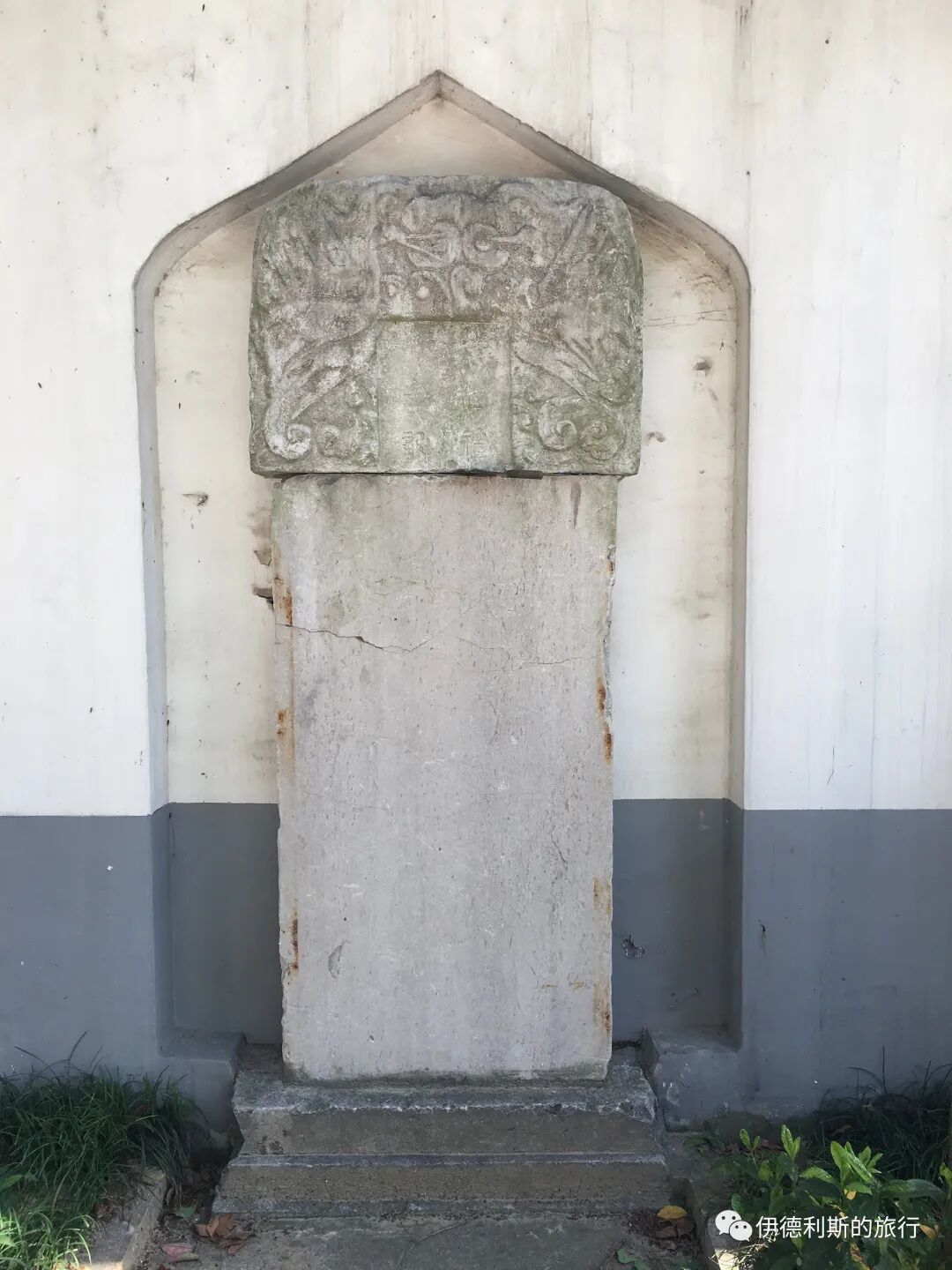
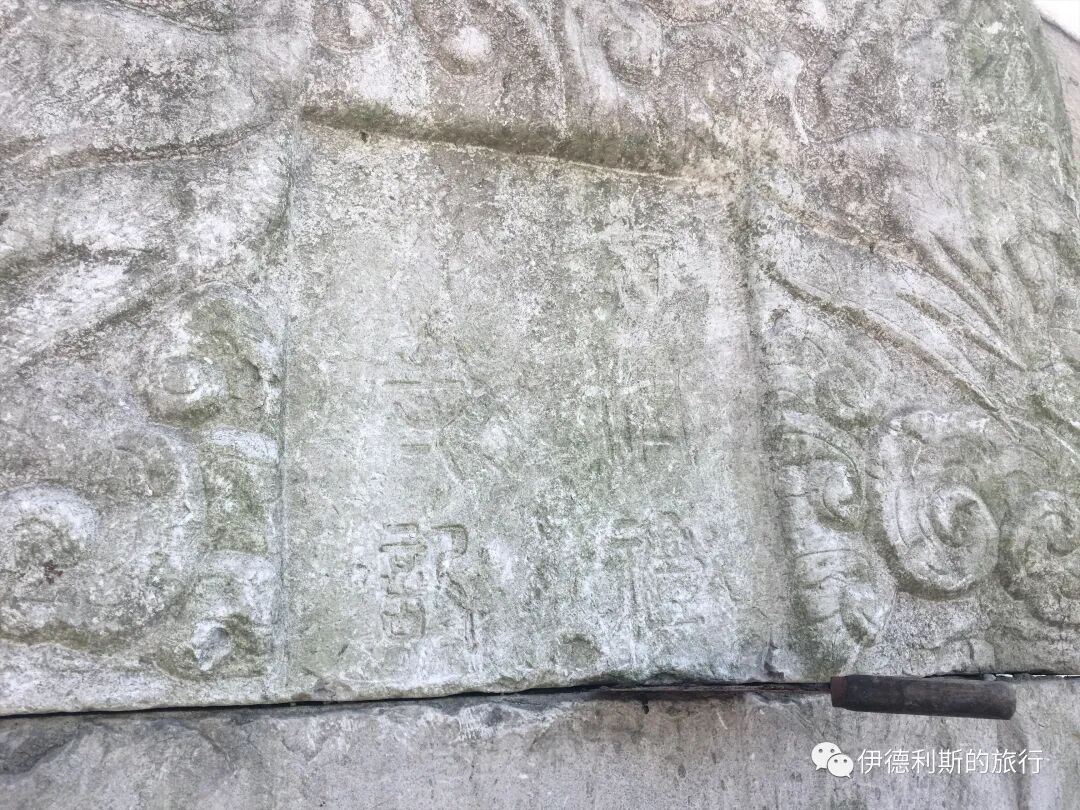
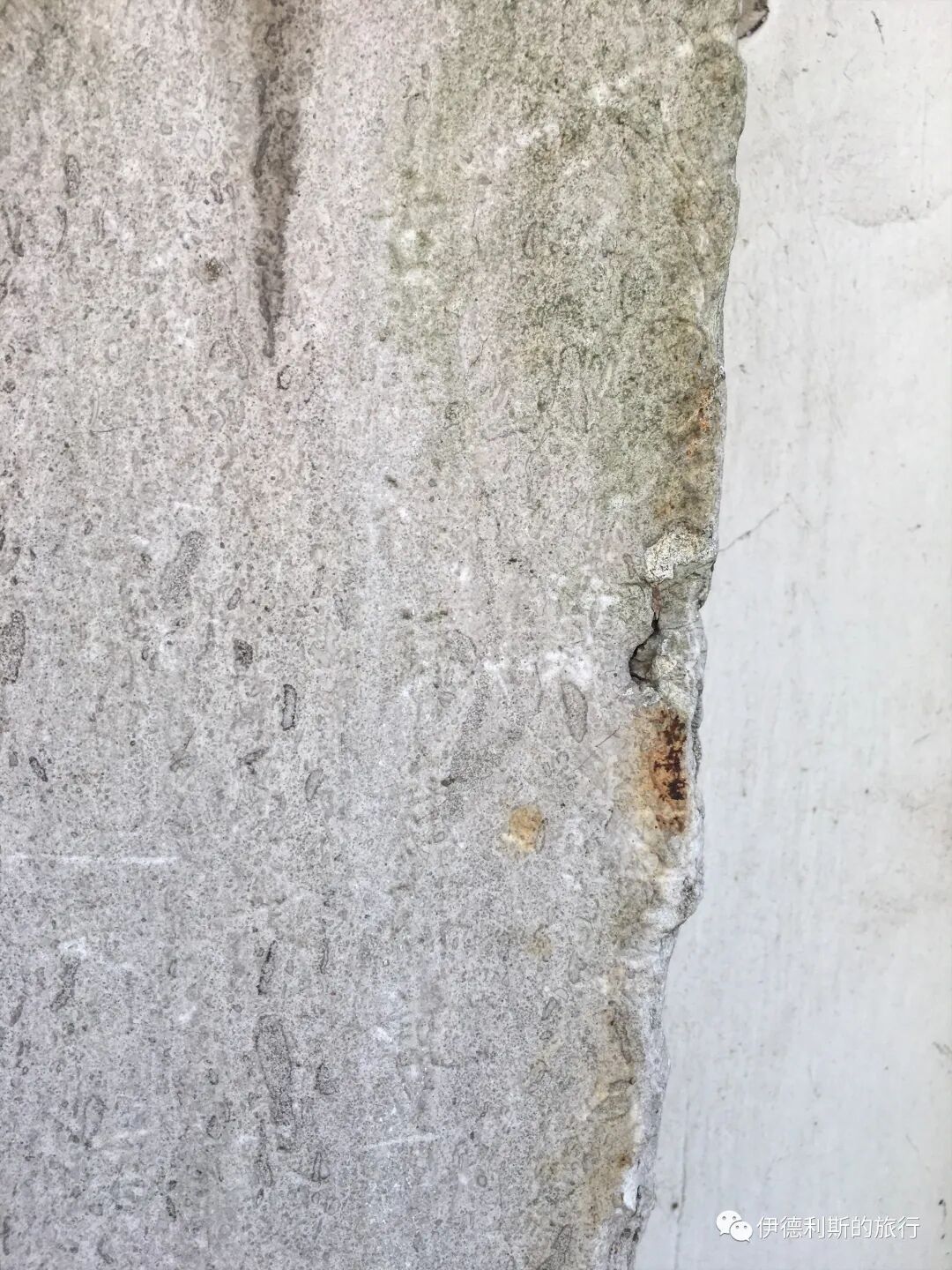
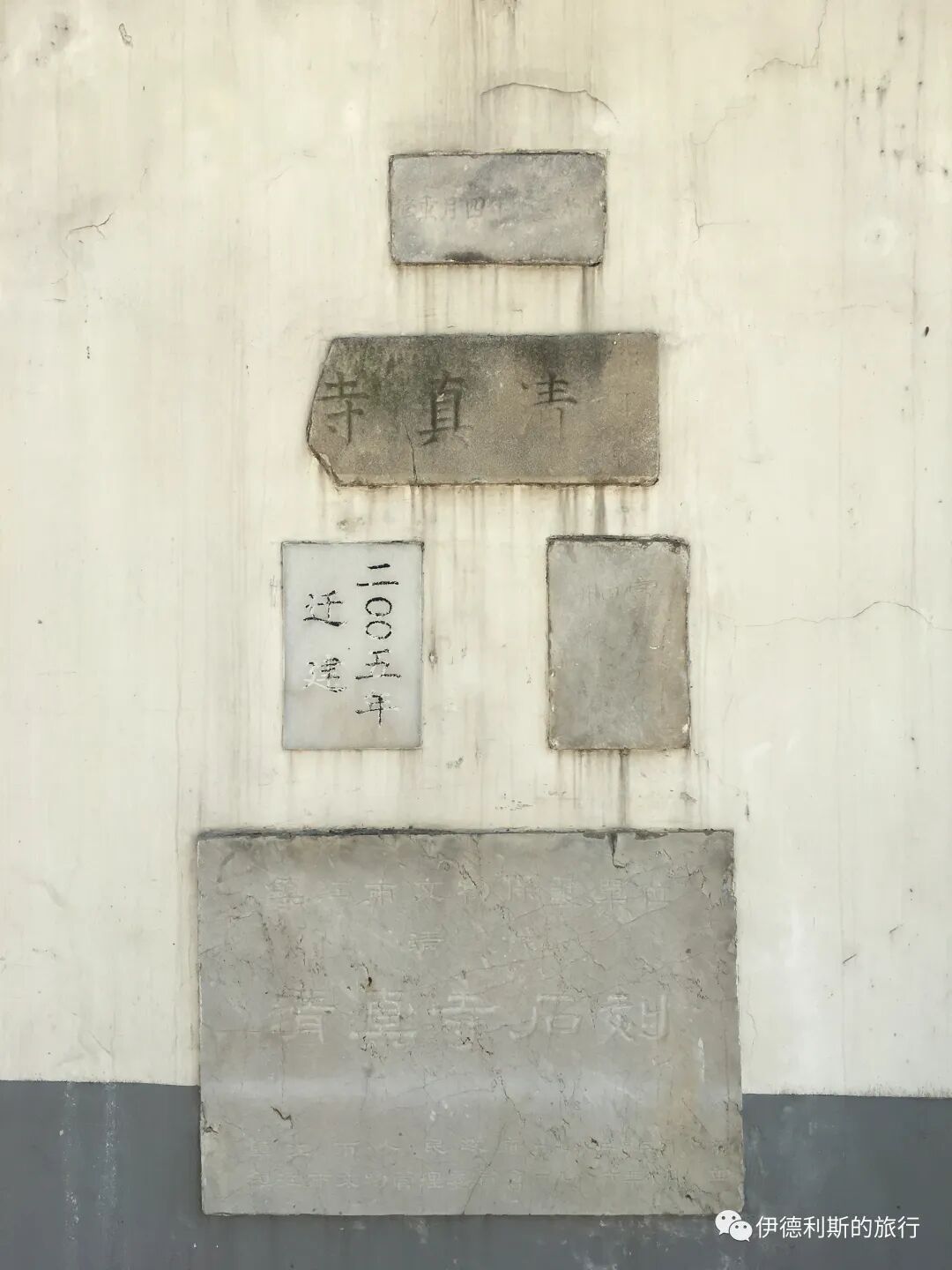
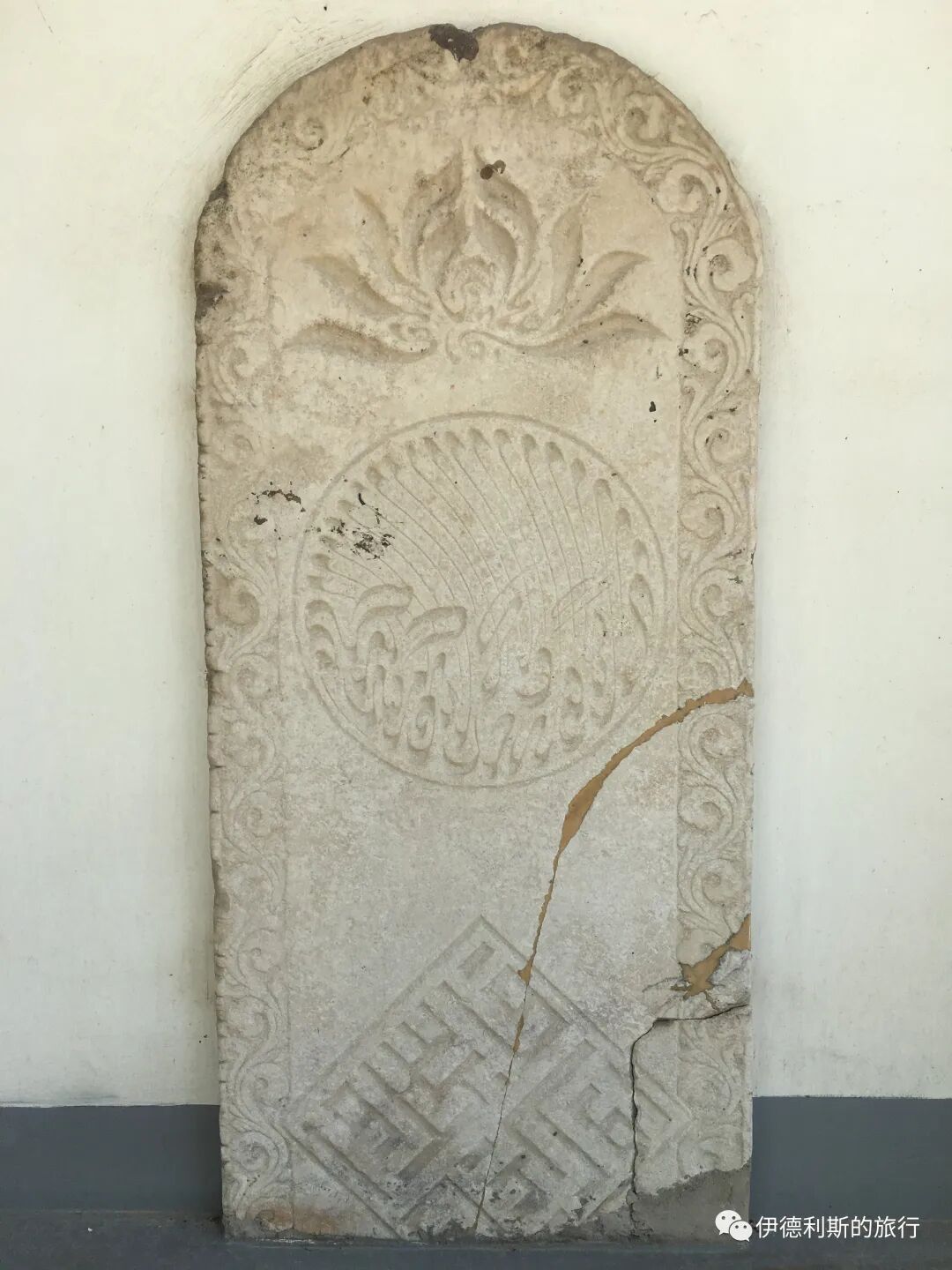
to the relics from the Jianzi Lane Mosque, the Gurun Mosque also houses the mihrab tablet from the kiln hall of the mosque outside the South Gate of Zhenjiang.
The mosque outside the South Gate of Zhenjiang was located at the east end of Miaojia Lane. It is believed to have been built in the early Qing Dynasty and was an east-facing courtyard house. Across from the mosque gate stood a row of tall elm trees that provided dense shade. The prayer hall and the opposite hall both had three bays. Tall ginkgo trees stood on both sides in front of the hall. To the south were guest rooms, and to the north were the ablution room, kitchen, and storage room.
In the early 20th century, the imam of the South Gate Mosque was an imam named Ma from Henan. In the early 1920s, he was hired by Muslims in Shou County, Anhui, and Imam Wan Shourong succeeded him as the leader of the South Gate Mosque. Daily affairs at the mosque were managed by Jin Zhiguang from the Xinchangheng fabric store and Xia Songfu, the father of Xia Rongguang. During the Republic of China era, the firewood and rice market outside the South Gate was very busy, and more than 50 Hui Muslim families lived there.
In 1937, the South Gate Mosque was destroyed by war. The mihrab tablet from the kiln hall was kept in the home of Hua Baoren next to the mosque until it was moved to the Gurun Mosque in 2005.
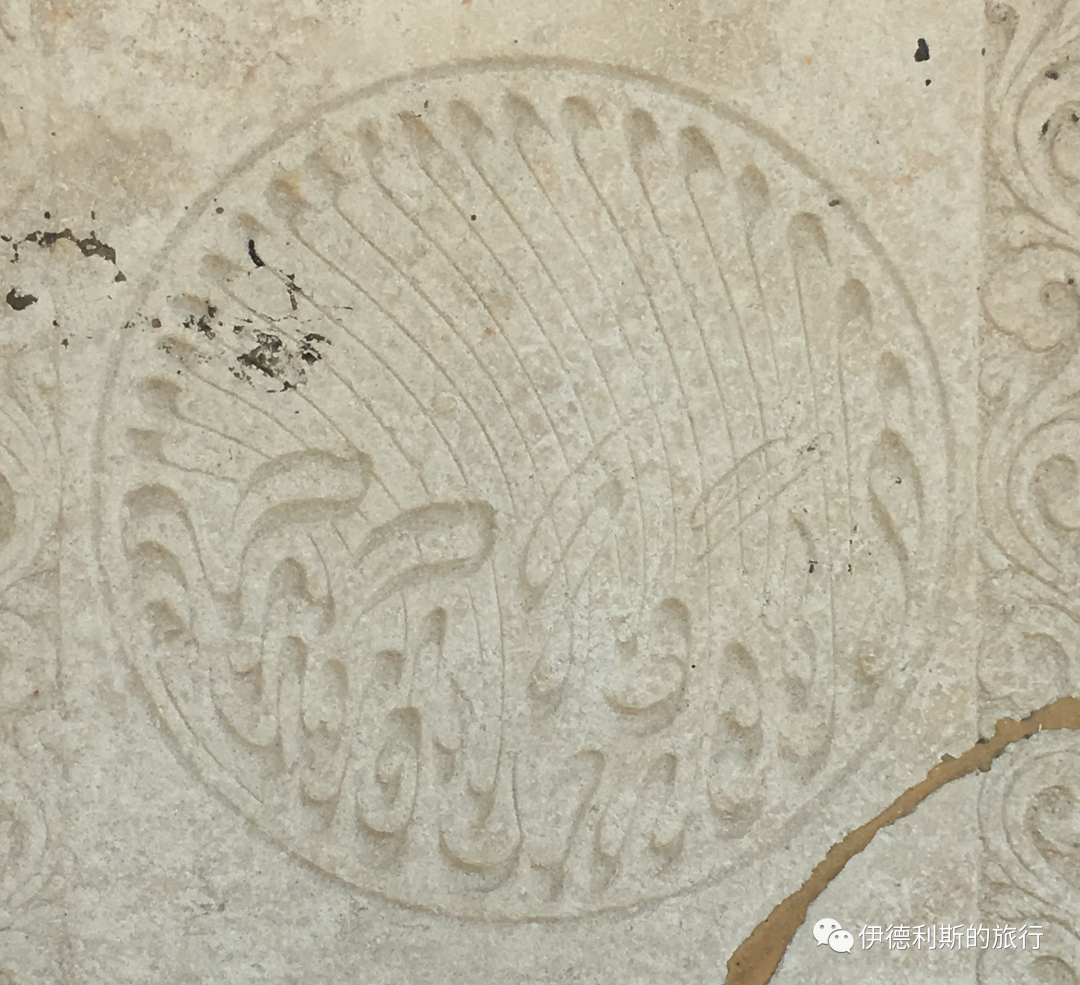
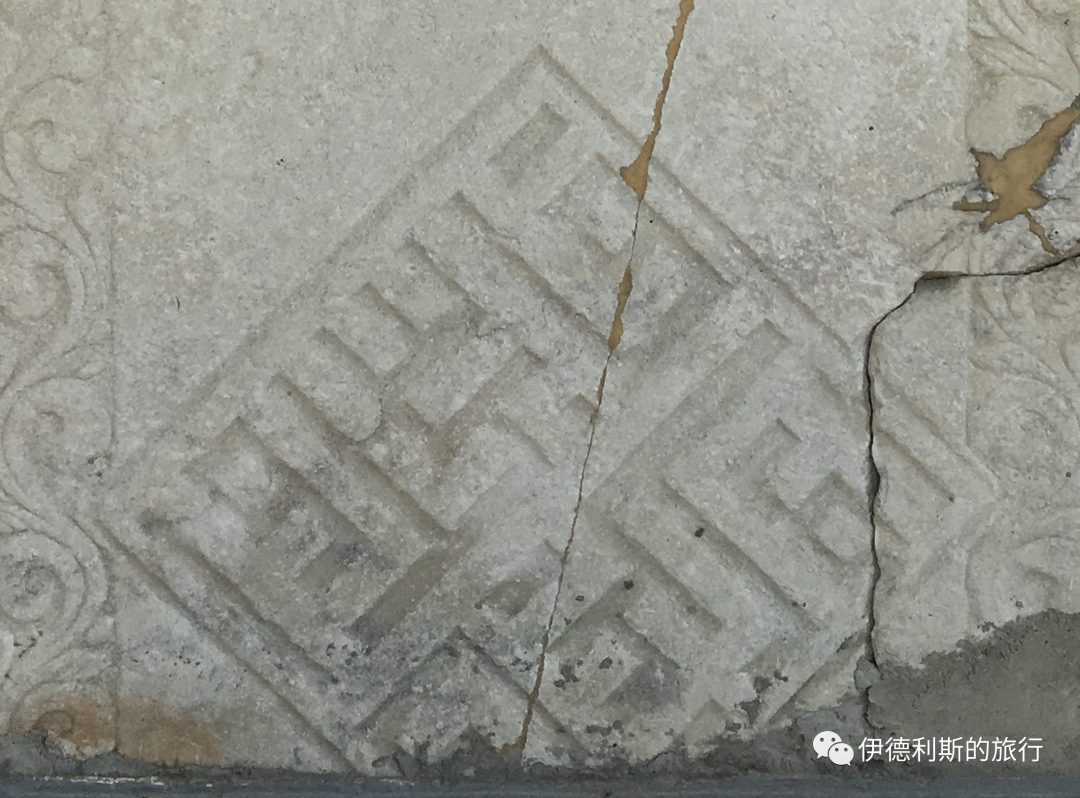
The lotus-shaped Arabic script on the stone tablet is the Basmala (tasimi). The middle section contains verse 163 of the Cow Chapter (Surah Al-Baqarah), and the diamond-shaped carving at the bottom is in Arabic Kufic calligraphy, which reads: Prostrate yourselves and worship your Lord.
Besides the previously mentioned Xinhe Street Mosque, Shanxiang Mosque, Jianzi Lane Mosque, and the mosque outside the South Gate, Zhenjiang once had another mosque called Paiwan Mosque, built by Hui Muslims from Shou County, Anhui, at Niupipo. The founder of Paiwan Mosque was Zhu Huaisen, a famous Hui Muslim military officer from Shou County.
Zhu Huaisen practiced martial arts from childhood. After joining the army, he fought against the Taiping Rebellion and the Nian Rebellion in the Jianghuai region. He was very brave and often fought while wounded. During the siege of Luzhou (Hefei), he was the first to climb the city wall. He also participated in the recapture of Wuwei Prefecture, Dongguankou, Chao County, Quanjiao, and Chuzhou, earning him the title of Shangyong Baturu. After the Taiping Rebellion failed, Zhu Huaisen was transferred to Jinling (Nanjing) in 1869 (the eighth year of the Tongzhi reign) to command the new troops of the Governor's Guard. In 1876 (the second year of the Guangxu reign), Zhu Huaisen was promoted to Commander-in-Chief (zongbing) of the Huaiyang Town in Jiangnan, and in 1882 (the eighth year of the Guangxu reign), he became the Commander-in-Chief of the Jiujiang Town in Jiangxi.
The front hall and back prayer hall of Paiwan Mosque both had three rooms. The inner room of the north wing was the ablution room (shuifang), and the outer room was for funeral services. The main gate was on the south side, and a stone plaque with the words "Qingzhen" (meaning halal or pure) was embedded in the gate wall. Usually, the imam of Paiwan Mosque stayed at Shanxiang Mosque and only went to Paiwan Mosque to lead the prayer on Fridays (Jumu'ah). When something came up, the mosque administrators would go to Shanxiang Mosque to invite them, so Paiwan Mosque was also called the Small Mosque.
During the Qing Dynasty and the Republic of China, Hui Muslims from Shou County in Zhenjiang mainly worked in the salt industry, with surnames including Tao, Bian, Shan, Zhao, and Zhu. After 1953, private salt merchants disappeared, and most of the Shou County Hui Muslims returned to their hometowns, while a few changed jobs to farming or labor. The population decreased significantly, so after the 1950s, Paiwan Mosque merged with Shanxiang Mosque. The mosque building was converted into a residence and was occupied by the family of the last imam, Yang Dezhen.
Although Jianzi Lane Mosque has disappeared, the Hui Muslims who once lived around the mosque have not. There are still the most halal restaurants in Zhenjiang around Jianzi Lane, and I will introduce them to you one by one below.
Yong'an Road Snack Street
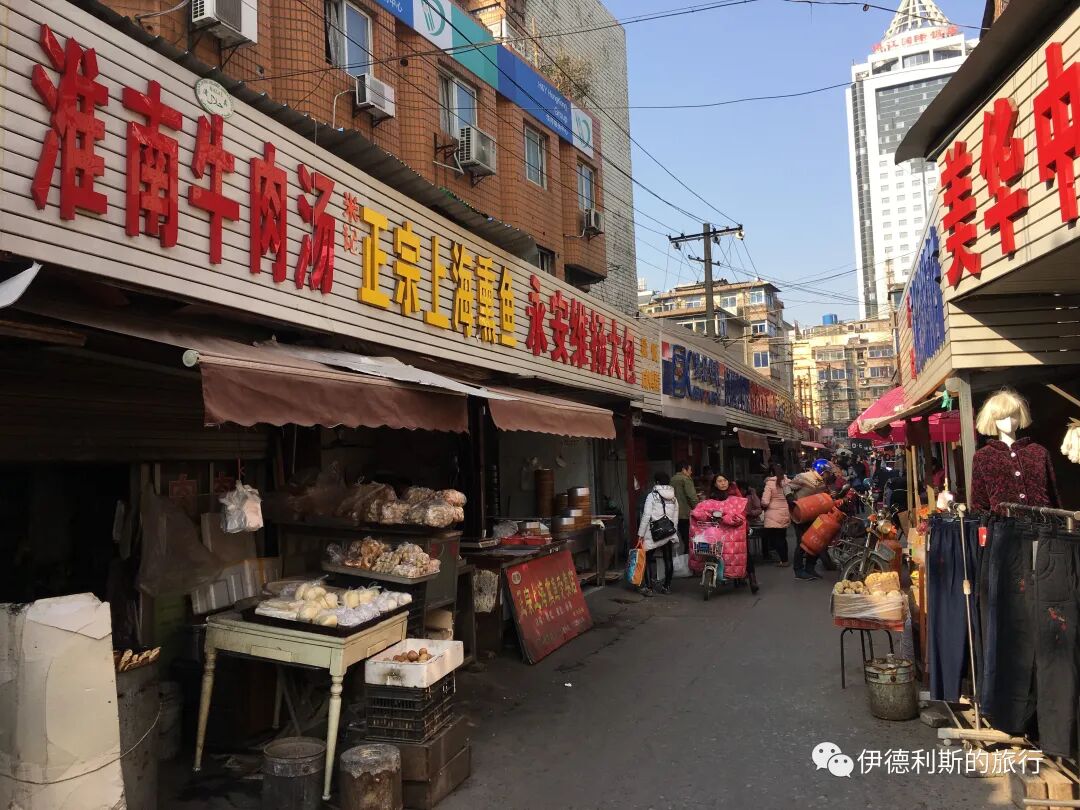
Yong'an Road is not far south of Jianzi Lane. The street is lively and full of snacks, and there are five halal restaurants.
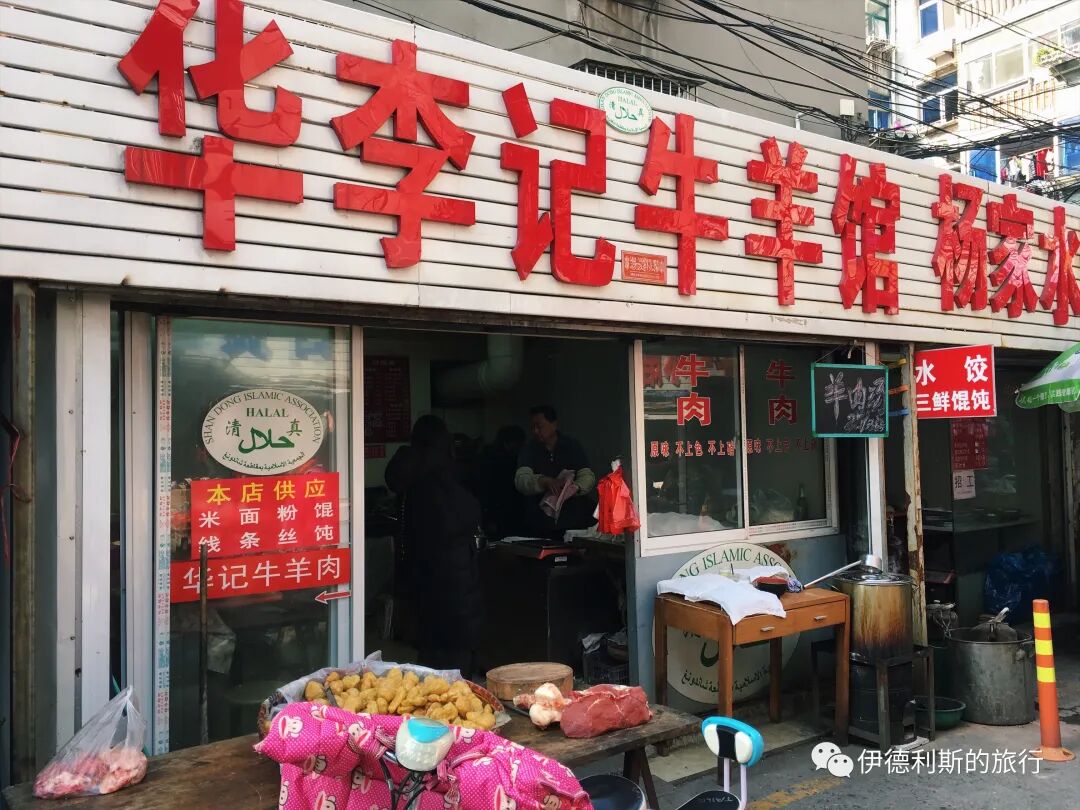
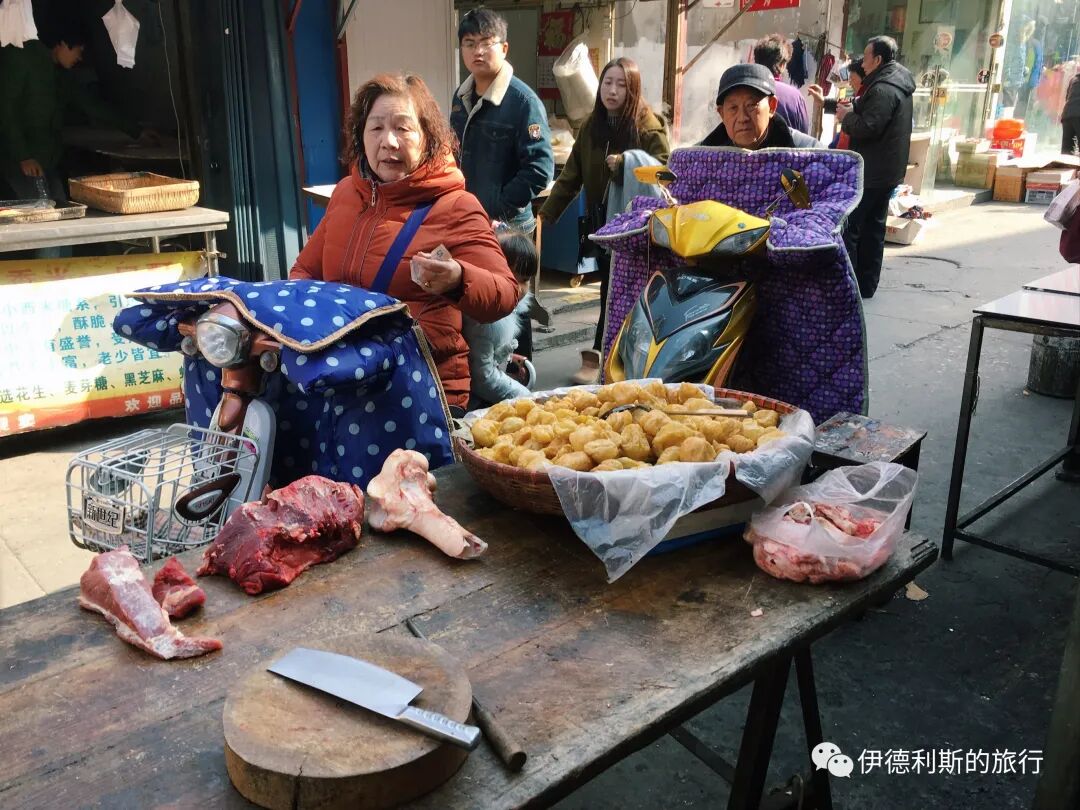
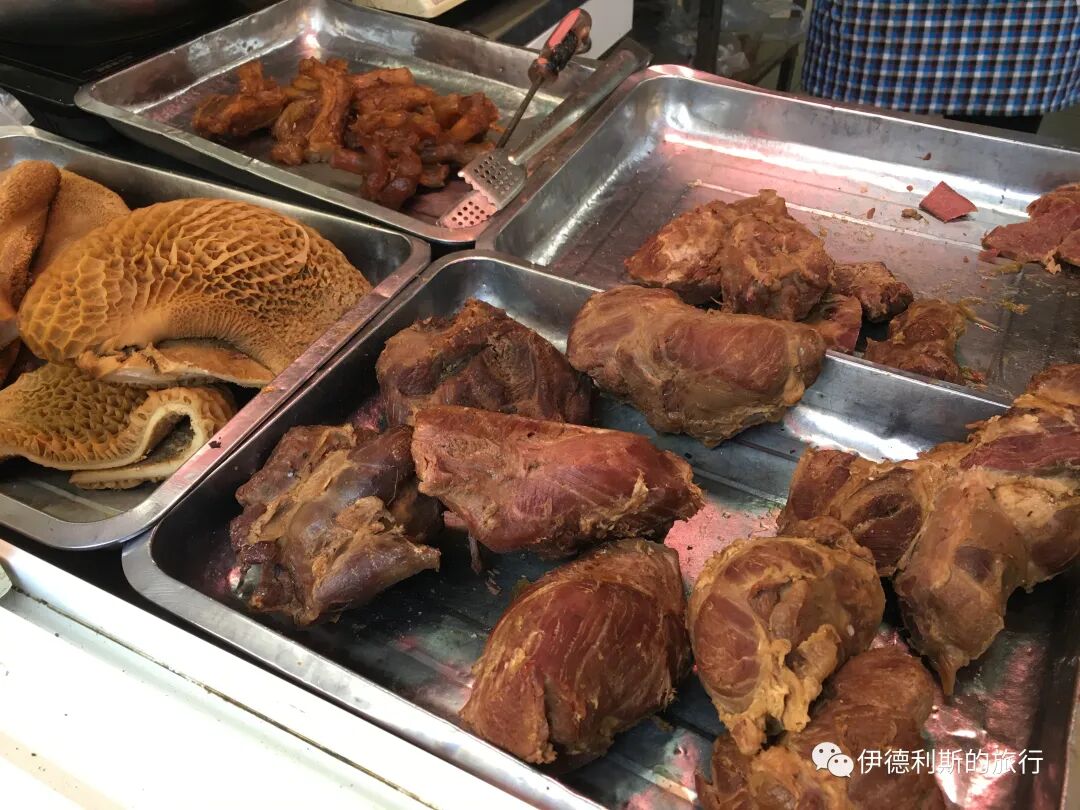
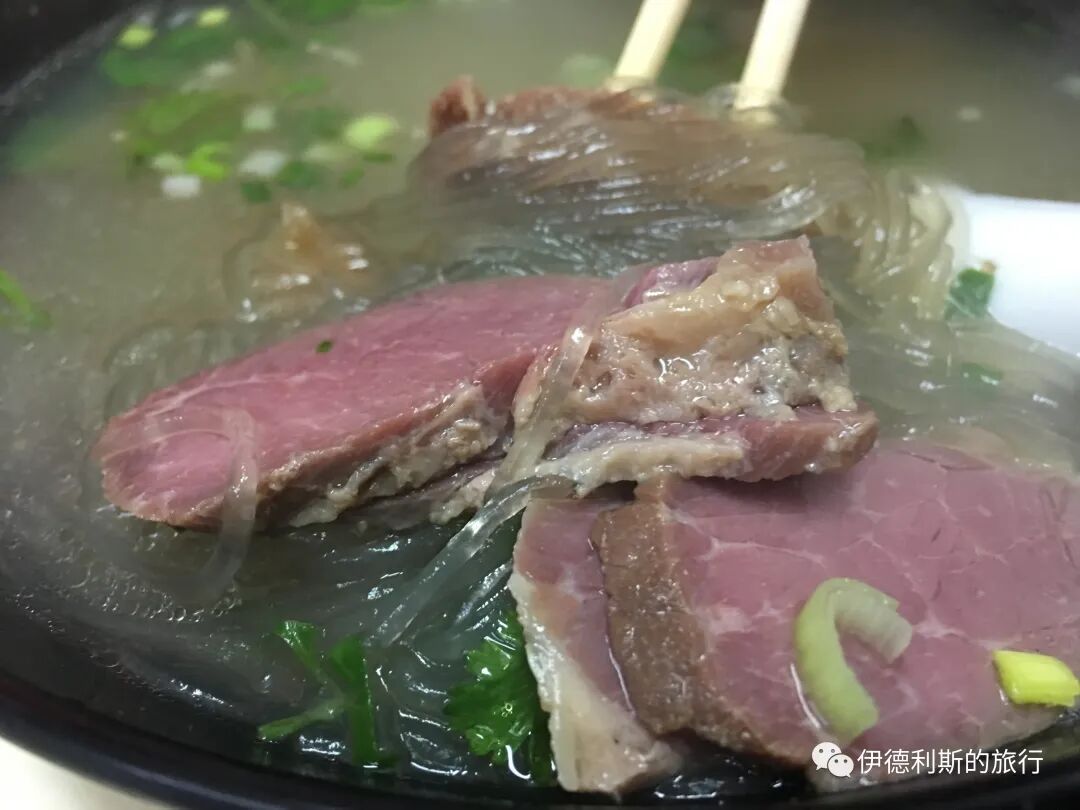
Hualiji is a family of halal butchers in Zhenjiang. They have passed down their trade for six generations since the Daoguang reign, and they moved from the Zhenjiang Mosque to Yong'an Road in 2002. I ate beef tripe vermicelli soup and beef noodles at Hualiji. The soup was slightly sweet and very refreshing, the tripe was especially chewy, and the chili was very satisfying. In short, the taste is very different from northern halal food and has its own unique style.
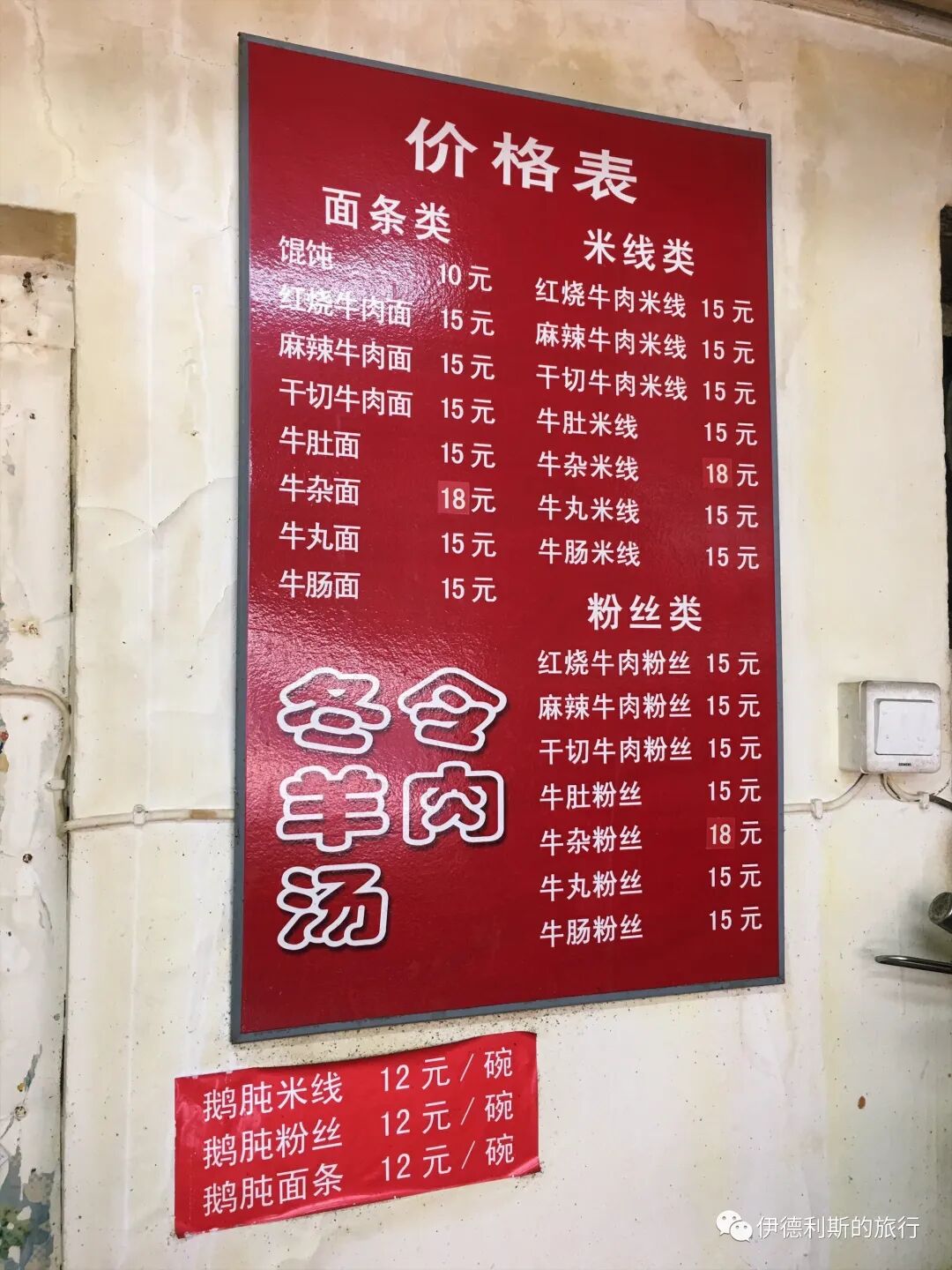
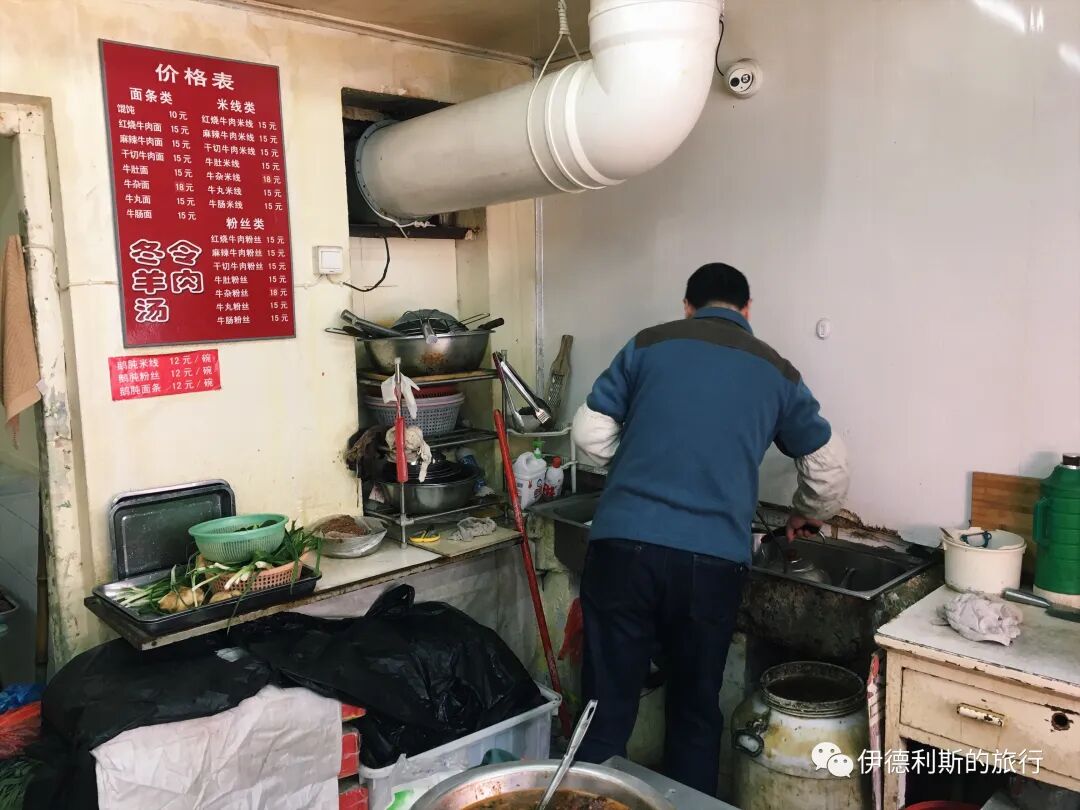
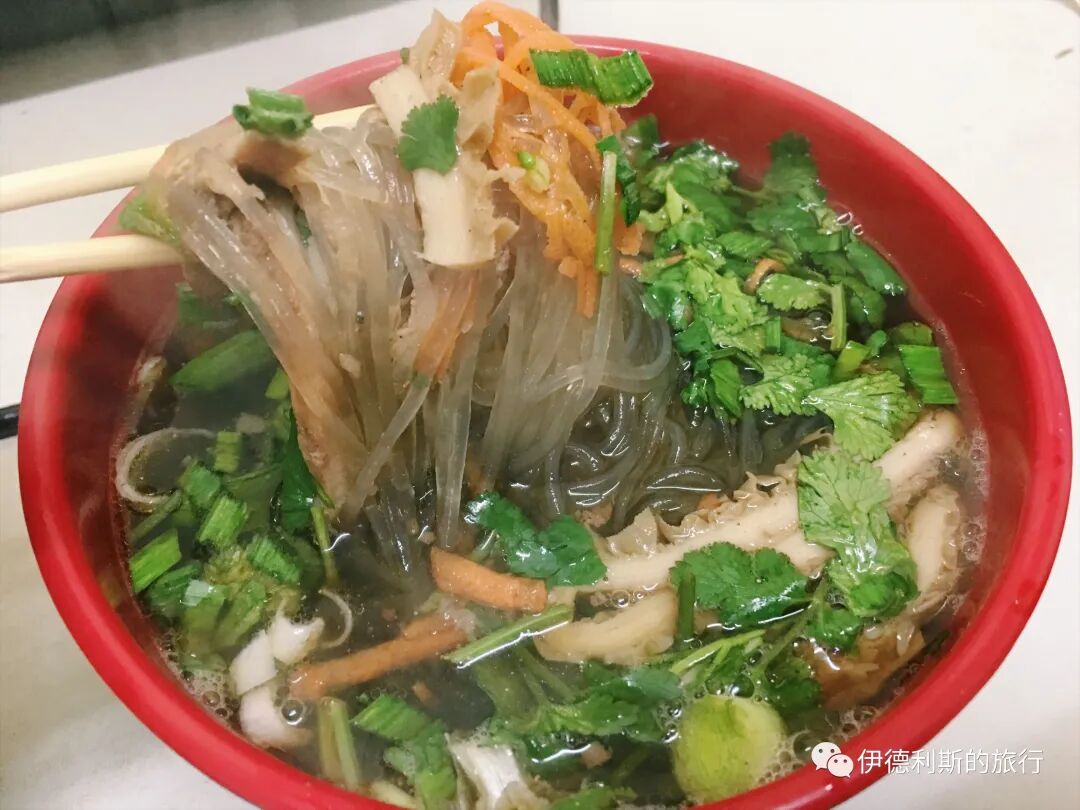
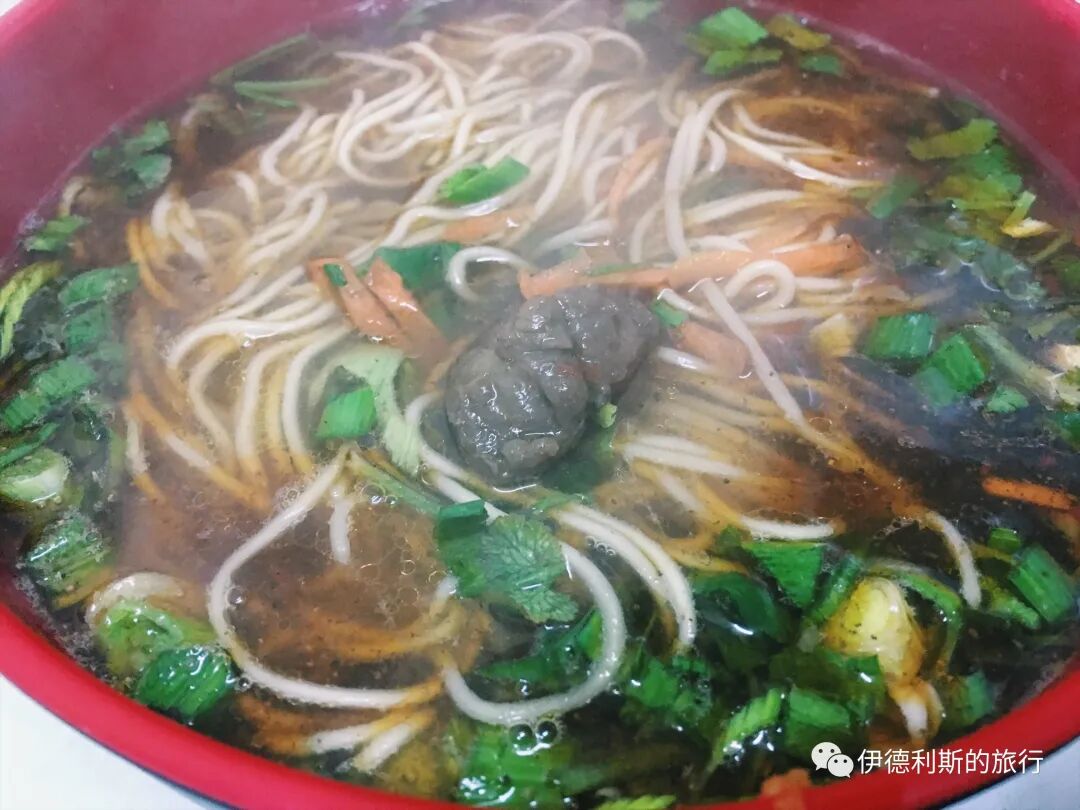
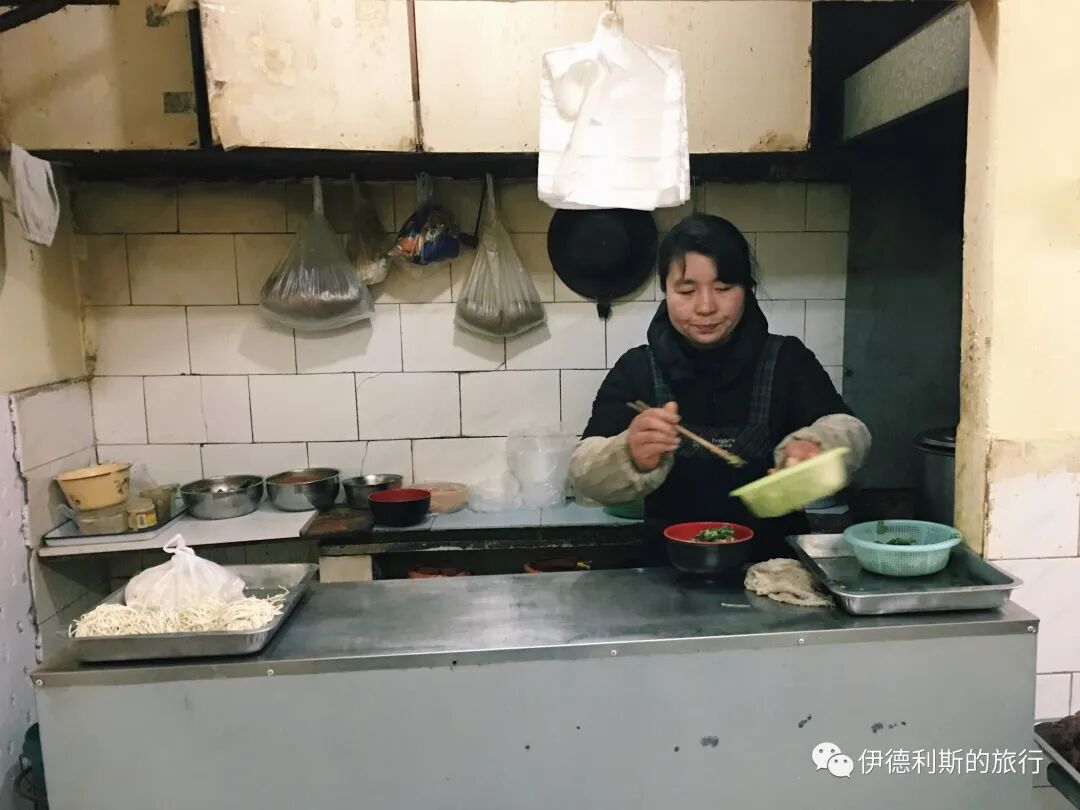
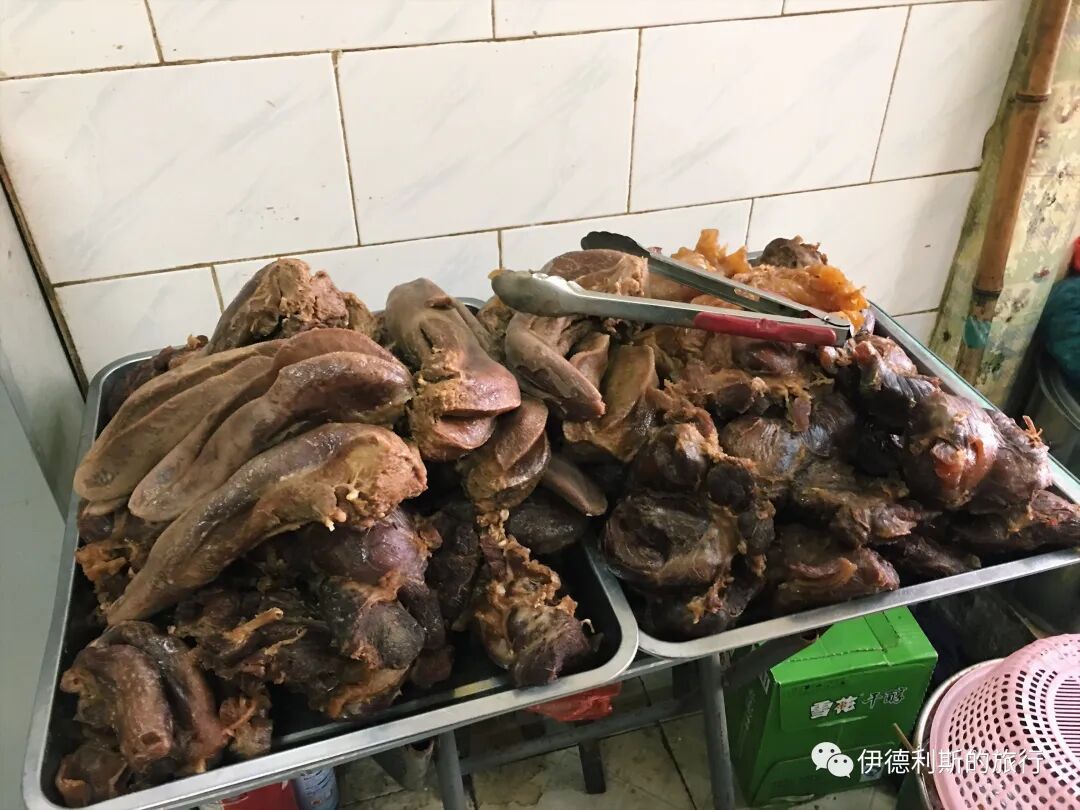
Besides the best-tasting Huali Ji, I also had beef offal vermicelli soup at Yangji Yellow Beef. The offal includes beef, beef tendon, and beef tripe. It still has that typical Jiangnan slightly sweet taste. The tendon and tripe were super delicious, but the beef was a bit like the style at Yueshengzhai and not quite as good.
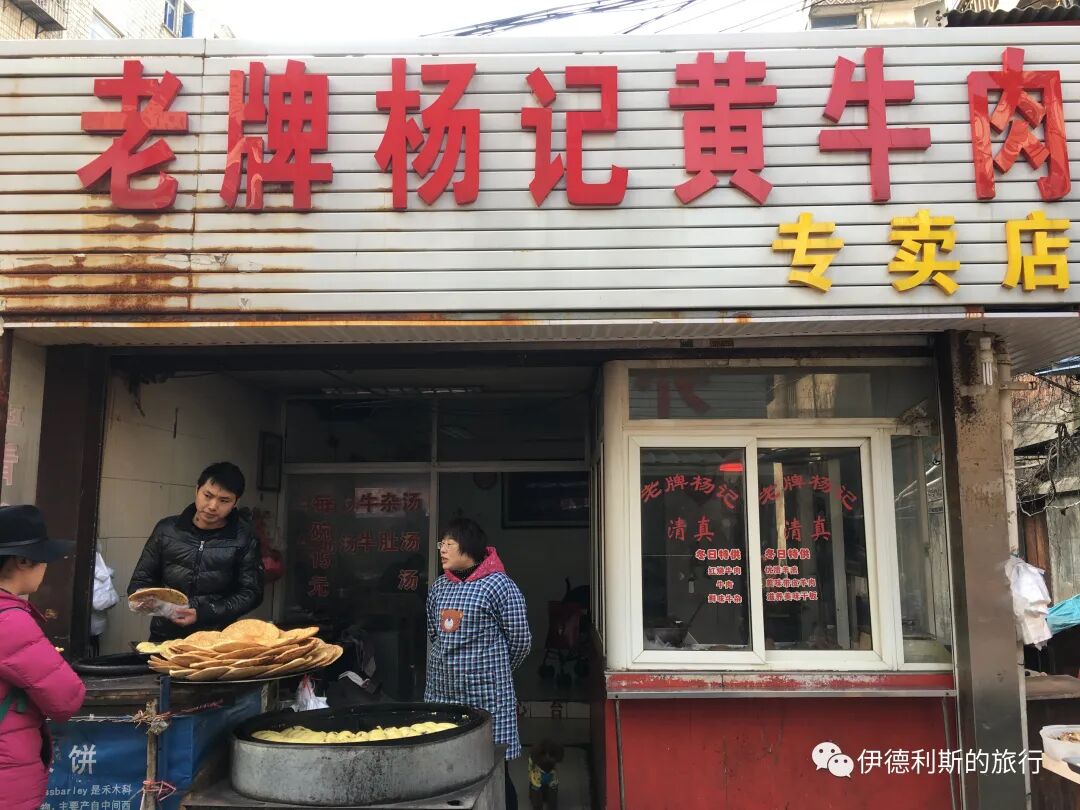
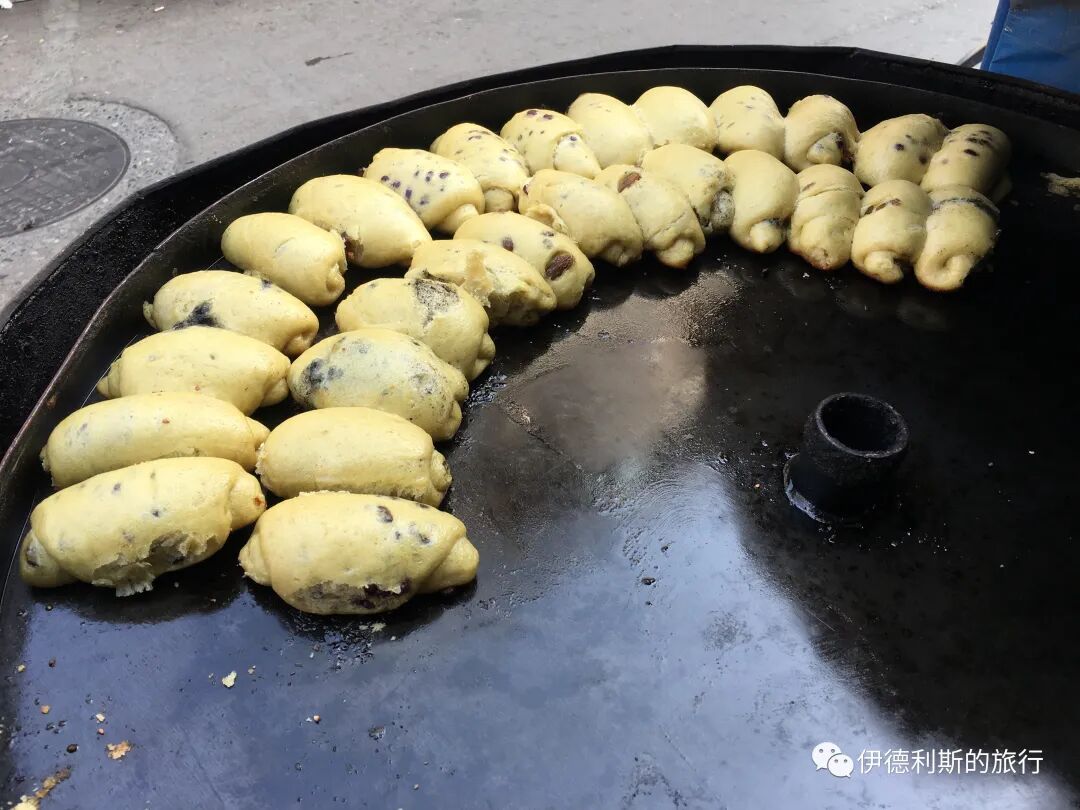
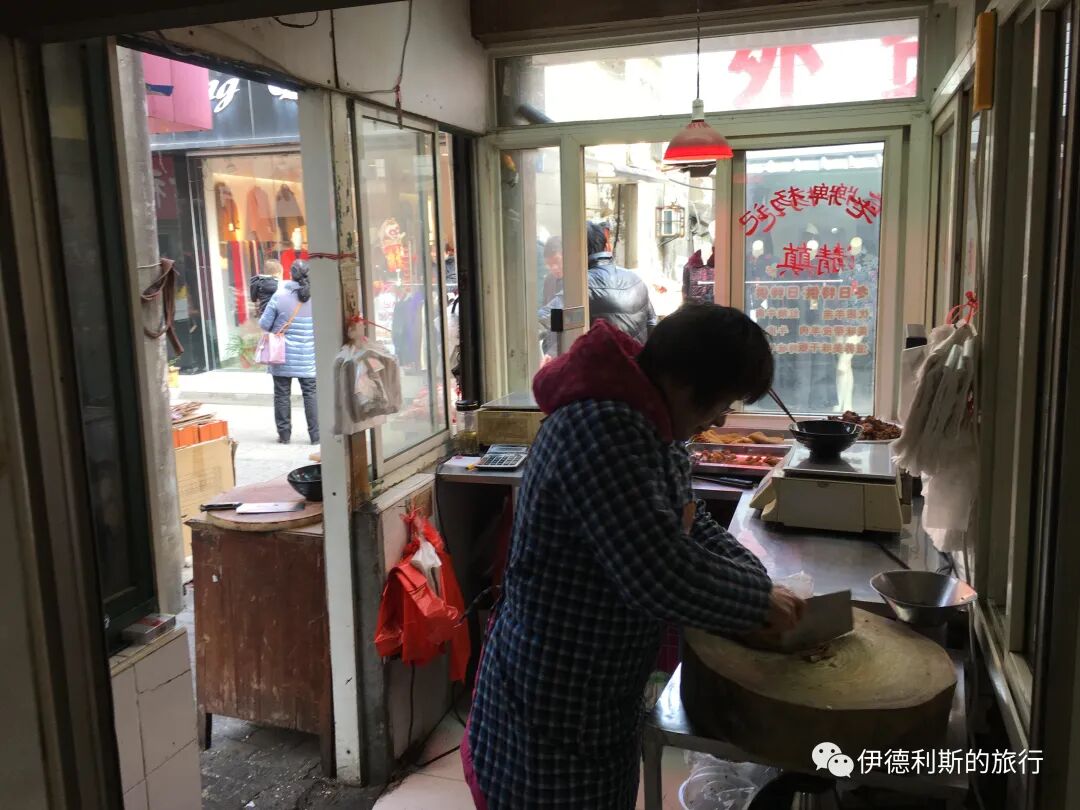
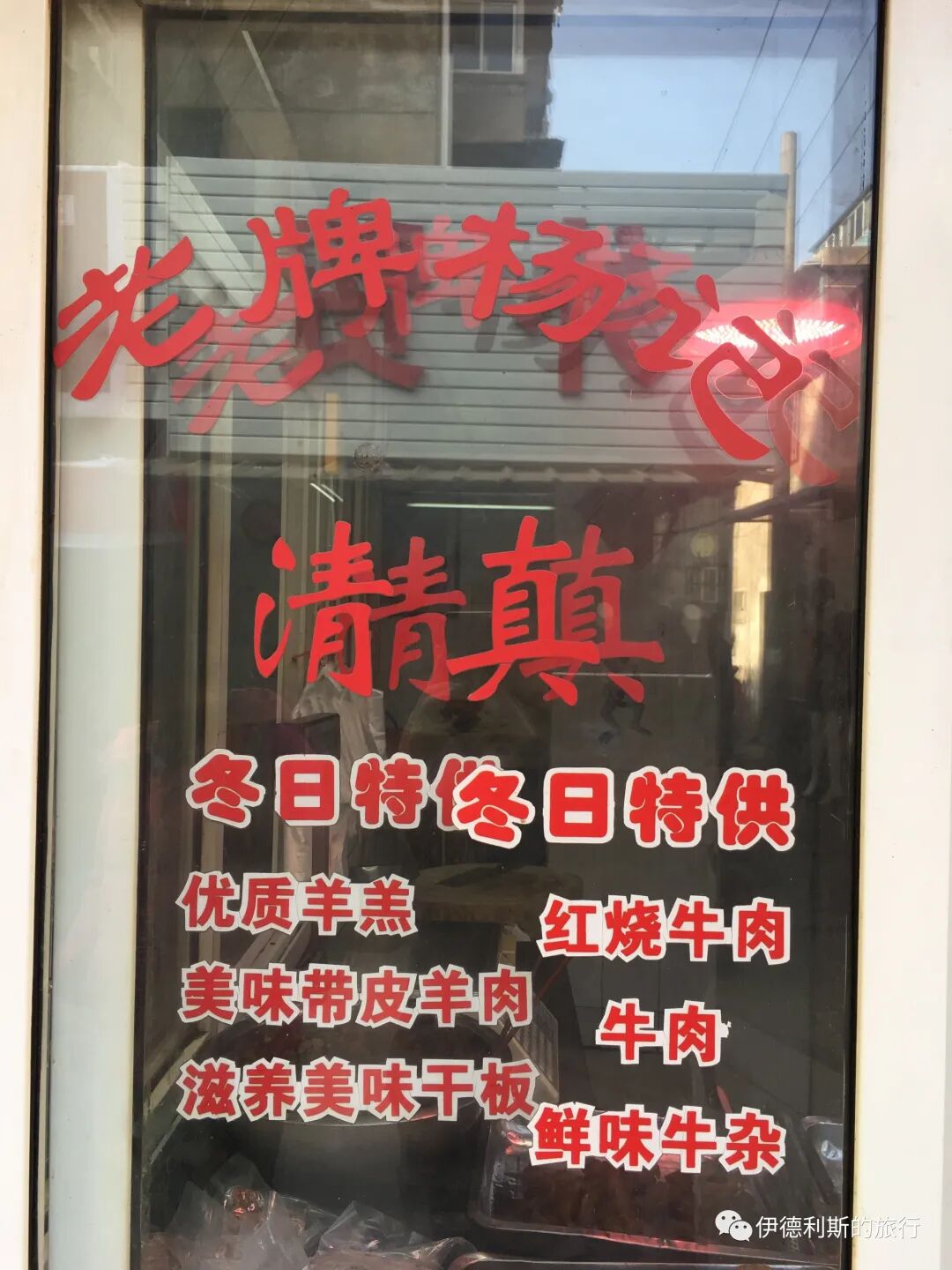
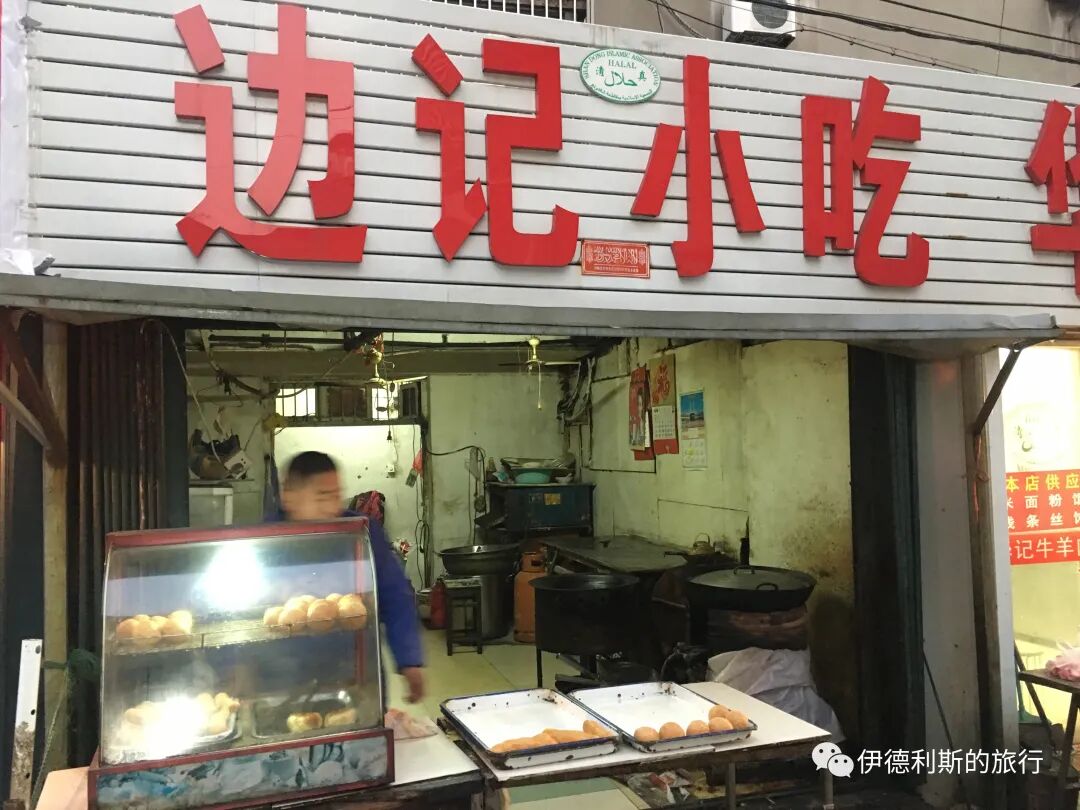
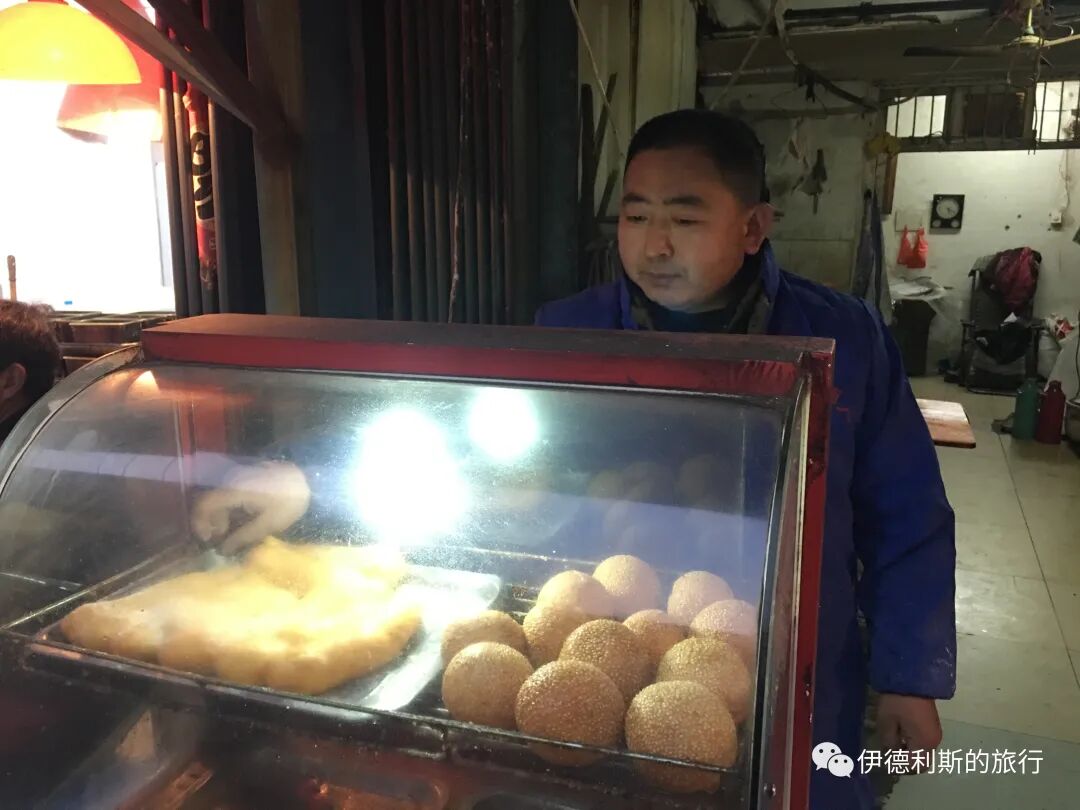
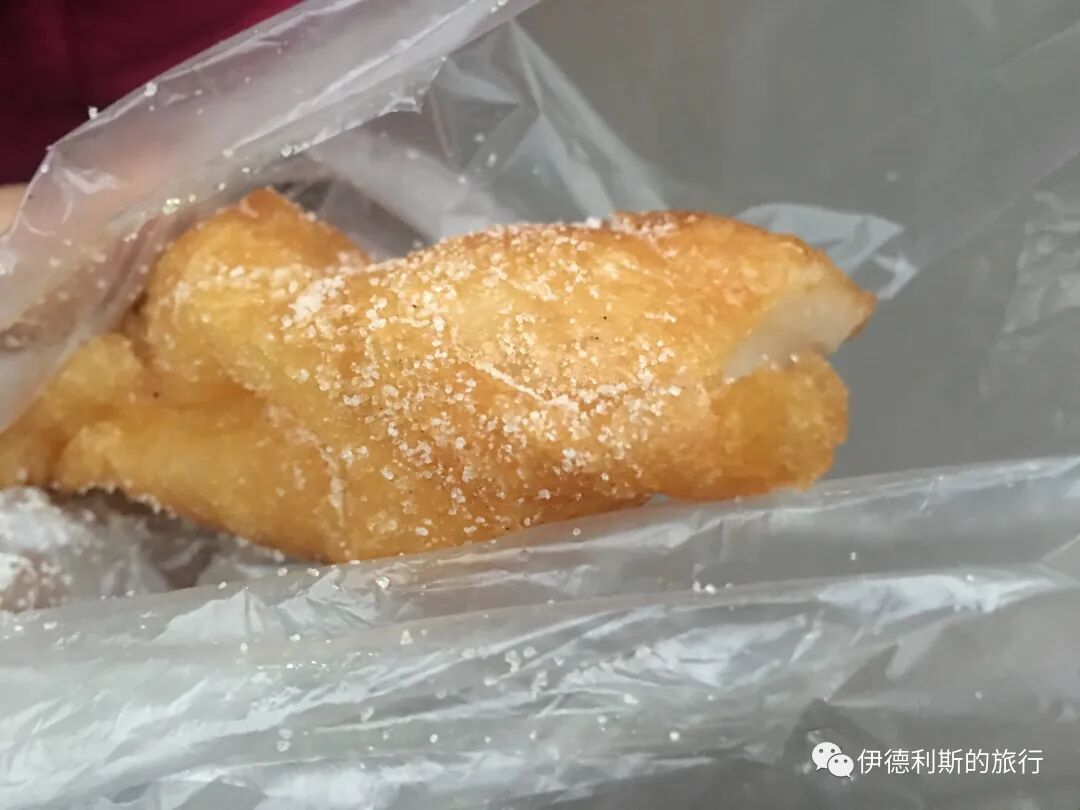
I had snow dumplings (xuejiao) at Bianji Snacks. Eating fried food always makes me happy.
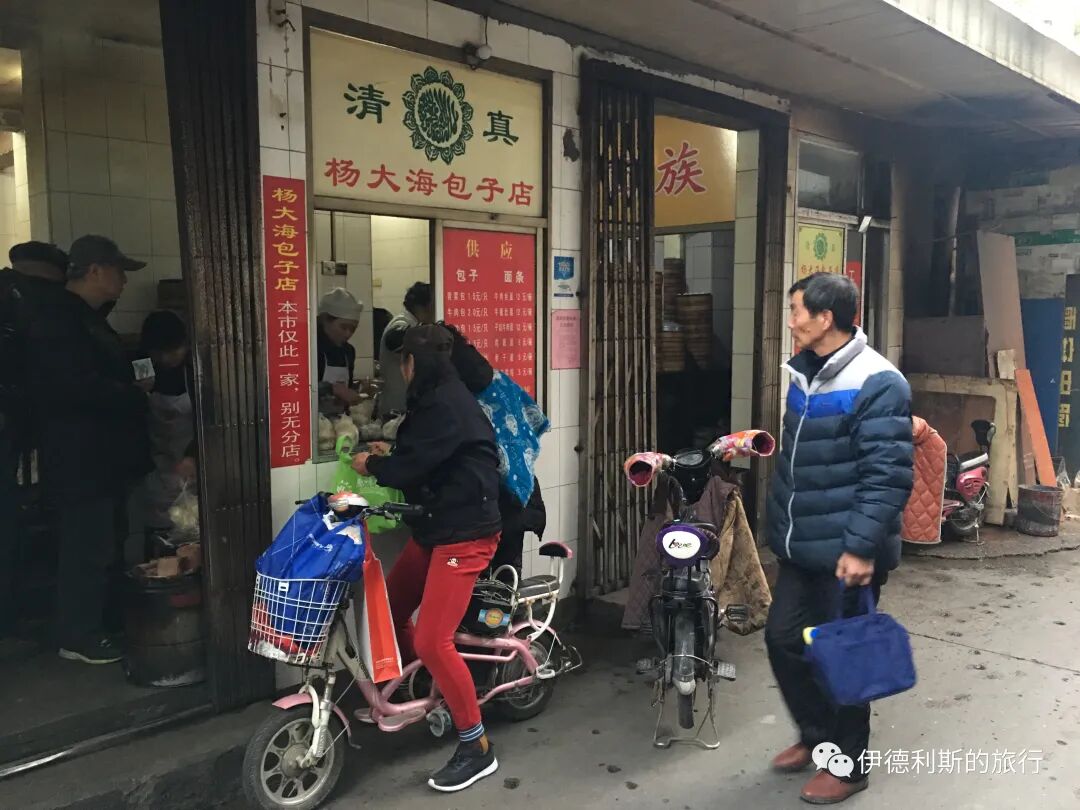
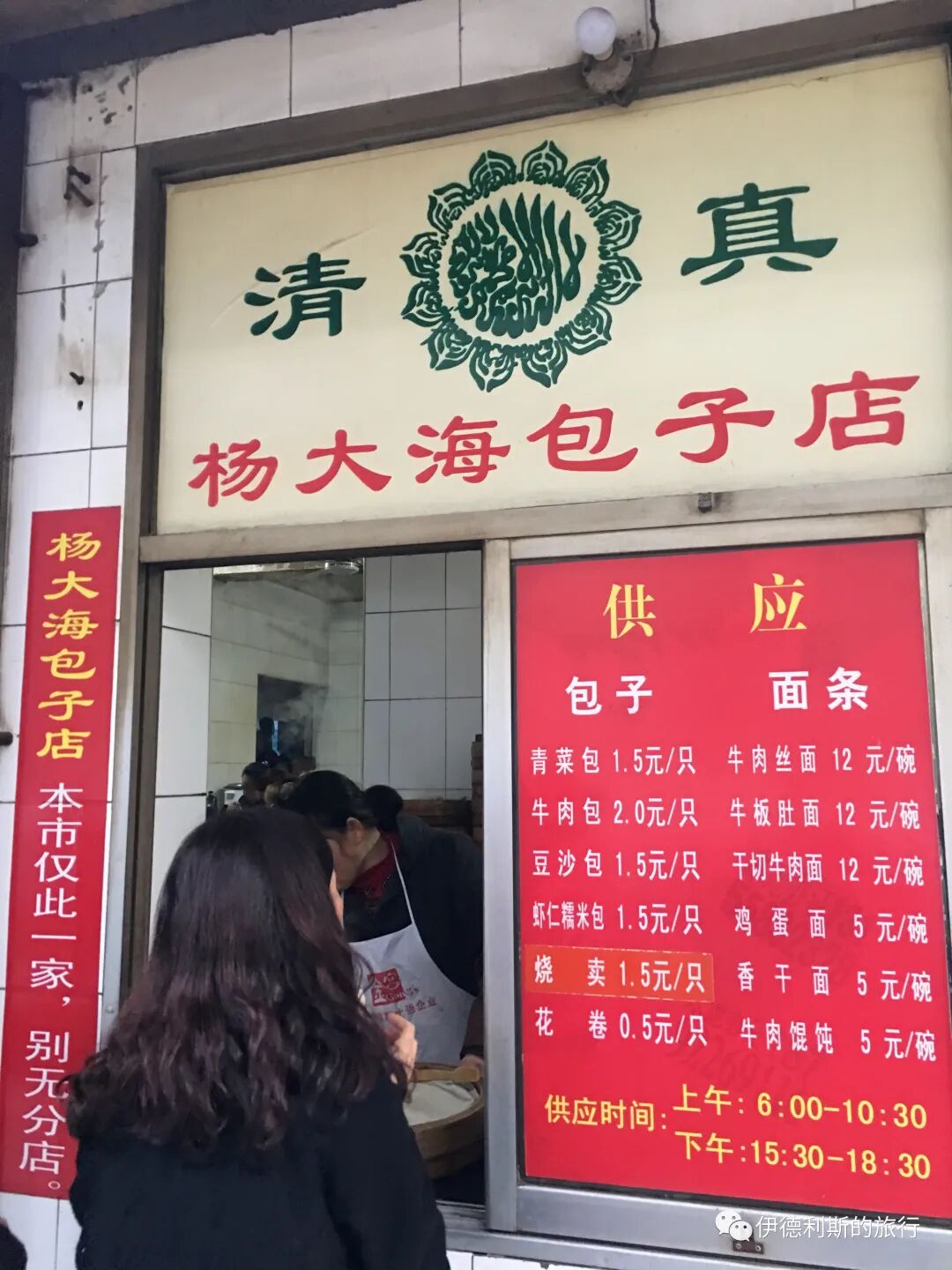
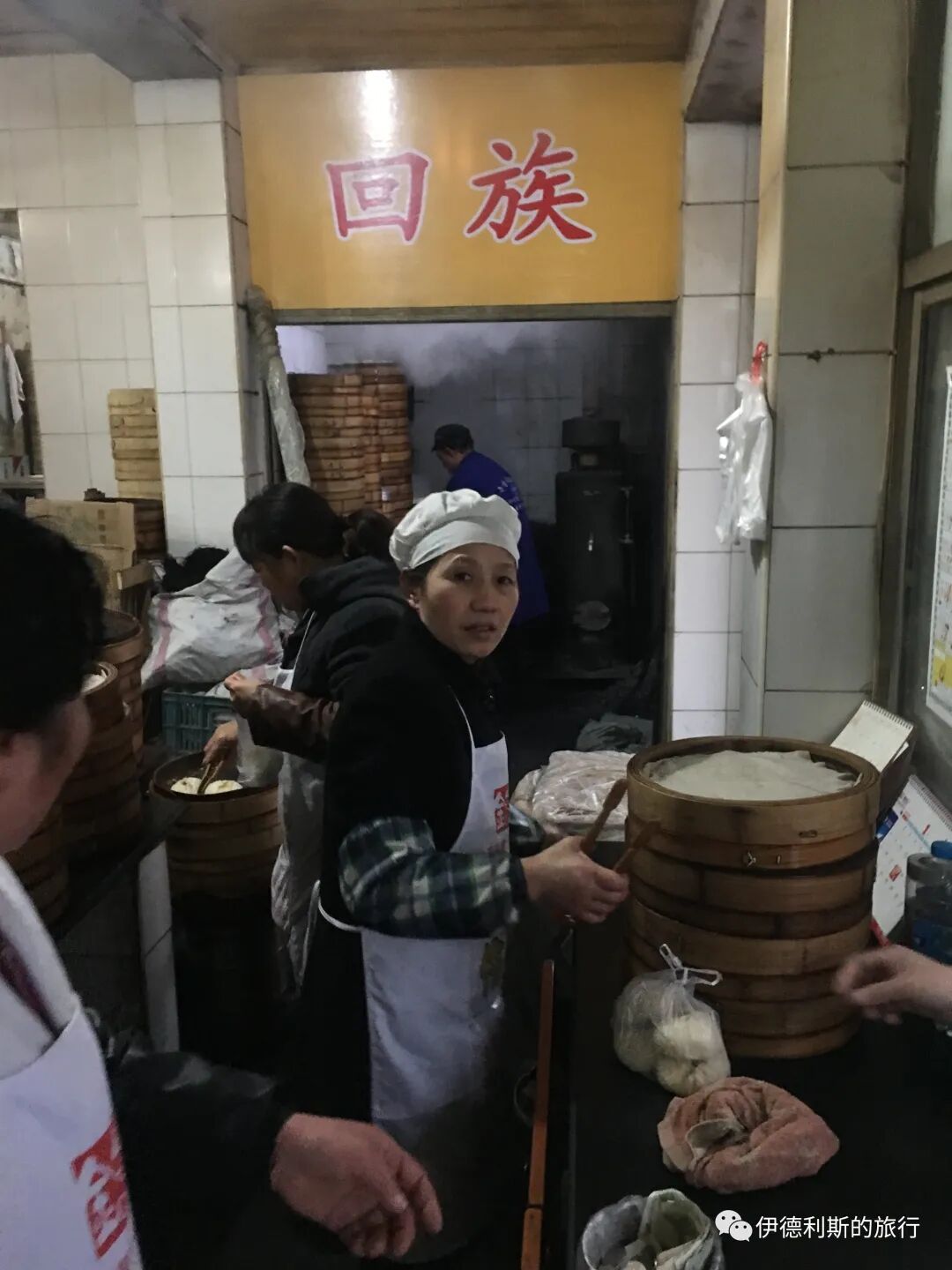
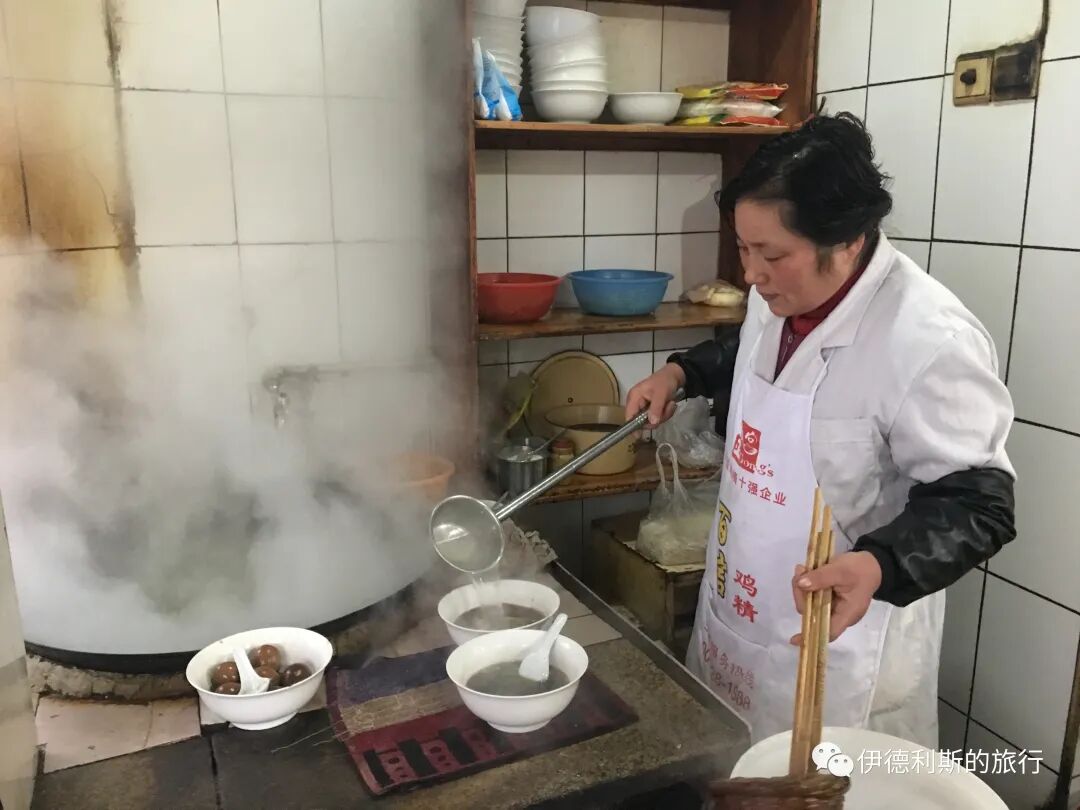
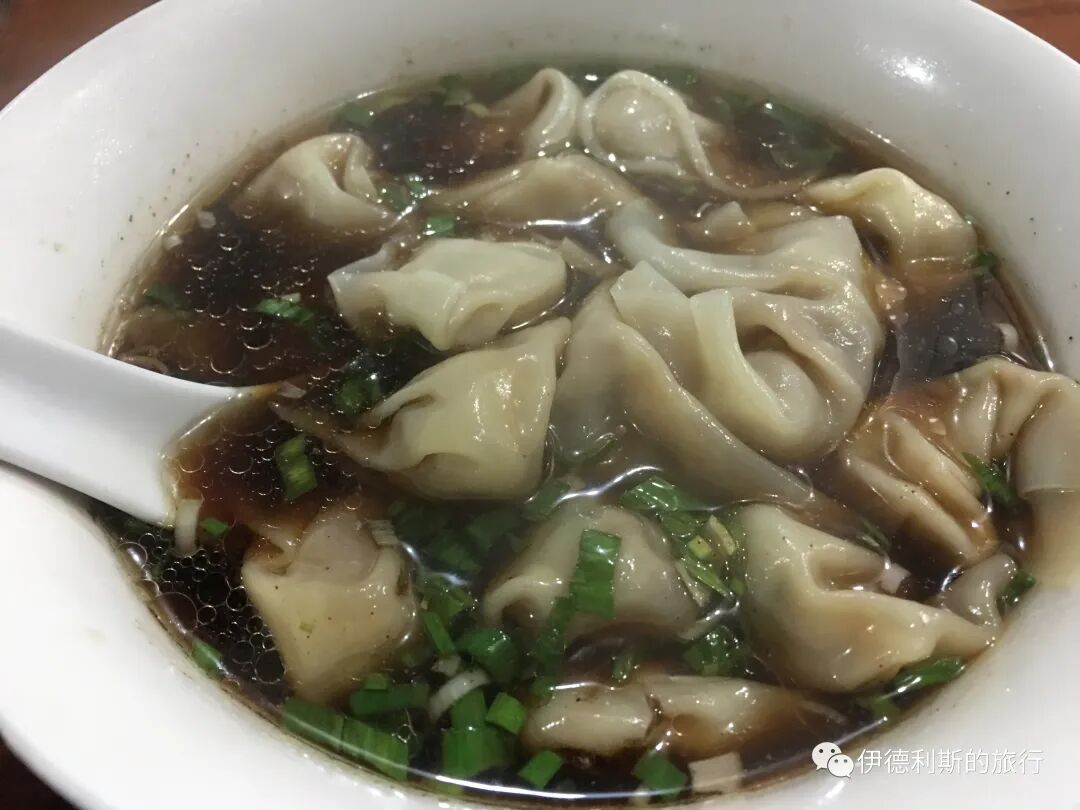
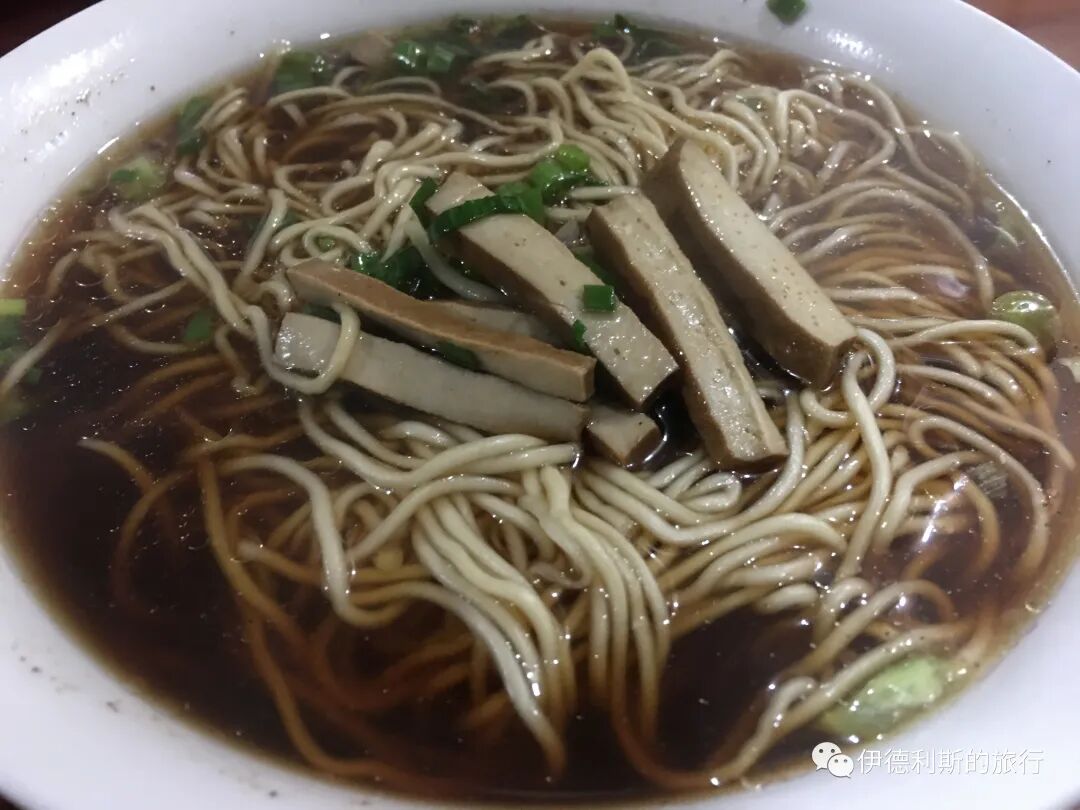
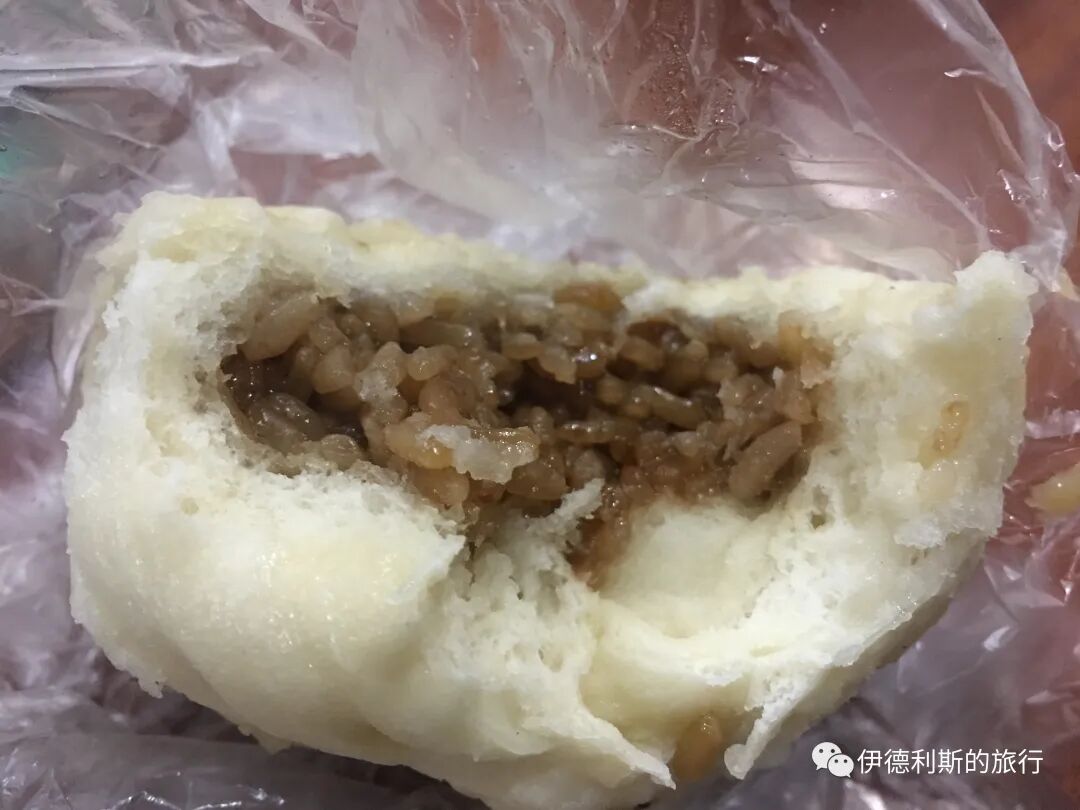
North of Jianzi Lane, in a small alley between Wangu Yiren Road and Qianqiuqiao Street, is Yang Dahai Steamed Bun Shop. They specialize in leavened dough buns, which are different from the unleavened ones common around here. We had shrimp and sticky rice buns, beef wontons, and dried tofu noodles. Everything had a slightly sweet taste, and the noodle soup was very Jiangnan. It only cost us thirteen yuan to get full, which was quite a bargain.
Muyuan Ethnic Restaurant
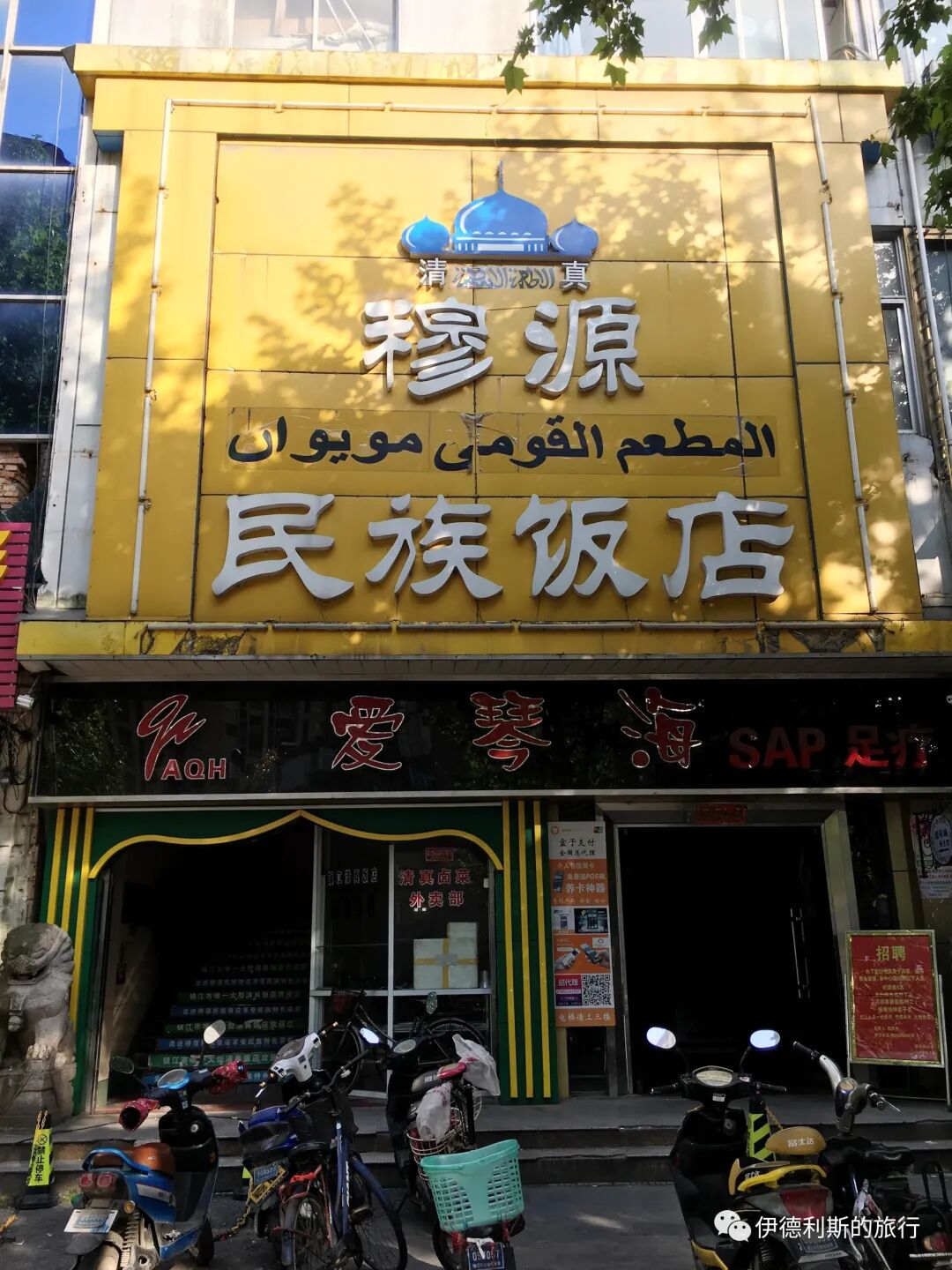
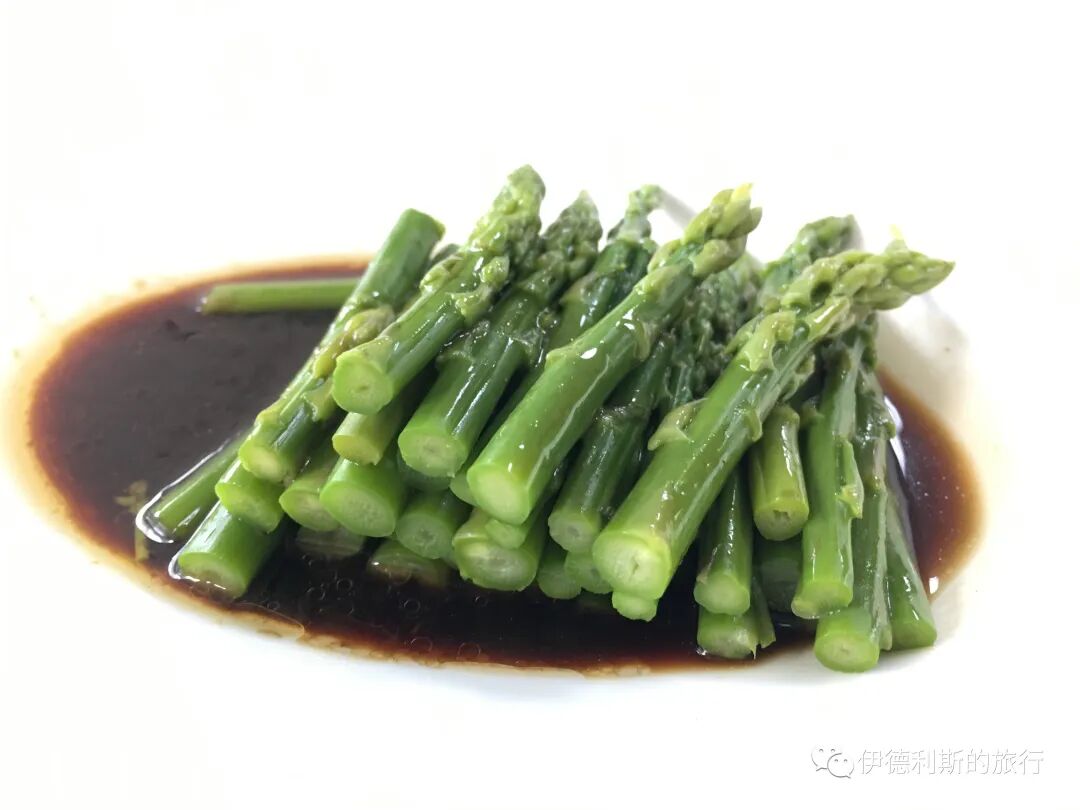
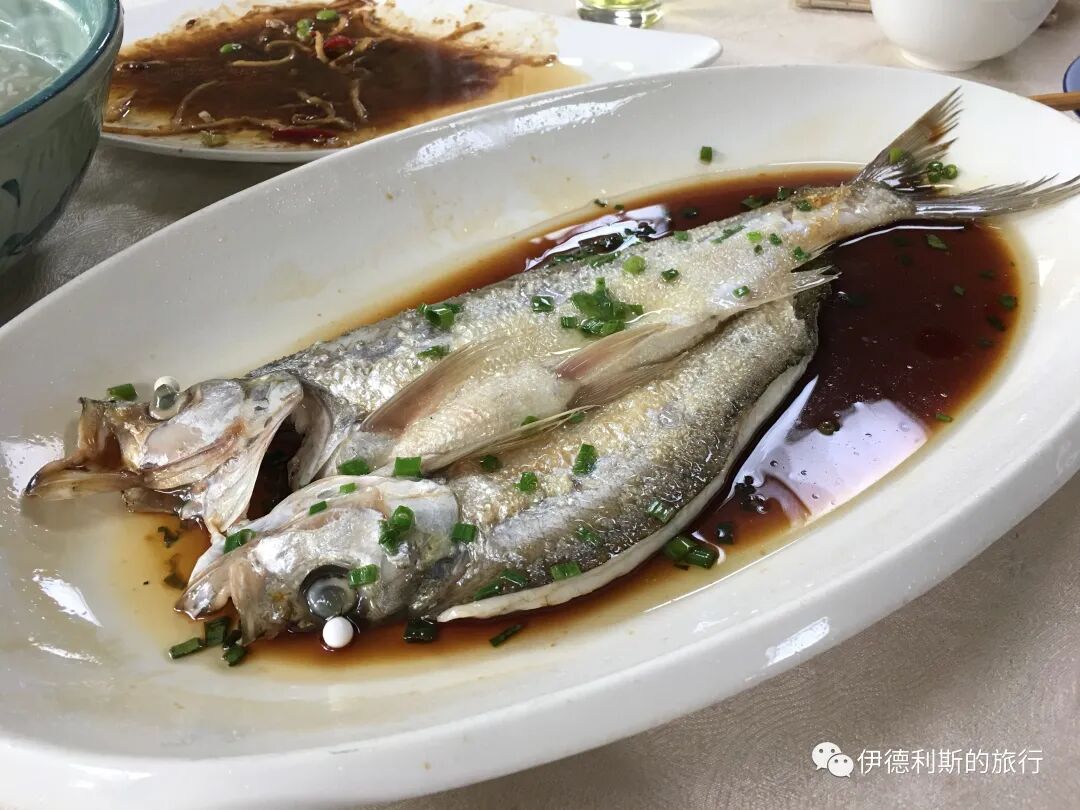
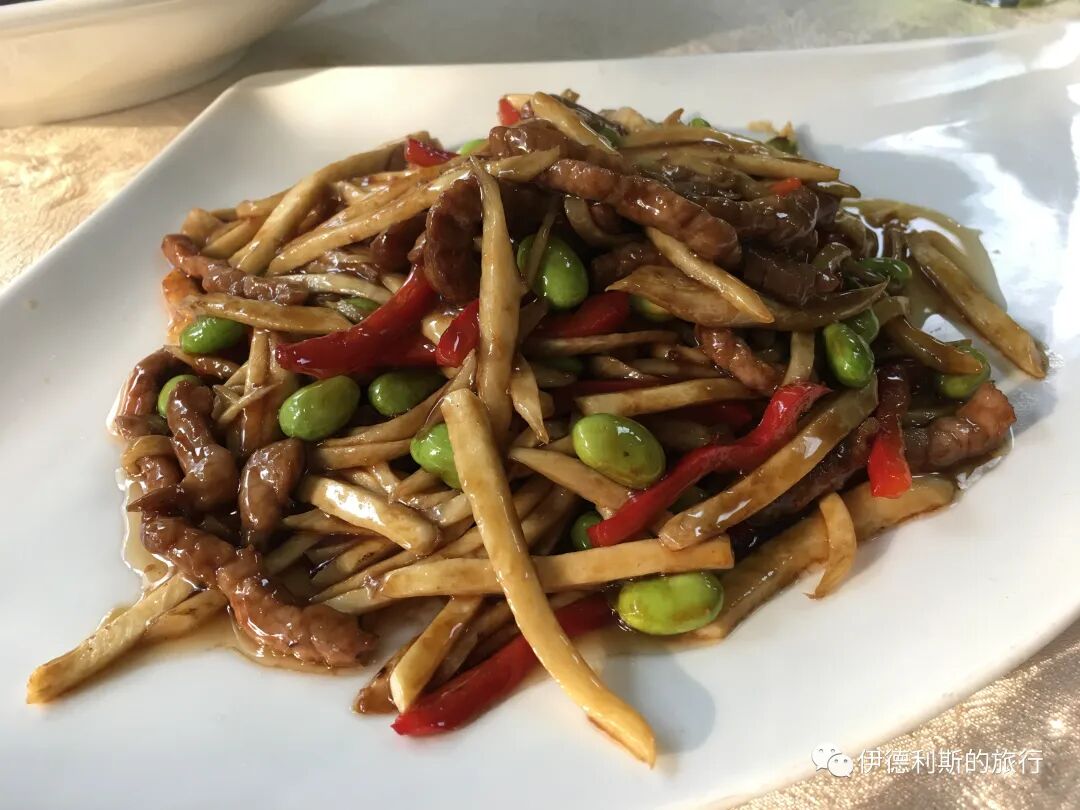
Muyuan Ethnic Restaurant is the only halal stir-fry restaurant in Zhenjiang. We ate asparagus, shredded beef with water bamboo (jiaobai), and steamed river whitefish here. The asparagus was crisp and refreshing, and the shredded beef with water bamboo went perfectly with rice. The water bamboo was sweet. The whitefish was incredibly fresh and the meat was so tender it felt like it melted in my mouth. The fish skin was also delicious.
The last halal tea snack shop in Zhenjiang
While researching before going to Zhenjiang, the thing that interested me most was a report titled 'Halal Tea Snacks in Zhenjiang'.
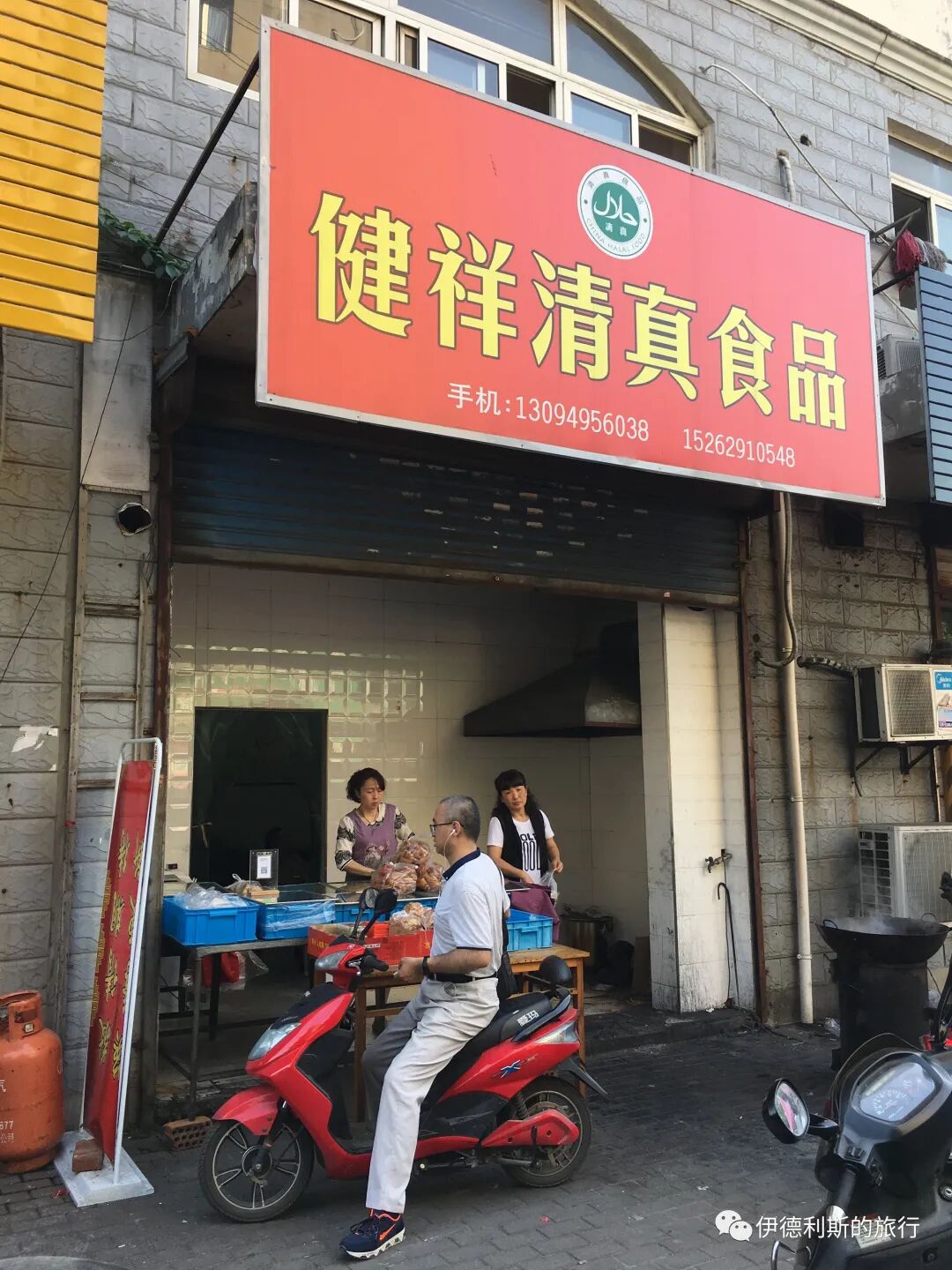
Because of this, we specifically went to the Jiangbin food market and finally found the last halal tea snack shop in Zhenjiang, Jianxiang Halal Food Factory.
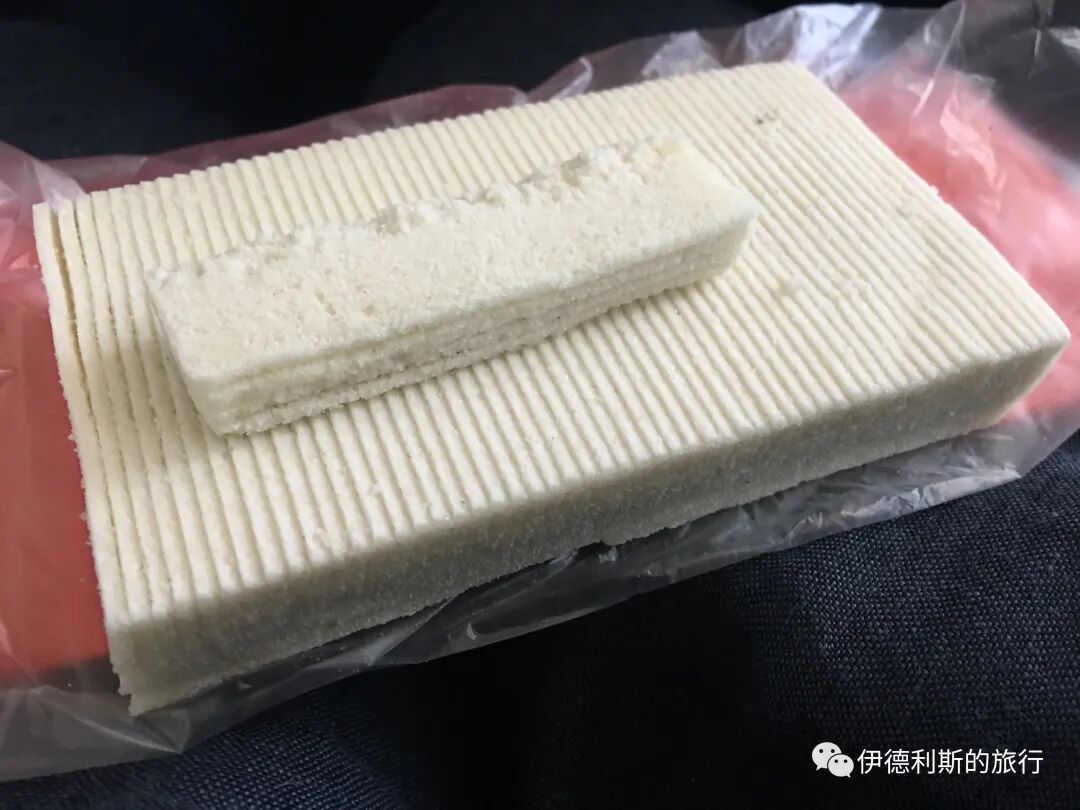
The owner, Ma Jian, was originally a worker at the Zhenjiang Pastry Factory. After being laid off in 1995, he started the Jianxiang Halal Food Factory himself and opened this current shop next to the Jiangbin food market in 2009. The owner's wife recommended their famous cloud slice cakes (yunpian gao), as well as Zhenjiang specialties like Jingjiang navel cakes (jingjiangqi) and egg crisps (jidanshu). The cloud slice cakes were so good that we finished the two boxes we bought before even returning to Beijing.
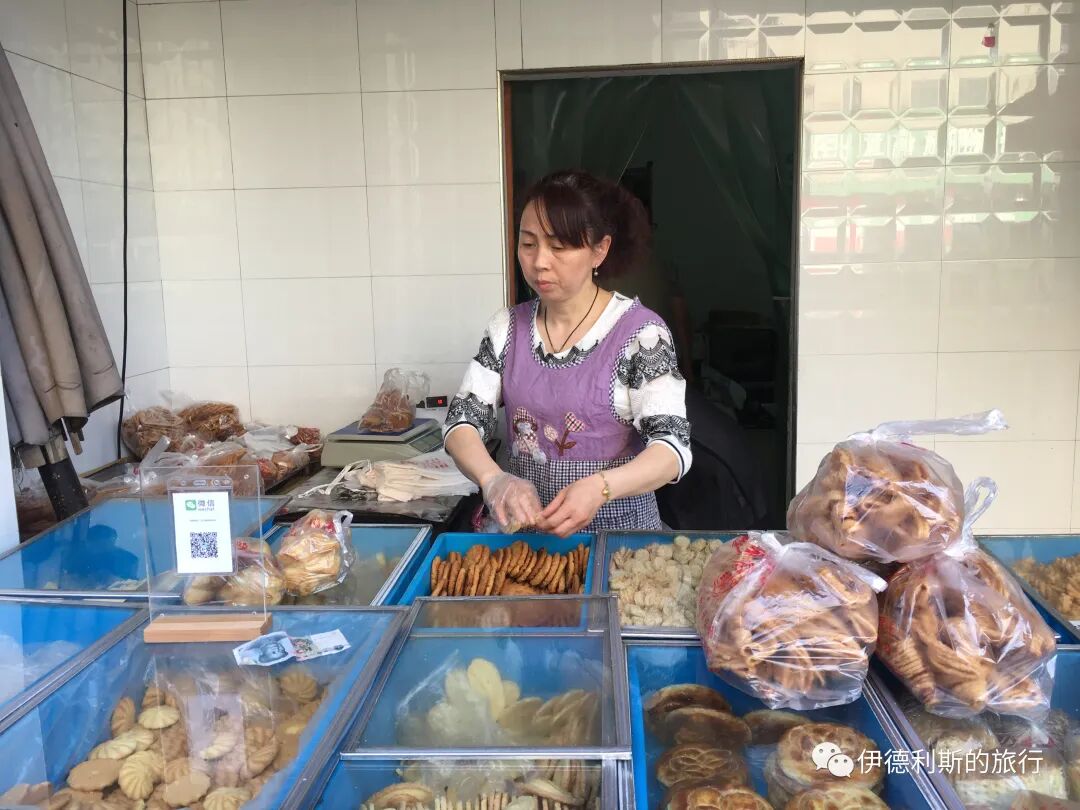
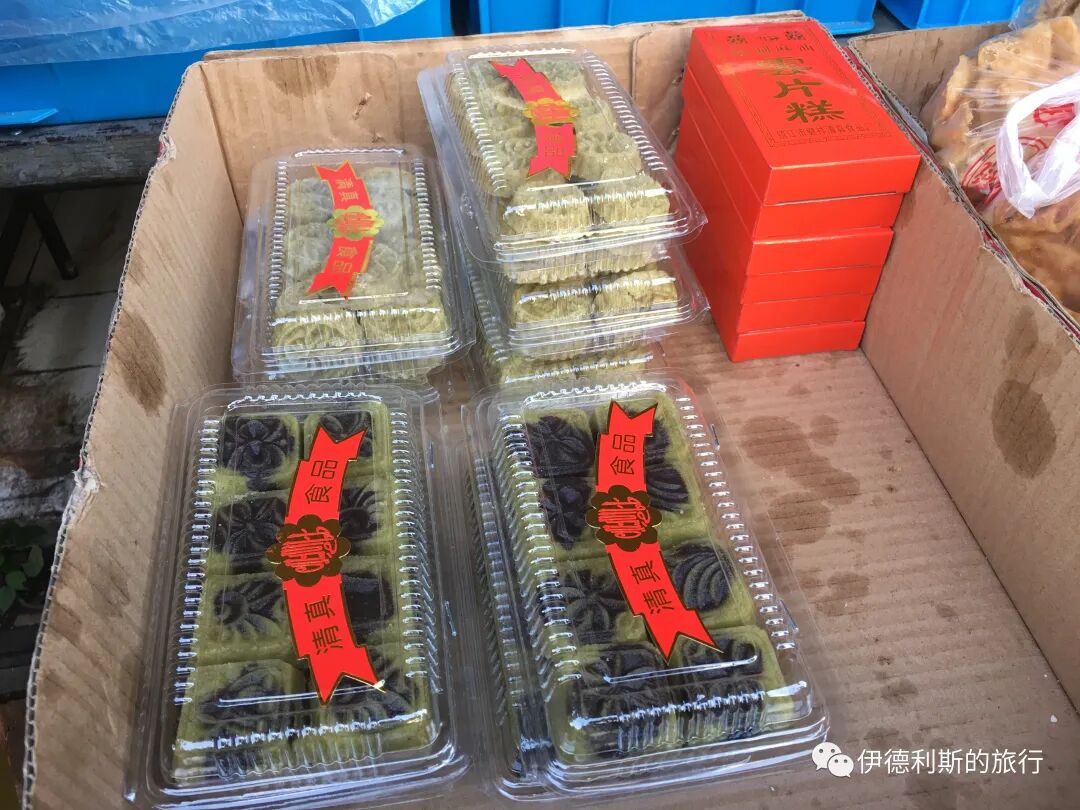
Jingjiang navel cakes are a specialty snack of Zhenjiang. The halal tea snack and pastry business in Zhenjiang was once very prosperous, with over twenty shops during its peak. In the late 1920s, there were four halal tea snack shops on Daxi Road opened by Jin Ziliang alone: Tianshengzhai, Jishengzhai, Yulinzhai, and Tianshengdong. With Yipinxiang and Jingyangzhai added to the mix, there were six halal tea snack shops within just one mile.
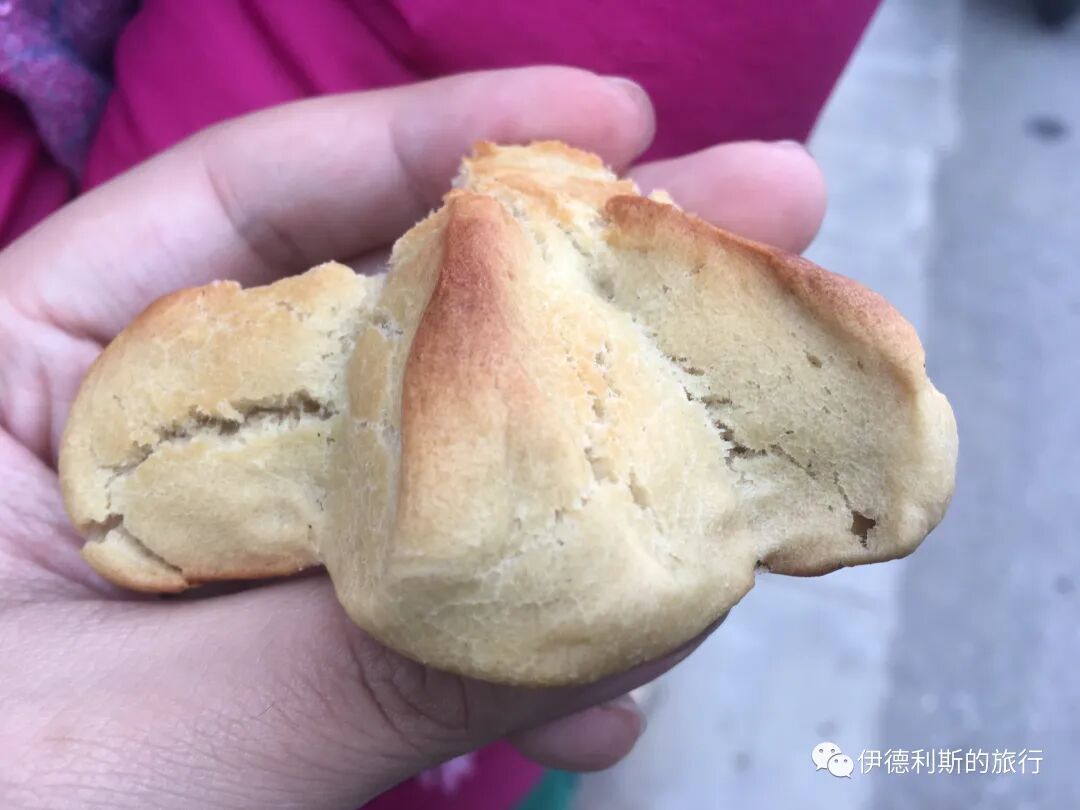
The best treat was the cloud-slice cake (yunpiangao), which you could never get enough of.
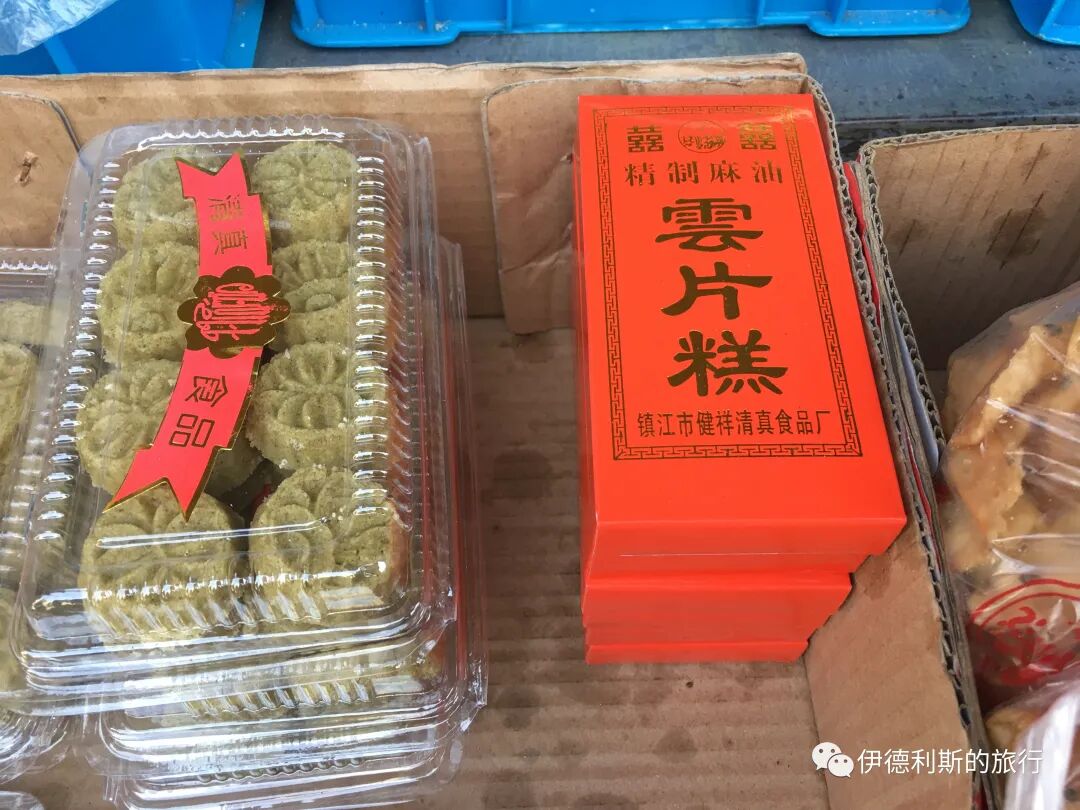
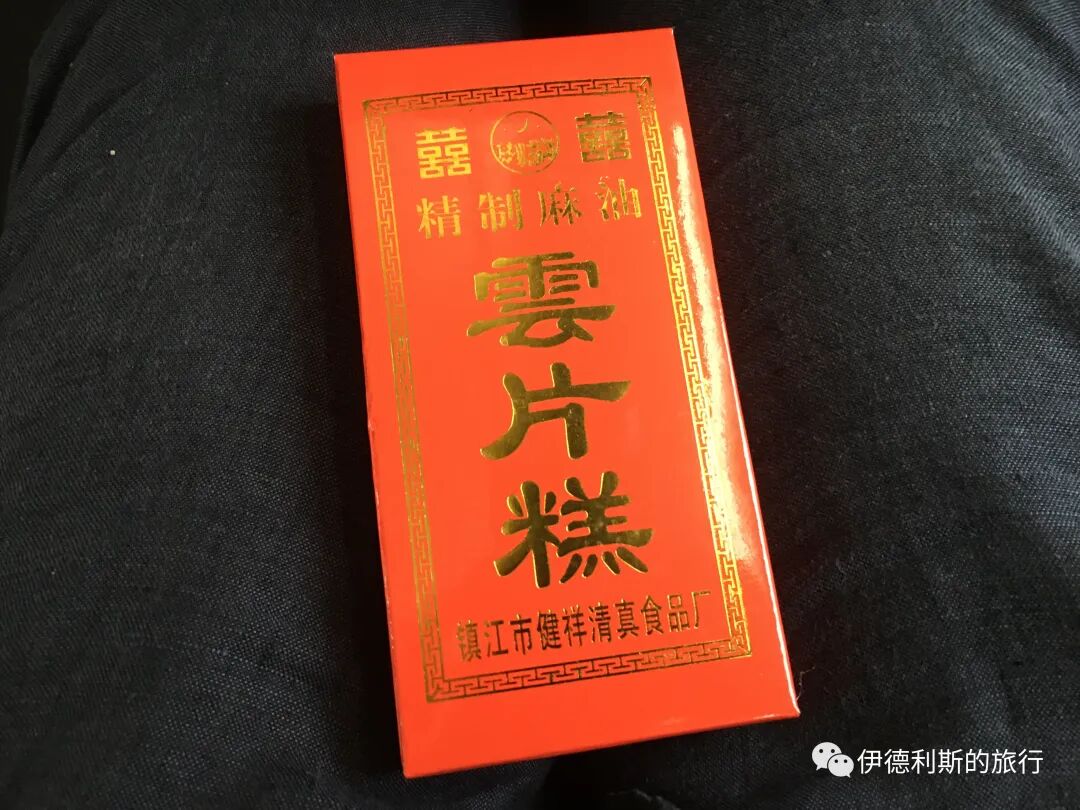
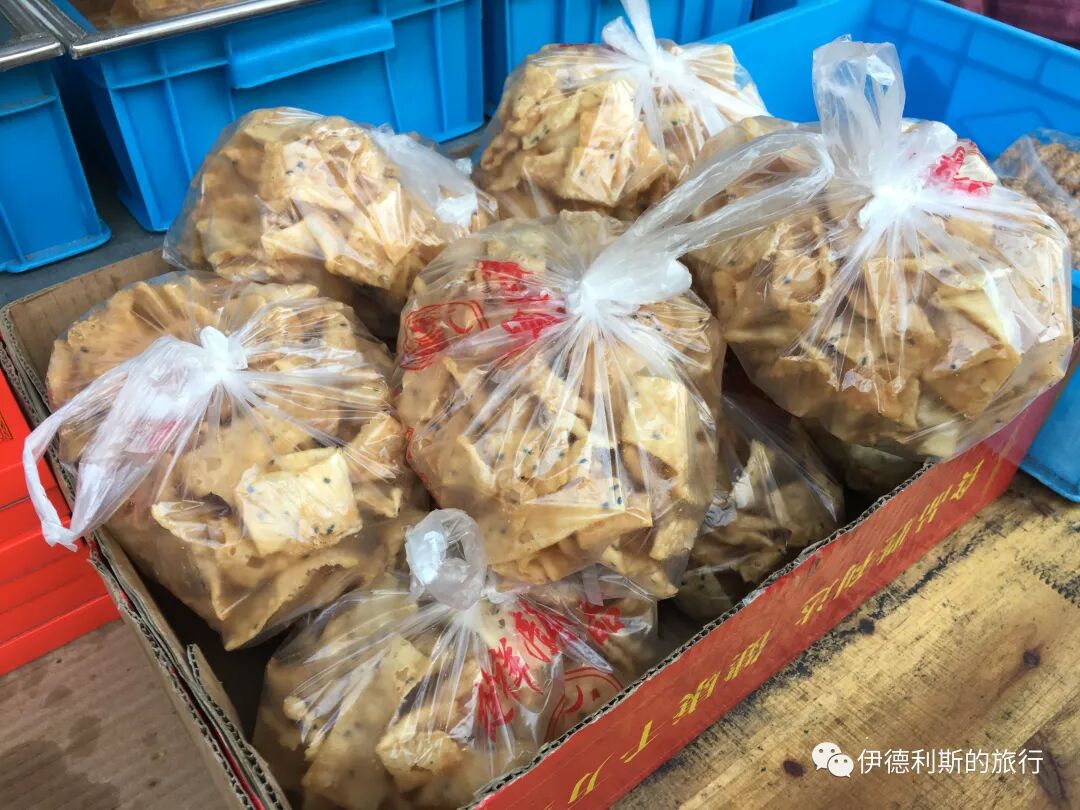
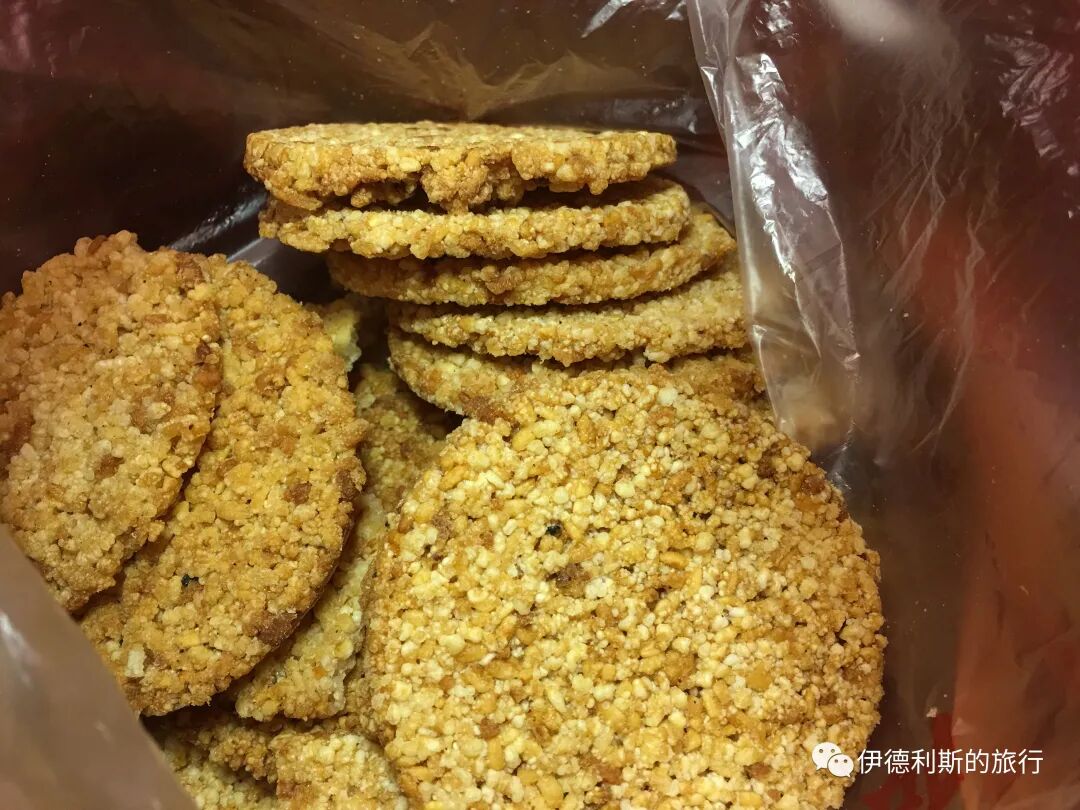
There was also delicious scorched rice (guoba).
Summary: Zhenjiang — Mosques, Muslim Heritage and Jiangsu Food is presented here as a firsthand travel account in clear English, beginning with this scene: Unlike in the north, Hui Muslim communities in the Jiangnan region fell apart rapidly after the 1950s, and halal businesses declined quickly along with them. The account keeps its focus on Zhenjiang Travel, Jiangsu Mosques, Muslim Heritage while preserving the names, places, food, and historical details from the Chinese source.
Unlike in the north, Hui Muslim communities in the Jiangnan region fell apart rapidly after the 1950s, and halal businesses declined quickly along with them. Today, Zhenjiang is one of the few cities left in Jiangnan that still has a number of local halal restaurants. I visited Zhenjiang twice to explore the food on New Year's Day and May 14, 2017. Here are my impressions of the halal scene in Zhenjiang.
Some of the information in this article about halal life in Zhenjiang comes from the posthumous work, History of Islam in Zhenjiang, Jiangsu, by Mr. Xia Rongguang. Mr. Xia was born on South Gate Street in Zhenjiang in 1909. He became the leader of the Shanxiang Mosque in 1938 and managed the work at the Xinhe Street Mosque, making him an eyewitness to Islam in Zhenjiang during the Republic of China era. Mr. Xia began organizing historical materials on Islam in Zhenjiang in the 1980s. In 1998, while on his way to submit the manuscript for this book, he passed away at the age of ninety. Through Mr. Xia's book, we can learn about the past stories of the Hui Muslims in Zhenjiang.
Where the ancient canal meets the Yangtze River.
This food tour starts with an abandoned Song Dynasty canal and an old Qing Dynasty street that is currently being demolished.
I stayed by the banks of the Yangtze River in Zhenjiang, where the river surface was hidden in the morning mist as far as the eye could see. However, there were no ships on the water because the main channel of the Yangtze had already shifted north, and this area was no longer the main river.
The scene described in the poem, Jingkou and Guazhou are separated by a single stretch of water, began to change during the middle and late Qing Dynasty. Toward the end of the Kangxi reign, the south bank of the Yangtze between Zhenjiang and Guazhou began to silt up while the north bank collapsed, causing the river to shift steadily northward. River beaches and sandbars slowly but irreversibly appeared on the Zhenjiang side, while the Guazhou riverbank on the north side kept collapsing. Finally, in 1895 (the 21st year of the Guangxu reign), the entire ancient city of Guazhou collapsed into the river, and its former bustling streets and famous gardens were all swept away by the current.
Although the riverfront at Zhenjiang was gradually surrounded by the newly formed Zhenrunzhou island, the port of Zhenjiang maintained a normal navigable depth of 4 meters until 1954. After the massive Yangtze River flood in 1954, Zhengrun Island expanded significantly, and Zhenjiang Port was blocked by sandbars, turning it into a U-shaped harbor.
After walking a short distance, you reach Xiaojingkou, the meeting point of the Grand Canal and the Yangtze River.
The original meeting point of the Grand Canal, built by Emperor Yang of Sui, was called Dajingkou. In 1029 (the seventh year of the Tiansheng era of the Song Dynasty), a new canal was dug east of the old one, and the point where this new canal met the Yangtze River was named Xiaojingkou. In 1954, workers cleared and dredged Xiaojingkou, and in 1957, they built a sluice gate. However, the water level at Xiaojingkou is usually less than 1.6 meters, and during the dry season, it drops to only 0.5 meters, meaning it can basically only handle small boats. In 1958, work began to improve the Grand Canal, and Jianbikou was designated as the meeting point between the Grand Canal and the south bank of the Yangtze River. In 1960, Jianbikou was widened and dredged, and Xiaojingkou stopped being used for shipping.
New Canal (Xinhe)
After the New Canal was dug, it gradually became an important hub for grain transport, and Xinhe Street formed along the riverbank. After Zhenjiang opened as a treaty port in 1861, Xinhe Street became even more prosperous, with all kinds of shops opening up. The Shanghai-Nanjing Railway opened in 1908, and the ferry between Zhenjiang and Liuwei started in 1923. The area along the river near the train station was very busy with travelers coming and going, and Xinhe Street, which connected to the Subei Road, reached its peak of prosperity. Until the Zhenjiang-Yangzhou ferry opened in 1978 and the old Zhenjiang train station moved, Xinhe Street gradually declined and was slowly forgotten.
The place we are talking about today is a mosque on Xinhe Street, which is also the only Ikhwan mosque in Jiangsu Province—the Xinhe Street Mosque.
The Xinhe Street Mosque was built in 1930. Hui Muslims in Zhenjiang also used to call it the "Jinde Association." It was originally a private residence purchased with donations from Muslims in both Shanghai and Zhenjiang, so it is a traditional Jiangnan-style house with three courtyards and two side wings.
The Ikhwan, also called the New Sect (Xinhang), means "brothers" in Arabic. It was founded by Ma Wanfu from Guoyuan Township in Linxia after he returned from his pilgrimage to Mecca in the late 19th century, and it was later carried on by Hu Songshan. The Ikhwan sect advocates following the scriptures and reforming customs, insisting that everything should be done according to the teachings of the Quran and Sunnah. They opposed some of the customs of the old Gedimu sect at the time, such as wearing mourning clothes and calling the adhan when moving into a new house.
The Ikhwan sect spread to the Jiangnan region in the 1920s. In 1926, Imam Ha Decheng and others started the Jindehui organization at the Xiaotaoyuan Mosque in Shanghai to promote the Ikhwani teachings. Fa Jiesan (1872-1958), a Hui Muslim from Zhenjiang who traveled to Shanghai, discussed the teachings with Imam Ha Decheng. He accepted the Ikhwani ideas and returned to Zhenjiang to practice his worship at home according to Ikhwani rituals. Later, funds were raised in both Shanghai and Zhenjiang to build an Ikhwani mosque on Xinhe Street.
After the Ikhwani sect arrived in Zhenjiang, it was generally hard for the middle-aged and elderly to accept, but many young people embraced it. At that time, the new and old sects lived in peace and practiced side by side.
The old Xinhe Street Mosque had a stone plaque above the main gate carved with the words "Mosque" (Huijiaotang), but it no longer exists today. The current building is a three-bay, three-courtyard structure with side rooms. There is a covered courtyard between the first and second sections, a garden gate connecting the second and third sections, and the third section is a two-story building.
The Zhenjiang Jindehui held dinners every Saturday night after namaz. They invited an imam to give a sermon (wa'az). Anyone who came to listen was invited to eat, and the costs were covered by members who hired the imam to perform memorial services for their ancestors.
The Jindehui also used winter and summer breaks to organize a "Hui Muslim Children's Scripture Class," and Hui Muslims from all sects sent their children there to study.
After the mosque was built, many famous imams were hired to lead the religious affairs. In 1947, the famous Li Zhenji, also known as Imam Li Si from Anhui, came to the Xinhe Street Mosque from the Luohe Mosque in Henan. According to Mr. Xia Rongguang, Imam Li Si was nearly 70 years old at the time. He had a kind and gentle face and a refined manner. When he explained the teachings, listeners of all levels could find inspiration in his words. Because of this, more and more elders from other neighborhoods came to the mosque for Jumu'ah prayers. In the autumn of 1949, Imam Li Si returned to Luohe from Zhenjiang.
In 1950, 43-year-old Imam Zhang Zhushu came to the Xinhe Street Mosque to serve as the head imam. Imam Zhang Zhushu was from Xiangfan, Hubei. Mr. Xia Rongguang remembered him as a man who was well-versed in religious teachings and had deep modern knowledge. When he taught, he connected the lessons to real life. His language was vivid and easy to understand, attracting both ordinary elders and intellectuals. Local Muslims in Zhenjiang praised him as an imam of the new era. In 1953, Imam Zhang Shuzhu left Zhenjiang after being invited to serve as the imam at the Fuyou Road Mosque in Shanghai.
After that, an elder named Tan Jizhen managed prayers and affairs at the Xinhe Street Mosque until it merged with the Shanxiang Mosque in 1958. It later became a dormitory for a forestry machinery factory and has been abandoned ever since.
Besides the mosque, there were many other important buildings on Xinhe Street. The Jingtai Guild Hall (Jingtaigongsuo) was built during the Tongzhi reign as a meeting place for merchants from Jing County and Taiping County in Anhui who were living in Zhenjiang.
The Rice Industry Guild Hall (Miyegongsuo) was the largest building on Xinhe Street and served as the trade association for the rice industry. This four-section building with a central hallway was once the only major rice market in the lower Yangtze River region, and daily market prices were set here.
Zhenjiang has seen severe and rapid destruction of its historic districts and cultural relics, and Xinhe Street could not escape this fate. In 2016, Xinhe Street faced demolition and was slated for development into a commercial street, with only a few historic buildings preserved. I returned to Zhenjiang five months later in May 2017. The north entrance of Xinhe Street was already closed, and excavators were clearing the building ruins.
Shanxiang Mosque
Leaving Xinhe Street, we headed toward Shanxiang.
We passed a halal food shop run by a Hui Muslim family named Hua. The Hua family moved to Zhenjiang from Taierzhuang, Shandong, during the Taiping Rebellion. The Taiping Rebellion caused heavy damage to Zhenjiang and a sharp drop in population. Many people from the north moved in, which is a key reason why Zhenjiang eventually shifted from a Wu-speaking area to a Jianghuai Mandarin-speaking area.
Walking further west, we arrived at Shanxiang. Shanxiang was once a famous historic street in the west of Zhenjiang, but like Xinhe Street, it was also demolished in the 21st century.
Yang Shunxing beef potstickers (guotie) are one of the last remaining street-facing shops on Shan Lane. The Yang family are the earliest recorded Hui Muslims to move to Zhenjiang. According to family records, they moved from Hongnong County, Shaanxi, to Zhenjiang in the early Song Dynasty. By the Hongwu era of the Ming Dynasty, they had reached the twenty-fifth generation, and now they are past the fiftieth generation, making them the largest branch among Zhenjiang's Hui Muslims.
Turn into the small alley nearby to reach Mosque Street. At the entrance, there are several halal fresh beef and mutton shops that are still run by the Yang family. The most famous halal noodle shop in Zhenjiang used to be the pot-lid noodle (guogaimian) shop owned by Yang Dazhang, a Hui Muslim from the Yang family. Yang Dazhang's noodle shop was on Zhonghua Road next to the Shan Lane Mosque, across from a halal beef shop run by a Hui Muslim named Jin Zhiren. Many Hui Muslims liked to buy some shredded beef and garlic from Jin Zhiren's shop after leaving the Shan Lane Mosque, then have it blanched in Yang Dazhang's noodle pot to eat with their noodles, which smelled delicious.
Continue walking south to reach the area of the Shan Lane Mosque.
The Shan Lane Mosque is also called the West City Mosque, or West Great Mosque for short. Its founding date is unknown. It was expanded during the Kangxi era, destroyed by war in 1853 (the third year of the Xianfeng era), and rebuilt in 1873 (the twelfth year of the Tongzhi era). The late Imam Tan Yuanshen, who lived to be over eighty, once said that he heard from his grandfather and the elders in the community that before the expansion in the late Kangxi era, the West City Mosque only had three thatched huts. At that time, the area around the mosque was sparsely populated and vast, with the Zhenjiang city gate tower visible to the east and Yuntai Mountain visible to the west.
After Zhenjiang opened as a treaty port, the area outside the West Gate became a bustling commercial district. In 1865, after the British established a concession by the river and the Shanghai-Nanjing Railway opened, the area outside the West Gate developed further. Hui Muslims kept coming to do business and settled around the Shan Lane Mosque.
In 1902 (the twenty-eighth year of the Guangxu era), Zhenjiang Hui Muslims raised funds to expand the Shan Lane Mosque. The current layout of the mosque dates back to this renovation.
The Shan Lane Mosque was once one of the three major bases for printing and publishing Islamic books in China. From the Qianlong to the Tongzhi eras of the Qing Dynasty, more than 20 types of Islamic philosophy and theology books in Chinese, such as the Precious Life Scripture (Baoming Zhenjing), The Heavenly Rites (Tianfang Dianli), The General Meaning of Returning to the Truth (Guizhen Zongyi), and The Origin of the Hui People (Huihui Yuanlai), were printed using woodblocks and shipped across the country by land and water. To this day, the Cultural Palace of Nationalities in Beijing, the library of Minzu University of China, and the Peking University Library all hold copies of books printed by the Zhenjiang Shan Lane Mosque.
The water room of the Shan Lane Mosque was expanded in the early years of the Republic of China. At that time, a water pump was installed in the water room, operated by two people working up and down to draw water directly from a deep well into a large boiler. The water pump was designed and installed by a Hui Muslim named Ma Chengzhang, who was known as a foreign-style coppersmith or machine smith. His pump kept the water supply running normally even when hundreds of people used it during holidays. The bottom of the boiler had brick-lined smoke tunnels, commonly called earth dragons (dilong), covered with large square floor tiles. This kept the washroom as warm as spring in winter, a rare feature for mosques across the country at that time.
During the 1960s and 1970s, the Shanxiang Mosque was severely damaged. Scriptures, woodblock prints, plaques, couplets, furniture, decorations, and all sorts of cultural relics were destroyed. Two ginkgo trees in the main hall, both over 200 years old, were cut down in 1958 to support the Great Leap Forward steel production.
After the mosque was smashed, it was occupied by outside organizations, leaving only the side gatehouse guarded by an elderly man named Ma Zhonglin. During the Cultural Revolution, the occupying units tried to force Ma Zhonglin out with various excuses, but he refused every time and spent ten difficult years there. During those ten years, all the Hui Muslims in Zhenjiang used this gatehouse to store funeral supplies, hold and prepare the deceased, and perform religious ceremonies. At that time, the imams in Zhenjiang were afraid to come out to serve grieving families. Only Ma Zhonglin would wash the bodies, lead the namaz, and go to the burial site to recite dua. He also helped the community elders by slaughtering poultry for them in the gatehouse every morning.
In 1981, Ma Zhonglin passed away. After he passed away, Tan Quanhong and Zhang Dagui took turns slaughtering poultry for the elders in the side gatehouse every morning. That same year, the occupying units began to move out, and the Shanxiang Mosque was finally recovered.
Baba is a transliteration of a Persian word and is a respectful term Hui Muslims use for elders. It can also be written as baba, and in the Beijing area, it is pronounced as bǎ ba.
The Vanished Jianzi Lane Mosque
The Jianzi Lane Mosque was originally called the Gurun Mosque. It was first built on Fumin Street in Ren'an Ward and was a mosque in Zhenjiang during the Yuan Dynasty. According to the 1333 (the fourth year of the Zhishun reign of the Yuan Dynasty) Records of Zhishun Zhenjiang, there were 59 Hui Muslim households with 374 people in Zhenjiang during the Yuan Dynasty. The famous Yuan Dynasty Hui Muslim poet Sa Dula served as a darughachi (a seal-holding administrator) for the Zhenjiang Circuit for three years starting in 1328 (the first year of the Tianli reign). According to the Guangxu edition of the Dantu County Gazetteer, Sa Dula did many good deeds in Zhenjiang, such as stabilizing prices, opening granaries to help the people, curbing powerful servants, and breaking down superstitions. In 1326, a Hui Muslim scholar named Jamal al-Din, who had passed the provincial civil service exams, served as a professor at the Zhenjiang Road Confucian School. This was the highest educational position at the time.
The ancient Gurun Mosque was destroyed between the end of the Yuan Dynasty and the beginning of the Ming Dynasty. It was rebuilt during the Hongwu reign of the Ming Dynasty and moved to Jianzi Lane inside the city in 1602. From then on, it was called the Jianzi Lane Mosque. It was renovated three times in 1850, 1904, and 1909.
In 1958, a knitting factory and a color printing factory took over the Jianzi Lane Mosque. Between the 1970s and the early 1980s, the printing factory demolished the main prayer hall, the assembly hall, and the ablution room to build factory buildings. The stone tablet titled Record of the Gurun Mosque, written in 1620 by the scholar Li Yiyang, was used to mix cement, which ruined the inscriptions. The calligraphy on the Wanli-era renovation tablet was written by Ma Zhiqi, a Hui Muslim from Xinye, Henan. Ma Zhiqi was the runner-up in the 1610 imperial examinations and was skilled in poetry and calligraphy. Between the Wanli and Chongzhen reigns, he wrote renovation records for the Xiaopiyuan Mosque in Xi'an, Shaanxi, the Datong Mosque in Shanxi, the Jinshifang Street Mosque in Beijing, and the Chengguan Mosque in Wudu, Gansu. In 1982, the Zhenjiang Islamic Association repaired the stone tablet and moved it to the Shanxiang Mosque, where it was finally preserved.
The printing factory occupying the mosque did not leave until 1993. In 1994, the Islamic Association regained ownership of the Jianzi Lane Mosque. In 2005, when Zhenjiang built the First Building commercial pedestrian street, the Jianzi Lane Mosque was completely demolished. A new Gurun Mosque was built on Xuefu Road. The Wanli-era renovation tablet, an ancient well railing, and three Qing Dynasty renovation tablets from the original Jianzi Lane Mosque were placed in the courtyard for safekeeping.
to the relics from the Jianzi Lane Mosque, the Gurun Mosque also houses the mihrab tablet from the kiln hall of the mosque outside the South Gate of Zhenjiang.
The mosque outside the South Gate of Zhenjiang was located at the east end of Miaojia Lane. It is believed to have been built in the early Qing Dynasty and was an east-facing courtyard house. Across from the mosque gate stood a row of tall elm trees that provided dense shade. The prayer hall and the opposite hall both had three bays. Tall ginkgo trees stood on both sides in front of the hall. To the south were guest rooms, and to the north were the ablution room, kitchen, and storage room.
In the early 20th century, the imam of the South Gate Mosque was an imam named Ma from Henan. In the early 1920s, he was hired by Muslims in Shou County, Anhui, and Imam Wan Shourong succeeded him as the leader of the South Gate Mosque. Daily affairs at the mosque were managed by Jin Zhiguang from the Xinchangheng fabric store and Xia Songfu, the father of Xia Rongguang. During the Republic of China era, the firewood and rice market outside the South Gate was very busy, and more than 50 Hui Muslim families lived there.
In 1937, the South Gate Mosque was destroyed by war. The mihrab tablet from the kiln hall was kept in the home of Hua Baoren next to the mosque until it was moved to the Gurun Mosque in 2005.
The lotus-shaped Arabic script on the stone tablet is the Basmala (tasimi). The middle section contains verse 163 of the Cow Chapter (Surah Al-Baqarah), and the diamond-shaped carving at the bottom is in Arabic Kufic calligraphy, which reads: Prostrate yourselves and worship your Lord.
Besides the previously mentioned Xinhe Street Mosque, Shanxiang Mosque, Jianzi Lane Mosque, and the mosque outside the South Gate, Zhenjiang once had another mosque called Paiwan Mosque, built by Hui Muslims from Shou County, Anhui, at Niupipo. The founder of Paiwan Mosque was Zhu Huaisen, a famous Hui Muslim military officer from Shou County.
Zhu Huaisen practiced martial arts from childhood. After joining the army, he fought against the Taiping Rebellion and the Nian Rebellion in the Jianghuai region. He was very brave and often fought while wounded. During the siege of Luzhou (Hefei), he was the first to climb the city wall. He also participated in the recapture of Wuwei Prefecture, Dongguankou, Chao County, Quanjiao, and Chuzhou, earning him the title of Shangyong Baturu. After the Taiping Rebellion failed, Zhu Huaisen was transferred to Jinling (Nanjing) in 1869 (the eighth year of the Tongzhi reign) to command the new troops of the Governor's Guard. In 1876 (the second year of the Guangxu reign), Zhu Huaisen was promoted to Commander-in-Chief (zongbing) of the Huaiyang Town in Jiangnan, and in 1882 (the eighth year of the Guangxu reign), he became the Commander-in-Chief of the Jiujiang Town in Jiangxi.
The front hall and back prayer hall of Paiwan Mosque both had three rooms. The inner room of the north wing was the ablution room (shuifang), and the outer room was for funeral services. The main gate was on the south side, and a stone plaque with the words "Qingzhen" (meaning halal or pure) was embedded in the gate wall. Usually, the imam of Paiwan Mosque stayed at Shanxiang Mosque and only went to Paiwan Mosque to lead the prayer on Fridays (Jumu'ah). When something came up, the mosque administrators would go to Shanxiang Mosque to invite them, so Paiwan Mosque was also called the Small Mosque.
During the Qing Dynasty and the Republic of China, Hui Muslims from Shou County in Zhenjiang mainly worked in the salt industry, with surnames including Tao, Bian, Shan, Zhao, and Zhu. After 1953, private salt merchants disappeared, and most of the Shou County Hui Muslims returned to their hometowns, while a few changed jobs to farming or labor. The population decreased significantly, so after the 1950s, Paiwan Mosque merged with Shanxiang Mosque. The mosque building was converted into a residence and was occupied by the family of the last imam, Yang Dezhen.
Although Jianzi Lane Mosque has disappeared, the Hui Muslims who once lived around the mosque have not. There are still the most halal restaurants in Zhenjiang around Jianzi Lane, and I will introduce them to you one by one below.
Yong'an Road Snack Street
Yong'an Road is not far south of Jianzi Lane. The street is lively and full of snacks, and there are five halal restaurants.
Hualiji is a family of halal butchers in Zhenjiang. They have passed down their trade for six generations since the Daoguang reign, and they moved from the Zhenjiang Mosque to Yong'an Road in 2002. I ate beef tripe vermicelli soup and beef noodles at Hualiji. The soup was slightly sweet and very refreshing, the tripe was especially chewy, and the chili was very satisfying. In short, the taste is very different from northern halal food and has its own unique style.
Besides the best-tasting Huali Ji, I also had beef offal vermicelli soup at Yangji Yellow Beef. The offal includes beef, beef tendon, and beef tripe. It still has that typical Jiangnan slightly sweet taste. The tendon and tripe were super delicious, but the beef was a bit like the style at Yueshengzhai and not quite as good.
I had snow dumplings (xuejiao) at Bianji Snacks. Eating fried food always makes me happy.
North of Jianzi Lane, in a small alley between Wangu Yiren Road and Qianqiuqiao Street, is Yang Dahai Steamed Bun Shop. They specialize in leavened dough buns, which are different from the unleavened ones common around here. We had shrimp and sticky rice buns, beef wontons, and dried tofu noodles. Everything had a slightly sweet taste, and the noodle soup was very Jiangnan. It only cost us thirteen yuan to get full, which was quite a bargain.
Muyuan Ethnic Restaurant
Muyuan Ethnic Restaurant is the only halal stir-fry restaurant in Zhenjiang. We ate asparagus, shredded beef with water bamboo (jiaobai), and steamed river whitefish here. The asparagus was crisp and refreshing, and the shredded beef with water bamboo went perfectly with rice. The water bamboo was sweet. The whitefish was incredibly fresh and the meat was so tender it felt like it melted in my mouth. The fish skin was also delicious.
The last halal tea snack shop in Zhenjiang
While researching before going to Zhenjiang, the thing that interested me most was a report titled 'Halal Tea Snacks in Zhenjiang'.
Because of this, we specifically went to the Jiangbin food market and finally found the last halal tea snack shop in Zhenjiang, Jianxiang Halal Food Factory.
The owner, Ma Jian, was originally a worker at the Zhenjiang Pastry Factory. After being laid off in 1995, he started the Jianxiang Halal Food Factory himself and opened this current shop next to the Jiangbin food market in 2009. The owner's wife recommended their famous cloud slice cakes (yunpian gao), as well as Zhenjiang specialties like Jingjiang navel cakes (jingjiangqi) and egg crisps (jidanshu). The cloud slice cakes were so good that we finished the two boxes we bought before even returning to Beijing.
Jingjiang navel cakes are a specialty snack of Zhenjiang. The halal tea snack and pastry business in Zhenjiang was once very prosperous, with over twenty shops during its peak. In the late 1920s, there were four halal tea snack shops on Daxi Road opened by Jin Ziliang alone: Tianshengzhai, Jishengzhai, Yulinzhai, and Tianshengdong. With Yipinxiang and Jingyangzhai added to the mix, there were six halal tea snack shops within just one mile.
The best treat was the cloud-slice cake (yunpiangao), which you could never get enough of.
There was also delicious scorched rice (guoba).
