

Jiangsu Mosques
China Mosque Travel Guide Jiangsu: 25 Historic Mosques and Hui Muslim Heritage (Part 1)
Articles • yusuf908 posted the article • 0 comments • 253 views • 2026-05-23 23:30
Summary: This first part of the Jiangsu mosque series documents historic Hui Muslim mosque sites in northern Jiangsu, including Yanghe Mosque, Siyang Mosque, Siyang West Mosque, Shuyang Mosque, Hexia Mosque, Wangjiaying Mosque, Yancheng Mosque, and Baoying Mosque. The article preserves the original mosque names, founding dates, community histories, inscriptions, architectural details, and image order.
I am sharing the 25 historic mosque buildings I have visited in Jiangsu, moving from north to south.
1. Suqian
1. Yanghe Mosque (Yanghesi): First built during the Qianlong reign, rebuilt after 1945.
2. Huai'an
1. Qingjiang Mosque (Qingjiangsi): First built during the Jiajing reign of the Ming Dynasty, rebuilt in 1870.
2. Hexia Mosque (Hexiasi): First built during the Shunzhi reign of the Qing Dynasty, rebuilt in the late Qing Dynasty.
3. Wangjiaying Mosque (Wangjiayingsi): First built during the Yongzheng reign of the Qing Dynasty, rebuilt in 1985.
3. Yancheng
1. Yancheng Mosque (Yanchengsi): Built during the Yongle reign of the Ming Dynasty, renovated in 1928.
4. Yangzhou
1. Baoying Mosque (Baoyingsi): Rebuilt in 1910, rebuilt again in 2022.
2. Gaoyou Mosque (Gaoyousi): Rebuilt in 1864.
3. Lingtang Ancient Mosque (Lingtang Gusi): First built at the end of the Yuan Dynasty, moved to its current site in the early Qing Dynasty, rebuilt in 1924.
4. Shaobo Mosque (Shaobosi): First built during the Xianfeng reign of the Qing Dynasty.
5. Xianhe Mosque (Xianhesi): First built in 1275, rebuilt in 1390.
6. Majian Lane Mosque (Majianxiang Libaisi): First built in 1714.
7. Huihui Tang Mosque (Huihuitangsi): First built in 1275, rebuilt in 1776.
5. Zhenjiang
1. Shanxiang Mosque (Shanxiangsi): Expanded during the Kangxi reign, rebuilt in 1873.
2. Jianzi Lane Mosque (Jianzixiangsi) Ming and Qing Dynasty stone carvings.
3. Nanmenwai Mosque (Nanmenwaisi) Qing Dynasty mihrab.
4. Xinhe Street Mosque (Xinhejie Huijiaotang): 1930.
6. Nanjing
1. Jingjue Mosque (Jingjuesi): First built during the Hongwu reign of the Ming Dynasty, rebuilt in 1877.
2. Original Taiping Road Mosque: First built in the early Ming Dynasty, moved and rebuilt in 2005.
3. Xiaowangfu Lane Mosque.
4. Hushu Mosque: First built in 1392, rebuilt in 1896.
5. Liuhe South Gate Mosque: First built in 1403, raised and renovated in 2013.
6. Liuhe Women's School: First built in 1912, rebuilt in 1930.
7. Liuhe Changjiang Road Mosque: First built in 1424, rebuilt during the Guangxu reign of the Qing Dynasty.
8. Zhuzhen Mosque: Rebuilt in 1901, renovated in 2001.
9. Zhuzhen Women's Mosque: First built in 1921, rebuilt in 1931.
Suqian Yanghe Town Mosque.
The Suqian Yanghe Town Mosque was first built during the Qianlong reign. It was funded by Yu Qin, a local scholar from Yanghe who had served as an education official in Lishui, Pizhou, and Ningguo, and was built on Rice Market Street in Yanghe. It was destroyed during the Japanese invasion and later rebuilt. The current main hall features a hip-and-gable roof, a post-and-lintel frame, and upturned eaves with wind bells hanging from the four corners. It was listed as a Suqian cultural heritage site in 2010.
Yanghe Town Mosque belongs to the Jahriyya Banqiao Daotang. During the Jiaqing reign of the Qing Dynasty, Chang Tingzhang (1785-1870), a Hui Muslim from Siyang, Jiangsu, traveled to Lingzhou (modern-day Lingwu) in Ningxia to study. After completing his studies, he brought the Jahriyya tradition to the Huai-Si region. Chang Tingzhang was famous far and wide for his profound knowledge and had many disciples when he began teaching at the Huaiyin Wangjiaying Mosque. Since then, mosques including the Huaiyin Wangjiaying Mosque, Siyang Zhongxing Town Mosque, and Yanghe Town Mosque have all followed the Jahriyya tradition. Before 1932, the imams of Yanghe Town Mosque were all assigned from Ningxia. After 1932, Imam Ma Chengliang served until he passed away in 1979.
Huai'an Qingjiang Ancient Mosque.
Qingjiangpu in Huai'an was dredged in 1415 (the 13th year of the Yongle reign of the Ming Dynasty). It was the center of grain transport for the Grand Canal during the Ming and Qing dynasties, where grain transport ships from all provinces were built and repaired. Because navigating the Yellow River section of the canal was very dangerous, and waiting times to pass through locks in Shandong were too long, many merchants chose to leave their boats at Qingjiangpu. They would cross the Yellow River and switch to horse-drawn carriages to continue north, making Qingjiangpu a symbol of the "southern boats and northern horses" transport system.
The most important pier in Qingjiangpu was next to the Yue Lock. It was called the Imperial Pier because both Emperors Kangxi and Qianlong landed there during their southern inspection tours. This was once the busiest and most prosperous place in Qingjiangpu. Hui Muslims began doing business on Yuehe Street in front of the Imperial Pier during the Ming Dynasty, and the earliest Qingjiang Ancient Mosque was built during the Jiajing reign of the Ming Dynasty.
In 1677 (the 16th year of the Kangxi reign), the Governor of the Waterways moved to Qingjiangpu, and it became the center of grain transport. In his collection of notes and stories, Golden Pot Seven Inks (Jinhu Qimo), Qing Dynasty writer Huang Junzai recorded: 'Along the Qingjiang River for over ten miles, the markets were bustling and food was abundant. People from all directions gathered here, shoulder to shoulder and wheel to wheel, in a very prosperous scene.' In 1799 (the 57th year of the Qianlong reign), the Qingjiang Mosque (Qingjiang Gusi) underwent a large-scale expansion, marking the peak of its prosperity.
In 1860 (the 10th year of the Xianfeng reign), the Nian Army captured Qingjiangpu and the Qingjiang Mosque was destroyed. The imam, Ma Huanwen, sadly passed away from illness while preparing to raise funds for the mosque (nietie). Fortunately, an elder from Nanjing named Jiang Hengqing took over, organized the community to raise funds (nietie), and finally rebuilt the mosque in 1870 (the 9th year of the Tongzhi reign).
In 2006, the Beijing-Hangzhou Grand Canal was listed as a Major Historical and Cultural Site Protected at the National Level. Three historic mosques were included along the canal: the North Mosque in Linqing, the East Mosque in Linqing, and the Qingjiang Mosque in Huai'an. It can be said that the Hui Muslim community in Huai'an grew because of the canal and is inseparable from the canal's grain transport history.
Looking from the opposite bank of the Li Canal, you can see the gate of the Qingjiang Mosque right next to the Imperial Wharf ruins, helping you imagine what the busy grain transport days looked like.
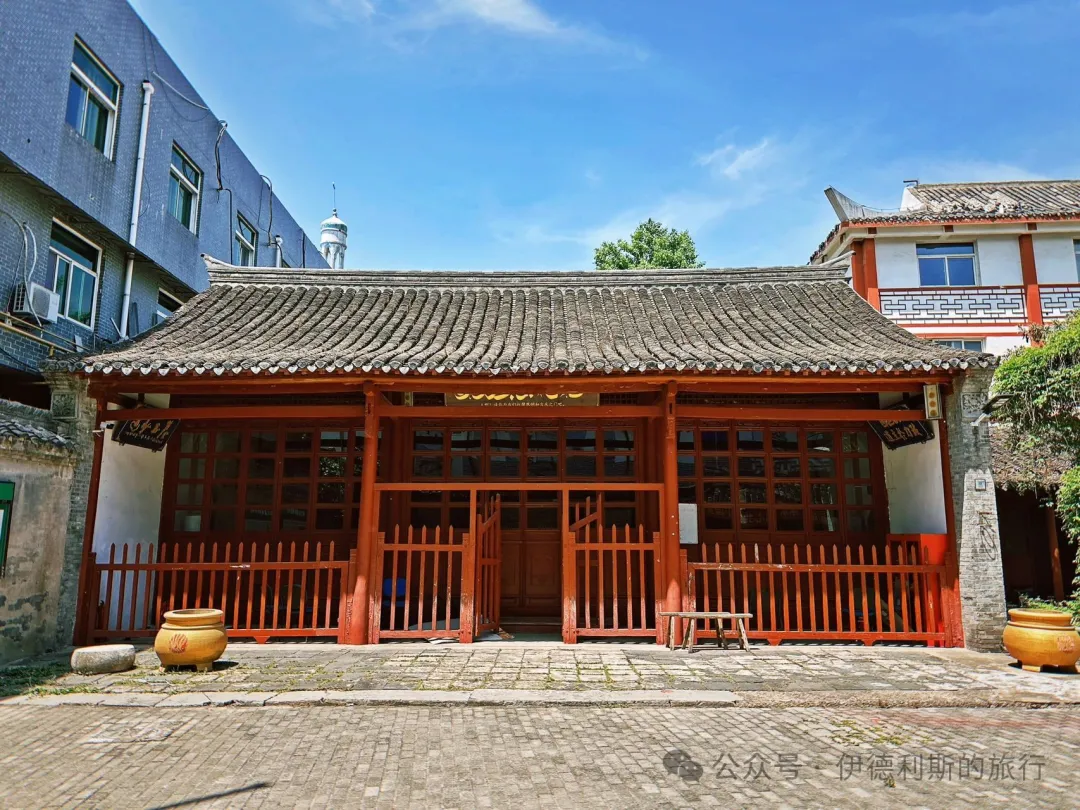
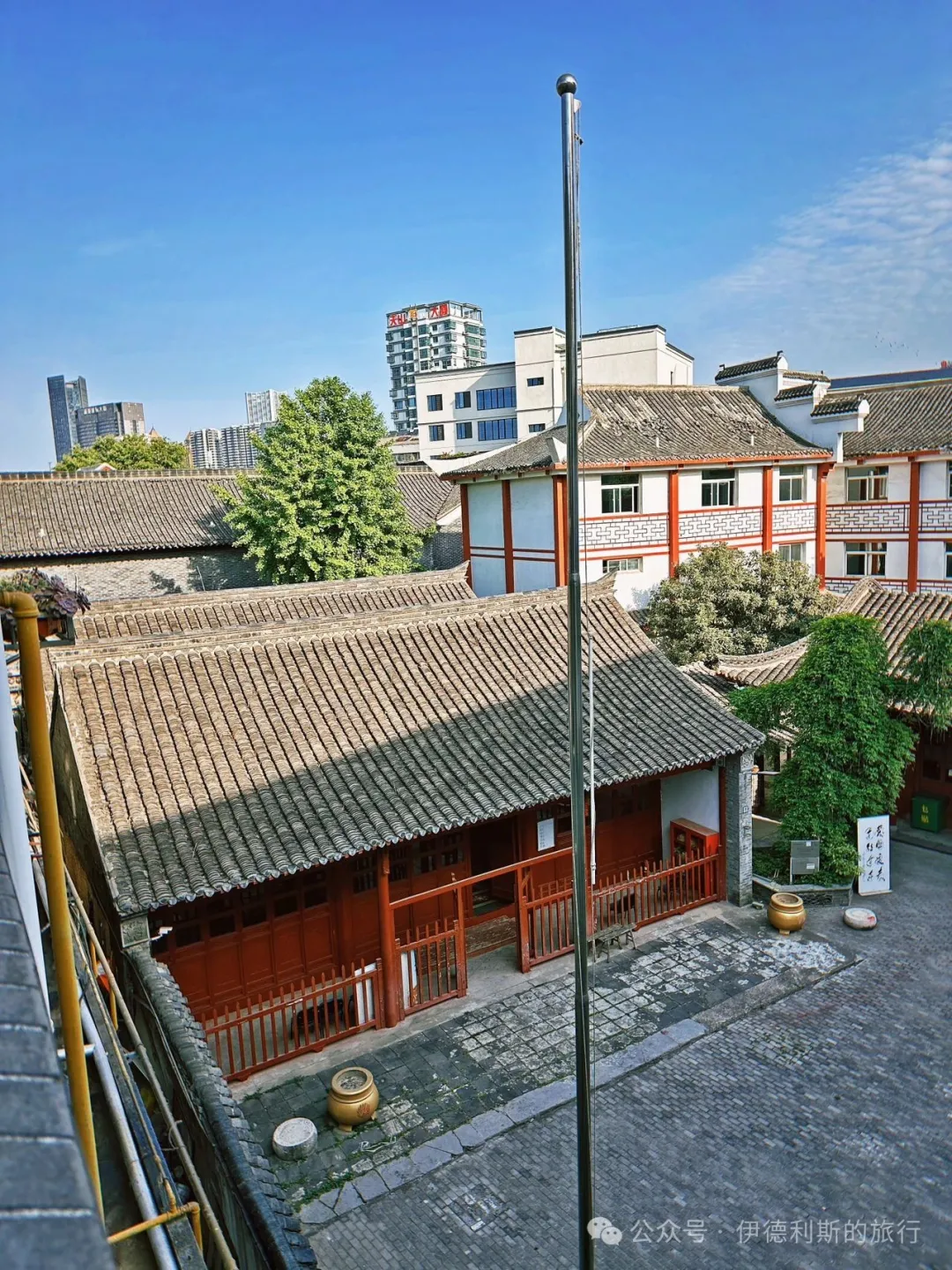
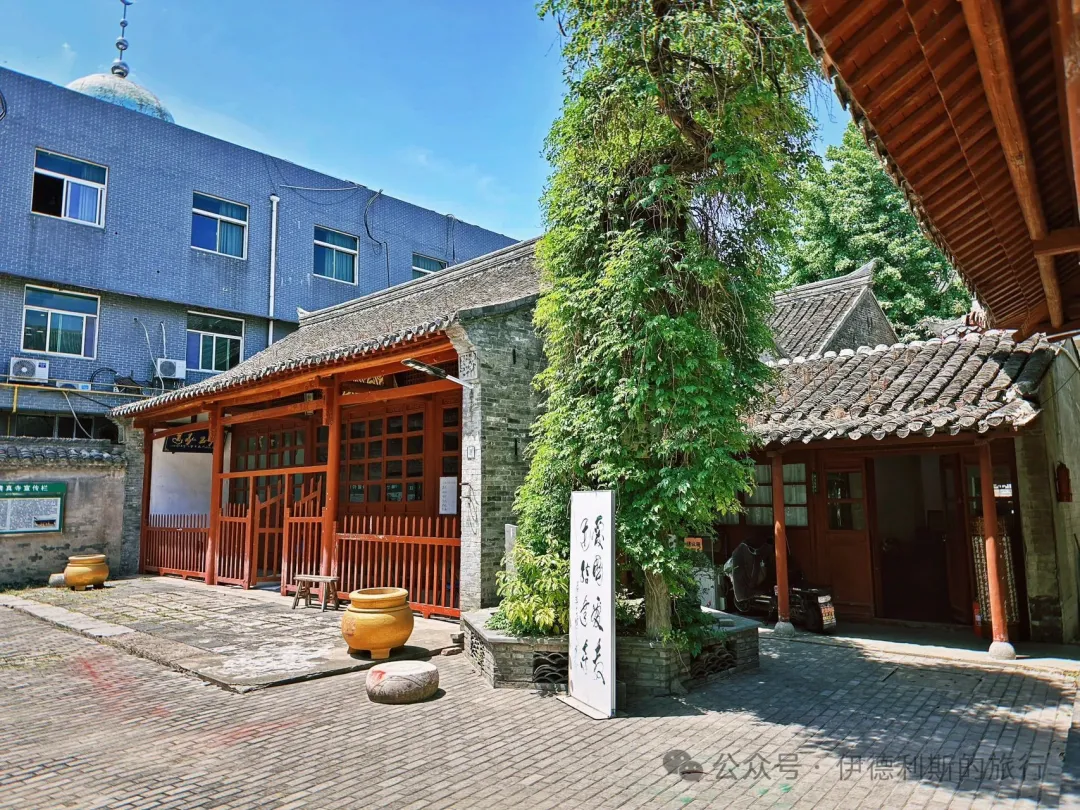
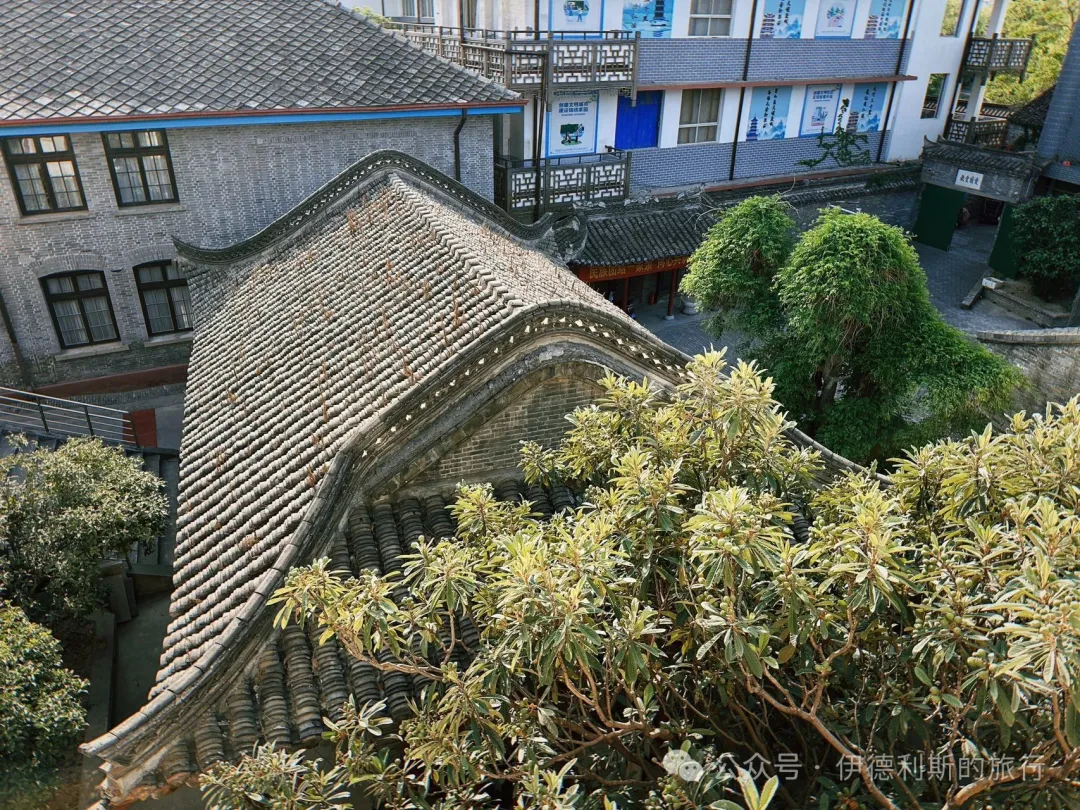
Inside the courtyard, the main prayer hall and the north wing, known as the Butterfly Hall, are Qing Dynasty structures. Beside the main hall stands a Chinese trumpet creeper (lingxiaomu) over 320 years old.
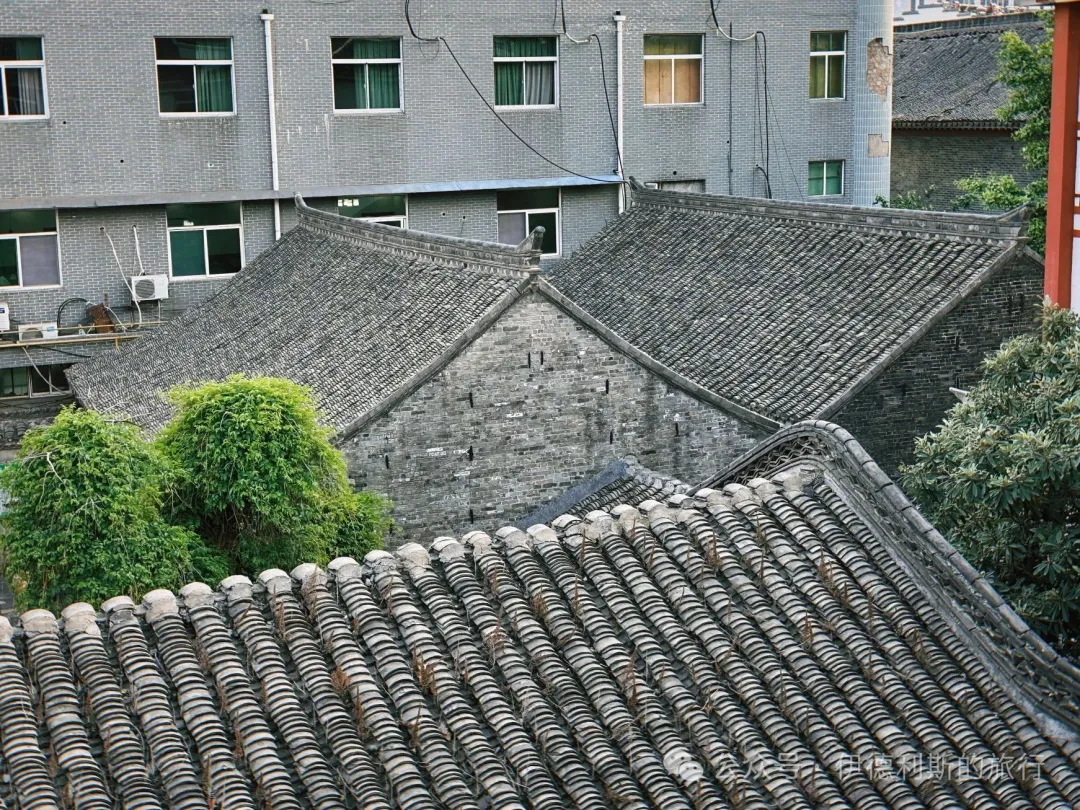
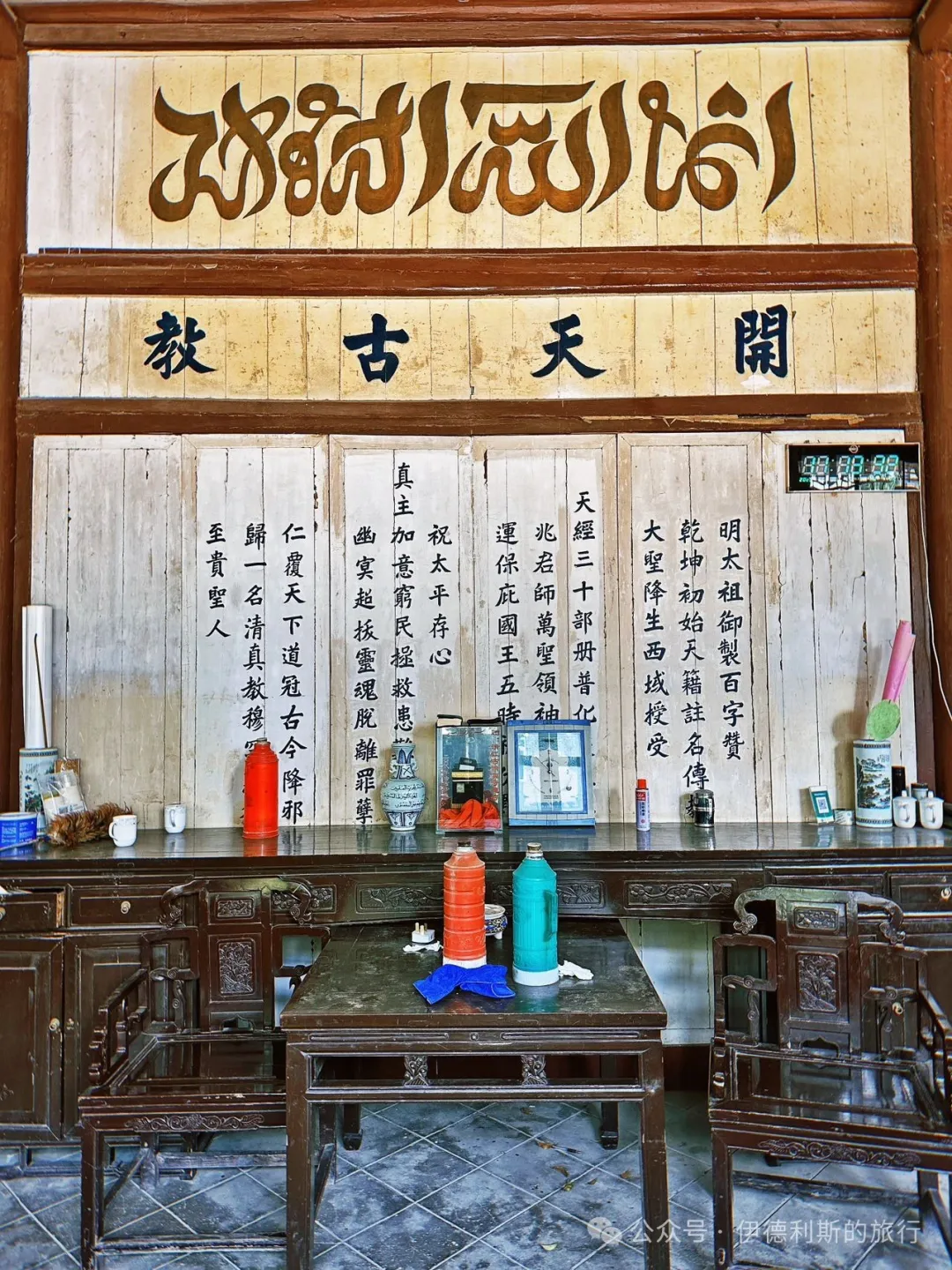
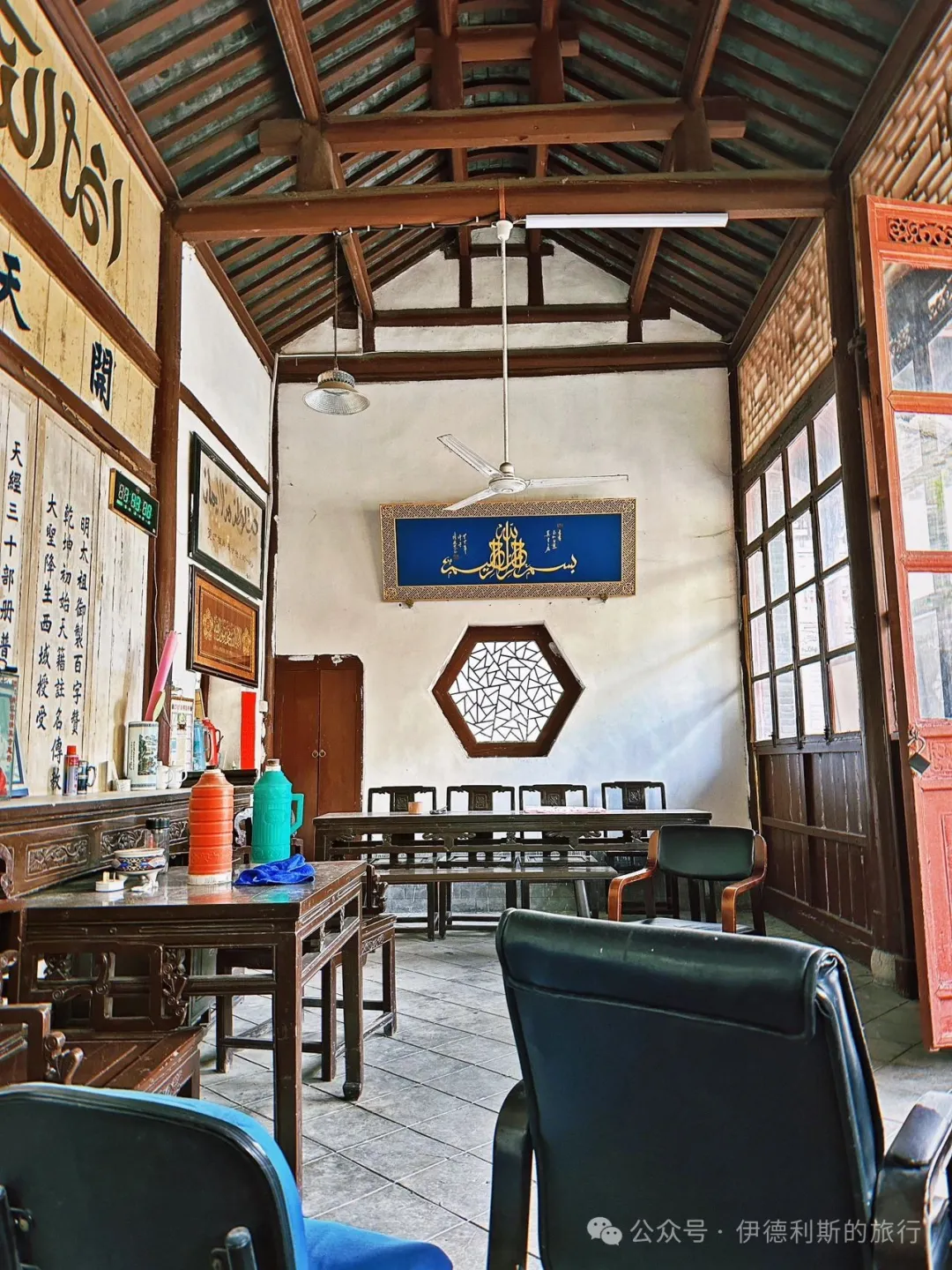
The main hall is a Qing Dynasty building made of two connected hard-mountain roofs (yingshanding) with a kiln-style hall (yaodian) at the back, typical of traditional Jianghuai architectural style.
The north wing of the Qingjiang Mosque is called the Butterfly Hall (hudieting). This is a traditional name for garden architecture in the Jianghuai region, named because the corners of the hall curve upward like the wings of a dancing butterfly.
Two stone steles at the Qingjiang Mosque.
The first is the 'Prohibition Edict Stele' from the 57th year of the Qianlong reign. It was written and erected by the county government to explicitly ban corruption, issued by Wu Li, the magistrate of Qinghe County, Huai'an Prefecture, Jiangnan, who held a fifth-rank title and had been commended five times.
The second is the 'Stele Record of the Rebuilding of the Mosque Main Hall' from the 9th year of the Tongzhi reign, which documents the process of rebuilding the main hall during the Tongzhi period. The inscription records donors from nineteen places: Henan, Shandong, Jinling, Yunnan, Zhili, Chuanshan, Hexia, Lixiahe, Baoying, Gaoyou, Shaobo, Xiannumiao, Taizhou, Xinghua, Dongtai, Rugao, Shuyang, the Xinzi Cavalry, and Yuanpu. Donors from Henan, Shandong, Yunnan, Zhili, and Chuanshan were mostly traveling merchants, reflecting the prosperous 'southern boats and northern horses' scene of Qingjiangpu during the Qing Dynasty. The others were local mosque communities in Jiangsu. Some, like the Shaobo mosque, have since been abandoned, offering a glimpse into the rise and fall of the Hui Muslim community in Jiangsu.
Ancient well
Column base
Coffin for the deceased (tabumaiti xia)
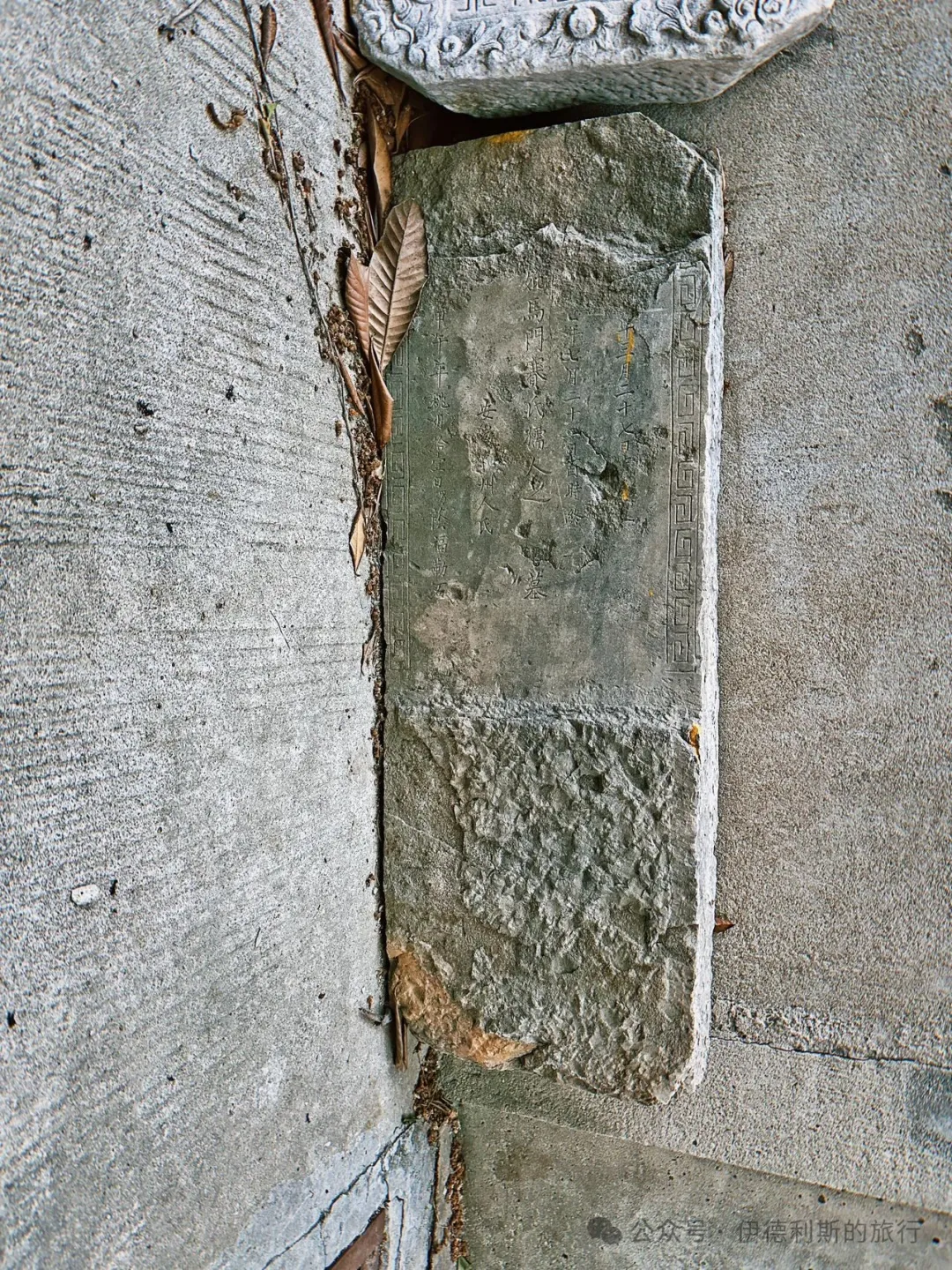
Tombstone of Madam Yang, mother of the Ma family, from the 14th year of the Guangxu reign, and the tombstone of the Sai family of the Ma clan from Anhui.
Tombstone of the Sai family of the Ma clan from Anhui
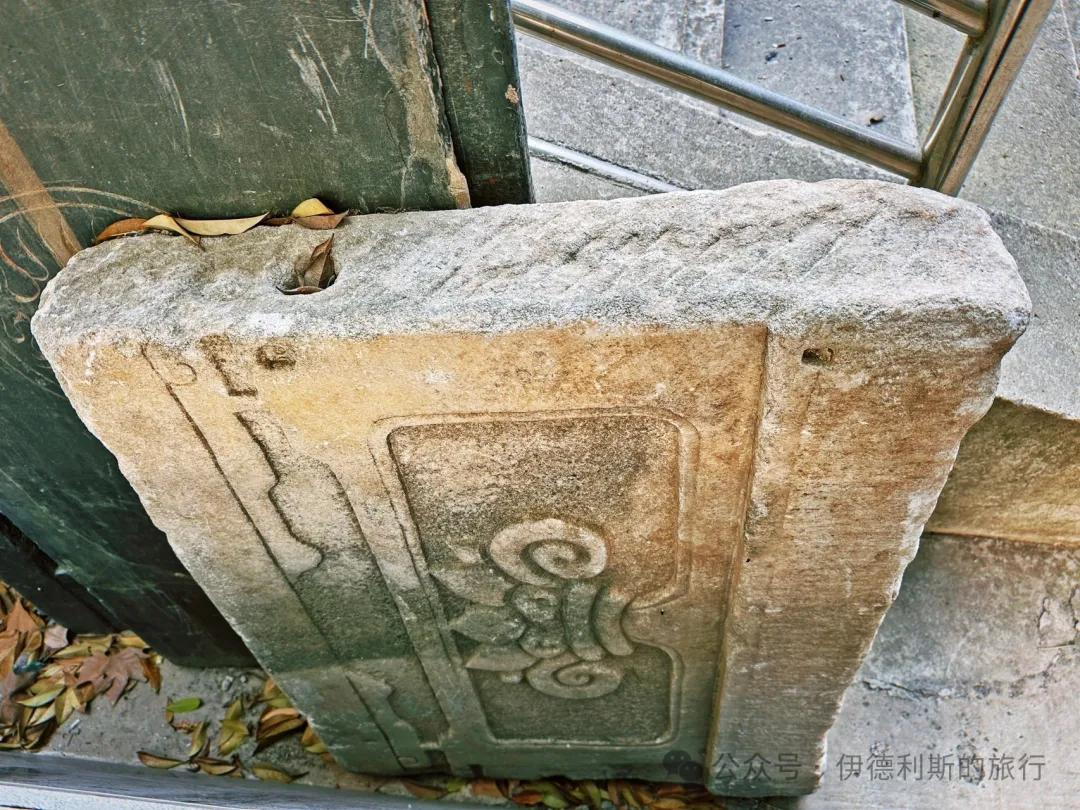
Stone railing
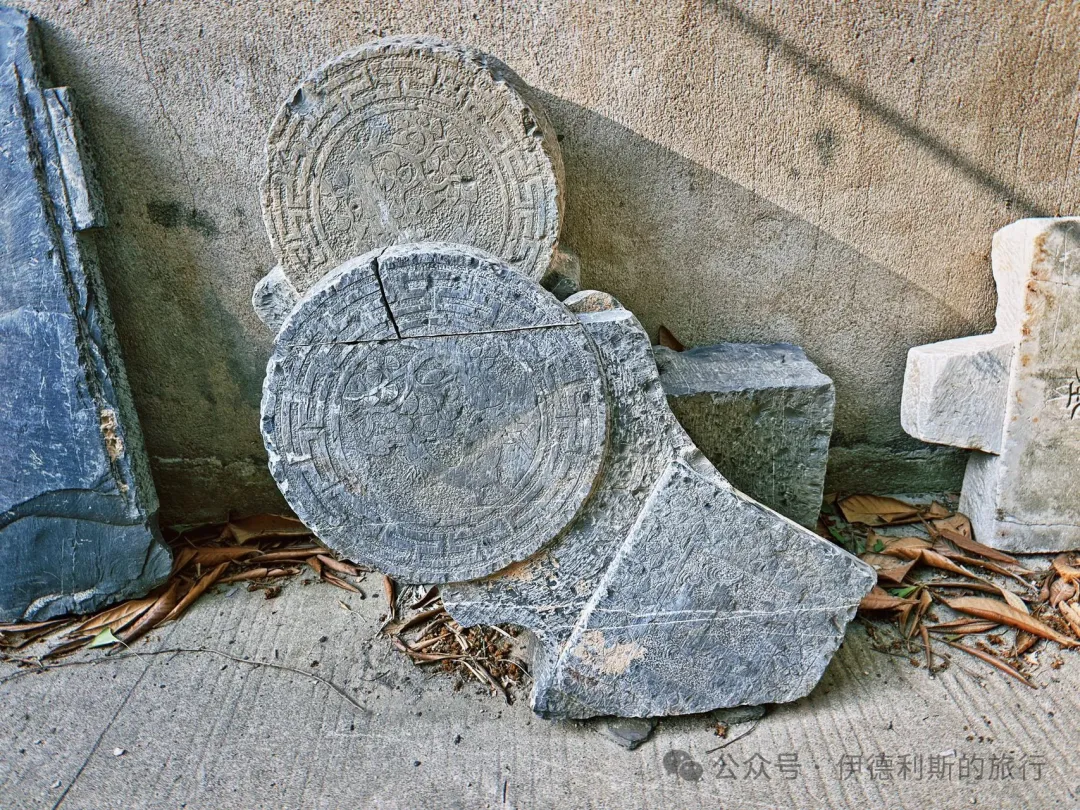
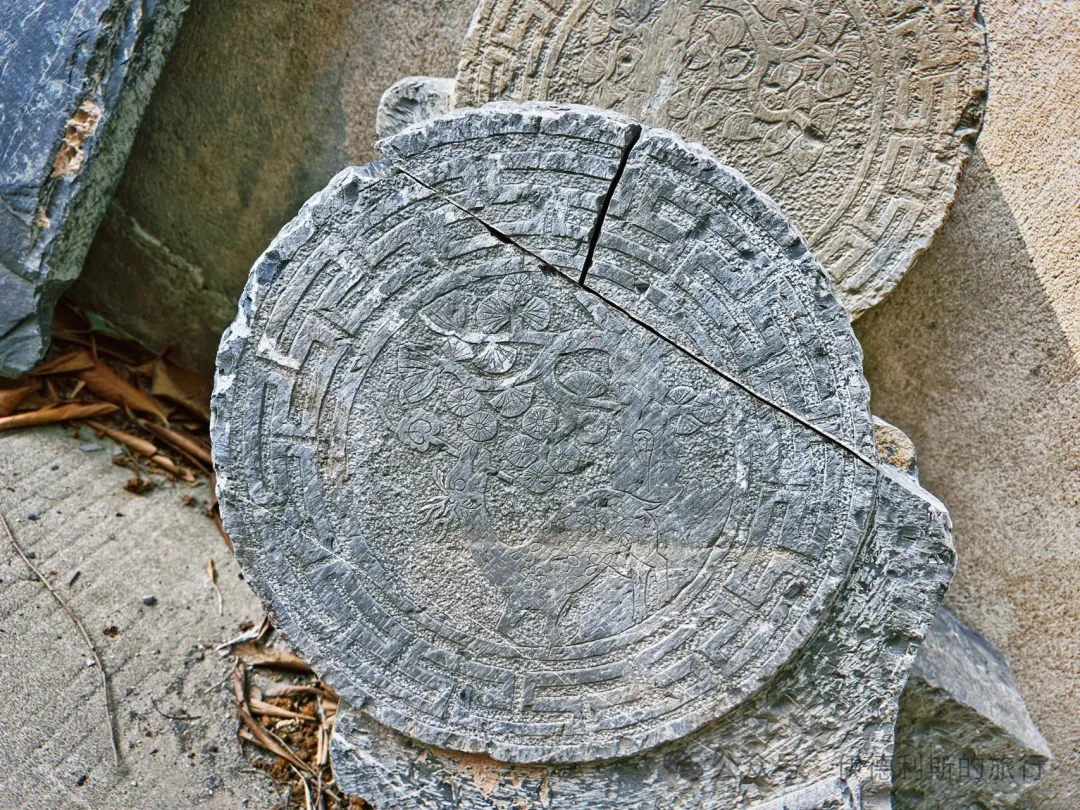
Drum-shaped stone base with cypress and deer carvings (bailutu baogushi)
Hexia Mosque
Hexia Ancient Town in Huaian is the largest town on the outskirts of Huaian Prefecture. Because the salt from the coastal salt fields in Huaibei was high in both quantity and quality, many salt merchants from the northwest and Anhui came to Huaibei in the late Ming Dynasty to work in the salt industry. The Huaibei Salt Transport Branch was located in Hexia Town at the time. Salt from the fields had to be shipped to Hexia for inspection before merchants could sell it elsewhere. Hexia Town then entered its most prosperous period. Salt merchants built gardens and courtyards there. The Qing Dynasty record Huaian Hexia Annals states: Wealthy salt merchants brought their capital and made their homes in Hexia, and Hexia became extremely prosperous. The wealth brought by these salt merchants made the town's business thrive, and many Hui Muslims also came to settle in Hexia.
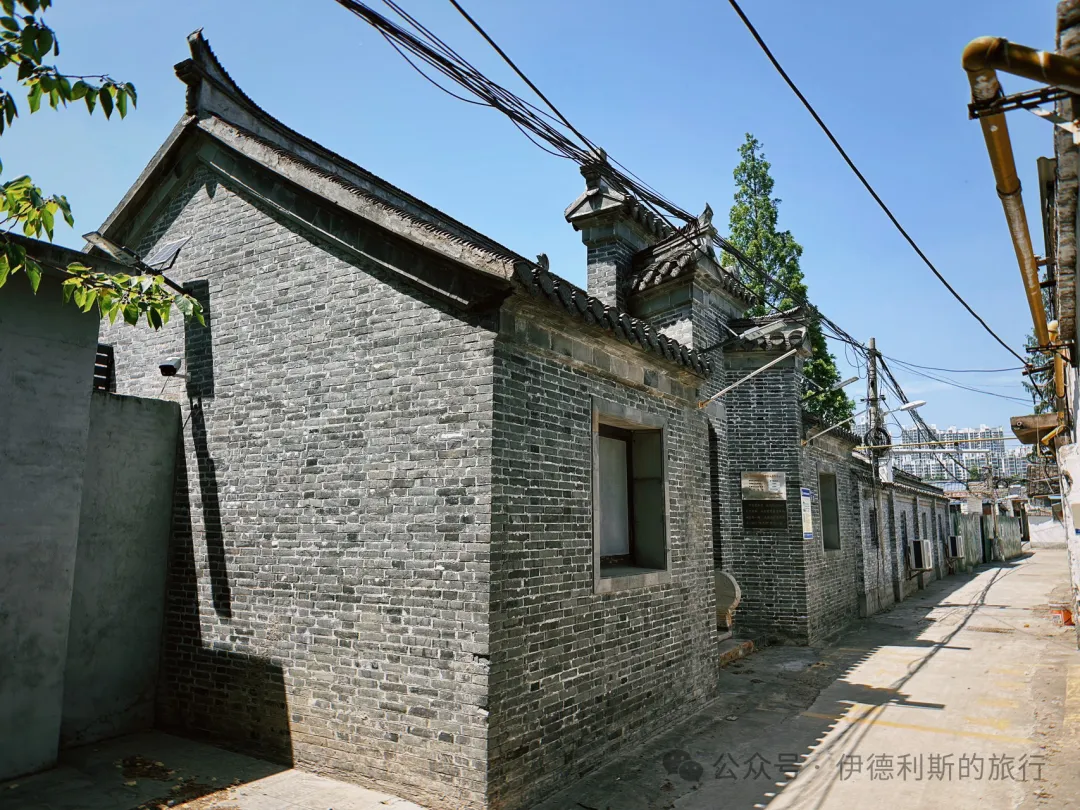
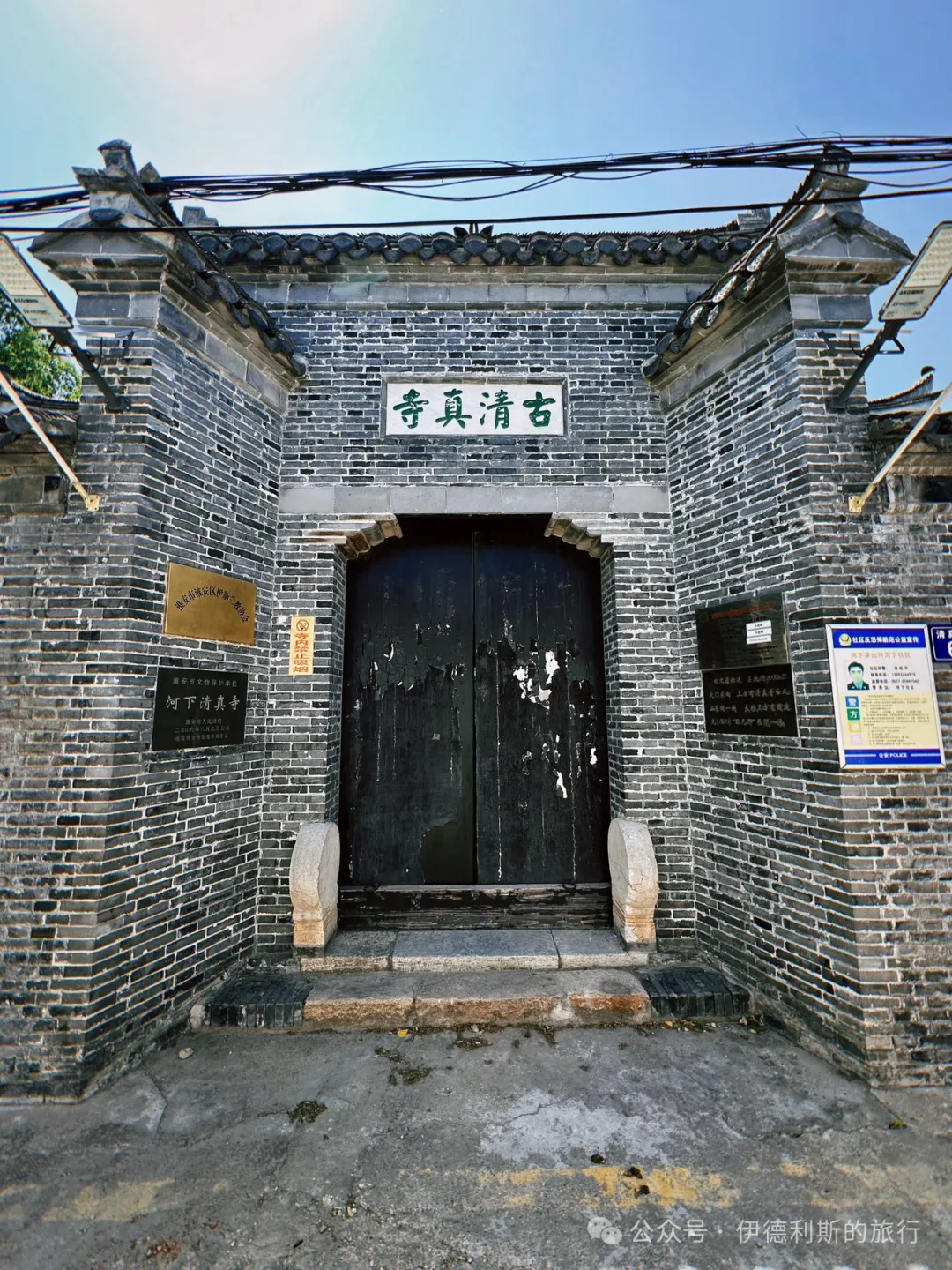
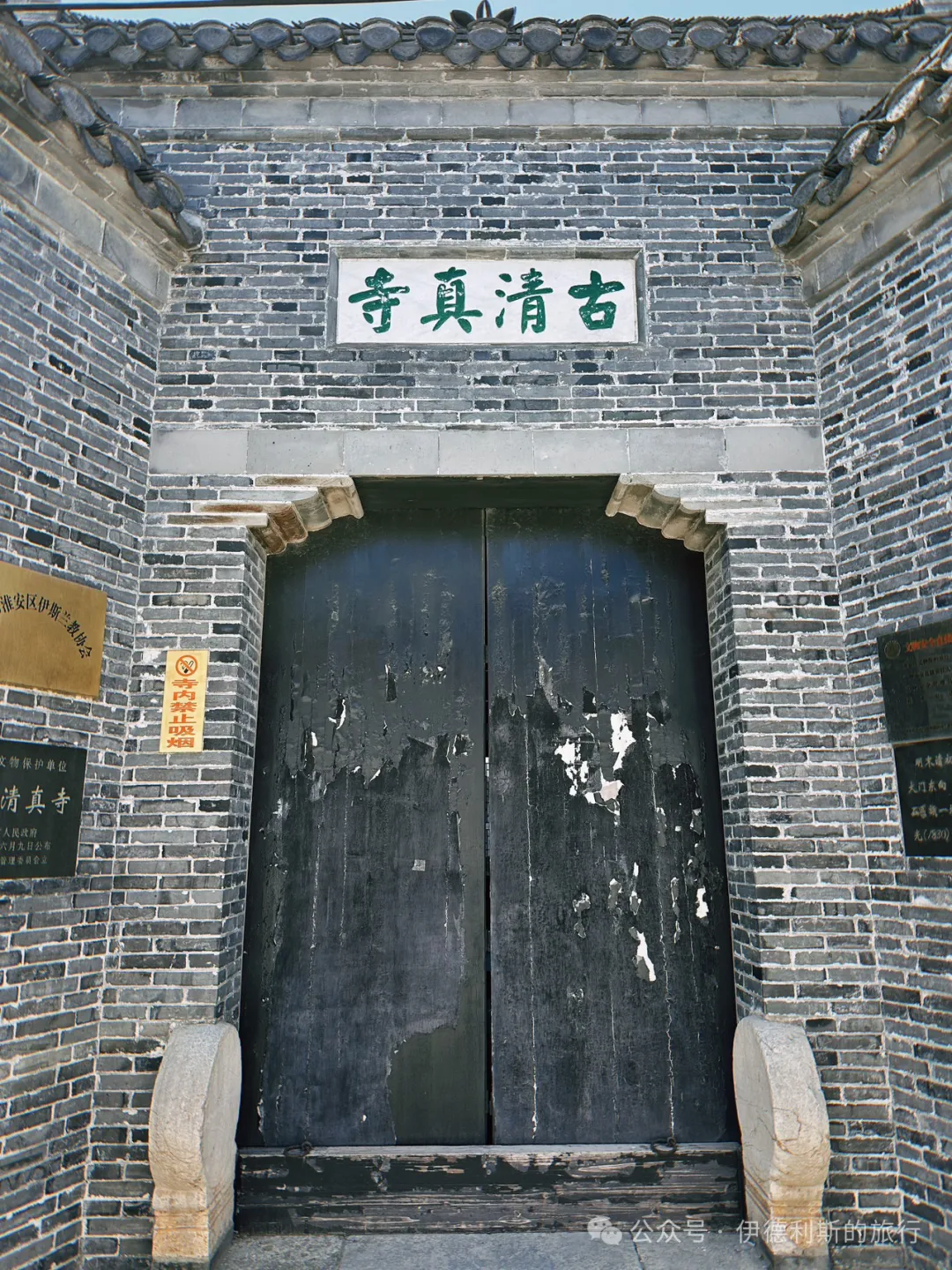
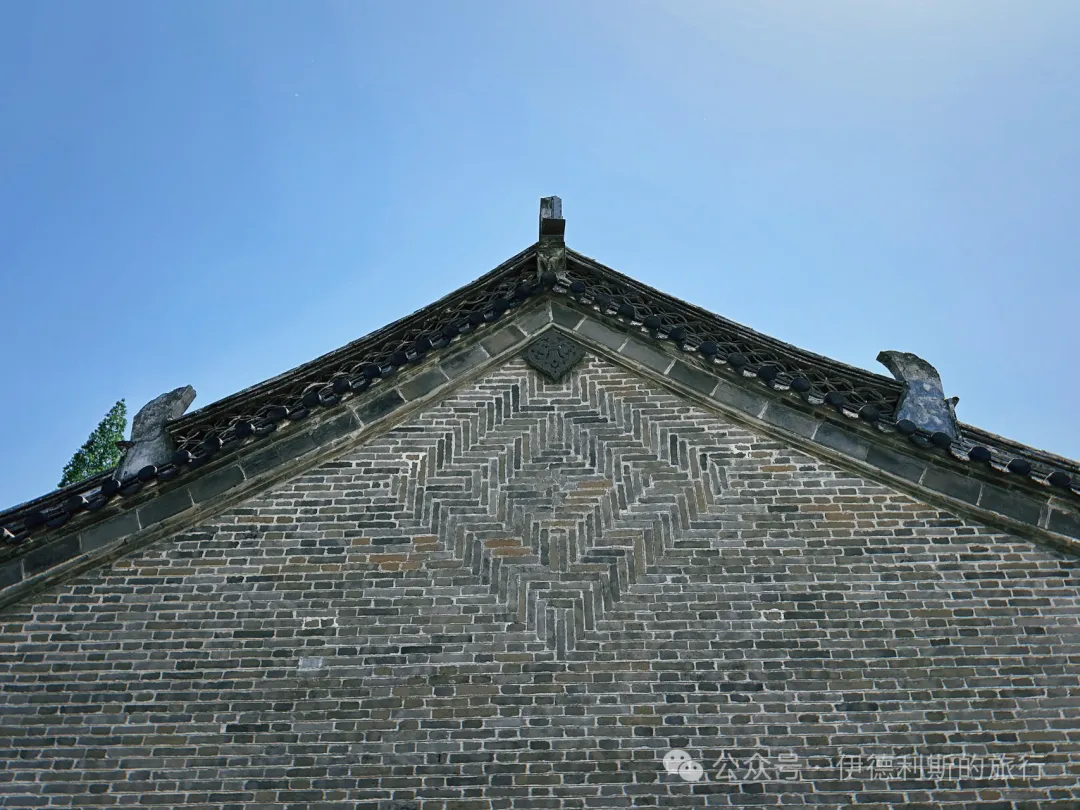
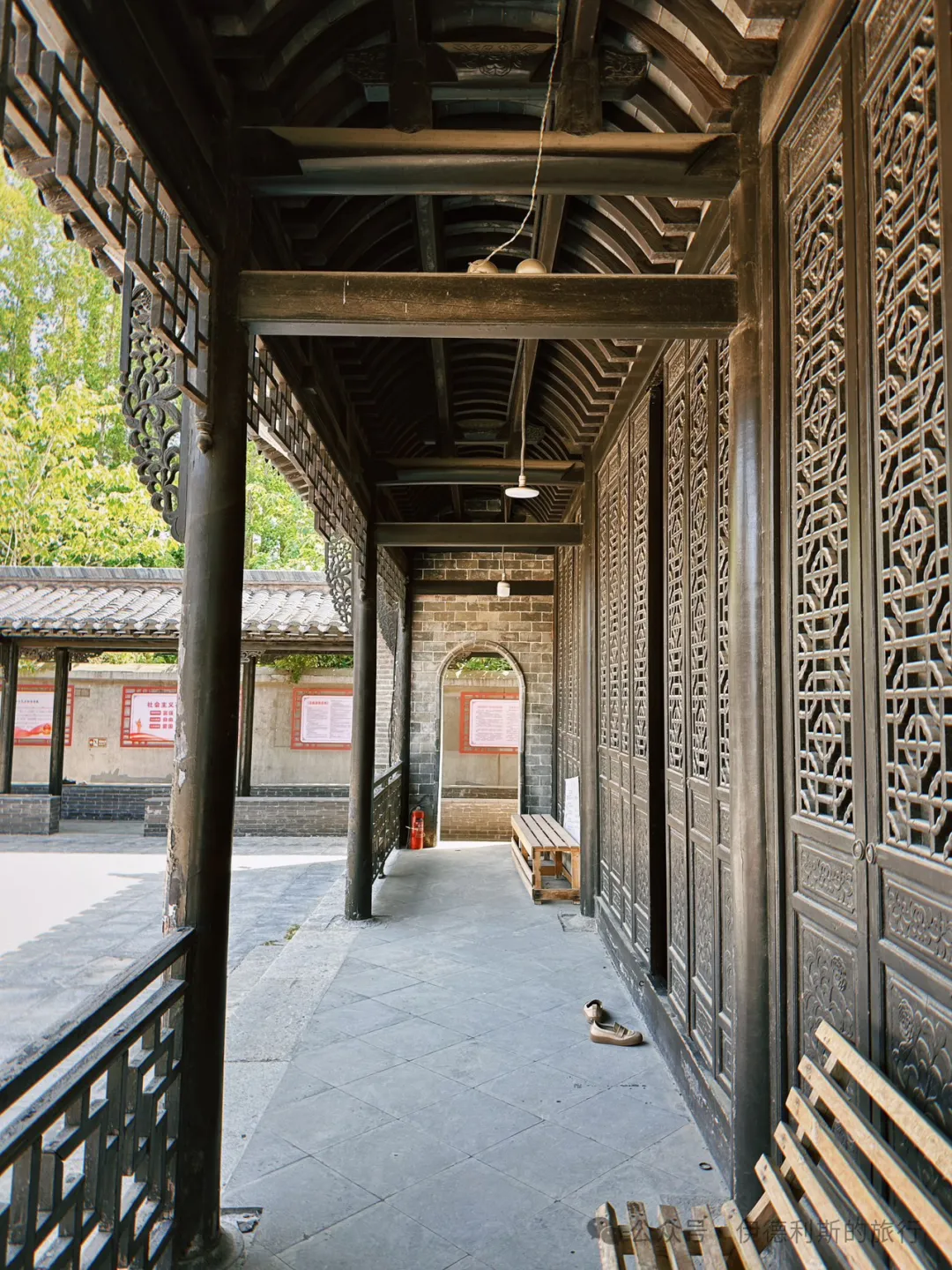
Hexia Mosque is located south of Luojia Bridge in Hexia Town. It was first built during the Shunzhi reign of the Qing Dynasty. In 1860, during the tenth year of the Xianfeng reign, the Nian Army captured Huaian and burned down ten rooms of the mosque, which were later rebuilt. The main hall of Hexia Mosque is a Qing Dynasty structure with blue bricks, dark tiles, and upturned eaves, showing a typical Jianghuai architectural style. It was listed as a cultural relic protection unit of Huaian City in 2006.
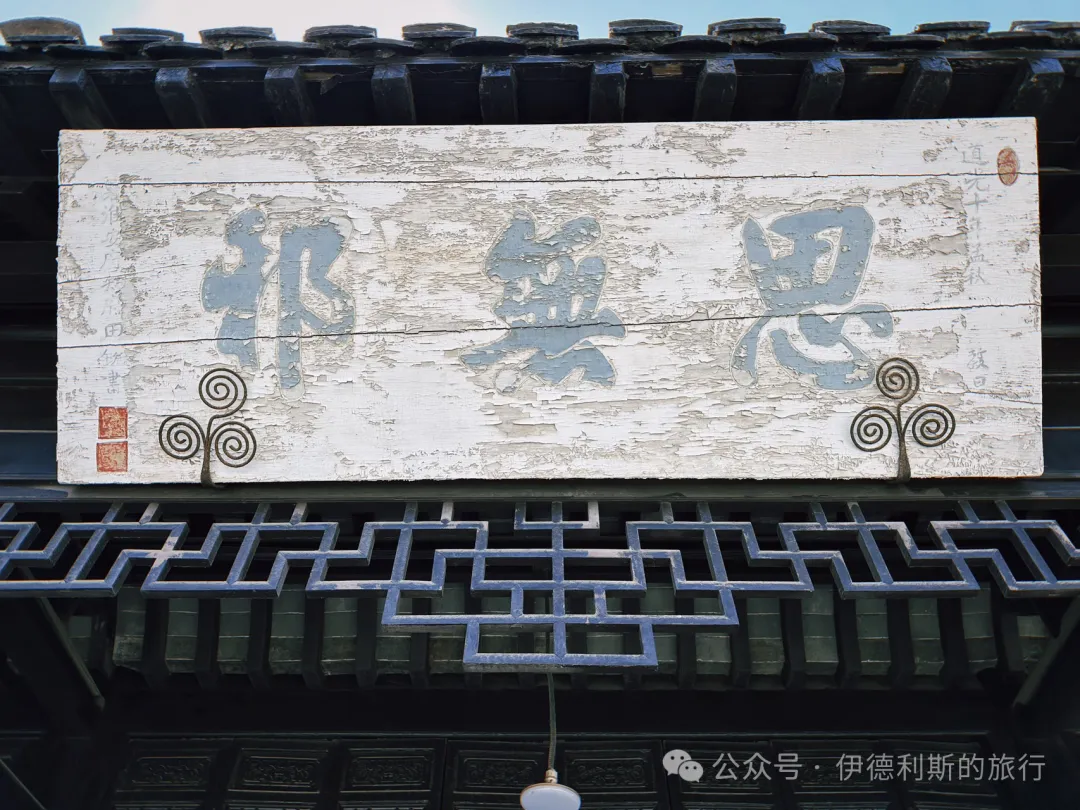
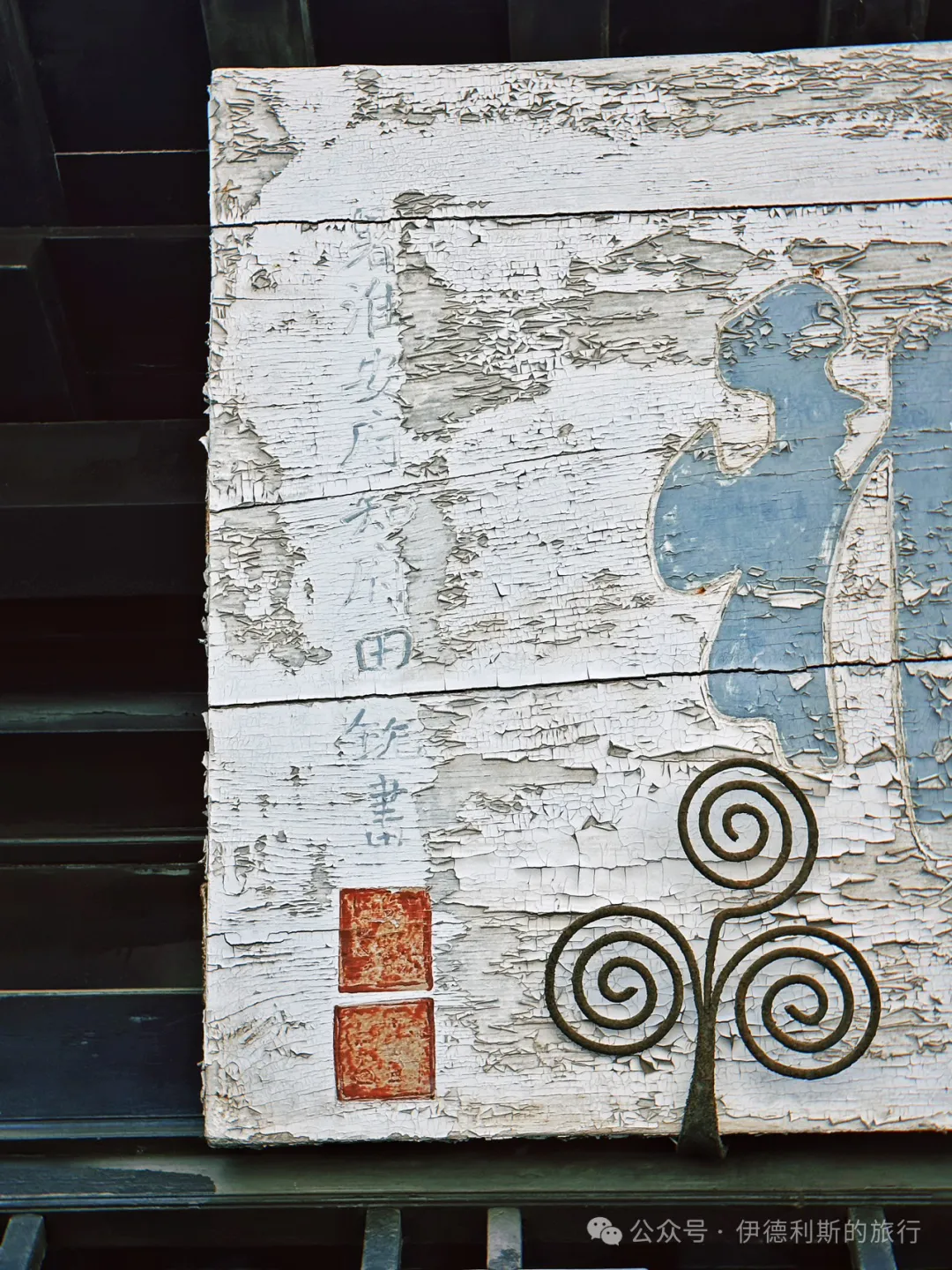
Above the main hall door hangs a chestnut wood plaque inscribed with the words Si Wu Xie (Thinking Without Evil), written by Tian Rui, the acting prefect of Huaian in the tenth year of the Daoguang reign. Plaques originally on both sides, inscribed by anti-Japanese hero Zuo Baogui and Yunnan Commander Ma Chang'an, were destroyed after the 1960s.
The imam (ahong) of the mosque usually stays at a nearby beef and mutton shop. If you call the number posted on the mosque gate, he will come over to open it.
An ancient well dug in the early Qing Dynasty.
Wangjiaying Mosque.
Wangjiaying in Huaian is located between the old course of the Yellow River and the Salt River. During the Ming Dynasty, the Dahe Guard was established in Huaian Prefecture, and ten military camps were built along the Yellow River. Wangjiaying was one of them. Because travel on the Yellow River section of the canal was slow and passing through locks was dangerous, often leading to broken cables and sunken boats, many merchants chose to leave their boats at Qingjiangpu. They would cross the Yellow River at Wangjiaying and switch to horse-drawn carriages to continue north. Wangjiaying and Qingjiangpu gradually grew into a busy town together.
Wangjiaying experienced many floods from the Yellow River, and the town moved east three times before reaching its current location. In 1831, the eleventh year of the Daoguang reign, Viceroy Tao Peng chose Wangjiaying as the new distribution center for Huaian salt. After that, eighteen salt warehouses and seventy-two salt bureaus were opened in Wangjiaying. Salt boats traveled back and forth every day along the three-hundred-li waterway from the Huaibei salt fields to Wangjiaying.
The prosperity of Wangjiaying attracted a steady stream of Hui Muslims to settle there. The first Hui Muslims to arrive in Wangjiaying were the Ma and Sha families, who came via Lingwu County in Ningxia, Shandong, and Zhenjiang. Later, Hui Muslims with the surnames Jin, Dai, Chang, Ge, Fan, Li, and Yang also settled here.
Wangjiaying Mosque was first built during the Yongzheng reign. It started as three thatched rooms next to the Lotus Pond at Wangjiapo. After Wangjiaying became a salt distribution center in the late Daoguang reign, the mosque moved to the south bank of the Salt River, with imams Chang Tingzhang and Dai Mingxuan in charge of religious affairs. Imam Chang Tingzhang, known as Third Master Chang, was originally from Jining, Shandong. He was born in 1785, the fiftieth year of the Qianlong reign, in Taoyuan County, Huaian Prefecture, Jiangsu (now Siyang). In his youth, he studied in Lingzhou (now Lingwu County, Ningxia) and continued his religious studies in Jining, Shandong, after completing his initial training. In 1810, the fifth year of the Jiaqing reign, the 26-year-old Imam Chang Tingzhang was invited to Wangjiaying Mosque to lead religious affairs. Imam Chang Tingzhang had deep knowledge of Arabic classics, astronomy, and medical theory. According to the Wangjiaying Annals, a man named Third Master Tao from Hangzhou died in Huaian during the Daoguang reign. Because it was the heat of midsummer, Imam Chang Tingzhang personally bought a boat and traveled south along the canal to escort the body back to Hangzhou to fulfill his duty to the family.
In 1860 (the 10th year of the Xianfeng reign), the Nian Army burned down the Wangjiaying Mosque. In 1867 (the 6th year of the Tongzhi reign), Imam Dai Jingzhai, the son of Imam Dai Mingxuan, built a few thatched huts. Later, with donations from the community, they built a main prayer hall with three rooms made of grass.
After Imam Chang Tingzhang passed away in 1870 (the 9th year of the Tongzhi reign), Imam Dai Jingzhai took charge of religious affairs. In 1884 (the 10th year of the Guangxu reign), he replaced the grass-roofed building with a tiled one. Because Imam Chang Tingzhang had studied at the Jahriyya Banqiao Daotang in Jinjibu, Lingwu County, Ningxia, when he was young, the Wangjiaying Mosque later invited five successive Jahriyya imams from Jinjibu to lead religious services and teach. Subsequent imams also went to Ningxia for further study, making Wangjiaying Mosque one of the nine branch centers of the Banqiao Daotang.
In 1912, the Wangjiaying Mosque built a new main gate, a south lecture hall, a kitchen, and a water room. In 1920, with funding from the Jinshan Tang in Gansu and money from selling dozens of willow trees from the public cemetery, they rebuilt the three-room tiled porch in front of the main hall and added three new rooms for the east lecture hall. Currently, there is a stone tablet from 1920 commemorating the Republic of China renovation on the inner north wall of the main hall, but the top part is covered.
In 1958, the Wangjiaying Mosque moved to the east side of the West Horse Road in Wangying. In 1961, it moved to its current location because the land was requisitioned for a bank building. During the destruction of the Four Olds, the main hall's plaques reading "The Way Spreads in the Central Land," "The Religion Follows the Western Regions," and "Stop at the Ultimate Good," along with the gold-lettered Arabic plaques and the couplet reading "See the formless, hear the soundless, rectify the intention and be sincere, become a sage and a worthy, the original nature;" “The Way stands here, movement brings harmony, reach others through oneself, benefit the people and the world, the land is complete” were all smashed and burned. Funeral supplies were also destroyed, and the main hall was used as a warehouse by a shoe and hat factory.
In 1979, under the leadership of Imam Ge Weili, the Wangjiaying Mosque was rebuilt in a traditional style. It was completed in 1985 and underwent two more renovations and expansions in 2003 and 2006, resulting in its current appearance.
Imam Ge Weili was born in 1924. He went to Ningxia to study in 1937. After completing his training and receiving his credentials in 1945, he became the imam of Wangjiaying Mosque and took on the role of imam in 1966. The religious work at Wangjiaying Mosque is now handled by Imam Fan Weiming, a student of Imam Ge Weili.
The Republic of China era inscription reads as follows:
The Wangying Mosque was founded during the Yongzheng reign of the Qing Dynasty. By the end of the Daoguang reign, our community was at its peak. The population was large, and businesses were thriving. With the old Imams Chang Tingzhang and Dai Mingxuan leading religious affairs one after another, the lecture hall was always full, and many students were trained. This is recorded in the local history and can be verified. In the Gengshen year of the Xianfeng reign, the Nian rebellion suddenly occurred. The mosque was burned to the ground, our people fled or died, and the population gradually dwindled.
In the sixth year of the Tongzhi reign, Imam Dai Jingzhai, the son of the old Imam Dai Mingxuan, followed his father's teachings and took over the religious duties. He first built a few thatched huts to teach the faith morning and evening. However, for prayers, it was too simple and exposed to the elements; For gatherings, it was too small to hold everyone. The Imam was deeply worried about this. He persuaded people to donate and built a main prayer hall with three rooms made of grass. Later, he discussed it with Yang Xuting, Ma Yunfeng, and Guo Daosheng. With their help, in the tenth year of the Guangxu reign, they rebuilt the tiled main hall and lecture halls, and things began to return to normal. As more of our people lived here, the original public cemetery became crowded, and after many years, there was almost no space left. The Imam was concerned that there were few cemeteries for the community, and whenever a major funeral occurred, it was difficult to manage. He planned to buy a piece of land to provide for the future. He got the agreement of Mr. Ma Yunfeng, but before the matter was finished, Mr. Ma passed away. What a pity! Fortunately, Mr. Ma's brother, Runzhi, carried out his brother's wishes. With the strong support of the village elder Mr. Li Yunpo, they set aside differences, raised funds, and bought two new cemeteries. The benefits provided by the imam (ahong) to our people are thorough and complete. This is largely due to the support of those passionate about public welfare, but it is also the result of the imam's decades of solitary, painstaking effort and his sincere devotion.
In the first year of the Republic of China (1912), we worked to continue the legacy of our predecessors by adding a main gate, a south lecture hall, and a kitchen. Mr. Ge Ziming funded the construction of the washroom (shuifang) with a donation of several hundred thousand. We also invited Imam Wang Pinqing from Gansu Province to teach scripture. Visitors from all over who came here always spoke highly of him. In recent years, wind and rain have damaged the buildings, and the main hall is at risk of collapsing. We met to discuss the situation and sold dozens of willow trees from the perimeter of the cemetery, raising over two hundred thousand. We also received a donation of many roof tiles and timber pieces from the Jinshan Hall in Gansu. We then built three tiled, curved-eave rooms in front of the main hall and fully repaired the surrounding walls, the three-room east lecture hall, and the courtyard of the inner gate. This massive project was completed through a combination of public funds and donations from afar. We feel ashamed that we lack the personal wealth to do more, but we share these details because, despite two hundred years of constant change, our mosque still stands tall. This is largely due to the efforts of our ancestors and village elders. We sincerely hope that future generations will remember the hardships of those who built this place and preserve it forever so it may last without decline. We have recorded the full story here.
July, the ninth year of the Republic of China (1920).
Jin Jiasheng, Jin Jialin, Guo Chunlin, Yang Fangtian.
Chang Bingkui, Li Shunjie, Chang Guanying, Mu Hongbin.
Jin Jiayuan, Ma Jianong, Fan Zhaofeng, Yang Guiyuan.
Ge Futang, Li Dianqing, Ma Jiarang, Mu Hong'en.
Ma Jialin, Ge Zhenqing, He Wenquan, Zhou Fengling.
Sha Faxiang, Liu Lianyuan, Zhou Riyang, Mu Hongye.
Yancheng Mosque.
Yancheng Mosque is located on Xicang Lane (historically called Xicang) in the Yancheng urban area. It was first built during the Yongle period of the Ming Dynasty as three thatched rooms by five Hui Muslim families: the Ha, Huo, Ding, Liu, and Xue families. It was expanded in 1720 (the 59th year of the Kangxi reign) and rebuilt again in 1928 into the current brick-and-wood main hall.
The Republic-era 'Continued Records of Yancheng County' states: 'The mosque is located on Xicang Street in the city. It was founded during the Ming Yongle period. In the 59th year of the Qing Kangxi reign, land was purchased to expand it, and it was renamed the Mosque (Qingzhensi). Recently, it was renamed the Hui Church (Huijiaotang). The leader of the faith is called an imam (ahong).' In the second year of the Republic of China (1913), the Yancheng branch of the Jiangsu Islamic Association was established. In the 18th year (1929), it was renamed the Yancheng branch of the Chinese Islamic Association.
During the War of Resistance Against Japan, Yancheng Mosque suffered two disasters. On March 30, 1938, it was bombed by the Japanese military. On April 26 of the same year, the Japanese military occupied Yancheng and set fire to the city. Except for the main hall, which survived, all other buildings were destroyed.
The main hall of Yancheng Mosque features traditional Jiangsu architectural style, with flying eaves in the front and a kiln-style niche (yaowo) in the back. The main hall still preserves the original wood-carved circular frame featuring a dua, which is very exquisite. According to Imam Xue Long from Zhenjiang, the inscriptions on the top and bottom of the main hall plaque use Arabic, Persian, and Xiao'erjing. They translate to: Completed on an auspicious day in the eighth lunar month of the 17th year of the Republic of China, respectfully erected by Abdullah Yang Luji. This is very precious.
The imam of Yancheng Mosque from 1936 to 1979 was Bai Hanzhang. Imam Bai was from Minquan, Henan. He graduated from the Beijing Niujie Islamic Institute in 1922. Later, he served as an imam in Jurong, Zhenjiang, and Nantong, Jiangsu. He became the imam of Yancheng Mosque in 1936 and served there until he passed away in 1979.
Baoying Mosque
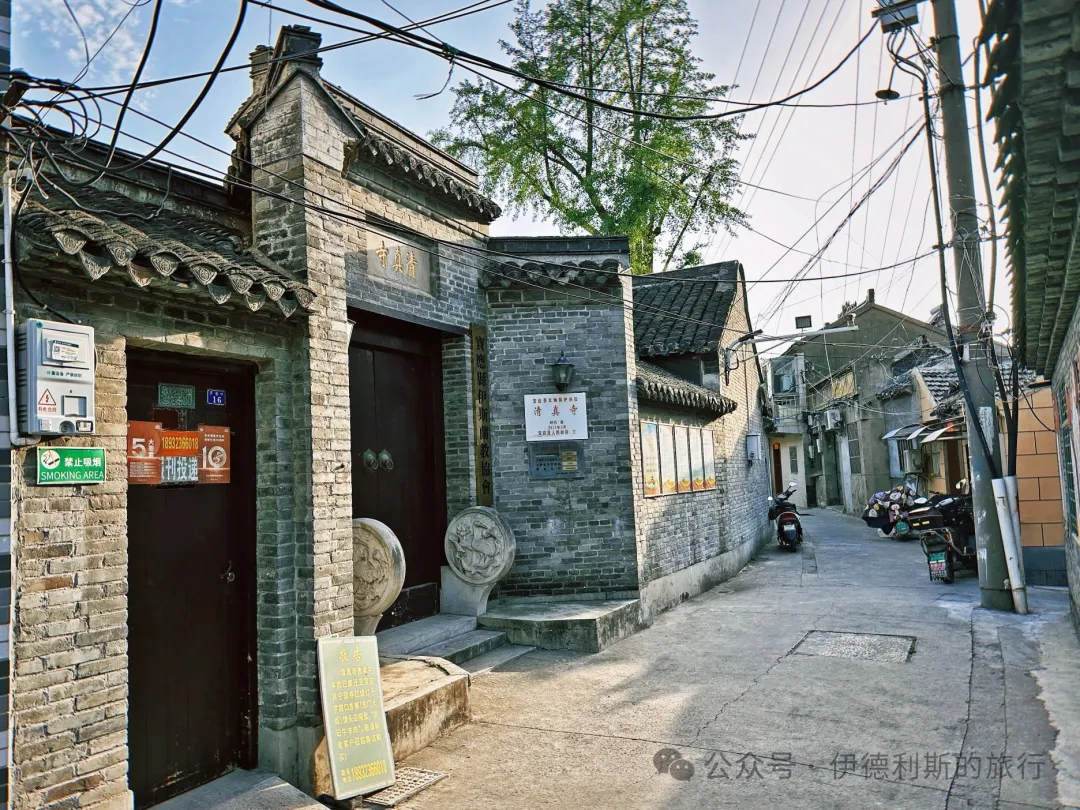
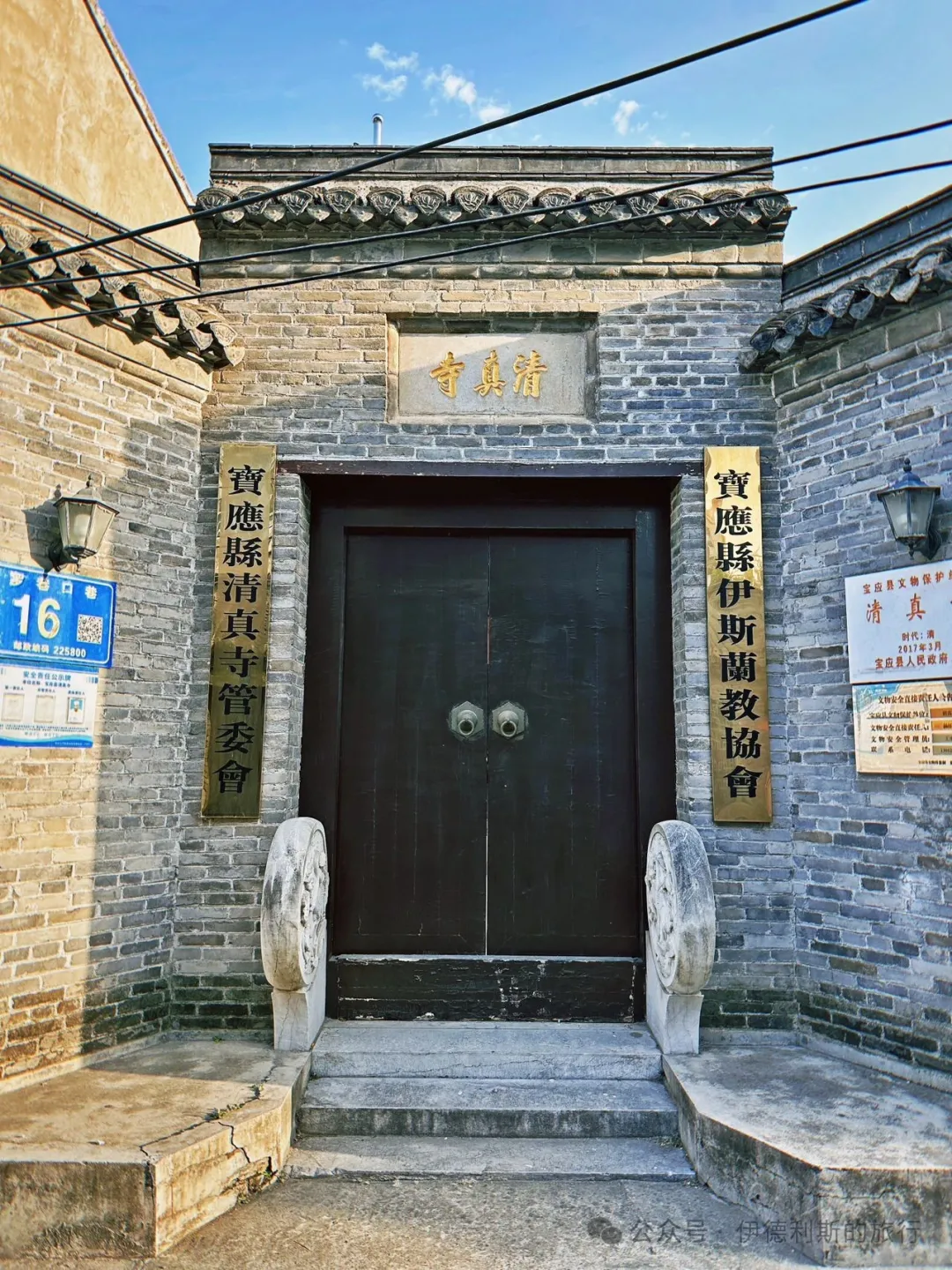
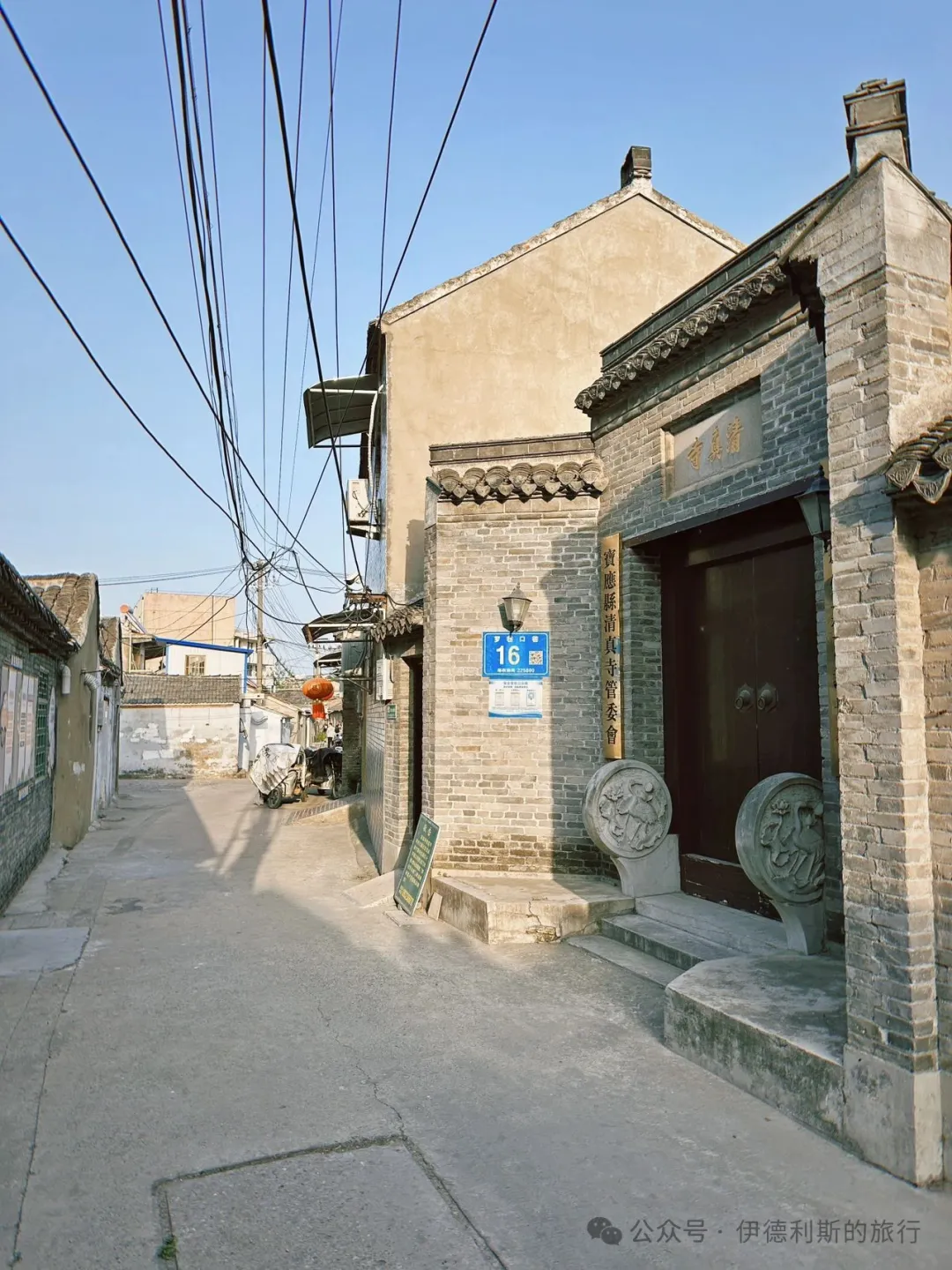
Baoying Mosque was originally located in Guojia Lane inside the east gate of the county town. Its founding date is unknown. It was rebuilt in 1910 (the second year of the Xuantong reign) at the entrance of Luoxiang Lane at the foot of the south city wall. With the help of Tao, the wife of anti-Japanese hero Zuo Baogui, and led by Imam Zhao Dezhai and others, many people including the Gao Mu Ma Jin family from Shandong, Anhui, Zhejiang, Huaiyin, Yangzhou, Yancheng, and Baoying raised funds to complete it in 1914. Baoying Mosque closed after 1958. It was rebuilt on the original site in 2002 and officially opened in 2006.
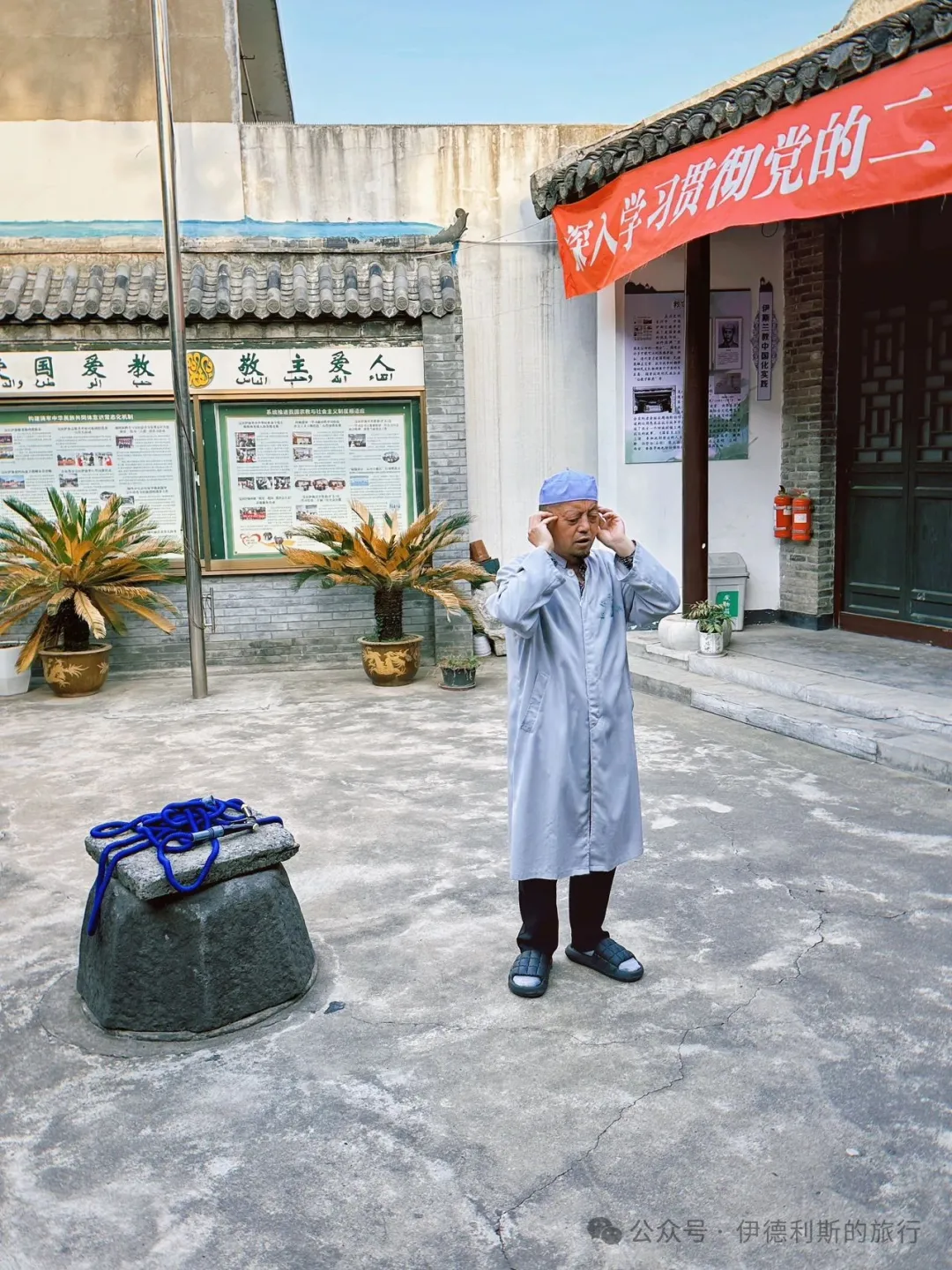
Baoying Mosque still has the water well dug during the 1910 construction and the ginkgo tree planted at that time. Imam Li at the mosque is from Siyang, Jiangsu. He usually runs the nearby Li's Beef and Mutton shop. If you want to enter the mosque, just call the number on his door. Imam Li is very welcoming. He says that Baoying Mosque still has some local Gao Mu who come to the mosque for Friday Jumu'ah prayers, which is better than some mosques where almost all the attendees are friends (dost) from the Northwest. Imam Li comes from the Zhepai Banqiao Daotang, but he treats all sects equally, and the religious community in Baoying County is very united. view all
Summary: This first part of the Jiangsu mosque series documents historic Hui Muslim mosque sites in northern Jiangsu, including Yanghe Mosque, Siyang Mosque, Siyang West Mosque, Shuyang Mosque, Hexia Mosque, Wangjiaying Mosque, Yancheng Mosque, and Baoying Mosque. The article preserves the original mosque names, founding dates, community histories, inscriptions, architectural details, and image order.
I am sharing the 25 historic mosque buildings I have visited in Jiangsu, moving from north to south.
1. Suqian
1. Yanghe Mosque (Yanghesi): First built during the Qianlong reign, rebuilt after 1945.
2. Huai'an
1. Qingjiang Mosque (Qingjiangsi): First built during the Jiajing reign of the Ming Dynasty, rebuilt in 1870.
2. Hexia Mosque (Hexiasi): First built during the Shunzhi reign of the Qing Dynasty, rebuilt in the late Qing Dynasty.
3. Wangjiaying Mosque (Wangjiayingsi): First built during the Yongzheng reign of the Qing Dynasty, rebuilt in 1985.
3. Yancheng
1. Yancheng Mosque (Yanchengsi): Built during the Yongle reign of the Ming Dynasty, renovated in 1928.
4. Yangzhou
1. Baoying Mosque (Baoyingsi): Rebuilt in 1910, rebuilt again in 2022.
2. Gaoyou Mosque (Gaoyousi): Rebuilt in 1864.
3. Lingtang Ancient Mosque (Lingtang Gusi): First built at the end of the Yuan Dynasty, moved to its current site in the early Qing Dynasty, rebuilt in 1924.
4. Shaobo Mosque (Shaobosi): First built during the Xianfeng reign of the Qing Dynasty.
5. Xianhe Mosque (Xianhesi): First built in 1275, rebuilt in 1390.
6. Majian Lane Mosque (Majianxiang Libaisi): First built in 1714.
7. Huihui Tang Mosque (Huihuitangsi): First built in 1275, rebuilt in 1776.
5. Zhenjiang
1. Shanxiang Mosque (Shanxiangsi): Expanded during the Kangxi reign, rebuilt in 1873.
2. Jianzi Lane Mosque (Jianzixiangsi) Ming and Qing Dynasty stone carvings.
3. Nanmenwai Mosque (Nanmenwaisi) Qing Dynasty mihrab.
4. Xinhe Street Mosque (Xinhejie Huijiaotang): 1930.
6. Nanjing
1. Jingjue Mosque (Jingjuesi): First built during the Hongwu reign of the Ming Dynasty, rebuilt in 1877.
2. Original Taiping Road Mosque: First built in the early Ming Dynasty, moved and rebuilt in 2005.
3. Xiaowangfu Lane Mosque.
4. Hushu Mosque: First built in 1392, rebuilt in 1896.
5. Liuhe South Gate Mosque: First built in 1403, raised and renovated in 2013.
6. Liuhe Women's School: First built in 1912, rebuilt in 1930.
7. Liuhe Changjiang Road Mosque: First built in 1424, rebuilt during the Guangxu reign of the Qing Dynasty.
8. Zhuzhen Mosque: Rebuilt in 1901, renovated in 2001.
9. Zhuzhen Women's Mosque: First built in 1921, rebuilt in 1931.
Suqian Yanghe Town Mosque.
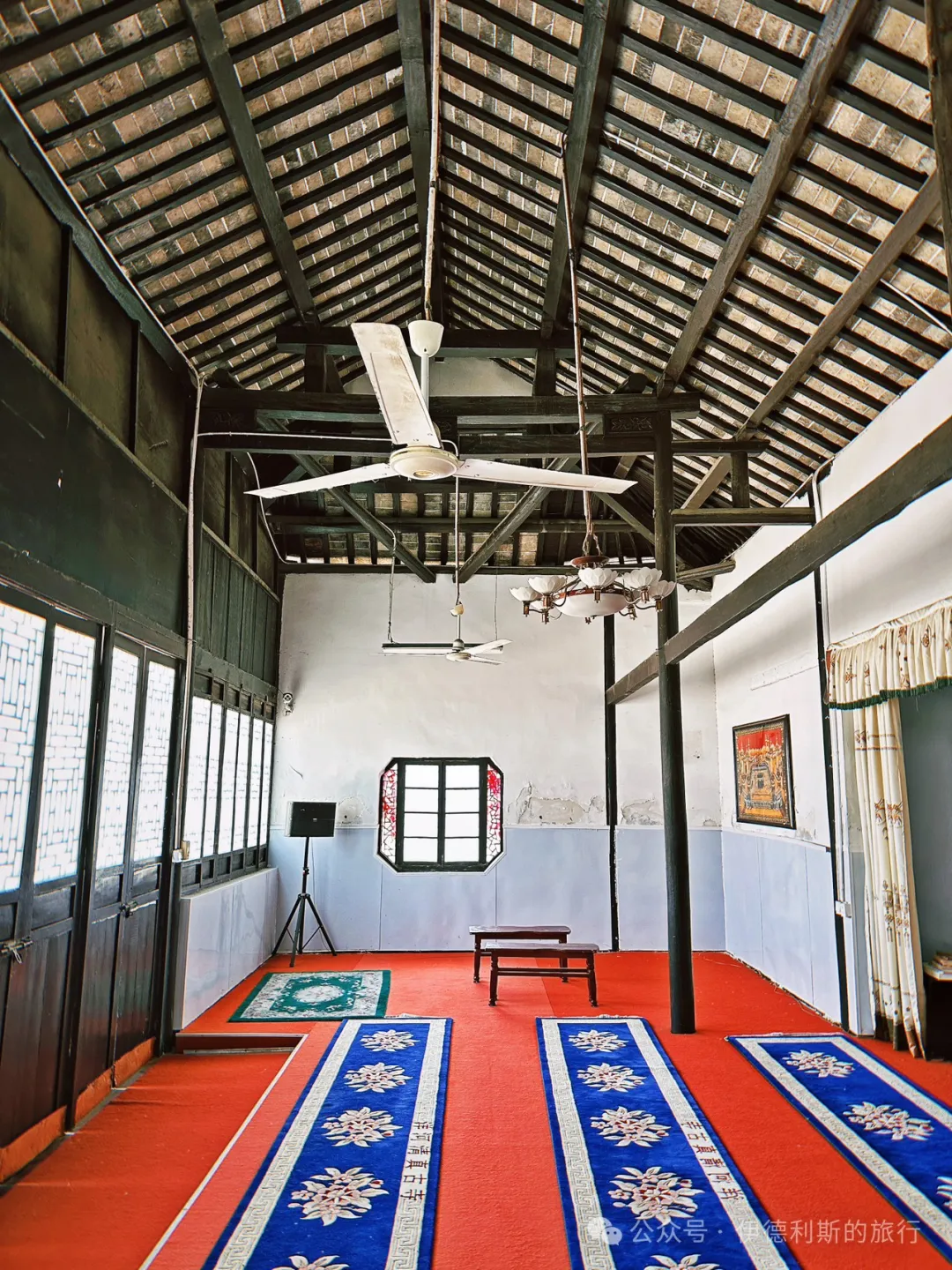
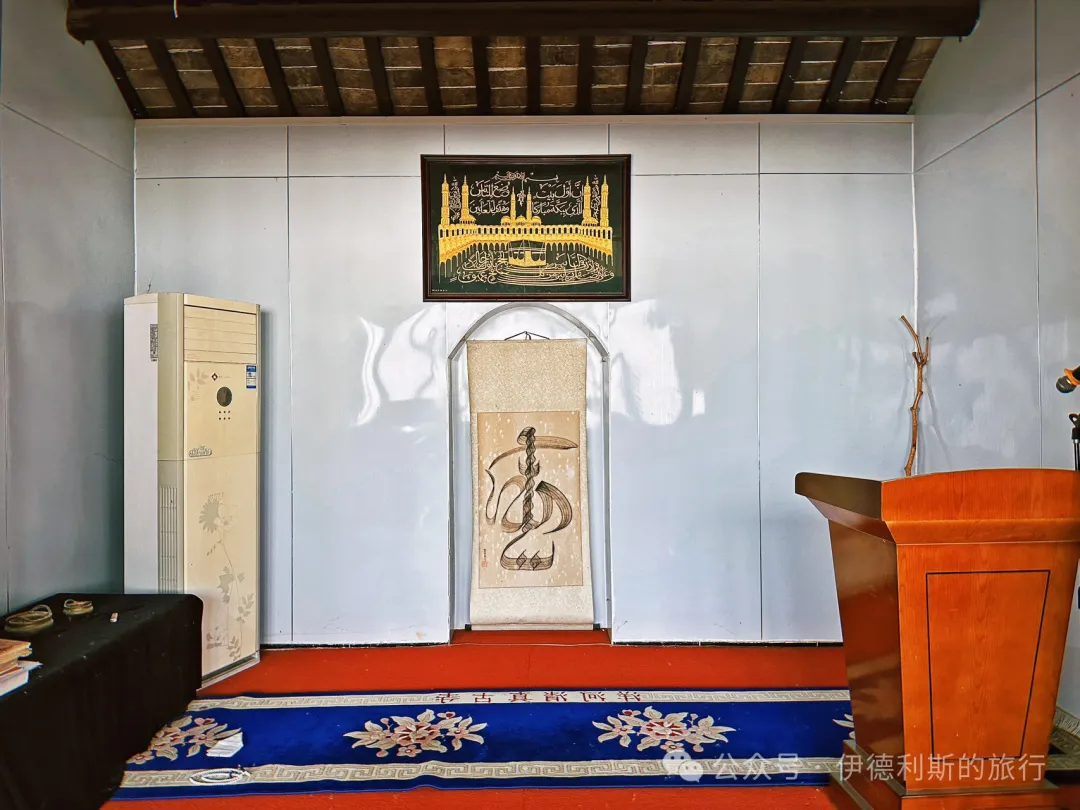
The Suqian Yanghe Town Mosque was first built during the Qianlong reign. It was funded by Yu Qin, a local scholar from Yanghe who had served as an education official in Lishui, Pizhou, and Ningguo, and was built on Rice Market Street in Yanghe. It was destroyed during the Japanese invasion and later rebuilt. The current main hall features a hip-and-gable roof, a post-and-lintel frame, and upturned eaves with wind bells hanging from the four corners. It was listed as a Suqian cultural heritage site in 2010.
Yanghe Town Mosque belongs to the Jahriyya Banqiao Daotang. During the Jiaqing reign of the Qing Dynasty, Chang Tingzhang (1785-1870), a Hui Muslim from Siyang, Jiangsu, traveled to Lingzhou (modern-day Lingwu) in Ningxia to study. After completing his studies, he brought the Jahriyya tradition to the Huai-Si region. Chang Tingzhang was famous far and wide for his profound knowledge and had many disciples when he began teaching at the Huaiyin Wangjiaying Mosque. Since then, mosques including the Huaiyin Wangjiaying Mosque, Siyang Zhongxing Town Mosque, and Yanghe Town Mosque have all followed the Jahriyya tradition. Before 1932, the imams of Yanghe Town Mosque were all assigned from Ningxia. After 1932, Imam Ma Chengliang served until he passed away in 1979.
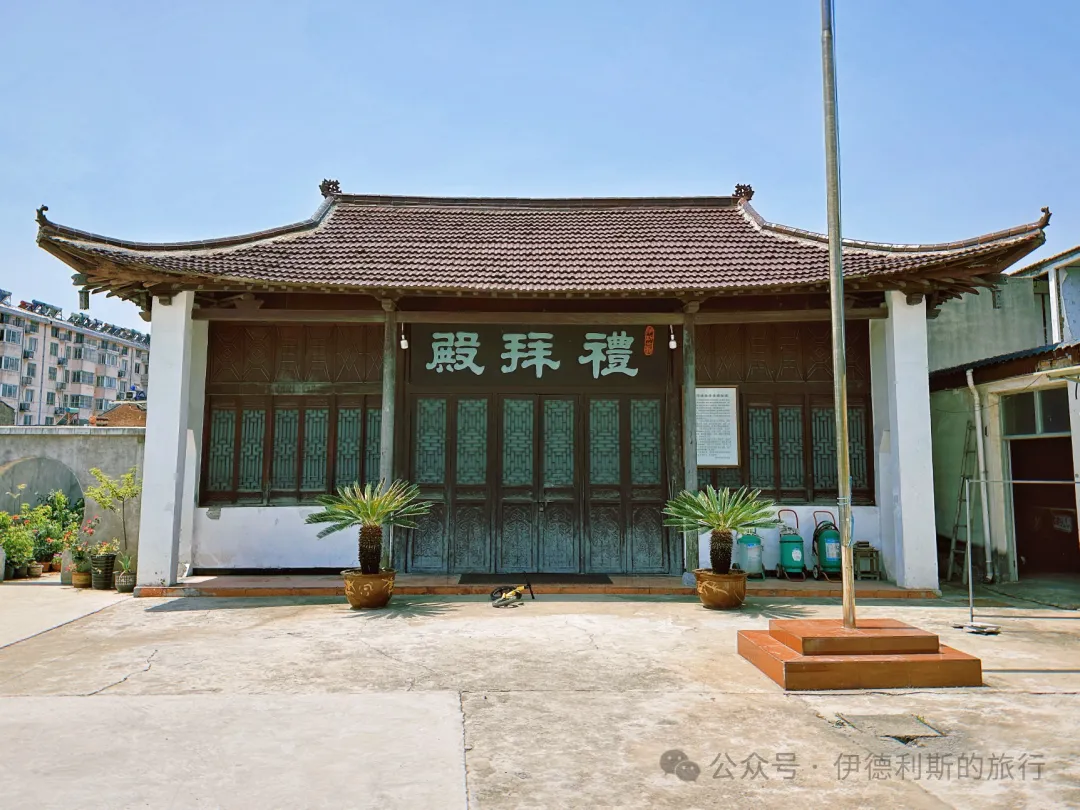
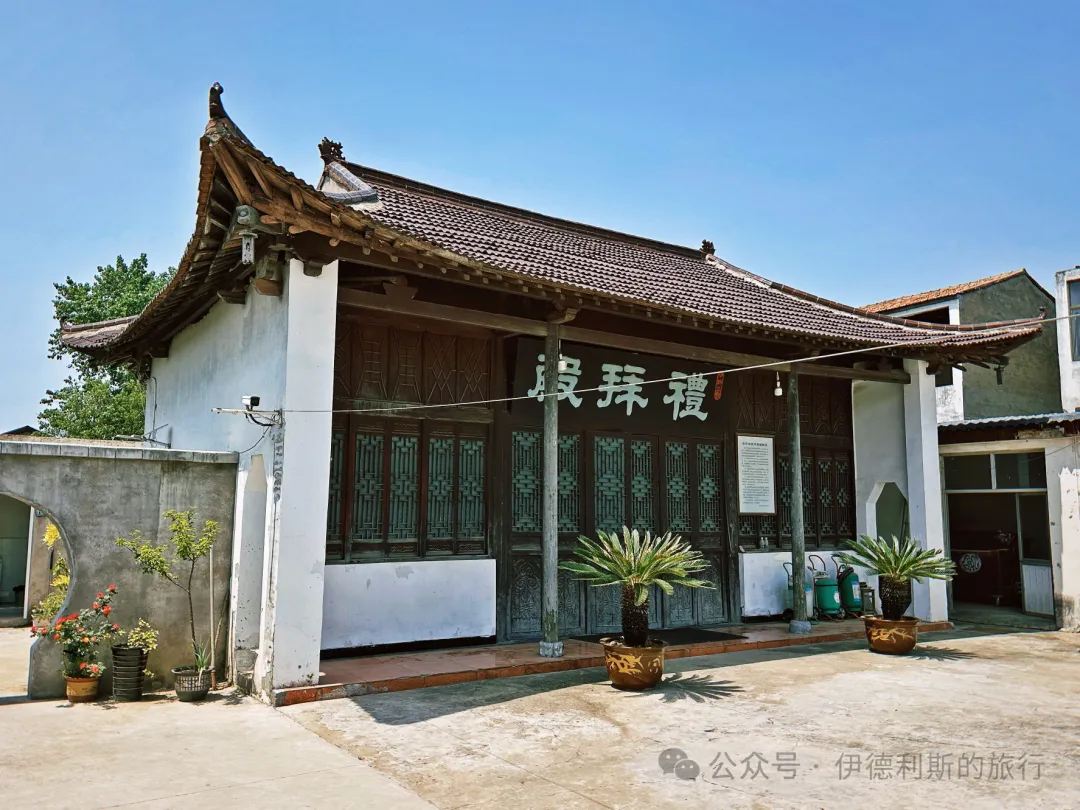
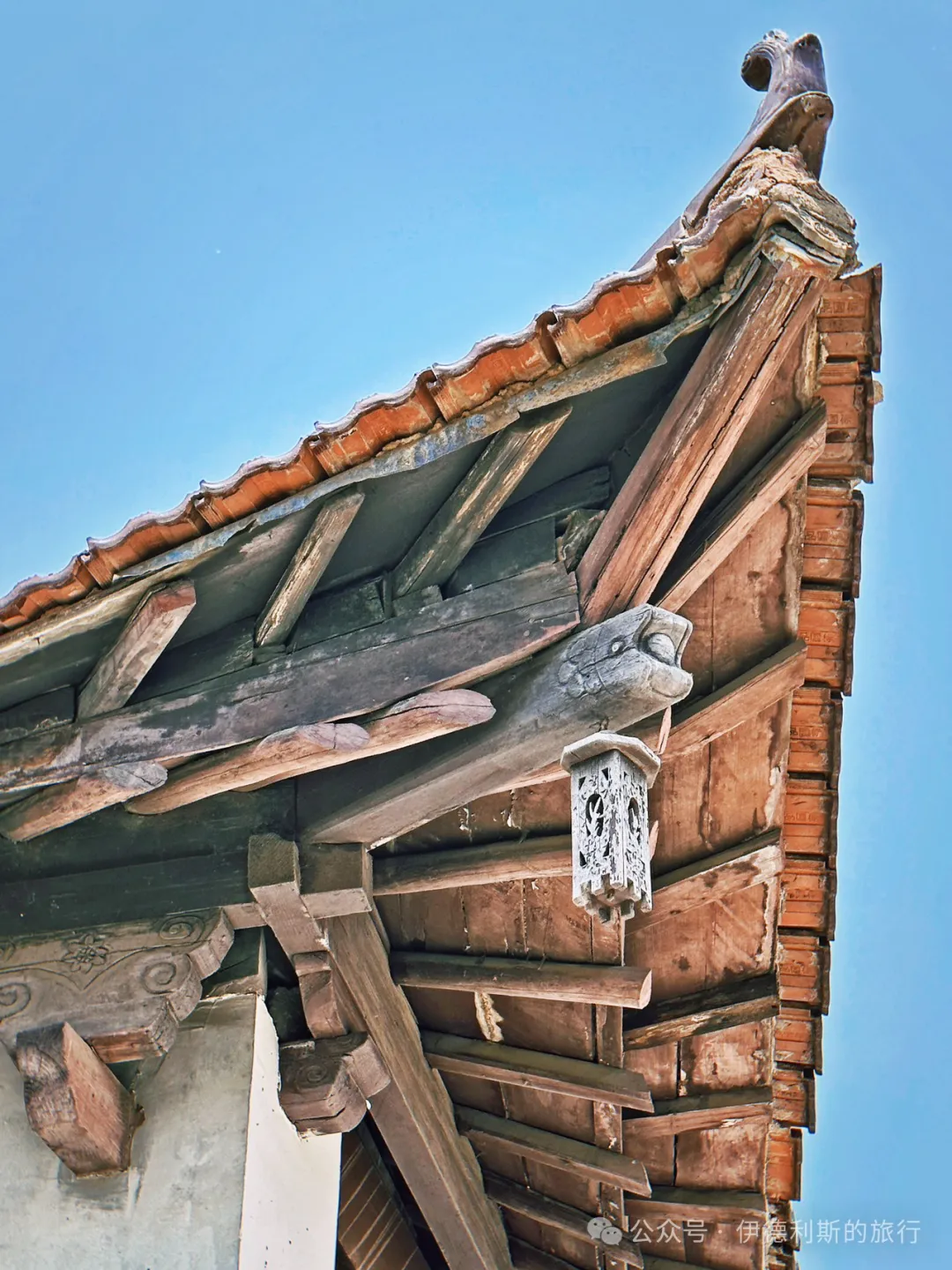
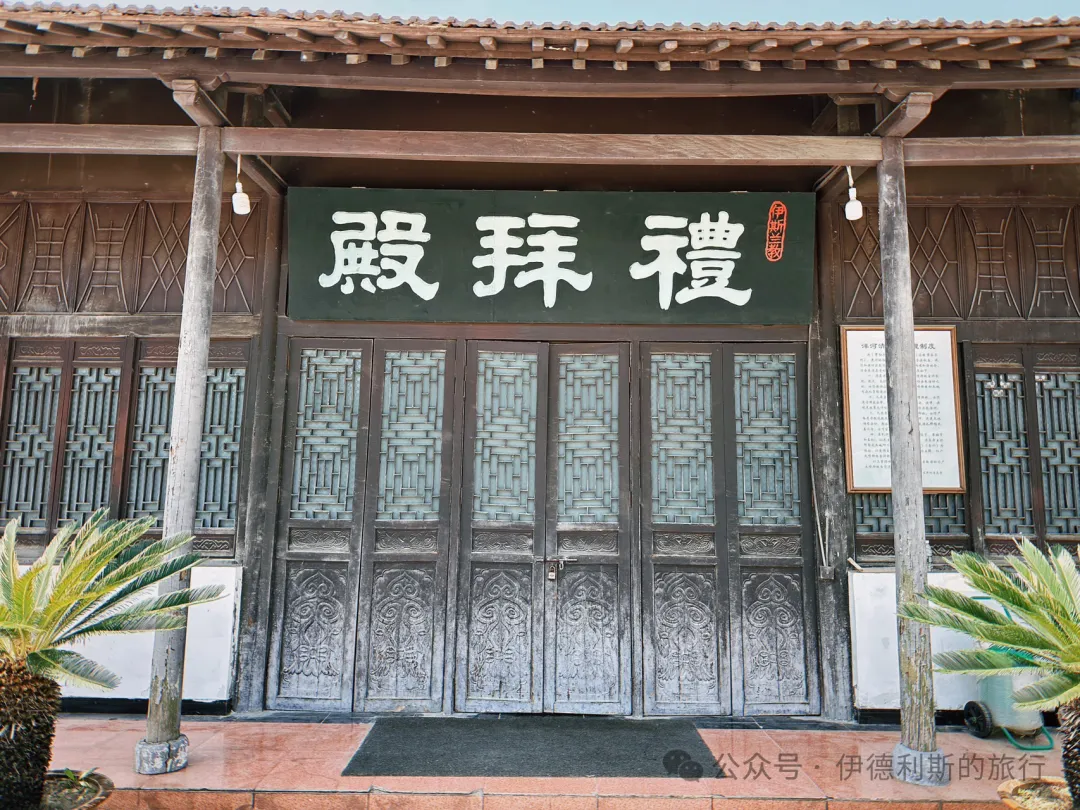
Huai'an Qingjiang Ancient Mosque.
Qingjiangpu in Huai'an was dredged in 1415 (the 13th year of the Yongle reign of the Ming Dynasty). It was the center of grain transport for the Grand Canal during the Ming and Qing dynasties, where grain transport ships from all provinces were built and repaired. Because navigating the Yellow River section of the canal was very dangerous, and waiting times to pass through locks in Shandong were too long, many merchants chose to leave their boats at Qingjiangpu. They would cross the Yellow River and switch to horse-drawn carriages to continue north, making Qingjiangpu a symbol of the "southern boats and northern horses" transport system.
The most important pier in Qingjiangpu was next to the Yue Lock. It was called the Imperial Pier because both Emperors Kangxi and Qianlong landed there during their southern inspection tours. This was once the busiest and most prosperous place in Qingjiangpu. Hui Muslims began doing business on Yuehe Street in front of the Imperial Pier during the Ming Dynasty, and the earliest Qingjiang Ancient Mosque was built during the Jiajing reign of the Ming Dynasty.
In 1677 (the 16th year of the Kangxi reign), the Governor of the Waterways moved to Qingjiangpu, and it became the center of grain transport. In his collection of notes and stories, Golden Pot Seven Inks (Jinhu Qimo), Qing Dynasty writer Huang Junzai recorded: 'Along the Qingjiang River for over ten miles, the markets were bustling and food was abundant. People from all directions gathered here, shoulder to shoulder and wheel to wheel, in a very prosperous scene.' In 1799 (the 57th year of the Qianlong reign), the Qingjiang Mosque (Qingjiang Gusi) underwent a large-scale expansion, marking the peak of its prosperity.
In 1860 (the 10th year of the Xianfeng reign), the Nian Army captured Qingjiangpu and the Qingjiang Mosque was destroyed. The imam, Ma Huanwen, sadly passed away from illness while preparing to raise funds for the mosque (nietie). Fortunately, an elder from Nanjing named Jiang Hengqing took over, organized the community to raise funds (nietie), and finally rebuilt the mosque in 1870 (the 9th year of the Tongzhi reign).
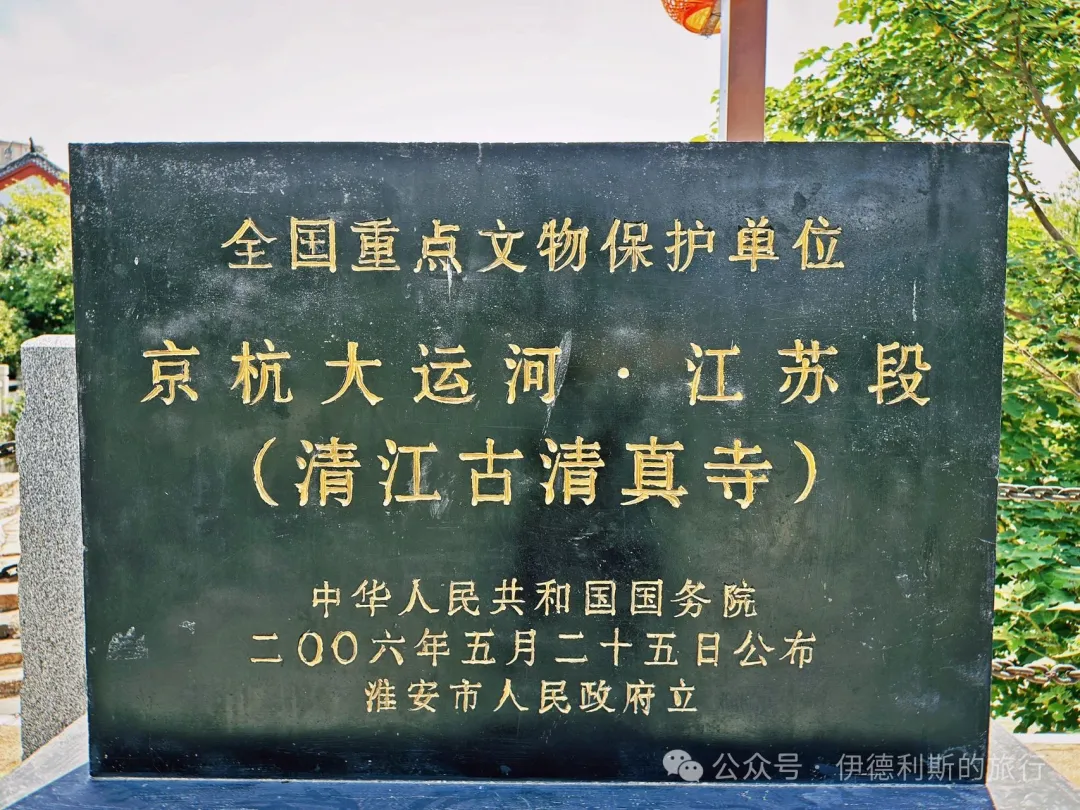
In 2006, the Beijing-Hangzhou Grand Canal was listed as a Major Historical and Cultural Site Protected at the National Level. Three historic mosques were included along the canal: the North Mosque in Linqing, the East Mosque in Linqing, and the Qingjiang Mosque in Huai'an. It can be said that the Hui Muslim community in Huai'an grew because of the canal and is inseparable from the canal's grain transport history.
Looking from the opposite bank of the Li Canal, you can see the gate of the Qingjiang Mosque right next to the Imperial Wharf ruins, helping you imagine what the busy grain transport days looked like.
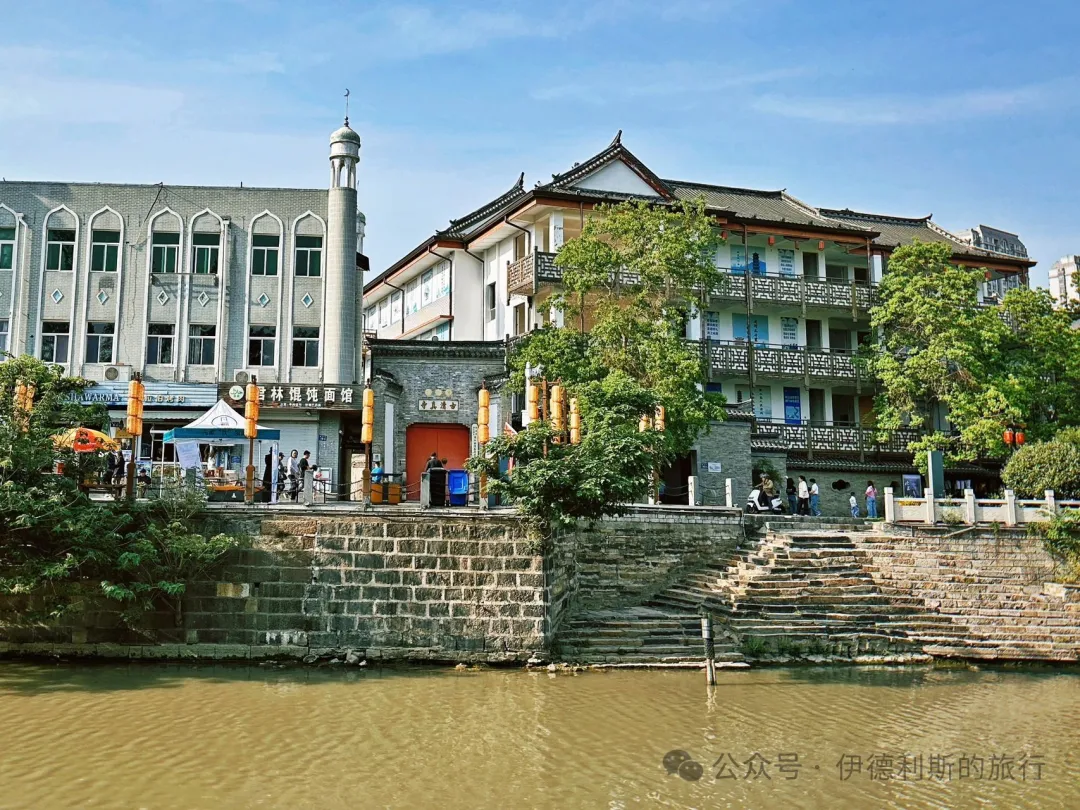
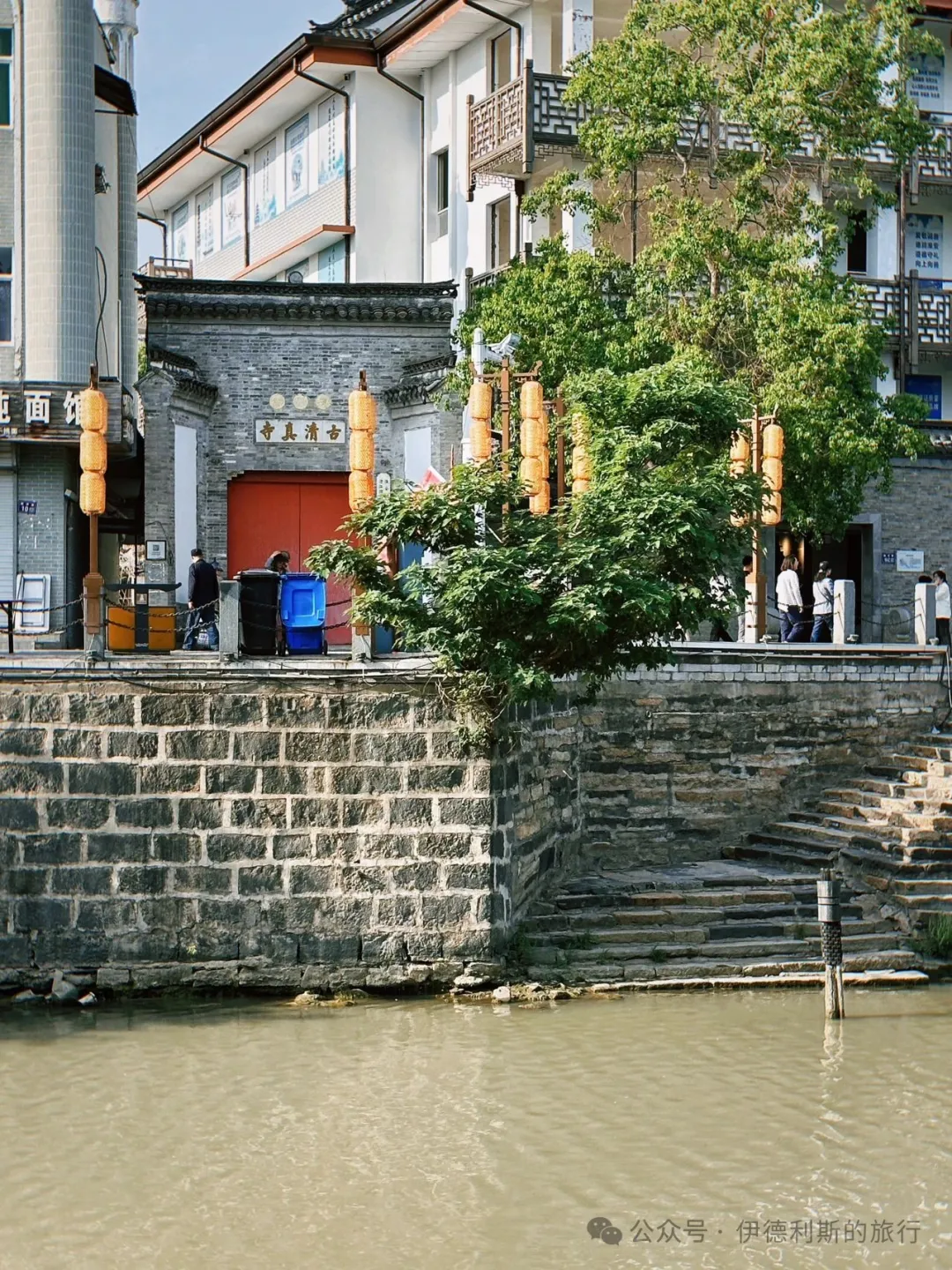
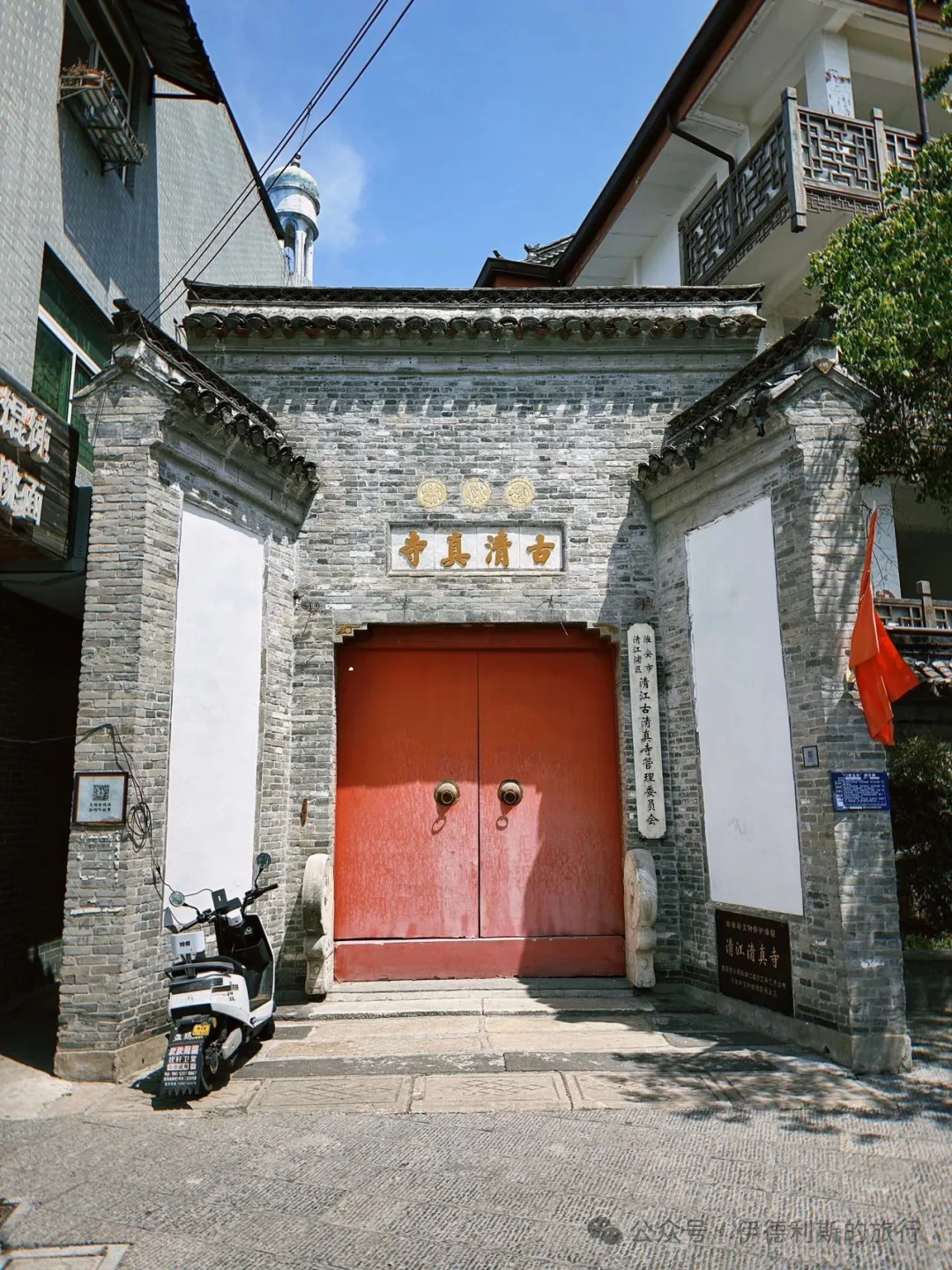
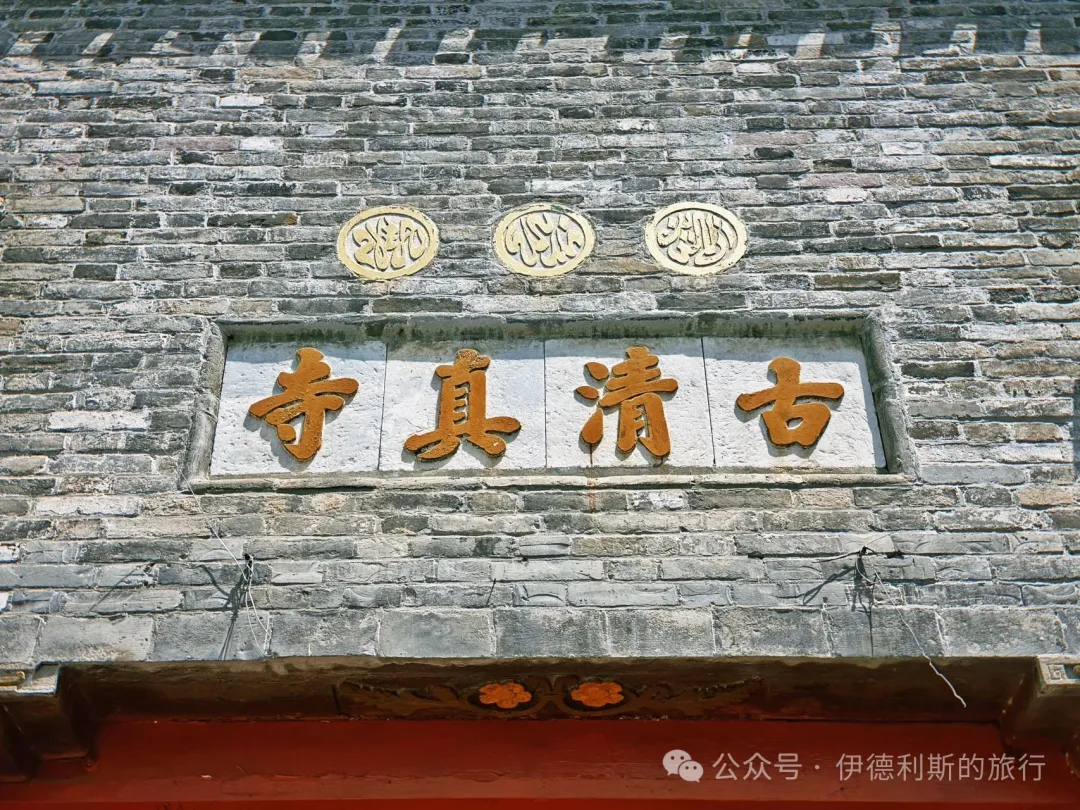
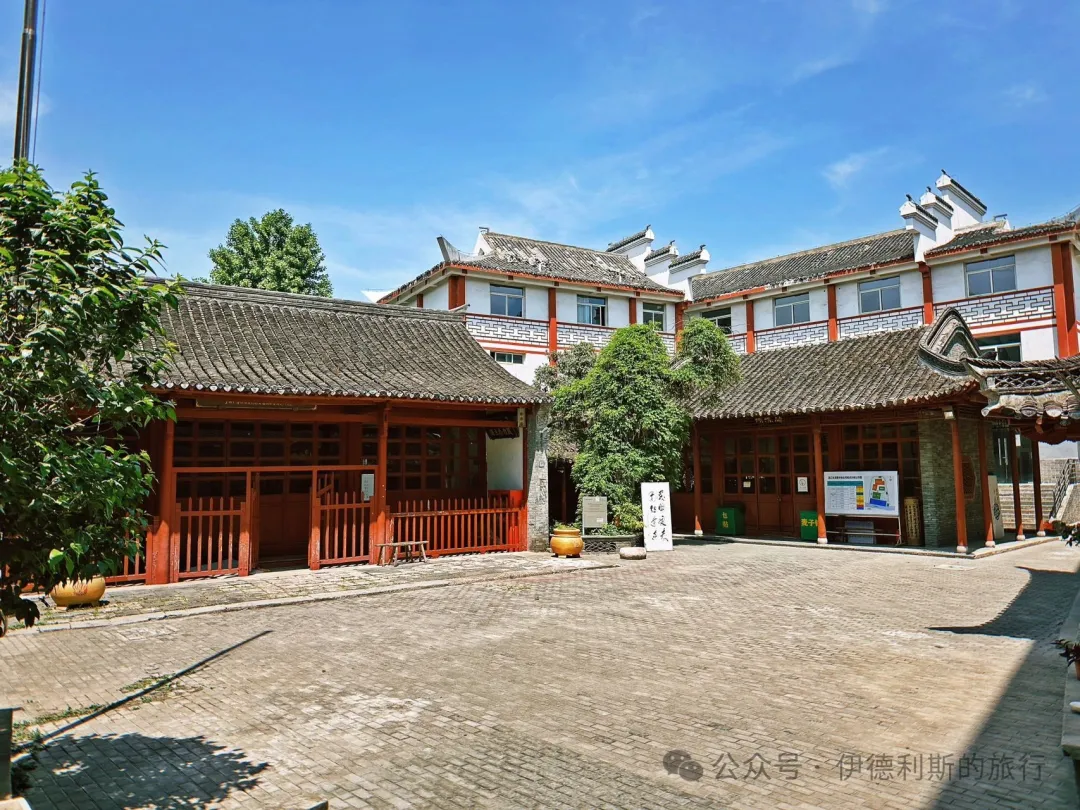
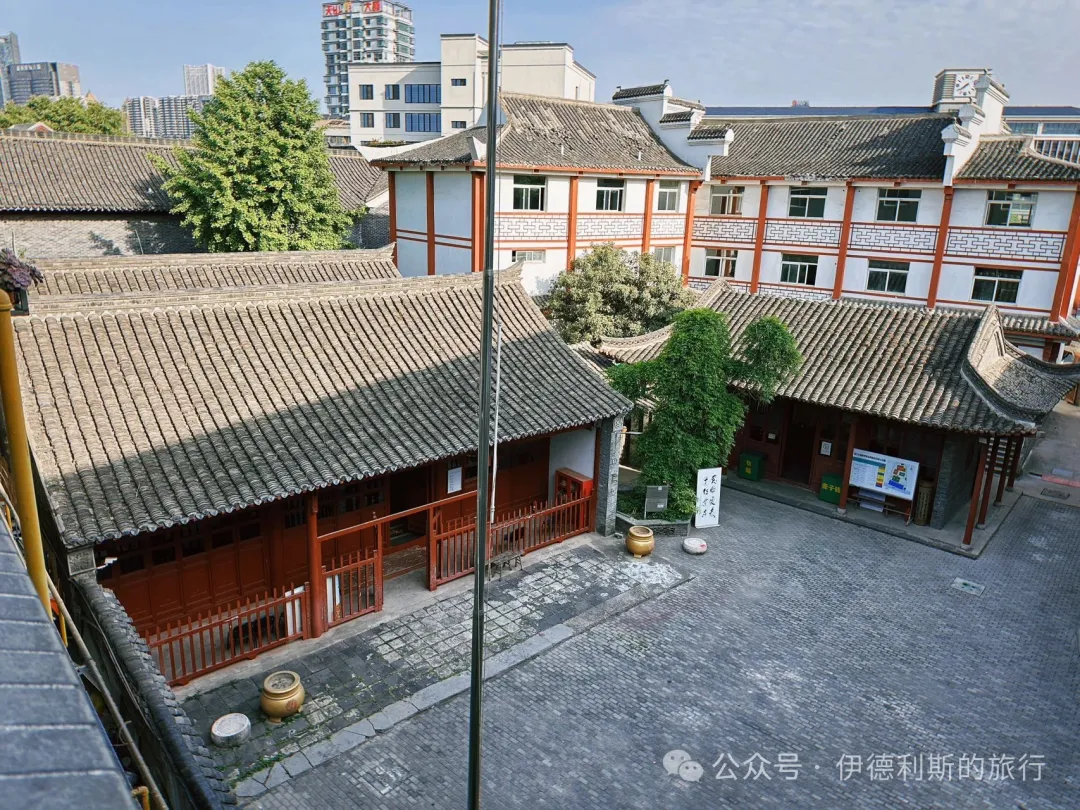
Inside the courtyard, the main prayer hall and the north wing, known as the Butterfly Hall, are Qing Dynasty structures. Beside the main hall stands a Chinese trumpet creeper (lingxiaomu) over 320 years old.
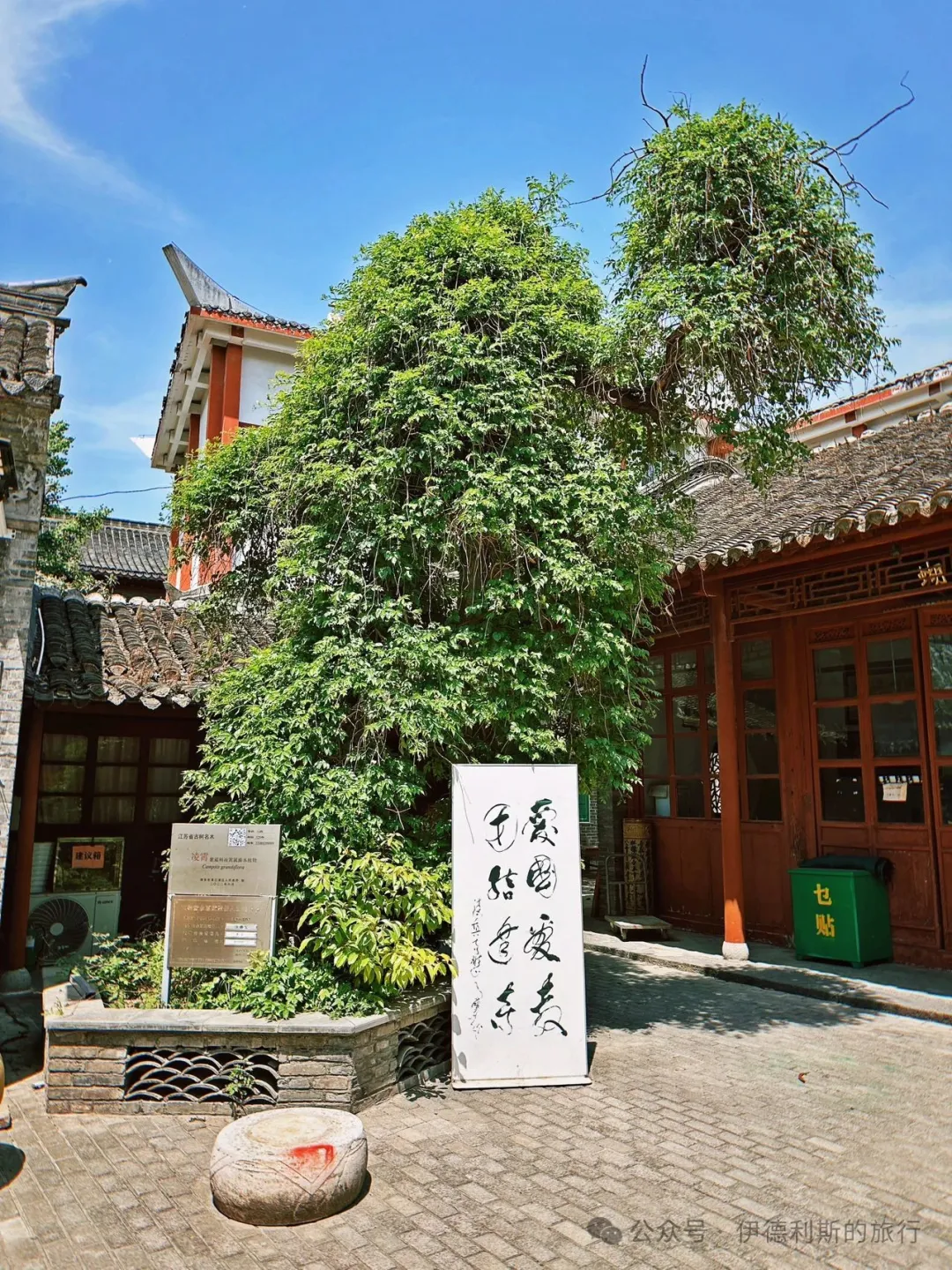
The main hall is a Qing Dynasty building made of two connected hard-mountain roofs (yingshanding) with a kiln-style hall (yaodian) at the back, typical of traditional Jianghuai architectural style.
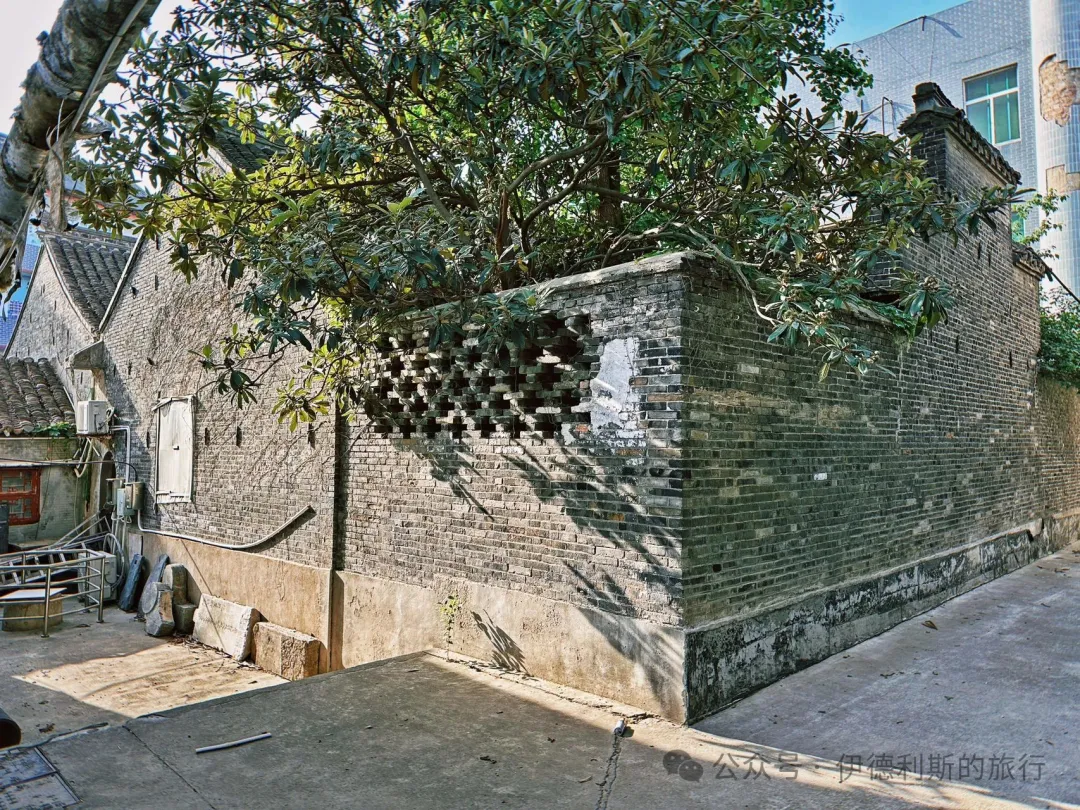
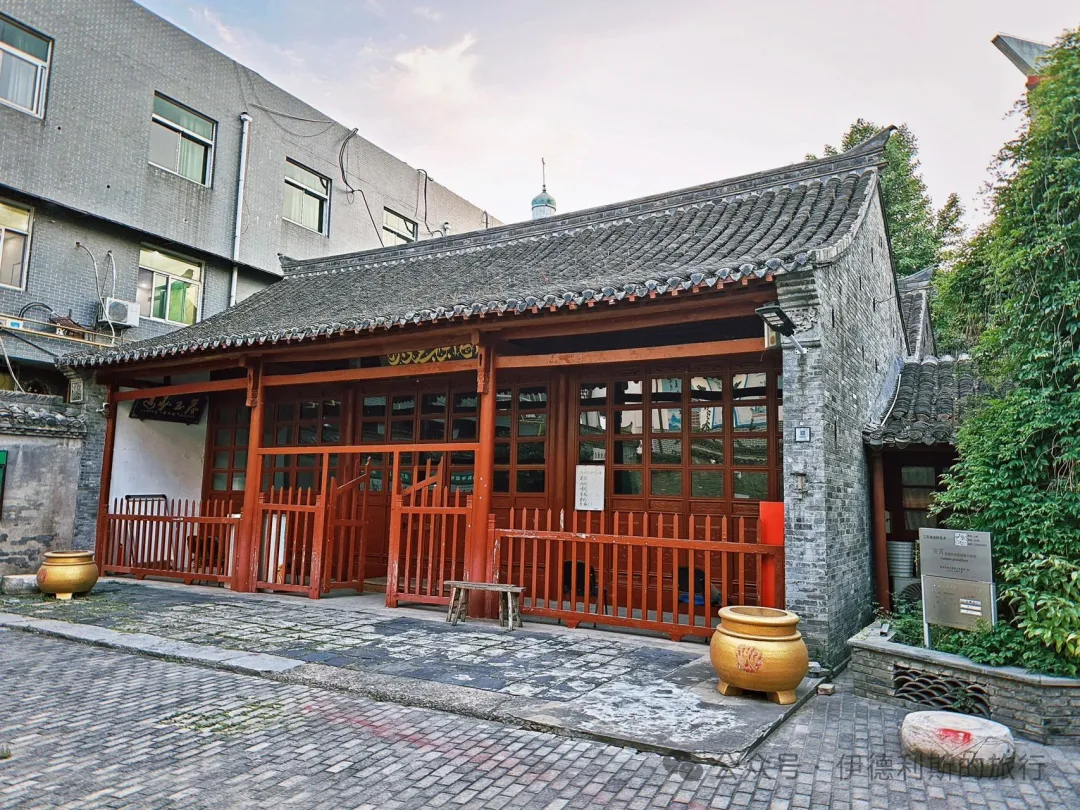
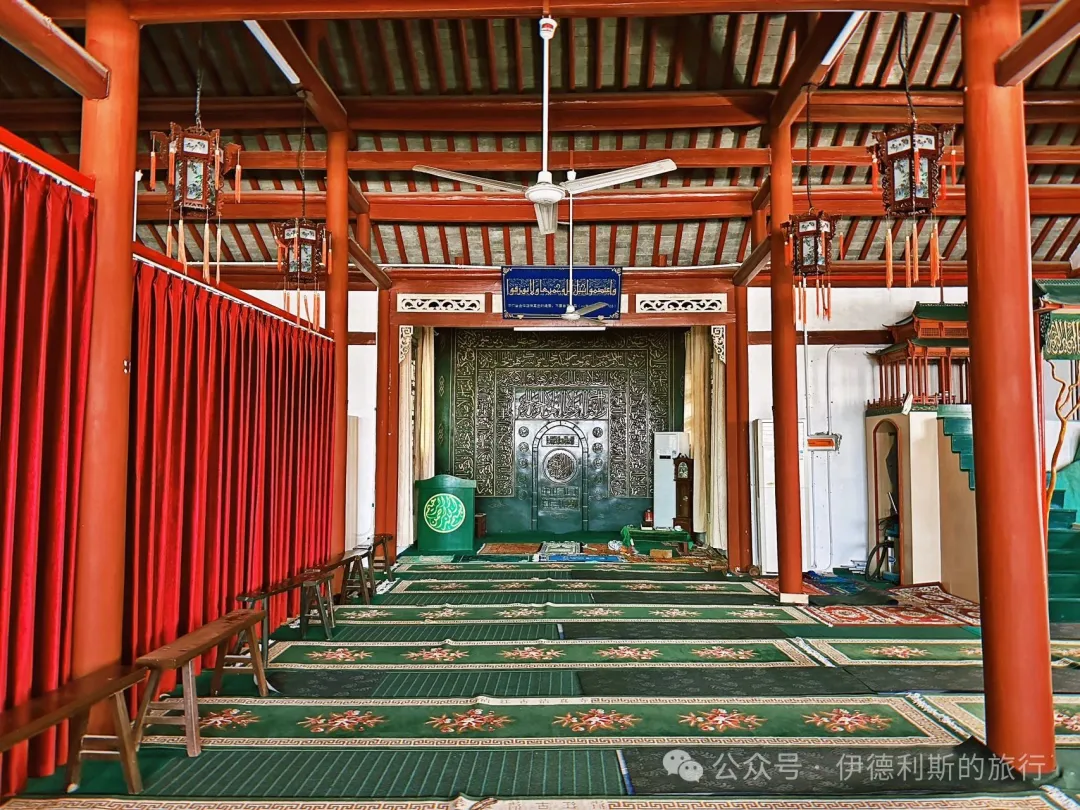
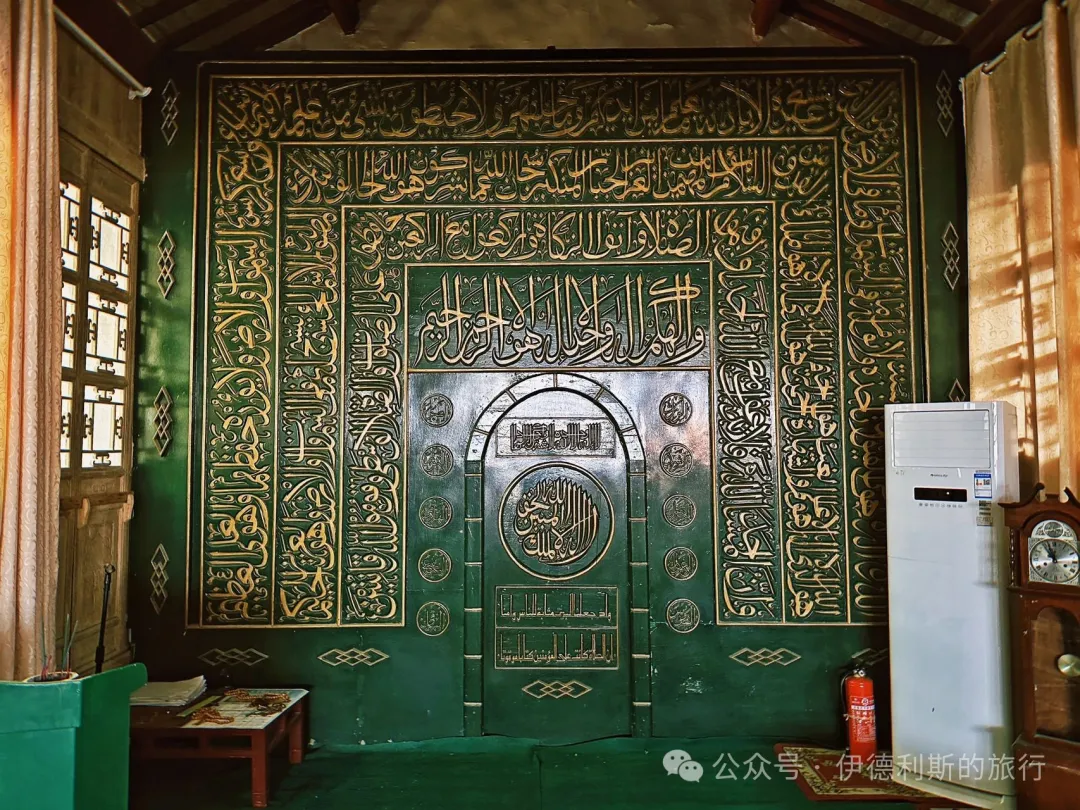
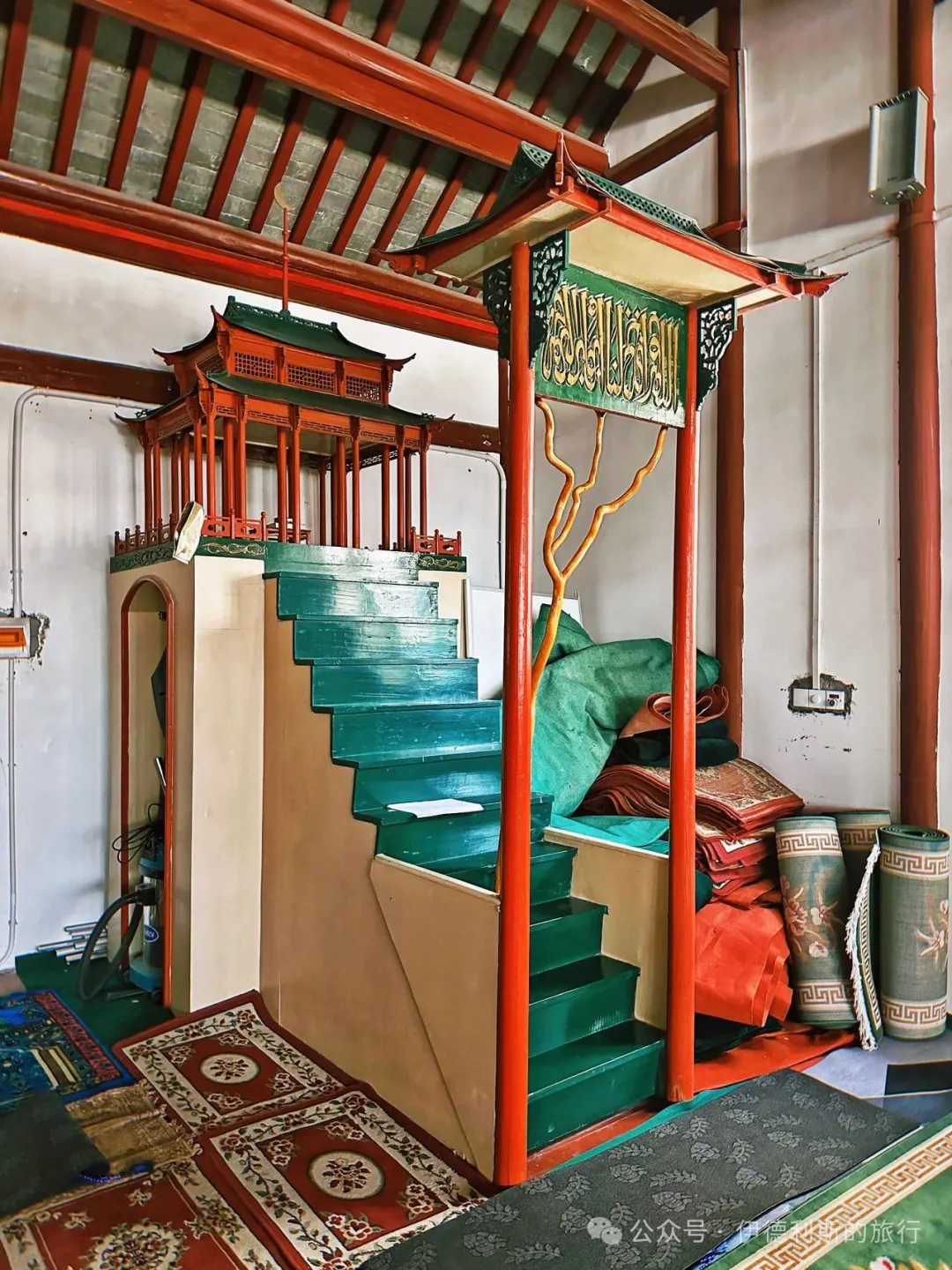
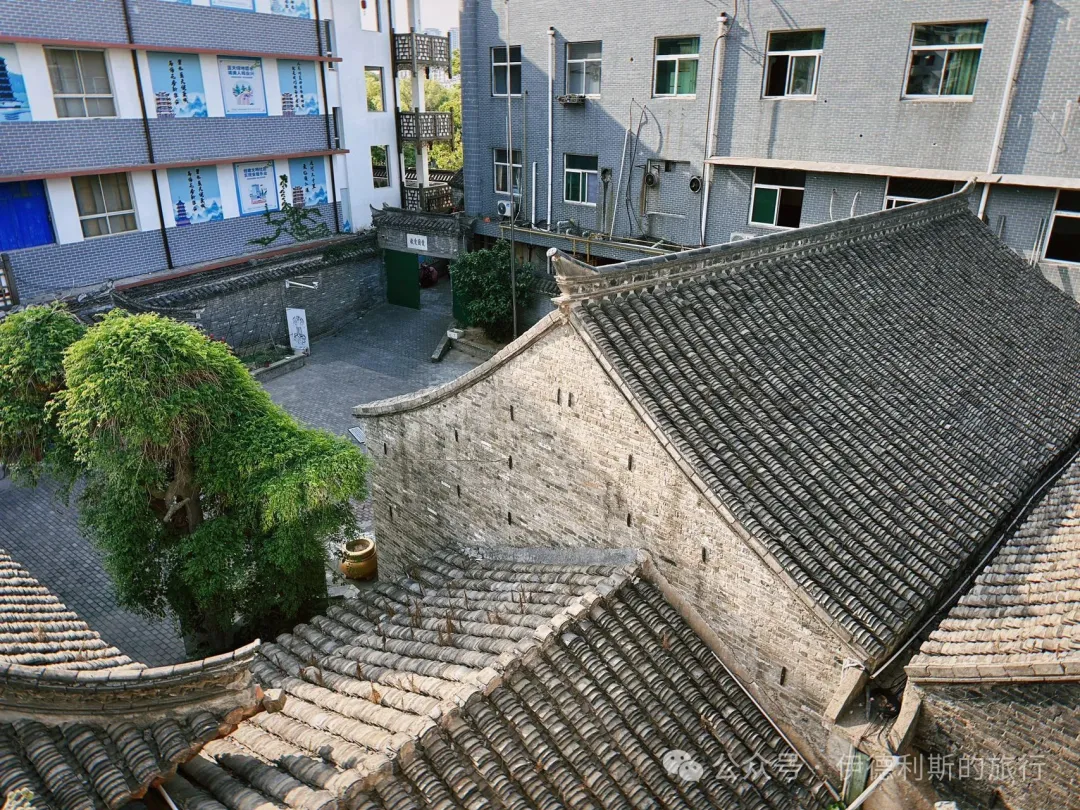
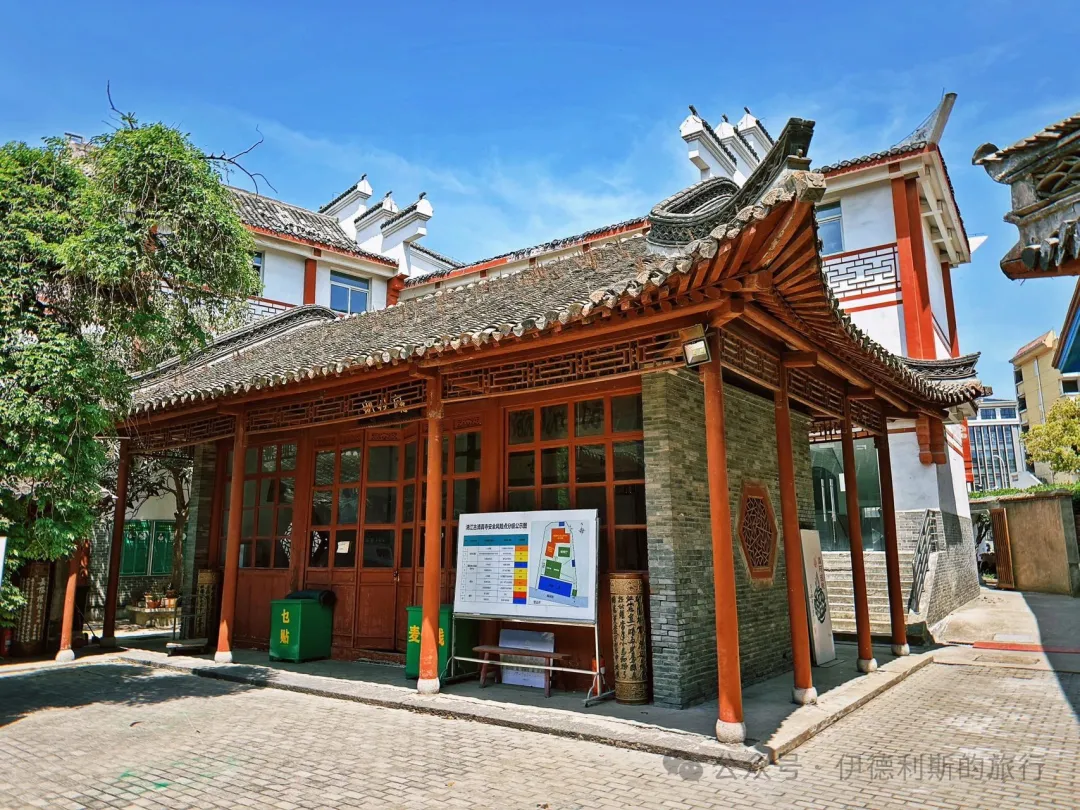
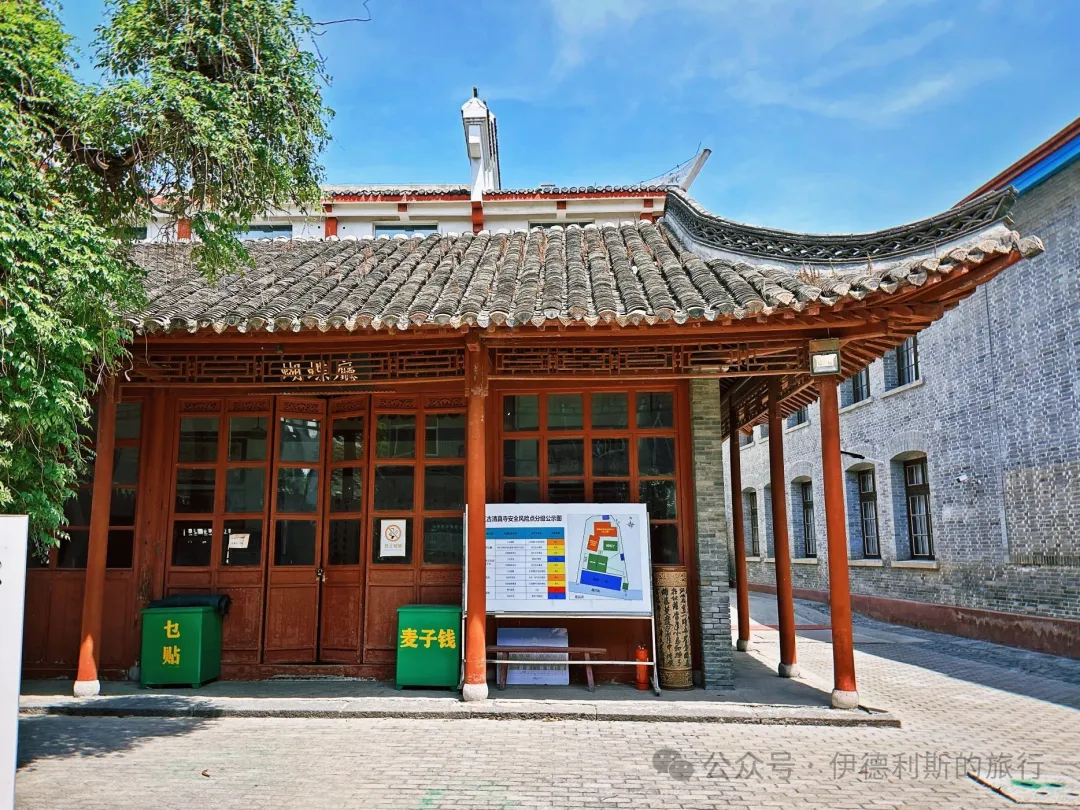
The north wing of the Qingjiang Mosque is called the Butterfly Hall (hudieting). This is a traditional name for garden architecture in the Jianghuai region, named because the corners of the hall curve upward like the wings of a dancing butterfly.
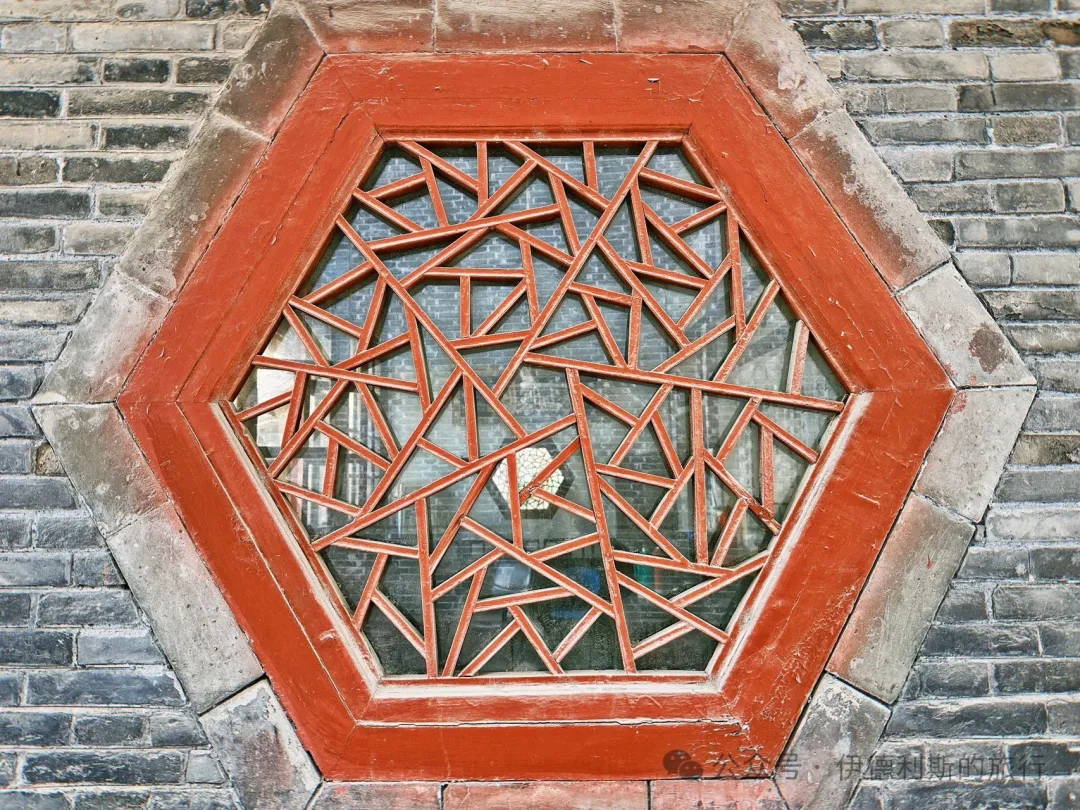
Two stone steles at the Qingjiang Mosque.
The first is the 'Prohibition Edict Stele' from the 57th year of the Qianlong reign. It was written and erected by the county government to explicitly ban corruption, issued by Wu Li, the magistrate of Qinghe County, Huai'an Prefecture, Jiangnan, who held a fifth-rank title and had been commended five times.
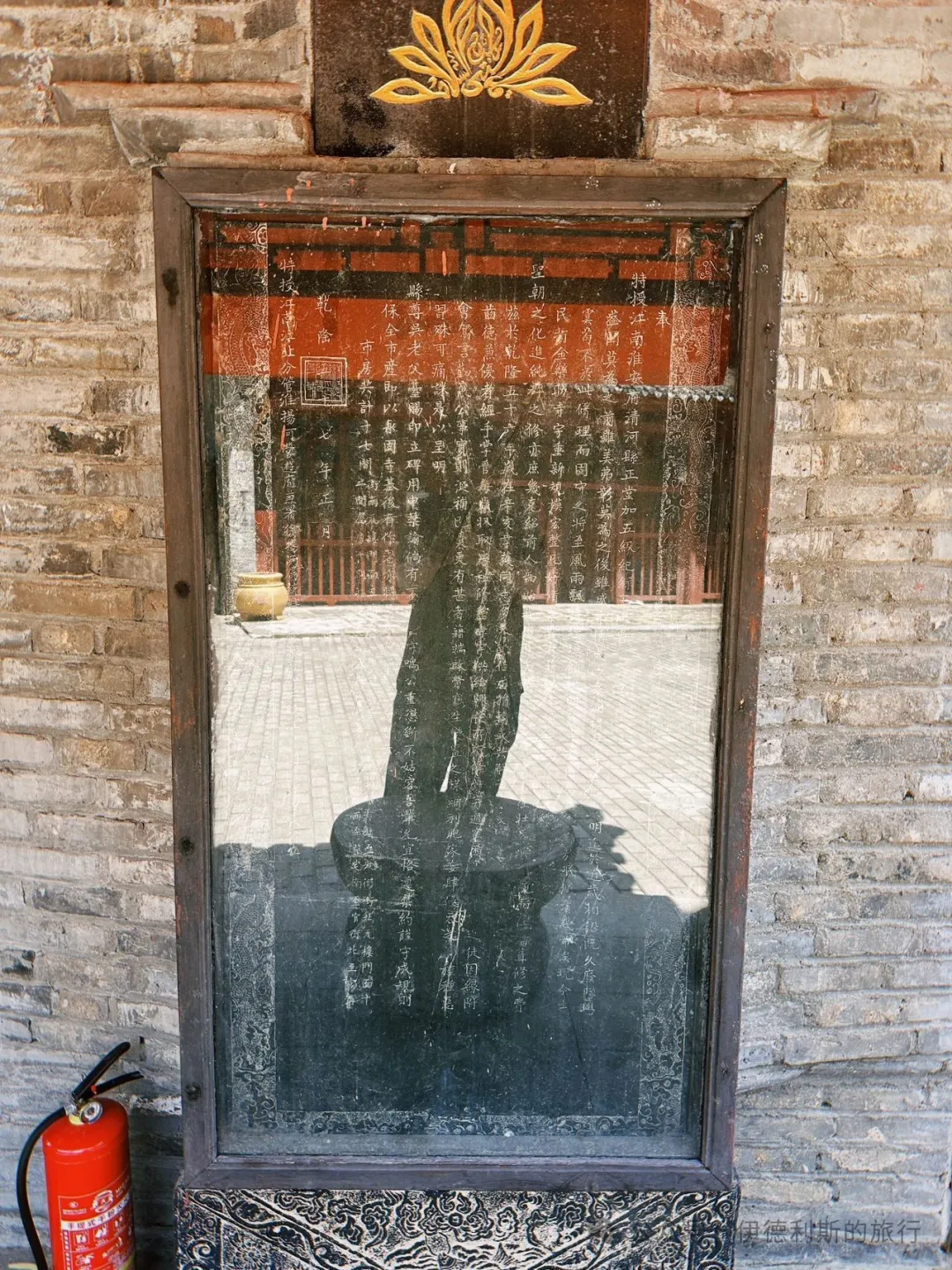
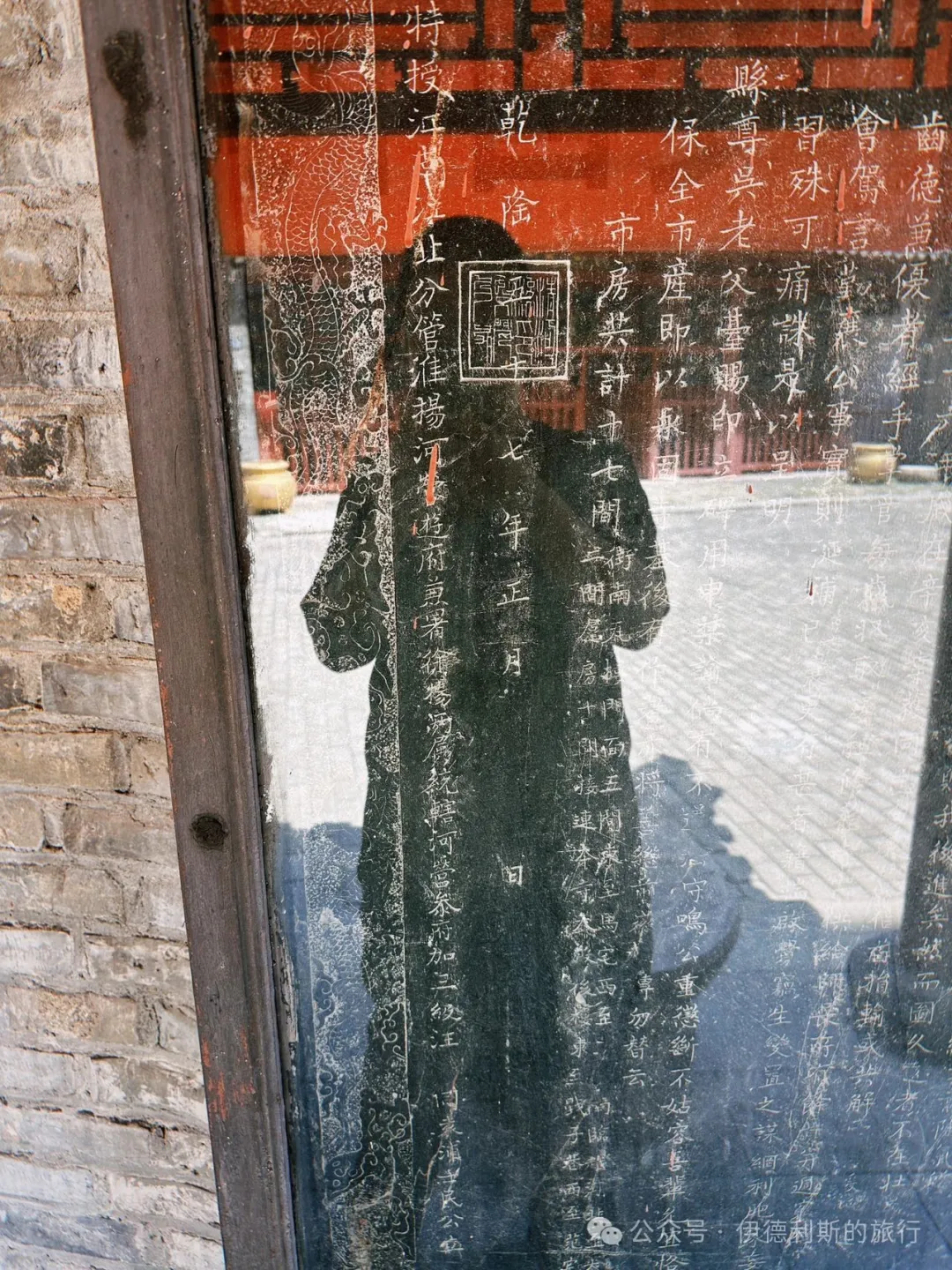
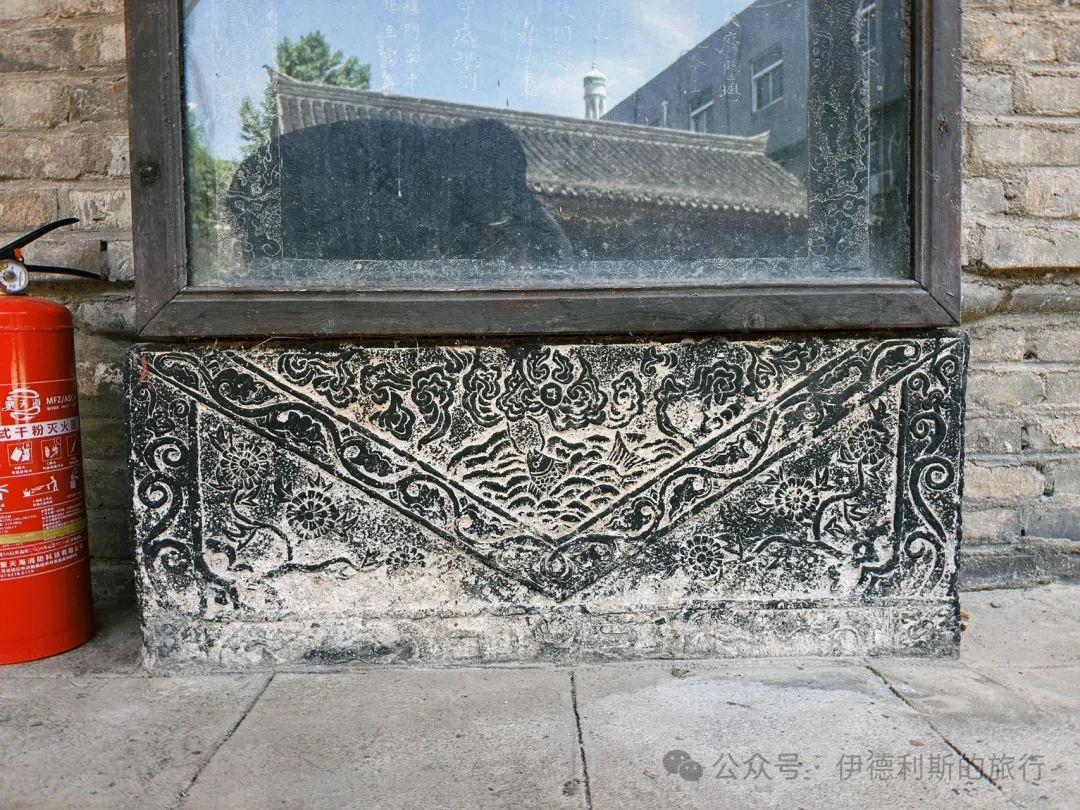
The second is the 'Stele Record of the Rebuilding of the Mosque Main Hall' from the 9th year of the Tongzhi reign, which documents the process of rebuilding the main hall during the Tongzhi period. The inscription records donors from nineteen places: Henan, Shandong, Jinling, Yunnan, Zhili, Chuanshan, Hexia, Lixiahe, Baoying, Gaoyou, Shaobo, Xiannumiao, Taizhou, Xinghua, Dongtai, Rugao, Shuyang, the Xinzi Cavalry, and Yuanpu. Donors from Henan, Shandong, Yunnan, Zhili, and Chuanshan were mostly traveling merchants, reflecting the prosperous 'southern boats and northern horses' scene of Qingjiangpu during the Qing Dynasty. The others were local mosque communities in Jiangsu. Some, like the Shaobo mosque, have since been abandoned, offering a glimpse into the rise and fall of the Hui Muslim community in Jiangsu.
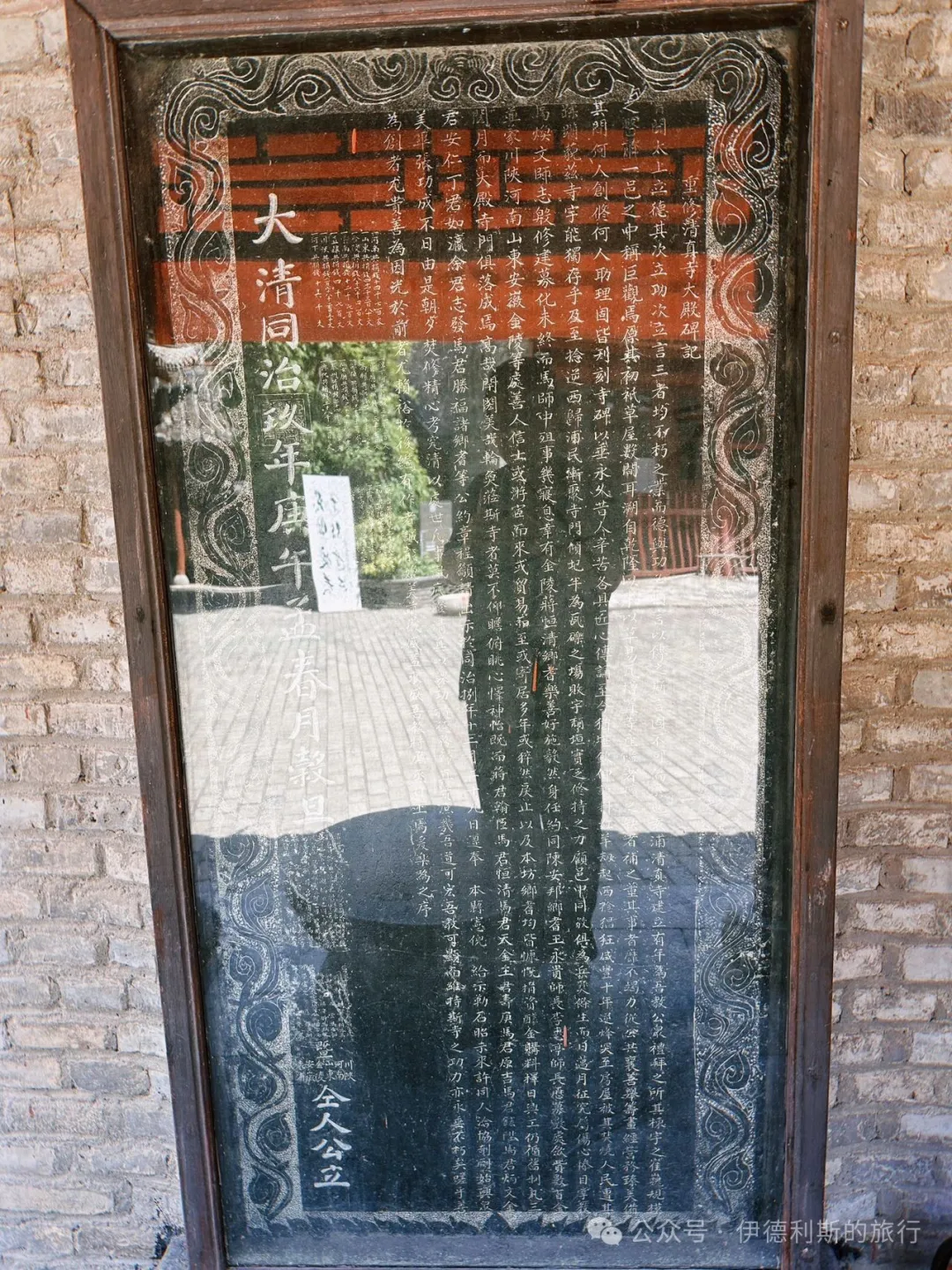
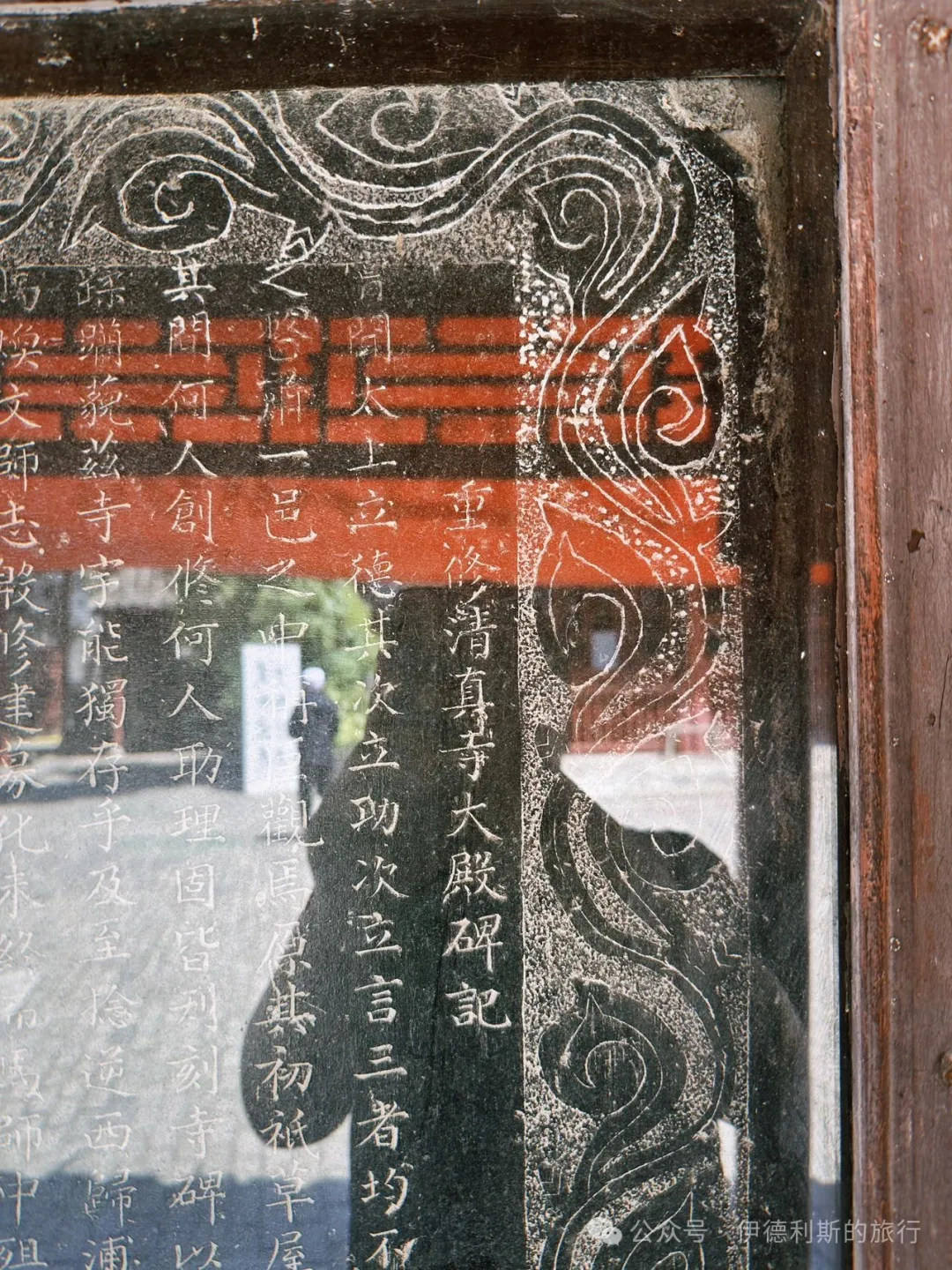
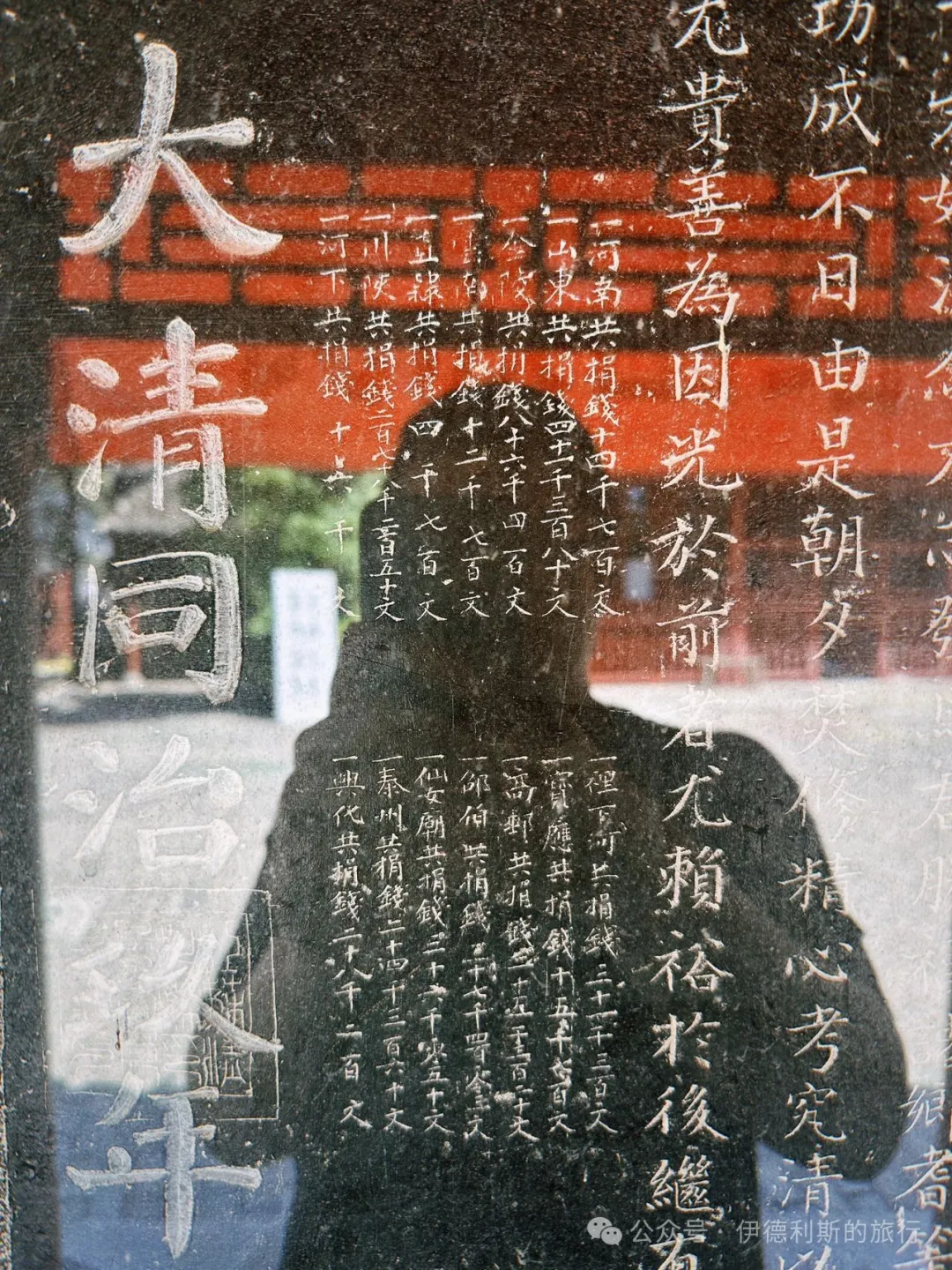
Ancient well
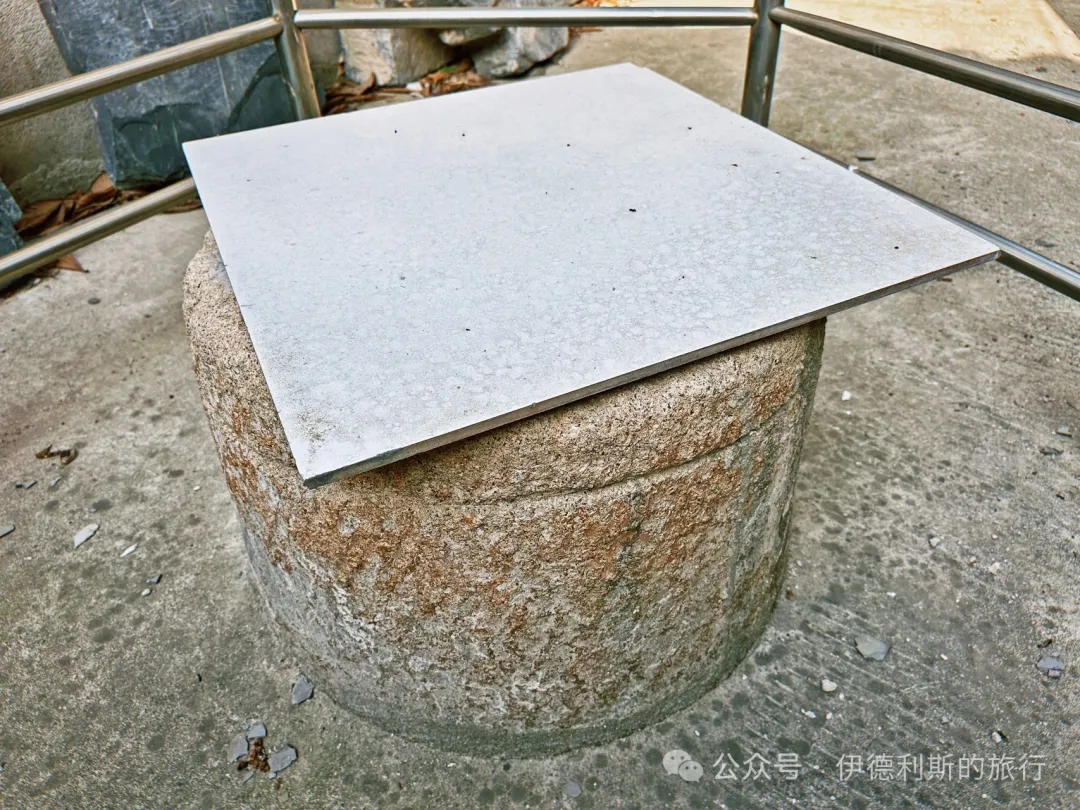
Column base
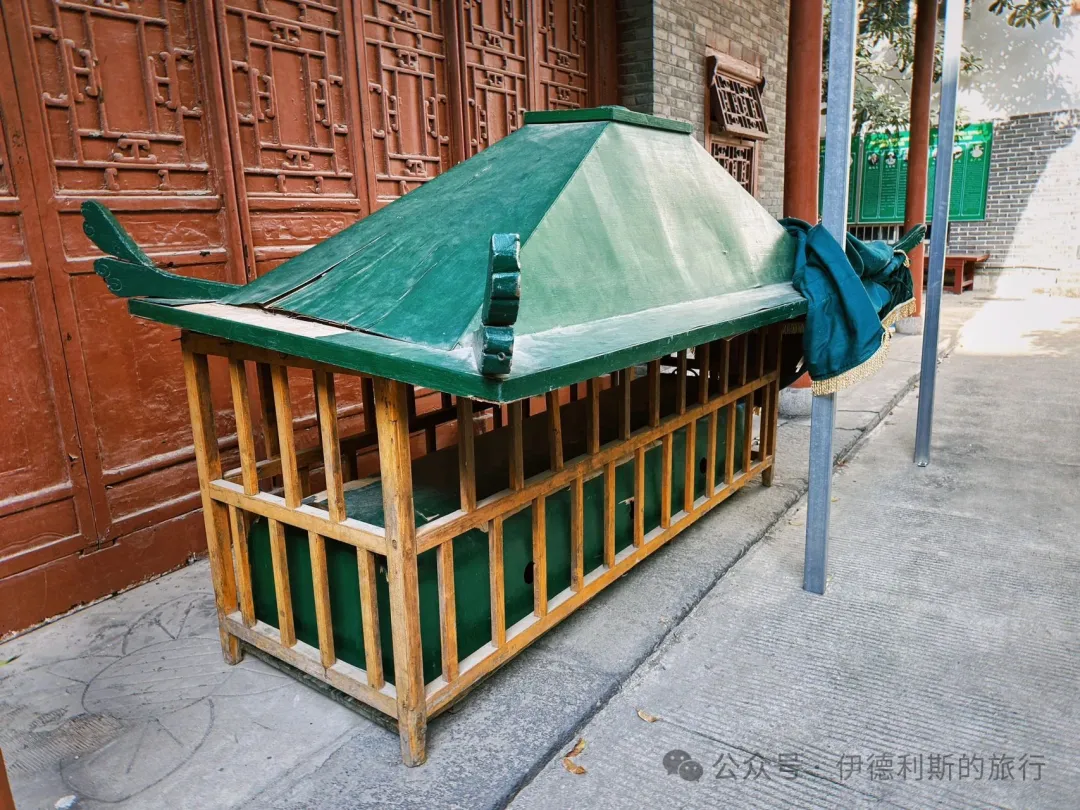
Coffin for the deceased (tabumaiti xia)
Tombstone of Madam Yang, mother of the Ma family, from the 14th year of the Guangxu reign, and the tombstone of the Sai family of the Ma clan from Anhui.
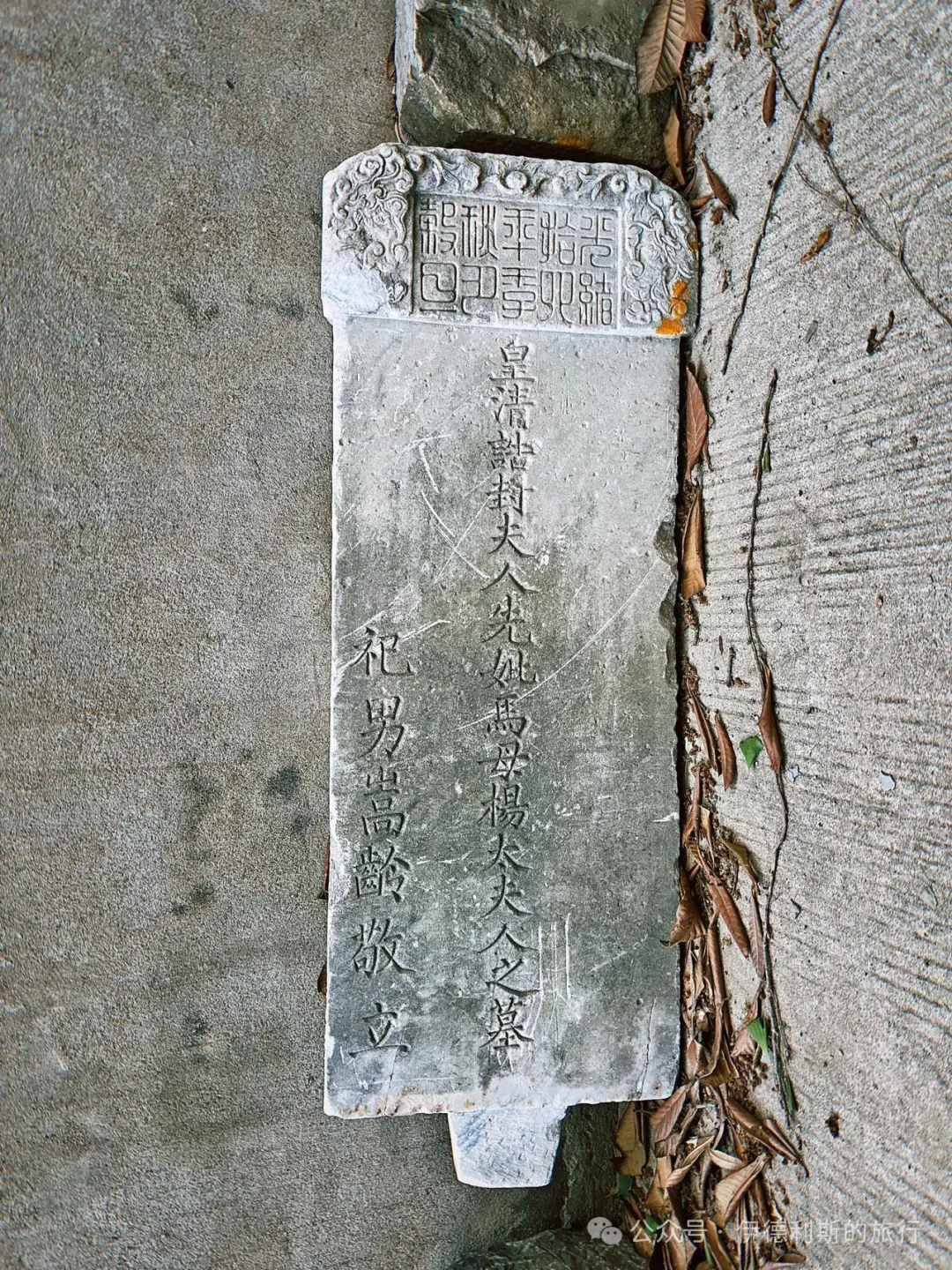
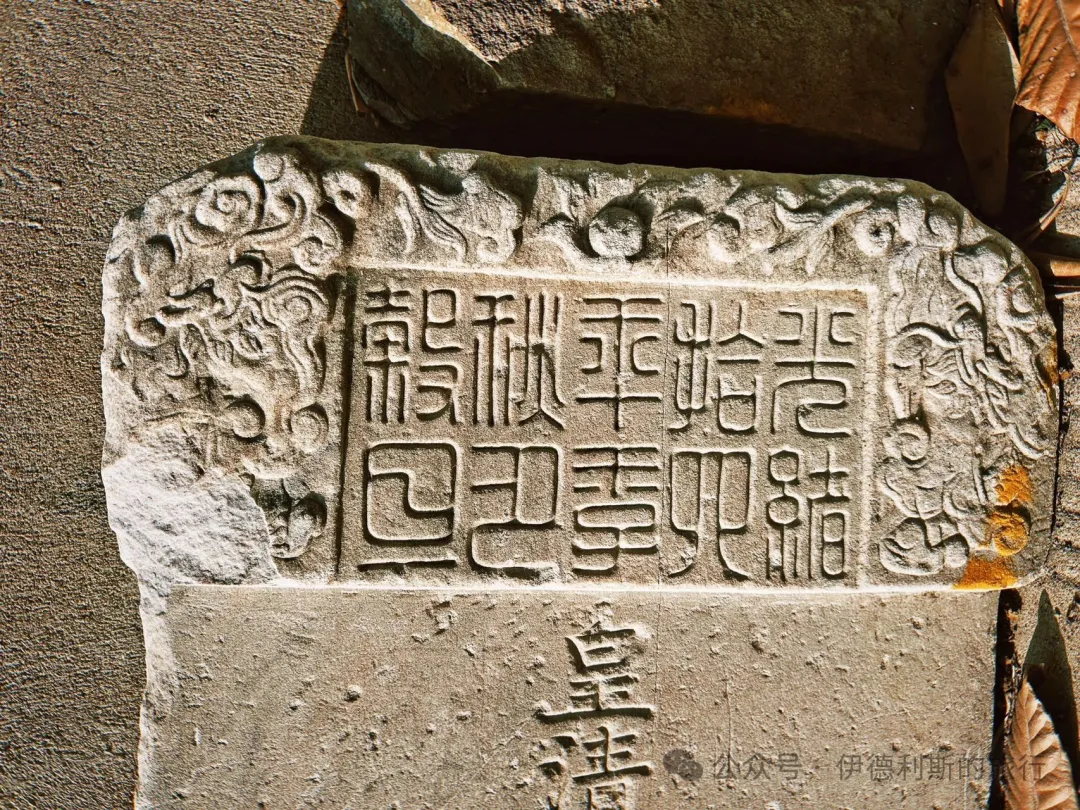
Tombstone of the Sai family of the Ma clan from Anhui
Stone railing
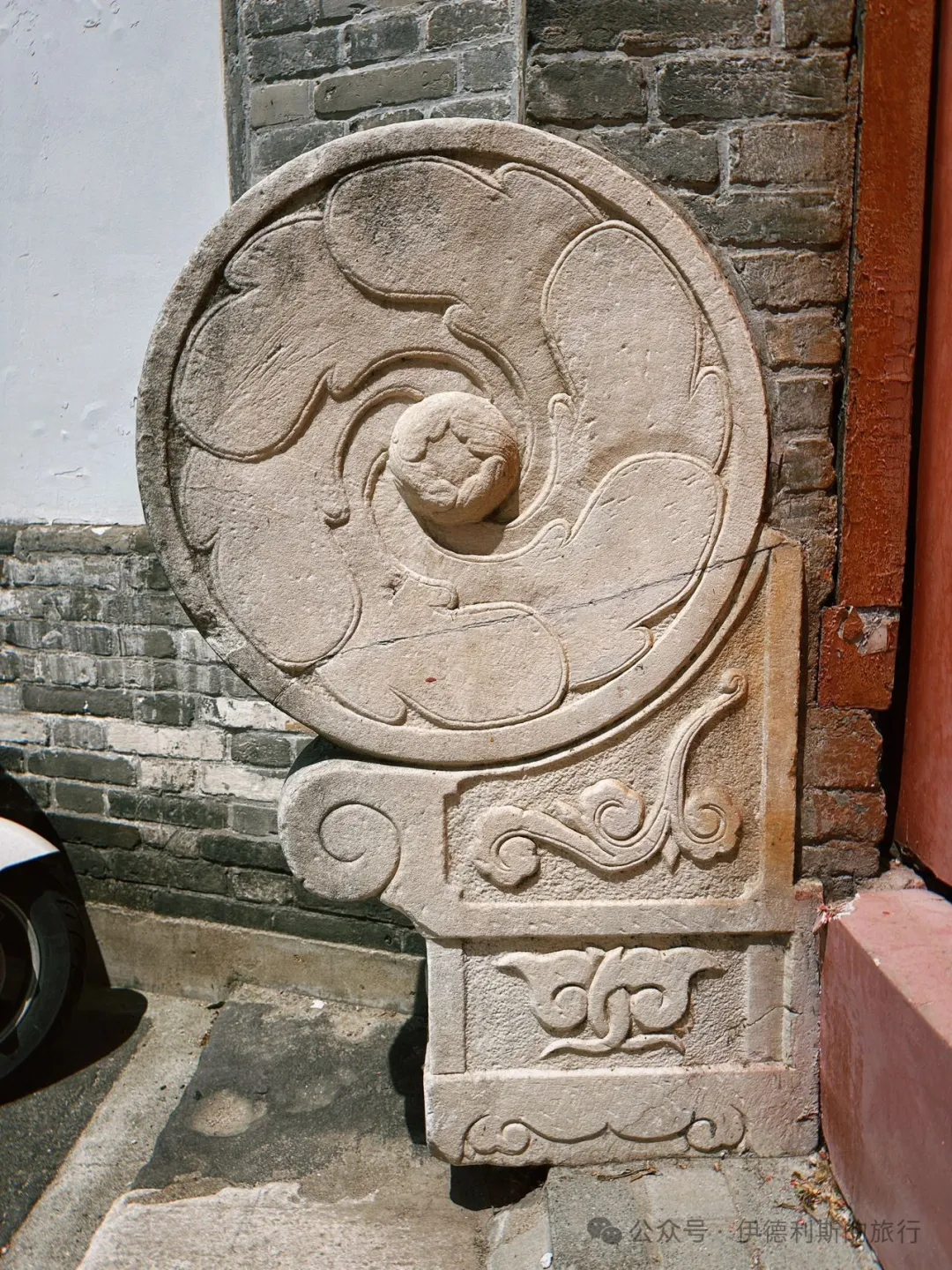
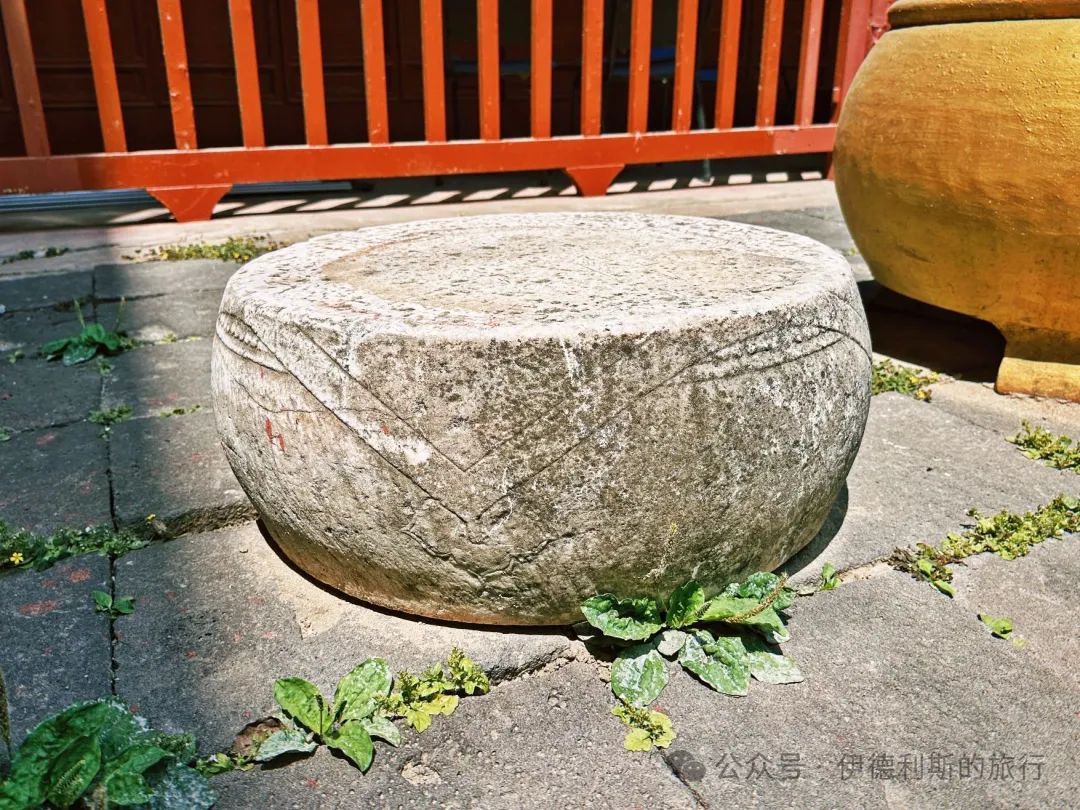
Drum-shaped stone base with cypress and deer carvings (bailutu baogushi)
Hexia Mosque
Hexia Ancient Town in Huaian is the largest town on the outskirts of Huaian Prefecture. Because the salt from the coastal salt fields in Huaibei was high in both quantity and quality, many salt merchants from the northwest and Anhui came to Huaibei in the late Ming Dynasty to work in the salt industry. The Huaibei Salt Transport Branch was located in Hexia Town at the time. Salt from the fields had to be shipped to Hexia for inspection before merchants could sell it elsewhere. Hexia Town then entered its most prosperous period. Salt merchants built gardens and courtyards there. The Qing Dynasty record Huaian Hexia Annals states: Wealthy salt merchants brought their capital and made their homes in Hexia, and Hexia became extremely prosperous. The wealth brought by these salt merchants made the town's business thrive, and many Hui Muslims also came to settle in Hexia.
Hexia Mosque is located south of Luojia Bridge in Hexia Town. It was first built during the Shunzhi reign of the Qing Dynasty. In 1860, during the tenth year of the Xianfeng reign, the Nian Army captured Huaian and burned down ten rooms of the mosque, which were later rebuilt. The main hall of Hexia Mosque is a Qing Dynasty structure with blue bricks, dark tiles, and upturned eaves, showing a typical Jianghuai architectural style. It was listed as a cultural relic protection unit of Huaian City in 2006.
Above the main hall door hangs a chestnut wood plaque inscribed with the words Si Wu Xie (Thinking Without Evil), written by Tian Rui, the acting prefect of Huaian in the tenth year of the Daoguang reign. Plaques originally on both sides, inscribed by anti-Japanese hero Zuo Baogui and Yunnan Commander Ma Chang'an, were destroyed after the 1960s.
The imam (ahong) of the mosque usually stays at a nearby beef and mutton shop. If you call the number posted on the mosque gate, he will come over to open it.
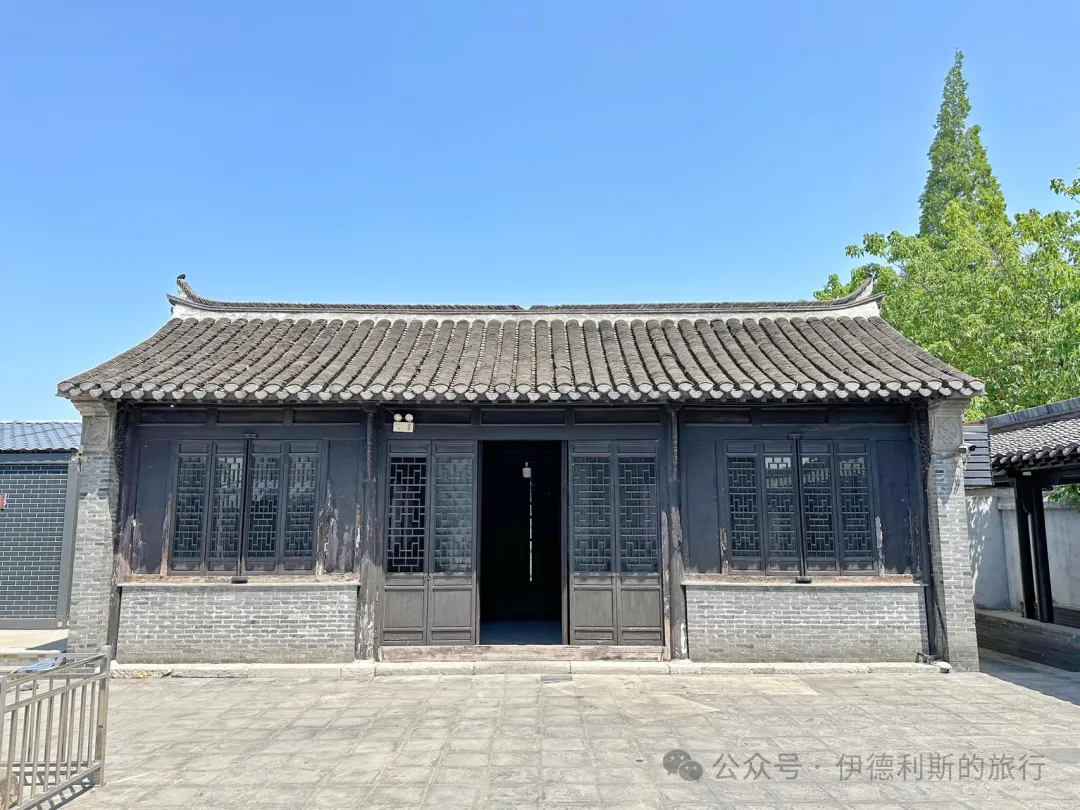
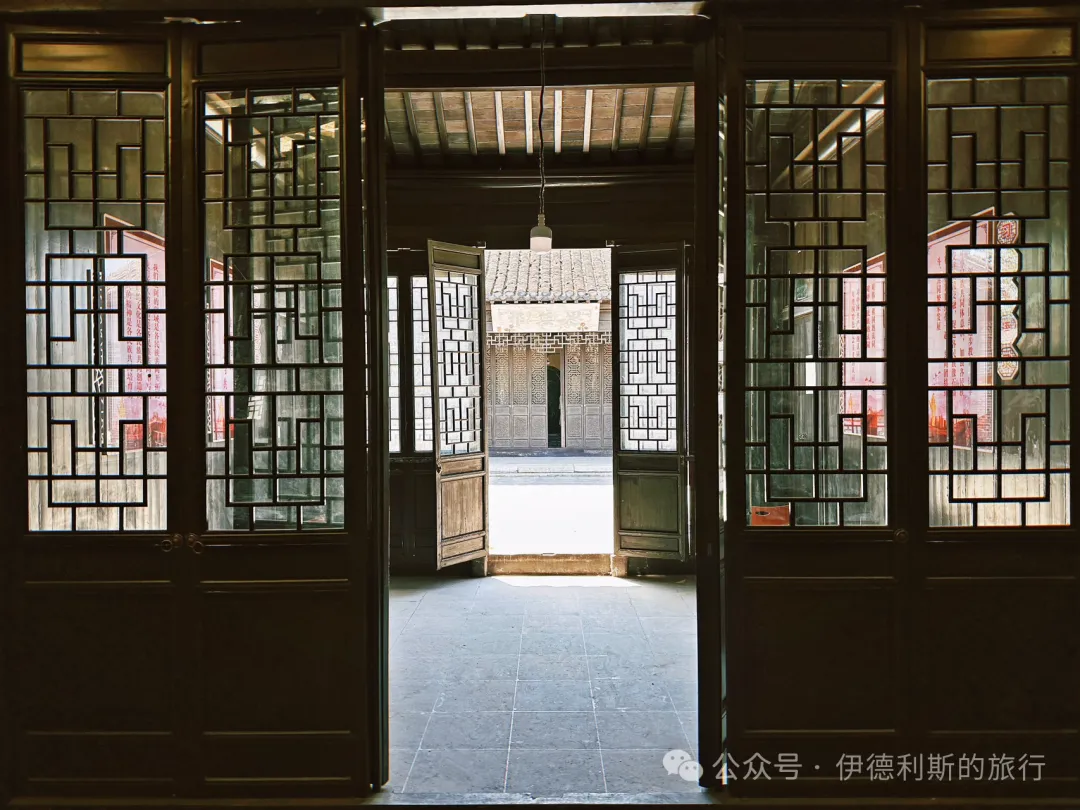
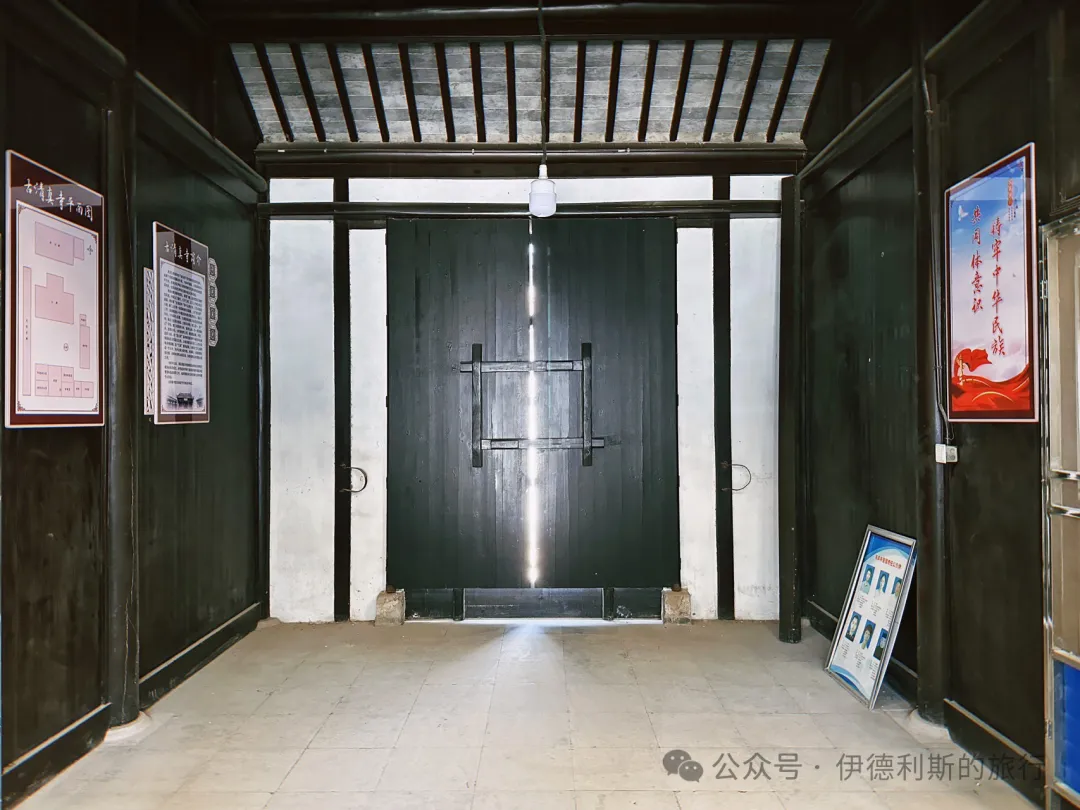
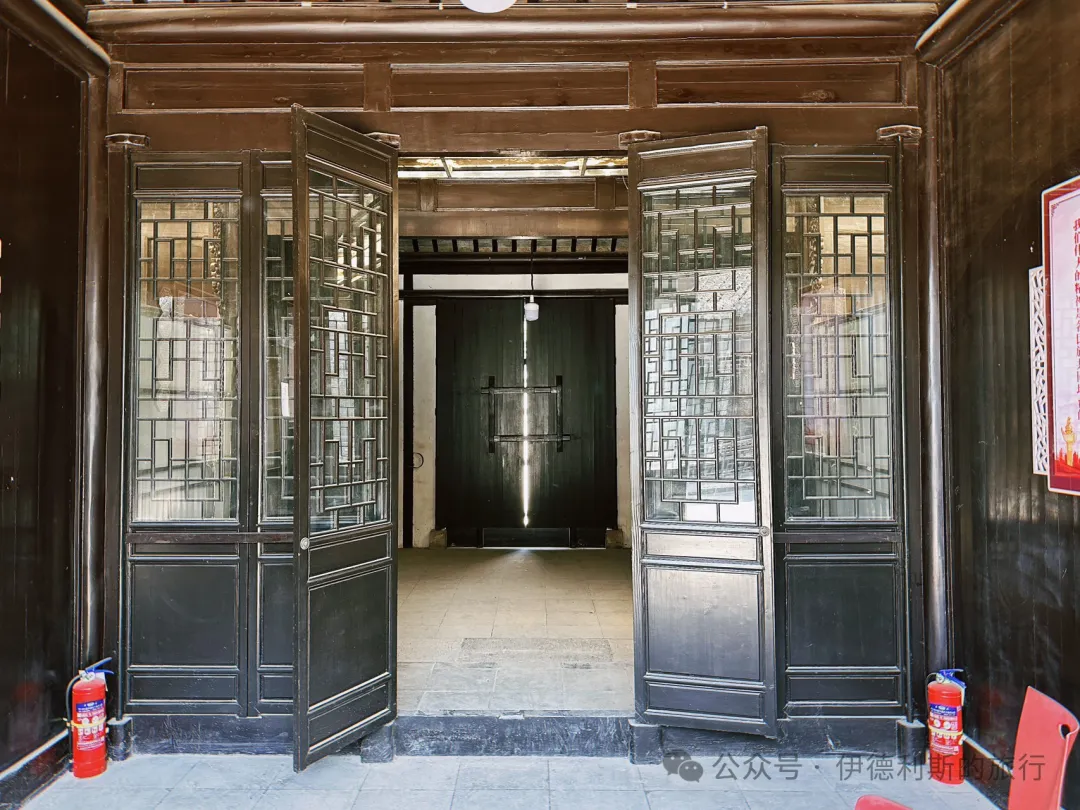
An ancient well dug in the early Qing Dynasty.
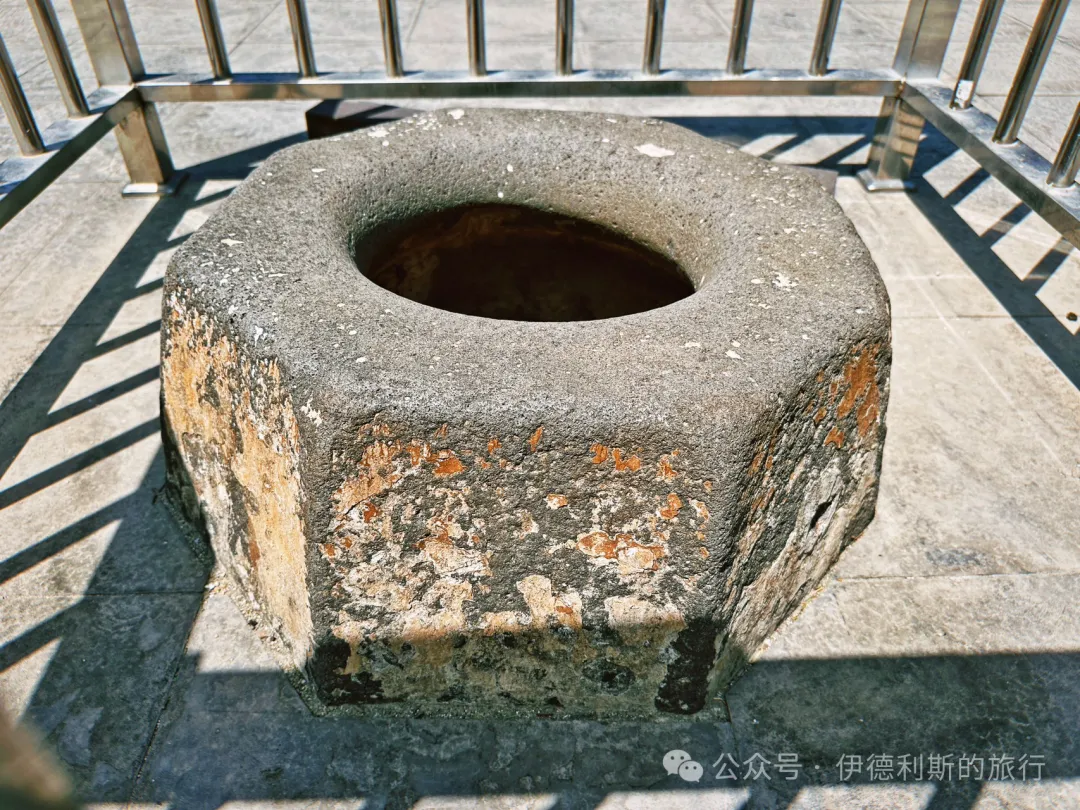
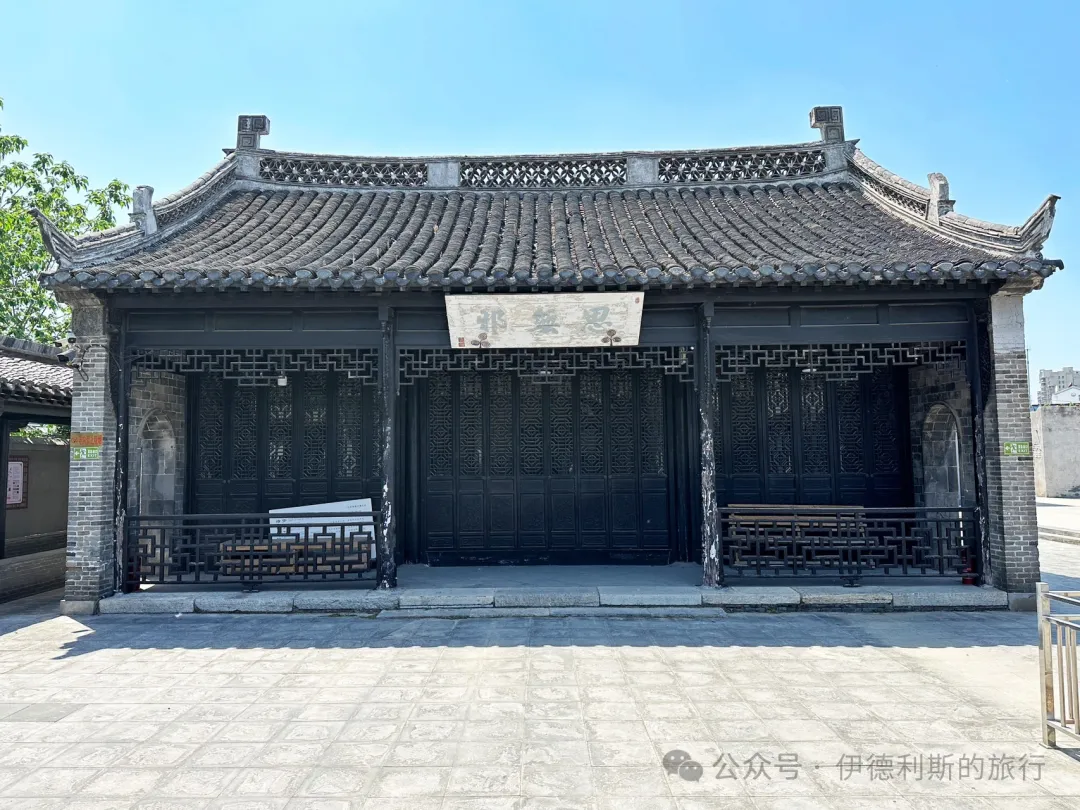
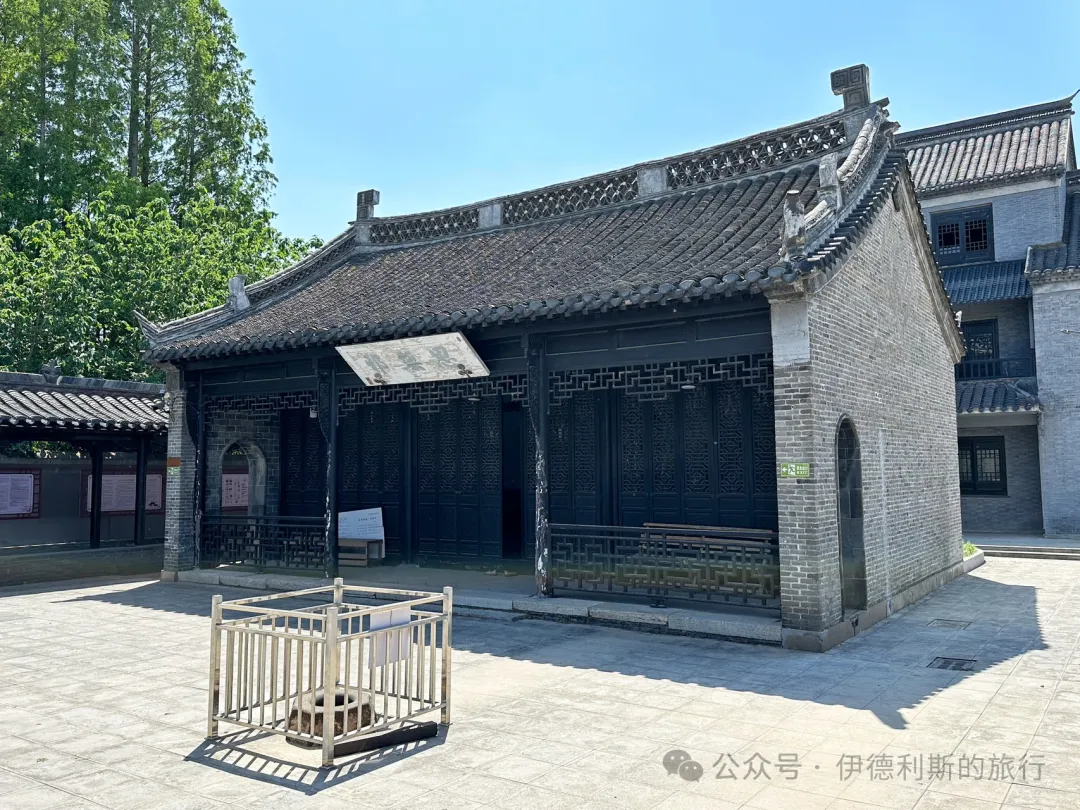
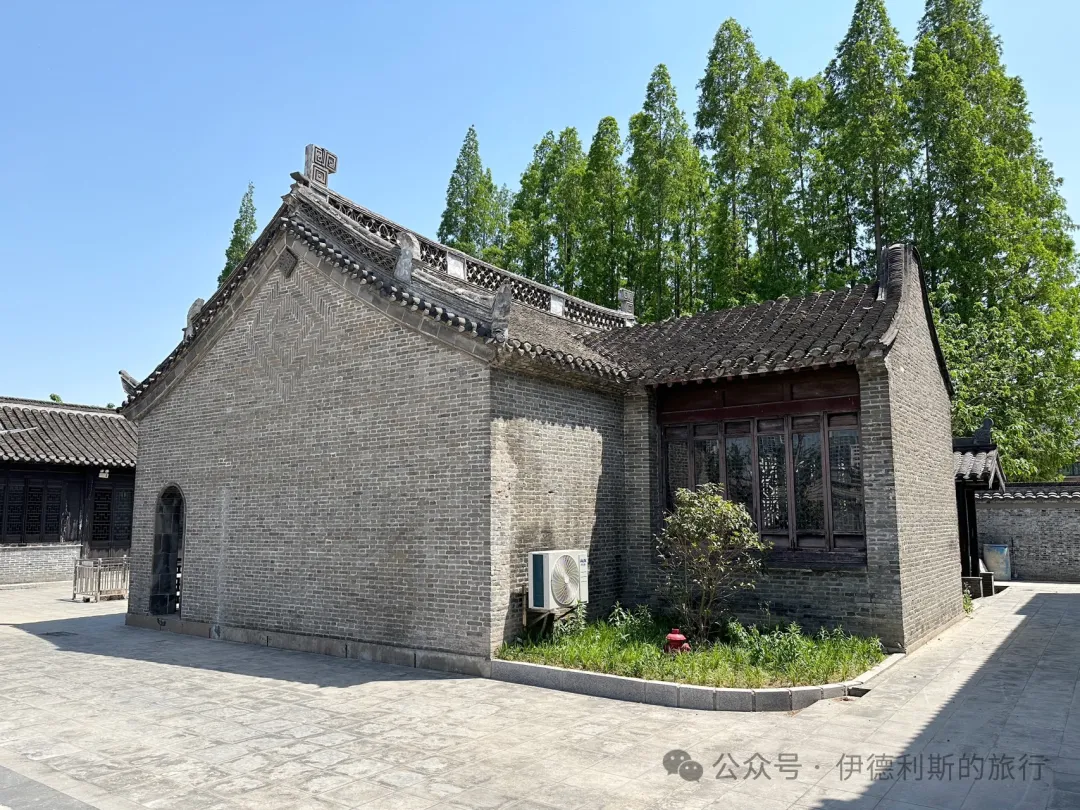
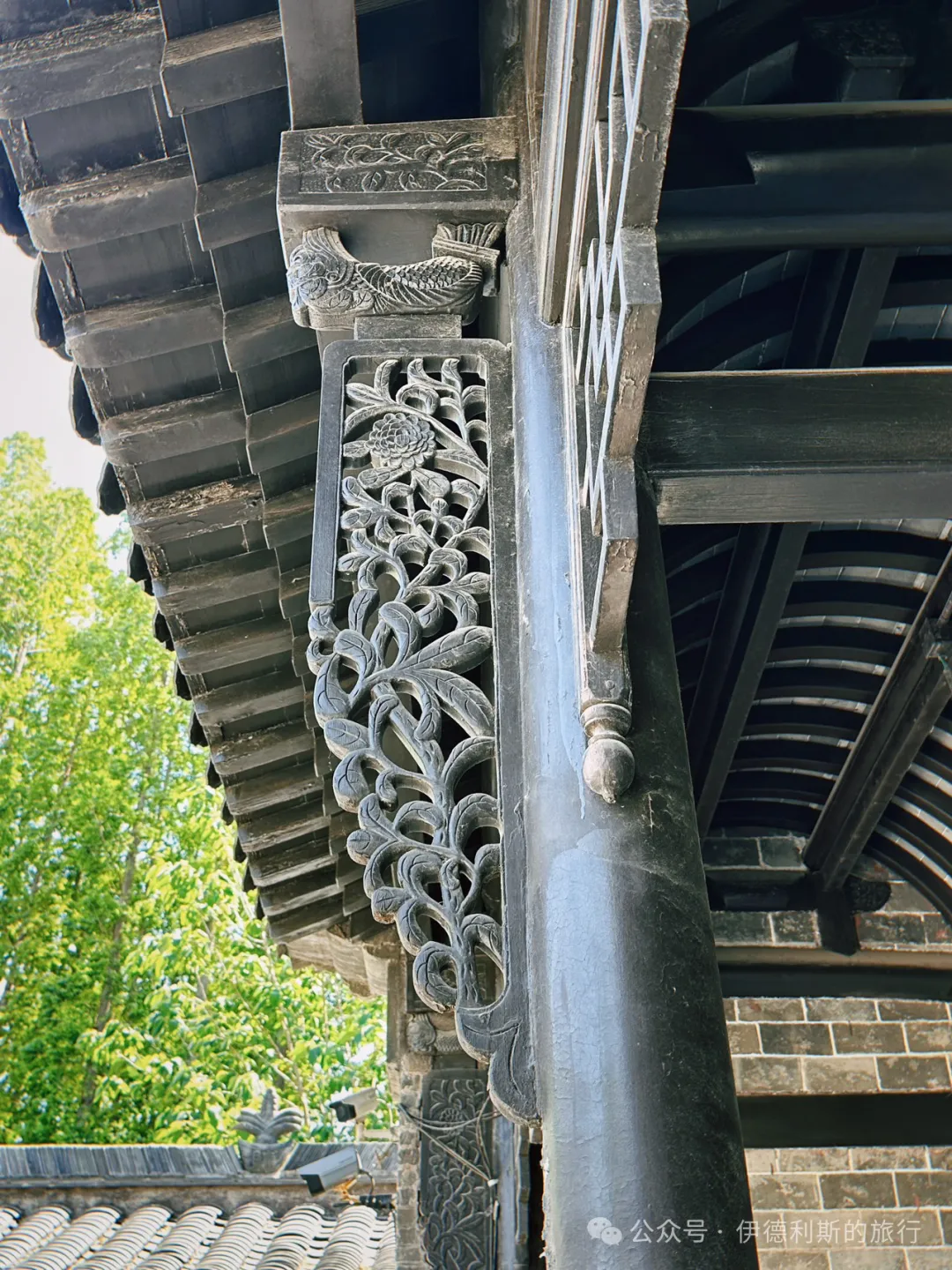
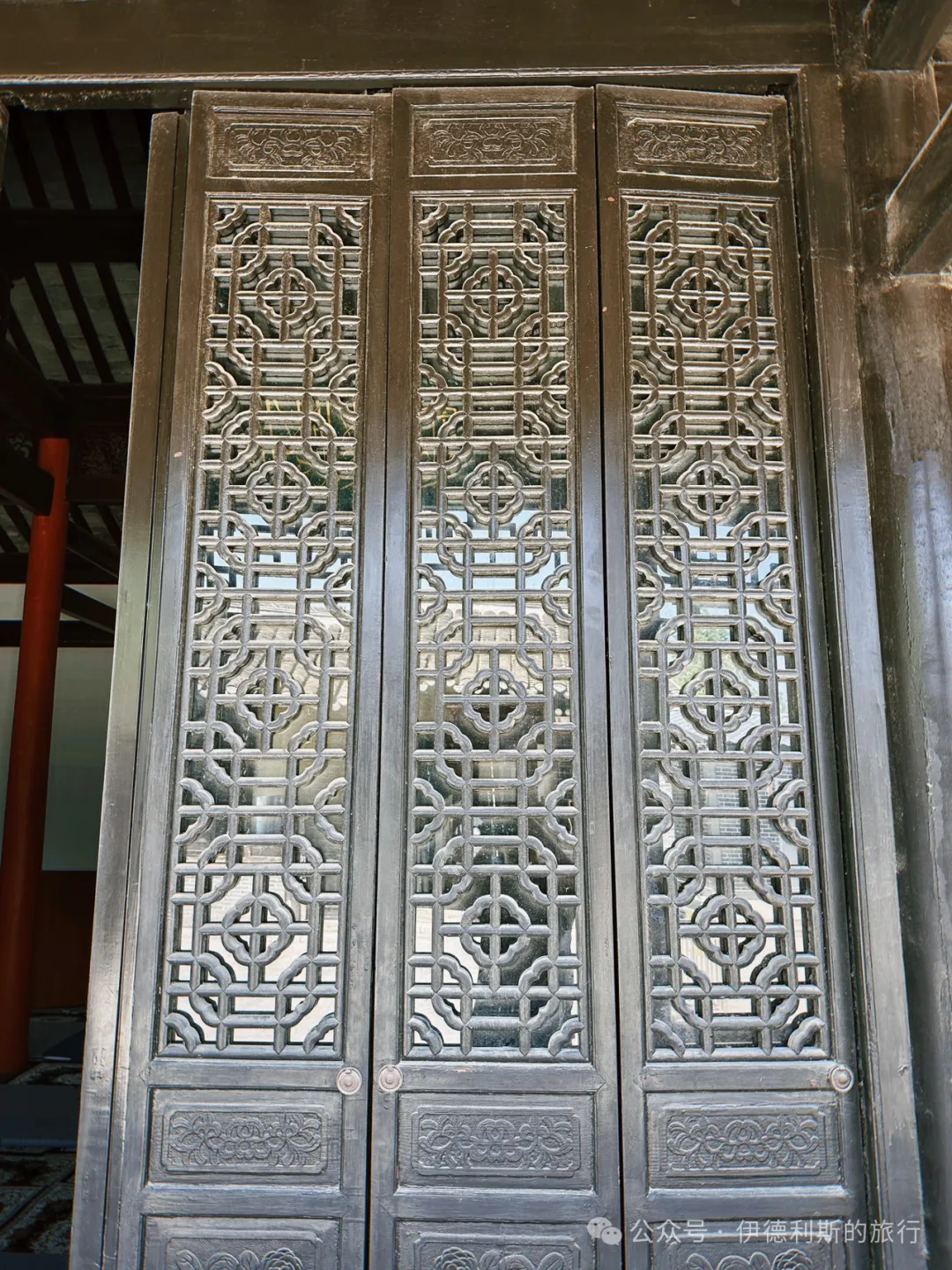
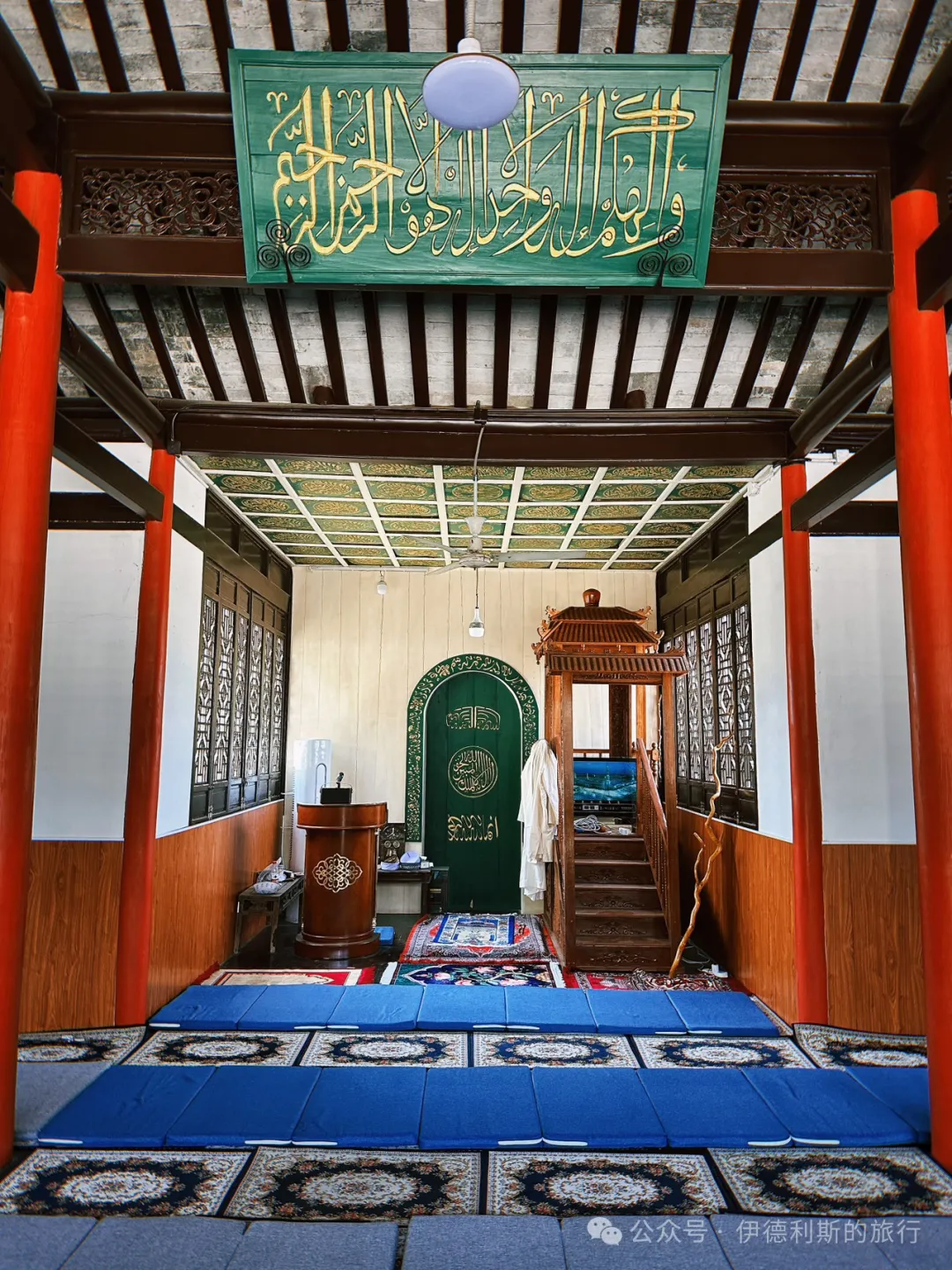
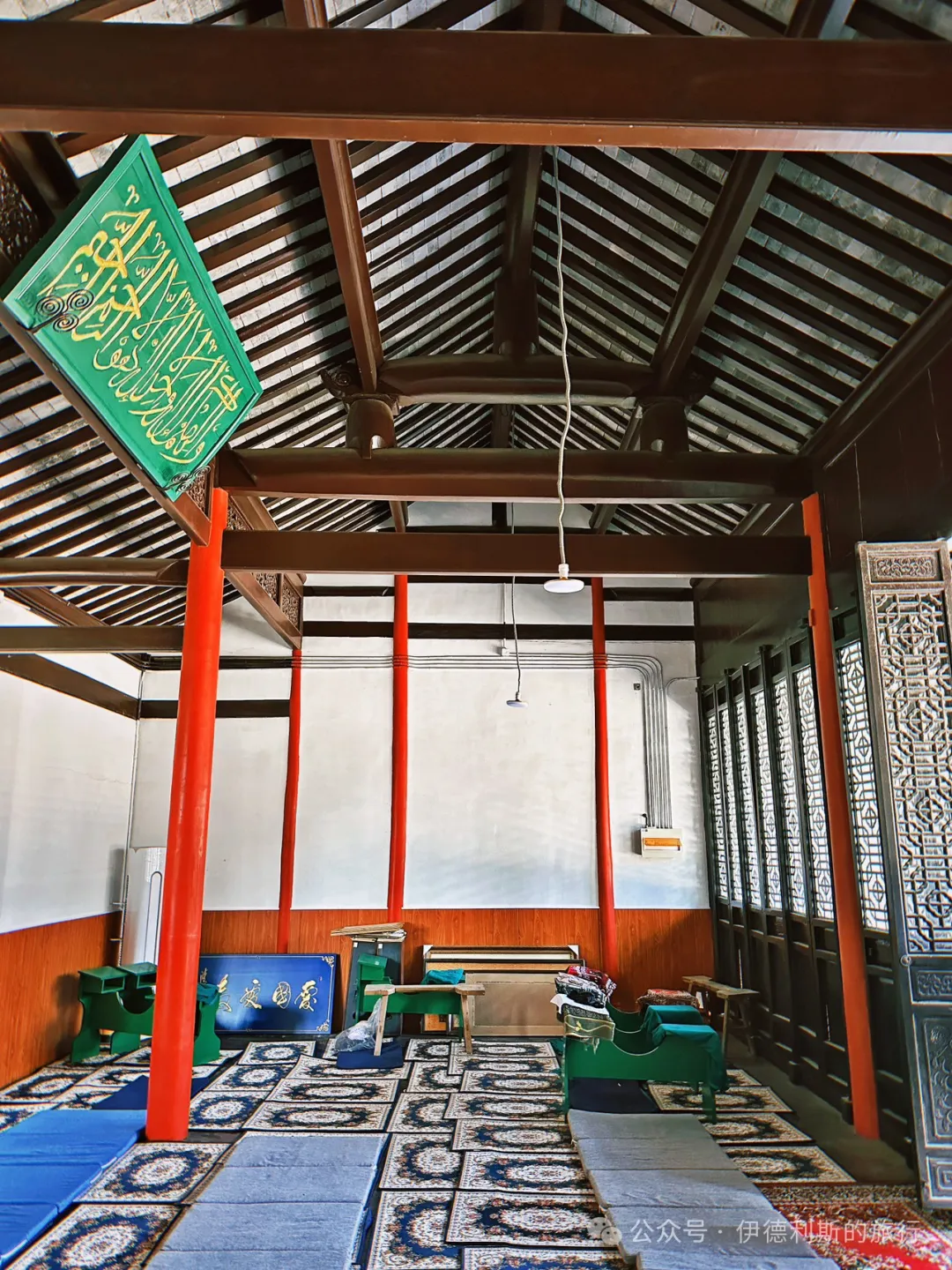
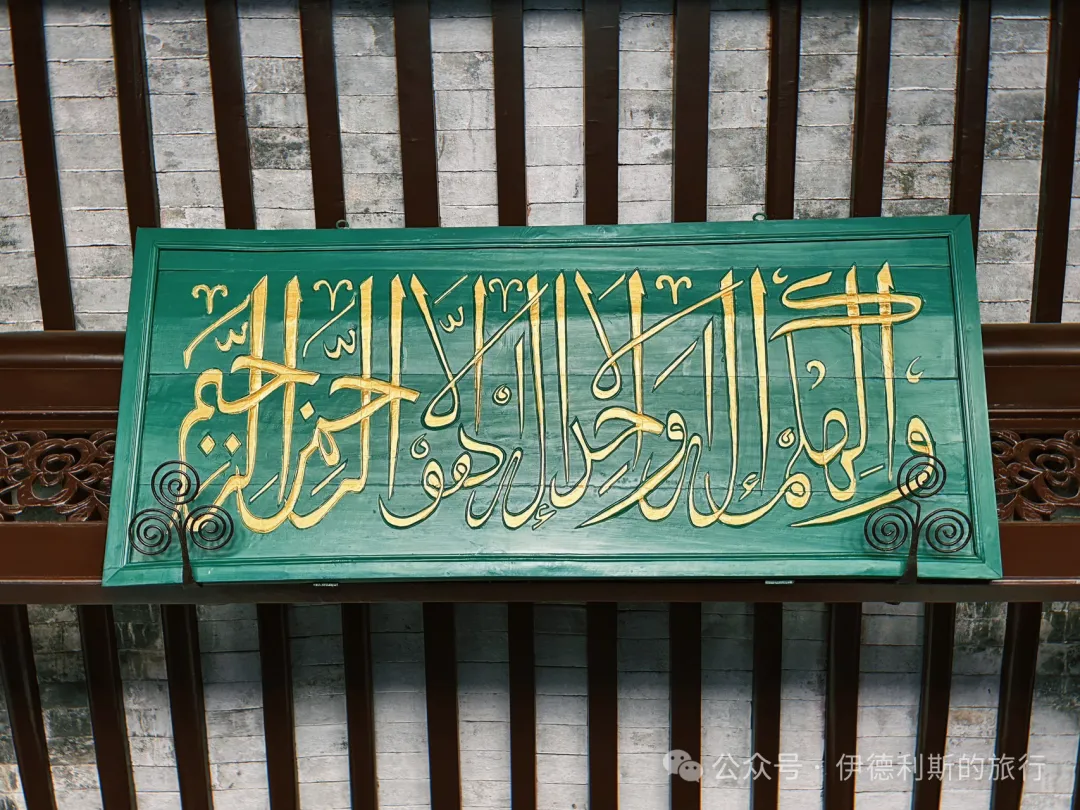
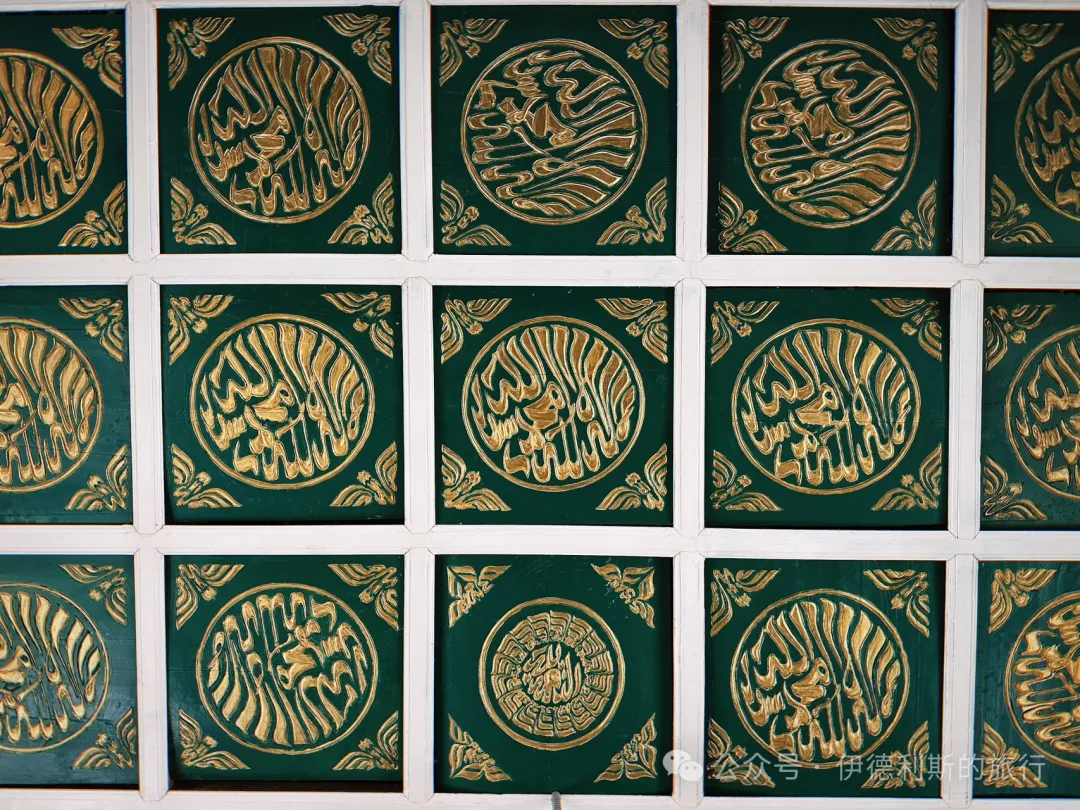
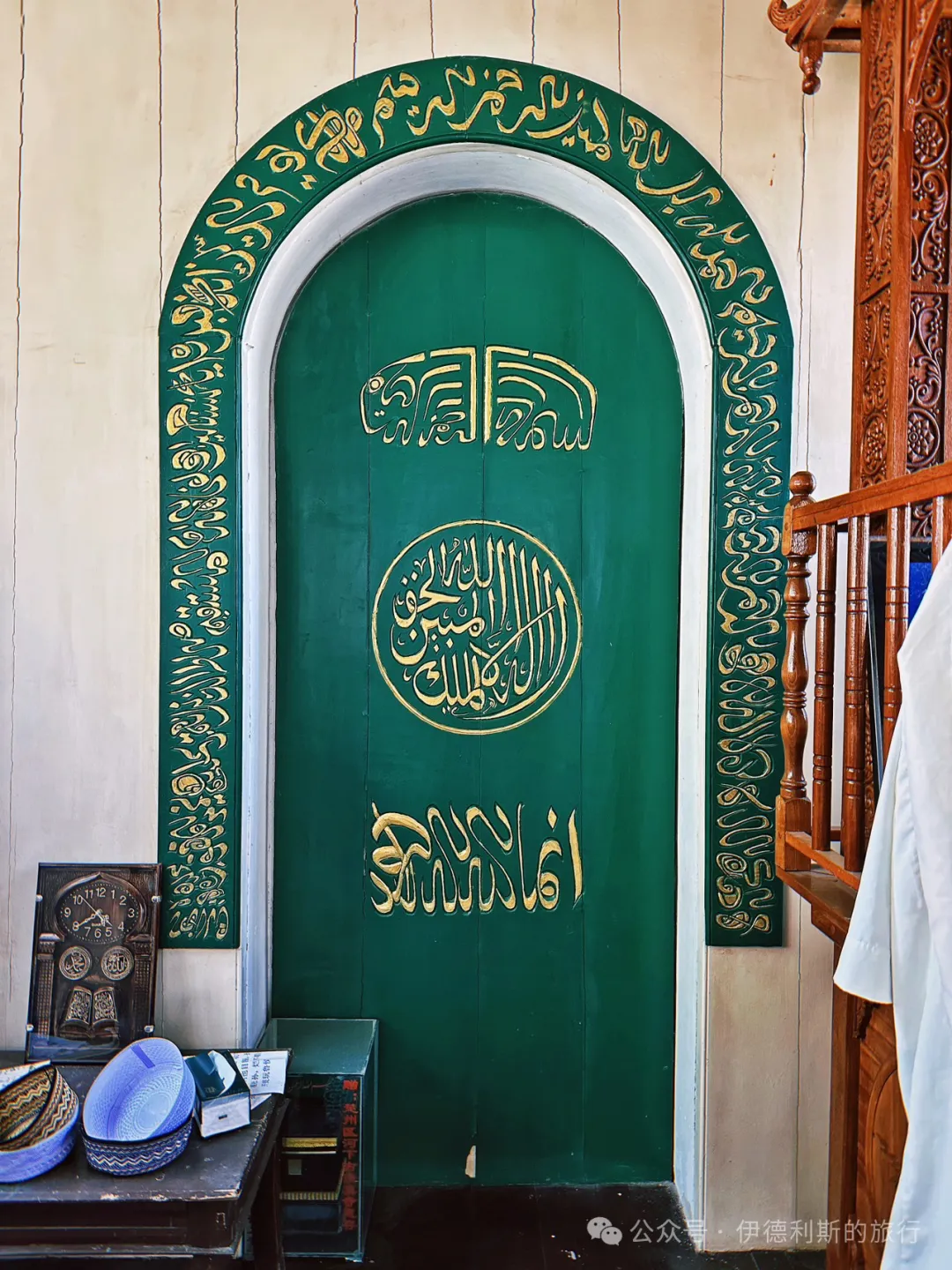
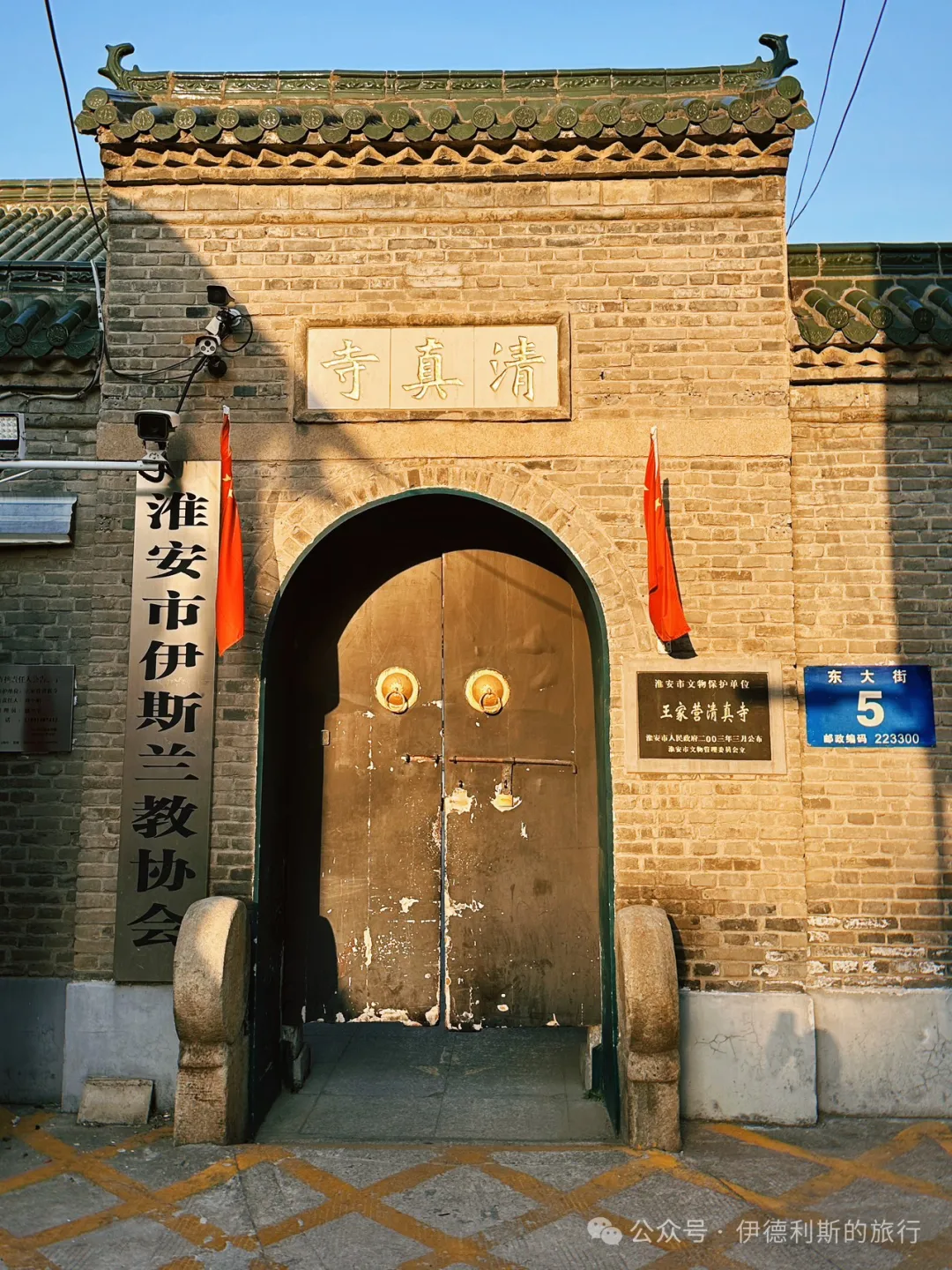
Wangjiaying Mosque.
Wangjiaying in Huaian is located between the old course of the Yellow River and the Salt River. During the Ming Dynasty, the Dahe Guard was established in Huaian Prefecture, and ten military camps were built along the Yellow River. Wangjiaying was one of them. Because travel on the Yellow River section of the canal was slow and passing through locks was dangerous, often leading to broken cables and sunken boats, many merchants chose to leave their boats at Qingjiangpu. They would cross the Yellow River at Wangjiaying and switch to horse-drawn carriages to continue north. Wangjiaying and Qingjiangpu gradually grew into a busy town together.
Wangjiaying experienced many floods from the Yellow River, and the town moved east three times before reaching its current location. In 1831, the eleventh year of the Daoguang reign, Viceroy Tao Peng chose Wangjiaying as the new distribution center for Huaian salt. After that, eighteen salt warehouses and seventy-two salt bureaus were opened in Wangjiaying. Salt boats traveled back and forth every day along the three-hundred-li waterway from the Huaibei salt fields to Wangjiaying.
The prosperity of Wangjiaying attracted a steady stream of Hui Muslims to settle there. The first Hui Muslims to arrive in Wangjiaying were the Ma and Sha families, who came via Lingwu County in Ningxia, Shandong, and Zhenjiang. Later, Hui Muslims with the surnames Jin, Dai, Chang, Ge, Fan, Li, and Yang also settled here.
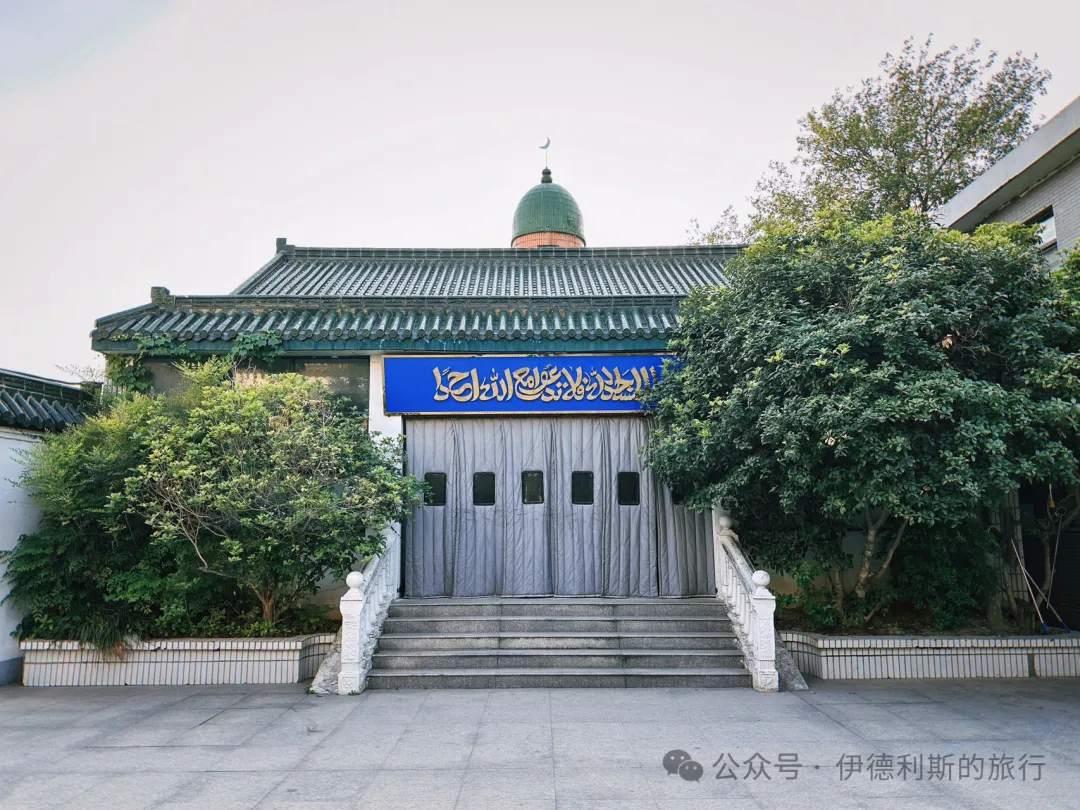
Wangjiaying Mosque was first built during the Yongzheng reign. It started as three thatched rooms next to the Lotus Pond at Wangjiapo. After Wangjiaying became a salt distribution center in the late Daoguang reign, the mosque moved to the south bank of the Salt River, with imams Chang Tingzhang and Dai Mingxuan in charge of religious affairs. Imam Chang Tingzhang, known as Third Master Chang, was originally from Jining, Shandong. He was born in 1785, the fiftieth year of the Qianlong reign, in Taoyuan County, Huaian Prefecture, Jiangsu (now Siyang). In his youth, he studied in Lingzhou (now Lingwu County, Ningxia) and continued his religious studies in Jining, Shandong, after completing his initial training. In 1810, the fifth year of the Jiaqing reign, the 26-year-old Imam Chang Tingzhang was invited to Wangjiaying Mosque to lead religious affairs. Imam Chang Tingzhang had deep knowledge of Arabic classics, astronomy, and medical theory. According to the Wangjiaying Annals, a man named Third Master Tao from Hangzhou died in Huaian during the Daoguang reign. Because it was the heat of midsummer, Imam Chang Tingzhang personally bought a boat and traveled south along the canal to escort the body back to Hangzhou to fulfill his duty to the family.
In 1860 (the 10th year of the Xianfeng reign), the Nian Army burned down the Wangjiaying Mosque. In 1867 (the 6th year of the Tongzhi reign), Imam Dai Jingzhai, the son of Imam Dai Mingxuan, built a few thatched huts. Later, with donations from the community, they built a main prayer hall with three rooms made of grass.
After Imam Chang Tingzhang passed away in 1870 (the 9th year of the Tongzhi reign), Imam Dai Jingzhai took charge of religious affairs. In 1884 (the 10th year of the Guangxu reign), he replaced the grass-roofed building with a tiled one. Because Imam Chang Tingzhang had studied at the Jahriyya Banqiao Daotang in Jinjibu, Lingwu County, Ningxia, when he was young, the Wangjiaying Mosque later invited five successive Jahriyya imams from Jinjibu to lead religious services and teach. Subsequent imams also went to Ningxia for further study, making Wangjiaying Mosque one of the nine branch centers of the Banqiao Daotang.
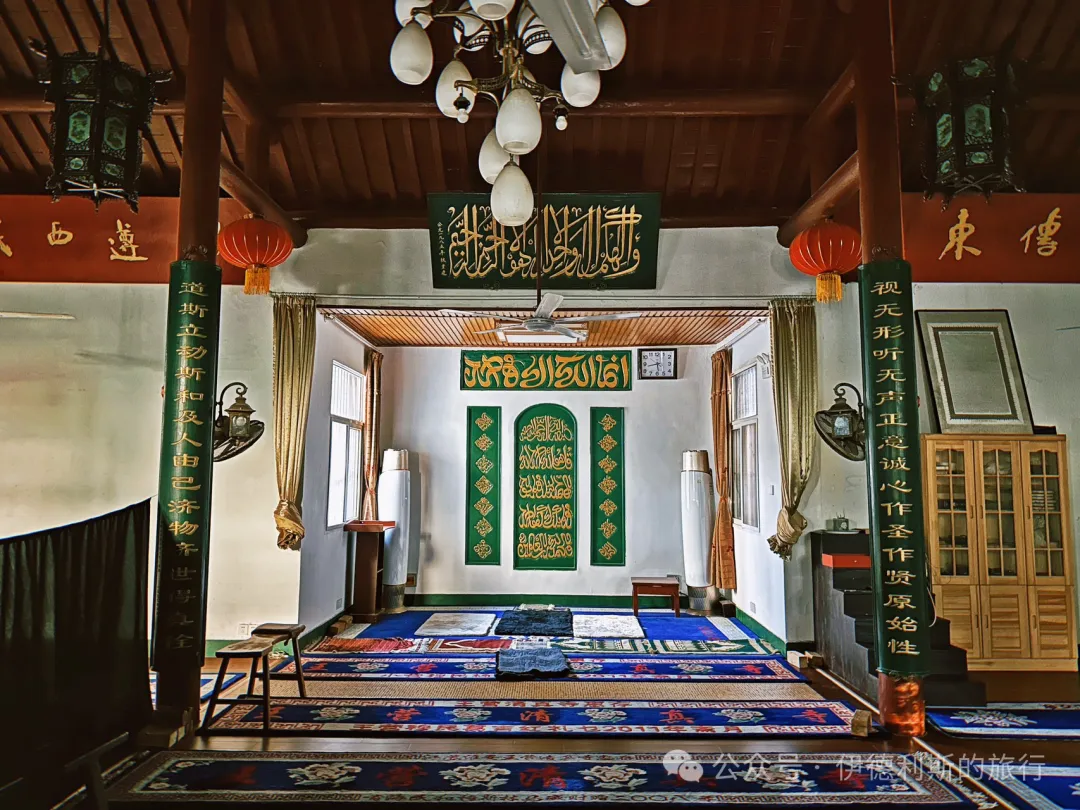
In 1912, the Wangjiaying Mosque built a new main gate, a south lecture hall, a kitchen, and a water room. In 1920, with funding from the Jinshan Tang in Gansu and money from selling dozens of willow trees from the public cemetery, they rebuilt the three-room tiled porch in front of the main hall and added three new rooms for the east lecture hall. Currently, there is a stone tablet from 1920 commemorating the Republic of China renovation on the inner north wall of the main hall, but the top part is covered.
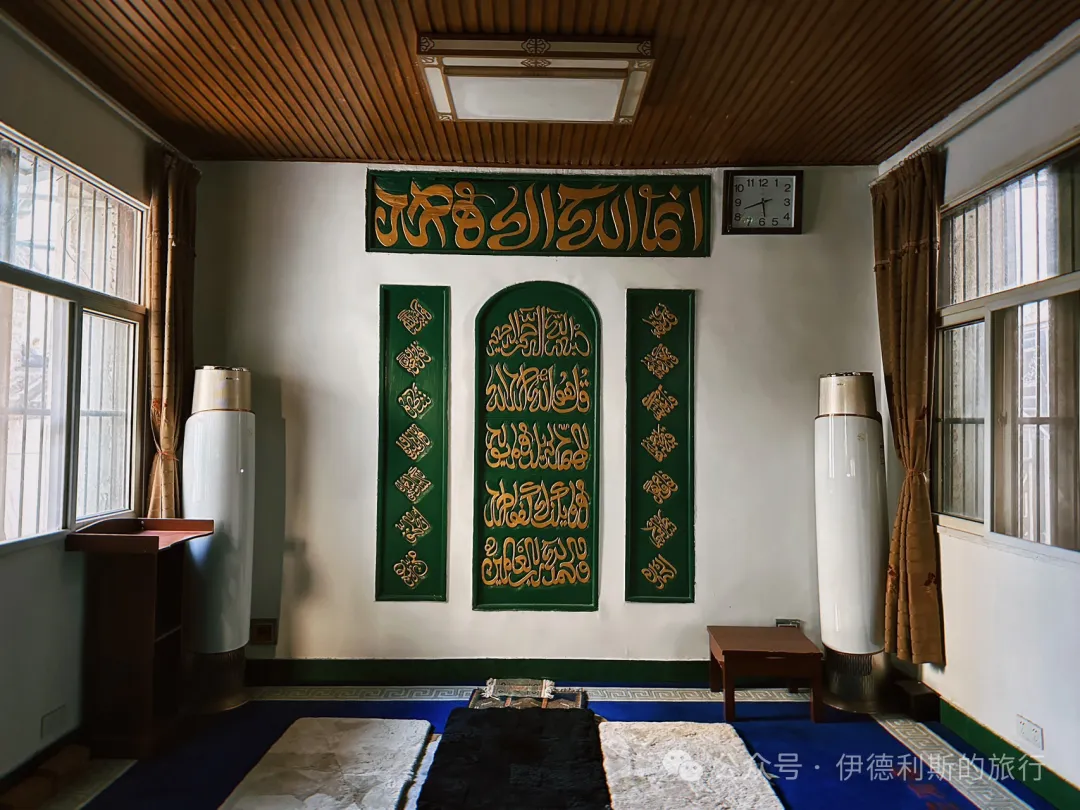
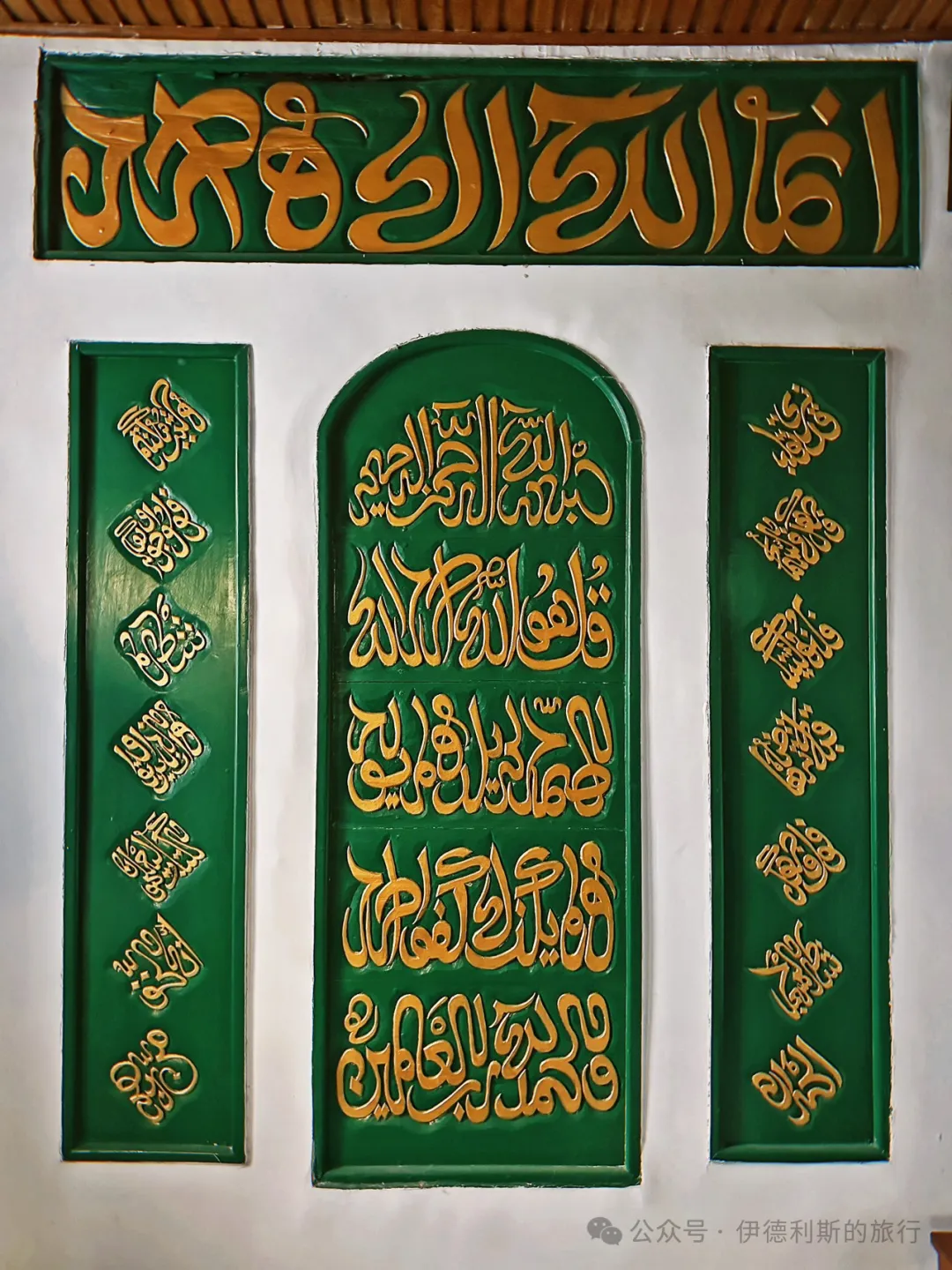
In 1958, the Wangjiaying Mosque moved to the east side of the West Horse Road in Wangying. In 1961, it moved to its current location because the land was requisitioned for a bank building. During the destruction of the Four Olds, the main hall's plaques reading "The Way Spreads in the Central Land," "The Religion Follows the Western Regions," and "Stop at the Ultimate Good," along with the gold-lettered Arabic plaques and the couplet reading "See the formless, hear the soundless, rectify the intention and be sincere, become a sage and a worthy, the original nature;" “The Way stands here, movement brings harmony, reach others through oneself, benefit the people and the world, the land is complete” were all smashed and burned. Funeral supplies were also destroyed, and the main hall was used as a warehouse by a shoe and hat factory.
In 1979, under the leadership of Imam Ge Weili, the Wangjiaying Mosque was rebuilt in a traditional style. It was completed in 1985 and underwent two more renovations and expansions in 2003 and 2006, resulting in its current appearance.
Imam Ge Weili was born in 1924. He went to Ningxia to study in 1937. After completing his training and receiving his credentials in 1945, he became the imam of Wangjiaying Mosque and took on the role of imam in 1966. The religious work at Wangjiaying Mosque is now handled by Imam Fan Weiming, a student of Imam Ge Weili.
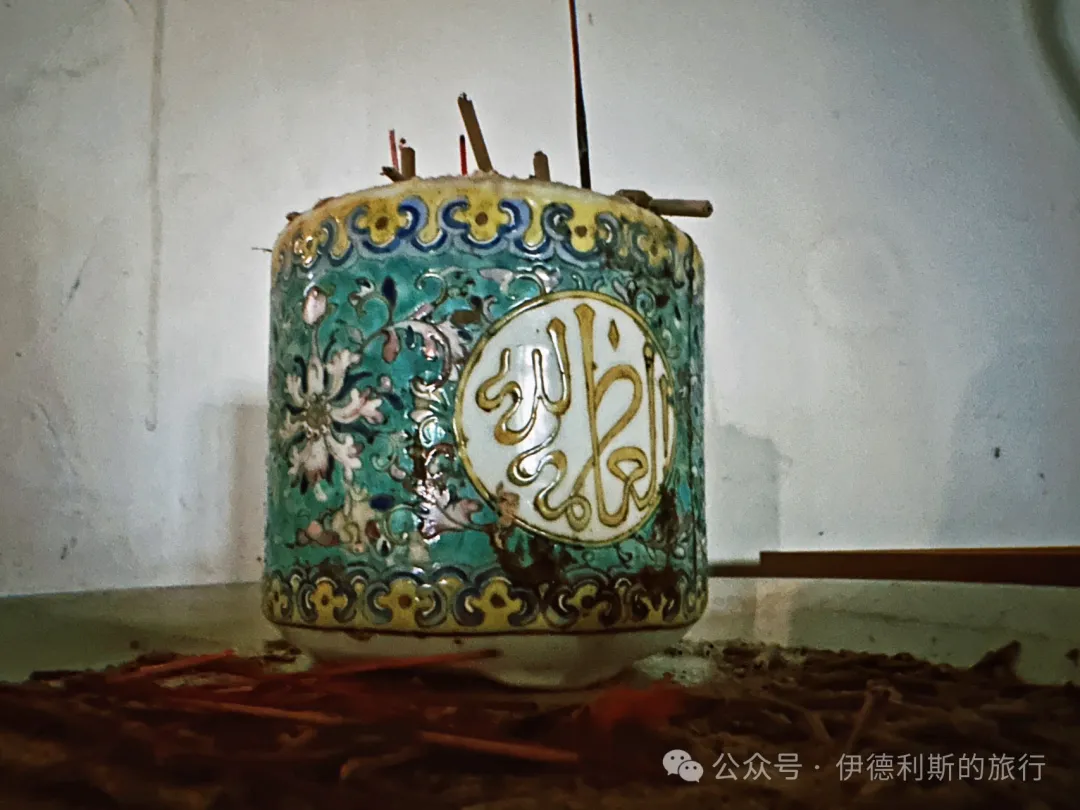
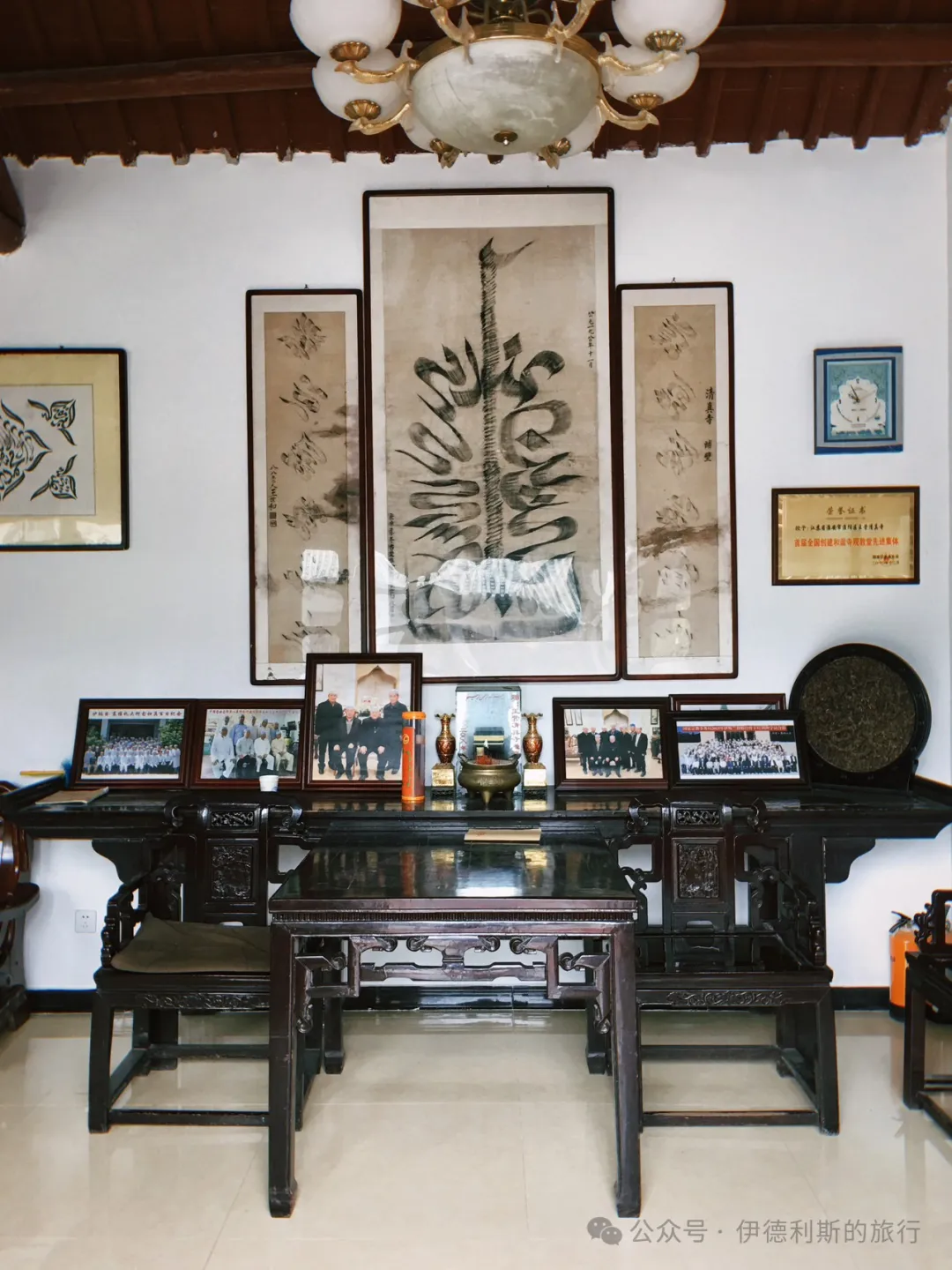
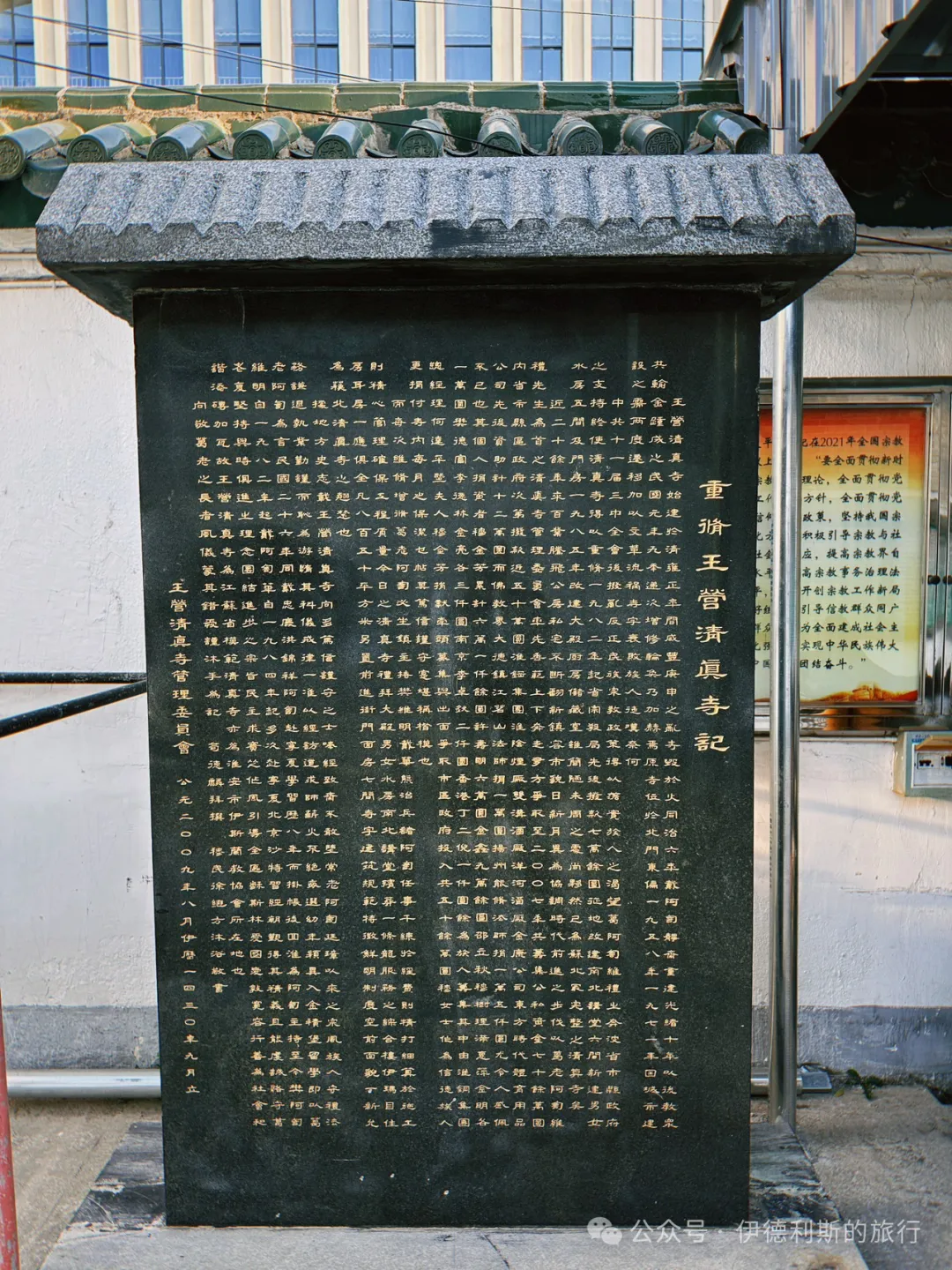
The Republic of China era inscription reads as follows:
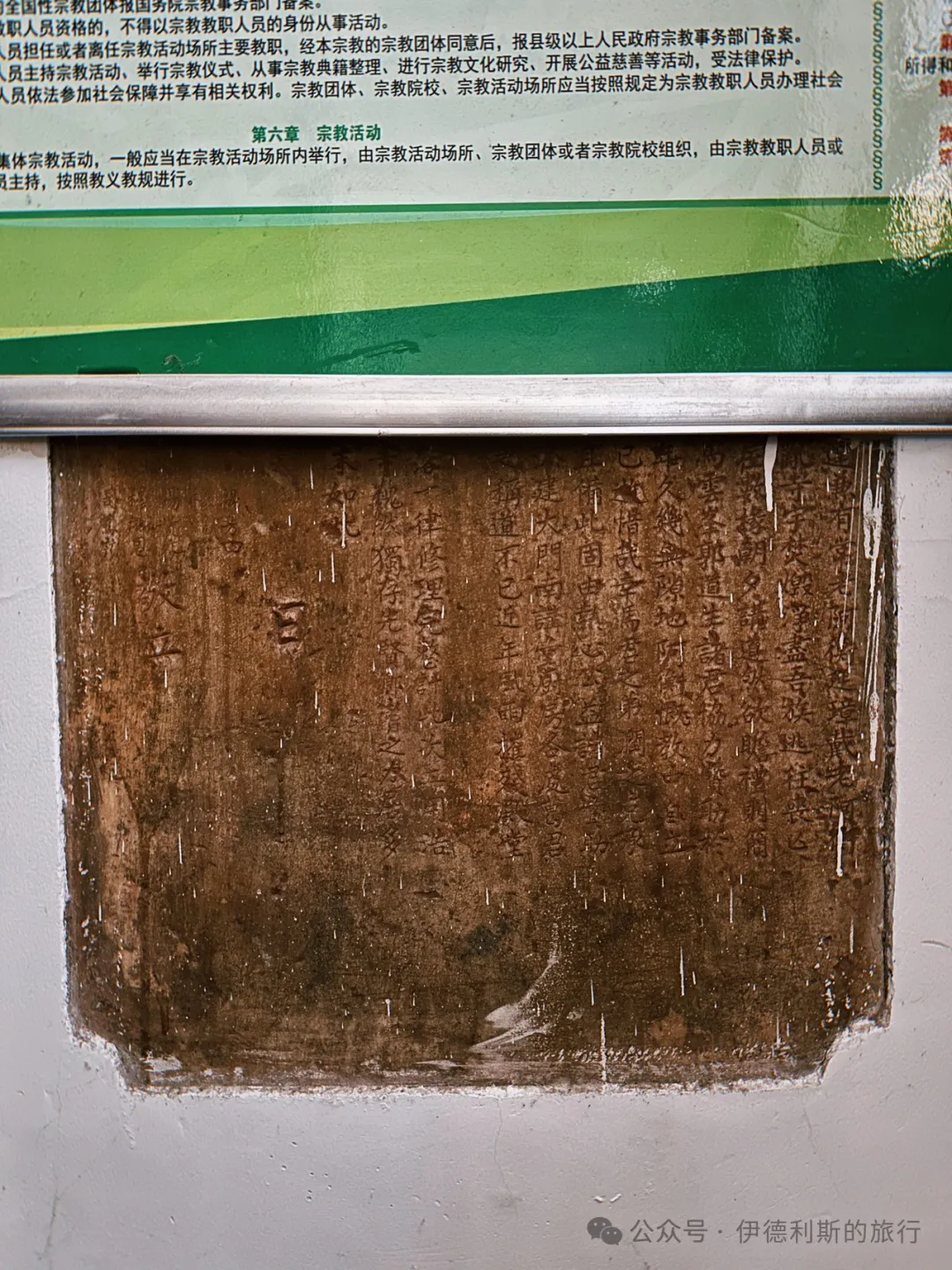
The Wangying Mosque was founded during the Yongzheng reign of the Qing Dynasty. By the end of the Daoguang reign, our community was at its peak. The population was large, and businesses were thriving. With the old Imams Chang Tingzhang and Dai Mingxuan leading religious affairs one after another, the lecture hall was always full, and many students were trained. This is recorded in the local history and can be verified. In the Gengshen year of the Xianfeng reign, the Nian rebellion suddenly occurred. The mosque was burned to the ground, our people fled or died, and the population gradually dwindled.
In the sixth year of the Tongzhi reign, Imam Dai Jingzhai, the son of the old Imam Dai Mingxuan, followed his father's teachings and took over the religious duties. He first built a few thatched huts to teach the faith morning and evening. However, for prayers, it was too simple and exposed to the elements; For gatherings, it was too small to hold everyone. The Imam was deeply worried about this. He persuaded people to donate and built a main prayer hall with three rooms made of grass. Later, he discussed it with Yang Xuting, Ma Yunfeng, and Guo Daosheng. With their help, in the tenth year of the Guangxu reign, they rebuilt the tiled main hall and lecture halls, and things began to return to normal. As more of our people lived here, the original public cemetery became crowded, and after many years, there was almost no space left. The Imam was concerned that there were few cemeteries for the community, and whenever a major funeral occurred, it was difficult to manage. He planned to buy a piece of land to provide for the future. He got the agreement of Mr. Ma Yunfeng, but before the matter was finished, Mr. Ma passed away. What a pity! Fortunately, Mr. Ma's brother, Runzhi, carried out his brother's wishes. With the strong support of the village elder Mr. Li Yunpo, they set aside differences, raised funds, and bought two new cemeteries. The benefits provided by the imam (ahong) to our people are thorough and complete. This is largely due to the support of those passionate about public welfare, but it is also the result of the imam's decades of solitary, painstaking effort and his sincere devotion.
In the first year of the Republic of China (1912), we worked to continue the legacy of our predecessors by adding a main gate, a south lecture hall, and a kitchen. Mr. Ge Ziming funded the construction of the washroom (shuifang) with a donation of several hundred thousand. We also invited Imam Wang Pinqing from Gansu Province to teach scripture. Visitors from all over who came here always spoke highly of him. In recent years, wind and rain have damaged the buildings, and the main hall is at risk of collapsing. We met to discuss the situation and sold dozens of willow trees from the perimeter of the cemetery, raising over two hundred thousand. We also received a donation of many roof tiles and timber pieces from the Jinshan Hall in Gansu. We then built three tiled, curved-eave rooms in front of the main hall and fully repaired the surrounding walls, the three-room east lecture hall, and the courtyard of the inner gate. This massive project was completed through a combination of public funds and donations from afar. We feel ashamed that we lack the personal wealth to do more, but we share these details because, despite two hundred years of constant change, our mosque still stands tall. This is largely due to the efforts of our ancestors and village elders. We sincerely hope that future generations will remember the hardships of those who built this place and preserve it forever so it may last without decline. We have recorded the full story here.
July, the ninth year of the Republic of China (1920).
Jin Jiasheng, Jin Jialin, Guo Chunlin, Yang Fangtian.
Chang Bingkui, Li Shunjie, Chang Guanying, Mu Hongbin.
Jin Jiayuan, Ma Jianong, Fan Zhaofeng, Yang Guiyuan.
Ge Futang, Li Dianqing, Ma Jiarang, Mu Hong'en.
Ma Jialin, Ge Zhenqing, He Wenquan, Zhou Fengling.
Sha Faxiang, Liu Lianyuan, Zhou Riyang, Mu Hongye.
Yancheng Mosque.
Yancheng Mosque is located on Xicang Lane (historically called Xicang) in the Yancheng urban area. It was first built during the Yongle period of the Ming Dynasty as three thatched rooms by five Hui Muslim families: the Ha, Huo, Ding, Liu, and Xue families. It was expanded in 1720 (the 59th year of the Kangxi reign) and rebuilt again in 1928 into the current brick-and-wood main hall.
The Republic-era 'Continued Records of Yancheng County' states: 'The mosque is located on Xicang Street in the city. It was founded during the Ming Yongle period. In the 59th year of the Qing Kangxi reign, land was purchased to expand it, and it was renamed the Mosque (Qingzhensi). Recently, it was renamed the Hui Church (Huijiaotang). The leader of the faith is called an imam (ahong).' In the second year of the Republic of China (1913), the Yancheng branch of the Jiangsu Islamic Association was established. In the 18th year (1929), it was renamed the Yancheng branch of the Chinese Islamic Association.
During the War of Resistance Against Japan, Yancheng Mosque suffered two disasters. On March 30, 1938, it was bombed by the Japanese military. On April 26 of the same year, the Japanese military occupied Yancheng and set fire to the city. Except for the main hall, which survived, all other buildings were destroyed.
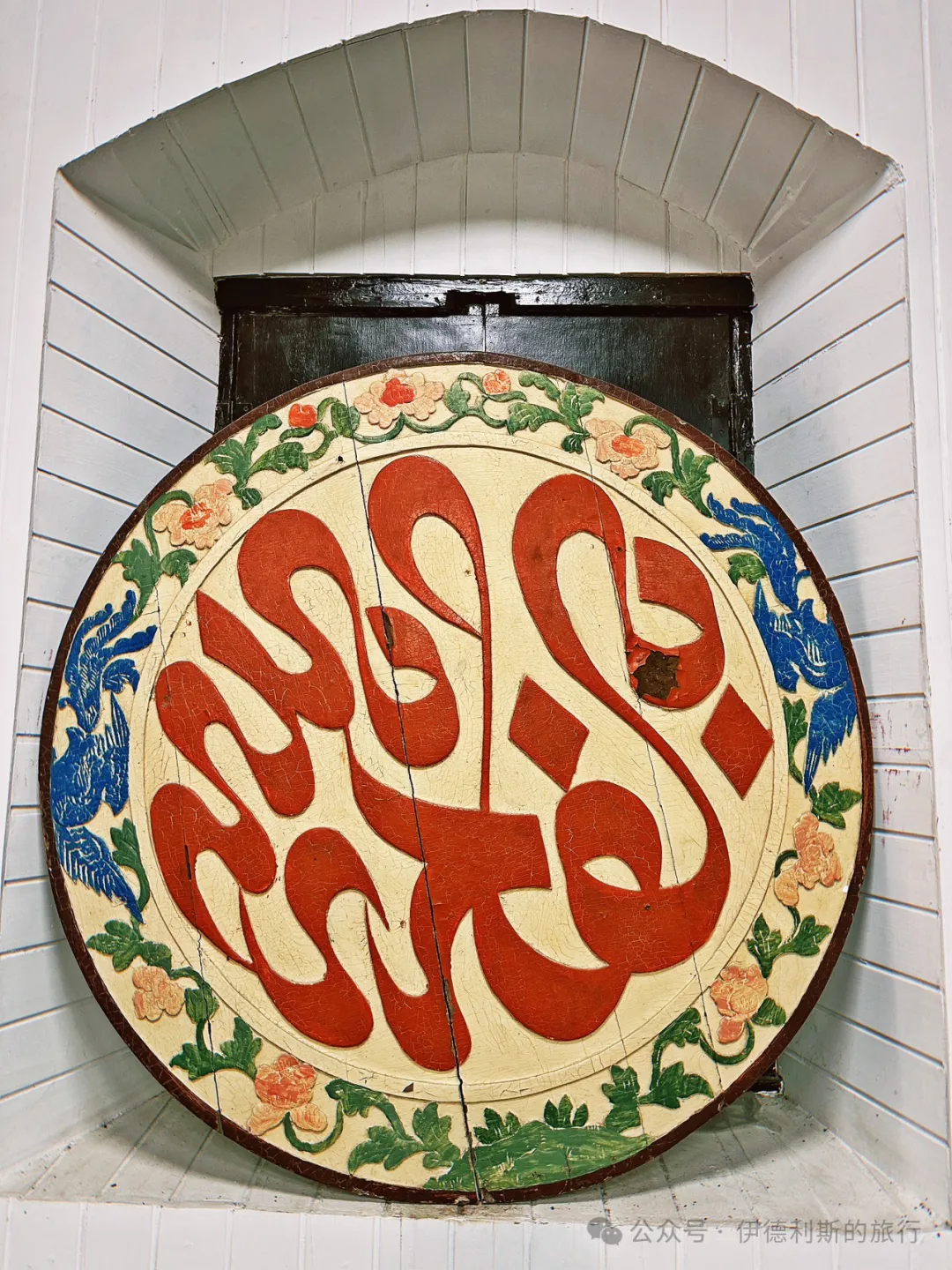
The main hall of Yancheng Mosque features traditional Jiangsu architectural style, with flying eaves in the front and a kiln-style niche (yaowo) in the back. The main hall still preserves the original wood-carved circular frame featuring a dua, which is very exquisite. According to Imam Xue Long from Zhenjiang, the inscriptions on the top and bottom of the main hall plaque use Arabic, Persian, and Xiao'erjing. They translate to: Completed on an auspicious day in the eighth lunar month of the 17th year of the Republic of China, respectfully erected by Abdullah Yang Luji. This is very precious.
The imam of Yancheng Mosque from 1936 to 1979 was Bai Hanzhang. Imam Bai was from Minquan, Henan. He graduated from the Beijing Niujie Islamic Institute in 1922. Later, he served as an imam in Jurong, Zhenjiang, and Nantong, Jiangsu. He became the imam of Yancheng Mosque in 1936 and served there until he passed away in 1979.
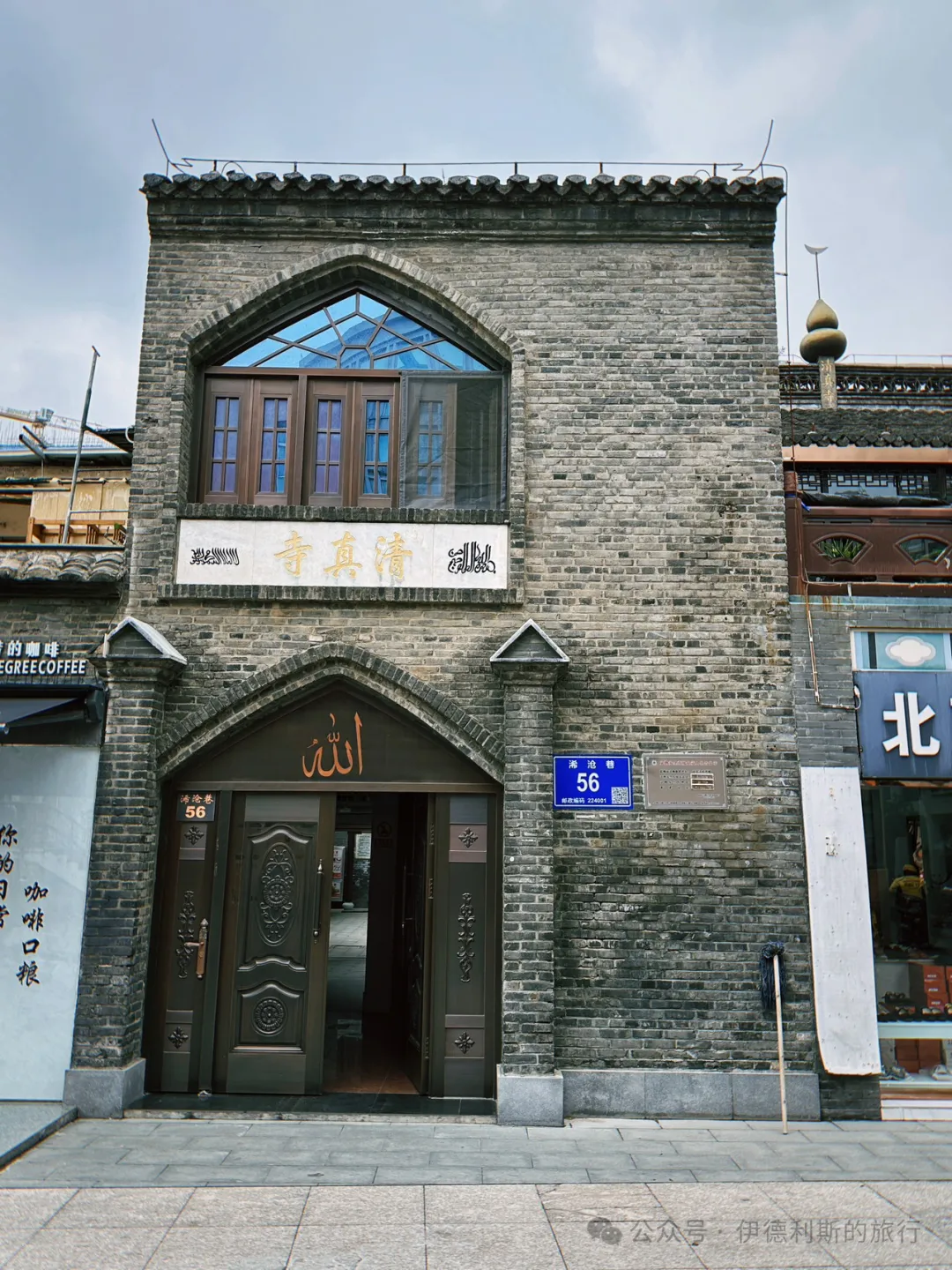
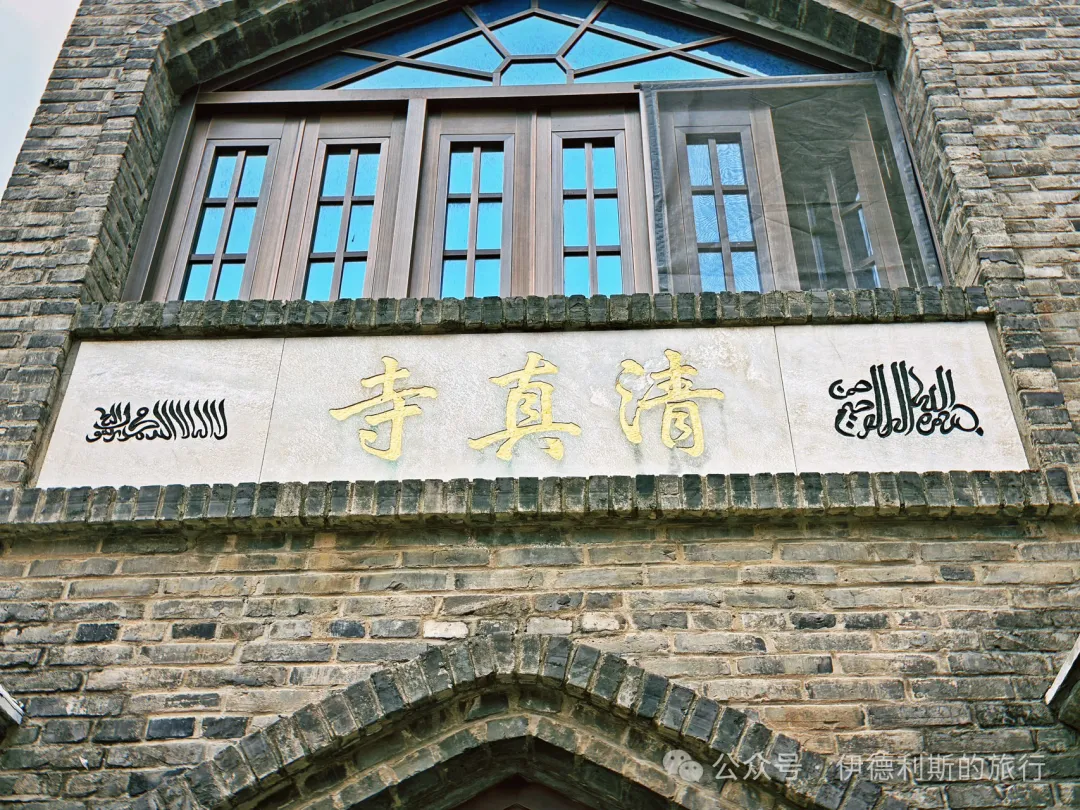
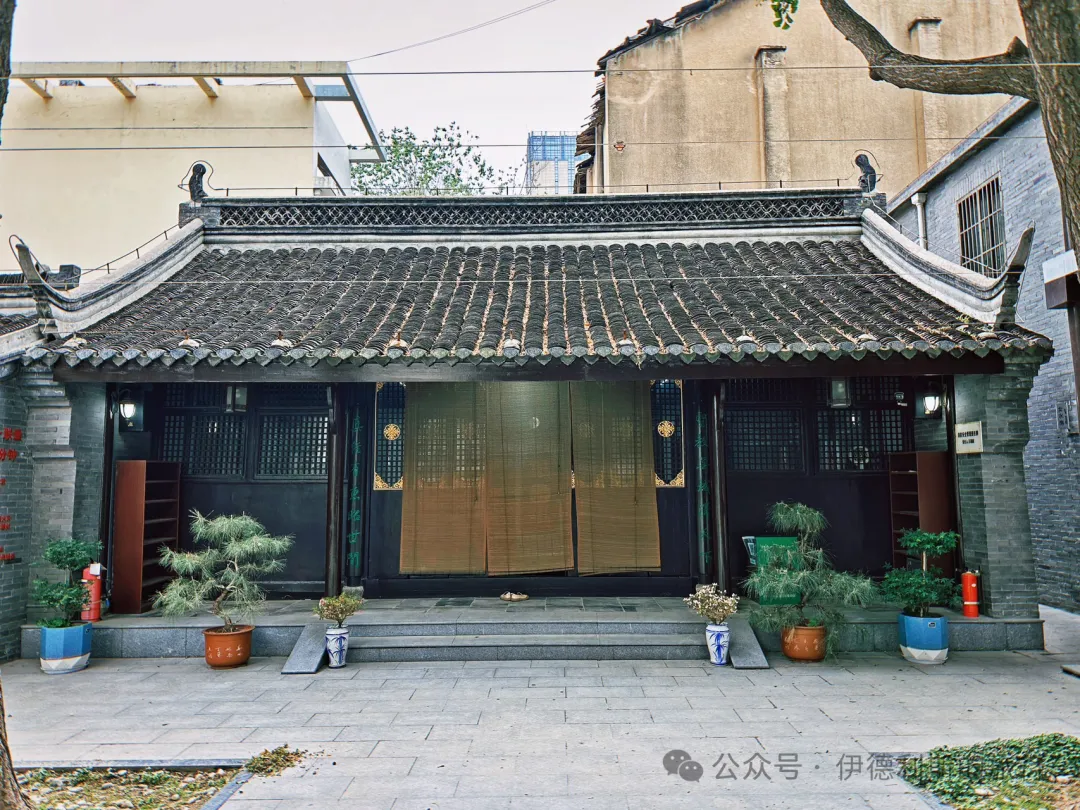
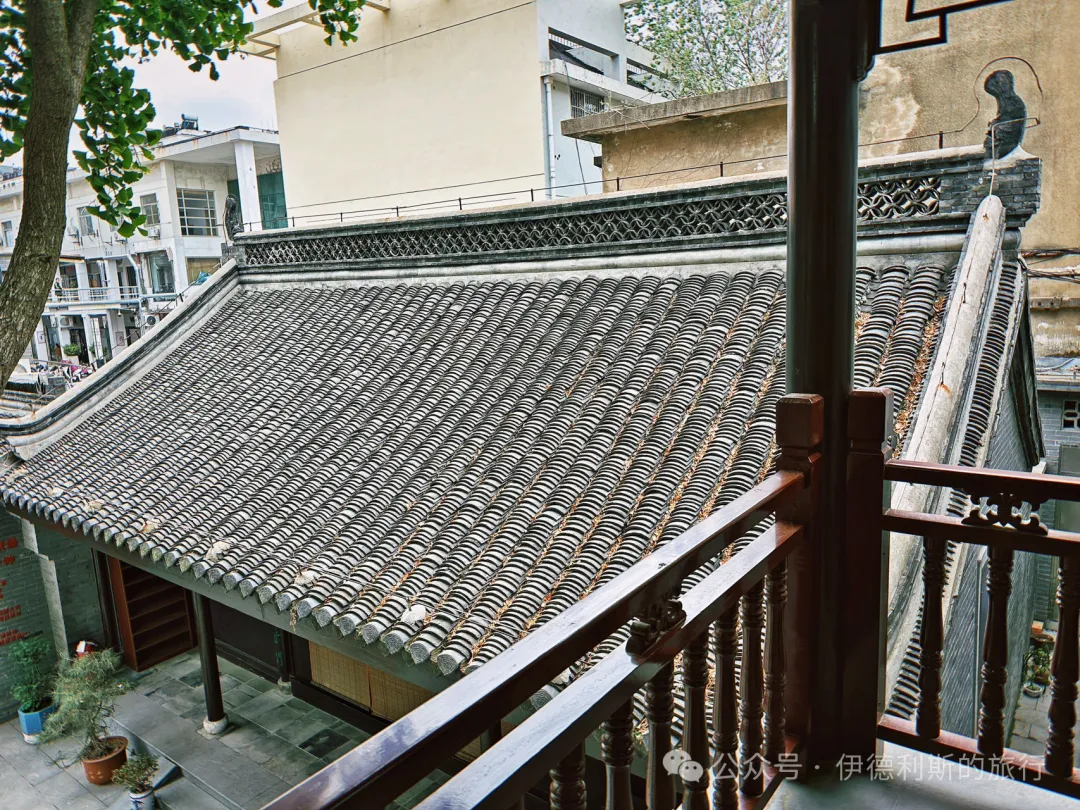
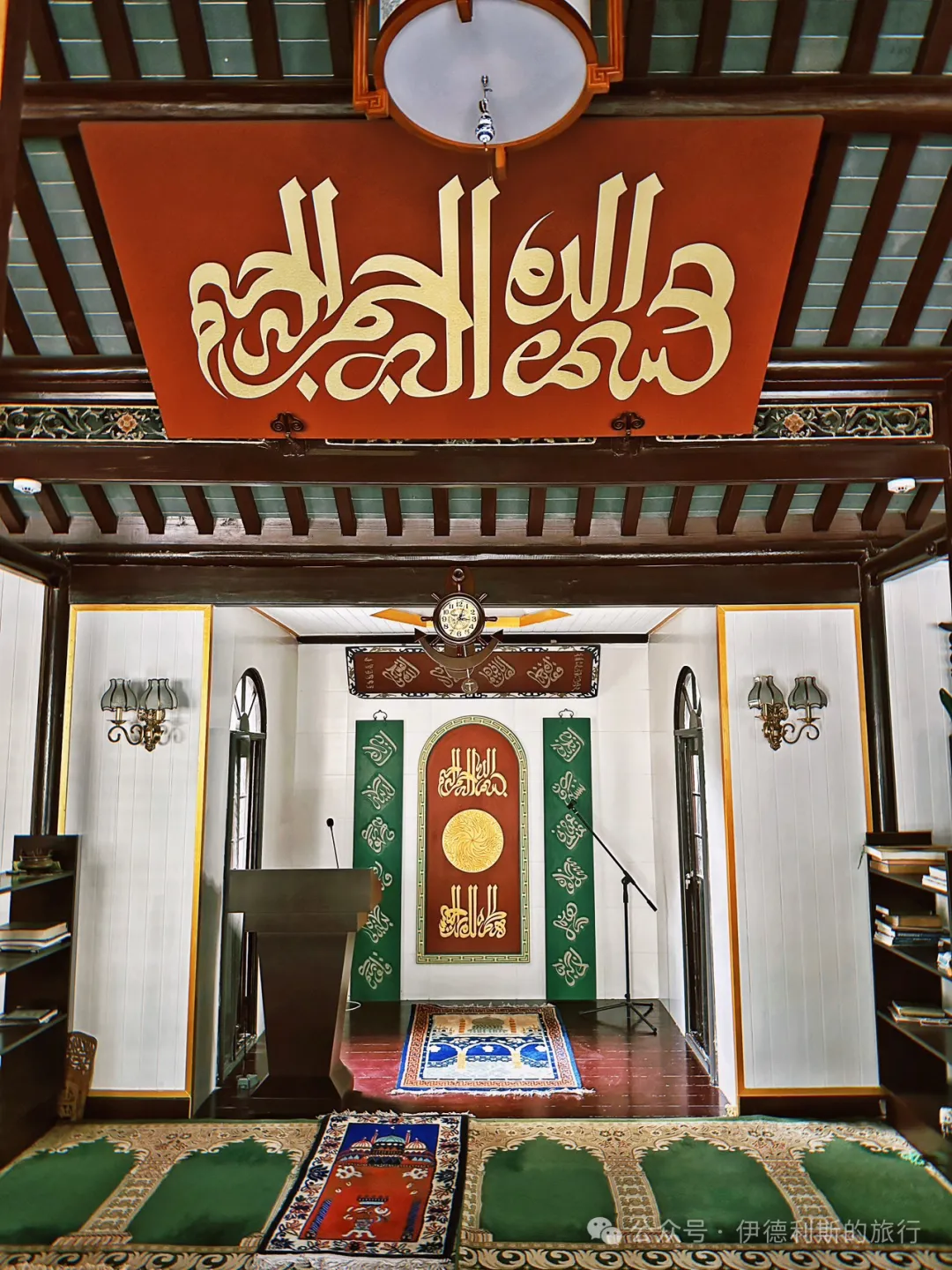
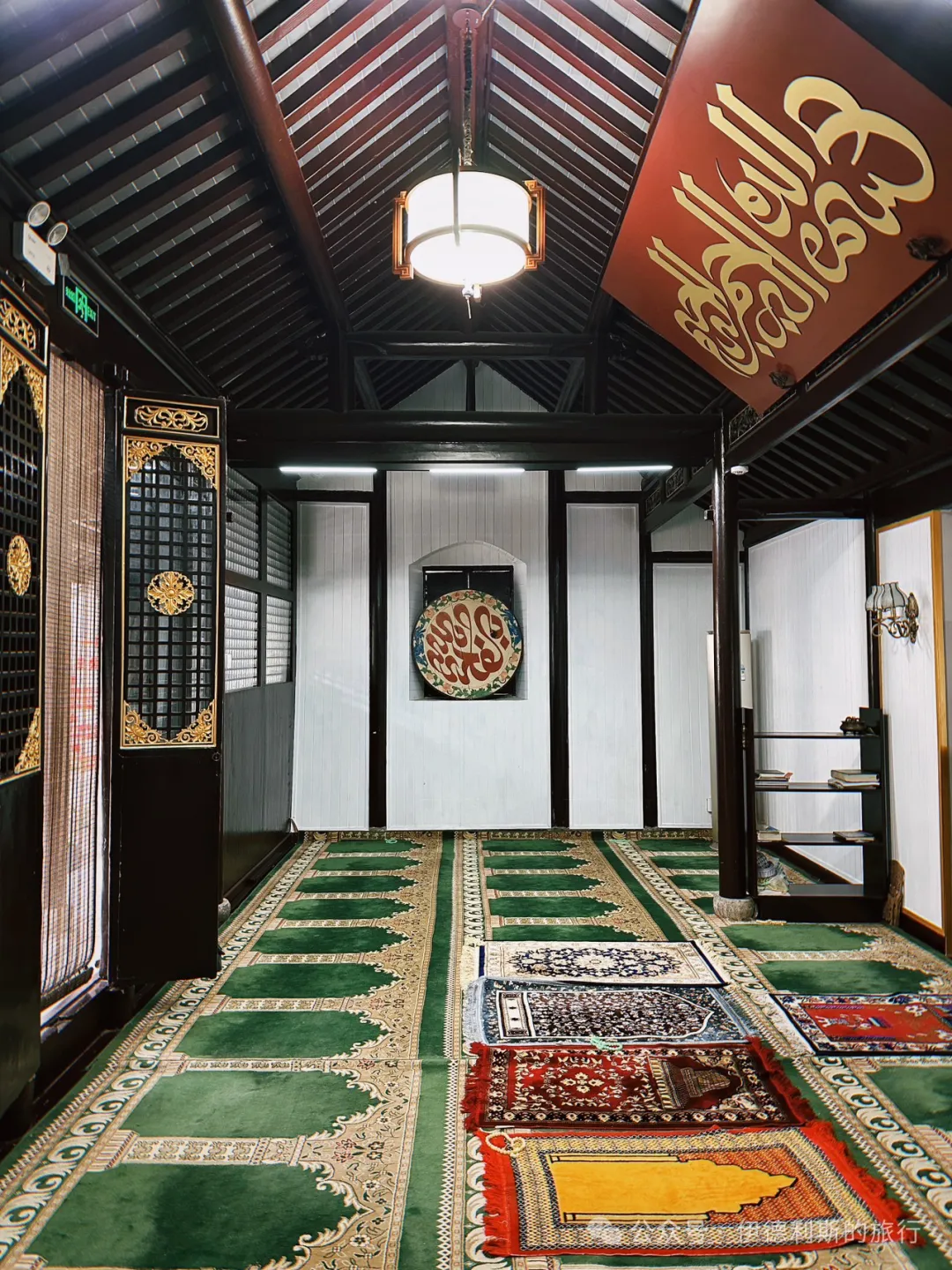
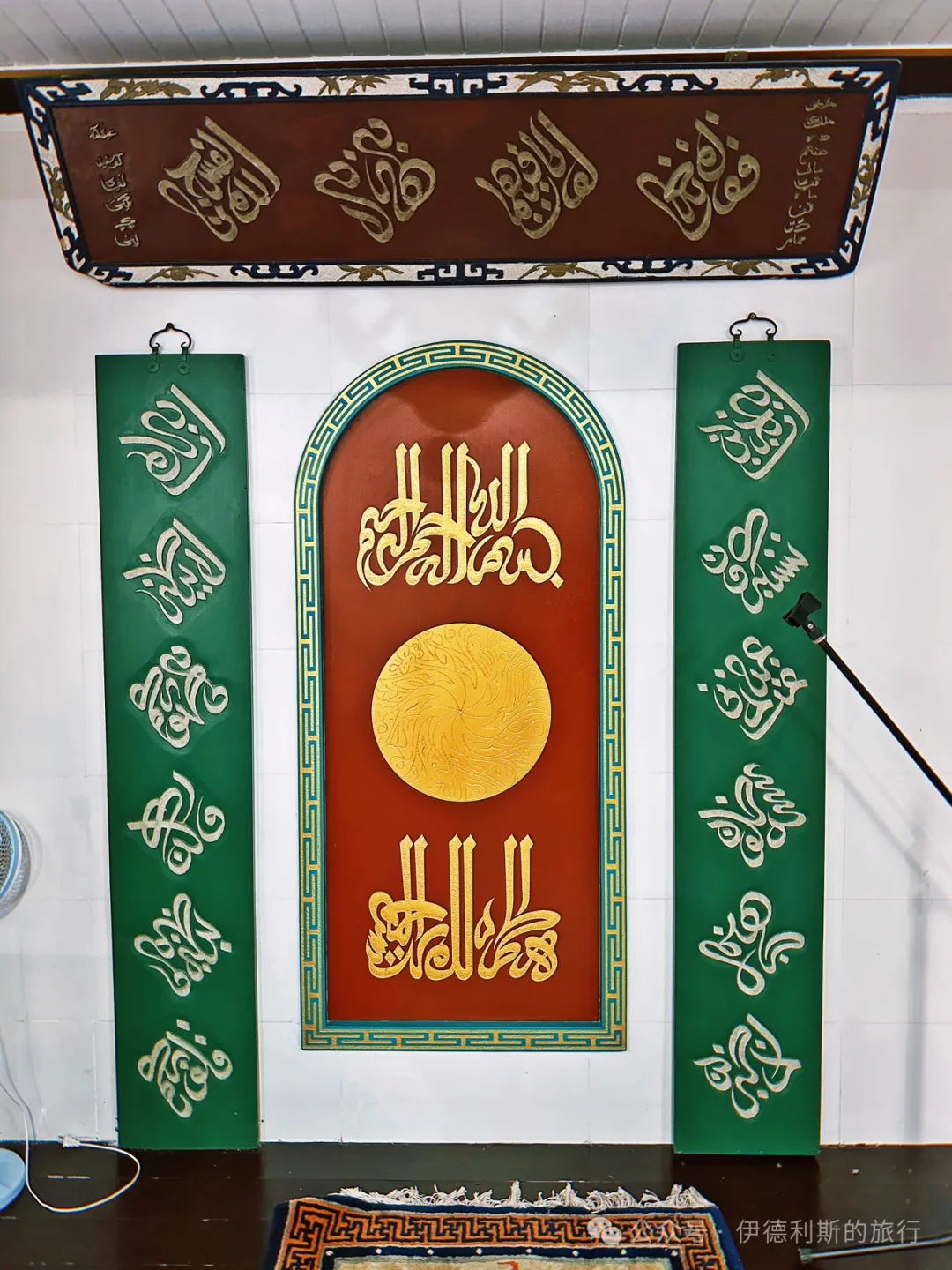
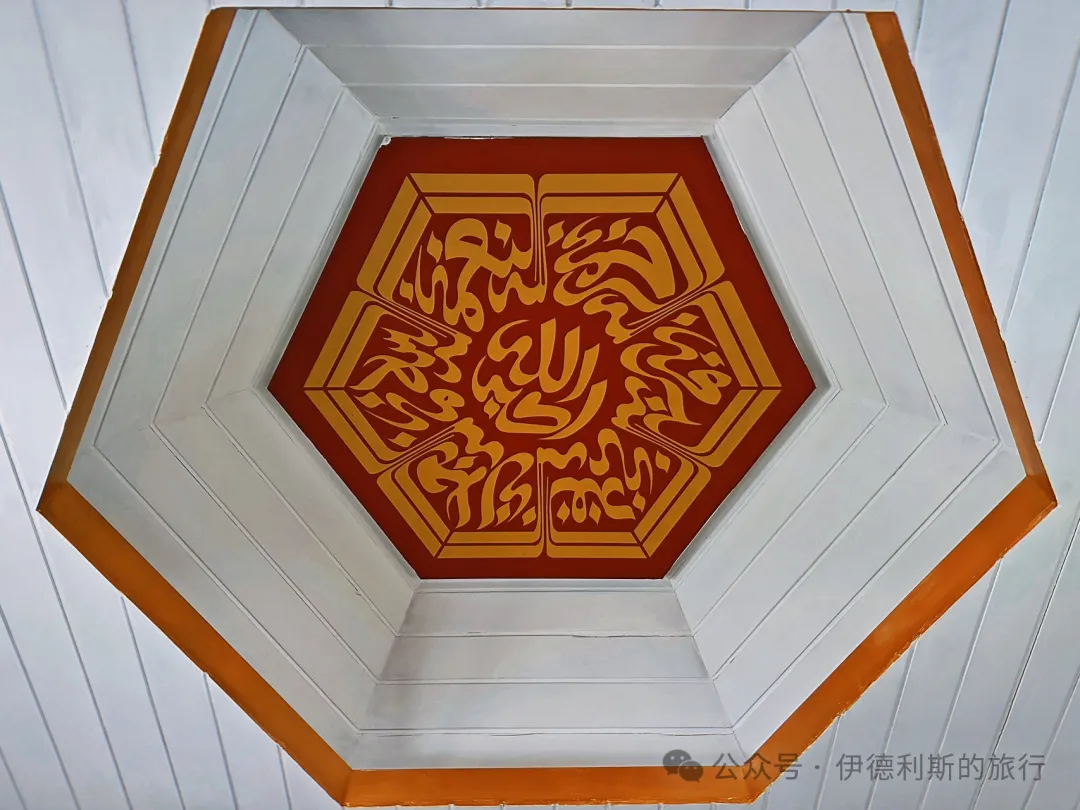
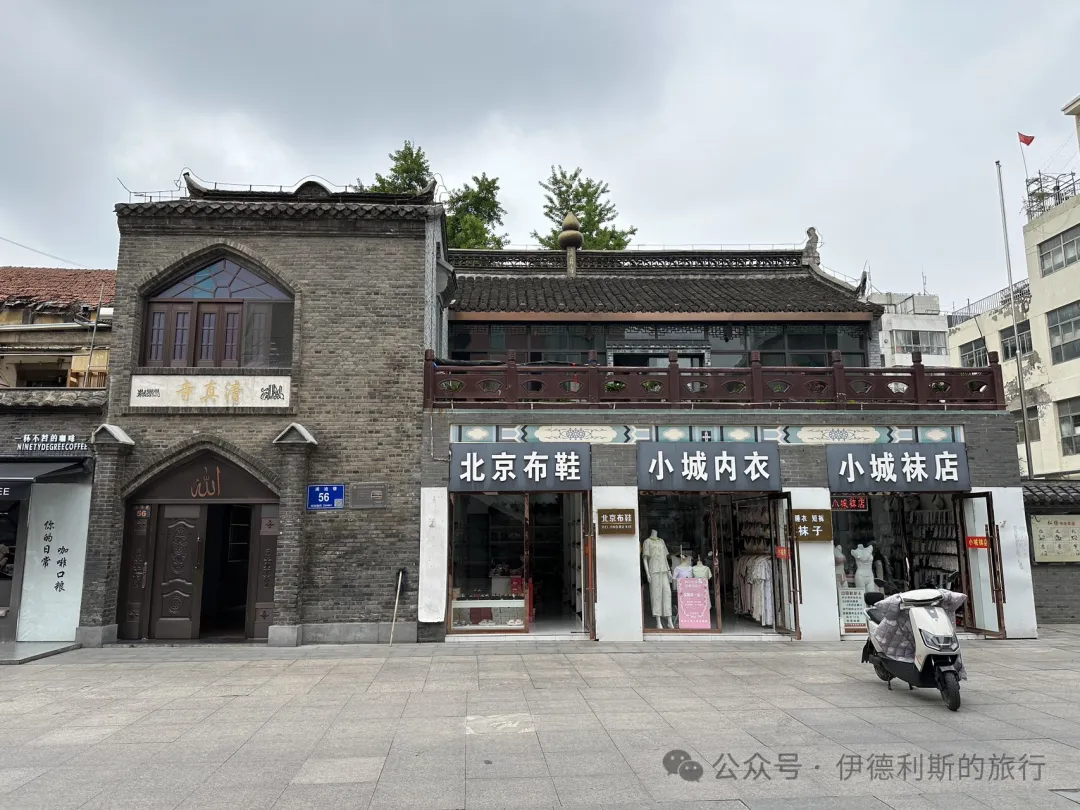
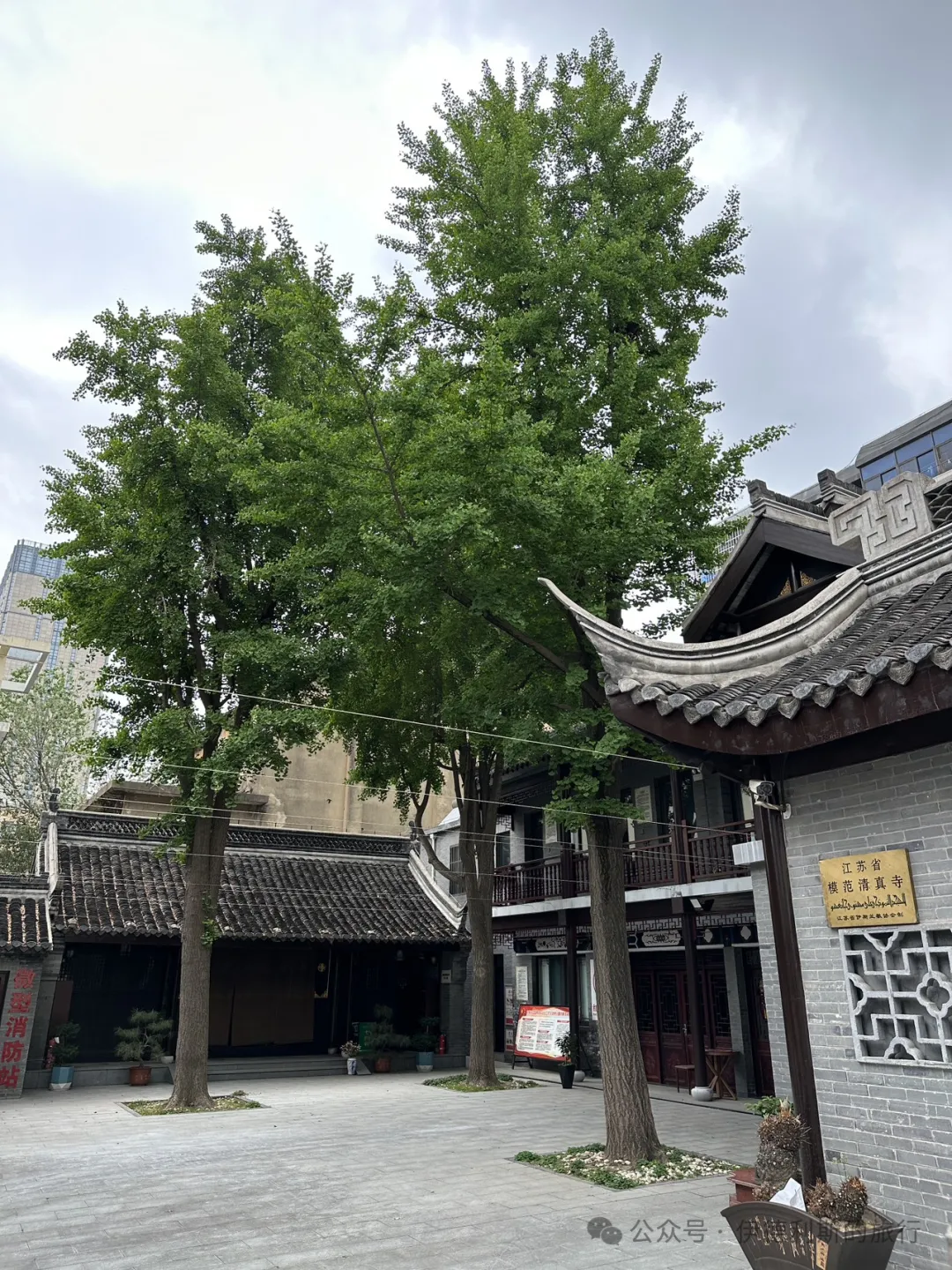
Baoying Mosque
Baoying Mosque was originally located in Guojia Lane inside the east gate of the county town. Its founding date is unknown. It was rebuilt in 1910 (the second year of the Xuantong reign) at the entrance of Luoxiang Lane at the foot of the south city wall. With the help of Tao, the wife of anti-Japanese hero Zuo Baogui, and led by Imam Zhao Dezhai and others, many people including the Gao Mu Ma Jin family from Shandong, Anhui, Zhejiang, Huaiyin, Yangzhou, Yancheng, and Baoying raised funds to complete it in 1914. Baoying Mosque closed after 1958. It was rebuilt on the original site in 2002 and officially opened in 2006.
Baoying Mosque still has the water well dug during the 1910 construction and the ginkgo tree planted at that time. Imam Li at the mosque is from Siyang, Jiangsu. He usually runs the nearby Li's Beef and Mutton shop. If you want to enter the mosque, just call the number on his door. Imam Li is very welcoming. He says that Baoying Mosque still has some local Gao Mu who come to the mosque for Friday Jumu'ah prayers, which is better than some mosques where almost all the attendees are friends (dost) from the Northwest. Imam Li comes from the Zhepai Banqiao Daotang, but he treats all sects equally, and the religious community in Baoying County is very united.
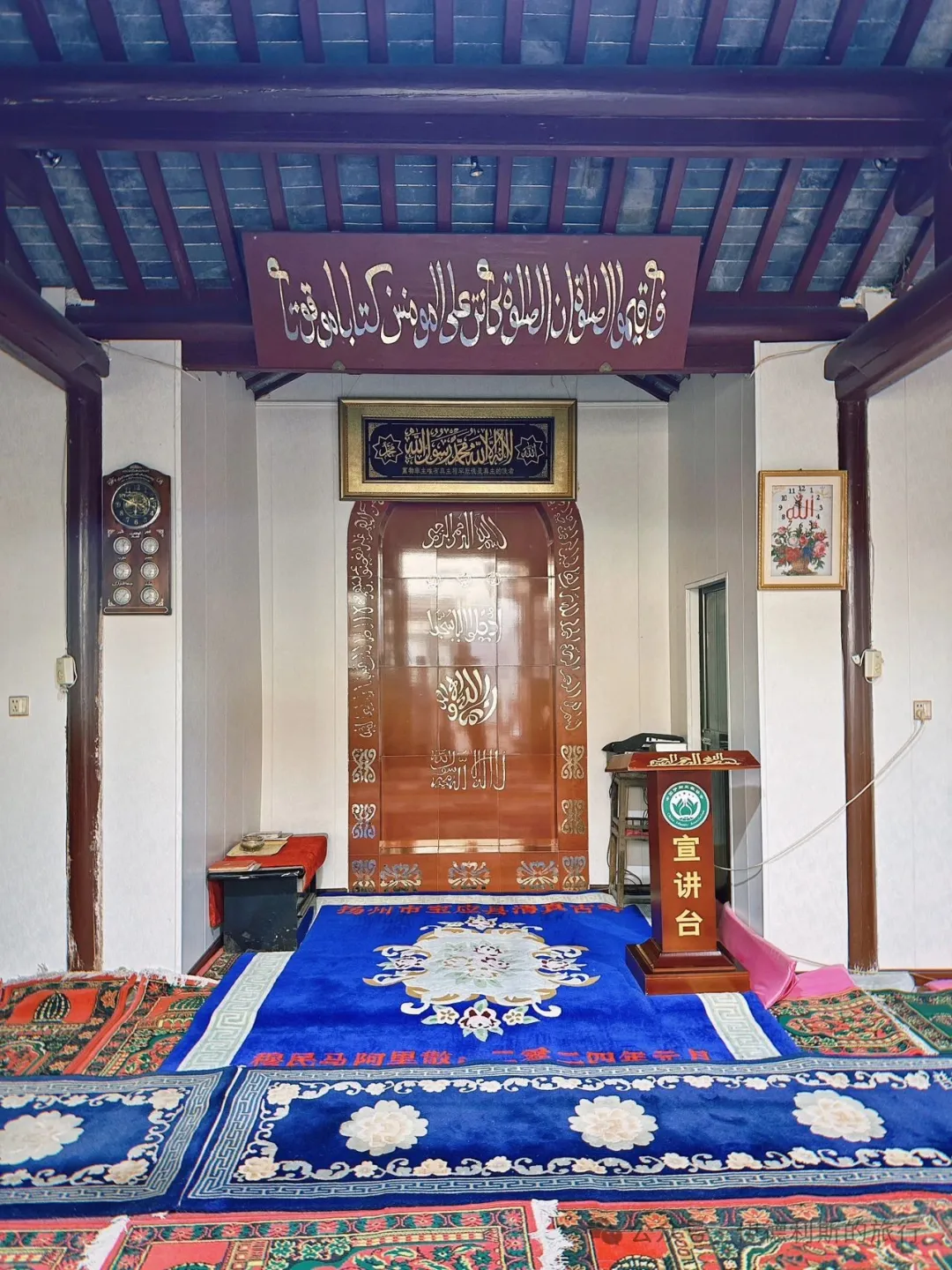
China Mosque Travel Guide Jiangsu: 25 Historic Mosques and Hui Muslim Heritage (Part 4)
Articles • yusuf908 posted the article • 0 comments • 241 views • 2026-05-23 23:30
Summary: This fourth part of the Jiangsu mosque series records historic mosque sites in Nanjing and Liuhe, including Taiping Road Mosque, Caoqiao Mosque, Xiaowangfu Lane Mosque, Hushu Mosque, South Gate Mosque, Changjiang Road Mosque, and Zhuzhen Mosque. The article preserves founding dates, women's mosque history, Da Pusheng family records, stone tablets, ancient trees, and surviving architectural details.
The front hall of the former Taiping Road Mosque served as the office for the chairman of the Chinese Islamic Association between 1945 and 1949, where Bai Chongxi once worked.
The brick carving titled 'Purifying the Heart and Gazing at the Palace' (xixin zhanque) from the water room of the former Taiping Road Mosque.
The former Taiping Road Mosque collection includes the 'Postscript to the Filial Piety Arch for Mother' written by Jiang Guobang. It records that Jiang, a wealthy Nanjing merchant, lost his father early and was raised by his mother, Madam Ma. In 1911 (the third year of the Xuantong reign), he petitioned to build a memorial arch for his mother's filial piety. Due to the change in government, it was finally completed in 1914.
Jiang Guobang came from the wealthy Jiang merchant family of Jinling, but he was indifferent to fame and wealth, dedicating himself to the study of traditional Chinese classics. Jiang Guobang was very filial. To provide his mother with a good place for her retirement, he spent a large sum of money to buy the Small Ten Thousand Willow Hall (xiaowanliutang) by West Lake in Hangzhou, later naming it 'Jiang Manor' (Jiangzhuang), which was one of the three major manors of West Lake at the time. Jiang Guobang oversaw the reconstruction of the Taiping Road Mosque in 1924 and later built a filial piety arch for his mother inside the mosque. The arch no longer exists, leaving only the stone tablet record.
The Qing dynasty well railing and the Guangxu reign stone tablet at Caoqiao Mosque. Caoqiao Mosque was first built during the Guangxu reign of the Qing dynasty, destroyed by fire during the Taiping Rebellion, and rebuilt in the early years of the Tongzhi reign. Because it was located in Qijiawan, a neighborhood where Hui Muslims lived, Caoqiao Mosque once had the largest number of congregants in Nanjing. Historically, Caoqiao Mosque had no property of its own; its daily expenses were covered by the Beef and Bone Trade Association located within the mosque. After 1958, Caoqiao Mosque was occupied and later rented to the Nanjing Woodware Factory, suffering severe damage. The property was returned in 1985 but remained closed until it was demolished in 2003.
Xiaowangfu Lane Mosque.
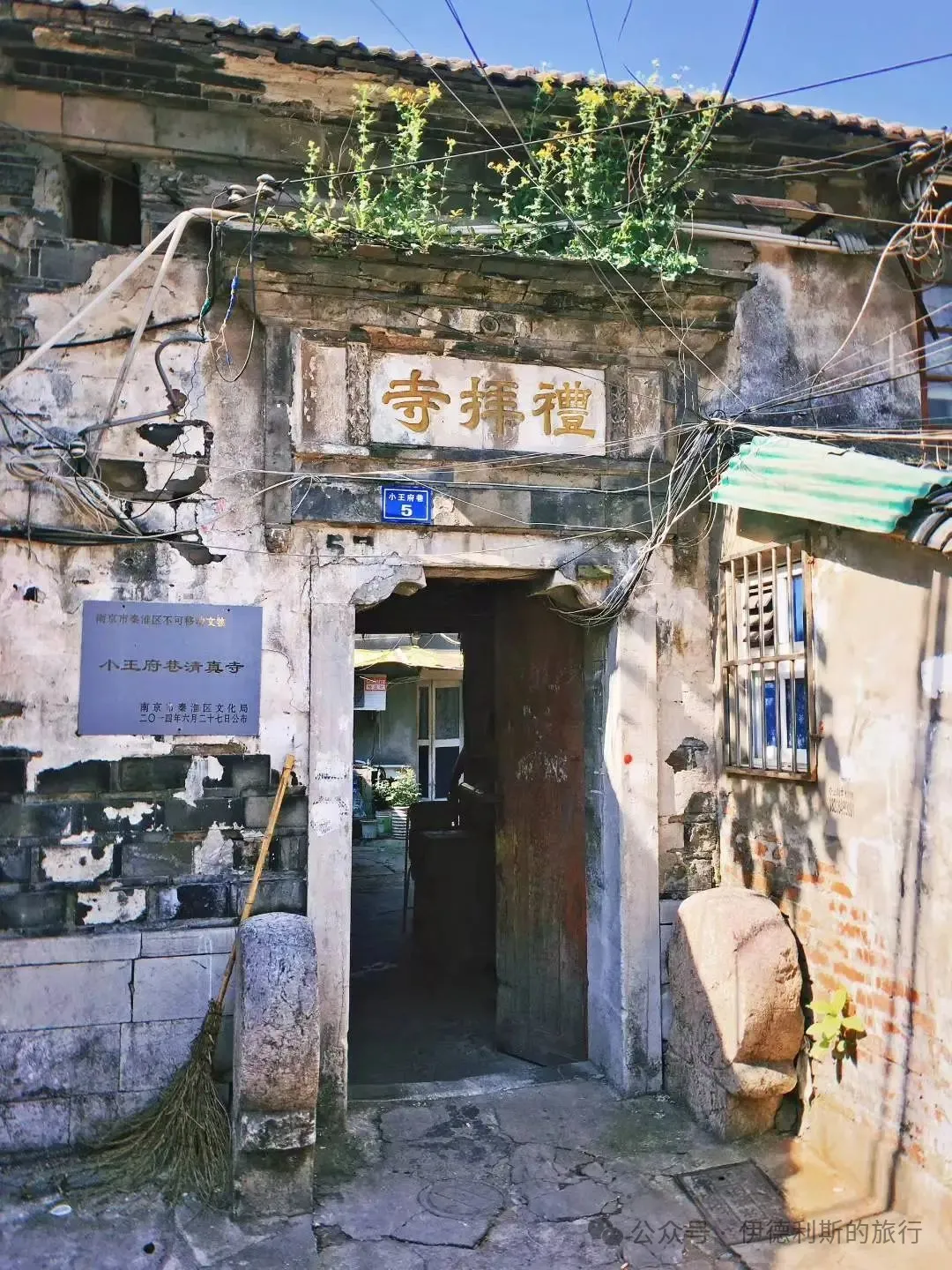
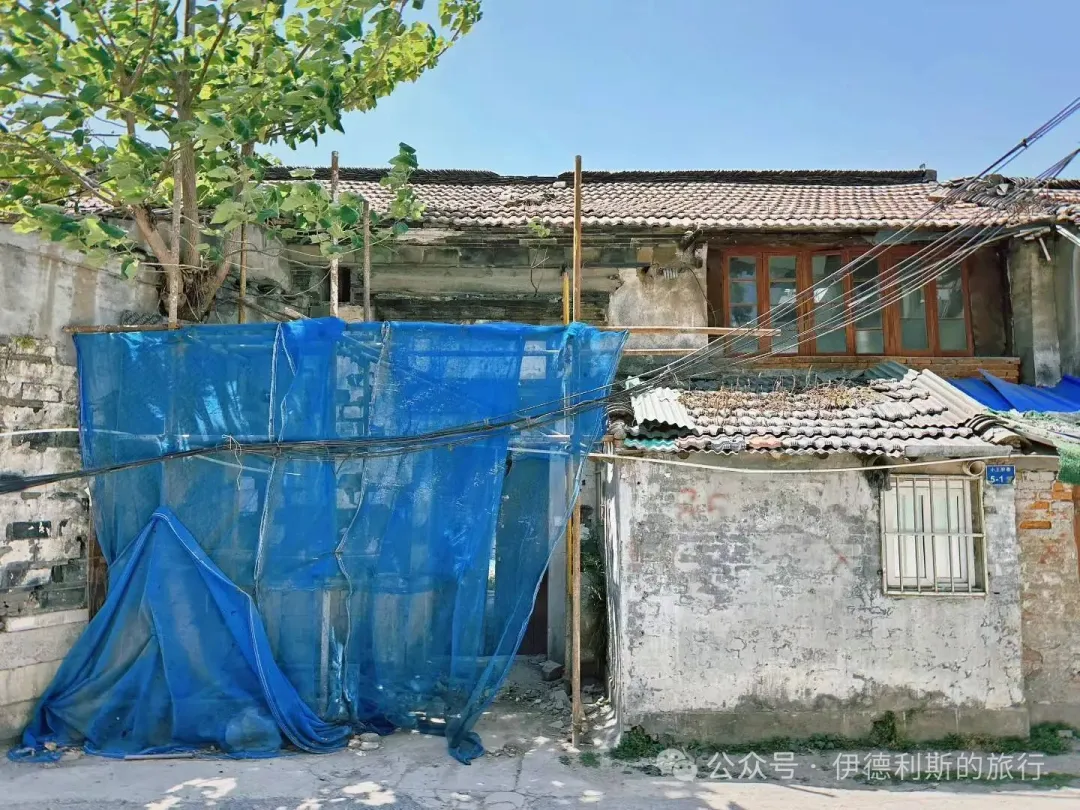
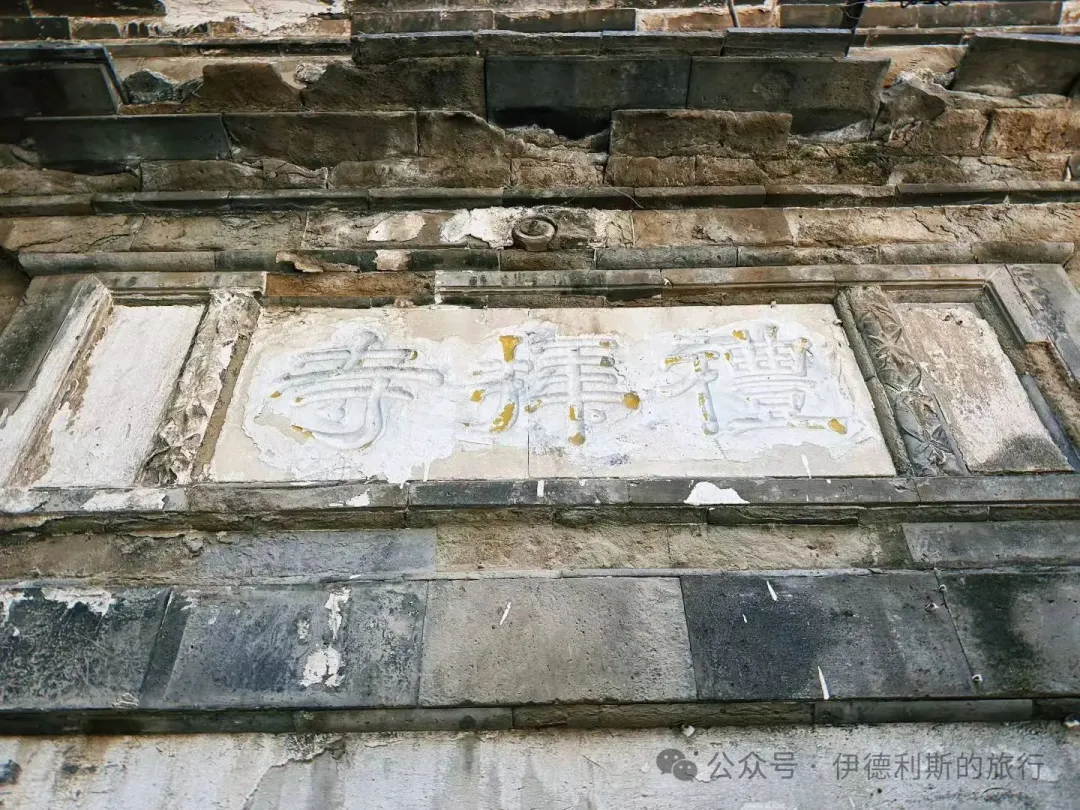
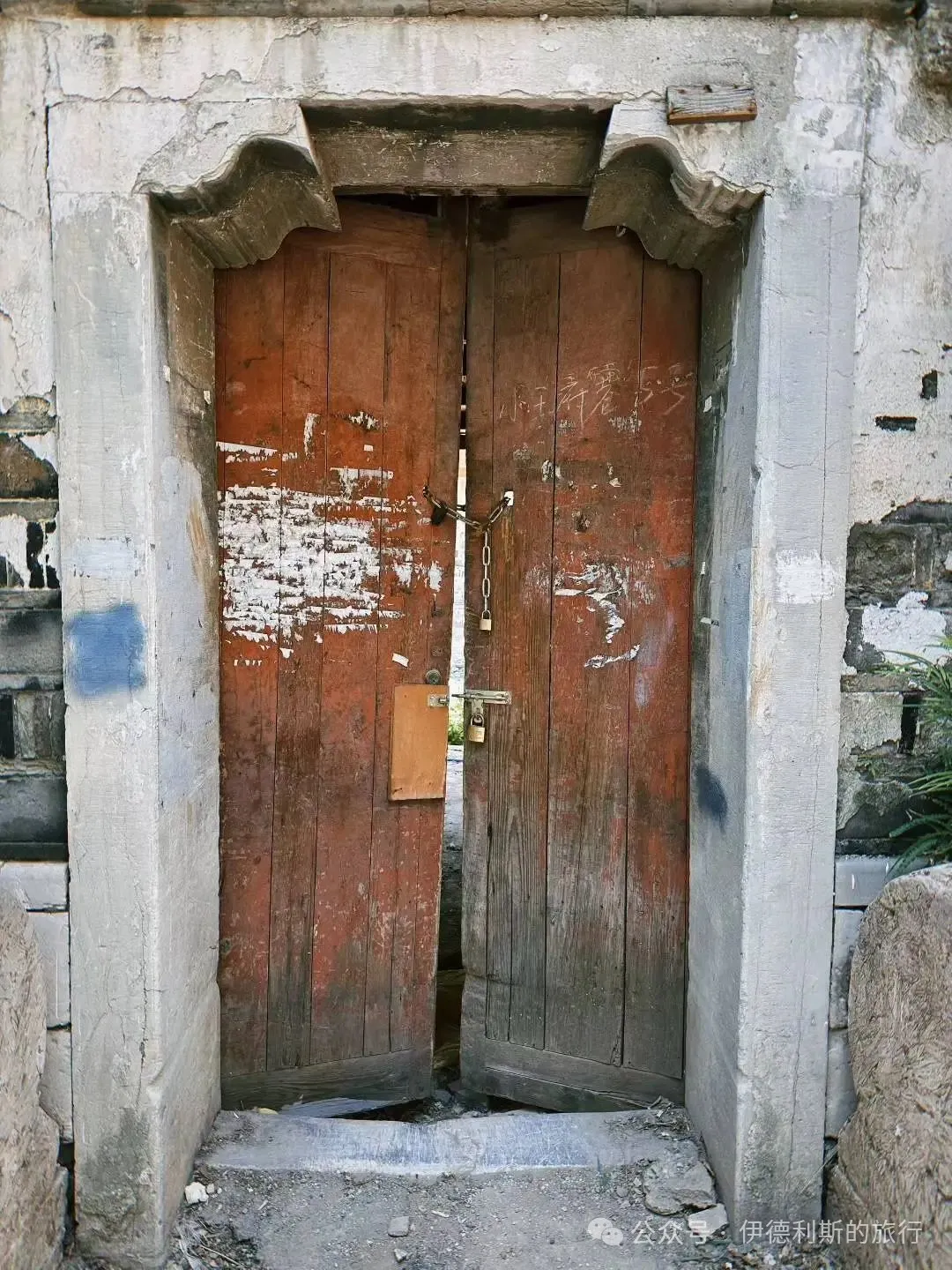
Xiaowangfu Lane Mosque was first built in the late Tongzhi reign of the Qing dynasty. It is one of the few remaining old buildings among the 33 mosques in Nanjing from the Republic of China era. The mihrab (mihalabu) niche currently in Jingjue Mosque was moved here from the Xiaowangfu Lane Mosque. Xiaowangfu Lane Mosque was used as a residence for a long time. It has now been vacated and may be put to new use.
In 1917, Xiaowangfu Lane Mosque founded the private Wuben Primary School to teach cultural subjects and Islamic knowledge. It moved to the entrance of Xiaowangfu Lane on Fengfu Road in 1953 and became a municipal school in 1956.
Hushu Mosque.
Hushu Mosque was first built in 1392 (the 25th year of the Hongwu reign). It was destroyed during the Taiping Rebellion, and the main hall was rebuilt in 1896 (the 22nd year of the Guangxu reign). In 1911, five tile-roofed rooms were built on the left side in front of the main hall, with the water room on the left, dormitories on the right, and a guest hall in the middle. In 1919, three rooms of the front hall, five rooms of the main hall, and two rooms of the east wing at the main gate were rebuilt.
Around 1932, a primary school for Hui Muslim children was established inside Hushu Mosque, which moved out of the mosque in 1956. In 1964, the main hall of Hushu Mosque was demolished during the 'Four Cleanups Movement' and was occupied by the Hushu Straw Bag Factory, Hushu Hardware Factory, and Hushu Supply and Marketing Cooperative during the Cultural Revolution. The main hall was rebuilt in 1988. The roof of the main hall at Hushu Mosque was originally built in a palace style with upturned eaves, but it was changed to a flat roof after renovations.
The gate piers from the original construction in 1392.
A ginkgo tree transplanted in 1689.
Liuhe South Gate Mosque.
Liuhe once had seven mosques and three schools for women. Today, the Changjiang Road Mosque, South Gate Mosque, and Zhuzhen Mosque are open, and the historic buildings of the South Gate Women's School and Zhuzhen Women's School have been preserved.
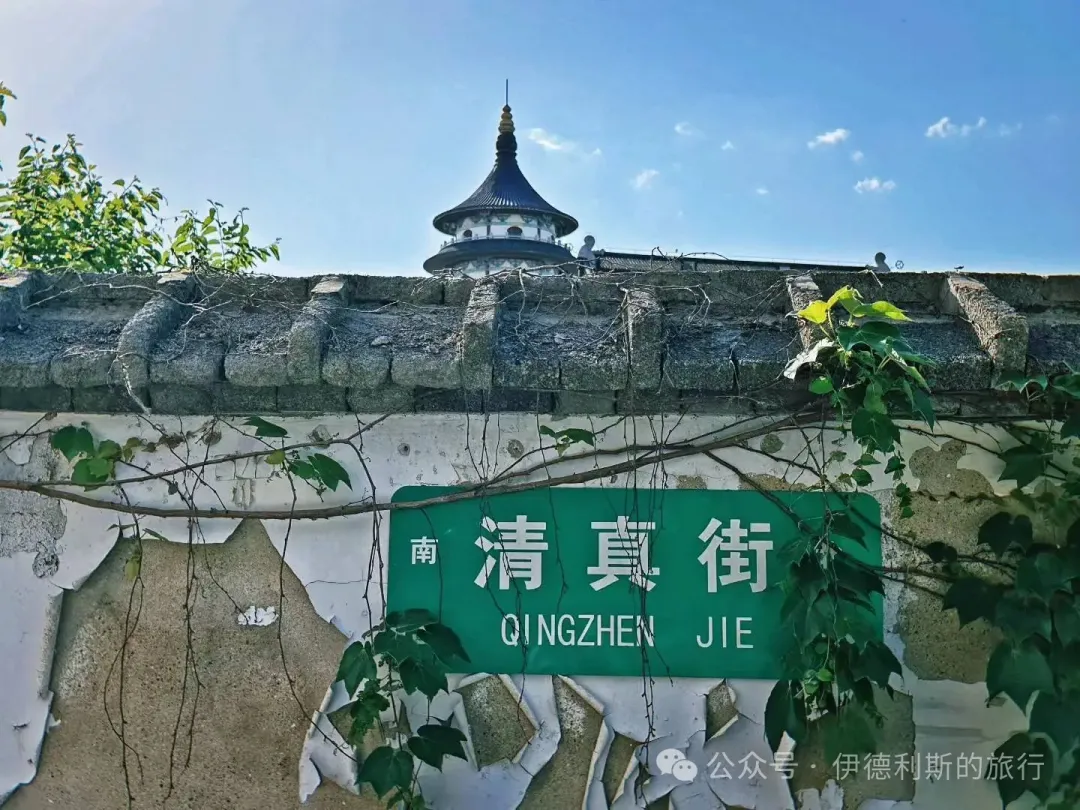
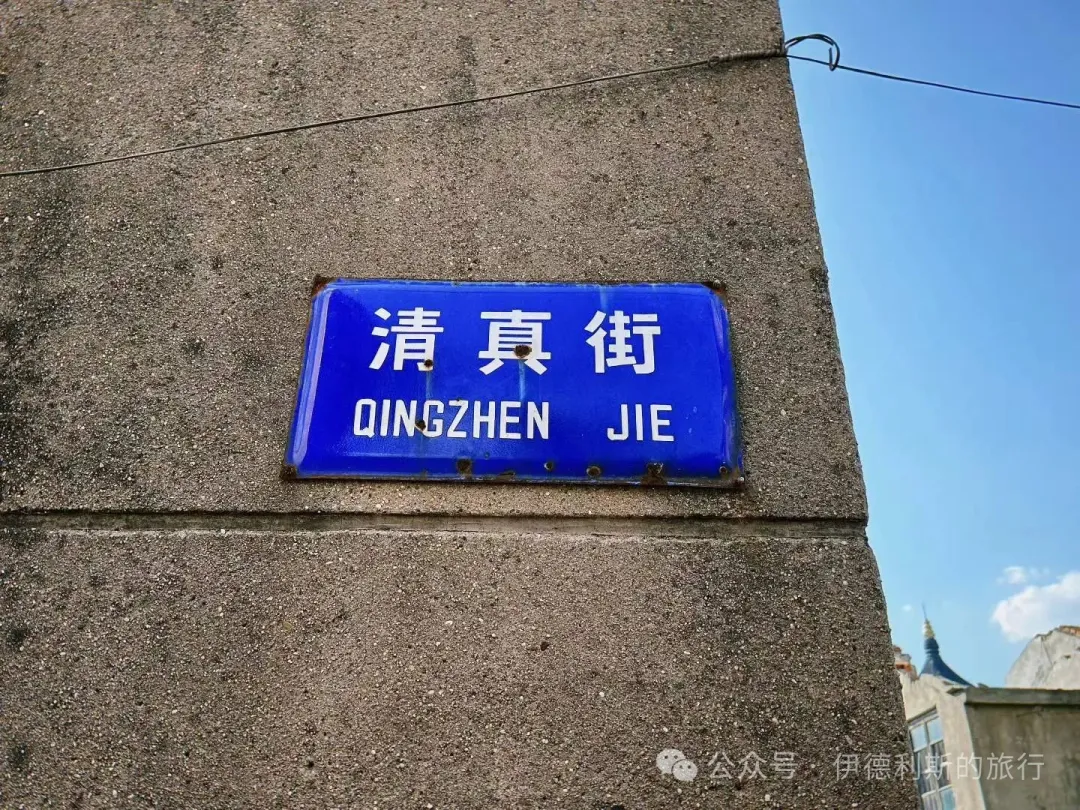
Liuhe South Gate Mosque was first built in 1403 (the first year of the Yongle reign of the Ming Dynasty), renovated in 1553 (the 32nd year of the Jiajing reign), destroyed during the Taiping Rebellion, and later rebuilt. One of the four famous imams of the Republic of China, Imam Da Pusheng, had three generations of his family—from his great-grandfather to his father—serve as the imam at South Gate Mosque. The old Da family home is on Qingzhen Street right at the mosque entrance. Imam Da Pusheng studied the scriptures at South Gate Mosque for seven years from the age of 10 to 17, before moving on to Nanjing and Beijing for further studies.
The ancestors of the Baiyetang Da family, to which Imam Da Pusheng belonged, were from the Western Regions during the Yuan Dynasty. Research shows they belonged to the Kipchak Yuliberi tribe, and his ancestor served as a darughachi in Zhenjiang before passing away there. His sixth-generation ancestor, Da Shanyu, moved from Zhenjiang to Liuhe in the early Ming Dynasty to take up a position as a county assistant. He settled in Liuhe, making this the oldest Hui Muslim family from the Western Regions in the area.
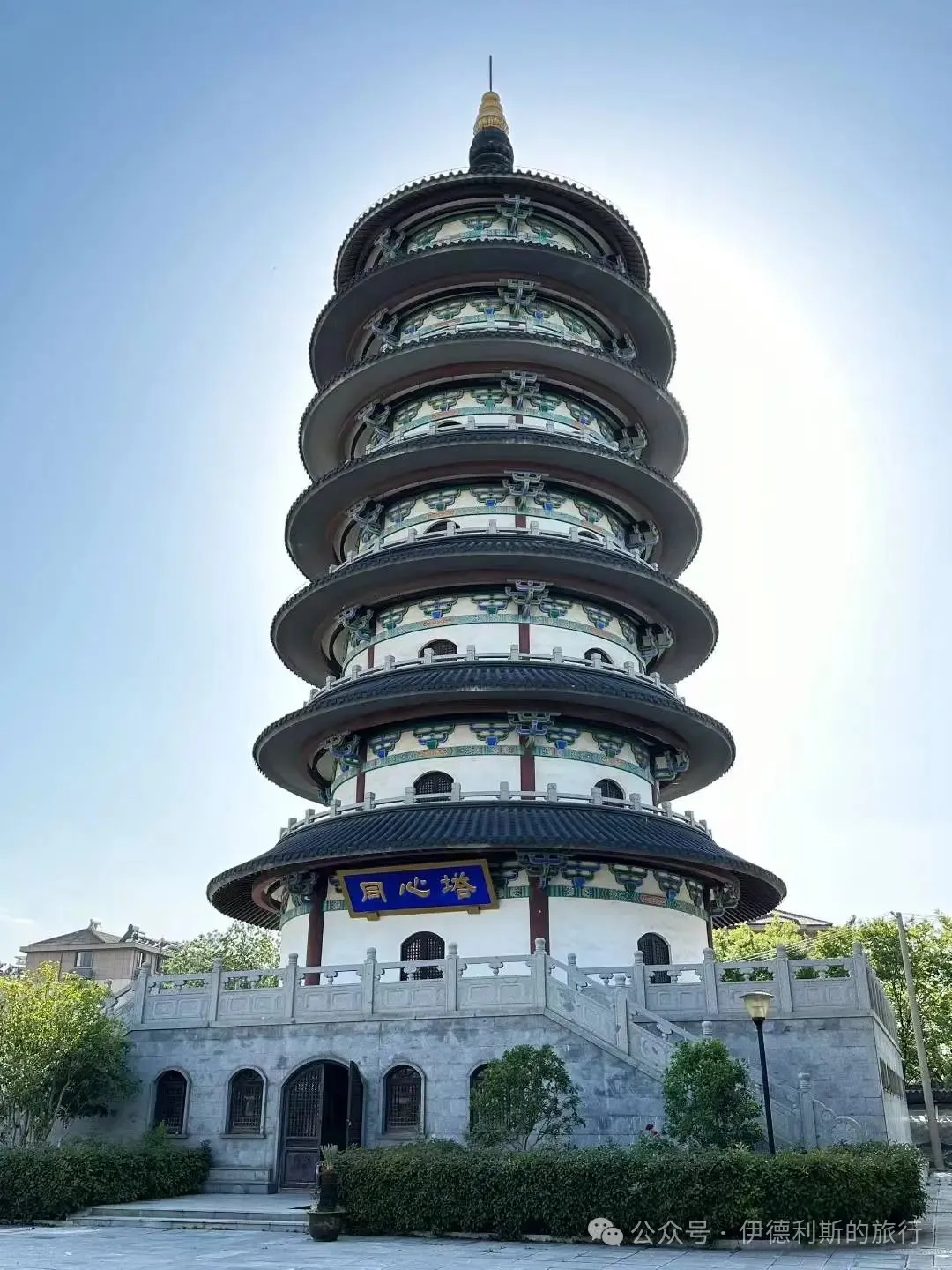
After 1966, South Gate Mosque was occupied by a kindergarten, during which time the Shamao Hall (a secondary hall), the north wing, the red gate, and the entrance hall were demolished. The kindergarten moved out in 1975, and the site was later borrowed by Baozhen Primary School. It was finally reclaimed in 2000 when the school moved out. In 2013, the main hall was raised and rebuilt. Later, the Tongxin Tower and Tongxing Building were added, and the site was finally opened for use in 2020.
Stone carvings and ancient trees at Liuhe South Gate Mosque:
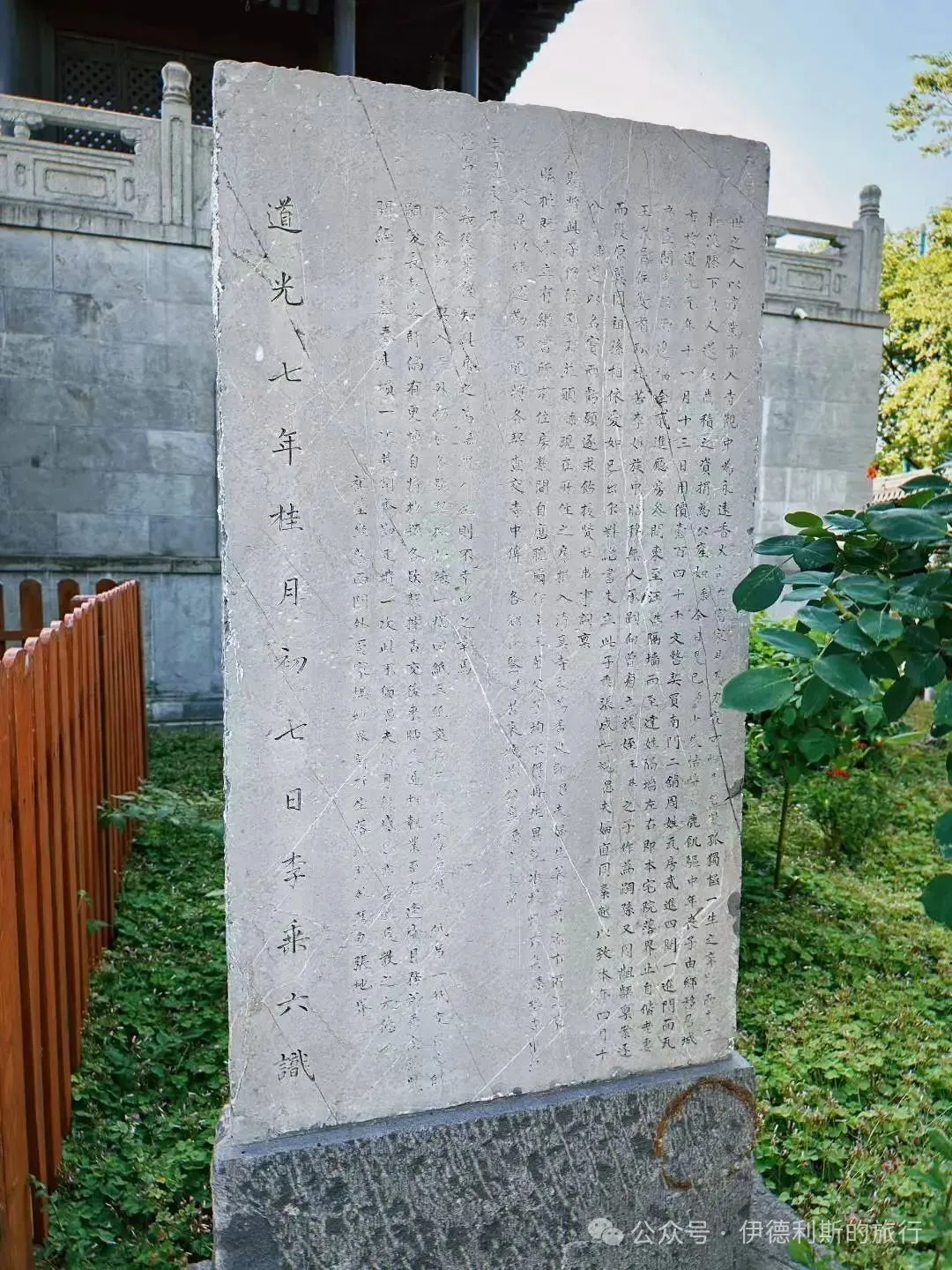
A stone tablet from the seventh year of the Daoguang reign commemorating a house donation by a Hui Muslim named Li.
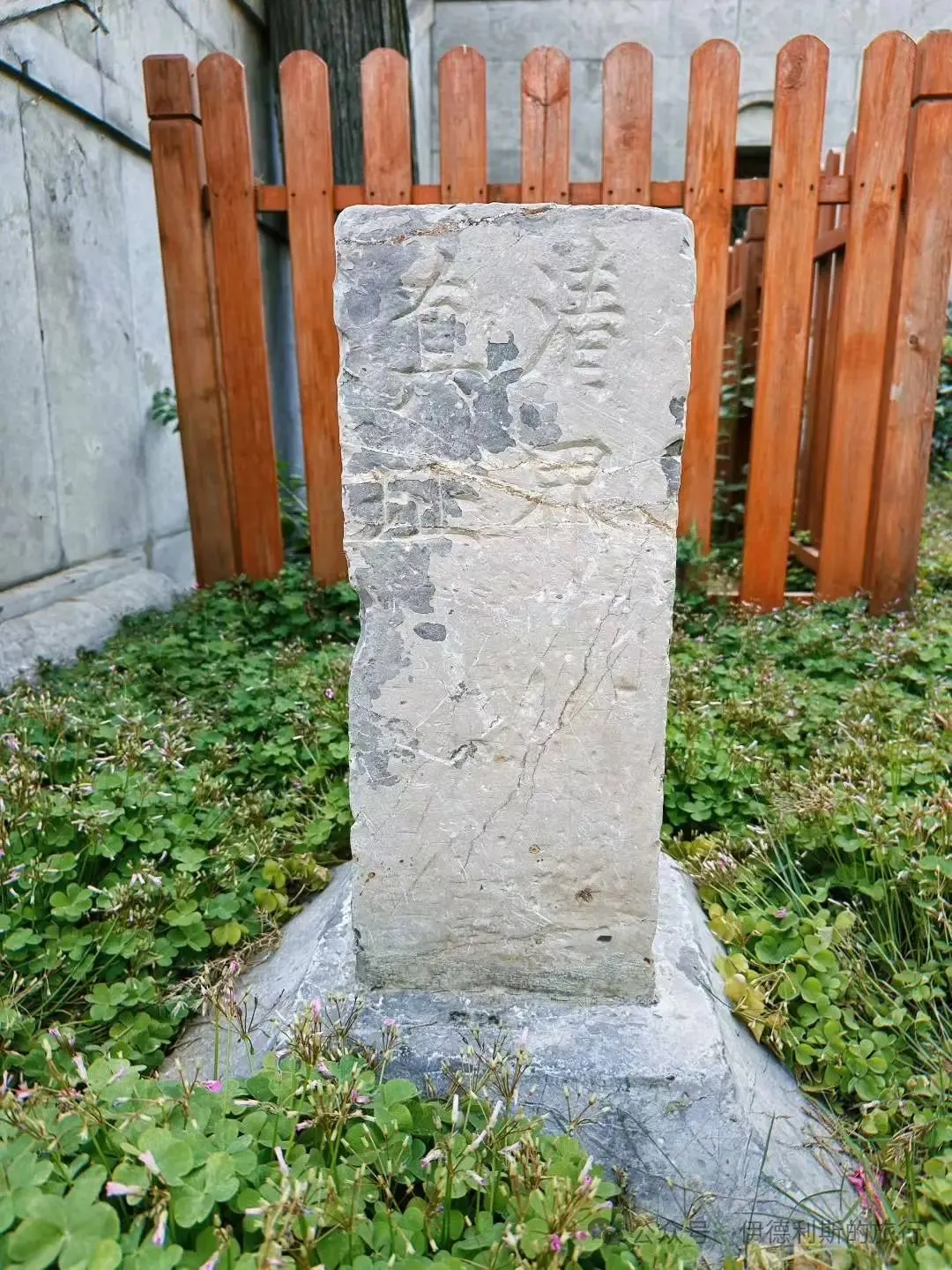
A boundary marker for the mosque.
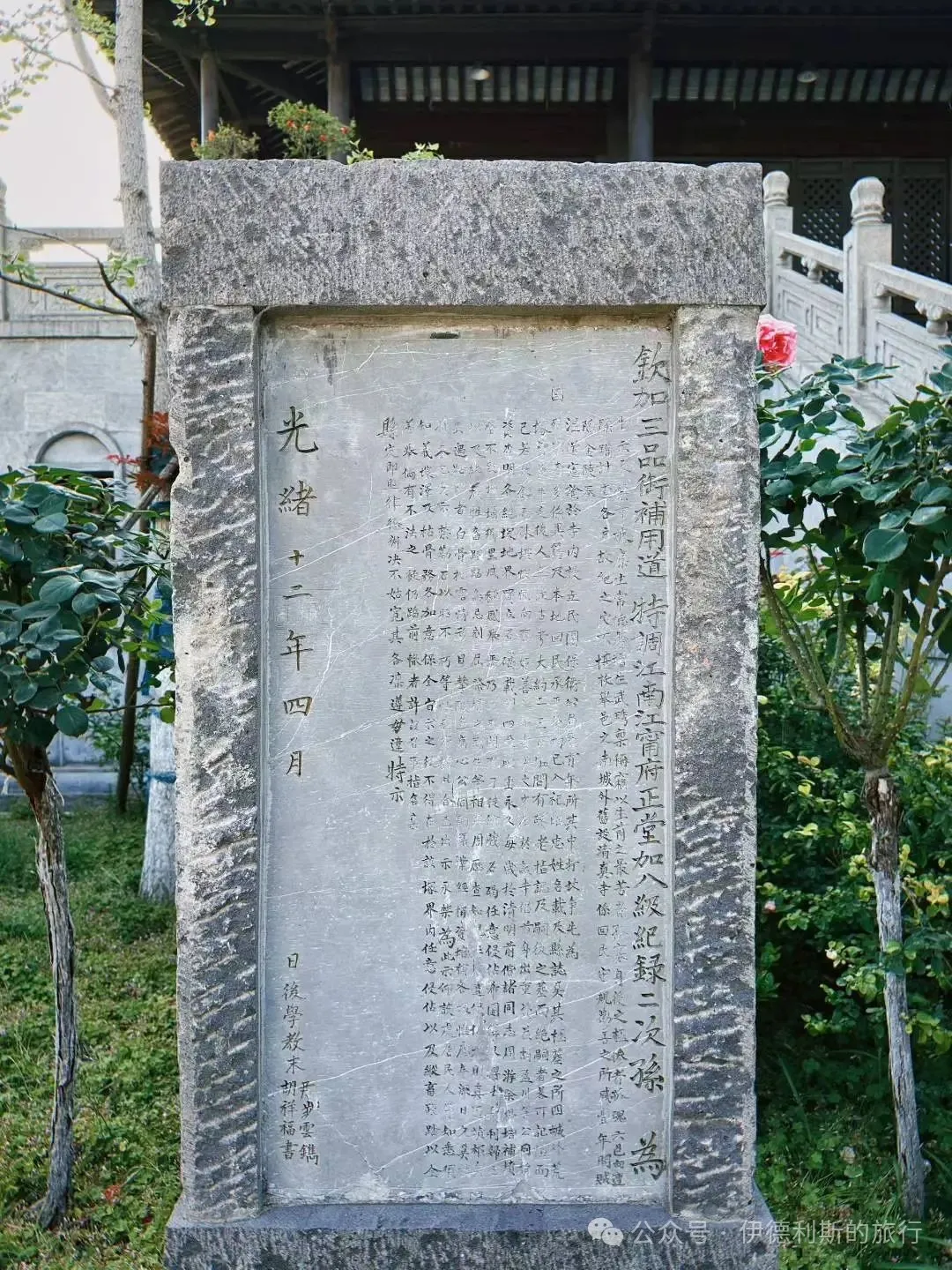
A stone tablet from the 12th year of the Guangxu reign, recording that South Gate Mosque was destroyed by the Taiping Rebellion during the Xianfeng period, many Hui Muslims from the local militia died in battle, and the government later stepped in to protect the graves.
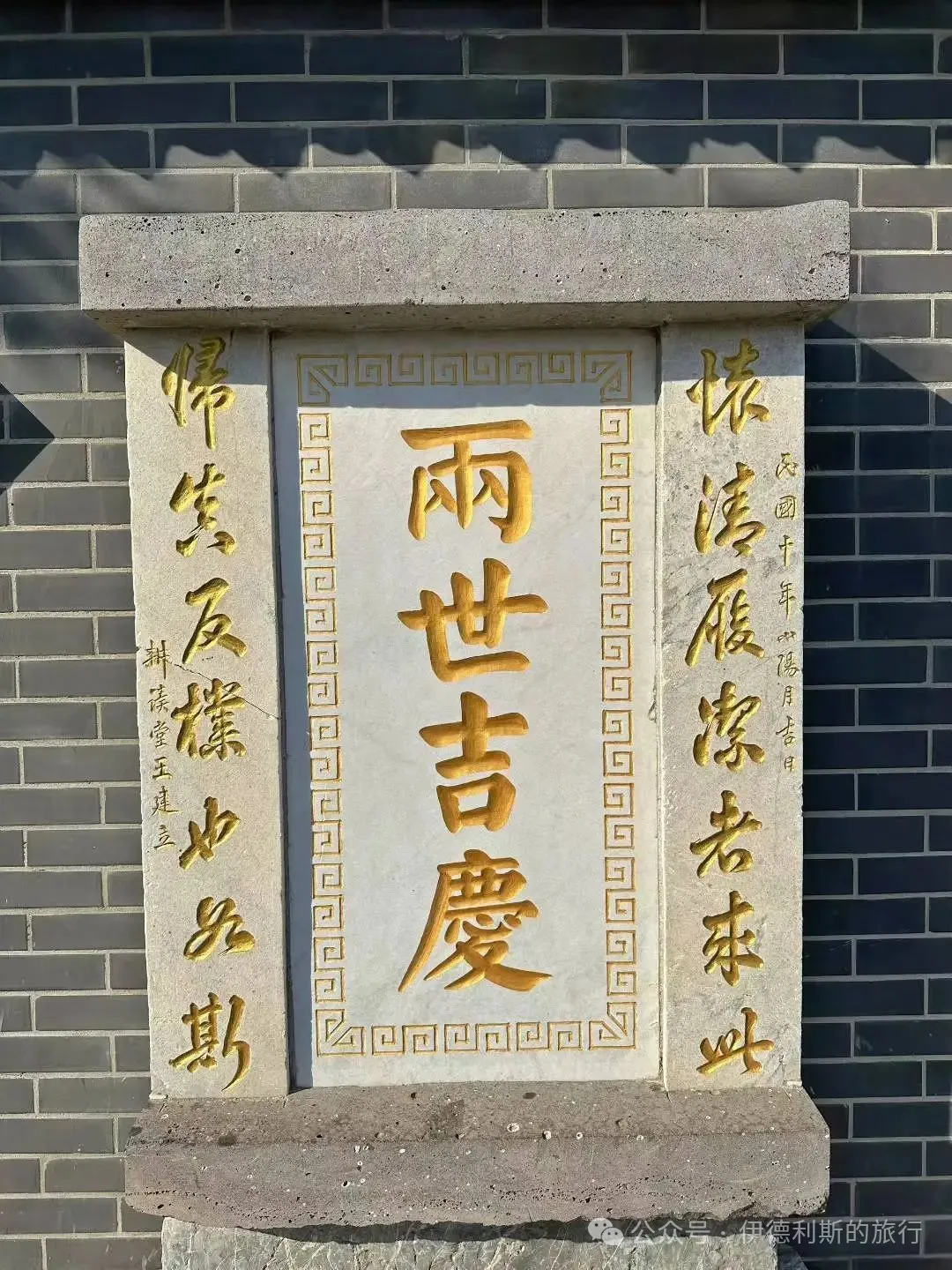
A couplet written by Wang Jianli in the 10th year of the Republic of China: 'Keep your heart pure and clean as if in the afterlife, return to the truth and simplicity just the same.'
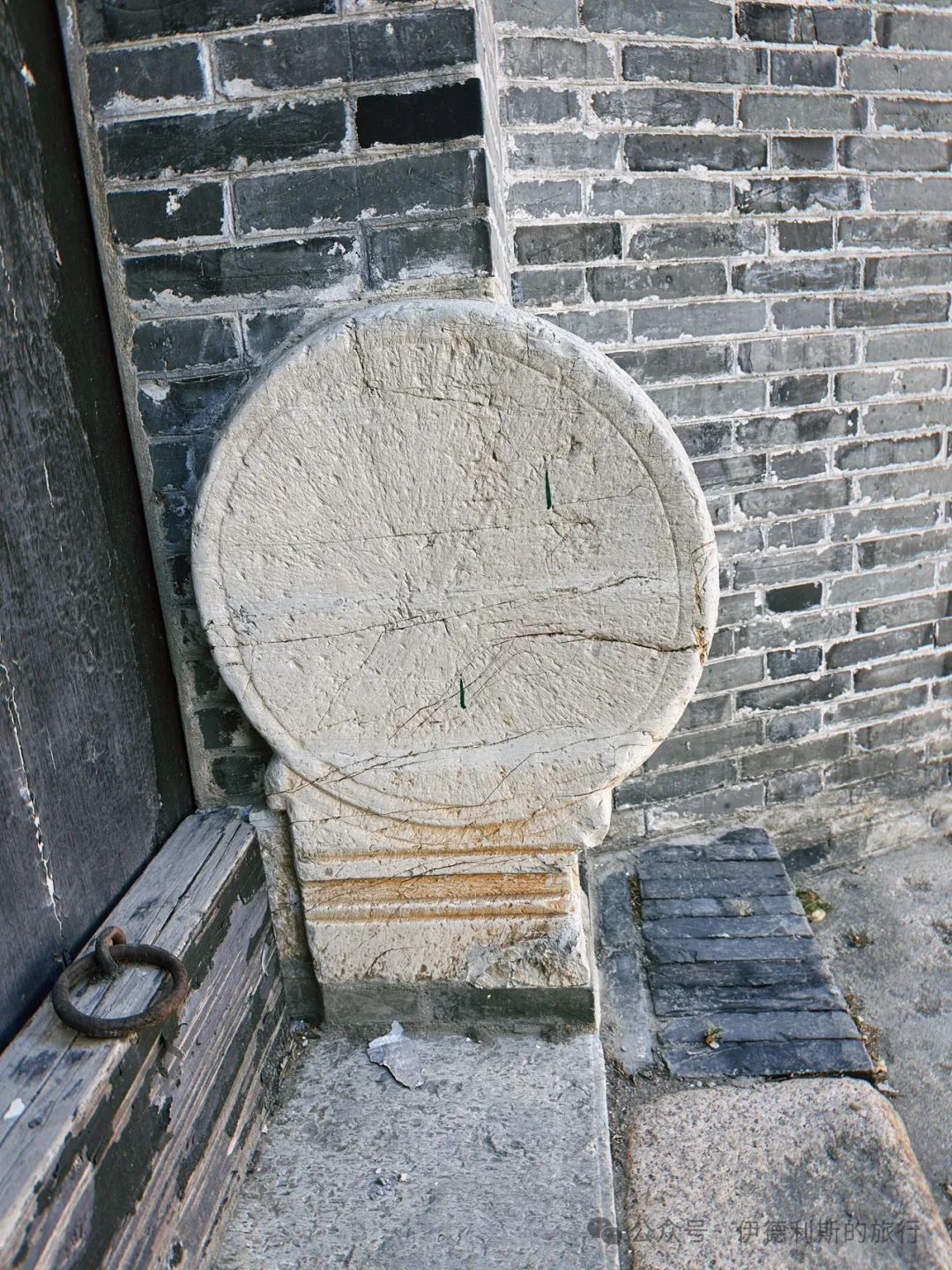
Qing Dynasty drum-shaped stone bases in front of the main gate.
A 460-year-old Chinese juniper in front of the main hall, classified as a first-class ancient tree.
Liuhe Women's School.
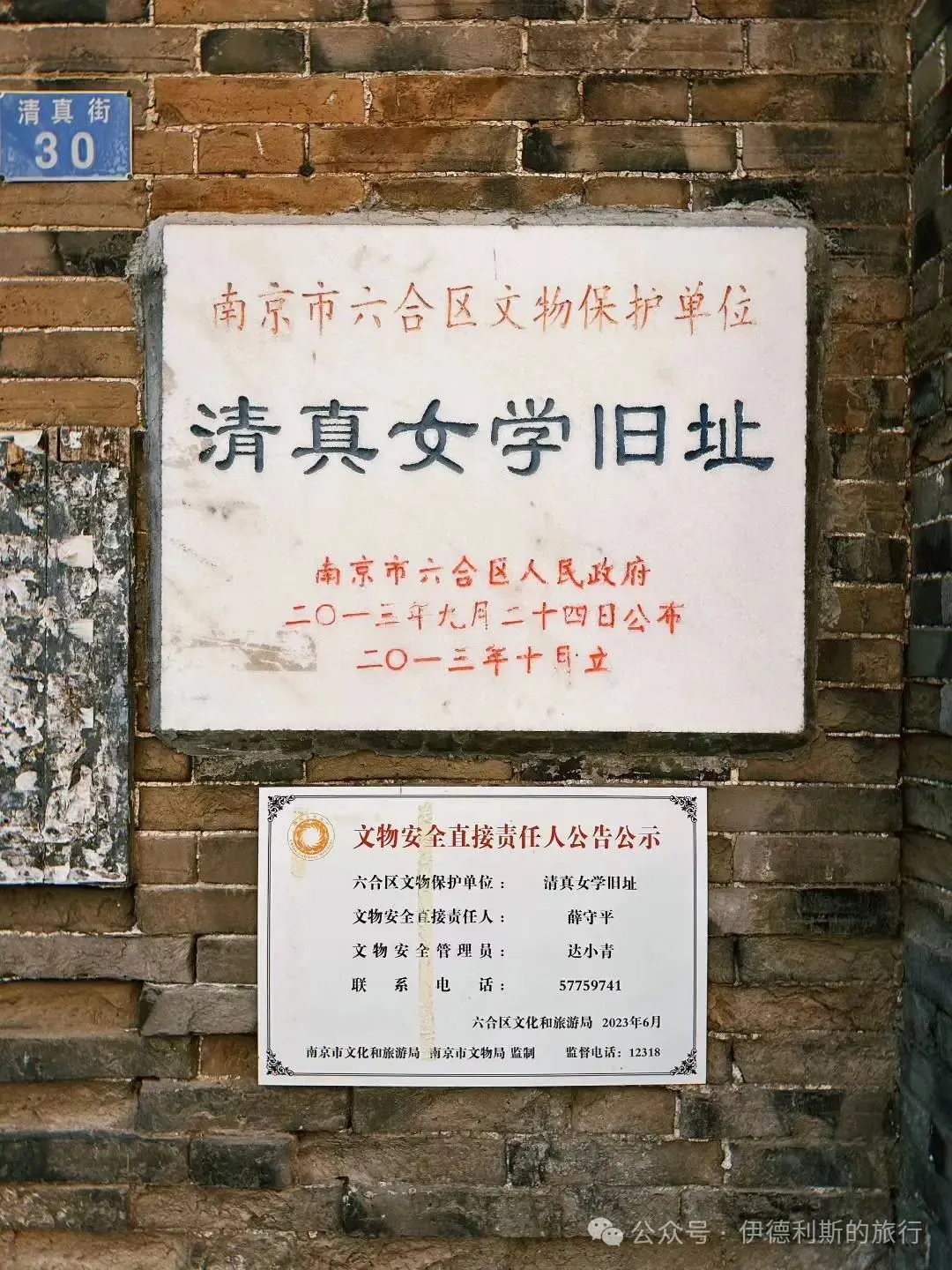
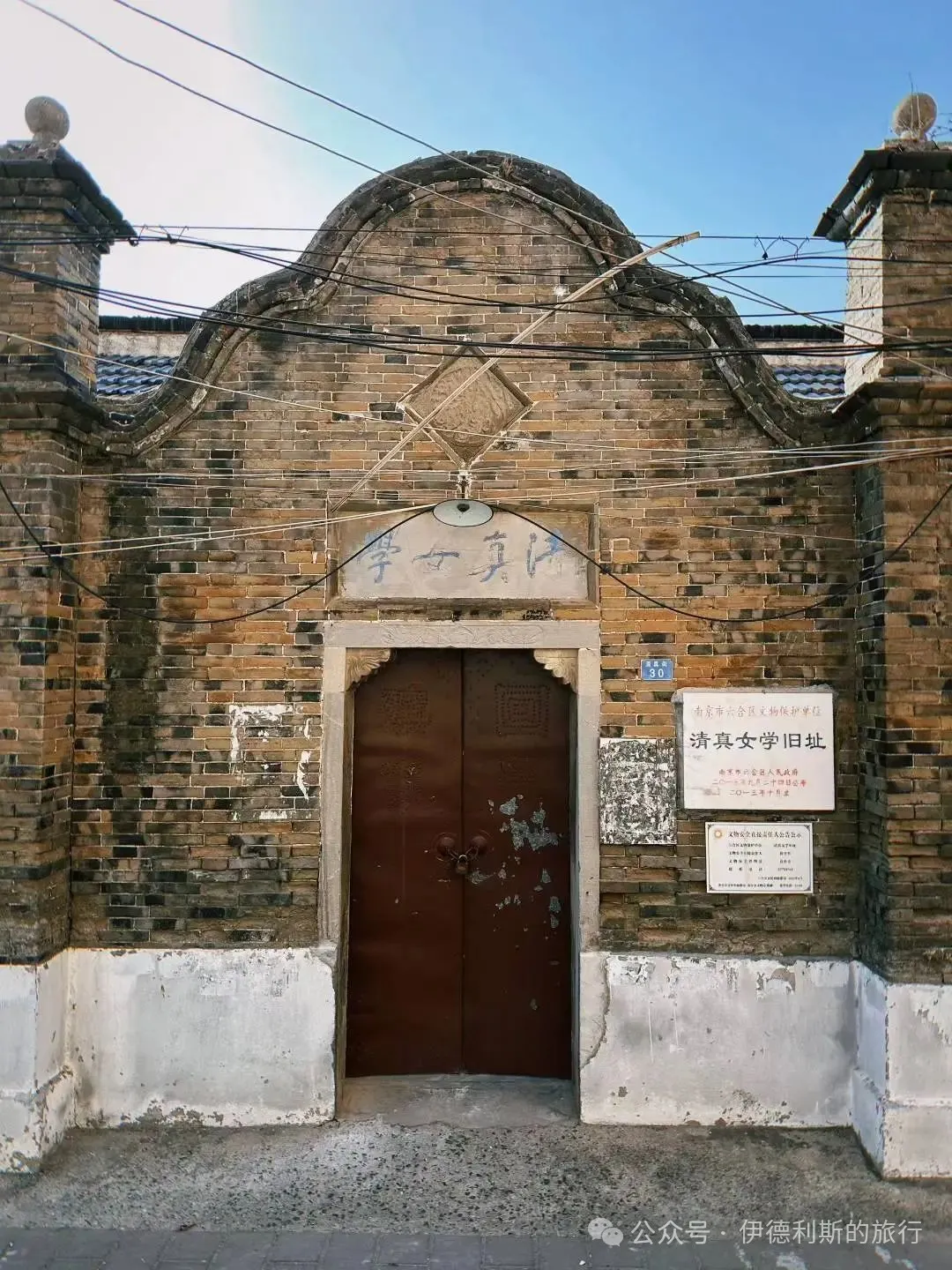
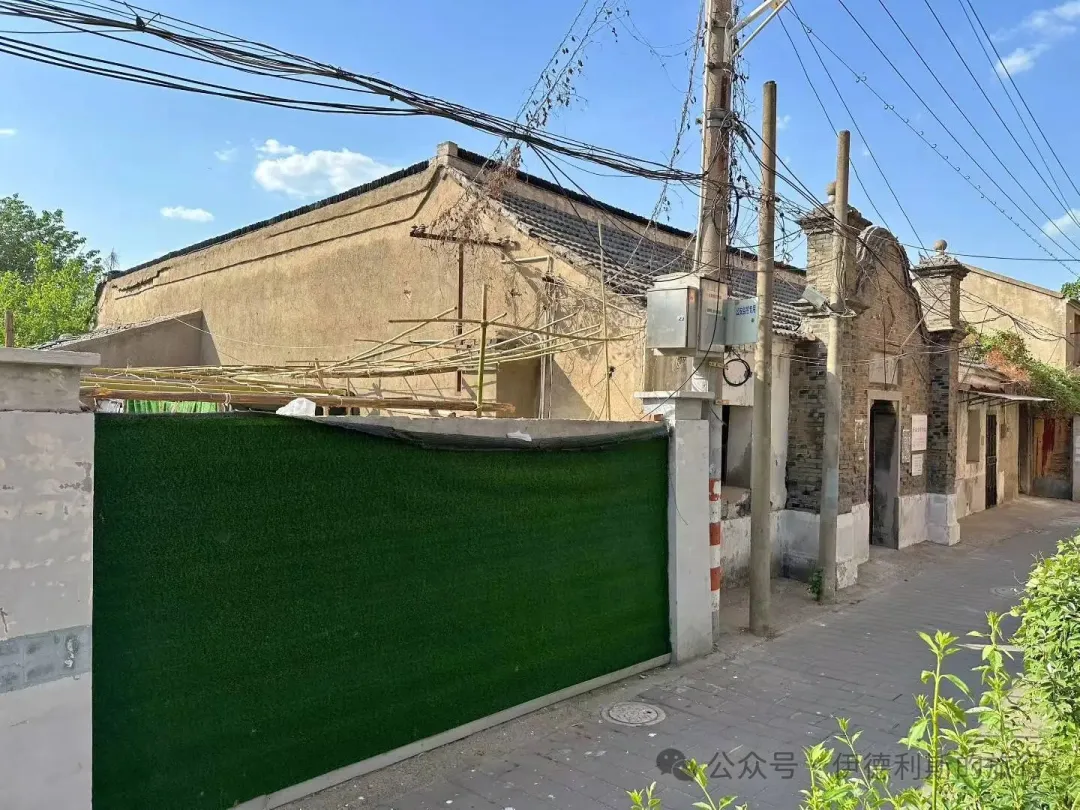
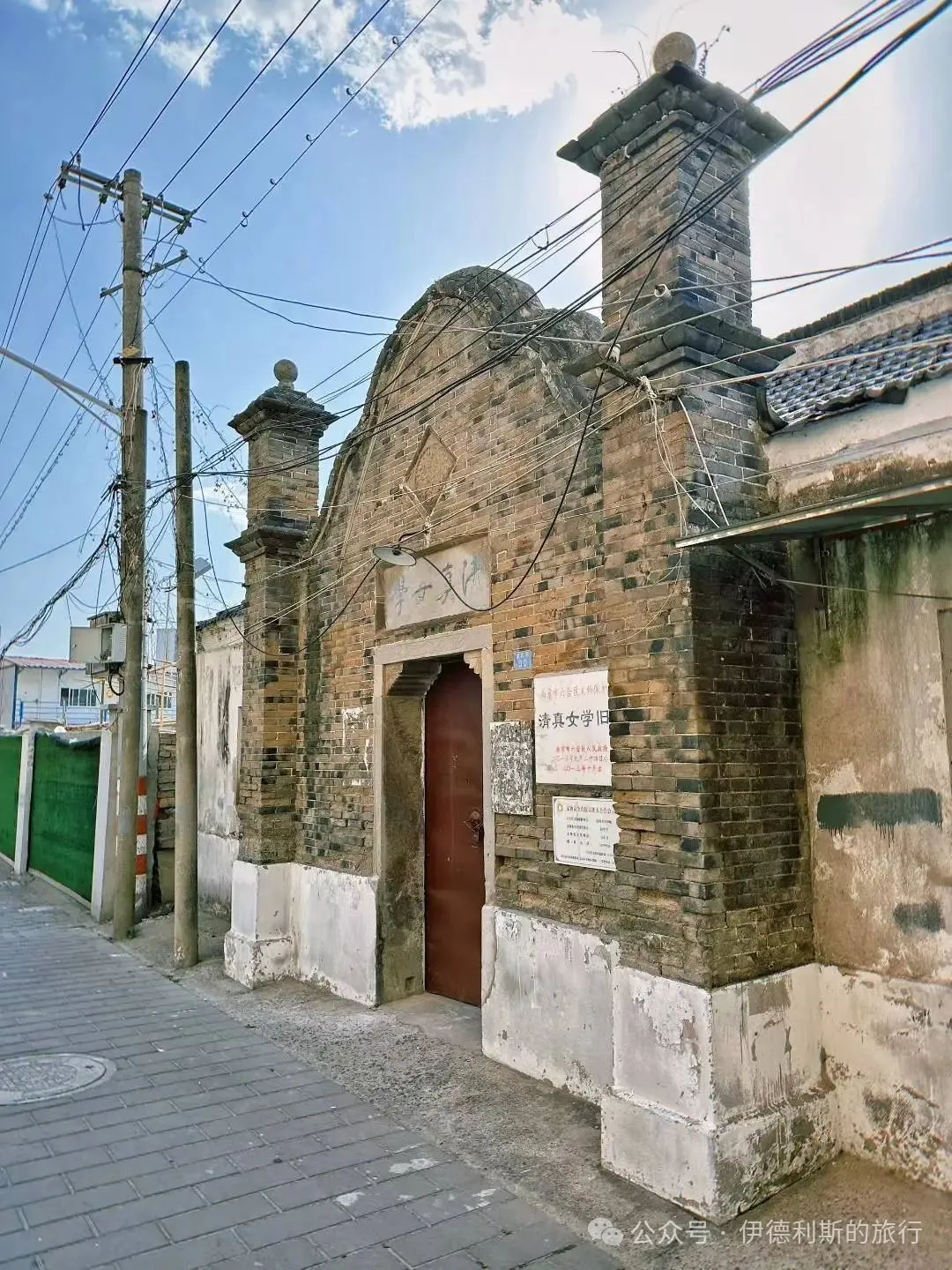
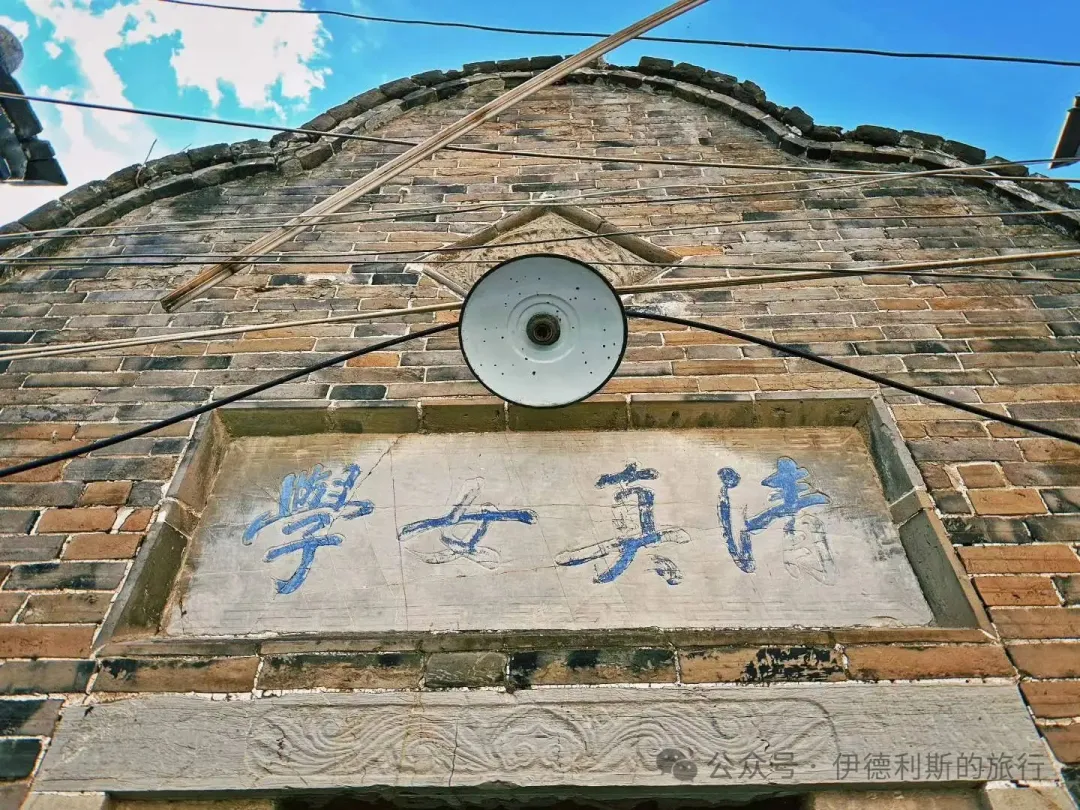
The Liuhe Muslim Women's School began in 1912, and the current building was constructed in 1930. It was later used as a funeral home for Hui Muslims and is a rare surviving example of a Muslim women's school from the Republic of China era.
Traditionally, these women's schools did not form formal classes, did not call the adhan, did not hold Jumu'ah or Eid prayers, and the female imam (shiniang) did not lead the prayer from the front, but instead stood in the middle of the first row. Women's mosques (nuxue) do not have minarets, and the main prayer hall does not have a pulpit (minbar). Female imams (shiniang) lead the local women in their religious duties and teach them about the faith.
Women's mosques emerged in the mid-to-late Qing Dynasty, starting in Henan and spreading to nearby areas in Hebei, Shandong, and Anhui. In the early Republic of China, the New Culture Movement and the women's liberation movement helped Hui Muslims understand the ideas of promoting women's education and ending foot-binding. The number of women's mosques grew quickly, with over 100 in Henan province alone, and many more built in other provinces.
During the Guangxu period of the Qing Dynasty, Nanjing had two women's mosques at Hanximen and Changle Street. During the Republic of China, four more were built at Fangjia Lane, Zhuganli, Shigu Road, and Dahuifu Lane, but all of these have since been torn down. In the early Republic of China, Liuhe had three women's mosques at Houjie, Nanmenwai, and Zhuzhen. The historical buildings at Nanmenwai and Zhuzhen still stand today.
Liuhe Changjiang Road Mosque.
The Changjiang Road Mosque was originally called Chengqingfang, and was also known as the Liuhe North Mosque, the City Mosque, or the Da Family Mosque. It was built in 1424 (the 22nd year of the Yongle reign of the Ming Dynasty) by the Da family, who had lived in Liuhe for generations. The Changjiang Road Mosque was destroyed by the Taiping Heavenly Kingdom during the Xianfeng period. It was later rebuilt through donations from the imam Liu Weiting and local elders. In 1885 (the 11th year of the Guangxu reign), Da Guangyong donated money to build a reception hall. In 1928, Wang Dashi, the widow of the wealthy merchant Wang Zuochen and aunt of the great imam Da Pusheng, donated money to build the Wuxin Pavilion on the site of the original Wangyue Tower.
In 1899, the great imam Da Pusheng returned to his hometown of Liuhe from the Niujie Mosque in Beijing to serve as the imam of the Changjiang Road Mosque. It was not until 1905, when Imam Wang Kuan of Niujie went on the Hajj, that Imam Da returned to the Niujie Mosque to serve as the acting imam and lead religious affairs. Imam Da founded the Guangyi Primary School inside the Changjiang Road Mosque to promote modern education. He offered courses in Chinese and Arabic, scripture, geography, history, and mathematics, marking the first transition from traditional scripture hall teaching to modern education. In a memoir from the early 1950s, Imam Da wrote: 'I worked hard for six years. Perhaps moved by the success of Guangyi Primary School, the local Hui Muslims supported the school with great effort. Looking back, it was not easy to struggle at that time, patiently convincing stubborn traditionalists and acting courageously without being accused of going against the faith!'
After 1966, the Changjiang Road Mosque was occupied by a theater troupe and a cultural troupe. It was returned and reopened in 1983.
Existing stone tablets at the Liuhe Changjiang Road Mosque:
The 11th-year Guangxu tablet records Da Guangyong's donation to build the reception rooms at the Liuhe City Mosque. Da Guangyong was an 18th-generation descendant of the Baiyetang Da family, held a minor official rank, and lived to be 81.
The 25th-year Guangxu tablet, titled 'Record of the Renovation of the Tangyi City Mosque and the Surrounding Market Shops,' documents the specific situation of the Changjiang Road Mosque during the Guangxu period. All those who signed it were local Hui Muslims from the Da family.
The 17th-year Republic of China tablet, regarding Wang Dashi's donation to help repair the Wangyue Pavilion and redeem market shops, records that Dashi, the wife of the Zhuzhen elder Wang Zuochen, donated money to build the Wangyue Pavilion. Wang Zuochen was a Hui Muslim from Zhuzhen, Liuhe. He ran a grain business on North Street in Zhuzhen for decades and was very devout, never missing his prayers. However, he was suddenly kidnapped by bandits in 1925 and was never heard from again. Wang Zuochen's wife, Dashi, was also very devout and had founded the Zhuzhen Women's School. After her husband went missing, Dashi spent years asking people to help find him, but there was no result. Because Wang Zuochen had no brothers or children, Dashi donated all the family's money to the Zhuzhen Mosque and to build the Wangyue Pavilion at the Changjiang Road Mosque.
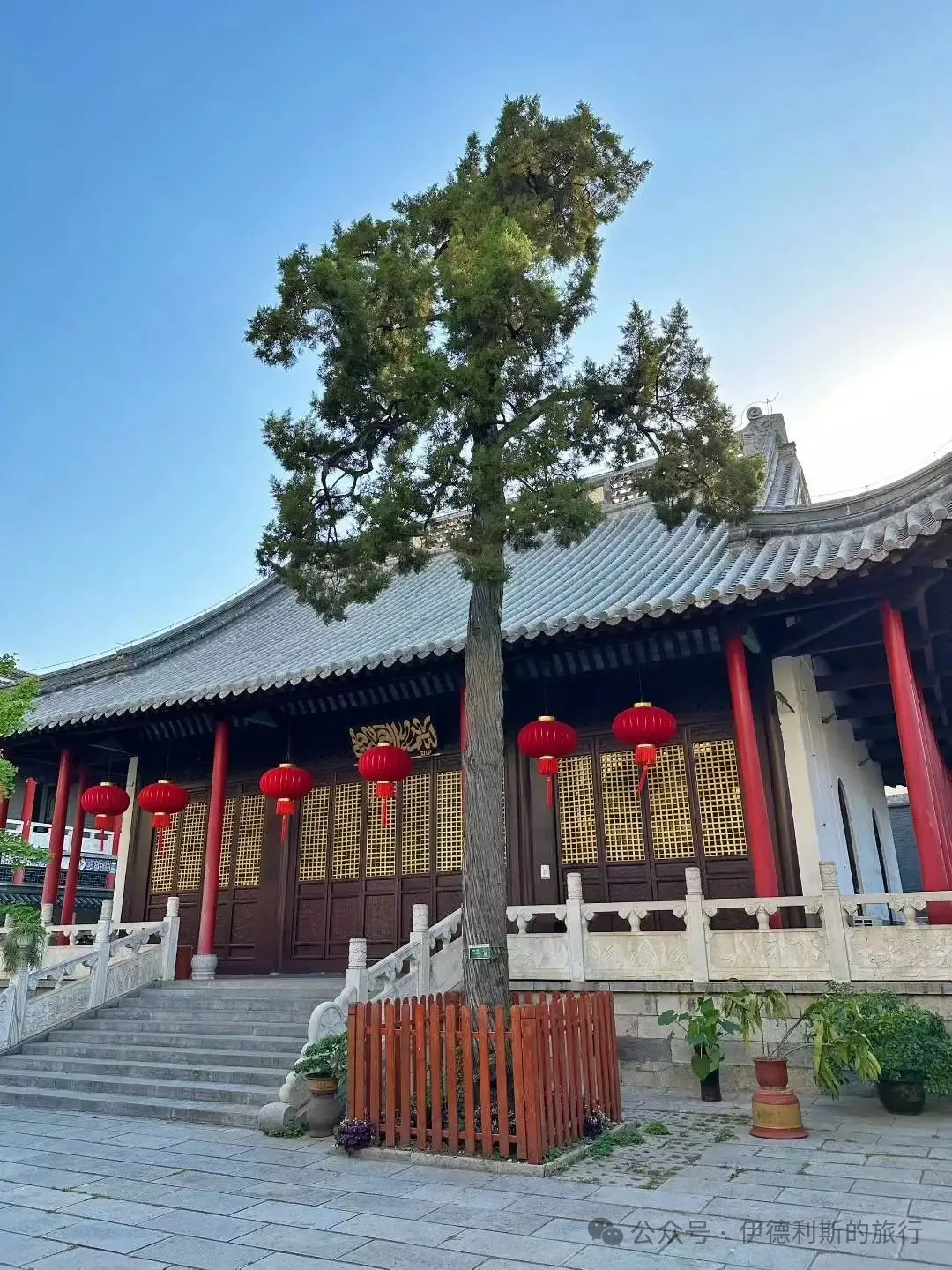
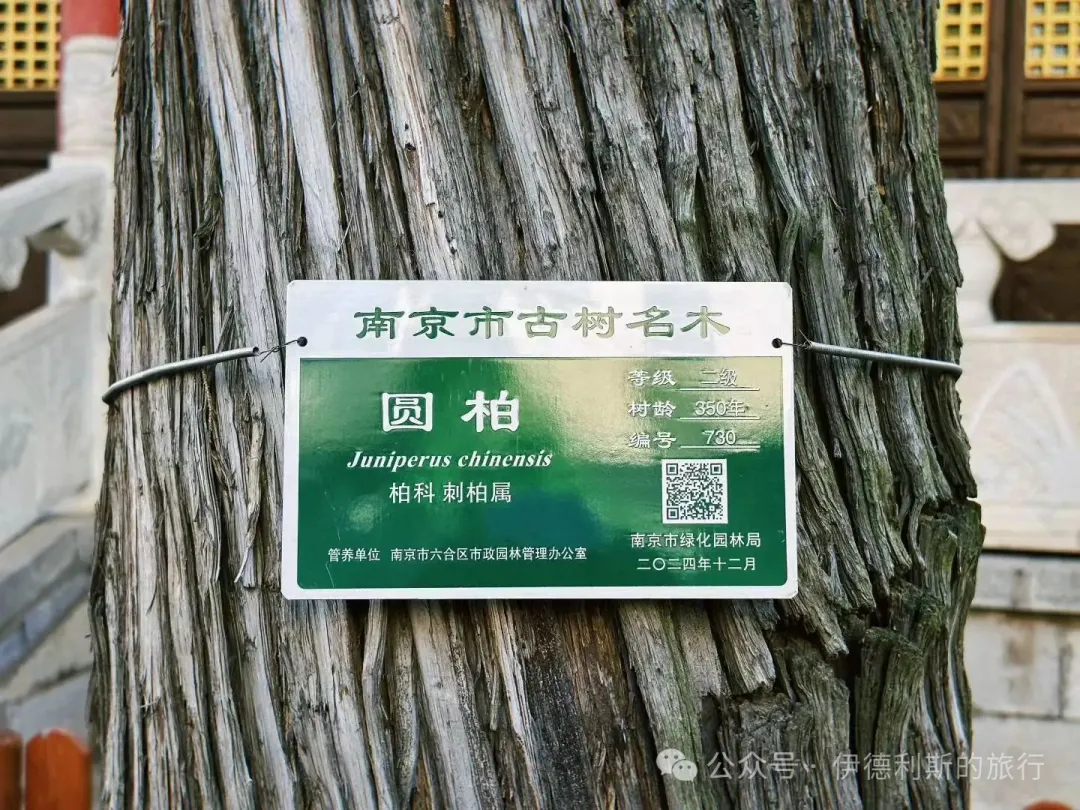
Inside the mosque, there is a 350-year-old Chinese juniper (yuanbai) tree.
Zhuzhen Mosque
Zhuzhen Mosque was originally located outside the East Bridge. It was destroyed during the Taiping Rebellion and rebuilt in 1901 (the 27th year of the Guangxu reign) in Wangjia Lane in the middle of the old street. In 1968, Zhuzhen Mosque was turned into a dormitory for teachers at an agricultural middle school. It was reclaimed and reopened in 1983, and the main hall was rebuilt in 2001.
In 1939, the imam of Zhuzhen Mosque, Li Shudu, formed the Hui Muslim Anti-Japanese Independent Guerrilla Battalion and served as its commander. He worked with the New Fourth Army and made significant contributions to the anti-Japanese cause.
Additionally, in 1939, Hui Muslims from the 'Qiaobang' group in the Gaoyou and Lingtang areas built a mosque near Xinhua Garden on the west side of Zhuzhen. After 1966, it was converted into a Hui Muslim food processing factory.
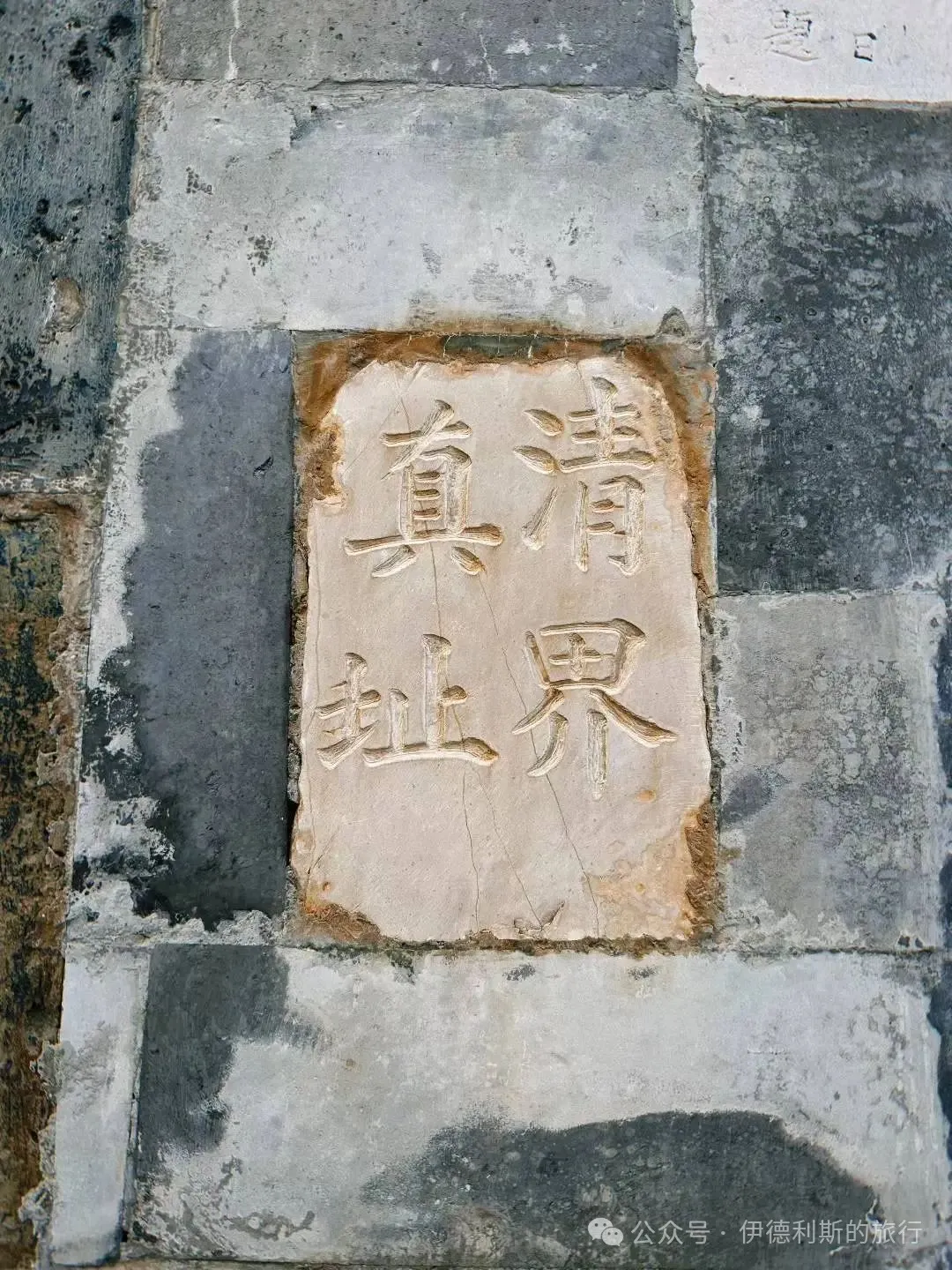
Zhuzhen Mosque still has a door plaque from the Qing Dynasty's Guangxu reign, inscribed with 'Built by the Zhudun Community.' Zhudun is the old name for Zhuzhen.
Liuhe Zhuzhen Mosque houses a Qing Dynasty stone well called 'Songquan,' two pairs of drum-shaped stone bases, and a 1927 (the 16th year of the Republic of China) stele recording the will of Wang Zuochen's wife, Madam Da. Madam Da was the aunt of the great imam Da Pusheng. The inscription records that the Zhuzhen Girls' School was founded by Wang Zuochen and fellow members of the faith, who also provided all the funding. Later, Wang Zuochen was kidnapped by bandits and remained missing for several years. Because of this, his wife, Madam Da, decided to donate all their family farmland and property, except for a portion used for her own support. The funds were mainly for the daily expenses of the Zhuzhen Girls' School, with the remainder going to Zhuzhen Mosque. The inscription mentions her 'nephew Da Pusheng.'
Across from Zhuzhen Mosque, there is a shop selling small-mill sesame oil (xiaomo mayou), and there are only hand-pulled noodle (lamian) shops in town.
Zhuzhen Girls' School
Zhuzhen Girls' School features typical Jianghuai architectural style. The entrance hall and the main hall form a small courtyard, and both sides have classic Hui-style horse-head walls (matouqiang).
Zhuzhen Girls' School was founded in 1921 by Wang Zuochen, the uncle-in-law of the great imam Da Pusheng, along with fellow members of the faith in Zhuzhen. It was originally located on Zhuzhen Middle Street and was rebuilt in 1931 by Wu Tieqian and others along the south riverbank outside the East Bridge. After 1966, the Zhuzhen Girls' School was occupied by the Hui Muslim food processing factory. It was renovated in 2007 and is currently not open to the public. During the Republic of China era, the Zhuzhen Girls' School was led by two female imams, Teacher Dai and Teacher Bai, who taught scriptures and religious doctrines to local Hui Muslim women.
Wu Tieqian was a famous Hui Muslim anti-Japanese patriotic businessman. His original name was Wu Jiashan. At age 22, he inherited his father's business and ran the Wudeyuan Grain Store. After 1938, when the New Fourth Army entered Zhuzhen to lead the anti-Japanese resistance, Wu Tieqian took the lead in donating grain, money, and guns. He also served as the chairman of the Zhuzhen Merchants' Anti-Enemy Association. In 1942, Wu Tieqian became the first mayor of the Zhuzhen Anti-Japanese Democratic Government. He took risks to rescue and protect many comrades and also mobilized ambitious young people to join the revolution. After the founding of New China, Wu Tieqian was elected as the vice director of the Nanjing Islamic Association. He passed away (guizhen) in 1967. view all
Summary: This fourth part of the Jiangsu mosque series records historic mosque sites in Nanjing and Liuhe, including Taiping Road Mosque, Caoqiao Mosque, Xiaowangfu Lane Mosque, Hushu Mosque, South Gate Mosque, Changjiang Road Mosque, and Zhuzhen Mosque. The article preserves founding dates, women's mosque history, Da Pusheng family records, stone tablets, ancient trees, and surviving architectural details.
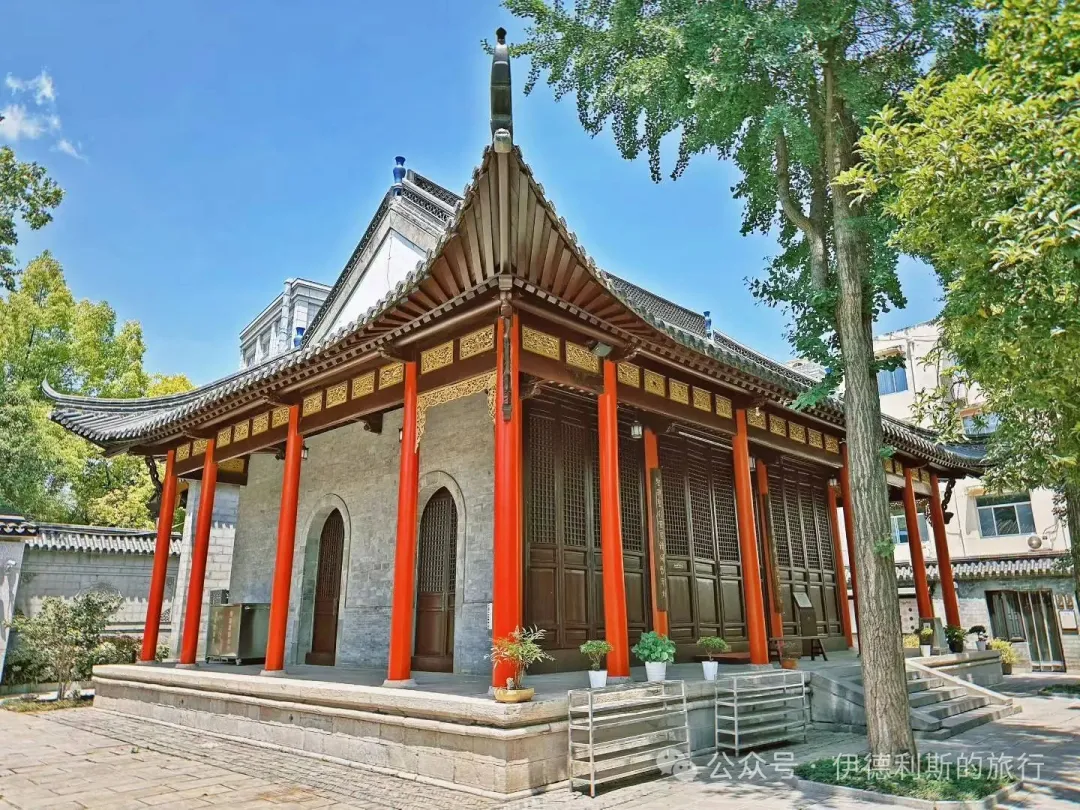
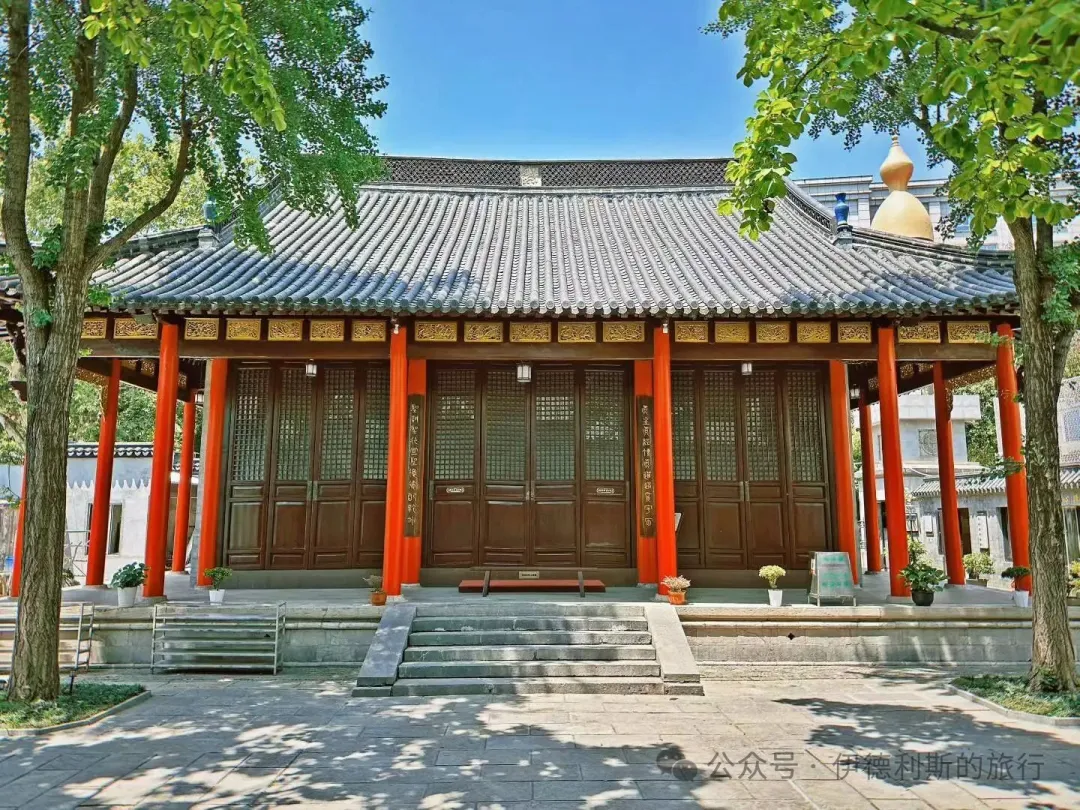
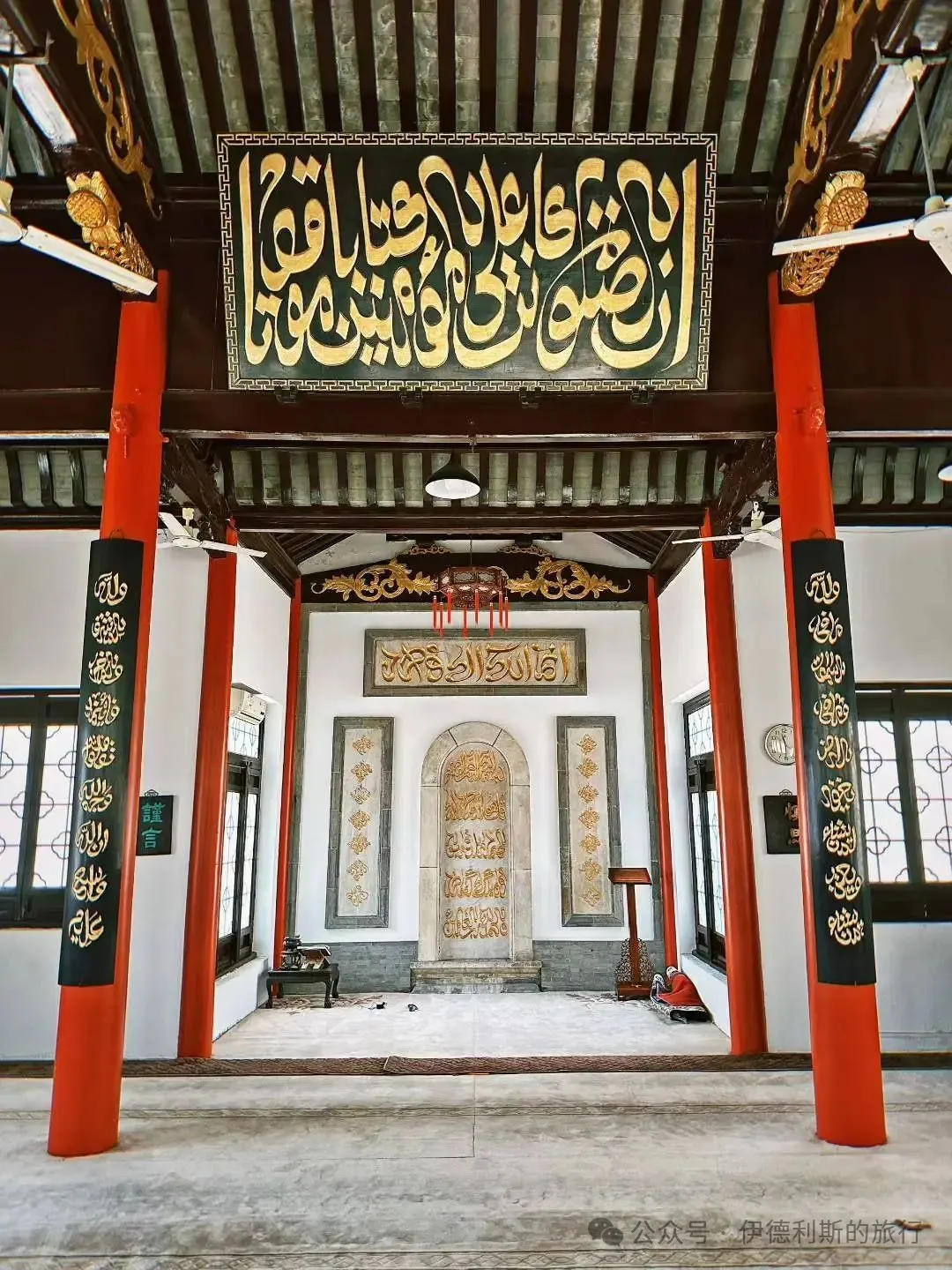
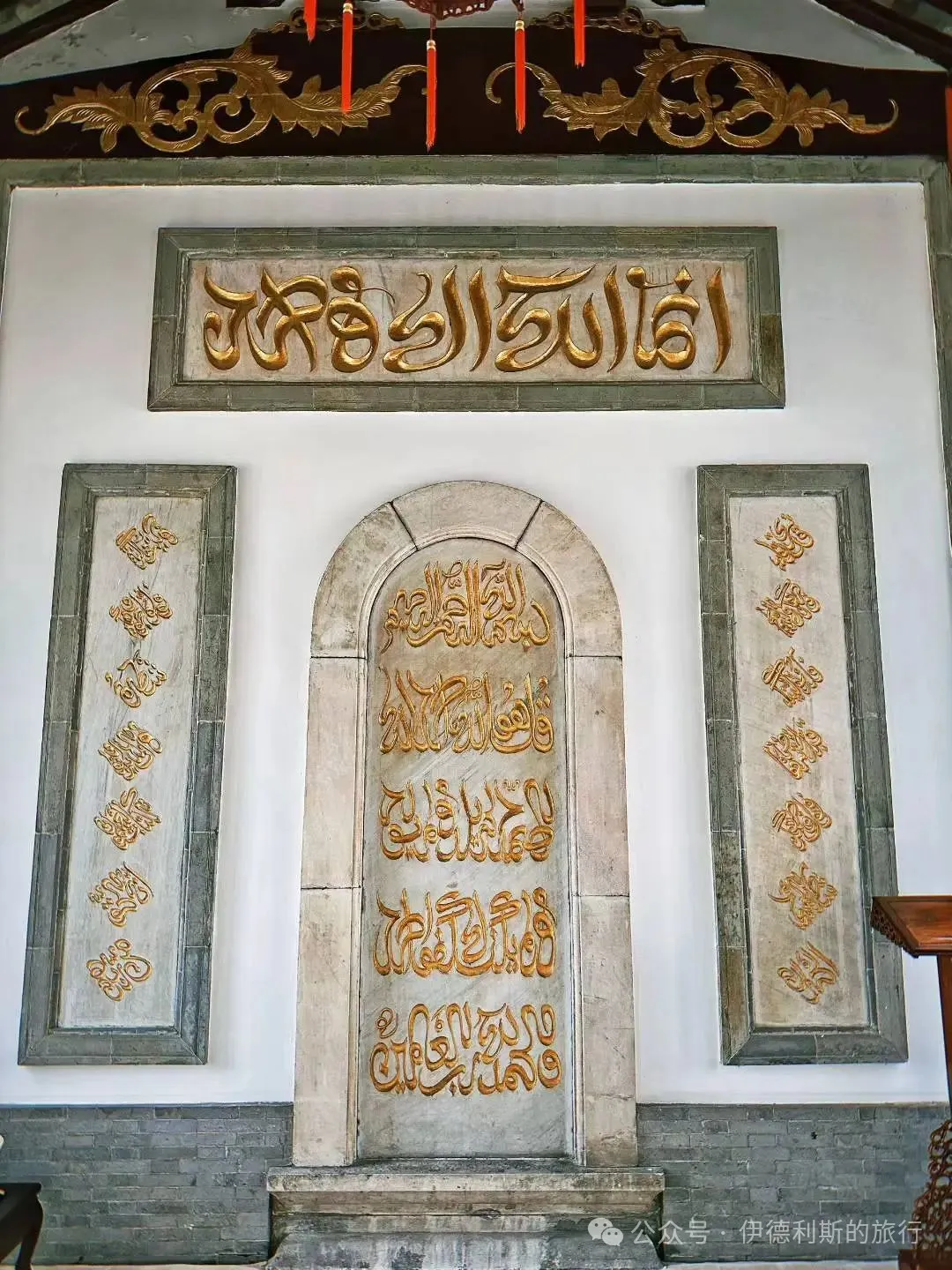
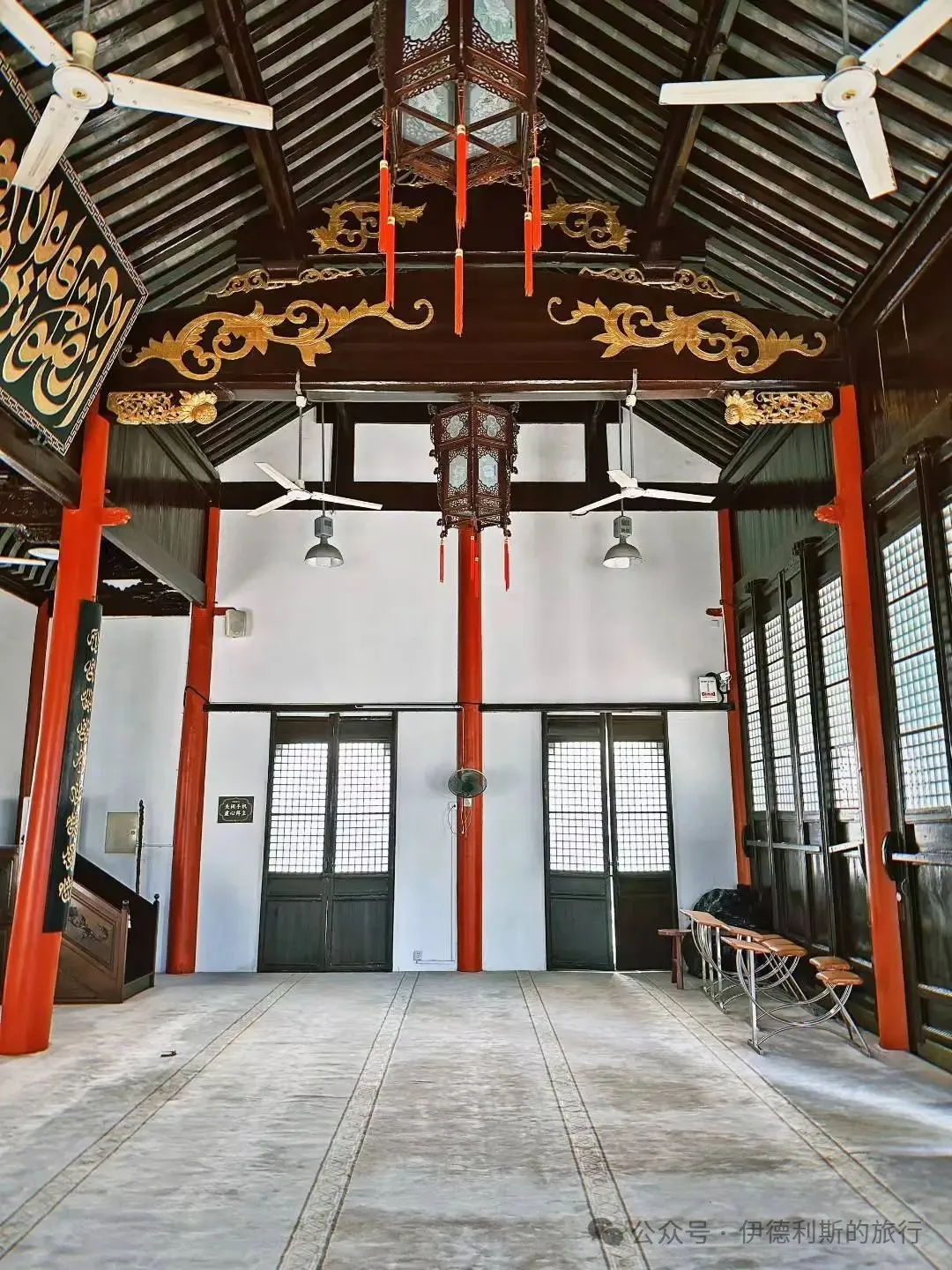
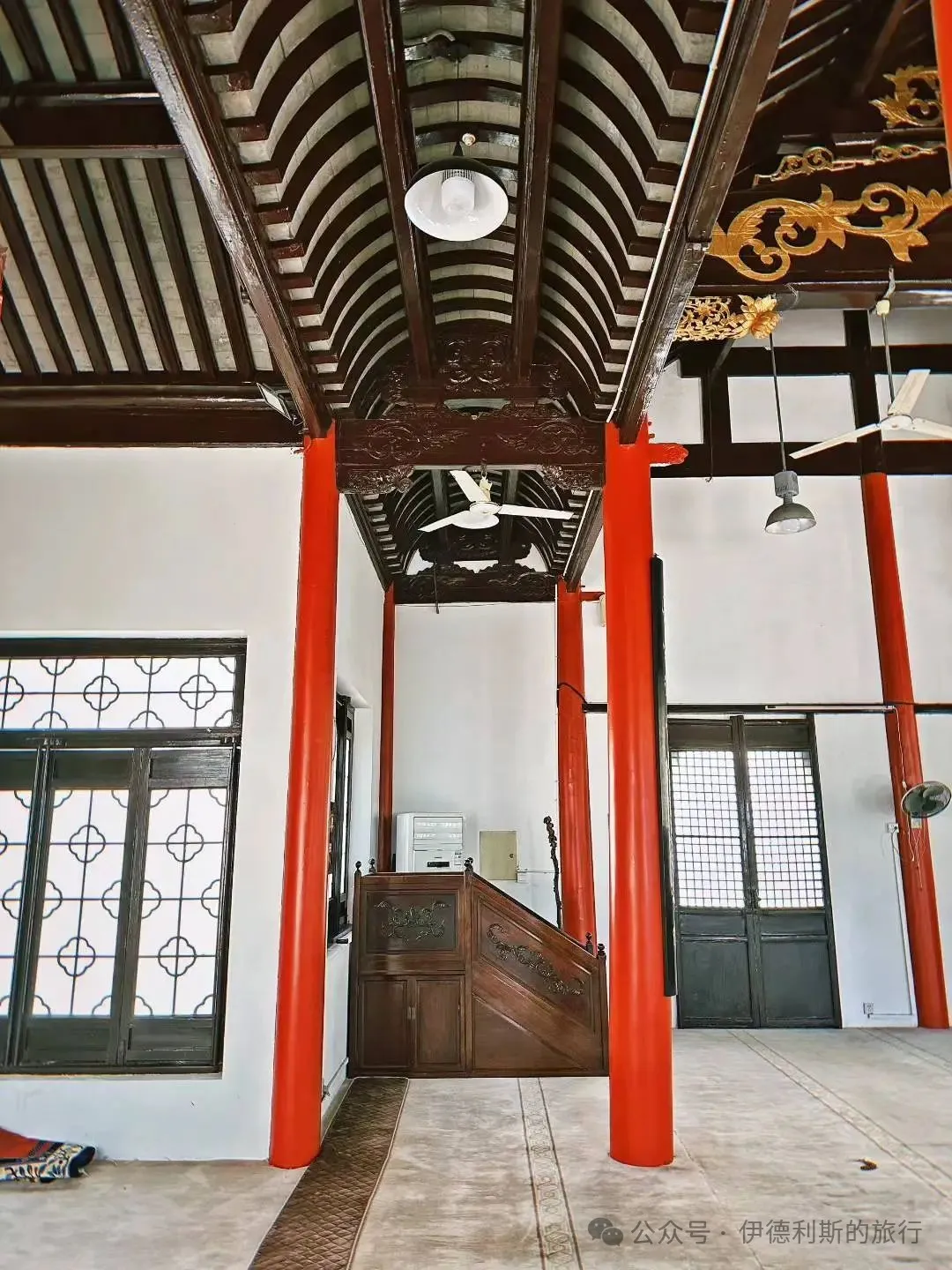
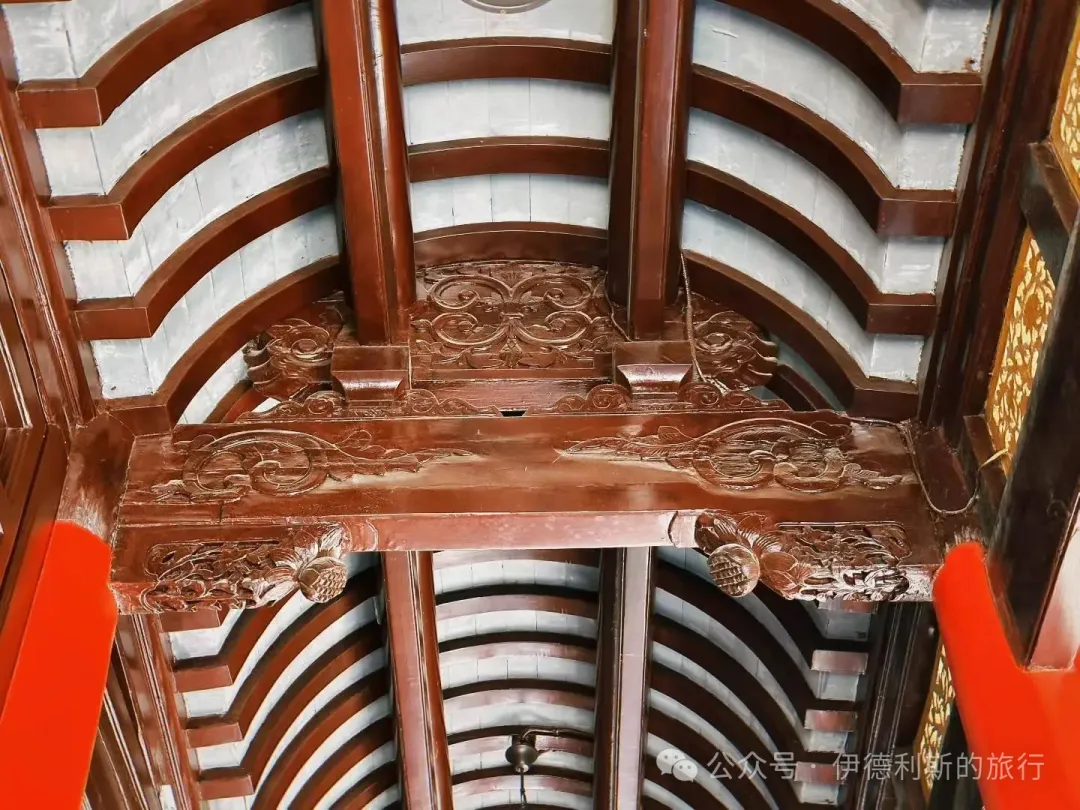
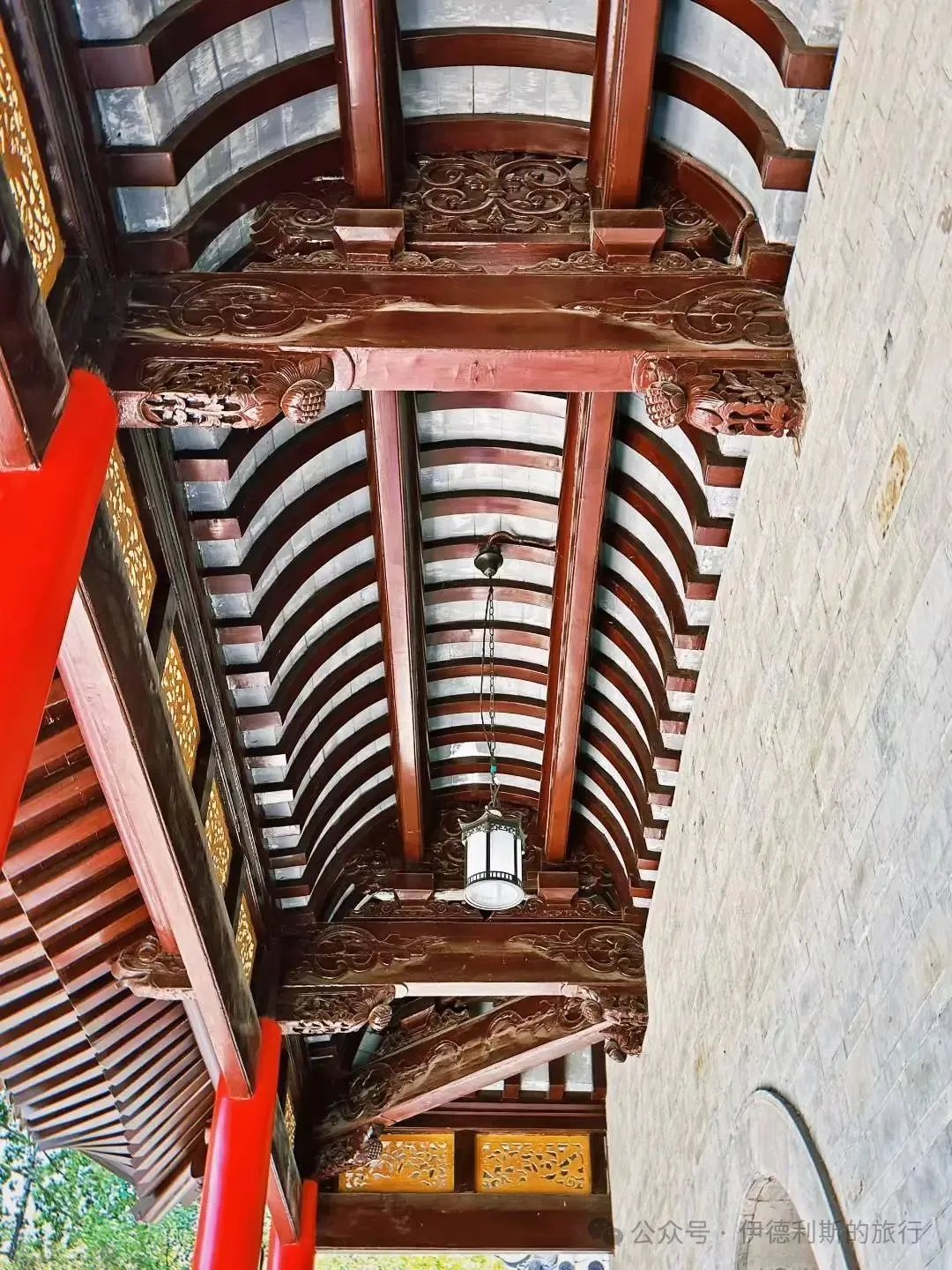
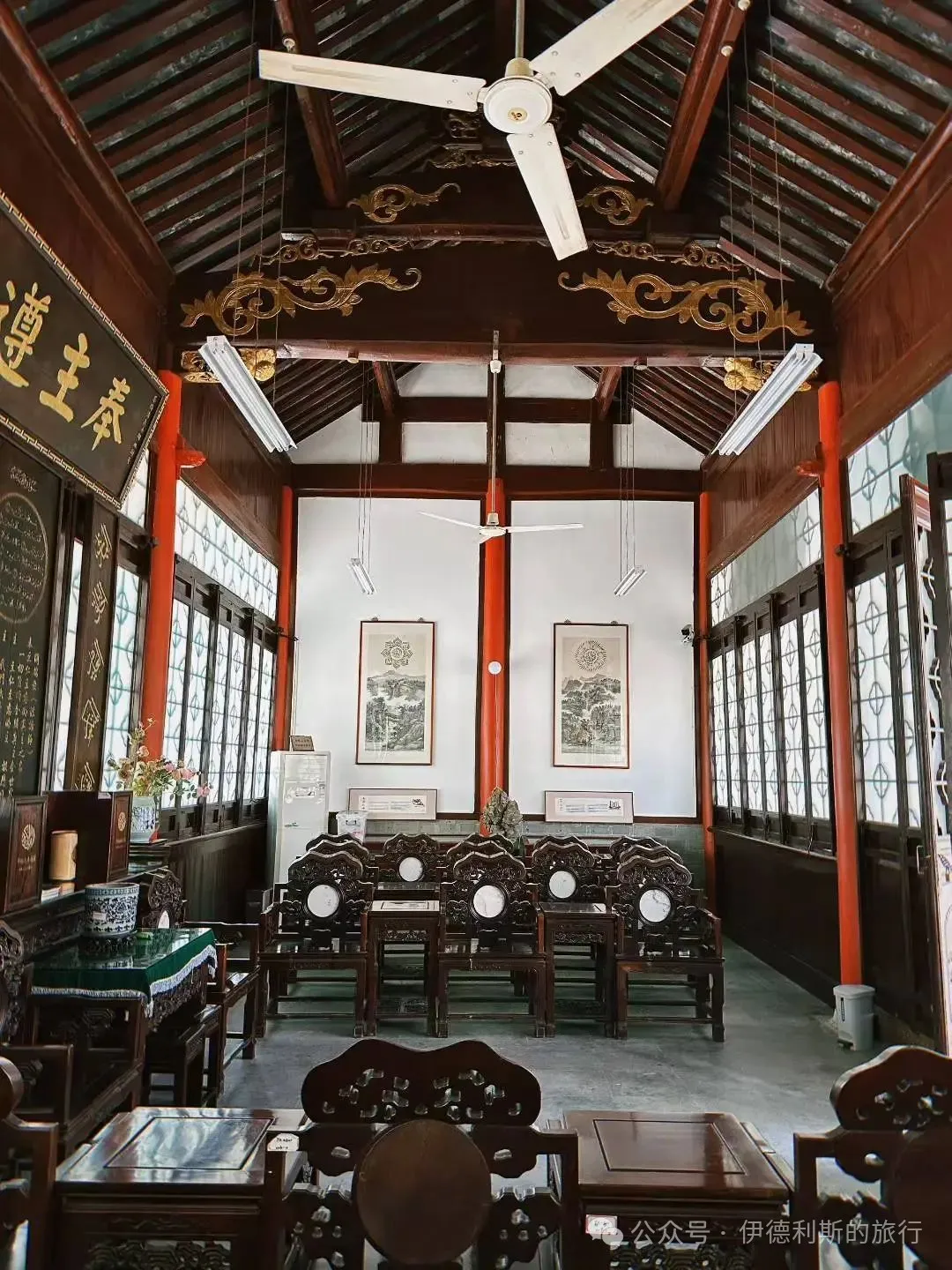
The front hall of the former Taiping Road Mosque served as the office for the chairman of the Chinese Islamic Association between 1945 and 1949, where Bai Chongxi once worked.
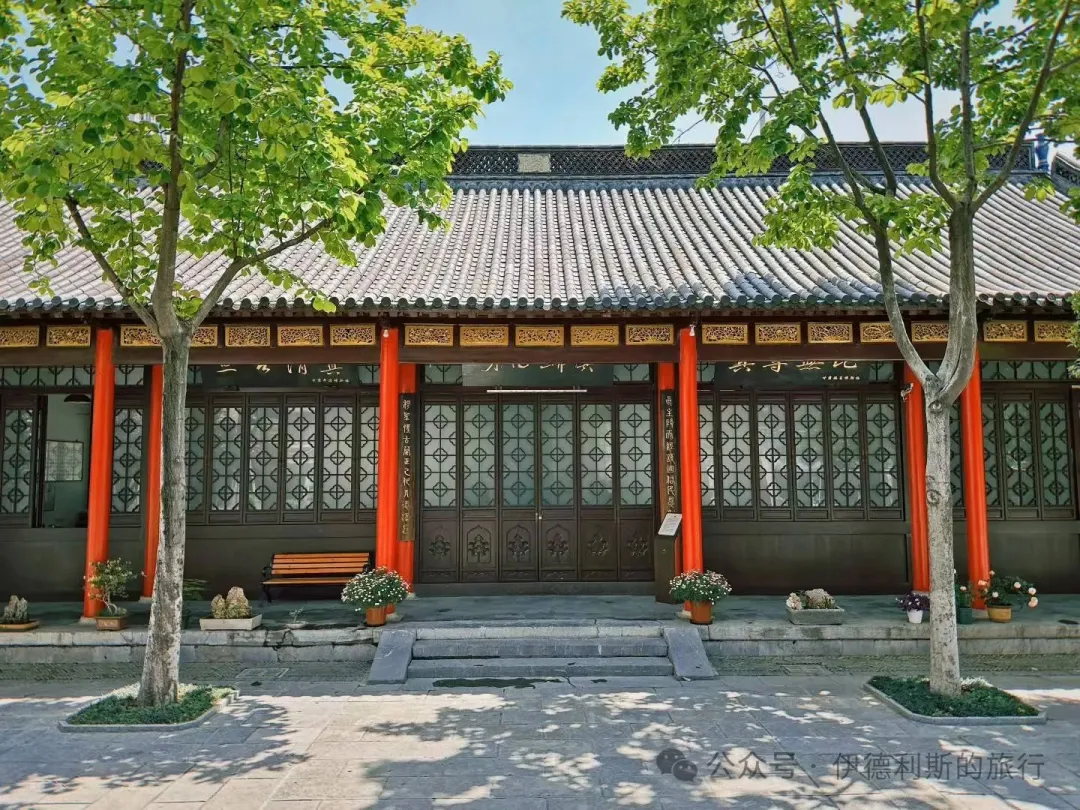
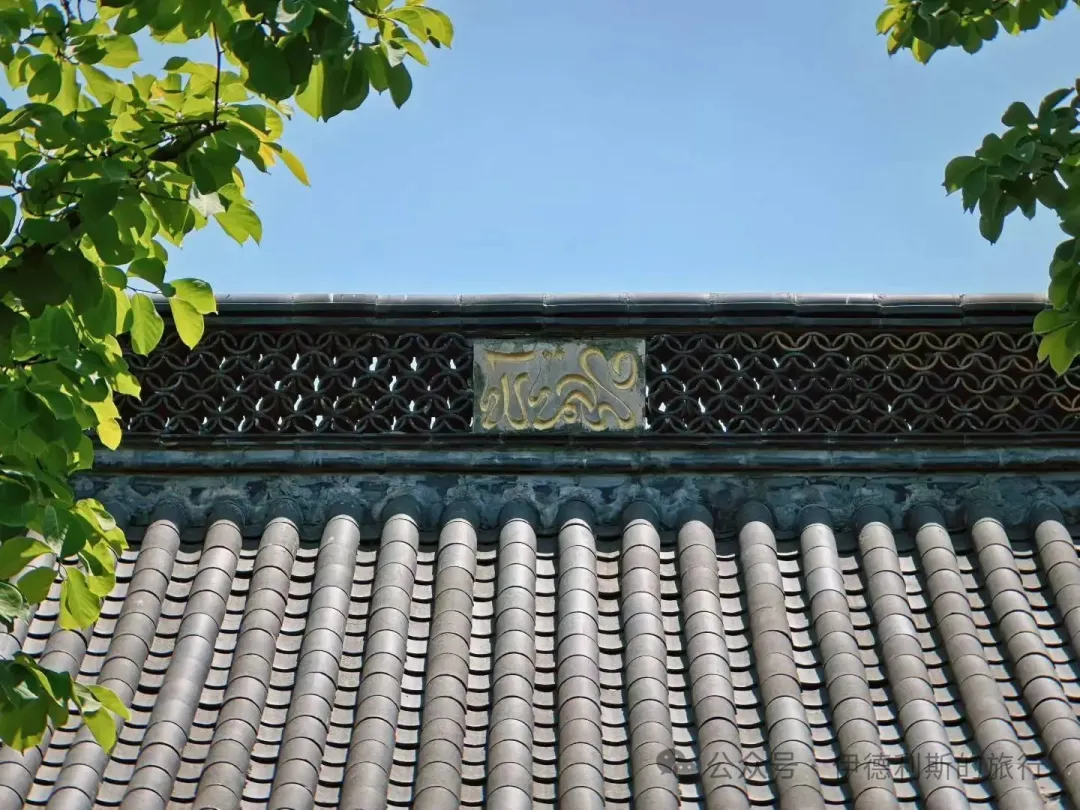
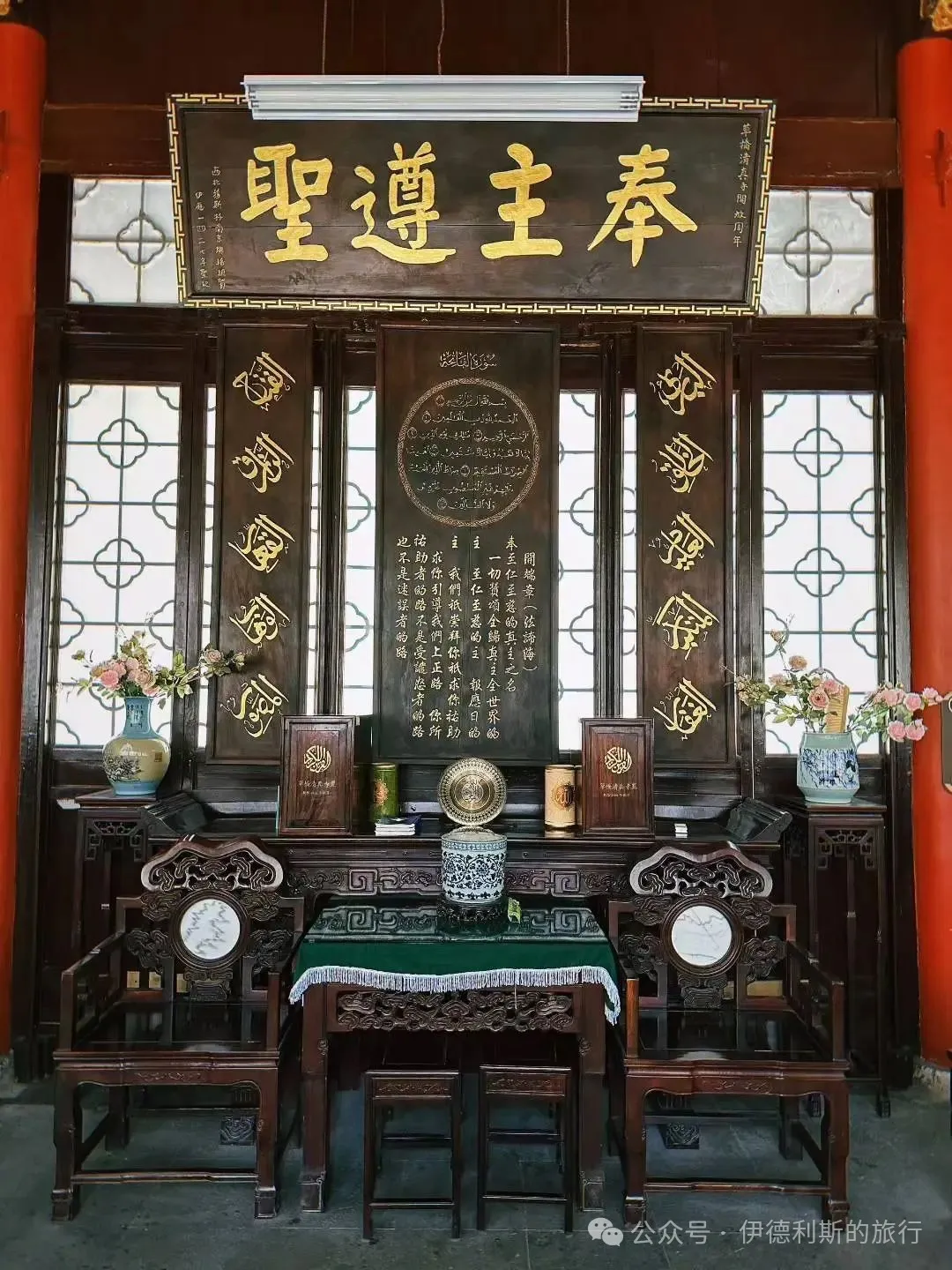
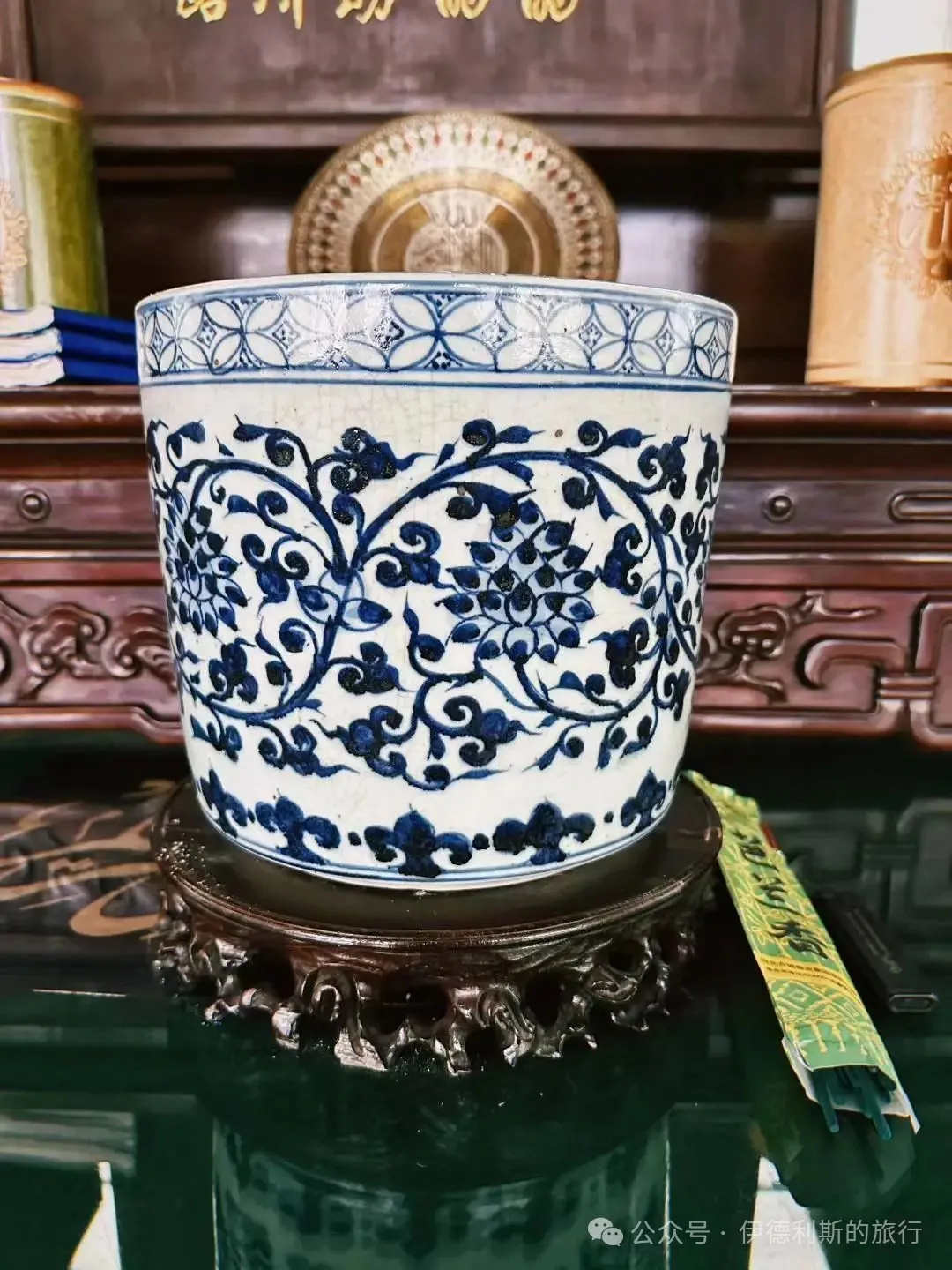
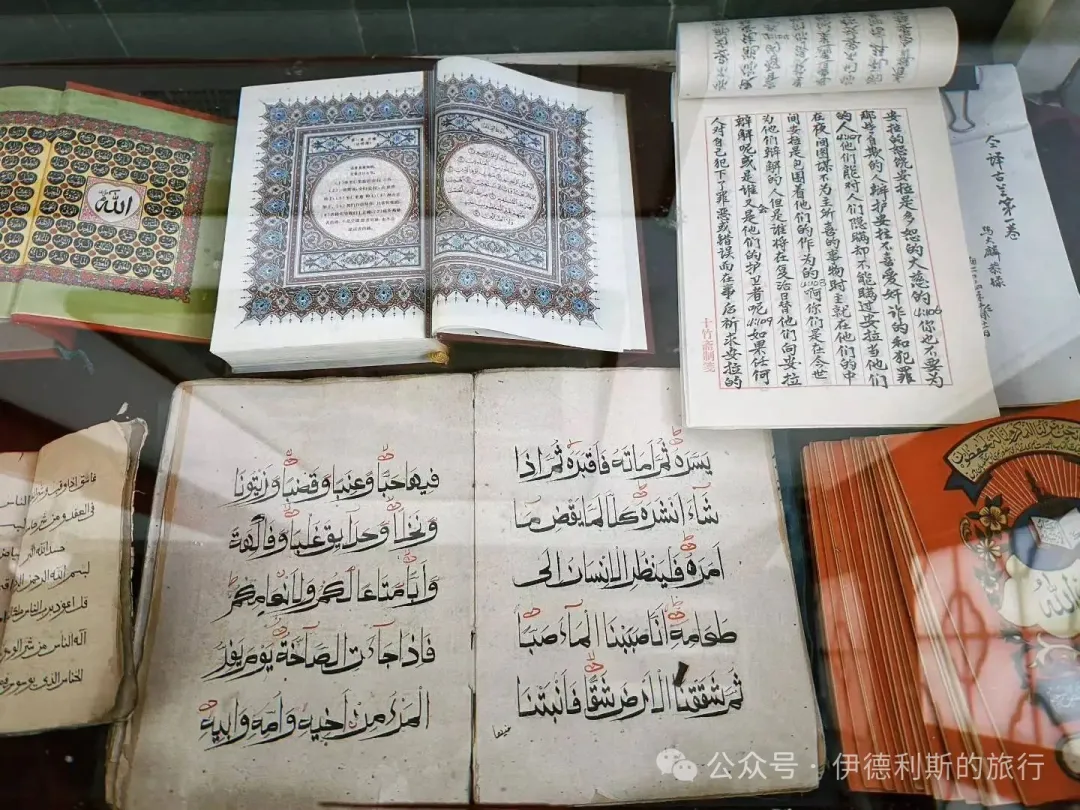
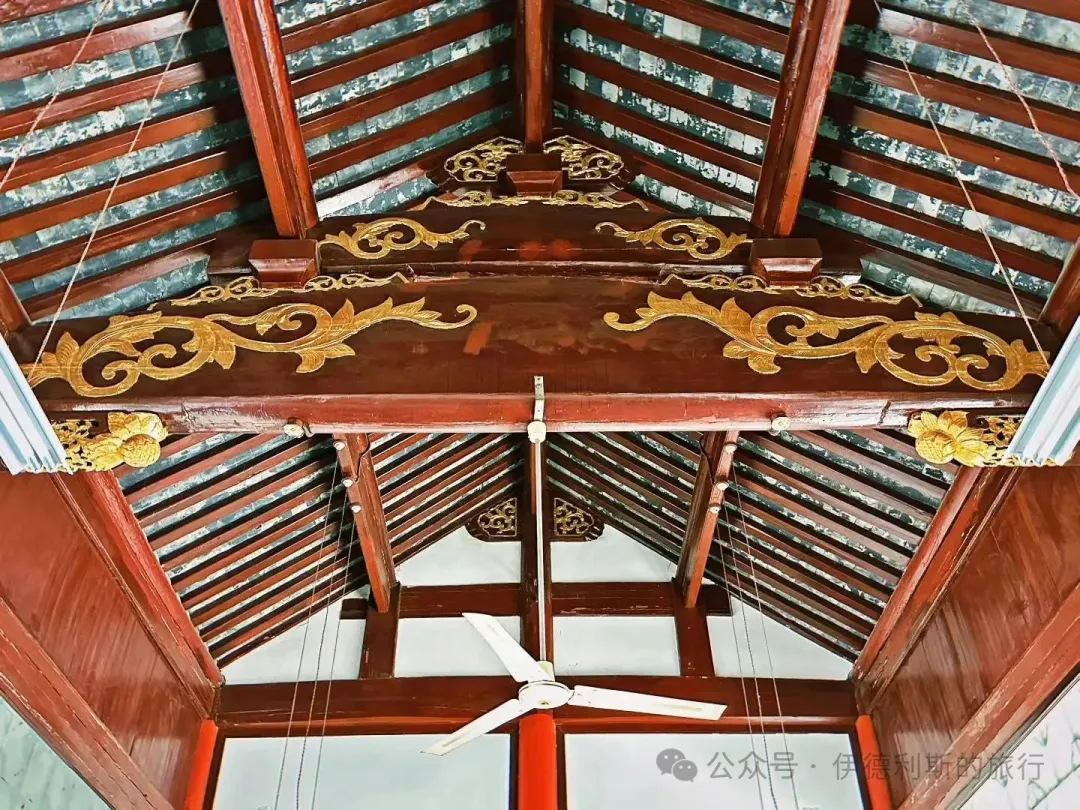
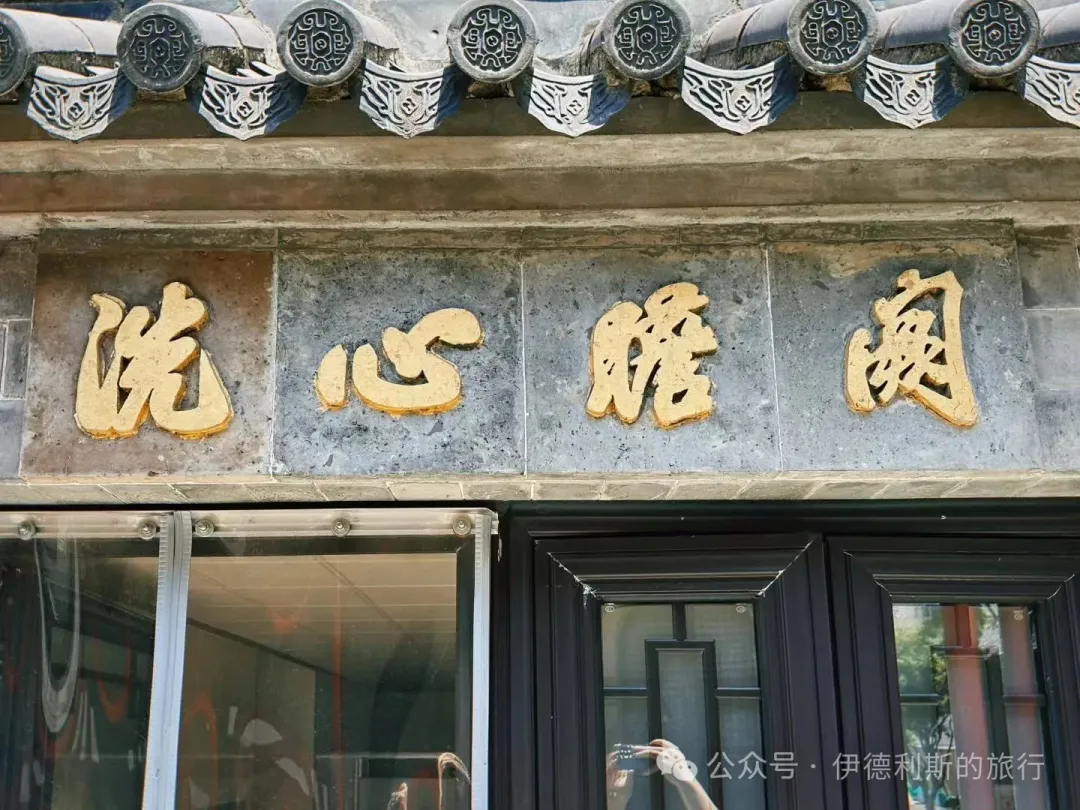
The brick carving titled 'Purifying the Heart and Gazing at the Palace' (xixin zhanque) from the water room of the former Taiping Road Mosque.
The former Taiping Road Mosque collection includes the 'Postscript to the Filial Piety Arch for Mother' written by Jiang Guobang. It records that Jiang, a wealthy Nanjing merchant, lost his father early and was raised by his mother, Madam Ma. In 1911 (the third year of the Xuantong reign), he petitioned to build a memorial arch for his mother's filial piety. Due to the change in government, it was finally completed in 1914.
Jiang Guobang came from the wealthy Jiang merchant family of Jinling, but he was indifferent to fame and wealth, dedicating himself to the study of traditional Chinese classics. Jiang Guobang was very filial. To provide his mother with a good place for her retirement, he spent a large sum of money to buy the Small Ten Thousand Willow Hall (xiaowanliutang) by West Lake in Hangzhou, later naming it 'Jiang Manor' (Jiangzhuang), which was one of the three major manors of West Lake at the time. Jiang Guobang oversaw the reconstruction of the Taiping Road Mosque in 1924 and later built a filial piety arch for his mother inside the mosque. The arch no longer exists, leaving only the stone tablet record.
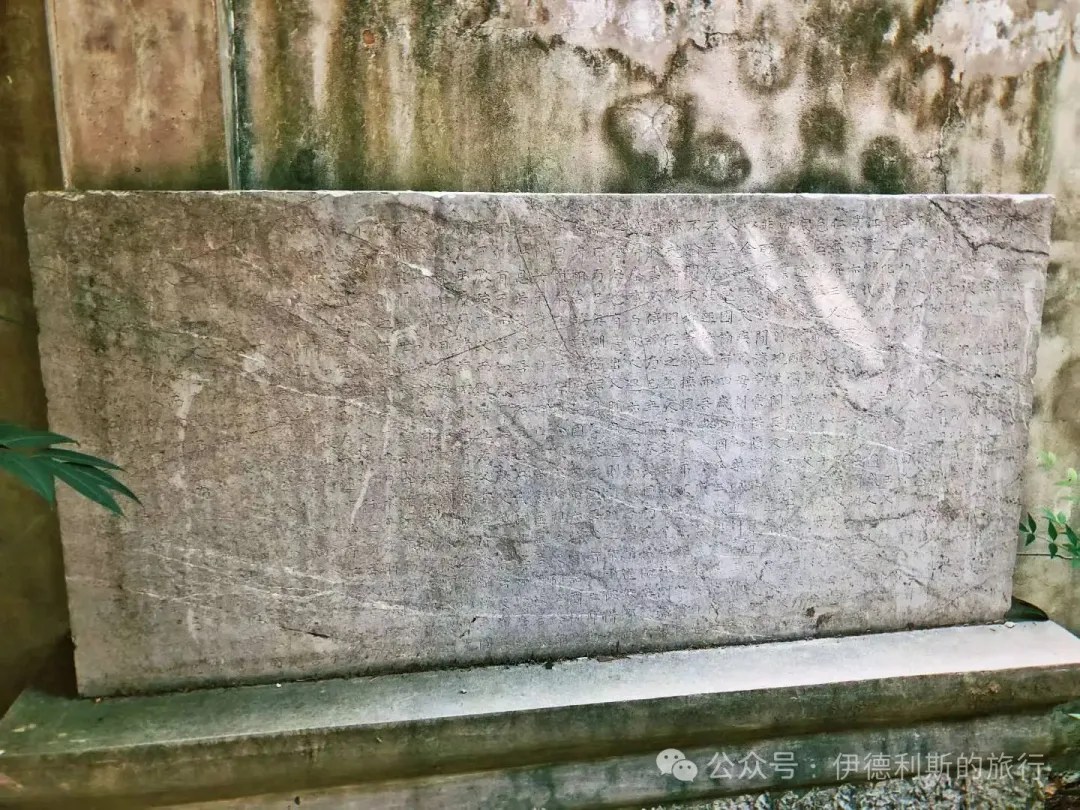
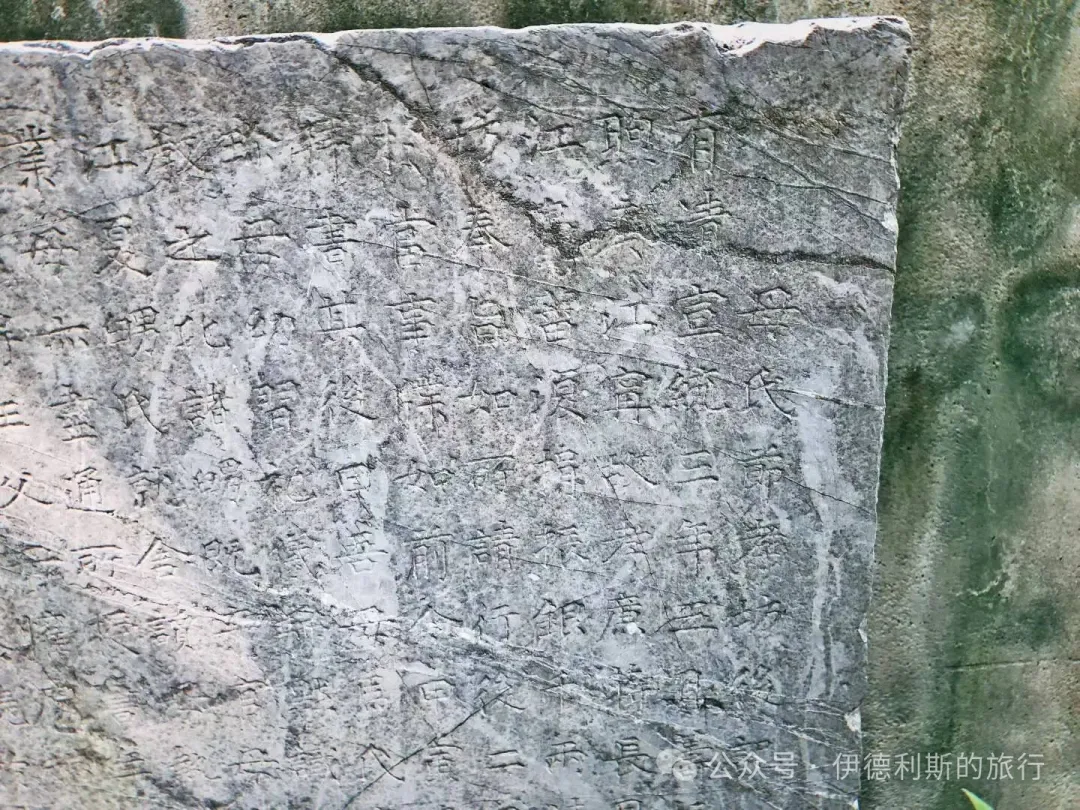
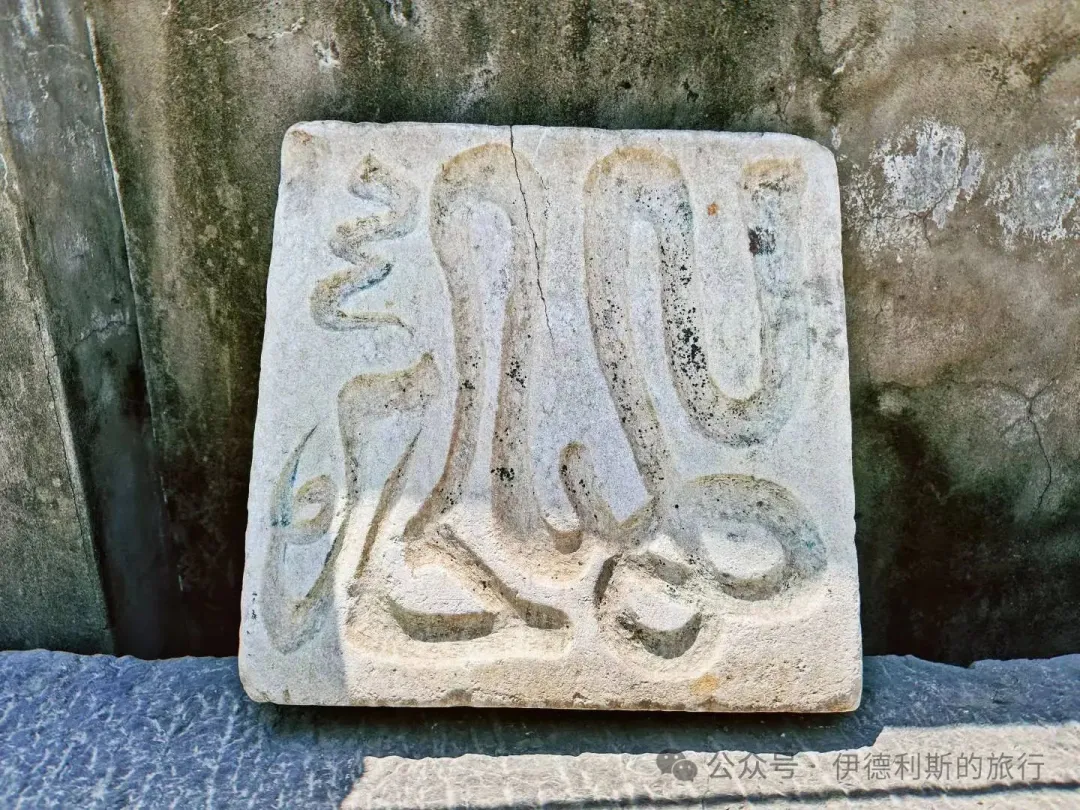
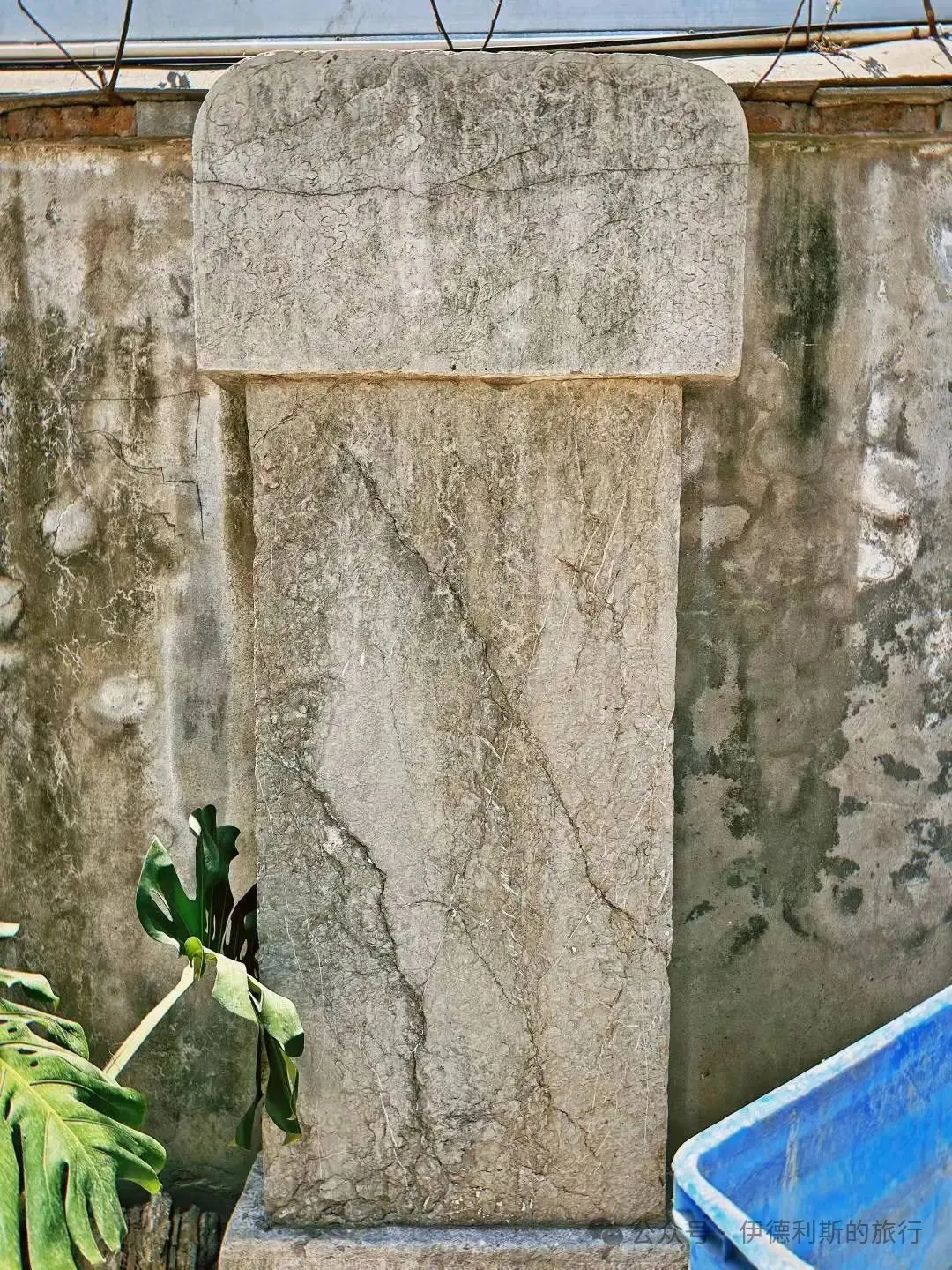
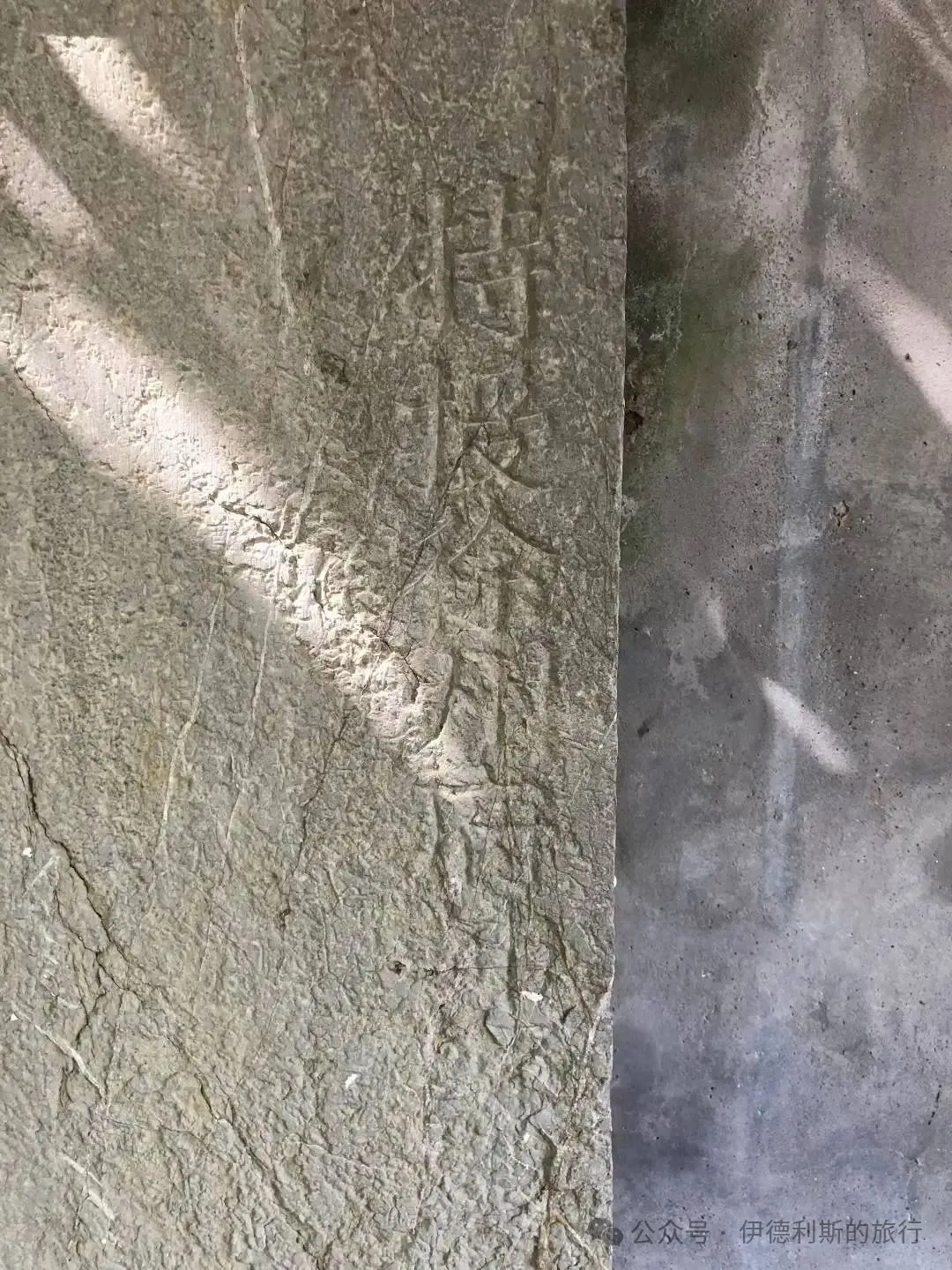
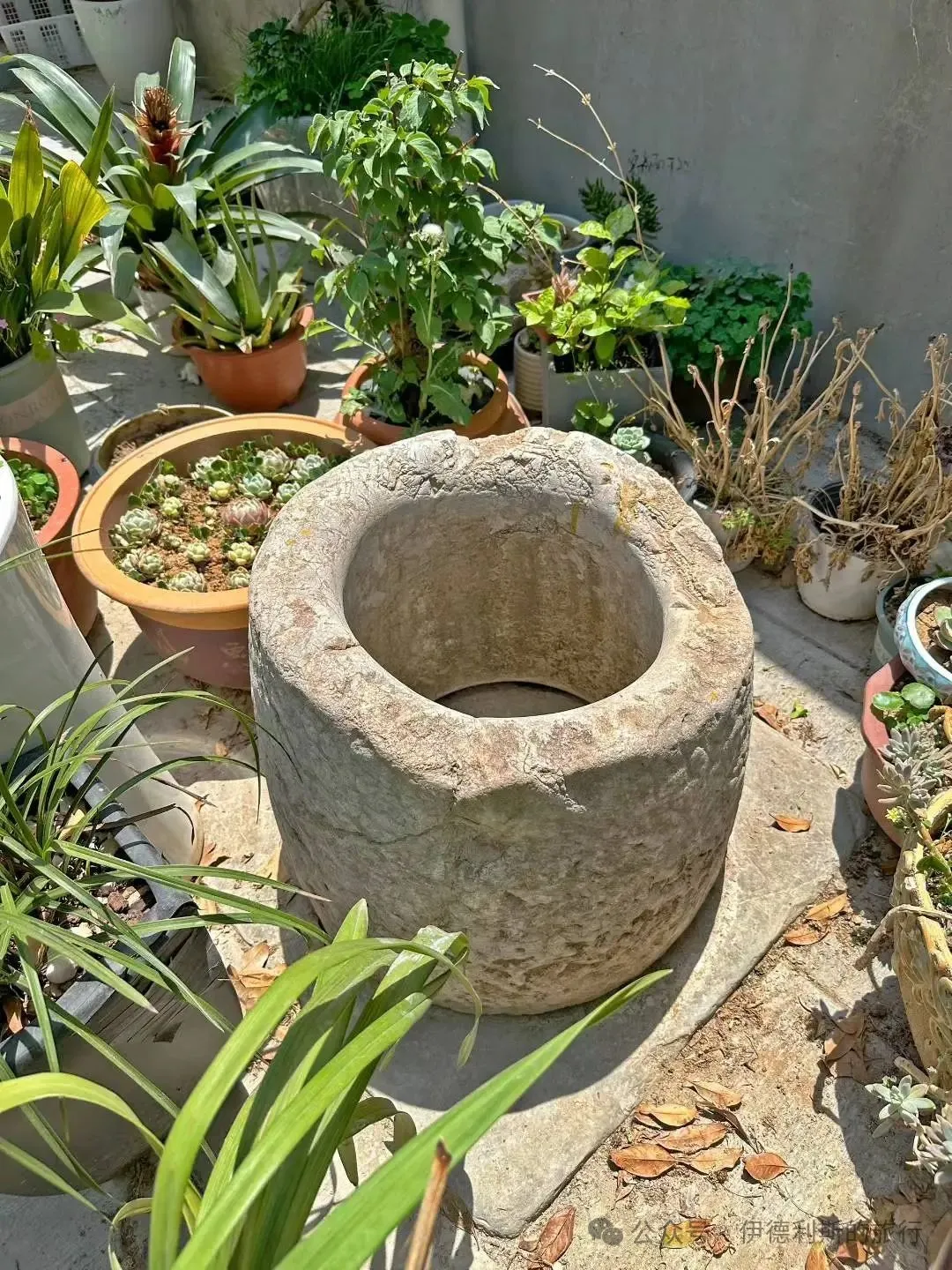
The Qing dynasty well railing and the Guangxu reign stone tablet at Caoqiao Mosque. Caoqiao Mosque was first built during the Guangxu reign of the Qing dynasty, destroyed by fire during the Taiping Rebellion, and rebuilt in the early years of the Tongzhi reign. Because it was located in Qijiawan, a neighborhood where Hui Muslims lived, Caoqiao Mosque once had the largest number of congregants in Nanjing. Historically, Caoqiao Mosque had no property of its own; its daily expenses were covered by the Beef and Bone Trade Association located within the mosque. After 1958, Caoqiao Mosque was occupied and later rented to the Nanjing Woodware Factory, suffering severe damage. The property was returned in 1985 but remained closed until it was demolished in 2003.
Xiaowangfu Lane Mosque.
Xiaowangfu Lane Mosque was first built in the late Tongzhi reign of the Qing dynasty. It is one of the few remaining old buildings among the 33 mosques in Nanjing from the Republic of China era. The mihrab (mihalabu) niche currently in Jingjue Mosque was moved here from the Xiaowangfu Lane Mosque. Xiaowangfu Lane Mosque was used as a residence for a long time. It has now been vacated and may be put to new use.
In 1917, Xiaowangfu Lane Mosque founded the private Wuben Primary School to teach cultural subjects and Islamic knowledge. It moved to the entrance of Xiaowangfu Lane on Fengfu Road in 1953 and became a municipal school in 1956.
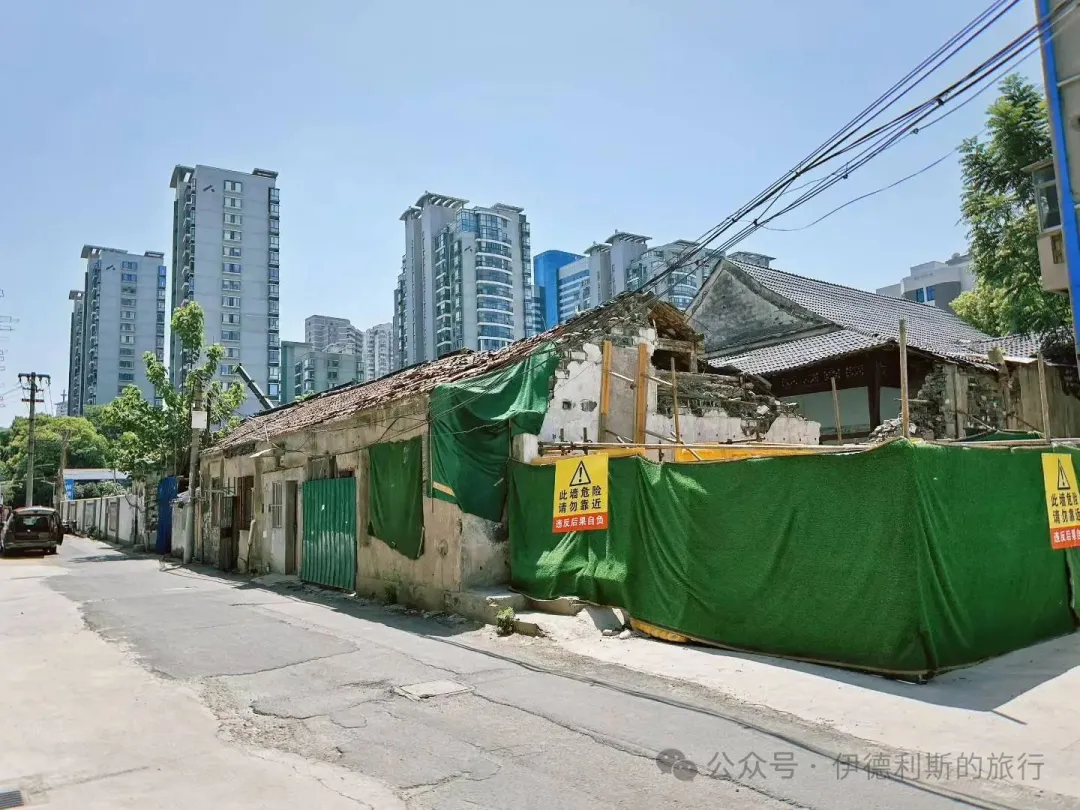
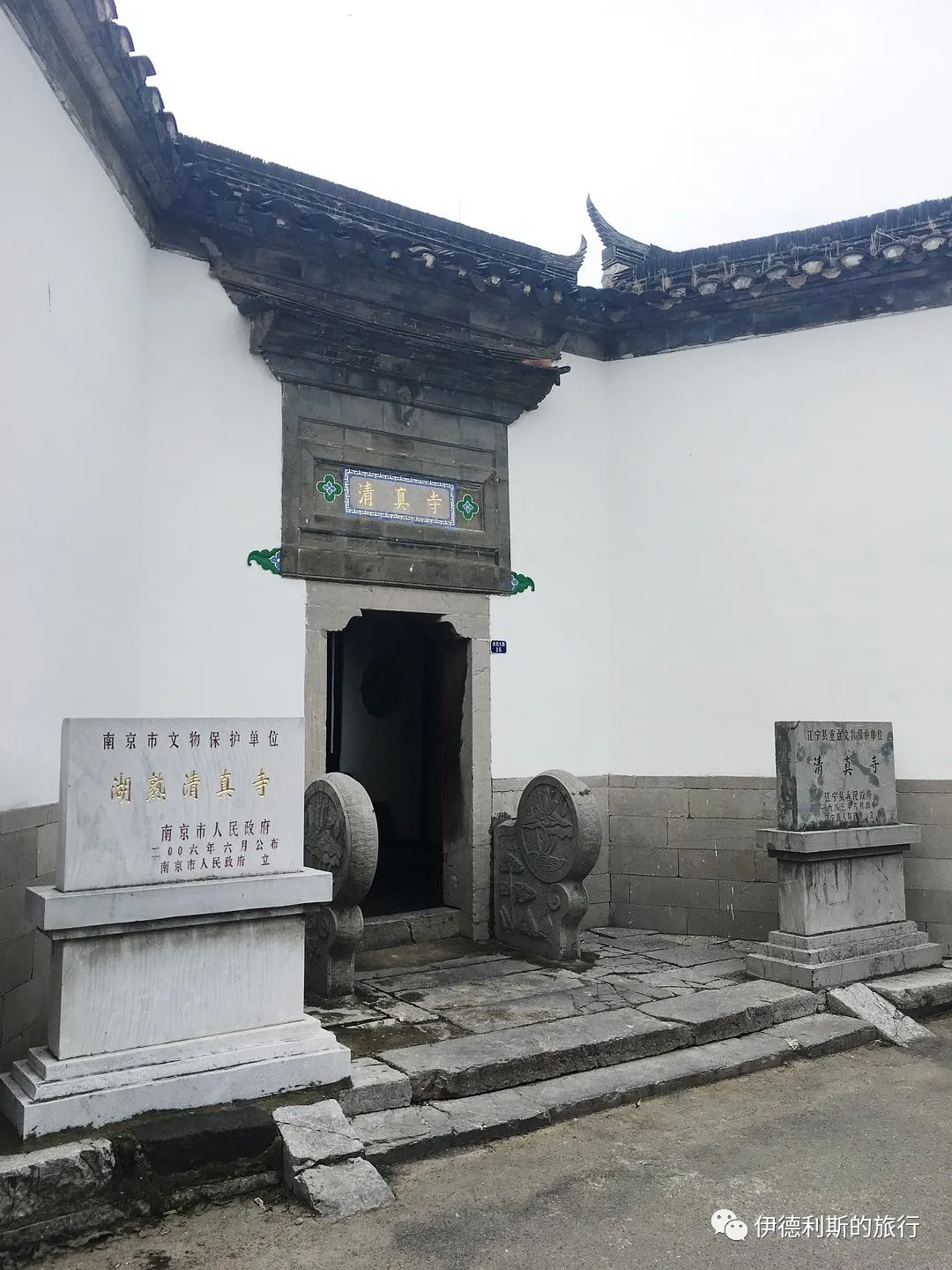
Hushu Mosque.
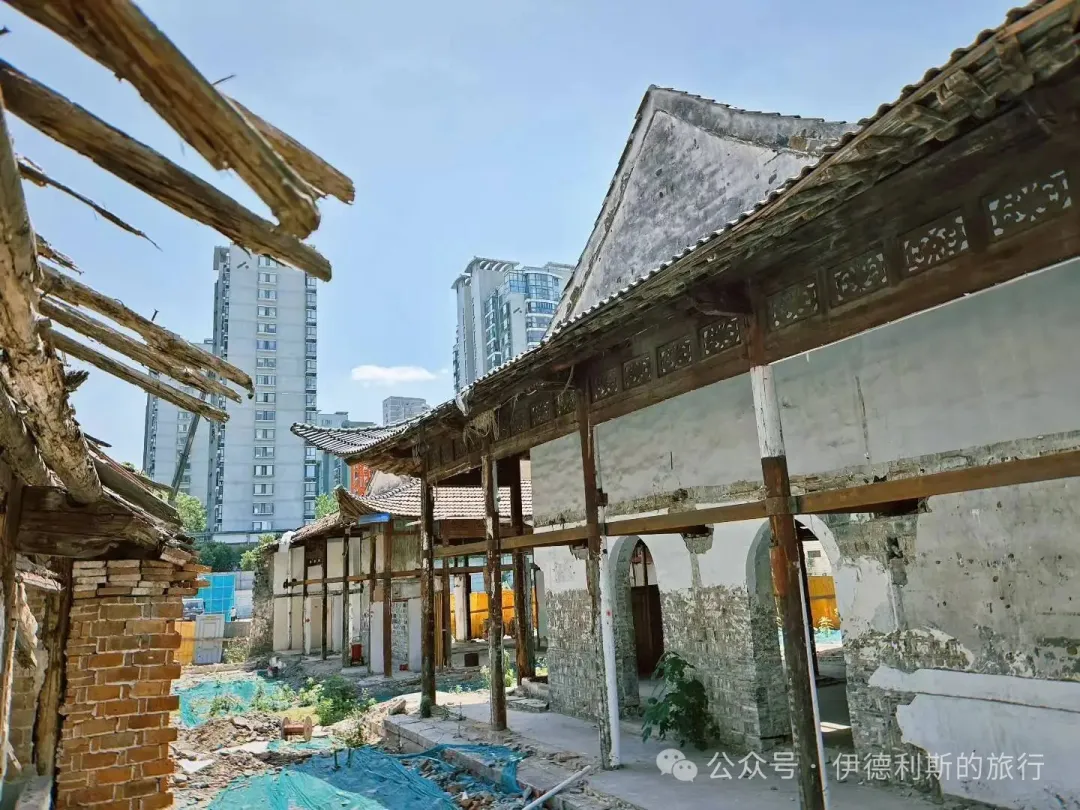
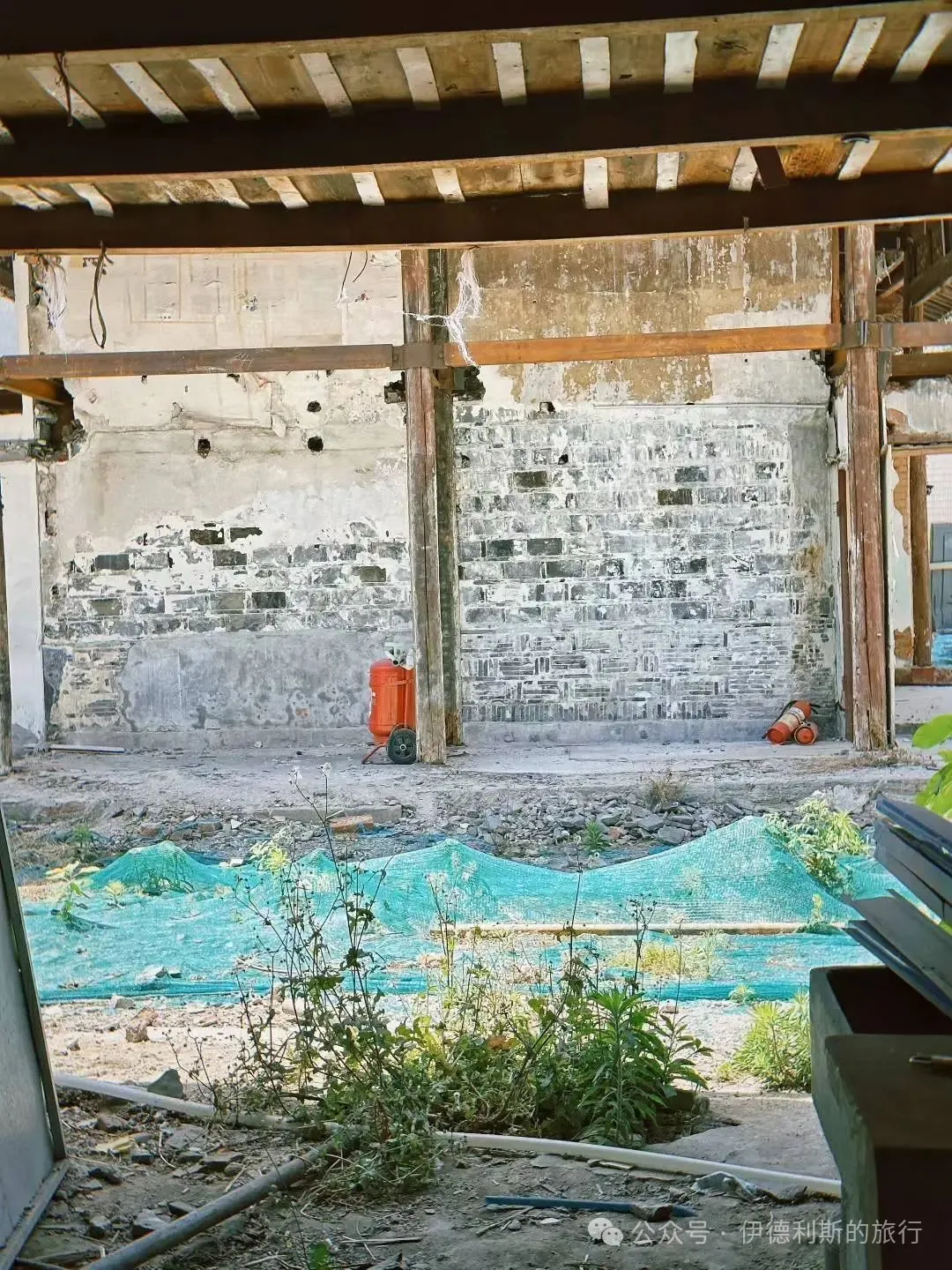
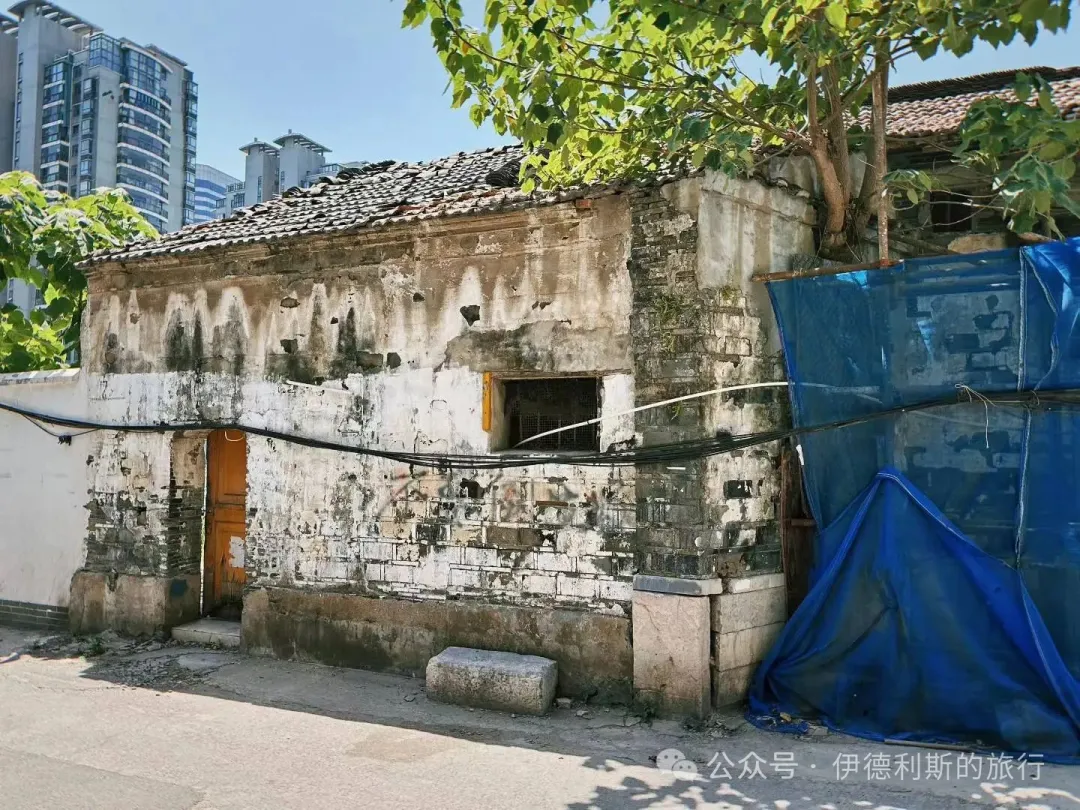
Hushu Mosque was first built in 1392 (the 25th year of the Hongwu reign). It was destroyed during the Taiping Rebellion, and the main hall was rebuilt in 1896 (the 22nd year of the Guangxu reign). In 1911, five tile-roofed rooms were built on the left side in front of the main hall, with the water room on the left, dormitories on the right, and a guest hall in the middle. In 1919, three rooms of the front hall, five rooms of the main hall, and two rooms of the east wing at the main gate were rebuilt.
Around 1932, a primary school for Hui Muslim children was established inside Hushu Mosque, which moved out of the mosque in 1956. In 1964, the main hall of Hushu Mosque was demolished during the 'Four Cleanups Movement' and was occupied by the Hushu Straw Bag Factory, Hushu Hardware Factory, and Hushu Supply and Marketing Cooperative during the Cultural Revolution. The main hall was rebuilt in 1988. The roof of the main hall at Hushu Mosque was originally built in a palace style with upturned eaves, but it was changed to a flat roof after renovations.
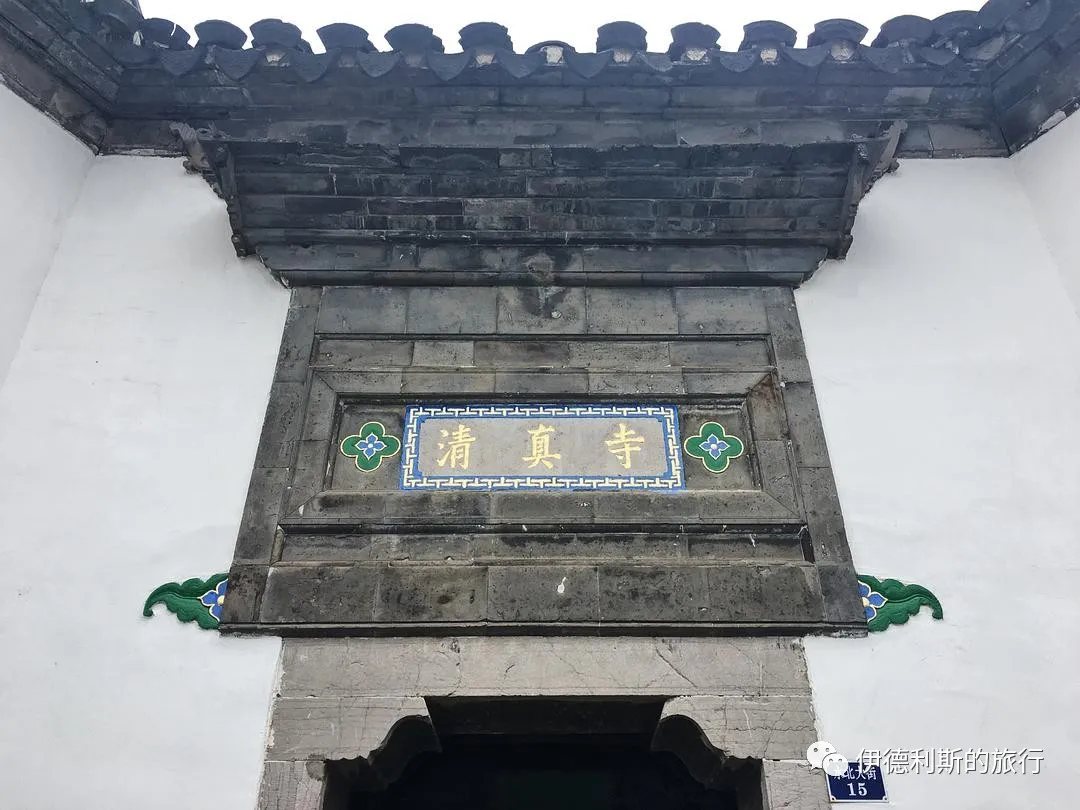
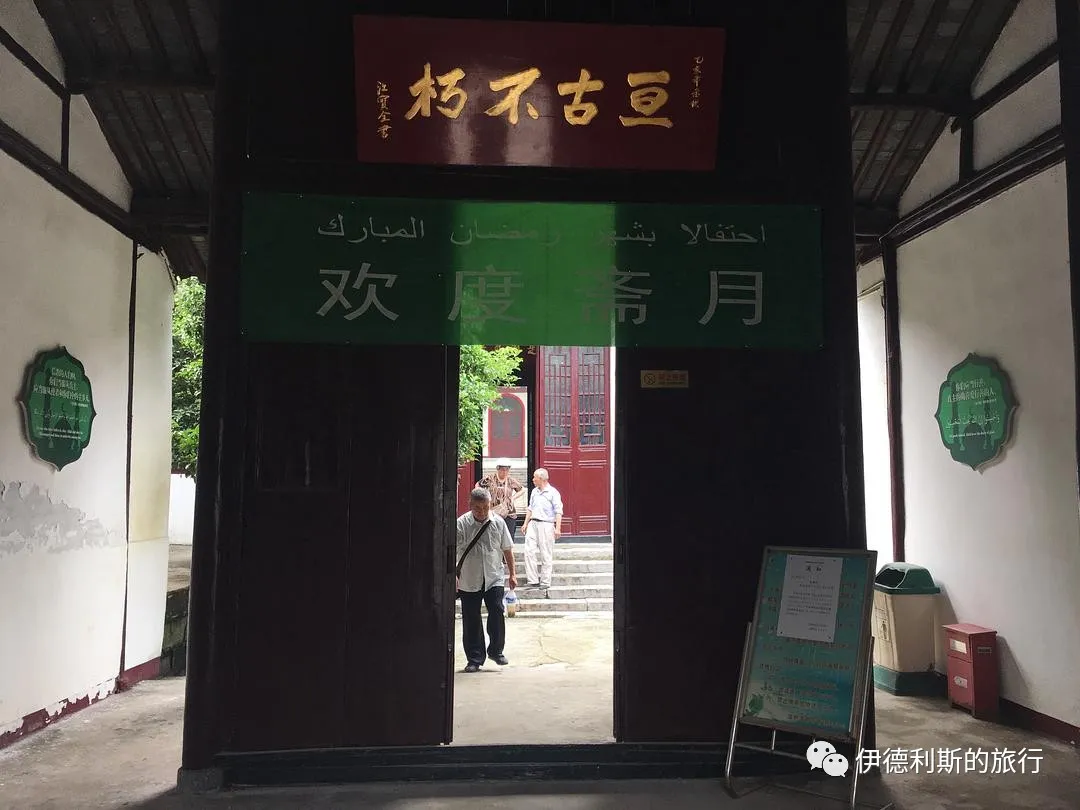
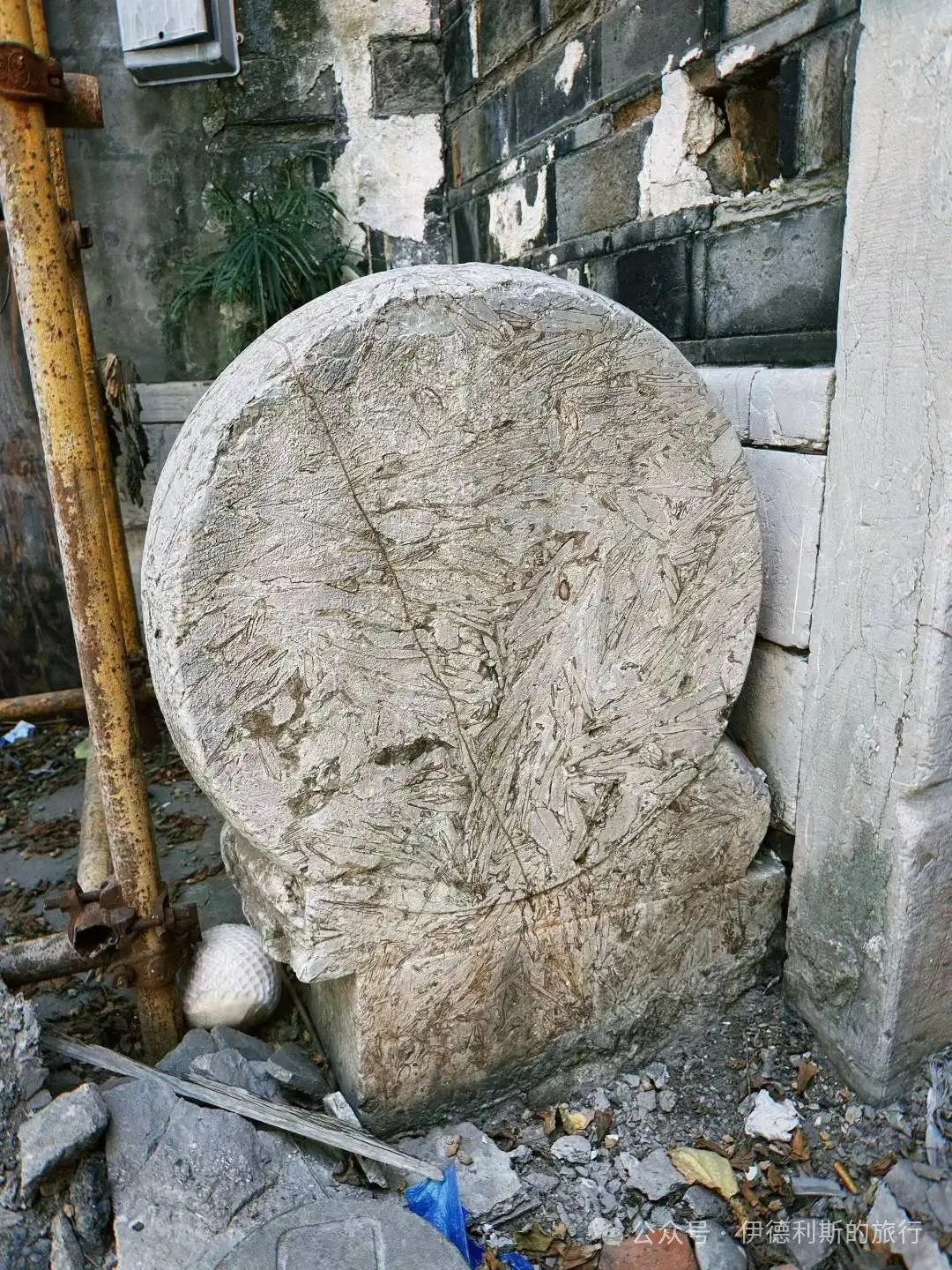
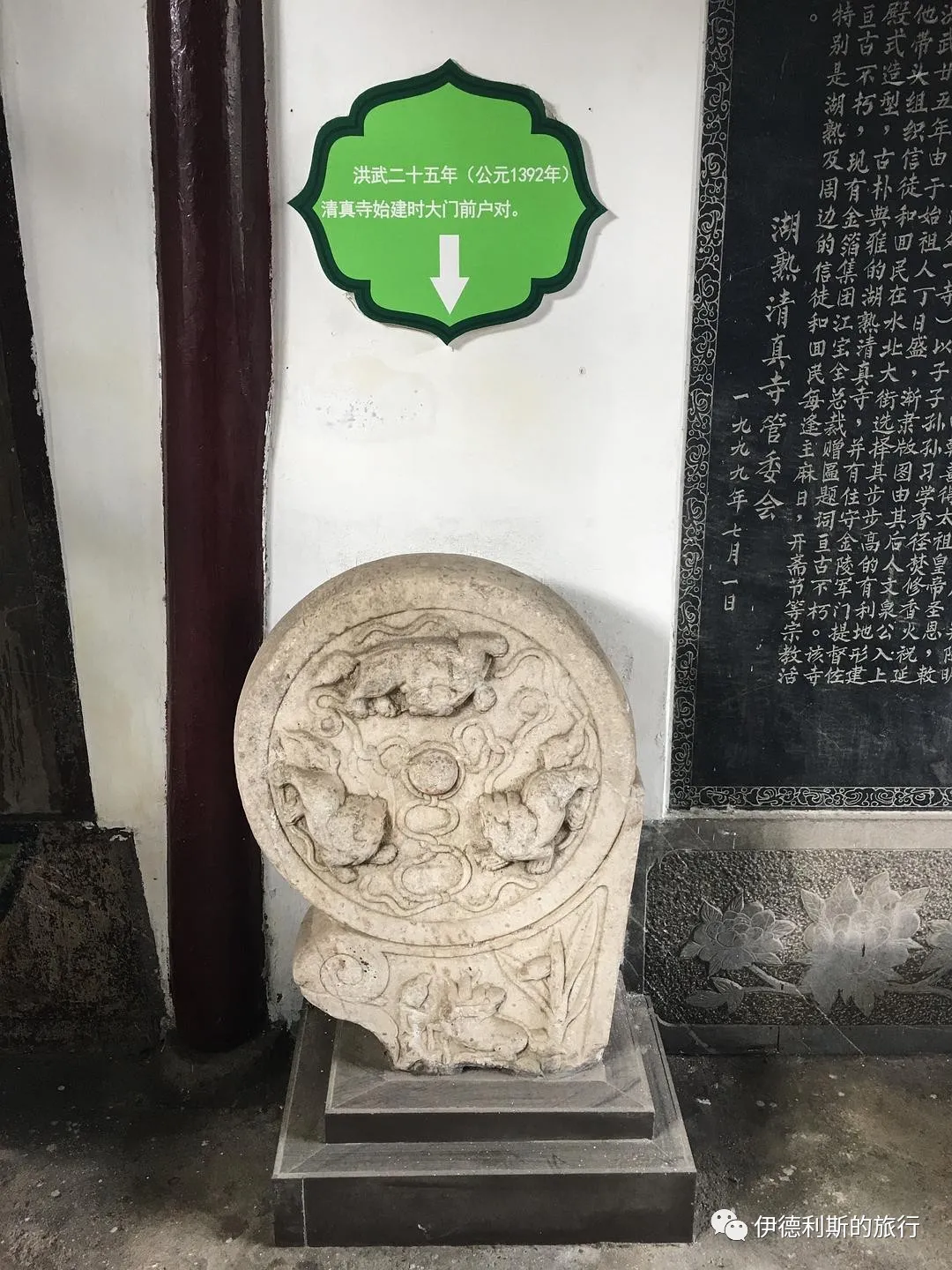
The gate piers from the original construction in 1392.
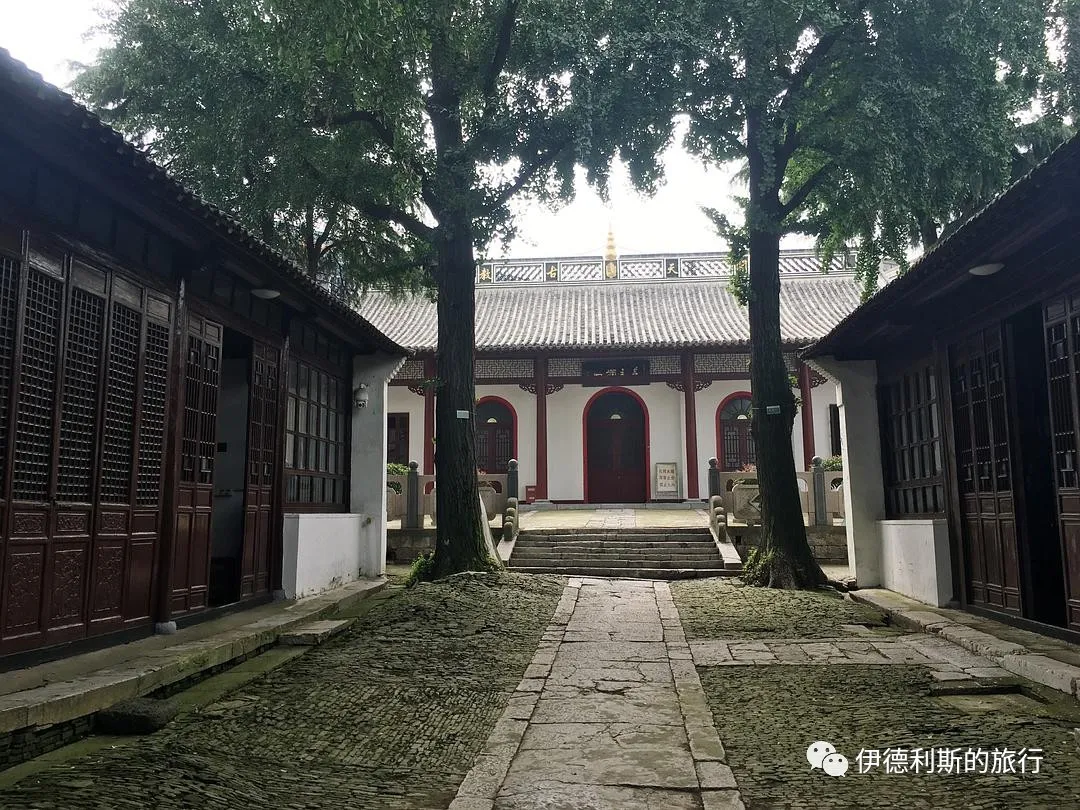
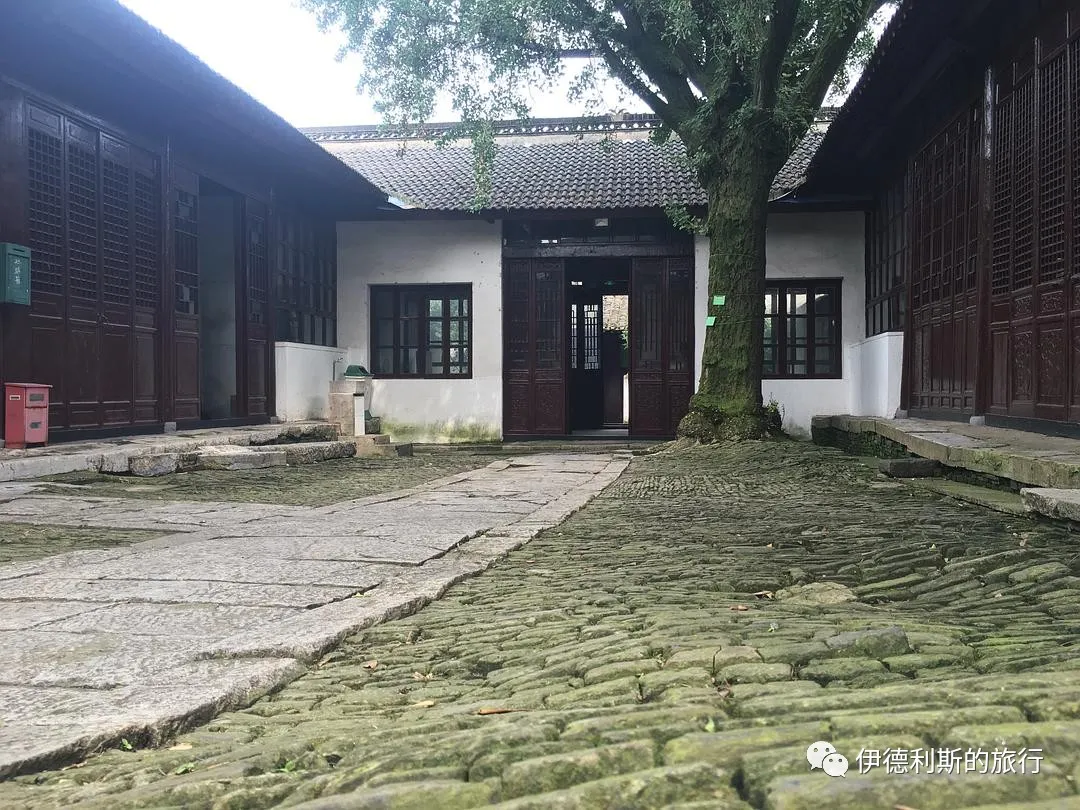
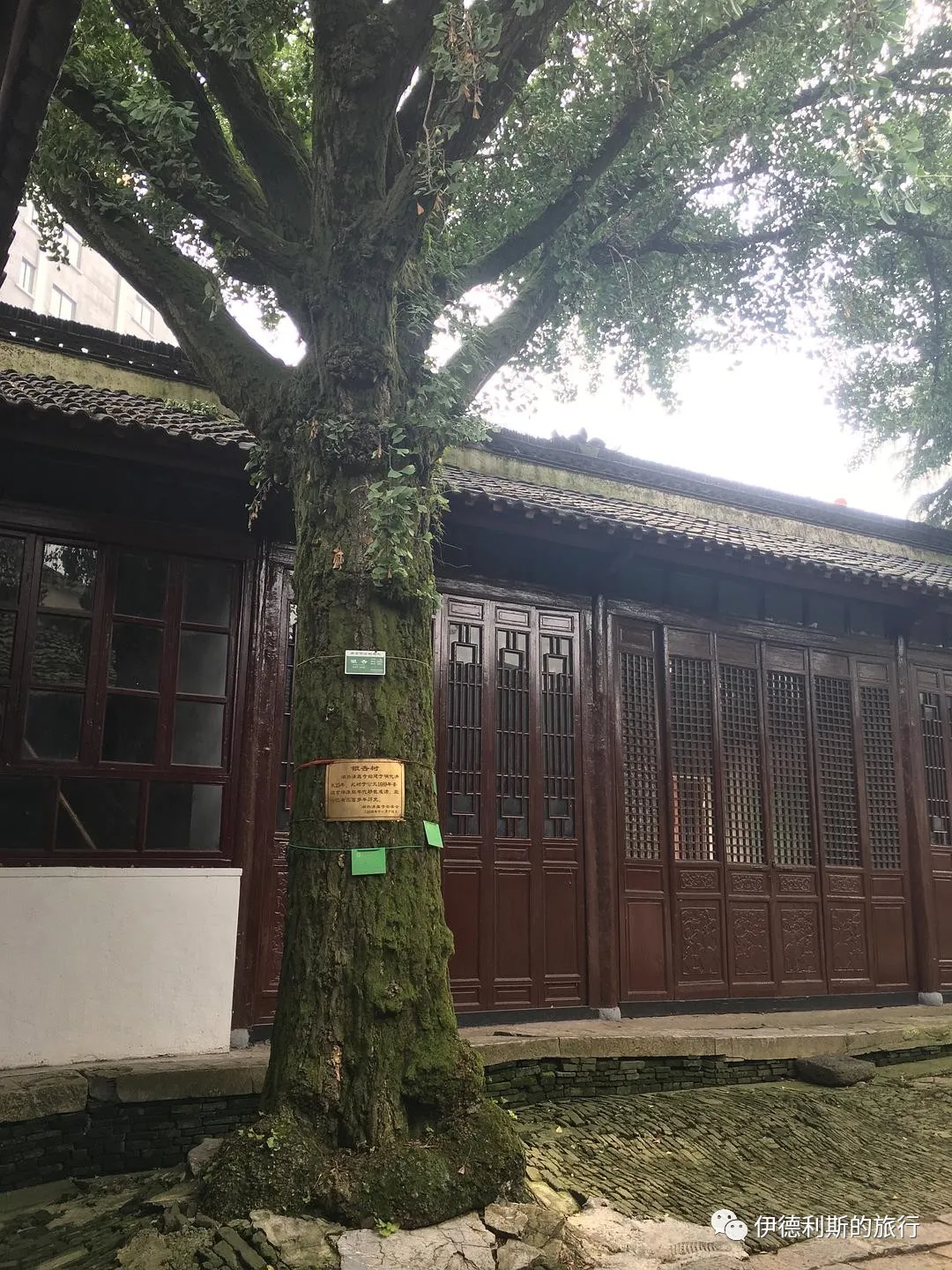
A ginkgo tree transplanted in 1689.
Liuhe South Gate Mosque.
Liuhe once had seven mosques and three schools for women. Today, the Changjiang Road Mosque, South Gate Mosque, and Zhuzhen Mosque are open, and the historic buildings of the South Gate Women's School and Zhuzhen Women's School have been preserved.
Liuhe South Gate Mosque was first built in 1403 (the first year of the Yongle reign of the Ming Dynasty), renovated in 1553 (the 32nd year of the Jiajing reign), destroyed during the Taiping Rebellion, and later rebuilt. One of the four famous imams of the Republic of China, Imam Da Pusheng, had three generations of his family—from his great-grandfather to his father—serve as the imam at South Gate Mosque. The old Da family home is on Qingzhen Street right at the mosque entrance. Imam Da Pusheng studied the scriptures at South Gate Mosque for seven years from the age of 10 to 17, before moving on to Nanjing and Beijing for further studies.
The ancestors of the Baiyetang Da family, to which Imam Da Pusheng belonged, were from the Western Regions during the Yuan Dynasty. Research shows they belonged to the Kipchak Yuliberi tribe, and his ancestor served as a darughachi in Zhenjiang before passing away there. His sixth-generation ancestor, Da Shanyu, moved from Zhenjiang to Liuhe in the early Ming Dynasty to take up a position as a county assistant. He settled in Liuhe, making this the oldest Hui Muslim family from the Western Regions in the area.
After 1966, South Gate Mosque was occupied by a kindergarten, during which time the Shamao Hall (a secondary hall), the north wing, the red gate, and the entrance hall were demolished. The kindergarten moved out in 1975, and the site was later borrowed by Baozhen Primary School. It was finally reclaimed in 2000 when the school moved out. In 2013, the main hall was raised and rebuilt. Later, the Tongxin Tower and Tongxing Building were added, and the site was finally opened for use in 2020.
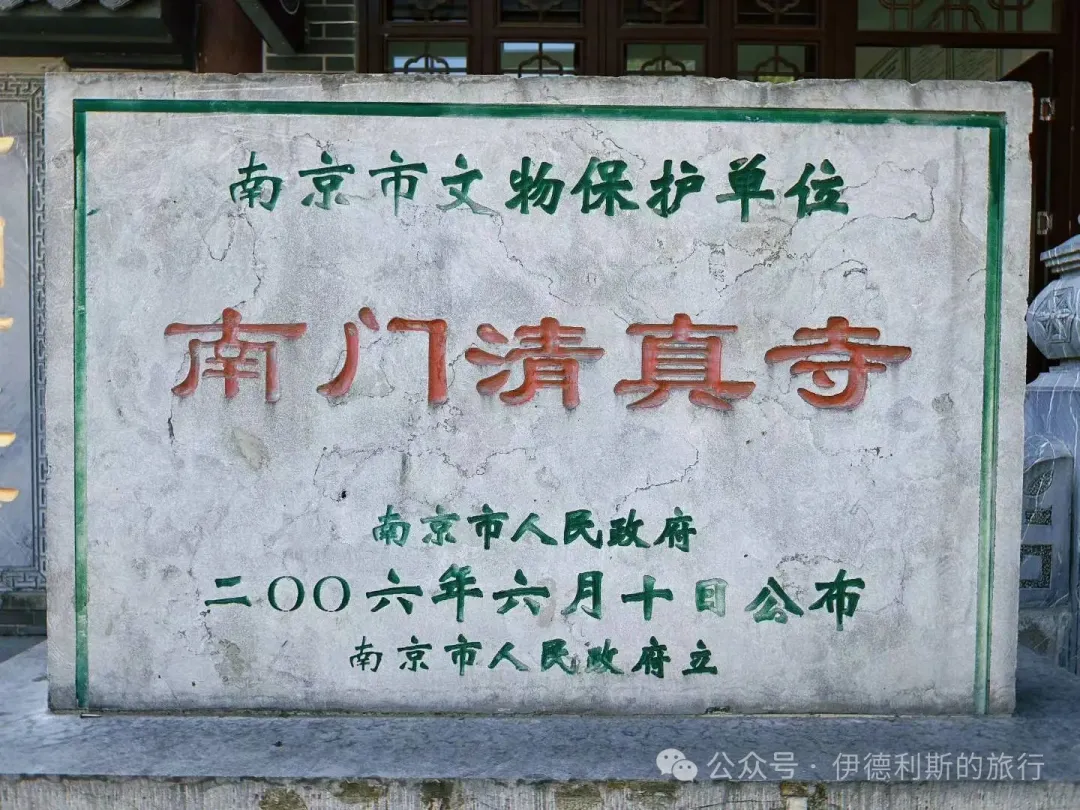
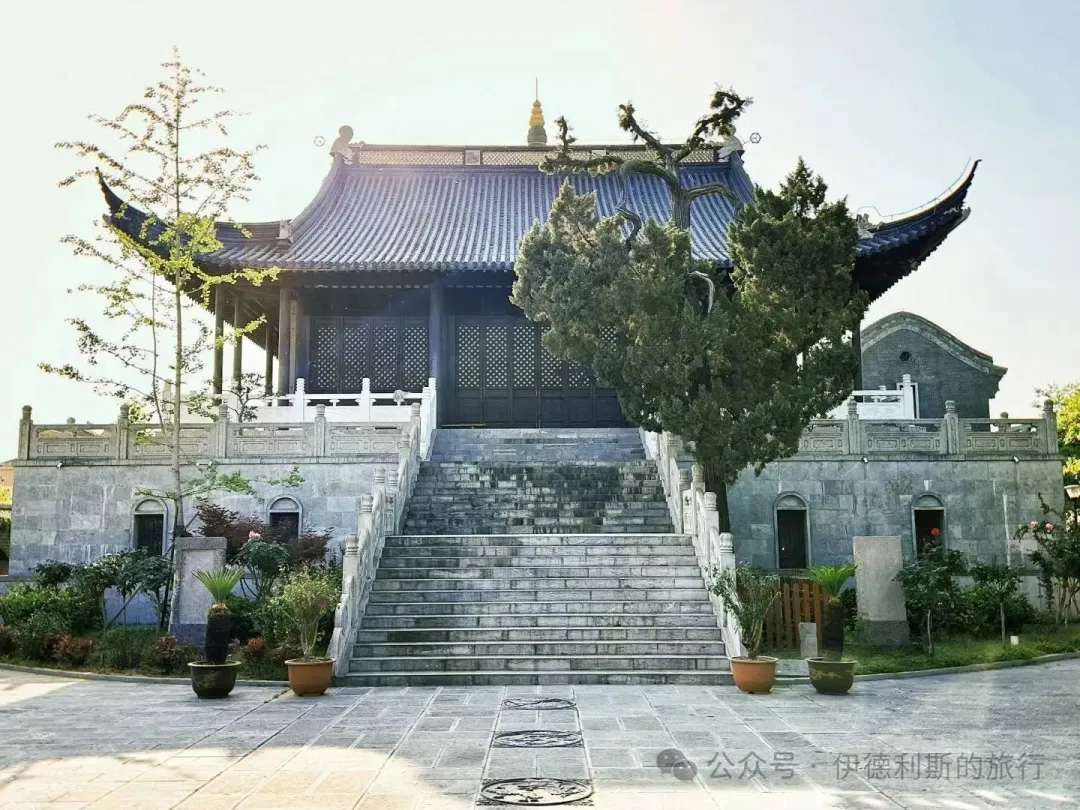
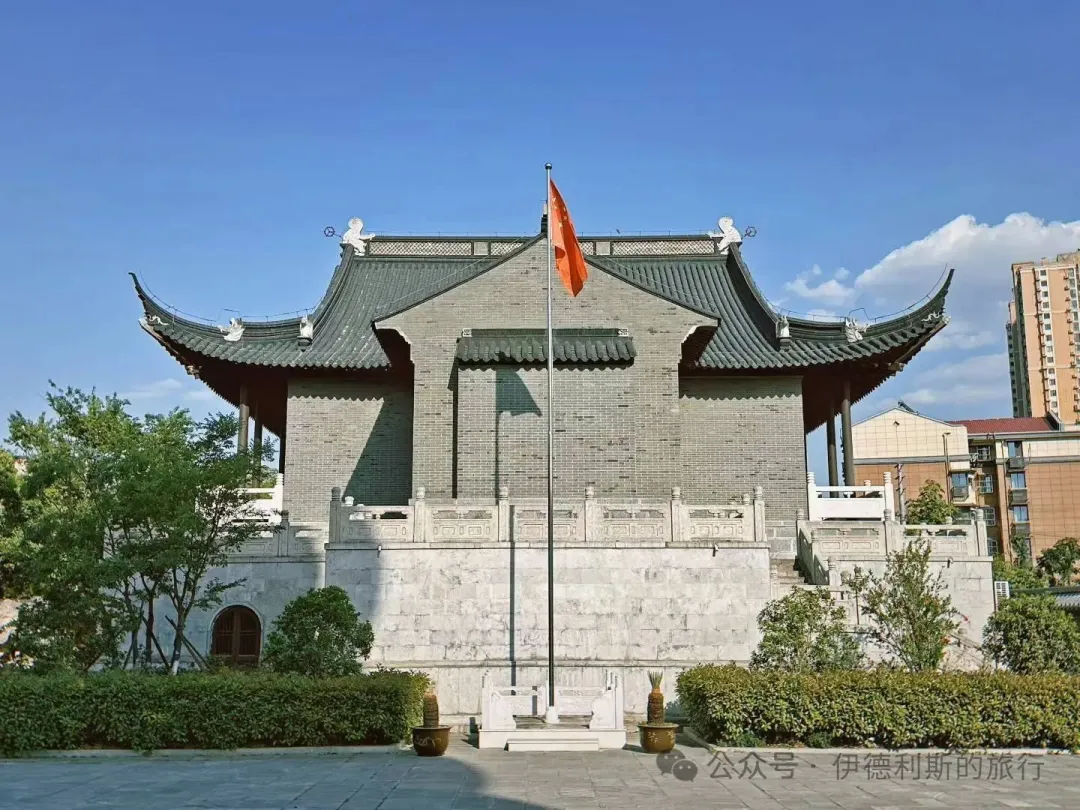
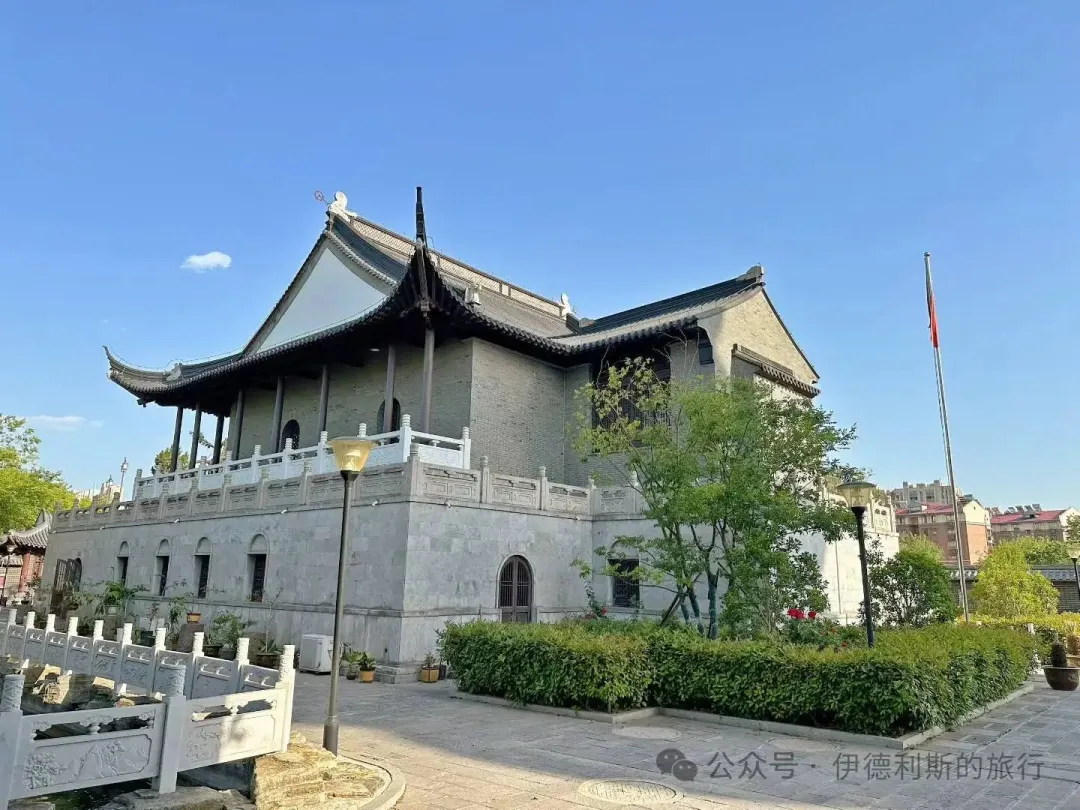
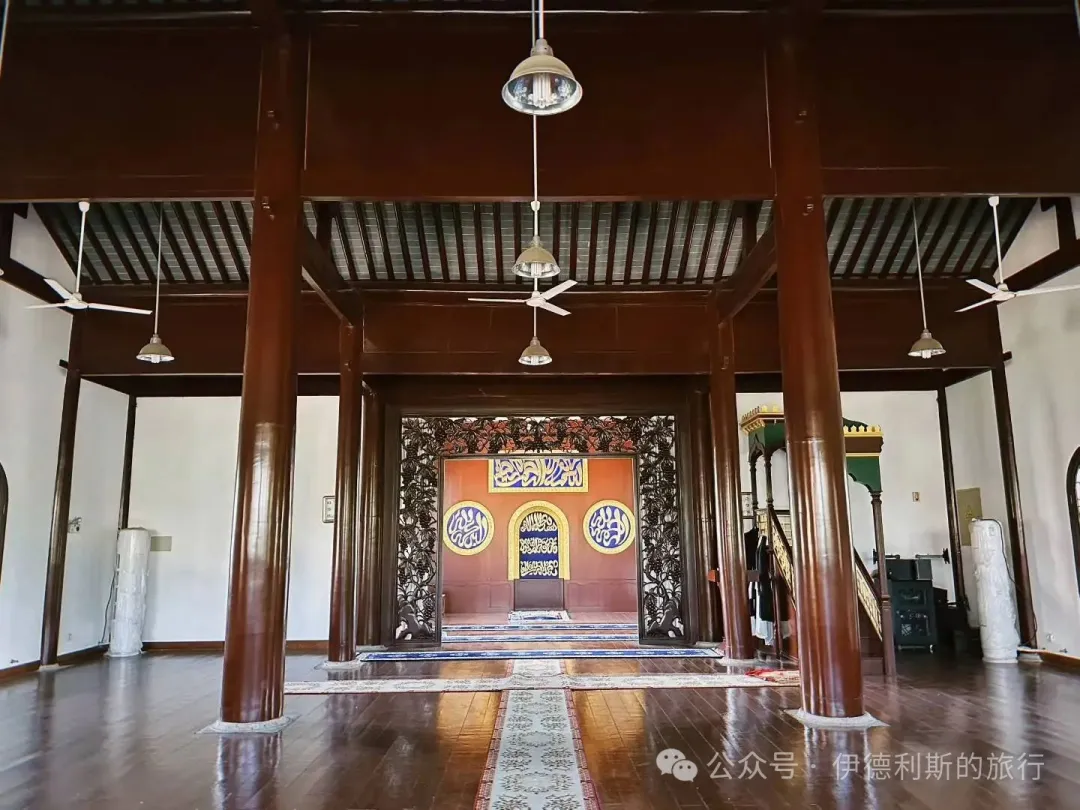
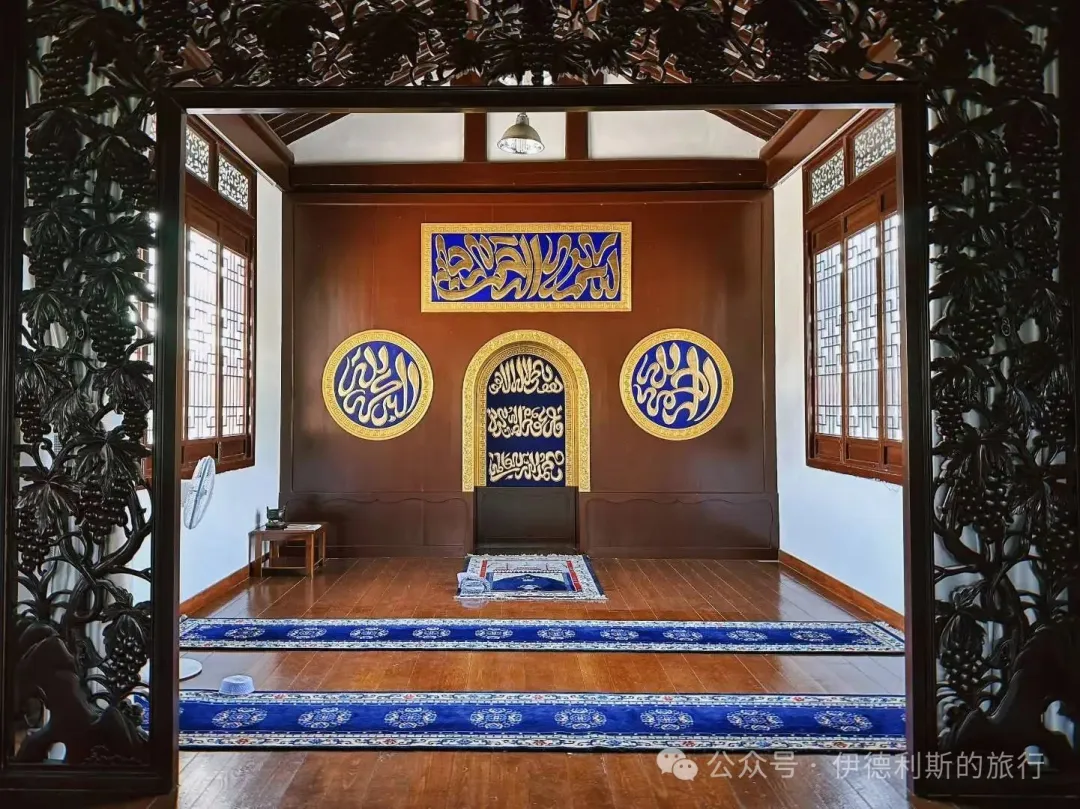
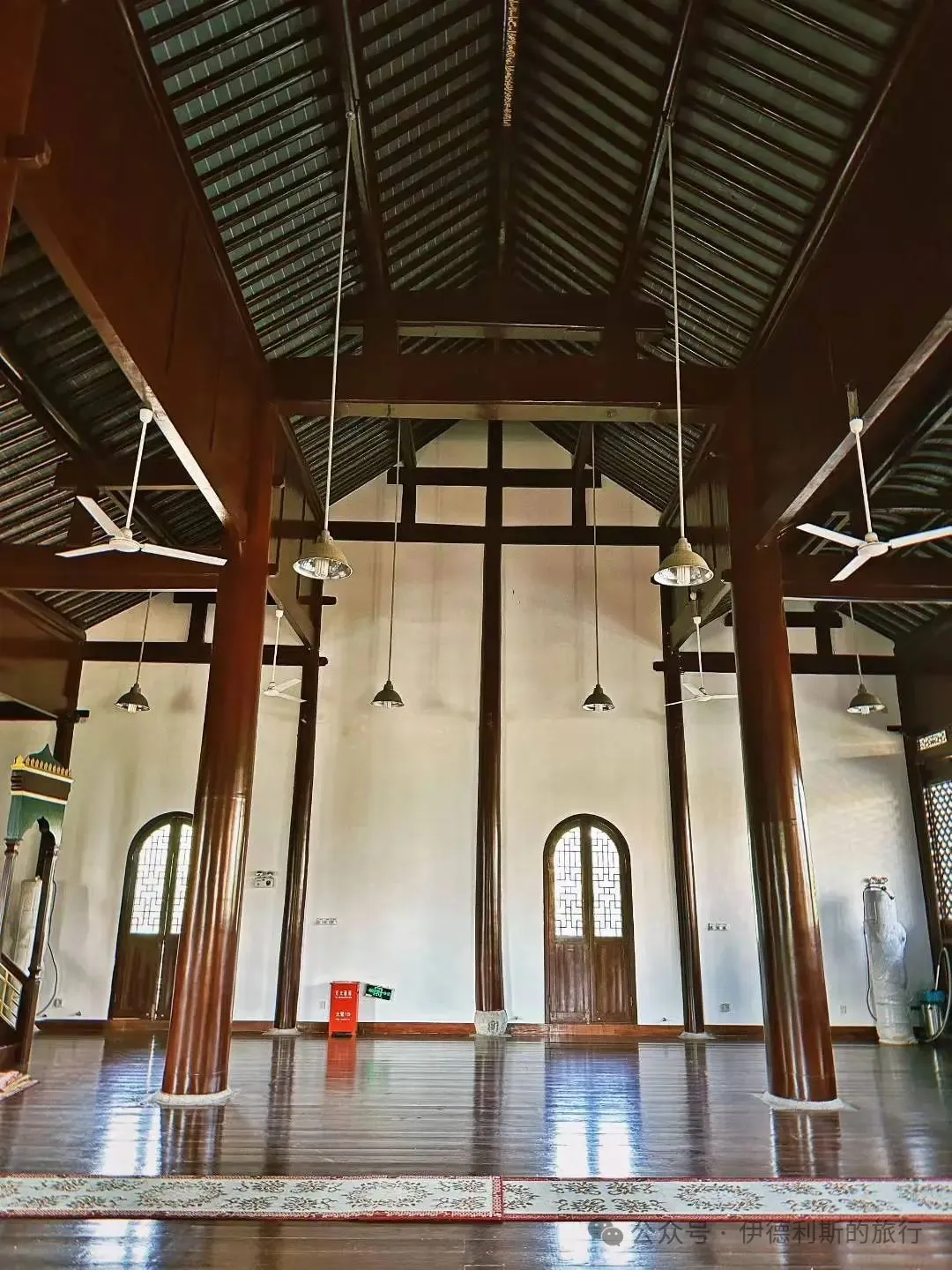
Stone carvings and ancient trees at Liuhe South Gate Mosque:
A stone tablet from the seventh year of the Daoguang reign commemorating a house donation by a Hui Muslim named Li.
A boundary marker for the mosque.
A stone tablet from the 12th year of the Guangxu reign, recording that South Gate Mosque was destroyed by the Taiping Rebellion during the Xianfeng period, many Hui Muslims from the local militia died in battle, and the government later stepped in to protect the graves.
A couplet written by Wang Jianli in the 10th year of the Republic of China: 'Keep your heart pure and clean as if in the afterlife, return to the truth and simplicity just the same.'
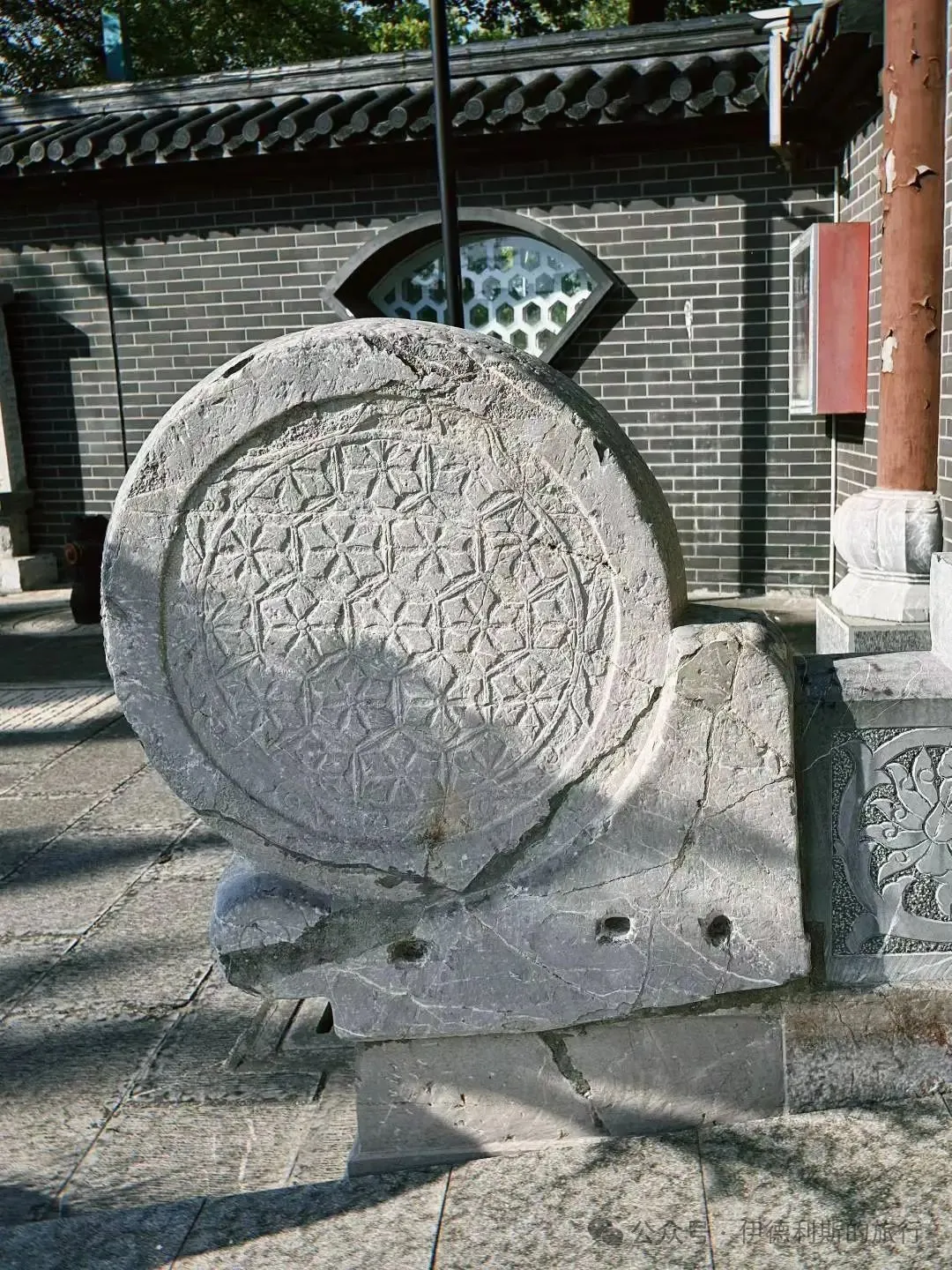
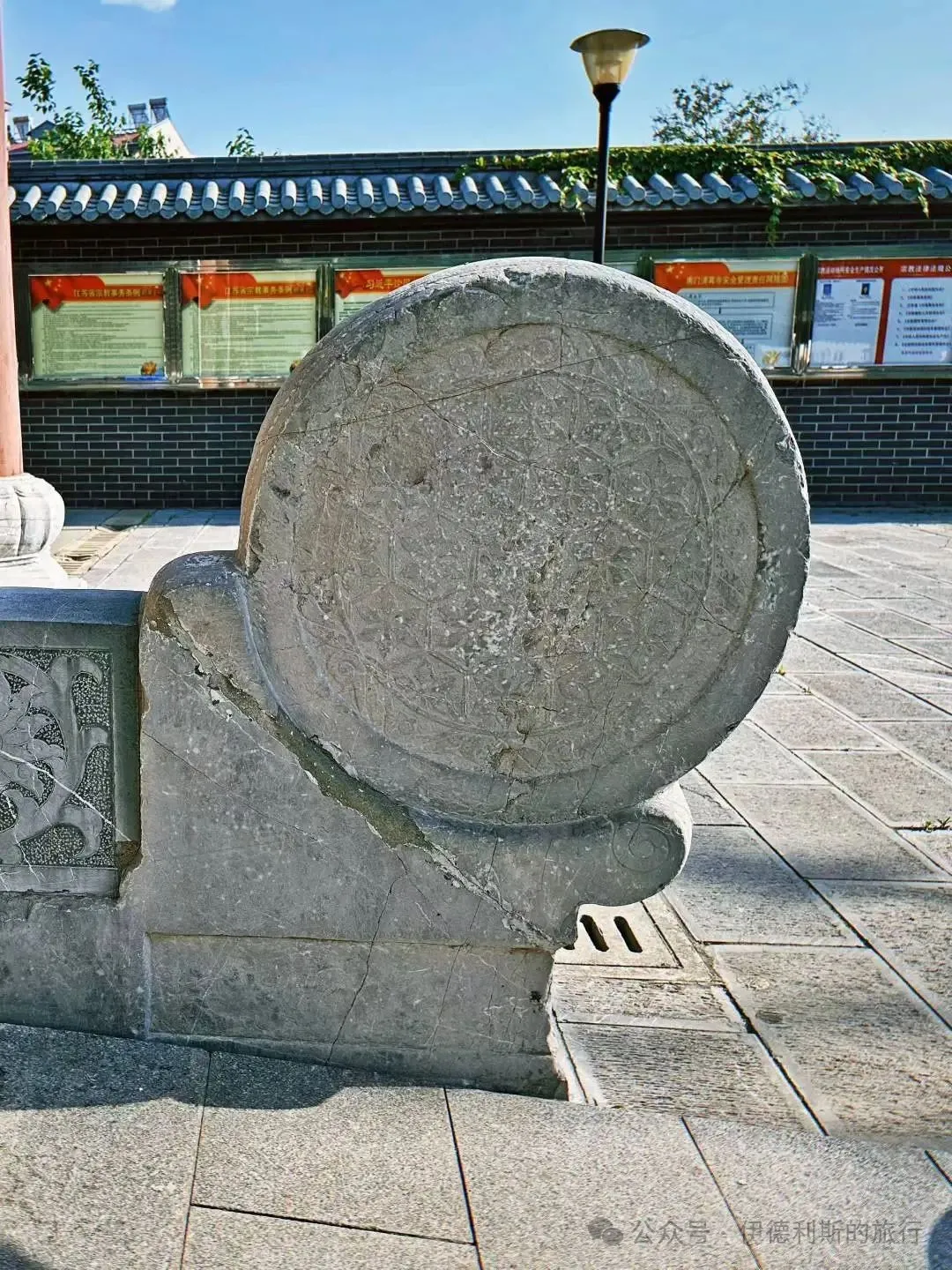
Qing Dynasty drum-shaped stone bases in front of the main gate.
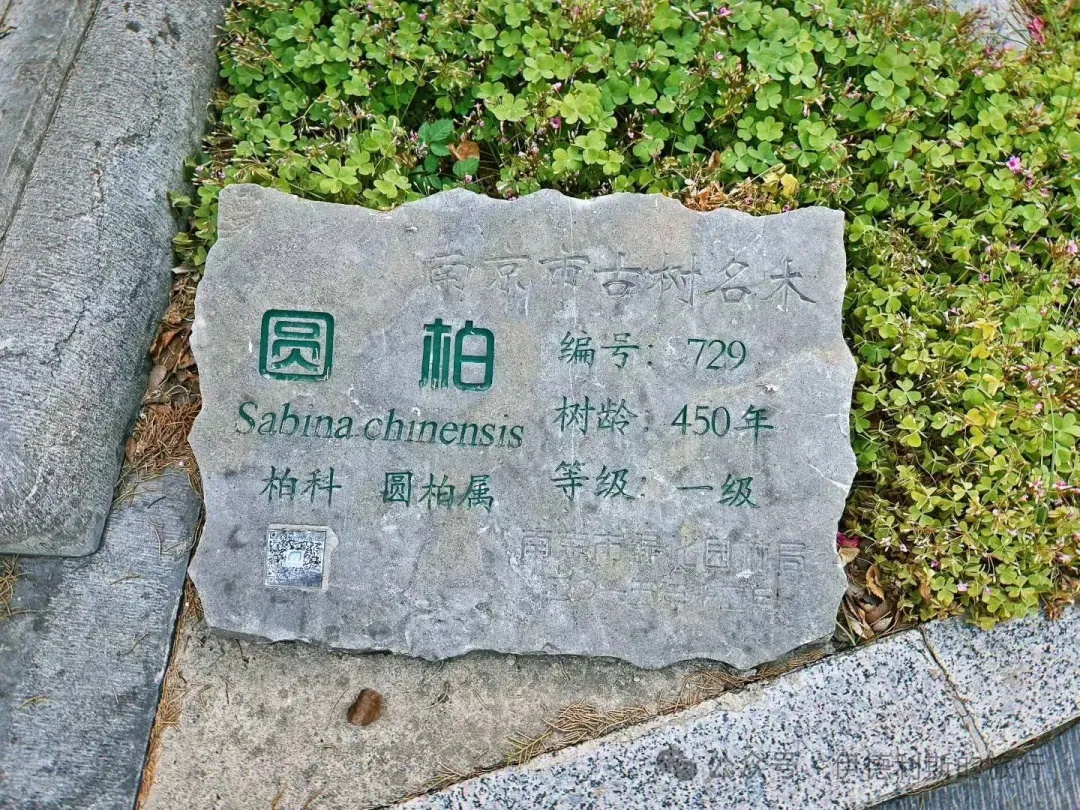
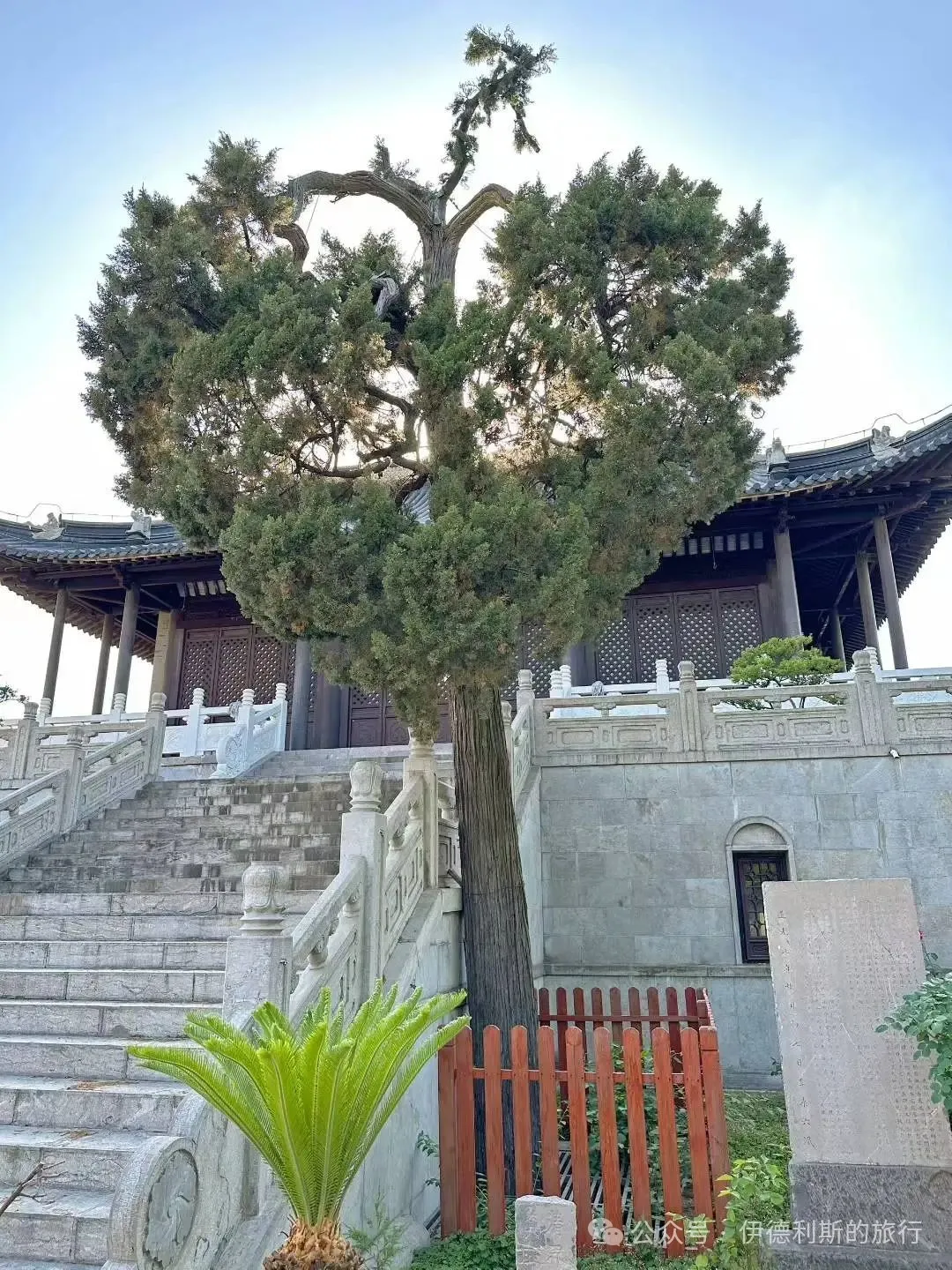
A 460-year-old Chinese juniper in front of the main hall, classified as a first-class ancient tree.
Liuhe Women's School.
The Liuhe Muslim Women's School began in 1912, and the current building was constructed in 1930. It was later used as a funeral home for Hui Muslims and is a rare surviving example of a Muslim women's school from the Republic of China era.
Traditionally, these women's schools did not form formal classes, did not call the adhan, did not hold Jumu'ah or Eid prayers, and the female imam (shiniang) did not lead the prayer from the front, but instead stood in the middle of the first row. Women's mosques (nuxue) do not have minarets, and the main prayer hall does not have a pulpit (minbar). Female imams (shiniang) lead the local women in their religious duties and teach them about the faith.
Women's mosques emerged in the mid-to-late Qing Dynasty, starting in Henan and spreading to nearby areas in Hebei, Shandong, and Anhui. In the early Republic of China, the New Culture Movement and the women's liberation movement helped Hui Muslims understand the ideas of promoting women's education and ending foot-binding. The number of women's mosques grew quickly, with over 100 in Henan province alone, and many more built in other provinces.
During the Guangxu period of the Qing Dynasty, Nanjing had two women's mosques at Hanximen and Changle Street. During the Republic of China, four more were built at Fangjia Lane, Zhuganli, Shigu Road, and Dahuifu Lane, but all of these have since been torn down. In the early Republic of China, Liuhe had three women's mosques at Houjie, Nanmenwai, and Zhuzhen. The historical buildings at Nanmenwai and Zhuzhen still stand today.
Liuhe Changjiang Road Mosque.
The Changjiang Road Mosque was originally called Chengqingfang, and was also known as the Liuhe North Mosque, the City Mosque, or the Da Family Mosque. It was built in 1424 (the 22nd year of the Yongle reign of the Ming Dynasty) by the Da family, who had lived in Liuhe for generations. The Changjiang Road Mosque was destroyed by the Taiping Heavenly Kingdom during the Xianfeng period. It was later rebuilt through donations from the imam Liu Weiting and local elders. In 1885 (the 11th year of the Guangxu reign), Da Guangyong donated money to build a reception hall. In 1928, Wang Dashi, the widow of the wealthy merchant Wang Zuochen and aunt of the great imam Da Pusheng, donated money to build the Wuxin Pavilion on the site of the original Wangyue Tower.
In 1899, the great imam Da Pusheng returned to his hometown of Liuhe from the Niujie Mosque in Beijing to serve as the imam of the Changjiang Road Mosque. It was not until 1905, when Imam Wang Kuan of Niujie went on the Hajj, that Imam Da returned to the Niujie Mosque to serve as the acting imam and lead religious affairs. Imam Da founded the Guangyi Primary School inside the Changjiang Road Mosque to promote modern education. He offered courses in Chinese and Arabic, scripture, geography, history, and mathematics, marking the first transition from traditional scripture hall teaching to modern education. In a memoir from the early 1950s, Imam Da wrote: 'I worked hard for six years. Perhaps moved by the success of Guangyi Primary School, the local Hui Muslims supported the school with great effort. Looking back, it was not easy to struggle at that time, patiently convincing stubborn traditionalists and acting courageously without being accused of going against the faith!'
After 1966, the Changjiang Road Mosque was occupied by a theater troupe and a cultural troupe. It was returned and reopened in 1983.
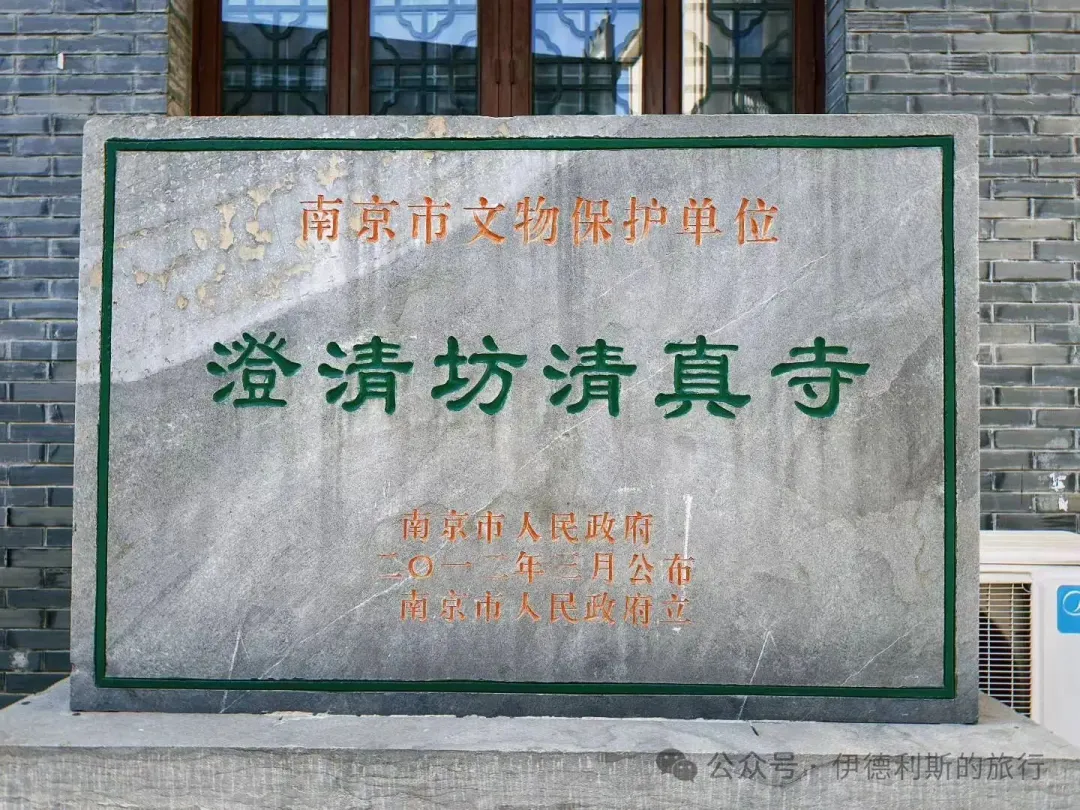
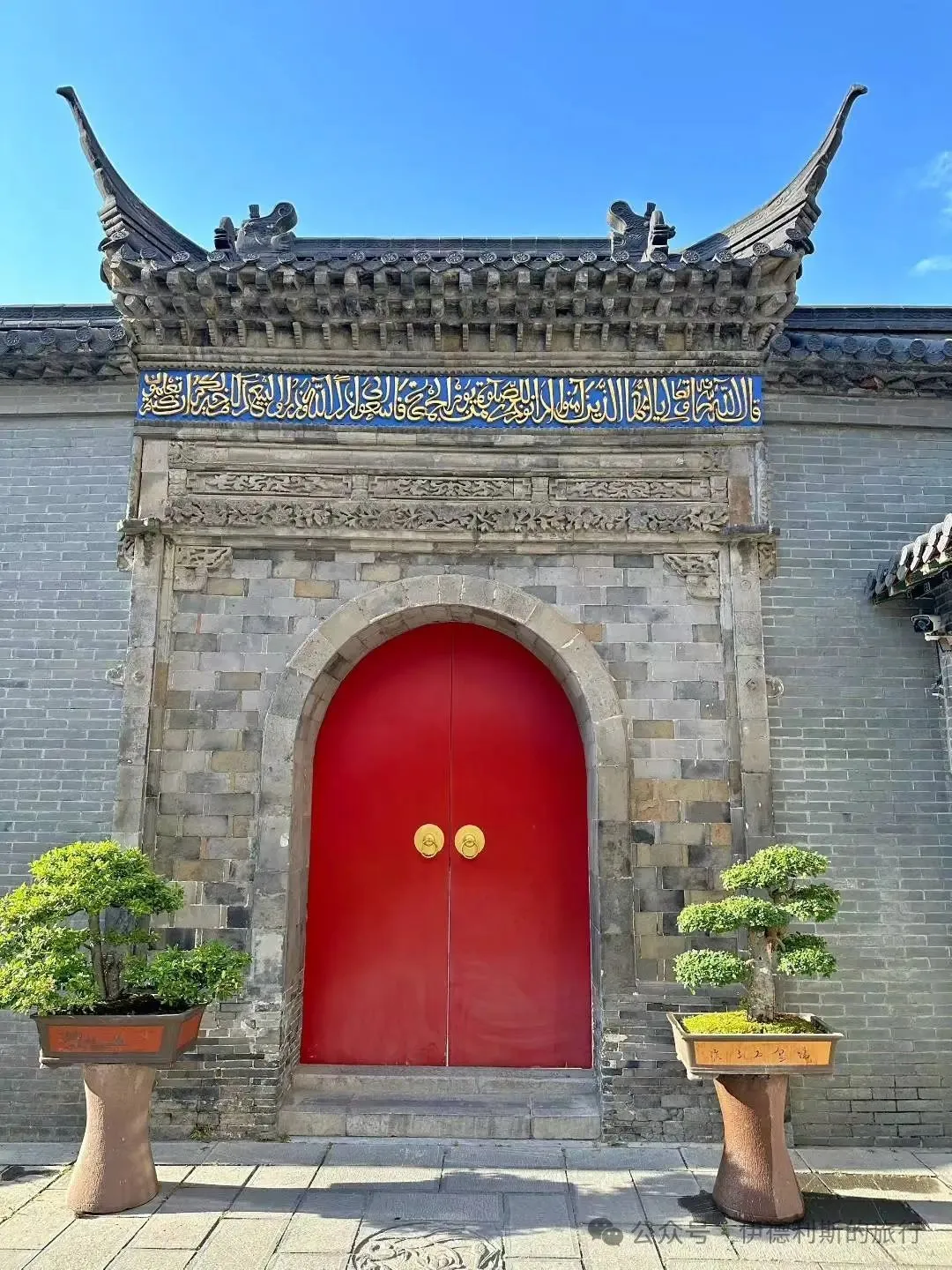
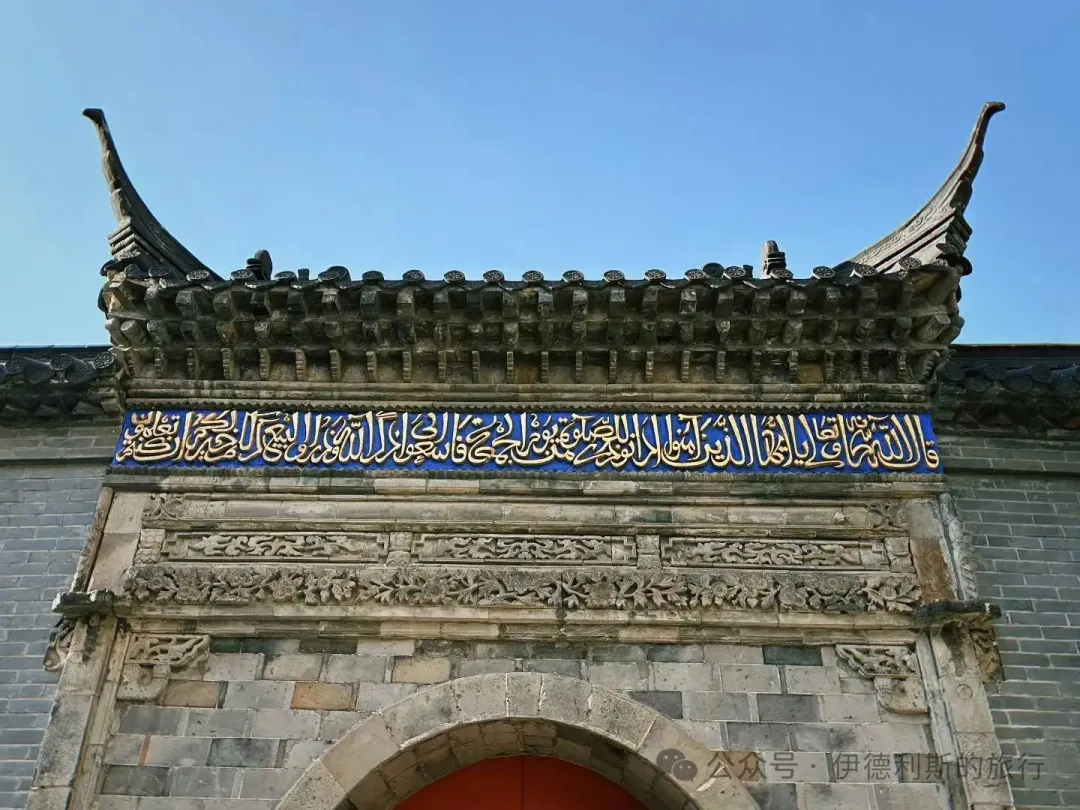
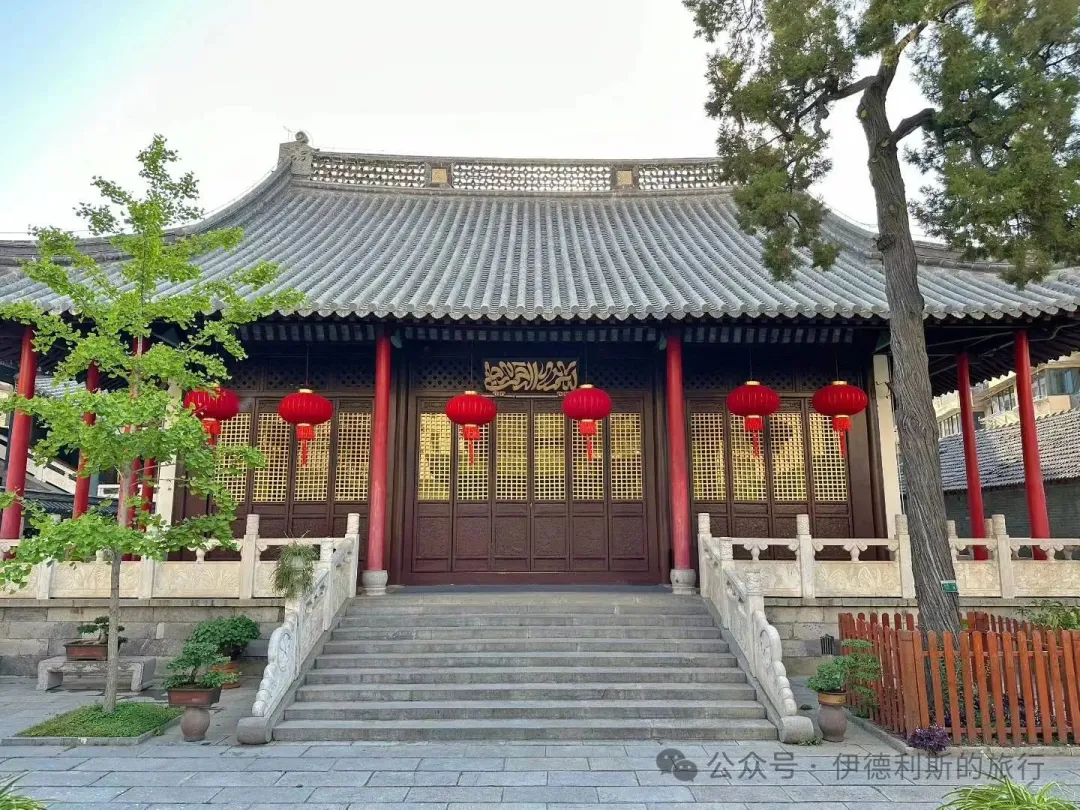
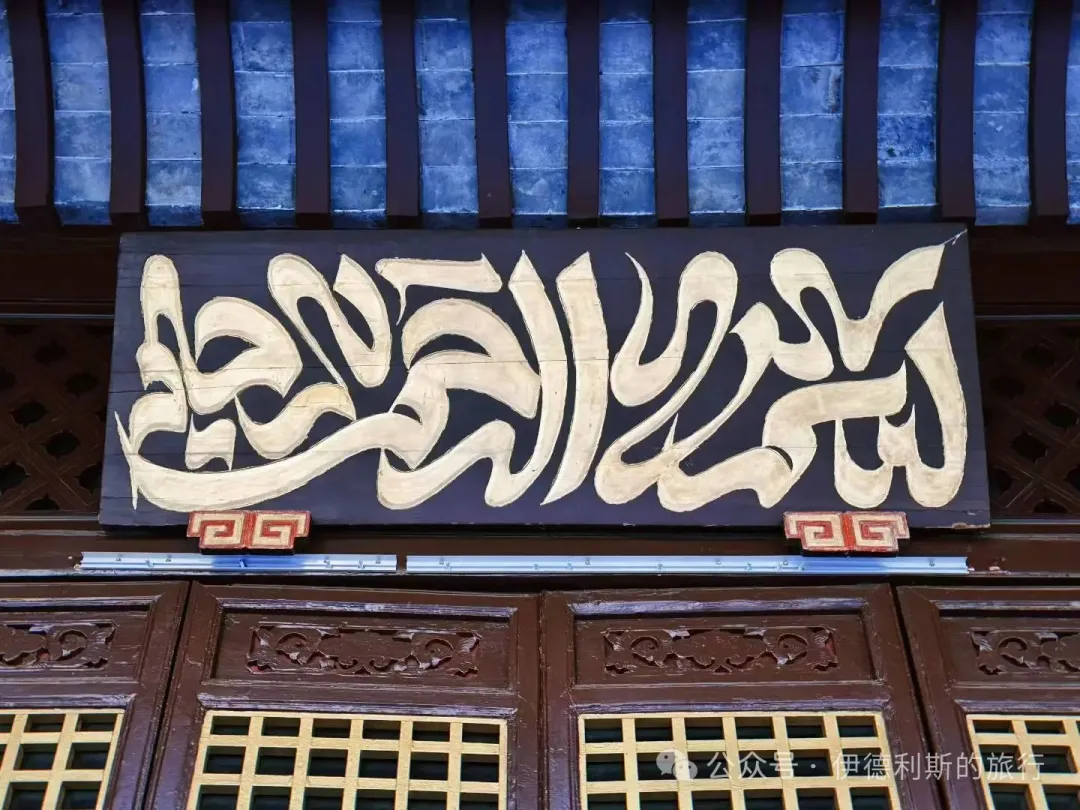
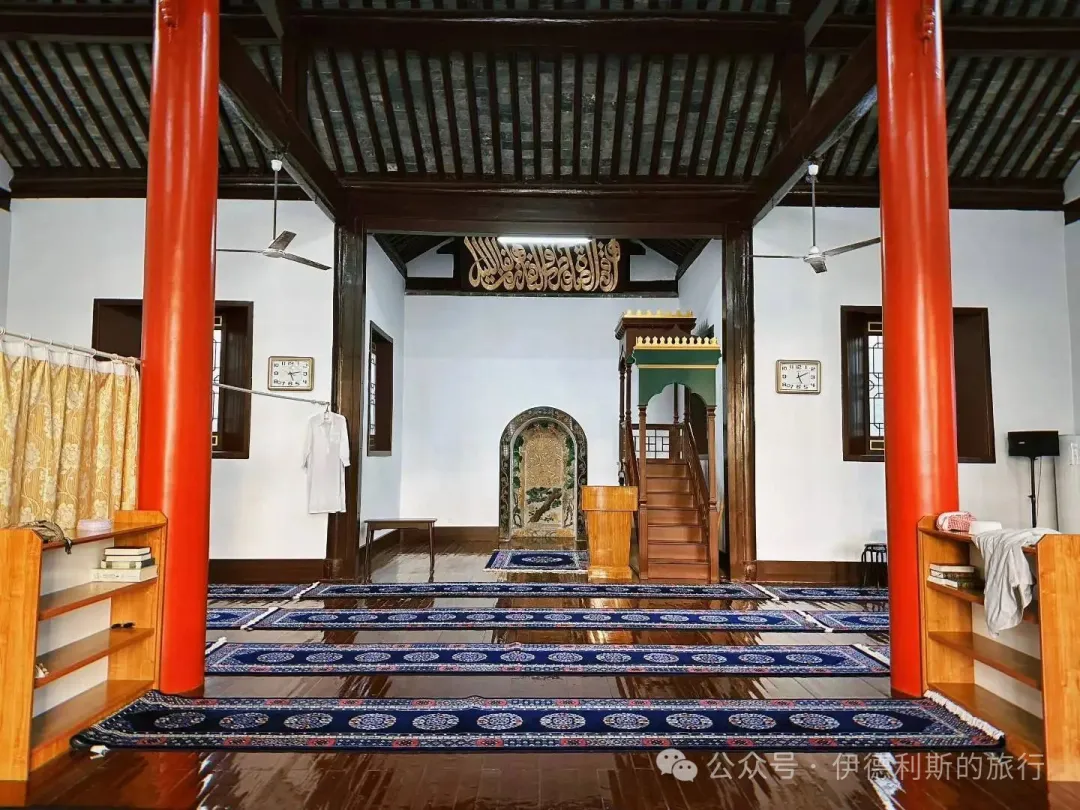
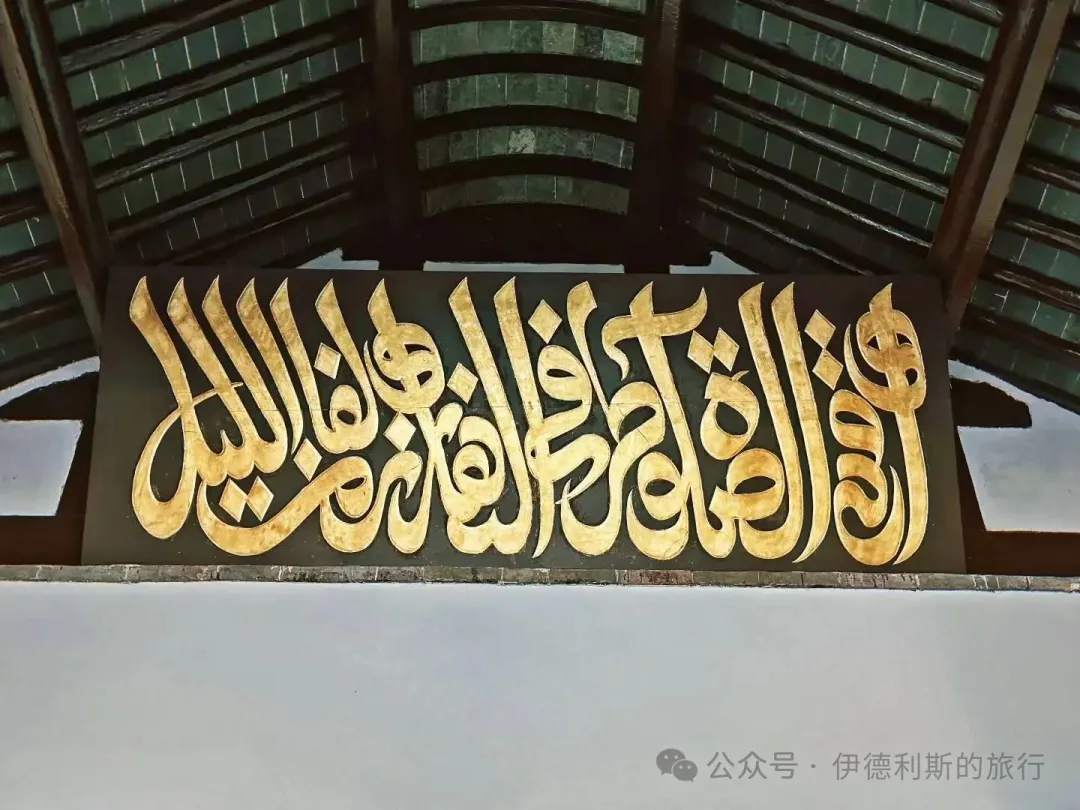
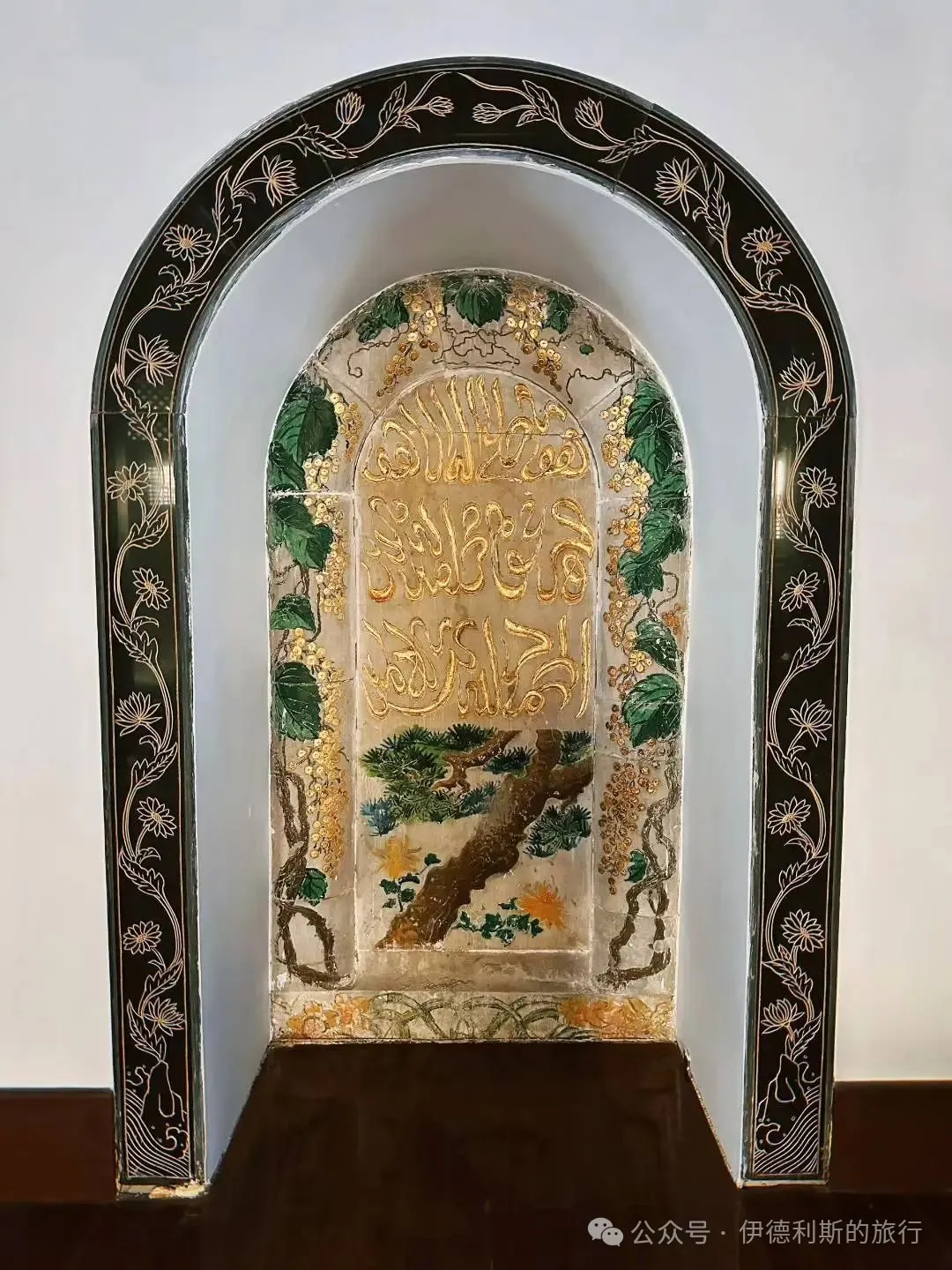
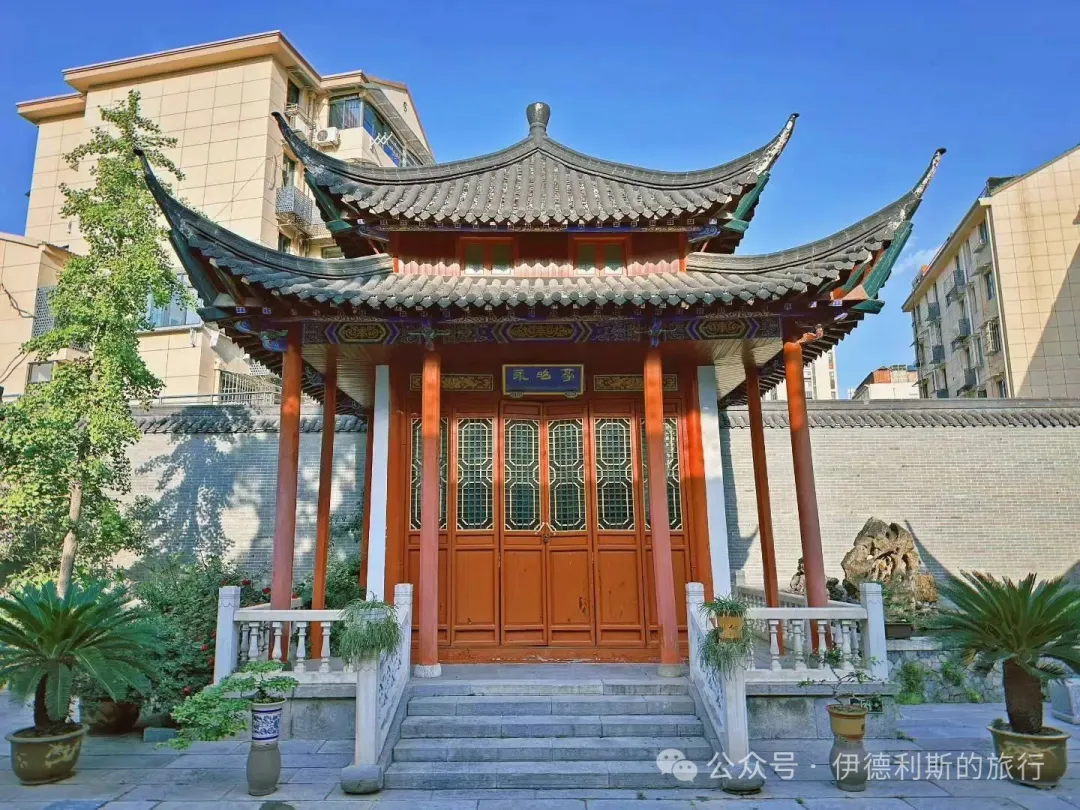
Existing stone tablets at the Liuhe Changjiang Road Mosque:
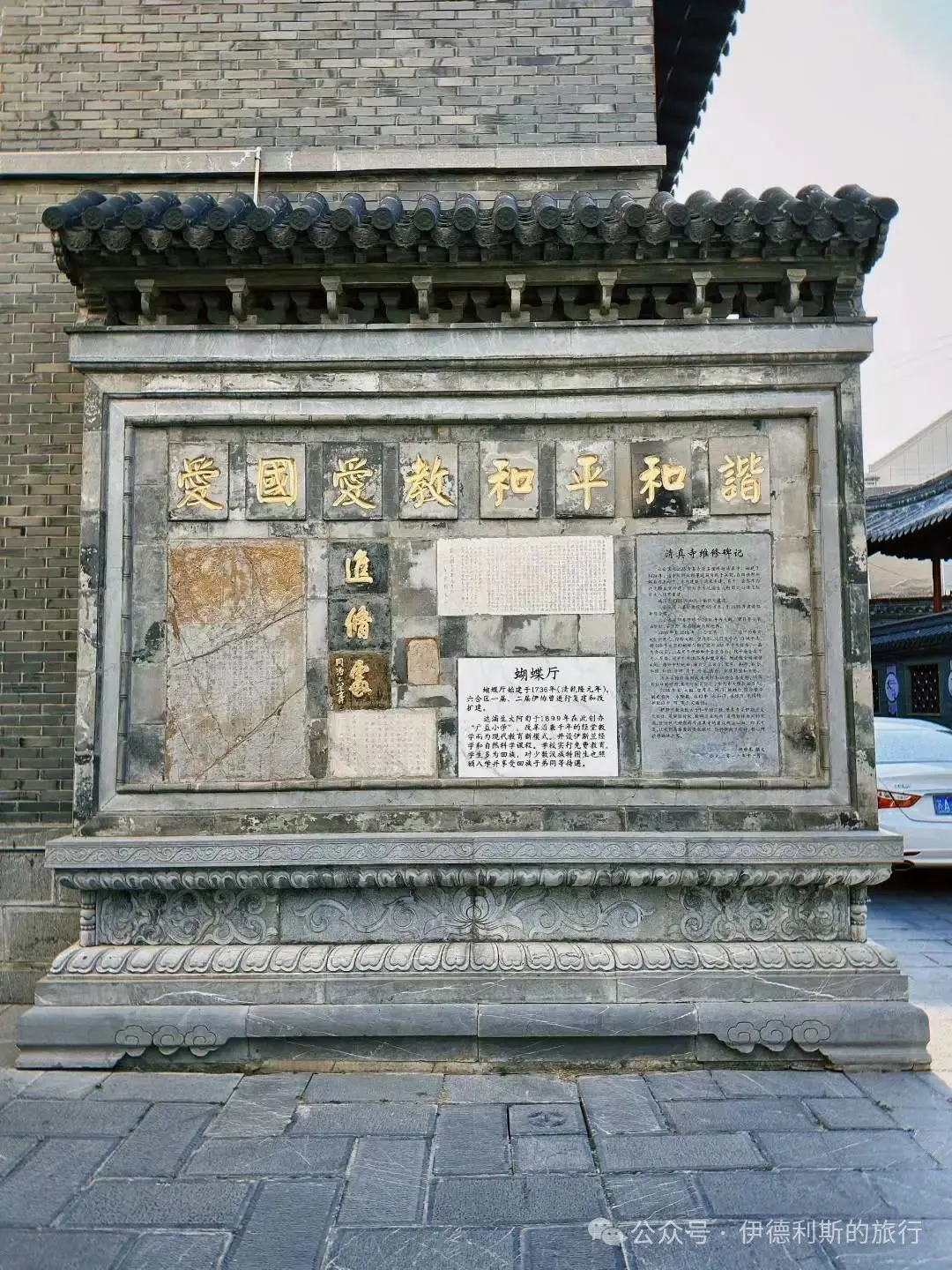
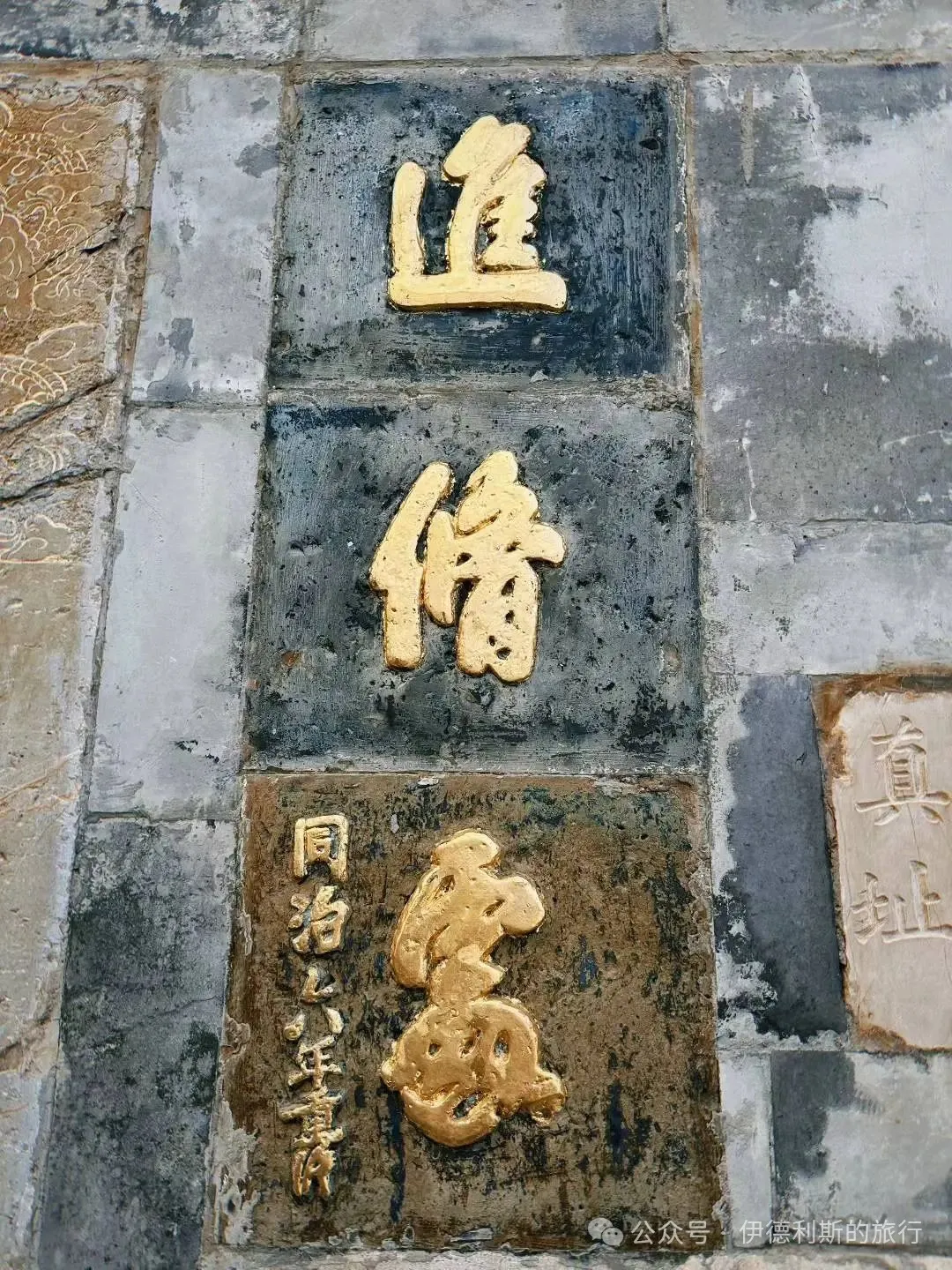
The 11th-year Guangxu tablet records Da Guangyong's donation to build the reception rooms at the Liuhe City Mosque. Da Guangyong was an 18th-generation descendant of the Baiyetang Da family, held a minor official rank, and lived to be 81.
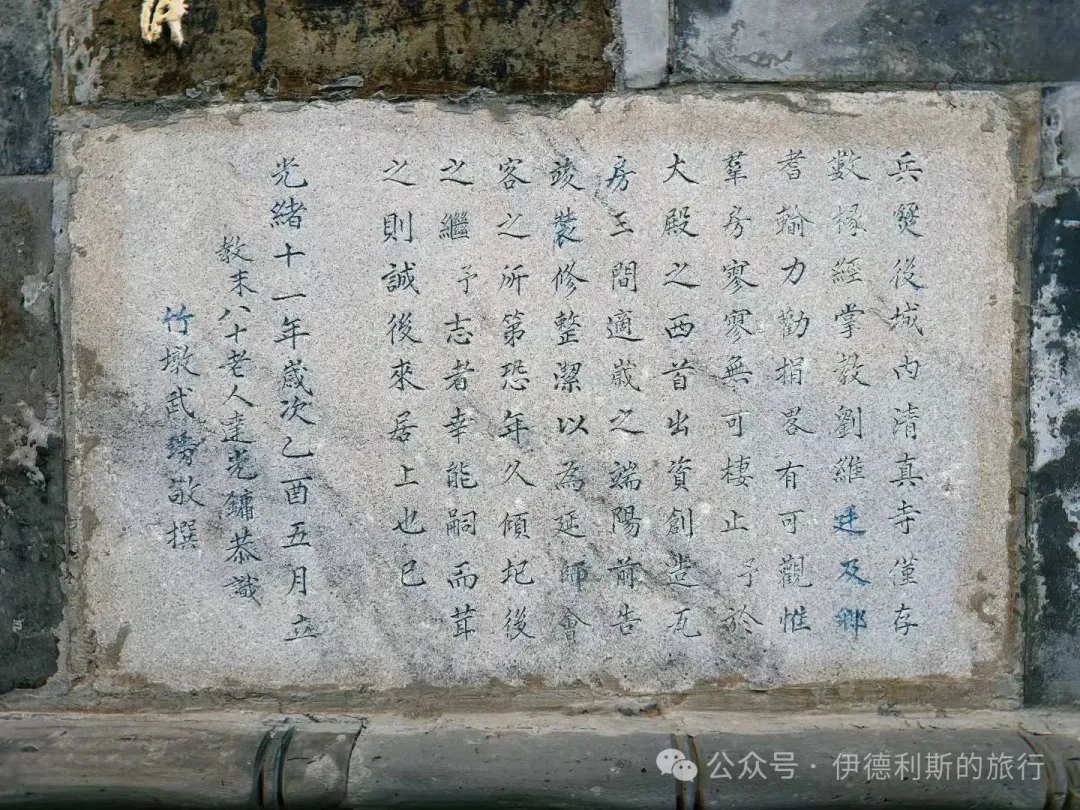
The 25th-year Guangxu tablet, titled 'Record of the Renovation of the Tangyi City Mosque and the Surrounding Market Shops,' documents the specific situation of the Changjiang Road Mosque during the Guangxu period. All those who signed it were local Hui Muslims from the Da family.
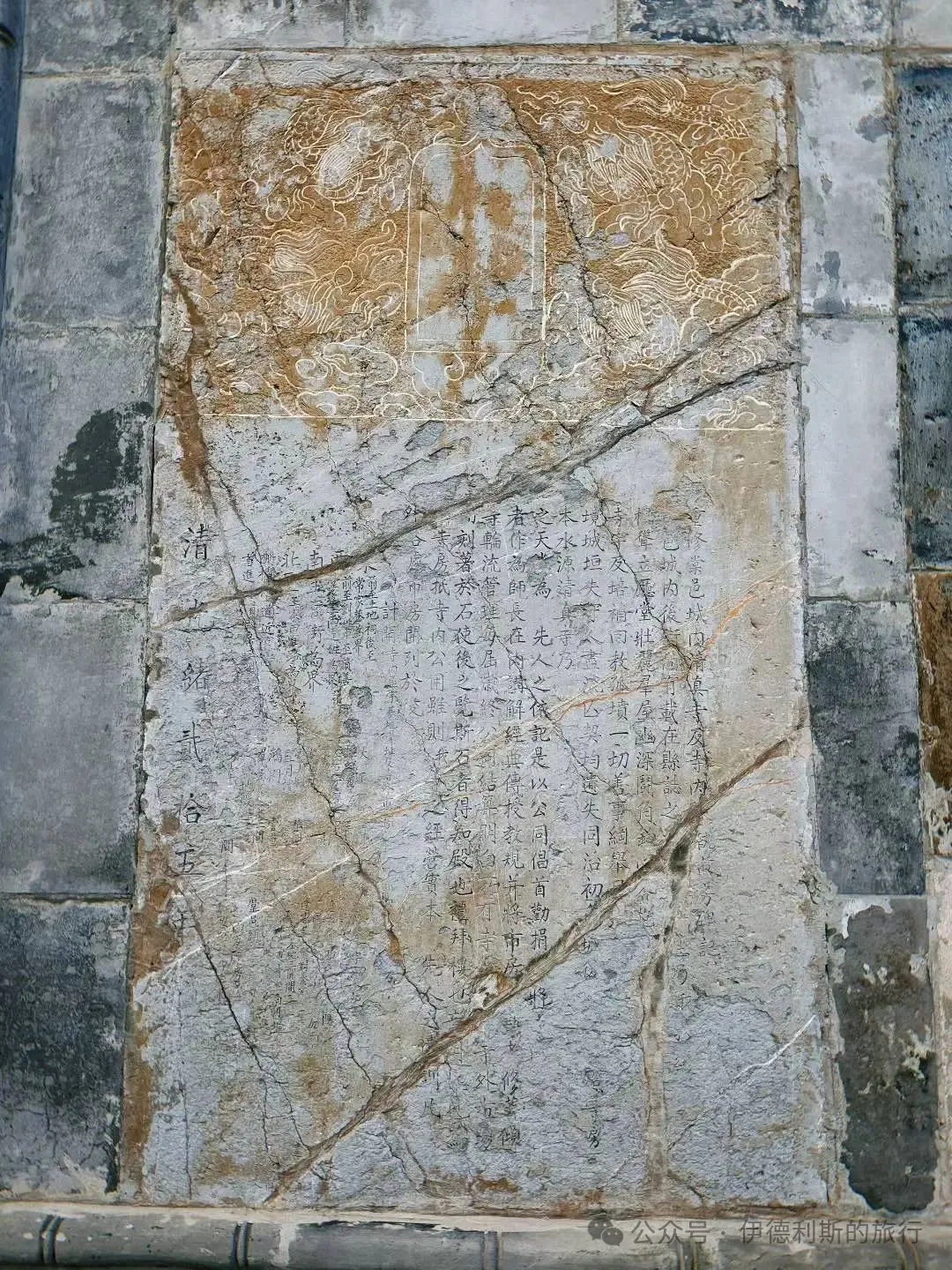
The 17th-year Republic of China tablet, regarding Wang Dashi's donation to help repair the Wangyue Pavilion and redeem market shops, records that Dashi, the wife of the Zhuzhen elder Wang Zuochen, donated money to build the Wangyue Pavilion. Wang Zuochen was a Hui Muslim from Zhuzhen, Liuhe. He ran a grain business on North Street in Zhuzhen for decades and was very devout, never missing his prayers. However, he was suddenly kidnapped by bandits in 1925 and was never heard from again. Wang Zuochen's wife, Dashi, was also very devout and had founded the Zhuzhen Women's School. After her husband went missing, Dashi spent years asking people to help find him, but there was no result. Because Wang Zuochen had no brothers or children, Dashi donated all the family's money to the Zhuzhen Mosque and to build the Wangyue Pavilion at the Changjiang Road Mosque.
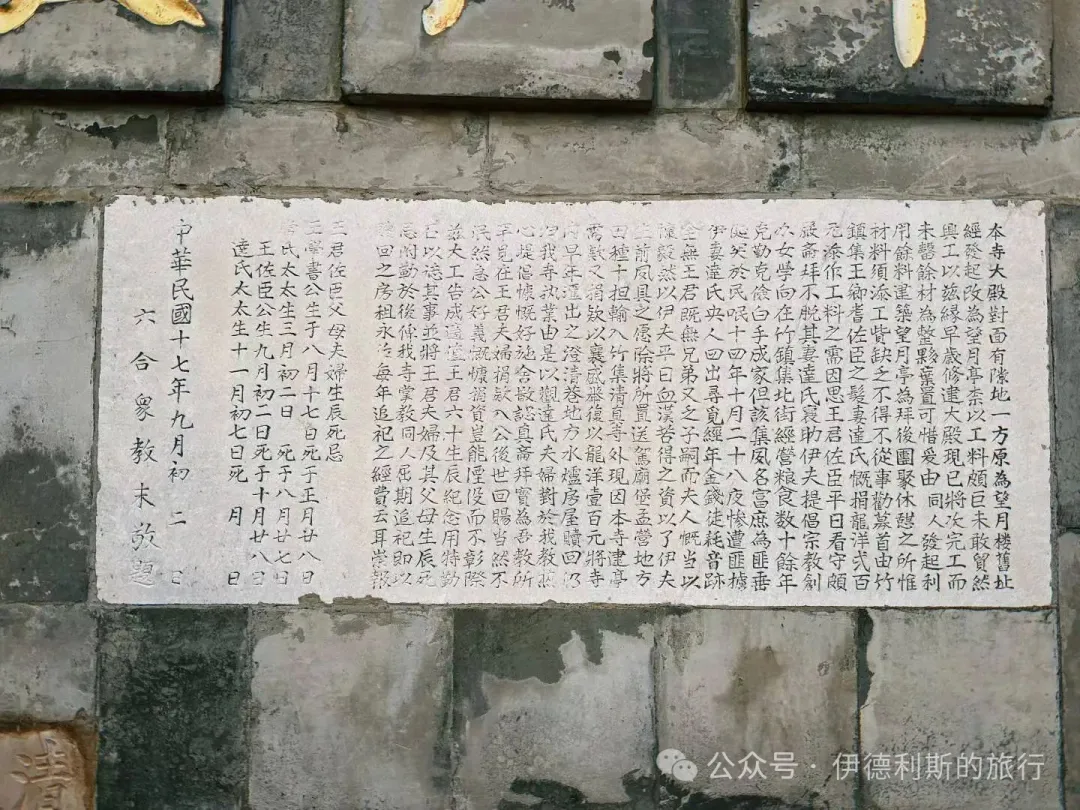
Inside the mosque, there is a 350-year-old Chinese juniper (yuanbai) tree.
Zhuzhen Mosque
Zhuzhen Mosque was originally located outside the East Bridge. It was destroyed during the Taiping Rebellion and rebuilt in 1901 (the 27th year of the Guangxu reign) in Wangjia Lane in the middle of the old street. In 1968, Zhuzhen Mosque was turned into a dormitory for teachers at an agricultural middle school. It was reclaimed and reopened in 1983, and the main hall was rebuilt in 2001.
In 1939, the imam of Zhuzhen Mosque, Li Shudu, formed the Hui Muslim Anti-Japanese Independent Guerrilla Battalion and served as its commander. He worked with the New Fourth Army and made significant contributions to the anti-Japanese cause.
Additionally, in 1939, Hui Muslims from the 'Qiaobang' group in the Gaoyou and Lingtang areas built a mosque near Xinhua Garden on the west side of Zhuzhen. After 1966, it was converted into a Hui Muslim food processing factory.
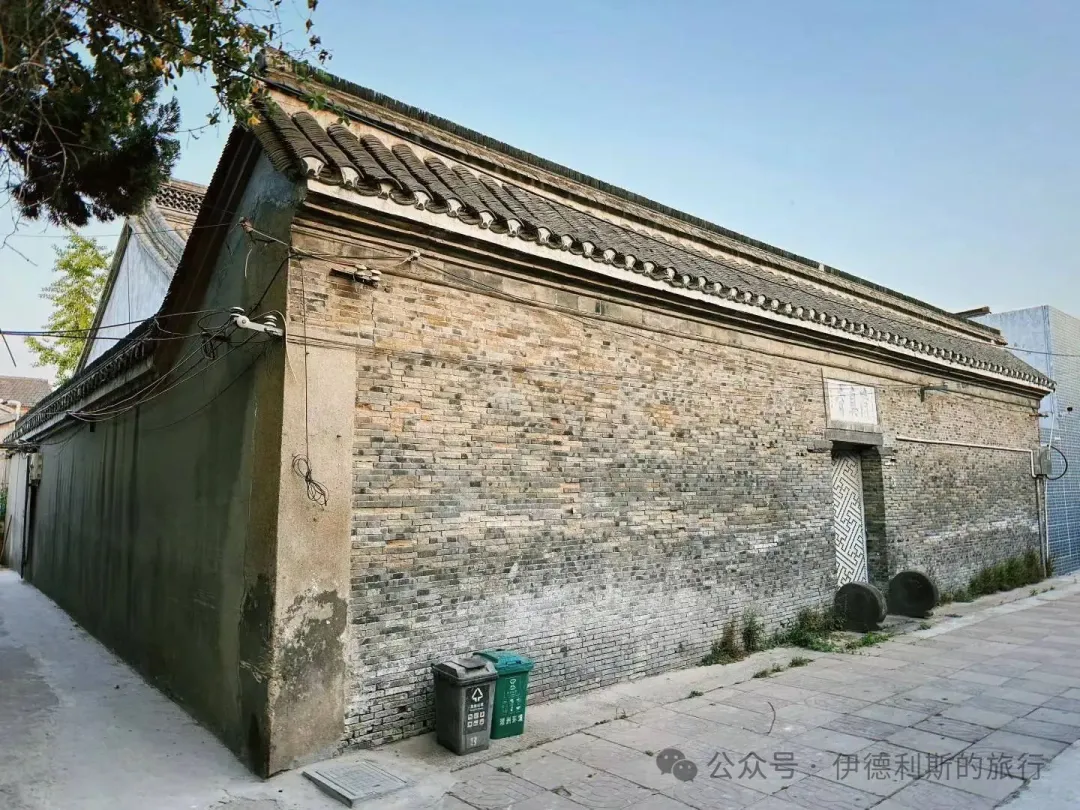
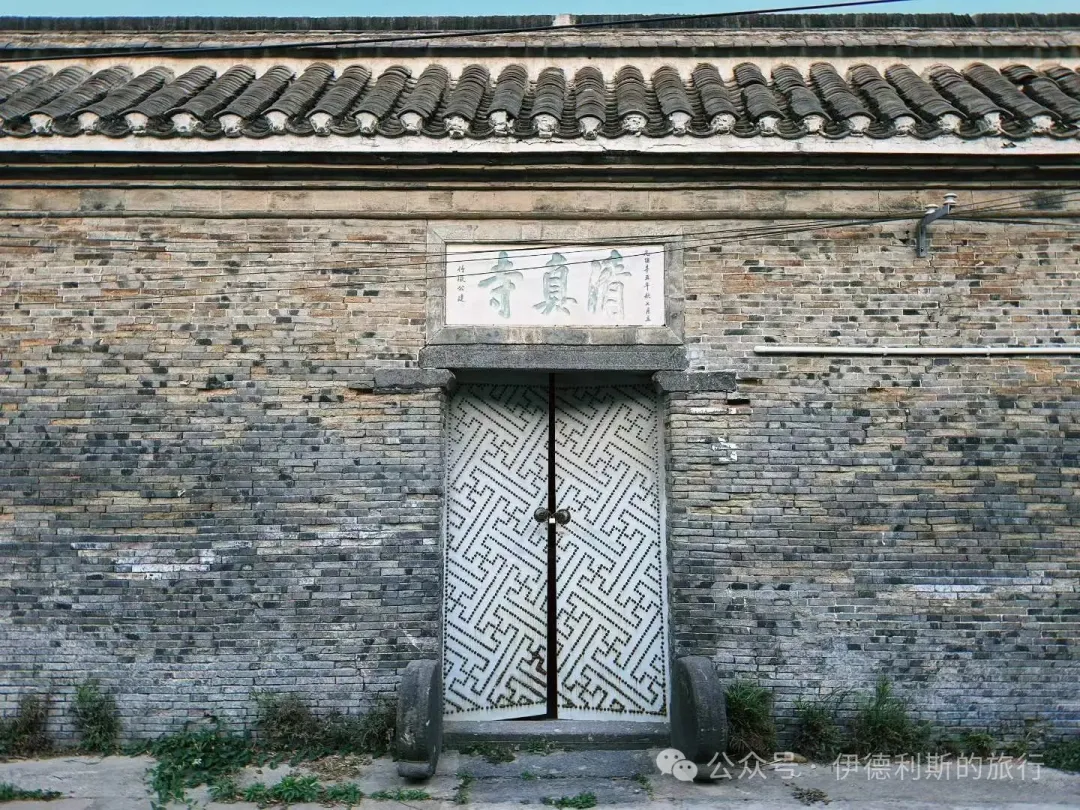
Zhuzhen Mosque still has a door plaque from the Qing Dynasty's Guangxu reign, inscribed with 'Built by the Zhudun Community.' Zhudun is the old name for Zhuzhen.
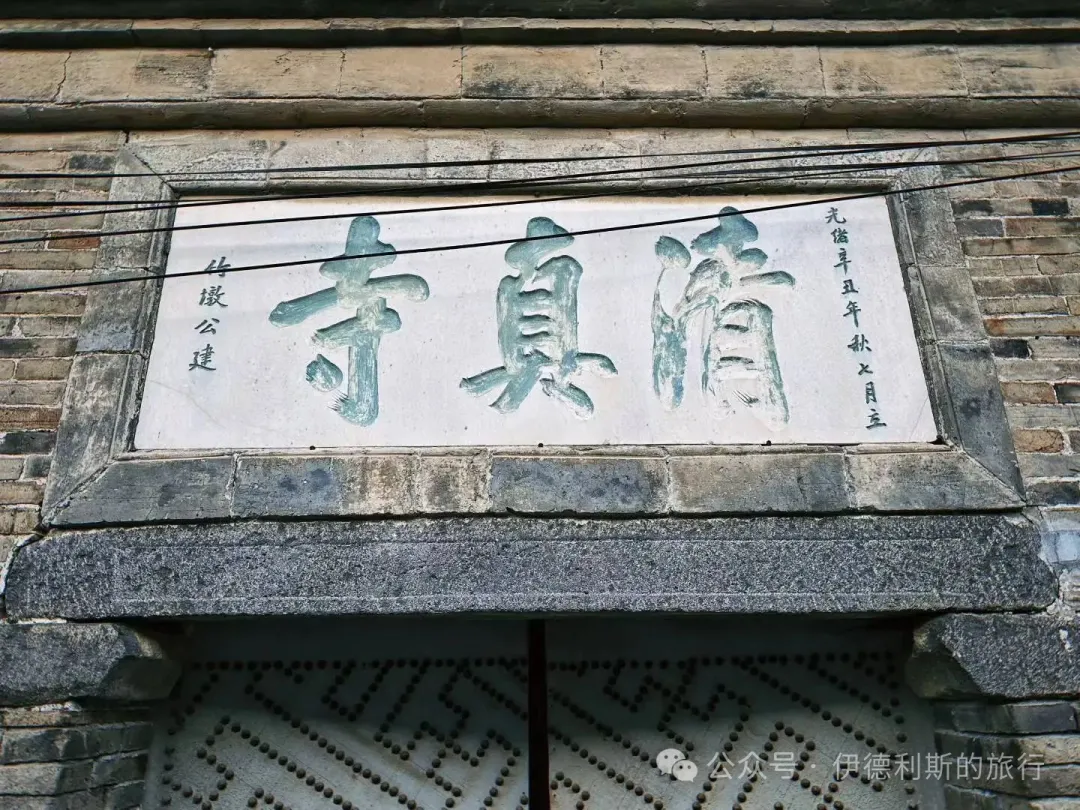
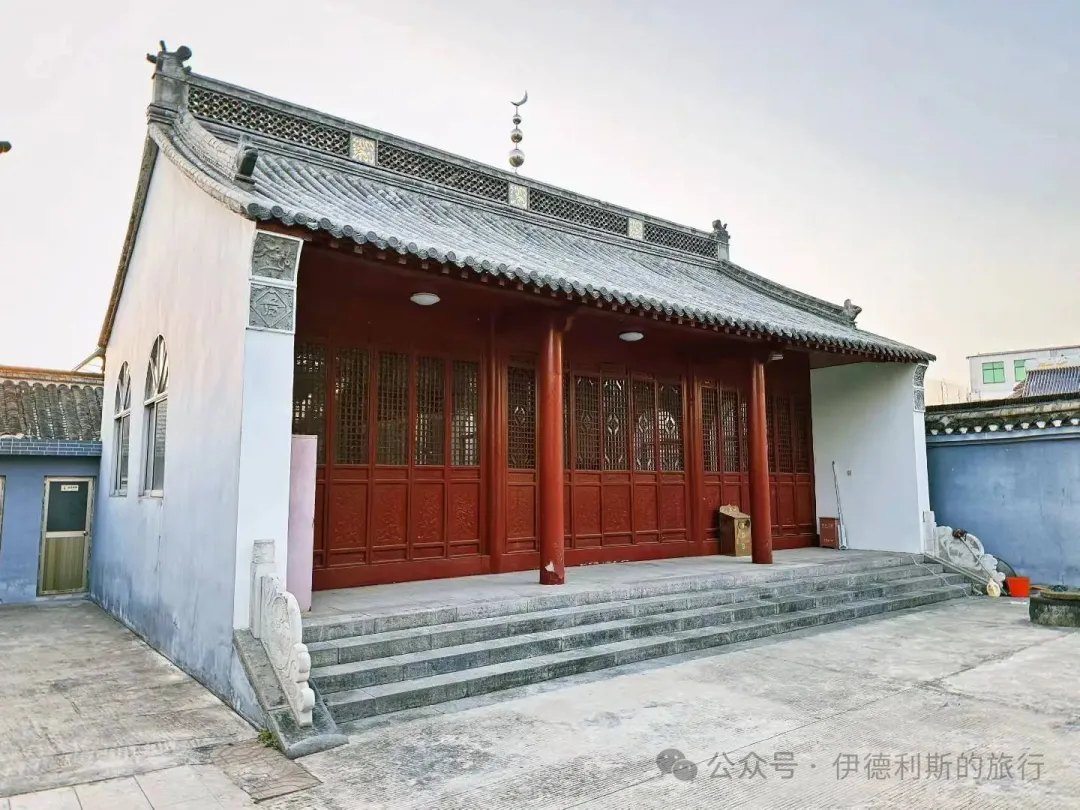
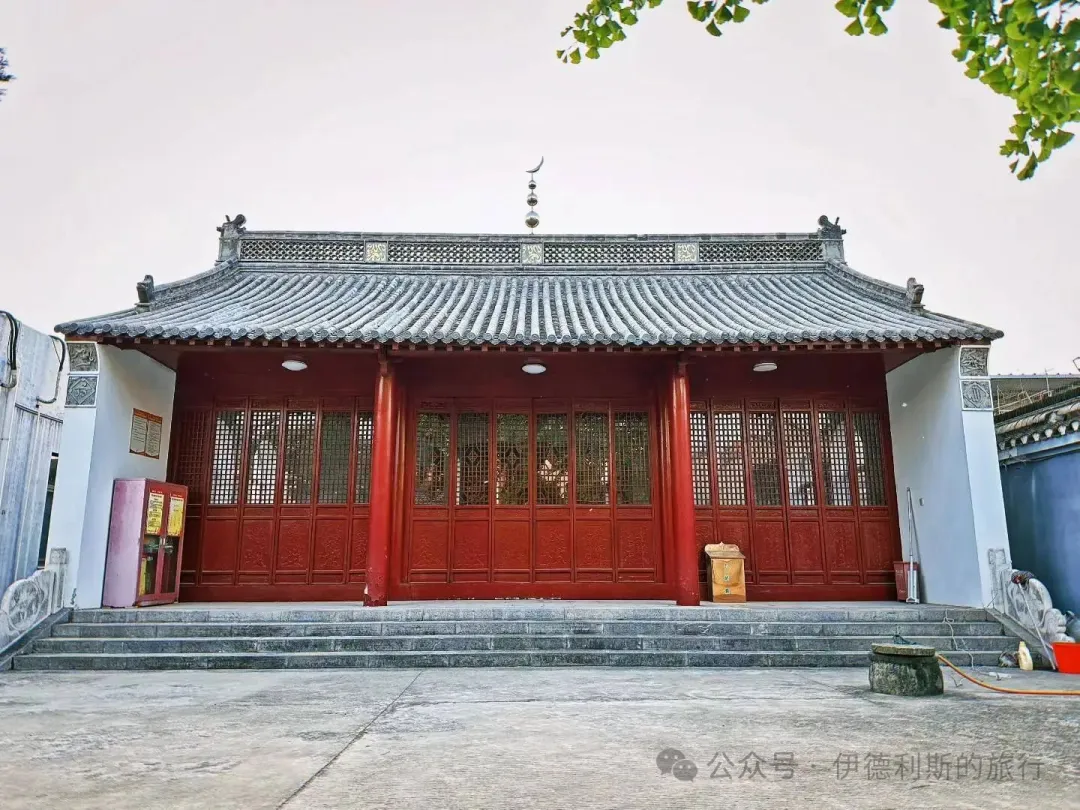
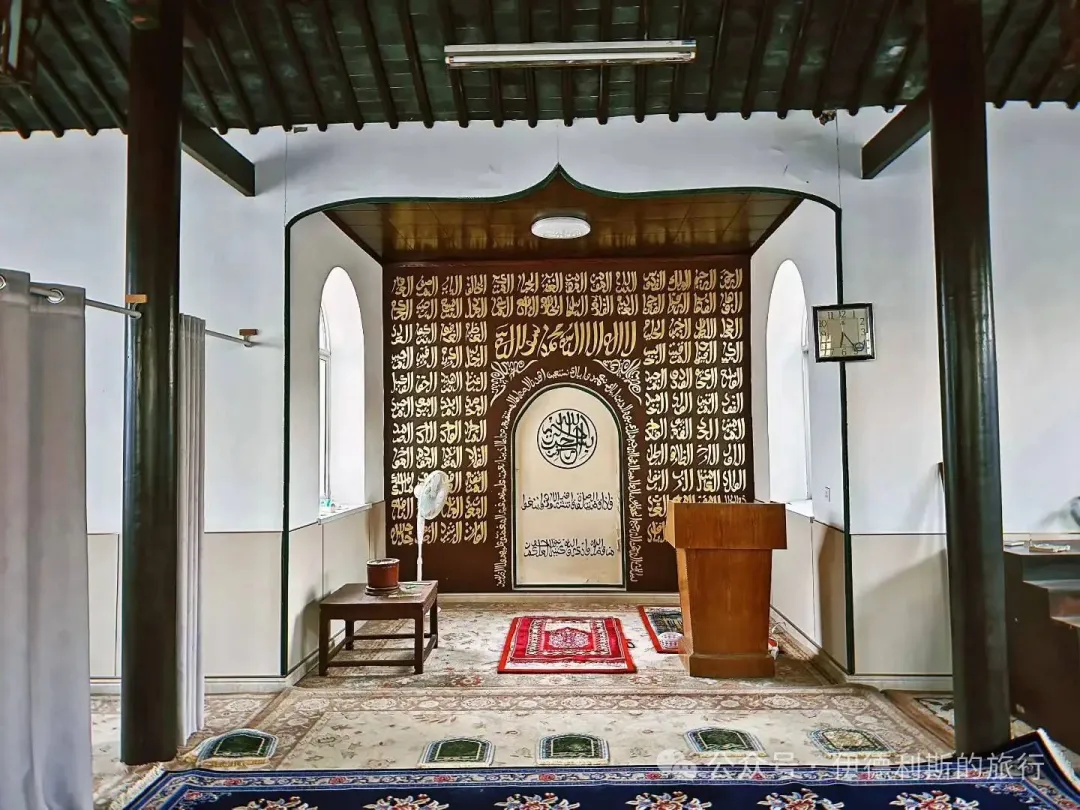
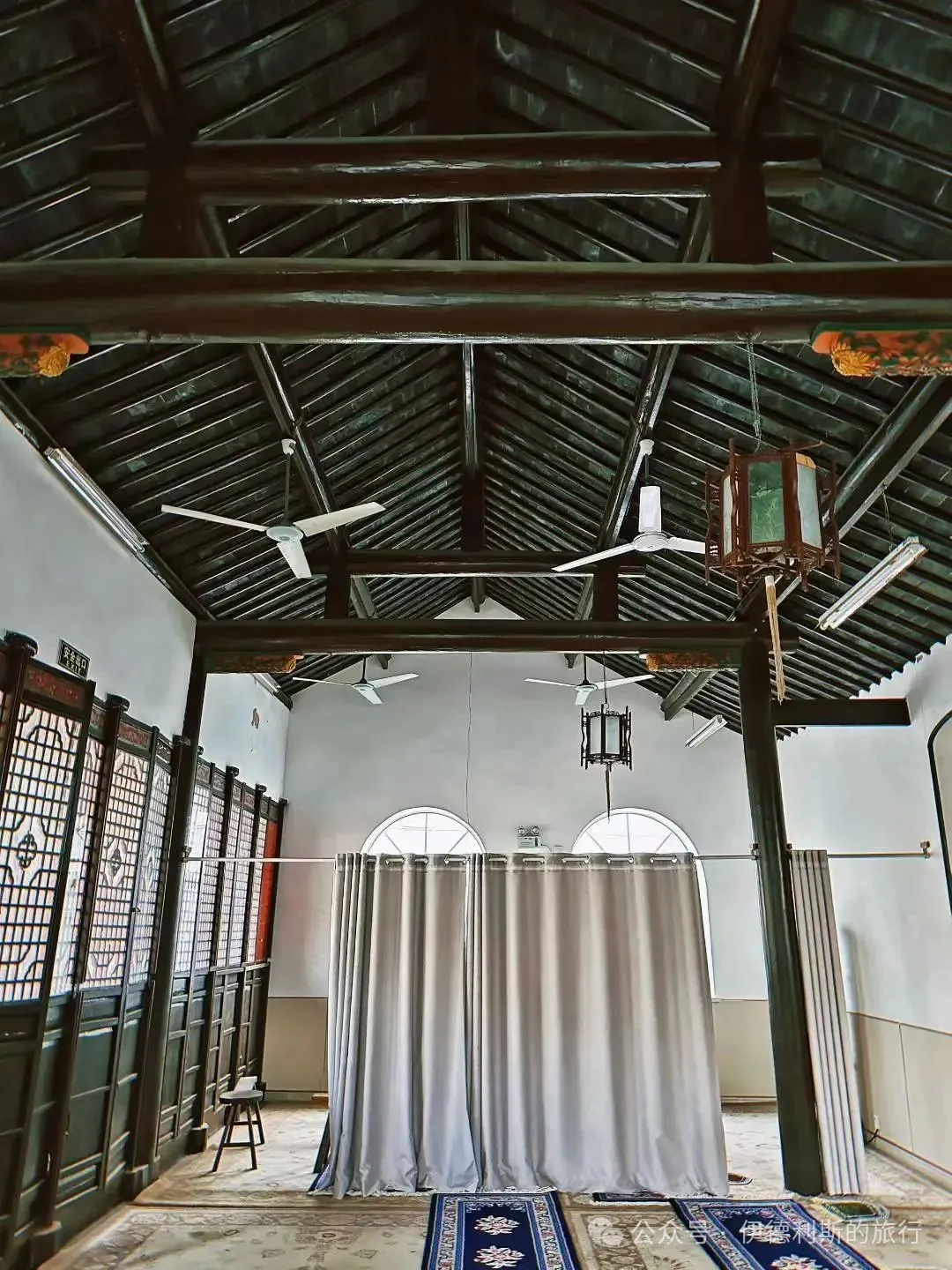
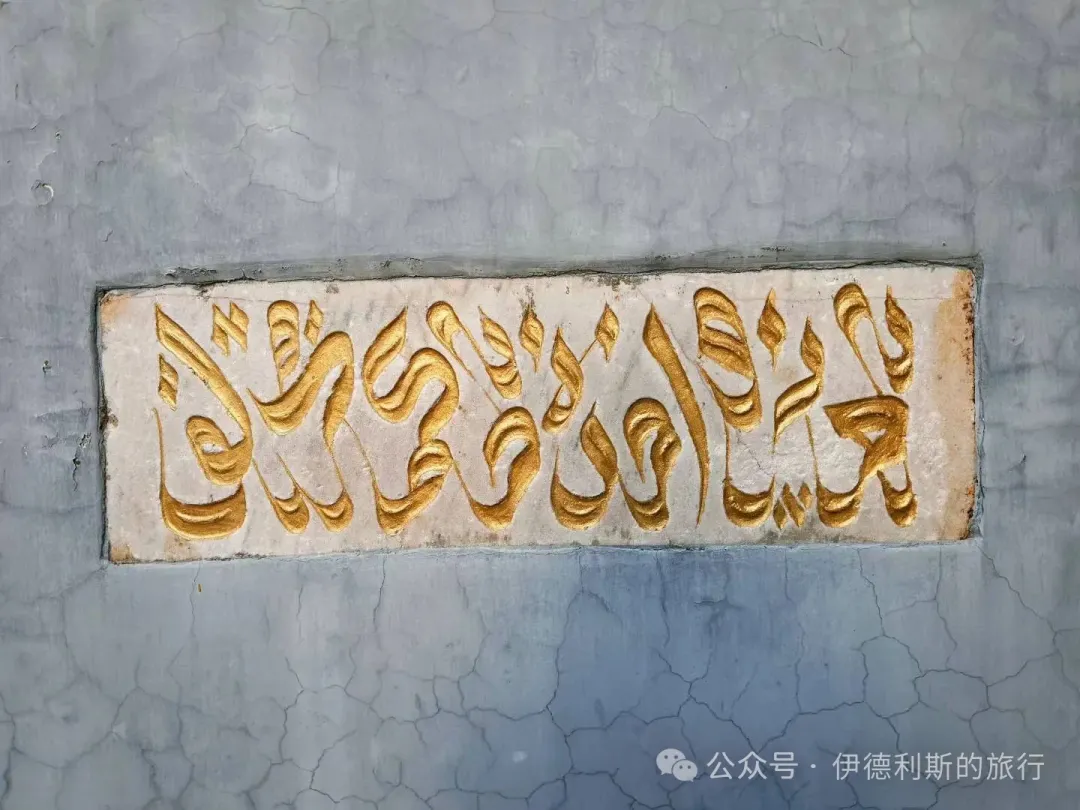
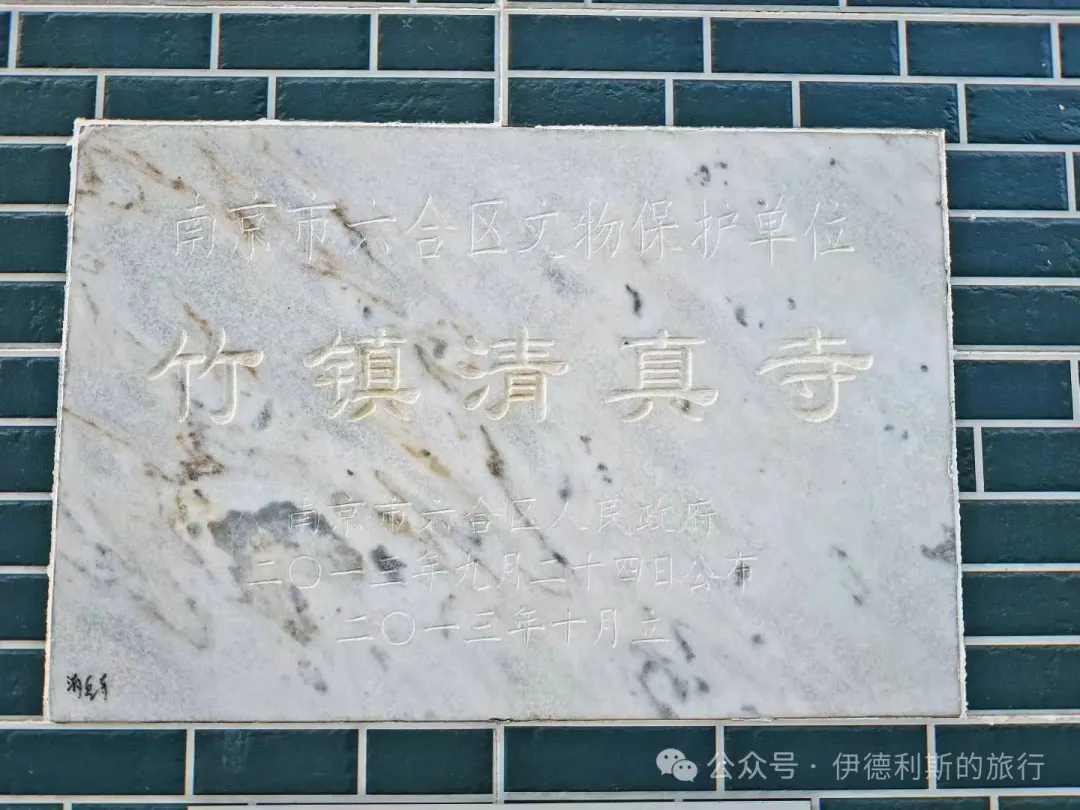
Liuhe Zhuzhen Mosque houses a Qing Dynasty stone well called 'Songquan,' two pairs of drum-shaped stone bases, and a 1927 (the 16th year of the Republic of China) stele recording the will of Wang Zuochen's wife, Madam Da. Madam Da was the aunt of the great imam Da Pusheng. The inscription records that the Zhuzhen Girls' School was founded by Wang Zuochen and fellow members of the faith, who also provided all the funding. Later, Wang Zuochen was kidnapped by bandits and remained missing for several years. Because of this, his wife, Madam Da, decided to donate all their family farmland and property, except for a portion used for her own support. The funds were mainly for the daily expenses of the Zhuzhen Girls' School, with the remainder going to Zhuzhen Mosque. The inscription mentions her 'nephew Da Pusheng.'
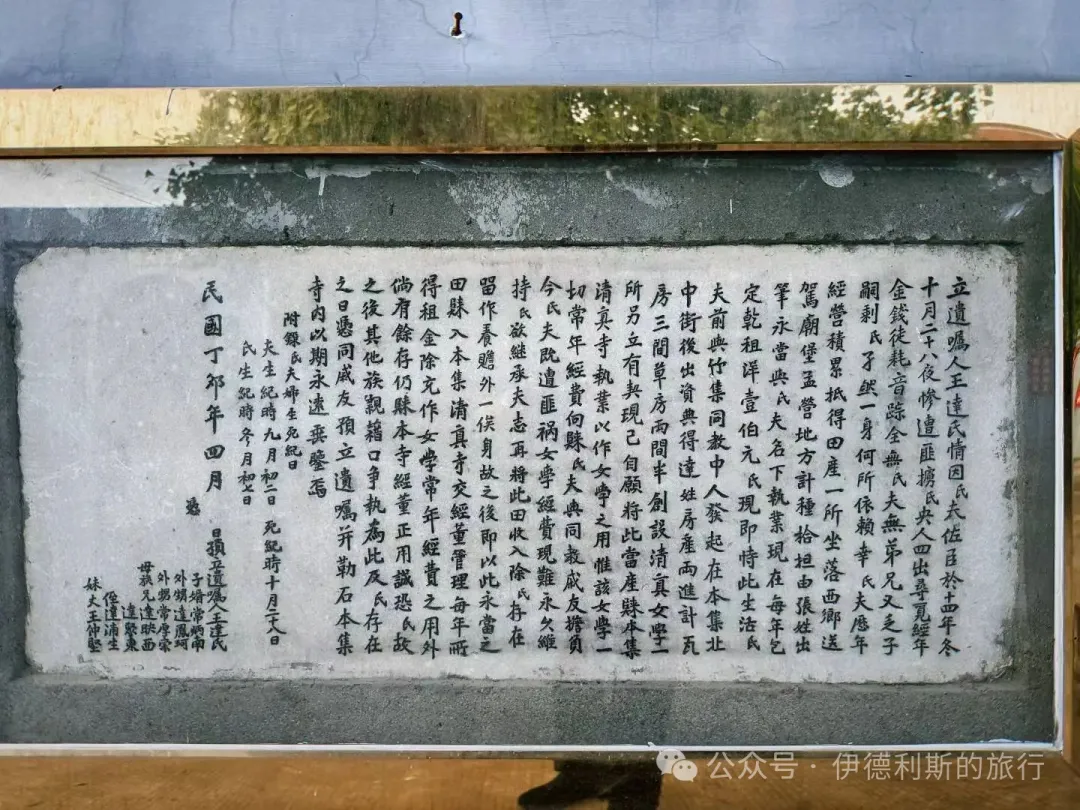
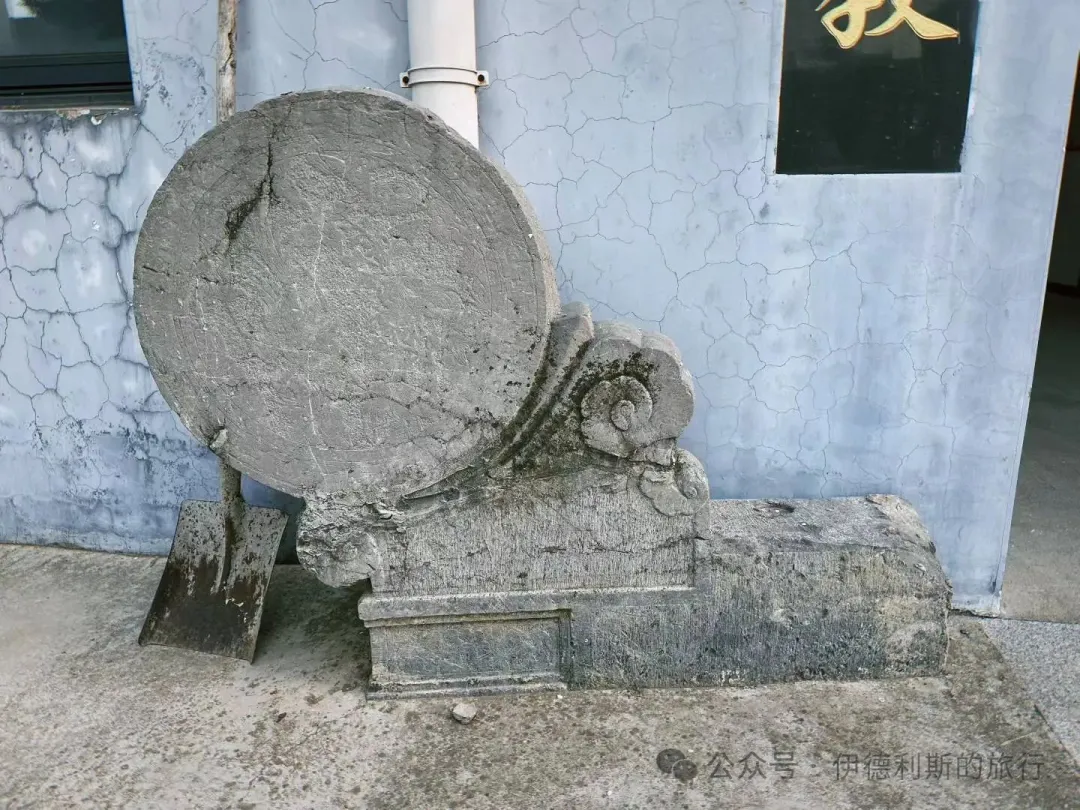
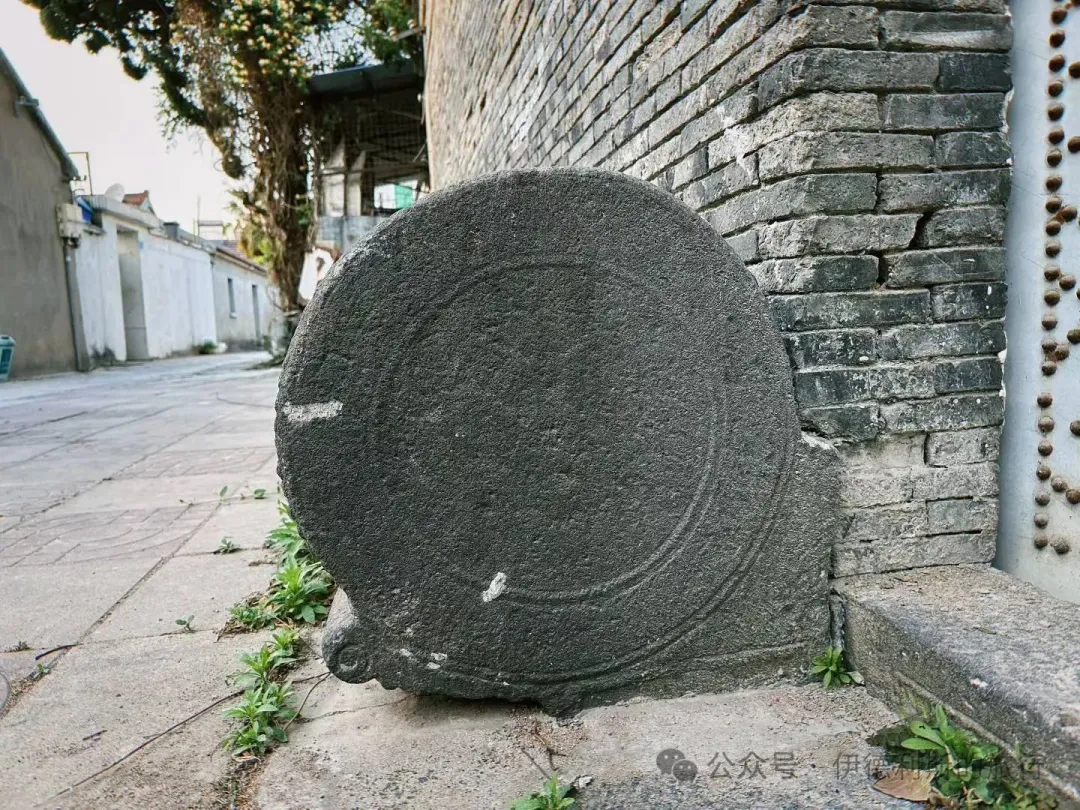
Across from Zhuzhen Mosque, there is a shop selling small-mill sesame oil (xiaomo mayou), and there are only hand-pulled noodle (lamian) shops in town.
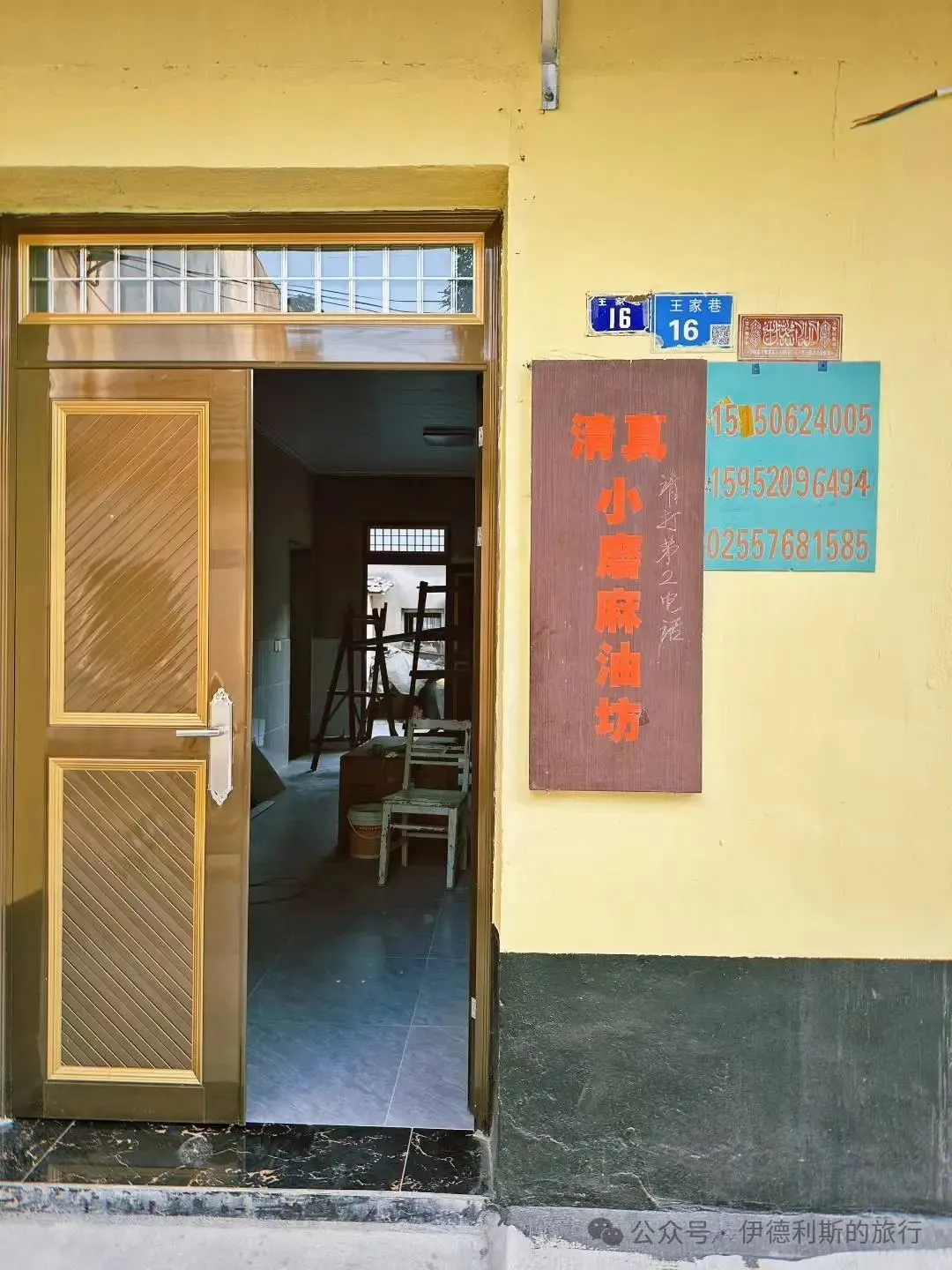
Zhuzhen Girls' School
Zhuzhen Girls' School features typical Jianghuai architectural style. The entrance hall and the main hall form a small courtyard, and both sides have classic Hui-style horse-head walls (matouqiang).
Zhuzhen Girls' School was founded in 1921 by Wang Zuochen, the uncle-in-law of the great imam Da Pusheng, along with fellow members of the faith in Zhuzhen. It was originally located on Zhuzhen Middle Street and was rebuilt in 1931 by Wu Tieqian and others along the south riverbank outside the East Bridge. After 1966, the Zhuzhen Girls' School was occupied by the Hui Muslim food processing factory. It was renovated in 2007 and is currently not open to the public. During the Republic of China era, the Zhuzhen Girls' School was led by two female imams, Teacher Dai and Teacher Bai, who taught scriptures and religious doctrines to local Hui Muslim women.
Wu Tieqian was a famous Hui Muslim anti-Japanese patriotic businessman. His original name was Wu Jiashan. At age 22, he inherited his father's business and ran the Wudeyuan Grain Store. After 1938, when the New Fourth Army entered Zhuzhen to lead the anti-Japanese resistance, Wu Tieqian took the lead in donating grain, money, and guns. He also served as the chairman of the Zhuzhen Merchants' Anti-Enemy Association. In 1942, Wu Tieqian became the first mayor of the Zhuzhen Anti-Japanese Democratic Government. He took risks to rescue and protect many comrades and also mobilized ambitious young people to join the revolution. After the founding of New China, Wu Tieqian was elected as the vice director of the Nanjing Islamic Association. He passed away (guizhen) in 1967.
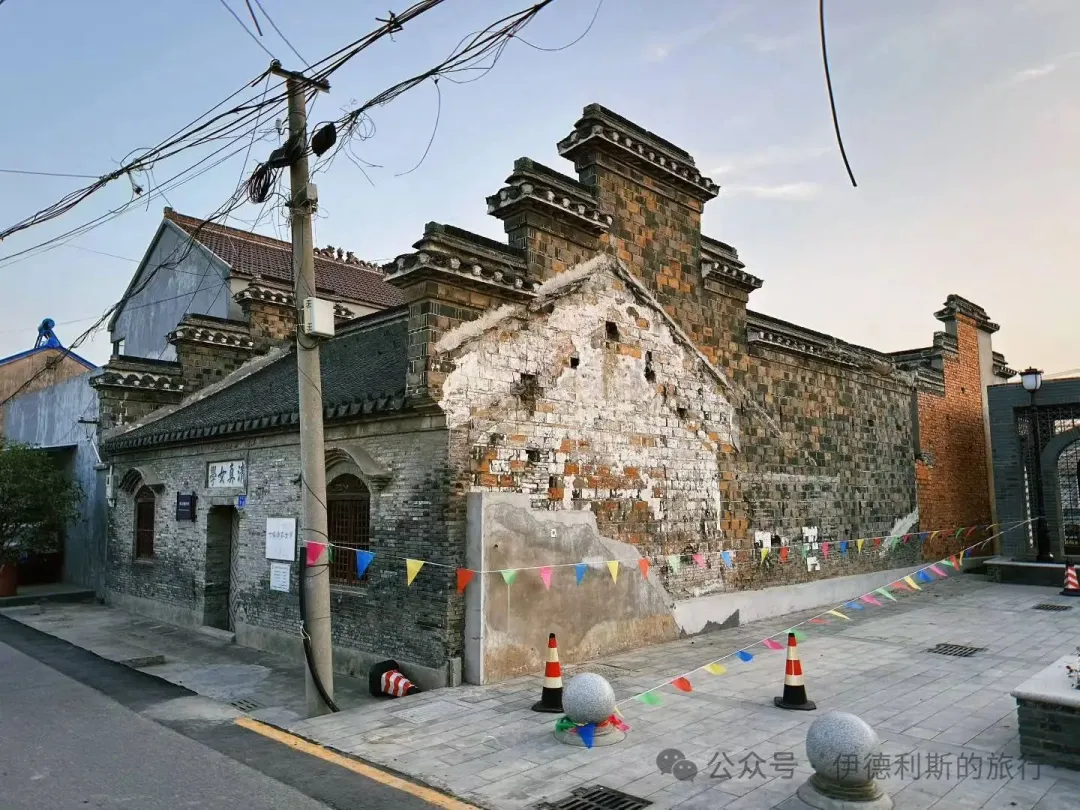
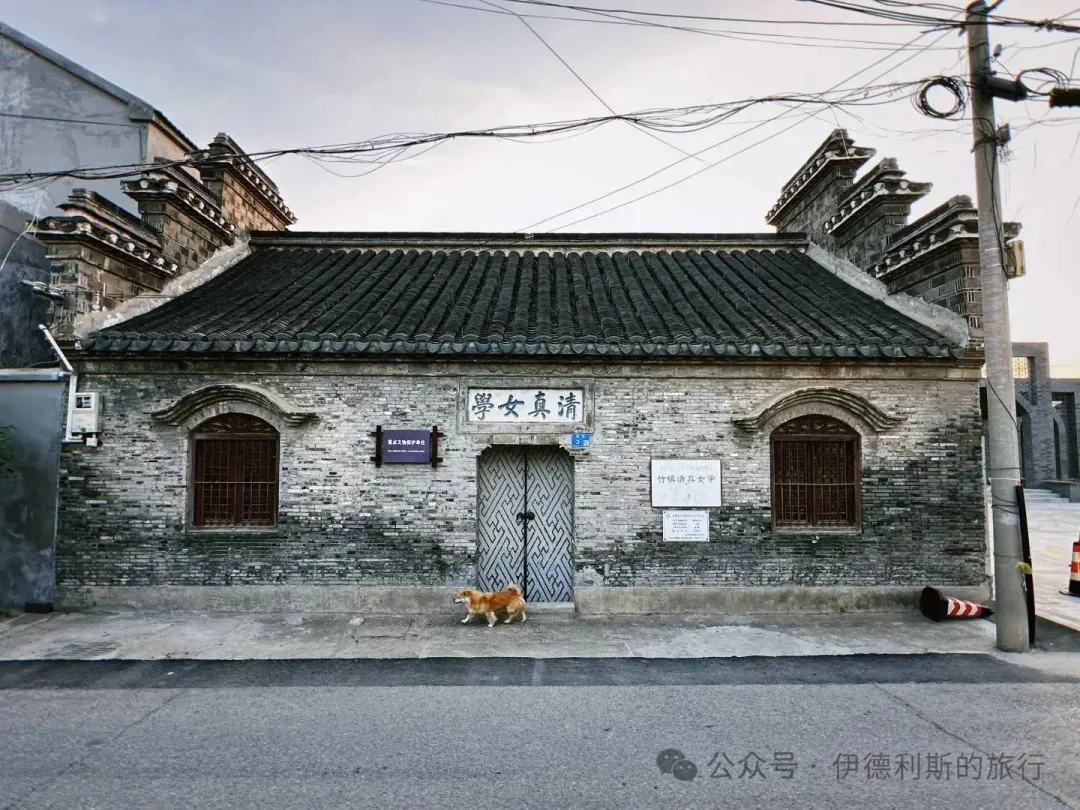
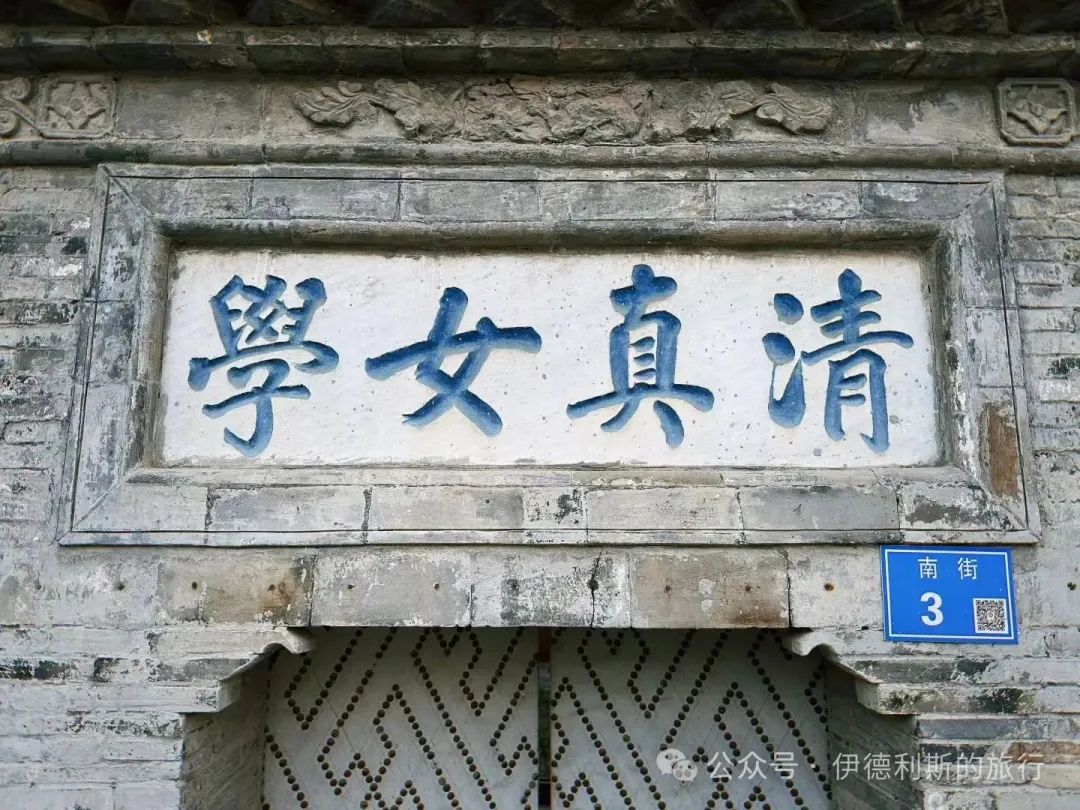
China Mosque Travel Guide Jiangsu Huai'an: Wangjiaying Hui Muslim Town, Mosques and Canal History
Articles • yusuf908 posted the article • 0 comments • 243 views • 2026-05-23 23:30
Summary: Wangjiaying in Huai'an, Jiangsu, sits between the old Yellow River course and the Salt River and has long been an important Hui Muslim town. This account covers its mosque history, family stories, streets, food, and photographs as recorded in the source visit.
Wangjiaying in Huai'an, Jiangsu, sits between the old Yellow River course and the Salt River. During the Ming Dynasty, the government set up the Dahe Guard in Huai'an and built ten military camps along the Yellow River. Wangjiaying was one of them. Travel on the Yellow River section of the canal was slow and dangerous, often leading to broken ropes and sunken boats. Many merchants chose to leave their boats at Qingjiangpu, cross the Yellow River at Wangjiaying, and switch to horse-drawn carriages to head north. Together, Wangjiaying and Qingjiangpu grew into a busy town.
Wangjiaying survived many floods from the Yellow River and moved east three times to reach its current location. In 1831, the Viceroy of Liangjiang, Tao Peng, chose Wangjiaying as a new hub for Huai salt distribution. After that, eighteen salt warehouses and seventy-two salt offices opened in Wangjiaying. Salt boats traveled constantly along the three-hundred-mile waterway from the Huaibei salt fields to Wangjiaying.
The prosperity of Wangjiaying attracted Hui Muslims to settle there. The first Hui Muslims to arrive were the Ma and Sha families, who came from Lingwu County in Ningxia by way of Shandong and Zhenjiang. Later, families named Jin, Dai, Chang, Ge, Fan, Li, and Yang also settled here.
The Wangjiaying Mosque was first built during the Yongzheng era. It started as three thatched rooms next to the Lotus Pond (Hehuawang) in Wangjiapo. After Wangjiaying became a salt hub in the late Daoguang era, the mosque moved to the south bank of the Salt River. Two imams, Chang Tingzhang and Dai Mingxuan, led the religious affairs. Imam Chang Tingzhang was known as 'Third Master Chang.' He was from Jining, Shandong, and was born in 1785 in Taoyuan County, Huai'an Prefecture (now Siyang, Jiangsu). In his youth, he studied in Lingzhou (now Lingwu County, Ningxia). After finishing his studies, he traveled to Jining, Shandong, to continue learning. In 1810, the 26-year-old Imam Chang Tingzhang was invited to lead the Wangjiaying Mosque. Imam Chang Tingzhang had deep knowledge of Arabic classics, astronomy, and medicine. According to the 'Wangjiaying Records,' a man named Third Master Tao from Hangzhou died in Huai'an during the Daoguang era. Because it was the heat of summer, Imam Chang Tingzhang personally bought a boat and traveled south along the canal to take the body back to Hangzhou for the family.
In 1860, the Nian Army burned down the Wangjiaying Mosque. In 1867, Imam Dai Jingzhai, the son of Imam Dai Mingxuan, led the construction of a few thatched huts. Later, with donations from the community, they built a main hall with three thatched rooms.
Imam Chang Tingzhang passed away in 1870. Imam Dai Jingzhai took over, and in 1884, they replaced the thatched rooms with tiled ones. Because Imam Chang Tingzhang had studied at the Jahriyya Banqiao Daotang in Jinjipu, Ningxia, in his youth, the Wangjiaying Mosque later invited five successive imams from the Jahriyya order in Jinjipu to lead the mosque and teach. Future imams also went to Ningxia for advanced study, making the Wangjiaying Mosque one of the nine major branches of the Banqiao Daotang.
In 1912, the Wangjiaying Mosque built a new gate, a south lecture hall, a kitchen, and a washroom. In 1920, with funding from the Jingshan Tang in Gansu and money from selling willow trees at the public cemetery, they rebuilt the three tiled, curved-eave rooms in front of the main hall and added three new rooms for the east lecture hall. Currently, there is a 1920 Republic of China renovation tablet on the north wall of the main hall, but the top part is covered.
In 1958, the Wangjiaying Mosque moved to the east of West Horse Road in Wangying. In 1961, it moved to its current site because a bank needed the land for a building. During the destruction of the Four Olds, the main hall's plaques reading 'The Way Spreads to the Middle Land,' 'The Religion Follows the Western Regions,' and 'Striving for Perfection,' along with gold-lettered Arabic plaques and couplets, were all smashed and burned. The couplets read: 'See the invisible, hear the silent, rectify the intention and sincerity, become a saint or a sage, the original nature; The Way is established, movement brings harmony, reach others through oneself, benefit the world, all is complete.' Funeral tools were also destroyed, and the main hall was used as a warehouse by a shoe and hat factory.
In 1979, under the leadership of Imam Ge Weili, the Wangjiaying Mosque was rebuilt in a traditional style. It was finished in 1985 and underwent two more renovations and expansions in 2003 and 2006 to reach its current appearance.
Imam Ge Weili was born in 1924. He went to Ningxia to study in 1937. In 1945, after completing his religious training and receiving his robe, he became the imam of Wangjiaying Mosque. He took on the role of imam in 1966. Today, the religious affairs at Wangjiaying Mosque are led by Imam Fan Weiming, a student of Imam Ge Weili.
The inscription from the Republic of China era reads as follows:
Wangying Mosque was founded during the Yongzheng reign of the Qing Dynasty. By the end of the Daoguang reign, our community was at its peak. Our population grew, our businesses thrived, and we had elders like Chang and Dai Mingxuan leading our religious affairs. They taught many students, and this history is recorded in local chronicles for all to verify. In the tenth year of the Xianfeng reign, the Nian Rebellion broke out. The mosque was burned to the ground, our people fled or died, and our community dwindled.
In the sixth year of the Tongzhi reign, Dai Jingzhai, the son of Elder Dai Mingxuan, followed his father's teachings and took over the leadership. He first built a few thatched huts to hold prayers morning and evening. However, the space was too simple for proper worship. It was too small to hold gatherings. The imam was deeply worried. He raised funds from many sources and built a main hall with three rooms made of grass. Later, he consulted with Yang Xuting, Ma Yunfeng, and Guo Daosheng. With their help, they rebuilt the main tiled hall and lecture hall in the tenth year of the Guangxu reign, and things began to return to normal. As more of our people moved here, the original public cemetery became so full there was almost no space left. The imam was concerned that our community lacked its own burial ground, which made things very difficult during times of loss. He planned to buy land to solve this, and Mr. Ma Yunfeng agreed to help. Sadly, Mr. Ma passed away before the task was finished. Fortunately, Mr. Ma's brother, Runzhi, carried on his brother's wishes. With the strong support of local elder Li Yunpo, they set aside differences and raised enough money to buy two new cemetery plots. The imam's kindness to our community was thorough. This was due to the support of many public-spirited people, but it was also the result of the imam's decades of hard work and sincere devotion.
In the first year of the Republic of China, we worked to continue the efforts of our predecessors by adding a main gate, a south lecture hall, and a kitchen. Mr. Ge Ziming built a washroom (shuifang) and donated hundreds of thousands in currency. We also invited Imam Wang Pinqing from Gansu Province to teach the scriptures. Visitors from all over praised the work. In recent years, wind and rain damage made the halls look like they might collapse. We met and decided to sell dozens of willow trees around the cemetery, raising over two hundred thousand. The Jinshan Hall in Gansu also kindly donated many wooden beams and tiles. We then built a three-room tiled hall with curved eaves in front of the main hall, and repaired the surrounding walls, the three-room east lecture hall, and the courtyard gates. This was a massive project funded by public property and donations. We are humble about our own contributions, but we record these details because, despite two hundred years of change, our mosque still stands. This is largely due to the efforts of our ancestors and elders. We hope future generations will remember how hard it was to build this place and will protect it forever so it never falls into ruin. This is our deepest wish. We record this history here.
July, the ninth year of the Republic of China.
Jin Jiasheng, Jin Jialin, Guo Chunlin, Yang Fangtian
Chang Bingkui, Li Shunjie, Chang Guanying, Mu Hongbin
Jin Jiayuan, Ma Jianong, Fan Zhaofeng, Yang Guiyuan
Ge Futang, Li Dianqing, Ma Jiarang, Mu Hong'en
Ma Jialin, Ge Zhenqing, He Wenquan, Zhou Fengling
Sha Faxiang, Liu Lianyuan, Zhou Riyang, Mu Hongye
The most famous Hui Muslim food in Wangjiaying is the fried dough snack (youtoutou) from the Hui Muslim Restaurant, made by Old Li Ku. Their version was added to the Huaiyin District intangible cultural heritage list in 2016. In 1942, Li Dongtian from Shandong brought his family to Wangjiaying to make a living. He and his son, Li Haiquan, sold their homemade fried dough snacks (youtoutou) near the Yanhe Bridge in Huaiyin while carrying trays. That is how the Huaiyin fried dough snack (youtoutou) became popular.
The fried dough snack (youtoutou) is three inches long. It turns golden yellow when fried. It is delicious when wrapped in an egg and served with wheat porridge. Wheat porridge is rare in other places. It has a unique taste and includes peanuts. In Huai'an, breakfast is usually served with several types of pickles, such as pickled mustard greens (datoucai), cold tossed eggplant, tossed snow cabbage (xuelihong), and tossed green peppers. They all go well with porridge.
The history of the Wangjiaying Hui Muslim Restaurant dates back to the Daoguang period of the Qing Dynasty. After the salt administration expanded at the West Dam in Wangjiaying in 1831 (the 11th year of Daoguang), Imam Dai Mingxuan of the Wangjiaying Mosque opened a halal restaurant at the north end of Yushan Street. He hired the best chefs in Wangjiaying, making it a high-end establishment where many Huai'an officials and dignitaries held banquets.
In 1860 (the 10th year of Xianfeng), after the Nian Army broke through Wangjiaying, the halal restaurant and the Wangjiaying Mosque were both destroyed in the war. In 1886 (the 12th year of Guangxu), with everyone's help, Imam Dai Jingzhai, the son of Imam Dai Mingxuan, reopened the restaurant at the North Weimen Gate of Wangjiaying. It was forced to close after 1937 due to the Japanese invasion of China, but it reopened after 1945. After the public-private partnership in 1958, the halal restaurant was merged into the Huaiyin Food and Beverage Company No. 2, with Ma Hengpu serving as manager. At the end of 1959, it moved to Beijing Road. It had three storefront rooms in the front and four kitchen rooms in the back, with Wang Jinbiao taking over as manager. After the 1970s, Li Haiquan took over as manager and renamed it the Hui Muslim Restaurant. After the 1980s, Ma Hengbao led the construction of a new two-story building, and Dai Peng took over as manager. In 2003, the Hui Muslim Restaurant was restructured into a private enterprise and has continued to operate to this day.
Besides the fried dough snack (youtoutou), you should also try Huai'an spicy soup (latang) when visiting Wangjiaying. Many restaurants here serve it. Compared to Henan spicy soup (hulatang), the Huai'an spicy soup (latang) has a milder taste. It uses less ginger and pepper. It contains shredded kelp, gluten, dried tofu strips (gansi), and glass noodles (fensi). Those who prefer a light flavor can drink it as is, while those who like it stronger can add chili sauce.
We drank the spicy soup (latang) at the Dachong Small Restaurant in front of the Wangjiaying Mosque and also ate beef potstickers (guotie), beef soup, and beef noodles. The potstickers (guotie) here are quite small. One serving has five, so you can order two servings. They are all pan-fried to order.
The Hui Muslim shops near Wangjiaying are likely the most concentrated in all of Jiangsu Province, which shows the strength of the local faith.
Shops opened by Hui Muslims from Matou Town near Wangjiaying. Matou Town was once the meeting point of the Middle Grand Canal and the Li Canal. Many Hui Muslims have lived there since the Qing Dynasty. They built three mosques over time at Xiyuba Village, the mouth of the Li Canal, and the old long street at the south end of town. The current Matou Mosque was moved and rebuilt in 2008, but I did not have time to visit it on this trip. view all
Summary: Wangjiaying in Huai'an, Jiangsu, sits between the old Yellow River course and the Salt River and has long been an important Hui Muslim town. This account covers its mosque history, family stories, streets, food, and photographs as recorded in the source visit.
Wangjiaying in Huai'an, Jiangsu, sits between the old Yellow River course and the Salt River. During the Ming Dynasty, the government set up the Dahe Guard in Huai'an and built ten military camps along the Yellow River. Wangjiaying was one of them. Travel on the Yellow River section of the canal was slow and dangerous, often leading to broken ropes and sunken boats. Many merchants chose to leave their boats at Qingjiangpu, cross the Yellow River at Wangjiaying, and switch to horse-drawn carriages to head north. Together, Wangjiaying and Qingjiangpu grew into a busy town.
Wangjiaying survived many floods from the Yellow River and moved east three times to reach its current location. In 1831, the Viceroy of Liangjiang, Tao Peng, chose Wangjiaying as a new hub for Huai salt distribution. After that, eighteen salt warehouses and seventy-two salt offices opened in Wangjiaying. Salt boats traveled constantly along the three-hundred-mile waterway from the Huaibei salt fields to Wangjiaying.
The prosperity of Wangjiaying attracted Hui Muslims to settle there. The first Hui Muslims to arrive were the Ma and Sha families, who came from Lingwu County in Ningxia by way of Shandong and Zhenjiang. Later, families named Jin, Dai, Chang, Ge, Fan, Li, and Yang also settled here.
The Wangjiaying Mosque was first built during the Yongzheng era. It started as three thatched rooms next to the Lotus Pond (Hehuawang) in Wangjiapo. After Wangjiaying became a salt hub in the late Daoguang era, the mosque moved to the south bank of the Salt River. Two imams, Chang Tingzhang and Dai Mingxuan, led the religious affairs. Imam Chang Tingzhang was known as 'Third Master Chang.' He was from Jining, Shandong, and was born in 1785 in Taoyuan County, Huai'an Prefecture (now Siyang, Jiangsu). In his youth, he studied in Lingzhou (now Lingwu County, Ningxia). After finishing his studies, he traveled to Jining, Shandong, to continue learning. In 1810, the 26-year-old Imam Chang Tingzhang was invited to lead the Wangjiaying Mosque. Imam Chang Tingzhang had deep knowledge of Arabic classics, astronomy, and medicine. According to the 'Wangjiaying Records,' a man named Third Master Tao from Hangzhou died in Huai'an during the Daoguang era. Because it was the heat of summer, Imam Chang Tingzhang personally bought a boat and traveled south along the canal to take the body back to Hangzhou for the family.
In 1860, the Nian Army burned down the Wangjiaying Mosque. In 1867, Imam Dai Jingzhai, the son of Imam Dai Mingxuan, led the construction of a few thatched huts. Later, with donations from the community, they built a main hall with three thatched rooms.
Imam Chang Tingzhang passed away in 1870. Imam Dai Jingzhai took over, and in 1884, they replaced the thatched rooms with tiled ones. Because Imam Chang Tingzhang had studied at the Jahriyya Banqiao Daotang in Jinjipu, Ningxia, in his youth, the Wangjiaying Mosque later invited five successive imams from the Jahriyya order in Jinjipu to lead the mosque and teach. Future imams also went to Ningxia for advanced study, making the Wangjiaying Mosque one of the nine major branches of the Banqiao Daotang.
In 1912, the Wangjiaying Mosque built a new gate, a south lecture hall, a kitchen, and a washroom. In 1920, with funding from the Jingshan Tang in Gansu and money from selling willow trees at the public cemetery, they rebuilt the three tiled, curved-eave rooms in front of the main hall and added three new rooms for the east lecture hall. Currently, there is a 1920 Republic of China renovation tablet on the north wall of the main hall, but the top part is covered.
In 1958, the Wangjiaying Mosque moved to the east of West Horse Road in Wangying. In 1961, it moved to its current site because a bank needed the land for a building. During the destruction of the Four Olds, the main hall's plaques reading 'The Way Spreads to the Middle Land,' 'The Religion Follows the Western Regions,' and 'Striving for Perfection,' along with gold-lettered Arabic plaques and couplets, were all smashed and burned. The couplets read: 'See the invisible, hear the silent, rectify the intention and sincerity, become a saint or a sage, the original nature; The Way is established, movement brings harmony, reach others through oneself, benefit the world, all is complete.' Funeral tools were also destroyed, and the main hall was used as a warehouse by a shoe and hat factory.
In 1979, under the leadership of Imam Ge Weili, the Wangjiaying Mosque was rebuilt in a traditional style. It was finished in 1985 and underwent two more renovations and expansions in 2003 and 2006 to reach its current appearance.
Imam Ge Weili was born in 1924. He went to Ningxia to study in 1937. In 1945, after completing his religious training and receiving his robe, he became the imam of Wangjiaying Mosque. He took on the role of imam in 1966. Today, the religious affairs at Wangjiaying Mosque are led by Imam Fan Weiming, a student of Imam Ge Weili.
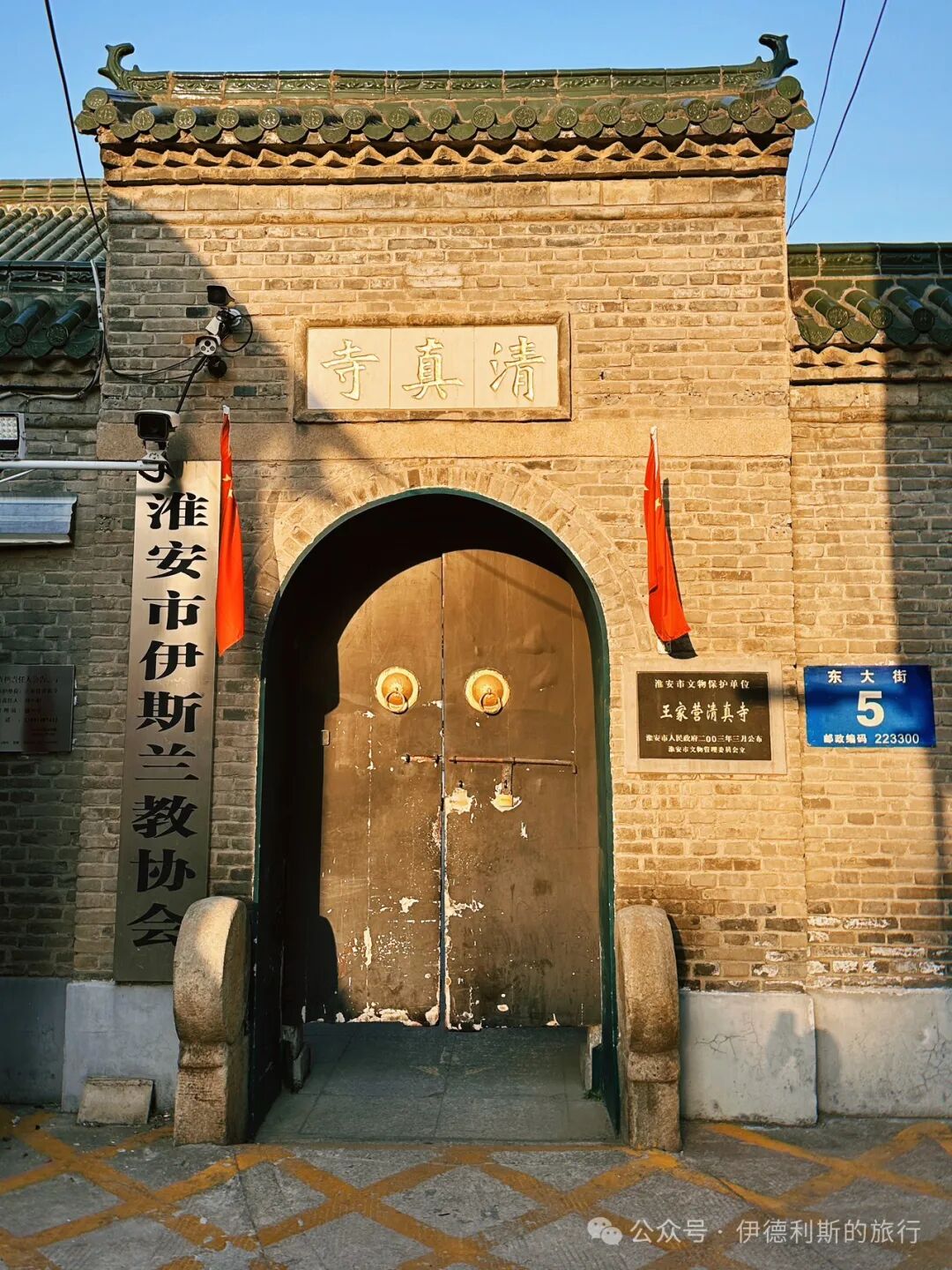
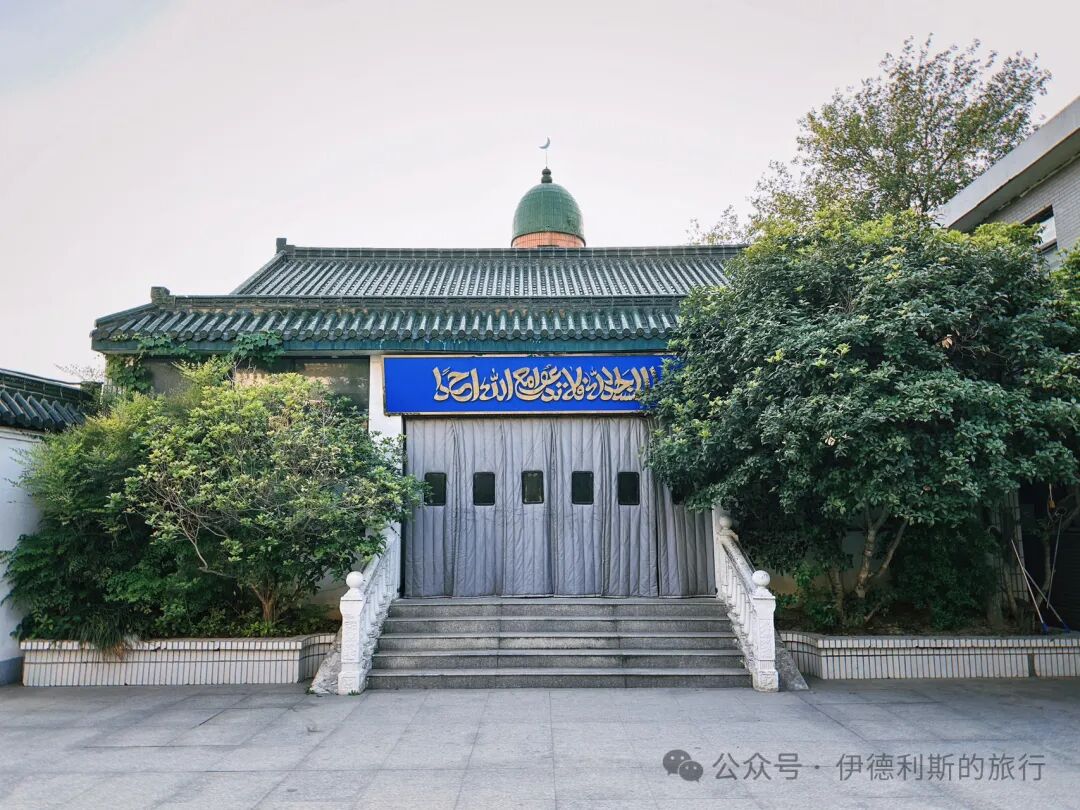
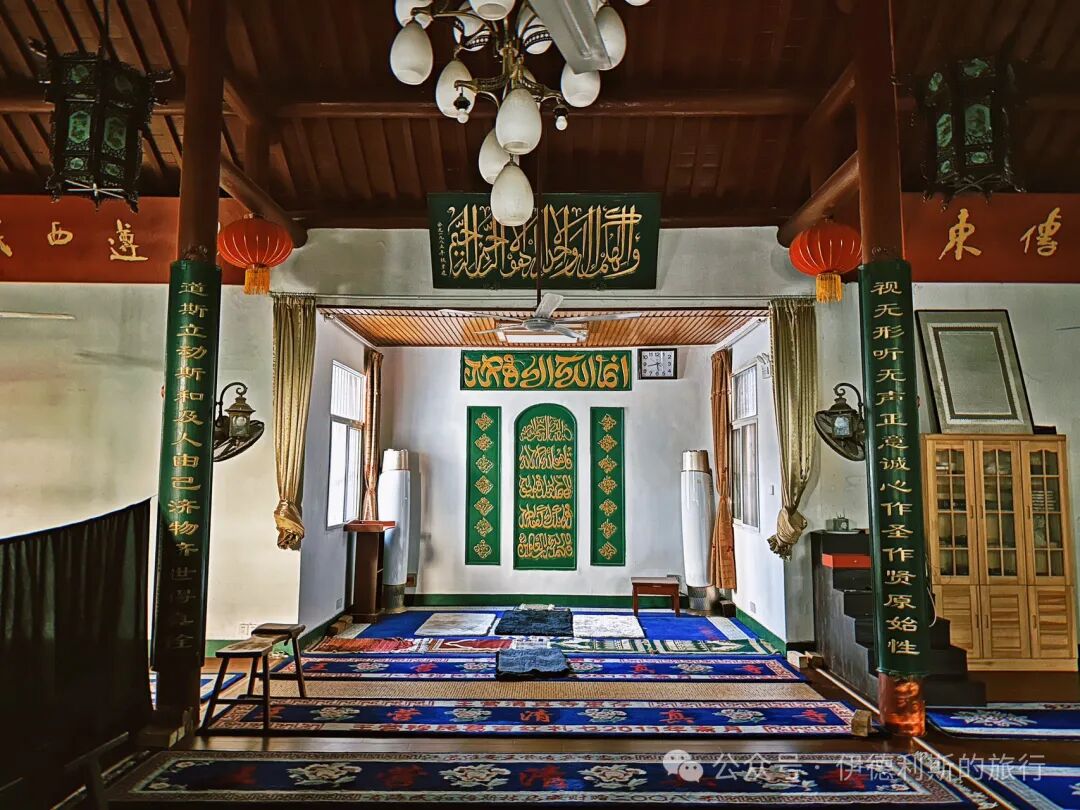
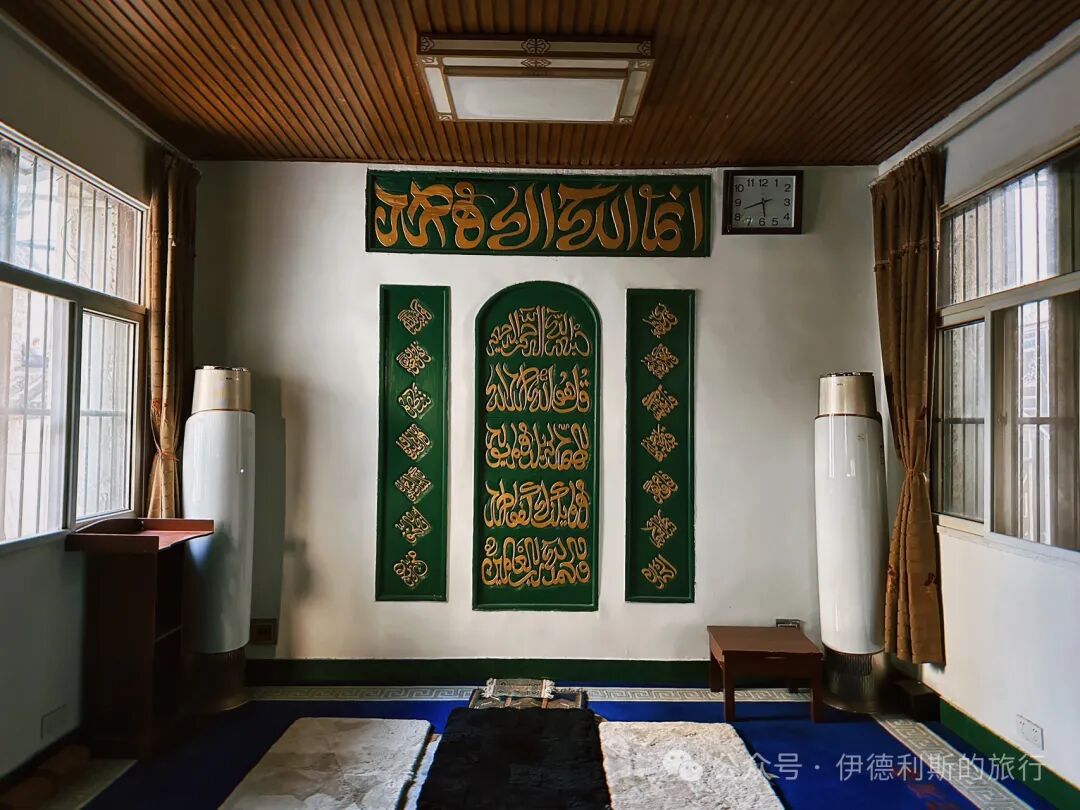
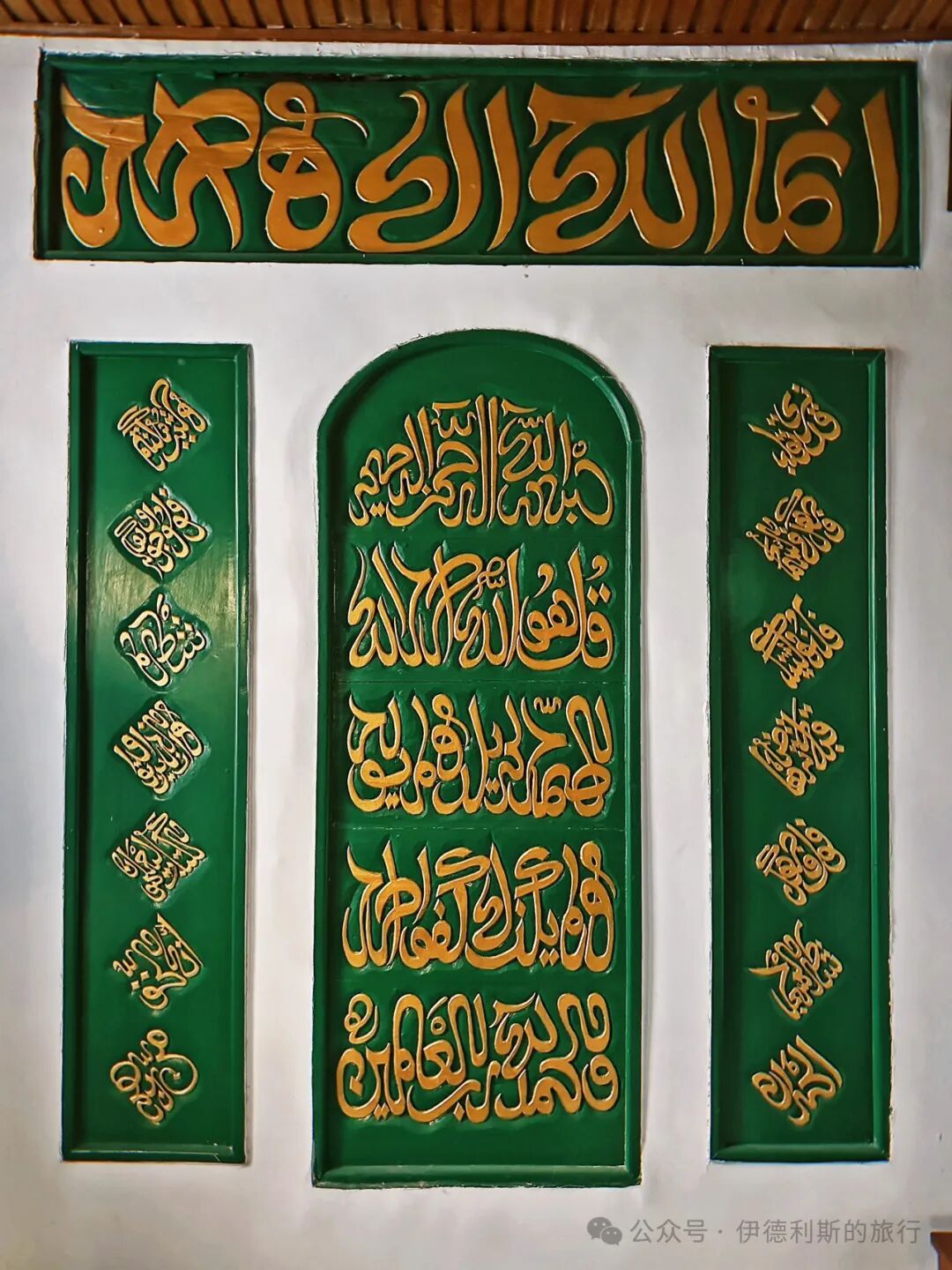
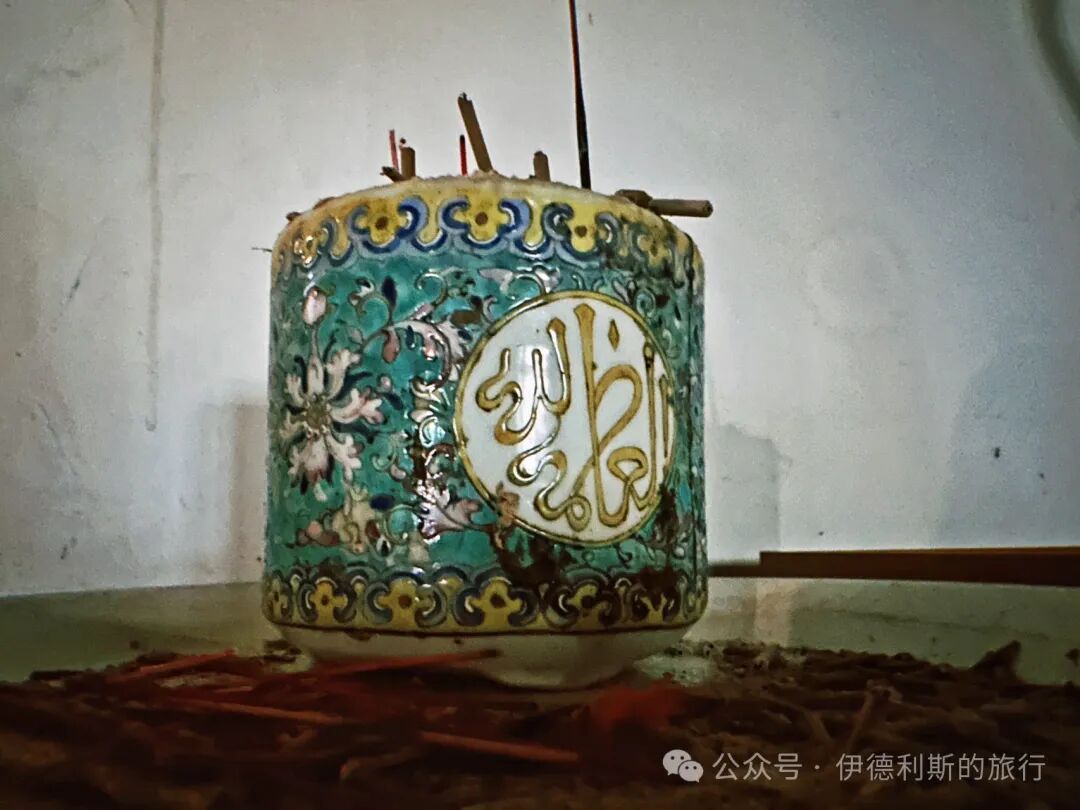
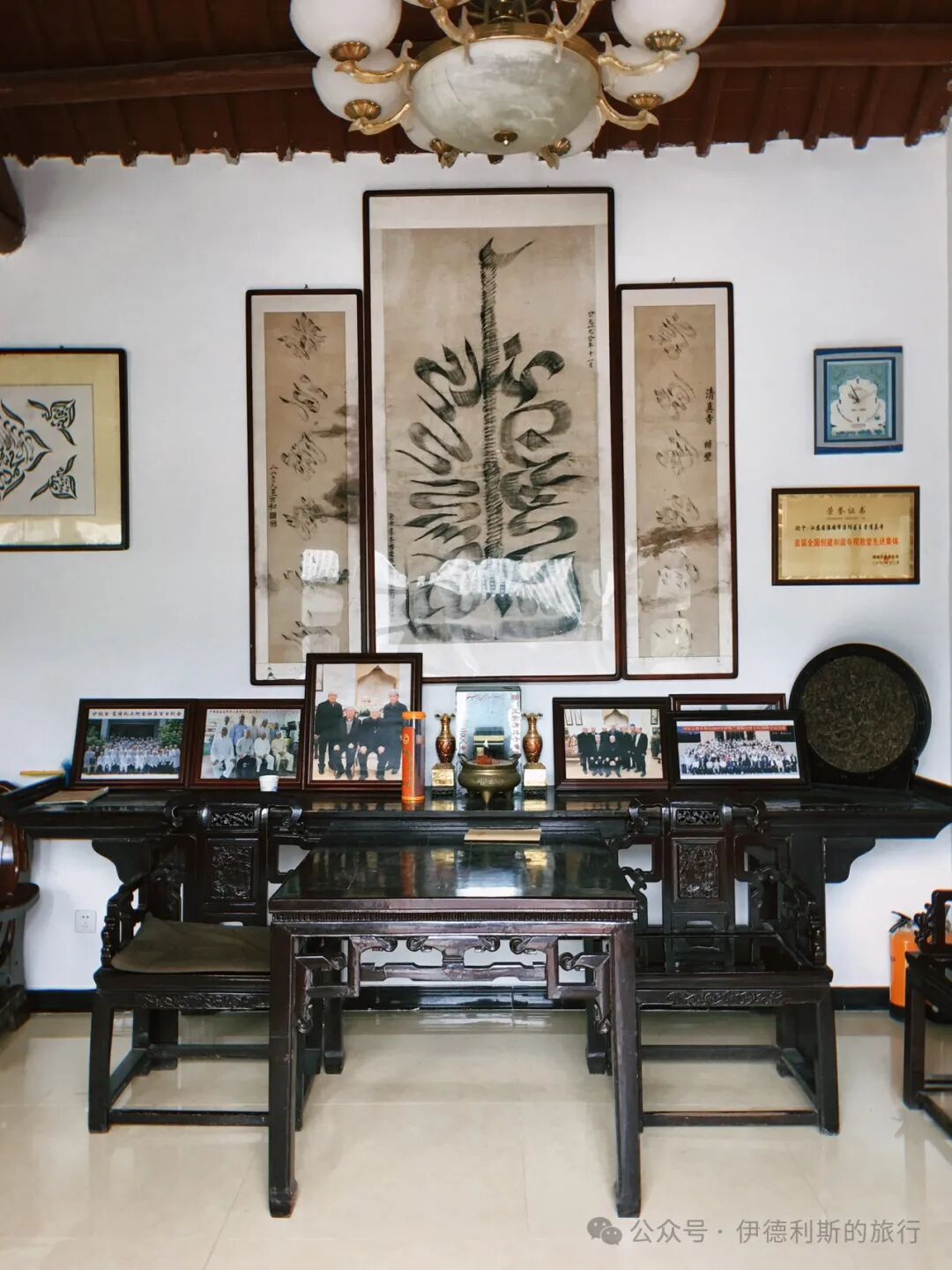
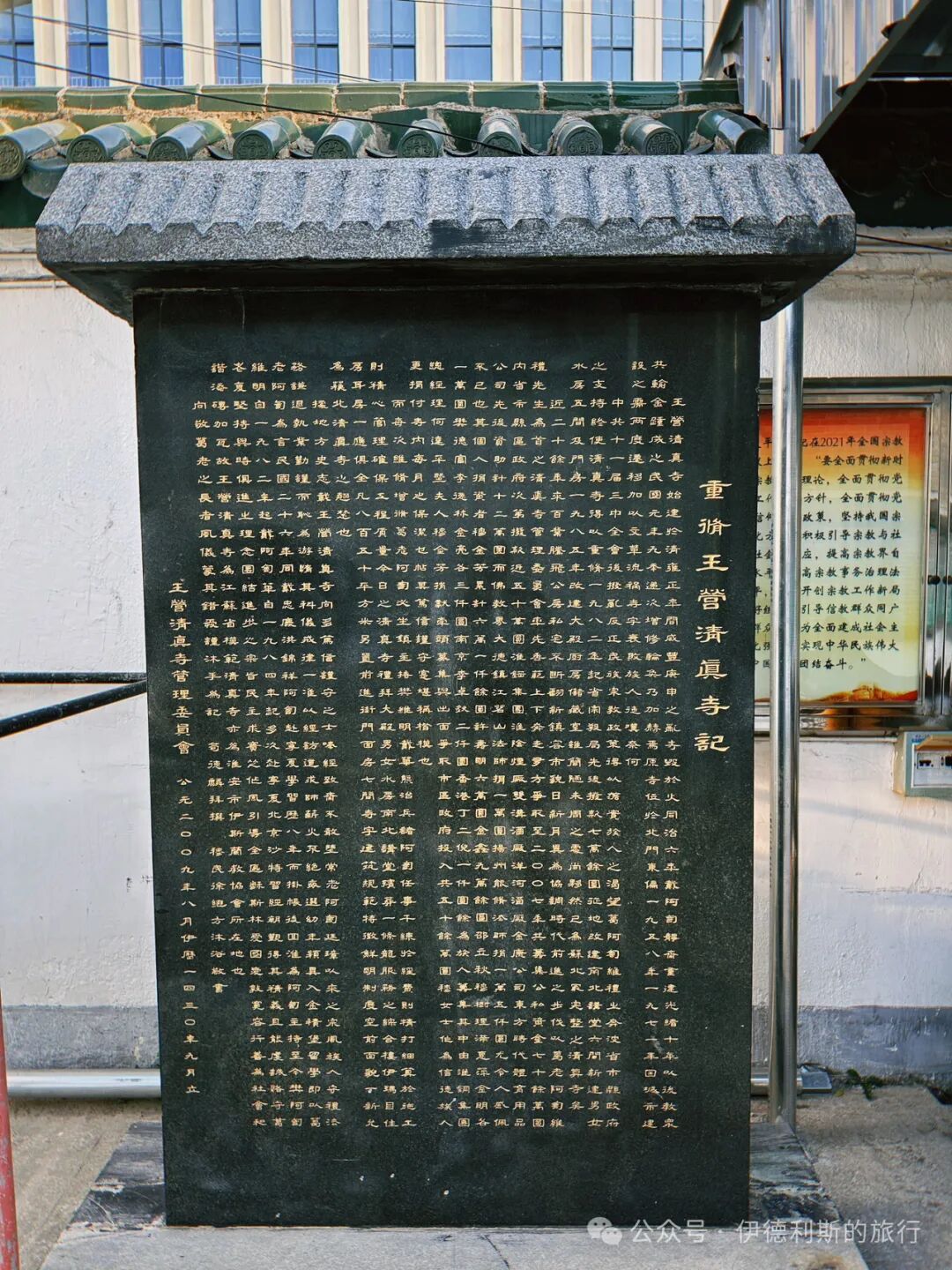
The inscription from the Republic of China era reads as follows:
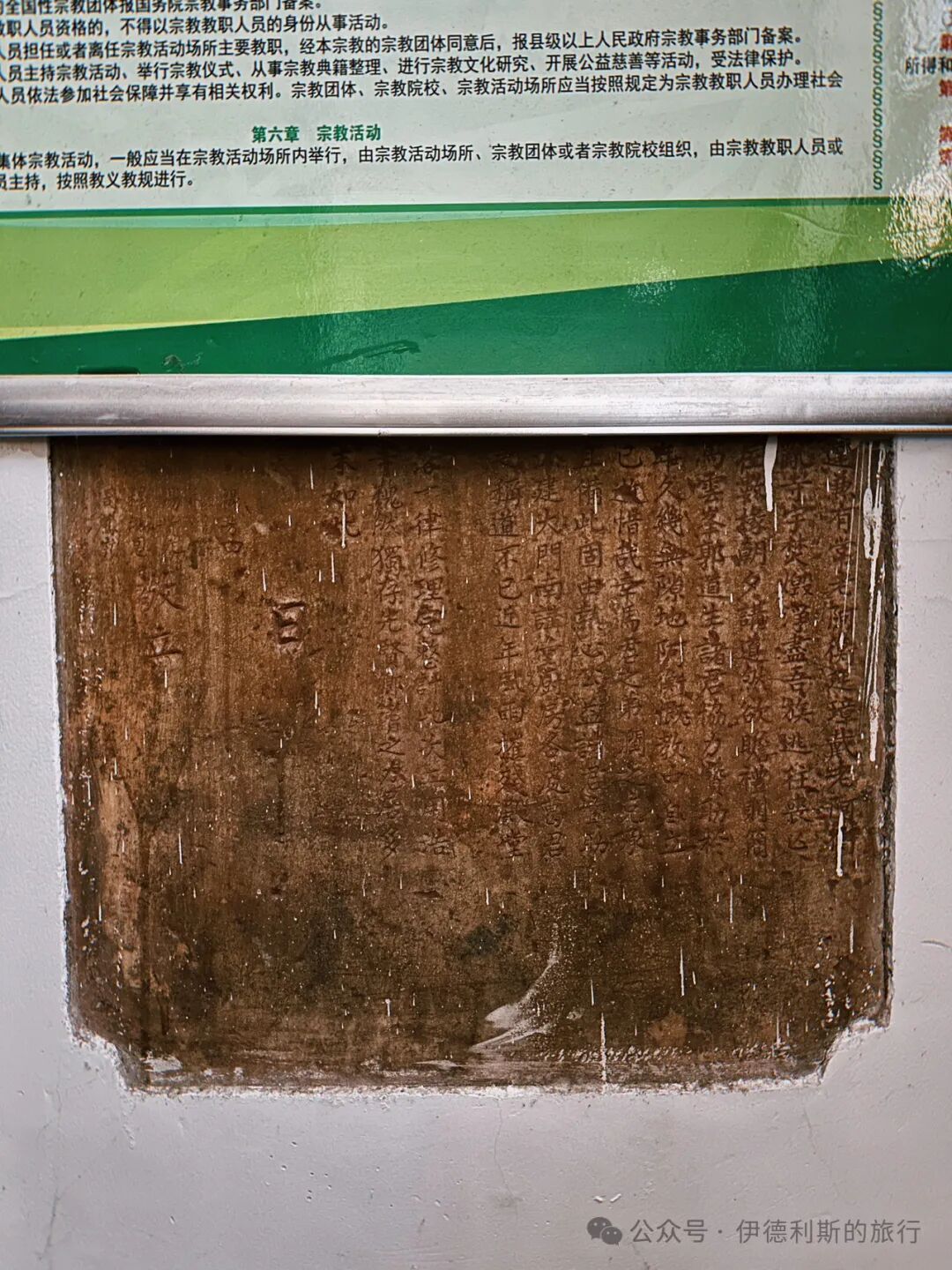
Wangying Mosque was founded during the Yongzheng reign of the Qing Dynasty. By the end of the Daoguang reign, our community was at its peak. Our population grew, our businesses thrived, and we had elders like Chang and Dai Mingxuan leading our religious affairs. They taught many students, and this history is recorded in local chronicles for all to verify. In the tenth year of the Xianfeng reign, the Nian Rebellion broke out. The mosque was burned to the ground, our people fled or died, and our community dwindled.
In the sixth year of the Tongzhi reign, Dai Jingzhai, the son of Elder Dai Mingxuan, followed his father's teachings and took over the leadership. He first built a few thatched huts to hold prayers morning and evening. However, the space was too simple for proper worship. It was too small to hold gatherings. The imam was deeply worried. He raised funds from many sources and built a main hall with three rooms made of grass. Later, he consulted with Yang Xuting, Ma Yunfeng, and Guo Daosheng. With their help, they rebuilt the main tiled hall and lecture hall in the tenth year of the Guangxu reign, and things began to return to normal. As more of our people moved here, the original public cemetery became so full there was almost no space left. The imam was concerned that our community lacked its own burial ground, which made things very difficult during times of loss. He planned to buy land to solve this, and Mr. Ma Yunfeng agreed to help. Sadly, Mr. Ma passed away before the task was finished. Fortunately, Mr. Ma's brother, Runzhi, carried on his brother's wishes. With the strong support of local elder Li Yunpo, they set aside differences and raised enough money to buy two new cemetery plots. The imam's kindness to our community was thorough. This was due to the support of many public-spirited people, but it was also the result of the imam's decades of hard work and sincere devotion.
In the first year of the Republic of China, we worked to continue the efforts of our predecessors by adding a main gate, a south lecture hall, and a kitchen. Mr. Ge Ziming built a washroom (shuifang) and donated hundreds of thousands in currency. We also invited Imam Wang Pinqing from Gansu Province to teach the scriptures. Visitors from all over praised the work. In recent years, wind and rain damage made the halls look like they might collapse. We met and decided to sell dozens of willow trees around the cemetery, raising over two hundred thousand. The Jinshan Hall in Gansu also kindly donated many wooden beams and tiles. We then built a three-room tiled hall with curved eaves in front of the main hall, and repaired the surrounding walls, the three-room east lecture hall, and the courtyard gates. This was a massive project funded by public property and donations. We are humble about our own contributions, but we record these details because, despite two hundred years of change, our mosque still stands. This is largely due to the efforts of our ancestors and elders. We hope future generations will remember how hard it was to build this place and will protect it forever so it never falls into ruin. This is our deepest wish. We record this history here.
July, the ninth year of the Republic of China.
Jin Jiasheng, Jin Jialin, Guo Chunlin, Yang Fangtian
Chang Bingkui, Li Shunjie, Chang Guanying, Mu Hongbin
Jin Jiayuan, Ma Jianong, Fan Zhaofeng, Yang Guiyuan
Ge Futang, Li Dianqing, Ma Jiarang, Mu Hong'en
Ma Jialin, Ge Zhenqing, He Wenquan, Zhou Fengling
Sha Faxiang, Liu Lianyuan, Zhou Riyang, Mu Hongye
The most famous Hui Muslim food in Wangjiaying is the fried dough snack (youtoutou) from the Hui Muslim Restaurant, made by Old Li Ku. Their version was added to the Huaiyin District intangible cultural heritage list in 2016. In 1942, Li Dongtian from Shandong brought his family to Wangjiaying to make a living. He and his son, Li Haiquan, sold their homemade fried dough snacks (youtoutou) near the Yanhe Bridge in Huaiyin while carrying trays. That is how the Huaiyin fried dough snack (youtoutou) became popular.
The fried dough snack (youtoutou) is three inches long. It turns golden yellow when fried. It is delicious when wrapped in an egg and served with wheat porridge. Wheat porridge is rare in other places. It has a unique taste and includes peanuts. In Huai'an, breakfast is usually served with several types of pickles, such as pickled mustard greens (datoucai), cold tossed eggplant, tossed snow cabbage (xuelihong), and tossed green peppers. They all go well with porridge.
The history of the Wangjiaying Hui Muslim Restaurant dates back to the Daoguang period of the Qing Dynasty. After the salt administration expanded at the West Dam in Wangjiaying in 1831 (the 11th year of Daoguang), Imam Dai Mingxuan of the Wangjiaying Mosque opened a halal restaurant at the north end of Yushan Street. He hired the best chefs in Wangjiaying, making it a high-end establishment where many Huai'an officials and dignitaries held banquets.
In 1860 (the 10th year of Xianfeng), after the Nian Army broke through Wangjiaying, the halal restaurant and the Wangjiaying Mosque were both destroyed in the war. In 1886 (the 12th year of Guangxu), with everyone's help, Imam Dai Jingzhai, the son of Imam Dai Mingxuan, reopened the restaurant at the North Weimen Gate of Wangjiaying. It was forced to close after 1937 due to the Japanese invasion of China, but it reopened after 1945. After the public-private partnership in 1958, the halal restaurant was merged into the Huaiyin Food and Beverage Company No. 2, with Ma Hengpu serving as manager. At the end of 1959, it moved to Beijing Road. It had three storefront rooms in the front and four kitchen rooms in the back, with Wang Jinbiao taking over as manager. After the 1970s, Li Haiquan took over as manager and renamed it the Hui Muslim Restaurant. After the 1980s, Ma Hengbao led the construction of a new two-story building, and Dai Peng took over as manager. In 2003, the Hui Muslim Restaurant was restructured into a private enterprise and has continued to operate to this day.
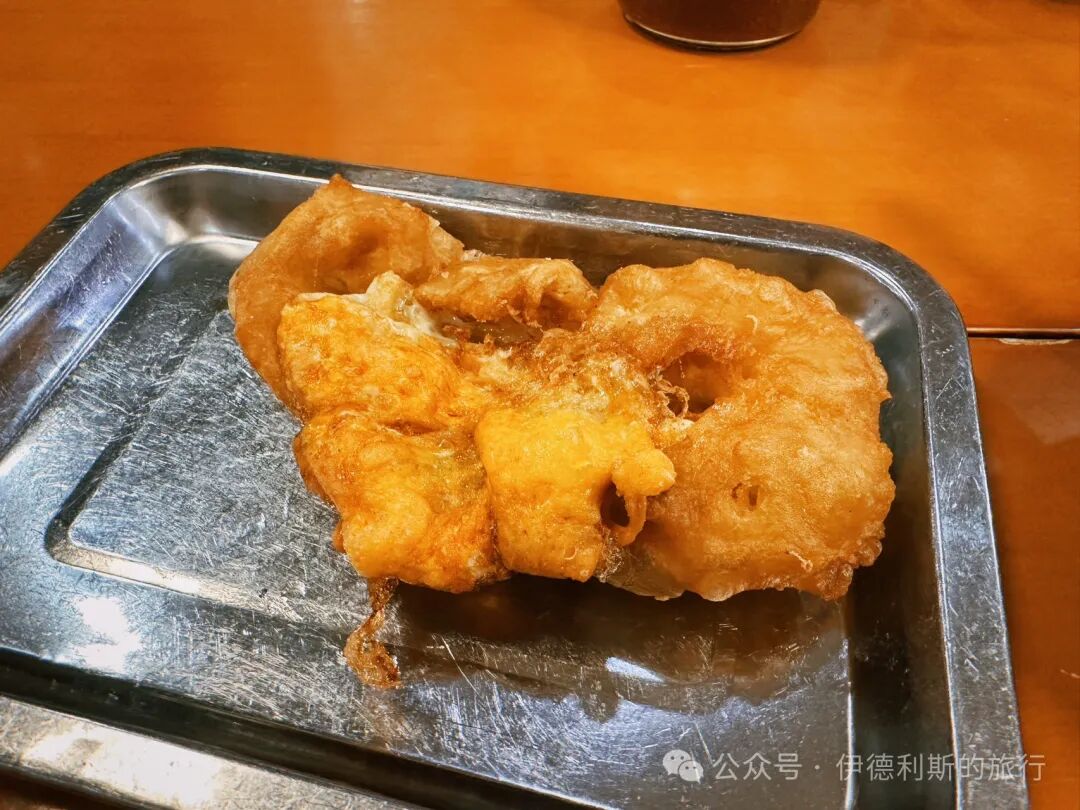
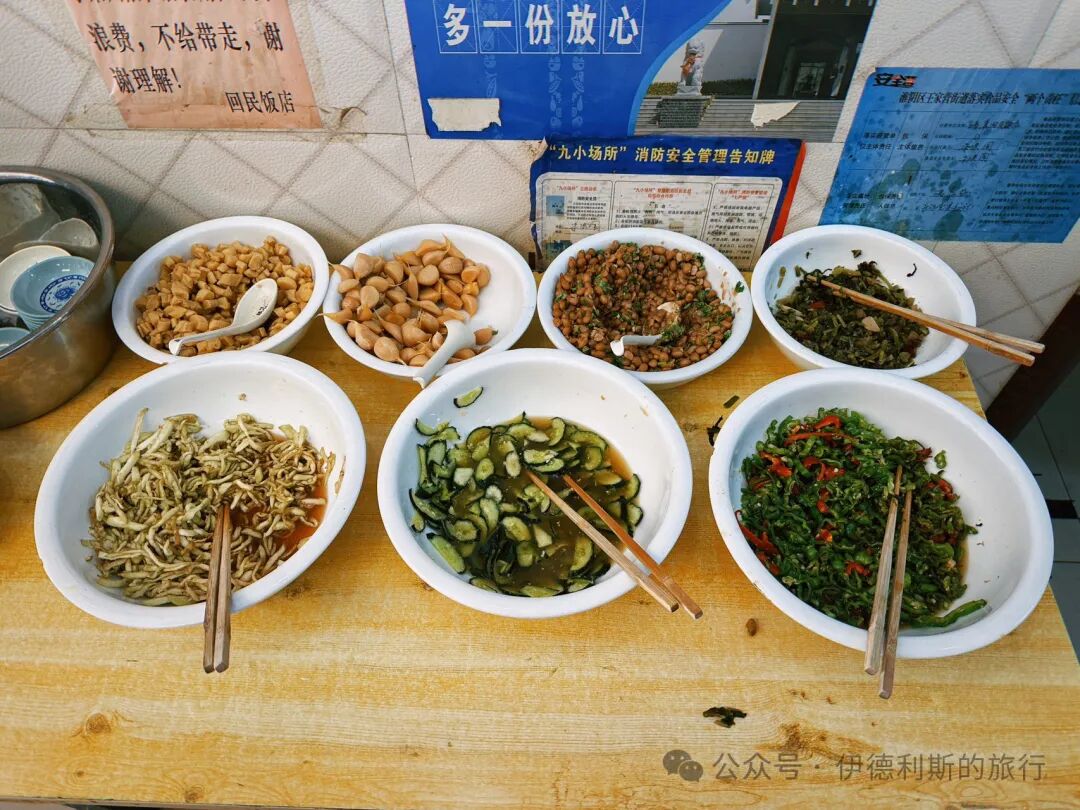
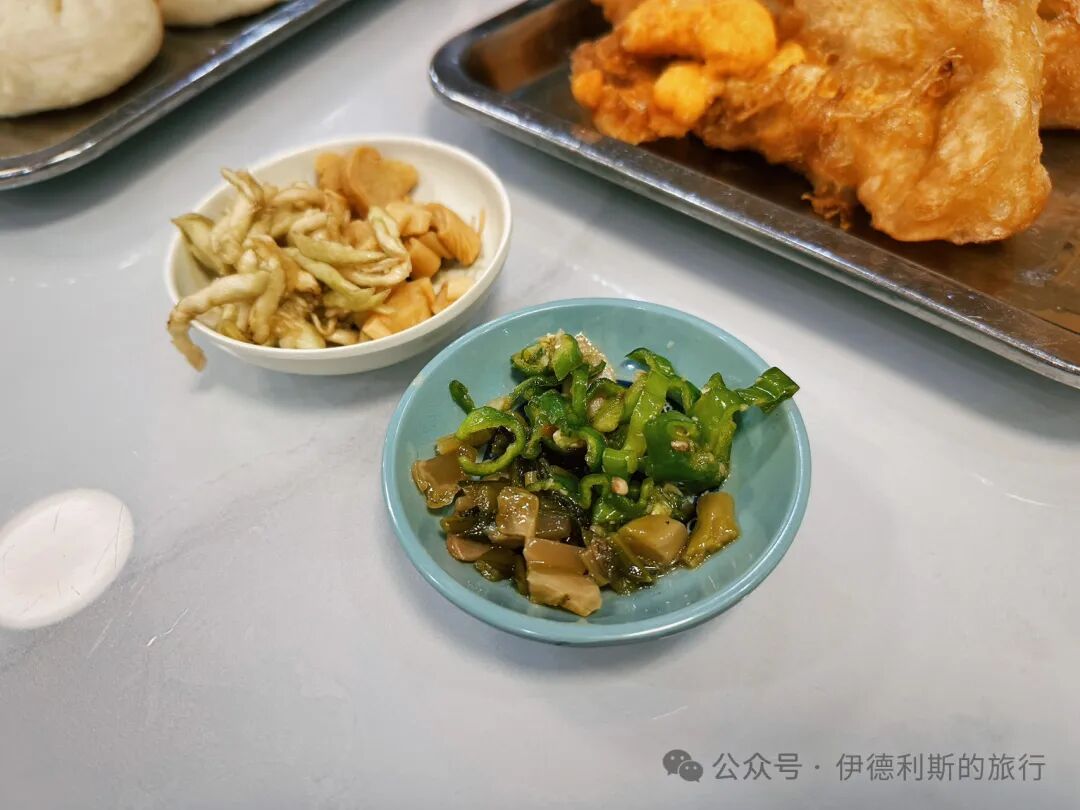
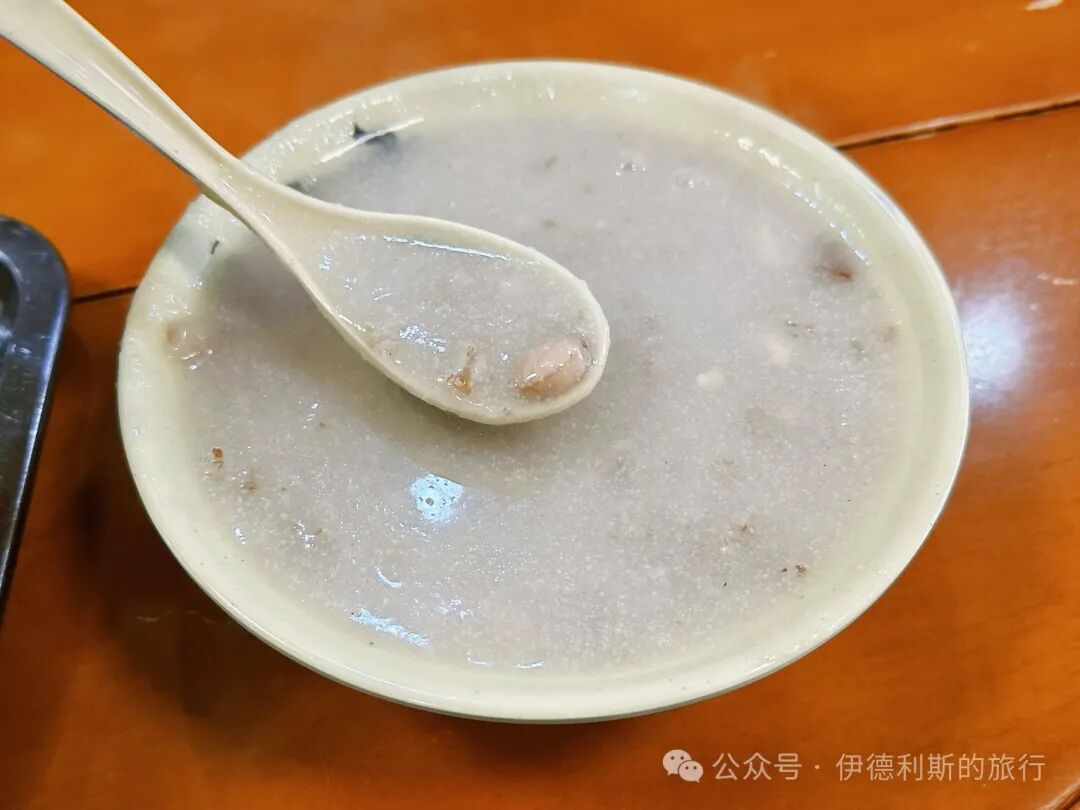
Besides the fried dough snack (youtoutou), you should also try Huai'an spicy soup (latang) when visiting Wangjiaying. Many restaurants here serve it. Compared to Henan spicy soup (hulatang), the Huai'an spicy soup (latang) has a milder taste. It uses less ginger and pepper. It contains shredded kelp, gluten, dried tofu strips (gansi), and glass noodles (fensi). Those who prefer a light flavor can drink it as is, while those who like it stronger can add chili sauce.
We drank the spicy soup (latang) at the Dachong Small Restaurant in front of the Wangjiaying Mosque and also ate beef potstickers (guotie), beef soup, and beef noodles. The potstickers (guotie) here are quite small. One serving has five, so you can order two servings. They are all pan-fried to order.
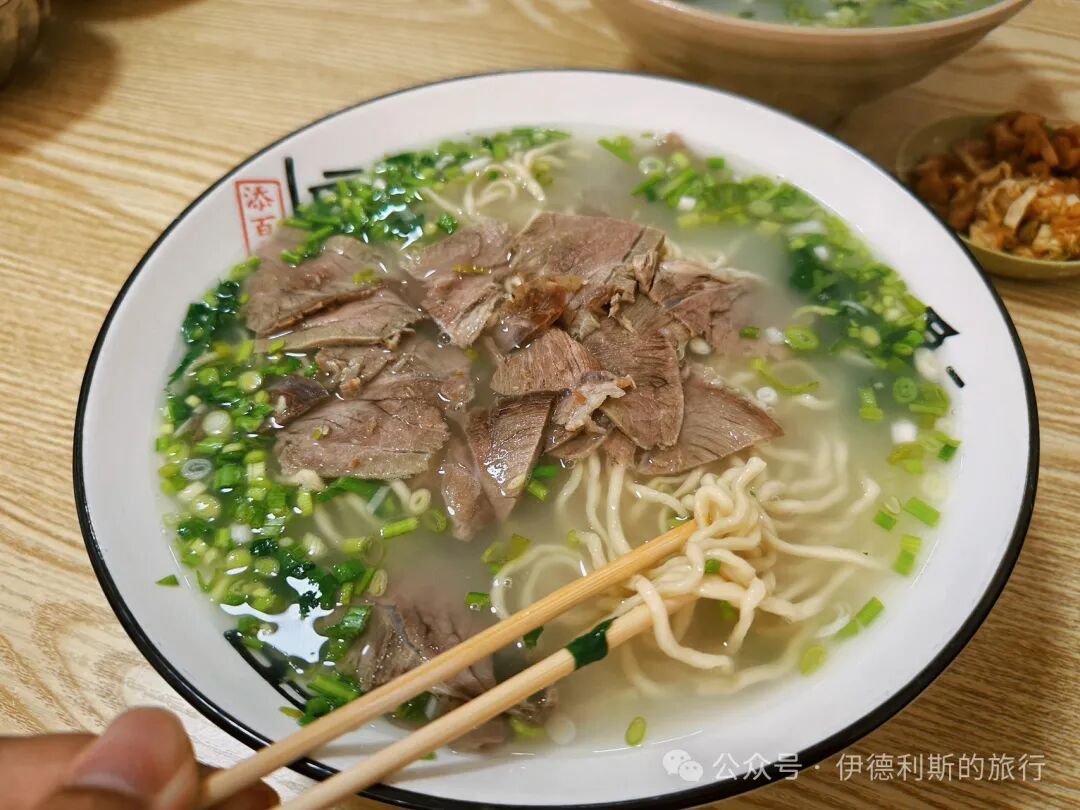
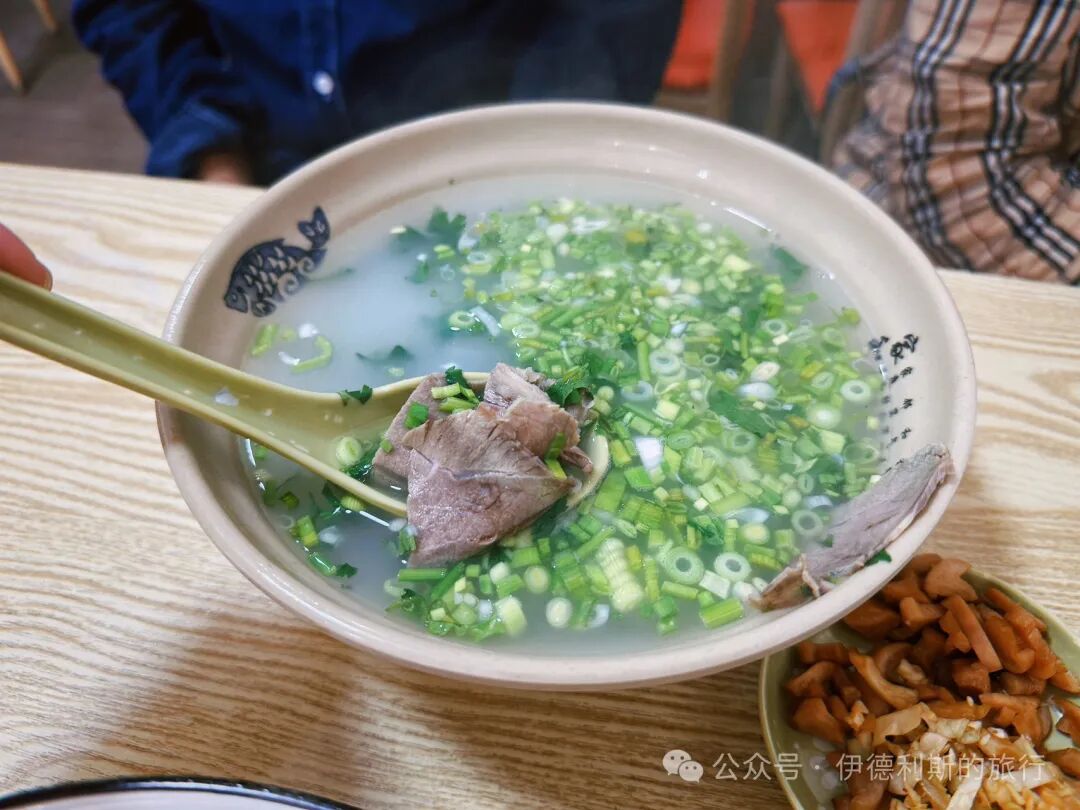
The Hui Muslim shops near Wangjiaying are likely the most concentrated in all of Jiangsu Province, which shows the strength of the local faith.
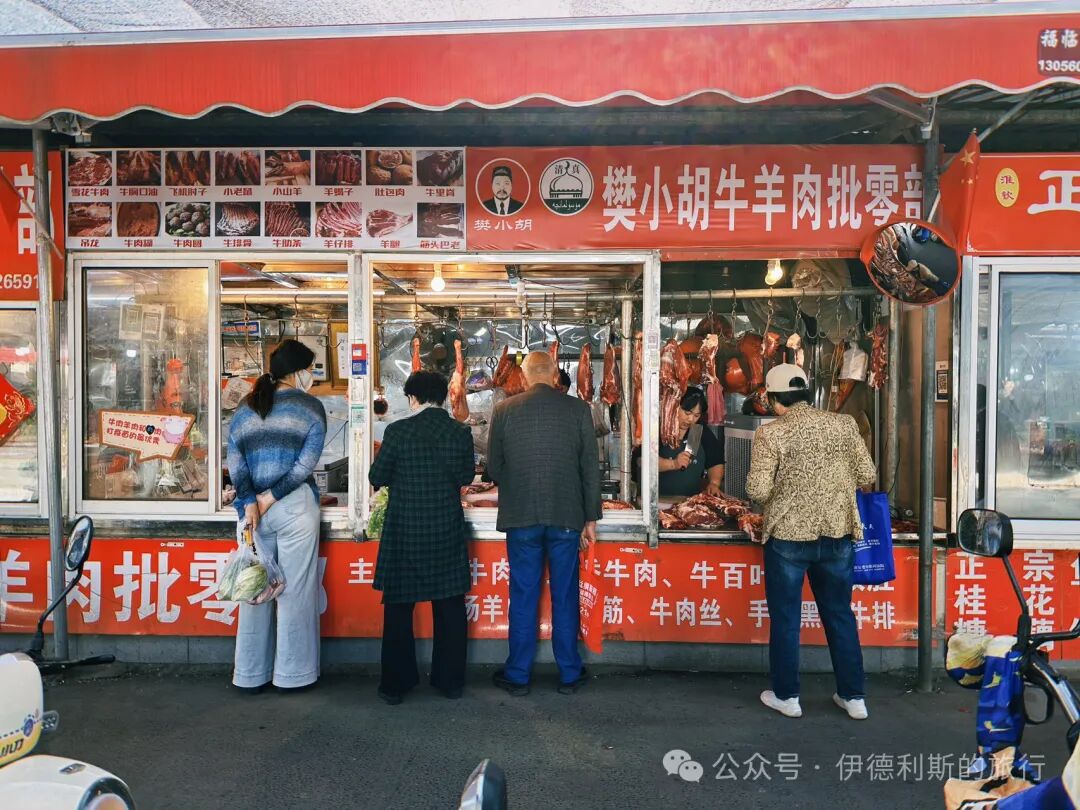
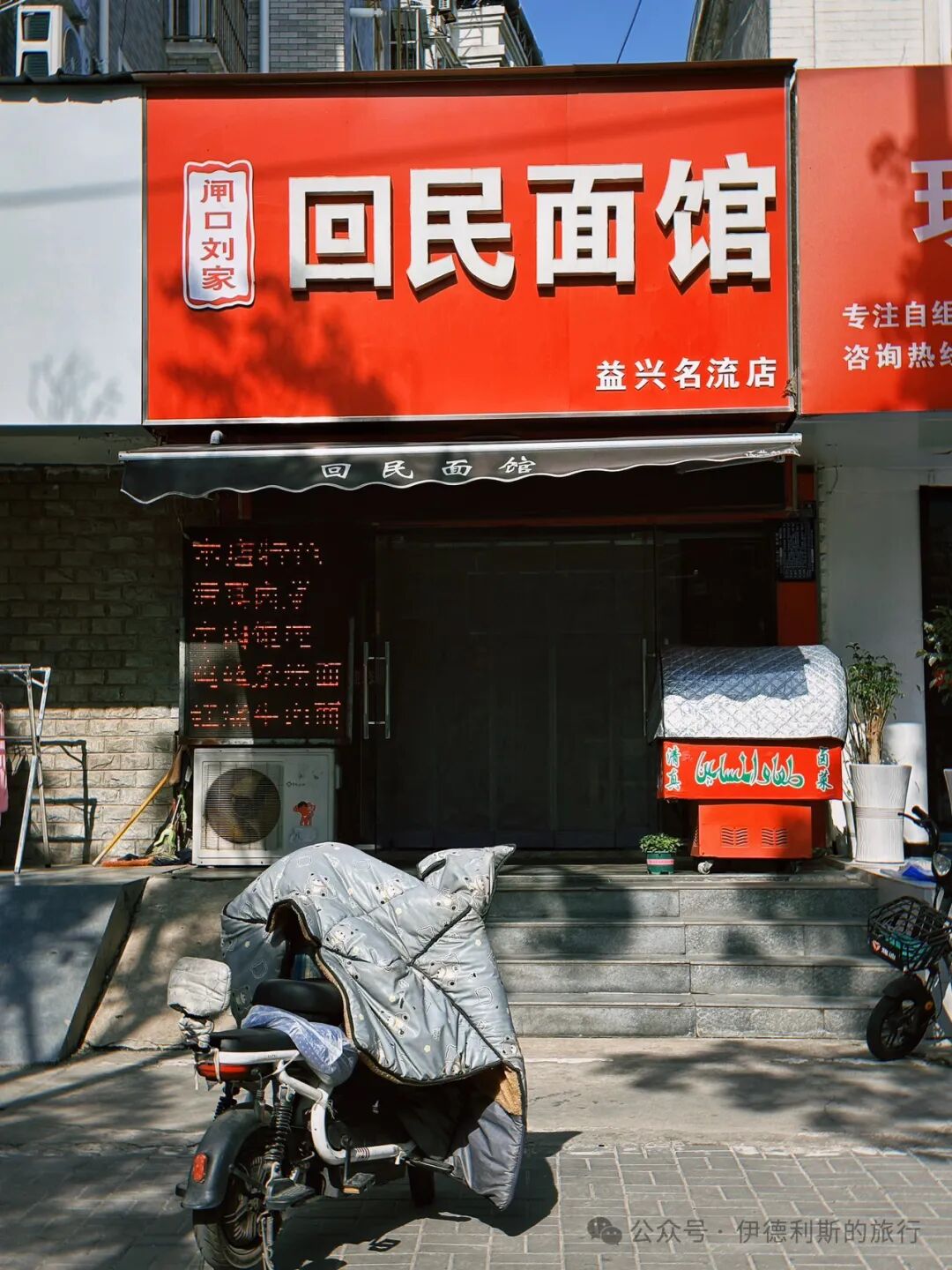
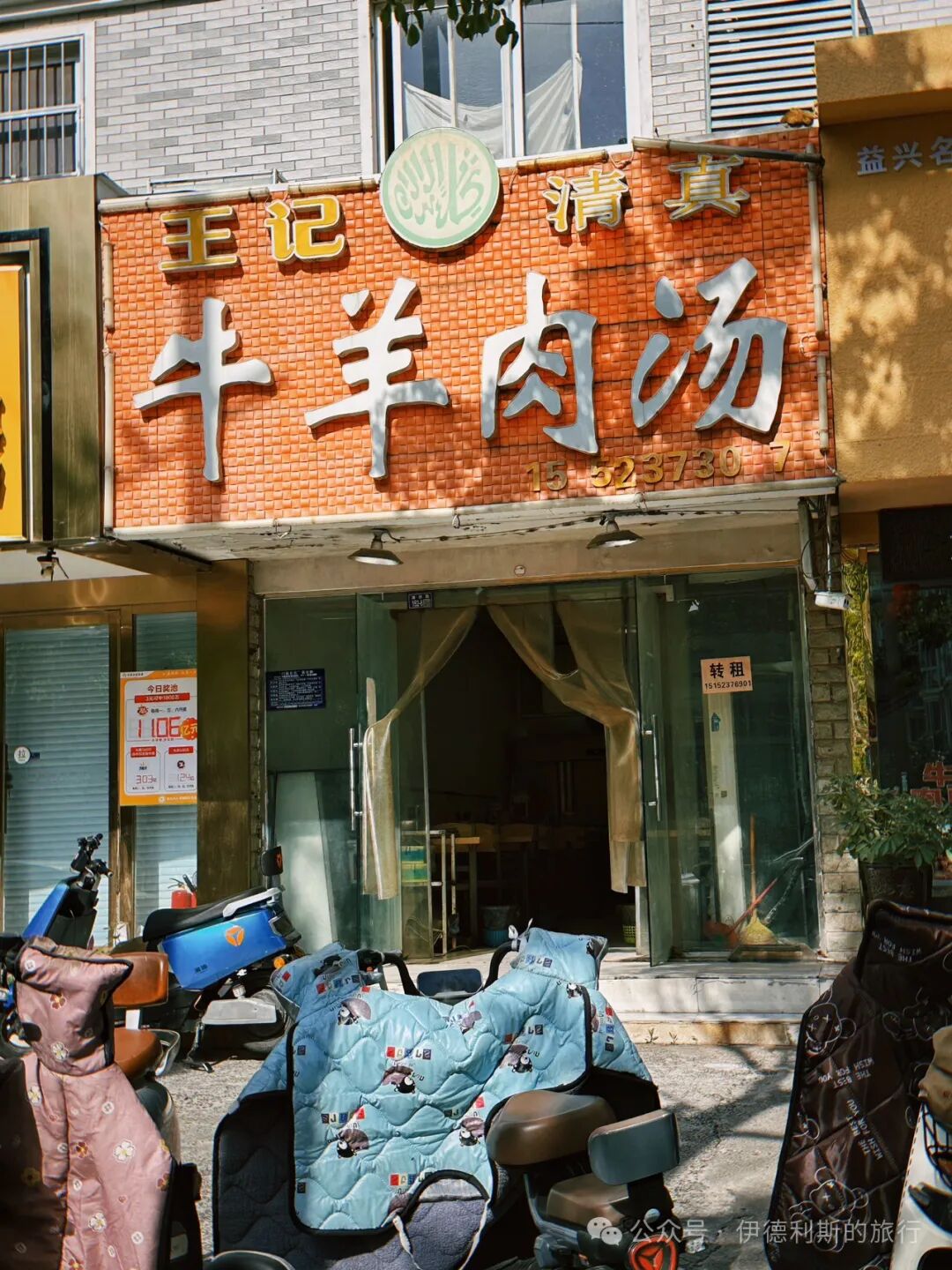
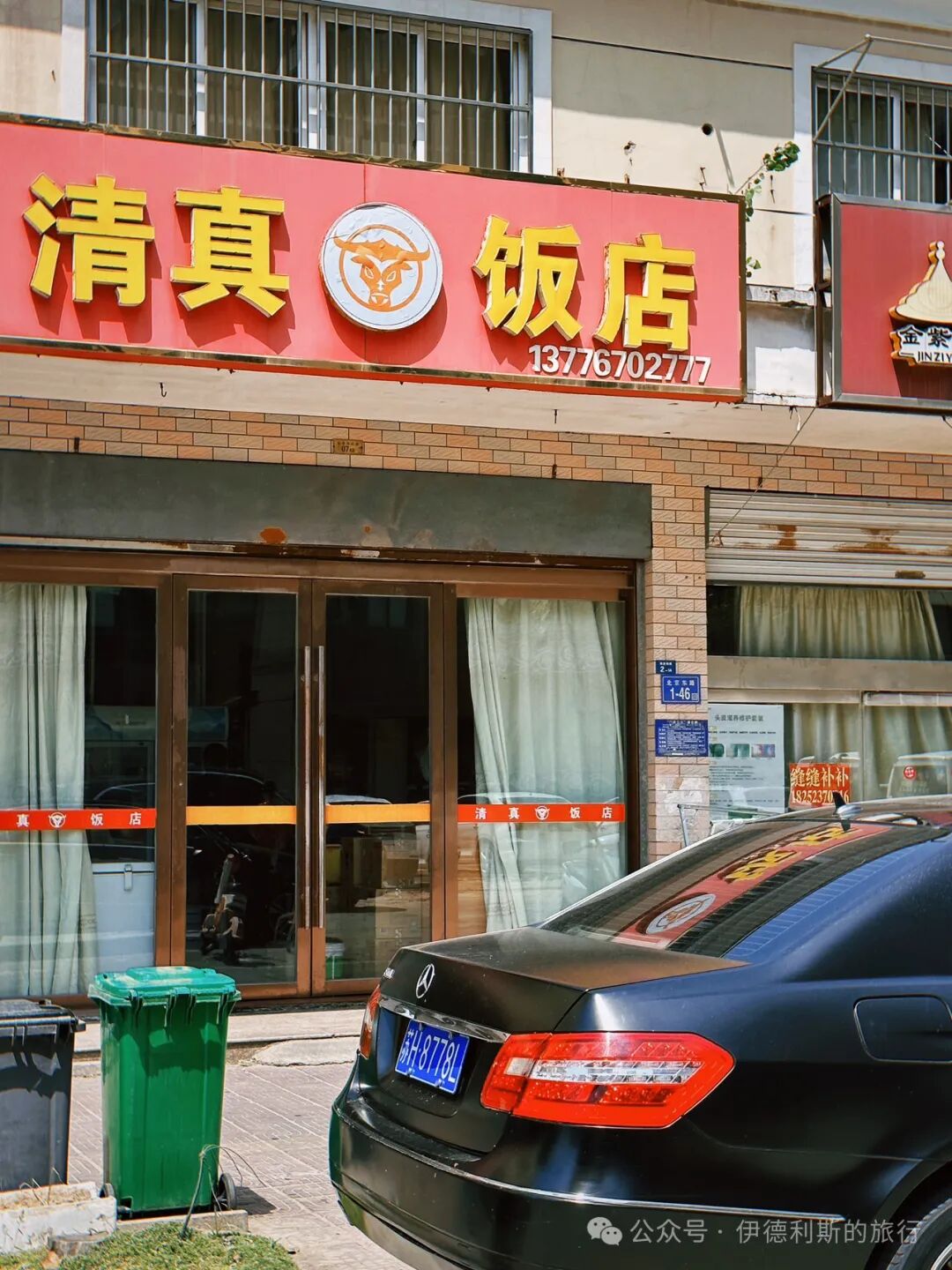
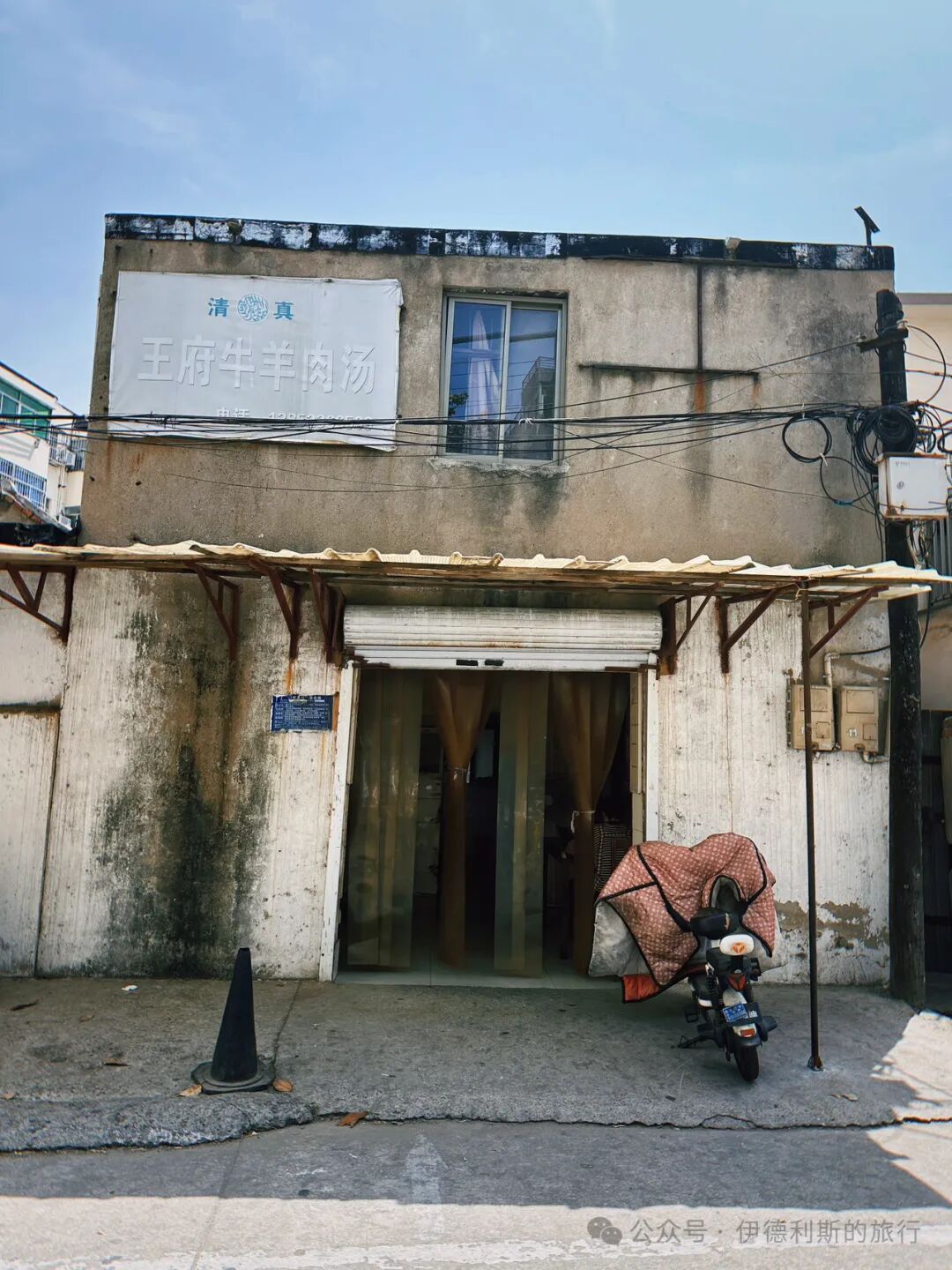
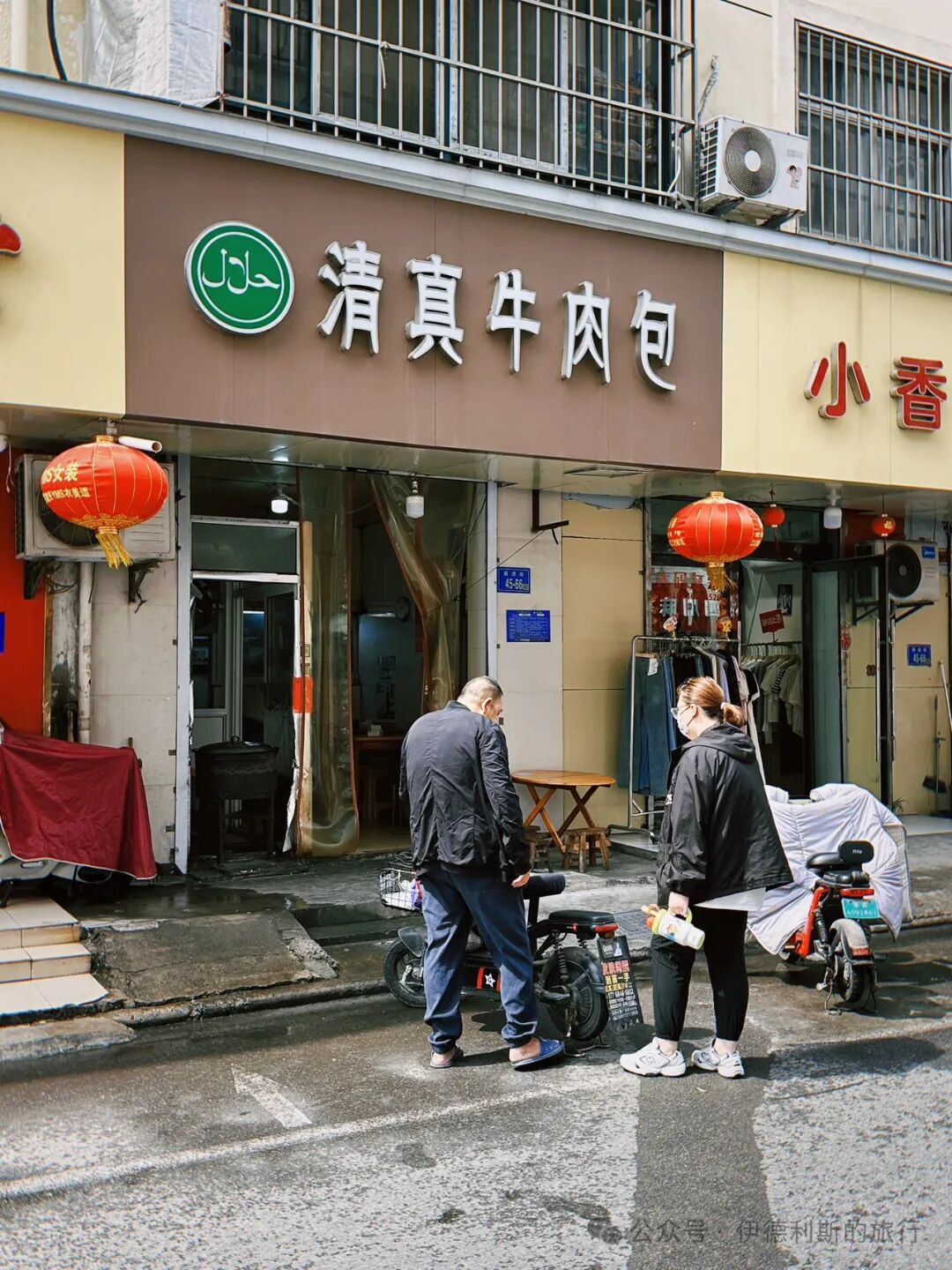
Shops opened by Hui Muslims from Matou Town near Wangjiaying. Matou Town was once the meeting point of the Middle Grand Canal and the Li Canal. Many Hui Muslims have lived there since the Qing Dynasty. They built three mosques over time at Xiyuba Village, the mouth of the Li Canal, and the old long street at the south end of town. The current Matou Mosque was moved and rebuilt in 2008, but I did not have time to visit it on this trip.
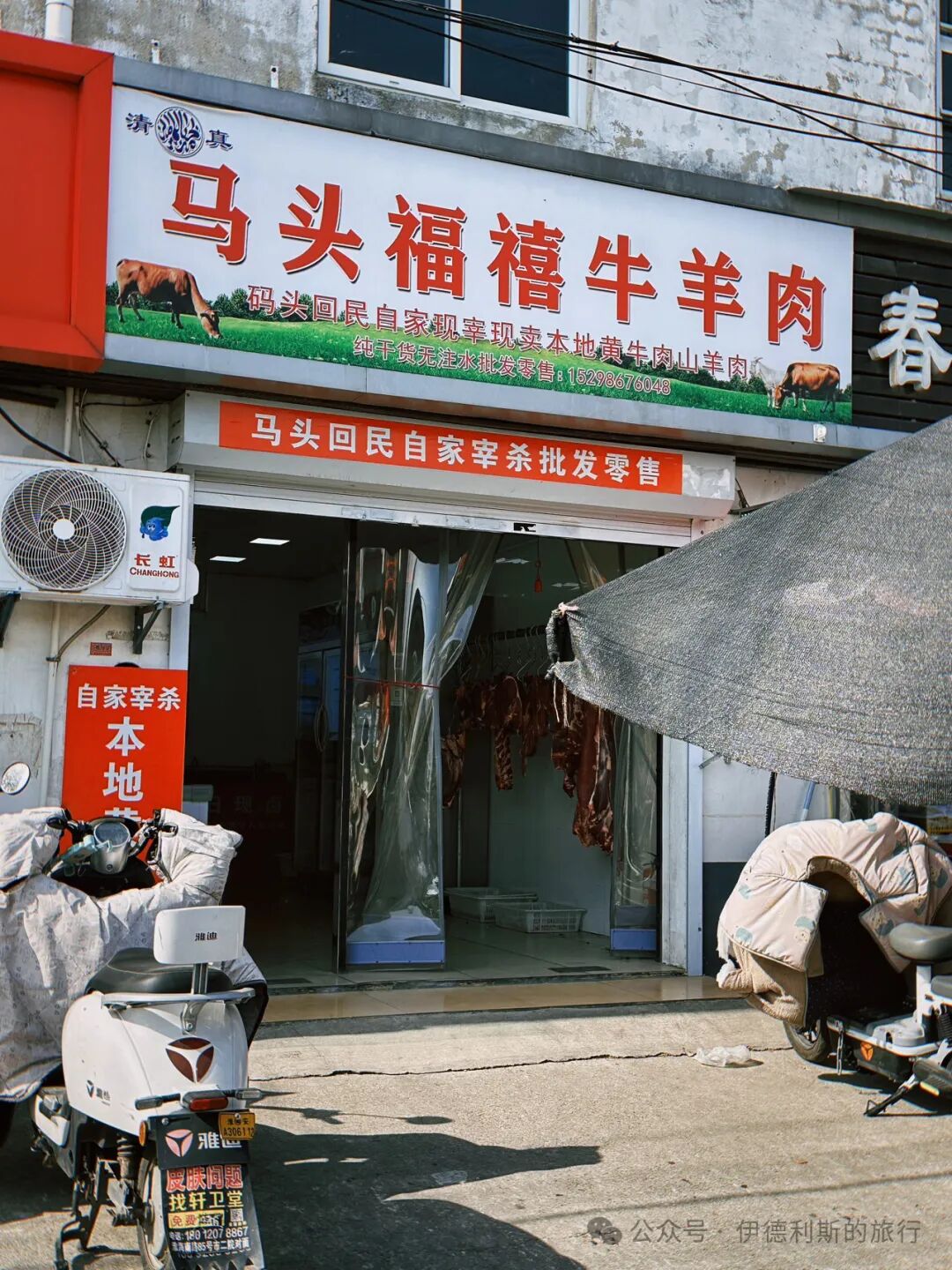
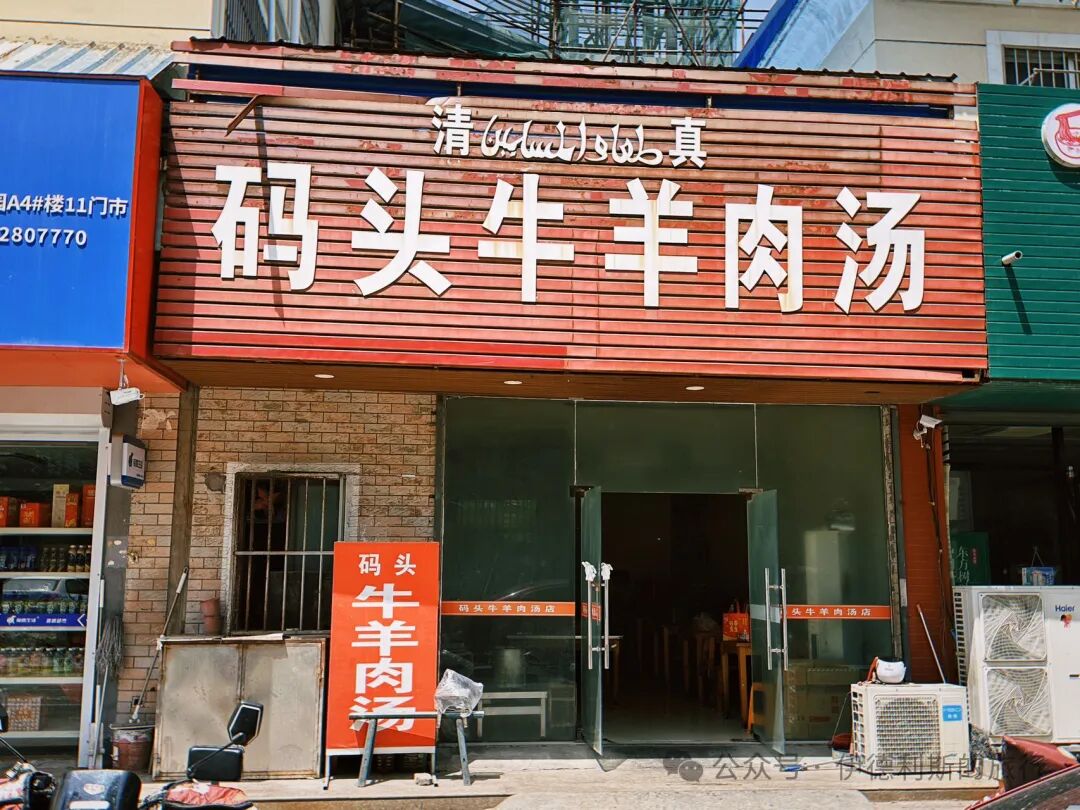
China Mosque Travel Guide Jiangsu Huai'an: Hexia Ancient Town, Mosque, Tea Snacks and Zuo Baogui
Articles • yusuf908 posted the article • 0 comments • 253 views • 2026-05-23 23:30
Summary: Hexia Ancient Town in Huai'an, Jiangsu, connects mosque history, local fried tea snacks (sanzi), and the tomb of Zuo Baogui. This account keeps the town, food, cemetery, and mosque details together as one walking travel note.
Hexia Ancient Town in Huai'an, Jiangsu, is the largest town on the outskirts of Huai'an Prefecture. Because the salt fields along the coast of Huaibei produced high-quality salt, many salt merchants from the northwest and Anhui came to Huaibei in the late Ming Dynasty to work in the salt trade. The Huaibei Salt Transport Office was located in Hexia Town. Salt from the fields had to be shipped to Hexia for inspection before merchants could sell it elsewhere. Hexia Town then entered its most prosperous period. Salt merchants built gardens and courtyards there. The Qing Dynasty record 'Huai'an Hexia Annals' states: 'Wealthy salt merchants brought their fortunes and made their homes in Hexia, and Hexia became extremely prosperous.' The wealth brought by these merchants made the town's commerce thrive, and many Hui Muslims also came to settle in Hexia.
Hexia Mosque (Hexia Si) is located south of Luojia Bridge in Hexia Town. It was first built during the Shunzhi reign of the Qing Dynasty. In 1860, during the tenth year of the Xianfeng reign, the Nian Rebellion captured Huai'an and burned down ten rooms of the mosque, which were later rebuilt. The main hall of the mosque is a Qing Dynasty structure with blue bricks, dark tiles, and upturned eaves. It is a typical Jianghuai architectural style and was listed as a Huai'an cultural heritage site in 2006.
Above the main hall door hangs a chestnut wood plaque inscribed with 'Si Wu Xie' (Think No Evil) by Tian Rui, the prefect of Huai'an in the tenth year of the Daoguang reign. The sides originally held plaques from anti-Japanese hero Zuo Baogui and Yunnan commander Ma Chang'an, but these were destroyed after the 1960s.
The imam (sha ahong) of the mosque usually stays at a nearby beef and mutton shop. If you call the number posted on the mosque gate, he will come over to open it.
An ancient well dug in the early Qing Dynasty.
When I visited Huai'an in 2017, there was still a large Hui Muslim restaurant in Hexia, but it has since closed. Only Chen's Halal Sesame Oil Fried Dough Twists (Chenji Qingzhen Mayou Chagou) remain on the old street. Huai'an fried dough twists (chagou) are very thin, light yellow, crispy, and delicious. Children especially love them.
In the early years of the Republic of China, a Hui Muslim named Zhang Bugao opened the Kaifuxingzhai Halal Restaurant in Hexia, which was a famous Hui Muslim eatery at the time. The restaurant had 11 rooms, with two facing the street as the storefront. The building still stands today. It was listed as a Huai'an cultural heritage site in 2009 and now serves as a Hanfu clothing shop and a private residence.
There is a tomb of Zuo Baogui in the Xiaohu Renjia residential area of Hexia Town.
Zuo Baogui was born in 1837 in the Yimeng Mountains of Linyi, Shandong. In 1856, due to severe local disasters, his parents passed away one after another. Zuo Baogui took his two younger brothers and left home. They spent several months traveling to Hexia Town in Huai'an, Jiangsu, by repairing shoes along the way. In Hexia, Zuo Baogui married a local Hui Muslim woman named Tao Erjie. Shortly after, he joined the army, commanded troops in Fengtian for 20 years, and eventually died heroically while fighting the Japanese invaders in Pyongyang.
After Zuo Baogui died, his body could not be recovered. His soldiers brought his blood-stained clothes and one of his boots back to Huai'an. His wife, Madam Tao, and his three sons buried them in their own field by the river near Luojia Bridge in Hexia. Madam Tao and one of their sons were also buried next to the tomb after they passed away (gui zhen). In 1895, the twenty-first year of the Guangxu reign, his descendants built the 'Zuo Zhongzhuang Gong Shrine' on the south side of the tomb, which was later demolished by Japanese and puppet forces during the War of Resistance Against Japan. Additionally, the main hall of the Hexia Mosque once featured a gold-inlaid couplet written by the Guangxu Emperor as a memorial for Zuo Baogui, but it was destroyed in the 1960s.
Luojia Bridge in Hexia Ancient Town is a gathering place for local Hui Muslims. The old houses are still there, but it is now difficult to see the Hui Muslim character in the decorations. view all
Summary: Hexia Ancient Town in Huai'an, Jiangsu, connects mosque history, local fried tea snacks (sanzi), and the tomb of Zuo Baogui. This account keeps the town, food, cemetery, and mosque details together as one walking travel note.
Hexia Ancient Town in Huai'an, Jiangsu, is the largest town on the outskirts of Huai'an Prefecture. Because the salt fields along the coast of Huaibei produced high-quality salt, many salt merchants from the northwest and Anhui came to Huaibei in the late Ming Dynasty to work in the salt trade. The Huaibei Salt Transport Office was located in Hexia Town. Salt from the fields had to be shipped to Hexia for inspection before merchants could sell it elsewhere. Hexia Town then entered its most prosperous period. Salt merchants built gardens and courtyards there. The Qing Dynasty record 'Huai'an Hexia Annals' states: 'Wealthy salt merchants brought their fortunes and made their homes in Hexia, and Hexia became extremely prosperous.' The wealth brought by these merchants made the town's commerce thrive, and many Hui Muslims also came to settle in Hexia.
Hexia Mosque (Hexia Si) is located south of Luojia Bridge in Hexia Town. It was first built during the Shunzhi reign of the Qing Dynasty. In 1860, during the tenth year of the Xianfeng reign, the Nian Rebellion captured Huai'an and burned down ten rooms of the mosque, which were later rebuilt. The main hall of the mosque is a Qing Dynasty structure with blue bricks, dark tiles, and upturned eaves. It is a typical Jianghuai architectural style and was listed as a Huai'an cultural heritage site in 2006.
Above the main hall door hangs a chestnut wood plaque inscribed with 'Si Wu Xie' (Think No Evil) by Tian Rui, the prefect of Huai'an in the tenth year of the Daoguang reign. The sides originally held plaques from anti-Japanese hero Zuo Baogui and Yunnan commander Ma Chang'an, but these were destroyed after the 1960s.
The imam (sha ahong) of the mosque usually stays at a nearby beef and mutton shop. If you call the number posted on the mosque gate, he will come over to open it.
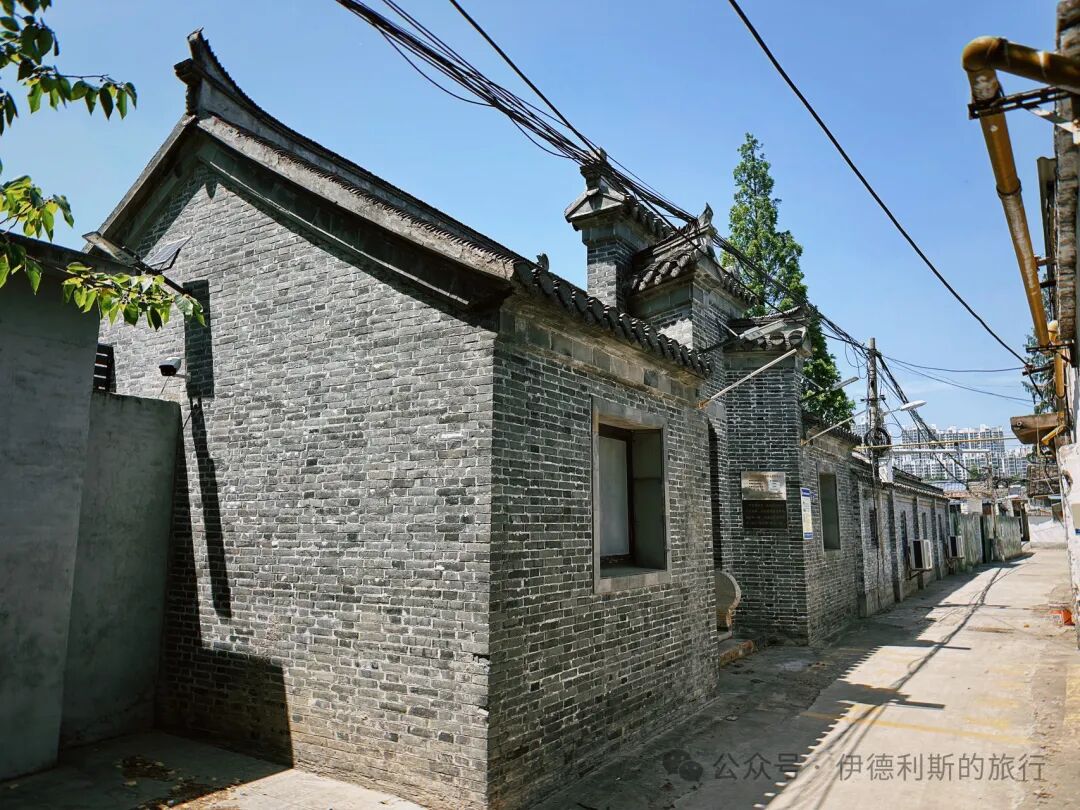
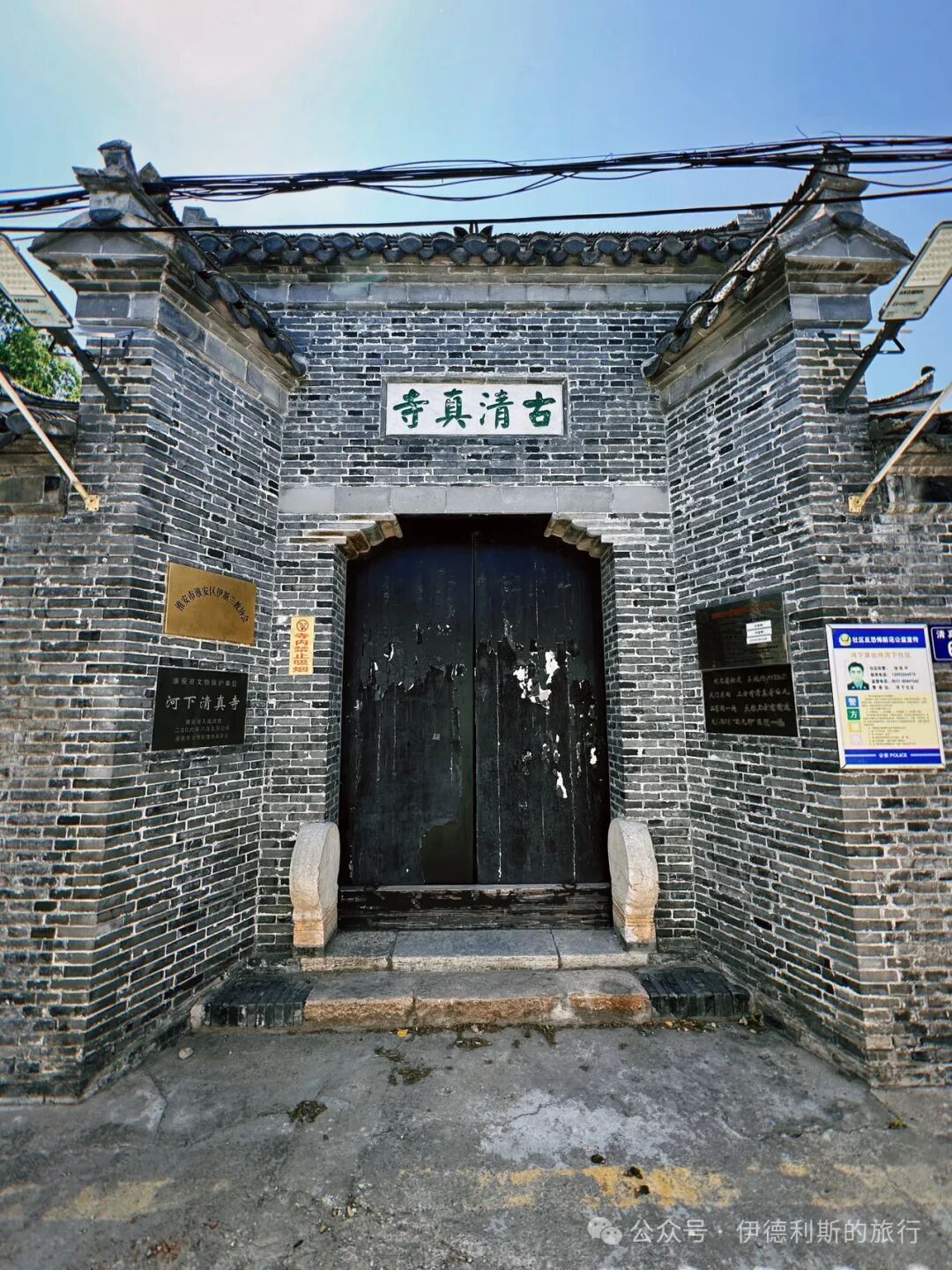
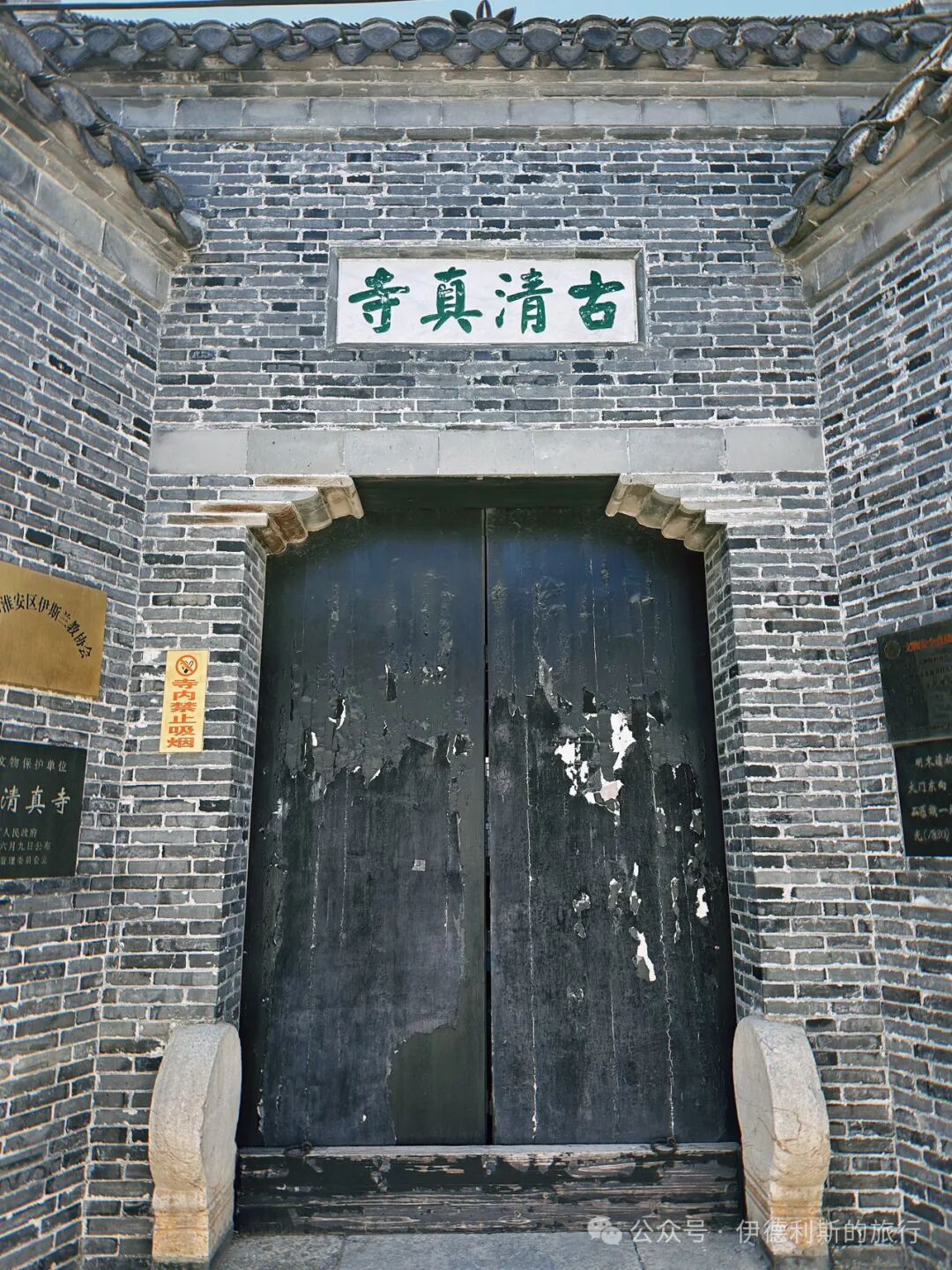
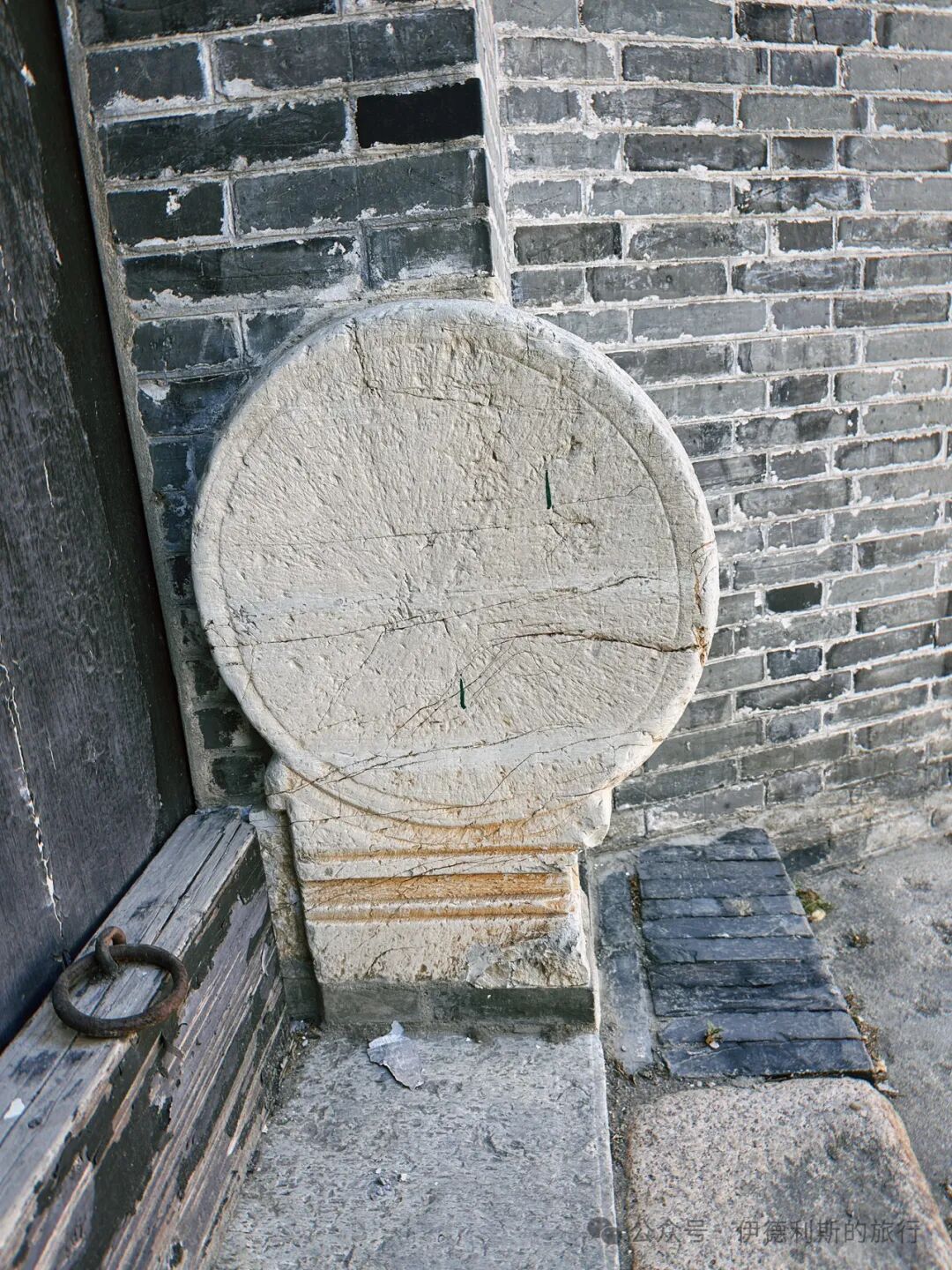
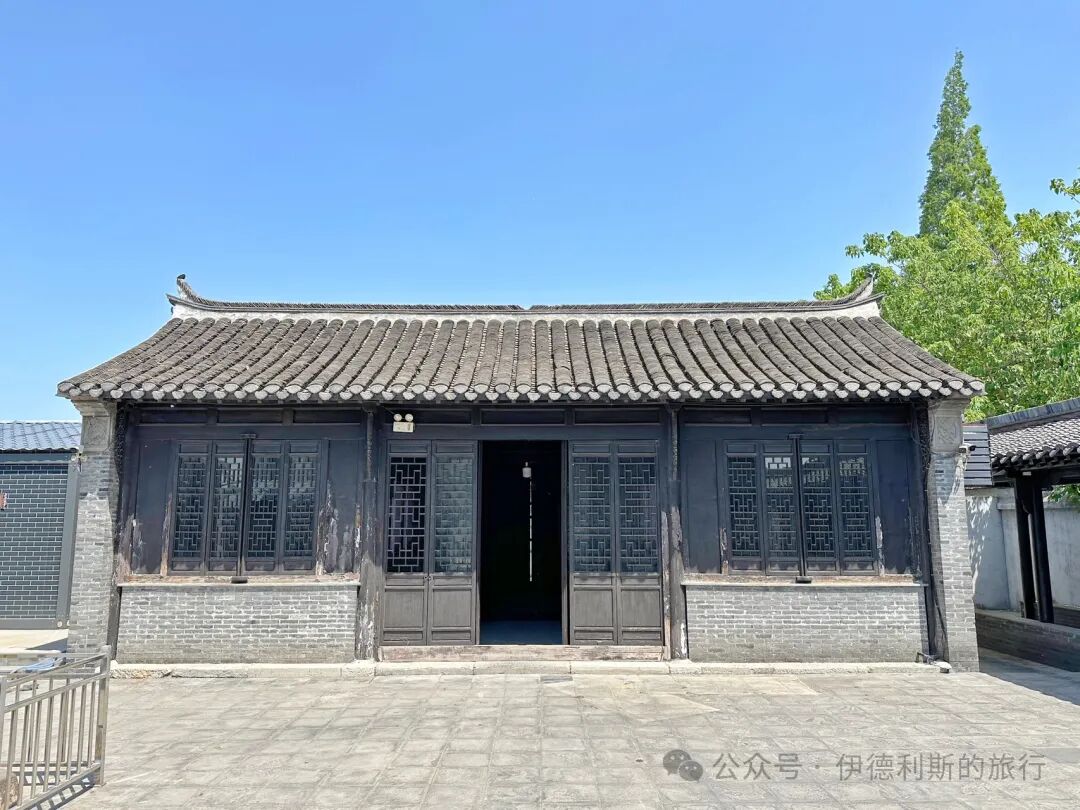
An ancient well dug in the early Qing Dynasty.
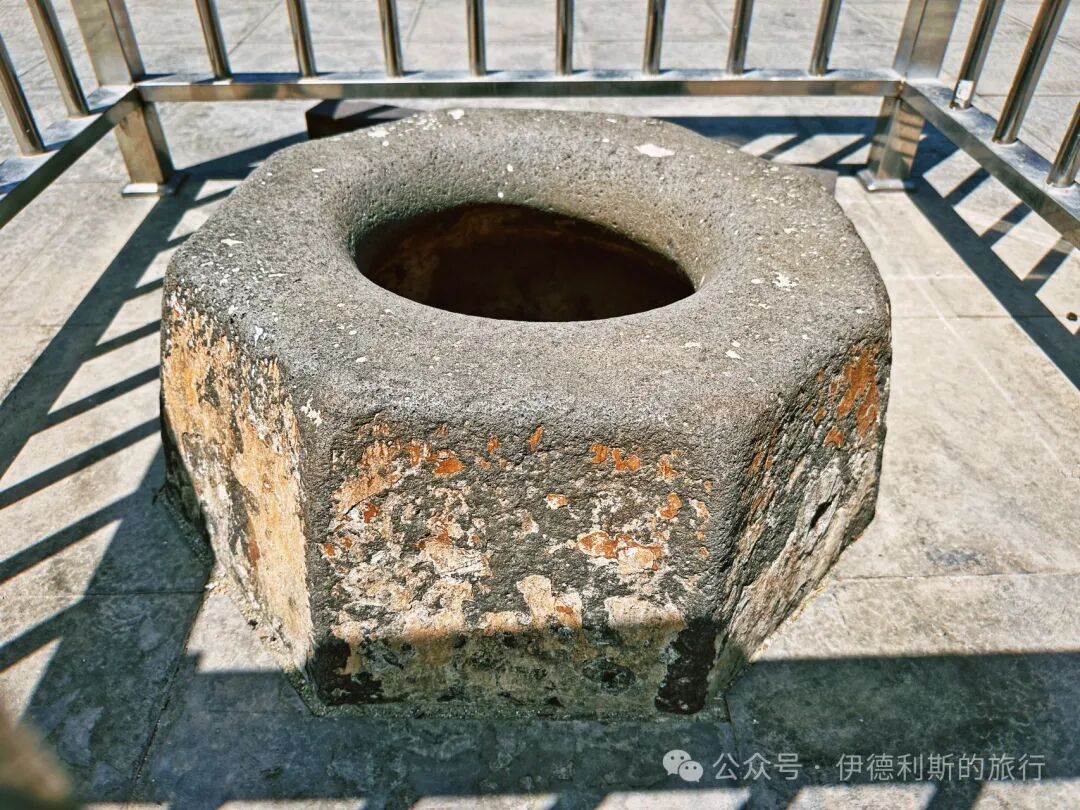
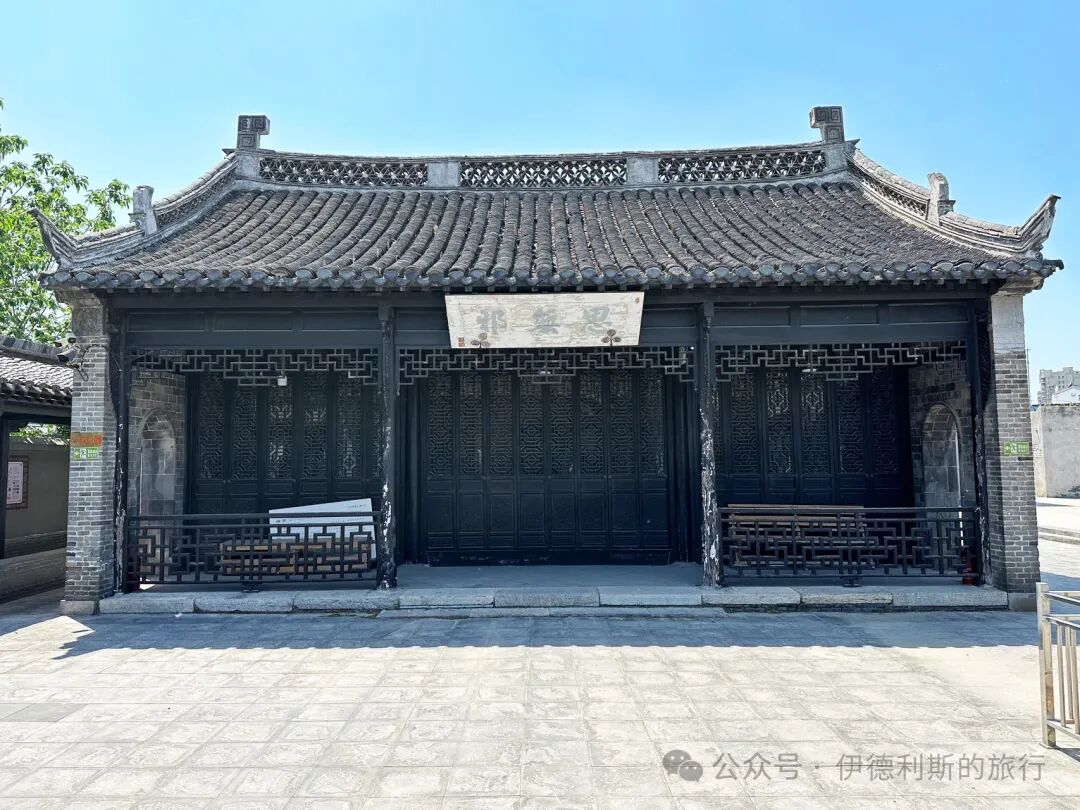
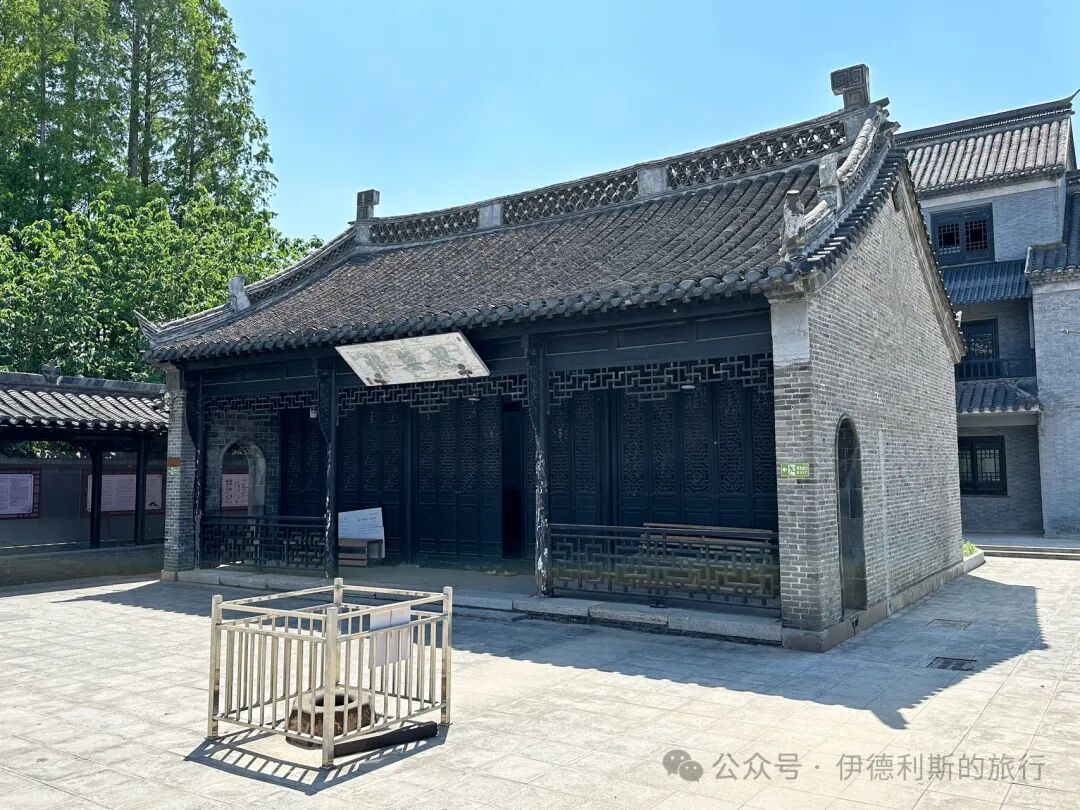
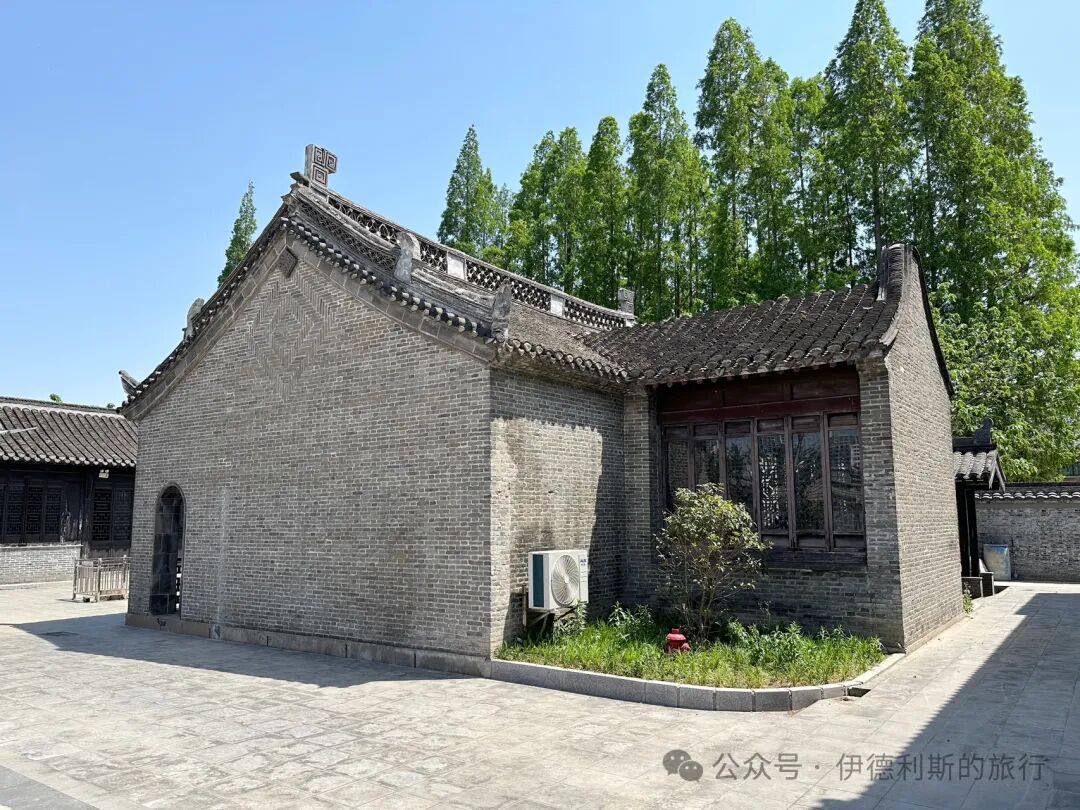
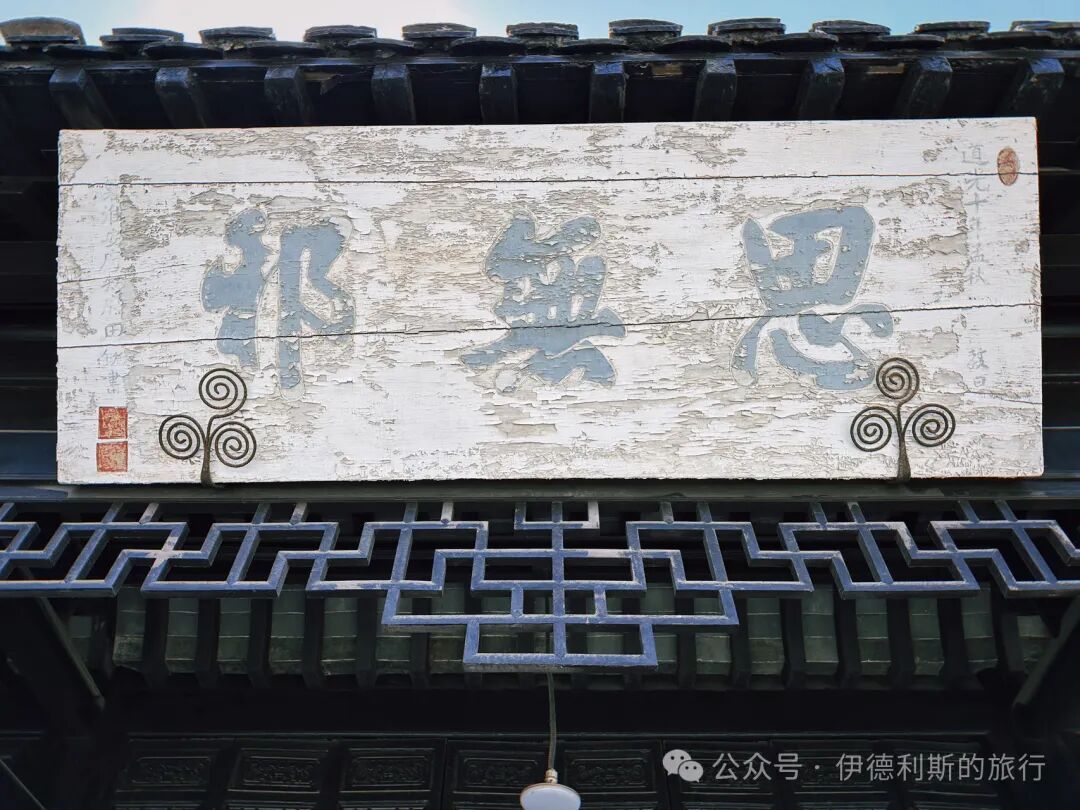
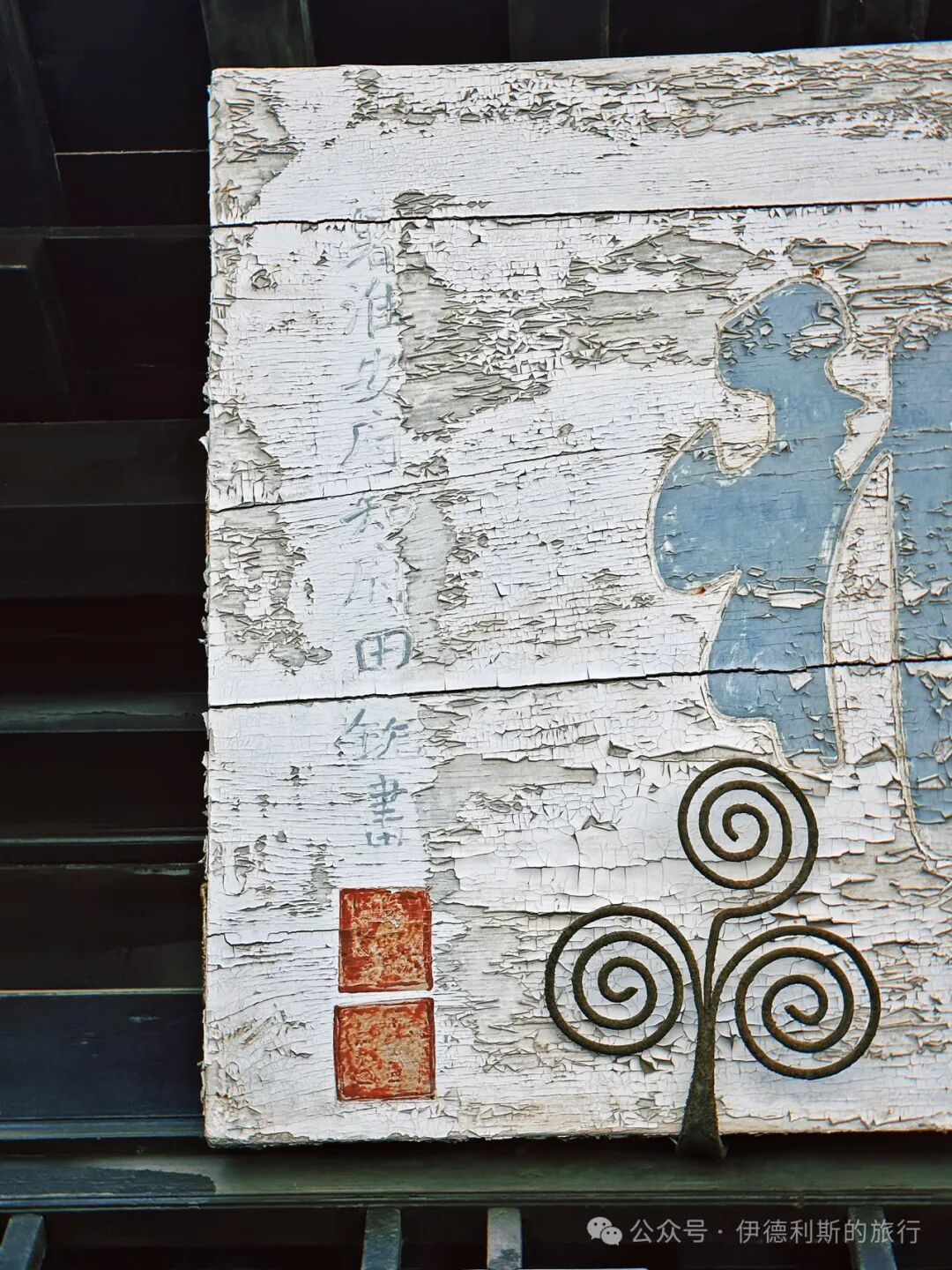
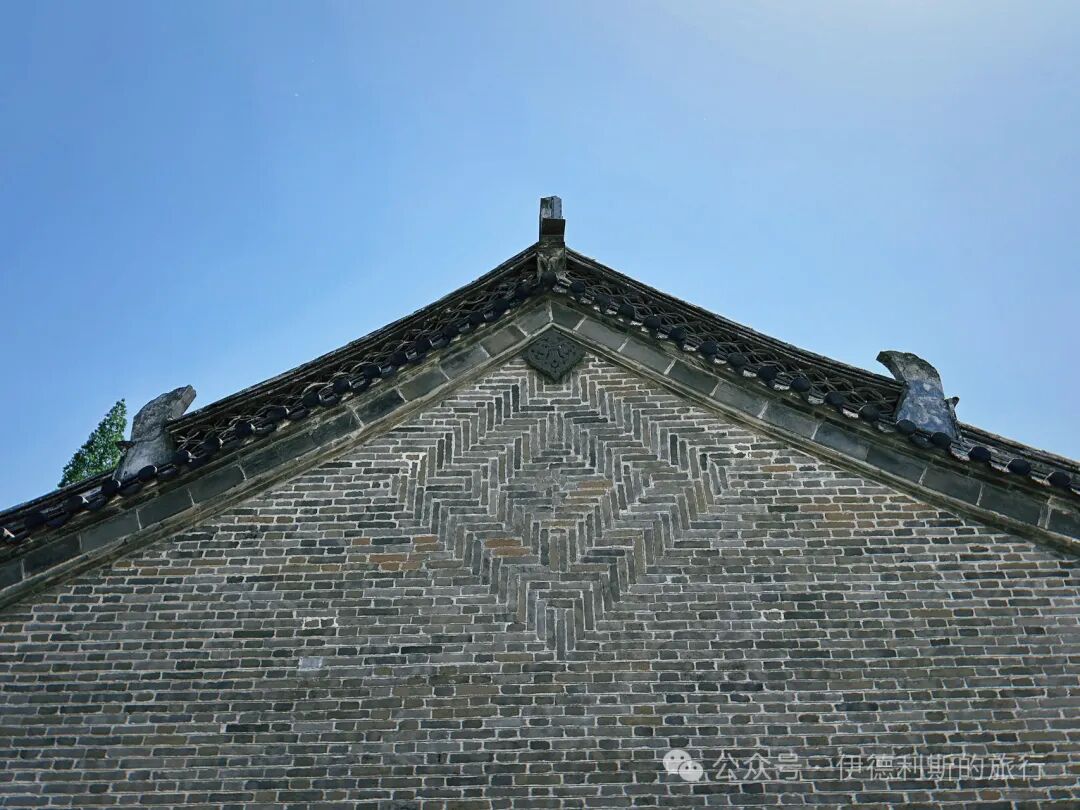
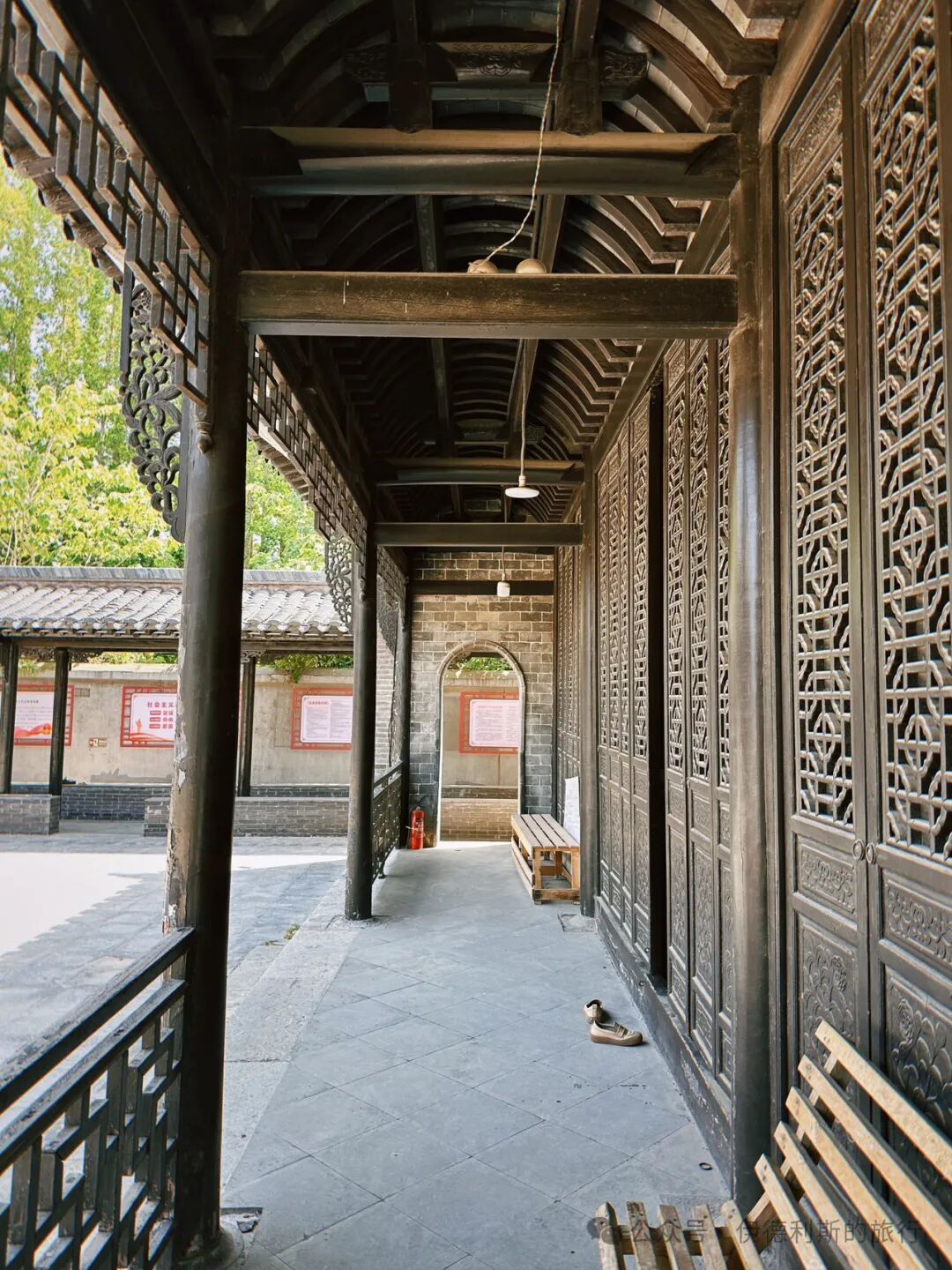
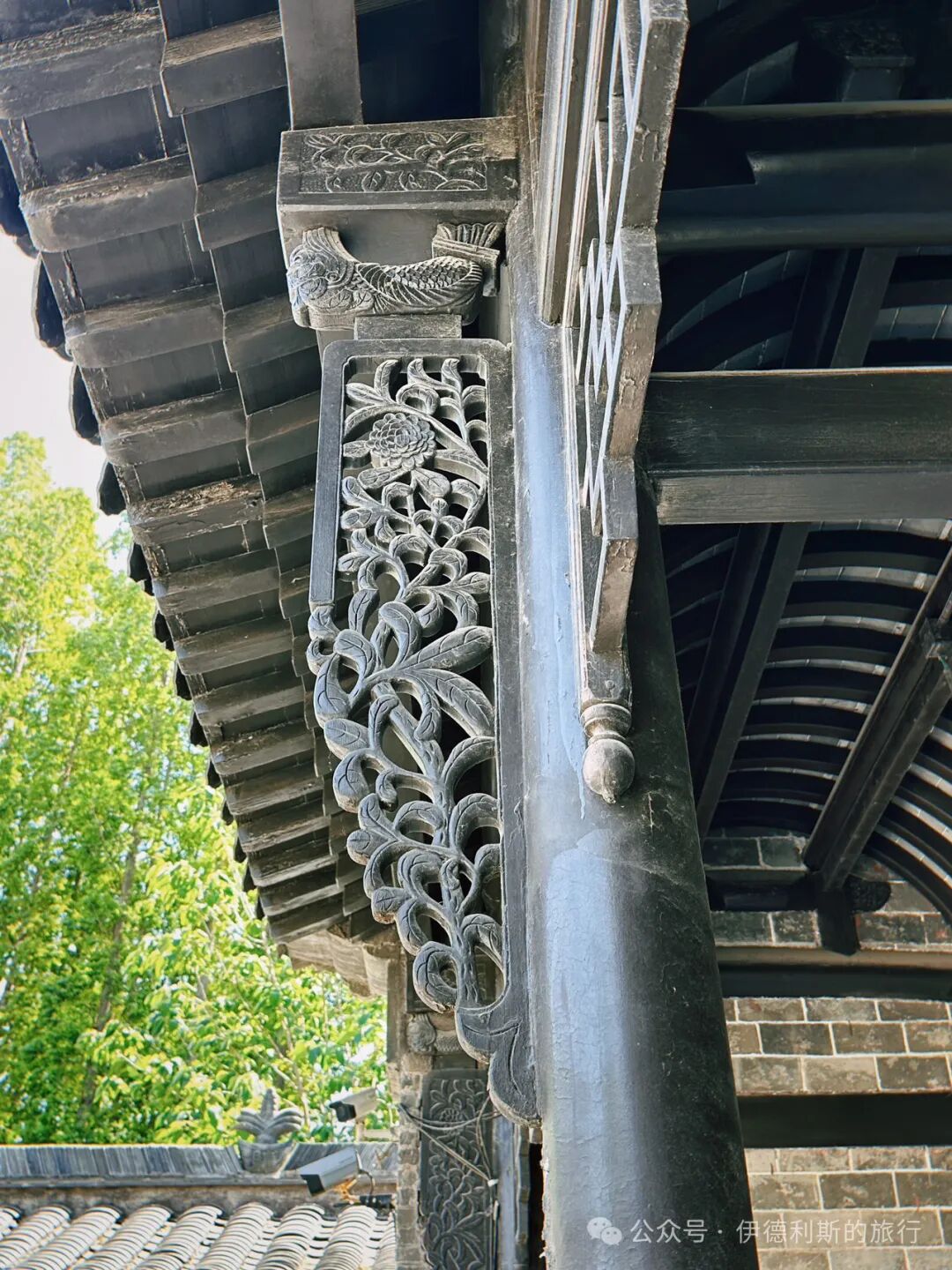
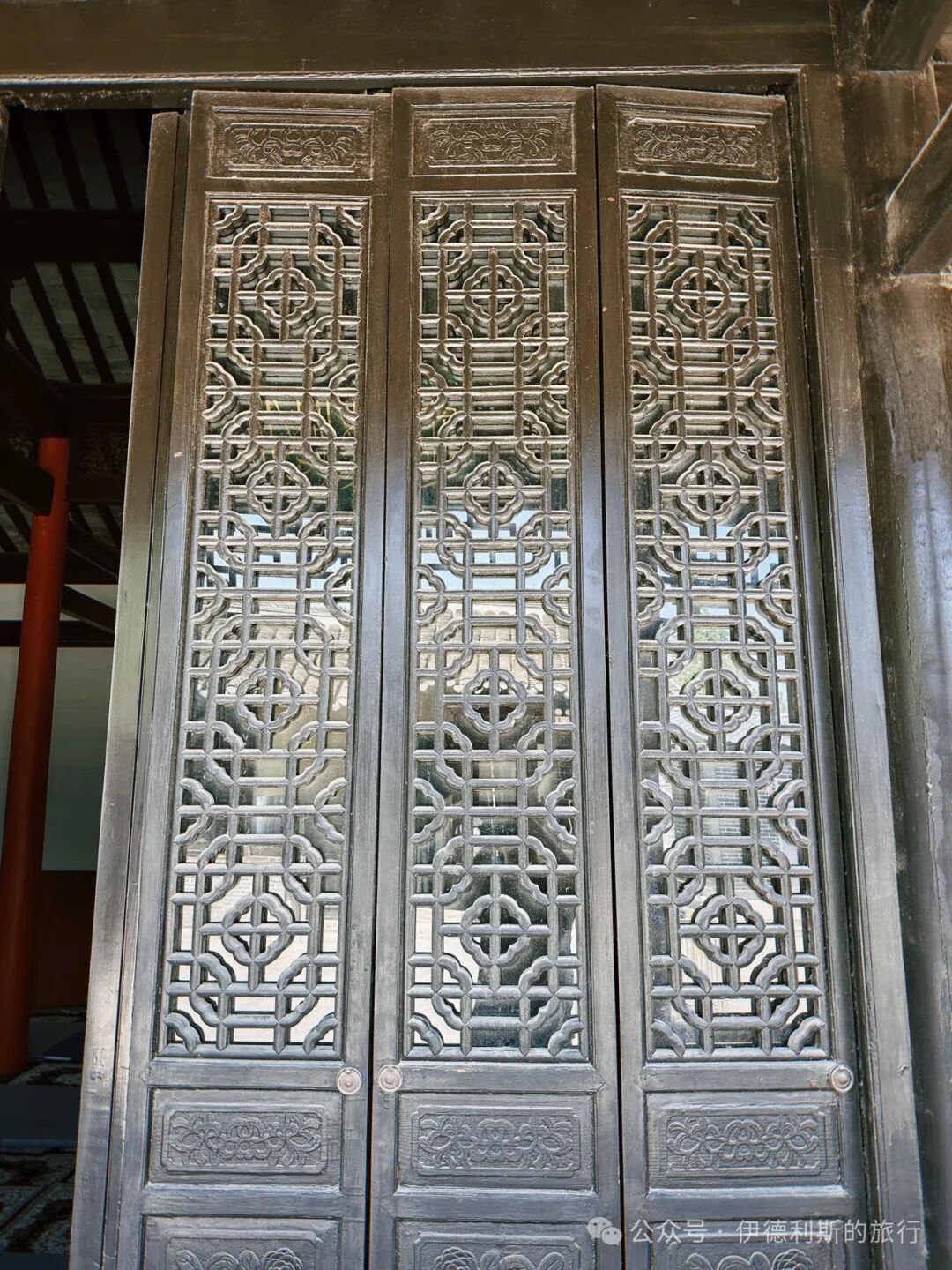
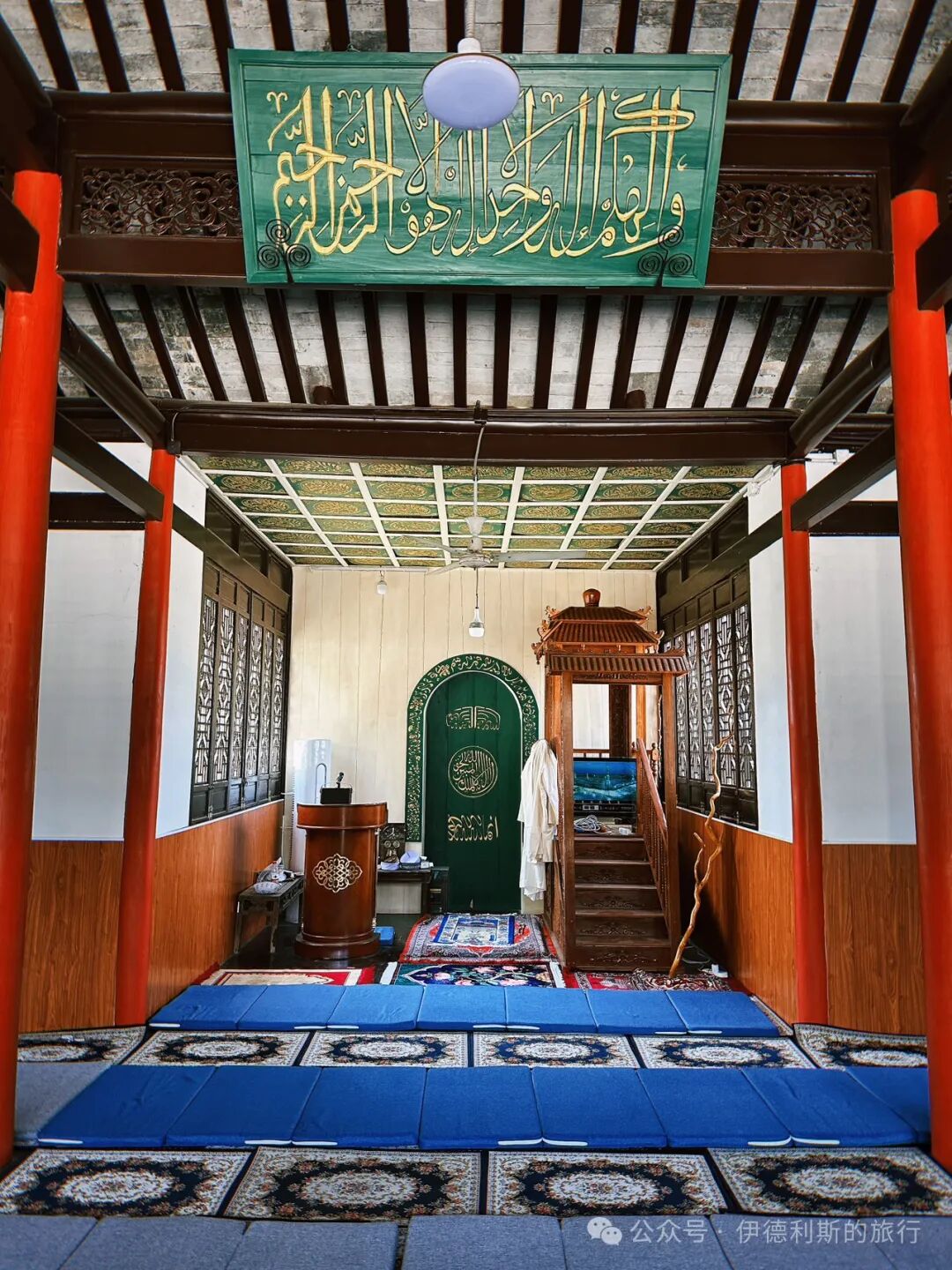
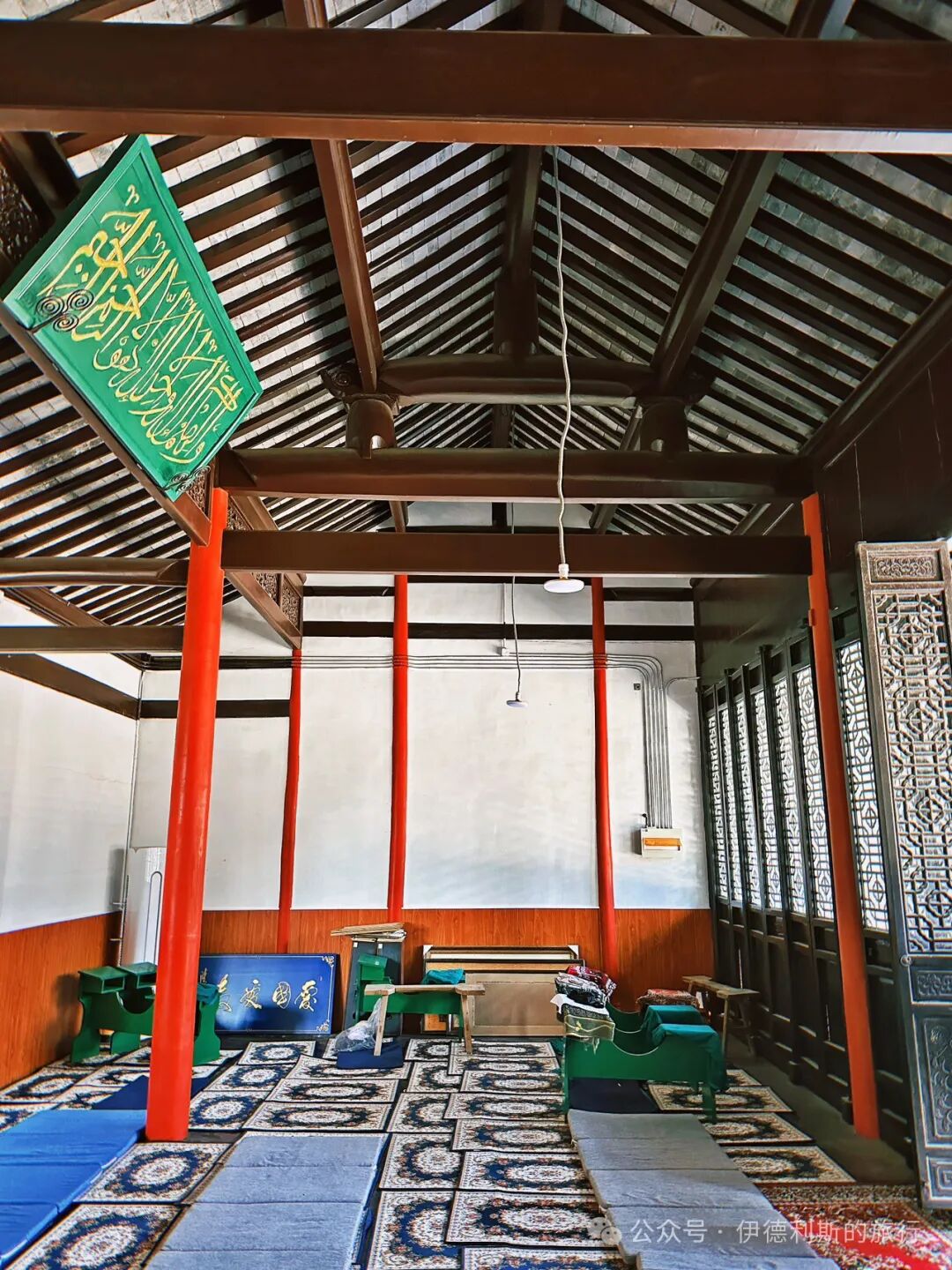
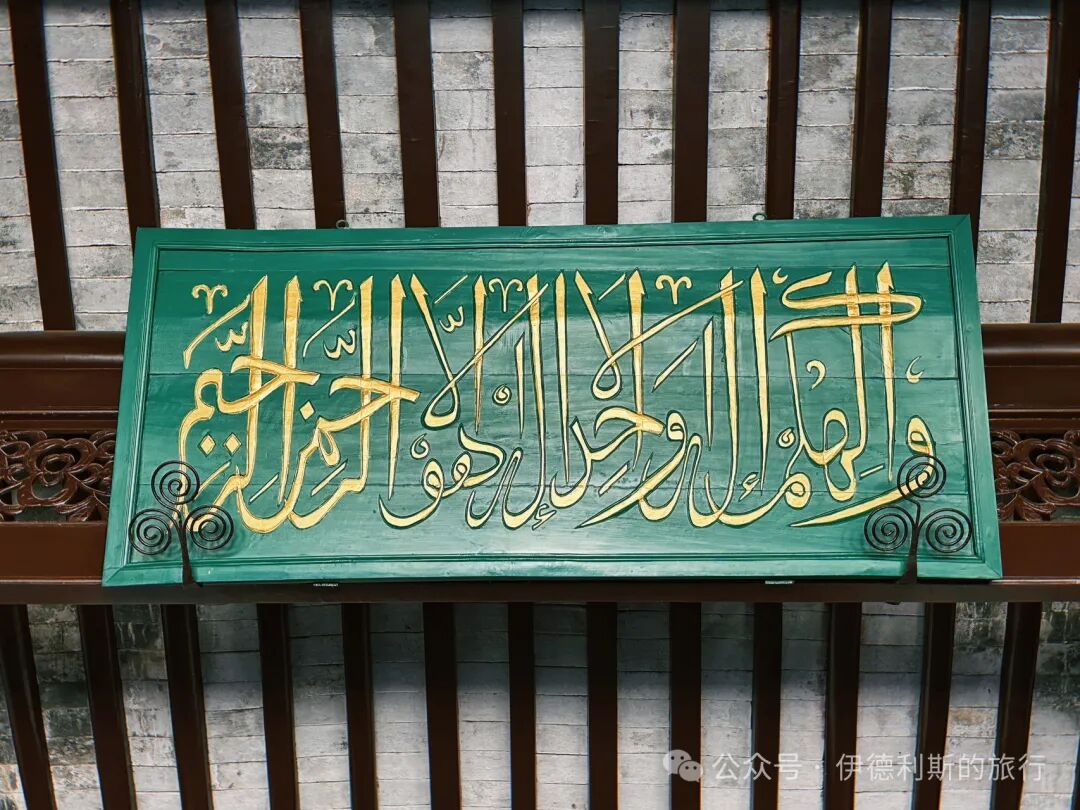
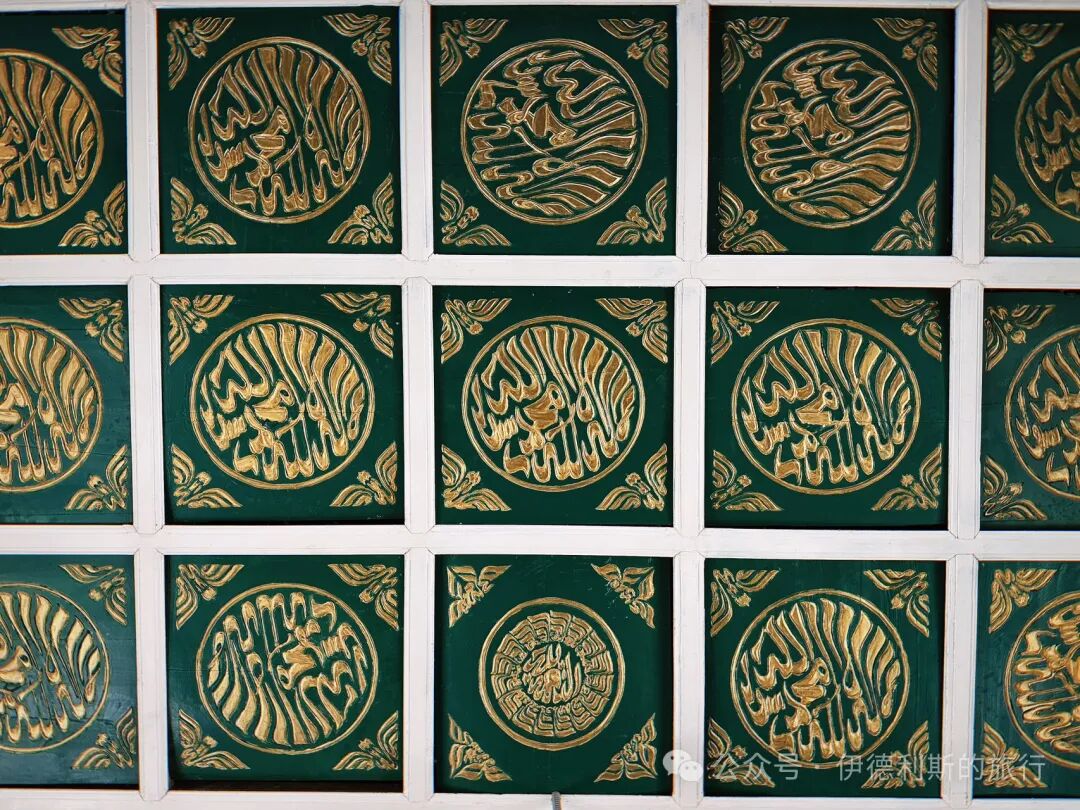
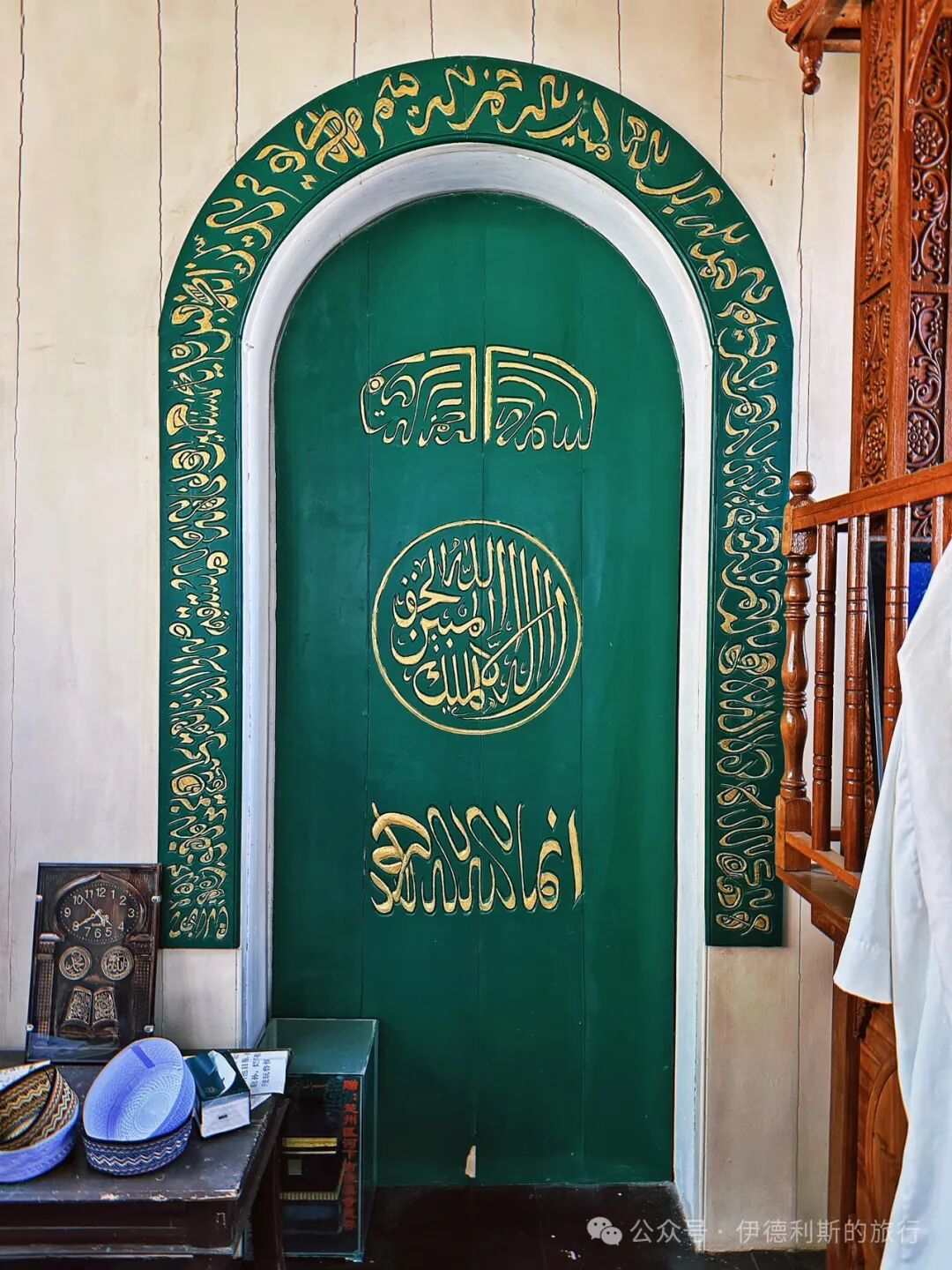
When I visited Huai'an in 2017, there was still a large Hui Muslim restaurant in Hexia, but it has since closed. Only Chen's Halal Sesame Oil Fried Dough Twists (Chenji Qingzhen Mayou Chagou) remain on the old street. Huai'an fried dough twists (chagou) are very thin, light yellow, crispy, and delicious. Children especially love them.
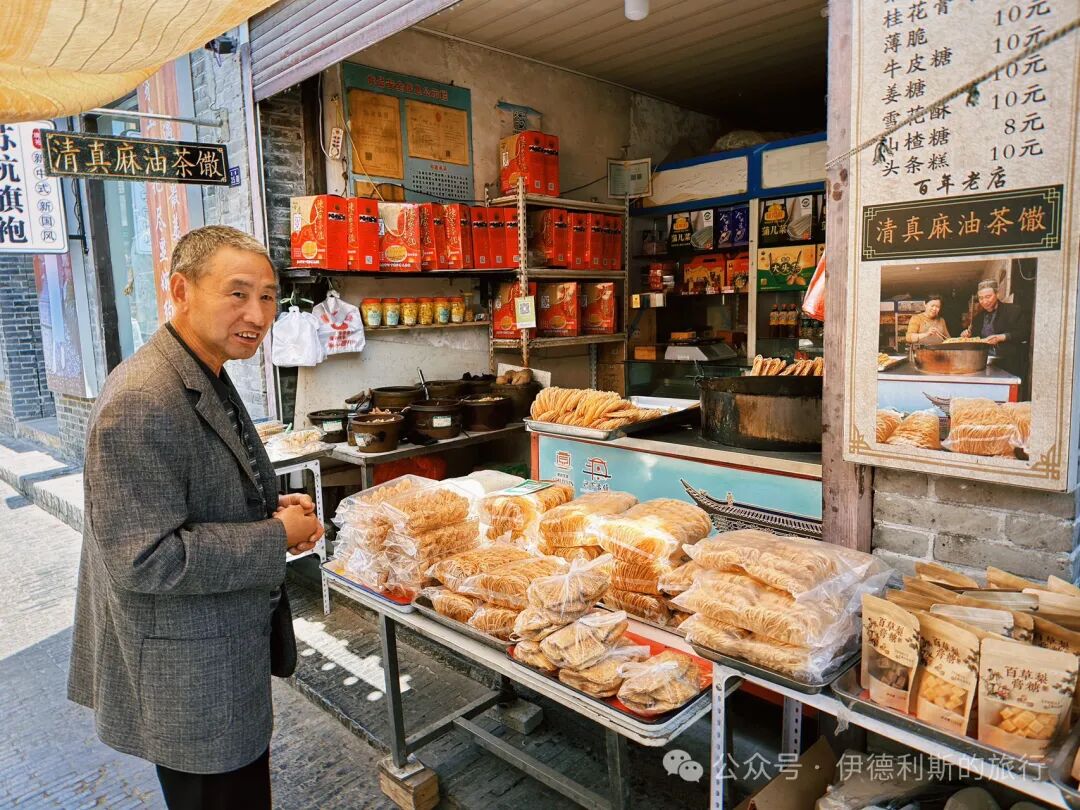
In the early years of the Republic of China, a Hui Muslim named Zhang Bugao opened the Kaifuxingzhai Halal Restaurant in Hexia, which was a famous Hui Muslim eatery at the time. The restaurant had 11 rooms, with two facing the street as the storefront. The building still stands today. It was listed as a Huai'an cultural heritage site in 2009 and now serves as a Hanfu clothing shop and a private residence.
There is a tomb of Zuo Baogui in the Xiaohu Renjia residential area of Hexia Town.
Zuo Baogui was born in 1837 in the Yimeng Mountains of Linyi, Shandong. In 1856, due to severe local disasters, his parents passed away one after another. Zuo Baogui took his two younger brothers and left home. They spent several months traveling to Hexia Town in Huai'an, Jiangsu, by repairing shoes along the way. In Hexia, Zuo Baogui married a local Hui Muslim woman named Tao Erjie. Shortly after, he joined the army, commanded troops in Fengtian for 20 years, and eventually died heroically while fighting the Japanese invaders in Pyongyang.
After Zuo Baogui died, his body could not be recovered. His soldiers brought his blood-stained clothes and one of his boots back to Huai'an. His wife, Madam Tao, and his three sons buried them in their own field by the river near Luojia Bridge in Hexia. Madam Tao and one of their sons were also buried next to the tomb after they passed away (gui zhen). In 1895, the twenty-first year of the Guangxu reign, his descendants built the 'Zuo Zhongzhuang Gong Shrine' on the south side of the tomb, which was later demolished by Japanese and puppet forces during the War of Resistance Against Japan. Additionally, the main hall of the Hexia Mosque once featured a gold-inlaid couplet written by the Guangxu Emperor as a memorial for Zuo Baogui, but it was destroyed in the 1960s.
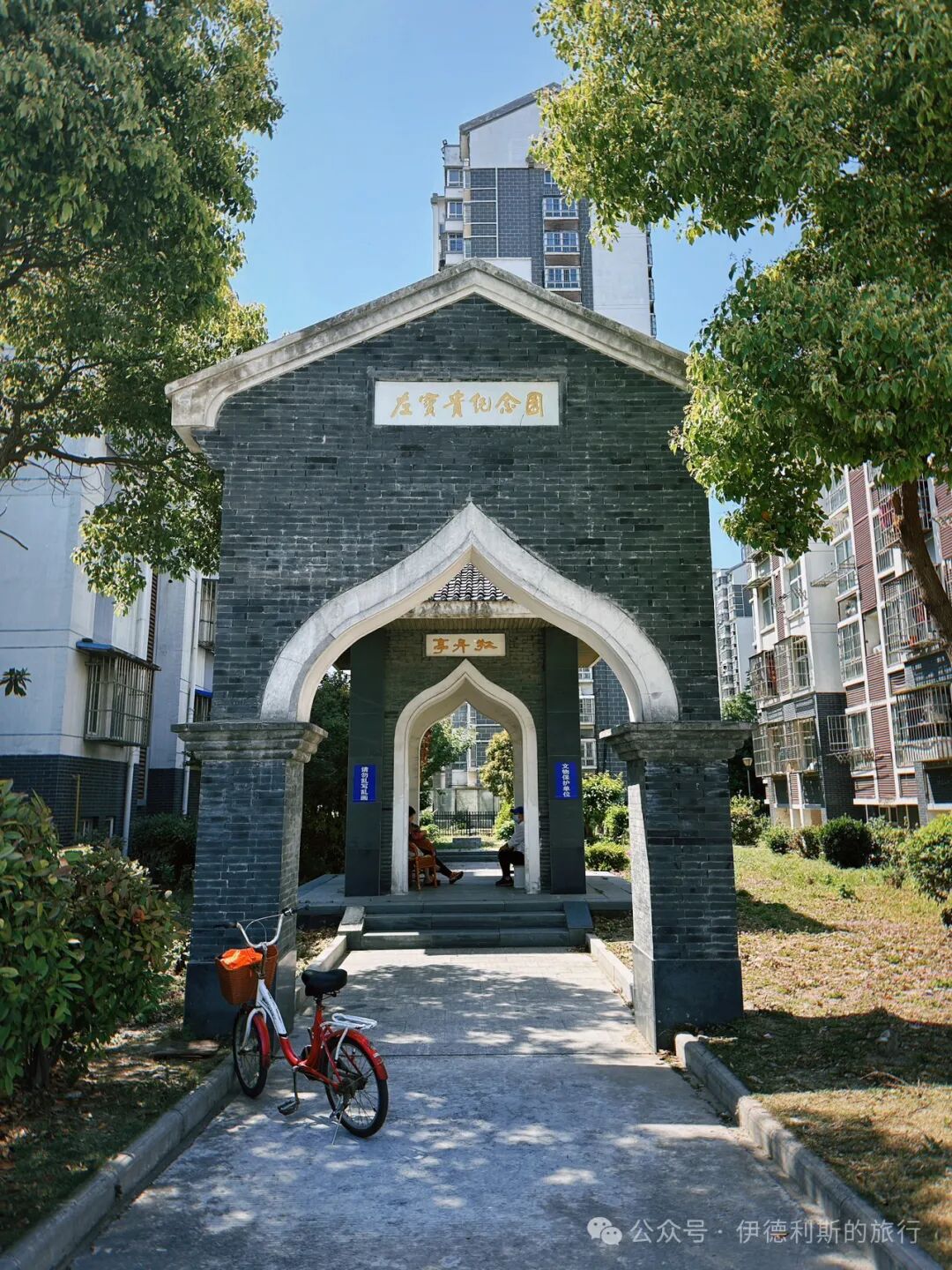
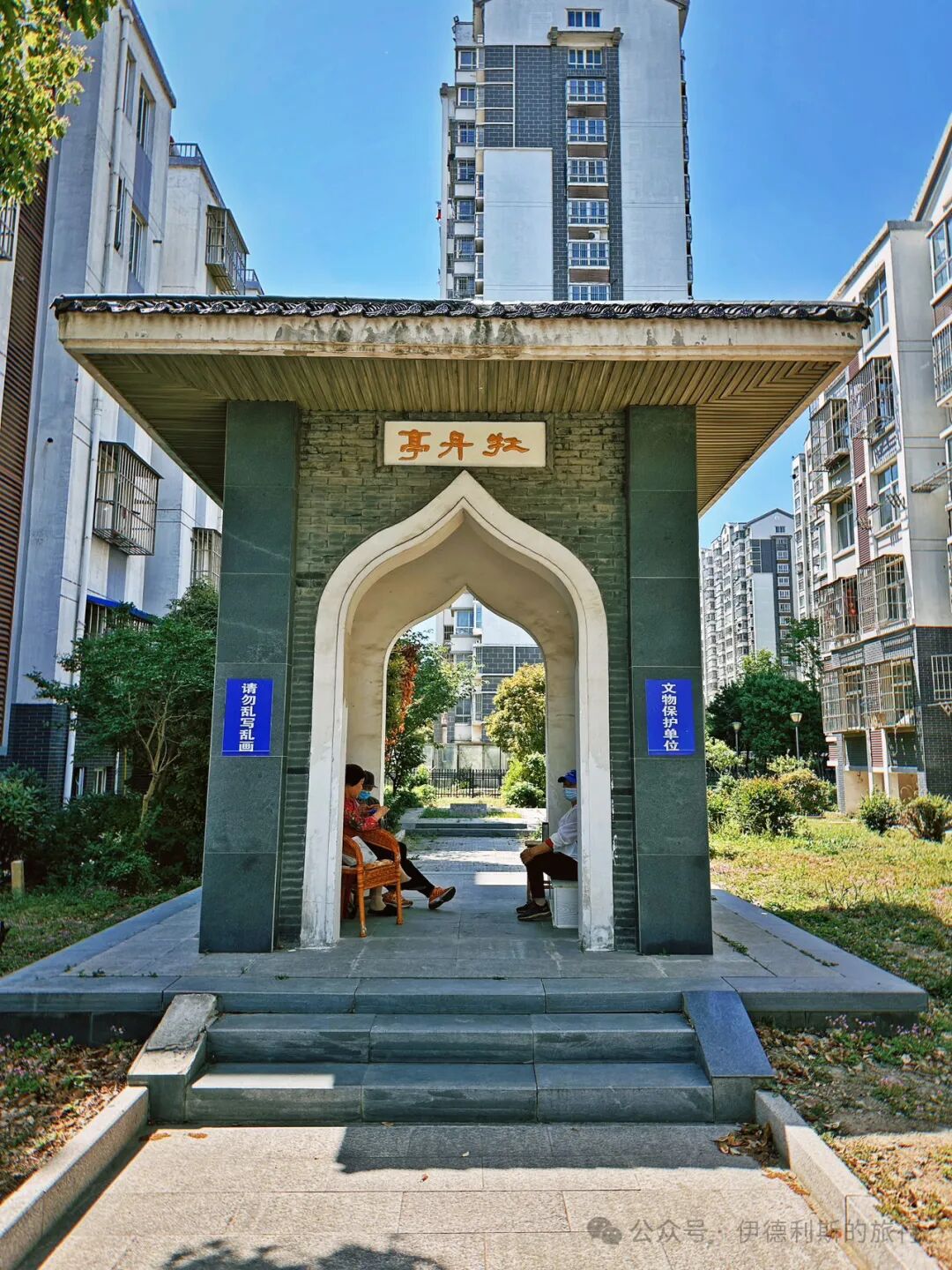
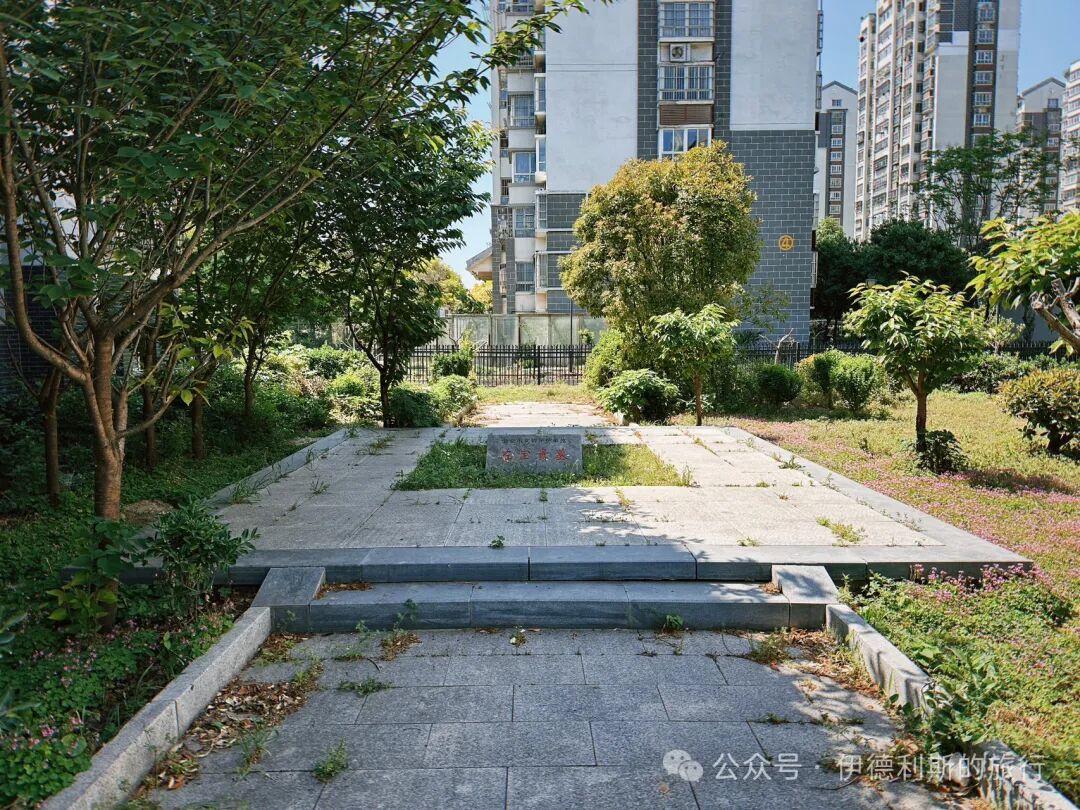
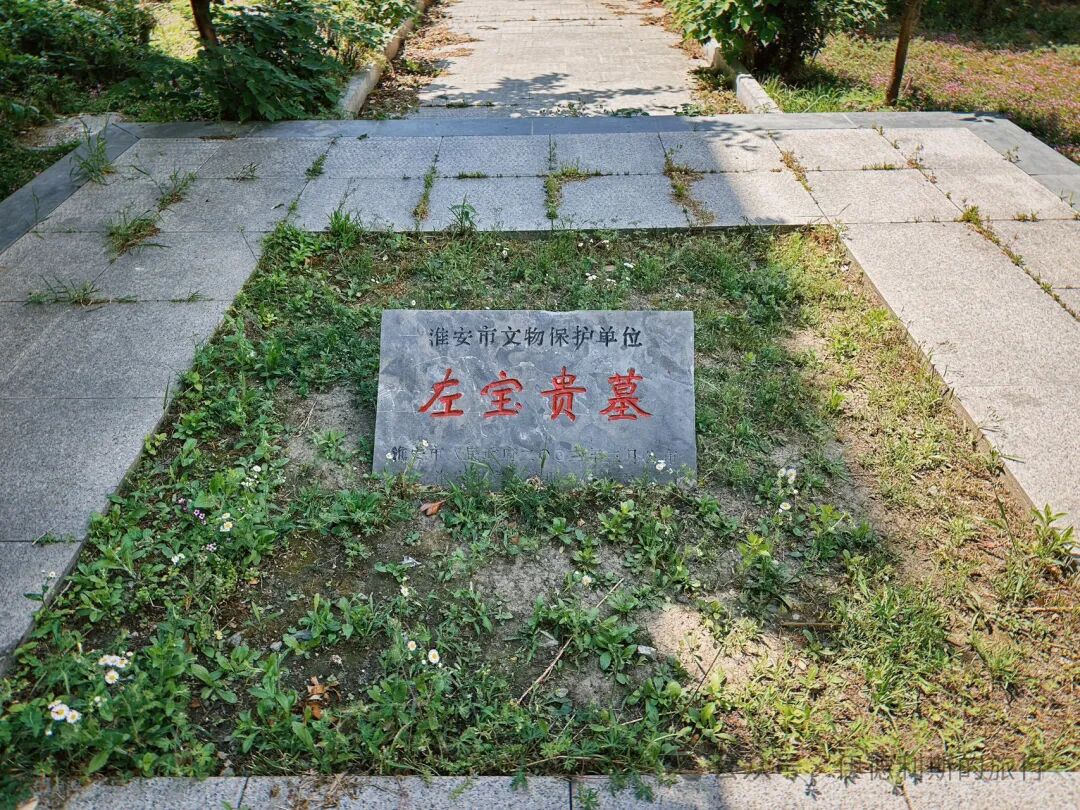
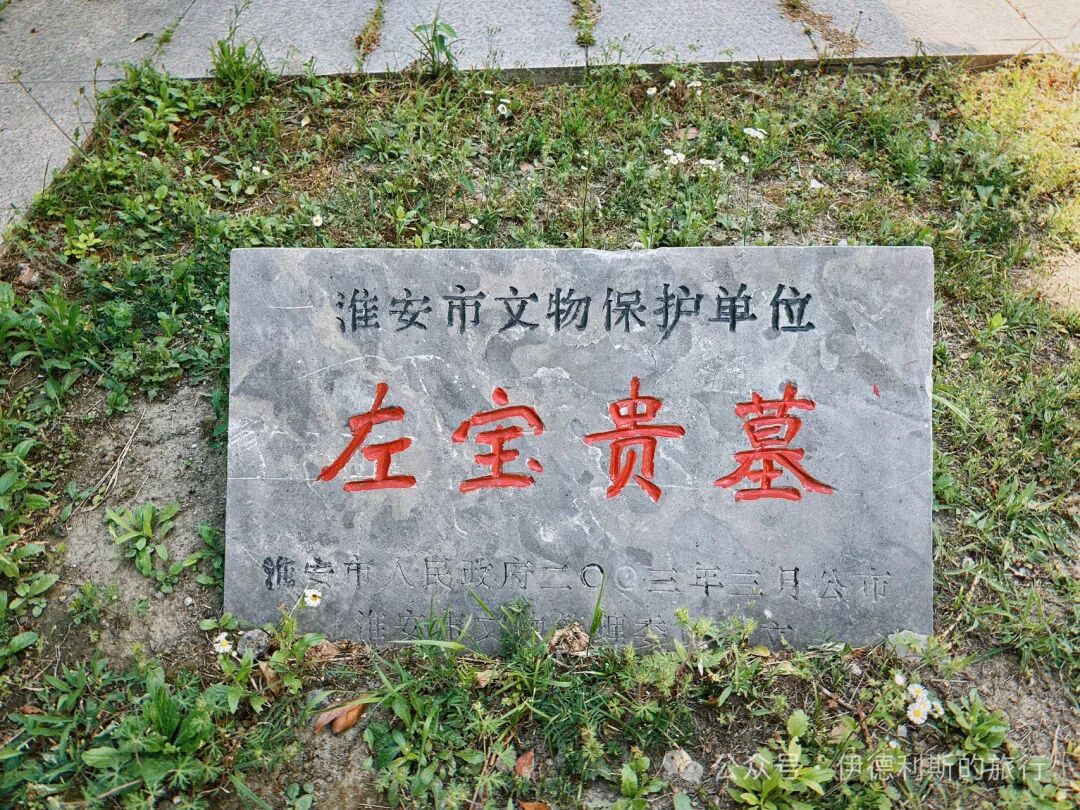
Luojia Bridge in Hexia Ancient Town is a gathering place for local Hui Muslims. The old houses are still there, but it is now difficult to see the Hui Muslim character in the decorations.
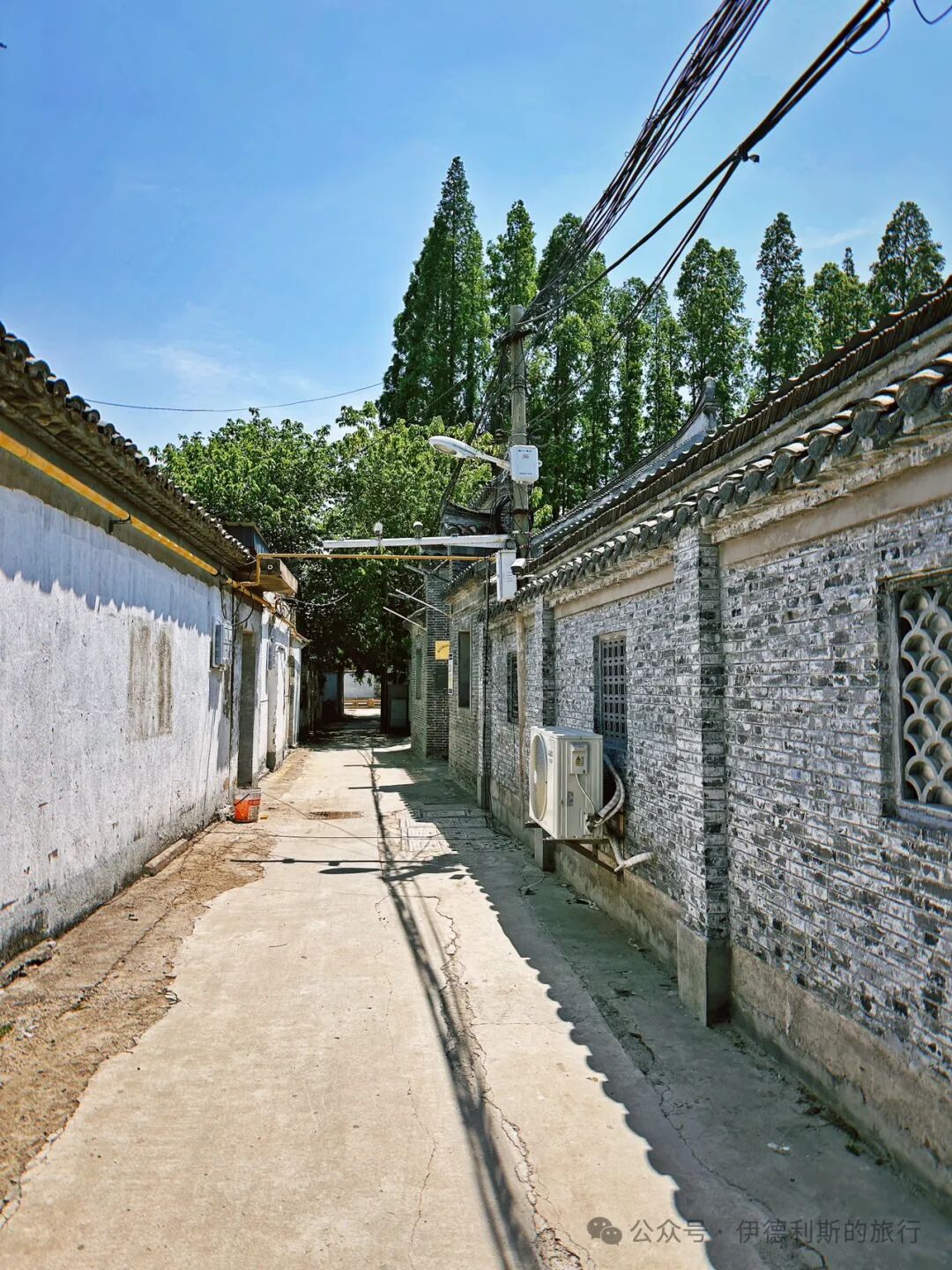
China Mosque Travel Guide Jiangsu Huai'an: Hui Muslim Streets, Mosques and Local History
Articles • yusuf908 posted the article • 0 comments • 177 views • 2026-05-23 23:22
Summary: This Jiangsu travel account revisits Huai an in 2017 through mosques, Hui Muslim community history, streets, and local food. It preserves the original notes on removed source material, place names, architectural details, and historical references.
Because the article was taken down, I have revised and reposted it.
On March 11, 2017, I went to Huai'an, Jiangsu, to explore the food and sights. I visited three places: Qingjiangpu, Hexia, and Wangjiaying. I will introduce them to you one by one.
Qingjiangpu
In 1415 (the 13th year of the Yongle reign of the Ming Dynasty), Chen Xuan, the Earl of Pingjiang, dredged Qingjiangpu. He built the Changying Granary, which stretched for several miles, and the massive Qingjiang Shipyard. He conscripted over 6,000 craftsmen, and grain transport ships from every province were repaired and built here. As a hub for grain transport, the town of Qingjiangpu gradually took shape and became increasingly prosperous.
Because navigating the Yellow River section of the canal was very dangerous and waiting times to pass through locks in Shandong were too long, many merchants and travelers chose to leave their boats at Qingjiangpu. They would cross the Yellow River at Wangjiaying and switch to horse-drawn carriages to continue north. Qingjiangpu became a transportation hub known for "southern boats and northern horses."
In 1677 (the 16th year of the Kangxi reign), the Director-General of Grain Transport moved to Qingjiangpu, making it the center of the grain transport system. In his collection of notes and stories, "Seven Inks of the Golden Pot" (Jinhu Qimo), the Qing Dynasty writer Huang Junzai recorded: "Along the Qingjiang River for over ten miles, the markets were prosperous and filled with goods. People from all directions gathered here, with shoulders rubbing and carriage wheels touching; it was truly magnificent."
However, due to the dual impact of the Taiping Heavenly Kingdom capturing Nanjing in 1853 (the third year of the Xianfeng reign) and the Yellow River bursting its banks and changing course at Tongwaxiang in 1855 (the fifth year of the Xianfeng reign), the canal began to fall into disrepair and silt up. In 1860, the Nian Army captured Qingjiangpu, and its twenty-mile-long bustling market streets were burned down. In 1873, the Qing government ordered the China Merchants' Steam Navigation Company to transport grain from Shanghai to Tianjin by steamship, causing Qingjiangpu to decline rapidly. After the Jinpu Railway opened in 1912, Qingjiangpu declined even further. When the new Grand Canal was completed in 1959, Qingjiangpu finally ended its history as a transportation hub.
Qingjiang Mosque
The most important wharf in Qingjiangpu is next to Yuezha. It is called the Imperial Wharf (Yu Matou) because both the Kangxi and Qianlong emperors landed there during their southern inspection tours. This was once the most prosperous and lively place in Qingjiangpu.
Starting from the Ming Dynasty, Hui Muslims did business on Yuehe Street in front of the Imperial Wharf. This gradually formed the Yuehe Street Hui Muslim community in Qingjiangpu, and the center of this community is the Qingjiang Mosque.
Qingjiang Mosque was originally called Yuanpu Mosque. It was first built during the Jiajing period of the Ming Dynasty and underwent large-scale renovations and expansions in 1799 (the 57th year of the Qianlong reign). In 1860 (the 10th year of the Xianfeng reign), the Nian Army captured Qingjiangpu and destroyed the mosque. The imam, Ma Huanwen, unfortunately passed away from illness while raising funds for its reconstruction. Fortunately, an elder from Nanjing named Jiang Hengqing took over. He organized everyone to raise funds, and they finally rebuilt the main prayer hall in 1870 (the 9th year of the Tongzhi reign).
The 1870 (9th year of the Tongzhi reign) stele inscription titled 'Record of Rebuilding the Mosque Main Hall' inside the mosque tells the history of Qingjiang Mosque.
In 1910 (the 2nd year of the Xuantong reign), Qingjiang Mosque established Muying Primary School next to the mosque to teach both Chinese and Arabic. The famous historian Professor Pang Pu once studied there. Today, the school building is destroyed, and no traces remain.
To the west of the mosque once stood the former residence of Zuo Baogui, known as the Zuo Mansion. General Zuo Baogui led his troops to defend the Xuanwu Gate in Pyongyang during the First Sino-Japanese War in 1894 (the 20th year of the Guangxu reign), dealing heavy blows to the Japanese army. On September 15, General Zuo Baogui personally lit a cannon to fire. His right arm was blown off, but he bandaged the wound and kept fighting. He was eventually hit in the chest by a shell and died a heroic death at the age of 57. That same year, the Yangzhou government followed an imperial decree to build a cenotaph for Zuo Baogui next to the Puhading Tomb in Yangzhou, which is still preserved today.
Qingjiang Mosque stopped its activities and was occupied in 1966. It was renovated in 1979 and has been open ever since.
Halal food in Qingjiangpu.
There are over ten halal restaurants in Qingjiangpu. Just on the Yuehe Snack Street in front of the mosque, there are eight, and each one has its own specialty.
Liu Si Noodle Shop serves chicken noodle soup with fish balls, beef balls, and squid. The fish balls are super delicious, and the soup is excellent. It feels great to finish a bowl. However, the owner said this area will be demolished in a year or two, so they will likely have to move.
Salted goose (yanshui e) from Sha's Beef Shop.
Wonton noodles (huntun mian) from Ding Si Wonton Noodle Shop.
Little sparrows (fried mini wontons).
Seman Cafe is run by local Hui Muslims. They serve tea in the afternoon and grilled skewers at night. I ordered Arabic coffee, dates, and date milk. The atmosphere is quite nice.
Saudi perfume.
I read for a while in the cafe. There are many books on the shelves.
Finally, I bought some Dubai wheat soda.
Hexia Ancient Town.
Travel south along the Grand Canal from Qingjiangpu, and you will reach Hexia Ancient Town, not far northwest of the Huai'an Prefecture city. Hexia is the largest town in the suburbs of Huai'an. Its historical official name was Manpu. After Emperor Shizong of the Later Zhou Dynasty attacked the Southern Tang, he set up the Manpu Customs here and built dams and locks. During the Song and Yuan dynasties, Hexia developed into an important canal town.
Because the salt fields along the coast of Huaibei produced high-quality salt, many salt merchants from the northwest and Anhui came to Huaibei during the late Ming Dynasty. The Huaibei Salt Transport Office was located in Hexia. Salt from the fields had to be shipped to Hexia for inspection before merchants sold it elsewhere. Hexia then entered its most prosperous period. Salt merchants built gardens and courtyards there. The Qing Dynasty record "Hexia Annals of Huai'an" states: "Wealthy salt merchants brought their capital and made their homes in Hexia, making the town extremely prosperous." The wealth brought by these merchants made the town's business thrive, and many Hui Muslims also came to settle in Hexia.
In 1831 (the 11th year of the Daoguang reign), Liangjiang Governor Tao Peng implemented the ticket salt law in Huaibei, requiring permits to transport salt. Many salt merchants went bankrupt quickly. This event is known as the "Salt Reform," and Hexia Ancient Town began to decline from then on.
Hexia Mosque was first built in the Ming Dynasty. In 1860 (the 10th year of the Xianfeng reign), when the Nian Army captured Huai'an, 10 rooms of the mosque were burned down, but it was later rebuilt. After 1966, Hexia Mosque stopped its activities and four rooms were damaged. It resumed activities in 1986 and recently underwent major renovations to reach its current state.
When we visited, the Hexia Mosque was empty. Imam Sha was running a beef and lamb shop on the other side of town and only goes to the mosque when needed.
In the early years of the Republic of China, a Hui Muslim named Zhang Bu'ao opened the Kaifuxingzhai Halal Restaurant in Hexia Town. It was a famous halal restaurant at the time with 11 rooms, two of which faced the street. The building still stands today and is listed as a cultural relic protection unit in Huai'an City.
Halal snacks in Hexia Town.
The second issue of Jiangsu Muslims in 2016 featured an article titled Famous Halal Products, Restaurants, and Snacks in Huai'an, provided by the Huai'an Islamic Association. The article mentions that in the late Qing Dynasty, a Hui Muslim named Li in Hexia Town applied noodle-pulling techniques to making fried dough twists (sanzi), creating a unique version of the snack. The Li family's fried dough twists (sanzi) are made with sesame oil and no alkaline additives, allowing them to be shaped into fans, combs, pagodas, and other patterns.
Halal tea-flavored fried dough twists (sanzi) in Hexia Town today.
There is also a type of sweet cake.
Hexia Town once had a teahouse opened by a Hui Muslim named Chen Yongyuan during the Xianfeng era. The lintel above the door was inscribed with the word Halal in red, Chen Yongyuan in the middle, and Teahouse at the bottom. This piece is now in the collection of the Chuzhou Museum. Every morning, someone was sent to fetch water from the Grand Canal. After returning, they used alum to clarify the water, then boiled it to brew famous teas like Longjing and Biluochun. People came to the teahouse every morning to drink tea and chat in a constant stream.
Today, there is still a halal snack shop on Zhugan Lane in Hexia Town, where we had some very delicious shredded chicken noodles.
Wangjiaying.
Wangjiaying, now called Wangying, is located between the old Yellow River course and the Yan River. During the Ming Dynasty, the Dahe Guard was established in Huai'an Prefecture, and ten military camps were built along the Yellow River. Wangjiaying was one of them.
Because travel on the Yellow River section of the canal was slow and passing through the locks was dangerous, often leading to broken cables and sunken boats, many merchants chose to leave their boats at Qingjiangpu. They would cross the Yellow River at Wangjiaying and switch to horse-drawn carriages to continue north. Wangjiaying and Qingjiangpu gradually grew into busy towns together.
The old Yellow River course before 1855.
Wangjiaying experienced many Yellow River floods, and the town moved east three times before reaching its current location. Wangjiaying became more prosperous in the early Qing Dynasty. The Wangjiaying Gazetteer records that it was a place where southern boats and northern horses met and crowds gathered. In 1831, the Viceroy of Liangjiang, Tao Peng, implemented a salt ticket system in Huaibei. Known as the salt reform, this meant sea salt from Huaibei salt fields no longer needed to be inspected and taxed in Hexia Town. Tao Peng chose Xiba in Wangjiaying as the new distribution center for Huai salt. Because of this, Wangjiaying became the center for eighteen salt warehouses and seventy-two salt bureaus. Salt boats traveled constantly along the three-hundred-mile waterway between the Huaibei salt fields and Wangjiaying.
The rise of Wangjiaying during the Qing Dynasty led to Hui Muslims settling there. The first Hui Muslims to arrive in Wangjiaying were the Ma and Sha families, who came from Lingzhou in Gansu by way of Shandong and Zhenjiang. Later, families named Jin, Dai, Chang, Ge, Fan, Li, and Yang also settled here.
The history of the Wangjiaying Mosque is documented in the book A Century-Old Mosque in the Ancient City of Huaiyin by Imam Fan Weiming and in The Past and Present of Wangying Mosque by Mao Lifa, the former director of the Huaiyin District CPPCC Cultural and Historical Committee. I have organized that information here.
The Wangjiaying Mosque was first built during the Yongzheng reign as three thatched rooms next to the lotus pond at Wangjiapo. At the end of the Daoguang reign, it moved to the south bank of the Salt River, with Imams Chang Tingzhang and Dai Mingxuan in charge of religious affairs. Imam Chang Tingzhang, known as Third Master Chang, was originally from Jining, Shandong. He was born in 1785 in Taoyuan County, Huai'an Prefecture, Jiangsu (now Siyang). In his youth, he studied in Lingzhou, Gansu (now Lingwu, Ningxia), and after completing his studies, he visited various places in Jining, Shandong, to continue his religious education. In 1810, at the age of 26, Imam Chang Tingzhang was invited to lead the Wangjiaying Mosque. Imam Chang Tingzhang had deep knowledge of Arabic classics, astronomy, and medical theory. According to the Wangjiaying Gazetteer, a man named Third Master Tao from Hangzhou died in Huai'an during the Daoguang reign. Because it was the heat of summer, Imam Chang Tingzhang personally bought a boat to transport the body south along the Grand Canal to Hangzhou to fulfill his duty to the family.
In 1860, the Nian Army entered Wangjiaying and burned the mosque. In 1867, Imam Dai Jingzhai, the son of Imam Dai Mingxuan, built a few thatched huts, and later, with donations from the community, a main prayer hall with three thatched rooms was constructed.
Imam Chang Tingzhang passed away in 1870, and Imam Dai Jingzhai took over religious affairs. In 1884, the thatched rooms were rebuilt with tile roofs. Because Imam Chang Tingzhang had studied at the Jahriyya order's Daotang in Lingzhou, Ningxia, in his youth, the Wangjiaying Mosque later invited five successive Jahriyya imams from Ningxia to lead religious affairs and teach. Subsequent imams also went to Ningxia for further study. This made the Wangjiaying Mosque one of the nine branch centers of the Banqiao Daotang in Ningxia, maintaining a very close relationship with the Banqiao Daotang in Wuzhong, Ningxia.
In 1912, the mosque built a new main gate, a south lecture hall, a kitchen, and a washroom. In 1920, with funding from the Jinshantang in Gansu and money from selling dozens of willow trees from the public cemetery, they rebuilt the three-room tiled eave structure in front of the main prayer hall and added a new three-room east lecture hall.
In 1958, the Wangjiaying Mosque moved to the east side of West Ma Road in Wangying, and in 1961, it moved to its current location because a bank needed the land to build. In 1966, during the campaign to destroy the Four Olds, the main hall's plaques reading "The Way Spreads to the Central Land," "The Faith Follows the Western Regions," and "Stop at the Ultimate Good," along with the gold-lettered Arabic plaques and the couplets reading "See the invisible, hear the soundless, rectify the mind and be sincere, become a sage or a worthy, original nature;" were all smashed or burned. The couplet continued, "The Way stands, movement brings harmony, reach others through oneself, help things and help the world, all is complete," and these were also destroyed, along with funeral equipment, while the main hall was taken over by a shoe and hat factory to use as a warehouse.
In 1979, under the leadership of Imam Ge Weili, the Wangjiaying Mosque was rebuilt in a traditional style, finishing in 1985, and after two more renovations and expansions in 2003 and 2006, it reached its current appearance.
Imam Ge Weili was born in 1924, went to Ningxia to study in 1937, became the imam of Wangjiaying Mosque after completing his training in 1945, served as the imam in 1966, and later became the vice president of the Jiangsu Islamic Association and president of the Huai'an Islamic Association. The religious affairs of the Wangjiaying Mosque are now handled by Imam Fan Weiming, a student of Imam Ge Weili.
Halal food in Wangjiaying.
The second issue of "Jiangsu Muslims" in 2016 featured an article titled "Famous Halal Products, Shops, and Foods in Huai'an," provided by the Huai'an Islamic Association, which wrote about the halal food in Wangjiaying.
In 1831 (the 11th year of the Daoguang reign), after the salt administration expanded at Xiba in Wangjiaying, Imam Dai Mingxuan of the Wangjiaying Mosque opened a halal restaurant at the north end of Yushan Street, hiring the best local chefs and making it a high-end spot where many Huai'an officials and nobles held banquets.
In 1860 (the 10th year of the Xianfeng reign), after the Nian Army broke through Wangjiaying, the halal restaurant and the mosque were both destroyed in the war. In 1886 (the 12th year of the Guangxu reign), with everyone's help, Imam Dai Jingzhai, the son of Imam Dai Mingxuan, reopened the halal restaurant at the North Weimen gate in Wangjiaying. The halal restaurant was forced to close after 1937, reopened after 1945, but struggled due to the following wars. After the public-private partnership in 1958, the halal restaurant merged into the Huaiyin Food and Beverage Company No. 2, with Ma Hengpu serving as manager. At the end of 1959, it moved to Beijing Road, featuring three storefront rooms in the front and four kitchen rooms in the back, with Wang Jinbiao taking over as manager. After the 1970s, Li Haiquan took over as manager and renamed it the Hui Muslims Restaurant (Huimin Fandian). In the 1980s, Ma Hengbao led the construction of a new two-story building, and Dai Peng took over as manager. In March 2003, the Hui Muslims Restaurant was restructured, the original staff were all bought out, and it became a private enterprise.
The beef jerky (niupu) made by Ma Wu in Wangjiaying is also very famous. Ma Wu's real name was Ma Guowu. During the Taiping Rebellion, his grandfather Ma Xingyuan moved from Shaanxi to Mule Horse Street (Luoma Jie) in Wangjiaying and supported his family with his ancestral beef jerky craft. By Ma Wu's generation, the business grew larger, and the storefront was rebuilt from three single-story rooms into a multi-story building. Ma Wu chose only the best lean yellow beef. After cutting it into pieces, he sprinkled it with salt and saltpeter brine, rubbed it thoroughly, and put it in a vat to cure. It took one week in winter, and a few days less in other seasons before it was ready to be taken out. After taking it out of the vat, he drained the brine and put the meat into a pot. He added old brine, rock sugar, fennel, soy sauce, almonds, galangal, and over ten other ingredients. He brought it to a boil and then simmered it over low heat for 7 hours until it was done.
In 1954, during the public-private partnership, Ma Wu became a worker at the Wangying Town Bean Products Factory. After the reform and opening up, he returned to his old trade until he passed away (guizhen) in February 1999 during Eid al-Adha (Jierbang Jie). None of his children inherited the family business, and the Wangjiaying Ma family beef jerky was lost from then on.
After this, another Hui Muslim from Wangjiaying, Fan Weishun, put up the sign for Fan's Beef Jerky (Fanji Niupu). Fan Weishun learned to make beef jerky from his father, Fan Degao, since he was a child. He innovated the traditional curing technique and figured out methods for making tender and firm beef, as well as techniques for using high, medium, low, simmering, and intense heat. This made Fan's Beef Jerky comparable to the Ma Wu beef jerky of the past.
Li's Fried Dough Sticks (Li Ji Youdatou) are an ancestral craft of the Li family, who are Hui Muslims in Wangjiaying. They put the prepared dough in a basin and use two bamboo sticks to pick it up and scrape it into a pot that is high on one side and low on the other. The finished fried dough sticks are less than 3 inches long and 3 centimeters thick. They are golden in color, crispy on the outside, tender on the inside, and have a soft texture. The dough for these fried dough sticks is softer than that used for regular fried dough sticks (youtiao), and it contains less alkali, alum, and salt.
In 1956, during the joint operation of individual enterprises and workshops, the Li's Fried Dough Sticks shop was merged into the Wangying Central Store, Dahua Restaurant. After the enterprise reform in 1984, the elder Mr. Li retired. No descendants inherited the craft, and Li's Fried Dough Sticks were lost from then on.
In the past, the halal pastries from the Huaiyin Hui Muslim Food Factory were very famous. They made over ten types of treats, including golden twisted dough sticks (jinsi mahua), pineapple cakes (boluo bing), and heart-shaped cakes (fanxin bing) that children loved. For the elderly, they had laughing cookies (kaikouxiao), red bean paste mooncakes (dousha yuebing), and black sesame and salt-and-pepper mooncakes (heizhima jiaoyan yuebing). Farmers also enjoyed their harvest mooncakes (fengshou yuebing) and rock sugar pastries (bingtang su).
A witness to the Grand Canal
Inside the courtyard of the Huaiyin District Library in Wangjiaying, there is a tomb for Zheng Wenying, a high-ranking official from the Ryukyu Kingdom. Zheng Wenying was a high-level translator for the Ryukyu Kingdom. His ancestors were among the thirty-six families of Fujian boatmen gifted to Ryukyu by Emperor Zhu Yuanzhang. After these Fujian boatmen arrived in Ryukyu, they handled navigation, shipbuilding, writing and translating diplomatic documents, and trade with China. Zheng Wenying was the fifteenth generation of this family.
During the Ming and Qing dynasties, tribute envoys from Ryukyu traveled along the Grand Canal to reach Beijing. In 1761, the twenty-sixth year of the Qianlong reign, the Qingkou Post Station was established in Wangjiaying. It served as an important stop for Ryukyuan tribute envoys to rest and resupply. In 1793, the fifty-eighth year of the Qianlong reign, Zheng Wenying traveled with a tribute mission from the Ryukyu Kingdom. He fell ill and passed away while passing through the Qingkou Post Station in Wangjiaying, where he was buried.
The site of the Governor-General of Grain Transport Office in the center of Huai'an Prefecture. This location officially became the Governor-General of Grain Transport Office in 1579, the seventh year of the Wanli reign of the Ming dynasty. In October 1945, the New Fourth Army captured Huai'an city and dismantled the main hall to transport the wood away. In August 2002, the site was excavated during urban renewal, leading to the construction of the Governor-General of Grain Transport Office Site Park. view all
Summary: This Jiangsu travel account revisits Huai an in 2017 through mosques, Hui Muslim community history, streets, and local food. It preserves the original notes on removed source material, place names, architectural details, and historical references.
Because the article was taken down, I have revised and reposted it.
On March 11, 2017, I went to Huai'an, Jiangsu, to explore the food and sights. I visited three places: Qingjiangpu, Hexia, and Wangjiaying. I will introduce them to you one by one.
Qingjiangpu
In 1415 (the 13th year of the Yongle reign of the Ming Dynasty), Chen Xuan, the Earl of Pingjiang, dredged Qingjiangpu. He built the Changying Granary, which stretched for several miles, and the massive Qingjiang Shipyard. He conscripted over 6,000 craftsmen, and grain transport ships from every province were repaired and built here. As a hub for grain transport, the town of Qingjiangpu gradually took shape and became increasingly prosperous.
Because navigating the Yellow River section of the canal was very dangerous and waiting times to pass through locks in Shandong were too long, many merchants and travelers chose to leave their boats at Qingjiangpu. They would cross the Yellow River at Wangjiaying and switch to horse-drawn carriages to continue north. Qingjiangpu became a transportation hub known for "southern boats and northern horses."
In 1677 (the 16th year of the Kangxi reign), the Director-General of Grain Transport moved to Qingjiangpu, making it the center of the grain transport system. In his collection of notes and stories, "Seven Inks of the Golden Pot" (Jinhu Qimo), the Qing Dynasty writer Huang Junzai recorded: "Along the Qingjiang River for over ten miles, the markets were prosperous and filled with goods. People from all directions gathered here, with shoulders rubbing and carriage wheels touching; it was truly magnificent."
However, due to the dual impact of the Taiping Heavenly Kingdom capturing Nanjing in 1853 (the third year of the Xianfeng reign) and the Yellow River bursting its banks and changing course at Tongwaxiang in 1855 (the fifth year of the Xianfeng reign), the canal began to fall into disrepair and silt up. In 1860, the Nian Army captured Qingjiangpu, and its twenty-mile-long bustling market streets were burned down. In 1873, the Qing government ordered the China Merchants' Steam Navigation Company to transport grain from Shanghai to Tianjin by steamship, causing Qingjiangpu to decline rapidly. After the Jinpu Railway opened in 1912, Qingjiangpu declined even further. When the new Grand Canal was completed in 1959, Qingjiangpu finally ended its history as a transportation hub.
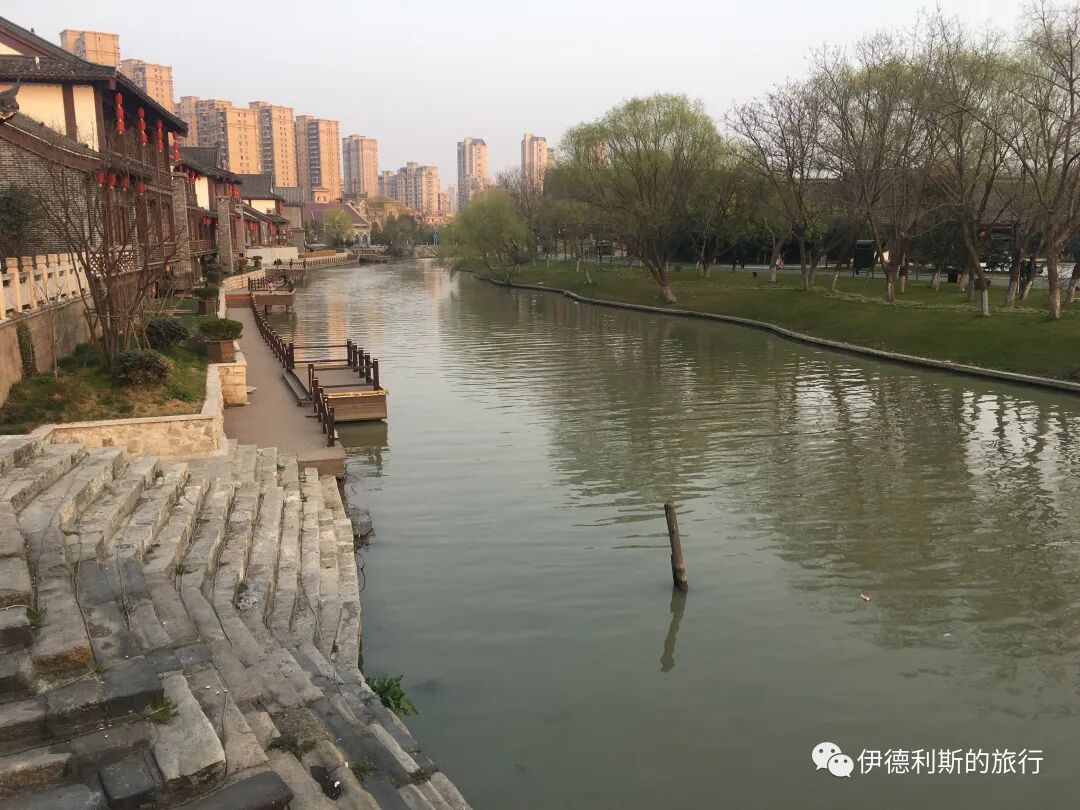
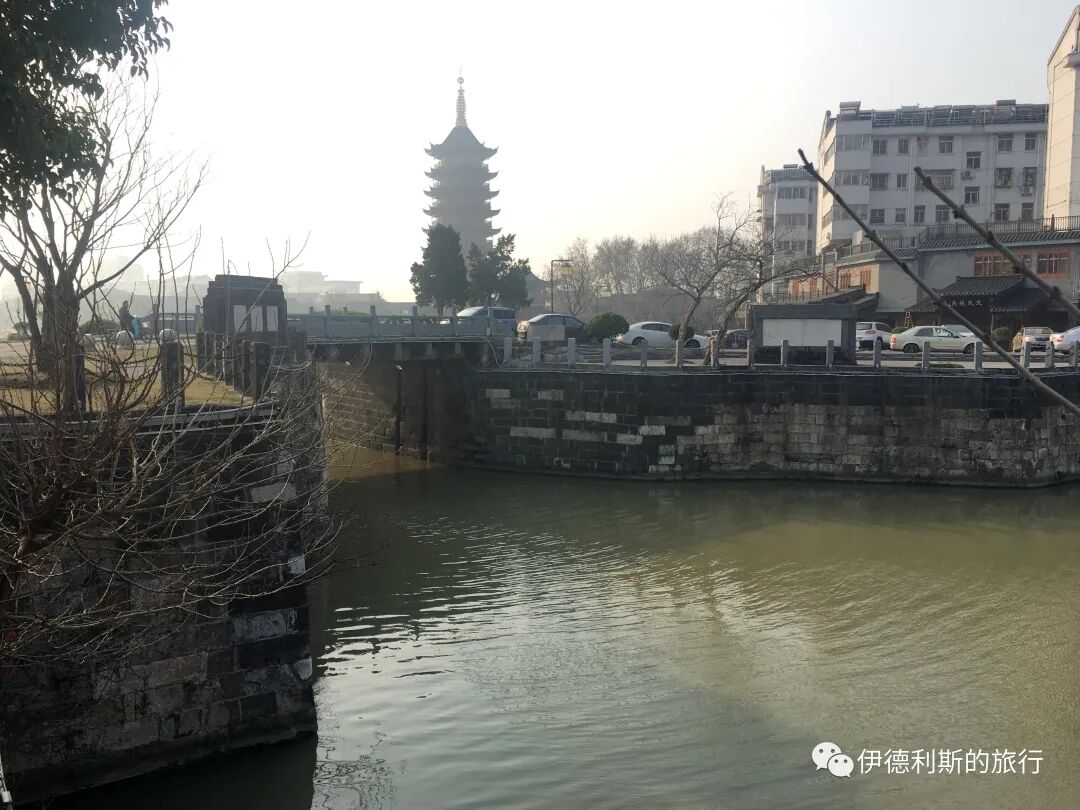
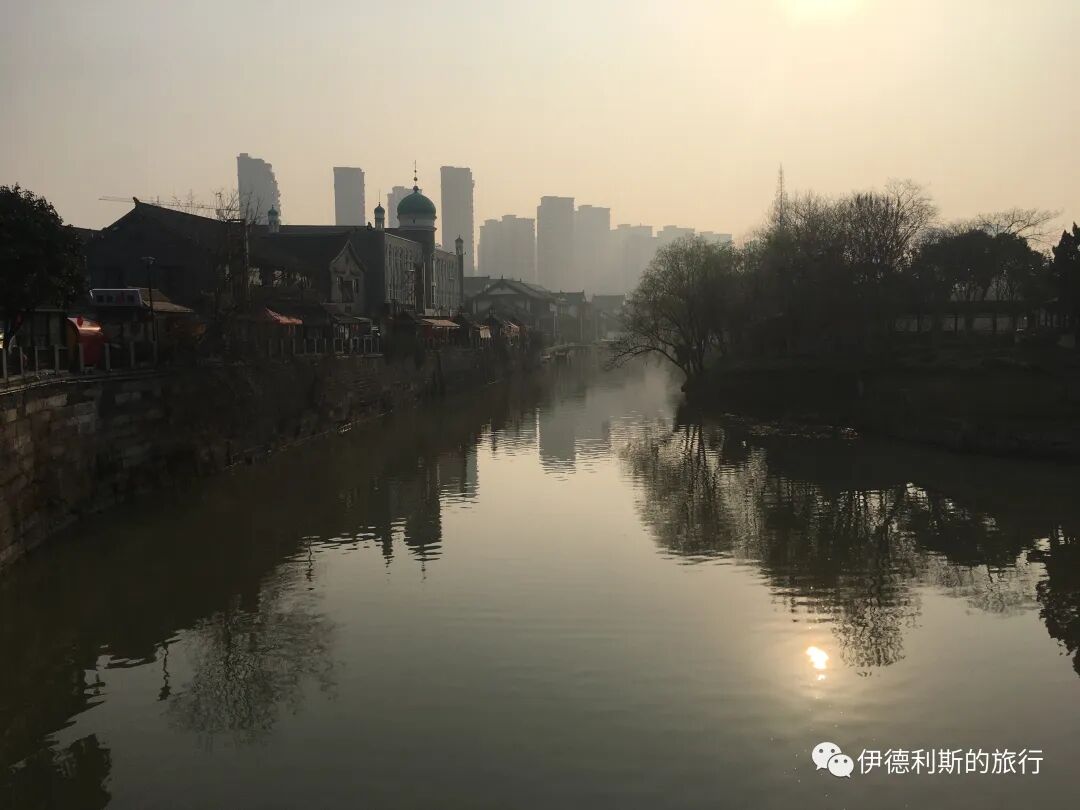
Qingjiang Mosque
The most important wharf in Qingjiangpu is next to Yuezha. It is called the Imperial Wharf (Yu Matou) because both the Kangxi and Qianlong emperors landed there during their southern inspection tours. This was once the most prosperous and lively place in Qingjiangpu.
Starting from the Ming Dynasty, Hui Muslims did business on Yuehe Street in front of the Imperial Wharf. This gradually formed the Yuehe Street Hui Muslim community in Qingjiangpu, and the center of this community is the Qingjiang Mosque.
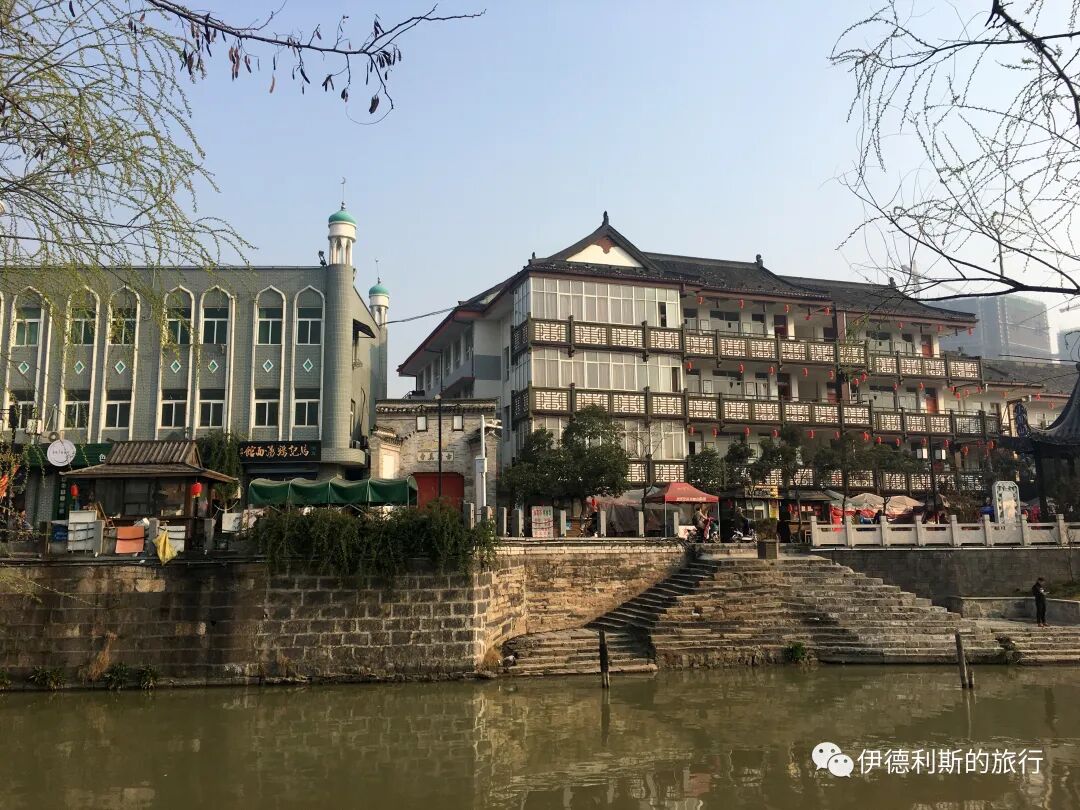
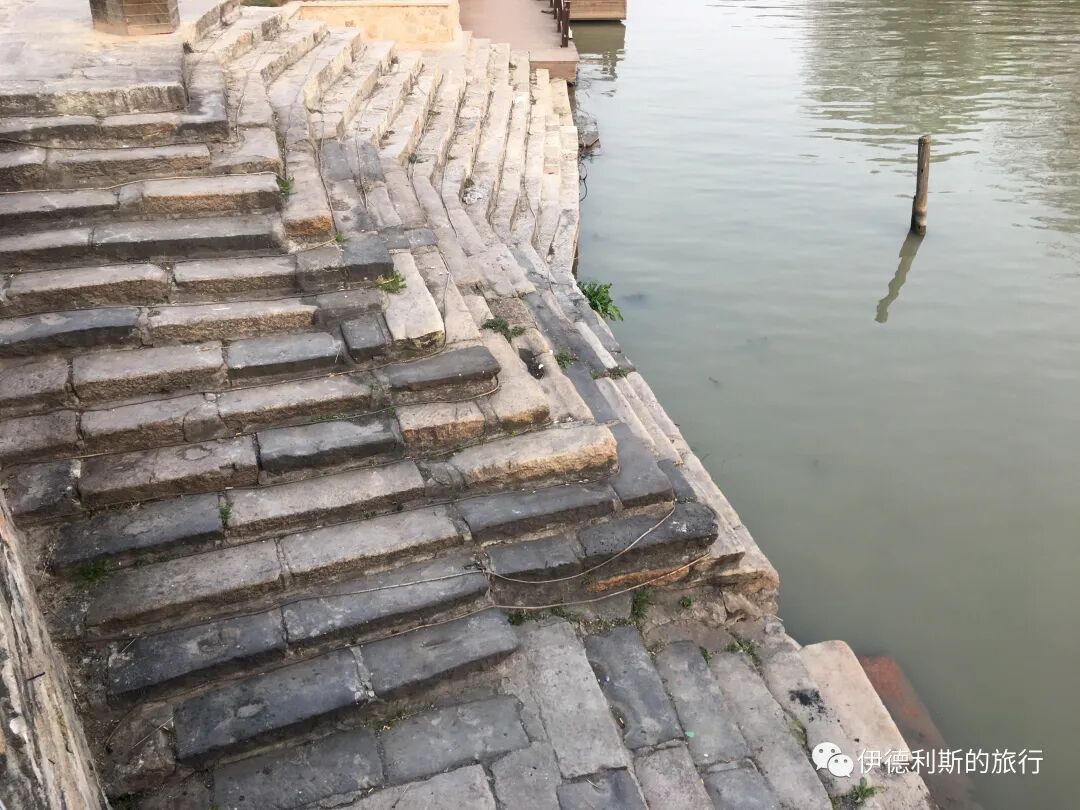
Qingjiang Mosque was originally called Yuanpu Mosque. It was first built during the Jiajing period of the Ming Dynasty and underwent large-scale renovations and expansions in 1799 (the 57th year of the Qianlong reign). In 1860 (the 10th year of the Xianfeng reign), the Nian Army captured Qingjiangpu and destroyed the mosque. The imam, Ma Huanwen, unfortunately passed away from illness while raising funds for its reconstruction. Fortunately, an elder from Nanjing named Jiang Hengqing took over. He organized everyone to raise funds, and they finally rebuilt the main prayer hall in 1870 (the 9th year of the Tongzhi reign).
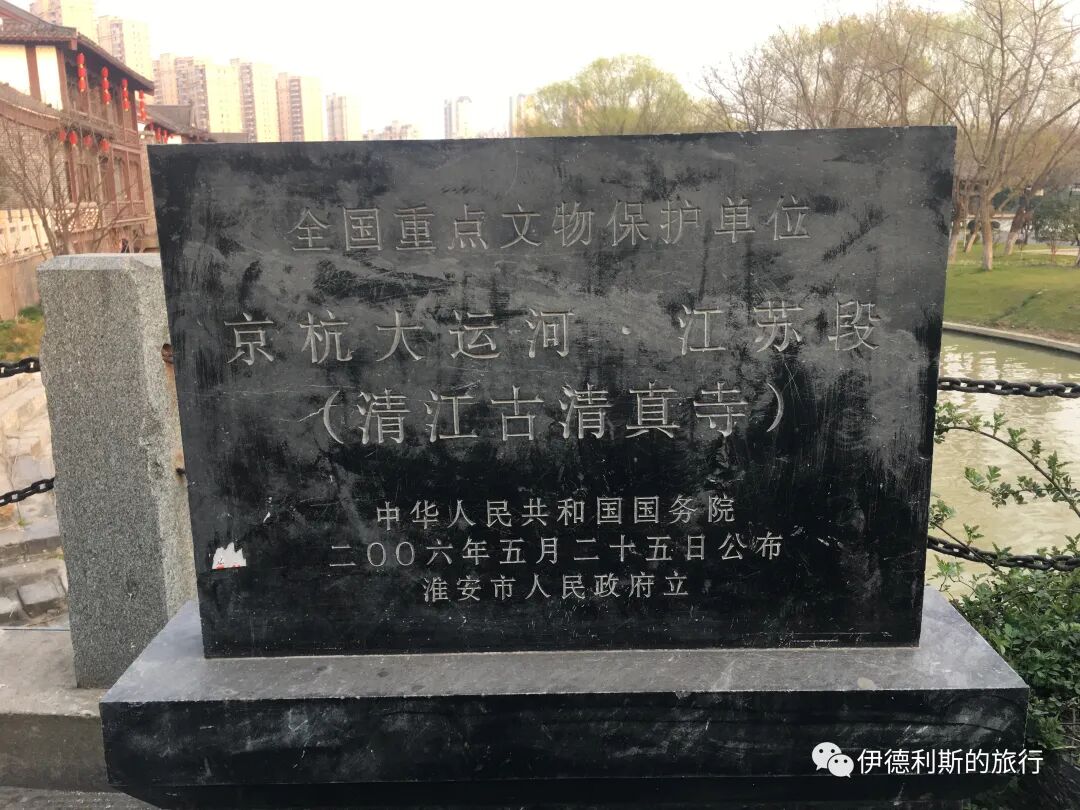
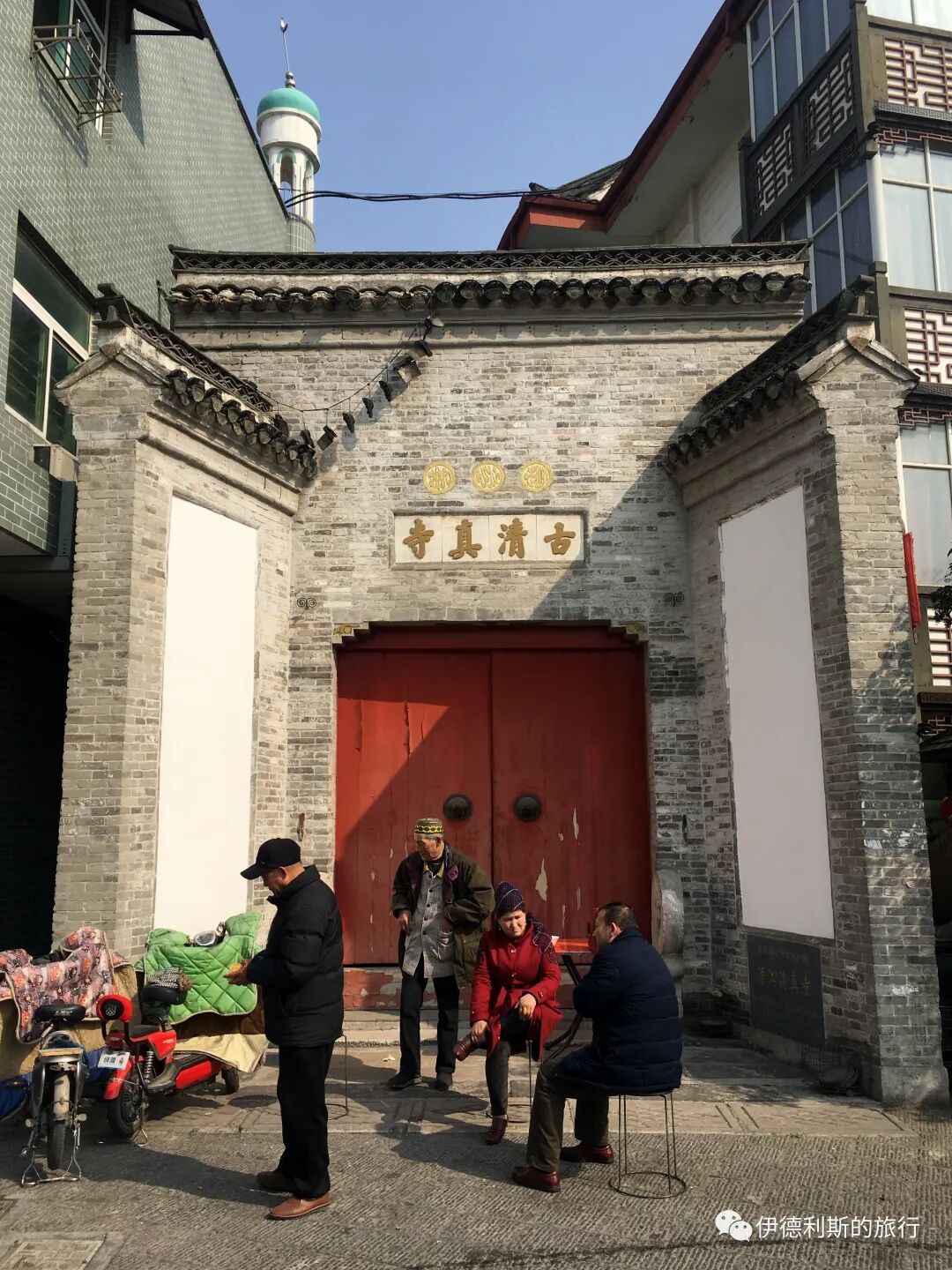
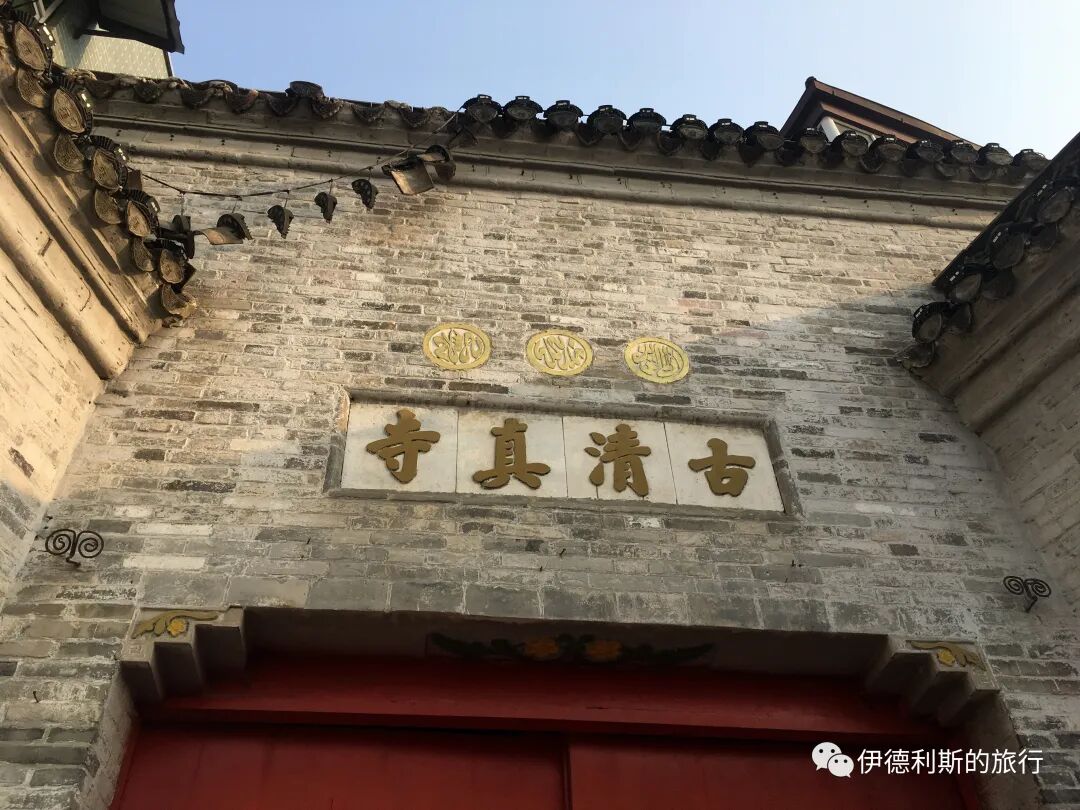
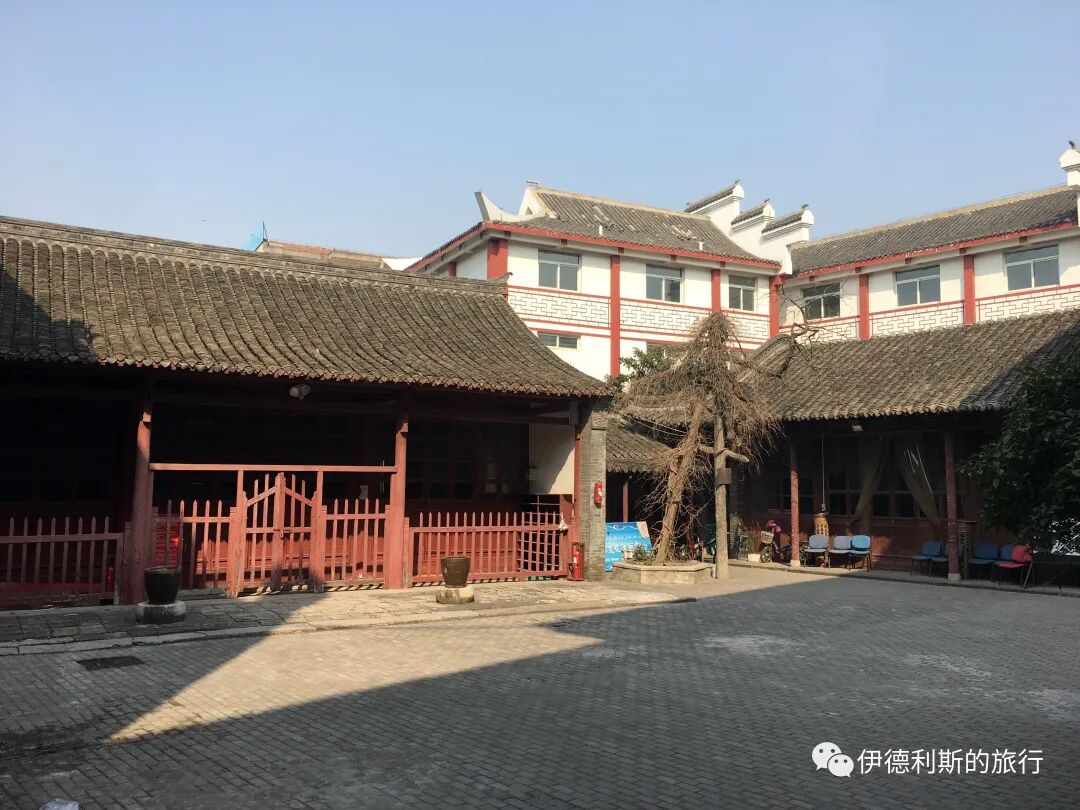
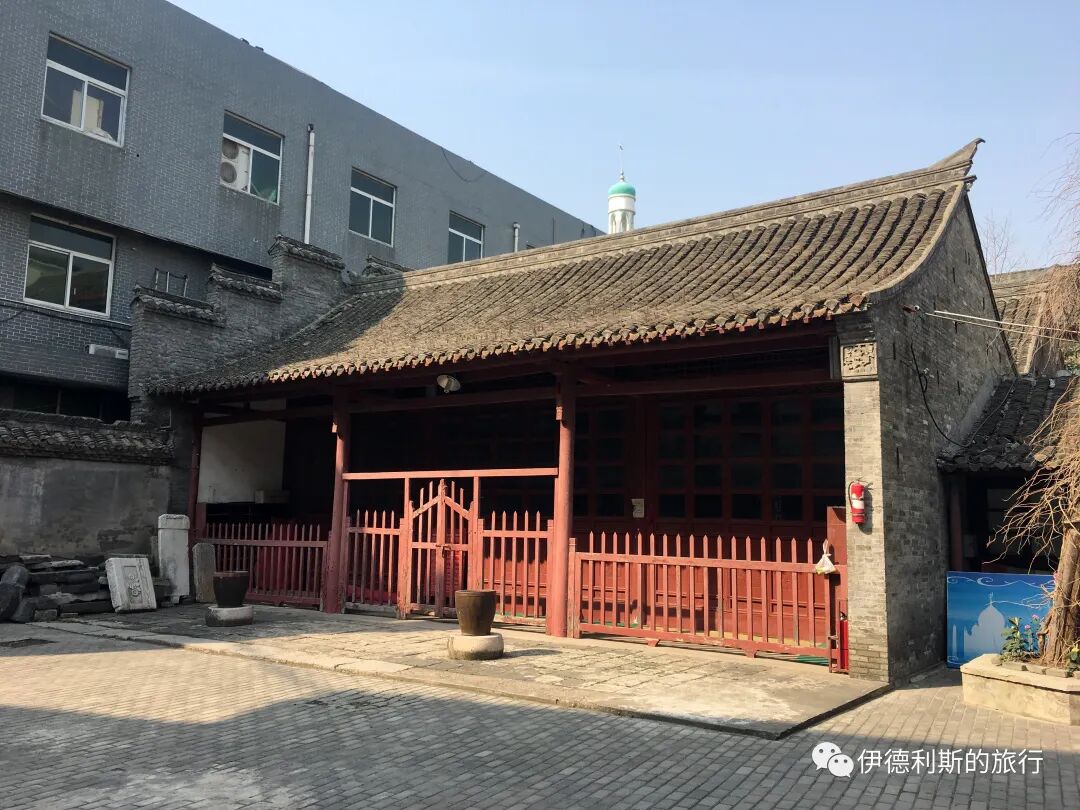
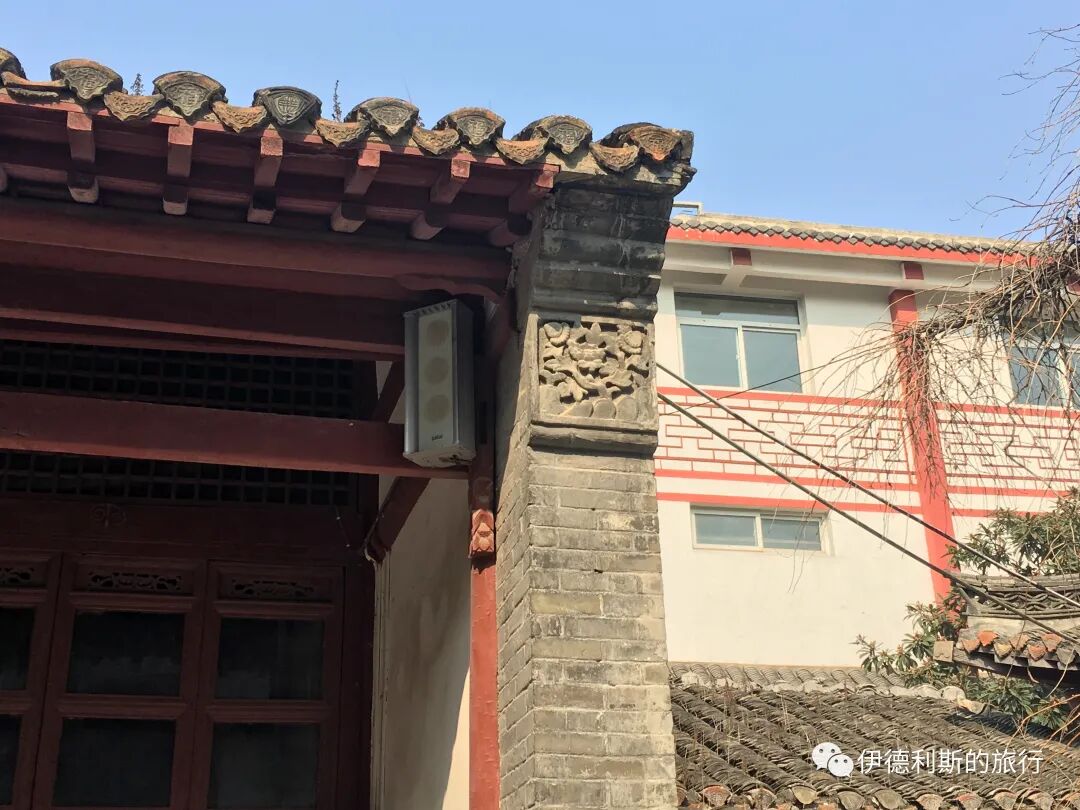
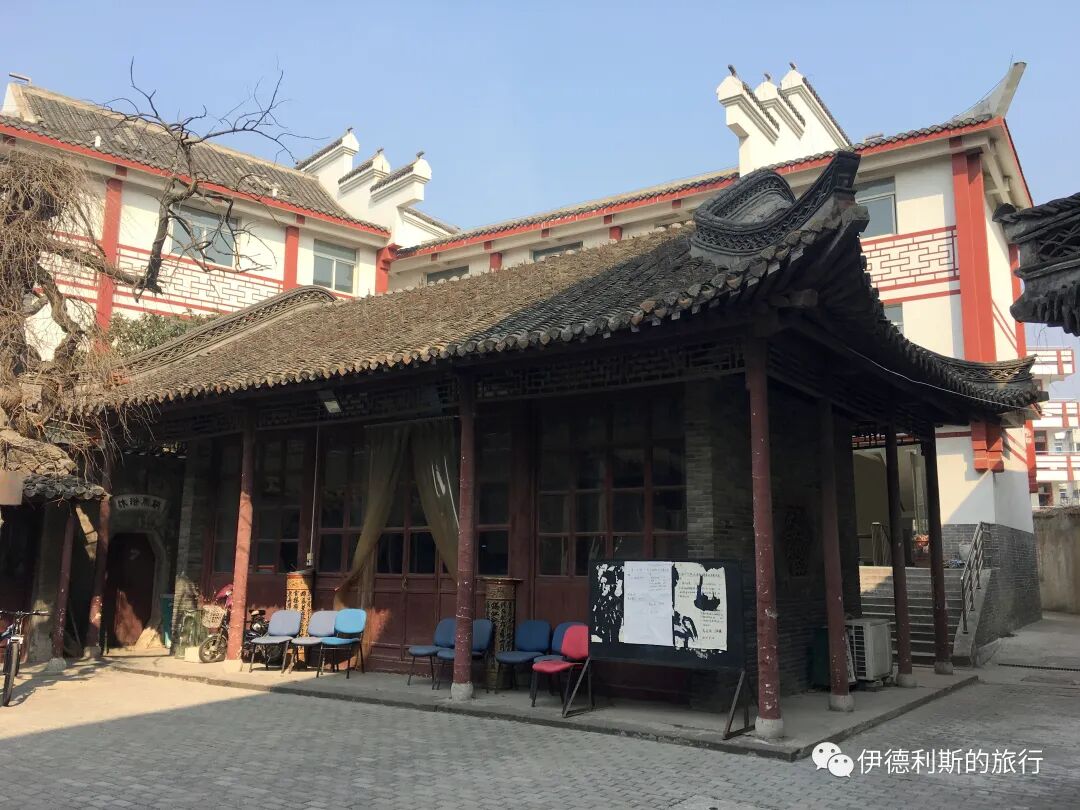
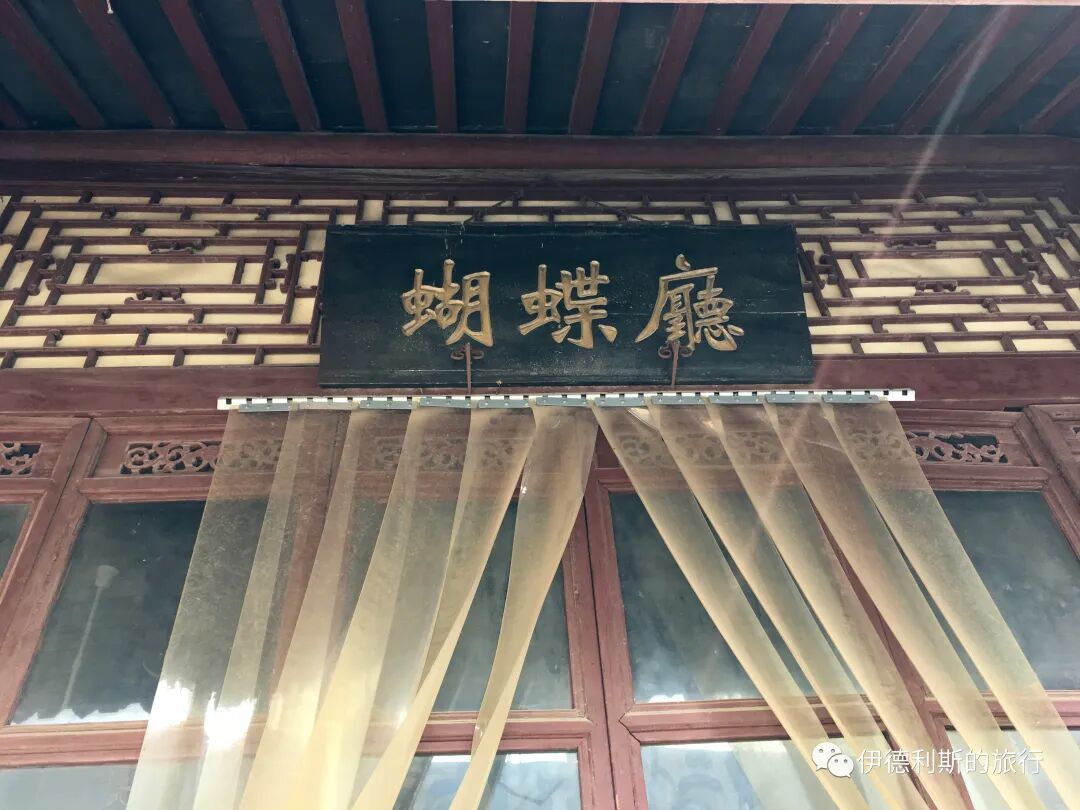
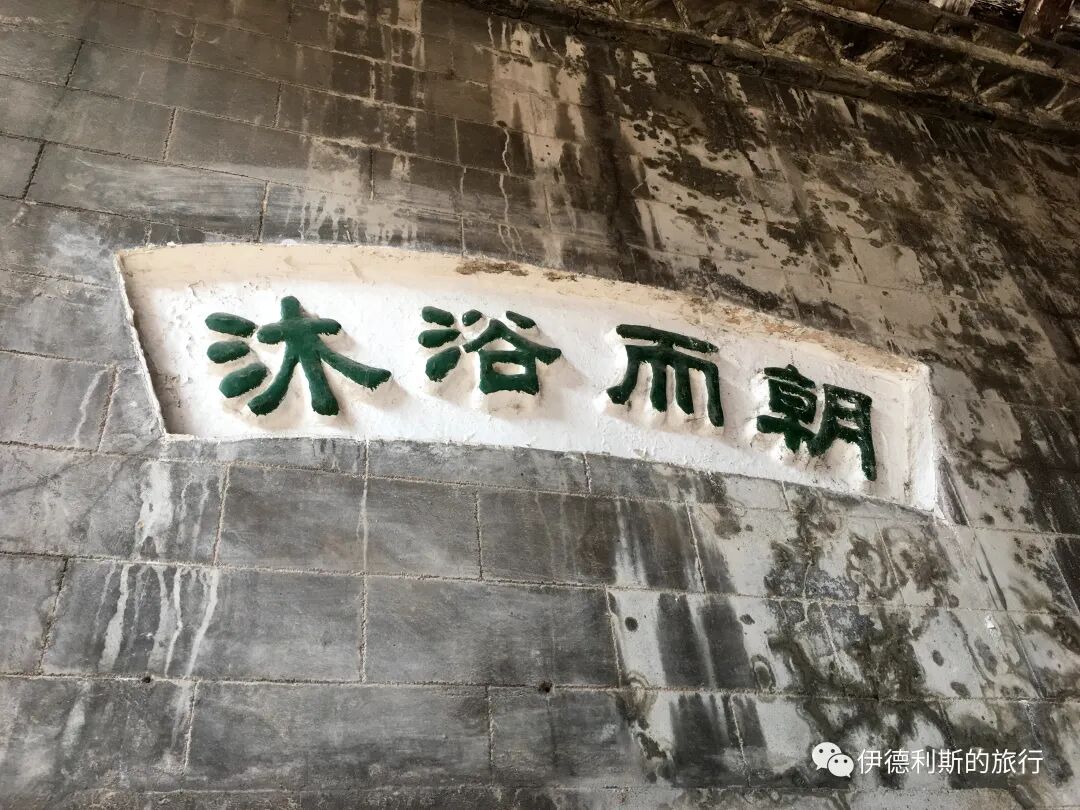
The 1870 (9th year of the Tongzhi reign) stele inscription titled 'Record of Rebuilding the Mosque Main Hall' inside the mosque tells the history of Qingjiang Mosque.
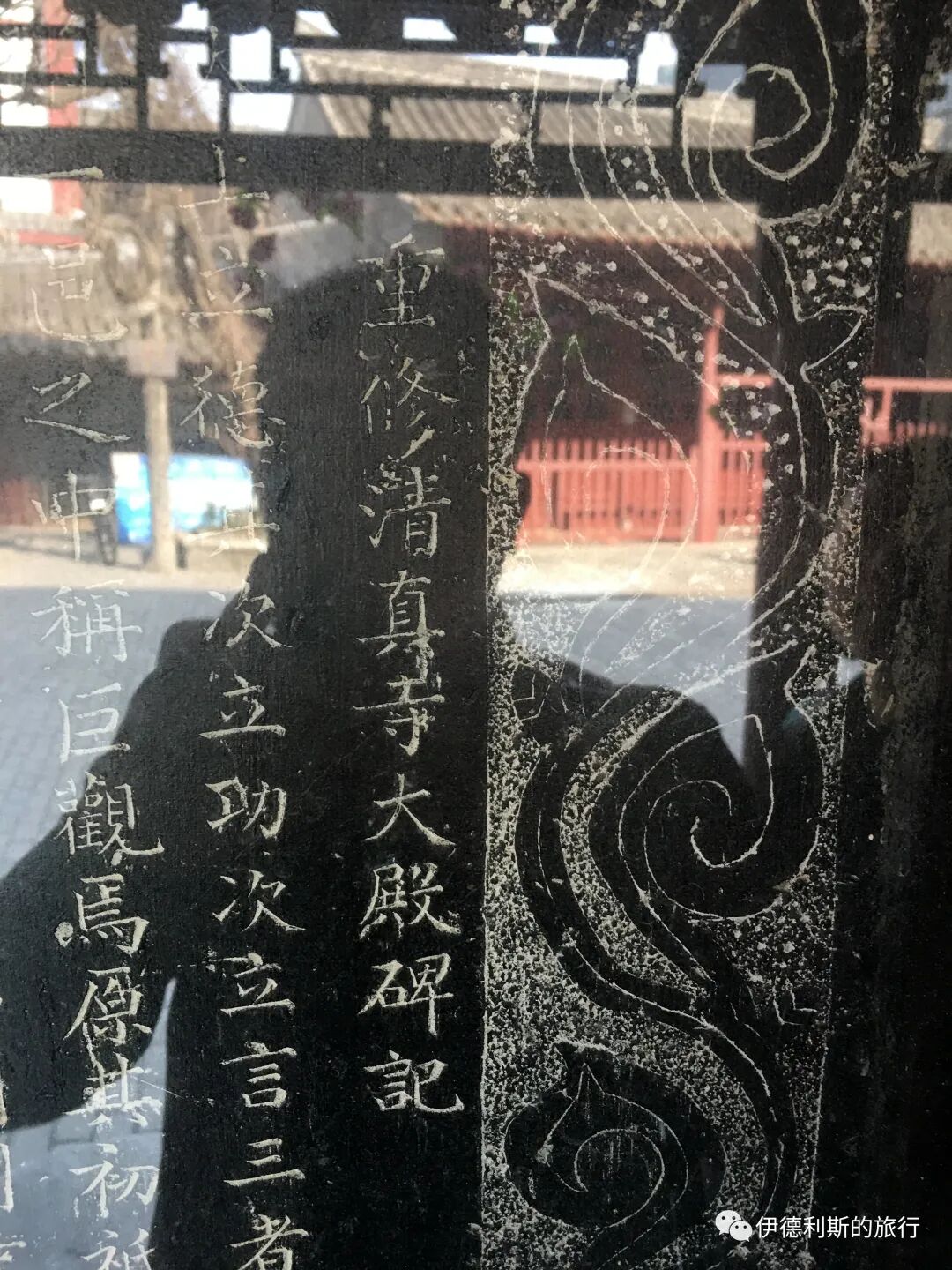
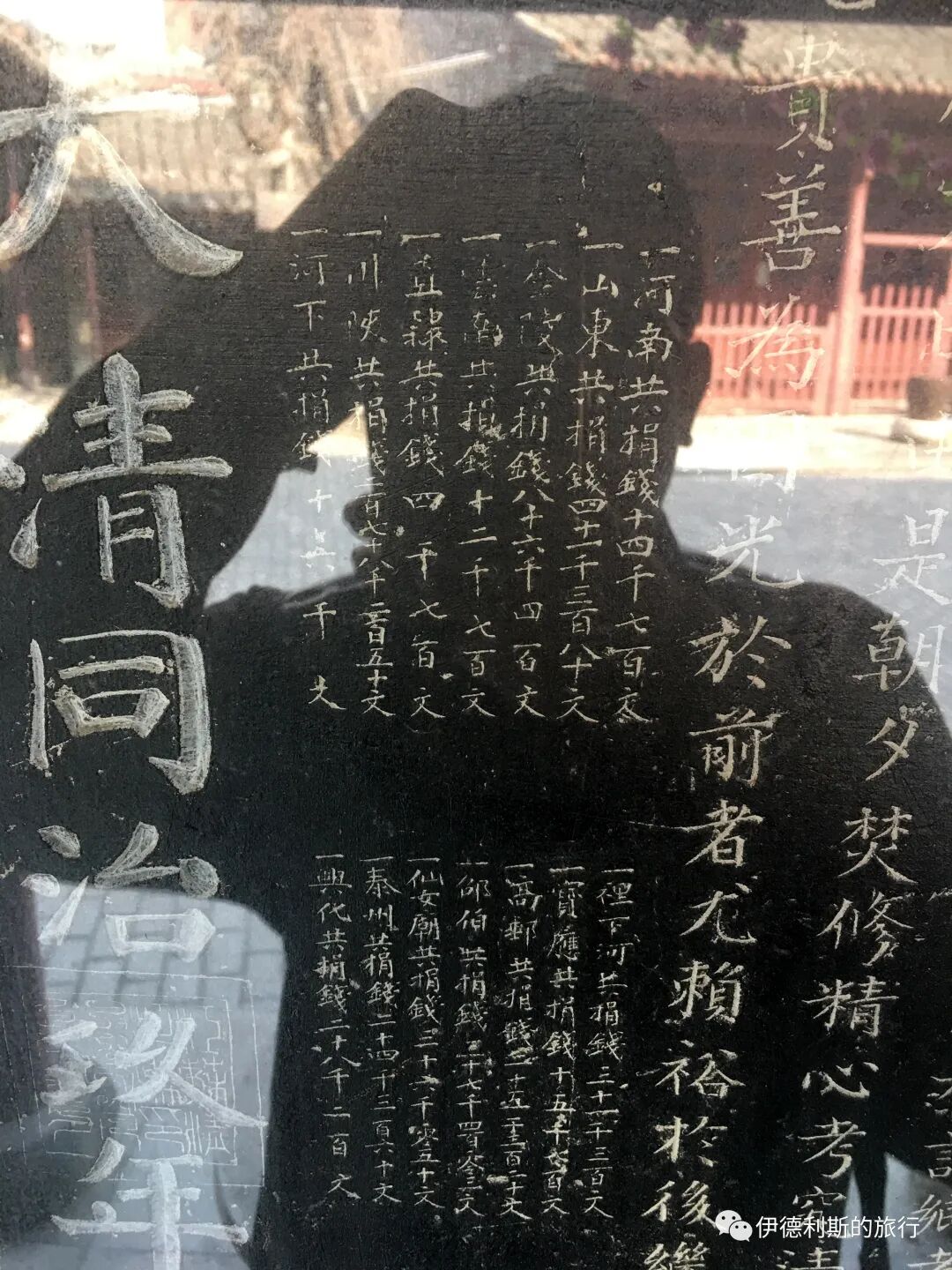
In 1910 (the 2nd year of the Xuantong reign), Qingjiang Mosque established Muying Primary School next to the mosque to teach both Chinese and Arabic. The famous historian Professor Pang Pu once studied there. Today, the school building is destroyed, and no traces remain.
To the west of the mosque once stood the former residence of Zuo Baogui, known as the Zuo Mansion. General Zuo Baogui led his troops to defend the Xuanwu Gate in Pyongyang during the First Sino-Japanese War in 1894 (the 20th year of the Guangxu reign), dealing heavy blows to the Japanese army. On September 15, General Zuo Baogui personally lit a cannon to fire. His right arm was blown off, but he bandaged the wound and kept fighting. He was eventually hit in the chest by a shell and died a heroic death at the age of 57. That same year, the Yangzhou government followed an imperial decree to build a cenotaph for Zuo Baogui next to the Puhading Tomb in Yangzhou, which is still preserved today.
Qingjiang Mosque stopped its activities and was occupied in 1966. It was renovated in 1979 and has been open ever since.
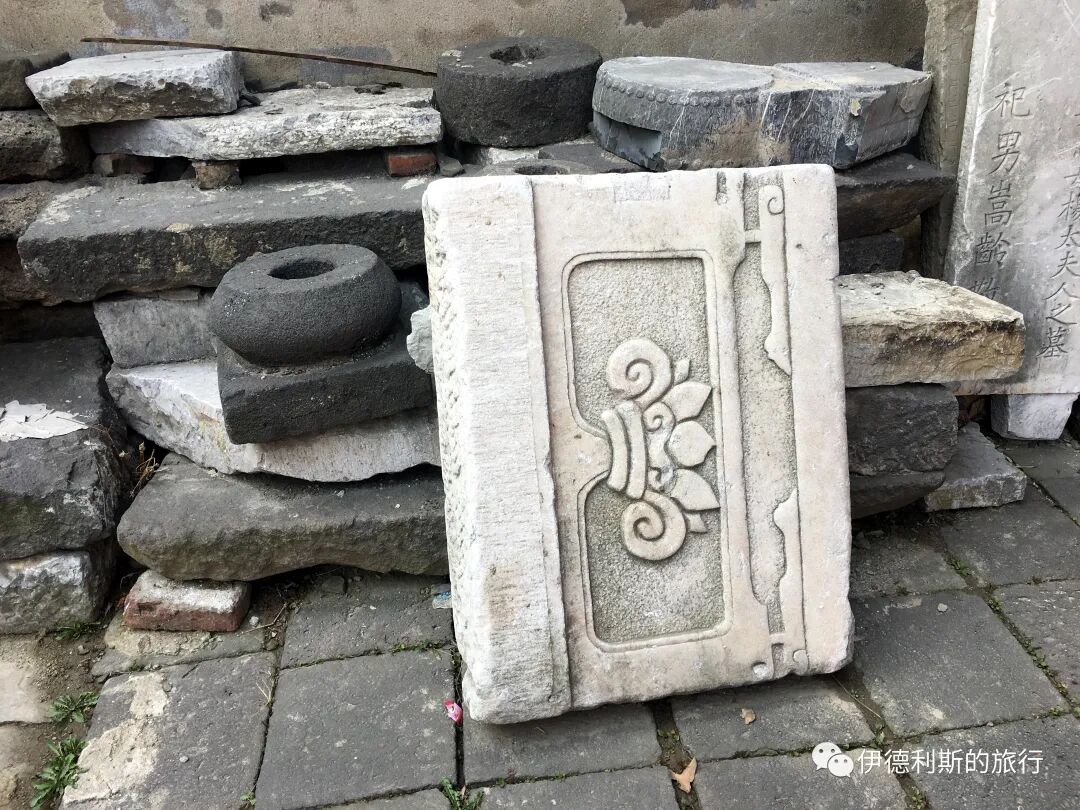
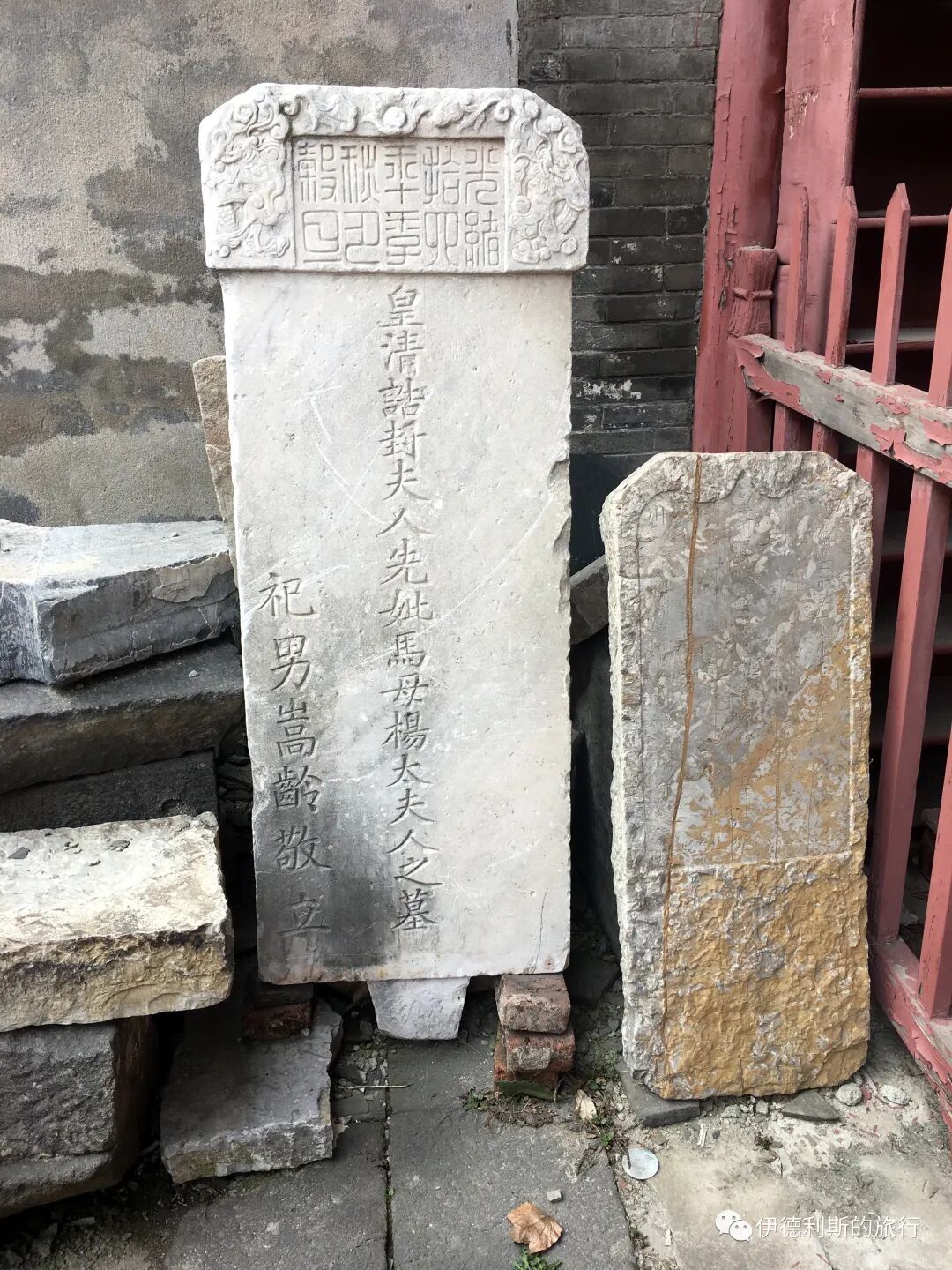
Halal food in Qingjiangpu.
There are over ten halal restaurants in Qingjiangpu. Just on the Yuehe Snack Street in front of the mosque, there are eight, and each one has its own specialty.
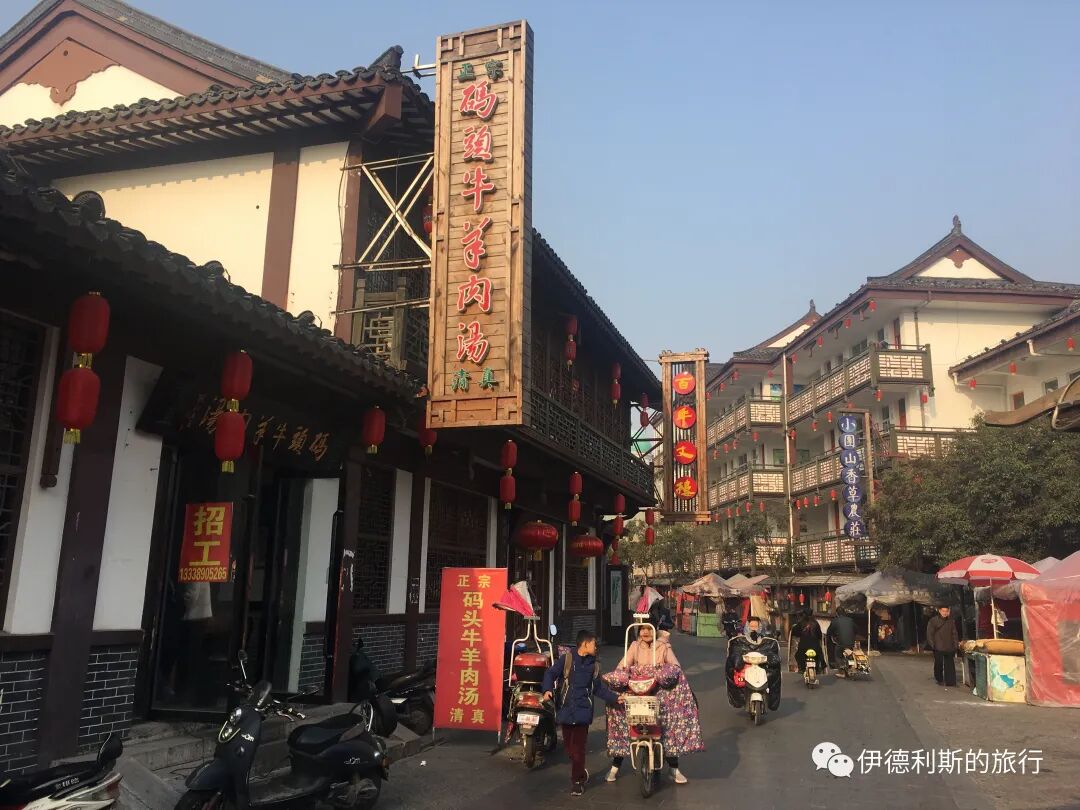
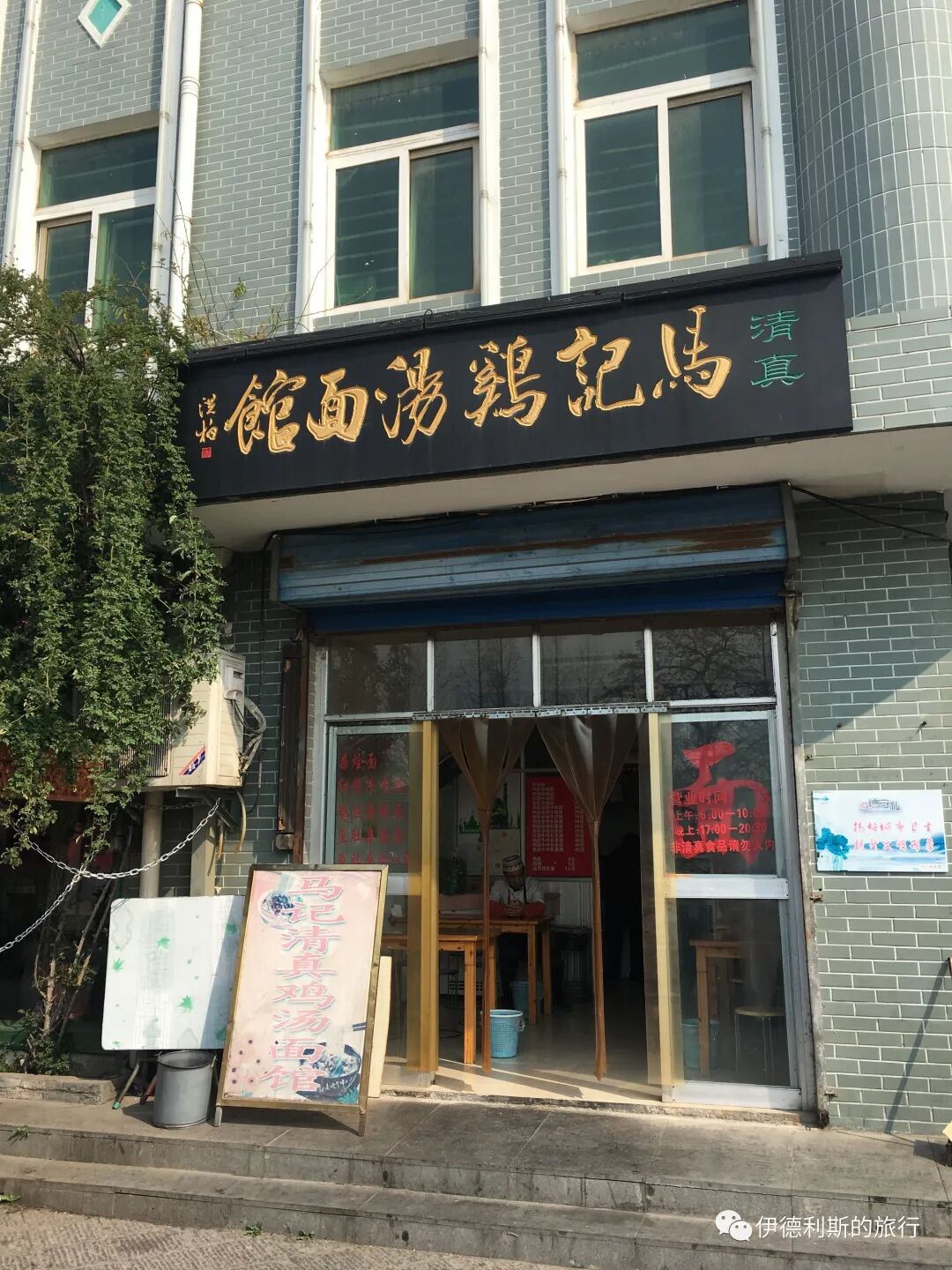
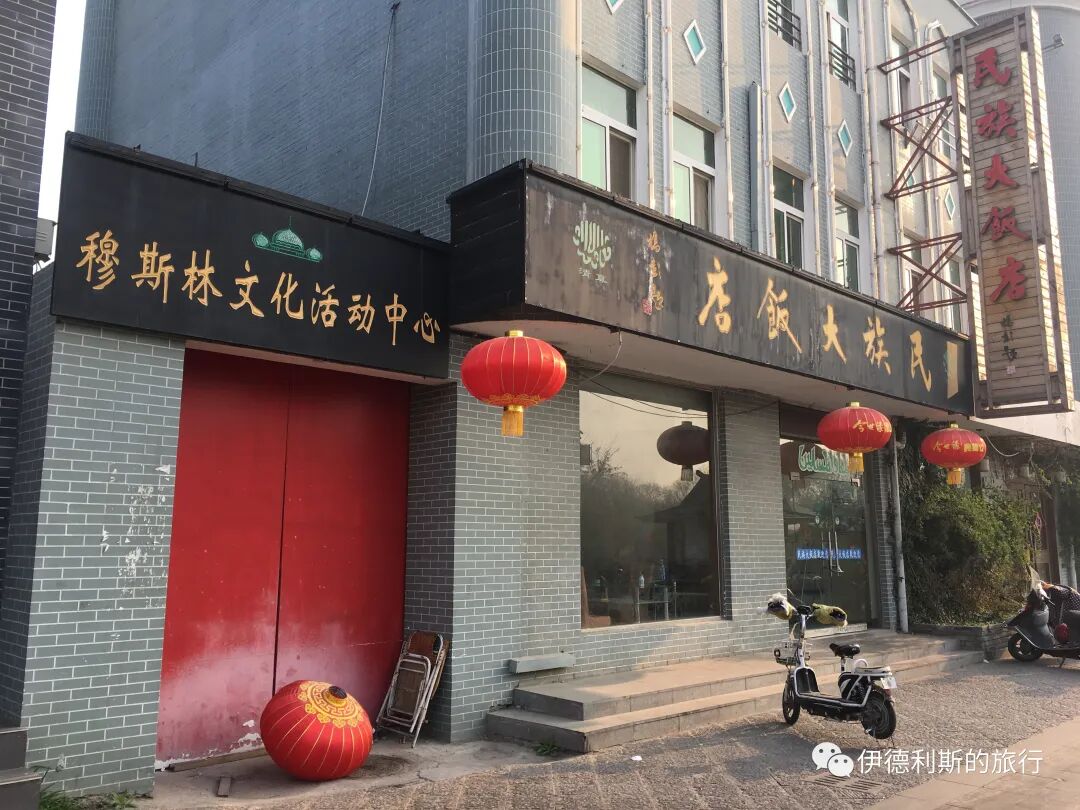
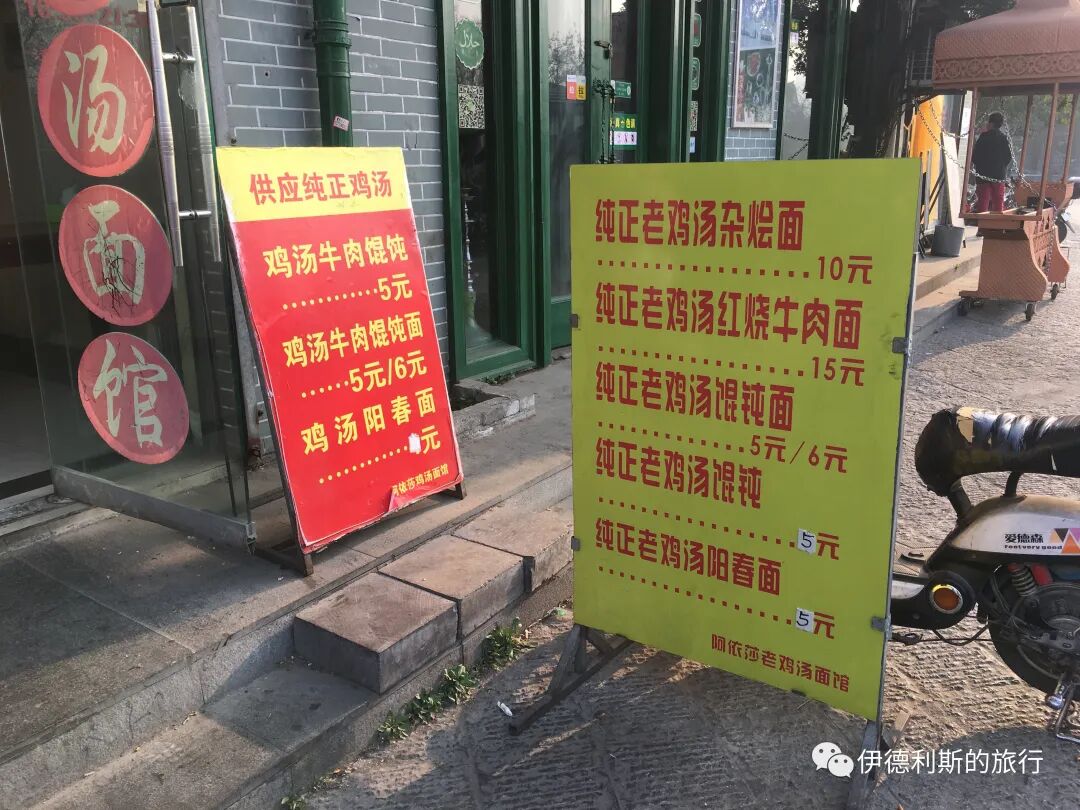
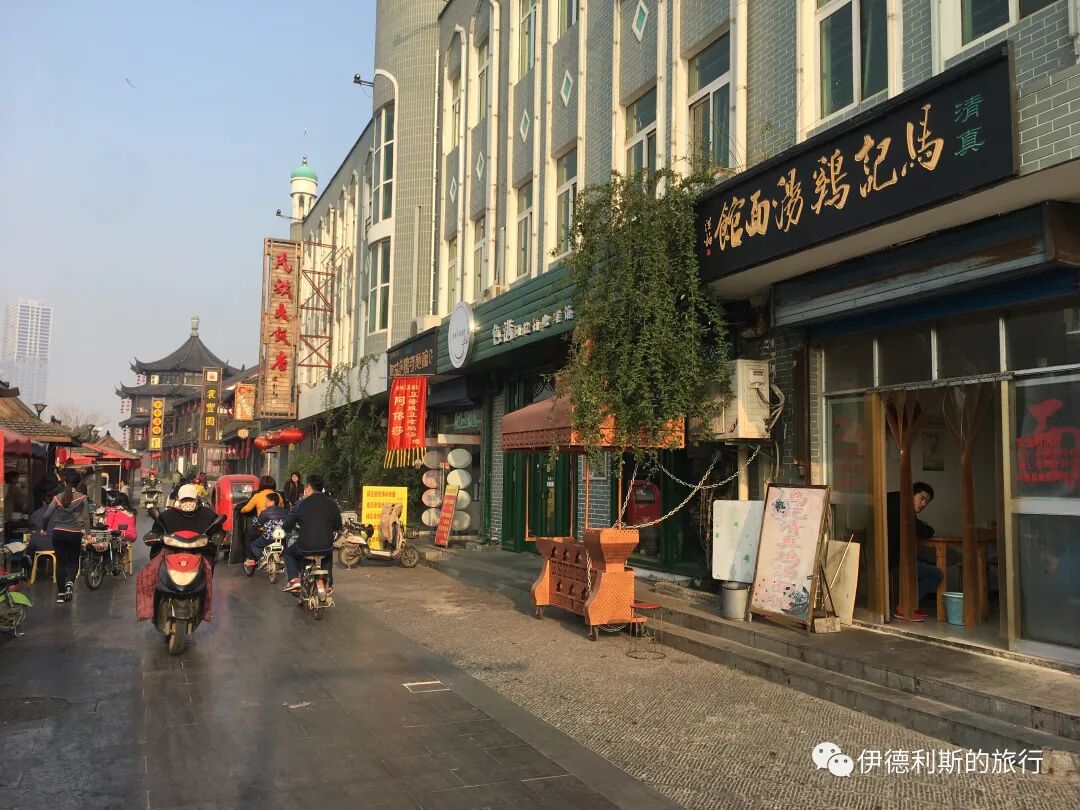
Liu Si Noodle Shop serves chicken noodle soup with fish balls, beef balls, and squid. The fish balls are super delicious, and the soup is excellent. It feels great to finish a bowl. However, the owner said this area will be demolished in a year or two, so they will likely have to move.
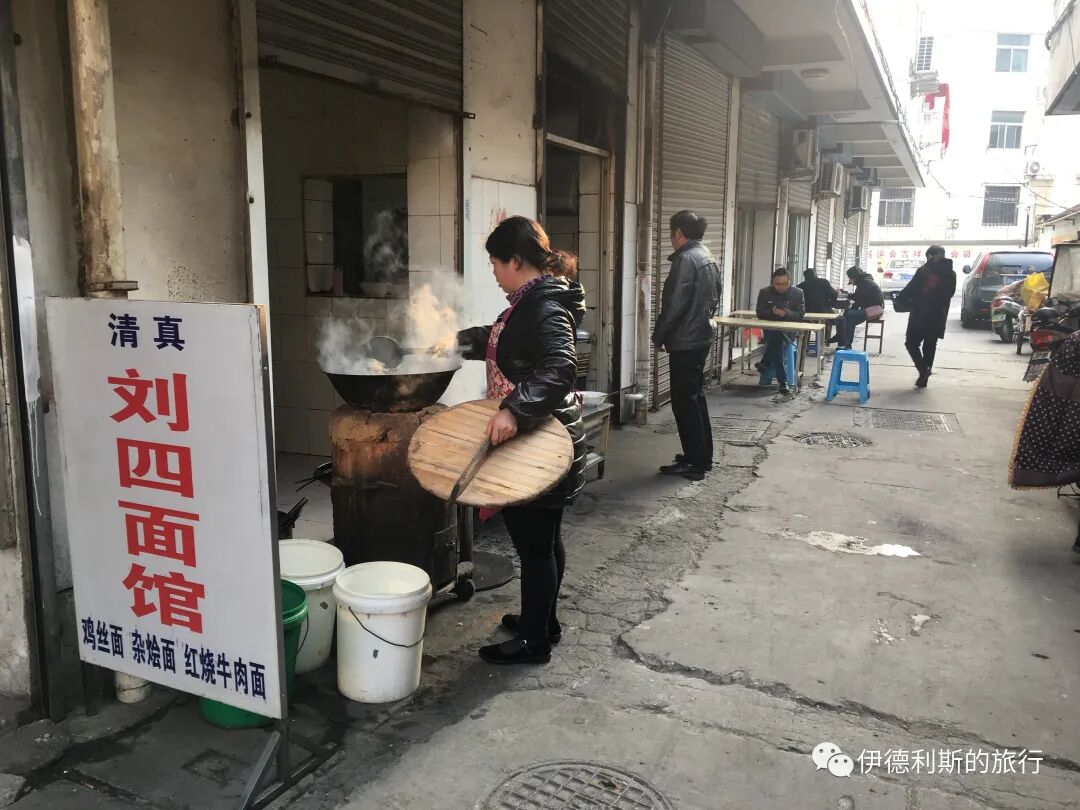
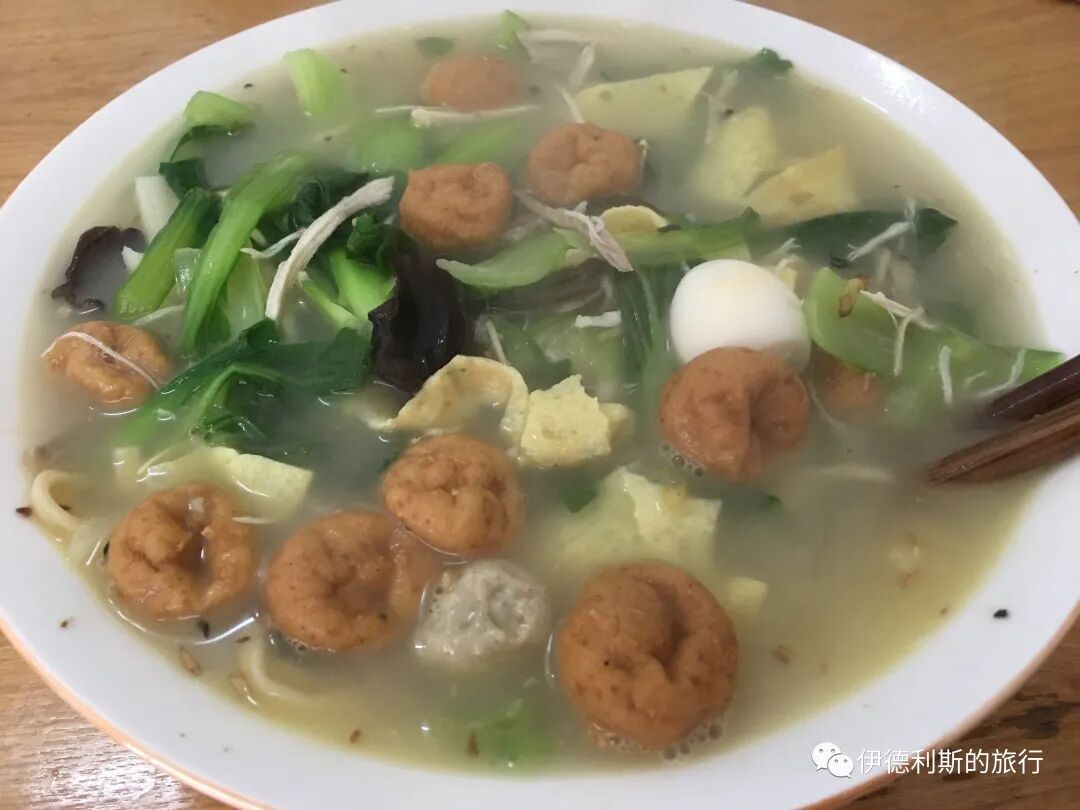
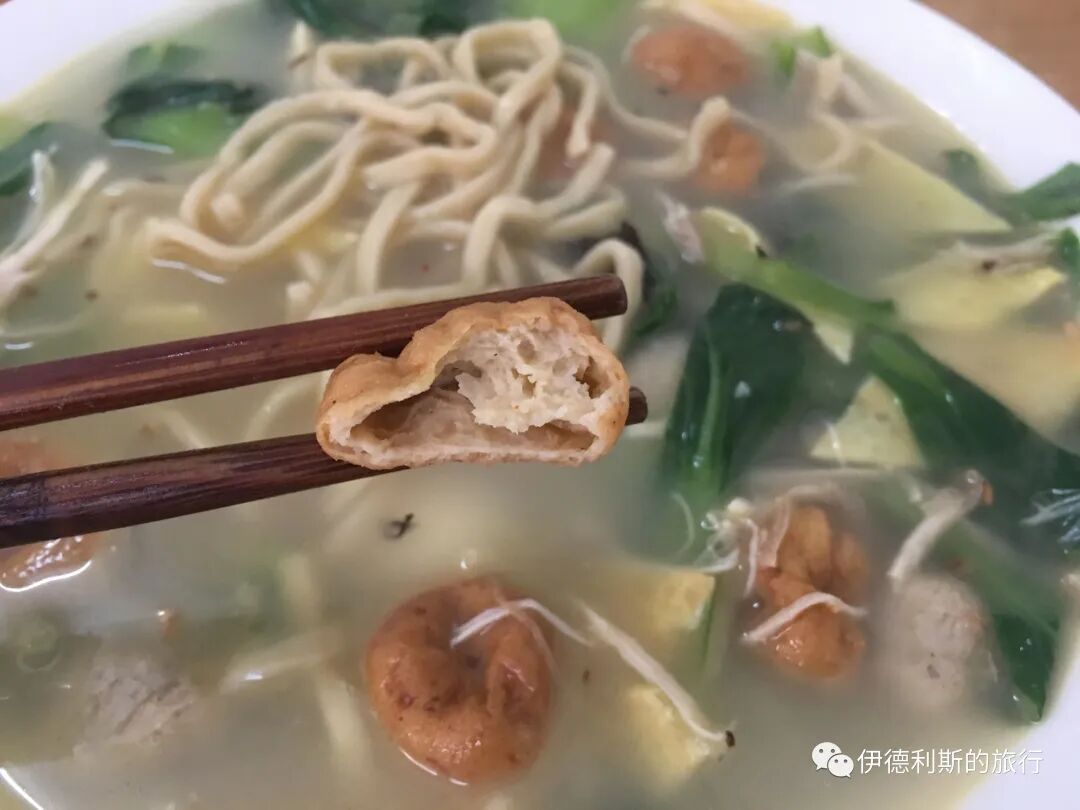
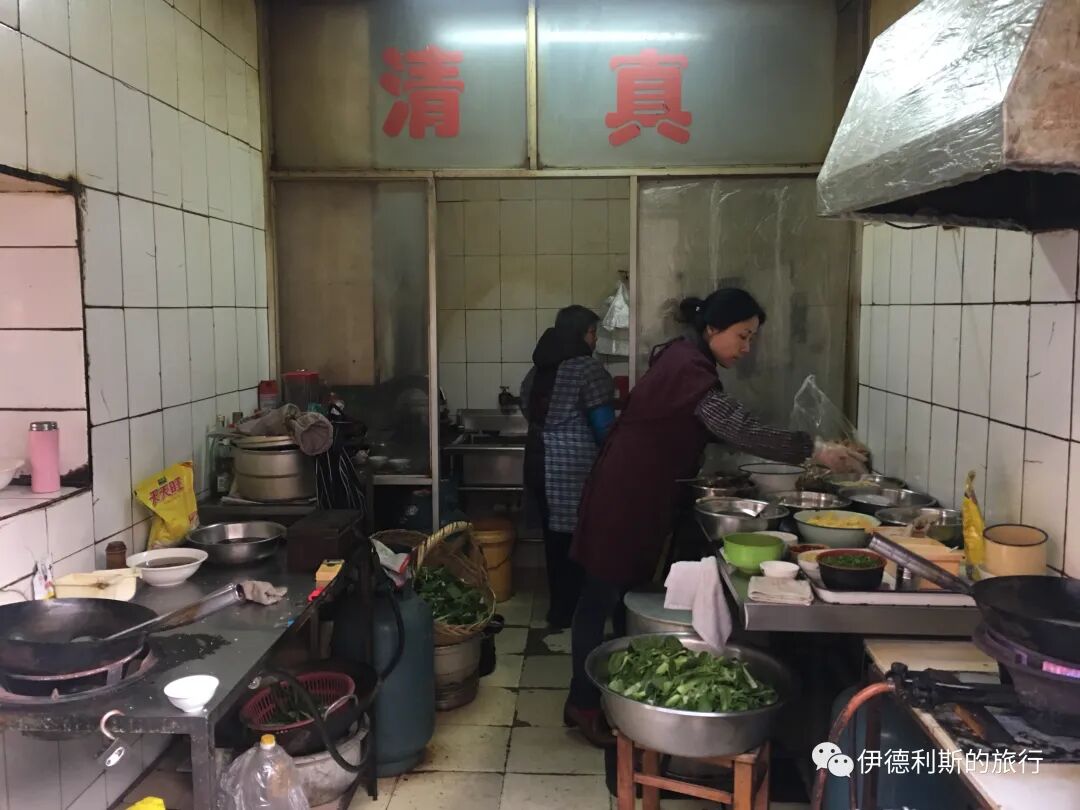
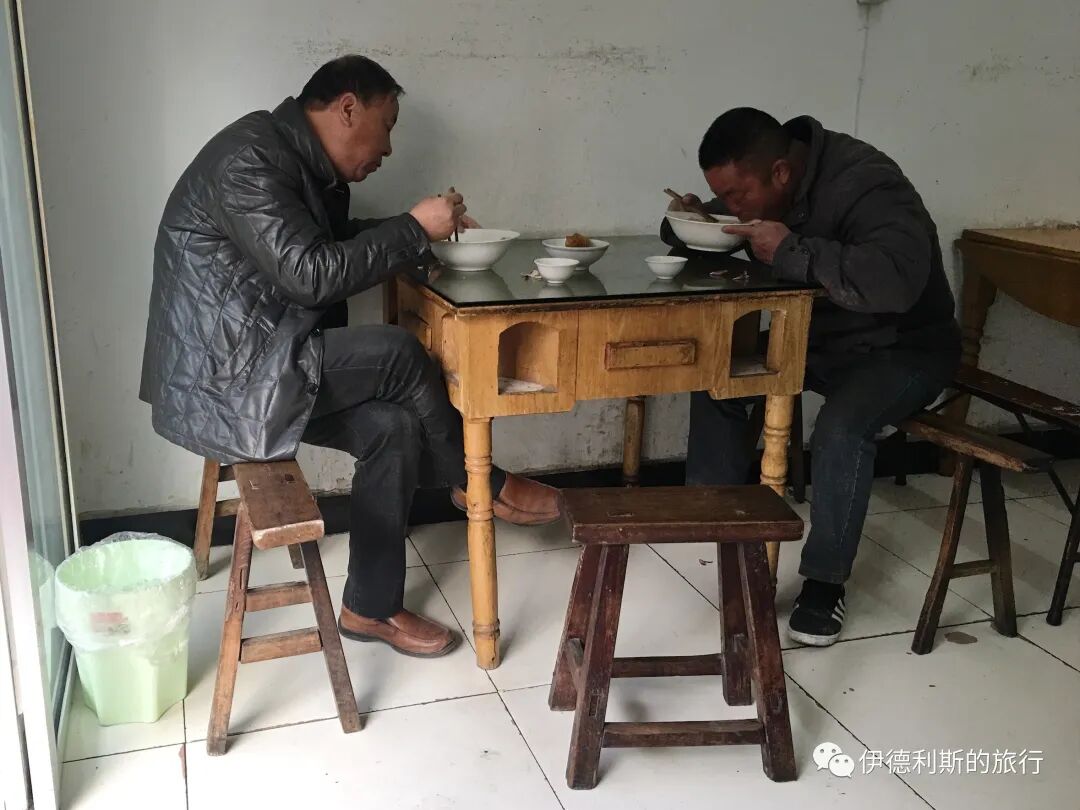
Salted goose (yanshui e) from Sha's Beef Shop.
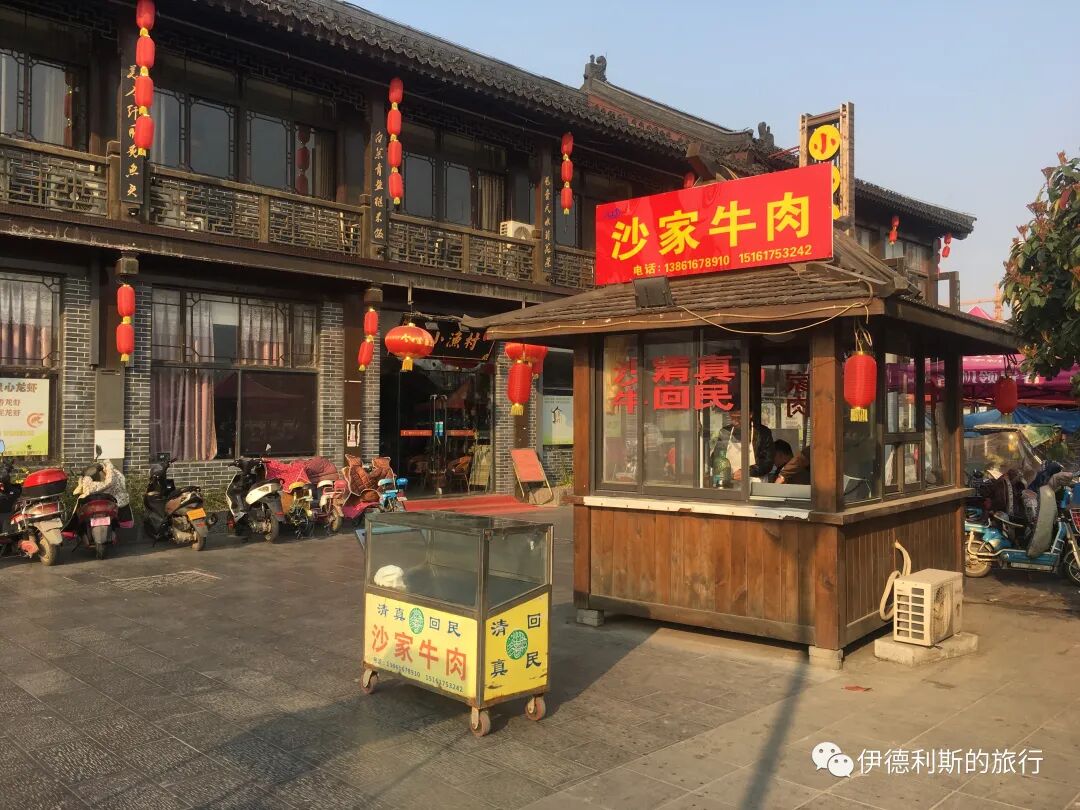
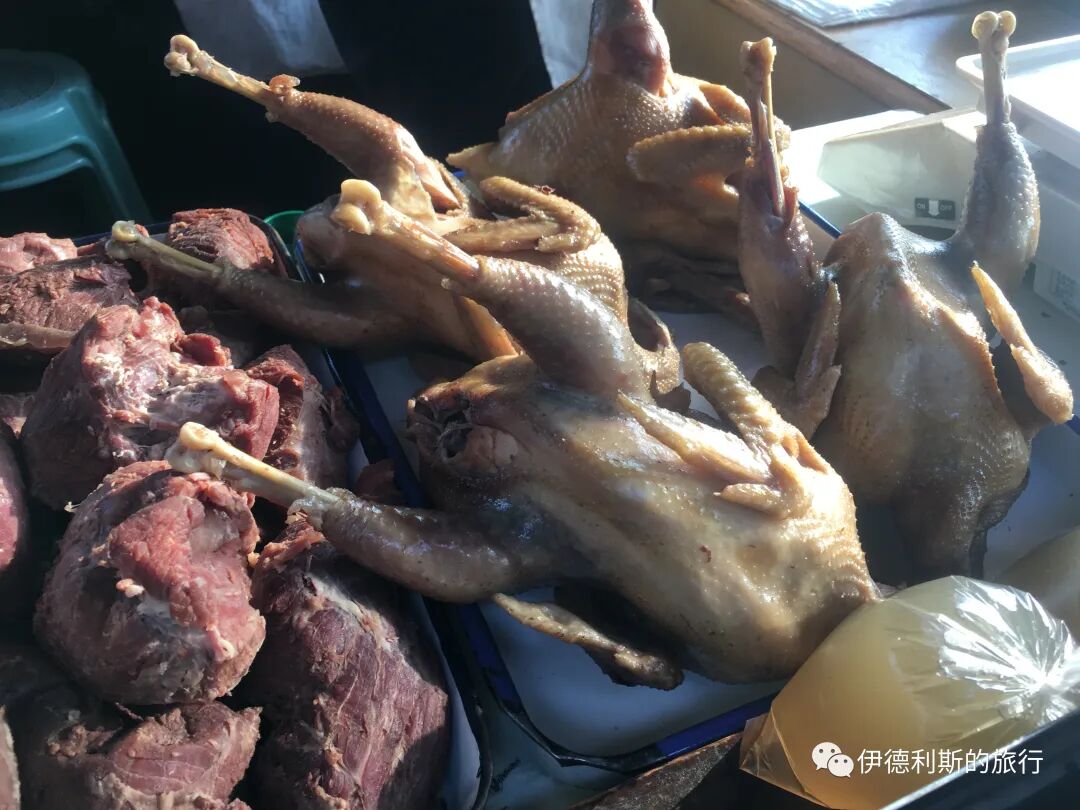
Wonton noodles (huntun mian) from Ding Si Wonton Noodle Shop.
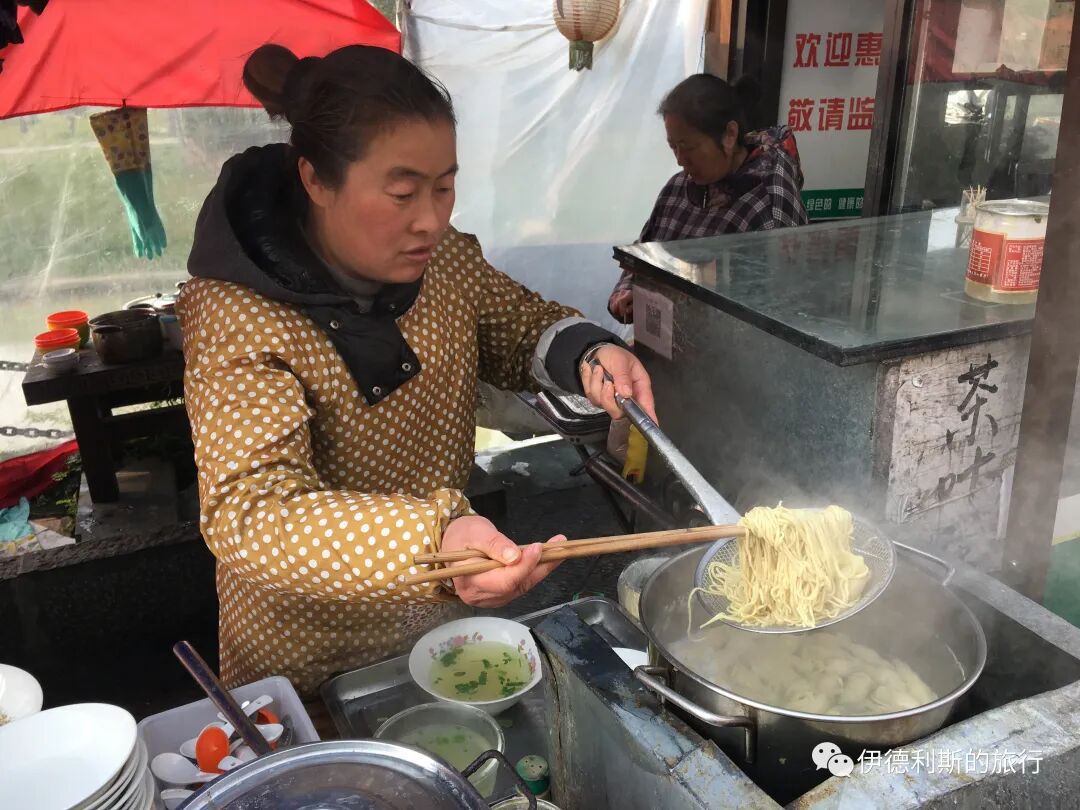
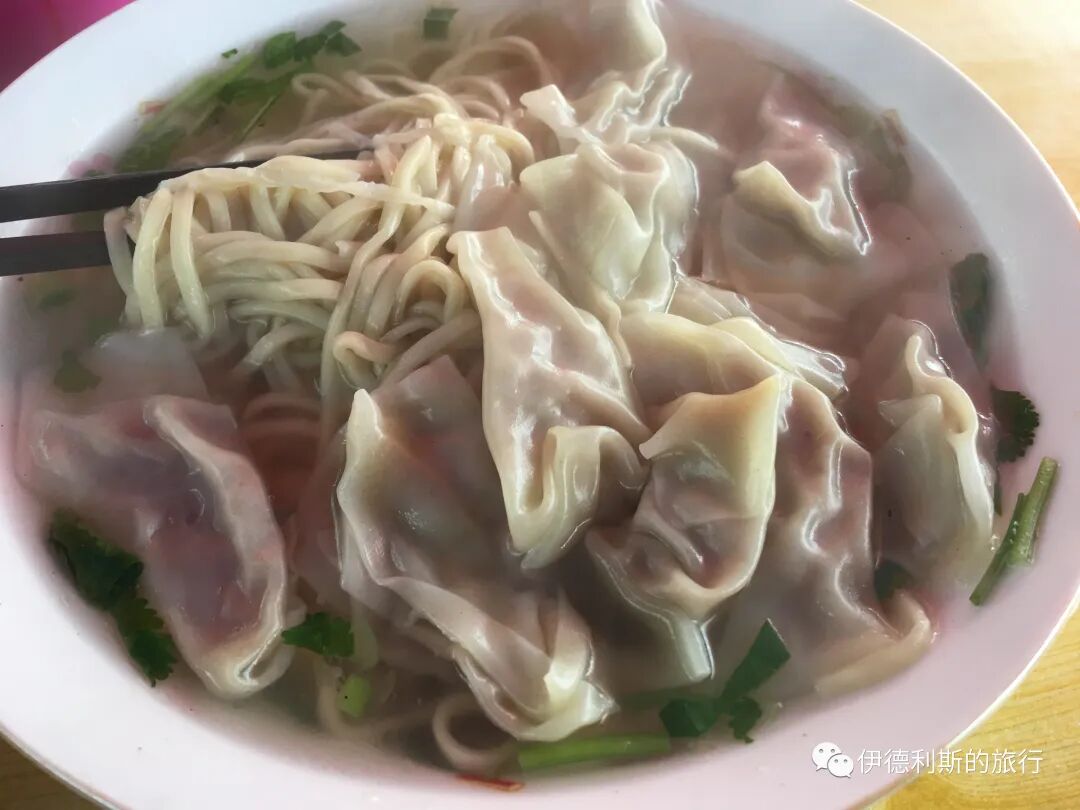
Little sparrows (fried mini wontons).
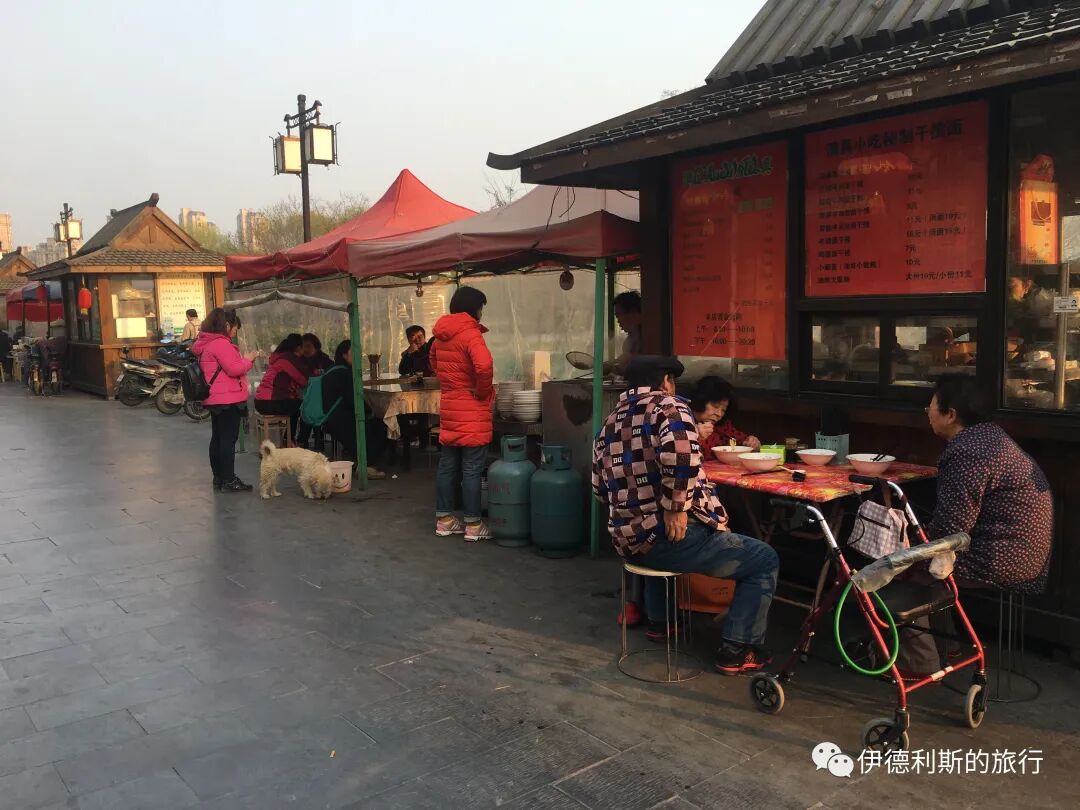
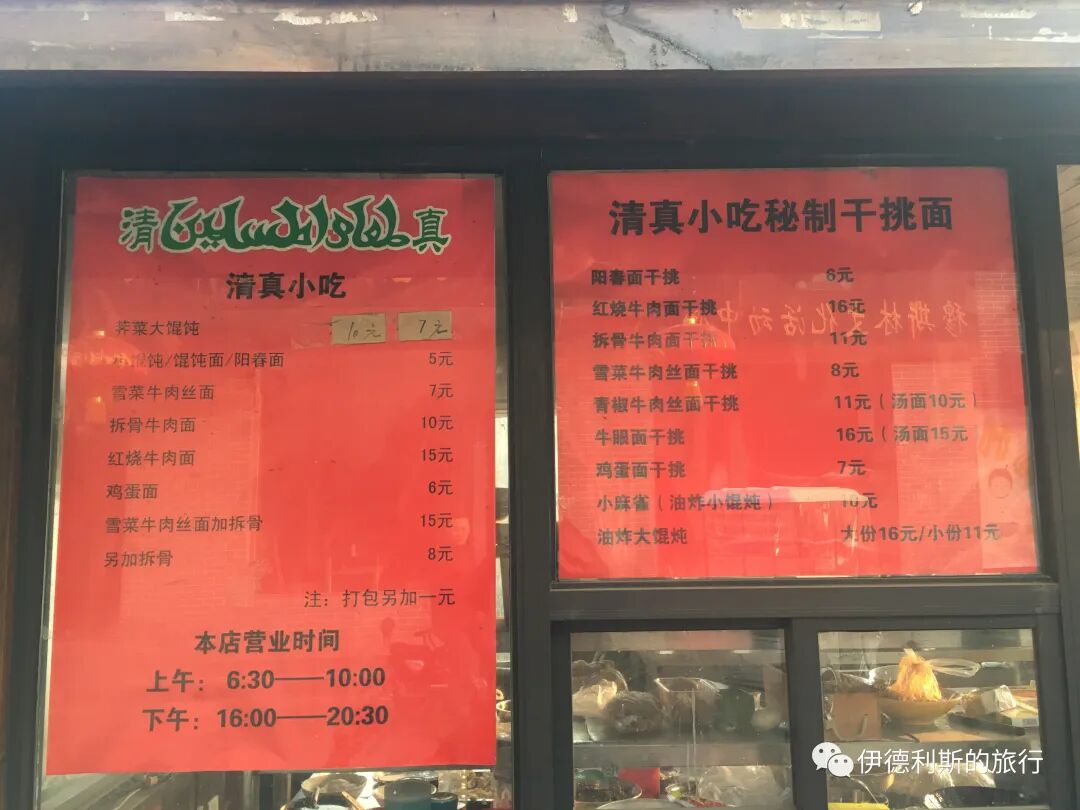
Seman Cafe is run by local Hui Muslims. They serve tea in the afternoon and grilled skewers at night. I ordered Arabic coffee, dates, and date milk. The atmosphere is quite nice.
Saudi perfume.
I read for a while in the cafe. There are many books on the shelves.
Finally, I bought some Dubai wheat soda.
Hexia Ancient Town.
Travel south along the Grand Canal from Qingjiangpu, and you will reach Hexia Ancient Town, not far northwest of the Huai'an Prefecture city. Hexia is the largest town in the suburbs of Huai'an. Its historical official name was Manpu. After Emperor Shizong of the Later Zhou Dynasty attacked the Southern Tang, he set up the Manpu Customs here and built dams and locks. During the Song and Yuan dynasties, Hexia developed into an important canal town.
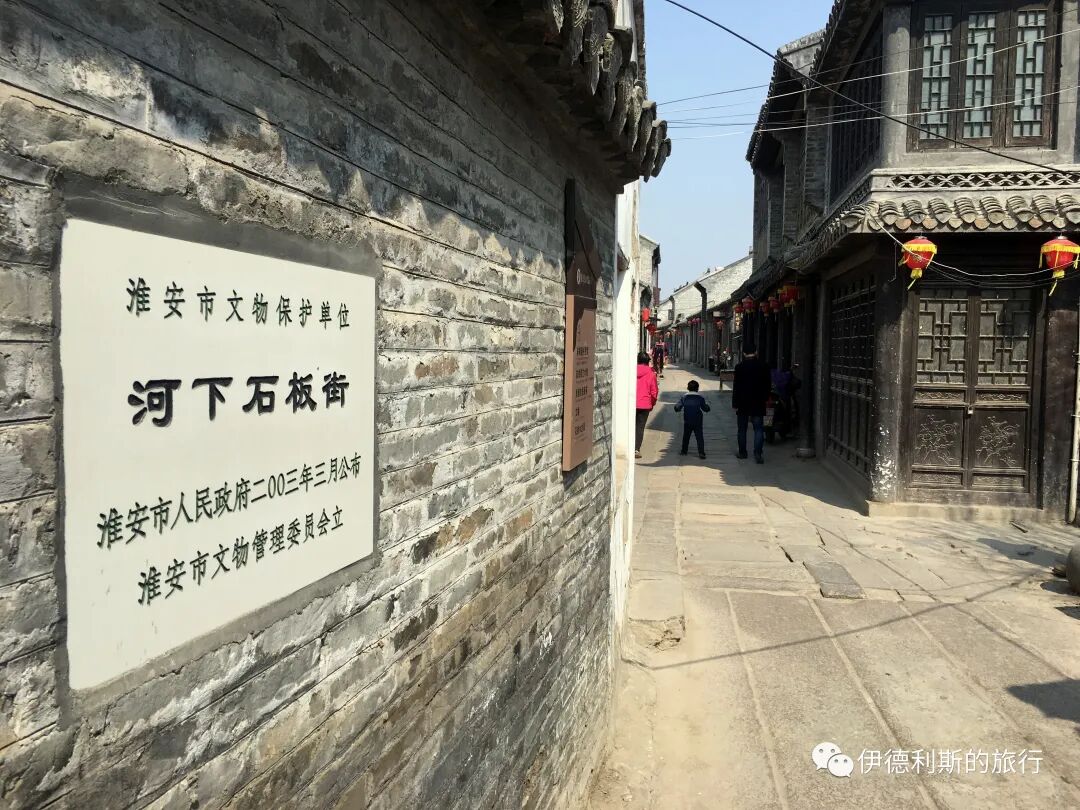
Because the salt fields along the coast of Huaibei produced high-quality salt, many salt merchants from the northwest and Anhui came to Huaibei during the late Ming Dynasty. The Huaibei Salt Transport Office was located in Hexia. Salt from the fields had to be shipped to Hexia for inspection before merchants sold it elsewhere. Hexia then entered its most prosperous period. Salt merchants built gardens and courtyards there. The Qing Dynasty record "Hexia Annals of Huai'an" states: "Wealthy salt merchants brought their capital and made their homes in Hexia, making the town extremely prosperous." The wealth brought by these merchants made the town's business thrive, and many Hui Muslims also came to settle in Hexia.
In 1831 (the 11th year of the Daoguang reign), Liangjiang Governor Tao Peng implemented the ticket salt law in Huaibei, requiring permits to transport salt. Many salt merchants went bankrupt quickly. This event is known as the "Salt Reform," and Hexia Ancient Town began to decline from then on.
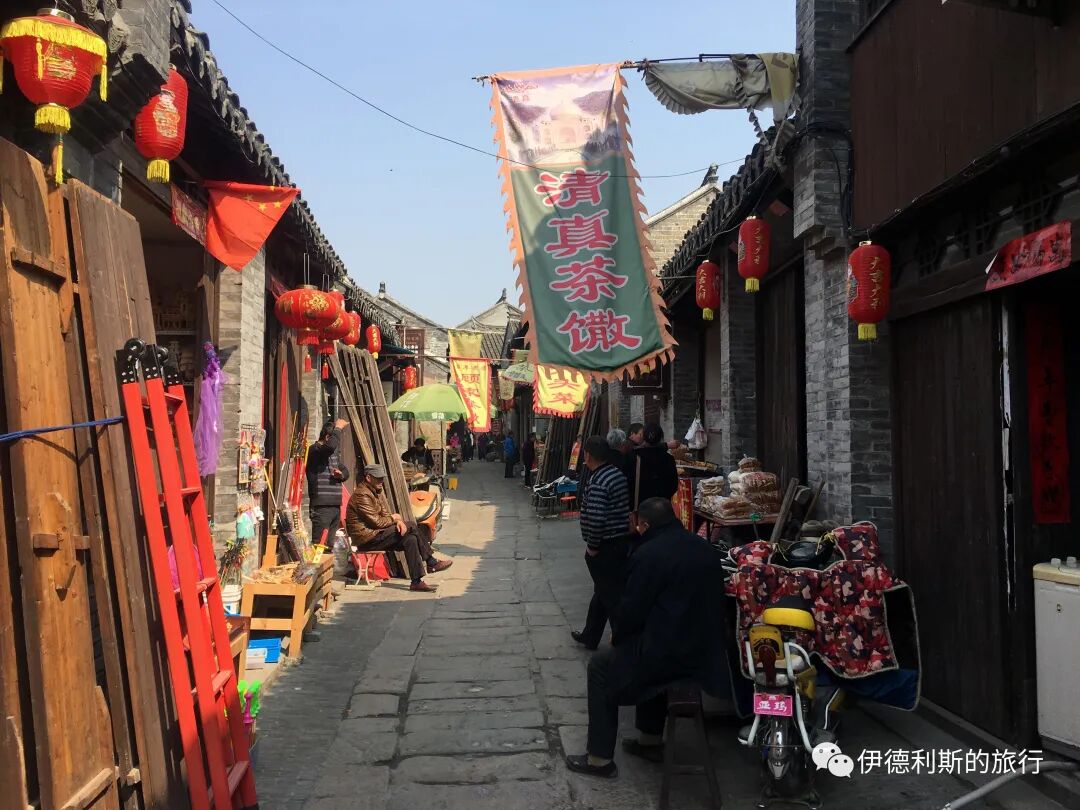
Hexia Mosque was first built in the Ming Dynasty. In 1860 (the 10th year of the Xianfeng reign), when the Nian Army captured Huai'an, 10 rooms of the mosque were burned down, but it was later rebuilt. After 1966, Hexia Mosque stopped its activities and four rooms were damaged. It resumed activities in 1986 and recently underwent major renovations to reach its current state.
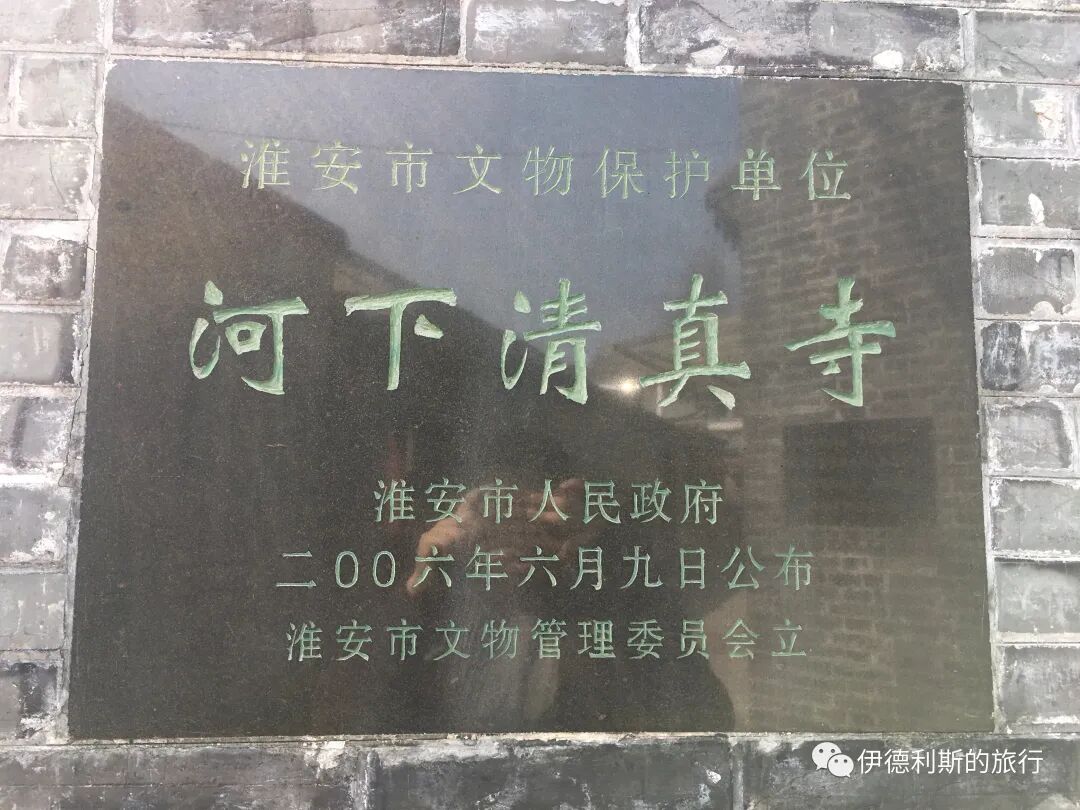
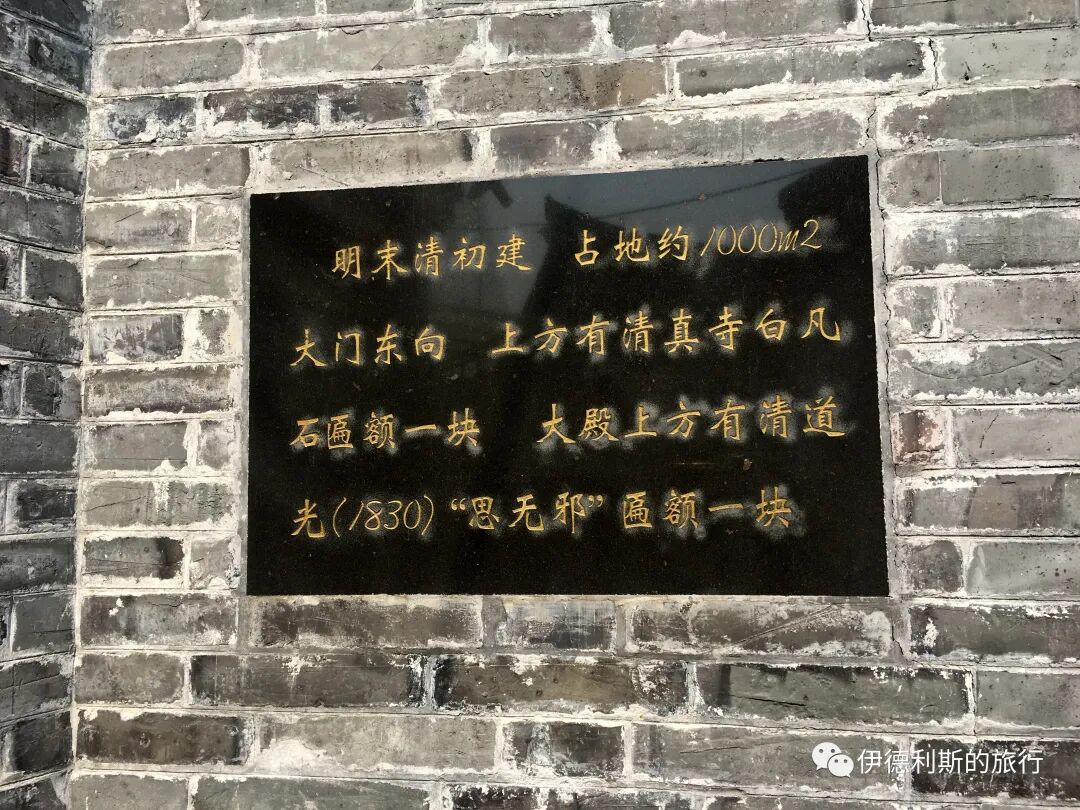
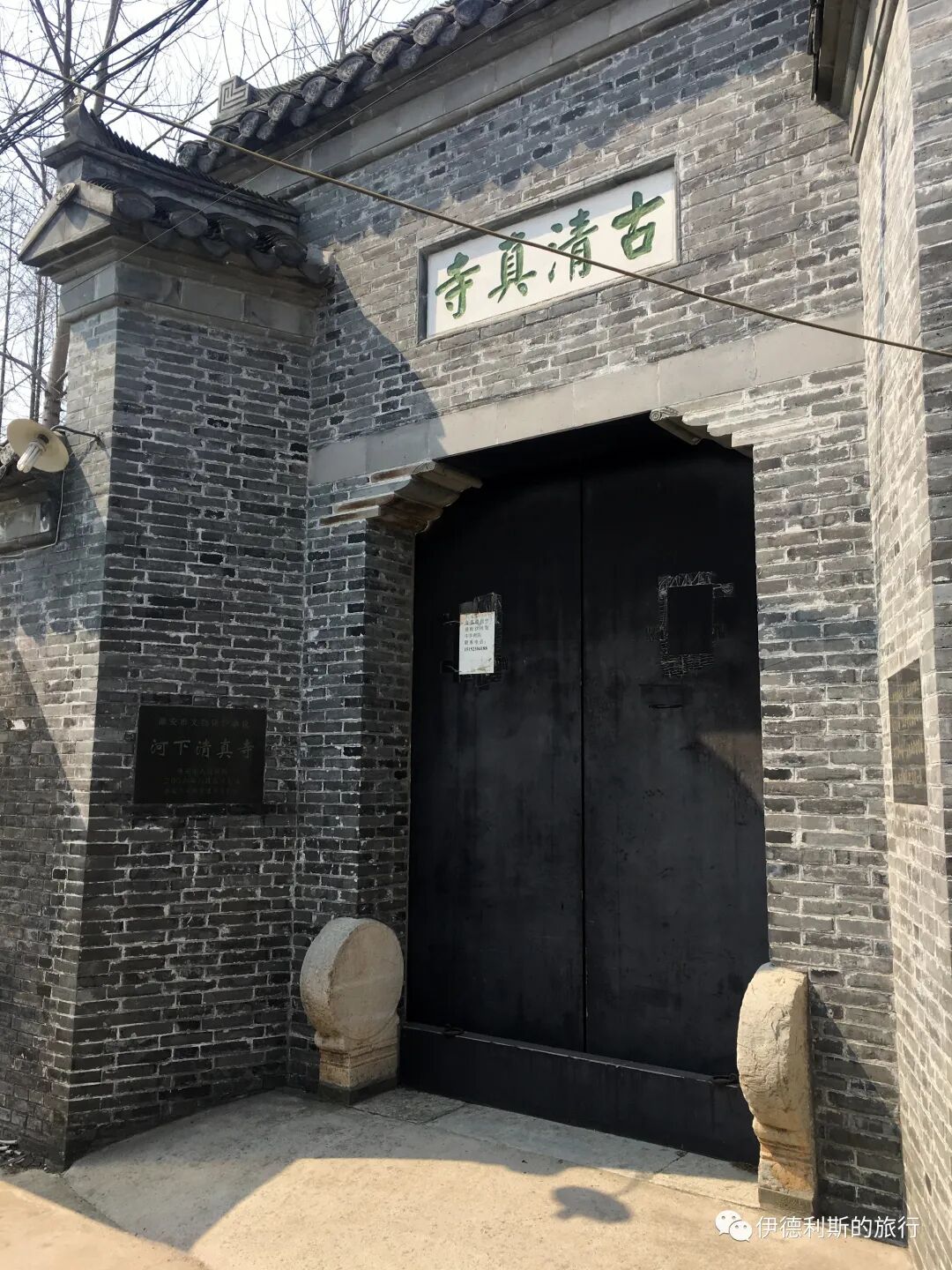
When we visited, the Hexia Mosque was empty. Imam Sha was running a beef and lamb shop on the other side of town and only goes to the mosque when needed.
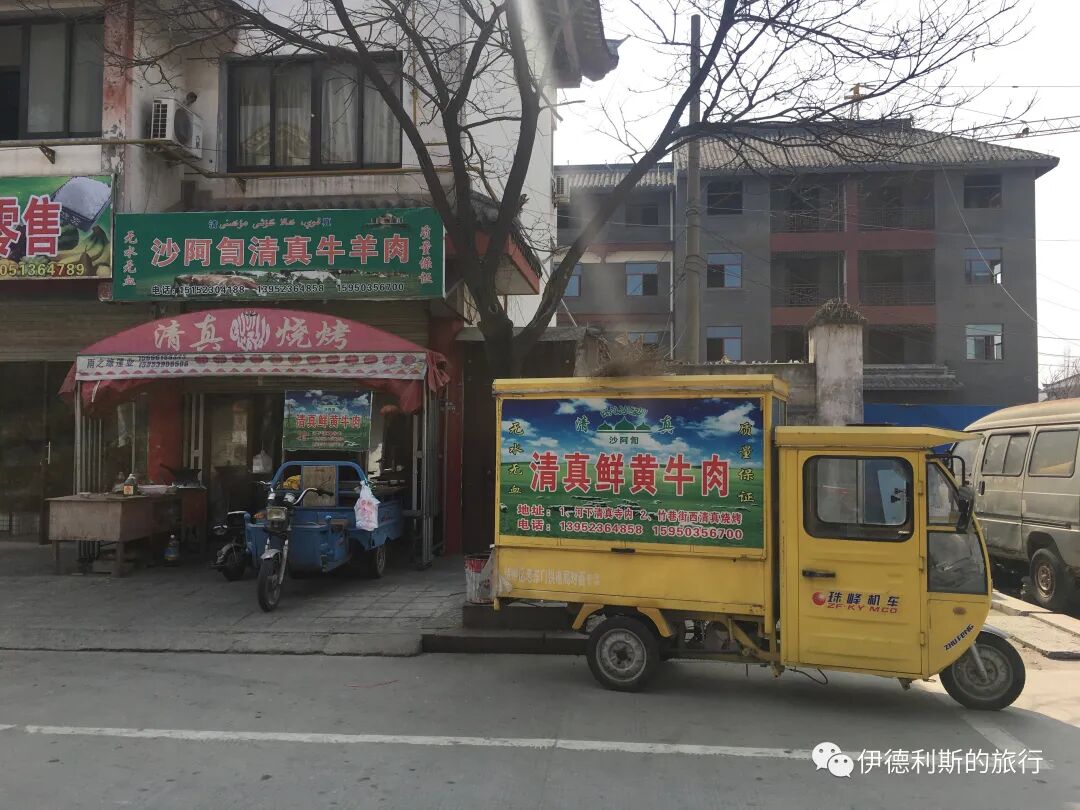
In the early years of the Republic of China, a Hui Muslim named Zhang Bu'ao opened the Kaifuxingzhai Halal Restaurant in Hexia Town. It was a famous halal restaurant at the time with 11 rooms, two of which faced the street. The building still stands today and is listed as a cultural relic protection unit in Huai'an City.
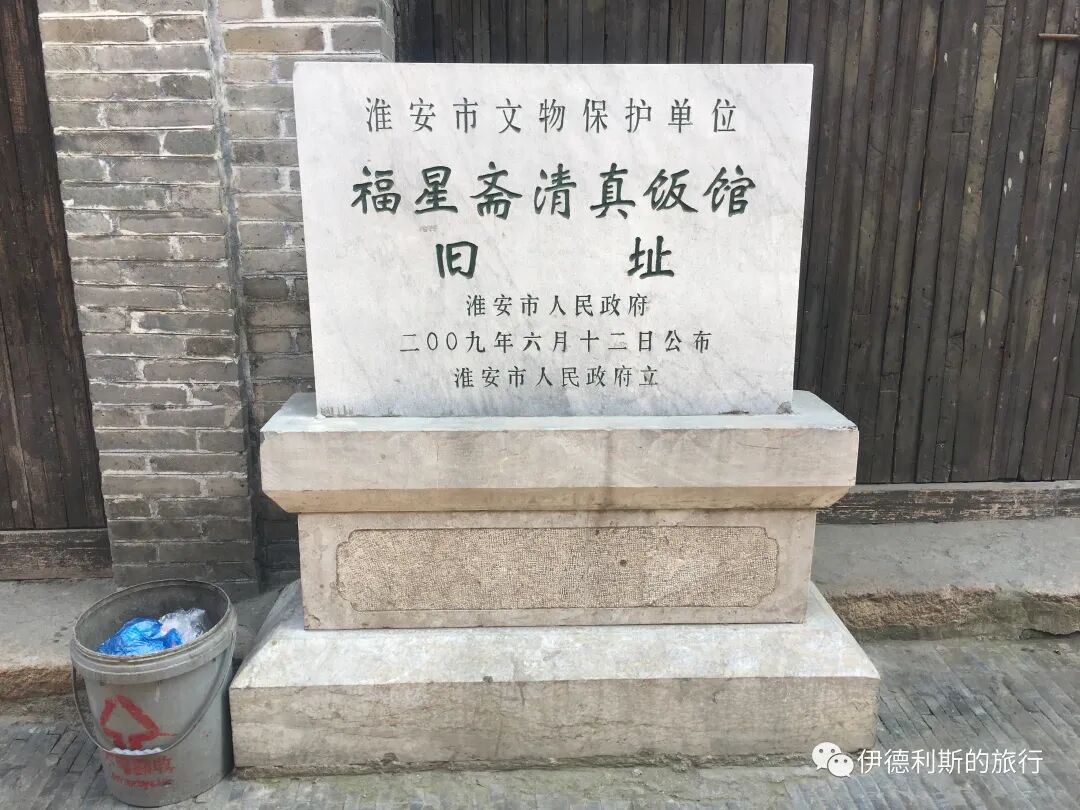
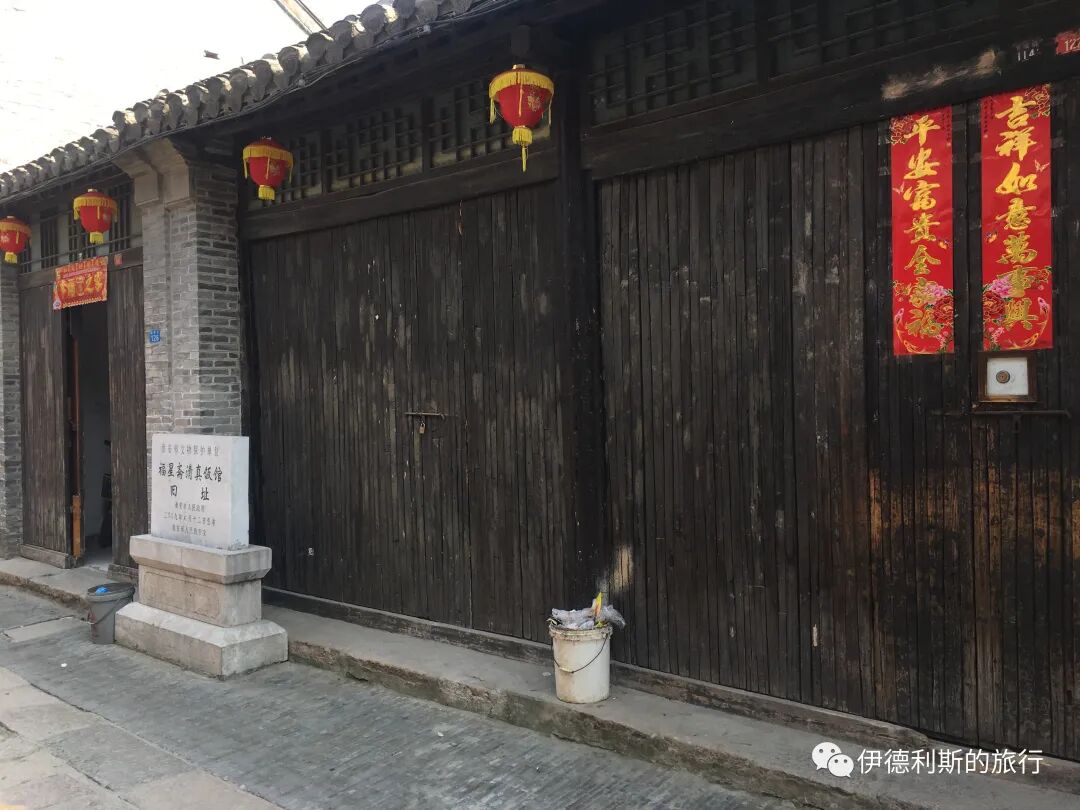
Halal snacks in Hexia Town.
The second issue of Jiangsu Muslims in 2016 featured an article titled Famous Halal Products, Restaurants, and Snacks in Huai'an, provided by the Huai'an Islamic Association. The article mentions that in the late Qing Dynasty, a Hui Muslim named Li in Hexia Town applied noodle-pulling techniques to making fried dough twists (sanzi), creating a unique version of the snack. The Li family's fried dough twists (sanzi) are made with sesame oil and no alkaline additives, allowing them to be shaped into fans, combs, pagodas, and other patterns.
Halal tea-flavored fried dough twists (sanzi) in Hexia Town today.
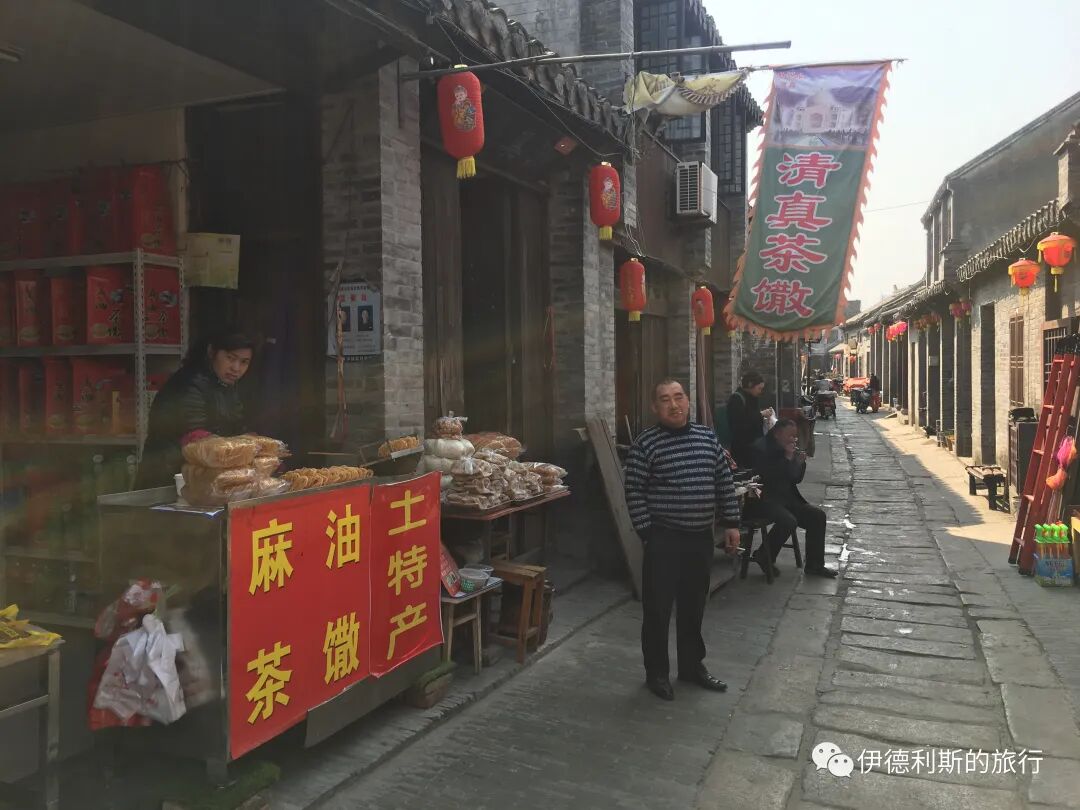
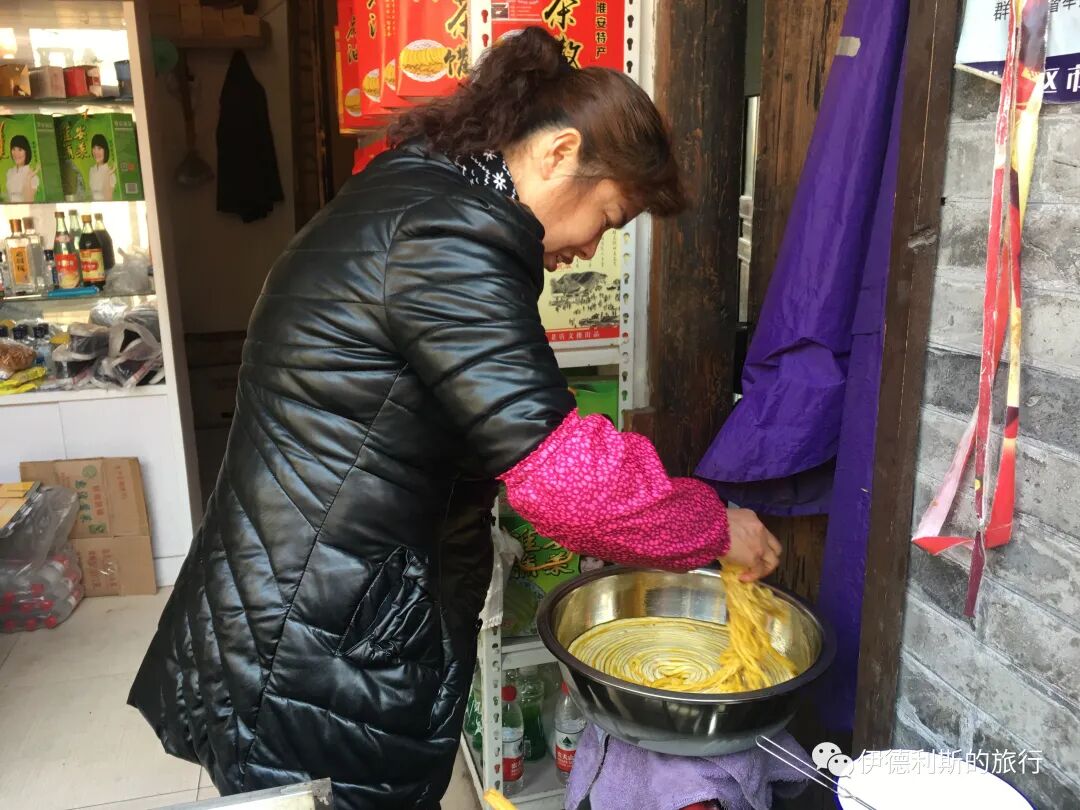
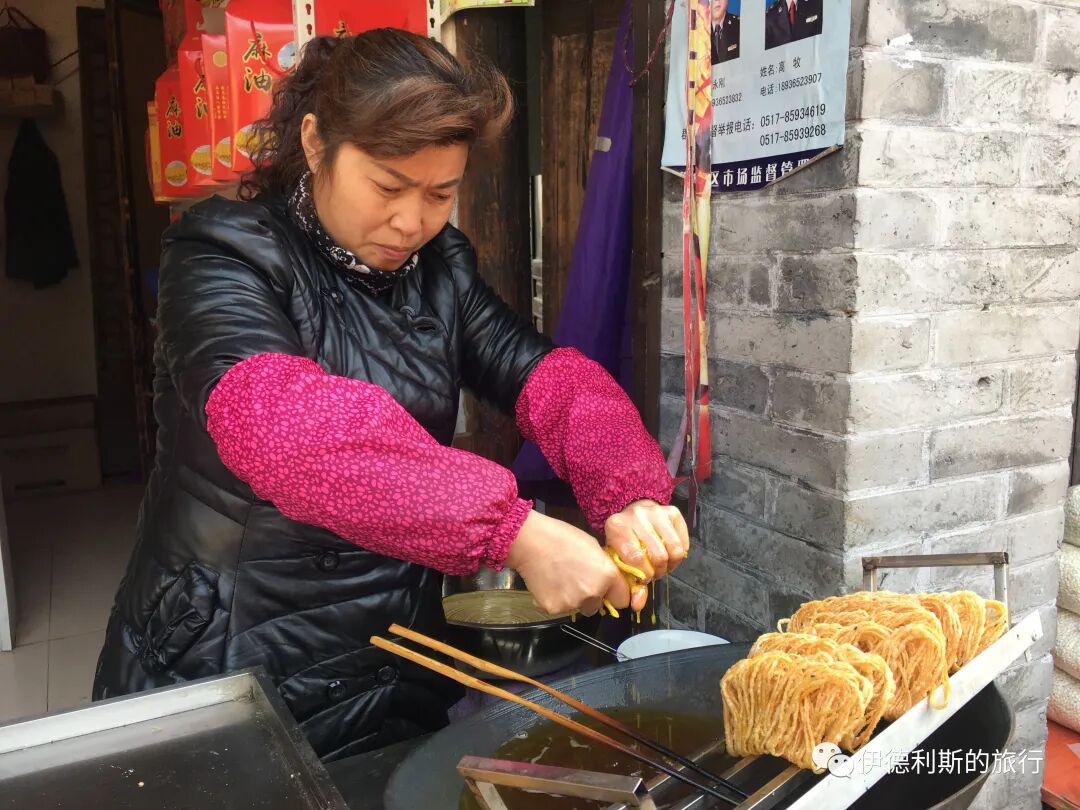
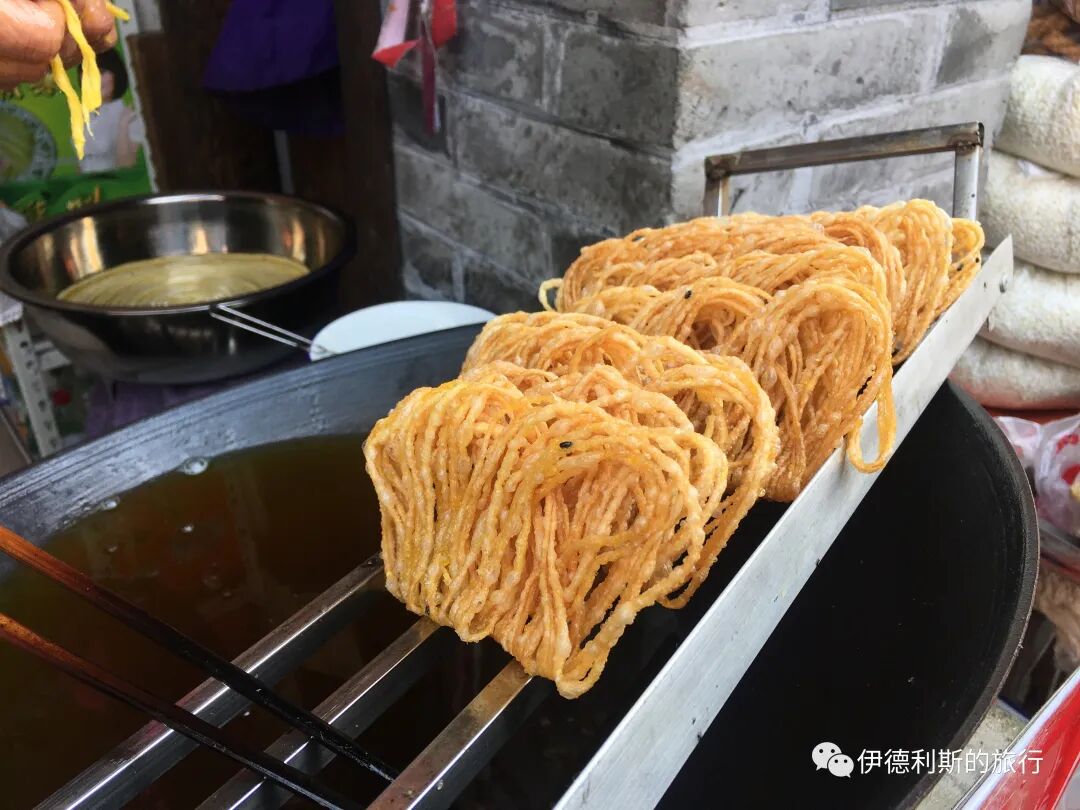
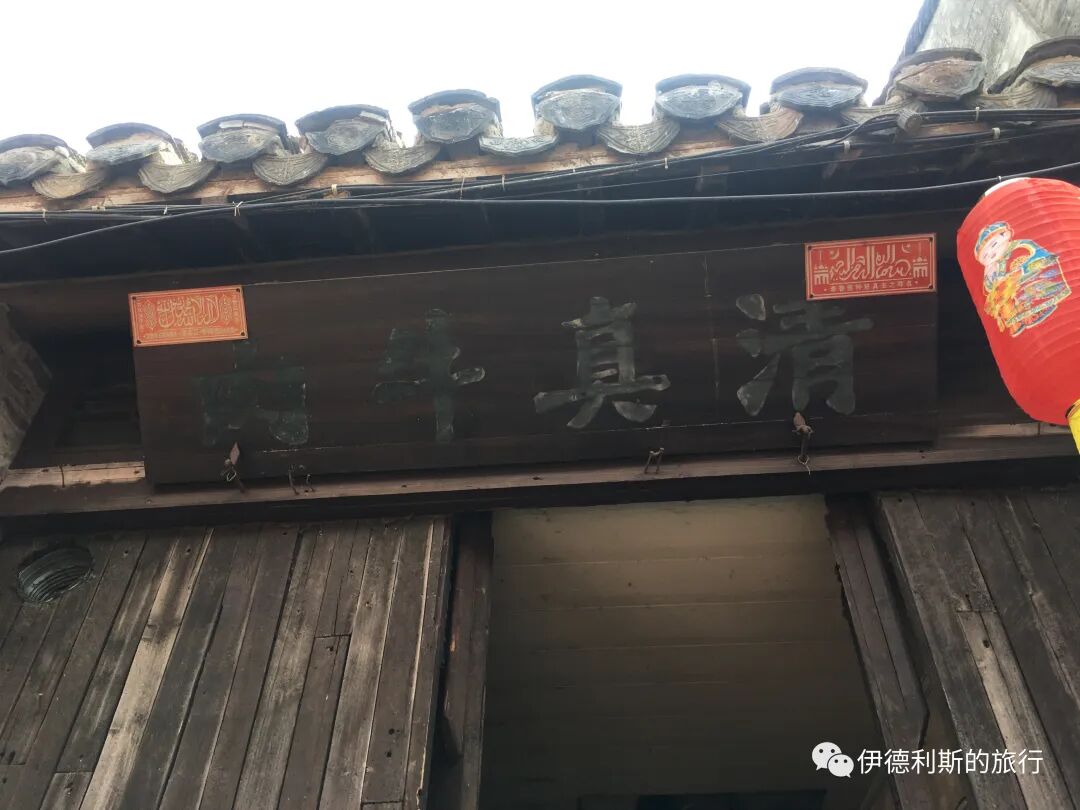
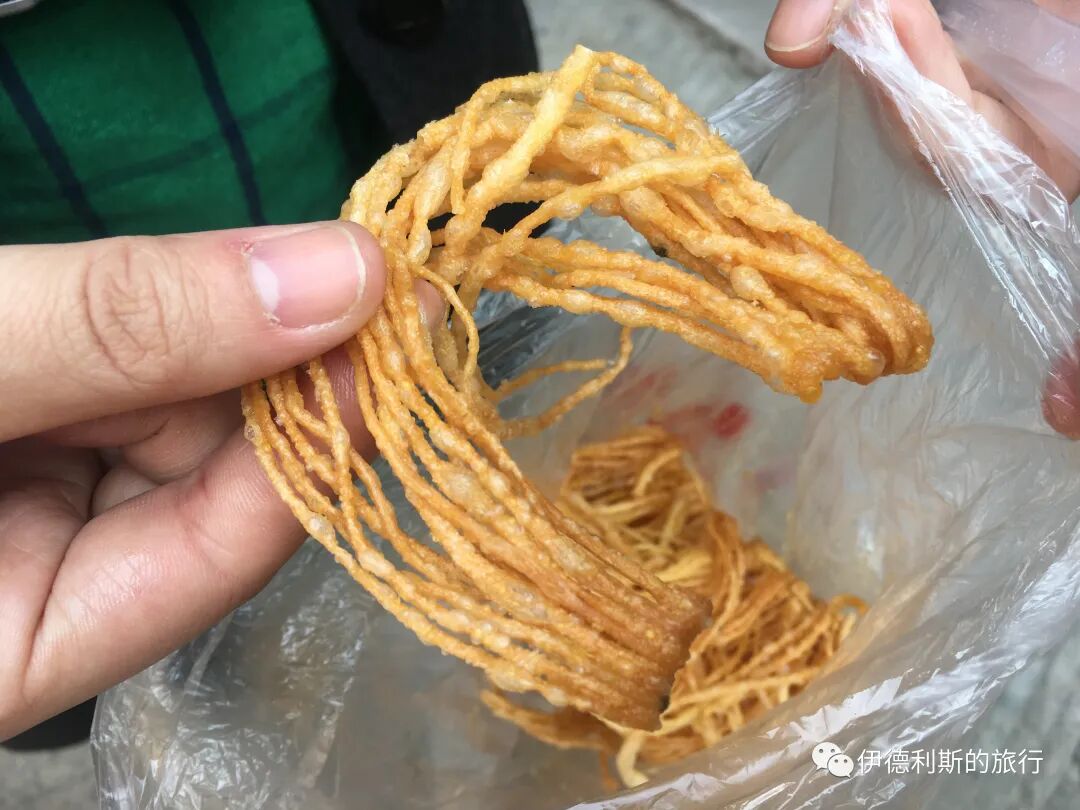
There is also a type of sweet cake.
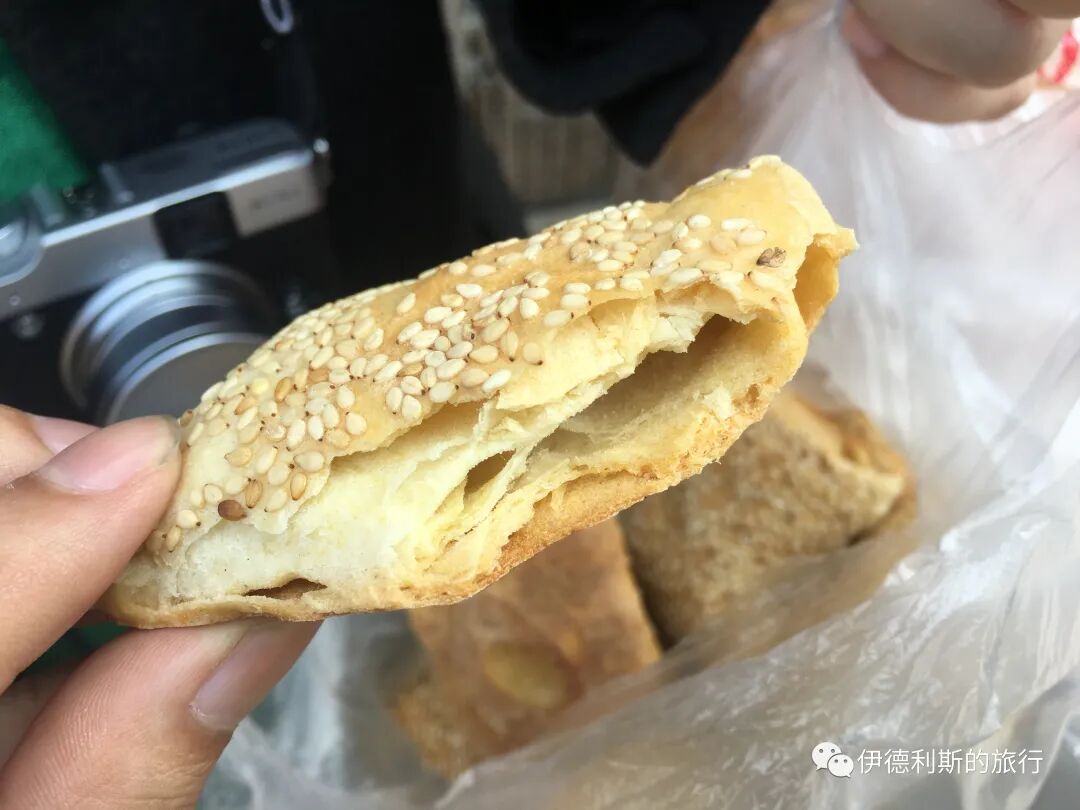
Hexia Town once had a teahouse opened by a Hui Muslim named Chen Yongyuan during the Xianfeng era. The lintel above the door was inscribed with the word Halal in red, Chen Yongyuan in the middle, and Teahouse at the bottom. This piece is now in the collection of the Chuzhou Museum. Every morning, someone was sent to fetch water from the Grand Canal. After returning, they used alum to clarify the water, then boiled it to brew famous teas like Longjing and Biluochun. People came to the teahouse every morning to drink tea and chat in a constant stream.
Today, there is still a halal snack shop on Zhugan Lane in Hexia Town, where we had some very delicious shredded chicken noodles.
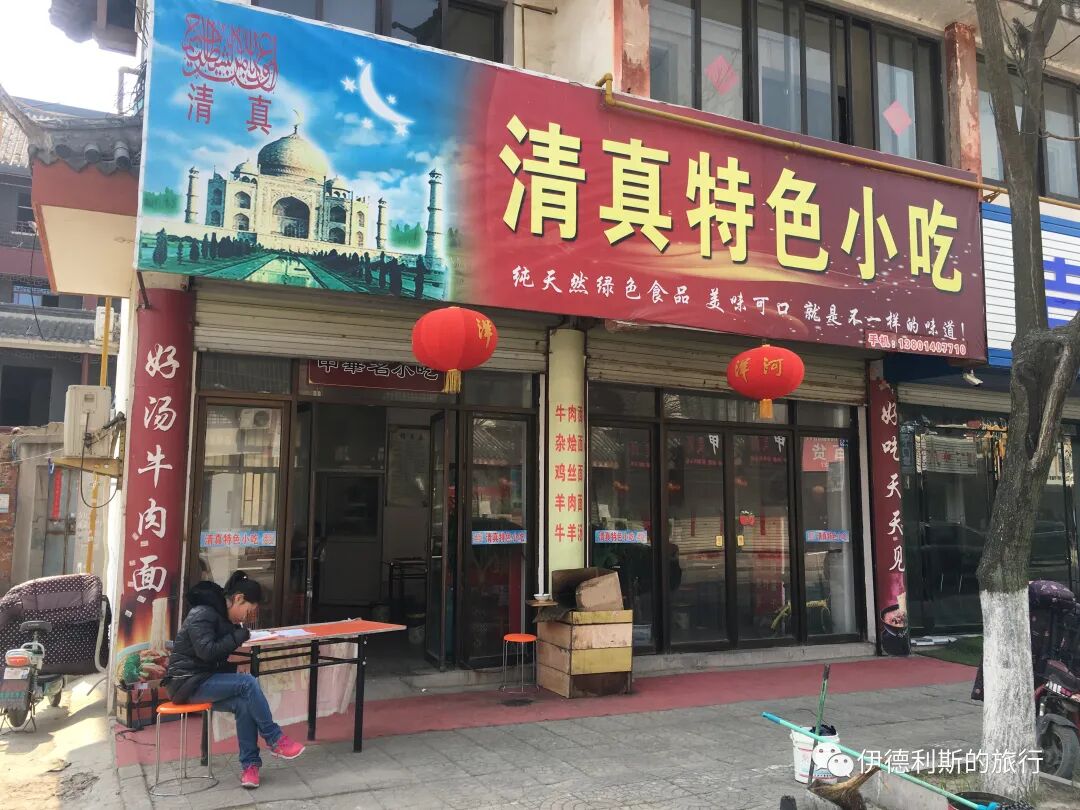
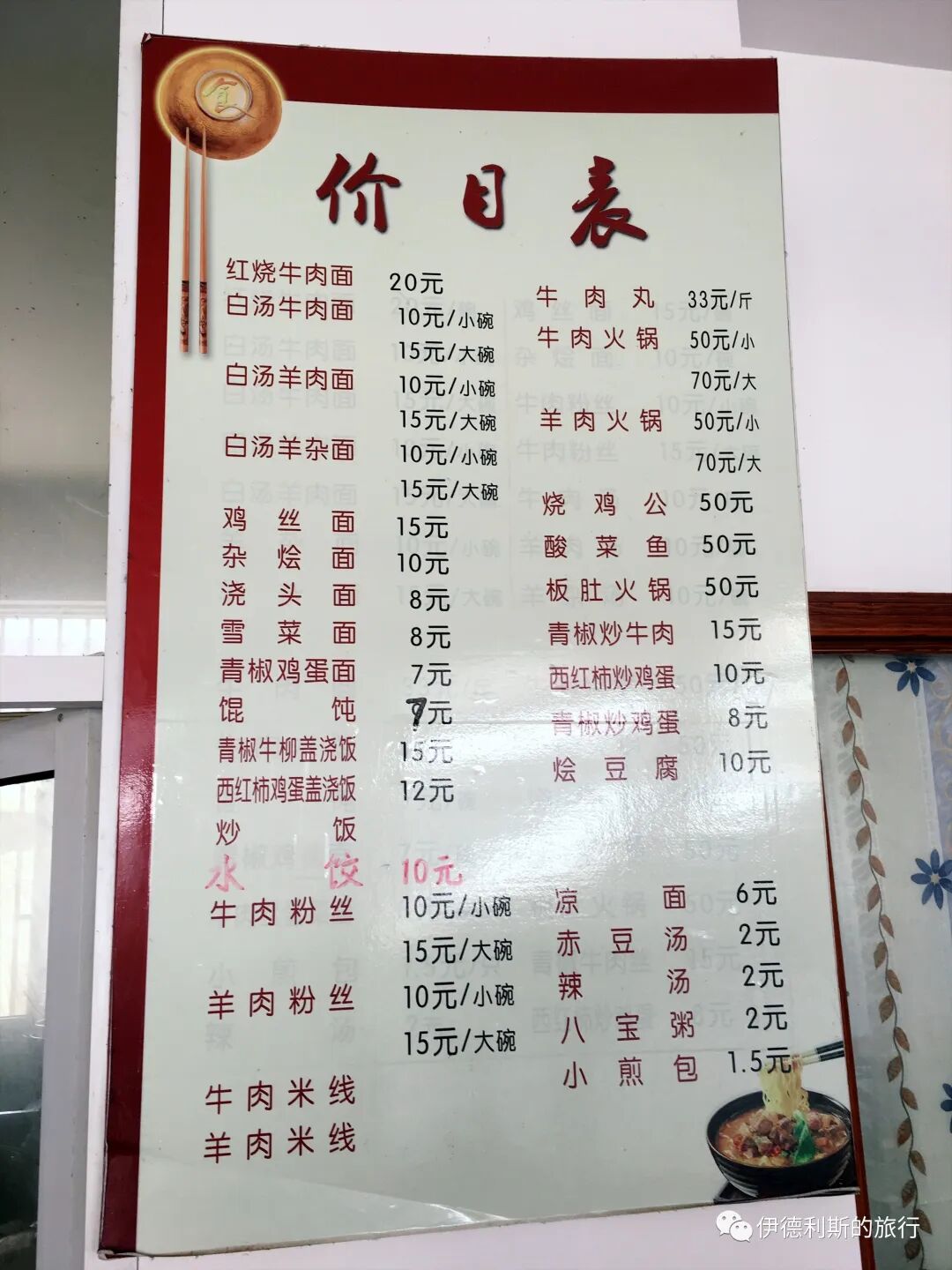
Wangjiaying.
Wangjiaying, now called Wangying, is located between the old Yellow River course and the Yan River. During the Ming Dynasty, the Dahe Guard was established in Huai'an Prefecture, and ten military camps were built along the Yellow River. Wangjiaying was one of them.
Because travel on the Yellow River section of the canal was slow and passing through the locks was dangerous, often leading to broken cables and sunken boats, many merchants chose to leave their boats at Qingjiangpu. They would cross the Yellow River at Wangjiaying and switch to horse-drawn carriages to continue north. Wangjiaying and Qingjiangpu gradually grew into busy towns together.
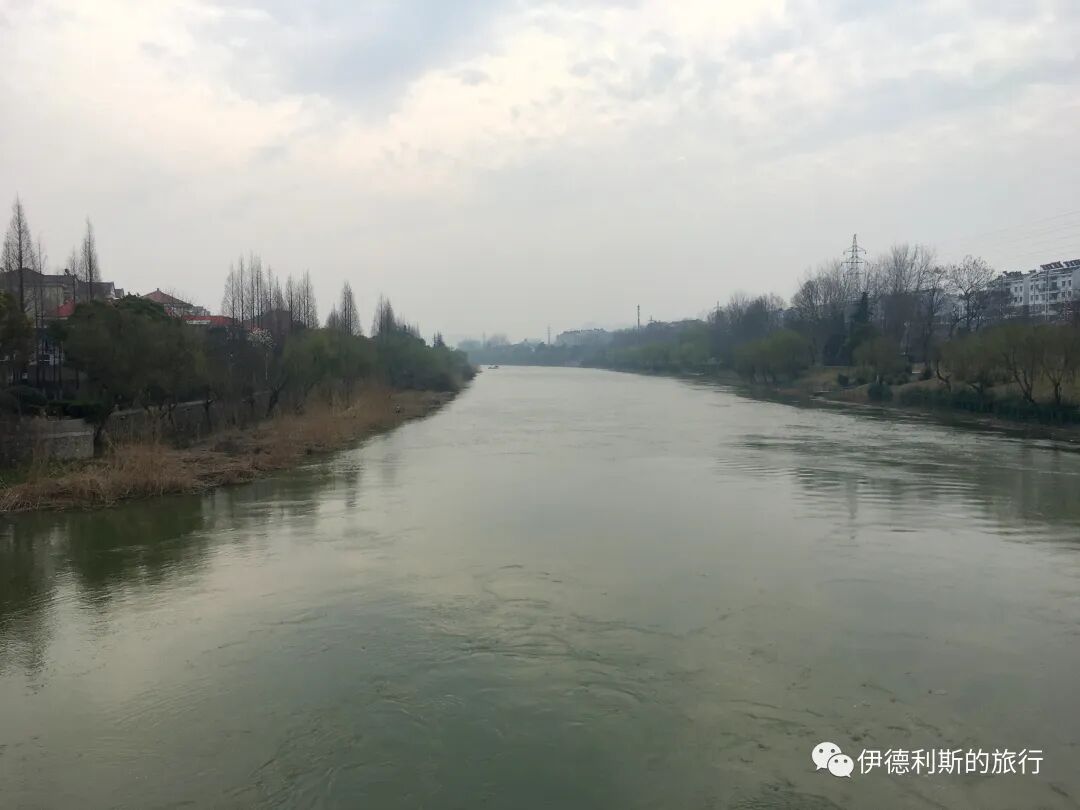
The old Yellow River course before 1855.
Wangjiaying experienced many Yellow River floods, and the town moved east three times before reaching its current location. Wangjiaying became more prosperous in the early Qing Dynasty. The Wangjiaying Gazetteer records that it was a place where southern boats and northern horses met and crowds gathered. In 1831, the Viceroy of Liangjiang, Tao Peng, implemented a salt ticket system in Huaibei. Known as the salt reform, this meant sea salt from Huaibei salt fields no longer needed to be inspected and taxed in Hexia Town. Tao Peng chose Xiba in Wangjiaying as the new distribution center for Huai salt. Because of this, Wangjiaying became the center for eighteen salt warehouses and seventy-two salt bureaus. Salt boats traveled constantly along the three-hundred-mile waterway between the Huaibei salt fields and Wangjiaying.
The rise of Wangjiaying during the Qing Dynasty led to Hui Muslims settling there. The first Hui Muslims to arrive in Wangjiaying were the Ma and Sha families, who came from Lingzhou in Gansu by way of Shandong and Zhenjiang. Later, families named Jin, Dai, Chang, Ge, Fan, Li, and Yang also settled here.
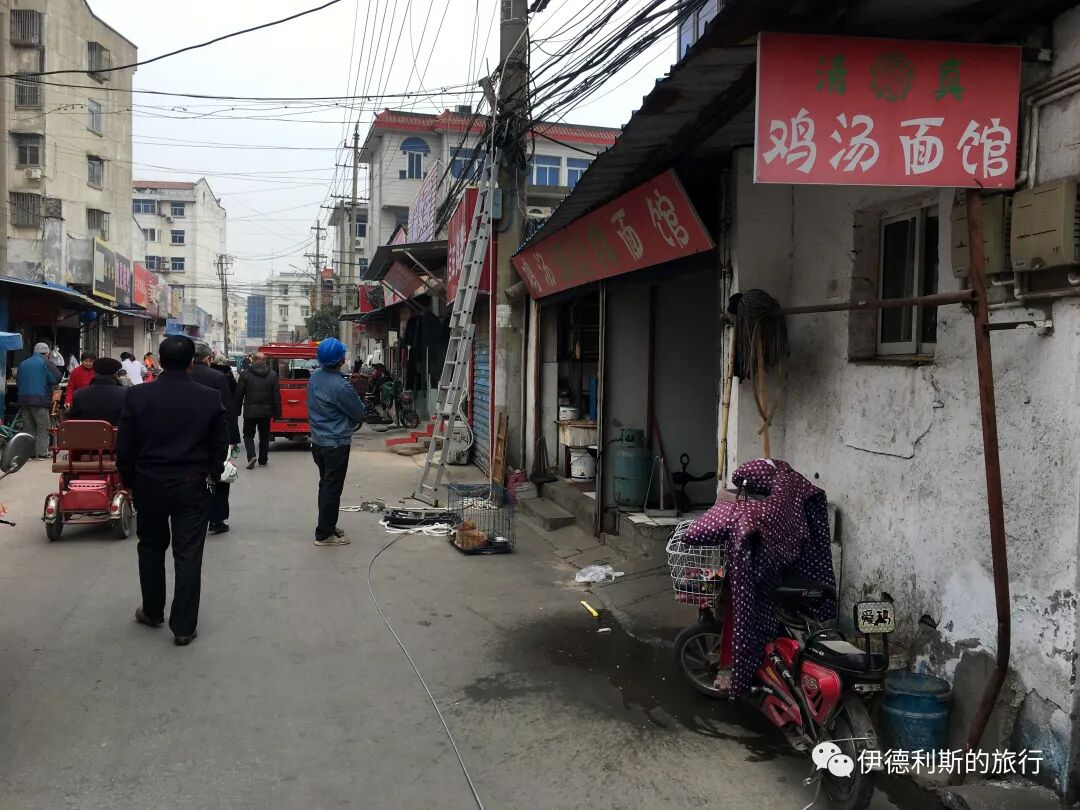
The history of the Wangjiaying Mosque is documented in the book A Century-Old Mosque in the Ancient City of Huaiyin by Imam Fan Weiming and in The Past and Present of Wangying Mosque by Mao Lifa, the former director of the Huaiyin District CPPCC Cultural and Historical Committee. I have organized that information here.
The Wangjiaying Mosque was first built during the Yongzheng reign as three thatched rooms next to the lotus pond at Wangjiapo. At the end of the Daoguang reign, it moved to the south bank of the Salt River, with Imams Chang Tingzhang and Dai Mingxuan in charge of religious affairs. Imam Chang Tingzhang, known as Third Master Chang, was originally from Jining, Shandong. He was born in 1785 in Taoyuan County, Huai'an Prefecture, Jiangsu (now Siyang). In his youth, he studied in Lingzhou, Gansu (now Lingwu, Ningxia), and after completing his studies, he visited various places in Jining, Shandong, to continue his religious education. In 1810, at the age of 26, Imam Chang Tingzhang was invited to lead the Wangjiaying Mosque. Imam Chang Tingzhang had deep knowledge of Arabic classics, astronomy, and medical theory. According to the Wangjiaying Gazetteer, a man named Third Master Tao from Hangzhou died in Huai'an during the Daoguang reign. Because it was the heat of summer, Imam Chang Tingzhang personally bought a boat to transport the body south along the Grand Canal to Hangzhou to fulfill his duty to the family.
In 1860, the Nian Army entered Wangjiaying and burned the mosque. In 1867, Imam Dai Jingzhai, the son of Imam Dai Mingxuan, built a few thatched huts, and later, with donations from the community, a main prayer hall with three thatched rooms was constructed.
Imam Chang Tingzhang passed away in 1870, and Imam Dai Jingzhai took over religious affairs. In 1884, the thatched rooms were rebuilt with tile roofs. Because Imam Chang Tingzhang had studied at the Jahriyya order's Daotang in Lingzhou, Ningxia, in his youth, the Wangjiaying Mosque later invited five successive Jahriyya imams from Ningxia to lead religious affairs and teach. Subsequent imams also went to Ningxia for further study. This made the Wangjiaying Mosque one of the nine branch centers of the Banqiao Daotang in Ningxia, maintaining a very close relationship with the Banqiao Daotang in Wuzhong, Ningxia.
In 1912, the mosque built a new main gate, a south lecture hall, a kitchen, and a washroom. In 1920, with funding from the Jinshantang in Gansu and money from selling dozens of willow trees from the public cemetery, they rebuilt the three-room tiled eave structure in front of the main prayer hall and added a new three-room east lecture hall.
In 1958, the Wangjiaying Mosque moved to the east side of West Ma Road in Wangying, and in 1961, it moved to its current location because a bank needed the land to build. In 1966, during the campaign to destroy the Four Olds, the main hall's plaques reading "The Way Spreads to the Central Land," "The Faith Follows the Western Regions," and "Stop at the Ultimate Good," along with the gold-lettered Arabic plaques and the couplets reading "See the invisible, hear the soundless, rectify the mind and be sincere, become a sage or a worthy, original nature;" were all smashed or burned. The couplet continued, "The Way stands, movement brings harmony, reach others through oneself, help things and help the world, all is complete," and these were also destroyed, along with funeral equipment, while the main hall was taken over by a shoe and hat factory to use as a warehouse.
In 1979, under the leadership of Imam Ge Weili, the Wangjiaying Mosque was rebuilt in a traditional style, finishing in 1985, and after two more renovations and expansions in 2003 and 2006, it reached its current appearance.
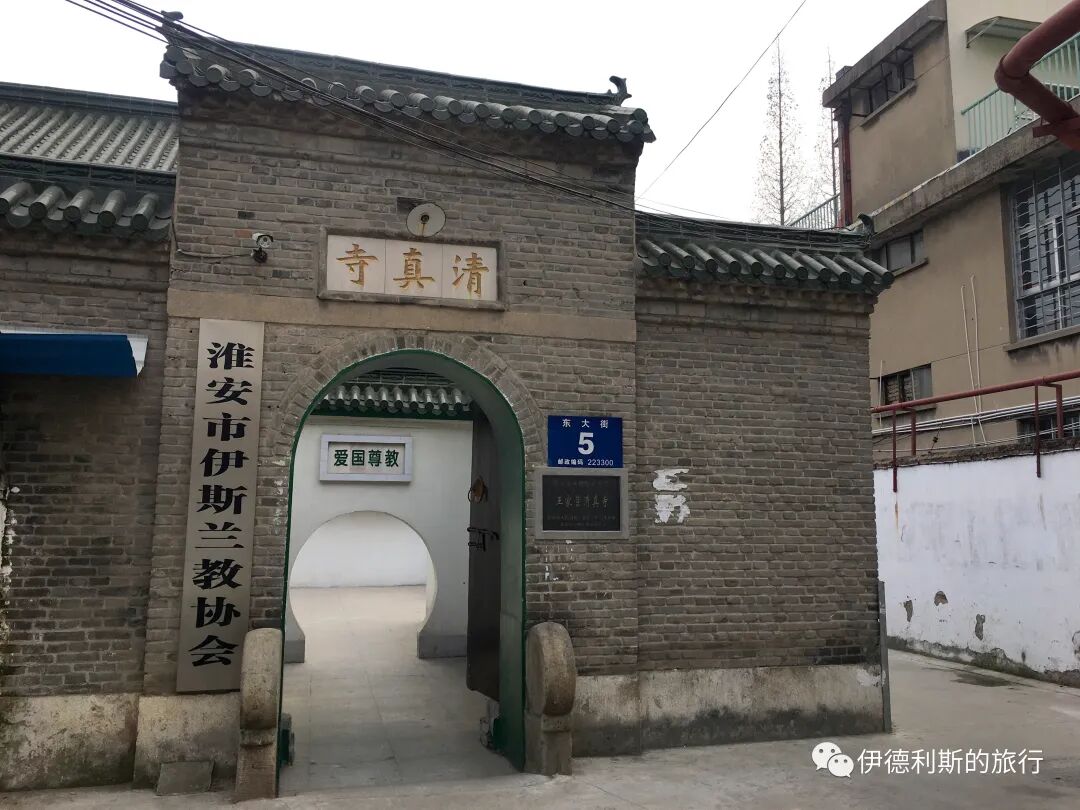
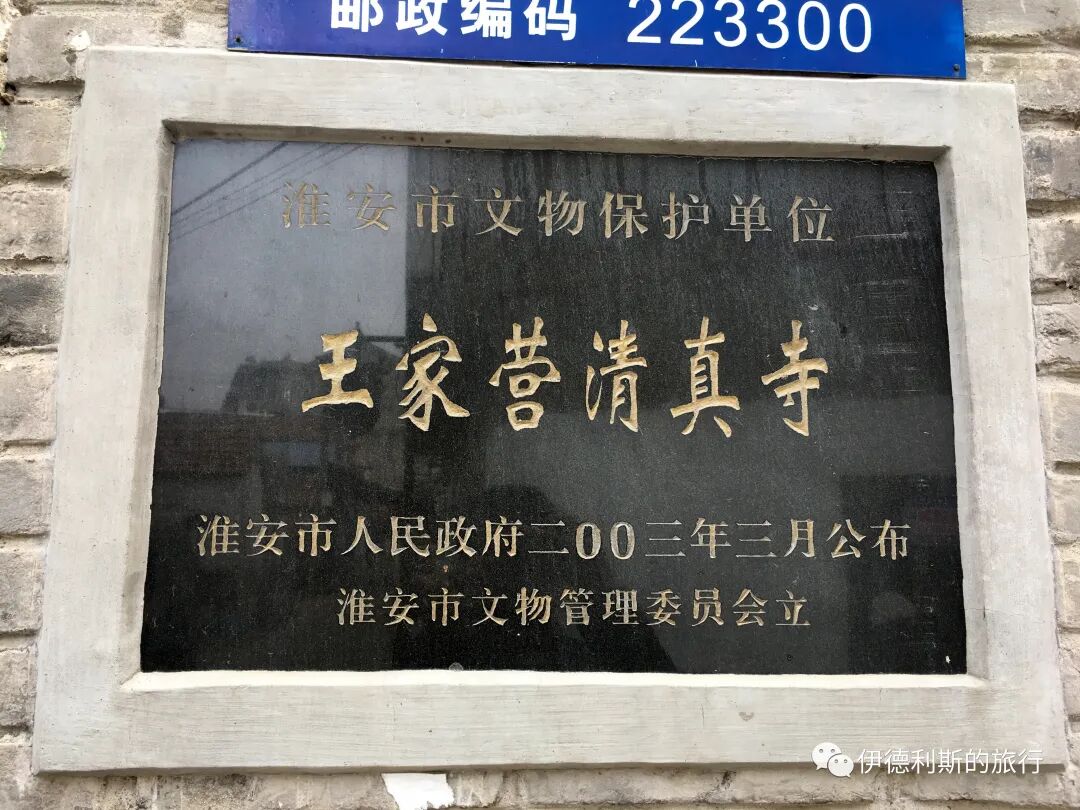
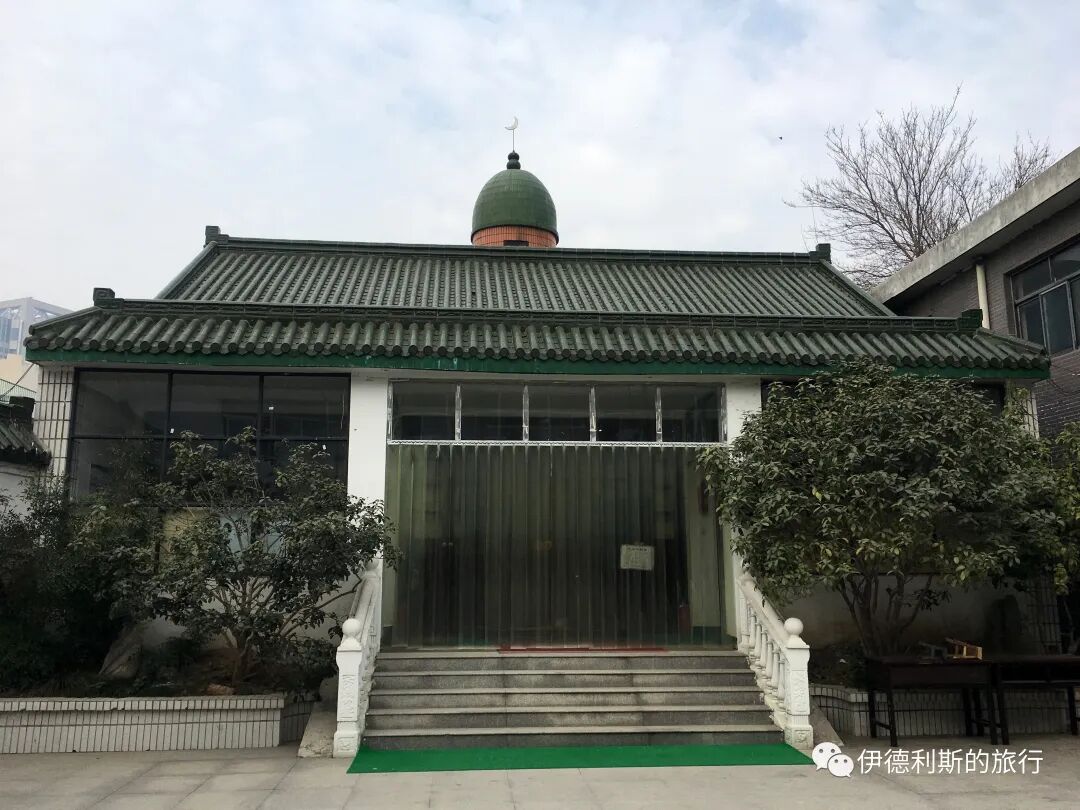
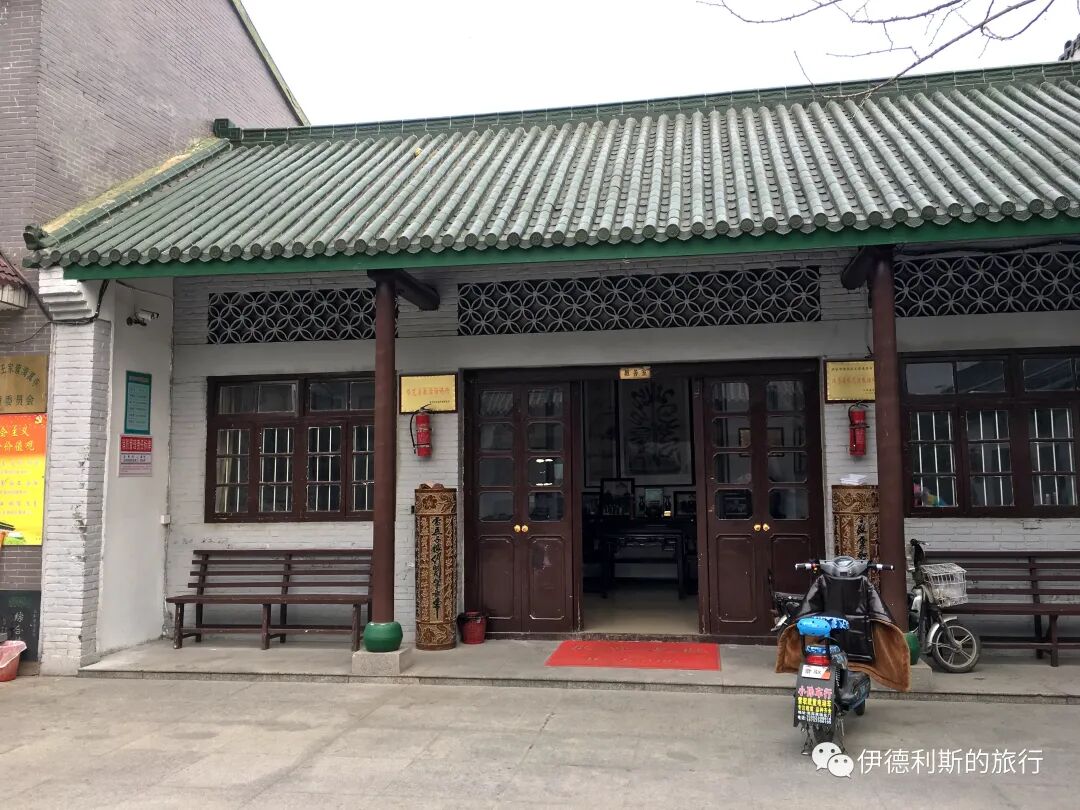
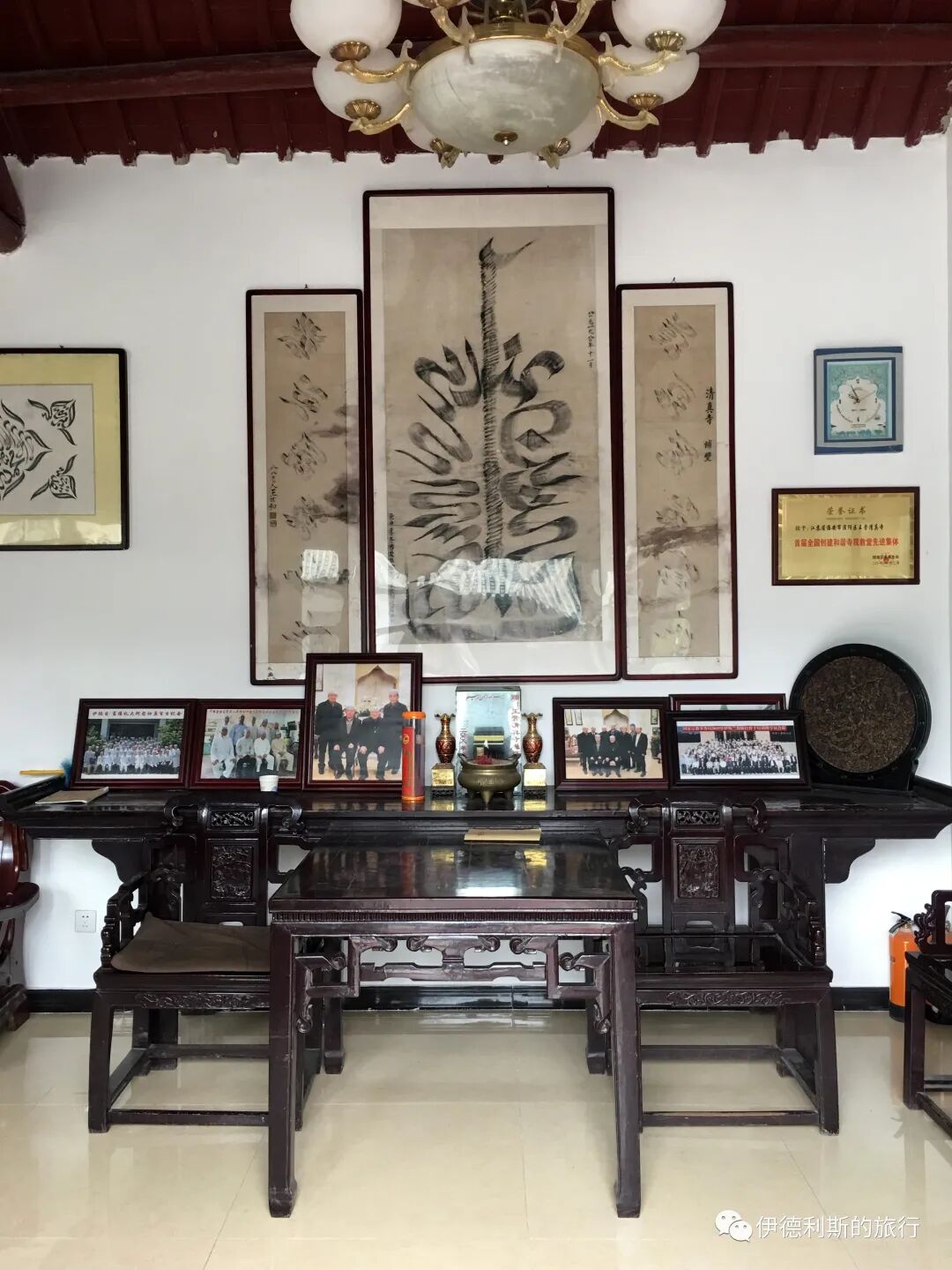
Imam Ge Weili was born in 1924, went to Ningxia to study in 1937, became the imam of Wangjiaying Mosque after completing his training in 1945, served as the imam in 1966, and later became the vice president of the Jiangsu Islamic Association and president of the Huai'an Islamic Association. The religious affairs of the Wangjiaying Mosque are now handled by Imam Fan Weiming, a student of Imam Ge Weili.
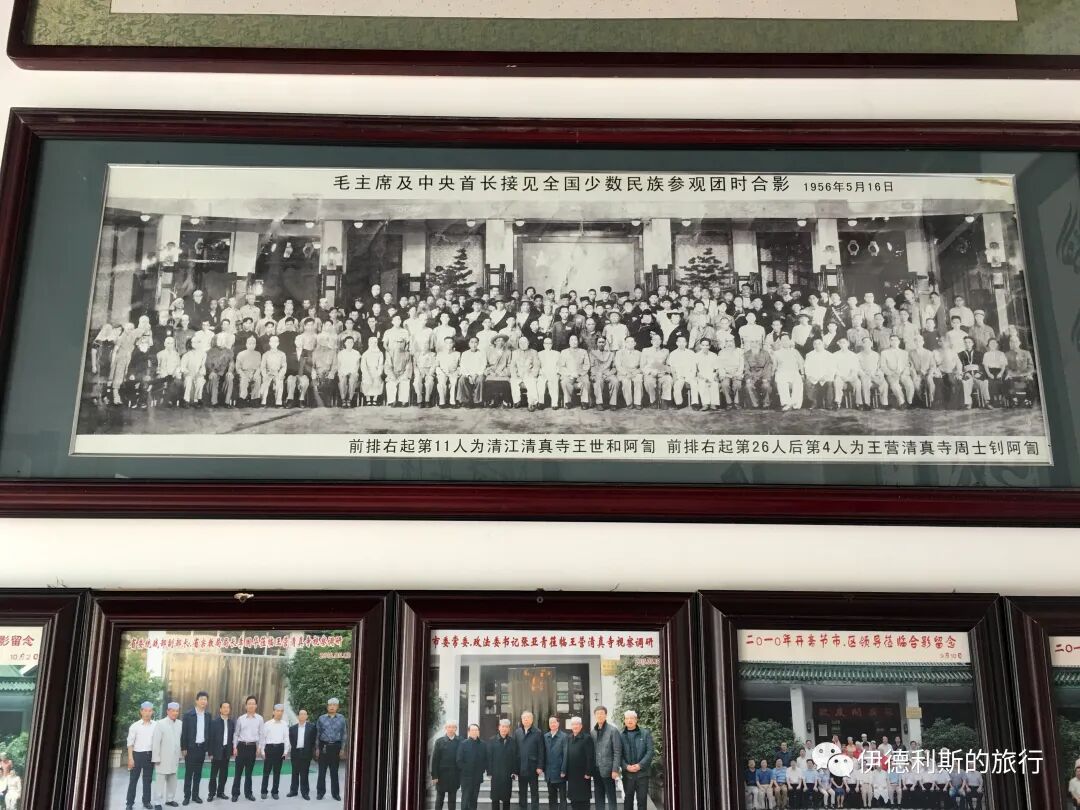
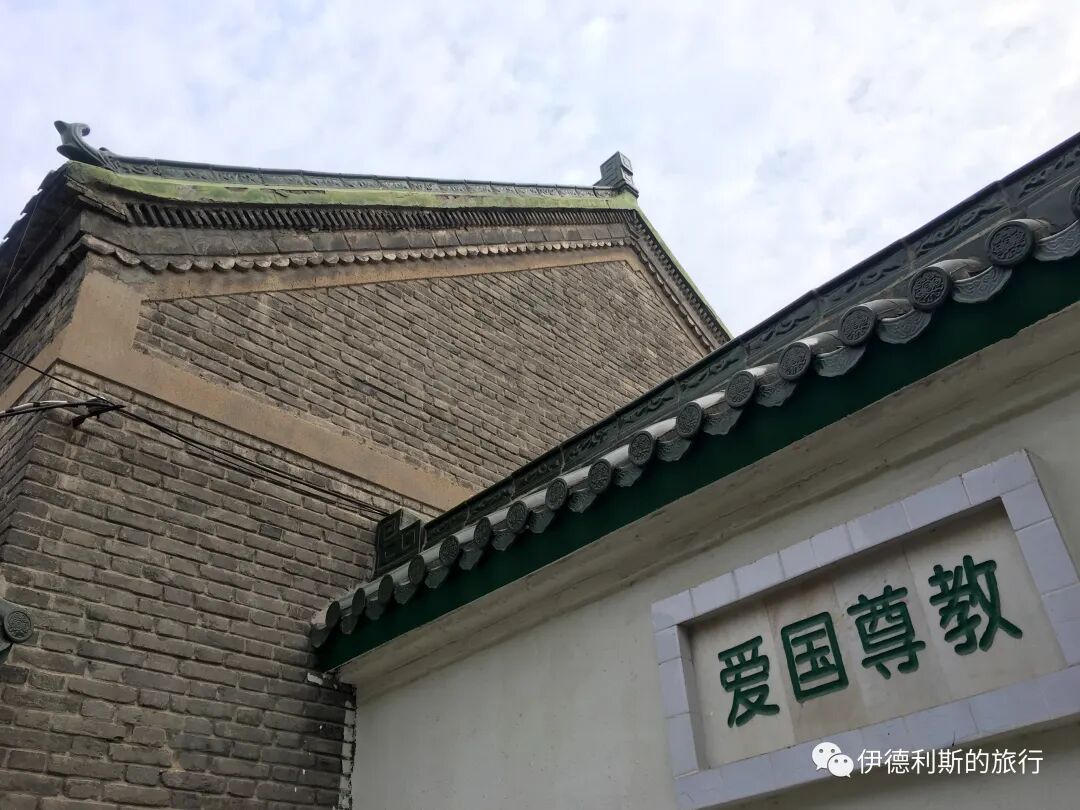
Halal food in Wangjiaying.
The second issue of "Jiangsu Muslims" in 2016 featured an article titled "Famous Halal Products, Shops, and Foods in Huai'an," provided by the Huai'an Islamic Association, which wrote about the halal food in Wangjiaying.
In 1831 (the 11th year of the Daoguang reign), after the salt administration expanded at Xiba in Wangjiaying, Imam Dai Mingxuan of the Wangjiaying Mosque opened a halal restaurant at the north end of Yushan Street, hiring the best local chefs and making it a high-end spot where many Huai'an officials and nobles held banquets.
In 1860 (the 10th year of the Xianfeng reign), after the Nian Army broke through Wangjiaying, the halal restaurant and the mosque were both destroyed in the war. In 1886 (the 12th year of the Guangxu reign), with everyone's help, Imam Dai Jingzhai, the son of Imam Dai Mingxuan, reopened the halal restaurant at the North Weimen gate in Wangjiaying. The halal restaurant was forced to close after 1937, reopened after 1945, but struggled due to the following wars. After the public-private partnership in 1958, the halal restaurant merged into the Huaiyin Food and Beverage Company No. 2, with Ma Hengpu serving as manager. At the end of 1959, it moved to Beijing Road, featuring three storefront rooms in the front and four kitchen rooms in the back, with Wang Jinbiao taking over as manager. After the 1970s, Li Haiquan took over as manager and renamed it the Hui Muslims Restaurant (Huimin Fandian). In the 1980s, Ma Hengbao led the construction of a new two-story building, and Dai Peng took over as manager. In March 2003, the Hui Muslims Restaurant was restructured, the original staff were all bought out, and it became a private enterprise.
The beef jerky (niupu) made by Ma Wu in Wangjiaying is also very famous. Ma Wu's real name was Ma Guowu. During the Taiping Rebellion, his grandfather Ma Xingyuan moved from Shaanxi to Mule Horse Street (Luoma Jie) in Wangjiaying and supported his family with his ancestral beef jerky craft. By Ma Wu's generation, the business grew larger, and the storefront was rebuilt from three single-story rooms into a multi-story building. Ma Wu chose only the best lean yellow beef. After cutting it into pieces, he sprinkled it with salt and saltpeter brine, rubbed it thoroughly, and put it in a vat to cure. It took one week in winter, and a few days less in other seasons before it was ready to be taken out. After taking it out of the vat, he drained the brine and put the meat into a pot. He added old brine, rock sugar, fennel, soy sauce, almonds, galangal, and over ten other ingredients. He brought it to a boil and then simmered it over low heat for 7 hours until it was done.
In 1954, during the public-private partnership, Ma Wu became a worker at the Wangying Town Bean Products Factory. After the reform and opening up, he returned to his old trade until he passed away (guizhen) in February 1999 during Eid al-Adha (Jierbang Jie). None of his children inherited the family business, and the Wangjiaying Ma family beef jerky was lost from then on.
After this, another Hui Muslim from Wangjiaying, Fan Weishun, put up the sign for Fan's Beef Jerky (Fanji Niupu). Fan Weishun learned to make beef jerky from his father, Fan Degao, since he was a child. He innovated the traditional curing technique and figured out methods for making tender and firm beef, as well as techniques for using high, medium, low, simmering, and intense heat. This made Fan's Beef Jerky comparable to the Ma Wu beef jerky of the past.
Li's Fried Dough Sticks (Li Ji Youdatou) are an ancestral craft of the Li family, who are Hui Muslims in Wangjiaying. They put the prepared dough in a basin and use two bamboo sticks to pick it up and scrape it into a pot that is high on one side and low on the other. The finished fried dough sticks are less than 3 inches long and 3 centimeters thick. They are golden in color, crispy on the outside, tender on the inside, and have a soft texture. The dough for these fried dough sticks is softer than that used for regular fried dough sticks (youtiao), and it contains less alkali, alum, and salt.
In 1956, during the joint operation of individual enterprises and workshops, the Li's Fried Dough Sticks shop was merged into the Wangying Central Store, Dahua Restaurant. After the enterprise reform in 1984, the elder Mr. Li retired. No descendants inherited the craft, and Li's Fried Dough Sticks were lost from then on.
In the past, the halal pastries from the Huaiyin Hui Muslim Food Factory were very famous. They made over ten types of treats, including golden twisted dough sticks (jinsi mahua), pineapple cakes (boluo bing), and heart-shaped cakes (fanxin bing) that children loved. For the elderly, they had laughing cookies (kaikouxiao), red bean paste mooncakes (dousha yuebing), and black sesame and salt-and-pepper mooncakes (heizhima jiaoyan yuebing). Farmers also enjoyed their harvest mooncakes (fengshou yuebing) and rock sugar pastries (bingtang su).
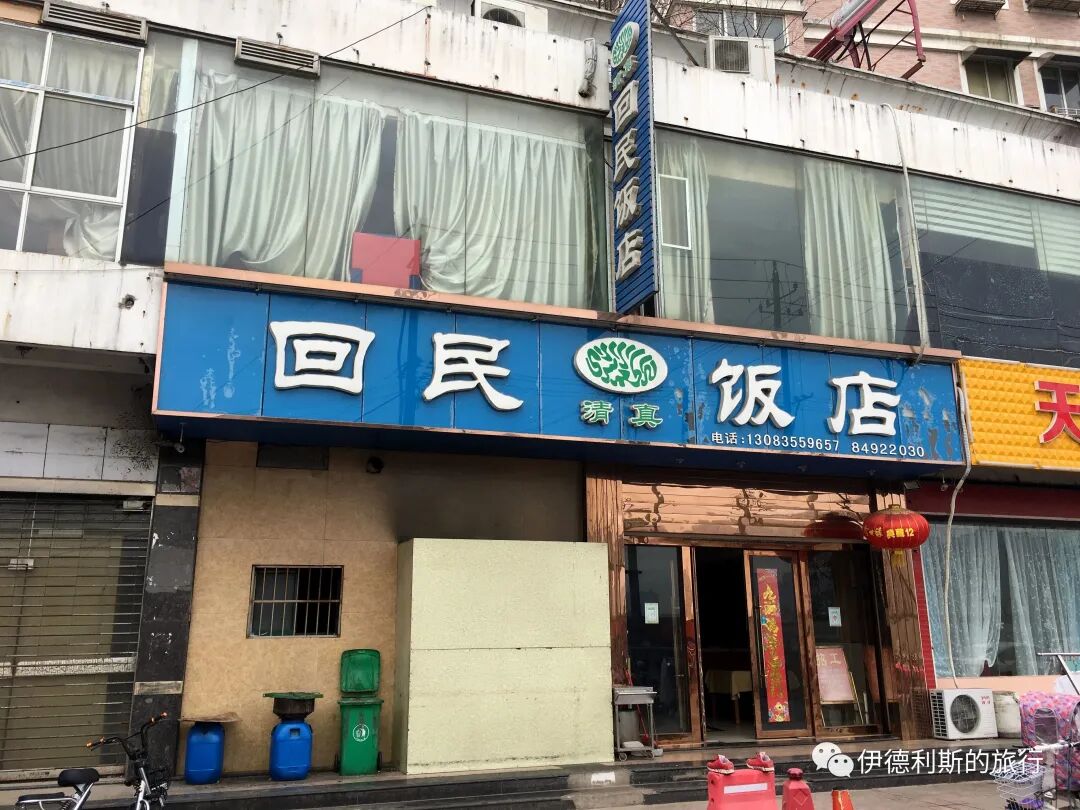
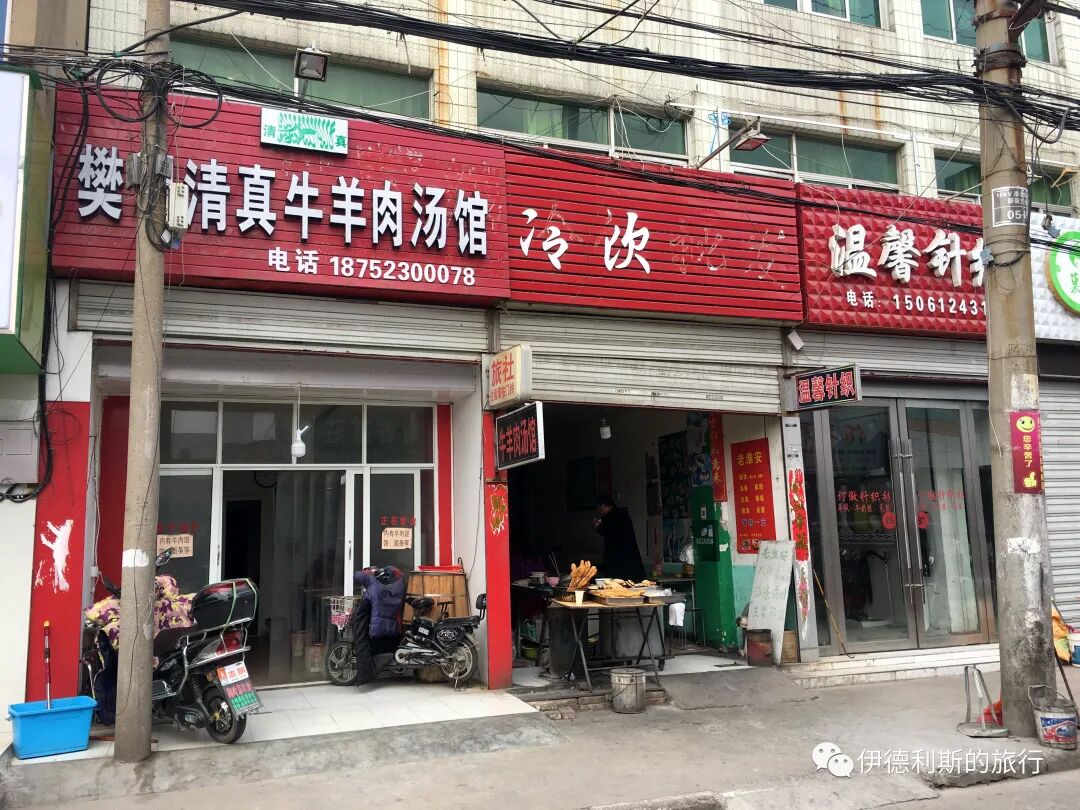
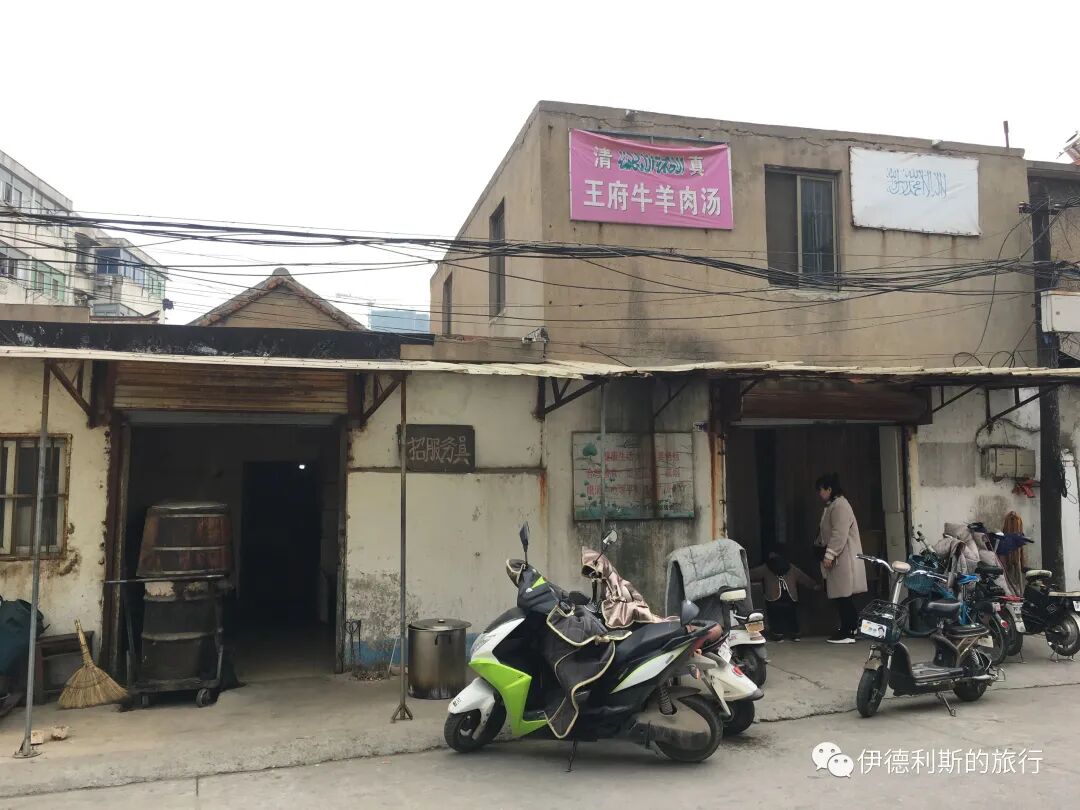
A witness to the Grand Canal
Inside the courtyard of the Huaiyin District Library in Wangjiaying, there is a tomb for Zheng Wenying, a high-ranking official from the Ryukyu Kingdom. Zheng Wenying was a high-level translator for the Ryukyu Kingdom. His ancestors were among the thirty-six families of Fujian boatmen gifted to Ryukyu by Emperor Zhu Yuanzhang. After these Fujian boatmen arrived in Ryukyu, they handled navigation, shipbuilding, writing and translating diplomatic documents, and trade with China. Zheng Wenying was the fifteenth generation of this family.
During the Ming and Qing dynasties, tribute envoys from Ryukyu traveled along the Grand Canal to reach Beijing. In 1761, the twenty-sixth year of the Qianlong reign, the Qingkou Post Station was established in Wangjiaying. It served as an important stop for Ryukyuan tribute envoys to rest and resupply. In 1793, the fifty-eighth year of the Qianlong reign, Zheng Wenying traveled with a tribute mission from the Ryukyu Kingdom. He fell ill and passed away while passing through the Qingkou Post Station in Wangjiaying, where he was buried.
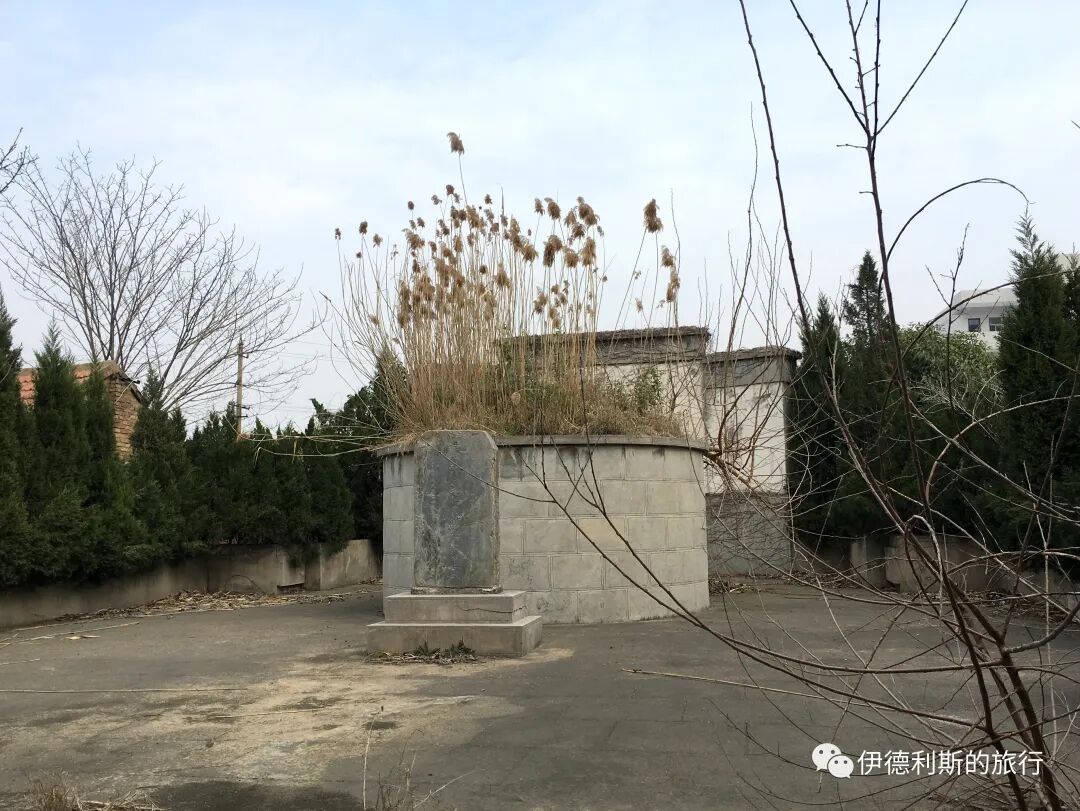
The site of the Governor-General of Grain Transport Office in the center of Huai'an Prefecture. This location officially became the Governor-General of Grain Transport Office in 1579, the seventh year of the Wanli reign of the Ming dynasty. In October 1945, the New Fourth Army captured Huai'an city and dismantled the main hall to transport the wood away. In August 2002, the site was excavated during urban renewal, leading to the construction of the Governor-General of Grain Transport Office Site Park.
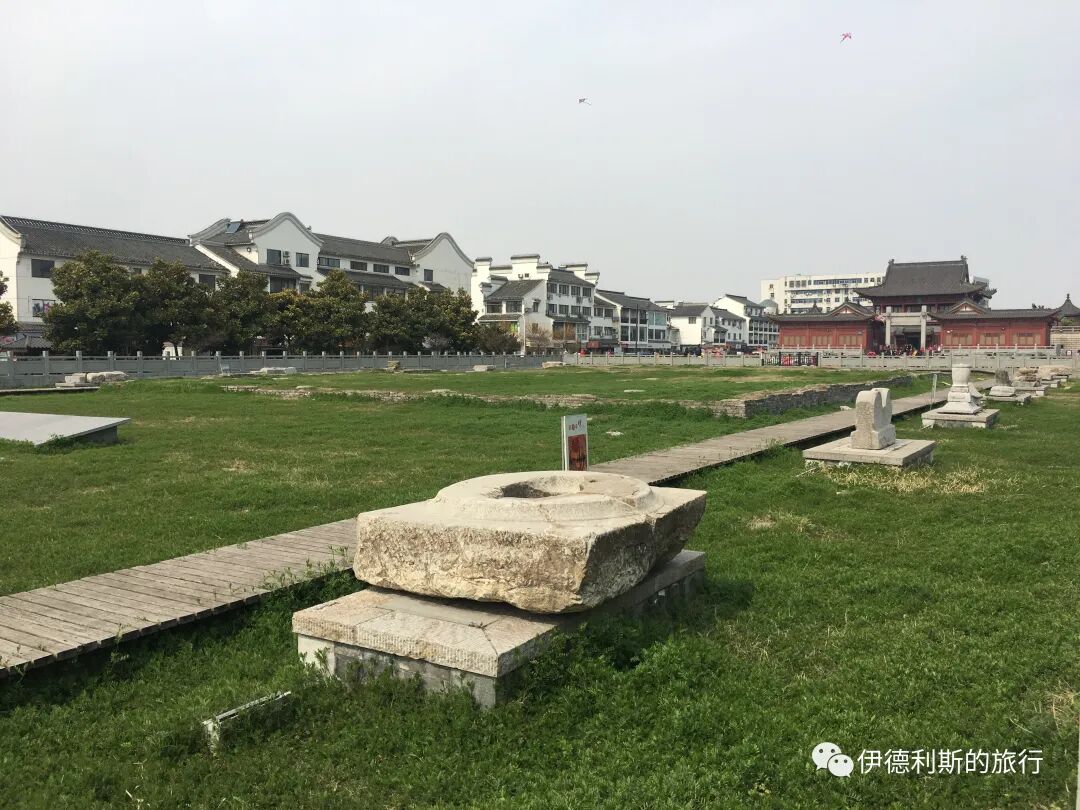
Muslim Travel Guide Jiangsu Yangzhou Zhenjiang: Gaoyou Mosques, Halal Food and Canal Towns (Part 2)
Articles • yusuf908 posted the article • 0 comments • 176 views • 2026-05-23 23:16
Summary: This Muslim travel guide China 2026 update keeps the original Gaoyou, Yangzhou, and Zhenjiang trip notes intact for Part 2. It also helps readers looking for halal food in China, Chinese Muslim food, China Muslim travel tips, and mosque stops in Jiangsu canal towns.
In the main hall, there is a central calligraphy scroll hanging on the wall along with other calligraphy scrolls.
The traditional winding alleys.
The alley name comes from the Persian word Baba, which is what Hui Muslims often call Baba.
At noon, we ate pufferfish (hetun), mountain delicacy tofu pot (shanzhen doufu bao), and stir-fried shrimp with egg white (furong xiaren) at Muyuan Restaurant. Muyuan is the only local halal restaurant in Zhenjiang, and Hui Muslims always hold their gatherings and banquets here. Last time I came here, I ate Yangtze white fish (jiangbaiyu), which was very fresh and tender. Because of the ten-year fishing ban on the Yangtze River, the owner recommended pufferfish to us, saying that April is the best time for it. We had never eaten pufferfish before, but it was really delicious, and the fish soup was perfect with rice. view all
Summary: This Muslim travel guide China 2026 update keeps the original Gaoyou, Yangzhou, and Zhenjiang trip notes intact for Part 2. It also helps readers looking for halal food in China, Chinese Muslim food, China Muslim travel tips, and mosque stops in Jiangsu canal towns.
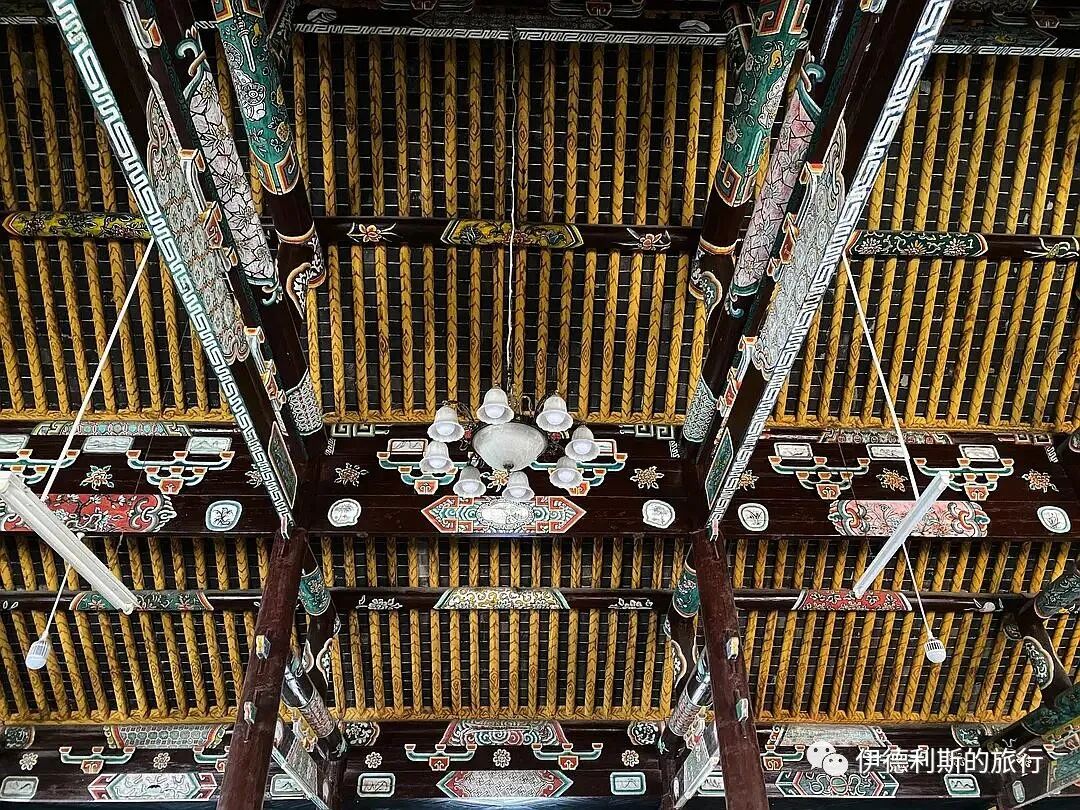
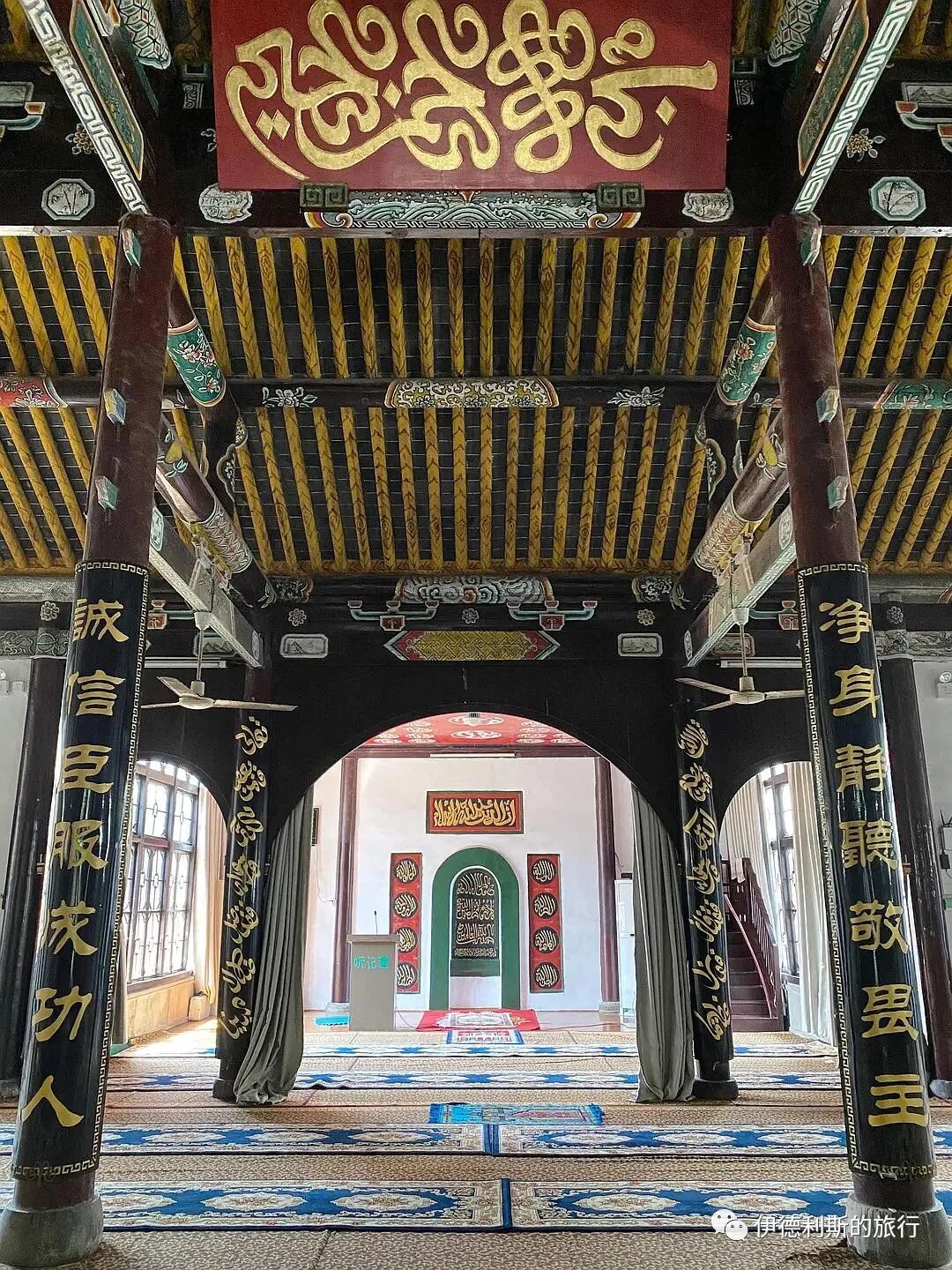
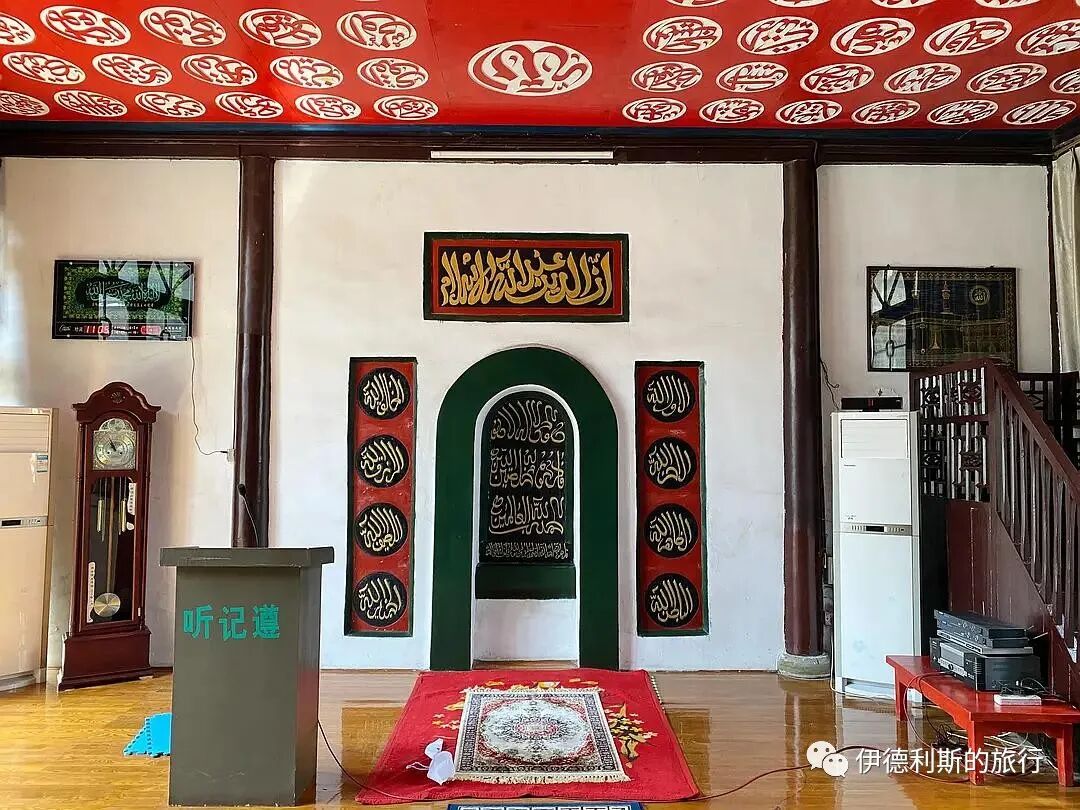
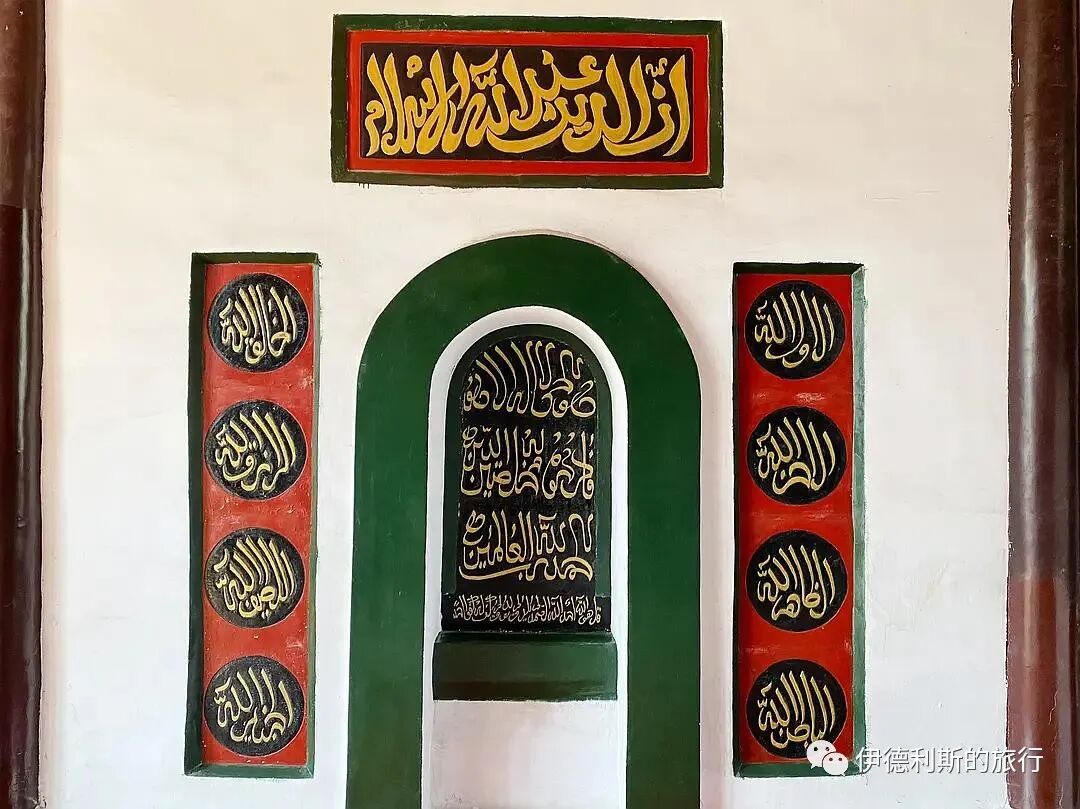
In the main hall, there is a central calligraphy scroll hanging on the wall along with other calligraphy scrolls.
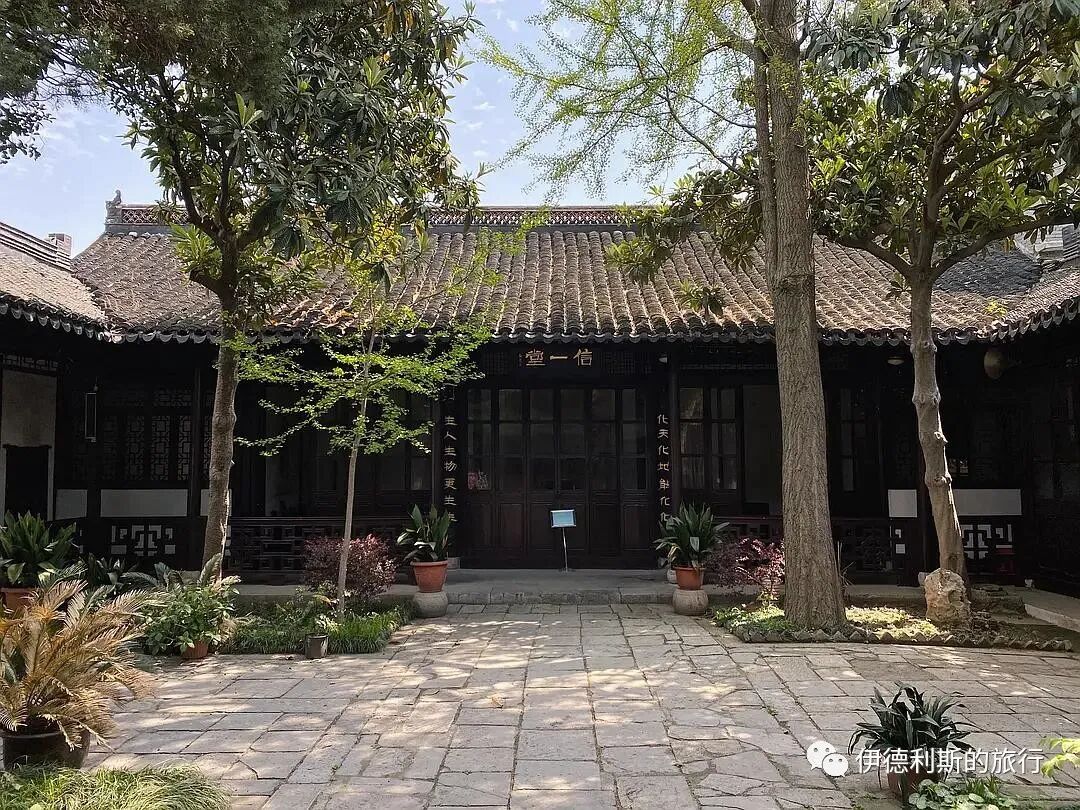
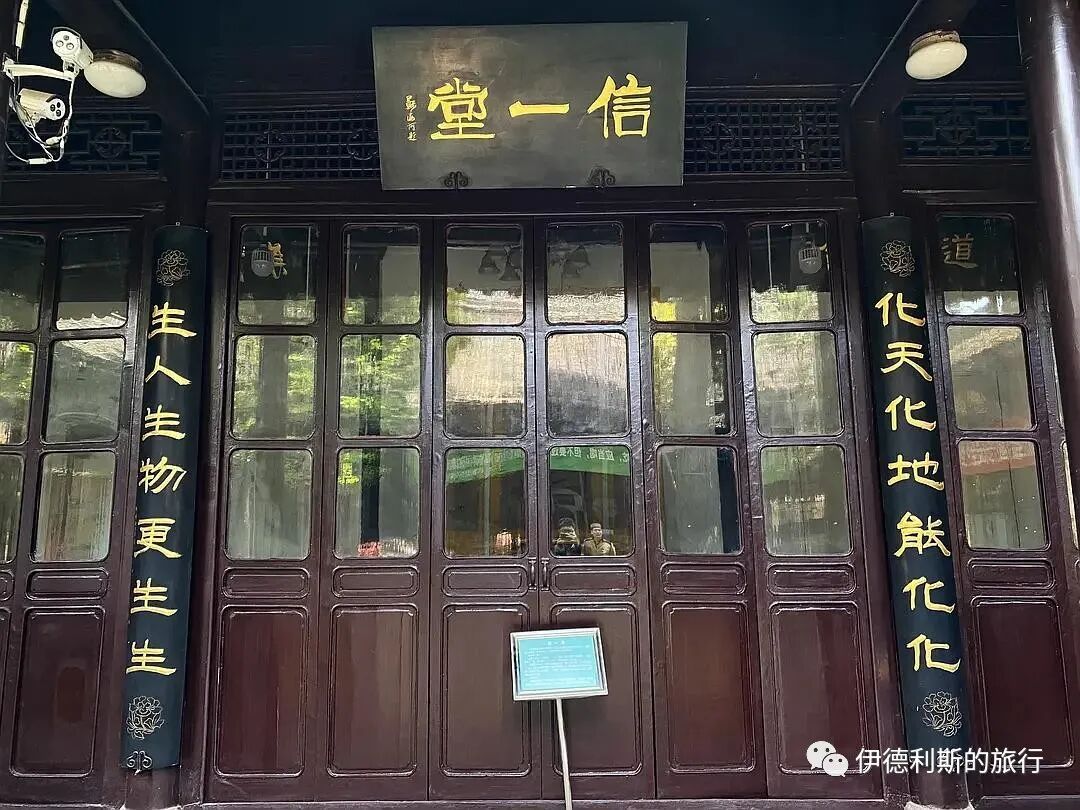
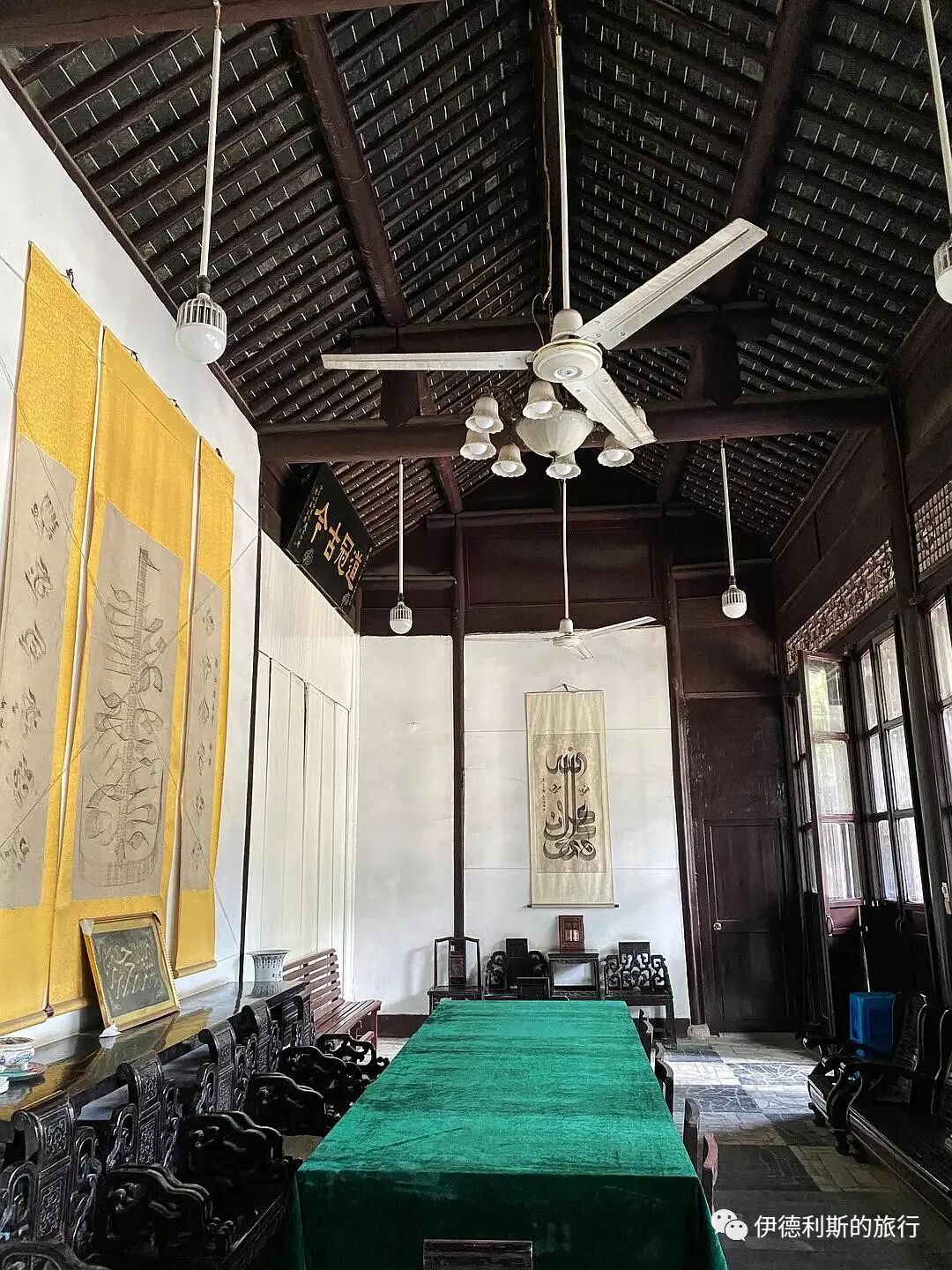
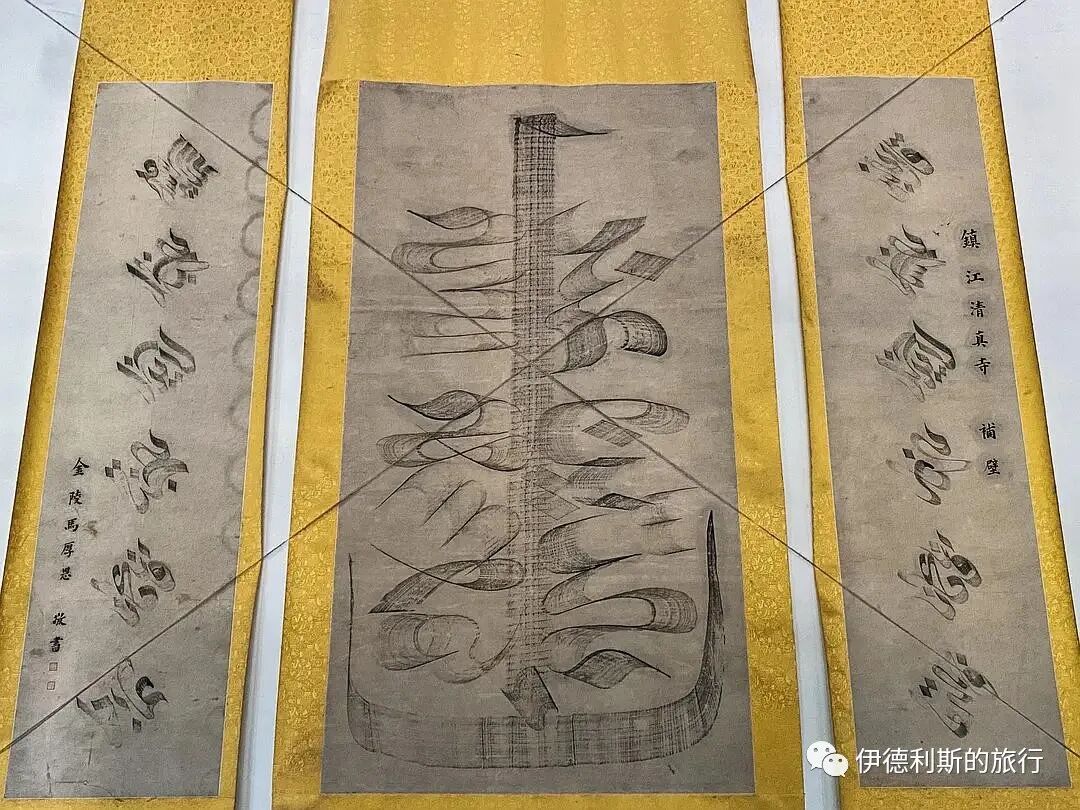
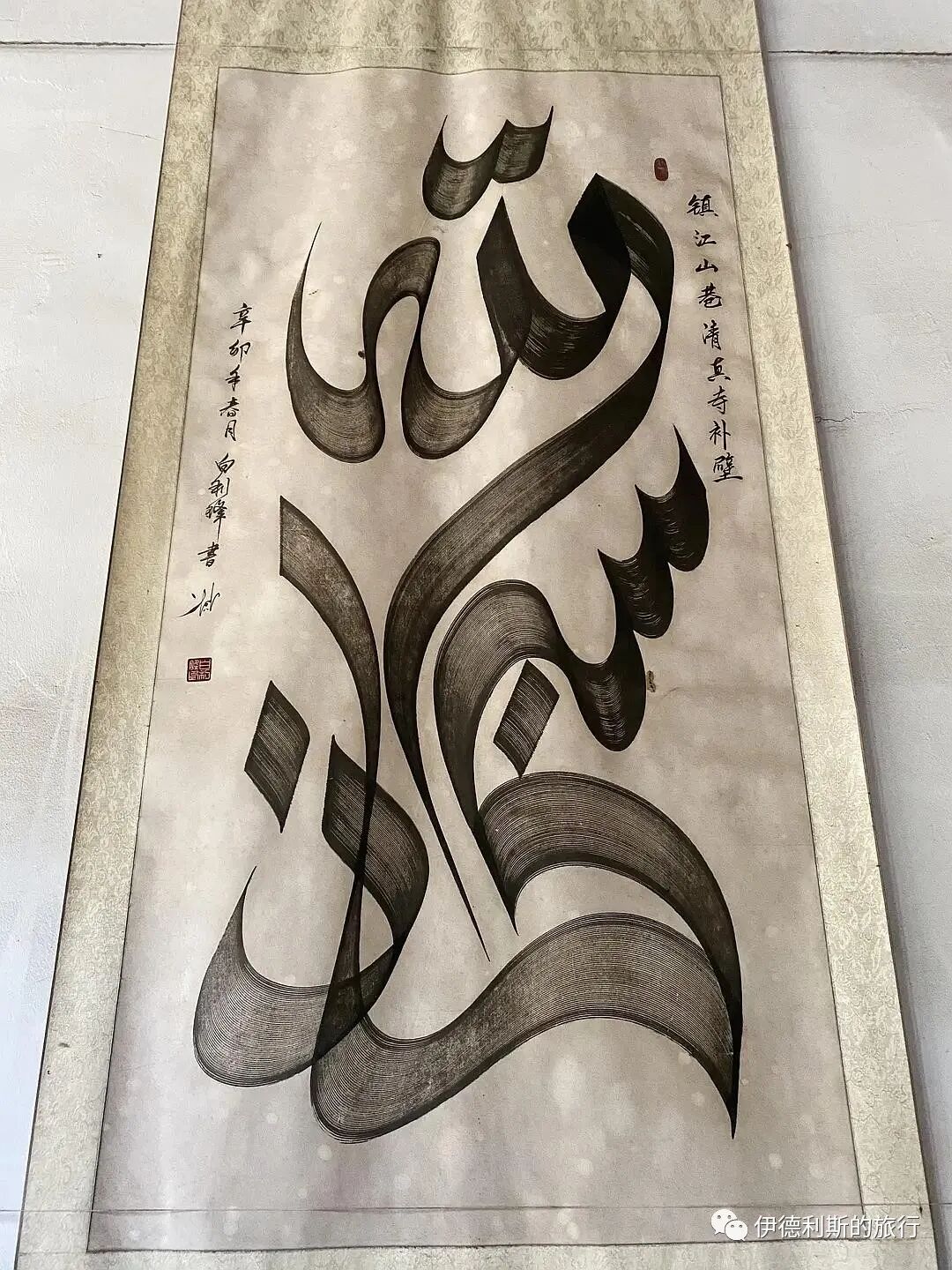
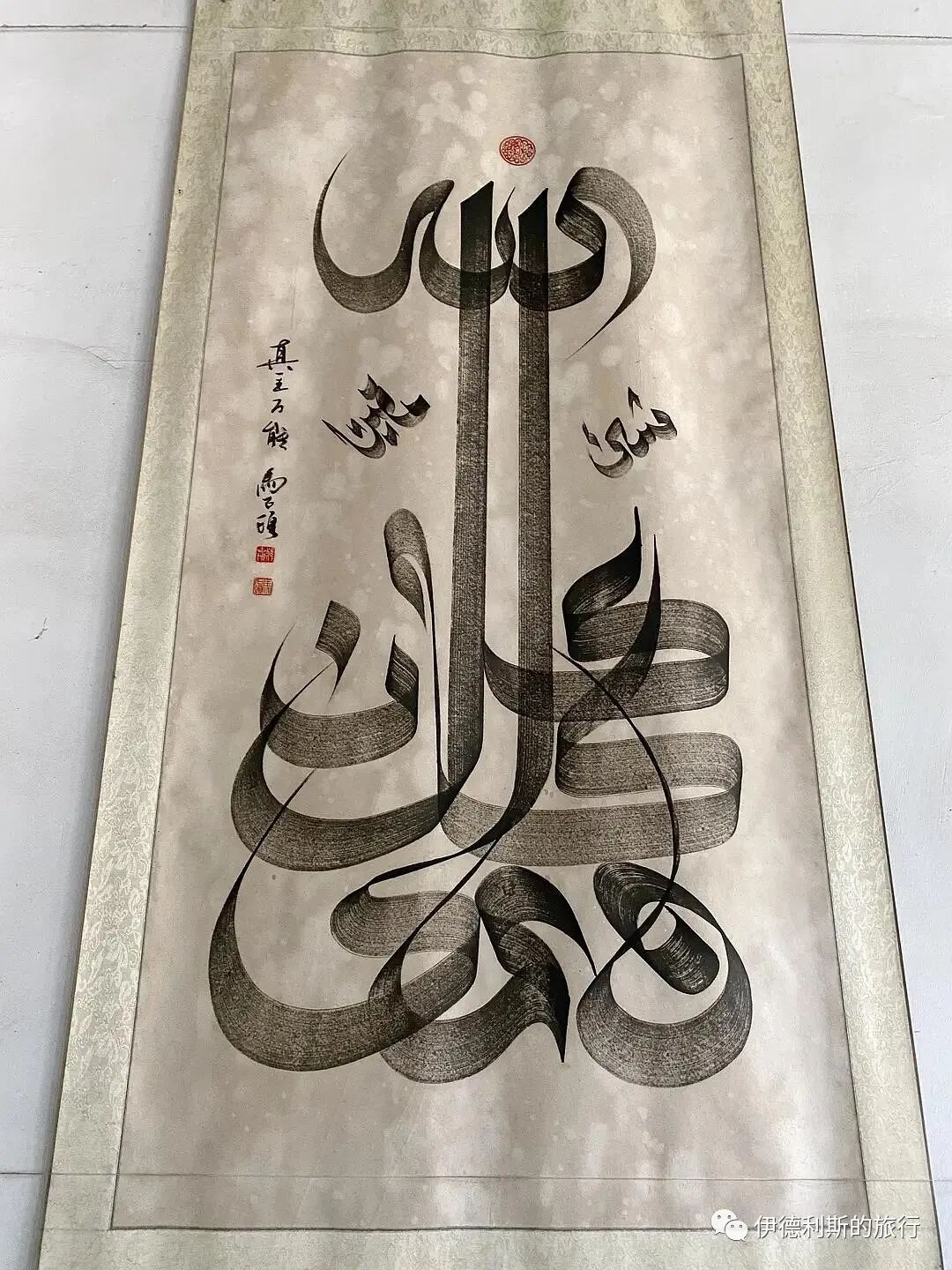
The traditional winding alleys.
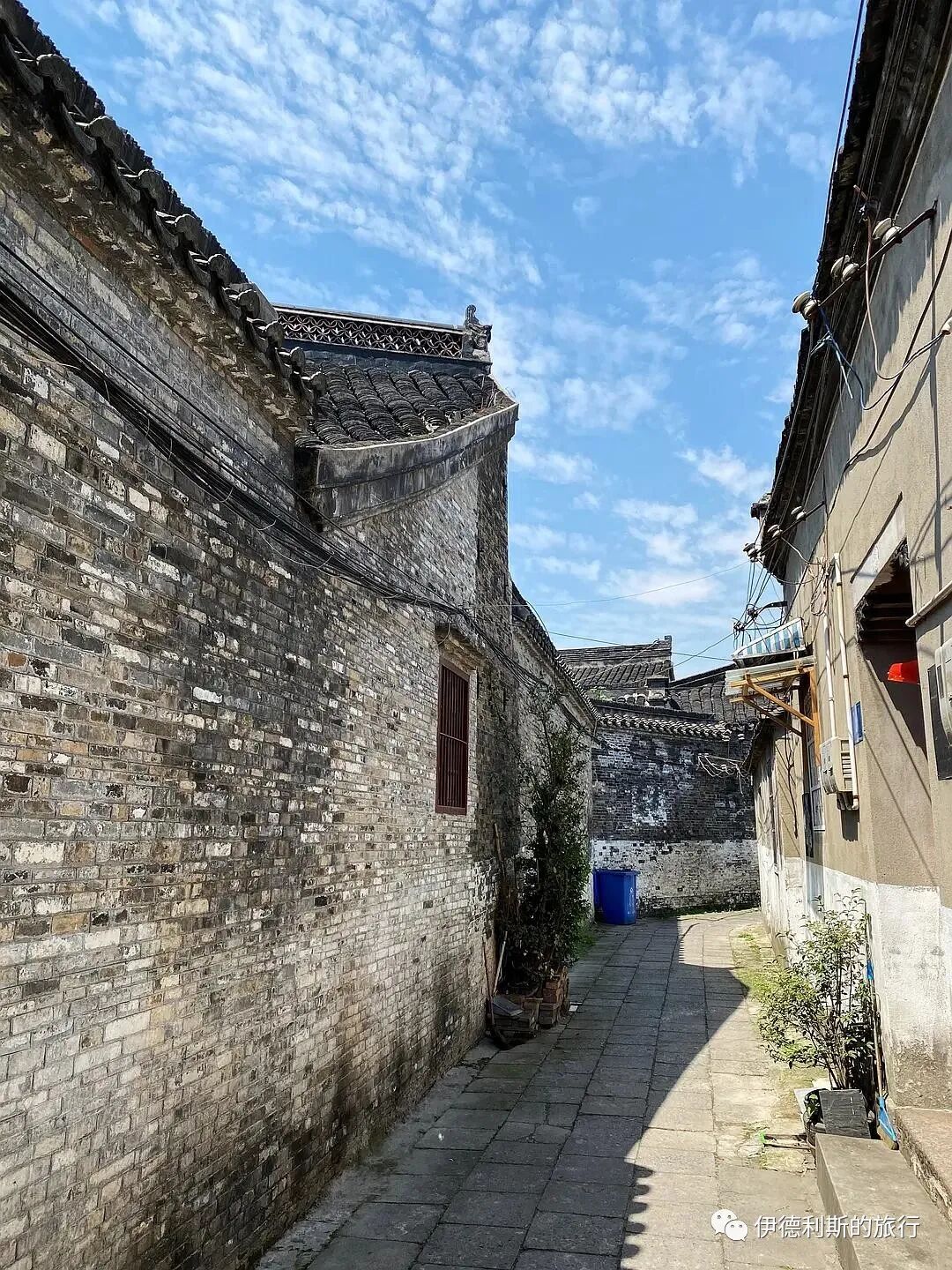
The alley name comes from the Persian word Baba, which is what Hui Muslims often call Baba.
At noon, we ate pufferfish (hetun), mountain delicacy tofu pot (shanzhen doufu bao), and stir-fried shrimp with egg white (furong xiaren) at Muyuan Restaurant. Muyuan is the only local halal restaurant in Zhenjiang, and Hui Muslims always hold their gatherings and banquets here. Last time I came here, I ate Yangtze white fish (jiangbaiyu), which was very fresh and tender. Because of the ten-year fishing ban on the Yangtze River, the owner recommended pufferfish to us, saying that April is the best time for it. We had never eaten pufferfish before, but it was really delicious, and the fish soup was perfect with rice.
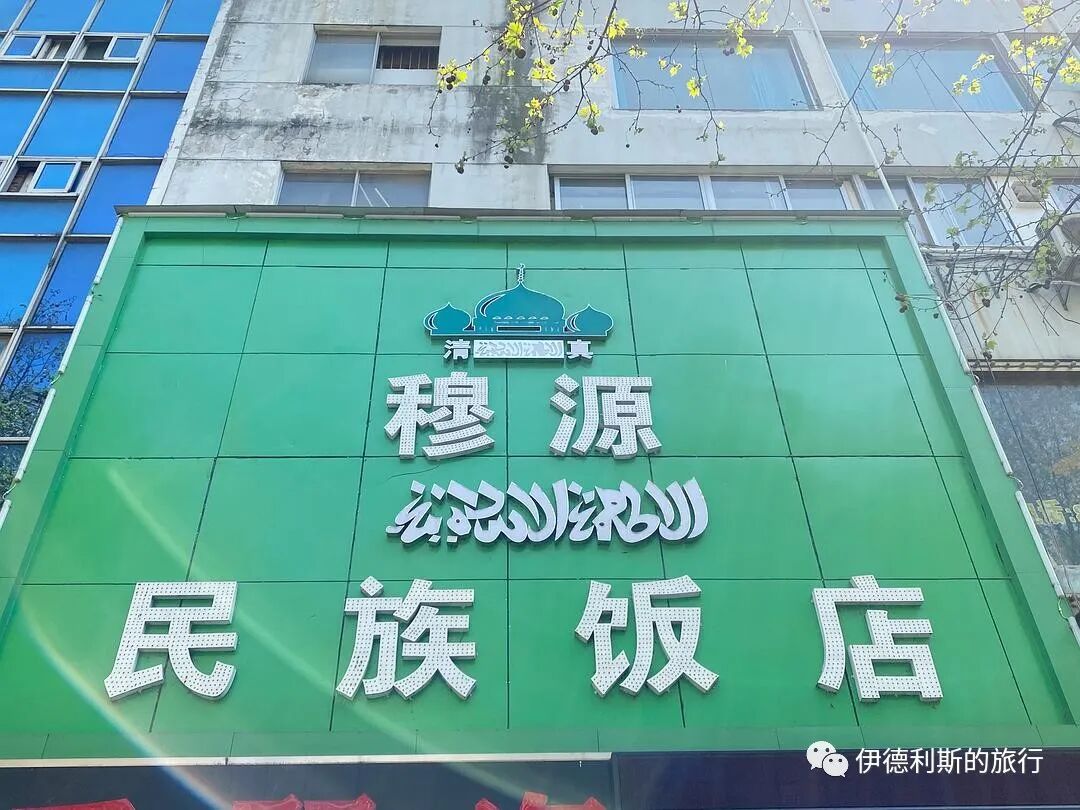
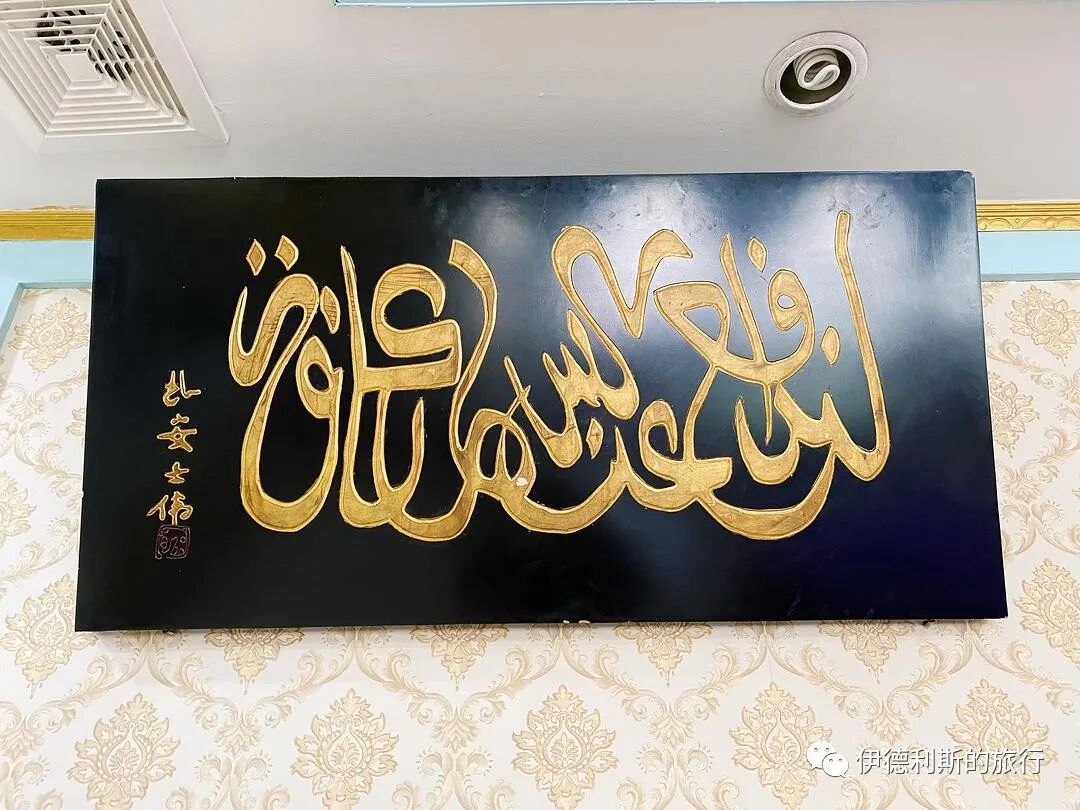
Halal Food Guide Jiangsu Xuzhou: Mosque Visit, Hui Muslim Food and Old City Memories
Articles • yusuf908 posted the article • 0 comments • 179 views • 2026-05-23 23:16
Summary: This Halal Food Guide keeps the original 2017 Xuzhou travel notes intact while making the English easier to read. It is useful for halal food in China, Chinese Muslim food, China Muslim travel tips, and mosque visits in Jiangsu.
On March 12, 2017, I went to Xuzhou to eat and explore.
The Xuzhou section of the Grand Canal.
In 1283 and 1289, Kublai Khan of the Yuan Dynasty ordered the construction of the Jizhou River and the Huitong River. These connected the existing Sui and Tang Dynasty Grand Canal to the Si River, then linked it to the southern canal via the Yellow River. Xuzhou, located where the Yellow River flows into the Si River, became the central hub of the canal. After the Yuan Dynasty Grand Canal was finished, Xuzhou became a place for civilian boats to deliver grain and a transit point for government troops, making it increasingly busy and prosperous.
In 1855, the Yellow River burst its banks at Tongwaxian in Henan. The canal dikes in the Xuzhou section were washed away and the waterway dried up. By 1877, the Xuzhou section of the canal was completely silted over.
Jianguo Road Mosque.
In 1913, the Tianjin-Pukou Railway opened fully. In 1916, the Kaifeng-Xuzhou section of the Longhai Railway opened. As the intersection of the Tianjin-Pukou and Longhai railways, Xuzhou rose again as a transportation hub. According to the Jiangsu Provincial Gazetteer of Religion, in 1916, Hui Muslim merchant Lan Dengyun, railway worker Zhang Xuelou, and postal worker Yang Xianyun bought 1,500 square meters of wasteland on the west side of the old Yellow River bed south of Xuzhou city. They built a wall and three flat-roofed rooms, calling it the 'Traveler's Mosque in Xuzhou' (Lvxu Qingzhensi) for passing Muslims to perform namaz. In 1924, the Traveler's Mosque in Xuzhou was destroyed by a heavy rainstorm and was rebuilt in 1931.
In 1937, the famous Hui Muslim Peking Opera performer Ma Lianliang held a charity performance to raise funds for the mosque. The following year, leather merchants Ha Guanglu, Ma Yuqing, and others donated money to expand the mosque to 32 rooms. After 1949, Jianguo East Road was built in front of the mosque, and it was renamed Jianguo Road Mosque. After 1966, the mosque was occupied and 14 rooms in the back courtyard were demolished. It was restored and reopened in 1980. In 1997, the mosque was demolished again for road widening, then relocated and rebuilt into its current form.
Dakang Pastries.
Next to Jianguo Road Mosque, there is a deli and a pastry shop. At the pastry shop, I bought chestnut cakes (lizisu), peach cakes (taosu), sesame crisps (mapian'er), and honey-glazed horn-shaped pastries (jiaojiaomi).
Taikang Hui Muslim Food Store.
Taikang Hui Muslim Food Store is a century-old halal shop in Xuzhou, founded in 1908. The owner was Bai Shaoxuan, a Hui Muslim from Jining, Shandong. It is most famous for making sesame crisps (mapian) and white sesame osmanthus sugar cakes (baima guihua su-tang). In May 1938, Taikang was destroyed by Japanese bombers. Owner Bai had to painfully switch to the beef and mutton business until he started selling pastries again after 1945.
At Taikang, I bought rose mung bean cakes (meigui lvdougao), honey-preserved sponge cakes (mizhi fenggao), egg rolls (danjuan), salted osmanthus sauce (xian guihua jiang), and rose sauce (meigui jiang).
Rose sauce (meigui jiang).
Osmanthus sauce (guihua jiang).
Honey-preserved sponge cake (mizhi fenggao).
Rose mung bean cake (meigui lvdougao).
Egg rolls (danjuan)
Feng Tianxing
Feng Tianxing is another long-standing halal shop in Xuzhou. Feng Shibo founded Feng Tianxing in Nanjing in 1757, the 22nd year of the Qianlong reign. It started by selling roasted chicken, then moved to Xuzhou and became a classic halal brand there. I bought duck tongue, duck liver, and dried tofu. Everything was delicious, especially the duck tongue, which was so fragrant.
I really like the design of this water pitcher (tangping) brand. view all
Summary: This Halal Food Guide keeps the original 2017 Xuzhou travel notes intact while making the English easier to read. It is useful for halal food in China, Chinese Muslim food, China Muslim travel tips, and mosque visits in Jiangsu.
On March 12, 2017, I went to Xuzhou to eat and explore.
The Xuzhou section of the Grand Canal.
In 1283 and 1289, Kublai Khan of the Yuan Dynasty ordered the construction of the Jizhou River and the Huitong River. These connected the existing Sui and Tang Dynasty Grand Canal to the Si River, then linked it to the southern canal via the Yellow River. Xuzhou, located where the Yellow River flows into the Si River, became the central hub of the canal. After the Yuan Dynasty Grand Canal was finished, Xuzhou became a place for civilian boats to deliver grain and a transit point for government troops, making it increasingly busy and prosperous.
In 1855, the Yellow River burst its banks at Tongwaxian in Henan. The canal dikes in the Xuzhou section were washed away and the waterway dried up. By 1877, the Xuzhou section of the canal was completely silted over.
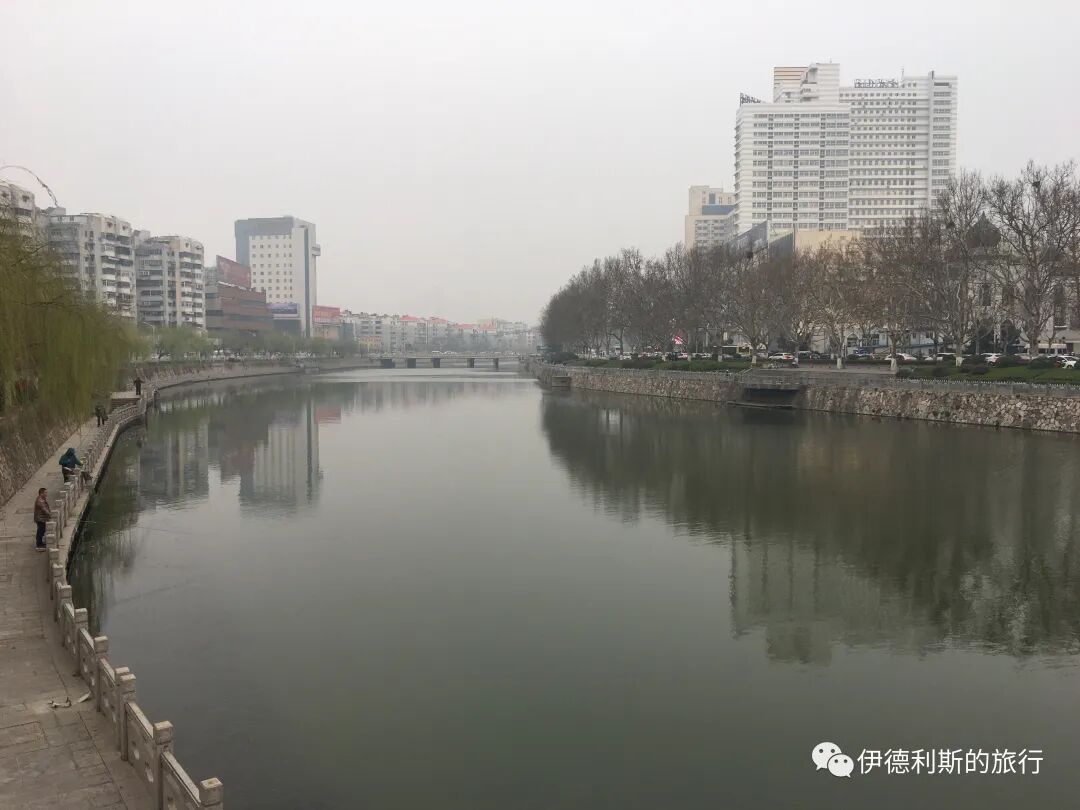
Jianguo Road Mosque.
In 1913, the Tianjin-Pukou Railway opened fully. In 1916, the Kaifeng-Xuzhou section of the Longhai Railway opened. As the intersection of the Tianjin-Pukou and Longhai railways, Xuzhou rose again as a transportation hub. According to the Jiangsu Provincial Gazetteer of Religion, in 1916, Hui Muslim merchant Lan Dengyun, railway worker Zhang Xuelou, and postal worker Yang Xianyun bought 1,500 square meters of wasteland on the west side of the old Yellow River bed south of Xuzhou city. They built a wall and three flat-roofed rooms, calling it the 'Traveler's Mosque in Xuzhou' (Lvxu Qingzhensi) for passing Muslims to perform namaz. In 1924, the Traveler's Mosque in Xuzhou was destroyed by a heavy rainstorm and was rebuilt in 1931.
In 1937, the famous Hui Muslim Peking Opera performer Ma Lianliang held a charity performance to raise funds for the mosque. The following year, leather merchants Ha Guanglu, Ma Yuqing, and others donated money to expand the mosque to 32 rooms. After 1949, Jianguo East Road was built in front of the mosque, and it was renamed Jianguo Road Mosque. After 1966, the mosque was occupied and 14 rooms in the back courtyard were demolished. It was restored and reopened in 1980. In 1997, the mosque was demolished again for road widening, then relocated and rebuilt into its current form.
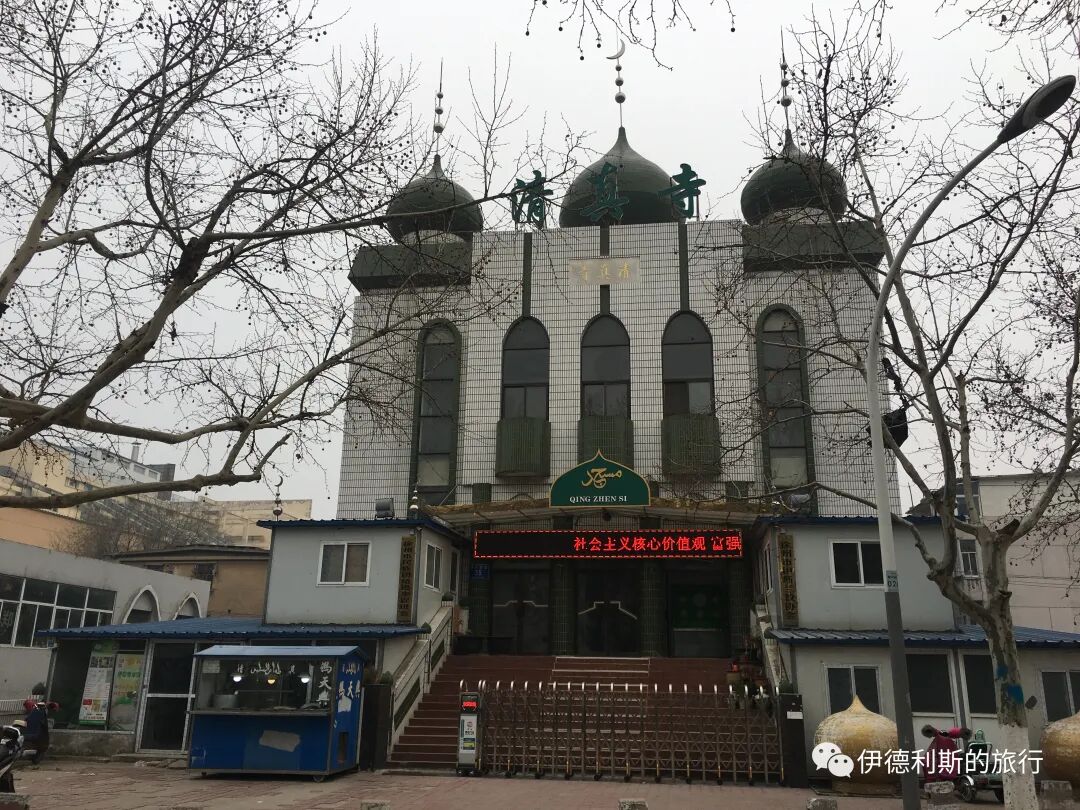
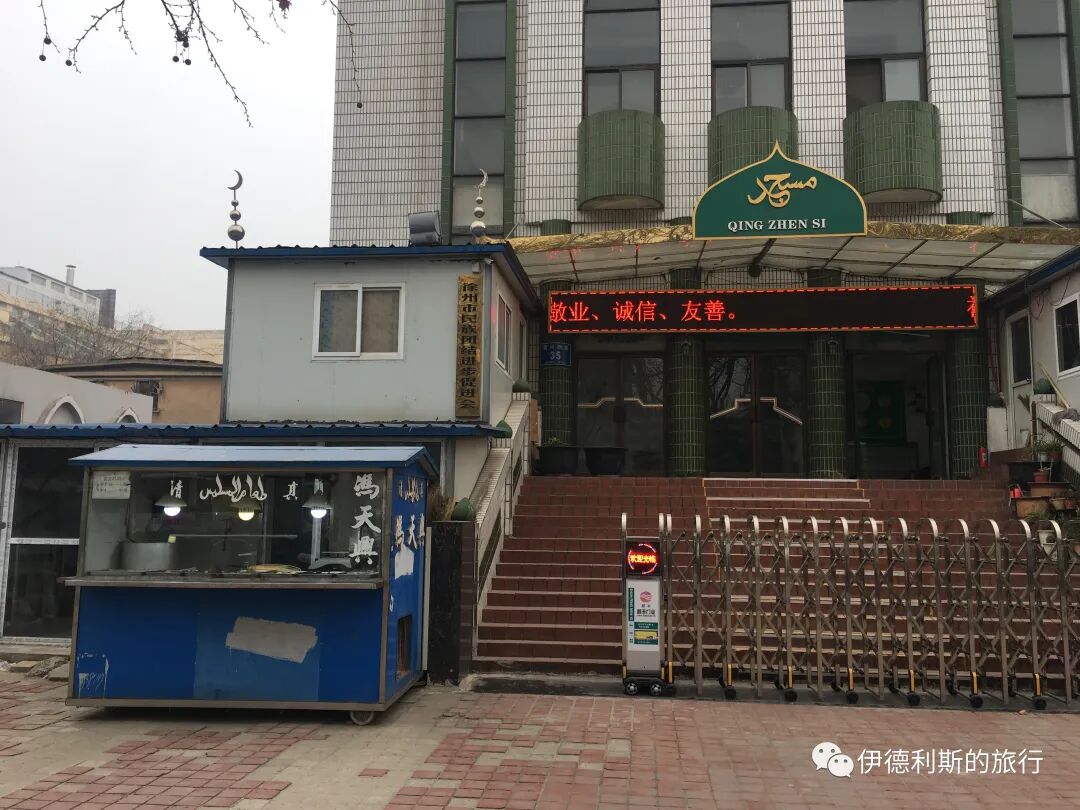
Dakang Pastries.
Next to Jianguo Road Mosque, there is a deli and a pastry shop. At the pastry shop, I bought chestnut cakes (lizisu), peach cakes (taosu), sesame crisps (mapian'er), and honey-glazed horn-shaped pastries (jiaojiaomi).
Taikang Hui Muslim Food Store.
Taikang Hui Muslim Food Store is a century-old halal shop in Xuzhou, founded in 1908. The owner was Bai Shaoxuan, a Hui Muslim from Jining, Shandong. It is most famous for making sesame crisps (mapian) and white sesame osmanthus sugar cakes (baima guihua su-tang). In May 1938, Taikang was destroyed by Japanese bombers. Owner Bai had to painfully switch to the beef and mutton business until he started selling pastries again after 1945.
At Taikang, I bought rose mung bean cakes (meigui lvdougao), honey-preserved sponge cakes (mizhi fenggao), egg rolls (danjuan), salted osmanthus sauce (xian guihua jiang), and rose sauce (meigui jiang).
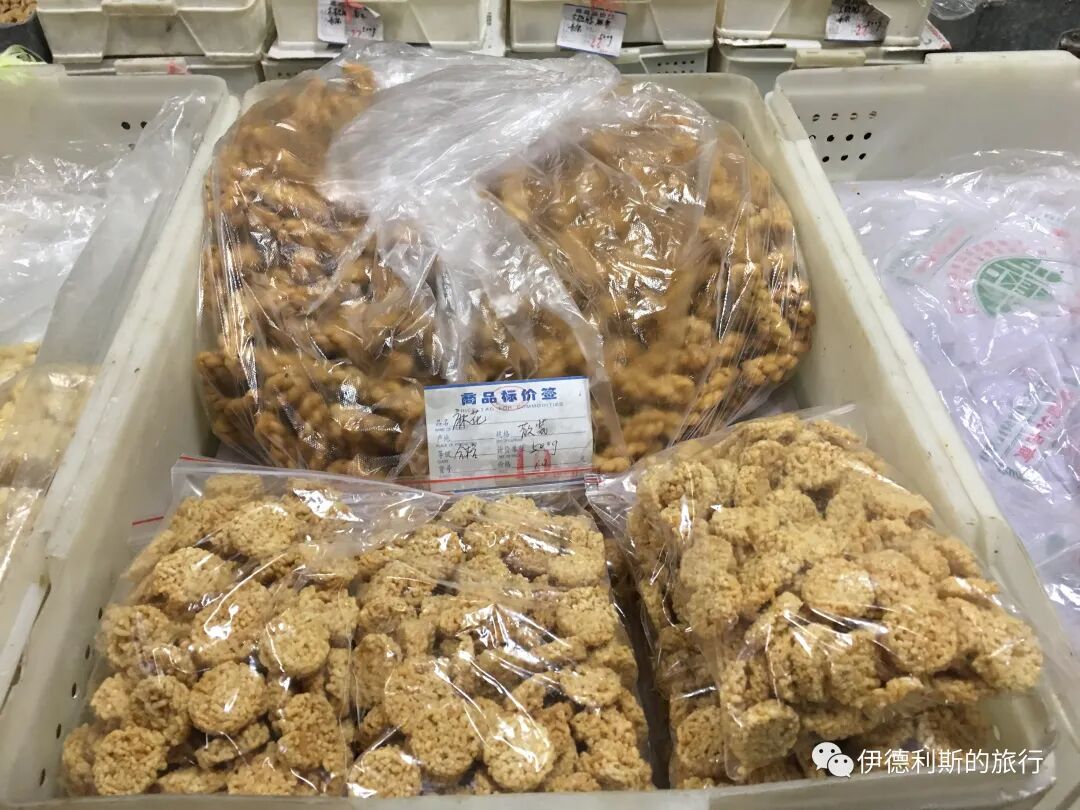
Rose sauce (meigui jiang).
Osmanthus sauce (guihua jiang).
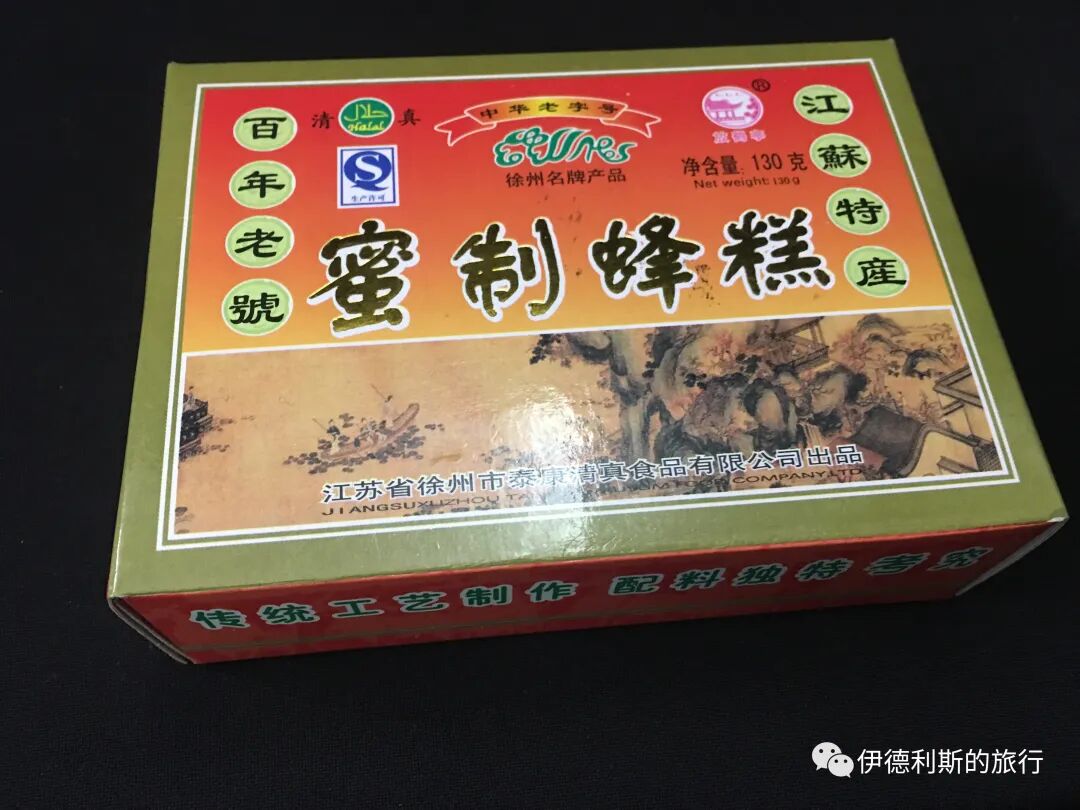
Honey-preserved sponge cake (mizhi fenggao).
Rose mung bean cake (meigui lvdougao).
Egg rolls (danjuan)
Feng Tianxing
Feng Tianxing is another long-standing halal shop in Xuzhou. Feng Shibo founded Feng Tianxing in Nanjing in 1757, the 22nd year of the Qianlong reign. It started by selling roasted chicken, then moved to Xuzhou and became a classic halal brand there. I bought duck tongue, duck liver, and dried tofu. Everything was delicious, especially the duck tongue, which was so fragrant.
I really like the design of this water pitcher (tangping) brand.
Halal Travel Guide: Jiangsu - 25 Historic Mosques, Part 1
Articles • ali2007fr posted the article • 0 comments • 250 views • 2026-05-20 21:57
Summary: This first part of the Jiangsu mosque series documents historic Hui Muslim mosque sites in northern Jiangsu, including Yanghe Mosque, Siyang Mosque, Siyang West Mosque, Shuyang Mosque, Hexia Mosque, Wangjiaying Mosque, Yancheng Mosque, and Baoying Mosque. The article preserves the original mosque names, founding dates, community histories, inscriptions, architectural details, and image order.
I am sharing the 25 historic mosque buildings I have visited in Jiangsu, moving from north to south.
1. Suqian
1. Yanghe Mosque (Yanghesi): First built during the Qianlong reign, rebuilt after 1945.
2. Huai'an
1. Qingjiang Mosque (Qingjiangsi): First built during the Jiajing reign of the Ming Dynasty, rebuilt in 1870.
2. Hexia Mosque (Hexiasi): First built during the Shunzhi reign of the Qing Dynasty, rebuilt in the late Qing Dynasty.
3. Wangjiaying Mosque (Wangjiayingsi): First built during the Yongzheng reign of the Qing Dynasty, rebuilt in 1985.
3. Yancheng
1. Yancheng Mosque (Yanchengsi): Built during the Yongle reign of the Ming Dynasty, renovated in 1928.
4. Yangzhou
1. Baoying Mosque (Baoyingsi): Rebuilt in 1910, rebuilt again in 2022.
2. Gaoyou Mosque (Gaoyousi): Rebuilt in 1864.
3. Lingtang Ancient Mosque (Lingtang Gusi): First built at the end of the Yuan Dynasty, moved to its current site in the early Qing Dynasty, rebuilt in 1924.
4. Shaobo Mosque (Shaobosi): First built during the Xianfeng reign of the Qing Dynasty.
5. Xianhe Mosque (Xianhesi): First built in 1275, rebuilt in 1390.
6. Majian Lane Mosque (Majianxiang Libaisi): First built in 1714.
7. Huihui Tang Mosque (Huihuitangsi): First built in 1275, rebuilt in 1776.
5. Zhenjiang
1. Shanxiang Mosque (Shanxiangsi): Expanded during the Kangxi reign, rebuilt in 1873.
2. Jianzi Lane Mosque (Jianzixiangsi) Ming and Qing Dynasty stone carvings.
3. Nanmenwai Mosque (Nanmenwaisi) Qing Dynasty mihrab.
4. Xinhe Street Mosque (Xinhejie Huijiaotang): 1930.
6. Nanjing
1. Jingjue Mosque (Jingjuesi): First built during the Hongwu reign of the Ming Dynasty, rebuilt in 1877.
2. Original Taiping Road Mosque: First built in the early Ming Dynasty, moved and rebuilt in 2005.
3. Xiaowangfu Lane Mosque.
4. Hushu Mosque: First built in 1392, rebuilt in 1896.
5. Liuhe South Gate Mosque: First built in 1403, raised and renovated in 2013.
6. Liuhe Women's School: First built in 1912, rebuilt in 1930.
7. Liuhe Changjiang Road Mosque: First built in 1424, rebuilt during the Guangxu reign of the Qing Dynasty.
8. Zhuzhen Mosque: Rebuilt in 1901, renovated in 2001.
9. Zhuzhen Women's Mosque: First built in 1921, rebuilt in 1931.
Suqian Yanghe Town Mosque.
The Suqian Yanghe Town Mosque was first built during the Qianlong reign. It was funded by Yu Qin, a local scholar from Yanghe who had served as an education official in Lishui, Pizhou, and Ningguo, and was built on Rice Market Street in Yanghe. It was destroyed during the Japanese invasion and later rebuilt. The current main hall features a hip-and-gable roof, a post-and-lintel frame, and upturned eaves with wind bells hanging from the four corners. It was listed as a Suqian cultural heritage site in 2010.
Yanghe Town Mosque belongs to the Jahriyya Banqiao Daotang. During the Jiaqing reign of the Qing Dynasty, Chang Tingzhang (1785-1870), a Hui Muslim from Siyang, Jiangsu, traveled to Lingzhou (modern-day Lingwu) in Ningxia to study. After completing his studies, he brought the Jahriyya tradition to the Huai-Si region. Chang Tingzhang was famous far and wide for his profound knowledge and had many disciples when he began teaching at the Huaiyin Wangjiaying Mosque. Since then, mosques including the Huaiyin Wangjiaying Mosque, Siyang Zhongxing Town Mosque, and Yanghe Town Mosque have all followed the Jahriyya tradition. Before 1932, the imams of Yanghe Town Mosque were all assigned from Ningxia. After 1932, Imam Ma Chengliang served until he passed away in 1979.
Huai'an Qingjiang Ancient Mosque.
Qingjiangpu in Huai'an was dredged in 1415 (the 13th year of the Yongle reign of the Ming Dynasty). It was the center of grain transport for the Grand Canal during the Ming and Qing dynasties, where grain transport ships from all provinces were built and repaired. Because navigating the Yellow River section of the canal was very dangerous, and waiting times to pass through locks in Shandong were too long, many merchants chose to leave their boats at Qingjiangpu. They would cross the Yellow River and switch to horse-drawn carriages to continue north, making Qingjiangpu a symbol of the "southern boats and northern horses" transport system.
The most important pier in Qingjiangpu was next to the Yue Lock. It was called the Imperial Pier because both Emperors Kangxi and Qianlong landed there during their southern inspection tours. This was once the busiest and most prosperous place in Qingjiangpu. Hui Muslims began doing business on Yuehe Street in front of the Imperial Pier during the Ming Dynasty, and the earliest Qingjiang Ancient Mosque was built during the Jiajing reign of the Ming Dynasty.
In 1677 (the 16th year of the Kangxi reign), the Governor of the Waterways moved to Qingjiangpu, and it became the center of grain transport. In his collection of notes and stories, Golden Pot Seven Inks (Jinhu Qimo), Qing Dynasty writer Huang Junzai recorded: 'Along the Qingjiang River for over ten miles, the markets were bustling and food was abundant. People from all directions gathered here, shoulder to shoulder and wheel to wheel, in a very prosperous scene.' In 1799 (the 57th year of the Qianlong reign), the Qingjiang Mosque (Qingjiang Gusi) underwent a large-scale expansion, marking the peak of its prosperity.
In 1860 (the 10th year of the Xianfeng reign), the Nian Army captured Qingjiangpu and the Qingjiang Mosque was destroyed. The imam, Ma Huanwen, sadly passed away from illness while preparing to raise funds for the mosque (nietie). Fortunately, an elder from Nanjing named Jiang Hengqing took over, organized the community to raise funds (nietie), and finally rebuilt the mosque in 1870 (the 9th year of the Tongzhi reign).
In 2006, the Beijing-Hangzhou Grand Canal was listed as a Major Historical and Cultural Site Protected at the National Level. Three historic mosques were included along the canal: the North Mosque in Linqing, the East Mosque in Linqing, and the Qingjiang Mosque in Huai'an. It can be said that the Hui Muslim community in Huai'an grew because of the canal and is inseparable from the canal's grain transport history.
Looking from the opposite bank of the Li Canal, you can see the gate of the Qingjiang Mosque right next to the Imperial Wharf ruins, helping you imagine what the busy grain transport days looked like.
Inside the courtyard, the main prayer hall and the north wing, known as the Butterfly Hall, are Qing Dynasty structures. Beside the main hall stands a Chinese trumpet creeper (lingxiaomu) over 320 years old.
The main hall is a Qing Dynasty building made of two connected hard-mountain roofs (yingshanding) with a kiln-style hall (yaodian) at the back, typical of traditional Jianghuai architectural style.
The north wing of the Qingjiang Mosque is called the Butterfly Hall (hudieting). This is a traditional name for garden architecture in the Jianghuai region, named because the corners of the hall curve upward like the wings of a dancing butterfly.
Two stone steles at the Qingjiang Mosque.
The first is the 'Prohibition Edict Stele' from the 57th year of the Qianlong reign. It was written and erected by the county government to explicitly ban corruption, issued by Wu Li, the magistrate of Qinghe County, Huai'an Prefecture, Jiangnan, who held a fifth-rank title and had been commended five times.
The second is the 'Stele Record of the Rebuilding of the Mosque Main Hall' from the 9th year of the Tongzhi reign, which documents the process of rebuilding the main hall during the Tongzhi period. The inscription records donors from nineteen places: Henan, Shandong, Jinling, Yunnan, Zhili, Chuanshan, Hexia, Lixiahe, Baoying, Gaoyou, Shaobo, Xiannumiao, Taizhou, Xinghua, Dongtai, Rugao, Shuyang, the Xinzi Cavalry, and Yuanpu. Donors from Henan, Shandong, Yunnan, Zhili, and Chuanshan were mostly traveling merchants, reflecting the prosperous 'southern boats and northern horses' scene of Qingjiangpu during the Qing Dynasty. The others were local mosque communities in Jiangsu. Some, like the Shaobo mosque, have since been abandoned, offering a glimpse into the rise and fall of the Hui Muslim community in Jiangsu.
Ancient well
Column base
Coffin for the deceased (tabumaiti xia)
Tombstone of Madam Yang, mother of the Ma family, from the 14th year of the Guangxu reign, and the tombstone of the Sai family of the Ma clan from Anhui.
Tombstone of the Sai family of the Ma clan from Anhui
Stone railing
Drum-shaped stone base with cypress and deer carvings (bailutu baogushi)
Hexia Mosque
Hexia Ancient Town in Huaian is the largest town on the outskirts of Huaian Prefecture. Because the salt from the coastal salt fields in Huaibei was high in both quantity and quality, many salt merchants from the northwest and Anhui came to Huaibei in the late Ming Dynasty to work in the salt industry. The Huaibei Salt Transport Branch was located in Hexia Town at the time. Salt from the fields had to be shipped to Hexia for inspection before merchants could sell it elsewhere. Hexia Town then entered its most prosperous period. Salt merchants built gardens and courtyards there. The Qing Dynasty record Huaian Hexia Annals states: Wealthy salt merchants brought their capital and made their homes in Hexia, and Hexia became extremely prosperous. The wealth brought by these salt merchants made the town's business thrive, and many Hui Muslims also came to settle in Hexia.
Hexia Mosque is located south of Luojia Bridge in Hexia Town. It was first built during the Shunzhi reign of the Qing Dynasty. In 1860, during the tenth year of the Xianfeng reign, the Nian Army captured Huaian and burned down ten rooms of the mosque, which were later rebuilt. The main hall of Hexia Mosque is a Qing Dynasty structure with blue bricks, dark tiles, and upturned eaves, showing a typical Jianghuai architectural style. It was listed as a cultural relic protection unit of Huaian City in 2006.
Above the main hall door hangs a chestnut wood plaque inscribed with the words Si Wu Xie (Thinking Without Evil), written by Tian Rui, the acting prefect of Huaian in the tenth year of the Daoguang reign. Plaques originally on both sides, inscribed by anti-Japanese hero Zuo Baogui and Yunnan Commander Ma Chang'an, were destroyed after the 1960s.
The imam (ahong) of the mosque usually stays at a nearby beef and mutton shop. If you call the number posted on the mosque gate, he will come over to open it.
An ancient well dug in the early Qing Dynasty.
Wangjiaying Mosque.
Wangjiaying in Huaian is located between the old course of the Yellow River and the Salt River. During the Ming Dynasty, the Dahe Guard was established in Huaian Prefecture, and ten military camps were built along the Yellow River. Wangjiaying was one of them. Because travel on the Yellow River section of the canal was slow and passing through locks was dangerous, often leading to broken cables and sunken boats, many merchants chose to leave their boats at Qingjiangpu. They would cross the Yellow River at Wangjiaying and switch to horse-drawn carriages to continue north. Wangjiaying and Qingjiangpu gradually grew into a busy town together.
Wangjiaying experienced many floods from the Yellow River, and the town moved east three times before reaching its current location. In 1831, the eleventh year of the Daoguang reign, Viceroy Tao Peng chose Wangjiaying as the new distribution center for Huaian salt. After that, eighteen salt warehouses and seventy-two salt bureaus were opened in Wangjiaying. Salt boats traveled back and forth every day along the three-hundred-li waterway from the Huaibei salt fields to Wangjiaying.
The prosperity of Wangjiaying attracted a steady stream of Hui Muslims to settle there. The first Hui Muslims to arrive in Wangjiaying were the Ma and Sha families, who came via Lingwu County in Ningxia, Shandong, and Zhenjiang. Later, Hui Muslims with the surnames Jin, Dai, Chang, Ge, Fan, Li, and Yang also settled here.
Wangjiaying Mosque was first built during the Yongzheng reign. It started as three thatched rooms next to the Lotus Pond at Wangjiapo. After Wangjiaying became a salt distribution center in the late Daoguang reign, the mosque moved to the south bank of the Salt River, with imams Chang Tingzhang and Dai Mingxuan in charge of religious affairs. Imam Chang Tingzhang, known as Third Master Chang, was originally from Jining, Shandong. He was born in 1785, the fiftieth year of the Qianlong reign, in Taoyuan County, Huaian Prefecture, Jiangsu (now Siyang). In his youth, he studied in Lingzhou (now Lingwu County, Ningxia) and continued his religious studies in Jining, Shandong, after completing his initial training. In 1810, the fifth year of the Jiaqing reign, the 26-year-old Imam Chang Tingzhang was invited to Wangjiaying Mosque to lead religious affairs. Imam Chang Tingzhang had deep knowledge of Arabic classics, astronomy, and medical theory. According to the Wangjiaying Annals, a man named Third Master Tao from Hangzhou died in Huaian during the Daoguang reign. Because it was the heat of midsummer, Imam Chang Tingzhang personally bought a boat and traveled south along the canal to escort the body back to Hangzhou to fulfill his duty to the family.
In 1860 (the 10th year of the Xianfeng reign), the Nian Army burned down the Wangjiaying Mosque. In 1867 (the 6th year of the Tongzhi reign), Imam Dai Jingzhai, the son of Imam Dai Mingxuan, built a few thatched huts. Later, with donations from the community, they built a main prayer hall with three rooms made of grass.
After Imam Chang Tingzhang passed away in 1870 (the 9th year of the Tongzhi reign), Imam Dai Jingzhai took charge of religious affairs. In 1884 (the 10th year of the Guangxu reign), he replaced the grass-roofed building with a tiled one. Because Imam Chang Tingzhang had studied at the Jahriyya Banqiao Daotang in Jinjibu, Lingwu County, Ningxia, when he was young, the Wangjiaying Mosque later invited five successive Jahriyya imams from Jinjibu to lead religious services and teach. Subsequent imams also went to Ningxia for further study, making Wangjiaying Mosque one of the nine branch centers of the Banqiao Daotang.
In 1912, the Wangjiaying Mosque built a new main gate, a south lecture hall, a kitchen, and a water room. In 1920, with funding from the Jinshan Tang in Gansu and money from selling dozens of willow trees from the public cemetery, they rebuilt the three-room tiled porch in front of the main hall and added three new rooms for the east lecture hall. Currently, there is a stone tablet from 1920 commemorating the Republic of China renovation on the inner north wall of the main hall, but the top part is covered.
In 1958, the Wangjiaying Mosque moved to the east side of the West Horse Road in Wangying. In 1961, it moved to its current location because the land was requisitioned for a bank building. During the destruction of the Four Olds, the main hall's plaques reading "The Way Spreads in the Central Land," "The Religion Follows the Western Regions," and "Stop at the Ultimate Good," along with the gold-lettered Arabic plaques and the couplet reading "See the formless, hear the soundless, rectify the intention and be sincere, become a sage and a worthy, the original nature;" “The Way stands here, movement brings harmony, reach others through oneself, benefit the people and the world, the land is complete” were all smashed and burned. Funeral supplies were also destroyed, and the main hall was used as a warehouse by a shoe and hat factory.
In 1979, under the leadership of Imam Ge Weili, the Wangjiaying Mosque was rebuilt in a traditional style. It was completed in 1985 and underwent two more renovations and expansions in 2003 and 2006, resulting in its current appearance.
Imam Ge Weili was born in 1924. He went to Ningxia to study in 1937. After completing his training and receiving his credentials in 1945, he became the imam of Wangjiaying Mosque and took on the role of imam in 1966. The religious work at Wangjiaying Mosque is now handled by Imam Fan Weiming, a student of Imam Ge Weili.
The Republic of China era inscription reads as follows:
The Wangying Mosque was founded during the Yongzheng reign of the Qing Dynasty. By the end of the Daoguang reign, our community was at its peak. The population was large, and businesses were thriving. With the old Imams Chang Tingzhang and Dai Mingxuan leading religious affairs one after another, the lecture hall was always full, and many students were trained. This is recorded in the local history and can be verified. In the Gengshen year of the Xianfeng reign, the Nian rebellion suddenly occurred. The mosque was burned to the ground, our people fled or died, and the population gradually dwindled.
In the sixth year of the Tongzhi reign, Imam Dai Jingzhai, the son of the old Imam Dai Mingxuan, followed his father's teachings and took over the religious duties. He first built a few thatched huts to teach the faith morning and evening. However, for prayers, it was too simple and exposed to the elements; For gatherings, it was too small to hold everyone. The Imam was deeply worried about this. He persuaded people to donate and built a main prayer hall with three rooms made of grass. Later, he discussed it with Yang Xuting, Ma Yunfeng, and Guo Daosheng. With their help, in the tenth year of the Guangxu reign, they rebuilt the tiled main hall and lecture halls, and things began to return to normal. As more of our people lived here, the original public cemetery became crowded, and after many years, there was almost no space left. The Imam was concerned that there were few cemeteries for the community, and whenever a major funeral occurred, it was difficult to manage. He planned to buy a piece of land to provide for the future. He got the agreement of Mr. Ma Yunfeng, but before the matter was finished, Mr. Ma passed away. What a pity! Fortunately, Mr. Ma's brother, Runzhi, carried out his brother's wishes. With the strong support of the village elder Mr. Li Yunpo, they set aside differences, raised funds, and bought two new cemeteries. The benefits provided by the imam (ahong) to our people are thorough and complete. This is largely due to the support of those passionate about public welfare, but it is also the result of the imam's decades of solitary, painstaking effort and his sincere devotion.
In the first year of the Republic of China (1912), we worked to continue the legacy of our predecessors by adding a main gate, a south lecture hall, and a kitchen. Mr. Ge Ziming funded the construction of the washroom (shuifang) with a donation of several hundred thousand. We also invited Imam Wang Pinqing from Gansu Province to teach scripture. Visitors from all over who came here always spoke highly of him. In recent years, wind and rain have damaged the buildings, and the main hall is at risk of collapsing. We met to discuss the situation and sold dozens of willow trees from the perimeter of the cemetery, raising over two hundred thousand. We also received a donation of many roof tiles and timber pieces from the Jinshan Hall in Gansu. We then built three tiled, curved-eave rooms in front of the main hall and fully repaired the surrounding walls, the three-room east lecture hall, and the courtyard of the inner gate. This massive project was completed through a combination of public funds and donations from afar. We feel ashamed that we lack the personal wealth to do more, but we share these details because, despite two hundred years of constant change, our mosque still stands tall. This is largely due to the efforts of our ancestors and village elders. We sincerely hope that future generations will remember the hardships of those who built this place and preserve it forever so it may last without decline. We have recorded the full story here.
July, the ninth year of the Republic of China (1920).
Jin Jiasheng, Jin Jialin, Guo Chunlin, Yang Fangtian.
Chang Bingkui, Li Shunjie, Chang Guanying, Mu Hongbin.
Jin Jiayuan, Ma Jianong, Fan Zhaofeng, Yang Guiyuan.
Ge Futang, Li Dianqing, Ma Jiarang, Mu Hong'en.
Ma Jialin, Ge Zhenqing, He Wenquan, Zhou Fengling.
Sha Faxiang, Liu Lianyuan, Zhou Riyang, Mu Hongye.
Yancheng Mosque.
Yancheng Mosque is located on Xicang Lane (historically called Xicang) in the Yancheng urban area. It was first built during the Yongle period of the Ming Dynasty as three thatched rooms by five Hui Muslim families: the Ha, Huo, Ding, Liu, and Xue families. It was expanded in 1720 (the 59th year of the Kangxi reign) and rebuilt again in 1928 into the current brick-and-wood main hall.
The Republic-era 'Continued Records of Yancheng County' states: 'The mosque is located on Xicang Street in the city. It was founded during the Ming Yongle period. In the 59th year of the Qing Kangxi reign, land was purchased to expand it, and it was renamed the Mosque (Qingzhensi). Recently, it was renamed the Hui Church (Huijiaotang). The leader of the faith is called an imam (ahong).' In the second year of the Republic of China (1913), the Yancheng branch of the Jiangsu Islamic Association was established. In the 18th year (1929), it was renamed the Yancheng branch of the Chinese Islamic Association.
During the War of Resistance Against Japan, Yancheng Mosque suffered two disasters. On March 30, 1938, it was bombed by the Japanese military. On April 26 of the same year, the Japanese military occupied Yancheng and set fire to the city. Except for the main hall, which survived, all other buildings were destroyed.
The main hall of Yancheng Mosque features traditional Jiangsu architectural style, with flying eaves in the front and a kiln-style niche (yaowo) in the back. The main hall still preserves the original wood-carved circular frame featuring a dua, which is very exquisite. According to Imam Xue Long from Zhenjiang, the inscriptions on the top and bottom of the main hall plaque use Arabic, Persian, and Xiao'erjing. They translate to: Completed on an auspicious day in the eighth lunar month of the 17th year of the Republic of China, respectfully erected by Abdullah Yang Luji. This is very precious.
The imam of Yancheng Mosque from 1936 to 1979 was Bai Hanzhang. Imam Bai was from Minquan, Henan. He graduated from the Beijing Niujie Islamic Institute in 1922. Later, he served as an imam in Jurong, Zhenjiang, and Nantong, Jiangsu. He became the imam of Yancheng Mosque in 1936 and served there until he passed away in 1979.
Baoying Mosque
Baoying Mosque was originally located in Guojia Lane inside the east gate of the county town. Its founding date is unknown. It was rebuilt in 1910 (the second year of the Xuantong reign) at the entrance of Luoxiang Lane at the foot of the south city wall. With the help of Tao, the wife of anti-Japanese hero Zuo Baogui, and led by Imam Zhao Dezhai and others, many people including the Gao Mu Ma Jin family from Shandong, Anhui, Zhejiang, Huaiyin, Yangzhou, Yancheng, and Baoying raised funds to complete it in 1914. Baoying Mosque closed after 1958. It was rebuilt on the original site in 2002 and officially opened in 2006.
Baoying Mosque still has the water well dug during the 1910 construction and the ginkgo tree planted at that time. Imam Li at the mosque is from Siyang, Jiangsu. He usually runs the nearby Li's Beef and Mutton shop. If you want to enter the mosque, just call the number on his door. Imam Li is very welcoming. He says that Baoying Mosque still has some local Gao Mu who come to the mosque for Friday Jumu'ah prayers, which is better than some mosques where almost all the attendees are friends (dost) from the Northwest. Imam Li comes from the Zhepai Banqiao Daotang, but he treats all sects equally, and the religious community in Baoying County is very united. view all
Summary: This first part of the Jiangsu mosque series documents historic Hui Muslim mosque sites in northern Jiangsu, including Yanghe Mosque, Siyang Mosque, Siyang West Mosque, Shuyang Mosque, Hexia Mosque, Wangjiaying Mosque, Yancheng Mosque, and Baoying Mosque. The article preserves the original mosque names, founding dates, community histories, inscriptions, architectural details, and image order.
I am sharing the 25 historic mosque buildings I have visited in Jiangsu, moving from north to south.
1. Suqian
1. Yanghe Mosque (Yanghesi): First built during the Qianlong reign, rebuilt after 1945.
2. Huai'an
1. Qingjiang Mosque (Qingjiangsi): First built during the Jiajing reign of the Ming Dynasty, rebuilt in 1870.
2. Hexia Mosque (Hexiasi): First built during the Shunzhi reign of the Qing Dynasty, rebuilt in the late Qing Dynasty.
3. Wangjiaying Mosque (Wangjiayingsi): First built during the Yongzheng reign of the Qing Dynasty, rebuilt in 1985.
3. Yancheng
1. Yancheng Mosque (Yanchengsi): Built during the Yongle reign of the Ming Dynasty, renovated in 1928.
4. Yangzhou
1. Baoying Mosque (Baoyingsi): Rebuilt in 1910, rebuilt again in 2022.
2. Gaoyou Mosque (Gaoyousi): Rebuilt in 1864.
3. Lingtang Ancient Mosque (Lingtang Gusi): First built at the end of the Yuan Dynasty, moved to its current site in the early Qing Dynasty, rebuilt in 1924.
4. Shaobo Mosque (Shaobosi): First built during the Xianfeng reign of the Qing Dynasty.
5. Xianhe Mosque (Xianhesi): First built in 1275, rebuilt in 1390.
6. Majian Lane Mosque (Majianxiang Libaisi): First built in 1714.
7. Huihui Tang Mosque (Huihuitangsi): First built in 1275, rebuilt in 1776.
5. Zhenjiang
1. Shanxiang Mosque (Shanxiangsi): Expanded during the Kangxi reign, rebuilt in 1873.
2. Jianzi Lane Mosque (Jianzixiangsi) Ming and Qing Dynasty stone carvings.
3. Nanmenwai Mosque (Nanmenwaisi) Qing Dynasty mihrab.
4. Xinhe Street Mosque (Xinhejie Huijiaotang): 1930.
6. Nanjing
1. Jingjue Mosque (Jingjuesi): First built during the Hongwu reign of the Ming Dynasty, rebuilt in 1877.
2. Original Taiping Road Mosque: First built in the early Ming Dynasty, moved and rebuilt in 2005.
3. Xiaowangfu Lane Mosque.
4. Hushu Mosque: First built in 1392, rebuilt in 1896.
5. Liuhe South Gate Mosque: First built in 1403, raised and renovated in 2013.
6. Liuhe Women's School: First built in 1912, rebuilt in 1930.
7. Liuhe Changjiang Road Mosque: First built in 1424, rebuilt during the Guangxu reign of the Qing Dynasty.
8. Zhuzhen Mosque: Rebuilt in 1901, renovated in 2001.
9. Zhuzhen Women's Mosque: First built in 1921, rebuilt in 1931.
Suqian Yanghe Town Mosque.
The Suqian Yanghe Town Mosque was first built during the Qianlong reign. It was funded by Yu Qin, a local scholar from Yanghe who had served as an education official in Lishui, Pizhou, and Ningguo, and was built on Rice Market Street in Yanghe. It was destroyed during the Japanese invasion and later rebuilt. The current main hall features a hip-and-gable roof, a post-and-lintel frame, and upturned eaves with wind bells hanging from the four corners. It was listed as a Suqian cultural heritage site in 2010.
Yanghe Town Mosque belongs to the Jahriyya Banqiao Daotang. During the Jiaqing reign of the Qing Dynasty, Chang Tingzhang (1785-1870), a Hui Muslim from Siyang, Jiangsu, traveled to Lingzhou (modern-day Lingwu) in Ningxia to study. After completing his studies, he brought the Jahriyya tradition to the Huai-Si region. Chang Tingzhang was famous far and wide for his profound knowledge and had many disciples when he began teaching at the Huaiyin Wangjiaying Mosque. Since then, mosques including the Huaiyin Wangjiaying Mosque, Siyang Zhongxing Town Mosque, and Yanghe Town Mosque have all followed the Jahriyya tradition. Before 1932, the imams of Yanghe Town Mosque were all assigned from Ningxia. After 1932, Imam Ma Chengliang served until he passed away in 1979.
Huai'an Qingjiang Ancient Mosque.
Qingjiangpu in Huai'an was dredged in 1415 (the 13th year of the Yongle reign of the Ming Dynasty). It was the center of grain transport for the Grand Canal during the Ming and Qing dynasties, where grain transport ships from all provinces were built and repaired. Because navigating the Yellow River section of the canal was very dangerous, and waiting times to pass through locks in Shandong were too long, many merchants chose to leave their boats at Qingjiangpu. They would cross the Yellow River and switch to horse-drawn carriages to continue north, making Qingjiangpu a symbol of the "southern boats and northern horses" transport system.
The most important pier in Qingjiangpu was next to the Yue Lock. It was called the Imperial Pier because both Emperors Kangxi and Qianlong landed there during their southern inspection tours. This was once the busiest and most prosperous place in Qingjiangpu. Hui Muslims began doing business on Yuehe Street in front of the Imperial Pier during the Ming Dynasty, and the earliest Qingjiang Ancient Mosque was built during the Jiajing reign of the Ming Dynasty.
In 1677 (the 16th year of the Kangxi reign), the Governor of the Waterways moved to Qingjiangpu, and it became the center of grain transport. In his collection of notes and stories, Golden Pot Seven Inks (Jinhu Qimo), Qing Dynasty writer Huang Junzai recorded: 'Along the Qingjiang River for over ten miles, the markets were bustling and food was abundant. People from all directions gathered here, shoulder to shoulder and wheel to wheel, in a very prosperous scene.' In 1799 (the 57th year of the Qianlong reign), the Qingjiang Mosque (Qingjiang Gusi) underwent a large-scale expansion, marking the peak of its prosperity.
In 1860 (the 10th year of the Xianfeng reign), the Nian Army captured Qingjiangpu and the Qingjiang Mosque was destroyed. The imam, Ma Huanwen, sadly passed away from illness while preparing to raise funds for the mosque (nietie). Fortunately, an elder from Nanjing named Jiang Hengqing took over, organized the community to raise funds (nietie), and finally rebuilt the mosque in 1870 (the 9th year of the Tongzhi reign).
In 2006, the Beijing-Hangzhou Grand Canal was listed as a Major Historical and Cultural Site Protected at the National Level. Three historic mosques were included along the canal: the North Mosque in Linqing, the East Mosque in Linqing, and the Qingjiang Mosque in Huai'an. It can be said that the Hui Muslim community in Huai'an grew because of the canal and is inseparable from the canal's grain transport history.
Looking from the opposite bank of the Li Canal, you can see the gate of the Qingjiang Mosque right next to the Imperial Wharf ruins, helping you imagine what the busy grain transport days looked like.
Inside the courtyard, the main prayer hall and the north wing, known as the Butterfly Hall, are Qing Dynasty structures. Beside the main hall stands a Chinese trumpet creeper (lingxiaomu) over 320 years old.
The main hall is a Qing Dynasty building made of two connected hard-mountain roofs (yingshanding) with a kiln-style hall (yaodian) at the back, typical of traditional Jianghuai architectural style.
The north wing of the Qingjiang Mosque is called the Butterfly Hall (hudieting). This is a traditional name for garden architecture in the Jianghuai region, named because the corners of the hall curve upward like the wings of a dancing butterfly.
Two stone steles at the Qingjiang Mosque.
The first is the 'Prohibition Edict Stele' from the 57th year of the Qianlong reign. It was written and erected by the county government to explicitly ban corruption, issued by Wu Li, the magistrate of Qinghe County, Huai'an Prefecture, Jiangnan, who held a fifth-rank title and had been commended five times.
The second is the 'Stele Record of the Rebuilding of the Mosque Main Hall' from the 9th year of the Tongzhi reign, which documents the process of rebuilding the main hall during the Tongzhi period. The inscription records donors from nineteen places: Henan, Shandong, Jinling, Yunnan, Zhili, Chuanshan, Hexia, Lixiahe, Baoying, Gaoyou, Shaobo, Xiannumiao, Taizhou, Xinghua, Dongtai, Rugao, Shuyang, the Xinzi Cavalry, and Yuanpu. Donors from Henan, Shandong, Yunnan, Zhili, and Chuanshan were mostly traveling merchants, reflecting the prosperous 'southern boats and northern horses' scene of Qingjiangpu during the Qing Dynasty. The others were local mosque communities in Jiangsu. Some, like the Shaobo mosque, have since been abandoned, offering a glimpse into the rise and fall of the Hui Muslim community in Jiangsu.
Ancient well
Column base
Coffin for the deceased (tabumaiti xia)
Tombstone of Madam Yang, mother of the Ma family, from the 14th year of the Guangxu reign, and the tombstone of the Sai family of the Ma clan from Anhui.
Tombstone of the Sai family of the Ma clan from Anhui
Stone railing
Drum-shaped stone base with cypress and deer carvings (bailutu baogushi)
Hexia Mosque
Hexia Ancient Town in Huaian is the largest town on the outskirts of Huaian Prefecture. Because the salt from the coastal salt fields in Huaibei was high in both quantity and quality, many salt merchants from the northwest and Anhui came to Huaibei in the late Ming Dynasty to work in the salt industry. The Huaibei Salt Transport Branch was located in Hexia Town at the time. Salt from the fields had to be shipped to Hexia for inspection before merchants could sell it elsewhere. Hexia Town then entered its most prosperous period. Salt merchants built gardens and courtyards there. The Qing Dynasty record Huaian Hexia Annals states: Wealthy salt merchants brought their capital and made their homes in Hexia, and Hexia became extremely prosperous. The wealth brought by these salt merchants made the town's business thrive, and many Hui Muslims also came to settle in Hexia.
Hexia Mosque is located south of Luojia Bridge in Hexia Town. It was first built during the Shunzhi reign of the Qing Dynasty. In 1860, during the tenth year of the Xianfeng reign, the Nian Army captured Huaian and burned down ten rooms of the mosque, which were later rebuilt. The main hall of Hexia Mosque is a Qing Dynasty structure with blue bricks, dark tiles, and upturned eaves, showing a typical Jianghuai architectural style. It was listed as a cultural relic protection unit of Huaian City in 2006.
Above the main hall door hangs a chestnut wood plaque inscribed with the words Si Wu Xie (Thinking Without Evil), written by Tian Rui, the acting prefect of Huaian in the tenth year of the Daoguang reign. Plaques originally on both sides, inscribed by anti-Japanese hero Zuo Baogui and Yunnan Commander Ma Chang'an, were destroyed after the 1960s.
The imam (ahong) of the mosque usually stays at a nearby beef and mutton shop. If you call the number posted on the mosque gate, he will come over to open it.
An ancient well dug in the early Qing Dynasty.
Wangjiaying Mosque.
Wangjiaying in Huaian is located between the old course of the Yellow River and the Salt River. During the Ming Dynasty, the Dahe Guard was established in Huaian Prefecture, and ten military camps were built along the Yellow River. Wangjiaying was one of them. Because travel on the Yellow River section of the canal was slow and passing through locks was dangerous, often leading to broken cables and sunken boats, many merchants chose to leave their boats at Qingjiangpu. They would cross the Yellow River at Wangjiaying and switch to horse-drawn carriages to continue north. Wangjiaying and Qingjiangpu gradually grew into a busy town together.
Wangjiaying experienced many floods from the Yellow River, and the town moved east three times before reaching its current location. In 1831, the eleventh year of the Daoguang reign, Viceroy Tao Peng chose Wangjiaying as the new distribution center for Huaian salt. After that, eighteen salt warehouses and seventy-two salt bureaus were opened in Wangjiaying. Salt boats traveled back and forth every day along the three-hundred-li waterway from the Huaibei salt fields to Wangjiaying.
The prosperity of Wangjiaying attracted a steady stream of Hui Muslims to settle there. The first Hui Muslims to arrive in Wangjiaying were the Ma and Sha families, who came via Lingwu County in Ningxia, Shandong, and Zhenjiang. Later, Hui Muslims with the surnames Jin, Dai, Chang, Ge, Fan, Li, and Yang also settled here.
Wangjiaying Mosque was first built during the Yongzheng reign. It started as three thatched rooms next to the Lotus Pond at Wangjiapo. After Wangjiaying became a salt distribution center in the late Daoguang reign, the mosque moved to the south bank of the Salt River, with imams Chang Tingzhang and Dai Mingxuan in charge of religious affairs. Imam Chang Tingzhang, known as Third Master Chang, was originally from Jining, Shandong. He was born in 1785, the fiftieth year of the Qianlong reign, in Taoyuan County, Huaian Prefecture, Jiangsu (now Siyang). In his youth, he studied in Lingzhou (now Lingwu County, Ningxia) and continued his religious studies in Jining, Shandong, after completing his initial training. In 1810, the fifth year of the Jiaqing reign, the 26-year-old Imam Chang Tingzhang was invited to Wangjiaying Mosque to lead religious affairs. Imam Chang Tingzhang had deep knowledge of Arabic classics, astronomy, and medical theory. According to the Wangjiaying Annals, a man named Third Master Tao from Hangzhou died in Huaian during the Daoguang reign. Because it was the heat of midsummer, Imam Chang Tingzhang personally bought a boat and traveled south along the canal to escort the body back to Hangzhou to fulfill his duty to the family.
In 1860 (the 10th year of the Xianfeng reign), the Nian Army burned down the Wangjiaying Mosque. In 1867 (the 6th year of the Tongzhi reign), Imam Dai Jingzhai, the son of Imam Dai Mingxuan, built a few thatched huts. Later, with donations from the community, they built a main prayer hall with three rooms made of grass.
After Imam Chang Tingzhang passed away in 1870 (the 9th year of the Tongzhi reign), Imam Dai Jingzhai took charge of religious affairs. In 1884 (the 10th year of the Guangxu reign), he replaced the grass-roofed building with a tiled one. Because Imam Chang Tingzhang had studied at the Jahriyya Banqiao Daotang in Jinjibu, Lingwu County, Ningxia, when he was young, the Wangjiaying Mosque later invited five successive Jahriyya imams from Jinjibu to lead religious services and teach. Subsequent imams also went to Ningxia for further study, making Wangjiaying Mosque one of the nine branch centers of the Banqiao Daotang.
In 1912, the Wangjiaying Mosque built a new main gate, a south lecture hall, a kitchen, and a water room. In 1920, with funding from the Jinshan Tang in Gansu and money from selling dozens of willow trees from the public cemetery, they rebuilt the three-room tiled porch in front of the main hall and added three new rooms for the east lecture hall. Currently, there is a stone tablet from 1920 commemorating the Republic of China renovation on the inner north wall of the main hall, but the top part is covered.
In 1958, the Wangjiaying Mosque moved to the east side of the West Horse Road in Wangying. In 1961, it moved to its current location because the land was requisitioned for a bank building. During the destruction of the Four Olds, the main hall's plaques reading "The Way Spreads in the Central Land," "The Religion Follows the Western Regions," and "Stop at the Ultimate Good," along with the gold-lettered Arabic plaques and the couplet reading "See the formless, hear the soundless, rectify the intention and be sincere, become a sage and a worthy, the original nature;" “The Way stands here, movement brings harmony, reach others through oneself, benefit the people and the world, the land is complete” were all smashed and burned. Funeral supplies were also destroyed, and the main hall was used as a warehouse by a shoe and hat factory.
In 1979, under the leadership of Imam Ge Weili, the Wangjiaying Mosque was rebuilt in a traditional style. It was completed in 1985 and underwent two more renovations and expansions in 2003 and 2006, resulting in its current appearance.
Imam Ge Weili was born in 1924. He went to Ningxia to study in 1937. After completing his training and receiving his credentials in 1945, he became the imam of Wangjiaying Mosque and took on the role of imam in 1966. The religious work at Wangjiaying Mosque is now handled by Imam Fan Weiming, a student of Imam Ge Weili.
The Republic of China era inscription reads as follows:
The Wangying Mosque was founded during the Yongzheng reign of the Qing Dynasty. By the end of the Daoguang reign, our community was at its peak. The population was large, and businesses were thriving. With the old Imams Chang Tingzhang and Dai Mingxuan leading religious affairs one after another, the lecture hall was always full, and many students were trained. This is recorded in the local history and can be verified. In the Gengshen year of the Xianfeng reign, the Nian rebellion suddenly occurred. The mosque was burned to the ground, our people fled or died, and the population gradually dwindled.
In the sixth year of the Tongzhi reign, Imam Dai Jingzhai, the son of the old Imam Dai Mingxuan, followed his father's teachings and took over the religious duties. He first built a few thatched huts to teach the faith morning and evening. However, for prayers, it was too simple and exposed to the elements; For gatherings, it was too small to hold everyone. The Imam was deeply worried about this. He persuaded people to donate and built a main prayer hall with three rooms made of grass. Later, he discussed it with Yang Xuting, Ma Yunfeng, and Guo Daosheng. With their help, in the tenth year of the Guangxu reign, they rebuilt the tiled main hall and lecture halls, and things began to return to normal. As more of our people lived here, the original public cemetery became crowded, and after many years, there was almost no space left. The Imam was concerned that there were few cemeteries for the community, and whenever a major funeral occurred, it was difficult to manage. He planned to buy a piece of land to provide for the future. He got the agreement of Mr. Ma Yunfeng, but before the matter was finished, Mr. Ma passed away. What a pity! Fortunately, Mr. Ma's brother, Runzhi, carried out his brother's wishes. With the strong support of the village elder Mr. Li Yunpo, they set aside differences, raised funds, and bought two new cemeteries. The benefits provided by the imam (ahong) to our people are thorough and complete. This is largely due to the support of those passionate about public welfare, but it is also the result of the imam's decades of solitary, painstaking effort and his sincere devotion.
In the first year of the Republic of China (1912), we worked to continue the legacy of our predecessors by adding a main gate, a south lecture hall, and a kitchen. Mr. Ge Ziming funded the construction of the washroom (shuifang) with a donation of several hundred thousand. We also invited Imam Wang Pinqing from Gansu Province to teach scripture. Visitors from all over who came here always spoke highly of him. In recent years, wind and rain have damaged the buildings, and the main hall is at risk of collapsing. We met to discuss the situation and sold dozens of willow trees from the perimeter of the cemetery, raising over two hundred thousand. We also received a donation of many roof tiles and timber pieces from the Jinshan Hall in Gansu. We then built three tiled, curved-eave rooms in front of the main hall and fully repaired the surrounding walls, the three-room east lecture hall, and the courtyard of the inner gate. This massive project was completed through a combination of public funds and donations from afar. We feel ashamed that we lack the personal wealth to do more, but we share these details because, despite two hundred years of constant change, our mosque still stands tall. This is largely due to the efforts of our ancestors and village elders. We sincerely hope that future generations will remember the hardships of those who built this place and preserve it forever so it may last without decline. We have recorded the full story here.
July, the ninth year of the Republic of China (1920).
Jin Jiasheng, Jin Jialin, Guo Chunlin, Yang Fangtian.
Chang Bingkui, Li Shunjie, Chang Guanying, Mu Hongbin.
Jin Jiayuan, Ma Jianong, Fan Zhaofeng, Yang Guiyuan.
Ge Futang, Li Dianqing, Ma Jiarang, Mu Hong'en.
Ma Jialin, Ge Zhenqing, He Wenquan, Zhou Fengling.
Sha Faxiang, Liu Lianyuan, Zhou Riyang, Mu Hongye.
Yancheng Mosque.
Yancheng Mosque is located on Xicang Lane (historically called Xicang) in the Yancheng urban area. It was first built during the Yongle period of the Ming Dynasty as three thatched rooms by five Hui Muslim families: the Ha, Huo, Ding, Liu, and Xue families. It was expanded in 1720 (the 59th year of the Kangxi reign) and rebuilt again in 1928 into the current brick-and-wood main hall.
The Republic-era 'Continued Records of Yancheng County' states: 'The mosque is located on Xicang Street in the city. It was founded during the Ming Yongle period. In the 59th year of the Qing Kangxi reign, land was purchased to expand it, and it was renamed the Mosque (Qingzhensi). Recently, it was renamed the Hui Church (Huijiaotang). The leader of the faith is called an imam (ahong).' In the second year of the Republic of China (1913), the Yancheng branch of the Jiangsu Islamic Association was established. In the 18th year (1929), it was renamed the Yancheng branch of the Chinese Islamic Association.
During the War of Resistance Against Japan, Yancheng Mosque suffered two disasters. On March 30, 1938, it was bombed by the Japanese military. On April 26 of the same year, the Japanese military occupied Yancheng and set fire to the city. Except for the main hall, which survived, all other buildings were destroyed.
The main hall of Yancheng Mosque features traditional Jiangsu architectural style, with flying eaves in the front and a kiln-style niche (yaowo) in the back. The main hall still preserves the original wood-carved circular frame featuring a dua, which is very exquisite. According to Imam Xue Long from Zhenjiang, the inscriptions on the top and bottom of the main hall plaque use Arabic, Persian, and Xiao'erjing. They translate to: Completed on an auspicious day in the eighth lunar month of the 17th year of the Republic of China, respectfully erected by Abdullah Yang Luji. This is very precious.
The imam of Yancheng Mosque from 1936 to 1979 was Bai Hanzhang. Imam Bai was from Minquan, Henan. He graduated from the Beijing Niujie Islamic Institute in 1922. Later, he served as an imam in Jurong, Zhenjiang, and Nantong, Jiangsu. He became the imam of Yancheng Mosque in 1936 and served there until he passed away in 1979.
Baoying Mosque
Baoying Mosque was originally located in Guojia Lane inside the east gate of the county town. Its founding date is unknown. It was rebuilt in 1910 (the second year of the Xuantong reign) at the entrance of Luoxiang Lane at the foot of the south city wall. With the help of Tao, the wife of anti-Japanese hero Zuo Baogui, and led by Imam Zhao Dezhai and others, many people including the Gao Mu Ma Jin family from Shandong, Anhui, Zhejiang, Huaiyin, Yangzhou, Yancheng, and Baoying raised funds to complete it in 1914. Baoying Mosque closed after 1958. It was rebuilt on the original site in 2002 and officially opened in 2006.
Baoying Mosque still has the water well dug during the 1910 construction and the ginkgo tree planted at that time. Imam Li at the mosque is from Siyang, Jiangsu. He usually runs the nearby Li's Beef and Mutton shop. If you want to enter the mosque, just call the number on his door. Imam Li is very welcoming. He says that Baoying Mosque still has some local Gao Mu who come to the mosque for Friday Jumu'ah prayers, which is better than some mosques where almost all the attendees are friends (dost) from the Northwest. Imam Li comes from the Zhepai Banqiao Daotang, but he treats all sects equally, and the religious community in Baoying County is very united.
Halal Travel Guide: Jiangsu - 25 Historic Mosques, Part 4
Articles • ali2007fr posted the article • 0 comments • 268 views • 2026-05-20 10:49
Summary: This fourth part of the Jiangsu mosque series records historic mosque sites in Nanjing and Liuhe, including Taiping Road Mosque, Caoqiao Mosque, Xiaowangfu Lane Mosque, Hushu Mosque, South Gate Mosque, Changjiang Road Mosque, and Zhuzhen Mosque. The article preserves founding dates, women's mosque history, Da Pusheng family records, stone tablets, ancient trees, and surviving architectural details.
The front hall of the former Taiping Road Mosque served as the office for the chairman of the Chinese Islamic Association between 1945 and 1949, where Bai Chongxi once worked.
The brick carving titled 'Purifying the Heart and Gazing at the Palace' (xixin zhanque) from the water room of the former Taiping Road Mosque.
The former Taiping Road Mosque collection includes the 'Postscript to the Filial Piety Arch for Mother' written by Jiang Guobang. It records that Jiang, a wealthy Nanjing merchant, lost his father early and was raised by his mother, Madam Ma. In 1911 (the third year of the Xuantong reign), he petitioned to build a memorial arch for his mother's filial piety. Due to the change in government, it was finally completed in 1914.
Jiang Guobang came from the wealthy Jiang merchant family of Jinling, but he was indifferent to fame and wealth, dedicating himself to the study of traditional Chinese classics. Jiang Guobang was very filial. To provide his mother with a good place for her retirement, he spent a large sum of money to buy the Small Ten Thousand Willow Hall (xiaowanliutang) by West Lake in Hangzhou, later naming it 'Jiang Manor' (Jiangzhuang), which was one of the three major manors of West Lake at the time. Jiang Guobang oversaw the reconstruction of the Taiping Road Mosque in 1924 and later built a filial piety arch for his mother inside the mosque. The arch no longer exists, leaving only the stone tablet record.
The Qing dynasty well railing and the Guangxu reign stone tablet at Caoqiao Mosque. Caoqiao Mosque was first built during the Guangxu reign of the Qing dynasty, destroyed by fire during the Taiping Rebellion, and rebuilt in the early years of the Tongzhi reign. Because it was located in Qijiawan, a neighborhood where Hui Muslims lived, Caoqiao Mosque once had the largest number of congregants in Nanjing. Historically, Caoqiao Mosque had no property of its own; its daily expenses were covered by the Beef and Bone Trade Association located within the mosque. After 1958, Caoqiao Mosque was occupied and later rented to the Nanjing Woodware Factory, suffering severe damage. The property was returned in 1985 but remained closed until it was demolished in 2003.
Xiaowangfu Lane Mosque.
Xiaowangfu Lane Mosque was first built in the late Tongzhi reign of the Qing dynasty. It is one of the few remaining old buildings among the 33 mosques in Nanjing from the Republic of China era. The mihrab (mihalabu) niche currently in Jingjue Mosque was moved here from the Xiaowangfu Lane Mosque. Xiaowangfu Lane Mosque was used as a residence for a long time. It has now been vacated and may be put to new use.
In 1917, Xiaowangfu Lane Mosque founded the private Wuben Primary School to teach cultural subjects and Islamic knowledge. It moved to the entrance of Xiaowangfu Lane on Fengfu Road in 1953 and became a municipal school in 1956.
Hushu Mosque.
Hushu Mosque was first built in 1392 (the 25th year of the Hongwu reign). It was destroyed during the Taiping Rebellion, and the main hall was rebuilt in 1896 (the 22nd year of the Guangxu reign). In 1911, five tile-roofed rooms were built on the left side in front of the main hall, with the water room on the left, dormitories on the right, and a guest hall in the middle. In 1919, three rooms of the front hall, five rooms of the main hall, and two rooms of the east wing at the main gate were rebuilt.
Around 1932, a primary school for Hui Muslim children was established inside Hushu Mosque, which moved out of the mosque in 1956. In 1964, the main hall of Hushu Mosque was demolished during the 'Four Cleanups Movement' and was occupied by the Hushu Straw Bag Factory, Hushu Hardware Factory, and Hushu Supply and Marketing Cooperative during the Cultural Revolution. The main hall was rebuilt in 1988. The roof of the main hall at Hushu Mosque was originally built in a palace style with upturned eaves, but it was changed to a flat roof after renovations.
The gate piers from the original construction in 1392.
A ginkgo tree transplanted in 1689.
Liuhe South Gate Mosque.
Liuhe once had seven mosques and three schools for women. Today, the Changjiang Road Mosque, South Gate Mosque, and Zhuzhen Mosque are open, and the historic buildings of the South Gate Women's School and Zhuzhen Women's School have been preserved.
Liuhe South Gate Mosque was first built in 1403 (the first year of the Yongle reign of the Ming Dynasty), renovated in 1553 (the 32nd year of the Jiajing reign), destroyed during the Taiping Rebellion, and later rebuilt. One of the four famous imams of the Republic of China, Imam Da Pusheng, had three generations of his family—from his great-grandfather to his father—serve as the imam at South Gate Mosque. The old Da family home is on Qingzhen Street right at the mosque entrance. Imam Da Pusheng studied the scriptures at South Gate Mosque for seven years from the age of 10 to 17, before moving on to Nanjing and Beijing for further studies.
The ancestors of the Baiyetang Da family, to which Imam Da Pusheng belonged, were from the Western Regions during the Yuan Dynasty. Research shows they belonged to the Kipchak Yuliberi tribe, and his ancestor served as a darughachi in Zhenjiang before passing away there. His sixth-generation ancestor, Da Shanyu, moved from Zhenjiang to Liuhe in the early Ming Dynasty to take up a position as a county assistant. He settled in Liuhe, making this the oldest Hui Muslim family from the Western Regions in the area.
After 1966, South Gate Mosque was occupied by a kindergarten, during which time the Shamao Hall (a secondary hall), the north wing, the red gate, and the entrance hall were demolished. The kindergarten moved out in 1975, and the site was later borrowed by Baozhen Primary School. It was finally reclaimed in 2000 when the school moved out. In 2013, the main hall was raised and rebuilt. Later, the Tongxin Tower and Tongxing Building were added, and the site was finally opened for use in 2020.
Stone carvings and ancient trees at Liuhe South Gate Mosque:
A stone tablet from the seventh year of the Daoguang reign commemorating a house donation by a Hui Muslim named Li.
A boundary marker for the mosque.
A stone tablet from the 12th year of the Guangxu reign, recording that South Gate Mosque was destroyed by the Taiping Rebellion during the Xianfeng period, many Hui Muslims from the local militia died in battle, and the government later stepped in to protect the graves.
A couplet written by Wang Jianli in the 10th year of the Republic of China: 'Keep your heart pure and clean as if in the afterlife, return to the truth and simplicity just the same.'
Qing Dynasty drum-shaped stone bases in front of the main gate.
A 460-year-old Chinese juniper in front of the main hall, classified as a first-class ancient tree.
Liuhe Women's School.
The Liuhe Muslim Women's School began in 1912, and the current building was constructed in 1930. It was later used as a funeral home for Hui Muslims and is a rare surviving example of a Muslim women's school from the Republic of China era.
Traditionally, these women's schools did not form formal classes, did not call the adhan, did not hold Jumu'ah or Eid prayers, and the female imam (shiniang) did not lead the prayer from the front, but instead stood in the middle of the first row. Women's mosques (nuxue) do not have minarets, and the main prayer hall does not have a pulpit (minbar). Female imams (shiniang) lead the local women in their religious duties and teach them about the faith.
Women's mosques emerged in the mid-to-late Qing Dynasty, starting in Henan and spreading to nearby areas in Hebei, Shandong, and Anhui. In the early Republic of China, the New Culture Movement and the women's liberation movement helped Hui Muslims understand the ideas of promoting women's education and ending foot-binding. The number of women's mosques grew quickly, with over 100 in Henan province alone, and many more built in other provinces.
During the Guangxu period of the Qing Dynasty, Nanjing had two women's mosques at Hanximen and Changle Street. During the Republic of China, four more were built at Fangjia Lane, Zhuganli, Shigu Road, and Dahuifu Lane, but all of these have since been torn down. In the early Republic of China, Liuhe had three women's mosques at Houjie, Nanmenwai, and Zhuzhen. The historical buildings at Nanmenwai and Zhuzhen still stand today.
Liuhe Changjiang Road Mosque.
The Changjiang Road Mosque was originally called Chengqingfang, and was also known as the Liuhe North Mosque, the City Mosque, or the Da Family Mosque. It was built in 1424 (the 22nd year of the Yongle reign of the Ming Dynasty) by the Da family, who had lived in Liuhe for generations. The Changjiang Road Mosque was destroyed by the Taiping Heavenly Kingdom during the Xianfeng period. It was later rebuilt through donations from the imam Liu Weiting and local elders. In 1885 (the 11th year of the Guangxu reign), Da Guangyong donated money to build a reception hall. In 1928, Wang Dashi, the widow of the wealthy merchant Wang Zuochen and aunt of the great imam Da Pusheng, donated money to build the Wuxin Pavilion on the site of the original Wangyue Tower.
In 1899, the great imam Da Pusheng returned to his hometown of Liuhe from the Niujie Mosque in Beijing to serve as the imam of the Changjiang Road Mosque. It was not until 1905, when Imam Wang Kuan of Niujie went on the Hajj, that Imam Da returned to the Niujie Mosque to serve as the acting imam and lead religious affairs. Imam Da founded the Guangyi Primary School inside the Changjiang Road Mosque to promote modern education. He offered courses in Chinese and Arabic, scripture, geography, history, and mathematics, marking the first transition from traditional scripture hall teaching to modern education. In a memoir from the early 1950s, Imam Da wrote: 'I worked hard for six years. Perhaps moved by the success of Guangyi Primary School, the local Hui Muslims supported the school with great effort. Looking back, it was not easy to struggle at that time, patiently convincing stubborn traditionalists and acting courageously without being accused of going against the faith!'
After 1966, the Changjiang Road Mosque was occupied by a theater troupe and a cultural troupe. It was returned and reopened in 1983.
Existing stone tablets at the Liuhe Changjiang Road Mosque:
The 11th-year Guangxu tablet records Da Guangyong's donation to build the reception rooms at the Liuhe City Mosque. Da Guangyong was an 18th-generation descendant of the Baiyetang Da family, held a minor official rank, and lived to be 81.
The 25th-year Guangxu tablet, titled 'Record of the Renovation of the Tangyi City Mosque and the Surrounding Market Shops,' documents the specific situation of the Changjiang Road Mosque during the Guangxu period. All those who signed it were local Hui Muslims from the Da family.
The 17th-year Republic of China tablet, regarding Wang Dashi's donation to help repair the Wangyue Pavilion and redeem market shops, records that Dashi, the wife of the Zhuzhen elder Wang Zuochen, donated money to build the Wangyue Pavilion. Wang Zuochen was a Hui Muslim from Zhuzhen, Liuhe. He ran a grain business on North Street in Zhuzhen for decades and was very devout, never missing his prayers. However, he was suddenly kidnapped by bandits in 1925 and was never heard from again. Wang Zuochen's wife, Dashi, was also very devout and had founded the Zhuzhen Women's School. After her husband went missing, Dashi spent years asking people to help find him, but there was no result. Because Wang Zuochen had no brothers or children, Dashi donated all the family's money to the Zhuzhen Mosque and to build the Wangyue Pavilion at the Changjiang Road Mosque.
Inside the mosque, there is a 350-year-old Chinese juniper (yuanbai) tree.
Zhuzhen Mosque
Zhuzhen Mosque was originally located outside the East Bridge. It was destroyed during the Taiping Rebellion and rebuilt in 1901 (the 27th year of the Guangxu reign) in Wangjia Lane in the middle of the old street. In 1968, Zhuzhen Mosque was turned into a dormitory for teachers at an agricultural middle school. It was reclaimed and reopened in 1983, and the main hall was rebuilt in 2001.
In 1939, the imam of Zhuzhen Mosque, Li Shudu, formed the Hui Muslim Anti-Japanese Independent Guerrilla Battalion and served as its commander. He worked with the New Fourth Army and made significant contributions to the anti-Japanese cause.
Additionally, in 1939, Hui Muslims from the 'Qiaobang' group in the Gaoyou and Lingtang areas built a mosque near Xinhua Garden on the west side of Zhuzhen. After 1966, it was converted into a Hui Muslim food processing factory.
Zhuzhen Mosque still has a door plaque from the Qing Dynasty's Guangxu reign, inscribed with 'Built by the Zhudun Community.' Zhudun is the old name for Zhuzhen.
Liuhe Zhuzhen Mosque houses a Qing Dynasty stone well called 'Songquan,' two pairs of drum-shaped stone bases, and a 1927 (the 16th year of the Republic of China) stele recording the will of Wang Zuochen's wife, Madam Da. Madam Da was the aunt of the great imam Da Pusheng. The inscription records that the Zhuzhen Girls' School was founded by Wang Zuochen and fellow members of the faith, who also provided all the funding. Later, Wang Zuochen was kidnapped by bandits and remained missing for several years. Because of this, his wife, Madam Da, decided to donate all their family farmland and property, except for a portion used for her own support. The funds were mainly for the daily expenses of the Zhuzhen Girls' School, with the remainder going to Zhuzhen Mosque. The inscription mentions her 'nephew Da Pusheng.'
Across from Zhuzhen Mosque, there is a shop selling small-mill sesame oil (xiaomo mayou), and there are only hand-pulled noodle (lamian) shops in town.
Zhuzhen Girls' School
Zhuzhen Girls' School features typical Jianghuai architectural style. The entrance hall and the main hall form a small courtyard, and both sides have classic Hui-style horse-head walls (matouqiang).
Zhuzhen Girls' School was founded in 1921 by Wang Zuochen, the uncle-in-law of the great imam Da Pusheng, along with fellow members of the faith in Zhuzhen. It was originally located on Zhuzhen Middle Street and was rebuilt in 1931 by Wu Tieqian and others along the south riverbank outside the East Bridge. After 1966, the Zhuzhen Girls' School was occupied by the Hui Muslim food processing factory. It was renovated in 2007 and is currently not open to the public. During the Republic of China era, the Zhuzhen Girls' School was led by two female imams, Teacher Dai and Teacher Bai, who taught scriptures and religious doctrines to local Hui Muslim women.
Wu Tieqian was a famous Hui Muslim anti-Japanese patriotic businessman. His original name was Wu Jiashan. At age 22, he inherited his father's business and ran the Wudeyuan Grain Store. After 1938, when the New Fourth Army entered Zhuzhen to lead the anti-Japanese resistance, Wu Tieqian took the lead in donating grain, money, and guns. He also served as the chairman of the Zhuzhen Merchants' Anti-Enemy Association. In 1942, Wu Tieqian became the first mayor of the Zhuzhen Anti-Japanese Democratic Government. He took risks to rescue and protect many comrades and also mobilized ambitious young people to join the revolution. After the founding of New China, Wu Tieqian was elected as the vice director of the Nanjing Islamic Association. He passed away (guizhen) in 1967. view all
Summary: This fourth part of the Jiangsu mosque series records historic mosque sites in Nanjing and Liuhe, including Taiping Road Mosque, Caoqiao Mosque, Xiaowangfu Lane Mosque, Hushu Mosque, South Gate Mosque, Changjiang Road Mosque, and Zhuzhen Mosque. The article preserves founding dates, women's mosque history, Da Pusheng family records, stone tablets, ancient trees, and surviving architectural details.
The front hall of the former Taiping Road Mosque served as the office for the chairman of the Chinese Islamic Association between 1945 and 1949, where Bai Chongxi once worked.
The brick carving titled 'Purifying the Heart and Gazing at the Palace' (xixin zhanque) from the water room of the former Taiping Road Mosque.
The former Taiping Road Mosque collection includes the 'Postscript to the Filial Piety Arch for Mother' written by Jiang Guobang. It records that Jiang, a wealthy Nanjing merchant, lost his father early and was raised by his mother, Madam Ma. In 1911 (the third year of the Xuantong reign), he petitioned to build a memorial arch for his mother's filial piety. Due to the change in government, it was finally completed in 1914.
Jiang Guobang came from the wealthy Jiang merchant family of Jinling, but he was indifferent to fame and wealth, dedicating himself to the study of traditional Chinese classics. Jiang Guobang was very filial. To provide his mother with a good place for her retirement, he spent a large sum of money to buy the Small Ten Thousand Willow Hall (xiaowanliutang) by West Lake in Hangzhou, later naming it 'Jiang Manor' (Jiangzhuang), which was one of the three major manors of West Lake at the time. Jiang Guobang oversaw the reconstruction of the Taiping Road Mosque in 1924 and later built a filial piety arch for his mother inside the mosque. The arch no longer exists, leaving only the stone tablet record.
The Qing dynasty well railing and the Guangxu reign stone tablet at Caoqiao Mosque. Caoqiao Mosque was first built during the Guangxu reign of the Qing dynasty, destroyed by fire during the Taiping Rebellion, and rebuilt in the early years of the Tongzhi reign. Because it was located in Qijiawan, a neighborhood where Hui Muslims lived, Caoqiao Mosque once had the largest number of congregants in Nanjing. Historically, Caoqiao Mosque had no property of its own; its daily expenses were covered by the Beef and Bone Trade Association located within the mosque. After 1958, Caoqiao Mosque was occupied and later rented to the Nanjing Woodware Factory, suffering severe damage. The property was returned in 1985 but remained closed until it was demolished in 2003.
Xiaowangfu Lane Mosque.
Xiaowangfu Lane Mosque was first built in the late Tongzhi reign of the Qing dynasty. It is one of the few remaining old buildings among the 33 mosques in Nanjing from the Republic of China era. The mihrab (mihalabu) niche currently in Jingjue Mosque was moved here from the Xiaowangfu Lane Mosque. Xiaowangfu Lane Mosque was used as a residence for a long time. It has now been vacated and may be put to new use.
In 1917, Xiaowangfu Lane Mosque founded the private Wuben Primary School to teach cultural subjects and Islamic knowledge. It moved to the entrance of Xiaowangfu Lane on Fengfu Road in 1953 and became a municipal school in 1956.
Hushu Mosque.
Hushu Mosque was first built in 1392 (the 25th year of the Hongwu reign). It was destroyed during the Taiping Rebellion, and the main hall was rebuilt in 1896 (the 22nd year of the Guangxu reign). In 1911, five tile-roofed rooms were built on the left side in front of the main hall, with the water room on the left, dormitories on the right, and a guest hall in the middle. In 1919, three rooms of the front hall, five rooms of the main hall, and two rooms of the east wing at the main gate were rebuilt.
Around 1932, a primary school for Hui Muslim children was established inside Hushu Mosque, which moved out of the mosque in 1956. In 1964, the main hall of Hushu Mosque was demolished during the 'Four Cleanups Movement' and was occupied by the Hushu Straw Bag Factory, Hushu Hardware Factory, and Hushu Supply and Marketing Cooperative during the Cultural Revolution. The main hall was rebuilt in 1988. The roof of the main hall at Hushu Mosque was originally built in a palace style with upturned eaves, but it was changed to a flat roof after renovations.
The gate piers from the original construction in 1392.
A ginkgo tree transplanted in 1689.
Liuhe South Gate Mosque.
Liuhe once had seven mosques and three schools for women. Today, the Changjiang Road Mosque, South Gate Mosque, and Zhuzhen Mosque are open, and the historic buildings of the South Gate Women's School and Zhuzhen Women's School have been preserved.
Liuhe South Gate Mosque was first built in 1403 (the first year of the Yongle reign of the Ming Dynasty), renovated in 1553 (the 32nd year of the Jiajing reign), destroyed during the Taiping Rebellion, and later rebuilt. One of the four famous imams of the Republic of China, Imam Da Pusheng, had three generations of his family—from his great-grandfather to his father—serve as the imam at South Gate Mosque. The old Da family home is on Qingzhen Street right at the mosque entrance. Imam Da Pusheng studied the scriptures at South Gate Mosque for seven years from the age of 10 to 17, before moving on to Nanjing and Beijing for further studies.
The ancestors of the Baiyetang Da family, to which Imam Da Pusheng belonged, were from the Western Regions during the Yuan Dynasty. Research shows they belonged to the Kipchak Yuliberi tribe, and his ancestor served as a darughachi in Zhenjiang before passing away there. His sixth-generation ancestor, Da Shanyu, moved from Zhenjiang to Liuhe in the early Ming Dynasty to take up a position as a county assistant. He settled in Liuhe, making this the oldest Hui Muslim family from the Western Regions in the area.
After 1966, South Gate Mosque was occupied by a kindergarten, during which time the Shamao Hall (a secondary hall), the north wing, the red gate, and the entrance hall were demolished. The kindergarten moved out in 1975, and the site was later borrowed by Baozhen Primary School. It was finally reclaimed in 2000 when the school moved out. In 2013, the main hall was raised and rebuilt. Later, the Tongxin Tower and Tongxing Building were added, and the site was finally opened for use in 2020.
Stone carvings and ancient trees at Liuhe South Gate Mosque:
A stone tablet from the seventh year of the Daoguang reign commemorating a house donation by a Hui Muslim named Li.
A boundary marker for the mosque.
A stone tablet from the 12th year of the Guangxu reign, recording that South Gate Mosque was destroyed by the Taiping Rebellion during the Xianfeng period, many Hui Muslims from the local militia died in battle, and the government later stepped in to protect the graves.
A couplet written by Wang Jianli in the 10th year of the Republic of China: 'Keep your heart pure and clean as if in the afterlife, return to the truth and simplicity just the same.'
Qing Dynasty drum-shaped stone bases in front of the main gate.
A 460-year-old Chinese juniper in front of the main hall, classified as a first-class ancient tree.
Liuhe Women's School.
The Liuhe Muslim Women's School began in 1912, and the current building was constructed in 1930. It was later used as a funeral home for Hui Muslims and is a rare surviving example of a Muslim women's school from the Republic of China era.
Traditionally, these women's schools did not form formal classes, did not call the adhan, did not hold Jumu'ah or Eid prayers, and the female imam (shiniang) did not lead the prayer from the front, but instead stood in the middle of the first row. Women's mosques (nuxue) do not have minarets, and the main prayer hall does not have a pulpit (minbar). Female imams (shiniang) lead the local women in their religious duties and teach them about the faith.
Women's mosques emerged in the mid-to-late Qing Dynasty, starting in Henan and spreading to nearby areas in Hebei, Shandong, and Anhui. In the early Republic of China, the New Culture Movement and the women's liberation movement helped Hui Muslims understand the ideas of promoting women's education and ending foot-binding. The number of women's mosques grew quickly, with over 100 in Henan province alone, and many more built in other provinces.
During the Guangxu period of the Qing Dynasty, Nanjing had two women's mosques at Hanximen and Changle Street. During the Republic of China, four more were built at Fangjia Lane, Zhuganli, Shigu Road, and Dahuifu Lane, but all of these have since been torn down. In the early Republic of China, Liuhe had three women's mosques at Houjie, Nanmenwai, and Zhuzhen. The historical buildings at Nanmenwai and Zhuzhen still stand today.
Liuhe Changjiang Road Mosque.
The Changjiang Road Mosque was originally called Chengqingfang, and was also known as the Liuhe North Mosque, the City Mosque, or the Da Family Mosque. It was built in 1424 (the 22nd year of the Yongle reign of the Ming Dynasty) by the Da family, who had lived in Liuhe for generations. The Changjiang Road Mosque was destroyed by the Taiping Heavenly Kingdom during the Xianfeng period. It was later rebuilt through donations from the imam Liu Weiting and local elders. In 1885 (the 11th year of the Guangxu reign), Da Guangyong donated money to build a reception hall. In 1928, Wang Dashi, the widow of the wealthy merchant Wang Zuochen and aunt of the great imam Da Pusheng, donated money to build the Wuxin Pavilion on the site of the original Wangyue Tower.
In 1899, the great imam Da Pusheng returned to his hometown of Liuhe from the Niujie Mosque in Beijing to serve as the imam of the Changjiang Road Mosque. It was not until 1905, when Imam Wang Kuan of Niujie went on the Hajj, that Imam Da returned to the Niujie Mosque to serve as the acting imam and lead religious affairs. Imam Da founded the Guangyi Primary School inside the Changjiang Road Mosque to promote modern education. He offered courses in Chinese and Arabic, scripture, geography, history, and mathematics, marking the first transition from traditional scripture hall teaching to modern education. In a memoir from the early 1950s, Imam Da wrote: 'I worked hard for six years. Perhaps moved by the success of Guangyi Primary School, the local Hui Muslims supported the school with great effort. Looking back, it was not easy to struggle at that time, patiently convincing stubborn traditionalists and acting courageously without being accused of going against the faith!'
After 1966, the Changjiang Road Mosque was occupied by a theater troupe and a cultural troupe. It was returned and reopened in 1983.
Existing stone tablets at the Liuhe Changjiang Road Mosque:
The 11th-year Guangxu tablet records Da Guangyong's donation to build the reception rooms at the Liuhe City Mosque. Da Guangyong was an 18th-generation descendant of the Baiyetang Da family, held a minor official rank, and lived to be 81.
The 25th-year Guangxu tablet, titled 'Record of the Renovation of the Tangyi City Mosque and the Surrounding Market Shops,' documents the specific situation of the Changjiang Road Mosque during the Guangxu period. All those who signed it were local Hui Muslims from the Da family.
The 17th-year Republic of China tablet, regarding Wang Dashi's donation to help repair the Wangyue Pavilion and redeem market shops, records that Dashi, the wife of the Zhuzhen elder Wang Zuochen, donated money to build the Wangyue Pavilion. Wang Zuochen was a Hui Muslim from Zhuzhen, Liuhe. He ran a grain business on North Street in Zhuzhen for decades and was very devout, never missing his prayers. However, he was suddenly kidnapped by bandits in 1925 and was never heard from again. Wang Zuochen's wife, Dashi, was also very devout and had founded the Zhuzhen Women's School. After her husband went missing, Dashi spent years asking people to help find him, but there was no result. Because Wang Zuochen had no brothers or children, Dashi donated all the family's money to the Zhuzhen Mosque and to build the Wangyue Pavilion at the Changjiang Road Mosque.
Inside the mosque, there is a 350-year-old Chinese juniper (yuanbai) tree.
Zhuzhen Mosque
Zhuzhen Mosque was originally located outside the East Bridge. It was destroyed during the Taiping Rebellion and rebuilt in 1901 (the 27th year of the Guangxu reign) in Wangjia Lane in the middle of the old street. In 1968, Zhuzhen Mosque was turned into a dormitory for teachers at an agricultural middle school. It was reclaimed and reopened in 1983, and the main hall was rebuilt in 2001.
In 1939, the imam of Zhuzhen Mosque, Li Shudu, formed the Hui Muslim Anti-Japanese Independent Guerrilla Battalion and served as its commander. He worked with the New Fourth Army and made significant contributions to the anti-Japanese cause.
Additionally, in 1939, Hui Muslims from the 'Qiaobang' group in the Gaoyou and Lingtang areas built a mosque near Xinhua Garden on the west side of Zhuzhen. After 1966, it was converted into a Hui Muslim food processing factory.
Zhuzhen Mosque still has a door plaque from the Qing Dynasty's Guangxu reign, inscribed with 'Built by the Zhudun Community.' Zhudun is the old name for Zhuzhen.
Liuhe Zhuzhen Mosque houses a Qing Dynasty stone well called 'Songquan,' two pairs of drum-shaped stone bases, and a 1927 (the 16th year of the Republic of China) stele recording the will of Wang Zuochen's wife, Madam Da. Madam Da was the aunt of the great imam Da Pusheng. The inscription records that the Zhuzhen Girls' School was founded by Wang Zuochen and fellow members of the faith, who also provided all the funding. Later, Wang Zuochen was kidnapped by bandits and remained missing for several years. Because of this, his wife, Madam Da, decided to donate all their family farmland and property, except for a portion used for her own support. The funds were mainly for the daily expenses of the Zhuzhen Girls' School, with the remainder going to Zhuzhen Mosque. The inscription mentions her 'nephew Da Pusheng.'
Across from Zhuzhen Mosque, there is a shop selling small-mill sesame oil (xiaomo mayou), and there are only hand-pulled noodle (lamian) shops in town.
Zhuzhen Girls' School
Zhuzhen Girls' School features typical Jianghuai architectural style. The entrance hall and the main hall form a small courtyard, and both sides have classic Hui-style horse-head walls (matouqiang).
Zhuzhen Girls' School was founded in 1921 by Wang Zuochen, the uncle-in-law of the great imam Da Pusheng, along with fellow members of the faith in Zhuzhen. It was originally located on Zhuzhen Middle Street and was rebuilt in 1931 by Wu Tieqian and others along the south riverbank outside the East Bridge. After 1966, the Zhuzhen Girls' School was occupied by the Hui Muslim food processing factory. It was renovated in 2007 and is currently not open to the public. During the Republic of China era, the Zhuzhen Girls' School was led by two female imams, Teacher Dai and Teacher Bai, who taught scriptures and religious doctrines to local Hui Muslim women.
Wu Tieqian was a famous Hui Muslim anti-Japanese patriotic businessman. His original name was Wu Jiashan. At age 22, he inherited his father's business and ran the Wudeyuan Grain Store. After 1938, when the New Fourth Army entered Zhuzhen to lead the anti-Japanese resistance, Wu Tieqian took the lead in donating grain, money, and guns. He also served as the chairman of the Zhuzhen Merchants' Anti-Enemy Association. In 1942, Wu Tieqian became the first mayor of the Zhuzhen Anti-Japanese Democratic Government. He took risks to rescue and protect many comrades and also mobilized ambitious young people to join the revolution. After the founding of New China, Wu Tieqian was elected as the vice director of the Nanjing Islamic Association. He passed away (guizhen) in 1967.
Halal Travel Guide: Jiangsu - 25 Historic Mosques, Part 4
Articles • ali2007fr posted the article • 0 comments • 278 views • 2026-05-20 10:49
Summary: This fourth part of the Jiangsu mosque series records historic mosque sites in Nanjing and Liuhe, including Taiping Road Mosque, Caoqiao Mosque, Xiaowangfu Lane Mosque, Hushu Mosque, South Gate Mosque, Changjiang Road Mosque, and Zhuzhen Mosque. The article preserves founding dates, women's mosque history, Da Pusheng family records, stone tablets, ancient trees, and surviving architectural details.
The front hall of the former Taiping Road Mosque served as the office for the chairman of the Chinese Islamic Association between 1945 and 1949, where Bai Chongxi once worked.
The brick carving titled 'Purifying the Heart and Gazing at the Palace' (xixin zhanque) from the water room of the former Taiping Road Mosque.
The former Taiping Road Mosque collection includes the 'Postscript to the Filial Piety Arch for Mother' written by Jiang Guobang. It records that Jiang, a wealthy Nanjing merchant, lost his father early and was raised by his mother, Madam Ma. In 1911 (the third year of the Xuantong reign), he petitioned to build a memorial arch for his mother's filial piety. Due to the change in government, it was finally completed in 1914.
Jiang Guobang came from the wealthy Jiang merchant family of Jinling, but he was indifferent to fame and wealth, dedicating himself to the study of traditional Chinese classics. Jiang Guobang was very filial. To provide his mother with a good place for her retirement, he spent a large sum of money to buy the Small Ten Thousand Willow Hall (xiaowanliutang) by West Lake in Hangzhou, later naming it 'Jiang Manor' (Jiangzhuang), which was one of the three major manors of West Lake at the time. Jiang Guobang oversaw the reconstruction of the Taiping Road Mosque in 1924 and later built a filial piety arch for his mother inside the mosque. The arch no longer exists, leaving only the stone tablet record.
The Qing dynasty well railing and the Guangxu reign stone tablet at Caoqiao Mosque. Caoqiao Mosque was first built during the Guangxu reign of the Qing dynasty, destroyed by fire during the Taiping Rebellion, and rebuilt in the early years of the Tongzhi reign. Because it was located in Qijiawan, a neighborhood where Hui Muslims lived, Caoqiao Mosque once had the largest number of congregants in Nanjing. Historically, Caoqiao Mosque had no property of its own; its daily expenses were covered by the Beef and Bone Trade Association located within the mosque. After 1958, Caoqiao Mosque was occupied and later rented to the Nanjing Woodware Factory, suffering severe damage. The property was returned in 1985 but remained closed until it was demolished in 2003.
Xiaowangfu Lane Mosque.
Xiaowangfu Lane Mosque was first built in the late Tongzhi reign of the Qing dynasty. It is one of the few remaining old buildings among the 33 mosques in Nanjing from the Republic of China era. The mihrab (mihalabu) niche currently in Jingjue Mosque was moved here from the Xiaowangfu Lane Mosque. Xiaowangfu Lane Mosque was used as a residence for a long time. It has now been vacated and may be put to new use.
In 1917, Xiaowangfu Lane Mosque founded the private Wuben Primary School to teach cultural subjects and Islamic knowledge. It moved to the entrance of Xiaowangfu Lane on Fengfu Road in 1953 and became a municipal school in 1956.
Hushu Mosque.
Hushu Mosque was first built in 1392 (the 25th year of the Hongwu reign). It was destroyed during the Taiping Rebellion, and the main hall was rebuilt in 1896 (the 22nd year of the Guangxu reign). In 1911, five tile-roofed rooms were built on the left side in front of the main hall, with the water room on the left, dormitories on the right, and a guest hall in the middle. In 1919, three rooms of the front hall, five rooms of the main hall, and two rooms of the east wing at the main gate were rebuilt.
Around 1932, a primary school for Hui Muslim children was established inside Hushu Mosque, which moved out of the mosque in 1956. In 1964, the main hall of Hushu Mosque was demolished during the 'Four Cleanups Movement' and was occupied by the Hushu Straw Bag Factory, Hushu Hardware Factory, and Hushu Supply and Marketing Cooperative during the Cultural Revolution. The main hall was rebuilt in 1988. The roof of the main hall at Hushu Mosque was originally built in a palace style with upturned eaves, but it was changed to a flat roof after renovations.
The gate piers from the original construction in 1392.
A ginkgo tree transplanted in 1689.
Liuhe South Gate Mosque.
Liuhe once had seven mosques and three schools for women. Today, the Changjiang Road Mosque, South Gate Mosque, and Zhuzhen Mosque are open, and the historic buildings of the South Gate Women's School and Zhuzhen Women's School have been preserved.
Liuhe South Gate Mosque was first built in 1403 (the first year of the Yongle reign of the Ming Dynasty), renovated in 1553 (the 32nd year of the Jiajing reign), destroyed during the Taiping Rebellion, and later rebuilt. One of the four famous imams of the Republic of China, Imam Da Pusheng, had three generations of his family—from his great-grandfather to his father—serve as the imam at South Gate Mosque. The old Da family home is on Qingzhen Street right at the mosque entrance. Imam Da Pusheng studied the scriptures at South Gate Mosque for seven years from the age of 10 to 17, before moving on to Nanjing and Beijing for further studies.
The ancestors of the Baiyetang Da family, to which Imam Da Pusheng belonged, were from the Western Regions during the Yuan Dynasty. Research shows they belonged to the Kipchak Yuliberi tribe, and his ancestor served as a darughachi in Zhenjiang before passing away there. His sixth-generation ancestor, Da Shanyu, moved from Zhenjiang to Liuhe in the early Ming Dynasty to take up a position as a county assistant. He settled in Liuhe, making this the oldest Hui Muslim family from the Western Regions in the area.
After 1966, South Gate Mosque was occupied by a kindergarten, during which time the Shamao Hall (a secondary hall), the north wing, the red gate, and the entrance hall were demolished. The kindergarten moved out in 1975, and the site was later borrowed by Baozhen Primary School. It was finally reclaimed in 2000 when the school moved out. In 2013, the main hall was raised and rebuilt. Later, the Tongxin Tower and Tongxing Building were added, and the site was finally opened for use in 2020.
Stone carvings and ancient trees at Liuhe South Gate Mosque:
A stone tablet from the seventh year of the Daoguang reign commemorating a house donation by a Hui Muslim named Li.
A boundary marker for the mosque.
A stone tablet from the 12th year of the Guangxu reign, recording that South Gate Mosque was destroyed by the Taiping Rebellion during the Xianfeng period, many Hui Muslims from the local militia died in battle, and the government later stepped in to protect the graves.
A couplet written by Wang Jianli in the 10th year of the Republic of China: 'Keep your heart pure and clean as if in the afterlife, return to the truth and simplicity just the same.'
Qing Dynasty drum-shaped stone bases in front of the main gate.
A 460-year-old Chinese juniper in front of the main hall, classified as a first-class ancient tree.
Liuhe Women's School.
The Liuhe Muslim Women's School began in 1912, and the current building was constructed in 1930. It was later used as a funeral home for Hui Muslims and is a rare surviving example of a Muslim women's school from the Republic of China era.
Traditionally, these women's schools did not form formal classes, did not call the adhan, did not hold Jumu'ah or Eid prayers, and the female imam (shiniang) did not lead the prayer from the front, but instead stood in the middle of the first row. Women's mosques (nuxue) do not have minarets, and the main prayer hall does not have a pulpit (minbar). Female imams (shiniang) lead the local women in their religious duties and teach them about the faith.
Women's mosques emerged in the mid-to-late Qing Dynasty, starting in Henan and spreading to nearby areas in Hebei, Shandong, and Anhui. In the early Republic of China, the New Culture Movement and the women's liberation movement helped Hui Muslims understand the ideas of promoting women's education and ending foot-binding. The number of women's mosques grew quickly, with over 100 in Henan province alone, and many more built in other provinces.
During the Guangxu period of the Qing Dynasty, Nanjing had two women's mosques at Hanximen and Changle Street. During the Republic of China, four more were built at Fangjia Lane, Zhuganli, Shigu Road, and Dahuifu Lane, but all of these have since been torn down. In the early Republic of China, Liuhe had three women's mosques at Houjie, Nanmenwai, and Zhuzhen. The historical buildings at Nanmenwai and Zhuzhen still stand today.
Liuhe Changjiang Road Mosque.
The Changjiang Road Mosque was originally called Chengqingfang, and was also known as the Liuhe North Mosque, the City Mosque, or the Da Family Mosque. It was built in 1424 (the 22nd year of the Yongle reign of the Ming Dynasty) by the Da family, who had lived in Liuhe for generations. The Changjiang Road Mosque was destroyed by the Taiping Heavenly Kingdom during the Xianfeng period. It was later rebuilt through donations from the imam Liu Weiting and local elders. In 1885 (the 11th year of the Guangxu reign), Da Guangyong donated money to build a reception hall. In 1928, Wang Dashi, the widow of the wealthy merchant Wang Zuochen and aunt of the great imam Da Pusheng, donated money to build the Wuxin Pavilion on the site of the original Wangyue Tower.
In 1899, the great imam Da Pusheng returned to his hometown of Liuhe from the Niujie Mosque in Beijing to serve as the imam of the Changjiang Road Mosque. It was not until 1905, when Imam Wang Kuan of Niujie went on the Hajj, that Imam Da returned to the Niujie Mosque to serve as the acting imam and lead religious affairs. Imam Da founded the Guangyi Primary School inside the Changjiang Road Mosque to promote modern education. He offered courses in Chinese and Arabic, scripture, geography, history, and mathematics, marking the first transition from traditional scripture hall teaching to modern education. In a memoir from the early 1950s, Imam Da wrote: 'I worked hard for six years. Perhaps moved by the success of Guangyi Primary School, the local Hui Muslims supported the school with great effort. Looking back, it was not easy to struggle at that time, patiently convincing stubborn traditionalists and acting courageously without being accused of going against the faith!'
After 1966, the Changjiang Road Mosque was occupied by a theater troupe and a cultural troupe. It was returned and reopened in 1983.
Existing stone tablets at the Liuhe Changjiang Road Mosque:
The 11th-year Guangxu tablet records Da Guangyong's donation to build the reception rooms at the Liuhe City Mosque. Da Guangyong was an 18th-generation descendant of the Baiyetang Da family, held a minor official rank, and lived to be 81.
The 25th-year Guangxu tablet, titled 'Record of the Renovation of the Tangyi City Mosque and the Surrounding Market Shops,' documents the specific situation of the Changjiang Road Mosque during the Guangxu period. All those who signed it were local Hui Muslims from the Da family.
The 17th-year Republic of China tablet, regarding Wang Dashi's donation to help repair the Wangyue Pavilion and redeem market shops, records that Dashi, the wife of the Zhuzhen elder Wang Zuochen, donated money to build the Wangyue Pavilion. Wang Zuochen was a Hui Muslim from Zhuzhen, Liuhe. He ran a grain business on North Street in Zhuzhen for decades and was very devout, never missing his prayers. However, he was suddenly kidnapped by bandits in 1925 and was never heard from again. Wang Zuochen's wife, Dashi, was also very devout and had founded the Zhuzhen Women's School. After her husband went missing, Dashi spent years asking people to help find him, but there was no result. Because Wang Zuochen had no brothers or children, Dashi donated all the family's money to the Zhuzhen Mosque and to build the Wangyue Pavilion at the Changjiang Road Mosque.
Inside the mosque, there is a 350-year-old Chinese juniper (yuanbai) tree.
Zhuzhen Mosque
Zhuzhen Mosque was originally located outside the East Bridge. It was destroyed during the Taiping Rebellion and rebuilt in 1901 (the 27th year of the Guangxu reign) in Wangjia Lane in the middle of the old street. In 1968, Zhuzhen Mosque was turned into a dormitory for teachers at an agricultural middle school. It was reclaimed and reopened in 1983, and the main hall was rebuilt in 2001.
In 1939, the imam of Zhuzhen Mosque, Li Shudu, formed the Hui Muslim Anti-Japanese Independent Guerrilla Battalion and served as its commander. He worked with the New Fourth Army and made significant contributions to the anti-Japanese cause.
Additionally, in 1939, Hui Muslims from the 'Qiaobang' group in the Gaoyou and Lingtang areas built a mosque near Xinhua Garden on the west side of Zhuzhen. After 1966, it was converted into a Hui Muslim food processing factory.
Zhuzhen Mosque still has a door plaque from the Qing Dynasty's Guangxu reign, inscribed with 'Built by the Zhudun Community.' Zhudun is the old name for Zhuzhen.
Liuhe Zhuzhen Mosque houses a Qing Dynasty stone well called 'Songquan,' two pairs of drum-shaped stone bases, and a 1927 (the 16th year of the Republic of China) stele recording the will of Wang Zuochen's wife, Madam Da. Madam Da was the aunt of the great imam Da Pusheng. The inscription records that the Zhuzhen Girls' School was founded by Wang Zuochen and fellow members of the faith, who also provided all the funding. Later, Wang Zuochen was kidnapped by bandits and remained missing for several years. Because of this, his wife, Madam Da, decided to donate all their family farmland and property, except for a portion used for her own support. The funds were mainly for the daily expenses of the Zhuzhen Girls' School, with the remainder going to Zhuzhen Mosque. The inscription mentions her 'nephew Da Pusheng.'
Across from Zhuzhen Mosque, there is a shop selling small-mill sesame oil (xiaomo mayou), and there are only hand-pulled noodle (lamian) shops in town.
Zhuzhen Girls' School
Zhuzhen Girls' School features typical Jianghuai architectural style. The entrance hall and the main hall form a small courtyard, and both sides have classic Hui-style horse-head walls (matouqiang).
Zhuzhen Girls' School was founded in 1921 by Wang Zuochen, the uncle-in-law of the great imam Da Pusheng, along with fellow members of the faith in Zhuzhen. It was originally located on Zhuzhen Middle Street and was rebuilt in 1931 by Wu Tieqian and others along the south riverbank outside the East Bridge. After 1966, the Zhuzhen Girls' School was occupied by the Hui Muslim food processing factory. It was renovated in 2007 and is currently not open to the public. During the Republic of China era, the Zhuzhen Girls' School was led by two female imams, Teacher Dai and Teacher Bai, who taught scriptures and religious doctrines to local Hui Muslim women.
Wu Tieqian was a famous Hui Muslim anti-Japanese patriotic businessman. His original name was Wu Jiashan. At age 22, he inherited his father's business and ran the Wudeyuan Grain Store. After 1938, when the New Fourth Army entered Zhuzhen to lead the anti-Japanese resistance, Wu Tieqian took the lead in donating grain, money, and guns. He also served as the chairman of the Zhuzhen Merchants' Anti-Enemy Association. In 1942, Wu Tieqian became the first mayor of the Zhuzhen Anti-Japanese Democratic Government. He took risks to rescue and protect many comrades and also mobilized ambitious young people to join the revolution. After the founding of New China, Wu Tieqian was elected as the vice director of the Nanjing Islamic Association. He passed away (guizhen) in 1967. view all
Summary: This fourth part of the Jiangsu mosque series records historic mosque sites in Nanjing and Liuhe, including Taiping Road Mosque, Caoqiao Mosque, Xiaowangfu Lane Mosque, Hushu Mosque, South Gate Mosque, Changjiang Road Mosque, and Zhuzhen Mosque. The article preserves founding dates, women's mosque history, Da Pusheng family records, stone tablets, ancient trees, and surviving architectural details.
The front hall of the former Taiping Road Mosque served as the office for the chairman of the Chinese Islamic Association between 1945 and 1949, where Bai Chongxi once worked.
The brick carving titled 'Purifying the Heart and Gazing at the Palace' (xixin zhanque) from the water room of the former Taiping Road Mosque.
The former Taiping Road Mosque collection includes the 'Postscript to the Filial Piety Arch for Mother' written by Jiang Guobang. It records that Jiang, a wealthy Nanjing merchant, lost his father early and was raised by his mother, Madam Ma. In 1911 (the third year of the Xuantong reign), he petitioned to build a memorial arch for his mother's filial piety. Due to the change in government, it was finally completed in 1914.
Jiang Guobang came from the wealthy Jiang merchant family of Jinling, but he was indifferent to fame and wealth, dedicating himself to the study of traditional Chinese classics. Jiang Guobang was very filial. To provide his mother with a good place for her retirement, he spent a large sum of money to buy the Small Ten Thousand Willow Hall (xiaowanliutang) by West Lake in Hangzhou, later naming it 'Jiang Manor' (Jiangzhuang), which was one of the three major manors of West Lake at the time. Jiang Guobang oversaw the reconstruction of the Taiping Road Mosque in 1924 and later built a filial piety arch for his mother inside the mosque. The arch no longer exists, leaving only the stone tablet record.
The Qing dynasty well railing and the Guangxu reign stone tablet at Caoqiao Mosque. Caoqiao Mosque was first built during the Guangxu reign of the Qing dynasty, destroyed by fire during the Taiping Rebellion, and rebuilt in the early years of the Tongzhi reign. Because it was located in Qijiawan, a neighborhood where Hui Muslims lived, Caoqiao Mosque once had the largest number of congregants in Nanjing. Historically, Caoqiao Mosque had no property of its own; its daily expenses were covered by the Beef and Bone Trade Association located within the mosque. After 1958, Caoqiao Mosque was occupied and later rented to the Nanjing Woodware Factory, suffering severe damage. The property was returned in 1985 but remained closed until it was demolished in 2003.
Xiaowangfu Lane Mosque.
Xiaowangfu Lane Mosque was first built in the late Tongzhi reign of the Qing dynasty. It is one of the few remaining old buildings among the 33 mosques in Nanjing from the Republic of China era. The mihrab (mihalabu) niche currently in Jingjue Mosque was moved here from the Xiaowangfu Lane Mosque. Xiaowangfu Lane Mosque was used as a residence for a long time. It has now been vacated and may be put to new use.
In 1917, Xiaowangfu Lane Mosque founded the private Wuben Primary School to teach cultural subjects and Islamic knowledge. It moved to the entrance of Xiaowangfu Lane on Fengfu Road in 1953 and became a municipal school in 1956.
Hushu Mosque.
Hushu Mosque was first built in 1392 (the 25th year of the Hongwu reign). It was destroyed during the Taiping Rebellion, and the main hall was rebuilt in 1896 (the 22nd year of the Guangxu reign). In 1911, five tile-roofed rooms were built on the left side in front of the main hall, with the water room on the left, dormitories on the right, and a guest hall in the middle. In 1919, three rooms of the front hall, five rooms of the main hall, and two rooms of the east wing at the main gate were rebuilt.
Around 1932, a primary school for Hui Muslim children was established inside Hushu Mosque, which moved out of the mosque in 1956. In 1964, the main hall of Hushu Mosque was demolished during the 'Four Cleanups Movement' and was occupied by the Hushu Straw Bag Factory, Hushu Hardware Factory, and Hushu Supply and Marketing Cooperative during the Cultural Revolution. The main hall was rebuilt in 1988. The roof of the main hall at Hushu Mosque was originally built in a palace style with upturned eaves, but it was changed to a flat roof after renovations.
The gate piers from the original construction in 1392.
A ginkgo tree transplanted in 1689.
Liuhe South Gate Mosque.
Liuhe once had seven mosques and three schools for women. Today, the Changjiang Road Mosque, South Gate Mosque, and Zhuzhen Mosque are open, and the historic buildings of the South Gate Women's School and Zhuzhen Women's School have been preserved.
Liuhe South Gate Mosque was first built in 1403 (the first year of the Yongle reign of the Ming Dynasty), renovated in 1553 (the 32nd year of the Jiajing reign), destroyed during the Taiping Rebellion, and later rebuilt. One of the four famous imams of the Republic of China, Imam Da Pusheng, had three generations of his family—from his great-grandfather to his father—serve as the imam at South Gate Mosque. The old Da family home is on Qingzhen Street right at the mosque entrance. Imam Da Pusheng studied the scriptures at South Gate Mosque for seven years from the age of 10 to 17, before moving on to Nanjing and Beijing for further studies.
The ancestors of the Baiyetang Da family, to which Imam Da Pusheng belonged, were from the Western Regions during the Yuan Dynasty. Research shows they belonged to the Kipchak Yuliberi tribe, and his ancestor served as a darughachi in Zhenjiang before passing away there. His sixth-generation ancestor, Da Shanyu, moved from Zhenjiang to Liuhe in the early Ming Dynasty to take up a position as a county assistant. He settled in Liuhe, making this the oldest Hui Muslim family from the Western Regions in the area.
After 1966, South Gate Mosque was occupied by a kindergarten, during which time the Shamao Hall (a secondary hall), the north wing, the red gate, and the entrance hall were demolished. The kindergarten moved out in 1975, and the site was later borrowed by Baozhen Primary School. It was finally reclaimed in 2000 when the school moved out. In 2013, the main hall was raised and rebuilt. Later, the Tongxin Tower and Tongxing Building were added, and the site was finally opened for use in 2020.
Stone carvings and ancient trees at Liuhe South Gate Mosque:
A stone tablet from the seventh year of the Daoguang reign commemorating a house donation by a Hui Muslim named Li.
A boundary marker for the mosque.
A stone tablet from the 12th year of the Guangxu reign, recording that South Gate Mosque was destroyed by the Taiping Rebellion during the Xianfeng period, many Hui Muslims from the local militia died in battle, and the government later stepped in to protect the graves.
A couplet written by Wang Jianli in the 10th year of the Republic of China: 'Keep your heart pure and clean as if in the afterlife, return to the truth and simplicity just the same.'
Qing Dynasty drum-shaped stone bases in front of the main gate.
A 460-year-old Chinese juniper in front of the main hall, classified as a first-class ancient tree.
Liuhe Women's School.
The Liuhe Muslim Women's School began in 1912, and the current building was constructed in 1930. It was later used as a funeral home for Hui Muslims and is a rare surviving example of a Muslim women's school from the Republic of China era.
Traditionally, these women's schools did not form formal classes, did not call the adhan, did not hold Jumu'ah or Eid prayers, and the female imam (shiniang) did not lead the prayer from the front, but instead stood in the middle of the first row. Women's mosques (nuxue) do not have minarets, and the main prayer hall does not have a pulpit (minbar). Female imams (shiniang) lead the local women in their religious duties and teach them about the faith.
Women's mosques emerged in the mid-to-late Qing Dynasty, starting in Henan and spreading to nearby areas in Hebei, Shandong, and Anhui. In the early Republic of China, the New Culture Movement and the women's liberation movement helped Hui Muslims understand the ideas of promoting women's education and ending foot-binding. The number of women's mosques grew quickly, with over 100 in Henan province alone, and many more built in other provinces.
During the Guangxu period of the Qing Dynasty, Nanjing had two women's mosques at Hanximen and Changle Street. During the Republic of China, four more were built at Fangjia Lane, Zhuganli, Shigu Road, and Dahuifu Lane, but all of these have since been torn down. In the early Republic of China, Liuhe had three women's mosques at Houjie, Nanmenwai, and Zhuzhen. The historical buildings at Nanmenwai and Zhuzhen still stand today.
Liuhe Changjiang Road Mosque.
The Changjiang Road Mosque was originally called Chengqingfang, and was also known as the Liuhe North Mosque, the City Mosque, or the Da Family Mosque. It was built in 1424 (the 22nd year of the Yongle reign of the Ming Dynasty) by the Da family, who had lived in Liuhe for generations. The Changjiang Road Mosque was destroyed by the Taiping Heavenly Kingdom during the Xianfeng period. It was later rebuilt through donations from the imam Liu Weiting and local elders. In 1885 (the 11th year of the Guangxu reign), Da Guangyong donated money to build a reception hall. In 1928, Wang Dashi, the widow of the wealthy merchant Wang Zuochen and aunt of the great imam Da Pusheng, donated money to build the Wuxin Pavilion on the site of the original Wangyue Tower.
In 1899, the great imam Da Pusheng returned to his hometown of Liuhe from the Niujie Mosque in Beijing to serve as the imam of the Changjiang Road Mosque. It was not until 1905, when Imam Wang Kuan of Niujie went on the Hajj, that Imam Da returned to the Niujie Mosque to serve as the acting imam and lead religious affairs. Imam Da founded the Guangyi Primary School inside the Changjiang Road Mosque to promote modern education. He offered courses in Chinese and Arabic, scripture, geography, history, and mathematics, marking the first transition from traditional scripture hall teaching to modern education. In a memoir from the early 1950s, Imam Da wrote: 'I worked hard for six years. Perhaps moved by the success of Guangyi Primary School, the local Hui Muslims supported the school with great effort. Looking back, it was not easy to struggle at that time, patiently convincing stubborn traditionalists and acting courageously without being accused of going against the faith!'
After 1966, the Changjiang Road Mosque was occupied by a theater troupe and a cultural troupe. It was returned and reopened in 1983.
Existing stone tablets at the Liuhe Changjiang Road Mosque:
The 11th-year Guangxu tablet records Da Guangyong's donation to build the reception rooms at the Liuhe City Mosque. Da Guangyong was an 18th-generation descendant of the Baiyetang Da family, held a minor official rank, and lived to be 81.
The 25th-year Guangxu tablet, titled 'Record of the Renovation of the Tangyi City Mosque and the Surrounding Market Shops,' documents the specific situation of the Changjiang Road Mosque during the Guangxu period. All those who signed it were local Hui Muslims from the Da family.
The 17th-year Republic of China tablet, regarding Wang Dashi's donation to help repair the Wangyue Pavilion and redeem market shops, records that Dashi, the wife of the Zhuzhen elder Wang Zuochen, donated money to build the Wangyue Pavilion. Wang Zuochen was a Hui Muslim from Zhuzhen, Liuhe. He ran a grain business on North Street in Zhuzhen for decades and was very devout, never missing his prayers. However, he was suddenly kidnapped by bandits in 1925 and was never heard from again. Wang Zuochen's wife, Dashi, was also very devout and had founded the Zhuzhen Women's School. After her husband went missing, Dashi spent years asking people to help find him, but there was no result. Because Wang Zuochen had no brothers or children, Dashi donated all the family's money to the Zhuzhen Mosque and to build the Wangyue Pavilion at the Changjiang Road Mosque.
Inside the mosque, there is a 350-year-old Chinese juniper (yuanbai) tree.
Zhuzhen Mosque
Zhuzhen Mosque was originally located outside the East Bridge. It was destroyed during the Taiping Rebellion and rebuilt in 1901 (the 27th year of the Guangxu reign) in Wangjia Lane in the middle of the old street. In 1968, Zhuzhen Mosque was turned into a dormitory for teachers at an agricultural middle school. It was reclaimed and reopened in 1983, and the main hall was rebuilt in 2001.
In 1939, the imam of Zhuzhen Mosque, Li Shudu, formed the Hui Muslim Anti-Japanese Independent Guerrilla Battalion and served as its commander. He worked with the New Fourth Army and made significant contributions to the anti-Japanese cause.
Additionally, in 1939, Hui Muslims from the 'Qiaobang' group in the Gaoyou and Lingtang areas built a mosque near Xinhua Garden on the west side of Zhuzhen. After 1966, it was converted into a Hui Muslim food processing factory.
Zhuzhen Mosque still has a door plaque from the Qing Dynasty's Guangxu reign, inscribed with 'Built by the Zhudun Community.' Zhudun is the old name for Zhuzhen.
Liuhe Zhuzhen Mosque houses a Qing Dynasty stone well called 'Songquan,' two pairs of drum-shaped stone bases, and a 1927 (the 16th year of the Republic of China) stele recording the will of Wang Zuochen's wife, Madam Da. Madam Da was the aunt of the great imam Da Pusheng. The inscription records that the Zhuzhen Girls' School was founded by Wang Zuochen and fellow members of the faith, who also provided all the funding. Later, Wang Zuochen was kidnapped by bandits and remained missing for several years. Because of this, his wife, Madam Da, decided to donate all their family farmland and property, except for a portion used for her own support. The funds were mainly for the daily expenses of the Zhuzhen Girls' School, with the remainder going to Zhuzhen Mosque. The inscription mentions her 'nephew Da Pusheng.'
Across from Zhuzhen Mosque, there is a shop selling small-mill sesame oil (xiaomo mayou), and there are only hand-pulled noodle (lamian) shops in town.
Zhuzhen Girls' School
Zhuzhen Girls' School features typical Jianghuai architectural style. The entrance hall and the main hall form a small courtyard, and both sides have classic Hui-style horse-head walls (matouqiang).
Zhuzhen Girls' School was founded in 1921 by Wang Zuochen, the uncle-in-law of the great imam Da Pusheng, along with fellow members of the faith in Zhuzhen. It was originally located on Zhuzhen Middle Street and was rebuilt in 1931 by Wu Tieqian and others along the south riverbank outside the East Bridge. After 1966, the Zhuzhen Girls' School was occupied by the Hui Muslim food processing factory. It was renovated in 2007 and is currently not open to the public. During the Republic of China era, the Zhuzhen Girls' School was led by two female imams, Teacher Dai and Teacher Bai, who taught scriptures and religious doctrines to local Hui Muslim women.
Wu Tieqian was a famous Hui Muslim anti-Japanese patriotic businessman. His original name was Wu Jiashan. At age 22, he inherited his father's business and ran the Wudeyuan Grain Store. After 1938, when the New Fourth Army entered Zhuzhen to lead the anti-Japanese resistance, Wu Tieqian took the lead in donating grain, money, and guns. He also served as the chairman of the Zhuzhen Merchants' Anti-Enemy Association. In 1942, Wu Tieqian became the first mayor of the Zhuzhen Anti-Japanese Democratic Government. He took risks to rescue and protect many comrades and also mobilized ambitious young people to join the revolution. After the founding of New China, Wu Tieqian was elected as the vice director of the Nanjing Islamic Association. He passed away (guizhen) in 1967.
Halal Travel Guide: Jiangsu - 25 Historic Mosques, Part 2
Articles • ali2007fr posted the article • 0 comments • 234 views • 2026-05-20 09:55
Summary: This second part of the Jiangsu mosque series documents historic mosque communities, old prayer halls, inscriptions, and Hui Muslim settlement history in the province. The article keeps the original dates, place names, architectural terms, community records, and image order intact.
Gaoyou Mosque
I visited Gaoyou Mosque in 2021, only to find out it was only open for Friday prayers (Jumu'ah). This time, I specifically came for Jumu'ah and finally got to enter the mosque.
Gaoyou Mosque was first built during the Qing Dynasty. According to the Records of Gaoyou Prefecture (Qing Qianlong era), the mosque was rebuilt in 1864 (the third year of the Tongzhi reign) by local elders Ma Guixing, Liu Tianxing, and Ma Hongxing. The current gate features a stone plaque inscribed with 'Rebuilt in the middle of winter, the second year of the Qing Tongzhi reign,' along with the title 'Respectfully repaired by the Gaoyou Prefecture office.'
Gaoyou Mosque consists of a gate and a main prayer hall, forming an elegant and beautiful traditional Jianghuai-style courtyard. Inside, there is a 175-year-old boxwood (guazi huangyang) tree, a 225-year-old Chinese juniper (yuanbai) tree, and an ancient Qing Dynasty well.
The main prayer hall at Gaoyou Mosque is quite small, and its prayer niche (mihrab) follows the traditional Jiangsu style. The congregation for Jumu'ah is mostly made up of Northwest Chinese Muslims who run local hand-pulled noodle (lamian) shops. This is the current situation for many mosques in the southeastern region.
Lingtang Mosque
By the end of the Yuan Dynasty, Lingtang already had a mosque in 'Huihui Bay' by Gaoyou Lake, but it was later destroyed by floods. In the mid-Ming Dynasty, it moved to Yangdazhuang, then to its current location in the early Qing Dynasty. It was rebuilt in 1844 (the 24th year of the Qing Daoguang reign), expanded again in 1921, and completed in 1924.
The golden osmanthus (jingui) tree next to the prayer hall was planted when local elder Xue Yukuan and his wife, Mrs. Xue Yang, had an imam perform their marriage ceremony (nikah). It is now over 130 years old.
The exhibition hall at Yangzhou Lingtang Mosque displays a water kettle (tangping hu) gifted by the Jizhaoying Mosque in Nanjing during the Qing Dynasty, as well as Republic-era water kettles, a bronze Xuande incense burner, blue-and-white porcelain incense burners, and the boiler (guozhengzi) and bucket used in the mosque's 1950s washroom. The boiler was used to heat water, and the bucket had a hole at the bottom; pulling out the wooden plug allowed for a shower.
The mosque is also a heritage site for the Yangzhou intangible cultural heritage known as 'Lingtang Hui Muslim Customs.'
Shaobo Mosque
Traveling north from Yangzhou city along the Grand Canal, the first place you reach is the ancient town of Shaobo. Historically, Shaobo was a bustling canal trading port and a key route connecting Yangzhou and Gaoyou. The ancient town still preserves a three-mile-long stone path and over 20 ancient houses from the Ming and Qing dynasties.
Shaobo Mosque is said to have been built by Hui Muslims from Shandong during the Xianfeng reign. The gate and main hall still stand, and it is a protected cultural site in the Jiangdu District of Yangzhou. The mosque was once used as a residence and is currently abandoned.
The gate still has its original plaque and drum-shaped stone bases. The main hall is a hard-gable style building with blue bricks and dark tiles, typical of Jianghuai architecture.
Yangzhou Shaobo Mosque is three bays wide and seven purlins deep. The gable walls feature brick wind-bracing, the ridge purlin is supported by a dougong bracket system, and the columns rest on ancient mirror-style bases with carved patterns. Besides the main hall, Shaobo Mosque once had other buildings, but now only stone remains like column bases are left.
Xianhe Mosque
Xianhe Mosque is located on Nanmen Street in Yangzhou. It was founded in 1275 (the 12th year of the Yuan Zhiyuan reign) by the Western Region sage Puhading before he passed away. It was rebuilt in 1390 (the 23rd year of the Ming Hongwu reign) by Ha San, renovated in 1523 (the third year of the Jiajing reign) by merchant Ma Zongdao and the imam Ha Ming, and repaired again in 1791 (the 56th year of the Qianlong reign).
The gatehouse has a single-eave, ridge-roofed, hard-mountain style roof, with some wooden parts dating back to the Ming Dynasty. The Ming Dynasty drum-shaped stone bases in front of the gate are very exquisite and rare among mosques in China.
The Xianhe Mosque layout uses small courtyards instead of the traditional four-sided courtyard style common in northern mosques. Xianhe Mosque divides the lecture hall, main prayer hall, and gate into three separate small courtyards, and the addition of a moon-viewing pavilion (wangyue ting) and covered walkways outside the south wall of the main hall gives the mosque a garden-like atmosphere.
Inside Xianhe Mosque stands a 745-year-old ginkgo tree, the oldest surviving ginkgo in Yangzhou.
Majianxiang Mosque
Majianxiang Mosque is located on Majianxiang Street near Yangzhou's East Gate. According to the Hui Muslims' Gu Family Genealogy, it was built in 1714 (the 53rd year of the Kangxi reign) by Gu Yuanbing, a 24th-generation descendant of Pu-ha-ding.
Majianxiang Mosque originally had dozens of rooms, including a gate hall, memorial archway, main prayer hall, reception hall, water room (shuifang), side rooms, and dormitories. Today, only the main prayer hall, a reception hall, and the water room remain. In the early years of the Republic of China, the mosque housed the second Yangzhou branch of the Beijing-based Zhenzong Newspaper and a religious book and newspaper room.
In 1932, Liu Binru, a famous Yangzhou imam and one of the founders of the China Islamic Association, along with Hua Ruzhou, then a director of the Jiangdu County Hui Muslim Association, established the China Islamic Scripture Translation Institute here to translate religious texts. Liu Binru, who was fluent in Arabic and Persian, was responsible for translating the Arabic originals, while Hua Ruzhou translated summaries from the English version by the Indian Islamic scholar Muhammad Ali, which were attached before each section of the scripture. On January 1, 1935, the Chinese Translation of the Quran with Ali's Summaries was officially published with an initial print run of 2,000 copies, sold by major bookstores across the country.
In 1933, the Yangzhou Islamic Association founded the Hui Muslim Cultural Institute at Majianxiang Mosque, led by Liu Binru. to teaching Arabic, the institute offered Chinese, English, and arithmetic, equivalent to upper elementary to junior high school levels, using a classroom-based teaching method instead of the traditional individual scripture hall instruction. Teachers included the Arabic-proficient Majianxiang imam Hua Jinhou, imam Ruan Dechang, imam Lan Baohua of the Huihui Tang Mosque outside the East Gate, and Liu Binru. They also hired Hui Muslim Association members Shen Junchen and Zhang Shaozhe to teach Chinese and arithmetic, and Hua Ruzhou to teach English.
Between 1934 and 1935, the missionary Claude L. Pickens visited Majianxiang Mosque and saw the reading room inside, which contained many books and magazines. He photographed the Gu Gong Memorial Stele erected in 1931. The inscription records the life of the mosque director Gu Sisu, who served for 11 years, repaired the water room and market shops, and built a new greenhouse, making great contributions to the mosque. He passed away in 1930, before the age of 40.
In 1958, Majianxiang Mosque was converted into a factory workshop and occupied by a craft sign factory, a sack factory, and a brush factory. The property was not recovered until 1997, and it was listed as a municipal cultural relic protection unit in 2008; it is currently used as a residence.
Huihui Tang Mosque
Legend says Pu-ha-ding was a 16th-generation descendant of the Prophet. He came to Yangzhou during the Xianchun period of the Song Dynasty (1265-1274) and died in Yangzhou in 1275 (the 12th year of the Yuan Zhiyuan reign). He was buried on a high ridge east of the East Gate River in the New City, a place later called Huihui Tang (commonly known as Baba Tomb).
According to oral traditions from local Yangzhou imams, as told by imam Lan Baohua of Huihui Tang on July 17, 1947, Pu-ha-ding was born in 1204 (the 4th year of the Song Jiatai reign) into an aristocratic Arab merchant family and was the 16th-generation descendant of the Prophet. Pu-ha-ding was highly learned and well-versed in scripture and law. At age 57, following the saying 'Seek knowledge even if it is in China,' he spent four years preparing and, at age 61, led a team of 17 people across the Arabian Sea to China.
Pu-ha-ding arrived in Yangzhou in 1265 (the 1st year of the Song Xianchun reign). During his 10 years in Yangzhou, he presided over the founding of Xianhe Mosque, expanded the ancient mosque outside the South Gate, and rebuilt the Nanchao Guan Mosque. He died on a boat in 1275 (the 12th year of the Yuan Zhiyuan reign) while returning from a lecture, at the age of 71. Guangling Governor Yuan Guang'en buried him on a high ridge on the east bank of the Grand Canal, east of Yangzhou city.
The mosque southwest of the Puhading Cemetery is called Huihui Tang Mosque or Babayao Mosque. It was one of the six traditional Hui Muslim neighborhoods in Yangzhou during the Qing Dynasty and is the only one remaining outside the city walls. The current Babayao Mosque was rebuilt in 1776 (the 41st year of the Qianlong reign) and renovated in 1845 (the 25th year of the Daoguang reign), featuring the traditional architectural style typical of the Huaiyang region.
The main gate of Babayao Mosque is on the southwest side of the Puhading Cemetery. The stone plaque above the gate was installed during the Qianlong reign, and the rectangular stone door pillows have a very elegant design.
The main prayer hall is north of the main gate, right next to the stone-paved road of the Grand Canal, and features upturned eaves. The interior has a hard-mountain roof, floor-to-ceiling slatted partition doors, and a traditional timber-frame structure.
Inside the north gatehouse of the Puhading Cemetery, there is a stone tablet from 1908 (the 34th year of the Guangxu reign) titled 'Record of the Tomb of the Sage from the Western Regions, Puhading.' Besides recording his birth and death, it tells legendary stories that the local community calls 'karamat' (miracles). The inscription records that an old monk from the Dragon King Temple tried to compete with Puhading in spiritual power, but he could not win and eventually submitted. It also records that in the early Qing Dynasty, thieves tried to dig up Puhading's tomb. After they opened the tomb cover, a fierce fire suddenly erupted and burned many of the thieves. Later, they saw there were no remains in the tomb, only a copy of the Quran (Tianjing), a hat, shoes, a fan, and a staff. The inscription is signed by 'the imam of this mosque and others who oversaw the carving.' The imam of this mosque refers to the leader of Babayao Mosque.
Zhenjiang Shanxiang Mosque
Zhenjiang Shanxiang Mosque is also called the West City Mosque or the Great West Mosque. Its original construction date is unknown. It was expanded during the Kangxi reign, destroyed by the Taiping Rebellion in 1853 (the 3rd year of the Xianfeng reign), and rebuilt in 1873 (the 12th year of the Tongzhi reign). According to the 'History of Islam in Zhenjiang, Jiangsu,' the late Imam Tan Yuanshen, who lived to be over eighty, recalled hearing from his grandfather and the elders that before the Kangxi-era expansion, the West City Mosque was just three thatched huts. At that time, the area was sparsely populated and vast; one could see the Zhenjiang city gate tower to the east and Yuntai Mountain to the west.
After Zhenjiang opened as a treaty port, the area outside the West Gate became a busy commercial district. In 1865, the British established a concession by the river. With the opening of the Shanghai-Nanjing Railway, the area outside the West Gate developed further, and Hui Muslims kept moving there to trade and settle around Shanxiang Mosque.
In 1902 (the 28th year of the Guangxu reign), Zhenjiang Hui Muslims raised funds to expand Shanxiang Mosque, and the current layout dates back to this renovation.
Shanxiang Mosque consists of a small courtyard and a large courtyard. Entering the main gate, you find the first small courtyard. Passing through the front hall leads to the second small courtyard, with a side door on the side and the second gate directly ahead. Passing through the second gate leads to the third small courtyard, and then a corridor leads into the large courtyard, which contains the prayer hall, the south lecture hall, and the opposite hall. This layout of large and small courtyards is very characteristic of the Jianghuai region.
Main gate
During the War of Resistance, the front hall was used as a classroom for Muyuan Primary School. The plaque above was written by Imam Hua Guilin in 1984, and the couplets were written in 2010 by the famous Beijing Arabic calligrapher Li Wencai. view all
Summary: This second part of the Jiangsu mosque series documents historic mosque communities, old prayer halls, inscriptions, and Hui Muslim settlement history in the province. The article keeps the original dates, place names, architectural terms, community records, and image order intact.
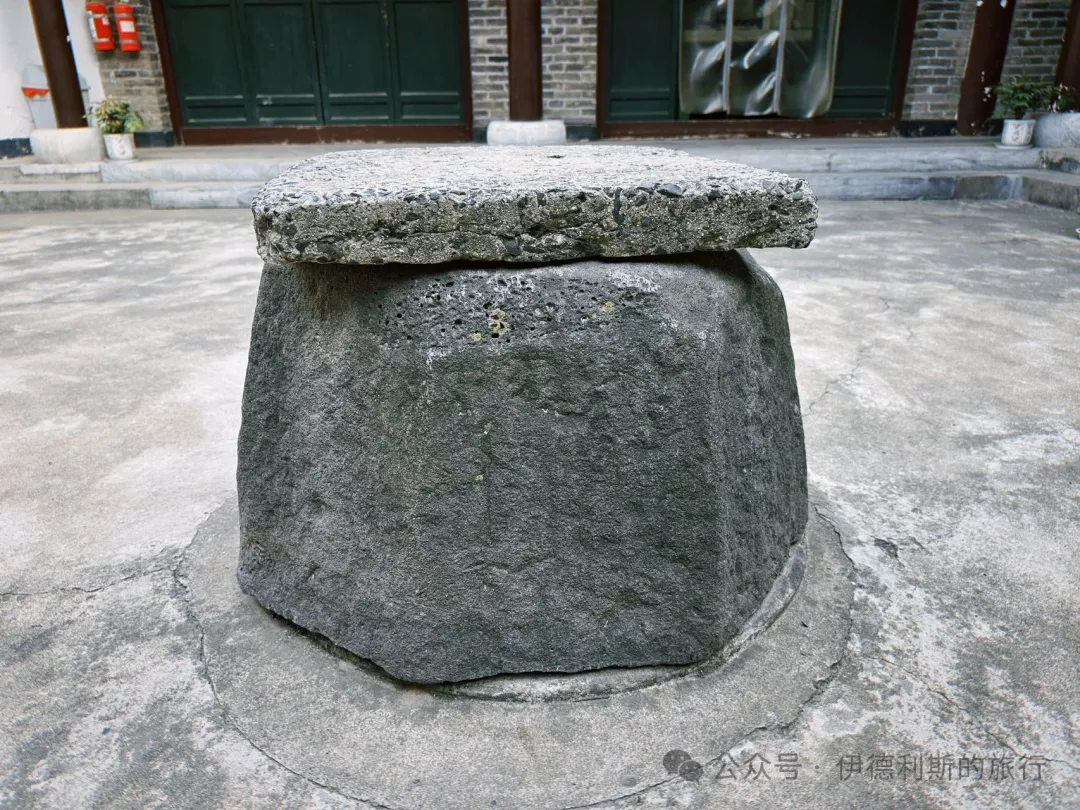
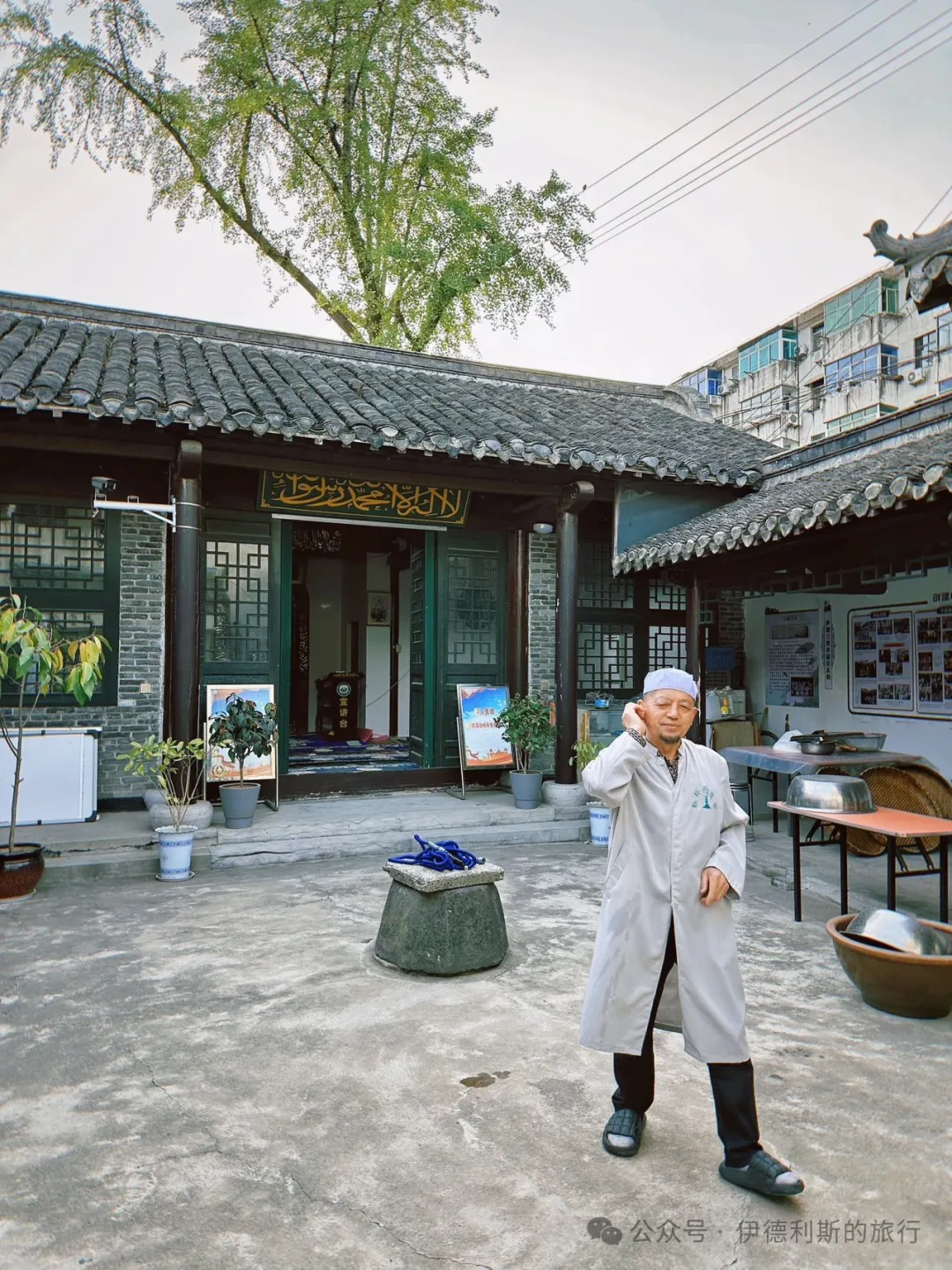
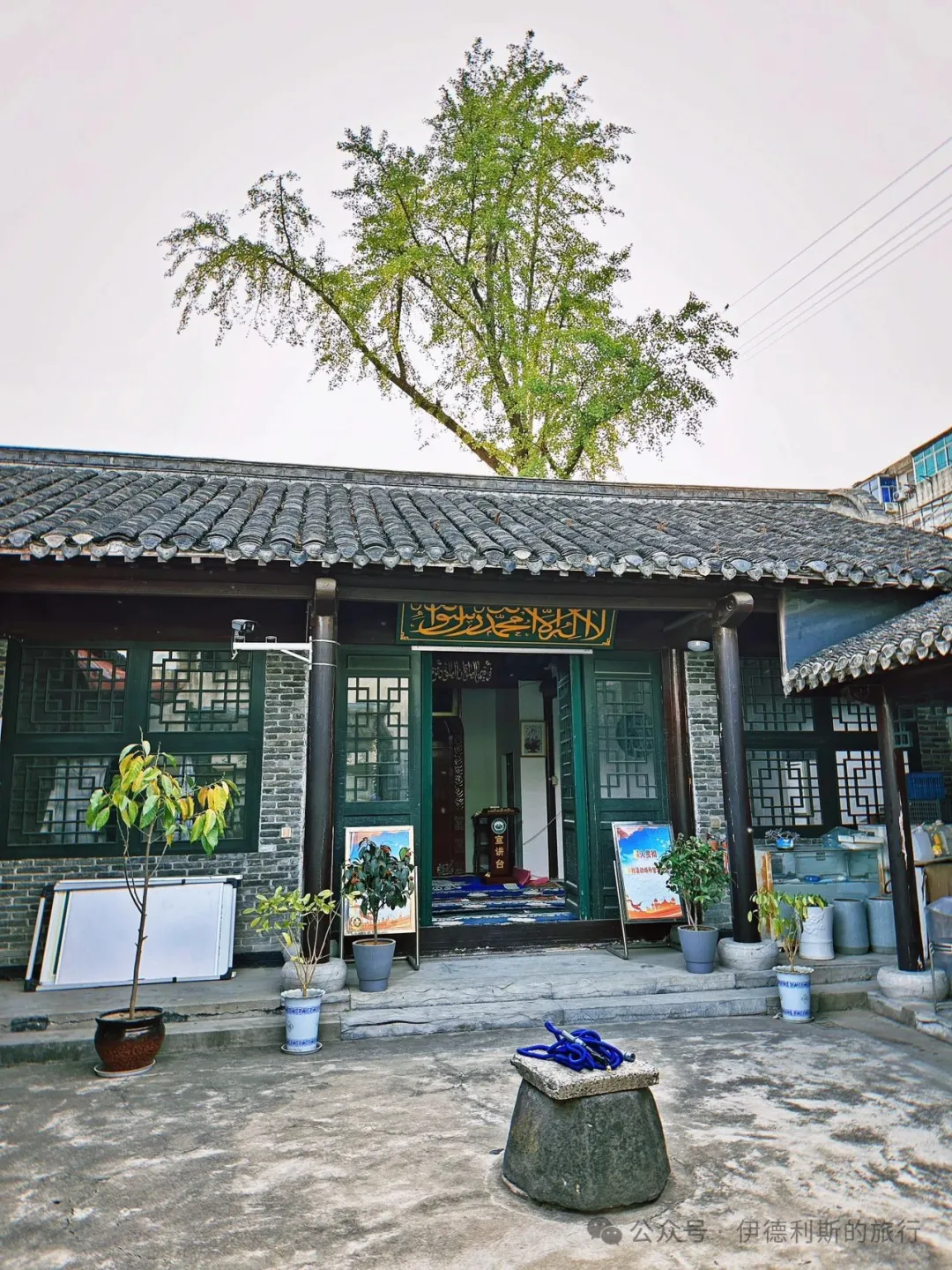
Gaoyou Mosque
I visited Gaoyou Mosque in 2021, only to find out it was only open for Friday prayers (Jumu'ah). This time, I specifically came for Jumu'ah and finally got to enter the mosque.
Gaoyou Mosque was first built during the Qing Dynasty. According to the Records of Gaoyou Prefecture (Qing Qianlong era), the mosque was rebuilt in 1864 (the third year of the Tongzhi reign) by local elders Ma Guixing, Liu Tianxing, and Ma Hongxing. The current gate features a stone plaque inscribed with 'Rebuilt in the middle of winter, the second year of the Qing Tongzhi reign,' along with the title 'Respectfully repaired by the Gaoyou Prefecture office.'
Gaoyou Mosque consists of a gate and a main prayer hall, forming an elegant and beautiful traditional Jianghuai-style courtyard. Inside, there is a 175-year-old boxwood (guazi huangyang) tree, a 225-year-old Chinese juniper (yuanbai) tree, and an ancient Qing Dynasty well.
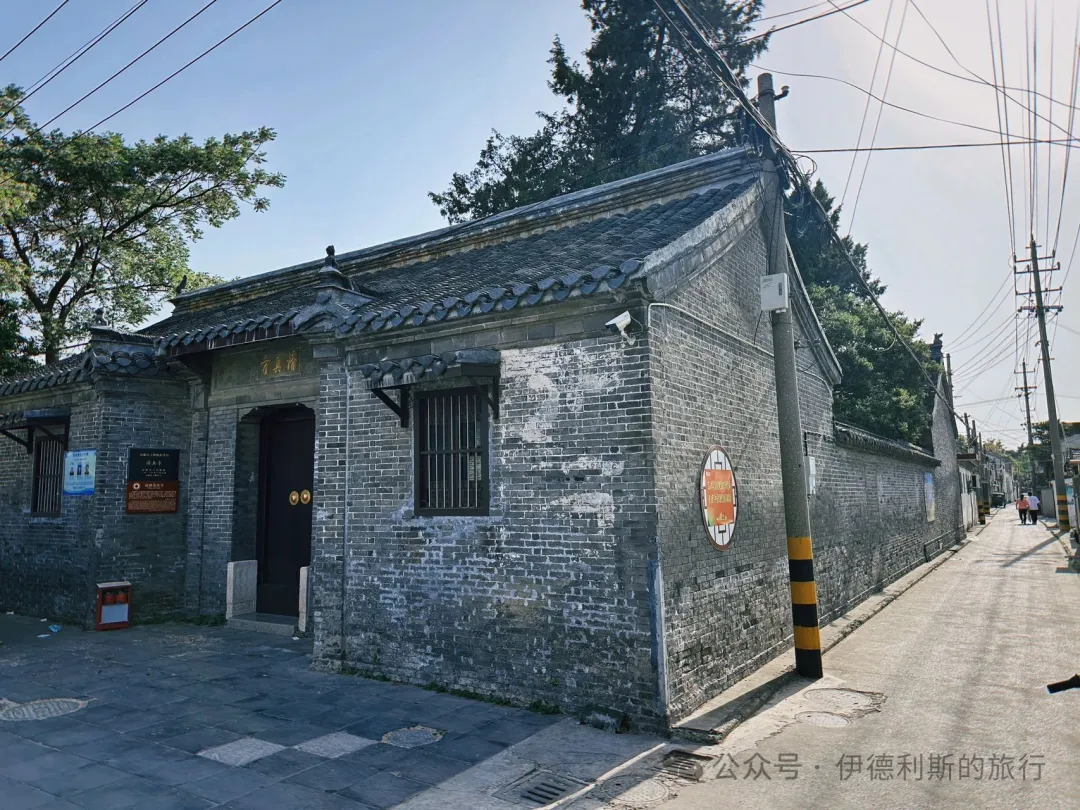
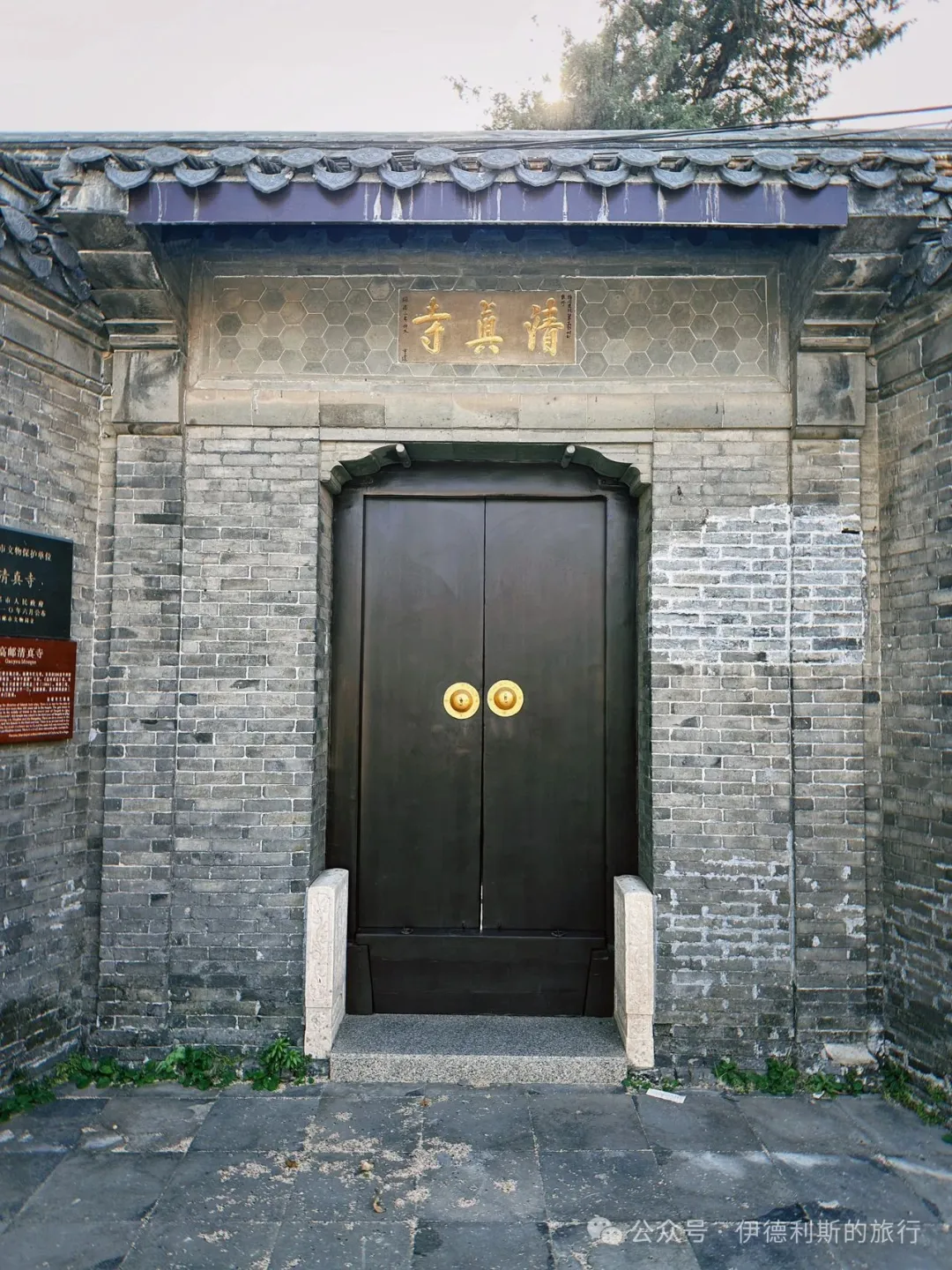
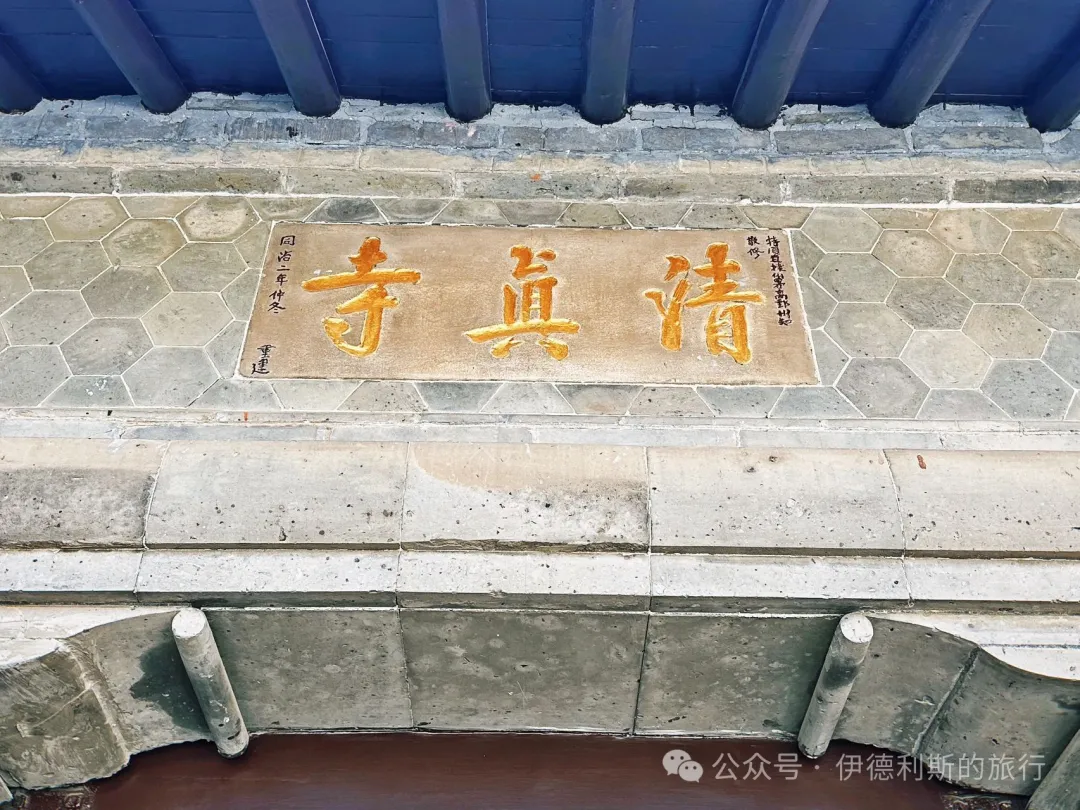
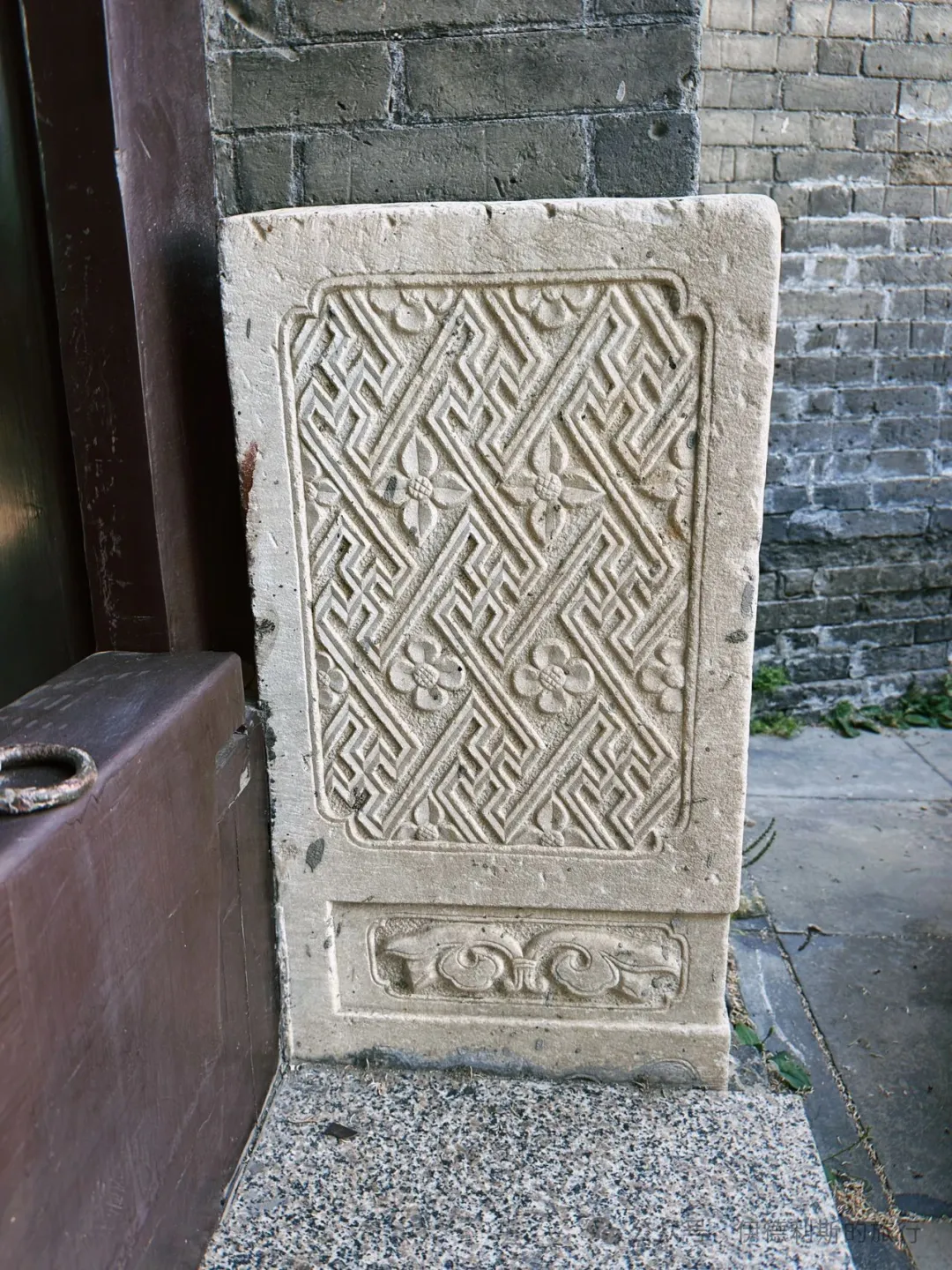
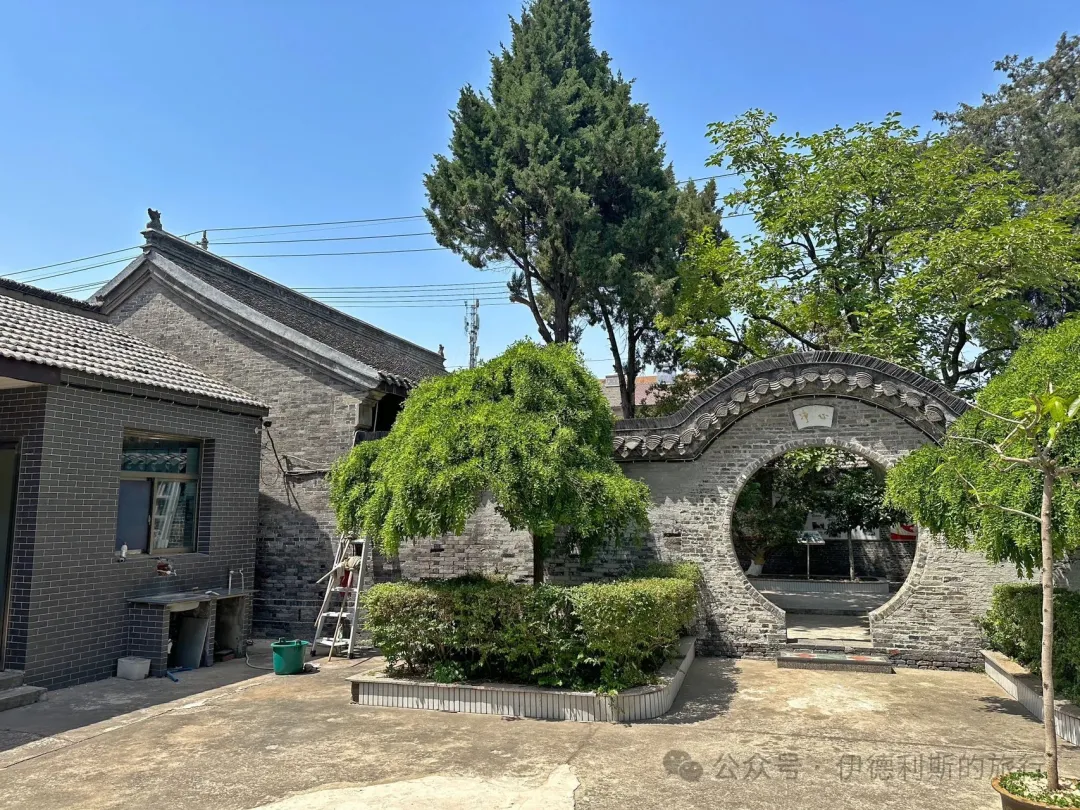
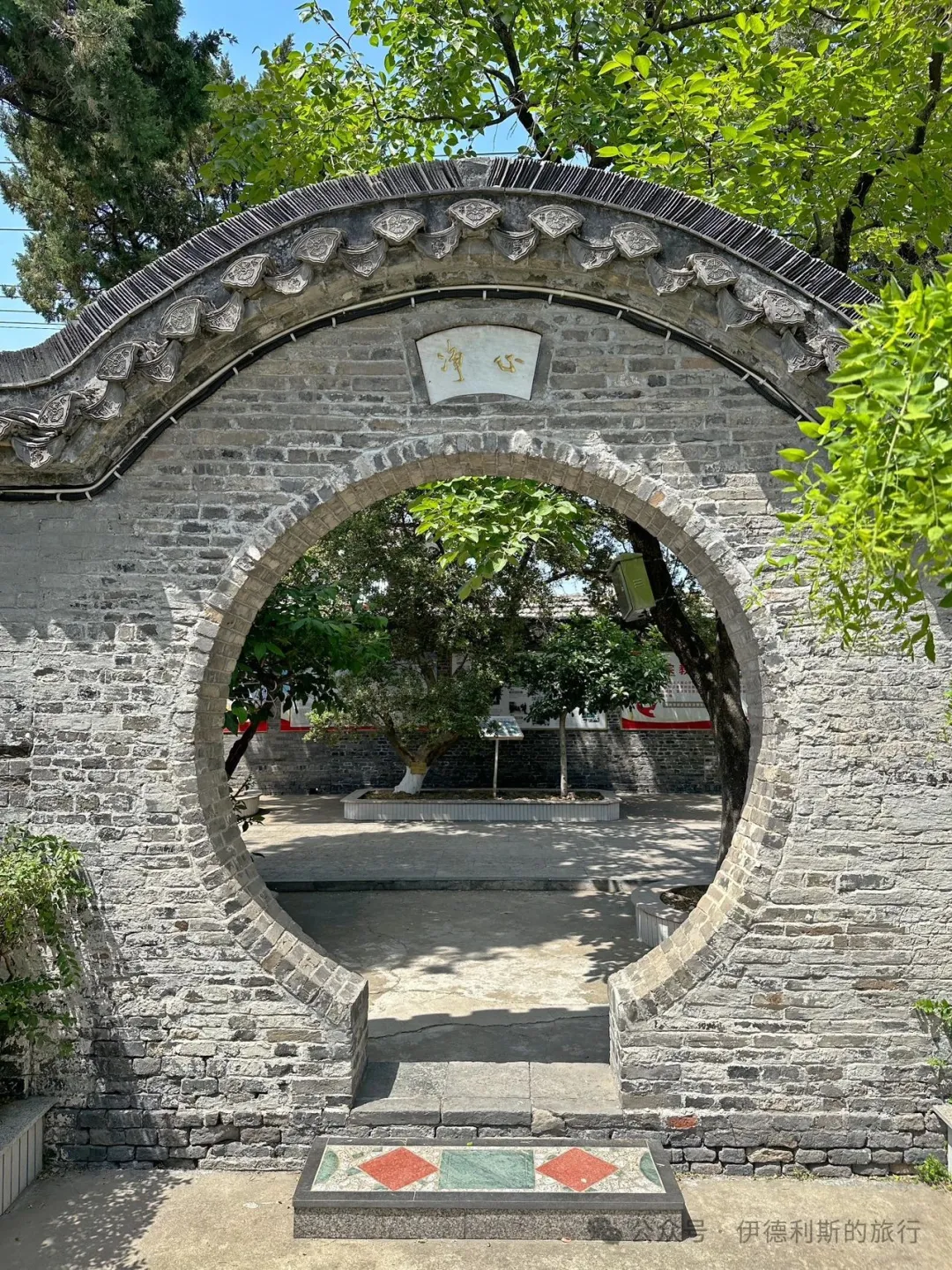
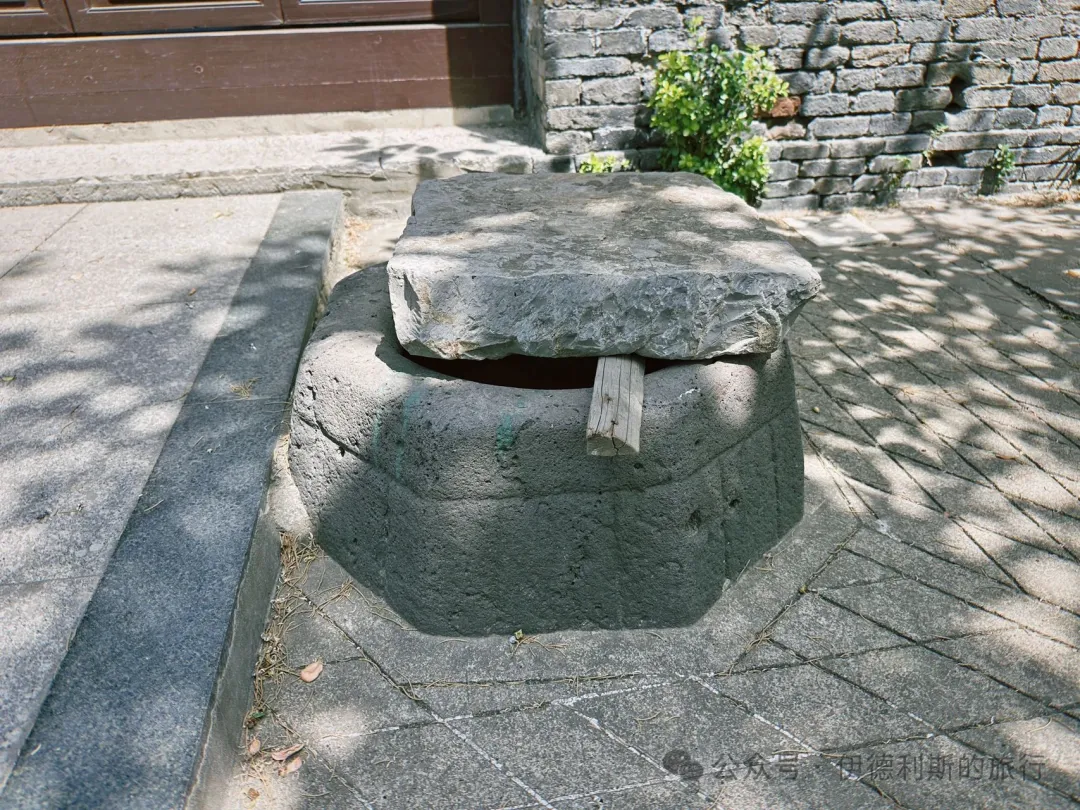
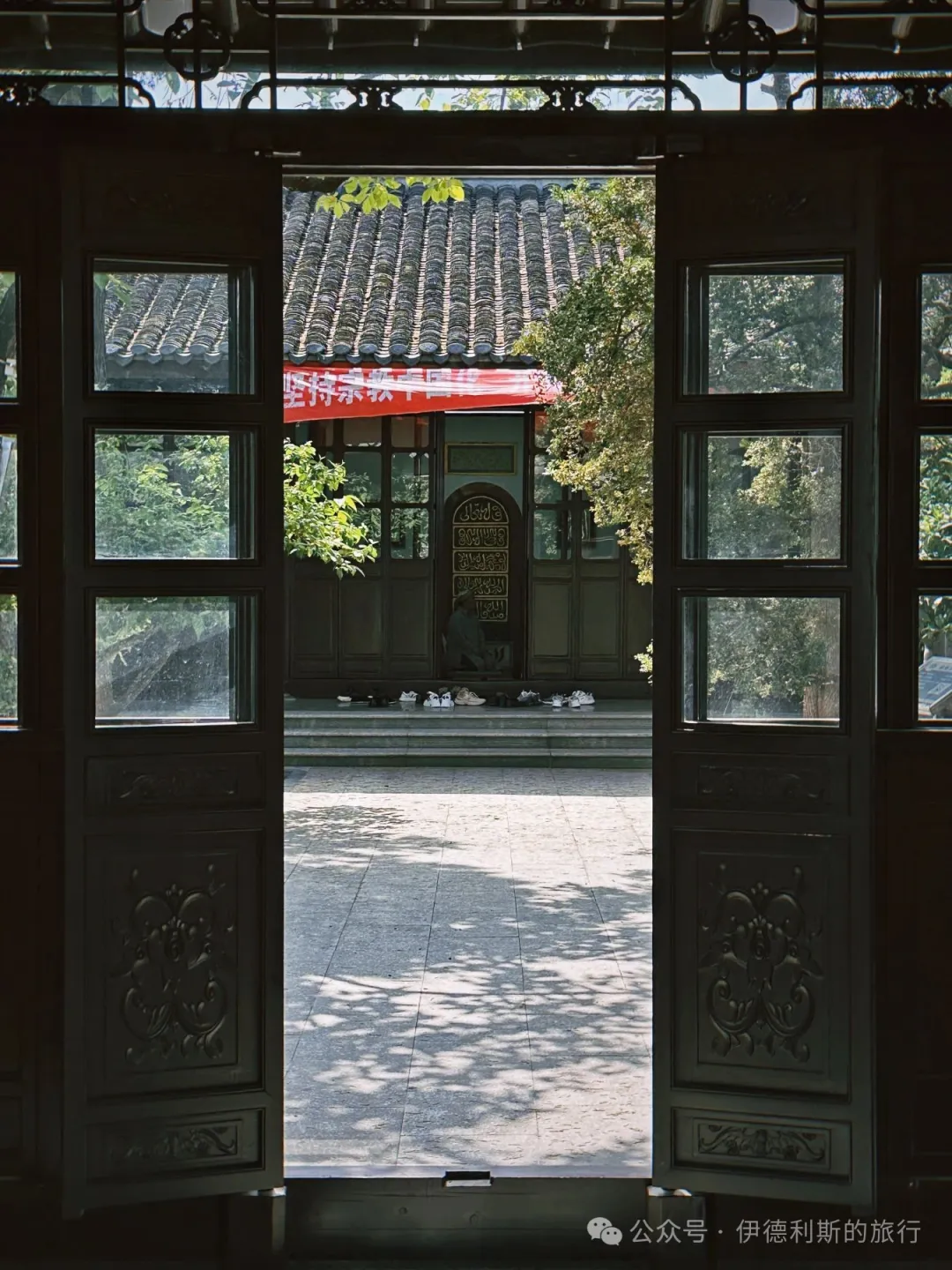
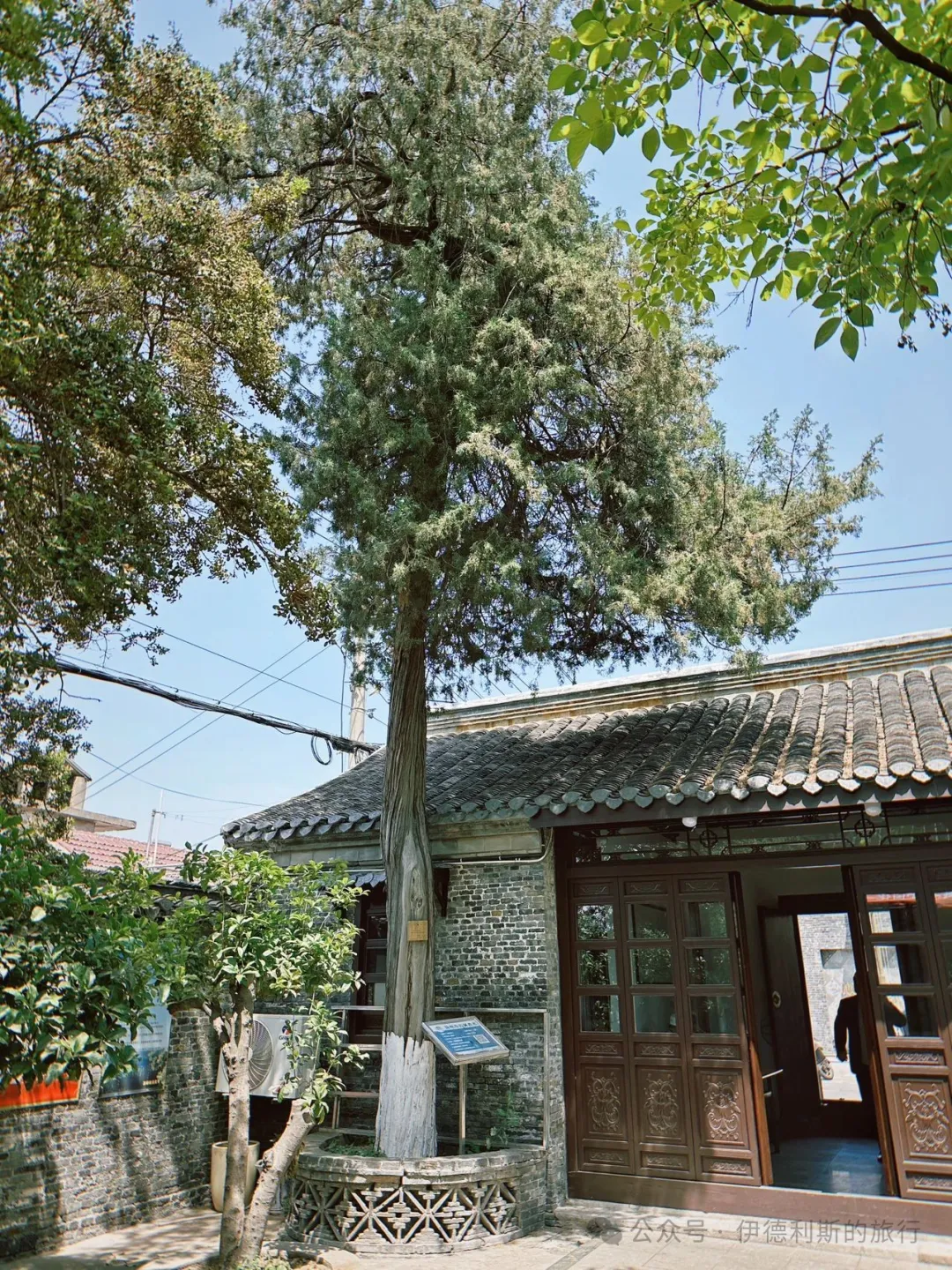
The main prayer hall at Gaoyou Mosque is quite small, and its prayer niche (mihrab) follows the traditional Jiangsu style. The congregation for Jumu'ah is mostly made up of Northwest Chinese Muslims who run local hand-pulled noodle (lamian) shops. This is the current situation for many mosques in the southeastern region.
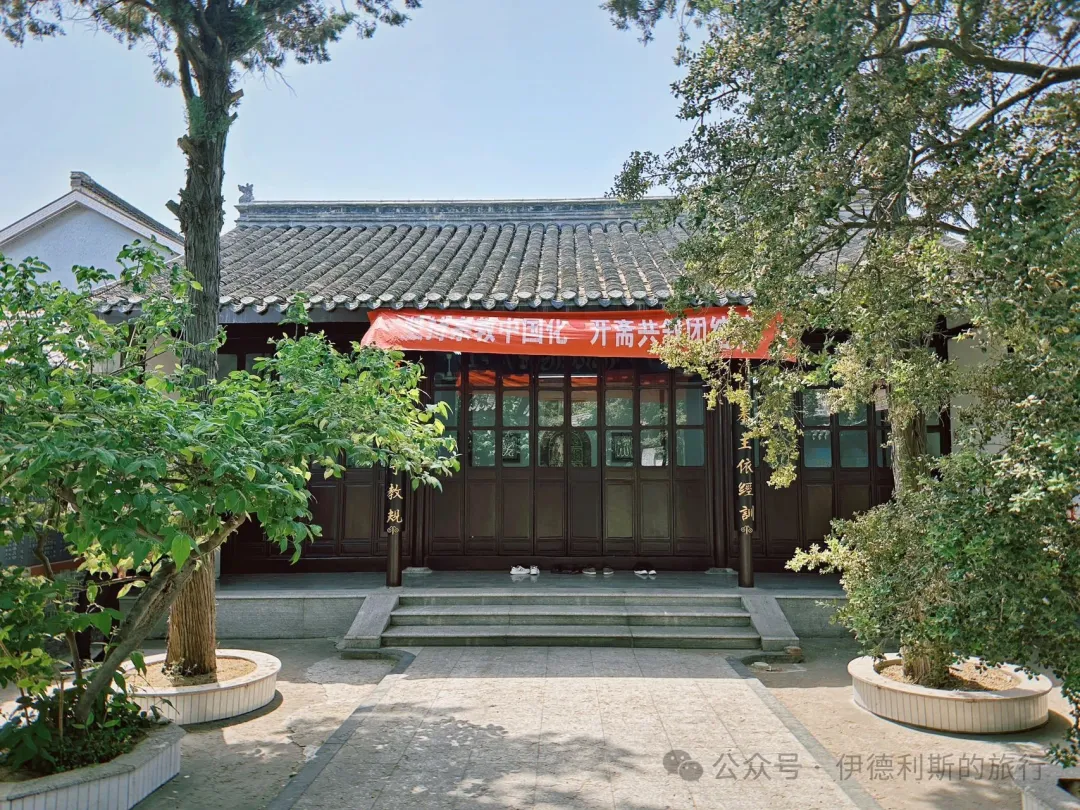
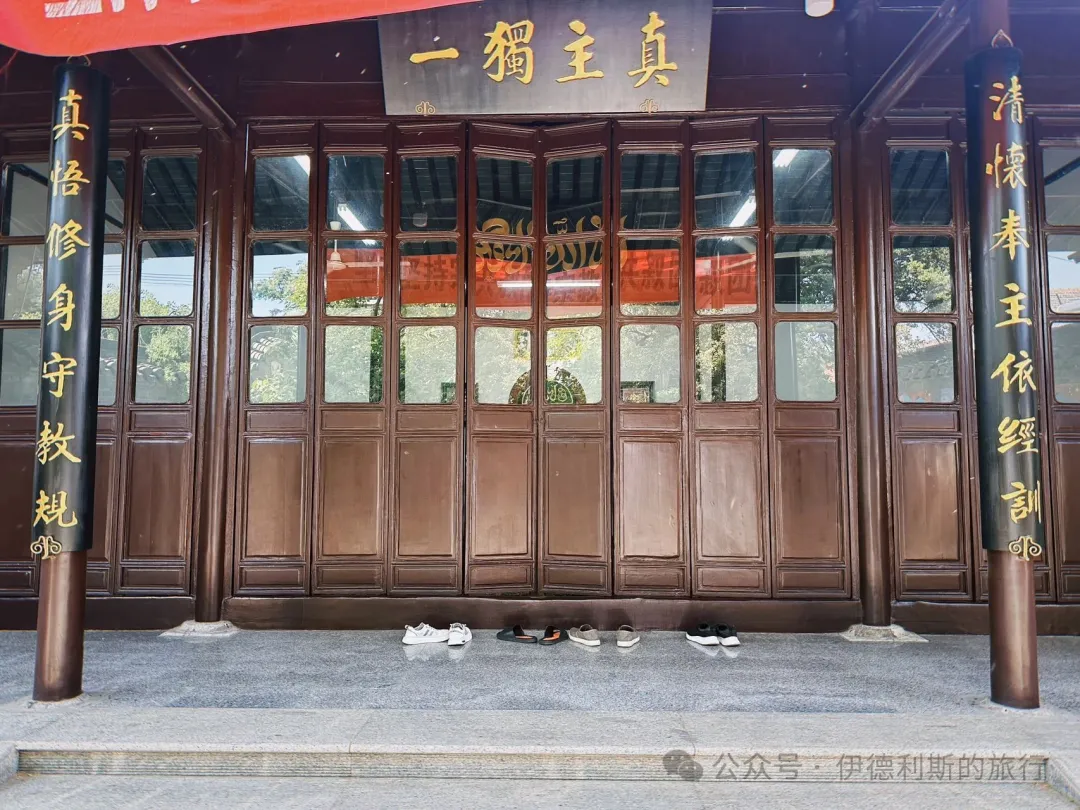
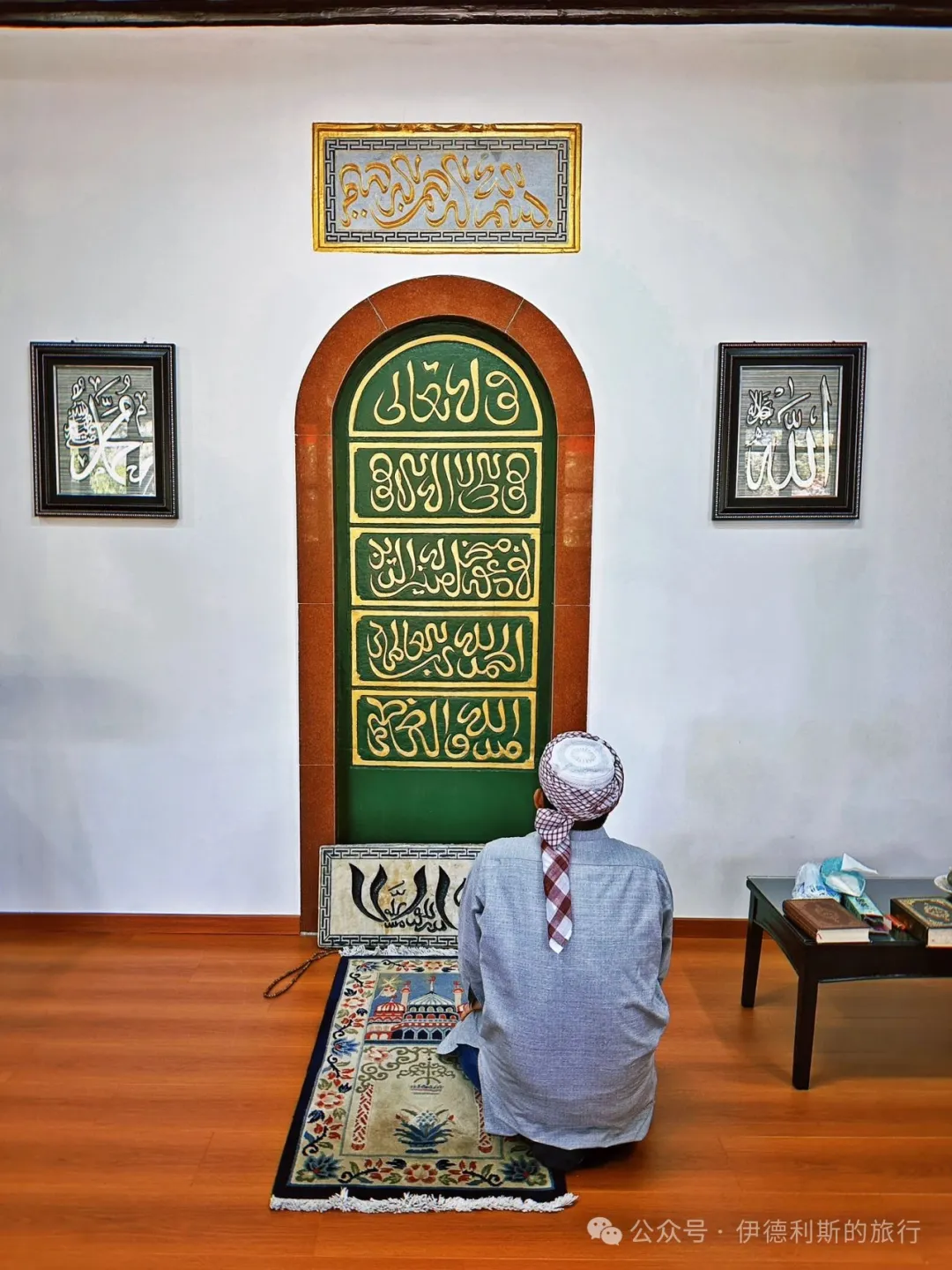
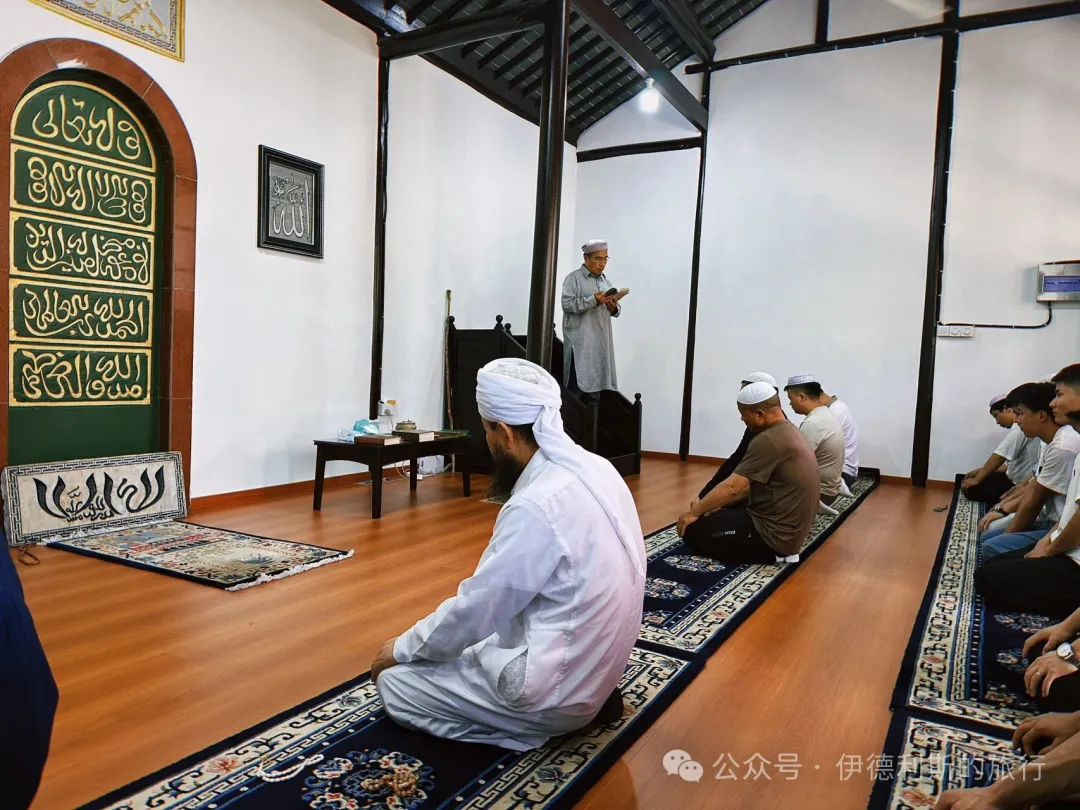
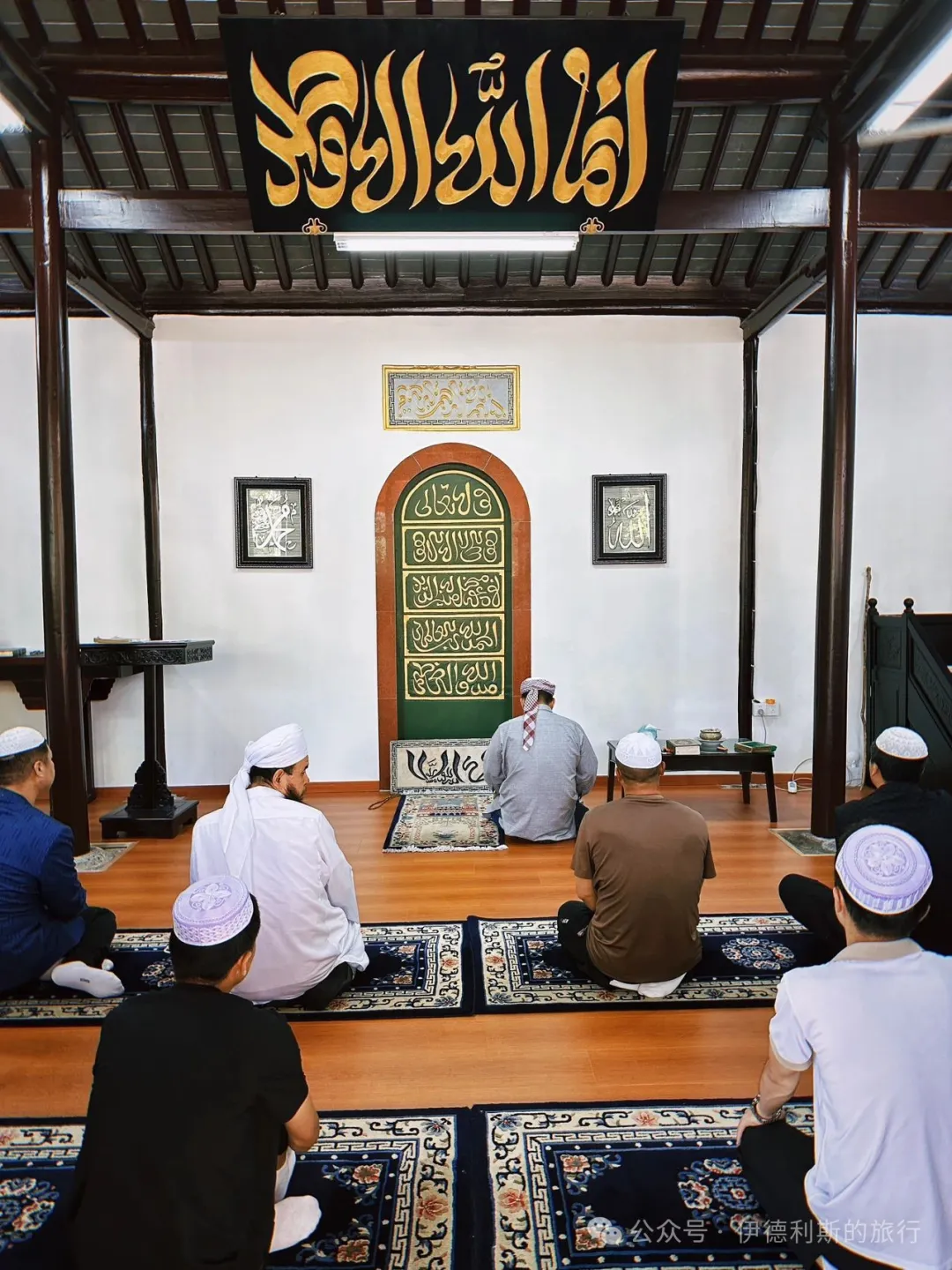
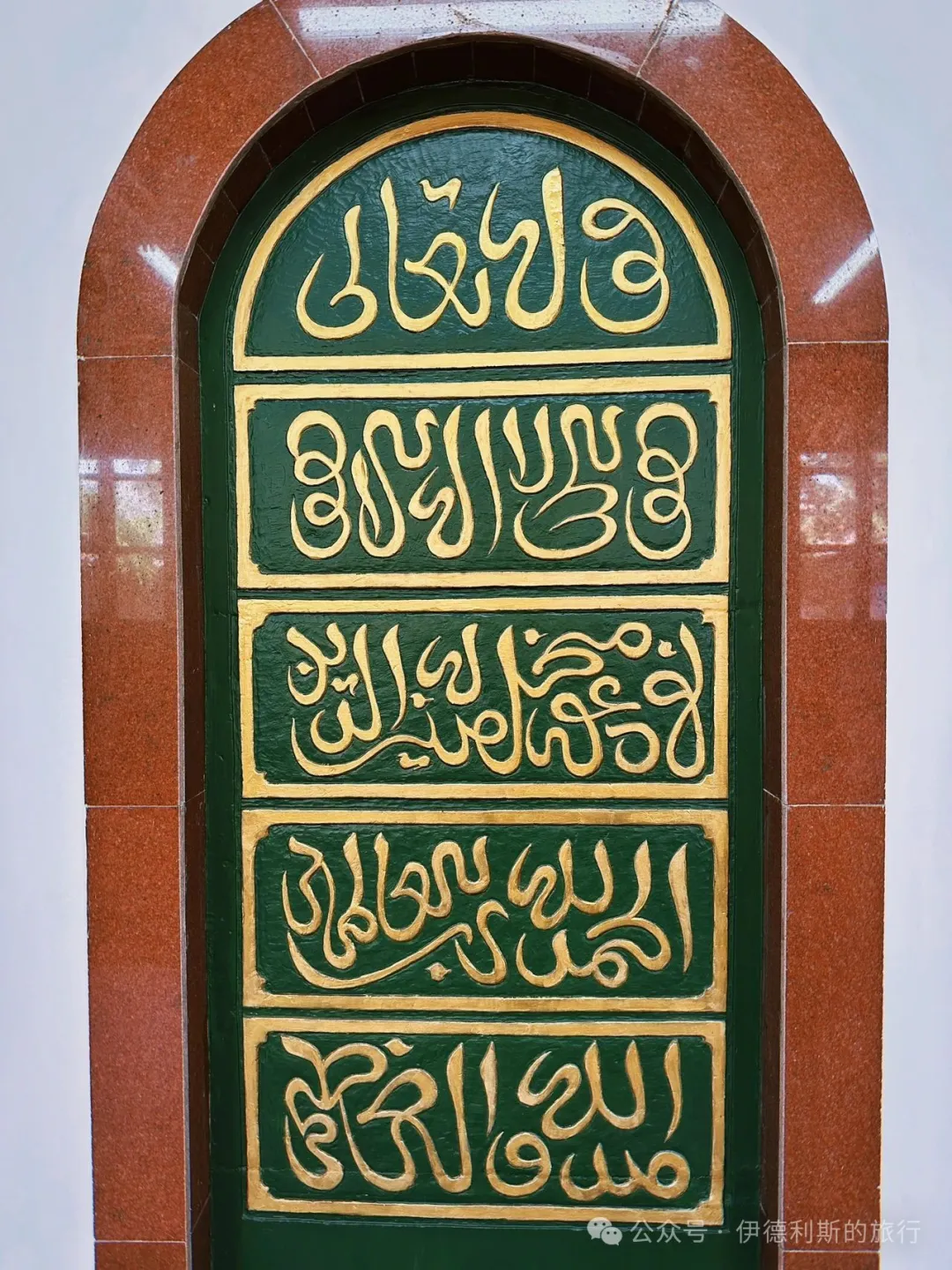
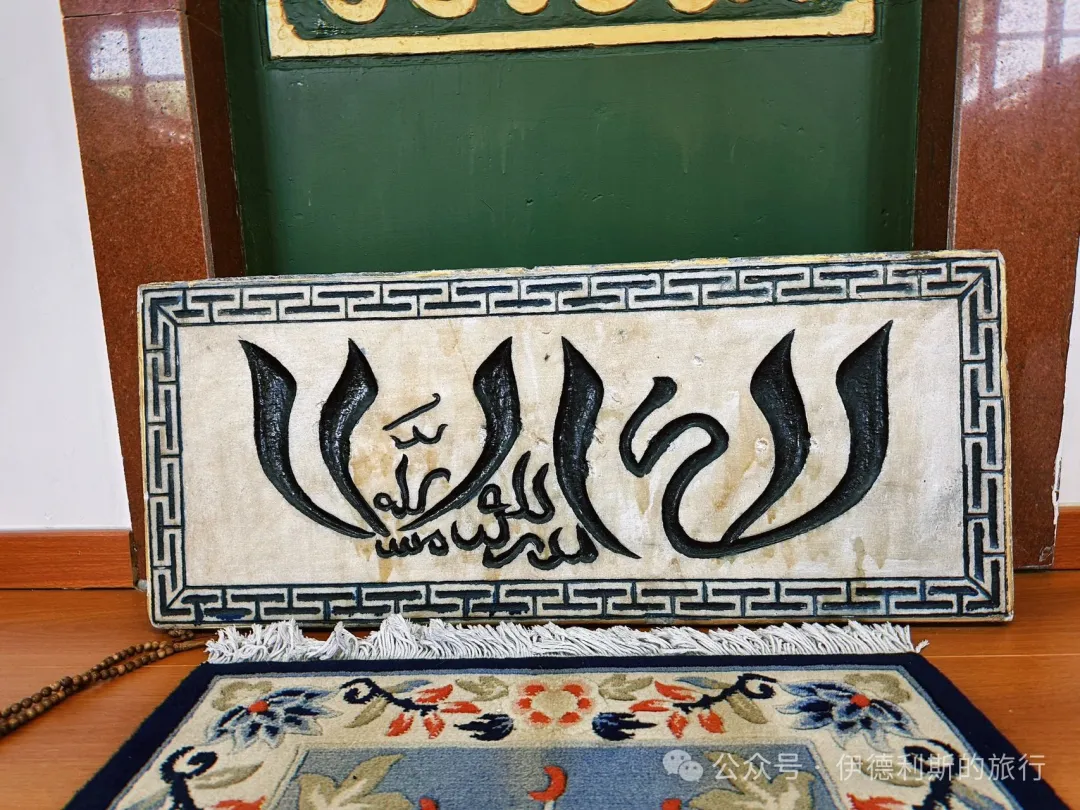
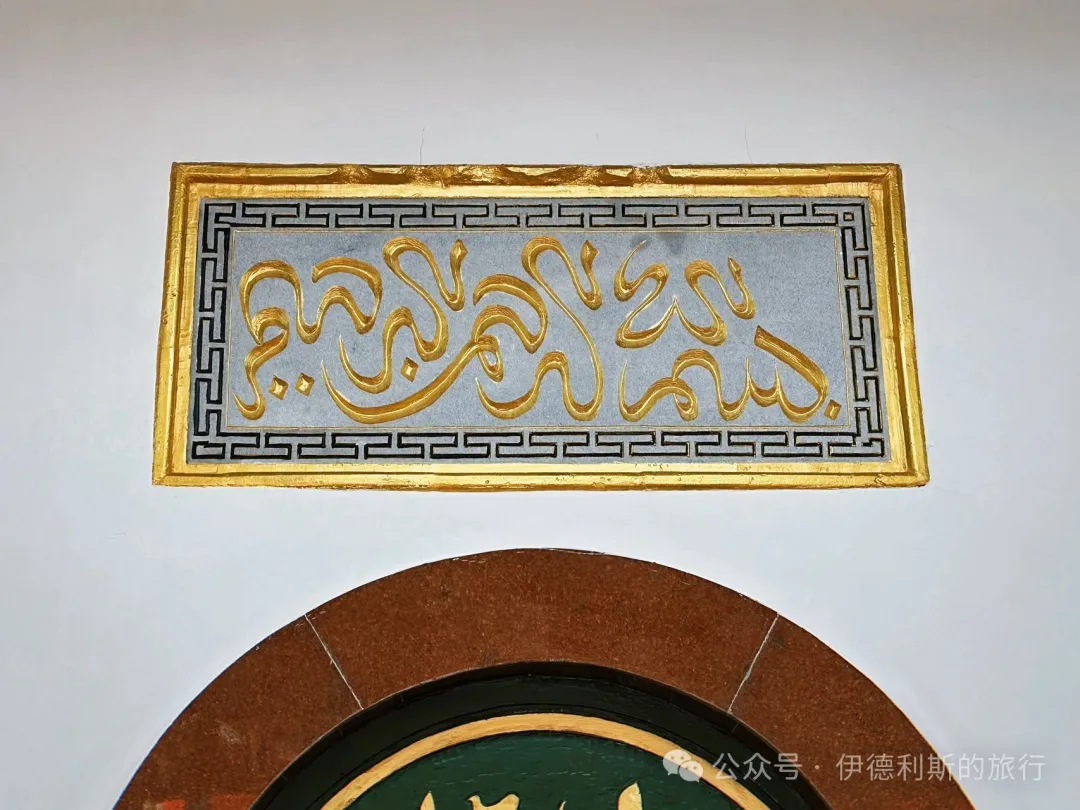
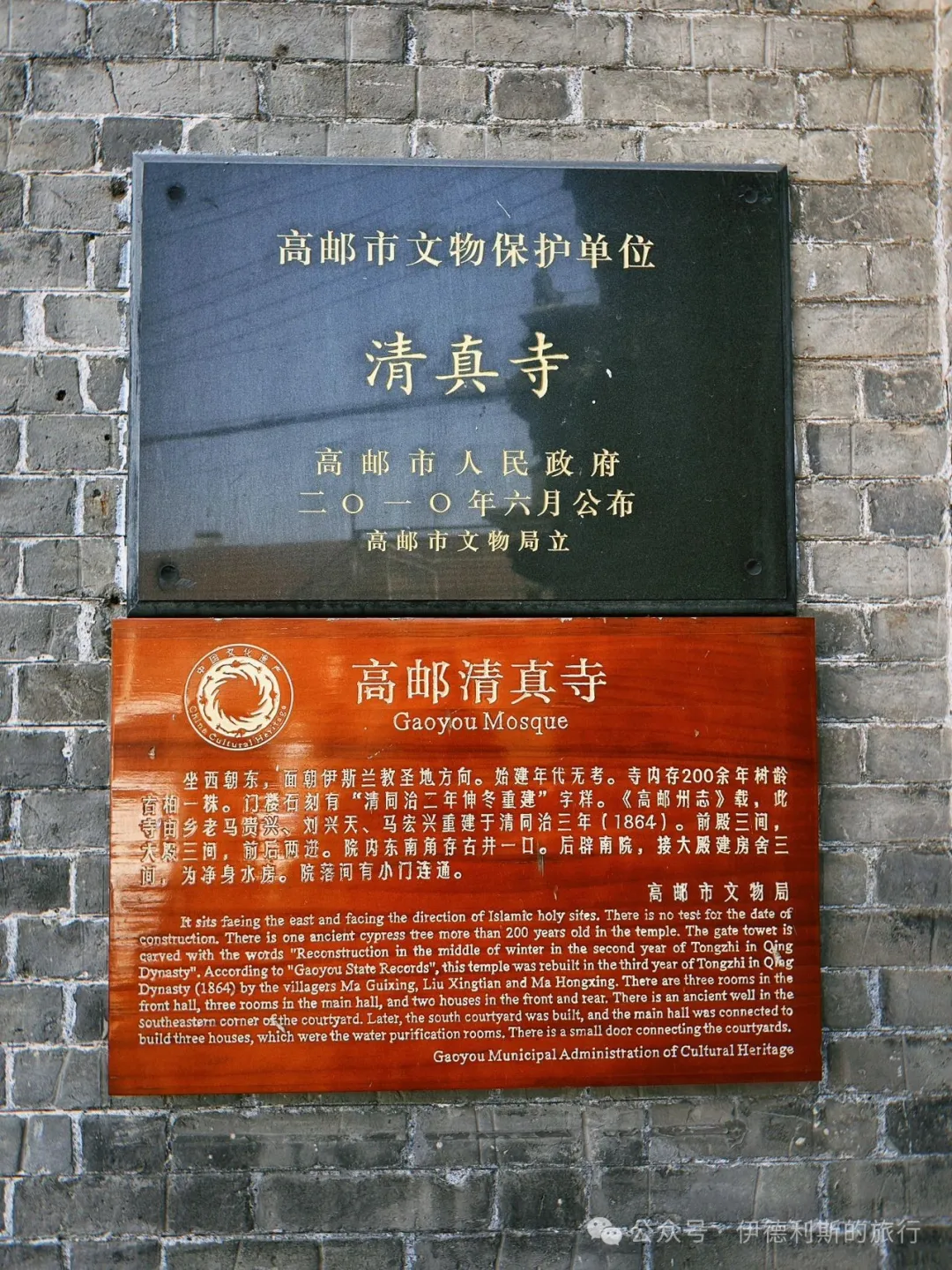
Lingtang Mosque
By the end of the Yuan Dynasty, Lingtang already had a mosque in 'Huihui Bay' by Gaoyou Lake, but it was later destroyed by floods. In the mid-Ming Dynasty, it moved to Yangdazhuang, then to its current location in the early Qing Dynasty. It was rebuilt in 1844 (the 24th year of the Qing Daoguang reign), expanded again in 1921, and completed in 1924.
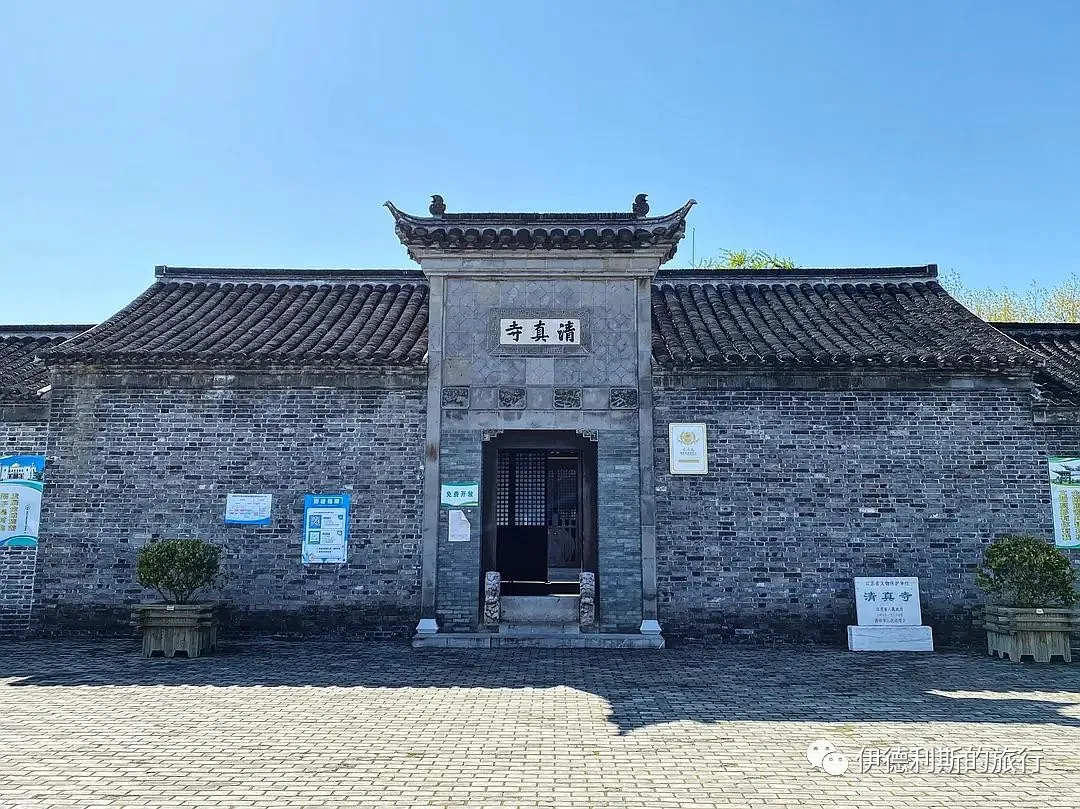
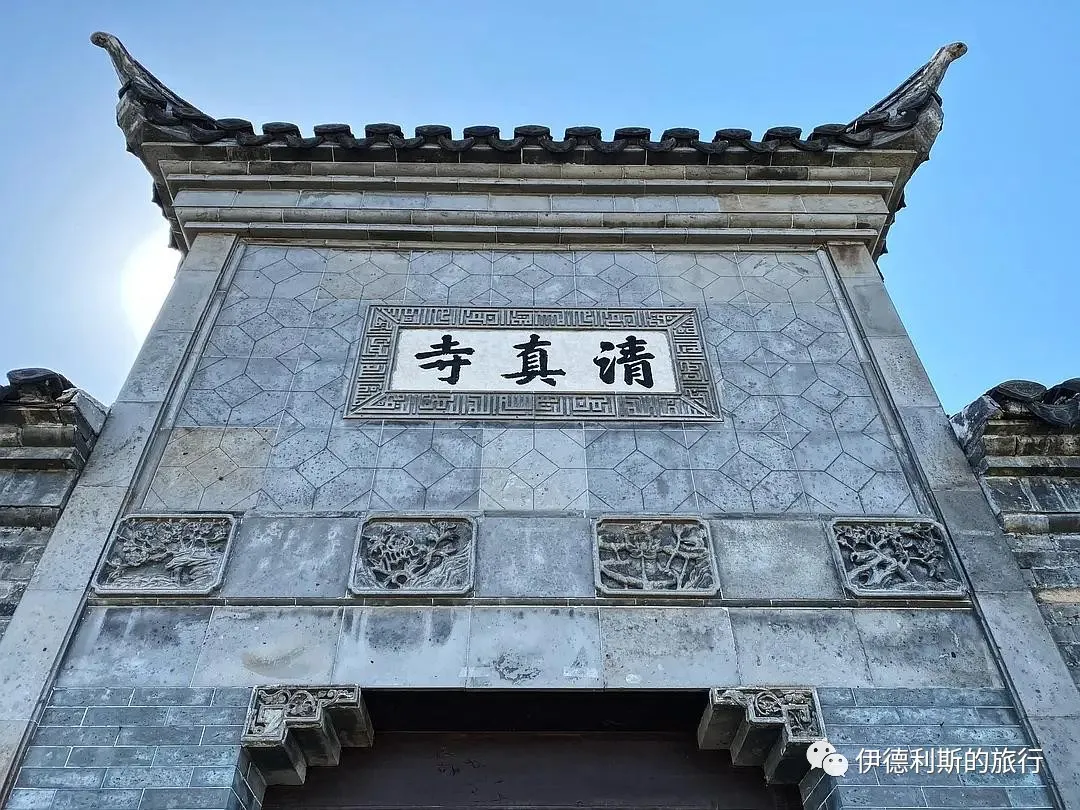
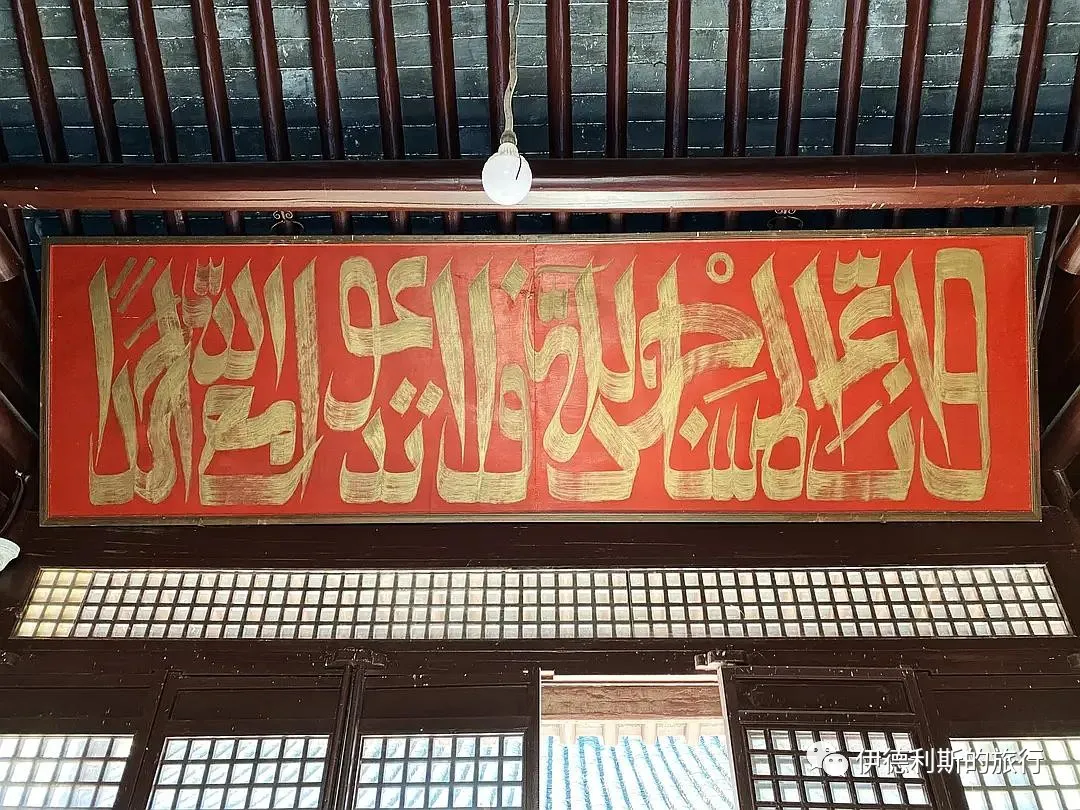
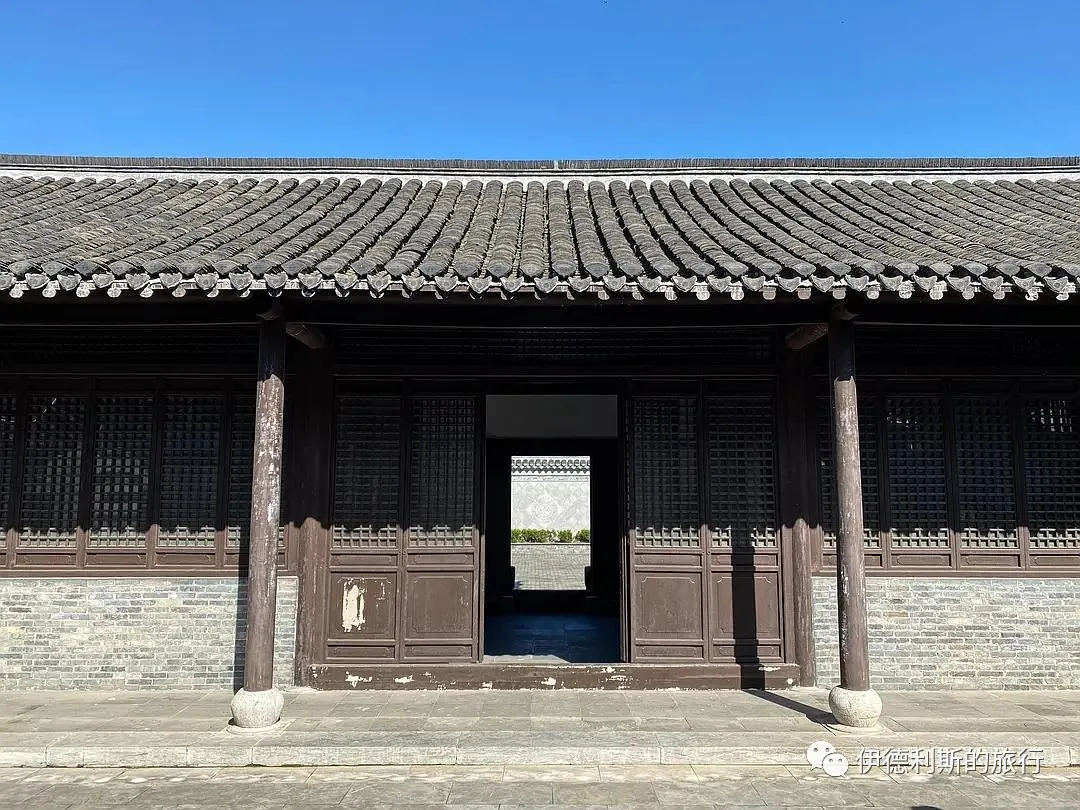
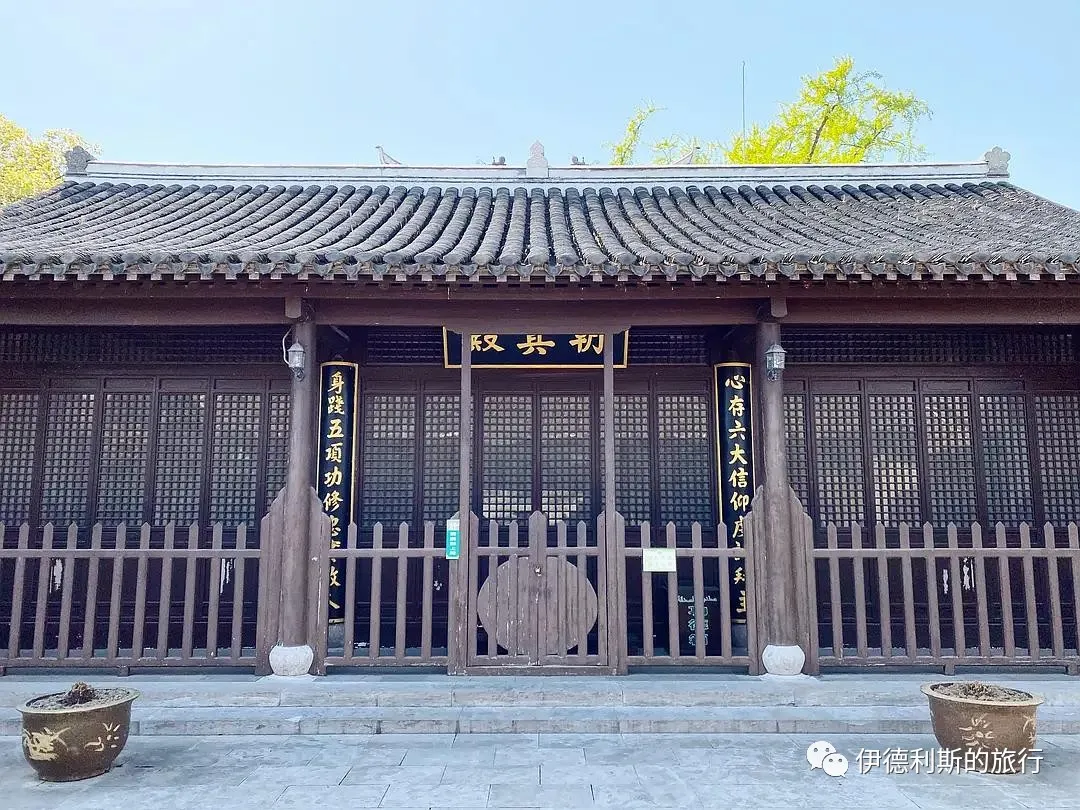
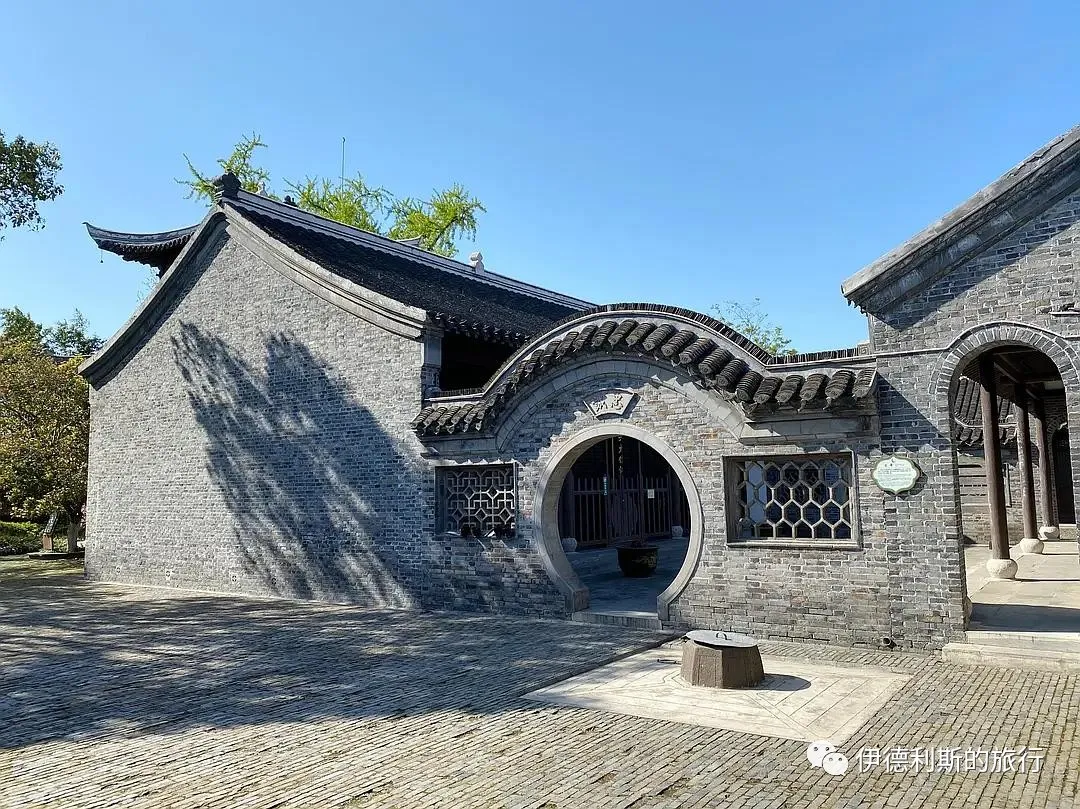
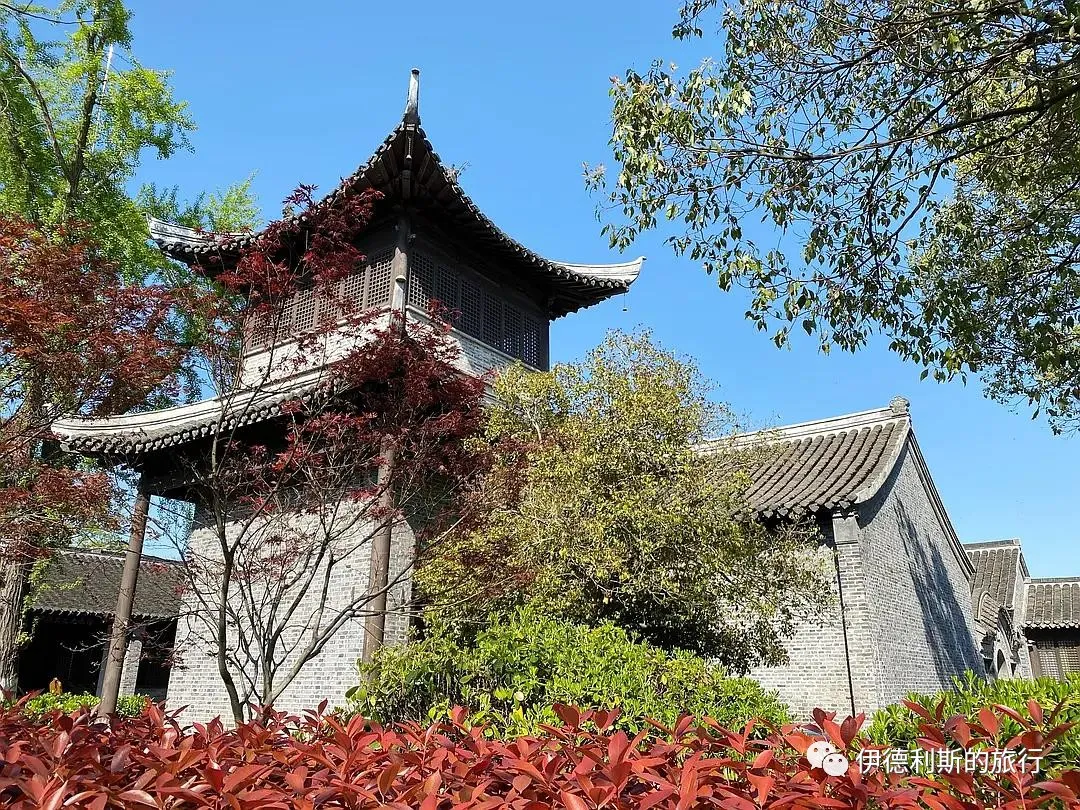
The golden osmanthus (jingui) tree next to the prayer hall was planted when local elder Xue Yukuan and his wife, Mrs. Xue Yang, had an imam perform their marriage ceremony (nikah). It is now over 130 years old.
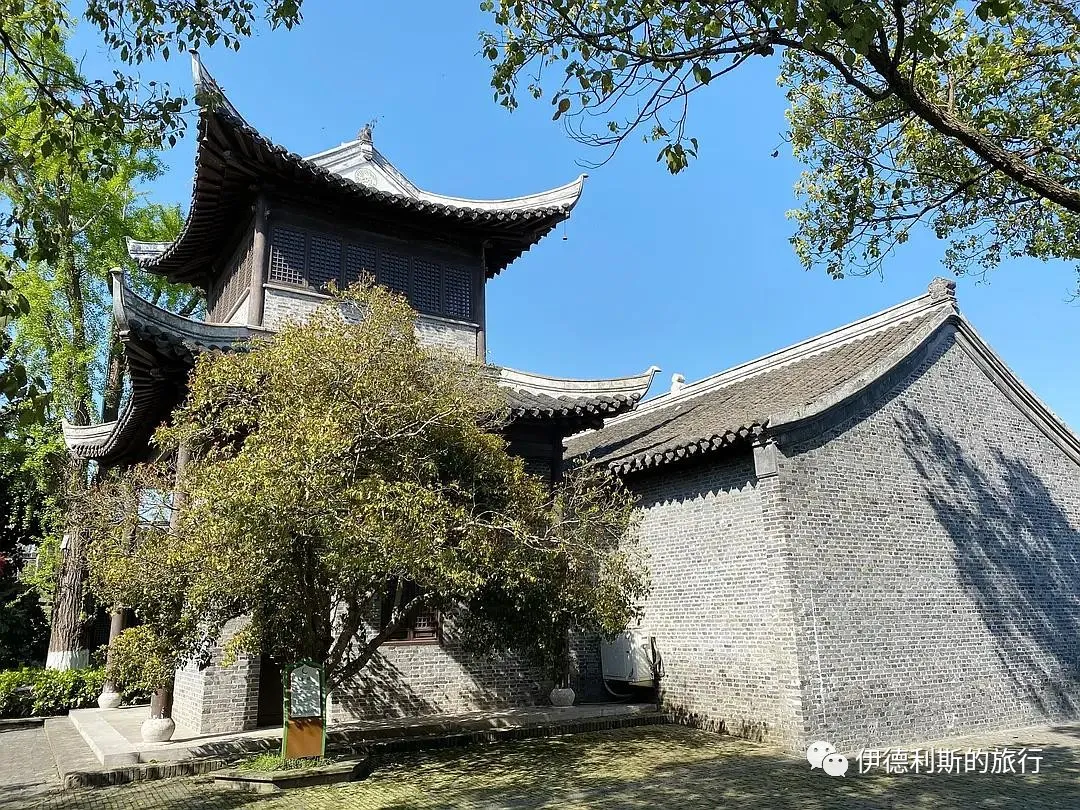
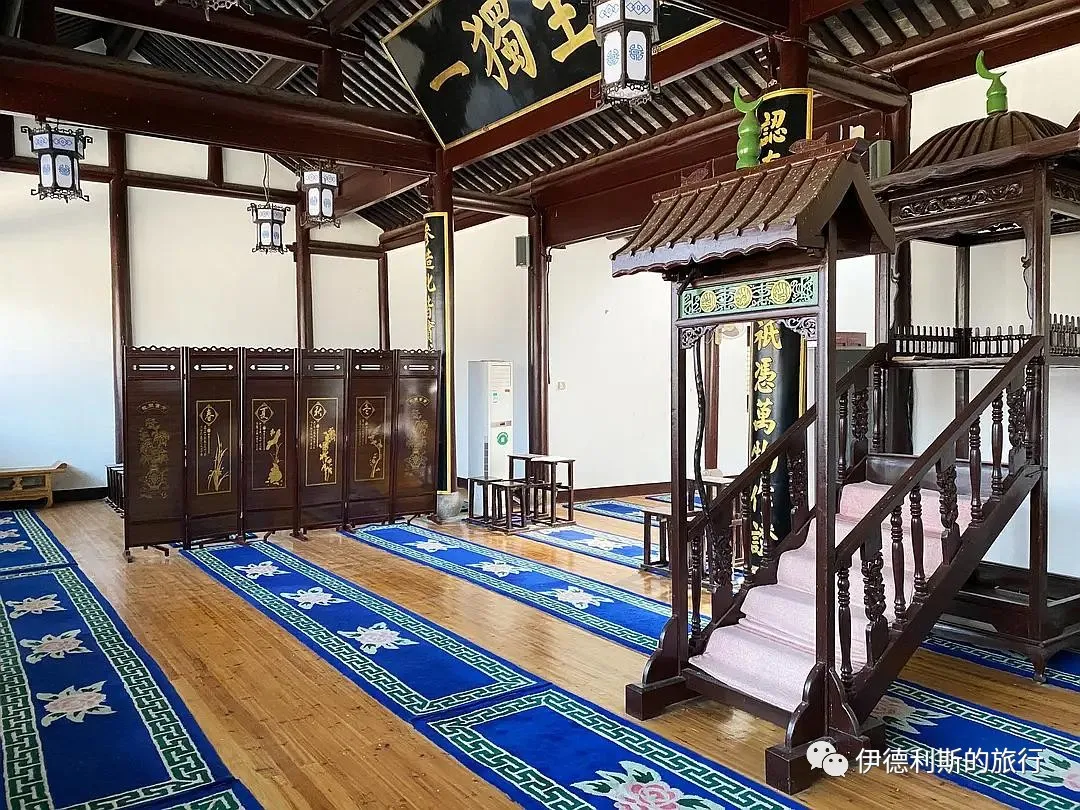
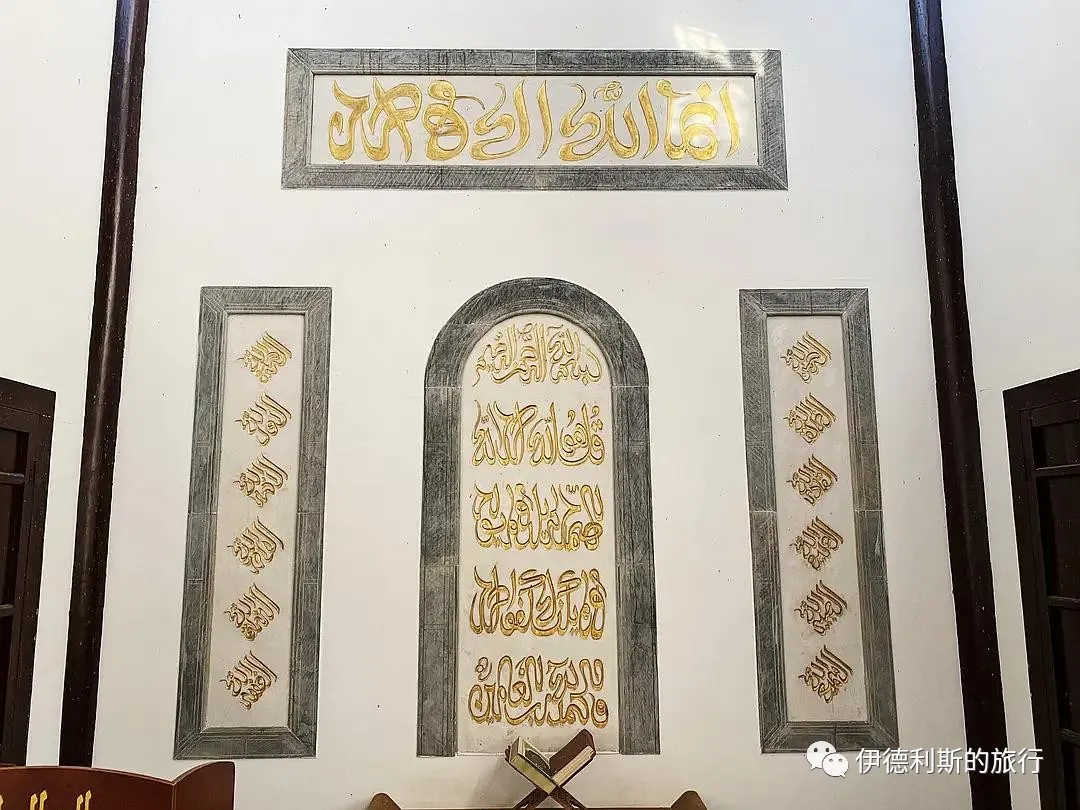
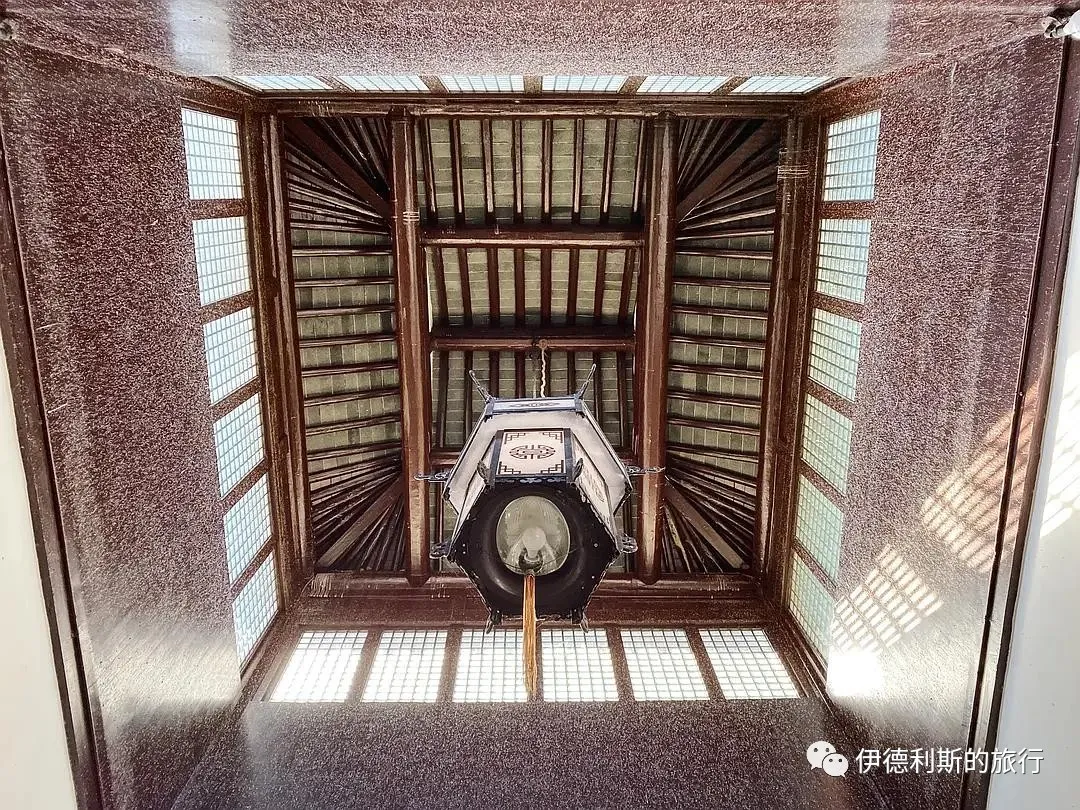
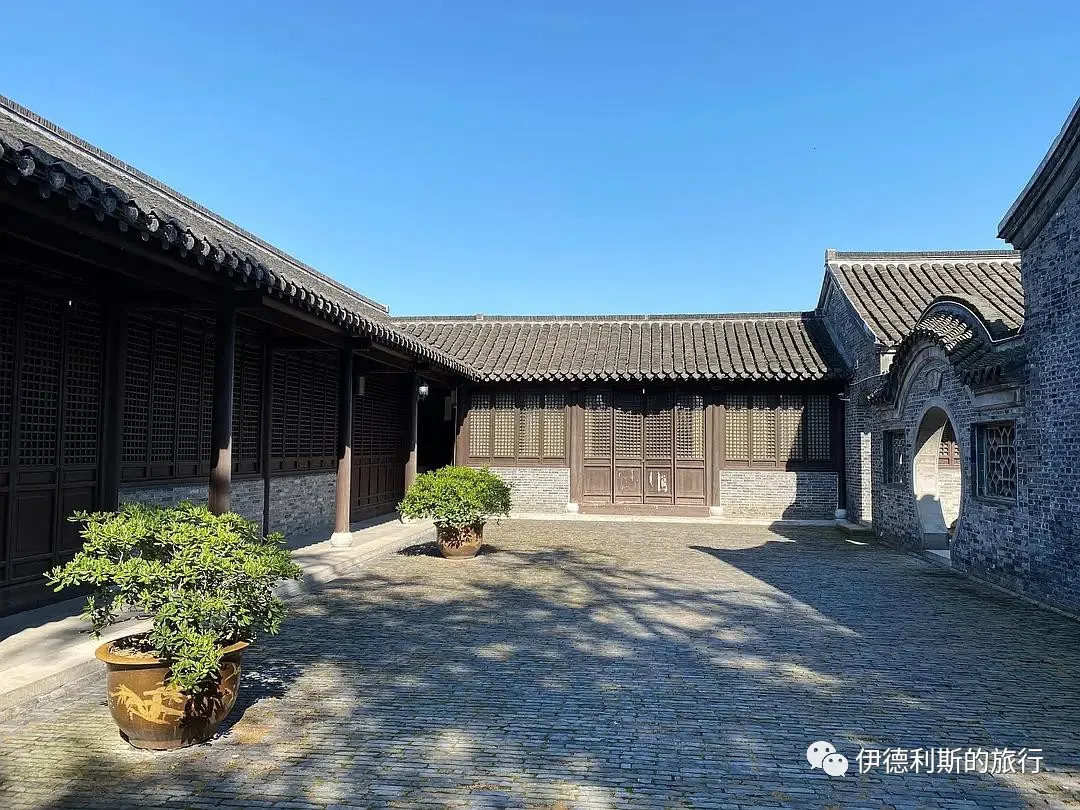
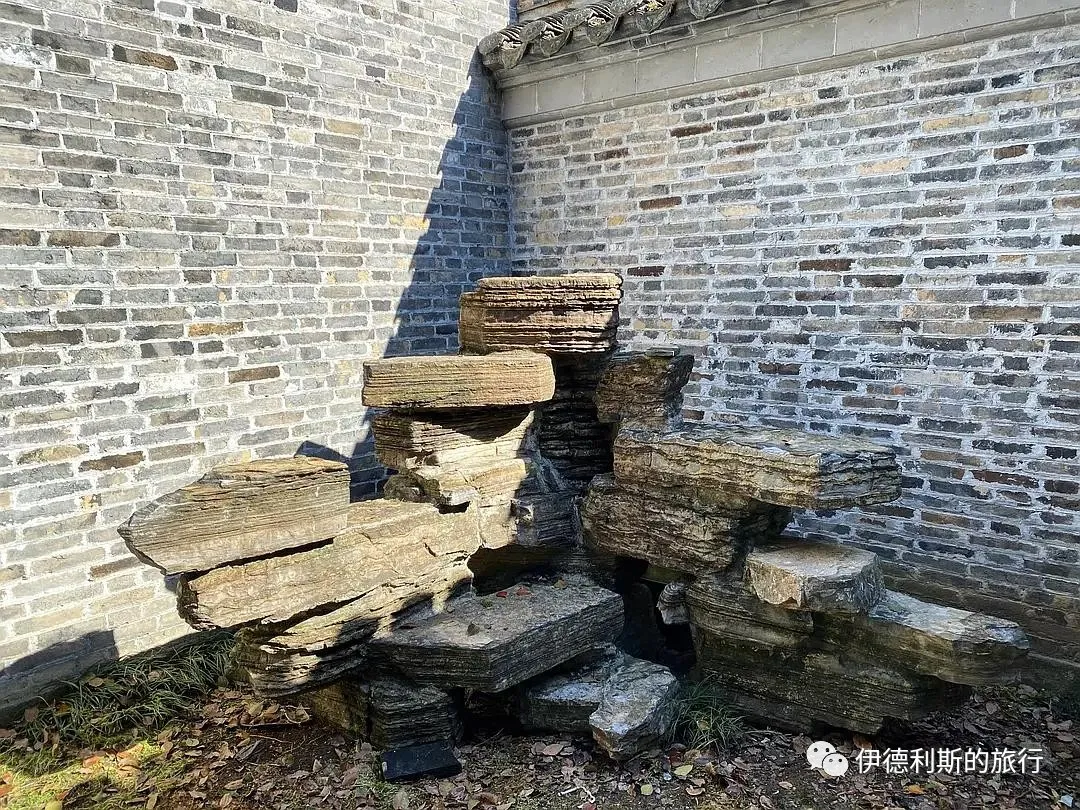
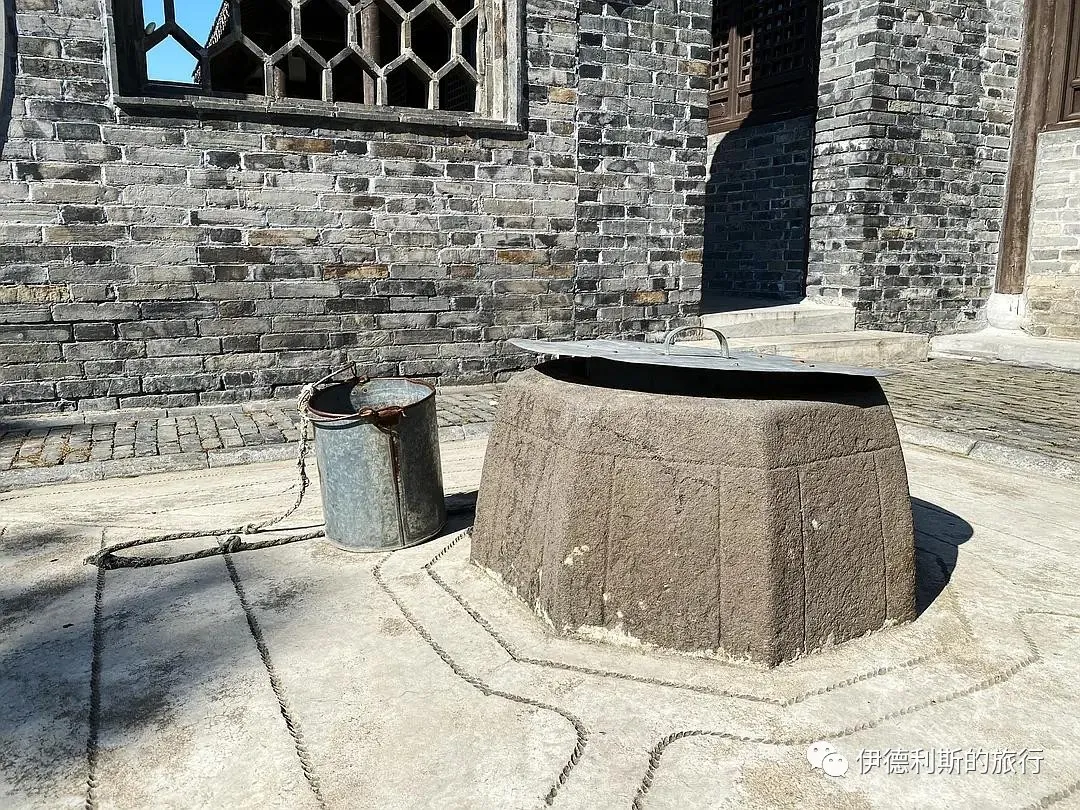
The exhibition hall at Yangzhou Lingtang Mosque displays a water kettle (tangping hu) gifted by the Jizhaoying Mosque in Nanjing during the Qing Dynasty, as well as Republic-era water kettles, a bronze Xuande incense burner, blue-and-white porcelain incense burners, and the boiler (guozhengzi) and bucket used in the mosque's 1950s washroom. The boiler was used to heat water, and the bucket had a hole at the bottom; pulling out the wooden plug allowed for a shower.
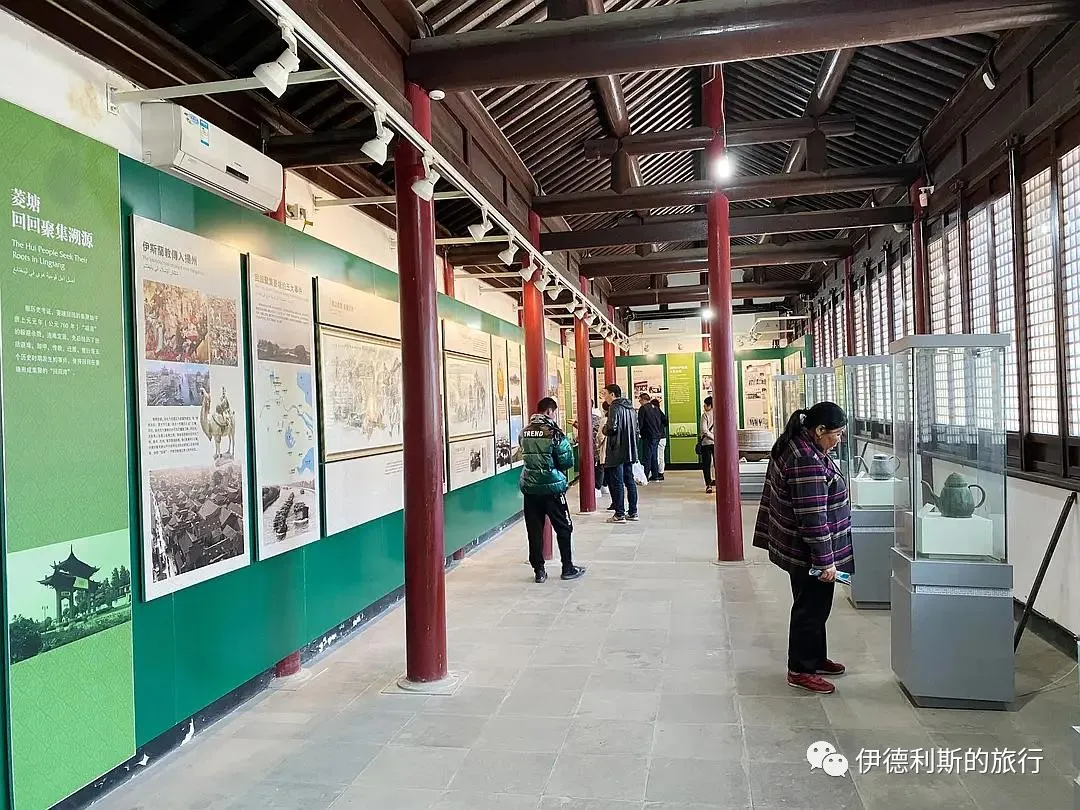
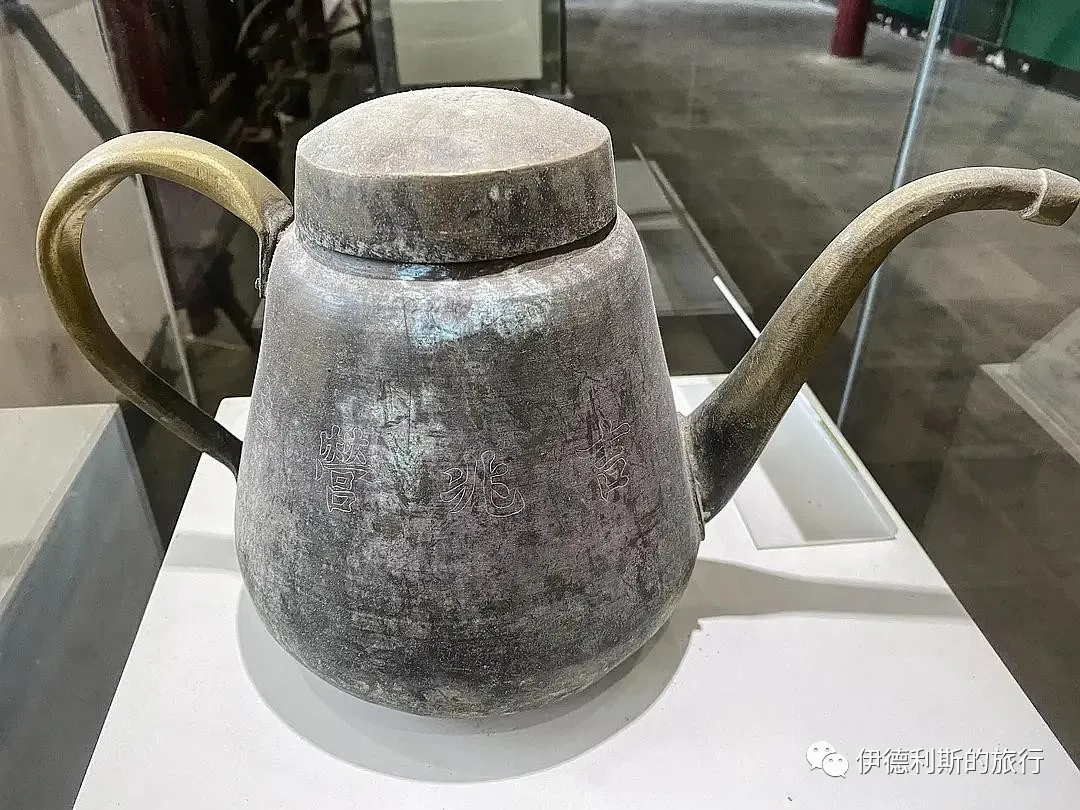
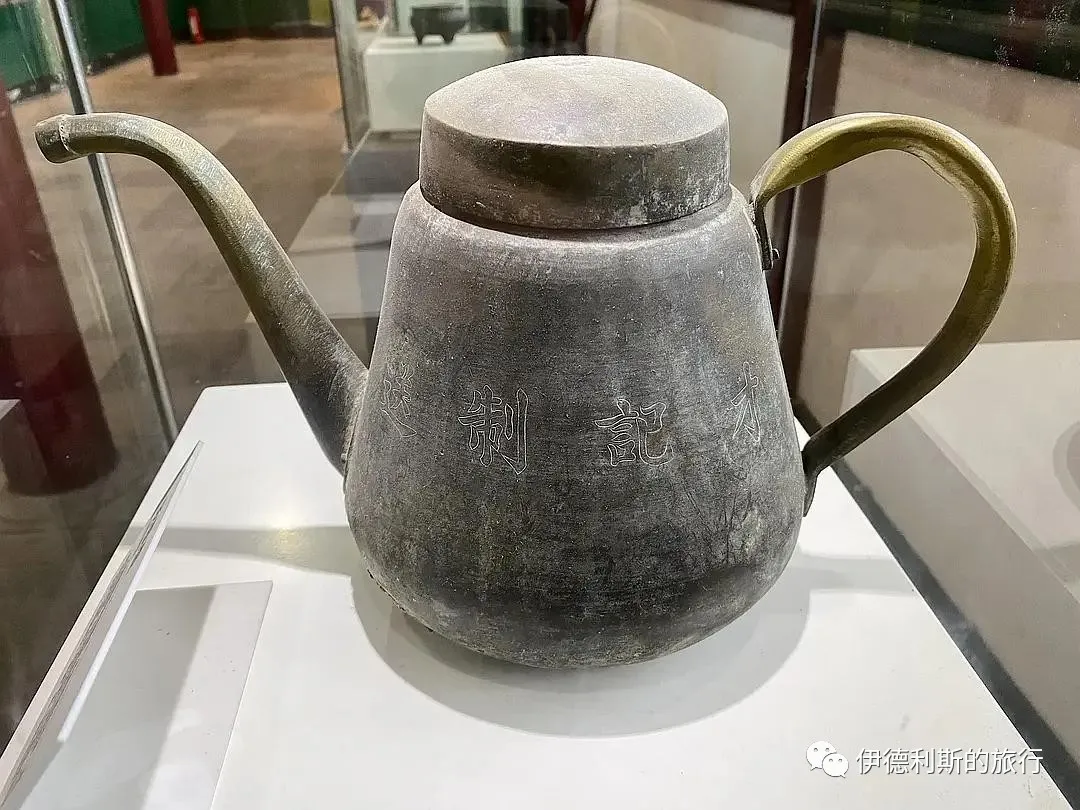
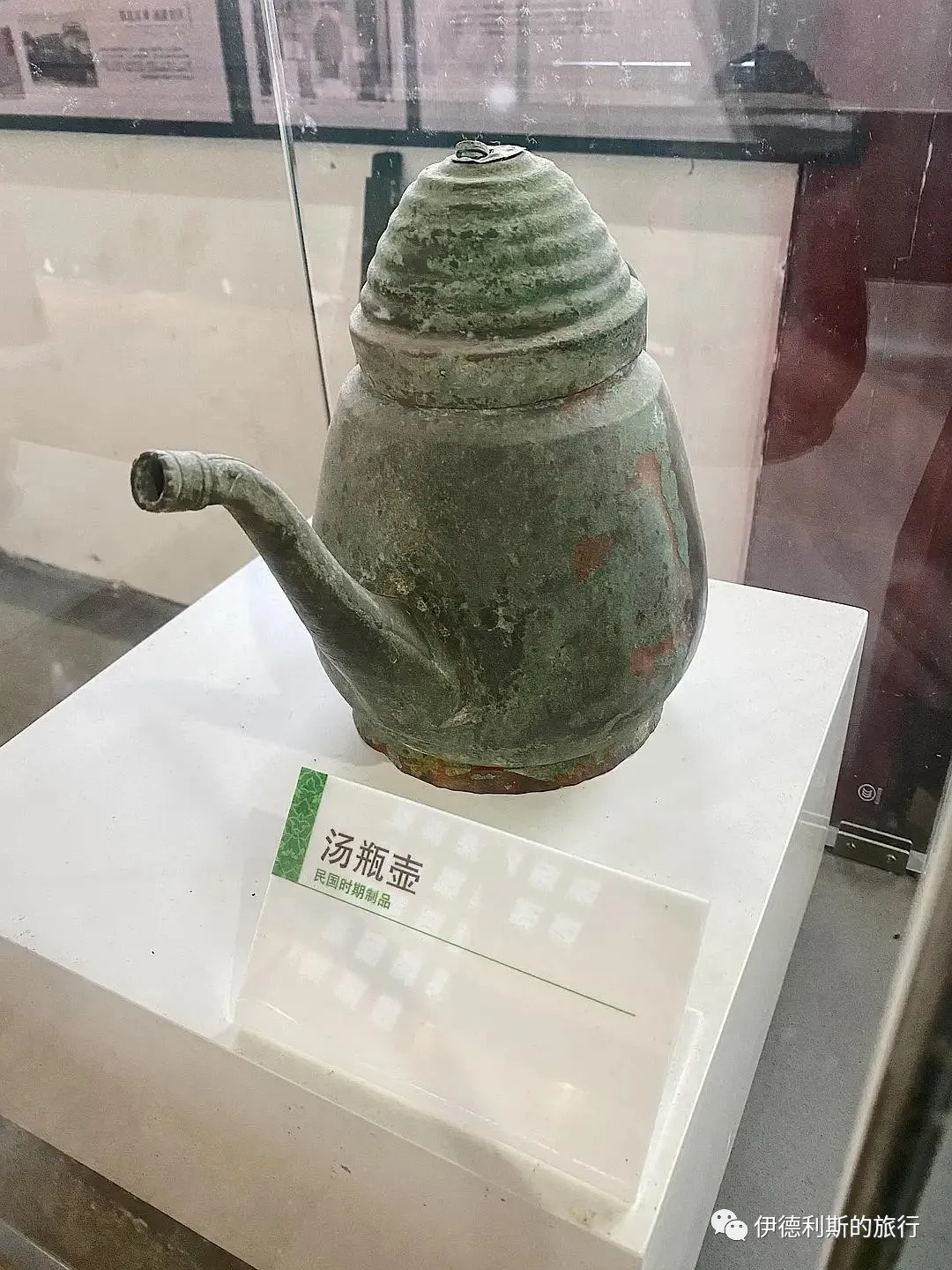
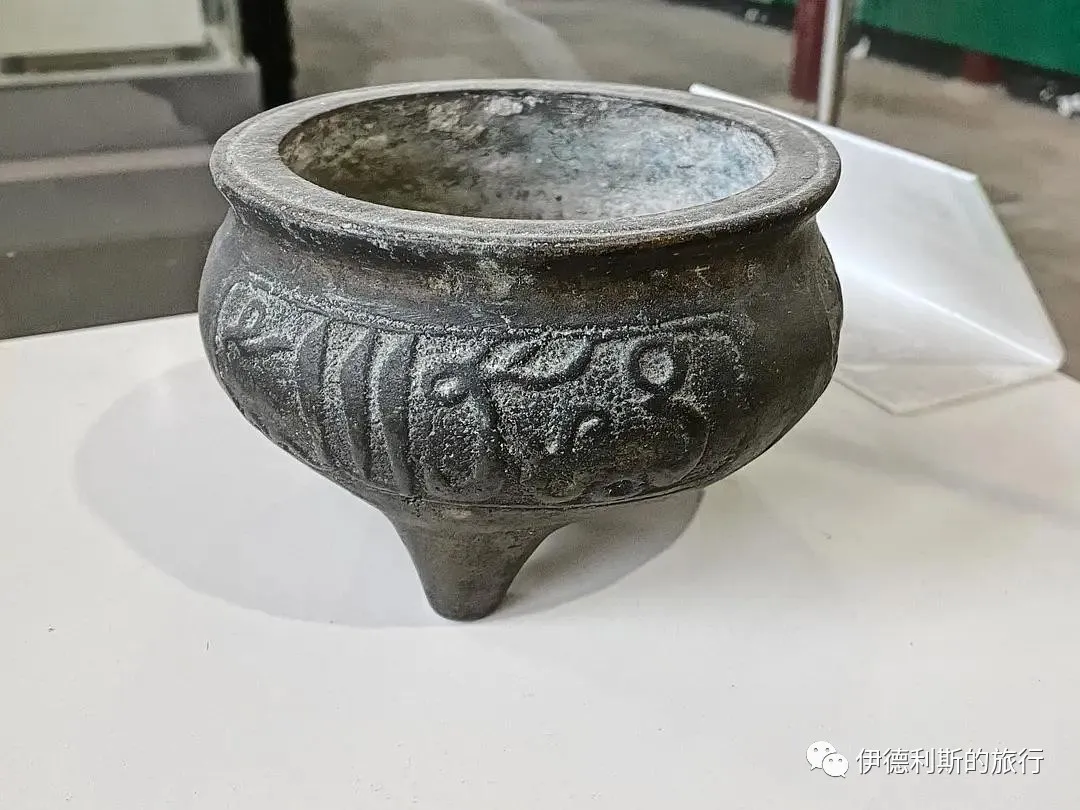
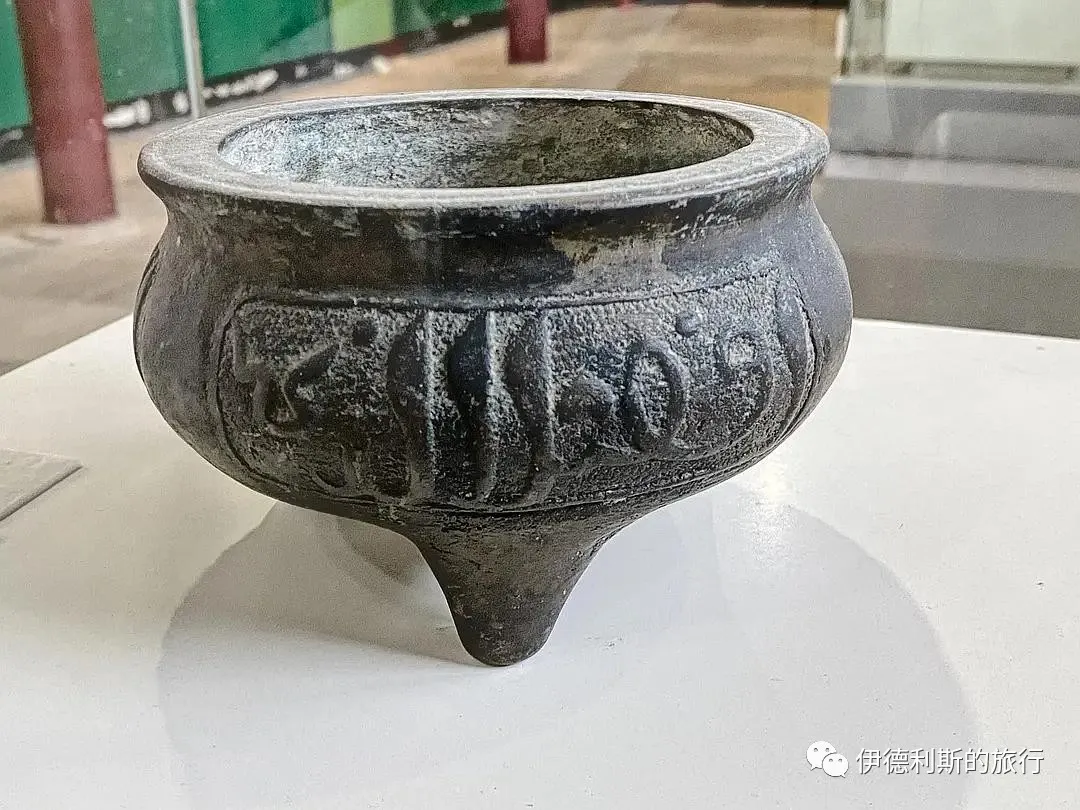
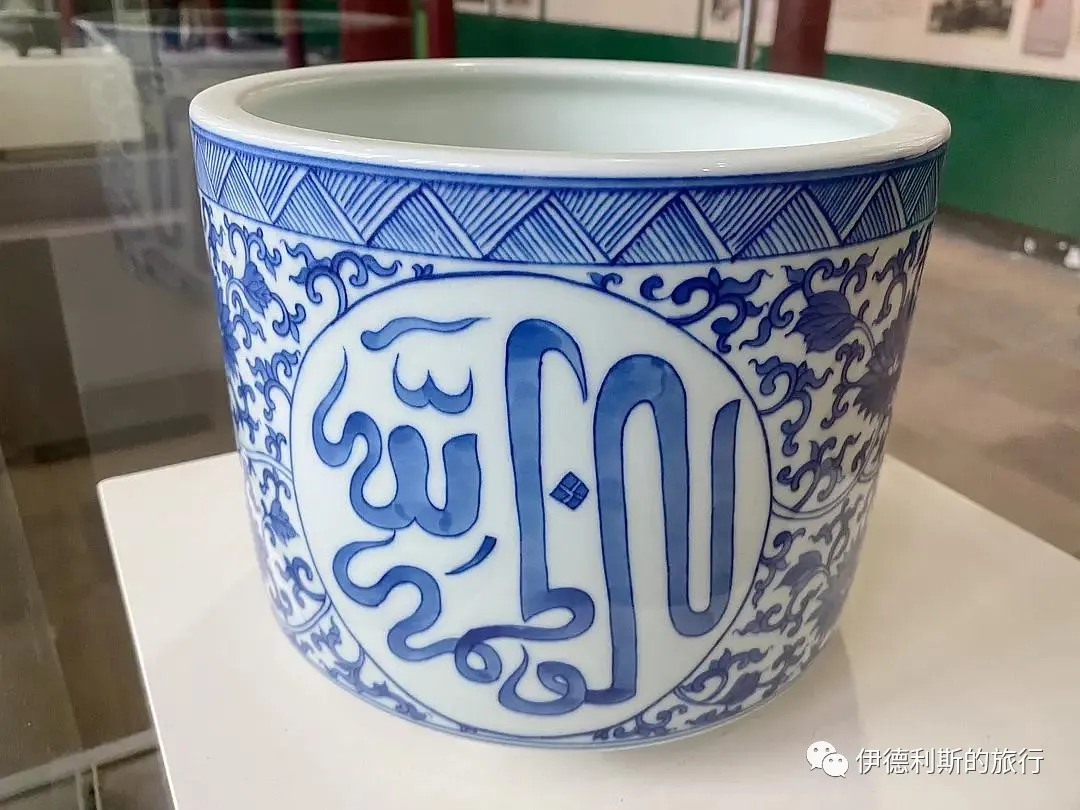
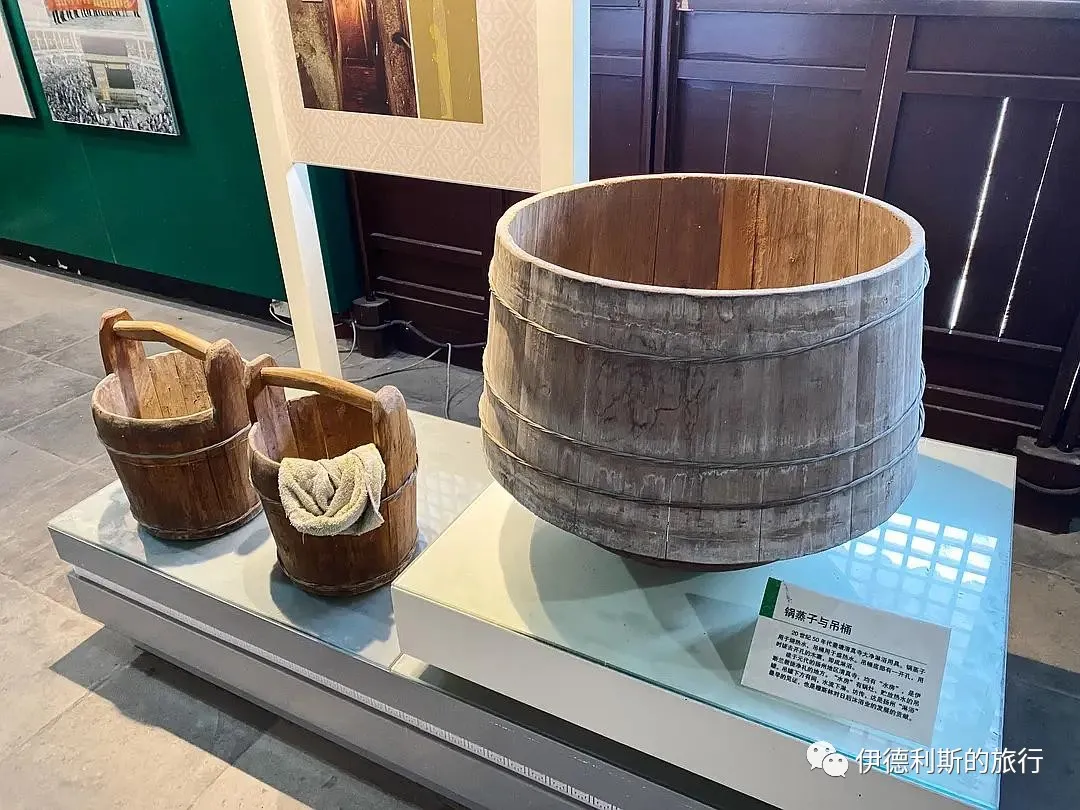
The mosque is also a heritage site for the Yangzhou intangible cultural heritage known as 'Lingtang Hui Muslim Customs.'
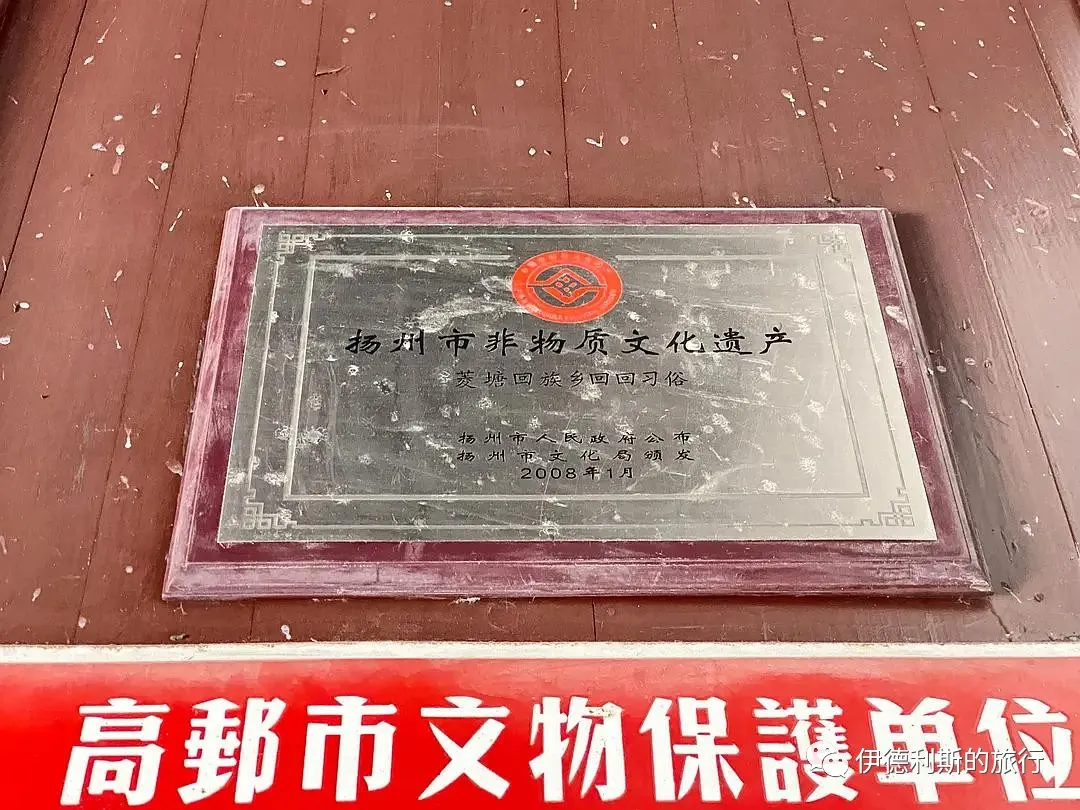
Shaobo Mosque
Traveling north from Yangzhou city along the Grand Canal, the first place you reach is the ancient town of Shaobo. Historically, Shaobo was a bustling canal trading port and a key route connecting Yangzhou and Gaoyou. The ancient town still preserves a three-mile-long stone path and over 20 ancient houses from the Ming and Qing dynasties.
Shaobo Mosque is said to have been built by Hui Muslims from Shandong during the Xianfeng reign. The gate and main hall still stand, and it is a protected cultural site in the Jiangdu District of Yangzhou. The mosque was once used as a residence and is currently abandoned.
The gate still has its original plaque and drum-shaped stone bases. The main hall is a hard-gable style building with blue bricks and dark tiles, typical of Jianghuai architecture.
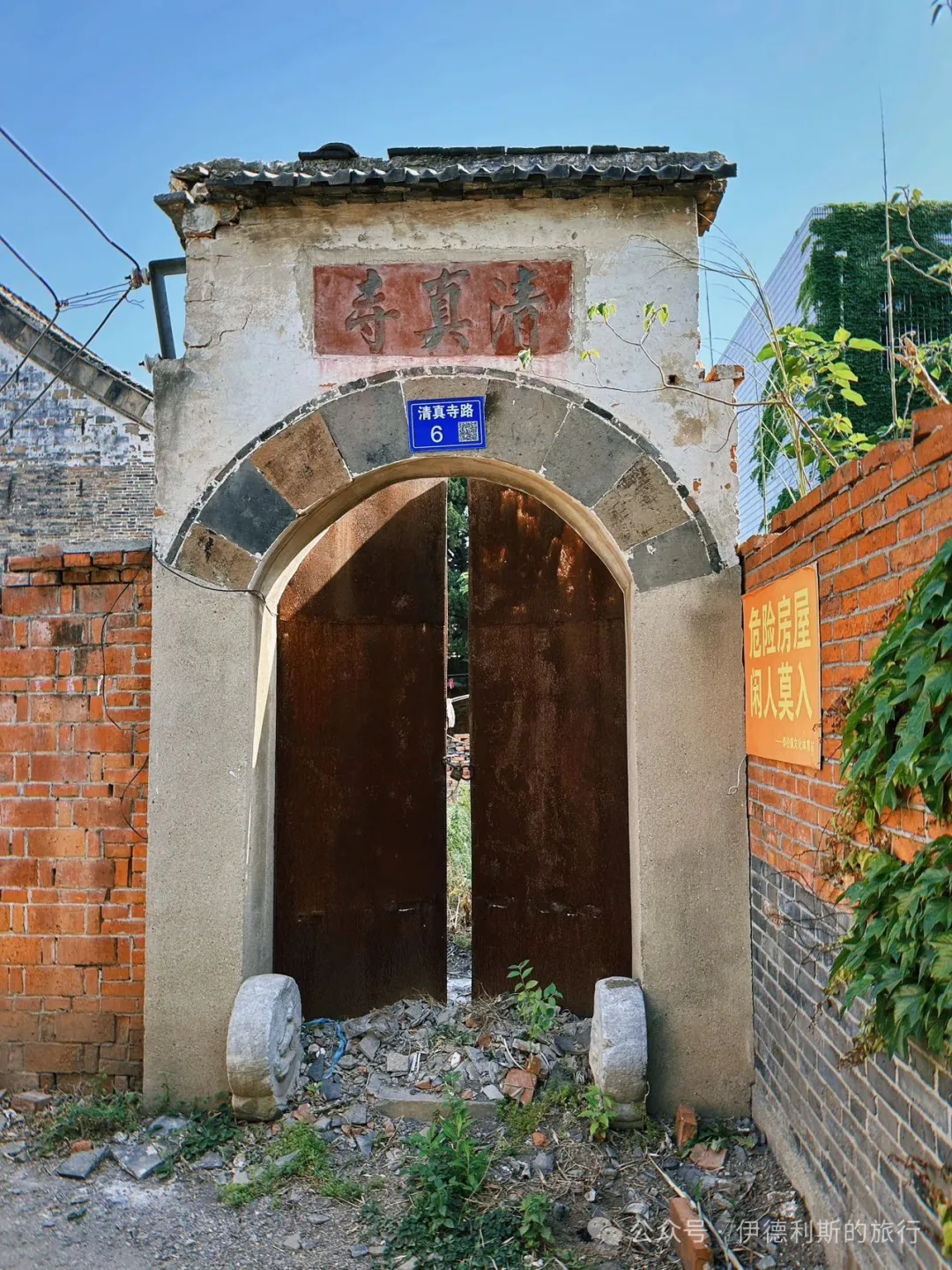
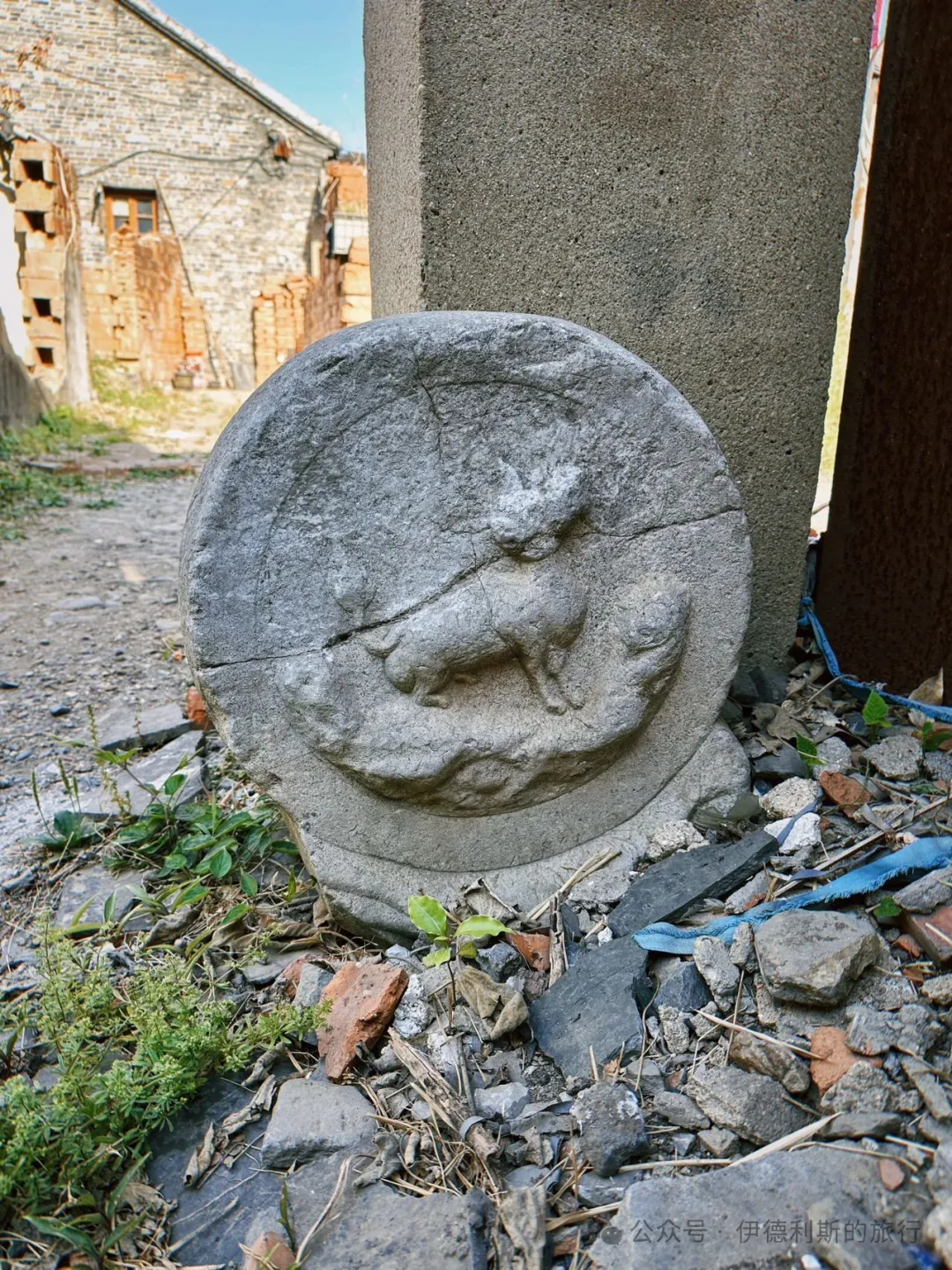
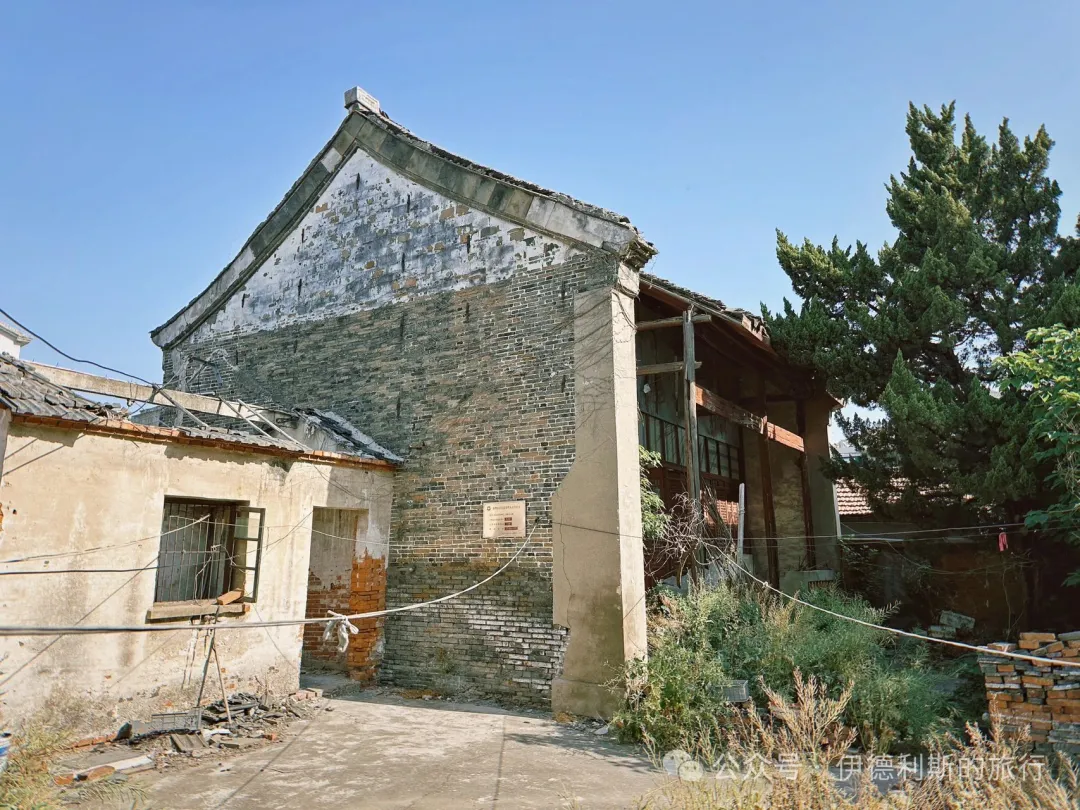
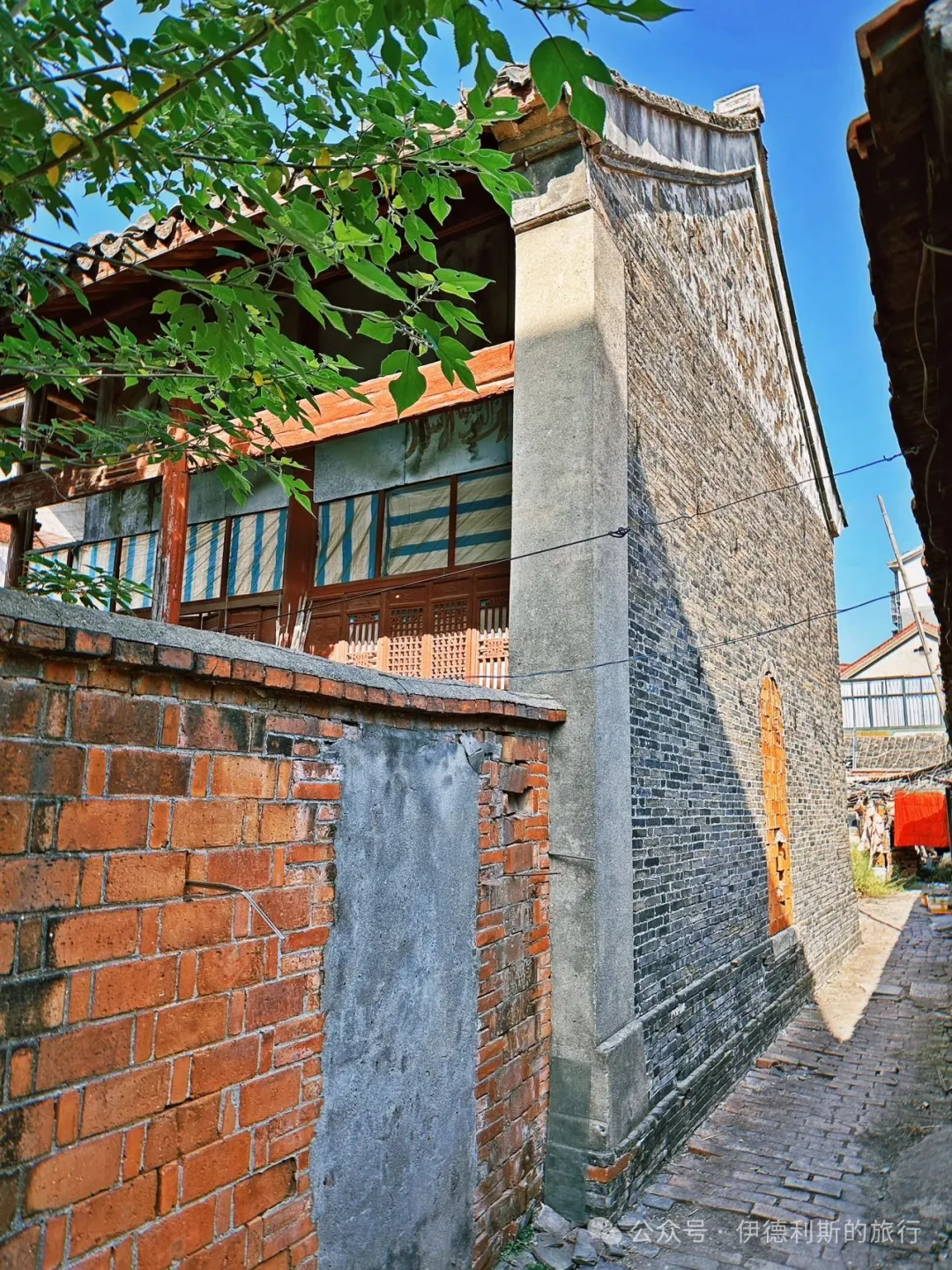
Yangzhou Shaobo Mosque is three bays wide and seven purlins deep. The gable walls feature brick wind-bracing, the ridge purlin is supported by a dougong bracket system, and the columns rest on ancient mirror-style bases with carved patterns. Besides the main hall, Shaobo Mosque once had other buildings, but now only stone remains like column bases are left.
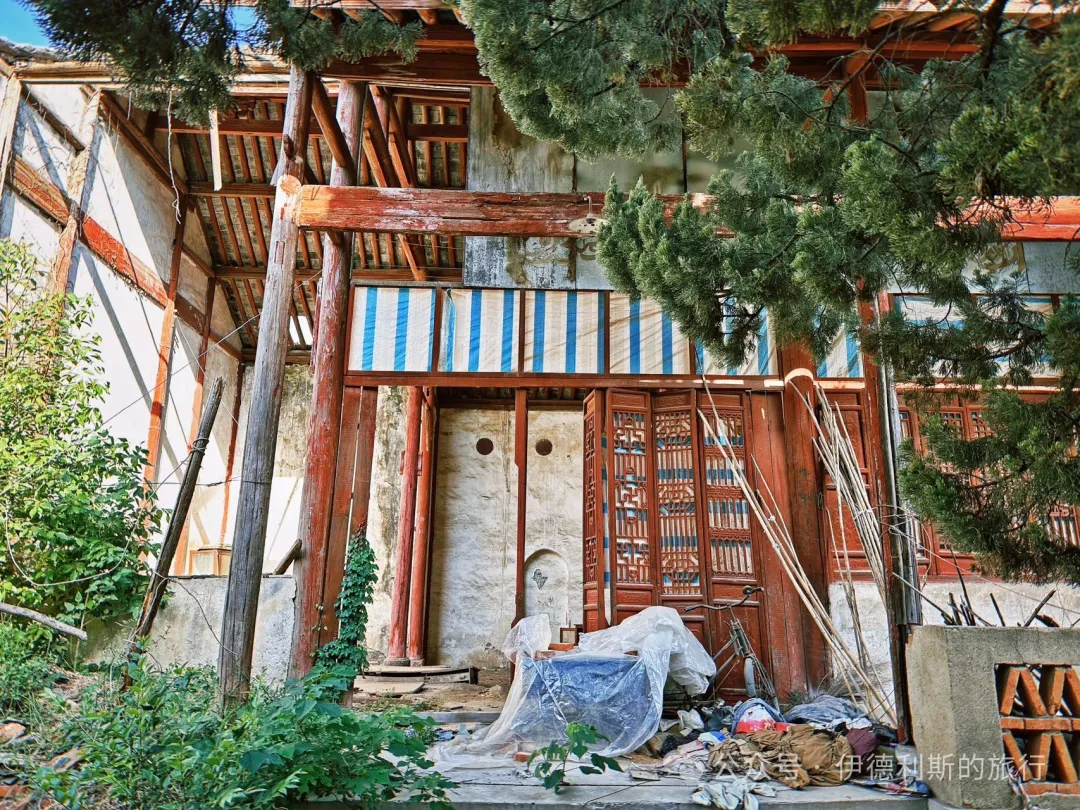
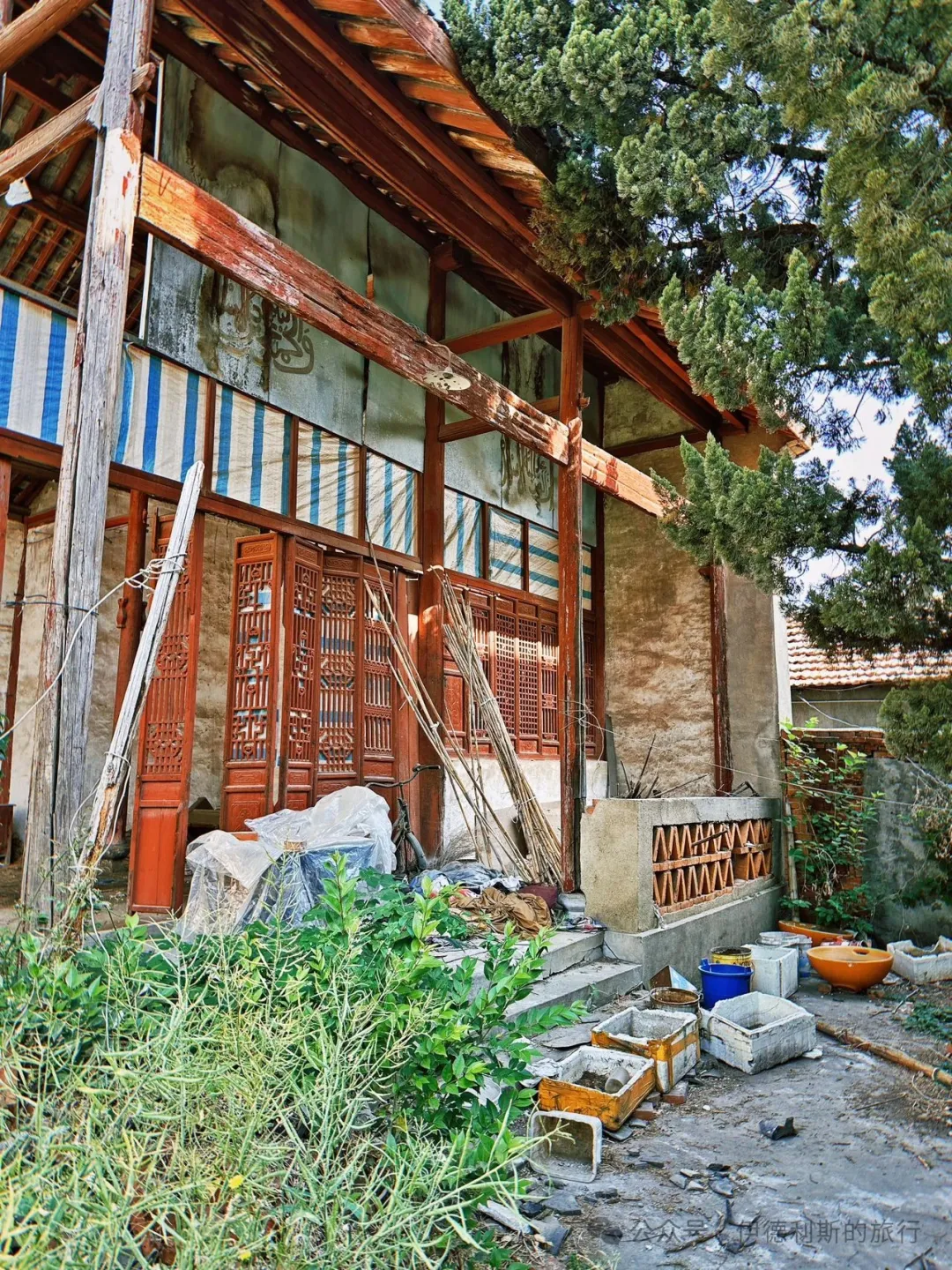
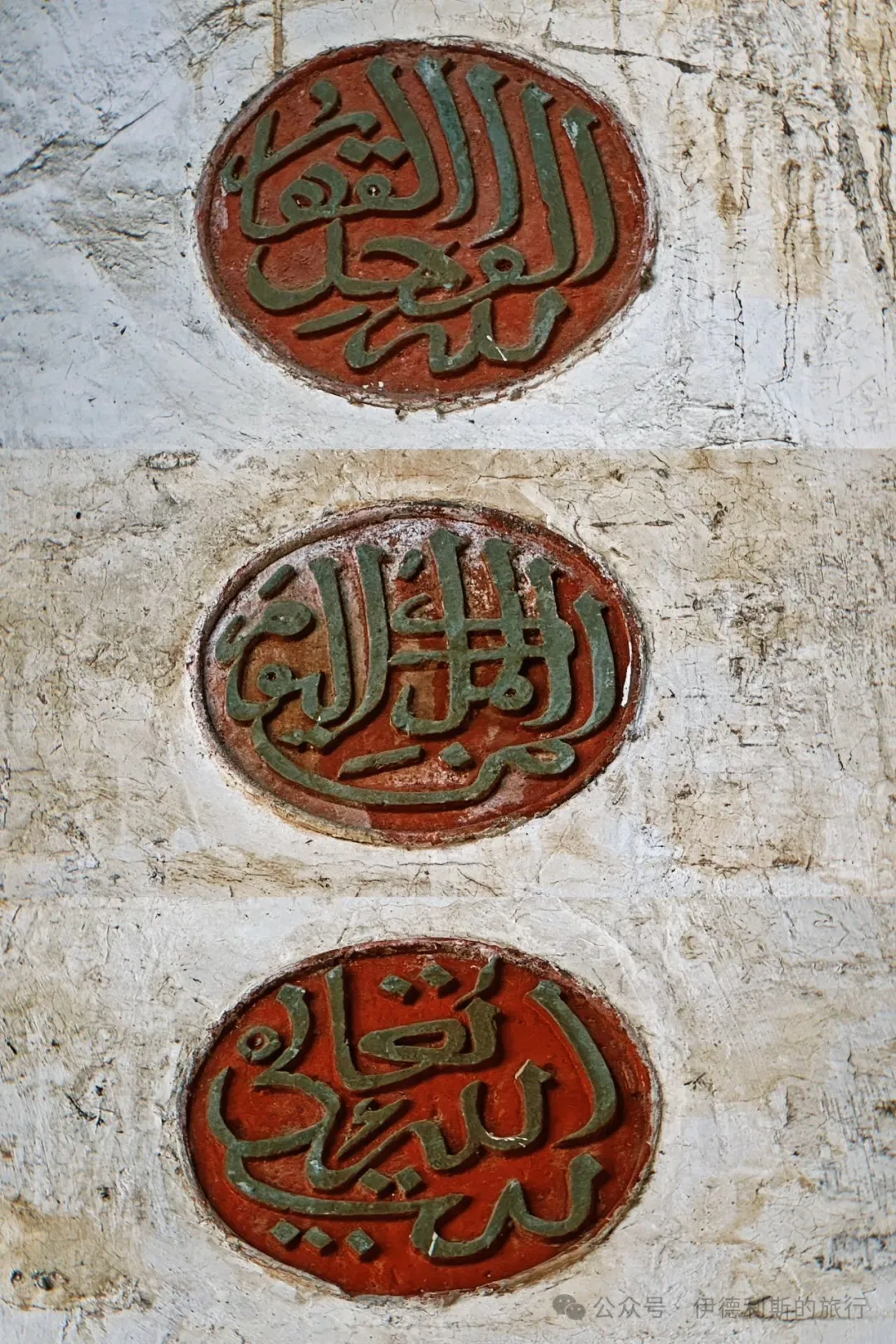
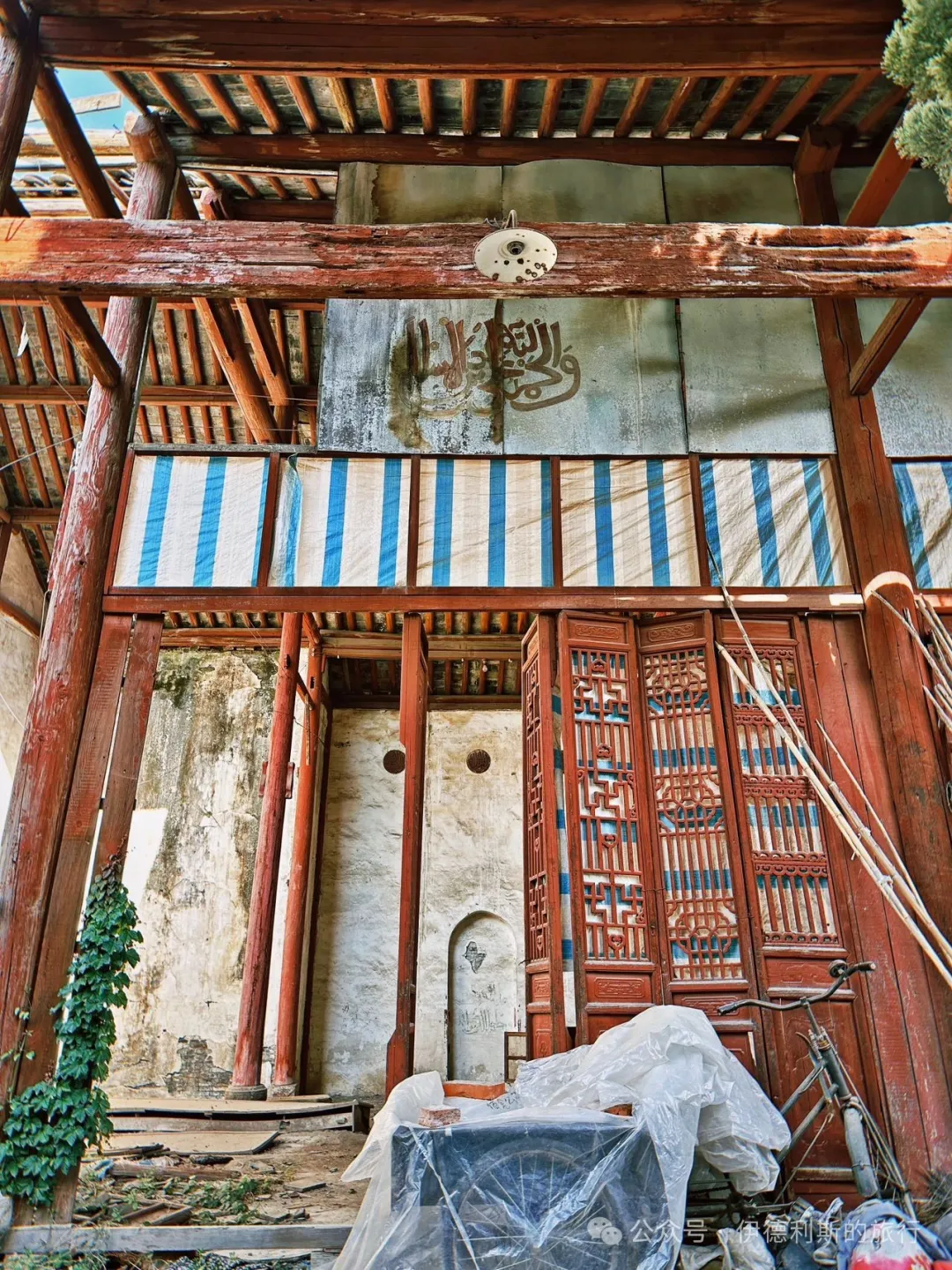
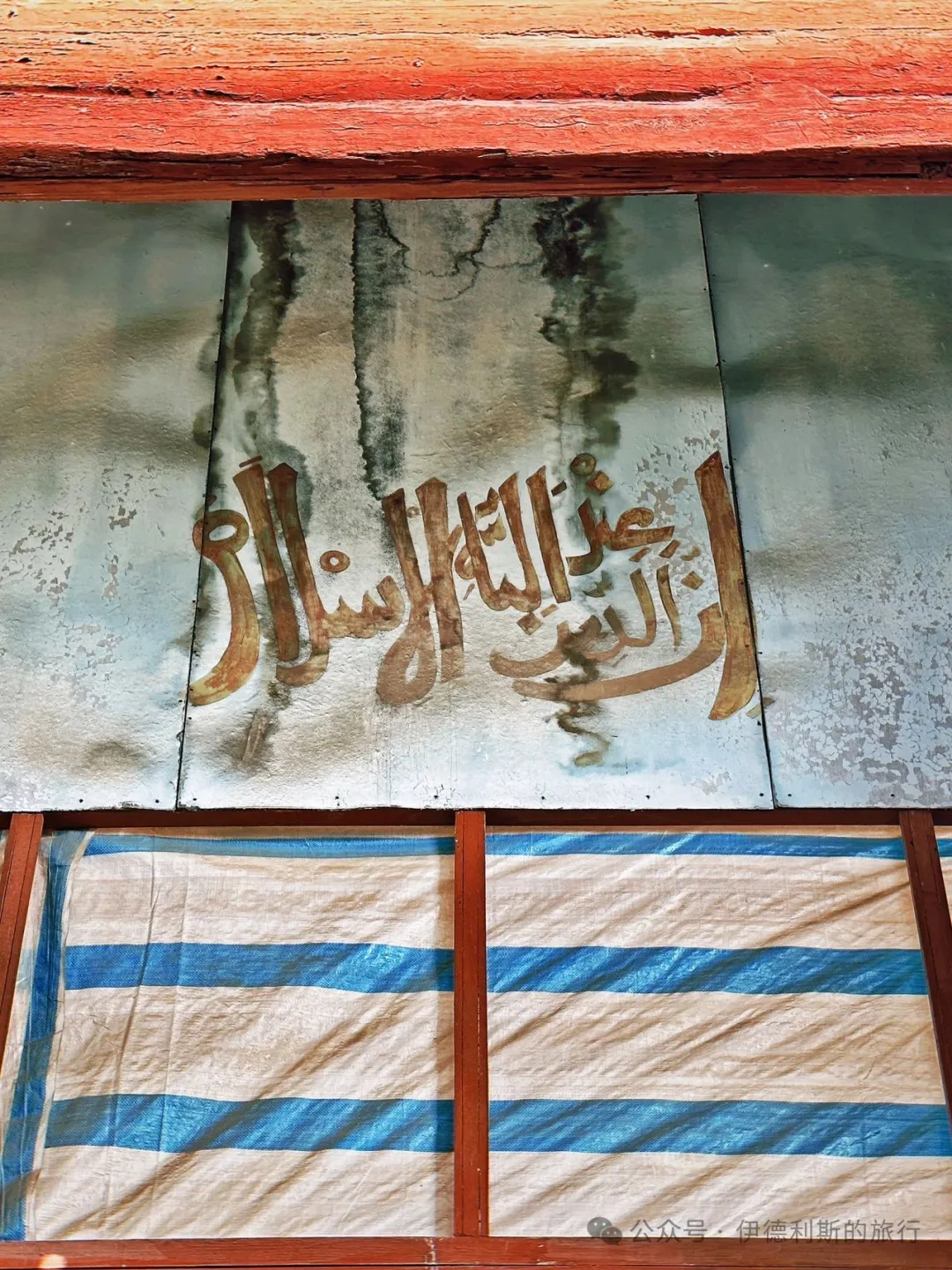
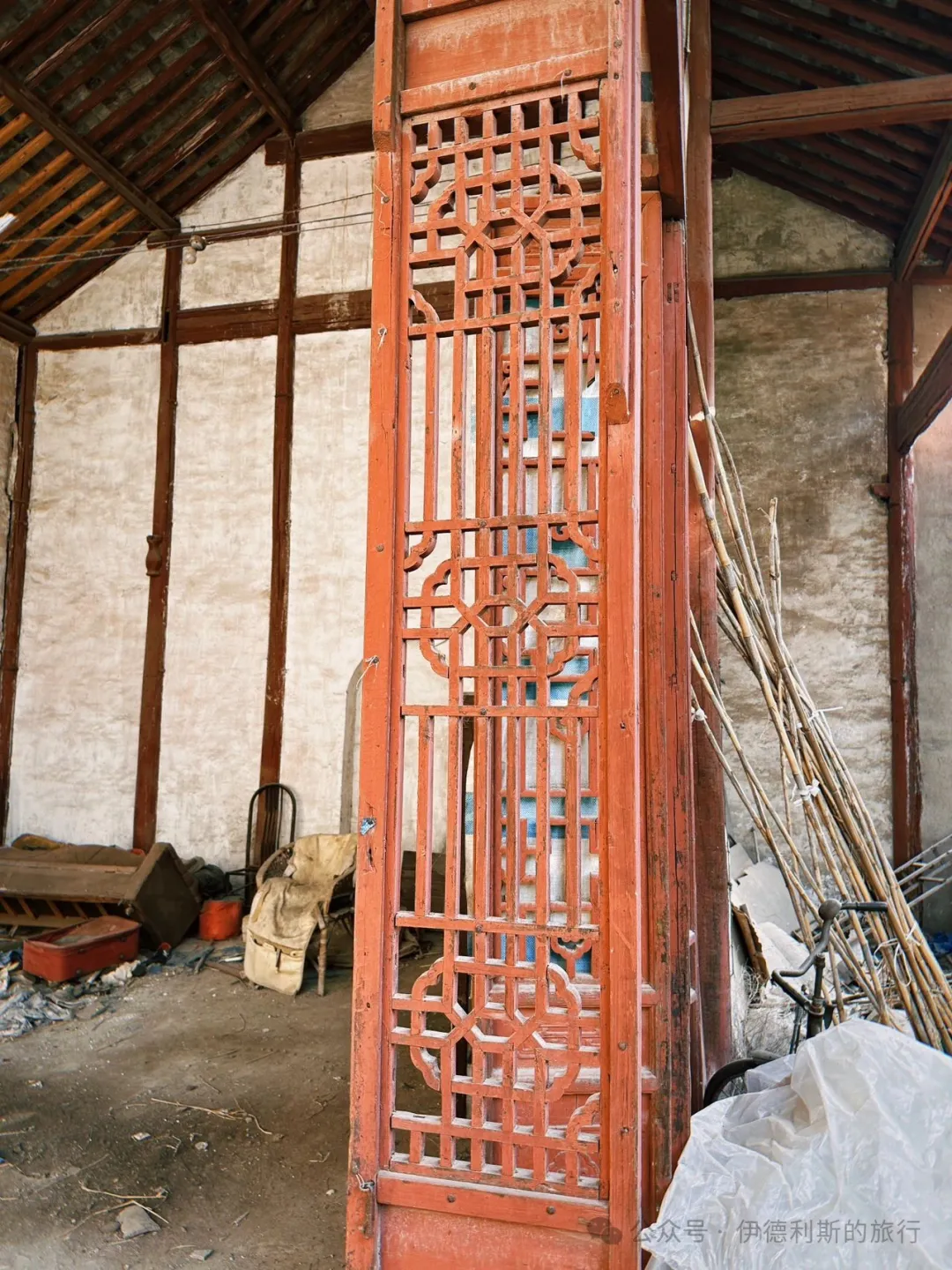
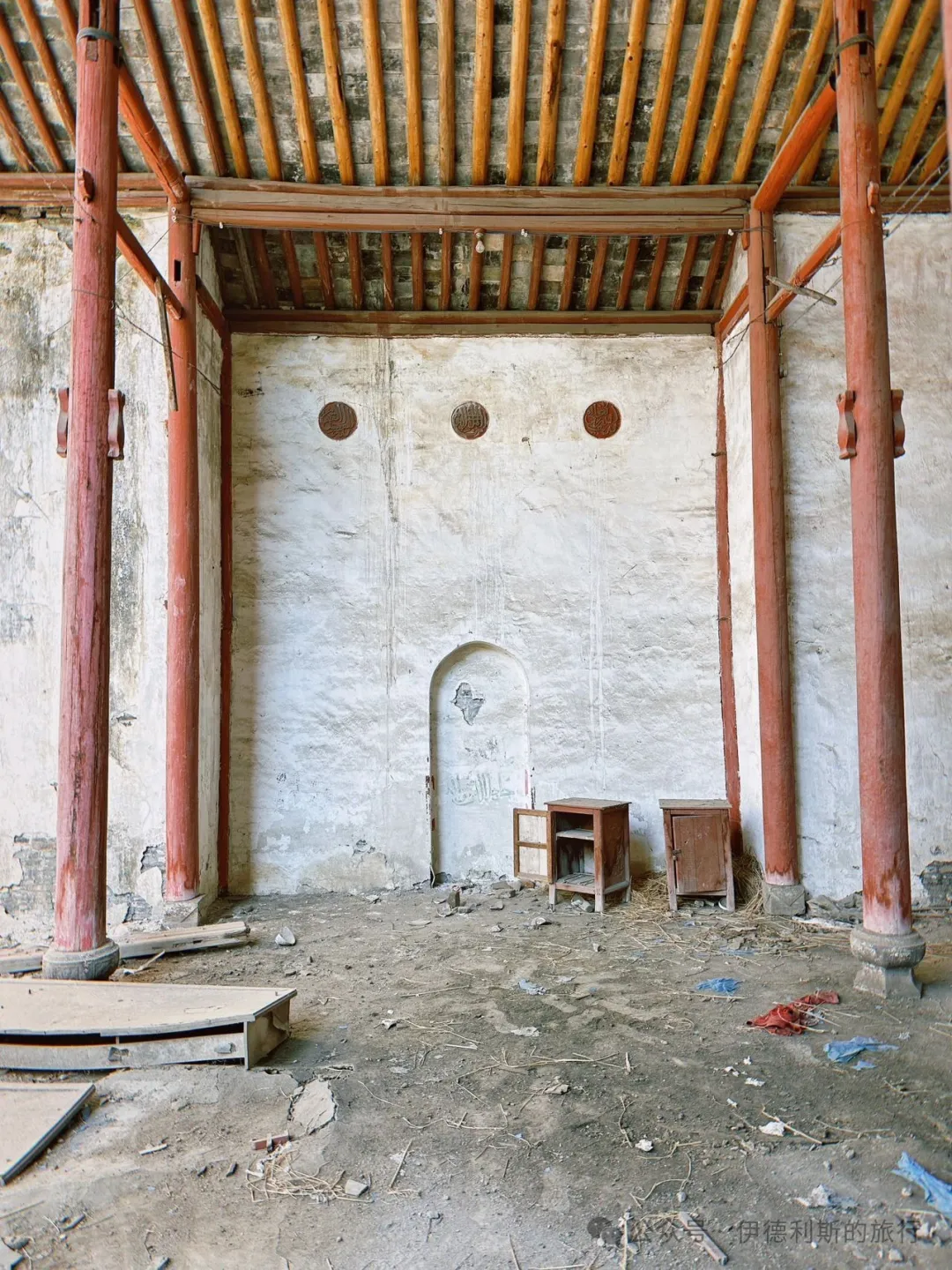
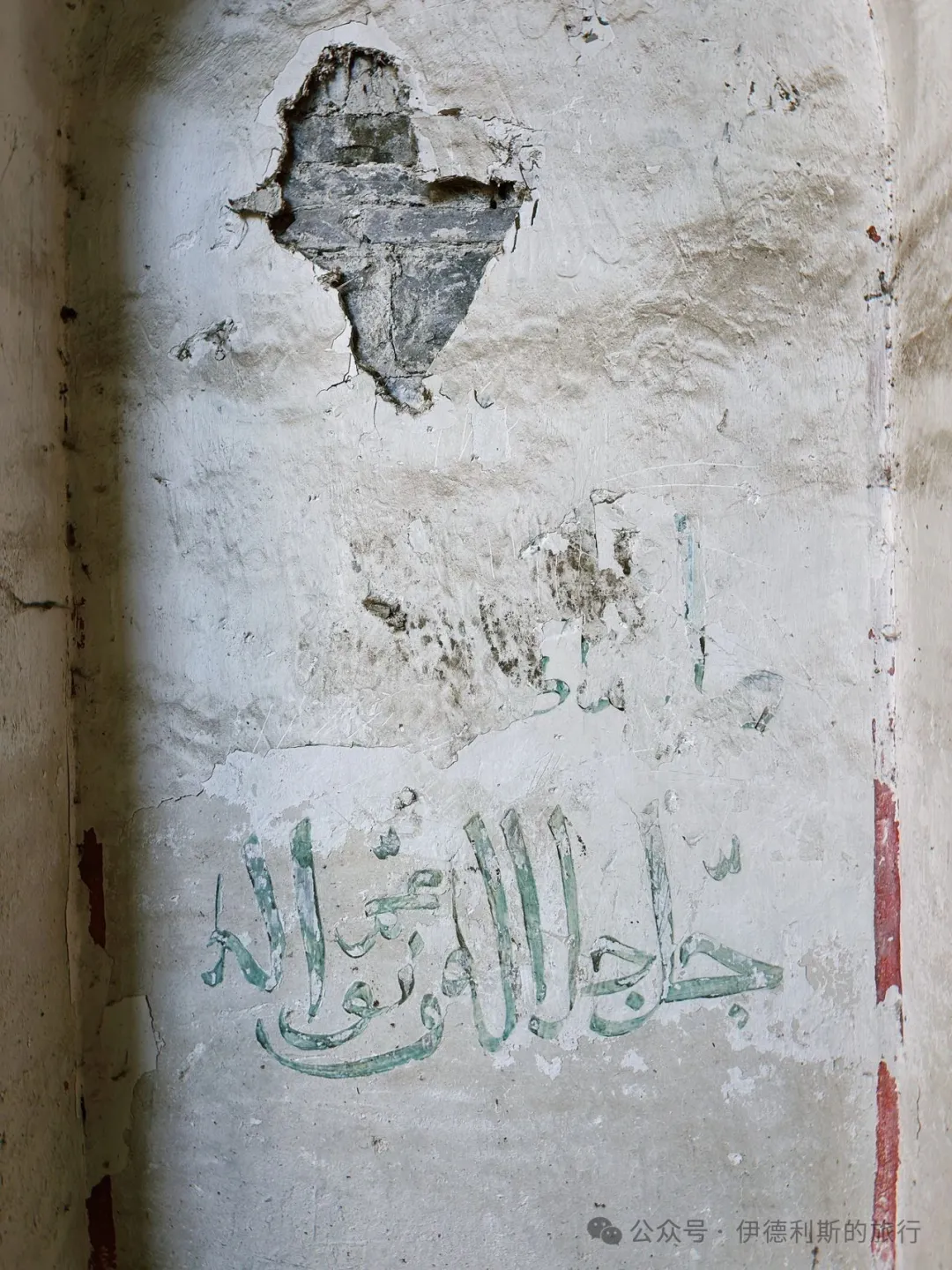
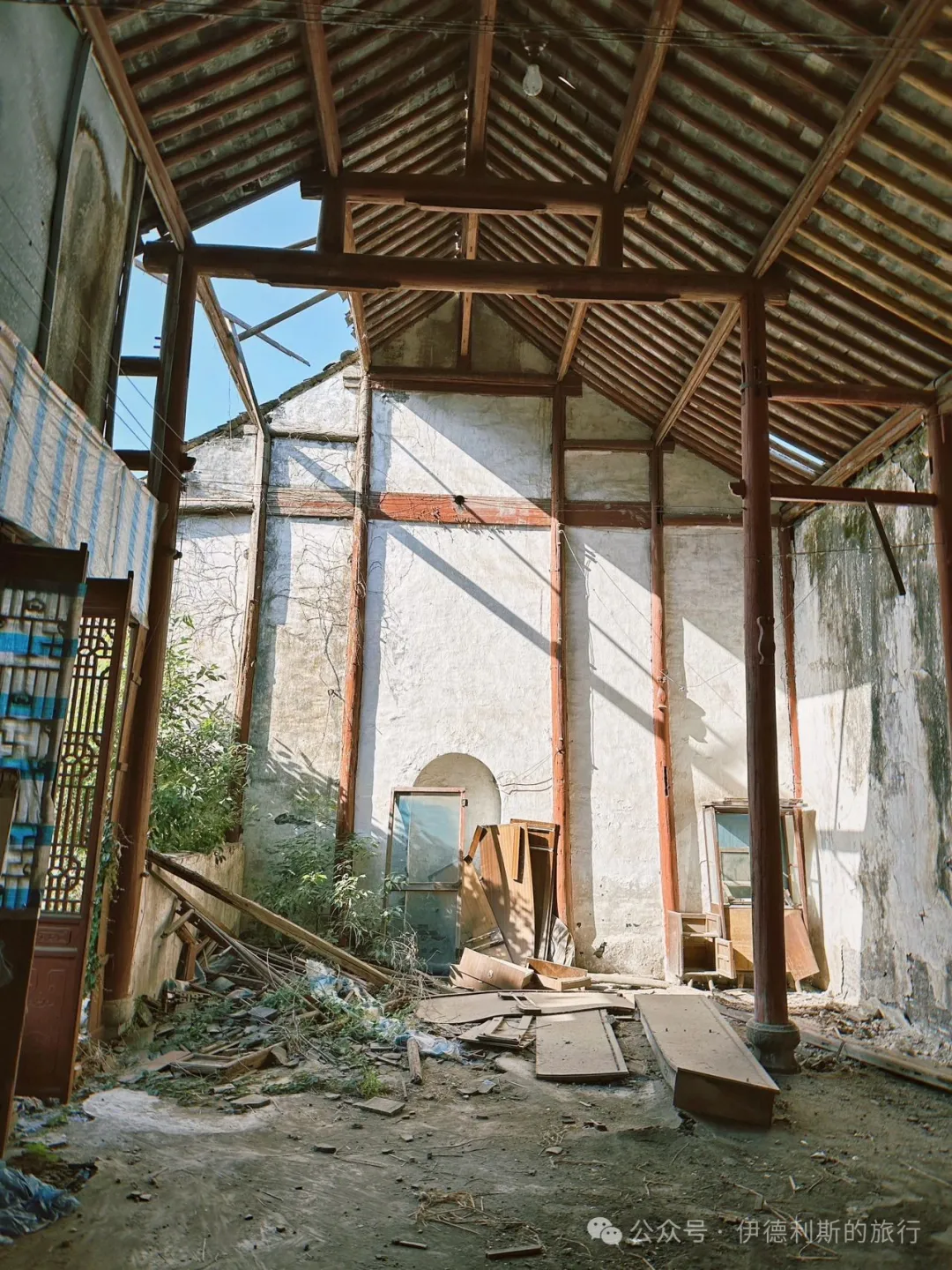
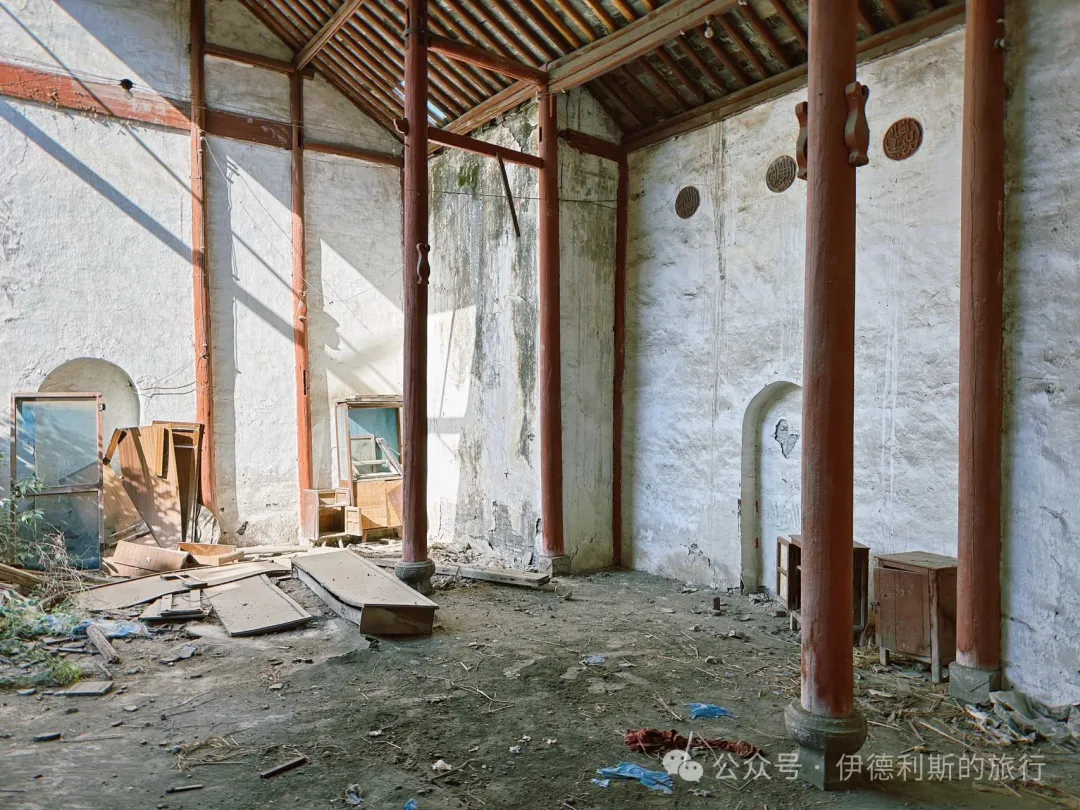
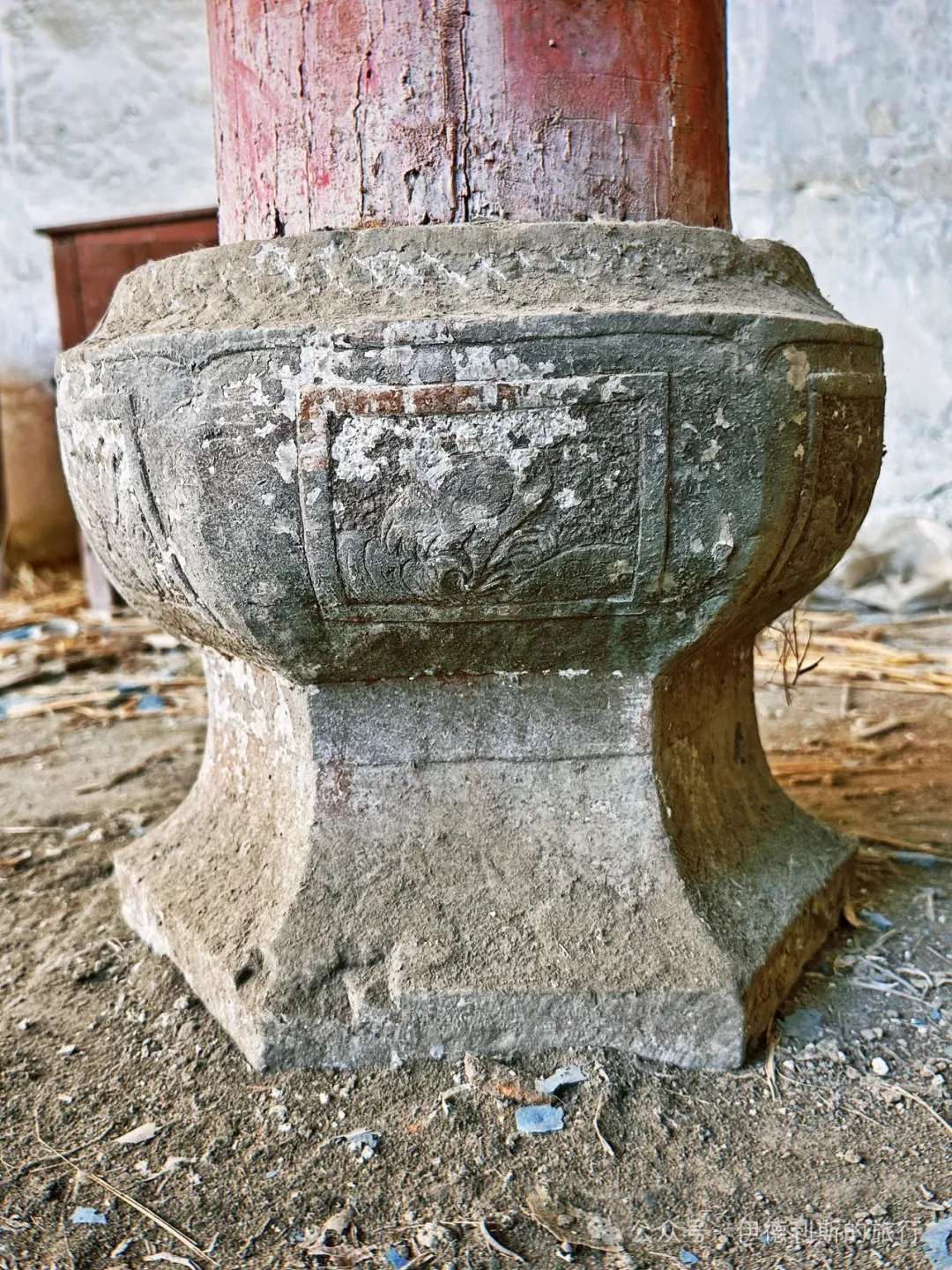
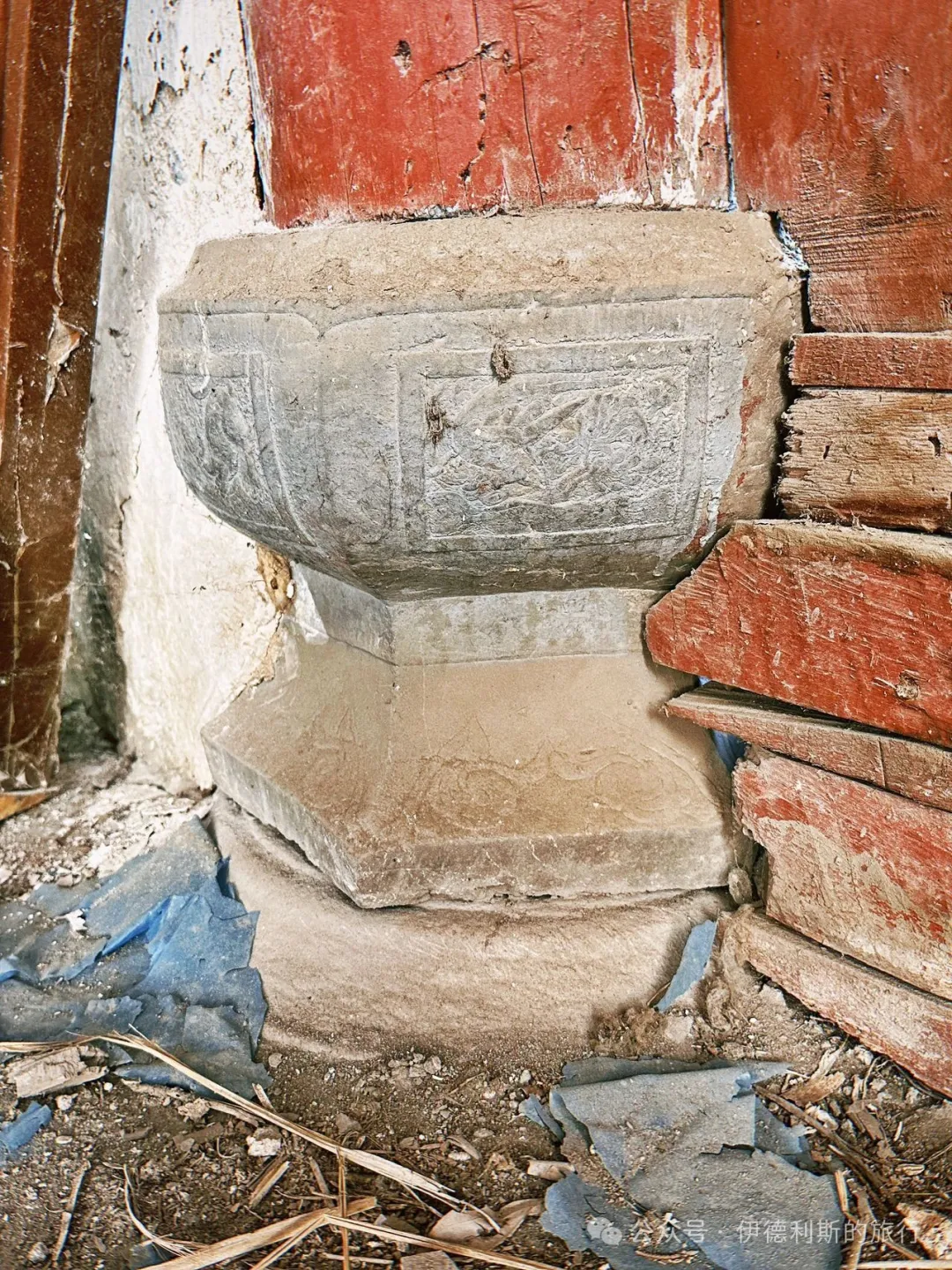
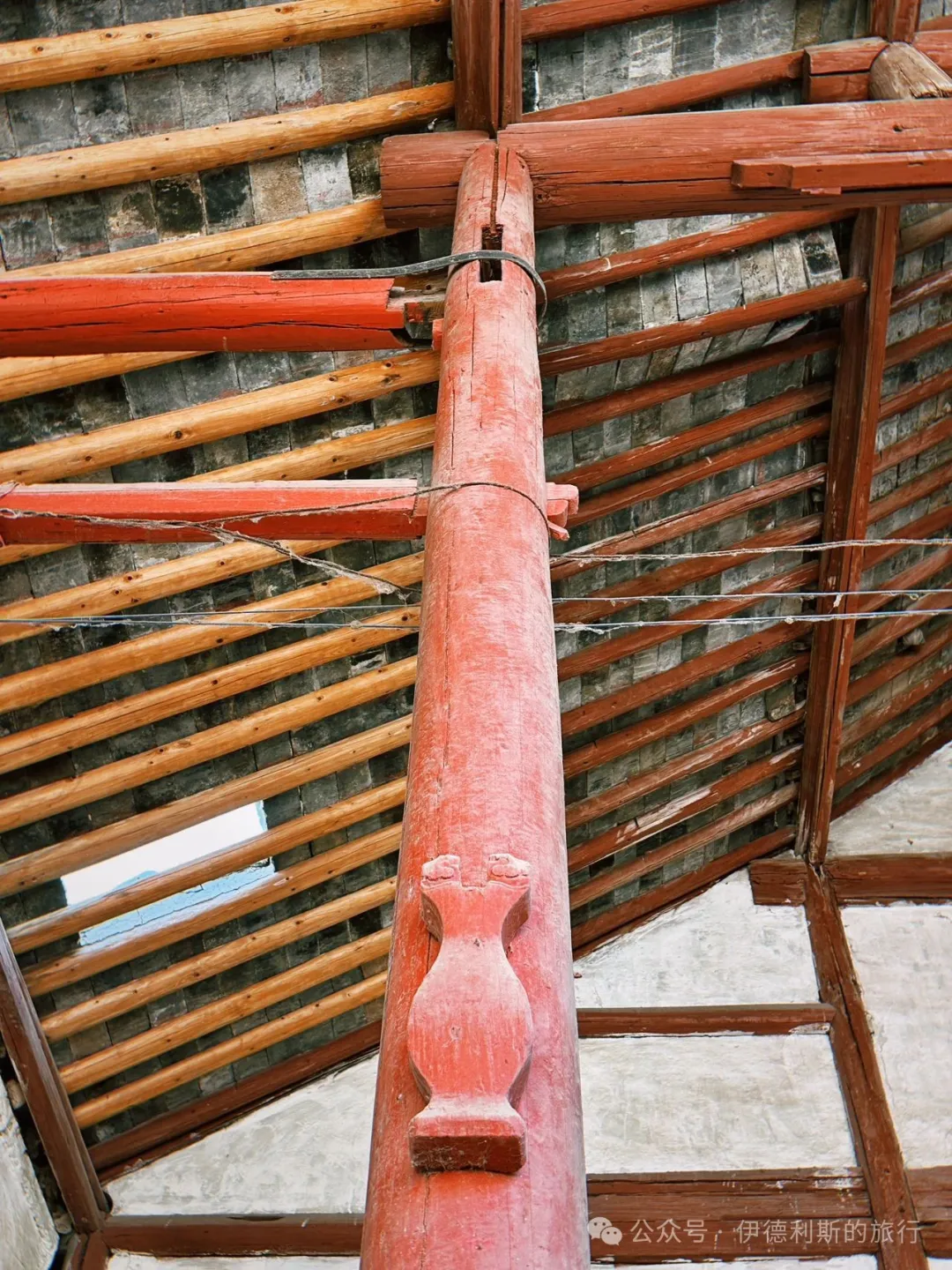
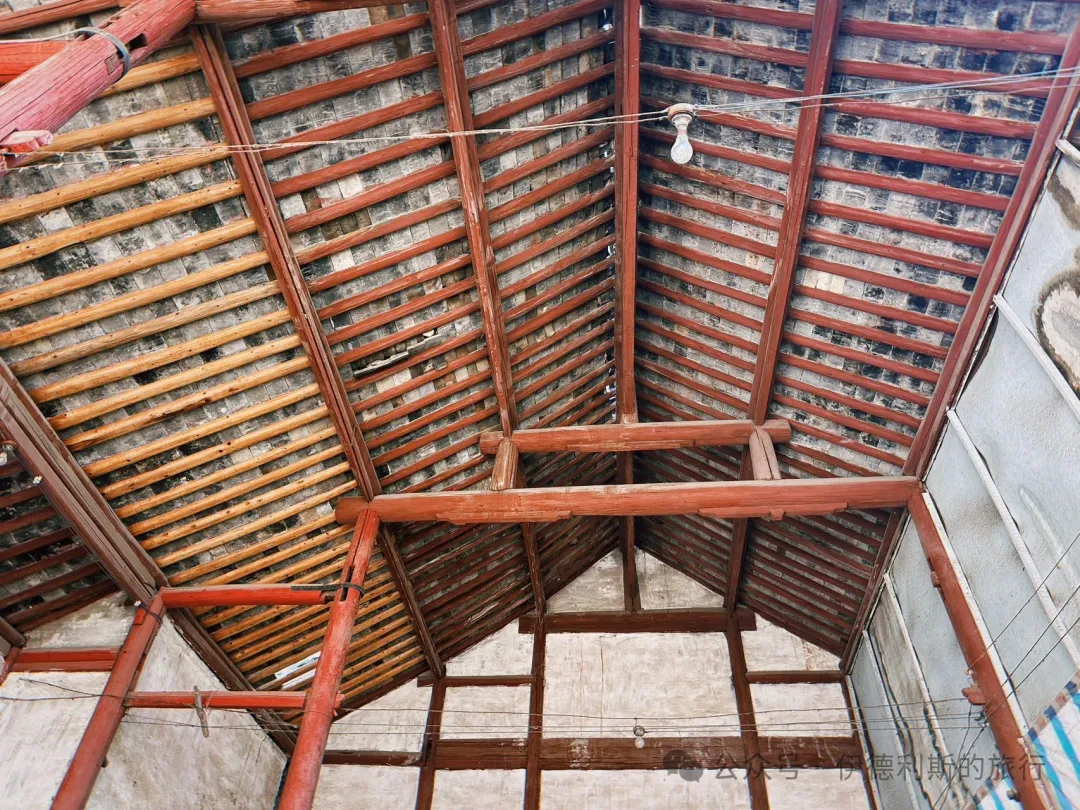
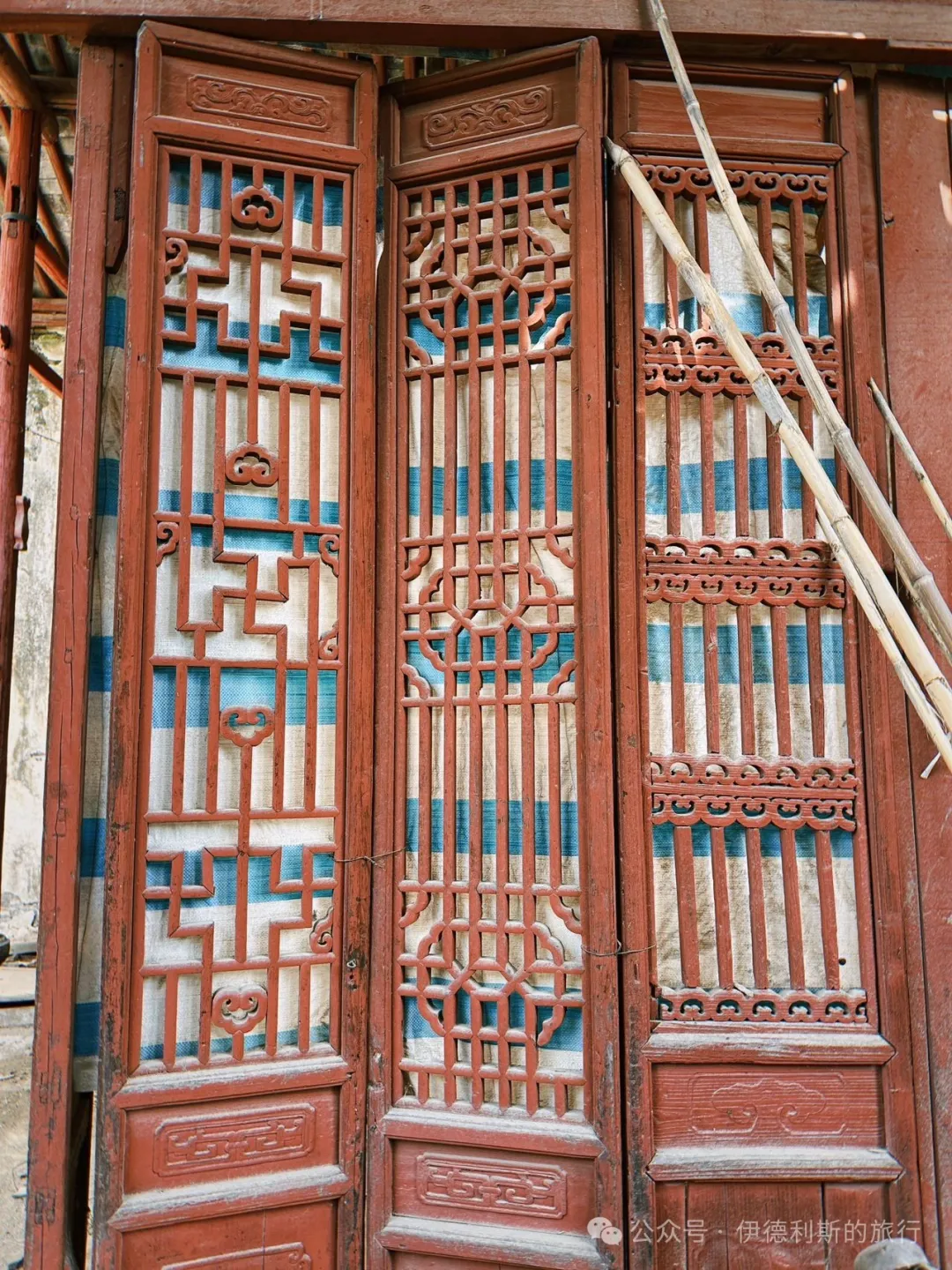
Xianhe Mosque
Xianhe Mosque is located on Nanmen Street in Yangzhou. It was founded in 1275 (the 12th year of the Yuan Zhiyuan reign) by the Western Region sage Puhading before he passed away. It was rebuilt in 1390 (the 23rd year of the Ming Hongwu reign) by Ha San, renovated in 1523 (the third year of the Jiajing reign) by merchant Ma Zongdao and the imam Ha Ming, and repaired again in 1791 (the 56th year of the Qianlong reign).
The gatehouse has a single-eave, ridge-roofed, hard-mountain style roof, with some wooden parts dating back to the Ming Dynasty. The Ming Dynasty drum-shaped stone bases in front of the gate are very exquisite and rare among mosques in China.
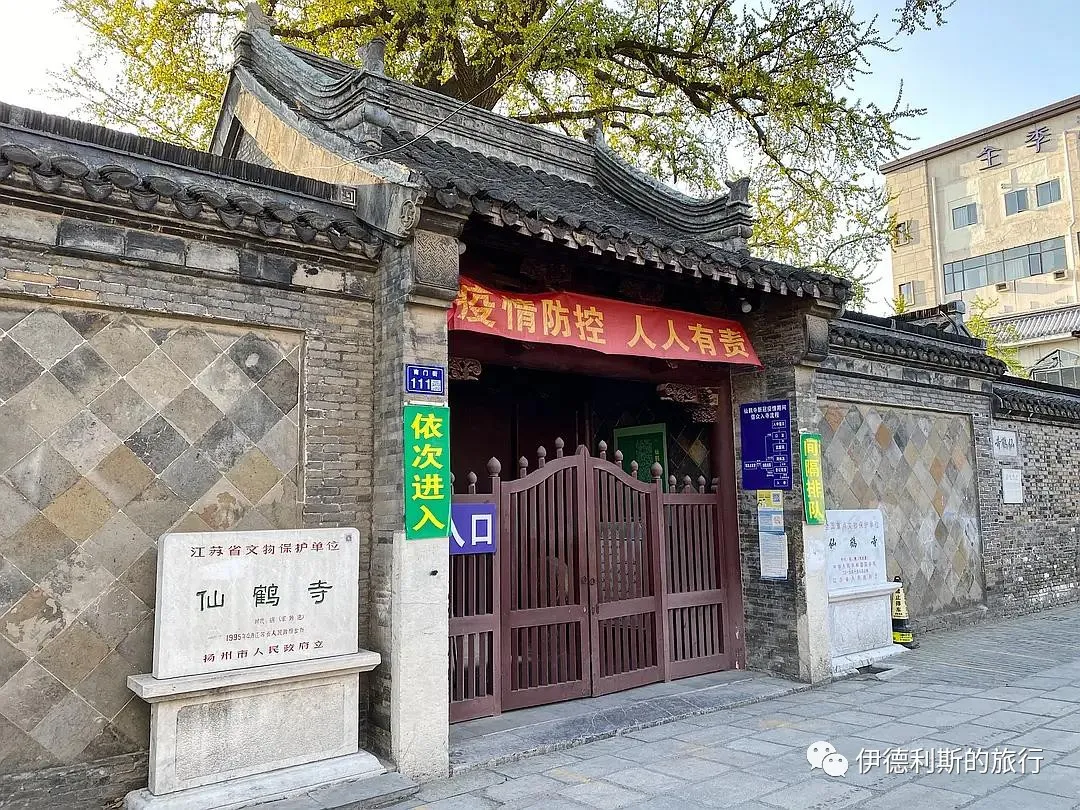
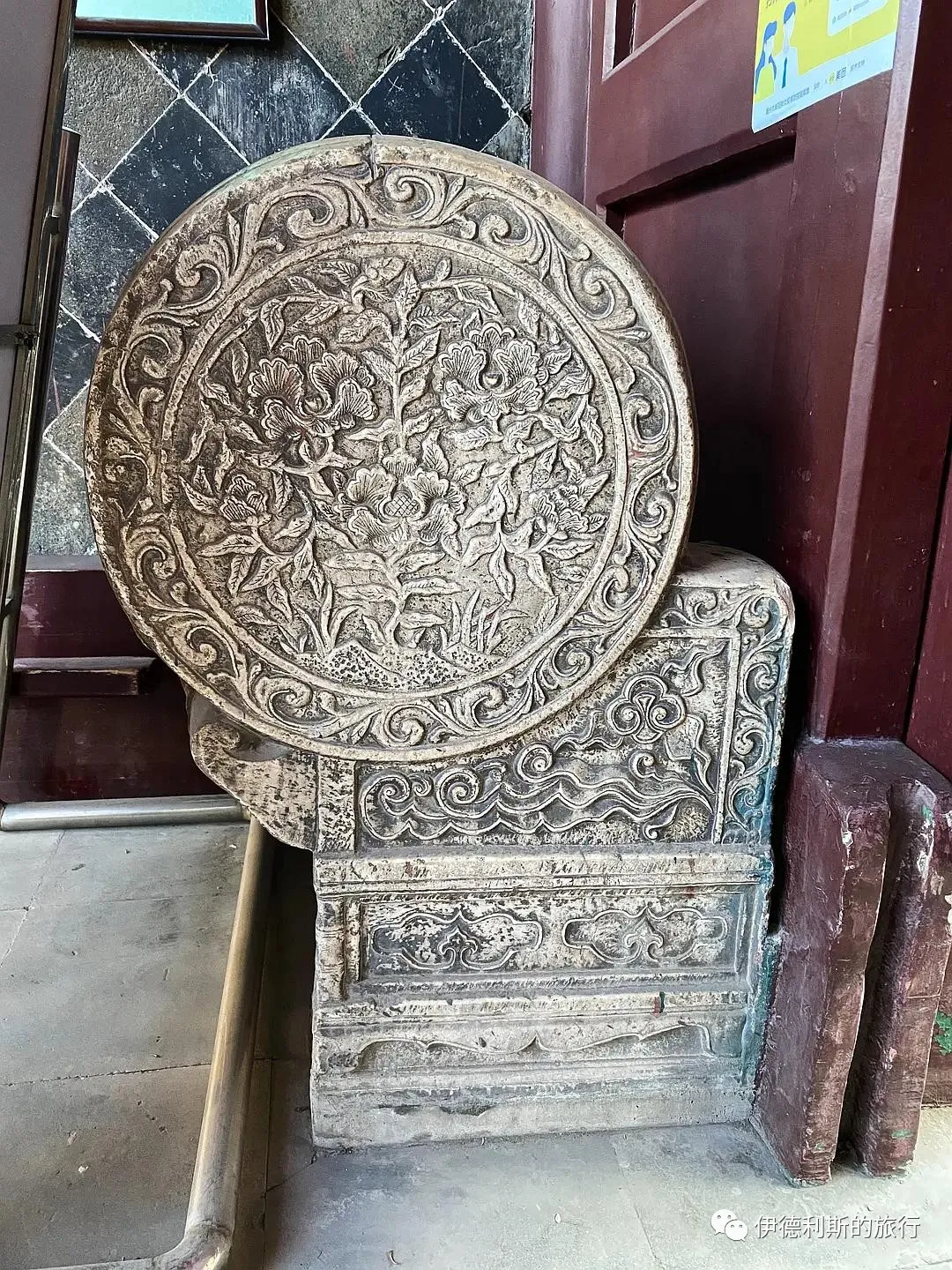
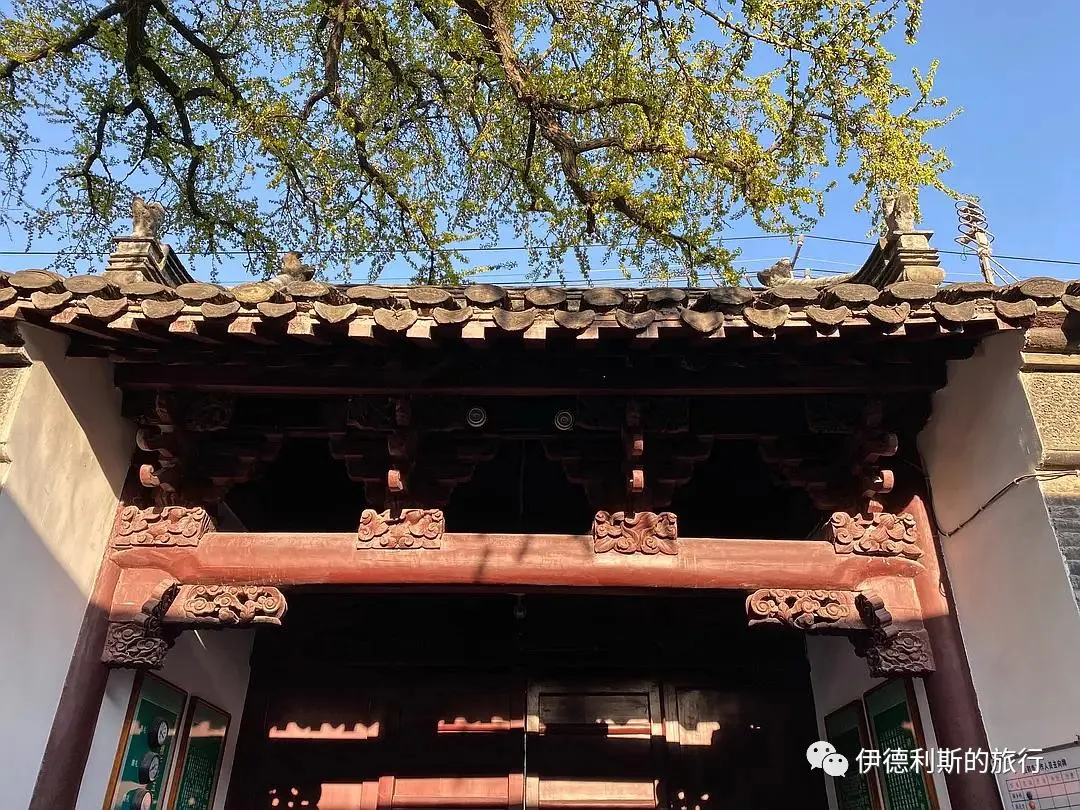
The Xianhe Mosque layout uses small courtyards instead of the traditional four-sided courtyard style common in northern mosques. Xianhe Mosque divides the lecture hall, main prayer hall, and gate into three separate small courtyards, and the addition of a moon-viewing pavilion (wangyue ting) and covered walkways outside the south wall of the main hall gives the mosque a garden-like atmosphere.
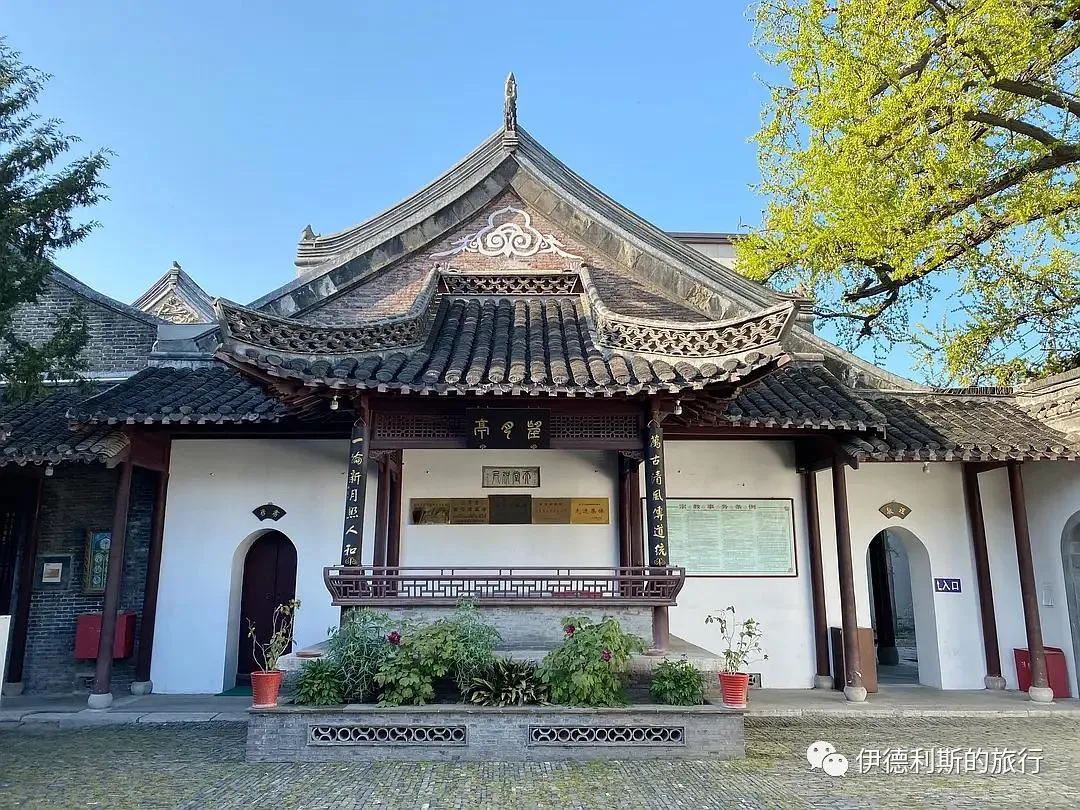
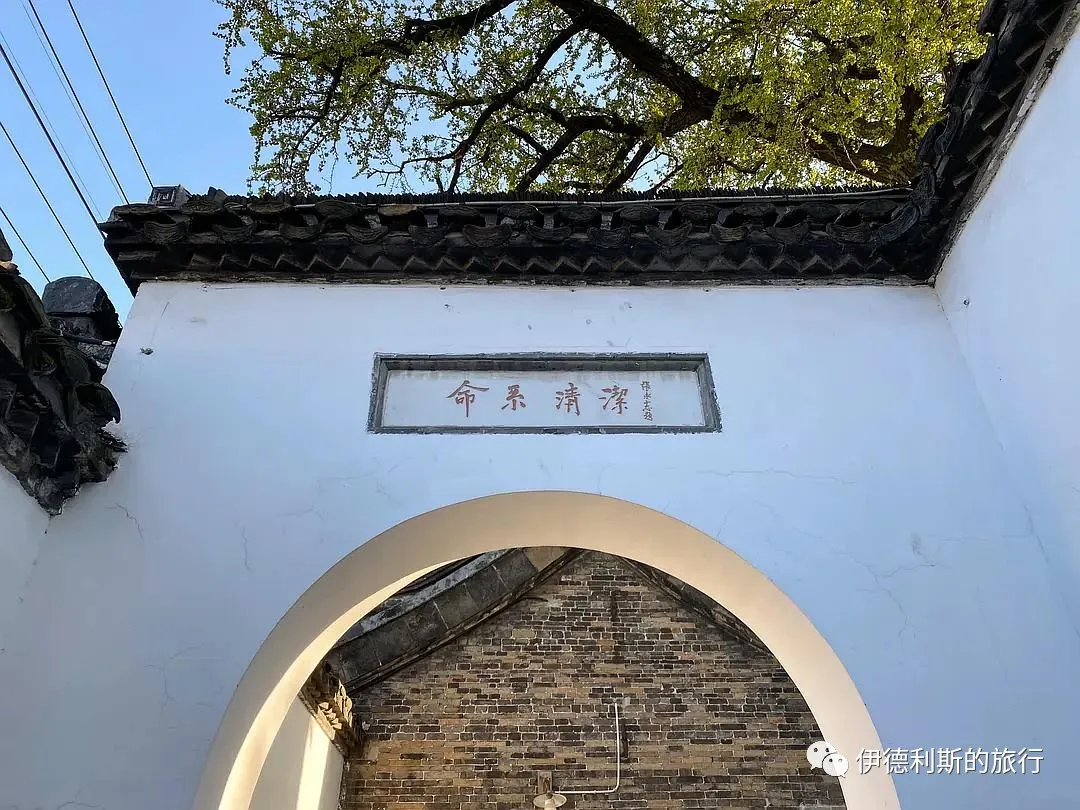
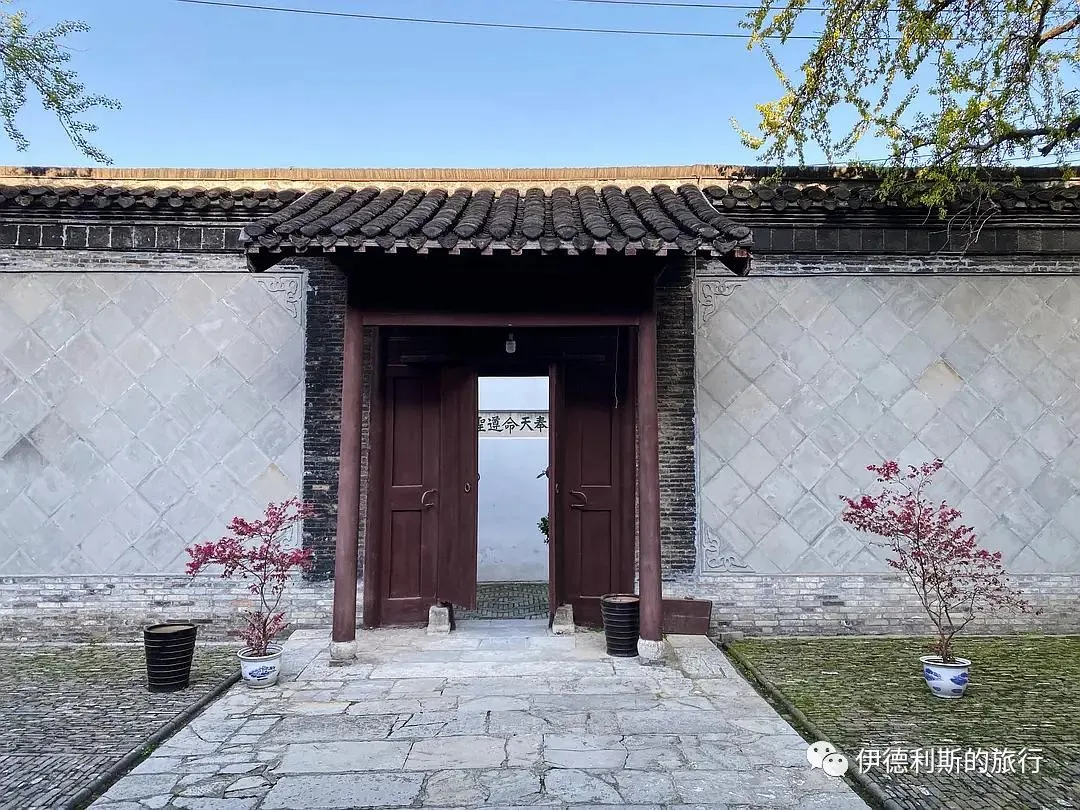
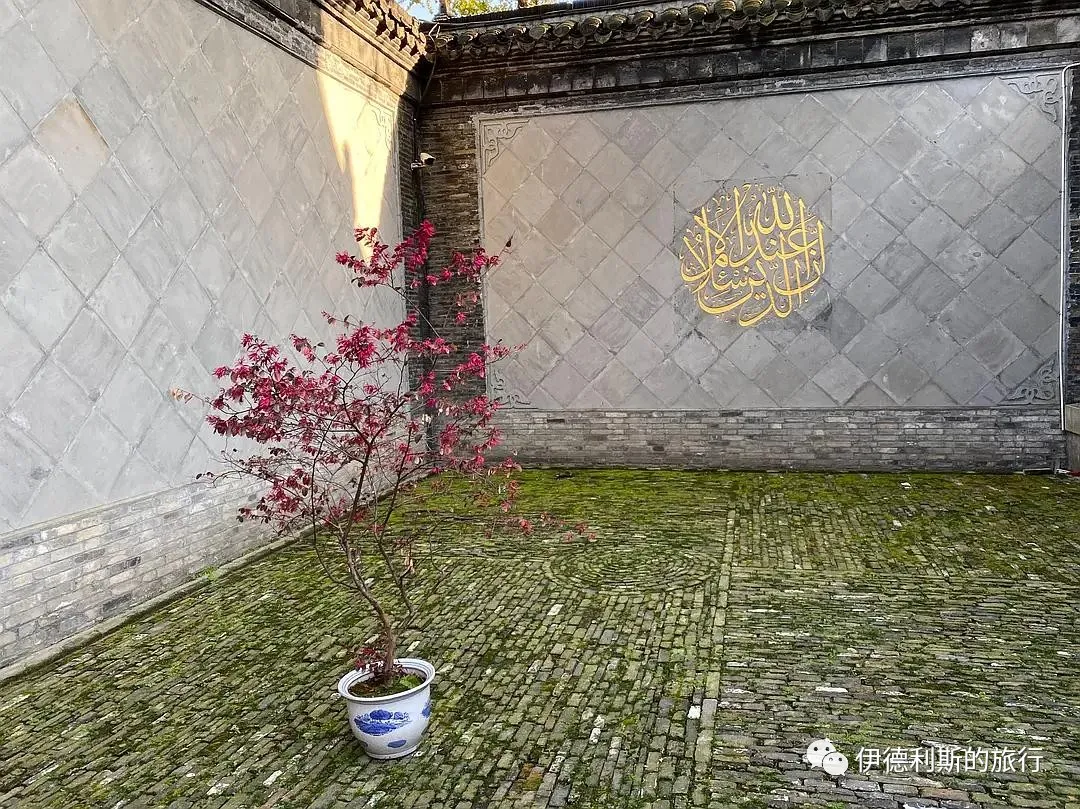
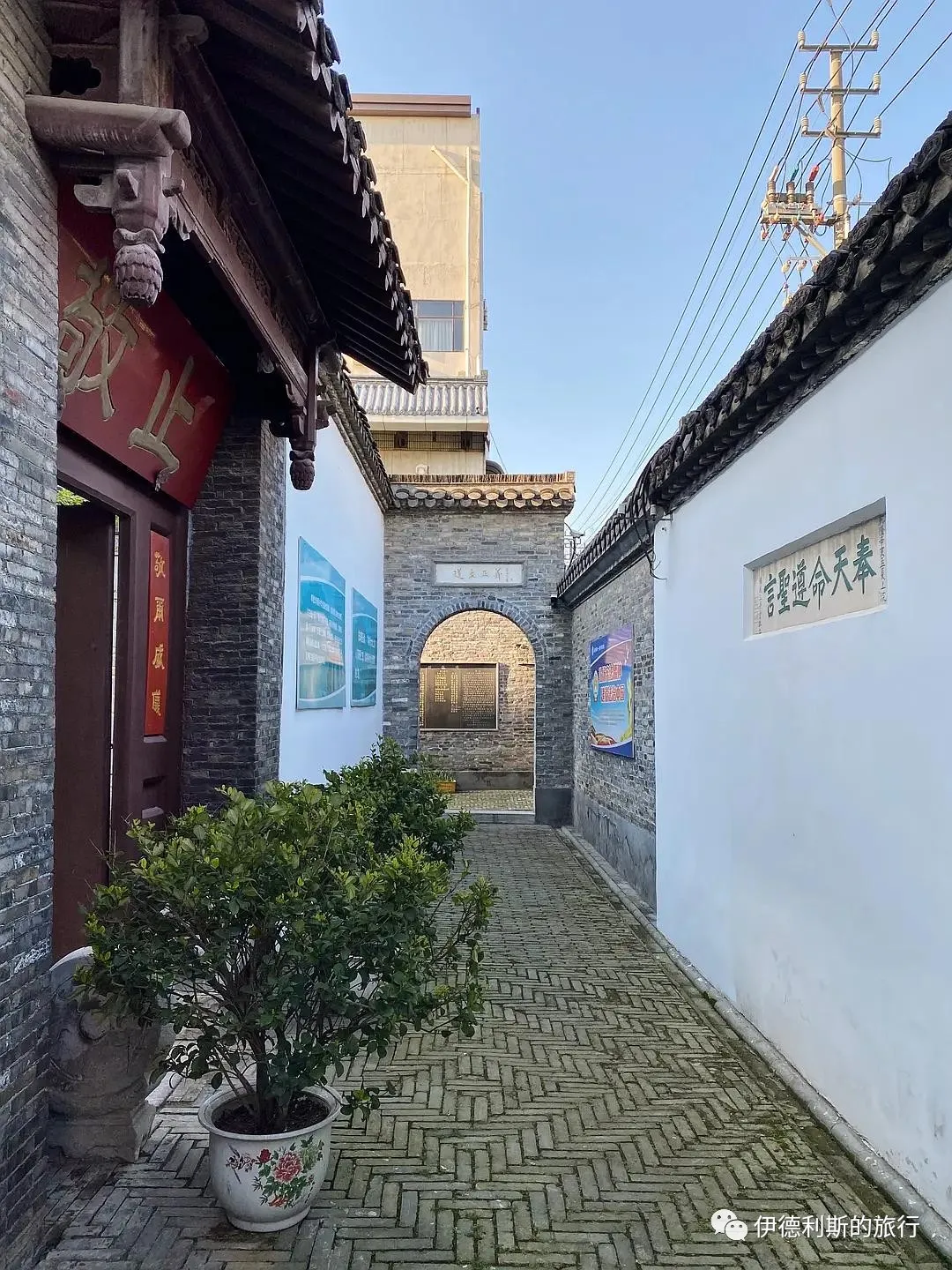
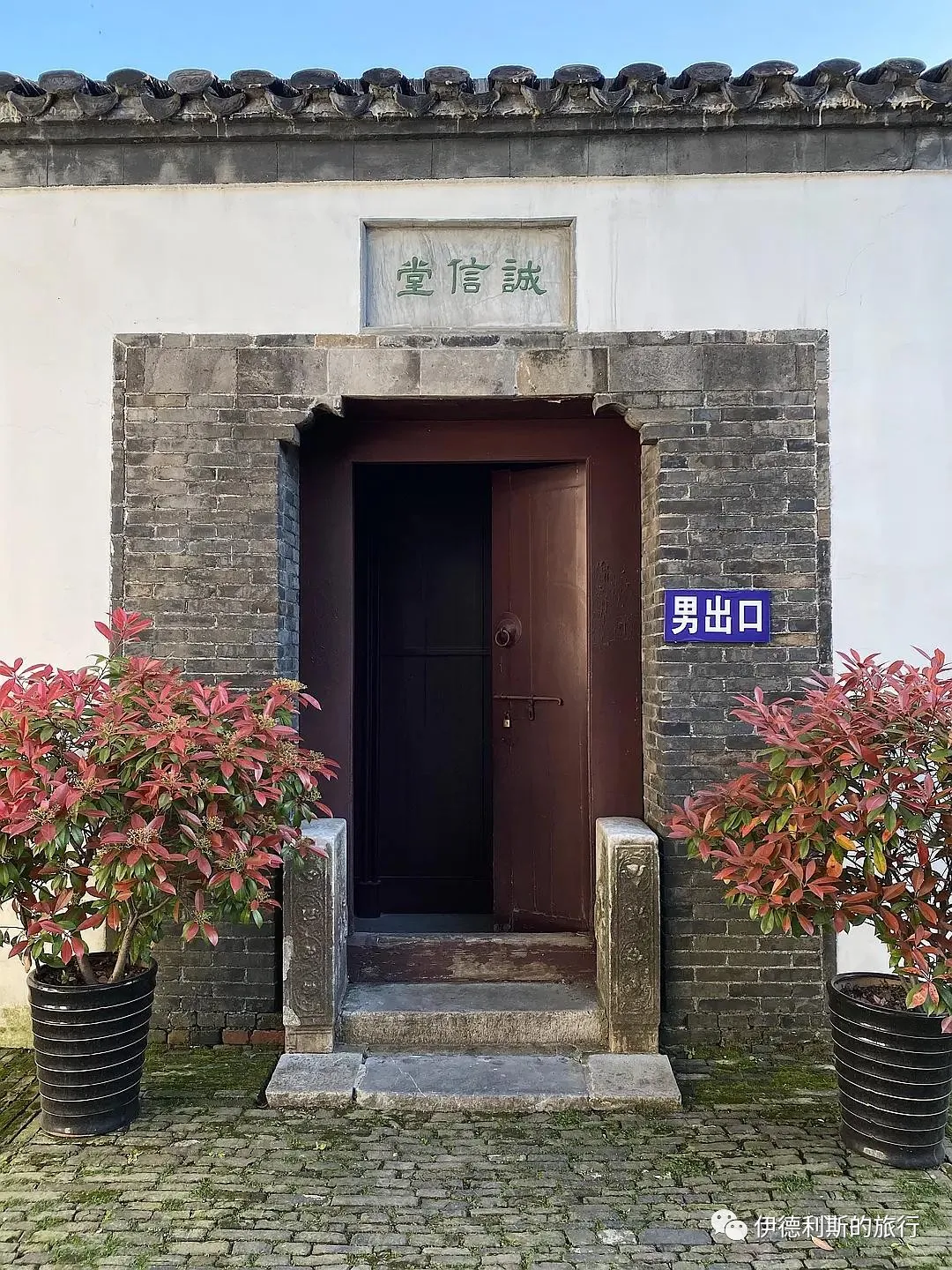
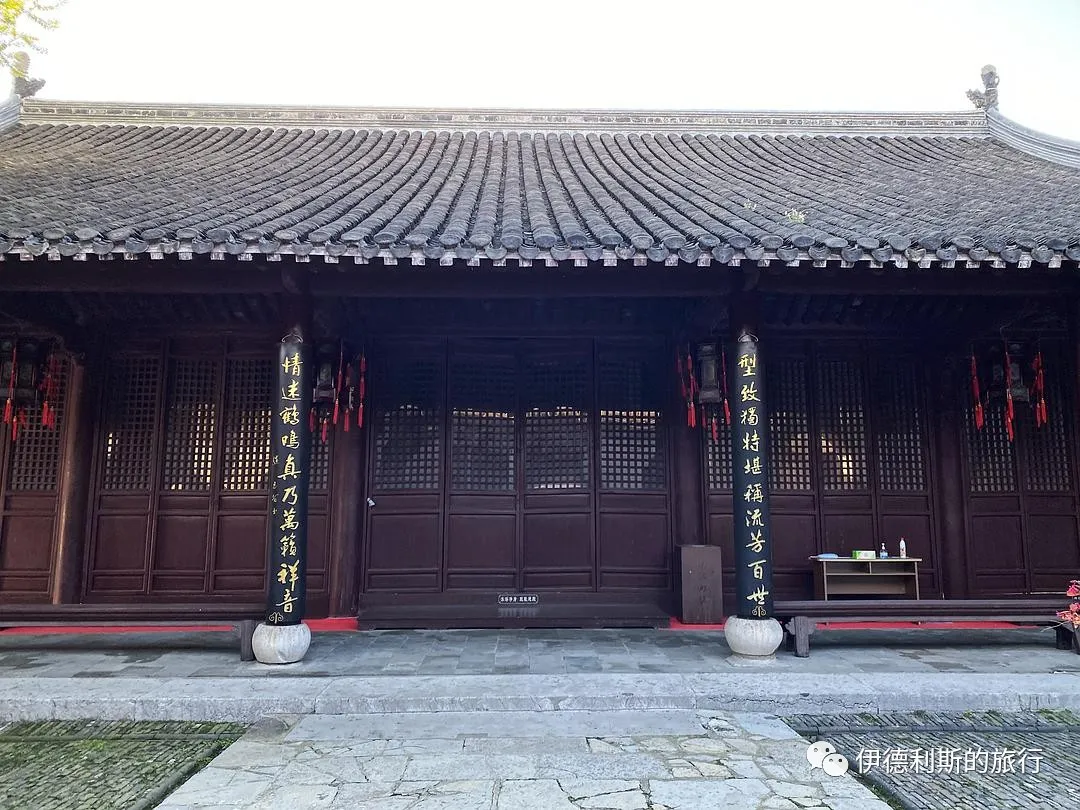
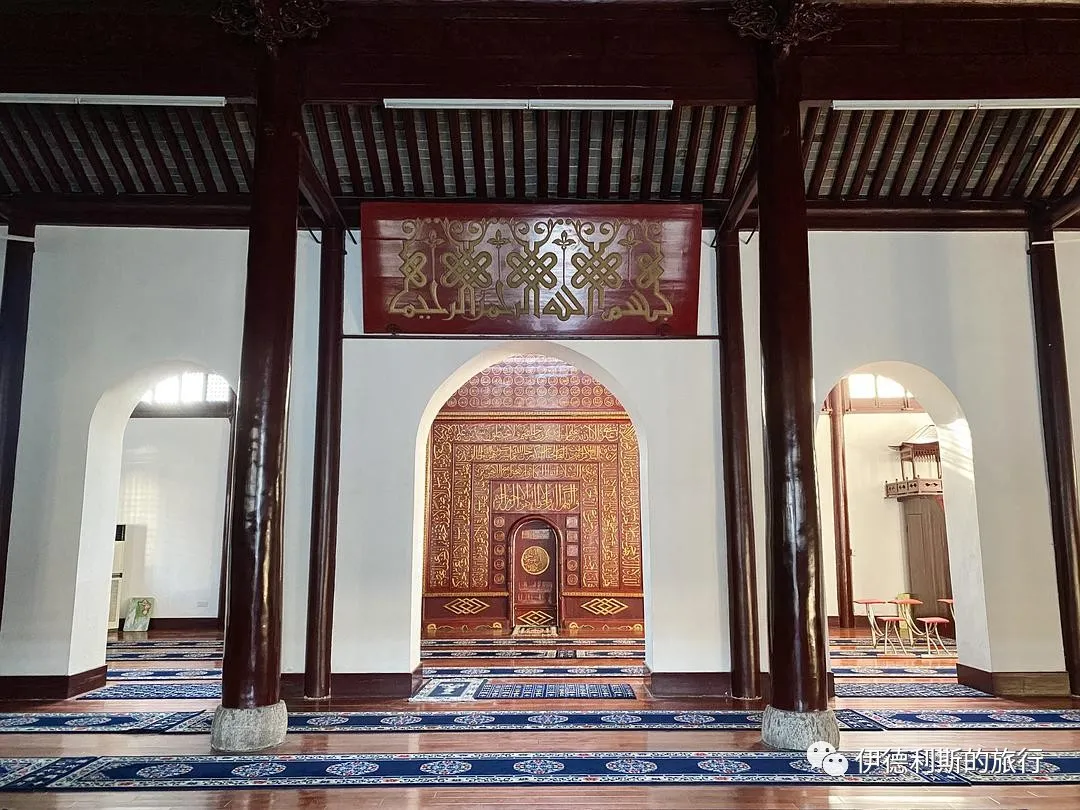
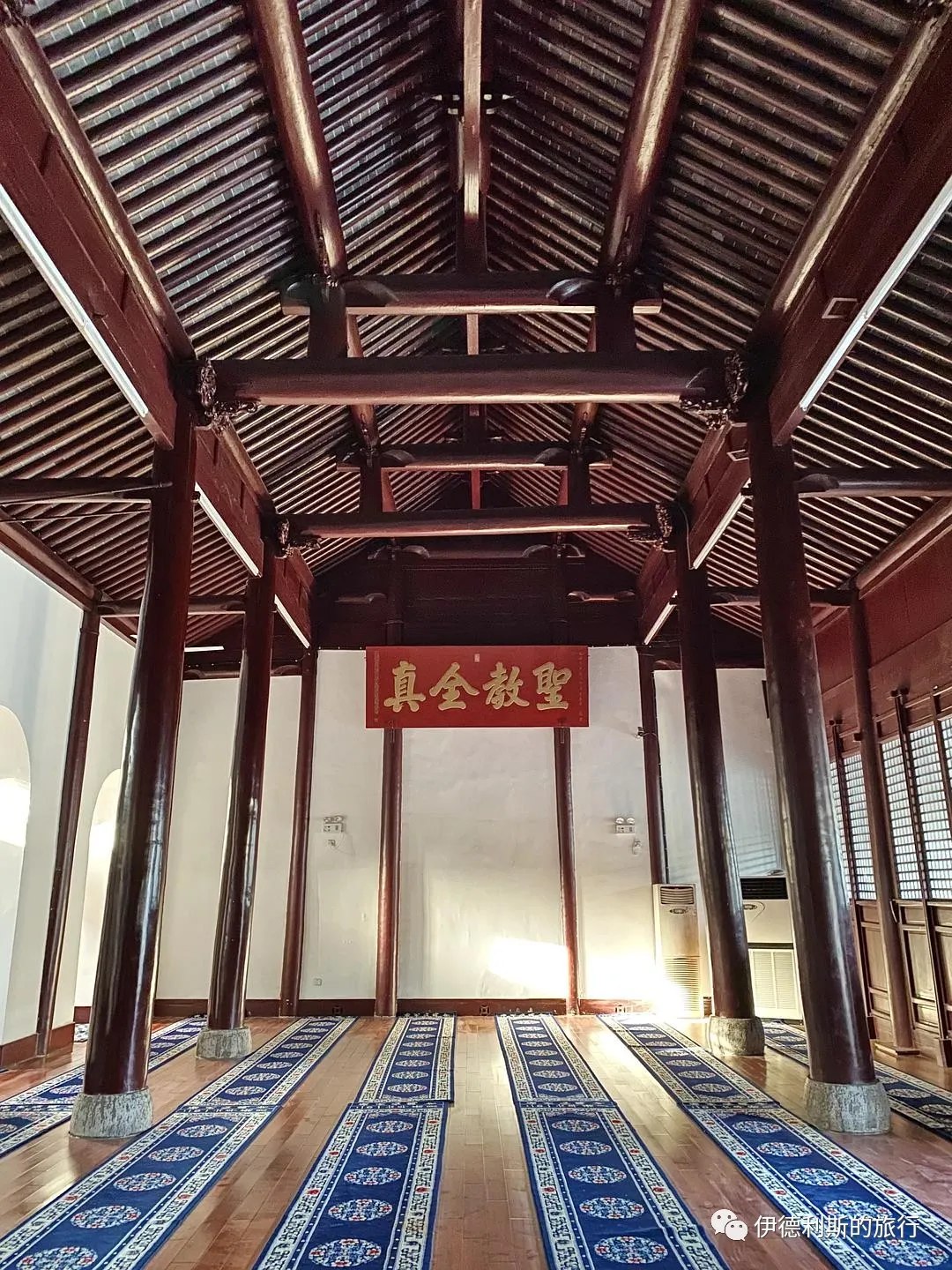
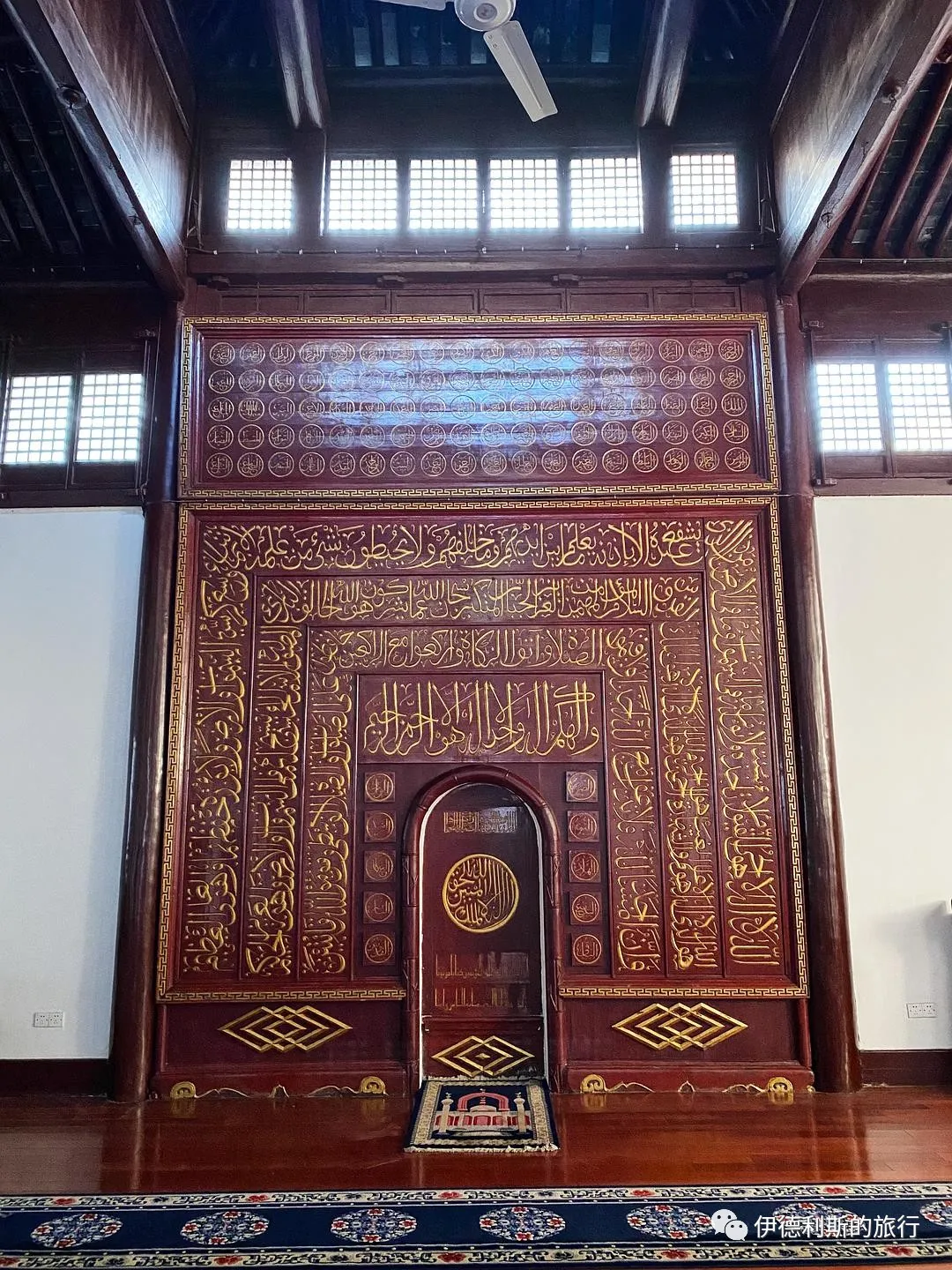
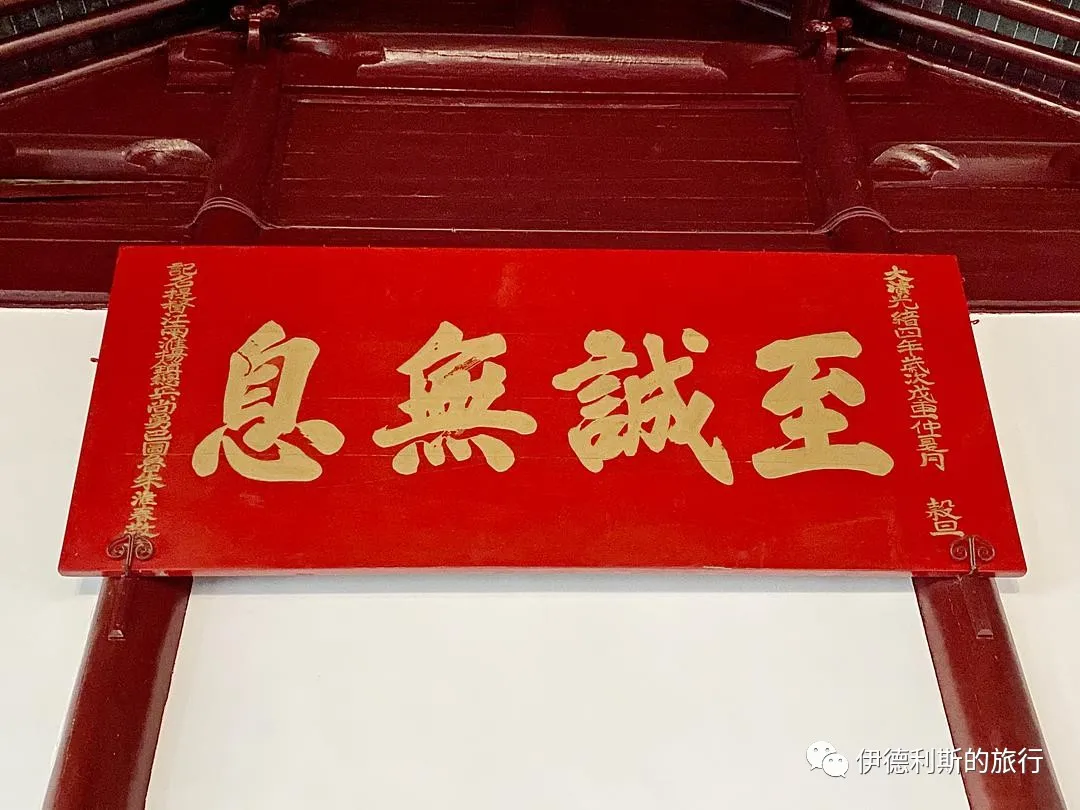
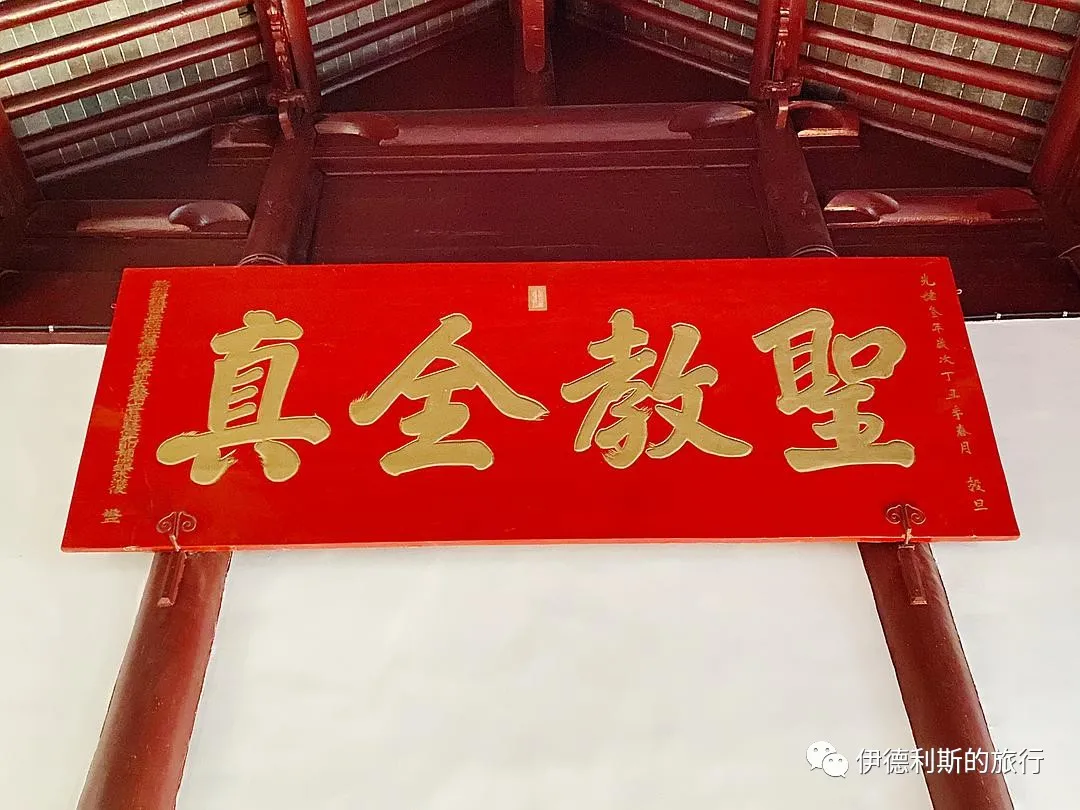
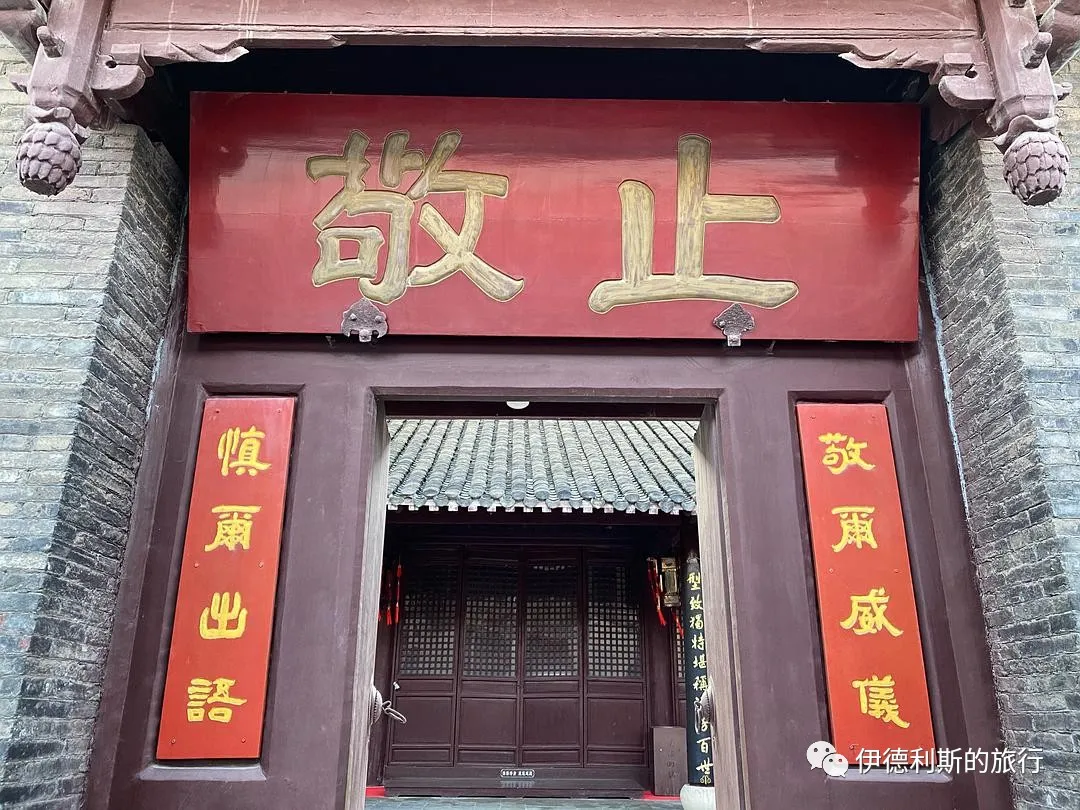
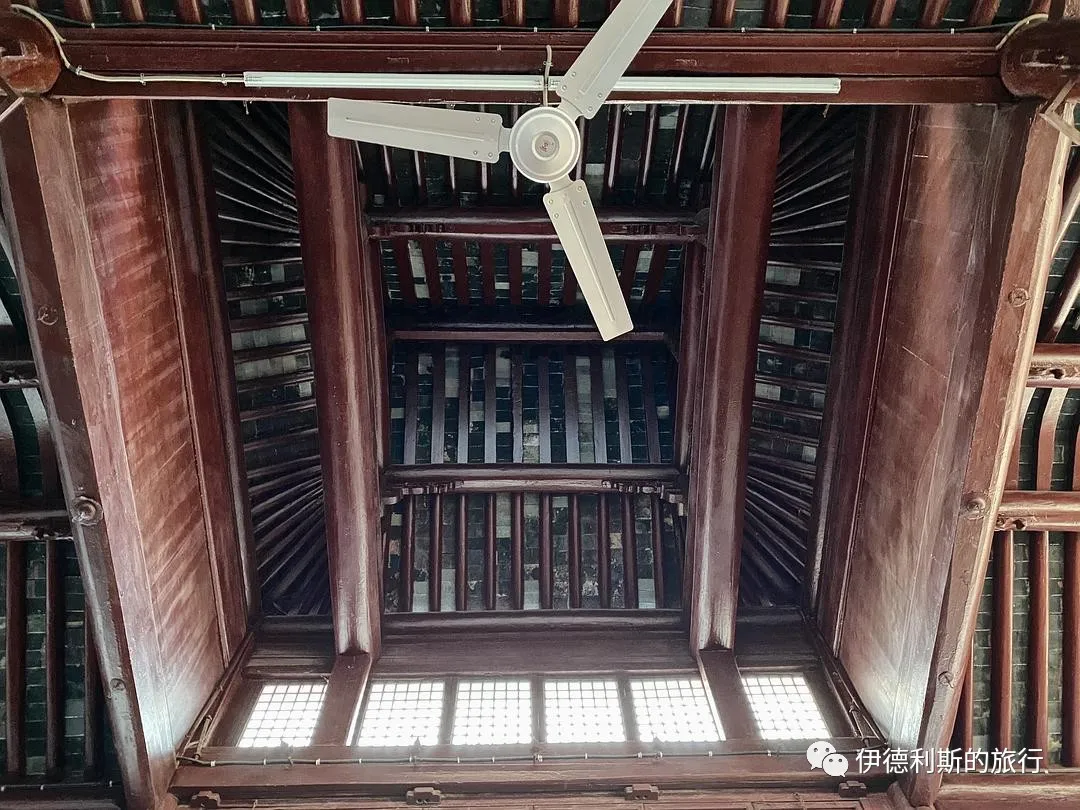
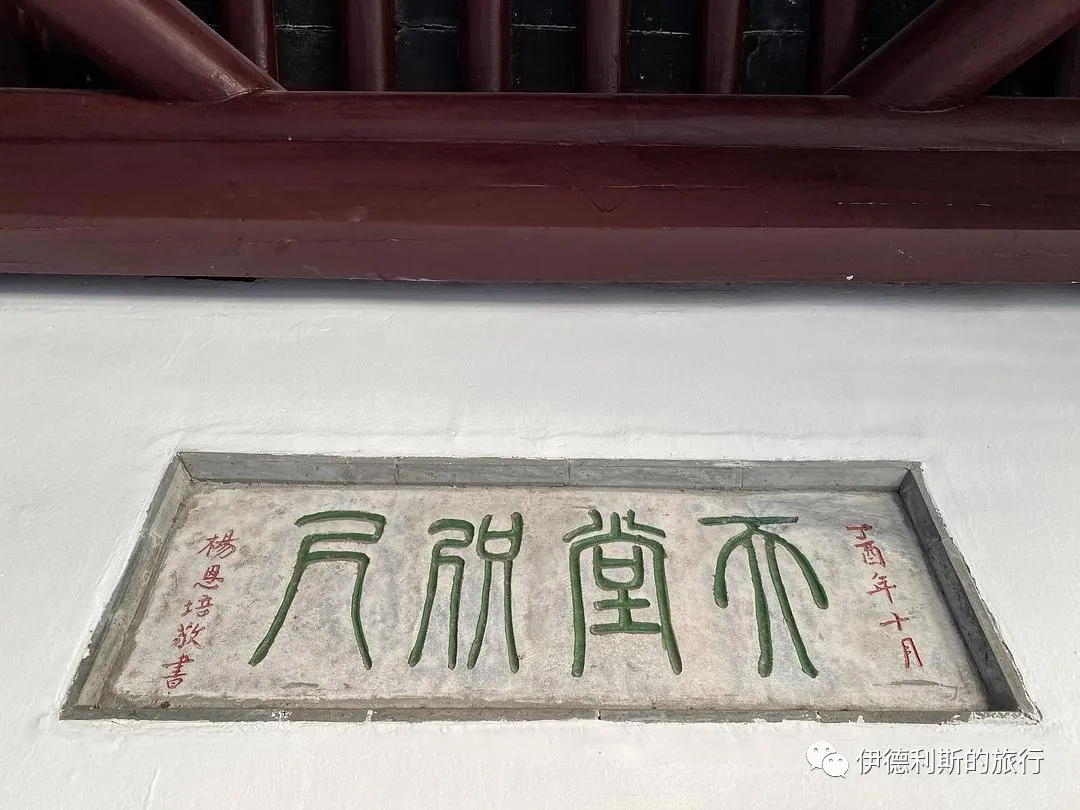
Inside Xianhe Mosque stands a 745-year-old ginkgo tree, the oldest surviving ginkgo in Yangzhou.
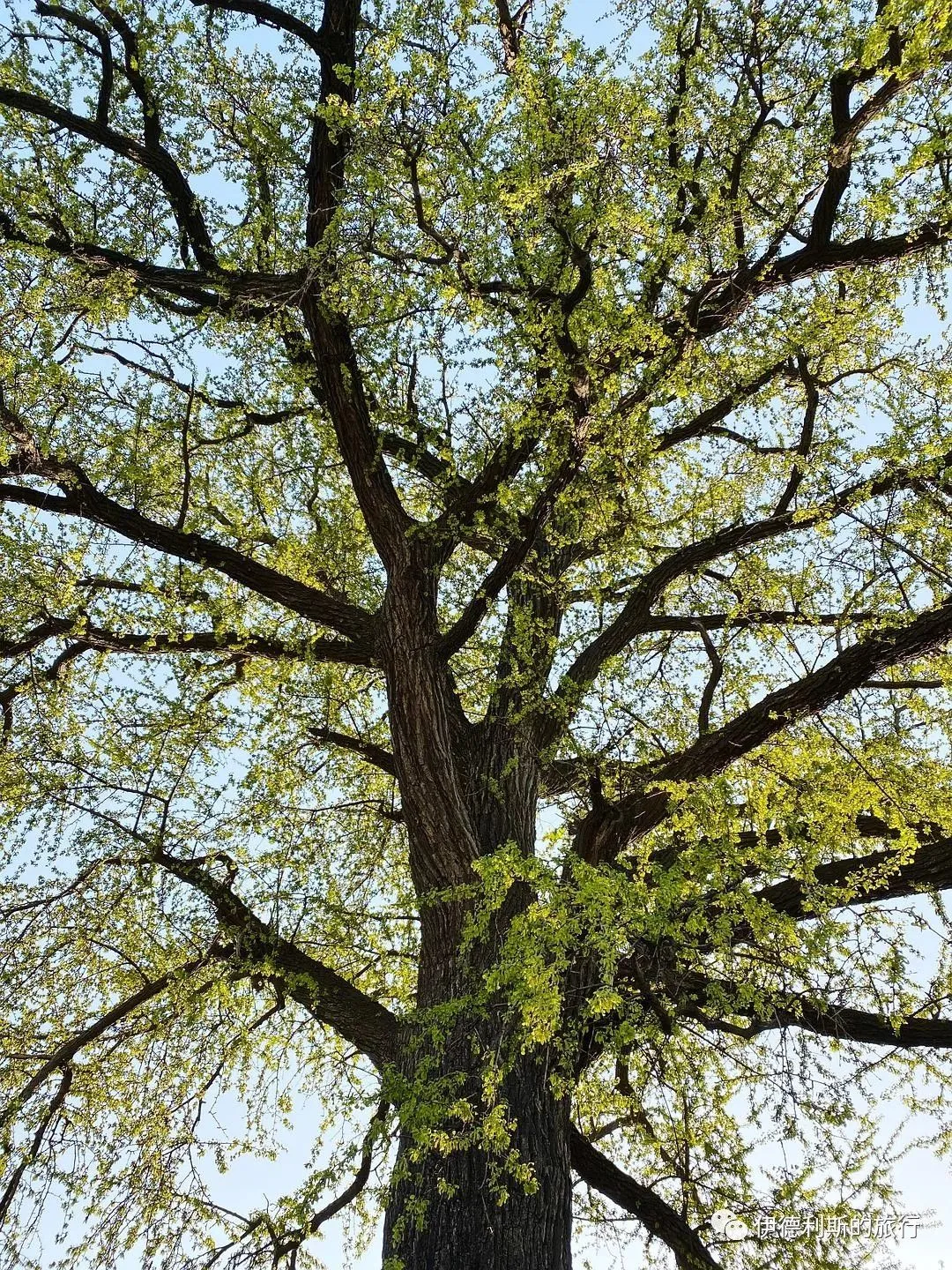
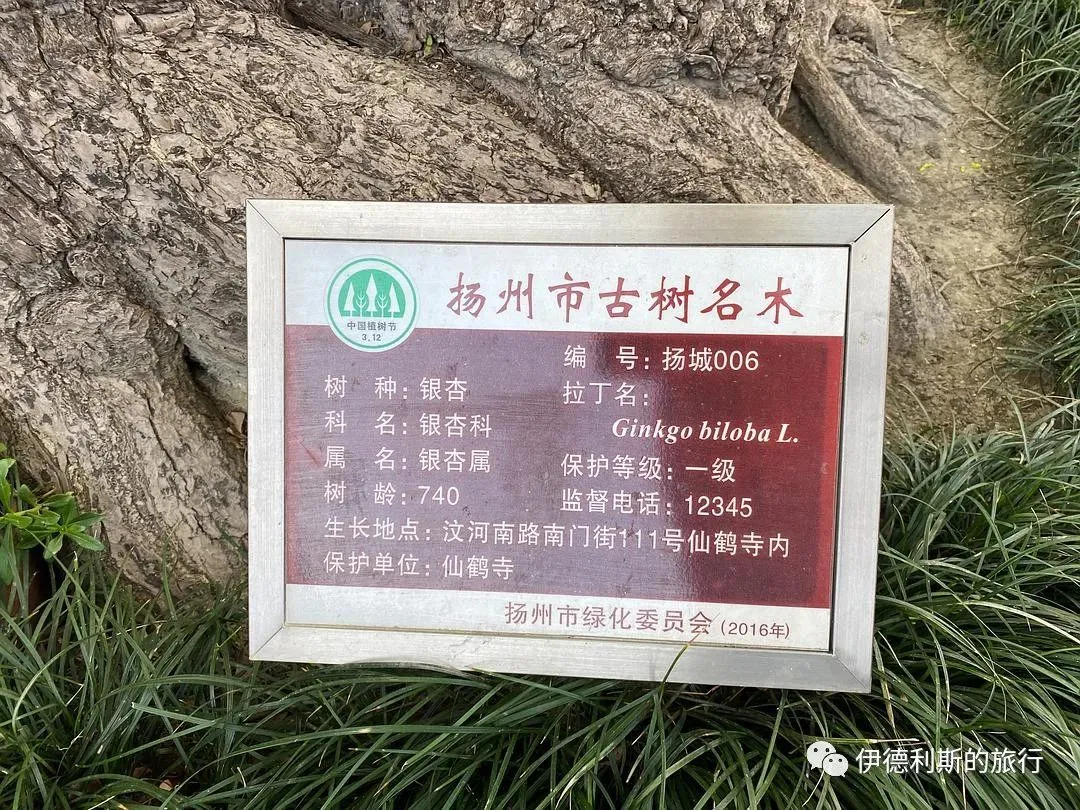
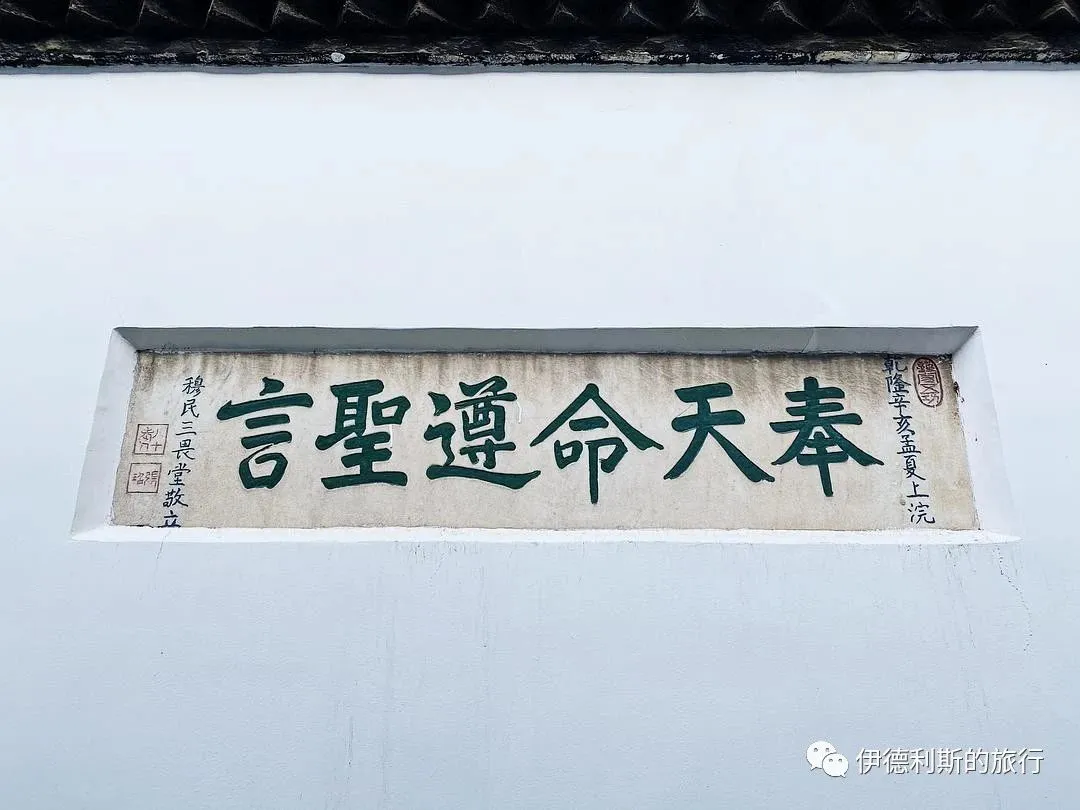
Majianxiang Mosque
Majianxiang Mosque is located on Majianxiang Street near Yangzhou's East Gate. According to the Hui Muslims' Gu Family Genealogy, it was built in 1714 (the 53rd year of the Kangxi reign) by Gu Yuanbing, a 24th-generation descendant of Pu-ha-ding.
Majianxiang Mosque originally had dozens of rooms, including a gate hall, memorial archway, main prayer hall, reception hall, water room (shuifang), side rooms, and dormitories. Today, only the main prayer hall, a reception hall, and the water room remain. In the early years of the Republic of China, the mosque housed the second Yangzhou branch of the Beijing-based Zhenzong Newspaper and a religious book and newspaper room.
In 1932, Liu Binru, a famous Yangzhou imam and one of the founders of the China Islamic Association, along with Hua Ruzhou, then a director of the Jiangdu County Hui Muslim Association, established the China Islamic Scripture Translation Institute here to translate religious texts. Liu Binru, who was fluent in Arabic and Persian, was responsible for translating the Arabic originals, while Hua Ruzhou translated summaries from the English version by the Indian Islamic scholar Muhammad Ali, which were attached before each section of the scripture. On January 1, 1935, the Chinese Translation of the Quran with Ali's Summaries was officially published with an initial print run of 2,000 copies, sold by major bookstores across the country.
In 1933, the Yangzhou Islamic Association founded the Hui Muslim Cultural Institute at Majianxiang Mosque, led by Liu Binru. to teaching Arabic, the institute offered Chinese, English, and arithmetic, equivalent to upper elementary to junior high school levels, using a classroom-based teaching method instead of the traditional individual scripture hall instruction. Teachers included the Arabic-proficient Majianxiang imam Hua Jinhou, imam Ruan Dechang, imam Lan Baohua of the Huihui Tang Mosque outside the East Gate, and Liu Binru. They also hired Hui Muslim Association members Shen Junchen and Zhang Shaozhe to teach Chinese and arithmetic, and Hua Ruzhou to teach English.
Between 1934 and 1935, the missionary Claude L. Pickens visited Majianxiang Mosque and saw the reading room inside, which contained many books and magazines. He photographed the Gu Gong Memorial Stele erected in 1931. The inscription records the life of the mosque director Gu Sisu, who served for 11 years, repaired the water room and market shops, and built a new greenhouse, making great contributions to the mosque. He passed away in 1930, before the age of 40.
In 1958, Majianxiang Mosque was converted into a factory workshop and occupied by a craft sign factory, a sack factory, and a brush factory. The property was not recovered until 1997, and it was listed as a municipal cultural relic protection unit in 2008; it is currently used as a residence.
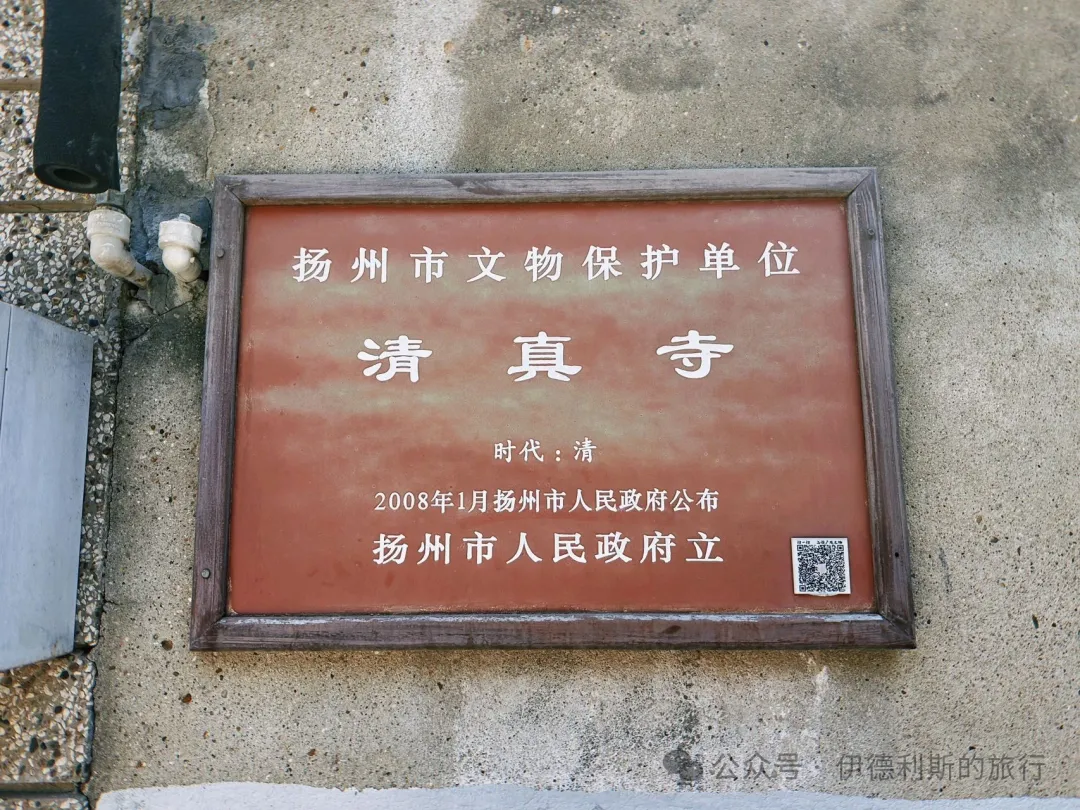
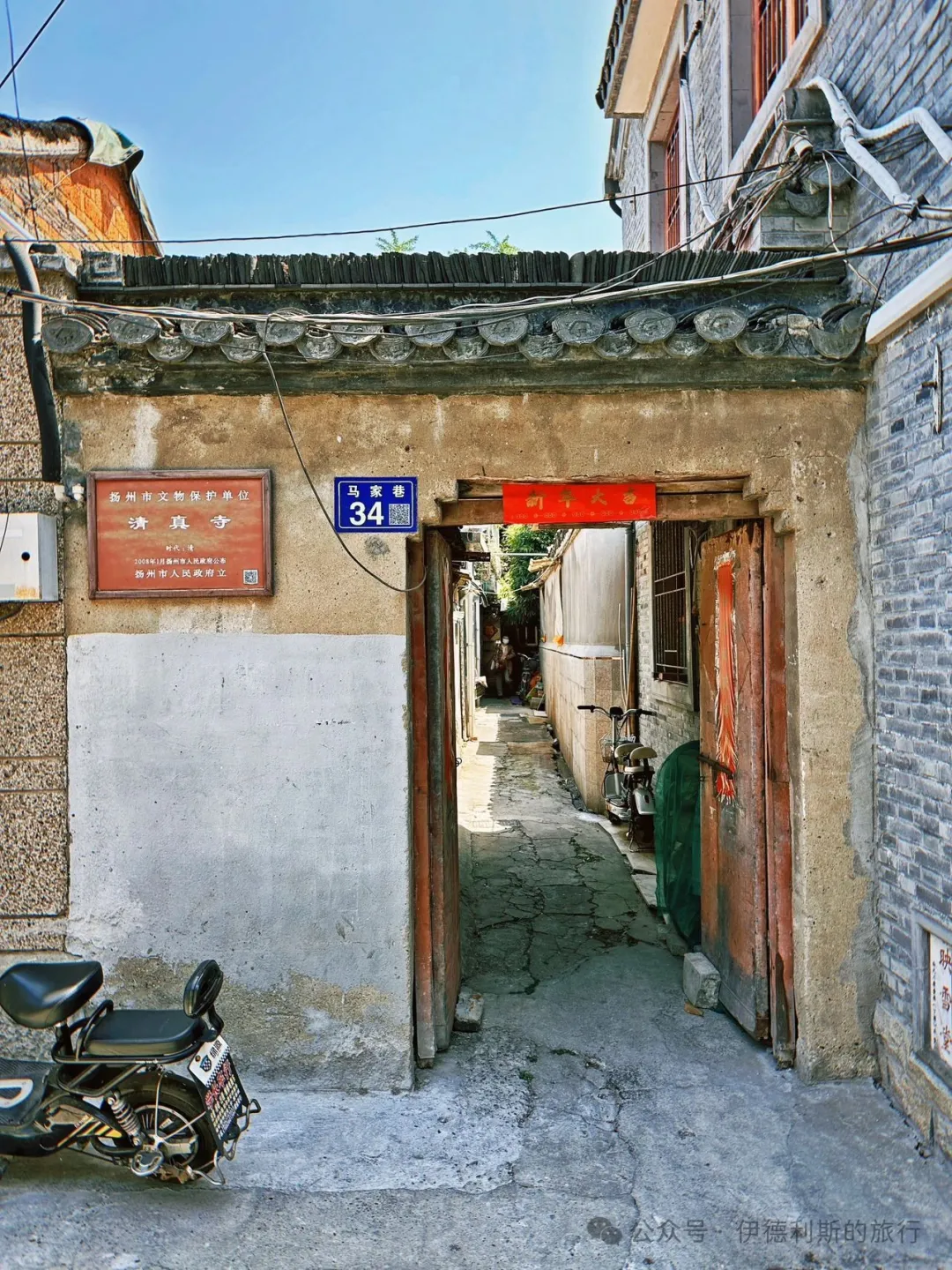
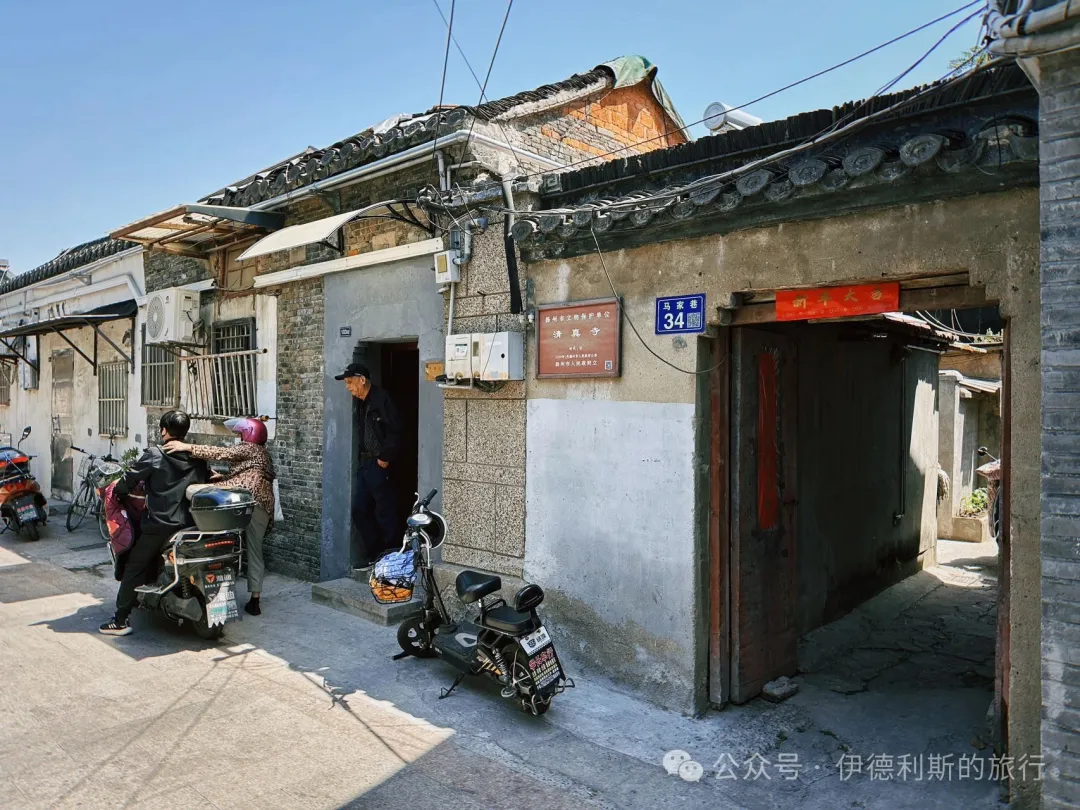
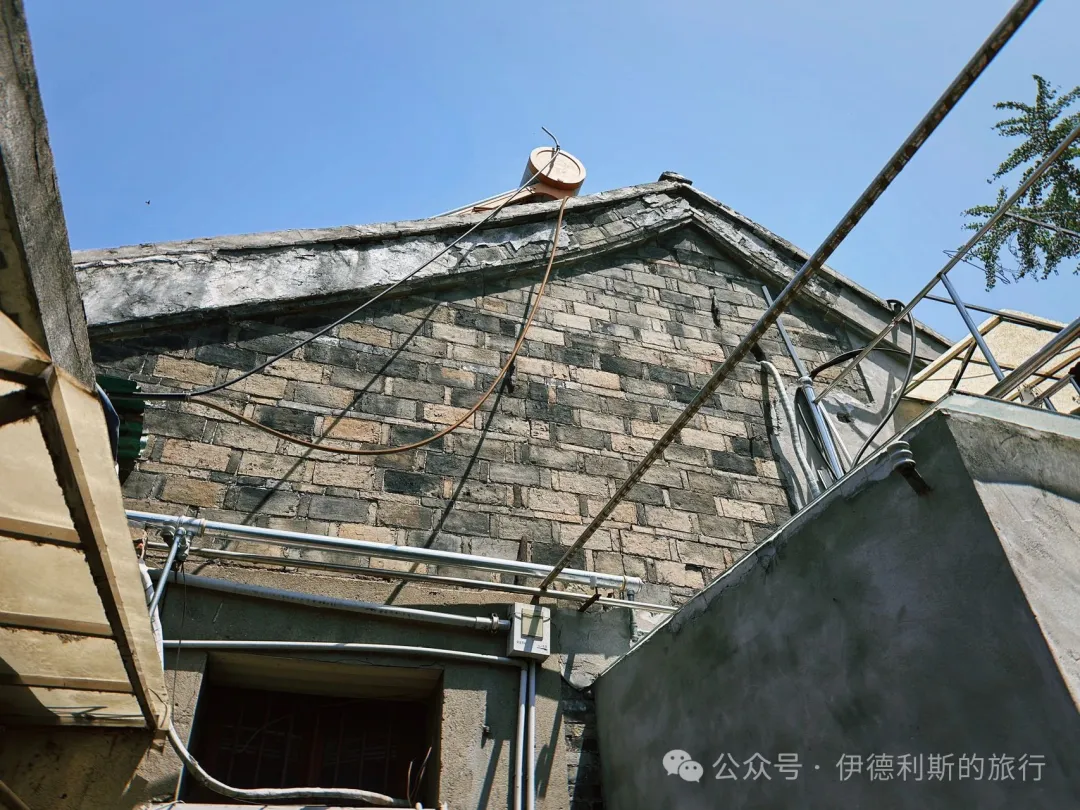
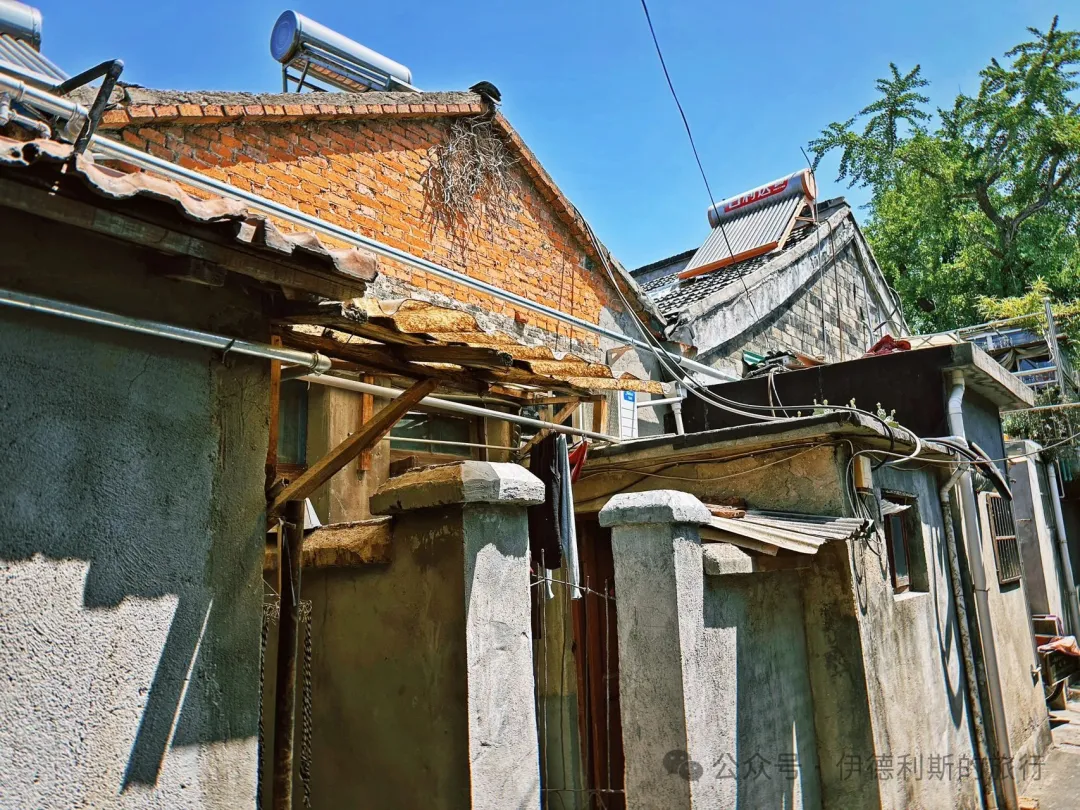
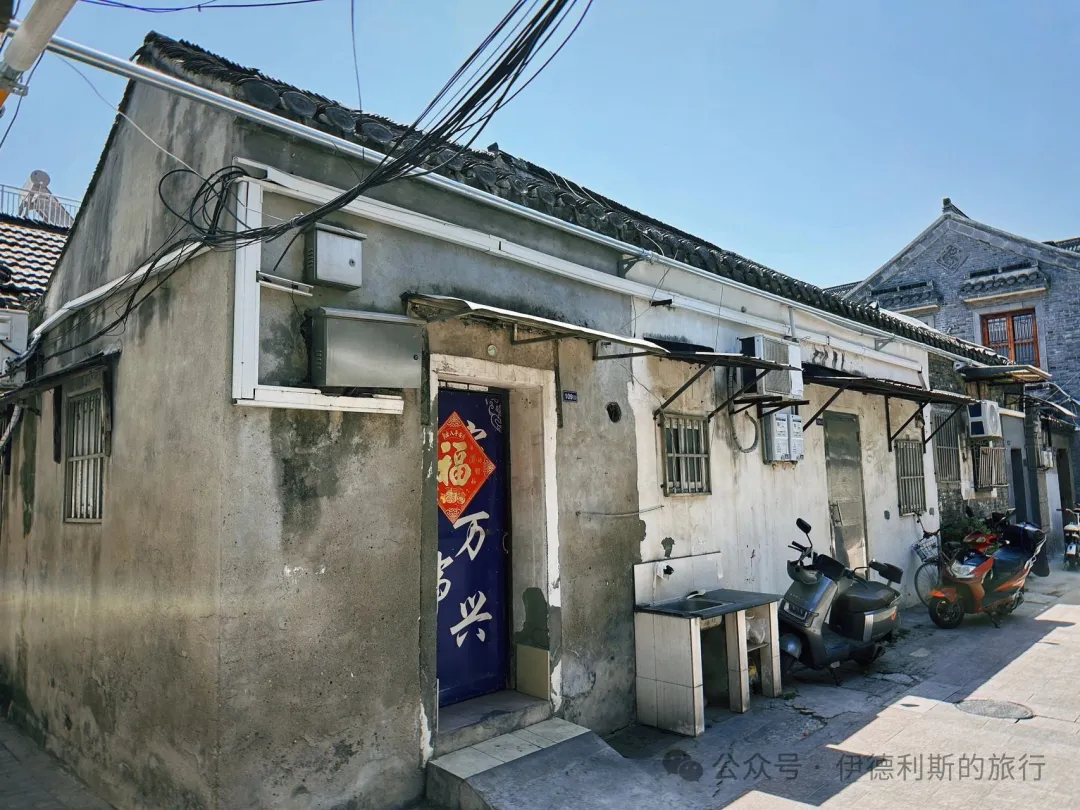
Huihui Tang Mosque
Legend says Pu-ha-ding was a 16th-generation descendant of the Prophet. He came to Yangzhou during the Xianchun period of the Song Dynasty (1265-1274) and died in Yangzhou in 1275 (the 12th year of the Yuan Zhiyuan reign). He was buried on a high ridge east of the East Gate River in the New City, a place later called Huihui Tang (commonly known as Baba Tomb).
According to oral traditions from local Yangzhou imams, as told by imam Lan Baohua of Huihui Tang on July 17, 1947, Pu-ha-ding was born in 1204 (the 4th year of the Song Jiatai reign) into an aristocratic Arab merchant family and was the 16th-generation descendant of the Prophet. Pu-ha-ding was highly learned and well-versed in scripture and law. At age 57, following the saying 'Seek knowledge even if it is in China,' he spent four years preparing and, at age 61, led a team of 17 people across the Arabian Sea to China.
Pu-ha-ding arrived in Yangzhou in 1265 (the 1st year of the Song Xianchun reign). During his 10 years in Yangzhou, he presided over the founding of Xianhe Mosque, expanded the ancient mosque outside the South Gate, and rebuilt the Nanchao Guan Mosque. He died on a boat in 1275 (the 12th year of the Yuan Zhiyuan reign) while returning from a lecture, at the age of 71. Guangling Governor Yuan Guang'en buried him on a high ridge on the east bank of the Grand Canal, east of Yangzhou city.
The mosque southwest of the Puhading Cemetery is called Huihui Tang Mosque or Babayao Mosque. It was one of the six traditional Hui Muslim neighborhoods in Yangzhou during the Qing Dynasty and is the only one remaining outside the city walls. The current Babayao Mosque was rebuilt in 1776 (the 41st year of the Qianlong reign) and renovated in 1845 (the 25th year of the Daoguang reign), featuring the traditional architectural style typical of the Huaiyang region.
The main gate of Babayao Mosque is on the southwest side of the Puhading Cemetery. The stone plaque above the gate was installed during the Qianlong reign, and the rectangular stone door pillows have a very elegant design.
The main prayer hall is north of the main gate, right next to the stone-paved road of the Grand Canal, and features upturned eaves. The interior has a hard-mountain roof, floor-to-ceiling slatted partition doors, and a traditional timber-frame structure.
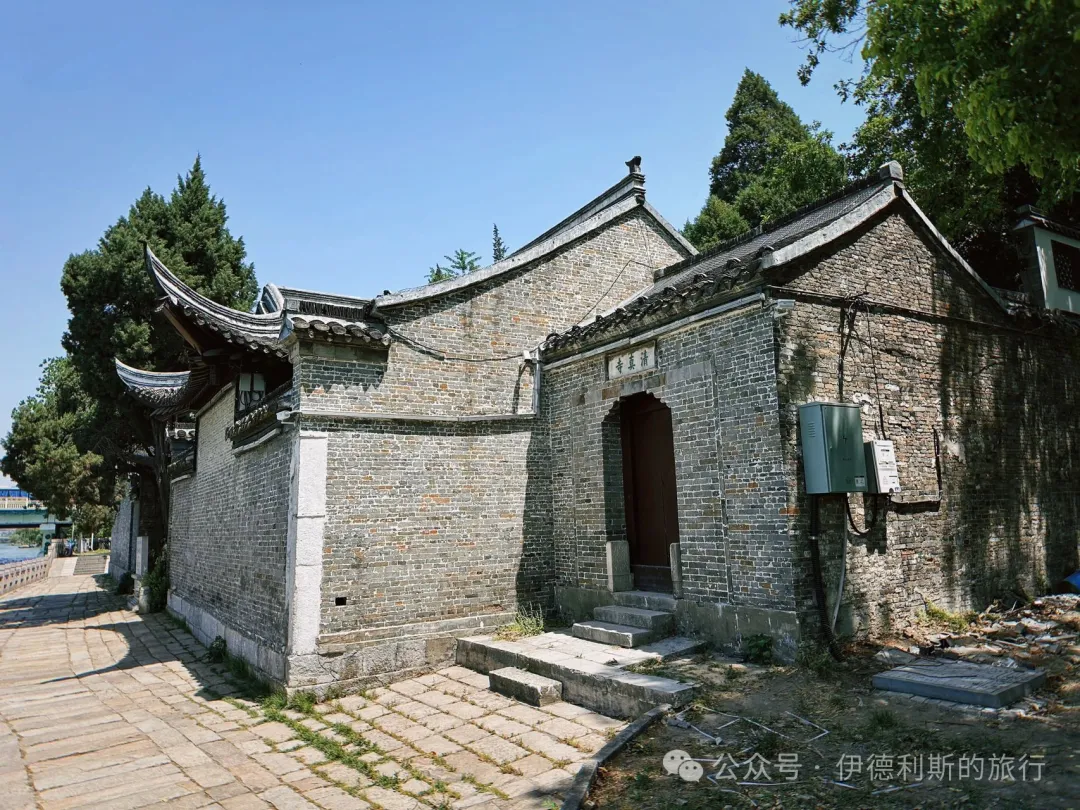
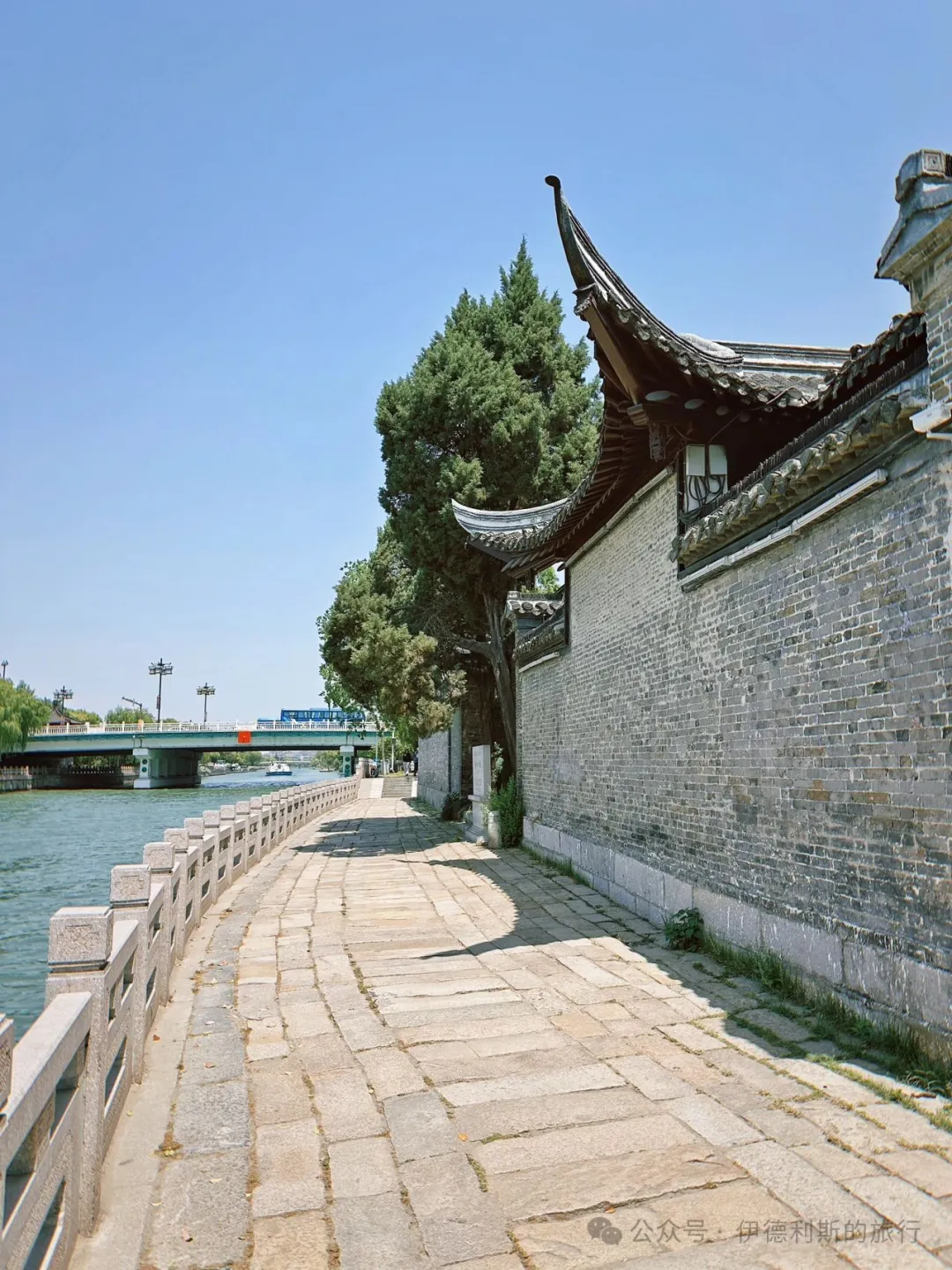
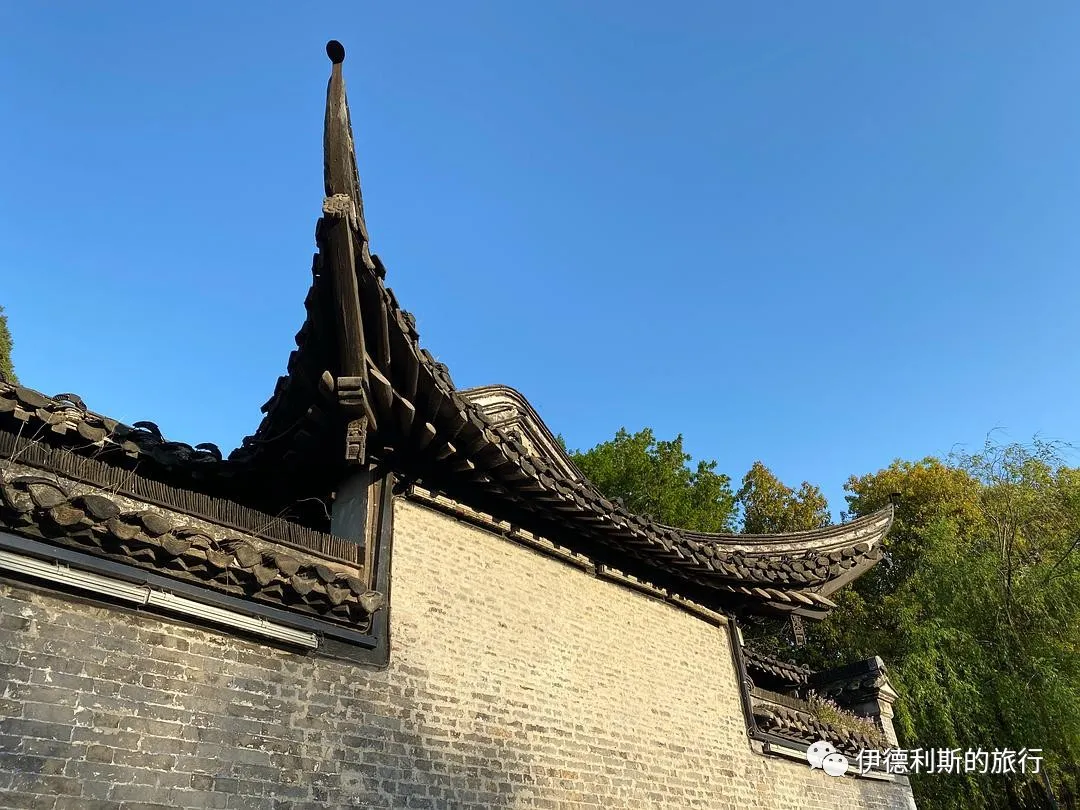
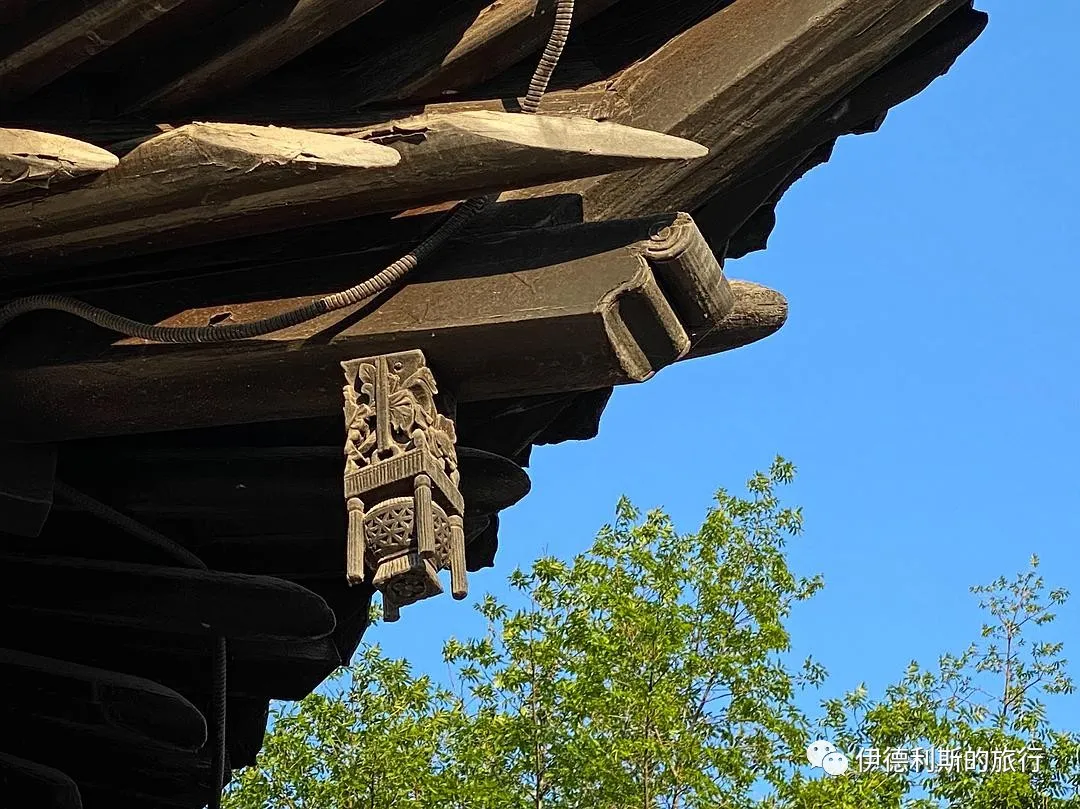
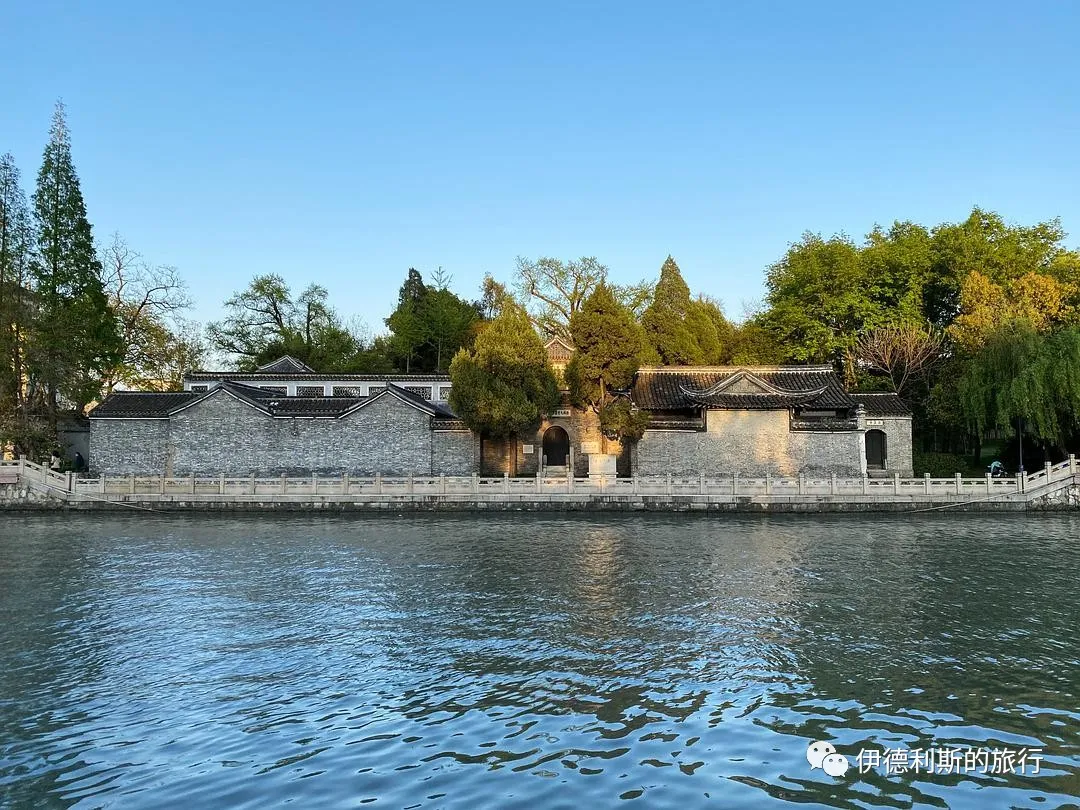
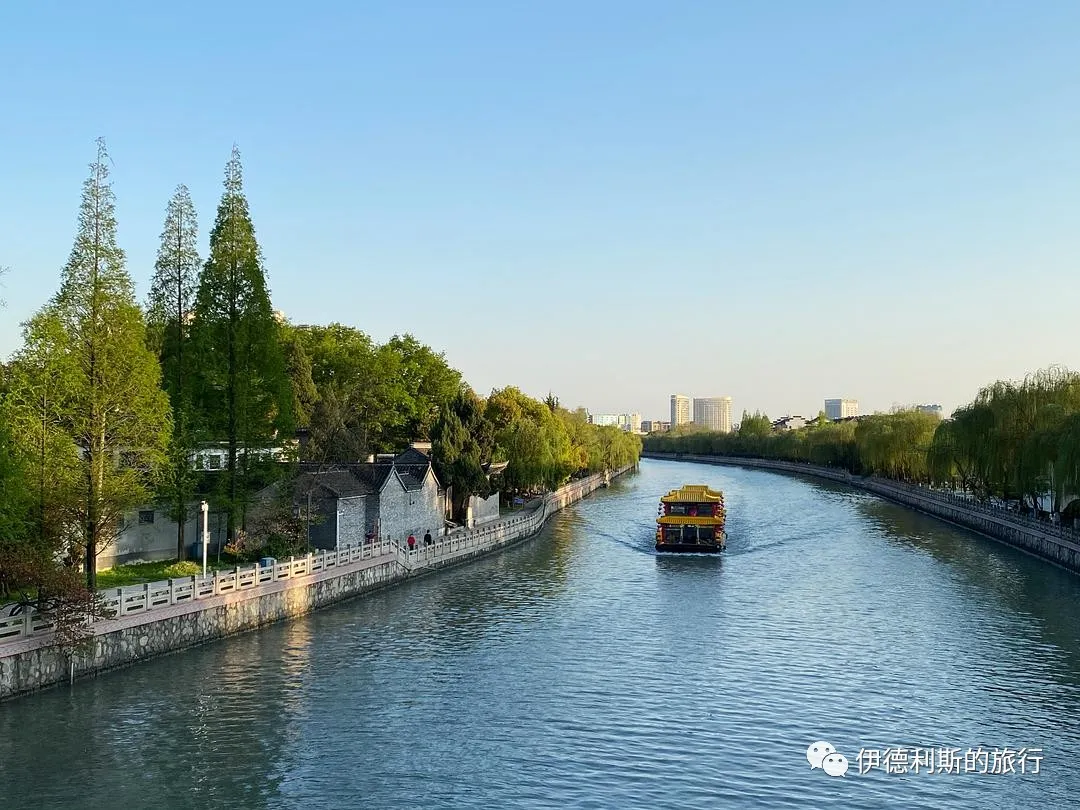
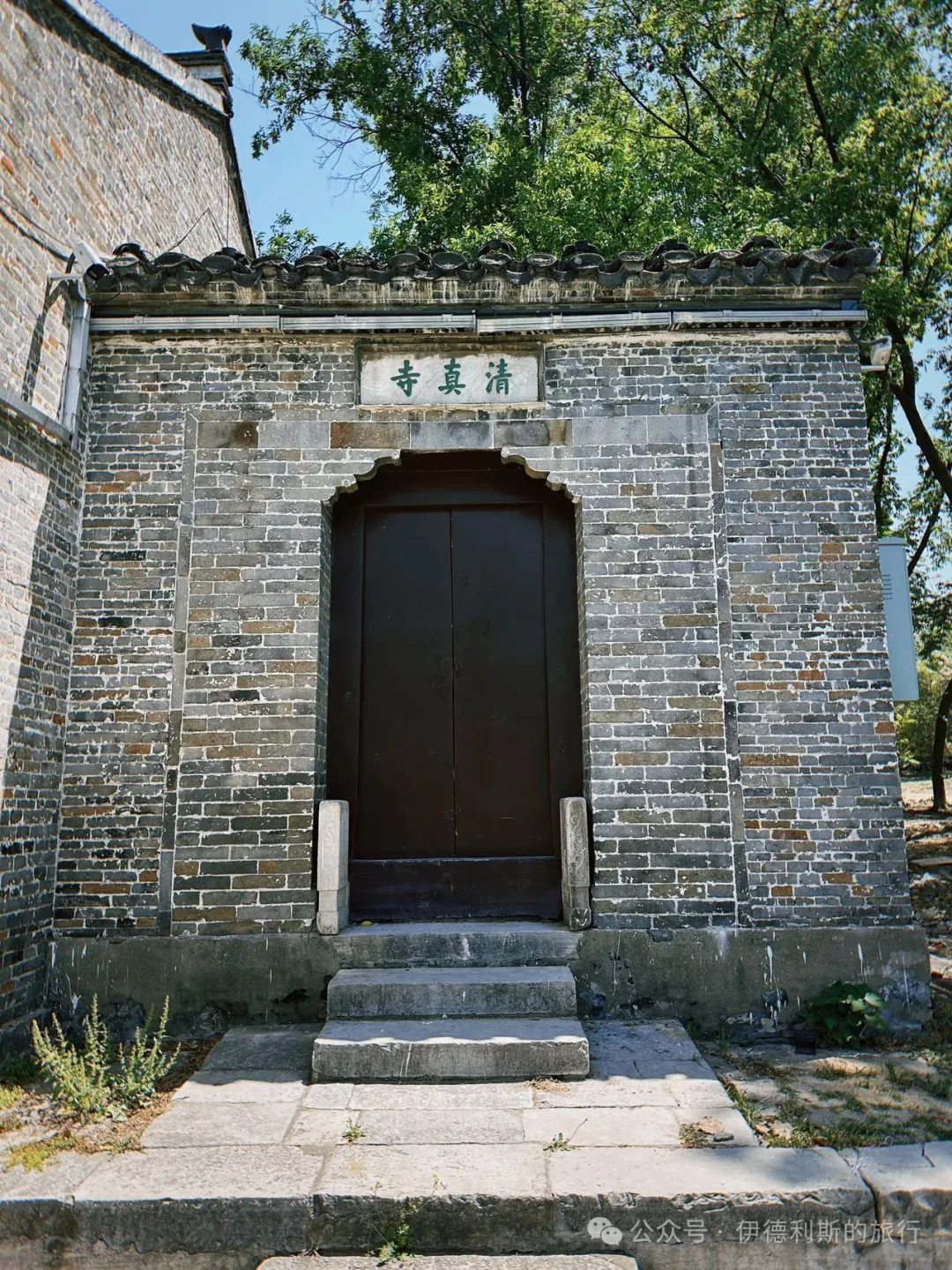
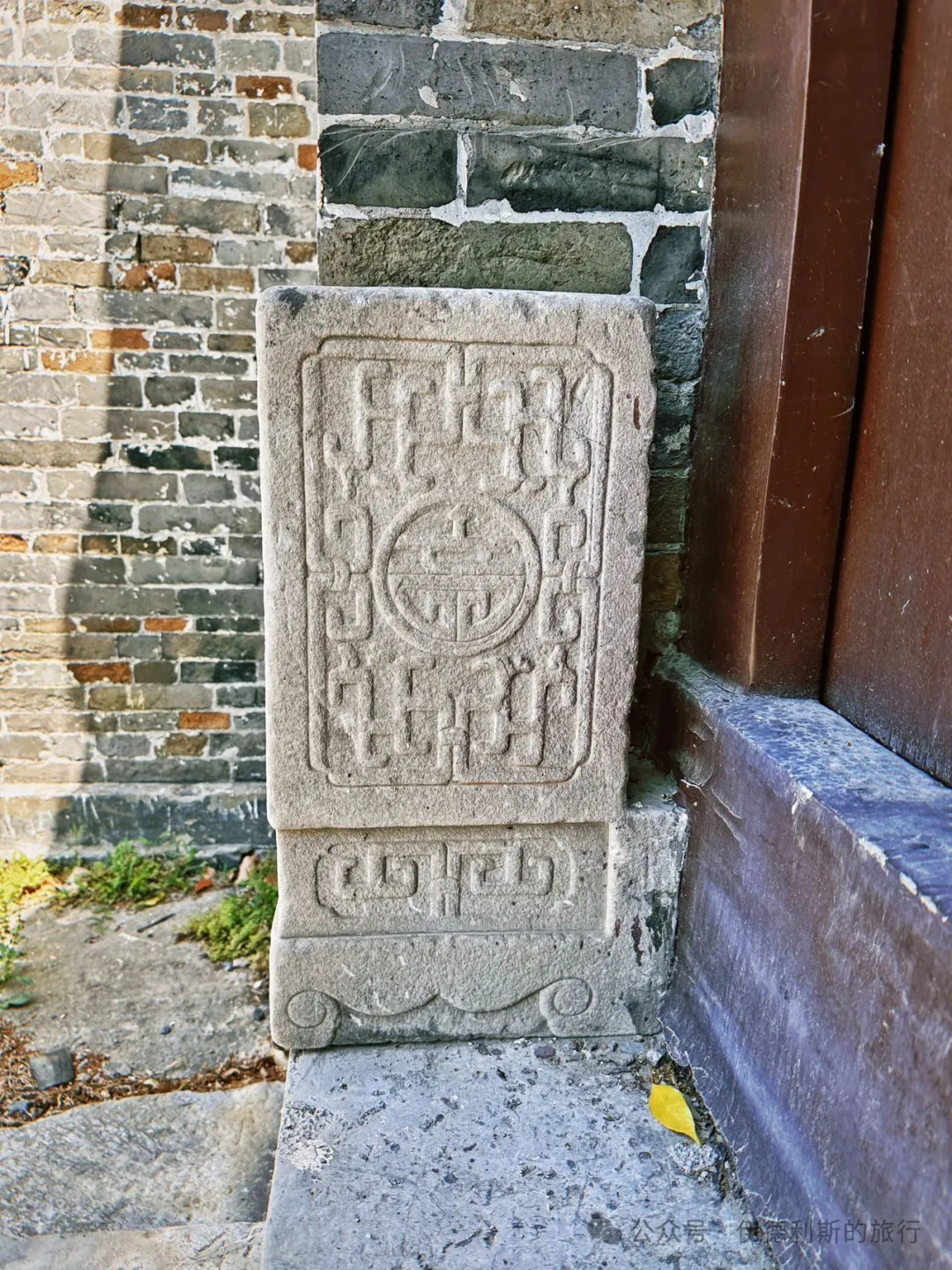
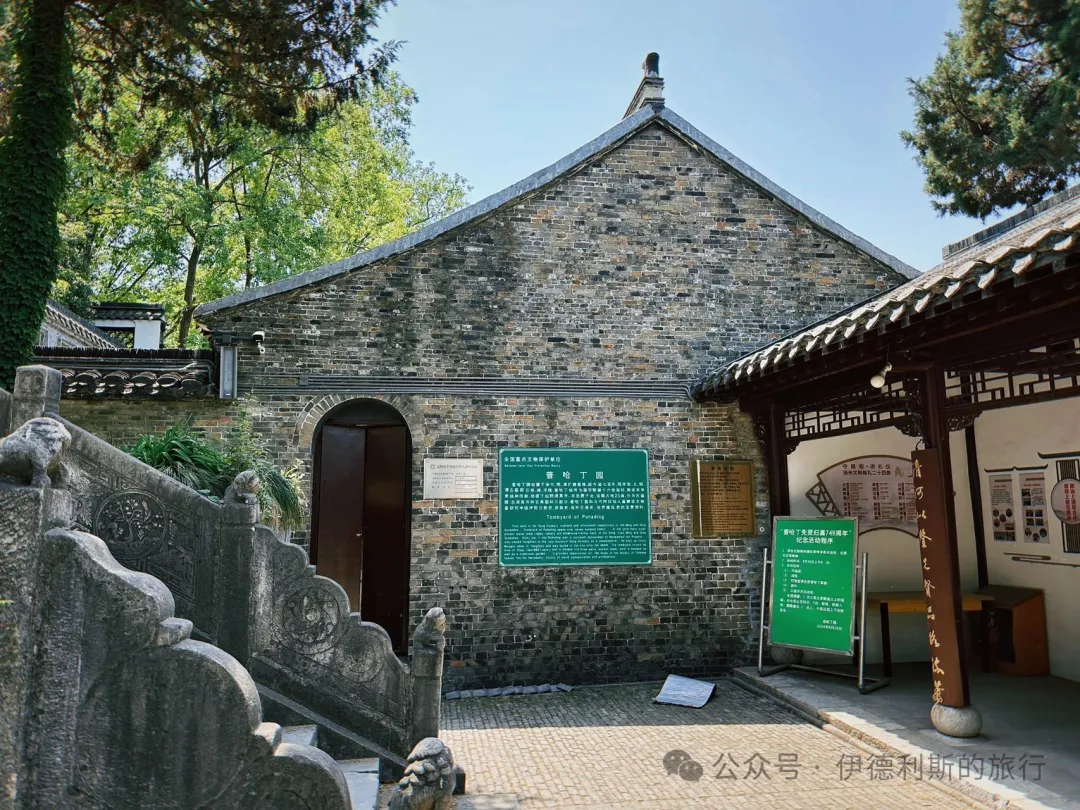
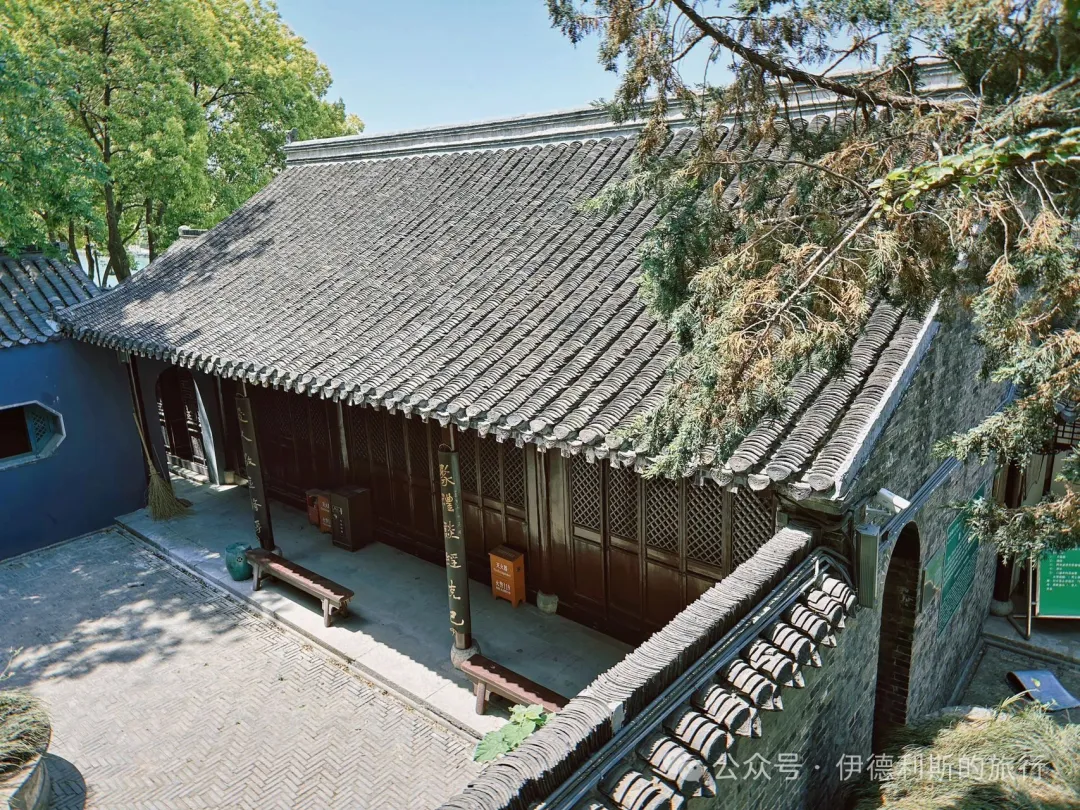
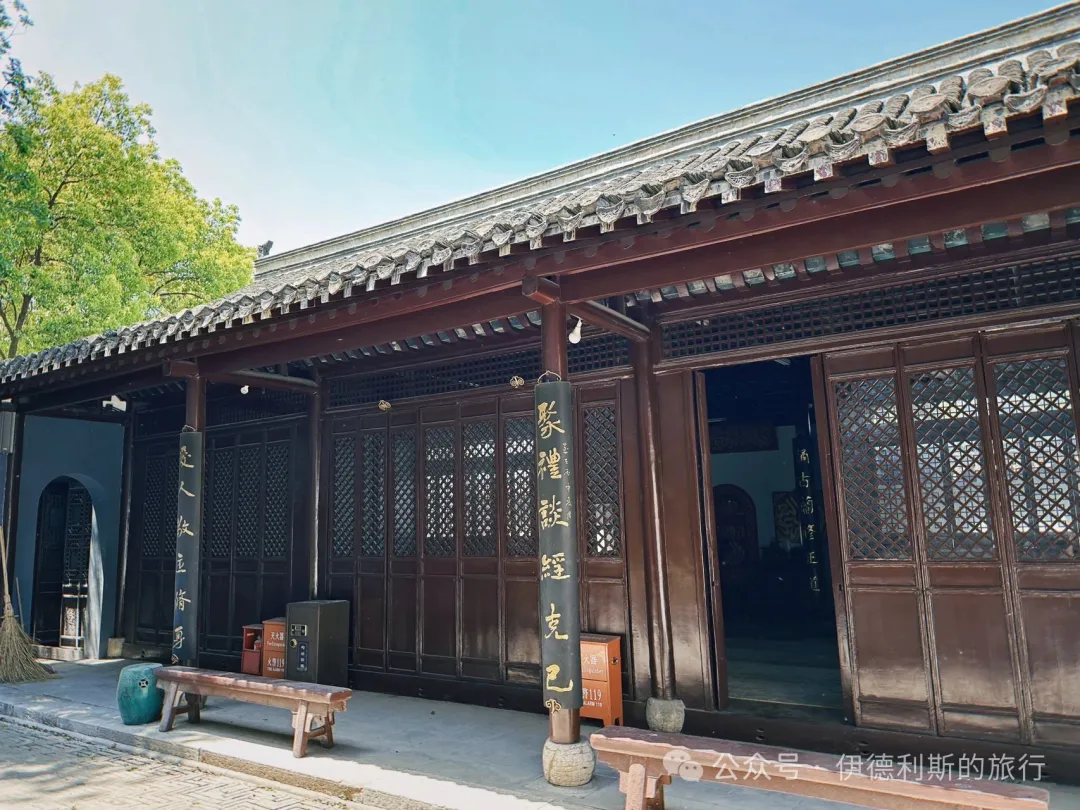
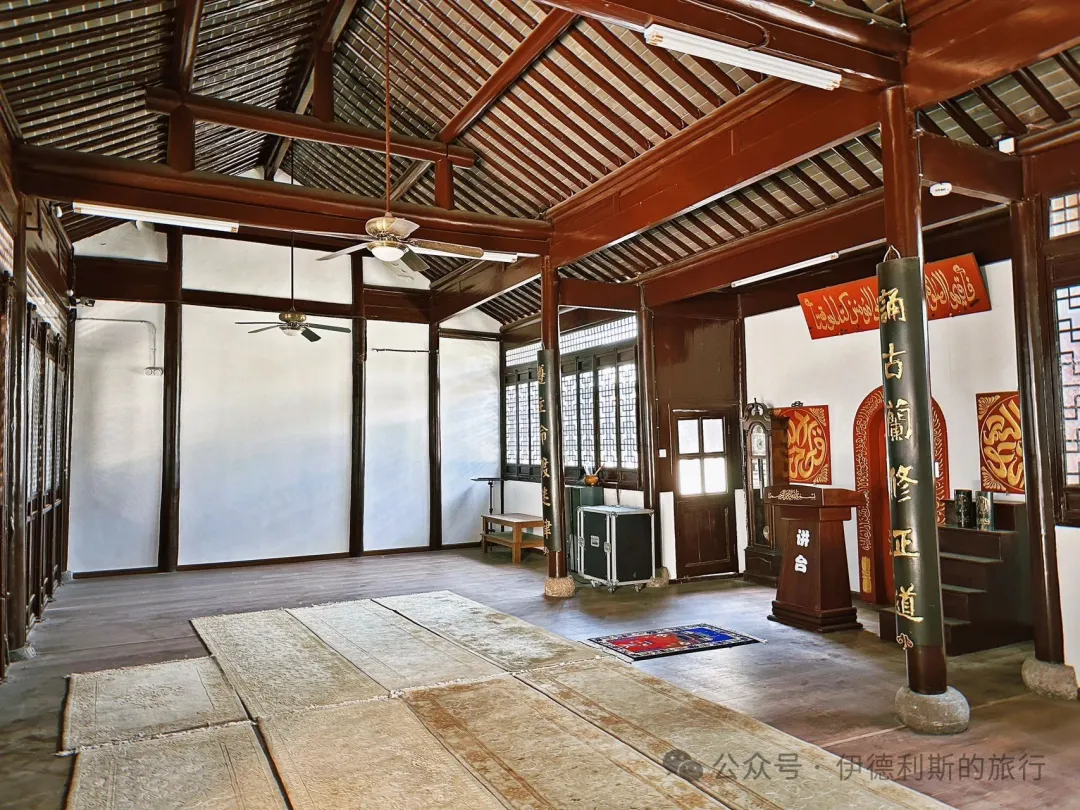
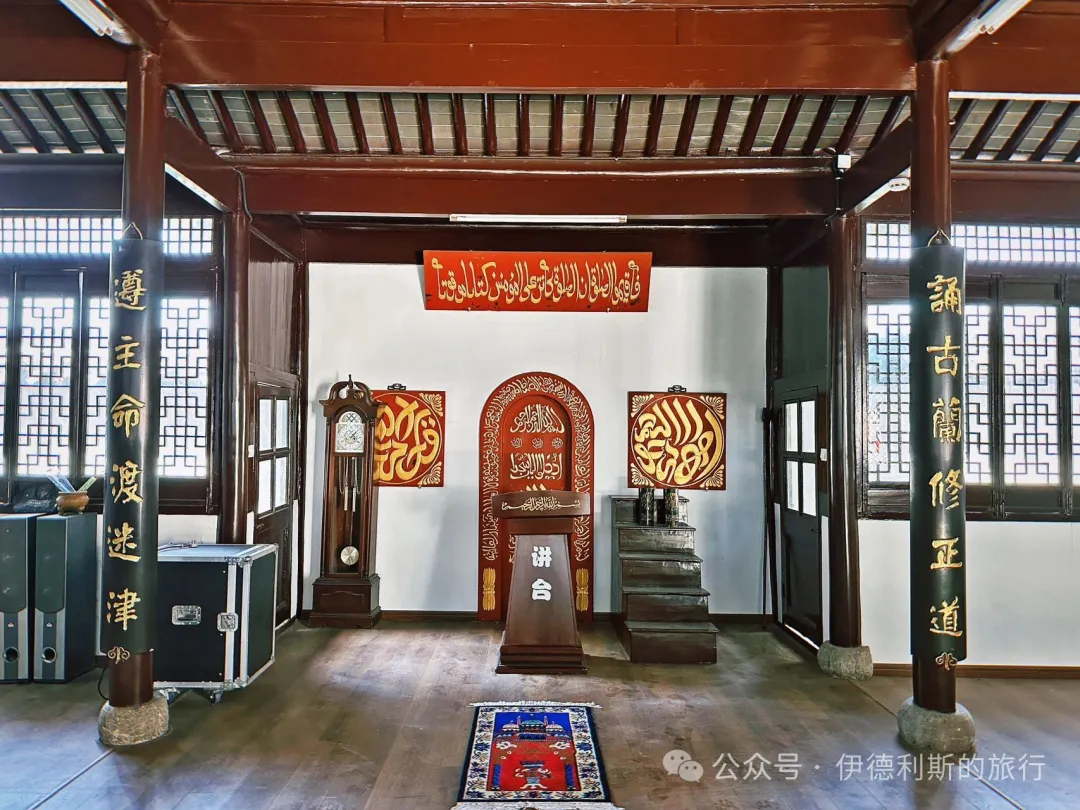
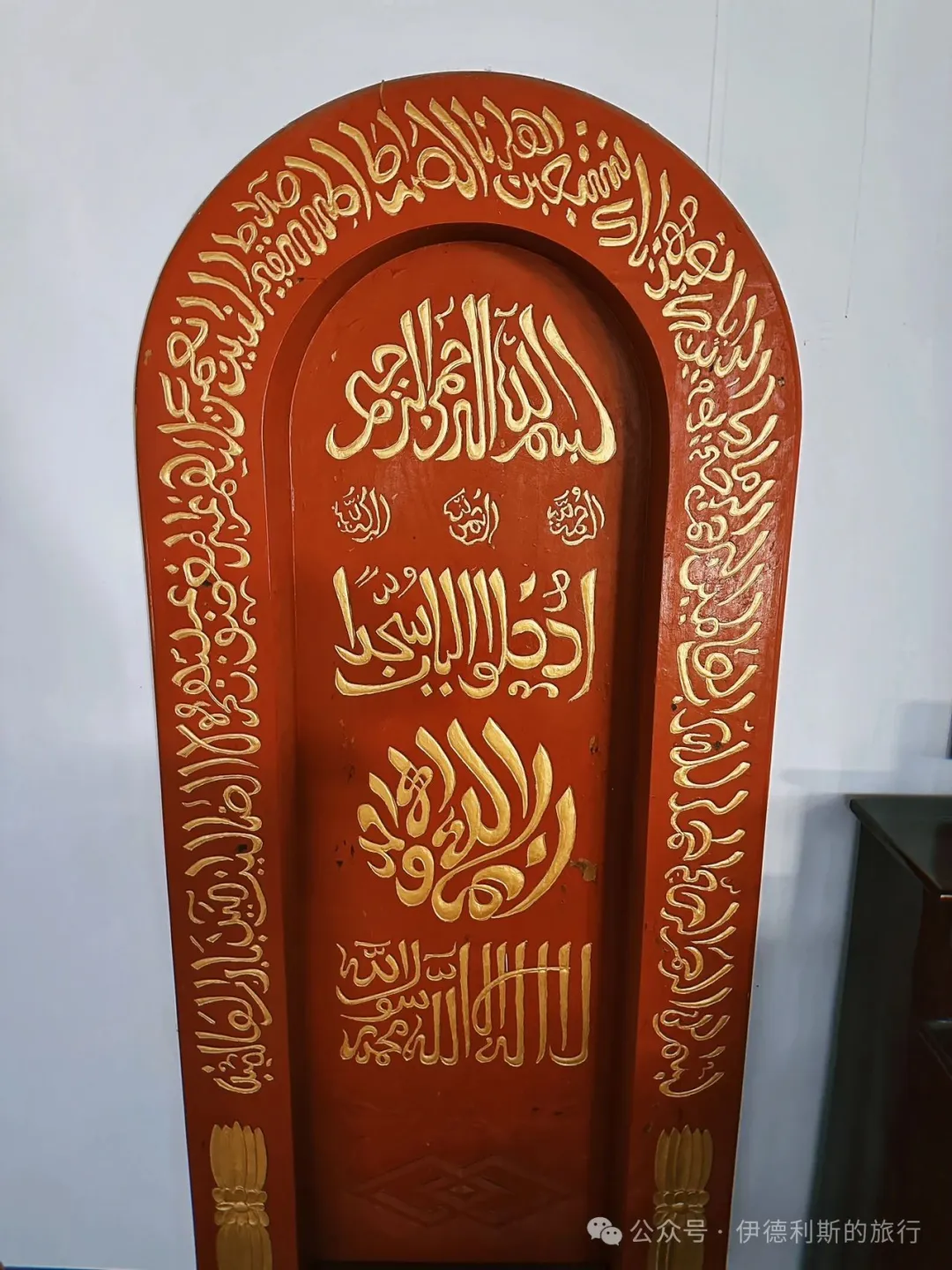
Inside the north gatehouse of the Puhading Cemetery, there is a stone tablet from 1908 (the 34th year of the Guangxu reign) titled 'Record of the Tomb of the Sage from the Western Regions, Puhading.' Besides recording his birth and death, it tells legendary stories that the local community calls 'karamat' (miracles). The inscription records that an old monk from the Dragon King Temple tried to compete with Puhading in spiritual power, but he could not win and eventually submitted. It also records that in the early Qing Dynasty, thieves tried to dig up Puhading's tomb. After they opened the tomb cover, a fierce fire suddenly erupted and burned many of the thieves. Later, they saw there were no remains in the tomb, only a copy of the Quran (Tianjing), a hat, shoes, a fan, and a staff. The inscription is signed by 'the imam of this mosque and others who oversaw the carving.' The imam of this mosque refers to the leader of Babayao Mosque.
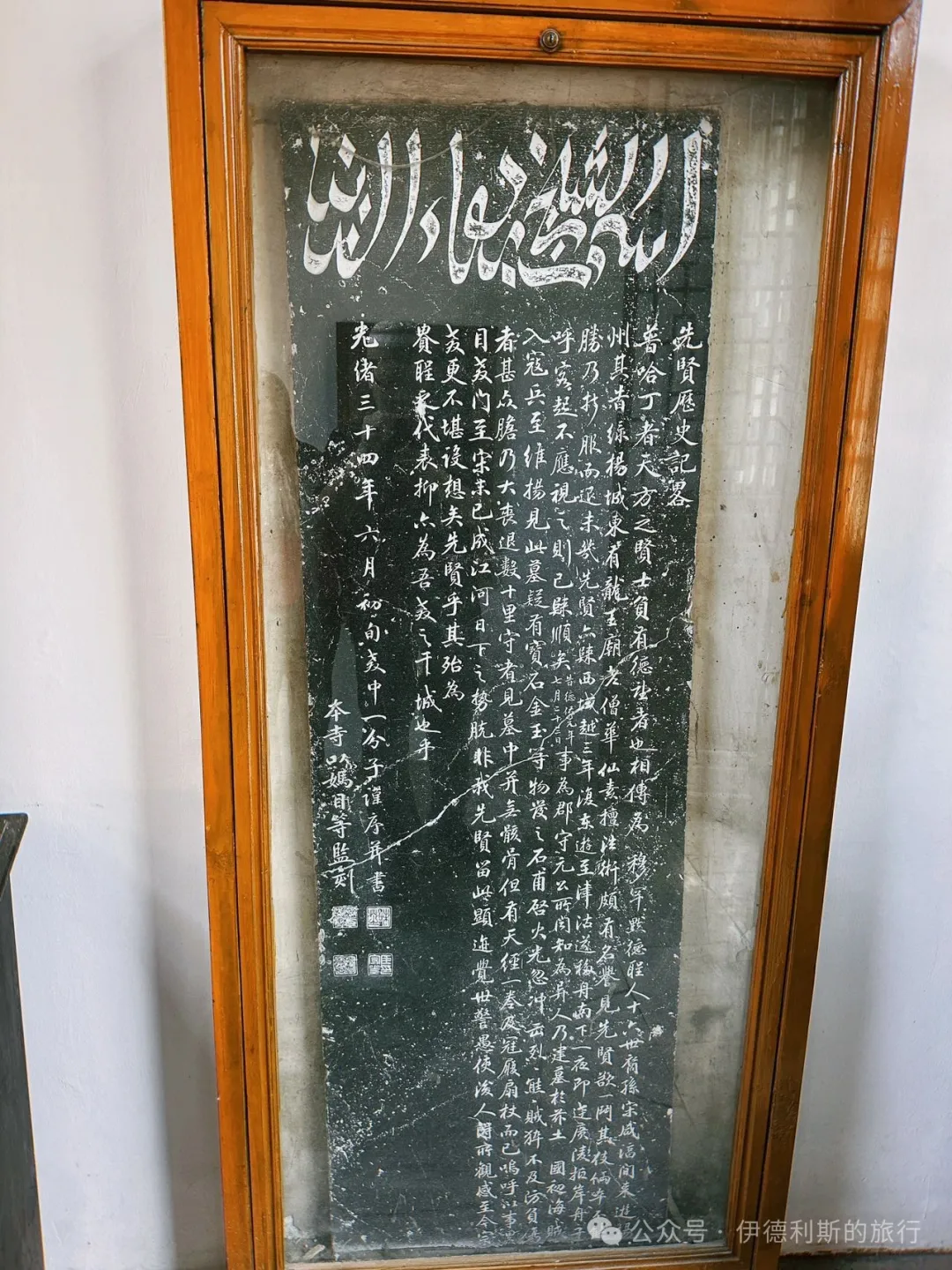
Zhenjiang Shanxiang Mosque
Zhenjiang Shanxiang Mosque is also called the West City Mosque or the Great West Mosque. Its original construction date is unknown. It was expanded during the Kangxi reign, destroyed by the Taiping Rebellion in 1853 (the 3rd year of the Xianfeng reign), and rebuilt in 1873 (the 12th year of the Tongzhi reign). According to the 'History of Islam in Zhenjiang, Jiangsu,' the late Imam Tan Yuanshen, who lived to be over eighty, recalled hearing from his grandfather and the elders that before the Kangxi-era expansion, the West City Mosque was just three thatched huts. At that time, the area was sparsely populated and vast; one could see the Zhenjiang city gate tower to the east and Yuntai Mountain to the west.
After Zhenjiang opened as a treaty port, the area outside the West Gate became a busy commercial district. In 1865, the British established a concession by the river. With the opening of the Shanghai-Nanjing Railway, the area outside the West Gate developed further, and Hui Muslims kept moving there to trade and settle around Shanxiang Mosque.
In 1902 (the 28th year of the Guangxu reign), Zhenjiang Hui Muslims raised funds to expand Shanxiang Mosque, and the current layout dates back to this renovation.
Shanxiang Mosque consists of a small courtyard and a large courtyard. Entering the main gate, you find the first small courtyard. Passing through the front hall leads to the second small courtyard, with a side door on the side and the second gate directly ahead. Passing through the second gate leads to the third small courtyard, and then a corridor leads into the large courtyard, which contains the prayer hall, the south lecture hall, and the opposite hall. This layout of large and small courtyards is very characteristic of the Jianghuai region.
Main gate
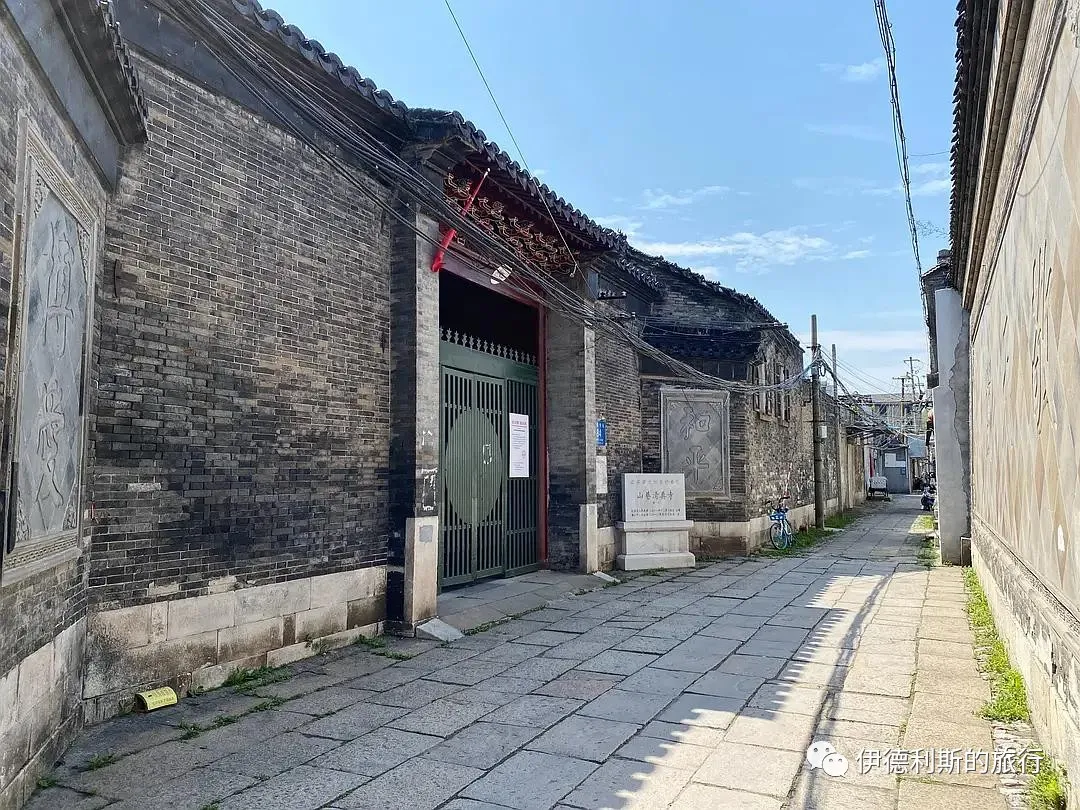
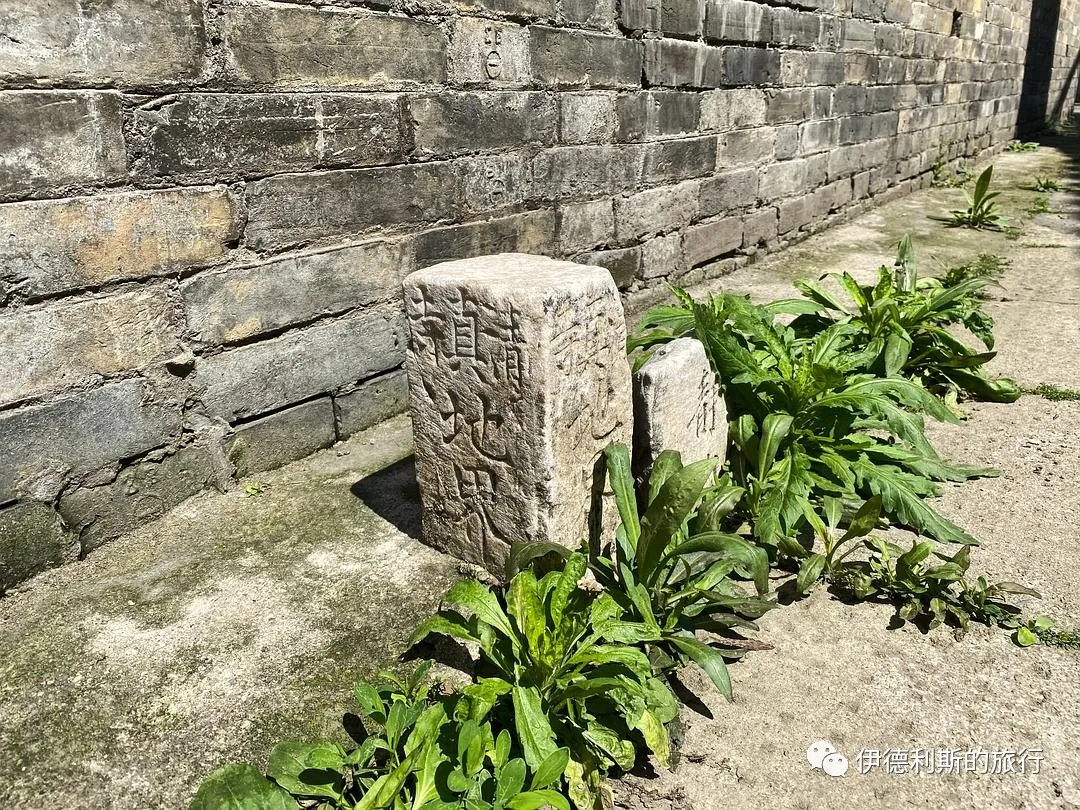
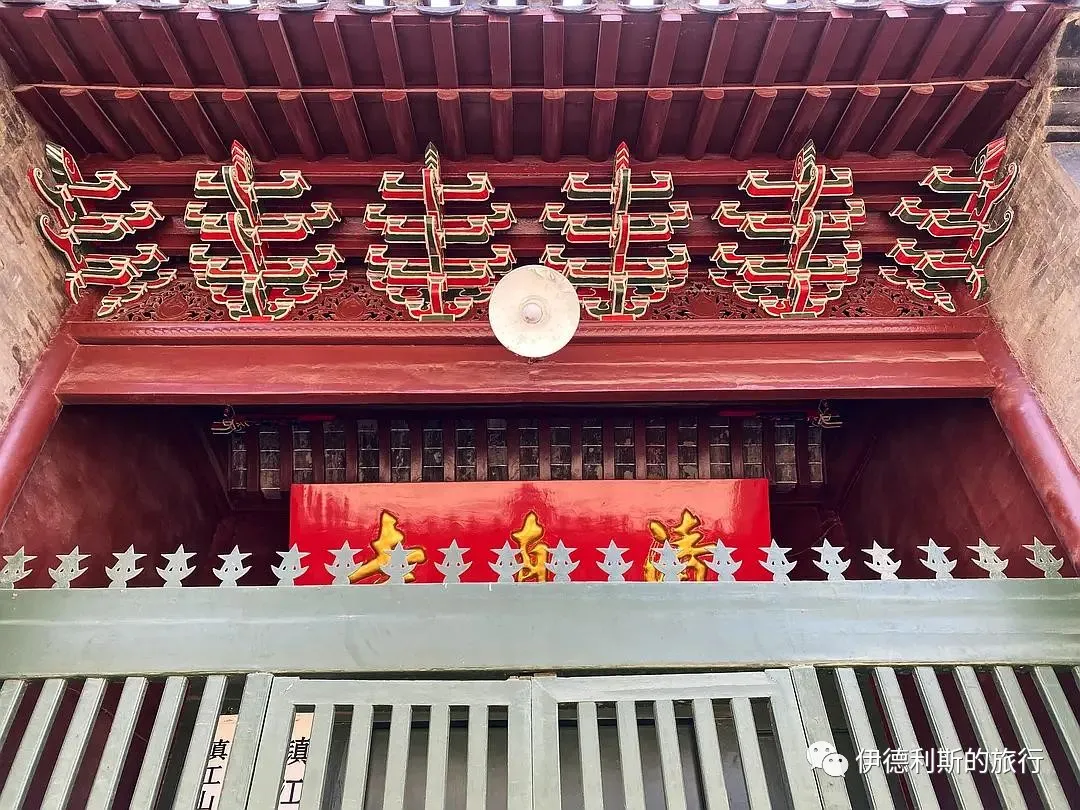
During the War of Resistance, the front hall was used as a classroom for Muyuan Primary School. The plaque above was written by Imam Hua Guilin in 1984, and the couplets were written in 2010 by the famous Beijing Arabic calligrapher Li Wencai.
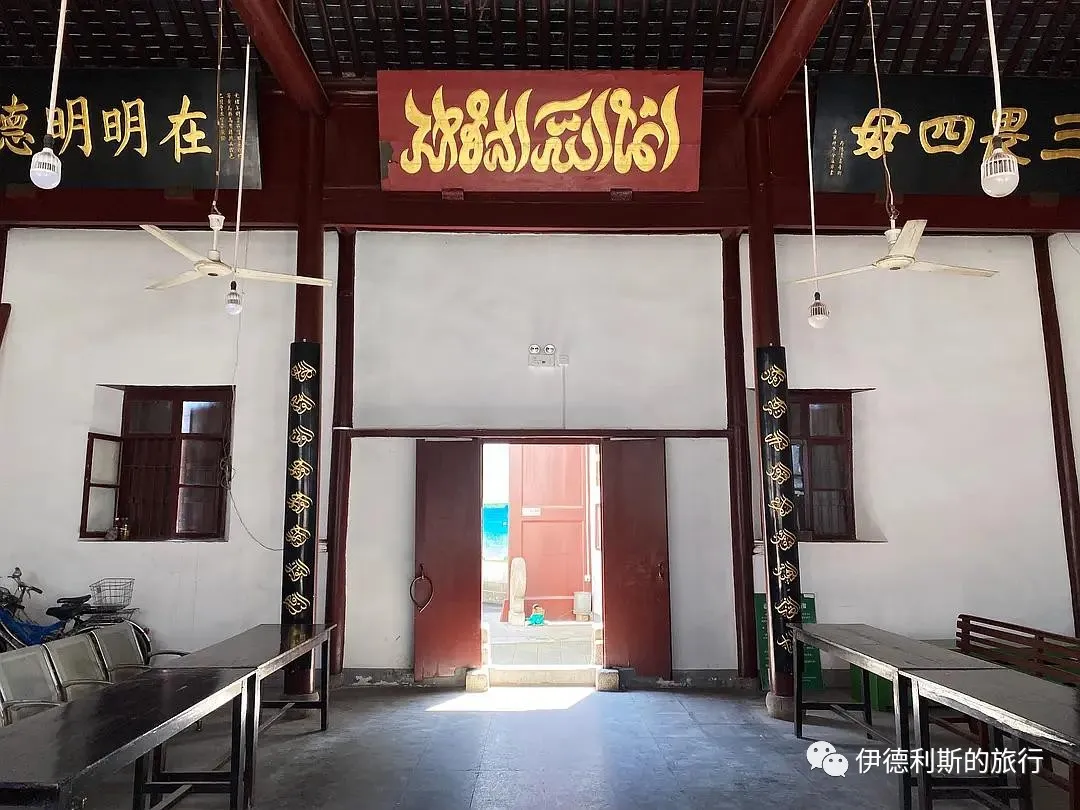
Halal Travel Guide: Jiangsu - 25 Historic Mosques, Part 3
Articles • ali2007fr posted the article • 0 comments • 283 views • 2026-05-20 09:55
Summary: This third part of the Jiangsu mosque series continues through historic Hui Muslim mosque sites, inscriptions, architectural remains, and community stories across the province. It records mosque relocations, preserved prayer halls, Qing and Republic of China era tablets, family histories, and the changing urban settings around these sites.
The stone door base outside the front hall.
The rockery inside the second small courtyard.
The second gate.
Facing the side gate hall is a green screen door with the circular characters for "halal" written in the center.
After the mosque was smashed and occupied in the 1960s and 1970s, only the side gate hall remained, guarded by an elder named Ma Zhonglin. The occupying unit tried to force Ma Zhonglin out with various excuses, but he refused them all and spent ten difficult years there. During those ten years, all the Hui Muslims in Zhenjiang stored funeral supplies and held funeral preparations in this gate hall. At that time, only elder Ma Zhonglin washed the bodies of the deceased, performed the funeral dua (namaz), and recited dua at the gravesite. He also slaughtered poultry for the village elders in the side gate hall every morning.
In 1981, elder Ma Zhonglin passed away. Afterward, Tan Quanhong and Zhang Dagui took turns slaughtering poultry for the elders in the side gate hall every morning. That same year, the occupying unit began to move out, and the Shanxiang Mosque was finally recovered.
The third small courtyard outside the second gate.
The large courtyard. The courtyard has a cross-shaped path and is planted with pine and ginkgo trees. There were once two ginkgo trees over 200 years old in the courtyard, but they were cut down in 1958 to support the Great Leap Forward steel production.
Shanxiang Mosque was once an important national base for printing and publishing Islamic books. From the Qianlong to the Tongzhi periods of the Qing Dynasty, more than 20 types of philosophical and religious books, including the "Baoming Zhenjing," "Tianfang Dianli," "Guizhen Zongyi," and "Huihui Yuanlai," were woodblock printed in hundreds of editions and shipped across the country by land and water. To this day, the Cultural Palace of Nationalities in Beijing, the Central University for Nationalities Library, and the Peking University Library all hold books printed by the Zhenjiang Shanxiang Mosque.
In the 1960s and 1970s, the Shanxiang Mosque was severely damaged, and none of its scriptures, woodblock plates, plaques, couplets, furniture, decorations, or other cultural relics survived.
The opposite hall, decorated with calligraphy hanging in the center and on scrolls.
The traditional winding alley.
The alley name comes from the Persian word "Baba," which is what Hui Muslims often call their elders.
Stone carvings from the Ming and Qing dynasties at the Jianzi Alley Mosque.
Jianzi Lane Mosque was originally called Gurun Mosque. It was first built in Ren'an Ward on Fumin Street and served as a mosque for the Hui Muslims in Zhenjiang during the Yuan Dynasty. According to the 1333 (the fourth year of the Zhishun era of the Yuan Dynasty) Records of Zhishun Zhenjiang, there were 59 Hui Muslim households with 374 people in Zhenjiang during the Yuan Dynasty. The famous Yuan Dynasty Hui Muslim poet Sa Dula served as a darughachi (a seal-holding administrator) for the Zhenjiang Circuit Record Office for three years starting in 1328 (the first year of the Tianli era). According to the Guangxu-era Dantu County Annals, Sa Dula did many good deeds in Zhenjiang, such as stabilizing prices, opening granaries to help the people, curbing powerful servants, and breaking down superstitions. In 1326 (the third year of the Taiding era), a scholar named Zhemaluding, who had passed the provincial examinations in Jiangsu and Zhejiang, served as a professor at the Zhenjiang Circuit Confucian School, which was the highest educational official position at the time.
Gurun Mosque was destroyed at the end of the Yuan Dynasty and the beginning of the Ming Dynasty. It was rebuilt during the Hongwu era of the Ming Dynasty. In 1602 (the 30th year of the Wanli era), it was moved to Jianzi Lane inside the city and became known as Jianzi Lane Mosque. It was renovated three times in 1850 (the 30th year of the Daoguang era), 1904 (the 30th year of the Guangxu era), and 1909 (the first year of the Xuantong era).
In 1958, Jianzi Lane Mosque was occupied by a knitting factory and a color printing factory. From the 1970s to the early 1980s, the printing factory and other units demolished the main prayer hall, the lobby, and the water room to build factory buildings. A stone tablet titled Record of Gurun Mosque, written in 1620 (the 48th year of the Wanli era of the Ming Dynasty) by the scholar Li Yiyang, was used to mix cement, leaving the inscriptions damaged and blurry. The calligrapher for the Wanli renovation tablet was Ma Zhiqi, a Hui Muslim from Xinye, Henan. Ma Zhiqi was a runner-up in the 1610 (the 38th year of the Wanli era) imperial examinations. He was skilled in poetry and calligraphy. Between the Wanli and Chongzhen eras, he wrote renovation tablets for the Xiaopiyuan Mosque in Xi'an, Shaanxi, the Datong Mosque in Shanxi, the Jinshifang Street Mosque in Beijing, and the Wudu Chengguan Mosque in Gansu. In 1982, the Zhenjiang Islamic Association restored the stone tablet and moved it to Shanxiang Mosque, finally preserving it.
The printing factory occupying the mosque did not move out until 1993, and the Islamic Association regained ownership of Jianzi Lane Mosque in 1994. In 2005, when Zhenjiang built the First Building commercial pedestrian street, Jianzi Lane Mosque was completely demolished. A new Gurun Mosque was built on Xuefu Road, and the Wanli renovation tablet, the ancient well railing, and three Qing Dynasty renovation tablets from the original Jianzi Lane Mosque were placed in the courtyard for preservation.
Qing Dynasty mihrab from the South Gate Mosque.
to the relics from Jianzi Lane Mosque, Gurun Mosque also houses the mihrab tablet from the kiln hall of the South Gate Mosque in Zhenjiang.
The South Gate Mosque in Zhenjiang was located at the east end of Miaojia Lane. It is believed to have been built in the early Qing Dynasty and was an east-facing courtyard house. Opposite the mosque gate stood a row of tall elm trees that provided dense shade. The prayer hall and the opposite hall were both three bays wide. There were tall ginkgo trees on both sides in front of the hall, with guest rooms to the south and a water room, kitchen, and storage room to the north.
In the early 20th century, the imam of the South Gate Mosque was an imam named Ma from Henan. In the early 1920s, he was hired by the community (dost) in Shou County, Anhui, and was succeeded by Imam Wan Shourong. The daily affairs of the mosque were managed by Jin Zhiguang from the Xinchangheng fabric store and Xia Songfu, the father of Xia Rongguang. During the Republic of China era, the firewood and rice market outside the South Gate was very prosperous, and more than 50 Hui Muslim households lived there.
In 1937, the South Gate Mosque was destroyed by war. The mihrab tablet from the kiln hall was kept in the home of Hua Baoren next to the mosque until it was moved to Gurun Mosque in 2005.
The lotus-shaped Arabic script at the top of the stone tablet is the Basmala. The middle part contains verse 163 of the Cow Chapter (Surah Al-Baqarah), and the diamond-shaped inscription at the bottom is in Kufic Arabic calligraphy, which reads: Prostrate yourselves, and worship your Lord.
Xinhe Street Mosque.
Xinhe Street Mosque was built in 1930. Zhenjiang Hui Muslims also commonly called it the Jinde Association. It was originally a private residence purchased with donations from Muslims in both Shanghai and Zhenjiang, so it is a Jiangnan-style courtyard house with three sections and two side wings.
Yihewani, also known as the New Sect, means brothers in Arabic. It was founded by Ma Wanfu from Guoyuan Township, Linxia, after he returned from the Hajj in Mecca at the end of the 19th century, and was later carried on by Hu Songshan. The Ikhwan sect advocates following the scriptures and reforming customs, basing their faith on the Quran and Hadith. They opposed certain traditional practices of the Gedimu sect, such as wearing mourning clothes or calling the adhan when moving into a new home.
The Ikhwan sect spread to the Jiangnan region in the 1920s. In 1926, Imam Ha Decheng and others founded the Jinde Association at the Xiaotaoyuan Mosque in Shanghai to promote Ikhwan teachings. Fa Jiesan (1872-1958), a local Hui Muslim from Zhenjiang who moved to Shanghai, discussed the teachings with Imam Ha Decheng. He accepted the Ikhwan views and returned to Zhenjiang to practice his faith at home according to Ikhwan rituals. Later, funds were raised in both Shanghai and Zhenjiang to build an Ikhwan mosque on Xinhe Street.
After the Ikhwan sect arrived in Zhenjiang, it was generally hard for the middle-aged and elderly to accept, but many young people embraced it. At the time, the new and old sects lived in peace and operated side by side.
The old Xinhe Street mosque had a stone plaque above the main gate engraved with the words 'Mosque' (Huijiaotang), but it no longer exists. The current building consists of three small bays with three courtyards and side rooms. There is a covered patio between the first and second courtyards, a garden gate connecting the second and third, and the third section is a two-story building.
The Zhenjiang Jinde Association usually held a dinner every Saturday night after the evening namaz. They invited an imam to give a sermon (wa'az), and everyone who came to listen was invited to eat. The costs were covered by members who had hired the imam to perform memorial prayers for their ancestors.
During summer and winter breaks, the Jinde Association also organized scripture classes for Hui Muslim children, and families from all sects sent their children to study.
After the mosque was built, many famous imams were hired to lead religious affairs. In 1947, the famous Imam Li Si (Li Zhenji) from Anhui came to the Xinhe Street mosque from the Luohe Mosque in Henan. According to Mr. Xia Rongguang, Imam Li Si was nearly 70 years old at the time. He had a kind and gentle appearance and a refined manner. When he explained the teachings, everyone, regardless of their level of understanding, felt inspired. Because of this, more and more elders from other neighborhoods came to the mosque for Friday Jumu'ah prayers. In the autumn of 1949, Imam Li Si returned to Luohe from Zhenjiang.
In 1950, 43-year-old Imam Zhang Zhushu came to the Xinhe Street mosque to serve as the head imam. Imam Zhang Zhushu was from Xiangfan, Hubei. Mr. Xia Rongguang recalled that he was well-versed in religious teachings and had broad modern knowledge. When he taught, he connected it to real life with vivid, simple language. He attracted ordinary elders and won the praise of intellectuals, and local Muslims in Zhenjiang called him an imam of the new era. In 1953, Imam Zhang Zhushu was invited by the Fuyou Road Mosque in Shanghai to serve as their imam, so he left Zhenjiang.
After that, the elder Tan Jizhen managed the prayers and affairs at the Xinhe Street mosque until it was merged into the Shanxiang Mosque in 1958. It later became a dormitory for a forestry machinery factory and has been abandoned ever since.
Jingjue Mosque
Jingjue Mosque is located on Sanshan Street in the south of Nanjing. It was originally called the Sanshan Street Mosque, but was renamed Jingjue Mosque during the Jiajing period of the Ming Dynasty. It is the primary mosque of Nanjing from the Ming era.
One account says Jingjue Mosque was built in 1388 (the 21st year of the Hongwu reign of the Ming Dynasty) by imperial order to house officials from the Western Regions who had submitted to the Ming, such as Yibulajin and Kemaruding. Another account says it was built in 1392 (the 25th year of the Hongwu reign) by imperial order for Saihazhi, the seventh-generation descendant of Sayyid Ajjal Shams al-Din. Both accounts are recorded on Ming Dynasty stone tablets.
According to the 1493 (fifth year of the Hongzhi reign of the Ming Dynasty) inscription titled 'Imperial Decree to Build Two Mosques in Yingtian Prefecture, Jiangnan,' it states: 'In the 21st year of the Hongwu reign, Yibulajin, Kemaluding, and others, originally from the Rumi Kingdom in the Western Regions, followed the Duke of Song to submit to China after conquering the Jinshan and Kaiyuan areas. Therefore, two mosques were built by imperial decree to settle them, and five households including Kemaluding were assigned to live at the Jingjue Mosque near the Moon-Watching Tower (Wangyue Lou).' The family genealogies of two Hui Muslim branches with the surname Ma, known as 'Weiyitang' and 'Bojitang' in Hushu, Nanjing, both record that they are descendants of Ma Gutai and Ma Baihao, who were settled at the Jingjue Mosque at that time.
According to a 1405 (third year of the Yongle reign of the Ming Dynasty) inscription at the Great Mosque on Huajue Lane in Xi'an, 'On the 14th day of the third month of the 25th year of the Hongwu reign, Saihazhi, the seventh-generation grandson of the Prince of Xianyang, Sai Dianchi, went to the inner court to receive an imperial decree:...two mosques were to be built in two locations, one at Copper Workshop on Sanshan Street in Yingtian Prefecture, Nanjing, and one on Ziwu Lane, Chang'an County, Xi'an Prefecture, Shaanxi Province.' The 'Genealogy of Sai Dianchi' records that Saihazhi was granted the hereditary title of Marquis of Xianning, and 'when the Ming Emperor Taizu established the capital in Jinling, he commissioned Saihazhi to build a mosque in Jinling.' After the work was finished, he built the Great Mosque in Chang'an. When the Tiemao Lane Mosque in Taicang, Jiangsu, was rebuilt in the 1980s, a stone tablet was found inside the wall, revealing that the Taicang mosque was also built by Saihazhi.
Additionally, according to the Republic of China era 'Zhongnan and Huaibei Regional Gazetteer,' 'North of the street is the Jingjue Mosque. Wu Ru from the Western Regions came to China during the Ming Dynasty to serve in the Imperial Board of Astronomy. He lived in Nanjing and built this mosque next to his residence.' Therefore, the Jingjue Mosque may have originally been part of Wu Ru's residence.
The Jingjue Mosque was destroyed by fire in 1430 (fifth year of the Xuande reign), and Zheng He requested its reconstruction before his seventh voyage to the Western Oceans. According to the 'Record of the Imperial Decree for Eunuch Zheng He to Rebuild the Mosque,' it states: 'Your request has been received: The mosque on Sanshan Street in Nanjing has been burned down.' 'Because you wish to rebuild it to pray for the safety of the funds, grain, people, and ships for your voyage, this shows your respectful heart. How could this be neglected?' 'As an imperial envoy, since you have already set your heart on this, how could your wish be abandoned?' 'If the personnel and materials you use are insufficient and delay your project, you may draw supplies from the Nanjing Directorate of Palace Servants and the Ministry of Works so that it can be completed in time for the winds to set sail. This is the decree.'
During the Taiping Rebellion, most of the bricks, tiles, and wood from the Jingjue Mosque were dismantled to build the mansion of the feudal prince. After being rebuilt in 1877 (third year of the Guangxu reign) and renovated in 1879 (fifth year of the Guangxu reign), it took on its current layout. In the early years of the Republic of China, the wealthy Nanjing gentleman Jiang Xiudong and his wife funded the construction of the north and south lecture halls and the hall building for the Jingjue Mosque, and it was renovated again in 1957. After the 1960s, the Jingjue Mosque was occupied by a rubber company and the No. 3 Rubber Factory. The remaining Ming Dynasty brick and stone archway and the Butterfly Hall were demolished, and plaques, couplets, and stone tablets were severely damaged. It was reopened in 1983 after renovations in 1982, and the reconstruction of the archway was completed in 1985.
During the Ming Dynasty, the main hall of the Jingjue Mosque had 81 rooms and was built with nanmu wood. The current main hall was rebuilt in 1877 (third year of the Guangxu reign). It is convex-shaped and features a traditional wooden frame structure. The main hall and the opposite hall are connected by a corridor, forming a gong-shaped plan, which is typical of the Jiangnan style. The mihrab niche was moved from the original Xiaowangfu Lane Mosque, and the surrounding wooden carvings of scriptures were carved in 2001.
The back of the prayer hall connects directly to a high wall, which is a typical practice of Jianghuai courtyard-style architecture and is very rare in the north.
During the 2007 renovation, the main hall was raised by 1 meter. During this process, workers dug two meters deep and unearthed Ming Dynasty glazed tiles, brick carvings, stone railings, and huge Ming Dynasty stone column bases. These bases were twice the diameter of those from the Guangxu period.
The only remaining Ming Dynasty brick and stone archway and the Butterfly Hall were both demolished in the 1960s. The archway was rebuilt in 1985, the Butterfly Hall was rebuilt in 2004, and a new stele pavilion was built in 1996.
The only Jahriyya mosque in Nanjing.
Inside Nanjing's Jingjue Mosque, there is a stone tablet from the 17th year of the Guangxu reign titled 'Great Transformation to Truth' (Da Hua Gui Zhen). It records how Wu Defa followed his father Wu Dasong's final wishes and donated the back part of their family home at 59 Shigu Road (formerly Xiaofengfu Lane) to build the Shigu Road Mosque. The tablet mentions two Jahriyya imams, Fan Yuncai and Zhan Fengxiang. Witnesses included neighbors surnamed Chen, Cai, Zhou, and Yu; fellow Muslims surnamed Sun, Li, Wu, Zhan, Zong, and Jin; close relatives surnamed Ha, Ma, and Mai; and clan members surnamed Wu. This tablet was originally kept at the Shigu Road Mosque. After the mosque was demolished in 1986 for road expansion, the tablet was moved to Jingjue Mosque.
Shigu Road Mosque is the only Jahriyya mosque in Nanjing. In the late years of the Qianlong reign, a Hui Muslim of the Jahriyya order surnamed Wu from Taiyuan, Shanxi, settled on Shigu Road in Nanjing. Influenced by him, Jahriyya followers (gaomu) began to appear in the Shigu Road, Sanmaogong, and Nantai Lane areas of Nanjing. Most of them worked in the fish fry farming industry. Initially, Nanjing's Jahriyya followers practiced at the Wuxueyuan Mosque (Yuan Mosque) near Shigu Road. During the Taiping Rebellion, Wuxueyuan Mosque was destroyed by war, so the followers moved their practice to the Fengfu Road Mosque. Because their loud chanting style was different, Wu Defa later invited Jahriyya followers to practice at his own home on Shigu Road, eventually founding the Shigu Road Mosque in 1891 (the 17th year of the Guangxu reign).
The Nanjing Jahriyya order belongs to the Beishan Menhuan. The Beishan Menhuan is centered in Beishan, Zhangjiachuan, Gansu. Its leader, Ma Yuanzhang, was well-read in both Islamic and Chinese classics and adopted the ideas of Liu Jielian to explain Islam through Confucianism. After the Shigu Road Mosque was established, Fan Yuncai and Zhan Fengxiang from the Beishan Menhuan served as imams. Imam Fan Yuncai was from Siyang, Jiangsu. During the Republic of China era, his son Fan Zhaofa opened the 'Faji Carriage Company' in Nanjing, which was very successful. In 1905, Wu Wenlian, the grandson of Wu Defa, went to Gansu to study Islamic texts. After completing his studies in 1911, he was appointed by Ma Yuanzhang as the imam of Shigu Road Mosque.
After the Beishan leader Ma Yuanzhang passed away in 1920, his nephew Ma Dianwu took over the leadership. It remained the Beishan Menhuan, overseeing over 100 mosques in places like Zhangjiachuan, Tianshui, and Longnan in Gansu, Qiqihar in Heilongjiang, Runan in Henan, and Long County in Shaanxi. Nanjing's Shigu Road was its only mosque in East China.
In 1937, Ma Dianwu appointed Imam Su Ziying from Zhangjiachuan, Gansu, as the imam of Shigu Road Mosque. Imam Su actively visited other mosques, connected with community elders, and promoted education. This helped the Shigu Road Mosque flourish and trained over 20 students (hailifa). In 1953, Imam Yang Junwen succeeded as the imam of Shigu Road Mosque. In 1958, the mosque closed, and Imam Yang Junwen became an imam at Fengfu Road Mosque. Afterward, Imam Yang no longer maintained contact with the Beishan Menhuan, and his religious practices gradually merged with the Gedimu order.
In 1986, the Shigu Road Mosque was demolished for road widening. Although the mosque closed, some descendants of Nanjing's Jahriyya followers still kept up their religious practices. For example, Fan Songshou, a descendant of Imam Fan Wencai, made a living running a tofu shop. Even in his nineties, he insisted on performing the five daily prayers (namaz) and continued to fast during Ramadan. In the 1960s, he still volunteered to wash and bury the deceased and help with funeral arrangements.
Plaque inscriptions at Jingjue Mosque:
'Pure and Single-minded' (Wei Jing Wei Yi): An auspicious day in the first month of summer, the Gengyin year of the 16th year of the Guangxu reign of the Great Qing, by the Commander of the Jiujiang Town, Jiangxi.
'Correct Heart and Sincere Intent' (Zheng Xin Cheng Yi): June of the 11th year of the Republic of China, respectfully erected by members of the Nanjing Islamic Association.
The stele from the 47th year of the Qianlong reign records the four boundaries of Jingjue Mosque. It notes that a shop on the east side was rented out, and a shop on the west side near Horse Lane (Ma Xiang) was rented out for a flower shop. The elders who donated funds included those with the surnames Chen, Ma, Wu, Jin, Zheng, and Sha.
The stele from the 18th year of the Guangxu reign records that Imam Ma donated his own land next to the mosque to build the main prayer hall and the water room (wudu area).
Jingjue Mosque houses a memorial stele for Ma Yitang, a Hui Muslim merchant from Nanjing who lived in Shanghai. It was inscribed in 1931 by Ma Fuxiang, a famous Beiyang general who was serving as the chairman of the Mongolian and Tibetan Affairs Commission.
Ma Yitang was born in 1869. His ancestors ran a money shop outside Jubao Gate in Nanjing, and the family owned the Ma Yulong Satin and Fan Shop. Ma Yitang used Shanghai as his base to expand his trade in Chinese and foreign general merchandise. He set up businesses in Chengdu and Chongqing, and his goods were sold as far away as the Tibetan regions. Ma Yitang was devoted to the faith. He served as a director for the North Mosque and West Mosque in Shanghai and helped fund the founding of the Hanxi Gate Girls' School and the Zhugan Lane Girls' School in Nanjing. In 1909, Ma Yitang became a special deliberative director of the Shanghai Islamic Board of Directors and participated in all its decision-making. In 1921, he was responsible for expanding the Xiaoshadu Mosque in Shanghai, which is now the Huxi Mosque.
Jingjue Mosque houses a notice stele from the 15th year of the Republic of China issued by the Police Department for the Shangfuqiao Mosque. It was erected by the West District Police Station of the Jiangsu Provincial Capital Police Department. It records that the police stepped in to protect the Shangfuqiao Mosque and the Dajiao Lane Mosque to uphold the rights of the faith. The petitioners included Hui Muslims with the surnames Bai, Tao, Pu, Ma, Yuan, Liang, Wei, and Jin.
Shangfuqiao Mosque was located in Chuanban Lane. It was first built in 1662 (the first year of the Kangxi reign), destroyed during the Taiping Rebellion in the Xianfeng era, and rebuilt in 1876 (the second year of the Guangxu reign). It was later occupied by Nanjing No. 62 Middle School, and the notice stele was moved into Jingjue Mosque. Dajiao Lane Mosque was first built in 1874 (the 13th year of the Tongzhi reign). The mosque once housed trade associations for the pavilion decoration, wedding, and fried rice industries. It was later occupied by a factory and eventually demolished.
Jingjue Mosque houses a Qing dynasty stone carving from the Neiqiaowan Mosque, which was rescued from under an excavator during the demolition of Neiqiaowan in 2019.
Neiqiaowan Mosque was located on Zhongshan South Road. One account says it was first built in 1645 (the second year of the Shunzhi reign), while another says it was built in 1662 (the first year of the Kangxi reign). In 1898 (the 24th year of the Guangxu reign), Shi Jialiang bought a group of houses in Neiqiaowan to rebuild the main prayer hall. The Shi family's ancestral home was in Wuwei, Gansu. They came to Nanjing during the Jiaqing reign of the Qing dynasty to develop the silk trade and later became a famous satin-trading family in Nanjing. They founded the Shi Juxing Satin Shop during the Daoguang reign. The Shi family moved to Shanghai during the Guangxu reign to develop their business and were members of the Shanghai Mosque Board of Directors.
Neiqiaowan Mosque once housed a primary school and a trade association for the glutinous rice food industry. It was demolished in 1991 due to road widening.
The former Taiping Road Mosque.
Because the Jiangsu Hotel expanded to Taiping Road, the main prayer hall and the opposite hall of the Taiping Road Mosque were moved 40 meters south of the Old Caoqiao Mosque in 2003. The work was completed in 2005.
Taiping Road Mosque was originally called Huapailou Mosque. Legend says it was built by Chang Yuchun in the early Ming dynasty. It was destroyed during the Taiping Rebellion and later rebuilt with funds raised by elders from the Ha, Ma, Zheng, Yang, Ding, and Chang families. It was renovated under the leadership of Ma Jingtao during the Tongzhi reign. In 1924, Nanjing wealthy merchants and brothers Jiang Muzhou and Jiang Sukan (Guobang) donated funds to rebuild a new mosque on the south side, which was still called Huapailou Mosque. When the road was widened in 1931, the gate tower was demolished. Huapailou was renamed Taiping Road, and Huapailou Mosque was also renamed Taiping Road Mosque.
After the victory in the War of Resistance against Japan in 1945, the Jiang family of Jinling funded the renovation of the main prayer hall and built the Jiang Family Shouxuan Hall in the north courtyard. In the same year, the China Islamic National Salvation Association moved into the Taiping Road Mosque and changed its name to the China Islamic Association. Its first chairman was Bai Chongxi. It was the highest Islamic organization in the country at the time until it moved to Taipei in 1949. After the 1960s, the Taiping Road Mosque was occupied. It was reclaimed in 1978, reopened in 1980, and designated as a municipal cultural relic protection unit in 1982. It remained there until it was demolished in 2003, when the components of the main prayer hall and the opposite hall were moved to a new site.
The wealthy Jiang family of Nanjing paid for the daily expenses of Taiping Road Mosque, making it the richest mosque in Nanjing during the Republic of China era. The Jiang family of Nanjing originally came from Yuncao, an ancient town in Hanshan County, Anhui. They moved to Nanjing in 1808 (the 13th year of the Jiaqing reign). They started as small vendors before expanding into the silk, salt, and pawnshop businesses. By the Guangxu reign, they had opened branches in major trading ports and became a wealthy merchant family. view all
Summary: This third part of the Jiangsu mosque series continues through historic Hui Muslim mosque sites, inscriptions, architectural remains, and community stories across the province. It records mosque relocations, preserved prayer halls, Qing and Republic of China era tablets, family histories, and the changing urban settings around these sites.
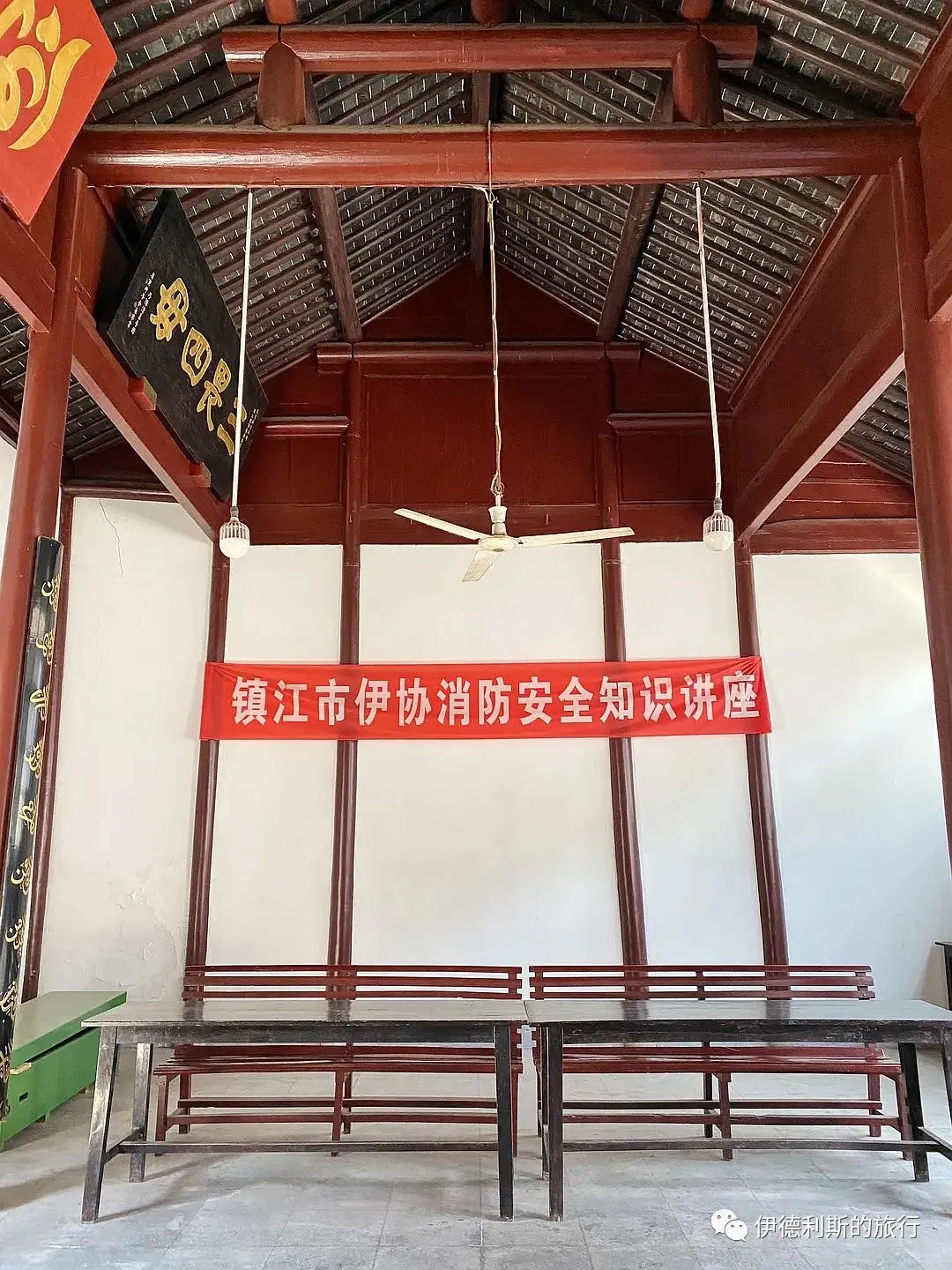
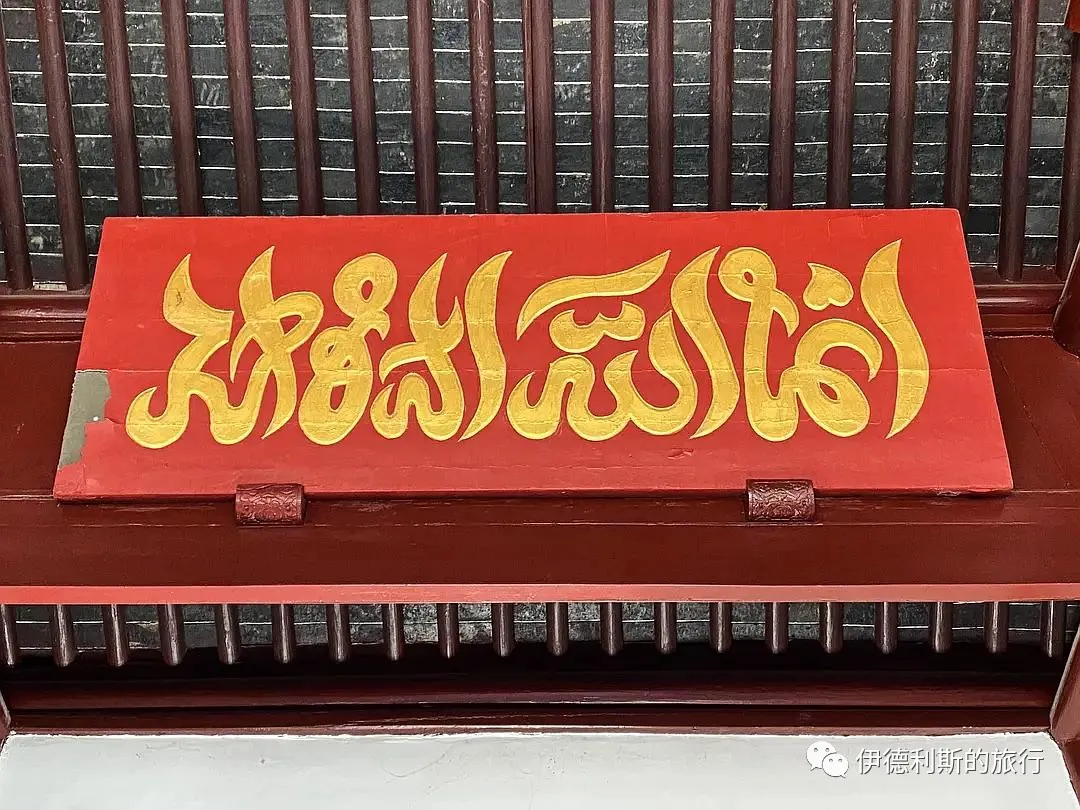
The stone door base outside the front hall.
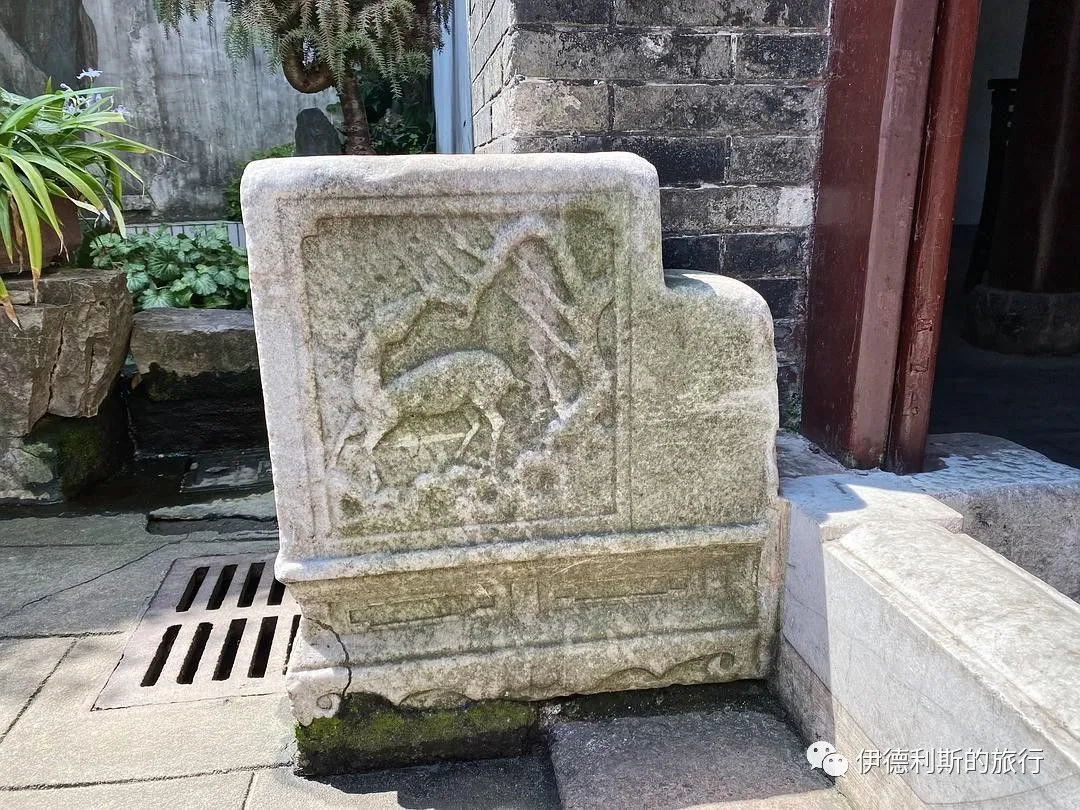
The rockery inside the second small courtyard.
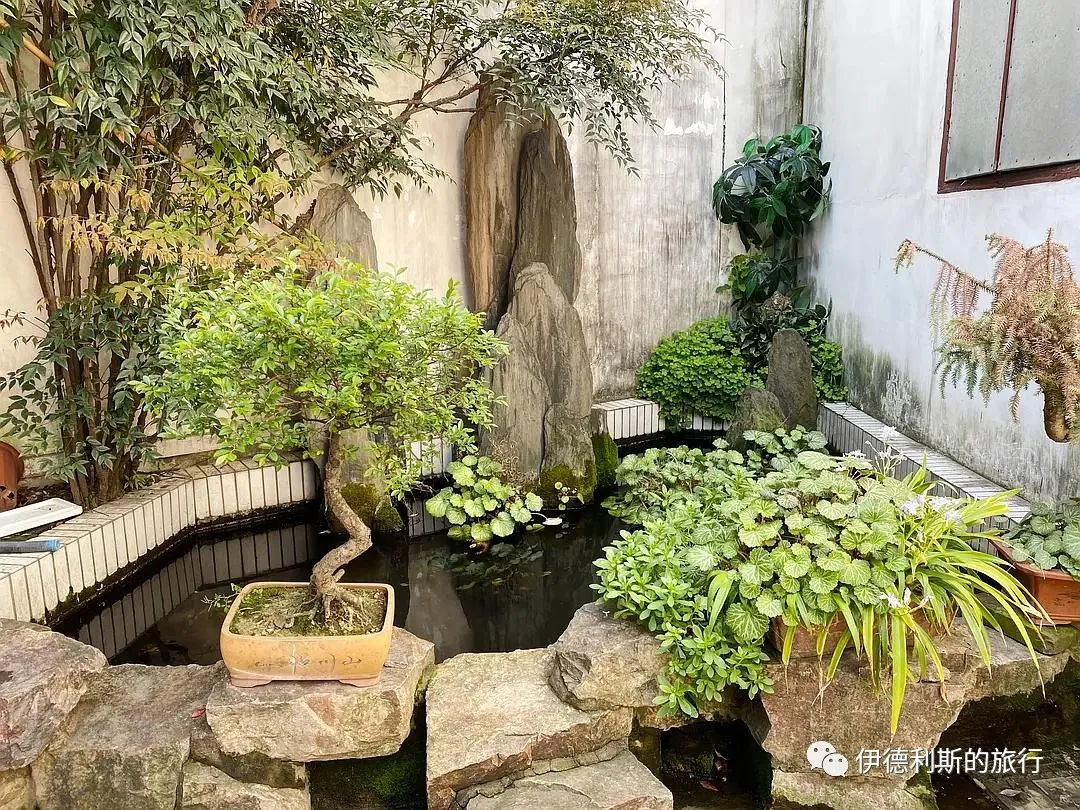
The second gate.
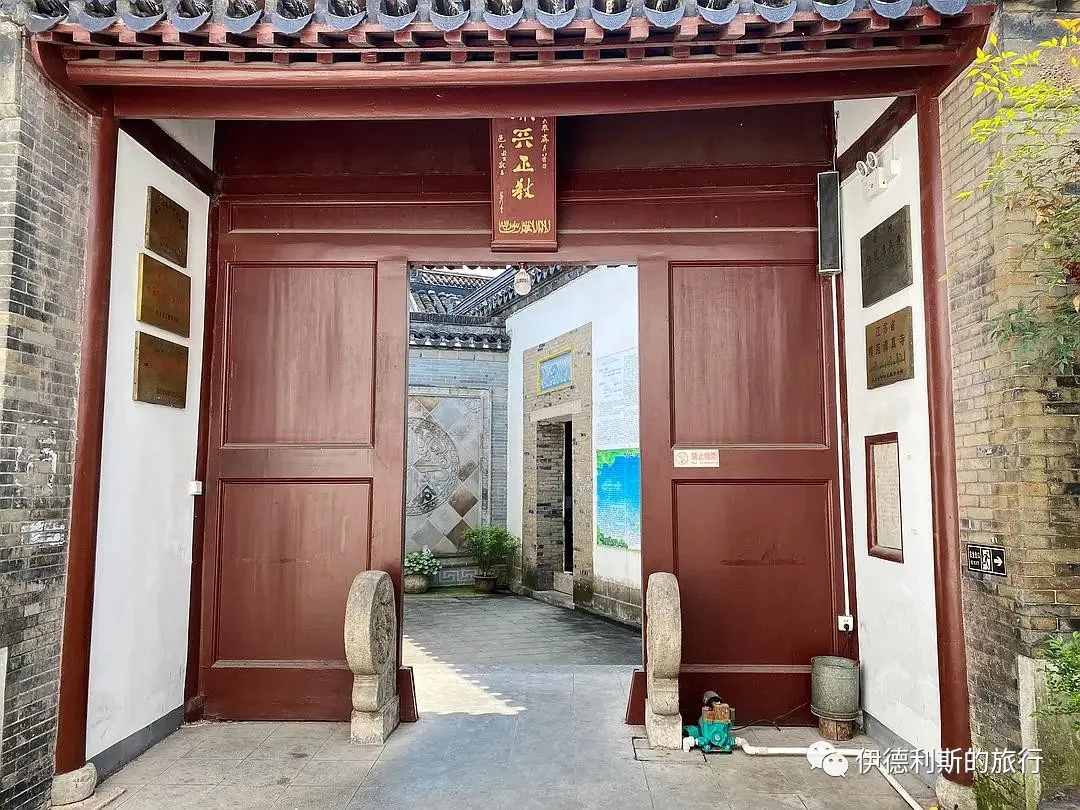
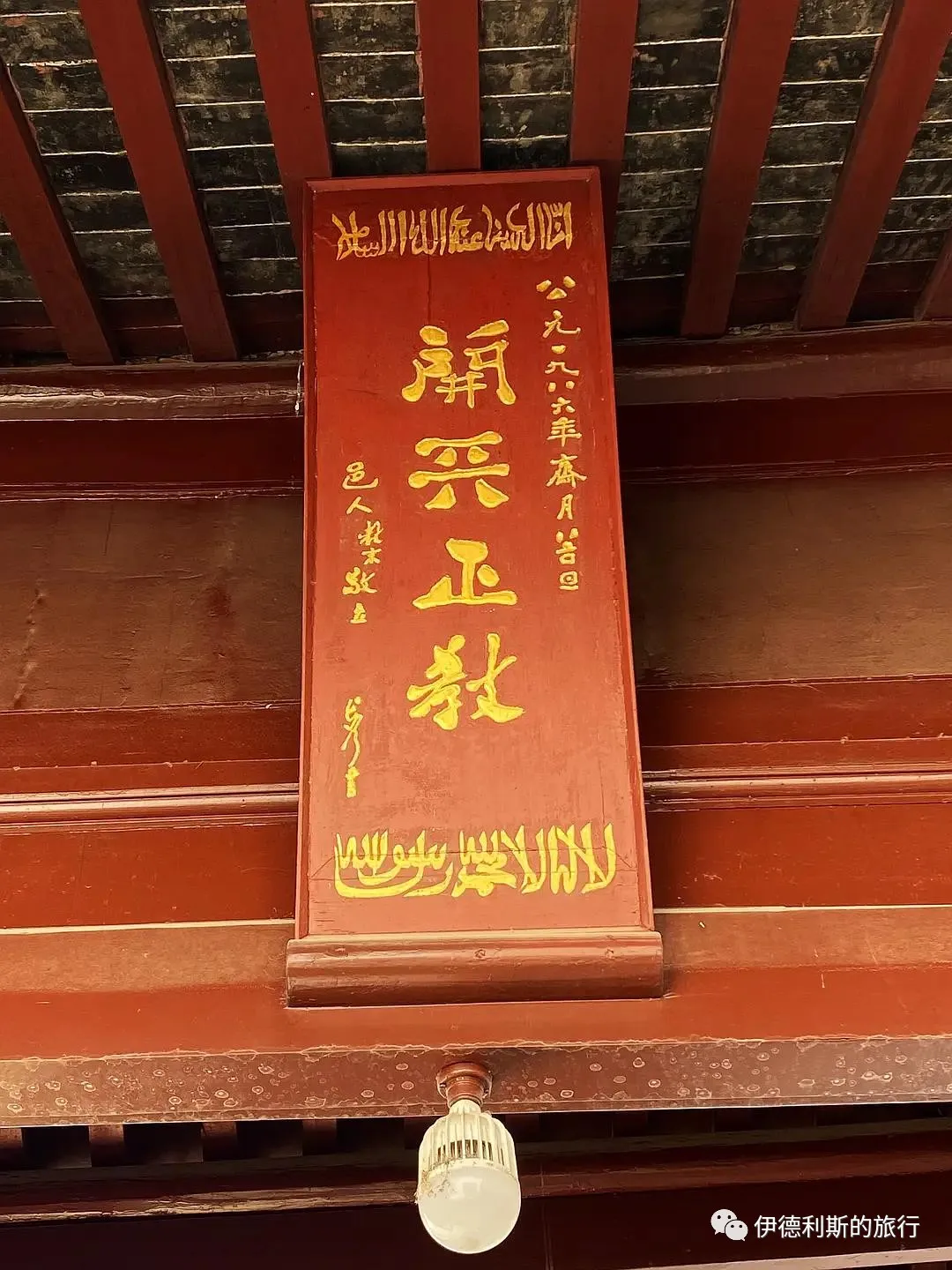
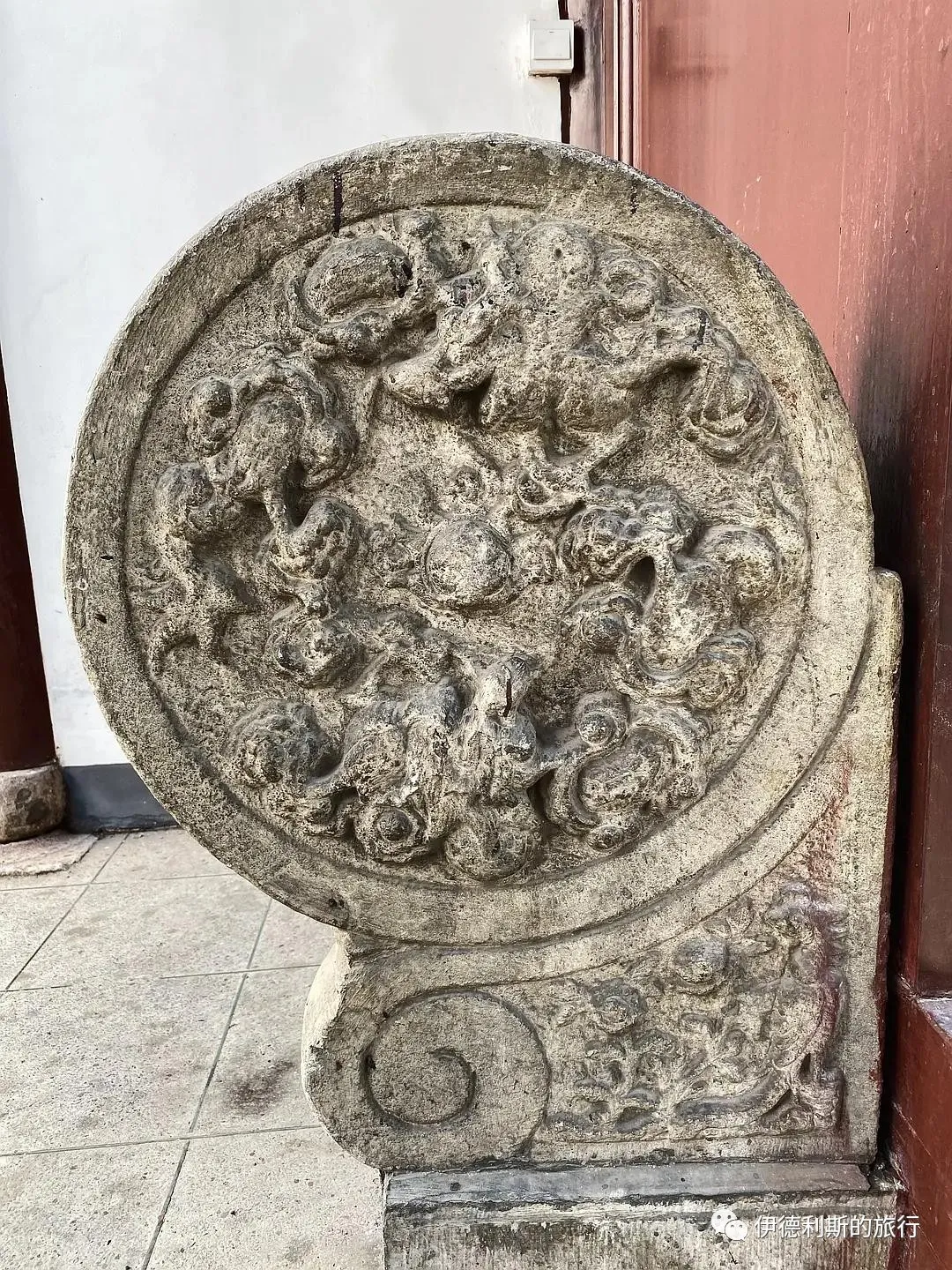
Facing the side gate hall is a green screen door with the circular characters for "halal" written in the center.
After the mosque was smashed and occupied in the 1960s and 1970s, only the side gate hall remained, guarded by an elder named Ma Zhonglin. The occupying unit tried to force Ma Zhonglin out with various excuses, but he refused them all and spent ten difficult years there. During those ten years, all the Hui Muslims in Zhenjiang stored funeral supplies and held funeral preparations in this gate hall. At that time, only elder Ma Zhonglin washed the bodies of the deceased, performed the funeral dua (namaz), and recited dua at the gravesite. He also slaughtered poultry for the village elders in the side gate hall every morning.
In 1981, elder Ma Zhonglin passed away. Afterward, Tan Quanhong and Zhang Dagui took turns slaughtering poultry for the elders in the side gate hall every morning. That same year, the occupying unit began to move out, and the Shanxiang Mosque was finally recovered.
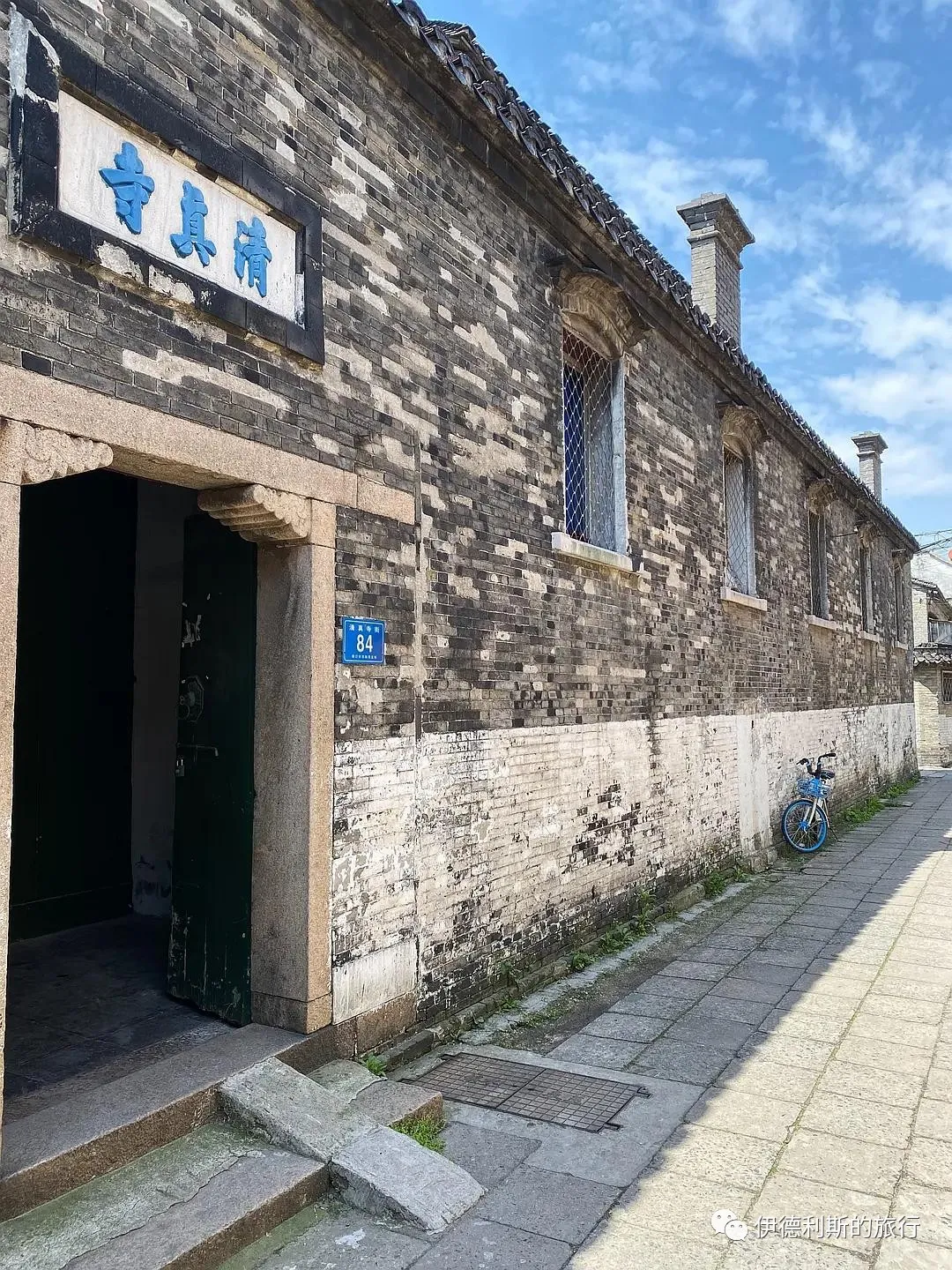
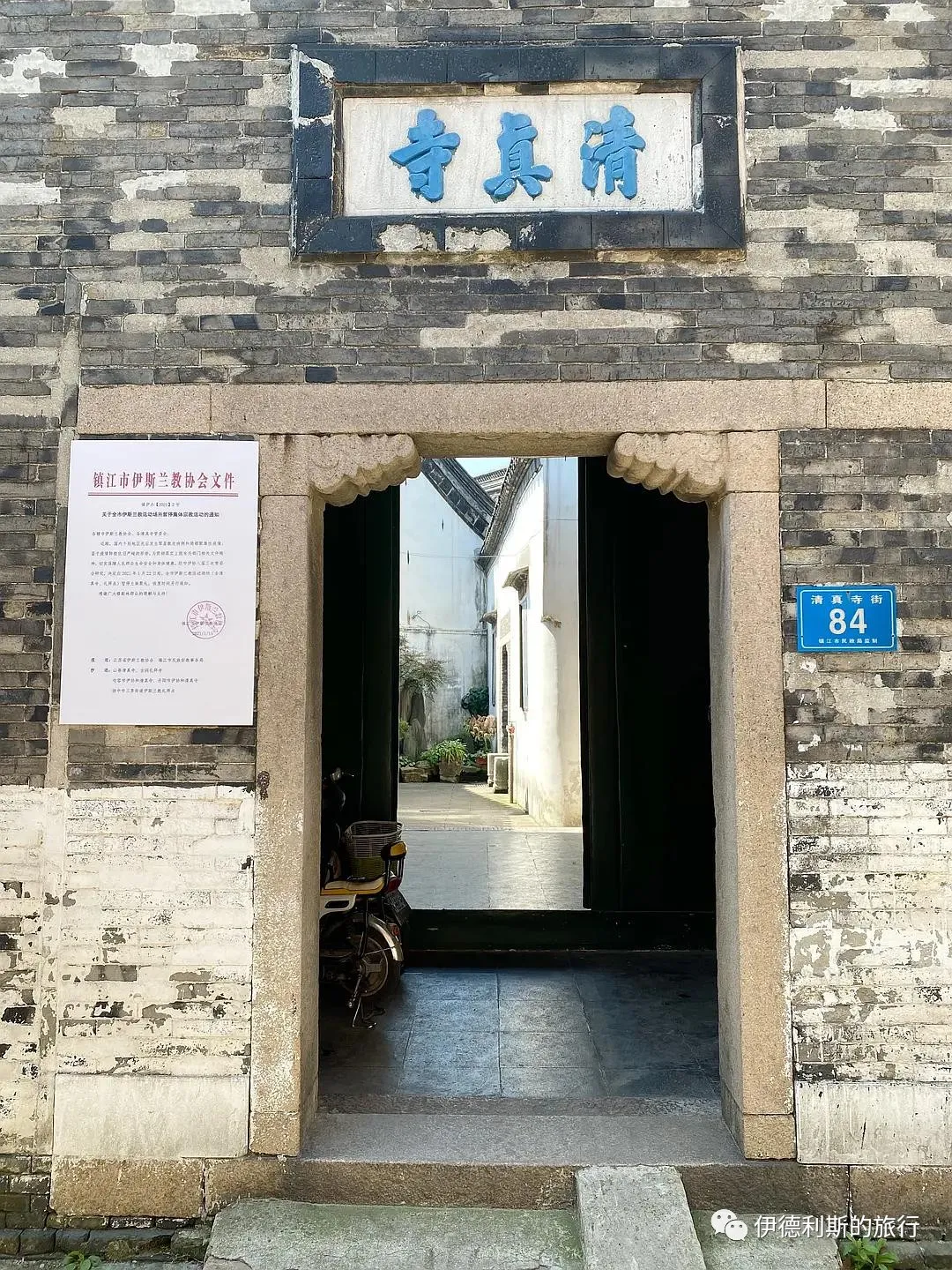
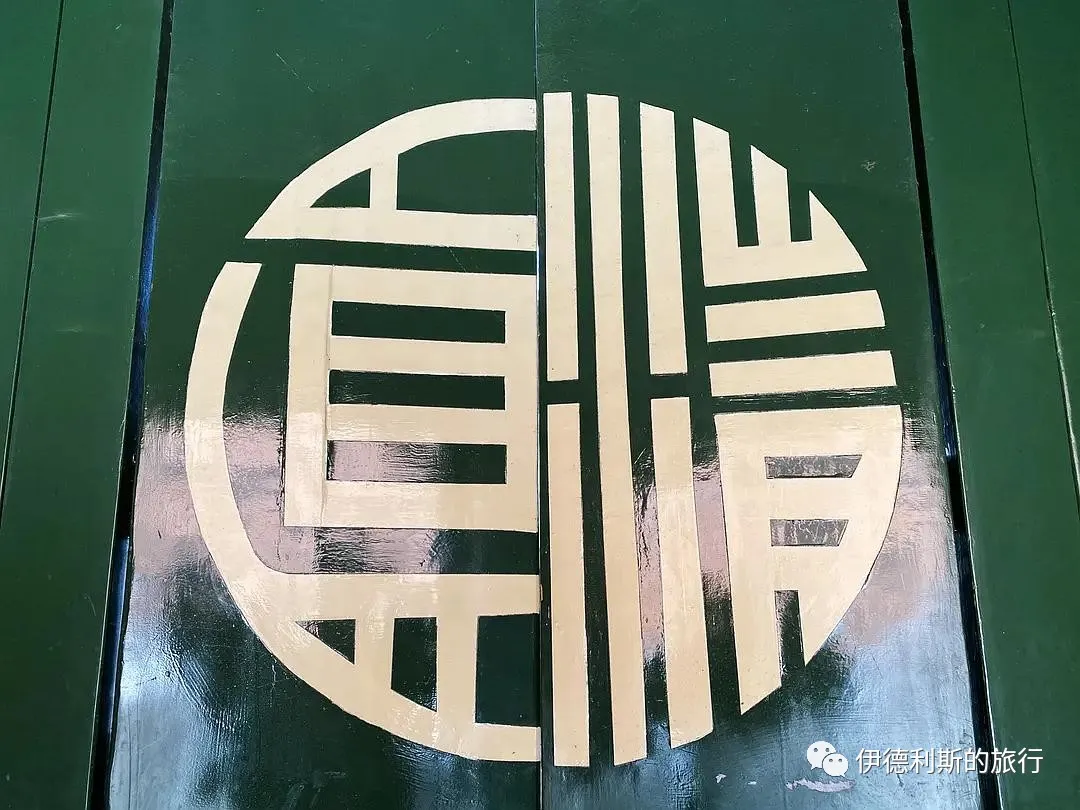
The third small courtyard outside the second gate.
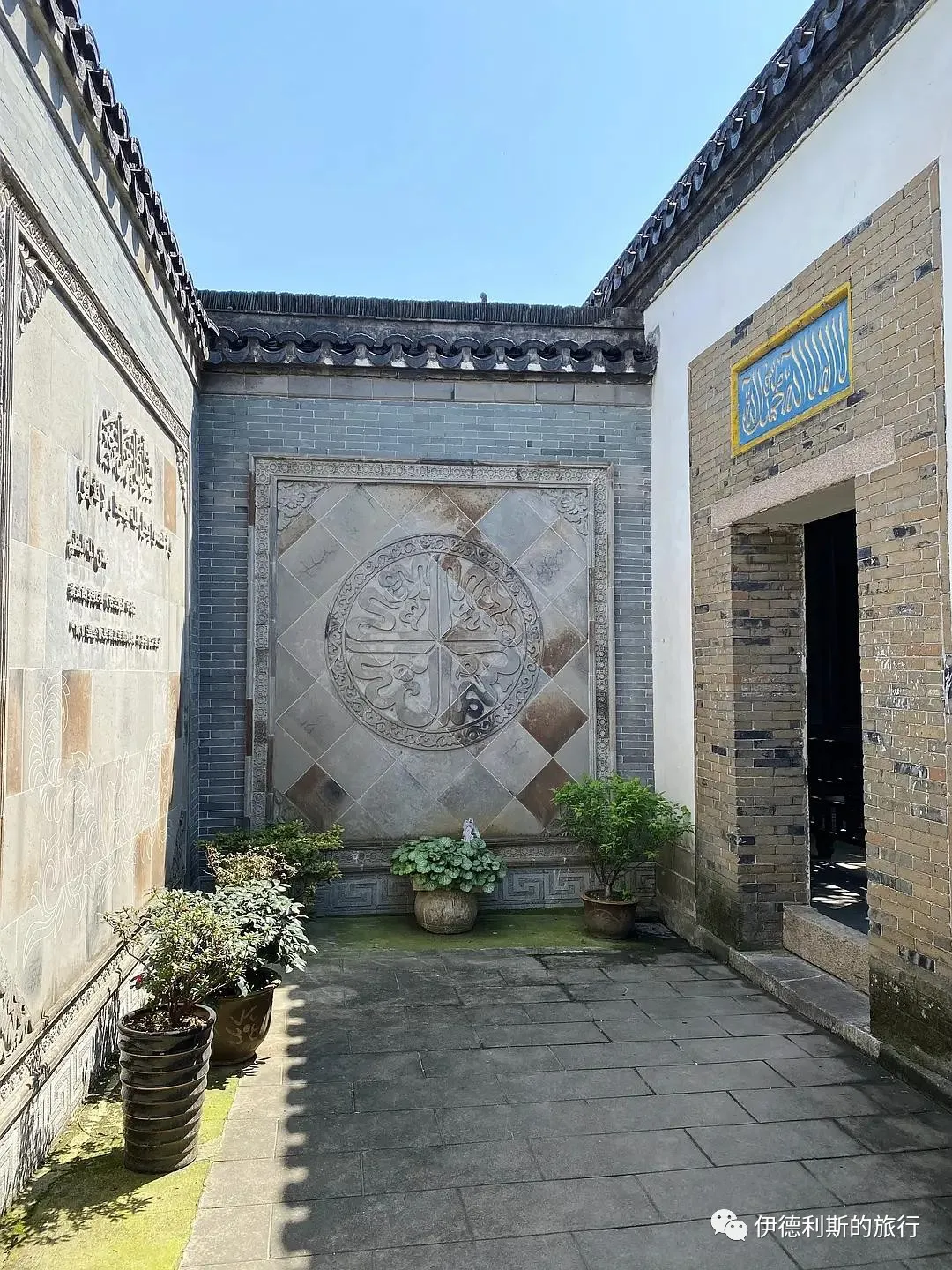
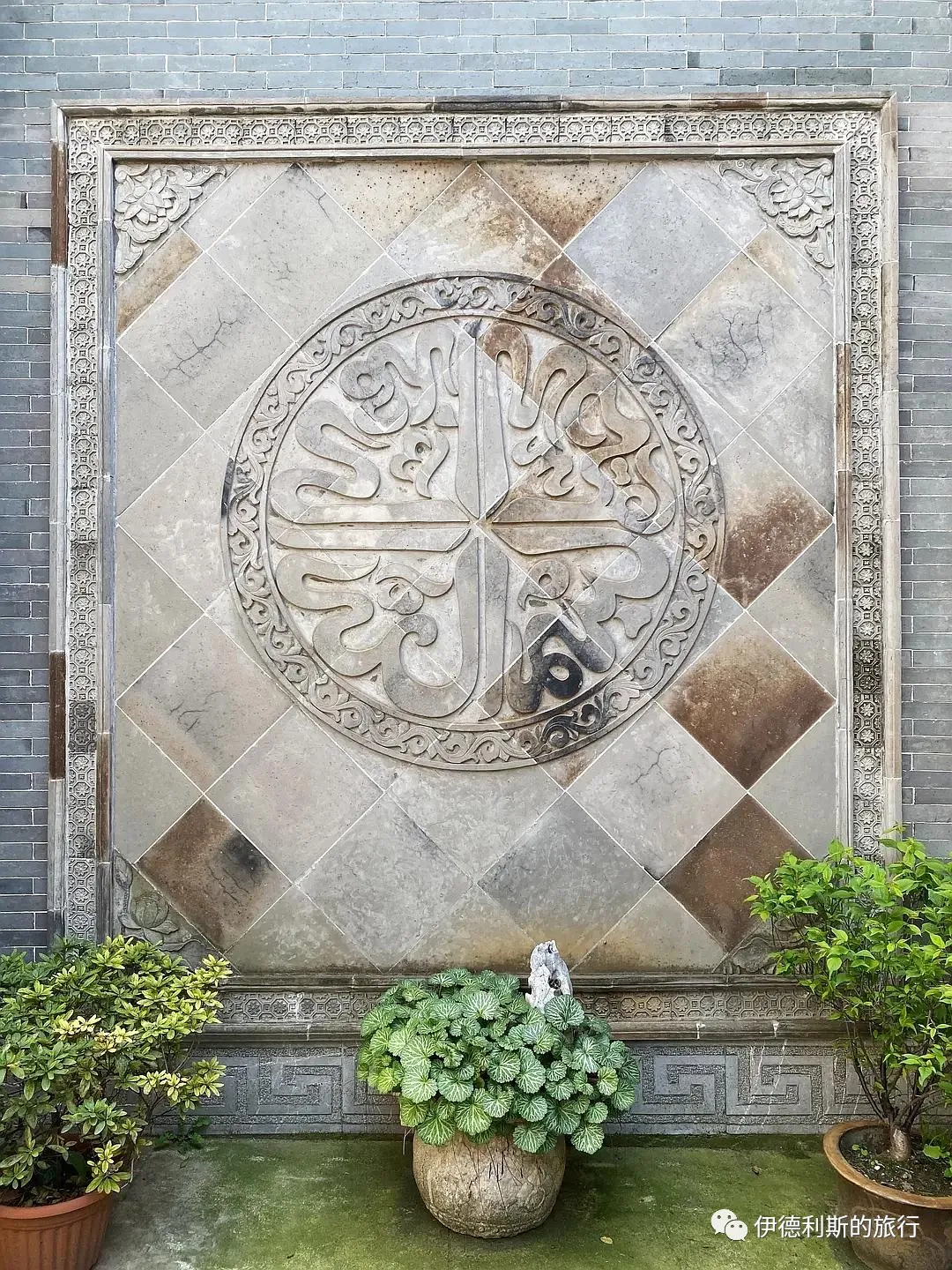
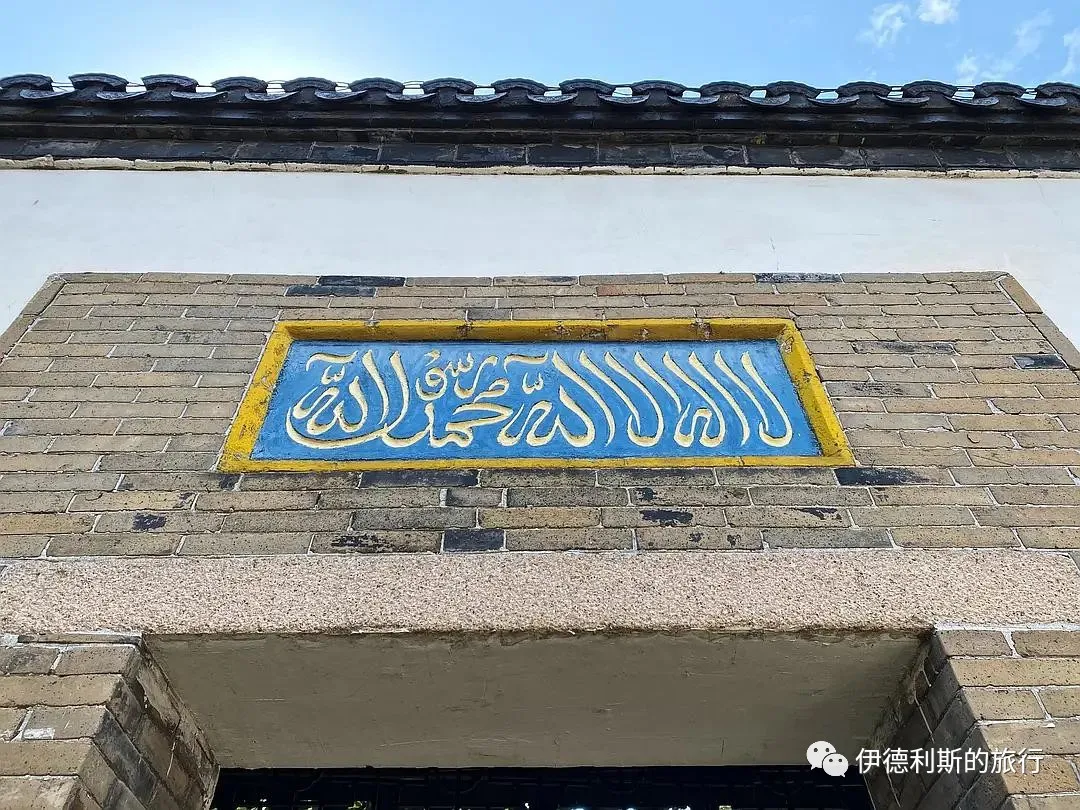
The large courtyard. The courtyard has a cross-shaped path and is planted with pine and ginkgo trees. There were once two ginkgo trees over 200 years old in the courtyard, but they were cut down in 1958 to support the Great Leap Forward steel production.
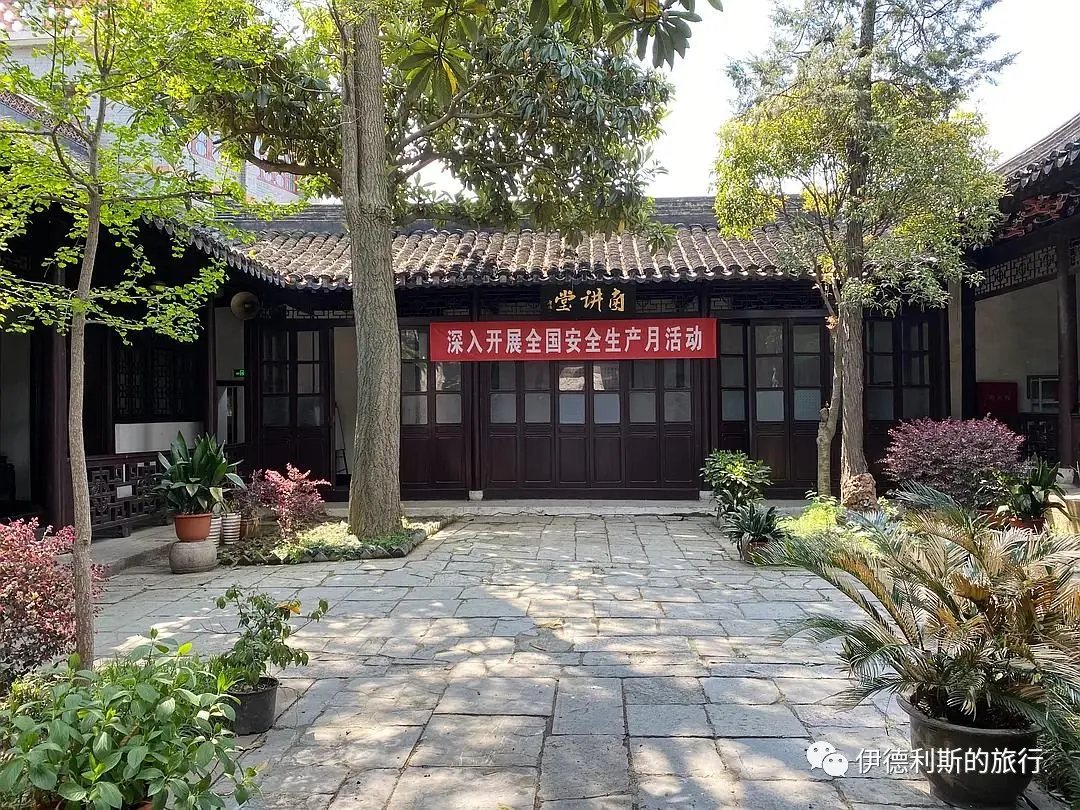
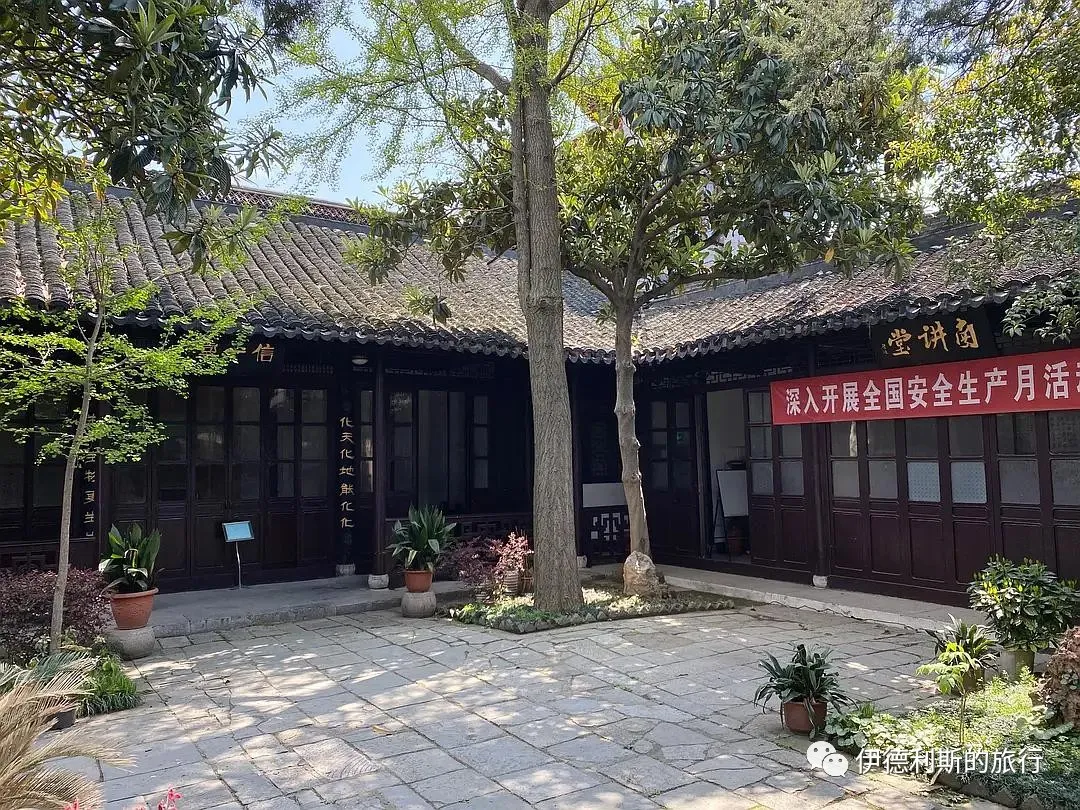
Shanxiang Mosque was once an important national base for printing and publishing Islamic books. From the Qianlong to the Tongzhi periods of the Qing Dynasty, more than 20 types of philosophical and religious books, including the "Baoming Zhenjing," "Tianfang Dianli," "Guizhen Zongyi," and "Huihui Yuanlai," were woodblock printed in hundreds of editions and shipped across the country by land and water. To this day, the Cultural Palace of Nationalities in Beijing, the Central University for Nationalities Library, and the Peking University Library all hold books printed by the Zhenjiang Shanxiang Mosque.
In the 1960s and 1970s, the Shanxiang Mosque was severely damaged, and none of its scriptures, woodblock plates, plaques, couplets, furniture, decorations, or other cultural relics survived.
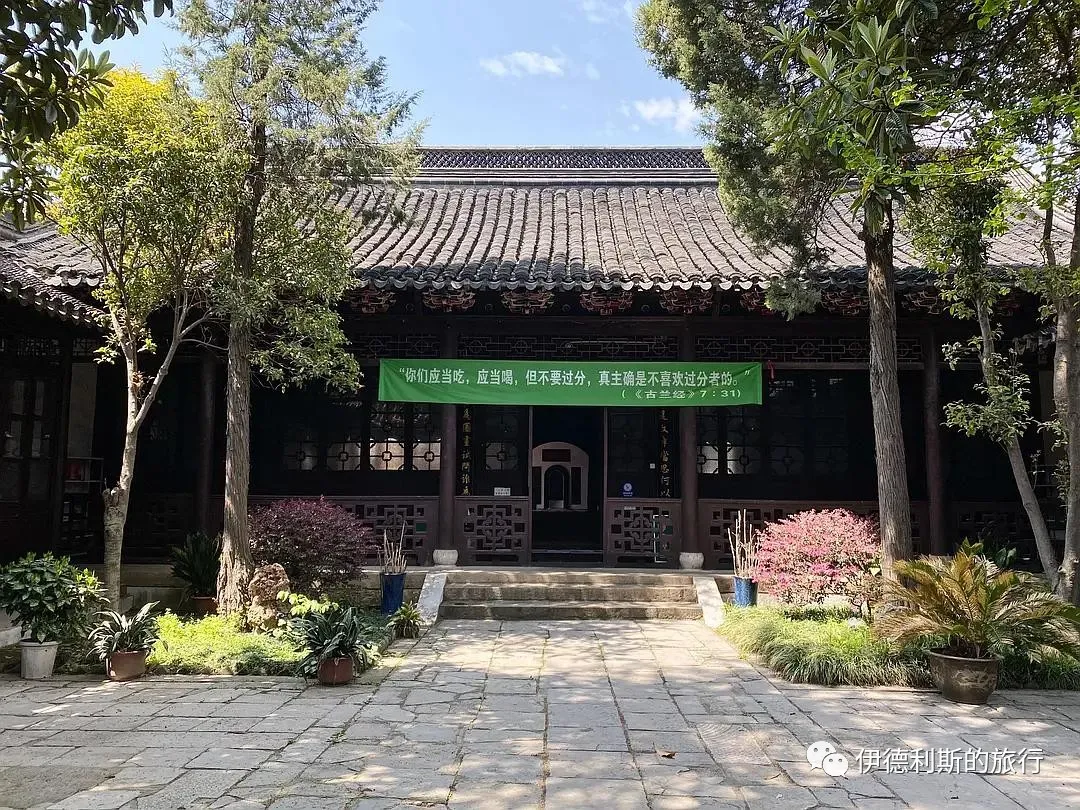
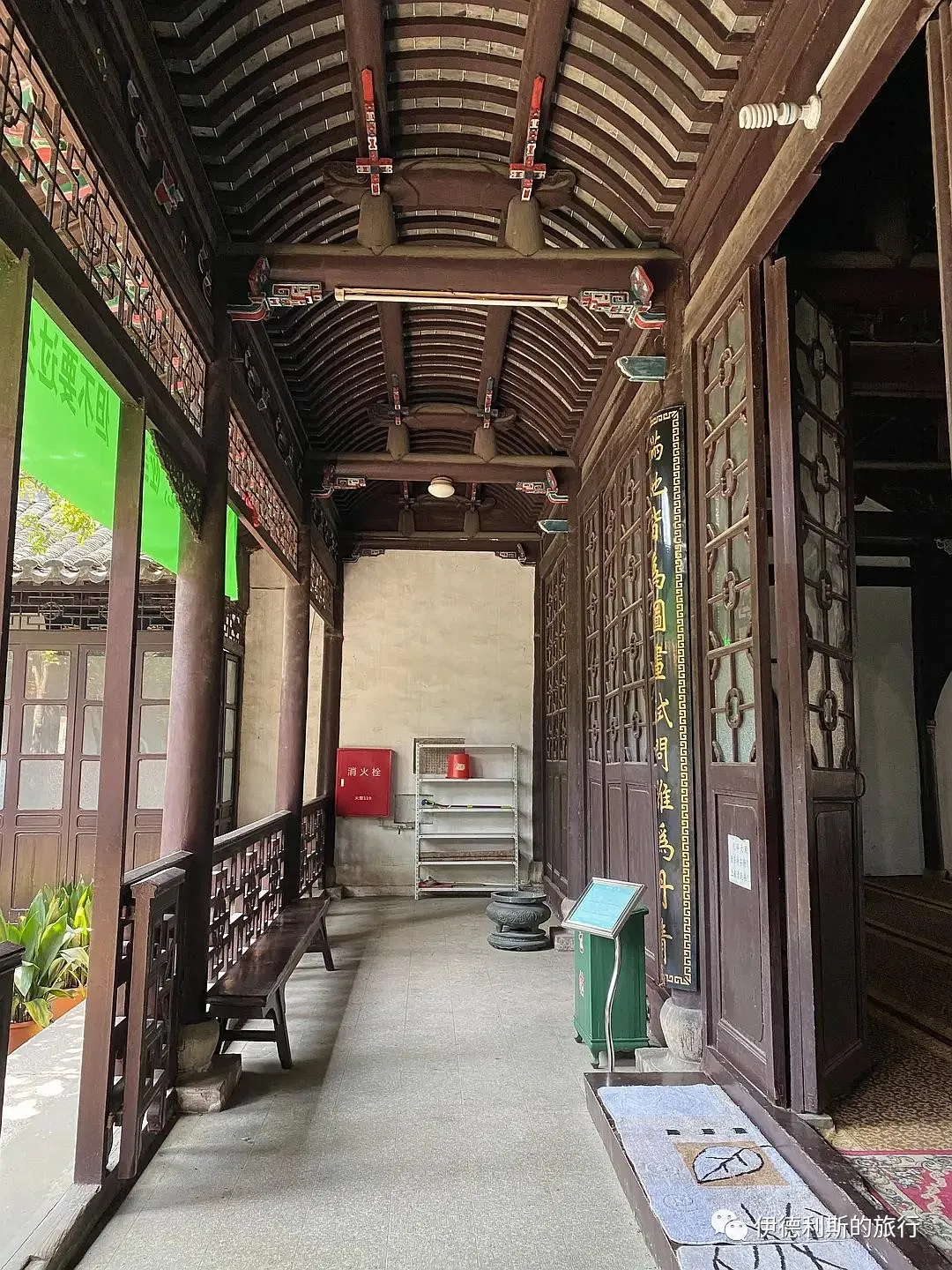
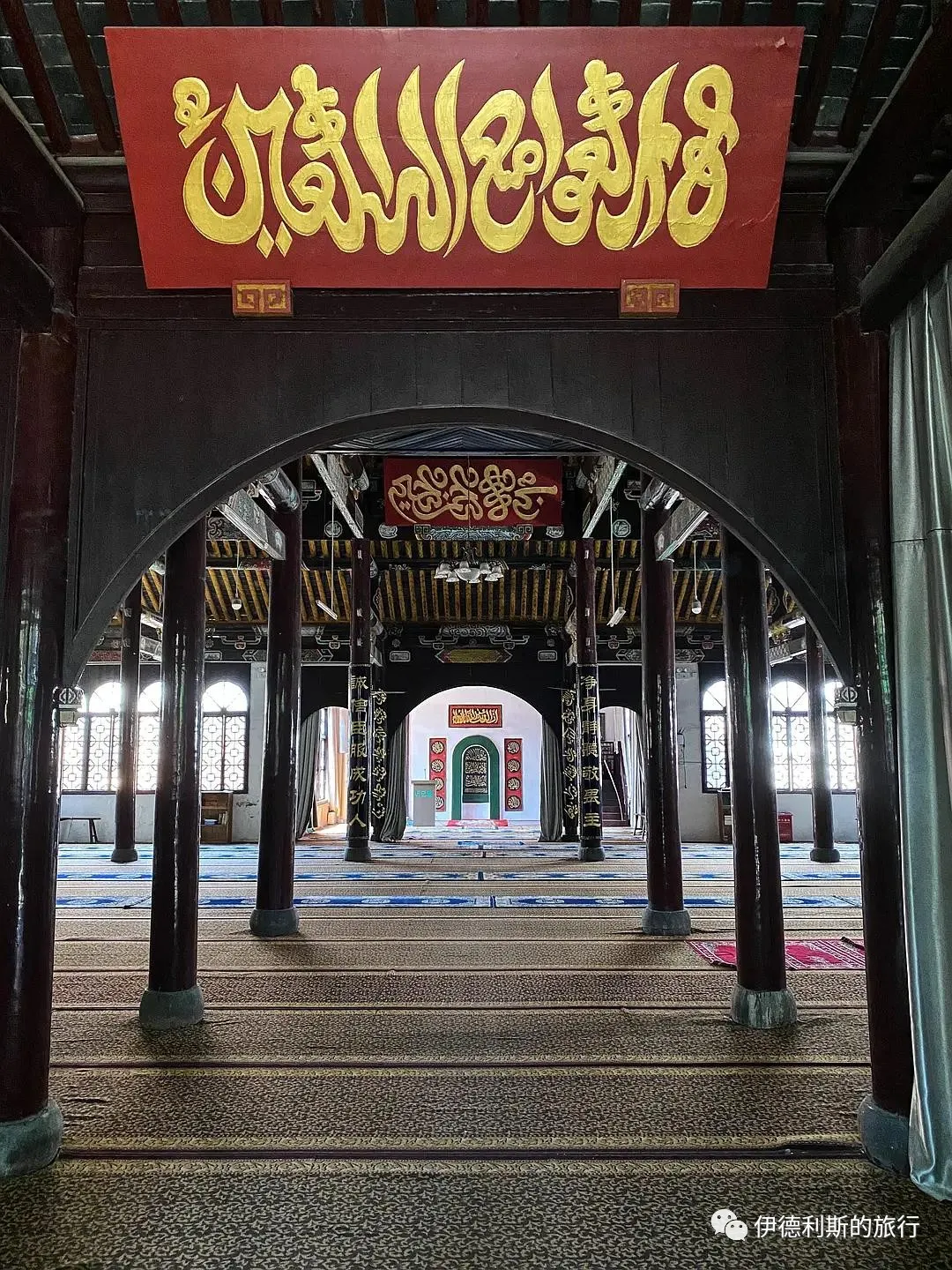
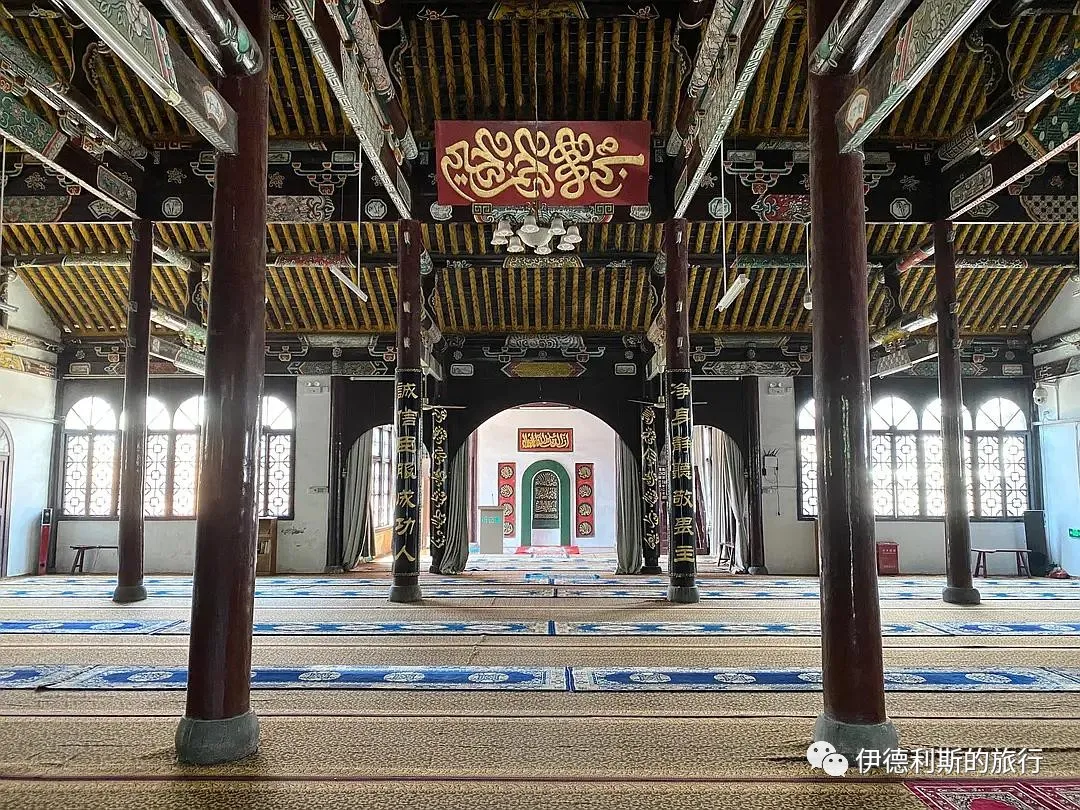
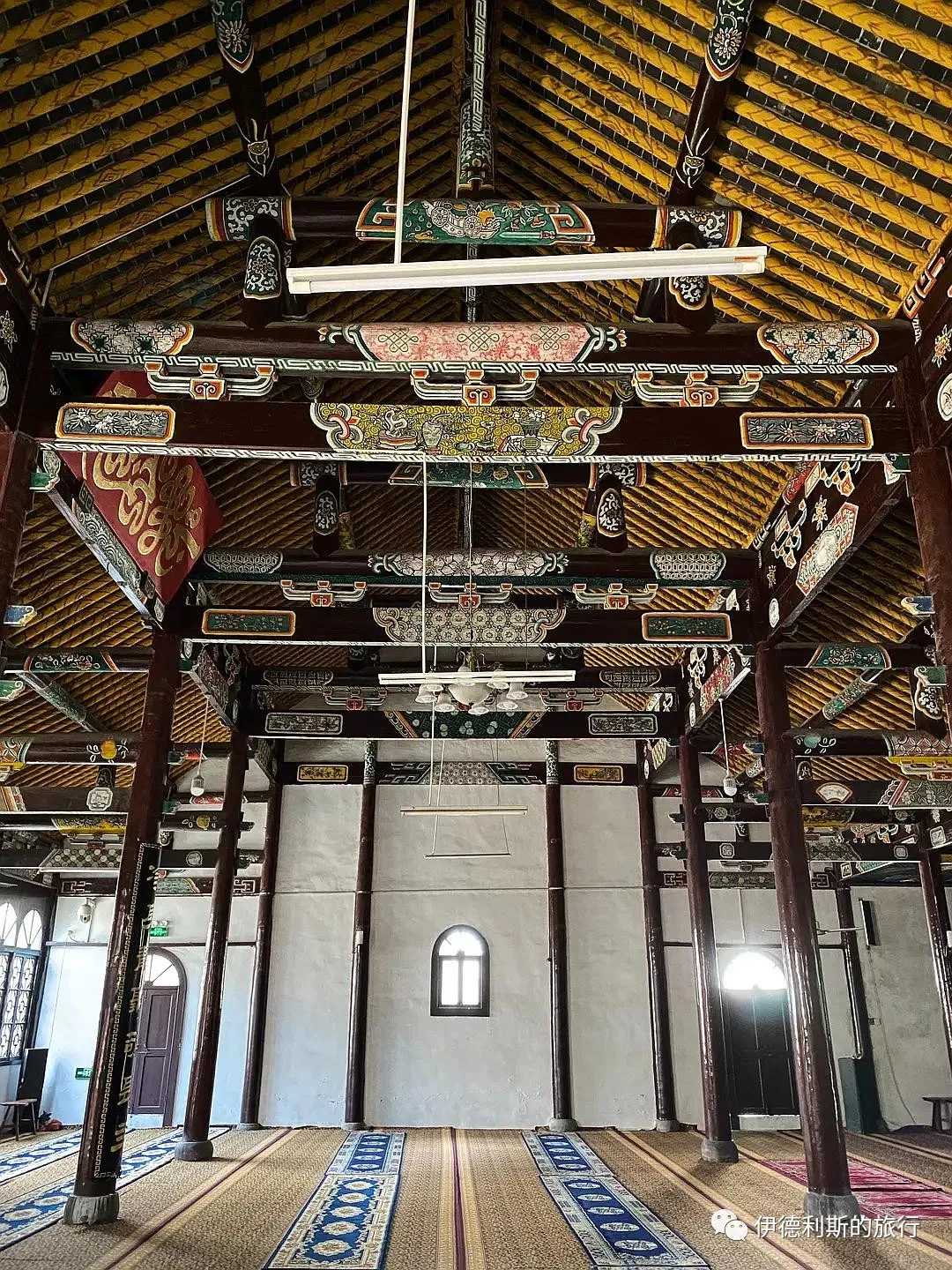
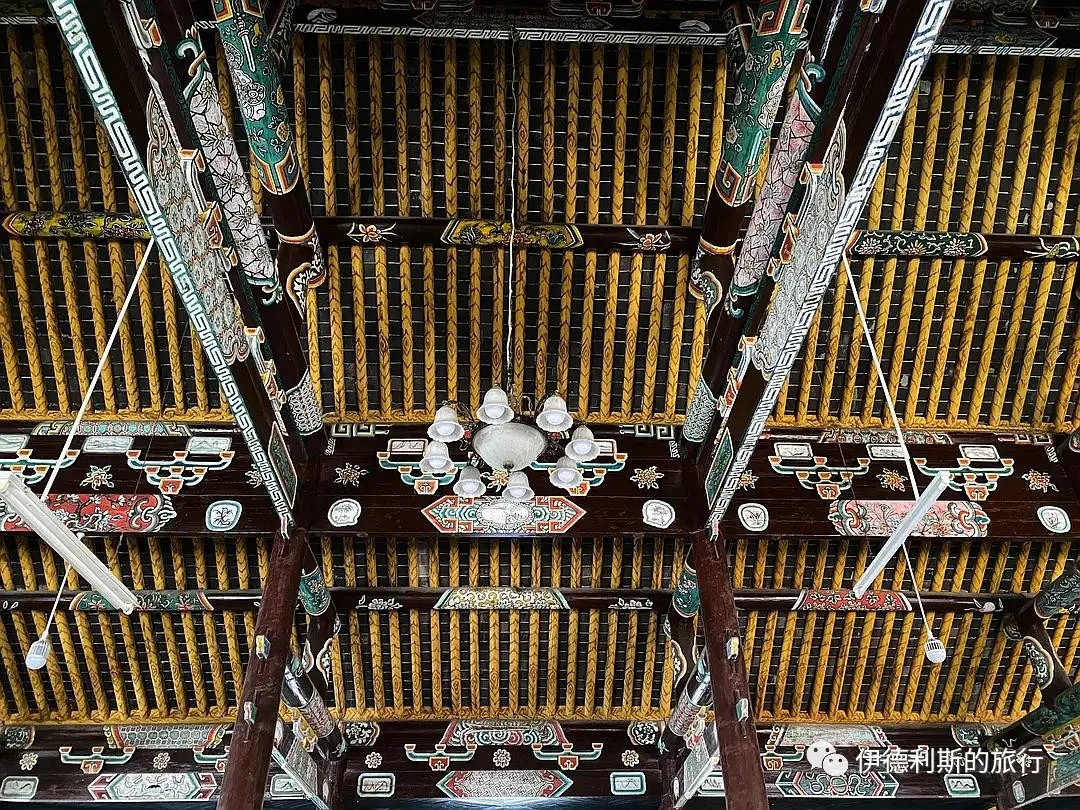
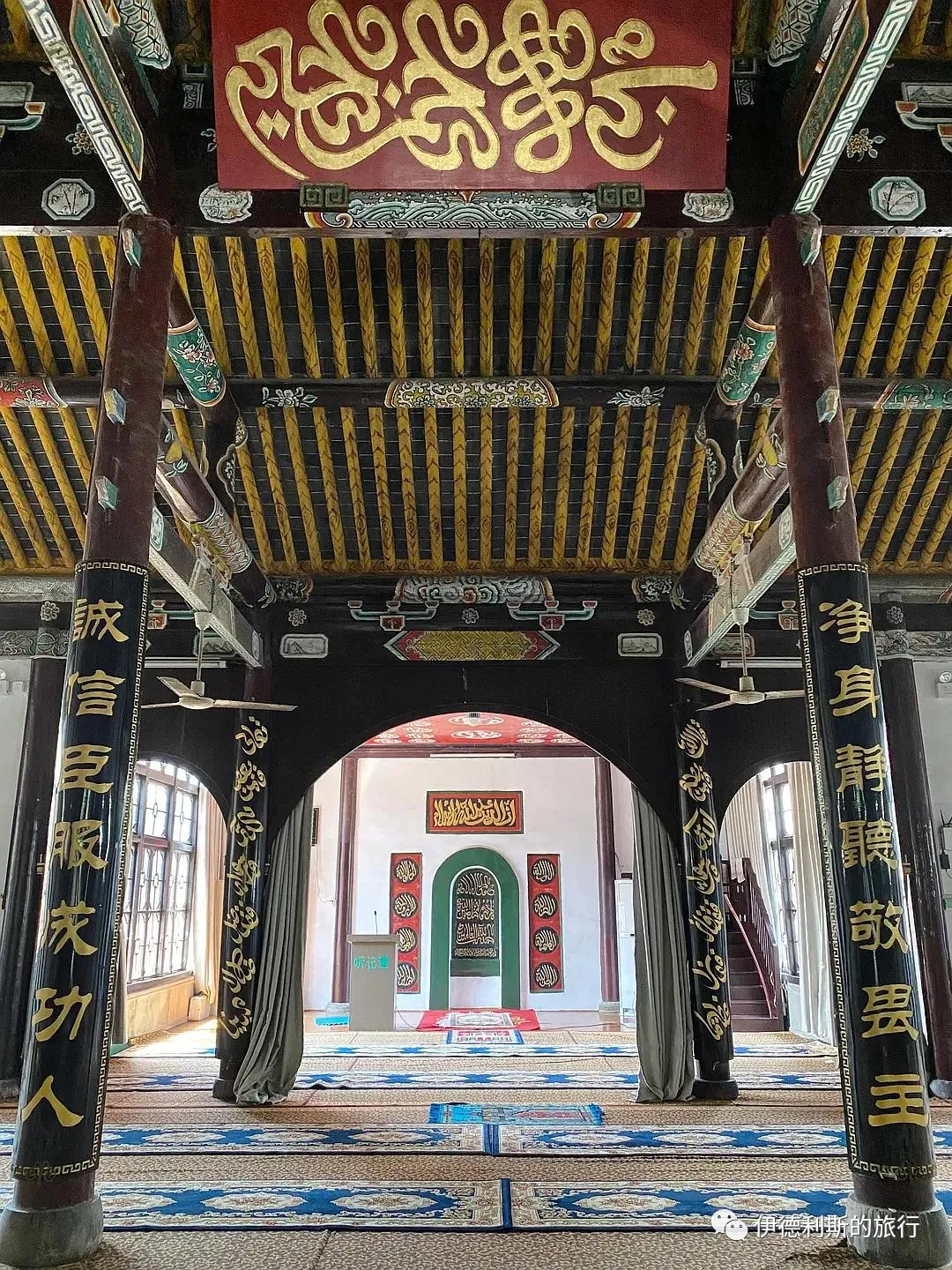
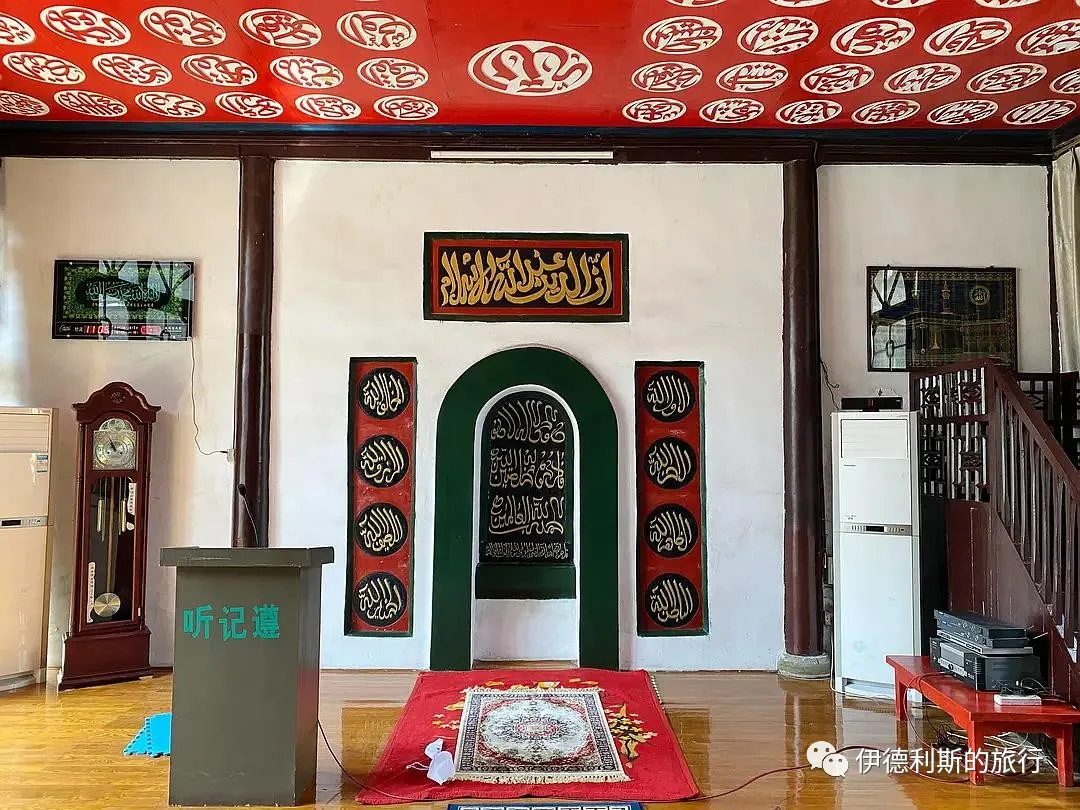
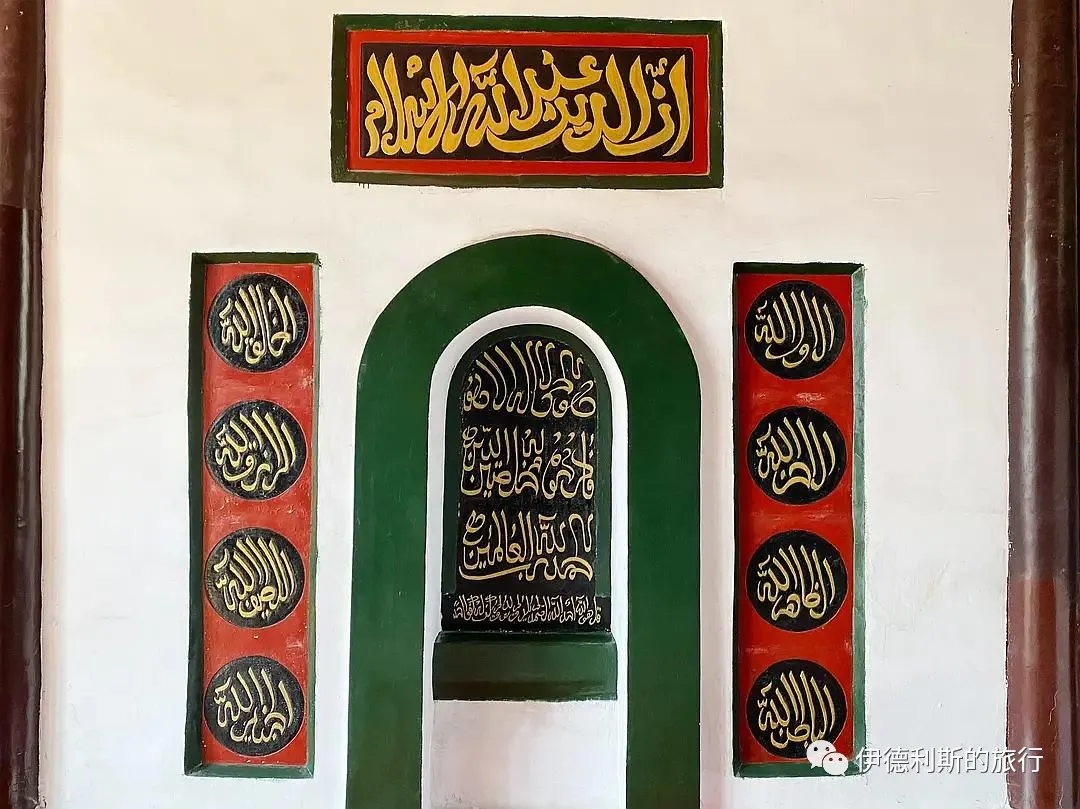
The opposite hall, decorated with calligraphy hanging in the center and on scrolls.
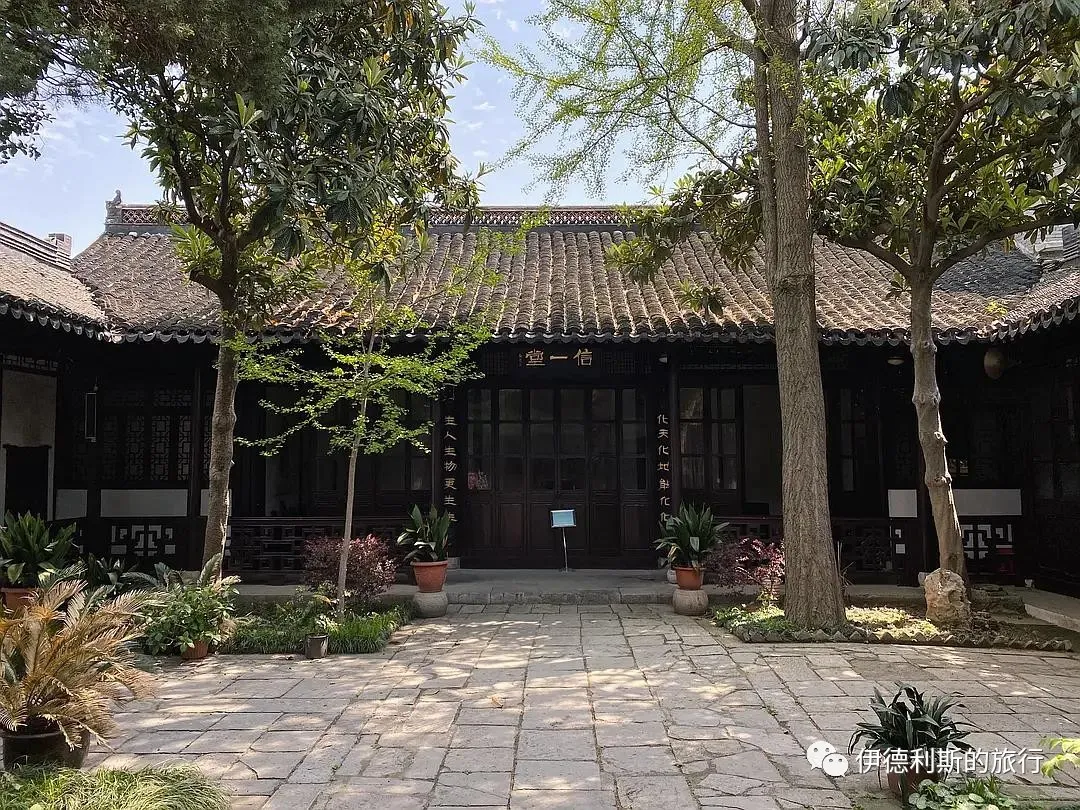
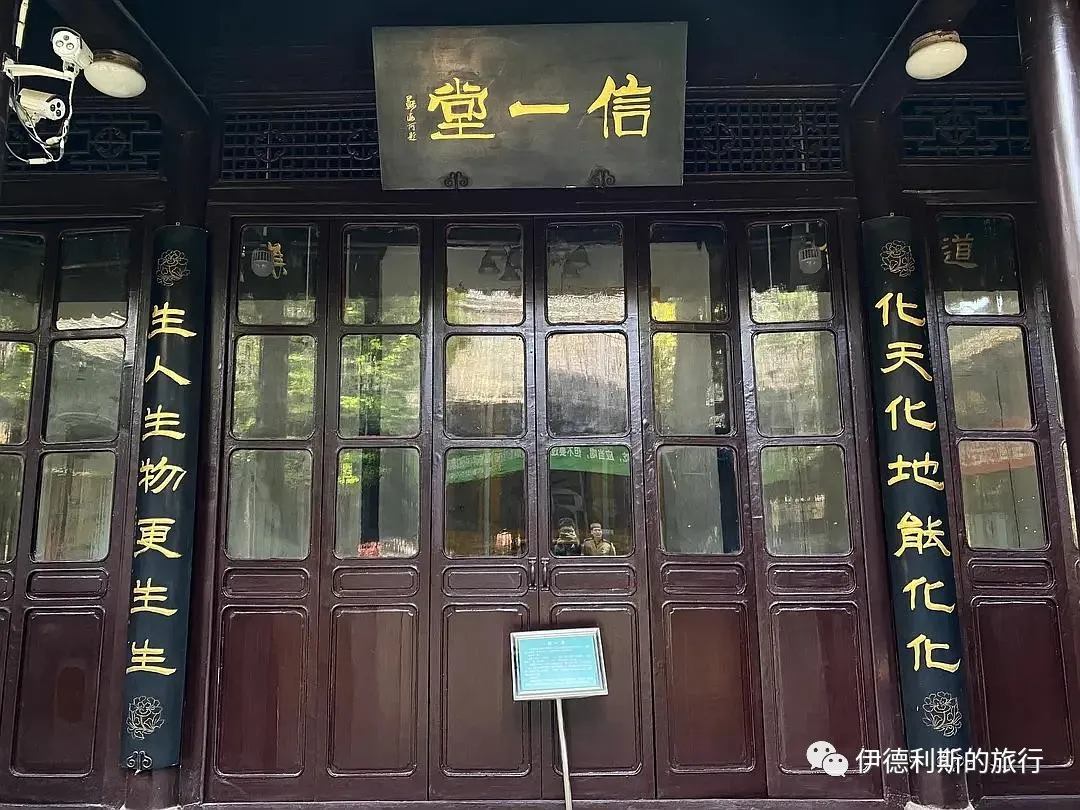
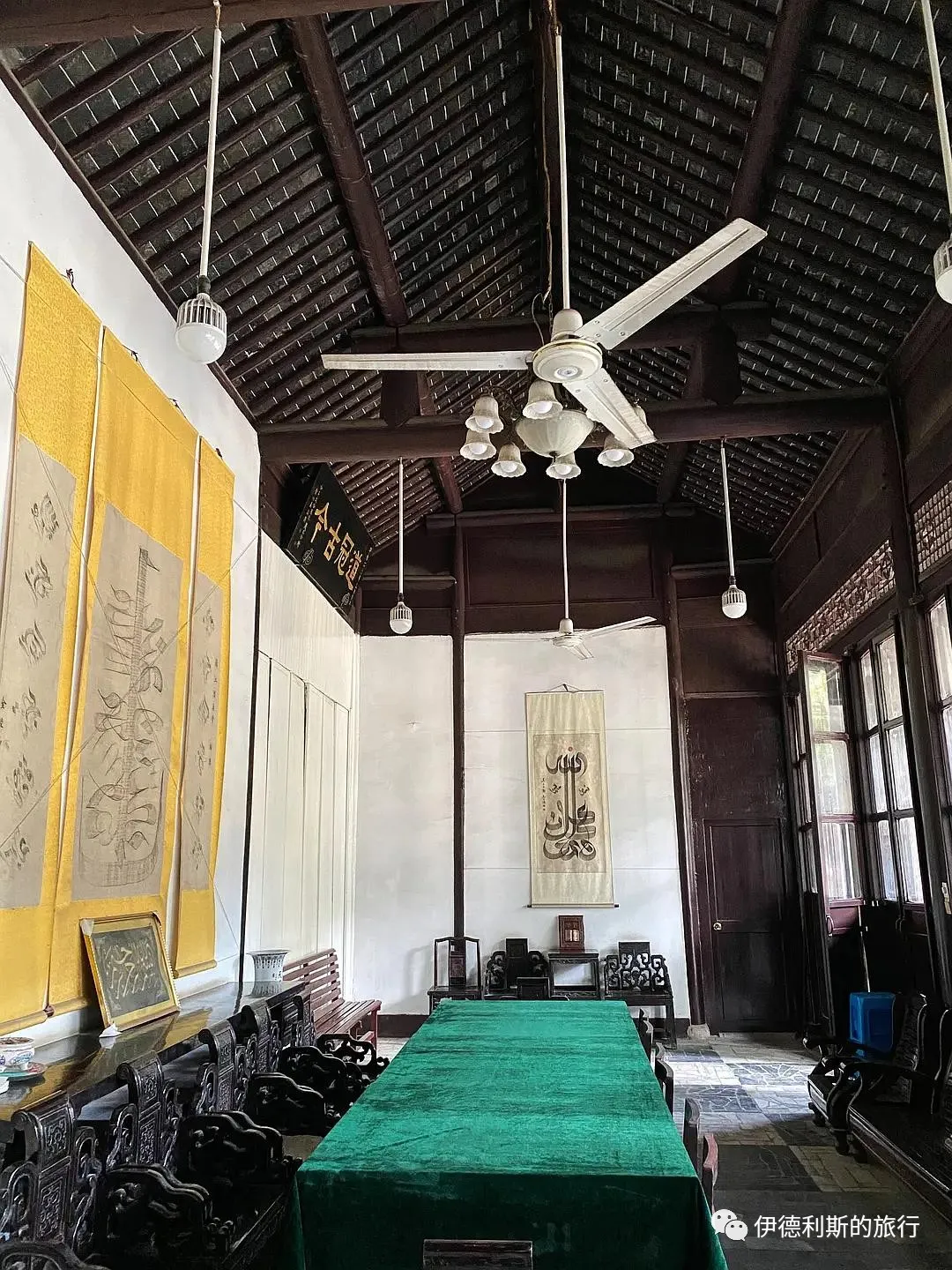
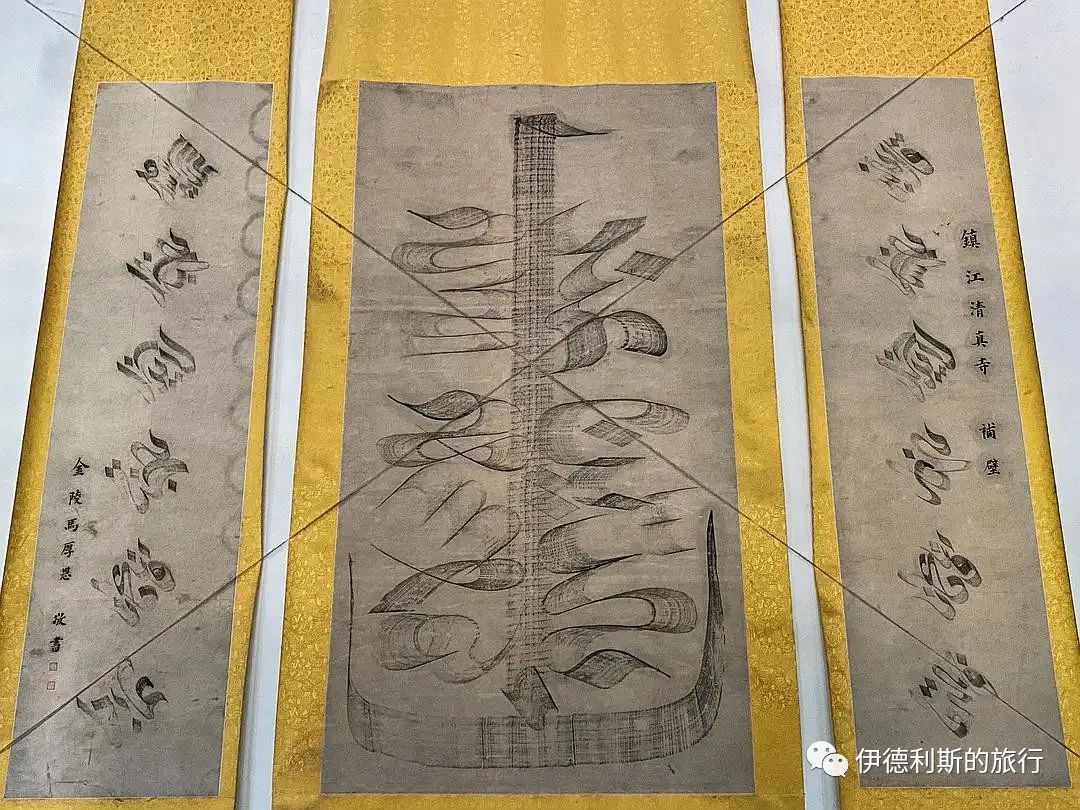
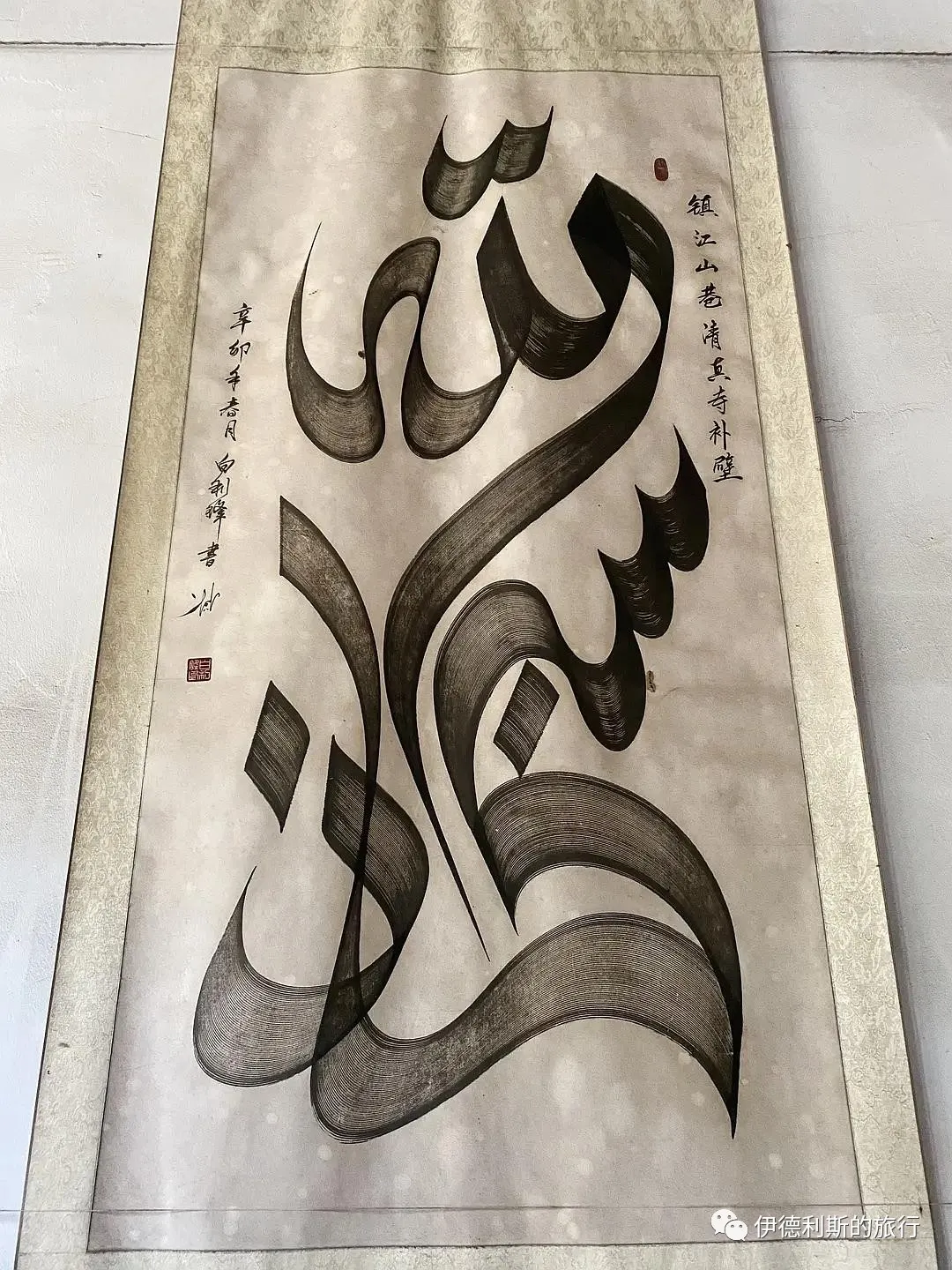
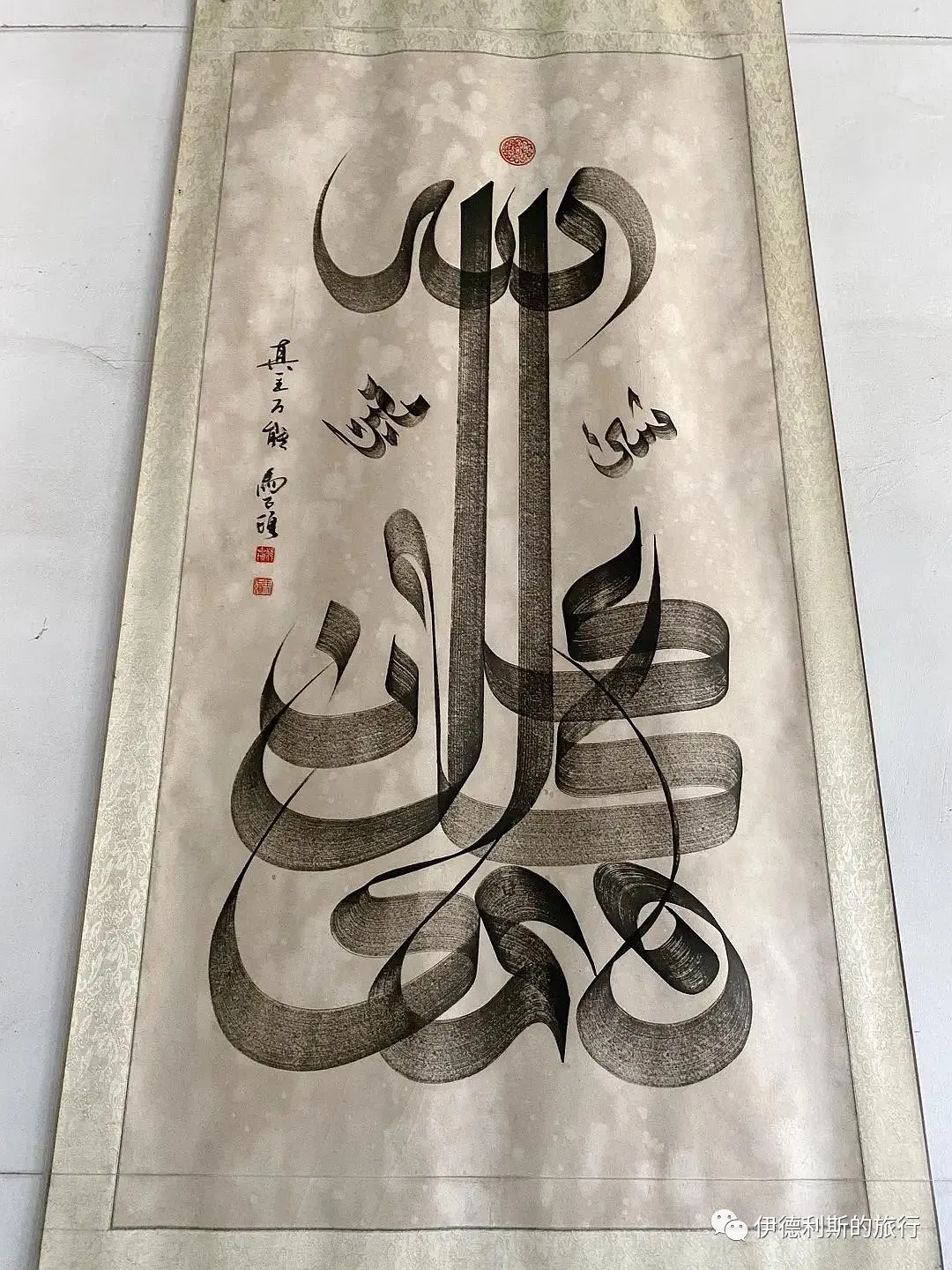
The traditional winding alley.
The alley name comes from the Persian word "Baba," which is what Hui Muslims often call their elders.
Stone carvings from the Ming and Qing dynasties at the Jianzi Alley Mosque.
Jianzi Lane Mosque was originally called Gurun Mosque. It was first built in Ren'an Ward on Fumin Street and served as a mosque for the Hui Muslims in Zhenjiang during the Yuan Dynasty. According to the 1333 (the fourth year of the Zhishun era of the Yuan Dynasty) Records of Zhishun Zhenjiang, there were 59 Hui Muslim households with 374 people in Zhenjiang during the Yuan Dynasty. The famous Yuan Dynasty Hui Muslim poet Sa Dula served as a darughachi (a seal-holding administrator) for the Zhenjiang Circuit Record Office for three years starting in 1328 (the first year of the Tianli era). According to the Guangxu-era Dantu County Annals, Sa Dula did many good deeds in Zhenjiang, such as stabilizing prices, opening granaries to help the people, curbing powerful servants, and breaking down superstitions. In 1326 (the third year of the Taiding era), a scholar named Zhemaluding, who had passed the provincial examinations in Jiangsu and Zhejiang, served as a professor at the Zhenjiang Circuit Confucian School, which was the highest educational official position at the time.
Gurun Mosque was destroyed at the end of the Yuan Dynasty and the beginning of the Ming Dynasty. It was rebuilt during the Hongwu era of the Ming Dynasty. In 1602 (the 30th year of the Wanli era), it was moved to Jianzi Lane inside the city and became known as Jianzi Lane Mosque. It was renovated three times in 1850 (the 30th year of the Daoguang era), 1904 (the 30th year of the Guangxu era), and 1909 (the first year of the Xuantong era).
In 1958, Jianzi Lane Mosque was occupied by a knitting factory and a color printing factory. From the 1970s to the early 1980s, the printing factory and other units demolished the main prayer hall, the lobby, and the water room to build factory buildings. A stone tablet titled Record of Gurun Mosque, written in 1620 (the 48th year of the Wanli era of the Ming Dynasty) by the scholar Li Yiyang, was used to mix cement, leaving the inscriptions damaged and blurry. The calligrapher for the Wanli renovation tablet was Ma Zhiqi, a Hui Muslim from Xinye, Henan. Ma Zhiqi was a runner-up in the 1610 (the 38th year of the Wanli era) imperial examinations. He was skilled in poetry and calligraphy. Between the Wanli and Chongzhen eras, he wrote renovation tablets for the Xiaopiyuan Mosque in Xi'an, Shaanxi, the Datong Mosque in Shanxi, the Jinshifang Street Mosque in Beijing, and the Wudu Chengguan Mosque in Gansu. In 1982, the Zhenjiang Islamic Association restored the stone tablet and moved it to Shanxiang Mosque, finally preserving it.
The printing factory occupying the mosque did not move out until 1993, and the Islamic Association regained ownership of Jianzi Lane Mosque in 1994. In 2005, when Zhenjiang built the First Building commercial pedestrian street, Jianzi Lane Mosque was completely demolished. A new Gurun Mosque was built on Xuefu Road, and the Wanli renovation tablet, the ancient well railing, and three Qing Dynasty renovation tablets from the original Jianzi Lane Mosque were placed in the courtyard for preservation.
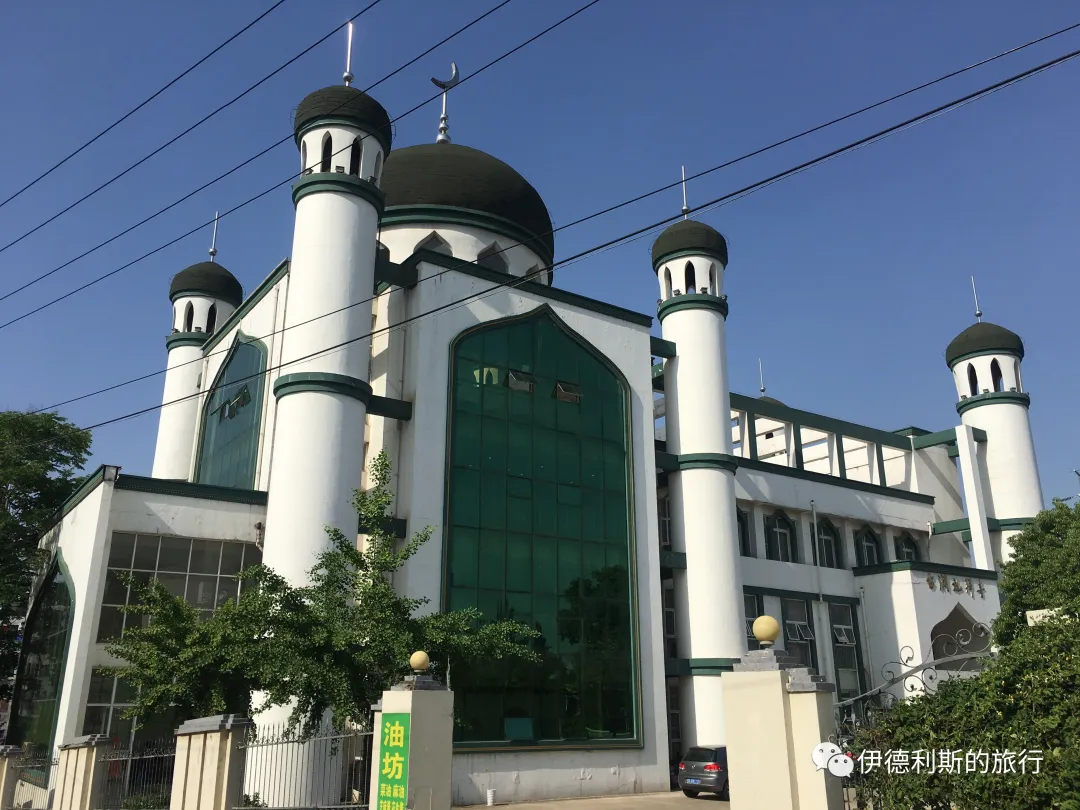
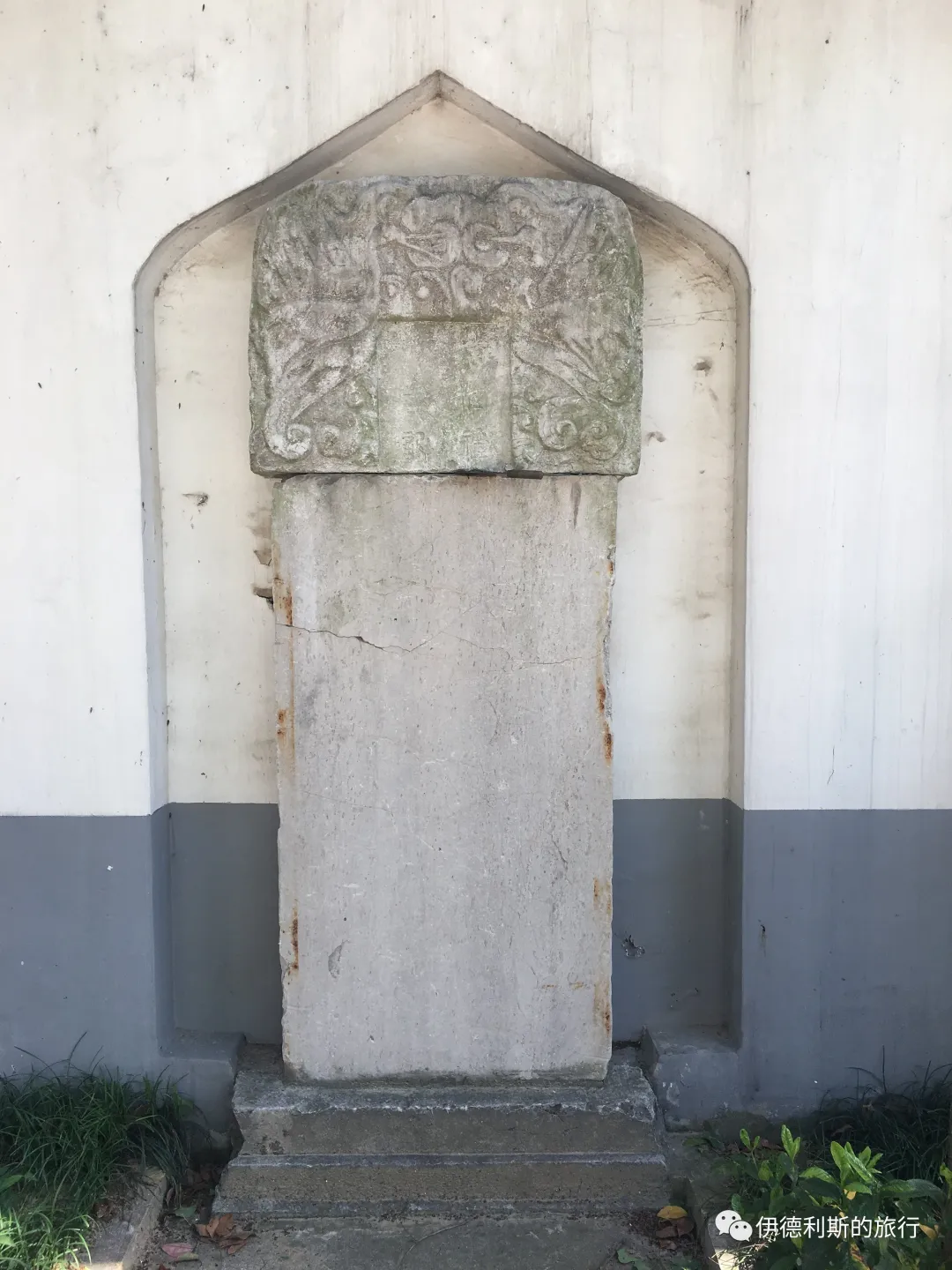
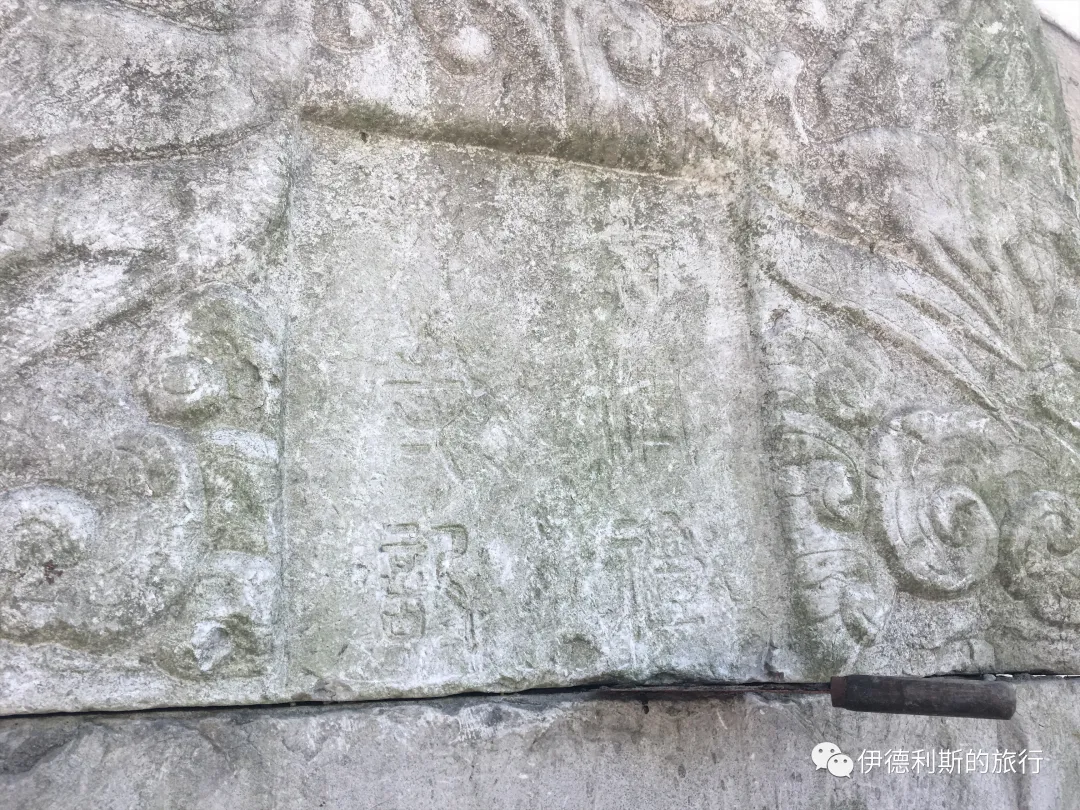
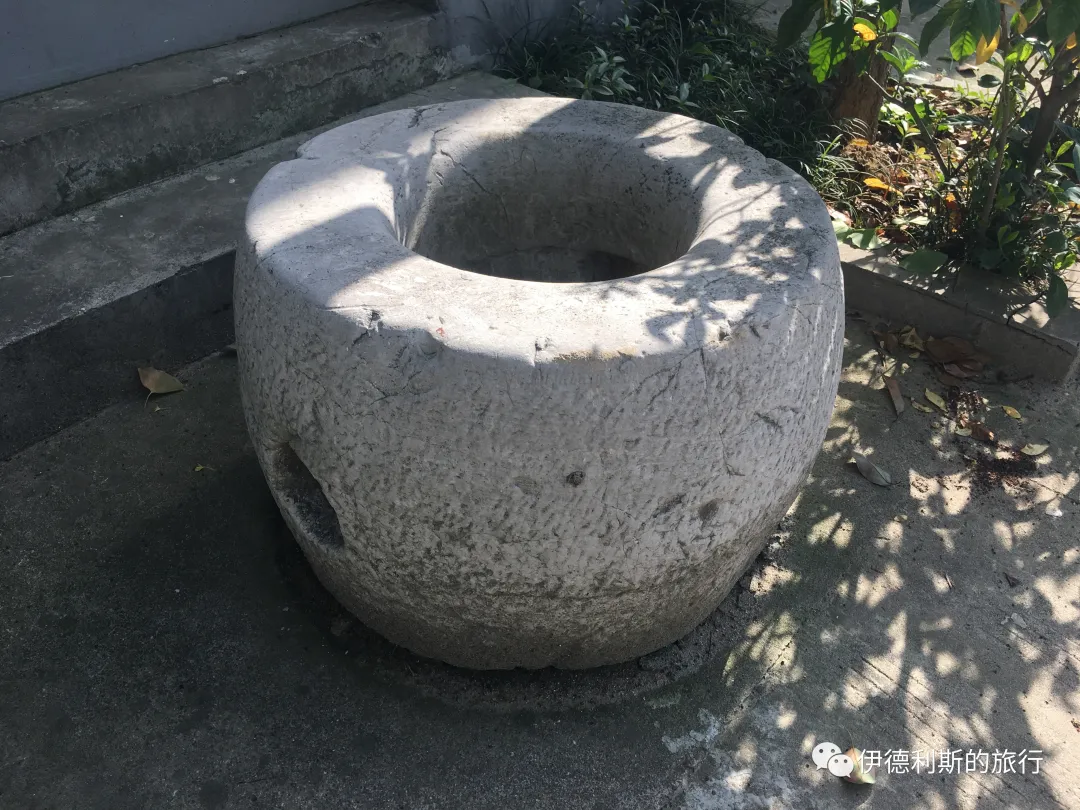
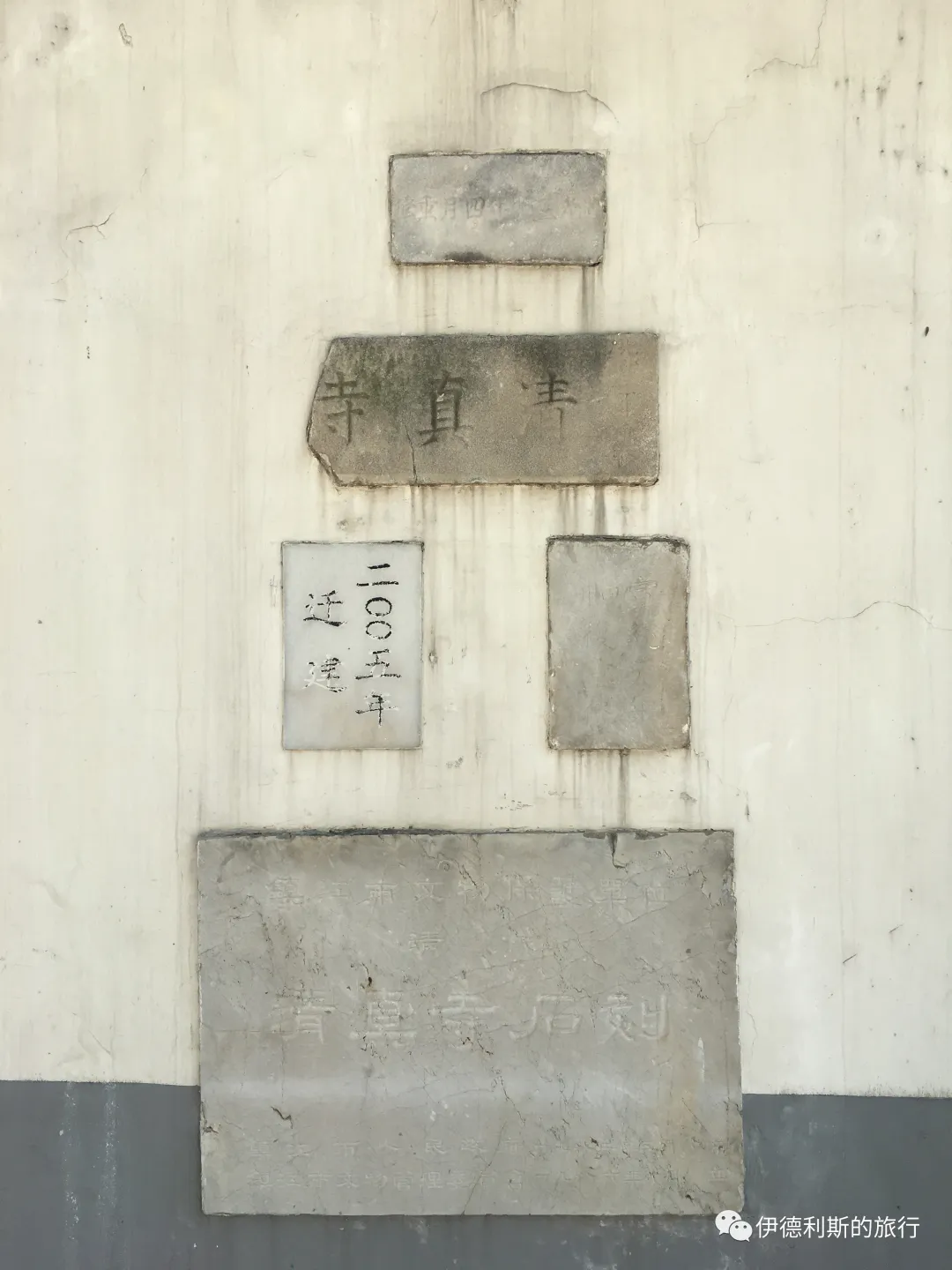
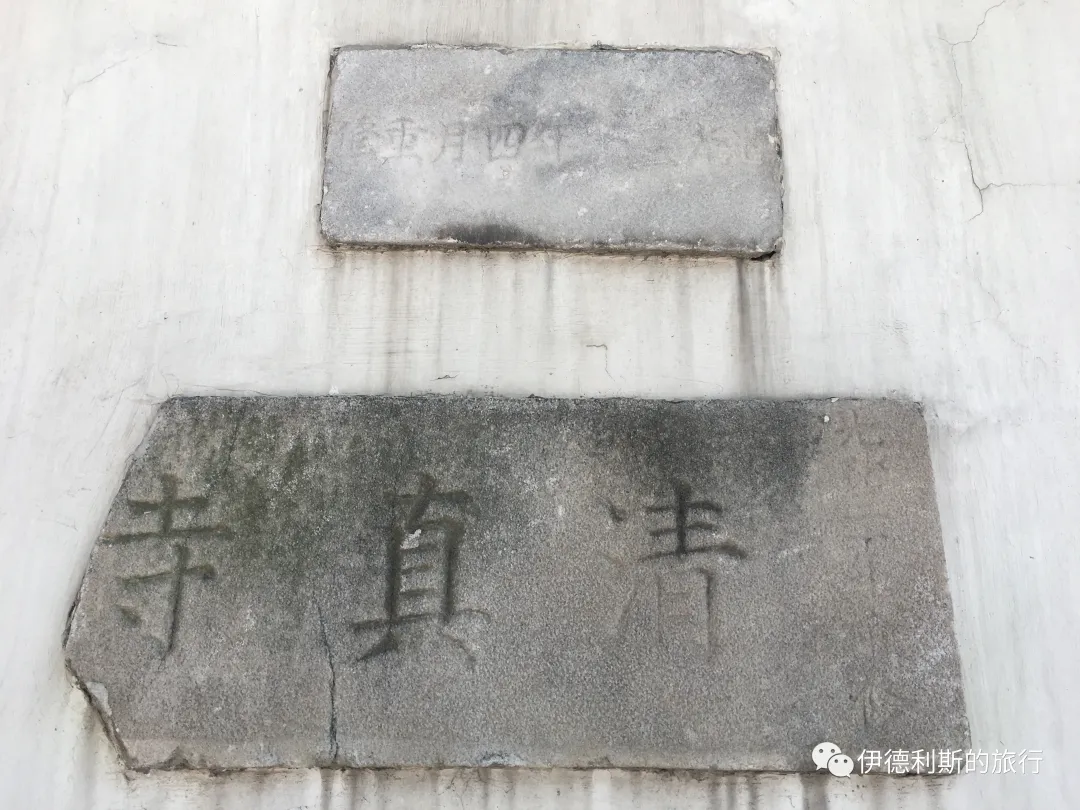
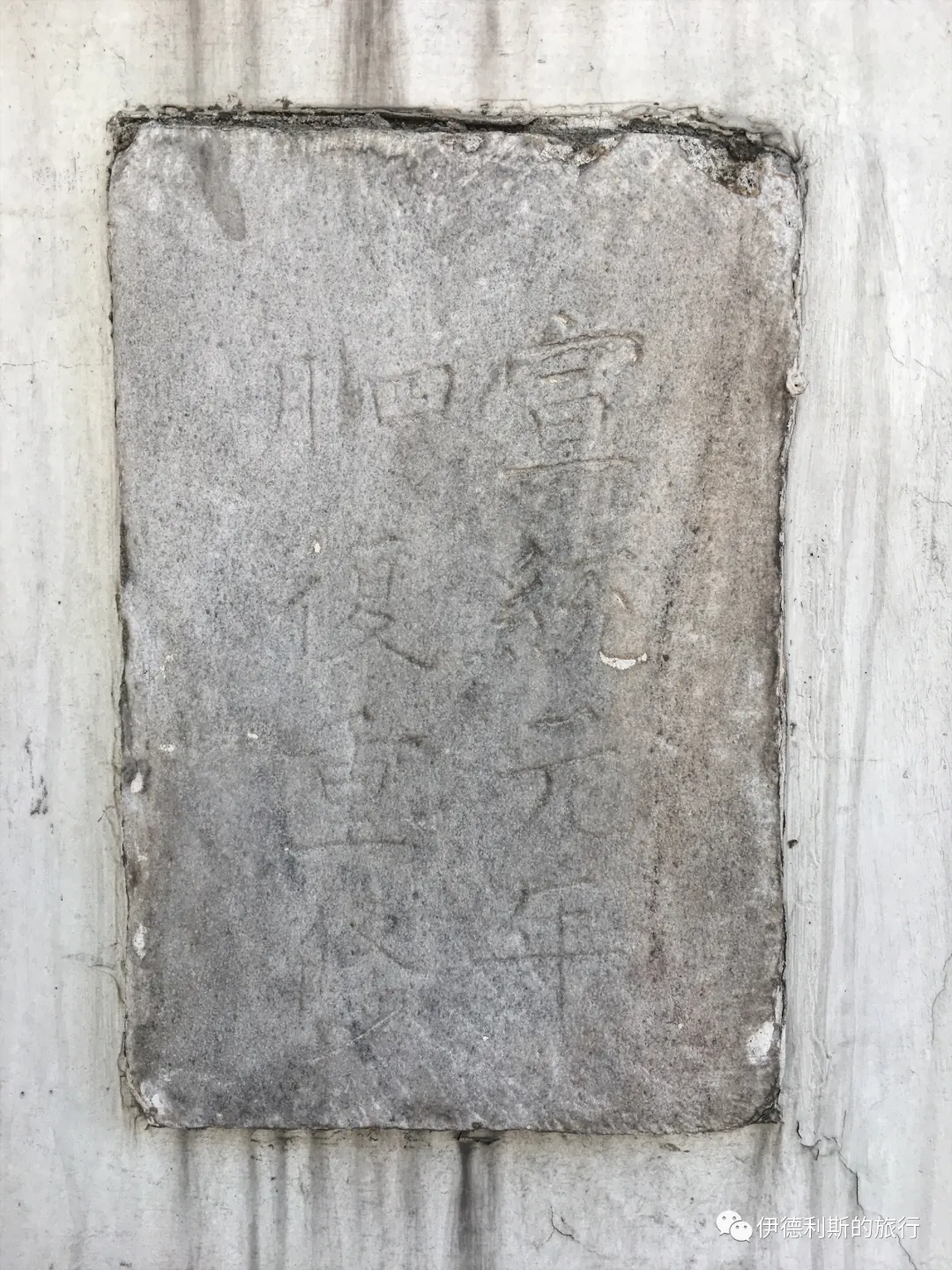
Qing Dynasty mihrab from the South Gate Mosque.
to the relics from Jianzi Lane Mosque, Gurun Mosque also houses the mihrab tablet from the kiln hall of the South Gate Mosque in Zhenjiang.
The South Gate Mosque in Zhenjiang was located at the east end of Miaojia Lane. It is believed to have been built in the early Qing Dynasty and was an east-facing courtyard house. Opposite the mosque gate stood a row of tall elm trees that provided dense shade. The prayer hall and the opposite hall were both three bays wide. There were tall ginkgo trees on both sides in front of the hall, with guest rooms to the south and a water room, kitchen, and storage room to the north.
In the early 20th century, the imam of the South Gate Mosque was an imam named Ma from Henan. In the early 1920s, he was hired by the community (dost) in Shou County, Anhui, and was succeeded by Imam Wan Shourong. The daily affairs of the mosque were managed by Jin Zhiguang from the Xinchangheng fabric store and Xia Songfu, the father of Xia Rongguang. During the Republic of China era, the firewood and rice market outside the South Gate was very prosperous, and more than 50 Hui Muslim households lived there.
In 1937, the South Gate Mosque was destroyed by war. The mihrab tablet from the kiln hall was kept in the home of Hua Baoren next to the mosque until it was moved to Gurun Mosque in 2005.
The lotus-shaped Arabic script at the top of the stone tablet is the Basmala. The middle part contains verse 163 of the Cow Chapter (Surah Al-Baqarah), and the diamond-shaped inscription at the bottom is in Kufic Arabic calligraphy, which reads: Prostrate yourselves, and worship your Lord.
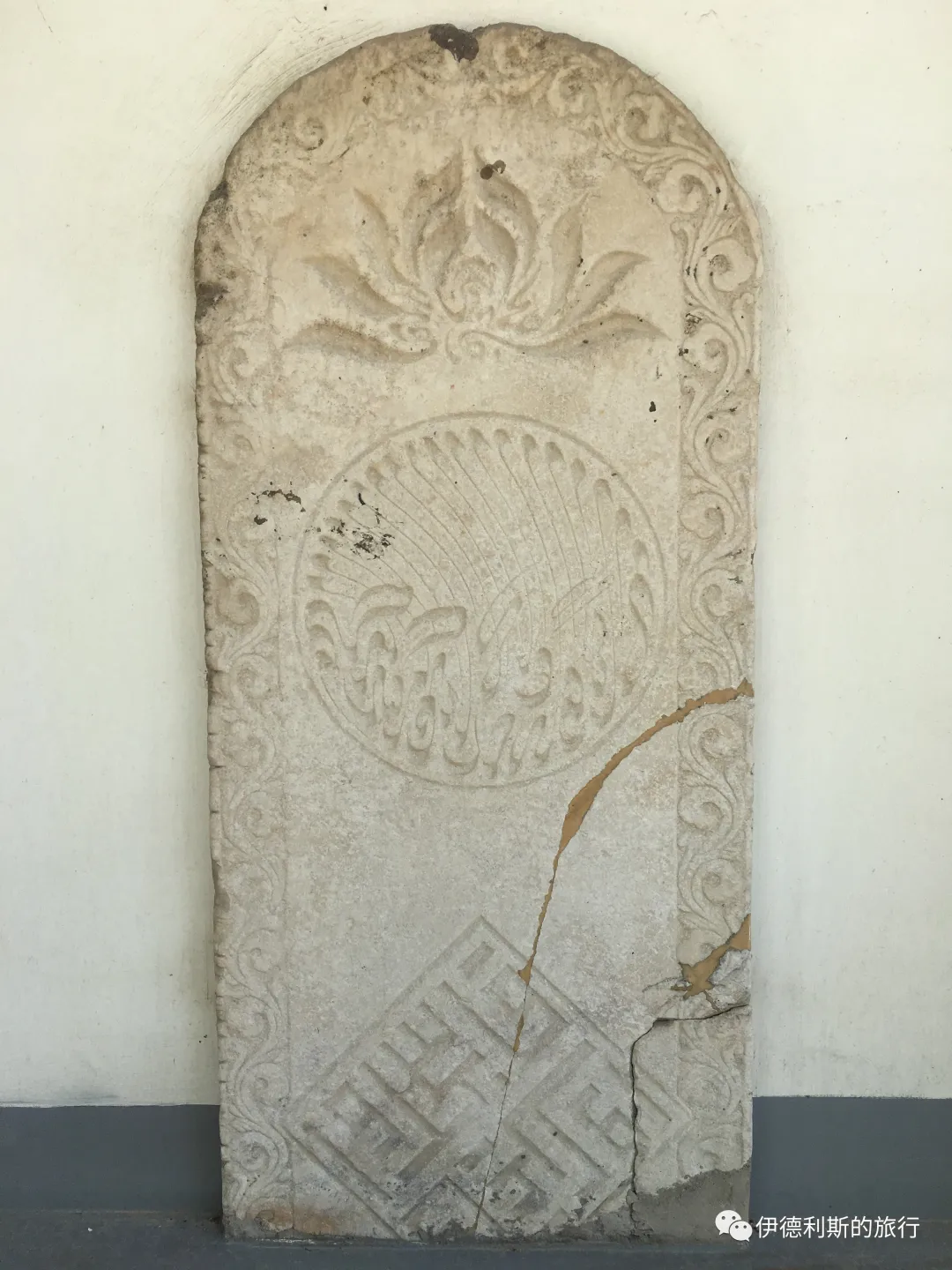
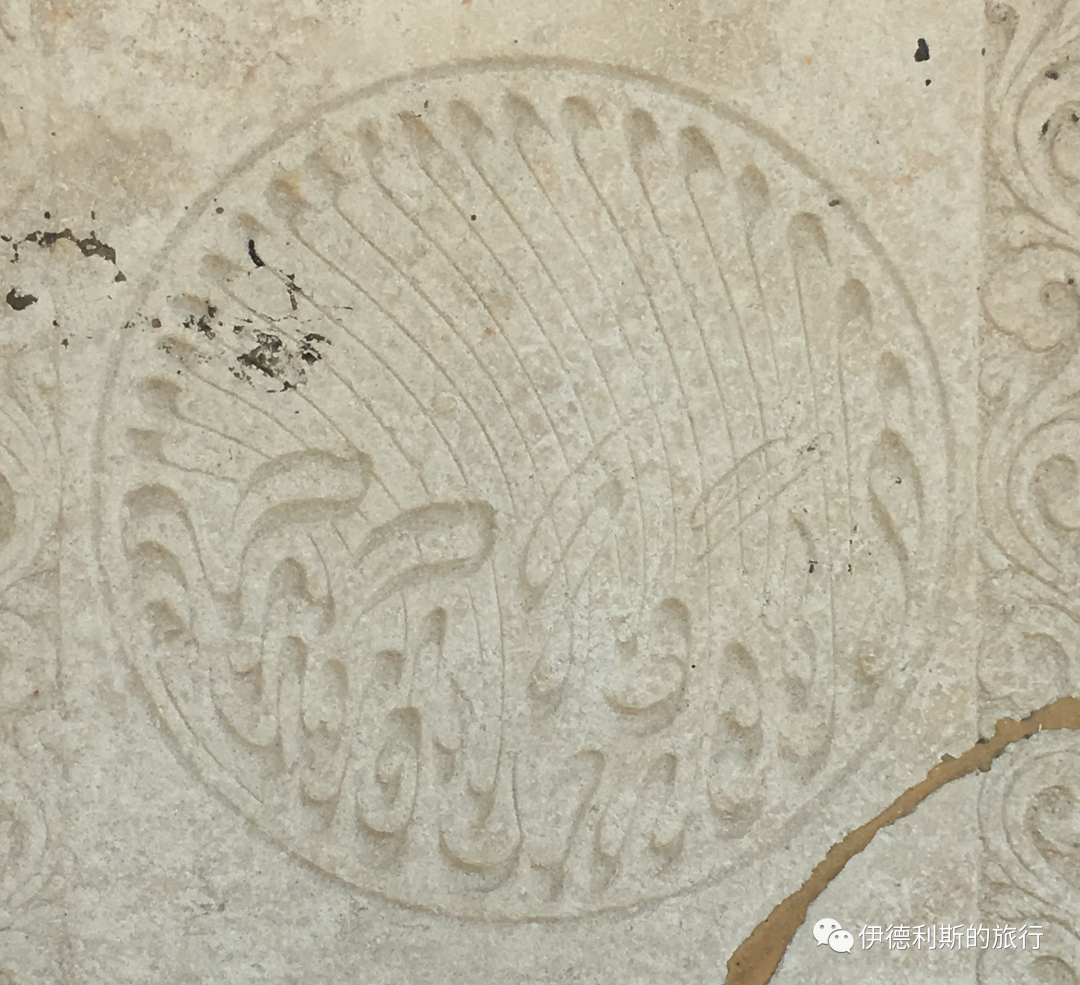
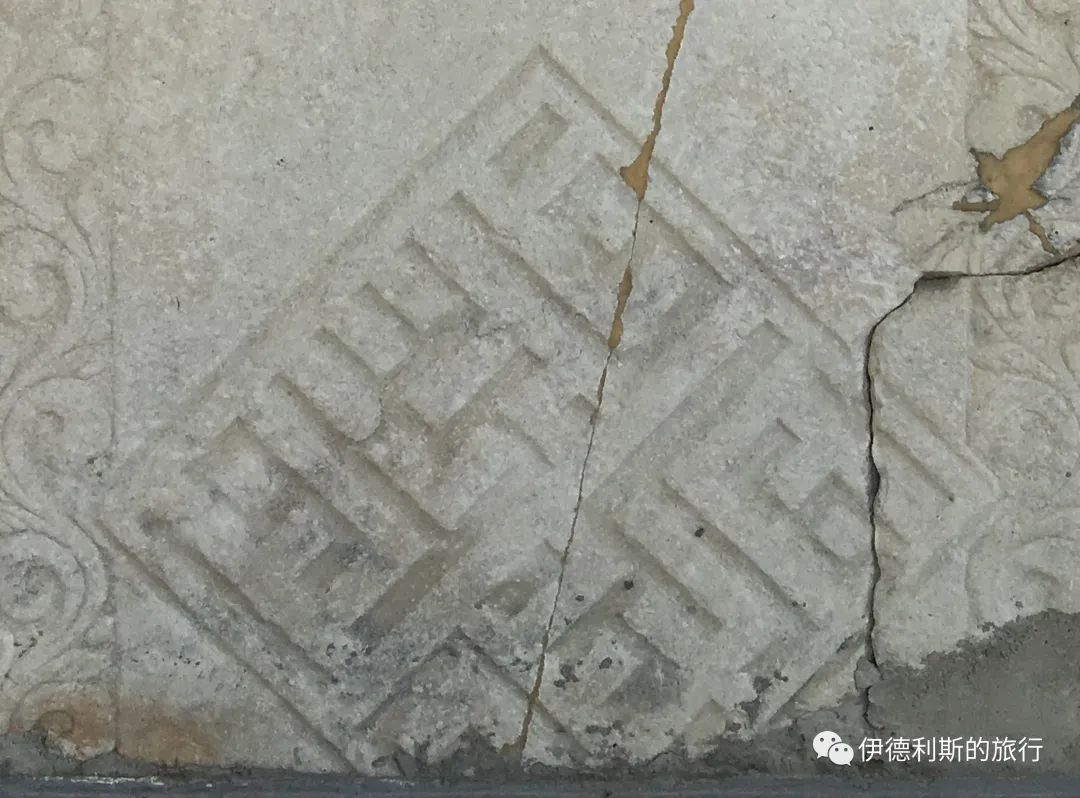
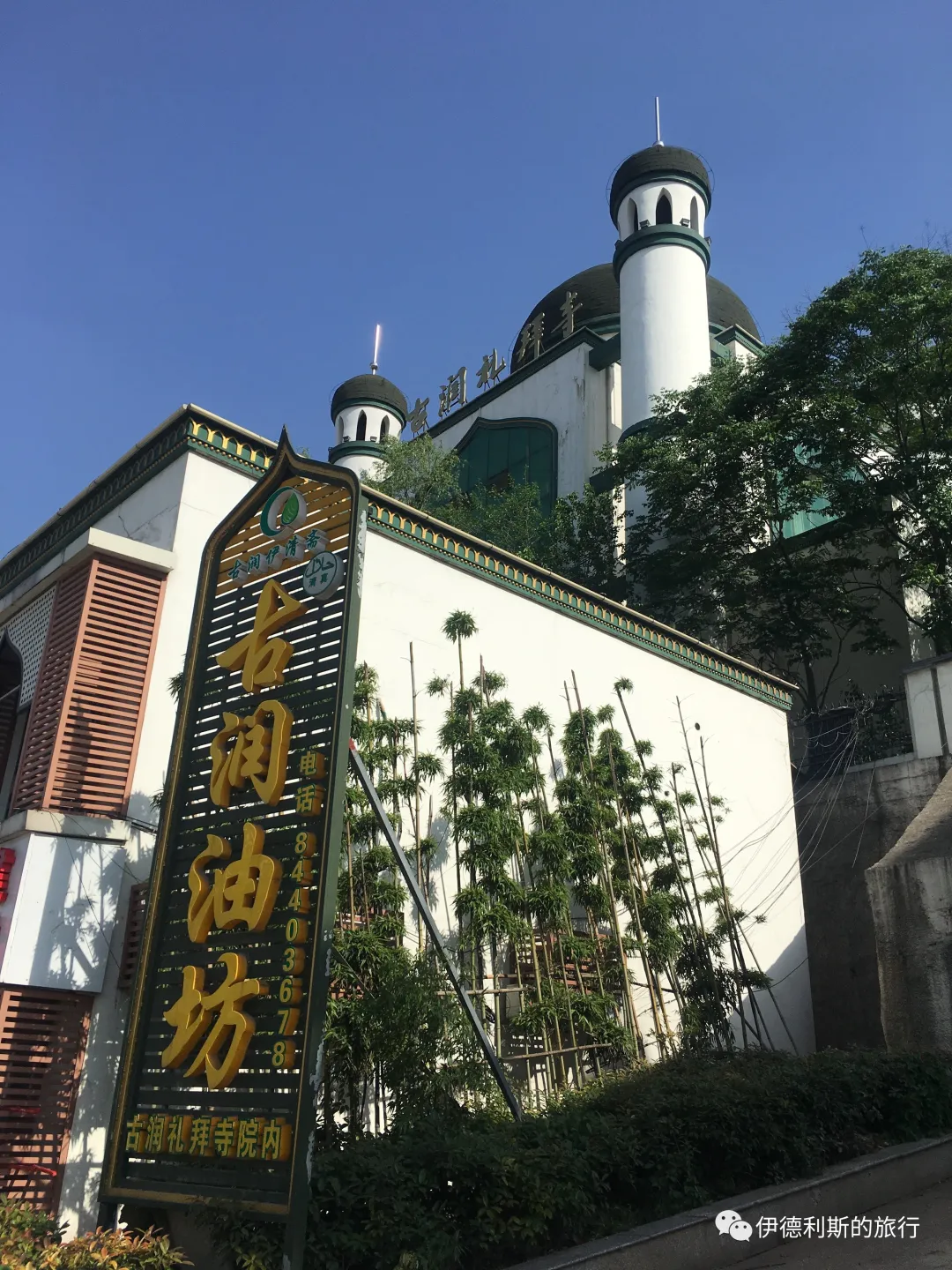
Xinhe Street Mosque.
Xinhe Street Mosque was built in 1930. Zhenjiang Hui Muslims also commonly called it the Jinde Association. It was originally a private residence purchased with donations from Muslims in both Shanghai and Zhenjiang, so it is a Jiangnan-style courtyard house with three sections and two side wings.
Yihewani, also known as the New Sect, means brothers in Arabic. It was founded by Ma Wanfu from Guoyuan Township, Linxia, after he returned from the Hajj in Mecca at the end of the 19th century, and was later carried on by Hu Songshan. The Ikhwan sect advocates following the scriptures and reforming customs, basing their faith on the Quran and Hadith. They opposed certain traditional practices of the Gedimu sect, such as wearing mourning clothes or calling the adhan when moving into a new home.
The Ikhwan sect spread to the Jiangnan region in the 1920s. In 1926, Imam Ha Decheng and others founded the Jinde Association at the Xiaotaoyuan Mosque in Shanghai to promote Ikhwan teachings. Fa Jiesan (1872-1958), a local Hui Muslim from Zhenjiang who moved to Shanghai, discussed the teachings with Imam Ha Decheng. He accepted the Ikhwan views and returned to Zhenjiang to practice his faith at home according to Ikhwan rituals. Later, funds were raised in both Shanghai and Zhenjiang to build an Ikhwan mosque on Xinhe Street.
After the Ikhwan sect arrived in Zhenjiang, it was generally hard for the middle-aged and elderly to accept, but many young people embraced it. At the time, the new and old sects lived in peace and operated side by side.
The old Xinhe Street mosque had a stone plaque above the main gate engraved with the words 'Mosque' (Huijiaotang), but it no longer exists. The current building consists of three small bays with three courtyards and side rooms. There is a covered patio between the first and second courtyards, a garden gate connecting the second and third, and the third section is a two-story building.
The Zhenjiang Jinde Association usually held a dinner every Saturday night after the evening namaz. They invited an imam to give a sermon (wa'az), and everyone who came to listen was invited to eat. The costs were covered by members who had hired the imam to perform memorial prayers for their ancestors.
During summer and winter breaks, the Jinde Association also organized scripture classes for Hui Muslim children, and families from all sects sent their children to study.
After the mosque was built, many famous imams were hired to lead religious affairs. In 1947, the famous Imam Li Si (Li Zhenji) from Anhui came to the Xinhe Street mosque from the Luohe Mosque in Henan. According to Mr. Xia Rongguang, Imam Li Si was nearly 70 years old at the time. He had a kind and gentle appearance and a refined manner. When he explained the teachings, everyone, regardless of their level of understanding, felt inspired. Because of this, more and more elders from other neighborhoods came to the mosque for Friday Jumu'ah prayers. In the autumn of 1949, Imam Li Si returned to Luohe from Zhenjiang.
In 1950, 43-year-old Imam Zhang Zhushu came to the Xinhe Street mosque to serve as the head imam. Imam Zhang Zhushu was from Xiangfan, Hubei. Mr. Xia Rongguang recalled that he was well-versed in religious teachings and had broad modern knowledge. When he taught, he connected it to real life with vivid, simple language. He attracted ordinary elders and won the praise of intellectuals, and local Muslims in Zhenjiang called him an imam of the new era. In 1953, Imam Zhang Zhushu was invited by the Fuyou Road Mosque in Shanghai to serve as their imam, so he left Zhenjiang.
After that, the elder Tan Jizhen managed the prayers and affairs at the Xinhe Street mosque until it was merged into the Shanxiang Mosque in 1958. It later became a dormitory for a forestry machinery factory and has been abandoned ever since.
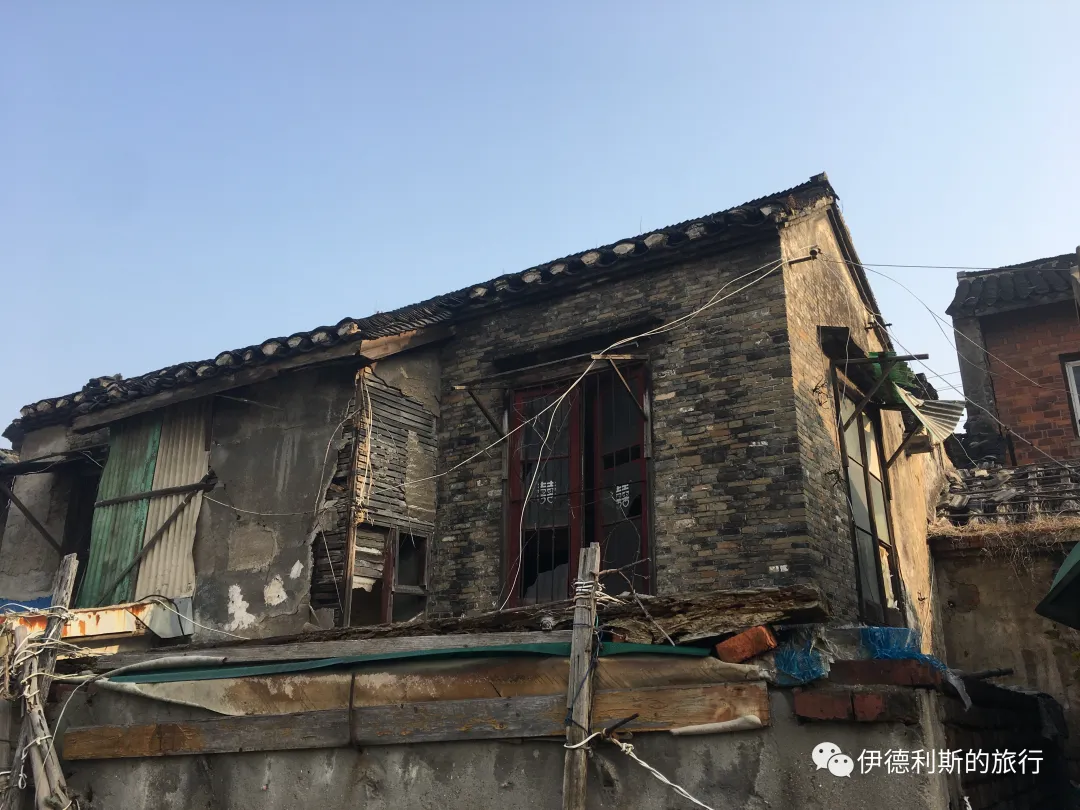
Jingjue Mosque
Jingjue Mosque is located on Sanshan Street in the south of Nanjing. It was originally called the Sanshan Street Mosque, but was renamed Jingjue Mosque during the Jiajing period of the Ming Dynasty. It is the primary mosque of Nanjing from the Ming era.
One account says Jingjue Mosque was built in 1388 (the 21st year of the Hongwu reign of the Ming Dynasty) by imperial order to house officials from the Western Regions who had submitted to the Ming, such as Yibulajin and Kemaruding. Another account says it was built in 1392 (the 25th year of the Hongwu reign) by imperial order for Saihazhi, the seventh-generation descendant of Sayyid Ajjal Shams al-Din. Both accounts are recorded on Ming Dynasty stone tablets.
According to the 1493 (fifth year of the Hongzhi reign of the Ming Dynasty) inscription titled 'Imperial Decree to Build Two Mosques in Yingtian Prefecture, Jiangnan,' it states: 'In the 21st year of the Hongwu reign, Yibulajin, Kemaluding, and others, originally from the Rumi Kingdom in the Western Regions, followed the Duke of Song to submit to China after conquering the Jinshan and Kaiyuan areas. Therefore, two mosques were built by imperial decree to settle them, and five households including Kemaluding were assigned to live at the Jingjue Mosque near the Moon-Watching Tower (Wangyue Lou).' The family genealogies of two Hui Muslim branches with the surname Ma, known as 'Weiyitang' and 'Bojitang' in Hushu, Nanjing, both record that they are descendants of Ma Gutai and Ma Baihao, who were settled at the Jingjue Mosque at that time.
According to a 1405 (third year of the Yongle reign of the Ming Dynasty) inscription at the Great Mosque on Huajue Lane in Xi'an, 'On the 14th day of the third month of the 25th year of the Hongwu reign, Saihazhi, the seventh-generation grandson of the Prince of Xianyang, Sai Dianchi, went to the inner court to receive an imperial decree:...two mosques were to be built in two locations, one at Copper Workshop on Sanshan Street in Yingtian Prefecture, Nanjing, and one on Ziwu Lane, Chang'an County, Xi'an Prefecture, Shaanxi Province.' The 'Genealogy of Sai Dianchi' records that Saihazhi was granted the hereditary title of Marquis of Xianning, and 'when the Ming Emperor Taizu established the capital in Jinling, he commissioned Saihazhi to build a mosque in Jinling.' After the work was finished, he built the Great Mosque in Chang'an. When the Tiemao Lane Mosque in Taicang, Jiangsu, was rebuilt in the 1980s, a stone tablet was found inside the wall, revealing that the Taicang mosque was also built by Saihazhi.
Additionally, according to the Republic of China era 'Zhongnan and Huaibei Regional Gazetteer,' 'North of the street is the Jingjue Mosque. Wu Ru from the Western Regions came to China during the Ming Dynasty to serve in the Imperial Board of Astronomy. He lived in Nanjing and built this mosque next to his residence.' Therefore, the Jingjue Mosque may have originally been part of Wu Ru's residence.
The Jingjue Mosque was destroyed by fire in 1430 (fifth year of the Xuande reign), and Zheng He requested its reconstruction before his seventh voyage to the Western Oceans. According to the 'Record of the Imperial Decree for Eunuch Zheng He to Rebuild the Mosque,' it states: 'Your request has been received: The mosque on Sanshan Street in Nanjing has been burned down.' 'Because you wish to rebuild it to pray for the safety of the funds, grain, people, and ships for your voyage, this shows your respectful heart. How could this be neglected?' 'As an imperial envoy, since you have already set your heart on this, how could your wish be abandoned?' 'If the personnel and materials you use are insufficient and delay your project, you may draw supplies from the Nanjing Directorate of Palace Servants and the Ministry of Works so that it can be completed in time for the winds to set sail. This is the decree.'
During the Taiping Rebellion, most of the bricks, tiles, and wood from the Jingjue Mosque were dismantled to build the mansion of the feudal prince. After being rebuilt in 1877 (third year of the Guangxu reign) and renovated in 1879 (fifth year of the Guangxu reign), it took on its current layout. In the early years of the Republic of China, the wealthy Nanjing gentleman Jiang Xiudong and his wife funded the construction of the north and south lecture halls and the hall building for the Jingjue Mosque, and it was renovated again in 1957. After the 1960s, the Jingjue Mosque was occupied by a rubber company and the No. 3 Rubber Factory. The remaining Ming Dynasty brick and stone archway and the Butterfly Hall were demolished, and plaques, couplets, and stone tablets were severely damaged. It was reopened in 1983 after renovations in 1982, and the reconstruction of the archway was completed in 1985.
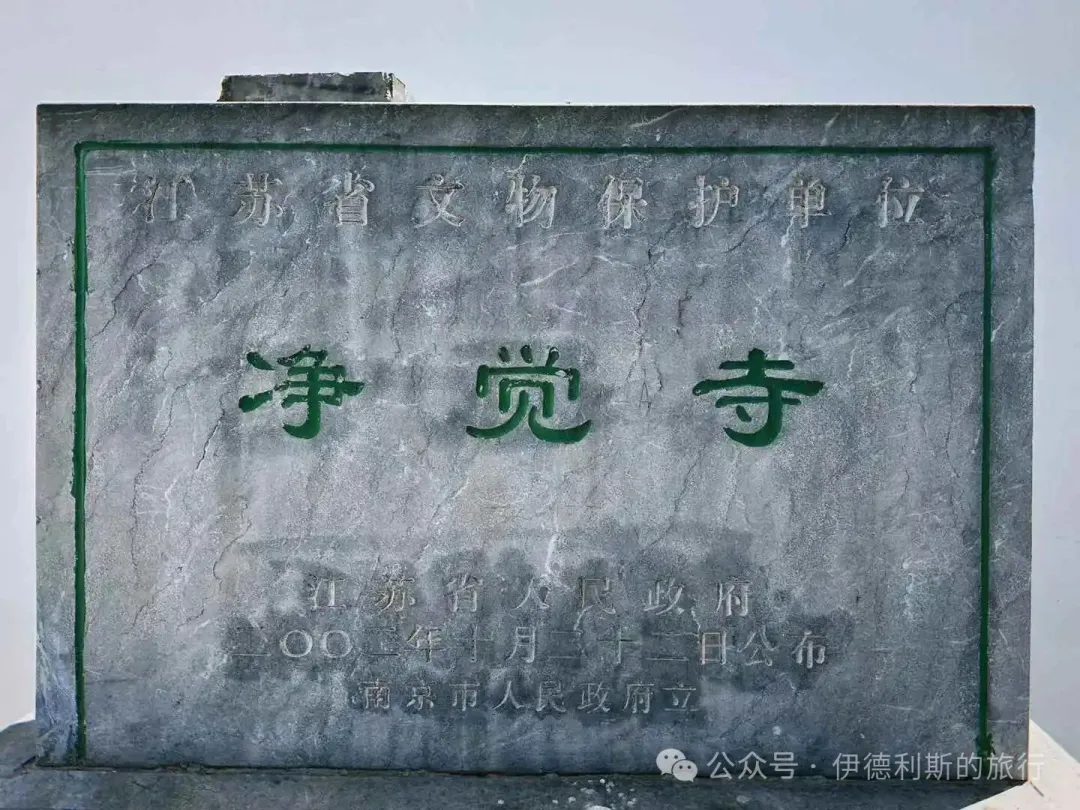
During the Ming Dynasty, the main hall of the Jingjue Mosque had 81 rooms and was built with nanmu wood. The current main hall was rebuilt in 1877 (third year of the Guangxu reign). It is convex-shaped and features a traditional wooden frame structure. The main hall and the opposite hall are connected by a corridor, forming a gong-shaped plan, which is typical of the Jiangnan style. The mihrab niche was moved from the original Xiaowangfu Lane Mosque, and the surrounding wooden carvings of scriptures were carved in 2001.
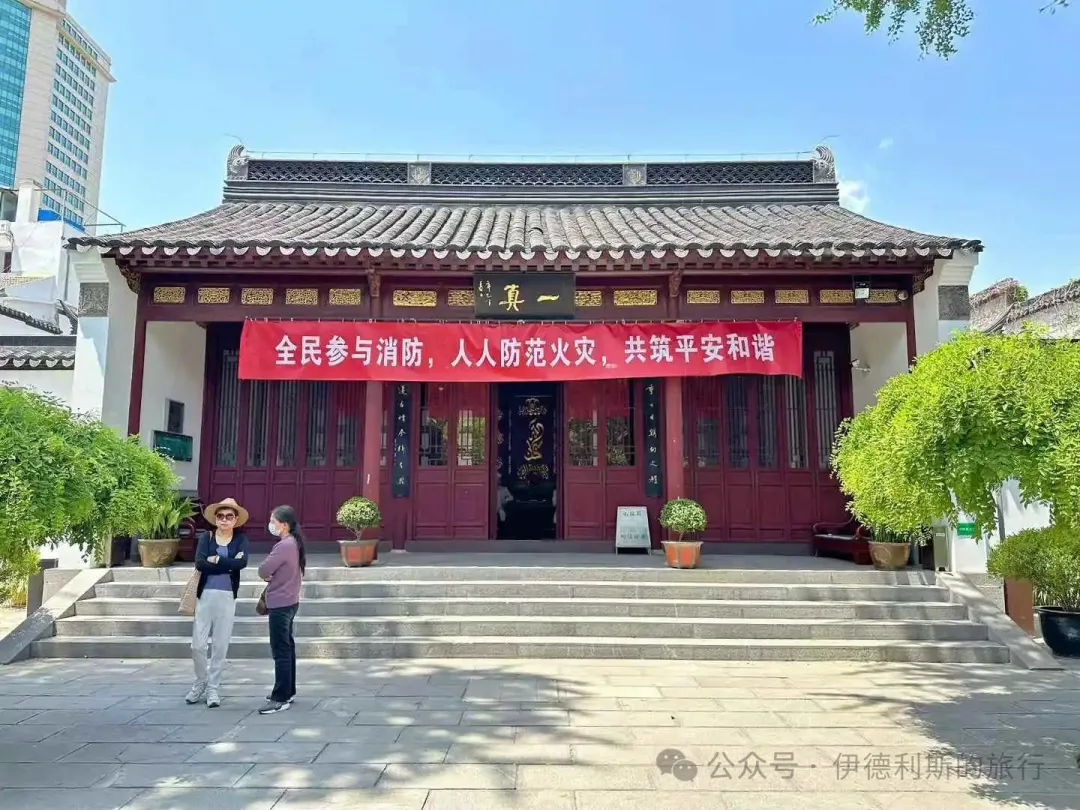
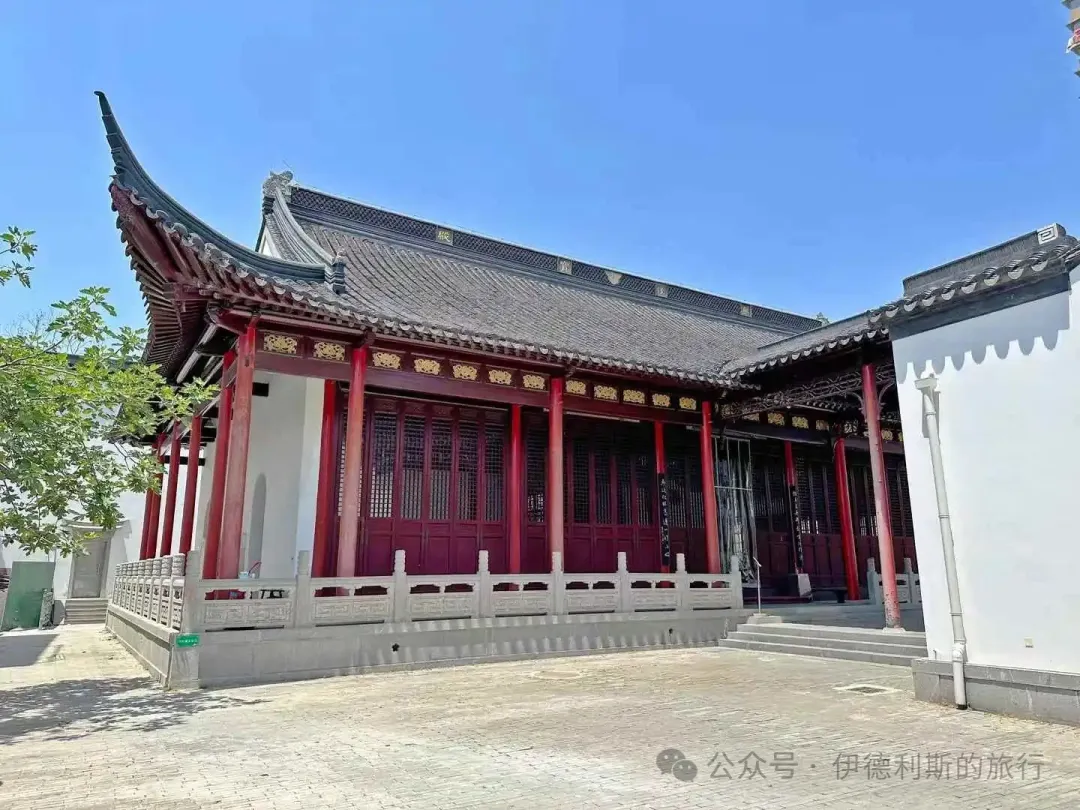
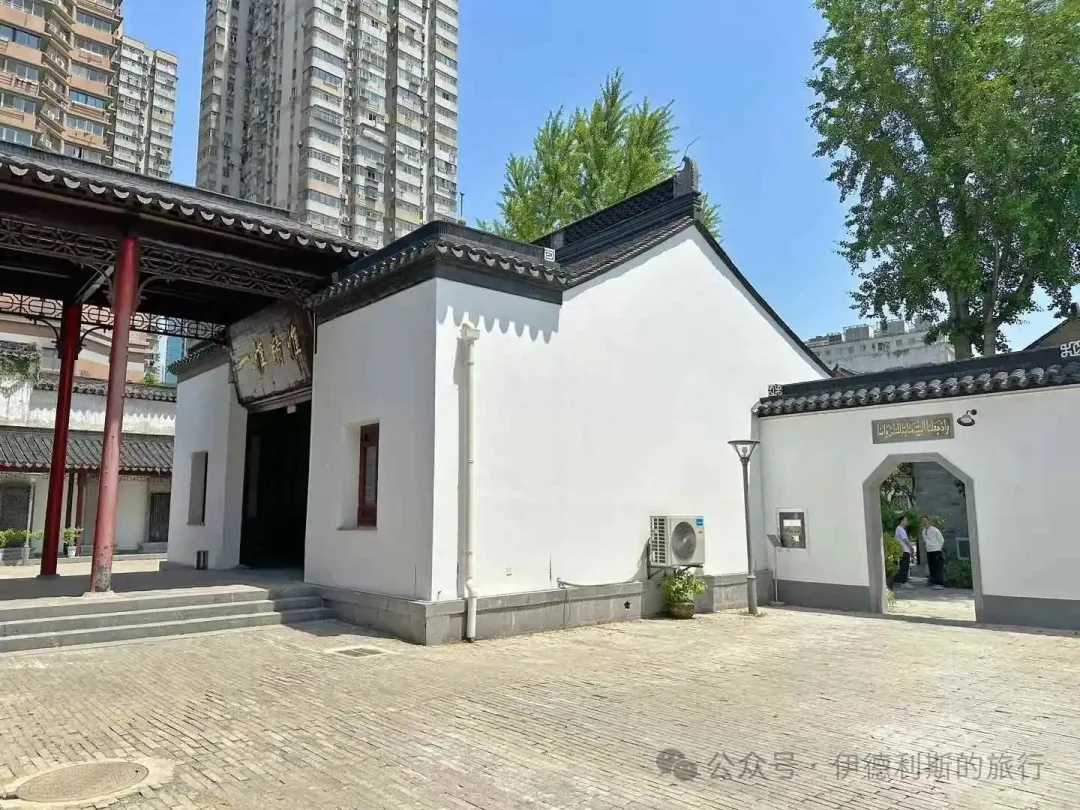
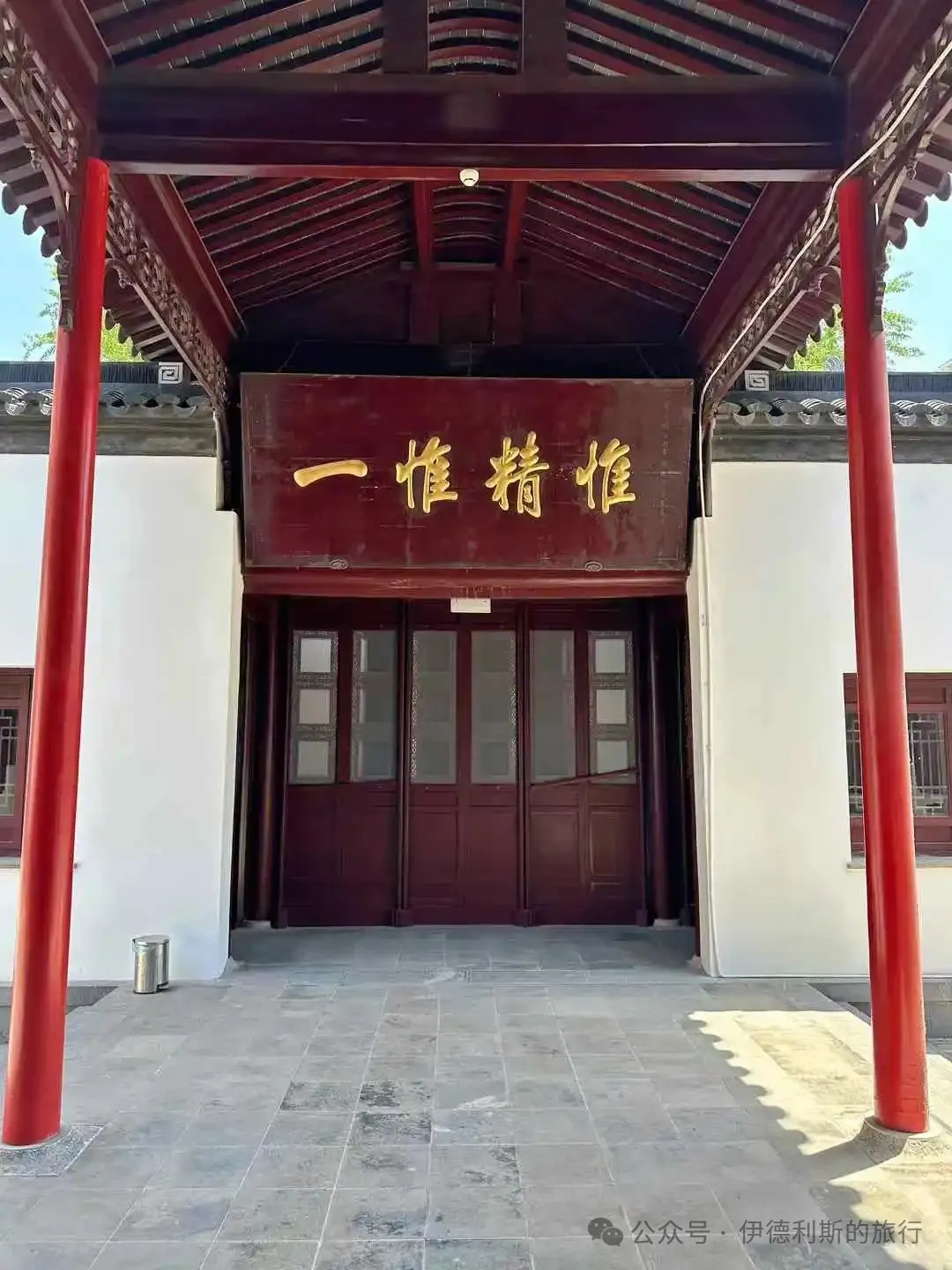
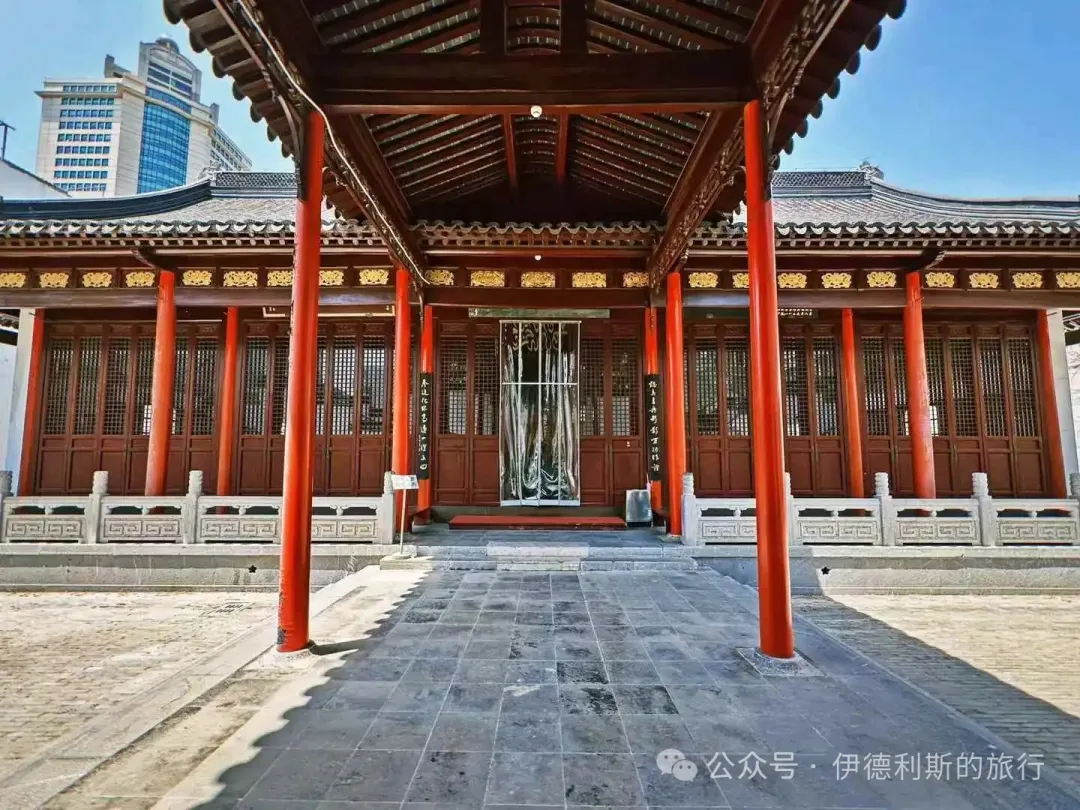
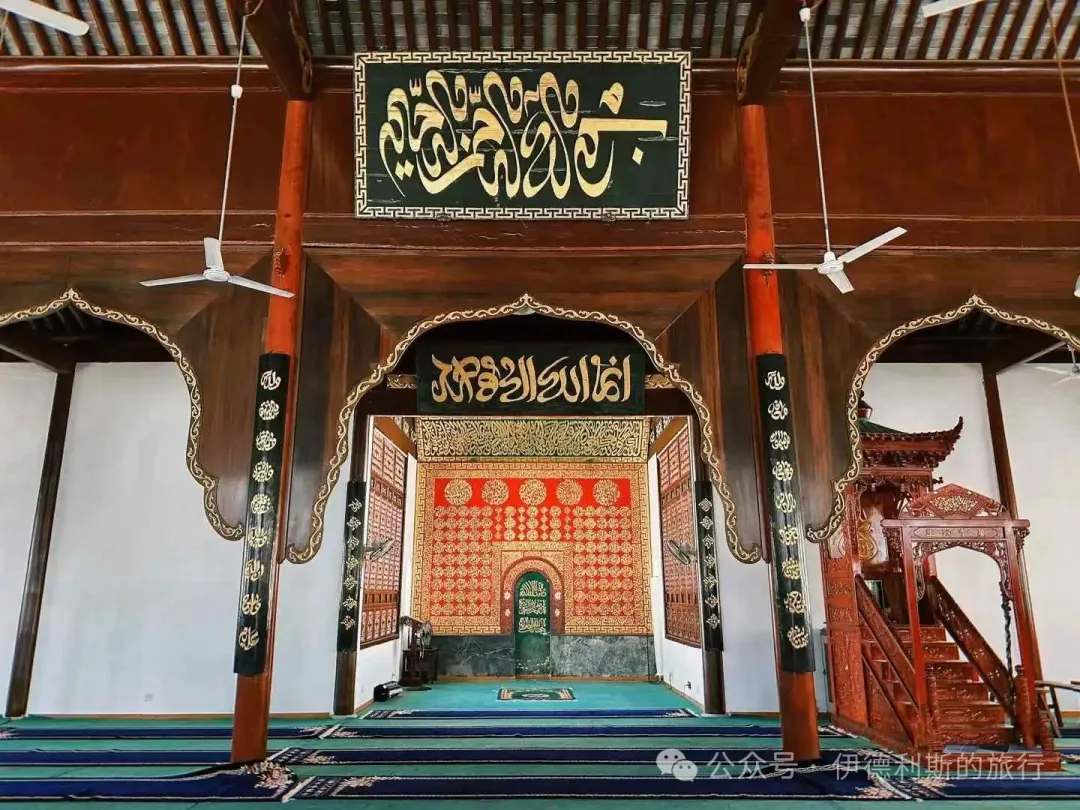
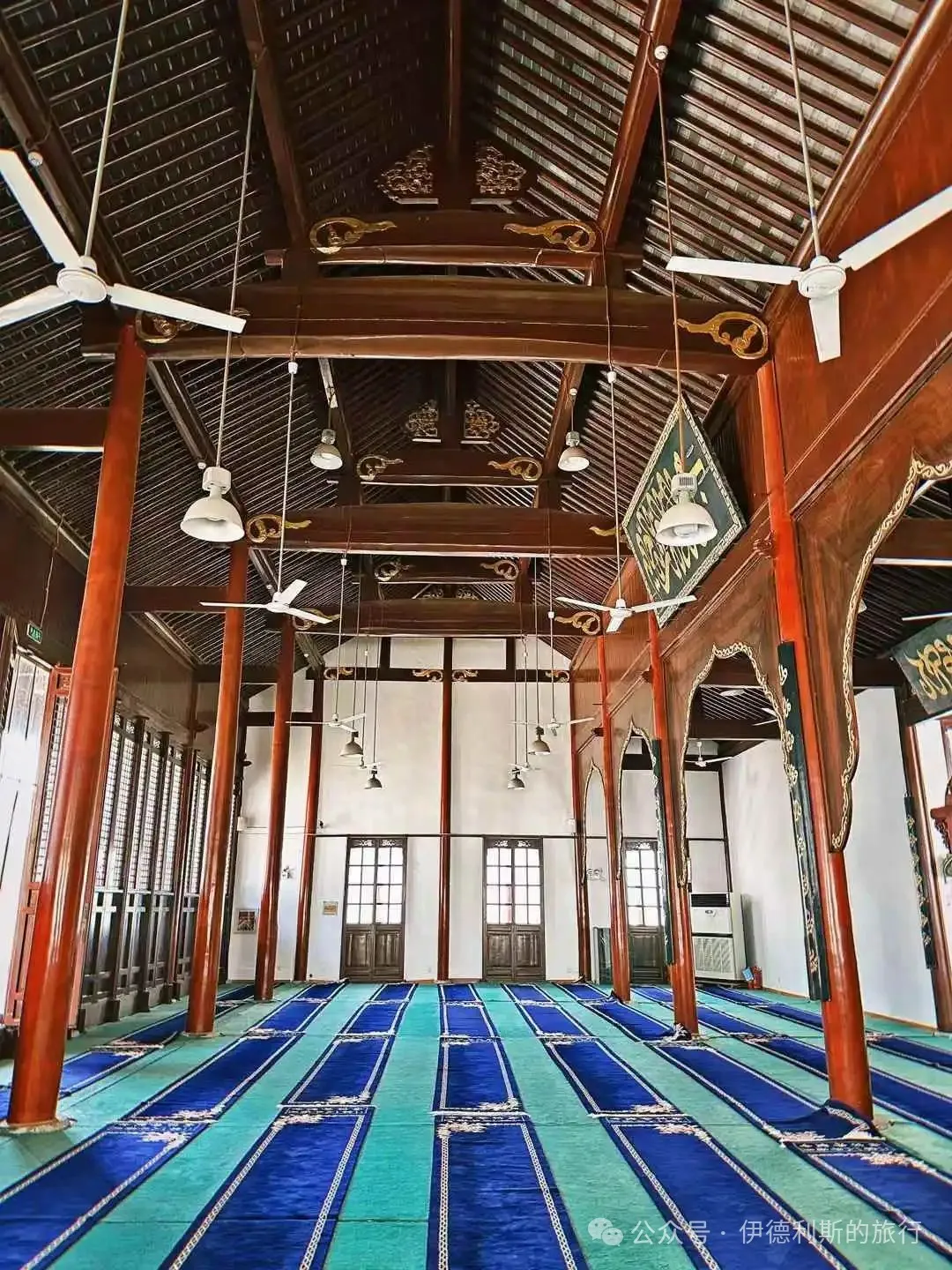
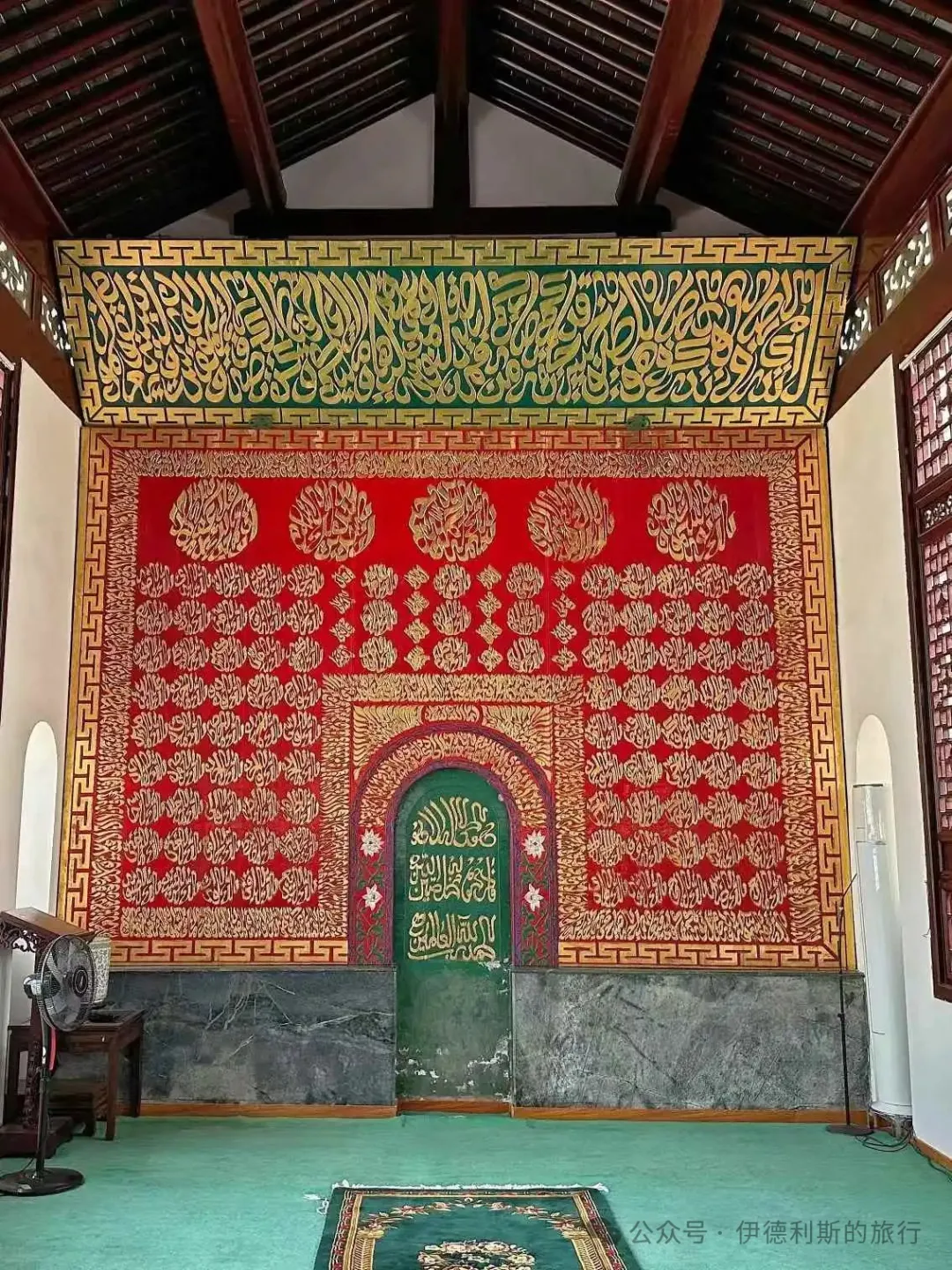
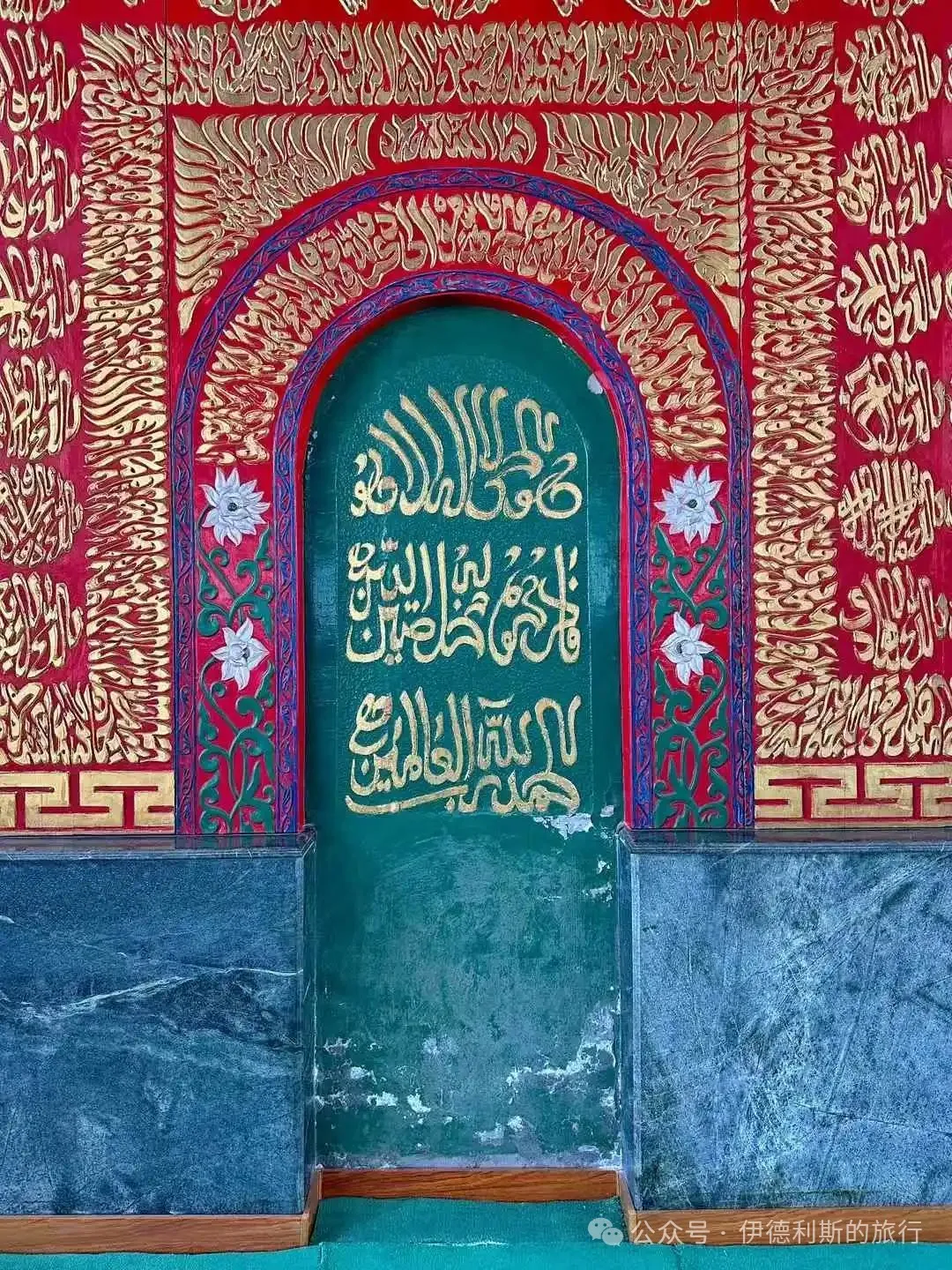
The back of the prayer hall connects directly to a high wall, which is a typical practice of Jianghuai courtyard-style architecture and is very rare in the north.
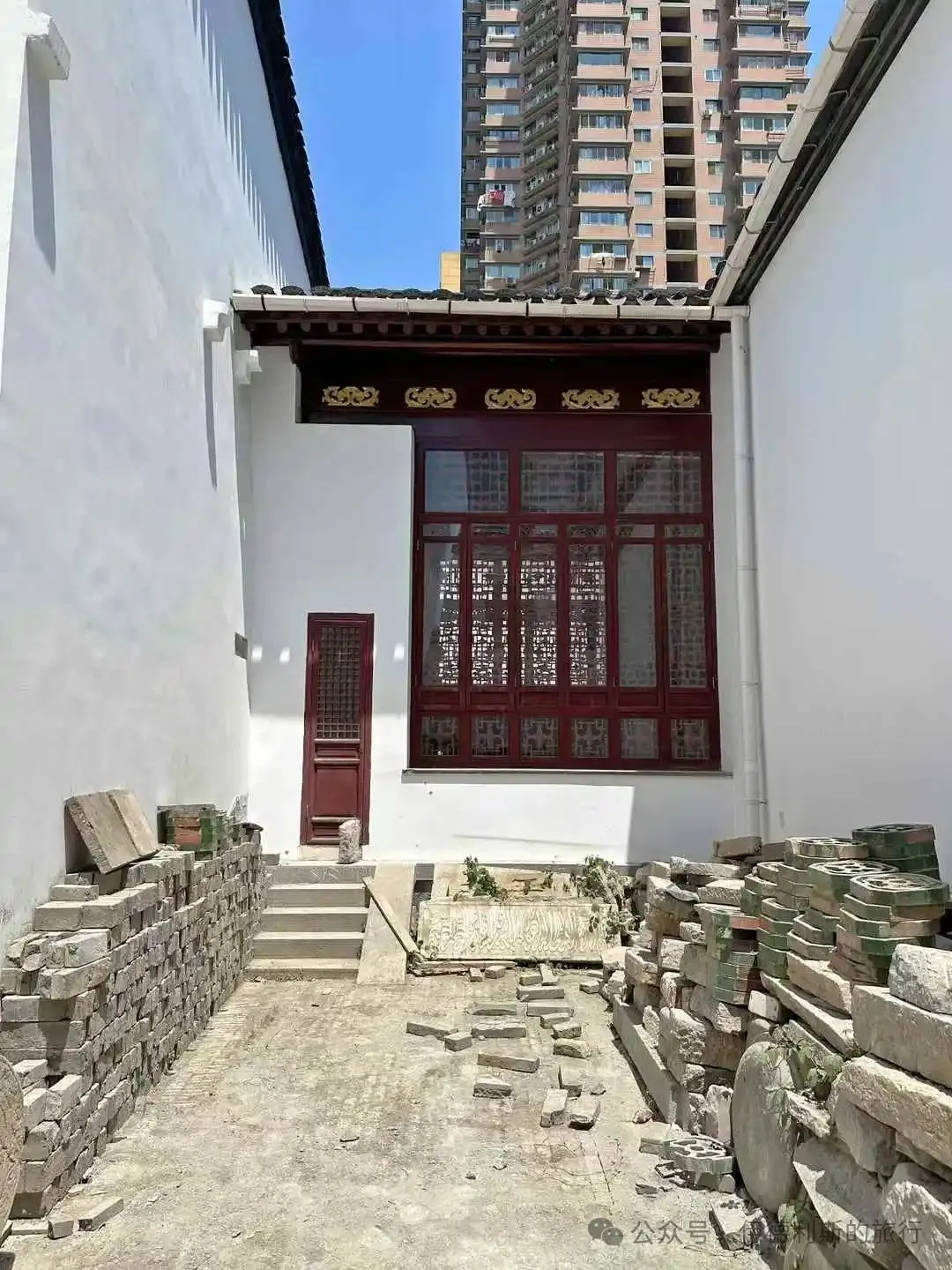
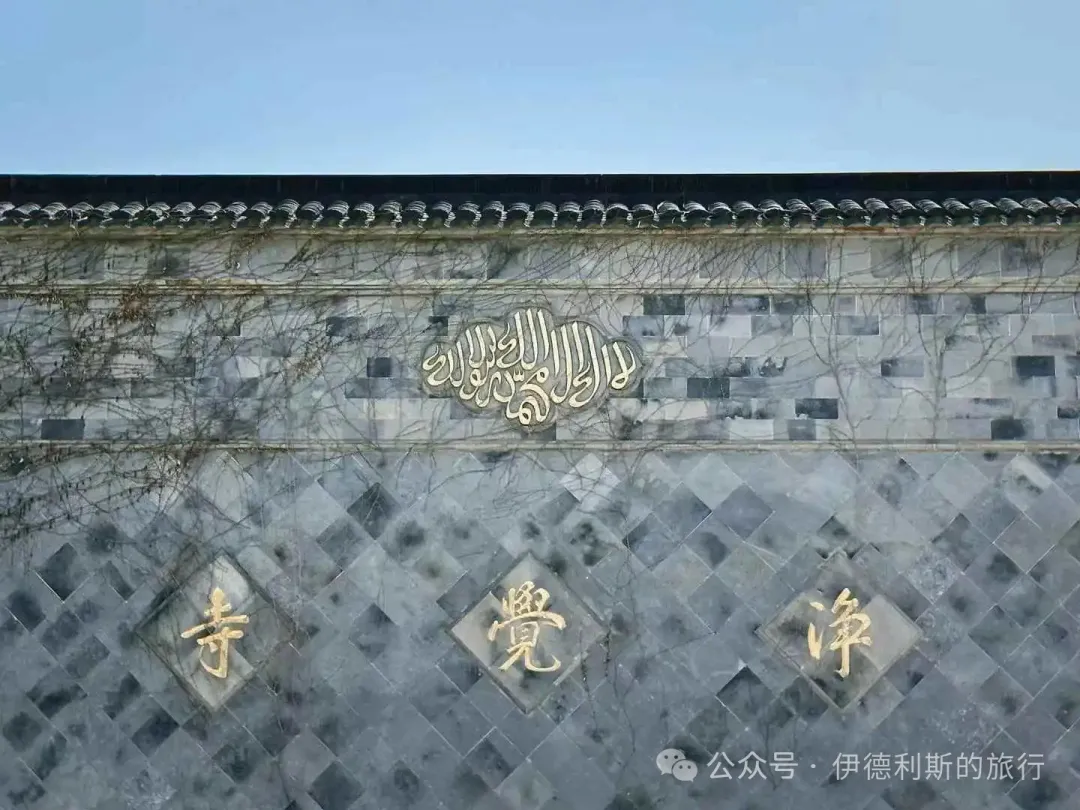
During the 2007 renovation, the main hall was raised by 1 meter. During this process, workers dug two meters deep and unearthed Ming Dynasty glazed tiles, brick carvings, stone railings, and huge Ming Dynasty stone column bases. These bases were twice the diameter of those from the Guangxu period.
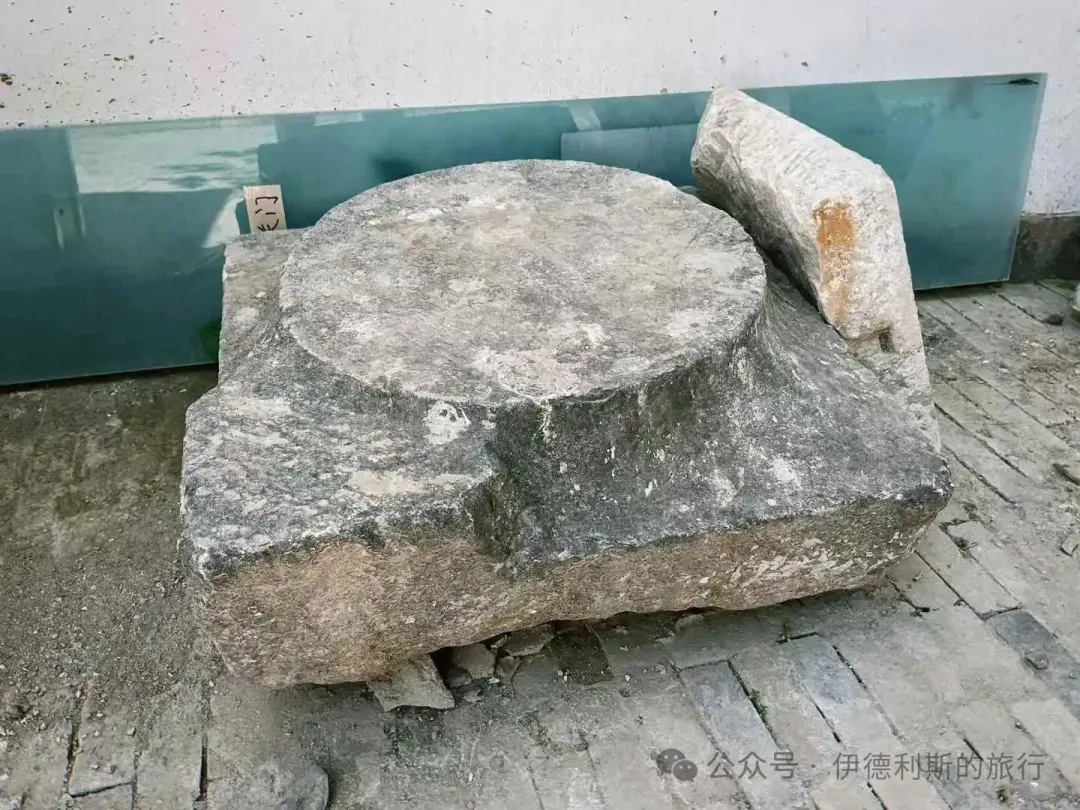
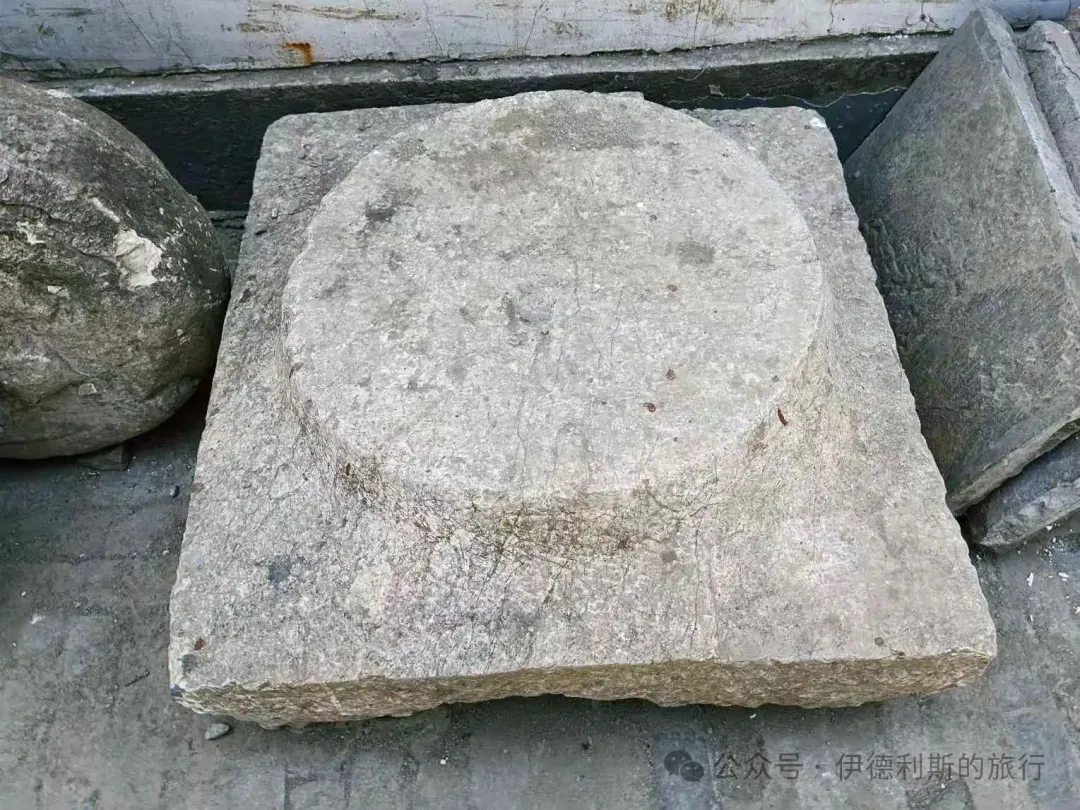
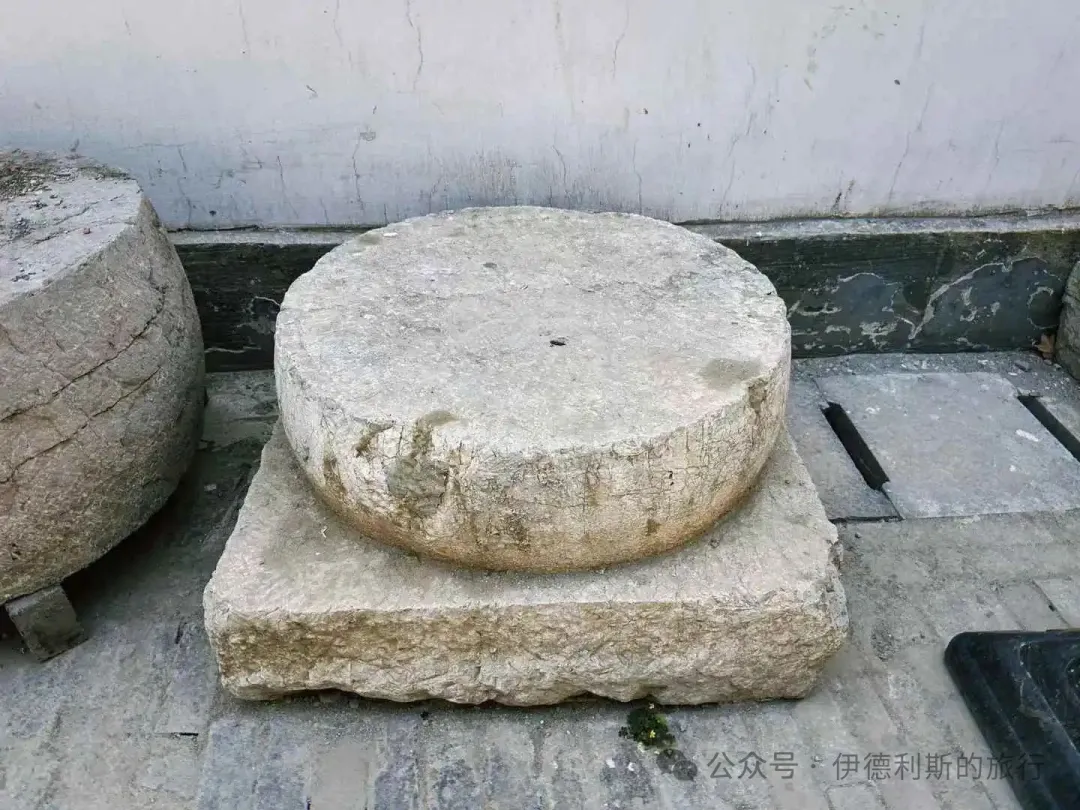
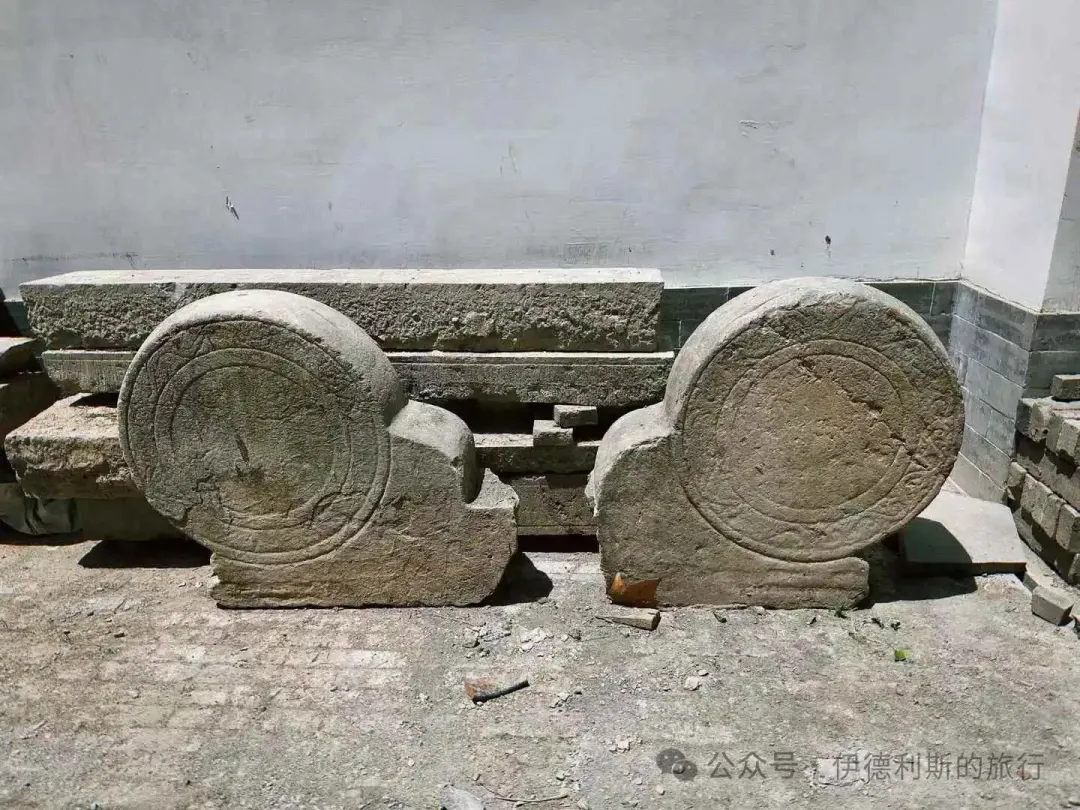
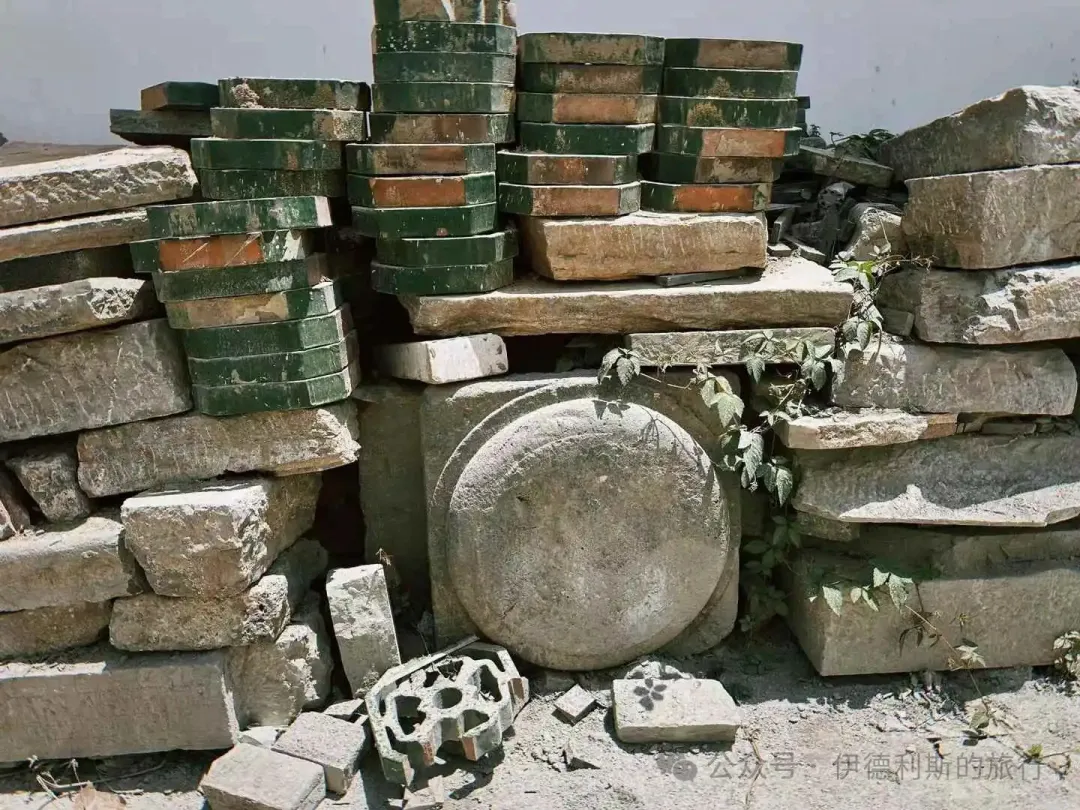
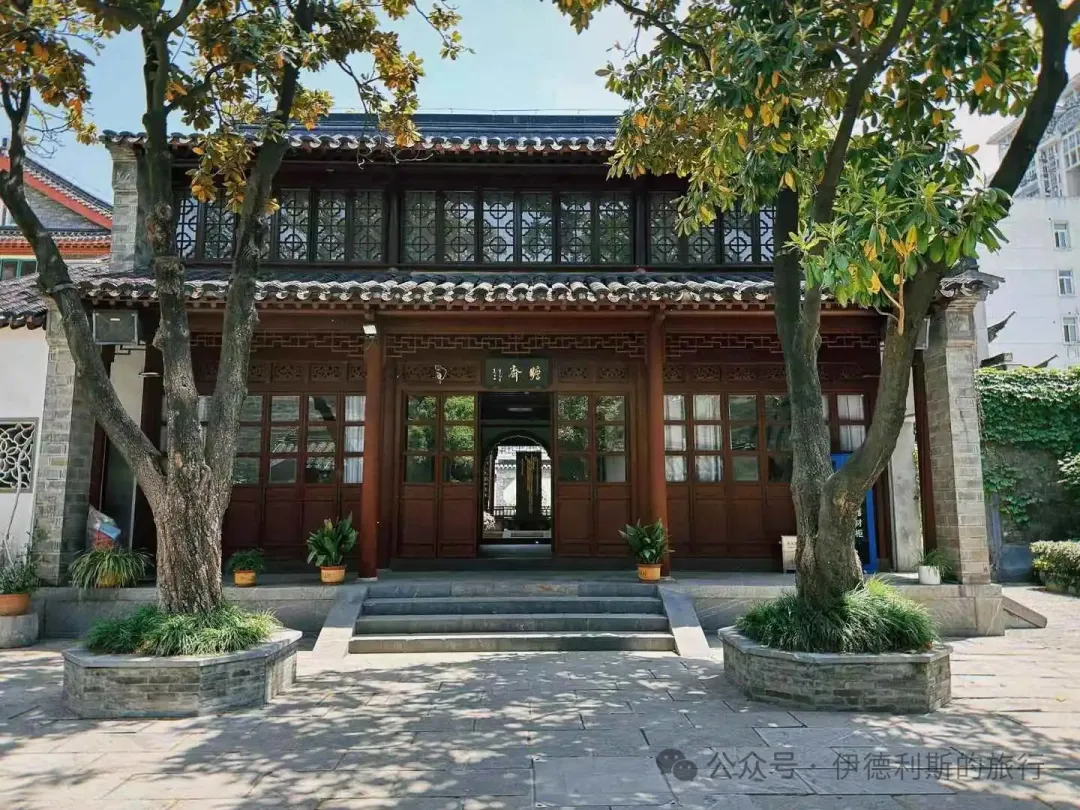
The only remaining Ming Dynasty brick and stone archway and the Butterfly Hall were both demolished in the 1960s. The archway was rebuilt in 1985, the Butterfly Hall was rebuilt in 2004, and a new stele pavilion was built in 1996.
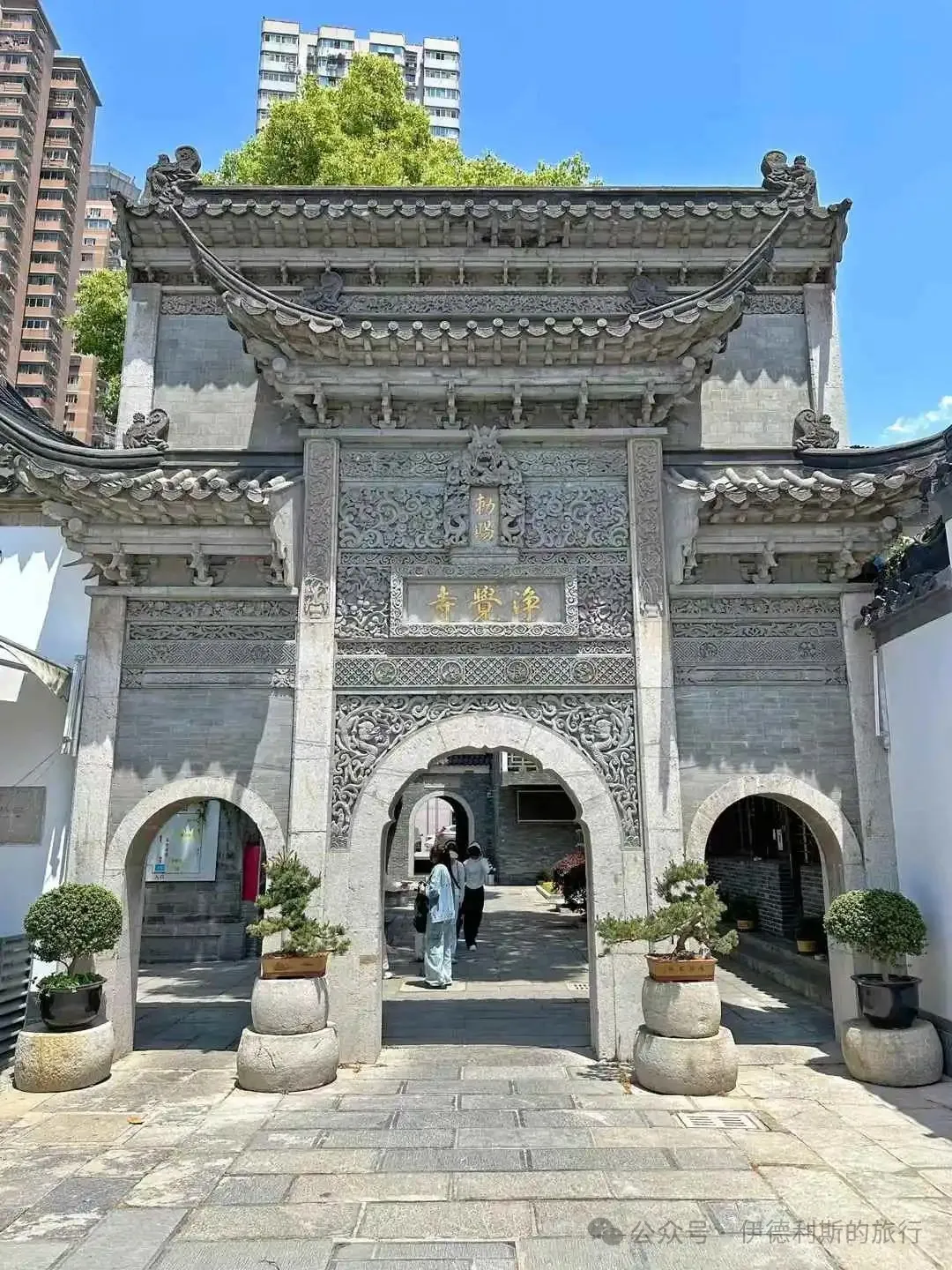
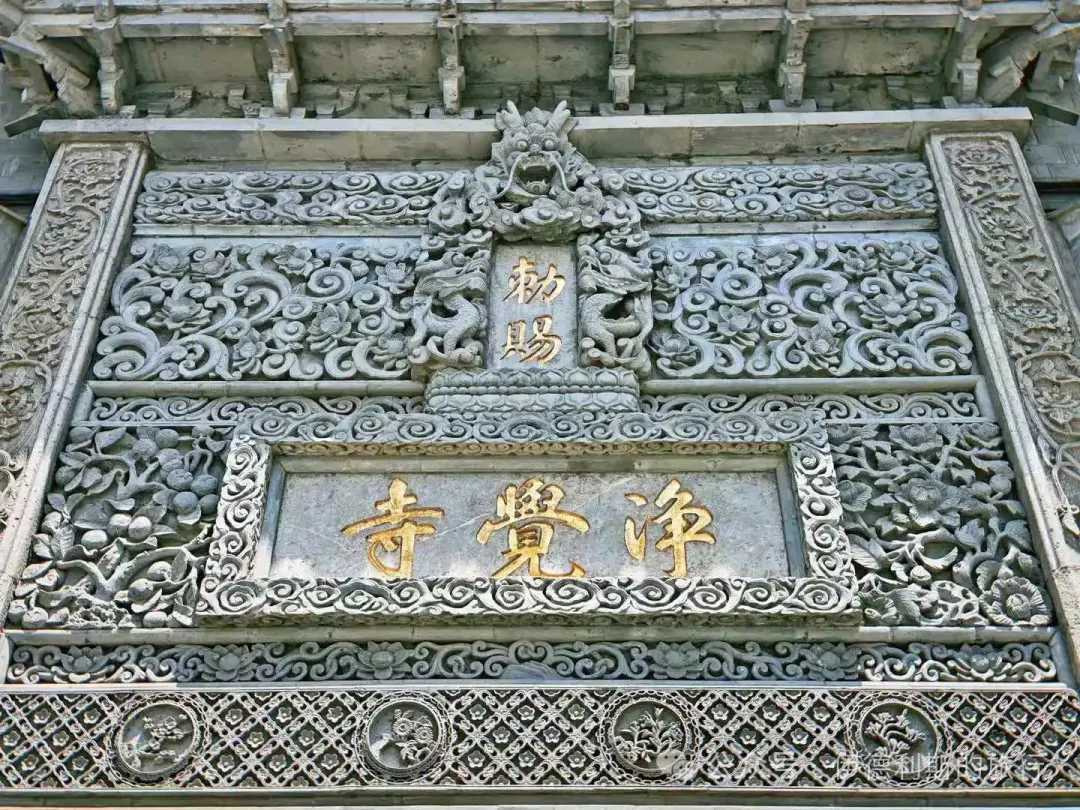
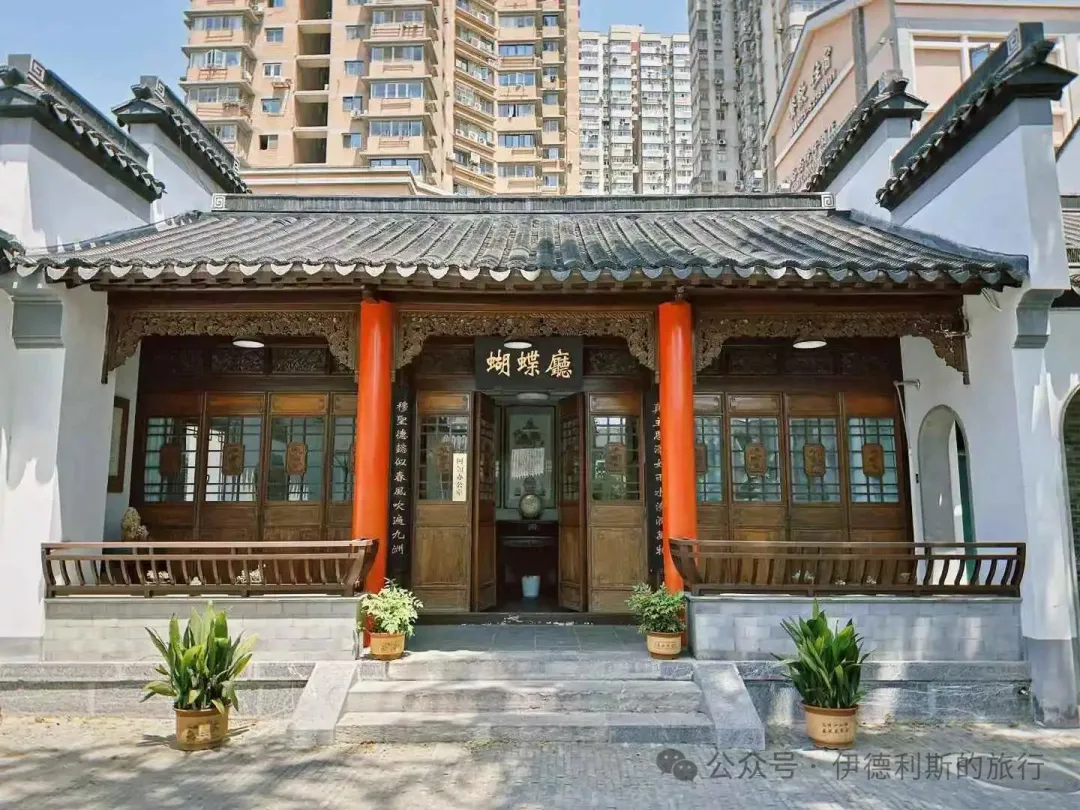
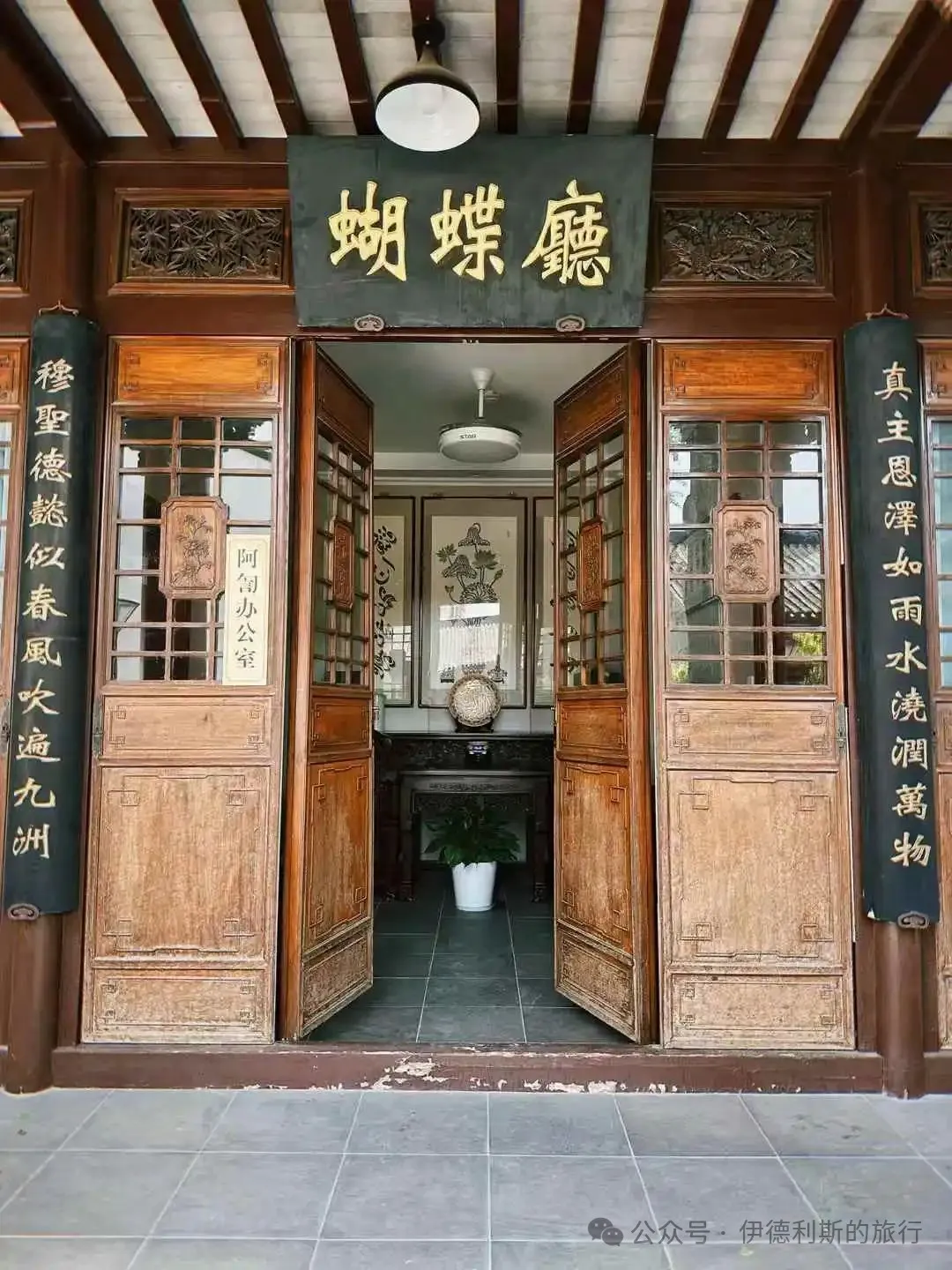
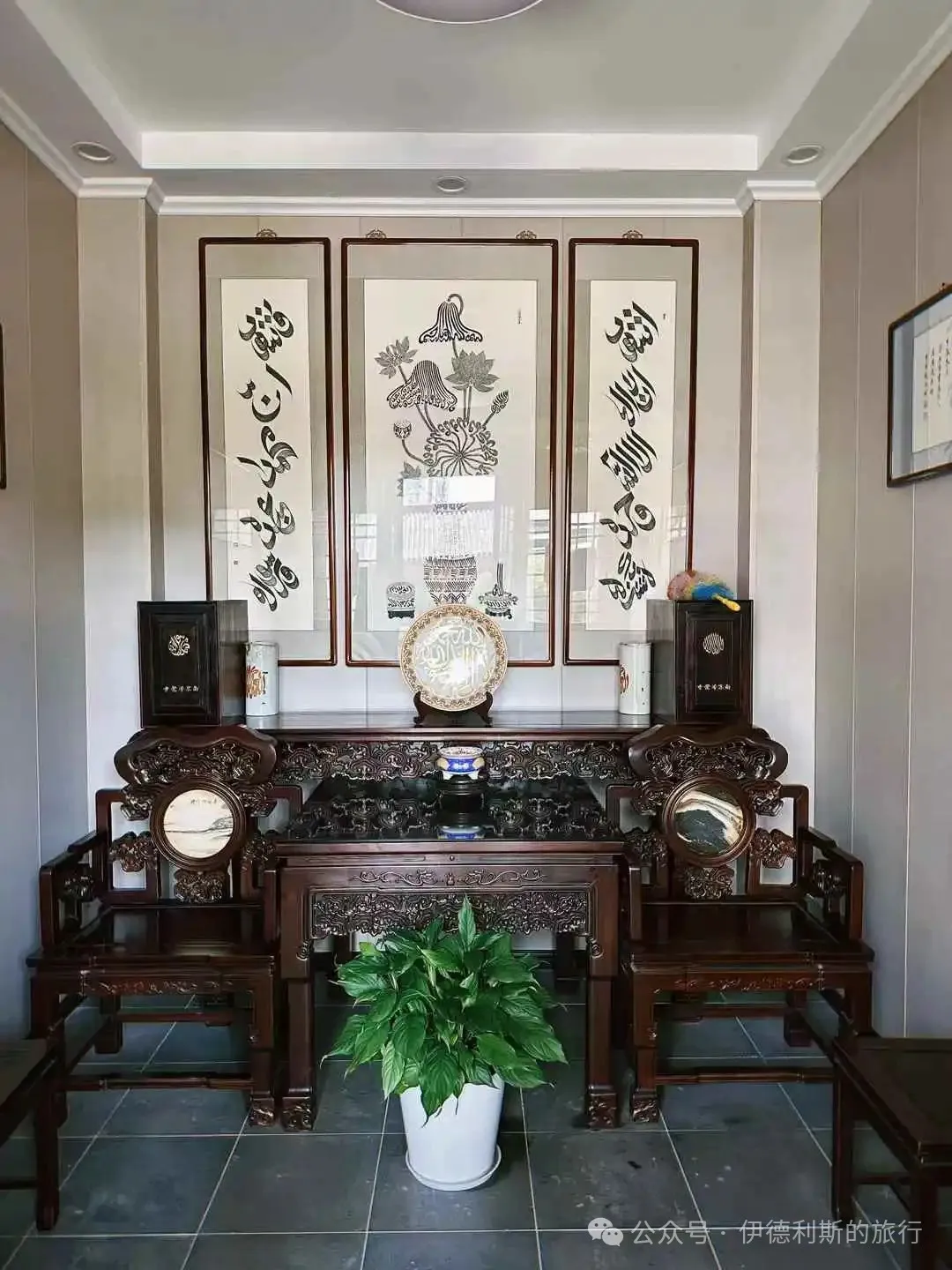
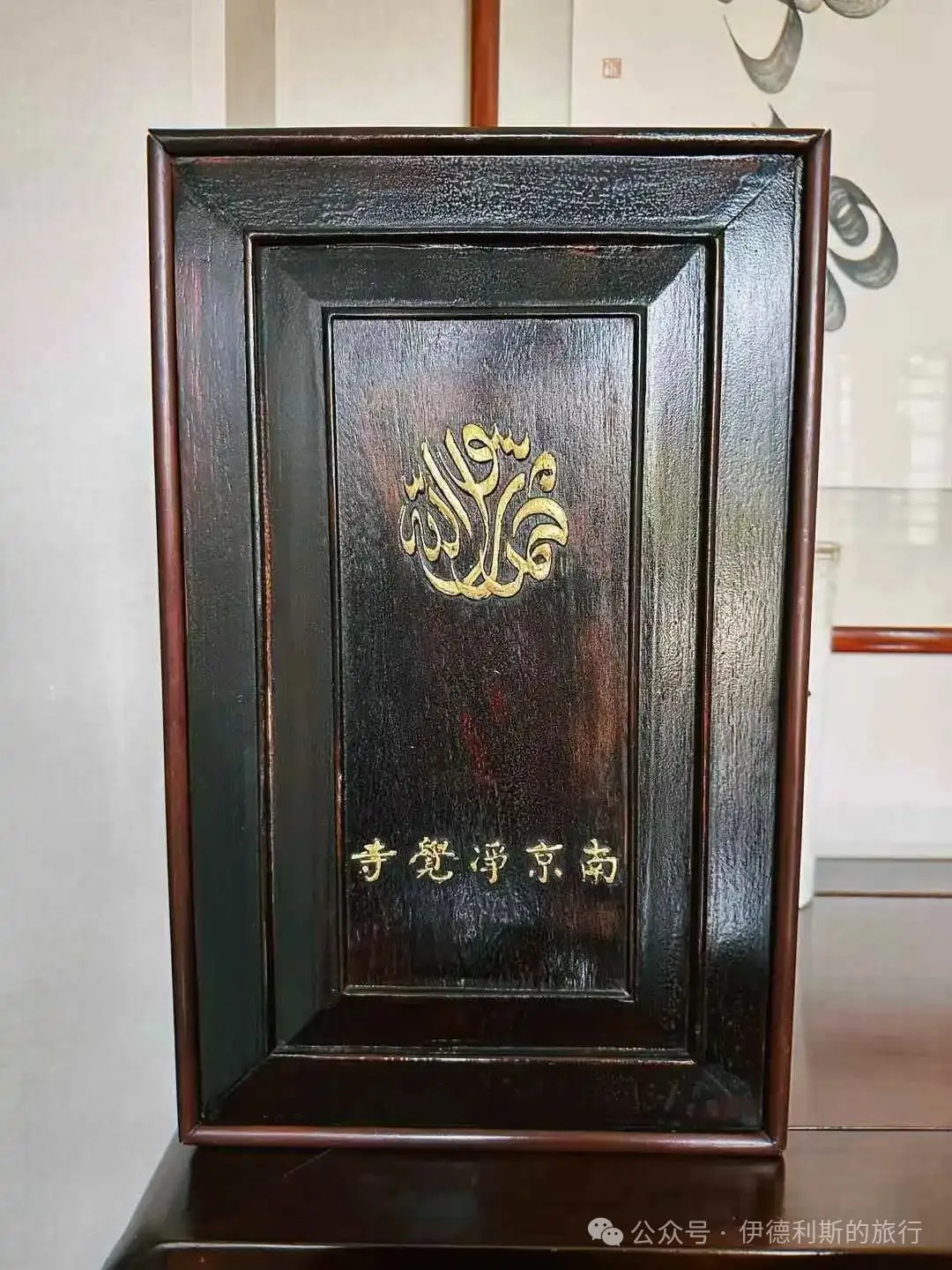
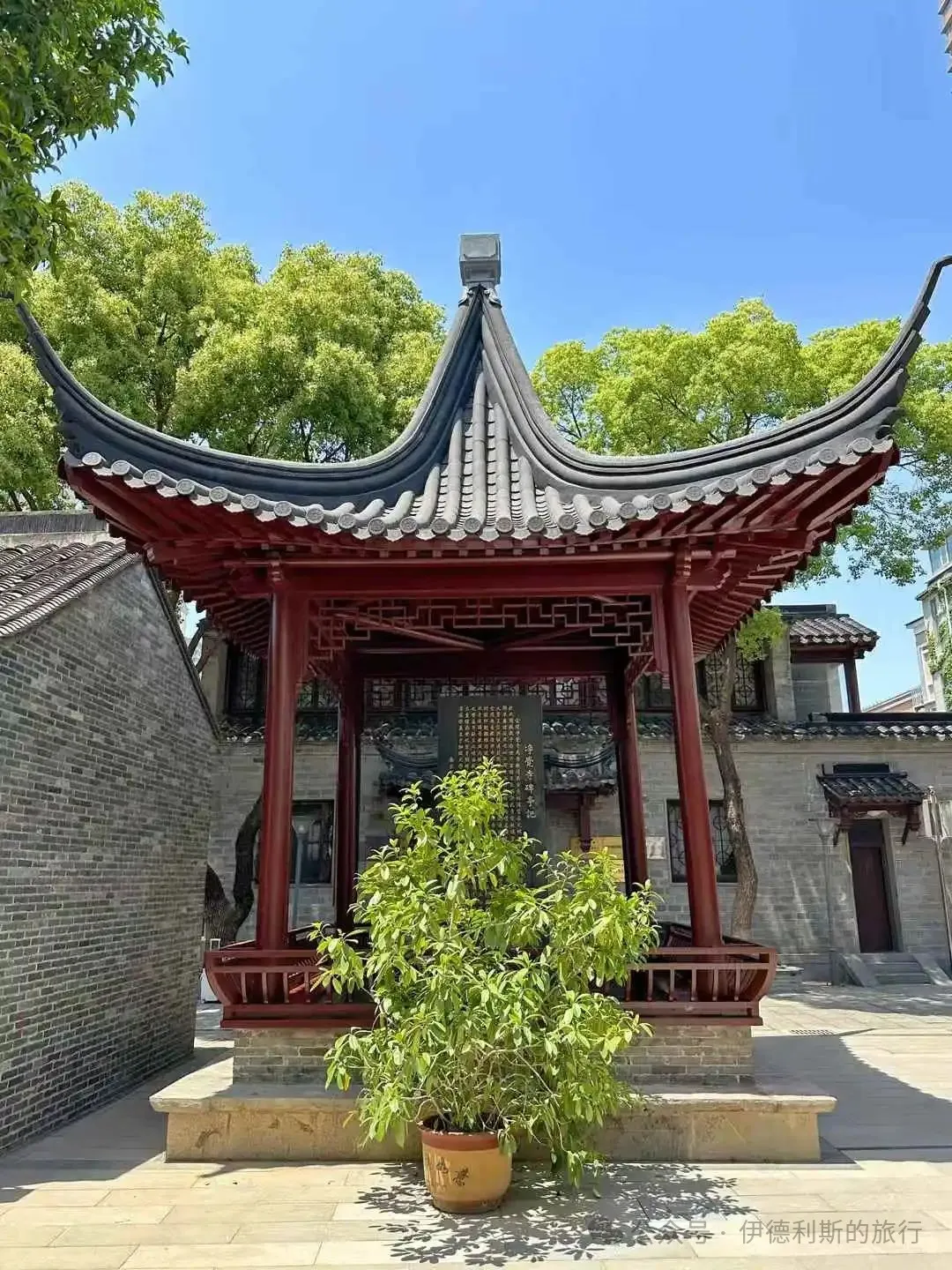
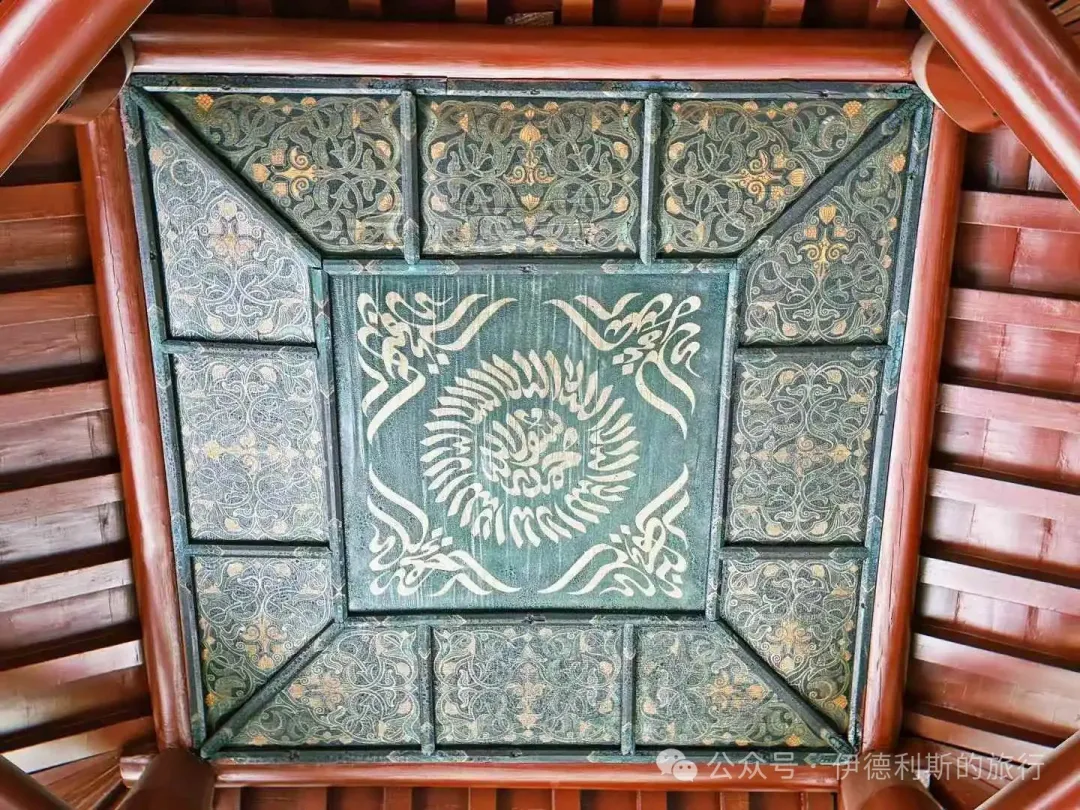
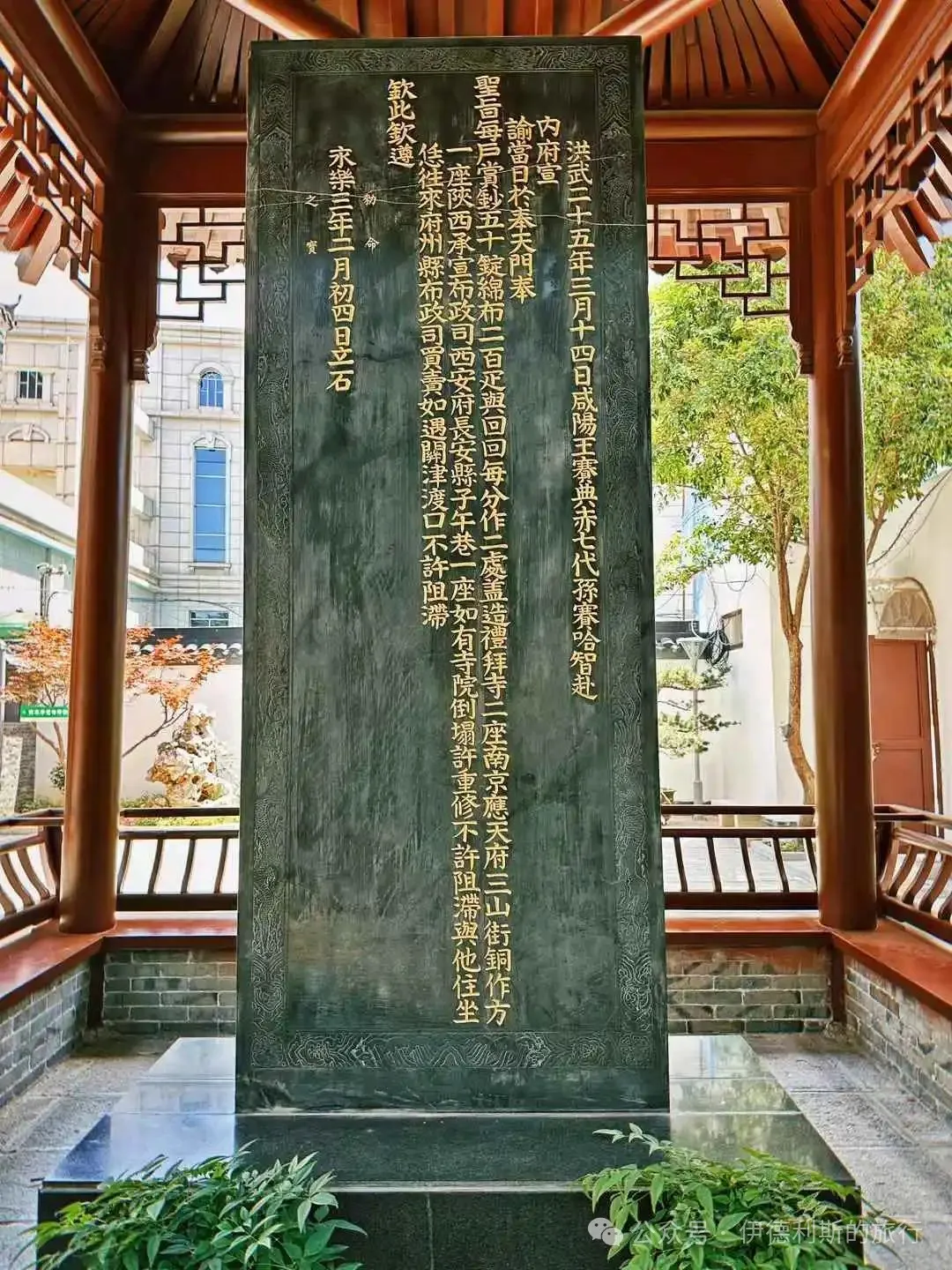
The only Jahriyya mosque in Nanjing.
Inside Nanjing's Jingjue Mosque, there is a stone tablet from the 17th year of the Guangxu reign titled 'Great Transformation to Truth' (Da Hua Gui Zhen). It records how Wu Defa followed his father Wu Dasong's final wishes and donated the back part of their family home at 59 Shigu Road (formerly Xiaofengfu Lane) to build the Shigu Road Mosque. The tablet mentions two Jahriyya imams, Fan Yuncai and Zhan Fengxiang. Witnesses included neighbors surnamed Chen, Cai, Zhou, and Yu; fellow Muslims surnamed Sun, Li, Wu, Zhan, Zong, and Jin; close relatives surnamed Ha, Ma, and Mai; and clan members surnamed Wu. This tablet was originally kept at the Shigu Road Mosque. After the mosque was demolished in 1986 for road expansion, the tablet was moved to Jingjue Mosque.
Shigu Road Mosque is the only Jahriyya mosque in Nanjing. In the late years of the Qianlong reign, a Hui Muslim of the Jahriyya order surnamed Wu from Taiyuan, Shanxi, settled on Shigu Road in Nanjing. Influenced by him, Jahriyya followers (gaomu) began to appear in the Shigu Road, Sanmaogong, and Nantai Lane areas of Nanjing. Most of them worked in the fish fry farming industry. Initially, Nanjing's Jahriyya followers practiced at the Wuxueyuan Mosque (Yuan Mosque) near Shigu Road. During the Taiping Rebellion, Wuxueyuan Mosque was destroyed by war, so the followers moved their practice to the Fengfu Road Mosque. Because their loud chanting style was different, Wu Defa later invited Jahriyya followers to practice at his own home on Shigu Road, eventually founding the Shigu Road Mosque in 1891 (the 17th year of the Guangxu reign).
The Nanjing Jahriyya order belongs to the Beishan Menhuan. The Beishan Menhuan is centered in Beishan, Zhangjiachuan, Gansu. Its leader, Ma Yuanzhang, was well-read in both Islamic and Chinese classics and adopted the ideas of Liu Jielian to explain Islam through Confucianism. After the Shigu Road Mosque was established, Fan Yuncai and Zhan Fengxiang from the Beishan Menhuan served as imams. Imam Fan Yuncai was from Siyang, Jiangsu. During the Republic of China era, his son Fan Zhaofa opened the 'Faji Carriage Company' in Nanjing, which was very successful. In 1905, Wu Wenlian, the grandson of Wu Defa, went to Gansu to study Islamic texts. After completing his studies in 1911, he was appointed by Ma Yuanzhang as the imam of Shigu Road Mosque.
After the Beishan leader Ma Yuanzhang passed away in 1920, his nephew Ma Dianwu took over the leadership. It remained the Beishan Menhuan, overseeing over 100 mosques in places like Zhangjiachuan, Tianshui, and Longnan in Gansu, Qiqihar in Heilongjiang, Runan in Henan, and Long County in Shaanxi. Nanjing's Shigu Road was its only mosque in East China.
In 1937, Ma Dianwu appointed Imam Su Ziying from Zhangjiachuan, Gansu, as the imam of Shigu Road Mosque. Imam Su actively visited other mosques, connected with community elders, and promoted education. This helped the Shigu Road Mosque flourish and trained over 20 students (hailifa). In 1953, Imam Yang Junwen succeeded as the imam of Shigu Road Mosque. In 1958, the mosque closed, and Imam Yang Junwen became an imam at Fengfu Road Mosque. Afterward, Imam Yang no longer maintained contact with the Beishan Menhuan, and his religious practices gradually merged with the Gedimu order.
In 1986, the Shigu Road Mosque was demolished for road widening. Although the mosque closed, some descendants of Nanjing's Jahriyya followers still kept up their religious practices. For example, Fan Songshou, a descendant of Imam Fan Wencai, made a living running a tofu shop. Even in his nineties, he insisted on performing the five daily prayers (namaz) and continued to fast during Ramadan. In the 1960s, he still volunteered to wash and bury the deceased and help with funeral arrangements.
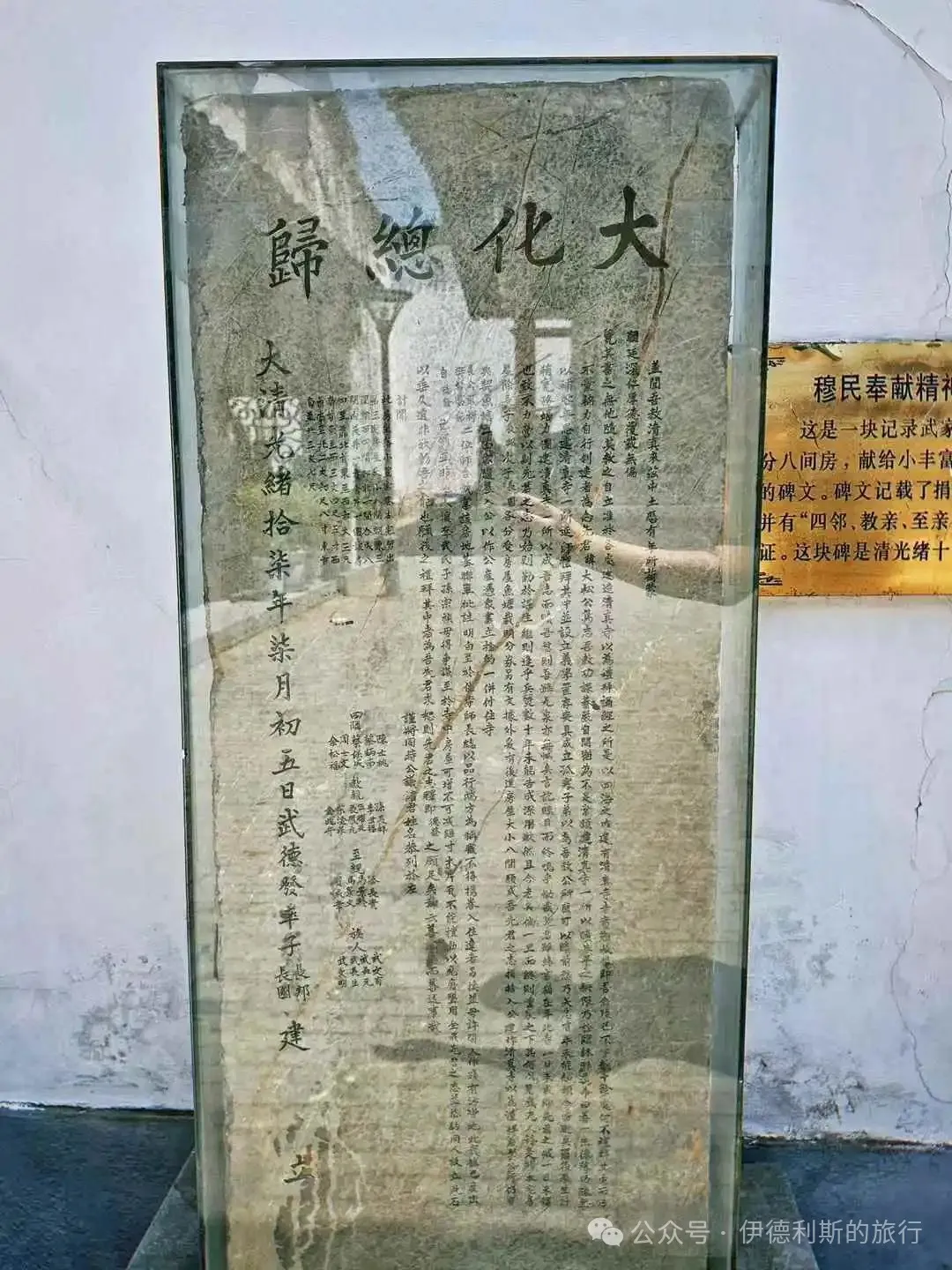
Plaque inscriptions at Jingjue Mosque:
'Pure and Single-minded' (Wei Jing Wei Yi): An auspicious day in the first month of summer, the Gengyin year of the 16th year of the Guangxu reign of the Great Qing, by the Commander of the Jiujiang Town, Jiangxi.
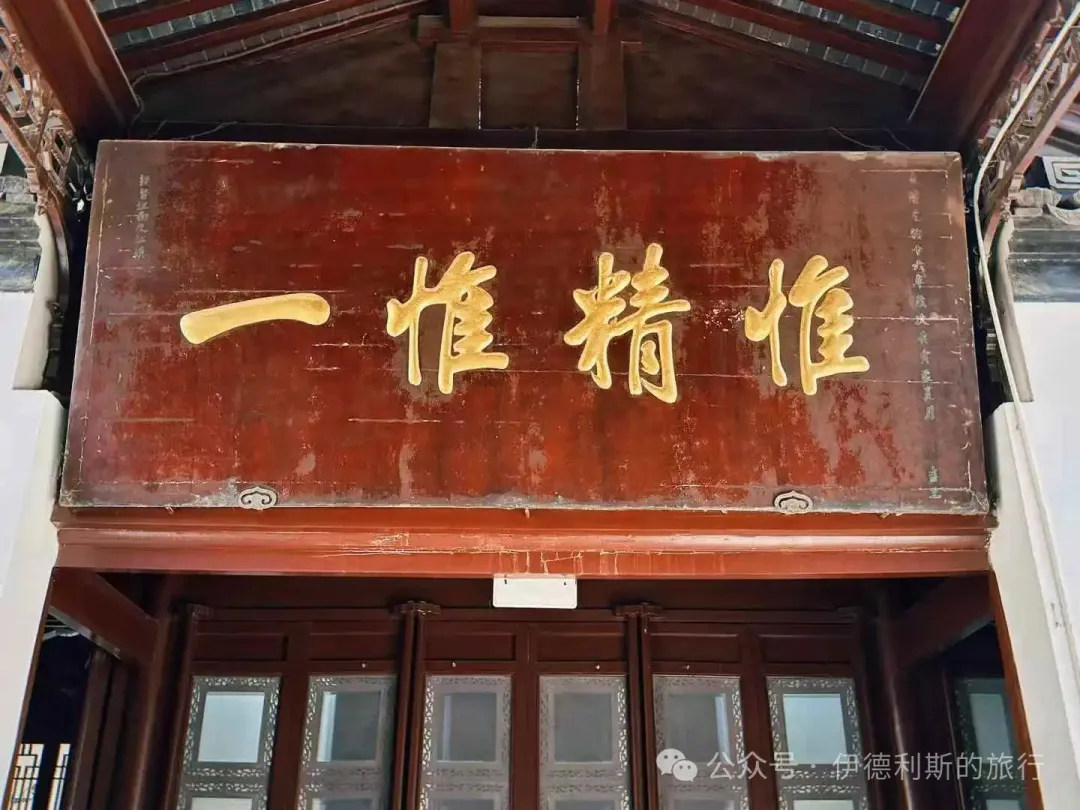
'Correct Heart and Sincere Intent' (Zheng Xin Cheng Yi): June of the 11th year of the Republic of China, respectfully erected by members of the Nanjing Islamic Association.
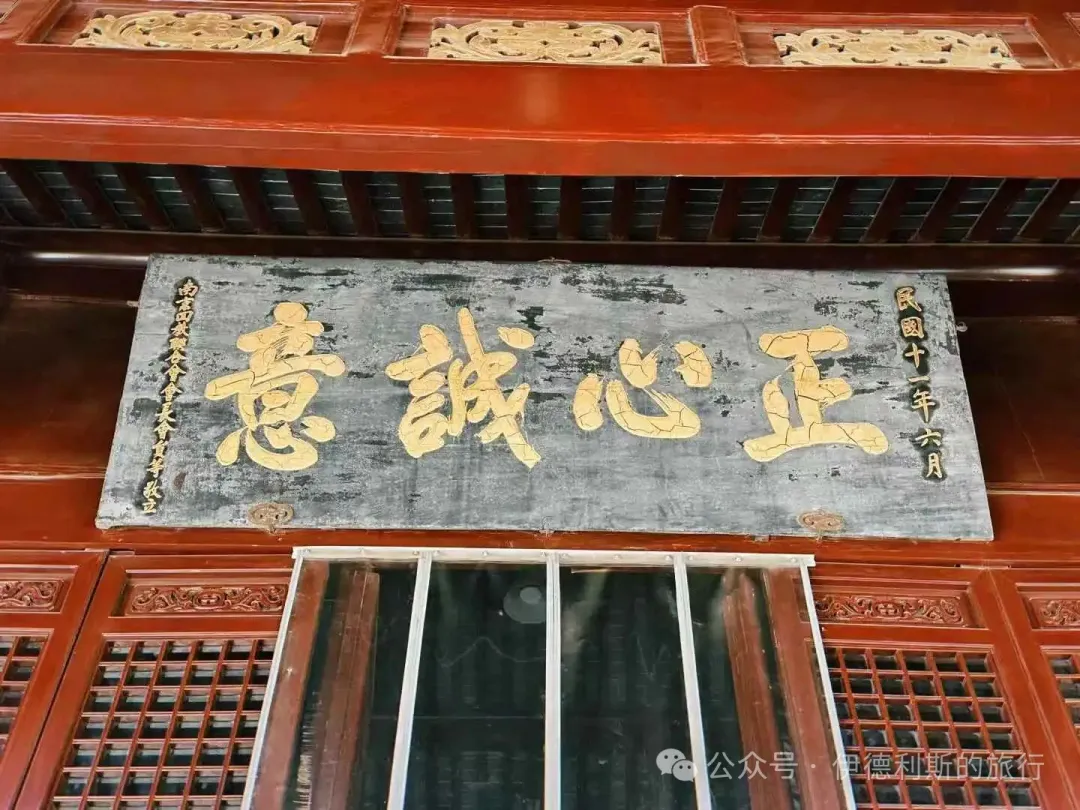
The stele from the 47th year of the Qianlong reign records the four boundaries of Jingjue Mosque. It notes that a shop on the east side was rented out, and a shop on the west side near Horse Lane (Ma Xiang) was rented out for a flower shop. The elders who donated funds included those with the surnames Chen, Ma, Wu, Jin, Zheng, and Sha.
The stele from the 18th year of the Guangxu reign records that Imam Ma donated his own land next to the mosque to build the main prayer hall and the water room (wudu area).
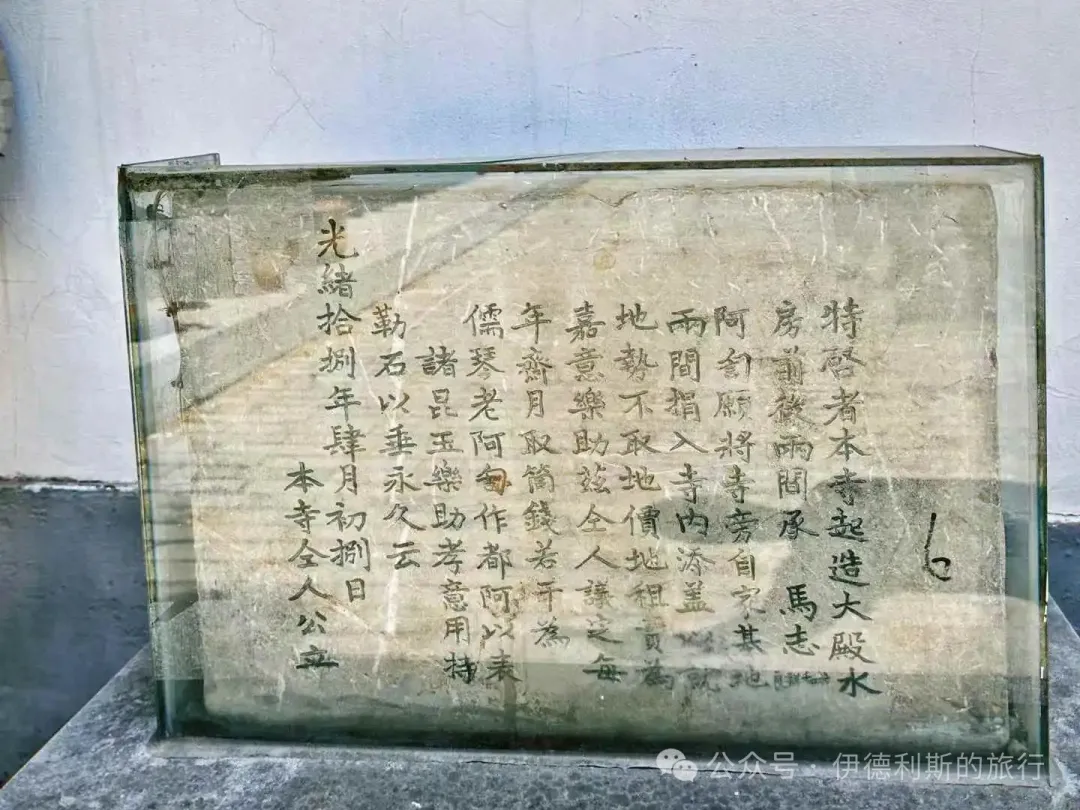
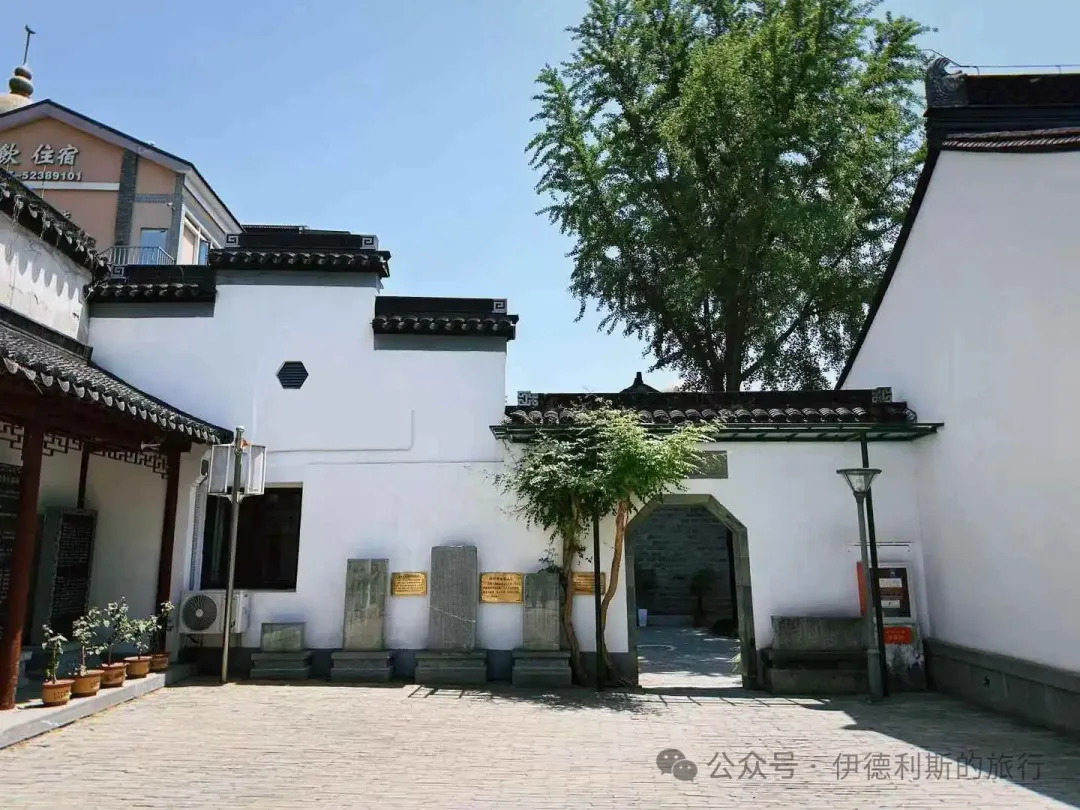
Jingjue Mosque houses a memorial stele for Ma Yitang, a Hui Muslim merchant from Nanjing who lived in Shanghai. It was inscribed in 1931 by Ma Fuxiang, a famous Beiyang general who was serving as the chairman of the Mongolian and Tibetan Affairs Commission.
Ma Yitang was born in 1869. His ancestors ran a money shop outside Jubao Gate in Nanjing, and the family owned the Ma Yulong Satin and Fan Shop. Ma Yitang used Shanghai as his base to expand his trade in Chinese and foreign general merchandise. He set up businesses in Chengdu and Chongqing, and his goods were sold as far away as the Tibetan regions. Ma Yitang was devoted to the faith. He served as a director for the North Mosque and West Mosque in Shanghai and helped fund the founding of the Hanxi Gate Girls' School and the Zhugan Lane Girls' School in Nanjing. In 1909, Ma Yitang became a special deliberative director of the Shanghai Islamic Board of Directors and participated in all its decision-making. In 1921, he was responsible for expanding the Xiaoshadu Mosque in Shanghai, which is now the Huxi Mosque.
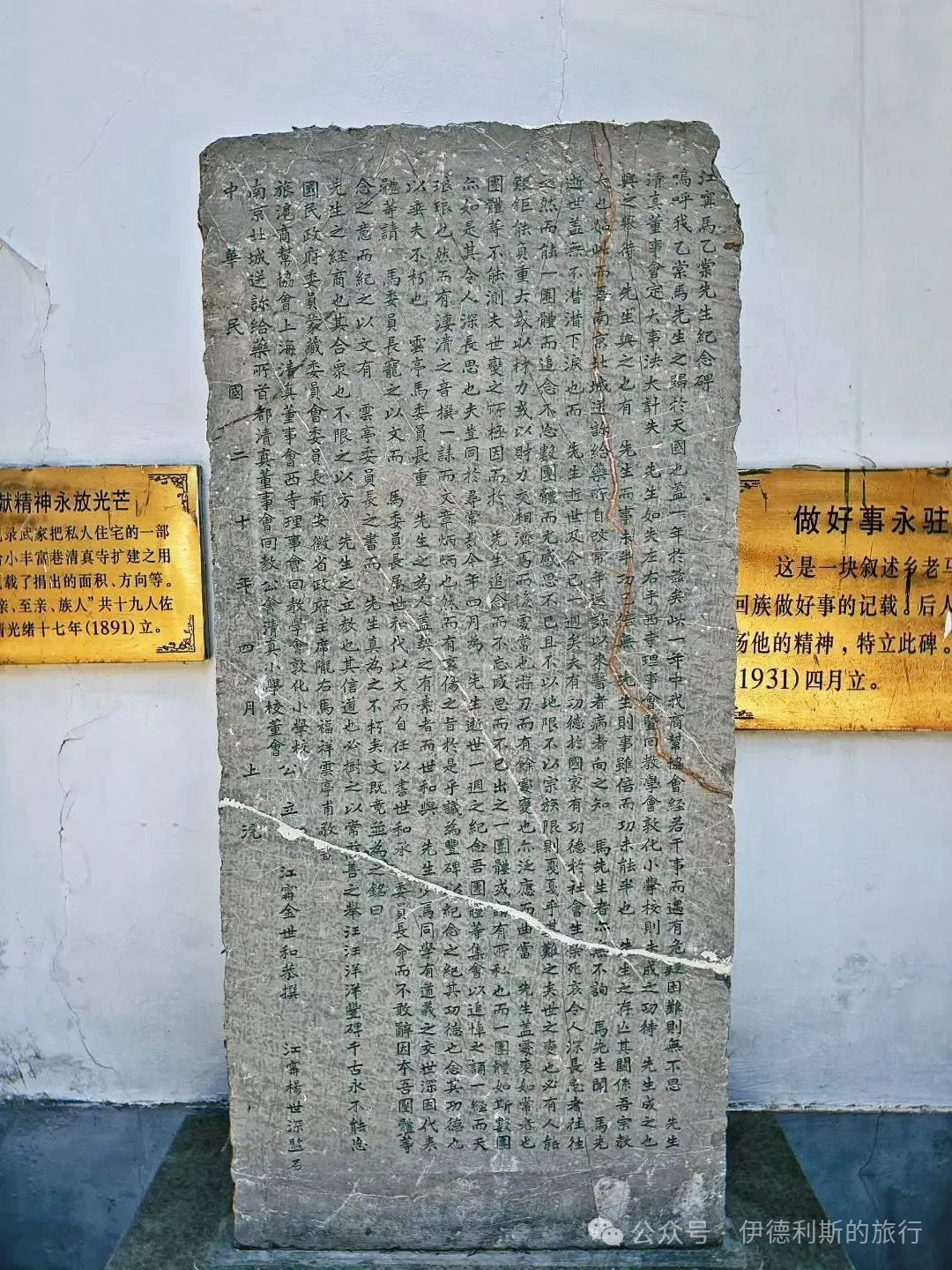
Jingjue Mosque houses a notice stele from the 15th year of the Republic of China issued by the Police Department for the Shangfuqiao Mosque. It was erected by the West District Police Station of the Jiangsu Provincial Capital Police Department. It records that the police stepped in to protect the Shangfuqiao Mosque and the Dajiao Lane Mosque to uphold the rights of the faith. The petitioners included Hui Muslims with the surnames Bai, Tao, Pu, Ma, Yuan, Liang, Wei, and Jin.
Shangfuqiao Mosque was located in Chuanban Lane. It was first built in 1662 (the first year of the Kangxi reign), destroyed during the Taiping Rebellion in the Xianfeng era, and rebuilt in 1876 (the second year of the Guangxu reign). It was later occupied by Nanjing No. 62 Middle School, and the notice stele was moved into Jingjue Mosque. Dajiao Lane Mosque was first built in 1874 (the 13th year of the Tongzhi reign). The mosque once housed trade associations for the pavilion decoration, wedding, and fried rice industries. It was later occupied by a factory and eventually demolished.
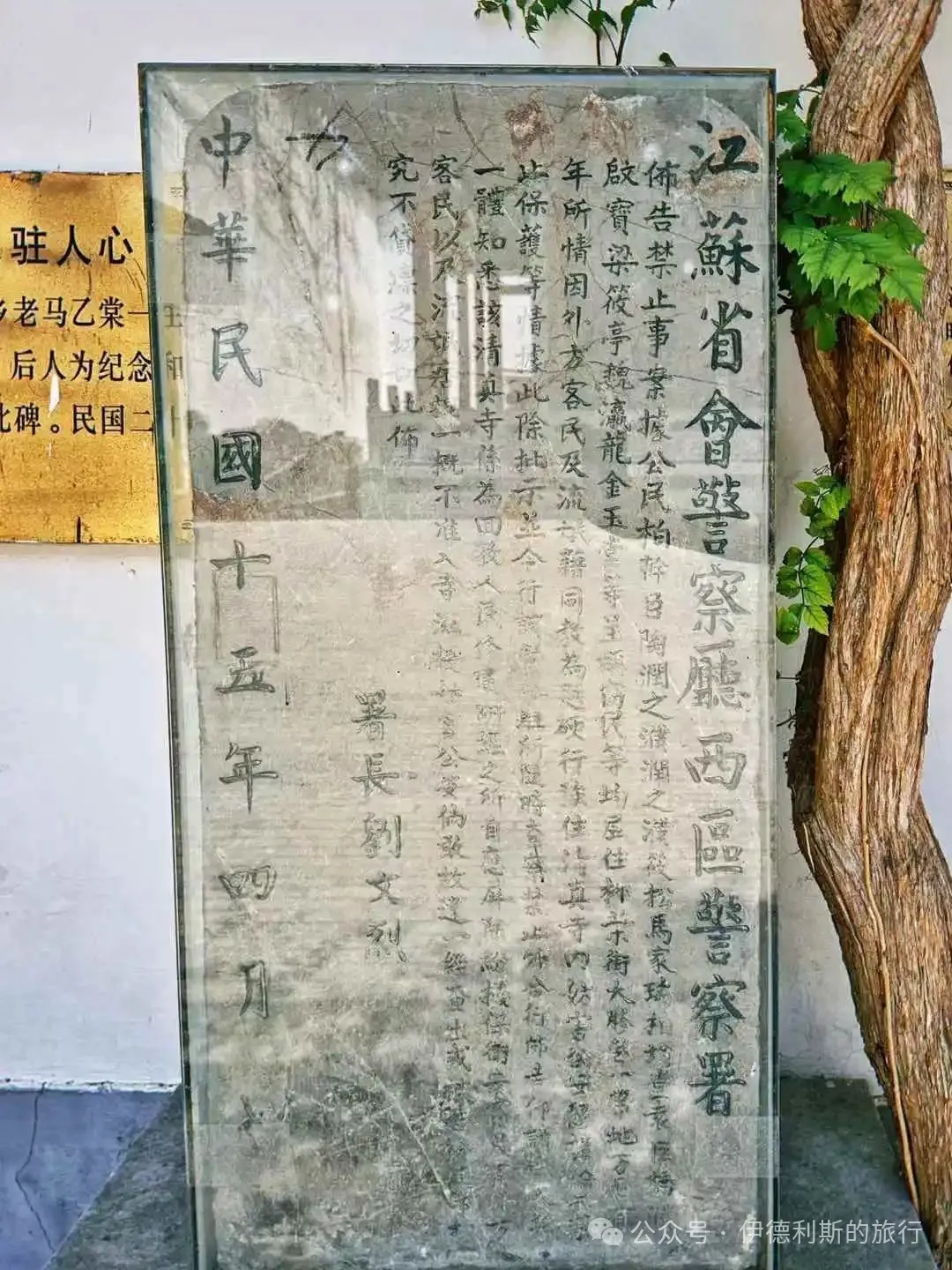
Jingjue Mosque houses a Qing dynasty stone carving from the Neiqiaowan Mosque, which was rescued from under an excavator during the demolition of Neiqiaowan in 2019.
Neiqiaowan Mosque was located on Zhongshan South Road. One account says it was first built in 1645 (the second year of the Shunzhi reign), while another says it was built in 1662 (the first year of the Kangxi reign). In 1898 (the 24th year of the Guangxu reign), Shi Jialiang bought a group of houses in Neiqiaowan to rebuild the main prayer hall. The Shi family's ancestral home was in Wuwei, Gansu. They came to Nanjing during the Jiaqing reign of the Qing dynasty to develop the silk trade and later became a famous satin-trading family in Nanjing. They founded the Shi Juxing Satin Shop during the Daoguang reign. The Shi family moved to Shanghai during the Guangxu reign to develop their business and were members of the Shanghai Mosque Board of Directors.
Neiqiaowan Mosque once housed a primary school and a trade association for the glutinous rice food industry. It was demolished in 1991 due to road widening.
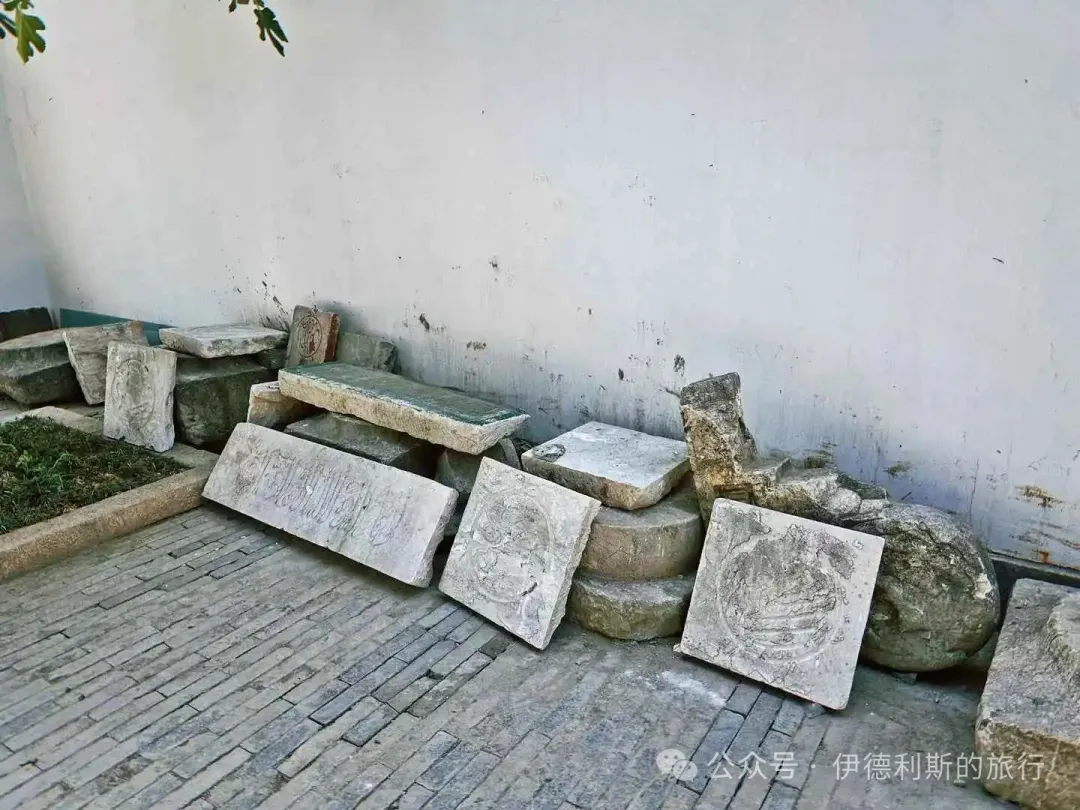
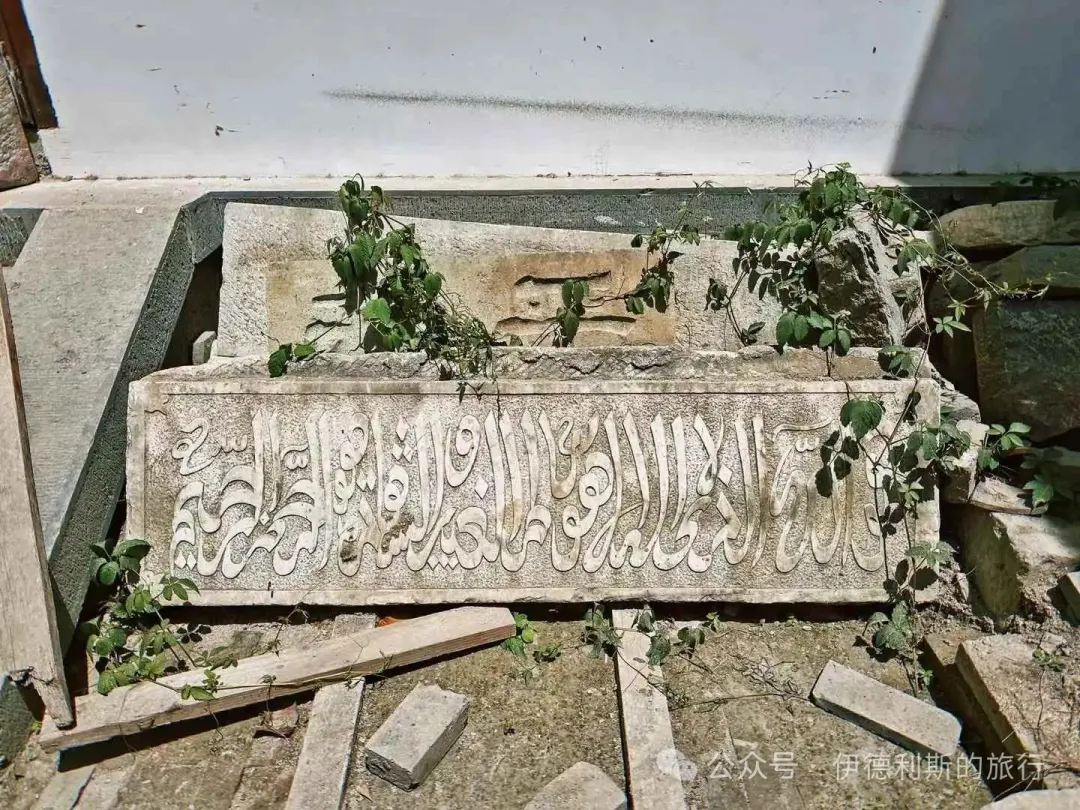
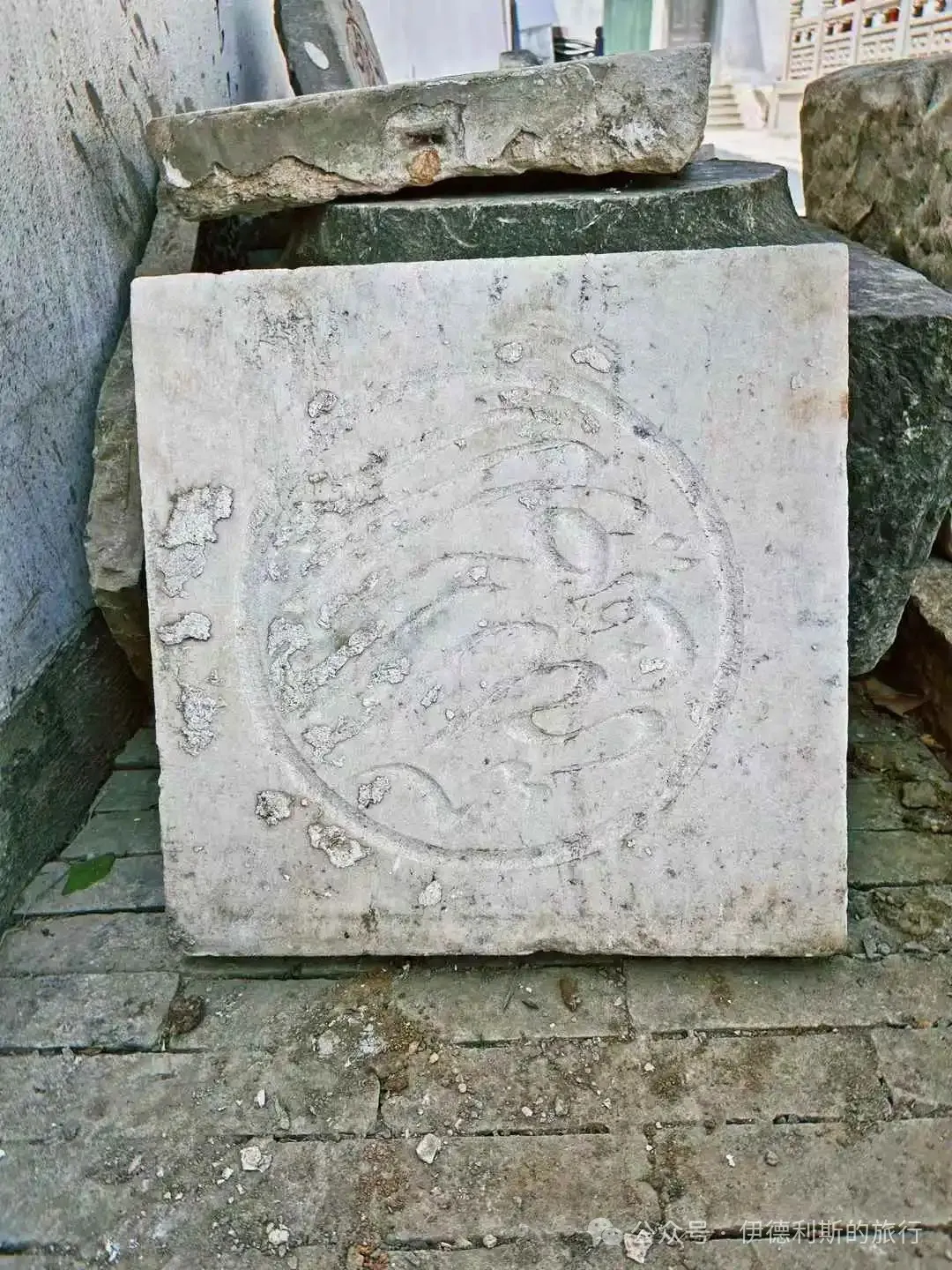
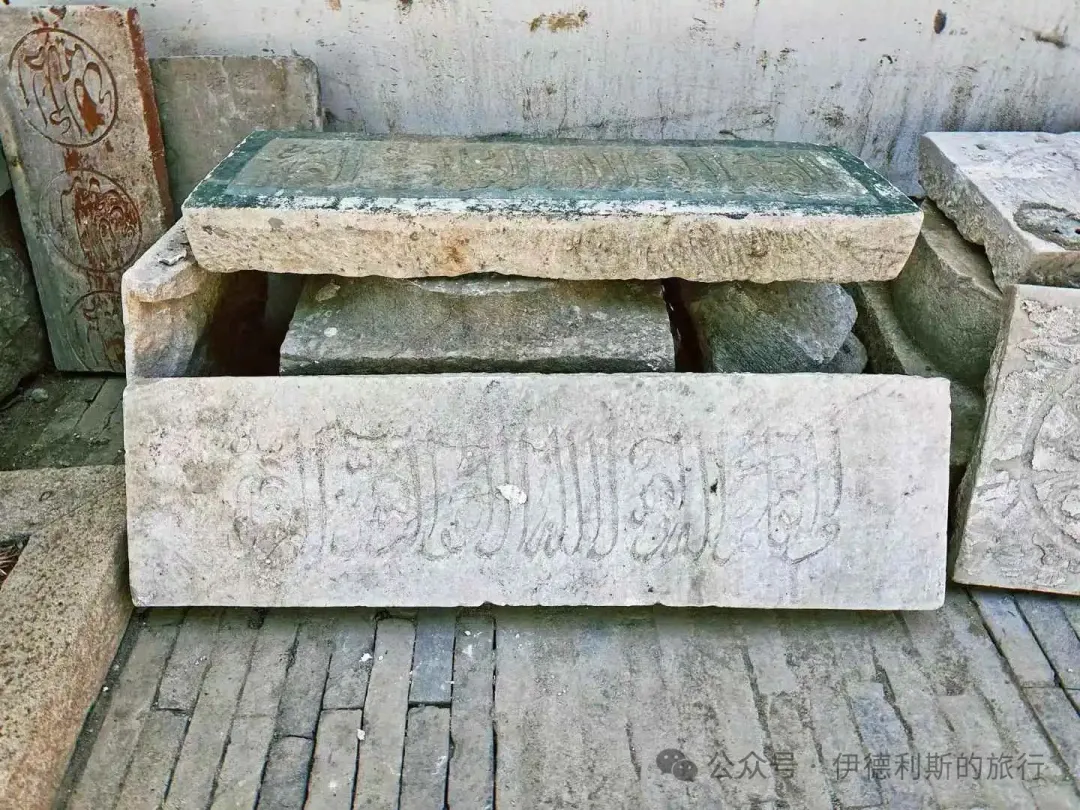
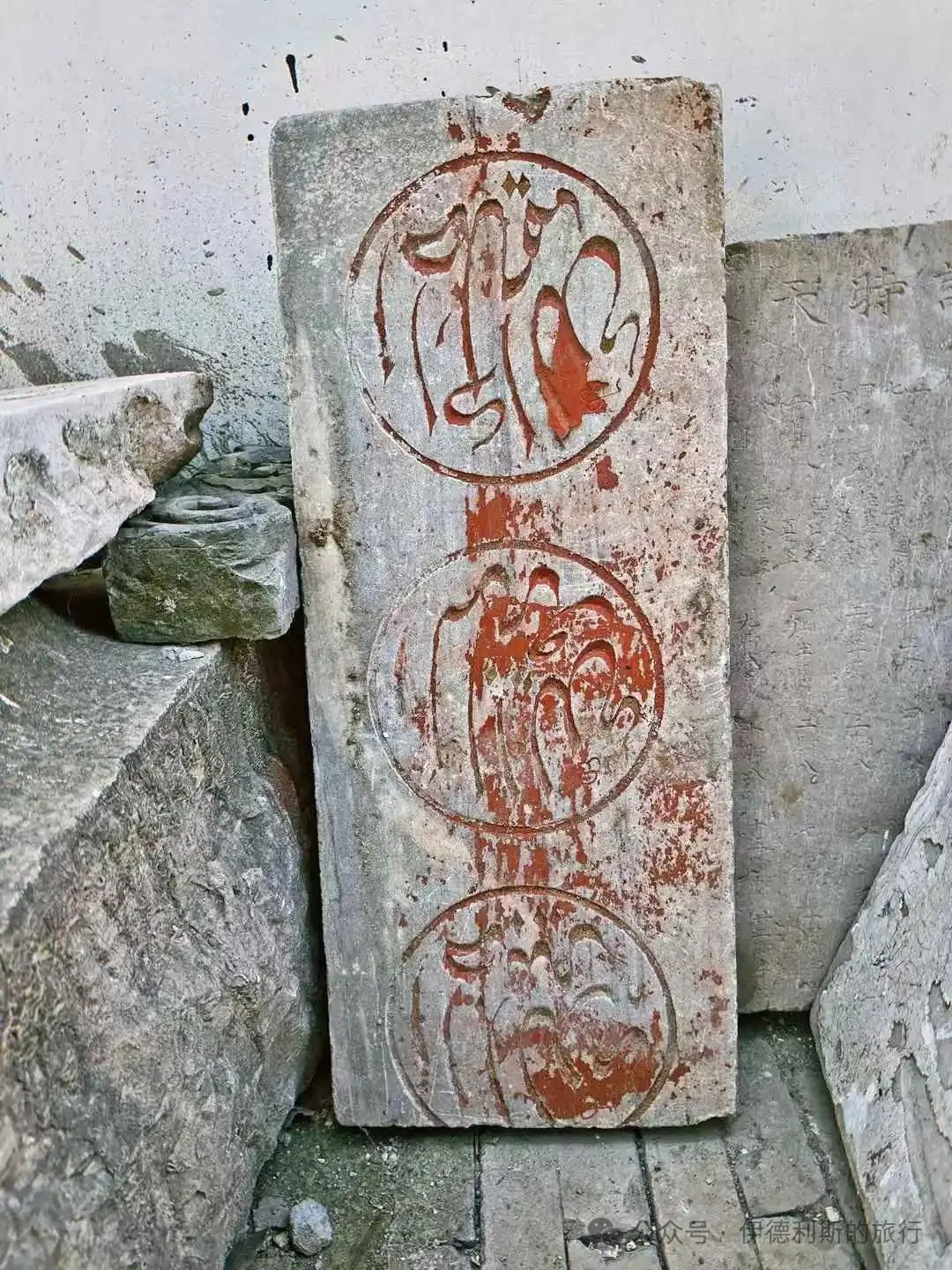
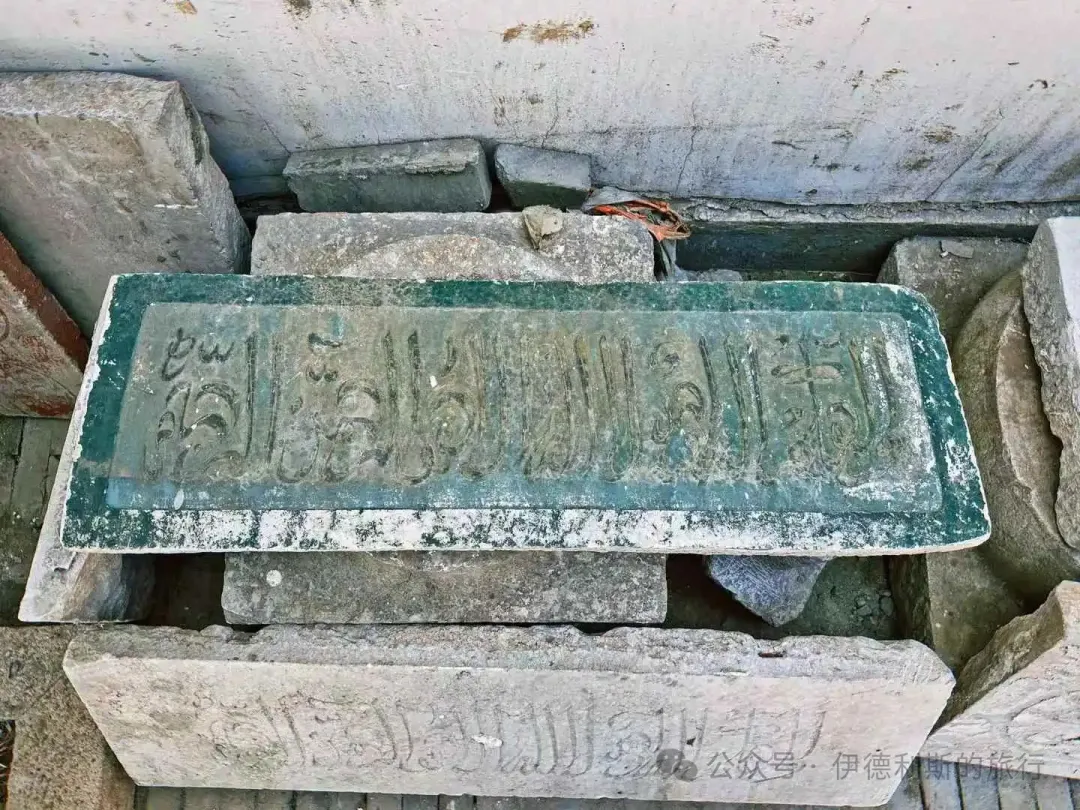
The former Taiping Road Mosque.
Because the Jiangsu Hotel expanded to Taiping Road, the main prayer hall and the opposite hall of the Taiping Road Mosque were moved 40 meters south of the Old Caoqiao Mosque in 2003. The work was completed in 2005.
Taiping Road Mosque was originally called Huapailou Mosque. Legend says it was built by Chang Yuchun in the early Ming dynasty. It was destroyed during the Taiping Rebellion and later rebuilt with funds raised by elders from the Ha, Ma, Zheng, Yang, Ding, and Chang families. It was renovated under the leadership of Ma Jingtao during the Tongzhi reign. In 1924, Nanjing wealthy merchants and brothers Jiang Muzhou and Jiang Sukan (Guobang) donated funds to rebuild a new mosque on the south side, which was still called Huapailou Mosque. When the road was widened in 1931, the gate tower was demolished. Huapailou was renamed Taiping Road, and Huapailou Mosque was also renamed Taiping Road Mosque.
After the victory in the War of Resistance against Japan in 1945, the Jiang family of Jinling funded the renovation of the main prayer hall and built the Jiang Family Shouxuan Hall in the north courtyard. In the same year, the China Islamic National Salvation Association moved into the Taiping Road Mosque and changed its name to the China Islamic Association. Its first chairman was Bai Chongxi. It was the highest Islamic organization in the country at the time until it moved to Taipei in 1949. After the 1960s, the Taiping Road Mosque was occupied. It was reclaimed in 1978, reopened in 1980, and designated as a municipal cultural relic protection unit in 1982. It remained there until it was demolished in 2003, when the components of the main prayer hall and the opposite hall were moved to a new site.
The wealthy Jiang family of Nanjing paid for the daily expenses of Taiping Road Mosque, making it the richest mosque in Nanjing during the Republic of China era. The Jiang family of Nanjing originally came from Yuncao, an ancient town in Hanshan County, Anhui. They moved to Nanjing in 1808 (the 13th year of the Jiaqing reign). They started as small vendors before expanding into the silk, salt, and pawnshop businesses. By the Guangxu reign, they had opened branches in major trading ports and became a wealthy merchant family.
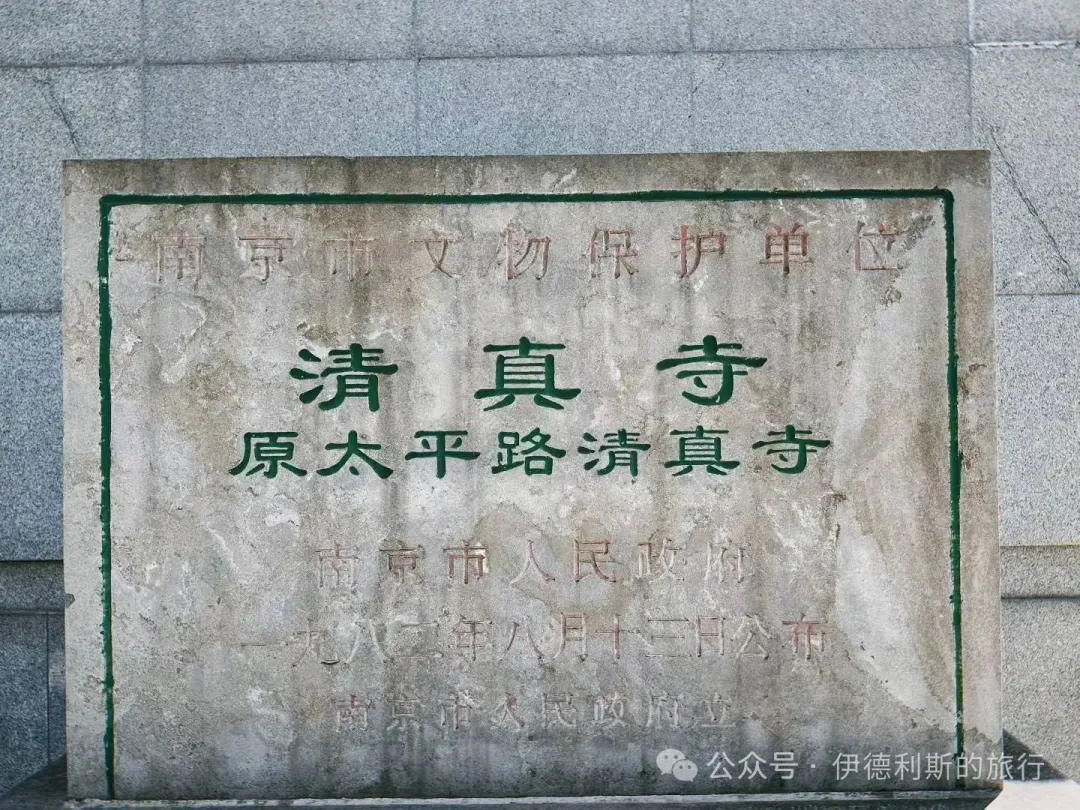
Halal Travel Guide: Jiangsu - 25 Historic Mosques, Part 5
Articles • ali2007fr posted the article • 0 comments • 252 views • 2026-05-20 09:54
Summary: The fifth Jiangsu mosque entry is a short photo record in a larger series on the province's historic Hui Muslim mosque heritage. It preserves the original image order while keeping the focus on Jiangsu mosque sites, community memory, and remaining architectural traces.
Next to the mosque is a square that introduces famous Hui Muslims from Liuhe. view all
Summary: The fifth Jiangsu mosque entry is a short photo record in a larger series on the province's historic Hui Muslim mosque heritage. It preserves the original image order while keeping the focus on Jiangsu mosque sites, community memory, and remaining architectural traces.
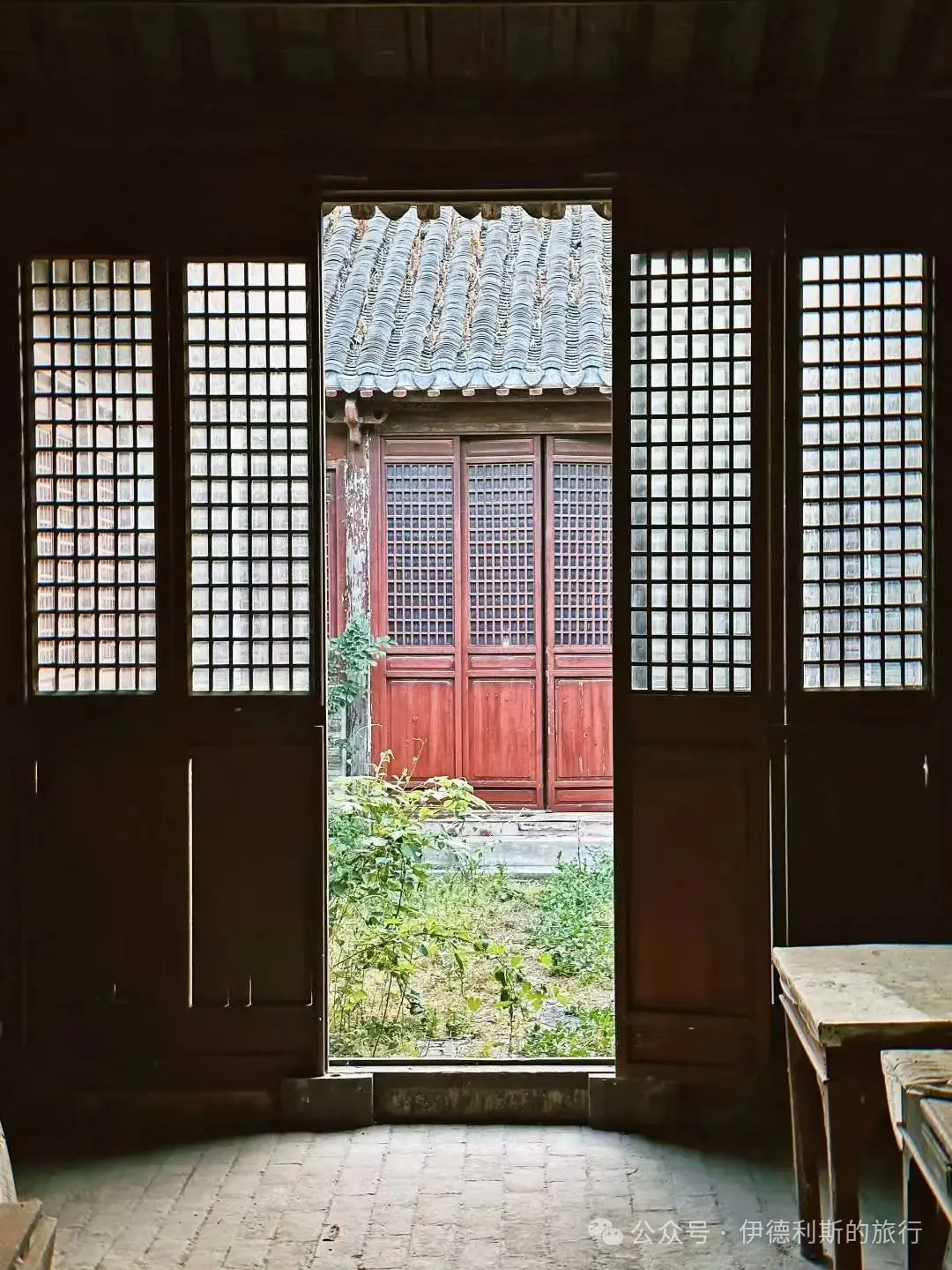
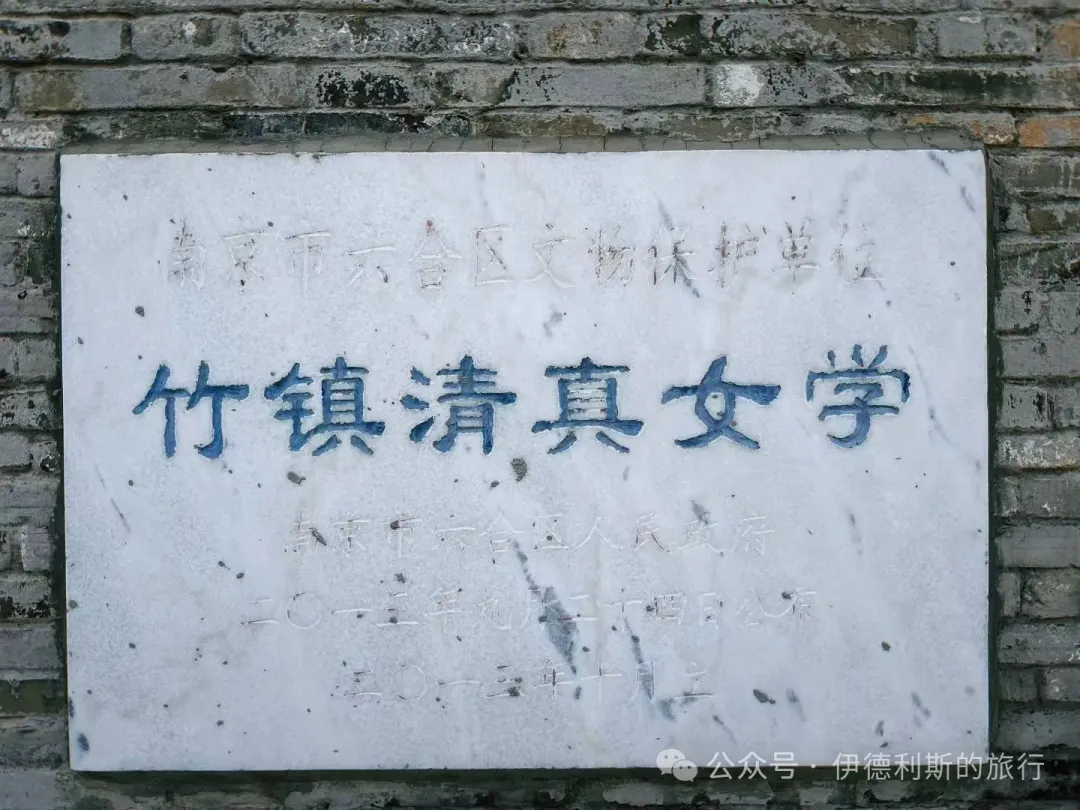
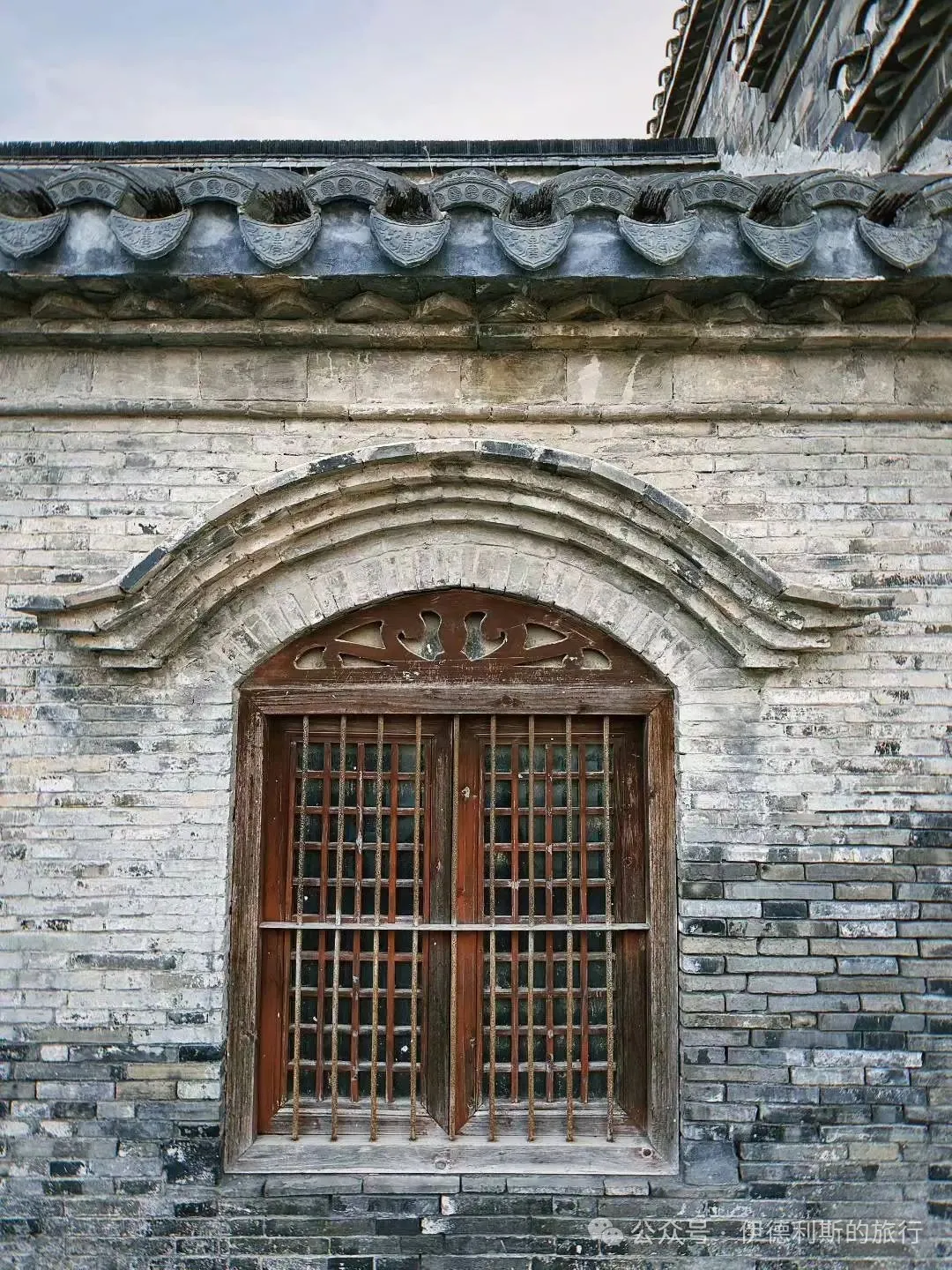
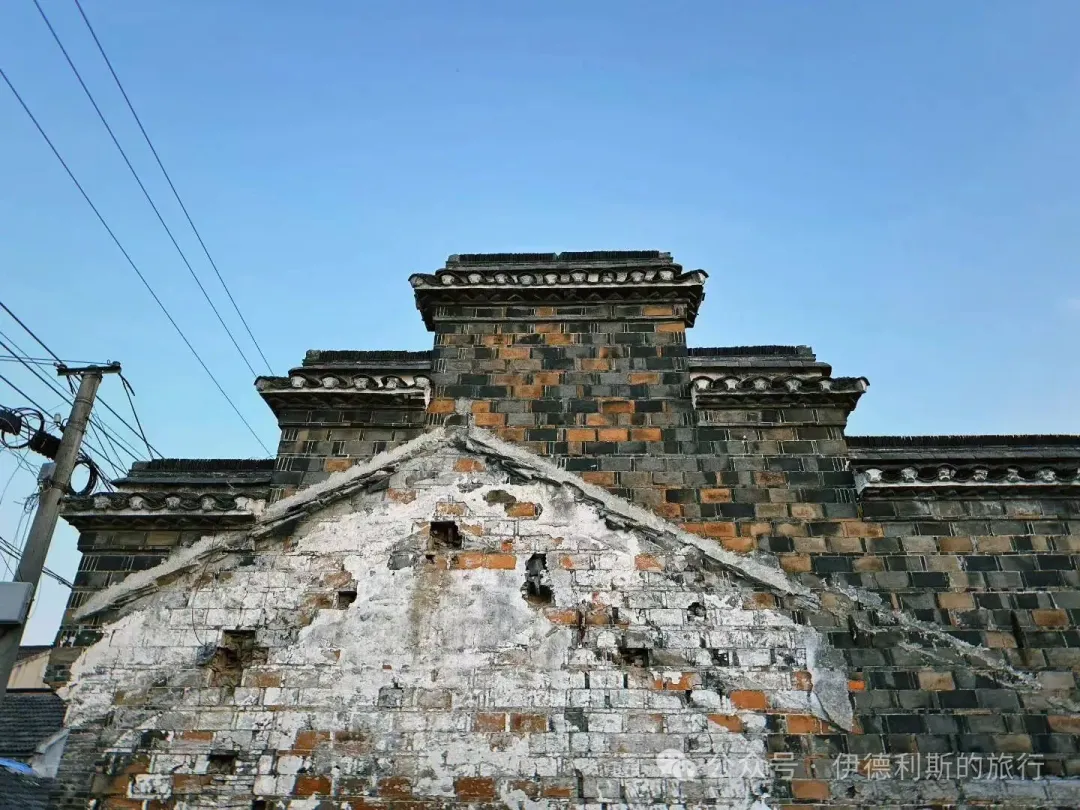
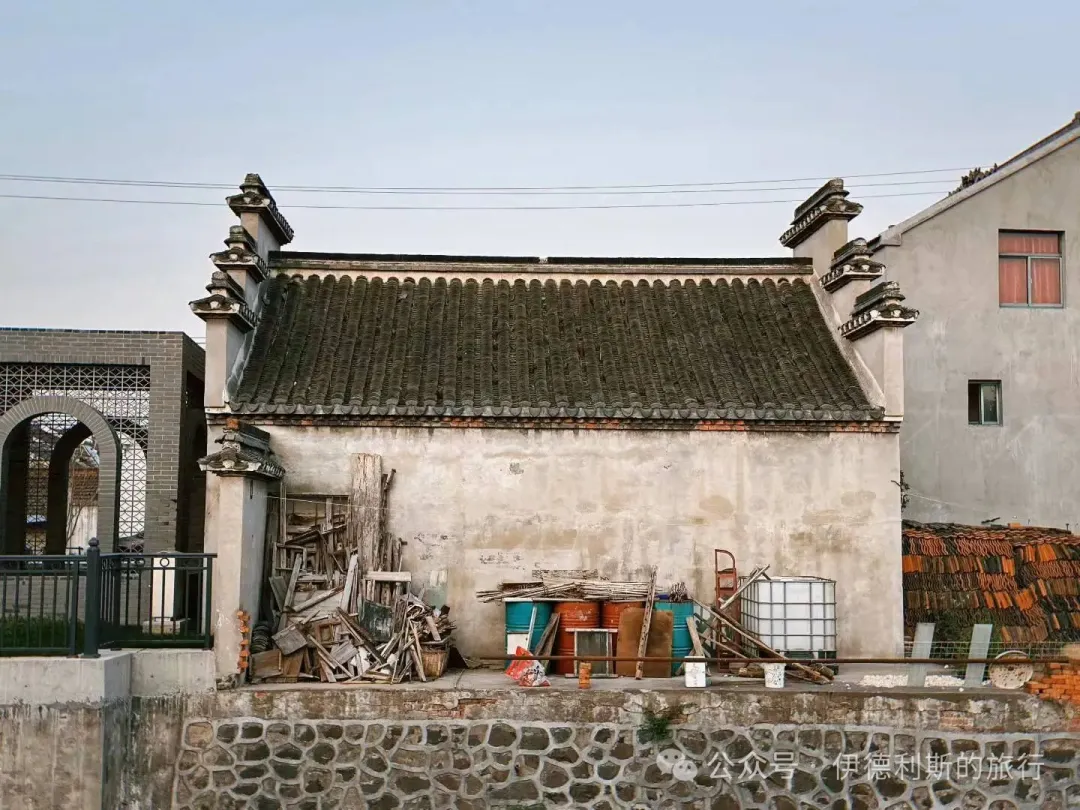
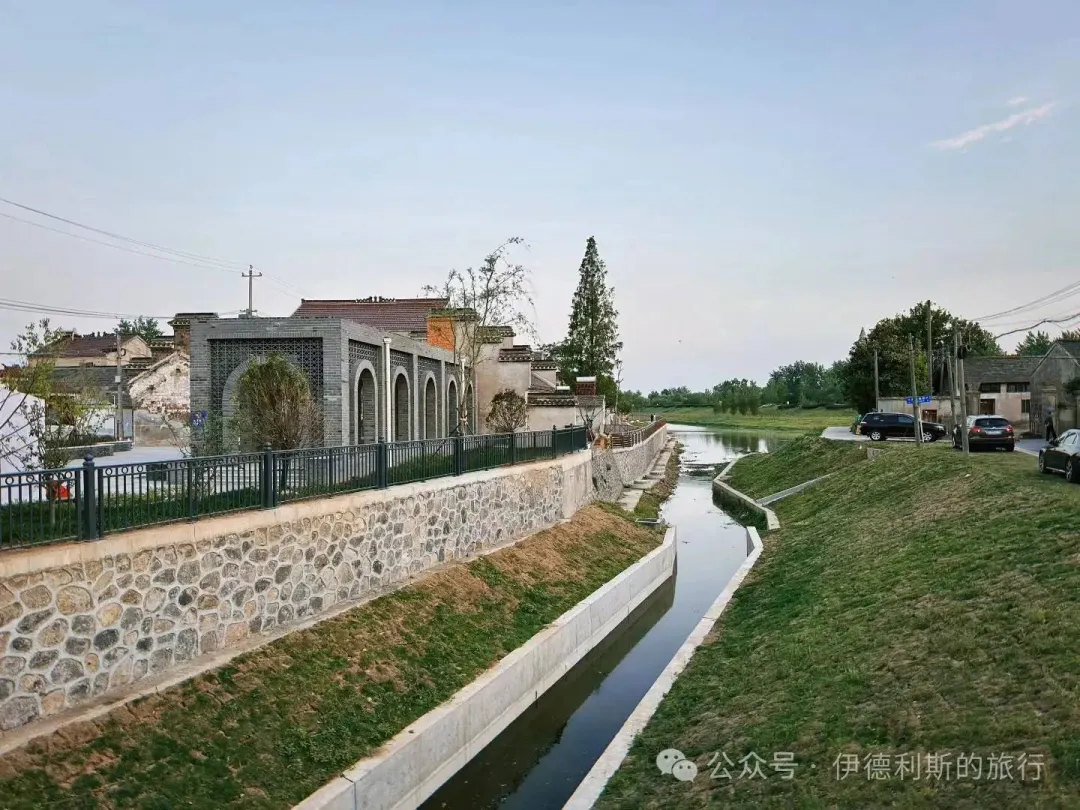
Next to the mosque is a square that introduces famous Hui Muslims from Liuhe.
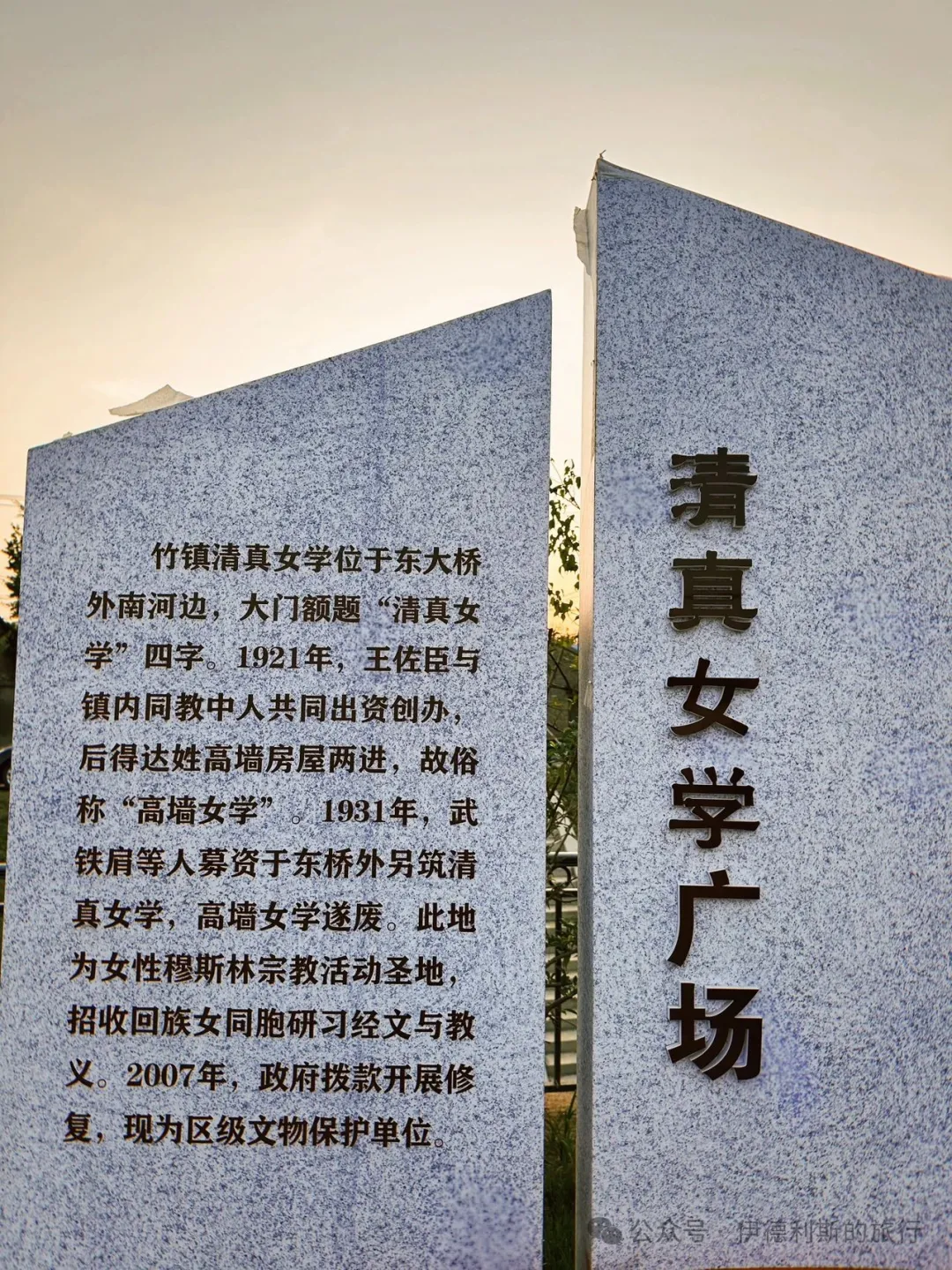
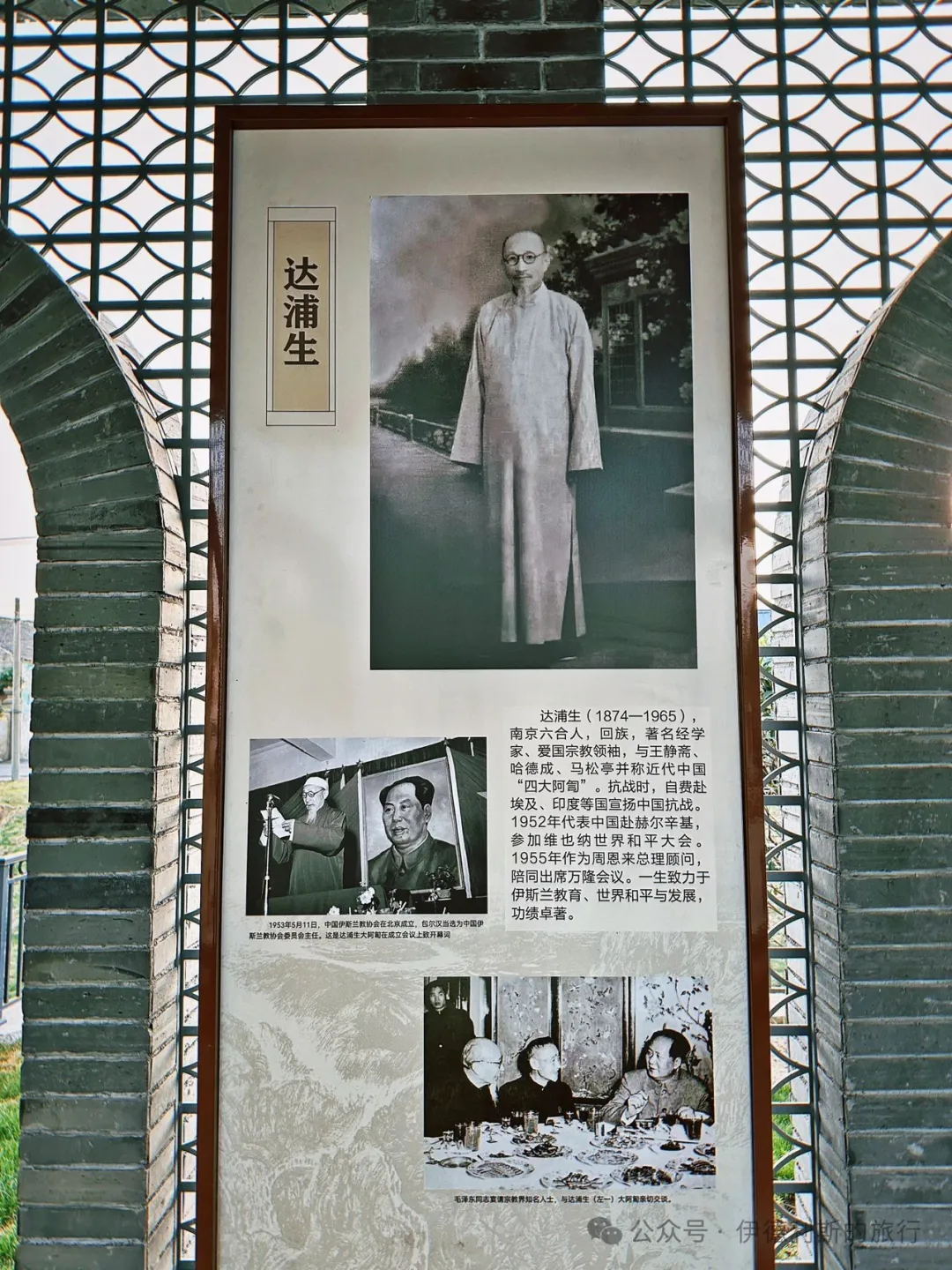
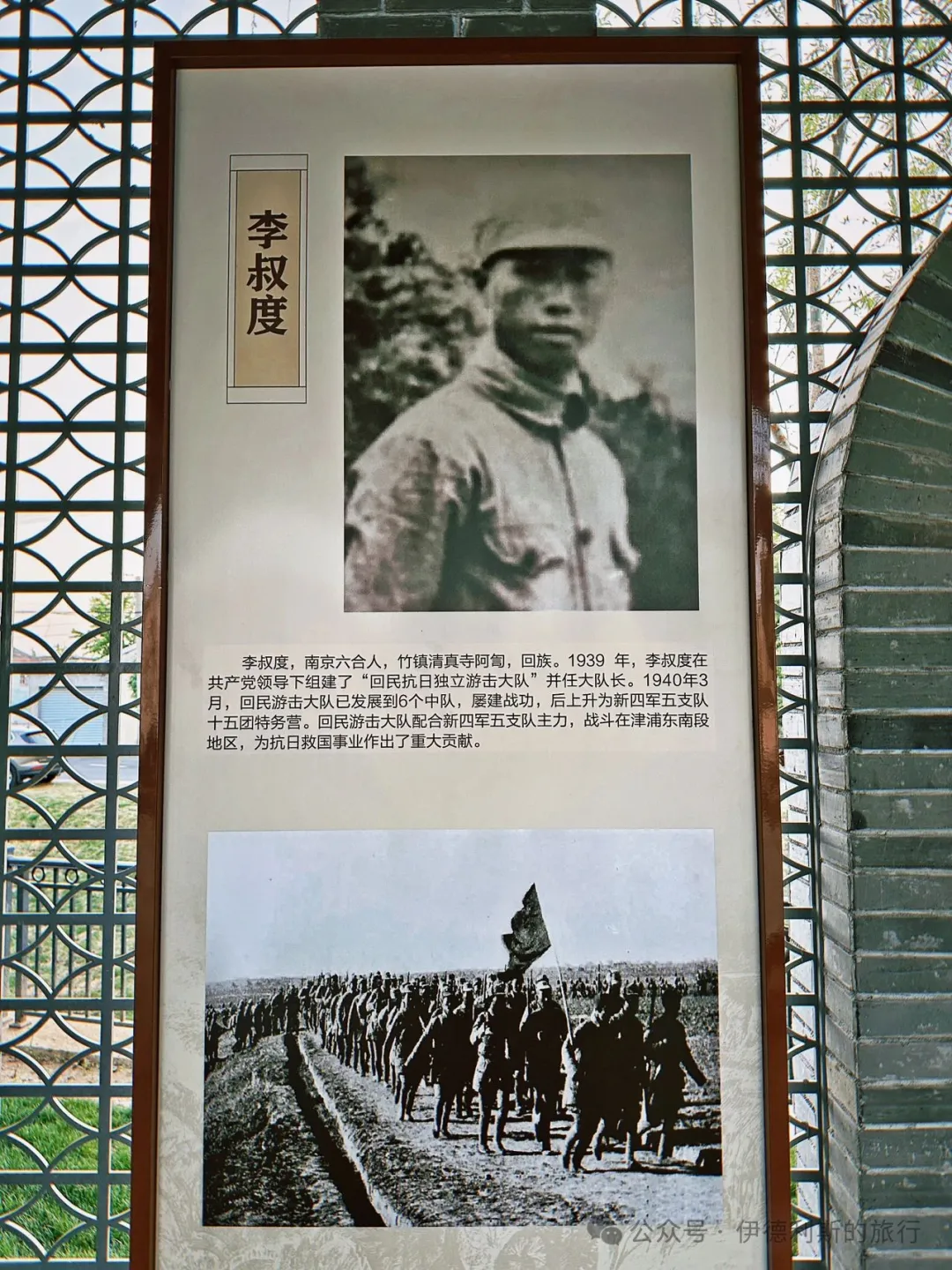
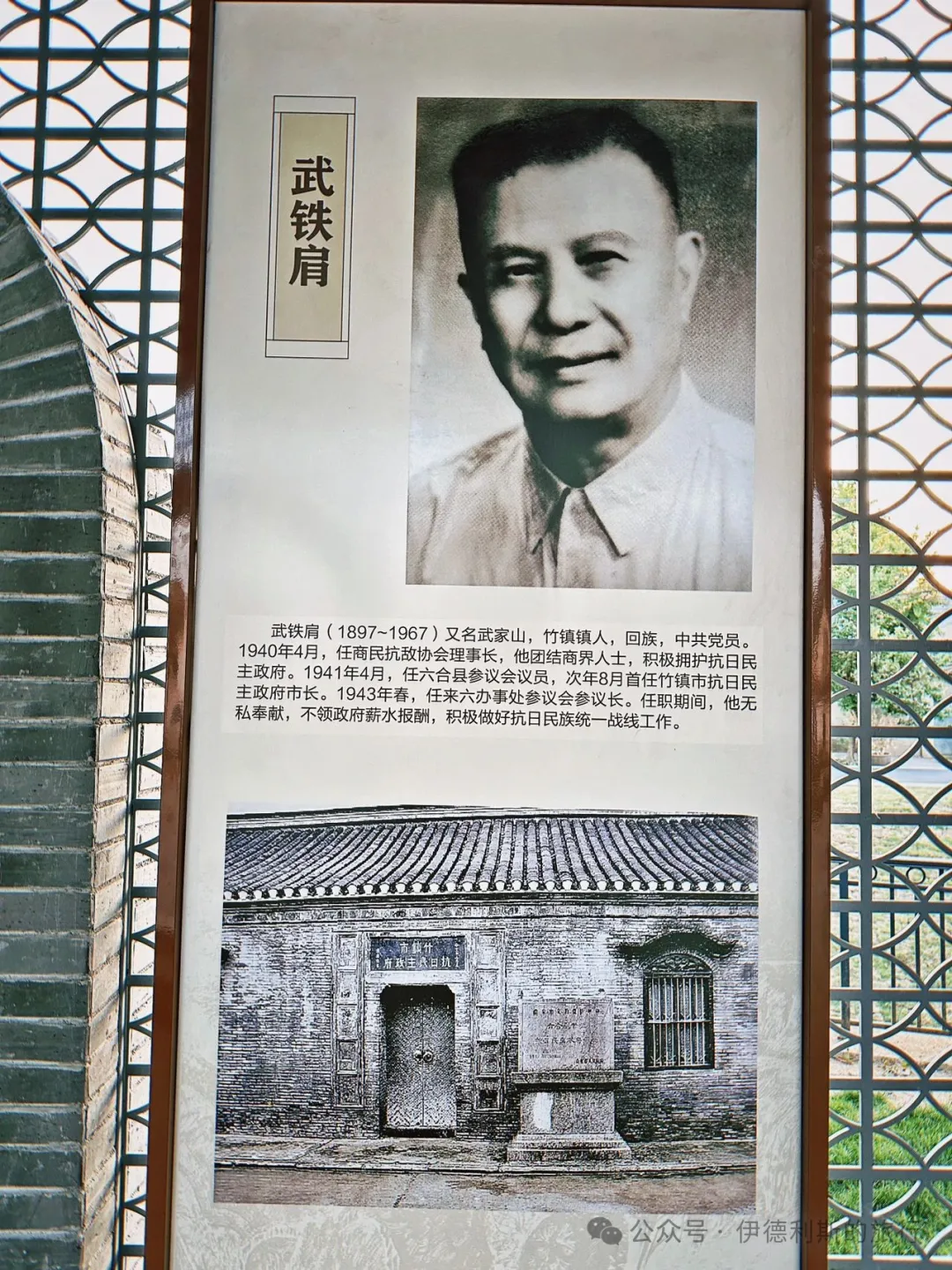
Halal Travel Guide: Hexia Ancient Town - Mosque, Food and Zuo Baogui
Articles • ali2007fr posted the article • 0 comments • 155 views • 2026-05-20 08:33
Summary: Hexia Ancient Town in Huai'an, Jiangsu, connects mosque history, local fried tea snacks (sanzi), and the tomb of Zuo Baogui. This account keeps the town, food, cemetery, and mosque details together as one walking travel note.
Hexia Ancient Town in Huai'an, Jiangsu, is the largest town on the outskirts of Huai'an Prefecture. Because the salt fields along the coast of Huaibei produced high-quality salt, many salt merchants from the northwest and Anhui came to Huaibei in the late Ming Dynasty to work in the salt trade. The Huaibei Salt Transport Office was located in Hexia Town. Salt from the fields had to be shipped to Hexia for inspection before merchants could sell it elsewhere. Hexia Town then entered its most prosperous period. Salt merchants built gardens and courtyards there. The Qing Dynasty record 'Huai'an Hexia Annals' states: 'Wealthy salt merchants brought their fortunes and made their homes in Hexia, and Hexia became extremely prosperous.' The wealth brought by these merchants made the town's commerce thrive, and many Hui Muslims also came to settle in Hexia.
Hexia Mosque (Hexia Si) is located south of Luojia Bridge in Hexia Town. It was first built during the Shunzhi reign of the Qing Dynasty. In 1860, during the tenth year of the Xianfeng reign, the Nian Rebellion captured Huai'an and burned down ten rooms of the mosque, which were later rebuilt. The main hall of the mosque is a Qing Dynasty structure with blue bricks, dark tiles, and upturned eaves. It is a typical Jianghuai architectural style and was listed as a Huai'an cultural heritage site in 2006.
Above the main hall door hangs a chestnut wood plaque inscribed with 'Si Wu Xie' (Think No Evil) by Tian Rui, the prefect of Huai'an in the tenth year of the Daoguang reign. The sides originally held plaques from anti-Japanese hero Zuo Baogui and Yunnan commander Ma Chang'an, but these were destroyed after the 1960s.
The imam (sha ahong) of the mosque usually stays at a nearby beef and mutton shop. If you call the number posted on the mosque gate, he will come over to open it.
An ancient well dug in the early Qing Dynasty.
When I visited Huai'an in 2017, there was still a large Hui Muslim restaurant in Hexia, but it has since closed. Only Chen's Halal Sesame Oil Fried Dough Twists (Chenji Qingzhen Mayou Chagou) remain on the old street. Huai'an fried dough twists (chagou) are very thin, light yellow, crispy, and delicious. Children especially love them.
In the early years of the Republic of China, a Hui Muslim named Zhang Bugao opened the Kaifuxingzhai Halal Restaurant in Hexia, which was a famous Hui Muslim eatery at the time. The restaurant had 11 rooms, with two facing the street as the storefront. The building still stands today. It was listed as a Huai'an cultural heritage site in 2009 and now serves as a Hanfu clothing shop and a private residence.
There is a tomb of Zuo Baogui in the Xiaohu Renjia residential area of Hexia Town.
Zuo Baogui was born in 1837 in the Yimeng Mountains of Linyi, Shandong. In 1856, due to severe local disasters, his parents passed away one after another. Zuo Baogui took his two younger brothers and left home. They spent several months traveling to Hexia Town in Huai'an, Jiangsu, by repairing shoes along the way. In Hexia, Zuo Baogui married a local Hui Muslim woman named Tao Erjie. Shortly after, he joined the army, commanded troops in Fengtian for 20 years, and eventually died heroically while fighting the Japanese invaders in Pyongyang.
After Zuo Baogui died, his body could not be recovered. His soldiers brought his blood-stained clothes and one of his boots back to Huai'an. His wife, Madam Tao, and his three sons buried them in their own field by the river near Luojia Bridge in Hexia. Madam Tao and one of their sons were also buried next to the tomb after they passed away (gui zhen). In 1895, the twenty-first year of the Guangxu reign, his descendants built the 'Zuo Zhongzhuang Gong Shrine' on the south side of the tomb, which was later demolished by Japanese and puppet forces during the War of Resistance Against Japan. Additionally, the main hall of the Hexia Mosque once featured a gold-inlaid couplet written by the Guangxu Emperor as a memorial for Zuo Baogui, but it was destroyed in the 1960s.
Luojia Bridge in Hexia Ancient Town is a gathering place for local Hui Muslims. The old houses are still there, but it is now difficult to see the Hui Muslim character in the decorations. view all
Summary: Hexia Ancient Town in Huai'an, Jiangsu, connects mosque history, local fried tea snacks (sanzi), and the tomb of Zuo Baogui. This account keeps the town, food, cemetery, and mosque details together as one walking travel note.
Hexia Ancient Town in Huai'an, Jiangsu, is the largest town on the outskirts of Huai'an Prefecture. Because the salt fields along the coast of Huaibei produced high-quality salt, many salt merchants from the northwest and Anhui came to Huaibei in the late Ming Dynasty to work in the salt trade. The Huaibei Salt Transport Office was located in Hexia Town. Salt from the fields had to be shipped to Hexia for inspection before merchants could sell it elsewhere. Hexia Town then entered its most prosperous period. Salt merchants built gardens and courtyards there. The Qing Dynasty record 'Huai'an Hexia Annals' states: 'Wealthy salt merchants brought their fortunes and made their homes in Hexia, and Hexia became extremely prosperous.' The wealth brought by these merchants made the town's commerce thrive, and many Hui Muslims also came to settle in Hexia.
Hexia Mosque (Hexia Si) is located south of Luojia Bridge in Hexia Town. It was first built during the Shunzhi reign of the Qing Dynasty. In 1860, during the tenth year of the Xianfeng reign, the Nian Rebellion captured Huai'an and burned down ten rooms of the mosque, which were later rebuilt. The main hall of the mosque is a Qing Dynasty structure with blue bricks, dark tiles, and upturned eaves. It is a typical Jianghuai architectural style and was listed as a Huai'an cultural heritage site in 2006.
Above the main hall door hangs a chestnut wood plaque inscribed with 'Si Wu Xie' (Think No Evil) by Tian Rui, the prefect of Huai'an in the tenth year of the Daoguang reign. The sides originally held plaques from anti-Japanese hero Zuo Baogui and Yunnan commander Ma Chang'an, but these were destroyed after the 1960s.
The imam (sha ahong) of the mosque usually stays at a nearby beef and mutton shop. If you call the number posted on the mosque gate, he will come over to open it.
An ancient well dug in the early Qing Dynasty.
When I visited Huai'an in 2017, there was still a large Hui Muslim restaurant in Hexia, but it has since closed. Only Chen's Halal Sesame Oil Fried Dough Twists (Chenji Qingzhen Mayou Chagou) remain on the old street. Huai'an fried dough twists (chagou) are very thin, light yellow, crispy, and delicious. Children especially love them.
In the early years of the Republic of China, a Hui Muslim named Zhang Bugao opened the Kaifuxingzhai Halal Restaurant in Hexia, which was a famous Hui Muslim eatery at the time. The restaurant had 11 rooms, with two facing the street as the storefront. The building still stands today. It was listed as a Huai'an cultural heritage site in 2009 and now serves as a Hanfu clothing shop and a private residence.
There is a tomb of Zuo Baogui in the Xiaohu Renjia residential area of Hexia Town.
Zuo Baogui was born in 1837 in the Yimeng Mountains of Linyi, Shandong. In 1856, due to severe local disasters, his parents passed away one after another. Zuo Baogui took his two younger brothers and left home. They spent several months traveling to Hexia Town in Huai'an, Jiangsu, by repairing shoes along the way. In Hexia, Zuo Baogui married a local Hui Muslim woman named Tao Erjie. Shortly after, he joined the army, commanded troops in Fengtian for 20 years, and eventually died heroically while fighting the Japanese invaders in Pyongyang.
After Zuo Baogui died, his body could not be recovered. His soldiers brought his blood-stained clothes and one of his boots back to Huai'an. His wife, Madam Tao, and his three sons buried them in their own field by the river near Luojia Bridge in Hexia. Madam Tao and one of their sons were also buried next to the tomb after they passed away (gui zhen). In 1895, the twenty-first year of the Guangxu reign, his descendants built the 'Zuo Zhongzhuang Gong Shrine' on the south side of the tomb, which was later demolished by Japanese and puppet forces during the War of Resistance Against Japan. Additionally, the main hall of the Hexia Mosque once featured a gold-inlaid couplet written by the Guangxu Emperor as a memorial for Zuo Baogui, but it was destroyed in the 1960s.
Luojia Bridge in Hexia Ancient Town is a gathering place for local Hui Muslims. The old houses are still there, but it is now difficult to see the Hui Muslim character in the decorations.
Halal Travel Guide: Suqian Mosques and Majia Restaurant in Jiangsu
Articles • ali2007fr posted the article • 0 comments • 158 views • 2026-05-20 01:49
Summary: This travel account visits the old mosque in Yanghe Town, Suqian, and Majia Restaurant in Siyang, Jiangsu. It preserves the original mosque details, food notes, route information, and photographs in clear English.
We traveled northwest from Huai'an to visit the mosque in Yanghe Town, Suqian, and tasted the local specialties at the Ma Family Restaurant in Siyang.
The mosque in Yanghe Town, Suqian, Jiangsu, was built during the Qianlong era. It was funded by Yu Qin, a local scholar from Yanghe who had served as an education official in Lishui, Pizhou, and Ningguo, and was built on Yanghe Rice Market Street. It was destroyed during the Japanese invasion and later rebuilt. The current main hall features a hip-and-gable roof, a beam-lifting structure, and upturned eaves with wind bells hanging from the four corners. It was listed as a cultural heritage site in Suqian in 2010.
The Yanghe Town mosque belongs to the Jahriyya Banqiao Daotang. During the Jiaqing era of the Qing Dynasty, Chang Tingzhang (1785-1870), a Hui Muslim from Siyang, Jiangsu, traveled to Lingzhou (now Lingwu) in Ningxia to study. After completing his studies, he brought the Jahriyya tradition to the Huai-Si region. Chang Tingzhang was famous for his profound knowledge, and he had many students when he started teaching at the Wangjiaying mosque in Huaiyin. Since then, mosques including the Wangjiaying mosque in Huaiyin, the Zhongxing Town mosque in Siyang, and the Yanghe Town mosque have all followed the Jahriyya tradition. Before 1932, the imams of the Yanghe Town mosque were assigned from Ningxia. After 1932, Imam Ma Chengliang served until his passing in 1979.
The Ma Family Restaurant is run by local Hui Muslims in Siyang, where you can eat authentic Siyang Hui Muslim food. We ordered soft-wrapped eel (ruandou changyu), braised dried tofu strips (dazhu gansi), clear beef balls (qingshui niuwan), and braised beef (hongshao niuful). Soft-wrapped eel is a signature dish of Huaiyang cuisine. The eel is called 'soft-wrapped' because after the bones are removed, the back is black and the belly is tender yellow. It tastes excellent. Braised dried tofu strips is also a Huaiyang dish. Their tofu strips are cut quite thick, but they are very delicious because they are cooked in chicken broth. Clear beef balls and braised beef are both specialties of Hui Muslim cooking. The clear beef balls are very warming, and the braised beef goes well with rice. We ordered rice at first, but later they brought us steamed buns (mantou). These long steamed buns were golden on one side and very fluffy inside. They were the best staple food we ate on this trip.
Siyang, Jiangsu, is located halfway between Huai'an and Suqian, right next to the Beijing-Hangzhou Grand Canal. Hui Muslims settled in Siyang during the late Ming and early Qing dynasties. They first built the Siyang mosque outside the moat in the northwest corner of the old Siyang city. In 1711 (the 50th year of Kangxi), it was moved inside the North Gate to avoid flooding and was rebuilt in 1759 (the 24th year of Qianlong). It once displayed plaques inscribed by Prince Yi, Prince He, and the local magistrate, but it was demolished in 1959. The Siyang Zhongxing Town mosque was built during the Daoguang era of the Qing Dynasty. It was demolished by Japanese puppet forces in 1937 to build a watchtower. It was later rebuilt at a new site and moved to its current location in 2009.
Because the Siyang Hui Muslim Imam Chang Tingzhang (1785-1870) brought back the Jahriyya tradition after studying in Ningxia, the Hui Muslims in Siyang belong to the Jahriyya Banqiao Daotang. view all
Summary: This travel account visits the old mosque in Yanghe Town, Suqian, and Majia Restaurant in Siyang, Jiangsu. It preserves the original mosque details, food notes, route information, and photographs in clear English.
We traveled northwest from Huai'an to visit the mosque in Yanghe Town, Suqian, and tasted the local specialties at the Ma Family Restaurant in Siyang.
The mosque in Yanghe Town, Suqian, Jiangsu, was built during the Qianlong era. It was funded by Yu Qin, a local scholar from Yanghe who had served as an education official in Lishui, Pizhou, and Ningguo, and was built on Yanghe Rice Market Street. It was destroyed during the Japanese invasion and later rebuilt. The current main hall features a hip-and-gable roof, a beam-lifting structure, and upturned eaves with wind bells hanging from the four corners. It was listed as a cultural heritage site in Suqian in 2010.
The Yanghe Town mosque belongs to the Jahriyya Banqiao Daotang. During the Jiaqing era of the Qing Dynasty, Chang Tingzhang (1785-1870), a Hui Muslim from Siyang, Jiangsu, traveled to Lingzhou (now Lingwu) in Ningxia to study. After completing his studies, he brought the Jahriyya tradition to the Huai-Si region. Chang Tingzhang was famous for his profound knowledge, and he had many students when he started teaching at the Wangjiaying mosque in Huaiyin. Since then, mosques including the Wangjiaying mosque in Huaiyin, the Zhongxing Town mosque in Siyang, and the Yanghe Town mosque have all followed the Jahriyya tradition. Before 1932, the imams of the Yanghe Town mosque were assigned from Ningxia. After 1932, Imam Ma Chengliang served until his passing in 1979.
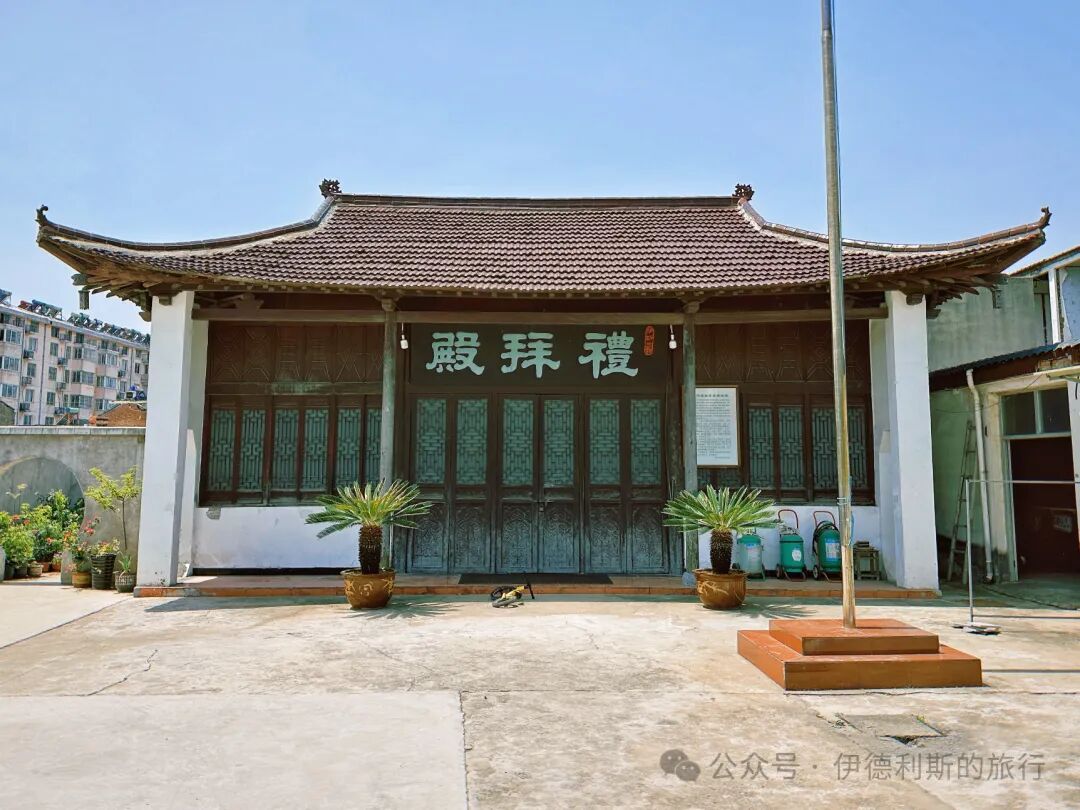
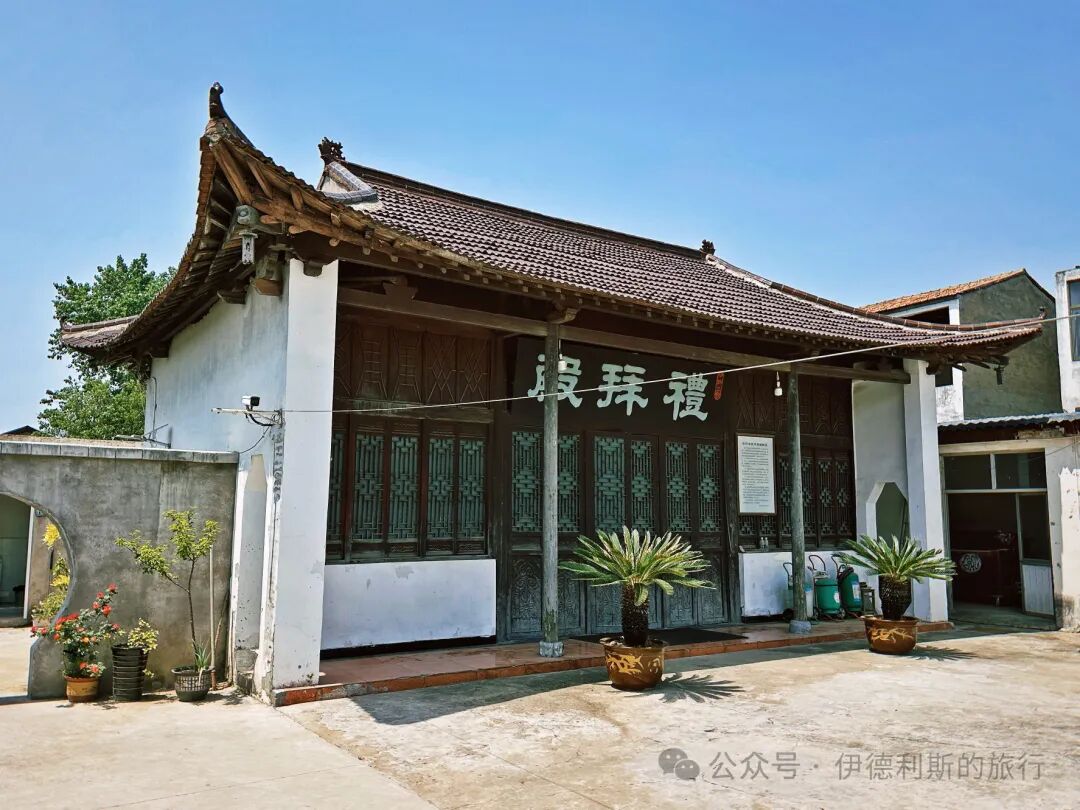
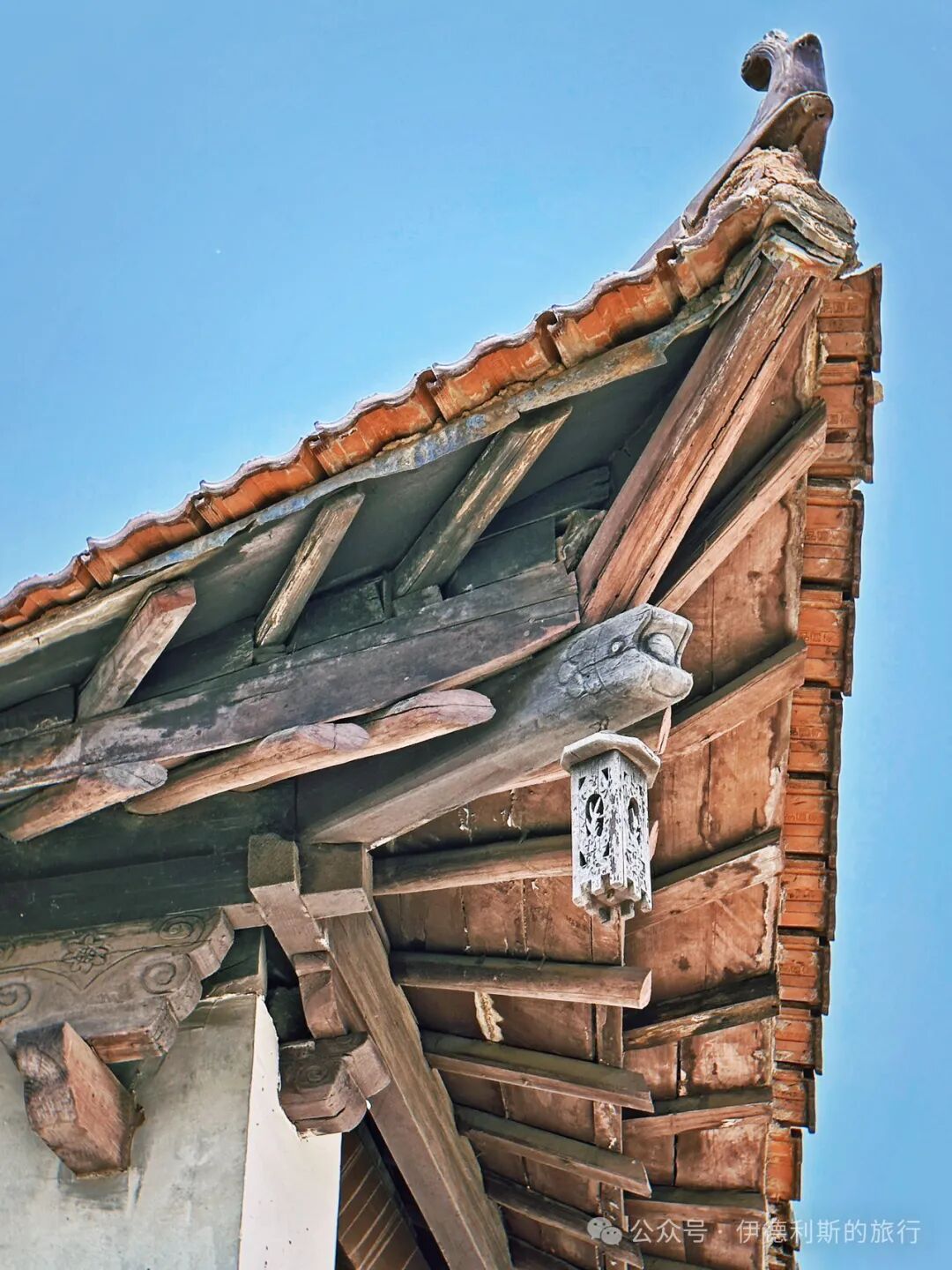
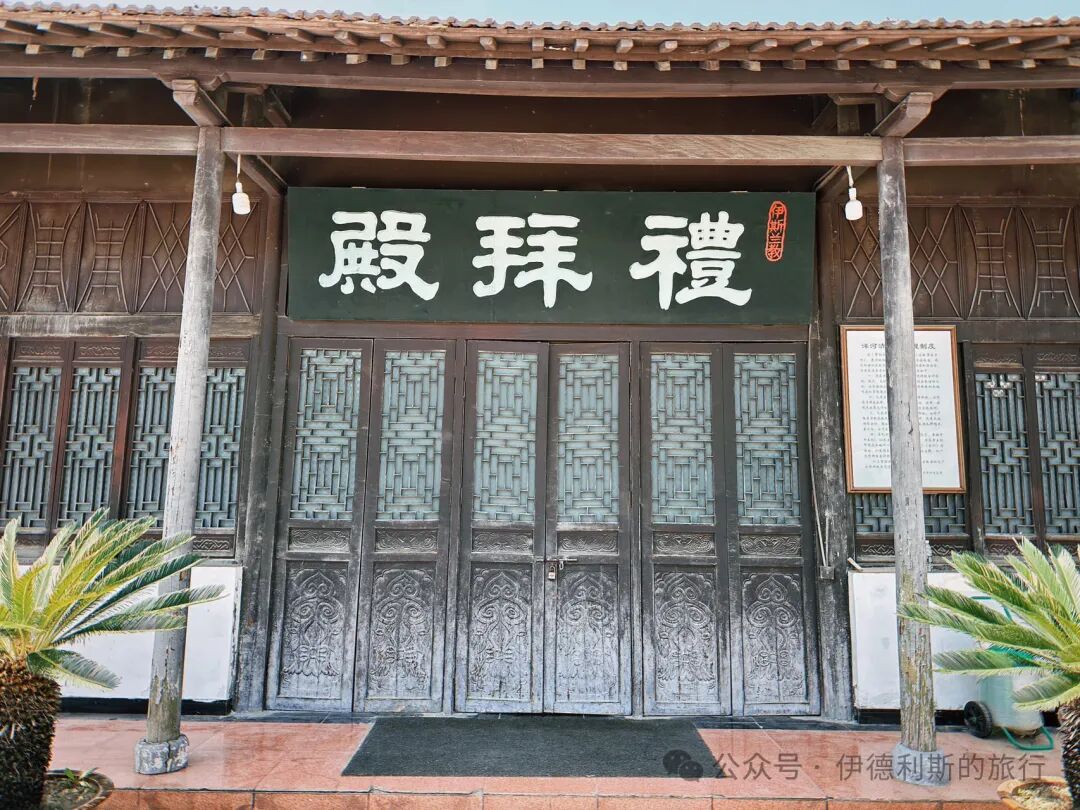
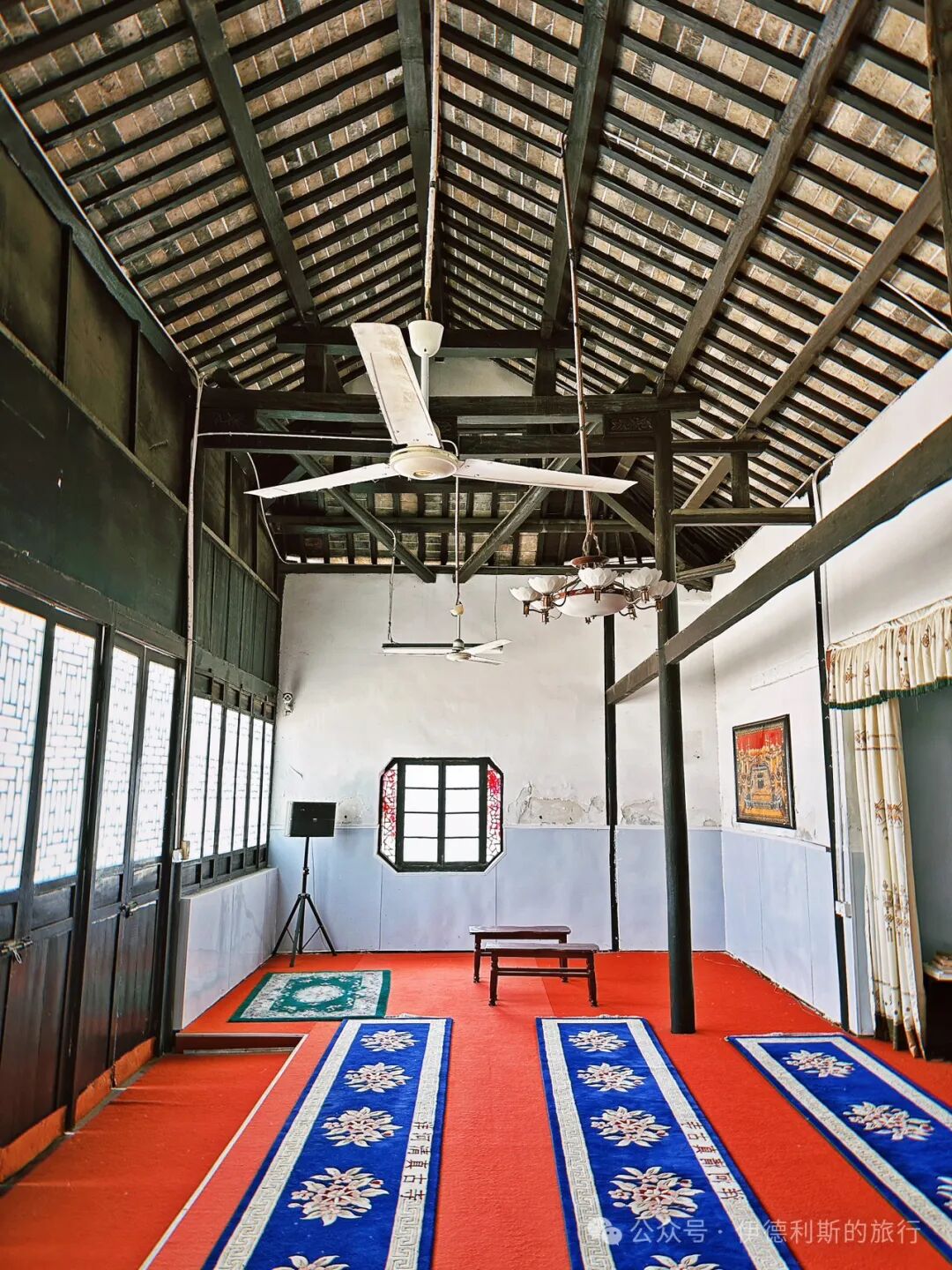
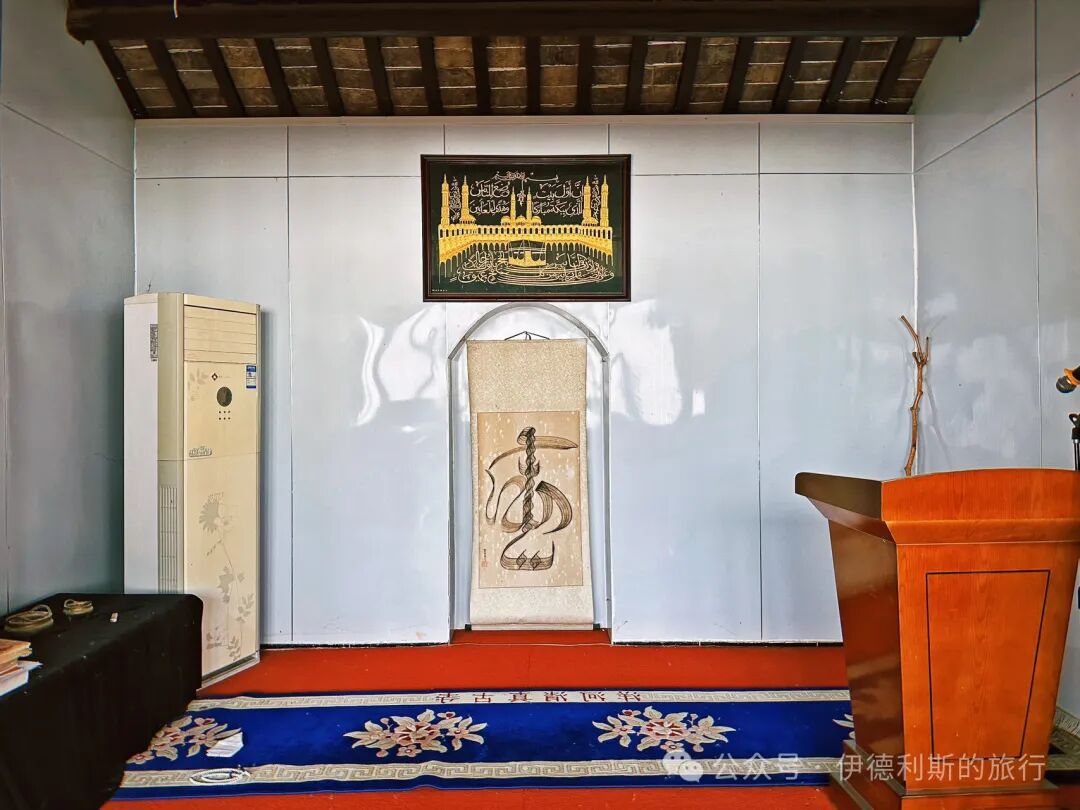
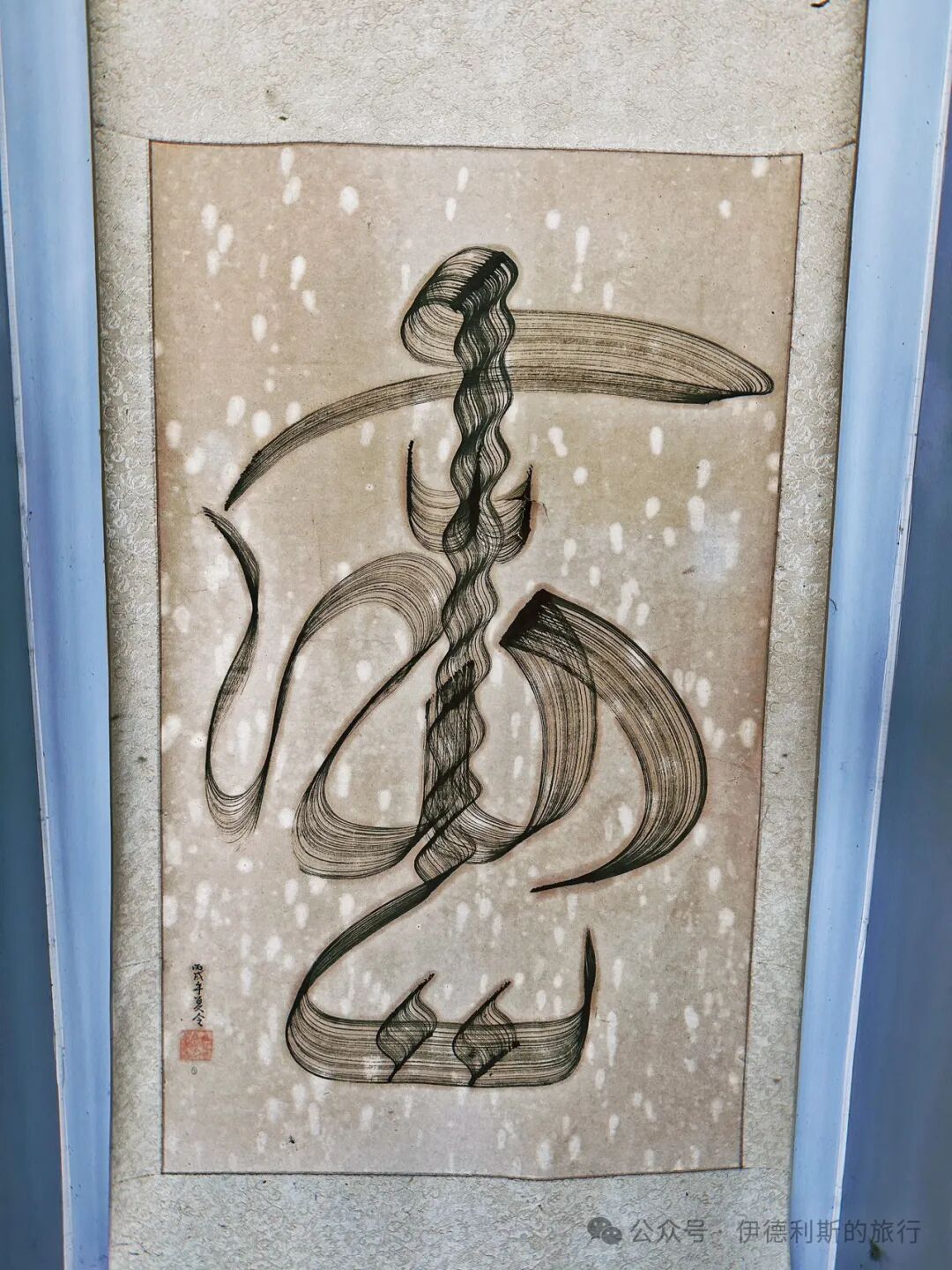
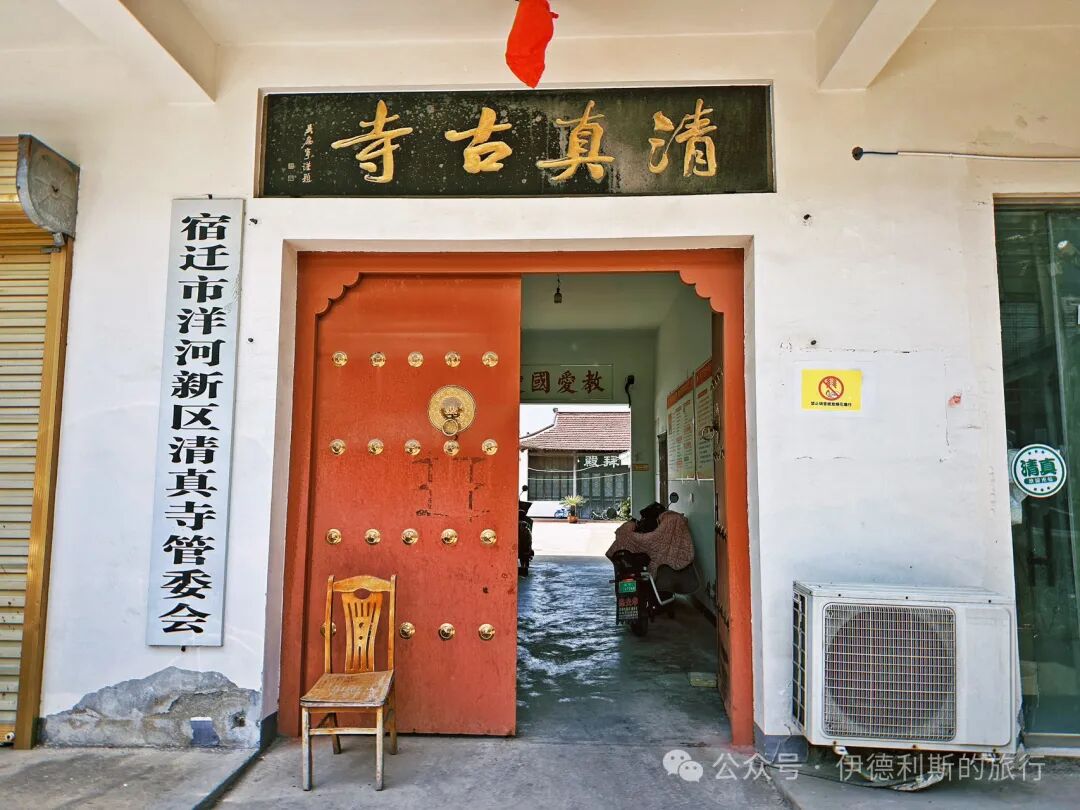
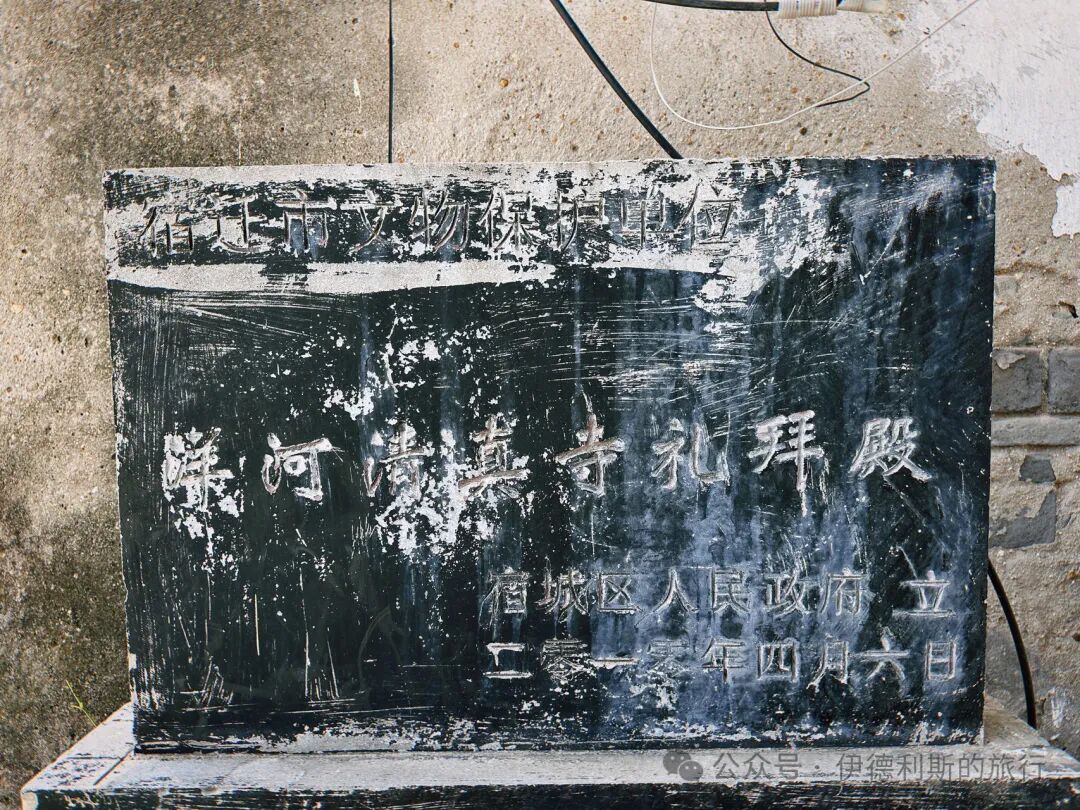
The Ma Family Restaurant is run by local Hui Muslims in Siyang, where you can eat authentic Siyang Hui Muslim food. We ordered soft-wrapped eel (ruandou changyu), braised dried tofu strips (dazhu gansi), clear beef balls (qingshui niuwan), and braised beef (hongshao niuful). Soft-wrapped eel is a signature dish of Huaiyang cuisine. The eel is called 'soft-wrapped' because after the bones are removed, the back is black and the belly is tender yellow. It tastes excellent. Braised dried tofu strips is also a Huaiyang dish. Their tofu strips are cut quite thick, but they are very delicious because they are cooked in chicken broth. Clear beef balls and braised beef are both specialties of Hui Muslim cooking. The clear beef balls are very warming, and the braised beef goes well with rice. We ordered rice at first, but later they brought us steamed buns (mantou). These long steamed buns were golden on one side and very fluffy inside. They were the best staple food we ate on this trip.
Siyang, Jiangsu, is located halfway between Huai'an and Suqian, right next to the Beijing-Hangzhou Grand Canal. Hui Muslims settled in Siyang during the late Ming and early Qing dynasties. They first built the Siyang mosque outside the moat in the northwest corner of the old Siyang city. In 1711 (the 50th year of Kangxi), it was moved inside the North Gate to avoid flooding and was rebuilt in 1759 (the 24th year of Qianlong). It once displayed plaques inscribed by Prince Yi, Prince He, and the local magistrate, but it was demolished in 1959. The Siyang Zhongxing Town mosque was built during the Daoguang era of the Qing Dynasty. It was demolished by Japanese puppet forces in 1937 to build a watchtower. It was later rebuilt at a new site and moved to its current location in 2009.
Because the Siyang Hui Muslim Imam Chang Tingzhang (1785-1870) brought back the Jahriyya tradition after studying in Ningxia, the Hui Muslims in Siyang belong to the Jahriyya Banqiao Daotang.
Halal Travel Guide: Zhenjiang — Mosques, Muslim Heritage and Jiangsu Food
Articles • ali2007fr posted the article • 0 comments • 173 views • 2026-05-18 20:26
Summary: Zhenjiang — Mosques, Muslim Heritage and Jiangsu Food is presented here as a firsthand travel account in clear English, beginning with this scene: Unlike in the north, Hui Muslim communities in the Jiangnan region fell apart rapidly after the 1950s, and halal businesses declined quickly along with them. The account keeps its focus on Zhenjiang Travel, Jiangsu Mosques, Muslim Heritage while preserving the names, places, food, and historical details from the Chinese source.
Unlike in the north, Hui Muslim communities in the Jiangnan region fell apart rapidly after the 1950s, and halal businesses declined quickly along with them. Today, Zhenjiang is one of the few cities left in Jiangnan that still has a number of local halal restaurants. I visited Zhenjiang twice to explore the food on New Year's Day and May 14, 2017. Here are my impressions of the halal scene in Zhenjiang.
Some of the information in this article about halal life in Zhenjiang comes from the posthumous work, History of Islam in Zhenjiang, Jiangsu, by Mr. Xia Rongguang. Mr. Xia was born on South Gate Street in Zhenjiang in 1909. He became the leader of the Shanxiang Mosque in 1938 and managed the work at the Xinhe Street Mosque, making him an eyewitness to Islam in Zhenjiang during the Republic of China era. Mr. Xia began organizing historical materials on Islam in Zhenjiang in the 1980s. In 1998, while on his way to submit the manuscript for this book, he passed away at the age of ninety. Through Mr. Xia's book, we can learn about the past stories of the Hui Muslims in Zhenjiang.
Where the ancient canal meets the Yangtze River.
This food tour starts with an abandoned Song Dynasty canal and an old Qing Dynasty street that is currently being demolished.
I stayed by the banks of the Yangtze River in Zhenjiang, where the river surface was hidden in the morning mist as far as the eye could see. However, there were no ships on the water because the main channel of the Yangtze had already shifted north, and this area was no longer the main river.
The scene described in the poem, Jingkou and Guazhou are separated by a single stretch of water, began to change during the middle and late Qing Dynasty. Toward the end of the Kangxi reign, the south bank of the Yangtze between Zhenjiang and Guazhou began to silt up while the north bank collapsed, causing the river to shift steadily northward. River beaches and sandbars slowly but irreversibly appeared on the Zhenjiang side, while the Guazhou riverbank on the north side kept collapsing. Finally, in 1895 (the 21st year of the Guangxu reign), the entire ancient city of Guazhou collapsed into the river, and its former bustling streets and famous gardens were all swept away by the current.
Although the riverfront at Zhenjiang was gradually surrounded by the newly formed Zhenrunzhou island, the port of Zhenjiang maintained a normal navigable depth of 4 meters until 1954. After the massive Yangtze River flood in 1954, Zhengrun Island expanded significantly, and Zhenjiang Port was blocked by sandbars, turning it into a U-shaped harbor.
After walking a short distance, you reach Xiaojingkou, the meeting point of the Grand Canal and the Yangtze River.
The original meeting point of the Grand Canal, built by Emperor Yang of Sui, was called Dajingkou. In 1029 (the seventh year of the Tiansheng era of the Song Dynasty), a new canal was dug east of the old one, and the point where this new canal met the Yangtze River was named Xiaojingkou. In 1954, workers cleared and dredged Xiaojingkou, and in 1957, they built a sluice gate. However, the water level at Xiaojingkou is usually less than 1.6 meters, and during the dry season, it drops to only 0.5 meters, meaning it can basically only handle small boats. In 1958, work began to improve the Grand Canal, and Jianbikou was designated as the meeting point between the Grand Canal and the south bank of the Yangtze River. In 1960, Jianbikou was widened and dredged, and Xiaojingkou stopped being used for shipping.
New Canal (Xinhe)
After the New Canal was dug, it gradually became an important hub for grain transport, and Xinhe Street formed along the riverbank. After Zhenjiang opened as a treaty port in 1861, Xinhe Street became even more prosperous, with all kinds of shops opening up. The Shanghai-Nanjing Railway opened in 1908, and the ferry between Zhenjiang and Liuwei started in 1923. The area along the river near the train station was very busy with travelers coming and going, and Xinhe Street, which connected to the Subei Road, reached its peak of prosperity. Until the Zhenjiang-Yangzhou ferry opened in 1978 and the old Zhenjiang train station moved, Xinhe Street gradually declined and was slowly forgotten.
The place we are talking about today is a mosque on Xinhe Street, which is also the only Ikhwan mosque in Jiangsu Province—the Xinhe Street Mosque.
The Xinhe Street Mosque was built in 1930. Hui Muslims in Zhenjiang also used to call it the "Jinde Association." It was originally a private residence purchased with donations from Muslims in both Shanghai and Zhenjiang, so it is a traditional Jiangnan-style house with three courtyards and two side wings.
The Ikhwan, also called the New Sect (Xinhang), means "brothers" in Arabic. It was founded by Ma Wanfu from Guoyuan Township in Linxia after he returned from his pilgrimage to Mecca in the late 19th century, and it was later carried on by Hu Songshan. The Ikhwan sect advocates following the scriptures and reforming customs, insisting that everything should be done according to the teachings of the Quran and Sunnah. They opposed some of the customs of the old Gedimu sect at the time, such as wearing mourning clothes and calling the adhan when moving into a new house.
The Ikhwan sect spread to the Jiangnan region in the 1920s. In 1926, Imam Ha Decheng and others started the Jindehui organization at the Xiaotaoyuan Mosque in Shanghai to promote the Ikhwani teachings. Fa Jiesan (1872-1958), a Hui Muslim from Zhenjiang who traveled to Shanghai, discussed the teachings with Imam Ha Decheng. He accepted the Ikhwani ideas and returned to Zhenjiang to practice his worship at home according to Ikhwani rituals. Later, funds were raised in both Shanghai and Zhenjiang to build an Ikhwani mosque on Xinhe Street.
After the Ikhwani sect arrived in Zhenjiang, it was generally hard for the middle-aged and elderly to accept, but many young people embraced it. At that time, the new and old sects lived in peace and practiced side by side.
The old Xinhe Street Mosque had a stone plaque above the main gate carved with the words "Mosque" (Huijiaotang), but it no longer exists today. The current building is a three-bay, three-courtyard structure with side rooms. There is a covered courtyard between the first and second sections, a garden gate connecting the second and third sections, and the third section is a two-story building.
The Zhenjiang Jindehui held dinners every Saturday night after namaz. They invited an imam to give a sermon (wa'az). Anyone who came to listen was invited to eat, and the costs were covered by members who hired the imam to perform memorial services for their ancestors.
The Jindehui also used winter and summer breaks to organize a "Hui Muslim Children's Scripture Class," and Hui Muslims from all sects sent their children there to study.
After the mosque was built, many famous imams were hired to lead the religious affairs. In 1947, the famous Li Zhenji, also known as Imam Li Si from Anhui, came to the Xinhe Street Mosque from the Luohe Mosque in Henan. According to Mr. Xia Rongguang, Imam Li Si was nearly 70 years old at the time. He had a kind and gentle face and a refined manner. When he explained the teachings, listeners of all levels could find inspiration in his words. Because of this, more and more elders from other neighborhoods came to the mosque for Jumu'ah prayers. In the autumn of 1949, Imam Li Si returned to Luohe from Zhenjiang.
In 1950, 43-year-old Imam Zhang Zhushu came to the Xinhe Street Mosque to serve as the head imam. Imam Zhang Zhushu was from Xiangfan, Hubei. Mr. Xia Rongguang remembered him as a man who was well-versed in religious teachings and had deep modern knowledge. When he taught, he connected the lessons to real life. His language was vivid and easy to understand, attracting both ordinary elders and intellectuals. Local Muslims in Zhenjiang praised him as an imam of the new era. In 1953, Imam Zhang Shuzhu left Zhenjiang after being invited to serve as the imam at the Fuyou Road Mosque in Shanghai.
After that, an elder named Tan Jizhen managed prayers and affairs at the Xinhe Street Mosque until it merged with the Shanxiang Mosque in 1958. It later became a dormitory for a forestry machinery factory and has been abandoned ever since.
Besides the mosque, there were many other important buildings on Xinhe Street. The Jingtai Guild Hall (Jingtaigongsuo) was built during the Tongzhi reign as a meeting place for merchants from Jing County and Taiping County in Anhui who were living in Zhenjiang.
The Rice Industry Guild Hall (Miyegongsuo) was the largest building on Xinhe Street and served as the trade association for the rice industry. This four-section building with a central hallway was once the only major rice market in the lower Yangtze River region, and daily market prices were set here.
Zhenjiang has seen severe and rapid destruction of its historic districts and cultural relics, and Xinhe Street could not escape this fate. In 2016, Xinhe Street faced demolition and was slated for development into a commercial street, with only a few historic buildings preserved. I returned to Zhenjiang five months later in May 2017. The north entrance of Xinhe Street was already closed, and excavators were clearing the building ruins.
Shanxiang Mosque
Leaving Xinhe Street, we headed toward Shanxiang.
We passed a halal food shop run by a Hui Muslim family named Hua. The Hua family moved to Zhenjiang from Taierzhuang, Shandong, during the Taiping Rebellion. The Taiping Rebellion caused heavy damage to Zhenjiang and a sharp drop in population. Many people from the north moved in, which is a key reason why Zhenjiang eventually shifted from a Wu-speaking area to a Jianghuai Mandarin-speaking area.
Walking further west, we arrived at Shanxiang. Shanxiang was once a famous historic street in the west of Zhenjiang, but like Xinhe Street, it was also demolished in the 21st century.
Yang Shunxing beef potstickers (guotie) are one of the last remaining street-facing shops on Shan Lane. The Yang family are the earliest recorded Hui Muslims to move to Zhenjiang. According to family records, they moved from Hongnong County, Shaanxi, to Zhenjiang in the early Song Dynasty. By the Hongwu era of the Ming Dynasty, they had reached the twenty-fifth generation, and now they are past the fiftieth generation, making them the largest branch among Zhenjiang's Hui Muslims.
Turn into the small alley nearby to reach Mosque Street. At the entrance, there are several halal fresh beef and mutton shops that are still run by the Yang family. The most famous halal noodle shop in Zhenjiang used to be the pot-lid noodle (guogaimian) shop owned by Yang Dazhang, a Hui Muslim from the Yang family. Yang Dazhang's noodle shop was on Zhonghua Road next to the Shan Lane Mosque, across from a halal beef shop run by a Hui Muslim named Jin Zhiren. Many Hui Muslims liked to buy some shredded beef and garlic from Jin Zhiren's shop after leaving the Shan Lane Mosque, then have it blanched in Yang Dazhang's noodle pot to eat with their noodles, which smelled delicious.
Continue walking south to reach the area of the Shan Lane Mosque.
The Shan Lane Mosque is also called the West City Mosque, or West Great Mosque for short. Its founding date is unknown. It was expanded during the Kangxi era, destroyed by war in 1853 (the third year of the Xianfeng era), and rebuilt in 1873 (the twelfth year of the Tongzhi era). The late Imam Tan Yuanshen, who lived to be over eighty, once said that he heard from his grandfather and the elders in the community that before the expansion in the late Kangxi era, the West City Mosque only had three thatched huts. At that time, the area around the mosque was sparsely populated and vast, with the Zhenjiang city gate tower visible to the east and Yuntai Mountain visible to the west.
After Zhenjiang opened as a treaty port, the area outside the West Gate became a bustling commercial district. In 1865, after the British established a concession by the river and the Shanghai-Nanjing Railway opened, the area outside the West Gate developed further. Hui Muslims kept coming to do business and settled around the Shan Lane Mosque.
In 1902 (the twenty-eighth year of the Guangxu era), Zhenjiang Hui Muslims raised funds to expand the Shan Lane Mosque. The current layout of the mosque dates back to this renovation.
The Shan Lane Mosque was once one of the three major bases for printing and publishing Islamic books in China. From the Qianlong to the Tongzhi eras of the Qing Dynasty, more than 20 types of Islamic philosophy and theology books in Chinese, such as the Precious Life Scripture (Baoming Zhenjing), The Heavenly Rites (Tianfang Dianli), The General Meaning of Returning to the Truth (Guizhen Zongyi), and The Origin of the Hui People (Huihui Yuanlai), were printed using woodblocks and shipped across the country by land and water. To this day, the Cultural Palace of Nationalities in Beijing, the library of Minzu University of China, and the Peking University Library all hold copies of books printed by the Zhenjiang Shan Lane Mosque.
The water room of the Shan Lane Mosque was expanded in the early years of the Republic of China. At that time, a water pump was installed in the water room, operated by two people working up and down to draw water directly from a deep well into a large boiler. The water pump was designed and installed by a Hui Muslim named Ma Chengzhang, who was known as a foreign-style coppersmith or machine smith. His pump kept the water supply running normally even when hundreds of people used it during holidays. The bottom of the boiler had brick-lined smoke tunnels, commonly called earth dragons (dilong), covered with large square floor tiles. This kept the washroom as warm as spring in winter, a rare feature for mosques across the country at that time.
During the 1960s and 1970s, the Shanxiang Mosque was severely damaged. Scriptures, woodblock prints, plaques, couplets, furniture, decorations, and all sorts of cultural relics were destroyed. Two ginkgo trees in the main hall, both over 200 years old, were cut down in 1958 to support the Great Leap Forward steel production.
After the mosque was smashed, it was occupied by outside organizations, leaving only the side gatehouse guarded by an elderly man named Ma Zhonglin. During the Cultural Revolution, the occupying units tried to force Ma Zhonglin out with various excuses, but he refused every time and spent ten difficult years there. During those ten years, all the Hui Muslims in Zhenjiang used this gatehouse to store funeral supplies, hold and prepare the deceased, and perform religious ceremonies. At that time, the imams in Zhenjiang were afraid to come out to serve grieving families. Only Ma Zhonglin would wash the bodies, lead the namaz, and go to the burial site to recite dua. He also helped the community elders by slaughtering poultry for them in the gatehouse every morning.
In 1981, Ma Zhonglin passed away. After he passed away, Tan Quanhong and Zhang Dagui took turns slaughtering poultry for the elders in the side gatehouse every morning. That same year, the occupying units began to move out, and the Shanxiang Mosque was finally recovered.
Baba is a transliteration of a Persian word and is a respectful term Hui Muslims use for elders. It can also be written as baba, and in the Beijing area, it is pronounced as bǎ ba.
The Vanished Jianzi Lane Mosque
The Jianzi Lane Mosque was originally called the Gurun Mosque. It was first built on Fumin Street in Ren'an Ward and was a mosque in Zhenjiang during the Yuan Dynasty. According to the 1333 (the fourth year of the Zhishun reign of the Yuan Dynasty) Records of Zhishun Zhenjiang, there were 59 Hui Muslim households with 374 people in Zhenjiang during the Yuan Dynasty. The famous Yuan Dynasty Hui Muslim poet Sa Dula served as a darughachi (a seal-holding administrator) for the Zhenjiang Circuit for three years starting in 1328 (the first year of the Tianli reign). According to the Guangxu edition of the Dantu County Gazetteer, Sa Dula did many good deeds in Zhenjiang, such as stabilizing prices, opening granaries to help the people, curbing powerful servants, and breaking down superstitions. In 1326, a Hui Muslim scholar named Jamal al-Din, who had passed the provincial civil service exams, served as a professor at the Zhenjiang Road Confucian School. This was the highest educational position at the time.
The ancient Gurun Mosque was destroyed between the end of the Yuan Dynasty and the beginning of the Ming Dynasty. It was rebuilt during the Hongwu reign of the Ming Dynasty and moved to Jianzi Lane inside the city in 1602. From then on, it was called the Jianzi Lane Mosque. It was renovated three times in 1850, 1904, and 1909.
In 1958, a knitting factory and a color printing factory took over the Jianzi Lane Mosque. Between the 1970s and the early 1980s, the printing factory demolished the main prayer hall, the assembly hall, and the ablution room to build factory buildings. The stone tablet titled Record of the Gurun Mosque, written in 1620 by the scholar Li Yiyang, was used to mix cement, which ruined the inscriptions. The calligraphy on the Wanli-era renovation tablet was written by Ma Zhiqi, a Hui Muslim from Xinye, Henan. Ma Zhiqi was the runner-up in the 1610 imperial examinations and was skilled in poetry and calligraphy. Between the Wanli and Chongzhen reigns, he wrote renovation records for the Xiaopiyuan Mosque in Xi'an, Shaanxi, the Datong Mosque in Shanxi, the Jinshifang Street Mosque in Beijing, and the Chengguan Mosque in Wudu, Gansu. In 1982, the Zhenjiang Islamic Association repaired the stone tablet and moved it to the Shanxiang Mosque, where it was finally preserved.
The printing factory occupying the mosque did not leave until 1993. In 1994, the Islamic Association regained ownership of the Jianzi Lane Mosque. In 2005, when Zhenjiang built the First Building commercial pedestrian street, the Jianzi Lane Mosque was completely demolished. A new Gurun Mosque was built on Xuefu Road. The Wanli-era renovation tablet, an ancient well railing, and three Qing Dynasty renovation tablets from the original Jianzi Lane Mosque were placed in the courtyard for safekeeping.
to the relics from the Jianzi Lane Mosque, the Gurun Mosque also houses the mihrab tablet from the kiln hall of the mosque outside the South Gate of Zhenjiang.
The mosque outside the South Gate of Zhenjiang was located at the east end of Miaojia Lane. It is believed to have been built in the early Qing Dynasty and was an east-facing courtyard house. Across from the mosque gate stood a row of tall elm trees that provided dense shade. The prayer hall and the opposite hall both had three bays. Tall ginkgo trees stood on both sides in front of the hall. To the south were guest rooms, and to the north were the ablution room, kitchen, and storage room.
In the early 20th century, the imam of the South Gate Mosque was an imam named Ma from Henan. In the early 1920s, he was hired by Muslims in Shou County, Anhui, and Imam Wan Shourong succeeded him as the leader of the South Gate Mosque. Daily affairs at the mosque were managed by Jin Zhiguang from the Xinchangheng fabric store and Xia Songfu, the father of Xia Rongguang. During the Republic of China era, the firewood and rice market outside the South Gate was very busy, and more than 50 Hui Muslim families lived there.
In 1937, the South Gate Mosque was destroyed by war. The mihrab tablet from the kiln hall was kept in the home of Hua Baoren next to the mosque until it was moved to the Gurun Mosque in 2005.
The lotus-shaped Arabic script on the stone tablet is the Basmala (tasimi). The middle section contains verse 163 of the Cow Chapter (Surah Al-Baqarah), and the diamond-shaped carving at the bottom is in Arabic Kufic calligraphy, which reads: Prostrate yourselves and worship your Lord.
Besides the previously mentioned Xinhe Street Mosque, Shanxiang Mosque, Jianzi Lane Mosque, and the mosque outside the South Gate, Zhenjiang once had another mosque called Paiwan Mosque, built by Hui Muslims from Shou County, Anhui, at Niupipo. The founder of Paiwan Mosque was Zhu Huaisen, a famous Hui Muslim military officer from Shou County.
Zhu Huaisen practiced martial arts from childhood. After joining the army, he fought against the Taiping Rebellion and the Nian Rebellion in the Jianghuai region. He was very brave and often fought while wounded. During the siege of Luzhou (Hefei), he was the first to climb the city wall. He also participated in the recapture of Wuwei Prefecture, Dongguankou, Chao County, Quanjiao, and Chuzhou, earning him the title of Shangyong Baturu. After the Taiping Rebellion failed, Zhu Huaisen was transferred to Jinling (Nanjing) in 1869 (the eighth year of the Tongzhi reign) to command the new troops of the Governor's Guard. In 1876 (the second year of the Guangxu reign), Zhu Huaisen was promoted to Commander-in-Chief (zongbing) of the Huaiyang Town in Jiangnan, and in 1882 (the eighth year of the Guangxu reign), he became the Commander-in-Chief of the Jiujiang Town in Jiangxi.
The front hall and back prayer hall of Paiwan Mosque both had three rooms. The inner room of the north wing was the ablution room (shuifang), and the outer room was for funeral services. The main gate was on the south side, and a stone plaque with the words "Qingzhen" (meaning halal or pure) was embedded in the gate wall. Usually, the imam of Paiwan Mosque stayed at Shanxiang Mosque and only went to Paiwan Mosque to lead the prayer on Fridays (Jumu'ah). When something came up, the mosque administrators would go to Shanxiang Mosque to invite them, so Paiwan Mosque was also called the Small Mosque.
During the Qing Dynasty and the Republic of China, Hui Muslims from Shou County in Zhenjiang mainly worked in the salt industry, with surnames including Tao, Bian, Shan, Zhao, and Zhu. After 1953, private salt merchants disappeared, and most of the Shou County Hui Muslims returned to their hometowns, while a few changed jobs to farming or labor. The population decreased significantly, so after the 1950s, Paiwan Mosque merged with Shanxiang Mosque. The mosque building was converted into a residence and was occupied by the family of the last imam, Yang Dezhen.
Although Jianzi Lane Mosque has disappeared, the Hui Muslims who once lived around the mosque have not. There are still the most halal restaurants in Zhenjiang around Jianzi Lane, and I will introduce them to you one by one below.
Yong'an Road Snack Street
Yong'an Road is not far south of Jianzi Lane. The street is lively and full of snacks, and there are five halal restaurants.
Hualiji is a family of halal butchers in Zhenjiang. They have passed down their trade for six generations since the Daoguang reign, and they moved from the Zhenjiang Mosque to Yong'an Road in 2002. I ate beef tripe vermicelli soup and beef noodles at Hualiji. The soup was slightly sweet and very refreshing, the tripe was especially chewy, and the chili was very satisfying. In short, the taste is very different from northern halal food and has its own unique style.
Besides the best-tasting Huali Ji, I also had beef offal vermicelli soup at Yangji Yellow Beef. The offal includes beef, beef tendon, and beef tripe. It still has that typical Jiangnan slightly sweet taste. The tendon and tripe were super delicious, but the beef was a bit like the style at Yueshengzhai and not quite as good.
I had snow dumplings (xuejiao) at Bianji Snacks. Eating fried food always makes me happy.
North of Jianzi Lane, in a small alley between Wangu Yiren Road and Qianqiuqiao Street, is Yang Dahai Steamed Bun Shop. They specialize in leavened dough buns, which are different from the unleavened ones common around here. We had shrimp and sticky rice buns, beef wontons, and dried tofu noodles. Everything had a slightly sweet taste, and the noodle soup was very Jiangnan. It only cost us thirteen yuan to get full, which was quite a bargain.
Muyuan Ethnic Restaurant
Muyuan Ethnic Restaurant is the only halal stir-fry restaurant in Zhenjiang. We ate asparagus, shredded beef with water bamboo (jiaobai), and steamed river whitefish here. The asparagus was crisp and refreshing, and the shredded beef with water bamboo went perfectly with rice. The water bamboo was sweet. The whitefish was incredibly fresh and the meat was so tender it felt like it melted in my mouth. The fish skin was also delicious.
The last halal tea snack shop in Zhenjiang
While researching before going to Zhenjiang, the thing that interested me most was a report titled 'Halal Tea Snacks in Zhenjiang'.
Because of this, we specifically went to the Jiangbin food market and finally found the last halal tea snack shop in Zhenjiang, Jianxiang Halal Food Factory.
The owner, Ma Jian, was originally a worker at the Zhenjiang Pastry Factory. After being laid off in 1995, he started the Jianxiang Halal Food Factory himself and opened this current shop next to the Jiangbin food market in 2009. The owner's wife recommended their famous cloud slice cakes (yunpian gao), as well as Zhenjiang specialties like Jingjiang navel cakes (jingjiangqi) and egg crisps (jidanshu). The cloud slice cakes were so good that we finished the two boxes we bought before even returning to Beijing.
Jingjiang navel cakes are a specialty snack of Zhenjiang. The halal tea snack and pastry business in Zhenjiang was once very prosperous, with over twenty shops during its peak. In the late 1920s, there were four halal tea snack shops on Daxi Road opened by Jin Ziliang alone: Tianshengzhai, Jishengzhai, Yulinzhai, and Tianshengdong. With Yipinxiang and Jingyangzhai added to the mix, there were six halal tea snack shops within just one mile.
The best treat was the cloud-slice cake (yunpiangao), which you could never get enough of.
There was also delicious scorched rice (guoba). view all
Summary: Zhenjiang — Mosques, Muslim Heritage and Jiangsu Food is presented here as a firsthand travel account in clear English, beginning with this scene: Unlike in the north, Hui Muslim communities in the Jiangnan region fell apart rapidly after the 1950s, and halal businesses declined quickly along with them. The account keeps its focus on Zhenjiang Travel, Jiangsu Mosques, Muslim Heritage while preserving the names, places, food, and historical details from the Chinese source.
Unlike in the north, Hui Muslim communities in the Jiangnan region fell apart rapidly after the 1950s, and halal businesses declined quickly along with them. Today, Zhenjiang is one of the few cities left in Jiangnan that still has a number of local halal restaurants. I visited Zhenjiang twice to explore the food on New Year's Day and May 14, 2017. Here are my impressions of the halal scene in Zhenjiang.
Some of the information in this article about halal life in Zhenjiang comes from the posthumous work, History of Islam in Zhenjiang, Jiangsu, by Mr. Xia Rongguang. Mr. Xia was born on South Gate Street in Zhenjiang in 1909. He became the leader of the Shanxiang Mosque in 1938 and managed the work at the Xinhe Street Mosque, making him an eyewitness to Islam in Zhenjiang during the Republic of China era. Mr. Xia began organizing historical materials on Islam in Zhenjiang in the 1980s. In 1998, while on his way to submit the manuscript for this book, he passed away at the age of ninety. Through Mr. Xia's book, we can learn about the past stories of the Hui Muslims in Zhenjiang.
Where the ancient canal meets the Yangtze River.
This food tour starts with an abandoned Song Dynasty canal and an old Qing Dynasty street that is currently being demolished.
I stayed by the banks of the Yangtze River in Zhenjiang, where the river surface was hidden in the morning mist as far as the eye could see. However, there were no ships on the water because the main channel of the Yangtze had already shifted north, and this area was no longer the main river.
The scene described in the poem, Jingkou and Guazhou are separated by a single stretch of water, began to change during the middle and late Qing Dynasty. Toward the end of the Kangxi reign, the south bank of the Yangtze between Zhenjiang and Guazhou began to silt up while the north bank collapsed, causing the river to shift steadily northward. River beaches and sandbars slowly but irreversibly appeared on the Zhenjiang side, while the Guazhou riverbank on the north side kept collapsing. Finally, in 1895 (the 21st year of the Guangxu reign), the entire ancient city of Guazhou collapsed into the river, and its former bustling streets and famous gardens were all swept away by the current.
Although the riverfront at Zhenjiang was gradually surrounded by the newly formed Zhenrunzhou island, the port of Zhenjiang maintained a normal navigable depth of 4 meters until 1954. After the massive Yangtze River flood in 1954, Zhengrun Island expanded significantly, and Zhenjiang Port was blocked by sandbars, turning it into a U-shaped harbor.
After walking a short distance, you reach Xiaojingkou, the meeting point of the Grand Canal and the Yangtze River.
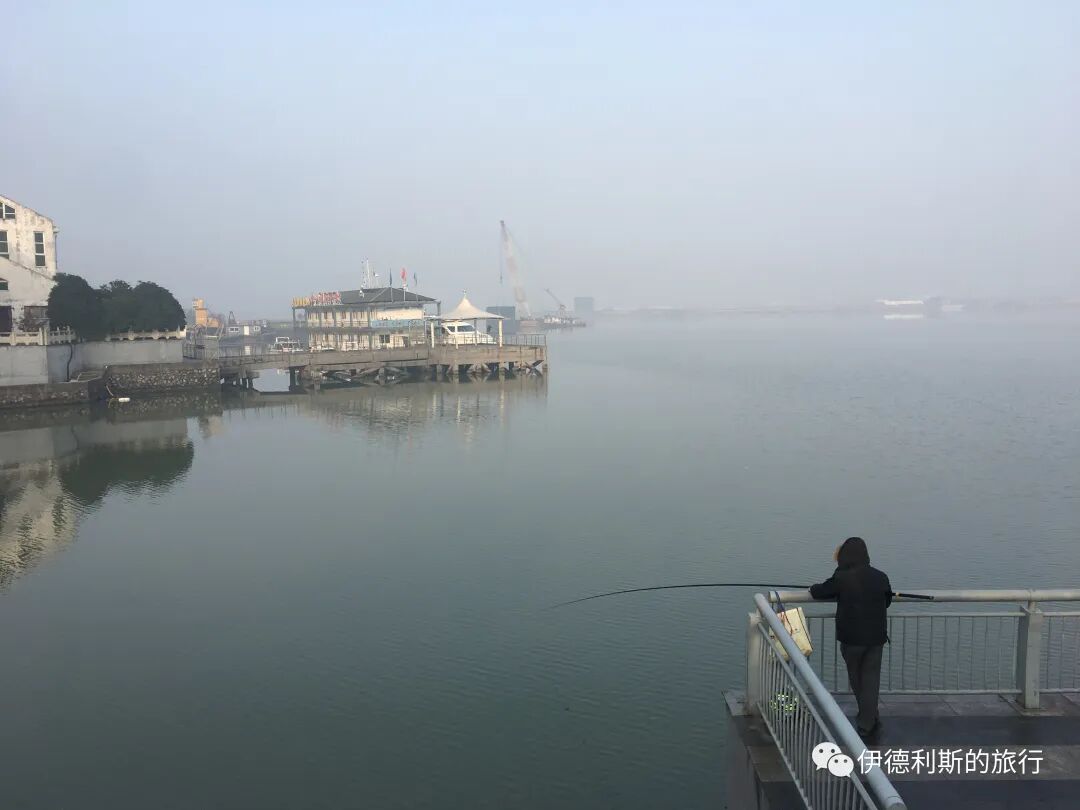
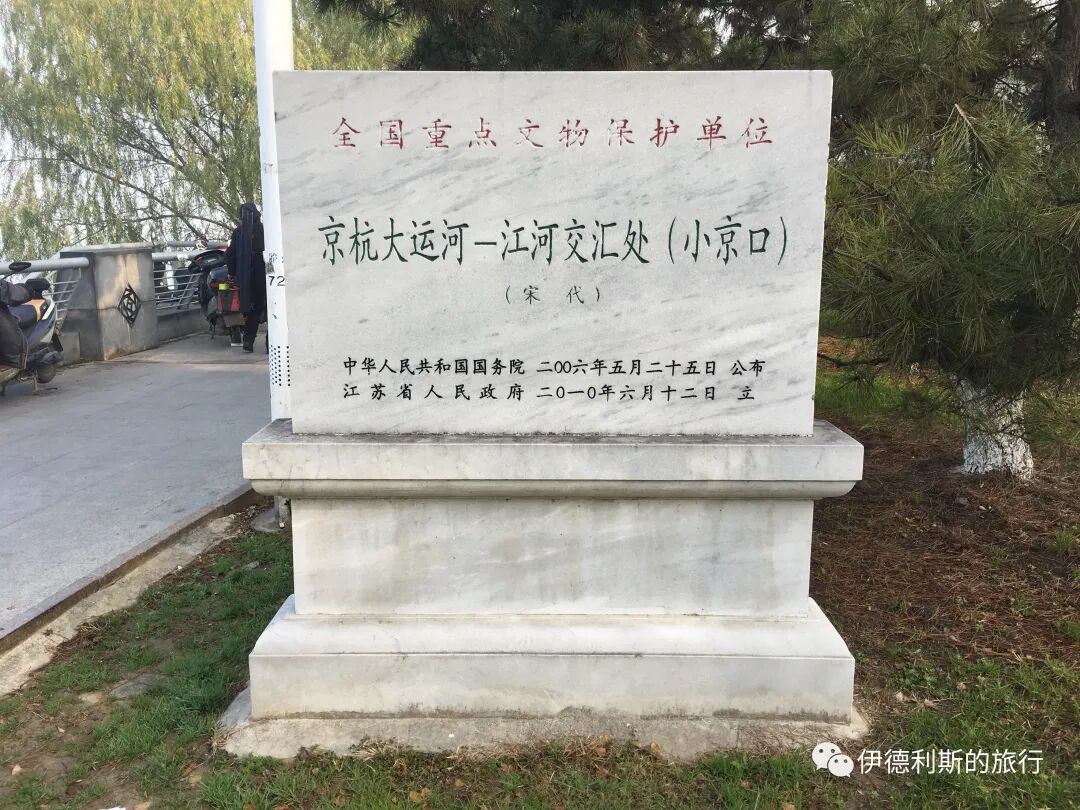
The original meeting point of the Grand Canal, built by Emperor Yang of Sui, was called Dajingkou. In 1029 (the seventh year of the Tiansheng era of the Song Dynasty), a new canal was dug east of the old one, and the point where this new canal met the Yangtze River was named Xiaojingkou. In 1954, workers cleared and dredged Xiaojingkou, and in 1957, they built a sluice gate. However, the water level at Xiaojingkou is usually less than 1.6 meters, and during the dry season, it drops to only 0.5 meters, meaning it can basically only handle small boats. In 1958, work began to improve the Grand Canal, and Jianbikou was designated as the meeting point between the Grand Canal and the south bank of the Yangtze River. In 1960, Jianbikou was widened and dredged, and Xiaojingkou stopped being used for shipping.
New Canal (Xinhe)
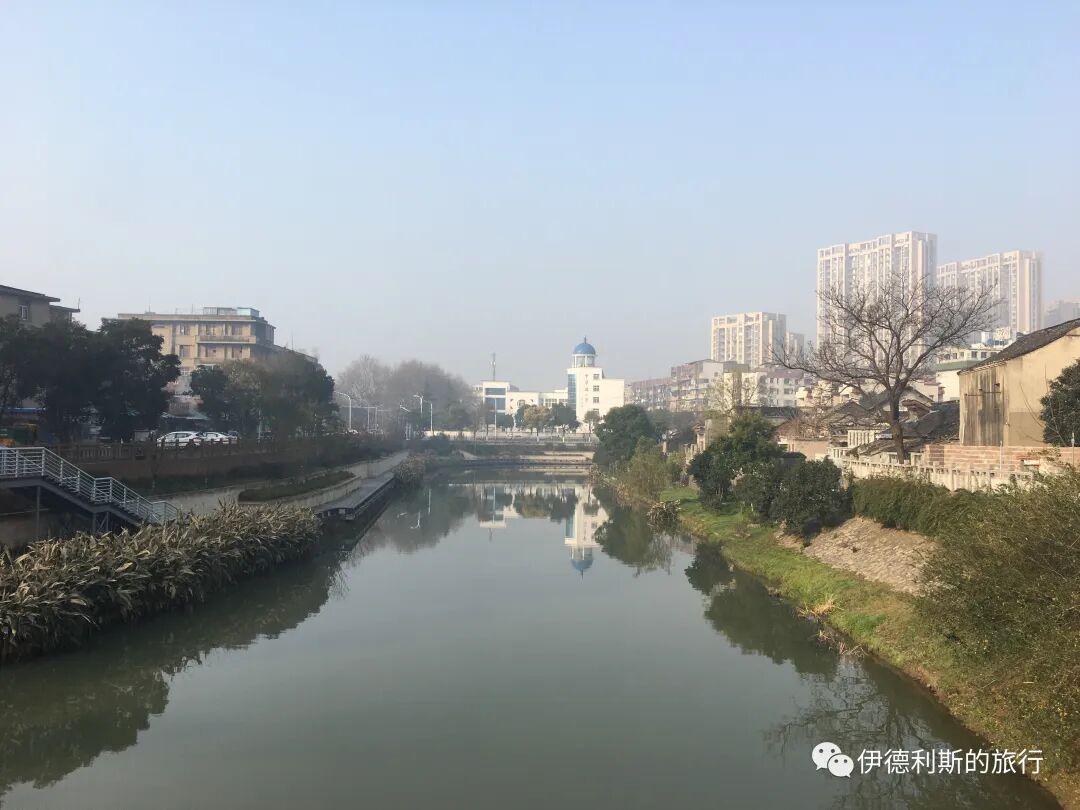
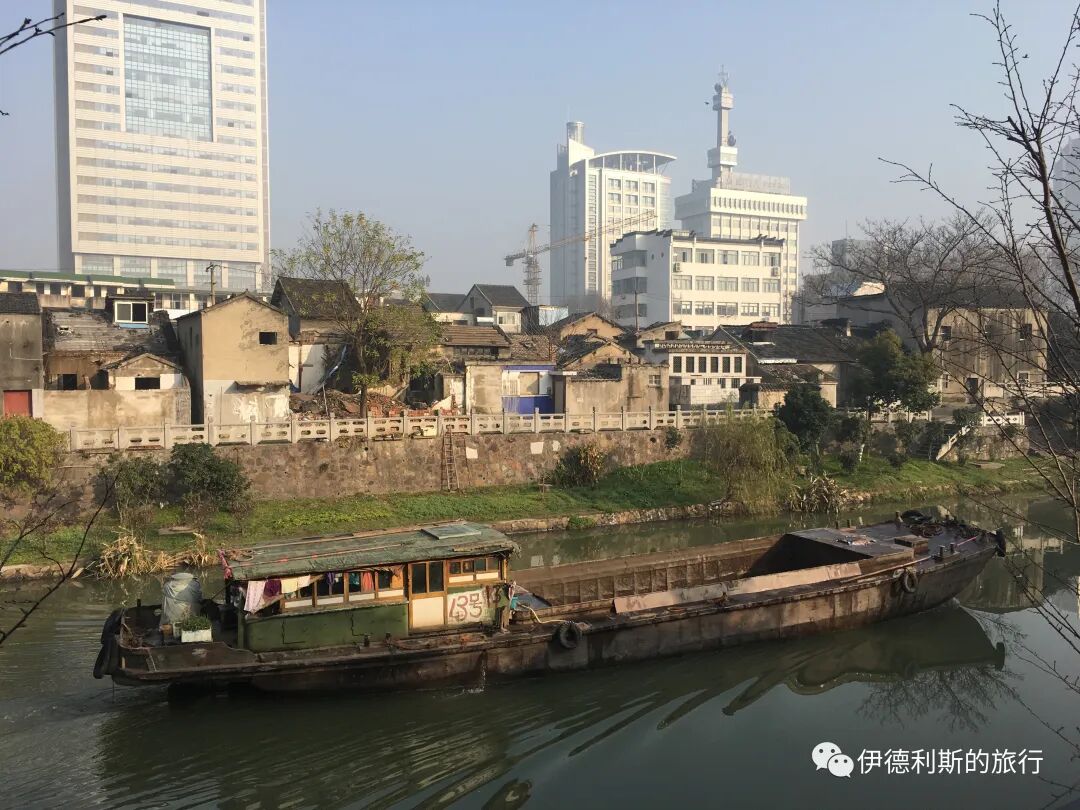
After the New Canal was dug, it gradually became an important hub for grain transport, and Xinhe Street formed along the riverbank. After Zhenjiang opened as a treaty port in 1861, Xinhe Street became even more prosperous, with all kinds of shops opening up. The Shanghai-Nanjing Railway opened in 1908, and the ferry between Zhenjiang and Liuwei started in 1923. The area along the river near the train station was very busy with travelers coming and going, and Xinhe Street, which connected to the Subei Road, reached its peak of prosperity. Until the Zhenjiang-Yangzhou ferry opened in 1978 and the old Zhenjiang train station moved, Xinhe Street gradually declined and was slowly forgotten.
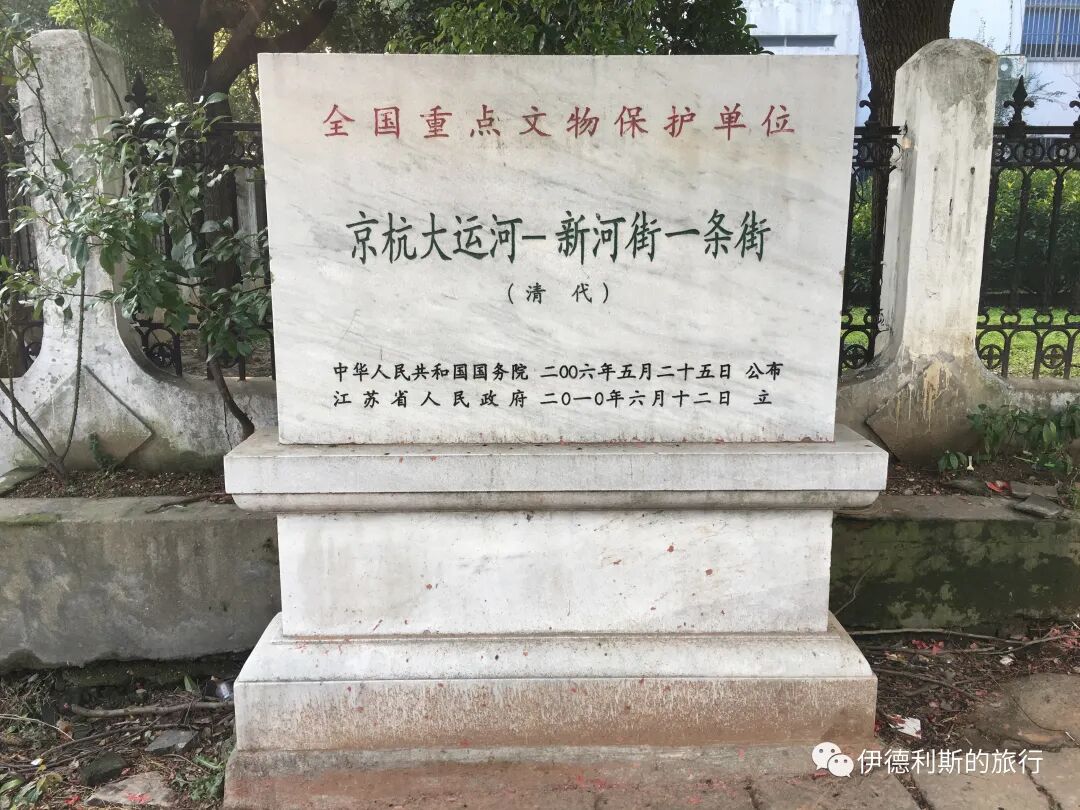
The place we are talking about today is a mosque on Xinhe Street, which is also the only Ikhwan mosque in Jiangsu Province—the Xinhe Street Mosque.
The Xinhe Street Mosque was built in 1930. Hui Muslims in Zhenjiang also used to call it the "Jinde Association." It was originally a private residence purchased with donations from Muslims in both Shanghai and Zhenjiang, so it is a traditional Jiangnan-style house with three courtyards and two side wings.
The Ikhwan, also called the New Sect (Xinhang), means "brothers" in Arabic. It was founded by Ma Wanfu from Guoyuan Township in Linxia after he returned from his pilgrimage to Mecca in the late 19th century, and it was later carried on by Hu Songshan. The Ikhwan sect advocates following the scriptures and reforming customs, insisting that everything should be done according to the teachings of the Quran and Sunnah. They opposed some of the customs of the old Gedimu sect at the time, such as wearing mourning clothes and calling the adhan when moving into a new house.
The Ikhwan sect spread to the Jiangnan region in the 1920s. In 1926, Imam Ha Decheng and others started the Jindehui organization at the Xiaotaoyuan Mosque in Shanghai to promote the Ikhwani teachings. Fa Jiesan (1872-1958), a Hui Muslim from Zhenjiang who traveled to Shanghai, discussed the teachings with Imam Ha Decheng. He accepted the Ikhwani ideas and returned to Zhenjiang to practice his worship at home according to Ikhwani rituals. Later, funds were raised in both Shanghai and Zhenjiang to build an Ikhwani mosque on Xinhe Street.
After the Ikhwani sect arrived in Zhenjiang, it was generally hard for the middle-aged and elderly to accept, but many young people embraced it. At that time, the new and old sects lived in peace and practiced side by side.
The old Xinhe Street Mosque had a stone plaque above the main gate carved with the words "Mosque" (Huijiaotang), but it no longer exists today. The current building is a three-bay, three-courtyard structure with side rooms. There is a covered courtyard between the first and second sections, a garden gate connecting the second and third sections, and the third section is a two-story building.
The Zhenjiang Jindehui held dinners every Saturday night after namaz. They invited an imam to give a sermon (wa'az). Anyone who came to listen was invited to eat, and the costs were covered by members who hired the imam to perform memorial services for their ancestors.
The Jindehui also used winter and summer breaks to organize a "Hui Muslim Children's Scripture Class," and Hui Muslims from all sects sent their children there to study.
After the mosque was built, many famous imams were hired to lead the religious affairs. In 1947, the famous Li Zhenji, also known as Imam Li Si from Anhui, came to the Xinhe Street Mosque from the Luohe Mosque in Henan. According to Mr. Xia Rongguang, Imam Li Si was nearly 70 years old at the time. He had a kind and gentle face and a refined manner. When he explained the teachings, listeners of all levels could find inspiration in his words. Because of this, more and more elders from other neighborhoods came to the mosque for Jumu'ah prayers. In the autumn of 1949, Imam Li Si returned to Luohe from Zhenjiang.
In 1950, 43-year-old Imam Zhang Zhushu came to the Xinhe Street Mosque to serve as the head imam. Imam Zhang Zhushu was from Xiangfan, Hubei. Mr. Xia Rongguang remembered him as a man who was well-versed in religious teachings and had deep modern knowledge. When he taught, he connected the lessons to real life. His language was vivid and easy to understand, attracting both ordinary elders and intellectuals. Local Muslims in Zhenjiang praised him as an imam of the new era. In 1953, Imam Zhang Shuzhu left Zhenjiang after being invited to serve as the imam at the Fuyou Road Mosque in Shanghai.
After that, an elder named Tan Jizhen managed prayers and affairs at the Xinhe Street Mosque until it merged with the Shanxiang Mosque in 1958. It later became a dormitory for a forestry machinery factory and has been abandoned ever since.
Besides the mosque, there were many other important buildings on Xinhe Street. The Jingtai Guild Hall (Jingtaigongsuo) was built during the Tongzhi reign as a meeting place for merchants from Jing County and Taiping County in Anhui who were living in Zhenjiang.
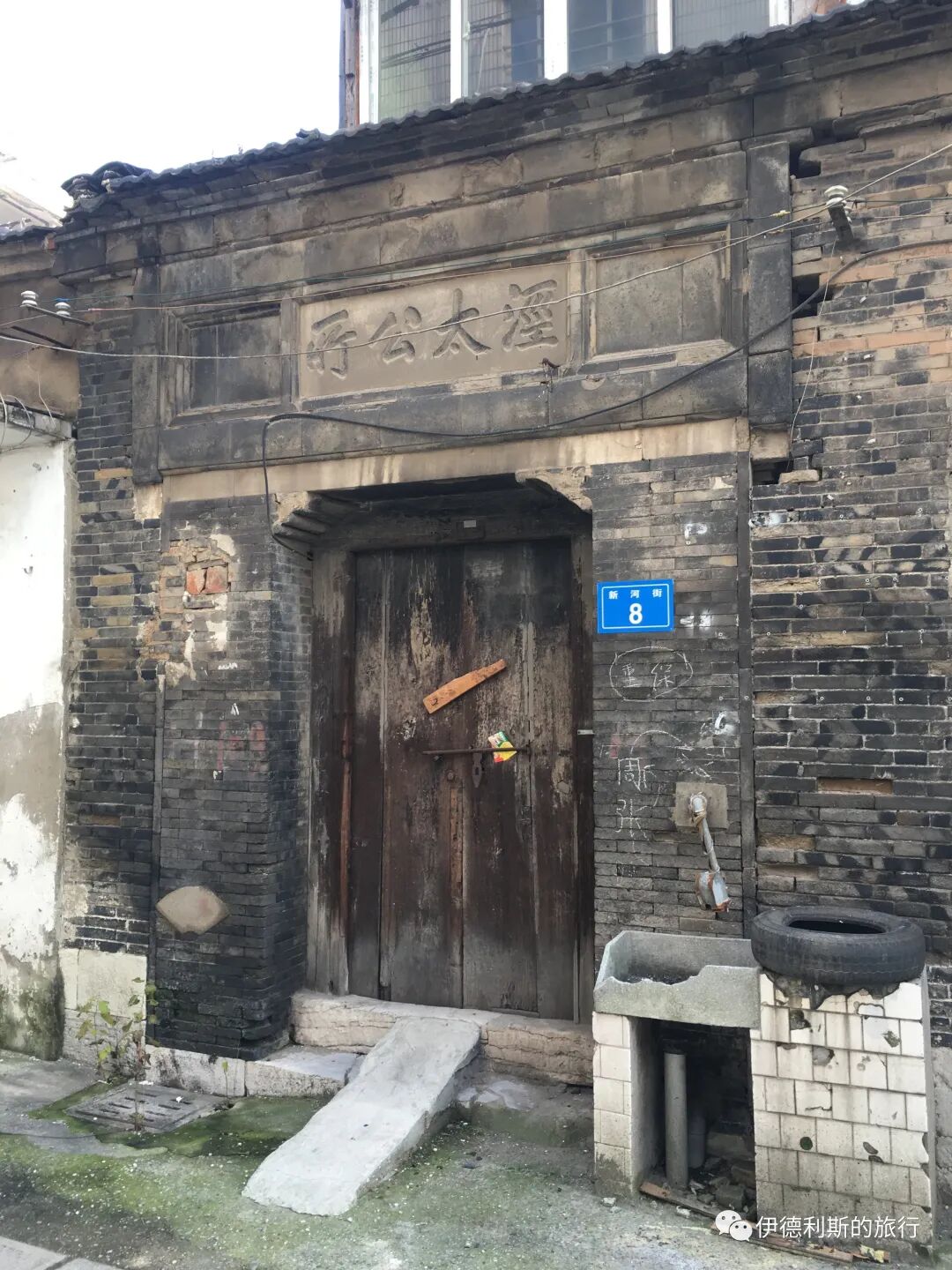
The Rice Industry Guild Hall (Miyegongsuo) was the largest building on Xinhe Street and served as the trade association for the rice industry. This four-section building with a central hallway was once the only major rice market in the lower Yangtze River region, and daily market prices were set here.
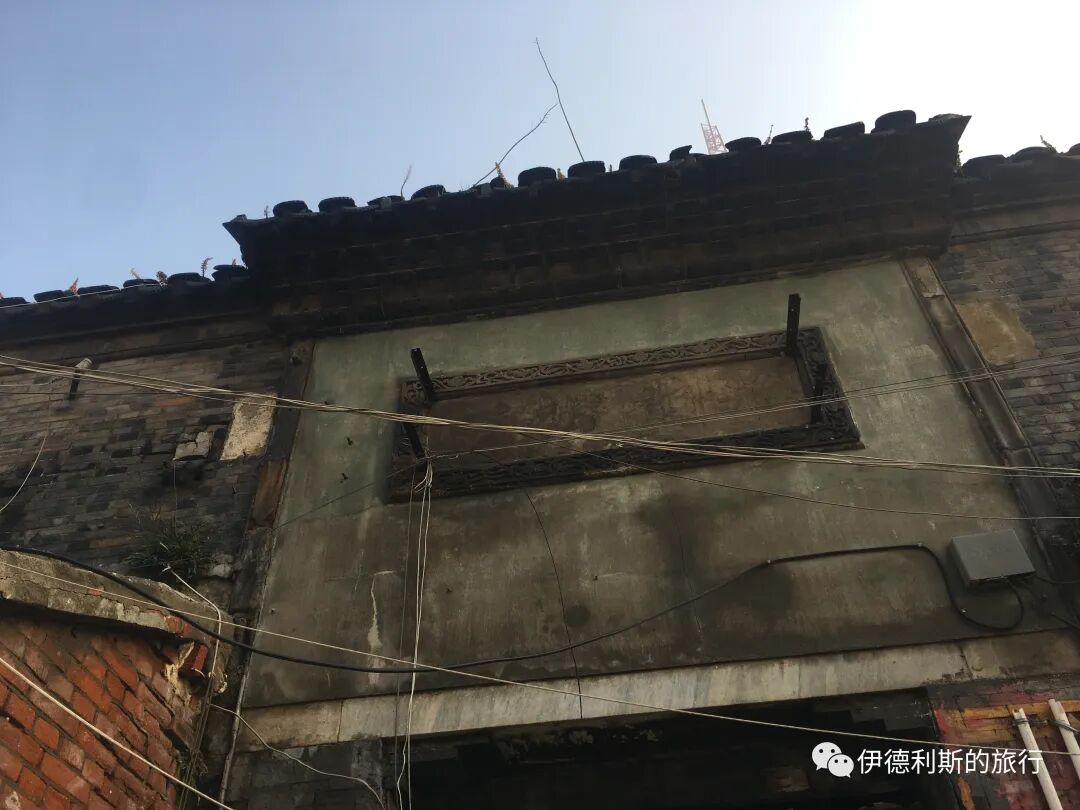
Zhenjiang has seen severe and rapid destruction of its historic districts and cultural relics, and Xinhe Street could not escape this fate. In 2016, Xinhe Street faced demolition and was slated for development into a commercial street, with only a few historic buildings preserved. I returned to Zhenjiang five months later in May 2017. The north entrance of Xinhe Street was already closed, and excavators were clearing the building ruins.
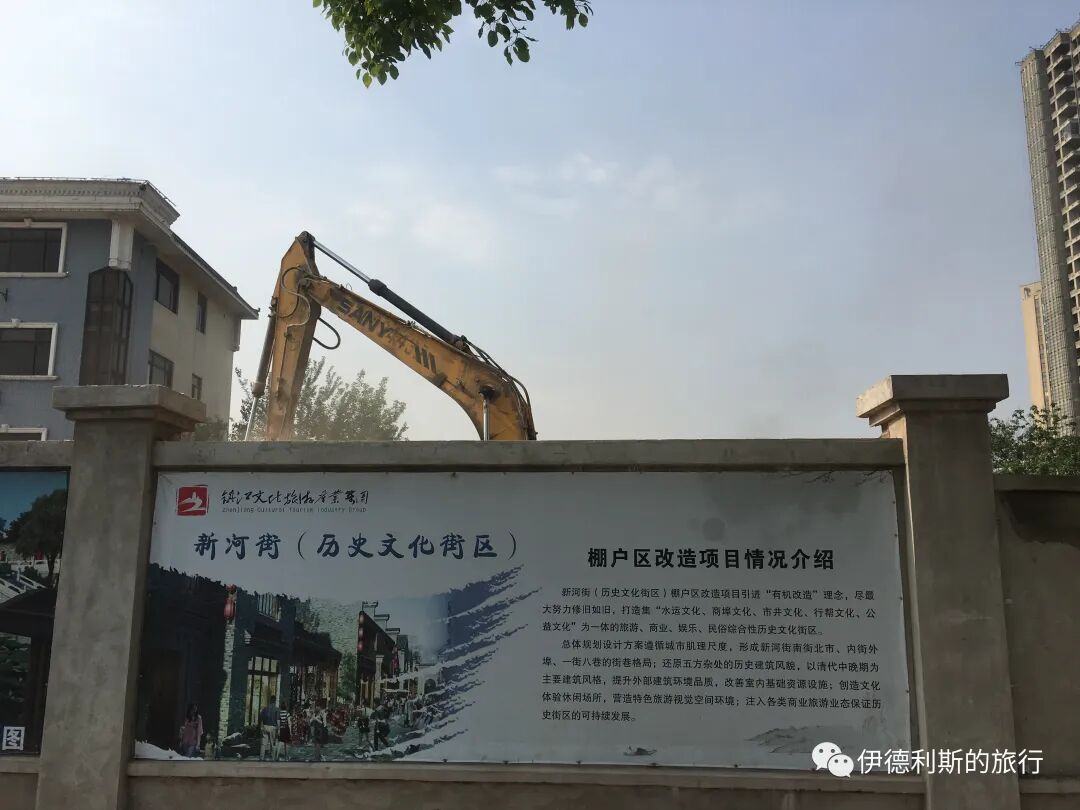
Shanxiang Mosque
Leaving Xinhe Street, we headed toward Shanxiang.
We passed a halal food shop run by a Hui Muslim family named Hua. The Hua family moved to Zhenjiang from Taierzhuang, Shandong, during the Taiping Rebellion. The Taiping Rebellion caused heavy damage to Zhenjiang and a sharp drop in population. Many people from the north moved in, which is a key reason why Zhenjiang eventually shifted from a Wu-speaking area to a Jianghuai Mandarin-speaking area.
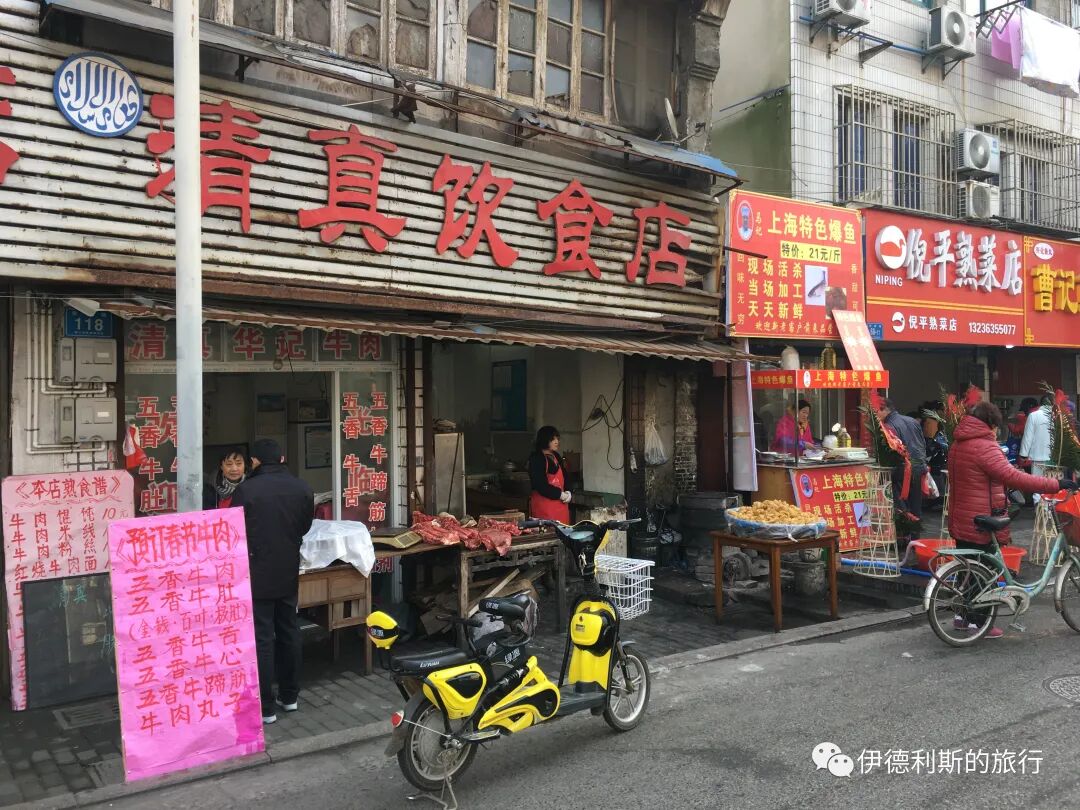
Walking further west, we arrived at Shanxiang. Shanxiang was once a famous historic street in the west of Zhenjiang, but like Xinhe Street, it was also demolished in the 21st century.
Yang Shunxing beef potstickers (guotie) are one of the last remaining street-facing shops on Shan Lane. The Yang family are the earliest recorded Hui Muslims to move to Zhenjiang. According to family records, they moved from Hongnong County, Shaanxi, to Zhenjiang in the early Song Dynasty. By the Hongwu era of the Ming Dynasty, they had reached the twenty-fifth generation, and now they are past the fiftieth generation, making them the largest branch among Zhenjiang's Hui Muslims.
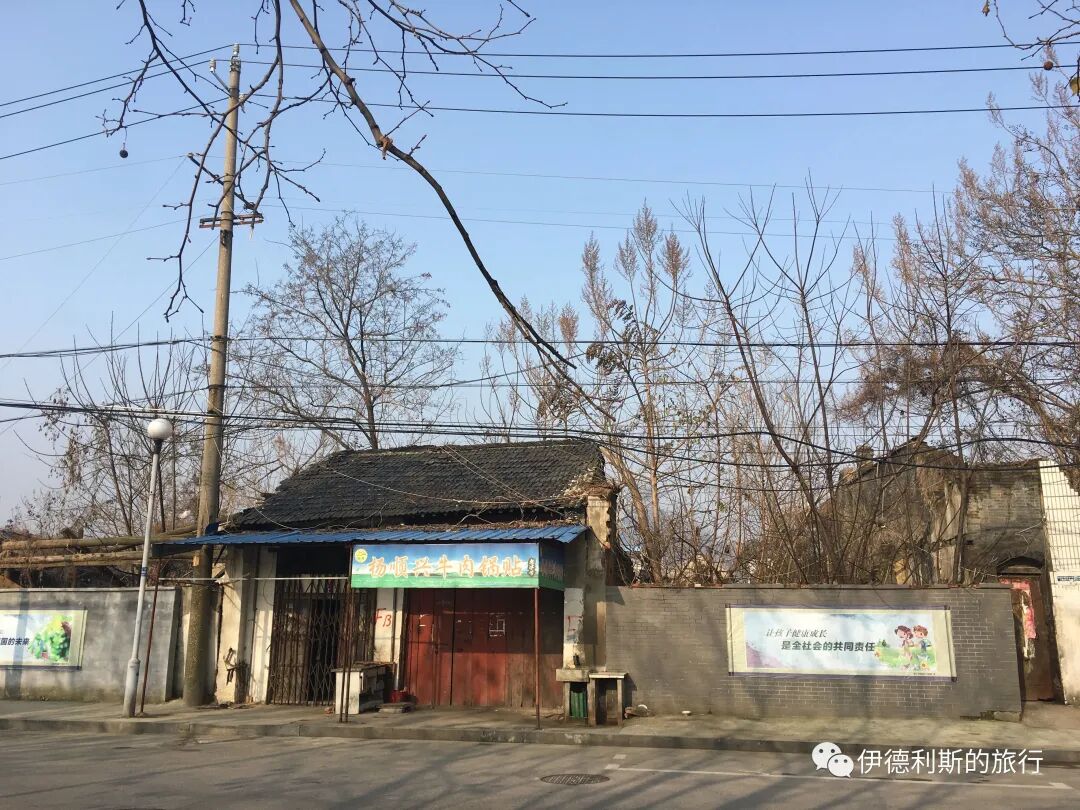
Turn into the small alley nearby to reach Mosque Street. At the entrance, there are several halal fresh beef and mutton shops that are still run by the Yang family. The most famous halal noodle shop in Zhenjiang used to be the pot-lid noodle (guogaimian) shop owned by Yang Dazhang, a Hui Muslim from the Yang family. Yang Dazhang's noodle shop was on Zhonghua Road next to the Shan Lane Mosque, across from a halal beef shop run by a Hui Muslim named Jin Zhiren. Many Hui Muslims liked to buy some shredded beef and garlic from Jin Zhiren's shop after leaving the Shan Lane Mosque, then have it blanched in Yang Dazhang's noodle pot to eat with their noodles, which smelled delicious.
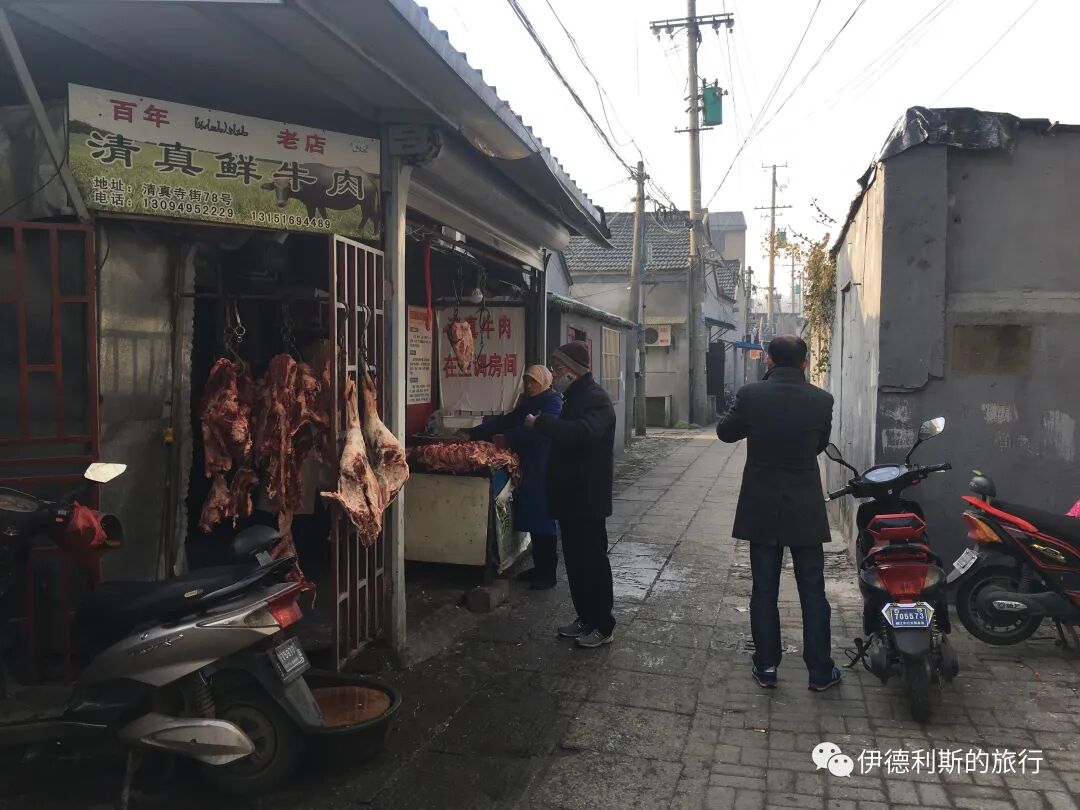
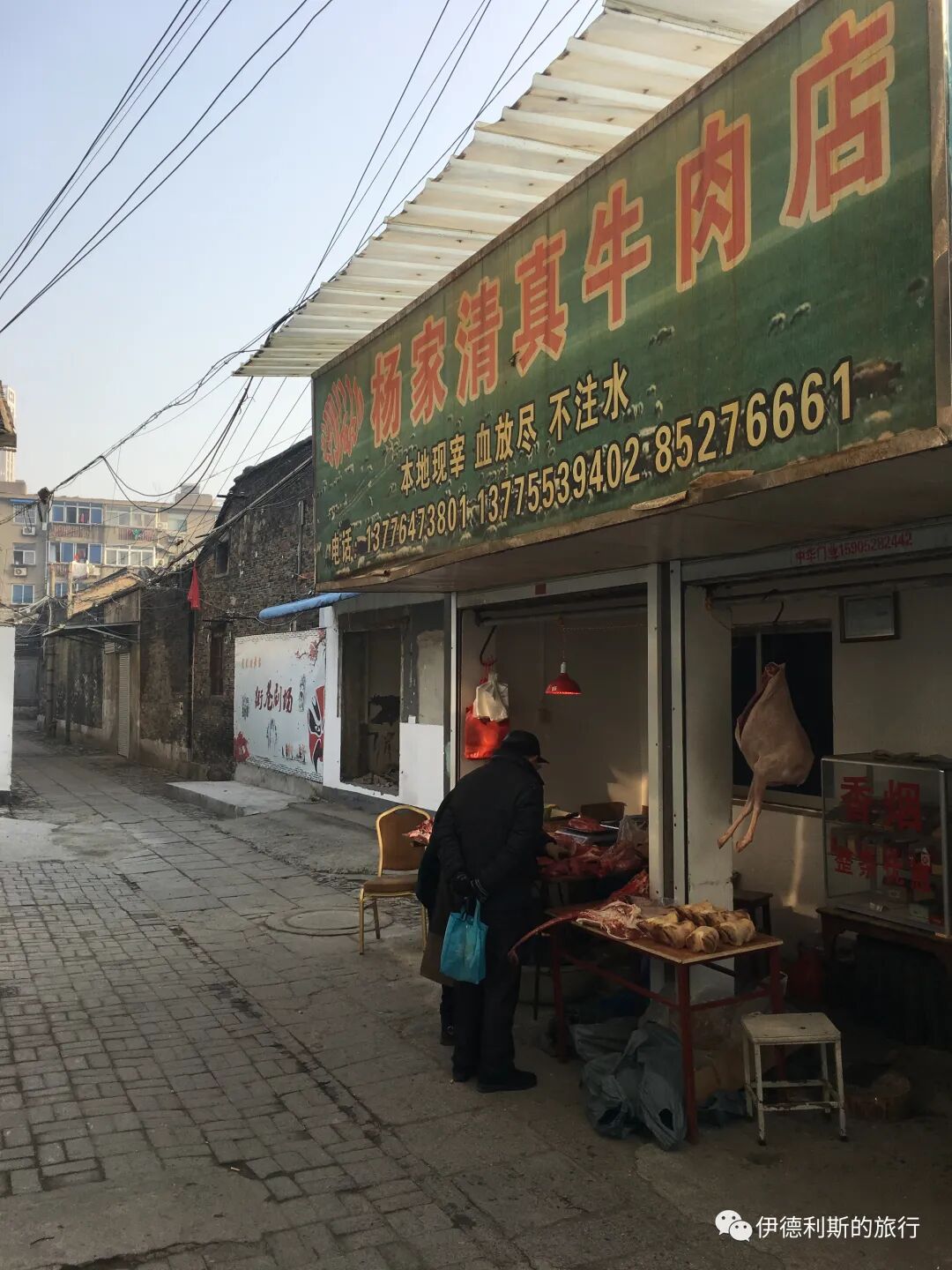
Continue walking south to reach the area of the Shan Lane Mosque.
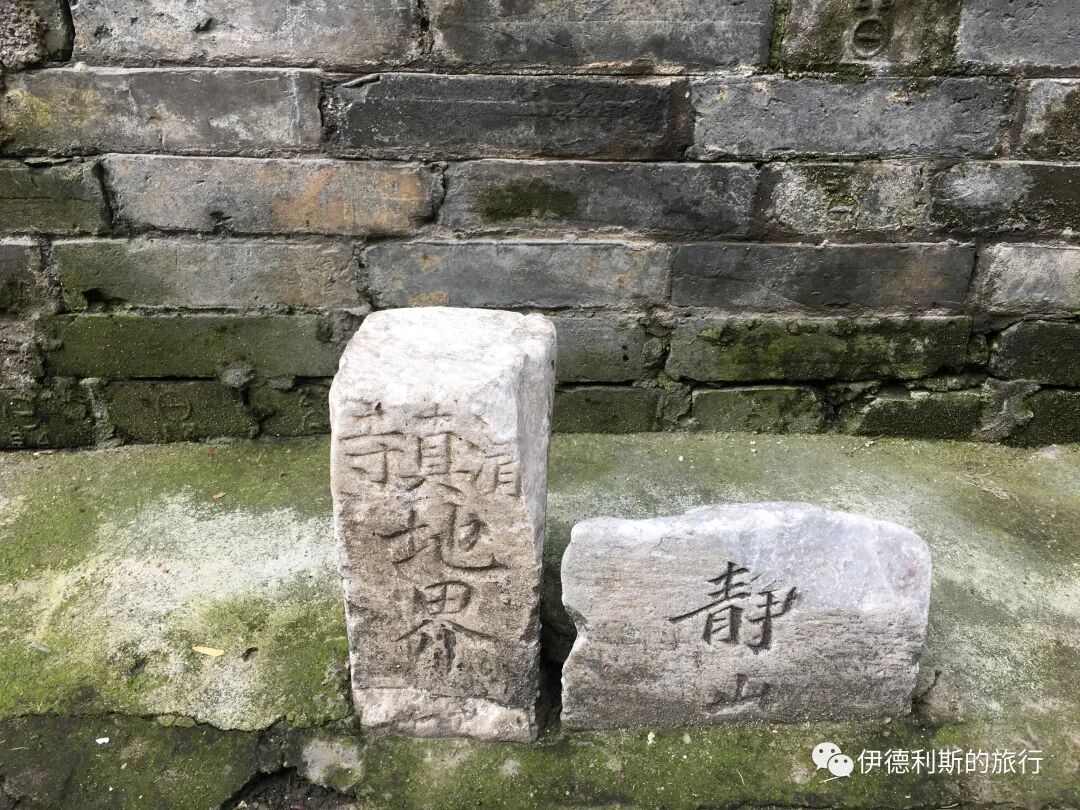
The Shan Lane Mosque is also called the West City Mosque, or West Great Mosque for short. Its founding date is unknown. It was expanded during the Kangxi era, destroyed by war in 1853 (the third year of the Xianfeng era), and rebuilt in 1873 (the twelfth year of the Tongzhi era). The late Imam Tan Yuanshen, who lived to be over eighty, once said that he heard from his grandfather and the elders in the community that before the expansion in the late Kangxi era, the West City Mosque only had three thatched huts. At that time, the area around the mosque was sparsely populated and vast, with the Zhenjiang city gate tower visible to the east and Yuntai Mountain visible to the west.
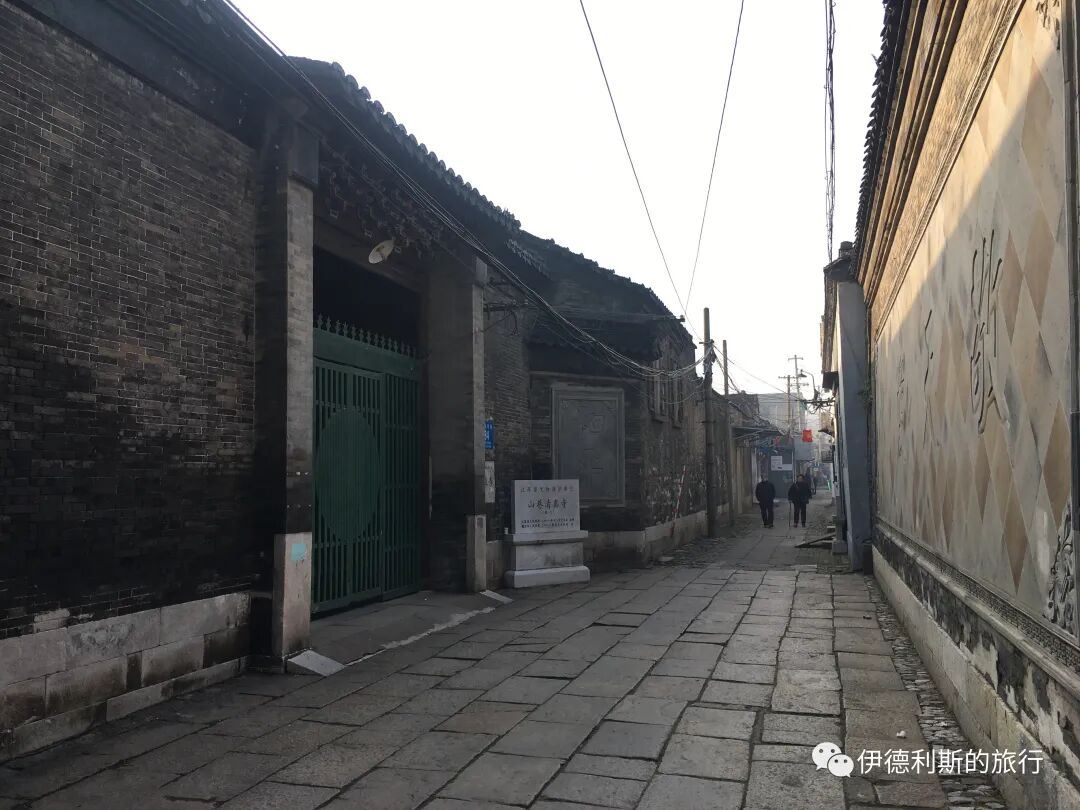
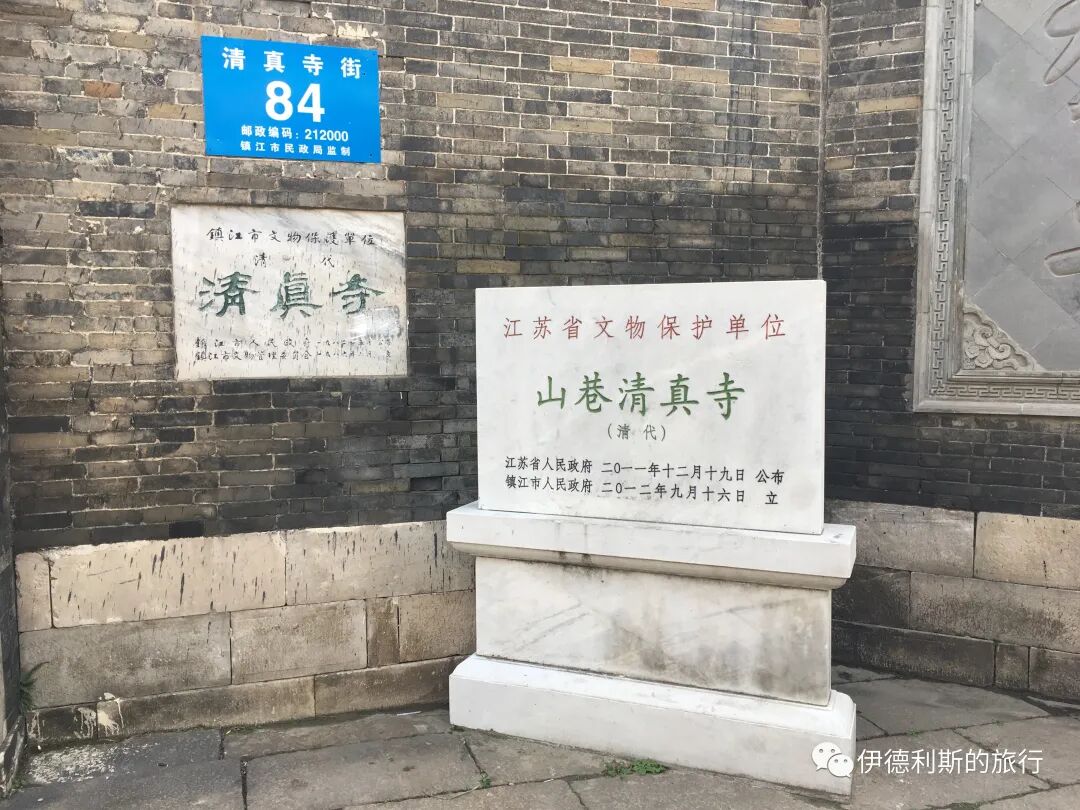
After Zhenjiang opened as a treaty port, the area outside the West Gate became a bustling commercial district. In 1865, after the British established a concession by the river and the Shanghai-Nanjing Railway opened, the area outside the West Gate developed further. Hui Muslims kept coming to do business and settled around the Shan Lane Mosque.
In 1902 (the twenty-eighth year of the Guangxu era), Zhenjiang Hui Muslims raised funds to expand the Shan Lane Mosque. The current layout of the mosque dates back to this renovation.
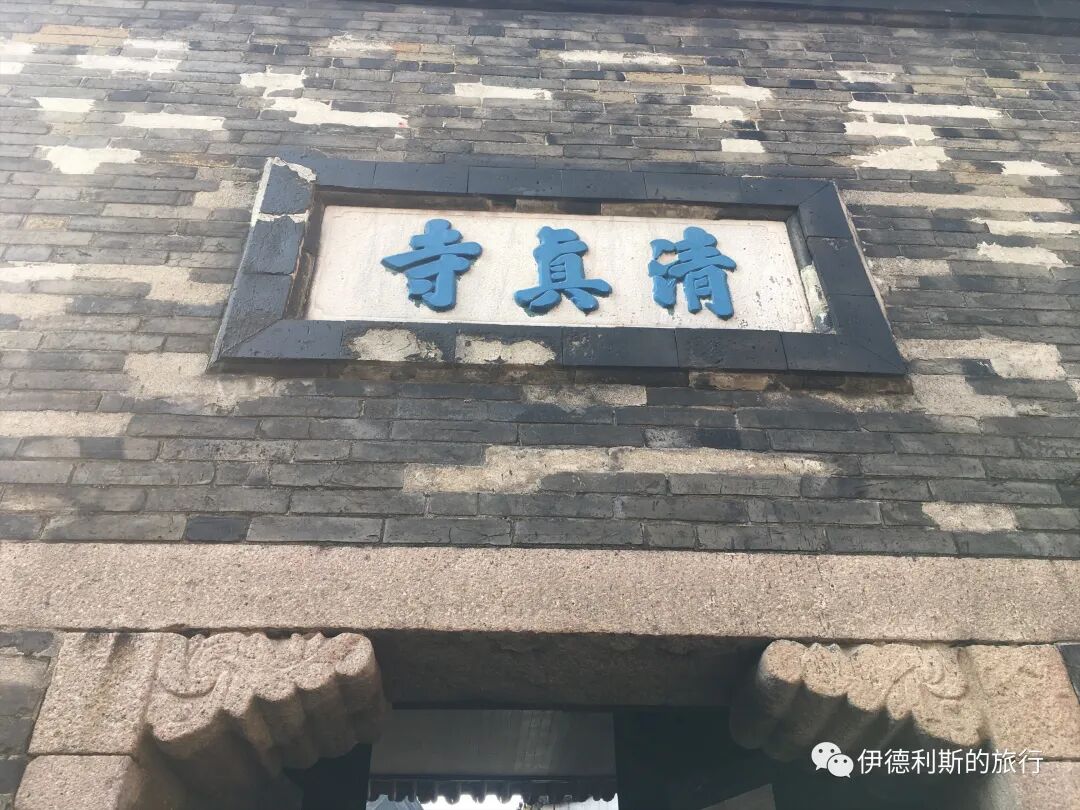
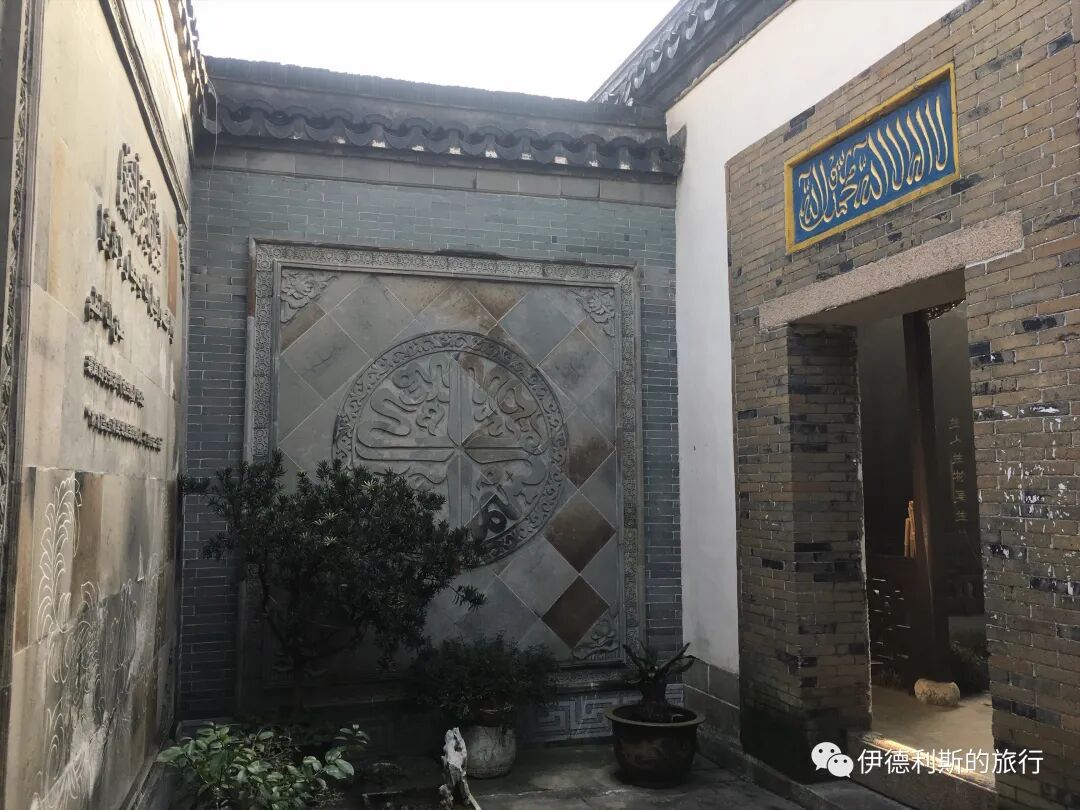
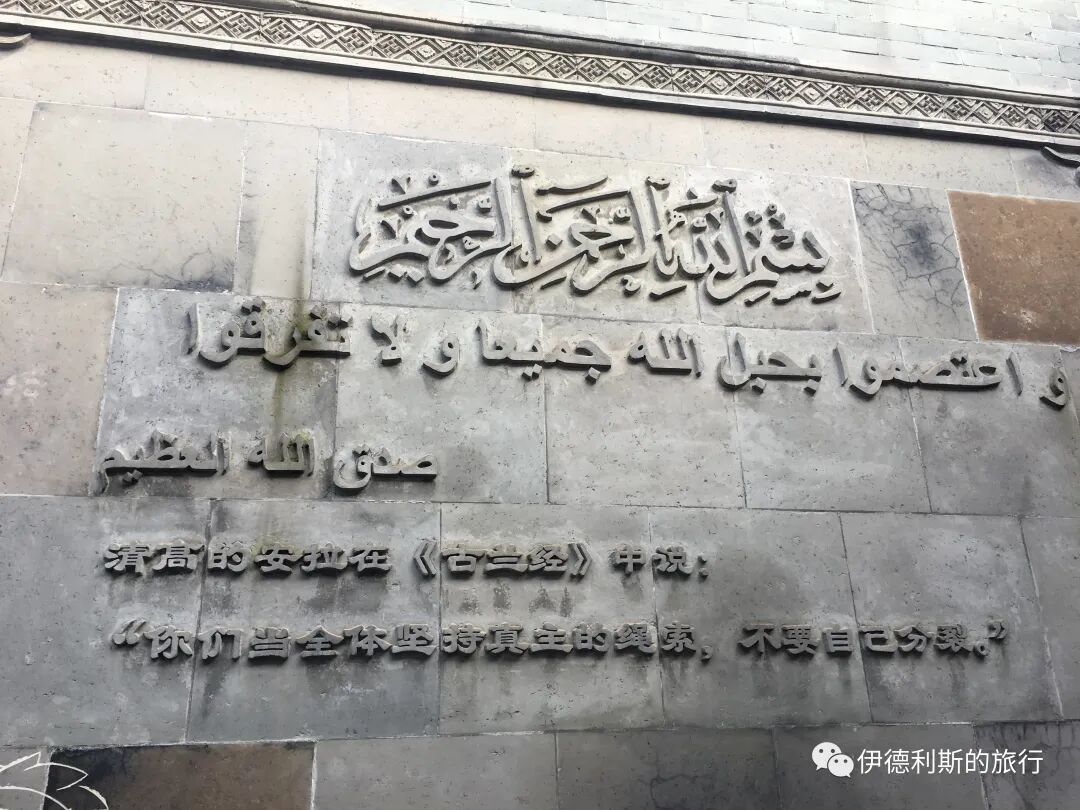
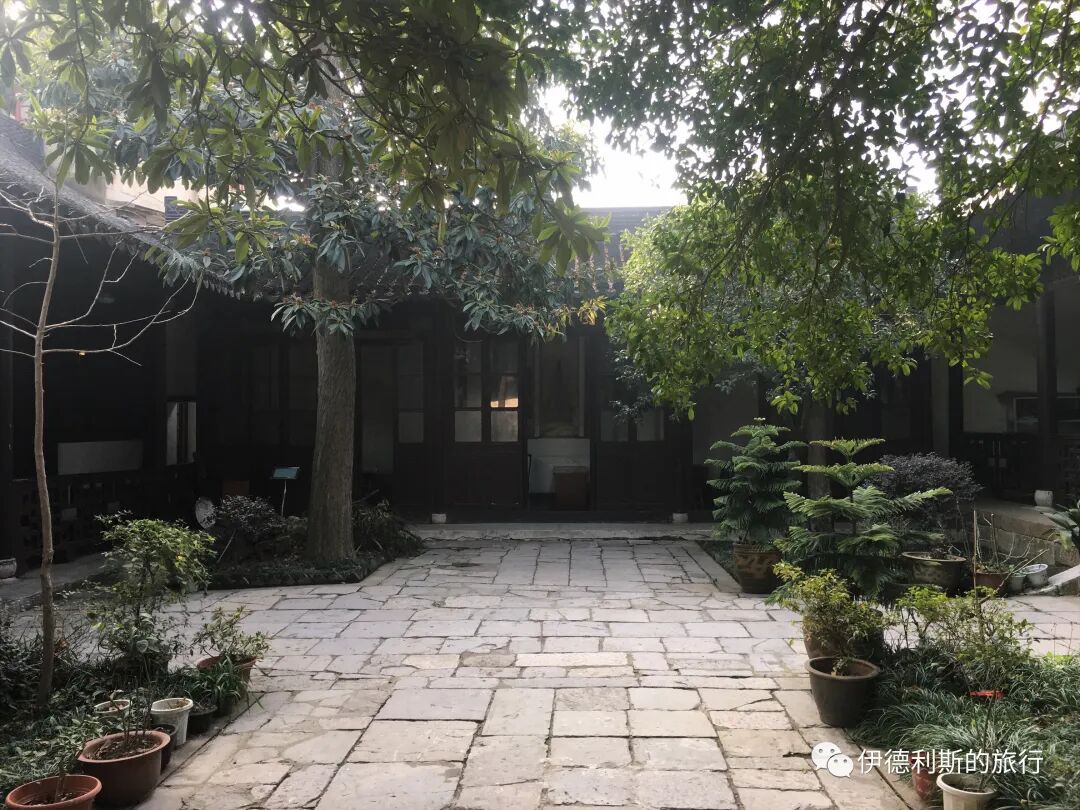
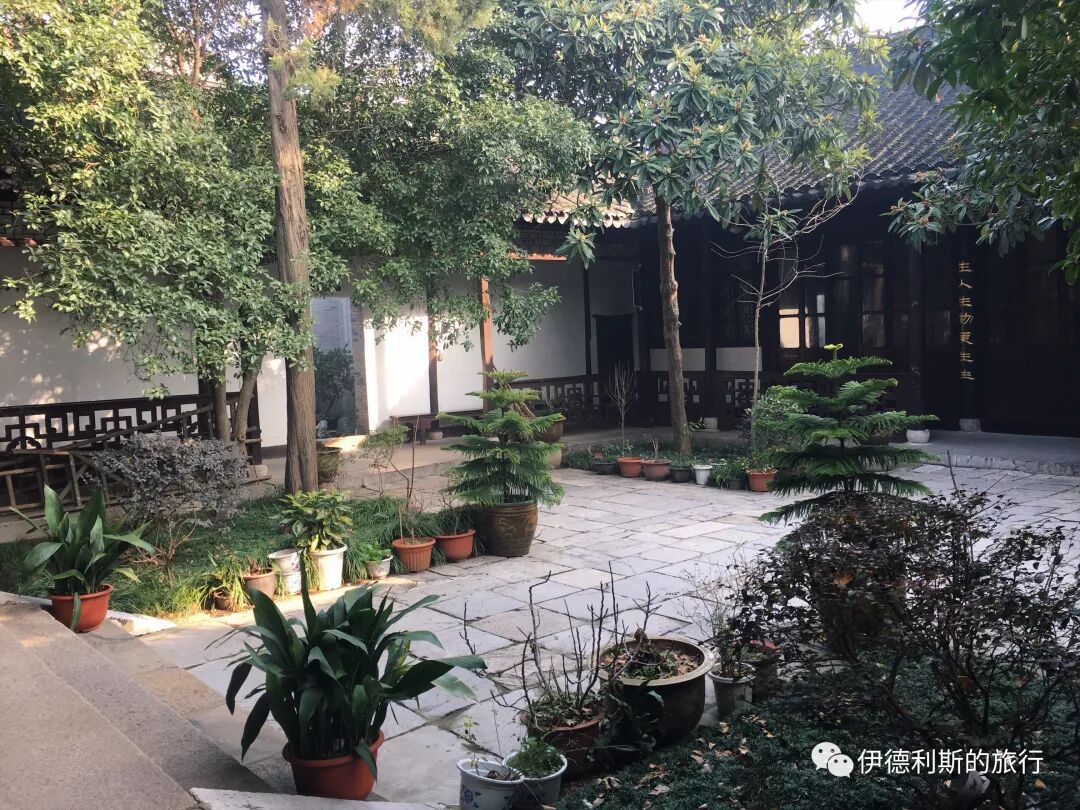
The Shan Lane Mosque was once one of the three major bases for printing and publishing Islamic books in China. From the Qianlong to the Tongzhi eras of the Qing Dynasty, more than 20 types of Islamic philosophy and theology books in Chinese, such as the Precious Life Scripture (Baoming Zhenjing), The Heavenly Rites (Tianfang Dianli), The General Meaning of Returning to the Truth (Guizhen Zongyi), and The Origin of the Hui People (Huihui Yuanlai), were printed using woodblocks and shipped across the country by land and water. To this day, the Cultural Palace of Nationalities in Beijing, the library of Minzu University of China, and the Peking University Library all hold copies of books printed by the Zhenjiang Shan Lane Mosque.
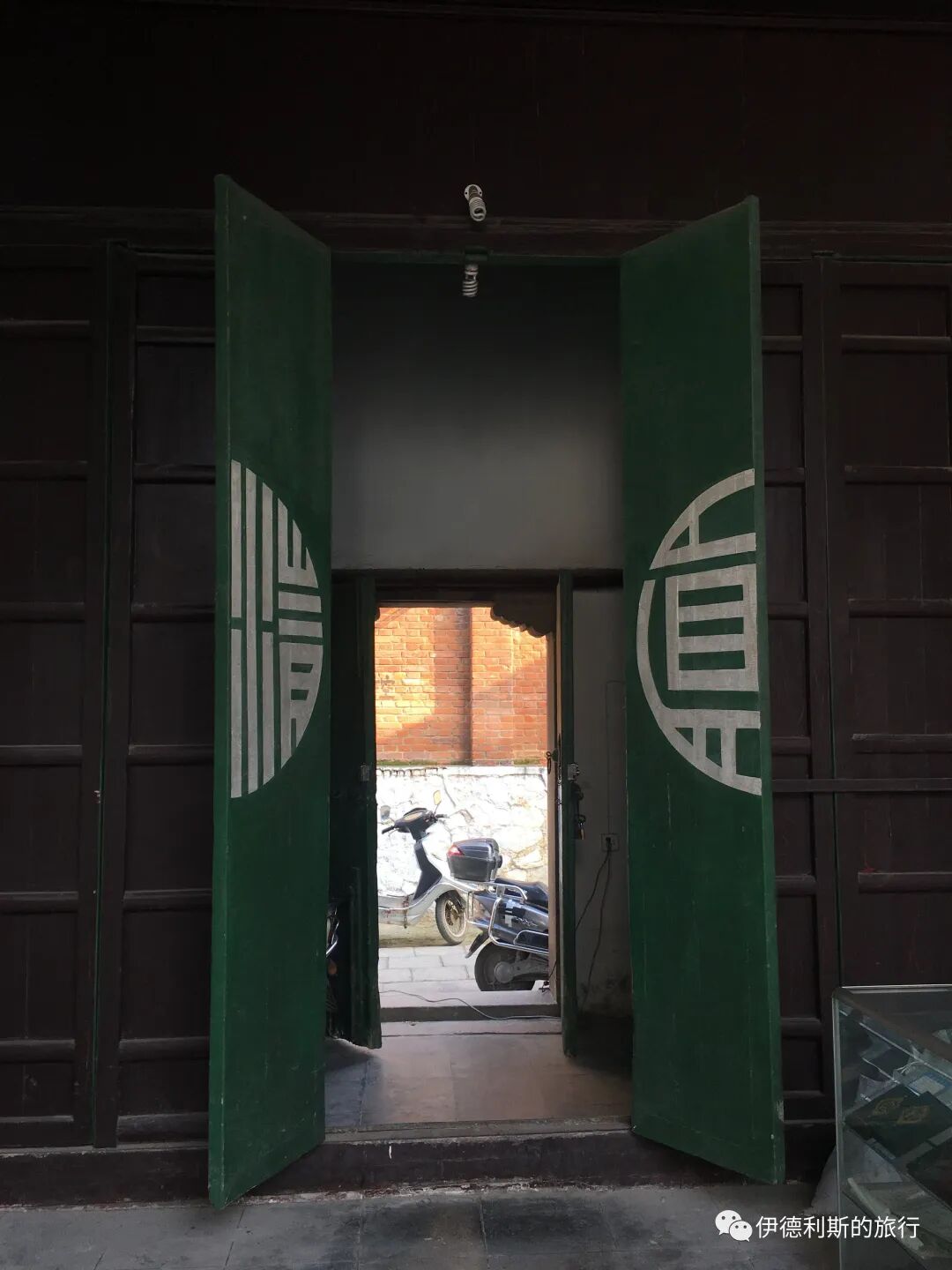
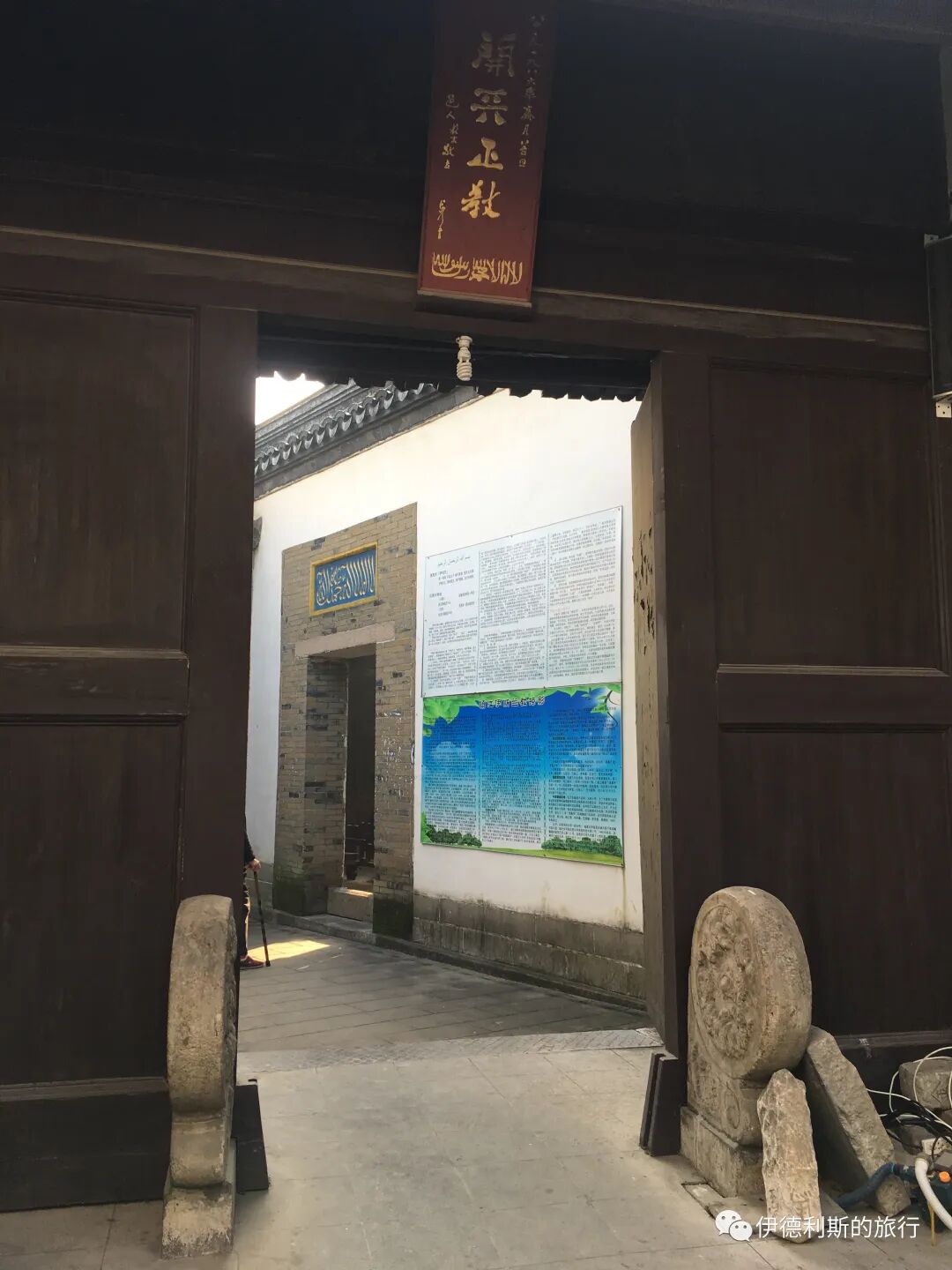
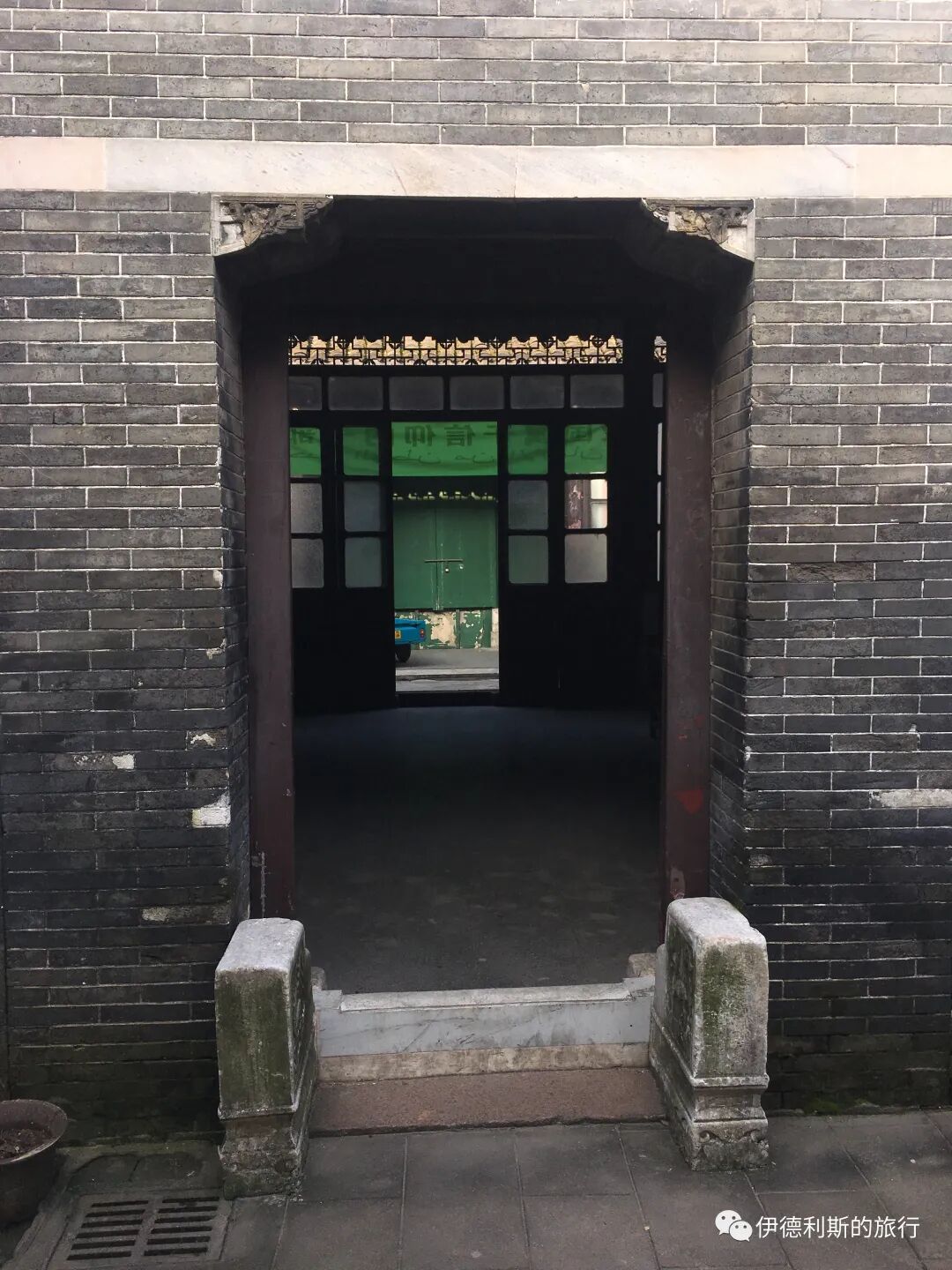
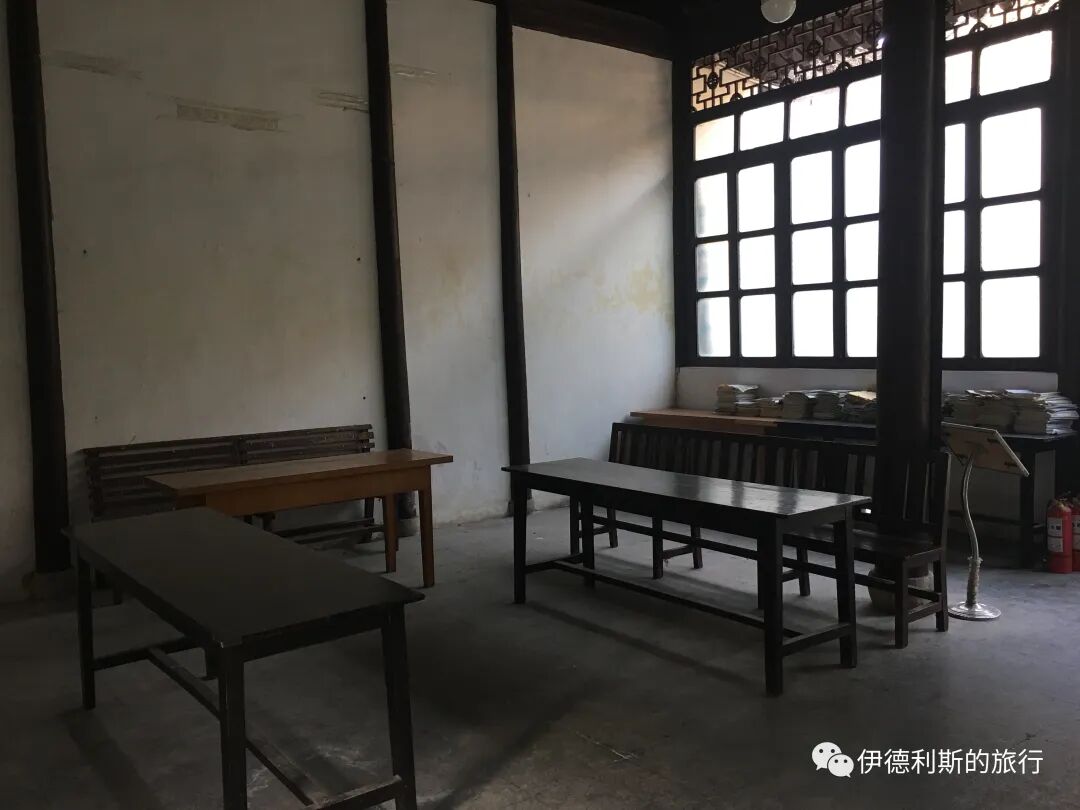
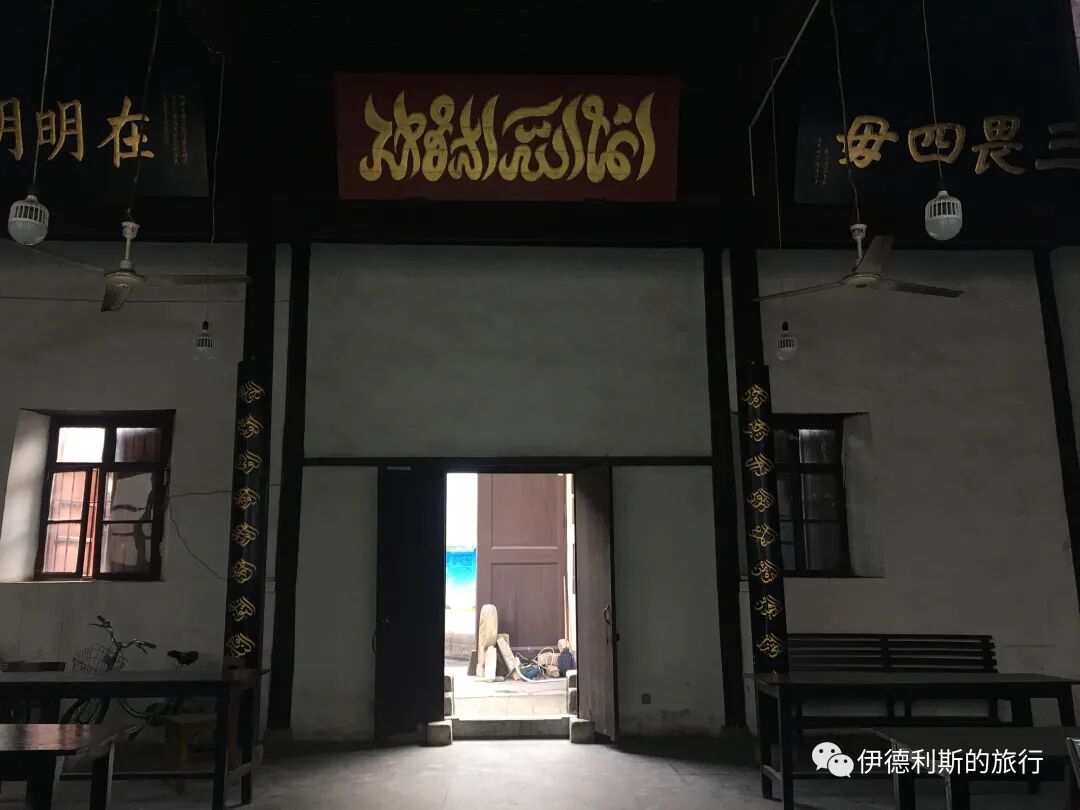
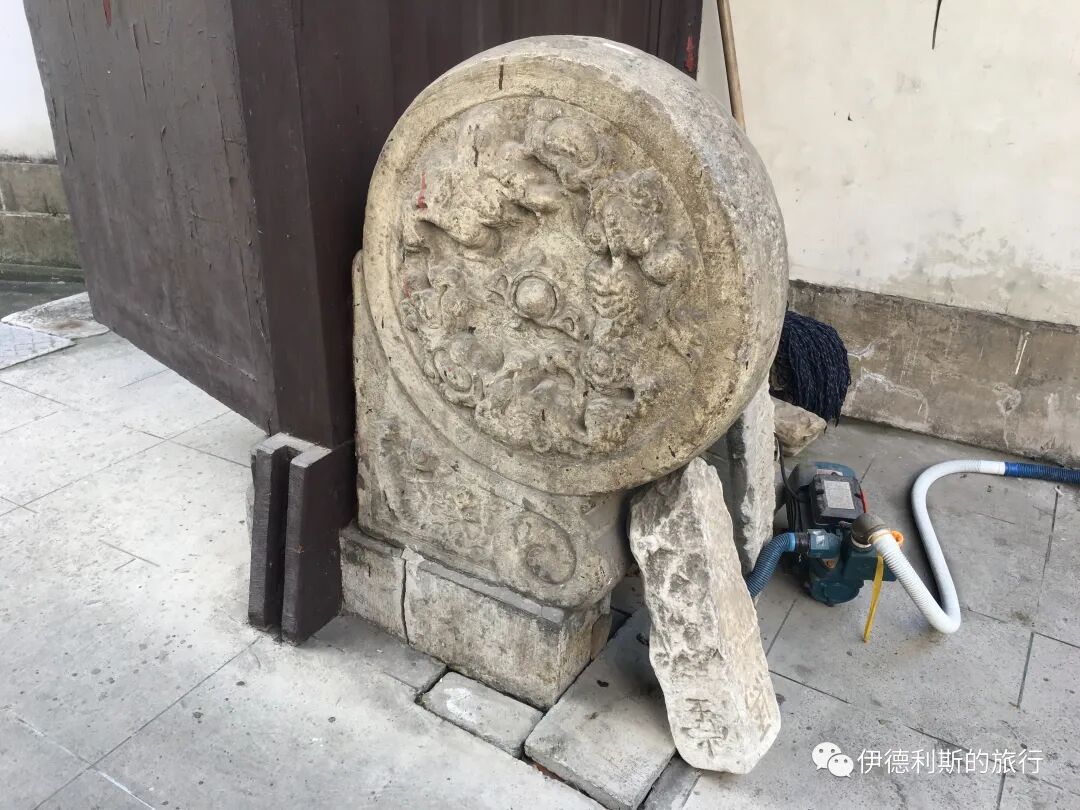
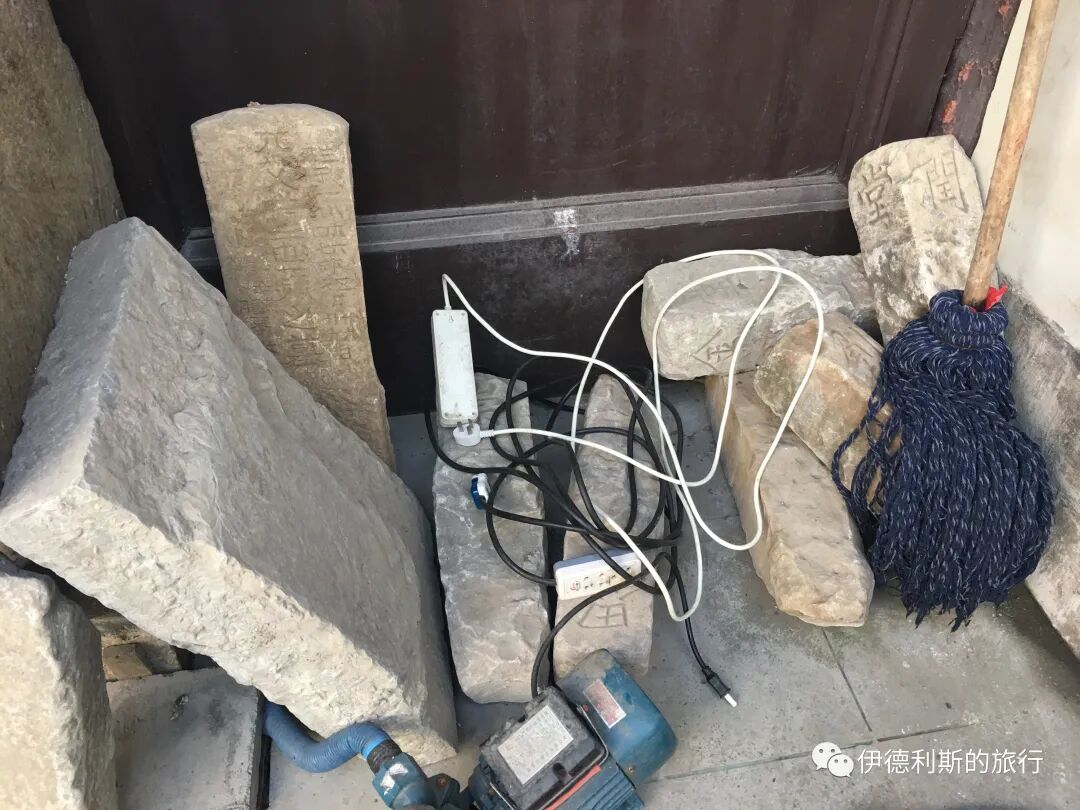
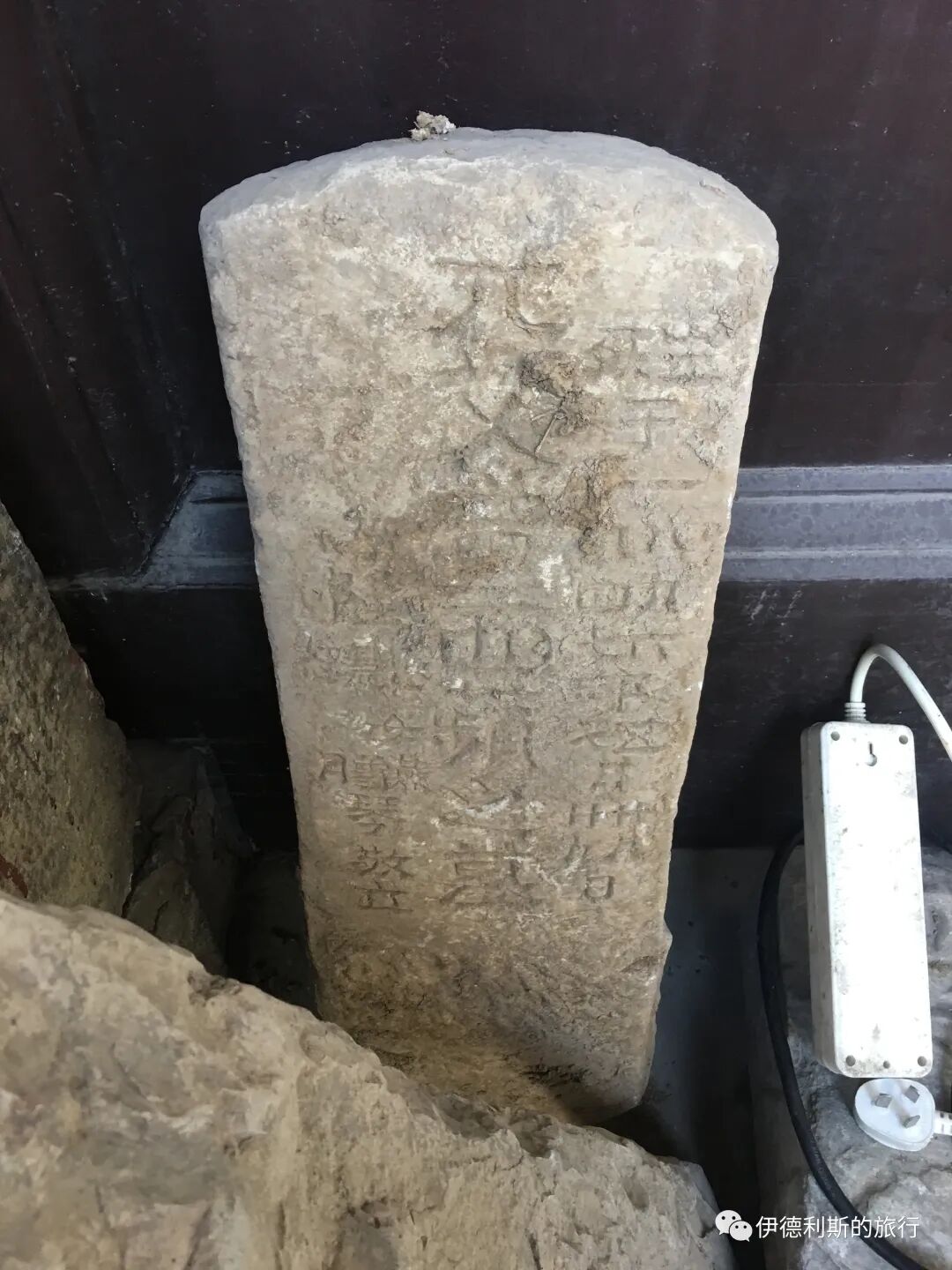
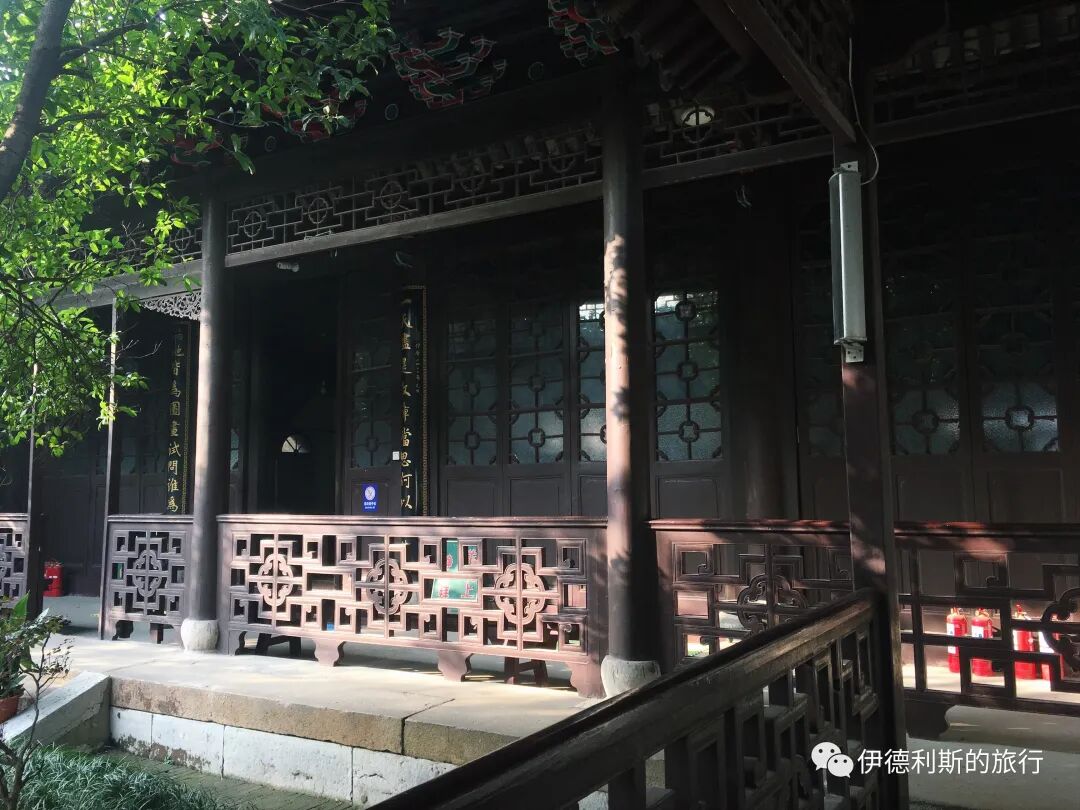
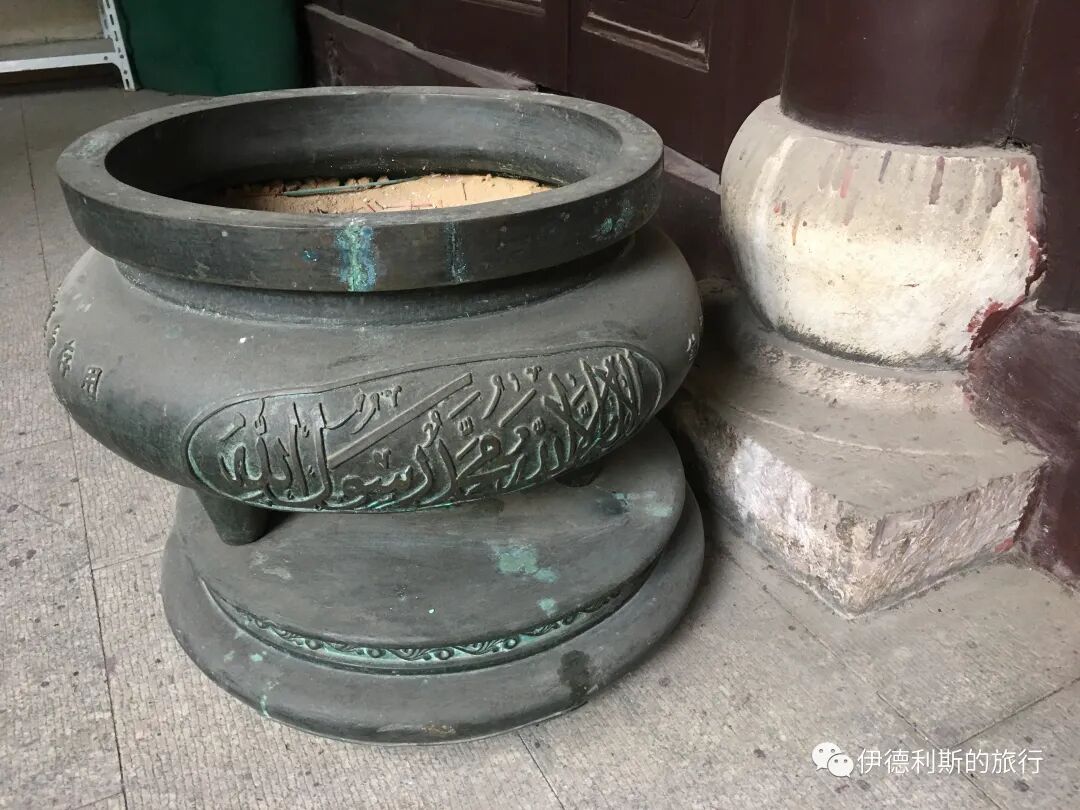
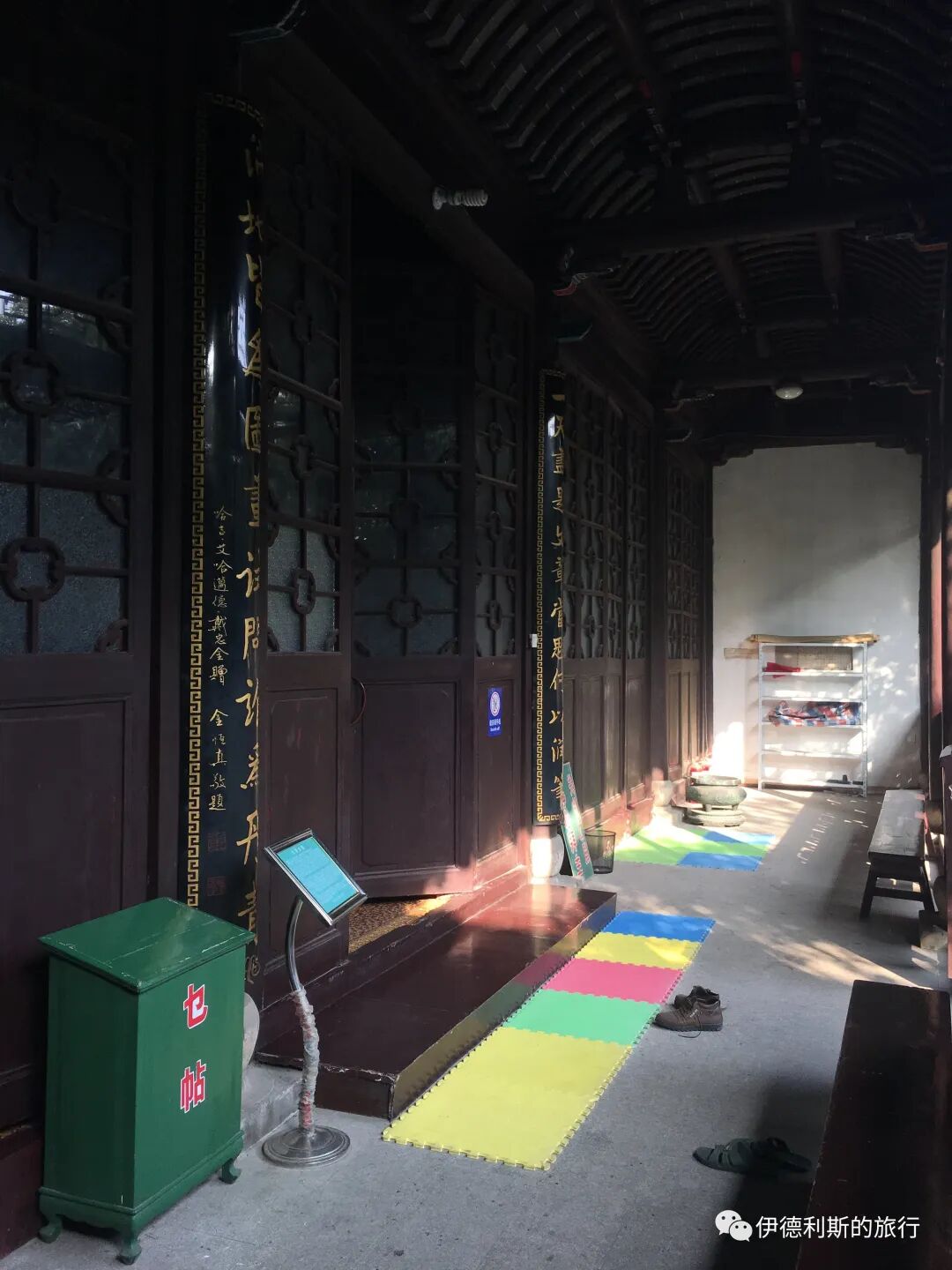
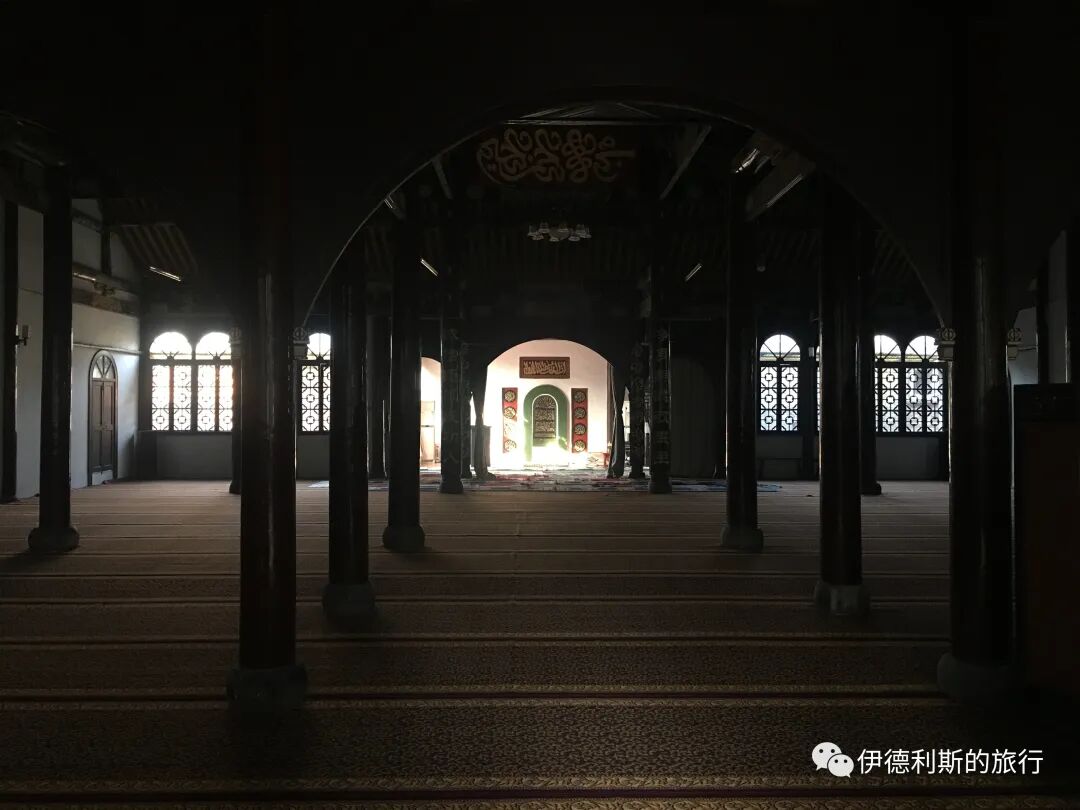
The water room of the Shan Lane Mosque was expanded in the early years of the Republic of China. At that time, a water pump was installed in the water room, operated by two people working up and down to draw water directly from a deep well into a large boiler. The water pump was designed and installed by a Hui Muslim named Ma Chengzhang, who was known as a foreign-style coppersmith or machine smith. His pump kept the water supply running normally even when hundreds of people used it during holidays. The bottom of the boiler had brick-lined smoke tunnels, commonly called earth dragons (dilong), covered with large square floor tiles. This kept the washroom as warm as spring in winter, a rare feature for mosques across the country at that time.
During the 1960s and 1970s, the Shanxiang Mosque was severely damaged. Scriptures, woodblock prints, plaques, couplets, furniture, decorations, and all sorts of cultural relics were destroyed. Two ginkgo trees in the main hall, both over 200 years old, were cut down in 1958 to support the Great Leap Forward steel production.
After the mosque was smashed, it was occupied by outside organizations, leaving only the side gatehouse guarded by an elderly man named Ma Zhonglin. During the Cultural Revolution, the occupying units tried to force Ma Zhonglin out with various excuses, but he refused every time and spent ten difficult years there. During those ten years, all the Hui Muslims in Zhenjiang used this gatehouse to store funeral supplies, hold and prepare the deceased, and perform religious ceremonies. At that time, the imams in Zhenjiang were afraid to come out to serve grieving families. Only Ma Zhonglin would wash the bodies, lead the namaz, and go to the burial site to recite dua. He also helped the community elders by slaughtering poultry for them in the gatehouse every morning.
In 1981, Ma Zhonglin passed away. After he passed away, Tan Quanhong and Zhang Dagui took turns slaughtering poultry for the elders in the side gatehouse every morning. That same year, the occupying units began to move out, and the Shanxiang Mosque was finally recovered.
Baba is a transliteration of a Persian word and is a respectful term Hui Muslims use for elders. It can also be written as baba, and in the Beijing area, it is pronounced as bǎ ba.
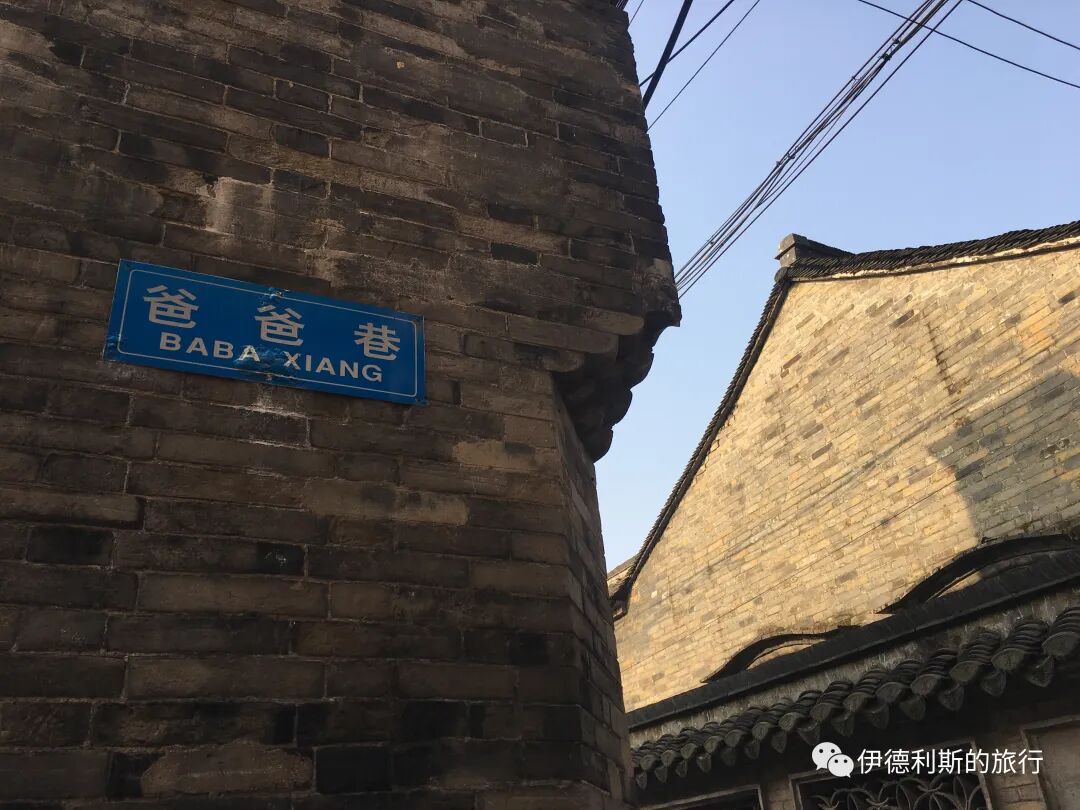
The Vanished Jianzi Lane Mosque
The Jianzi Lane Mosque was originally called the Gurun Mosque. It was first built on Fumin Street in Ren'an Ward and was a mosque in Zhenjiang during the Yuan Dynasty. According to the 1333 (the fourth year of the Zhishun reign of the Yuan Dynasty) Records of Zhishun Zhenjiang, there were 59 Hui Muslim households with 374 people in Zhenjiang during the Yuan Dynasty. The famous Yuan Dynasty Hui Muslim poet Sa Dula served as a darughachi (a seal-holding administrator) for the Zhenjiang Circuit for three years starting in 1328 (the first year of the Tianli reign). According to the Guangxu edition of the Dantu County Gazetteer, Sa Dula did many good deeds in Zhenjiang, such as stabilizing prices, opening granaries to help the people, curbing powerful servants, and breaking down superstitions. In 1326, a Hui Muslim scholar named Jamal al-Din, who had passed the provincial civil service exams, served as a professor at the Zhenjiang Road Confucian School. This was the highest educational position at the time.
The ancient Gurun Mosque was destroyed between the end of the Yuan Dynasty and the beginning of the Ming Dynasty. It was rebuilt during the Hongwu reign of the Ming Dynasty and moved to Jianzi Lane inside the city in 1602. From then on, it was called the Jianzi Lane Mosque. It was renovated three times in 1850, 1904, and 1909.
In 1958, a knitting factory and a color printing factory took over the Jianzi Lane Mosque. Between the 1970s and the early 1980s, the printing factory demolished the main prayer hall, the assembly hall, and the ablution room to build factory buildings. The stone tablet titled Record of the Gurun Mosque, written in 1620 by the scholar Li Yiyang, was used to mix cement, which ruined the inscriptions. The calligraphy on the Wanli-era renovation tablet was written by Ma Zhiqi, a Hui Muslim from Xinye, Henan. Ma Zhiqi was the runner-up in the 1610 imperial examinations and was skilled in poetry and calligraphy. Between the Wanli and Chongzhen reigns, he wrote renovation records for the Xiaopiyuan Mosque in Xi'an, Shaanxi, the Datong Mosque in Shanxi, the Jinshifang Street Mosque in Beijing, and the Chengguan Mosque in Wudu, Gansu. In 1982, the Zhenjiang Islamic Association repaired the stone tablet and moved it to the Shanxiang Mosque, where it was finally preserved.
The printing factory occupying the mosque did not leave until 1993. In 1994, the Islamic Association regained ownership of the Jianzi Lane Mosque. In 2005, when Zhenjiang built the First Building commercial pedestrian street, the Jianzi Lane Mosque was completely demolished. A new Gurun Mosque was built on Xuefu Road. The Wanli-era renovation tablet, an ancient well railing, and three Qing Dynasty renovation tablets from the original Jianzi Lane Mosque were placed in the courtyard for safekeeping.
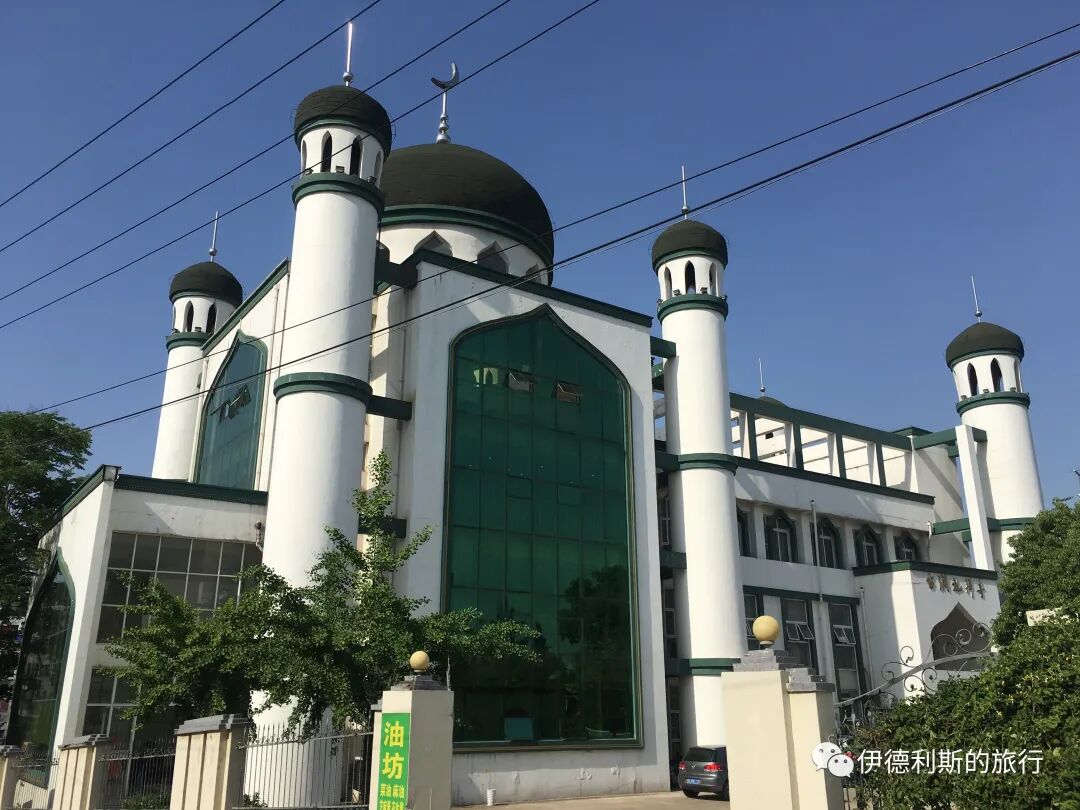
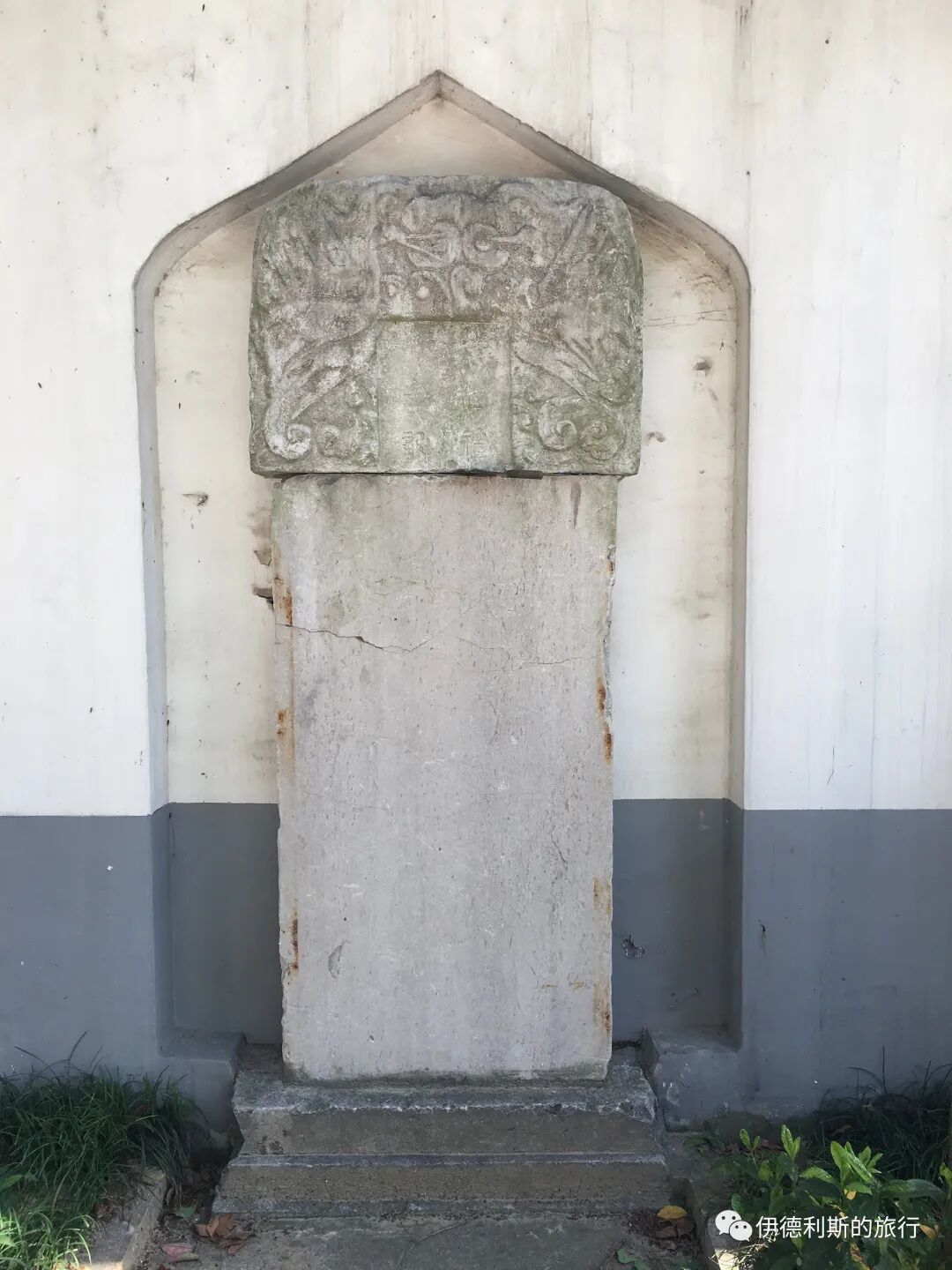
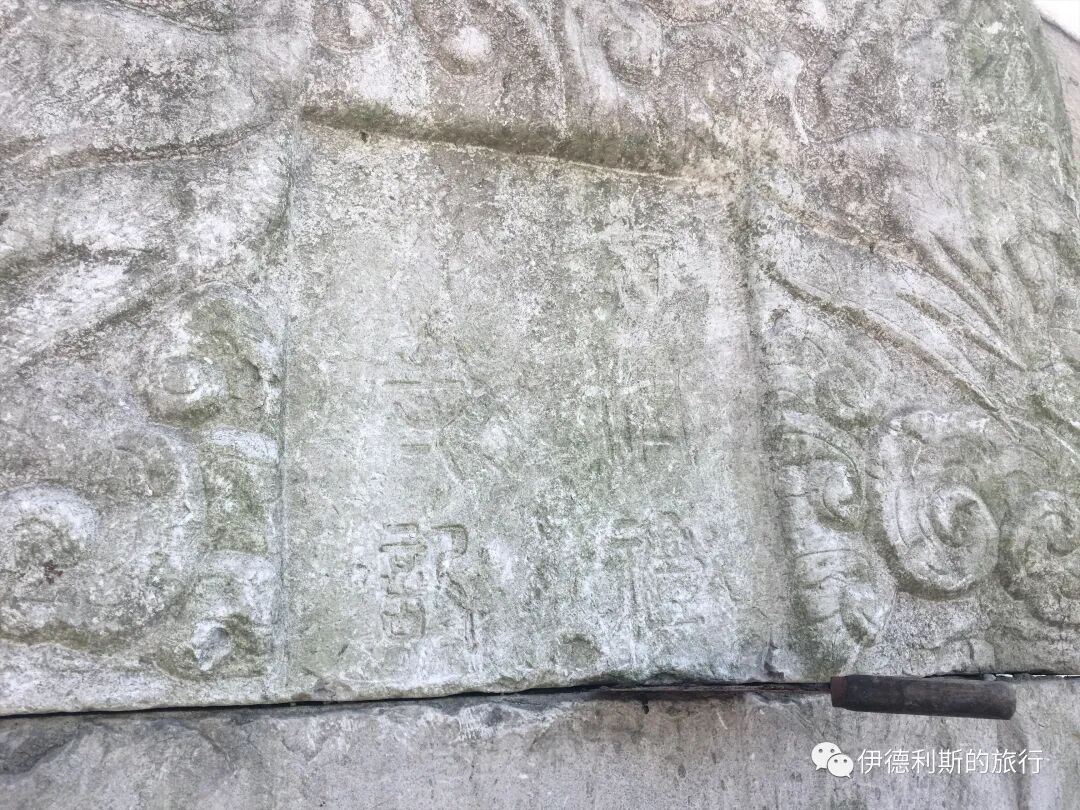
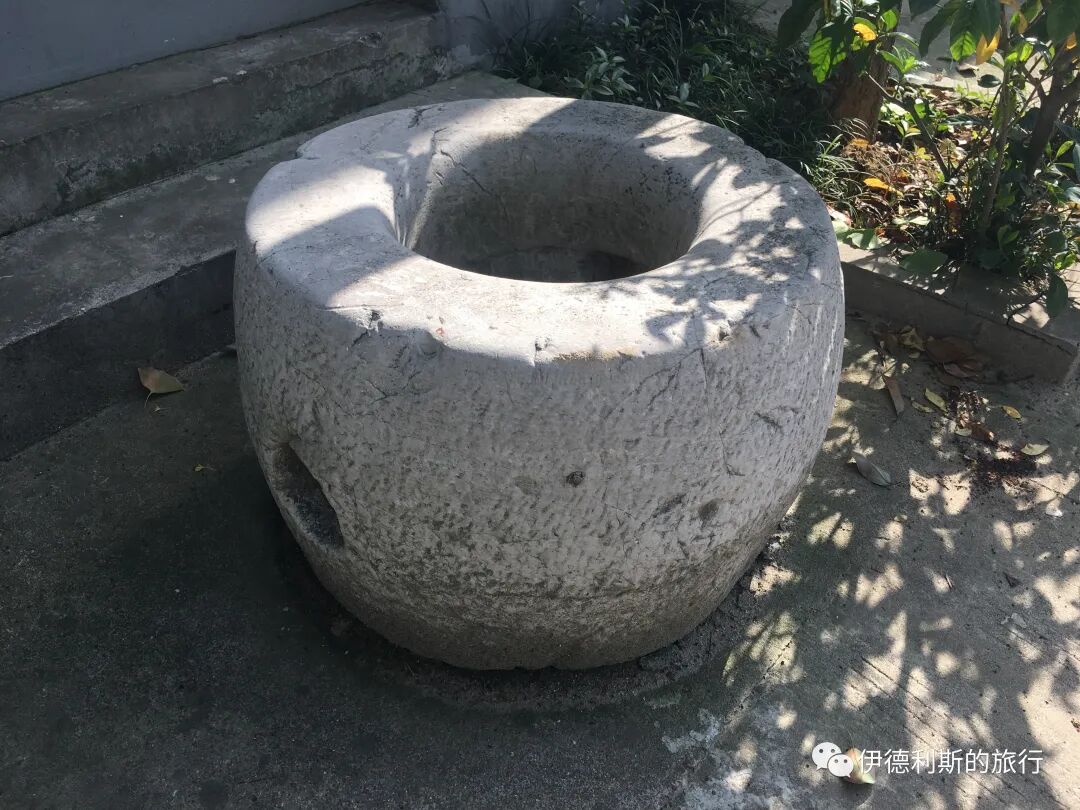
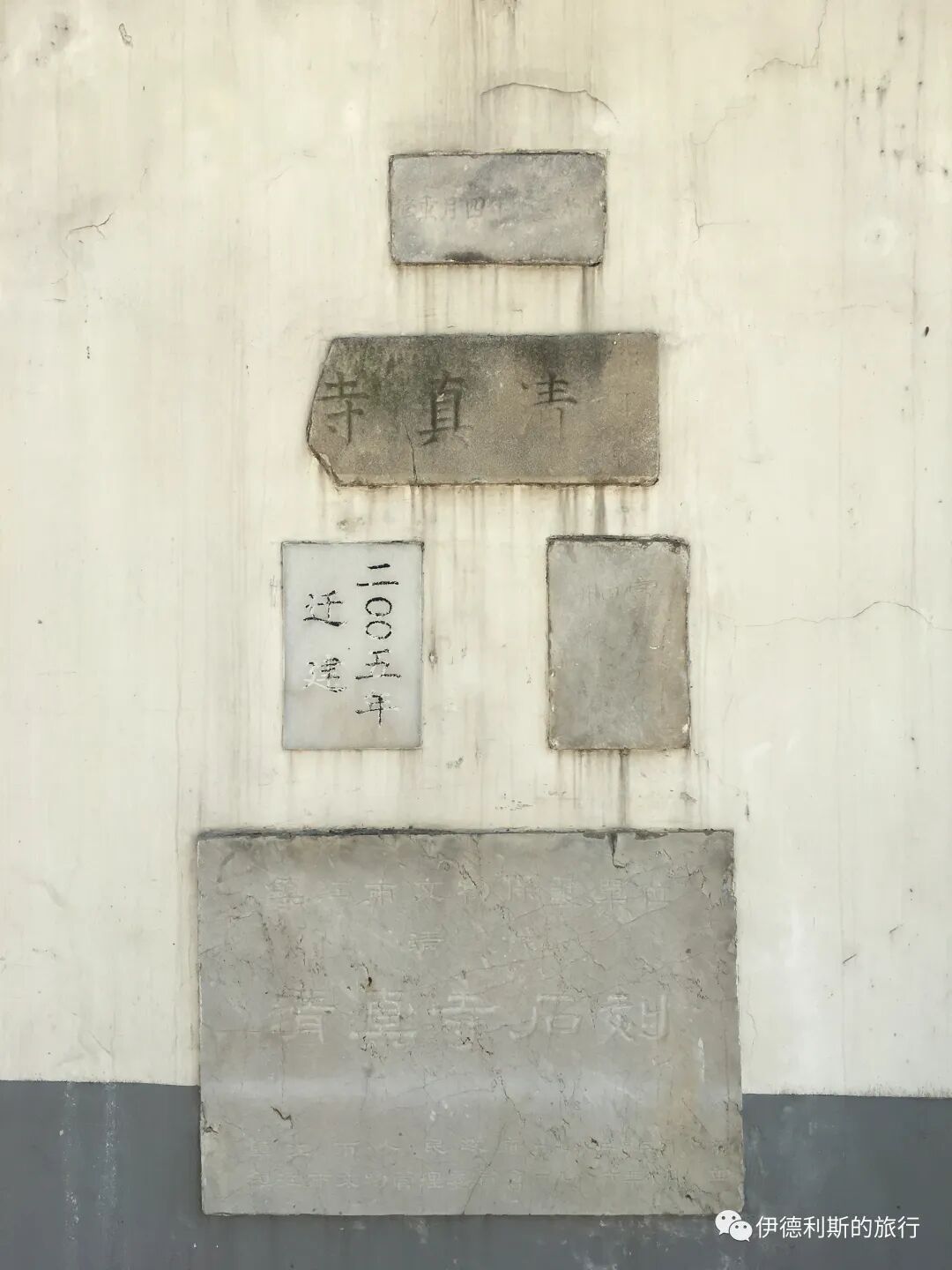
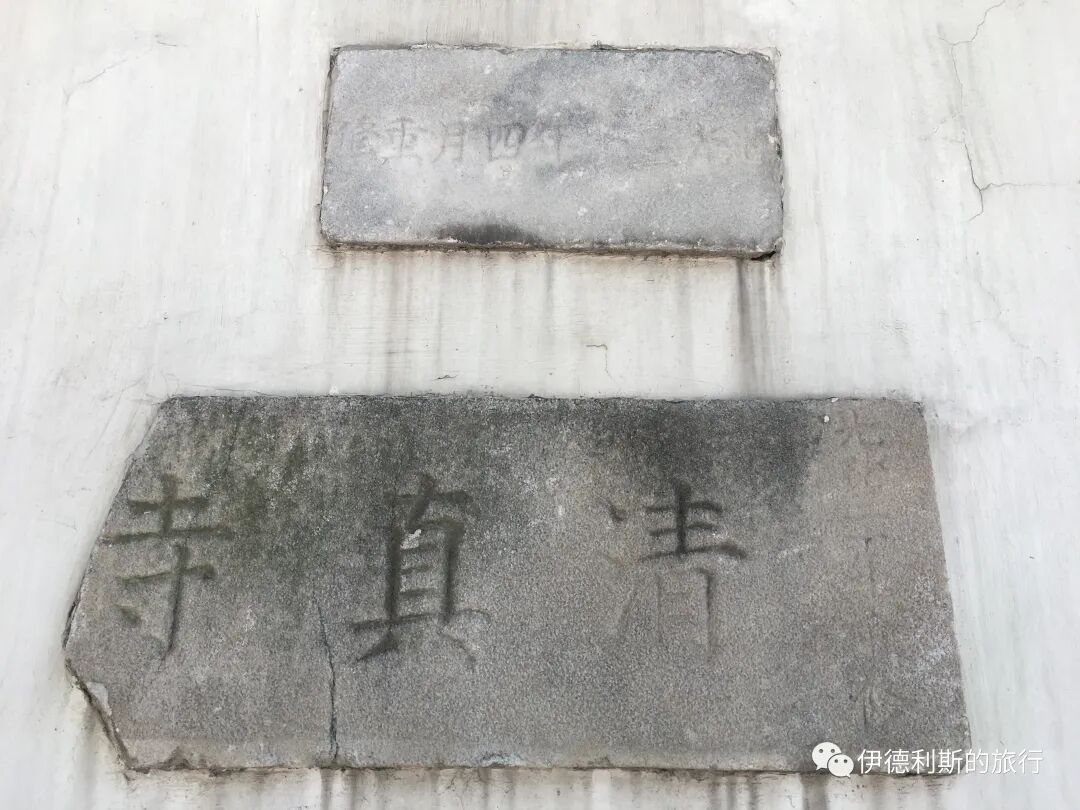
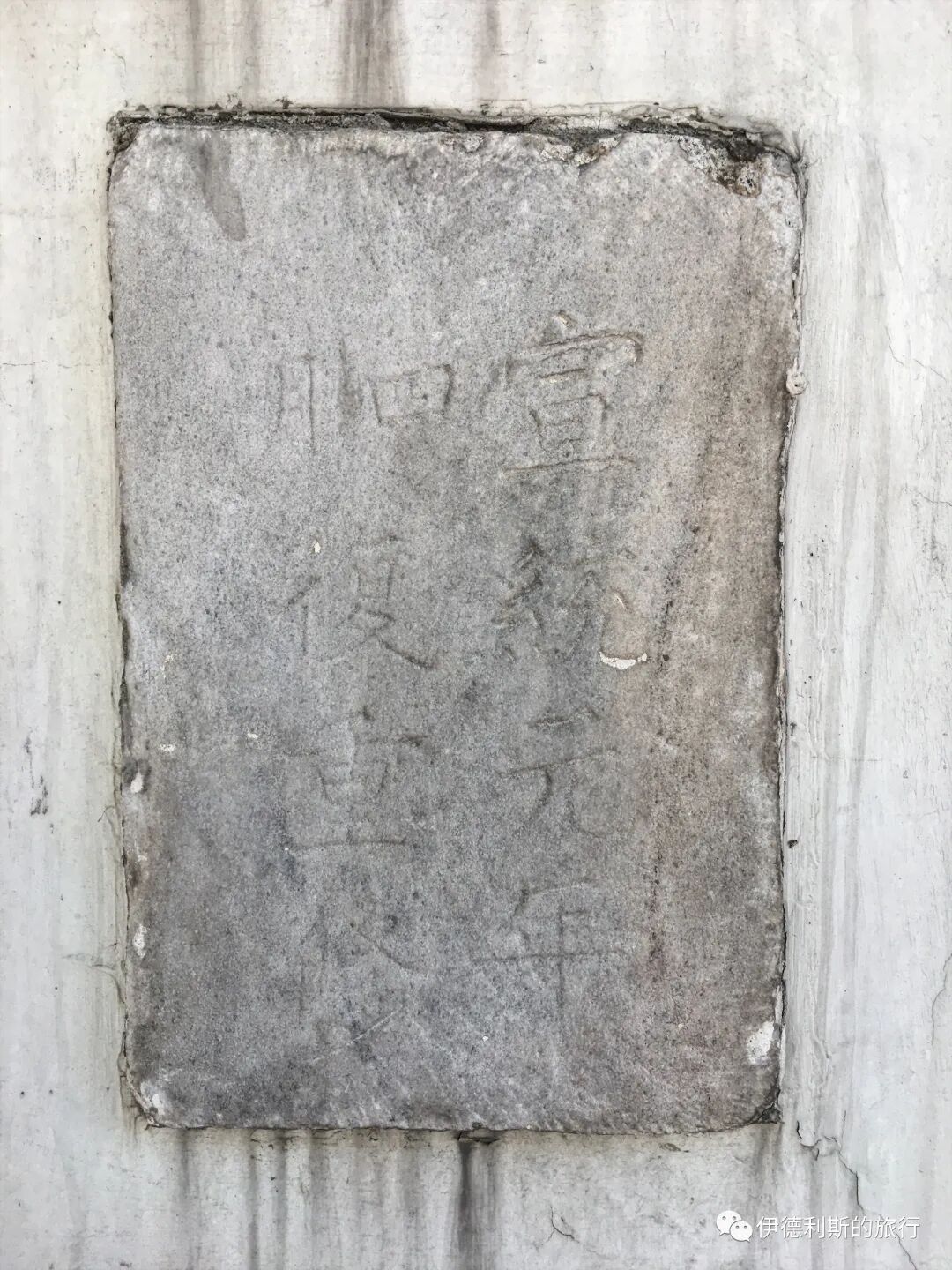
to the relics from the Jianzi Lane Mosque, the Gurun Mosque also houses the mihrab tablet from the kiln hall of the mosque outside the South Gate of Zhenjiang.
The mosque outside the South Gate of Zhenjiang was located at the east end of Miaojia Lane. It is believed to have been built in the early Qing Dynasty and was an east-facing courtyard house. Across from the mosque gate stood a row of tall elm trees that provided dense shade. The prayer hall and the opposite hall both had three bays. Tall ginkgo trees stood on both sides in front of the hall. To the south were guest rooms, and to the north were the ablution room, kitchen, and storage room.
In the early 20th century, the imam of the South Gate Mosque was an imam named Ma from Henan. In the early 1920s, he was hired by Muslims in Shou County, Anhui, and Imam Wan Shourong succeeded him as the leader of the South Gate Mosque. Daily affairs at the mosque were managed by Jin Zhiguang from the Xinchangheng fabric store and Xia Songfu, the father of Xia Rongguang. During the Republic of China era, the firewood and rice market outside the South Gate was very busy, and more than 50 Hui Muslim families lived there.
In 1937, the South Gate Mosque was destroyed by war. The mihrab tablet from the kiln hall was kept in the home of Hua Baoren next to the mosque until it was moved to the Gurun Mosque in 2005.
The lotus-shaped Arabic script on the stone tablet is the Basmala (tasimi). The middle section contains verse 163 of the Cow Chapter (Surah Al-Baqarah), and the diamond-shaped carving at the bottom is in Arabic Kufic calligraphy, which reads: Prostrate yourselves and worship your Lord.
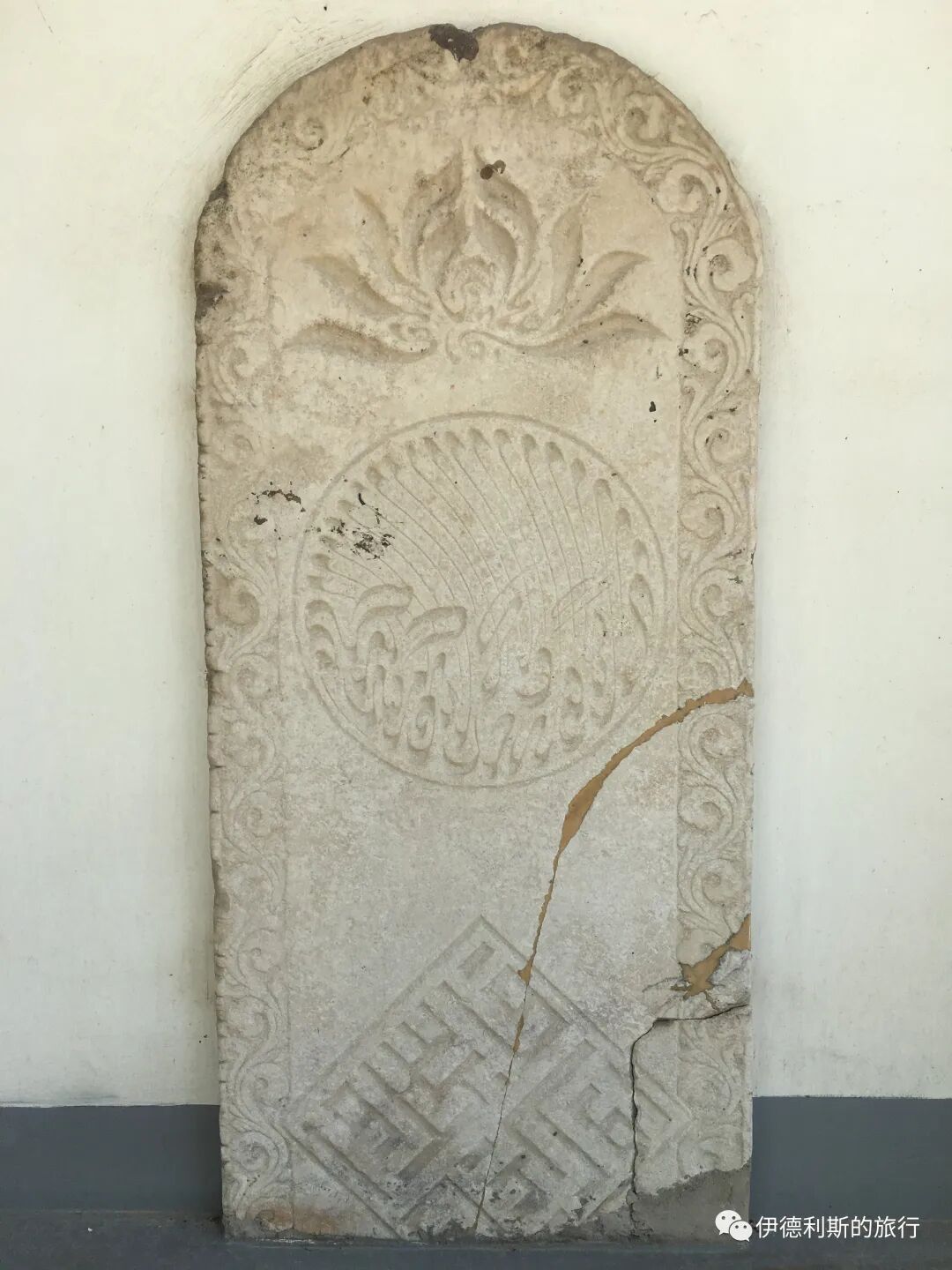
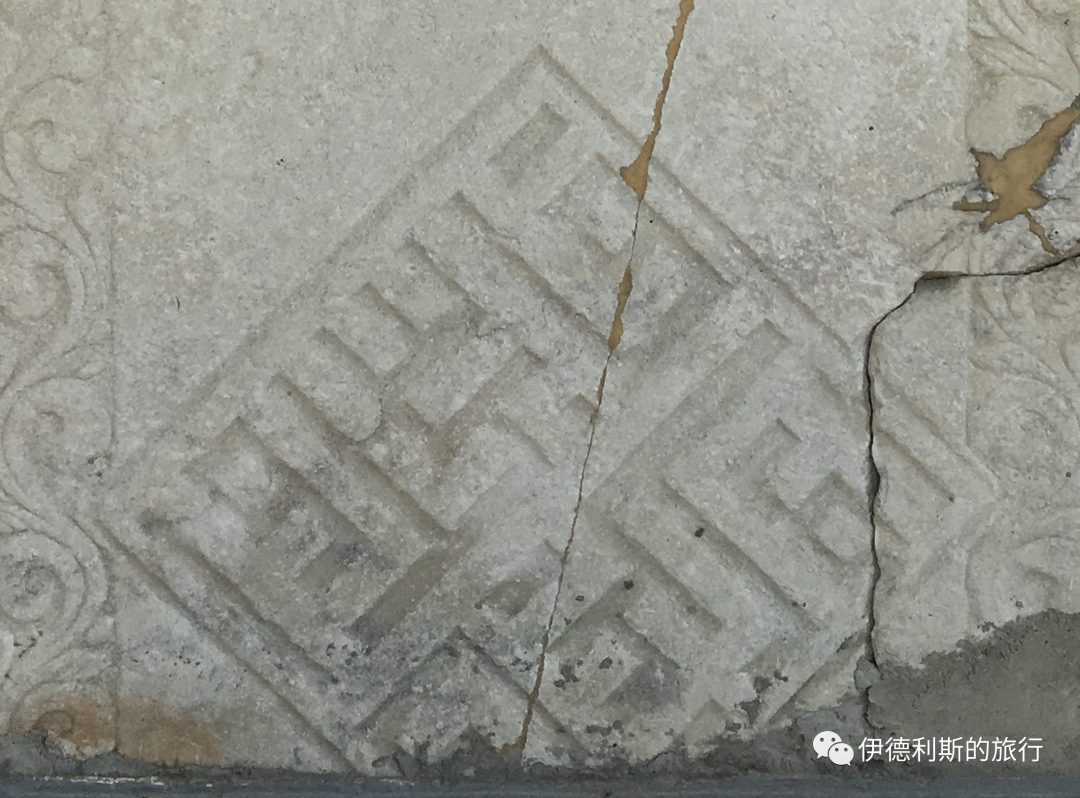
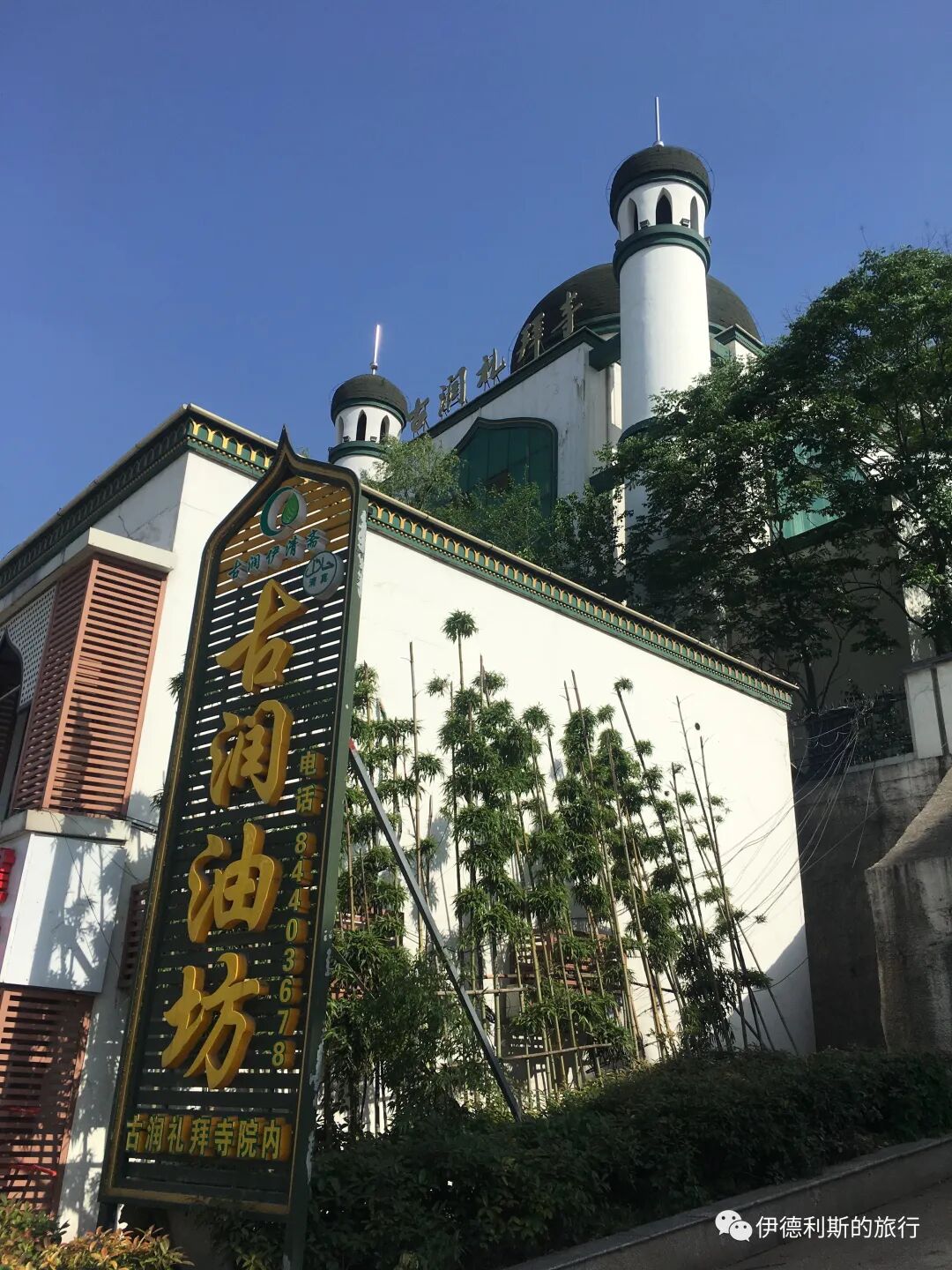
Besides the previously mentioned Xinhe Street Mosque, Shanxiang Mosque, Jianzi Lane Mosque, and the mosque outside the South Gate, Zhenjiang once had another mosque called Paiwan Mosque, built by Hui Muslims from Shou County, Anhui, at Niupipo. The founder of Paiwan Mosque was Zhu Huaisen, a famous Hui Muslim military officer from Shou County.
Zhu Huaisen practiced martial arts from childhood. After joining the army, he fought against the Taiping Rebellion and the Nian Rebellion in the Jianghuai region. He was very brave and often fought while wounded. During the siege of Luzhou (Hefei), he was the first to climb the city wall. He also participated in the recapture of Wuwei Prefecture, Dongguankou, Chao County, Quanjiao, and Chuzhou, earning him the title of Shangyong Baturu. After the Taiping Rebellion failed, Zhu Huaisen was transferred to Jinling (Nanjing) in 1869 (the eighth year of the Tongzhi reign) to command the new troops of the Governor's Guard. In 1876 (the second year of the Guangxu reign), Zhu Huaisen was promoted to Commander-in-Chief (zongbing) of the Huaiyang Town in Jiangnan, and in 1882 (the eighth year of the Guangxu reign), he became the Commander-in-Chief of the Jiujiang Town in Jiangxi.
The front hall and back prayer hall of Paiwan Mosque both had three rooms. The inner room of the north wing was the ablution room (shuifang), and the outer room was for funeral services. The main gate was on the south side, and a stone plaque with the words "Qingzhen" (meaning halal or pure) was embedded in the gate wall. Usually, the imam of Paiwan Mosque stayed at Shanxiang Mosque and only went to Paiwan Mosque to lead the prayer on Fridays (Jumu'ah). When something came up, the mosque administrators would go to Shanxiang Mosque to invite them, so Paiwan Mosque was also called the Small Mosque.
During the Qing Dynasty and the Republic of China, Hui Muslims from Shou County in Zhenjiang mainly worked in the salt industry, with surnames including Tao, Bian, Shan, Zhao, and Zhu. After 1953, private salt merchants disappeared, and most of the Shou County Hui Muslims returned to their hometowns, while a few changed jobs to farming or labor. The population decreased significantly, so after the 1950s, Paiwan Mosque merged with Shanxiang Mosque. The mosque building was converted into a residence and was occupied by the family of the last imam, Yang Dezhen.
Although Jianzi Lane Mosque has disappeared, the Hui Muslims who once lived around the mosque have not. There are still the most halal restaurants in Zhenjiang around Jianzi Lane, and I will introduce them to you one by one below.
Yong'an Road Snack Street
Yong'an Road is not far south of Jianzi Lane. The street is lively and full of snacks, and there are five halal restaurants.
Hualiji is a family of halal butchers in Zhenjiang. They have passed down their trade for six generations since the Daoguang reign, and they moved from the Zhenjiang Mosque to Yong'an Road in 2002. I ate beef tripe vermicelli soup and beef noodles at Hualiji. The soup was slightly sweet and very refreshing, the tripe was especially chewy, and the chili was very satisfying. In short, the taste is very different from northern halal food and has its own unique style.
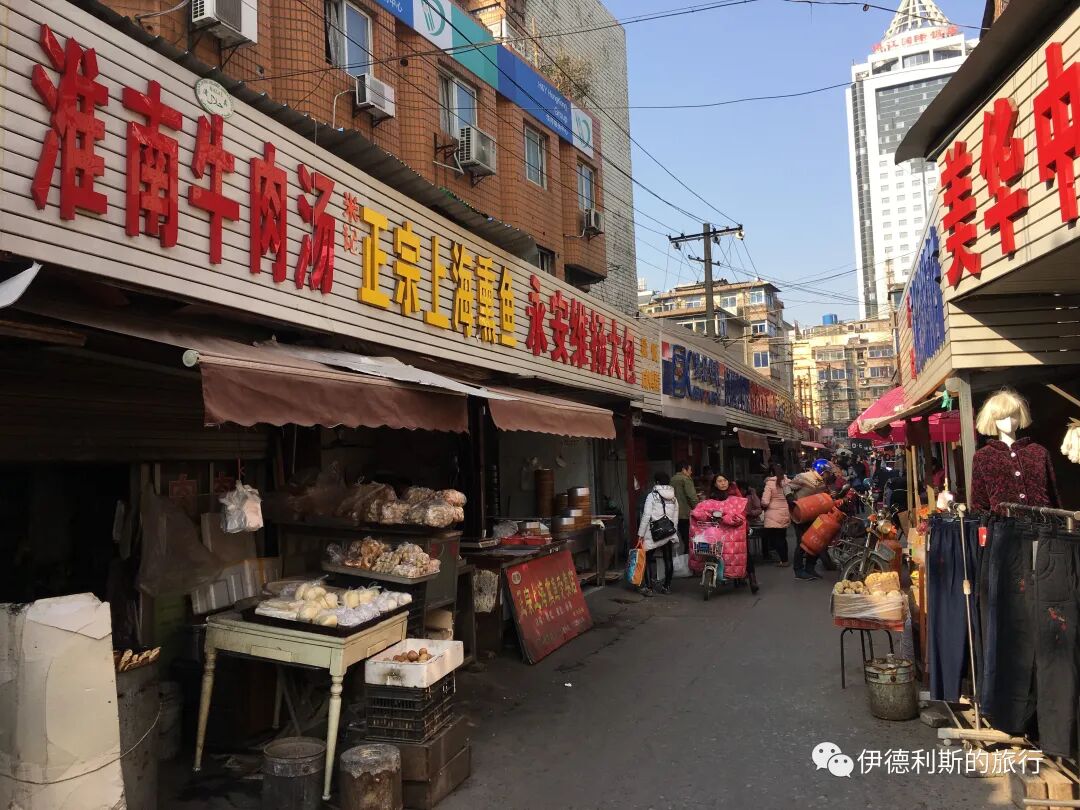
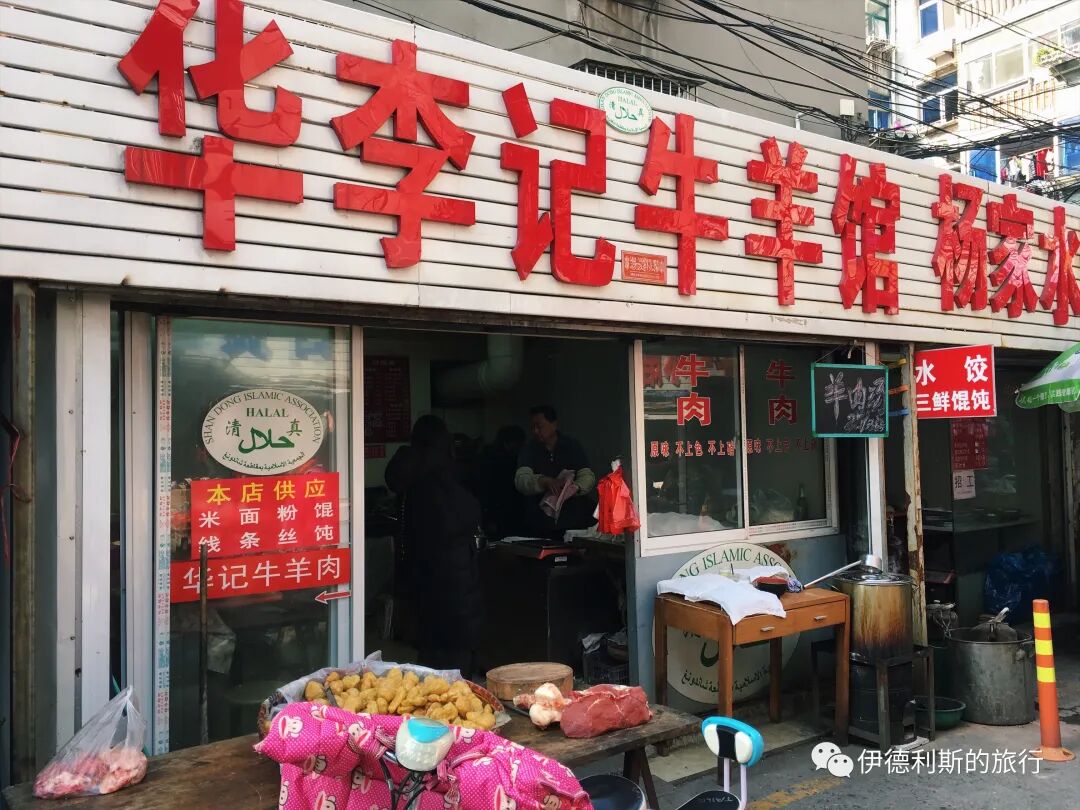
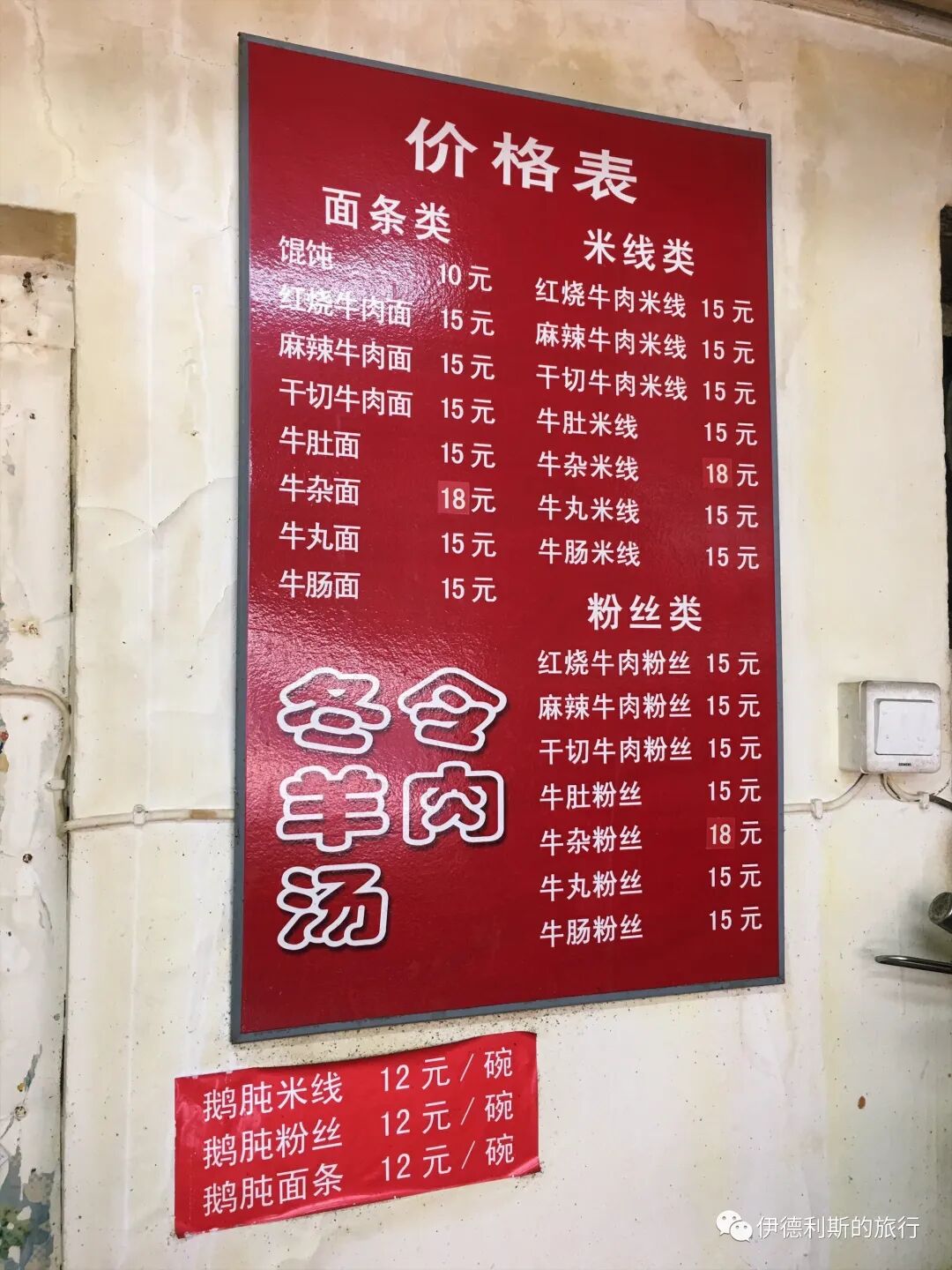
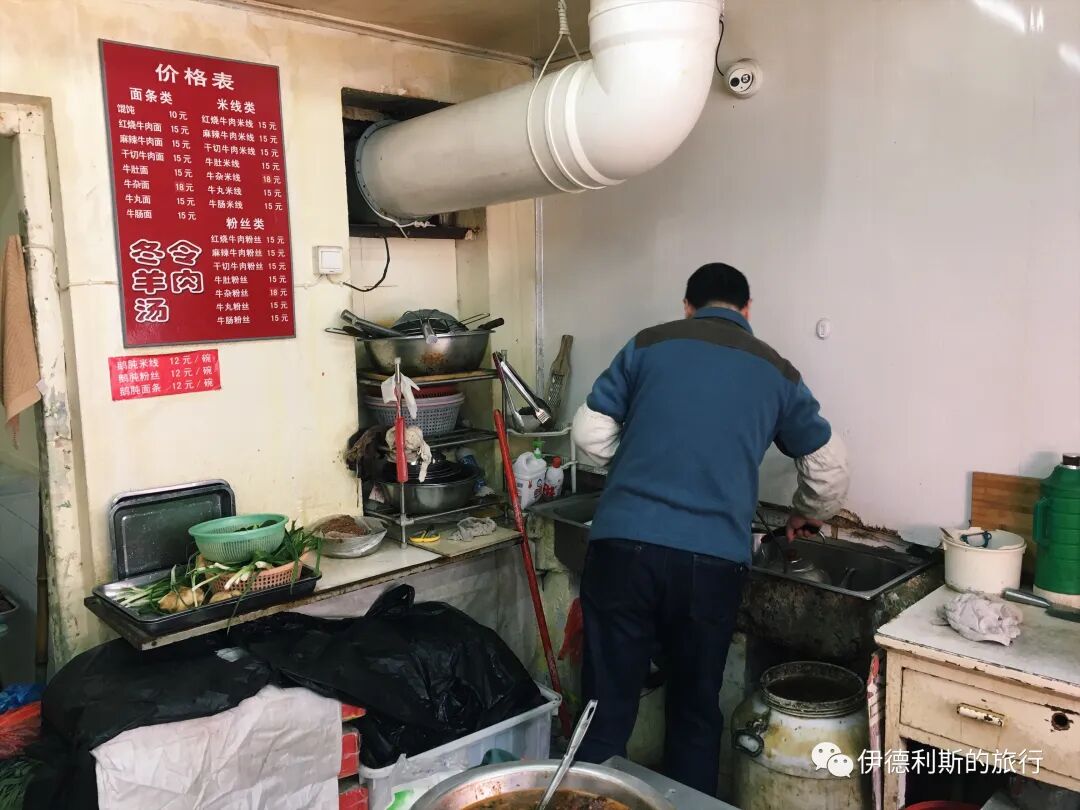
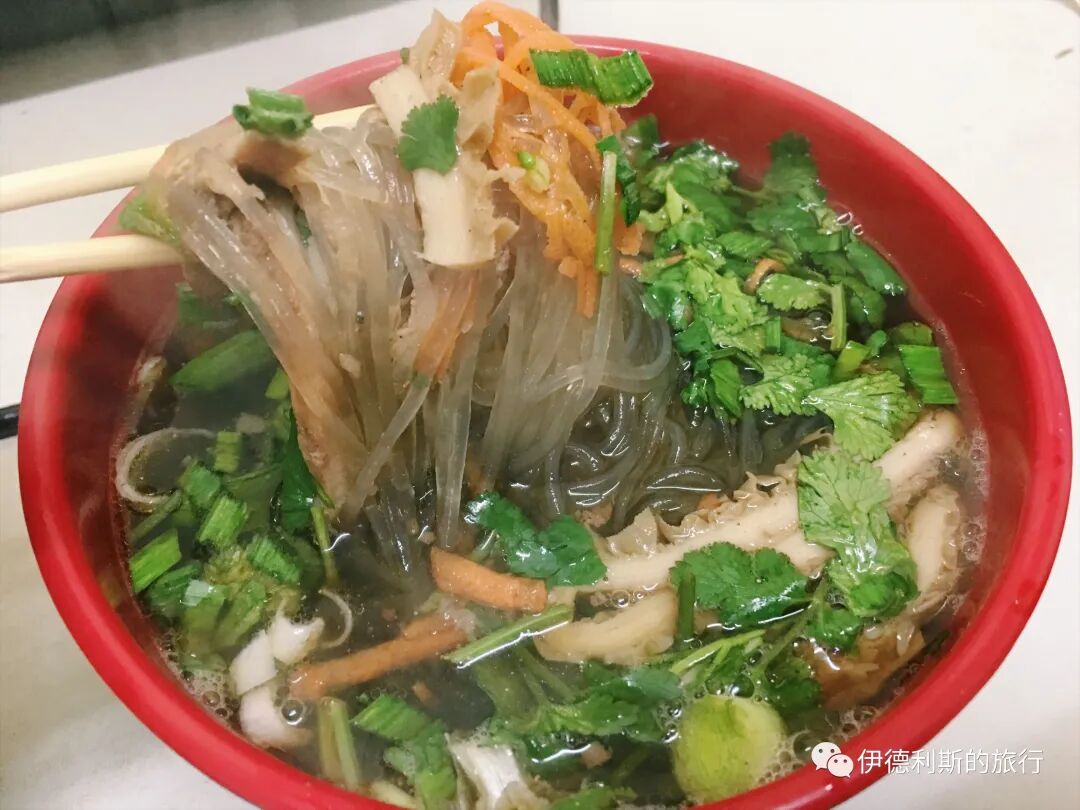
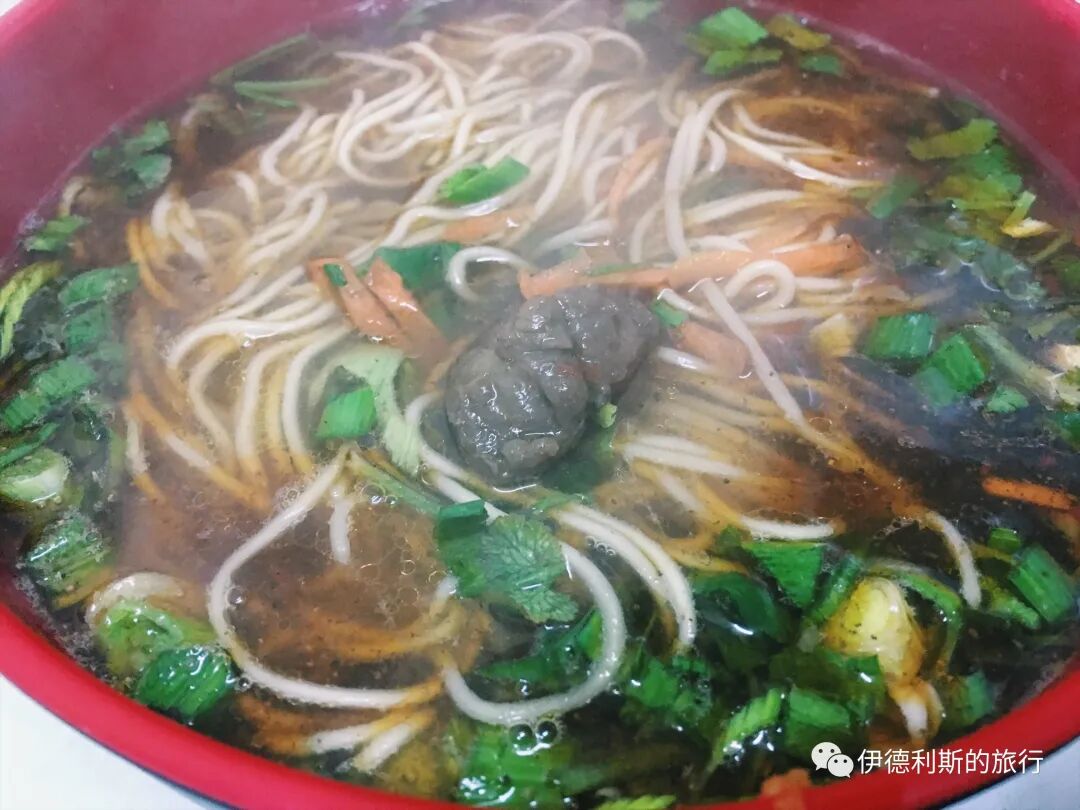
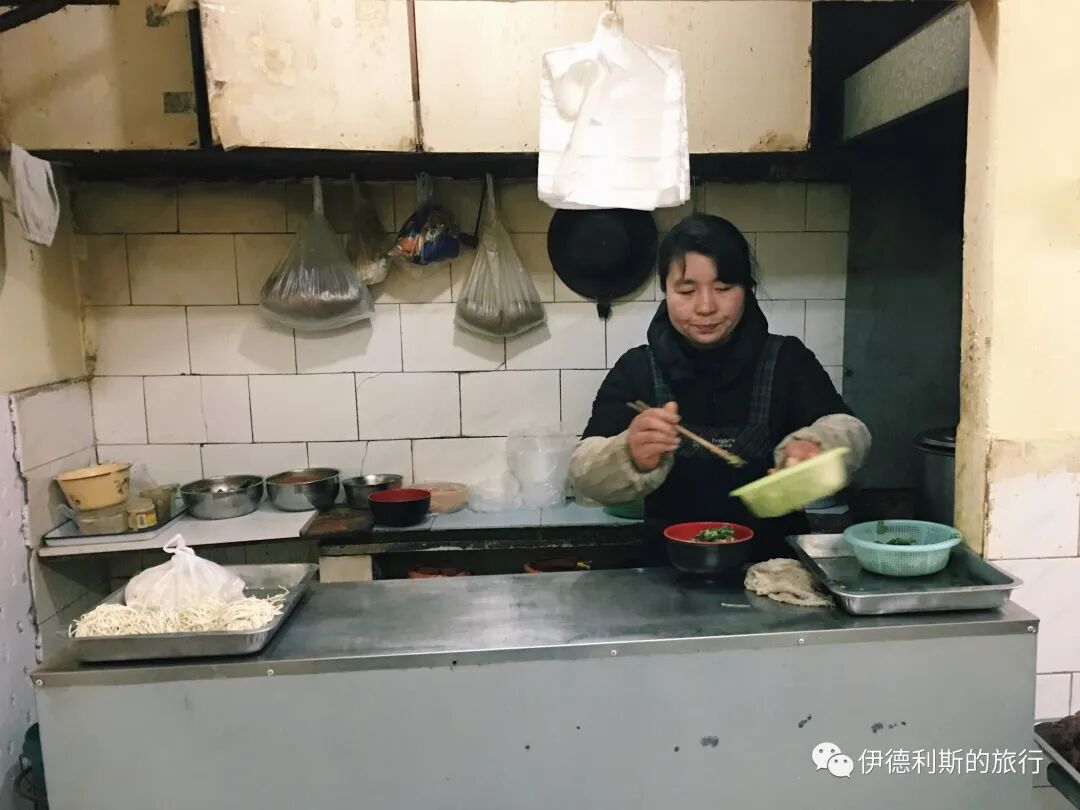
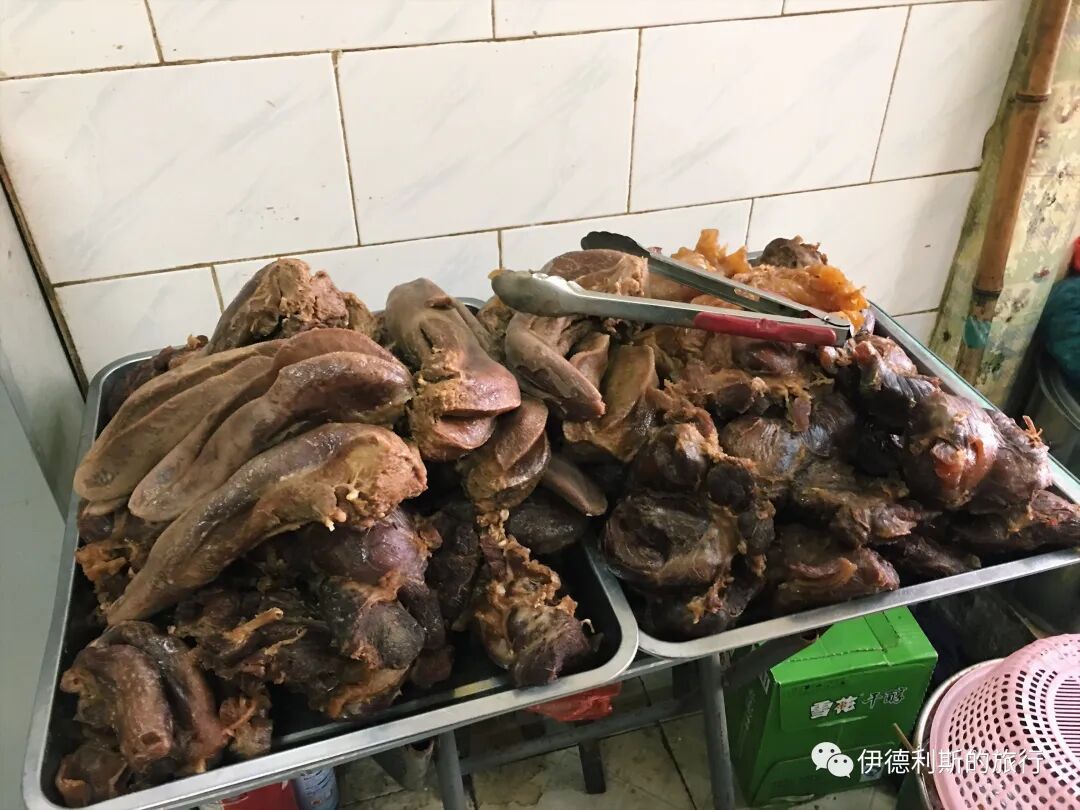
Besides the best-tasting Huali Ji, I also had beef offal vermicelli soup at Yangji Yellow Beef. The offal includes beef, beef tendon, and beef tripe. It still has that typical Jiangnan slightly sweet taste. The tendon and tripe were super delicious, but the beef was a bit like the style at Yueshengzhai and not quite as good.
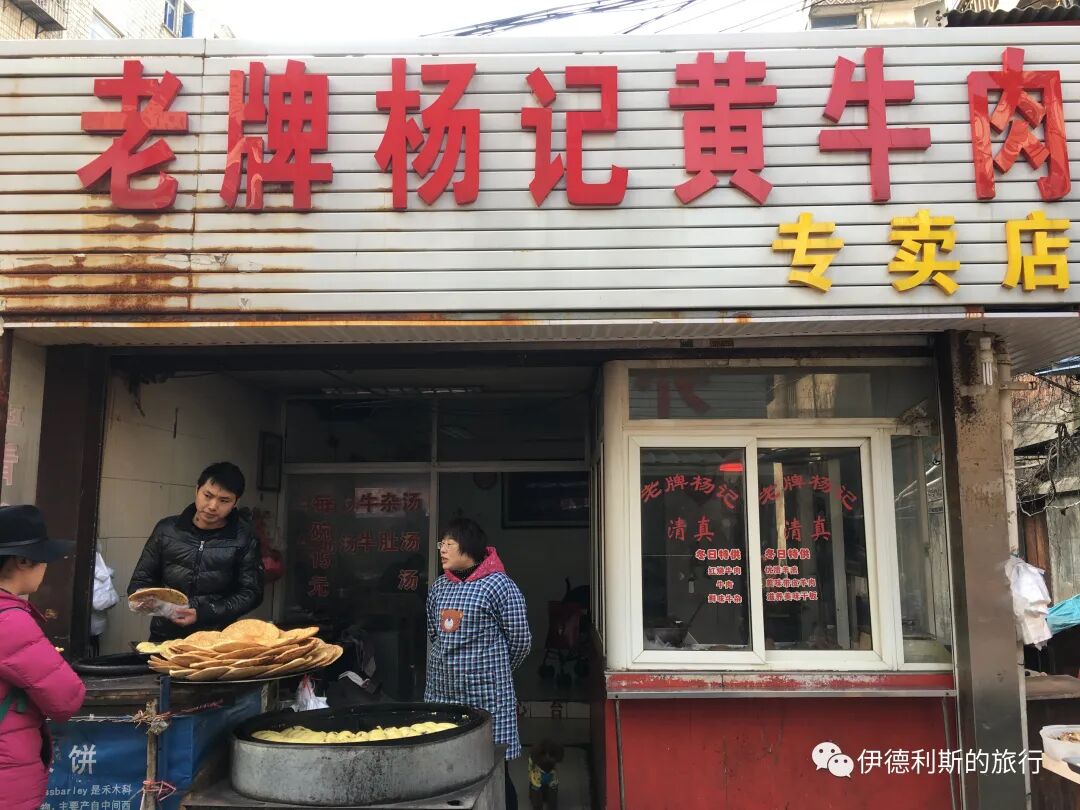
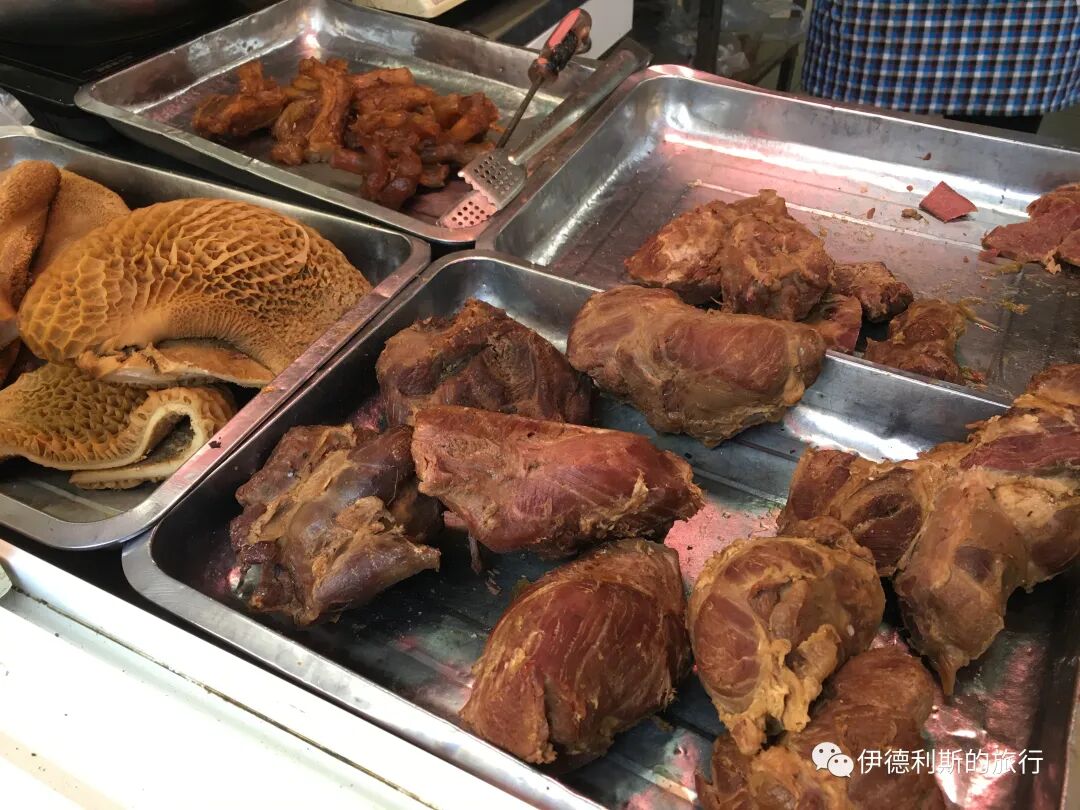
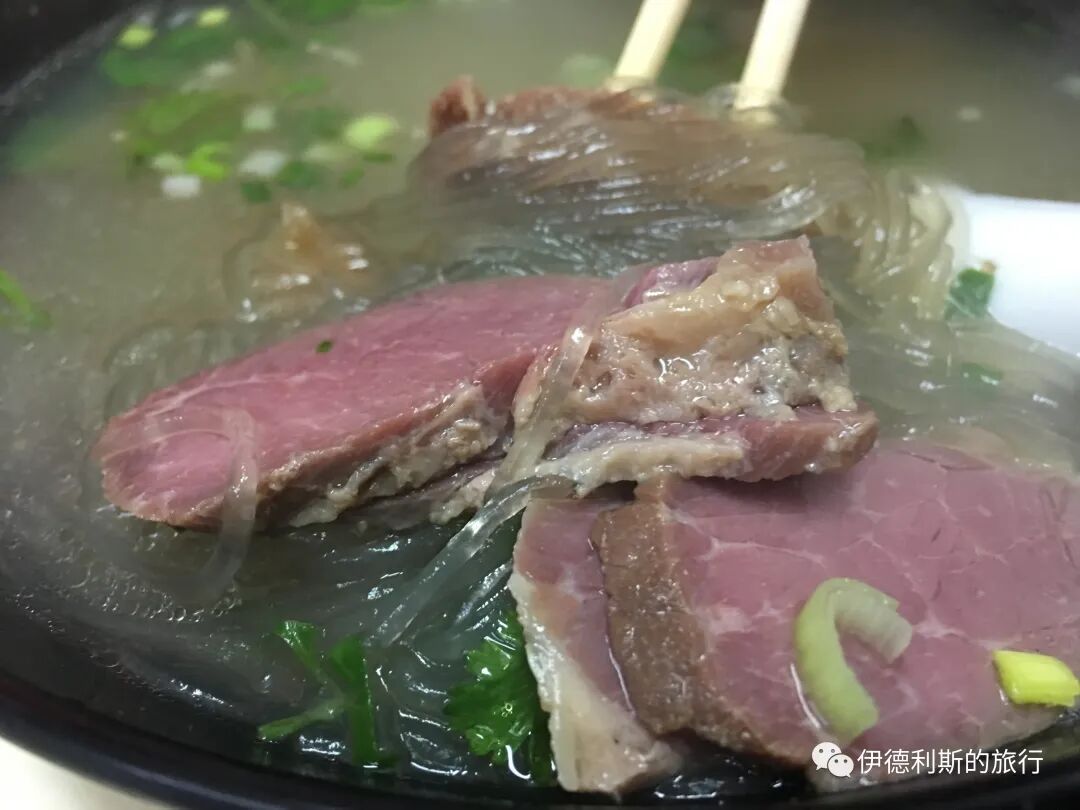
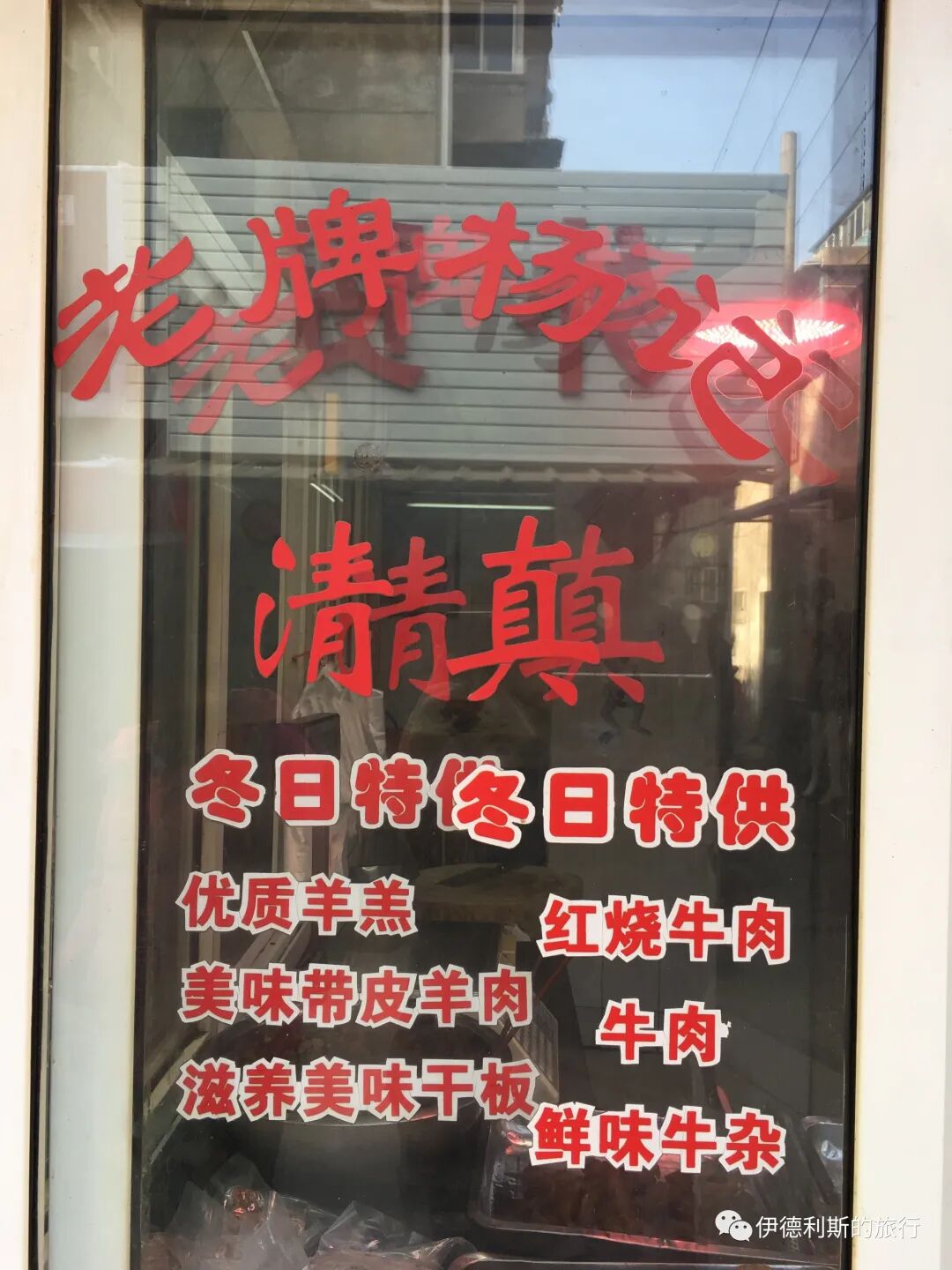
I had snow dumplings (xuejiao) at Bianji Snacks. Eating fried food always makes me happy.
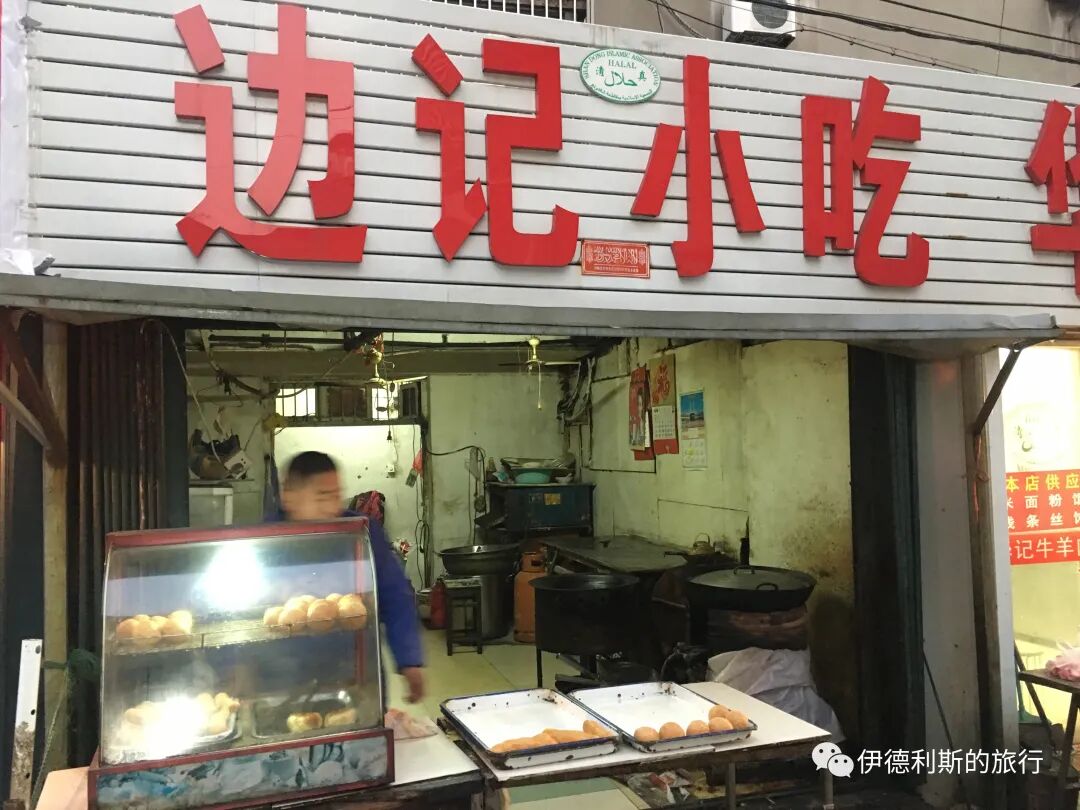
North of Jianzi Lane, in a small alley between Wangu Yiren Road and Qianqiuqiao Street, is Yang Dahai Steamed Bun Shop. They specialize in leavened dough buns, which are different from the unleavened ones common around here. We had shrimp and sticky rice buns, beef wontons, and dried tofu noodles. Everything had a slightly sweet taste, and the noodle soup was very Jiangnan. It only cost us thirteen yuan to get full, which was quite a bargain.
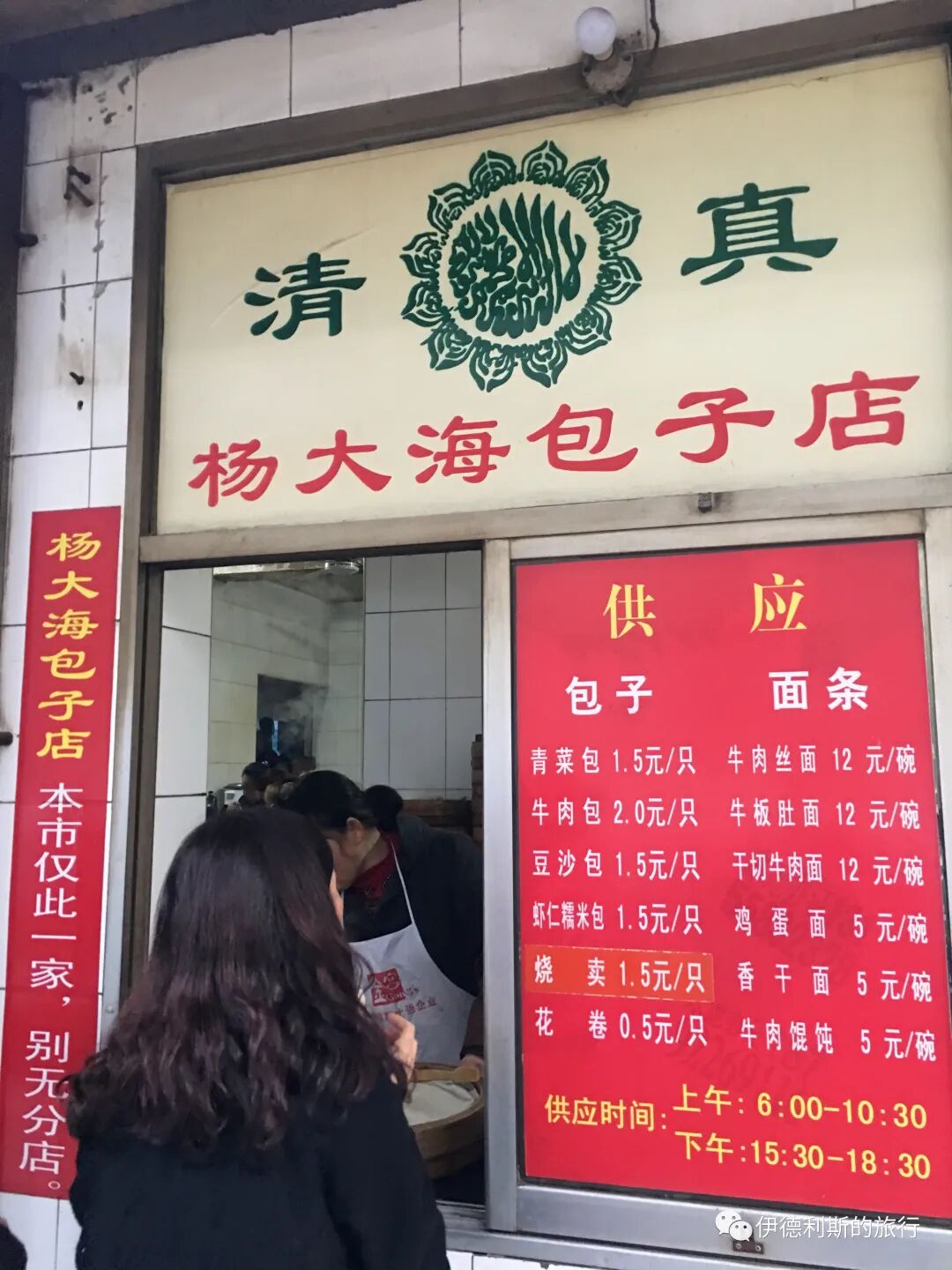
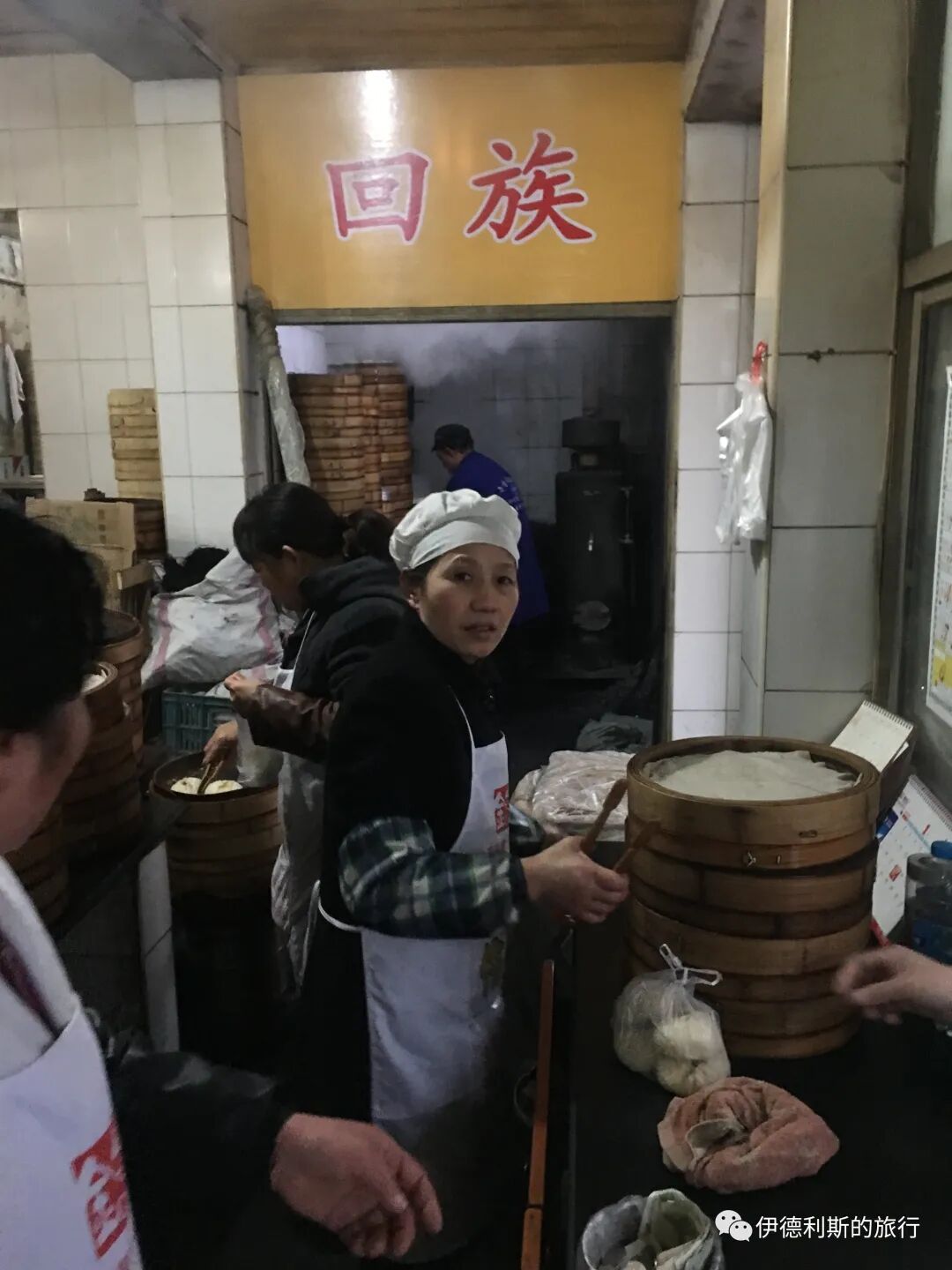
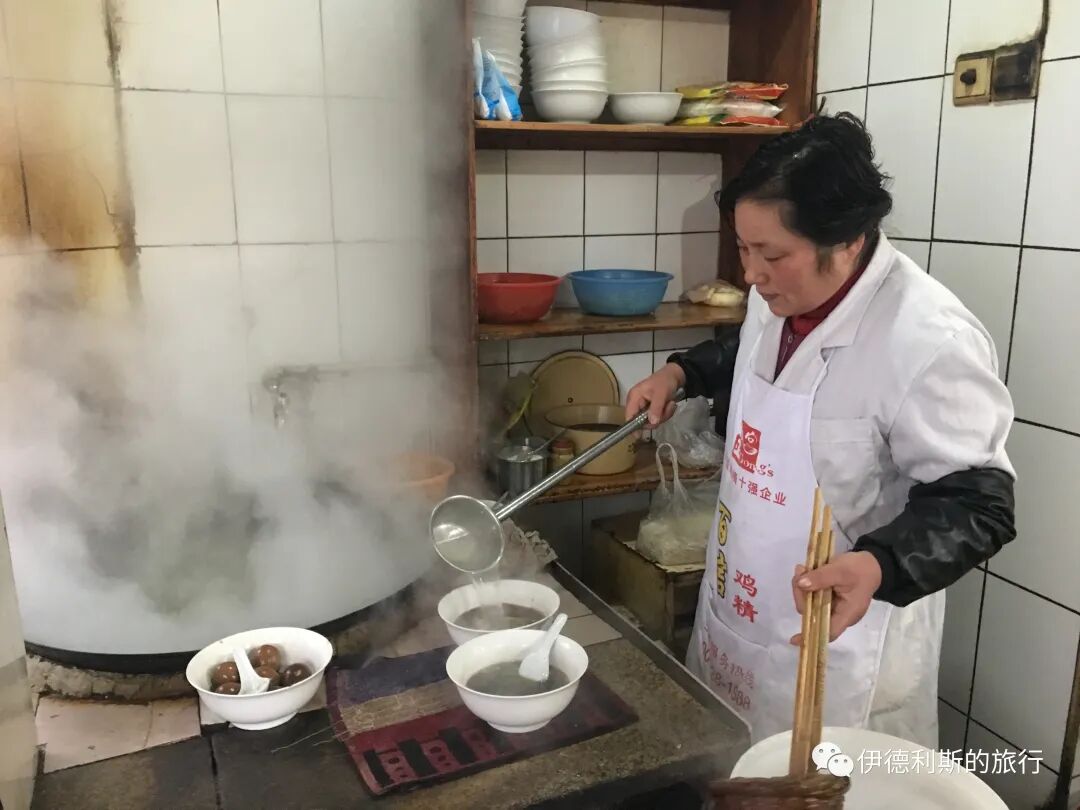
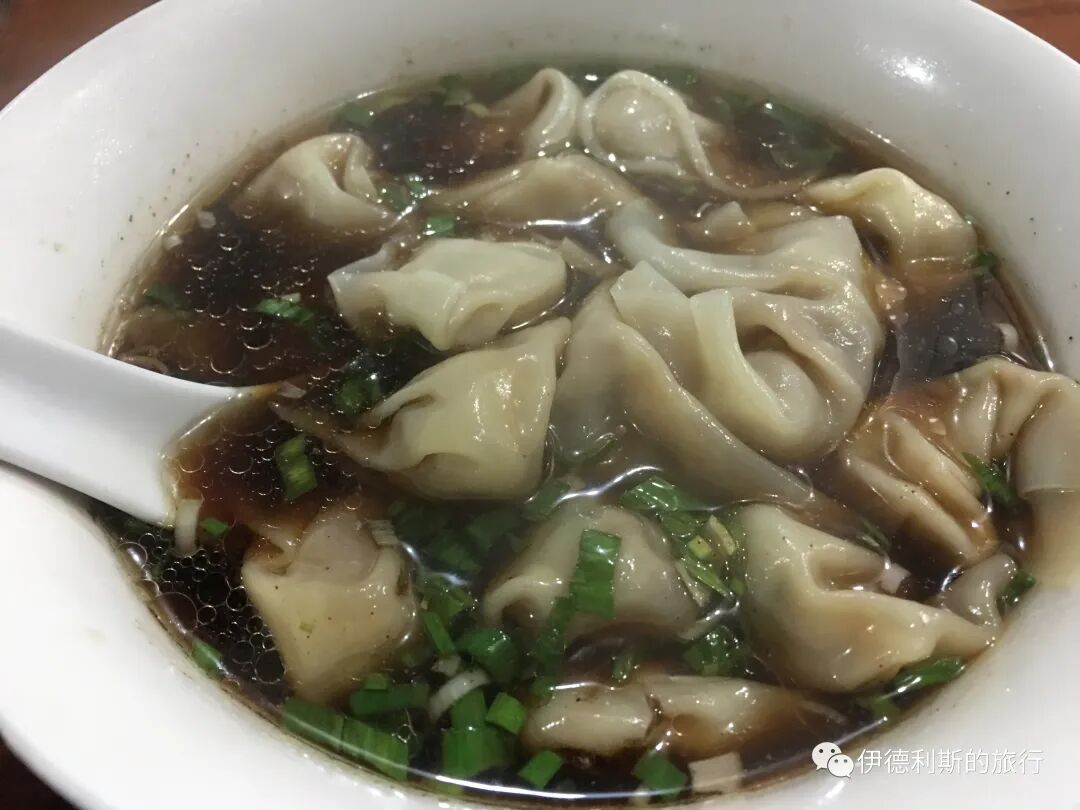
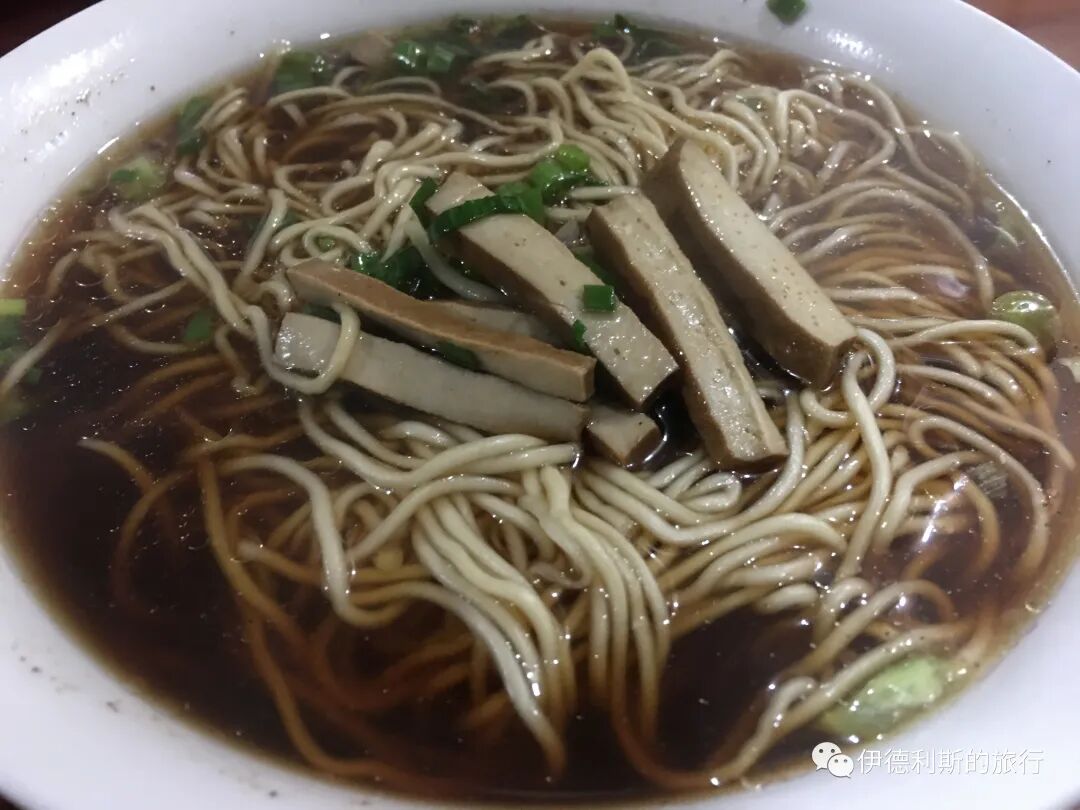
Muyuan Ethnic Restaurant
Muyuan Ethnic Restaurant is the only halal stir-fry restaurant in Zhenjiang. We ate asparagus, shredded beef with water bamboo (jiaobai), and steamed river whitefish here. The asparagus was crisp and refreshing, and the shredded beef with water bamboo went perfectly with rice. The water bamboo was sweet. The whitefish was incredibly fresh and the meat was so tender it felt like it melted in my mouth. The fish skin was also delicious.
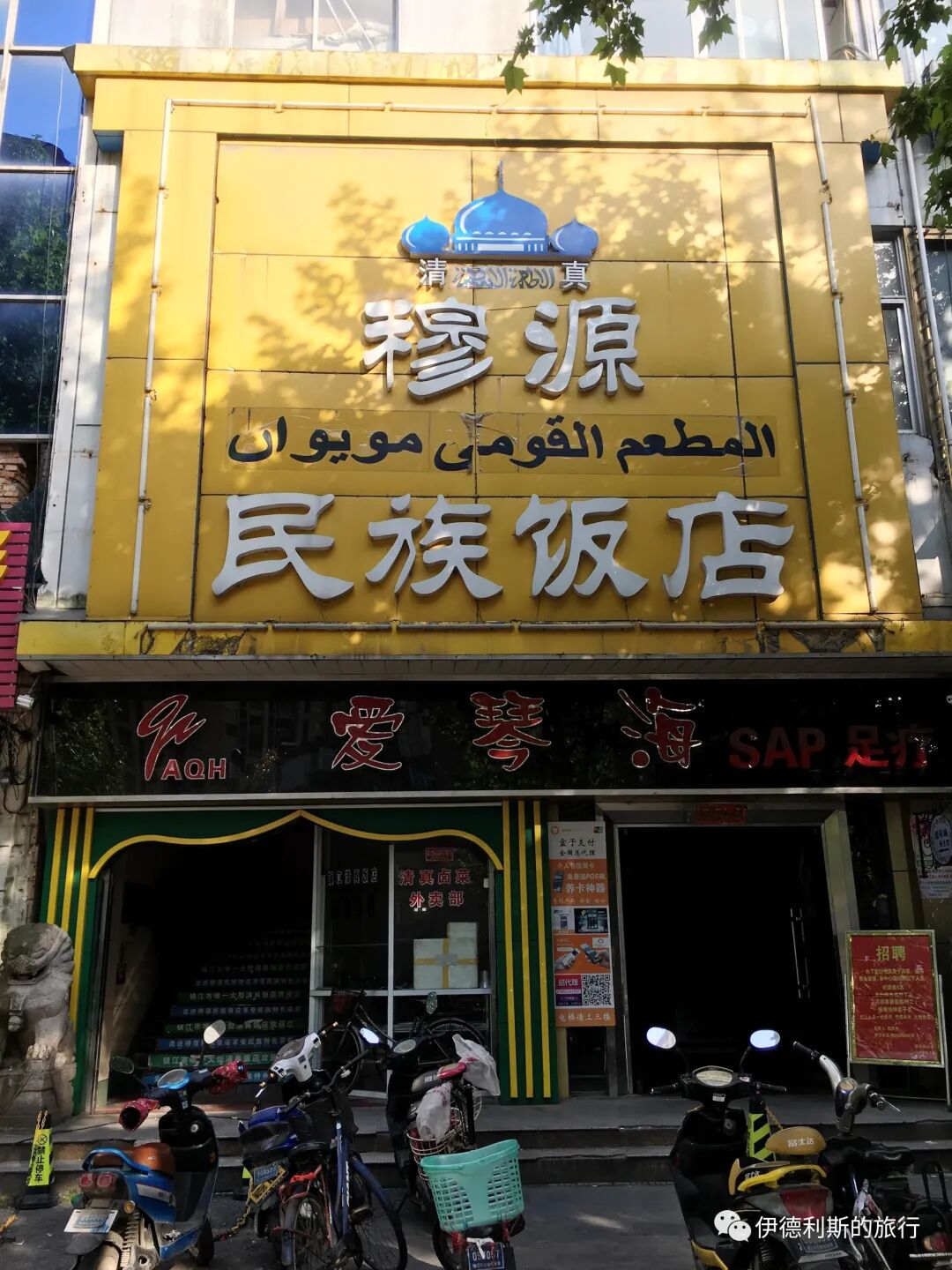
The last halal tea snack shop in Zhenjiang
While researching before going to Zhenjiang, the thing that interested me most was a report titled 'Halal Tea Snacks in Zhenjiang'.
Because of this, we specifically went to the Jiangbin food market and finally found the last halal tea snack shop in Zhenjiang, Jianxiang Halal Food Factory.
The owner, Ma Jian, was originally a worker at the Zhenjiang Pastry Factory. After being laid off in 1995, he started the Jianxiang Halal Food Factory himself and opened this current shop next to the Jiangbin food market in 2009. The owner's wife recommended their famous cloud slice cakes (yunpian gao), as well as Zhenjiang specialties like Jingjiang navel cakes (jingjiangqi) and egg crisps (jidanshu). The cloud slice cakes were so good that we finished the two boxes we bought before even returning to Beijing.
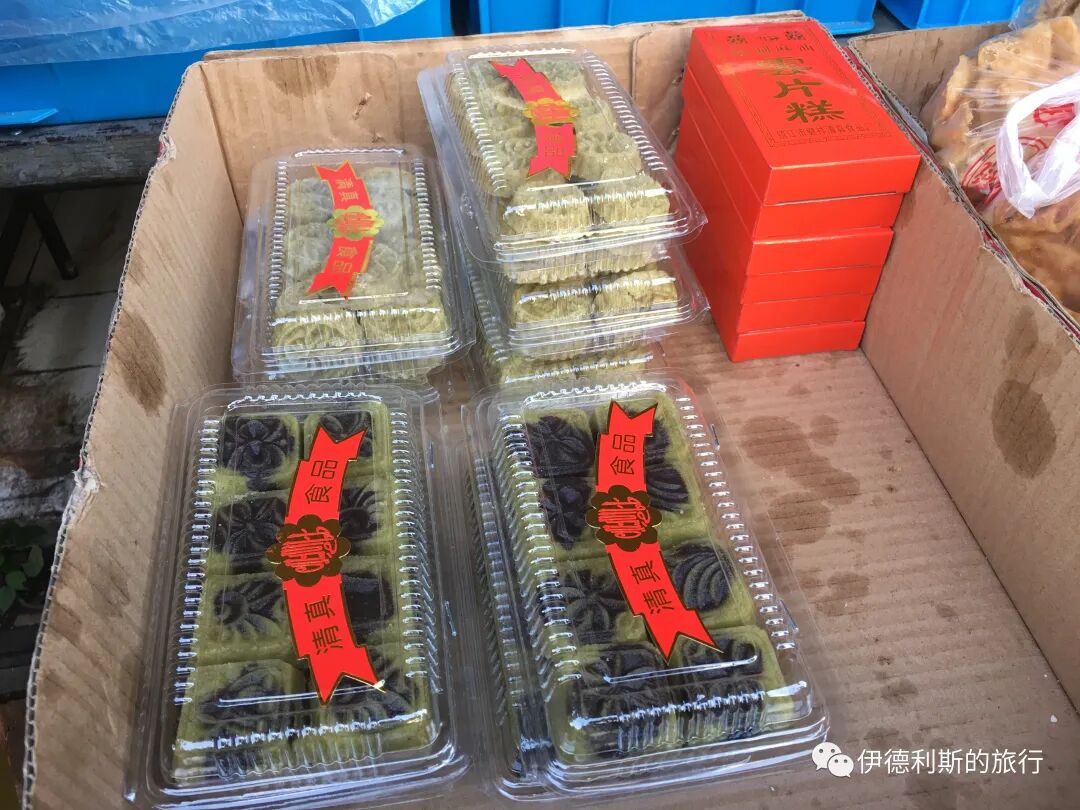
Jingjiang navel cakes are a specialty snack of Zhenjiang. The halal tea snack and pastry business in Zhenjiang was once very prosperous, with over twenty shops during its peak. In the late 1920s, there were four halal tea snack shops on Daxi Road opened by Jin Ziliang alone: Tianshengzhai, Jishengzhai, Yulinzhai, and Tianshengdong. With Yipinxiang and Jingyangzhai added to the mix, there were six halal tea snack shops within just one mile.
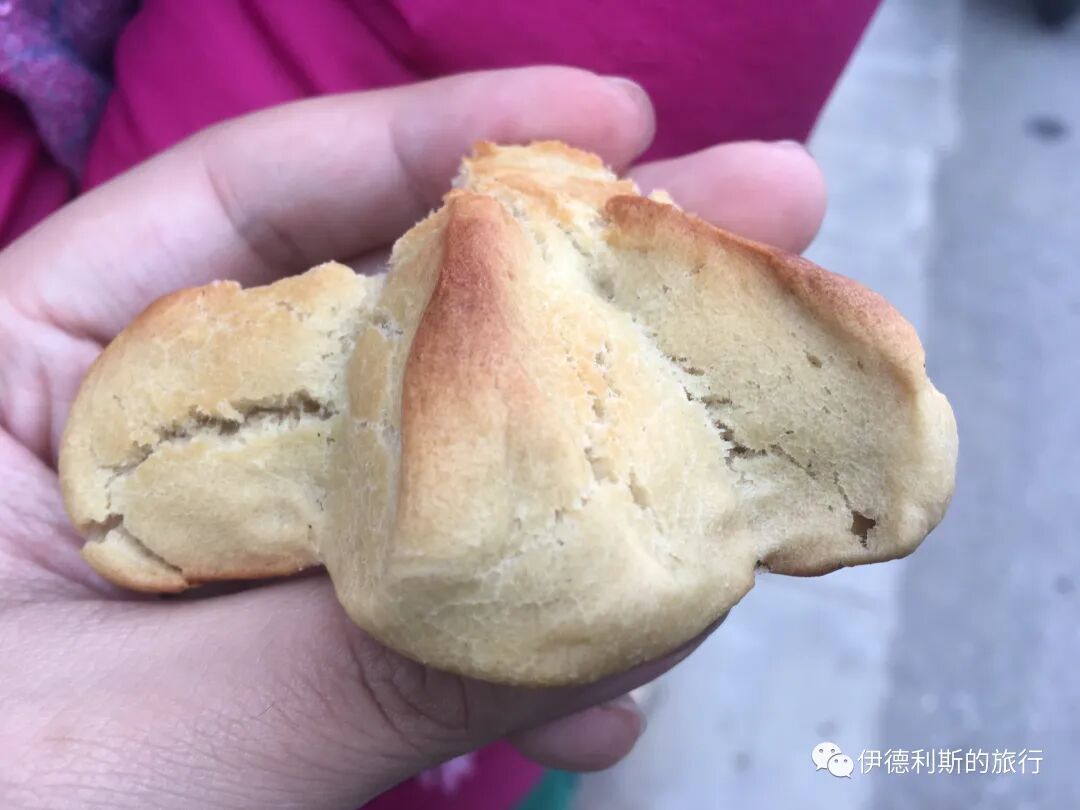
The best treat was the cloud-slice cake (yunpiangao), which you could never get enough of.
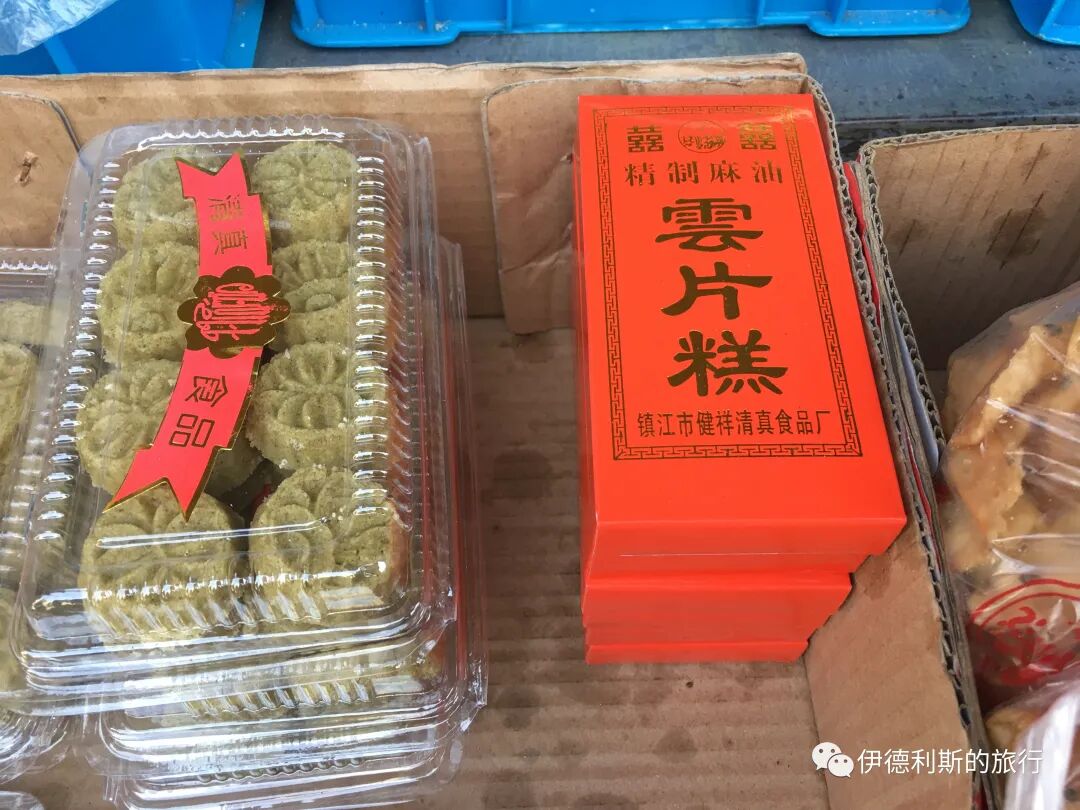
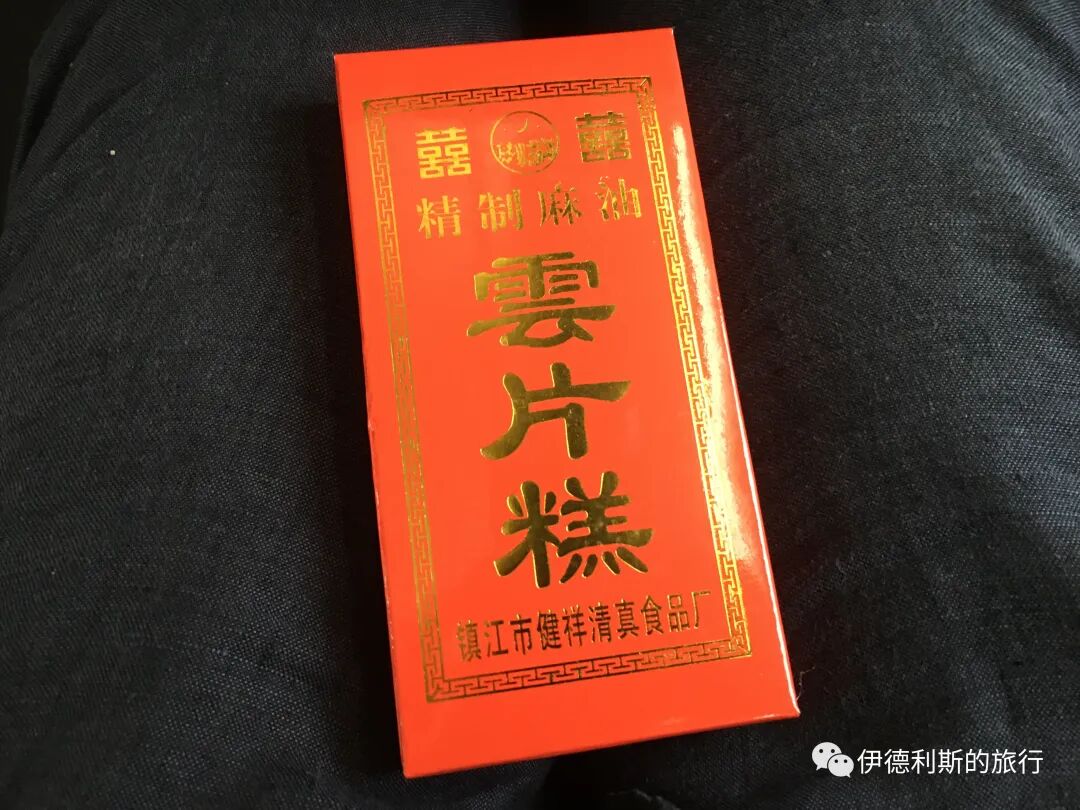
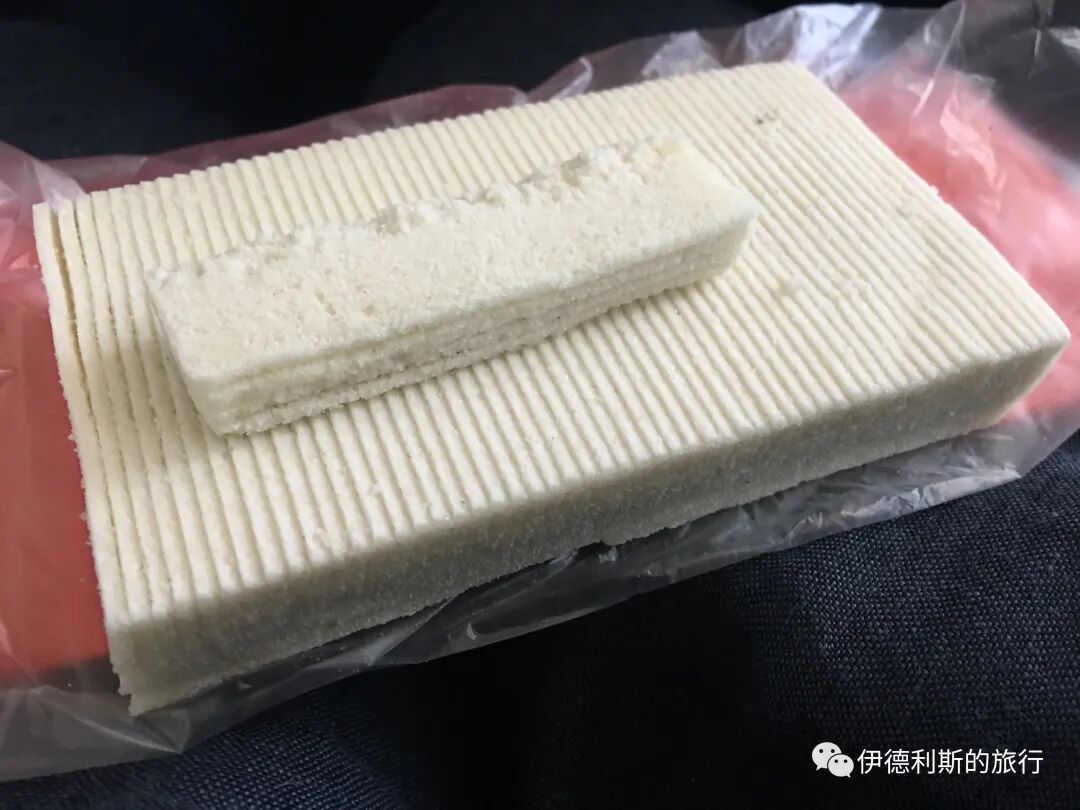
There was also delicious scorched rice (guoba).
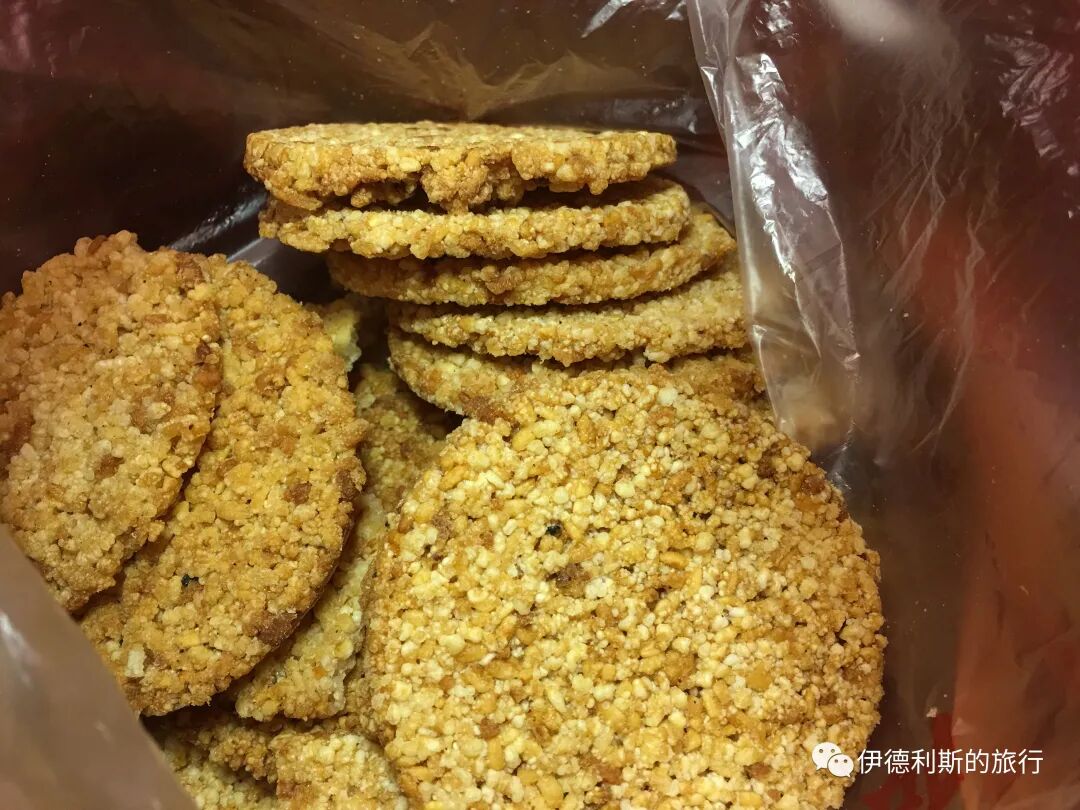
Halal Travel Guide: Yangzhou — Mosques, Muslim History and Jiangsu Streets
Articles • ali2007fr posted the article • 0 comments • 178 views • 2026-05-18 20:26
Summary: Yangzhou — Mosques, Muslim History and Jiangsu Streets is presented here as a firsthand travel account in clear English, beginning with this scene: I visited Yangzhou for food and sightseeing on New Year's Day in 2017. Some of the information in this article is compiled from the book Islam in Yangzhou, published by Nanjing University Press. The account keeps its focus on Yangzhou Travel, Jiangsu Mosques, Muslim Heritage while preserving the names, places, food, and historical details from the Chinese source.
I visited Yangzhou for food and sightseeing on New Year's Day in 2017. Some of the information in this article is compiled from the book Islam in Yangzhou, published by Nanjing University Press.
Since the Tang Dynasty, Yangzhou has been a major commercial hub in the southeast, attracting many merchants from Arabia and Persia.
The Extensive Records of the Taiping Era (Taiping Guangji) contains many stories about foreign merchants in Yangzhou. While most are quite exotic, they provide a vivid picture of Persian merchants in the city at that time. The entry for Wei Yan says that around 727, he obtained a precious jade. While passing through Guangling (Yangzhou), he met a foreign merchant who told him, 'This jade is a treasure of the pure ones (qingzhen ren), unseen by anyone for ten thousand years, and the finest treasure in the world.' The merchant bought it for hundreds of thousands in gold, making Wei Yan rich overnight. The story of the two students Lu and Li says that a student named Li owed the government 20,000 strings of cash. He met his uncle Lu in Yangzhou, who gave him a walking stick and told him to take it to a Persian shop to get money. The Persians accepted the walking stick and gave Li the money. This story shows that Persians in Yangzhou at the time operated shops (didian) that stored money and goods.
In 761, the Liu Zhan Rebellion occurred in Yangzhou. The Old Book of Tang, Biography of Deng Jingshan, records that the rebels reached Yangzhou and looted the assets of the people and merchants, whipping and digging up everything. Thousands of Arab and Persian merchants died. This shows that before 761, there were at least several thousand Arab and Persian merchants in Yangzhou.
During the wars at the end of the Tang Dynasty and the Five Dynasties period, Yangzhou was heavily damaged, and most of the original foreign merchants scattered. After the Song Dynasty, the descendants of those foreign merchants gradually transitioned from expatriates to locals, and the history of Hui Muslims in Yangzhou entered a new era.
Yangzhou's most famous Crane Mosque (Xianhe Si) and the Hui Muslim Hall (Puhading Tomb) were both built during the transition between the Song and Yuan dynasties. During the Xianchun period of the Southern Song Dynasty (1265-1274), Puhading, said to be the 16th-generation descendant of the Prophet, came to Yangzhou and built the Crane Mosque. He passed away in 1275, the year before the Yuan Dynasty captured Lin'an, and was buried on a high ridge east of the Dongguan River in the new city, which is now the Puhading Tomb.
The Song Dynasty established an official guesthouse at the south gate of Yangzhou, and the area outside the south gate developed into a new settlement for Muslim merchants. During the Song Dynasty, Muslims built a mosque not far from the south gate of Yangzhou. The main hall was not demolished until 1984, and there is a Song and Yuan dynasty Muslim cemetery near the mosque.
In 1357, when Zhu Yuanzhang captured Yangzhou, these Muslim tombstones were built into the South Gate military defense tower. Between 1924 and 1925, when the South Gate military defense tower in Yangzhou was demolished, four Yuan Dynasty Muslim stone tablets were found in the city foundation. Three of them were primarily in Arabic with some Persian place names, and the front of the fourth one was written in regular script Chinese characters.
The place where Yuan Dynasty Arabic tombstones are kept at the Puhading Cemetery.
In the Arabic text of the four tombstones, the first section of each is the Basmala, and the remaining sections mostly come from the Quran and Hadith. Each tombstone is inscribed with the Hadith, 'Death in a foreign land is martyrdom.'
A replica of an Arab tombstone at the Yangzhou Museum.
Between 1934 and 1935, the missionary Claude L. Pickens photographed the four stone tablets. At that time, they were at the tomb of the sages near the now-vanished Xianhe Mosque.
The front of the Chinese tombstone is inscribed with, 'Tomb of Nie Gubo, the Darughachi of Huizhou Circuit and Grand Master of Thorough Discussion.' Darughachi originally meant 'seal holder.' After the Yuan Dynasty was established, a Darughachi was appointed to local government offices at the circuit, prefecture, department, and county levels to hold real power over local administration and military affairs. Huizhou Circuit was a top-tier circuit, and the rank of its Darughachi was third grade. Tongyi is short for 'Grand Master of Thorough Discussion,' which is also a third-grade rank.
In 1265, Emperor Kublai Khan of the Yuan Dynasty decreed that all circuit Darughachi must be Mongols, and any Han Chinese serving as Darughachi were removed from office. When Mongols were unavailable, it was permitted for Semu people with noble family backgrounds to serve. Therefore, this tombstone of a Semu Darughachi is extremely precious.
The back of Nie Gubo's tombstone is inscribed with ten lines of Arabic. The first section is the Basmala, followed by Hadith and praise for his life achievements. It reads: 'Noble, diligent, and excellent Islamic educator, a leader who helped the weak, was charitable, and cared for the people, a respected elder... a man of great virtue and wisdom, generous and just, enjoying great blessings.' It also records Nie Gubo's death date as the 2nd of Dhu al-Hijjah in the year 709 of the Hijri calendar, which is May 3, 1310.
The front edges of the second tombstone are carved with Quranic verses in Kufic Arabic script, and the center is carved with twelve lines of Arabic, which read: 'The forgiven deceased, Shams al-Din Asif Allah al-Balaji.' May Allah have mercy on him and grant him a place in the comfort of Paradise. This was in early June of the year 724 (Hijri calendar). This corresponds to the end of May or early June of 1324 (the first year of the Taiding era of the Yuan Dynasty).
The third tombstone belongs to a Persian woman who also died in 724 Hijri (1324). Her name was Aisha Khatun (Aisha was known as Ashe in the Yuan Dynasty, and Khatun means lady). The inscription says: 'She was a chaste, virtuous, and capable woman... her father was Lezunding, a highly respected official in Islam.'
The fourth tombstone is damaged. It belonged to a missionary named Ala-ud-Din who died in 702 Hijri, or 1302 (the sixth year of the Dade era of the Yuan Dynasty). The inscription describes him as a skilled businessman who was highly respected by the community.
After the Qianlong reign, there were six mosques in Yangzhou. The three inside the city were the Crane Mosque (Xianhe Si) on Nanmen Street, the Majian Lane Mosque, and the Xiejia Bridge Mosque (which was occupied by a sugar factory and no longer exists). The three mosques outside the city were the Hui Muslim Hall (Huihui Tang) east of the Dongguan River inside the Puhading Cemetery, the South Gate Mosque (occupied by a glass factory, with the main hall finally demolished in 1984), and the Chaoguan Mosque (occupied by a farm machinery factory and no longer exists).
During the Republic of China era, there were nearly 20,000 Hui Muslims living in the six mosque districts of Yangzhou, with Sha, Ma, Ha, Sa, and Da as the five major surnames. The family genealogy of the Ha surname records that their ancestor was a man named Hashen from the Western Regions' Rumi Kingdom (a region in West Asia or Asia Minor).
Crane Mosque (Xianhe Si)
The Crane Mosque is one of the four ancient mosques along the southeast coast (in Hangzhou, Guangzhou, Quanzhou, and Yangzhou). It was founded in 1275 (the 12th year of the Zhiyuan era of the Yuan Dynasty) by the sage Puhading from the Western Regions before he passed away. It was rebuilt in 1380 (the 23rd year of the Hongwu era of the Ming Dynasty) by Ha San, and renovated in 1523 (the third year of the Jiajing era) by the merchant Ma Zongdao and the imam Ha Ming. Starting in 1542 (the 21st year of the Jiajing era), the Ha family received official documents from the Ministry of Rites to serve as the hereditary imams of the Crane Mosque.
Puhading Cemetery
Puhading is said to be a 16th-generation descendant of the Prophet Muhammad. He came to Yangzhou during the Xianchun period of the Song Dynasty (1265-1274) and died in Yangzhou in 1275 (the 12th year of the Zhiyuan era of the Yuan Dynasty). He was buried on a high ridge east of the Dongguan River in the New City, a place later called the Hui Muslim Hall (commonly known as Baba Yao).
This is written in the article 'Puhading: Messenger of China-Arab Friendship,' published by the Yangzhou Islamic Association in the fourth issue of 'Jiangsu Muslims' in 2015. Local imams in Yangzhou pass down a set of stories about the life of Puhading. On the morning of July 17, 1947, at the East Lecture Hall of the Huihui Tang mosque, Imam Lan Baohua passed down the life story of Puhading to his son, Imam Lan Xiaoyang. He based this on the oral accounts of famous scholars Zhang Zhong and imams Han Yuchun, Lan Jiansen, Lan Wenyuan, and Lan Sifu. Seven people were present, including Imam Ruan Xiangsong and community elders Ma Liang, Zhang Yangwu, Wang Yan, and Jin Yuanxun. Here is the life story of Puhading as passed down by the Yangzhou imams:
Puhading was born on May 21, 1204 (the fourth year of the Jiatai era of the Song Dynasty) into a wealthy Arab noble family. He was the 16th-generation descendant of the Prophet Muhammad. Puhading was a man of great learning, well-versed in the Quran, the Hadith, and Islamic law. At age 57, Puhading followed the Prophet's teaching that one should seek knowledge even as far away as China. After four years of careful preparation, he set off for China from Arabia on a merchant ship at age 61, leading a team of 17 people.
On June 20, 1265 (the first year of the Xianchun era of the Song Dynasty), Puhading and his followers arrived in Yangzhou. They lived for four years at the mosque outside the south gate of Yangzhou at that time. He helped expand the old mosque outside the south gate and renovated the Guannan Chaoguan mosque.
On the 23rd day of the seventh lunar month in 1275 (the 12th year of the Zhiyuan era of the Yuan Dynasty), he traveled south from Rencheng (Jining) to Guangling (Yangzhou). He passed away on a boat while returning from giving a lecture, at the age of 71. The governor of Guangling, Yuan Guang'en, buried his body on a high ridge on the east bank of the Grand Canal, east of Yangzhou city.
Three years after Puhading died, another Muslim sage who came to Yangzhou to preach, Saganda, passed away in 1278 (the third year of the Jingyan era of the Song Dynasty). He was buried near Puhading's tomb. A stone tablet erected in 1776 (the 41st year of the Qianlong era) refers to him as the Western Region sage Saganda from the third year of the Jingyan era of the Song Dynasty.
During the Ming Dynasty, more Muslims were buried there, such as the Western Region sage Mahamude in 1456 (the first year of the Chenghua era), the Western Region sage Zhanmaluding in 1469 (the fifth year of the Chenghua era), and the Western Region sage Fana in 1498 (the 11th year of the Hongzhi era).
Next to the main gate is a mosque for those visiting the graves.
The mihrab of the mosque.
The stone carving inside the main gate records that in 1845 (the Yisi year of the Daoguang era), people of various surnames donated funds to build a stone embankment and renovate the halls.
Inside the main prayer hall of the mosque.
The kiln-style hall (yaodian) of the Puhading Tomb mosque, photographed by missionary Bi Jingshi between 1934 and 1935.
Climb the stone steps behind the mosque to reach the Puhading Tomb.
A 700-year-old ginkgo tree.
A merchant from Chang'an County, Xi'an Prefecture, Shaanxi, passed away on the fourth day of the intercalary seventh month in the 14th year of the Hongzhi reign (1501). Erected by his son Wang Qi and grandson Wang Dong.
The Puhading Tomb photographed by missionary Claude L. Pickens between 1934 and 1935.
To the southeast of the Puhading Tomb lies the tomb cover of General Zhang Xin, who passed away in 1551 (the 30th year of the Jiajing reign). The tomb cover on the west side belongs to General Zhang Xin. The owner of the east side cover is still unknown, though it is likely a member of General Zhang's family.
General Zhang's ancestor, Damuchi, moved from Samarkand to settle in Yangzhou. The Continued Records of Jiangdu County from the Republic of China era state: 'General Zhaoyong, named Xin, was the grandson of the Hui Muslim Damuchi. He served as a Wuqi Duwei (a military rank). Because he was skilled at archery, he was granted the surname Zhang and registered in the Yangzhou Guard, located behind the Puhading Tomb outside Tongji Gate.'
The Zhang Gong Shendao Archway was erected in 1551 (the 30th year of the Jiajing reign) by Zhang Heng, the grandson of General Zhang Xin. Zhang Heng was a famous Ming dynasty general who fought against Japanese pirates and held the hereditary title of Yangzhou Guard Commander. In April 1556 (the 35th year of the Jiajing reign), when Japanese pirates attacked Yangzhou, the retired Huaiyang regional commander Zhang Heng personally led troops into battle and died on the field.
In May 2011, a 30-meter-long path was built on the south side of General Zhang Xin's tomb cover, and a pair of stone sheep that had been lost in Slender West Lake Park for 27 years were returned.
The Puhading Tomb photographed by missionary Claude L. Pickens between 1934 and 1935; the archway on the left side of the image is likely the Zhang Gong Shendao Archway.
Next to General Zhang Xin's tomb is the cenotaph of Zuo Baogui, a famous Qing dynasty general who fought against the Japanese. During the First Sino-Japanese War in 1894 (the 20th year of the Guangxu reign), Zuo Baogui led his troops to defend the Xuanwu Gate in Pyongyang, dealing heavy blows to the Japanese army. On September 15, Zuo Baogui was personally firing cannons when his right arm was shattered. He bandaged his wound and continued to fight until a bullet struck his chest, and he died heroically at the age of 57. That same year, the Yangzhou government received an imperial order to build a cenotaph for Zuo Baogui in the southern area of the Puhading Tomb and establish a memorial hall. The hall was later destroyed, leaving only the stone tomb cover of the cenotaph.
Majian Lane Mosque
There is another Majian Lane Mosque on East Gate Street in Yangzhou. According to the Gu family genealogy of the Hui Muslims, the mosque was built in 1714 (the 53rd year of the Kangxi reign) by Gu Yuanbing, the 24th-generation descendant of the ancient figure Bo Ding.
The Majian Lane Mosque originally had dozens of rooms, including a gate hall, a memorial archway, a main prayer hall, a reception hall, a washroom (shuifang), side rooms, and dormitories. Today, only two rooms of the main hall, the reception hall, and the washroom remain. In the early years of the Republic of China, the mosque housed the second Yangzhou branch of the Beijing-based Zhenzong Newspaper and an Islamic book and newspaper room.
In 1932, Liu Binru, a famous Yangzhou imam and one of the founders of the Chinese Islamic Association, along with Hua Ruzhou, then director of the Jiangdu County Hui Muslim Association, established the Chinese Islamic Scripture Translation Institute here to translate the Quran. Liu Binru, who was fluent in Arabic and Persian, was responsible for translating the Arabic original. Hua Ruzhou translated the summaries from the English version by the Indian Muslim scholar Muhammad Ali, which were then attached before the text of each section of the Quran.
On January 1, 1935, the Chinese Translation of the Quran with Ali's Summaries was officially published. The first printing was 2,000 copies, which were sold by major bookstores across the country.
In 1933, the Yangzhou Islamic Association founded the Hui Muslim Cultural Training Institute here, led by Liu Binru. to teaching Arabic, the institute offered Chinese, English, and arithmetic. The level was equivalent to higher primary school through junior high, and it replaced the traditional individual scripture teaching style with a modern classroom lecture format. Teachers included the Majian Lane Mosque imam Hua Jinhou, who was proficient in Arabic, Imam Ruan Dechang, Imam Lan Baohua of the Hui Muslim hall outside the East Gate, and Liu Binru. They also hired Hui Muslim Association members Shen Junchen and Zhang Shaozhe to teach Chinese and arithmetic, and Hua Ruzhou to teach English. There were over 30 students, but the school closed after one year due to a lack of funds.
Between 1934 and 1935, the missionary Claude L. Pickens Jr. (Bi Jing-shi) visited the Majian Lane Mosque. He saw a reading room inside with many Muslim magazines, as well as the Quran translated by Wang Jingzhai and parts of the Quran translated by Liu Binru and Hua Ruzhou mentioned earlier. He also photographed the Gu Gong Memorial Monument, which was erected in the mosque in 1931. It stated that Gu Su had served as a mosque trustee for 11 years, repaired the washroom and market stalls for the mosque, and built a new greenhouse, making great contributions to the mosque.
In the autumn of 1946, the Yangzhou Hui Muslim Youth Association founded the Shengsheng Primary School at the mosque, with Liu Binru serving as chairman. The school was a full primary school. When it opened, it had three multi-grade classes and enrolled 150 students. It provided free tuition for the children of Hui Muslims, offered books to those in extreme financial difficulty, and also provided free support to non-Hui Muslim children from poor families. Most of the teachers were unemployed Hui Muslim youths. The school closed in the summer of 1949.
In 1958, the mosque was converted into a factory workshop and occupied by a craft sign factory, a sack factory, and a brush factory. The property was not recovered until 1997, and in 2008, it was listed as a municipal-level cultural heritage site.
Halal food in Yangzhou during the Republic of China era.
The information in this section comes from "Islam in Yangzhou" and "Islam in Yangzhou."
The earliest records of halal food in Yangzhou come from the "Yangzhou Pleasure Boat Records" (Yangzhou Huafang Lu), an encyclopedia covering all aspects of Qing Dynasty Yangzhou. It mentions a cooked lamb shop called the "Hui Muslim Pavilion" (Huihui Guan), pleasure boats called "Ma the Hui Muslim's Ox Tongue" (Ma Huizi Niushetou), and a shop called "Kong Wu's Ox Tongue" (Kong Wu Niushetou). It also notes that "Zhang Si the Hui Muslim's Whole Lamb" (Zhang Si Huizi Quanyang) was a famous dish in Yangzhou at the time.
During the late Qing Dynasty and the Republic of China era, halal food in Yangzhou reached its peak. After entering the Republic of China era, lamb almost disappeared from Yangzhou's halal food scene, which shifted to focus mainly on beef, supplemented by poultry and fish. Many halal beef slaughterhouses were concentrated on Wazi Street. Some of the more famous ones included those run by Wang Tonglan, Jin Zhao'an, Wang Ting, Jin Ronghua, Zhang Youfu, and Li Sanlong. The second and eighth days of every lunar month were cattle market days, which were very busy.
During the Republic of China era, there were over a dozen famous halal restaurants in Yangzhou, which were very popular in the 1920s and 1930s. Examples include Ma Gongxing on Litou Street, Muyuanxing at the north entrance of Yuanmen Bridge, Ma Guangxing Restaurant on Zhuan Street, Tianxing Restaurant on Zuowei Street, Daxing in Darufang, and the Xinxin and Xinlong restaurants in Jiaochang. Among them, Tianxing Restaurant was the most famous.
Opened in the early years of the Republic of China, Tianxing Restaurant was the most famous halal restaurant in Yangzhou at the time. It was located at the busy intersection of Zuowei Street. The building had seven sections from front to back, each consisting of three large, high-ceilinged rooms. The rear section had a spacious flower hall on the east side that could host fifty banquet tables at once. At that time, everyone from scholars and writers to salt merchants and officials frequented the restaurant. Famous Peking opera actors Zhou Xinfang and Cheng Yanqiu would eat at Tianxing whenever they came to Yangzhou to perform.
Tianxing Restaurant was especially skilled at making shark fin and fish skin, and its roast duck was second to none. Famous dishes included braised shark fin (yuanmen yuchi), clear soup shark fin (qingtang yuchi), hibiscus chicken with shark fin (furong ji yuchi), skin-wrapped fin (pijia chi), roast duck (kaoya), braised chicken with crispy meatballs (yuanmen ji suyuan), ten-delicacy fish maw (yudu shijing), braised beef tendon (bashao niujin), and fish stuffed in lamb (yangfang cangyu).
There were over a dozen halal chicken and duck shops in Yangzhou. The most famous was Linyuanxing Chicken and Duck Shop, which was the predecessor of the later Halal Hongxing Ethnic Restaurant. The founder of Linyuanxing Chicken and Duck Shop was Lin Guangfeng, also known as Songting. When he was young, he worked for two or three years for his relative, Governor Shan Diankui, in Beijing. After returning to Yangzhou, he apprenticed at the halal Muyuan Restaurant. After his apprenticeship, Lin Guangfeng opened the halal Baoxing Restaurant, which also sold chicken and duck. It later closed due to poor management of staff. After Baoxing closed, Lin Guangfeng opened the halal Linyuanxing Chicken and Duck Shop at the North Archway entrance, where he sold his own products. The North Archway was a busy market back then, filled with snack stalls, magicians, acrobats, and fortune tellers. Linyuanxing did a booming business selling oil-poached chicken (youji), pressed duck (bandya), and roast duck (shaoya).
Linyuanxing's oil-poached chicken was white in color and fragrant, with a tender, delicious texture that even the elderly could chew easily. Pressed duck and salt-water duck (yanshuiya) are both called salted duck. In practice, they sold salt-water duck during spring, summer, and autumn, and pressed duck in winter. Pressed duck was salted and prepared in the ten days before the Minor Snow (xiaoxue) solar term until the middle of the eleventh lunar month, then hit the market before the Spring Festival. The secret to Linyuanxing's salted duck was the aged brine and the heat control; they were so precise that they would not cook even one bird more than the set amount per pot. Linyuanxing's roast duck was different from the large-fork roast duck in other shops; they used small forks to prop the ducks up inside the oven for hanging roast. The belly broth (dutang) from the roast duck was very flavorful. When customers bought roast duck, the shop gave them some broth to take home, mix with water, and simmer with the duck for a delicious soup.
Linyuanxing had an agreement with the imam of the mosque to come to the shop on time every day to perform the slaughter. Everything was freshly prepared, and any sick poultry was disposed of immediately. When customers came to the shop, the staff would chop whatever part they pointed to, treating regular customers and strangers exactly the same.
After decades of training, members of the Lin family opened their own shops. In Yangzhou, there was Linmaoxing at Dadongmen, Linshunxing on Zhuan Street, and Linzhenxing at Xiaodongmen. Outside the city, there was Linmaoxing on North Henan Road in Shanghai and Linyuanxing at Taibai Temple Bridge in Suzhou. Many other Lin family members also sold halal chicken and duck at the Xuanmiao Temple and Guanqian Street in Suzhou, and at the small docks in Zhenjiang.
Besides chicken and duck shops, there were over a dozen halal beef shops in Yangzhou. Famous ones included Chenwanxing in the drill ground (jiaochang), Xiaoqizi at the north entrance of the drill ground, Liertuozi on Zhuan Street, Chengsan (Zhaoxiang), and Sister Ma at the South Gate. Chenwanxing was known for its beef potstickers (guotie), steamed buns (baozi), and rice porridge (shaomi). They used a flat-bottomed pan to fry them, making them soft on top and crispy on the bottom. Their five-spice beef was especially famous. They used beef shank (zoujingzhua) that was marinated and boiled. When sold, it was sliced so thin it was translucent and sprinkled with five-spice powder. In summer, they wrapped it in fresh lotus leaves, making the beef smell fragrant and fresh. In winter, they sold frozen lamb jelly (yanggao), which was delicious when dipped in sweet sauce.
Xiaoqizi Beef Shop sold raw and cooked beef, as well as beef soup, beef noodles, steamed beef buns, steamed beef dumplings, pan-fried beef buns, and their most famous beef potstickers. Liertuozi was most famous for his beef soup. His soup was rich and authentic, served with beef tripe, beef tongue, beef liver, beef lips, plain boiled beef, and beef tendon (tuijinjua), making it refreshing and tasty. Sister Ma's shop is located at the South Gate of Yangzhou and is famous for its superb knife skills. The beef slices she cuts are as thin as paper and flutter when the wind blows.
Beyond meat, there are over thirty Hui Muslim flatbread (shaobing) shops in Yangzhou, offering flavors like flaky (casu), white sugar, red bean paste, salt and pepper, scallion oil, shredded radish, pea (andoutou), and osmanthus brown sugar, with shapes including rectangular, oval, diamond, and chrysanthemum. The most famous one is Mu Si Flatbread Shop at the entrance of Quelong Lane in Jiaochang. Their sesame oil dry-mixed noodles are neither hard nor mushy, with seasonings that soak deep into the noodles, making them very refreshing. Their most famous item is the straw-oven flatbread (caolu shaobing), baked in a square vertical jar oven taller than a person, with a dome-shaped interior and a round opening one and a half feet in diameter at chest height. To make them, they first heat the oven's dome and side walls with straw, dampen the interior with water once hot, and then stick the fermented dough portions onto the inner walls. After sticking them on, they close the oven door and bake them with the residual heat of the straw ash, shoveling them out once they are golden, cooked, and plump like steamed buns (mantou). One oven can bake forty to fifty flatbreads, which are crispy, fragrant, soft, and very cheap, attracting many farmers coming into the city to buy them. Because the flatbreads are thick, they need to be soaked in soup to fully soften; in the past, when a woman was recovering from childbirth, her family would send her straw-oven flatbreads and an old hen to nourish her body.
Additionally, there are the tall steamed buns (gaozhuang manshou) and salt and pepper rolls (jiaoyan juanzi) from Wang's Noodle and Flatbread Shop at Dongquan Gate, which taste best when dipped in beef gravy. The sesame oil dry-mixed noodles at Mu Si Flatbread Shop at the entrance of Quelong Lane in Jiaochang are neither hard nor mushy, with seasonings that soak deep into the noodles, making them refreshing to eat.
During the Republic of China era, Yangzhou had two halal tea and snack shops: Defeng on Wanzi Street and Tongfeng on Gengzi Street. Because they used only vegetable oil, not only did fellow Muslims (dost) buy from them, but many monks, nuns, and vegetarian Han Chinese also purchased their goods, especially their fruit powder (jingguofen) and mooncakes, which were particularly popular.
There were also two halal teahouses in Yangzhou: the Park Religious Room (Gongyuan Jiaomenshi) and the Old Dragon Spring Vegetarian Teahouse (Laolongquan Suchaguan) in Jiaochang. The Park Religious Room was located in the park next to Park Bridge in the city center, with three rooms side-by-side facing west. The first room was for the stove and cutting board, while the other two were for tea seating. The teahouse is filled with cypress wood square stools and tables. The east wall has floor-to-ceiling glass windows, and right outside is the Little Qinhuai River, where you can see clear water and weeping willows from your seat. Painted pleasure boats from Slender West Lake often dock at the pier next to the teahouse. Locals board boats here to go through the North Gate water gate all the way to Slender West Lake for sightseeing. On the way back, they land at the same pier and can stop by the halal teahouse for tea and snacks. Go enthusiasts in the city often gather here to drink tea, play games, and sharpen their skills. The halal teahouse is open for morning and afternoon sessions, serving plain tea, pastries, and dried tofu strips (gansi). The menu includes jade steamed dumplings (feicui shaomai), small steamed beef buns (xiaolong zheng niurou baojiao), beef and lamb dumplings (niuyangrou shuibobo), pan-fried beef and lamb buns (jian niuyangrou bao), beef potstickers (niurou guotie), scalded dried tofu strips (tang gansi), boiled dried tofu strips (zhu gansi), bamboo shoot and beef strips (sunsi niurusi), beef and lamb noodles (niuyangrou mian), stir-fried noodles (chaomian), and braised noodles (weimian). The best item is the pan-fried pancake (youjian guobing), which has a thin crust, plenty of filling, and a sweet, crispy flavor.
The Old Longquan Vegetarian Teahouse at the drill ground is a place for both drinking tea and trading antiques. Many antique dealers gather here to talk business during morning tea time. This place is most famous for its vegetable oil baked flatbread (suyou huoshao) and sugar and salt rolls (tangyan juanzi).
The halal teahouse has only one waiter, a short, thin, middle-aged man whom regular customers call Little Mouse. He is quick and always greets people with a smile. As soon as a customer leaves, he wipes the table with alkaline water and then cleans it with boiling water.
The halal food industry in Yangzhou declined sharply around 1949. Daxing Shop closed first, followed by Tianxing Restaurant, and other shops either changed businesses or shut down. After many twists and turns, only the struggling Ethnic Restaurant on Ganquan Road remained.
Tianxingzhai
For my first meal in Yangzhou, I went to Tianxingzhai, which just opened 16 years ago. I ordered boiled dried tofu strips (dazhu gansi), steamed beef dumplings (niurou zhengjiao), sticky rice and shrimp steamed dumplings (nuomi xiaren shaomai), beef noodles (niurou mian), smoked fish (xunyu), and chicken soup with vegetarian chicken (jitang suji). It is not easy for a new local-style halal restaurant to open in Yangzhou, and the food here is delicious with a slightly sweet taste. The beef noodles are huge and taste amazing, and the steamed dumplings are the best. I don't think any halal restaurants in Beijing can compare. (This place was not doing well when I visited again in 2021.)
Yixiangzhai
There is another Yixiangzhai on the street by the Puhading Tomb. It is a beef and lamb restaurant run by local Hui Muslims in Yangzhou. They serve hot pot, stir-fried dishes, and snacks. I ordered lamb liver, boiled dried tofu strips (zhugansi), and beef soup. The lamb liver was incredibly tender with a slightly sweet taste. It was delicious. (This place had closed down when I visited in 2021.)
Yangzhou section of the Grand Canal
In 605 (the first year of the Daye era of the Sui Dynasty), Emperor Yang of Sui, Yang Guang, carried out major renovations and expansions based on the Hangu Canal so he could travel by boat directly from Luoyang to Jiangdu (Yangzhou). This marked the official formation of the Yangzhou section of the Grand Canal. In 1415 (the 13th year of the Yongle era), Chen Xuan, the Earl of Pingjiang, was ordered to oversee the grain transport and manage the Yangzhou section of the canal. The route that currently winds through Yangzhou city was finalized during this period. Starting in 1853 (the third year of the Xianfeng era), grain transport was gradually shifted to sea routes to Tianjin. During the Tongzhi era, only one-tenth of the grain was still transported via the canal. Finally, in 1901 (the 27th year of the Guangxu era), the canal grain transport system was completely abolished.
Zhenjiang-Yangzhou Ferry
The river at the Zhenjiang-Yangzhou ferry crossing is 1.5 kilometers wide, and with the fog, you cannot see the opposite bank at all. view all
Summary: Yangzhou — Mosques, Muslim History and Jiangsu Streets is presented here as a firsthand travel account in clear English, beginning with this scene: I visited Yangzhou for food and sightseeing on New Year's Day in 2017. Some of the information in this article is compiled from the book Islam in Yangzhou, published by Nanjing University Press. The account keeps its focus on Yangzhou Travel, Jiangsu Mosques, Muslim Heritage while preserving the names, places, food, and historical details from the Chinese source.
I visited Yangzhou for food and sightseeing on New Year's Day in 2017. Some of the information in this article is compiled from the book Islam in Yangzhou, published by Nanjing University Press.
Since the Tang Dynasty, Yangzhou has been a major commercial hub in the southeast, attracting many merchants from Arabia and Persia.
The Extensive Records of the Taiping Era (Taiping Guangji) contains many stories about foreign merchants in Yangzhou. While most are quite exotic, they provide a vivid picture of Persian merchants in the city at that time. The entry for Wei Yan says that around 727, he obtained a precious jade. While passing through Guangling (Yangzhou), he met a foreign merchant who told him, 'This jade is a treasure of the pure ones (qingzhen ren), unseen by anyone for ten thousand years, and the finest treasure in the world.' The merchant bought it for hundreds of thousands in gold, making Wei Yan rich overnight. The story of the two students Lu and Li says that a student named Li owed the government 20,000 strings of cash. He met his uncle Lu in Yangzhou, who gave him a walking stick and told him to take it to a Persian shop to get money. The Persians accepted the walking stick and gave Li the money. This story shows that Persians in Yangzhou at the time operated shops (didian) that stored money and goods.
In 761, the Liu Zhan Rebellion occurred in Yangzhou. The Old Book of Tang, Biography of Deng Jingshan, records that the rebels reached Yangzhou and looted the assets of the people and merchants, whipping and digging up everything. Thousands of Arab and Persian merchants died. This shows that before 761, there were at least several thousand Arab and Persian merchants in Yangzhou.
During the wars at the end of the Tang Dynasty and the Five Dynasties period, Yangzhou was heavily damaged, and most of the original foreign merchants scattered. After the Song Dynasty, the descendants of those foreign merchants gradually transitioned from expatriates to locals, and the history of Hui Muslims in Yangzhou entered a new era.
Yangzhou's most famous Crane Mosque (Xianhe Si) and the Hui Muslim Hall (Puhading Tomb) were both built during the transition between the Song and Yuan dynasties. During the Xianchun period of the Southern Song Dynasty (1265-1274), Puhading, said to be the 16th-generation descendant of the Prophet, came to Yangzhou and built the Crane Mosque. He passed away in 1275, the year before the Yuan Dynasty captured Lin'an, and was buried on a high ridge east of the Dongguan River in the new city, which is now the Puhading Tomb.
The Song Dynasty established an official guesthouse at the south gate of Yangzhou, and the area outside the south gate developed into a new settlement for Muslim merchants. During the Song Dynasty, Muslims built a mosque not far from the south gate of Yangzhou. The main hall was not demolished until 1984, and there is a Song and Yuan dynasty Muslim cemetery near the mosque.
In 1357, when Zhu Yuanzhang captured Yangzhou, these Muslim tombstones were built into the South Gate military defense tower. Between 1924 and 1925, when the South Gate military defense tower in Yangzhou was demolished, four Yuan Dynasty Muslim stone tablets were found in the city foundation. Three of them were primarily in Arabic with some Persian place names, and the front of the fourth one was written in regular script Chinese characters.
The place where Yuan Dynasty Arabic tombstones are kept at the Puhading Cemetery.
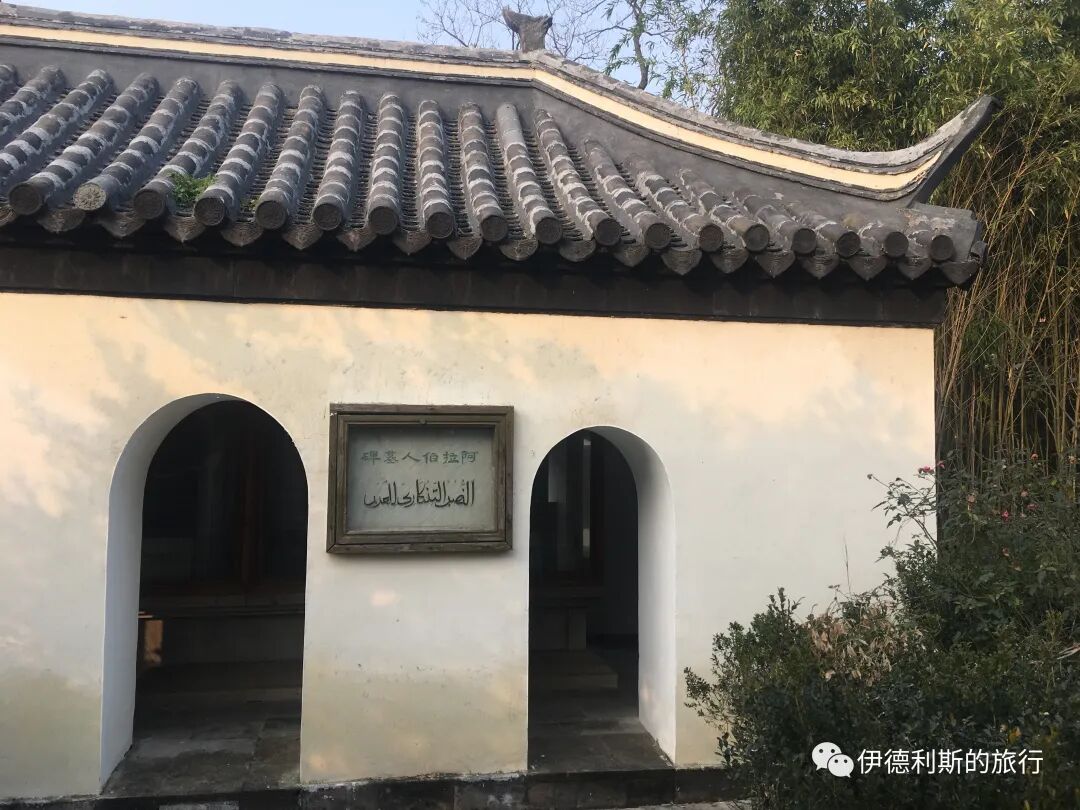
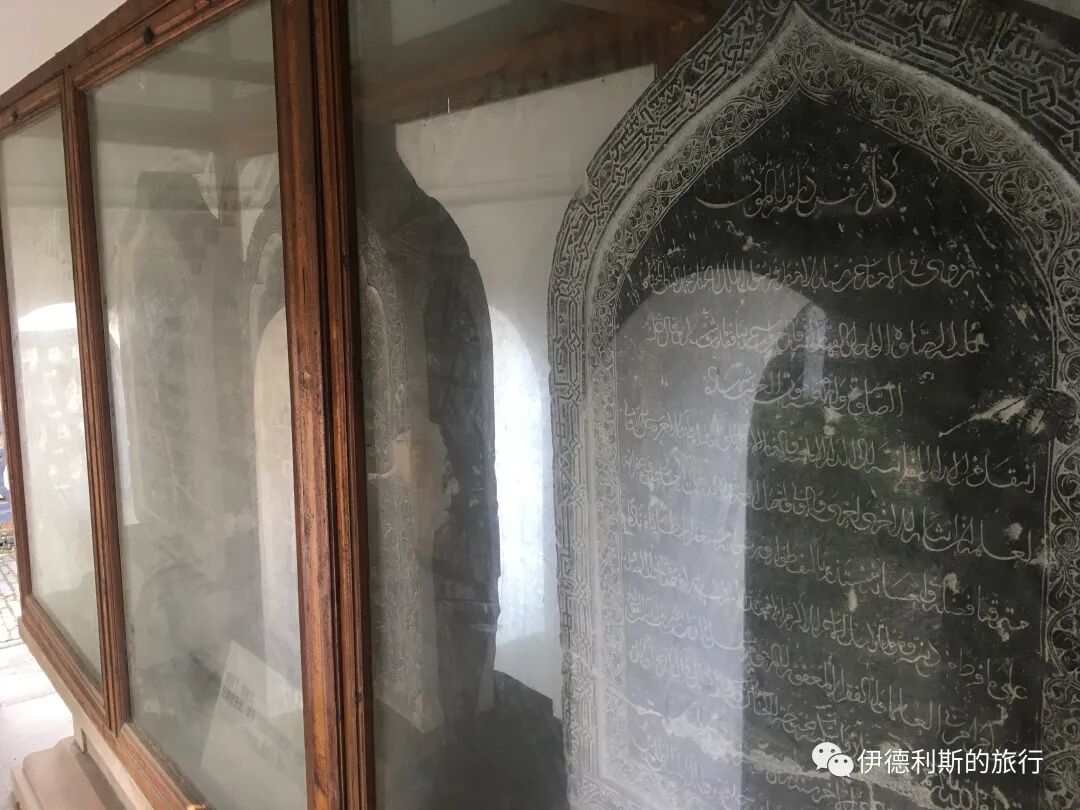
In the Arabic text of the four tombstones, the first section of each is the Basmala, and the remaining sections mostly come from the Quran and Hadith. Each tombstone is inscribed with the Hadith, 'Death in a foreign land is martyrdom.'
A replica of an Arab tombstone at the Yangzhou Museum.
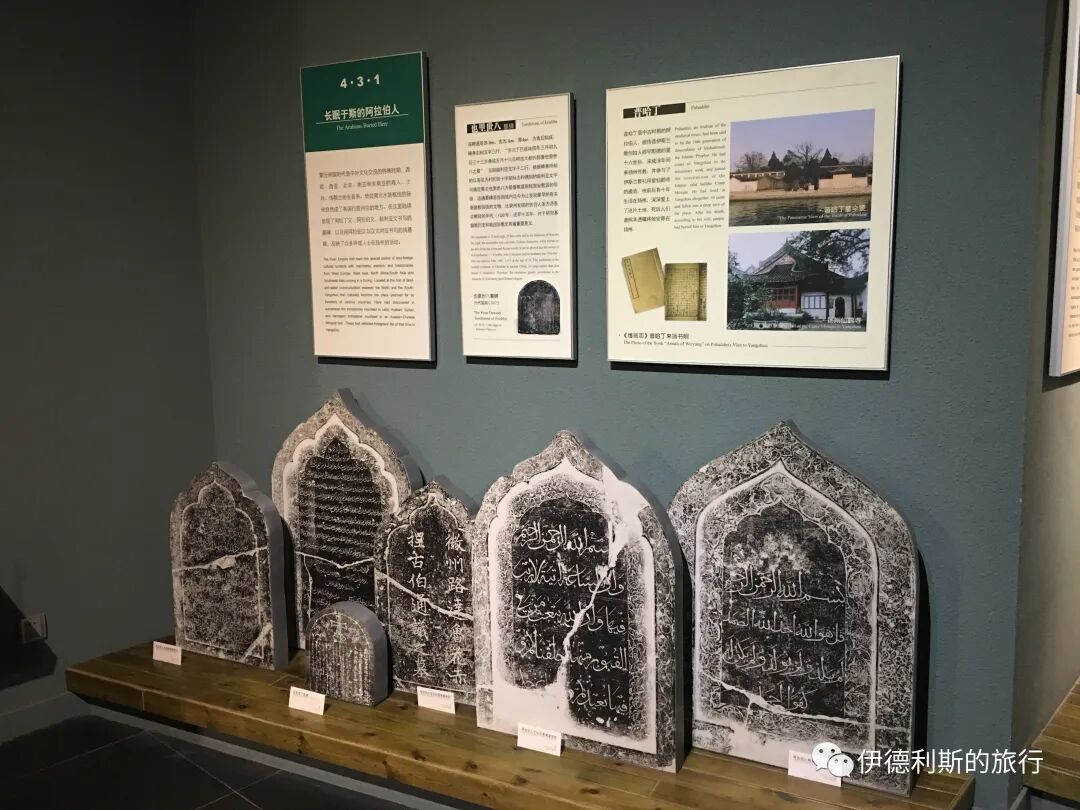
Between 1934 and 1935, the missionary Claude L. Pickens photographed the four stone tablets. At that time, they were at the tomb of the sages near the now-vanished Xianhe Mosque.
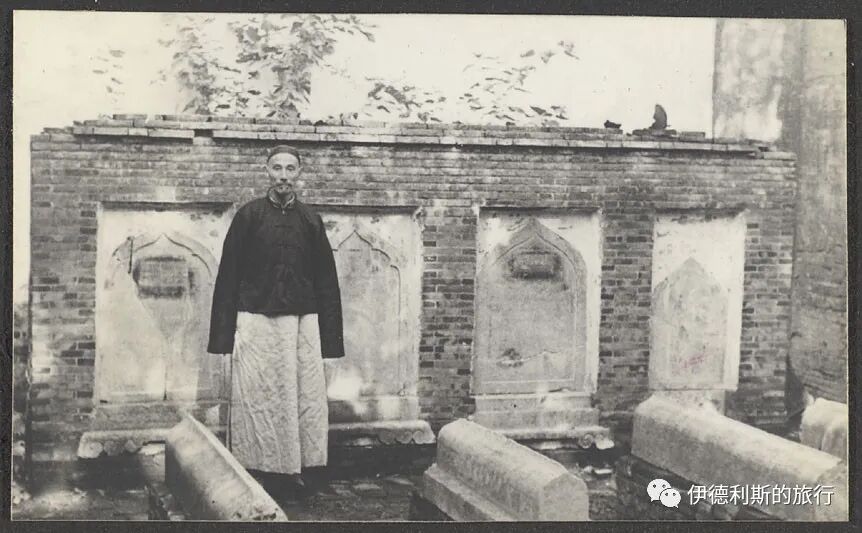
The front of the Chinese tombstone is inscribed with, 'Tomb of Nie Gubo, the Darughachi of Huizhou Circuit and Grand Master of Thorough Discussion.' Darughachi originally meant 'seal holder.' After the Yuan Dynasty was established, a Darughachi was appointed to local government offices at the circuit, prefecture, department, and county levels to hold real power over local administration and military affairs. Huizhou Circuit was a top-tier circuit, and the rank of its Darughachi was third grade. Tongyi is short for 'Grand Master of Thorough Discussion,' which is also a third-grade rank.
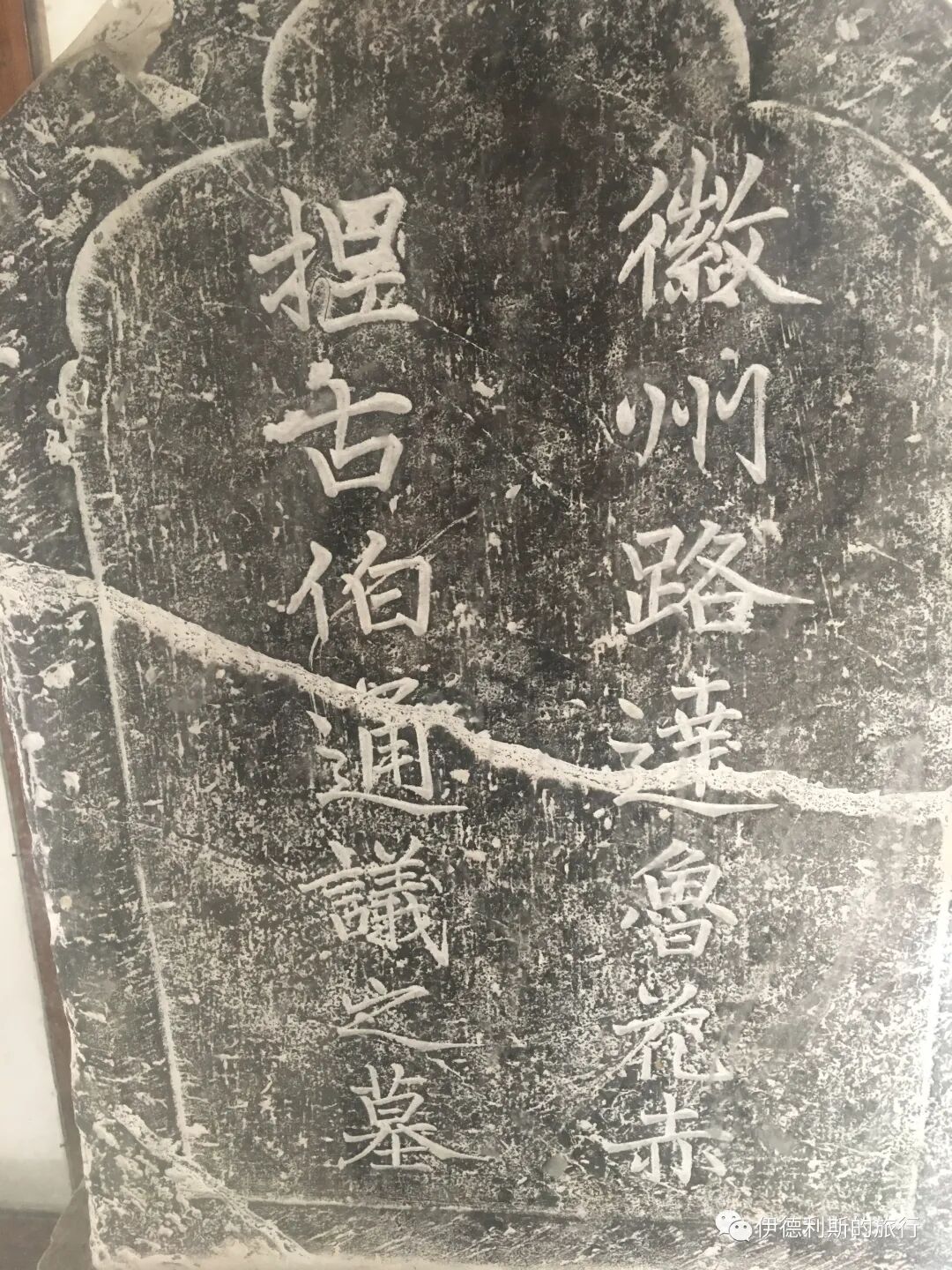
In 1265, Emperor Kublai Khan of the Yuan Dynasty decreed that all circuit Darughachi must be Mongols, and any Han Chinese serving as Darughachi were removed from office. When Mongols were unavailable, it was permitted for Semu people with noble family backgrounds to serve. Therefore, this tombstone of a Semu Darughachi is extremely precious.
The back of Nie Gubo's tombstone is inscribed with ten lines of Arabic. The first section is the Basmala, followed by Hadith and praise for his life achievements. It reads: 'Noble, diligent, and excellent Islamic educator, a leader who helped the weak, was charitable, and cared for the people, a respected elder... a man of great virtue and wisdom, generous and just, enjoying great blessings.' It also records Nie Gubo's death date as the 2nd of Dhu al-Hijjah in the year 709 of the Hijri calendar, which is May 3, 1310.
The front edges of the second tombstone are carved with Quranic verses in Kufic Arabic script, and the center is carved with twelve lines of Arabic, which read: 'The forgiven deceased, Shams al-Din Asif Allah al-Balaji.' May Allah have mercy on him and grant him a place in the comfort of Paradise. This was in early June of the year 724 (Hijri calendar). This corresponds to the end of May or early June of 1324 (the first year of the Taiding era of the Yuan Dynasty).
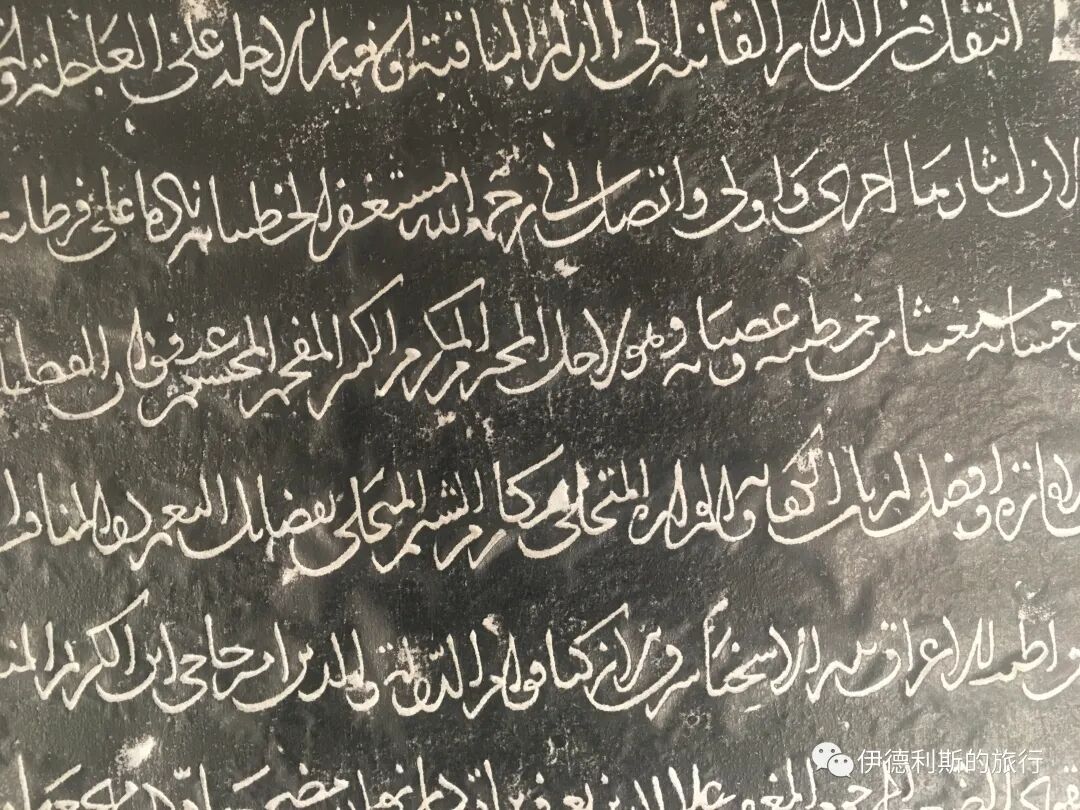
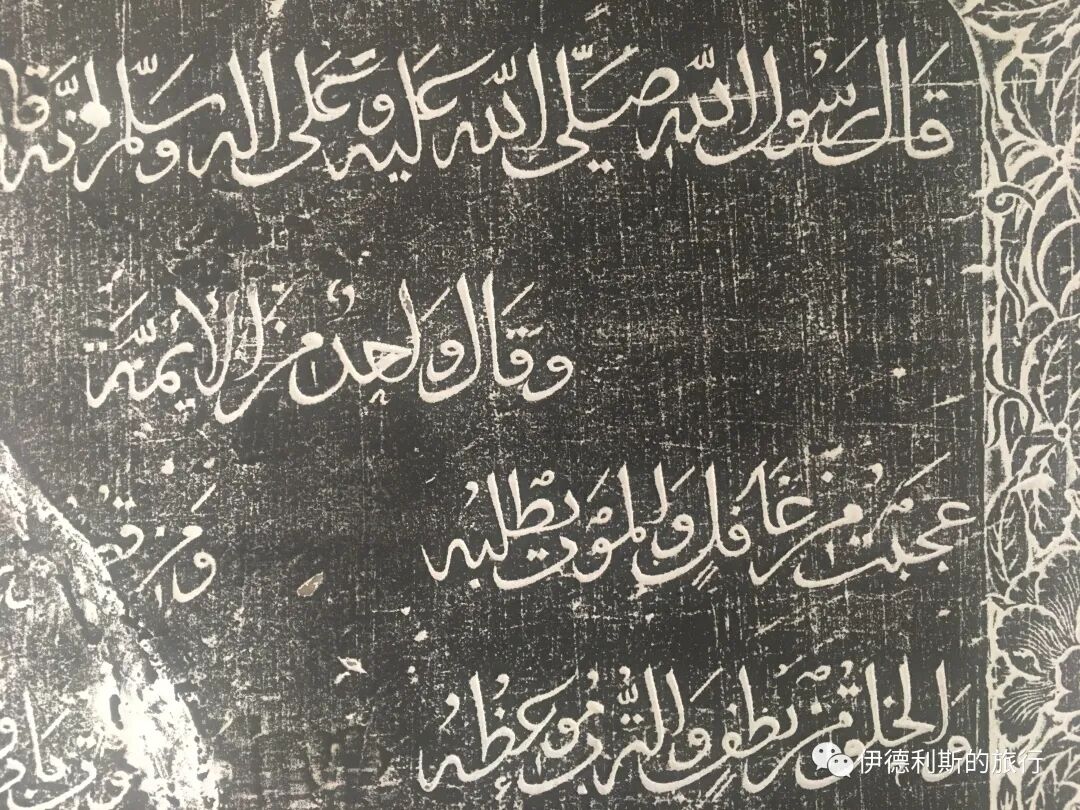
The third tombstone belongs to a Persian woman who also died in 724 Hijri (1324). Her name was Aisha Khatun (Aisha was known as Ashe in the Yuan Dynasty, and Khatun means lady). The inscription says: 'She was a chaste, virtuous, and capable woman... her father was Lezunding, a highly respected official in Islam.'
The fourth tombstone is damaged. It belonged to a missionary named Ala-ud-Din who died in 702 Hijri, or 1302 (the sixth year of the Dade era of the Yuan Dynasty). The inscription describes him as a skilled businessman who was highly respected by the community.
After the Qianlong reign, there were six mosques in Yangzhou. The three inside the city were the Crane Mosque (Xianhe Si) on Nanmen Street, the Majian Lane Mosque, and the Xiejia Bridge Mosque (which was occupied by a sugar factory and no longer exists). The three mosques outside the city were the Hui Muslim Hall (Huihui Tang) east of the Dongguan River inside the Puhading Cemetery, the South Gate Mosque (occupied by a glass factory, with the main hall finally demolished in 1984), and the Chaoguan Mosque (occupied by a farm machinery factory and no longer exists).
During the Republic of China era, there were nearly 20,000 Hui Muslims living in the six mosque districts of Yangzhou, with Sha, Ma, Ha, Sa, and Da as the five major surnames. The family genealogy of the Ha surname records that their ancestor was a man named Hashen from the Western Regions' Rumi Kingdom (a region in West Asia or Asia Minor).
Crane Mosque (Xianhe Si)
The Crane Mosque is one of the four ancient mosques along the southeast coast (in Hangzhou, Guangzhou, Quanzhou, and Yangzhou). It was founded in 1275 (the 12th year of the Zhiyuan era of the Yuan Dynasty) by the sage Puhading from the Western Regions before he passed away. It was rebuilt in 1380 (the 23rd year of the Hongwu era of the Ming Dynasty) by Ha San, and renovated in 1523 (the third year of the Jiajing era) by the merchant Ma Zongdao and the imam Ha Ming. Starting in 1542 (the 21st year of the Jiajing era), the Ha family received official documents from the Ministry of Rites to serve as the hereditary imams of the Crane Mosque.
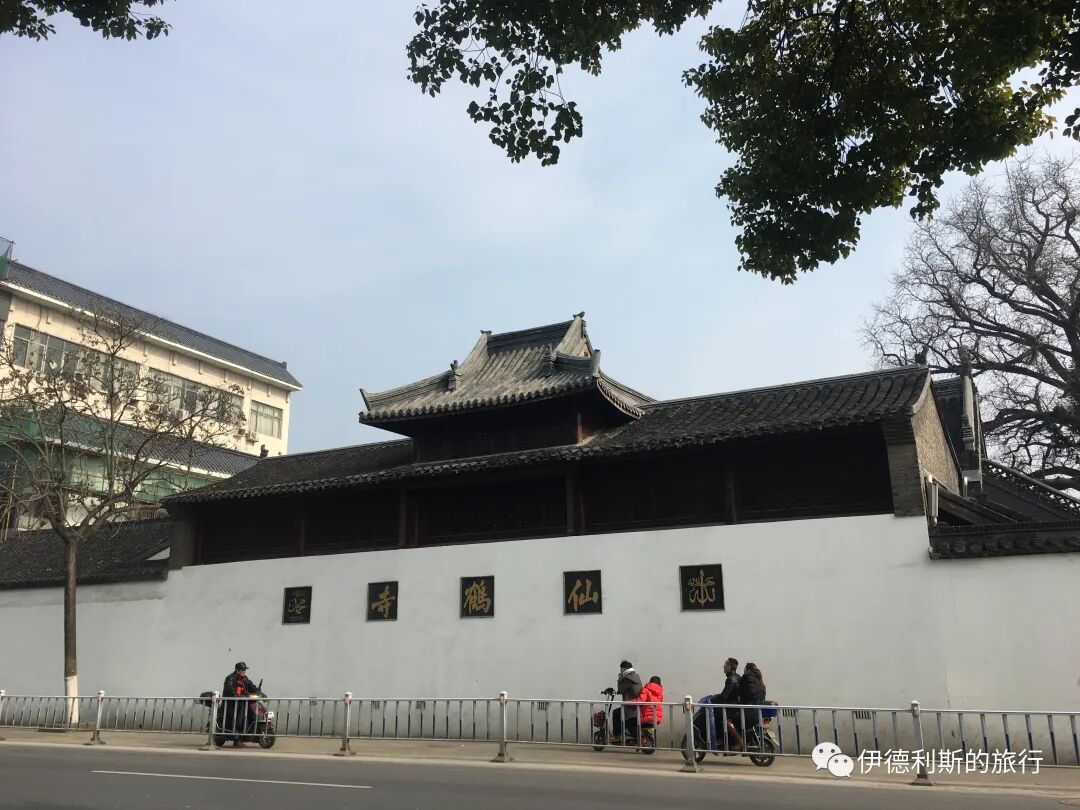
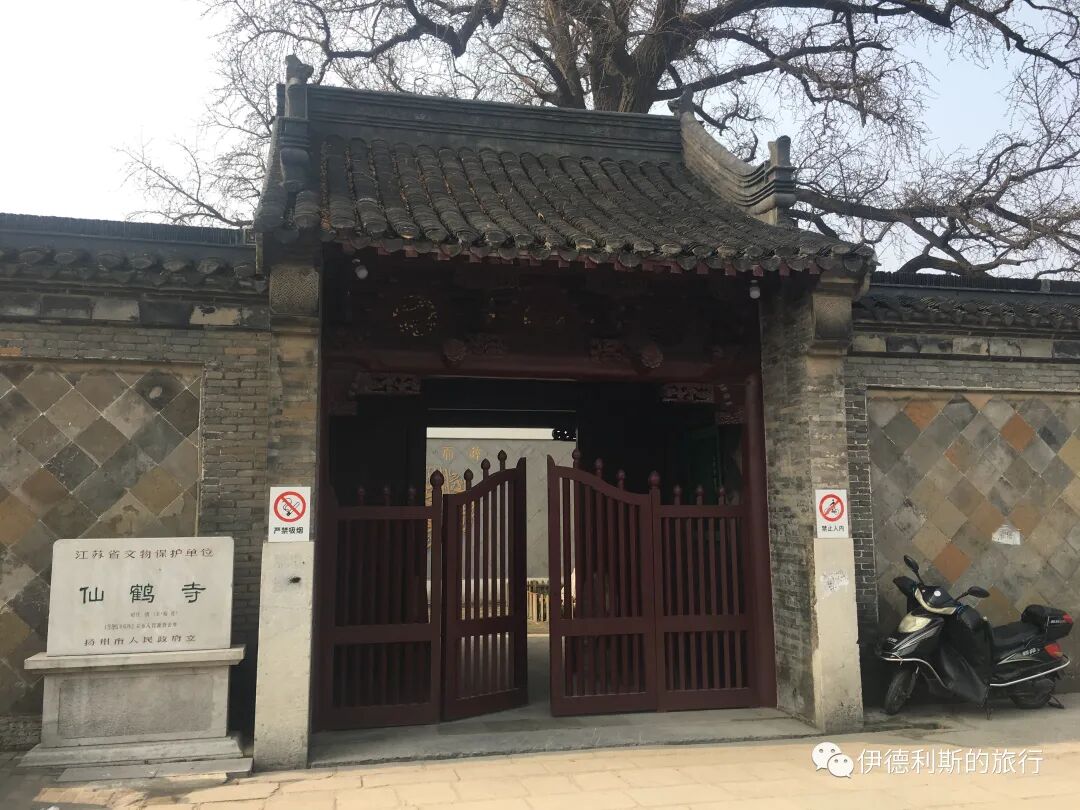
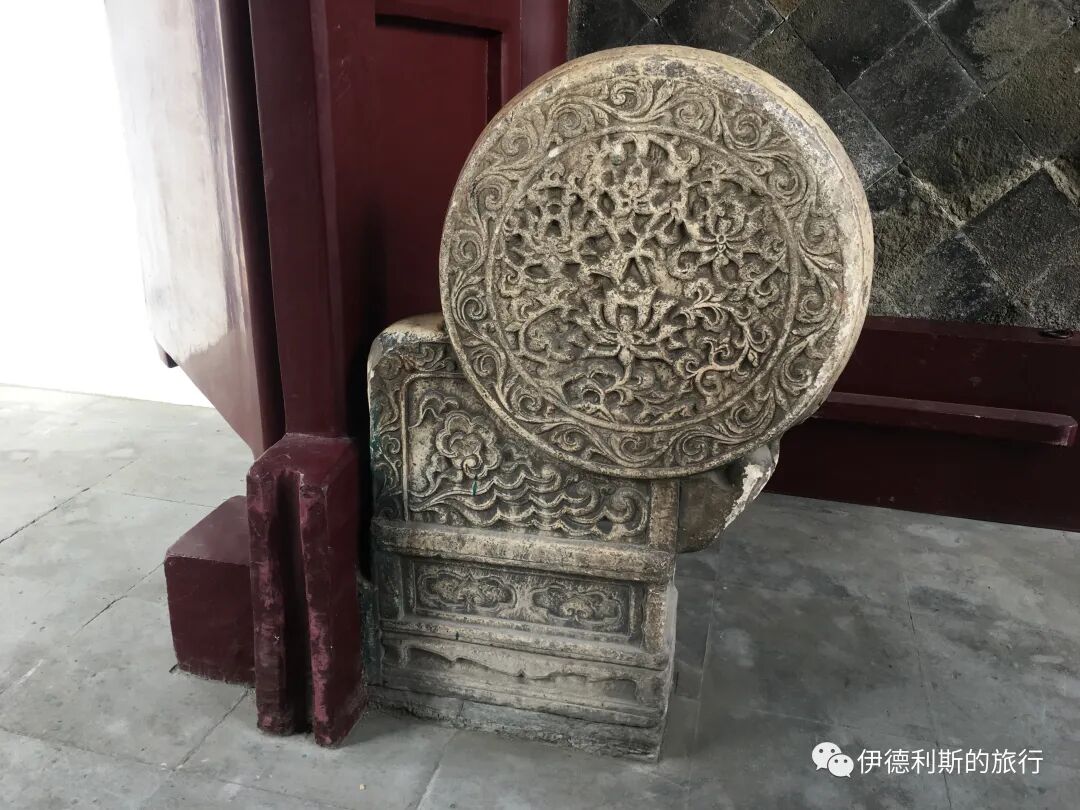
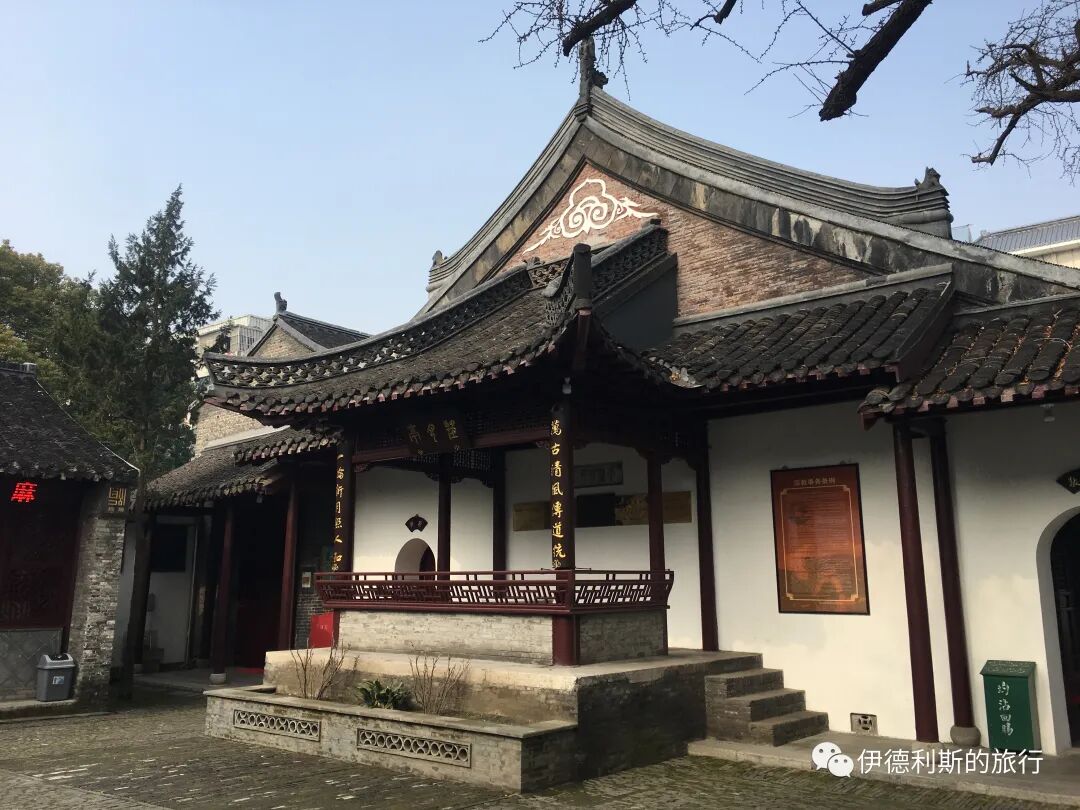
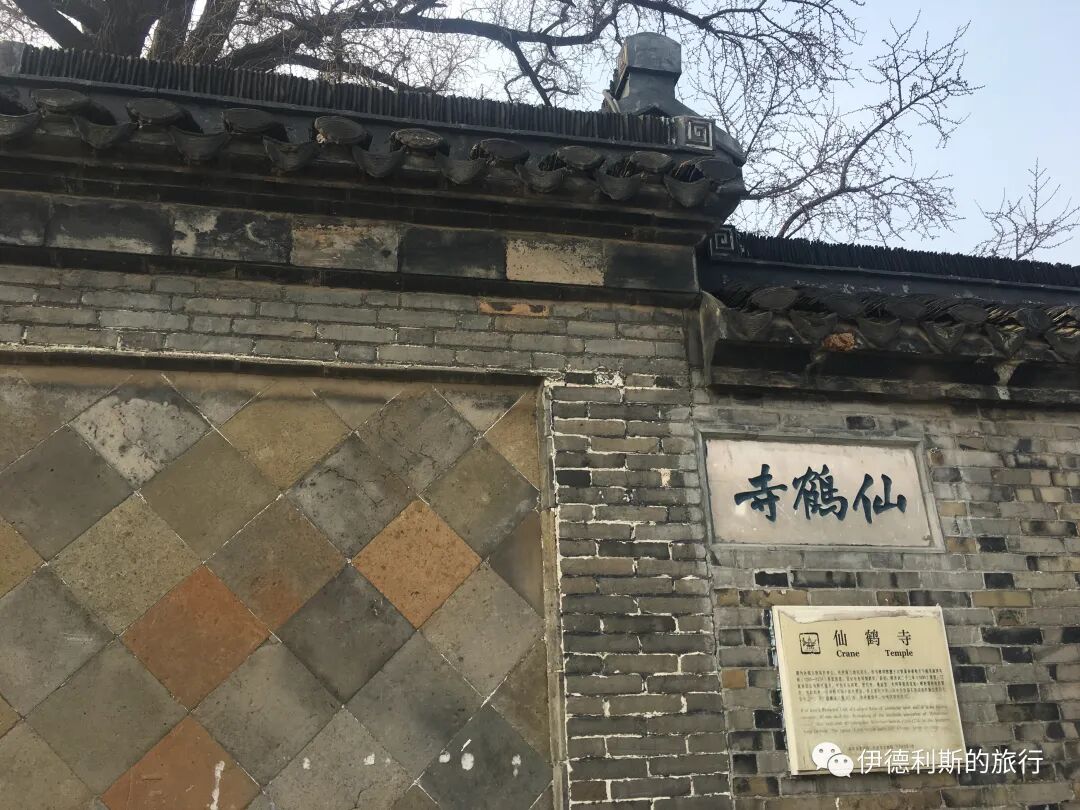
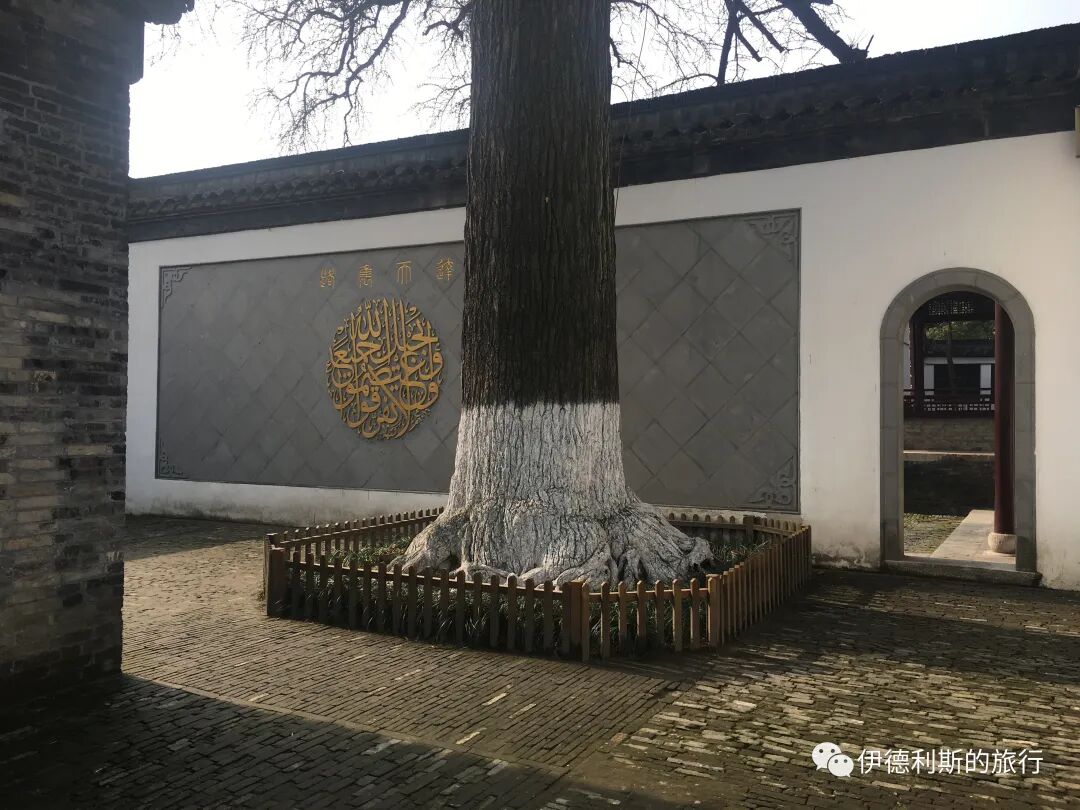
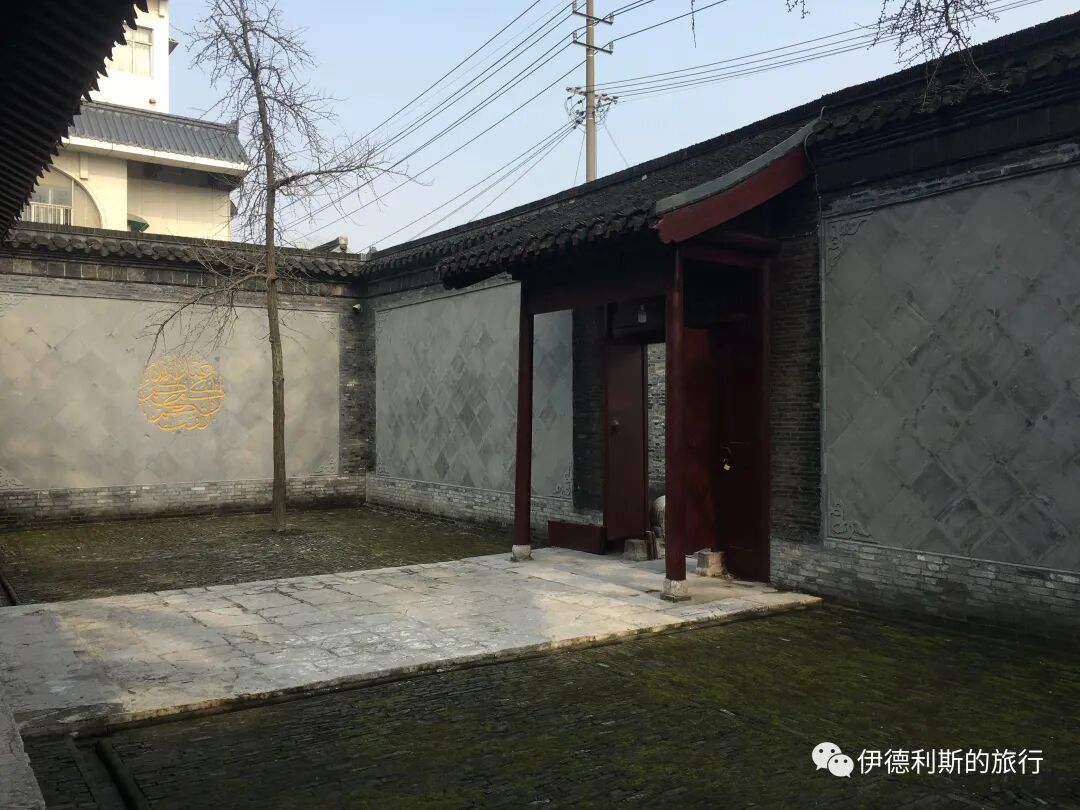
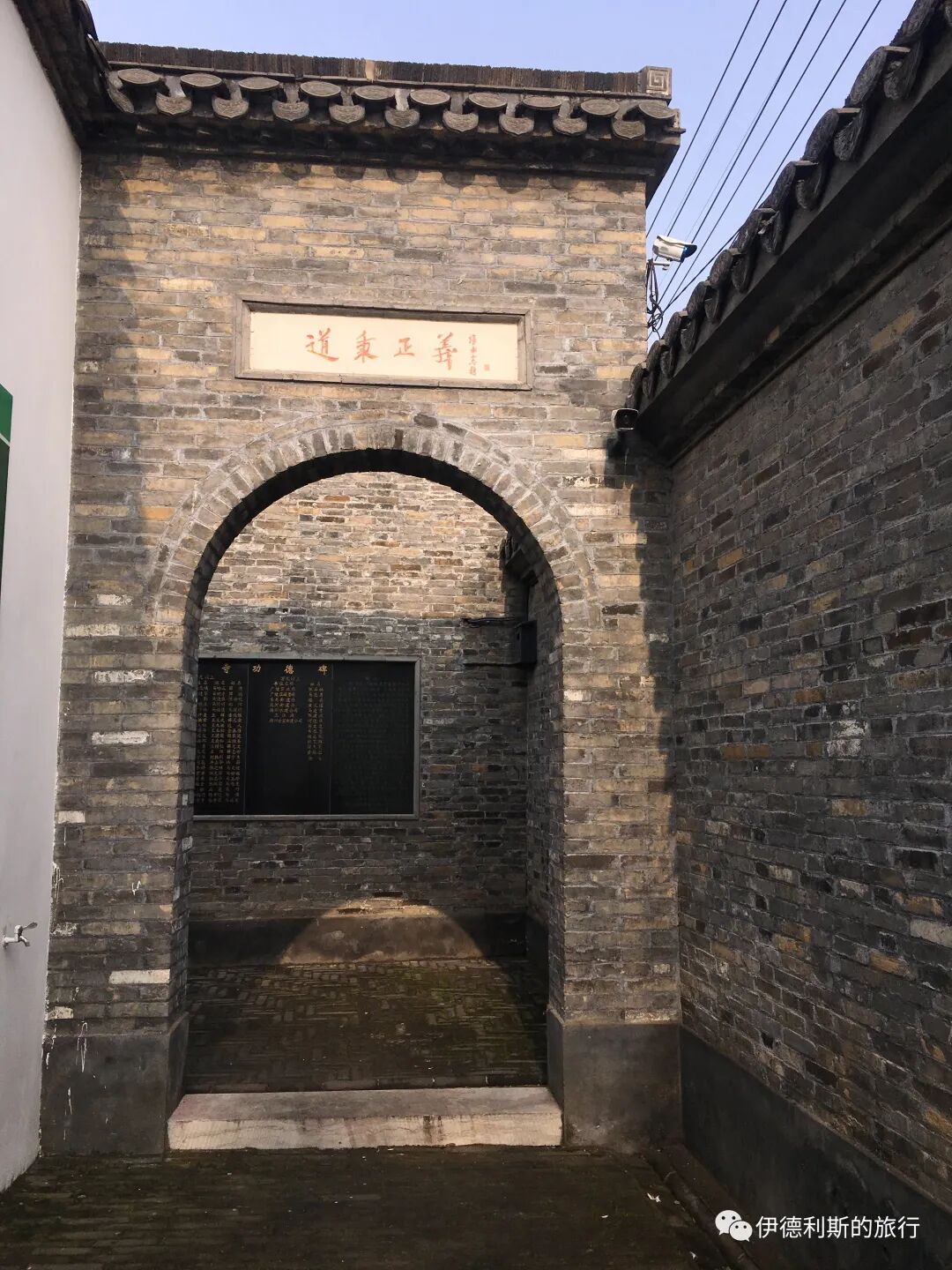
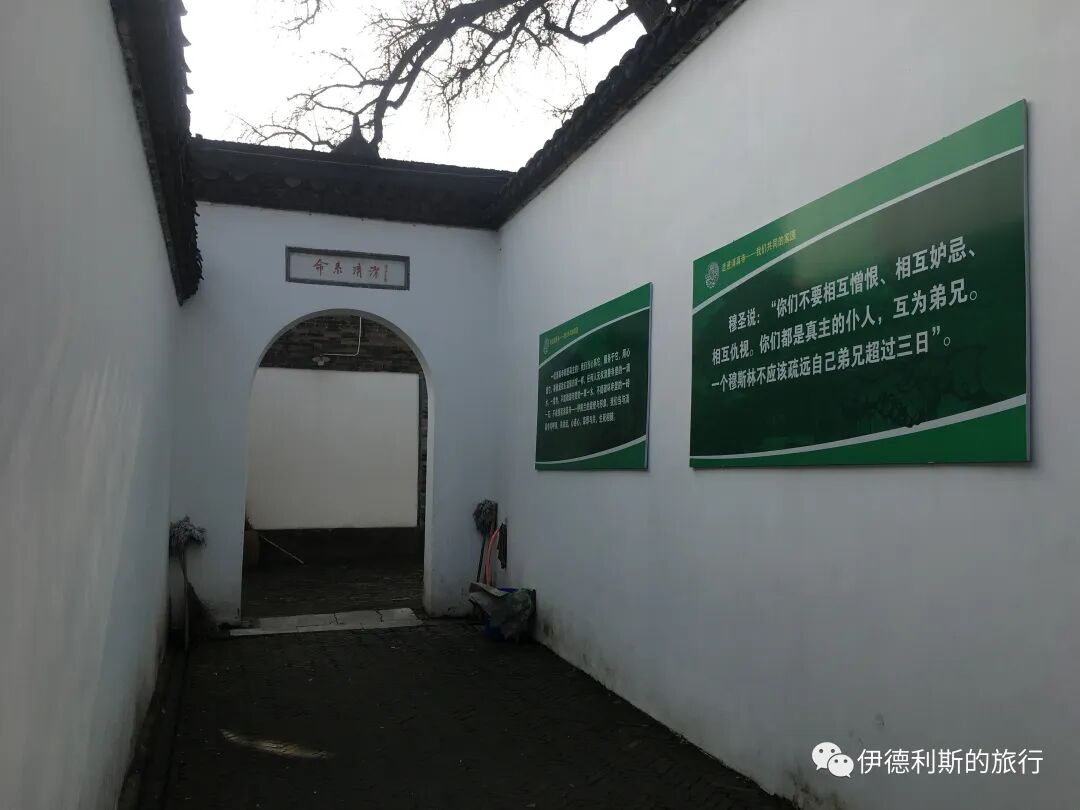
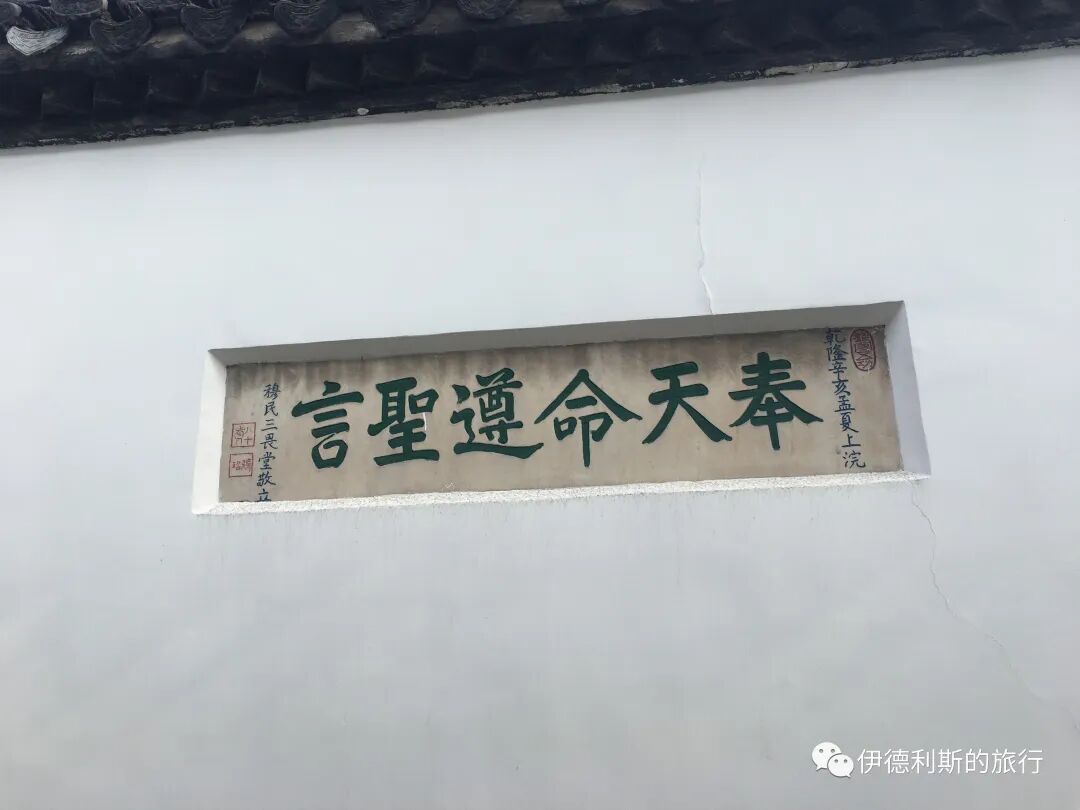
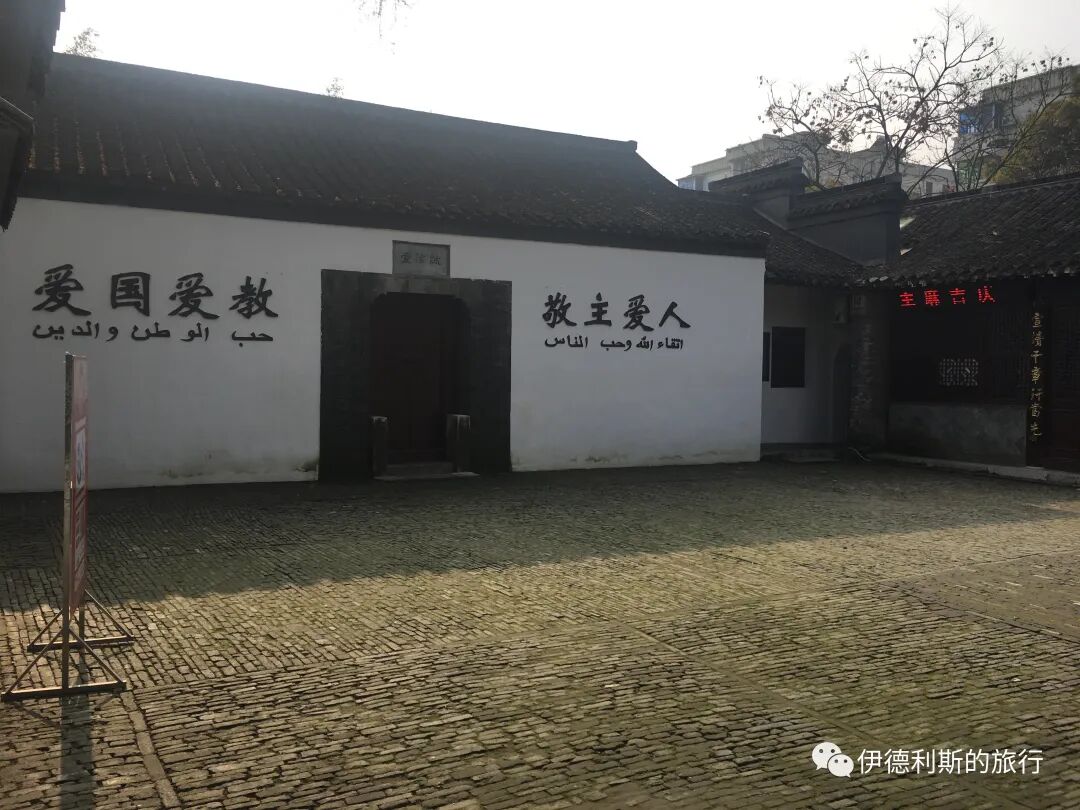
Puhading Cemetery
Puhading is said to be a 16th-generation descendant of the Prophet Muhammad. He came to Yangzhou during the Xianchun period of the Song Dynasty (1265-1274) and died in Yangzhou in 1275 (the 12th year of the Zhiyuan era of the Yuan Dynasty). He was buried on a high ridge east of the Dongguan River in the New City, a place later called the Hui Muslim Hall (commonly known as Baba Yao).
This is written in the article 'Puhading: Messenger of China-Arab Friendship,' published by the Yangzhou Islamic Association in the fourth issue of 'Jiangsu Muslims' in 2015. Local imams in Yangzhou pass down a set of stories about the life of Puhading. On the morning of July 17, 1947, at the East Lecture Hall of the Huihui Tang mosque, Imam Lan Baohua passed down the life story of Puhading to his son, Imam Lan Xiaoyang. He based this on the oral accounts of famous scholars Zhang Zhong and imams Han Yuchun, Lan Jiansen, Lan Wenyuan, and Lan Sifu. Seven people were present, including Imam Ruan Xiangsong and community elders Ma Liang, Zhang Yangwu, Wang Yan, and Jin Yuanxun. Here is the life story of Puhading as passed down by the Yangzhou imams:
Puhading was born on May 21, 1204 (the fourth year of the Jiatai era of the Song Dynasty) into a wealthy Arab noble family. He was the 16th-generation descendant of the Prophet Muhammad. Puhading was a man of great learning, well-versed in the Quran, the Hadith, and Islamic law. At age 57, Puhading followed the Prophet's teaching that one should seek knowledge even as far away as China. After four years of careful preparation, he set off for China from Arabia on a merchant ship at age 61, leading a team of 17 people.
On June 20, 1265 (the first year of the Xianchun era of the Song Dynasty), Puhading and his followers arrived in Yangzhou. They lived for four years at the mosque outside the south gate of Yangzhou at that time. He helped expand the old mosque outside the south gate and renovated the Guannan Chaoguan mosque.
On the 23rd day of the seventh lunar month in 1275 (the 12th year of the Zhiyuan era of the Yuan Dynasty), he traveled south from Rencheng (Jining) to Guangling (Yangzhou). He passed away on a boat while returning from giving a lecture, at the age of 71. The governor of Guangling, Yuan Guang'en, buried his body on a high ridge on the east bank of the Grand Canal, east of Yangzhou city.
Three years after Puhading died, another Muslim sage who came to Yangzhou to preach, Saganda, passed away in 1278 (the third year of the Jingyan era of the Song Dynasty). He was buried near Puhading's tomb. A stone tablet erected in 1776 (the 41st year of the Qianlong era) refers to him as the Western Region sage Saganda from the third year of the Jingyan era of the Song Dynasty.
During the Ming Dynasty, more Muslims were buried there, such as the Western Region sage Mahamude in 1456 (the first year of the Chenghua era), the Western Region sage Zhanmaluding in 1469 (the fifth year of the Chenghua era), and the Western Region sage Fana in 1498 (the 11th year of the Hongzhi era).
Next to the main gate is a mosque for those visiting the graves.
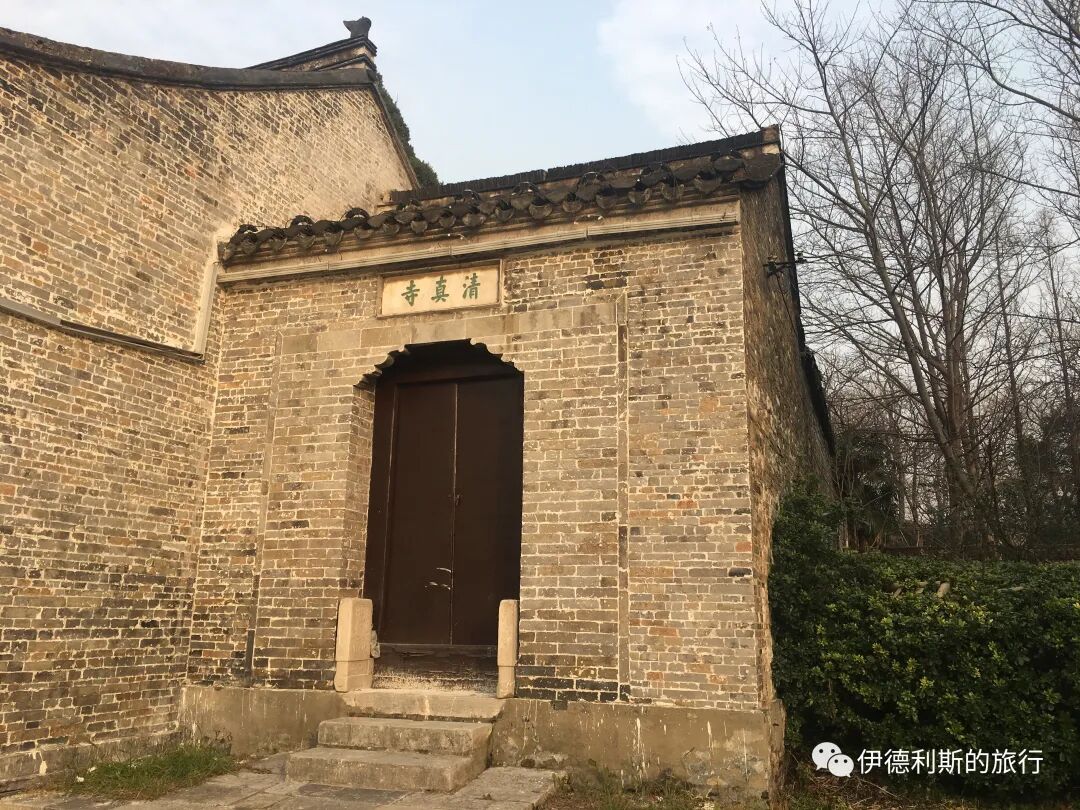
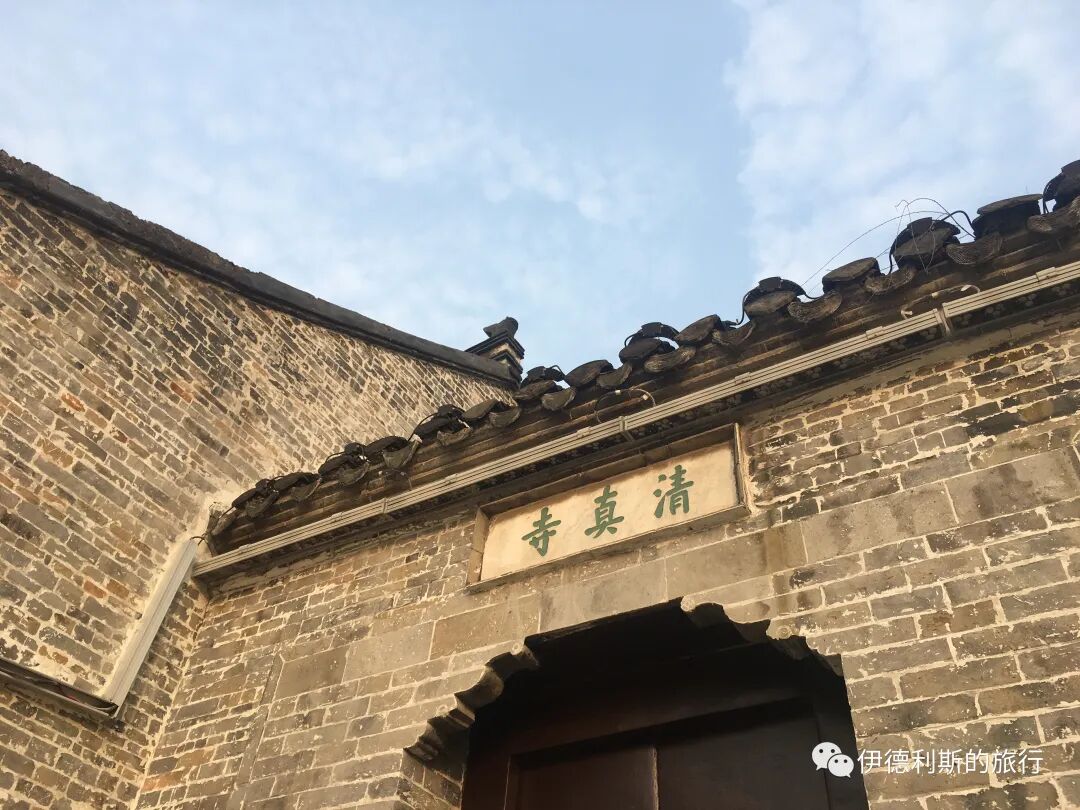
The mihrab of the mosque.
The stone carving inside the main gate records that in 1845 (the Yisi year of the Daoguang era), people of various surnames donated funds to build a stone embankment and renovate the halls.
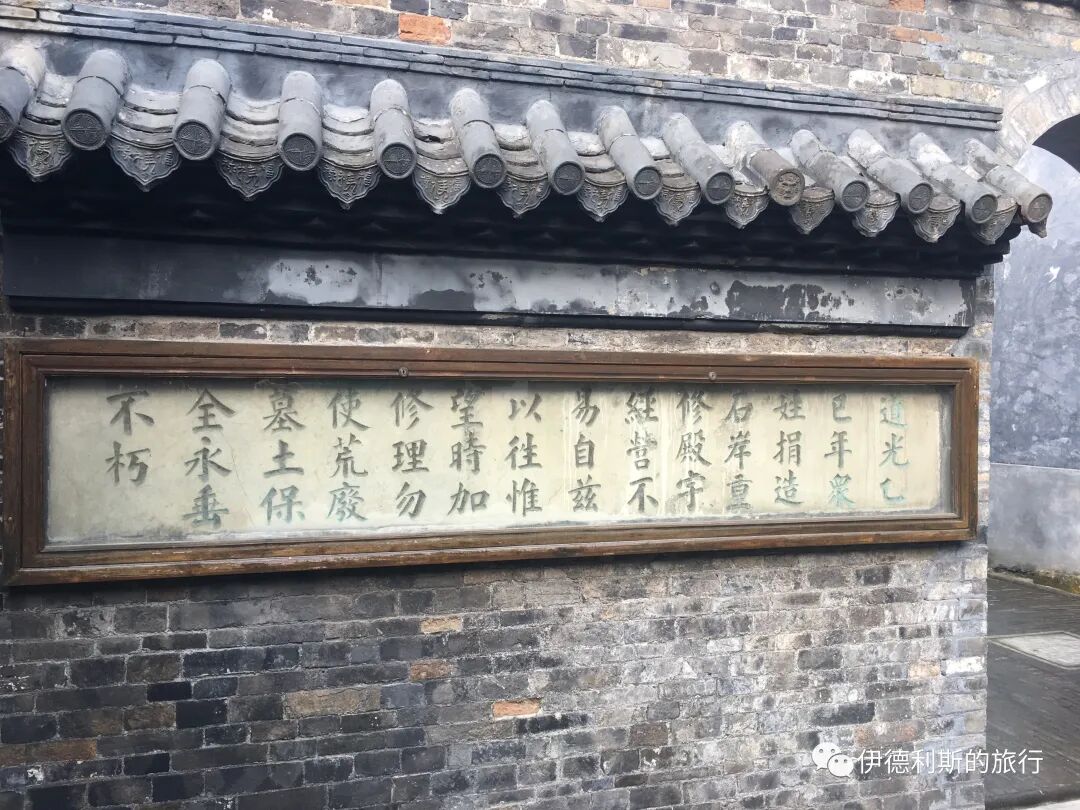
Inside the main prayer hall of the mosque.
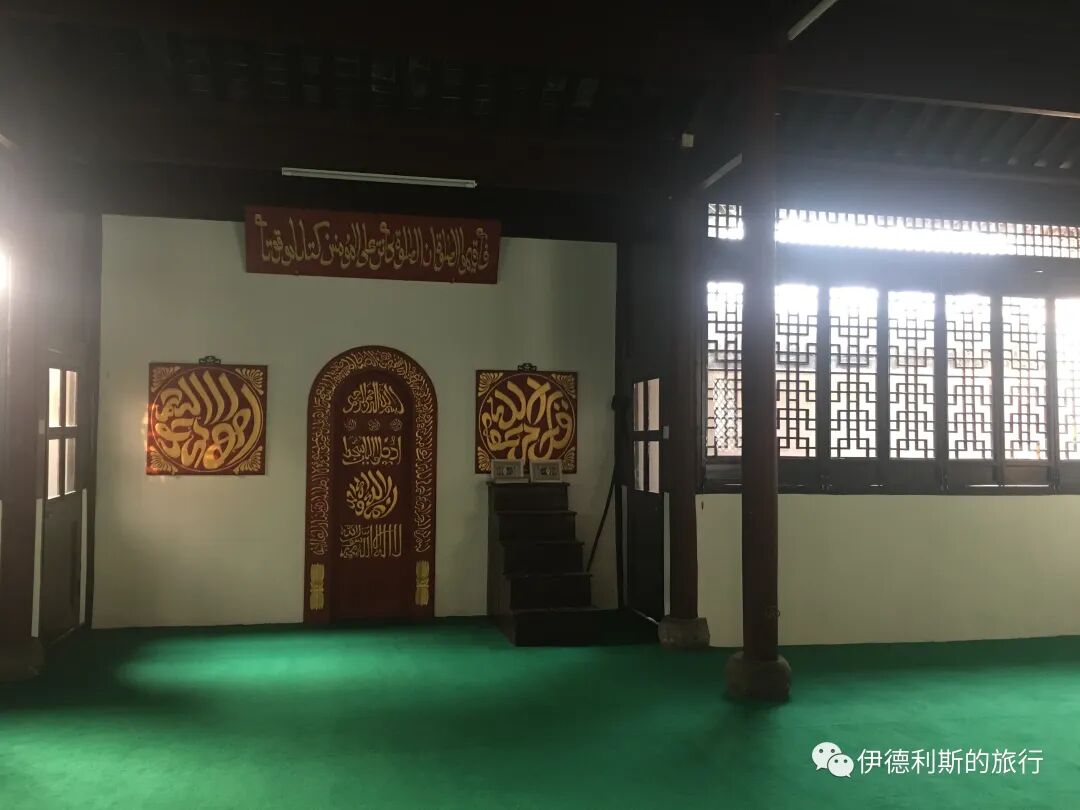
The kiln-style hall (yaodian) of the Puhading Tomb mosque, photographed by missionary Bi Jingshi between 1934 and 1935.
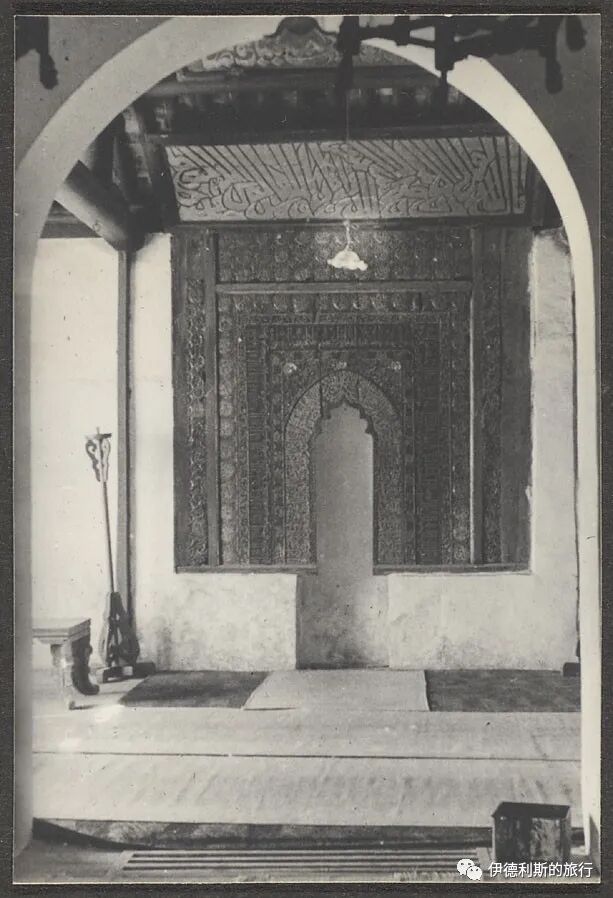
Climb the stone steps behind the mosque to reach the Puhading Tomb.
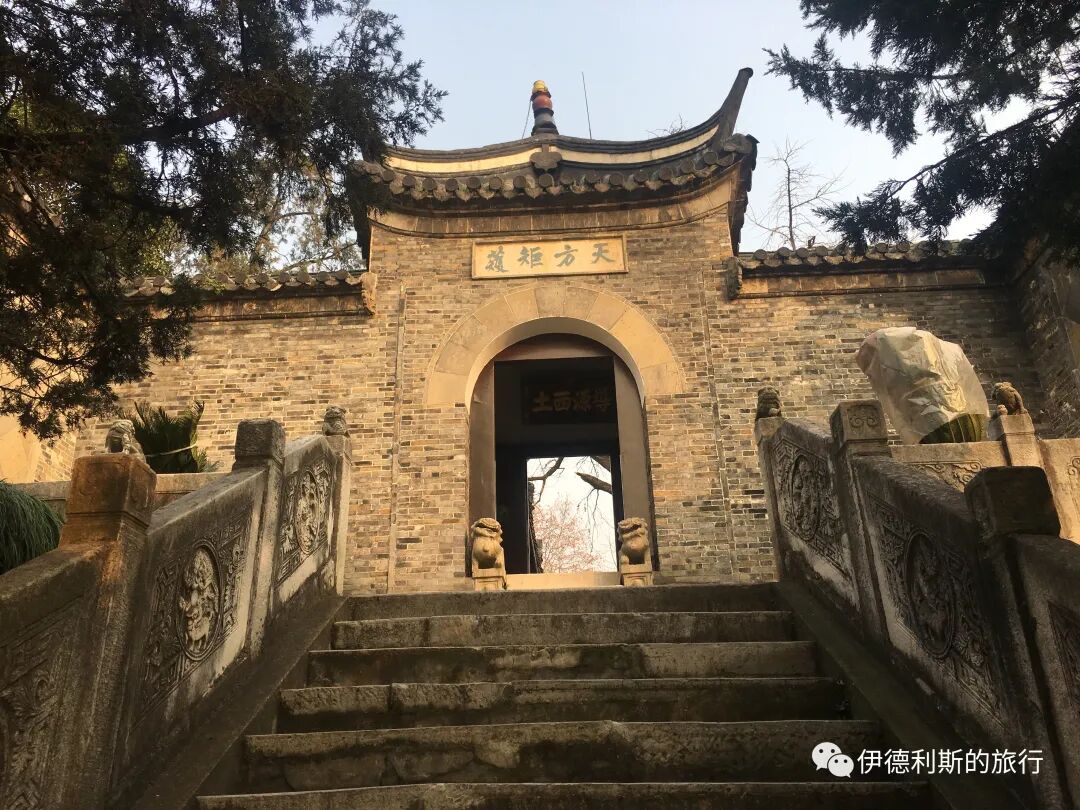
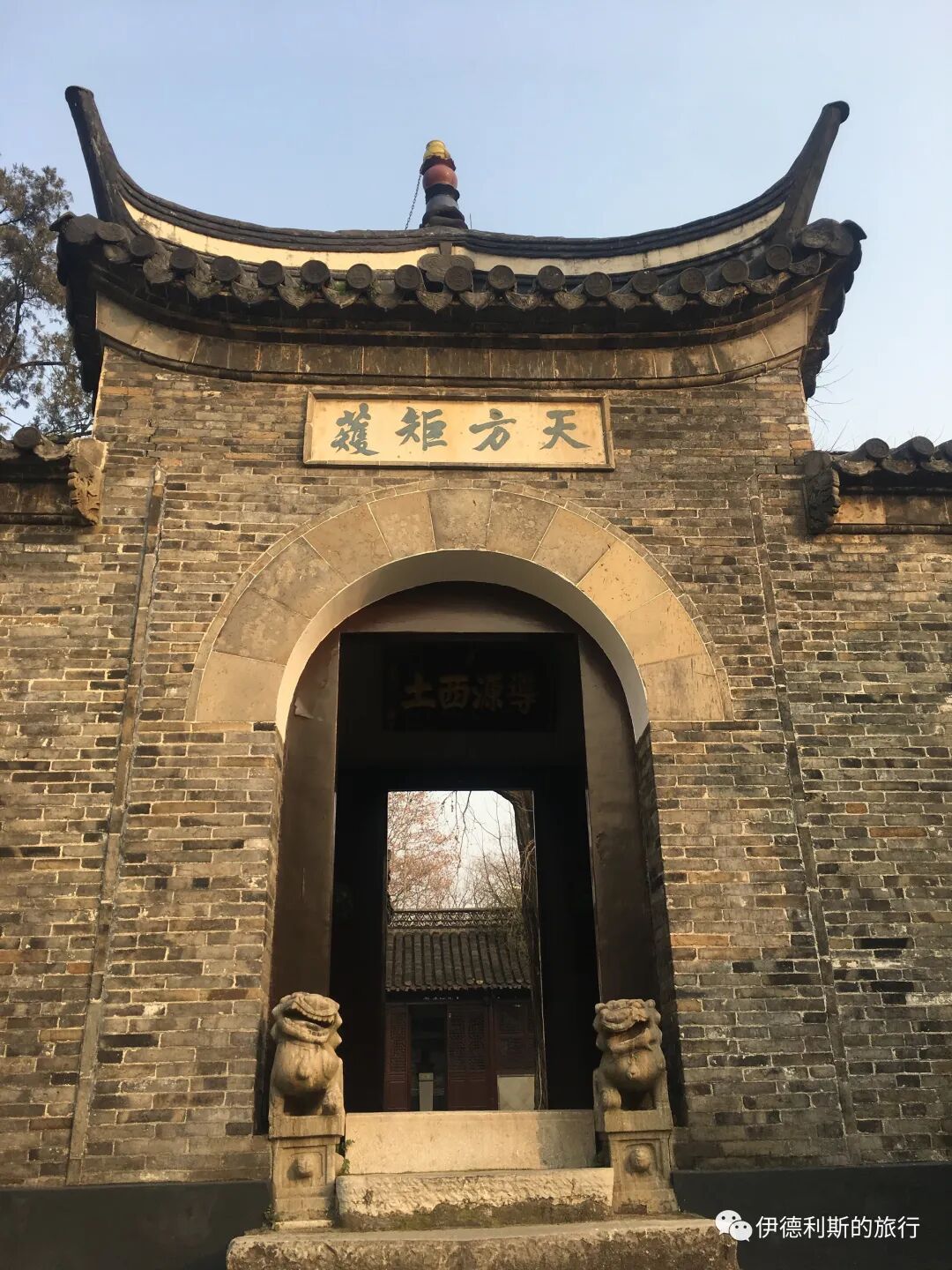
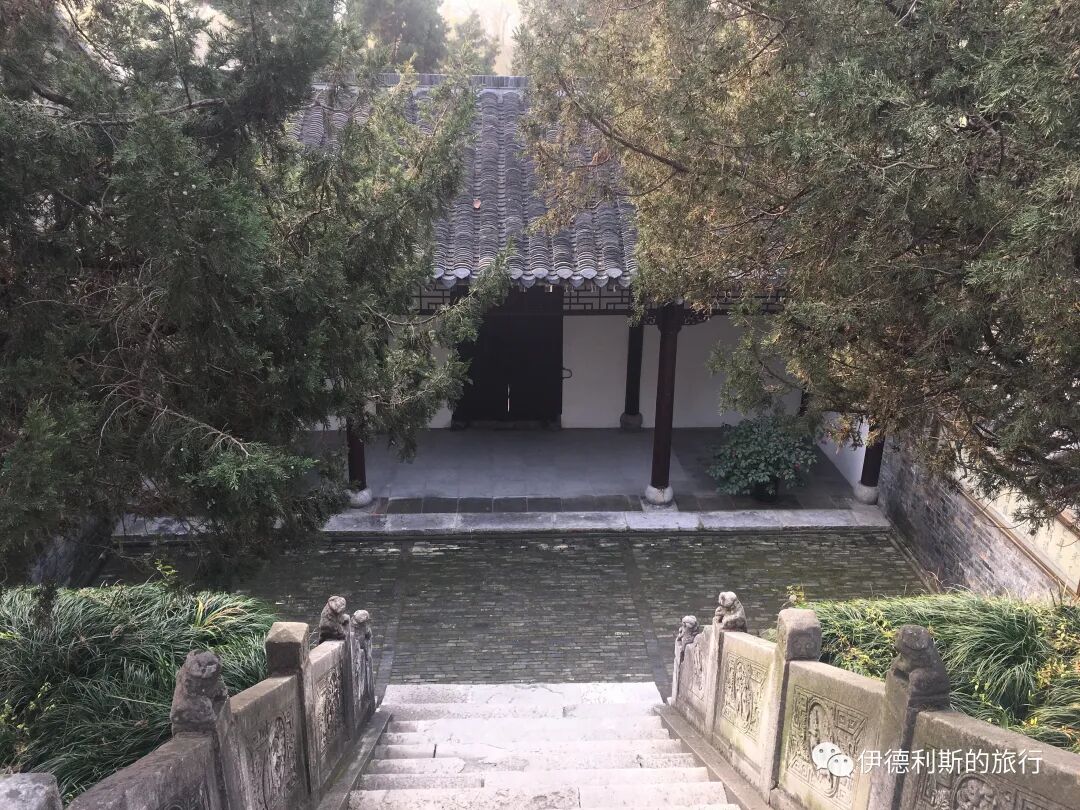
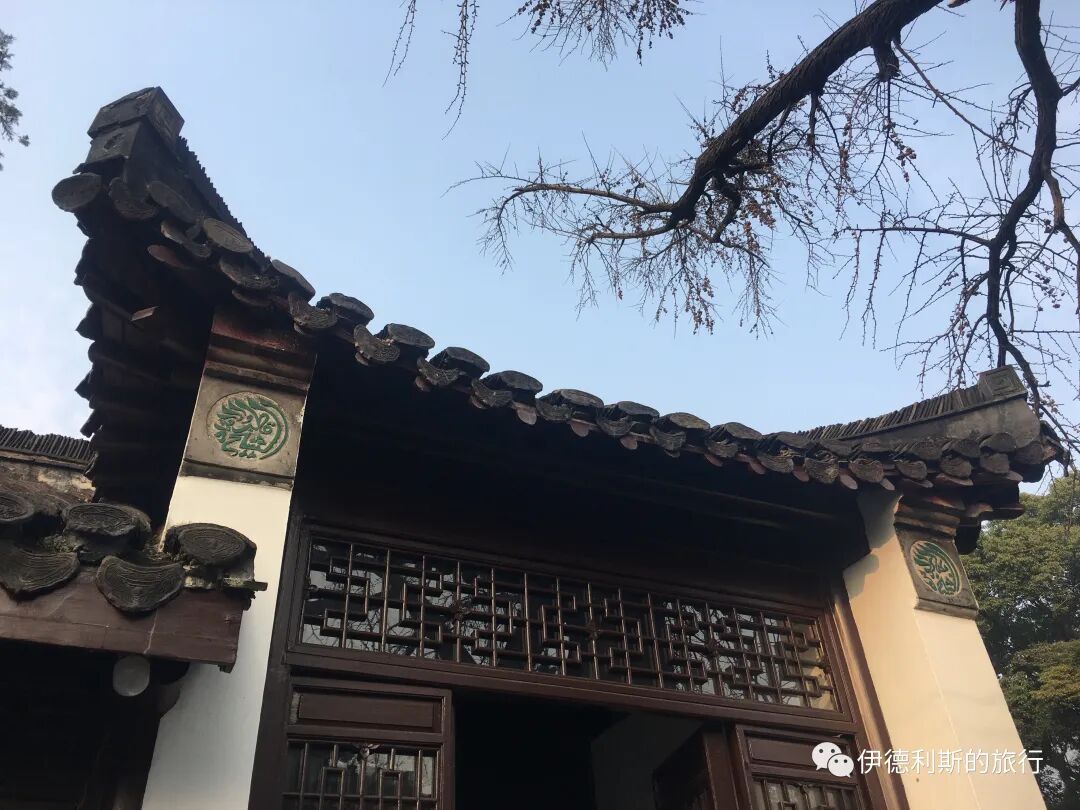
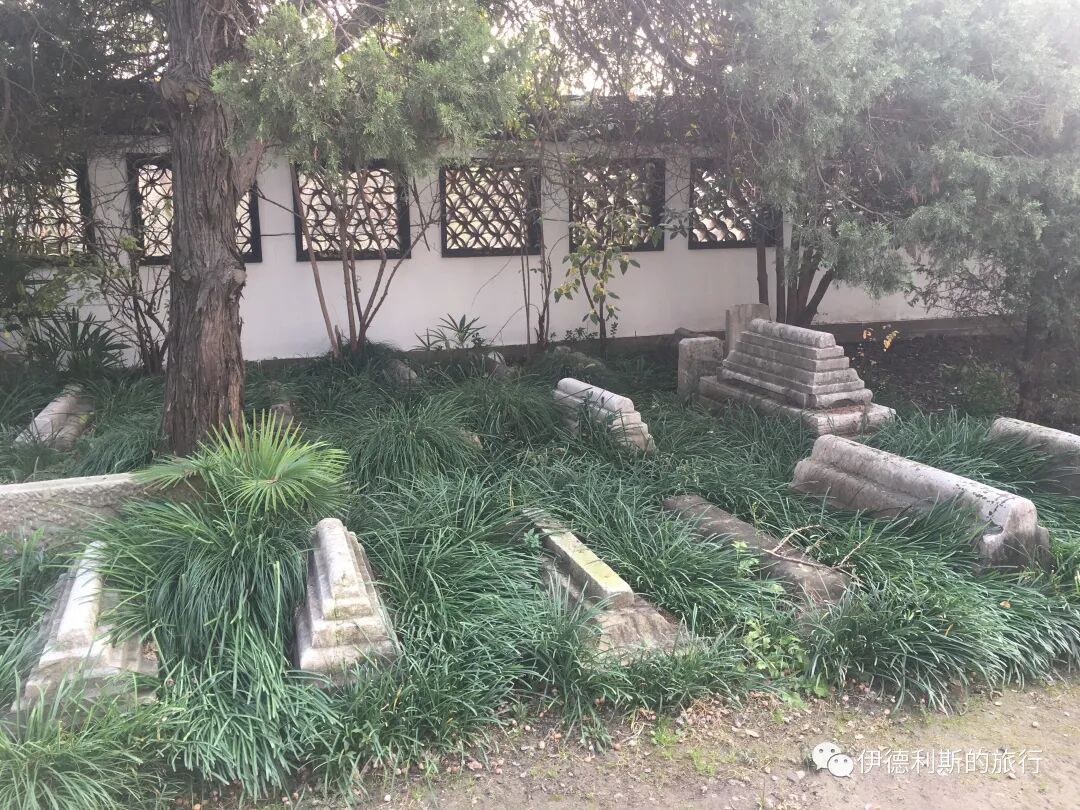
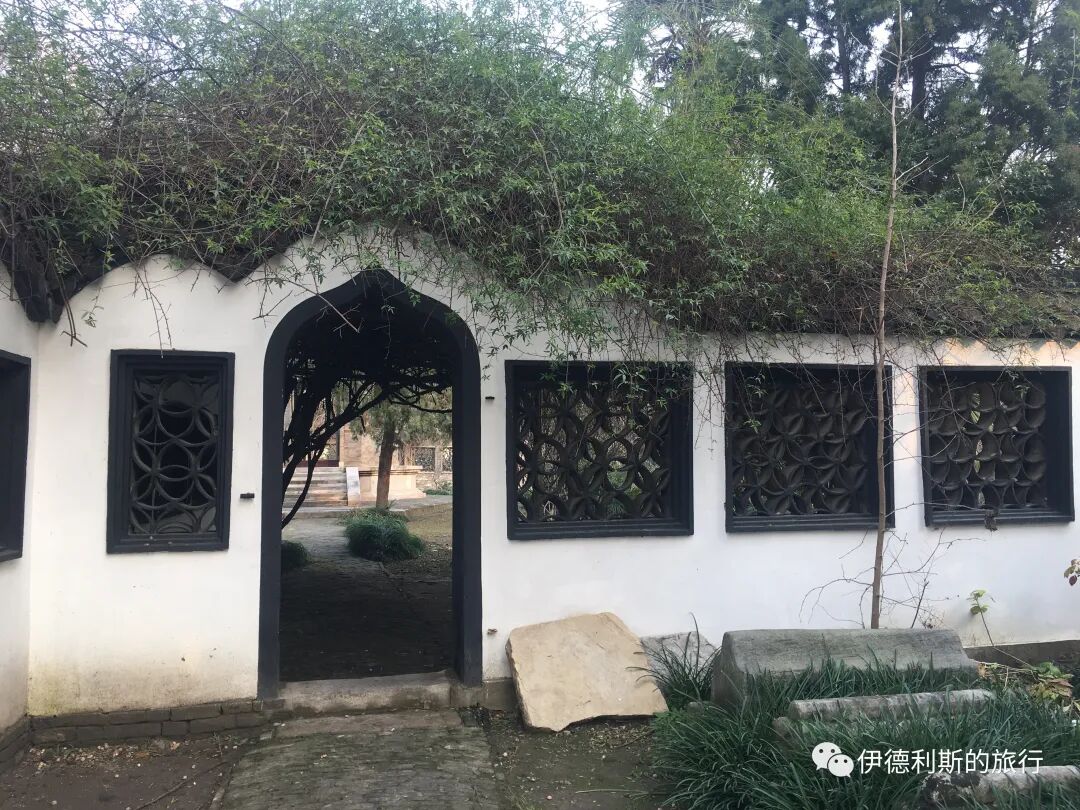
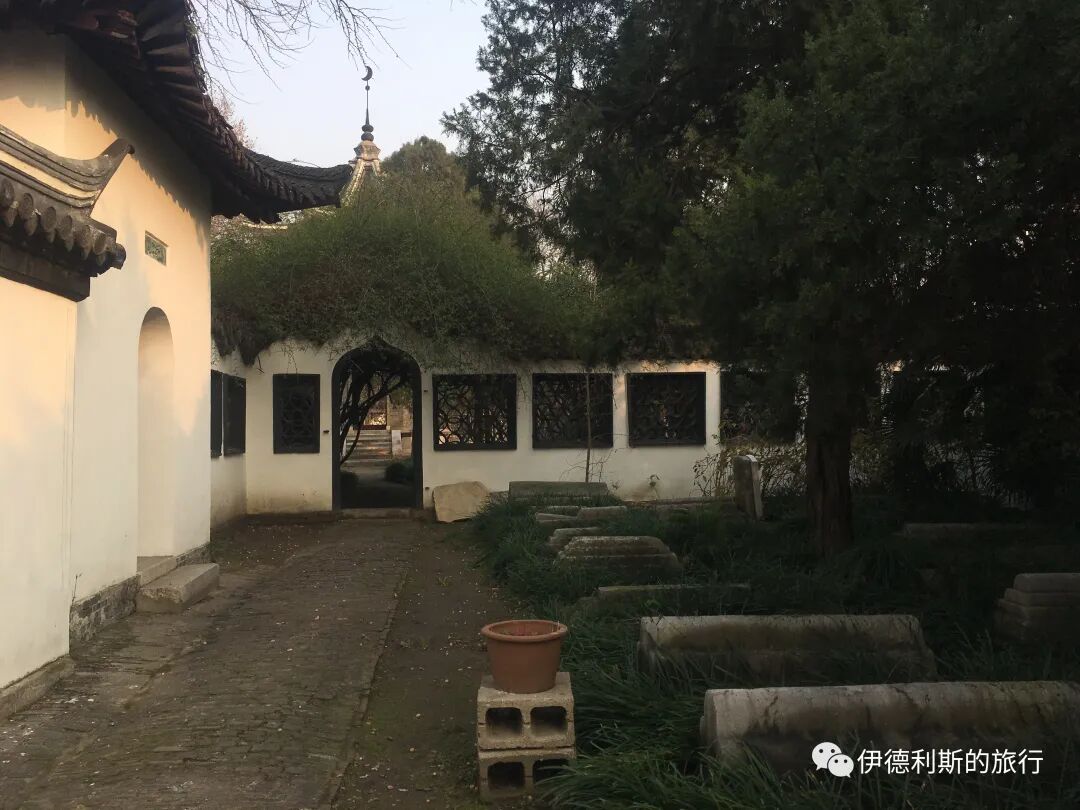
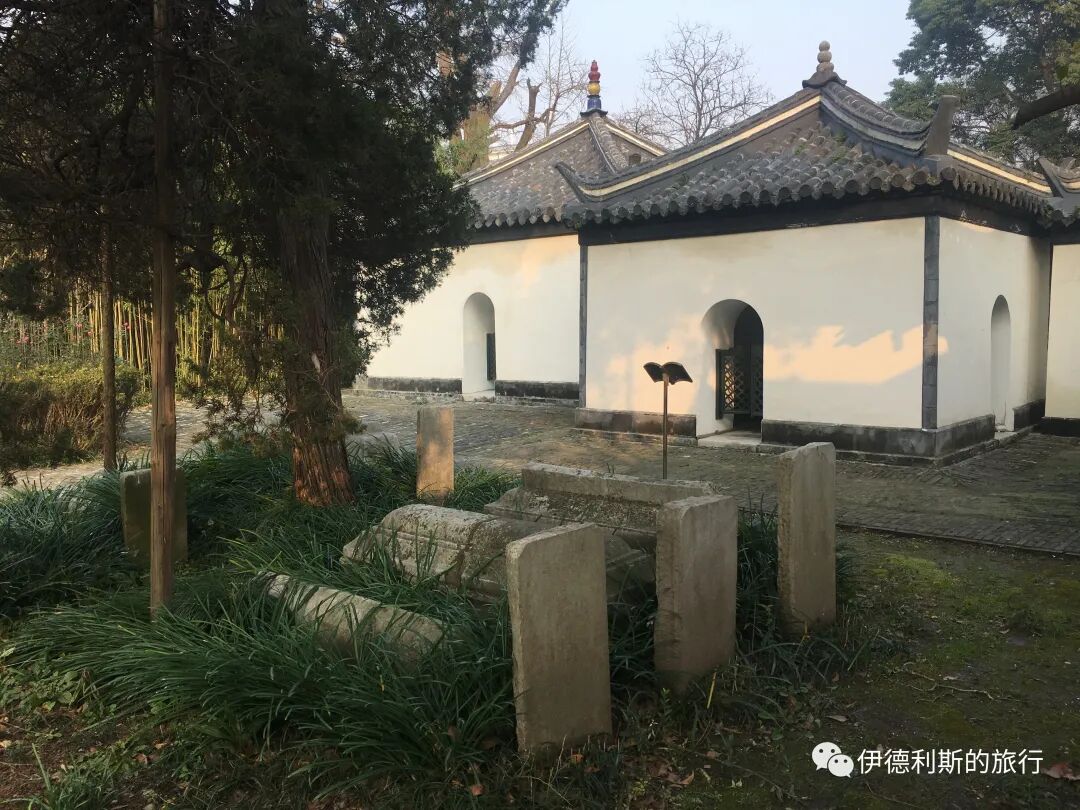
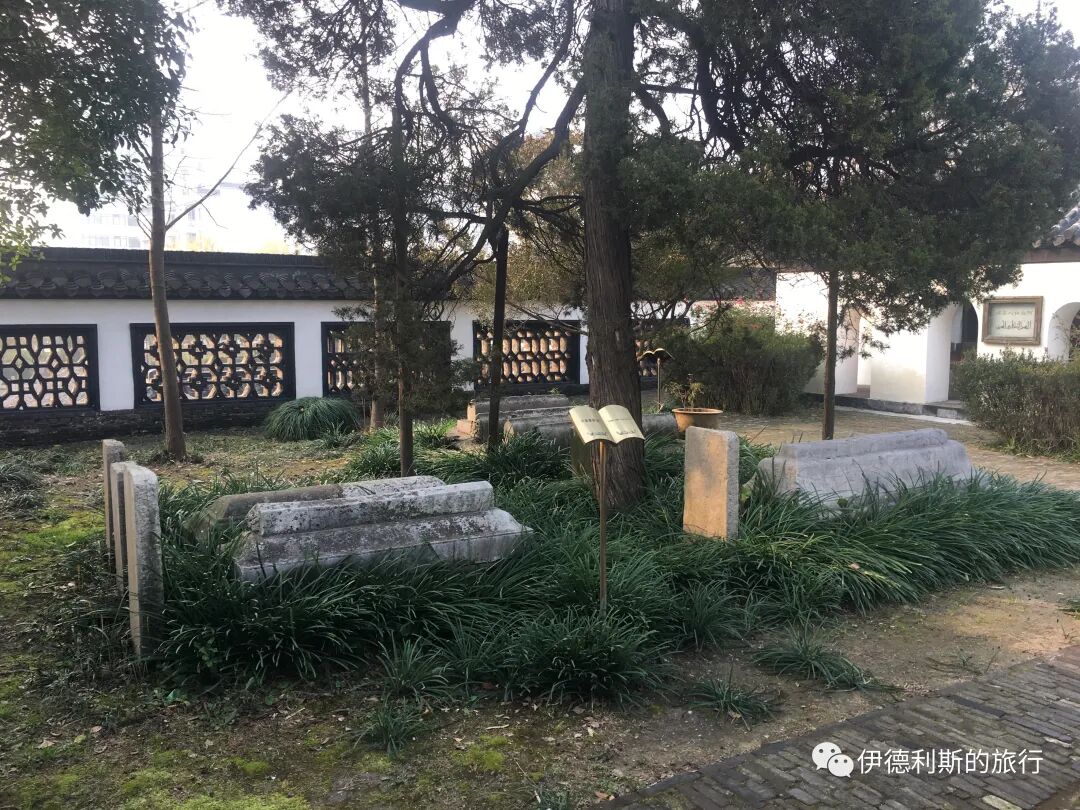
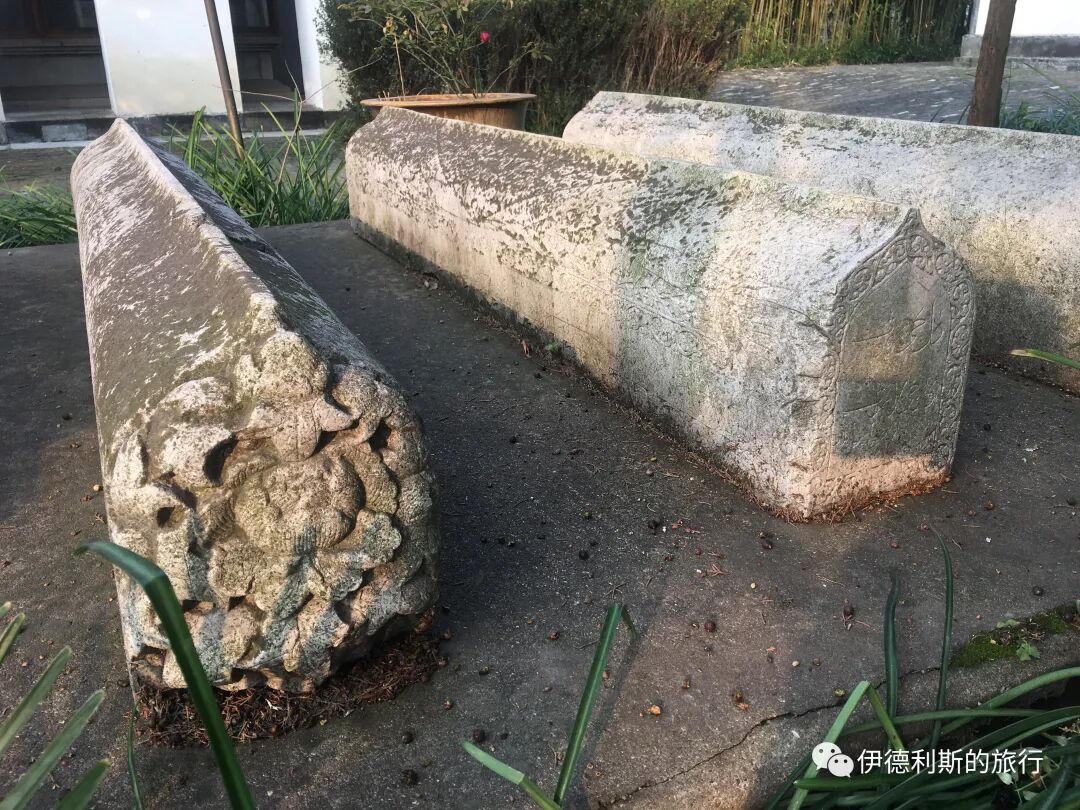
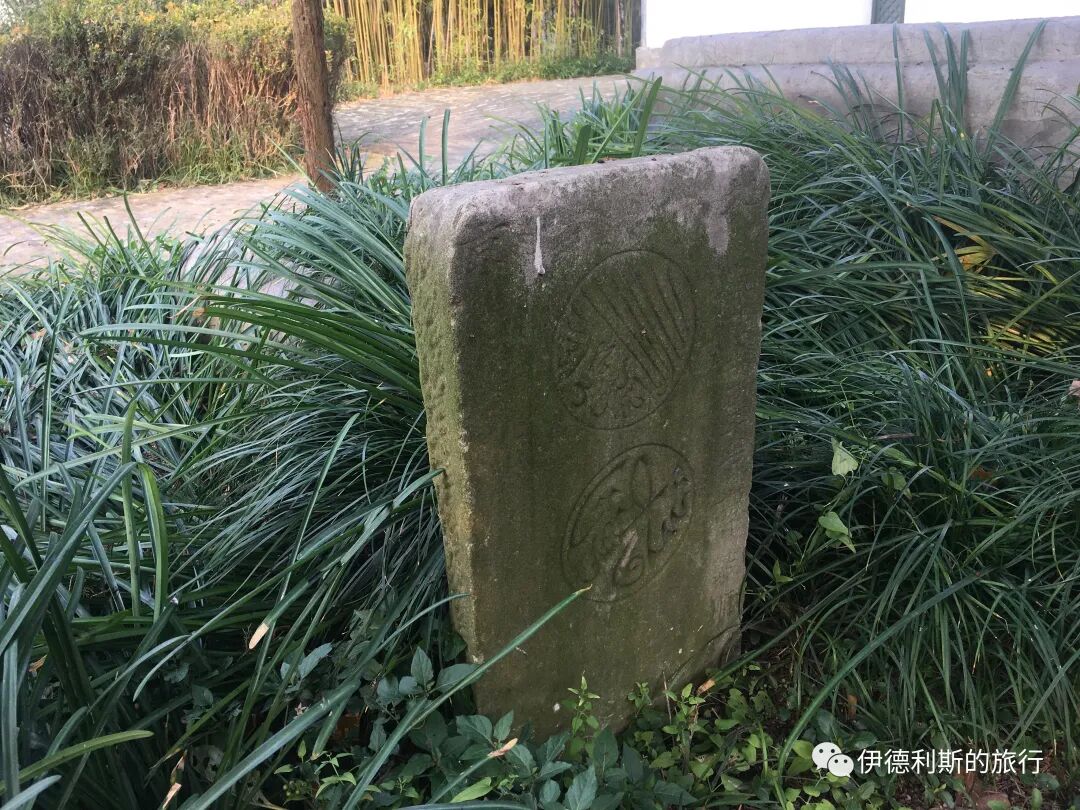
A 700-year-old ginkgo tree.
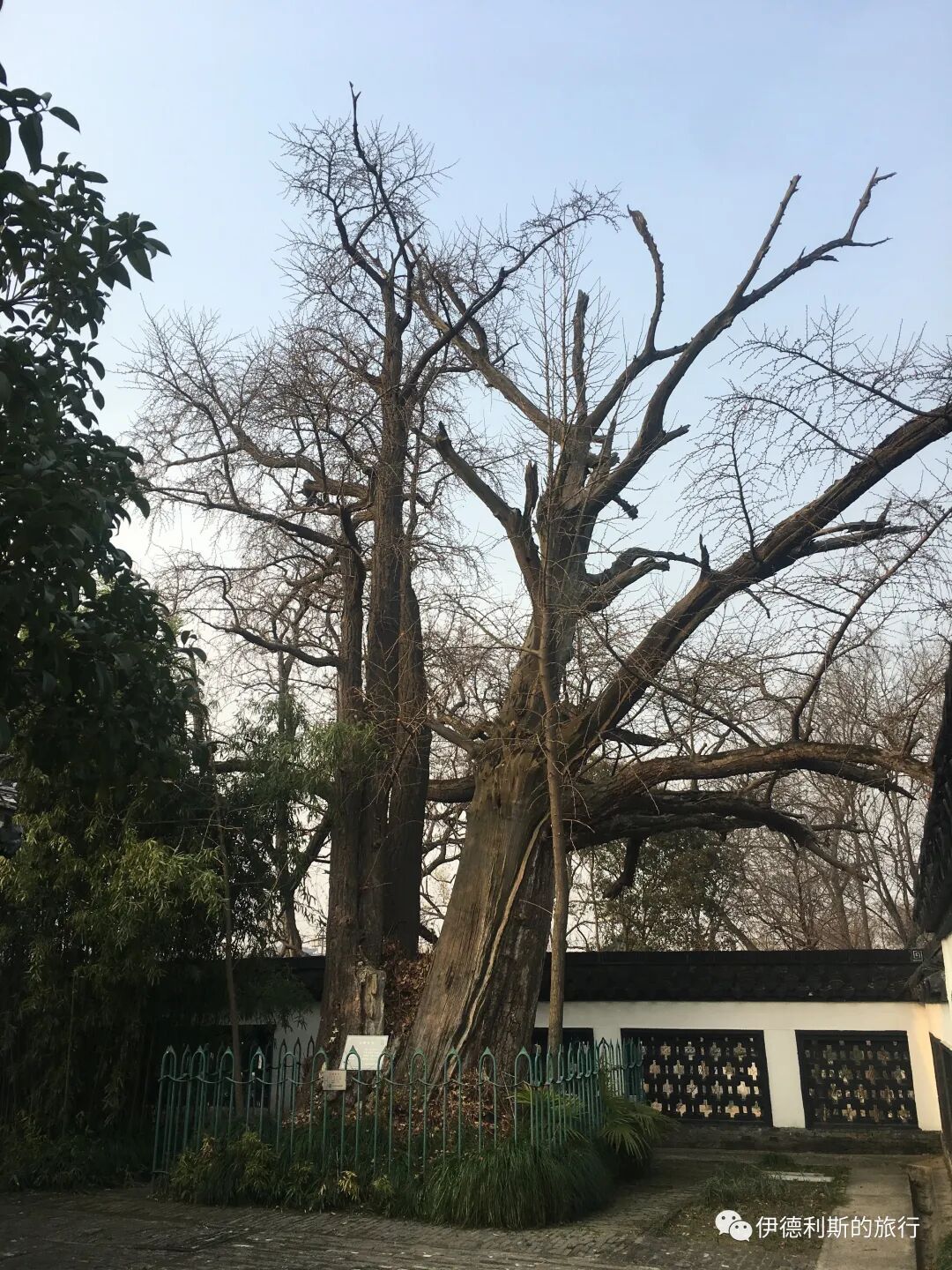
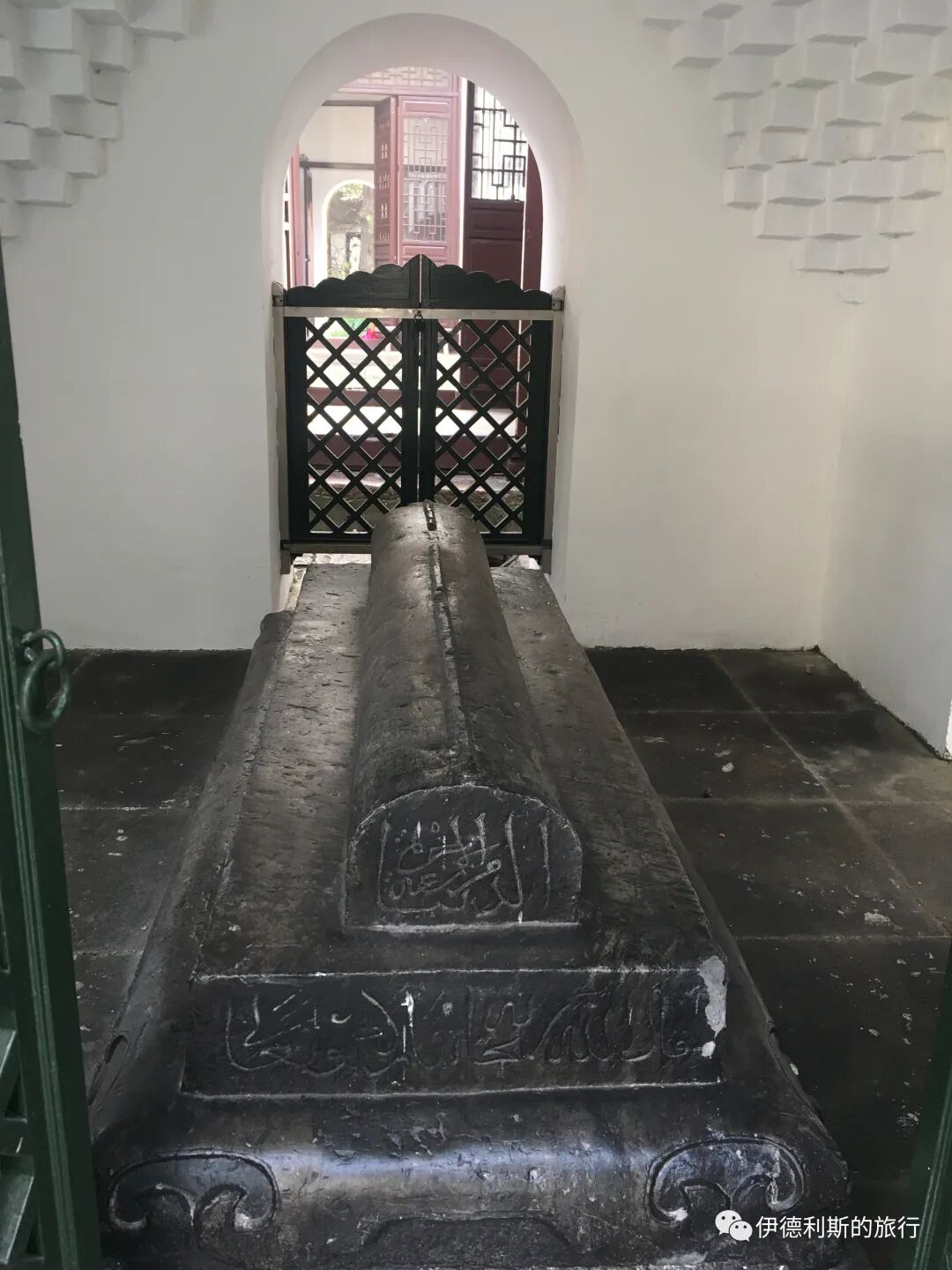
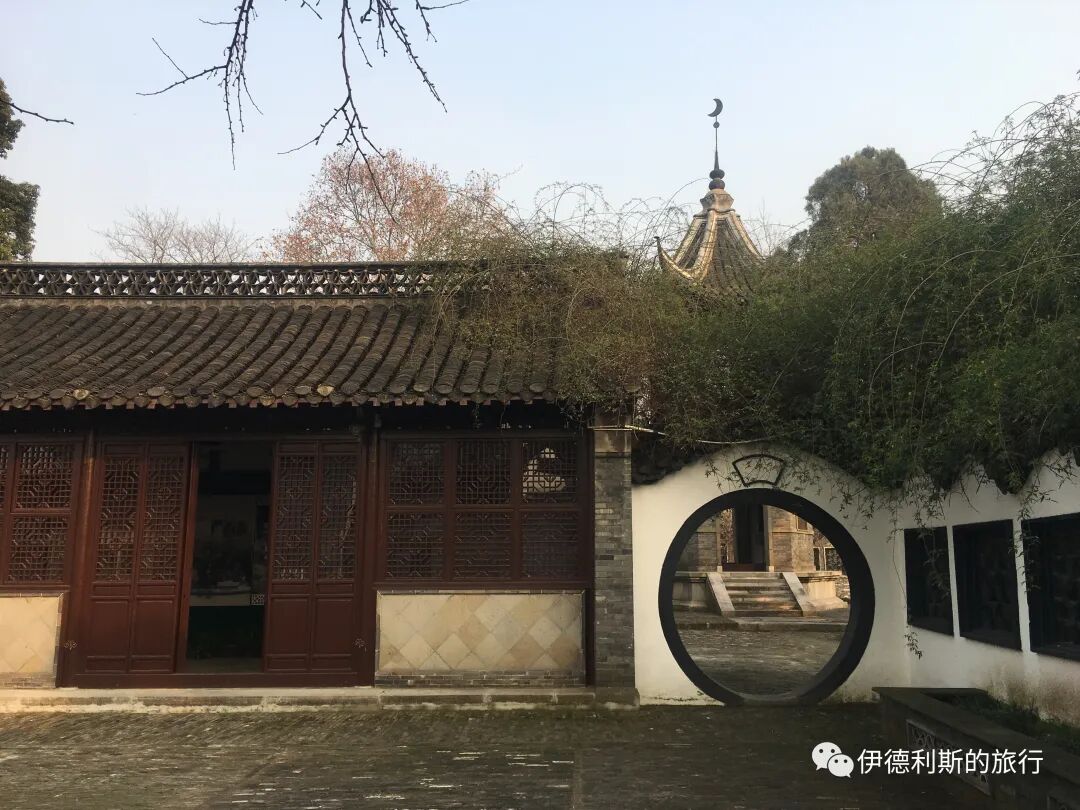
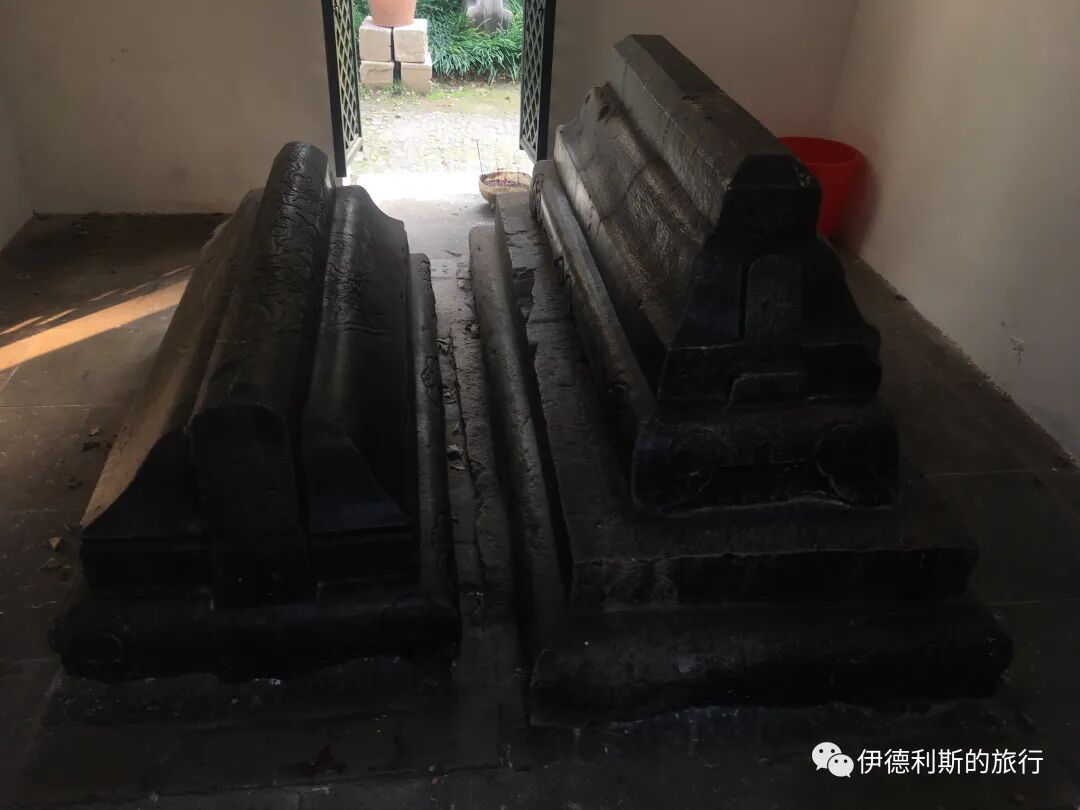
A merchant from Chang'an County, Xi'an Prefecture, Shaanxi, passed away on the fourth day of the intercalary seventh month in the 14th year of the Hongzhi reign (1501). Erected by his son Wang Qi and grandson Wang Dong.
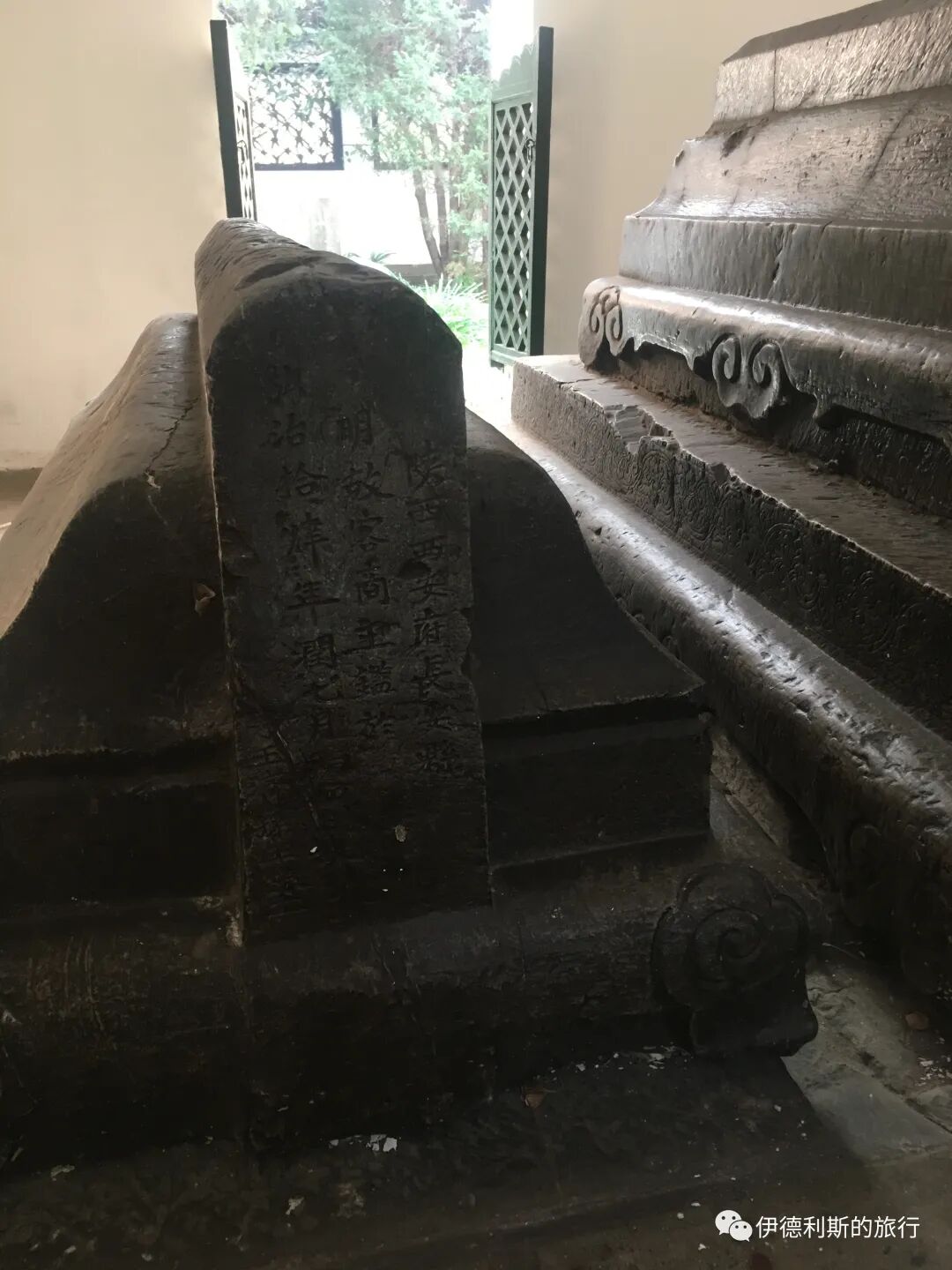
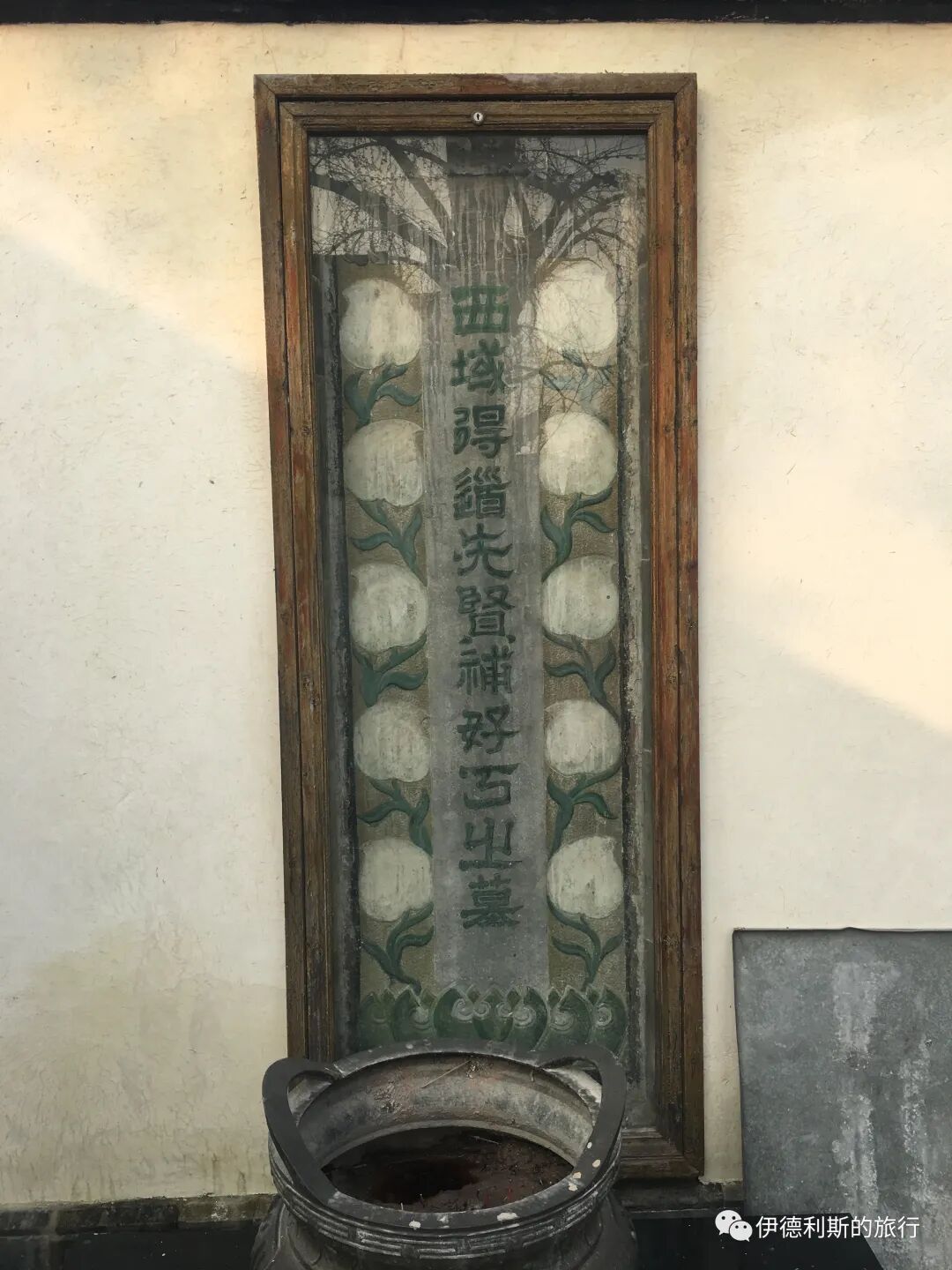
The Puhading Tomb photographed by missionary Claude L. Pickens between 1934 and 1935.
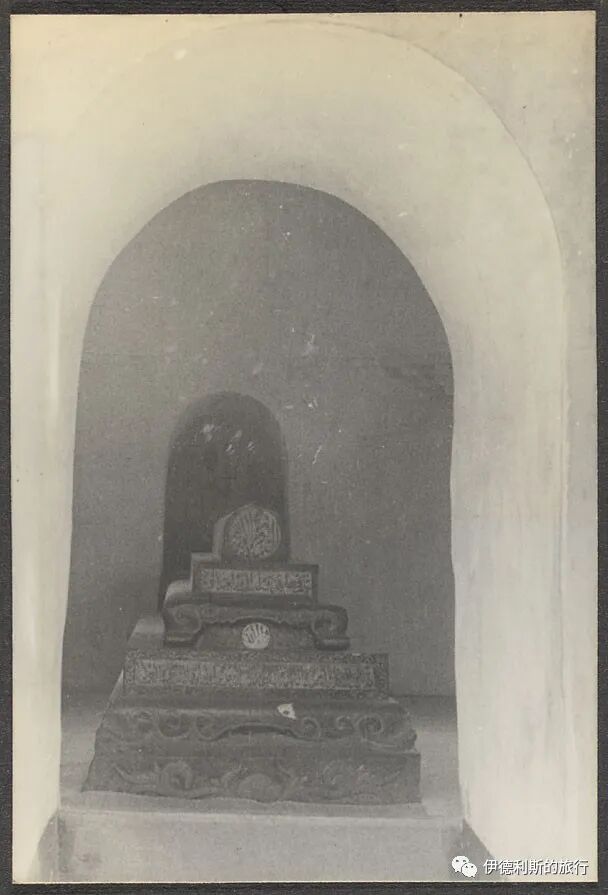
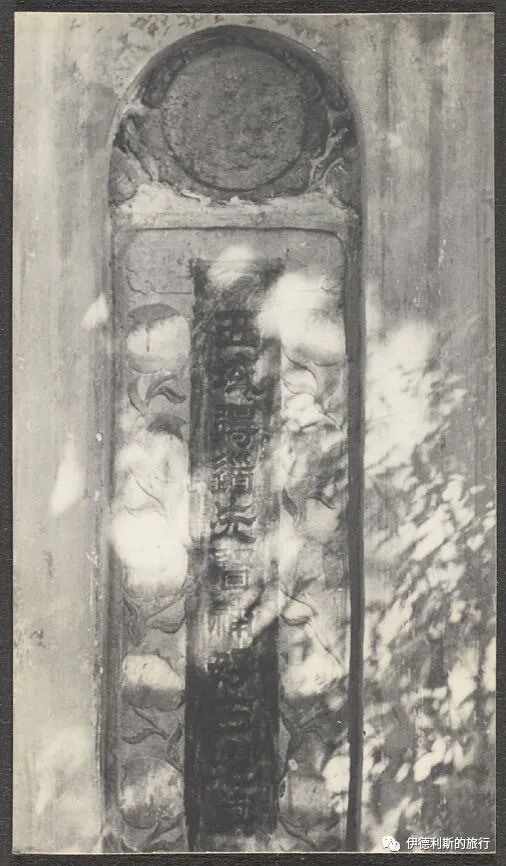
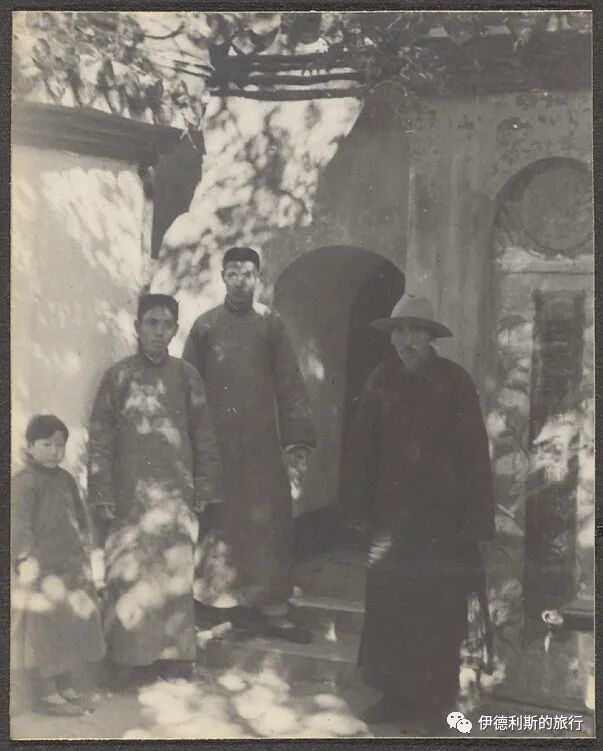
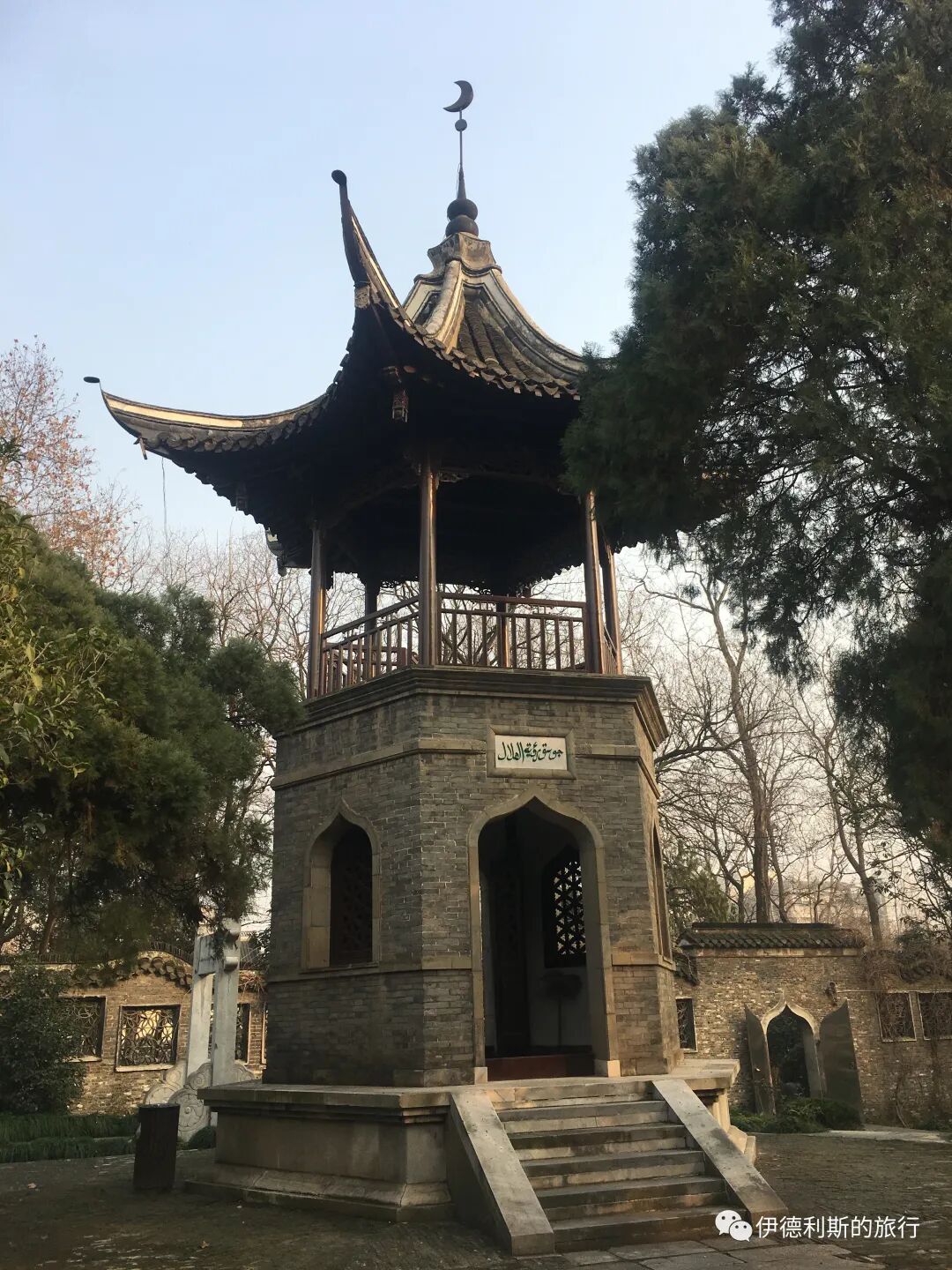
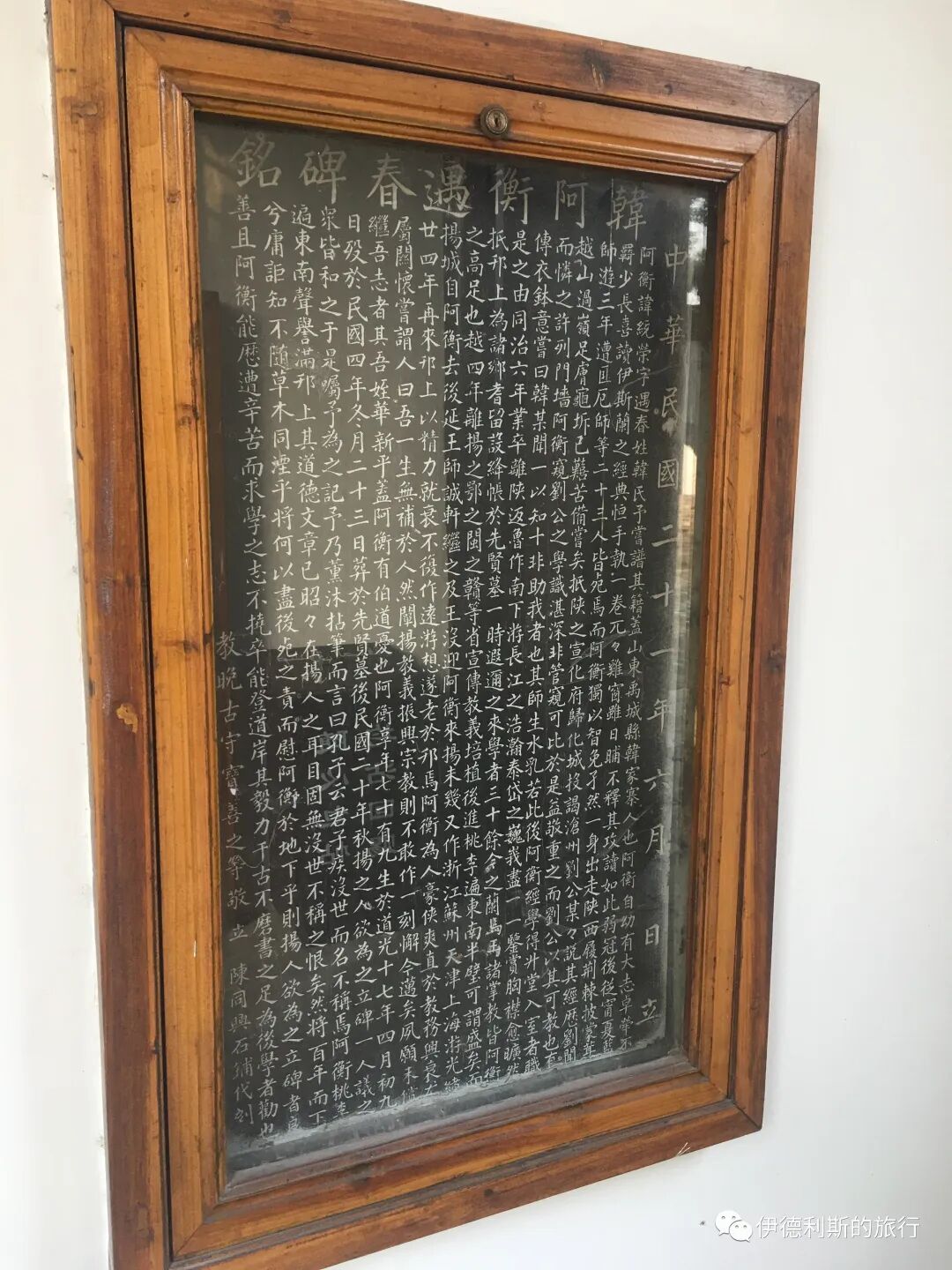
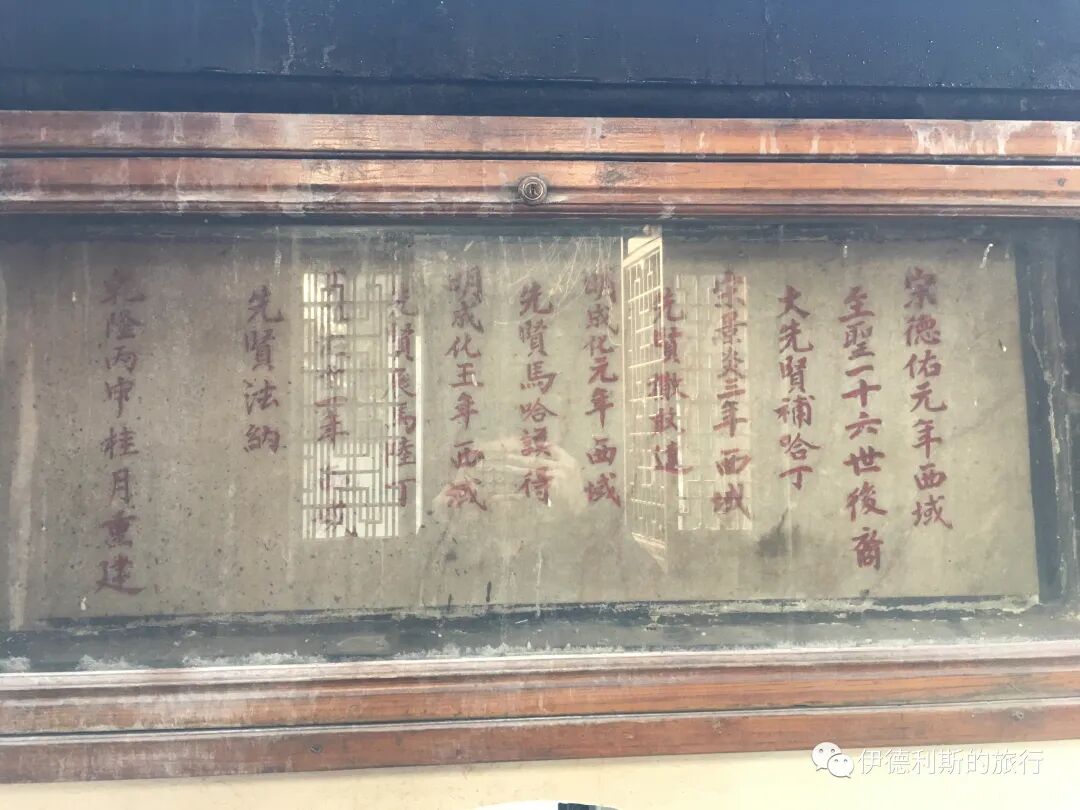
To the southeast of the Puhading Tomb lies the tomb cover of General Zhang Xin, who passed away in 1551 (the 30th year of the Jiajing reign). The tomb cover on the west side belongs to General Zhang Xin. The owner of the east side cover is still unknown, though it is likely a member of General Zhang's family.
General Zhang's ancestor, Damuchi, moved from Samarkand to settle in Yangzhou. The Continued Records of Jiangdu County from the Republic of China era state: 'General Zhaoyong, named Xin, was the grandson of the Hui Muslim Damuchi. He served as a Wuqi Duwei (a military rank). Because he was skilled at archery, he was granted the surname Zhang and registered in the Yangzhou Guard, located behind the Puhading Tomb outside Tongji Gate.'
The Zhang Gong Shendao Archway was erected in 1551 (the 30th year of the Jiajing reign) by Zhang Heng, the grandson of General Zhang Xin. Zhang Heng was a famous Ming dynasty general who fought against Japanese pirates and held the hereditary title of Yangzhou Guard Commander. In April 1556 (the 35th year of the Jiajing reign), when Japanese pirates attacked Yangzhou, the retired Huaiyang regional commander Zhang Heng personally led troops into battle and died on the field.
In May 2011, a 30-meter-long path was built on the south side of General Zhang Xin's tomb cover, and a pair of stone sheep that had been lost in Slender West Lake Park for 27 years were returned.
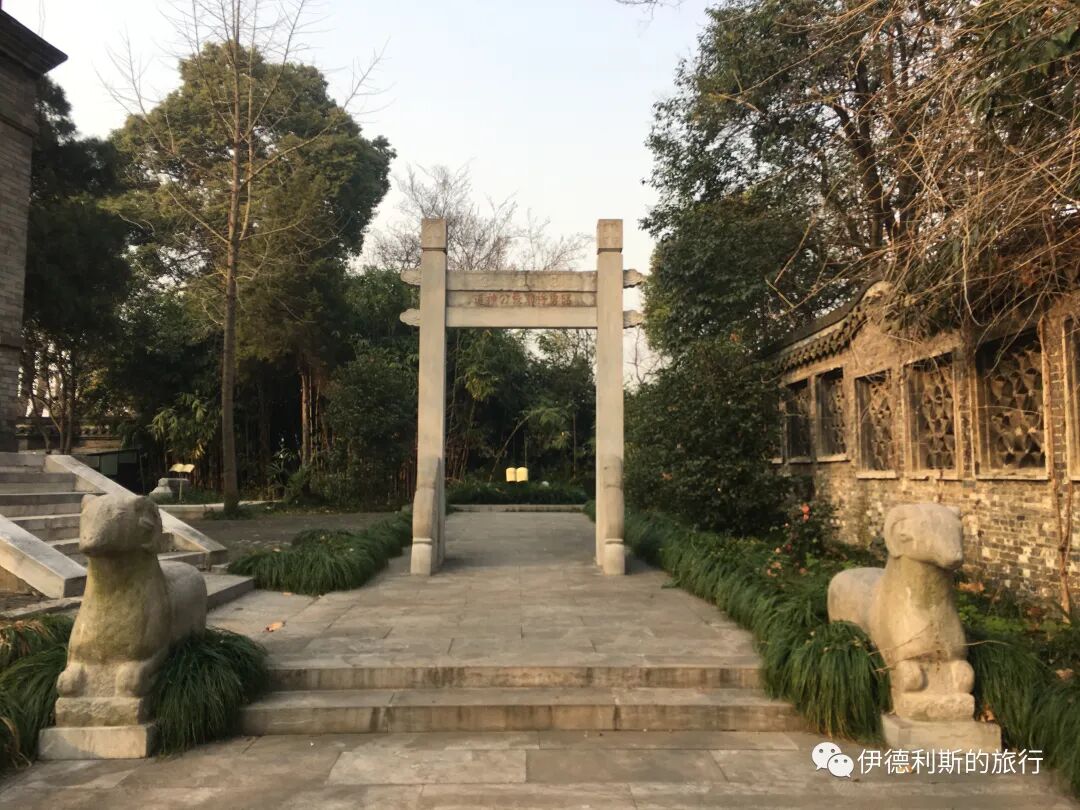
The Puhading Tomb photographed by missionary Claude L. Pickens between 1934 and 1935; the archway on the left side of the image is likely the Zhang Gong Shendao Archway.
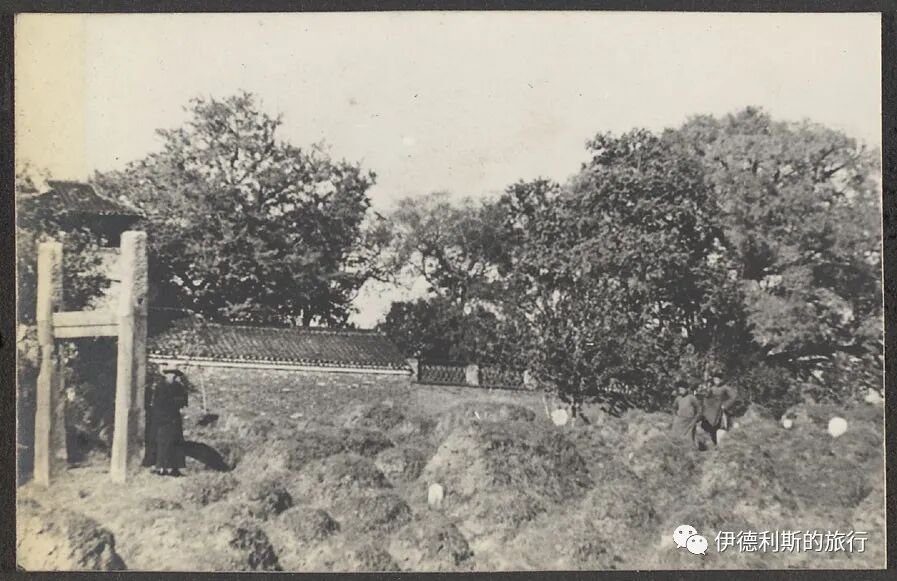
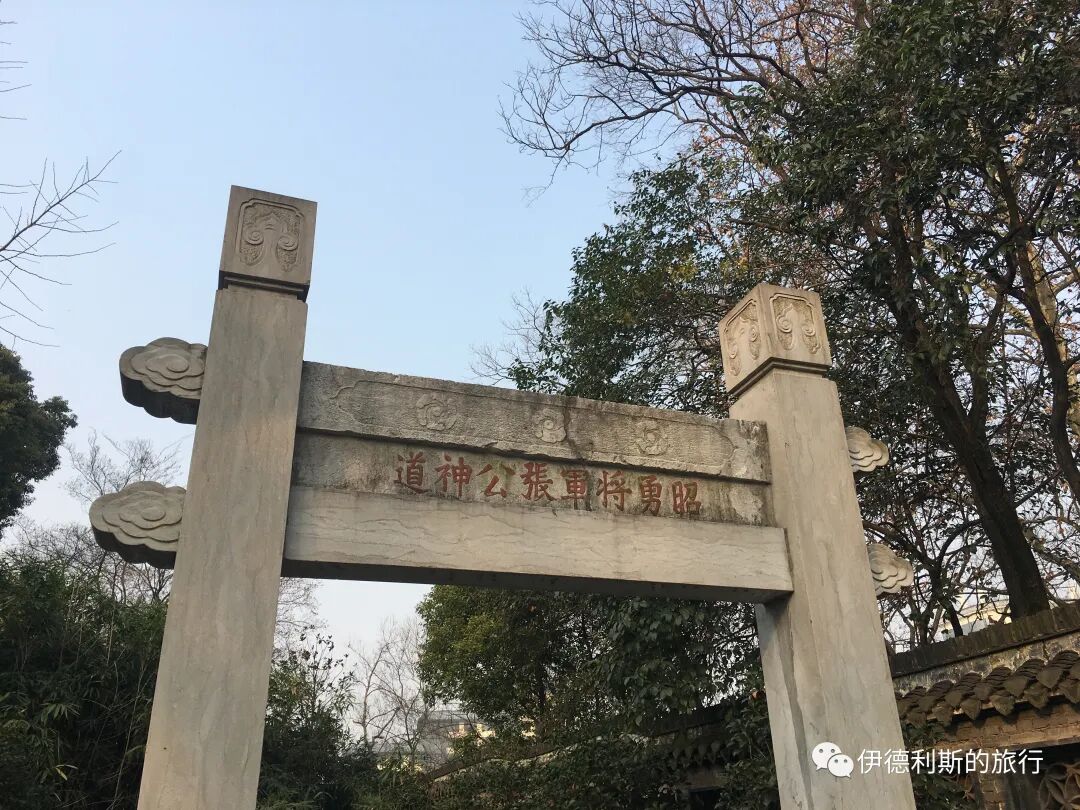
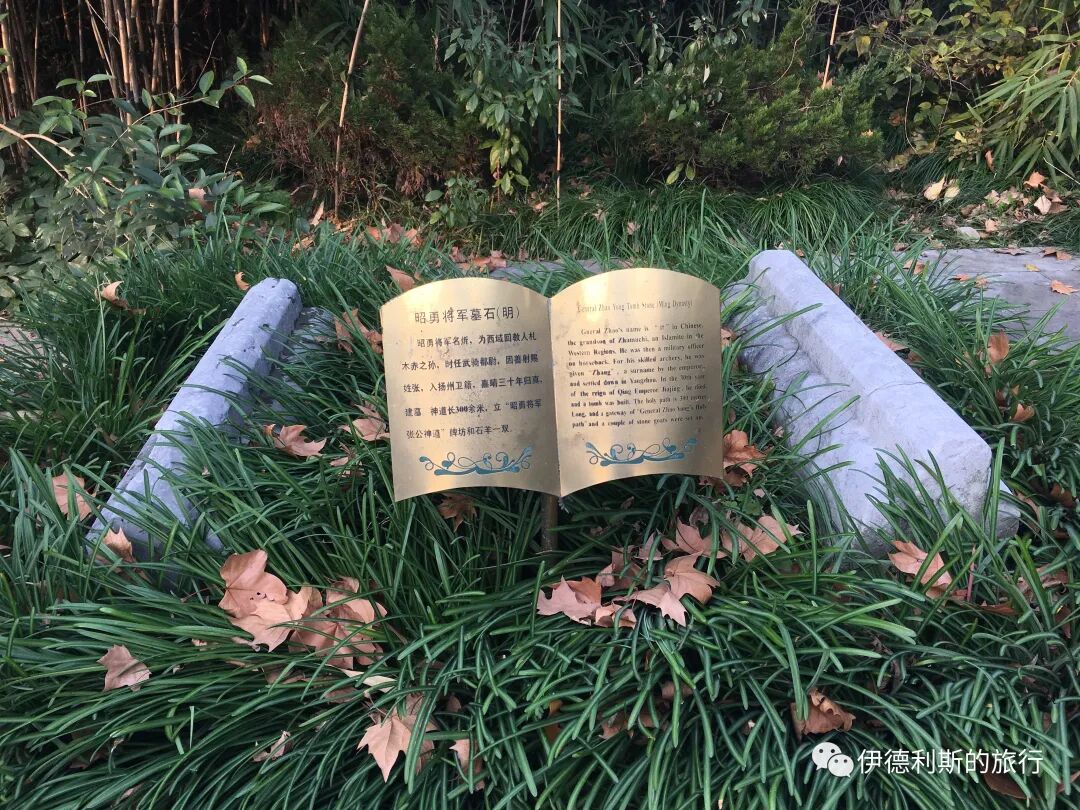
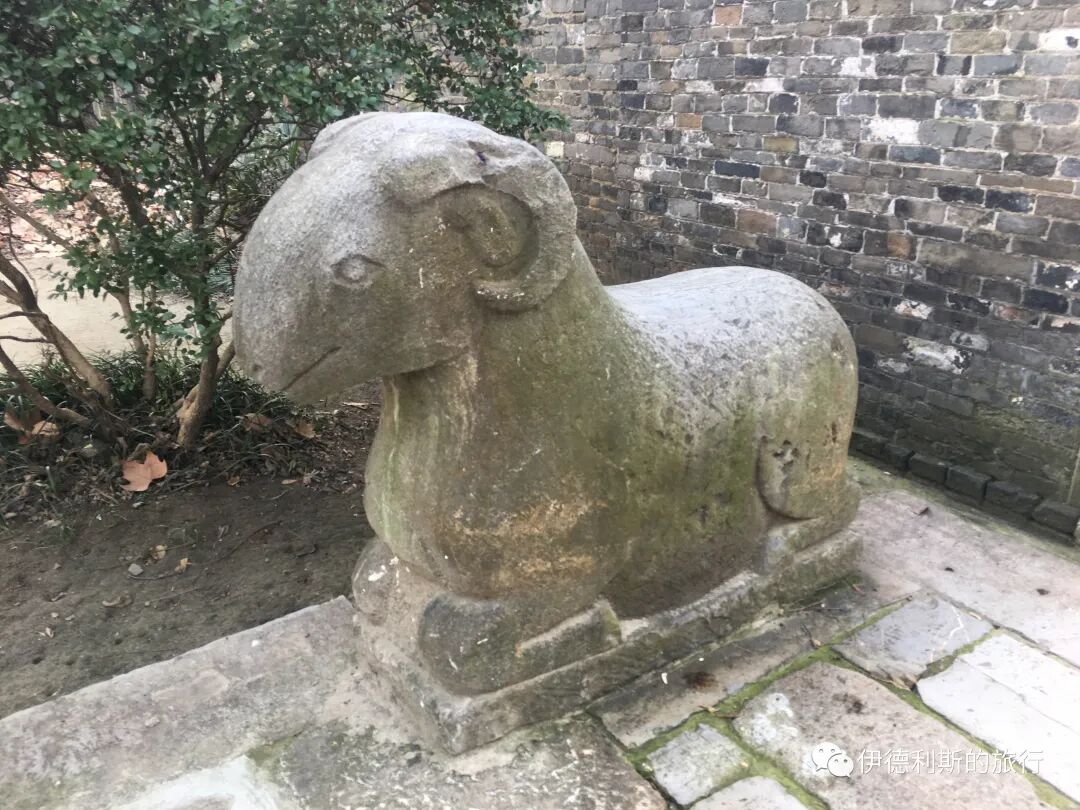
Next to General Zhang Xin's tomb is the cenotaph of Zuo Baogui, a famous Qing dynasty general who fought against the Japanese. During the First Sino-Japanese War in 1894 (the 20th year of the Guangxu reign), Zuo Baogui led his troops to defend the Xuanwu Gate in Pyongyang, dealing heavy blows to the Japanese army. On September 15, Zuo Baogui was personally firing cannons when his right arm was shattered. He bandaged his wound and continued to fight until a bullet struck his chest, and he died heroically at the age of 57. That same year, the Yangzhou government received an imperial order to build a cenotaph for Zuo Baogui in the southern area of the Puhading Tomb and establish a memorial hall. The hall was later destroyed, leaving only the stone tomb cover of the cenotaph.
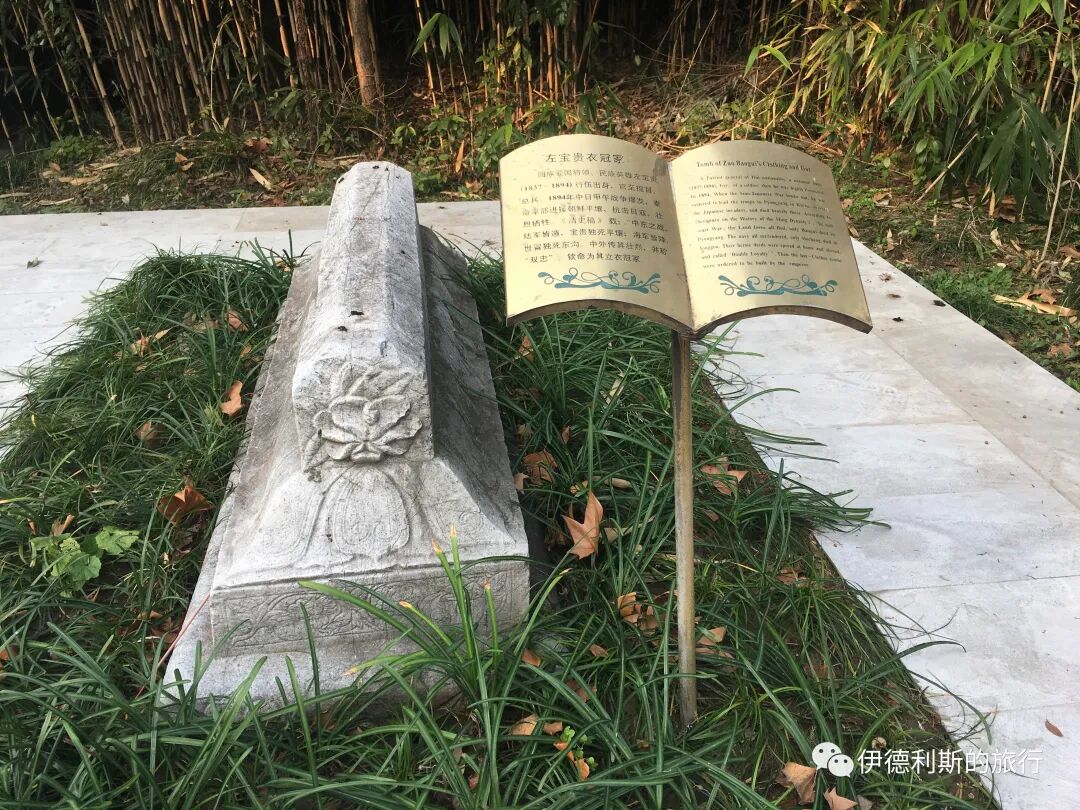
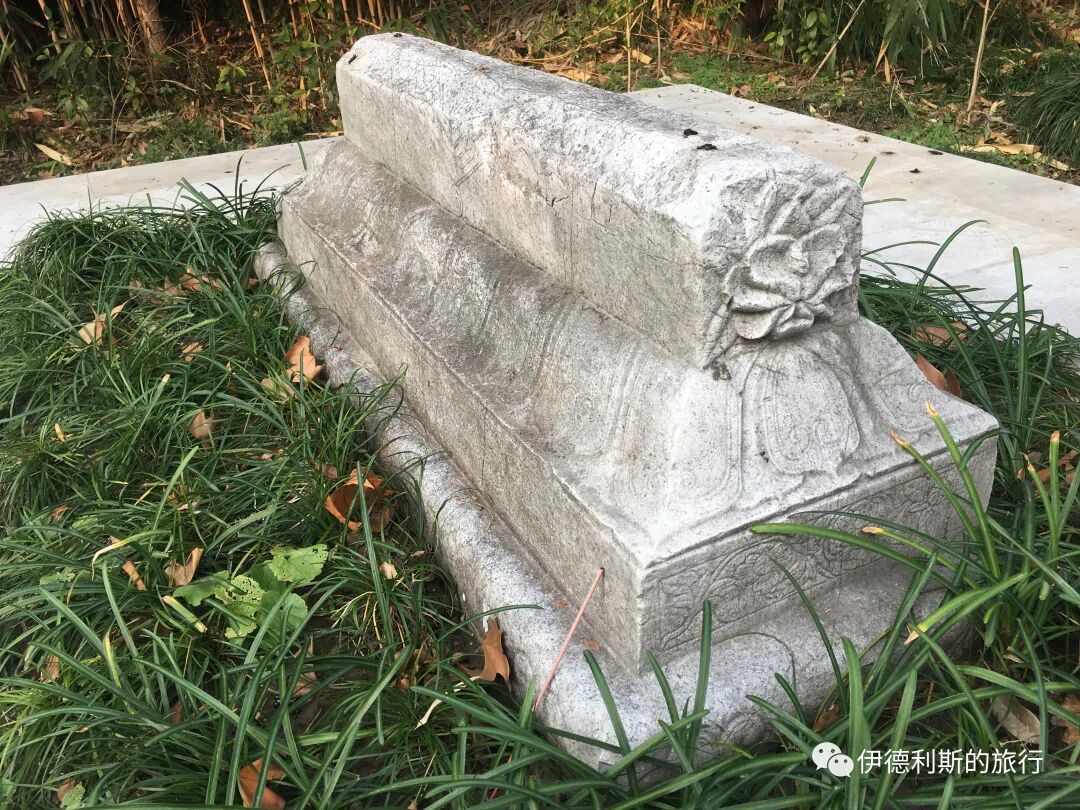
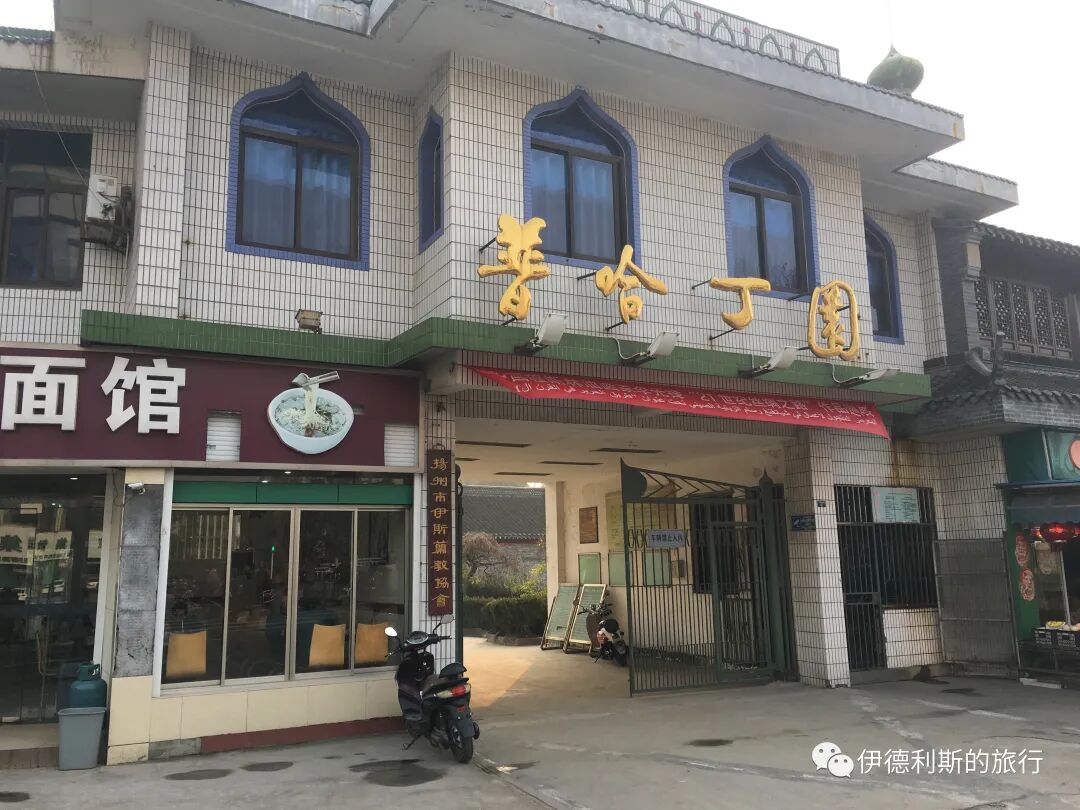
Majian Lane Mosque
There is another Majian Lane Mosque on East Gate Street in Yangzhou. According to the Gu family genealogy of the Hui Muslims, the mosque was built in 1714 (the 53rd year of the Kangxi reign) by Gu Yuanbing, the 24th-generation descendant of the ancient figure Bo Ding.
The Majian Lane Mosque originally had dozens of rooms, including a gate hall, a memorial archway, a main prayer hall, a reception hall, a washroom (shuifang), side rooms, and dormitories. Today, only two rooms of the main hall, the reception hall, and the washroom remain. In the early years of the Republic of China, the mosque housed the second Yangzhou branch of the Beijing-based Zhenzong Newspaper and an Islamic book and newspaper room.
In 1932, Liu Binru, a famous Yangzhou imam and one of the founders of the Chinese Islamic Association, along with Hua Ruzhou, then director of the Jiangdu County Hui Muslim Association, established the Chinese Islamic Scripture Translation Institute here to translate the Quran. Liu Binru, who was fluent in Arabic and Persian, was responsible for translating the Arabic original. Hua Ruzhou translated the summaries from the English version by the Indian Muslim scholar Muhammad Ali, which were then attached before the text of each section of the Quran.
On January 1, 1935, the Chinese Translation of the Quran with Ali's Summaries was officially published. The first printing was 2,000 copies, which were sold by major bookstores across the country.
In 1933, the Yangzhou Islamic Association founded the Hui Muslim Cultural Training Institute here, led by Liu Binru. to teaching Arabic, the institute offered Chinese, English, and arithmetic. The level was equivalent to higher primary school through junior high, and it replaced the traditional individual scripture teaching style with a modern classroom lecture format. Teachers included the Majian Lane Mosque imam Hua Jinhou, who was proficient in Arabic, Imam Ruan Dechang, Imam Lan Baohua of the Hui Muslim hall outside the East Gate, and Liu Binru. They also hired Hui Muslim Association members Shen Junchen and Zhang Shaozhe to teach Chinese and arithmetic, and Hua Ruzhou to teach English. There were over 30 students, but the school closed after one year due to a lack of funds.
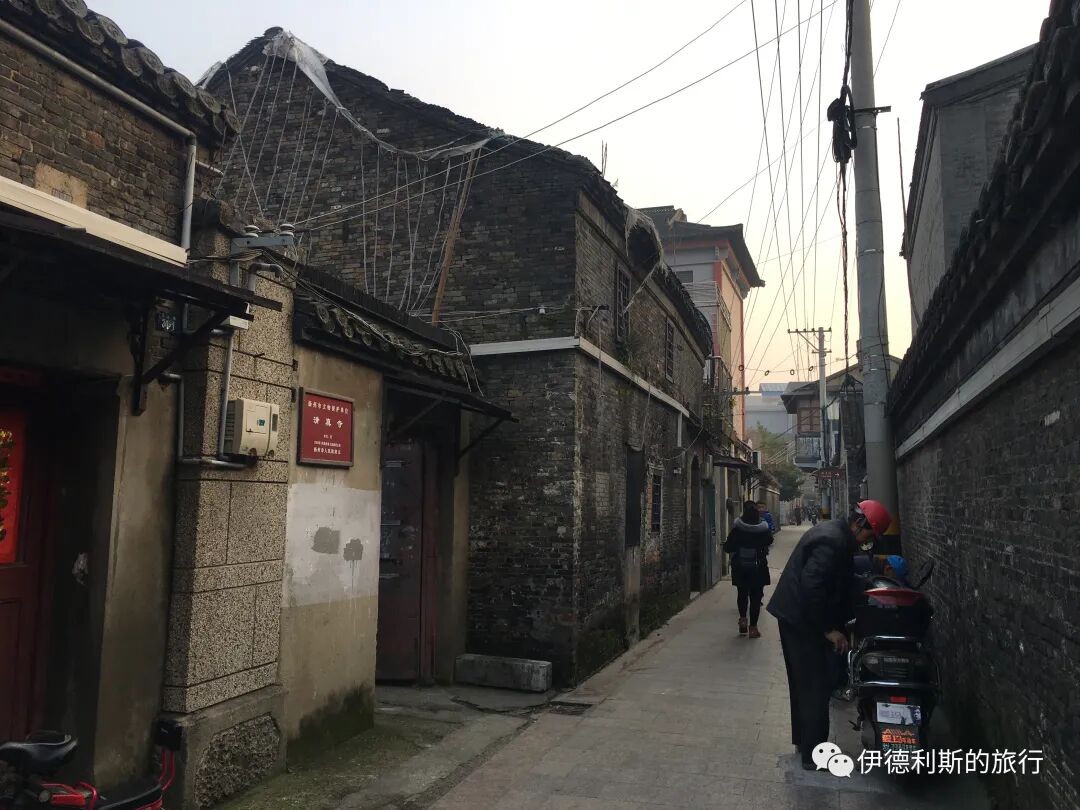
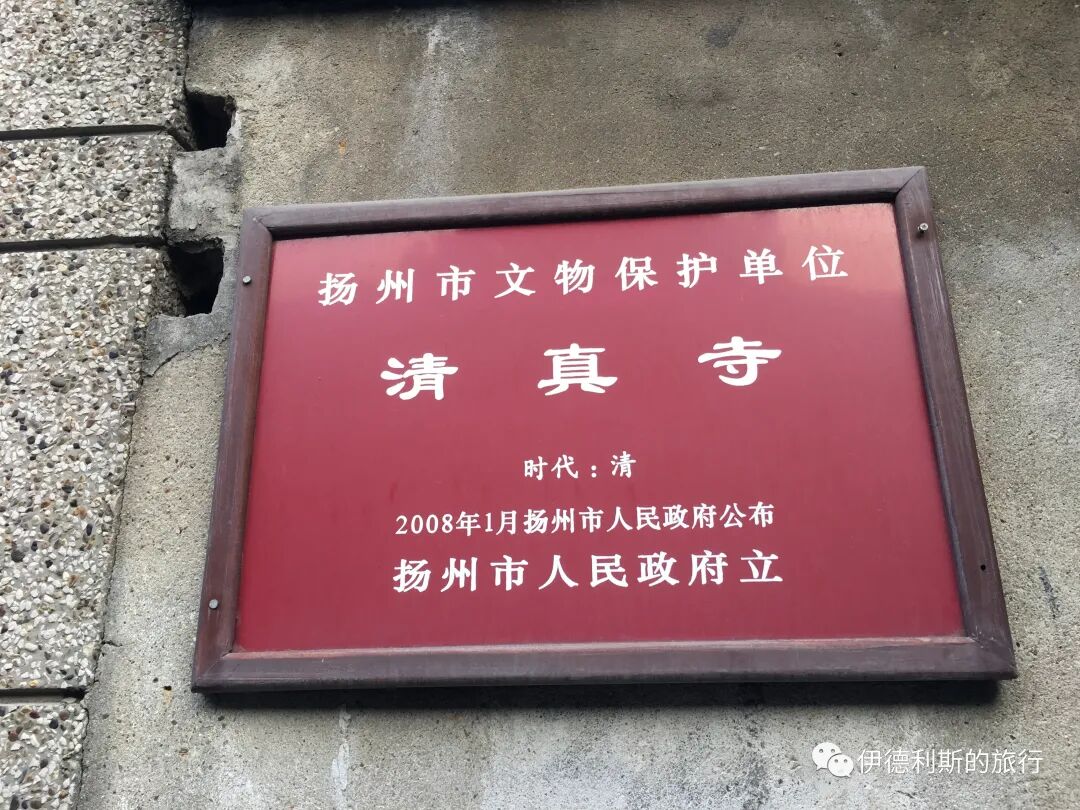
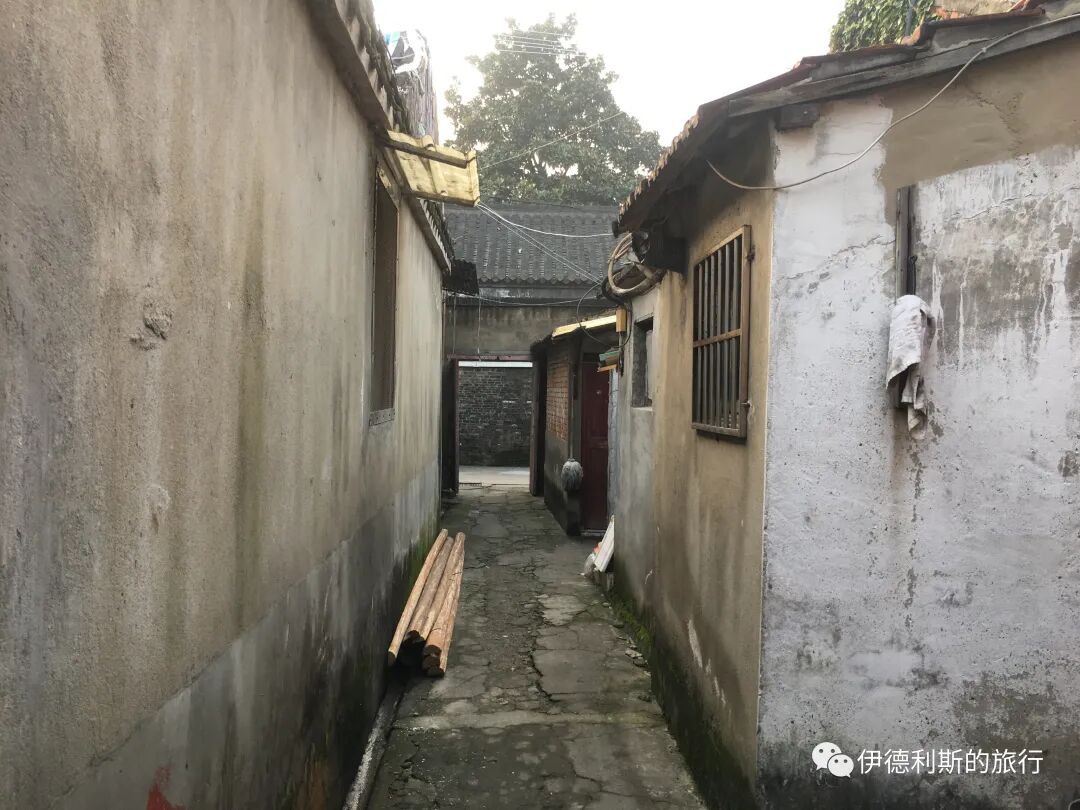
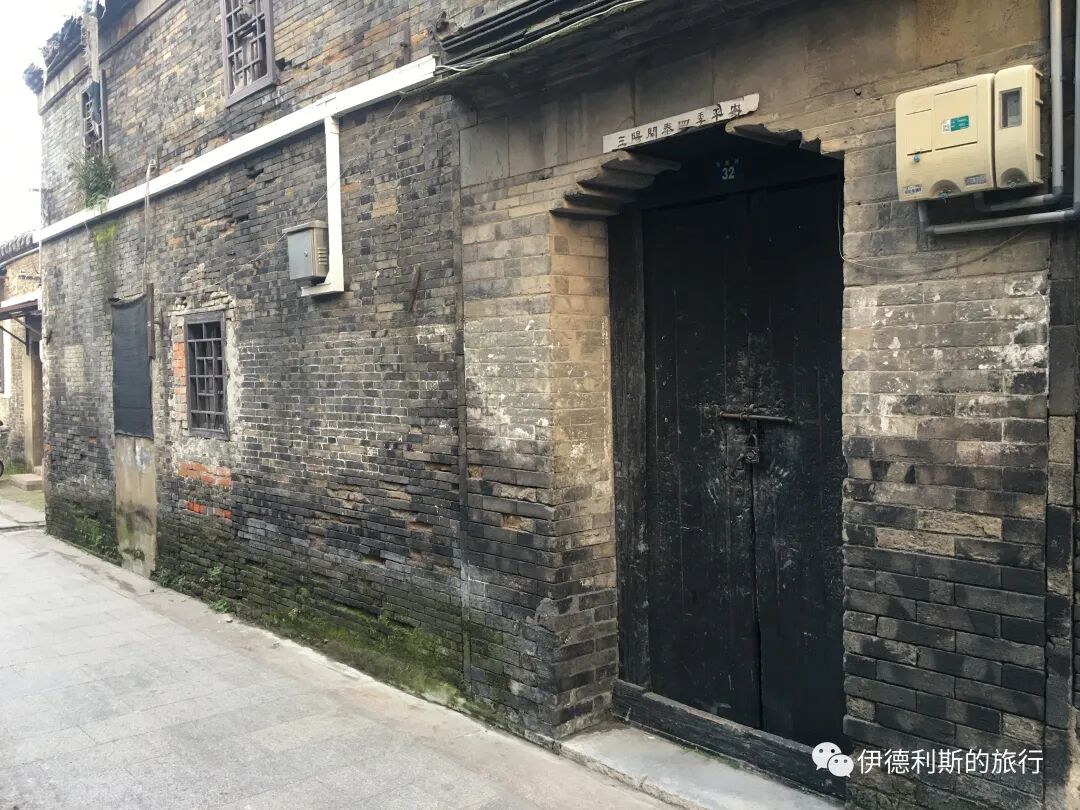
Between 1934 and 1935, the missionary Claude L. Pickens Jr. (Bi Jing-shi) visited the Majian Lane Mosque. He saw a reading room inside with many Muslim magazines, as well as the Quran translated by Wang Jingzhai and parts of the Quran translated by Liu Binru and Hua Ruzhou mentioned earlier. He also photographed the Gu Gong Memorial Monument, which was erected in the mosque in 1931. It stated that Gu Su had served as a mosque trustee for 11 years, repaired the washroom and market stalls for the mosque, and built a new greenhouse, making great contributions to the mosque.
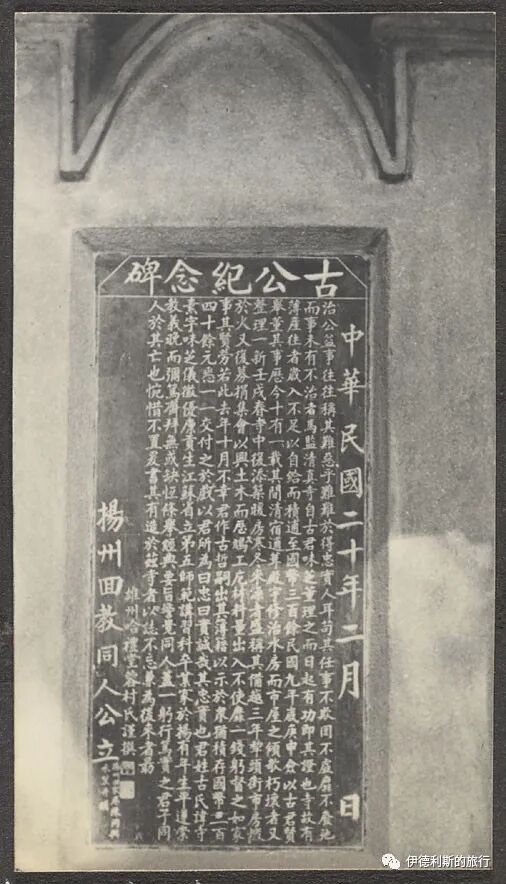
In the autumn of 1946, the Yangzhou Hui Muslim Youth Association founded the Shengsheng Primary School at the mosque, with Liu Binru serving as chairman. The school was a full primary school. When it opened, it had three multi-grade classes and enrolled 150 students. It provided free tuition for the children of Hui Muslims, offered books to those in extreme financial difficulty, and also provided free support to non-Hui Muslim children from poor families. Most of the teachers were unemployed Hui Muslim youths. The school closed in the summer of 1949.
In 1958, the mosque was converted into a factory workshop and occupied by a craft sign factory, a sack factory, and a brush factory. The property was not recovered until 1997, and in 2008, it was listed as a municipal-level cultural heritage site.
Halal food in Yangzhou during the Republic of China era.
The information in this section comes from "Islam in Yangzhou" and "Islam in Yangzhou."
The earliest records of halal food in Yangzhou come from the "Yangzhou Pleasure Boat Records" (Yangzhou Huafang Lu), an encyclopedia covering all aspects of Qing Dynasty Yangzhou. It mentions a cooked lamb shop called the "Hui Muslim Pavilion" (Huihui Guan), pleasure boats called "Ma the Hui Muslim's Ox Tongue" (Ma Huizi Niushetou), and a shop called "Kong Wu's Ox Tongue" (Kong Wu Niushetou). It also notes that "Zhang Si the Hui Muslim's Whole Lamb" (Zhang Si Huizi Quanyang) was a famous dish in Yangzhou at the time.
During the late Qing Dynasty and the Republic of China era, halal food in Yangzhou reached its peak. After entering the Republic of China era, lamb almost disappeared from Yangzhou's halal food scene, which shifted to focus mainly on beef, supplemented by poultry and fish. Many halal beef slaughterhouses were concentrated on Wazi Street. Some of the more famous ones included those run by Wang Tonglan, Jin Zhao'an, Wang Ting, Jin Ronghua, Zhang Youfu, and Li Sanlong. The second and eighth days of every lunar month were cattle market days, which were very busy.
During the Republic of China era, there were over a dozen famous halal restaurants in Yangzhou, which were very popular in the 1920s and 1930s. Examples include Ma Gongxing on Litou Street, Muyuanxing at the north entrance of Yuanmen Bridge, Ma Guangxing Restaurant on Zhuan Street, Tianxing Restaurant on Zuowei Street, Daxing in Darufang, and the Xinxin and Xinlong restaurants in Jiaochang. Among them, Tianxing Restaurant was the most famous.
Opened in the early years of the Republic of China, Tianxing Restaurant was the most famous halal restaurant in Yangzhou at the time. It was located at the busy intersection of Zuowei Street. The building had seven sections from front to back, each consisting of three large, high-ceilinged rooms. The rear section had a spacious flower hall on the east side that could host fifty banquet tables at once. At that time, everyone from scholars and writers to salt merchants and officials frequented the restaurant. Famous Peking opera actors Zhou Xinfang and Cheng Yanqiu would eat at Tianxing whenever they came to Yangzhou to perform.
Tianxing Restaurant was especially skilled at making shark fin and fish skin, and its roast duck was second to none. Famous dishes included braised shark fin (yuanmen yuchi), clear soup shark fin (qingtang yuchi), hibiscus chicken with shark fin (furong ji yuchi), skin-wrapped fin (pijia chi), roast duck (kaoya), braised chicken with crispy meatballs (yuanmen ji suyuan), ten-delicacy fish maw (yudu shijing), braised beef tendon (bashao niujin), and fish stuffed in lamb (yangfang cangyu).
There were over a dozen halal chicken and duck shops in Yangzhou. The most famous was Linyuanxing Chicken and Duck Shop, which was the predecessor of the later Halal Hongxing Ethnic Restaurant. The founder of Linyuanxing Chicken and Duck Shop was Lin Guangfeng, also known as Songting. When he was young, he worked for two or three years for his relative, Governor Shan Diankui, in Beijing. After returning to Yangzhou, he apprenticed at the halal Muyuan Restaurant. After his apprenticeship, Lin Guangfeng opened the halal Baoxing Restaurant, which also sold chicken and duck. It later closed due to poor management of staff. After Baoxing closed, Lin Guangfeng opened the halal Linyuanxing Chicken and Duck Shop at the North Archway entrance, where he sold his own products. The North Archway was a busy market back then, filled with snack stalls, magicians, acrobats, and fortune tellers. Linyuanxing did a booming business selling oil-poached chicken (youji), pressed duck (bandya), and roast duck (shaoya).
Linyuanxing's oil-poached chicken was white in color and fragrant, with a tender, delicious texture that even the elderly could chew easily. Pressed duck and salt-water duck (yanshuiya) are both called salted duck. In practice, they sold salt-water duck during spring, summer, and autumn, and pressed duck in winter. Pressed duck was salted and prepared in the ten days before the Minor Snow (xiaoxue) solar term until the middle of the eleventh lunar month, then hit the market before the Spring Festival. The secret to Linyuanxing's salted duck was the aged brine and the heat control; they were so precise that they would not cook even one bird more than the set amount per pot. Linyuanxing's roast duck was different from the large-fork roast duck in other shops; they used small forks to prop the ducks up inside the oven for hanging roast. The belly broth (dutang) from the roast duck was very flavorful. When customers bought roast duck, the shop gave them some broth to take home, mix with water, and simmer with the duck for a delicious soup.
Linyuanxing had an agreement with the imam of the mosque to come to the shop on time every day to perform the slaughter. Everything was freshly prepared, and any sick poultry was disposed of immediately. When customers came to the shop, the staff would chop whatever part they pointed to, treating regular customers and strangers exactly the same.
After decades of training, members of the Lin family opened their own shops. In Yangzhou, there was Linmaoxing at Dadongmen, Linshunxing on Zhuan Street, and Linzhenxing at Xiaodongmen. Outside the city, there was Linmaoxing on North Henan Road in Shanghai and Linyuanxing at Taibai Temple Bridge in Suzhou. Many other Lin family members also sold halal chicken and duck at the Xuanmiao Temple and Guanqian Street in Suzhou, and at the small docks in Zhenjiang.
Besides chicken and duck shops, there were over a dozen halal beef shops in Yangzhou. Famous ones included Chenwanxing in the drill ground (jiaochang), Xiaoqizi at the north entrance of the drill ground, Liertuozi on Zhuan Street, Chengsan (Zhaoxiang), and Sister Ma at the South Gate. Chenwanxing was known for its beef potstickers (guotie), steamed buns (baozi), and rice porridge (shaomi). They used a flat-bottomed pan to fry them, making them soft on top and crispy on the bottom. Their five-spice beef was especially famous. They used beef shank (zoujingzhua) that was marinated and boiled. When sold, it was sliced so thin it was translucent and sprinkled with five-spice powder. In summer, they wrapped it in fresh lotus leaves, making the beef smell fragrant and fresh. In winter, they sold frozen lamb jelly (yanggao), which was delicious when dipped in sweet sauce.
Xiaoqizi Beef Shop sold raw and cooked beef, as well as beef soup, beef noodles, steamed beef buns, steamed beef dumplings, pan-fried beef buns, and their most famous beef potstickers. Liertuozi was most famous for his beef soup. His soup was rich and authentic, served with beef tripe, beef tongue, beef liver, beef lips, plain boiled beef, and beef tendon (tuijinjua), making it refreshing and tasty. Sister Ma's shop is located at the South Gate of Yangzhou and is famous for its superb knife skills. The beef slices she cuts are as thin as paper and flutter when the wind blows.
Beyond meat, there are over thirty Hui Muslim flatbread (shaobing) shops in Yangzhou, offering flavors like flaky (casu), white sugar, red bean paste, salt and pepper, scallion oil, shredded radish, pea (andoutou), and osmanthus brown sugar, with shapes including rectangular, oval, diamond, and chrysanthemum. The most famous one is Mu Si Flatbread Shop at the entrance of Quelong Lane in Jiaochang. Their sesame oil dry-mixed noodles are neither hard nor mushy, with seasonings that soak deep into the noodles, making them very refreshing. Their most famous item is the straw-oven flatbread (caolu shaobing), baked in a square vertical jar oven taller than a person, with a dome-shaped interior and a round opening one and a half feet in diameter at chest height. To make them, they first heat the oven's dome and side walls with straw, dampen the interior with water once hot, and then stick the fermented dough portions onto the inner walls. After sticking them on, they close the oven door and bake them with the residual heat of the straw ash, shoveling them out once they are golden, cooked, and plump like steamed buns (mantou). One oven can bake forty to fifty flatbreads, which are crispy, fragrant, soft, and very cheap, attracting many farmers coming into the city to buy them. Because the flatbreads are thick, they need to be soaked in soup to fully soften; in the past, when a woman was recovering from childbirth, her family would send her straw-oven flatbreads and an old hen to nourish her body.
Additionally, there are the tall steamed buns (gaozhuang manshou) and salt and pepper rolls (jiaoyan juanzi) from Wang's Noodle and Flatbread Shop at Dongquan Gate, which taste best when dipped in beef gravy. The sesame oil dry-mixed noodles at Mu Si Flatbread Shop at the entrance of Quelong Lane in Jiaochang are neither hard nor mushy, with seasonings that soak deep into the noodles, making them refreshing to eat.
During the Republic of China era, Yangzhou had two halal tea and snack shops: Defeng on Wanzi Street and Tongfeng on Gengzi Street. Because they used only vegetable oil, not only did fellow Muslims (dost) buy from them, but many monks, nuns, and vegetarian Han Chinese also purchased their goods, especially their fruit powder (jingguofen) and mooncakes, which were particularly popular.
There were also two halal teahouses in Yangzhou: the Park Religious Room (Gongyuan Jiaomenshi) and the Old Dragon Spring Vegetarian Teahouse (Laolongquan Suchaguan) in Jiaochang. The Park Religious Room was located in the park next to Park Bridge in the city center, with three rooms side-by-side facing west. The first room was for the stove and cutting board, while the other two were for tea seating. The teahouse is filled with cypress wood square stools and tables. The east wall has floor-to-ceiling glass windows, and right outside is the Little Qinhuai River, where you can see clear water and weeping willows from your seat. Painted pleasure boats from Slender West Lake often dock at the pier next to the teahouse. Locals board boats here to go through the North Gate water gate all the way to Slender West Lake for sightseeing. On the way back, they land at the same pier and can stop by the halal teahouse for tea and snacks. Go enthusiasts in the city often gather here to drink tea, play games, and sharpen their skills. The halal teahouse is open for morning and afternoon sessions, serving plain tea, pastries, and dried tofu strips (gansi). The menu includes jade steamed dumplings (feicui shaomai), small steamed beef buns (xiaolong zheng niurou baojiao), beef and lamb dumplings (niuyangrou shuibobo), pan-fried beef and lamb buns (jian niuyangrou bao), beef potstickers (niurou guotie), scalded dried tofu strips (tang gansi), boiled dried tofu strips (zhu gansi), bamboo shoot and beef strips (sunsi niurusi), beef and lamb noodles (niuyangrou mian), stir-fried noodles (chaomian), and braised noodles (weimian). The best item is the pan-fried pancake (youjian guobing), which has a thin crust, plenty of filling, and a sweet, crispy flavor.
The Old Longquan Vegetarian Teahouse at the drill ground is a place for both drinking tea and trading antiques. Many antique dealers gather here to talk business during morning tea time. This place is most famous for its vegetable oil baked flatbread (suyou huoshao) and sugar and salt rolls (tangyan juanzi).
The halal teahouse has only one waiter, a short, thin, middle-aged man whom regular customers call Little Mouse. He is quick and always greets people with a smile. As soon as a customer leaves, he wipes the table with alkaline water and then cleans it with boiling water.
The halal food industry in Yangzhou declined sharply around 1949. Daxing Shop closed first, followed by Tianxing Restaurant, and other shops either changed businesses or shut down. After many twists and turns, only the struggling Ethnic Restaurant on Ganquan Road remained.
Tianxingzhai
For my first meal in Yangzhou, I went to Tianxingzhai, which just opened 16 years ago. I ordered boiled dried tofu strips (dazhu gansi), steamed beef dumplings (niurou zhengjiao), sticky rice and shrimp steamed dumplings (nuomi xiaren shaomai), beef noodles (niurou mian), smoked fish (xunyu), and chicken soup with vegetarian chicken (jitang suji). It is not easy for a new local-style halal restaurant to open in Yangzhou, and the food here is delicious with a slightly sweet taste. The beef noodles are huge and taste amazing, and the steamed dumplings are the best. I don't think any halal restaurants in Beijing can compare. (This place was not doing well when I visited again in 2021.)
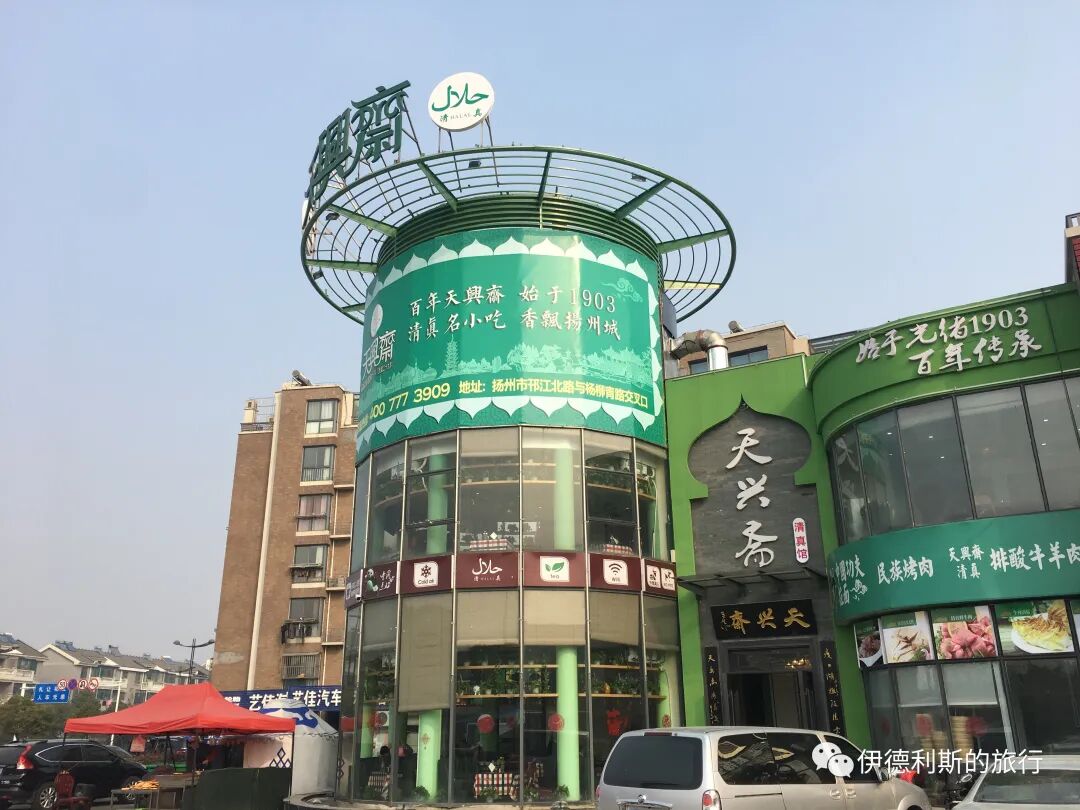
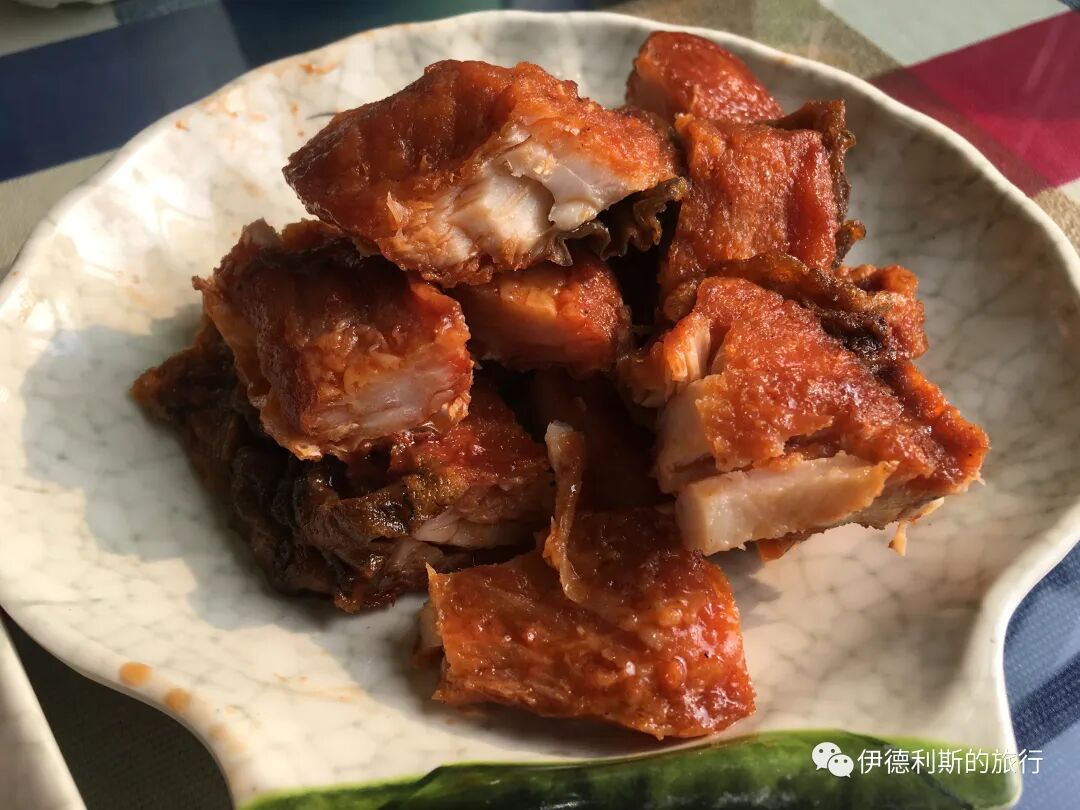
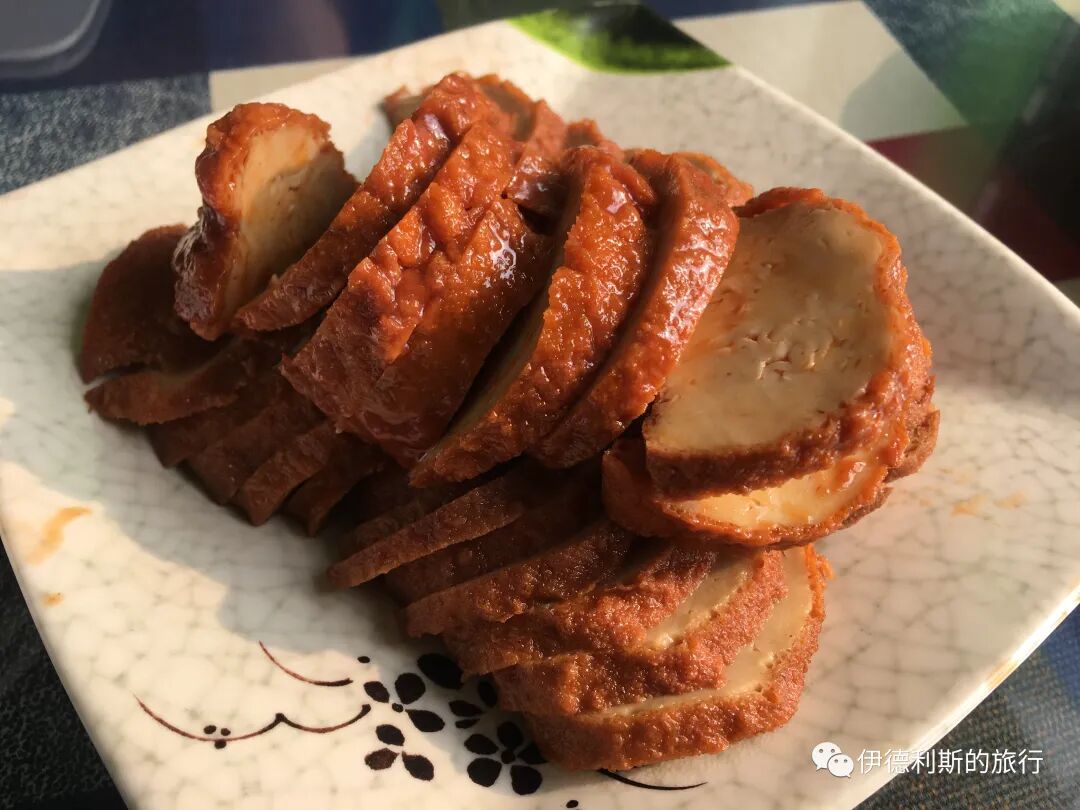
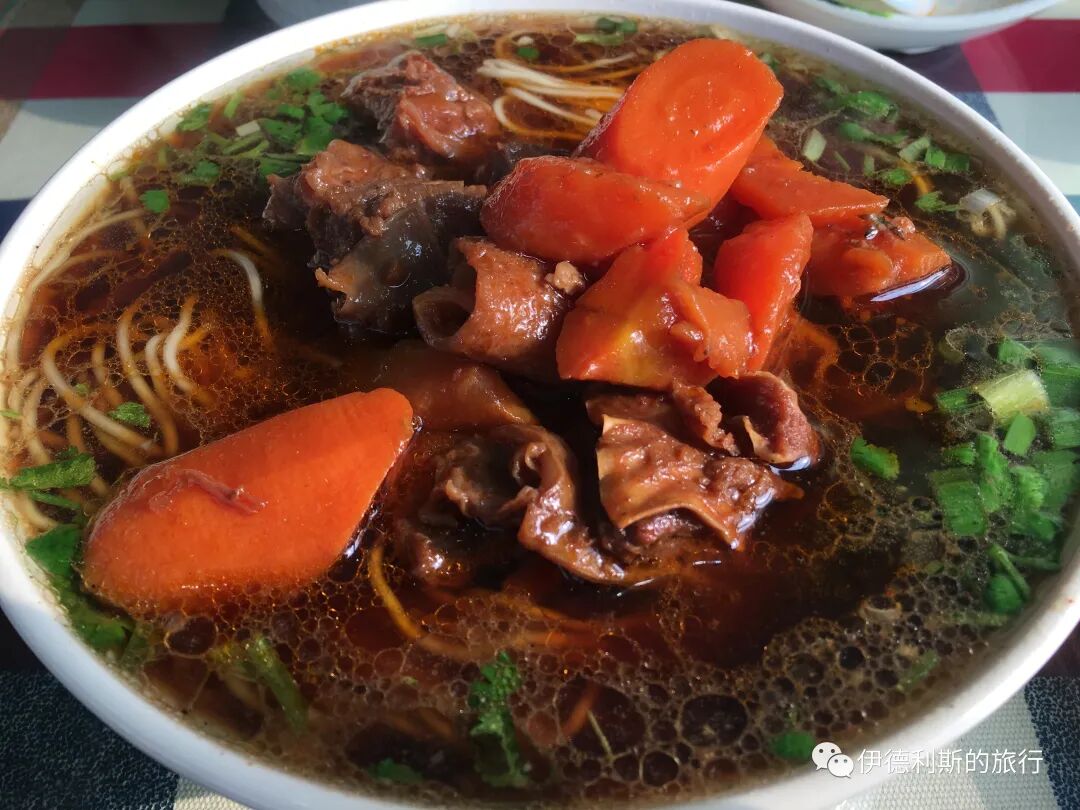
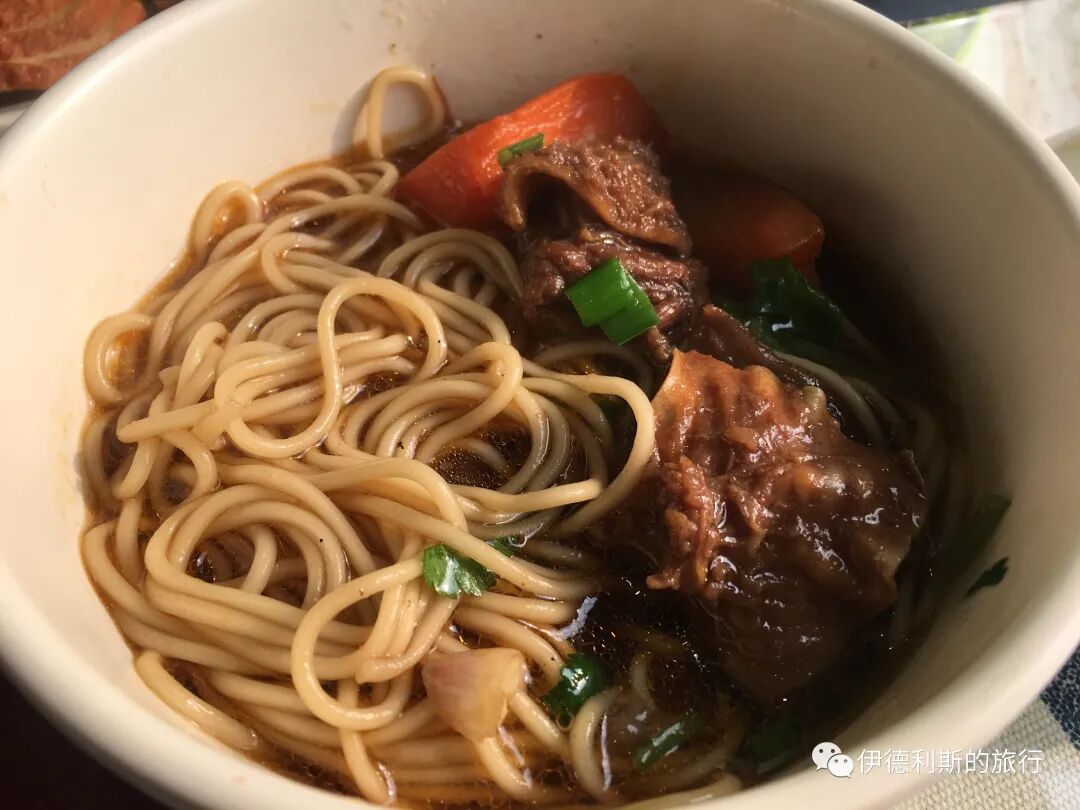
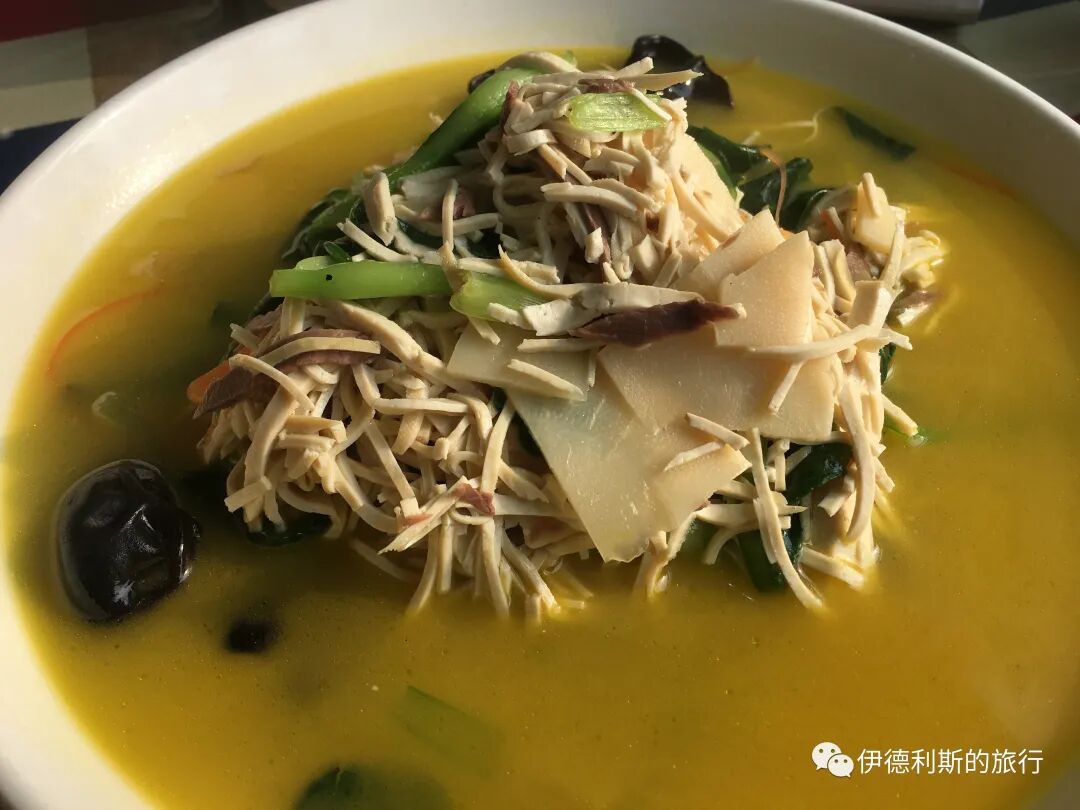
Yixiangzhai
There is another Yixiangzhai on the street by the Puhading Tomb. It is a beef and lamb restaurant run by local Hui Muslims in Yangzhou. They serve hot pot, stir-fried dishes, and snacks. I ordered lamb liver, boiled dried tofu strips (zhugansi), and beef soup. The lamb liver was incredibly tender with a slightly sweet taste. It was delicious. (This place had closed down when I visited in 2021.)
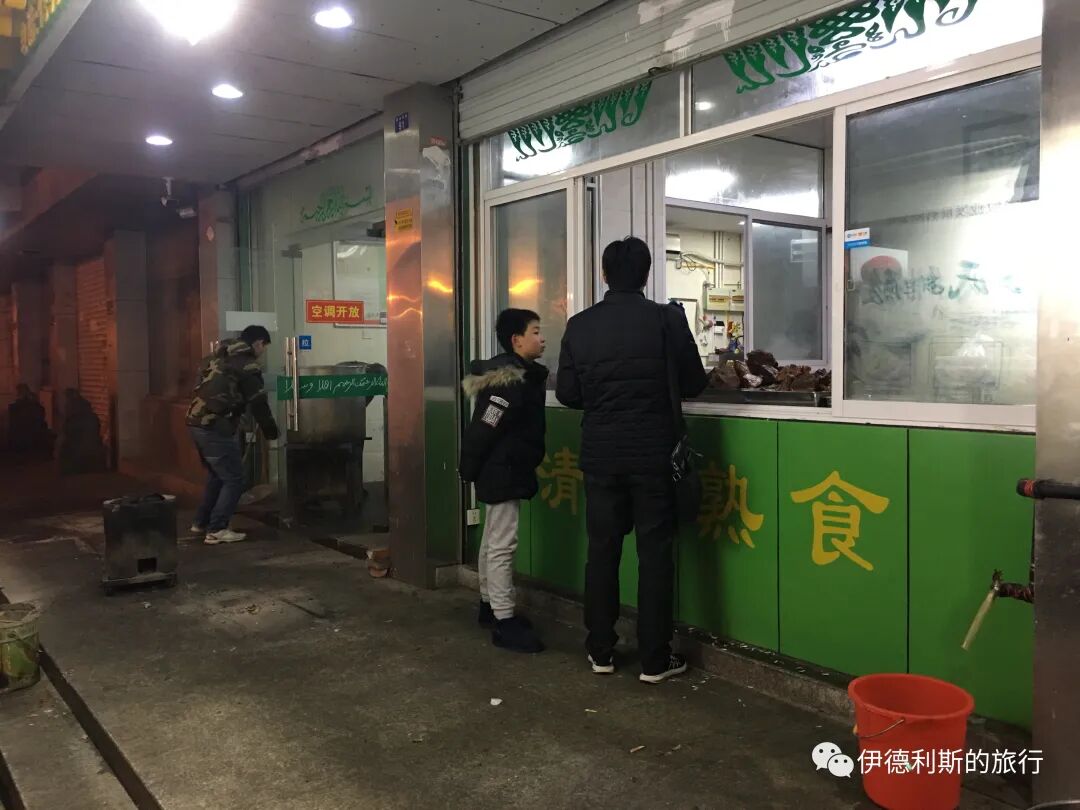
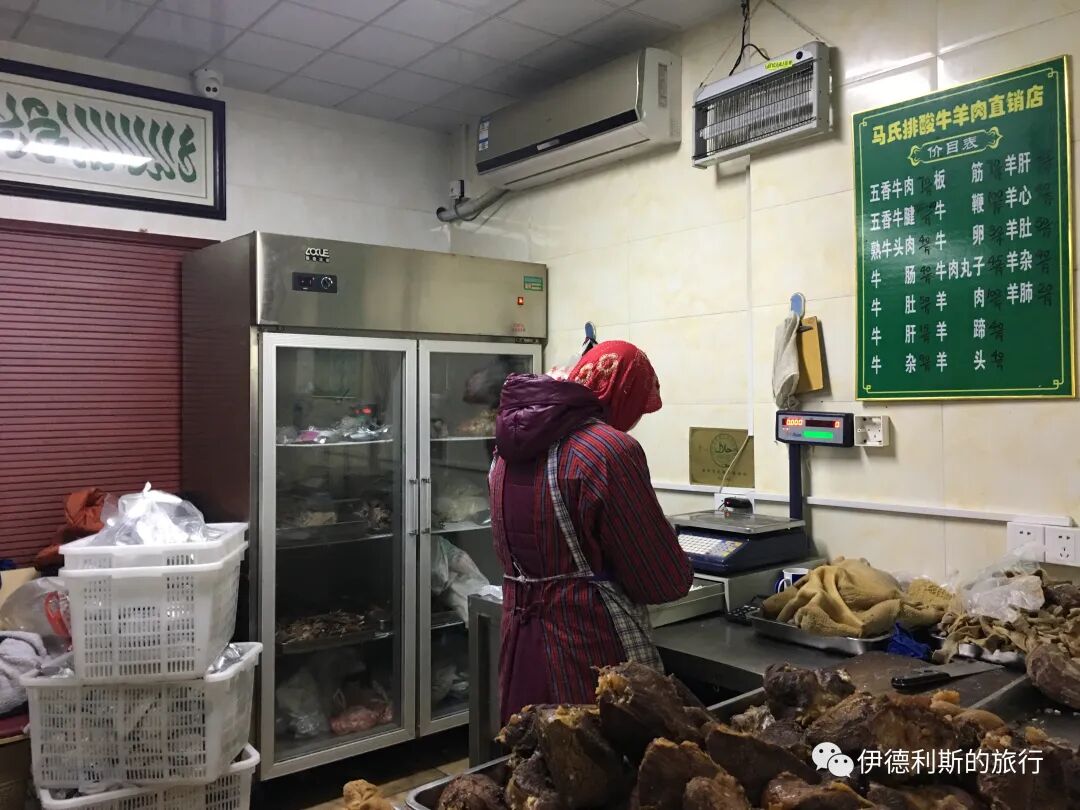
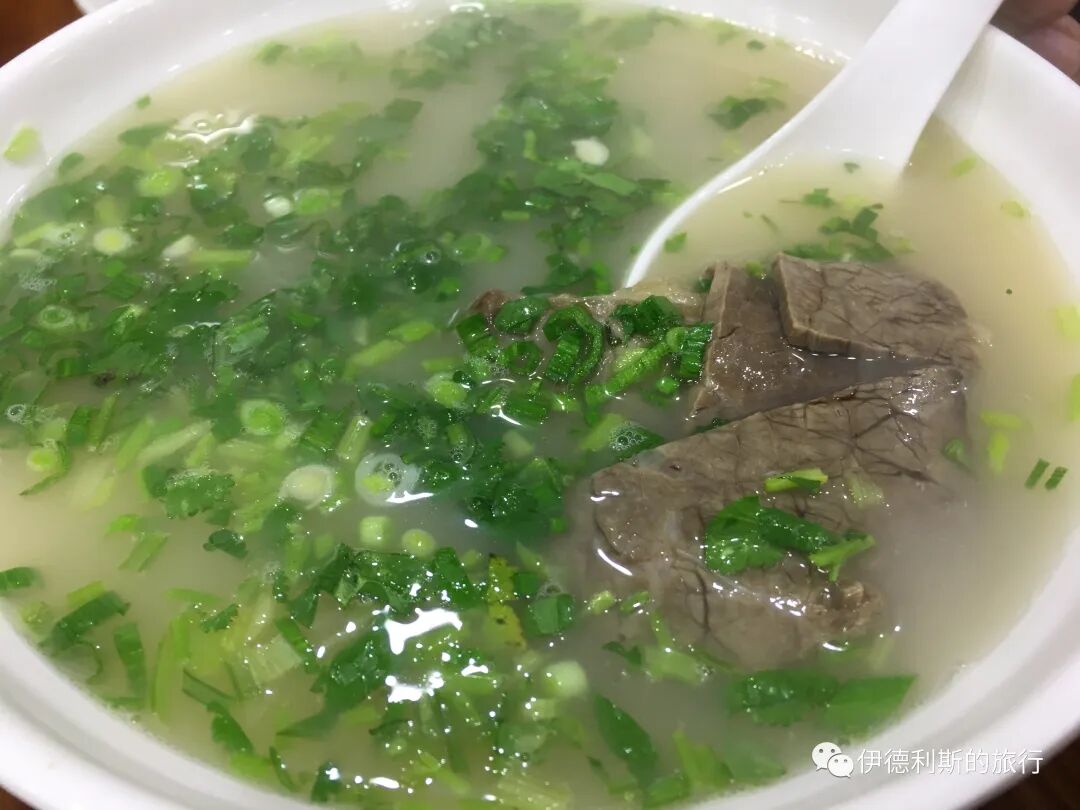
Yangzhou section of the Grand Canal
In 605 (the first year of the Daye era of the Sui Dynasty), Emperor Yang of Sui, Yang Guang, carried out major renovations and expansions based on the Hangu Canal so he could travel by boat directly from Luoyang to Jiangdu (Yangzhou). This marked the official formation of the Yangzhou section of the Grand Canal. In 1415 (the 13th year of the Yongle era), Chen Xuan, the Earl of Pingjiang, was ordered to oversee the grain transport and manage the Yangzhou section of the canal. The route that currently winds through Yangzhou city was finalized during this period. Starting in 1853 (the third year of the Xianfeng era), grain transport was gradually shifted to sea routes to Tianjin. During the Tongzhi era, only one-tenth of the grain was still transported via the canal. Finally, in 1901 (the 27th year of the Guangxu era), the canal grain transport system was completely abolished.
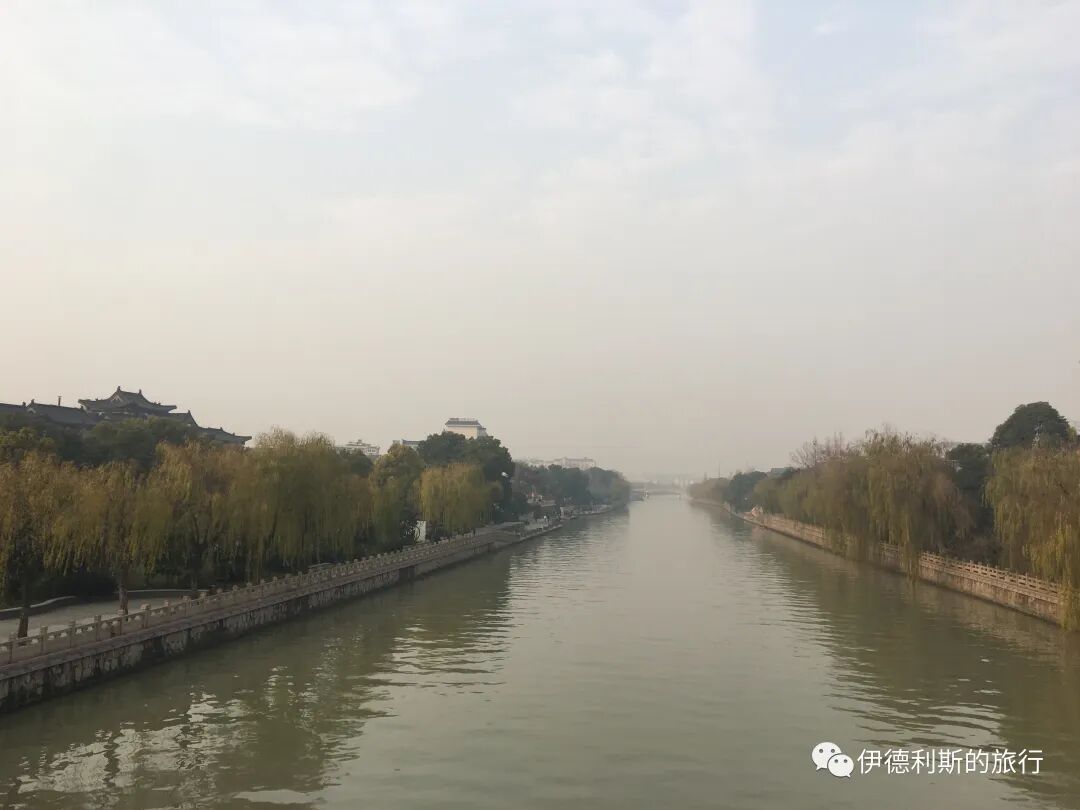
Zhenjiang-Yangzhou Ferry
The river at the Zhenjiang-Yangzhou ferry crossing is 1.5 kilometers wide, and with the fog, you cannot see the opposite bank at all.
China Mosque Travel Guide Jiangsu: 25 Historic Mosques and Hui Muslim Heritage (Part 1)
Articles • yusuf908 posted the article • 0 comments • 253 views • 2026-05-23 23:30
Summary: This first part of the Jiangsu mosque series documents historic Hui Muslim mosque sites in northern Jiangsu, including Yanghe Mosque, Siyang Mosque, Siyang West Mosque, Shuyang Mosque, Hexia Mosque, Wangjiaying Mosque, Yancheng Mosque, and Baoying Mosque. The article preserves the original mosque names, founding dates, community histories, inscriptions, architectural details, and image order.
I am sharing the 25 historic mosque buildings I have visited in Jiangsu, moving from north to south.
1. Suqian
1. Yanghe Mosque (Yanghesi): First built during the Qianlong reign, rebuilt after 1945.
2. Huai'an
1. Qingjiang Mosque (Qingjiangsi): First built during the Jiajing reign of the Ming Dynasty, rebuilt in 1870.
2. Hexia Mosque (Hexiasi): First built during the Shunzhi reign of the Qing Dynasty, rebuilt in the late Qing Dynasty.
3. Wangjiaying Mosque (Wangjiayingsi): First built during the Yongzheng reign of the Qing Dynasty, rebuilt in 1985.
3. Yancheng
1. Yancheng Mosque (Yanchengsi): Built during the Yongle reign of the Ming Dynasty, renovated in 1928.
4. Yangzhou
1. Baoying Mosque (Baoyingsi): Rebuilt in 1910, rebuilt again in 2022.
2. Gaoyou Mosque (Gaoyousi): Rebuilt in 1864.
3. Lingtang Ancient Mosque (Lingtang Gusi): First built at the end of the Yuan Dynasty, moved to its current site in the early Qing Dynasty, rebuilt in 1924.
4. Shaobo Mosque (Shaobosi): First built during the Xianfeng reign of the Qing Dynasty.
5. Xianhe Mosque (Xianhesi): First built in 1275, rebuilt in 1390.
6. Majian Lane Mosque (Majianxiang Libaisi): First built in 1714.
7. Huihui Tang Mosque (Huihuitangsi): First built in 1275, rebuilt in 1776.
5. Zhenjiang
1. Shanxiang Mosque (Shanxiangsi): Expanded during the Kangxi reign, rebuilt in 1873.
2. Jianzi Lane Mosque (Jianzixiangsi) Ming and Qing Dynasty stone carvings.
3. Nanmenwai Mosque (Nanmenwaisi) Qing Dynasty mihrab.
4. Xinhe Street Mosque (Xinhejie Huijiaotang): 1930.
6. Nanjing
1. Jingjue Mosque (Jingjuesi): First built during the Hongwu reign of the Ming Dynasty, rebuilt in 1877.
2. Original Taiping Road Mosque: First built in the early Ming Dynasty, moved and rebuilt in 2005.
3. Xiaowangfu Lane Mosque.
4. Hushu Mosque: First built in 1392, rebuilt in 1896.
5. Liuhe South Gate Mosque: First built in 1403, raised and renovated in 2013.
6. Liuhe Women's School: First built in 1912, rebuilt in 1930.
7. Liuhe Changjiang Road Mosque: First built in 1424, rebuilt during the Guangxu reign of the Qing Dynasty.
8. Zhuzhen Mosque: Rebuilt in 1901, renovated in 2001.
9. Zhuzhen Women's Mosque: First built in 1921, rebuilt in 1931.
Suqian Yanghe Town Mosque.
The Suqian Yanghe Town Mosque was first built during the Qianlong reign. It was funded by Yu Qin, a local scholar from Yanghe who had served as an education official in Lishui, Pizhou, and Ningguo, and was built on Rice Market Street in Yanghe. It was destroyed during the Japanese invasion and later rebuilt. The current main hall features a hip-and-gable roof, a post-and-lintel frame, and upturned eaves with wind bells hanging from the four corners. It was listed as a Suqian cultural heritage site in 2010.
Yanghe Town Mosque belongs to the Jahriyya Banqiao Daotang. During the Jiaqing reign of the Qing Dynasty, Chang Tingzhang (1785-1870), a Hui Muslim from Siyang, Jiangsu, traveled to Lingzhou (modern-day Lingwu) in Ningxia to study. After completing his studies, he brought the Jahriyya tradition to the Huai-Si region. Chang Tingzhang was famous far and wide for his profound knowledge and had many disciples when he began teaching at the Huaiyin Wangjiaying Mosque. Since then, mosques including the Huaiyin Wangjiaying Mosque, Siyang Zhongxing Town Mosque, and Yanghe Town Mosque have all followed the Jahriyya tradition. Before 1932, the imams of Yanghe Town Mosque were all assigned from Ningxia. After 1932, Imam Ma Chengliang served until he passed away in 1979.
Huai'an Qingjiang Ancient Mosque.
Qingjiangpu in Huai'an was dredged in 1415 (the 13th year of the Yongle reign of the Ming Dynasty). It was the center of grain transport for the Grand Canal during the Ming and Qing dynasties, where grain transport ships from all provinces were built and repaired. Because navigating the Yellow River section of the canal was very dangerous, and waiting times to pass through locks in Shandong were too long, many merchants chose to leave their boats at Qingjiangpu. They would cross the Yellow River and switch to horse-drawn carriages to continue north, making Qingjiangpu a symbol of the "southern boats and northern horses" transport system.
The most important pier in Qingjiangpu was next to the Yue Lock. It was called the Imperial Pier because both Emperors Kangxi and Qianlong landed there during their southern inspection tours. This was once the busiest and most prosperous place in Qingjiangpu. Hui Muslims began doing business on Yuehe Street in front of the Imperial Pier during the Ming Dynasty, and the earliest Qingjiang Ancient Mosque was built during the Jiajing reign of the Ming Dynasty.
In 1677 (the 16th year of the Kangxi reign), the Governor of the Waterways moved to Qingjiangpu, and it became the center of grain transport. In his collection of notes and stories, Golden Pot Seven Inks (Jinhu Qimo), Qing Dynasty writer Huang Junzai recorded: 'Along the Qingjiang River for over ten miles, the markets were bustling and food was abundant. People from all directions gathered here, shoulder to shoulder and wheel to wheel, in a very prosperous scene.' In 1799 (the 57th year of the Qianlong reign), the Qingjiang Mosque (Qingjiang Gusi) underwent a large-scale expansion, marking the peak of its prosperity.
In 1860 (the 10th year of the Xianfeng reign), the Nian Army captured Qingjiangpu and the Qingjiang Mosque was destroyed. The imam, Ma Huanwen, sadly passed away from illness while preparing to raise funds for the mosque (nietie). Fortunately, an elder from Nanjing named Jiang Hengqing took over, organized the community to raise funds (nietie), and finally rebuilt the mosque in 1870 (the 9th year of the Tongzhi reign).
In 2006, the Beijing-Hangzhou Grand Canal was listed as a Major Historical and Cultural Site Protected at the National Level. Three historic mosques were included along the canal: the North Mosque in Linqing, the East Mosque in Linqing, and the Qingjiang Mosque in Huai'an. It can be said that the Hui Muslim community in Huai'an grew because of the canal and is inseparable from the canal's grain transport history.
Looking from the opposite bank of the Li Canal, you can see the gate of the Qingjiang Mosque right next to the Imperial Wharf ruins, helping you imagine what the busy grain transport days looked like.
Inside the courtyard, the main prayer hall and the north wing, known as the Butterfly Hall, are Qing Dynasty structures. Beside the main hall stands a Chinese trumpet creeper (lingxiaomu) over 320 years old.
The main hall is a Qing Dynasty building made of two connected hard-mountain roofs (yingshanding) with a kiln-style hall (yaodian) at the back, typical of traditional Jianghuai architectural style.
The north wing of the Qingjiang Mosque is called the Butterfly Hall (hudieting). This is a traditional name for garden architecture in the Jianghuai region, named because the corners of the hall curve upward like the wings of a dancing butterfly.
Two stone steles at the Qingjiang Mosque.
The first is the 'Prohibition Edict Stele' from the 57th year of the Qianlong reign. It was written and erected by the county government to explicitly ban corruption, issued by Wu Li, the magistrate of Qinghe County, Huai'an Prefecture, Jiangnan, who held a fifth-rank title and had been commended five times.
The second is the 'Stele Record of the Rebuilding of the Mosque Main Hall' from the 9th year of the Tongzhi reign, which documents the process of rebuilding the main hall during the Tongzhi period. The inscription records donors from nineteen places: Henan, Shandong, Jinling, Yunnan, Zhili, Chuanshan, Hexia, Lixiahe, Baoying, Gaoyou, Shaobo, Xiannumiao, Taizhou, Xinghua, Dongtai, Rugao, Shuyang, the Xinzi Cavalry, and Yuanpu. Donors from Henan, Shandong, Yunnan, Zhili, and Chuanshan were mostly traveling merchants, reflecting the prosperous 'southern boats and northern horses' scene of Qingjiangpu during the Qing Dynasty. The others were local mosque communities in Jiangsu. Some, like the Shaobo mosque, have since been abandoned, offering a glimpse into the rise and fall of the Hui Muslim community in Jiangsu.
Ancient well
Column base
Coffin for the deceased (tabumaiti xia)
Tombstone of Madam Yang, mother of the Ma family, from the 14th year of the Guangxu reign, and the tombstone of the Sai family of the Ma clan from Anhui.
Tombstone of the Sai family of the Ma clan from Anhui
Stone railing
Drum-shaped stone base with cypress and deer carvings (bailutu baogushi)
Hexia Mosque
Hexia Ancient Town in Huaian is the largest town on the outskirts of Huaian Prefecture. Because the salt from the coastal salt fields in Huaibei was high in both quantity and quality, many salt merchants from the northwest and Anhui came to Huaibei in the late Ming Dynasty to work in the salt industry. The Huaibei Salt Transport Branch was located in Hexia Town at the time. Salt from the fields had to be shipped to Hexia for inspection before merchants could sell it elsewhere. Hexia Town then entered its most prosperous period. Salt merchants built gardens and courtyards there. The Qing Dynasty record Huaian Hexia Annals states: Wealthy salt merchants brought their capital and made their homes in Hexia, and Hexia became extremely prosperous. The wealth brought by these salt merchants made the town's business thrive, and many Hui Muslims also came to settle in Hexia.
Hexia Mosque is located south of Luojia Bridge in Hexia Town. It was first built during the Shunzhi reign of the Qing Dynasty. In 1860, during the tenth year of the Xianfeng reign, the Nian Army captured Huaian and burned down ten rooms of the mosque, which were later rebuilt. The main hall of Hexia Mosque is a Qing Dynasty structure with blue bricks, dark tiles, and upturned eaves, showing a typical Jianghuai architectural style. It was listed as a cultural relic protection unit of Huaian City in 2006.
Above the main hall door hangs a chestnut wood plaque inscribed with the words Si Wu Xie (Thinking Without Evil), written by Tian Rui, the acting prefect of Huaian in the tenth year of the Daoguang reign. Plaques originally on both sides, inscribed by anti-Japanese hero Zuo Baogui and Yunnan Commander Ma Chang'an, were destroyed after the 1960s.
The imam (ahong) of the mosque usually stays at a nearby beef and mutton shop. If you call the number posted on the mosque gate, he will come over to open it.
An ancient well dug in the early Qing Dynasty.
Wangjiaying Mosque.
Wangjiaying in Huaian is located between the old course of the Yellow River and the Salt River. During the Ming Dynasty, the Dahe Guard was established in Huaian Prefecture, and ten military camps were built along the Yellow River. Wangjiaying was one of them. Because travel on the Yellow River section of the canal was slow and passing through locks was dangerous, often leading to broken cables and sunken boats, many merchants chose to leave their boats at Qingjiangpu. They would cross the Yellow River at Wangjiaying and switch to horse-drawn carriages to continue north. Wangjiaying and Qingjiangpu gradually grew into a busy town together.
Wangjiaying experienced many floods from the Yellow River, and the town moved east three times before reaching its current location. In 1831, the eleventh year of the Daoguang reign, Viceroy Tao Peng chose Wangjiaying as the new distribution center for Huaian salt. After that, eighteen salt warehouses and seventy-two salt bureaus were opened in Wangjiaying. Salt boats traveled back and forth every day along the three-hundred-li waterway from the Huaibei salt fields to Wangjiaying.
The prosperity of Wangjiaying attracted a steady stream of Hui Muslims to settle there. The first Hui Muslims to arrive in Wangjiaying were the Ma and Sha families, who came via Lingwu County in Ningxia, Shandong, and Zhenjiang. Later, Hui Muslims with the surnames Jin, Dai, Chang, Ge, Fan, Li, and Yang also settled here.
Wangjiaying Mosque was first built during the Yongzheng reign. It started as three thatched rooms next to the Lotus Pond at Wangjiapo. After Wangjiaying became a salt distribution center in the late Daoguang reign, the mosque moved to the south bank of the Salt River, with imams Chang Tingzhang and Dai Mingxuan in charge of religious affairs. Imam Chang Tingzhang, known as Third Master Chang, was originally from Jining, Shandong. He was born in 1785, the fiftieth year of the Qianlong reign, in Taoyuan County, Huaian Prefecture, Jiangsu (now Siyang). In his youth, he studied in Lingzhou (now Lingwu County, Ningxia) and continued his religious studies in Jining, Shandong, after completing his initial training. In 1810, the fifth year of the Jiaqing reign, the 26-year-old Imam Chang Tingzhang was invited to Wangjiaying Mosque to lead religious affairs. Imam Chang Tingzhang had deep knowledge of Arabic classics, astronomy, and medical theory. According to the Wangjiaying Annals, a man named Third Master Tao from Hangzhou died in Huaian during the Daoguang reign. Because it was the heat of midsummer, Imam Chang Tingzhang personally bought a boat and traveled south along the canal to escort the body back to Hangzhou to fulfill his duty to the family.
In 1860 (the 10th year of the Xianfeng reign), the Nian Army burned down the Wangjiaying Mosque. In 1867 (the 6th year of the Tongzhi reign), Imam Dai Jingzhai, the son of Imam Dai Mingxuan, built a few thatched huts. Later, with donations from the community, they built a main prayer hall with three rooms made of grass.
After Imam Chang Tingzhang passed away in 1870 (the 9th year of the Tongzhi reign), Imam Dai Jingzhai took charge of religious affairs. In 1884 (the 10th year of the Guangxu reign), he replaced the grass-roofed building with a tiled one. Because Imam Chang Tingzhang had studied at the Jahriyya Banqiao Daotang in Jinjibu, Lingwu County, Ningxia, when he was young, the Wangjiaying Mosque later invited five successive Jahriyya imams from Jinjibu to lead religious services and teach. Subsequent imams also went to Ningxia for further study, making Wangjiaying Mosque one of the nine branch centers of the Banqiao Daotang.
In 1912, the Wangjiaying Mosque built a new main gate, a south lecture hall, a kitchen, and a water room. In 1920, with funding from the Jinshan Tang in Gansu and money from selling dozens of willow trees from the public cemetery, they rebuilt the three-room tiled porch in front of the main hall and added three new rooms for the east lecture hall. Currently, there is a stone tablet from 1920 commemorating the Republic of China renovation on the inner north wall of the main hall, but the top part is covered.
In 1958, the Wangjiaying Mosque moved to the east side of the West Horse Road in Wangying. In 1961, it moved to its current location because the land was requisitioned for a bank building. During the destruction of the Four Olds, the main hall's plaques reading "The Way Spreads in the Central Land," "The Religion Follows the Western Regions," and "Stop at the Ultimate Good," along with the gold-lettered Arabic plaques and the couplet reading "See the formless, hear the soundless, rectify the intention and be sincere, become a sage and a worthy, the original nature;" “The Way stands here, movement brings harmony, reach others through oneself, benefit the people and the world, the land is complete” were all smashed and burned. Funeral supplies were also destroyed, and the main hall was used as a warehouse by a shoe and hat factory.
In 1979, under the leadership of Imam Ge Weili, the Wangjiaying Mosque was rebuilt in a traditional style. It was completed in 1985 and underwent two more renovations and expansions in 2003 and 2006, resulting in its current appearance.
Imam Ge Weili was born in 1924. He went to Ningxia to study in 1937. After completing his training and receiving his credentials in 1945, he became the imam of Wangjiaying Mosque and took on the role of imam in 1966. The religious work at Wangjiaying Mosque is now handled by Imam Fan Weiming, a student of Imam Ge Weili.
The Republic of China era inscription reads as follows:
The Wangying Mosque was founded during the Yongzheng reign of the Qing Dynasty. By the end of the Daoguang reign, our community was at its peak. The population was large, and businesses were thriving. With the old Imams Chang Tingzhang and Dai Mingxuan leading religious affairs one after another, the lecture hall was always full, and many students were trained. This is recorded in the local history and can be verified. In the Gengshen year of the Xianfeng reign, the Nian rebellion suddenly occurred. The mosque was burned to the ground, our people fled or died, and the population gradually dwindled.
In the sixth year of the Tongzhi reign, Imam Dai Jingzhai, the son of the old Imam Dai Mingxuan, followed his father's teachings and took over the religious duties. He first built a few thatched huts to teach the faith morning and evening. However, for prayers, it was too simple and exposed to the elements; For gatherings, it was too small to hold everyone. The Imam was deeply worried about this. He persuaded people to donate and built a main prayer hall with three rooms made of grass. Later, he discussed it with Yang Xuting, Ma Yunfeng, and Guo Daosheng. With their help, in the tenth year of the Guangxu reign, they rebuilt the tiled main hall and lecture halls, and things began to return to normal. As more of our people lived here, the original public cemetery became crowded, and after many years, there was almost no space left. The Imam was concerned that there were few cemeteries for the community, and whenever a major funeral occurred, it was difficult to manage. He planned to buy a piece of land to provide for the future. He got the agreement of Mr. Ma Yunfeng, but before the matter was finished, Mr. Ma passed away. What a pity! Fortunately, Mr. Ma's brother, Runzhi, carried out his brother's wishes. With the strong support of the village elder Mr. Li Yunpo, they set aside differences, raised funds, and bought two new cemeteries. The benefits provided by the imam (ahong) to our people are thorough and complete. This is largely due to the support of those passionate about public welfare, but it is also the result of the imam's decades of solitary, painstaking effort and his sincere devotion.
In the first year of the Republic of China (1912), we worked to continue the legacy of our predecessors by adding a main gate, a south lecture hall, and a kitchen. Mr. Ge Ziming funded the construction of the washroom (shuifang) with a donation of several hundred thousand. We also invited Imam Wang Pinqing from Gansu Province to teach scripture. Visitors from all over who came here always spoke highly of him. In recent years, wind and rain have damaged the buildings, and the main hall is at risk of collapsing. We met to discuss the situation and sold dozens of willow trees from the perimeter of the cemetery, raising over two hundred thousand. We also received a donation of many roof tiles and timber pieces from the Jinshan Hall in Gansu. We then built three tiled, curved-eave rooms in front of the main hall and fully repaired the surrounding walls, the three-room east lecture hall, and the courtyard of the inner gate. This massive project was completed through a combination of public funds and donations from afar. We feel ashamed that we lack the personal wealth to do more, but we share these details because, despite two hundred years of constant change, our mosque still stands tall. This is largely due to the efforts of our ancestors and village elders. We sincerely hope that future generations will remember the hardships of those who built this place and preserve it forever so it may last without decline. We have recorded the full story here.
July, the ninth year of the Republic of China (1920).
Jin Jiasheng, Jin Jialin, Guo Chunlin, Yang Fangtian.
Chang Bingkui, Li Shunjie, Chang Guanying, Mu Hongbin.
Jin Jiayuan, Ma Jianong, Fan Zhaofeng, Yang Guiyuan.
Ge Futang, Li Dianqing, Ma Jiarang, Mu Hong'en.
Ma Jialin, Ge Zhenqing, He Wenquan, Zhou Fengling.
Sha Faxiang, Liu Lianyuan, Zhou Riyang, Mu Hongye.
Yancheng Mosque.
Yancheng Mosque is located on Xicang Lane (historically called Xicang) in the Yancheng urban area. It was first built during the Yongle period of the Ming Dynasty as three thatched rooms by five Hui Muslim families: the Ha, Huo, Ding, Liu, and Xue families. It was expanded in 1720 (the 59th year of the Kangxi reign) and rebuilt again in 1928 into the current brick-and-wood main hall.
The Republic-era 'Continued Records of Yancheng County' states: 'The mosque is located on Xicang Street in the city. It was founded during the Ming Yongle period. In the 59th year of the Qing Kangxi reign, land was purchased to expand it, and it was renamed the Mosque (Qingzhensi). Recently, it was renamed the Hui Church (Huijiaotang). The leader of the faith is called an imam (ahong).' In the second year of the Republic of China (1913), the Yancheng branch of the Jiangsu Islamic Association was established. In the 18th year (1929), it was renamed the Yancheng branch of the Chinese Islamic Association.
During the War of Resistance Against Japan, Yancheng Mosque suffered two disasters. On March 30, 1938, it was bombed by the Japanese military. On April 26 of the same year, the Japanese military occupied Yancheng and set fire to the city. Except for the main hall, which survived, all other buildings were destroyed.
The main hall of Yancheng Mosque features traditional Jiangsu architectural style, with flying eaves in the front and a kiln-style niche (yaowo) in the back. The main hall still preserves the original wood-carved circular frame featuring a dua, which is very exquisite. According to Imam Xue Long from Zhenjiang, the inscriptions on the top and bottom of the main hall plaque use Arabic, Persian, and Xiao'erjing. They translate to: Completed on an auspicious day in the eighth lunar month of the 17th year of the Republic of China, respectfully erected by Abdullah Yang Luji. This is very precious.
The imam of Yancheng Mosque from 1936 to 1979 was Bai Hanzhang. Imam Bai was from Minquan, Henan. He graduated from the Beijing Niujie Islamic Institute in 1922. Later, he served as an imam in Jurong, Zhenjiang, and Nantong, Jiangsu. He became the imam of Yancheng Mosque in 1936 and served there until he passed away in 1979.
Baoying Mosque
Baoying Mosque was originally located in Guojia Lane inside the east gate of the county town. Its founding date is unknown. It was rebuilt in 1910 (the second year of the Xuantong reign) at the entrance of Luoxiang Lane at the foot of the south city wall. With the help of Tao, the wife of anti-Japanese hero Zuo Baogui, and led by Imam Zhao Dezhai and others, many people including the Gao Mu Ma Jin family from Shandong, Anhui, Zhejiang, Huaiyin, Yangzhou, Yancheng, and Baoying raised funds to complete it in 1914. Baoying Mosque closed after 1958. It was rebuilt on the original site in 2002 and officially opened in 2006.
Baoying Mosque still has the water well dug during the 1910 construction and the ginkgo tree planted at that time. Imam Li at the mosque is from Siyang, Jiangsu. He usually runs the nearby Li's Beef and Mutton shop. If you want to enter the mosque, just call the number on his door. Imam Li is very welcoming. He says that Baoying Mosque still has some local Gao Mu who come to the mosque for Friday Jumu'ah prayers, which is better than some mosques where almost all the attendees are friends (dost) from the Northwest. Imam Li comes from the Zhepai Banqiao Daotang, but he treats all sects equally, and the religious community in Baoying County is very united. view all
Summary: This first part of the Jiangsu mosque series documents historic Hui Muslim mosque sites in northern Jiangsu, including Yanghe Mosque, Siyang Mosque, Siyang West Mosque, Shuyang Mosque, Hexia Mosque, Wangjiaying Mosque, Yancheng Mosque, and Baoying Mosque. The article preserves the original mosque names, founding dates, community histories, inscriptions, architectural details, and image order.
I am sharing the 25 historic mosque buildings I have visited in Jiangsu, moving from north to south.
1. Suqian
1. Yanghe Mosque (Yanghesi): First built during the Qianlong reign, rebuilt after 1945.
2. Huai'an
1. Qingjiang Mosque (Qingjiangsi): First built during the Jiajing reign of the Ming Dynasty, rebuilt in 1870.
2. Hexia Mosque (Hexiasi): First built during the Shunzhi reign of the Qing Dynasty, rebuilt in the late Qing Dynasty.
3. Wangjiaying Mosque (Wangjiayingsi): First built during the Yongzheng reign of the Qing Dynasty, rebuilt in 1985.
3. Yancheng
1. Yancheng Mosque (Yanchengsi): Built during the Yongle reign of the Ming Dynasty, renovated in 1928.
4. Yangzhou
1. Baoying Mosque (Baoyingsi): Rebuilt in 1910, rebuilt again in 2022.
2. Gaoyou Mosque (Gaoyousi): Rebuilt in 1864.
3. Lingtang Ancient Mosque (Lingtang Gusi): First built at the end of the Yuan Dynasty, moved to its current site in the early Qing Dynasty, rebuilt in 1924.
4. Shaobo Mosque (Shaobosi): First built during the Xianfeng reign of the Qing Dynasty.
5. Xianhe Mosque (Xianhesi): First built in 1275, rebuilt in 1390.
6. Majian Lane Mosque (Majianxiang Libaisi): First built in 1714.
7. Huihui Tang Mosque (Huihuitangsi): First built in 1275, rebuilt in 1776.
5. Zhenjiang
1. Shanxiang Mosque (Shanxiangsi): Expanded during the Kangxi reign, rebuilt in 1873.
2. Jianzi Lane Mosque (Jianzixiangsi) Ming and Qing Dynasty stone carvings.
3. Nanmenwai Mosque (Nanmenwaisi) Qing Dynasty mihrab.
4. Xinhe Street Mosque (Xinhejie Huijiaotang): 1930.
6. Nanjing
1. Jingjue Mosque (Jingjuesi): First built during the Hongwu reign of the Ming Dynasty, rebuilt in 1877.
2. Original Taiping Road Mosque: First built in the early Ming Dynasty, moved and rebuilt in 2005.
3. Xiaowangfu Lane Mosque.
4. Hushu Mosque: First built in 1392, rebuilt in 1896.
5. Liuhe South Gate Mosque: First built in 1403, raised and renovated in 2013.
6. Liuhe Women's School: First built in 1912, rebuilt in 1930.
7. Liuhe Changjiang Road Mosque: First built in 1424, rebuilt during the Guangxu reign of the Qing Dynasty.
8. Zhuzhen Mosque: Rebuilt in 1901, renovated in 2001.
9. Zhuzhen Women's Mosque: First built in 1921, rebuilt in 1931.
Suqian Yanghe Town Mosque.
The Suqian Yanghe Town Mosque was first built during the Qianlong reign. It was funded by Yu Qin, a local scholar from Yanghe who had served as an education official in Lishui, Pizhou, and Ningguo, and was built on Rice Market Street in Yanghe. It was destroyed during the Japanese invasion and later rebuilt. The current main hall features a hip-and-gable roof, a post-and-lintel frame, and upturned eaves with wind bells hanging from the four corners. It was listed as a Suqian cultural heritage site in 2010.
Yanghe Town Mosque belongs to the Jahriyya Banqiao Daotang. During the Jiaqing reign of the Qing Dynasty, Chang Tingzhang (1785-1870), a Hui Muslim from Siyang, Jiangsu, traveled to Lingzhou (modern-day Lingwu) in Ningxia to study. After completing his studies, he brought the Jahriyya tradition to the Huai-Si region. Chang Tingzhang was famous far and wide for his profound knowledge and had many disciples when he began teaching at the Huaiyin Wangjiaying Mosque. Since then, mosques including the Huaiyin Wangjiaying Mosque, Siyang Zhongxing Town Mosque, and Yanghe Town Mosque have all followed the Jahriyya tradition. Before 1932, the imams of Yanghe Town Mosque were all assigned from Ningxia. After 1932, Imam Ma Chengliang served until he passed away in 1979.
Huai'an Qingjiang Ancient Mosque.
Qingjiangpu in Huai'an was dredged in 1415 (the 13th year of the Yongle reign of the Ming Dynasty). It was the center of grain transport for the Grand Canal during the Ming and Qing dynasties, where grain transport ships from all provinces were built and repaired. Because navigating the Yellow River section of the canal was very dangerous, and waiting times to pass through locks in Shandong were too long, many merchants chose to leave their boats at Qingjiangpu. They would cross the Yellow River and switch to horse-drawn carriages to continue north, making Qingjiangpu a symbol of the "southern boats and northern horses" transport system.
The most important pier in Qingjiangpu was next to the Yue Lock. It was called the Imperial Pier because both Emperors Kangxi and Qianlong landed there during their southern inspection tours. This was once the busiest and most prosperous place in Qingjiangpu. Hui Muslims began doing business on Yuehe Street in front of the Imperial Pier during the Ming Dynasty, and the earliest Qingjiang Ancient Mosque was built during the Jiajing reign of the Ming Dynasty.
In 1677 (the 16th year of the Kangxi reign), the Governor of the Waterways moved to Qingjiangpu, and it became the center of grain transport. In his collection of notes and stories, Golden Pot Seven Inks (Jinhu Qimo), Qing Dynasty writer Huang Junzai recorded: 'Along the Qingjiang River for over ten miles, the markets were bustling and food was abundant. People from all directions gathered here, shoulder to shoulder and wheel to wheel, in a very prosperous scene.' In 1799 (the 57th year of the Qianlong reign), the Qingjiang Mosque (Qingjiang Gusi) underwent a large-scale expansion, marking the peak of its prosperity.
In 1860 (the 10th year of the Xianfeng reign), the Nian Army captured Qingjiangpu and the Qingjiang Mosque was destroyed. The imam, Ma Huanwen, sadly passed away from illness while preparing to raise funds for the mosque (nietie). Fortunately, an elder from Nanjing named Jiang Hengqing took over, organized the community to raise funds (nietie), and finally rebuilt the mosque in 1870 (the 9th year of the Tongzhi reign).
In 2006, the Beijing-Hangzhou Grand Canal was listed as a Major Historical and Cultural Site Protected at the National Level. Three historic mosques were included along the canal: the North Mosque in Linqing, the East Mosque in Linqing, and the Qingjiang Mosque in Huai'an. It can be said that the Hui Muslim community in Huai'an grew because of the canal and is inseparable from the canal's grain transport history.
Looking from the opposite bank of the Li Canal, you can see the gate of the Qingjiang Mosque right next to the Imperial Wharf ruins, helping you imagine what the busy grain transport days looked like.
Inside the courtyard, the main prayer hall and the north wing, known as the Butterfly Hall, are Qing Dynasty structures. Beside the main hall stands a Chinese trumpet creeper (lingxiaomu) over 320 years old.
The main hall is a Qing Dynasty building made of two connected hard-mountain roofs (yingshanding) with a kiln-style hall (yaodian) at the back, typical of traditional Jianghuai architectural style.
The north wing of the Qingjiang Mosque is called the Butterfly Hall (hudieting). This is a traditional name for garden architecture in the Jianghuai region, named because the corners of the hall curve upward like the wings of a dancing butterfly.
Two stone steles at the Qingjiang Mosque.
The first is the 'Prohibition Edict Stele' from the 57th year of the Qianlong reign. It was written and erected by the county government to explicitly ban corruption, issued by Wu Li, the magistrate of Qinghe County, Huai'an Prefecture, Jiangnan, who held a fifth-rank title and had been commended five times.
The second is the 'Stele Record of the Rebuilding of the Mosque Main Hall' from the 9th year of the Tongzhi reign, which documents the process of rebuilding the main hall during the Tongzhi period. The inscription records donors from nineteen places: Henan, Shandong, Jinling, Yunnan, Zhili, Chuanshan, Hexia, Lixiahe, Baoying, Gaoyou, Shaobo, Xiannumiao, Taizhou, Xinghua, Dongtai, Rugao, Shuyang, the Xinzi Cavalry, and Yuanpu. Donors from Henan, Shandong, Yunnan, Zhili, and Chuanshan were mostly traveling merchants, reflecting the prosperous 'southern boats and northern horses' scene of Qingjiangpu during the Qing Dynasty. The others were local mosque communities in Jiangsu. Some, like the Shaobo mosque, have since been abandoned, offering a glimpse into the rise and fall of the Hui Muslim community in Jiangsu.
Ancient well
Column base
Coffin for the deceased (tabumaiti xia)
Tombstone of Madam Yang, mother of the Ma family, from the 14th year of the Guangxu reign, and the tombstone of the Sai family of the Ma clan from Anhui.
Tombstone of the Sai family of the Ma clan from Anhui
Stone railing
Drum-shaped stone base with cypress and deer carvings (bailutu baogushi)
Hexia Mosque
Hexia Ancient Town in Huaian is the largest town on the outskirts of Huaian Prefecture. Because the salt from the coastal salt fields in Huaibei was high in both quantity and quality, many salt merchants from the northwest and Anhui came to Huaibei in the late Ming Dynasty to work in the salt industry. The Huaibei Salt Transport Branch was located in Hexia Town at the time. Salt from the fields had to be shipped to Hexia for inspection before merchants could sell it elsewhere. Hexia Town then entered its most prosperous period. Salt merchants built gardens and courtyards there. The Qing Dynasty record Huaian Hexia Annals states: Wealthy salt merchants brought their capital and made their homes in Hexia, and Hexia became extremely prosperous. The wealth brought by these salt merchants made the town's business thrive, and many Hui Muslims also came to settle in Hexia.
Hexia Mosque is located south of Luojia Bridge in Hexia Town. It was first built during the Shunzhi reign of the Qing Dynasty. In 1860, during the tenth year of the Xianfeng reign, the Nian Army captured Huaian and burned down ten rooms of the mosque, which were later rebuilt. The main hall of Hexia Mosque is a Qing Dynasty structure with blue bricks, dark tiles, and upturned eaves, showing a typical Jianghuai architectural style. It was listed as a cultural relic protection unit of Huaian City in 2006.
Above the main hall door hangs a chestnut wood plaque inscribed with the words Si Wu Xie (Thinking Without Evil), written by Tian Rui, the acting prefect of Huaian in the tenth year of the Daoguang reign. Plaques originally on both sides, inscribed by anti-Japanese hero Zuo Baogui and Yunnan Commander Ma Chang'an, were destroyed after the 1960s.
The imam (ahong) of the mosque usually stays at a nearby beef and mutton shop. If you call the number posted on the mosque gate, he will come over to open it.
An ancient well dug in the early Qing Dynasty.
Wangjiaying Mosque.
Wangjiaying in Huaian is located between the old course of the Yellow River and the Salt River. During the Ming Dynasty, the Dahe Guard was established in Huaian Prefecture, and ten military camps were built along the Yellow River. Wangjiaying was one of them. Because travel on the Yellow River section of the canal was slow and passing through locks was dangerous, often leading to broken cables and sunken boats, many merchants chose to leave their boats at Qingjiangpu. They would cross the Yellow River at Wangjiaying and switch to horse-drawn carriages to continue north. Wangjiaying and Qingjiangpu gradually grew into a busy town together.
Wangjiaying experienced many floods from the Yellow River, and the town moved east three times before reaching its current location. In 1831, the eleventh year of the Daoguang reign, Viceroy Tao Peng chose Wangjiaying as the new distribution center for Huaian salt. After that, eighteen salt warehouses and seventy-two salt bureaus were opened in Wangjiaying. Salt boats traveled back and forth every day along the three-hundred-li waterway from the Huaibei salt fields to Wangjiaying.
The prosperity of Wangjiaying attracted a steady stream of Hui Muslims to settle there. The first Hui Muslims to arrive in Wangjiaying were the Ma and Sha families, who came via Lingwu County in Ningxia, Shandong, and Zhenjiang. Later, Hui Muslims with the surnames Jin, Dai, Chang, Ge, Fan, Li, and Yang also settled here.
Wangjiaying Mosque was first built during the Yongzheng reign. It started as three thatched rooms next to the Lotus Pond at Wangjiapo. After Wangjiaying became a salt distribution center in the late Daoguang reign, the mosque moved to the south bank of the Salt River, with imams Chang Tingzhang and Dai Mingxuan in charge of religious affairs. Imam Chang Tingzhang, known as Third Master Chang, was originally from Jining, Shandong. He was born in 1785, the fiftieth year of the Qianlong reign, in Taoyuan County, Huaian Prefecture, Jiangsu (now Siyang). In his youth, he studied in Lingzhou (now Lingwu County, Ningxia) and continued his religious studies in Jining, Shandong, after completing his initial training. In 1810, the fifth year of the Jiaqing reign, the 26-year-old Imam Chang Tingzhang was invited to Wangjiaying Mosque to lead religious affairs. Imam Chang Tingzhang had deep knowledge of Arabic classics, astronomy, and medical theory. According to the Wangjiaying Annals, a man named Third Master Tao from Hangzhou died in Huaian during the Daoguang reign. Because it was the heat of midsummer, Imam Chang Tingzhang personally bought a boat and traveled south along the canal to escort the body back to Hangzhou to fulfill his duty to the family.
In 1860 (the 10th year of the Xianfeng reign), the Nian Army burned down the Wangjiaying Mosque. In 1867 (the 6th year of the Tongzhi reign), Imam Dai Jingzhai, the son of Imam Dai Mingxuan, built a few thatched huts. Later, with donations from the community, they built a main prayer hall with three rooms made of grass.
After Imam Chang Tingzhang passed away in 1870 (the 9th year of the Tongzhi reign), Imam Dai Jingzhai took charge of religious affairs. In 1884 (the 10th year of the Guangxu reign), he replaced the grass-roofed building with a tiled one. Because Imam Chang Tingzhang had studied at the Jahriyya Banqiao Daotang in Jinjibu, Lingwu County, Ningxia, when he was young, the Wangjiaying Mosque later invited five successive Jahriyya imams from Jinjibu to lead religious services and teach. Subsequent imams also went to Ningxia for further study, making Wangjiaying Mosque one of the nine branch centers of the Banqiao Daotang.
In 1912, the Wangjiaying Mosque built a new main gate, a south lecture hall, a kitchen, and a water room. In 1920, with funding from the Jinshan Tang in Gansu and money from selling dozens of willow trees from the public cemetery, they rebuilt the three-room tiled porch in front of the main hall and added three new rooms for the east lecture hall. Currently, there is a stone tablet from 1920 commemorating the Republic of China renovation on the inner north wall of the main hall, but the top part is covered.
In 1958, the Wangjiaying Mosque moved to the east side of the West Horse Road in Wangying. In 1961, it moved to its current location because the land was requisitioned for a bank building. During the destruction of the Four Olds, the main hall's plaques reading "The Way Spreads in the Central Land," "The Religion Follows the Western Regions," and "Stop at the Ultimate Good," along with the gold-lettered Arabic plaques and the couplet reading "See the formless, hear the soundless, rectify the intention and be sincere, become a sage and a worthy, the original nature;" “The Way stands here, movement brings harmony, reach others through oneself, benefit the people and the world, the land is complete” were all smashed and burned. Funeral supplies were also destroyed, and the main hall was used as a warehouse by a shoe and hat factory.
In 1979, under the leadership of Imam Ge Weili, the Wangjiaying Mosque was rebuilt in a traditional style. It was completed in 1985 and underwent two more renovations and expansions in 2003 and 2006, resulting in its current appearance.
Imam Ge Weili was born in 1924. He went to Ningxia to study in 1937. After completing his training and receiving his credentials in 1945, he became the imam of Wangjiaying Mosque and took on the role of imam in 1966. The religious work at Wangjiaying Mosque is now handled by Imam Fan Weiming, a student of Imam Ge Weili.
The Republic of China era inscription reads as follows:
The Wangying Mosque was founded during the Yongzheng reign of the Qing Dynasty. By the end of the Daoguang reign, our community was at its peak. The population was large, and businesses were thriving. With the old Imams Chang Tingzhang and Dai Mingxuan leading religious affairs one after another, the lecture hall was always full, and many students were trained. This is recorded in the local history and can be verified. In the Gengshen year of the Xianfeng reign, the Nian rebellion suddenly occurred. The mosque was burned to the ground, our people fled or died, and the population gradually dwindled.
In the sixth year of the Tongzhi reign, Imam Dai Jingzhai, the son of the old Imam Dai Mingxuan, followed his father's teachings and took over the religious duties. He first built a few thatched huts to teach the faith morning and evening. However, for prayers, it was too simple and exposed to the elements; For gatherings, it was too small to hold everyone. The Imam was deeply worried about this. He persuaded people to donate and built a main prayer hall with three rooms made of grass. Later, he discussed it with Yang Xuting, Ma Yunfeng, and Guo Daosheng. With their help, in the tenth year of the Guangxu reign, they rebuilt the tiled main hall and lecture halls, and things began to return to normal. As more of our people lived here, the original public cemetery became crowded, and after many years, there was almost no space left. The Imam was concerned that there were few cemeteries for the community, and whenever a major funeral occurred, it was difficult to manage. He planned to buy a piece of land to provide for the future. He got the agreement of Mr. Ma Yunfeng, but before the matter was finished, Mr. Ma passed away. What a pity! Fortunately, Mr. Ma's brother, Runzhi, carried out his brother's wishes. With the strong support of the village elder Mr. Li Yunpo, they set aside differences, raised funds, and bought two new cemeteries. The benefits provided by the imam (ahong) to our people are thorough and complete. This is largely due to the support of those passionate about public welfare, but it is also the result of the imam's decades of solitary, painstaking effort and his sincere devotion.
In the first year of the Republic of China (1912), we worked to continue the legacy of our predecessors by adding a main gate, a south lecture hall, and a kitchen. Mr. Ge Ziming funded the construction of the washroom (shuifang) with a donation of several hundred thousand. We also invited Imam Wang Pinqing from Gansu Province to teach scripture. Visitors from all over who came here always spoke highly of him. In recent years, wind and rain have damaged the buildings, and the main hall is at risk of collapsing. We met to discuss the situation and sold dozens of willow trees from the perimeter of the cemetery, raising over two hundred thousand. We also received a donation of many roof tiles and timber pieces from the Jinshan Hall in Gansu. We then built three tiled, curved-eave rooms in front of the main hall and fully repaired the surrounding walls, the three-room east lecture hall, and the courtyard of the inner gate. This massive project was completed through a combination of public funds and donations from afar. We feel ashamed that we lack the personal wealth to do more, but we share these details because, despite two hundred years of constant change, our mosque still stands tall. This is largely due to the efforts of our ancestors and village elders. We sincerely hope that future generations will remember the hardships of those who built this place and preserve it forever so it may last without decline. We have recorded the full story here.
July, the ninth year of the Republic of China (1920).
Jin Jiasheng, Jin Jialin, Guo Chunlin, Yang Fangtian.
Chang Bingkui, Li Shunjie, Chang Guanying, Mu Hongbin.
Jin Jiayuan, Ma Jianong, Fan Zhaofeng, Yang Guiyuan.
Ge Futang, Li Dianqing, Ma Jiarang, Mu Hong'en.
Ma Jialin, Ge Zhenqing, He Wenquan, Zhou Fengling.
Sha Faxiang, Liu Lianyuan, Zhou Riyang, Mu Hongye.
Yancheng Mosque.
Yancheng Mosque is located on Xicang Lane (historically called Xicang) in the Yancheng urban area. It was first built during the Yongle period of the Ming Dynasty as three thatched rooms by five Hui Muslim families: the Ha, Huo, Ding, Liu, and Xue families. It was expanded in 1720 (the 59th year of the Kangxi reign) and rebuilt again in 1928 into the current brick-and-wood main hall.
The Republic-era 'Continued Records of Yancheng County' states: 'The mosque is located on Xicang Street in the city. It was founded during the Ming Yongle period. In the 59th year of the Qing Kangxi reign, land was purchased to expand it, and it was renamed the Mosque (Qingzhensi). Recently, it was renamed the Hui Church (Huijiaotang). The leader of the faith is called an imam (ahong).' In the second year of the Republic of China (1913), the Yancheng branch of the Jiangsu Islamic Association was established. In the 18th year (1929), it was renamed the Yancheng branch of the Chinese Islamic Association.
During the War of Resistance Against Japan, Yancheng Mosque suffered two disasters. On March 30, 1938, it was bombed by the Japanese military. On April 26 of the same year, the Japanese military occupied Yancheng and set fire to the city. Except for the main hall, which survived, all other buildings were destroyed.
The main hall of Yancheng Mosque features traditional Jiangsu architectural style, with flying eaves in the front and a kiln-style niche (yaowo) in the back. The main hall still preserves the original wood-carved circular frame featuring a dua, which is very exquisite. According to Imam Xue Long from Zhenjiang, the inscriptions on the top and bottom of the main hall plaque use Arabic, Persian, and Xiao'erjing. They translate to: Completed on an auspicious day in the eighth lunar month of the 17th year of the Republic of China, respectfully erected by Abdullah Yang Luji. This is very precious.
The imam of Yancheng Mosque from 1936 to 1979 was Bai Hanzhang. Imam Bai was from Minquan, Henan. He graduated from the Beijing Niujie Islamic Institute in 1922. Later, he served as an imam in Jurong, Zhenjiang, and Nantong, Jiangsu. He became the imam of Yancheng Mosque in 1936 and served there until he passed away in 1979.
Baoying Mosque
Baoying Mosque was originally located in Guojia Lane inside the east gate of the county town. Its founding date is unknown. It was rebuilt in 1910 (the second year of the Xuantong reign) at the entrance of Luoxiang Lane at the foot of the south city wall. With the help of Tao, the wife of anti-Japanese hero Zuo Baogui, and led by Imam Zhao Dezhai and others, many people including the Gao Mu Ma Jin family from Shandong, Anhui, Zhejiang, Huaiyin, Yangzhou, Yancheng, and Baoying raised funds to complete it in 1914. Baoying Mosque closed after 1958. It was rebuilt on the original site in 2002 and officially opened in 2006.
Baoying Mosque still has the water well dug during the 1910 construction and the ginkgo tree planted at that time. Imam Li at the mosque is from Siyang, Jiangsu. He usually runs the nearby Li's Beef and Mutton shop. If you want to enter the mosque, just call the number on his door. Imam Li is very welcoming. He says that Baoying Mosque still has some local Gao Mu who come to the mosque for Friday Jumu'ah prayers, which is better than some mosques where almost all the attendees are friends (dost) from the Northwest. Imam Li comes from the Zhepai Banqiao Daotang, but he treats all sects equally, and the religious community in Baoying County is very united.
China Mosque Travel Guide Jiangsu: 25 Historic Mosques and Hui Muslim Heritage (Part 4)
Articles • yusuf908 posted the article • 0 comments • 241 views • 2026-05-23 23:30
Summary: This fourth part of the Jiangsu mosque series records historic mosque sites in Nanjing and Liuhe, including Taiping Road Mosque, Caoqiao Mosque, Xiaowangfu Lane Mosque, Hushu Mosque, South Gate Mosque, Changjiang Road Mosque, and Zhuzhen Mosque. The article preserves founding dates, women's mosque history, Da Pusheng family records, stone tablets, ancient trees, and surviving architectural details.
The front hall of the former Taiping Road Mosque served as the office for the chairman of the Chinese Islamic Association between 1945 and 1949, where Bai Chongxi once worked.
The brick carving titled 'Purifying the Heart and Gazing at the Palace' (xixin zhanque) from the water room of the former Taiping Road Mosque.
The former Taiping Road Mosque collection includes the 'Postscript to the Filial Piety Arch for Mother' written by Jiang Guobang. It records that Jiang, a wealthy Nanjing merchant, lost his father early and was raised by his mother, Madam Ma. In 1911 (the third year of the Xuantong reign), he petitioned to build a memorial arch for his mother's filial piety. Due to the change in government, it was finally completed in 1914.
Jiang Guobang came from the wealthy Jiang merchant family of Jinling, but he was indifferent to fame and wealth, dedicating himself to the study of traditional Chinese classics. Jiang Guobang was very filial. To provide his mother with a good place for her retirement, he spent a large sum of money to buy the Small Ten Thousand Willow Hall (xiaowanliutang) by West Lake in Hangzhou, later naming it 'Jiang Manor' (Jiangzhuang), which was one of the three major manors of West Lake at the time. Jiang Guobang oversaw the reconstruction of the Taiping Road Mosque in 1924 and later built a filial piety arch for his mother inside the mosque. The arch no longer exists, leaving only the stone tablet record.
The Qing dynasty well railing and the Guangxu reign stone tablet at Caoqiao Mosque. Caoqiao Mosque was first built during the Guangxu reign of the Qing dynasty, destroyed by fire during the Taiping Rebellion, and rebuilt in the early years of the Tongzhi reign. Because it was located in Qijiawan, a neighborhood where Hui Muslims lived, Caoqiao Mosque once had the largest number of congregants in Nanjing. Historically, Caoqiao Mosque had no property of its own; its daily expenses were covered by the Beef and Bone Trade Association located within the mosque. After 1958, Caoqiao Mosque was occupied and later rented to the Nanjing Woodware Factory, suffering severe damage. The property was returned in 1985 but remained closed until it was demolished in 2003.
Xiaowangfu Lane Mosque.
Xiaowangfu Lane Mosque was first built in the late Tongzhi reign of the Qing dynasty. It is one of the few remaining old buildings among the 33 mosques in Nanjing from the Republic of China era. The mihrab (mihalabu) niche currently in Jingjue Mosque was moved here from the Xiaowangfu Lane Mosque. Xiaowangfu Lane Mosque was used as a residence for a long time. It has now been vacated and may be put to new use.
In 1917, Xiaowangfu Lane Mosque founded the private Wuben Primary School to teach cultural subjects and Islamic knowledge. It moved to the entrance of Xiaowangfu Lane on Fengfu Road in 1953 and became a municipal school in 1956.
Hushu Mosque.
Hushu Mosque was first built in 1392 (the 25th year of the Hongwu reign). It was destroyed during the Taiping Rebellion, and the main hall was rebuilt in 1896 (the 22nd year of the Guangxu reign). In 1911, five tile-roofed rooms were built on the left side in front of the main hall, with the water room on the left, dormitories on the right, and a guest hall in the middle. In 1919, three rooms of the front hall, five rooms of the main hall, and two rooms of the east wing at the main gate were rebuilt.
Around 1932, a primary school for Hui Muslim children was established inside Hushu Mosque, which moved out of the mosque in 1956. In 1964, the main hall of Hushu Mosque was demolished during the 'Four Cleanups Movement' and was occupied by the Hushu Straw Bag Factory, Hushu Hardware Factory, and Hushu Supply and Marketing Cooperative during the Cultural Revolution. The main hall was rebuilt in 1988. The roof of the main hall at Hushu Mosque was originally built in a palace style with upturned eaves, but it was changed to a flat roof after renovations.
The gate piers from the original construction in 1392.
A ginkgo tree transplanted in 1689.
Liuhe South Gate Mosque.
Liuhe once had seven mosques and three schools for women. Today, the Changjiang Road Mosque, South Gate Mosque, and Zhuzhen Mosque are open, and the historic buildings of the South Gate Women's School and Zhuzhen Women's School have been preserved.
Liuhe South Gate Mosque was first built in 1403 (the first year of the Yongle reign of the Ming Dynasty), renovated in 1553 (the 32nd year of the Jiajing reign), destroyed during the Taiping Rebellion, and later rebuilt. One of the four famous imams of the Republic of China, Imam Da Pusheng, had three generations of his family—from his great-grandfather to his father—serve as the imam at South Gate Mosque. The old Da family home is on Qingzhen Street right at the mosque entrance. Imam Da Pusheng studied the scriptures at South Gate Mosque for seven years from the age of 10 to 17, before moving on to Nanjing and Beijing for further studies.
The ancestors of the Baiyetang Da family, to which Imam Da Pusheng belonged, were from the Western Regions during the Yuan Dynasty. Research shows they belonged to the Kipchak Yuliberi tribe, and his ancestor served as a darughachi in Zhenjiang before passing away there. His sixth-generation ancestor, Da Shanyu, moved from Zhenjiang to Liuhe in the early Ming Dynasty to take up a position as a county assistant. He settled in Liuhe, making this the oldest Hui Muslim family from the Western Regions in the area.
After 1966, South Gate Mosque was occupied by a kindergarten, during which time the Shamao Hall (a secondary hall), the north wing, the red gate, and the entrance hall were demolished. The kindergarten moved out in 1975, and the site was later borrowed by Baozhen Primary School. It was finally reclaimed in 2000 when the school moved out. In 2013, the main hall was raised and rebuilt. Later, the Tongxin Tower and Tongxing Building were added, and the site was finally opened for use in 2020.
Stone carvings and ancient trees at Liuhe South Gate Mosque:
A stone tablet from the seventh year of the Daoguang reign commemorating a house donation by a Hui Muslim named Li.
A boundary marker for the mosque.
A stone tablet from the 12th year of the Guangxu reign, recording that South Gate Mosque was destroyed by the Taiping Rebellion during the Xianfeng period, many Hui Muslims from the local militia died in battle, and the government later stepped in to protect the graves.
A couplet written by Wang Jianli in the 10th year of the Republic of China: 'Keep your heart pure and clean as if in the afterlife, return to the truth and simplicity just the same.'
Qing Dynasty drum-shaped stone bases in front of the main gate.
A 460-year-old Chinese juniper in front of the main hall, classified as a first-class ancient tree.
Liuhe Women's School.
The Liuhe Muslim Women's School began in 1912, and the current building was constructed in 1930. It was later used as a funeral home for Hui Muslims and is a rare surviving example of a Muslim women's school from the Republic of China era.
Traditionally, these women's schools did not form formal classes, did not call the adhan, did not hold Jumu'ah or Eid prayers, and the female imam (shiniang) did not lead the prayer from the front, but instead stood in the middle of the first row. Women's mosques (nuxue) do not have minarets, and the main prayer hall does not have a pulpit (minbar). Female imams (shiniang) lead the local women in their religious duties and teach them about the faith.
Women's mosques emerged in the mid-to-late Qing Dynasty, starting in Henan and spreading to nearby areas in Hebei, Shandong, and Anhui. In the early Republic of China, the New Culture Movement and the women's liberation movement helped Hui Muslims understand the ideas of promoting women's education and ending foot-binding. The number of women's mosques grew quickly, with over 100 in Henan province alone, and many more built in other provinces.
During the Guangxu period of the Qing Dynasty, Nanjing had two women's mosques at Hanximen and Changle Street. During the Republic of China, four more were built at Fangjia Lane, Zhuganli, Shigu Road, and Dahuifu Lane, but all of these have since been torn down. In the early Republic of China, Liuhe had three women's mosques at Houjie, Nanmenwai, and Zhuzhen. The historical buildings at Nanmenwai and Zhuzhen still stand today.
Liuhe Changjiang Road Mosque.
The Changjiang Road Mosque was originally called Chengqingfang, and was also known as the Liuhe North Mosque, the City Mosque, or the Da Family Mosque. It was built in 1424 (the 22nd year of the Yongle reign of the Ming Dynasty) by the Da family, who had lived in Liuhe for generations. The Changjiang Road Mosque was destroyed by the Taiping Heavenly Kingdom during the Xianfeng period. It was later rebuilt through donations from the imam Liu Weiting and local elders. In 1885 (the 11th year of the Guangxu reign), Da Guangyong donated money to build a reception hall. In 1928, Wang Dashi, the widow of the wealthy merchant Wang Zuochen and aunt of the great imam Da Pusheng, donated money to build the Wuxin Pavilion on the site of the original Wangyue Tower.
In 1899, the great imam Da Pusheng returned to his hometown of Liuhe from the Niujie Mosque in Beijing to serve as the imam of the Changjiang Road Mosque. It was not until 1905, when Imam Wang Kuan of Niujie went on the Hajj, that Imam Da returned to the Niujie Mosque to serve as the acting imam and lead religious affairs. Imam Da founded the Guangyi Primary School inside the Changjiang Road Mosque to promote modern education. He offered courses in Chinese and Arabic, scripture, geography, history, and mathematics, marking the first transition from traditional scripture hall teaching to modern education. In a memoir from the early 1950s, Imam Da wrote: 'I worked hard for six years. Perhaps moved by the success of Guangyi Primary School, the local Hui Muslims supported the school with great effort. Looking back, it was not easy to struggle at that time, patiently convincing stubborn traditionalists and acting courageously without being accused of going against the faith!'
After 1966, the Changjiang Road Mosque was occupied by a theater troupe and a cultural troupe. It was returned and reopened in 1983.
Existing stone tablets at the Liuhe Changjiang Road Mosque:
The 11th-year Guangxu tablet records Da Guangyong's donation to build the reception rooms at the Liuhe City Mosque. Da Guangyong was an 18th-generation descendant of the Baiyetang Da family, held a minor official rank, and lived to be 81.
The 25th-year Guangxu tablet, titled 'Record of the Renovation of the Tangyi City Mosque and the Surrounding Market Shops,' documents the specific situation of the Changjiang Road Mosque during the Guangxu period. All those who signed it were local Hui Muslims from the Da family.
The 17th-year Republic of China tablet, regarding Wang Dashi's donation to help repair the Wangyue Pavilion and redeem market shops, records that Dashi, the wife of the Zhuzhen elder Wang Zuochen, donated money to build the Wangyue Pavilion. Wang Zuochen was a Hui Muslim from Zhuzhen, Liuhe. He ran a grain business on North Street in Zhuzhen for decades and was very devout, never missing his prayers. However, he was suddenly kidnapped by bandits in 1925 and was never heard from again. Wang Zuochen's wife, Dashi, was also very devout and had founded the Zhuzhen Women's School. After her husband went missing, Dashi spent years asking people to help find him, but there was no result. Because Wang Zuochen had no brothers or children, Dashi donated all the family's money to the Zhuzhen Mosque and to build the Wangyue Pavilion at the Changjiang Road Mosque.
Inside the mosque, there is a 350-year-old Chinese juniper (yuanbai) tree.
Zhuzhen Mosque
Zhuzhen Mosque was originally located outside the East Bridge. It was destroyed during the Taiping Rebellion and rebuilt in 1901 (the 27th year of the Guangxu reign) in Wangjia Lane in the middle of the old street. In 1968, Zhuzhen Mosque was turned into a dormitory for teachers at an agricultural middle school. It was reclaimed and reopened in 1983, and the main hall was rebuilt in 2001.
In 1939, the imam of Zhuzhen Mosque, Li Shudu, formed the Hui Muslim Anti-Japanese Independent Guerrilla Battalion and served as its commander. He worked with the New Fourth Army and made significant contributions to the anti-Japanese cause.
Additionally, in 1939, Hui Muslims from the 'Qiaobang' group in the Gaoyou and Lingtang areas built a mosque near Xinhua Garden on the west side of Zhuzhen. After 1966, it was converted into a Hui Muslim food processing factory.
Zhuzhen Mosque still has a door plaque from the Qing Dynasty's Guangxu reign, inscribed with 'Built by the Zhudun Community.' Zhudun is the old name for Zhuzhen.
Liuhe Zhuzhen Mosque houses a Qing Dynasty stone well called 'Songquan,' two pairs of drum-shaped stone bases, and a 1927 (the 16th year of the Republic of China) stele recording the will of Wang Zuochen's wife, Madam Da. Madam Da was the aunt of the great imam Da Pusheng. The inscription records that the Zhuzhen Girls' School was founded by Wang Zuochen and fellow members of the faith, who also provided all the funding. Later, Wang Zuochen was kidnapped by bandits and remained missing for several years. Because of this, his wife, Madam Da, decided to donate all their family farmland and property, except for a portion used for her own support. The funds were mainly for the daily expenses of the Zhuzhen Girls' School, with the remainder going to Zhuzhen Mosque. The inscription mentions her 'nephew Da Pusheng.'
Across from Zhuzhen Mosque, there is a shop selling small-mill sesame oil (xiaomo mayou), and there are only hand-pulled noodle (lamian) shops in town.
Zhuzhen Girls' School
Zhuzhen Girls' School features typical Jianghuai architectural style. The entrance hall and the main hall form a small courtyard, and both sides have classic Hui-style horse-head walls (matouqiang).
Zhuzhen Girls' School was founded in 1921 by Wang Zuochen, the uncle-in-law of the great imam Da Pusheng, along with fellow members of the faith in Zhuzhen. It was originally located on Zhuzhen Middle Street and was rebuilt in 1931 by Wu Tieqian and others along the south riverbank outside the East Bridge. After 1966, the Zhuzhen Girls' School was occupied by the Hui Muslim food processing factory. It was renovated in 2007 and is currently not open to the public. During the Republic of China era, the Zhuzhen Girls' School was led by two female imams, Teacher Dai and Teacher Bai, who taught scriptures and religious doctrines to local Hui Muslim women.
Wu Tieqian was a famous Hui Muslim anti-Japanese patriotic businessman. His original name was Wu Jiashan. At age 22, he inherited his father's business and ran the Wudeyuan Grain Store. After 1938, when the New Fourth Army entered Zhuzhen to lead the anti-Japanese resistance, Wu Tieqian took the lead in donating grain, money, and guns. He also served as the chairman of the Zhuzhen Merchants' Anti-Enemy Association. In 1942, Wu Tieqian became the first mayor of the Zhuzhen Anti-Japanese Democratic Government. He took risks to rescue and protect many comrades and also mobilized ambitious young people to join the revolution. After the founding of New China, Wu Tieqian was elected as the vice director of the Nanjing Islamic Association. He passed away (guizhen) in 1967. view all
Summary: This fourth part of the Jiangsu mosque series records historic mosque sites in Nanjing and Liuhe, including Taiping Road Mosque, Caoqiao Mosque, Xiaowangfu Lane Mosque, Hushu Mosque, South Gate Mosque, Changjiang Road Mosque, and Zhuzhen Mosque. The article preserves founding dates, women's mosque history, Da Pusheng family records, stone tablets, ancient trees, and surviving architectural details.
The front hall of the former Taiping Road Mosque served as the office for the chairman of the Chinese Islamic Association between 1945 and 1949, where Bai Chongxi once worked.
The brick carving titled 'Purifying the Heart and Gazing at the Palace' (xixin zhanque) from the water room of the former Taiping Road Mosque.
The former Taiping Road Mosque collection includes the 'Postscript to the Filial Piety Arch for Mother' written by Jiang Guobang. It records that Jiang, a wealthy Nanjing merchant, lost his father early and was raised by his mother, Madam Ma. In 1911 (the third year of the Xuantong reign), he petitioned to build a memorial arch for his mother's filial piety. Due to the change in government, it was finally completed in 1914.
Jiang Guobang came from the wealthy Jiang merchant family of Jinling, but he was indifferent to fame and wealth, dedicating himself to the study of traditional Chinese classics. Jiang Guobang was very filial. To provide his mother with a good place for her retirement, he spent a large sum of money to buy the Small Ten Thousand Willow Hall (xiaowanliutang) by West Lake in Hangzhou, later naming it 'Jiang Manor' (Jiangzhuang), which was one of the three major manors of West Lake at the time. Jiang Guobang oversaw the reconstruction of the Taiping Road Mosque in 1924 and later built a filial piety arch for his mother inside the mosque. The arch no longer exists, leaving only the stone tablet record.
The Qing dynasty well railing and the Guangxu reign stone tablet at Caoqiao Mosque. Caoqiao Mosque was first built during the Guangxu reign of the Qing dynasty, destroyed by fire during the Taiping Rebellion, and rebuilt in the early years of the Tongzhi reign. Because it was located in Qijiawan, a neighborhood where Hui Muslims lived, Caoqiao Mosque once had the largest number of congregants in Nanjing. Historically, Caoqiao Mosque had no property of its own; its daily expenses were covered by the Beef and Bone Trade Association located within the mosque. After 1958, Caoqiao Mosque was occupied and later rented to the Nanjing Woodware Factory, suffering severe damage. The property was returned in 1985 but remained closed until it was demolished in 2003.
Xiaowangfu Lane Mosque.
Xiaowangfu Lane Mosque was first built in the late Tongzhi reign of the Qing dynasty. It is one of the few remaining old buildings among the 33 mosques in Nanjing from the Republic of China era. The mihrab (mihalabu) niche currently in Jingjue Mosque was moved here from the Xiaowangfu Lane Mosque. Xiaowangfu Lane Mosque was used as a residence for a long time. It has now been vacated and may be put to new use.
In 1917, Xiaowangfu Lane Mosque founded the private Wuben Primary School to teach cultural subjects and Islamic knowledge. It moved to the entrance of Xiaowangfu Lane on Fengfu Road in 1953 and became a municipal school in 1956.
Hushu Mosque.
Hushu Mosque was first built in 1392 (the 25th year of the Hongwu reign). It was destroyed during the Taiping Rebellion, and the main hall was rebuilt in 1896 (the 22nd year of the Guangxu reign). In 1911, five tile-roofed rooms were built on the left side in front of the main hall, with the water room on the left, dormitories on the right, and a guest hall in the middle. In 1919, three rooms of the front hall, five rooms of the main hall, and two rooms of the east wing at the main gate were rebuilt.
Around 1932, a primary school for Hui Muslim children was established inside Hushu Mosque, which moved out of the mosque in 1956. In 1964, the main hall of Hushu Mosque was demolished during the 'Four Cleanups Movement' and was occupied by the Hushu Straw Bag Factory, Hushu Hardware Factory, and Hushu Supply and Marketing Cooperative during the Cultural Revolution. The main hall was rebuilt in 1988. The roof of the main hall at Hushu Mosque was originally built in a palace style with upturned eaves, but it was changed to a flat roof after renovations.
The gate piers from the original construction in 1392.
A ginkgo tree transplanted in 1689.
Liuhe South Gate Mosque.
Liuhe once had seven mosques and three schools for women. Today, the Changjiang Road Mosque, South Gate Mosque, and Zhuzhen Mosque are open, and the historic buildings of the South Gate Women's School and Zhuzhen Women's School have been preserved.
Liuhe South Gate Mosque was first built in 1403 (the first year of the Yongle reign of the Ming Dynasty), renovated in 1553 (the 32nd year of the Jiajing reign), destroyed during the Taiping Rebellion, and later rebuilt. One of the four famous imams of the Republic of China, Imam Da Pusheng, had three generations of his family—from his great-grandfather to his father—serve as the imam at South Gate Mosque. The old Da family home is on Qingzhen Street right at the mosque entrance. Imam Da Pusheng studied the scriptures at South Gate Mosque for seven years from the age of 10 to 17, before moving on to Nanjing and Beijing for further studies.
The ancestors of the Baiyetang Da family, to which Imam Da Pusheng belonged, were from the Western Regions during the Yuan Dynasty. Research shows they belonged to the Kipchak Yuliberi tribe, and his ancestor served as a darughachi in Zhenjiang before passing away there. His sixth-generation ancestor, Da Shanyu, moved from Zhenjiang to Liuhe in the early Ming Dynasty to take up a position as a county assistant. He settled in Liuhe, making this the oldest Hui Muslim family from the Western Regions in the area.
After 1966, South Gate Mosque was occupied by a kindergarten, during which time the Shamao Hall (a secondary hall), the north wing, the red gate, and the entrance hall were demolished. The kindergarten moved out in 1975, and the site was later borrowed by Baozhen Primary School. It was finally reclaimed in 2000 when the school moved out. In 2013, the main hall was raised and rebuilt. Later, the Tongxin Tower and Tongxing Building were added, and the site was finally opened for use in 2020.
Stone carvings and ancient trees at Liuhe South Gate Mosque:
A stone tablet from the seventh year of the Daoguang reign commemorating a house donation by a Hui Muslim named Li.
A boundary marker for the mosque.
A stone tablet from the 12th year of the Guangxu reign, recording that South Gate Mosque was destroyed by the Taiping Rebellion during the Xianfeng period, many Hui Muslims from the local militia died in battle, and the government later stepped in to protect the graves.
A couplet written by Wang Jianli in the 10th year of the Republic of China: 'Keep your heart pure and clean as if in the afterlife, return to the truth and simplicity just the same.'
Qing Dynasty drum-shaped stone bases in front of the main gate.
A 460-year-old Chinese juniper in front of the main hall, classified as a first-class ancient tree.
Liuhe Women's School.
The Liuhe Muslim Women's School began in 1912, and the current building was constructed in 1930. It was later used as a funeral home for Hui Muslims and is a rare surviving example of a Muslim women's school from the Republic of China era.
Traditionally, these women's schools did not form formal classes, did not call the adhan, did not hold Jumu'ah or Eid prayers, and the female imam (shiniang) did not lead the prayer from the front, but instead stood in the middle of the first row. Women's mosques (nuxue) do not have minarets, and the main prayer hall does not have a pulpit (minbar). Female imams (shiniang) lead the local women in their religious duties and teach them about the faith.
Women's mosques emerged in the mid-to-late Qing Dynasty, starting in Henan and spreading to nearby areas in Hebei, Shandong, and Anhui. In the early Republic of China, the New Culture Movement and the women's liberation movement helped Hui Muslims understand the ideas of promoting women's education and ending foot-binding. The number of women's mosques grew quickly, with over 100 in Henan province alone, and many more built in other provinces.
During the Guangxu period of the Qing Dynasty, Nanjing had two women's mosques at Hanximen and Changle Street. During the Republic of China, four more were built at Fangjia Lane, Zhuganli, Shigu Road, and Dahuifu Lane, but all of these have since been torn down. In the early Republic of China, Liuhe had three women's mosques at Houjie, Nanmenwai, and Zhuzhen. The historical buildings at Nanmenwai and Zhuzhen still stand today.
Liuhe Changjiang Road Mosque.
The Changjiang Road Mosque was originally called Chengqingfang, and was also known as the Liuhe North Mosque, the City Mosque, or the Da Family Mosque. It was built in 1424 (the 22nd year of the Yongle reign of the Ming Dynasty) by the Da family, who had lived in Liuhe for generations. The Changjiang Road Mosque was destroyed by the Taiping Heavenly Kingdom during the Xianfeng period. It was later rebuilt through donations from the imam Liu Weiting and local elders. In 1885 (the 11th year of the Guangxu reign), Da Guangyong donated money to build a reception hall. In 1928, Wang Dashi, the widow of the wealthy merchant Wang Zuochen and aunt of the great imam Da Pusheng, donated money to build the Wuxin Pavilion on the site of the original Wangyue Tower.
In 1899, the great imam Da Pusheng returned to his hometown of Liuhe from the Niujie Mosque in Beijing to serve as the imam of the Changjiang Road Mosque. It was not until 1905, when Imam Wang Kuan of Niujie went on the Hajj, that Imam Da returned to the Niujie Mosque to serve as the acting imam and lead religious affairs. Imam Da founded the Guangyi Primary School inside the Changjiang Road Mosque to promote modern education. He offered courses in Chinese and Arabic, scripture, geography, history, and mathematics, marking the first transition from traditional scripture hall teaching to modern education. In a memoir from the early 1950s, Imam Da wrote: 'I worked hard for six years. Perhaps moved by the success of Guangyi Primary School, the local Hui Muslims supported the school with great effort. Looking back, it was not easy to struggle at that time, patiently convincing stubborn traditionalists and acting courageously without being accused of going against the faith!'
After 1966, the Changjiang Road Mosque was occupied by a theater troupe and a cultural troupe. It was returned and reopened in 1983.
Existing stone tablets at the Liuhe Changjiang Road Mosque:
The 11th-year Guangxu tablet records Da Guangyong's donation to build the reception rooms at the Liuhe City Mosque. Da Guangyong was an 18th-generation descendant of the Baiyetang Da family, held a minor official rank, and lived to be 81.
The 25th-year Guangxu tablet, titled 'Record of the Renovation of the Tangyi City Mosque and the Surrounding Market Shops,' documents the specific situation of the Changjiang Road Mosque during the Guangxu period. All those who signed it were local Hui Muslims from the Da family.
The 17th-year Republic of China tablet, regarding Wang Dashi's donation to help repair the Wangyue Pavilion and redeem market shops, records that Dashi, the wife of the Zhuzhen elder Wang Zuochen, donated money to build the Wangyue Pavilion. Wang Zuochen was a Hui Muslim from Zhuzhen, Liuhe. He ran a grain business on North Street in Zhuzhen for decades and was very devout, never missing his prayers. However, he was suddenly kidnapped by bandits in 1925 and was never heard from again. Wang Zuochen's wife, Dashi, was also very devout and had founded the Zhuzhen Women's School. After her husband went missing, Dashi spent years asking people to help find him, but there was no result. Because Wang Zuochen had no brothers or children, Dashi donated all the family's money to the Zhuzhen Mosque and to build the Wangyue Pavilion at the Changjiang Road Mosque.
Inside the mosque, there is a 350-year-old Chinese juniper (yuanbai) tree.
Zhuzhen Mosque
Zhuzhen Mosque was originally located outside the East Bridge. It was destroyed during the Taiping Rebellion and rebuilt in 1901 (the 27th year of the Guangxu reign) in Wangjia Lane in the middle of the old street. In 1968, Zhuzhen Mosque was turned into a dormitory for teachers at an agricultural middle school. It was reclaimed and reopened in 1983, and the main hall was rebuilt in 2001.
In 1939, the imam of Zhuzhen Mosque, Li Shudu, formed the Hui Muslim Anti-Japanese Independent Guerrilla Battalion and served as its commander. He worked with the New Fourth Army and made significant contributions to the anti-Japanese cause.
Additionally, in 1939, Hui Muslims from the 'Qiaobang' group in the Gaoyou and Lingtang areas built a mosque near Xinhua Garden on the west side of Zhuzhen. After 1966, it was converted into a Hui Muslim food processing factory.
Zhuzhen Mosque still has a door plaque from the Qing Dynasty's Guangxu reign, inscribed with 'Built by the Zhudun Community.' Zhudun is the old name for Zhuzhen.
Liuhe Zhuzhen Mosque houses a Qing Dynasty stone well called 'Songquan,' two pairs of drum-shaped stone bases, and a 1927 (the 16th year of the Republic of China) stele recording the will of Wang Zuochen's wife, Madam Da. Madam Da was the aunt of the great imam Da Pusheng. The inscription records that the Zhuzhen Girls' School was founded by Wang Zuochen and fellow members of the faith, who also provided all the funding. Later, Wang Zuochen was kidnapped by bandits and remained missing for several years. Because of this, his wife, Madam Da, decided to donate all their family farmland and property, except for a portion used for her own support. The funds were mainly for the daily expenses of the Zhuzhen Girls' School, with the remainder going to Zhuzhen Mosque. The inscription mentions her 'nephew Da Pusheng.'
Across from Zhuzhen Mosque, there is a shop selling small-mill sesame oil (xiaomo mayou), and there are only hand-pulled noodle (lamian) shops in town.
Zhuzhen Girls' School
Zhuzhen Girls' School features typical Jianghuai architectural style. The entrance hall and the main hall form a small courtyard, and both sides have classic Hui-style horse-head walls (matouqiang).
Zhuzhen Girls' School was founded in 1921 by Wang Zuochen, the uncle-in-law of the great imam Da Pusheng, along with fellow members of the faith in Zhuzhen. It was originally located on Zhuzhen Middle Street and was rebuilt in 1931 by Wu Tieqian and others along the south riverbank outside the East Bridge. After 1966, the Zhuzhen Girls' School was occupied by the Hui Muslim food processing factory. It was renovated in 2007 and is currently not open to the public. During the Republic of China era, the Zhuzhen Girls' School was led by two female imams, Teacher Dai and Teacher Bai, who taught scriptures and religious doctrines to local Hui Muslim women.
Wu Tieqian was a famous Hui Muslim anti-Japanese patriotic businessman. His original name was Wu Jiashan. At age 22, he inherited his father's business and ran the Wudeyuan Grain Store. After 1938, when the New Fourth Army entered Zhuzhen to lead the anti-Japanese resistance, Wu Tieqian took the lead in donating grain, money, and guns. He also served as the chairman of the Zhuzhen Merchants' Anti-Enemy Association. In 1942, Wu Tieqian became the first mayor of the Zhuzhen Anti-Japanese Democratic Government. He took risks to rescue and protect many comrades and also mobilized ambitious young people to join the revolution. After the founding of New China, Wu Tieqian was elected as the vice director of the Nanjing Islamic Association. He passed away (guizhen) in 1967.
China Mosque Travel Guide Jiangsu Huai'an: Wangjiaying Hui Muslim Town, Mosques and Canal History
Articles • yusuf908 posted the article • 0 comments • 243 views • 2026-05-23 23:30
Summary: Wangjiaying in Huai'an, Jiangsu, sits between the old Yellow River course and the Salt River and has long been an important Hui Muslim town. This account covers its mosque history, family stories, streets, food, and photographs as recorded in the source visit.
Wangjiaying in Huai'an, Jiangsu, sits between the old Yellow River course and the Salt River. During the Ming Dynasty, the government set up the Dahe Guard in Huai'an and built ten military camps along the Yellow River. Wangjiaying was one of them. Travel on the Yellow River section of the canal was slow and dangerous, often leading to broken ropes and sunken boats. Many merchants chose to leave their boats at Qingjiangpu, cross the Yellow River at Wangjiaying, and switch to horse-drawn carriages to head north. Together, Wangjiaying and Qingjiangpu grew into a busy town.
Wangjiaying survived many floods from the Yellow River and moved east three times to reach its current location. In 1831, the Viceroy of Liangjiang, Tao Peng, chose Wangjiaying as a new hub for Huai salt distribution. After that, eighteen salt warehouses and seventy-two salt offices opened in Wangjiaying. Salt boats traveled constantly along the three-hundred-mile waterway from the Huaibei salt fields to Wangjiaying.
The prosperity of Wangjiaying attracted Hui Muslims to settle there. The first Hui Muslims to arrive were the Ma and Sha families, who came from Lingwu County in Ningxia by way of Shandong and Zhenjiang. Later, families named Jin, Dai, Chang, Ge, Fan, Li, and Yang also settled here.
The Wangjiaying Mosque was first built during the Yongzheng era. It started as three thatched rooms next to the Lotus Pond (Hehuawang) in Wangjiapo. After Wangjiaying became a salt hub in the late Daoguang era, the mosque moved to the south bank of the Salt River. Two imams, Chang Tingzhang and Dai Mingxuan, led the religious affairs. Imam Chang Tingzhang was known as 'Third Master Chang.' He was from Jining, Shandong, and was born in 1785 in Taoyuan County, Huai'an Prefecture (now Siyang, Jiangsu). In his youth, he studied in Lingzhou (now Lingwu County, Ningxia). After finishing his studies, he traveled to Jining, Shandong, to continue learning. In 1810, the 26-year-old Imam Chang Tingzhang was invited to lead the Wangjiaying Mosque. Imam Chang Tingzhang had deep knowledge of Arabic classics, astronomy, and medicine. According to the 'Wangjiaying Records,' a man named Third Master Tao from Hangzhou died in Huai'an during the Daoguang era. Because it was the heat of summer, Imam Chang Tingzhang personally bought a boat and traveled south along the canal to take the body back to Hangzhou for the family.
In 1860, the Nian Army burned down the Wangjiaying Mosque. In 1867, Imam Dai Jingzhai, the son of Imam Dai Mingxuan, led the construction of a few thatched huts. Later, with donations from the community, they built a main hall with three thatched rooms.
Imam Chang Tingzhang passed away in 1870. Imam Dai Jingzhai took over, and in 1884, they replaced the thatched rooms with tiled ones. Because Imam Chang Tingzhang had studied at the Jahriyya Banqiao Daotang in Jinjipu, Ningxia, in his youth, the Wangjiaying Mosque later invited five successive imams from the Jahriyya order in Jinjipu to lead the mosque and teach. Future imams also went to Ningxia for advanced study, making the Wangjiaying Mosque one of the nine major branches of the Banqiao Daotang.
In 1912, the Wangjiaying Mosque built a new gate, a south lecture hall, a kitchen, and a washroom. In 1920, with funding from the Jingshan Tang in Gansu and money from selling willow trees at the public cemetery, they rebuilt the three tiled, curved-eave rooms in front of the main hall and added three new rooms for the east lecture hall. Currently, there is a 1920 Republic of China renovation tablet on the north wall of the main hall, but the top part is covered.
In 1958, the Wangjiaying Mosque moved to the east of West Horse Road in Wangying. In 1961, it moved to its current site because a bank needed the land for a building. During the destruction of the Four Olds, the main hall's plaques reading 'The Way Spreads to the Middle Land,' 'The Religion Follows the Western Regions,' and 'Striving for Perfection,' along with gold-lettered Arabic plaques and couplets, were all smashed and burned. The couplets read: 'See the invisible, hear the silent, rectify the intention and sincerity, become a saint or a sage, the original nature; The Way is established, movement brings harmony, reach others through oneself, benefit the world, all is complete.' Funeral tools were also destroyed, and the main hall was used as a warehouse by a shoe and hat factory.
In 1979, under the leadership of Imam Ge Weili, the Wangjiaying Mosque was rebuilt in a traditional style. It was finished in 1985 and underwent two more renovations and expansions in 2003 and 2006 to reach its current appearance.
Imam Ge Weili was born in 1924. He went to Ningxia to study in 1937. In 1945, after completing his religious training and receiving his robe, he became the imam of Wangjiaying Mosque. He took on the role of imam in 1966. Today, the religious affairs at Wangjiaying Mosque are led by Imam Fan Weiming, a student of Imam Ge Weili.
The inscription from the Republic of China era reads as follows:
Wangying Mosque was founded during the Yongzheng reign of the Qing Dynasty. By the end of the Daoguang reign, our community was at its peak. Our population grew, our businesses thrived, and we had elders like Chang and Dai Mingxuan leading our religious affairs. They taught many students, and this history is recorded in local chronicles for all to verify. In the tenth year of the Xianfeng reign, the Nian Rebellion broke out. The mosque was burned to the ground, our people fled or died, and our community dwindled.
In the sixth year of the Tongzhi reign, Dai Jingzhai, the son of Elder Dai Mingxuan, followed his father's teachings and took over the leadership. He first built a few thatched huts to hold prayers morning and evening. However, the space was too simple for proper worship. It was too small to hold gatherings. The imam was deeply worried. He raised funds from many sources and built a main hall with three rooms made of grass. Later, he consulted with Yang Xuting, Ma Yunfeng, and Guo Daosheng. With their help, they rebuilt the main tiled hall and lecture hall in the tenth year of the Guangxu reign, and things began to return to normal. As more of our people moved here, the original public cemetery became so full there was almost no space left. The imam was concerned that our community lacked its own burial ground, which made things very difficult during times of loss. He planned to buy land to solve this, and Mr. Ma Yunfeng agreed to help. Sadly, Mr. Ma passed away before the task was finished. Fortunately, Mr. Ma's brother, Runzhi, carried on his brother's wishes. With the strong support of local elder Li Yunpo, they set aside differences and raised enough money to buy two new cemetery plots. The imam's kindness to our community was thorough. This was due to the support of many public-spirited people, but it was also the result of the imam's decades of hard work and sincere devotion.
In the first year of the Republic of China, we worked to continue the efforts of our predecessors by adding a main gate, a south lecture hall, and a kitchen. Mr. Ge Ziming built a washroom (shuifang) and donated hundreds of thousands in currency. We also invited Imam Wang Pinqing from Gansu Province to teach the scriptures. Visitors from all over praised the work. In recent years, wind and rain damage made the halls look like they might collapse. We met and decided to sell dozens of willow trees around the cemetery, raising over two hundred thousand. The Jinshan Hall in Gansu also kindly donated many wooden beams and tiles. We then built a three-room tiled hall with curved eaves in front of the main hall, and repaired the surrounding walls, the three-room east lecture hall, and the courtyard gates. This was a massive project funded by public property and donations. We are humble about our own contributions, but we record these details because, despite two hundred years of change, our mosque still stands. This is largely due to the efforts of our ancestors and elders. We hope future generations will remember how hard it was to build this place and will protect it forever so it never falls into ruin. This is our deepest wish. We record this history here.
July, the ninth year of the Republic of China.
Jin Jiasheng, Jin Jialin, Guo Chunlin, Yang Fangtian
Chang Bingkui, Li Shunjie, Chang Guanying, Mu Hongbin
Jin Jiayuan, Ma Jianong, Fan Zhaofeng, Yang Guiyuan
Ge Futang, Li Dianqing, Ma Jiarang, Mu Hong'en
Ma Jialin, Ge Zhenqing, He Wenquan, Zhou Fengling
Sha Faxiang, Liu Lianyuan, Zhou Riyang, Mu Hongye
The most famous Hui Muslim food in Wangjiaying is the fried dough snack (youtoutou) from the Hui Muslim Restaurant, made by Old Li Ku. Their version was added to the Huaiyin District intangible cultural heritage list in 2016. In 1942, Li Dongtian from Shandong brought his family to Wangjiaying to make a living. He and his son, Li Haiquan, sold their homemade fried dough snacks (youtoutou) near the Yanhe Bridge in Huaiyin while carrying trays. That is how the Huaiyin fried dough snack (youtoutou) became popular.
The fried dough snack (youtoutou) is three inches long. It turns golden yellow when fried. It is delicious when wrapped in an egg and served with wheat porridge. Wheat porridge is rare in other places. It has a unique taste and includes peanuts. In Huai'an, breakfast is usually served with several types of pickles, such as pickled mustard greens (datoucai), cold tossed eggplant, tossed snow cabbage (xuelihong), and tossed green peppers. They all go well with porridge.
The history of the Wangjiaying Hui Muslim Restaurant dates back to the Daoguang period of the Qing Dynasty. After the salt administration expanded at the West Dam in Wangjiaying in 1831 (the 11th year of Daoguang), Imam Dai Mingxuan of the Wangjiaying Mosque opened a halal restaurant at the north end of Yushan Street. He hired the best chefs in Wangjiaying, making it a high-end establishment where many Huai'an officials and dignitaries held banquets.
In 1860 (the 10th year of Xianfeng), after the Nian Army broke through Wangjiaying, the halal restaurant and the Wangjiaying Mosque were both destroyed in the war. In 1886 (the 12th year of Guangxu), with everyone's help, Imam Dai Jingzhai, the son of Imam Dai Mingxuan, reopened the restaurant at the North Weimen Gate of Wangjiaying. It was forced to close after 1937 due to the Japanese invasion of China, but it reopened after 1945. After the public-private partnership in 1958, the halal restaurant was merged into the Huaiyin Food and Beverage Company No. 2, with Ma Hengpu serving as manager. At the end of 1959, it moved to Beijing Road. It had three storefront rooms in the front and four kitchen rooms in the back, with Wang Jinbiao taking over as manager. After the 1970s, Li Haiquan took over as manager and renamed it the Hui Muslim Restaurant. After the 1980s, Ma Hengbao led the construction of a new two-story building, and Dai Peng took over as manager. In 2003, the Hui Muslim Restaurant was restructured into a private enterprise and has continued to operate to this day.
Besides the fried dough snack (youtoutou), you should also try Huai'an spicy soup (latang) when visiting Wangjiaying. Many restaurants here serve it. Compared to Henan spicy soup (hulatang), the Huai'an spicy soup (latang) has a milder taste. It uses less ginger and pepper. It contains shredded kelp, gluten, dried tofu strips (gansi), and glass noodles (fensi). Those who prefer a light flavor can drink it as is, while those who like it stronger can add chili sauce.
We drank the spicy soup (latang) at the Dachong Small Restaurant in front of the Wangjiaying Mosque and also ate beef potstickers (guotie), beef soup, and beef noodles. The potstickers (guotie) here are quite small. One serving has five, so you can order two servings. They are all pan-fried to order.
The Hui Muslim shops near Wangjiaying are likely the most concentrated in all of Jiangsu Province, which shows the strength of the local faith.
Shops opened by Hui Muslims from Matou Town near Wangjiaying. Matou Town was once the meeting point of the Middle Grand Canal and the Li Canal. Many Hui Muslims have lived there since the Qing Dynasty. They built three mosques over time at Xiyuba Village, the mouth of the Li Canal, and the old long street at the south end of town. The current Matou Mosque was moved and rebuilt in 2008, but I did not have time to visit it on this trip. view all
Summary: Wangjiaying in Huai'an, Jiangsu, sits between the old Yellow River course and the Salt River and has long been an important Hui Muslim town. This account covers its mosque history, family stories, streets, food, and photographs as recorded in the source visit.
Wangjiaying in Huai'an, Jiangsu, sits between the old Yellow River course and the Salt River. During the Ming Dynasty, the government set up the Dahe Guard in Huai'an and built ten military camps along the Yellow River. Wangjiaying was one of them. Travel on the Yellow River section of the canal was slow and dangerous, often leading to broken ropes and sunken boats. Many merchants chose to leave their boats at Qingjiangpu, cross the Yellow River at Wangjiaying, and switch to horse-drawn carriages to head north. Together, Wangjiaying and Qingjiangpu grew into a busy town.
Wangjiaying survived many floods from the Yellow River and moved east three times to reach its current location. In 1831, the Viceroy of Liangjiang, Tao Peng, chose Wangjiaying as a new hub for Huai salt distribution. After that, eighteen salt warehouses and seventy-two salt offices opened in Wangjiaying. Salt boats traveled constantly along the three-hundred-mile waterway from the Huaibei salt fields to Wangjiaying.
The prosperity of Wangjiaying attracted Hui Muslims to settle there. The first Hui Muslims to arrive were the Ma and Sha families, who came from Lingwu County in Ningxia by way of Shandong and Zhenjiang. Later, families named Jin, Dai, Chang, Ge, Fan, Li, and Yang also settled here.
The Wangjiaying Mosque was first built during the Yongzheng era. It started as three thatched rooms next to the Lotus Pond (Hehuawang) in Wangjiapo. After Wangjiaying became a salt hub in the late Daoguang era, the mosque moved to the south bank of the Salt River. Two imams, Chang Tingzhang and Dai Mingxuan, led the religious affairs. Imam Chang Tingzhang was known as 'Third Master Chang.' He was from Jining, Shandong, and was born in 1785 in Taoyuan County, Huai'an Prefecture (now Siyang, Jiangsu). In his youth, he studied in Lingzhou (now Lingwu County, Ningxia). After finishing his studies, he traveled to Jining, Shandong, to continue learning. In 1810, the 26-year-old Imam Chang Tingzhang was invited to lead the Wangjiaying Mosque. Imam Chang Tingzhang had deep knowledge of Arabic classics, astronomy, and medicine. According to the 'Wangjiaying Records,' a man named Third Master Tao from Hangzhou died in Huai'an during the Daoguang era. Because it was the heat of summer, Imam Chang Tingzhang personally bought a boat and traveled south along the canal to take the body back to Hangzhou for the family.
In 1860, the Nian Army burned down the Wangjiaying Mosque. In 1867, Imam Dai Jingzhai, the son of Imam Dai Mingxuan, led the construction of a few thatched huts. Later, with donations from the community, they built a main hall with three thatched rooms.
Imam Chang Tingzhang passed away in 1870. Imam Dai Jingzhai took over, and in 1884, they replaced the thatched rooms with tiled ones. Because Imam Chang Tingzhang had studied at the Jahriyya Banqiao Daotang in Jinjipu, Ningxia, in his youth, the Wangjiaying Mosque later invited five successive imams from the Jahriyya order in Jinjipu to lead the mosque and teach. Future imams also went to Ningxia for advanced study, making the Wangjiaying Mosque one of the nine major branches of the Banqiao Daotang.
In 1912, the Wangjiaying Mosque built a new gate, a south lecture hall, a kitchen, and a washroom. In 1920, with funding from the Jingshan Tang in Gansu and money from selling willow trees at the public cemetery, they rebuilt the three tiled, curved-eave rooms in front of the main hall and added three new rooms for the east lecture hall. Currently, there is a 1920 Republic of China renovation tablet on the north wall of the main hall, but the top part is covered.
In 1958, the Wangjiaying Mosque moved to the east of West Horse Road in Wangying. In 1961, it moved to its current site because a bank needed the land for a building. During the destruction of the Four Olds, the main hall's plaques reading 'The Way Spreads to the Middle Land,' 'The Religion Follows the Western Regions,' and 'Striving for Perfection,' along with gold-lettered Arabic plaques and couplets, were all smashed and burned. The couplets read: 'See the invisible, hear the silent, rectify the intention and sincerity, become a saint or a sage, the original nature; The Way is established, movement brings harmony, reach others through oneself, benefit the world, all is complete.' Funeral tools were also destroyed, and the main hall was used as a warehouse by a shoe and hat factory.
In 1979, under the leadership of Imam Ge Weili, the Wangjiaying Mosque was rebuilt in a traditional style. It was finished in 1985 and underwent two more renovations and expansions in 2003 and 2006 to reach its current appearance.
Imam Ge Weili was born in 1924. He went to Ningxia to study in 1937. In 1945, after completing his religious training and receiving his robe, he became the imam of Wangjiaying Mosque. He took on the role of imam in 1966. Today, the religious affairs at Wangjiaying Mosque are led by Imam Fan Weiming, a student of Imam Ge Weili.
The inscription from the Republic of China era reads as follows:
Wangying Mosque was founded during the Yongzheng reign of the Qing Dynasty. By the end of the Daoguang reign, our community was at its peak. Our population grew, our businesses thrived, and we had elders like Chang and Dai Mingxuan leading our religious affairs. They taught many students, and this history is recorded in local chronicles for all to verify. In the tenth year of the Xianfeng reign, the Nian Rebellion broke out. The mosque was burned to the ground, our people fled or died, and our community dwindled.
In the sixth year of the Tongzhi reign, Dai Jingzhai, the son of Elder Dai Mingxuan, followed his father's teachings and took over the leadership. He first built a few thatched huts to hold prayers morning and evening. However, the space was too simple for proper worship. It was too small to hold gatherings. The imam was deeply worried. He raised funds from many sources and built a main hall with three rooms made of grass. Later, he consulted with Yang Xuting, Ma Yunfeng, and Guo Daosheng. With their help, they rebuilt the main tiled hall and lecture hall in the tenth year of the Guangxu reign, and things began to return to normal. As more of our people moved here, the original public cemetery became so full there was almost no space left. The imam was concerned that our community lacked its own burial ground, which made things very difficult during times of loss. He planned to buy land to solve this, and Mr. Ma Yunfeng agreed to help. Sadly, Mr. Ma passed away before the task was finished. Fortunately, Mr. Ma's brother, Runzhi, carried on his brother's wishes. With the strong support of local elder Li Yunpo, they set aside differences and raised enough money to buy two new cemetery plots. The imam's kindness to our community was thorough. This was due to the support of many public-spirited people, but it was also the result of the imam's decades of hard work and sincere devotion.
In the first year of the Republic of China, we worked to continue the efforts of our predecessors by adding a main gate, a south lecture hall, and a kitchen. Mr. Ge Ziming built a washroom (shuifang) and donated hundreds of thousands in currency. We also invited Imam Wang Pinqing from Gansu Province to teach the scriptures. Visitors from all over praised the work. In recent years, wind and rain damage made the halls look like they might collapse. We met and decided to sell dozens of willow trees around the cemetery, raising over two hundred thousand. The Jinshan Hall in Gansu also kindly donated many wooden beams and tiles. We then built a three-room tiled hall with curved eaves in front of the main hall, and repaired the surrounding walls, the three-room east lecture hall, and the courtyard gates. This was a massive project funded by public property and donations. We are humble about our own contributions, but we record these details because, despite two hundred years of change, our mosque still stands. This is largely due to the efforts of our ancestors and elders. We hope future generations will remember how hard it was to build this place and will protect it forever so it never falls into ruin. This is our deepest wish. We record this history here.
July, the ninth year of the Republic of China.
Jin Jiasheng, Jin Jialin, Guo Chunlin, Yang Fangtian
Chang Bingkui, Li Shunjie, Chang Guanying, Mu Hongbin
Jin Jiayuan, Ma Jianong, Fan Zhaofeng, Yang Guiyuan
Ge Futang, Li Dianqing, Ma Jiarang, Mu Hong'en
Ma Jialin, Ge Zhenqing, He Wenquan, Zhou Fengling
Sha Faxiang, Liu Lianyuan, Zhou Riyang, Mu Hongye
The most famous Hui Muslim food in Wangjiaying is the fried dough snack (youtoutou) from the Hui Muslim Restaurant, made by Old Li Ku. Their version was added to the Huaiyin District intangible cultural heritage list in 2016. In 1942, Li Dongtian from Shandong brought his family to Wangjiaying to make a living. He and his son, Li Haiquan, sold their homemade fried dough snacks (youtoutou) near the Yanhe Bridge in Huaiyin while carrying trays. That is how the Huaiyin fried dough snack (youtoutou) became popular.
The fried dough snack (youtoutou) is three inches long. It turns golden yellow when fried. It is delicious when wrapped in an egg and served with wheat porridge. Wheat porridge is rare in other places. It has a unique taste and includes peanuts. In Huai'an, breakfast is usually served with several types of pickles, such as pickled mustard greens (datoucai), cold tossed eggplant, tossed snow cabbage (xuelihong), and tossed green peppers. They all go well with porridge.
The history of the Wangjiaying Hui Muslim Restaurant dates back to the Daoguang period of the Qing Dynasty. After the salt administration expanded at the West Dam in Wangjiaying in 1831 (the 11th year of Daoguang), Imam Dai Mingxuan of the Wangjiaying Mosque opened a halal restaurant at the north end of Yushan Street. He hired the best chefs in Wangjiaying, making it a high-end establishment where many Huai'an officials and dignitaries held banquets.
In 1860 (the 10th year of Xianfeng), after the Nian Army broke through Wangjiaying, the halal restaurant and the Wangjiaying Mosque were both destroyed in the war. In 1886 (the 12th year of Guangxu), with everyone's help, Imam Dai Jingzhai, the son of Imam Dai Mingxuan, reopened the restaurant at the North Weimen Gate of Wangjiaying. It was forced to close after 1937 due to the Japanese invasion of China, but it reopened after 1945. After the public-private partnership in 1958, the halal restaurant was merged into the Huaiyin Food and Beverage Company No. 2, with Ma Hengpu serving as manager. At the end of 1959, it moved to Beijing Road. It had three storefront rooms in the front and four kitchen rooms in the back, with Wang Jinbiao taking over as manager. After the 1970s, Li Haiquan took over as manager and renamed it the Hui Muslim Restaurant. After the 1980s, Ma Hengbao led the construction of a new two-story building, and Dai Peng took over as manager. In 2003, the Hui Muslim Restaurant was restructured into a private enterprise and has continued to operate to this day.
Besides the fried dough snack (youtoutou), you should also try Huai'an spicy soup (latang) when visiting Wangjiaying. Many restaurants here serve it. Compared to Henan spicy soup (hulatang), the Huai'an spicy soup (latang) has a milder taste. It uses less ginger and pepper. It contains shredded kelp, gluten, dried tofu strips (gansi), and glass noodles (fensi). Those who prefer a light flavor can drink it as is, while those who like it stronger can add chili sauce.
We drank the spicy soup (latang) at the Dachong Small Restaurant in front of the Wangjiaying Mosque and also ate beef potstickers (guotie), beef soup, and beef noodles. The potstickers (guotie) here are quite small. One serving has five, so you can order two servings. They are all pan-fried to order.
The Hui Muslim shops near Wangjiaying are likely the most concentrated in all of Jiangsu Province, which shows the strength of the local faith.
Shops opened by Hui Muslims from Matou Town near Wangjiaying. Matou Town was once the meeting point of the Middle Grand Canal and the Li Canal. Many Hui Muslims have lived there since the Qing Dynasty. They built three mosques over time at Xiyuba Village, the mouth of the Li Canal, and the old long street at the south end of town. The current Matou Mosque was moved and rebuilt in 2008, but I did not have time to visit it on this trip.
China Mosque Travel Guide Jiangsu Huai'an: Hexia Ancient Town, Mosque, Tea Snacks and Zuo Baogui
Articles • yusuf908 posted the article • 0 comments • 253 views • 2026-05-23 23:30
Summary: Hexia Ancient Town in Huai'an, Jiangsu, connects mosque history, local fried tea snacks (sanzi), and the tomb of Zuo Baogui. This account keeps the town, food, cemetery, and mosque details together as one walking travel note.
Hexia Ancient Town in Huai'an, Jiangsu, is the largest town on the outskirts of Huai'an Prefecture. Because the salt fields along the coast of Huaibei produced high-quality salt, many salt merchants from the northwest and Anhui came to Huaibei in the late Ming Dynasty to work in the salt trade. The Huaibei Salt Transport Office was located in Hexia Town. Salt from the fields had to be shipped to Hexia for inspection before merchants could sell it elsewhere. Hexia Town then entered its most prosperous period. Salt merchants built gardens and courtyards there. The Qing Dynasty record 'Huai'an Hexia Annals' states: 'Wealthy salt merchants brought their fortunes and made their homes in Hexia, and Hexia became extremely prosperous.' The wealth brought by these merchants made the town's commerce thrive, and many Hui Muslims also came to settle in Hexia.
Hexia Mosque (Hexia Si) is located south of Luojia Bridge in Hexia Town. It was first built during the Shunzhi reign of the Qing Dynasty. In 1860, during the tenth year of the Xianfeng reign, the Nian Rebellion captured Huai'an and burned down ten rooms of the mosque, which were later rebuilt. The main hall of the mosque is a Qing Dynasty structure with blue bricks, dark tiles, and upturned eaves. It is a typical Jianghuai architectural style and was listed as a Huai'an cultural heritage site in 2006.
Above the main hall door hangs a chestnut wood plaque inscribed with 'Si Wu Xie' (Think No Evil) by Tian Rui, the prefect of Huai'an in the tenth year of the Daoguang reign. The sides originally held plaques from anti-Japanese hero Zuo Baogui and Yunnan commander Ma Chang'an, but these were destroyed after the 1960s.
The imam (sha ahong) of the mosque usually stays at a nearby beef and mutton shop. If you call the number posted on the mosque gate, he will come over to open it.
An ancient well dug in the early Qing Dynasty.
When I visited Huai'an in 2017, there was still a large Hui Muslim restaurant in Hexia, but it has since closed. Only Chen's Halal Sesame Oil Fried Dough Twists (Chenji Qingzhen Mayou Chagou) remain on the old street. Huai'an fried dough twists (chagou) are very thin, light yellow, crispy, and delicious. Children especially love them.
In the early years of the Republic of China, a Hui Muslim named Zhang Bugao opened the Kaifuxingzhai Halal Restaurant in Hexia, which was a famous Hui Muslim eatery at the time. The restaurant had 11 rooms, with two facing the street as the storefront. The building still stands today. It was listed as a Huai'an cultural heritage site in 2009 and now serves as a Hanfu clothing shop and a private residence.
There is a tomb of Zuo Baogui in the Xiaohu Renjia residential area of Hexia Town.
Zuo Baogui was born in 1837 in the Yimeng Mountains of Linyi, Shandong. In 1856, due to severe local disasters, his parents passed away one after another. Zuo Baogui took his two younger brothers and left home. They spent several months traveling to Hexia Town in Huai'an, Jiangsu, by repairing shoes along the way. In Hexia, Zuo Baogui married a local Hui Muslim woman named Tao Erjie. Shortly after, he joined the army, commanded troops in Fengtian for 20 years, and eventually died heroically while fighting the Japanese invaders in Pyongyang.
After Zuo Baogui died, his body could not be recovered. His soldiers brought his blood-stained clothes and one of his boots back to Huai'an. His wife, Madam Tao, and his three sons buried them in their own field by the river near Luojia Bridge in Hexia. Madam Tao and one of their sons were also buried next to the tomb after they passed away (gui zhen). In 1895, the twenty-first year of the Guangxu reign, his descendants built the 'Zuo Zhongzhuang Gong Shrine' on the south side of the tomb, which was later demolished by Japanese and puppet forces during the War of Resistance Against Japan. Additionally, the main hall of the Hexia Mosque once featured a gold-inlaid couplet written by the Guangxu Emperor as a memorial for Zuo Baogui, but it was destroyed in the 1960s.
Luojia Bridge in Hexia Ancient Town is a gathering place for local Hui Muslims. The old houses are still there, but it is now difficult to see the Hui Muslim character in the decorations. view all
Summary: Hexia Ancient Town in Huai'an, Jiangsu, connects mosque history, local fried tea snacks (sanzi), and the tomb of Zuo Baogui. This account keeps the town, food, cemetery, and mosque details together as one walking travel note.
Hexia Ancient Town in Huai'an, Jiangsu, is the largest town on the outskirts of Huai'an Prefecture. Because the salt fields along the coast of Huaibei produced high-quality salt, many salt merchants from the northwest and Anhui came to Huaibei in the late Ming Dynasty to work in the salt trade. The Huaibei Salt Transport Office was located in Hexia Town. Salt from the fields had to be shipped to Hexia for inspection before merchants could sell it elsewhere. Hexia Town then entered its most prosperous period. Salt merchants built gardens and courtyards there. The Qing Dynasty record 'Huai'an Hexia Annals' states: 'Wealthy salt merchants brought their fortunes and made their homes in Hexia, and Hexia became extremely prosperous.' The wealth brought by these merchants made the town's commerce thrive, and many Hui Muslims also came to settle in Hexia.
Hexia Mosque (Hexia Si) is located south of Luojia Bridge in Hexia Town. It was first built during the Shunzhi reign of the Qing Dynasty. In 1860, during the tenth year of the Xianfeng reign, the Nian Rebellion captured Huai'an and burned down ten rooms of the mosque, which were later rebuilt. The main hall of the mosque is a Qing Dynasty structure with blue bricks, dark tiles, and upturned eaves. It is a typical Jianghuai architectural style and was listed as a Huai'an cultural heritage site in 2006.
Above the main hall door hangs a chestnut wood plaque inscribed with 'Si Wu Xie' (Think No Evil) by Tian Rui, the prefect of Huai'an in the tenth year of the Daoguang reign. The sides originally held plaques from anti-Japanese hero Zuo Baogui and Yunnan commander Ma Chang'an, but these were destroyed after the 1960s.
The imam (sha ahong) of the mosque usually stays at a nearby beef and mutton shop. If you call the number posted on the mosque gate, he will come over to open it.
An ancient well dug in the early Qing Dynasty.
When I visited Huai'an in 2017, there was still a large Hui Muslim restaurant in Hexia, but it has since closed. Only Chen's Halal Sesame Oil Fried Dough Twists (Chenji Qingzhen Mayou Chagou) remain on the old street. Huai'an fried dough twists (chagou) are very thin, light yellow, crispy, and delicious. Children especially love them.
In the early years of the Republic of China, a Hui Muslim named Zhang Bugao opened the Kaifuxingzhai Halal Restaurant in Hexia, which was a famous Hui Muslim eatery at the time. The restaurant had 11 rooms, with two facing the street as the storefront. The building still stands today. It was listed as a Huai'an cultural heritage site in 2009 and now serves as a Hanfu clothing shop and a private residence.
There is a tomb of Zuo Baogui in the Xiaohu Renjia residential area of Hexia Town.
Zuo Baogui was born in 1837 in the Yimeng Mountains of Linyi, Shandong. In 1856, due to severe local disasters, his parents passed away one after another. Zuo Baogui took his two younger brothers and left home. They spent several months traveling to Hexia Town in Huai'an, Jiangsu, by repairing shoes along the way. In Hexia, Zuo Baogui married a local Hui Muslim woman named Tao Erjie. Shortly after, he joined the army, commanded troops in Fengtian for 20 years, and eventually died heroically while fighting the Japanese invaders in Pyongyang.
After Zuo Baogui died, his body could not be recovered. His soldiers brought his blood-stained clothes and one of his boots back to Huai'an. His wife, Madam Tao, and his three sons buried them in their own field by the river near Luojia Bridge in Hexia. Madam Tao and one of their sons were also buried next to the tomb after they passed away (gui zhen). In 1895, the twenty-first year of the Guangxu reign, his descendants built the 'Zuo Zhongzhuang Gong Shrine' on the south side of the tomb, which was later demolished by Japanese and puppet forces during the War of Resistance Against Japan. Additionally, the main hall of the Hexia Mosque once featured a gold-inlaid couplet written by the Guangxu Emperor as a memorial for Zuo Baogui, but it was destroyed in the 1960s.
Luojia Bridge in Hexia Ancient Town is a gathering place for local Hui Muslims. The old houses are still there, but it is now difficult to see the Hui Muslim character in the decorations.
China Mosque Travel Guide Jiangsu Huai'an: Hui Muslim Streets, Mosques and Local History
Articles • yusuf908 posted the article • 0 comments • 177 views • 2026-05-23 23:22
Summary: This Jiangsu travel account revisits Huai an in 2017 through mosques, Hui Muslim community history, streets, and local food. It preserves the original notes on removed source material, place names, architectural details, and historical references.
Because the article was taken down, I have revised and reposted it.
On March 11, 2017, I went to Huai'an, Jiangsu, to explore the food and sights. I visited three places: Qingjiangpu, Hexia, and Wangjiaying. I will introduce them to you one by one.
Qingjiangpu
In 1415 (the 13th year of the Yongle reign of the Ming Dynasty), Chen Xuan, the Earl of Pingjiang, dredged Qingjiangpu. He built the Changying Granary, which stretched for several miles, and the massive Qingjiang Shipyard. He conscripted over 6,000 craftsmen, and grain transport ships from every province were repaired and built here. As a hub for grain transport, the town of Qingjiangpu gradually took shape and became increasingly prosperous.
Because navigating the Yellow River section of the canal was very dangerous and waiting times to pass through locks in Shandong were too long, many merchants and travelers chose to leave their boats at Qingjiangpu. They would cross the Yellow River at Wangjiaying and switch to horse-drawn carriages to continue north. Qingjiangpu became a transportation hub known for "southern boats and northern horses."
In 1677 (the 16th year of the Kangxi reign), the Director-General of Grain Transport moved to Qingjiangpu, making it the center of the grain transport system. In his collection of notes and stories, "Seven Inks of the Golden Pot" (Jinhu Qimo), the Qing Dynasty writer Huang Junzai recorded: "Along the Qingjiang River for over ten miles, the markets were prosperous and filled with goods. People from all directions gathered here, with shoulders rubbing and carriage wheels touching; it was truly magnificent."
However, due to the dual impact of the Taiping Heavenly Kingdom capturing Nanjing in 1853 (the third year of the Xianfeng reign) and the Yellow River bursting its banks and changing course at Tongwaxiang in 1855 (the fifth year of the Xianfeng reign), the canal began to fall into disrepair and silt up. In 1860, the Nian Army captured Qingjiangpu, and its twenty-mile-long bustling market streets were burned down. In 1873, the Qing government ordered the China Merchants' Steam Navigation Company to transport grain from Shanghai to Tianjin by steamship, causing Qingjiangpu to decline rapidly. After the Jinpu Railway opened in 1912, Qingjiangpu declined even further. When the new Grand Canal was completed in 1959, Qingjiangpu finally ended its history as a transportation hub.
Qingjiang Mosque
The most important wharf in Qingjiangpu is next to Yuezha. It is called the Imperial Wharf (Yu Matou) because both the Kangxi and Qianlong emperors landed there during their southern inspection tours. This was once the most prosperous and lively place in Qingjiangpu.
Starting from the Ming Dynasty, Hui Muslims did business on Yuehe Street in front of the Imperial Wharf. This gradually formed the Yuehe Street Hui Muslim community in Qingjiangpu, and the center of this community is the Qingjiang Mosque.
Qingjiang Mosque was originally called Yuanpu Mosque. It was first built during the Jiajing period of the Ming Dynasty and underwent large-scale renovations and expansions in 1799 (the 57th year of the Qianlong reign). In 1860 (the 10th year of the Xianfeng reign), the Nian Army captured Qingjiangpu and destroyed the mosque. The imam, Ma Huanwen, unfortunately passed away from illness while raising funds for its reconstruction. Fortunately, an elder from Nanjing named Jiang Hengqing took over. He organized everyone to raise funds, and they finally rebuilt the main prayer hall in 1870 (the 9th year of the Tongzhi reign).
The 1870 (9th year of the Tongzhi reign) stele inscription titled 'Record of Rebuilding the Mosque Main Hall' inside the mosque tells the history of Qingjiang Mosque.
In 1910 (the 2nd year of the Xuantong reign), Qingjiang Mosque established Muying Primary School next to the mosque to teach both Chinese and Arabic. The famous historian Professor Pang Pu once studied there. Today, the school building is destroyed, and no traces remain.
To the west of the mosque once stood the former residence of Zuo Baogui, known as the Zuo Mansion. General Zuo Baogui led his troops to defend the Xuanwu Gate in Pyongyang during the First Sino-Japanese War in 1894 (the 20th year of the Guangxu reign), dealing heavy blows to the Japanese army. On September 15, General Zuo Baogui personally lit a cannon to fire. His right arm was blown off, but he bandaged the wound and kept fighting. He was eventually hit in the chest by a shell and died a heroic death at the age of 57. That same year, the Yangzhou government followed an imperial decree to build a cenotaph for Zuo Baogui next to the Puhading Tomb in Yangzhou, which is still preserved today.
Qingjiang Mosque stopped its activities and was occupied in 1966. It was renovated in 1979 and has been open ever since.
Halal food in Qingjiangpu.
There are over ten halal restaurants in Qingjiangpu. Just on the Yuehe Snack Street in front of the mosque, there are eight, and each one has its own specialty.
Liu Si Noodle Shop serves chicken noodle soup with fish balls, beef balls, and squid. The fish balls are super delicious, and the soup is excellent. It feels great to finish a bowl. However, the owner said this area will be demolished in a year or two, so they will likely have to move.
Salted goose (yanshui e) from Sha's Beef Shop.
Wonton noodles (huntun mian) from Ding Si Wonton Noodle Shop.
Little sparrows (fried mini wontons).
Seman Cafe is run by local Hui Muslims. They serve tea in the afternoon and grilled skewers at night. I ordered Arabic coffee, dates, and date milk. The atmosphere is quite nice.
Saudi perfume.
I read for a while in the cafe. There are many books on the shelves.
Finally, I bought some Dubai wheat soda.
Hexia Ancient Town.
Travel south along the Grand Canal from Qingjiangpu, and you will reach Hexia Ancient Town, not far northwest of the Huai'an Prefecture city. Hexia is the largest town in the suburbs of Huai'an. Its historical official name was Manpu. After Emperor Shizong of the Later Zhou Dynasty attacked the Southern Tang, he set up the Manpu Customs here and built dams and locks. During the Song and Yuan dynasties, Hexia developed into an important canal town.
Because the salt fields along the coast of Huaibei produced high-quality salt, many salt merchants from the northwest and Anhui came to Huaibei during the late Ming Dynasty. The Huaibei Salt Transport Office was located in Hexia. Salt from the fields had to be shipped to Hexia for inspection before merchants sold it elsewhere. Hexia then entered its most prosperous period. Salt merchants built gardens and courtyards there. The Qing Dynasty record "Hexia Annals of Huai'an" states: "Wealthy salt merchants brought their capital and made their homes in Hexia, making the town extremely prosperous." The wealth brought by these merchants made the town's business thrive, and many Hui Muslims also came to settle in Hexia.
In 1831 (the 11th year of the Daoguang reign), Liangjiang Governor Tao Peng implemented the ticket salt law in Huaibei, requiring permits to transport salt. Many salt merchants went bankrupt quickly. This event is known as the "Salt Reform," and Hexia Ancient Town began to decline from then on.
Hexia Mosque was first built in the Ming Dynasty. In 1860 (the 10th year of the Xianfeng reign), when the Nian Army captured Huai'an, 10 rooms of the mosque were burned down, but it was later rebuilt. After 1966, Hexia Mosque stopped its activities and four rooms were damaged. It resumed activities in 1986 and recently underwent major renovations to reach its current state.
When we visited, the Hexia Mosque was empty. Imam Sha was running a beef and lamb shop on the other side of town and only goes to the mosque when needed.
In the early years of the Republic of China, a Hui Muslim named Zhang Bu'ao opened the Kaifuxingzhai Halal Restaurant in Hexia Town. It was a famous halal restaurant at the time with 11 rooms, two of which faced the street. The building still stands today and is listed as a cultural relic protection unit in Huai'an City.
Halal snacks in Hexia Town.
The second issue of Jiangsu Muslims in 2016 featured an article titled Famous Halal Products, Restaurants, and Snacks in Huai'an, provided by the Huai'an Islamic Association. The article mentions that in the late Qing Dynasty, a Hui Muslim named Li in Hexia Town applied noodle-pulling techniques to making fried dough twists (sanzi), creating a unique version of the snack. The Li family's fried dough twists (sanzi) are made with sesame oil and no alkaline additives, allowing them to be shaped into fans, combs, pagodas, and other patterns.
Halal tea-flavored fried dough twists (sanzi) in Hexia Town today.
There is also a type of sweet cake.
Hexia Town once had a teahouse opened by a Hui Muslim named Chen Yongyuan during the Xianfeng era. The lintel above the door was inscribed with the word Halal in red, Chen Yongyuan in the middle, and Teahouse at the bottom. This piece is now in the collection of the Chuzhou Museum. Every morning, someone was sent to fetch water from the Grand Canal. After returning, they used alum to clarify the water, then boiled it to brew famous teas like Longjing and Biluochun. People came to the teahouse every morning to drink tea and chat in a constant stream.
Today, there is still a halal snack shop on Zhugan Lane in Hexia Town, where we had some very delicious shredded chicken noodles.
Wangjiaying.
Wangjiaying, now called Wangying, is located between the old Yellow River course and the Yan River. During the Ming Dynasty, the Dahe Guard was established in Huai'an Prefecture, and ten military camps were built along the Yellow River. Wangjiaying was one of them.
Because travel on the Yellow River section of the canal was slow and passing through the locks was dangerous, often leading to broken cables and sunken boats, many merchants chose to leave their boats at Qingjiangpu. They would cross the Yellow River at Wangjiaying and switch to horse-drawn carriages to continue north. Wangjiaying and Qingjiangpu gradually grew into busy towns together.
The old Yellow River course before 1855.
Wangjiaying experienced many Yellow River floods, and the town moved east three times before reaching its current location. Wangjiaying became more prosperous in the early Qing Dynasty. The Wangjiaying Gazetteer records that it was a place where southern boats and northern horses met and crowds gathered. In 1831, the Viceroy of Liangjiang, Tao Peng, implemented a salt ticket system in Huaibei. Known as the salt reform, this meant sea salt from Huaibei salt fields no longer needed to be inspected and taxed in Hexia Town. Tao Peng chose Xiba in Wangjiaying as the new distribution center for Huai salt. Because of this, Wangjiaying became the center for eighteen salt warehouses and seventy-two salt bureaus. Salt boats traveled constantly along the three-hundred-mile waterway between the Huaibei salt fields and Wangjiaying.
The rise of Wangjiaying during the Qing Dynasty led to Hui Muslims settling there. The first Hui Muslims to arrive in Wangjiaying were the Ma and Sha families, who came from Lingzhou in Gansu by way of Shandong and Zhenjiang. Later, families named Jin, Dai, Chang, Ge, Fan, Li, and Yang also settled here.
The history of the Wangjiaying Mosque is documented in the book A Century-Old Mosque in the Ancient City of Huaiyin by Imam Fan Weiming and in The Past and Present of Wangying Mosque by Mao Lifa, the former director of the Huaiyin District CPPCC Cultural and Historical Committee. I have organized that information here.
The Wangjiaying Mosque was first built during the Yongzheng reign as three thatched rooms next to the lotus pond at Wangjiapo. At the end of the Daoguang reign, it moved to the south bank of the Salt River, with Imams Chang Tingzhang and Dai Mingxuan in charge of religious affairs. Imam Chang Tingzhang, known as Third Master Chang, was originally from Jining, Shandong. He was born in 1785 in Taoyuan County, Huai'an Prefecture, Jiangsu (now Siyang). In his youth, he studied in Lingzhou, Gansu (now Lingwu, Ningxia), and after completing his studies, he visited various places in Jining, Shandong, to continue his religious education. In 1810, at the age of 26, Imam Chang Tingzhang was invited to lead the Wangjiaying Mosque. Imam Chang Tingzhang had deep knowledge of Arabic classics, astronomy, and medical theory. According to the Wangjiaying Gazetteer, a man named Third Master Tao from Hangzhou died in Huai'an during the Daoguang reign. Because it was the heat of summer, Imam Chang Tingzhang personally bought a boat to transport the body south along the Grand Canal to Hangzhou to fulfill his duty to the family.
In 1860, the Nian Army entered Wangjiaying and burned the mosque. In 1867, Imam Dai Jingzhai, the son of Imam Dai Mingxuan, built a few thatched huts, and later, with donations from the community, a main prayer hall with three thatched rooms was constructed.
Imam Chang Tingzhang passed away in 1870, and Imam Dai Jingzhai took over religious affairs. In 1884, the thatched rooms were rebuilt with tile roofs. Because Imam Chang Tingzhang had studied at the Jahriyya order's Daotang in Lingzhou, Ningxia, in his youth, the Wangjiaying Mosque later invited five successive Jahriyya imams from Ningxia to lead religious affairs and teach. Subsequent imams also went to Ningxia for further study. This made the Wangjiaying Mosque one of the nine branch centers of the Banqiao Daotang in Ningxia, maintaining a very close relationship with the Banqiao Daotang in Wuzhong, Ningxia.
In 1912, the mosque built a new main gate, a south lecture hall, a kitchen, and a washroom. In 1920, with funding from the Jinshantang in Gansu and money from selling dozens of willow trees from the public cemetery, they rebuilt the three-room tiled eave structure in front of the main prayer hall and added a new three-room east lecture hall.
In 1958, the Wangjiaying Mosque moved to the east side of West Ma Road in Wangying, and in 1961, it moved to its current location because a bank needed the land to build. In 1966, during the campaign to destroy the Four Olds, the main hall's plaques reading "The Way Spreads to the Central Land," "The Faith Follows the Western Regions," and "Stop at the Ultimate Good," along with the gold-lettered Arabic plaques and the couplets reading "See the invisible, hear the soundless, rectify the mind and be sincere, become a sage or a worthy, original nature;" were all smashed or burned. The couplet continued, "The Way stands, movement brings harmony, reach others through oneself, help things and help the world, all is complete," and these were also destroyed, along with funeral equipment, while the main hall was taken over by a shoe and hat factory to use as a warehouse.
In 1979, under the leadership of Imam Ge Weili, the Wangjiaying Mosque was rebuilt in a traditional style, finishing in 1985, and after two more renovations and expansions in 2003 and 2006, it reached its current appearance.
Imam Ge Weili was born in 1924, went to Ningxia to study in 1937, became the imam of Wangjiaying Mosque after completing his training in 1945, served as the imam in 1966, and later became the vice president of the Jiangsu Islamic Association and president of the Huai'an Islamic Association. The religious affairs of the Wangjiaying Mosque are now handled by Imam Fan Weiming, a student of Imam Ge Weili.
Halal food in Wangjiaying.
The second issue of "Jiangsu Muslims" in 2016 featured an article titled "Famous Halal Products, Shops, and Foods in Huai'an," provided by the Huai'an Islamic Association, which wrote about the halal food in Wangjiaying.
In 1831 (the 11th year of the Daoguang reign), after the salt administration expanded at Xiba in Wangjiaying, Imam Dai Mingxuan of the Wangjiaying Mosque opened a halal restaurant at the north end of Yushan Street, hiring the best local chefs and making it a high-end spot where many Huai'an officials and nobles held banquets.
In 1860 (the 10th year of the Xianfeng reign), after the Nian Army broke through Wangjiaying, the halal restaurant and the mosque were both destroyed in the war. In 1886 (the 12th year of the Guangxu reign), with everyone's help, Imam Dai Jingzhai, the son of Imam Dai Mingxuan, reopened the halal restaurant at the North Weimen gate in Wangjiaying. The halal restaurant was forced to close after 1937, reopened after 1945, but struggled due to the following wars. After the public-private partnership in 1958, the halal restaurant merged into the Huaiyin Food and Beverage Company No. 2, with Ma Hengpu serving as manager. At the end of 1959, it moved to Beijing Road, featuring three storefront rooms in the front and four kitchen rooms in the back, with Wang Jinbiao taking over as manager. After the 1970s, Li Haiquan took over as manager and renamed it the Hui Muslims Restaurant (Huimin Fandian). In the 1980s, Ma Hengbao led the construction of a new two-story building, and Dai Peng took over as manager. In March 2003, the Hui Muslims Restaurant was restructured, the original staff were all bought out, and it became a private enterprise.
The beef jerky (niupu) made by Ma Wu in Wangjiaying is also very famous. Ma Wu's real name was Ma Guowu. During the Taiping Rebellion, his grandfather Ma Xingyuan moved from Shaanxi to Mule Horse Street (Luoma Jie) in Wangjiaying and supported his family with his ancestral beef jerky craft. By Ma Wu's generation, the business grew larger, and the storefront was rebuilt from three single-story rooms into a multi-story building. Ma Wu chose only the best lean yellow beef. After cutting it into pieces, he sprinkled it with salt and saltpeter brine, rubbed it thoroughly, and put it in a vat to cure. It took one week in winter, and a few days less in other seasons before it was ready to be taken out. After taking it out of the vat, he drained the brine and put the meat into a pot. He added old brine, rock sugar, fennel, soy sauce, almonds, galangal, and over ten other ingredients. He brought it to a boil and then simmered it over low heat for 7 hours until it was done.
In 1954, during the public-private partnership, Ma Wu became a worker at the Wangying Town Bean Products Factory. After the reform and opening up, he returned to his old trade until he passed away (guizhen) in February 1999 during Eid al-Adha (Jierbang Jie). None of his children inherited the family business, and the Wangjiaying Ma family beef jerky was lost from then on.
After this, another Hui Muslim from Wangjiaying, Fan Weishun, put up the sign for Fan's Beef Jerky (Fanji Niupu). Fan Weishun learned to make beef jerky from his father, Fan Degao, since he was a child. He innovated the traditional curing technique and figured out methods for making tender and firm beef, as well as techniques for using high, medium, low, simmering, and intense heat. This made Fan's Beef Jerky comparable to the Ma Wu beef jerky of the past.
Li's Fried Dough Sticks (Li Ji Youdatou) are an ancestral craft of the Li family, who are Hui Muslims in Wangjiaying. They put the prepared dough in a basin and use two bamboo sticks to pick it up and scrape it into a pot that is high on one side and low on the other. The finished fried dough sticks are less than 3 inches long and 3 centimeters thick. They are golden in color, crispy on the outside, tender on the inside, and have a soft texture. The dough for these fried dough sticks is softer than that used for regular fried dough sticks (youtiao), and it contains less alkali, alum, and salt.
In 1956, during the joint operation of individual enterprises and workshops, the Li's Fried Dough Sticks shop was merged into the Wangying Central Store, Dahua Restaurant. After the enterprise reform in 1984, the elder Mr. Li retired. No descendants inherited the craft, and Li's Fried Dough Sticks were lost from then on.
In the past, the halal pastries from the Huaiyin Hui Muslim Food Factory were very famous. They made over ten types of treats, including golden twisted dough sticks (jinsi mahua), pineapple cakes (boluo bing), and heart-shaped cakes (fanxin bing) that children loved. For the elderly, they had laughing cookies (kaikouxiao), red bean paste mooncakes (dousha yuebing), and black sesame and salt-and-pepper mooncakes (heizhima jiaoyan yuebing). Farmers also enjoyed their harvest mooncakes (fengshou yuebing) and rock sugar pastries (bingtang su).
A witness to the Grand Canal
Inside the courtyard of the Huaiyin District Library in Wangjiaying, there is a tomb for Zheng Wenying, a high-ranking official from the Ryukyu Kingdom. Zheng Wenying was a high-level translator for the Ryukyu Kingdom. His ancestors were among the thirty-six families of Fujian boatmen gifted to Ryukyu by Emperor Zhu Yuanzhang. After these Fujian boatmen arrived in Ryukyu, they handled navigation, shipbuilding, writing and translating diplomatic documents, and trade with China. Zheng Wenying was the fifteenth generation of this family.
During the Ming and Qing dynasties, tribute envoys from Ryukyu traveled along the Grand Canal to reach Beijing. In 1761, the twenty-sixth year of the Qianlong reign, the Qingkou Post Station was established in Wangjiaying. It served as an important stop for Ryukyuan tribute envoys to rest and resupply. In 1793, the fifty-eighth year of the Qianlong reign, Zheng Wenying traveled with a tribute mission from the Ryukyu Kingdom. He fell ill and passed away while passing through the Qingkou Post Station in Wangjiaying, where he was buried.
The site of the Governor-General of Grain Transport Office in the center of Huai'an Prefecture. This location officially became the Governor-General of Grain Transport Office in 1579, the seventh year of the Wanli reign of the Ming dynasty. In October 1945, the New Fourth Army captured Huai'an city and dismantled the main hall to transport the wood away. In August 2002, the site was excavated during urban renewal, leading to the construction of the Governor-General of Grain Transport Office Site Park. view all
Summary: This Jiangsu travel account revisits Huai an in 2017 through mosques, Hui Muslim community history, streets, and local food. It preserves the original notes on removed source material, place names, architectural details, and historical references.
Because the article was taken down, I have revised and reposted it.
On March 11, 2017, I went to Huai'an, Jiangsu, to explore the food and sights. I visited three places: Qingjiangpu, Hexia, and Wangjiaying. I will introduce them to you one by one.
Qingjiangpu
In 1415 (the 13th year of the Yongle reign of the Ming Dynasty), Chen Xuan, the Earl of Pingjiang, dredged Qingjiangpu. He built the Changying Granary, which stretched for several miles, and the massive Qingjiang Shipyard. He conscripted over 6,000 craftsmen, and grain transport ships from every province were repaired and built here. As a hub for grain transport, the town of Qingjiangpu gradually took shape and became increasingly prosperous.
Because navigating the Yellow River section of the canal was very dangerous and waiting times to pass through locks in Shandong were too long, many merchants and travelers chose to leave their boats at Qingjiangpu. They would cross the Yellow River at Wangjiaying and switch to horse-drawn carriages to continue north. Qingjiangpu became a transportation hub known for "southern boats and northern horses."
In 1677 (the 16th year of the Kangxi reign), the Director-General of Grain Transport moved to Qingjiangpu, making it the center of the grain transport system. In his collection of notes and stories, "Seven Inks of the Golden Pot" (Jinhu Qimo), the Qing Dynasty writer Huang Junzai recorded: "Along the Qingjiang River for over ten miles, the markets were prosperous and filled with goods. People from all directions gathered here, with shoulders rubbing and carriage wheels touching; it was truly magnificent."
However, due to the dual impact of the Taiping Heavenly Kingdom capturing Nanjing in 1853 (the third year of the Xianfeng reign) and the Yellow River bursting its banks and changing course at Tongwaxiang in 1855 (the fifth year of the Xianfeng reign), the canal began to fall into disrepair and silt up. In 1860, the Nian Army captured Qingjiangpu, and its twenty-mile-long bustling market streets were burned down. In 1873, the Qing government ordered the China Merchants' Steam Navigation Company to transport grain from Shanghai to Tianjin by steamship, causing Qingjiangpu to decline rapidly. After the Jinpu Railway opened in 1912, Qingjiangpu declined even further. When the new Grand Canal was completed in 1959, Qingjiangpu finally ended its history as a transportation hub.
Qingjiang Mosque
The most important wharf in Qingjiangpu is next to Yuezha. It is called the Imperial Wharf (Yu Matou) because both the Kangxi and Qianlong emperors landed there during their southern inspection tours. This was once the most prosperous and lively place in Qingjiangpu.
Starting from the Ming Dynasty, Hui Muslims did business on Yuehe Street in front of the Imperial Wharf. This gradually formed the Yuehe Street Hui Muslim community in Qingjiangpu, and the center of this community is the Qingjiang Mosque.
Qingjiang Mosque was originally called Yuanpu Mosque. It was first built during the Jiajing period of the Ming Dynasty and underwent large-scale renovations and expansions in 1799 (the 57th year of the Qianlong reign). In 1860 (the 10th year of the Xianfeng reign), the Nian Army captured Qingjiangpu and destroyed the mosque. The imam, Ma Huanwen, unfortunately passed away from illness while raising funds for its reconstruction. Fortunately, an elder from Nanjing named Jiang Hengqing took over. He organized everyone to raise funds, and they finally rebuilt the main prayer hall in 1870 (the 9th year of the Tongzhi reign).
The 1870 (9th year of the Tongzhi reign) stele inscription titled 'Record of Rebuilding the Mosque Main Hall' inside the mosque tells the history of Qingjiang Mosque.
In 1910 (the 2nd year of the Xuantong reign), Qingjiang Mosque established Muying Primary School next to the mosque to teach both Chinese and Arabic. The famous historian Professor Pang Pu once studied there. Today, the school building is destroyed, and no traces remain.
To the west of the mosque once stood the former residence of Zuo Baogui, known as the Zuo Mansion. General Zuo Baogui led his troops to defend the Xuanwu Gate in Pyongyang during the First Sino-Japanese War in 1894 (the 20th year of the Guangxu reign), dealing heavy blows to the Japanese army. On September 15, General Zuo Baogui personally lit a cannon to fire. His right arm was blown off, but he bandaged the wound and kept fighting. He was eventually hit in the chest by a shell and died a heroic death at the age of 57. That same year, the Yangzhou government followed an imperial decree to build a cenotaph for Zuo Baogui next to the Puhading Tomb in Yangzhou, which is still preserved today.
Qingjiang Mosque stopped its activities and was occupied in 1966. It was renovated in 1979 and has been open ever since.
Halal food in Qingjiangpu.
There are over ten halal restaurants in Qingjiangpu. Just on the Yuehe Snack Street in front of the mosque, there are eight, and each one has its own specialty.
Liu Si Noodle Shop serves chicken noodle soup with fish balls, beef balls, and squid. The fish balls are super delicious, and the soup is excellent. It feels great to finish a bowl. However, the owner said this area will be demolished in a year or two, so they will likely have to move.
Salted goose (yanshui e) from Sha's Beef Shop.
Wonton noodles (huntun mian) from Ding Si Wonton Noodle Shop.
Little sparrows (fried mini wontons).
Seman Cafe is run by local Hui Muslims. They serve tea in the afternoon and grilled skewers at night. I ordered Arabic coffee, dates, and date milk. The atmosphere is quite nice.
Saudi perfume.
I read for a while in the cafe. There are many books on the shelves.
Finally, I bought some Dubai wheat soda.
Hexia Ancient Town.
Travel south along the Grand Canal from Qingjiangpu, and you will reach Hexia Ancient Town, not far northwest of the Huai'an Prefecture city. Hexia is the largest town in the suburbs of Huai'an. Its historical official name was Manpu. After Emperor Shizong of the Later Zhou Dynasty attacked the Southern Tang, he set up the Manpu Customs here and built dams and locks. During the Song and Yuan dynasties, Hexia developed into an important canal town.
Because the salt fields along the coast of Huaibei produced high-quality salt, many salt merchants from the northwest and Anhui came to Huaibei during the late Ming Dynasty. The Huaibei Salt Transport Office was located in Hexia. Salt from the fields had to be shipped to Hexia for inspection before merchants sold it elsewhere. Hexia then entered its most prosperous period. Salt merchants built gardens and courtyards there. The Qing Dynasty record "Hexia Annals of Huai'an" states: "Wealthy salt merchants brought their capital and made their homes in Hexia, making the town extremely prosperous." The wealth brought by these merchants made the town's business thrive, and many Hui Muslims also came to settle in Hexia.
In 1831 (the 11th year of the Daoguang reign), Liangjiang Governor Tao Peng implemented the ticket salt law in Huaibei, requiring permits to transport salt. Many salt merchants went bankrupt quickly. This event is known as the "Salt Reform," and Hexia Ancient Town began to decline from then on.
Hexia Mosque was first built in the Ming Dynasty. In 1860 (the 10th year of the Xianfeng reign), when the Nian Army captured Huai'an, 10 rooms of the mosque were burned down, but it was later rebuilt. After 1966, Hexia Mosque stopped its activities and four rooms were damaged. It resumed activities in 1986 and recently underwent major renovations to reach its current state.
When we visited, the Hexia Mosque was empty. Imam Sha was running a beef and lamb shop on the other side of town and only goes to the mosque when needed.
In the early years of the Republic of China, a Hui Muslim named Zhang Bu'ao opened the Kaifuxingzhai Halal Restaurant in Hexia Town. It was a famous halal restaurant at the time with 11 rooms, two of which faced the street. The building still stands today and is listed as a cultural relic protection unit in Huai'an City.
Halal snacks in Hexia Town.
The second issue of Jiangsu Muslims in 2016 featured an article titled Famous Halal Products, Restaurants, and Snacks in Huai'an, provided by the Huai'an Islamic Association. The article mentions that in the late Qing Dynasty, a Hui Muslim named Li in Hexia Town applied noodle-pulling techniques to making fried dough twists (sanzi), creating a unique version of the snack. The Li family's fried dough twists (sanzi) are made with sesame oil and no alkaline additives, allowing them to be shaped into fans, combs, pagodas, and other patterns.
Halal tea-flavored fried dough twists (sanzi) in Hexia Town today.
There is also a type of sweet cake.
Hexia Town once had a teahouse opened by a Hui Muslim named Chen Yongyuan during the Xianfeng era. The lintel above the door was inscribed with the word Halal in red, Chen Yongyuan in the middle, and Teahouse at the bottom. This piece is now in the collection of the Chuzhou Museum. Every morning, someone was sent to fetch water from the Grand Canal. After returning, they used alum to clarify the water, then boiled it to brew famous teas like Longjing and Biluochun. People came to the teahouse every morning to drink tea and chat in a constant stream.
Today, there is still a halal snack shop on Zhugan Lane in Hexia Town, where we had some very delicious shredded chicken noodles.
Wangjiaying.
Wangjiaying, now called Wangying, is located between the old Yellow River course and the Yan River. During the Ming Dynasty, the Dahe Guard was established in Huai'an Prefecture, and ten military camps were built along the Yellow River. Wangjiaying was one of them.
Because travel on the Yellow River section of the canal was slow and passing through the locks was dangerous, often leading to broken cables and sunken boats, many merchants chose to leave their boats at Qingjiangpu. They would cross the Yellow River at Wangjiaying and switch to horse-drawn carriages to continue north. Wangjiaying and Qingjiangpu gradually grew into busy towns together.
The old Yellow River course before 1855.
Wangjiaying experienced many Yellow River floods, and the town moved east three times before reaching its current location. Wangjiaying became more prosperous in the early Qing Dynasty. The Wangjiaying Gazetteer records that it was a place where southern boats and northern horses met and crowds gathered. In 1831, the Viceroy of Liangjiang, Tao Peng, implemented a salt ticket system in Huaibei. Known as the salt reform, this meant sea salt from Huaibei salt fields no longer needed to be inspected and taxed in Hexia Town. Tao Peng chose Xiba in Wangjiaying as the new distribution center for Huai salt. Because of this, Wangjiaying became the center for eighteen salt warehouses and seventy-two salt bureaus. Salt boats traveled constantly along the three-hundred-mile waterway between the Huaibei salt fields and Wangjiaying.
The rise of Wangjiaying during the Qing Dynasty led to Hui Muslims settling there. The first Hui Muslims to arrive in Wangjiaying were the Ma and Sha families, who came from Lingzhou in Gansu by way of Shandong and Zhenjiang. Later, families named Jin, Dai, Chang, Ge, Fan, Li, and Yang also settled here.
The history of the Wangjiaying Mosque is documented in the book A Century-Old Mosque in the Ancient City of Huaiyin by Imam Fan Weiming and in The Past and Present of Wangying Mosque by Mao Lifa, the former director of the Huaiyin District CPPCC Cultural and Historical Committee. I have organized that information here.
The Wangjiaying Mosque was first built during the Yongzheng reign as three thatched rooms next to the lotus pond at Wangjiapo. At the end of the Daoguang reign, it moved to the south bank of the Salt River, with Imams Chang Tingzhang and Dai Mingxuan in charge of religious affairs. Imam Chang Tingzhang, known as Third Master Chang, was originally from Jining, Shandong. He was born in 1785 in Taoyuan County, Huai'an Prefecture, Jiangsu (now Siyang). In his youth, he studied in Lingzhou, Gansu (now Lingwu, Ningxia), and after completing his studies, he visited various places in Jining, Shandong, to continue his religious education. In 1810, at the age of 26, Imam Chang Tingzhang was invited to lead the Wangjiaying Mosque. Imam Chang Tingzhang had deep knowledge of Arabic classics, astronomy, and medical theory. According to the Wangjiaying Gazetteer, a man named Third Master Tao from Hangzhou died in Huai'an during the Daoguang reign. Because it was the heat of summer, Imam Chang Tingzhang personally bought a boat to transport the body south along the Grand Canal to Hangzhou to fulfill his duty to the family.
In 1860, the Nian Army entered Wangjiaying and burned the mosque. In 1867, Imam Dai Jingzhai, the son of Imam Dai Mingxuan, built a few thatched huts, and later, with donations from the community, a main prayer hall with three thatched rooms was constructed.
Imam Chang Tingzhang passed away in 1870, and Imam Dai Jingzhai took over religious affairs. In 1884, the thatched rooms were rebuilt with tile roofs. Because Imam Chang Tingzhang had studied at the Jahriyya order's Daotang in Lingzhou, Ningxia, in his youth, the Wangjiaying Mosque later invited five successive Jahriyya imams from Ningxia to lead religious affairs and teach. Subsequent imams also went to Ningxia for further study. This made the Wangjiaying Mosque one of the nine branch centers of the Banqiao Daotang in Ningxia, maintaining a very close relationship with the Banqiao Daotang in Wuzhong, Ningxia.
In 1912, the mosque built a new main gate, a south lecture hall, a kitchen, and a washroom. In 1920, with funding from the Jinshantang in Gansu and money from selling dozens of willow trees from the public cemetery, they rebuilt the three-room tiled eave structure in front of the main prayer hall and added a new three-room east lecture hall.
In 1958, the Wangjiaying Mosque moved to the east side of West Ma Road in Wangying, and in 1961, it moved to its current location because a bank needed the land to build. In 1966, during the campaign to destroy the Four Olds, the main hall's plaques reading "The Way Spreads to the Central Land," "The Faith Follows the Western Regions," and "Stop at the Ultimate Good," along with the gold-lettered Arabic plaques and the couplets reading "See the invisible, hear the soundless, rectify the mind and be sincere, become a sage or a worthy, original nature;" were all smashed or burned. The couplet continued, "The Way stands, movement brings harmony, reach others through oneself, help things and help the world, all is complete," and these were also destroyed, along with funeral equipment, while the main hall was taken over by a shoe and hat factory to use as a warehouse.
In 1979, under the leadership of Imam Ge Weili, the Wangjiaying Mosque was rebuilt in a traditional style, finishing in 1985, and after two more renovations and expansions in 2003 and 2006, it reached its current appearance.
Imam Ge Weili was born in 1924, went to Ningxia to study in 1937, became the imam of Wangjiaying Mosque after completing his training in 1945, served as the imam in 1966, and later became the vice president of the Jiangsu Islamic Association and president of the Huai'an Islamic Association. The religious affairs of the Wangjiaying Mosque are now handled by Imam Fan Weiming, a student of Imam Ge Weili.
Halal food in Wangjiaying.
The second issue of "Jiangsu Muslims" in 2016 featured an article titled "Famous Halal Products, Shops, and Foods in Huai'an," provided by the Huai'an Islamic Association, which wrote about the halal food in Wangjiaying.
In 1831 (the 11th year of the Daoguang reign), after the salt administration expanded at Xiba in Wangjiaying, Imam Dai Mingxuan of the Wangjiaying Mosque opened a halal restaurant at the north end of Yushan Street, hiring the best local chefs and making it a high-end spot where many Huai'an officials and nobles held banquets.
In 1860 (the 10th year of the Xianfeng reign), after the Nian Army broke through Wangjiaying, the halal restaurant and the mosque were both destroyed in the war. In 1886 (the 12th year of the Guangxu reign), with everyone's help, Imam Dai Jingzhai, the son of Imam Dai Mingxuan, reopened the halal restaurant at the North Weimen gate in Wangjiaying. The halal restaurant was forced to close after 1937, reopened after 1945, but struggled due to the following wars. After the public-private partnership in 1958, the halal restaurant merged into the Huaiyin Food and Beverage Company No. 2, with Ma Hengpu serving as manager. At the end of 1959, it moved to Beijing Road, featuring three storefront rooms in the front and four kitchen rooms in the back, with Wang Jinbiao taking over as manager. After the 1970s, Li Haiquan took over as manager and renamed it the Hui Muslims Restaurant (Huimin Fandian). In the 1980s, Ma Hengbao led the construction of a new two-story building, and Dai Peng took over as manager. In March 2003, the Hui Muslims Restaurant was restructured, the original staff were all bought out, and it became a private enterprise.
The beef jerky (niupu) made by Ma Wu in Wangjiaying is also very famous. Ma Wu's real name was Ma Guowu. During the Taiping Rebellion, his grandfather Ma Xingyuan moved from Shaanxi to Mule Horse Street (Luoma Jie) in Wangjiaying and supported his family with his ancestral beef jerky craft. By Ma Wu's generation, the business grew larger, and the storefront was rebuilt from three single-story rooms into a multi-story building. Ma Wu chose only the best lean yellow beef. After cutting it into pieces, he sprinkled it with salt and saltpeter brine, rubbed it thoroughly, and put it in a vat to cure. It took one week in winter, and a few days less in other seasons before it was ready to be taken out. After taking it out of the vat, he drained the brine and put the meat into a pot. He added old brine, rock sugar, fennel, soy sauce, almonds, galangal, and over ten other ingredients. He brought it to a boil and then simmered it over low heat for 7 hours until it was done.
In 1954, during the public-private partnership, Ma Wu became a worker at the Wangying Town Bean Products Factory. After the reform and opening up, he returned to his old trade until he passed away (guizhen) in February 1999 during Eid al-Adha (Jierbang Jie). None of his children inherited the family business, and the Wangjiaying Ma family beef jerky was lost from then on.
After this, another Hui Muslim from Wangjiaying, Fan Weishun, put up the sign for Fan's Beef Jerky (Fanji Niupu). Fan Weishun learned to make beef jerky from his father, Fan Degao, since he was a child. He innovated the traditional curing technique and figured out methods for making tender and firm beef, as well as techniques for using high, medium, low, simmering, and intense heat. This made Fan's Beef Jerky comparable to the Ma Wu beef jerky of the past.
Li's Fried Dough Sticks (Li Ji Youdatou) are an ancestral craft of the Li family, who are Hui Muslims in Wangjiaying. They put the prepared dough in a basin and use two bamboo sticks to pick it up and scrape it into a pot that is high on one side and low on the other. The finished fried dough sticks are less than 3 inches long and 3 centimeters thick. They are golden in color, crispy on the outside, tender on the inside, and have a soft texture. The dough for these fried dough sticks is softer than that used for regular fried dough sticks (youtiao), and it contains less alkali, alum, and salt.
In 1956, during the joint operation of individual enterprises and workshops, the Li's Fried Dough Sticks shop was merged into the Wangying Central Store, Dahua Restaurant. After the enterprise reform in 1984, the elder Mr. Li retired. No descendants inherited the craft, and Li's Fried Dough Sticks were lost from then on.
In the past, the halal pastries from the Huaiyin Hui Muslim Food Factory were very famous. They made over ten types of treats, including golden twisted dough sticks (jinsi mahua), pineapple cakes (boluo bing), and heart-shaped cakes (fanxin bing) that children loved. For the elderly, they had laughing cookies (kaikouxiao), red bean paste mooncakes (dousha yuebing), and black sesame and salt-and-pepper mooncakes (heizhima jiaoyan yuebing). Farmers also enjoyed their harvest mooncakes (fengshou yuebing) and rock sugar pastries (bingtang su).
A witness to the Grand Canal
Inside the courtyard of the Huaiyin District Library in Wangjiaying, there is a tomb for Zheng Wenying, a high-ranking official from the Ryukyu Kingdom. Zheng Wenying was a high-level translator for the Ryukyu Kingdom. His ancestors were among the thirty-six families of Fujian boatmen gifted to Ryukyu by Emperor Zhu Yuanzhang. After these Fujian boatmen arrived in Ryukyu, they handled navigation, shipbuilding, writing and translating diplomatic documents, and trade with China. Zheng Wenying was the fifteenth generation of this family.
During the Ming and Qing dynasties, tribute envoys from Ryukyu traveled along the Grand Canal to reach Beijing. In 1761, the twenty-sixth year of the Qianlong reign, the Qingkou Post Station was established in Wangjiaying. It served as an important stop for Ryukyuan tribute envoys to rest and resupply. In 1793, the fifty-eighth year of the Qianlong reign, Zheng Wenying traveled with a tribute mission from the Ryukyu Kingdom. He fell ill and passed away while passing through the Qingkou Post Station in Wangjiaying, where he was buried.
The site of the Governor-General of Grain Transport Office in the center of Huai'an Prefecture. This location officially became the Governor-General of Grain Transport Office in 1579, the seventh year of the Wanli reign of the Ming dynasty. In October 1945, the New Fourth Army captured Huai'an city and dismantled the main hall to transport the wood away. In August 2002, the site was excavated during urban renewal, leading to the construction of the Governor-General of Grain Transport Office Site Park.
Muslim Travel Guide Jiangsu Yangzhou Zhenjiang: Gaoyou Mosques, Halal Food and Canal Towns (Part 2)
Articles • yusuf908 posted the article • 0 comments • 176 views • 2026-05-23 23:16
Summary: This Muslim travel guide China 2026 update keeps the original Gaoyou, Yangzhou, and Zhenjiang trip notes intact for Part 2. It also helps readers looking for halal food in China, Chinese Muslim food, China Muslim travel tips, and mosque stops in Jiangsu canal towns.
In the main hall, there is a central calligraphy scroll hanging on the wall along with other calligraphy scrolls.
The traditional winding alleys.
The alley name comes from the Persian word Baba, which is what Hui Muslims often call Baba.
At noon, we ate pufferfish (hetun), mountain delicacy tofu pot (shanzhen doufu bao), and stir-fried shrimp with egg white (furong xiaren) at Muyuan Restaurant. Muyuan is the only local halal restaurant in Zhenjiang, and Hui Muslims always hold their gatherings and banquets here. Last time I came here, I ate Yangtze white fish (jiangbaiyu), which was very fresh and tender. Because of the ten-year fishing ban on the Yangtze River, the owner recommended pufferfish to us, saying that April is the best time for it. We had never eaten pufferfish before, but it was really delicious, and the fish soup was perfect with rice. view all
Summary: This Muslim travel guide China 2026 update keeps the original Gaoyou, Yangzhou, and Zhenjiang trip notes intact for Part 2. It also helps readers looking for halal food in China, Chinese Muslim food, China Muslim travel tips, and mosque stops in Jiangsu canal towns.
In the main hall, there is a central calligraphy scroll hanging on the wall along with other calligraphy scrolls.
The traditional winding alleys.
The alley name comes from the Persian word Baba, which is what Hui Muslims often call Baba.
At noon, we ate pufferfish (hetun), mountain delicacy tofu pot (shanzhen doufu bao), and stir-fried shrimp with egg white (furong xiaren) at Muyuan Restaurant. Muyuan is the only local halal restaurant in Zhenjiang, and Hui Muslims always hold their gatherings and banquets here. Last time I came here, I ate Yangtze white fish (jiangbaiyu), which was very fresh and tender. Because of the ten-year fishing ban on the Yangtze River, the owner recommended pufferfish to us, saying that April is the best time for it. We had never eaten pufferfish before, but it was really delicious, and the fish soup was perfect with rice.
Halal Food Guide Jiangsu Xuzhou: Mosque Visit, Hui Muslim Food and Old City Memories
Articles • yusuf908 posted the article • 0 comments • 179 views • 2026-05-23 23:16
Summary: This Halal Food Guide keeps the original 2017 Xuzhou travel notes intact while making the English easier to read. It is useful for halal food in China, Chinese Muslim food, China Muslim travel tips, and mosque visits in Jiangsu.
On March 12, 2017, I went to Xuzhou to eat and explore.
The Xuzhou section of the Grand Canal.
In 1283 and 1289, Kublai Khan of the Yuan Dynasty ordered the construction of the Jizhou River and the Huitong River. These connected the existing Sui and Tang Dynasty Grand Canal to the Si River, then linked it to the southern canal via the Yellow River. Xuzhou, located where the Yellow River flows into the Si River, became the central hub of the canal. After the Yuan Dynasty Grand Canal was finished, Xuzhou became a place for civilian boats to deliver grain and a transit point for government troops, making it increasingly busy and prosperous.
In 1855, the Yellow River burst its banks at Tongwaxian in Henan. The canal dikes in the Xuzhou section were washed away and the waterway dried up. By 1877, the Xuzhou section of the canal was completely silted over.
Jianguo Road Mosque.
In 1913, the Tianjin-Pukou Railway opened fully. In 1916, the Kaifeng-Xuzhou section of the Longhai Railway opened. As the intersection of the Tianjin-Pukou and Longhai railways, Xuzhou rose again as a transportation hub. According to the Jiangsu Provincial Gazetteer of Religion, in 1916, Hui Muslim merchant Lan Dengyun, railway worker Zhang Xuelou, and postal worker Yang Xianyun bought 1,500 square meters of wasteland on the west side of the old Yellow River bed south of Xuzhou city. They built a wall and three flat-roofed rooms, calling it the 'Traveler's Mosque in Xuzhou' (Lvxu Qingzhensi) for passing Muslims to perform namaz. In 1924, the Traveler's Mosque in Xuzhou was destroyed by a heavy rainstorm and was rebuilt in 1931.
In 1937, the famous Hui Muslim Peking Opera performer Ma Lianliang held a charity performance to raise funds for the mosque. The following year, leather merchants Ha Guanglu, Ma Yuqing, and others donated money to expand the mosque to 32 rooms. After 1949, Jianguo East Road was built in front of the mosque, and it was renamed Jianguo Road Mosque. After 1966, the mosque was occupied and 14 rooms in the back courtyard were demolished. It was restored and reopened in 1980. In 1997, the mosque was demolished again for road widening, then relocated and rebuilt into its current form.
Dakang Pastries.
Next to Jianguo Road Mosque, there is a deli and a pastry shop. At the pastry shop, I bought chestnut cakes (lizisu), peach cakes (taosu), sesame crisps (mapian'er), and honey-glazed horn-shaped pastries (jiaojiaomi).
Taikang Hui Muslim Food Store.
Taikang Hui Muslim Food Store is a century-old halal shop in Xuzhou, founded in 1908. The owner was Bai Shaoxuan, a Hui Muslim from Jining, Shandong. It is most famous for making sesame crisps (mapian) and white sesame osmanthus sugar cakes (baima guihua su-tang). In May 1938, Taikang was destroyed by Japanese bombers. Owner Bai had to painfully switch to the beef and mutton business until he started selling pastries again after 1945.
At Taikang, I bought rose mung bean cakes (meigui lvdougao), honey-preserved sponge cakes (mizhi fenggao), egg rolls (danjuan), salted osmanthus sauce (xian guihua jiang), and rose sauce (meigui jiang).
Rose sauce (meigui jiang).
Osmanthus sauce (guihua jiang).
Honey-preserved sponge cake (mizhi fenggao).
Rose mung bean cake (meigui lvdougao).
Egg rolls (danjuan)
Feng Tianxing
Feng Tianxing is another long-standing halal shop in Xuzhou. Feng Shibo founded Feng Tianxing in Nanjing in 1757, the 22nd year of the Qianlong reign. It started by selling roasted chicken, then moved to Xuzhou and became a classic halal brand there. I bought duck tongue, duck liver, and dried tofu. Everything was delicious, especially the duck tongue, which was so fragrant.
I really like the design of this water pitcher (tangping) brand. view all
Summary: This Halal Food Guide keeps the original 2017 Xuzhou travel notes intact while making the English easier to read. It is useful for halal food in China, Chinese Muslim food, China Muslim travel tips, and mosque visits in Jiangsu.
On March 12, 2017, I went to Xuzhou to eat and explore.
The Xuzhou section of the Grand Canal.
In 1283 and 1289, Kublai Khan of the Yuan Dynasty ordered the construction of the Jizhou River and the Huitong River. These connected the existing Sui and Tang Dynasty Grand Canal to the Si River, then linked it to the southern canal via the Yellow River. Xuzhou, located where the Yellow River flows into the Si River, became the central hub of the canal. After the Yuan Dynasty Grand Canal was finished, Xuzhou became a place for civilian boats to deliver grain and a transit point for government troops, making it increasingly busy and prosperous.
In 1855, the Yellow River burst its banks at Tongwaxian in Henan. The canal dikes in the Xuzhou section were washed away and the waterway dried up. By 1877, the Xuzhou section of the canal was completely silted over.
Jianguo Road Mosque.
In 1913, the Tianjin-Pukou Railway opened fully. In 1916, the Kaifeng-Xuzhou section of the Longhai Railway opened. As the intersection of the Tianjin-Pukou and Longhai railways, Xuzhou rose again as a transportation hub. According to the Jiangsu Provincial Gazetteer of Religion, in 1916, Hui Muslim merchant Lan Dengyun, railway worker Zhang Xuelou, and postal worker Yang Xianyun bought 1,500 square meters of wasteland on the west side of the old Yellow River bed south of Xuzhou city. They built a wall and three flat-roofed rooms, calling it the 'Traveler's Mosque in Xuzhou' (Lvxu Qingzhensi) for passing Muslims to perform namaz. In 1924, the Traveler's Mosque in Xuzhou was destroyed by a heavy rainstorm and was rebuilt in 1931.
In 1937, the famous Hui Muslim Peking Opera performer Ma Lianliang held a charity performance to raise funds for the mosque. The following year, leather merchants Ha Guanglu, Ma Yuqing, and others donated money to expand the mosque to 32 rooms. After 1949, Jianguo East Road was built in front of the mosque, and it was renamed Jianguo Road Mosque. After 1966, the mosque was occupied and 14 rooms in the back courtyard were demolished. It was restored and reopened in 1980. In 1997, the mosque was demolished again for road widening, then relocated and rebuilt into its current form.
Dakang Pastries.
Next to Jianguo Road Mosque, there is a deli and a pastry shop. At the pastry shop, I bought chestnut cakes (lizisu), peach cakes (taosu), sesame crisps (mapian'er), and honey-glazed horn-shaped pastries (jiaojiaomi).
Taikang Hui Muslim Food Store.
Taikang Hui Muslim Food Store is a century-old halal shop in Xuzhou, founded in 1908. The owner was Bai Shaoxuan, a Hui Muslim from Jining, Shandong. It is most famous for making sesame crisps (mapian) and white sesame osmanthus sugar cakes (baima guihua su-tang). In May 1938, Taikang was destroyed by Japanese bombers. Owner Bai had to painfully switch to the beef and mutton business until he started selling pastries again after 1945.
At Taikang, I bought rose mung bean cakes (meigui lvdougao), honey-preserved sponge cakes (mizhi fenggao), egg rolls (danjuan), salted osmanthus sauce (xian guihua jiang), and rose sauce (meigui jiang).
Rose sauce (meigui jiang).
Osmanthus sauce (guihua jiang).
Honey-preserved sponge cake (mizhi fenggao).
Rose mung bean cake (meigui lvdougao).
Egg rolls (danjuan)
Feng Tianxing
Feng Tianxing is another long-standing halal shop in Xuzhou. Feng Shibo founded Feng Tianxing in Nanjing in 1757, the 22nd year of the Qianlong reign. It started by selling roasted chicken, then moved to Xuzhou and became a classic halal brand there. I bought duck tongue, duck liver, and dried tofu. Everything was delicious, especially the duck tongue, which was so fragrant.
I really like the design of this water pitcher (tangping) brand.
Halal Travel Guide: Jiangsu - 25 Historic Mosques, Part 1
Articles • ali2007fr posted the article • 0 comments • 250 views • 2026-05-20 21:57
Summary: This first part of the Jiangsu mosque series documents historic Hui Muslim mosque sites in northern Jiangsu, including Yanghe Mosque, Siyang Mosque, Siyang West Mosque, Shuyang Mosque, Hexia Mosque, Wangjiaying Mosque, Yancheng Mosque, and Baoying Mosque. The article preserves the original mosque names, founding dates, community histories, inscriptions, architectural details, and image order.
I am sharing the 25 historic mosque buildings I have visited in Jiangsu, moving from north to south.
1. Suqian
1. Yanghe Mosque (Yanghesi): First built during the Qianlong reign, rebuilt after 1945.
2. Huai'an
1. Qingjiang Mosque (Qingjiangsi): First built during the Jiajing reign of the Ming Dynasty, rebuilt in 1870.
2. Hexia Mosque (Hexiasi): First built during the Shunzhi reign of the Qing Dynasty, rebuilt in the late Qing Dynasty.
3. Wangjiaying Mosque (Wangjiayingsi): First built during the Yongzheng reign of the Qing Dynasty, rebuilt in 1985.
3. Yancheng
1. Yancheng Mosque (Yanchengsi): Built during the Yongle reign of the Ming Dynasty, renovated in 1928.
4. Yangzhou
1. Baoying Mosque (Baoyingsi): Rebuilt in 1910, rebuilt again in 2022.
2. Gaoyou Mosque (Gaoyousi): Rebuilt in 1864.
3. Lingtang Ancient Mosque (Lingtang Gusi): First built at the end of the Yuan Dynasty, moved to its current site in the early Qing Dynasty, rebuilt in 1924.
4. Shaobo Mosque (Shaobosi): First built during the Xianfeng reign of the Qing Dynasty.
5. Xianhe Mosque (Xianhesi): First built in 1275, rebuilt in 1390.
6. Majian Lane Mosque (Majianxiang Libaisi): First built in 1714.
7. Huihui Tang Mosque (Huihuitangsi): First built in 1275, rebuilt in 1776.
5. Zhenjiang
1. Shanxiang Mosque (Shanxiangsi): Expanded during the Kangxi reign, rebuilt in 1873.
2. Jianzi Lane Mosque (Jianzixiangsi) Ming and Qing Dynasty stone carvings.
3. Nanmenwai Mosque (Nanmenwaisi) Qing Dynasty mihrab.
4. Xinhe Street Mosque (Xinhejie Huijiaotang): 1930.
6. Nanjing
1. Jingjue Mosque (Jingjuesi): First built during the Hongwu reign of the Ming Dynasty, rebuilt in 1877.
2. Original Taiping Road Mosque: First built in the early Ming Dynasty, moved and rebuilt in 2005.
3. Xiaowangfu Lane Mosque.
4. Hushu Mosque: First built in 1392, rebuilt in 1896.
5. Liuhe South Gate Mosque: First built in 1403, raised and renovated in 2013.
6. Liuhe Women's School: First built in 1912, rebuilt in 1930.
7. Liuhe Changjiang Road Mosque: First built in 1424, rebuilt during the Guangxu reign of the Qing Dynasty.
8. Zhuzhen Mosque: Rebuilt in 1901, renovated in 2001.
9. Zhuzhen Women's Mosque: First built in 1921, rebuilt in 1931.
Suqian Yanghe Town Mosque.
The Suqian Yanghe Town Mosque was first built during the Qianlong reign. It was funded by Yu Qin, a local scholar from Yanghe who had served as an education official in Lishui, Pizhou, and Ningguo, and was built on Rice Market Street in Yanghe. It was destroyed during the Japanese invasion and later rebuilt. The current main hall features a hip-and-gable roof, a post-and-lintel frame, and upturned eaves with wind bells hanging from the four corners. It was listed as a Suqian cultural heritage site in 2010.
Yanghe Town Mosque belongs to the Jahriyya Banqiao Daotang. During the Jiaqing reign of the Qing Dynasty, Chang Tingzhang (1785-1870), a Hui Muslim from Siyang, Jiangsu, traveled to Lingzhou (modern-day Lingwu) in Ningxia to study. After completing his studies, he brought the Jahriyya tradition to the Huai-Si region. Chang Tingzhang was famous far and wide for his profound knowledge and had many disciples when he began teaching at the Huaiyin Wangjiaying Mosque. Since then, mosques including the Huaiyin Wangjiaying Mosque, Siyang Zhongxing Town Mosque, and Yanghe Town Mosque have all followed the Jahriyya tradition. Before 1932, the imams of Yanghe Town Mosque were all assigned from Ningxia. After 1932, Imam Ma Chengliang served until he passed away in 1979.
Huai'an Qingjiang Ancient Mosque.
Qingjiangpu in Huai'an was dredged in 1415 (the 13th year of the Yongle reign of the Ming Dynasty). It was the center of grain transport for the Grand Canal during the Ming and Qing dynasties, where grain transport ships from all provinces were built and repaired. Because navigating the Yellow River section of the canal was very dangerous, and waiting times to pass through locks in Shandong were too long, many merchants chose to leave their boats at Qingjiangpu. They would cross the Yellow River and switch to horse-drawn carriages to continue north, making Qingjiangpu a symbol of the "southern boats and northern horses" transport system.
The most important pier in Qingjiangpu was next to the Yue Lock. It was called the Imperial Pier because both Emperors Kangxi and Qianlong landed there during their southern inspection tours. This was once the busiest and most prosperous place in Qingjiangpu. Hui Muslims began doing business on Yuehe Street in front of the Imperial Pier during the Ming Dynasty, and the earliest Qingjiang Ancient Mosque was built during the Jiajing reign of the Ming Dynasty.
In 1677 (the 16th year of the Kangxi reign), the Governor of the Waterways moved to Qingjiangpu, and it became the center of grain transport. In his collection of notes and stories, Golden Pot Seven Inks (Jinhu Qimo), Qing Dynasty writer Huang Junzai recorded: 'Along the Qingjiang River for over ten miles, the markets were bustling and food was abundant. People from all directions gathered here, shoulder to shoulder and wheel to wheel, in a very prosperous scene.' In 1799 (the 57th year of the Qianlong reign), the Qingjiang Mosque (Qingjiang Gusi) underwent a large-scale expansion, marking the peak of its prosperity.
In 1860 (the 10th year of the Xianfeng reign), the Nian Army captured Qingjiangpu and the Qingjiang Mosque was destroyed. The imam, Ma Huanwen, sadly passed away from illness while preparing to raise funds for the mosque (nietie). Fortunately, an elder from Nanjing named Jiang Hengqing took over, organized the community to raise funds (nietie), and finally rebuilt the mosque in 1870 (the 9th year of the Tongzhi reign).
In 2006, the Beijing-Hangzhou Grand Canal was listed as a Major Historical and Cultural Site Protected at the National Level. Three historic mosques were included along the canal: the North Mosque in Linqing, the East Mosque in Linqing, and the Qingjiang Mosque in Huai'an. It can be said that the Hui Muslim community in Huai'an grew because of the canal and is inseparable from the canal's grain transport history.
Looking from the opposite bank of the Li Canal, you can see the gate of the Qingjiang Mosque right next to the Imperial Wharf ruins, helping you imagine what the busy grain transport days looked like.
Inside the courtyard, the main prayer hall and the north wing, known as the Butterfly Hall, are Qing Dynasty structures. Beside the main hall stands a Chinese trumpet creeper (lingxiaomu) over 320 years old.
The main hall is a Qing Dynasty building made of two connected hard-mountain roofs (yingshanding) with a kiln-style hall (yaodian) at the back, typical of traditional Jianghuai architectural style.
The north wing of the Qingjiang Mosque is called the Butterfly Hall (hudieting). This is a traditional name for garden architecture in the Jianghuai region, named because the corners of the hall curve upward like the wings of a dancing butterfly.
Two stone steles at the Qingjiang Mosque.
The first is the 'Prohibition Edict Stele' from the 57th year of the Qianlong reign. It was written and erected by the county government to explicitly ban corruption, issued by Wu Li, the magistrate of Qinghe County, Huai'an Prefecture, Jiangnan, who held a fifth-rank title and had been commended five times.
The second is the 'Stele Record of the Rebuilding of the Mosque Main Hall' from the 9th year of the Tongzhi reign, which documents the process of rebuilding the main hall during the Tongzhi period. The inscription records donors from nineteen places: Henan, Shandong, Jinling, Yunnan, Zhili, Chuanshan, Hexia, Lixiahe, Baoying, Gaoyou, Shaobo, Xiannumiao, Taizhou, Xinghua, Dongtai, Rugao, Shuyang, the Xinzi Cavalry, and Yuanpu. Donors from Henan, Shandong, Yunnan, Zhili, and Chuanshan were mostly traveling merchants, reflecting the prosperous 'southern boats and northern horses' scene of Qingjiangpu during the Qing Dynasty. The others were local mosque communities in Jiangsu. Some, like the Shaobo mosque, have since been abandoned, offering a glimpse into the rise and fall of the Hui Muslim community in Jiangsu.
Ancient well
Column base
Coffin for the deceased (tabumaiti xia)
Tombstone of Madam Yang, mother of the Ma family, from the 14th year of the Guangxu reign, and the tombstone of the Sai family of the Ma clan from Anhui.
Tombstone of the Sai family of the Ma clan from Anhui
Stone railing
Drum-shaped stone base with cypress and deer carvings (bailutu baogushi)
Hexia Mosque
Hexia Ancient Town in Huaian is the largest town on the outskirts of Huaian Prefecture. Because the salt from the coastal salt fields in Huaibei was high in both quantity and quality, many salt merchants from the northwest and Anhui came to Huaibei in the late Ming Dynasty to work in the salt industry. The Huaibei Salt Transport Branch was located in Hexia Town at the time. Salt from the fields had to be shipped to Hexia for inspection before merchants could sell it elsewhere. Hexia Town then entered its most prosperous period. Salt merchants built gardens and courtyards there. The Qing Dynasty record Huaian Hexia Annals states: Wealthy salt merchants brought their capital and made their homes in Hexia, and Hexia became extremely prosperous. The wealth brought by these salt merchants made the town's business thrive, and many Hui Muslims also came to settle in Hexia.
Hexia Mosque is located south of Luojia Bridge in Hexia Town. It was first built during the Shunzhi reign of the Qing Dynasty. In 1860, during the tenth year of the Xianfeng reign, the Nian Army captured Huaian and burned down ten rooms of the mosque, which were later rebuilt. The main hall of Hexia Mosque is a Qing Dynasty structure with blue bricks, dark tiles, and upturned eaves, showing a typical Jianghuai architectural style. It was listed as a cultural relic protection unit of Huaian City in 2006.
Above the main hall door hangs a chestnut wood plaque inscribed with the words Si Wu Xie (Thinking Without Evil), written by Tian Rui, the acting prefect of Huaian in the tenth year of the Daoguang reign. Plaques originally on both sides, inscribed by anti-Japanese hero Zuo Baogui and Yunnan Commander Ma Chang'an, were destroyed after the 1960s.
The imam (ahong) of the mosque usually stays at a nearby beef and mutton shop. If you call the number posted on the mosque gate, he will come over to open it.
An ancient well dug in the early Qing Dynasty.
Wangjiaying Mosque.
Wangjiaying in Huaian is located between the old course of the Yellow River and the Salt River. During the Ming Dynasty, the Dahe Guard was established in Huaian Prefecture, and ten military camps were built along the Yellow River. Wangjiaying was one of them. Because travel on the Yellow River section of the canal was slow and passing through locks was dangerous, often leading to broken cables and sunken boats, many merchants chose to leave their boats at Qingjiangpu. They would cross the Yellow River at Wangjiaying and switch to horse-drawn carriages to continue north. Wangjiaying and Qingjiangpu gradually grew into a busy town together.
Wangjiaying experienced many floods from the Yellow River, and the town moved east three times before reaching its current location. In 1831, the eleventh year of the Daoguang reign, Viceroy Tao Peng chose Wangjiaying as the new distribution center for Huaian salt. After that, eighteen salt warehouses and seventy-two salt bureaus were opened in Wangjiaying. Salt boats traveled back and forth every day along the three-hundred-li waterway from the Huaibei salt fields to Wangjiaying.
The prosperity of Wangjiaying attracted a steady stream of Hui Muslims to settle there. The first Hui Muslims to arrive in Wangjiaying were the Ma and Sha families, who came via Lingwu County in Ningxia, Shandong, and Zhenjiang. Later, Hui Muslims with the surnames Jin, Dai, Chang, Ge, Fan, Li, and Yang also settled here.
Wangjiaying Mosque was first built during the Yongzheng reign. It started as three thatched rooms next to the Lotus Pond at Wangjiapo. After Wangjiaying became a salt distribution center in the late Daoguang reign, the mosque moved to the south bank of the Salt River, with imams Chang Tingzhang and Dai Mingxuan in charge of religious affairs. Imam Chang Tingzhang, known as Third Master Chang, was originally from Jining, Shandong. He was born in 1785, the fiftieth year of the Qianlong reign, in Taoyuan County, Huaian Prefecture, Jiangsu (now Siyang). In his youth, he studied in Lingzhou (now Lingwu County, Ningxia) and continued his religious studies in Jining, Shandong, after completing his initial training. In 1810, the fifth year of the Jiaqing reign, the 26-year-old Imam Chang Tingzhang was invited to Wangjiaying Mosque to lead religious affairs. Imam Chang Tingzhang had deep knowledge of Arabic classics, astronomy, and medical theory. According to the Wangjiaying Annals, a man named Third Master Tao from Hangzhou died in Huaian during the Daoguang reign. Because it was the heat of midsummer, Imam Chang Tingzhang personally bought a boat and traveled south along the canal to escort the body back to Hangzhou to fulfill his duty to the family.
In 1860 (the 10th year of the Xianfeng reign), the Nian Army burned down the Wangjiaying Mosque. In 1867 (the 6th year of the Tongzhi reign), Imam Dai Jingzhai, the son of Imam Dai Mingxuan, built a few thatched huts. Later, with donations from the community, they built a main prayer hall with three rooms made of grass.
After Imam Chang Tingzhang passed away in 1870 (the 9th year of the Tongzhi reign), Imam Dai Jingzhai took charge of religious affairs. In 1884 (the 10th year of the Guangxu reign), he replaced the grass-roofed building with a tiled one. Because Imam Chang Tingzhang had studied at the Jahriyya Banqiao Daotang in Jinjibu, Lingwu County, Ningxia, when he was young, the Wangjiaying Mosque later invited five successive Jahriyya imams from Jinjibu to lead religious services and teach. Subsequent imams also went to Ningxia for further study, making Wangjiaying Mosque one of the nine branch centers of the Banqiao Daotang.
In 1912, the Wangjiaying Mosque built a new main gate, a south lecture hall, a kitchen, and a water room. In 1920, with funding from the Jinshan Tang in Gansu and money from selling dozens of willow trees from the public cemetery, they rebuilt the three-room tiled porch in front of the main hall and added three new rooms for the east lecture hall. Currently, there is a stone tablet from 1920 commemorating the Republic of China renovation on the inner north wall of the main hall, but the top part is covered.
In 1958, the Wangjiaying Mosque moved to the east side of the West Horse Road in Wangying. In 1961, it moved to its current location because the land was requisitioned for a bank building. During the destruction of the Four Olds, the main hall's plaques reading "The Way Spreads in the Central Land," "The Religion Follows the Western Regions," and "Stop at the Ultimate Good," along with the gold-lettered Arabic plaques and the couplet reading "See the formless, hear the soundless, rectify the intention and be sincere, become a sage and a worthy, the original nature;" “The Way stands here, movement brings harmony, reach others through oneself, benefit the people and the world, the land is complete” were all smashed and burned. Funeral supplies were also destroyed, and the main hall was used as a warehouse by a shoe and hat factory.
In 1979, under the leadership of Imam Ge Weili, the Wangjiaying Mosque was rebuilt in a traditional style. It was completed in 1985 and underwent two more renovations and expansions in 2003 and 2006, resulting in its current appearance.
Imam Ge Weili was born in 1924. He went to Ningxia to study in 1937. After completing his training and receiving his credentials in 1945, he became the imam of Wangjiaying Mosque and took on the role of imam in 1966. The religious work at Wangjiaying Mosque is now handled by Imam Fan Weiming, a student of Imam Ge Weili.
The Republic of China era inscription reads as follows:
The Wangying Mosque was founded during the Yongzheng reign of the Qing Dynasty. By the end of the Daoguang reign, our community was at its peak. The population was large, and businesses were thriving. With the old Imams Chang Tingzhang and Dai Mingxuan leading religious affairs one after another, the lecture hall was always full, and many students were trained. This is recorded in the local history and can be verified. In the Gengshen year of the Xianfeng reign, the Nian rebellion suddenly occurred. The mosque was burned to the ground, our people fled or died, and the population gradually dwindled.
In the sixth year of the Tongzhi reign, Imam Dai Jingzhai, the son of the old Imam Dai Mingxuan, followed his father's teachings and took over the religious duties. He first built a few thatched huts to teach the faith morning and evening. However, for prayers, it was too simple and exposed to the elements; For gatherings, it was too small to hold everyone. The Imam was deeply worried about this. He persuaded people to donate and built a main prayer hall with three rooms made of grass. Later, he discussed it with Yang Xuting, Ma Yunfeng, and Guo Daosheng. With their help, in the tenth year of the Guangxu reign, they rebuilt the tiled main hall and lecture halls, and things began to return to normal. As more of our people lived here, the original public cemetery became crowded, and after many years, there was almost no space left. The Imam was concerned that there were few cemeteries for the community, and whenever a major funeral occurred, it was difficult to manage. He planned to buy a piece of land to provide for the future. He got the agreement of Mr. Ma Yunfeng, but before the matter was finished, Mr. Ma passed away. What a pity! Fortunately, Mr. Ma's brother, Runzhi, carried out his brother's wishes. With the strong support of the village elder Mr. Li Yunpo, they set aside differences, raised funds, and bought two new cemeteries. The benefits provided by the imam (ahong) to our people are thorough and complete. This is largely due to the support of those passionate about public welfare, but it is also the result of the imam's decades of solitary, painstaking effort and his sincere devotion.
In the first year of the Republic of China (1912), we worked to continue the legacy of our predecessors by adding a main gate, a south lecture hall, and a kitchen. Mr. Ge Ziming funded the construction of the washroom (shuifang) with a donation of several hundred thousand. We also invited Imam Wang Pinqing from Gansu Province to teach scripture. Visitors from all over who came here always spoke highly of him. In recent years, wind and rain have damaged the buildings, and the main hall is at risk of collapsing. We met to discuss the situation and sold dozens of willow trees from the perimeter of the cemetery, raising over two hundred thousand. We also received a donation of many roof tiles and timber pieces from the Jinshan Hall in Gansu. We then built three tiled, curved-eave rooms in front of the main hall and fully repaired the surrounding walls, the three-room east lecture hall, and the courtyard of the inner gate. This massive project was completed through a combination of public funds and donations from afar. We feel ashamed that we lack the personal wealth to do more, but we share these details because, despite two hundred years of constant change, our mosque still stands tall. This is largely due to the efforts of our ancestors and village elders. We sincerely hope that future generations will remember the hardships of those who built this place and preserve it forever so it may last without decline. We have recorded the full story here.
July, the ninth year of the Republic of China (1920).
Jin Jiasheng, Jin Jialin, Guo Chunlin, Yang Fangtian.
Chang Bingkui, Li Shunjie, Chang Guanying, Mu Hongbin.
Jin Jiayuan, Ma Jianong, Fan Zhaofeng, Yang Guiyuan.
Ge Futang, Li Dianqing, Ma Jiarang, Mu Hong'en.
Ma Jialin, Ge Zhenqing, He Wenquan, Zhou Fengling.
Sha Faxiang, Liu Lianyuan, Zhou Riyang, Mu Hongye.
Yancheng Mosque.
Yancheng Mosque is located on Xicang Lane (historically called Xicang) in the Yancheng urban area. It was first built during the Yongle period of the Ming Dynasty as three thatched rooms by five Hui Muslim families: the Ha, Huo, Ding, Liu, and Xue families. It was expanded in 1720 (the 59th year of the Kangxi reign) and rebuilt again in 1928 into the current brick-and-wood main hall.
The Republic-era 'Continued Records of Yancheng County' states: 'The mosque is located on Xicang Street in the city. It was founded during the Ming Yongle period. In the 59th year of the Qing Kangxi reign, land was purchased to expand it, and it was renamed the Mosque (Qingzhensi). Recently, it was renamed the Hui Church (Huijiaotang). The leader of the faith is called an imam (ahong).' In the second year of the Republic of China (1913), the Yancheng branch of the Jiangsu Islamic Association was established. In the 18th year (1929), it was renamed the Yancheng branch of the Chinese Islamic Association.
During the War of Resistance Against Japan, Yancheng Mosque suffered two disasters. On March 30, 1938, it was bombed by the Japanese military. On April 26 of the same year, the Japanese military occupied Yancheng and set fire to the city. Except for the main hall, which survived, all other buildings were destroyed.
The main hall of Yancheng Mosque features traditional Jiangsu architectural style, with flying eaves in the front and a kiln-style niche (yaowo) in the back. The main hall still preserves the original wood-carved circular frame featuring a dua, which is very exquisite. According to Imam Xue Long from Zhenjiang, the inscriptions on the top and bottom of the main hall plaque use Arabic, Persian, and Xiao'erjing. They translate to: Completed on an auspicious day in the eighth lunar month of the 17th year of the Republic of China, respectfully erected by Abdullah Yang Luji. This is very precious.
The imam of Yancheng Mosque from 1936 to 1979 was Bai Hanzhang. Imam Bai was from Minquan, Henan. He graduated from the Beijing Niujie Islamic Institute in 1922. Later, he served as an imam in Jurong, Zhenjiang, and Nantong, Jiangsu. He became the imam of Yancheng Mosque in 1936 and served there until he passed away in 1979.
Baoying Mosque
Baoying Mosque was originally located in Guojia Lane inside the east gate of the county town. Its founding date is unknown. It was rebuilt in 1910 (the second year of the Xuantong reign) at the entrance of Luoxiang Lane at the foot of the south city wall. With the help of Tao, the wife of anti-Japanese hero Zuo Baogui, and led by Imam Zhao Dezhai and others, many people including the Gao Mu Ma Jin family from Shandong, Anhui, Zhejiang, Huaiyin, Yangzhou, Yancheng, and Baoying raised funds to complete it in 1914. Baoying Mosque closed after 1958. It was rebuilt on the original site in 2002 and officially opened in 2006.
Baoying Mosque still has the water well dug during the 1910 construction and the ginkgo tree planted at that time. Imam Li at the mosque is from Siyang, Jiangsu. He usually runs the nearby Li's Beef and Mutton shop. If you want to enter the mosque, just call the number on his door. Imam Li is very welcoming. He says that Baoying Mosque still has some local Gao Mu who come to the mosque for Friday Jumu'ah prayers, which is better than some mosques where almost all the attendees are friends (dost) from the Northwest. Imam Li comes from the Zhepai Banqiao Daotang, but he treats all sects equally, and the religious community in Baoying County is very united. view all
Summary: This first part of the Jiangsu mosque series documents historic Hui Muslim mosque sites in northern Jiangsu, including Yanghe Mosque, Siyang Mosque, Siyang West Mosque, Shuyang Mosque, Hexia Mosque, Wangjiaying Mosque, Yancheng Mosque, and Baoying Mosque. The article preserves the original mosque names, founding dates, community histories, inscriptions, architectural details, and image order.
I am sharing the 25 historic mosque buildings I have visited in Jiangsu, moving from north to south.
1. Suqian
1. Yanghe Mosque (Yanghesi): First built during the Qianlong reign, rebuilt after 1945.
2. Huai'an
1. Qingjiang Mosque (Qingjiangsi): First built during the Jiajing reign of the Ming Dynasty, rebuilt in 1870.
2. Hexia Mosque (Hexiasi): First built during the Shunzhi reign of the Qing Dynasty, rebuilt in the late Qing Dynasty.
3. Wangjiaying Mosque (Wangjiayingsi): First built during the Yongzheng reign of the Qing Dynasty, rebuilt in 1985.
3. Yancheng
1. Yancheng Mosque (Yanchengsi): Built during the Yongle reign of the Ming Dynasty, renovated in 1928.
4. Yangzhou
1. Baoying Mosque (Baoyingsi): Rebuilt in 1910, rebuilt again in 2022.
2. Gaoyou Mosque (Gaoyousi): Rebuilt in 1864.
3. Lingtang Ancient Mosque (Lingtang Gusi): First built at the end of the Yuan Dynasty, moved to its current site in the early Qing Dynasty, rebuilt in 1924.
4. Shaobo Mosque (Shaobosi): First built during the Xianfeng reign of the Qing Dynasty.
5. Xianhe Mosque (Xianhesi): First built in 1275, rebuilt in 1390.
6. Majian Lane Mosque (Majianxiang Libaisi): First built in 1714.
7. Huihui Tang Mosque (Huihuitangsi): First built in 1275, rebuilt in 1776.
5. Zhenjiang
1. Shanxiang Mosque (Shanxiangsi): Expanded during the Kangxi reign, rebuilt in 1873.
2. Jianzi Lane Mosque (Jianzixiangsi) Ming and Qing Dynasty stone carvings.
3. Nanmenwai Mosque (Nanmenwaisi) Qing Dynasty mihrab.
4. Xinhe Street Mosque (Xinhejie Huijiaotang): 1930.
6. Nanjing
1. Jingjue Mosque (Jingjuesi): First built during the Hongwu reign of the Ming Dynasty, rebuilt in 1877.
2. Original Taiping Road Mosque: First built in the early Ming Dynasty, moved and rebuilt in 2005.
3. Xiaowangfu Lane Mosque.
4. Hushu Mosque: First built in 1392, rebuilt in 1896.
5. Liuhe South Gate Mosque: First built in 1403, raised and renovated in 2013.
6. Liuhe Women's School: First built in 1912, rebuilt in 1930.
7. Liuhe Changjiang Road Mosque: First built in 1424, rebuilt during the Guangxu reign of the Qing Dynasty.
8. Zhuzhen Mosque: Rebuilt in 1901, renovated in 2001.
9. Zhuzhen Women's Mosque: First built in 1921, rebuilt in 1931.
Suqian Yanghe Town Mosque.
The Suqian Yanghe Town Mosque was first built during the Qianlong reign. It was funded by Yu Qin, a local scholar from Yanghe who had served as an education official in Lishui, Pizhou, and Ningguo, and was built on Rice Market Street in Yanghe. It was destroyed during the Japanese invasion and later rebuilt. The current main hall features a hip-and-gable roof, a post-and-lintel frame, and upturned eaves with wind bells hanging from the four corners. It was listed as a Suqian cultural heritage site in 2010.
Yanghe Town Mosque belongs to the Jahriyya Banqiao Daotang. During the Jiaqing reign of the Qing Dynasty, Chang Tingzhang (1785-1870), a Hui Muslim from Siyang, Jiangsu, traveled to Lingzhou (modern-day Lingwu) in Ningxia to study. After completing his studies, he brought the Jahriyya tradition to the Huai-Si region. Chang Tingzhang was famous far and wide for his profound knowledge and had many disciples when he began teaching at the Huaiyin Wangjiaying Mosque. Since then, mosques including the Huaiyin Wangjiaying Mosque, Siyang Zhongxing Town Mosque, and Yanghe Town Mosque have all followed the Jahriyya tradition. Before 1932, the imams of Yanghe Town Mosque were all assigned from Ningxia. After 1932, Imam Ma Chengliang served until he passed away in 1979.
Huai'an Qingjiang Ancient Mosque.
Qingjiangpu in Huai'an was dredged in 1415 (the 13th year of the Yongle reign of the Ming Dynasty). It was the center of grain transport for the Grand Canal during the Ming and Qing dynasties, where grain transport ships from all provinces were built and repaired. Because navigating the Yellow River section of the canal was very dangerous, and waiting times to pass through locks in Shandong were too long, many merchants chose to leave their boats at Qingjiangpu. They would cross the Yellow River and switch to horse-drawn carriages to continue north, making Qingjiangpu a symbol of the "southern boats and northern horses" transport system.
The most important pier in Qingjiangpu was next to the Yue Lock. It was called the Imperial Pier because both Emperors Kangxi and Qianlong landed there during their southern inspection tours. This was once the busiest and most prosperous place in Qingjiangpu. Hui Muslims began doing business on Yuehe Street in front of the Imperial Pier during the Ming Dynasty, and the earliest Qingjiang Ancient Mosque was built during the Jiajing reign of the Ming Dynasty.
In 1677 (the 16th year of the Kangxi reign), the Governor of the Waterways moved to Qingjiangpu, and it became the center of grain transport. In his collection of notes and stories, Golden Pot Seven Inks (Jinhu Qimo), Qing Dynasty writer Huang Junzai recorded: 'Along the Qingjiang River for over ten miles, the markets were bustling and food was abundant. People from all directions gathered here, shoulder to shoulder and wheel to wheel, in a very prosperous scene.' In 1799 (the 57th year of the Qianlong reign), the Qingjiang Mosque (Qingjiang Gusi) underwent a large-scale expansion, marking the peak of its prosperity.
In 1860 (the 10th year of the Xianfeng reign), the Nian Army captured Qingjiangpu and the Qingjiang Mosque was destroyed. The imam, Ma Huanwen, sadly passed away from illness while preparing to raise funds for the mosque (nietie). Fortunately, an elder from Nanjing named Jiang Hengqing took over, organized the community to raise funds (nietie), and finally rebuilt the mosque in 1870 (the 9th year of the Tongzhi reign).
In 2006, the Beijing-Hangzhou Grand Canal was listed as a Major Historical and Cultural Site Protected at the National Level. Three historic mosques were included along the canal: the North Mosque in Linqing, the East Mosque in Linqing, and the Qingjiang Mosque in Huai'an. It can be said that the Hui Muslim community in Huai'an grew because of the canal and is inseparable from the canal's grain transport history.
Looking from the opposite bank of the Li Canal, you can see the gate of the Qingjiang Mosque right next to the Imperial Wharf ruins, helping you imagine what the busy grain transport days looked like.
Inside the courtyard, the main prayer hall and the north wing, known as the Butterfly Hall, are Qing Dynasty structures. Beside the main hall stands a Chinese trumpet creeper (lingxiaomu) over 320 years old.
The main hall is a Qing Dynasty building made of two connected hard-mountain roofs (yingshanding) with a kiln-style hall (yaodian) at the back, typical of traditional Jianghuai architectural style.
The north wing of the Qingjiang Mosque is called the Butterfly Hall (hudieting). This is a traditional name for garden architecture in the Jianghuai region, named because the corners of the hall curve upward like the wings of a dancing butterfly.
Two stone steles at the Qingjiang Mosque.
The first is the 'Prohibition Edict Stele' from the 57th year of the Qianlong reign. It was written and erected by the county government to explicitly ban corruption, issued by Wu Li, the magistrate of Qinghe County, Huai'an Prefecture, Jiangnan, who held a fifth-rank title and had been commended five times.
The second is the 'Stele Record of the Rebuilding of the Mosque Main Hall' from the 9th year of the Tongzhi reign, which documents the process of rebuilding the main hall during the Tongzhi period. The inscription records donors from nineteen places: Henan, Shandong, Jinling, Yunnan, Zhili, Chuanshan, Hexia, Lixiahe, Baoying, Gaoyou, Shaobo, Xiannumiao, Taizhou, Xinghua, Dongtai, Rugao, Shuyang, the Xinzi Cavalry, and Yuanpu. Donors from Henan, Shandong, Yunnan, Zhili, and Chuanshan were mostly traveling merchants, reflecting the prosperous 'southern boats and northern horses' scene of Qingjiangpu during the Qing Dynasty. The others were local mosque communities in Jiangsu. Some, like the Shaobo mosque, have since been abandoned, offering a glimpse into the rise and fall of the Hui Muslim community in Jiangsu.
Ancient well
Column base
Coffin for the deceased (tabumaiti xia)
Tombstone of Madam Yang, mother of the Ma family, from the 14th year of the Guangxu reign, and the tombstone of the Sai family of the Ma clan from Anhui.
Tombstone of the Sai family of the Ma clan from Anhui
Stone railing
Drum-shaped stone base with cypress and deer carvings (bailutu baogushi)
Hexia Mosque
Hexia Ancient Town in Huaian is the largest town on the outskirts of Huaian Prefecture. Because the salt from the coastal salt fields in Huaibei was high in both quantity and quality, many salt merchants from the northwest and Anhui came to Huaibei in the late Ming Dynasty to work in the salt industry. The Huaibei Salt Transport Branch was located in Hexia Town at the time. Salt from the fields had to be shipped to Hexia for inspection before merchants could sell it elsewhere. Hexia Town then entered its most prosperous period. Salt merchants built gardens and courtyards there. The Qing Dynasty record Huaian Hexia Annals states: Wealthy salt merchants brought their capital and made their homes in Hexia, and Hexia became extremely prosperous. The wealth brought by these salt merchants made the town's business thrive, and many Hui Muslims also came to settle in Hexia.
Hexia Mosque is located south of Luojia Bridge in Hexia Town. It was first built during the Shunzhi reign of the Qing Dynasty. In 1860, during the tenth year of the Xianfeng reign, the Nian Army captured Huaian and burned down ten rooms of the mosque, which were later rebuilt. The main hall of Hexia Mosque is a Qing Dynasty structure with blue bricks, dark tiles, and upturned eaves, showing a typical Jianghuai architectural style. It was listed as a cultural relic protection unit of Huaian City in 2006.
Above the main hall door hangs a chestnut wood plaque inscribed with the words Si Wu Xie (Thinking Without Evil), written by Tian Rui, the acting prefect of Huaian in the tenth year of the Daoguang reign. Plaques originally on both sides, inscribed by anti-Japanese hero Zuo Baogui and Yunnan Commander Ma Chang'an, were destroyed after the 1960s.
The imam (ahong) of the mosque usually stays at a nearby beef and mutton shop. If you call the number posted on the mosque gate, he will come over to open it.
An ancient well dug in the early Qing Dynasty.
Wangjiaying Mosque.
Wangjiaying in Huaian is located between the old course of the Yellow River and the Salt River. During the Ming Dynasty, the Dahe Guard was established in Huaian Prefecture, and ten military camps were built along the Yellow River. Wangjiaying was one of them. Because travel on the Yellow River section of the canal was slow and passing through locks was dangerous, often leading to broken cables and sunken boats, many merchants chose to leave their boats at Qingjiangpu. They would cross the Yellow River at Wangjiaying and switch to horse-drawn carriages to continue north. Wangjiaying and Qingjiangpu gradually grew into a busy town together.
Wangjiaying experienced many floods from the Yellow River, and the town moved east three times before reaching its current location. In 1831, the eleventh year of the Daoguang reign, Viceroy Tao Peng chose Wangjiaying as the new distribution center for Huaian salt. After that, eighteen salt warehouses and seventy-two salt bureaus were opened in Wangjiaying. Salt boats traveled back and forth every day along the three-hundred-li waterway from the Huaibei salt fields to Wangjiaying.
The prosperity of Wangjiaying attracted a steady stream of Hui Muslims to settle there. The first Hui Muslims to arrive in Wangjiaying were the Ma and Sha families, who came via Lingwu County in Ningxia, Shandong, and Zhenjiang. Later, Hui Muslims with the surnames Jin, Dai, Chang, Ge, Fan, Li, and Yang also settled here.
Wangjiaying Mosque was first built during the Yongzheng reign. It started as three thatched rooms next to the Lotus Pond at Wangjiapo. After Wangjiaying became a salt distribution center in the late Daoguang reign, the mosque moved to the south bank of the Salt River, with imams Chang Tingzhang and Dai Mingxuan in charge of religious affairs. Imam Chang Tingzhang, known as Third Master Chang, was originally from Jining, Shandong. He was born in 1785, the fiftieth year of the Qianlong reign, in Taoyuan County, Huaian Prefecture, Jiangsu (now Siyang). In his youth, he studied in Lingzhou (now Lingwu County, Ningxia) and continued his religious studies in Jining, Shandong, after completing his initial training. In 1810, the fifth year of the Jiaqing reign, the 26-year-old Imam Chang Tingzhang was invited to Wangjiaying Mosque to lead religious affairs. Imam Chang Tingzhang had deep knowledge of Arabic classics, astronomy, and medical theory. According to the Wangjiaying Annals, a man named Third Master Tao from Hangzhou died in Huaian during the Daoguang reign. Because it was the heat of midsummer, Imam Chang Tingzhang personally bought a boat and traveled south along the canal to escort the body back to Hangzhou to fulfill his duty to the family.
In 1860 (the 10th year of the Xianfeng reign), the Nian Army burned down the Wangjiaying Mosque. In 1867 (the 6th year of the Tongzhi reign), Imam Dai Jingzhai, the son of Imam Dai Mingxuan, built a few thatched huts. Later, with donations from the community, they built a main prayer hall with three rooms made of grass.
After Imam Chang Tingzhang passed away in 1870 (the 9th year of the Tongzhi reign), Imam Dai Jingzhai took charge of religious affairs. In 1884 (the 10th year of the Guangxu reign), he replaced the grass-roofed building with a tiled one. Because Imam Chang Tingzhang had studied at the Jahriyya Banqiao Daotang in Jinjibu, Lingwu County, Ningxia, when he was young, the Wangjiaying Mosque later invited five successive Jahriyya imams from Jinjibu to lead religious services and teach. Subsequent imams also went to Ningxia for further study, making Wangjiaying Mosque one of the nine branch centers of the Banqiao Daotang.
In 1912, the Wangjiaying Mosque built a new main gate, a south lecture hall, a kitchen, and a water room. In 1920, with funding from the Jinshan Tang in Gansu and money from selling dozens of willow trees from the public cemetery, they rebuilt the three-room tiled porch in front of the main hall and added three new rooms for the east lecture hall. Currently, there is a stone tablet from 1920 commemorating the Republic of China renovation on the inner north wall of the main hall, but the top part is covered.
In 1958, the Wangjiaying Mosque moved to the east side of the West Horse Road in Wangying. In 1961, it moved to its current location because the land was requisitioned for a bank building. During the destruction of the Four Olds, the main hall's plaques reading "The Way Spreads in the Central Land," "The Religion Follows the Western Regions," and "Stop at the Ultimate Good," along with the gold-lettered Arabic plaques and the couplet reading "See the formless, hear the soundless, rectify the intention and be sincere, become a sage and a worthy, the original nature;" “The Way stands here, movement brings harmony, reach others through oneself, benefit the people and the world, the land is complete” were all smashed and burned. Funeral supplies were also destroyed, and the main hall was used as a warehouse by a shoe and hat factory.
In 1979, under the leadership of Imam Ge Weili, the Wangjiaying Mosque was rebuilt in a traditional style. It was completed in 1985 and underwent two more renovations and expansions in 2003 and 2006, resulting in its current appearance.
Imam Ge Weili was born in 1924. He went to Ningxia to study in 1937. After completing his training and receiving his credentials in 1945, he became the imam of Wangjiaying Mosque and took on the role of imam in 1966. The religious work at Wangjiaying Mosque is now handled by Imam Fan Weiming, a student of Imam Ge Weili.
The Republic of China era inscription reads as follows:
The Wangying Mosque was founded during the Yongzheng reign of the Qing Dynasty. By the end of the Daoguang reign, our community was at its peak. The population was large, and businesses were thriving. With the old Imams Chang Tingzhang and Dai Mingxuan leading religious affairs one after another, the lecture hall was always full, and many students were trained. This is recorded in the local history and can be verified. In the Gengshen year of the Xianfeng reign, the Nian rebellion suddenly occurred. The mosque was burned to the ground, our people fled or died, and the population gradually dwindled.
In the sixth year of the Tongzhi reign, Imam Dai Jingzhai, the son of the old Imam Dai Mingxuan, followed his father's teachings and took over the religious duties. He first built a few thatched huts to teach the faith morning and evening. However, for prayers, it was too simple and exposed to the elements; For gatherings, it was too small to hold everyone. The Imam was deeply worried about this. He persuaded people to donate and built a main prayer hall with three rooms made of grass. Later, he discussed it with Yang Xuting, Ma Yunfeng, and Guo Daosheng. With their help, in the tenth year of the Guangxu reign, they rebuilt the tiled main hall and lecture halls, and things began to return to normal. As more of our people lived here, the original public cemetery became crowded, and after many years, there was almost no space left. The Imam was concerned that there were few cemeteries for the community, and whenever a major funeral occurred, it was difficult to manage. He planned to buy a piece of land to provide for the future. He got the agreement of Mr. Ma Yunfeng, but before the matter was finished, Mr. Ma passed away. What a pity! Fortunately, Mr. Ma's brother, Runzhi, carried out his brother's wishes. With the strong support of the village elder Mr. Li Yunpo, they set aside differences, raised funds, and bought two new cemeteries. The benefits provided by the imam (ahong) to our people are thorough and complete. This is largely due to the support of those passionate about public welfare, but it is also the result of the imam's decades of solitary, painstaking effort and his sincere devotion.
In the first year of the Republic of China (1912), we worked to continue the legacy of our predecessors by adding a main gate, a south lecture hall, and a kitchen. Mr. Ge Ziming funded the construction of the washroom (shuifang) with a donation of several hundred thousand. We also invited Imam Wang Pinqing from Gansu Province to teach scripture. Visitors from all over who came here always spoke highly of him. In recent years, wind and rain have damaged the buildings, and the main hall is at risk of collapsing. We met to discuss the situation and sold dozens of willow trees from the perimeter of the cemetery, raising over two hundred thousand. We also received a donation of many roof tiles and timber pieces from the Jinshan Hall in Gansu. We then built three tiled, curved-eave rooms in front of the main hall and fully repaired the surrounding walls, the three-room east lecture hall, and the courtyard of the inner gate. This massive project was completed through a combination of public funds and donations from afar. We feel ashamed that we lack the personal wealth to do more, but we share these details because, despite two hundred years of constant change, our mosque still stands tall. This is largely due to the efforts of our ancestors and village elders. We sincerely hope that future generations will remember the hardships of those who built this place and preserve it forever so it may last without decline. We have recorded the full story here.
July, the ninth year of the Republic of China (1920).
Jin Jiasheng, Jin Jialin, Guo Chunlin, Yang Fangtian.
Chang Bingkui, Li Shunjie, Chang Guanying, Mu Hongbin.
Jin Jiayuan, Ma Jianong, Fan Zhaofeng, Yang Guiyuan.
Ge Futang, Li Dianqing, Ma Jiarang, Mu Hong'en.
Ma Jialin, Ge Zhenqing, He Wenquan, Zhou Fengling.
Sha Faxiang, Liu Lianyuan, Zhou Riyang, Mu Hongye.
Yancheng Mosque.
Yancheng Mosque is located on Xicang Lane (historically called Xicang) in the Yancheng urban area. It was first built during the Yongle period of the Ming Dynasty as three thatched rooms by five Hui Muslim families: the Ha, Huo, Ding, Liu, and Xue families. It was expanded in 1720 (the 59th year of the Kangxi reign) and rebuilt again in 1928 into the current brick-and-wood main hall.
The Republic-era 'Continued Records of Yancheng County' states: 'The mosque is located on Xicang Street in the city. It was founded during the Ming Yongle period. In the 59th year of the Qing Kangxi reign, land was purchased to expand it, and it was renamed the Mosque (Qingzhensi). Recently, it was renamed the Hui Church (Huijiaotang). The leader of the faith is called an imam (ahong).' In the second year of the Republic of China (1913), the Yancheng branch of the Jiangsu Islamic Association was established. In the 18th year (1929), it was renamed the Yancheng branch of the Chinese Islamic Association.
During the War of Resistance Against Japan, Yancheng Mosque suffered two disasters. On March 30, 1938, it was bombed by the Japanese military. On April 26 of the same year, the Japanese military occupied Yancheng and set fire to the city. Except for the main hall, which survived, all other buildings were destroyed.
The main hall of Yancheng Mosque features traditional Jiangsu architectural style, with flying eaves in the front and a kiln-style niche (yaowo) in the back. The main hall still preserves the original wood-carved circular frame featuring a dua, which is very exquisite. According to Imam Xue Long from Zhenjiang, the inscriptions on the top and bottom of the main hall plaque use Arabic, Persian, and Xiao'erjing. They translate to: Completed on an auspicious day in the eighth lunar month of the 17th year of the Republic of China, respectfully erected by Abdullah Yang Luji. This is very precious.
The imam of Yancheng Mosque from 1936 to 1979 was Bai Hanzhang. Imam Bai was from Minquan, Henan. He graduated from the Beijing Niujie Islamic Institute in 1922. Later, he served as an imam in Jurong, Zhenjiang, and Nantong, Jiangsu. He became the imam of Yancheng Mosque in 1936 and served there until he passed away in 1979.
Baoying Mosque
Baoying Mosque was originally located in Guojia Lane inside the east gate of the county town. Its founding date is unknown. It was rebuilt in 1910 (the second year of the Xuantong reign) at the entrance of Luoxiang Lane at the foot of the south city wall. With the help of Tao, the wife of anti-Japanese hero Zuo Baogui, and led by Imam Zhao Dezhai and others, many people including the Gao Mu Ma Jin family from Shandong, Anhui, Zhejiang, Huaiyin, Yangzhou, Yancheng, and Baoying raised funds to complete it in 1914. Baoying Mosque closed after 1958. It was rebuilt on the original site in 2002 and officially opened in 2006.
Baoying Mosque still has the water well dug during the 1910 construction and the ginkgo tree planted at that time. Imam Li at the mosque is from Siyang, Jiangsu. He usually runs the nearby Li's Beef and Mutton shop. If you want to enter the mosque, just call the number on his door. Imam Li is very welcoming. He says that Baoying Mosque still has some local Gao Mu who come to the mosque for Friday Jumu'ah prayers, which is better than some mosques where almost all the attendees are friends (dost) from the Northwest. Imam Li comes from the Zhepai Banqiao Daotang, but he treats all sects equally, and the religious community in Baoying County is very united.
Halal Travel Guide: Jiangsu - 25 Historic Mosques, Part 4
Articles • ali2007fr posted the article • 0 comments • 268 views • 2026-05-20 10:49
Summary: This fourth part of the Jiangsu mosque series records historic mosque sites in Nanjing and Liuhe, including Taiping Road Mosque, Caoqiao Mosque, Xiaowangfu Lane Mosque, Hushu Mosque, South Gate Mosque, Changjiang Road Mosque, and Zhuzhen Mosque. The article preserves founding dates, women's mosque history, Da Pusheng family records, stone tablets, ancient trees, and surviving architectural details.
The front hall of the former Taiping Road Mosque served as the office for the chairman of the Chinese Islamic Association between 1945 and 1949, where Bai Chongxi once worked.
The brick carving titled 'Purifying the Heart and Gazing at the Palace' (xixin zhanque) from the water room of the former Taiping Road Mosque.
The former Taiping Road Mosque collection includes the 'Postscript to the Filial Piety Arch for Mother' written by Jiang Guobang. It records that Jiang, a wealthy Nanjing merchant, lost his father early and was raised by his mother, Madam Ma. In 1911 (the third year of the Xuantong reign), he petitioned to build a memorial arch for his mother's filial piety. Due to the change in government, it was finally completed in 1914.
Jiang Guobang came from the wealthy Jiang merchant family of Jinling, but he was indifferent to fame and wealth, dedicating himself to the study of traditional Chinese classics. Jiang Guobang was very filial. To provide his mother with a good place for her retirement, he spent a large sum of money to buy the Small Ten Thousand Willow Hall (xiaowanliutang) by West Lake in Hangzhou, later naming it 'Jiang Manor' (Jiangzhuang), which was one of the three major manors of West Lake at the time. Jiang Guobang oversaw the reconstruction of the Taiping Road Mosque in 1924 and later built a filial piety arch for his mother inside the mosque. The arch no longer exists, leaving only the stone tablet record.
The Qing dynasty well railing and the Guangxu reign stone tablet at Caoqiao Mosque. Caoqiao Mosque was first built during the Guangxu reign of the Qing dynasty, destroyed by fire during the Taiping Rebellion, and rebuilt in the early years of the Tongzhi reign. Because it was located in Qijiawan, a neighborhood where Hui Muslims lived, Caoqiao Mosque once had the largest number of congregants in Nanjing. Historically, Caoqiao Mosque had no property of its own; its daily expenses were covered by the Beef and Bone Trade Association located within the mosque. After 1958, Caoqiao Mosque was occupied and later rented to the Nanjing Woodware Factory, suffering severe damage. The property was returned in 1985 but remained closed until it was demolished in 2003.
Xiaowangfu Lane Mosque.
Xiaowangfu Lane Mosque was first built in the late Tongzhi reign of the Qing dynasty. It is one of the few remaining old buildings among the 33 mosques in Nanjing from the Republic of China era. The mihrab (mihalabu) niche currently in Jingjue Mosque was moved here from the Xiaowangfu Lane Mosque. Xiaowangfu Lane Mosque was used as a residence for a long time. It has now been vacated and may be put to new use.
In 1917, Xiaowangfu Lane Mosque founded the private Wuben Primary School to teach cultural subjects and Islamic knowledge. It moved to the entrance of Xiaowangfu Lane on Fengfu Road in 1953 and became a municipal school in 1956.
Hushu Mosque.
Hushu Mosque was first built in 1392 (the 25th year of the Hongwu reign). It was destroyed during the Taiping Rebellion, and the main hall was rebuilt in 1896 (the 22nd year of the Guangxu reign). In 1911, five tile-roofed rooms were built on the left side in front of the main hall, with the water room on the left, dormitories on the right, and a guest hall in the middle. In 1919, three rooms of the front hall, five rooms of the main hall, and two rooms of the east wing at the main gate were rebuilt.
Around 1932, a primary school for Hui Muslim children was established inside Hushu Mosque, which moved out of the mosque in 1956. In 1964, the main hall of Hushu Mosque was demolished during the 'Four Cleanups Movement' and was occupied by the Hushu Straw Bag Factory, Hushu Hardware Factory, and Hushu Supply and Marketing Cooperative during the Cultural Revolution. The main hall was rebuilt in 1988. The roof of the main hall at Hushu Mosque was originally built in a palace style with upturned eaves, but it was changed to a flat roof after renovations.
The gate piers from the original construction in 1392.
A ginkgo tree transplanted in 1689.
Liuhe South Gate Mosque.
Liuhe once had seven mosques and three schools for women. Today, the Changjiang Road Mosque, South Gate Mosque, and Zhuzhen Mosque are open, and the historic buildings of the South Gate Women's School and Zhuzhen Women's School have been preserved.
Liuhe South Gate Mosque was first built in 1403 (the first year of the Yongle reign of the Ming Dynasty), renovated in 1553 (the 32nd year of the Jiajing reign), destroyed during the Taiping Rebellion, and later rebuilt. One of the four famous imams of the Republic of China, Imam Da Pusheng, had three generations of his family—from his great-grandfather to his father—serve as the imam at South Gate Mosque. The old Da family home is on Qingzhen Street right at the mosque entrance. Imam Da Pusheng studied the scriptures at South Gate Mosque for seven years from the age of 10 to 17, before moving on to Nanjing and Beijing for further studies.
The ancestors of the Baiyetang Da family, to which Imam Da Pusheng belonged, were from the Western Regions during the Yuan Dynasty. Research shows they belonged to the Kipchak Yuliberi tribe, and his ancestor served as a darughachi in Zhenjiang before passing away there. His sixth-generation ancestor, Da Shanyu, moved from Zhenjiang to Liuhe in the early Ming Dynasty to take up a position as a county assistant. He settled in Liuhe, making this the oldest Hui Muslim family from the Western Regions in the area.
After 1966, South Gate Mosque was occupied by a kindergarten, during which time the Shamao Hall (a secondary hall), the north wing, the red gate, and the entrance hall were demolished. The kindergarten moved out in 1975, and the site was later borrowed by Baozhen Primary School. It was finally reclaimed in 2000 when the school moved out. In 2013, the main hall was raised and rebuilt. Later, the Tongxin Tower and Tongxing Building were added, and the site was finally opened for use in 2020.
Stone carvings and ancient trees at Liuhe South Gate Mosque:
A stone tablet from the seventh year of the Daoguang reign commemorating a house donation by a Hui Muslim named Li.
A boundary marker for the mosque.
A stone tablet from the 12th year of the Guangxu reign, recording that South Gate Mosque was destroyed by the Taiping Rebellion during the Xianfeng period, many Hui Muslims from the local militia died in battle, and the government later stepped in to protect the graves.
A couplet written by Wang Jianli in the 10th year of the Republic of China: 'Keep your heart pure and clean as if in the afterlife, return to the truth and simplicity just the same.'
Qing Dynasty drum-shaped stone bases in front of the main gate.
A 460-year-old Chinese juniper in front of the main hall, classified as a first-class ancient tree.
Liuhe Women's School.
The Liuhe Muslim Women's School began in 1912, and the current building was constructed in 1930. It was later used as a funeral home for Hui Muslims and is a rare surviving example of a Muslim women's school from the Republic of China era.
Traditionally, these women's schools did not form formal classes, did not call the adhan, did not hold Jumu'ah or Eid prayers, and the female imam (shiniang) did not lead the prayer from the front, but instead stood in the middle of the first row. Women's mosques (nuxue) do not have minarets, and the main prayer hall does not have a pulpit (minbar). Female imams (shiniang) lead the local women in their religious duties and teach them about the faith.
Women's mosques emerged in the mid-to-late Qing Dynasty, starting in Henan and spreading to nearby areas in Hebei, Shandong, and Anhui. In the early Republic of China, the New Culture Movement and the women's liberation movement helped Hui Muslims understand the ideas of promoting women's education and ending foot-binding. The number of women's mosques grew quickly, with over 100 in Henan province alone, and many more built in other provinces.
During the Guangxu period of the Qing Dynasty, Nanjing had two women's mosques at Hanximen and Changle Street. During the Republic of China, four more were built at Fangjia Lane, Zhuganli, Shigu Road, and Dahuifu Lane, but all of these have since been torn down. In the early Republic of China, Liuhe had three women's mosques at Houjie, Nanmenwai, and Zhuzhen. The historical buildings at Nanmenwai and Zhuzhen still stand today.
Liuhe Changjiang Road Mosque.
The Changjiang Road Mosque was originally called Chengqingfang, and was also known as the Liuhe North Mosque, the City Mosque, or the Da Family Mosque. It was built in 1424 (the 22nd year of the Yongle reign of the Ming Dynasty) by the Da family, who had lived in Liuhe for generations. The Changjiang Road Mosque was destroyed by the Taiping Heavenly Kingdom during the Xianfeng period. It was later rebuilt through donations from the imam Liu Weiting and local elders. In 1885 (the 11th year of the Guangxu reign), Da Guangyong donated money to build a reception hall. In 1928, Wang Dashi, the widow of the wealthy merchant Wang Zuochen and aunt of the great imam Da Pusheng, donated money to build the Wuxin Pavilion on the site of the original Wangyue Tower.
In 1899, the great imam Da Pusheng returned to his hometown of Liuhe from the Niujie Mosque in Beijing to serve as the imam of the Changjiang Road Mosque. It was not until 1905, when Imam Wang Kuan of Niujie went on the Hajj, that Imam Da returned to the Niujie Mosque to serve as the acting imam and lead religious affairs. Imam Da founded the Guangyi Primary School inside the Changjiang Road Mosque to promote modern education. He offered courses in Chinese and Arabic, scripture, geography, history, and mathematics, marking the first transition from traditional scripture hall teaching to modern education. In a memoir from the early 1950s, Imam Da wrote: 'I worked hard for six years. Perhaps moved by the success of Guangyi Primary School, the local Hui Muslims supported the school with great effort. Looking back, it was not easy to struggle at that time, patiently convincing stubborn traditionalists and acting courageously without being accused of going against the faith!'
After 1966, the Changjiang Road Mosque was occupied by a theater troupe and a cultural troupe. It was returned and reopened in 1983.
Existing stone tablets at the Liuhe Changjiang Road Mosque:
The 11th-year Guangxu tablet records Da Guangyong's donation to build the reception rooms at the Liuhe City Mosque. Da Guangyong was an 18th-generation descendant of the Baiyetang Da family, held a minor official rank, and lived to be 81.
The 25th-year Guangxu tablet, titled 'Record of the Renovation of the Tangyi City Mosque and the Surrounding Market Shops,' documents the specific situation of the Changjiang Road Mosque during the Guangxu period. All those who signed it were local Hui Muslims from the Da family.
The 17th-year Republic of China tablet, regarding Wang Dashi's donation to help repair the Wangyue Pavilion and redeem market shops, records that Dashi, the wife of the Zhuzhen elder Wang Zuochen, donated money to build the Wangyue Pavilion. Wang Zuochen was a Hui Muslim from Zhuzhen, Liuhe. He ran a grain business on North Street in Zhuzhen for decades and was very devout, never missing his prayers. However, he was suddenly kidnapped by bandits in 1925 and was never heard from again. Wang Zuochen's wife, Dashi, was also very devout and had founded the Zhuzhen Women's School. After her husband went missing, Dashi spent years asking people to help find him, but there was no result. Because Wang Zuochen had no brothers or children, Dashi donated all the family's money to the Zhuzhen Mosque and to build the Wangyue Pavilion at the Changjiang Road Mosque.
Inside the mosque, there is a 350-year-old Chinese juniper (yuanbai) tree.
Zhuzhen Mosque
Zhuzhen Mosque was originally located outside the East Bridge. It was destroyed during the Taiping Rebellion and rebuilt in 1901 (the 27th year of the Guangxu reign) in Wangjia Lane in the middle of the old street. In 1968, Zhuzhen Mosque was turned into a dormitory for teachers at an agricultural middle school. It was reclaimed and reopened in 1983, and the main hall was rebuilt in 2001.
In 1939, the imam of Zhuzhen Mosque, Li Shudu, formed the Hui Muslim Anti-Japanese Independent Guerrilla Battalion and served as its commander. He worked with the New Fourth Army and made significant contributions to the anti-Japanese cause.
Additionally, in 1939, Hui Muslims from the 'Qiaobang' group in the Gaoyou and Lingtang areas built a mosque near Xinhua Garden on the west side of Zhuzhen. After 1966, it was converted into a Hui Muslim food processing factory.
Zhuzhen Mosque still has a door plaque from the Qing Dynasty's Guangxu reign, inscribed with 'Built by the Zhudun Community.' Zhudun is the old name for Zhuzhen.
Liuhe Zhuzhen Mosque houses a Qing Dynasty stone well called 'Songquan,' two pairs of drum-shaped stone bases, and a 1927 (the 16th year of the Republic of China) stele recording the will of Wang Zuochen's wife, Madam Da. Madam Da was the aunt of the great imam Da Pusheng. The inscription records that the Zhuzhen Girls' School was founded by Wang Zuochen and fellow members of the faith, who also provided all the funding. Later, Wang Zuochen was kidnapped by bandits and remained missing for several years. Because of this, his wife, Madam Da, decided to donate all their family farmland and property, except for a portion used for her own support. The funds were mainly for the daily expenses of the Zhuzhen Girls' School, with the remainder going to Zhuzhen Mosque. The inscription mentions her 'nephew Da Pusheng.'
Across from Zhuzhen Mosque, there is a shop selling small-mill sesame oil (xiaomo mayou), and there are only hand-pulled noodle (lamian) shops in town.
Zhuzhen Girls' School
Zhuzhen Girls' School features typical Jianghuai architectural style. The entrance hall and the main hall form a small courtyard, and both sides have classic Hui-style horse-head walls (matouqiang).
Zhuzhen Girls' School was founded in 1921 by Wang Zuochen, the uncle-in-law of the great imam Da Pusheng, along with fellow members of the faith in Zhuzhen. It was originally located on Zhuzhen Middle Street and was rebuilt in 1931 by Wu Tieqian and others along the south riverbank outside the East Bridge. After 1966, the Zhuzhen Girls' School was occupied by the Hui Muslim food processing factory. It was renovated in 2007 and is currently not open to the public. During the Republic of China era, the Zhuzhen Girls' School was led by two female imams, Teacher Dai and Teacher Bai, who taught scriptures and religious doctrines to local Hui Muslim women.
Wu Tieqian was a famous Hui Muslim anti-Japanese patriotic businessman. His original name was Wu Jiashan. At age 22, he inherited his father's business and ran the Wudeyuan Grain Store. After 1938, when the New Fourth Army entered Zhuzhen to lead the anti-Japanese resistance, Wu Tieqian took the lead in donating grain, money, and guns. He also served as the chairman of the Zhuzhen Merchants' Anti-Enemy Association. In 1942, Wu Tieqian became the first mayor of the Zhuzhen Anti-Japanese Democratic Government. He took risks to rescue and protect many comrades and also mobilized ambitious young people to join the revolution. After the founding of New China, Wu Tieqian was elected as the vice director of the Nanjing Islamic Association. He passed away (guizhen) in 1967. view all
Summary: This fourth part of the Jiangsu mosque series records historic mosque sites in Nanjing and Liuhe, including Taiping Road Mosque, Caoqiao Mosque, Xiaowangfu Lane Mosque, Hushu Mosque, South Gate Mosque, Changjiang Road Mosque, and Zhuzhen Mosque. The article preserves founding dates, women's mosque history, Da Pusheng family records, stone tablets, ancient trees, and surviving architectural details.
The front hall of the former Taiping Road Mosque served as the office for the chairman of the Chinese Islamic Association between 1945 and 1949, where Bai Chongxi once worked.
The brick carving titled 'Purifying the Heart and Gazing at the Palace' (xixin zhanque) from the water room of the former Taiping Road Mosque.
The former Taiping Road Mosque collection includes the 'Postscript to the Filial Piety Arch for Mother' written by Jiang Guobang. It records that Jiang, a wealthy Nanjing merchant, lost his father early and was raised by his mother, Madam Ma. In 1911 (the third year of the Xuantong reign), he petitioned to build a memorial arch for his mother's filial piety. Due to the change in government, it was finally completed in 1914.
Jiang Guobang came from the wealthy Jiang merchant family of Jinling, but he was indifferent to fame and wealth, dedicating himself to the study of traditional Chinese classics. Jiang Guobang was very filial. To provide his mother with a good place for her retirement, he spent a large sum of money to buy the Small Ten Thousand Willow Hall (xiaowanliutang) by West Lake in Hangzhou, later naming it 'Jiang Manor' (Jiangzhuang), which was one of the three major manors of West Lake at the time. Jiang Guobang oversaw the reconstruction of the Taiping Road Mosque in 1924 and later built a filial piety arch for his mother inside the mosque. The arch no longer exists, leaving only the stone tablet record.
The Qing dynasty well railing and the Guangxu reign stone tablet at Caoqiao Mosque. Caoqiao Mosque was first built during the Guangxu reign of the Qing dynasty, destroyed by fire during the Taiping Rebellion, and rebuilt in the early years of the Tongzhi reign. Because it was located in Qijiawan, a neighborhood where Hui Muslims lived, Caoqiao Mosque once had the largest number of congregants in Nanjing. Historically, Caoqiao Mosque had no property of its own; its daily expenses were covered by the Beef and Bone Trade Association located within the mosque. After 1958, Caoqiao Mosque was occupied and later rented to the Nanjing Woodware Factory, suffering severe damage. The property was returned in 1985 but remained closed until it was demolished in 2003.
Xiaowangfu Lane Mosque.
Xiaowangfu Lane Mosque was first built in the late Tongzhi reign of the Qing dynasty. It is one of the few remaining old buildings among the 33 mosques in Nanjing from the Republic of China era. The mihrab (mihalabu) niche currently in Jingjue Mosque was moved here from the Xiaowangfu Lane Mosque. Xiaowangfu Lane Mosque was used as a residence for a long time. It has now been vacated and may be put to new use.
In 1917, Xiaowangfu Lane Mosque founded the private Wuben Primary School to teach cultural subjects and Islamic knowledge. It moved to the entrance of Xiaowangfu Lane on Fengfu Road in 1953 and became a municipal school in 1956.
Hushu Mosque.
Hushu Mosque was first built in 1392 (the 25th year of the Hongwu reign). It was destroyed during the Taiping Rebellion, and the main hall was rebuilt in 1896 (the 22nd year of the Guangxu reign). In 1911, five tile-roofed rooms were built on the left side in front of the main hall, with the water room on the left, dormitories on the right, and a guest hall in the middle. In 1919, three rooms of the front hall, five rooms of the main hall, and two rooms of the east wing at the main gate were rebuilt.
Around 1932, a primary school for Hui Muslim children was established inside Hushu Mosque, which moved out of the mosque in 1956. In 1964, the main hall of Hushu Mosque was demolished during the 'Four Cleanups Movement' and was occupied by the Hushu Straw Bag Factory, Hushu Hardware Factory, and Hushu Supply and Marketing Cooperative during the Cultural Revolution. The main hall was rebuilt in 1988. The roof of the main hall at Hushu Mosque was originally built in a palace style with upturned eaves, but it was changed to a flat roof after renovations.
The gate piers from the original construction in 1392.
A ginkgo tree transplanted in 1689.
Liuhe South Gate Mosque.
Liuhe once had seven mosques and three schools for women. Today, the Changjiang Road Mosque, South Gate Mosque, and Zhuzhen Mosque are open, and the historic buildings of the South Gate Women's School and Zhuzhen Women's School have been preserved.
Liuhe South Gate Mosque was first built in 1403 (the first year of the Yongle reign of the Ming Dynasty), renovated in 1553 (the 32nd year of the Jiajing reign), destroyed during the Taiping Rebellion, and later rebuilt. One of the four famous imams of the Republic of China, Imam Da Pusheng, had three generations of his family—from his great-grandfather to his father—serve as the imam at South Gate Mosque. The old Da family home is on Qingzhen Street right at the mosque entrance. Imam Da Pusheng studied the scriptures at South Gate Mosque for seven years from the age of 10 to 17, before moving on to Nanjing and Beijing for further studies.
The ancestors of the Baiyetang Da family, to which Imam Da Pusheng belonged, were from the Western Regions during the Yuan Dynasty. Research shows they belonged to the Kipchak Yuliberi tribe, and his ancestor served as a darughachi in Zhenjiang before passing away there. His sixth-generation ancestor, Da Shanyu, moved from Zhenjiang to Liuhe in the early Ming Dynasty to take up a position as a county assistant. He settled in Liuhe, making this the oldest Hui Muslim family from the Western Regions in the area.
After 1966, South Gate Mosque was occupied by a kindergarten, during which time the Shamao Hall (a secondary hall), the north wing, the red gate, and the entrance hall were demolished. The kindergarten moved out in 1975, and the site was later borrowed by Baozhen Primary School. It was finally reclaimed in 2000 when the school moved out. In 2013, the main hall was raised and rebuilt. Later, the Tongxin Tower and Tongxing Building were added, and the site was finally opened for use in 2020.
Stone carvings and ancient trees at Liuhe South Gate Mosque:
A stone tablet from the seventh year of the Daoguang reign commemorating a house donation by a Hui Muslim named Li.
A boundary marker for the mosque.
A stone tablet from the 12th year of the Guangxu reign, recording that South Gate Mosque was destroyed by the Taiping Rebellion during the Xianfeng period, many Hui Muslims from the local militia died in battle, and the government later stepped in to protect the graves.
A couplet written by Wang Jianli in the 10th year of the Republic of China: 'Keep your heart pure and clean as if in the afterlife, return to the truth and simplicity just the same.'
Qing Dynasty drum-shaped stone bases in front of the main gate.
A 460-year-old Chinese juniper in front of the main hall, classified as a first-class ancient tree.
Liuhe Women's School.
The Liuhe Muslim Women's School began in 1912, and the current building was constructed in 1930. It was later used as a funeral home for Hui Muslims and is a rare surviving example of a Muslim women's school from the Republic of China era.
Traditionally, these women's schools did not form formal classes, did not call the adhan, did not hold Jumu'ah or Eid prayers, and the female imam (shiniang) did not lead the prayer from the front, but instead stood in the middle of the first row. Women's mosques (nuxue) do not have minarets, and the main prayer hall does not have a pulpit (minbar). Female imams (shiniang) lead the local women in their religious duties and teach them about the faith.
Women's mosques emerged in the mid-to-late Qing Dynasty, starting in Henan and spreading to nearby areas in Hebei, Shandong, and Anhui. In the early Republic of China, the New Culture Movement and the women's liberation movement helped Hui Muslims understand the ideas of promoting women's education and ending foot-binding. The number of women's mosques grew quickly, with over 100 in Henan province alone, and many more built in other provinces.
During the Guangxu period of the Qing Dynasty, Nanjing had two women's mosques at Hanximen and Changle Street. During the Republic of China, four more were built at Fangjia Lane, Zhuganli, Shigu Road, and Dahuifu Lane, but all of these have since been torn down. In the early Republic of China, Liuhe had three women's mosques at Houjie, Nanmenwai, and Zhuzhen. The historical buildings at Nanmenwai and Zhuzhen still stand today.
Liuhe Changjiang Road Mosque.
The Changjiang Road Mosque was originally called Chengqingfang, and was also known as the Liuhe North Mosque, the City Mosque, or the Da Family Mosque. It was built in 1424 (the 22nd year of the Yongle reign of the Ming Dynasty) by the Da family, who had lived in Liuhe for generations. The Changjiang Road Mosque was destroyed by the Taiping Heavenly Kingdom during the Xianfeng period. It was later rebuilt through donations from the imam Liu Weiting and local elders. In 1885 (the 11th year of the Guangxu reign), Da Guangyong donated money to build a reception hall. In 1928, Wang Dashi, the widow of the wealthy merchant Wang Zuochen and aunt of the great imam Da Pusheng, donated money to build the Wuxin Pavilion on the site of the original Wangyue Tower.
In 1899, the great imam Da Pusheng returned to his hometown of Liuhe from the Niujie Mosque in Beijing to serve as the imam of the Changjiang Road Mosque. It was not until 1905, when Imam Wang Kuan of Niujie went on the Hajj, that Imam Da returned to the Niujie Mosque to serve as the acting imam and lead religious affairs. Imam Da founded the Guangyi Primary School inside the Changjiang Road Mosque to promote modern education. He offered courses in Chinese and Arabic, scripture, geography, history, and mathematics, marking the first transition from traditional scripture hall teaching to modern education. In a memoir from the early 1950s, Imam Da wrote: 'I worked hard for six years. Perhaps moved by the success of Guangyi Primary School, the local Hui Muslims supported the school with great effort. Looking back, it was not easy to struggle at that time, patiently convincing stubborn traditionalists and acting courageously without being accused of going against the faith!'
After 1966, the Changjiang Road Mosque was occupied by a theater troupe and a cultural troupe. It was returned and reopened in 1983.
Existing stone tablets at the Liuhe Changjiang Road Mosque:
The 11th-year Guangxu tablet records Da Guangyong's donation to build the reception rooms at the Liuhe City Mosque. Da Guangyong was an 18th-generation descendant of the Baiyetang Da family, held a minor official rank, and lived to be 81.
The 25th-year Guangxu tablet, titled 'Record of the Renovation of the Tangyi City Mosque and the Surrounding Market Shops,' documents the specific situation of the Changjiang Road Mosque during the Guangxu period. All those who signed it were local Hui Muslims from the Da family.
The 17th-year Republic of China tablet, regarding Wang Dashi's donation to help repair the Wangyue Pavilion and redeem market shops, records that Dashi, the wife of the Zhuzhen elder Wang Zuochen, donated money to build the Wangyue Pavilion. Wang Zuochen was a Hui Muslim from Zhuzhen, Liuhe. He ran a grain business on North Street in Zhuzhen for decades and was very devout, never missing his prayers. However, he was suddenly kidnapped by bandits in 1925 and was never heard from again. Wang Zuochen's wife, Dashi, was also very devout and had founded the Zhuzhen Women's School. After her husband went missing, Dashi spent years asking people to help find him, but there was no result. Because Wang Zuochen had no brothers or children, Dashi donated all the family's money to the Zhuzhen Mosque and to build the Wangyue Pavilion at the Changjiang Road Mosque.
Inside the mosque, there is a 350-year-old Chinese juniper (yuanbai) tree.
Zhuzhen Mosque
Zhuzhen Mosque was originally located outside the East Bridge. It was destroyed during the Taiping Rebellion and rebuilt in 1901 (the 27th year of the Guangxu reign) in Wangjia Lane in the middle of the old street. In 1968, Zhuzhen Mosque was turned into a dormitory for teachers at an agricultural middle school. It was reclaimed and reopened in 1983, and the main hall was rebuilt in 2001.
In 1939, the imam of Zhuzhen Mosque, Li Shudu, formed the Hui Muslim Anti-Japanese Independent Guerrilla Battalion and served as its commander. He worked with the New Fourth Army and made significant contributions to the anti-Japanese cause.
Additionally, in 1939, Hui Muslims from the 'Qiaobang' group in the Gaoyou and Lingtang areas built a mosque near Xinhua Garden on the west side of Zhuzhen. After 1966, it was converted into a Hui Muslim food processing factory.
Zhuzhen Mosque still has a door plaque from the Qing Dynasty's Guangxu reign, inscribed with 'Built by the Zhudun Community.' Zhudun is the old name for Zhuzhen.
Liuhe Zhuzhen Mosque houses a Qing Dynasty stone well called 'Songquan,' two pairs of drum-shaped stone bases, and a 1927 (the 16th year of the Republic of China) stele recording the will of Wang Zuochen's wife, Madam Da. Madam Da was the aunt of the great imam Da Pusheng. The inscription records that the Zhuzhen Girls' School was founded by Wang Zuochen and fellow members of the faith, who also provided all the funding. Later, Wang Zuochen was kidnapped by bandits and remained missing for several years. Because of this, his wife, Madam Da, decided to donate all their family farmland and property, except for a portion used for her own support. The funds were mainly for the daily expenses of the Zhuzhen Girls' School, with the remainder going to Zhuzhen Mosque. The inscription mentions her 'nephew Da Pusheng.'
Across from Zhuzhen Mosque, there is a shop selling small-mill sesame oil (xiaomo mayou), and there are only hand-pulled noodle (lamian) shops in town.
Zhuzhen Girls' School
Zhuzhen Girls' School features typical Jianghuai architectural style. The entrance hall and the main hall form a small courtyard, and both sides have classic Hui-style horse-head walls (matouqiang).
Zhuzhen Girls' School was founded in 1921 by Wang Zuochen, the uncle-in-law of the great imam Da Pusheng, along with fellow members of the faith in Zhuzhen. It was originally located on Zhuzhen Middle Street and was rebuilt in 1931 by Wu Tieqian and others along the south riverbank outside the East Bridge. After 1966, the Zhuzhen Girls' School was occupied by the Hui Muslim food processing factory. It was renovated in 2007 and is currently not open to the public. During the Republic of China era, the Zhuzhen Girls' School was led by two female imams, Teacher Dai and Teacher Bai, who taught scriptures and religious doctrines to local Hui Muslim women.
Wu Tieqian was a famous Hui Muslim anti-Japanese patriotic businessman. His original name was Wu Jiashan. At age 22, he inherited his father's business and ran the Wudeyuan Grain Store. After 1938, when the New Fourth Army entered Zhuzhen to lead the anti-Japanese resistance, Wu Tieqian took the lead in donating grain, money, and guns. He also served as the chairman of the Zhuzhen Merchants' Anti-Enemy Association. In 1942, Wu Tieqian became the first mayor of the Zhuzhen Anti-Japanese Democratic Government. He took risks to rescue and protect many comrades and also mobilized ambitious young people to join the revolution. After the founding of New China, Wu Tieqian was elected as the vice director of the Nanjing Islamic Association. He passed away (guizhen) in 1967.
Halal Travel Guide: Jiangsu - 25 Historic Mosques, Part 4
Articles • ali2007fr posted the article • 0 comments • 278 views • 2026-05-20 10:49
Summary: This fourth part of the Jiangsu mosque series records historic mosque sites in Nanjing and Liuhe, including Taiping Road Mosque, Caoqiao Mosque, Xiaowangfu Lane Mosque, Hushu Mosque, South Gate Mosque, Changjiang Road Mosque, and Zhuzhen Mosque. The article preserves founding dates, women's mosque history, Da Pusheng family records, stone tablets, ancient trees, and surviving architectural details.
The front hall of the former Taiping Road Mosque served as the office for the chairman of the Chinese Islamic Association between 1945 and 1949, where Bai Chongxi once worked.
The brick carving titled 'Purifying the Heart and Gazing at the Palace' (xixin zhanque) from the water room of the former Taiping Road Mosque.
The former Taiping Road Mosque collection includes the 'Postscript to the Filial Piety Arch for Mother' written by Jiang Guobang. It records that Jiang, a wealthy Nanjing merchant, lost his father early and was raised by his mother, Madam Ma. In 1911 (the third year of the Xuantong reign), he petitioned to build a memorial arch for his mother's filial piety. Due to the change in government, it was finally completed in 1914.
Jiang Guobang came from the wealthy Jiang merchant family of Jinling, but he was indifferent to fame and wealth, dedicating himself to the study of traditional Chinese classics. Jiang Guobang was very filial. To provide his mother with a good place for her retirement, he spent a large sum of money to buy the Small Ten Thousand Willow Hall (xiaowanliutang) by West Lake in Hangzhou, later naming it 'Jiang Manor' (Jiangzhuang), which was one of the three major manors of West Lake at the time. Jiang Guobang oversaw the reconstruction of the Taiping Road Mosque in 1924 and later built a filial piety arch for his mother inside the mosque. The arch no longer exists, leaving only the stone tablet record.
The Qing dynasty well railing and the Guangxu reign stone tablet at Caoqiao Mosque. Caoqiao Mosque was first built during the Guangxu reign of the Qing dynasty, destroyed by fire during the Taiping Rebellion, and rebuilt in the early years of the Tongzhi reign. Because it was located in Qijiawan, a neighborhood where Hui Muslims lived, Caoqiao Mosque once had the largest number of congregants in Nanjing. Historically, Caoqiao Mosque had no property of its own; its daily expenses were covered by the Beef and Bone Trade Association located within the mosque. After 1958, Caoqiao Mosque was occupied and later rented to the Nanjing Woodware Factory, suffering severe damage. The property was returned in 1985 but remained closed until it was demolished in 2003.
Xiaowangfu Lane Mosque.
Xiaowangfu Lane Mosque was first built in the late Tongzhi reign of the Qing dynasty. It is one of the few remaining old buildings among the 33 mosques in Nanjing from the Republic of China era. The mihrab (mihalabu) niche currently in Jingjue Mosque was moved here from the Xiaowangfu Lane Mosque. Xiaowangfu Lane Mosque was used as a residence for a long time. It has now been vacated and may be put to new use.
In 1917, Xiaowangfu Lane Mosque founded the private Wuben Primary School to teach cultural subjects and Islamic knowledge. It moved to the entrance of Xiaowangfu Lane on Fengfu Road in 1953 and became a municipal school in 1956.
Hushu Mosque.
Hushu Mosque was first built in 1392 (the 25th year of the Hongwu reign). It was destroyed during the Taiping Rebellion, and the main hall was rebuilt in 1896 (the 22nd year of the Guangxu reign). In 1911, five tile-roofed rooms were built on the left side in front of the main hall, with the water room on the left, dormitories on the right, and a guest hall in the middle. In 1919, three rooms of the front hall, five rooms of the main hall, and two rooms of the east wing at the main gate were rebuilt.
Around 1932, a primary school for Hui Muslim children was established inside Hushu Mosque, which moved out of the mosque in 1956. In 1964, the main hall of Hushu Mosque was demolished during the 'Four Cleanups Movement' and was occupied by the Hushu Straw Bag Factory, Hushu Hardware Factory, and Hushu Supply and Marketing Cooperative during the Cultural Revolution. The main hall was rebuilt in 1988. The roof of the main hall at Hushu Mosque was originally built in a palace style with upturned eaves, but it was changed to a flat roof after renovations.
The gate piers from the original construction in 1392.
A ginkgo tree transplanted in 1689.
Liuhe South Gate Mosque.
Liuhe once had seven mosques and three schools for women. Today, the Changjiang Road Mosque, South Gate Mosque, and Zhuzhen Mosque are open, and the historic buildings of the South Gate Women's School and Zhuzhen Women's School have been preserved.
Liuhe South Gate Mosque was first built in 1403 (the first year of the Yongle reign of the Ming Dynasty), renovated in 1553 (the 32nd year of the Jiajing reign), destroyed during the Taiping Rebellion, and later rebuilt. One of the four famous imams of the Republic of China, Imam Da Pusheng, had three generations of his family—from his great-grandfather to his father—serve as the imam at South Gate Mosque. The old Da family home is on Qingzhen Street right at the mosque entrance. Imam Da Pusheng studied the scriptures at South Gate Mosque for seven years from the age of 10 to 17, before moving on to Nanjing and Beijing for further studies.
The ancestors of the Baiyetang Da family, to which Imam Da Pusheng belonged, were from the Western Regions during the Yuan Dynasty. Research shows they belonged to the Kipchak Yuliberi tribe, and his ancestor served as a darughachi in Zhenjiang before passing away there. His sixth-generation ancestor, Da Shanyu, moved from Zhenjiang to Liuhe in the early Ming Dynasty to take up a position as a county assistant. He settled in Liuhe, making this the oldest Hui Muslim family from the Western Regions in the area.
After 1966, South Gate Mosque was occupied by a kindergarten, during which time the Shamao Hall (a secondary hall), the north wing, the red gate, and the entrance hall were demolished. The kindergarten moved out in 1975, and the site was later borrowed by Baozhen Primary School. It was finally reclaimed in 2000 when the school moved out. In 2013, the main hall was raised and rebuilt. Later, the Tongxin Tower and Tongxing Building were added, and the site was finally opened for use in 2020.
Stone carvings and ancient trees at Liuhe South Gate Mosque:
A stone tablet from the seventh year of the Daoguang reign commemorating a house donation by a Hui Muslim named Li.
A boundary marker for the mosque.
A stone tablet from the 12th year of the Guangxu reign, recording that South Gate Mosque was destroyed by the Taiping Rebellion during the Xianfeng period, many Hui Muslims from the local militia died in battle, and the government later stepped in to protect the graves.
A couplet written by Wang Jianli in the 10th year of the Republic of China: 'Keep your heart pure and clean as if in the afterlife, return to the truth and simplicity just the same.'
Qing Dynasty drum-shaped stone bases in front of the main gate.
A 460-year-old Chinese juniper in front of the main hall, classified as a first-class ancient tree.
Liuhe Women's School.
The Liuhe Muslim Women's School began in 1912, and the current building was constructed in 1930. It was later used as a funeral home for Hui Muslims and is a rare surviving example of a Muslim women's school from the Republic of China era.
Traditionally, these women's schools did not form formal classes, did not call the adhan, did not hold Jumu'ah or Eid prayers, and the female imam (shiniang) did not lead the prayer from the front, but instead stood in the middle of the first row. Women's mosques (nuxue) do not have minarets, and the main prayer hall does not have a pulpit (minbar). Female imams (shiniang) lead the local women in their religious duties and teach them about the faith.
Women's mosques emerged in the mid-to-late Qing Dynasty, starting in Henan and spreading to nearby areas in Hebei, Shandong, and Anhui. In the early Republic of China, the New Culture Movement and the women's liberation movement helped Hui Muslims understand the ideas of promoting women's education and ending foot-binding. The number of women's mosques grew quickly, with over 100 in Henan province alone, and many more built in other provinces.
During the Guangxu period of the Qing Dynasty, Nanjing had two women's mosques at Hanximen and Changle Street. During the Republic of China, four more were built at Fangjia Lane, Zhuganli, Shigu Road, and Dahuifu Lane, but all of these have since been torn down. In the early Republic of China, Liuhe had three women's mosques at Houjie, Nanmenwai, and Zhuzhen. The historical buildings at Nanmenwai and Zhuzhen still stand today.
Liuhe Changjiang Road Mosque.
The Changjiang Road Mosque was originally called Chengqingfang, and was also known as the Liuhe North Mosque, the City Mosque, or the Da Family Mosque. It was built in 1424 (the 22nd year of the Yongle reign of the Ming Dynasty) by the Da family, who had lived in Liuhe for generations. The Changjiang Road Mosque was destroyed by the Taiping Heavenly Kingdom during the Xianfeng period. It was later rebuilt through donations from the imam Liu Weiting and local elders. In 1885 (the 11th year of the Guangxu reign), Da Guangyong donated money to build a reception hall. In 1928, Wang Dashi, the widow of the wealthy merchant Wang Zuochen and aunt of the great imam Da Pusheng, donated money to build the Wuxin Pavilion on the site of the original Wangyue Tower.
In 1899, the great imam Da Pusheng returned to his hometown of Liuhe from the Niujie Mosque in Beijing to serve as the imam of the Changjiang Road Mosque. It was not until 1905, when Imam Wang Kuan of Niujie went on the Hajj, that Imam Da returned to the Niujie Mosque to serve as the acting imam and lead religious affairs. Imam Da founded the Guangyi Primary School inside the Changjiang Road Mosque to promote modern education. He offered courses in Chinese and Arabic, scripture, geography, history, and mathematics, marking the first transition from traditional scripture hall teaching to modern education. In a memoir from the early 1950s, Imam Da wrote: 'I worked hard for six years. Perhaps moved by the success of Guangyi Primary School, the local Hui Muslims supported the school with great effort. Looking back, it was not easy to struggle at that time, patiently convincing stubborn traditionalists and acting courageously without being accused of going against the faith!'
After 1966, the Changjiang Road Mosque was occupied by a theater troupe and a cultural troupe. It was returned and reopened in 1983.
Existing stone tablets at the Liuhe Changjiang Road Mosque:
The 11th-year Guangxu tablet records Da Guangyong's donation to build the reception rooms at the Liuhe City Mosque. Da Guangyong was an 18th-generation descendant of the Baiyetang Da family, held a minor official rank, and lived to be 81.
The 25th-year Guangxu tablet, titled 'Record of the Renovation of the Tangyi City Mosque and the Surrounding Market Shops,' documents the specific situation of the Changjiang Road Mosque during the Guangxu period. All those who signed it were local Hui Muslims from the Da family.
The 17th-year Republic of China tablet, regarding Wang Dashi's donation to help repair the Wangyue Pavilion and redeem market shops, records that Dashi, the wife of the Zhuzhen elder Wang Zuochen, donated money to build the Wangyue Pavilion. Wang Zuochen was a Hui Muslim from Zhuzhen, Liuhe. He ran a grain business on North Street in Zhuzhen for decades and was very devout, never missing his prayers. However, he was suddenly kidnapped by bandits in 1925 and was never heard from again. Wang Zuochen's wife, Dashi, was also very devout and had founded the Zhuzhen Women's School. After her husband went missing, Dashi spent years asking people to help find him, but there was no result. Because Wang Zuochen had no brothers or children, Dashi donated all the family's money to the Zhuzhen Mosque and to build the Wangyue Pavilion at the Changjiang Road Mosque.
Inside the mosque, there is a 350-year-old Chinese juniper (yuanbai) tree.
Zhuzhen Mosque
Zhuzhen Mosque was originally located outside the East Bridge. It was destroyed during the Taiping Rebellion and rebuilt in 1901 (the 27th year of the Guangxu reign) in Wangjia Lane in the middle of the old street. In 1968, Zhuzhen Mosque was turned into a dormitory for teachers at an agricultural middle school. It was reclaimed and reopened in 1983, and the main hall was rebuilt in 2001.
In 1939, the imam of Zhuzhen Mosque, Li Shudu, formed the Hui Muslim Anti-Japanese Independent Guerrilla Battalion and served as its commander. He worked with the New Fourth Army and made significant contributions to the anti-Japanese cause.
Additionally, in 1939, Hui Muslims from the 'Qiaobang' group in the Gaoyou and Lingtang areas built a mosque near Xinhua Garden on the west side of Zhuzhen. After 1966, it was converted into a Hui Muslim food processing factory.
Zhuzhen Mosque still has a door plaque from the Qing Dynasty's Guangxu reign, inscribed with 'Built by the Zhudun Community.' Zhudun is the old name for Zhuzhen.
Liuhe Zhuzhen Mosque houses a Qing Dynasty stone well called 'Songquan,' two pairs of drum-shaped stone bases, and a 1927 (the 16th year of the Republic of China) stele recording the will of Wang Zuochen's wife, Madam Da. Madam Da was the aunt of the great imam Da Pusheng. The inscription records that the Zhuzhen Girls' School was founded by Wang Zuochen and fellow members of the faith, who also provided all the funding. Later, Wang Zuochen was kidnapped by bandits and remained missing for several years. Because of this, his wife, Madam Da, decided to donate all their family farmland and property, except for a portion used for her own support. The funds were mainly for the daily expenses of the Zhuzhen Girls' School, with the remainder going to Zhuzhen Mosque. The inscription mentions her 'nephew Da Pusheng.'
Across from Zhuzhen Mosque, there is a shop selling small-mill sesame oil (xiaomo mayou), and there are only hand-pulled noodle (lamian) shops in town.
Zhuzhen Girls' School
Zhuzhen Girls' School features typical Jianghuai architectural style. The entrance hall and the main hall form a small courtyard, and both sides have classic Hui-style horse-head walls (matouqiang).
Zhuzhen Girls' School was founded in 1921 by Wang Zuochen, the uncle-in-law of the great imam Da Pusheng, along with fellow members of the faith in Zhuzhen. It was originally located on Zhuzhen Middle Street and was rebuilt in 1931 by Wu Tieqian and others along the south riverbank outside the East Bridge. After 1966, the Zhuzhen Girls' School was occupied by the Hui Muslim food processing factory. It was renovated in 2007 and is currently not open to the public. During the Republic of China era, the Zhuzhen Girls' School was led by two female imams, Teacher Dai and Teacher Bai, who taught scriptures and religious doctrines to local Hui Muslim women.
Wu Tieqian was a famous Hui Muslim anti-Japanese patriotic businessman. His original name was Wu Jiashan. At age 22, he inherited his father's business and ran the Wudeyuan Grain Store. After 1938, when the New Fourth Army entered Zhuzhen to lead the anti-Japanese resistance, Wu Tieqian took the lead in donating grain, money, and guns. He also served as the chairman of the Zhuzhen Merchants' Anti-Enemy Association. In 1942, Wu Tieqian became the first mayor of the Zhuzhen Anti-Japanese Democratic Government. He took risks to rescue and protect many comrades and also mobilized ambitious young people to join the revolution. After the founding of New China, Wu Tieqian was elected as the vice director of the Nanjing Islamic Association. He passed away (guizhen) in 1967. view all
Summary: This fourth part of the Jiangsu mosque series records historic mosque sites in Nanjing and Liuhe, including Taiping Road Mosque, Caoqiao Mosque, Xiaowangfu Lane Mosque, Hushu Mosque, South Gate Mosque, Changjiang Road Mosque, and Zhuzhen Mosque. The article preserves founding dates, women's mosque history, Da Pusheng family records, stone tablets, ancient trees, and surviving architectural details.
The front hall of the former Taiping Road Mosque served as the office for the chairman of the Chinese Islamic Association between 1945 and 1949, where Bai Chongxi once worked.
The brick carving titled 'Purifying the Heart and Gazing at the Palace' (xixin zhanque) from the water room of the former Taiping Road Mosque.
The former Taiping Road Mosque collection includes the 'Postscript to the Filial Piety Arch for Mother' written by Jiang Guobang. It records that Jiang, a wealthy Nanjing merchant, lost his father early and was raised by his mother, Madam Ma. In 1911 (the third year of the Xuantong reign), he petitioned to build a memorial arch for his mother's filial piety. Due to the change in government, it was finally completed in 1914.
Jiang Guobang came from the wealthy Jiang merchant family of Jinling, but he was indifferent to fame and wealth, dedicating himself to the study of traditional Chinese classics. Jiang Guobang was very filial. To provide his mother with a good place for her retirement, he spent a large sum of money to buy the Small Ten Thousand Willow Hall (xiaowanliutang) by West Lake in Hangzhou, later naming it 'Jiang Manor' (Jiangzhuang), which was one of the three major manors of West Lake at the time. Jiang Guobang oversaw the reconstruction of the Taiping Road Mosque in 1924 and later built a filial piety arch for his mother inside the mosque. The arch no longer exists, leaving only the stone tablet record.
The Qing dynasty well railing and the Guangxu reign stone tablet at Caoqiao Mosque. Caoqiao Mosque was first built during the Guangxu reign of the Qing dynasty, destroyed by fire during the Taiping Rebellion, and rebuilt in the early years of the Tongzhi reign. Because it was located in Qijiawan, a neighborhood where Hui Muslims lived, Caoqiao Mosque once had the largest number of congregants in Nanjing. Historically, Caoqiao Mosque had no property of its own; its daily expenses were covered by the Beef and Bone Trade Association located within the mosque. After 1958, Caoqiao Mosque was occupied and later rented to the Nanjing Woodware Factory, suffering severe damage. The property was returned in 1985 but remained closed until it was demolished in 2003.
Xiaowangfu Lane Mosque.
Xiaowangfu Lane Mosque was first built in the late Tongzhi reign of the Qing dynasty. It is one of the few remaining old buildings among the 33 mosques in Nanjing from the Republic of China era. The mihrab (mihalabu) niche currently in Jingjue Mosque was moved here from the Xiaowangfu Lane Mosque. Xiaowangfu Lane Mosque was used as a residence for a long time. It has now been vacated and may be put to new use.
In 1917, Xiaowangfu Lane Mosque founded the private Wuben Primary School to teach cultural subjects and Islamic knowledge. It moved to the entrance of Xiaowangfu Lane on Fengfu Road in 1953 and became a municipal school in 1956.
Hushu Mosque.
Hushu Mosque was first built in 1392 (the 25th year of the Hongwu reign). It was destroyed during the Taiping Rebellion, and the main hall was rebuilt in 1896 (the 22nd year of the Guangxu reign). In 1911, five tile-roofed rooms were built on the left side in front of the main hall, with the water room on the left, dormitories on the right, and a guest hall in the middle. In 1919, three rooms of the front hall, five rooms of the main hall, and two rooms of the east wing at the main gate were rebuilt.
Around 1932, a primary school for Hui Muslim children was established inside Hushu Mosque, which moved out of the mosque in 1956. In 1964, the main hall of Hushu Mosque was demolished during the 'Four Cleanups Movement' and was occupied by the Hushu Straw Bag Factory, Hushu Hardware Factory, and Hushu Supply and Marketing Cooperative during the Cultural Revolution. The main hall was rebuilt in 1988. The roof of the main hall at Hushu Mosque was originally built in a palace style with upturned eaves, but it was changed to a flat roof after renovations.
The gate piers from the original construction in 1392.
A ginkgo tree transplanted in 1689.
Liuhe South Gate Mosque.
Liuhe once had seven mosques and three schools for women. Today, the Changjiang Road Mosque, South Gate Mosque, and Zhuzhen Mosque are open, and the historic buildings of the South Gate Women's School and Zhuzhen Women's School have been preserved.
Liuhe South Gate Mosque was first built in 1403 (the first year of the Yongle reign of the Ming Dynasty), renovated in 1553 (the 32nd year of the Jiajing reign), destroyed during the Taiping Rebellion, and later rebuilt. One of the four famous imams of the Republic of China, Imam Da Pusheng, had three generations of his family—from his great-grandfather to his father—serve as the imam at South Gate Mosque. The old Da family home is on Qingzhen Street right at the mosque entrance. Imam Da Pusheng studied the scriptures at South Gate Mosque for seven years from the age of 10 to 17, before moving on to Nanjing and Beijing for further studies.
The ancestors of the Baiyetang Da family, to which Imam Da Pusheng belonged, were from the Western Regions during the Yuan Dynasty. Research shows they belonged to the Kipchak Yuliberi tribe, and his ancestor served as a darughachi in Zhenjiang before passing away there. His sixth-generation ancestor, Da Shanyu, moved from Zhenjiang to Liuhe in the early Ming Dynasty to take up a position as a county assistant. He settled in Liuhe, making this the oldest Hui Muslim family from the Western Regions in the area.
After 1966, South Gate Mosque was occupied by a kindergarten, during which time the Shamao Hall (a secondary hall), the north wing, the red gate, and the entrance hall were demolished. The kindergarten moved out in 1975, and the site was later borrowed by Baozhen Primary School. It was finally reclaimed in 2000 when the school moved out. In 2013, the main hall was raised and rebuilt. Later, the Tongxin Tower and Tongxing Building were added, and the site was finally opened for use in 2020.
Stone carvings and ancient trees at Liuhe South Gate Mosque:
A stone tablet from the seventh year of the Daoguang reign commemorating a house donation by a Hui Muslim named Li.
A boundary marker for the mosque.
A stone tablet from the 12th year of the Guangxu reign, recording that South Gate Mosque was destroyed by the Taiping Rebellion during the Xianfeng period, many Hui Muslims from the local militia died in battle, and the government later stepped in to protect the graves.
A couplet written by Wang Jianli in the 10th year of the Republic of China: 'Keep your heart pure and clean as if in the afterlife, return to the truth and simplicity just the same.'
Qing Dynasty drum-shaped stone bases in front of the main gate.
A 460-year-old Chinese juniper in front of the main hall, classified as a first-class ancient tree.
Liuhe Women's School.
The Liuhe Muslim Women's School began in 1912, and the current building was constructed in 1930. It was later used as a funeral home for Hui Muslims and is a rare surviving example of a Muslim women's school from the Republic of China era.
Traditionally, these women's schools did not form formal classes, did not call the adhan, did not hold Jumu'ah or Eid prayers, and the female imam (shiniang) did not lead the prayer from the front, but instead stood in the middle of the first row. Women's mosques (nuxue) do not have minarets, and the main prayer hall does not have a pulpit (minbar). Female imams (shiniang) lead the local women in their religious duties and teach them about the faith.
Women's mosques emerged in the mid-to-late Qing Dynasty, starting in Henan and spreading to nearby areas in Hebei, Shandong, and Anhui. In the early Republic of China, the New Culture Movement and the women's liberation movement helped Hui Muslims understand the ideas of promoting women's education and ending foot-binding. The number of women's mosques grew quickly, with over 100 in Henan province alone, and many more built in other provinces.
During the Guangxu period of the Qing Dynasty, Nanjing had two women's mosques at Hanximen and Changle Street. During the Republic of China, four more were built at Fangjia Lane, Zhuganli, Shigu Road, and Dahuifu Lane, but all of these have since been torn down. In the early Republic of China, Liuhe had three women's mosques at Houjie, Nanmenwai, and Zhuzhen. The historical buildings at Nanmenwai and Zhuzhen still stand today.
Liuhe Changjiang Road Mosque.
The Changjiang Road Mosque was originally called Chengqingfang, and was also known as the Liuhe North Mosque, the City Mosque, or the Da Family Mosque. It was built in 1424 (the 22nd year of the Yongle reign of the Ming Dynasty) by the Da family, who had lived in Liuhe for generations. The Changjiang Road Mosque was destroyed by the Taiping Heavenly Kingdom during the Xianfeng period. It was later rebuilt through donations from the imam Liu Weiting and local elders. In 1885 (the 11th year of the Guangxu reign), Da Guangyong donated money to build a reception hall. In 1928, Wang Dashi, the widow of the wealthy merchant Wang Zuochen and aunt of the great imam Da Pusheng, donated money to build the Wuxin Pavilion on the site of the original Wangyue Tower.
In 1899, the great imam Da Pusheng returned to his hometown of Liuhe from the Niujie Mosque in Beijing to serve as the imam of the Changjiang Road Mosque. It was not until 1905, when Imam Wang Kuan of Niujie went on the Hajj, that Imam Da returned to the Niujie Mosque to serve as the acting imam and lead religious affairs. Imam Da founded the Guangyi Primary School inside the Changjiang Road Mosque to promote modern education. He offered courses in Chinese and Arabic, scripture, geography, history, and mathematics, marking the first transition from traditional scripture hall teaching to modern education. In a memoir from the early 1950s, Imam Da wrote: 'I worked hard for six years. Perhaps moved by the success of Guangyi Primary School, the local Hui Muslims supported the school with great effort. Looking back, it was not easy to struggle at that time, patiently convincing stubborn traditionalists and acting courageously without being accused of going against the faith!'
After 1966, the Changjiang Road Mosque was occupied by a theater troupe and a cultural troupe. It was returned and reopened in 1983.
Existing stone tablets at the Liuhe Changjiang Road Mosque:
The 11th-year Guangxu tablet records Da Guangyong's donation to build the reception rooms at the Liuhe City Mosque. Da Guangyong was an 18th-generation descendant of the Baiyetang Da family, held a minor official rank, and lived to be 81.
The 25th-year Guangxu tablet, titled 'Record of the Renovation of the Tangyi City Mosque and the Surrounding Market Shops,' documents the specific situation of the Changjiang Road Mosque during the Guangxu period. All those who signed it were local Hui Muslims from the Da family.
The 17th-year Republic of China tablet, regarding Wang Dashi's donation to help repair the Wangyue Pavilion and redeem market shops, records that Dashi, the wife of the Zhuzhen elder Wang Zuochen, donated money to build the Wangyue Pavilion. Wang Zuochen was a Hui Muslim from Zhuzhen, Liuhe. He ran a grain business on North Street in Zhuzhen for decades and was very devout, never missing his prayers. However, he was suddenly kidnapped by bandits in 1925 and was never heard from again. Wang Zuochen's wife, Dashi, was also very devout and had founded the Zhuzhen Women's School. After her husband went missing, Dashi spent years asking people to help find him, but there was no result. Because Wang Zuochen had no brothers or children, Dashi donated all the family's money to the Zhuzhen Mosque and to build the Wangyue Pavilion at the Changjiang Road Mosque.
Inside the mosque, there is a 350-year-old Chinese juniper (yuanbai) tree.
Zhuzhen Mosque
Zhuzhen Mosque was originally located outside the East Bridge. It was destroyed during the Taiping Rebellion and rebuilt in 1901 (the 27th year of the Guangxu reign) in Wangjia Lane in the middle of the old street. In 1968, Zhuzhen Mosque was turned into a dormitory for teachers at an agricultural middle school. It was reclaimed and reopened in 1983, and the main hall was rebuilt in 2001.
In 1939, the imam of Zhuzhen Mosque, Li Shudu, formed the Hui Muslim Anti-Japanese Independent Guerrilla Battalion and served as its commander. He worked with the New Fourth Army and made significant contributions to the anti-Japanese cause.
Additionally, in 1939, Hui Muslims from the 'Qiaobang' group in the Gaoyou and Lingtang areas built a mosque near Xinhua Garden on the west side of Zhuzhen. After 1966, it was converted into a Hui Muslim food processing factory.
Zhuzhen Mosque still has a door plaque from the Qing Dynasty's Guangxu reign, inscribed with 'Built by the Zhudun Community.' Zhudun is the old name for Zhuzhen.
Liuhe Zhuzhen Mosque houses a Qing Dynasty stone well called 'Songquan,' two pairs of drum-shaped stone bases, and a 1927 (the 16th year of the Republic of China) stele recording the will of Wang Zuochen's wife, Madam Da. Madam Da was the aunt of the great imam Da Pusheng. The inscription records that the Zhuzhen Girls' School was founded by Wang Zuochen and fellow members of the faith, who also provided all the funding. Later, Wang Zuochen was kidnapped by bandits and remained missing for several years. Because of this, his wife, Madam Da, decided to donate all their family farmland and property, except for a portion used for her own support. The funds were mainly for the daily expenses of the Zhuzhen Girls' School, with the remainder going to Zhuzhen Mosque. The inscription mentions her 'nephew Da Pusheng.'
Across from Zhuzhen Mosque, there is a shop selling small-mill sesame oil (xiaomo mayou), and there are only hand-pulled noodle (lamian) shops in town.
Zhuzhen Girls' School
Zhuzhen Girls' School features typical Jianghuai architectural style. The entrance hall and the main hall form a small courtyard, and both sides have classic Hui-style horse-head walls (matouqiang).
Zhuzhen Girls' School was founded in 1921 by Wang Zuochen, the uncle-in-law of the great imam Da Pusheng, along with fellow members of the faith in Zhuzhen. It was originally located on Zhuzhen Middle Street and was rebuilt in 1931 by Wu Tieqian and others along the south riverbank outside the East Bridge. After 1966, the Zhuzhen Girls' School was occupied by the Hui Muslim food processing factory. It was renovated in 2007 and is currently not open to the public. During the Republic of China era, the Zhuzhen Girls' School was led by two female imams, Teacher Dai and Teacher Bai, who taught scriptures and religious doctrines to local Hui Muslim women.
Wu Tieqian was a famous Hui Muslim anti-Japanese patriotic businessman. His original name was Wu Jiashan. At age 22, he inherited his father's business and ran the Wudeyuan Grain Store. After 1938, when the New Fourth Army entered Zhuzhen to lead the anti-Japanese resistance, Wu Tieqian took the lead in donating grain, money, and guns. He also served as the chairman of the Zhuzhen Merchants' Anti-Enemy Association. In 1942, Wu Tieqian became the first mayor of the Zhuzhen Anti-Japanese Democratic Government. He took risks to rescue and protect many comrades and also mobilized ambitious young people to join the revolution. After the founding of New China, Wu Tieqian was elected as the vice director of the Nanjing Islamic Association. He passed away (guizhen) in 1967.
Halal Travel Guide: Jiangsu - 25 Historic Mosques, Part 2
Articles • ali2007fr posted the article • 0 comments • 234 views • 2026-05-20 09:55
Summary: This second part of the Jiangsu mosque series documents historic mosque communities, old prayer halls, inscriptions, and Hui Muslim settlement history in the province. The article keeps the original dates, place names, architectural terms, community records, and image order intact.
Gaoyou Mosque
I visited Gaoyou Mosque in 2021, only to find out it was only open for Friday prayers (Jumu'ah). This time, I specifically came for Jumu'ah and finally got to enter the mosque.
Gaoyou Mosque was first built during the Qing Dynasty. According to the Records of Gaoyou Prefecture (Qing Qianlong era), the mosque was rebuilt in 1864 (the third year of the Tongzhi reign) by local elders Ma Guixing, Liu Tianxing, and Ma Hongxing. The current gate features a stone plaque inscribed with 'Rebuilt in the middle of winter, the second year of the Qing Tongzhi reign,' along with the title 'Respectfully repaired by the Gaoyou Prefecture office.'
Gaoyou Mosque consists of a gate and a main prayer hall, forming an elegant and beautiful traditional Jianghuai-style courtyard. Inside, there is a 175-year-old boxwood (guazi huangyang) tree, a 225-year-old Chinese juniper (yuanbai) tree, and an ancient Qing Dynasty well.
The main prayer hall at Gaoyou Mosque is quite small, and its prayer niche (mihrab) follows the traditional Jiangsu style. The congregation for Jumu'ah is mostly made up of Northwest Chinese Muslims who run local hand-pulled noodle (lamian) shops. This is the current situation for many mosques in the southeastern region.
Lingtang Mosque
By the end of the Yuan Dynasty, Lingtang already had a mosque in 'Huihui Bay' by Gaoyou Lake, but it was later destroyed by floods. In the mid-Ming Dynasty, it moved to Yangdazhuang, then to its current location in the early Qing Dynasty. It was rebuilt in 1844 (the 24th year of the Qing Daoguang reign), expanded again in 1921, and completed in 1924.
The golden osmanthus (jingui) tree next to the prayer hall was planted when local elder Xue Yukuan and his wife, Mrs. Xue Yang, had an imam perform their marriage ceremony (nikah). It is now over 130 years old.
The exhibition hall at Yangzhou Lingtang Mosque displays a water kettle (tangping hu) gifted by the Jizhaoying Mosque in Nanjing during the Qing Dynasty, as well as Republic-era water kettles, a bronze Xuande incense burner, blue-and-white porcelain incense burners, and the boiler (guozhengzi) and bucket used in the mosque's 1950s washroom. The boiler was used to heat water, and the bucket had a hole at the bottom; pulling out the wooden plug allowed for a shower.
The mosque is also a heritage site for the Yangzhou intangible cultural heritage known as 'Lingtang Hui Muslim Customs.'
Shaobo Mosque
Traveling north from Yangzhou city along the Grand Canal, the first place you reach is the ancient town of Shaobo. Historically, Shaobo was a bustling canal trading port and a key route connecting Yangzhou and Gaoyou. The ancient town still preserves a three-mile-long stone path and over 20 ancient houses from the Ming and Qing dynasties.
Shaobo Mosque is said to have been built by Hui Muslims from Shandong during the Xianfeng reign. The gate and main hall still stand, and it is a protected cultural site in the Jiangdu District of Yangzhou. The mosque was once used as a residence and is currently abandoned.
The gate still has its original plaque and drum-shaped stone bases. The main hall is a hard-gable style building with blue bricks and dark tiles, typical of Jianghuai architecture.
Yangzhou Shaobo Mosque is three bays wide and seven purlins deep. The gable walls feature brick wind-bracing, the ridge purlin is supported by a dougong bracket system, and the columns rest on ancient mirror-style bases with carved patterns. Besides the main hall, Shaobo Mosque once had other buildings, but now only stone remains like column bases are left.
Xianhe Mosque
Xianhe Mosque is located on Nanmen Street in Yangzhou. It was founded in 1275 (the 12th year of the Yuan Zhiyuan reign) by the Western Region sage Puhading before he passed away. It was rebuilt in 1390 (the 23rd year of the Ming Hongwu reign) by Ha San, renovated in 1523 (the third year of the Jiajing reign) by merchant Ma Zongdao and the imam Ha Ming, and repaired again in 1791 (the 56th year of the Qianlong reign).
The gatehouse has a single-eave, ridge-roofed, hard-mountain style roof, with some wooden parts dating back to the Ming Dynasty. The Ming Dynasty drum-shaped stone bases in front of the gate are very exquisite and rare among mosques in China.
The Xianhe Mosque layout uses small courtyards instead of the traditional four-sided courtyard style common in northern mosques. Xianhe Mosque divides the lecture hall, main prayer hall, and gate into three separate small courtyards, and the addition of a moon-viewing pavilion (wangyue ting) and covered walkways outside the south wall of the main hall gives the mosque a garden-like atmosphere.
Inside Xianhe Mosque stands a 745-year-old ginkgo tree, the oldest surviving ginkgo in Yangzhou.
Majianxiang Mosque
Majianxiang Mosque is located on Majianxiang Street near Yangzhou's East Gate. According to the Hui Muslims' Gu Family Genealogy, it was built in 1714 (the 53rd year of the Kangxi reign) by Gu Yuanbing, a 24th-generation descendant of Pu-ha-ding.
Majianxiang Mosque originally had dozens of rooms, including a gate hall, memorial archway, main prayer hall, reception hall, water room (shuifang), side rooms, and dormitories. Today, only the main prayer hall, a reception hall, and the water room remain. In the early years of the Republic of China, the mosque housed the second Yangzhou branch of the Beijing-based Zhenzong Newspaper and a religious book and newspaper room.
In 1932, Liu Binru, a famous Yangzhou imam and one of the founders of the China Islamic Association, along with Hua Ruzhou, then a director of the Jiangdu County Hui Muslim Association, established the China Islamic Scripture Translation Institute here to translate religious texts. Liu Binru, who was fluent in Arabic and Persian, was responsible for translating the Arabic originals, while Hua Ruzhou translated summaries from the English version by the Indian Islamic scholar Muhammad Ali, which were attached before each section of the scripture. On January 1, 1935, the Chinese Translation of the Quran with Ali's Summaries was officially published with an initial print run of 2,000 copies, sold by major bookstores across the country.
In 1933, the Yangzhou Islamic Association founded the Hui Muslim Cultural Institute at Majianxiang Mosque, led by Liu Binru. to teaching Arabic, the institute offered Chinese, English, and arithmetic, equivalent to upper elementary to junior high school levels, using a classroom-based teaching method instead of the traditional individual scripture hall instruction. Teachers included the Arabic-proficient Majianxiang imam Hua Jinhou, imam Ruan Dechang, imam Lan Baohua of the Huihui Tang Mosque outside the East Gate, and Liu Binru. They also hired Hui Muslim Association members Shen Junchen and Zhang Shaozhe to teach Chinese and arithmetic, and Hua Ruzhou to teach English.
Between 1934 and 1935, the missionary Claude L. Pickens visited Majianxiang Mosque and saw the reading room inside, which contained many books and magazines. He photographed the Gu Gong Memorial Stele erected in 1931. The inscription records the life of the mosque director Gu Sisu, who served for 11 years, repaired the water room and market shops, and built a new greenhouse, making great contributions to the mosque. He passed away in 1930, before the age of 40.
In 1958, Majianxiang Mosque was converted into a factory workshop and occupied by a craft sign factory, a sack factory, and a brush factory. The property was not recovered until 1997, and it was listed as a municipal cultural relic protection unit in 2008; it is currently used as a residence.
Huihui Tang Mosque
Legend says Pu-ha-ding was a 16th-generation descendant of the Prophet. He came to Yangzhou during the Xianchun period of the Song Dynasty (1265-1274) and died in Yangzhou in 1275 (the 12th year of the Yuan Zhiyuan reign). He was buried on a high ridge east of the East Gate River in the New City, a place later called Huihui Tang (commonly known as Baba Tomb).
According to oral traditions from local Yangzhou imams, as told by imam Lan Baohua of Huihui Tang on July 17, 1947, Pu-ha-ding was born in 1204 (the 4th year of the Song Jiatai reign) into an aristocratic Arab merchant family and was the 16th-generation descendant of the Prophet. Pu-ha-ding was highly learned and well-versed in scripture and law. At age 57, following the saying 'Seek knowledge even if it is in China,' he spent four years preparing and, at age 61, led a team of 17 people across the Arabian Sea to China.
Pu-ha-ding arrived in Yangzhou in 1265 (the 1st year of the Song Xianchun reign). During his 10 years in Yangzhou, he presided over the founding of Xianhe Mosque, expanded the ancient mosque outside the South Gate, and rebuilt the Nanchao Guan Mosque. He died on a boat in 1275 (the 12th year of the Yuan Zhiyuan reign) while returning from a lecture, at the age of 71. Guangling Governor Yuan Guang'en buried him on a high ridge on the east bank of the Grand Canal, east of Yangzhou city.
The mosque southwest of the Puhading Cemetery is called Huihui Tang Mosque or Babayao Mosque. It was one of the six traditional Hui Muslim neighborhoods in Yangzhou during the Qing Dynasty and is the only one remaining outside the city walls. The current Babayao Mosque was rebuilt in 1776 (the 41st year of the Qianlong reign) and renovated in 1845 (the 25th year of the Daoguang reign), featuring the traditional architectural style typical of the Huaiyang region.
The main gate of Babayao Mosque is on the southwest side of the Puhading Cemetery. The stone plaque above the gate was installed during the Qianlong reign, and the rectangular stone door pillows have a very elegant design.
The main prayer hall is north of the main gate, right next to the stone-paved road of the Grand Canal, and features upturned eaves. The interior has a hard-mountain roof, floor-to-ceiling slatted partition doors, and a traditional timber-frame structure.
Inside the north gatehouse of the Puhading Cemetery, there is a stone tablet from 1908 (the 34th year of the Guangxu reign) titled 'Record of the Tomb of the Sage from the Western Regions, Puhading.' Besides recording his birth and death, it tells legendary stories that the local community calls 'karamat' (miracles). The inscription records that an old monk from the Dragon King Temple tried to compete with Puhading in spiritual power, but he could not win and eventually submitted. It also records that in the early Qing Dynasty, thieves tried to dig up Puhading's tomb. After they opened the tomb cover, a fierce fire suddenly erupted and burned many of the thieves. Later, they saw there were no remains in the tomb, only a copy of the Quran (Tianjing), a hat, shoes, a fan, and a staff. The inscription is signed by 'the imam of this mosque and others who oversaw the carving.' The imam of this mosque refers to the leader of Babayao Mosque.
Zhenjiang Shanxiang Mosque
Zhenjiang Shanxiang Mosque is also called the West City Mosque or the Great West Mosque. Its original construction date is unknown. It was expanded during the Kangxi reign, destroyed by the Taiping Rebellion in 1853 (the 3rd year of the Xianfeng reign), and rebuilt in 1873 (the 12th year of the Tongzhi reign). According to the 'History of Islam in Zhenjiang, Jiangsu,' the late Imam Tan Yuanshen, who lived to be over eighty, recalled hearing from his grandfather and the elders that before the Kangxi-era expansion, the West City Mosque was just three thatched huts. At that time, the area was sparsely populated and vast; one could see the Zhenjiang city gate tower to the east and Yuntai Mountain to the west.
After Zhenjiang opened as a treaty port, the area outside the West Gate became a busy commercial district. In 1865, the British established a concession by the river. With the opening of the Shanghai-Nanjing Railway, the area outside the West Gate developed further, and Hui Muslims kept moving there to trade and settle around Shanxiang Mosque.
In 1902 (the 28th year of the Guangxu reign), Zhenjiang Hui Muslims raised funds to expand Shanxiang Mosque, and the current layout dates back to this renovation.
Shanxiang Mosque consists of a small courtyard and a large courtyard. Entering the main gate, you find the first small courtyard. Passing through the front hall leads to the second small courtyard, with a side door on the side and the second gate directly ahead. Passing through the second gate leads to the third small courtyard, and then a corridor leads into the large courtyard, which contains the prayer hall, the south lecture hall, and the opposite hall. This layout of large and small courtyards is very characteristic of the Jianghuai region.
Main gate
During the War of Resistance, the front hall was used as a classroom for Muyuan Primary School. The plaque above was written by Imam Hua Guilin in 1984, and the couplets were written in 2010 by the famous Beijing Arabic calligrapher Li Wencai. view all
Summary: This second part of the Jiangsu mosque series documents historic mosque communities, old prayer halls, inscriptions, and Hui Muslim settlement history in the province. The article keeps the original dates, place names, architectural terms, community records, and image order intact.
Gaoyou Mosque
I visited Gaoyou Mosque in 2021, only to find out it was only open for Friday prayers (Jumu'ah). This time, I specifically came for Jumu'ah and finally got to enter the mosque.
Gaoyou Mosque was first built during the Qing Dynasty. According to the Records of Gaoyou Prefecture (Qing Qianlong era), the mosque was rebuilt in 1864 (the third year of the Tongzhi reign) by local elders Ma Guixing, Liu Tianxing, and Ma Hongxing. The current gate features a stone plaque inscribed with 'Rebuilt in the middle of winter, the second year of the Qing Tongzhi reign,' along with the title 'Respectfully repaired by the Gaoyou Prefecture office.'
Gaoyou Mosque consists of a gate and a main prayer hall, forming an elegant and beautiful traditional Jianghuai-style courtyard. Inside, there is a 175-year-old boxwood (guazi huangyang) tree, a 225-year-old Chinese juniper (yuanbai) tree, and an ancient Qing Dynasty well.
The main prayer hall at Gaoyou Mosque is quite small, and its prayer niche (mihrab) follows the traditional Jiangsu style. The congregation for Jumu'ah is mostly made up of Northwest Chinese Muslims who run local hand-pulled noodle (lamian) shops. This is the current situation for many mosques in the southeastern region.
Lingtang Mosque
By the end of the Yuan Dynasty, Lingtang already had a mosque in 'Huihui Bay' by Gaoyou Lake, but it was later destroyed by floods. In the mid-Ming Dynasty, it moved to Yangdazhuang, then to its current location in the early Qing Dynasty. It was rebuilt in 1844 (the 24th year of the Qing Daoguang reign), expanded again in 1921, and completed in 1924.
The golden osmanthus (jingui) tree next to the prayer hall was planted when local elder Xue Yukuan and his wife, Mrs. Xue Yang, had an imam perform their marriage ceremony (nikah). It is now over 130 years old.
The exhibition hall at Yangzhou Lingtang Mosque displays a water kettle (tangping hu) gifted by the Jizhaoying Mosque in Nanjing during the Qing Dynasty, as well as Republic-era water kettles, a bronze Xuande incense burner, blue-and-white porcelain incense burners, and the boiler (guozhengzi) and bucket used in the mosque's 1950s washroom. The boiler was used to heat water, and the bucket had a hole at the bottom; pulling out the wooden plug allowed for a shower.
The mosque is also a heritage site for the Yangzhou intangible cultural heritage known as 'Lingtang Hui Muslim Customs.'
Shaobo Mosque
Traveling north from Yangzhou city along the Grand Canal, the first place you reach is the ancient town of Shaobo. Historically, Shaobo was a bustling canal trading port and a key route connecting Yangzhou and Gaoyou. The ancient town still preserves a three-mile-long stone path and over 20 ancient houses from the Ming and Qing dynasties.
Shaobo Mosque is said to have been built by Hui Muslims from Shandong during the Xianfeng reign. The gate and main hall still stand, and it is a protected cultural site in the Jiangdu District of Yangzhou. The mosque was once used as a residence and is currently abandoned.
The gate still has its original plaque and drum-shaped stone bases. The main hall is a hard-gable style building with blue bricks and dark tiles, typical of Jianghuai architecture.
Yangzhou Shaobo Mosque is three bays wide and seven purlins deep. The gable walls feature brick wind-bracing, the ridge purlin is supported by a dougong bracket system, and the columns rest on ancient mirror-style bases with carved patterns. Besides the main hall, Shaobo Mosque once had other buildings, but now only stone remains like column bases are left.
Xianhe Mosque
Xianhe Mosque is located on Nanmen Street in Yangzhou. It was founded in 1275 (the 12th year of the Yuan Zhiyuan reign) by the Western Region sage Puhading before he passed away. It was rebuilt in 1390 (the 23rd year of the Ming Hongwu reign) by Ha San, renovated in 1523 (the third year of the Jiajing reign) by merchant Ma Zongdao and the imam Ha Ming, and repaired again in 1791 (the 56th year of the Qianlong reign).
The gatehouse has a single-eave, ridge-roofed, hard-mountain style roof, with some wooden parts dating back to the Ming Dynasty. The Ming Dynasty drum-shaped stone bases in front of the gate are very exquisite and rare among mosques in China.
The Xianhe Mosque layout uses small courtyards instead of the traditional four-sided courtyard style common in northern mosques. Xianhe Mosque divides the lecture hall, main prayer hall, and gate into three separate small courtyards, and the addition of a moon-viewing pavilion (wangyue ting) and covered walkways outside the south wall of the main hall gives the mosque a garden-like atmosphere.
Inside Xianhe Mosque stands a 745-year-old ginkgo tree, the oldest surviving ginkgo in Yangzhou.
Majianxiang Mosque
Majianxiang Mosque is located on Majianxiang Street near Yangzhou's East Gate. According to the Hui Muslims' Gu Family Genealogy, it was built in 1714 (the 53rd year of the Kangxi reign) by Gu Yuanbing, a 24th-generation descendant of Pu-ha-ding.
Majianxiang Mosque originally had dozens of rooms, including a gate hall, memorial archway, main prayer hall, reception hall, water room (shuifang), side rooms, and dormitories. Today, only the main prayer hall, a reception hall, and the water room remain. In the early years of the Republic of China, the mosque housed the second Yangzhou branch of the Beijing-based Zhenzong Newspaper and a religious book and newspaper room.
In 1932, Liu Binru, a famous Yangzhou imam and one of the founders of the China Islamic Association, along with Hua Ruzhou, then a director of the Jiangdu County Hui Muslim Association, established the China Islamic Scripture Translation Institute here to translate religious texts. Liu Binru, who was fluent in Arabic and Persian, was responsible for translating the Arabic originals, while Hua Ruzhou translated summaries from the English version by the Indian Islamic scholar Muhammad Ali, which were attached before each section of the scripture. On January 1, 1935, the Chinese Translation of the Quran with Ali's Summaries was officially published with an initial print run of 2,000 copies, sold by major bookstores across the country.
In 1933, the Yangzhou Islamic Association founded the Hui Muslim Cultural Institute at Majianxiang Mosque, led by Liu Binru. to teaching Arabic, the institute offered Chinese, English, and arithmetic, equivalent to upper elementary to junior high school levels, using a classroom-based teaching method instead of the traditional individual scripture hall instruction. Teachers included the Arabic-proficient Majianxiang imam Hua Jinhou, imam Ruan Dechang, imam Lan Baohua of the Huihui Tang Mosque outside the East Gate, and Liu Binru. They also hired Hui Muslim Association members Shen Junchen and Zhang Shaozhe to teach Chinese and arithmetic, and Hua Ruzhou to teach English.
Between 1934 and 1935, the missionary Claude L. Pickens visited Majianxiang Mosque and saw the reading room inside, which contained many books and magazines. He photographed the Gu Gong Memorial Stele erected in 1931. The inscription records the life of the mosque director Gu Sisu, who served for 11 years, repaired the water room and market shops, and built a new greenhouse, making great contributions to the mosque. He passed away in 1930, before the age of 40.
In 1958, Majianxiang Mosque was converted into a factory workshop and occupied by a craft sign factory, a sack factory, and a brush factory. The property was not recovered until 1997, and it was listed as a municipal cultural relic protection unit in 2008; it is currently used as a residence.
Huihui Tang Mosque
Legend says Pu-ha-ding was a 16th-generation descendant of the Prophet. He came to Yangzhou during the Xianchun period of the Song Dynasty (1265-1274) and died in Yangzhou in 1275 (the 12th year of the Yuan Zhiyuan reign). He was buried on a high ridge east of the East Gate River in the New City, a place later called Huihui Tang (commonly known as Baba Tomb).
According to oral traditions from local Yangzhou imams, as told by imam Lan Baohua of Huihui Tang on July 17, 1947, Pu-ha-ding was born in 1204 (the 4th year of the Song Jiatai reign) into an aristocratic Arab merchant family and was the 16th-generation descendant of the Prophet. Pu-ha-ding was highly learned and well-versed in scripture and law. At age 57, following the saying 'Seek knowledge even if it is in China,' he spent four years preparing and, at age 61, led a team of 17 people across the Arabian Sea to China.
Pu-ha-ding arrived in Yangzhou in 1265 (the 1st year of the Song Xianchun reign). During his 10 years in Yangzhou, he presided over the founding of Xianhe Mosque, expanded the ancient mosque outside the South Gate, and rebuilt the Nanchao Guan Mosque. He died on a boat in 1275 (the 12th year of the Yuan Zhiyuan reign) while returning from a lecture, at the age of 71. Guangling Governor Yuan Guang'en buried him on a high ridge on the east bank of the Grand Canal, east of Yangzhou city.
The mosque southwest of the Puhading Cemetery is called Huihui Tang Mosque or Babayao Mosque. It was one of the six traditional Hui Muslim neighborhoods in Yangzhou during the Qing Dynasty and is the only one remaining outside the city walls. The current Babayao Mosque was rebuilt in 1776 (the 41st year of the Qianlong reign) and renovated in 1845 (the 25th year of the Daoguang reign), featuring the traditional architectural style typical of the Huaiyang region.
The main gate of Babayao Mosque is on the southwest side of the Puhading Cemetery. The stone plaque above the gate was installed during the Qianlong reign, and the rectangular stone door pillows have a very elegant design.
The main prayer hall is north of the main gate, right next to the stone-paved road of the Grand Canal, and features upturned eaves. The interior has a hard-mountain roof, floor-to-ceiling slatted partition doors, and a traditional timber-frame structure.
Inside the north gatehouse of the Puhading Cemetery, there is a stone tablet from 1908 (the 34th year of the Guangxu reign) titled 'Record of the Tomb of the Sage from the Western Regions, Puhading.' Besides recording his birth and death, it tells legendary stories that the local community calls 'karamat' (miracles). The inscription records that an old monk from the Dragon King Temple tried to compete with Puhading in spiritual power, but he could not win and eventually submitted. It also records that in the early Qing Dynasty, thieves tried to dig up Puhading's tomb. After they opened the tomb cover, a fierce fire suddenly erupted and burned many of the thieves. Later, they saw there were no remains in the tomb, only a copy of the Quran (Tianjing), a hat, shoes, a fan, and a staff. The inscription is signed by 'the imam of this mosque and others who oversaw the carving.' The imam of this mosque refers to the leader of Babayao Mosque.
Zhenjiang Shanxiang Mosque
Zhenjiang Shanxiang Mosque is also called the West City Mosque or the Great West Mosque. Its original construction date is unknown. It was expanded during the Kangxi reign, destroyed by the Taiping Rebellion in 1853 (the 3rd year of the Xianfeng reign), and rebuilt in 1873 (the 12th year of the Tongzhi reign). According to the 'History of Islam in Zhenjiang, Jiangsu,' the late Imam Tan Yuanshen, who lived to be over eighty, recalled hearing from his grandfather and the elders that before the Kangxi-era expansion, the West City Mosque was just three thatched huts. At that time, the area was sparsely populated and vast; one could see the Zhenjiang city gate tower to the east and Yuntai Mountain to the west.
After Zhenjiang opened as a treaty port, the area outside the West Gate became a busy commercial district. In 1865, the British established a concession by the river. With the opening of the Shanghai-Nanjing Railway, the area outside the West Gate developed further, and Hui Muslims kept moving there to trade and settle around Shanxiang Mosque.
In 1902 (the 28th year of the Guangxu reign), Zhenjiang Hui Muslims raised funds to expand Shanxiang Mosque, and the current layout dates back to this renovation.
Shanxiang Mosque consists of a small courtyard and a large courtyard. Entering the main gate, you find the first small courtyard. Passing through the front hall leads to the second small courtyard, with a side door on the side and the second gate directly ahead. Passing through the second gate leads to the third small courtyard, and then a corridor leads into the large courtyard, which contains the prayer hall, the south lecture hall, and the opposite hall. This layout of large and small courtyards is very characteristic of the Jianghuai region.
Main gate
During the War of Resistance, the front hall was used as a classroom for Muyuan Primary School. The plaque above was written by Imam Hua Guilin in 1984, and the couplets were written in 2010 by the famous Beijing Arabic calligrapher Li Wencai.
Halal Travel Guide: Jiangsu - 25 Historic Mosques, Part 3
Articles • ali2007fr posted the article • 0 comments • 283 views • 2026-05-20 09:55
Summary: This third part of the Jiangsu mosque series continues through historic Hui Muslim mosque sites, inscriptions, architectural remains, and community stories across the province. It records mosque relocations, preserved prayer halls, Qing and Republic of China era tablets, family histories, and the changing urban settings around these sites.
The stone door base outside the front hall.
The rockery inside the second small courtyard.
The second gate.
Facing the side gate hall is a green screen door with the circular characters for "halal" written in the center.
After the mosque was smashed and occupied in the 1960s and 1970s, only the side gate hall remained, guarded by an elder named Ma Zhonglin. The occupying unit tried to force Ma Zhonglin out with various excuses, but he refused them all and spent ten difficult years there. During those ten years, all the Hui Muslims in Zhenjiang stored funeral supplies and held funeral preparations in this gate hall. At that time, only elder Ma Zhonglin washed the bodies of the deceased, performed the funeral dua (namaz), and recited dua at the gravesite. He also slaughtered poultry for the village elders in the side gate hall every morning.
In 1981, elder Ma Zhonglin passed away. Afterward, Tan Quanhong and Zhang Dagui took turns slaughtering poultry for the elders in the side gate hall every morning. That same year, the occupying unit began to move out, and the Shanxiang Mosque was finally recovered.
The third small courtyard outside the second gate.
The large courtyard. The courtyard has a cross-shaped path and is planted with pine and ginkgo trees. There were once two ginkgo trees over 200 years old in the courtyard, but they were cut down in 1958 to support the Great Leap Forward steel production.
Shanxiang Mosque was once an important national base for printing and publishing Islamic books. From the Qianlong to the Tongzhi periods of the Qing Dynasty, more than 20 types of philosophical and religious books, including the "Baoming Zhenjing," "Tianfang Dianli," "Guizhen Zongyi," and "Huihui Yuanlai," were woodblock printed in hundreds of editions and shipped across the country by land and water. To this day, the Cultural Palace of Nationalities in Beijing, the Central University for Nationalities Library, and the Peking University Library all hold books printed by the Zhenjiang Shanxiang Mosque.
In the 1960s and 1970s, the Shanxiang Mosque was severely damaged, and none of its scriptures, woodblock plates, plaques, couplets, furniture, decorations, or other cultural relics survived.
The opposite hall, decorated with calligraphy hanging in the center and on scrolls.
The traditional winding alley.
The alley name comes from the Persian word "Baba," which is what Hui Muslims often call their elders.
Stone carvings from the Ming and Qing dynasties at the Jianzi Alley Mosque.
Jianzi Lane Mosque was originally called Gurun Mosque. It was first built in Ren'an Ward on Fumin Street and served as a mosque for the Hui Muslims in Zhenjiang during the Yuan Dynasty. According to the 1333 (the fourth year of the Zhishun era of the Yuan Dynasty) Records of Zhishun Zhenjiang, there were 59 Hui Muslim households with 374 people in Zhenjiang during the Yuan Dynasty. The famous Yuan Dynasty Hui Muslim poet Sa Dula served as a darughachi (a seal-holding administrator) for the Zhenjiang Circuit Record Office for three years starting in 1328 (the first year of the Tianli era). According to the Guangxu-era Dantu County Annals, Sa Dula did many good deeds in Zhenjiang, such as stabilizing prices, opening granaries to help the people, curbing powerful servants, and breaking down superstitions. In 1326 (the third year of the Taiding era), a scholar named Zhemaluding, who had passed the provincial examinations in Jiangsu and Zhejiang, served as a professor at the Zhenjiang Circuit Confucian School, which was the highest educational official position at the time.
Gurun Mosque was destroyed at the end of the Yuan Dynasty and the beginning of the Ming Dynasty. It was rebuilt during the Hongwu era of the Ming Dynasty. In 1602 (the 30th year of the Wanli era), it was moved to Jianzi Lane inside the city and became known as Jianzi Lane Mosque. It was renovated three times in 1850 (the 30th year of the Daoguang era), 1904 (the 30th year of the Guangxu era), and 1909 (the first year of the Xuantong era).
In 1958, Jianzi Lane Mosque was occupied by a knitting factory and a color printing factory. From the 1970s to the early 1980s, the printing factory and other units demolished the main prayer hall, the lobby, and the water room to build factory buildings. A stone tablet titled Record of Gurun Mosque, written in 1620 (the 48th year of the Wanli era of the Ming Dynasty) by the scholar Li Yiyang, was used to mix cement, leaving the inscriptions damaged and blurry. The calligrapher for the Wanli renovation tablet was Ma Zhiqi, a Hui Muslim from Xinye, Henan. Ma Zhiqi was a runner-up in the 1610 (the 38th year of the Wanli era) imperial examinations. He was skilled in poetry and calligraphy. Between the Wanli and Chongzhen eras, he wrote renovation tablets for the Xiaopiyuan Mosque in Xi'an, Shaanxi, the Datong Mosque in Shanxi, the Jinshifang Street Mosque in Beijing, and the Wudu Chengguan Mosque in Gansu. In 1982, the Zhenjiang Islamic Association restored the stone tablet and moved it to Shanxiang Mosque, finally preserving it.
The printing factory occupying the mosque did not move out until 1993, and the Islamic Association regained ownership of Jianzi Lane Mosque in 1994. In 2005, when Zhenjiang built the First Building commercial pedestrian street, Jianzi Lane Mosque was completely demolished. A new Gurun Mosque was built on Xuefu Road, and the Wanli renovation tablet, the ancient well railing, and three Qing Dynasty renovation tablets from the original Jianzi Lane Mosque were placed in the courtyard for preservation.
Qing Dynasty mihrab from the South Gate Mosque.
to the relics from Jianzi Lane Mosque, Gurun Mosque also houses the mihrab tablet from the kiln hall of the South Gate Mosque in Zhenjiang.
The South Gate Mosque in Zhenjiang was located at the east end of Miaojia Lane. It is believed to have been built in the early Qing Dynasty and was an east-facing courtyard house. Opposite the mosque gate stood a row of tall elm trees that provided dense shade. The prayer hall and the opposite hall were both three bays wide. There were tall ginkgo trees on both sides in front of the hall, with guest rooms to the south and a water room, kitchen, and storage room to the north.
In the early 20th century, the imam of the South Gate Mosque was an imam named Ma from Henan. In the early 1920s, he was hired by the community (dost) in Shou County, Anhui, and was succeeded by Imam Wan Shourong. The daily affairs of the mosque were managed by Jin Zhiguang from the Xinchangheng fabric store and Xia Songfu, the father of Xia Rongguang. During the Republic of China era, the firewood and rice market outside the South Gate was very prosperous, and more than 50 Hui Muslim households lived there.
In 1937, the South Gate Mosque was destroyed by war. The mihrab tablet from the kiln hall was kept in the home of Hua Baoren next to the mosque until it was moved to Gurun Mosque in 2005.
The lotus-shaped Arabic script at the top of the stone tablet is the Basmala. The middle part contains verse 163 of the Cow Chapter (Surah Al-Baqarah), and the diamond-shaped inscription at the bottom is in Kufic Arabic calligraphy, which reads: Prostrate yourselves, and worship your Lord.
Xinhe Street Mosque.
Xinhe Street Mosque was built in 1930. Zhenjiang Hui Muslims also commonly called it the Jinde Association. It was originally a private residence purchased with donations from Muslims in both Shanghai and Zhenjiang, so it is a Jiangnan-style courtyard house with three sections and two side wings.
Yihewani, also known as the New Sect, means brothers in Arabic. It was founded by Ma Wanfu from Guoyuan Township, Linxia, after he returned from the Hajj in Mecca at the end of the 19th century, and was later carried on by Hu Songshan. The Ikhwan sect advocates following the scriptures and reforming customs, basing their faith on the Quran and Hadith. They opposed certain traditional practices of the Gedimu sect, such as wearing mourning clothes or calling the adhan when moving into a new home.
The Ikhwan sect spread to the Jiangnan region in the 1920s. In 1926, Imam Ha Decheng and others founded the Jinde Association at the Xiaotaoyuan Mosque in Shanghai to promote Ikhwan teachings. Fa Jiesan (1872-1958), a local Hui Muslim from Zhenjiang who moved to Shanghai, discussed the teachings with Imam Ha Decheng. He accepted the Ikhwan views and returned to Zhenjiang to practice his faith at home according to Ikhwan rituals. Later, funds were raised in both Shanghai and Zhenjiang to build an Ikhwan mosque on Xinhe Street.
After the Ikhwan sect arrived in Zhenjiang, it was generally hard for the middle-aged and elderly to accept, but many young people embraced it. At the time, the new and old sects lived in peace and operated side by side.
The old Xinhe Street mosque had a stone plaque above the main gate engraved with the words 'Mosque' (Huijiaotang), but it no longer exists. The current building consists of three small bays with three courtyards and side rooms. There is a covered patio between the first and second courtyards, a garden gate connecting the second and third, and the third section is a two-story building.
The Zhenjiang Jinde Association usually held a dinner every Saturday night after the evening namaz. They invited an imam to give a sermon (wa'az), and everyone who came to listen was invited to eat. The costs were covered by members who had hired the imam to perform memorial prayers for their ancestors.
During summer and winter breaks, the Jinde Association also organized scripture classes for Hui Muslim children, and families from all sects sent their children to study.
After the mosque was built, many famous imams were hired to lead religious affairs. In 1947, the famous Imam Li Si (Li Zhenji) from Anhui came to the Xinhe Street mosque from the Luohe Mosque in Henan. According to Mr. Xia Rongguang, Imam Li Si was nearly 70 years old at the time. He had a kind and gentle appearance and a refined manner. When he explained the teachings, everyone, regardless of their level of understanding, felt inspired. Because of this, more and more elders from other neighborhoods came to the mosque for Friday Jumu'ah prayers. In the autumn of 1949, Imam Li Si returned to Luohe from Zhenjiang.
In 1950, 43-year-old Imam Zhang Zhushu came to the Xinhe Street mosque to serve as the head imam. Imam Zhang Zhushu was from Xiangfan, Hubei. Mr. Xia Rongguang recalled that he was well-versed in religious teachings and had broad modern knowledge. When he taught, he connected it to real life with vivid, simple language. He attracted ordinary elders and won the praise of intellectuals, and local Muslims in Zhenjiang called him an imam of the new era. In 1953, Imam Zhang Zhushu was invited by the Fuyou Road Mosque in Shanghai to serve as their imam, so he left Zhenjiang.
After that, the elder Tan Jizhen managed the prayers and affairs at the Xinhe Street mosque until it was merged into the Shanxiang Mosque in 1958. It later became a dormitory for a forestry machinery factory and has been abandoned ever since.
Jingjue Mosque
Jingjue Mosque is located on Sanshan Street in the south of Nanjing. It was originally called the Sanshan Street Mosque, but was renamed Jingjue Mosque during the Jiajing period of the Ming Dynasty. It is the primary mosque of Nanjing from the Ming era.
One account says Jingjue Mosque was built in 1388 (the 21st year of the Hongwu reign of the Ming Dynasty) by imperial order to house officials from the Western Regions who had submitted to the Ming, such as Yibulajin and Kemaruding. Another account says it was built in 1392 (the 25th year of the Hongwu reign) by imperial order for Saihazhi, the seventh-generation descendant of Sayyid Ajjal Shams al-Din. Both accounts are recorded on Ming Dynasty stone tablets.
According to the 1493 (fifth year of the Hongzhi reign of the Ming Dynasty) inscription titled 'Imperial Decree to Build Two Mosques in Yingtian Prefecture, Jiangnan,' it states: 'In the 21st year of the Hongwu reign, Yibulajin, Kemaluding, and others, originally from the Rumi Kingdom in the Western Regions, followed the Duke of Song to submit to China after conquering the Jinshan and Kaiyuan areas. Therefore, two mosques were built by imperial decree to settle them, and five households including Kemaluding were assigned to live at the Jingjue Mosque near the Moon-Watching Tower (Wangyue Lou).' The family genealogies of two Hui Muslim branches with the surname Ma, known as 'Weiyitang' and 'Bojitang' in Hushu, Nanjing, both record that they are descendants of Ma Gutai and Ma Baihao, who were settled at the Jingjue Mosque at that time.
According to a 1405 (third year of the Yongle reign of the Ming Dynasty) inscription at the Great Mosque on Huajue Lane in Xi'an, 'On the 14th day of the third month of the 25th year of the Hongwu reign, Saihazhi, the seventh-generation grandson of the Prince of Xianyang, Sai Dianchi, went to the inner court to receive an imperial decree:...two mosques were to be built in two locations, one at Copper Workshop on Sanshan Street in Yingtian Prefecture, Nanjing, and one on Ziwu Lane, Chang'an County, Xi'an Prefecture, Shaanxi Province.' The 'Genealogy of Sai Dianchi' records that Saihazhi was granted the hereditary title of Marquis of Xianning, and 'when the Ming Emperor Taizu established the capital in Jinling, he commissioned Saihazhi to build a mosque in Jinling.' After the work was finished, he built the Great Mosque in Chang'an. When the Tiemao Lane Mosque in Taicang, Jiangsu, was rebuilt in the 1980s, a stone tablet was found inside the wall, revealing that the Taicang mosque was also built by Saihazhi.
Additionally, according to the Republic of China era 'Zhongnan and Huaibei Regional Gazetteer,' 'North of the street is the Jingjue Mosque. Wu Ru from the Western Regions came to China during the Ming Dynasty to serve in the Imperial Board of Astronomy. He lived in Nanjing and built this mosque next to his residence.' Therefore, the Jingjue Mosque may have originally been part of Wu Ru's residence.
The Jingjue Mosque was destroyed by fire in 1430 (fifth year of the Xuande reign), and Zheng He requested its reconstruction before his seventh voyage to the Western Oceans. According to the 'Record of the Imperial Decree for Eunuch Zheng He to Rebuild the Mosque,' it states: 'Your request has been received: The mosque on Sanshan Street in Nanjing has been burned down.' 'Because you wish to rebuild it to pray for the safety of the funds, grain, people, and ships for your voyage, this shows your respectful heart. How could this be neglected?' 'As an imperial envoy, since you have already set your heart on this, how could your wish be abandoned?' 'If the personnel and materials you use are insufficient and delay your project, you may draw supplies from the Nanjing Directorate of Palace Servants and the Ministry of Works so that it can be completed in time for the winds to set sail. This is the decree.'
During the Taiping Rebellion, most of the bricks, tiles, and wood from the Jingjue Mosque were dismantled to build the mansion of the feudal prince. After being rebuilt in 1877 (third year of the Guangxu reign) and renovated in 1879 (fifth year of the Guangxu reign), it took on its current layout. In the early years of the Republic of China, the wealthy Nanjing gentleman Jiang Xiudong and his wife funded the construction of the north and south lecture halls and the hall building for the Jingjue Mosque, and it was renovated again in 1957. After the 1960s, the Jingjue Mosque was occupied by a rubber company and the No. 3 Rubber Factory. The remaining Ming Dynasty brick and stone archway and the Butterfly Hall were demolished, and plaques, couplets, and stone tablets were severely damaged. It was reopened in 1983 after renovations in 1982, and the reconstruction of the archway was completed in 1985.
During the Ming Dynasty, the main hall of the Jingjue Mosque had 81 rooms and was built with nanmu wood. The current main hall was rebuilt in 1877 (third year of the Guangxu reign). It is convex-shaped and features a traditional wooden frame structure. The main hall and the opposite hall are connected by a corridor, forming a gong-shaped plan, which is typical of the Jiangnan style. The mihrab niche was moved from the original Xiaowangfu Lane Mosque, and the surrounding wooden carvings of scriptures were carved in 2001.
The back of the prayer hall connects directly to a high wall, which is a typical practice of Jianghuai courtyard-style architecture and is very rare in the north.
During the 2007 renovation, the main hall was raised by 1 meter. During this process, workers dug two meters deep and unearthed Ming Dynasty glazed tiles, brick carvings, stone railings, and huge Ming Dynasty stone column bases. These bases were twice the diameter of those from the Guangxu period.
The only remaining Ming Dynasty brick and stone archway and the Butterfly Hall were both demolished in the 1960s. The archway was rebuilt in 1985, the Butterfly Hall was rebuilt in 2004, and a new stele pavilion was built in 1996.
The only Jahriyya mosque in Nanjing.
Inside Nanjing's Jingjue Mosque, there is a stone tablet from the 17th year of the Guangxu reign titled 'Great Transformation to Truth' (Da Hua Gui Zhen). It records how Wu Defa followed his father Wu Dasong's final wishes and donated the back part of their family home at 59 Shigu Road (formerly Xiaofengfu Lane) to build the Shigu Road Mosque. The tablet mentions two Jahriyya imams, Fan Yuncai and Zhan Fengxiang. Witnesses included neighbors surnamed Chen, Cai, Zhou, and Yu; fellow Muslims surnamed Sun, Li, Wu, Zhan, Zong, and Jin; close relatives surnamed Ha, Ma, and Mai; and clan members surnamed Wu. This tablet was originally kept at the Shigu Road Mosque. After the mosque was demolished in 1986 for road expansion, the tablet was moved to Jingjue Mosque.
Shigu Road Mosque is the only Jahriyya mosque in Nanjing. In the late years of the Qianlong reign, a Hui Muslim of the Jahriyya order surnamed Wu from Taiyuan, Shanxi, settled on Shigu Road in Nanjing. Influenced by him, Jahriyya followers (gaomu) began to appear in the Shigu Road, Sanmaogong, and Nantai Lane areas of Nanjing. Most of them worked in the fish fry farming industry. Initially, Nanjing's Jahriyya followers practiced at the Wuxueyuan Mosque (Yuan Mosque) near Shigu Road. During the Taiping Rebellion, Wuxueyuan Mosque was destroyed by war, so the followers moved their practice to the Fengfu Road Mosque. Because their loud chanting style was different, Wu Defa later invited Jahriyya followers to practice at his own home on Shigu Road, eventually founding the Shigu Road Mosque in 1891 (the 17th year of the Guangxu reign).
The Nanjing Jahriyya order belongs to the Beishan Menhuan. The Beishan Menhuan is centered in Beishan, Zhangjiachuan, Gansu. Its leader, Ma Yuanzhang, was well-read in both Islamic and Chinese classics and adopted the ideas of Liu Jielian to explain Islam through Confucianism. After the Shigu Road Mosque was established, Fan Yuncai and Zhan Fengxiang from the Beishan Menhuan served as imams. Imam Fan Yuncai was from Siyang, Jiangsu. During the Republic of China era, his son Fan Zhaofa opened the 'Faji Carriage Company' in Nanjing, which was very successful. In 1905, Wu Wenlian, the grandson of Wu Defa, went to Gansu to study Islamic texts. After completing his studies in 1911, he was appointed by Ma Yuanzhang as the imam of Shigu Road Mosque.
After the Beishan leader Ma Yuanzhang passed away in 1920, his nephew Ma Dianwu took over the leadership. It remained the Beishan Menhuan, overseeing over 100 mosques in places like Zhangjiachuan, Tianshui, and Longnan in Gansu, Qiqihar in Heilongjiang, Runan in Henan, and Long County in Shaanxi. Nanjing's Shigu Road was its only mosque in East China.
In 1937, Ma Dianwu appointed Imam Su Ziying from Zhangjiachuan, Gansu, as the imam of Shigu Road Mosque. Imam Su actively visited other mosques, connected with community elders, and promoted education. This helped the Shigu Road Mosque flourish and trained over 20 students (hailifa). In 1953, Imam Yang Junwen succeeded as the imam of Shigu Road Mosque. In 1958, the mosque closed, and Imam Yang Junwen became an imam at Fengfu Road Mosque. Afterward, Imam Yang no longer maintained contact with the Beishan Menhuan, and his religious practices gradually merged with the Gedimu order.
In 1986, the Shigu Road Mosque was demolished for road widening. Although the mosque closed, some descendants of Nanjing's Jahriyya followers still kept up their religious practices. For example, Fan Songshou, a descendant of Imam Fan Wencai, made a living running a tofu shop. Even in his nineties, he insisted on performing the five daily prayers (namaz) and continued to fast during Ramadan. In the 1960s, he still volunteered to wash and bury the deceased and help with funeral arrangements.
Plaque inscriptions at Jingjue Mosque:
'Pure and Single-minded' (Wei Jing Wei Yi): An auspicious day in the first month of summer, the Gengyin year of the 16th year of the Guangxu reign of the Great Qing, by the Commander of the Jiujiang Town, Jiangxi.
'Correct Heart and Sincere Intent' (Zheng Xin Cheng Yi): June of the 11th year of the Republic of China, respectfully erected by members of the Nanjing Islamic Association.
The stele from the 47th year of the Qianlong reign records the four boundaries of Jingjue Mosque. It notes that a shop on the east side was rented out, and a shop on the west side near Horse Lane (Ma Xiang) was rented out for a flower shop. The elders who donated funds included those with the surnames Chen, Ma, Wu, Jin, Zheng, and Sha.
The stele from the 18th year of the Guangxu reign records that Imam Ma donated his own land next to the mosque to build the main prayer hall and the water room (wudu area).
Jingjue Mosque houses a memorial stele for Ma Yitang, a Hui Muslim merchant from Nanjing who lived in Shanghai. It was inscribed in 1931 by Ma Fuxiang, a famous Beiyang general who was serving as the chairman of the Mongolian and Tibetan Affairs Commission.
Ma Yitang was born in 1869. His ancestors ran a money shop outside Jubao Gate in Nanjing, and the family owned the Ma Yulong Satin and Fan Shop. Ma Yitang used Shanghai as his base to expand his trade in Chinese and foreign general merchandise. He set up businesses in Chengdu and Chongqing, and his goods were sold as far away as the Tibetan regions. Ma Yitang was devoted to the faith. He served as a director for the North Mosque and West Mosque in Shanghai and helped fund the founding of the Hanxi Gate Girls' School and the Zhugan Lane Girls' School in Nanjing. In 1909, Ma Yitang became a special deliberative director of the Shanghai Islamic Board of Directors and participated in all its decision-making. In 1921, he was responsible for expanding the Xiaoshadu Mosque in Shanghai, which is now the Huxi Mosque.
Jingjue Mosque houses a notice stele from the 15th year of the Republic of China issued by the Police Department for the Shangfuqiao Mosque. It was erected by the West District Police Station of the Jiangsu Provincial Capital Police Department. It records that the police stepped in to protect the Shangfuqiao Mosque and the Dajiao Lane Mosque to uphold the rights of the faith. The petitioners included Hui Muslims with the surnames Bai, Tao, Pu, Ma, Yuan, Liang, Wei, and Jin.
Shangfuqiao Mosque was located in Chuanban Lane. It was first built in 1662 (the first year of the Kangxi reign), destroyed during the Taiping Rebellion in the Xianfeng era, and rebuilt in 1876 (the second year of the Guangxu reign). It was later occupied by Nanjing No. 62 Middle School, and the notice stele was moved into Jingjue Mosque. Dajiao Lane Mosque was first built in 1874 (the 13th year of the Tongzhi reign). The mosque once housed trade associations for the pavilion decoration, wedding, and fried rice industries. It was later occupied by a factory and eventually demolished.
Jingjue Mosque houses a Qing dynasty stone carving from the Neiqiaowan Mosque, which was rescued from under an excavator during the demolition of Neiqiaowan in 2019.
Neiqiaowan Mosque was located on Zhongshan South Road. One account says it was first built in 1645 (the second year of the Shunzhi reign), while another says it was built in 1662 (the first year of the Kangxi reign). In 1898 (the 24th year of the Guangxu reign), Shi Jialiang bought a group of houses in Neiqiaowan to rebuild the main prayer hall. The Shi family's ancestral home was in Wuwei, Gansu. They came to Nanjing during the Jiaqing reign of the Qing dynasty to develop the silk trade and later became a famous satin-trading family in Nanjing. They founded the Shi Juxing Satin Shop during the Daoguang reign. The Shi family moved to Shanghai during the Guangxu reign to develop their business and were members of the Shanghai Mosque Board of Directors.
Neiqiaowan Mosque once housed a primary school and a trade association for the glutinous rice food industry. It was demolished in 1991 due to road widening.
The former Taiping Road Mosque.
Because the Jiangsu Hotel expanded to Taiping Road, the main prayer hall and the opposite hall of the Taiping Road Mosque were moved 40 meters south of the Old Caoqiao Mosque in 2003. The work was completed in 2005.
Taiping Road Mosque was originally called Huapailou Mosque. Legend says it was built by Chang Yuchun in the early Ming dynasty. It was destroyed during the Taiping Rebellion and later rebuilt with funds raised by elders from the Ha, Ma, Zheng, Yang, Ding, and Chang families. It was renovated under the leadership of Ma Jingtao during the Tongzhi reign. In 1924, Nanjing wealthy merchants and brothers Jiang Muzhou and Jiang Sukan (Guobang) donated funds to rebuild a new mosque on the south side, which was still called Huapailou Mosque. When the road was widened in 1931, the gate tower was demolished. Huapailou was renamed Taiping Road, and Huapailou Mosque was also renamed Taiping Road Mosque.
After the victory in the War of Resistance against Japan in 1945, the Jiang family of Jinling funded the renovation of the main prayer hall and built the Jiang Family Shouxuan Hall in the north courtyard. In the same year, the China Islamic National Salvation Association moved into the Taiping Road Mosque and changed its name to the China Islamic Association. Its first chairman was Bai Chongxi. It was the highest Islamic organization in the country at the time until it moved to Taipei in 1949. After the 1960s, the Taiping Road Mosque was occupied. It was reclaimed in 1978, reopened in 1980, and designated as a municipal cultural relic protection unit in 1982. It remained there until it was demolished in 2003, when the components of the main prayer hall and the opposite hall were moved to a new site.
The wealthy Jiang family of Nanjing paid for the daily expenses of Taiping Road Mosque, making it the richest mosque in Nanjing during the Republic of China era. The Jiang family of Nanjing originally came from Yuncao, an ancient town in Hanshan County, Anhui. They moved to Nanjing in 1808 (the 13th year of the Jiaqing reign). They started as small vendors before expanding into the silk, salt, and pawnshop businesses. By the Guangxu reign, they had opened branches in major trading ports and became a wealthy merchant family. view all
Summary: This third part of the Jiangsu mosque series continues through historic Hui Muslim mosque sites, inscriptions, architectural remains, and community stories across the province. It records mosque relocations, preserved prayer halls, Qing and Republic of China era tablets, family histories, and the changing urban settings around these sites.
The stone door base outside the front hall.
The rockery inside the second small courtyard.
The second gate.
Facing the side gate hall is a green screen door with the circular characters for "halal" written in the center.
After the mosque was smashed and occupied in the 1960s and 1970s, only the side gate hall remained, guarded by an elder named Ma Zhonglin. The occupying unit tried to force Ma Zhonglin out with various excuses, but he refused them all and spent ten difficult years there. During those ten years, all the Hui Muslims in Zhenjiang stored funeral supplies and held funeral preparations in this gate hall. At that time, only elder Ma Zhonglin washed the bodies of the deceased, performed the funeral dua (namaz), and recited dua at the gravesite. He also slaughtered poultry for the village elders in the side gate hall every morning.
In 1981, elder Ma Zhonglin passed away. Afterward, Tan Quanhong and Zhang Dagui took turns slaughtering poultry for the elders in the side gate hall every morning. That same year, the occupying unit began to move out, and the Shanxiang Mosque was finally recovered.
The third small courtyard outside the second gate.
The large courtyard. The courtyard has a cross-shaped path and is planted with pine and ginkgo trees. There were once two ginkgo trees over 200 years old in the courtyard, but they were cut down in 1958 to support the Great Leap Forward steel production.
Shanxiang Mosque was once an important national base for printing and publishing Islamic books. From the Qianlong to the Tongzhi periods of the Qing Dynasty, more than 20 types of philosophical and religious books, including the "Baoming Zhenjing," "Tianfang Dianli," "Guizhen Zongyi," and "Huihui Yuanlai," were woodblock printed in hundreds of editions and shipped across the country by land and water. To this day, the Cultural Palace of Nationalities in Beijing, the Central University for Nationalities Library, and the Peking University Library all hold books printed by the Zhenjiang Shanxiang Mosque.
In the 1960s and 1970s, the Shanxiang Mosque was severely damaged, and none of its scriptures, woodblock plates, plaques, couplets, furniture, decorations, or other cultural relics survived.
The opposite hall, decorated with calligraphy hanging in the center and on scrolls.
The traditional winding alley.
The alley name comes from the Persian word "Baba," which is what Hui Muslims often call their elders.
Stone carvings from the Ming and Qing dynasties at the Jianzi Alley Mosque.
Jianzi Lane Mosque was originally called Gurun Mosque. It was first built in Ren'an Ward on Fumin Street and served as a mosque for the Hui Muslims in Zhenjiang during the Yuan Dynasty. According to the 1333 (the fourth year of the Zhishun era of the Yuan Dynasty) Records of Zhishun Zhenjiang, there were 59 Hui Muslim households with 374 people in Zhenjiang during the Yuan Dynasty. The famous Yuan Dynasty Hui Muslim poet Sa Dula served as a darughachi (a seal-holding administrator) for the Zhenjiang Circuit Record Office for three years starting in 1328 (the first year of the Tianli era). According to the Guangxu-era Dantu County Annals, Sa Dula did many good deeds in Zhenjiang, such as stabilizing prices, opening granaries to help the people, curbing powerful servants, and breaking down superstitions. In 1326 (the third year of the Taiding era), a scholar named Zhemaluding, who had passed the provincial examinations in Jiangsu and Zhejiang, served as a professor at the Zhenjiang Circuit Confucian School, which was the highest educational official position at the time.
Gurun Mosque was destroyed at the end of the Yuan Dynasty and the beginning of the Ming Dynasty. It was rebuilt during the Hongwu era of the Ming Dynasty. In 1602 (the 30th year of the Wanli era), it was moved to Jianzi Lane inside the city and became known as Jianzi Lane Mosque. It was renovated three times in 1850 (the 30th year of the Daoguang era), 1904 (the 30th year of the Guangxu era), and 1909 (the first year of the Xuantong era).
In 1958, Jianzi Lane Mosque was occupied by a knitting factory and a color printing factory. From the 1970s to the early 1980s, the printing factory and other units demolished the main prayer hall, the lobby, and the water room to build factory buildings. A stone tablet titled Record of Gurun Mosque, written in 1620 (the 48th year of the Wanli era of the Ming Dynasty) by the scholar Li Yiyang, was used to mix cement, leaving the inscriptions damaged and blurry. The calligrapher for the Wanli renovation tablet was Ma Zhiqi, a Hui Muslim from Xinye, Henan. Ma Zhiqi was a runner-up in the 1610 (the 38th year of the Wanli era) imperial examinations. He was skilled in poetry and calligraphy. Between the Wanli and Chongzhen eras, he wrote renovation tablets for the Xiaopiyuan Mosque in Xi'an, Shaanxi, the Datong Mosque in Shanxi, the Jinshifang Street Mosque in Beijing, and the Wudu Chengguan Mosque in Gansu. In 1982, the Zhenjiang Islamic Association restored the stone tablet and moved it to Shanxiang Mosque, finally preserving it.
The printing factory occupying the mosque did not move out until 1993, and the Islamic Association regained ownership of Jianzi Lane Mosque in 1994. In 2005, when Zhenjiang built the First Building commercial pedestrian street, Jianzi Lane Mosque was completely demolished. A new Gurun Mosque was built on Xuefu Road, and the Wanli renovation tablet, the ancient well railing, and three Qing Dynasty renovation tablets from the original Jianzi Lane Mosque were placed in the courtyard for preservation.
Qing Dynasty mihrab from the South Gate Mosque.
to the relics from Jianzi Lane Mosque, Gurun Mosque also houses the mihrab tablet from the kiln hall of the South Gate Mosque in Zhenjiang.
The South Gate Mosque in Zhenjiang was located at the east end of Miaojia Lane. It is believed to have been built in the early Qing Dynasty and was an east-facing courtyard house. Opposite the mosque gate stood a row of tall elm trees that provided dense shade. The prayer hall and the opposite hall were both three bays wide. There were tall ginkgo trees on both sides in front of the hall, with guest rooms to the south and a water room, kitchen, and storage room to the north.
In the early 20th century, the imam of the South Gate Mosque was an imam named Ma from Henan. In the early 1920s, he was hired by the community (dost) in Shou County, Anhui, and was succeeded by Imam Wan Shourong. The daily affairs of the mosque were managed by Jin Zhiguang from the Xinchangheng fabric store and Xia Songfu, the father of Xia Rongguang. During the Republic of China era, the firewood and rice market outside the South Gate was very prosperous, and more than 50 Hui Muslim households lived there.
In 1937, the South Gate Mosque was destroyed by war. The mihrab tablet from the kiln hall was kept in the home of Hua Baoren next to the mosque until it was moved to Gurun Mosque in 2005.
The lotus-shaped Arabic script at the top of the stone tablet is the Basmala. The middle part contains verse 163 of the Cow Chapter (Surah Al-Baqarah), and the diamond-shaped inscription at the bottom is in Kufic Arabic calligraphy, which reads: Prostrate yourselves, and worship your Lord.
Xinhe Street Mosque.
Xinhe Street Mosque was built in 1930. Zhenjiang Hui Muslims also commonly called it the Jinde Association. It was originally a private residence purchased with donations from Muslims in both Shanghai and Zhenjiang, so it is a Jiangnan-style courtyard house with three sections and two side wings.
Yihewani, also known as the New Sect, means brothers in Arabic. It was founded by Ma Wanfu from Guoyuan Township, Linxia, after he returned from the Hajj in Mecca at the end of the 19th century, and was later carried on by Hu Songshan. The Ikhwan sect advocates following the scriptures and reforming customs, basing their faith on the Quran and Hadith. They opposed certain traditional practices of the Gedimu sect, such as wearing mourning clothes or calling the adhan when moving into a new home.
The Ikhwan sect spread to the Jiangnan region in the 1920s. In 1926, Imam Ha Decheng and others founded the Jinde Association at the Xiaotaoyuan Mosque in Shanghai to promote Ikhwan teachings. Fa Jiesan (1872-1958), a local Hui Muslim from Zhenjiang who moved to Shanghai, discussed the teachings with Imam Ha Decheng. He accepted the Ikhwan views and returned to Zhenjiang to practice his faith at home according to Ikhwan rituals. Later, funds were raised in both Shanghai and Zhenjiang to build an Ikhwan mosque on Xinhe Street.
After the Ikhwan sect arrived in Zhenjiang, it was generally hard for the middle-aged and elderly to accept, but many young people embraced it. At the time, the new and old sects lived in peace and operated side by side.
The old Xinhe Street mosque had a stone plaque above the main gate engraved with the words 'Mosque' (Huijiaotang), but it no longer exists. The current building consists of three small bays with three courtyards and side rooms. There is a covered patio between the first and second courtyards, a garden gate connecting the second and third, and the third section is a two-story building.
The Zhenjiang Jinde Association usually held a dinner every Saturday night after the evening namaz. They invited an imam to give a sermon (wa'az), and everyone who came to listen was invited to eat. The costs were covered by members who had hired the imam to perform memorial prayers for their ancestors.
During summer and winter breaks, the Jinde Association also organized scripture classes for Hui Muslim children, and families from all sects sent their children to study.
After the mosque was built, many famous imams were hired to lead religious affairs. In 1947, the famous Imam Li Si (Li Zhenji) from Anhui came to the Xinhe Street mosque from the Luohe Mosque in Henan. According to Mr. Xia Rongguang, Imam Li Si was nearly 70 years old at the time. He had a kind and gentle appearance and a refined manner. When he explained the teachings, everyone, regardless of their level of understanding, felt inspired. Because of this, more and more elders from other neighborhoods came to the mosque for Friday Jumu'ah prayers. In the autumn of 1949, Imam Li Si returned to Luohe from Zhenjiang.
In 1950, 43-year-old Imam Zhang Zhushu came to the Xinhe Street mosque to serve as the head imam. Imam Zhang Zhushu was from Xiangfan, Hubei. Mr. Xia Rongguang recalled that he was well-versed in religious teachings and had broad modern knowledge. When he taught, he connected it to real life with vivid, simple language. He attracted ordinary elders and won the praise of intellectuals, and local Muslims in Zhenjiang called him an imam of the new era. In 1953, Imam Zhang Zhushu was invited by the Fuyou Road Mosque in Shanghai to serve as their imam, so he left Zhenjiang.
After that, the elder Tan Jizhen managed the prayers and affairs at the Xinhe Street mosque until it was merged into the Shanxiang Mosque in 1958. It later became a dormitory for a forestry machinery factory and has been abandoned ever since.
Jingjue Mosque
Jingjue Mosque is located on Sanshan Street in the south of Nanjing. It was originally called the Sanshan Street Mosque, but was renamed Jingjue Mosque during the Jiajing period of the Ming Dynasty. It is the primary mosque of Nanjing from the Ming era.
One account says Jingjue Mosque was built in 1388 (the 21st year of the Hongwu reign of the Ming Dynasty) by imperial order to house officials from the Western Regions who had submitted to the Ming, such as Yibulajin and Kemaruding. Another account says it was built in 1392 (the 25th year of the Hongwu reign) by imperial order for Saihazhi, the seventh-generation descendant of Sayyid Ajjal Shams al-Din. Both accounts are recorded on Ming Dynasty stone tablets.
According to the 1493 (fifth year of the Hongzhi reign of the Ming Dynasty) inscription titled 'Imperial Decree to Build Two Mosques in Yingtian Prefecture, Jiangnan,' it states: 'In the 21st year of the Hongwu reign, Yibulajin, Kemaluding, and others, originally from the Rumi Kingdom in the Western Regions, followed the Duke of Song to submit to China after conquering the Jinshan and Kaiyuan areas. Therefore, two mosques were built by imperial decree to settle them, and five households including Kemaluding were assigned to live at the Jingjue Mosque near the Moon-Watching Tower (Wangyue Lou).' The family genealogies of two Hui Muslim branches with the surname Ma, known as 'Weiyitang' and 'Bojitang' in Hushu, Nanjing, both record that they are descendants of Ma Gutai and Ma Baihao, who were settled at the Jingjue Mosque at that time.
According to a 1405 (third year of the Yongle reign of the Ming Dynasty) inscription at the Great Mosque on Huajue Lane in Xi'an, 'On the 14th day of the third month of the 25th year of the Hongwu reign, Saihazhi, the seventh-generation grandson of the Prince of Xianyang, Sai Dianchi, went to the inner court to receive an imperial decree:...two mosques were to be built in two locations, one at Copper Workshop on Sanshan Street in Yingtian Prefecture, Nanjing, and one on Ziwu Lane, Chang'an County, Xi'an Prefecture, Shaanxi Province.' The 'Genealogy of Sai Dianchi' records that Saihazhi was granted the hereditary title of Marquis of Xianning, and 'when the Ming Emperor Taizu established the capital in Jinling, he commissioned Saihazhi to build a mosque in Jinling.' After the work was finished, he built the Great Mosque in Chang'an. When the Tiemao Lane Mosque in Taicang, Jiangsu, was rebuilt in the 1980s, a stone tablet was found inside the wall, revealing that the Taicang mosque was also built by Saihazhi.
Additionally, according to the Republic of China era 'Zhongnan and Huaibei Regional Gazetteer,' 'North of the street is the Jingjue Mosque. Wu Ru from the Western Regions came to China during the Ming Dynasty to serve in the Imperial Board of Astronomy. He lived in Nanjing and built this mosque next to his residence.' Therefore, the Jingjue Mosque may have originally been part of Wu Ru's residence.
The Jingjue Mosque was destroyed by fire in 1430 (fifth year of the Xuande reign), and Zheng He requested its reconstruction before his seventh voyage to the Western Oceans. According to the 'Record of the Imperial Decree for Eunuch Zheng He to Rebuild the Mosque,' it states: 'Your request has been received: The mosque on Sanshan Street in Nanjing has been burned down.' 'Because you wish to rebuild it to pray for the safety of the funds, grain, people, and ships for your voyage, this shows your respectful heart. How could this be neglected?' 'As an imperial envoy, since you have already set your heart on this, how could your wish be abandoned?' 'If the personnel and materials you use are insufficient and delay your project, you may draw supplies from the Nanjing Directorate of Palace Servants and the Ministry of Works so that it can be completed in time for the winds to set sail. This is the decree.'
During the Taiping Rebellion, most of the bricks, tiles, and wood from the Jingjue Mosque were dismantled to build the mansion of the feudal prince. After being rebuilt in 1877 (third year of the Guangxu reign) and renovated in 1879 (fifth year of the Guangxu reign), it took on its current layout. In the early years of the Republic of China, the wealthy Nanjing gentleman Jiang Xiudong and his wife funded the construction of the north and south lecture halls and the hall building for the Jingjue Mosque, and it was renovated again in 1957. After the 1960s, the Jingjue Mosque was occupied by a rubber company and the No. 3 Rubber Factory. The remaining Ming Dynasty brick and stone archway and the Butterfly Hall were demolished, and plaques, couplets, and stone tablets were severely damaged. It was reopened in 1983 after renovations in 1982, and the reconstruction of the archway was completed in 1985.
During the Ming Dynasty, the main hall of the Jingjue Mosque had 81 rooms and was built with nanmu wood. The current main hall was rebuilt in 1877 (third year of the Guangxu reign). It is convex-shaped and features a traditional wooden frame structure. The main hall and the opposite hall are connected by a corridor, forming a gong-shaped plan, which is typical of the Jiangnan style. The mihrab niche was moved from the original Xiaowangfu Lane Mosque, and the surrounding wooden carvings of scriptures were carved in 2001.
The back of the prayer hall connects directly to a high wall, which is a typical practice of Jianghuai courtyard-style architecture and is very rare in the north.
During the 2007 renovation, the main hall was raised by 1 meter. During this process, workers dug two meters deep and unearthed Ming Dynasty glazed tiles, brick carvings, stone railings, and huge Ming Dynasty stone column bases. These bases were twice the diameter of those from the Guangxu period.
The only remaining Ming Dynasty brick and stone archway and the Butterfly Hall were both demolished in the 1960s. The archway was rebuilt in 1985, the Butterfly Hall was rebuilt in 2004, and a new stele pavilion was built in 1996.
The only Jahriyya mosque in Nanjing.
Inside Nanjing's Jingjue Mosque, there is a stone tablet from the 17th year of the Guangxu reign titled 'Great Transformation to Truth' (Da Hua Gui Zhen). It records how Wu Defa followed his father Wu Dasong's final wishes and donated the back part of their family home at 59 Shigu Road (formerly Xiaofengfu Lane) to build the Shigu Road Mosque. The tablet mentions two Jahriyya imams, Fan Yuncai and Zhan Fengxiang. Witnesses included neighbors surnamed Chen, Cai, Zhou, and Yu; fellow Muslims surnamed Sun, Li, Wu, Zhan, Zong, and Jin; close relatives surnamed Ha, Ma, and Mai; and clan members surnamed Wu. This tablet was originally kept at the Shigu Road Mosque. After the mosque was demolished in 1986 for road expansion, the tablet was moved to Jingjue Mosque.
Shigu Road Mosque is the only Jahriyya mosque in Nanjing. In the late years of the Qianlong reign, a Hui Muslim of the Jahriyya order surnamed Wu from Taiyuan, Shanxi, settled on Shigu Road in Nanjing. Influenced by him, Jahriyya followers (gaomu) began to appear in the Shigu Road, Sanmaogong, and Nantai Lane areas of Nanjing. Most of them worked in the fish fry farming industry. Initially, Nanjing's Jahriyya followers practiced at the Wuxueyuan Mosque (Yuan Mosque) near Shigu Road. During the Taiping Rebellion, Wuxueyuan Mosque was destroyed by war, so the followers moved their practice to the Fengfu Road Mosque. Because their loud chanting style was different, Wu Defa later invited Jahriyya followers to practice at his own home on Shigu Road, eventually founding the Shigu Road Mosque in 1891 (the 17th year of the Guangxu reign).
The Nanjing Jahriyya order belongs to the Beishan Menhuan. The Beishan Menhuan is centered in Beishan, Zhangjiachuan, Gansu. Its leader, Ma Yuanzhang, was well-read in both Islamic and Chinese classics and adopted the ideas of Liu Jielian to explain Islam through Confucianism. After the Shigu Road Mosque was established, Fan Yuncai and Zhan Fengxiang from the Beishan Menhuan served as imams. Imam Fan Yuncai was from Siyang, Jiangsu. During the Republic of China era, his son Fan Zhaofa opened the 'Faji Carriage Company' in Nanjing, which was very successful. In 1905, Wu Wenlian, the grandson of Wu Defa, went to Gansu to study Islamic texts. After completing his studies in 1911, he was appointed by Ma Yuanzhang as the imam of Shigu Road Mosque.
After the Beishan leader Ma Yuanzhang passed away in 1920, his nephew Ma Dianwu took over the leadership. It remained the Beishan Menhuan, overseeing over 100 mosques in places like Zhangjiachuan, Tianshui, and Longnan in Gansu, Qiqihar in Heilongjiang, Runan in Henan, and Long County in Shaanxi. Nanjing's Shigu Road was its only mosque in East China.
In 1937, Ma Dianwu appointed Imam Su Ziying from Zhangjiachuan, Gansu, as the imam of Shigu Road Mosque. Imam Su actively visited other mosques, connected with community elders, and promoted education. This helped the Shigu Road Mosque flourish and trained over 20 students (hailifa). In 1953, Imam Yang Junwen succeeded as the imam of Shigu Road Mosque. In 1958, the mosque closed, and Imam Yang Junwen became an imam at Fengfu Road Mosque. Afterward, Imam Yang no longer maintained contact with the Beishan Menhuan, and his religious practices gradually merged with the Gedimu order.
In 1986, the Shigu Road Mosque was demolished for road widening. Although the mosque closed, some descendants of Nanjing's Jahriyya followers still kept up their religious practices. For example, Fan Songshou, a descendant of Imam Fan Wencai, made a living running a tofu shop. Even in his nineties, he insisted on performing the five daily prayers (namaz) and continued to fast during Ramadan. In the 1960s, he still volunteered to wash and bury the deceased and help with funeral arrangements.
Plaque inscriptions at Jingjue Mosque:
'Pure and Single-minded' (Wei Jing Wei Yi): An auspicious day in the first month of summer, the Gengyin year of the 16th year of the Guangxu reign of the Great Qing, by the Commander of the Jiujiang Town, Jiangxi.
'Correct Heart and Sincere Intent' (Zheng Xin Cheng Yi): June of the 11th year of the Republic of China, respectfully erected by members of the Nanjing Islamic Association.
The stele from the 47th year of the Qianlong reign records the four boundaries of Jingjue Mosque. It notes that a shop on the east side was rented out, and a shop on the west side near Horse Lane (Ma Xiang) was rented out for a flower shop. The elders who donated funds included those with the surnames Chen, Ma, Wu, Jin, Zheng, and Sha.
The stele from the 18th year of the Guangxu reign records that Imam Ma donated his own land next to the mosque to build the main prayer hall and the water room (wudu area).
Jingjue Mosque houses a memorial stele for Ma Yitang, a Hui Muslim merchant from Nanjing who lived in Shanghai. It was inscribed in 1931 by Ma Fuxiang, a famous Beiyang general who was serving as the chairman of the Mongolian and Tibetan Affairs Commission.
Ma Yitang was born in 1869. His ancestors ran a money shop outside Jubao Gate in Nanjing, and the family owned the Ma Yulong Satin and Fan Shop. Ma Yitang used Shanghai as his base to expand his trade in Chinese and foreign general merchandise. He set up businesses in Chengdu and Chongqing, and his goods were sold as far away as the Tibetan regions. Ma Yitang was devoted to the faith. He served as a director for the North Mosque and West Mosque in Shanghai and helped fund the founding of the Hanxi Gate Girls' School and the Zhugan Lane Girls' School in Nanjing. In 1909, Ma Yitang became a special deliberative director of the Shanghai Islamic Board of Directors and participated in all its decision-making. In 1921, he was responsible for expanding the Xiaoshadu Mosque in Shanghai, which is now the Huxi Mosque.
Jingjue Mosque houses a notice stele from the 15th year of the Republic of China issued by the Police Department for the Shangfuqiao Mosque. It was erected by the West District Police Station of the Jiangsu Provincial Capital Police Department. It records that the police stepped in to protect the Shangfuqiao Mosque and the Dajiao Lane Mosque to uphold the rights of the faith. The petitioners included Hui Muslims with the surnames Bai, Tao, Pu, Ma, Yuan, Liang, Wei, and Jin.
Shangfuqiao Mosque was located in Chuanban Lane. It was first built in 1662 (the first year of the Kangxi reign), destroyed during the Taiping Rebellion in the Xianfeng era, and rebuilt in 1876 (the second year of the Guangxu reign). It was later occupied by Nanjing No. 62 Middle School, and the notice stele was moved into Jingjue Mosque. Dajiao Lane Mosque was first built in 1874 (the 13th year of the Tongzhi reign). The mosque once housed trade associations for the pavilion decoration, wedding, and fried rice industries. It was later occupied by a factory and eventually demolished.
Jingjue Mosque houses a Qing dynasty stone carving from the Neiqiaowan Mosque, which was rescued from under an excavator during the demolition of Neiqiaowan in 2019.
Neiqiaowan Mosque was located on Zhongshan South Road. One account says it was first built in 1645 (the second year of the Shunzhi reign), while another says it was built in 1662 (the first year of the Kangxi reign). In 1898 (the 24th year of the Guangxu reign), Shi Jialiang bought a group of houses in Neiqiaowan to rebuild the main prayer hall. The Shi family's ancestral home was in Wuwei, Gansu. They came to Nanjing during the Jiaqing reign of the Qing dynasty to develop the silk trade and later became a famous satin-trading family in Nanjing. They founded the Shi Juxing Satin Shop during the Daoguang reign. The Shi family moved to Shanghai during the Guangxu reign to develop their business and were members of the Shanghai Mosque Board of Directors.
Neiqiaowan Mosque once housed a primary school and a trade association for the glutinous rice food industry. It was demolished in 1991 due to road widening.
The former Taiping Road Mosque.
Because the Jiangsu Hotel expanded to Taiping Road, the main prayer hall and the opposite hall of the Taiping Road Mosque were moved 40 meters south of the Old Caoqiao Mosque in 2003. The work was completed in 2005.
Taiping Road Mosque was originally called Huapailou Mosque. Legend says it was built by Chang Yuchun in the early Ming dynasty. It was destroyed during the Taiping Rebellion and later rebuilt with funds raised by elders from the Ha, Ma, Zheng, Yang, Ding, and Chang families. It was renovated under the leadership of Ma Jingtao during the Tongzhi reign. In 1924, Nanjing wealthy merchants and brothers Jiang Muzhou and Jiang Sukan (Guobang) donated funds to rebuild a new mosque on the south side, which was still called Huapailou Mosque. When the road was widened in 1931, the gate tower was demolished. Huapailou was renamed Taiping Road, and Huapailou Mosque was also renamed Taiping Road Mosque.
After the victory in the War of Resistance against Japan in 1945, the Jiang family of Jinling funded the renovation of the main prayer hall and built the Jiang Family Shouxuan Hall in the north courtyard. In the same year, the China Islamic National Salvation Association moved into the Taiping Road Mosque and changed its name to the China Islamic Association. Its first chairman was Bai Chongxi. It was the highest Islamic organization in the country at the time until it moved to Taipei in 1949. After the 1960s, the Taiping Road Mosque was occupied. It was reclaimed in 1978, reopened in 1980, and designated as a municipal cultural relic protection unit in 1982. It remained there until it was demolished in 2003, when the components of the main prayer hall and the opposite hall were moved to a new site.
The wealthy Jiang family of Nanjing paid for the daily expenses of Taiping Road Mosque, making it the richest mosque in Nanjing during the Republic of China era. The Jiang family of Nanjing originally came from Yuncao, an ancient town in Hanshan County, Anhui. They moved to Nanjing in 1808 (the 13th year of the Jiaqing reign). They started as small vendors before expanding into the silk, salt, and pawnshop businesses. By the Guangxu reign, they had opened branches in major trading ports and became a wealthy merchant family.
Halal Travel Guide: Jiangsu - 25 Historic Mosques, Part 5
Articles • ali2007fr posted the article • 0 comments • 252 views • 2026-05-20 09:54
Summary: The fifth Jiangsu mosque entry is a short photo record in a larger series on the province's historic Hui Muslim mosque heritage. It preserves the original image order while keeping the focus on Jiangsu mosque sites, community memory, and remaining architectural traces.
Next to the mosque is a square that introduces famous Hui Muslims from Liuhe. view all
Summary: The fifth Jiangsu mosque entry is a short photo record in a larger series on the province's historic Hui Muslim mosque heritage. It preserves the original image order while keeping the focus on Jiangsu mosque sites, community memory, and remaining architectural traces.
Next to the mosque is a square that introduces famous Hui Muslims from Liuhe.
Halal Travel Guide: Hexia Ancient Town - Mosque, Food and Zuo Baogui
Articles • ali2007fr posted the article • 0 comments • 155 views • 2026-05-20 08:33
Summary: Hexia Ancient Town in Huai'an, Jiangsu, connects mosque history, local fried tea snacks (sanzi), and the tomb of Zuo Baogui. This account keeps the town, food, cemetery, and mosque details together as one walking travel note.
Hexia Ancient Town in Huai'an, Jiangsu, is the largest town on the outskirts of Huai'an Prefecture. Because the salt fields along the coast of Huaibei produced high-quality salt, many salt merchants from the northwest and Anhui came to Huaibei in the late Ming Dynasty to work in the salt trade. The Huaibei Salt Transport Office was located in Hexia Town. Salt from the fields had to be shipped to Hexia for inspection before merchants could sell it elsewhere. Hexia Town then entered its most prosperous period. Salt merchants built gardens and courtyards there. The Qing Dynasty record 'Huai'an Hexia Annals' states: 'Wealthy salt merchants brought their fortunes and made their homes in Hexia, and Hexia became extremely prosperous.' The wealth brought by these merchants made the town's commerce thrive, and many Hui Muslims also came to settle in Hexia.
Hexia Mosque (Hexia Si) is located south of Luojia Bridge in Hexia Town. It was first built during the Shunzhi reign of the Qing Dynasty. In 1860, during the tenth year of the Xianfeng reign, the Nian Rebellion captured Huai'an and burned down ten rooms of the mosque, which were later rebuilt. The main hall of the mosque is a Qing Dynasty structure with blue bricks, dark tiles, and upturned eaves. It is a typical Jianghuai architectural style and was listed as a Huai'an cultural heritage site in 2006.
Above the main hall door hangs a chestnut wood plaque inscribed with 'Si Wu Xie' (Think No Evil) by Tian Rui, the prefect of Huai'an in the tenth year of the Daoguang reign. The sides originally held plaques from anti-Japanese hero Zuo Baogui and Yunnan commander Ma Chang'an, but these were destroyed after the 1960s.
The imam (sha ahong) of the mosque usually stays at a nearby beef and mutton shop. If you call the number posted on the mosque gate, he will come over to open it.
An ancient well dug in the early Qing Dynasty.
When I visited Huai'an in 2017, there was still a large Hui Muslim restaurant in Hexia, but it has since closed. Only Chen's Halal Sesame Oil Fried Dough Twists (Chenji Qingzhen Mayou Chagou) remain on the old street. Huai'an fried dough twists (chagou) are very thin, light yellow, crispy, and delicious. Children especially love them.
In the early years of the Republic of China, a Hui Muslim named Zhang Bugao opened the Kaifuxingzhai Halal Restaurant in Hexia, which was a famous Hui Muslim eatery at the time. The restaurant had 11 rooms, with two facing the street as the storefront. The building still stands today. It was listed as a Huai'an cultural heritage site in 2009 and now serves as a Hanfu clothing shop and a private residence.
There is a tomb of Zuo Baogui in the Xiaohu Renjia residential area of Hexia Town.
Zuo Baogui was born in 1837 in the Yimeng Mountains of Linyi, Shandong. In 1856, due to severe local disasters, his parents passed away one after another. Zuo Baogui took his two younger brothers and left home. They spent several months traveling to Hexia Town in Huai'an, Jiangsu, by repairing shoes along the way. In Hexia, Zuo Baogui married a local Hui Muslim woman named Tao Erjie. Shortly after, he joined the army, commanded troops in Fengtian for 20 years, and eventually died heroically while fighting the Japanese invaders in Pyongyang.
After Zuo Baogui died, his body could not be recovered. His soldiers brought his blood-stained clothes and one of his boots back to Huai'an. His wife, Madam Tao, and his three sons buried them in their own field by the river near Luojia Bridge in Hexia. Madam Tao and one of their sons were also buried next to the tomb after they passed away (gui zhen). In 1895, the twenty-first year of the Guangxu reign, his descendants built the 'Zuo Zhongzhuang Gong Shrine' on the south side of the tomb, which was later demolished by Japanese and puppet forces during the War of Resistance Against Japan. Additionally, the main hall of the Hexia Mosque once featured a gold-inlaid couplet written by the Guangxu Emperor as a memorial for Zuo Baogui, but it was destroyed in the 1960s.
Luojia Bridge in Hexia Ancient Town is a gathering place for local Hui Muslims. The old houses are still there, but it is now difficult to see the Hui Muslim character in the decorations. view all
Summary: Hexia Ancient Town in Huai'an, Jiangsu, connects mosque history, local fried tea snacks (sanzi), and the tomb of Zuo Baogui. This account keeps the town, food, cemetery, and mosque details together as one walking travel note.
Hexia Ancient Town in Huai'an, Jiangsu, is the largest town on the outskirts of Huai'an Prefecture. Because the salt fields along the coast of Huaibei produced high-quality salt, many salt merchants from the northwest and Anhui came to Huaibei in the late Ming Dynasty to work in the salt trade. The Huaibei Salt Transport Office was located in Hexia Town. Salt from the fields had to be shipped to Hexia for inspection before merchants could sell it elsewhere. Hexia Town then entered its most prosperous period. Salt merchants built gardens and courtyards there. The Qing Dynasty record 'Huai'an Hexia Annals' states: 'Wealthy salt merchants brought their fortunes and made their homes in Hexia, and Hexia became extremely prosperous.' The wealth brought by these merchants made the town's commerce thrive, and many Hui Muslims also came to settle in Hexia.
Hexia Mosque (Hexia Si) is located south of Luojia Bridge in Hexia Town. It was first built during the Shunzhi reign of the Qing Dynasty. In 1860, during the tenth year of the Xianfeng reign, the Nian Rebellion captured Huai'an and burned down ten rooms of the mosque, which were later rebuilt. The main hall of the mosque is a Qing Dynasty structure with blue bricks, dark tiles, and upturned eaves. It is a typical Jianghuai architectural style and was listed as a Huai'an cultural heritage site in 2006.
Above the main hall door hangs a chestnut wood plaque inscribed with 'Si Wu Xie' (Think No Evil) by Tian Rui, the prefect of Huai'an in the tenth year of the Daoguang reign. The sides originally held plaques from anti-Japanese hero Zuo Baogui and Yunnan commander Ma Chang'an, but these were destroyed after the 1960s.
The imam (sha ahong) of the mosque usually stays at a nearby beef and mutton shop. If you call the number posted on the mosque gate, he will come over to open it.
An ancient well dug in the early Qing Dynasty.
When I visited Huai'an in 2017, there was still a large Hui Muslim restaurant in Hexia, but it has since closed. Only Chen's Halal Sesame Oil Fried Dough Twists (Chenji Qingzhen Mayou Chagou) remain on the old street. Huai'an fried dough twists (chagou) are very thin, light yellow, crispy, and delicious. Children especially love them.
In the early years of the Republic of China, a Hui Muslim named Zhang Bugao opened the Kaifuxingzhai Halal Restaurant in Hexia, which was a famous Hui Muslim eatery at the time. The restaurant had 11 rooms, with two facing the street as the storefront. The building still stands today. It was listed as a Huai'an cultural heritage site in 2009 and now serves as a Hanfu clothing shop and a private residence.
There is a tomb of Zuo Baogui in the Xiaohu Renjia residential area of Hexia Town.
Zuo Baogui was born in 1837 in the Yimeng Mountains of Linyi, Shandong. In 1856, due to severe local disasters, his parents passed away one after another. Zuo Baogui took his two younger brothers and left home. They spent several months traveling to Hexia Town in Huai'an, Jiangsu, by repairing shoes along the way. In Hexia, Zuo Baogui married a local Hui Muslim woman named Tao Erjie. Shortly after, he joined the army, commanded troops in Fengtian for 20 years, and eventually died heroically while fighting the Japanese invaders in Pyongyang.
After Zuo Baogui died, his body could not be recovered. His soldiers brought his blood-stained clothes and one of his boots back to Huai'an. His wife, Madam Tao, and his three sons buried them in their own field by the river near Luojia Bridge in Hexia. Madam Tao and one of their sons were also buried next to the tomb after they passed away (gui zhen). In 1895, the twenty-first year of the Guangxu reign, his descendants built the 'Zuo Zhongzhuang Gong Shrine' on the south side of the tomb, which was later demolished by Japanese and puppet forces during the War of Resistance Against Japan. Additionally, the main hall of the Hexia Mosque once featured a gold-inlaid couplet written by the Guangxu Emperor as a memorial for Zuo Baogui, but it was destroyed in the 1960s.
Luojia Bridge in Hexia Ancient Town is a gathering place for local Hui Muslims. The old houses are still there, but it is now difficult to see the Hui Muslim character in the decorations.
Halal Travel Guide: Suqian Mosques and Majia Restaurant in Jiangsu
Articles • ali2007fr posted the article • 0 comments • 158 views • 2026-05-20 01:49
Summary: This travel account visits the old mosque in Yanghe Town, Suqian, and Majia Restaurant in Siyang, Jiangsu. It preserves the original mosque details, food notes, route information, and photographs in clear English.
We traveled northwest from Huai'an to visit the mosque in Yanghe Town, Suqian, and tasted the local specialties at the Ma Family Restaurant in Siyang.
The mosque in Yanghe Town, Suqian, Jiangsu, was built during the Qianlong era. It was funded by Yu Qin, a local scholar from Yanghe who had served as an education official in Lishui, Pizhou, and Ningguo, and was built on Yanghe Rice Market Street. It was destroyed during the Japanese invasion and later rebuilt. The current main hall features a hip-and-gable roof, a beam-lifting structure, and upturned eaves with wind bells hanging from the four corners. It was listed as a cultural heritage site in Suqian in 2010.
The Yanghe Town mosque belongs to the Jahriyya Banqiao Daotang. During the Jiaqing era of the Qing Dynasty, Chang Tingzhang (1785-1870), a Hui Muslim from Siyang, Jiangsu, traveled to Lingzhou (now Lingwu) in Ningxia to study. After completing his studies, he brought the Jahriyya tradition to the Huai-Si region. Chang Tingzhang was famous for his profound knowledge, and he had many students when he started teaching at the Wangjiaying mosque in Huaiyin. Since then, mosques including the Wangjiaying mosque in Huaiyin, the Zhongxing Town mosque in Siyang, and the Yanghe Town mosque have all followed the Jahriyya tradition. Before 1932, the imams of the Yanghe Town mosque were assigned from Ningxia. After 1932, Imam Ma Chengliang served until his passing in 1979.
The Ma Family Restaurant is run by local Hui Muslims in Siyang, where you can eat authentic Siyang Hui Muslim food. We ordered soft-wrapped eel (ruandou changyu), braised dried tofu strips (dazhu gansi), clear beef balls (qingshui niuwan), and braised beef (hongshao niuful). Soft-wrapped eel is a signature dish of Huaiyang cuisine. The eel is called 'soft-wrapped' because after the bones are removed, the back is black and the belly is tender yellow. It tastes excellent. Braised dried tofu strips is also a Huaiyang dish. Their tofu strips are cut quite thick, but they are very delicious because they are cooked in chicken broth. Clear beef balls and braised beef are both specialties of Hui Muslim cooking. The clear beef balls are very warming, and the braised beef goes well with rice. We ordered rice at first, but later they brought us steamed buns (mantou). These long steamed buns were golden on one side and very fluffy inside. They were the best staple food we ate on this trip.
Siyang, Jiangsu, is located halfway between Huai'an and Suqian, right next to the Beijing-Hangzhou Grand Canal. Hui Muslims settled in Siyang during the late Ming and early Qing dynasties. They first built the Siyang mosque outside the moat in the northwest corner of the old Siyang city. In 1711 (the 50th year of Kangxi), it was moved inside the North Gate to avoid flooding and was rebuilt in 1759 (the 24th year of Qianlong). It once displayed plaques inscribed by Prince Yi, Prince He, and the local magistrate, but it was demolished in 1959. The Siyang Zhongxing Town mosque was built during the Daoguang era of the Qing Dynasty. It was demolished by Japanese puppet forces in 1937 to build a watchtower. It was later rebuilt at a new site and moved to its current location in 2009.
Because the Siyang Hui Muslim Imam Chang Tingzhang (1785-1870) brought back the Jahriyya tradition after studying in Ningxia, the Hui Muslims in Siyang belong to the Jahriyya Banqiao Daotang. view all
Summary: This travel account visits the old mosque in Yanghe Town, Suqian, and Majia Restaurant in Siyang, Jiangsu. It preserves the original mosque details, food notes, route information, and photographs in clear English.
We traveled northwest from Huai'an to visit the mosque in Yanghe Town, Suqian, and tasted the local specialties at the Ma Family Restaurant in Siyang.
The mosque in Yanghe Town, Suqian, Jiangsu, was built during the Qianlong era. It was funded by Yu Qin, a local scholar from Yanghe who had served as an education official in Lishui, Pizhou, and Ningguo, and was built on Yanghe Rice Market Street. It was destroyed during the Japanese invasion and later rebuilt. The current main hall features a hip-and-gable roof, a beam-lifting structure, and upturned eaves with wind bells hanging from the four corners. It was listed as a cultural heritage site in Suqian in 2010.
The Yanghe Town mosque belongs to the Jahriyya Banqiao Daotang. During the Jiaqing era of the Qing Dynasty, Chang Tingzhang (1785-1870), a Hui Muslim from Siyang, Jiangsu, traveled to Lingzhou (now Lingwu) in Ningxia to study. After completing his studies, he brought the Jahriyya tradition to the Huai-Si region. Chang Tingzhang was famous for his profound knowledge, and he had many students when he started teaching at the Wangjiaying mosque in Huaiyin. Since then, mosques including the Wangjiaying mosque in Huaiyin, the Zhongxing Town mosque in Siyang, and the Yanghe Town mosque have all followed the Jahriyya tradition. Before 1932, the imams of the Yanghe Town mosque were assigned from Ningxia. After 1932, Imam Ma Chengliang served until his passing in 1979.
The Ma Family Restaurant is run by local Hui Muslims in Siyang, where you can eat authentic Siyang Hui Muslim food. We ordered soft-wrapped eel (ruandou changyu), braised dried tofu strips (dazhu gansi), clear beef balls (qingshui niuwan), and braised beef (hongshao niuful). Soft-wrapped eel is a signature dish of Huaiyang cuisine. The eel is called 'soft-wrapped' because after the bones are removed, the back is black and the belly is tender yellow. It tastes excellent. Braised dried tofu strips is also a Huaiyang dish. Their tofu strips are cut quite thick, but they are very delicious because they are cooked in chicken broth. Clear beef balls and braised beef are both specialties of Hui Muslim cooking. The clear beef balls are very warming, and the braised beef goes well with rice. We ordered rice at first, but later they brought us steamed buns (mantou). These long steamed buns were golden on one side and very fluffy inside. They were the best staple food we ate on this trip.
Siyang, Jiangsu, is located halfway between Huai'an and Suqian, right next to the Beijing-Hangzhou Grand Canal. Hui Muslims settled in Siyang during the late Ming and early Qing dynasties. They first built the Siyang mosque outside the moat in the northwest corner of the old Siyang city. In 1711 (the 50th year of Kangxi), it was moved inside the North Gate to avoid flooding and was rebuilt in 1759 (the 24th year of Qianlong). It once displayed plaques inscribed by Prince Yi, Prince He, and the local magistrate, but it was demolished in 1959. The Siyang Zhongxing Town mosque was built during the Daoguang era of the Qing Dynasty. It was demolished by Japanese puppet forces in 1937 to build a watchtower. It was later rebuilt at a new site and moved to its current location in 2009.
Because the Siyang Hui Muslim Imam Chang Tingzhang (1785-1870) brought back the Jahriyya tradition after studying in Ningxia, the Hui Muslims in Siyang belong to the Jahriyya Banqiao Daotang.
Halal Travel Guide: Zhenjiang — Mosques, Muslim Heritage and Jiangsu Food
Articles • ali2007fr posted the article • 0 comments • 173 views • 2026-05-18 20:26
Summary: Zhenjiang — Mosques, Muslim Heritage and Jiangsu Food is presented here as a firsthand travel account in clear English, beginning with this scene: Unlike in the north, Hui Muslim communities in the Jiangnan region fell apart rapidly after the 1950s, and halal businesses declined quickly along with them. The account keeps its focus on Zhenjiang Travel, Jiangsu Mosques, Muslim Heritage while preserving the names, places, food, and historical details from the Chinese source.
Unlike in the north, Hui Muslim communities in the Jiangnan region fell apart rapidly after the 1950s, and halal businesses declined quickly along with them. Today, Zhenjiang is one of the few cities left in Jiangnan that still has a number of local halal restaurants. I visited Zhenjiang twice to explore the food on New Year's Day and May 14, 2017. Here are my impressions of the halal scene in Zhenjiang.
Some of the information in this article about halal life in Zhenjiang comes from the posthumous work, History of Islam in Zhenjiang, Jiangsu, by Mr. Xia Rongguang. Mr. Xia was born on South Gate Street in Zhenjiang in 1909. He became the leader of the Shanxiang Mosque in 1938 and managed the work at the Xinhe Street Mosque, making him an eyewitness to Islam in Zhenjiang during the Republic of China era. Mr. Xia began organizing historical materials on Islam in Zhenjiang in the 1980s. In 1998, while on his way to submit the manuscript for this book, he passed away at the age of ninety. Through Mr. Xia's book, we can learn about the past stories of the Hui Muslims in Zhenjiang.
Where the ancient canal meets the Yangtze River.
This food tour starts with an abandoned Song Dynasty canal and an old Qing Dynasty street that is currently being demolished.
I stayed by the banks of the Yangtze River in Zhenjiang, where the river surface was hidden in the morning mist as far as the eye could see. However, there were no ships on the water because the main channel of the Yangtze had already shifted north, and this area was no longer the main river.
The scene described in the poem, Jingkou and Guazhou are separated by a single stretch of water, began to change during the middle and late Qing Dynasty. Toward the end of the Kangxi reign, the south bank of the Yangtze between Zhenjiang and Guazhou began to silt up while the north bank collapsed, causing the river to shift steadily northward. River beaches and sandbars slowly but irreversibly appeared on the Zhenjiang side, while the Guazhou riverbank on the north side kept collapsing. Finally, in 1895 (the 21st year of the Guangxu reign), the entire ancient city of Guazhou collapsed into the river, and its former bustling streets and famous gardens were all swept away by the current.
Although the riverfront at Zhenjiang was gradually surrounded by the newly formed Zhenrunzhou island, the port of Zhenjiang maintained a normal navigable depth of 4 meters until 1954. After the massive Yangtze River flood in 1954, Zhengrun Island expanded significantly, and Zhenjiang Port was blocked by sandbars, turning it into a U-shaped harbor.
After walking a short distance, you reach Xiaojingkou, the meeting point of the Grand Canal and the Yangtze River.
The original meeting point of the Grand Canal, built by Emperor Yang of Sui, was called Dajingkou. In 1029 (the seventh year of the Tiansheng era of the Song Dynasty), a new canal was dug east of the old one, and the point where this new canal met the Yangtze River was named Xiaojingkou. In 1954, workers cleared and dredged Xiaojingkou, and in 1957, they built a sluice gate. However, the water level at Xiaojingkou is usually less than 1.6 meters, and during the dry season, it drops to only 0.5 meters, meaning it can basically only handle small boats. In 1958, work began to improve the Grand Canal, and Jianbikou was designated as the meeting point between the Grand Canal and the south bank of the Yangtze River. In 1960, Jianbikou was widened and dredged, and Xiaojingkou stopped being used for shipping.
New Canal (Xinhe)
After the New Canal was dug, it gradually became an important hub for grain transport, and Xinhe Street formed along the riverbank. After Zhenjiang opened as a treaty port in 1861, Xinhe Street became even more prosperous, with all kinds of shops opening up. The Shanghai-Nanjing Railway opened in 1908, and the ferry between Zhenjiang and Liuwei started in 1923. The area along the river near the train station was very busy with travelers coming and going, and Xinhe Street, which connected to the Subei Road, reached its peak of prosperity. Until the Zhenjiang-Yangzhou ferry opened in 1978 and the old Zhenjiang train station moved, Xinhe Street gradually declined and was slowly forgotten.
The place we are talking about today is a mosque on Xinhe Street, which is also the only Ikhwan mosque in Jiangsu Province—the Xinhe Street Mosque.
The Xinhe Street Mosque was built in 1930. Hui Muslims in Zhenjiang also used to call it the "Jinde Association." It was originally a private residence purchased with donations from Muslims in both Shanghai and Zhenjiang, so it is a traditional Jiangnan-style house with three courtyards and two side wings.
The Ikhwan, also called the New Sect (Xinhang), means "brothers" in Arabic. It was founded by Ma Wanfu from Guoyuan Township in Linxia after he returned from his pilgrimage to Mecca in the late 19th century, and it was later carried on by Hu Songshan. The Ikhwan sect advocates following the scriptures and reforming customs, insisting that everything should be done according to the teachings of the Quran and Sunnah. They opposed some of the customs of the old Gedimu sect at the time, such as wearing mourning clothes and calling the adhan when moving into a new house.
The Ikhwan sect spread to the Jiangnan region in the 1920s. In 1926, Imam Ha Decheng and others started the Jindehui organization at the Xiaotaoyuan Mosque in Shanghai to promote the Ikhwani teachings. Fa Jiesan (1872-1958), a Hui Muslim from Zhenjiang who traveled to Shanghai, discussed the teachings with Imam Ha Decheng. He accepted the Ikhwani ideas and returned to Zhenjiang to practice his worship at home according to Ikhwani rituals. Later, funds were raised in both Shanghai and Zhenjiang to build an Ikhwani mosque on Xinhe Street.
After the Ikhwani sect arrived in Zhenjiang, it was generally hard for the middle-aged and elderly to accept, but many young people embraced it. At that time, the new and old sects lived in peace and practiced side by side.
The old Xinhe Street Mosque had a stone plaque above the main gate carved with the words "Mosque" (Huijiaotang), but it no longer exists today. The current building is a three-bay, three-courtyard structure with side rooms. There is a covered courtyard between the first and second sections, a garden gate connecting the second and third sections, and the third section is a two-story building.
The Zhenjiang Jindehui held dinners every Saturday night after namaz. They invited an imam to give a sermon (wa'az). Anyone who came to listen was invited to eat, and the costs were covered by members who hired the imam to perform memorial services for their ancestors.
The Jindehui also used winter and summer breaks to organize a "Hui Muslim Children's Scripture Class," and Hui Muslims from all sects sent their children there to study.
After the mosque was built, many famous imams were hired to lead the religious affairs. In 1947, the famous Li Zhenji, also known as Imam Li Si from Anhui, came to the Xinhe Street Mosque from the Luohe Mosque in Henan. According to Mr. Xia Rongguang, Imam Li Si was nearly 70 years old at the time. He had a kind and gentle face and a refined manner. When he explained the teachings, listeners of all levels could find inspiration in his words. Because of this, more and more elders from other neighborhoods came to the mosque for Jumu'ah prayers. In the autumn of 1949, Imam Li Si returned to Luohe from Zhenjiang.
In 1950, 43-year-old Imam Zhang Zhushu came to the Xinhe Street Mosque to serve as the head imam. Imam Zhang Zhushu was from Xiangfan, Hubei. Mr. Xia Rongguang remembered him as a man who was well-versed in religious teachings and had deep modern knowledge. When he taught, he connected the lessons to real life. His language was vivid and easy to understand, attracting both ordinary elders and intellectuals. Local Muslims in Zhenjiang praised him as an imam of the new era. In 1953, Imam Zhang Shuzhu left Zhenjiang after being invited to serve as the imam at the Fuyou Road Mosque in Shanghai.
After that, an elder named Tan Jizhen managed prayers and affairs at the Xinhe Street Mosque until it merged with the Shanxiang Mosque in 1958. It later became a dormitory for a forestry machinery factory and has been abandoned ever since.
Besides the mosque, there were many other important buildings on Xinhe Street. The Jingtai Guild Hall (Jingtaigongsuo) was built during the Tongzhi reign as a meeting place for merchants from Jing County and Taiping County in Anhui who were living in Zhenjiang.
The Rice Industry Guild Hall (Miyegongsuo) was the largest building on Xinhe Street and served as the trade association for the rice industry. This four-section building with a central hallway was once the only major rice market in the lower Yangtze River region, and daily market prices were set here.
Zhenjiang has seen severe and rapid destruction of its historic districts and cultural relics, and Xinhe Street could not escape this fate. In 2016, Xinhe Street faced demolition and was slated for development into a commercial street, with only a few historic buildings preserved. I returned to Zhenjiang five months later in May 2017. The north entrance of Xinhe Street was already closed, and excavators were clearing the building ruins.
Shanxiang Mosque
Leaving Xinhe Street, we headed toward Shanxiang.
We passed a halal food shop run by a Hui Muslim family named Hua. The Hua family moved to Zhenjiang from Taierzhuang, Shandong, during the Taiping Rebellion. The Taiping Rebellion caused heavy damage to Zhenjiang and a sharp drop in population. Many people from the north moved in, which is a key reason why Zhenjiang eventually shifted from a Wu-speaking area to a Jianghuai Mandarin-speaking area.
Walking further west, we arrived at Shanxiang. Shanxiang was once a famous historic street in the west of Zhenjiang, but like Xinhe Street, it was also demolished in the 21st century.
Yang Shunxing beef potstickers (guotie) are one of the last remaining street-facing shops on Shan Lane. The Yang family are the earliest recorded Hui Muslims to move to Zhenjiang. According to family records, they moved from Hongnong County, Shaanxi, to Zhenjiang in the early Song Dynasty. By the Hongwu era of the Ming Dynasty, they had reached the twenty-fifth generation, and now they are past the fiftieth generation, making them the largest branch among Zhenjiang's Hui Muslims.
Turn into the small alley nearby to reach Mosque Street. At the entrance, there are several halal fresh beef and mutton shops that are still run by the Yang family. The most famous halal noodle shop in Zhenjiang used to be the pot-lid noodle (guogaimian) shop owned by Yang Dazhang, a Hui Muslim from the Yang family. Yang Dazhang's noodle shop was on Zhonghua Road next to the Shan Lane Mosque, across from a halal beef shop run by a Hui Muslim named Jin Zhiren. Many Hui Muslims liked to buy some shredded beef and garlic from Jin Zhiren's shop after leaving the Shan Lane Mosque, then have it blanched in Yang Dazhang's noodle pot to eat with their noodles, which smelled delicious.
Continue walking south to reach the area of the Shan Lane Mosque.
The Shan Lane Mosque is also called the West City Mosque, or West Great Mosque for short. Its founding date is unknown. It was expanded during the Kangxi era, destroyed by war in 1853 (the third year of the Xianfeng era), and rebuilt in 1873 (the twelfth year of the Tongzhi era). The late Imam Tan Yuanshen, who lived to be over eighty, once said that he heard from his grandfather and the elders in the community that before the expansion in the late Kangxi era, the West City Mosque only had three thatched huts. At that time, the area around the mosque was sparsely populated and vast, with the Zhenjiang city gate tower visible to the east and Yuntai Mountain visible to the west.
After Zhenjiang opened as a treaty port, the area outside the West Gate became a bustling commercial district. In 1865, after the British established a concession by the river and the Shanghai-Nanjing Railway opened, the area outside the West Gate developed further. Hui Muslims kept coming to do business and settled around the Shan Lane Mosque.
In 1902 (the twenty-eighth year of the Guangxu era), Zhenjiang Hui Muslims raised funds to expand the Shan Lane Mosque. The current layout of the mosque dates back to this renovation.
The Shan Lane Mosque was once one of the three major bases for printing and publishing Islamic books in China. From the Qianlong to the Tongzhi eras of the Qing Dynasty, more than 20 types of Islamic philosophy and theology books in Chinese, such as the Precious Life Scripture (Baoming Zhenjing), The Heavenly Rites (Tianfang Dianli), The General Meaning of Returning to the Truth (Guizhen Zongyi), and The Origin of the Hui People (Huihui Yuanlai), were printed using woodblocks and shipped across the country by land and water. To this day, the Cultural Palace of Nationalities in Beijing, the library of Minzu University of China, and the Peking University Library all hold copies of books printed by the Zhenjiang Shan Lane Mosque.
The water room of the Shan Lane Mosque was expanded in the early years of the Republic of China. At that time, a water pump was installed in the water room, operated by two people working up and down to draw water directly from a deep well into a large boiler. The water pump was designed and installed by a Hui Muslim named Ma Chengzhang, who was known as a foreign-style coppersmith or machine smith. His pump kept the water supply running normally even when hundreds of people used it during holidays. The bottom of the boiler had brick-lined smoke tunnels, commonly called earth dragons (dilong), covered with large square floor tiles. This kept the washroom as warm as spring in winter, a rare feature for mosques across the country at that time.
During the 1960s and 1970s, the Shanxiang Mosque was severely damaged. Scriptures, woodblock prints, plaques, couplets, furniture, decorations, and all sorts of cultural relics were destroyed. Two ginkgo trees in the main hall, both over 200 years old, were cut down in 1958 to support the Great Leap Forward steel production.
After the mosque was smashed, it was occupied by outside organizations, leaving only the side gatehouse guarded by an elderly man named Ma Zhonglin. During the Cultural Revolution, the occupying units tried to force Ma Zhonglin out with various excuses, but he refused every time and spent ten difficult years there. During those ten years, all the Hui Muslims in Zhenjiang used this gatehouse to store funeral supplies, hold and prepare the deceased, and perform religious ceremonies. At that time, the imams in Zhenjiang were afraid to come out to serve grieving families. Only Ma Zhonglin would wash the bodies, lead the namaz, and go to the burial site to recite dua. He also helped the community elders by slaughtering poultry for them in the gatehouse every morning.
In 1981, Ma Zhonglin passed away. After he passed away, Tan Quanhong and Zhang Dagui took turns slaughtering poultry for the elders in the side gatehouse every morning. That same year, the occupying units began to move out, and the Shanxiang Mosque was finally recovered.
Baba is a transliteration of a Persian word and is a respectful term Hui Muslims use for elders. It can also be written as baba, and in the Beijing area, it is pronounced as bǎ ba.
The Vanished Jianzi Lane Mosque
The Jianzi Lane Mosque was originally called the Gurun Mosque. It was first built on Fumin Street in Ren'an Ward and was a mosque in Zhenjiang during the Yuan Dynasty. According to the 1333 (the fourth year of the Zhishun reign of the Yuan Dynasty) Records of Zhishun Zhenjiang, there were 59 Hui Muslim households with 374 people in Zhenjiang during the Yuan Dynasty. The famous Yuan Dynasty Hui Muslim poet Sa Dula served as a darughachi (a seal-holding administrator) for the Zhenjiang Circuit for three years starting in 1328 (the first year of the Tianli reign). According to the Guangxu edition of the Dantu County Gazetteer, Sa Dula did many good deeds in Zhenjiang, such as stabilizing prices, opening granaries to help the people, curbing powerful servants, and breaking down superstitions. In 1326, a Hui Muslim scholar named Jamal al-Din, who had passed the provincial civil service exams, served as a professor at the Zhenjiang Road Confucian School. This was the highest educational position at the time.
The ancient Gurun Mosque was destroyed between the end of the Yuan Dynasty and the beginning of the Ming Dynasty. It was rebuilt during the Hongwu reign of the Ming Dynasty and moved to Jianzi Lane inside the city in 1602. From then on, it was called the Jianzi Lane Mosque. It was renovated three times in 1850, 1904, and 1909.
In 1958, a knitting factory and a color printing factory took over the Jianzi Lane Mosque. Between the 1970s and the early 1980s, the printing factory demolished the main prayer hall, the assembly hall, and the ablution room to build factory buildings. The stone tablet titled Record of the Gurun Mosque, written in 1620 by the scholar Li Yiyang, was used to mix cement, which ruined the inscriptions. The calligraphy on the Wanli-era renovation tablet was written by Ma Zhiqi, a Hui Muslim from Xinye, Henan. Ma Zhiqi was the runner-up in the 1610 imperial examinations and was skilled in poetry and calligraphy. Between the Wanli and Chongzhen reigns, he wrote renovation records for the Xiaopiyuan Mosque in Xi'an, Shaanxi, the Datong Mosque in Shanxi, the Jinshifang Street Mosque in Beijing, and the Chengguan Mosque in Wudu, Gansu. In 1982, the Zhenjiang Islamic Association repaired the stone tablet and moved it to the Shanxiang Mosque, where it was finally preserved.
The printing factory occupying the mosque did not leave until 1993. In 1994, the Islamic Association regained ownership of the Jianzi Lane Mosque. In 2005, when Zhenjiang built the First Building commercial pedestrian street, the Jianzi Lane Mosque was completely demolished. A new Gurun Mosque was built on Xuefu Road. The Wanli-era renovation tablet, an ancient well railing, and three Qing Dynasty renovation tablets from the original Jianzi Lane Mosque were placed in the courtyard for safekeeping.
to the relics from the Jianzi Lane Mosque, the Gurun Mosque also houses the mihrab tablet from the kiln hall of the mosque outside the South Gate of Zhenjiang.
The mosque outside the South Gate of Zhenjiang was located at the east end of Miaojia Lane. It is believed to have been built in the early Qing Dynasty and was an east-facing courtyard house. Across from the mosque gate stood a row of tall elm trees that provided dense shade. The prayer hall and the opposite hall both had three bays. Tall ginkgo trees stood on both sides in front of the hall. To the south were guest rooms, and to the north were the ablution room, kitchen, and storage room.
In the early 20th century, the imam of the South Gate Mosque was an imam named Ma from Henan. In the early 1920s, he was hired by Muslims in Shou County, Anhui, and Imam Wan Shourong succeeded him as the leader of the South Gate Mosque. Daily affairs at the mosque were managed by Jin Zhiguang from the Xinchangheng fabric store and Xia Songfu, the father of Xia Rongguang. During the Republic of China era, the firewood and rice market outside the South Gate was very busy, and more than 50 Hui Muslim families lived there.
In 1937, the South Gate Mosque was destroyed by war. The mihrab tablet from the kiln hall was kept in the home of Hua Baoren next to the mosque until it was moved to the Gurun Mosque in 2005.
The lotus-shaped Arabic script on the stone tablet is the Basmala (tasimi). The middle section contains verse 163 of the Cow Chapter (Surah Al-Baqarah), and the diamond-shaped carving at the bottom is in Arabic Kufic calligraphy, which reads: Prostrate yourselves and worship your Lord.
Besides the previously mentioned Xinhe Street Mosque, Shanxiang Mosque, Jianzi Lane Mosque, and the mosque outside the South Gate, Zhenjiang once had another mosque called Paiwan Mosque, built by Hui Muslims from Shou County, Anhui, at Niupipo. The founder of Paiwan Mosque was Zhu Huaisen, a famous Hui Muslim military officer from Shou County.
Zhu Huaisen practiced martial arts from childhood. After joining the army, he fought against the Taiping Rebellion and the Nian Rebellion in the Jianghuai region. He was very brave and often fought while wounded. During the siege of Luzhou (Hefei), he was the first to climb the city wall. He also participated in the recapture of Wuwei Prefecture, Dongguankou, Chao County, Quanjiao, and Chuzhou, earning him the title of Shangyong Baturu. After the Taiping Rebellion failed, Zhu Huaisen was transferred to Jinling (Nanjing) in 1869 (the eighth year of the Tongzhi reign) to command the new troops of the Governor's Guard. In 1876 (the second year of the Guangxu reign), Zhu Huaisen was promoted to Commander-in-Chief (zongbing) of the Huaiyang Town in Jiangnan, and in 1882 (the eighth year of the Guangxu reign), he became the Commander-in-Chief of the Jiujiang Town in Jiangxi.
The front hall and back prayer hall of Paiwan Mosque both had three rooms. The inner room of the north wing was the ablution room (shuifang), and the outer room was for funeral services. The main gate was on the south side, and a stone plaque with the words "Qingzhen" (meaning halal or pure) was embedded in the gate wall. Usually, the imam of Paiwan Mosque stayed at Shanxiang Mosque and only went to Paiwan Mosque to lead the prayer on Fridays (Jumu'ah). When something came up, the mosque administrators would go to Shanxiang Mosque to invite them, so Paiwan Mosque was also called the Small Mosque.
During the Qing Dynasty and the Republic of China, Hui Muslims from Shou County in Zhenjiang mainly worked in the salt industry, with surnames including Tao, Bian, Shan, Zhao, and Zhu. After 1953, private salt merchants disappeared, and most of the Shou County Hui Muslims returned to their hometowns, while a few changed jobs to farming or labor. The population decreased significantly, so after the 1950s, Paiwan Mosque merged with Shanxiang Mosque. The mosque building was converted into a residence and was occupied by the family of the last imam, Yang Dezhen.
Although Jianzi Lane Mosque has disappeared, the Hui Muslims who once lived around the mosque have not. There are still the most halal restaurants in Zhenjiang around Jianzi Lane, and I will introduce them to you one by one below.
Yong'an Road Snack Street
Yong'an Road is not far south of Jianzi Lane. The street is lively and full of snacks, and there are five halal restaurants.
Hualiji is a family of halal butchers in Zhenjiang. They have passed down their trade for six generations since the Daoguang reign, and they moved from the Zhenjiang Mosque to Yong'an Road in 2002. I ate beef tripe vermicelli soup and beef noodles at Hualiji. The soup was slightly sweet and very refreshing, the tripe was especially chewy, and the chili was very satisfying. In short, the taste is very different from northern halal food and has its own unique style.
Besides the best-tasting Huali Ji, I also had beef offal vermicelli soup at Yangji Yellow Beef. The offal includes beef, beef tendon, and beef tripe. It still has that typical Jiangnan slightly sweet taste. The tendon and tripe were super delicious, but the beef was a bit like the style at Yueshengzhai and not quite as good.
I had snow dumplings (xuejiao) at Bianji Snacks. Eating fried food always makes me happy.
North of Jianzi Lane, in a small alley between Wangu Yiren Road and Qianqiuqiao Street, is Yang Dahai Steamed Bun Shop. They specialize in leavened dough buns, which are different from the unleavened ones common around here. We had shrimp and sticky rice buns, beef wontons, and dried tofu noodles. Everything had a slightly sweet taste, and the noodle soup was very Jiangnan. It only cost us thirteen yuan to get full, which was quite a bargain.
Muyuan Ethnic Restaurant
Muyuan Ethnic Restaurant is the only halal stir-fry restaurant in Zhenjiang. We ate asparagus, shredded beef with water bamboo (jiaobai), and steamed river whitefish here. The asparagus was crisp and refreshing, and the shredded beef with water bamboo went perfectly with rice. The water bamboo was sweet. The whitefish was incredibly fresh and the meat was so tender it felt like it melted in my mouth. The fish skin was also delicious.
The last halal tea snack shop in Zhenjiang
While researching before going to Zhenjiang, the thing that interested me most was a report titled 'Halal Tea Snacks in Zhenjiang'.
Because of this, we specifically went to the Jiangbin food market and finally found the last halal tea snack shop in Zhenjiang, Jianxiang Halal Food Factory.
The owner, Ma Jian, was originally a worker at the Zhenjiang Pastry Factory. After being laid off in 1995, he started the Jianxiang Halal Food Factory himself and opened this current shop next to the Jiangbin food market in 2009. The owner's wife recommended their famous cloud slice cakes (yunpian gao), as well as Zhenjiang specialties like Jingjiang navel cakes (jingjiangqi) and egg crisps (jidanshu). The cloud slice cakes were so good that we finished the two boxes we bought before even returning to Beijing.
Jingjiang navel cakes are a specialty snack of Zhenjiang. The halal tea snack and pastry business in Zhenjiang was once very prosperous, with over twenty shops during its peak. In the late 1920s, there were four halal tea snack shops on Daxi Road opened by Jin Ziliang alone: Tianshengzhai, Jishengzhai, Yulinzhai, and Tianshengdong. With Yipinxiang and Jingyangzhai added to the mix, there were six halal tea snack shops within just one mile.
The best treat was the cloud-slice cake (yunpiangao), which you could never get enough of.
There was also delicious scorched rice (guoba). view all
Summary: Zhenjiang — Mosques, Muslim Heritage and Jiangsu Food is presented here as a firsthand travel account in clear English, beginning with this scene: Unlike in the north, Hui Muslim communities in the Jiangnan region fell apart rapidly after the 1950s, and halal businesses declined quickly along with them. The account keeps its focus on Zhenjiang Travel, Jiangsu Mosques, Muslim Heritage while preserving the names, places, food, and historical details from the Chinese source.
Unlike in the north, Hui Muslim communities in the Jiangnan region fell apart rapidly after the 1950s, and halal businesses declined quickly along with them. Today, Zhenjiang is one of the few cities left in Jiangnan that still has a number of local halal restaurants. I visited Zhenjiang twice to explore the food on New Year's Day and May 14, 2017. Here are my impressions of the halal scene in Zhenjiang.
Some of the information in this article about halal life in Zhenjiang comes from the posthumous work, History of Islam in Zhenjiang, Jiangsu, by Mr. Xia Rongguang. Mr. Xia was born on South Gate Street in Zhenjiang in 1909. He became the leader of the Shanxiang Mosque in 1938 and managed the work at the Xinhe Street Mosque, making him an eyewitness to Islam in Zhenjiang during the Republic of China era. Mr. Xia began organizing historical materials on Islam in Zhenjiang in the 1980s. In 1998, while on his way to submit the manuscript for this book, he passed away at the age of ninety. Through Mr. Xia's book, we can learn about the past stories of the Hui Muslims in Zhenjiang.
Where the ancient canal meets the Yangtze River.
This food tour starts with an abandoned Song Dynasty canal and an old Qing Dynasty street that is currently being demolished.
I stayed by the banks of the Yangtze River in Zhenjiang, where the river surface was hidden in the morning mist as far as the eye could see. However, there were no ships on the water because the main channel of the Yangtze had already shifted north, and this area was no longer the main river.
The scene described in the poem, Jingkou and Guazhou are separated by a single stretch of water, began to change during the middle and late Qing Dynasty. Toward the end of the Kangxi reign, the south bank of the Yangtze between Zhenjiang and Guazhou began to silt up while the north bank collapsed, causing the river to shift steadily northward. River beaches and sandbars slowly but irreversibly appeared on the Zhenjiang side, while the Guazhou riverbank on the north side kept collapsing. Finally, in 1895 (the 21st year of the Guangxu reign), the entire ancient city of Guazhou collapsed into the river, and its former bustling streets and famous gardens were all swept away by the current.
Although the riverfront at Zhenjiang was gradually surrounded by the newly formed Zhenrunzhou island, the port of Zhenjiang maintained a normal navigable depth of 4 meters until 1954. After the massive Yangtze River flood in 1954, Zhengrun Island expanded significantly, and Zhenjiang Port was blocked by sandbars, turning it into a U-shaped harbor.
After walking a short distance, you reach Xiaojingkou, the meeting point of the Grand Canal and the Yangtze River.
The original meeting point of the Grand Canal, built by Emperor Yang of Sui, was called Dajingkou. In 1029 (the seventh year of the Tiansheng era of the Song Dynasty), a new canal was dug east of the old one, and the point where this new canal met the Yangtze River was named Xiaojingkou. In 1954, workers cleared and dredged Xiaojingkou, and in 1957, they built a sluice gate. However, the water level at Xiaojingkou is usually less than 1.6 meters, and during the dry season, it drops to only 0.5 meters, meaning it can basically only handle small boats. In 1958, work began to improve the Grand Canal, and Jianbikou was designated as the meeting point between the Grand Canal and the south bank of the Yangtze River. In 1960, Jianbikou was widened and dredged, and Xiaojingkou stopped being used for shipping.
New Canal (Xinhe)
After the New Canal was dug, it gradually became an important hub for grain transport, and Xinhe Street formed along the riverbank. After Zhenjiang opened as a treaty port in 1861, Xinhe Street became even more prosperous, with all kinds of shops opening up. The Shanghai-Nanjing Railway opened in 1908, and the ferry between Zhenjiang and Liuwei started in 1923. The area along the river near the train station was very busy with travelers coming and going, and Xinhe Street, which connected to the Subei Road, reached its peak of prosperity. Until the Zhenjiang-Yangzhou ferry opened in 1978 and the old Zhenjiang train station moved, Xinhe Street gradually declined and was slowly forgotten.
The place we are talking about today is a mosque on Xinhe Street, which is also the only Ikhwan mosque in Jiangsu Province—the Xinhe Street Mosque.
The Xinhe Street Mosque was built in 1930. Hui Muslims in Zhenjiang also used to call it the "Jinde Association." It was originally a private residence purchased with donations from Muslims in both Shanghai and Zhenjiang, so it is a traditional Jiangnan-style house with three courtyards and two side wings.
The Ikhwan, also called the New Sect (Xinhang), means "brothers" in Arabic. It was founded by Ma Wanfu from Guoyuan Township in Linxia after he returned from his pilgrimage to Mecca in the late 19th century, and it was later carried on by Hu Songshan. The Ikhwan sect advocates following the scriptures and reforming customs, insisting that everything should be done according to the teachings of the Quran and Sunnah. They opposed some of the customs of the old Gedimu sect at the time, such as wearing mourning clothes and calling the adhan when moving into a new house.
The Ikhwan sect spread to the Jiangnan region in the 1920s. In 1926, Imam Ha Decheng and others started the Jindehui organization at the Xiaotaoyuan Mosque in Shanghai to promote the Ikhwani teachings. Fa Jiesan (1872-1958), a Hui Muslim from Zhenjiang who traveled to Shanghai, discussed the teachings with Imam Ha Decheng. He accepted the Ikhwani ideas and returned to Zhenjiang to practice his worship at home according to Ikhwani rituals. Later, funds were raised in both Shanghai and Zhenjiang to build an Ikhwani mosque on Xinhe Street.
After the Ikhwani sect arrived in Zhenjiang, it was generally hard for the middle-aged and elderly to accept, but many young people embraced it. At that time, the new and old sects lived in peace and practiced side by side.
The old Xinhe Street Mosque had a stone plaque above the main gate carved with the words "Mosque" (Huijiaotang), but it no longer exists today. The current building is a three-bay, three-courtyard structure with side rooms. There is a covered courtyard between the first and second sections, a garden gate connecting the second and third sections, and the third section is a two-story building.
The Zhenjiang Jindehui held dinners every Saturday night after namaz. They invited an imam to give a sermon (wa'az). Anyone who came to listen was invited to eat, and the costs were covered by members who hired the imam to perform memorial services for their ancestors.
The Jindehui also used winter and summer breaks to organize a "Hui Muslim Children's Scripture Class," and Hui Muslims from all sects sent their children there to study.
After the mosque was built, many famous imams were hired to lead the religious affairs. In 1947, the famous Li Zhenji, also known as Imam Li Si from Anhui, came to the Xinhe Street Mosque from the Luohe Mosque in Henan. According to Mr. Xia Rongguang, Imam Li Si was nearly 70 years old at the time. He had a kind and gentle face and a refined manner. When he explained the teachings, listeners of all levels could find inspiration in his words. Because of this, more and more elders from other neighborhoods came to the mosque for Jumu'ah prayers. In the autumn of 1949, Imam Li Si returned to Luohe from Zhenjiang.
In 1950, 43-year-old Imam Zhang Zhushu came to the Xinhe Street Mosque to serve as the head imam. Imam Zhang Zhushu was from Xiangfan, Hubei. Mr. Xia Rongguang remembered him as a man who was well-versed in religious teachings and had deep modern knowledge. When he taught, he connected the lessons to real life. His language was vivid and easy to understand, attracting both ordinary elders and intellectuals. Local Muslims in Zhenjiang praised him as an imam of the new era. In 1953, Imam Zhang Shuzhu left Zhenjiang after being invited to serve as the imam at the Fuyou Road Mosque in Shanghai.
After that, an elder named Tan Jizhen managed prayers and affairs at the Xinhe Street Mosque until it merged with the Shanxiang Mosque in 1958. It later became a dormitory for a forestry machinery factory and has been abandoned ever since.
Besides the mosque, there were many other important buildings on Xinhe Street. The Jingtai Guild Hall (Jingtaigongsuo) was built during the Tongzhi reign as a meeting place for merchants from Jing County and Taiping County in Anhui who were living in Zhenjiang.
The Rice Industry Guild Hall (Miyegongsuo) was the largest building on Xinhe Street and served as the trade association for the rice industry. This four-section building with a central hallway was once the only major rice market in the lower Yangtze River region, and daily market prices were set here.
Zhenjiang has seen severe and rapid destruction of its historic districts and cultural relics, and Xinhe Street could not escape this fate. In 2016, Xinhe Street faced demolition and was slated for development into a commercial street, with only a few historic buildings preserved. I returned to Zhenjiang five months later in May 2017. The north entrance of Xinhe Street was already closed, and excavators were clearing the building ruins.
Shanxiang Mosque
Leaving Xinhe Street, we headed toward Shanxiang.
We passed a halal food shop run by a Hui Muslim family named Hua. The Hua family moved to Zhenjiang from Taierzhuang, Shandong, during the Taiping Rebellion. The Taiping Rebellion caused heavy damage to Zhenjiang and a sharp drop in population. Many people from the north moved in, which is a key reason why Zhenjiang eventually shifted from a Wu-speaking area to a Jianghuai Mandarin-speaking area.
Walking further west, we arrived at Shanxiang. Shanxiang was once a famous historic street in the west of Zhenjiang, but like Xinhe Street, it was also demolished in the 21st century.
Yang Shunxing beef potstickers (guotie) are one of the last remaining street-facing shops on Shan Lane. The Yang family are the earliest recorded Hui Muslims to move to Zhenjiang. According to family records, they moved from Hongnong County, Shaanxi, to Zhenjiang in the early Song Dynasty. By the Hongwu era of the Ming Dynasty, they had reached the twenty-fifth generation, and now they are past the fiftieth generation, making them the largest branch among Zhenjiang's Hui Muslims.
Turn into the small alley nearby to reach Mosque Street. At the entrance, there are several halal fresh beef and mutton shops that are still run by the Yang family. The most famous halal noodle shop in Zhenjiang used to be the pot-lid noodle (guogaimian) shop owned by Yang Dazhang, a Hui Muslim from the Yang family. Yang Dazhang's noodle shop was on Zhonghua Road next to the Shan Lane Mosque, across from a halal beef shop run by a Hui Muslim named Jin Zhiren. Many Hui Muslims liked to buy some shredded beef and garlic from Jin Zhiren's shop after leaving the Shan Lane Mosque, then have it blanched in Yang Dazhang's noodle pot to eat with their noodles, which smelled delicious.
Continue walking south to reach the area of the Shan Lane Mosque.
The Shan Lane Mosque is also called the West City Mosque, or West Great Mosque for short. Its founding date is unknown. It was expanded during the Kangxi era, destroyed by war in 1853 (the third year of the Xianfeng era), and rebuilt in 1873 (the twelfth year of the Tongzhi era). The late Imam Tan Yuanshen, who lived to be over eighty, once said that he heard from his grandfather and the elders in the community that before the expansion in the late Kangxi era, the West City Mosque only had three thatched huts. At that time, the area around the mosque was sparsely populated and vast, with the Zhenjiang city gate tower visible to the east and Yuntai Mountain visible to the west.
After Zhenjiang opened as a treaty port, the area outside the West Gate became a bustling commercial district. In 1865, after the British established a concession by the river and the Shanghai-Nanjing Railway opened, the area outside the West Gate developed further. Hui Muslims kept coming to do business and settled around the Shan Lane Mosque.
In 1902 (the twenty-eighth year of the Guangxu era), Zhenjiang Hui Muslims raised funds to expand the Shan Lane Mosque. The current layout of the mosque dates back to this renovation.
The Shan Lane Mosque was once one of the three major bases for printing and publishing Islamic books in China. From the Qianlong to the Tongzhi eras of the Qing Dynasty, more than 20 types of Islamic philosophy and theology books in Chinese, such as the Precious Life Scripture (Baoming Zhenjing), The Heavenly Rites (Tianfang Dianli), The General Meaning of Returning to the Truth (Guizhen Zongyi), and The Origin of the Hui People (Huihui Yuanlai), were printed using woodblocks and shipped across the country by land and water. To this day, the Cultural Palace of Nationalities in Beijing, the library of Minzu University of China, and the Peking University Library all hold copies of books printed by the Zhenjiang Shan Lane Mosque.
The water room of the Shan Lane Mosque was expanded in the early years of the Republic of China. At that time, a water pump was installed in the water room, operated by two people working up and down to draw water directly from a deep well into a large boiler. The water pump was designed and installed by a Hui Muslim named Ma Chengzhang, who was known as a foreign-style coppersmith or machine smith. His pump kept the water supply running normally even when hundreds of people used it during holidays. The bottom of the boiler had brick-lined smoke tunnels, commonly called earth dragons (dilong), covered with large square floor tiles. This kept the washroom as warm as spring in winter, a rare feature for mosques across the country at that time.
During the 1960s and 1970s, the Shanxiang Mosque was severely damaged. Scriptures, woodblock prints, plaques, couplets, furniture, decorations, and all sorts of cultural relics were destroyed. Two ginkgo trees in the main hall, both over 200 years old, were cut down in 1958 to support the Great Leap Forward steel production.
After the mosque was smashed, it was occupied by outside organizations, leaving only the side gatehouse guarded by an elderly man named Ma Zhonglin. During the Cultural Revolution, the occupying units tried to force Ma Zhonglin out with various excuses, but he refused every time and spent ten difficult years there. During those ten years, all the Hui Muslims in Zhenjiang used this gatehouse to store funeral supplies, hold and prepare the deceased, and perform religious ceremonies. At that time, the imams in Zhenjiang were afraid to come out to serve grieving families. Only Ma Zhonglin would wash the bodies, lead the namaz, and go to the burial site to recite dua. He also helped the community elders by slaughtering poultry for them in the gatehouse every morning.
In 1981, Ma Zhonglin passed away. After he passed away, Tan Quanhong and Zhang Dagui took turns slaughtering poultry for the elders in the side gatehouse every morning. That same year, the occupying units began to move out, and the Shanxiang Mosque was finally recovered.
Baba is a transliteration of a Persian word and is a respectful term Hui Muslims use for elders. It can also be written as baba, and in the Beijing area, it is pronounced as bǎ ba.
The Vanished Jianzi Lane Mosque
The Jianzi Lane Mosque was originally called the Gurun Mosque. It was first built on Fumin Street in Ren'an Ward and was a mosque in Zhenjiang during the Yuan Dynasty. According to the 1333 (the fourth year of the Zhishun reign of the Yuan Dynasty) Records of Zhishun Zhenjiang, there were 59 Hui Muslim households with 374 people in Zhenjiang during the Yuan Dynasty. The famous Yuan Dynasty Hui Muslim poet Sa Dula served as a darughachi (a seal-holding administrator) for the Zhenjiang Circuit for three years starting in 1328 (the first year of the Tianli reign). According to the Guangxu edition of the Dantu County Gazetteer, Sa Dula did many good deeds in Zhenjiang, such as stabilizing prices, opening granaries to help the people, curbing powerful servants, and breaking down superstitions. In 1326, a Hui Muslim scholar named Jamal al-Din, who had passed the provincial civil service exams, served as a professor at the Zhenjiang Road Confucian School. This was the highest educational position at the time.
The ancient Gurun Mosque was destroyed between the end of the Yuan Dynasty and the beginning of the Ming Dynasty. It was rebuilt during the Hongwu reign of the Ming Dynasty and moved to Jianzi Lane inside the city in 1602. From then on, it was called the Jianzi Lane Mosque. It was renovated three times in 1850, 1904, and 1909.
In 1958, a knitting factory and a color printing factory took over the Jianzi Lane Mosque. Between the 1970s and the early 1980s, the printing factory demolished the main prayer hall, the assembly hall, and the ablution room to build factory buildings. The stone tablet titled Record of the Gurun Mosque, written in 1620 by the scholar Li Yiyang, was used to mix cement, which ruined the inscriptions. The calligraphy on the Wanli-era renovation tablet was written by Ma Zhiqi, a Hui Muslim from Xinye, Henan. Ma Zhiqi was the runner-up in the 1610 imperial examinations and was skilled in poetry and calligraphy. Between the Wanli and Chongzhen reigns, he wrote renovation records for the Xiaopiyuan Mosque in Xi'an, Shaanxi, the Datong Mosque in Shanxi, the Jinshifang Street Mosque in Beijing, and the Chengguan Mosque in Wudu, Gansu. In 1982, the Zhenjiang Islamic Association repaired the stone tablet and moved it to the Shanxiang Mosque, where it was finally preserved.
The printing factory occupying the mosque did not leave until 1993. In 1994, the Islamic Association regained ownership of the Jianzi Lane Mosque. In 2005, when Zhenjiang built the First Building commercial pedestrian street, the Jianzi Lane Mosque was completely demolished. A new Gurun Mosque was built on Xuefu Road. The Wanli-era renovation tablet, an ancient well railing, and three Qing Dynasty renovation tablets from the original Jianzi Lane Mosque were placed in the courtyard for safekeeping.
to the relics from the Jianzi Lane Mosque, the Gurun Mosque also houses the mihrab tablet from the kiln hall of the mosque outside the South Gate of Zhenjiang.
The mosque outside the South Gate of Zhenjiang was located at the east end of Miaojia Lane. It is believed to have been built in the early Qing Dynasty and was an east-facing courtyard house. Across from the mosque gate stood a row of tall elm trees that provided dense shade. The prayer hall and the opposite hall both had three bays. Tall ginkgo trees stood on both sides in front of the hall. To the south were guest rooms, and to the north were the ablution room, kitchen, and storage room.
In the early 20th century, the imam of the South Gate Mosque was an imam named Ma from Henan. In the early 1920s, he was hired by Muslims in Shou County, Anhui, and Imam Wan Shourong succeeded him as the leader of the South Gate Mosque. Daily affairs at the mosque were managed by Jin Zhiguang from the Xinchangheng fabric store and Xia Songfu, the father of Xia Rongguang. During the Republic of China era, the firewood and rice market outside the South Gate was very busy, and more than 50 Hui Muslim families lived there.
In 1937, the South Gate Mosque was destroyed by war. The mihrab tablet from the kiln hall was kept in the home of Hua Baoren next to the mosque until it was moved to the Gurun Mosque in 2005.
The lotus-shaped Arabic script on the stone tablet is the Basmala (tasimi). The middle section contains verse 163 of the Cow Chapter (Surah Al-Baqarah), and the diamond-shaped carving at the bottom is in Arabic Kufic calligraphy, which reads: Prostrate yourselves and worship your Lord.
Besides the previously mentioned Xinhe Street Mosque, Shanxiang Mosque, Jianzi Lane Mosque, and the mosque outside the South Gate, Zhenjiang once had another mosque called Paiwan Mosque, built by Hui Muslims from Shou County, Anhui, at Niupipo. The founder of Paiwan Mosque was Zhu Huaisen, a famous Hui Muslim military officer from Shou County.
Zhu Huaisen practiced martial arts from childhood. After joining the army, he fought against the Taiping Rebellion and the Nian Rebellion in the Jianghuai region. He was very brave and often fought while wounded. During the siege of Luzhou (Hefei), he was the first to climb the city wall. He also participated in the recapture of Wuwei Prefecture, Dongguankou, Chao County, Quanjiao, and Chuzhou, earning him the title of Shangyong Baturu. After the Taiping Rebellion failed, Zhu Huaisen was transferred to Jinling (Nanjing) in 1869 (the eighth year of the Tongzhi reign) to command the new troops of the Governor's Guard. In 1876 (the second year of the Guangxu reign), Zhu Huaisen was promoted to Commander-in-Chief (zongbing) of the Huaiyang Town in Jiangnan, and in 1882 (the eighth year of the Guangxu reign), he became the Commander-in-Chief of the Jiujiang Town in Jiangxi.
The front hall and back prayer hall of Paiwan Mosque both had three rooms. The inner room of the north wing was the ablution room (shuifang), and the outer room was for funeral services. The main gate was on the south side, and a stone plaque with the words "Qingzhen" (meaning halal or pure) was embedded in the gate wall. Usually, the imam of Paiwan Mosque stayed at Shanxiang Mosque and only went to Paiwan Mosque to lead the prayer on Fridays (Jumu'ah). When something came up, the mosque administrators would go to Shanxiang Mosque to invite them, so Paiwan Mosque was also called the Small Mosque.
During the Qing Dynasty and the Republic of China, Hui Muslims from Shou County in Zhenjiang mainly worked in the salt industry, with surnames including Tao, Bian, Shan, Zhao, and Zhu. After 1953, private salt merchants disappeared, and most of the Shou County Hui Muslims returned to their hometowns, while a few changed jobs to farming or labor. The population decreased significantly, so after the 1950s, Paiwan Mosque merged with Shanxiang Mosque. The mosque building was converted into a residence and was occupied by the family of the last imam, Yang Dezhen.
Although Jianzi Lane Mosque has disappeared, the Hui Muslims who once lived around the mosque have not. There are still the most halal restaurants in Zhenjiang around Jianzi Lane, and I will introduce them to you one by one below.
Yong'an Road Snack Street
Yong'an Road is not far south of Jianzi Lane. The street is lively and full of snacks, and there are five halal restaurants.
Hualiji is a family of halal butchers in Zhenjiang. They have passed down their trade for six generations since the Daoguang reign, and they moved from the Zhenjiang Mosque to Yong'an Road in 2002. I ate beef tripe vermicelli soup and beef noodles at Hualiji. The soup was slightly sweet and very refreshing, the tripe was especially chewy, and the chili was very satisfying. In short, the taste is very different from northern halal food and has its own unique style.
Besides the best-tasting Huali Ji, I also had beef offal vermicelli soup at Yangji Yellow Beef. The offal includes beef, beef tendon, and beef tripe. It still has that typical Jiangnan slightly sweet taste. The tendon and tripe were super delicious, but the beef was a bit like the style at Yueshengzhai and not quite as good.
I had snow dumplings (xuejiao) at Bianji Snacks. Eating fried food always makes me happy.
North of Jianzi Lane, in a small alley between Wangu Yiren Road and Qianqiuqiao Street, is Yang Dahai Steamed Bun Shop. They specialize in leavened dough buns, which are different from the unleavened ones common around here. We had shrimp and sticky rice buns, beef wontons, and dried tofu noodles. Everything had a slightly sweet taste, and the noodle soup was very Jiangnan. It only cost us thirteen yuan to get full, which was quite a bargain.
Muyuan Ethnic Restaurant
Muyuan Ethnic Restaurant is the only halal stir-fry restaurant in Zhenjiang. We ate asparagus, shredded beef with water bamboo (jiaobai), and steamed river whitefish here. The asparagus was crisp and refreshing, and the shredded beef with water bamboo went perfectly with rice. The water bamboo was sweet. The whitefish was incredibly fresh and the meat was so tender it felt like it melted in my mouth. The fish skin was also delicious.
The last halal tea snack shop in Zhenjiang
While researching before going to Zhenjiang, the thing that interested me most was a report titled 'Halal Tea Snacks in Zhenjiang'.
Because of this, we specifically went to the Jiangbin food market and finally found the last halal tea snack shop in Zhenjiang, Jianxiang Halal Food Factory.
The owner, Ma Jian, was originally a worker at the Zhenjiang Pastry Factory. After being laid off in 1995, he started the Jianxiang Halal Food Factory himself and opened this current shop next to the Jiangbin food market in 2009. The owner's wife recommended their famous cloud slice cakes (yunpian gao), as well as Zhenjiang specialties like Jingjiang navel cakes (jingjiangqi) and egg crisps (jidanshu). The cloud slice cakes were so good that we finished the two boxes we bought before even returning to Beijing.
Jingjiang navel cakes are a specialty snack of Zhenjiang. The halal tea snack and pastry business in Zhenjiang was once very prosperous, with over twenty shops during its peak. In the late 1920s, there were four halal tea snack shops on Daxi Road opened by Jin Ziliang alone: Tianshengzhai, Jishengzhai, Yulinzhai, and Tianshengdong. With Yipinxiang and Jingyangzhai added to the mix, there were six halal tea snack shops within just one mile.
The best treat was the cloud-slice cake (yunpiangao), which you could never get enough of.
There was also delicious scorched rice (guoba).
Halal Travel Guide: Yangzhou — Mosques, Muslim History and Jiangsu Streets
Articles • ali2007fr posted the article • 0 comments • 178 views • 2026-05-18 20:26
Summary: Yangzhou — Mosques, Muslim History and Jiangsu Streets is presented here as a firsthand travel account in clear English, beginning with this scene: I visited Yangzhou for food and sightseeing on New Year's Day in 2017. Some of the information in this article is compiled from the book Islam in Yangzhou, published by Nanjing University Press. The account keeps its focus on Yangzhou Travel, Jiangsu Mosques, Muslim Heritage while preserving the names, places, food, and historical details from the Chinese source.
I visited Yangzhou for food and sightseeing on New Year's Day in 2017. Some of the information in this article is compiled from the book Islam in Yangzhou, published by Nanjing University Press.
Since the Tang Dynasty, Yangzhou has been a major commercial hub in the southeast, attracting many merchants from Arabia and Persia.
The Extensive Records of the Taiping Era (Taiping Guangji) contains many stories about foreign merchants in Yangzhou. While most are quite exotic, they provide a vivid picture of Persian merchants in the city at that time. The entry for Wei Yan says that around 727, he obtained a precious jade. While passing through Guangling (Yangzhou), he met a foreign merchant who told him, 'This jade is a treasure of the pure ones (qingzhen ren), unseen by anyone for ten thousand years, and the finest treasure in the world.' The merchant bought it for hundreds of thousands in gold, making Wei Yan rich overnight. The story of the two students Lu and Li says that a student named Li owed the government 20,000 strings of cash. He met his uncle Lu in Yangzhou, who gave him a walking stick and told him to take it to a Persian shop to get money. The Persians accepted the walking stick and gave Li the money. This story shows that Persians in Yangzhou at the time operated shops (didian) that stored money and goods.
In 761, the Liu Zhan Rebellion occurred in Yangzhou. The Old Book of Tang, Biography of Deng Jingshan, records that the rebels reached Yangzhou and looted the assets of the people and merchants, whipping and digging up everything. Thousands of Arab and Persian merchants died. This shows that before 761, there were at least several thousand Arab and Persian merchants in Yangzhou.
During the wars at the end of the Tang Dynasty and the Five Dynasties period, Yangzhou was heavily damaged, and most of the original foreign merchants scattered. After the Song Dynasty, the descendants of those foreign merchants gradually transitioned from expatriates to locals, and the history of Hui Muslims in Yangzhou entered a new era.
Yangzhou's most famous Crane Mosque (Xianhe Si) and the Hui Muslim Hall (Puhading Tomb) were both built during the transition between the Song and Yuan dynasties. During the Xianchun period of the Southern Song Dynasty (1265-1274), Puhading, said to be the 16th-generation descendant of the Prophet, came to Yangzhou and built the Crane Mosque. He passed away in 1275, the year before the Yuan Dynasty captured Lin'an, and was buried on a high ridge east of the Dongguan River in the new city, which is now the Puhading Tomb.
The Song Dynasty established an official guesthouse at the south gate of Yangzhou, and the area outside the south gate developed into a new settlement for Muslim merchants. During the Song Dynasty, Muslims built a mosque not far from the south gate of Yangzhou. The main hall was not demolished until 1984, and there is a Song and Yuan dynasty Muslim cemetery near the mosque.
In 1357, when Zhu Yuanzhang captured Yangzhou, these Muslim tombstones were built into the South Gate military defense tower. Between 1924 and 1925, when the South Gate military defense tower in Yangzhou was demolished, four Yuan Dynasty Muslim stone tablets were found in the city foundation. Three of them were primarily in Arabic with some Persian place names, and the front of the fourth one was written in regular script Chinese characters.
The place where Yuan Dynasty Arabic tombstones are kept at the Puhading Cemetery.
In the Arabic text of the four tombstones, the first section of each is the Basmala, and the remaining sections mostly come from the Quran and Hadith. Each tombstone is inscribed with the Hadith, 'Death in a foreign land is martyrdom.'
A replica of an Arab tombstone at the Yangzhou Museum.
Between 1934 and 1935, the missionary Claude L. Pickens photographed the four stone tablets. At that time, they were at the tomb of the sages near the now-vanished Xianhe Mosque.
The front of the Chinese tombstone is inscribed with, 'Tomb of Nie Gubo, the Darughachi of Huizhou Circuit and Grand Master of Thorough Discussion.' Darughachi originally meant 'seal holder.' After the Yuan Dynasty was established, a Darughachi was appointed to local government offices at the circuit, prefecture, department, and county levels to hold real power over local administration and military affairs. Huizhou Circuit was a top-tier circuit, and the rank of its Darughachi was third grade. Tongyi is short for 'Grand Master of Thorough Discussion,' which is also a third-grade rank.
In 1265, Emperor Kublai Khan of the Yuan Dynasty decreed that all circuit Darughachi must be Mongols, and any Han Chinese serving as Darughachi were removed from office. When Mongols were unavailable, it was permitted for Semu people with noble family backgrounds to serve. Therefore, this tombstone of a Semu Darughachi is extremely precious.
The back of Nie Gubo's tombstone is inscribed with ten lines of Arabic. The first section is the Basmala, followed by Hadith and praise for his life achievements. It reads: 'Noble, diligent, and excellent Islamic educator, a leader who helped the weak, was charitable, and cared for the people, a respected elder... a man of great virtue and wisdom, generous and just, enjoying great blessings.' It also records Nie Gubo's death date as the 2nd of Dhu al-Hijjah in the year 709 of the Hijri calendar, which is May 3, 1310.
The front edges of the second tombstone are carved with Quranic verses in Kufic Arabic script, and the center is carved with twelve lines of Arabic, which read: 'The forgiven deceased, Shams al-Din Asif Allah al-Balaji.' May Allah have mercy on him and grant him a place in the comfort of Paradise. This was in early June of the year 724 (Hijri calendar). This corresponds to the end of May or early June of 1324 (the first year of the Taiding era of the Yuan Dynasty).
The third tombstone belongs to a Persian woman who also died in 724 Hijri (1324). Her name was Aisha Khatun (Aisha was known as Ashe in the Yuan Dynasty, and Khatun means lady). The inscription says: 'She was a chaste, virtuous, and capable woman... her father was Lezunding, a highly respected official in Islam.'
The fourth tombstone is damaged. It belonged to a missionary named Ala-ud-Din who died in 702 Hijri, or 1302 (the sixth year of the Dade era of the Yuan Dynasty). The inscription describes him as a skilled businessman who was highly respected by the community.
After the Qianlong reign, there were six mosques in Yangzhou. The three inside the city were the Crane Mosque (Xianhe Si) on Nanmen Street, the Majian Lane Mosque, and the Xiejia Bridge Mosque (which was occupied by a sugar factory and no longer exists). The three mosques outside the city were the Hui Muslim Hall (Huihui Tang) east of the Dongguan River inside the Puhading Cemetery, the South Gate Mosque (occupied by a glass factory, with the main hall finally demolished in 1984), and the Chaoguan Mosque (occupied by a farm machinery factory and no longer exists).
During the Republic of China era, there were nearly 20,000 Hui Muslims living in the six mosque districts of Yangzhou, with Sha, Ma, Ha, Sa, and Da as the five major surnames. The family genealogy of the Ha surname records that their ancestor was a man named Hashen from the Western Regions' Rumi Kingdom (a region in West Asia or Asia Minor).
Crane Mosque (Xianhe Si)
The Crane Mosque is one of the four ancient mosques along the southeast coast (in Hangzhou, Guangzhou, Quanzhou, and Yangzhou). It was founded in 1275 (the 12th year of the Zhiyuan era of the Yuan Dynasty) by the sage Puhading from the Western Regions before he passed away. It was rebuilt in 1380 (the 23rd year of the Hongwu era of the Ming Dynasty) by Ha San, and renovated in 1523 (the third year of the Jiajing era) by the merchant Ma Zongdao and the imam Ha Ming. Starting in 1542 (the 21st year of the Jiajing era), the Ha family received official documents from the Ministry of Rites to serve as the hereditary imams of the Crane Mosque.
Puhading Cemetery
Puhading is said to be a 16th-generation descendant of the Prophet Muhammad. He came to Yangzhou during the Xianchun period of the Song Dynasty (1265-1274) and died in Yangzhou in 1275 (the 12th year of the Zhiyuan era of the Yuan Dynasty). He was buried on a high ridge east of the Dongguan River in the New City, a place later called the Hui Muslim Hall (commonly known as Baba Yao).
This is written in the article 'Puhading: Messenger of China-Arab Friendship,' published by the Yangzhou Islamic Association in the fourth issue of 'Jiangsu Muslims' in 2015. Local imams in Yangzhou pass down a set of stories about the life of Puhading. On the morning of July 17, 1947, at the East Lecture Hall of the Huihui Tang mosque, Imam Lan Baohua passed down the life story of Puhading to his son, Imam Lan Xiaoyang. He based this on the oral accounts of famous scholars Zhang Zhong and imams Han Yuchun, Lan Jiansen, Lan Wenyuan, and Lan Sifu. Seven people were present, including Imam Ruan Xiangsong and community elders Ma Liang, Zhang Yangwu, Wang Yan, and Jin Yuanxun. Here is the life story of Puhading as passed down by the Yangzhou imams:
Puhading was born on May 21, 1204 (the fourth year of the Jiatai era of the Song Dynasty) into a wealthy Arab noble family. He was the 16th-generation descendant of the Prophet Muhammad. Puhading was a man of great learning, well-versed in the Quran, the Hadith, and Islamic law. At age 57, Puhading followed the Prophet's teaching that one should seek knowledge even as far away as China. After four years of careful preparation, he set off for China from Arabia on a merchant ship at age 61, leading a team of 17 people.
On June 20, 1265 (the first year of the Xianchun era of the Song Dynasty), Puhading and his followers arrived in Yangzhou. They lived for four years at the mosque outside the south gate of Yangzhou at that time. He helped expand the old mosque outside the south gate and renovated the Guannan Chaoguan mosque.
On the 23rd day of the seventh lunar month in 1275 (the 12th year of the Zhiyuan era of the Yuan Dynasty), he traveled south from Rencheng (Jining) to Guangling (Yangzhou). He passed away on a boat while returning from giving a lecture, at the age of 71. The governor of Guangling, Yuan Guang'en, buried his body on a high ridge on the east bank of the Grand Canal, east of Yangzhou city.
Three years after Puhading died, another Muslim sage who came to Yangzhou to preach, Saganda, passed away in 1278 (the third year of the Jingyan era of the Song Dynasty). He was buried near Puhading's tomb. A stone tablet erected in 1776 (the 41st year of the Qianlong era) refers to him as the Western Region sage Saganda from the third year of the Jingyan era of the Song Dynasty.
During the Ming Dynasty, more Muslims were buried there, such as the Western Region sage Mahamude in 1456 (the first year of the Chenghua era), the Western Region sage Zhanmaluding in 1469 (the fifth year of the Chenghua era), and the Western Region sage Fana in 1498 (the 11th year of the Hongzhi era).
Next to the main gate is a mosque for those visiting the graves.
The mihrab of the mosque.
The stone carving inside the main gate records that in 1845 (the Yisi year of the Daoguang era), people of various surnames donated funds to build a stone embankment and renovate the halls.
Inside the main prayer hall of the mosque.
The kiln-style hall (yaodian) of the Puhading Tomb mosque, photographed by missionary Bi Jingshi between 1934 and 1935.
Climb the stone steps behind the mosque to reach the Puhading Tomb.
A 700-year-old ginkgo tree.
A merchant from Chang'an County, Xi'an Prefecture, Shaanxi, passed away on the fourth day of the intercalary seventh month in the 14th year of the Hongzhi reign (1501). Erected by his son Wang Qi and grandson Wang Dong.
The Puhading Tomb photographed by missionary Claude L. Pickens between 1934 and 1935.
To the southeast of the Puhading Tomb lies the tomb cover of General Zhang Xin, who passed away in 1551 (the 30th year of the Jiajing reign). The tomb cover on the west side belongs to General Zhang Xin. The owner of the east side cover is still unknown, though it is likely a member of General Zhang's family.
General Zhang's ancestor, Damuchi, moved from Samarkand to settle in Yangzhou. The Continued Records of Jiangdu County from the Republic of China era state: 'General Zhaoyong, named Xin, was the grandson of the Hui Muslim Damuchi. He served as a Wuqi Duwei (a military rank). Because he was skilled at archery, he was granted the surname Zhang and registered in the Yangzhou Guard, located behind the Puhading Tomb outside Tongji Gate.'
The Zhang Gong Shendao Archway was erected in 1551 (the 30th year of the Jiajing reign) by Zhang Heng, the grandson of General Zhang Xin. Zhang Heng was a famous Ming dynasty general who fought against Japanese pirates and held the hereditary title of Yangzhou Guard Commander. In April 1556 (the 35th year of the Jiajing reign), when Japanese pirates attacked Yangzhou, the retired Huaiyang regional commander Zhang Heng personally led troops into battle and died on the field.
In May 2011, a 30-meter-long path was built on the south side of General Zhang Xin's tomb cover, and a pair of stone sheep that had been lost in Slender West Lake Park for 27 years were returned.
The Puhading Tomb photographed by missionary Claude L. Pickens between 1934 and 1935; the archway on the left side of the image is likely the Zhang Gong Shendao Archway.
Next to General Zhang Xin's tomb is the cenotaph of Zuo Baogui, a famous Qing dynasty general who fought against the Japanese. During the First Sino-Japanese War in 1894 (the 20th year of the Guangxu reign), Zuo Baogui led his troops to defend the Xuanwu Gate in Pyongyang, dealing heavy blows to the Japanese army. On September 15, Zuo Baogui was personally firing cannons when his right arm was shattered. He bandaged his wound and continued to fight until a bullet struck his chest, and he died heroically at the age of 57. That same year, the Yangzhou government received an imperial order to build a cenotaph for Zuo Baogui in the southern area of the Puhading Tomb and establish a memorial hall. The hall was later destroyed, leaving only the stone tomb cover of the cenotaph.
Majian Lane Mosque
There is another Majian Lane Mosque on East Gate Street in Yangzhou. According to the Gu family genealogy of the Hui Muslims, the mosque was built in 1714 (the 53rd year of the Kangxi reign) by Gu Yuanbing, the 24th-generation descendant of the ancient figure Bo Ding.
The Majian Lane Mosque originally had dozens of rooms, including a gate hall, a memorial archway, a main prayer hall, a reception hall, a washroom (shuifang), side rooms, and dormitories. Today, only two rooms of the main hall, the reception hall, and the washroom remain. In the early years of the Republic of China, the mosque housed the second Yangzhou branch of the Beijing-based Zhenzong Newspaper and an Islamic book and newspaper room.
In 1932, Liu Binru, a famous Yangzhou imam and one of the founders of the Chinese Islamic Association, along with Hua Ruzhou, then director of the Jiangdu County Hui Muslim Association, established the Chinese Islamic Scripture Translation Institute here to translate the Quran. Liu Binru, who was fluent in Arabic and Persian, was responsible for translating the Arabic original. Hua Ruzhou translated the summaries from the English version by the Indian Muslim scholar Muhammad Ali, which were then attached before the text of each section of the Quran.
On January 1, 1935, the Chinese Translation of the Quran with Ali's Summaries was officially published. The first printing was 2,000 copies, which were sold by major bookstores across the country.
In 1933, the Yangzhou Islamic Association founded the Hui Muslim Cultural Training Institute here, led by Liu Binru. to teaching Arabic, the institute offered Chinese, English, and arithmetic. The level was equivalent to higher primary school through junior high, and it replaced the traditional individual scripture teaching style with a modern classroom lecture format. Teachers included the Majian Lane Mosque imam Hua Jinhou, who was proficient in Arabic, Imam Ruan Dechang, Imam Lan Baohua of the Hui Muslim hall outside the East Gate, and Liu Binru. They also hired Hui Muslim Association members Shen Junchen and Zhang Shaozhe to teach Chinese and arithmetic, and Hua Ruzhou to teach English. There were over 30 students, but the school closed after one year due to a lack of funds.
Between 1934 and 1935, the missionary Claude L. Pickens Jr. (Bi Jing-shi) visited the Majian Lane Mosque. He saw a reading room inside with many Muslim magazines, as well as the Quran translated by Wang Jingzhai and parts of the Quran translated by Liu Binru and Hua Ruzhou mentioned earlier. He also photographed the Gu Gong Memorial Monument, which was erected in the mosque in 1931. It stated that Gu Su had served as a mosque trustee for 11 years, repaired the washroom and market stalls for the mosque, and built a new greenhouse, making great contributions to the mosque.
In the autumn of 1946, the Yangzhou Hui Muslim Youth Association founded the Shengsheng Primary School at the mosque, with Liu Binru serving as chairman. The school was a full primary school. When it opened, it had three multi-grade classes and enrolled 150 students. It provided free tuition for the children of Hui Muslims, offered books to those in extreme financial difficulty, and also provided free support to non-Hui Muslim children from poor families. Most of the teachers were unemployed Hui Muslim youths. The school closed in the summer of 1949.
In 1958, the mosque was converted into a factory workshop and occupied by a craft sign factory, a sack factory, and a brush factory. The property was not recovered until 1997, and in 2008, it was listed as a municipal-level cultural heritage site.
Halal food in Yangzhou during the Republic of China era.
The information in this section comes from "Islam in Yangzhou" and "Islam in Yangzhou."
The earliest records of halal food in Yangzhou come from the "Yangzhou Pleasure Boat Records" (Yangzhou Huafang Lu), an encyclopedia covering all aspects of Qing Dynasty Yangzhou. It mentions a cooked lamb shop called the "Hui Muslim Pavilion" (Huihui Guan), pleasure boats called "Ma the Hui Muslim's Ox Tongue" (Ma Huizi Niushetou), and a shop called "Kong Wu's Ox Tongue" (Kong Wu Niushetou). It also notes that "Zhang Si the Hui Muslim's Whole Lamb" (Zhang Si Huizi Quanyang) was a famous dish in Yangzhou at the time.
During the late Qing Dynasty and the Republic of China era, halal food in Yangzhou reached its peak. After entering the Republic of China era, lamb almost disappeared from Yangzhou's halal food scene, which shifted to focus mainly on beef, supplemented by poultry and fish. Many halal beef slaughterhouses were concentrated on Wazi Street. Some of the more famous ones included those run by Wang Tonglan, Jin Zhao'an, Wang Ting, Jin Ronghua, Zhang Youfu, and Li Sanlong. The second and eighth days of every lunar month were cattle market days, which were very busy.
During the Republic of China era, there were over a dozen famous halal restaurants in Yangzhou, which were very popular in the 1920s and 1930s. Examples include Ma Gongxing on Litou Street, Muyuanxing at the north entrance of Yuanmen Bridge, Ma Guangxing Restaurant on Zhuan Street, Tianxing Restaurant on Zuowei Street, Daxing in Darufang, and the Xinxin and Xinlong restaurants in Jiaochang. Among them, Tianxing Restaurant was the most famous.
Opened in the early years of the Republic of China, Tianxing Restaurant was the most famous halal restaurant in Yangzhou at the time. It was located at the busy intersection of Zuowei Street. The building had seven sections from front to back, each consisting of three large, high-ceilinged rooms. The rear section had a spacious flower hall on the east side that could host fifty banquet tables at once. At that time, everyone from scholars and writers to salt merchants and officials frequented the restaurant. Famous Peking opera actors Zhou Xinfang and Cheng Yanqiu would eat at Tianxing whenever they came to Yangzhou to perform.
Tianxing Restaurant was especially skilled at making shark fin and fish skin, and its roast duck was second to none. Famous dishes included braised shark fin (yuanmen yuchi), clear soup shark fin (qingtang yuchi), hibiscus chicken with shark fin (furong ji yuchi), skin-wrapped fin (pijia chi), roast duck (kaoya), braised chicken with crispy meatballs (yuanmen ji suyuan), ten-delicacy fish maw (yudu shijing), braised beef tendon (bashao niujin), and fish stuffed in lamb (yangfang cangyu).
There were over a dozen halal chicken and duck shops in Yangzhou. The most famous was Linyuanxing Chicken and Duck Shop, which was the predecessor of the later Halal Hongxing Ethnic Restaurant. The founder of Linyuanxing Chicken and Duck Shop was Lin Guangfeng, also known as Songting. When he was young, he worked for two or three years for his relative, Governor Shan Diankui, in Beijing. After returning to Yangzhou, he apprenticed at the halal Muyuan Restaurant. After his apprenticeship, Lin Guangfeng opened the halal Baoxing Restaurant, which also sold chicken and duck. It later closed due to poor management of staff. After Baoxing closed, Lin Guangfeng opened the halal Linyuanxing Chicken and Duck Shop at the North Archway entrance, where he sold his own products. The North Archway was a busy market back then, filled with snack stalls, magicians, acrobats, and fortune tellers. Linyuanxing did a booming business selling oil-poached chicken (youji), pressed duck (bandya), and roast duck (shaoya).
Linyuanxing's oil-poached chicken was white in color and fragrant, with a tender, delicious texture that even the elderly could chew easily. Pressed duck and salt-water duck (yanshuiya) are both called salted duck. In practice, they sold salt-water duck during spring, summer, and autumn, and pressed duck in winter. Pressed duck was salted and prepared in the ten days before the Minor Snow (xiaoxue) solar term until the middle of the eleventh lunar month, then hit the market before the Spring Festival. The secret to Linyuanxing's salted duck was the aged brine and the heat control; they were so precise that they would not cook even one bird more than the set amount per pot. Linyuanxing's roast duck was different from the large-fork roast duck in other shops; they used small forks to prop the ducks up inside the oven for hanging roast. The belly broth (dutang) from the roast duck was very flavorful. When customers bought roast duck, the shop gave them some broth to take home, mix with water, and simmer with the duck for a delicious soup.
Linyuanxing had an agreement with the imam of the mosque to come to the shop on time every day to perform the slaughter. Everything was freshly prepared, and any sick poultry was disposed of immediately. When customers came to the shop, the staff would chop whatever part they pointed to, treating regular customers and strangers exactly the same.
After decades of training, members of the Lin family opened their own shops. In Yangzhou, there was Linmaoxing at Dadongmen, Linshunxing on Zhuan Street, and Linzhenxing at Xiaodongmen. Outside the city, there was Linmaoxing on North Henan Road in Shanghai and Linyuanxing at Taibai Temple Bridge in Suzhou. Many other Lin family members also sold halal chicken and duck at the Xuanmiao Temple and Guanqian Street in Suzhou, and at the small docks in Zhenjiang.
Besides chicken and duck shops, there were over a dozen halal beef shops in Yangzhou. Famous ones included Chenwanxing in the drill ground (jiaochang), Xiaoqizi at the north entrance of the drill ground, Liertuozi on Zhuan Street, Chengsan (Zhaoxiang), and Sister Ma at the South Gate. Chenwanxing was known for its beef potstickers (guotie), steamed buns (baozi), and rice porridge (shaomi). They used a flat-bottomed pan to fry them, making them soft on top and crispy on the bottom. Their five-spice beef was especially famous. They used beef shank (zoujingzhua) that was marinated and boiled. When sold, it was sliced so thin it was translucent and sprinkled with five-spice powder. In summer, they wrapped it in fresh lotus leaves, making the beef smell fragrant and fresh. In winter, they sold frozen lamb jelly (yanggao), which was delicious when dipped in sweet sauce.
Xiaoqizi Beef Shop sold raw and cooked beef, as well as beef soup, beef noodles, steamed beef buns, steamed beef dumplings, pan-fried beef buns, and their most famous beef potstickers. Liertuozi was most famous for his beef soup. His soup was rich and authentic, served with beef tripe, beef tongue, beef liver, beef lips, plain boiled beef, and beef tendon (tuijinjua), making it refreshing and tasty. Sister Ma's shop is located at the South Gate of Yangzhou and is famous for its superb knife skills. The beef slices she cuts are as thin as paper and flutter when the wind blows.
Beyond meat, there are over thirty Hui Muslim flatbread (shaobing) shops in Yangzhou, offering flavors like flaky (casu), white sugar, red bean paste, salt and pepper, scallion oil, shredded radish, pea (andoutou), and osmanthus brown sugar, with shapes including rectangular, oval, diamond, and chrysanthemum. The most famous one is Mu Si Flatbread Shop at the entrance of Quelong Lane in Jiaochang. Their sesame oil dry-mixed noodles are neither hard nor mushy, with seasonings that soak deep into the noodles, making them very refreshing. Their most famous item is the straw-oven flatbread (caolu shaobing), baked in a square vertical jar oven taller than a person, with a dome-shaped interior and a round opening one and a half feet in diameter at chest height. To make them, they first heat the oven's dome and side walls with straw, dampen the interior with water once hot, and then stick the fermented dough portions onto the inner walls. After sticking them on, they close the oven door and bake them with the residual heat of the straw ash, shoveling them out once they are golden, cooked, and plump like steamed buns (mantou). One oven can bake forty to fifty flatbreads, which are crispy, fragrant, soft, and very cheap, attracting many farmers coming into the city to buy them. Because the flatbreads are thick, they need to be soaked in soup to fully soften; in the past, when a woman was recovering from childbirth, her family would send her straw-oven flatbreads and an old hen to nourish her body.
Additionally, there are the tall steamed buns (gaozhuang manshou) and salt and pepper rolls (jiaoyan juanzi) from Wang's Noodle and Flatbread Shop at Dongquan Gate, which taste best when dipped in beef gravy. The sesame oil dry-mixed noodles at Mu Si Flatbread Shop at the entrance of Quelong Lane in Jiaochang are neither hard nor mushy, with seasonings that soak deep into the noodles, making them refreshing to eat.
During the Republic of China era, Yangzhou had two halal tea and snack shops: Defeng on Wanzi Street and Tongfeng on Gengzi Street. Because they used only vegetable oil, not only did fellow Muslims (dost) buy from them, but many monks, nuns, and vegetarian Han Chinese also purchased their goods, especially their fruit powder (jingguofen) and mooncakes, which were particularly popular.
There were also two halal teahouses in Yangzhou: the Park Religious Room (Gongyuan Jiaomenshi) and the Old Dragon Spring Vegetarian Teahouse (Laolongquan Suchaguan) in Jiaochang. The Park Religious Room was located in the park next to Park Bridge in the city center, with three rooms side-by-side facing west. The first room was for the stove and cutting board, while the other two were for tea seating. The teahouse is filled with cypress wood square stools and tables. The east wall has floor-to-ceiling glass windows, and right outside is the Little Qinhuai River, where you can see clear water and weeping willows from your seat. Painted pleasure boats from Slender West Lake often dock at the pier next to the teahouse. Locals board boats here to go through the North Gate water gate all the way to Slender West Lake for sightseeing. On the way back, they land at the same pier and can stop by the halal teahouse for tea and snacks. Go enthusiasts in the city often gather here to drink tea, play games, and sharpen their skills. The halal teahouse is open for morning and afternoon sessions, serving plain tea, pastries, and dried tofu strips (gansi). The menu includes jade steamed dumplings (feicui shaomai), small steamed beef buns (xiaolong zheng niurou baojiao), beef and lamb dumplings (niuyangrou shuibobo), pan-fried beef and lamb buns (jian niuyangrou bao), beef potstickers (niurou guotie), scalded dried tofu strips (tang gansi), boiled dried tofu strips (zhu gansi), bamboo shoot and beef strips (sunsi niurusi), beef and lamb noodles (niuyangrou mian), stir-fried noodles (chaomian), and braised noodles (weimian). The best item is the pan-fried pancake (youjian guobing), which has a thin crust, plenty of filling, and a sweet, crispy flavor.
The Old Longquan Vegetarian Teahouse at the drill ground is a place for both drinking tea and trading antiques. Many antique dealers gather here to talk business during morning tea time. This place is most famous for its vegetable oil baked flatbread (suyou huoshao) and sugar and salt rolls (tangyan juanzi).
The halal teahouse has only one waiter, a short, thin, middle-aged man whom regular customers call Little Mouse. He is quick and always greets people with a smile. As soon as a customer leaves, he wipes the table with alkaline water and then cleans it with boiling water.
The halal food industry in Yangzhou declined sharply around 1949. Daxing Shop closed first, followed by Tianxing Restaurant, and other shops either changed businesses or shut down. After many twists and turns, only the struggling Ethnic Restaurant on Ganquan Road remained.
Tianxingzhai
For my first meal in Yangzhou, I went to Tianxingzhai, which just opened 16 years ago. I ordered boiled dried tofu strips (dazhu gansi), steamed beef dumplings (niurou zhengjiao), sticky rice and shrimp steamed dumplings (nuomi xiaren shaomai), beef noodles (niurou mian), smoked fish (xunyu), and chicken soup with vegetarian chicken (jitang suji). It is not easy for a new local-style halal restaurant to open in Yangzhou, and the food here is delicious with a slightly sweet taste. The beef noodles are huge and taste amazing, and the steamed dumplings are the best. I don't think any halal restaurants in Beijing can compare. (This place was not doing well when I visited again in 2021.)
Yixiangzhai
There is another Yixiangzhai on the street by the Puhading Tomb. It is a beef and lamb restaurant run by local Hui Muslims in Yangzhou. They serve hot pot, stir-fried dishes, and snacks. I ordered lamb liver, boiled dried tofu strips (zhugansi), and beef soup. The lamb liver was incredibly tender with a slightly sweet taste. It was delicious. (This place had closed down when I visited in 2021.)
Yangzhou section of the Grand Canal
In 605 (the first year of the Daye era of the Sui Dynasty), Emperor Yang of Sui, Yang Guang, carried out major renovations and expansions based on the Hangu Canal so he could travel by boat directly from Luoyang to Jiangdu (Yangzhou). This marked the official formation of the Yangzhou section of the Grand Canal. In 1415 (the 13th year of the Yongle era), Chen Xuan, the Earl of Pingjiang, was ordered to oversee the grain transport and manage the Yangzhou section of the canal. The route that currently winds through Yangzhou city was finalized during this period. Starting in 1853 (the third year of the Xianfeng era), grain transport was gradually shifted to sea routes to Tianjin. During the Tongzhi era, only one-tenth of the grain was still transported via the canal. Finally, in 1901 (the 27th year of the Guangxu era), the canal grain transport system was completely abolished.
Zhenjiang-Yangzhou Ferry
The river at the Zhenjiang-Yangzhou ferry crossing is 1.5 kilometers wide, and with the fog, you cannot see the opposite bank at all. view all
Summary: Yangzhou — Mosques, Muslim History and Jiangsu Streets is presented here as a firsthand travel account in clear English, beginning with this scene: I visited Yangzhou for food and sightseeing on New Year's Day in 2017. Some of the information in this article is compiled from the book Islam in Yangzhou, published by Nanjing University Press. The account keeps its focus on Yangzhou Travel, Jiangsu Mosques, Muslim Heritage while preserving the names, places, food, and historical details from the Chinese source.
I visited Yangzhou for food and sightseeing on New Year's Day in 2017. Some of the information in this article is compiled from the book Islam in Yangzhou, published by Nanjing University Press.
Since the Tang Dynasty, Yangzhou has been a major commercial hub in the southeast, attracting many merchants from Arabia and Persia.
The Extensive Records of the Taiping Era (Taiping Guangji) contains many stories about foreign merchants in Yangzhou. While most are quite exotic, they provide a vivid picture of Persian merchants in the city at that time. The entry for Wei Yan says that around 727, he obtained a precious jade. While passing through Guangling (Yangzhou), he met a foreign merchant who told him, 'This jade is a treasure of the pure ones (qingzhen ren), unseen by anyone for ten thousand years, and the finest treasure in the world.' The merchant bought it for hundreds of thousands in gold, making Wei Yan rich overnight. The story of the two students Lu and Li says that a student named Li owed the government 20,000 strings of cash. He met his uncle Lu in Yangzhou, who gave him a walking stick and told him to take it to a Persian shop to get money. The Persians accepted the walking stick and gave Li the money. This story shows that Persians in Yangzhou at the time operated shops (didian) that stored money and goods.
In 761, the Liu Zhan Rebellion occurred in Yangzhou. The Old Book of Tang, Biography of Deng Jingshan, records that the rebels reached Yangzhou and looted the assets of the people and merchants, whipping and digging up everything. Thousands of Arab and Persian merchants died. This shows that before 761, there were at least several thousand Arab and Persian merchants in Yangzhou.
During the wars at the end of the Tang Dynasty and the Five Dynasties period, Yangzhou was heavily damaged, and most of the original foreign merchants scattered. After the Song Dynasty, the descendants of those foreign merchants gradually transitioned from expatriates to locals, and the history of Hui Muslims in Yangzhou entered a new era.
Yangzhou's most famous Crane Mosque (Xianhe Si) and the Hui Muslim Hall (Puhading Tomb) were both built during the transition between the Song and Yuan dynasties. During the Xianchun period of the Southern Song Dynasty (1265-1274), Puhading, said to be the 16th-generation descendant of the Prophet, came to Yangzhou and built the Crane Mosque. He passed away in 1275, the year before the Yuan Dynasty captured Lin'an, and was buried on a high ridge east of the Dongguan River in the new city, which is now the Puhading Tomb.
The Song Dynasty established an official guesthouse at the south gate of Yangzhou, and the area outside the south gate developed into a new settlement for Muslim merchants. During the Song Dynasty, Muslims built a mosque not far from the south gate of Yangzhou. The main hall was not demolished until 1984, and there is a Song and Yuan dynasty Muslim cemetery near the mosque.
In 1357, when Zhu Yuanzhang captured Yangzhou, these Muslim tombstones were built into the South Gate military defense tower. Between 1924 and 1925, when the South Gate military defense tower in Yangzhou was demolished, four Yuan Dynasty Muslim stone tablets were found in the city foundation. Three of them were primarily in Arabic with some Persian place names, and the front of the fourth one was written in regular script Chinese characters.
The place where Yuan Dynasty Arabic tombstones are kept at the Puhading Cemetery.
In the Arabic text of the four tombstones, the first section of each is the Basmala, and the remaining sections mostly come from the Quran and Hadith. Each tombstone is inscribed with the Hadith, 'Death in a foreign land is martyrdom.'
A replica of an Arab tombstone at the Yangzhou Museum.
Between 1934 and 1935, the missionary Claude L. Pickens photographed the four stone tablets. At that time, they were at the tomb of the sages near the now-vanished Xianhe Mosque.
The front of the Chinese tombstone is inscribed with, 'Tomb of Nie Gubo, the Darughachi of Huizhou Circuit and Grand Master of Thorough Discussion.' Darughachi originally meant 'seal holder.' After the Yuan Dynasty was established, a Darughachi was appointed to local government offices at the circuit, prefecture, department, and county levels to hold real power over local administration and military affairs. Huizhou Circuit was a top-tier circuit, and the rank of its Darughachi was third grade. Tongyi is short for 'Grand Master of Thorough Discussion,' which is also a third-grade rank.
In 1265, Emperor Kublai Khan of the Yuan Dynasty decreed that all circuit Darughachi must be Mongols, and any Han Chinese serving as Darughachi were removed from office. When Mongols were unavailable, it was permitted for Semu people with noble family backgrounds to serve. Therefore, this tombstone of a Semu Darughachi is extremely precious.
The back of Nie Gubo's tombstone is inscribed with ten lines of Arabic. The first section is the Basmala, followed by Hadith and praise for his life achievements. It reads: 'Noble, diligent, and excellent Islamic educator, a leader who helped the weak, was charitable, and cared for the people, a respected elder... a man of great virtue and wisdom, generous and just, enjoying great blessings.' It also records Nie Gubo's death date as the 2nd of Dhu al-Hijjah in the year 709 of the Hijri calendar, which is May 3, 1310.
The front edges of the second tombstone are carved with Quranic verses in Kufic Arabic script, and the center is carved with twelve lines of Arabic, which read: 'The forgiven deceased, Shams al-Din Asif Allah al-Balaji.' May Allah have mercy on him and grant him a place in the comfort of Paradise. This was in early June of the year 724 (Hijri calendar). This corresponds to the end of May or early June of 1324 (the first year of the Taiding era of the Yuan Dynasty).
The third tombstone belongs to a Persian woman who also died in 724 Hijri (1324). Her name was Aisha Khatun (Aisha was known as Ashe in the Yuan Dynasty, and Khatun means lady). The inscription says: 'She was a chaste, virtuous, and capable woman... her father was Lezunding, a highly respected official in Islam.'
The fourth tombstone is damaged. It belonged to a missionary named Ala-ud-Din who died in 702 Hijri, or 1302 (the sixth year of the Dade era of the Yuan Dynasty). The inscription describes him as a skilled businessman who was highly respected by the community.
After the Qianlong reign, there were six mosques in Yangzhou. The three inside the city were the Crane Mosque (Xianhe Si) on Nanmen Street, the Majian Lane Mosque, and the Xiejia Bridge Mosque (which was occupied by a sugar factory and no longer exists). The three mosques outside the city were the Hui Muslim Hall (Huihui Tang) east of the Dongguan River inside the Puhading Cemetery, the South Gate Mosque (occupied by a glass factory, with the main hall finally demolished in 1984), and the Chaoguan Mosque (occupied by a farm machinery factory and no longer exists).
During the Republic of China era, there were nearly 20,000 Hui Muslims living in the six mosque districts of Yangzhou, with Sha, Ma, Ha, Sa, and Da as the five major surnames. The family genealogy of the Ha surname records that their ancestor was a man named Hashen from the Western Regions' Rumi Kingdom (a region in West Asia or Asia Minor).
Crane Mosque (Xianhe Si)
The Crane Mosque is one of the four ancient mosques along the southeast coast (in Hangzhou, Guangzhou, Quanzhou, and Yangzhou). It was founded in 1275 (the 12th year of the Zhiyuan era of the Yuan Dynasty) by the sage Puhading from the Western Regions before he passed away. It was rebuilt in 1380 (the 23rd year of the Hongwu era of the Ming Dynasty) by Ha San, and renovated in 1523 (the third year of the Jiajing era) by the merchant Ma Zongdao and the imam Ha Ming. Starting in 1542 (the 21st year of the Jiajing era), the Ha family received official documents from the Ministry of Rites to serve as the hereditary imams of the Crane Mosque.
Puhading Cemetery
Puhading is said to be a 16th-generation descendant of the Prophet Muhammad. He came to Yangzhou during the Xianchun period of the Song Dynasty (1265-1274) and died in Yangzhou in 1275 (the 12th year of the Zhiyuan era of the Yuan Dynasty). He was buried on a high ridge east of the Dongguan River in the New City, a place later called the Hui Muslim Hall (commonly known as Baba Yao).
This is written in the article 'Puhading: Messenger of China-Arab Friendship,' published by the Yangzhou Islamic Association in the fourth issue of 'Jiangsu Muslims' in 2015. Local imams in Yangzhou pass down a set of stories about the life of Puhading. On the morning of July 17, 1947, at the East Lecture Hall of the Huihui Tang mosque, Imam Lan Baohua passed down the life story of Puhading to his son, Imam Lan Xiaoyang. He based this on the oral accounts of famous scholars Zhang Zhong and imams Han Yuchun, Lan Jiansen, Lan Wenyuan, and Lan Sifu. Seven people were present, including Imam Ruan Xiangsong and community elders Ma Liang, Zhang Yangwu, Wang Yan, and Jin Yuanxun. Here is the life story of Puhading as passed down by the Yangzhou imams:
Puhading was born on May 21, 1204 (the fourth year of the Jiatai era of the Song Dynasty) into a wealthy Arab noble family. He was the 16th-generation descendant of the Prophet Muhammad. Puhading was a man of great learning, well-versed in the Quran, the Hadith, and Islamic law. At age 57, Puhading followed the Prophet's teaching that one should seek knowledge even as far away as China. After four years of careful preparation, he set off for China from Arabia on a merchant ship at age 61, leading a team of 17 people.
On June 20, 1265 (the first year of the Xianchun era of the Song Dynasty), Puhading and his followers arrived in Yangzhou. They lived for four years at the mosque outside the south gate of Yangzhou at that time. He helped expand the old mosque outside the south gate and renovated the Guannan Chaoguan mosque.
On the 23rd day of the seventh lunar month in 1275 (the 12th year of the Zhiyuan era of the Yuan Dynasty), he traveled south from Rencheng (Jining) to Guangling (Yangzhou). He passed away on a boat while returning from giving a lecture, at the age of 71. The governor of Guangling, Yuan Guang'en, buried his body on a high ridge on the east bank of the Grand Canal, east of Yangzhou city.
Three years after Puhading died, another Muslim sage who came to Yangzhou to preach, Saganda, passed away in 1278 (the third year of the Jingyan era of the Song Dynasty). He was buried near Puhading's tomb. A stone tablet erected in 1776 (the 41st year of the Qianlong era) refers to him as the Western Region sage Saganda from the third year of the Jingyan era of the Song Dynasty.
During the Ming Dynasty, more Muslims were buried there, such as the Western Region sage Mahamude in 1456 (the first year of the Chenghua era), the Western Region sage Zhanmaluding in 1469 (the fifth year of the Chenghua era), and the Western Region sage Fana in 1498 (the 11th year of the Hongzhi era).
Next to the main gate is a mosque for those visiting the graves.
The mihrab of the mosque.
The stone carving inside the main gate records that in 1845 (the Yisi year of the Daoguang era), people of various surnames donated funds to build a stone embankment and renovate the halls.
Inside the main prayer hall of the mosque.
The kiln-style hall (yaodian) of the Puhading Tomb mosque, photographed by missionary Bi Jingshi between 1934 and 1935.
Climb the stone steps behind the mosque to reach the Puhading Tomb.
A 700-year-old ginkgo tree.
A merchant from Chang'an County, Xi'an Prefecture, Shaanxi, passed away on the fourth day of the intercalary seventh month in the 14th year of the Hongzhi reign (1501). Erected by his son Wang Qi and grandson Wang Dong.
The Puhading Tomb photographed by missionary Claude L. Pickens between 1934 and 1935.
To the southeast of the Puhading Tomb lies the tomb cover of General Zhang Xin, who passed away in 1551 (the 30th year of the Jiajing reign). The tomb cover on the west side belongs to General Zhang Xin. The owner of the east side cover is still unknown, though it is likely a member of General Zhang's family.
General Zhang's ancestor, Damuchi, moved from Samarkand to settle in Yangzhou. The Continued Records of Jiangdu County from the Republic of China era state: 'General Zhaoyong, named Xin, was the grandson of the Hui Muslim Damuchi. He served as a Wuqi Duwei (a military rank). Because he was skilled at archery, he was granted the surname Zhang and registered in the Yangzhou Guard, located behind the Puhading Tomb outside Tongji Gate.'
The Zhang Gong Shendao Archway was erected in 1551 (the 30th year of the Jiajing reign) by Zhang Heng, the grandson of General Zhang Xin. Zhang Heng was a famous Ming dynasty general who fought against Japanese pirates and held the hereditary title of Yangzhou Guard Commander. In April 1556 (the 35th year of the Jiajing reign), when Japanese pirates attacked Yangzhou, the retired Huaiyang regional commander Zhang Heng personally led troops into battle and died on the field.
In May 2011, a 30-meter-long path was built on the south side of General Zhang Xin's tomb cover, and a pair of stone sheep that had been lost in Slender West Lake Park for 27 years were returned.
The Puhading Tomb photographed by missionary Claude L. Pickens between 1934 and 1935; the archway on the left side of the image is likely the Zhang Gong Shendao Archway.
Next to General Zhang Xin's tomb is the cenotaph of Zuo Baogui, a famous Qing dynasty general who fought against the Japanese. During the First Sino-Japanese War in 1894 (the 20th year of the Guangxu reign), Zuo Baogui led his troops to defend the Xuanwu Gate in Pyongyang, dealing heavy blows to the Japanese army. On September 15, Zuo Baogui was personally firing cannons when his right arm was shattered. He bandaged his wound and continued to fight until a bullet struck his chest, and he died heroically at the age of 57. That same year, the Yangzhou government received an imperial order to build a cenotaph for Zuo Baogui in the southern area of the Puhading Tomb and establish a memorial hall. The hall was later destroyed, leaving only the stone tomb cover of the cenotaph.
Majian Lane Mosque
There is another Majian Lane Mosque on East Gate Street in Yangzhou. According to the Gu family genealogy of the Hui Muslims, the mosque was built in 1714 (the 53rd year of the Kangxi reign) by Gu Yuanbing, the 24th-generation descendant of the ancient figure Bo Ding.
The Majian Lane Mosque originally had dozens of rooms, including a gate hall, a memorial archway, a main prayer hall, a reception hall, a washroom (shuifang), side rooms, and dormitories. Today, only two rooms of the main hall, the reception hall, and the washroom remain. In the early years of the Republic of China, the mosque housed the second Yangzhou branch of the Beijing-based Zhenzong Newspaper and an Islamic book and newspaper room.
In 1932, Liu Binru, a famous Yangzhou imam and one of the founders of the Chinese Islamic Association, along with Hua Ruzhou, then director of the Jiangdu County Hui Muslim Association, established the Chinese Islamic Scripture Translation Institute here to translate the Quran. Liu Binru, who was fluent in Arabic and Persian, was responsible for translating the Arabic original. Hua Ruzhou translated the summaries from the English version by the Indian Muslim scholar Muhammad Ali, which were then attached before the text of each section of the Quran.
On January 1, 1935, the Chinese Translation of the Quran with Ali's Summaries was officially published. The first printing was 2,000 copies, which were sold by major bookstores across the country.
In 1933, the Yangzhou Islamic Association founded the Hui Muslim Cultural Training Institute here, led by Liu Binru. to teaching Arabic, the institute offered Chinese, English, and arithmetic. The level was equivalent to higher primary school through junior high, and it replaced the traditional individual scripture teaching style with a modern classroom lecture format. Teachers included the Majian Lane Mosque imam Hua Jinhou, who was proficient in Arabic, Imam Ruan Dechang, Imam Lan Baohua of the Hui Muslim hall outside the East Gate, and Liu Binru. They also hired Hui Muslim Association members Shen Junchen and Zhang Shaozhe to teach Chinese and arithmetic, and Hua Ruzhou to teach English. There were over 30 students, but the school closed after one year due to a lack of funds.
Between 1934 and 1935, the missionary Claude L. Pickens Jr. (Bi Jing-shi) visited the Majian Lane Mosque. He saw a reading room inside with many Muslim magazines, as well as the Quran translated by Wang Jingzhai and parts of the Quran translated by Liu Binru and Hua Ruzhou mentioned earlier. He also photographed the Gu Gong Memorial Monument, which was erected in the mosque in 1931. It stated that Gu Su had served as a mosque trustee for 11 years, repaired the washroom and market stalls for the mosque, and built a new greenhouse, making great contributions to the mosque.
In the autumn of 1946, the Yangzhou Hui Muslim Youth Association founded the Shengsheng Primary School at the mosque, with Liu Binru serving as chairman. The school was a full primary school. When it opened, it had three multi-grade classes and enrolled 150 students. It provided free tuition for the children of Hui Muslims, offered books to those in extreme financial difficulty, and also provided free support to non-Hui Muslim children from poor families. Most of the teachers were unemployed Hui Muslim youths. The school closed in the summer of 1949.
In 1958, the mosque was converted into a factory workshop and occupied by a craft sign factory, a sack factory, and a brush factory. The property was not recovered until 1997, and in 2008, it was listed as a municipal-level cultural heritage site.
Halal food in Yangzhou during the Republic of China era.
The information in this section comes from "Islam in Yangzhou" and "Islam in Yangzhou."
The earliest records of halal food in Yangzhou come from the "Yangzhou Pleasure Boat Records" (Yangzhou Huafang Lu), an encyclopedia covering all aspects of Qing Dynasty Yangzhou. It mentions a cooked lamb shop called the "Hui Muslim Pavilion" (Huihui Guan), pleasure boats called "Ma the Hui Muslim's Ox Tongue" (Ma Huizi Niushetou), and a shop called "Kong Wu's Ox Tongue" (Kong Wu Niushetou). It also notes that "Zhang Si the Hui Muslim's Whole Lamb" (Zhang Si Huizi Quanyang) was a famous dish in Yangzhou at the time.
During the late Qing Dynasty and the Republic of China era, halal food in Yangzhou reached its peak. After entering the Republic of China era, lamb almost disappeared from Yangzhou's halal food scene, which shifted to focus mainly on beef, supplemented by poultry and fish. Many halal beef slaughterhouses were concentrated on Wazi Street. Some of the more famous ones included those run by Wang Tonglan, Jin Zhao'an, Wang Ting, Jin Ronghua, Zhang Youfu, and Li Sanlong. The second and eighth days of every lunar month were cattle market days, which were very busy.
During the Republic of China era, there were over a dozen famous halal restaurants in Yangzhou, which were very popular in the 1920s and 1930s. Examples include Ma Gongxing on Litou Street, Muyuanxing at the north entrance of Yuanmen Bridge, Ma Guangxing Restaurant on Zhuan Street, Tianxing Restaurant on Zuowei Street, Daxing in Darufang, and the Xinxin and Xinlong restaurants in Jiaochang. Among them, Tianxing Restaurant was the most famous.
Opened in the early years of the Republic of China, Tianxing Restaurant was the most famous halal restaurant in Yangzhou at the time. It was located at the busy intersection of Zuowei Street. The building had seven sections from front to back, each consisting of three large, high-ceilinged rooms. The rear section had a spacious flower hall on the east side that could host fifty banquet tables at once. At that time, everyone from scholars and writers to salt merchants and officials frequented the restaurant. Famous Peking opera actors Zhou Xinfang and Cheng Yanqiu would eat at Tianxing whenever they came to Yangzhou to perform.
Tianxing Restaurant was especially skilled at making shark fin and fish skin, and its roast duck was second to none. Famous dishes included braised shark fin (yuanmen yuchi), clear soup shark fin (qingtang yuchi), hibiscus chicken with shark fin (furong ji yuchi), skin-wrapped fin (pijia chi), roast duck (kaoya), braised chicken with crispy meatballs (yuanmen ji suyuan), ten-delicacy fish maw (yudu shijing), braised beef tendon (bashao niujin), and fish stuffed in lamb (yangfang cangyu).
There were over a dozen halal chicken and duck shops in Yangzhou. The most famous was Linyuanxing Chicken and Duck Shop, which was the predecessor of the later Halal Hongxing Ethnic Restaurant. The founder of Linyuanxing Chicken and Duck Shop was Lin Guangfeng, also known as Songting. When he was young, he worked for two or three years for his relative, Governor Shan Diankui, in Beijing. After returning to Yangzhou, he apprenticed at the halal Muyuan Restaurant. After his apprenticeship, Lin Guangfeng opened the halal Baoxing Restaurant, which also sold chicken and duck. It later closed due to poor management of staff. After Baoxing closed, Lin Guangfeng opened the halal Linyuanxing Chicken and Duck Shop at the North Archway entrance, where he sold his own products. The North Archway was a busy market back then, filled with snack stalls, magicians, acrobats, and fortune tellers. Linyuanxing did a booming business selling oil-poached chicken (youji), pressed duck (bandya), and roast duck (shaoya).
Linyuanxing's oil-poached chicken was white in color and fragrant, with a tender, delicious texture that even the elderly could chew easily. Pressed duck and salt-water duck (yanshuiya) are both called salted duck. In practice, they sold salt-water duck during spring, summer, and autumn, and pressed duck in winter. Pressed duck was salted and prepared in the ten days before the Minor Snow (xiaoxue) solar term until the middle of the eleventh lunar month, then hit the market before the Spring Festival. The secret to Linyuanxing's salted duck was the aged brine and the heat control; they were so precise that they would not cook even one bird more than the set amount per pot. Linyuanxing's roast duck was different from the large-fork roast duck in other shops; they used small forks to prop the ducks up inside the oven for hanging roast. The belly broth (dutang) from the roast duck was very flavorful. When customers bought roast duck, the shop gave them some broth to take home, mix with water, and simmer with the duck for a delicious soup.
Linyuanxing had an agreement with the imam of the mosque to come to the shop on time every day to perform the slaughter. Everything was freshly prepared, and any sick poultry was disposed of immediately. When customers came to the shop, the staff would chop whatever part they pointed to, treating regular customers and strangers exactly the same.
After decades of training, members of the Lin family opened their own shops. In Yangzhou, there was Linmaoxing at Dadongmen, Linshunxing on Zhuan Street, and Linzhenxing at Xiaodongmen. Outside the city, there was Linmaoxing on North Henan Road in Shanghai and Linyuanxing at Taibai Temple Bridge in Suzhou. Many other Lin family members also sold halal chicken and duck at the Xuanmiao Temple and Guanqian Street in Suzhou, and at the small docks in Zhenjiang.
Besides chicken and duck shops, there were over a dozen halal beef shops in Yangzhou. Famous ones included Chenwanxing in the drill ground (jiaochang), Xiaoqizi at the north entrance of the drill ground, Liertuozi on Zhuan Street, Chengsan (Zhaoxiang), and Sister Ma at the South Gate. Chenwanxing was known for its beef potstickers (guotie), steamed buns (baozi), and rice porridge (shaomi). They used a flat-bottomed pan to fry them, making them soft on top and crispy on the bottom. Their five-spice beef was especially famous. They used beef shank (zoujingzhua) that was marinated and boiled. When sold, it was sliced so thin it was translucent and sprinkled with five-spice powder. In summer, they wrapped it in fresh lotus leaves, making the beef smell fragrant and fresh. In winter, they sold frozen lamb jelly (yanggao), which was delicious when dipped in sweet sauce.
Xiaoqizi Beef Shop sold raw and cooked beef, as well as beef soup, beef noodles, steamed beef buns, steamed beef dumplings, pan-fried beef buns, and their most famous beef potstickers. Liertuozi was most famous for his beef soup. His soup was rich and authentic, served with beef tripe, beef tongue, beef liver, beef lips, plain boiled beef, and beef tendon (tuijinjua), making it refreshing and tasty. Sister Ma's shop is located at the South Gate of Yangzhou and is famous for its superb knife skills. The beef slices she cuts are as thin as paper and flutter when the wind blows.
Beyond meat, there are over thirty Hui Muslim flatbread (shaobing) shops in Yangzhou, offering flavors like flaky (casu), white sugar, red bean paste, salt and pepper, scallion oil, shredded radish, pea (andoutou), and osmanthus brown sugar, with shapes including rectangular, oval, diamond, and chrysanthemum. The most famous one is Mu Si Flatbread Shop at the entrance of Quelong Lane in Jiaochang. Their sesame oil dry-mixed noodles are neither hard nor mushy, with seasonings that soak deep into the noodles, making them very refreshing. Their most famous item is the straw-oven flatbread (caolu shaobing), baked in a square vertical jar oven taller than a person, with a dome-shaped interior and a round opening one and a half feet in diameter at chest height. To make them, they first heat the oven's dome and side walls with straw, dampen the interior with water once hot, and then stick the fermented dough portions onto the inner walls. After sticking them on, they close the oven door and bake them with the residual heat of the straw ash, shoveling them out once they are golden, cooked, and plump like steamed buns (mantou). One oven can bake forty to fifty flatbreads, which are crispy, fragrant, soft, and very cheap, attracting many farmers coming into the city to buy them. Because the flatbreads are thick, they need to be soaked in soup to fully soften; in the past, when a woman was recovering from childbirth, her family would send her straw-oven flatbreads and an old hen to nourish her body.
Additionally, there are the tall steamed buns (gaozhuang manshou) and salt and pepper rolls (jiaoyan juanzi) from Wang's Noodle and Flatbread Shop at Dongquan Gate, which taste best when dipped in beef gravy. The sesame oil dry-mixed noodles at Mu Si Flatbread Shop at the entrance of Quelong Lane in Jiaochang are neither hard nor mushy, with seasonings that soak deep into the noodles, making them refreshing to eat.
During the Republic of China era, Yangzhou had two halal tea and snack shops: Defeng on Wanzi Street and Tongfeng on Gengzi Street. Because they used only vegetable oil, not only did fellow Muslims (dost) buy from them, but many monks, nuns, and vegetarian Han Chinese also purchased their goods, especially their fruit powder (jingguofen) and mooncakes, which were particularly popular.
There were also two halal teahouses in Yangzhou: the Park Religious Room (Gongyuan Jiaomenshi) and the Old Dragon Spring Vegetarian Teahouse (Laolongquan Suchaguan) in Jiaochang. The Park Religious Room was located in the park next to Park Bridge in the city center, with three rooms side-by-side facing west. The first room was for the stove and cutting board, while the other two were for tea seating. The teahouse is filled with cypress wood square stools and tables. The east wall has floor-to-ceiling glass windows, and right outside is the Little Qinhuai River, where you can see clear water and weeping willows from your seat. Painted pleasure boats from Slender West Lake often dock at the pier next to the teahouse. Locals board boats here to go through the North Gate water gate all the way to Slender West Lake for sightseeing. On the way back, they land at the same pier and can stop by the halal teahouse for tea and snacks. Go enthusiasts in the city often gather here to drink tea, play games, and sharpen their skills. The halal teahouse is open for morning and afternoon sessions, serving plain tea, pastries, and dried tofu strips (gansi). The menu includes jade steamed dumplings (feicui shaomai), small steamed beef buns (xiaolong zheng niurou baojiao), beef and lamb dumplings (niuyangrou shuibobo), pan-fried beef and lamb buns (jian niuyangrou bao), beef potstickers (niurou guotie), scalded dried tofu strips (tang gansi), boiled dried tofu strips (zhu gansi), bamboo shoot and beef strips (sunsi niurusi), beef and lamb noodles (niuyangrou mian), stir-fried noodles (chaomian), and braised noodles (weimian). The best item is the pan-fried pancake (youjian guobing), which has a thin crust, plenty of filling, and a sweet, crispy flavor.
The Old Longquan Vegetarian Teahouse at the drill ground is a place for both drinking tea and trading antiques. Many antique dealers gather here to talk business during morning tea time. This place is most famous for its vegetable oil baked flatbread (suyou huoshao) and sugar and salt rolls (tangyan juanzi).
The halal teahouse has only one waiter, a short, thin, middle-aged man whom regular customers call Little Mouse. He is quick and always greets people with a smile. As soon as a customer leaves, he wipes the table with alkaline water and then cleans it with boiling water.
The halal food industry in Yangzhou declined sharply around 1949. Daxing Shop closed first, followed by Tianxing Restaurant, and other shops either changed businesses or shut down. After many twists and turns, only the struggling Ethnic Restaurant on Ganquan Road remained.
Tianxingzhai
For my first meal in Yangzhou, I went to Tianxingzhai, which just opened 16 years ago. I ordered boiled dried tofu strips (dazhu gansi), steamed beef dumplings (niurou zhengjiao), sticky rice and shrimp steamed dumplings (nuomi xiaren shaomai), beef noodles (niurou mian), smoked fish (xunyu), and chicken soup with vegetarian chicken (jitang suji). It is not easy for a new local-style halal restaurant to open in Yangzhou, and the food here is delicious with a slightly sweet taste. The beef noodles are huge and taste amazing, and the steamed dumplings are the best. I don't think any halal restaurants in Beijing can compare. (This place was not doing well when I visited again in 2021.)
Yixiangzhai
There is another Yixiangzhai on the street by the Puhading Tomb. It is a beef and lamb restaurant run by local Hui Muslims in Yangzhou. They serve hot pot, stir-fried dishes, and snacks. I ordered lamb liver, boiled dried tofu strips (zhugansi), and beef soup. The lamb liver was incredibly tender with a slightly sweet taste. It was delicious. (This place had closed down when I visited in 2021.)
Yangzhou section of the Grand Canal
In 605 (the first year of the Daye era of the Sui Dynasty), Emperor Yang of Sui, Yang Guang, carried out major renovations and expansions based on the Hangu Canal so he could travel by boat directly from Luoyang to Jiangdu (Yangzhou). This marked the official formation of the Yangzhou section of the Grand Canal. In 1415 (the 13th year of the Yongle era), Chen Xuan, the Earl of Pingjiang, was ordered to oversee the grain transport and manage the Yangzhou section of the canal. The route that currently winds through Yangzhou city was finalized during this period. Starting in 1853 (the third year of the Xianfeng era), grain transport was gradually shifted to sea routes to Tianjin. During the Tongzhi era, only one-tenth of the grain was still transported via the canal. Finally, in 1901 (the 27th year of the Guangxu era), the canal grain transport system was completely abolished.
Zhenjiang-Yangzhou Ferry
The river at the Zhenjiang-Yangzhou ferry crossing is 1.5 kilometers wide, and with the fog, you cannot see the opposite bank at all.