
Halal Travel Guide: Jiangsu - 25 Historic Mosques, Part 2
Reposted from the web
Summary: This second part of the Jiangsu mosque series documents historic mosque communities, old prayer halls, inscriptions, and Hui Muslim settlement history in the province. The article keeps the original dates, place names, architectural terms, community records, and image order intact.
Gaoyou Mosque
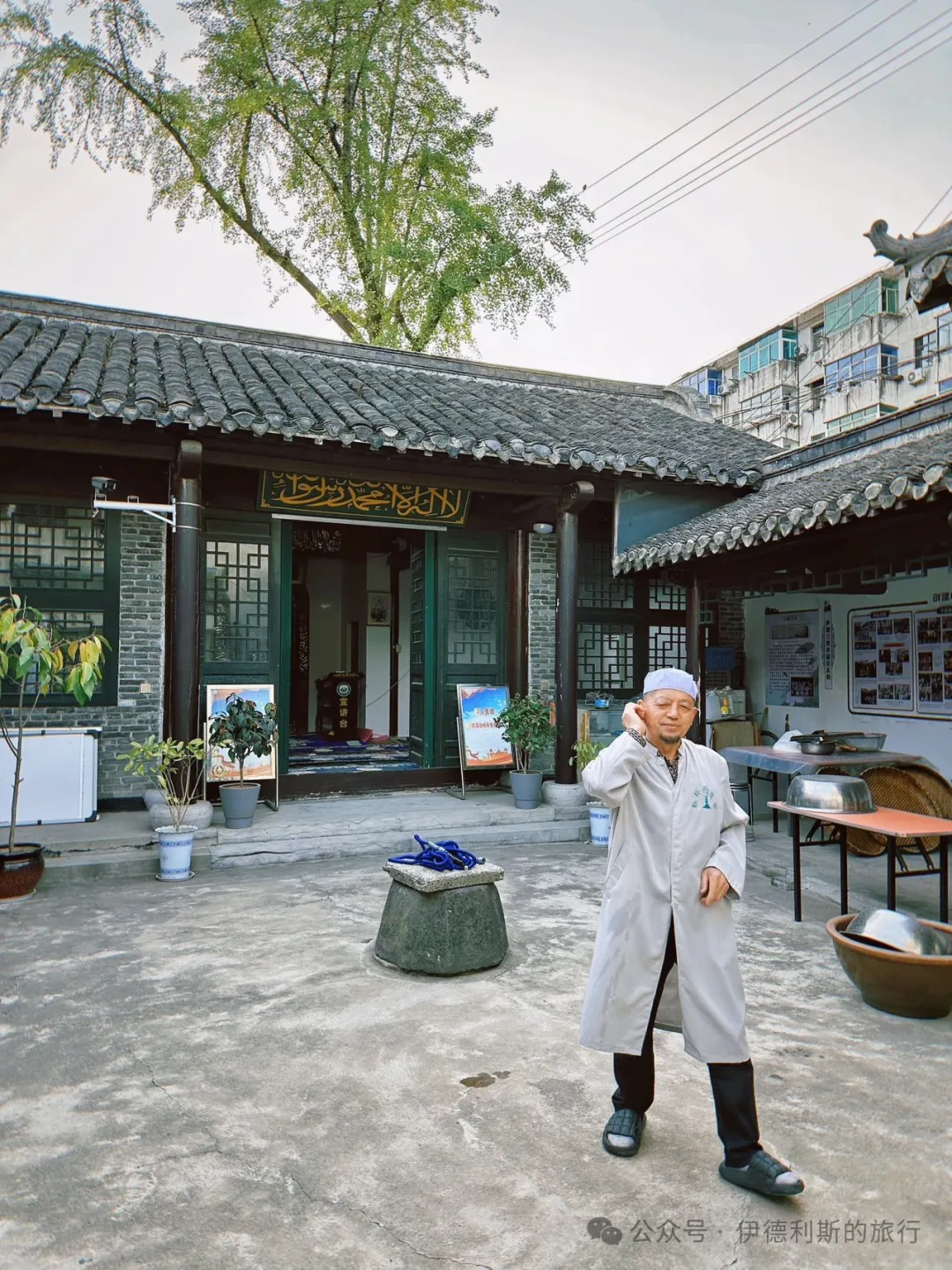
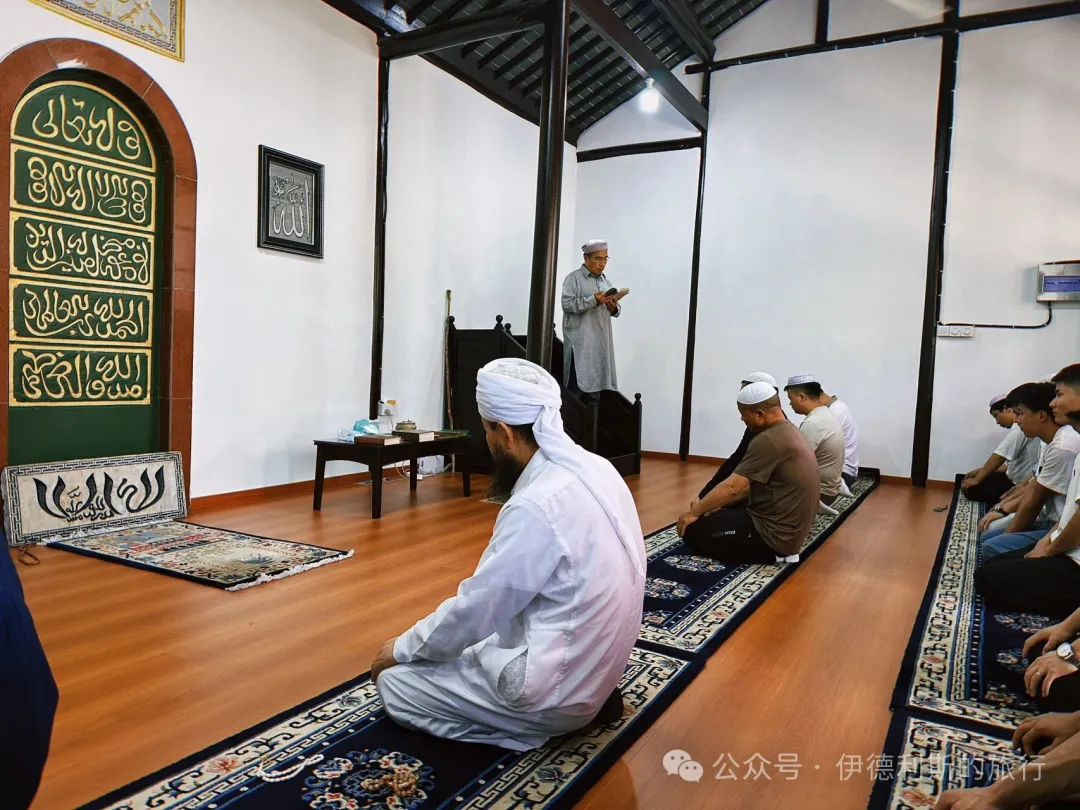
I visited Gaoyou Mosque in 2021, only to find out it was only open for Friday prayers (Jumu'ah). This time, I specifically came for Jumu'ah and finally got to enter the mosque.
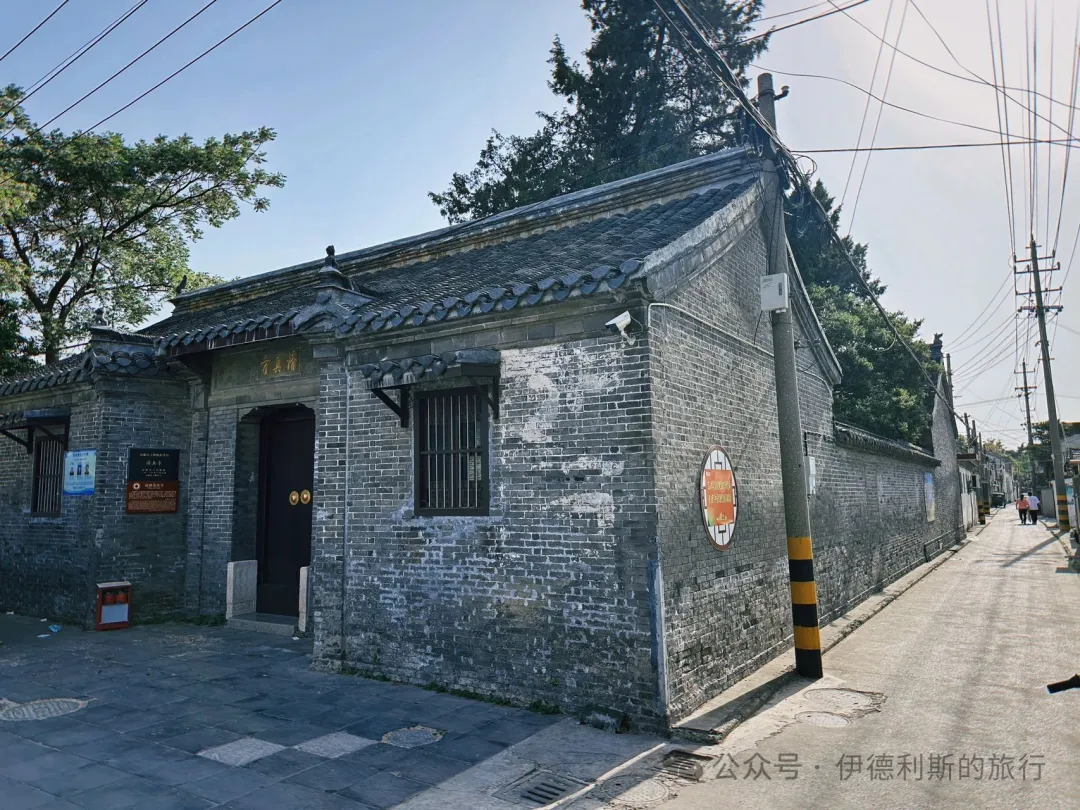
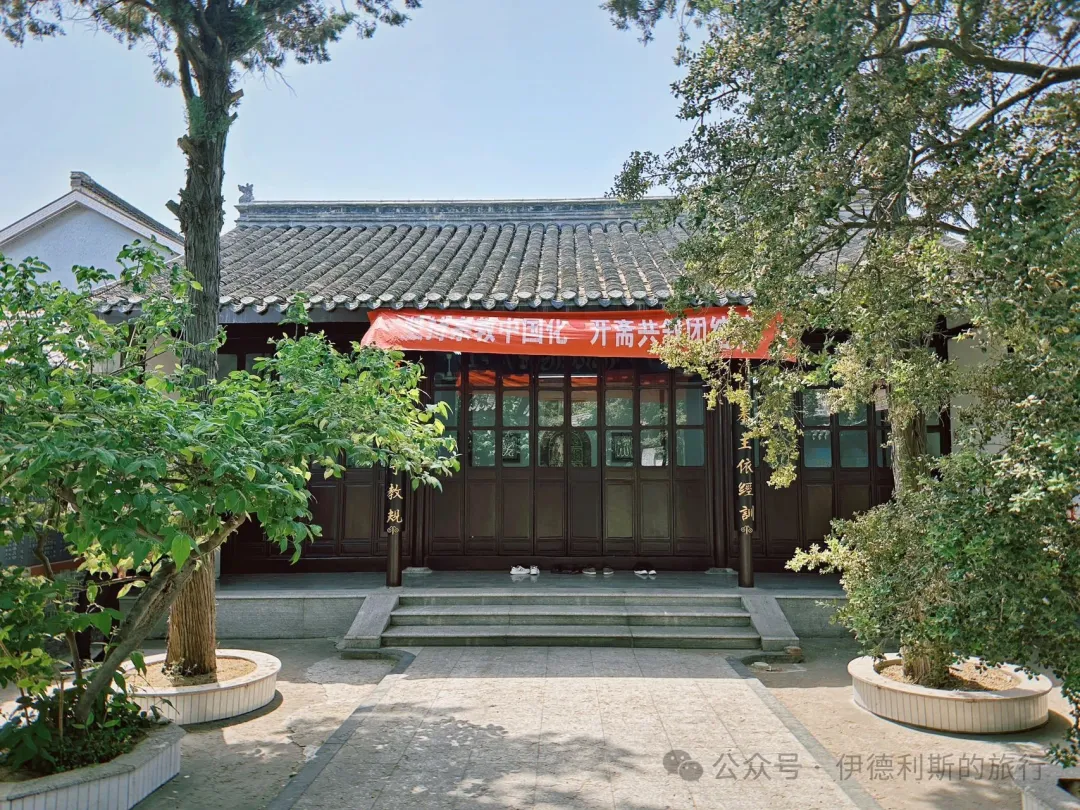
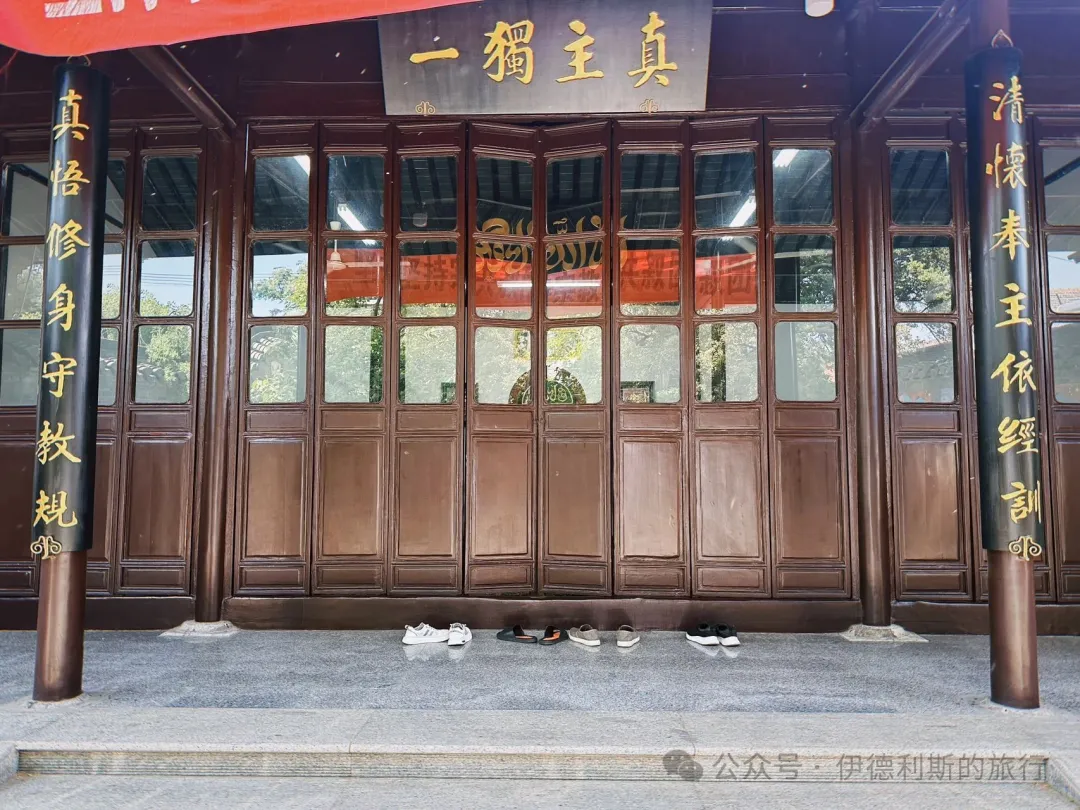
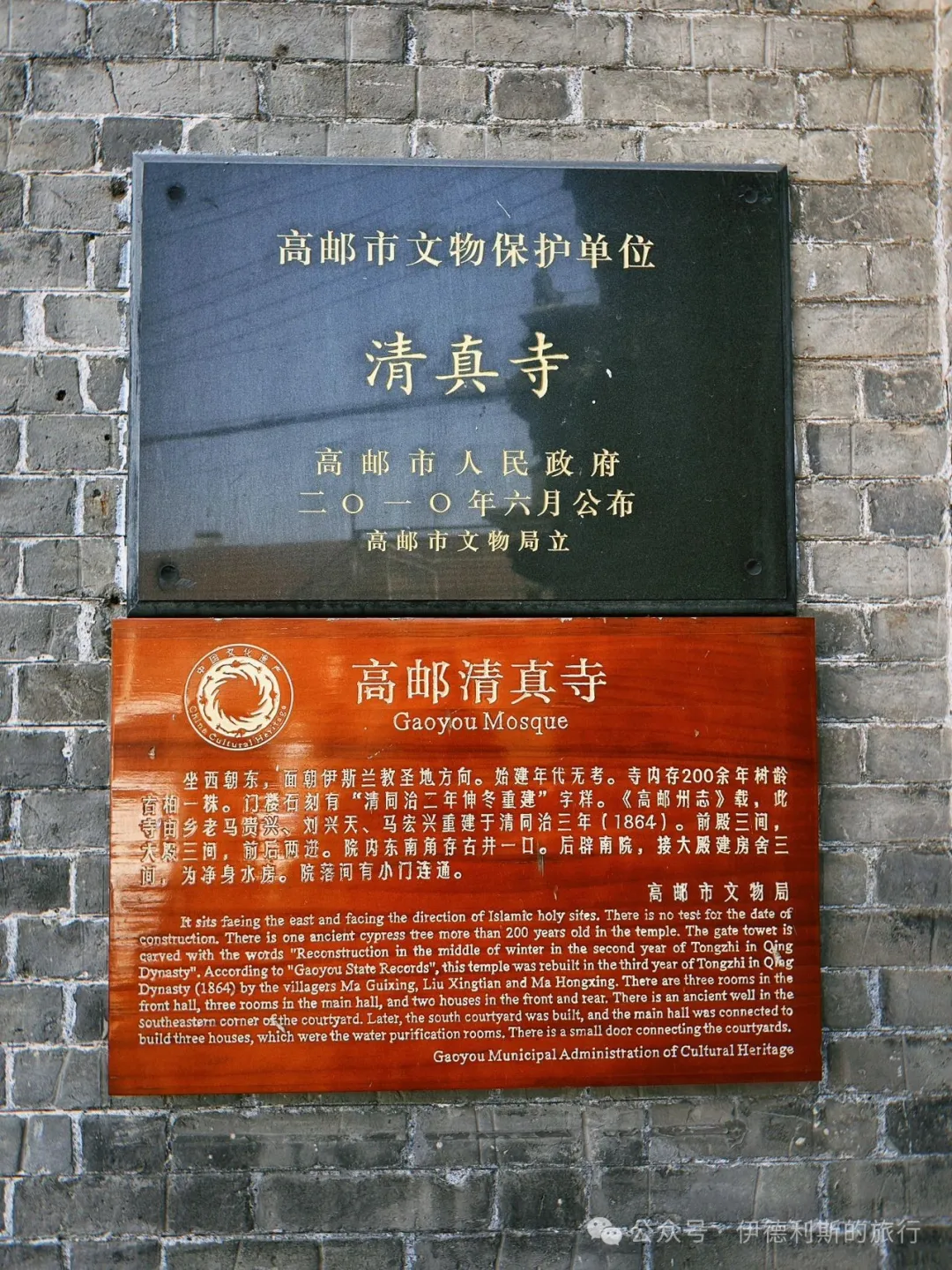
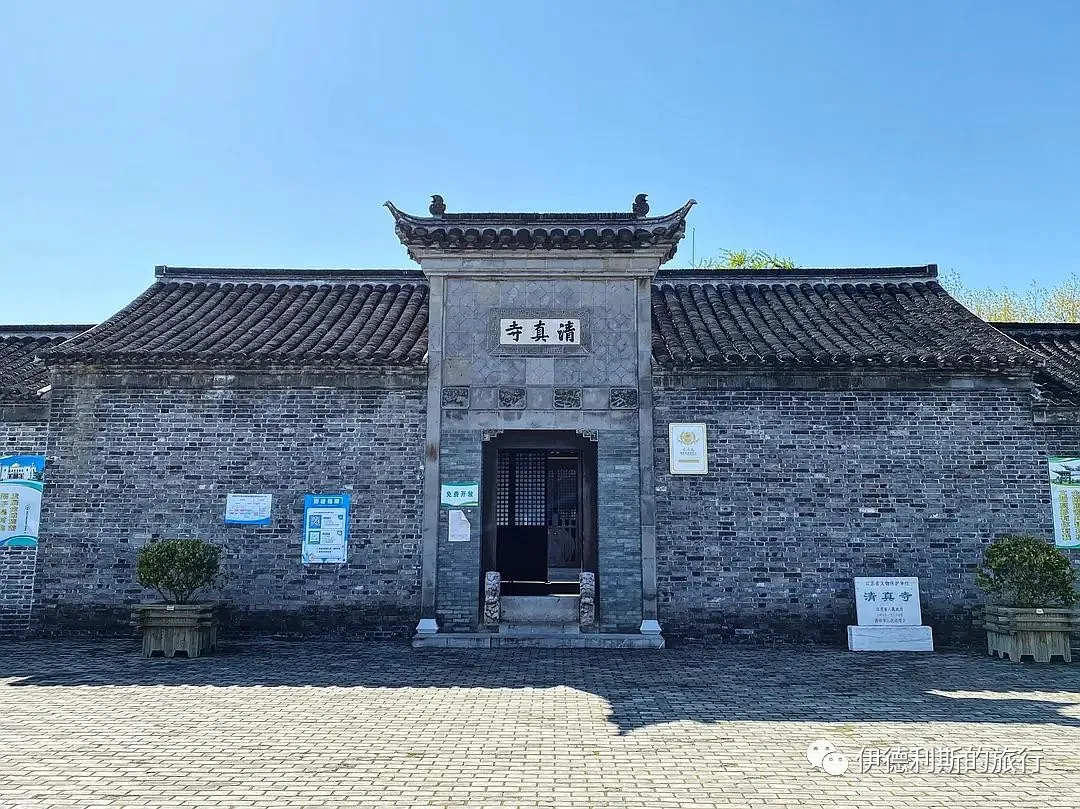
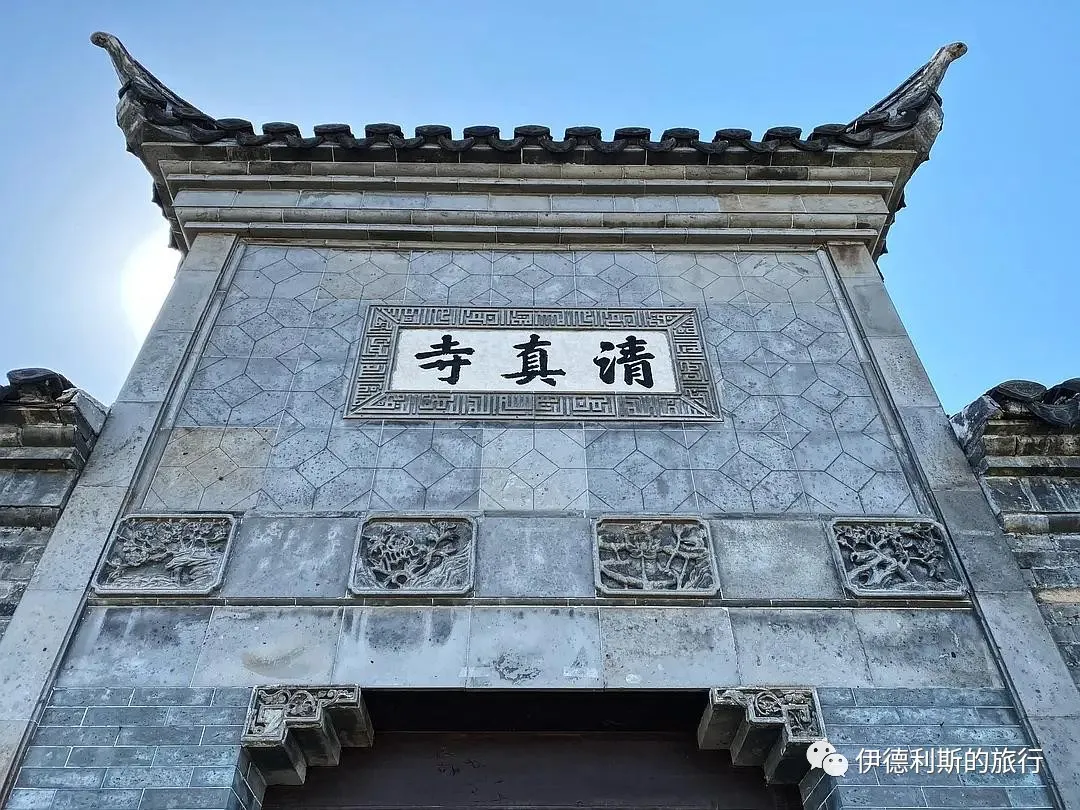
Gaoyou Mosque was first built during the Qing Dynasty. According to the Records of Gaoyou Prefecture (Qing Qianlong era), the mosque was rebuilt in 1864 (the third year of the Tongzhi reign) by local elders Ma Guixing, Liu Tianxing, and Ma Hongxing. The current gate features a stone plaque inscribed with 'Rebuilt in the middle of winter, the second year of the Qing Tongzhi reign,' along with the title 'Respectfully repaired by the Gaoyou Prefecture office.'
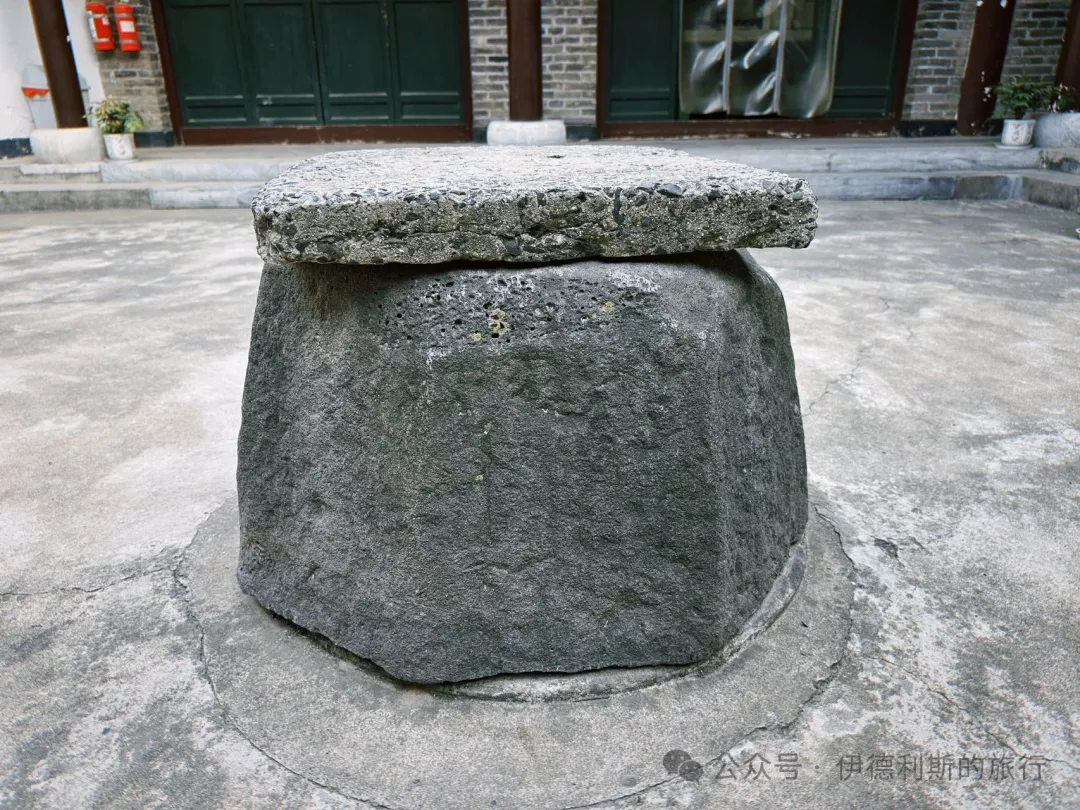
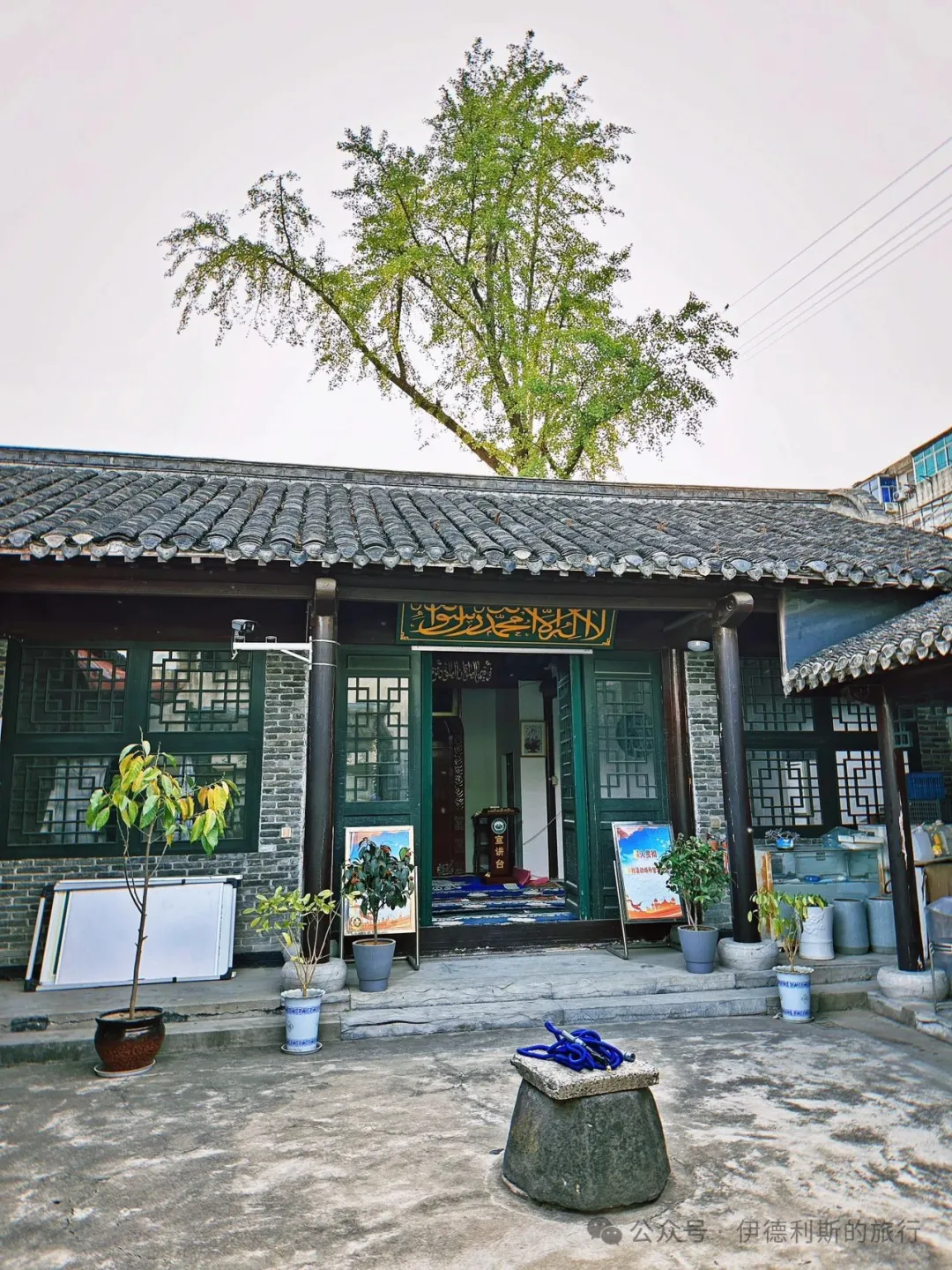
Gaoyou Mosque consists of a gate and a main prayer hall, forming an elegant and beautiful traditional Jianghuai-style courtyard. Inside, there is a 175-year-old boxwood (guazi huangyang) tree, a 225-year-old Chinese juniper (yuanbai) tree, and an ancient Qing Dynasty well.
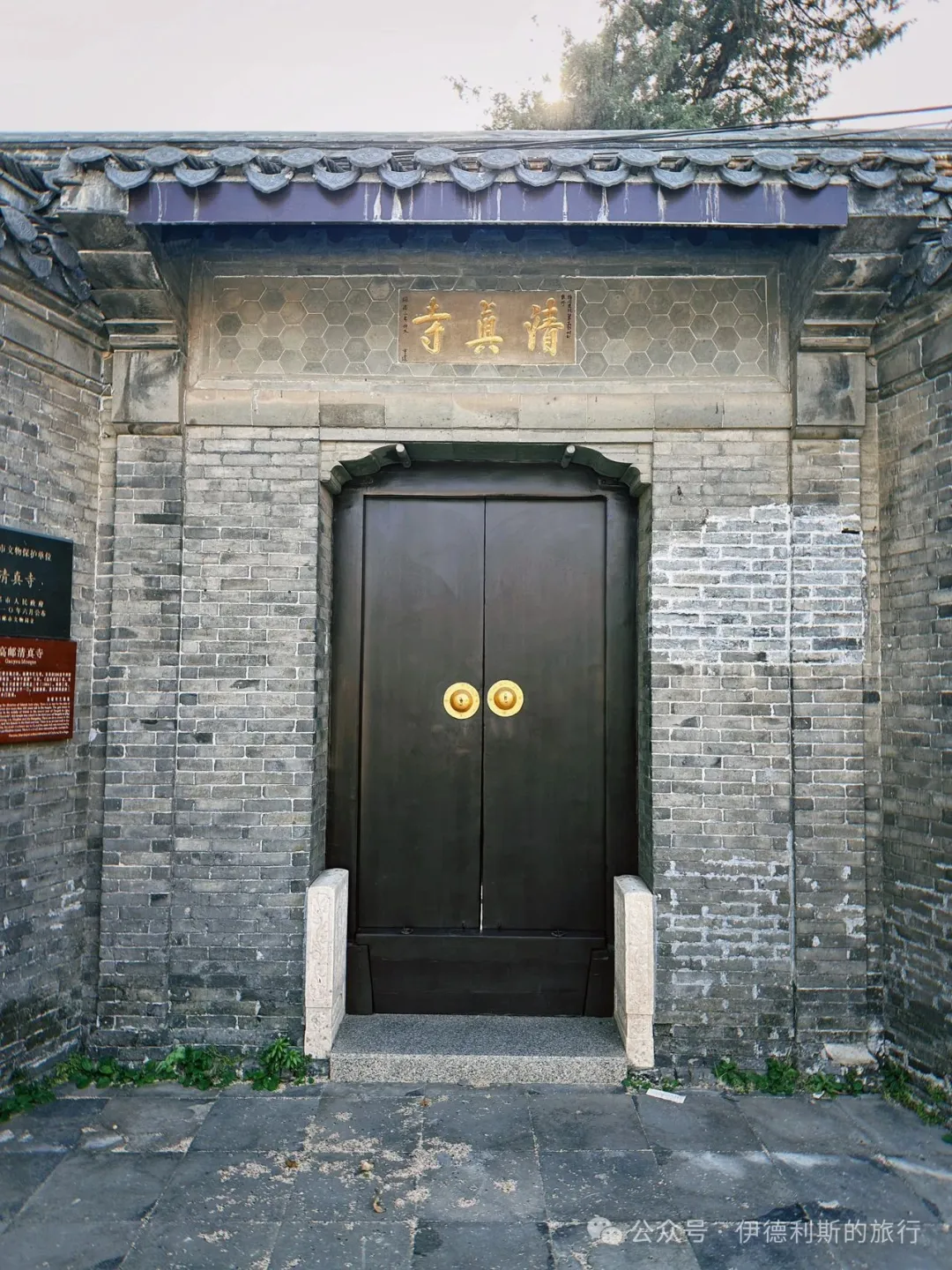
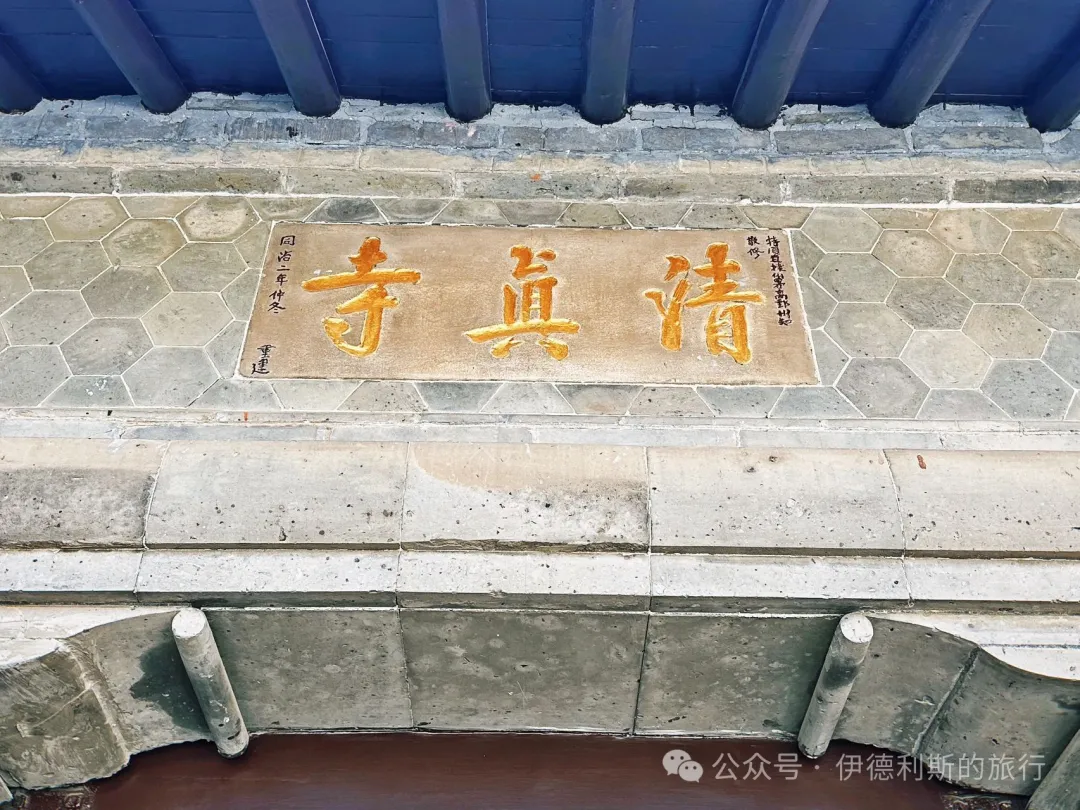
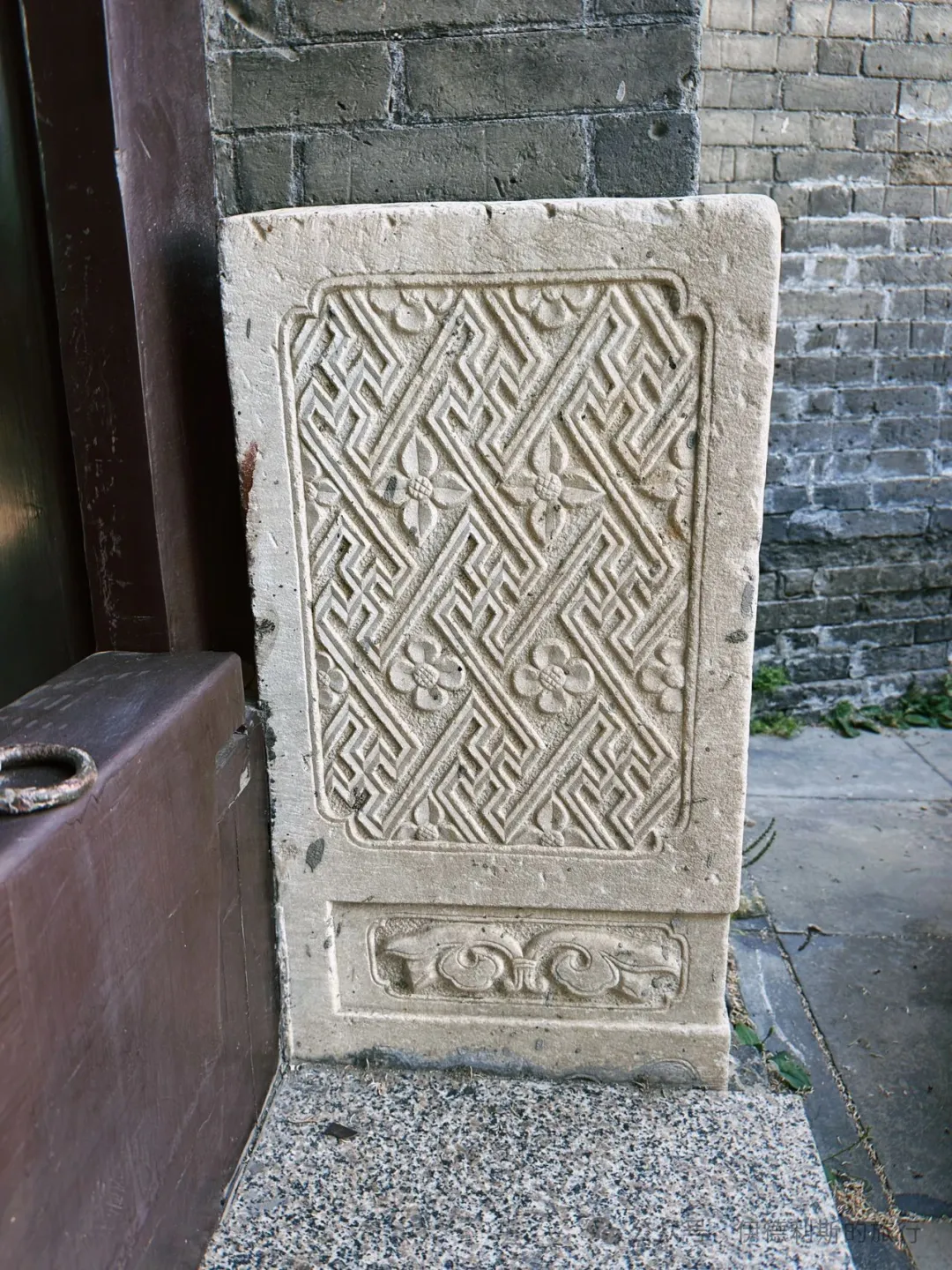
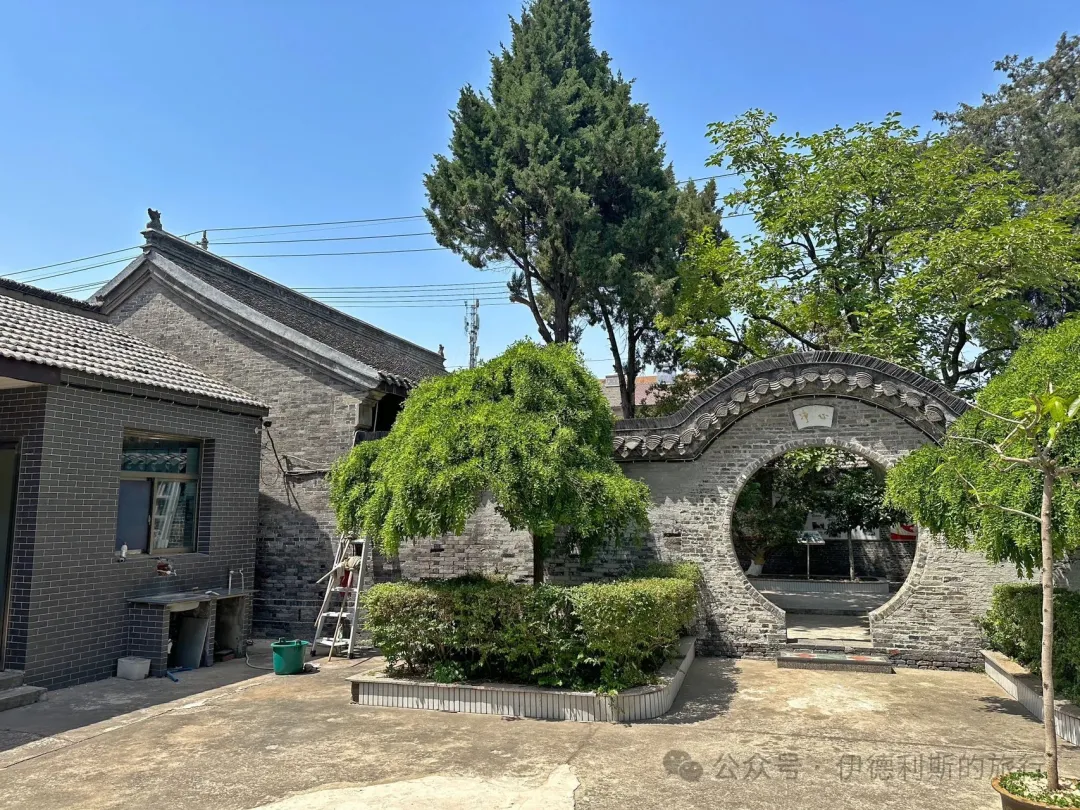
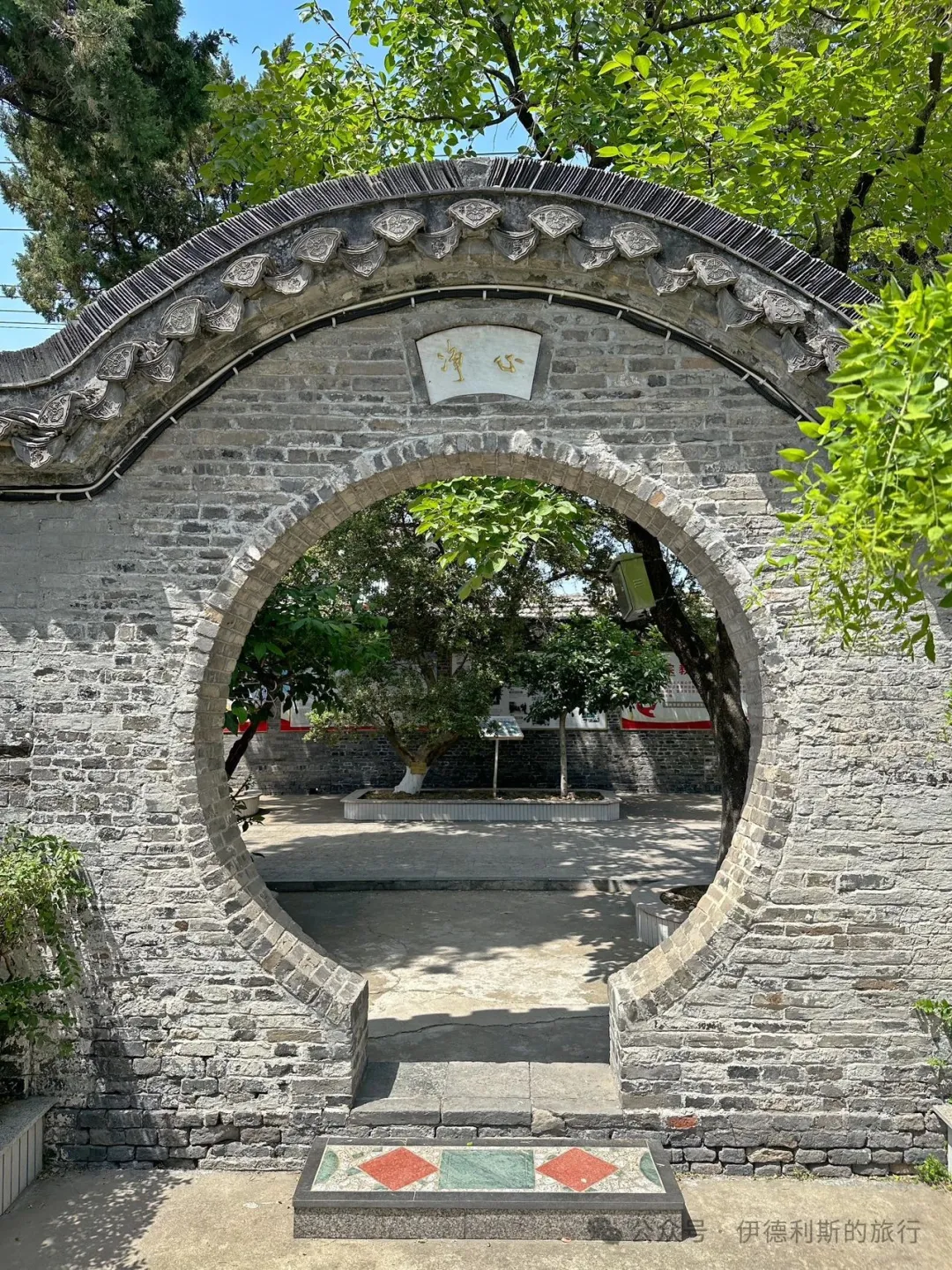
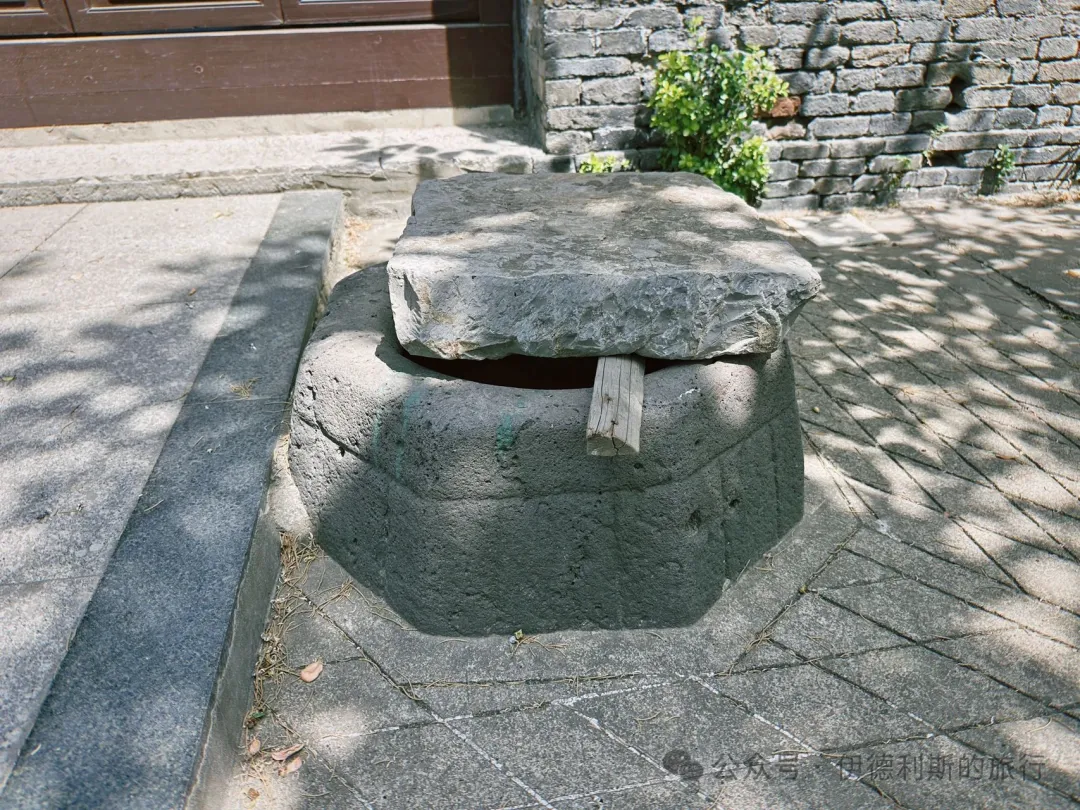
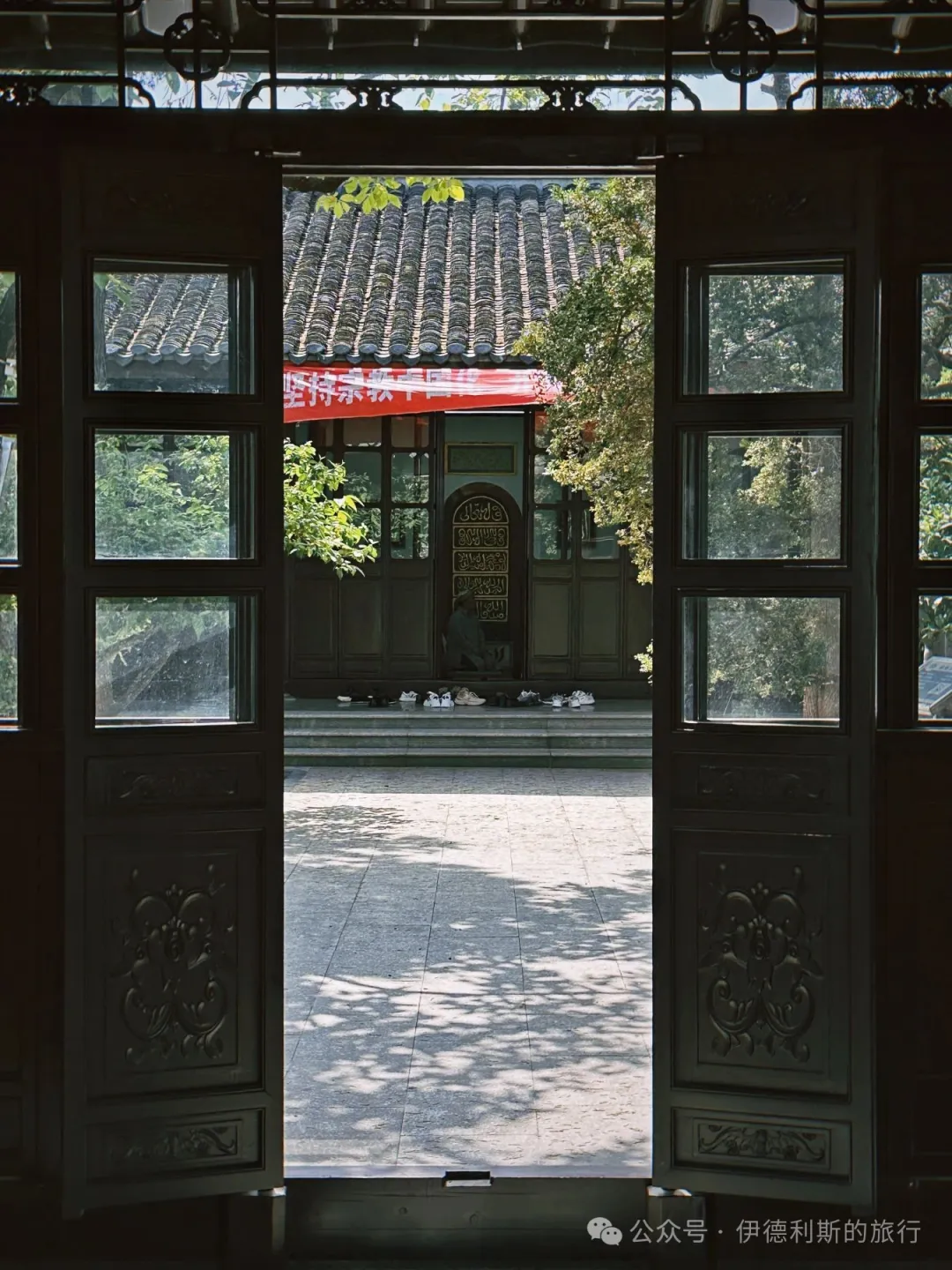
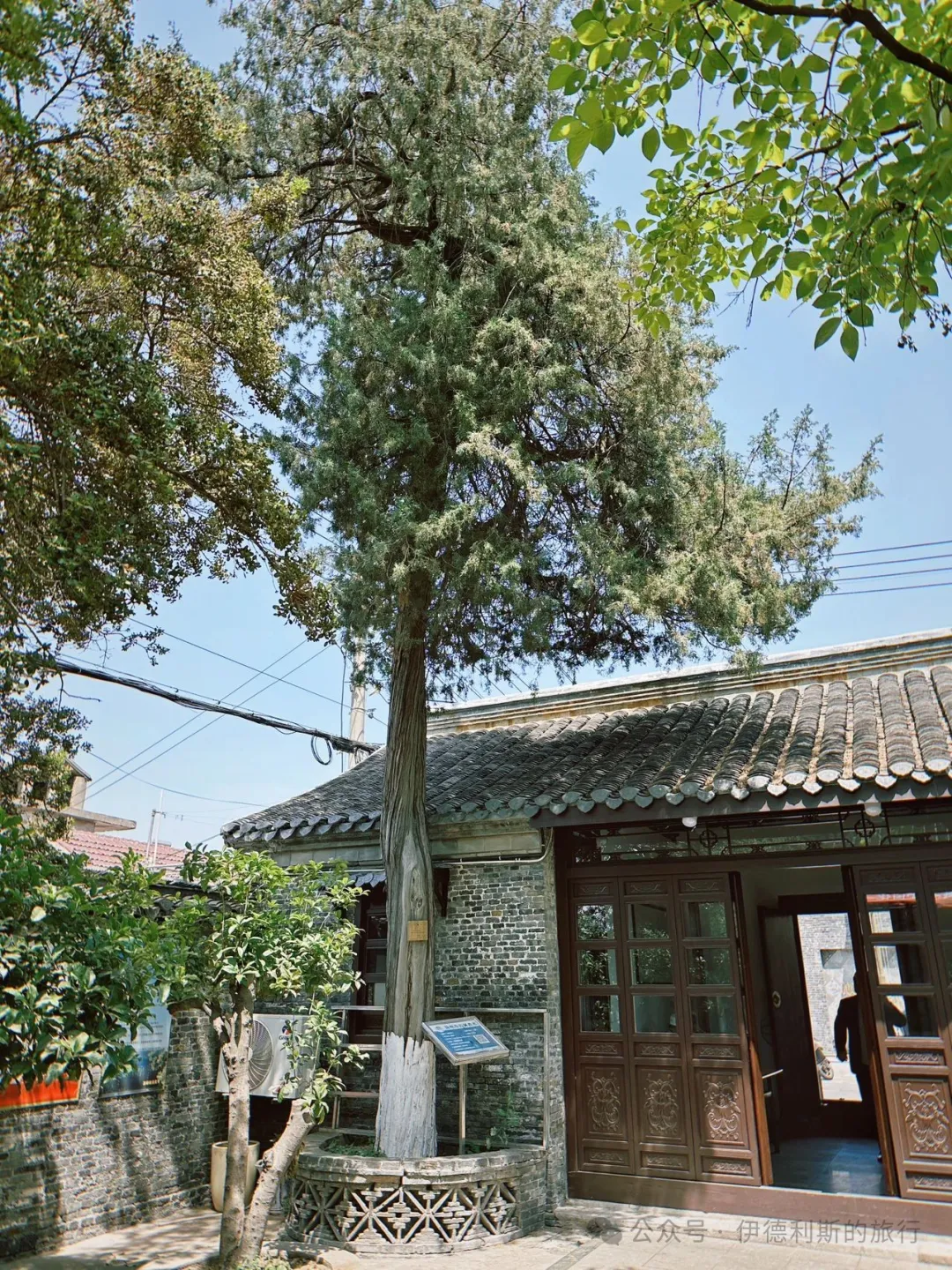
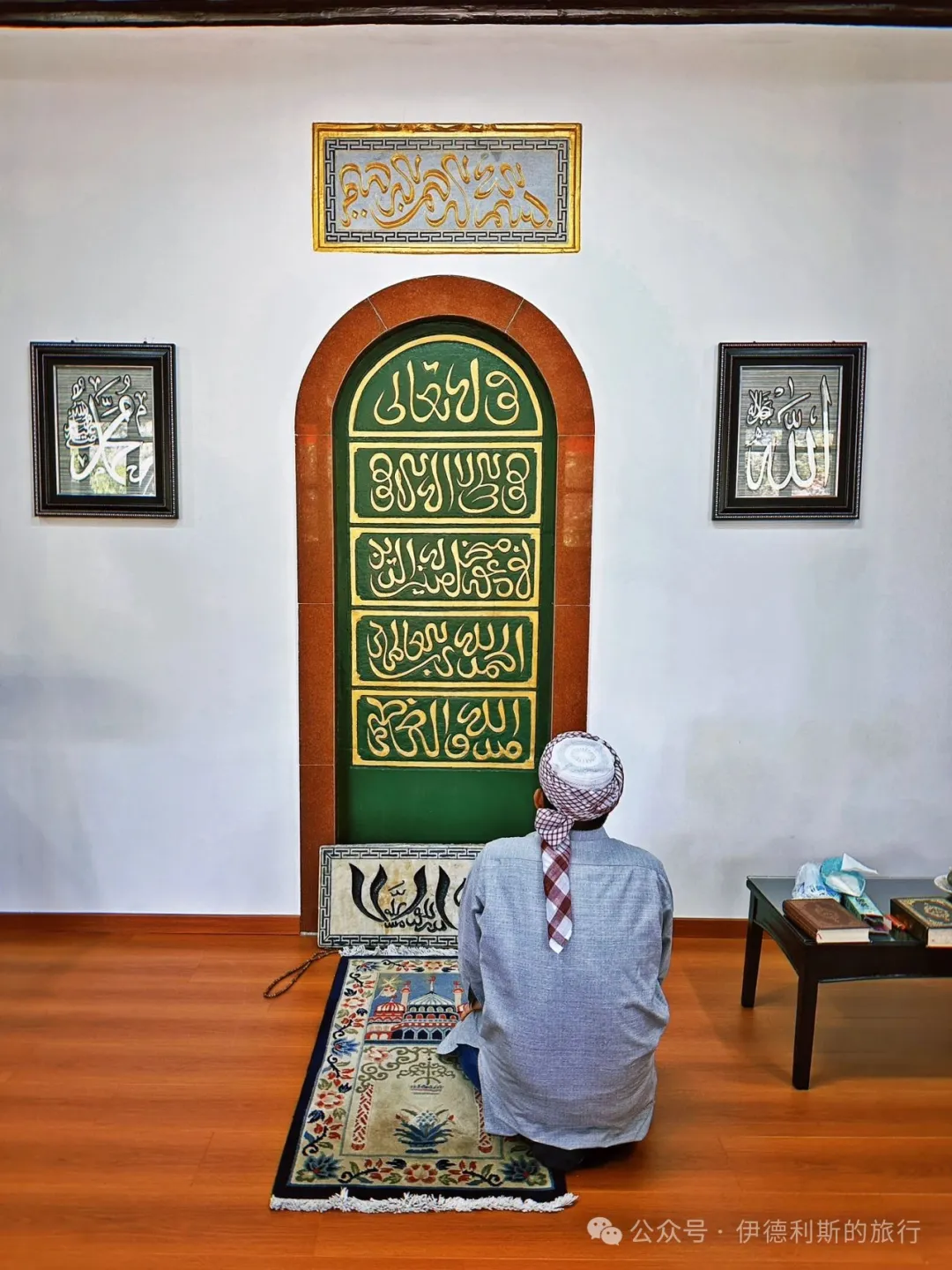
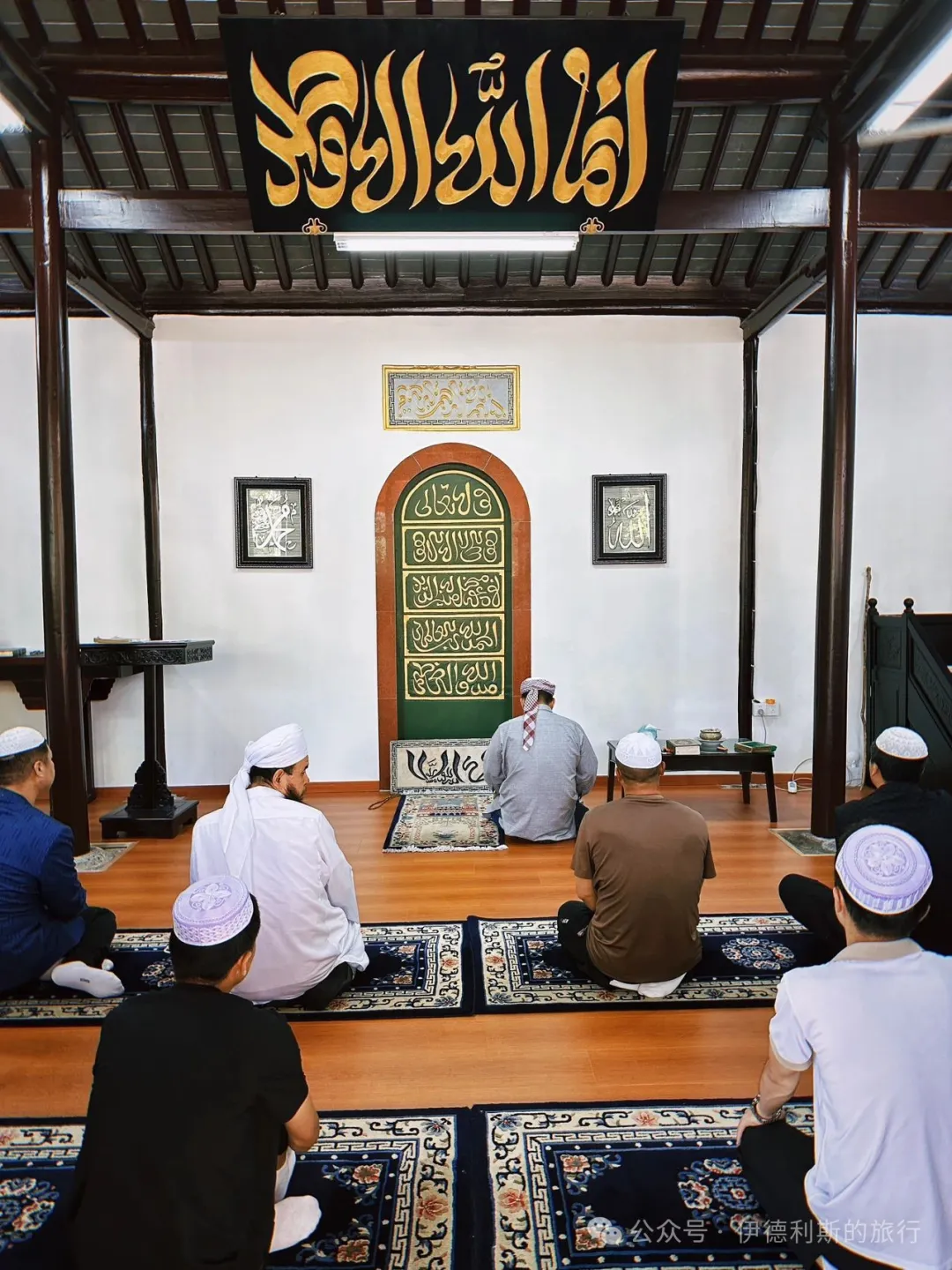
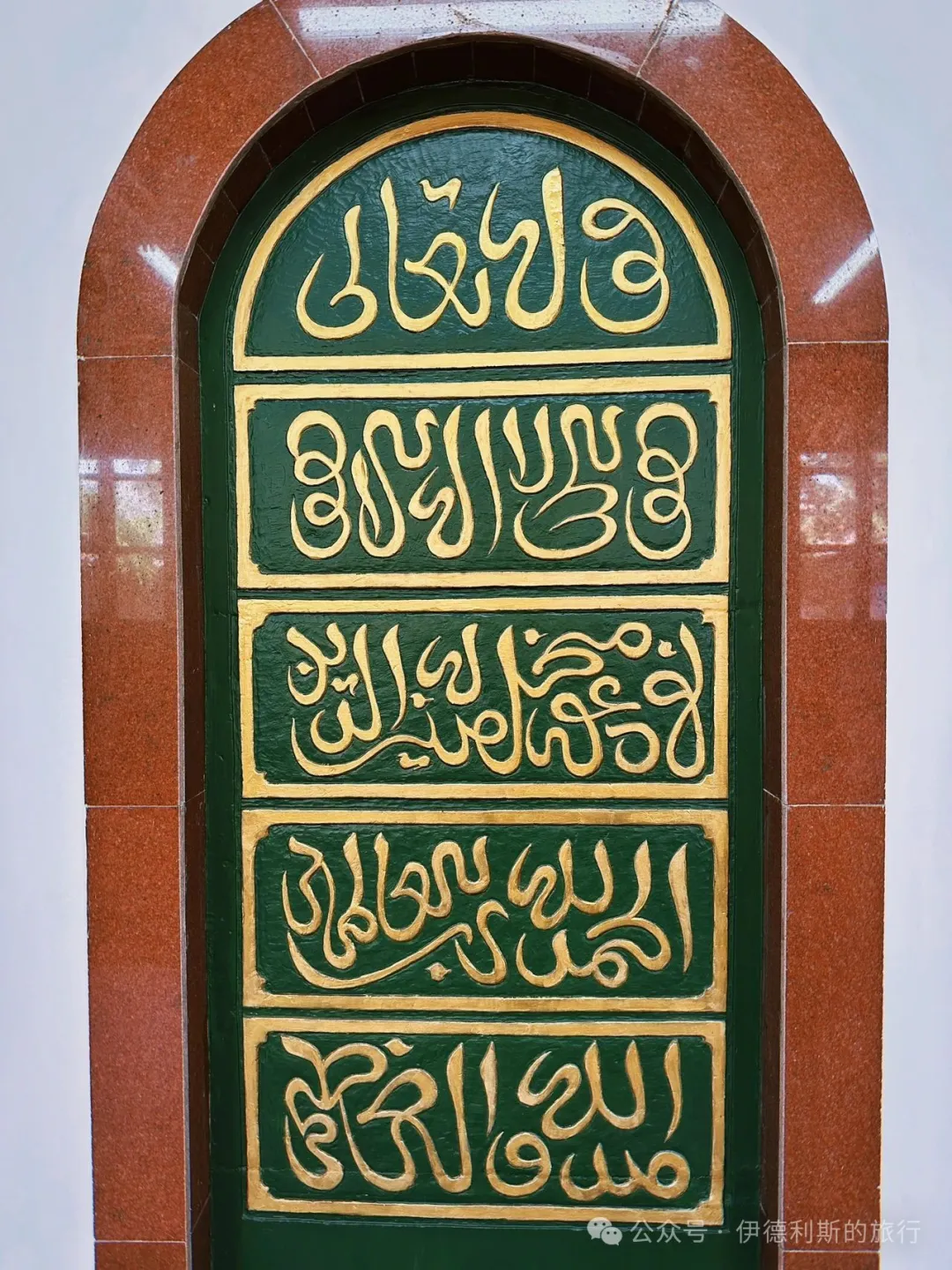
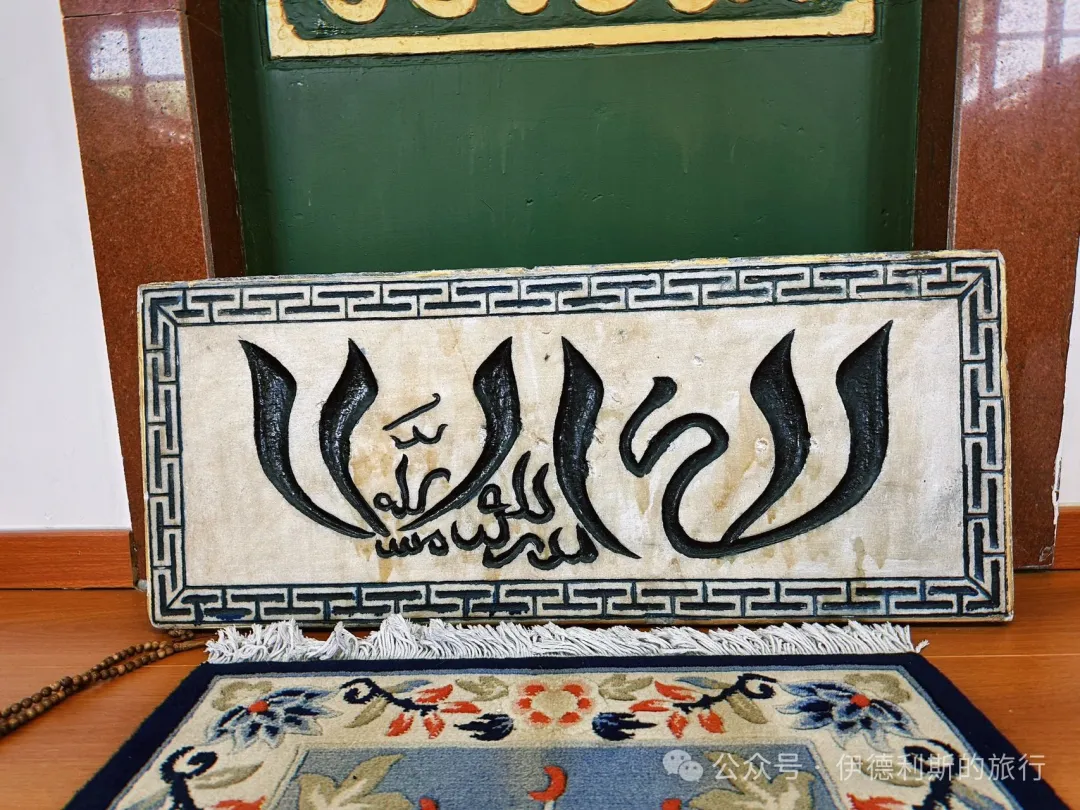
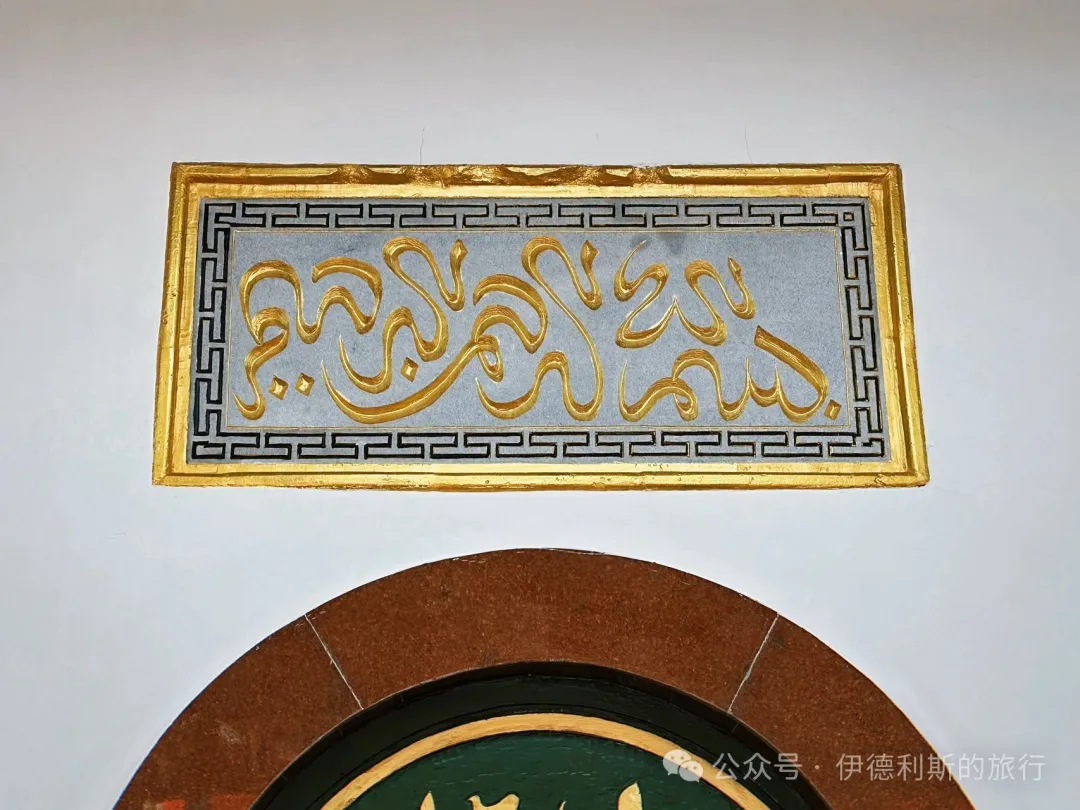
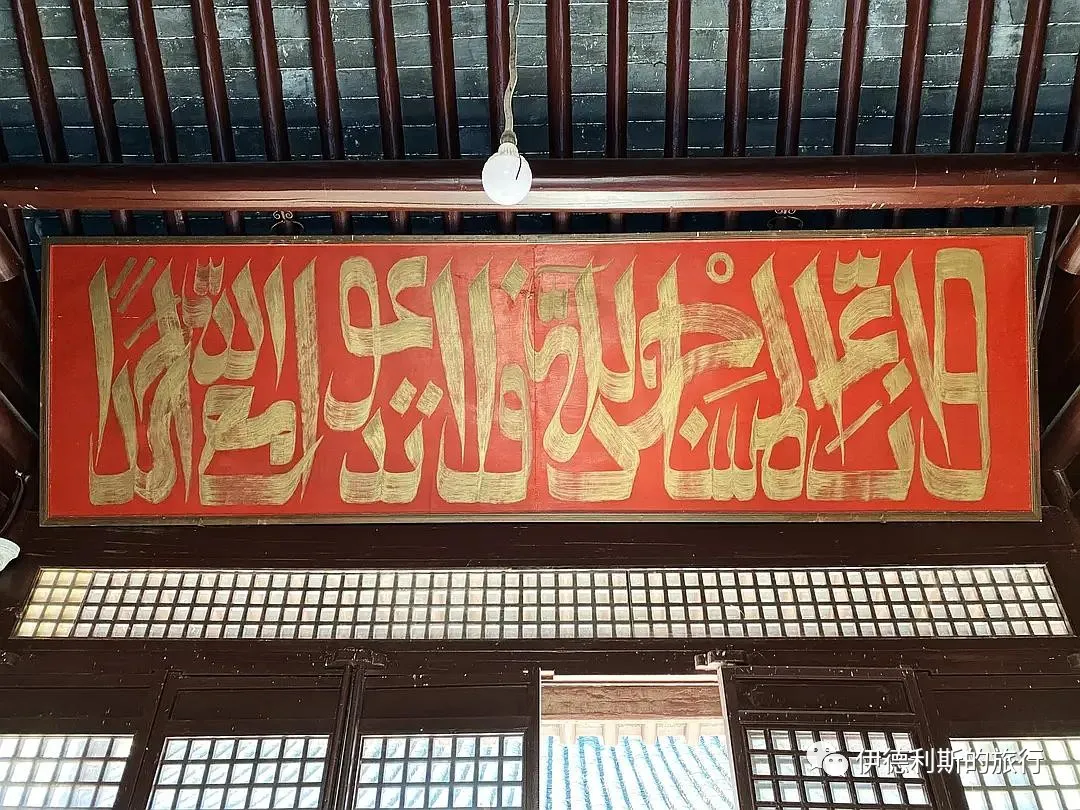
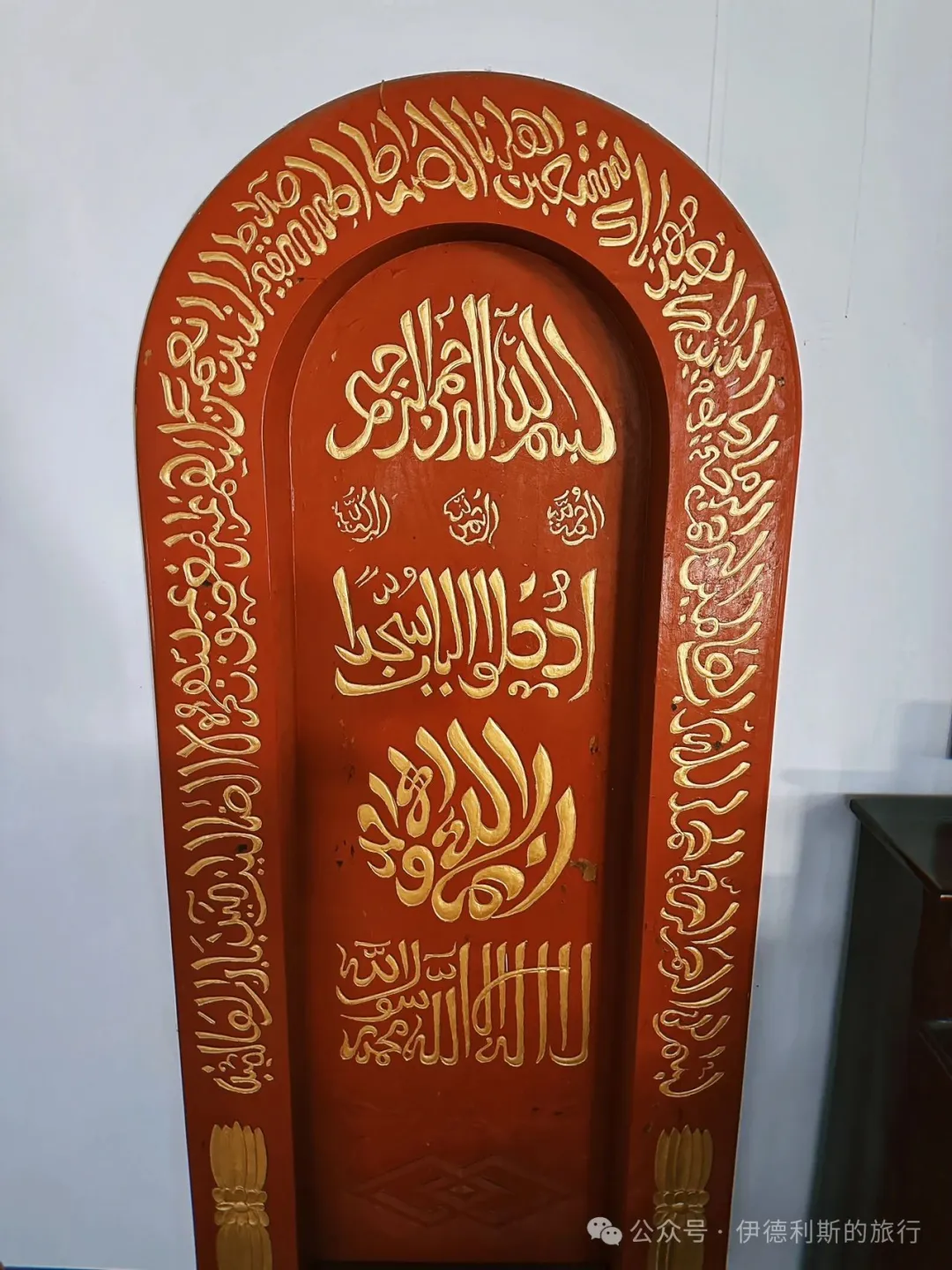
The main prayer hall at Gaoyou Mosque is quite small, and its prayer niche (mihrab) follows the traditional Jiangsu style. The congregation for Jumu'ah is mostly made up of Northwest Chinese Muslims who run local hand-pulled noodle (lamian) shops. This is the current situation for many mosques in the southeastern region.
Lingtang Mosque
By the end of the Yuan Dynasty, Lingtang already had a mosque in 'Huihui Bay' by Gaoyou Lake, but it was later destroyed by floods. In the mid-Ming Dynasty, it moved to Yangdazhuang, then to its current location in the early Qing Dynasty. It was rebuilt in 1844 (the 24th year of the Qing Daoguang reign), expanded again in 1921, and completed in 1924.
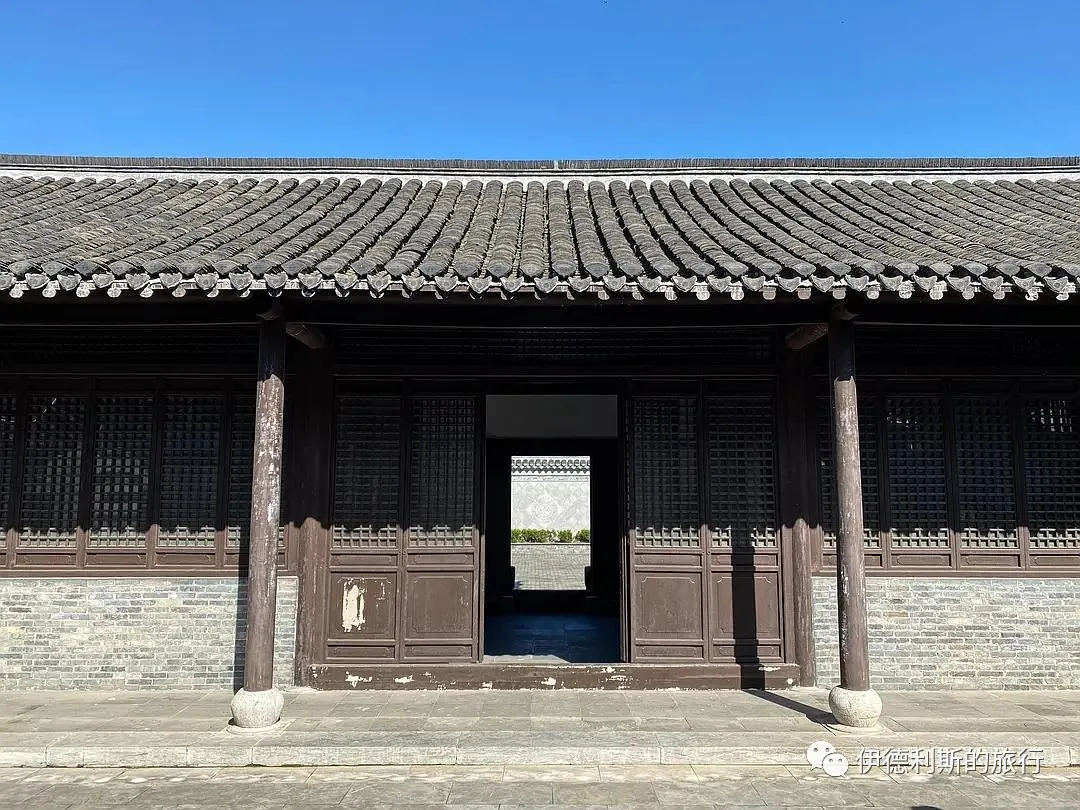
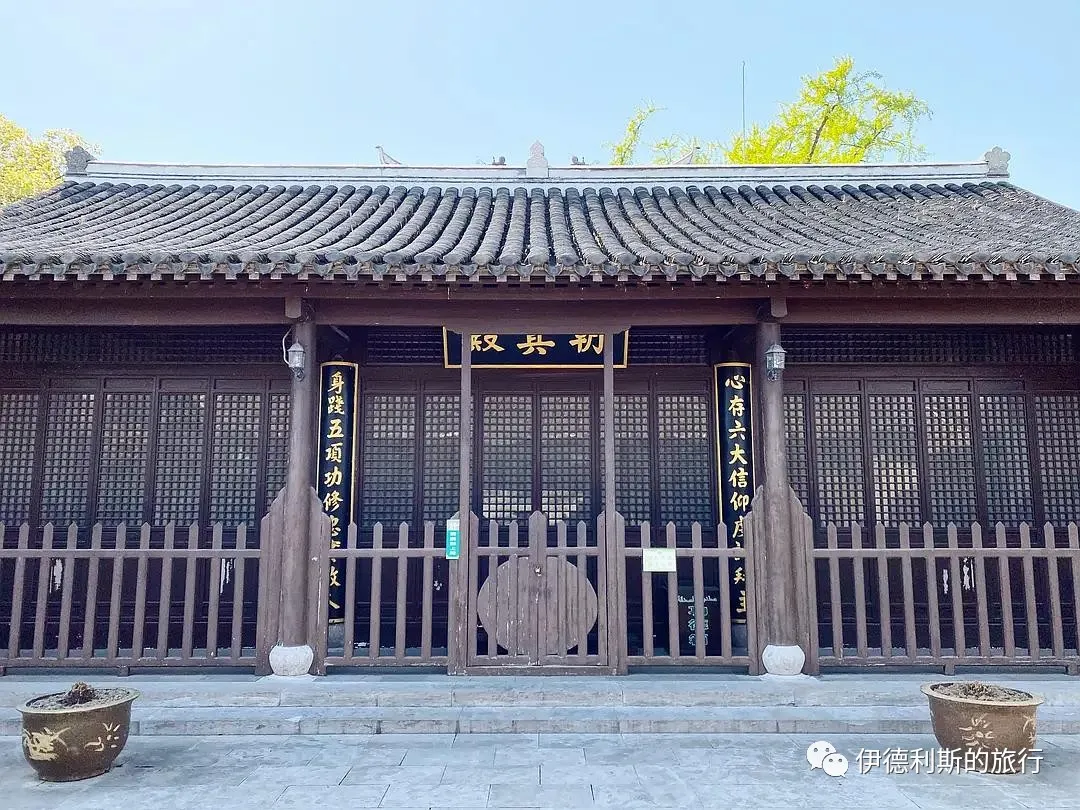
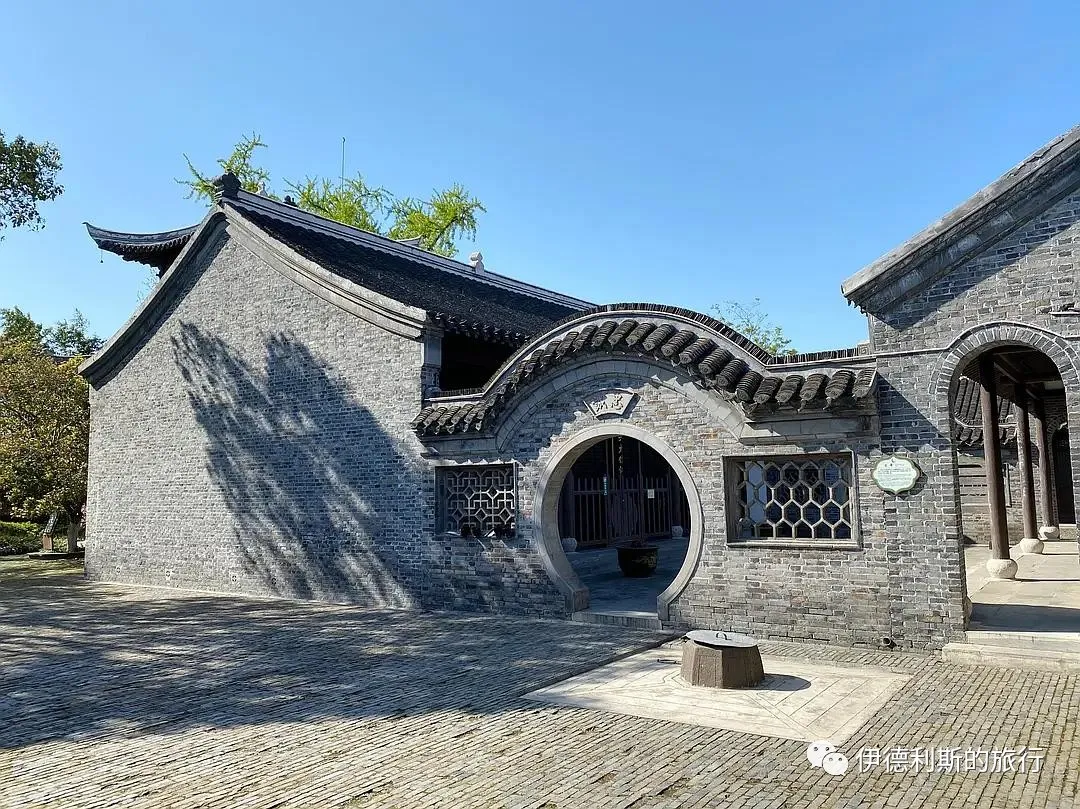
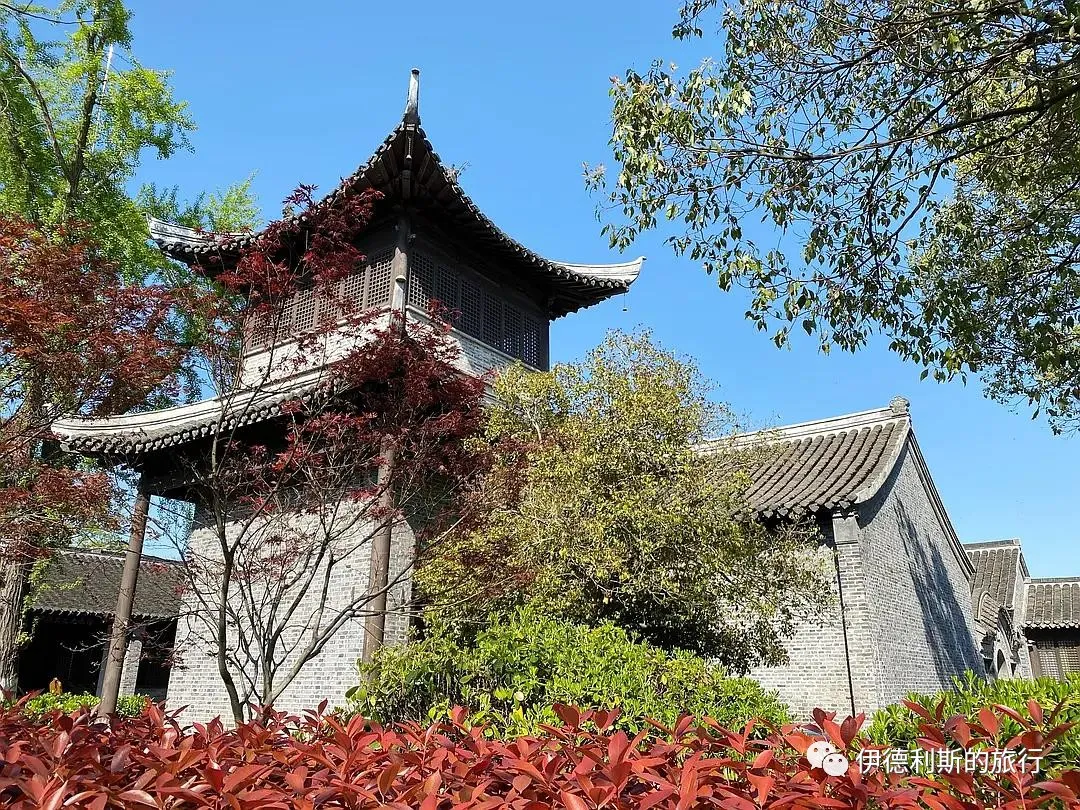
The golden osmanthus (jingui) tree next to the prayer hall was planted when local elder Xue Yukuan and his wife, Mrs. Xue Yang, had an imam perform their marriage ceremony (nikah). It is now over 130 years old.
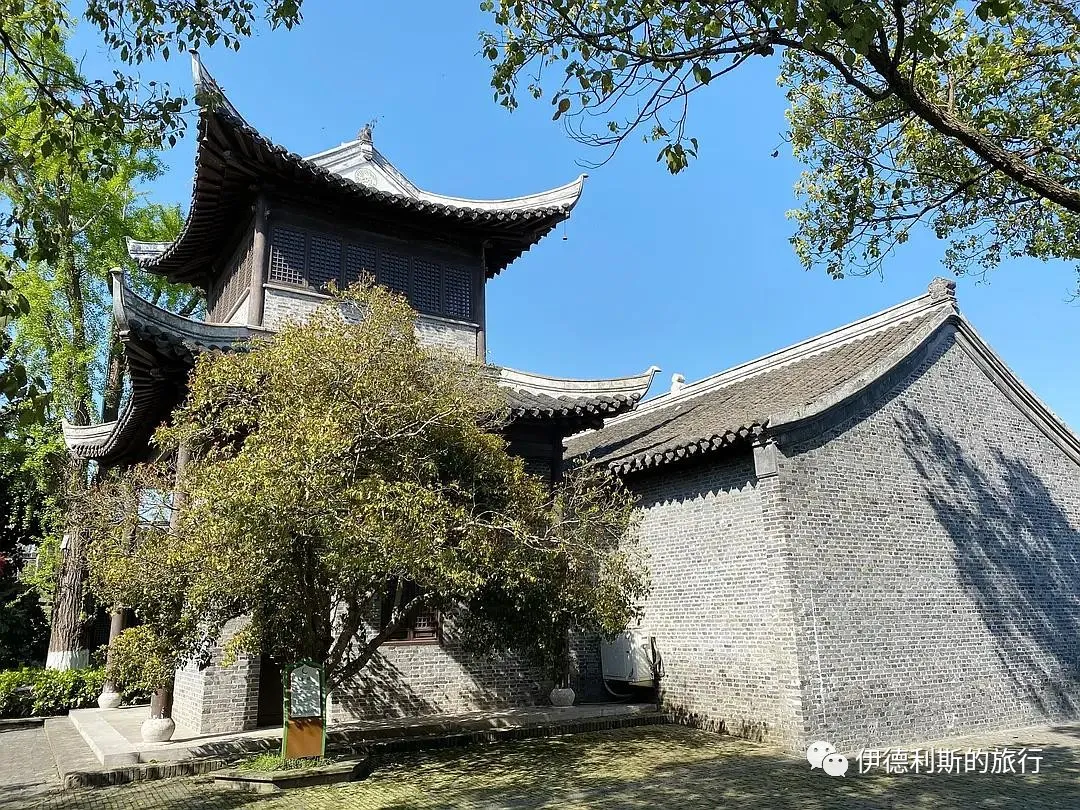
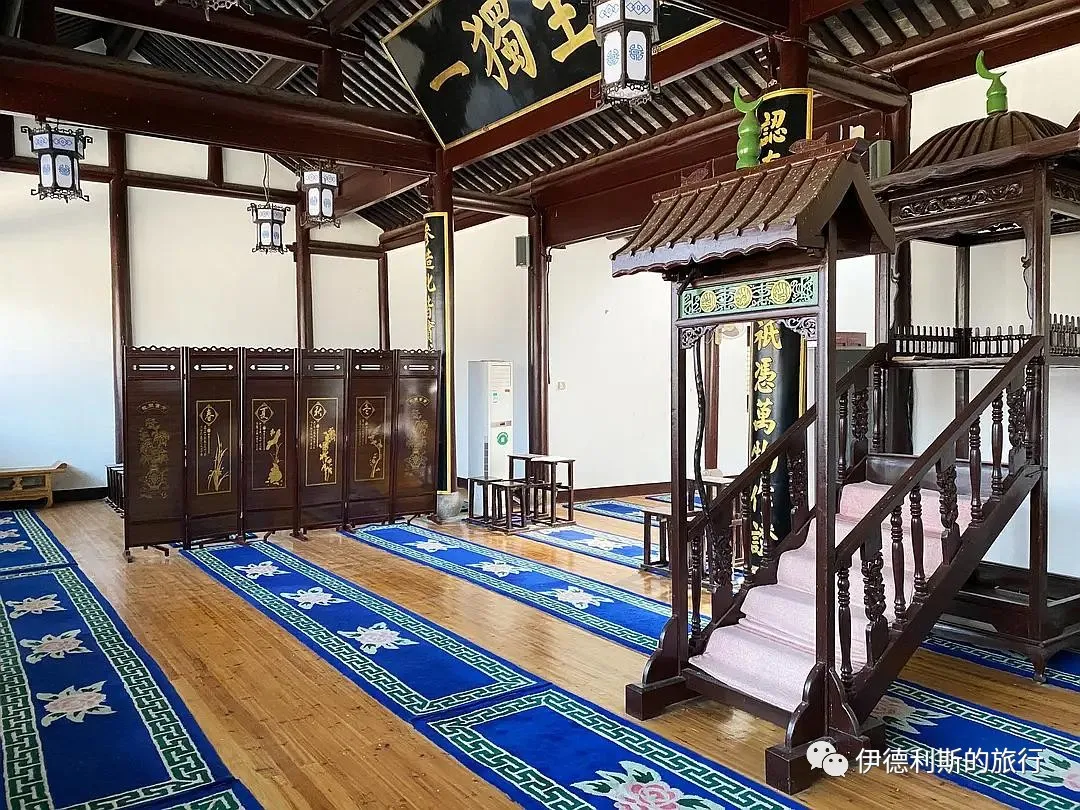
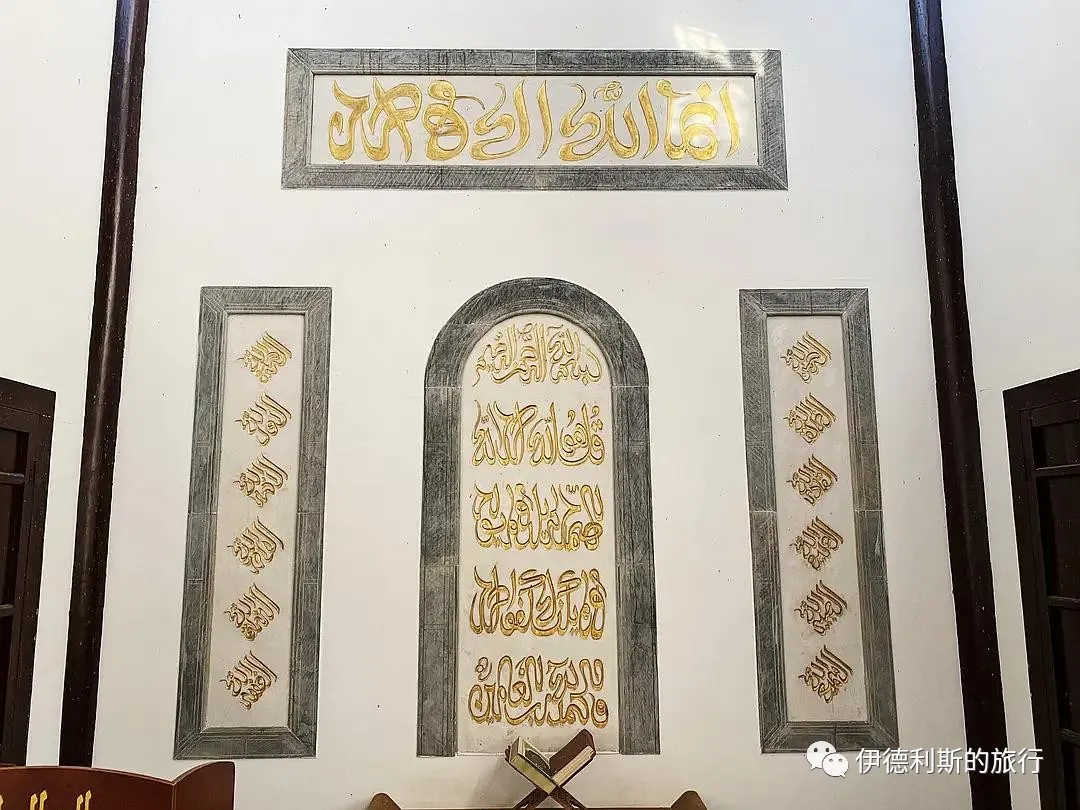
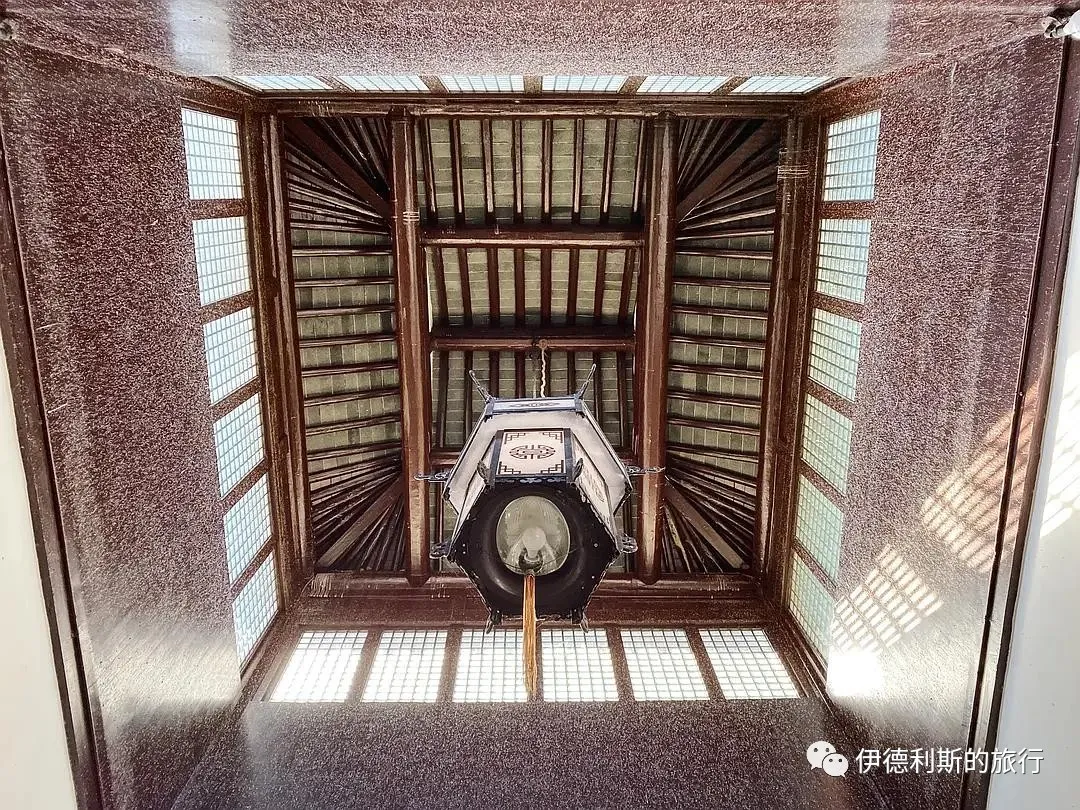
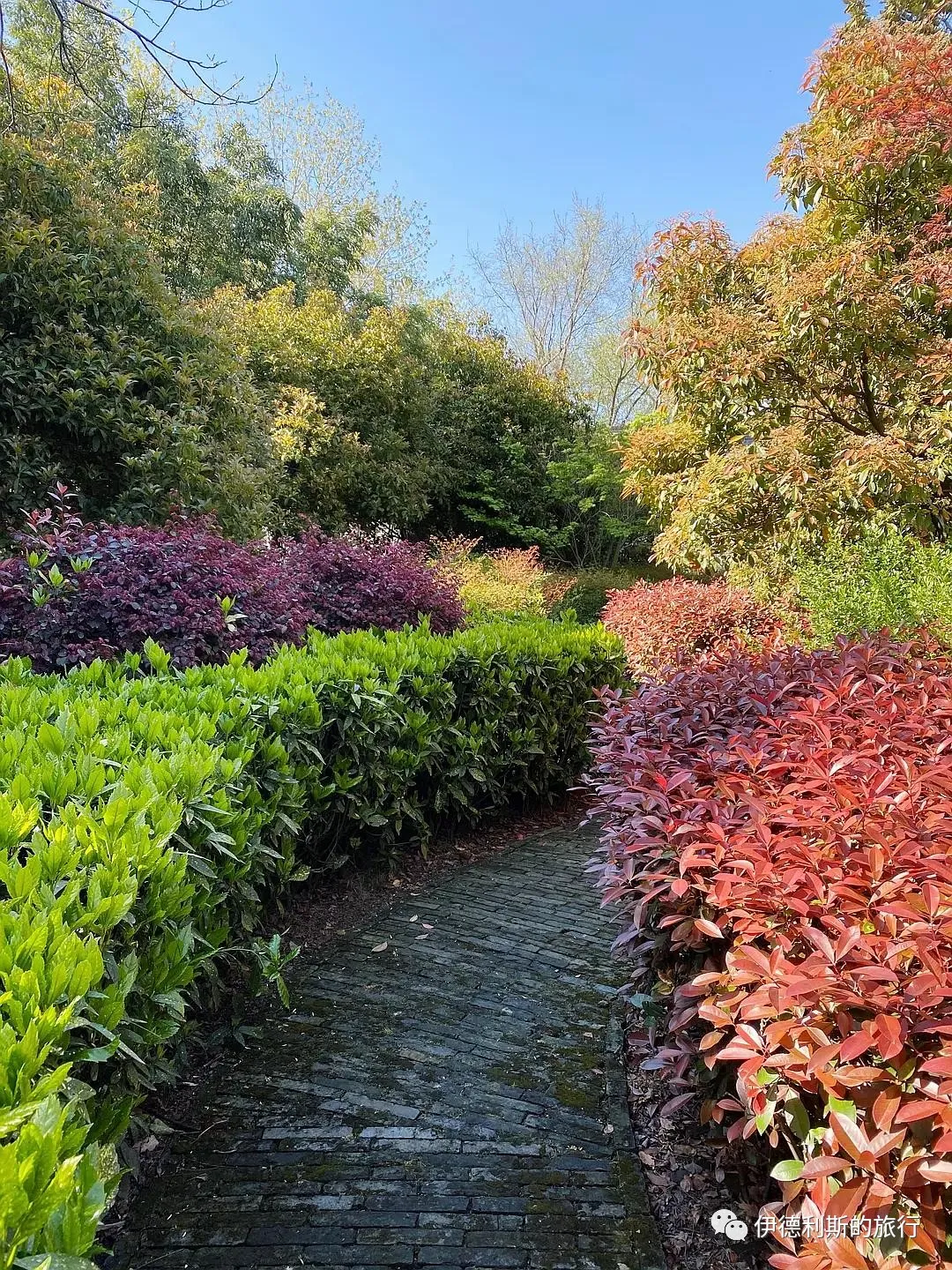
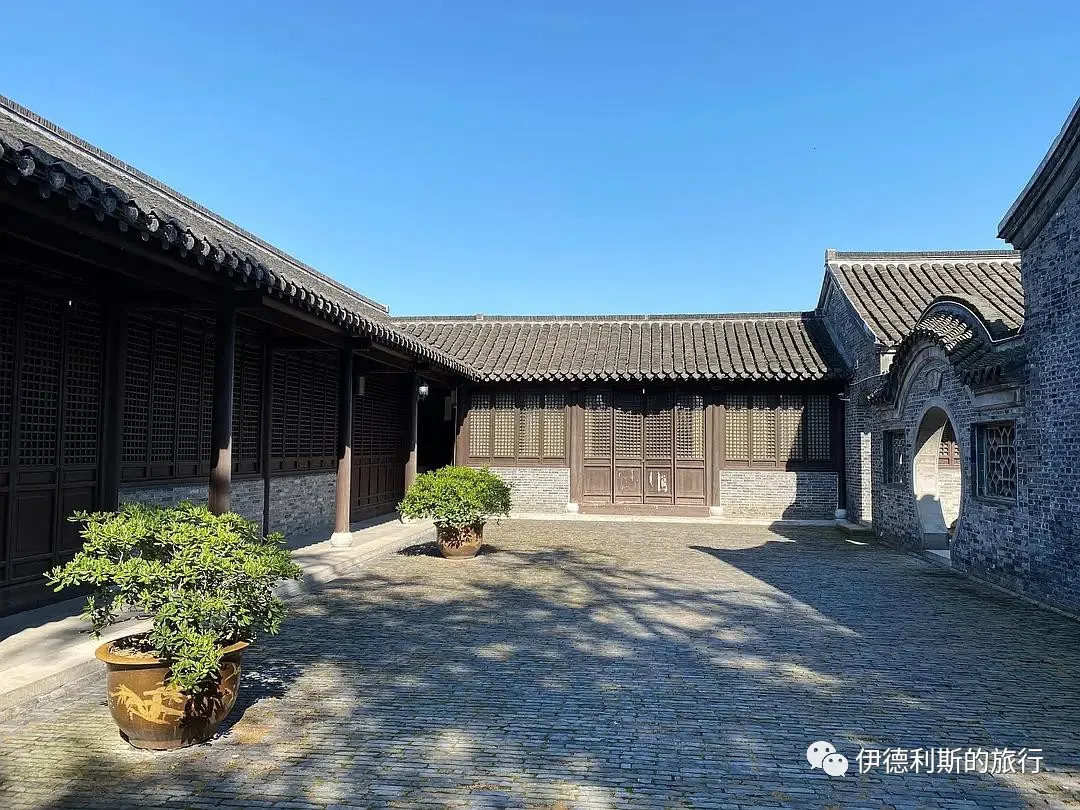
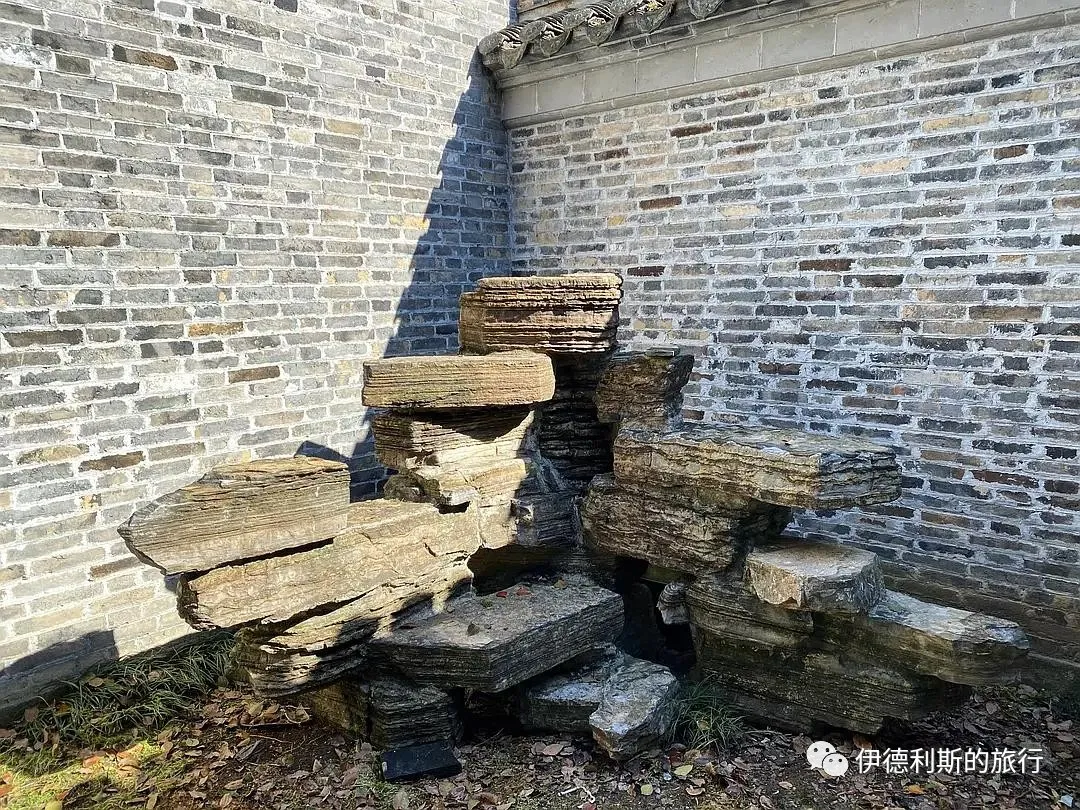
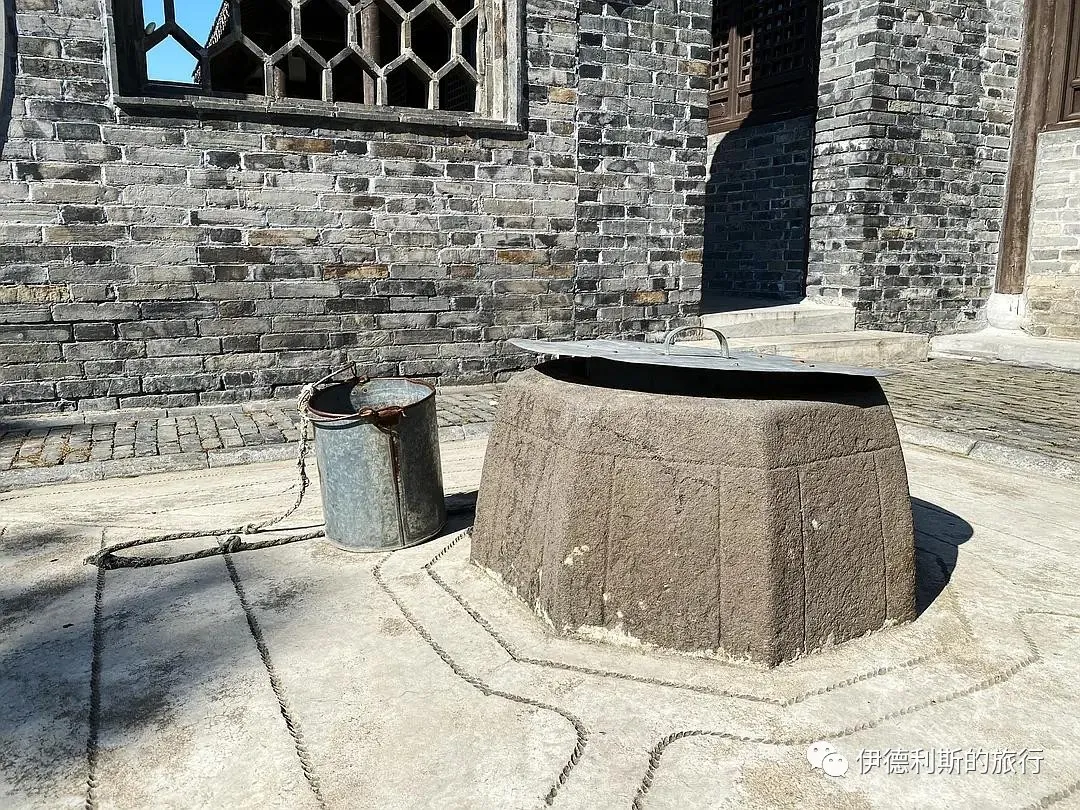
The exhibition hall at Yangzhou Lingtang Mosque displays a water kettle (tangping hu) gifted by the Jizhaoying Mosque in Nanjing during the Qing Dynasty, as well as Republic-era water kettles, a bronze Xuande incense burner, blue-and-white porcelain incense burners, and the boiler (guozhengzi) and bucket used in the mosque's 1950s washroom. The boiler was used to heat water, and the bucket had a hole at the bottom; pulling out the wooden plug allowed for a shower.
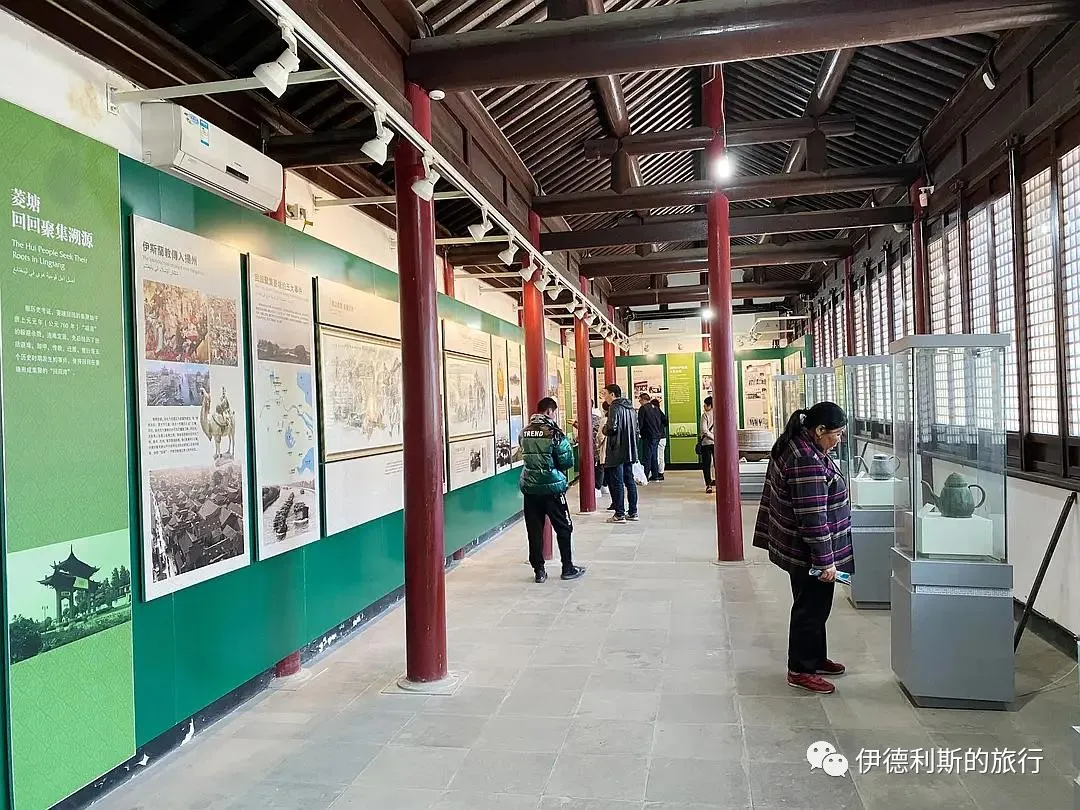
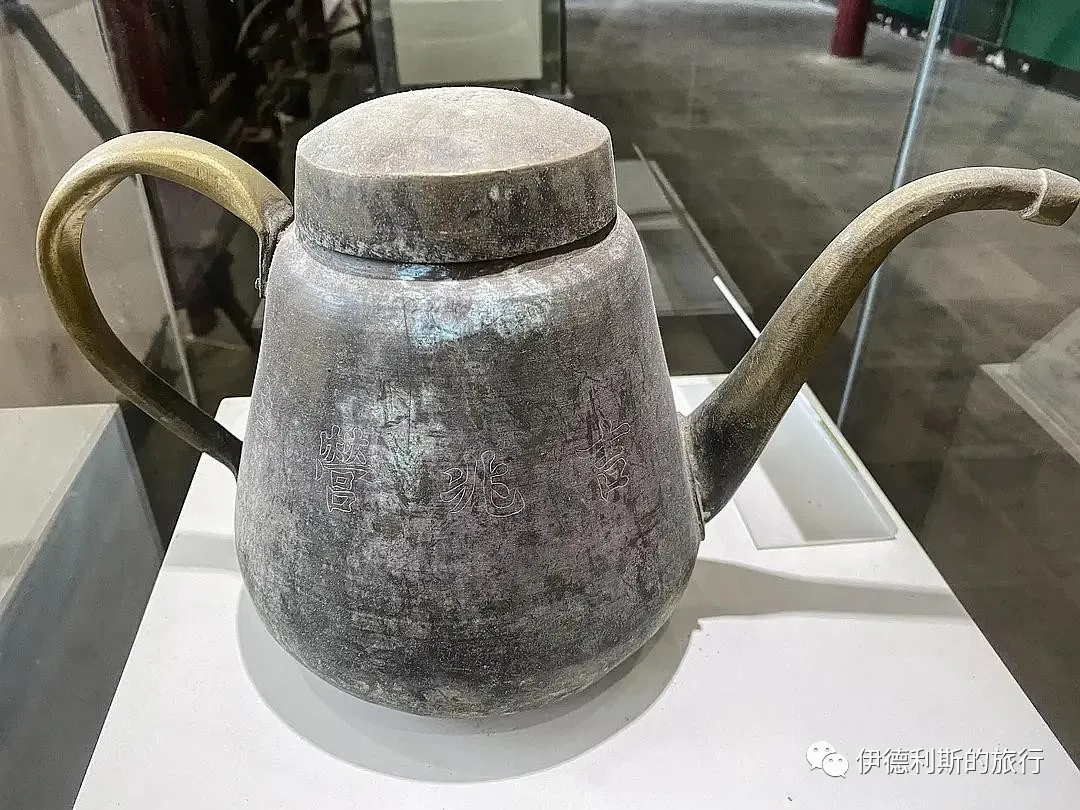
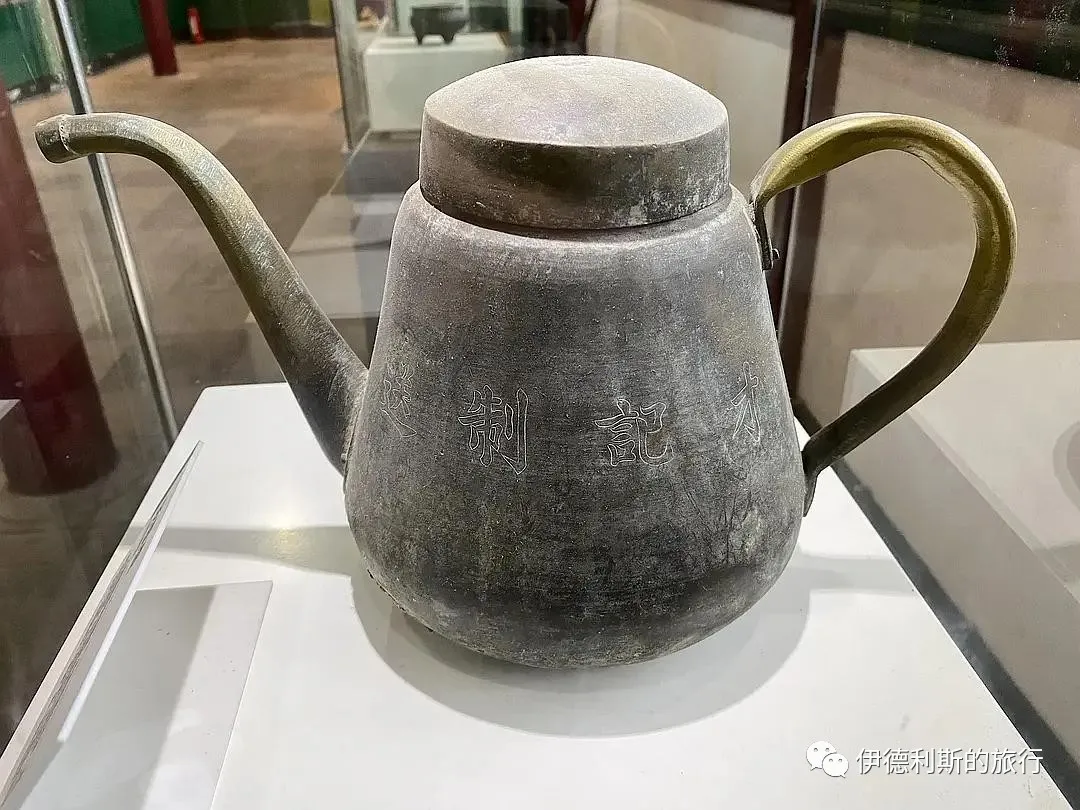
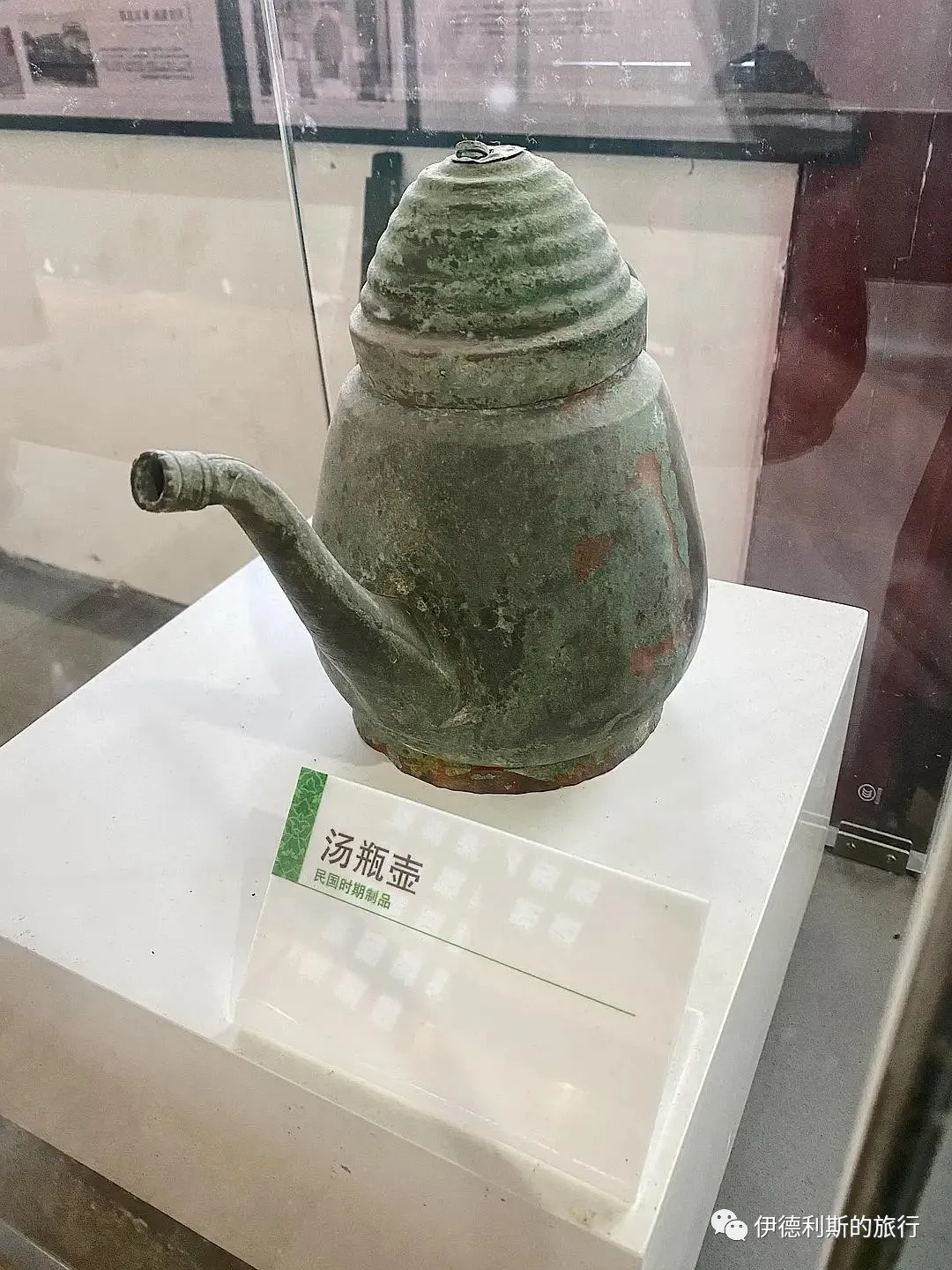
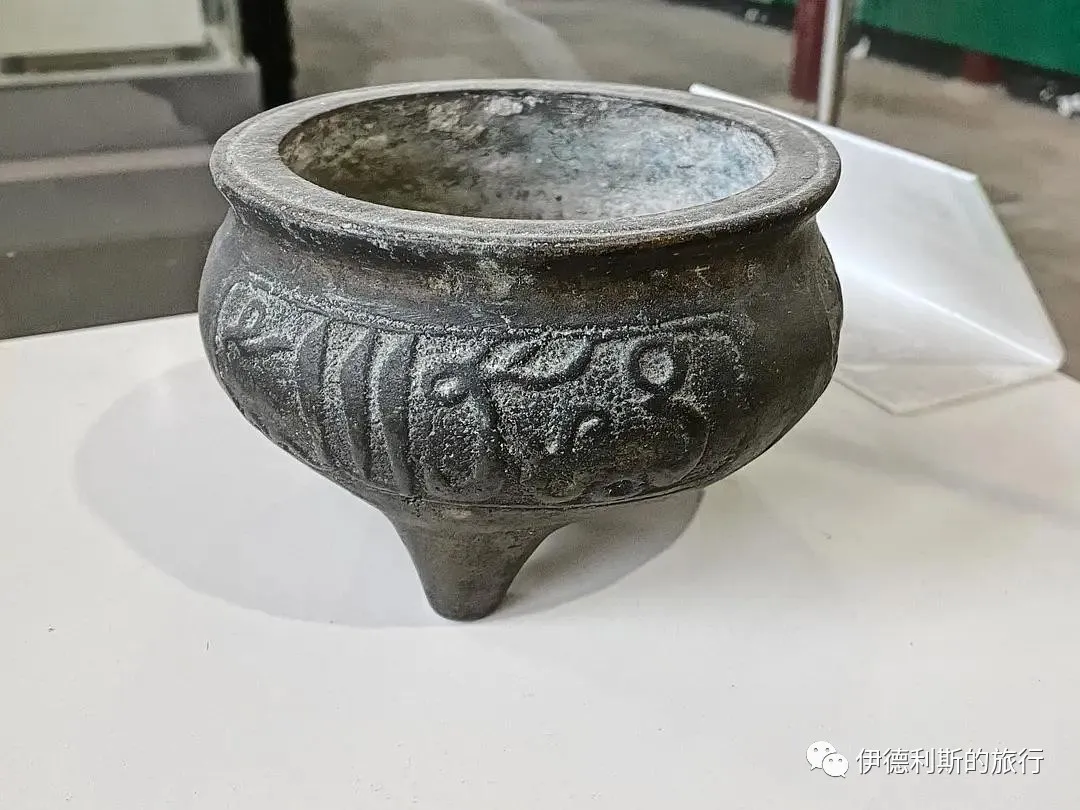
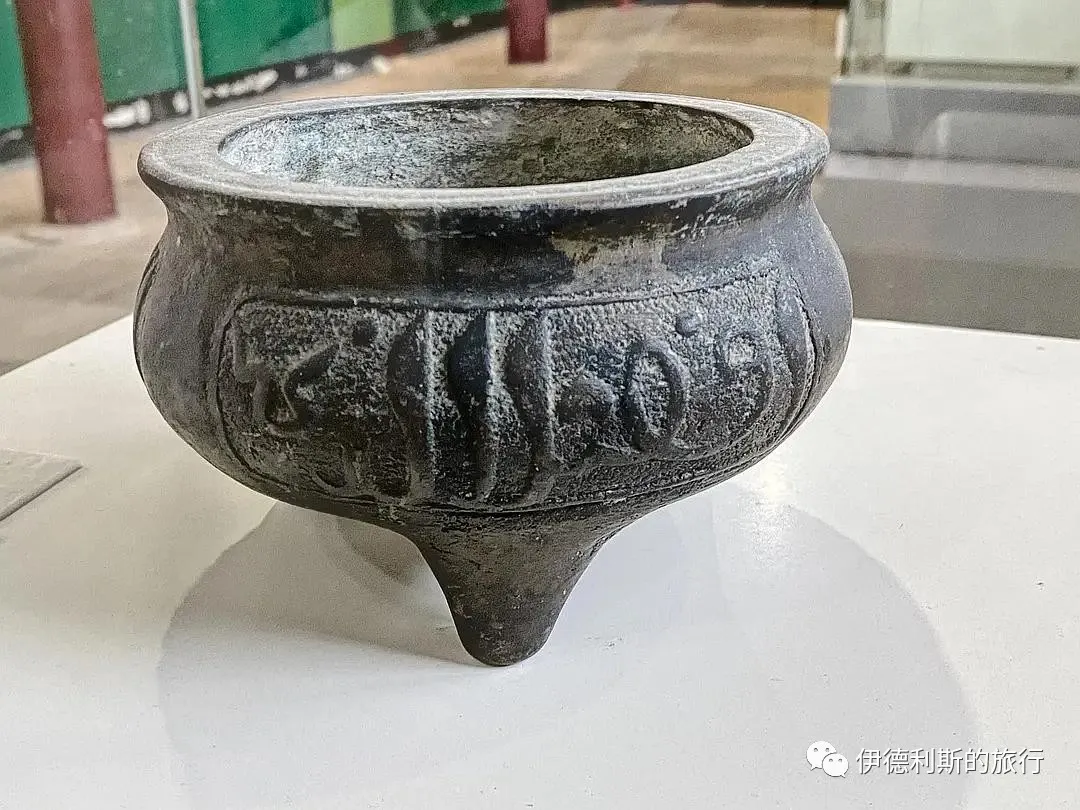
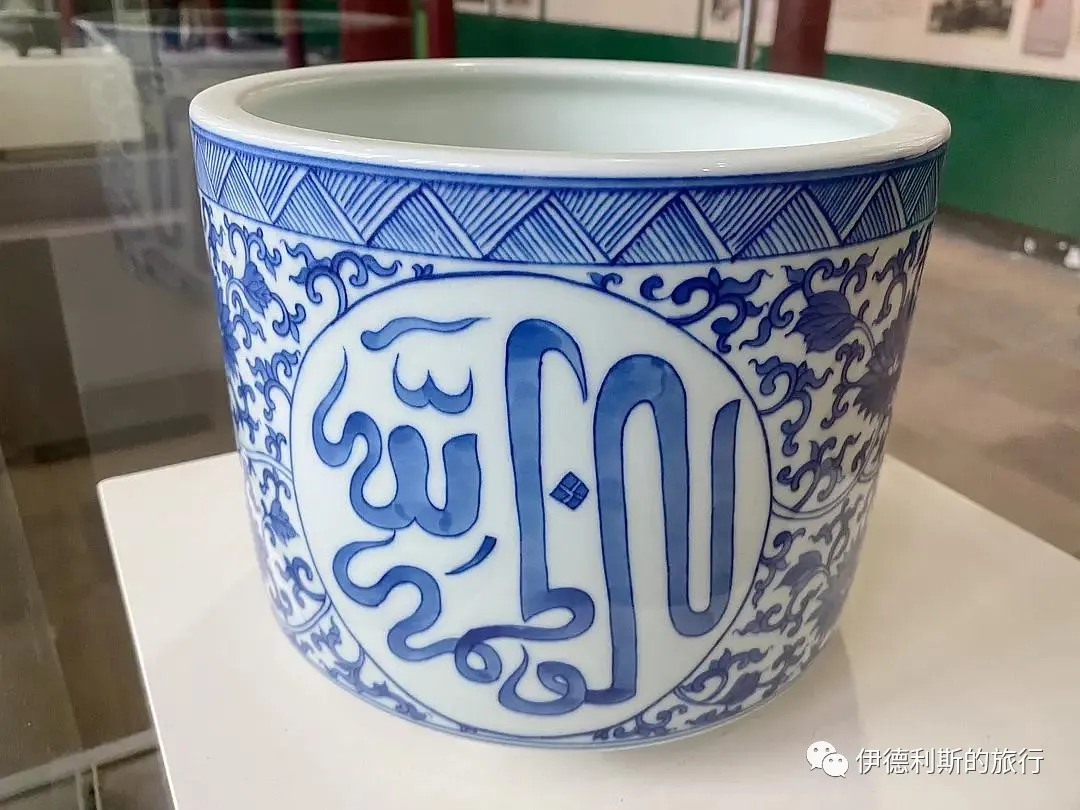
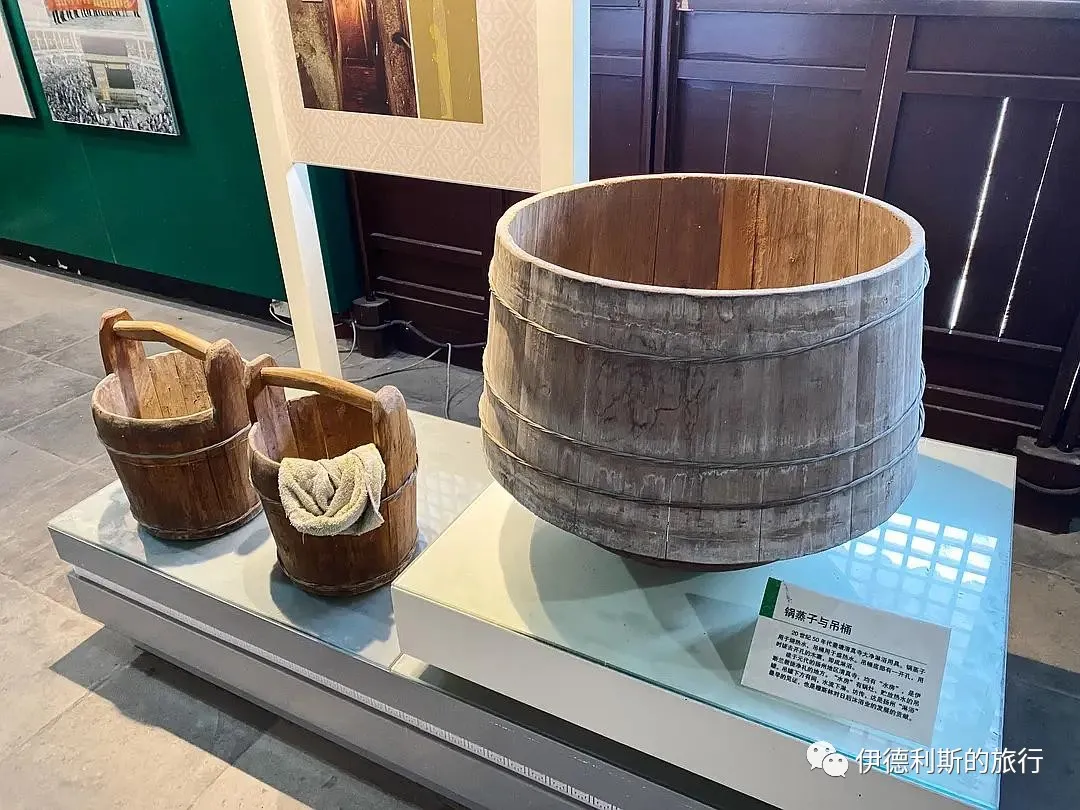
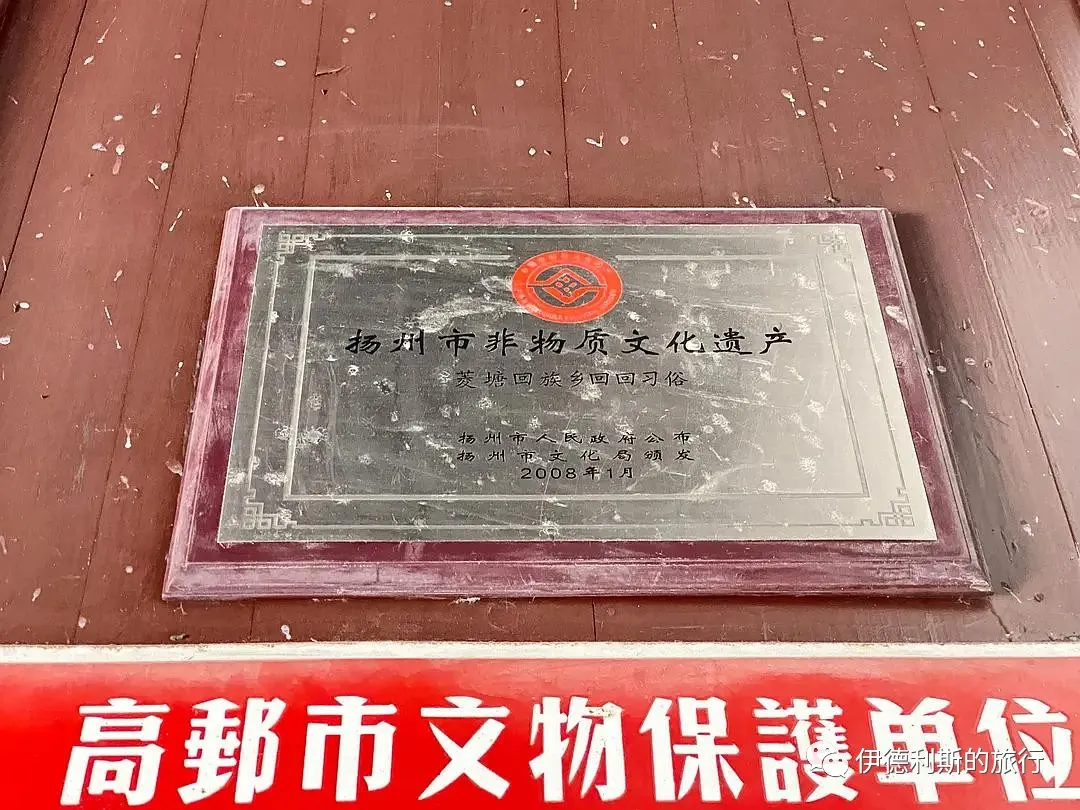
The mosque is also a heritage site for the Yangzhou intangible cultural heritage known as 'Lingtang Hui Muslim Customs.'
Shaobo Mosque
Traveling north from Yangzhou city along the Grand Canal, the first place you reach is the ancient town of Shaobo. Historically, Shaobo was a bustling canal trading port and a key route connecting Yangzhou and Gaoyou. The ancient town still preserves a three-mile-long stone path and over 20 ancient houses from the Ming and Qing dynasties.
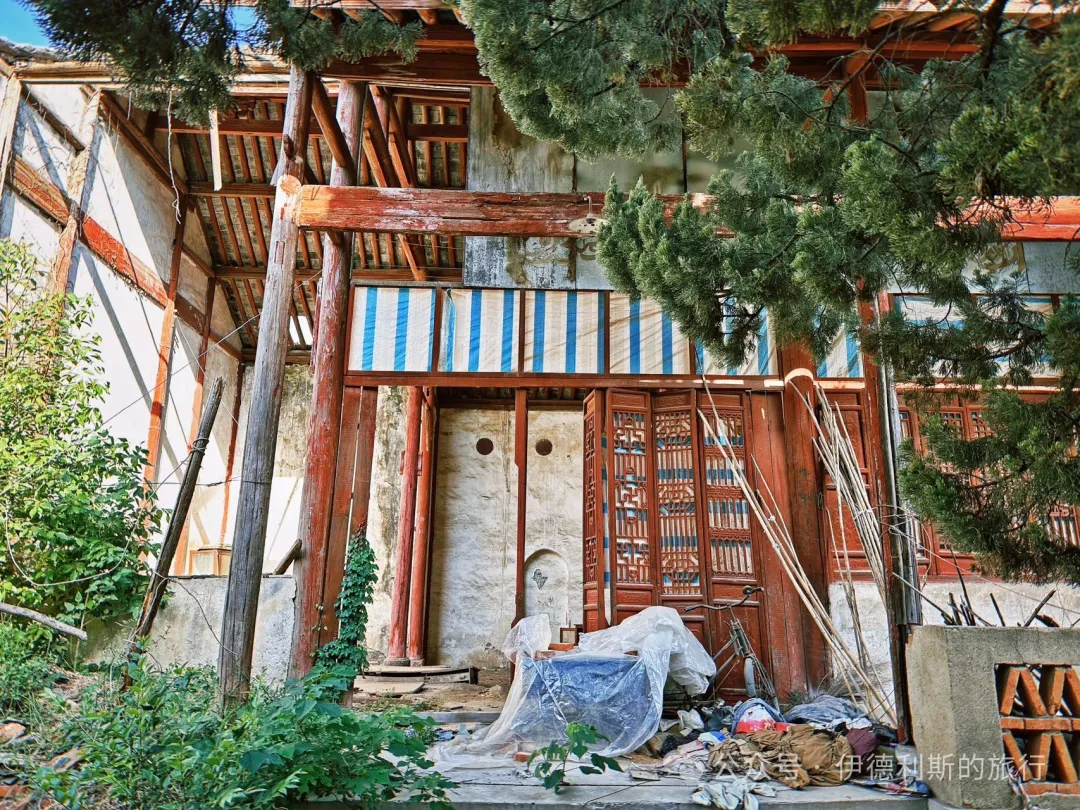
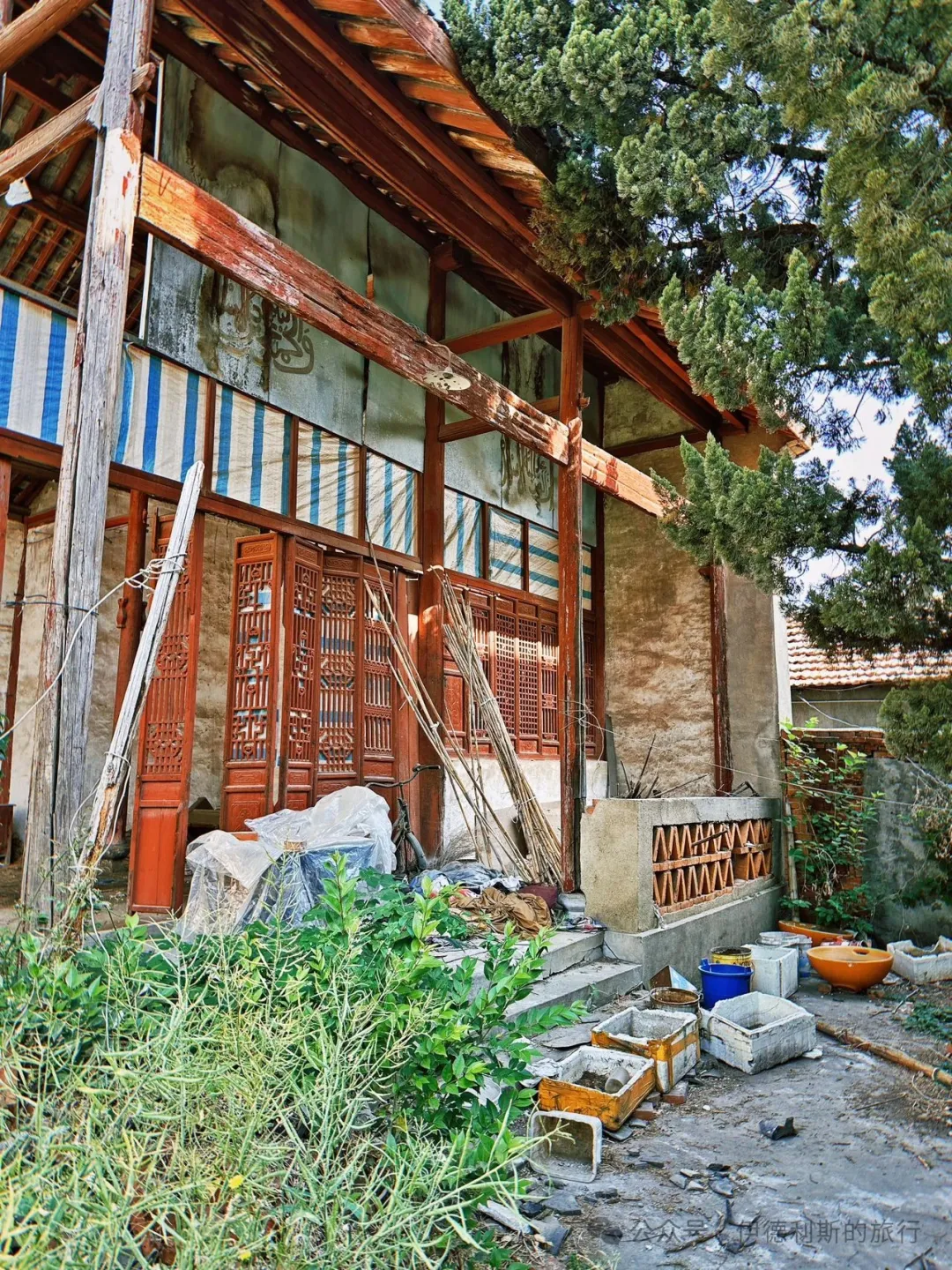
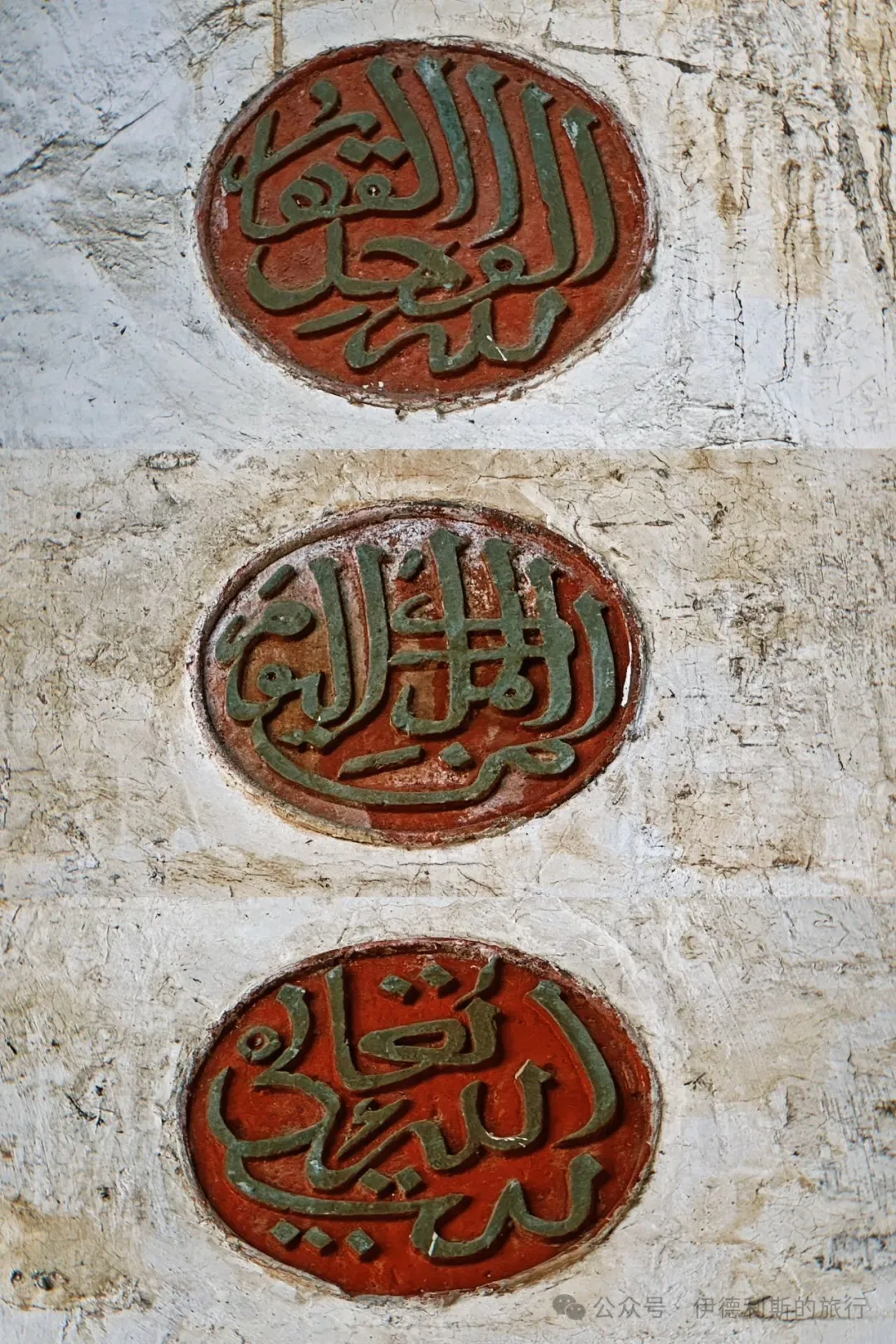
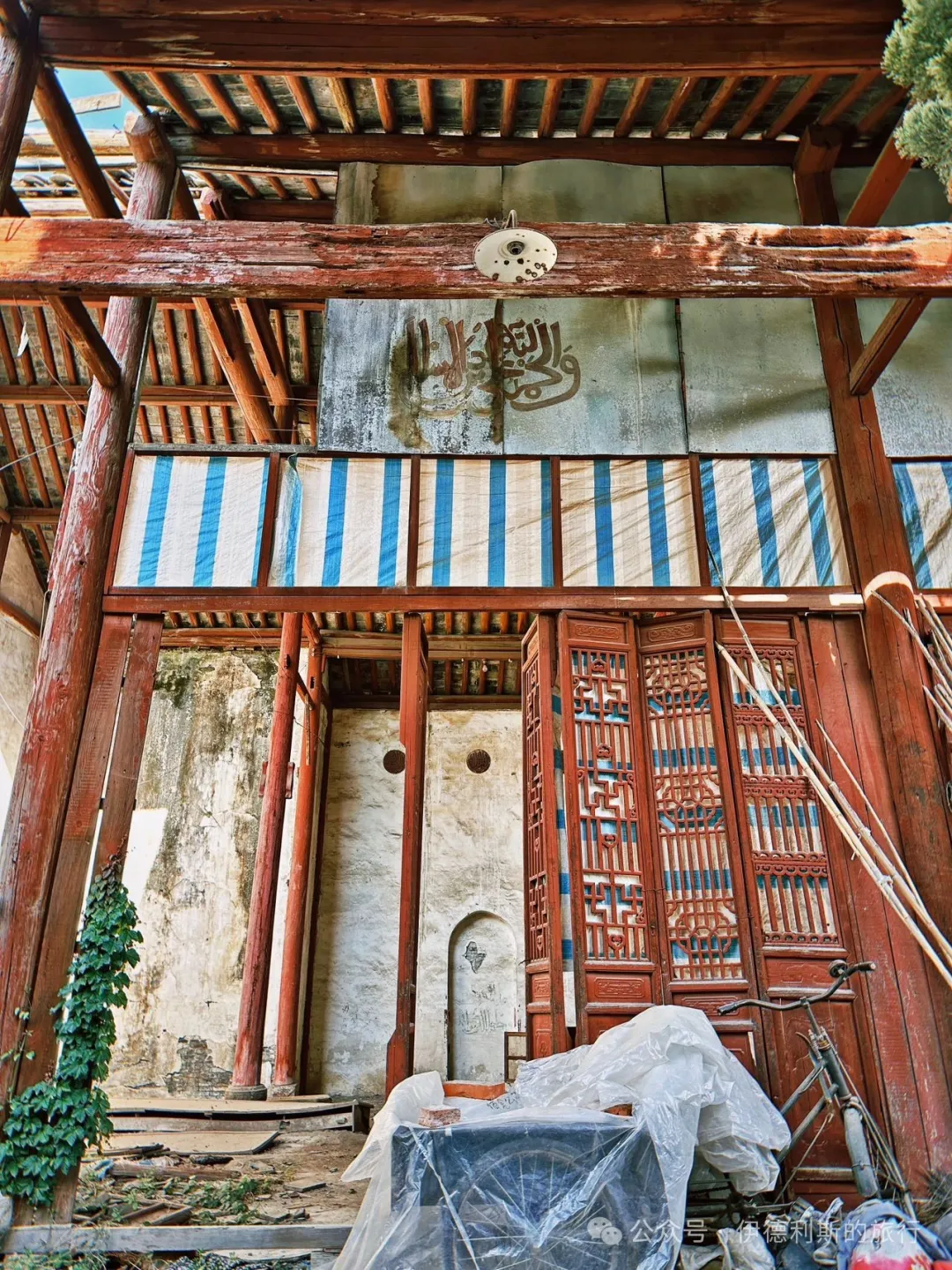
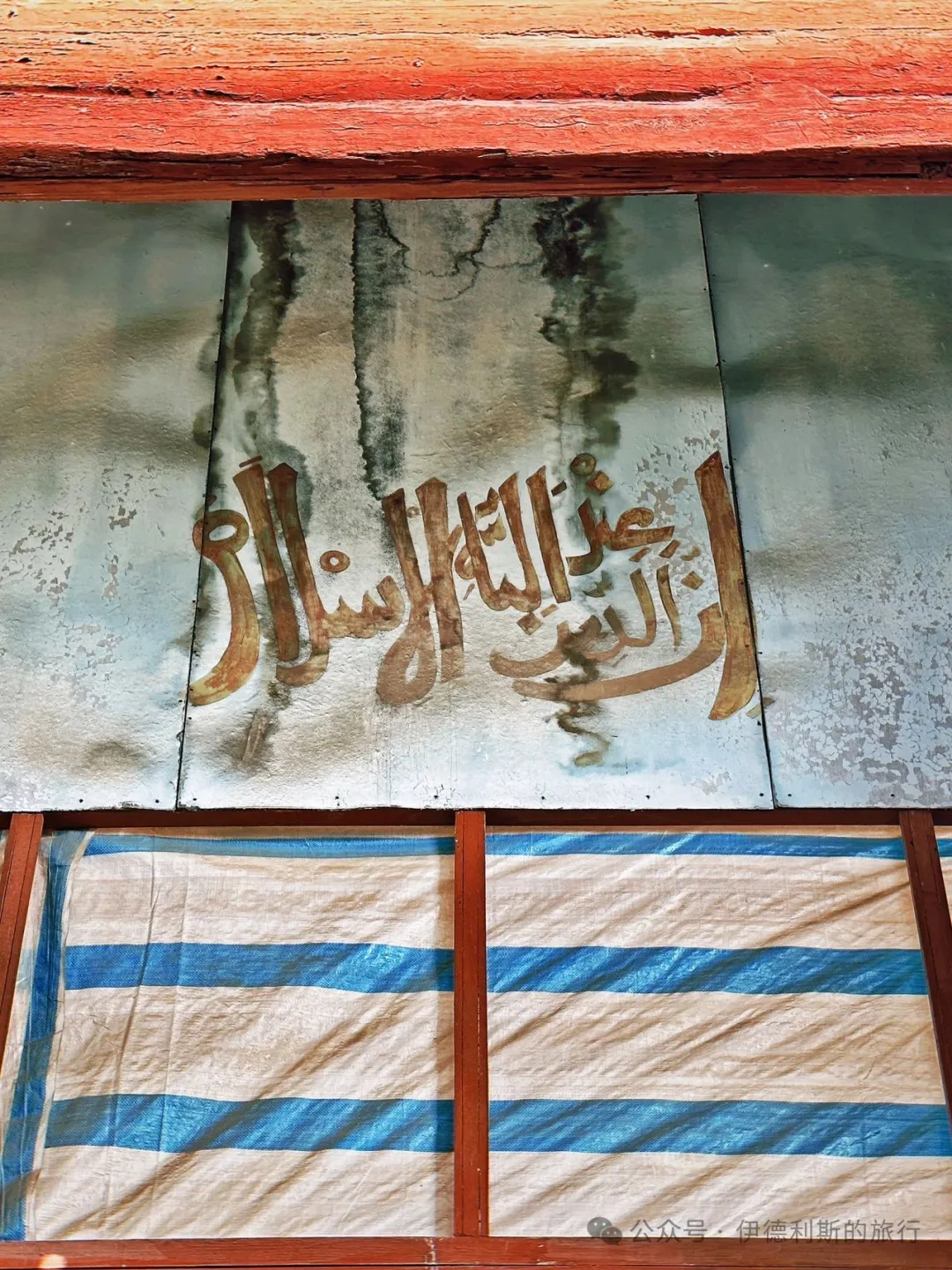
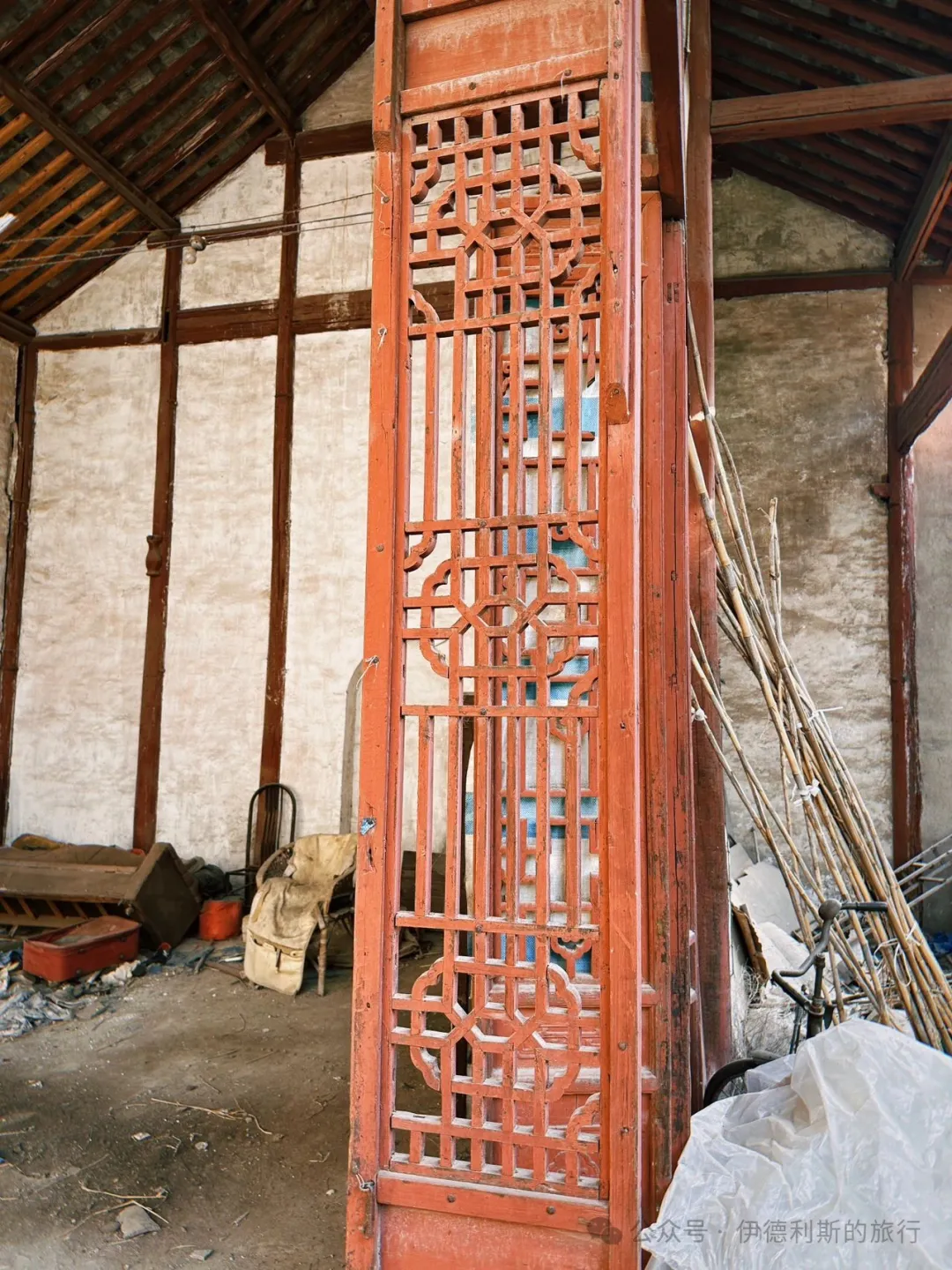
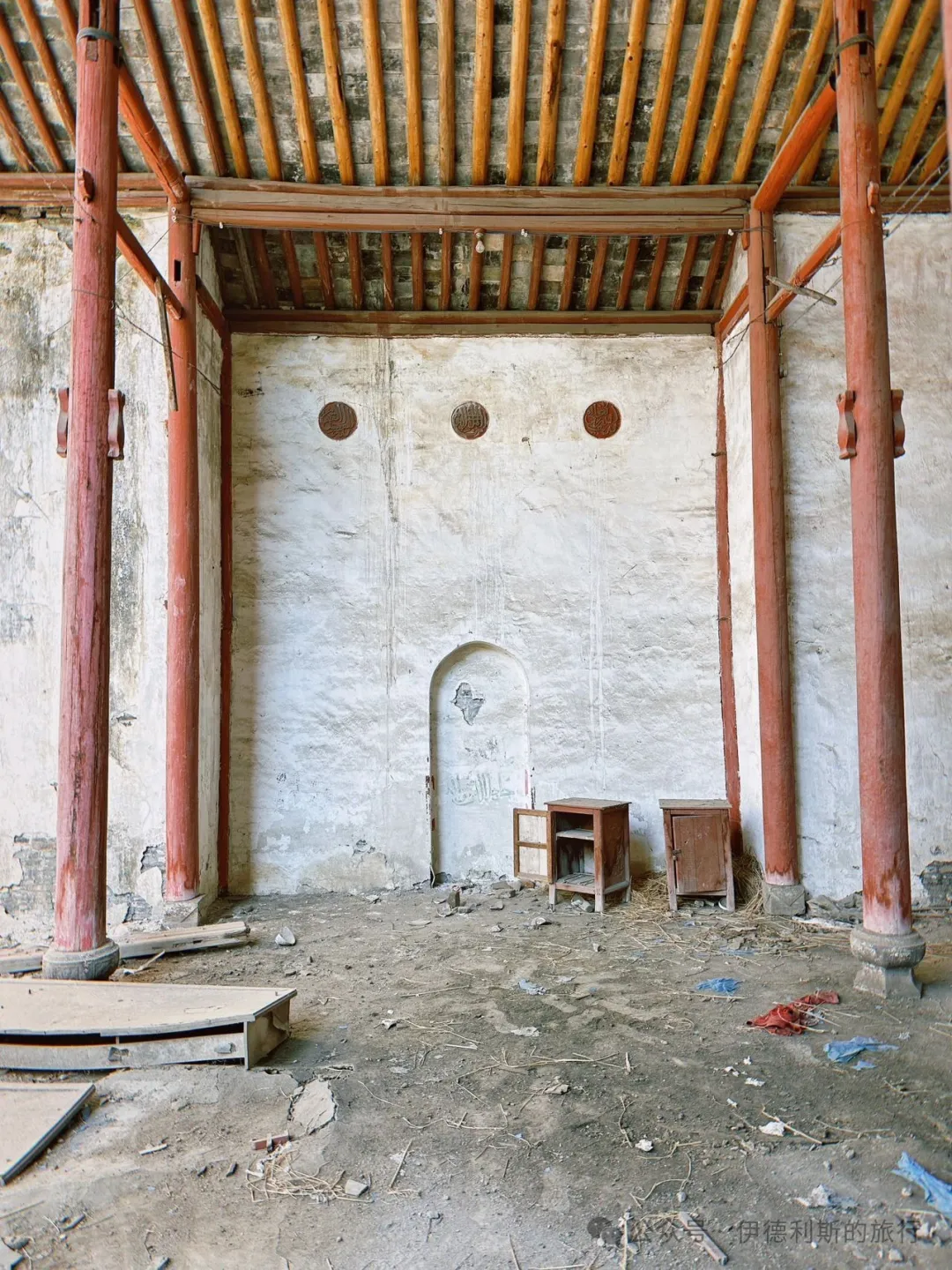
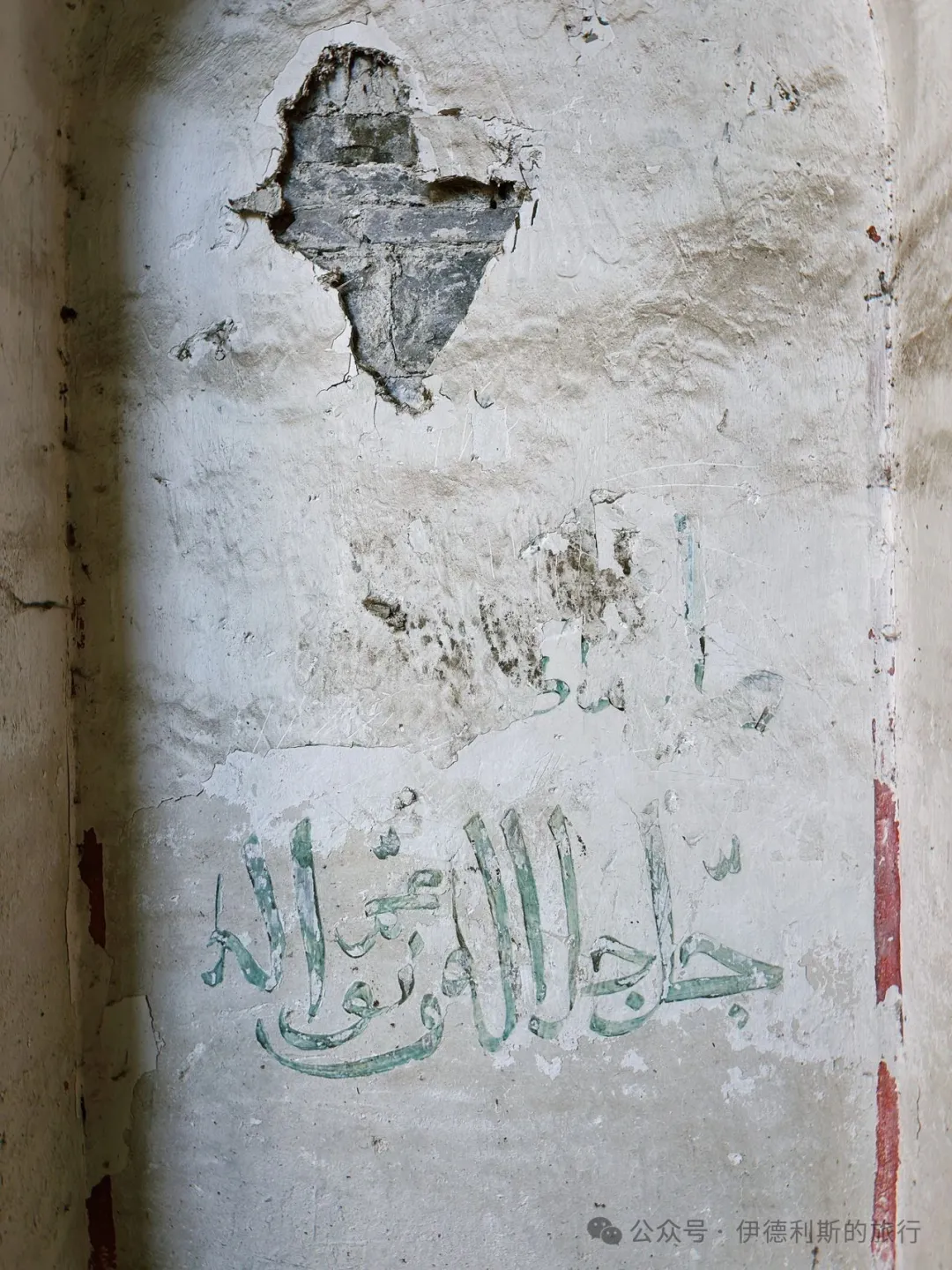
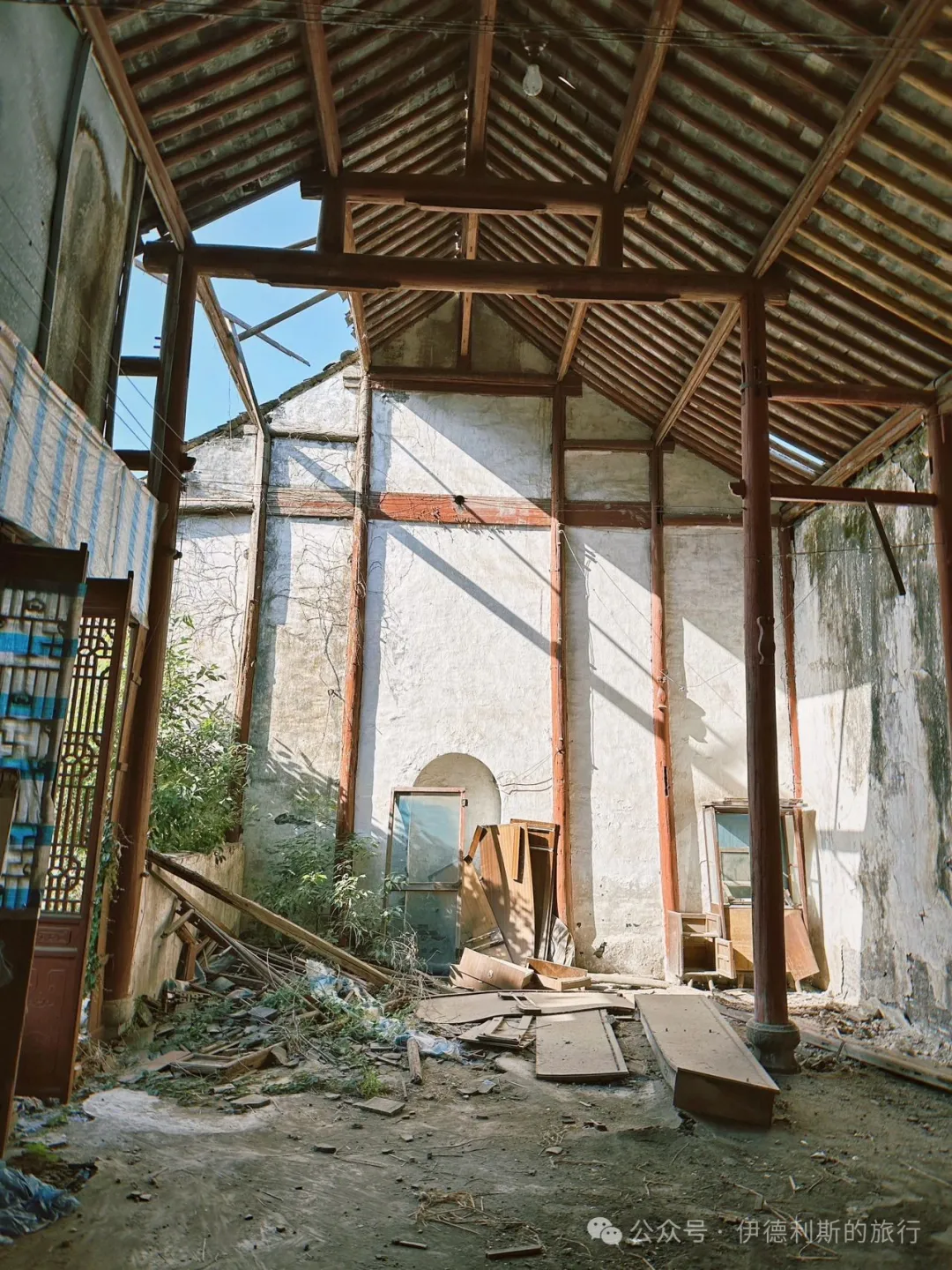
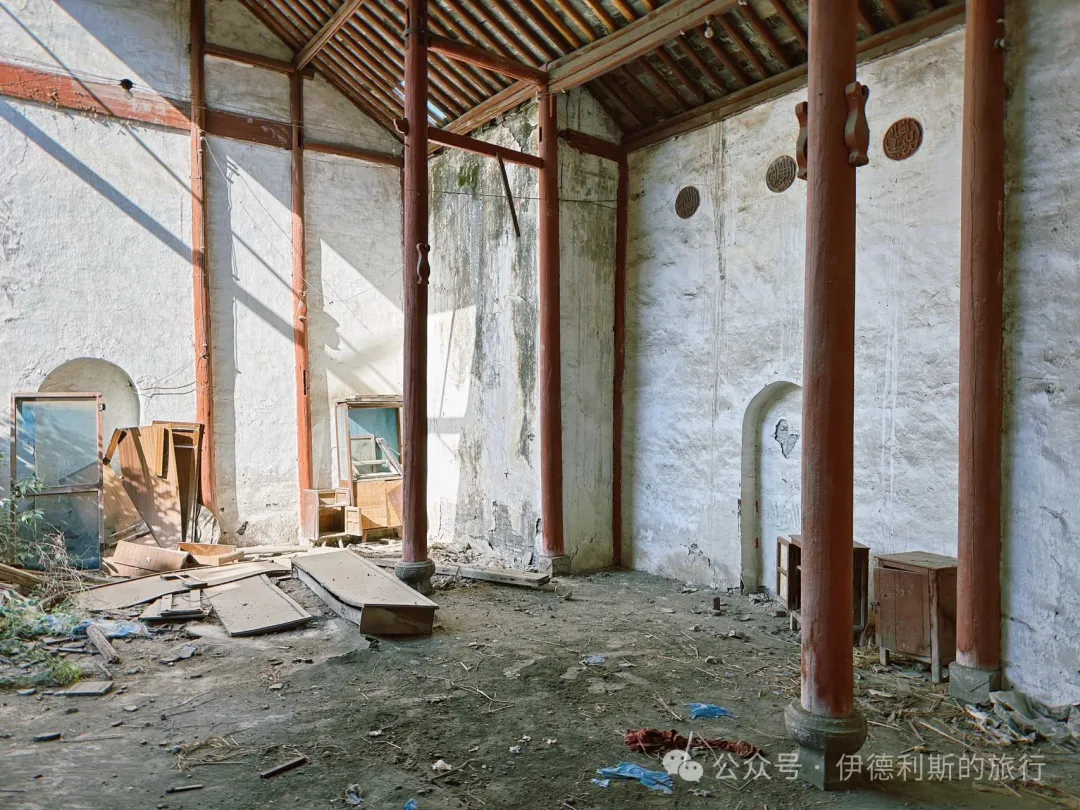
Shaobo Mosque is said to have been built by Hui Muslims from Shandong during the Xianfeng reign. The gate and main hall still stand, and it is a protected cultural site in the Jiangdu District of Yangzhou. The mosque was once used as a residence and is currently abandoned.
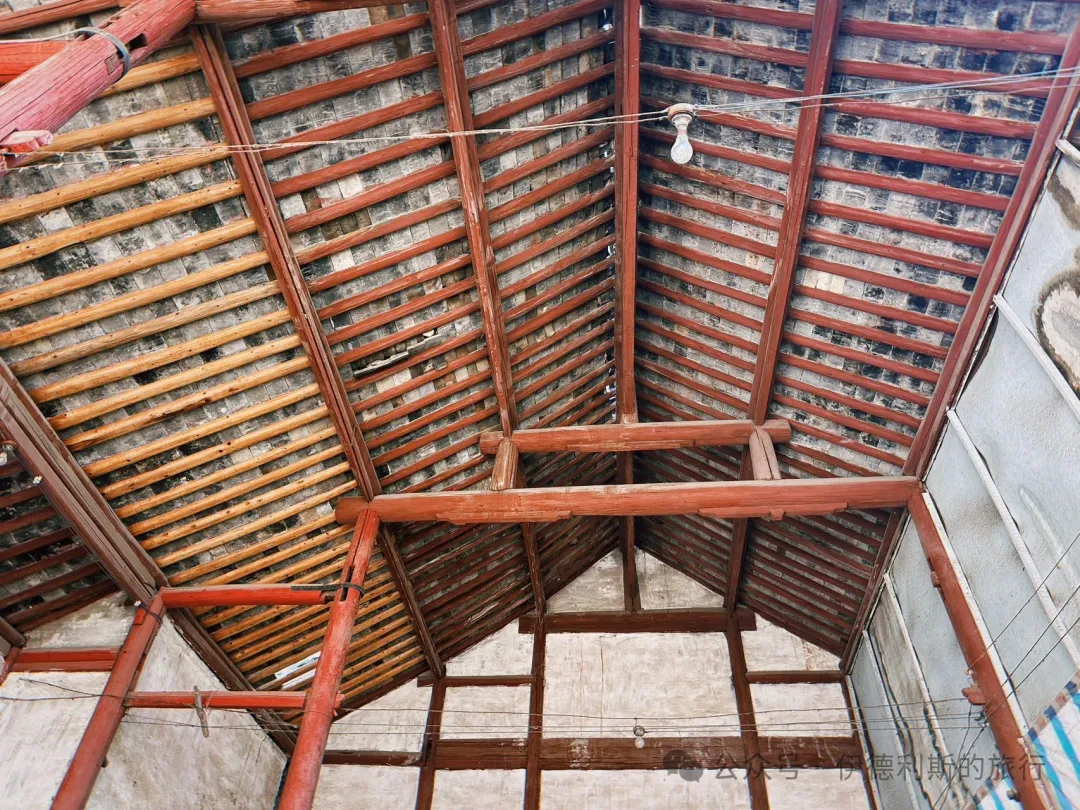
The gate still has its original plaque and drum-shaped stone bases. The main hall is a hard-gable style building with blue bricks and dark tiles, typical of Jianghuai architecture.
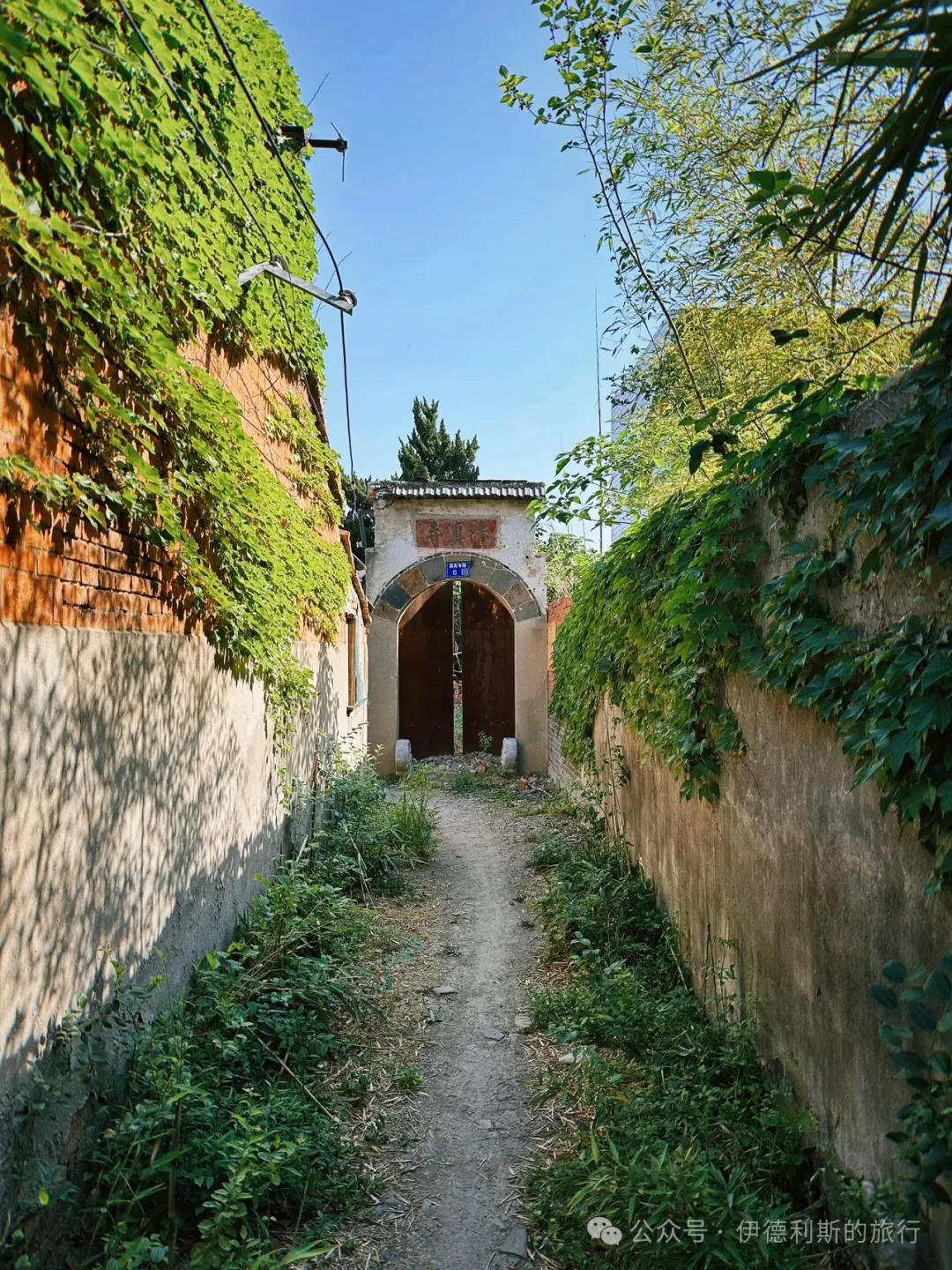
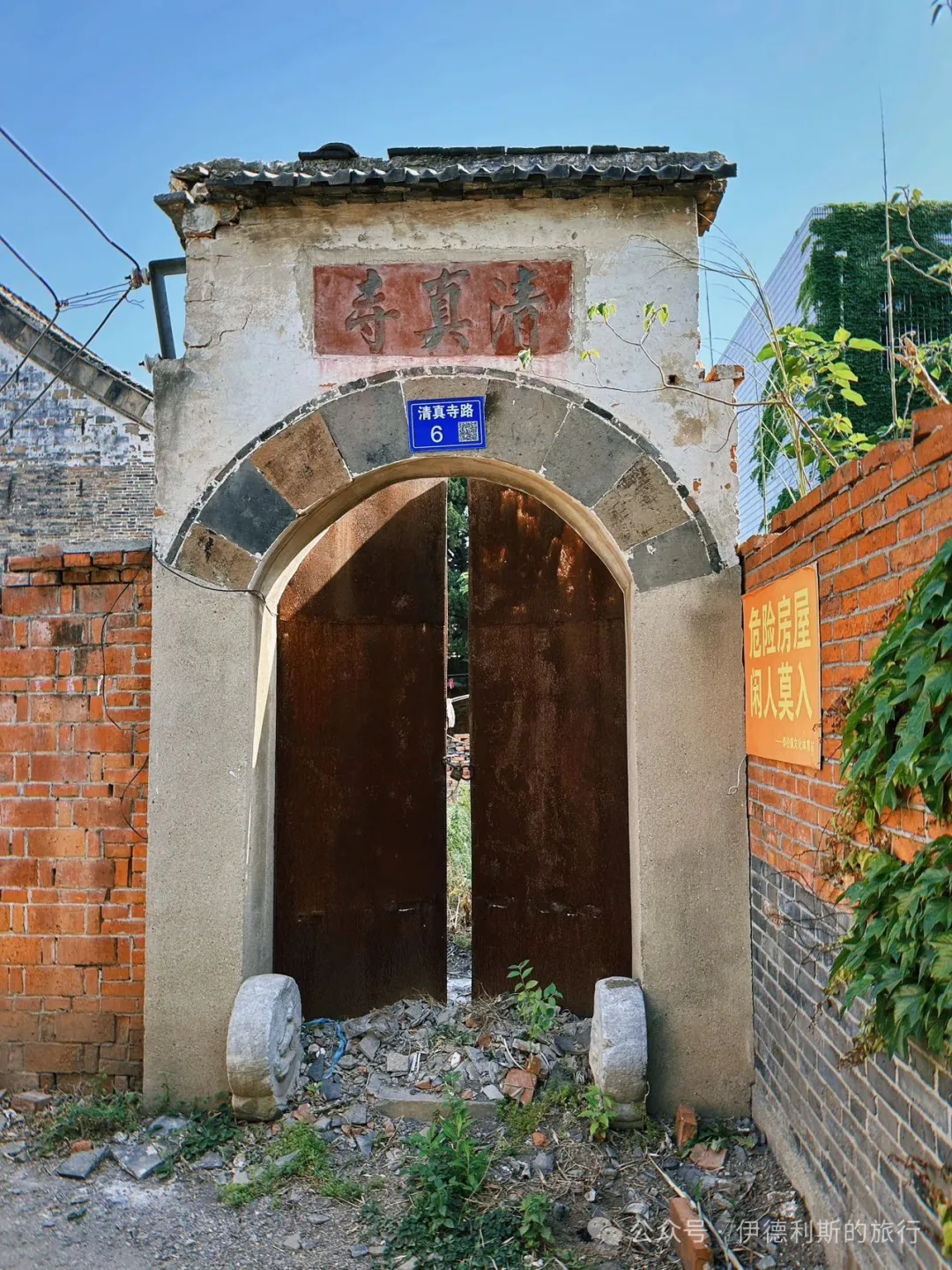
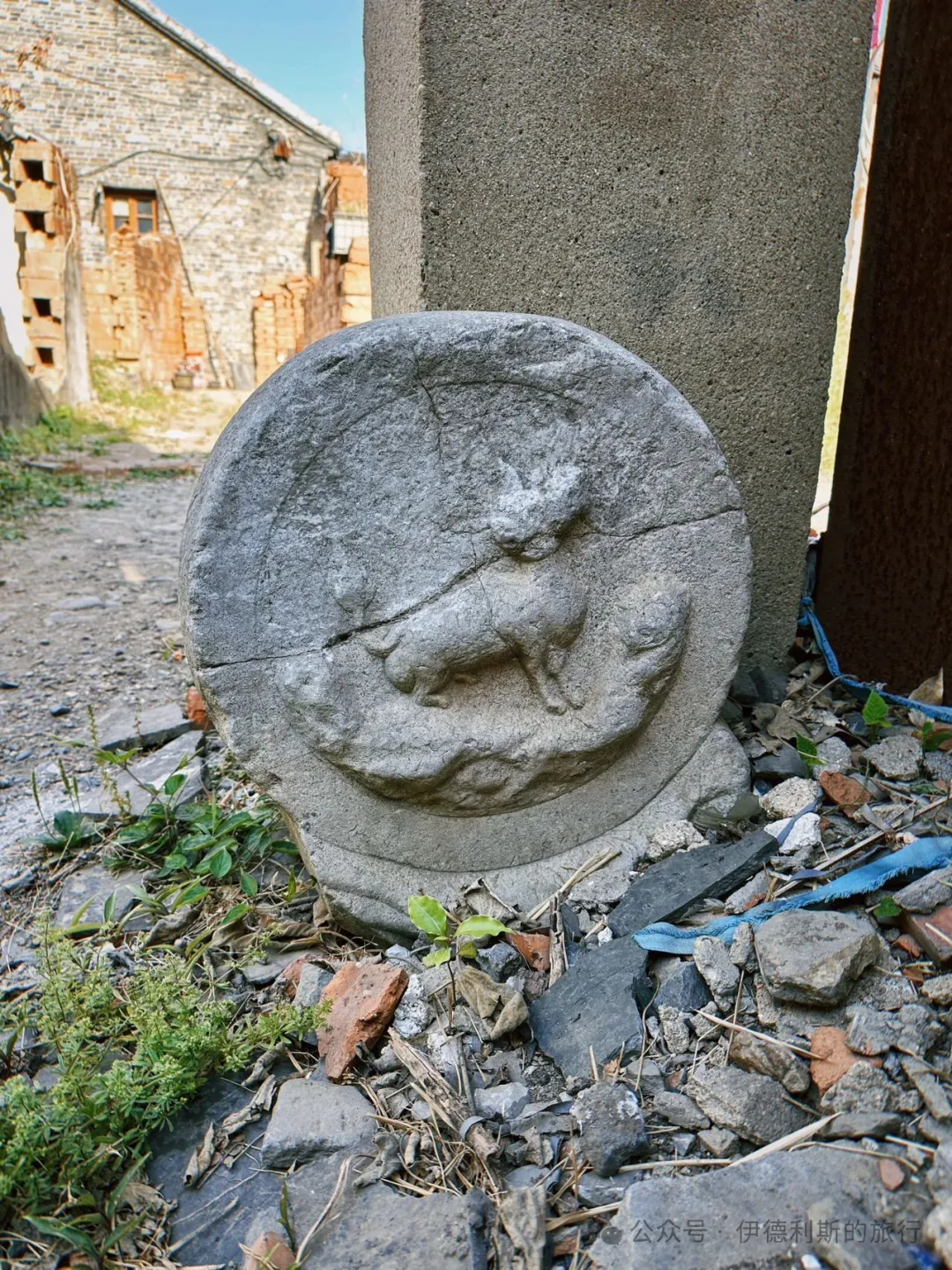
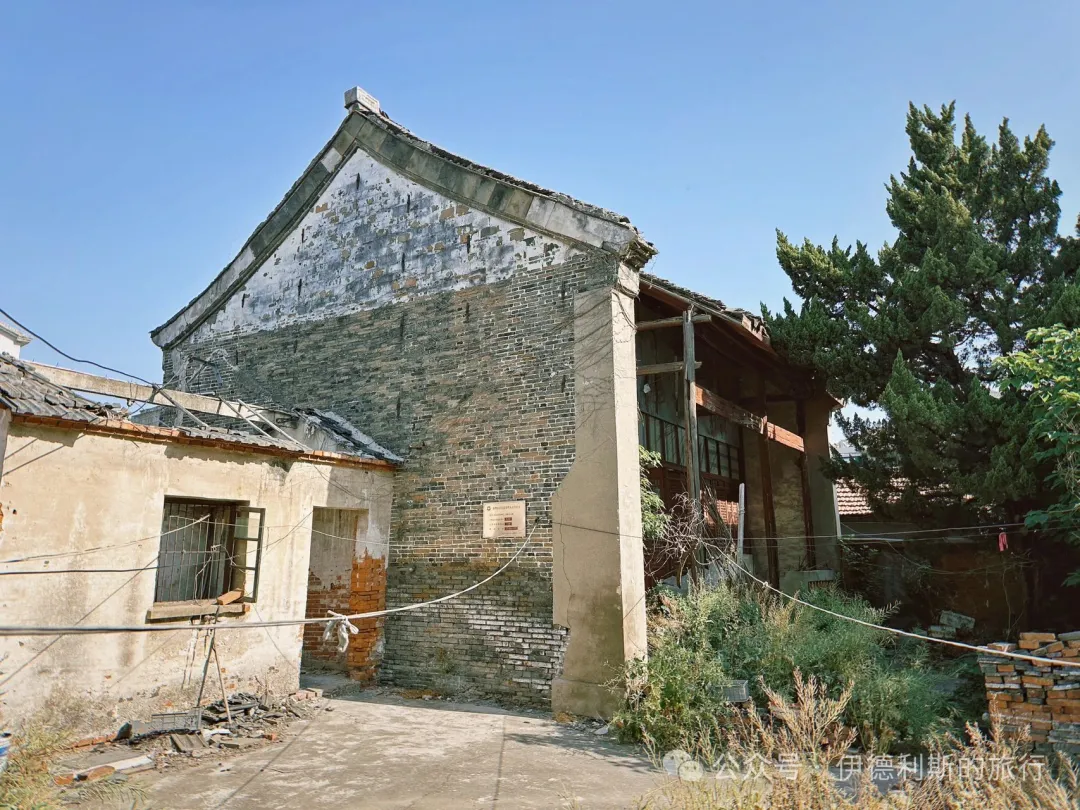
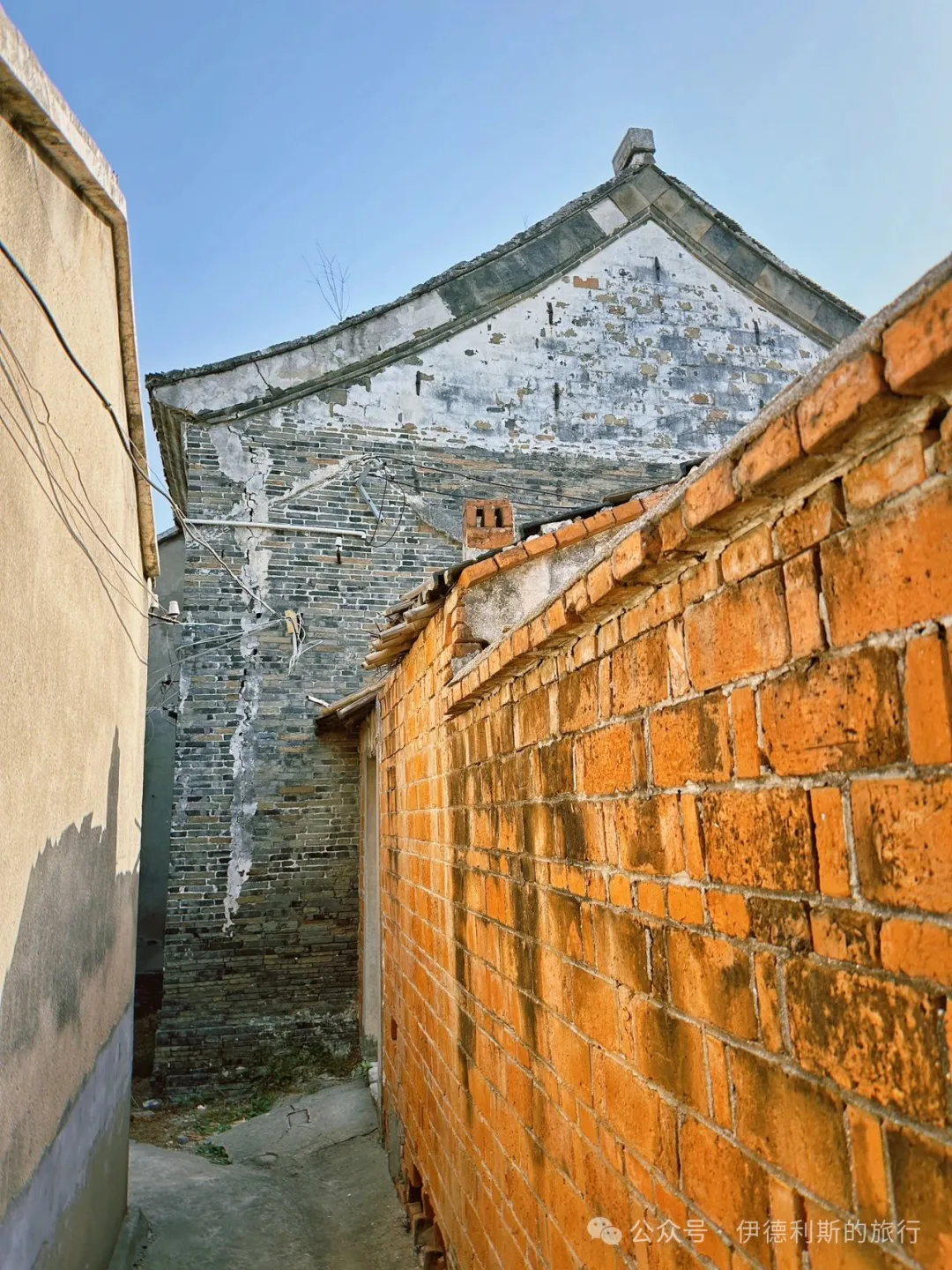
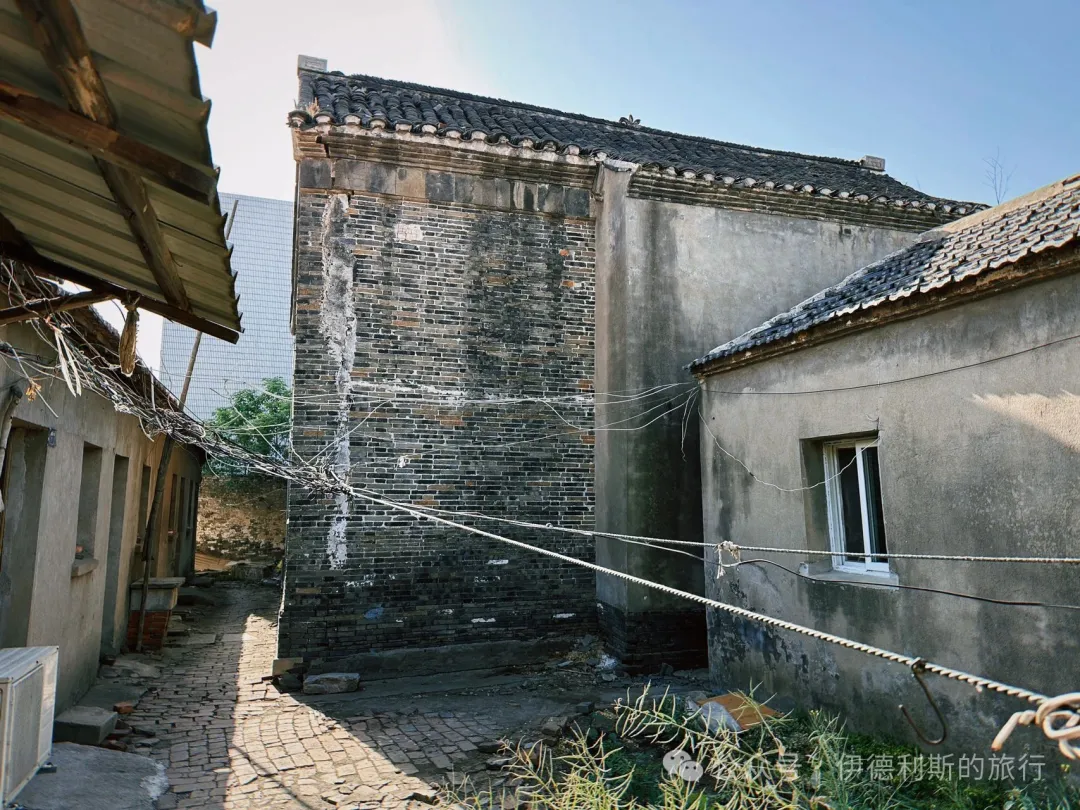
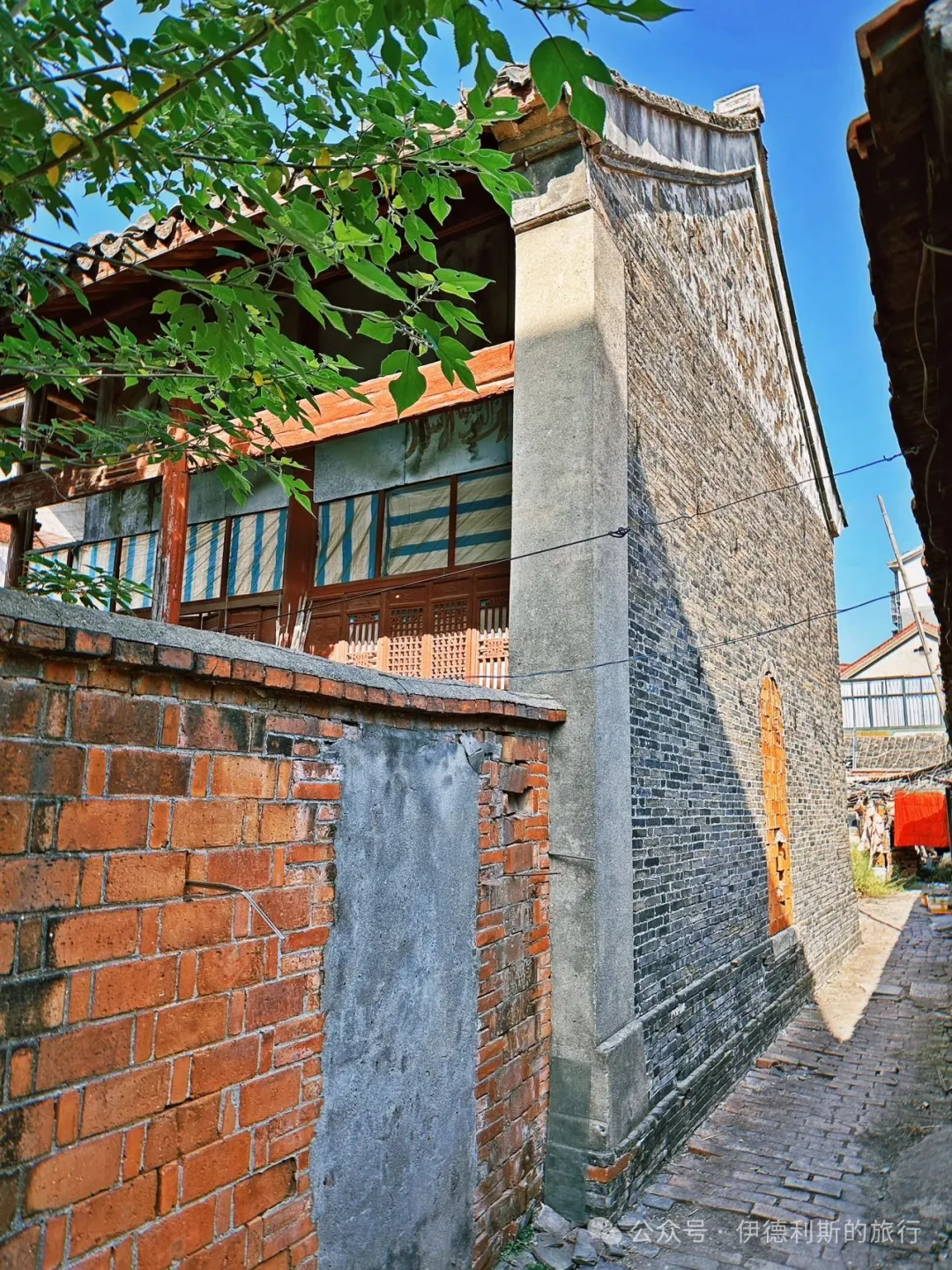
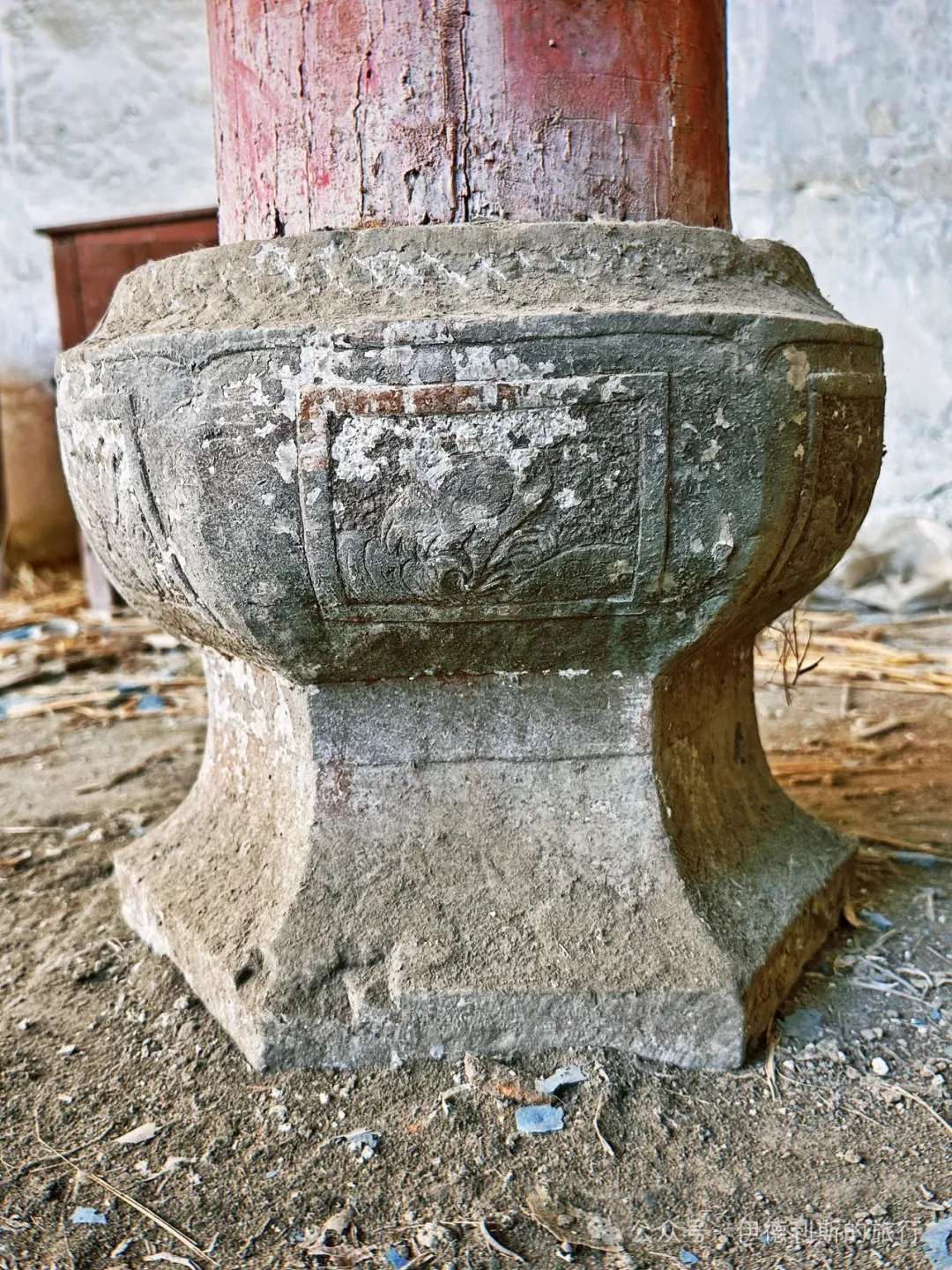
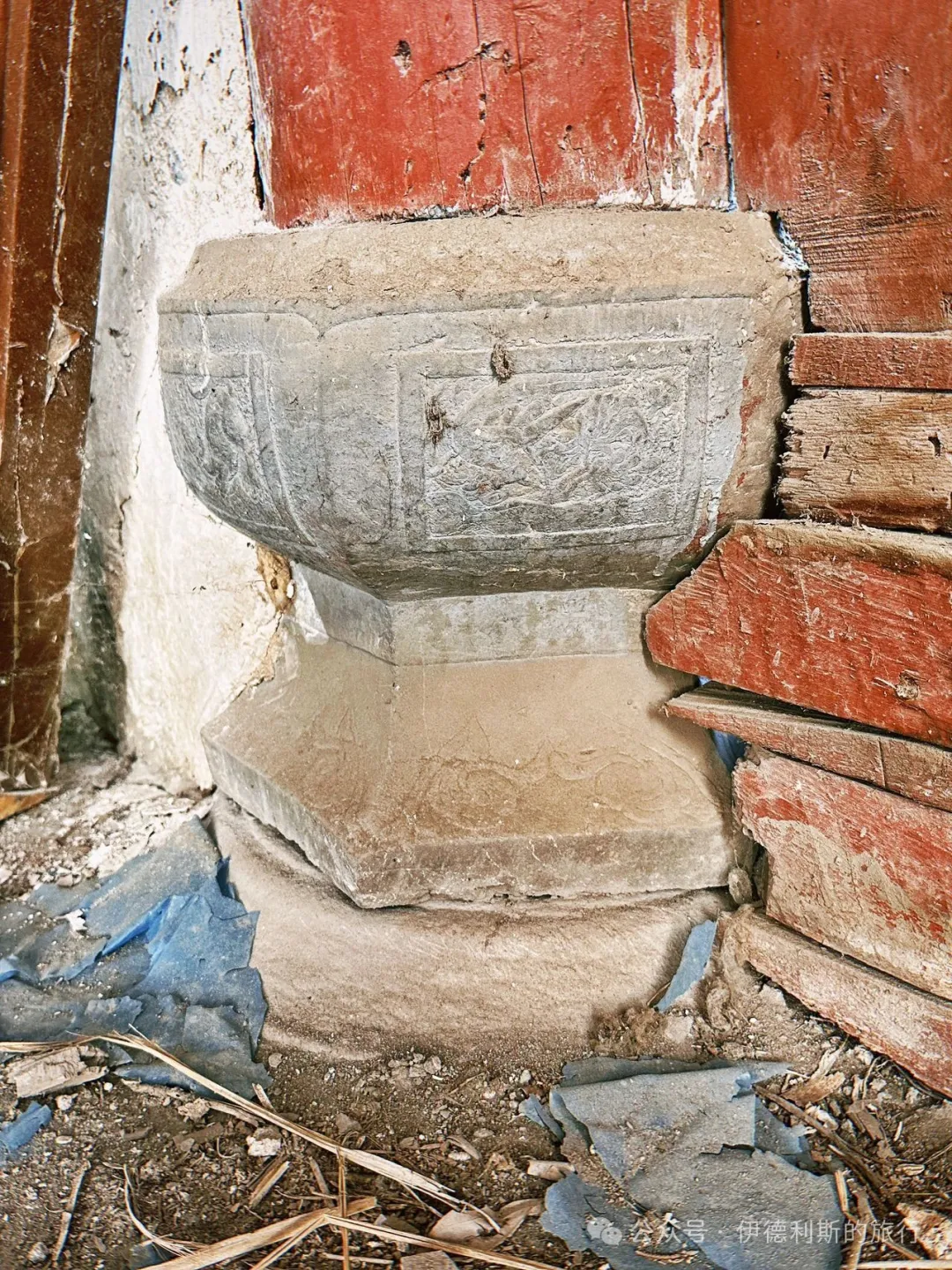
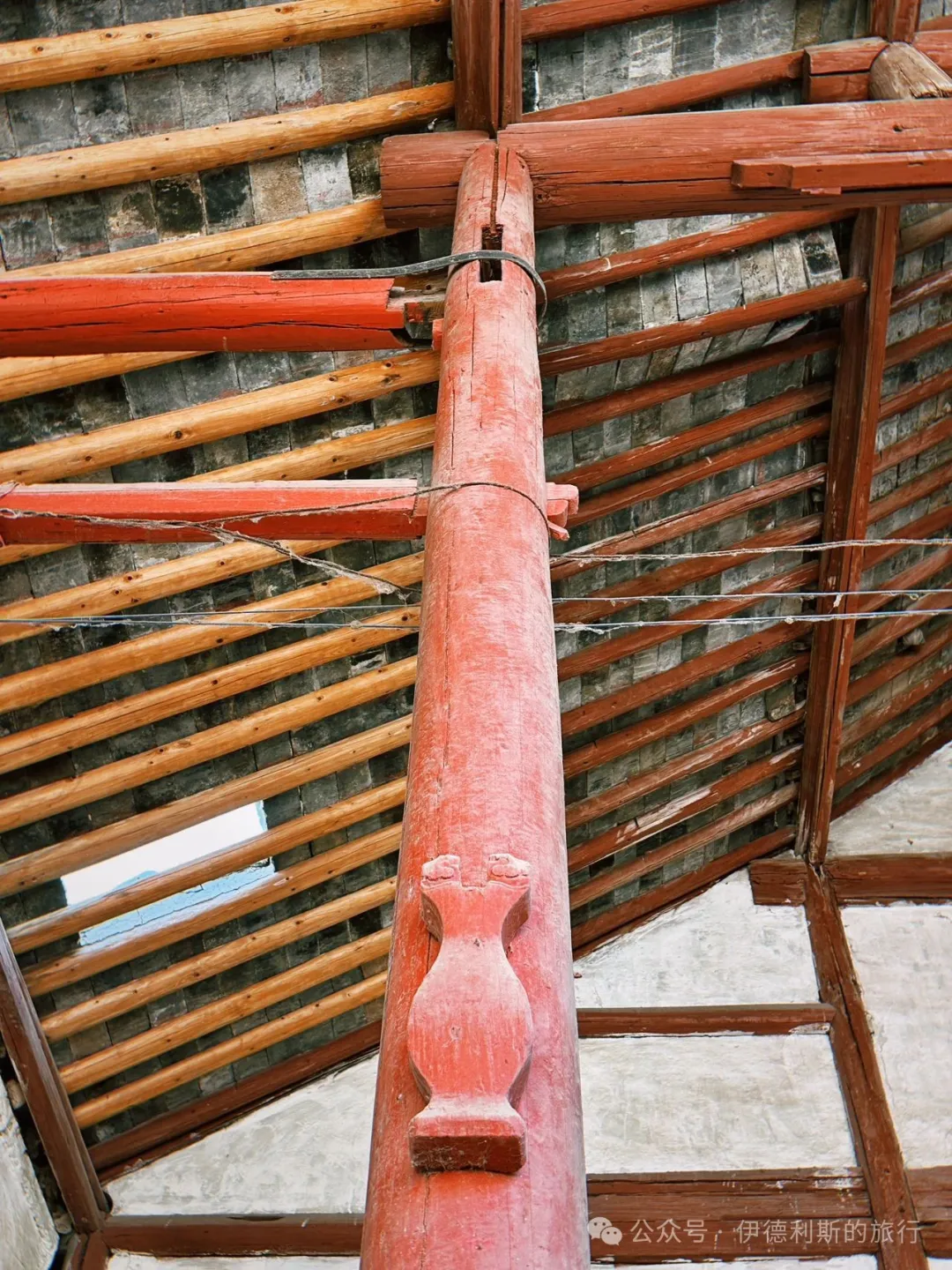
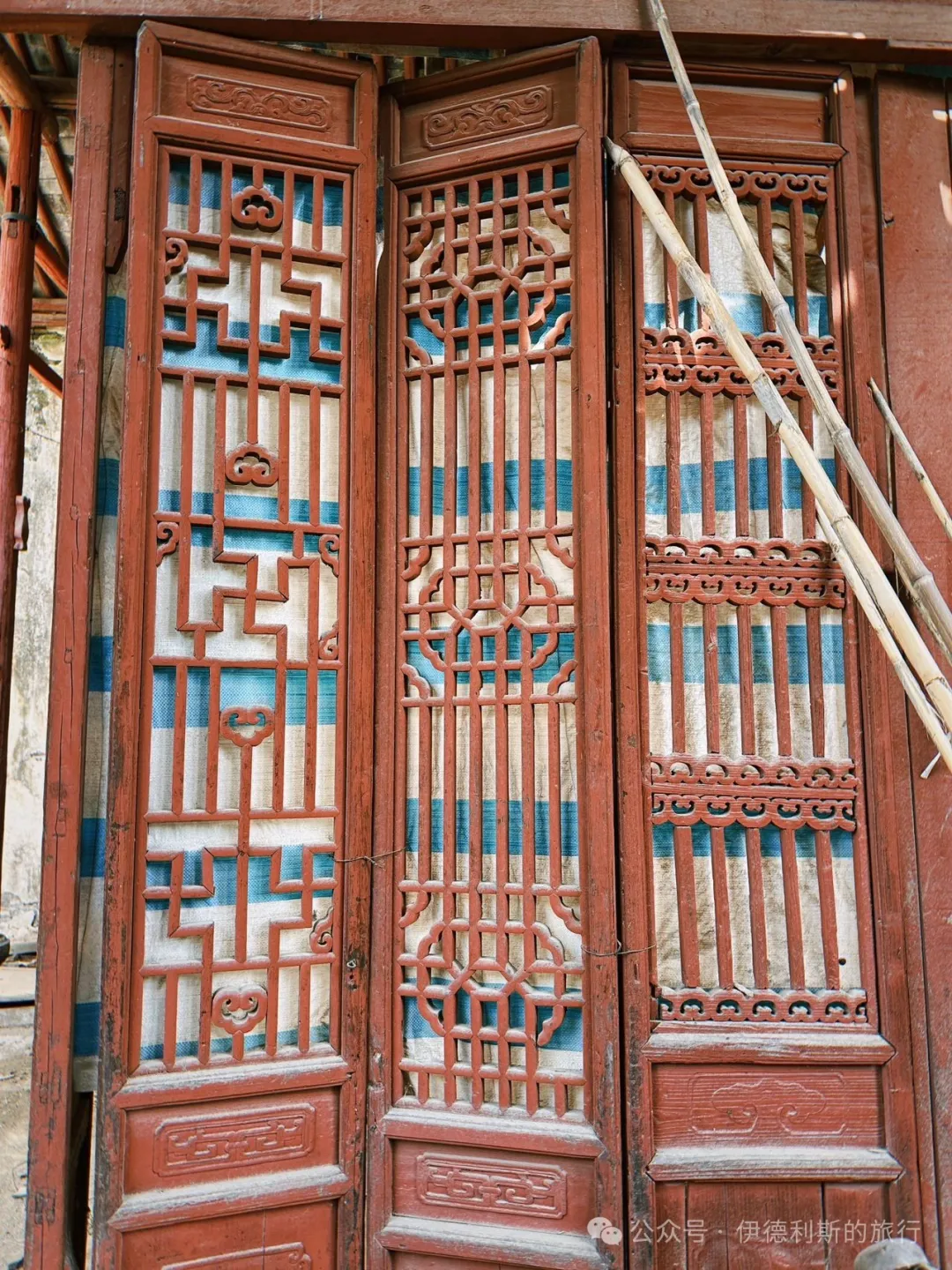
Yangzhou Shaobo Mosque is three bays wide and seven purlins deep. The gable walls feature brick wind-bracing, the ridge purlin is supported by a dougong bracket system, and the columns rest on ancient mirror-style bases with carved patterns. Besides the main hall, Shaobo Mosque once had other buildings, but now only stone remains like column bases are left.
Xianhe Mosque
Xianhe Mosque is located on Nanmen Street in Yangzhou. It was founded in 1275 (the 12th year of the Yuan Zhiyuan reign) by the Western Region sage Puhading before he passed away. It was rebuilt in 1390 (the 23rd year of the Ming Hongwu reign) by Ha San, renovated in 1523 (the third year of the Jiajing reign) by merchant Ma Zongdao and the imam Ha Ming, and repaired again in 1791 (the 56th year of the Qianlong reign).
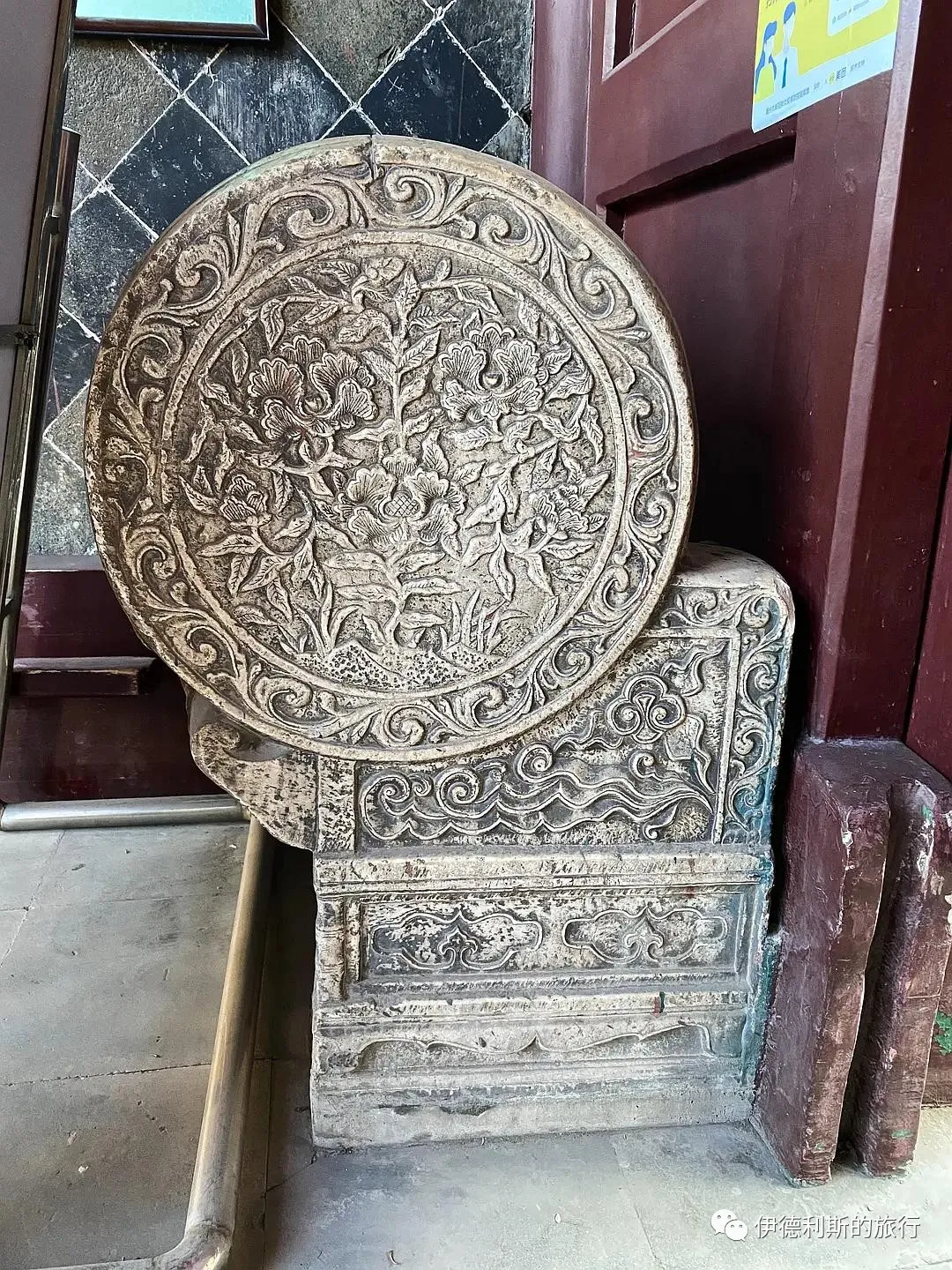
The gatehouse has a single-eave, ridge-roofed, hard-mountain style roof, with some wooden parts dating back to the Ming Dynasty. The Ming Dynasty drum-shaped stone bases in front of the gate are very exquisite and rare among mosques in China.
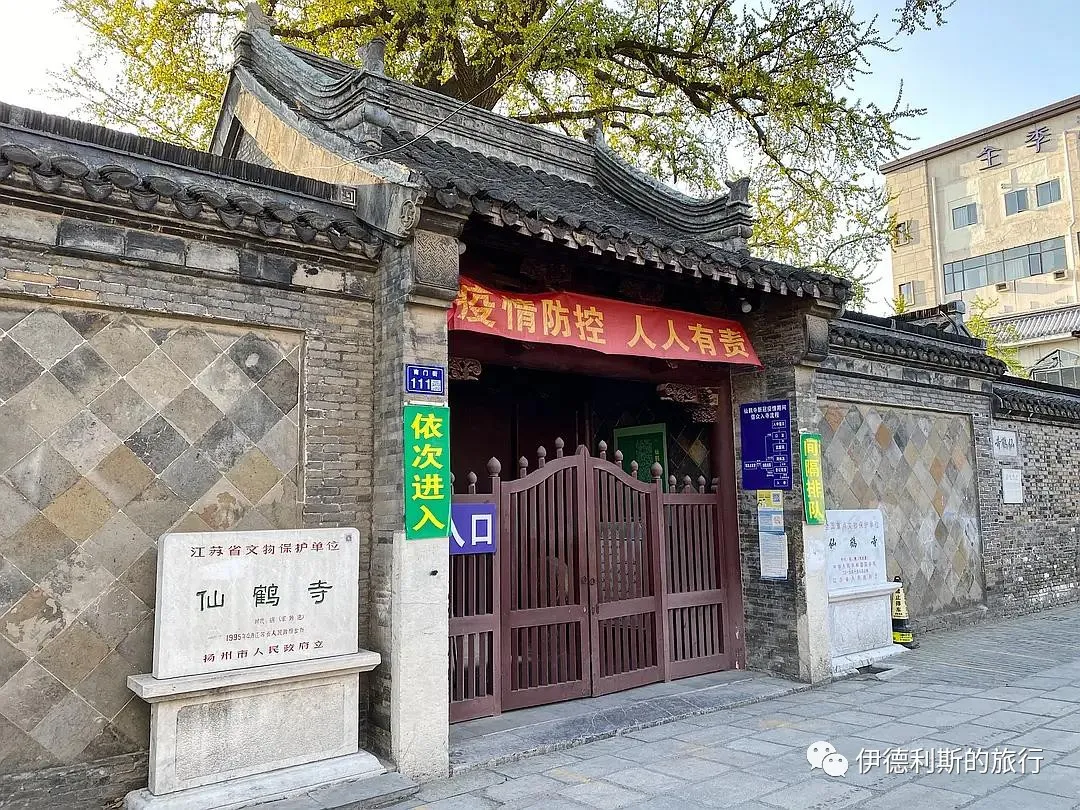
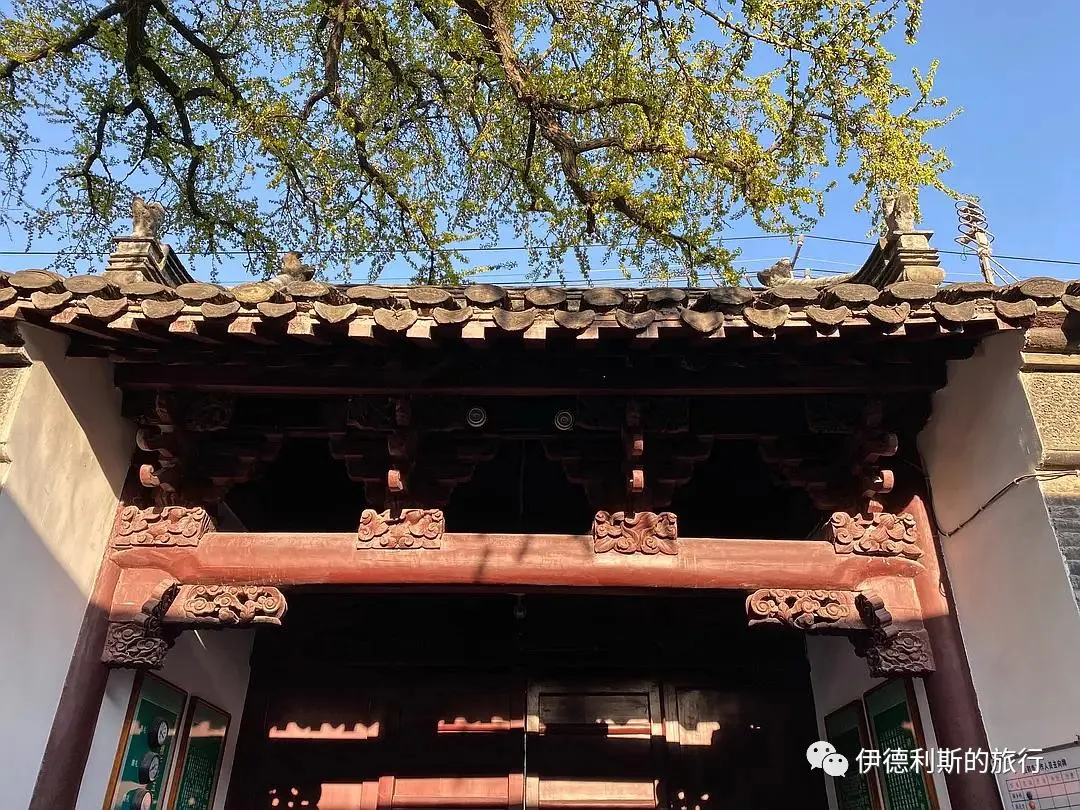
The Xianhe Mosque layout uses small courtyards instead of the traditional four-sided courtyard style common in northern mosques. Xianhe Mosque divides the lecture hall, main prayer hall, and gate into three separate small courtyards, and the addition of a moon-viewing pavilion (wangyue ting) and covered walkways outside the south wall of the main hall gives the mosque a garden-like atmosphere.
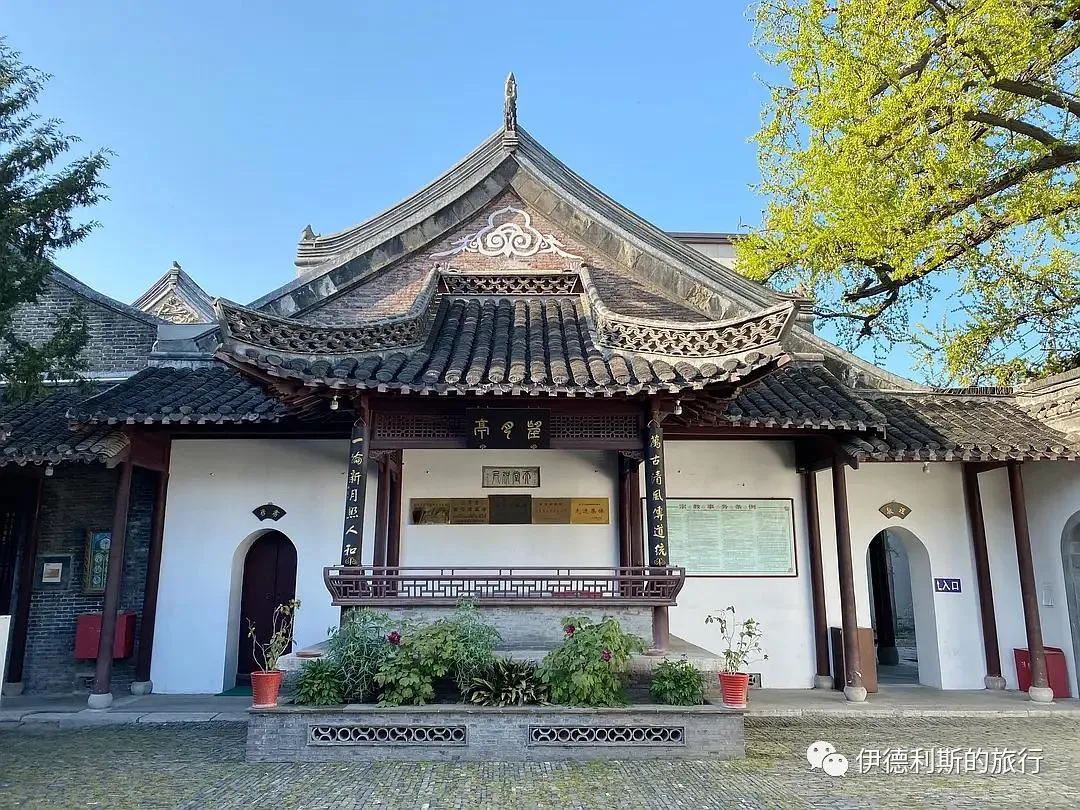
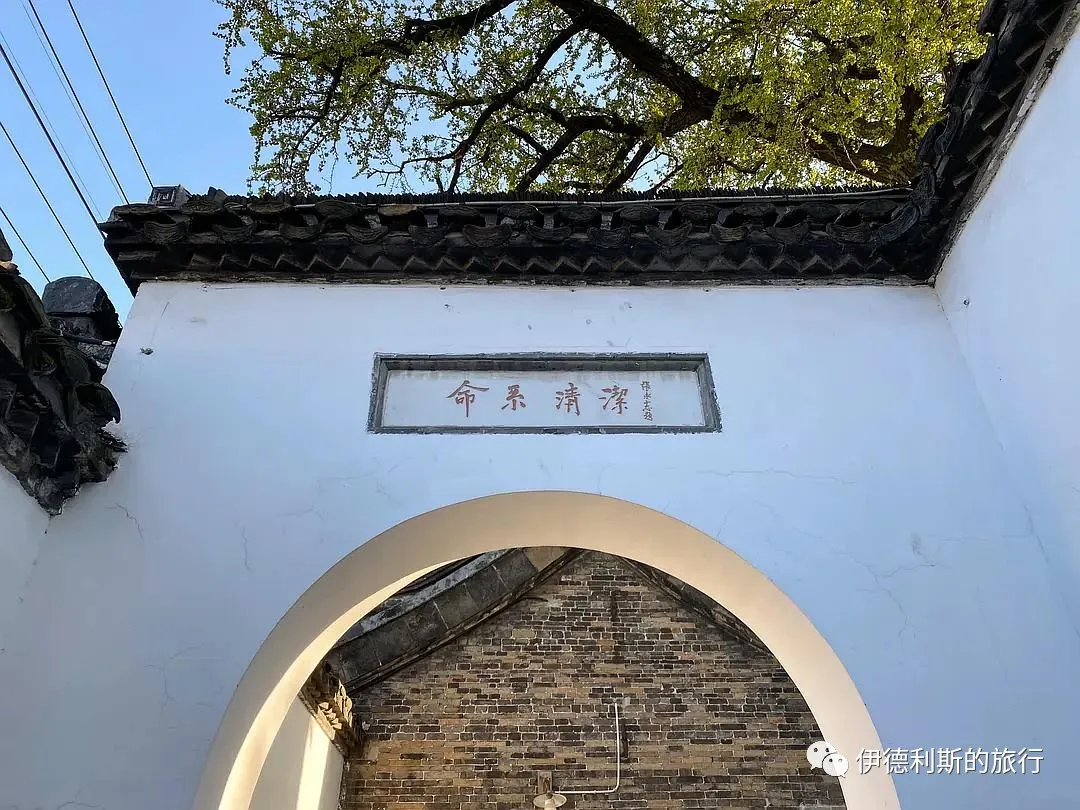
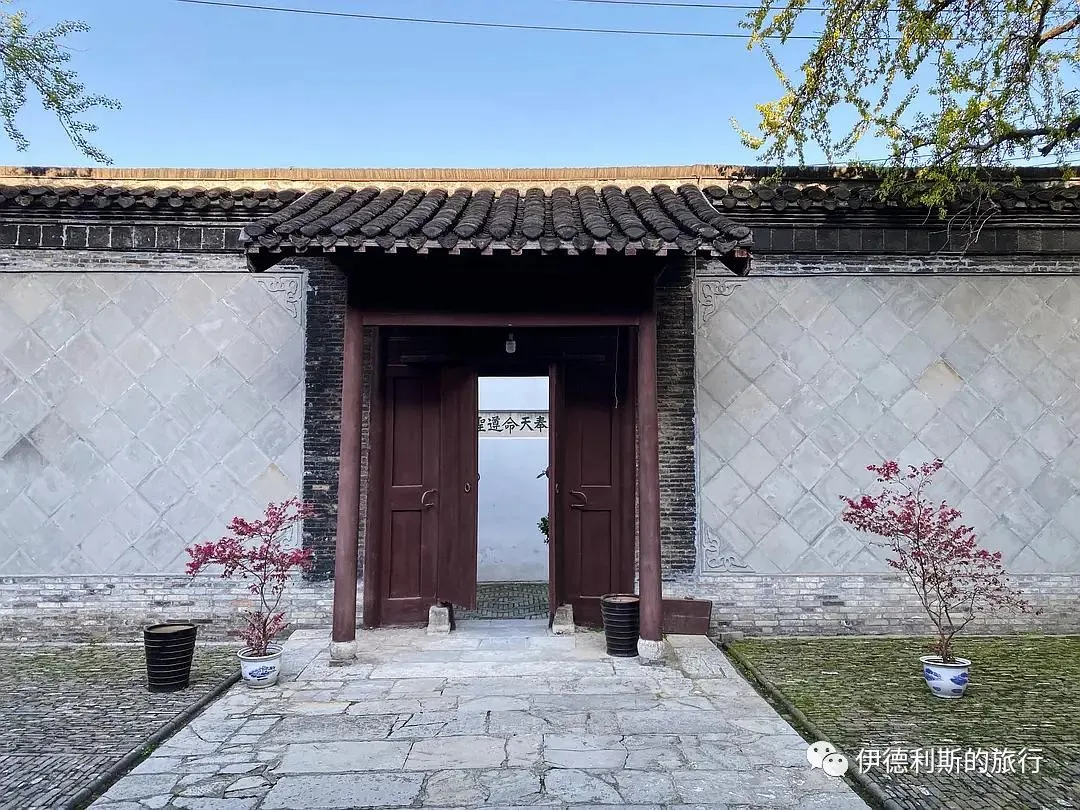
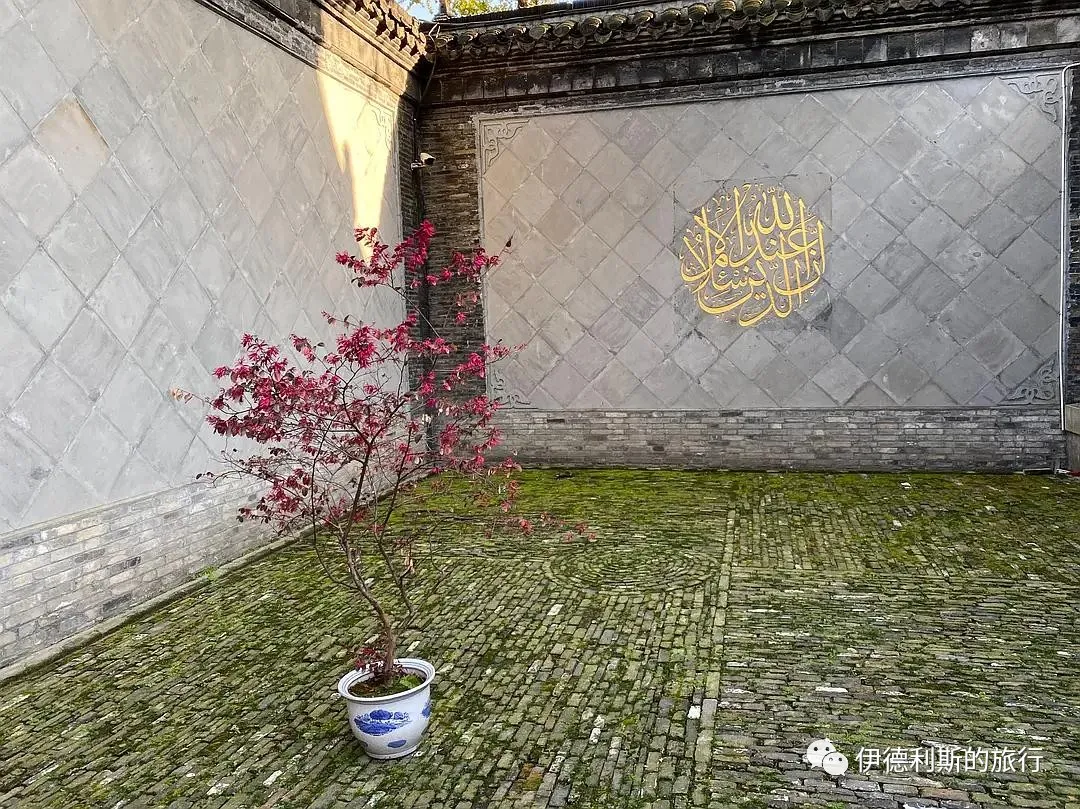
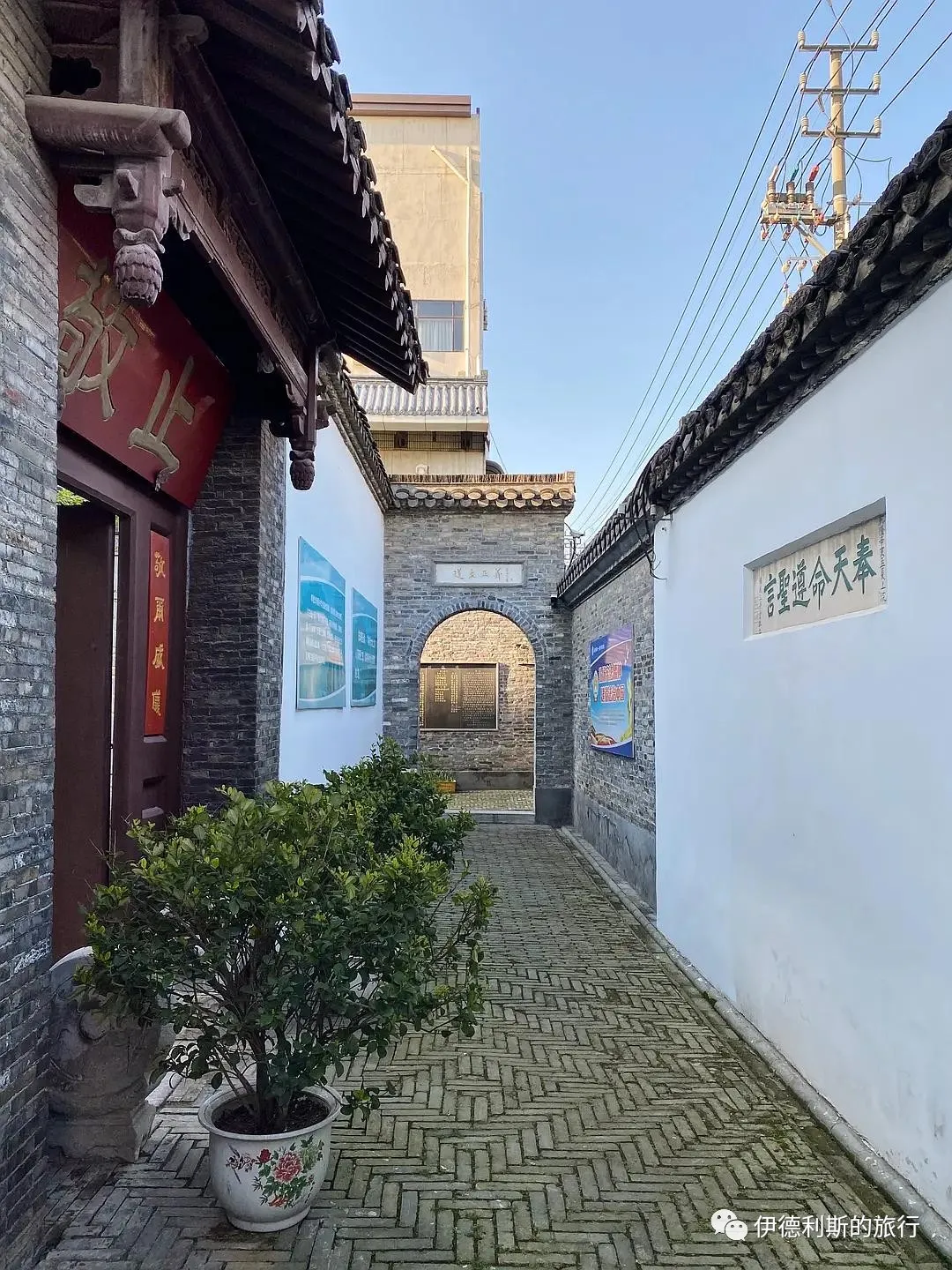
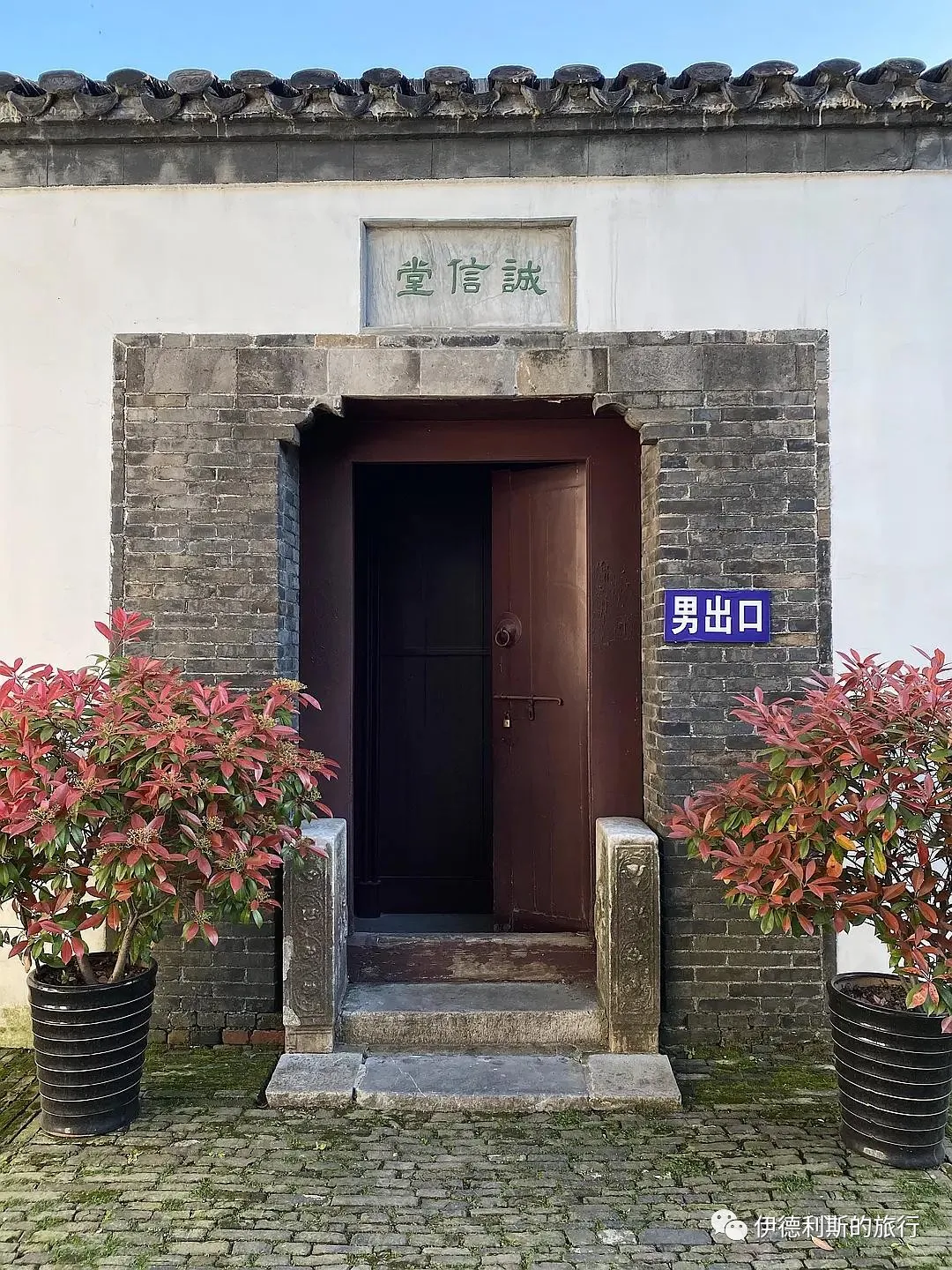
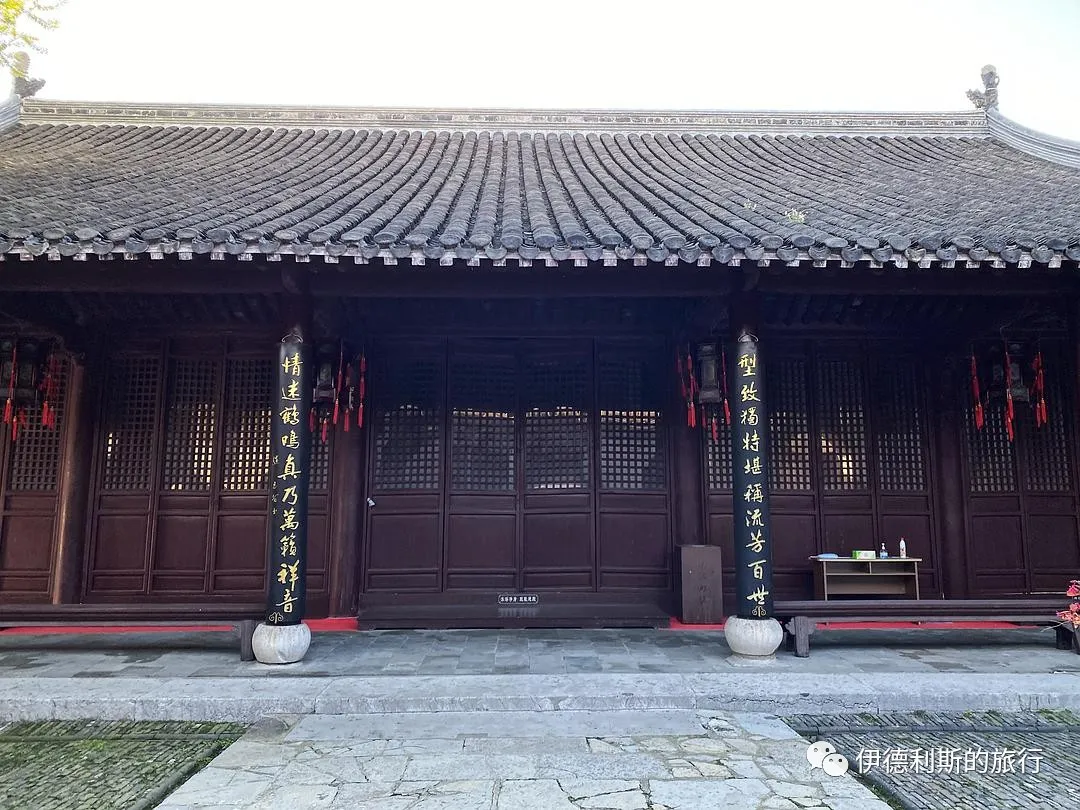
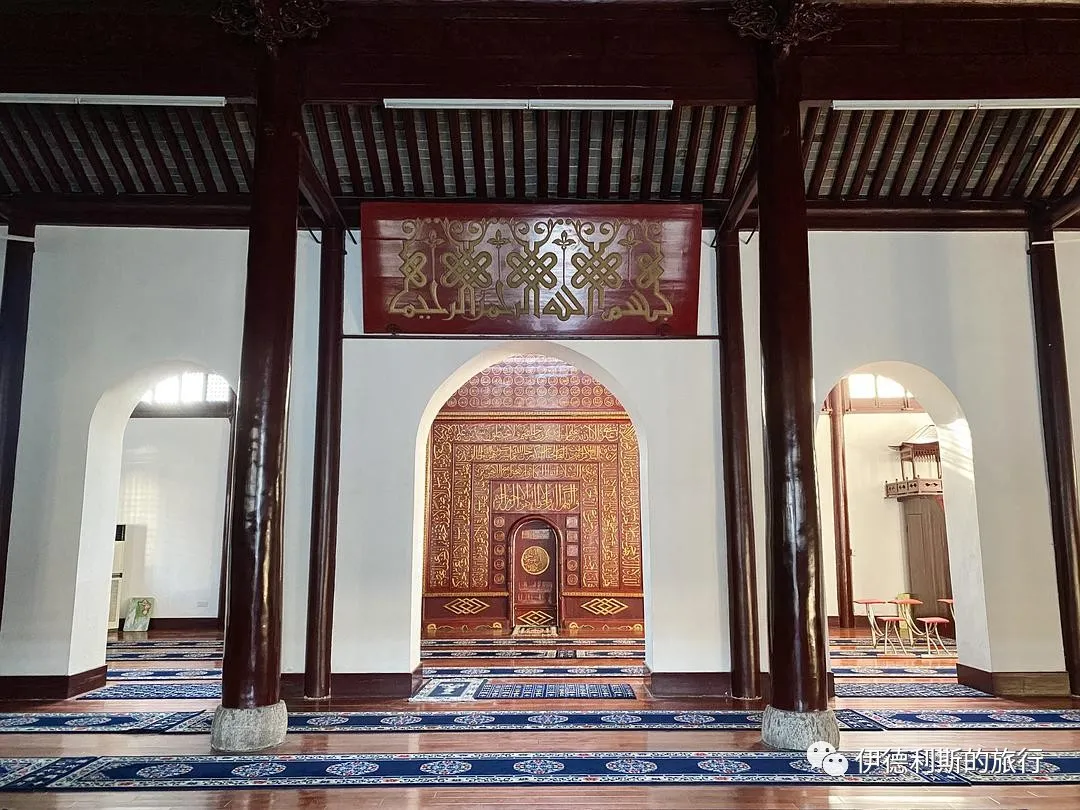
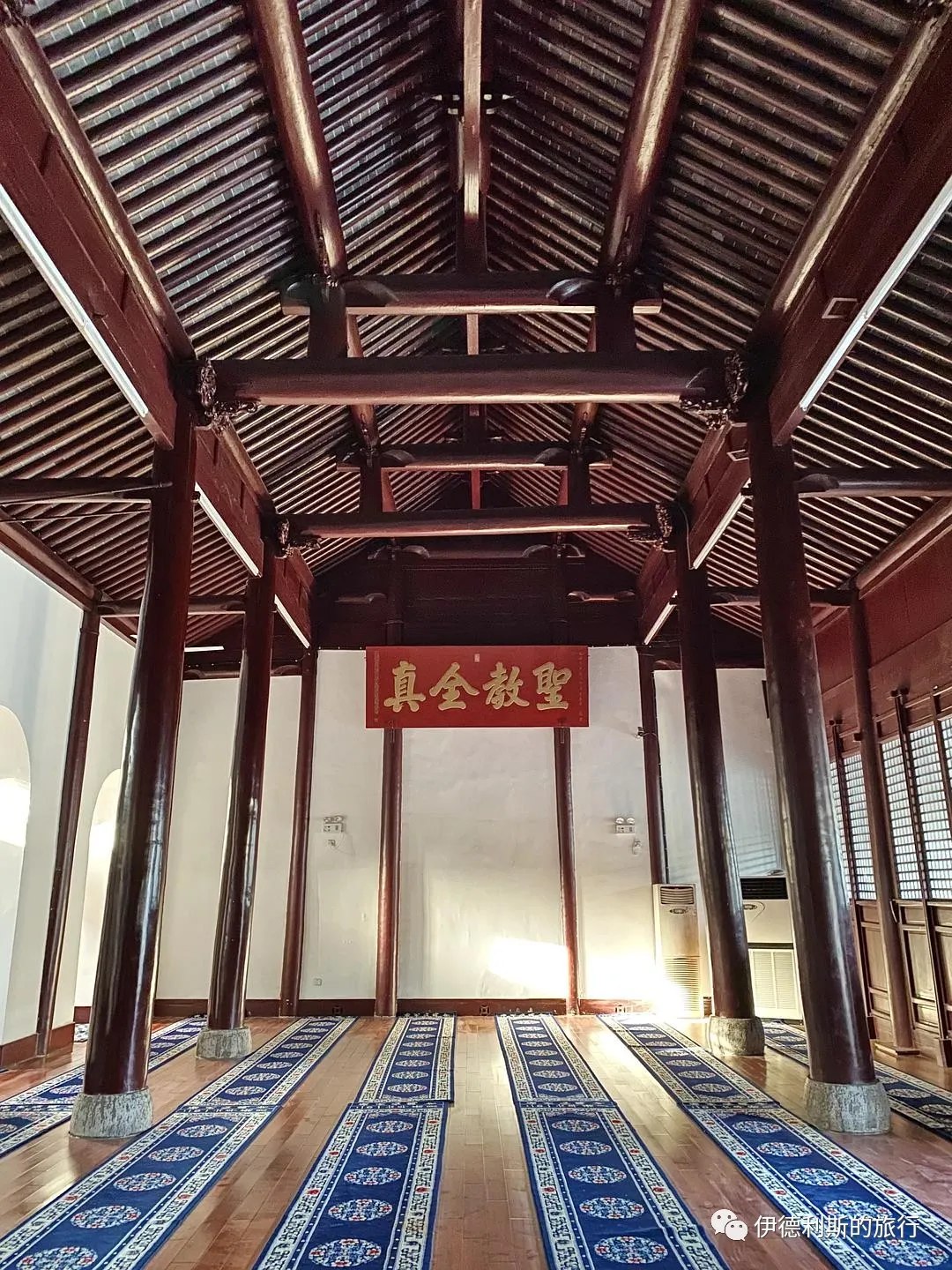
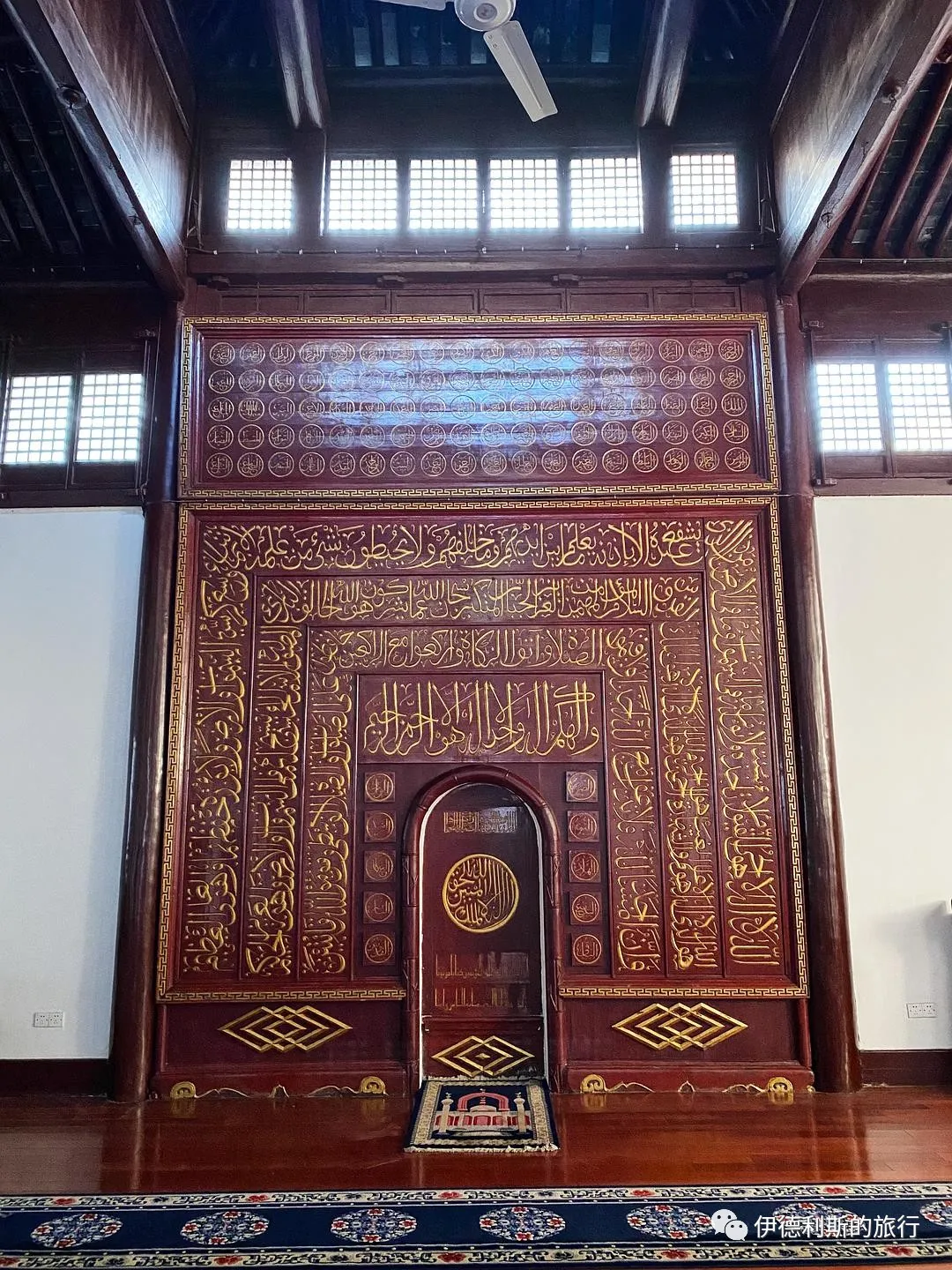
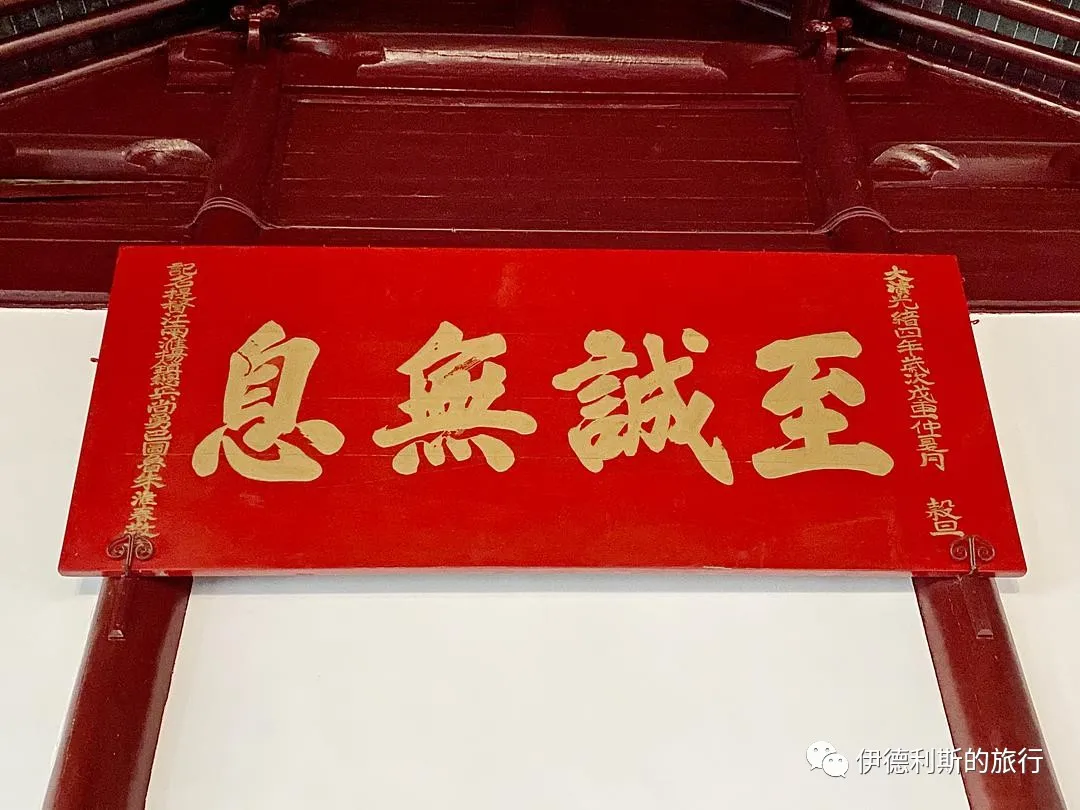
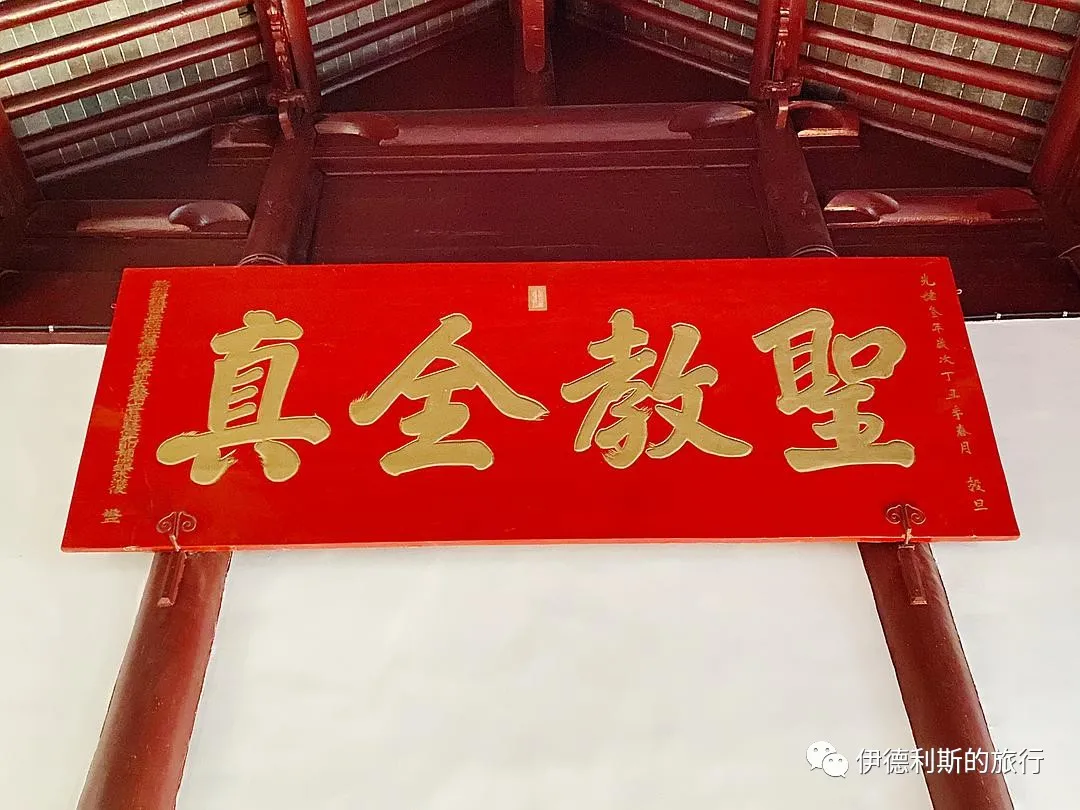
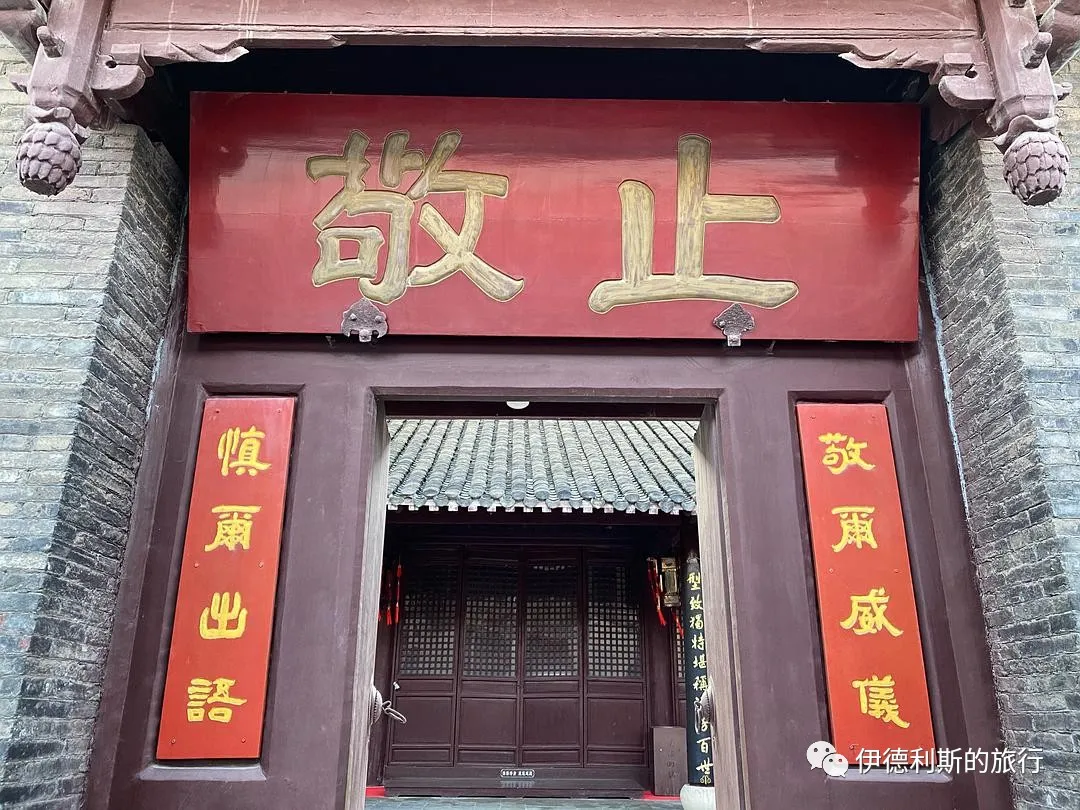
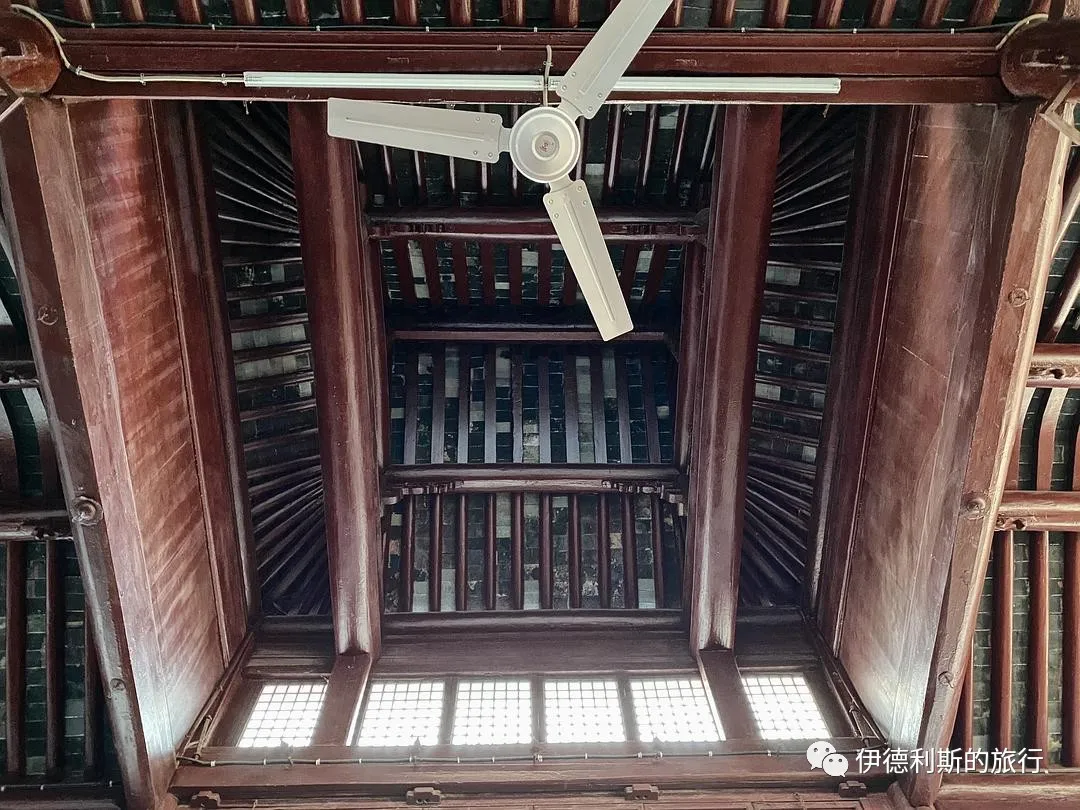
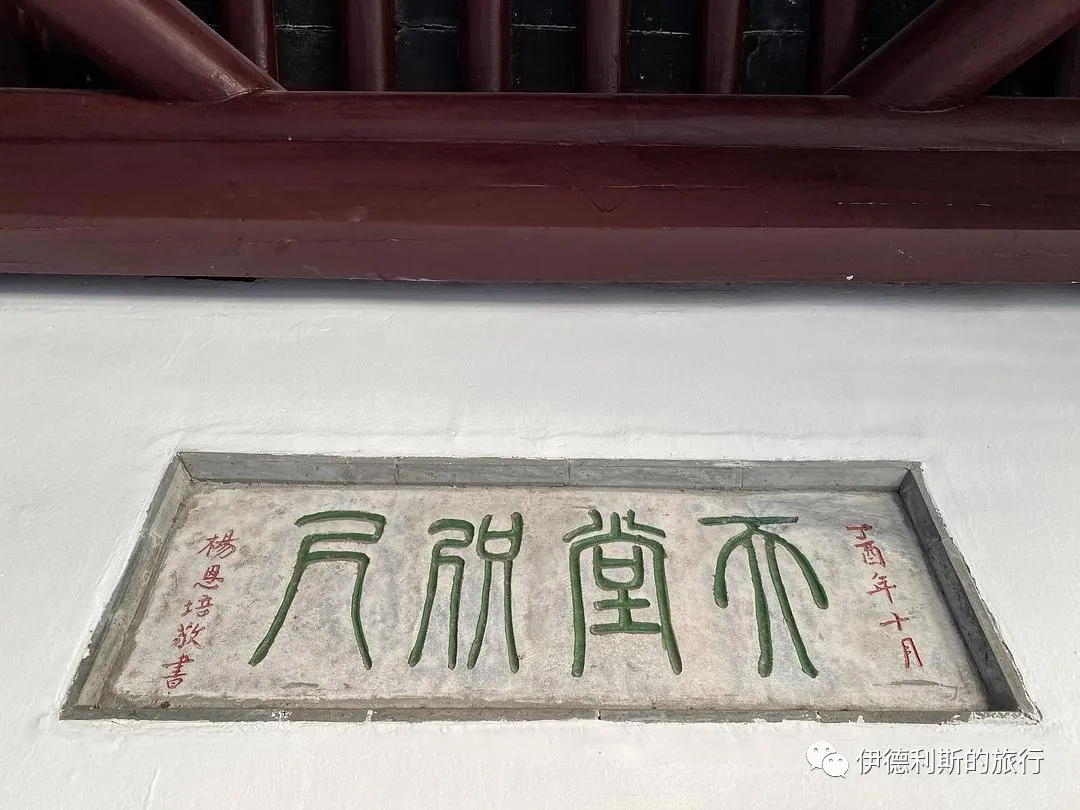
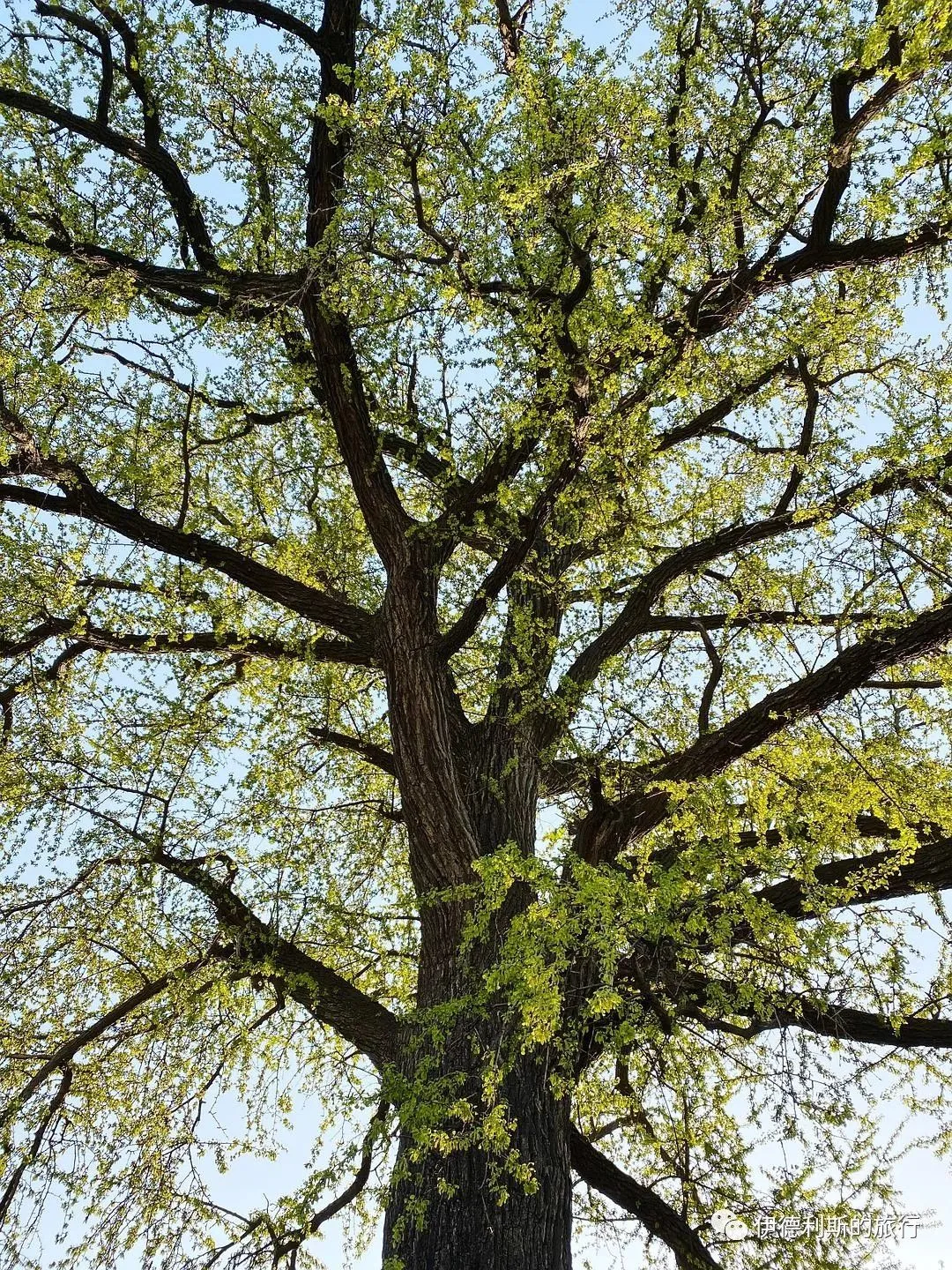
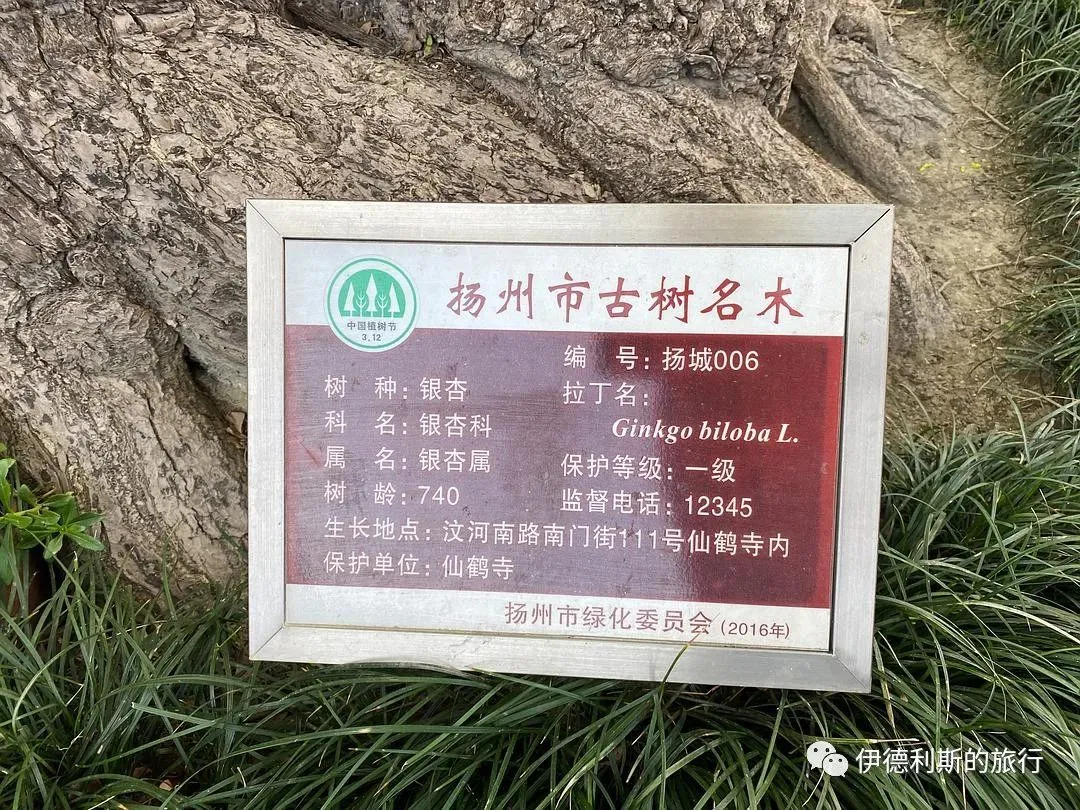
Inside Xianhe Mosque stands a 745-year-old ginkgo tree, the oldest surviving ginkgo in Yangzhou.
Majianxiang Mosque
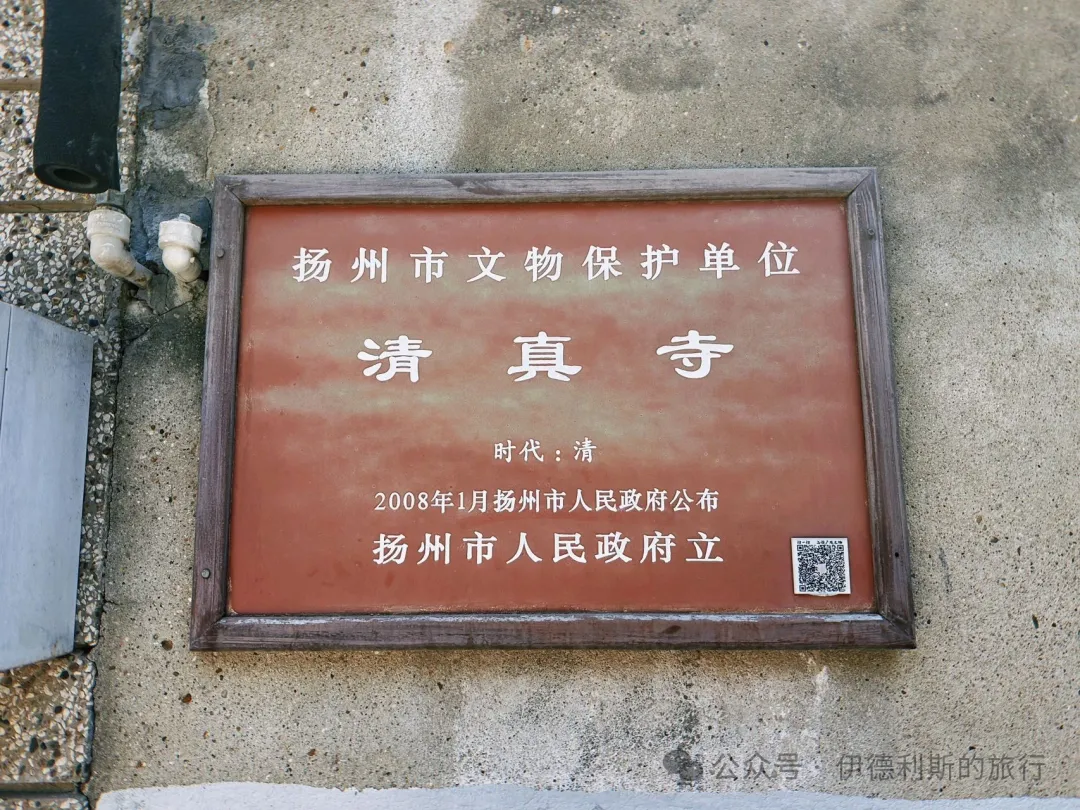
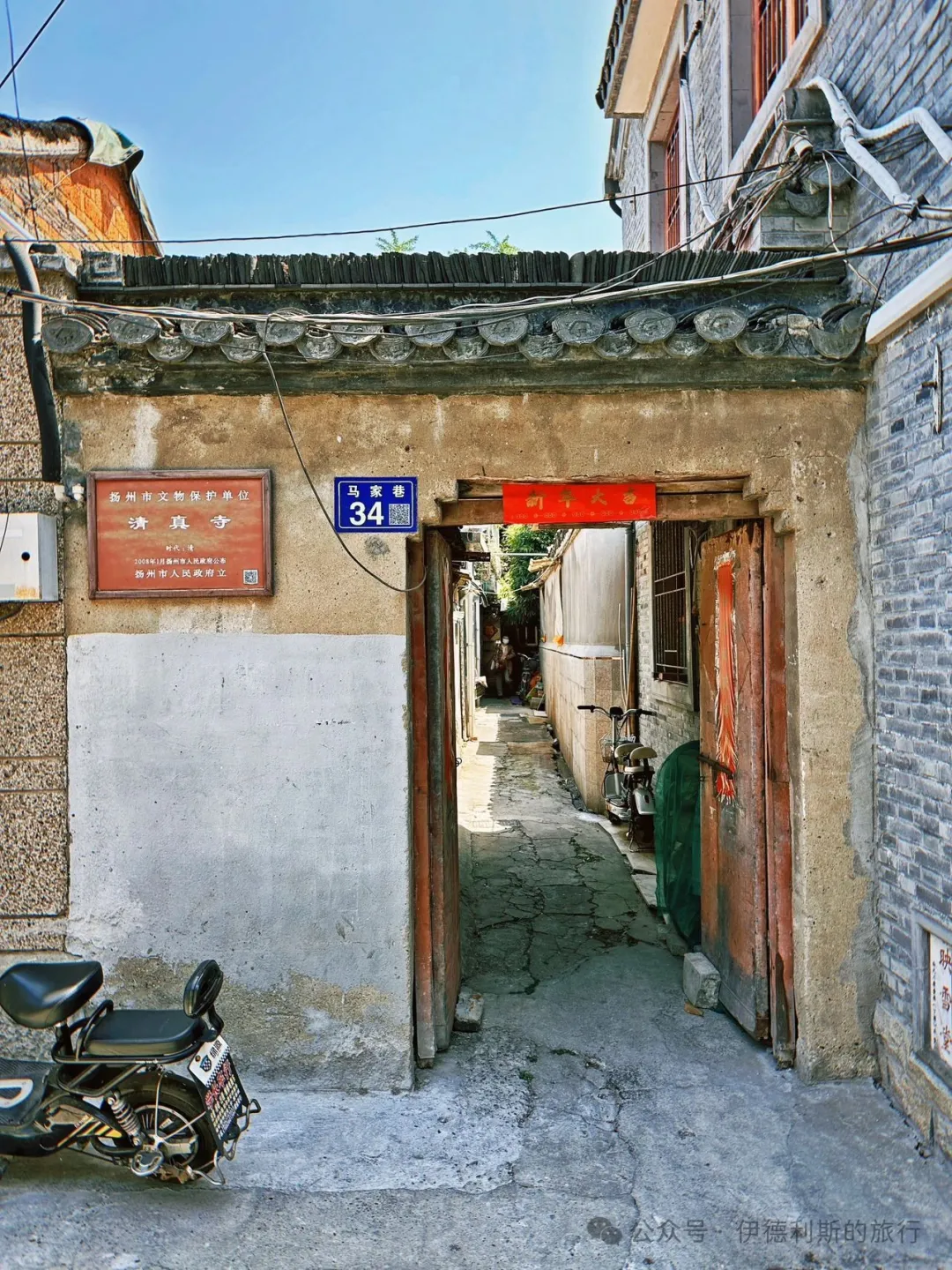
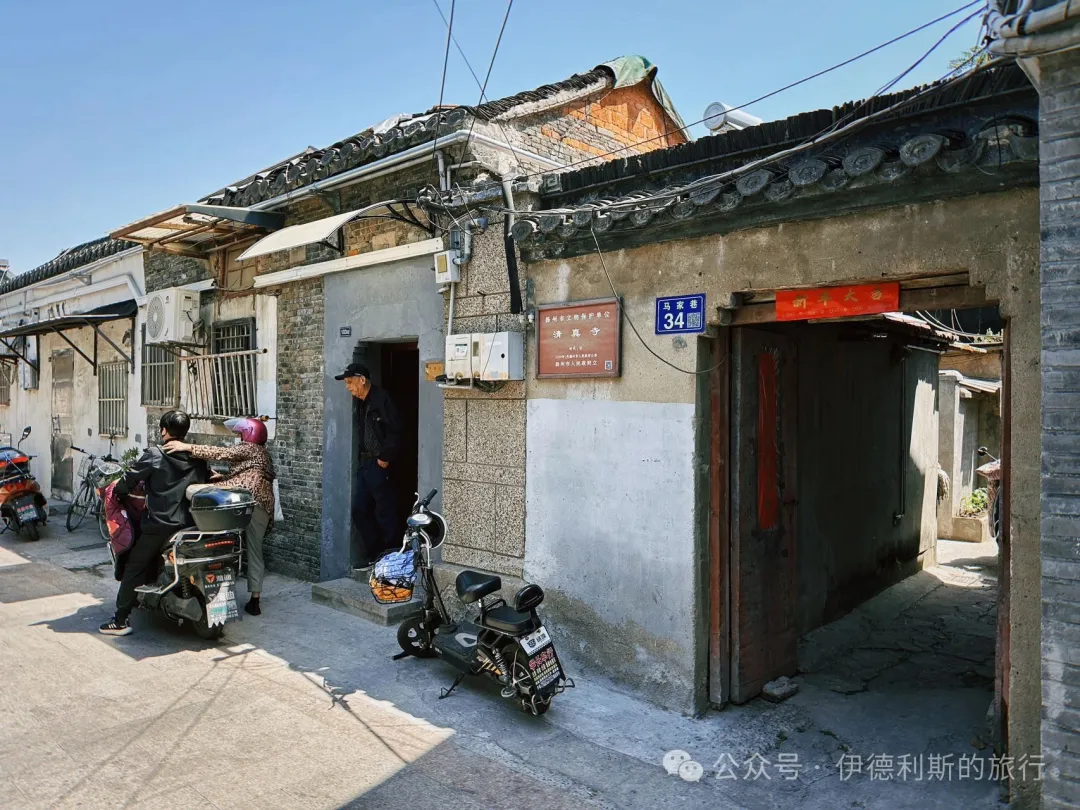
Majianxiang Mosque is located on Majianxiang Street near Yangzhou's East Gate. According to the Hui Muslims' Gu Family Genealogy, it was built in 1714 (the 53rd year of the Kangxi reign) by Gu Yuanbing, a 24th-generation descendant of Pu-ha-ding.
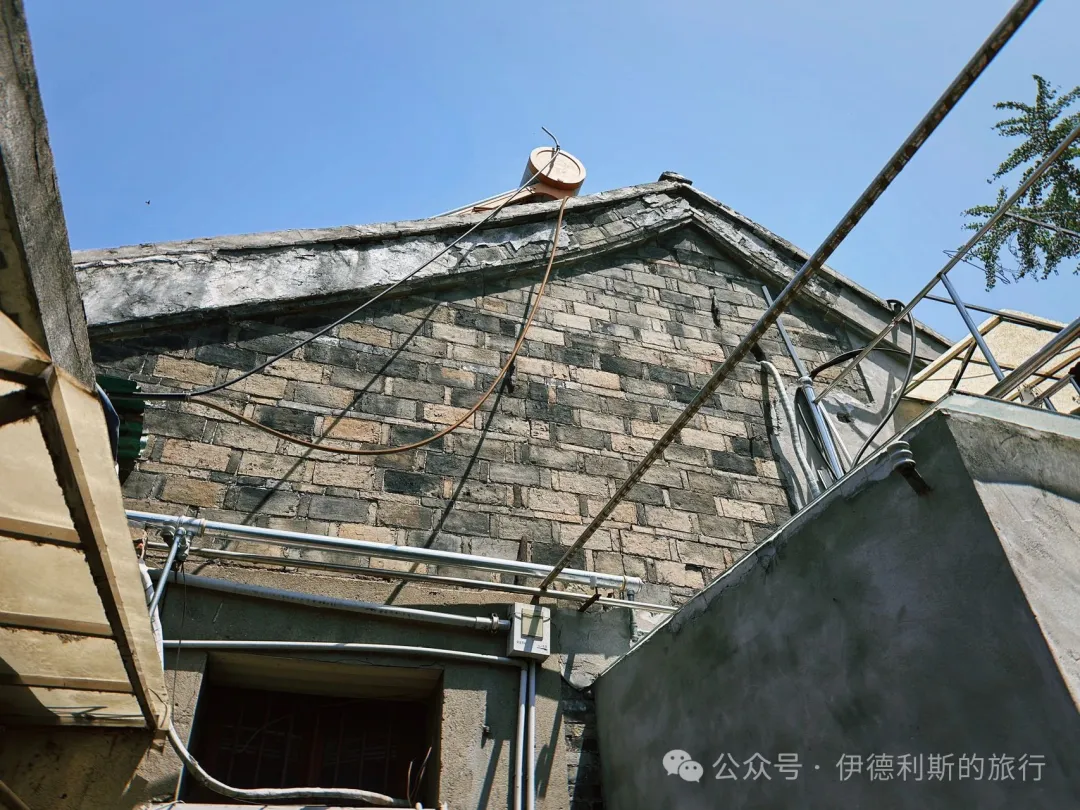
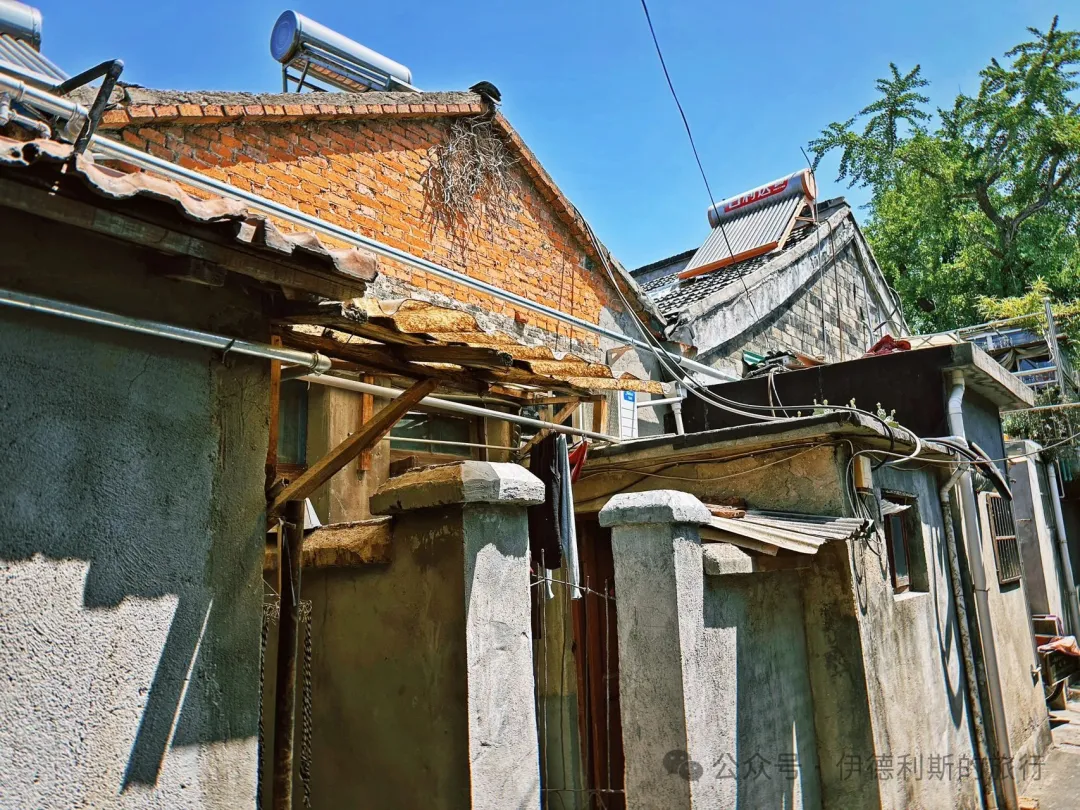
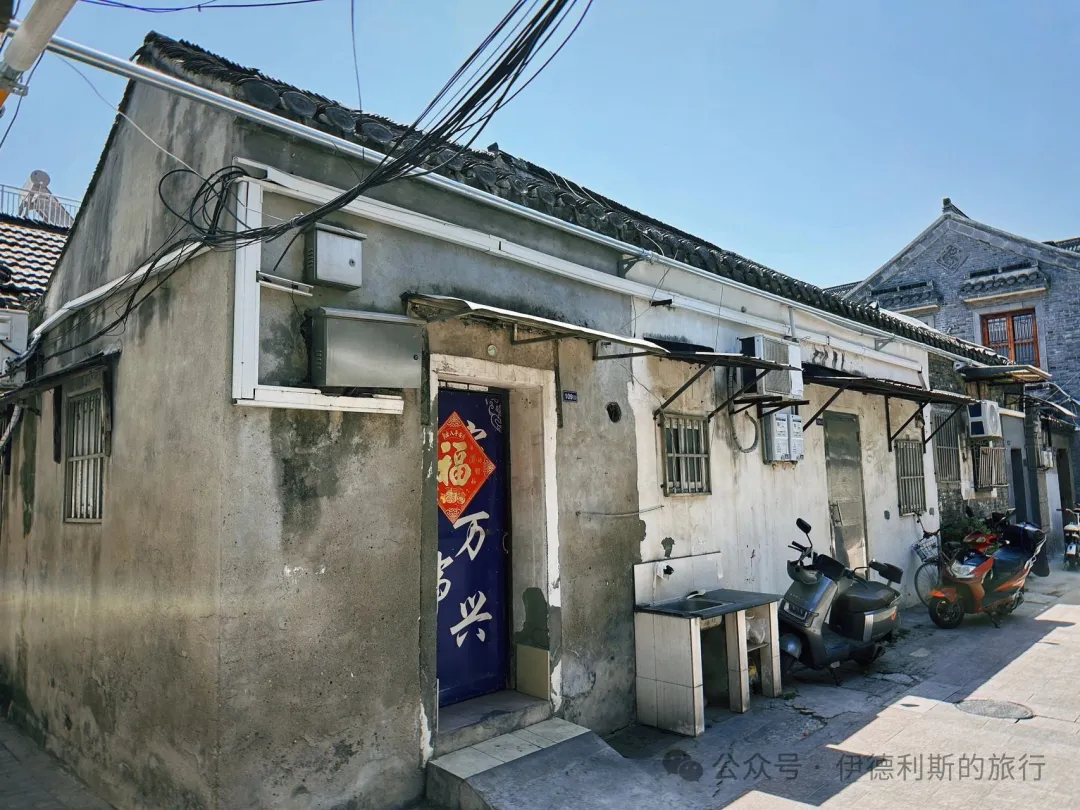
Majianxiang Mosque originally had dozens of rooms, including a gate hall, memorial archway, main prayer hall, reception hall, water room (shuifang), side rooms, and dormitories. Today, only the main prayer hall, a reception hall, and the water room remain. In the early years of the Republic of China, the mosque housed the second Yangzhou branch of the Beijing-based Zhenzong Newspaper and a religious book and newspaper room.
In 1932, Liu Binru, a famous Yangzhou imam and one of the founders of the China Islamic Association, along with Hua Ruzhou, then a director of the Jiangdu County Hui Muslim Association, established the China Islamic Scripture Translation Institute here to translate religious texts. Liu Binru, who was fluent in Arabic and Persian, was responsible for translating the Arabic originals, while Hua Ruzhou translated summaries from the English version by the Indian Islamic scholar Muhammad Ali, which were attached before each section of the scripture. On January 1, 1935, the Chinese Translation of the Quran with Ali's Summaries was officially published with an initial print run of 2,000 copies, sold by major bookstores across the country.
In 1933, the Yangzhou Islamic Association founded the Hui Muslim Cultural Institute at Majianxiang Mosque, led by Liu Binru. to teaching Arabic, the institute offered Chinese, English, and arithmetic, equivalent to upper elementary to junior high school levels, using a classroom-based teaching method instead of the traditional individual scripture hall instruction. Teachers included the Arabic-proficient Majianxiang imam Hua Jinhou, imam Ruan Dechang, imam Lan Baohua of the Huihui Tang Mosque outside the East Gate, and Liu Binru. They also hired Hui Muslim Association members Shen Junchen and Zhang Shaozhe to teach Chinese and arithmetic, and Hua Ruzhou to teach English.
Between 1934 and 1935, the missionary Claude L. Pickens visited Majianxiang Mosque and saw the reading room inside, which contained many books and magazines. He photographed the Gu Gong Memorial Stele erected in 1931. The inscription records the life of the mosque director Gu Sisu, who served for 11 years, repaired the water room and market shops, and built a new greenhouse, making great contributions to the mosque. He passed away in 1930, before the age of 40.
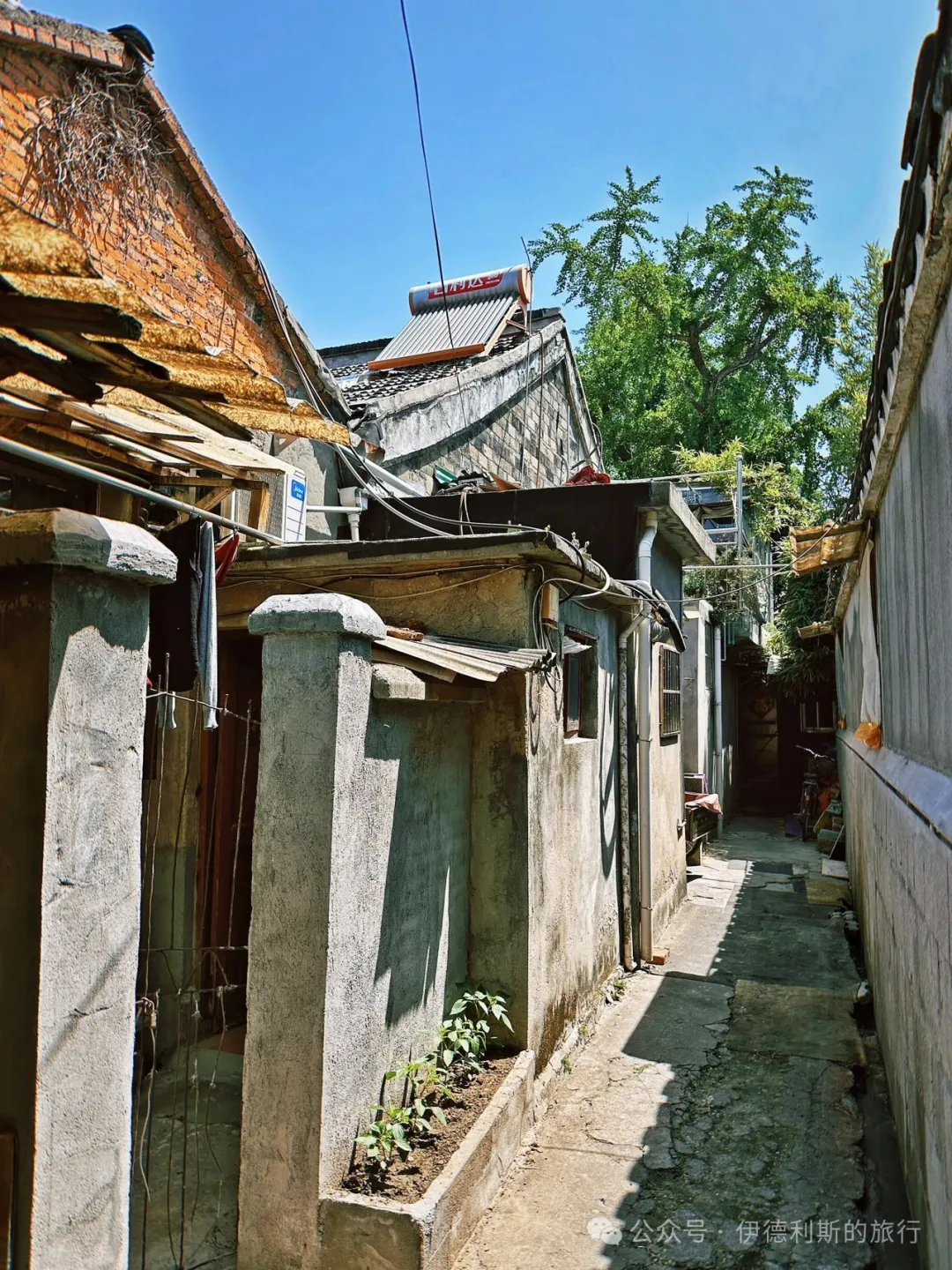
In 1958, Majianxiang Mosque was converted into a factory workshop and occupied by a craft sign factory, a sack factory, and a brush factory. The property was not recovered until 1997, and it was listed as a municipal cultural relic protection unit in 2008; it is currently used as a residence.
Huihui Tang Mosque
Legend says Pu-ha-ding was a 16th-generation descendant of the Prophet. He came to Yangzhou during the Xianchun period of the Song Dynasty (1265-1274) and died in Yangzhou in 1275 (the 12th year of the Yuan Zhiyuan reign). He was buried on a high ridge east of the East Gate River in the New City, a place later called Huihui Tang (commonly known as Baba Tomb).
According to oral traditions from local Yangzhou imams, as told by imam Lan Baohua of Huihui Tang on July 17, 1947, Pu-ha-ding was born in 1204 (the 4th year of the Song Jiatai reign) into an aristocratic Arab merchant family and was the 16th-generation descendant of the Prophet. Pu-ha-ding was highly learned and well-versed in scripture and law. At age 57, following the saying 'Seek knowledge even if it is in China,' he spent four years preparing and, at age 61, led a team of 17 people across the Arabian Sea to China.
Pu-ha-ding arrived in Yangzhou in 1265 (the 1st year of the Song Xianchun reign). During his 10 years in Yangzhou, he presided over the founding of Xianhe Mosque, expanded the ancient mosque outside the South Gate, and rebuilt the Nanchao Guan Mosque. He died on a boat in 1275 (the 12th year of the Yuan Zhiyuan reign) while returning from a lecture, at the age of 71. Guangling Governor Yuan Guang'en buried him on a high ridge on the east bank of the Grand Canal, east of Yangzhou city.
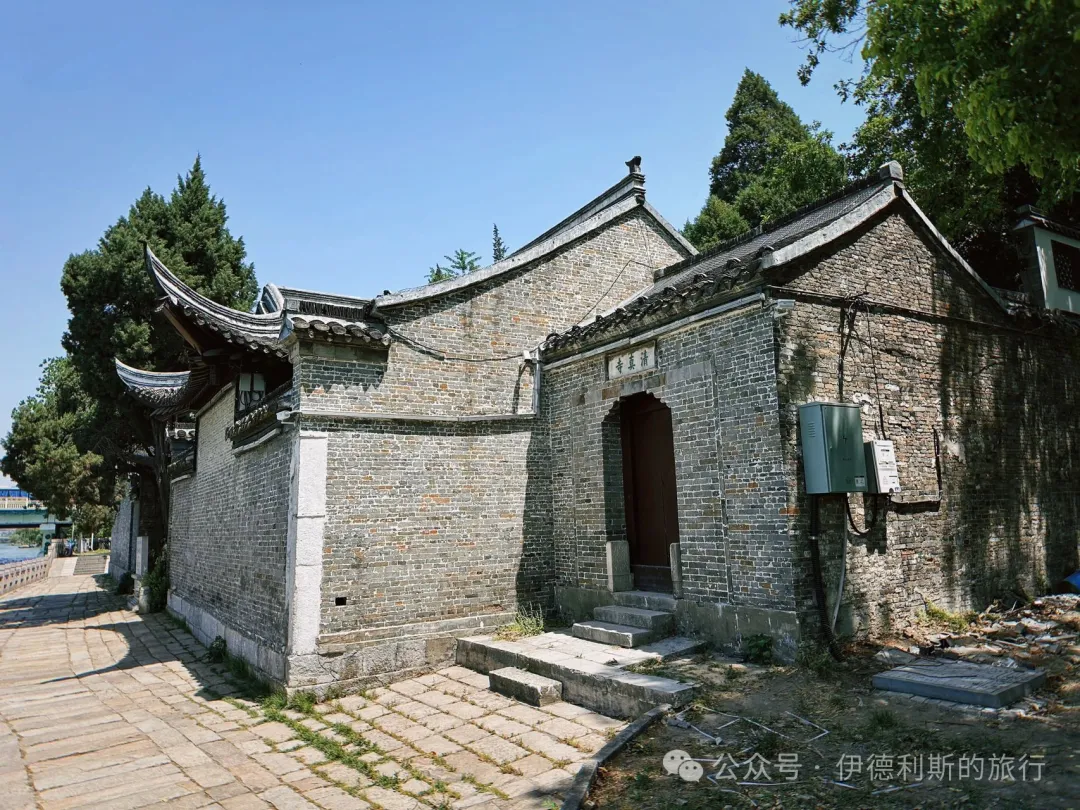
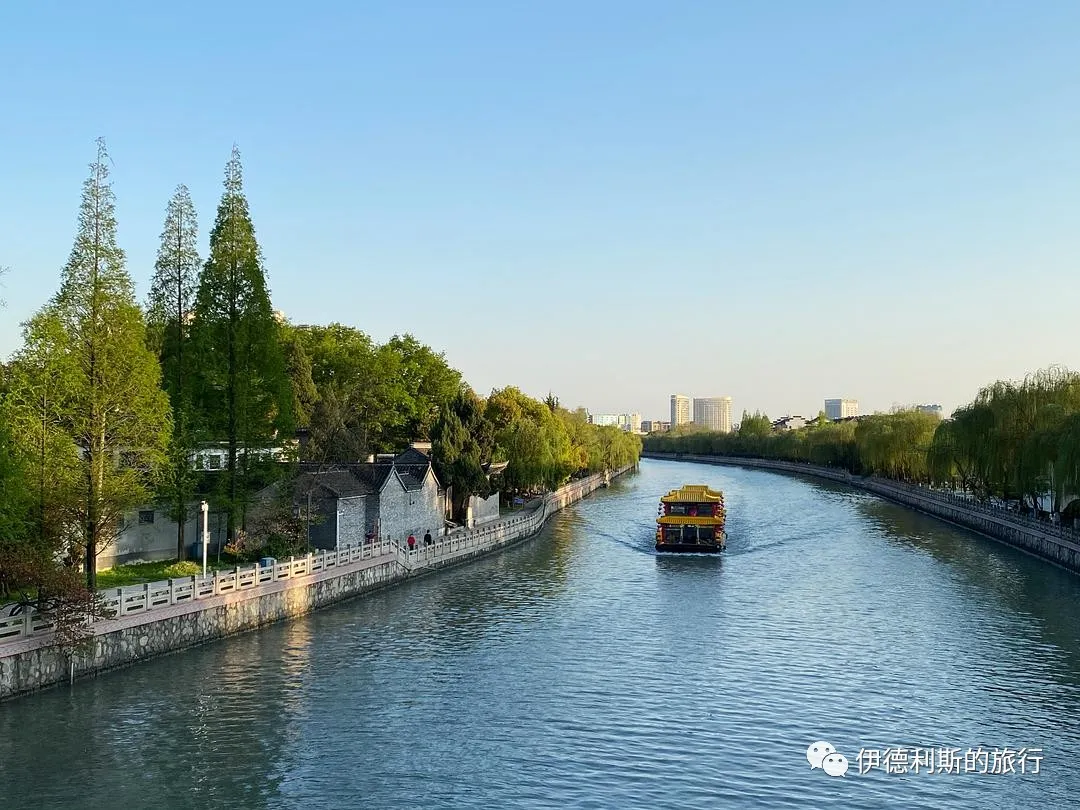
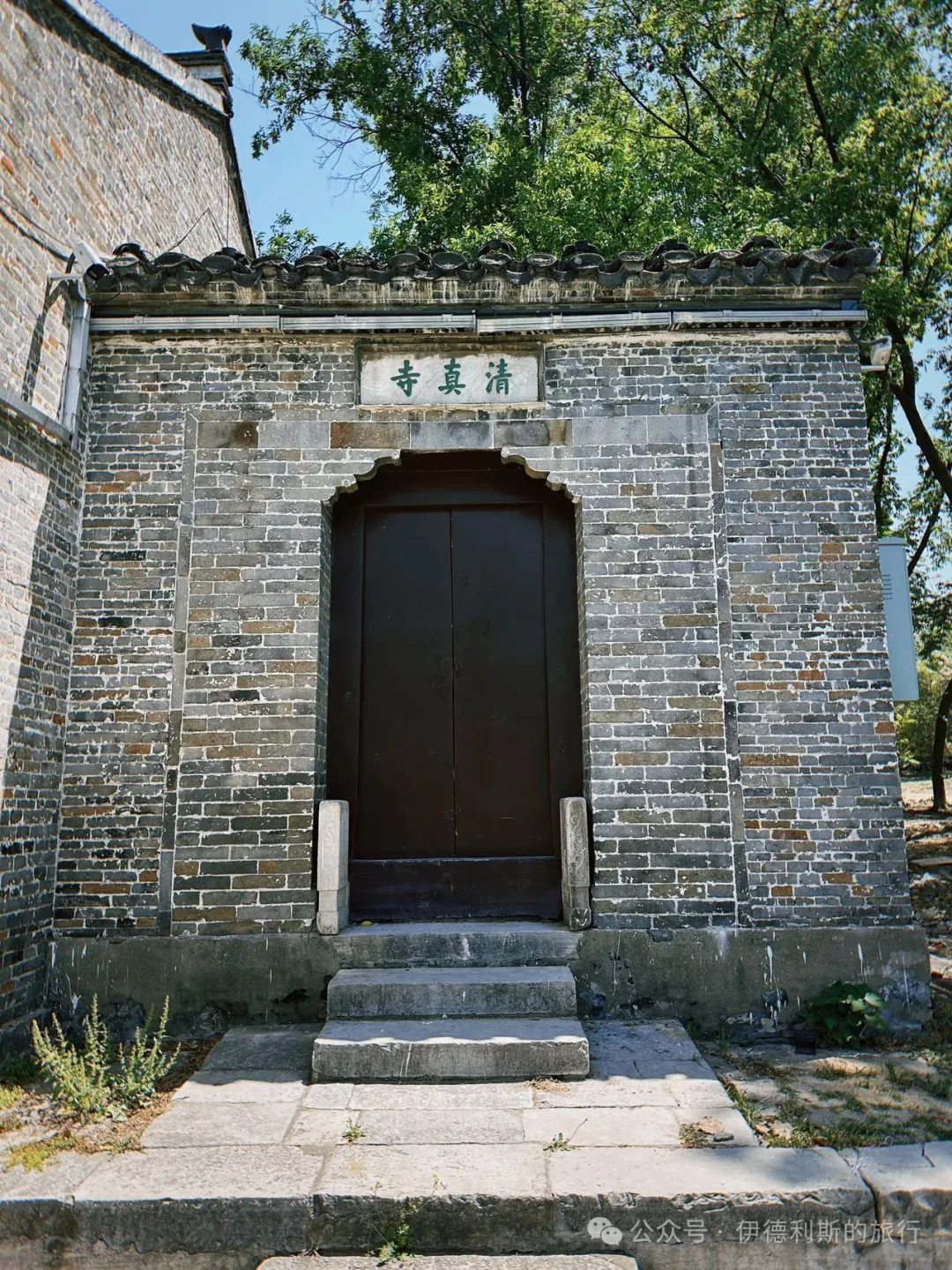
The mosque southwest of the Puhading Cemetery is called Huihui Tang Mosque or Babayao Mosque. It was one of the six traditional Hui Muslim neighborhoods in Yangzhou during the Qing Dynasty and is the only one remaining outside the city walls. The current Babayao Mosque was rebuilt in 1776 (the 41st year of the Qianlong reign) and renovated in 1845 (the 25th year of the Daoguang reign), featuring the traditional architectural style typical of the Huaiyang region.
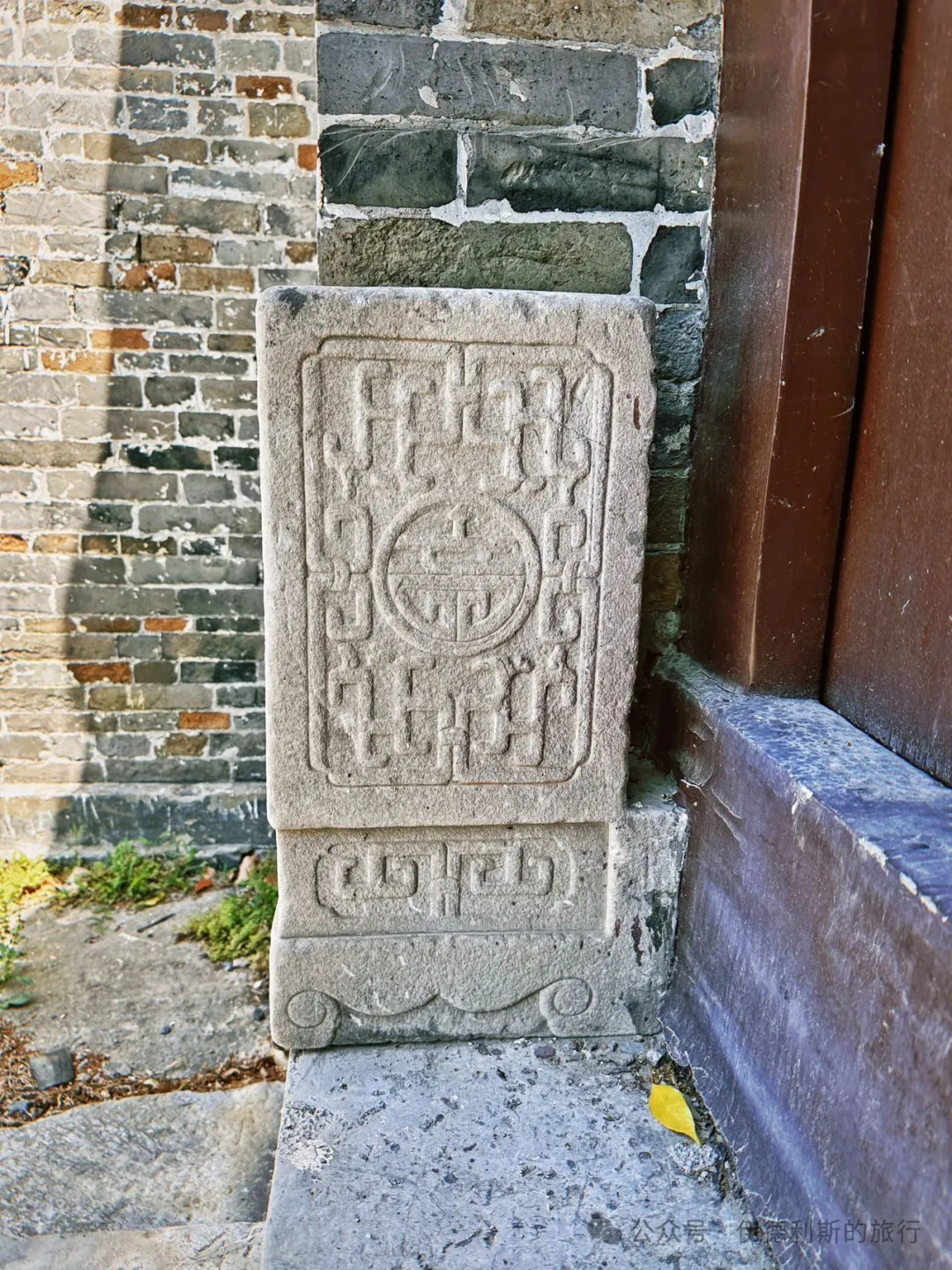
The main gate of Babayao Mosque is on the southwest side of the Puhading Cemetery. The stone plaque above the gate was installed during the Qianlong reign, and the rectangular stone door pillows have a very elegant design.
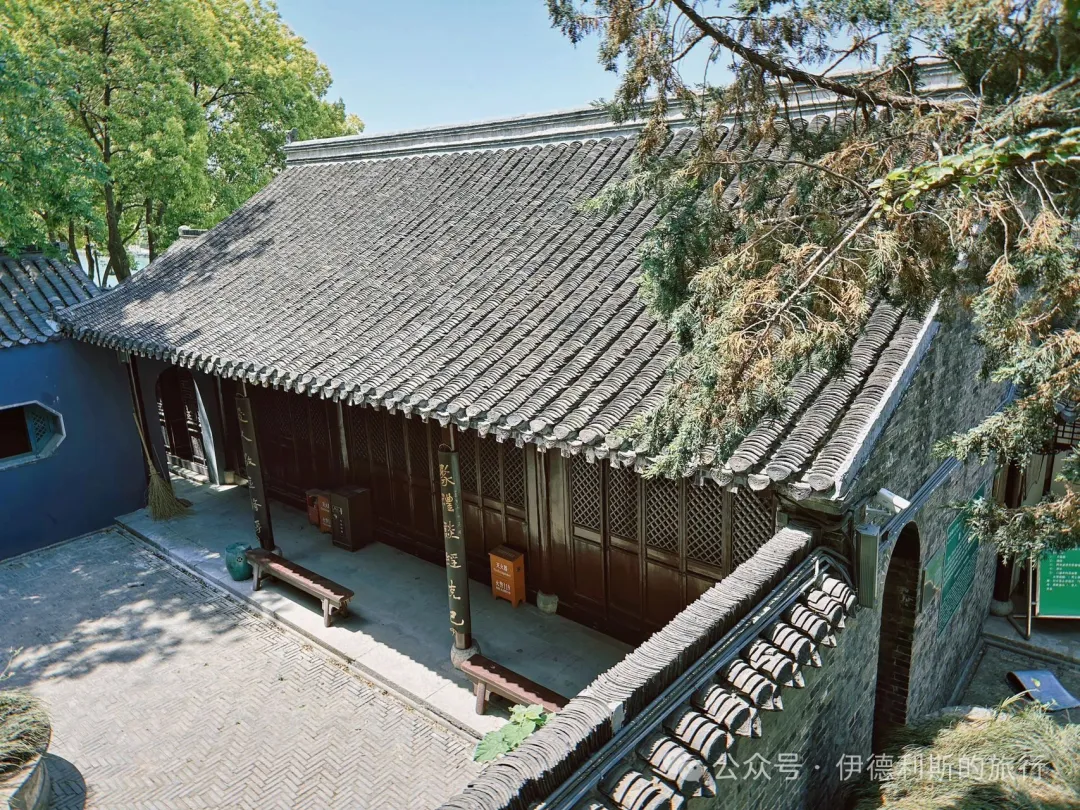
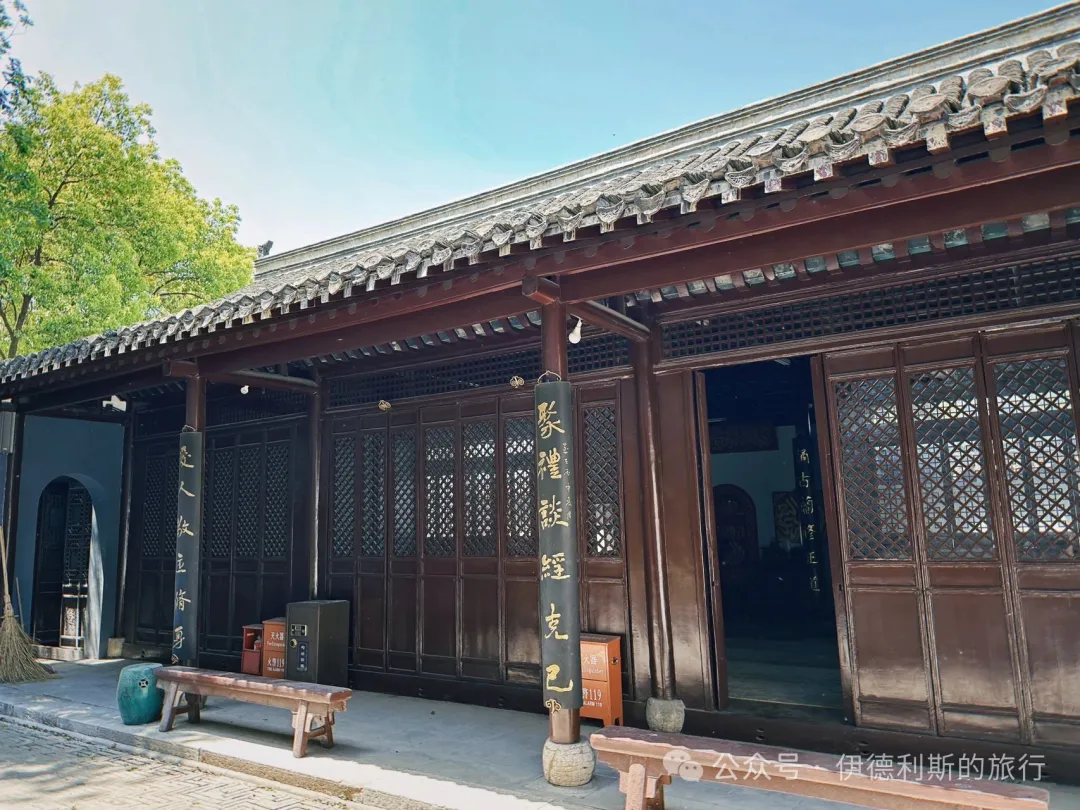
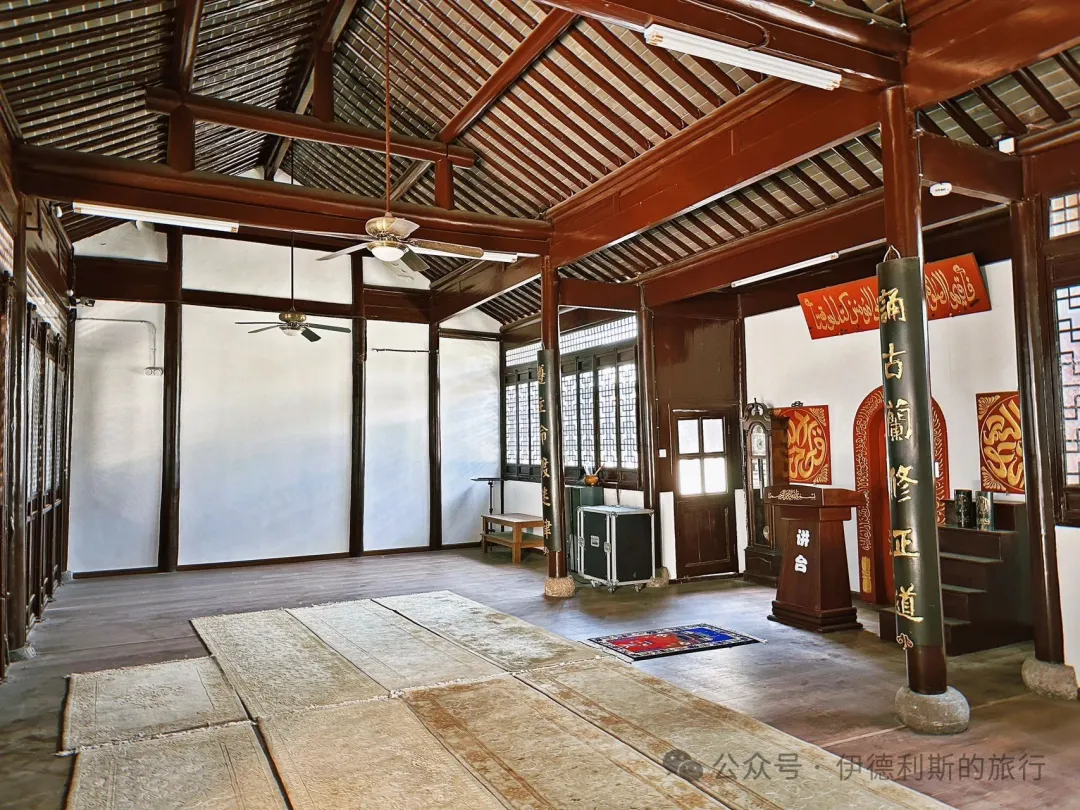
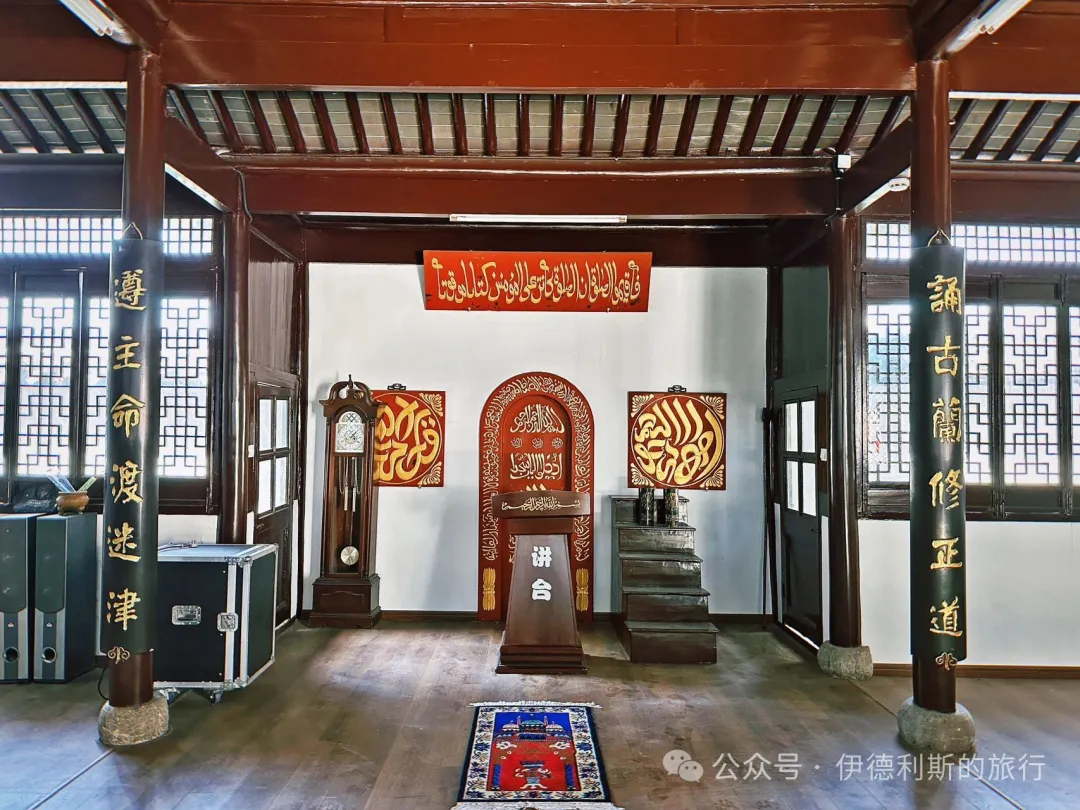
The main prayer hall is north of the main gate, right next to the stone-paved road of the Grand Canal, and features upturned eaves. The interior has a hard-mountain roof, floor-to-ceiling slatted partition doors, and a traditional timber-frame structure.
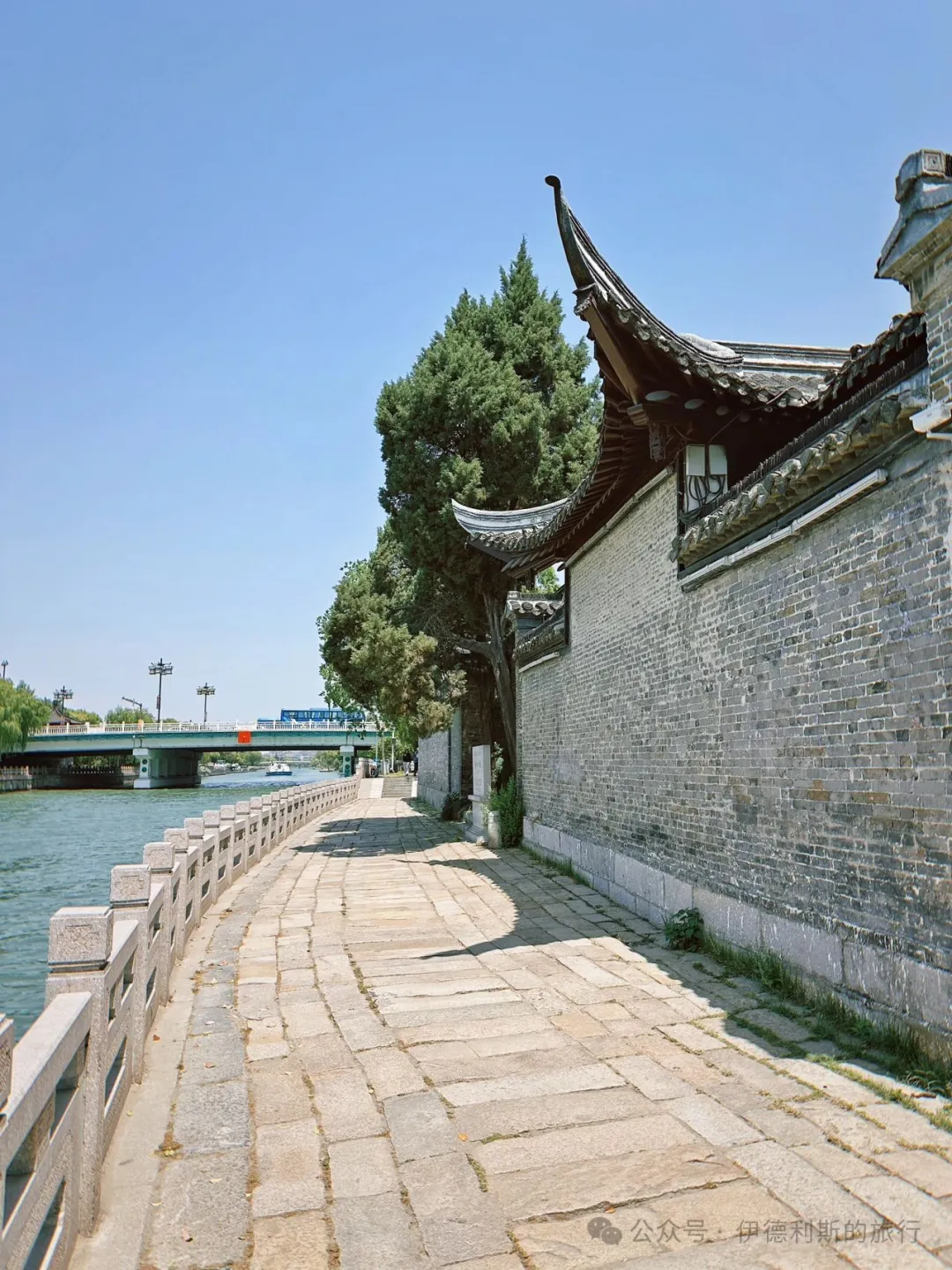
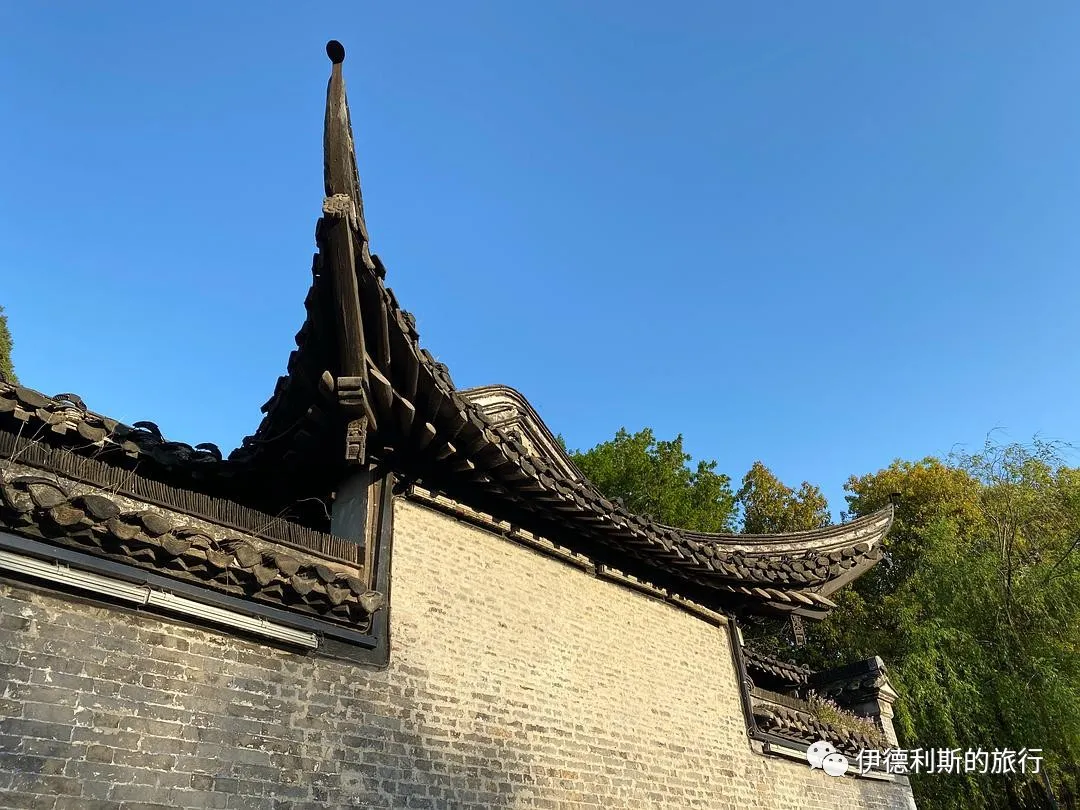
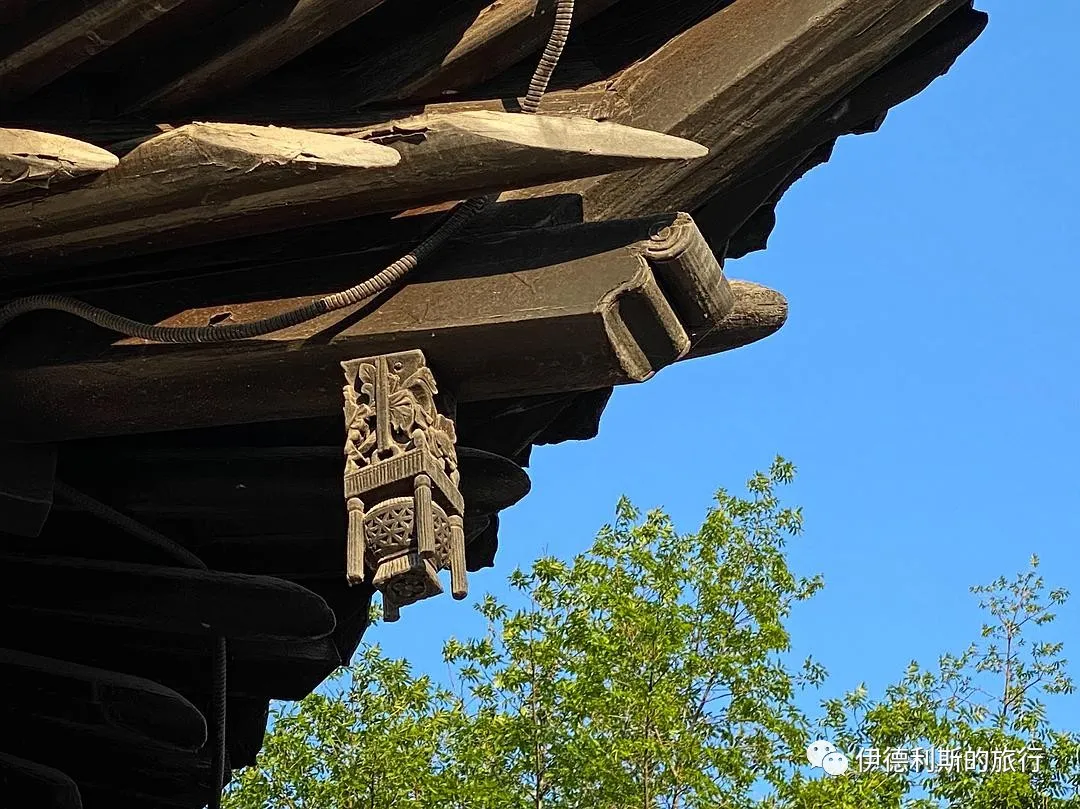
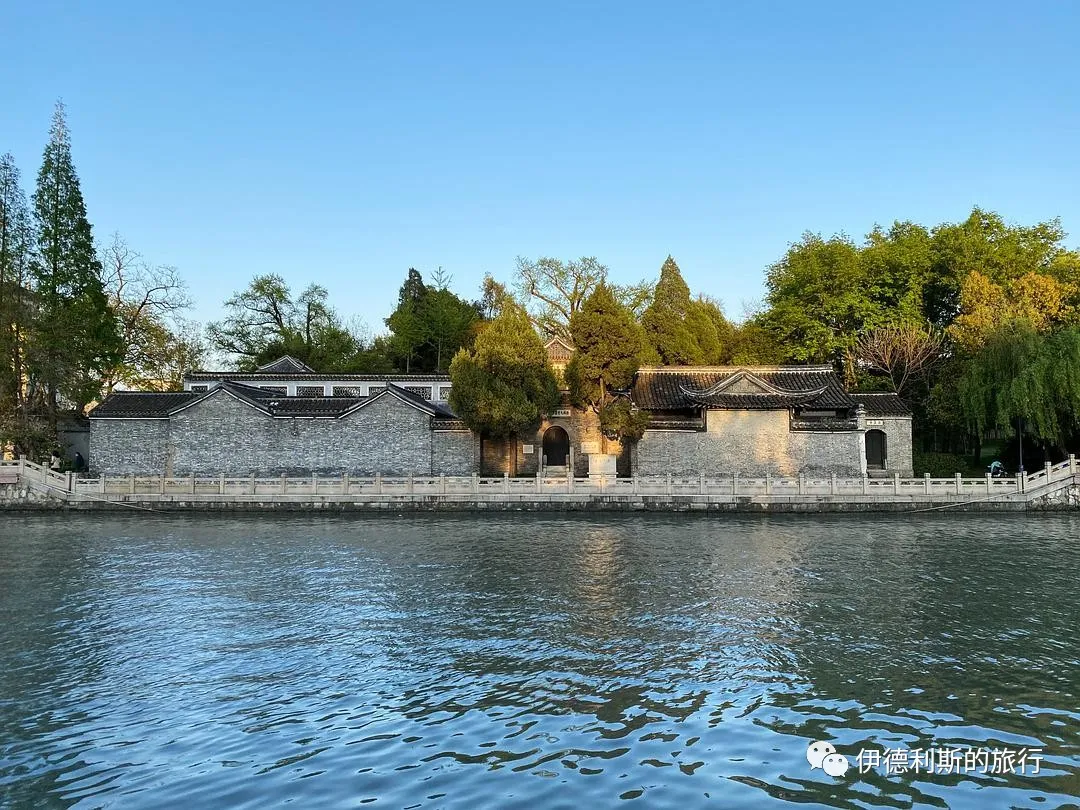
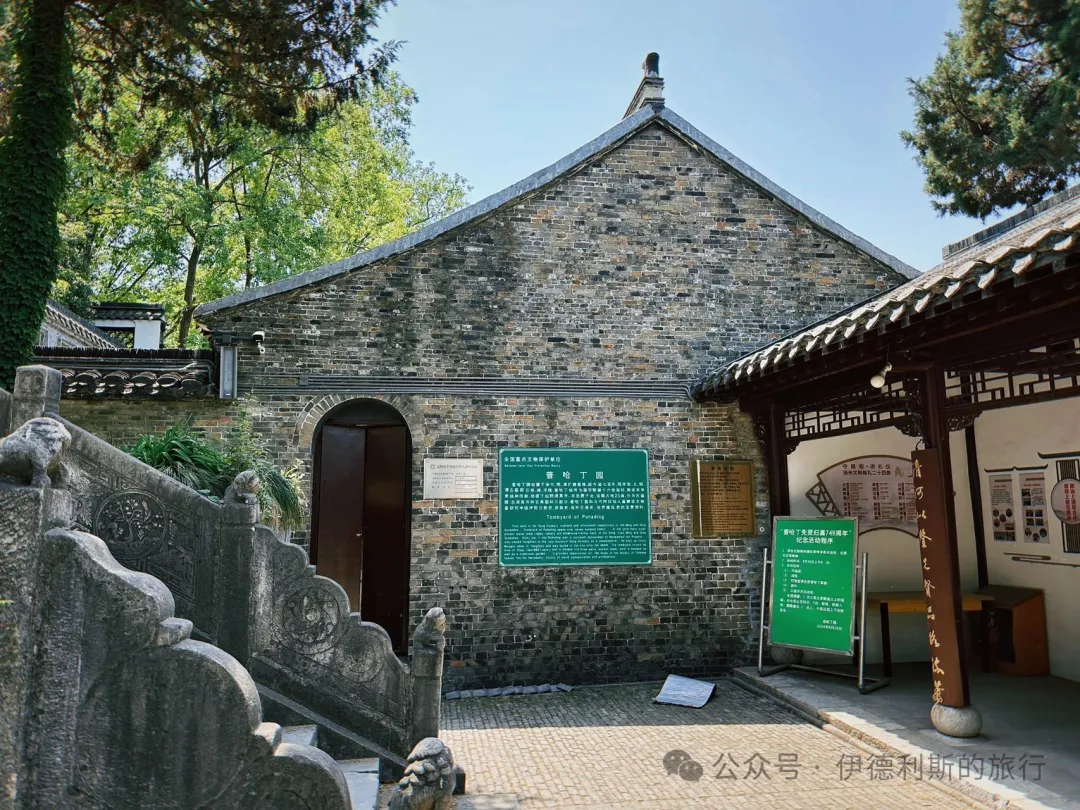
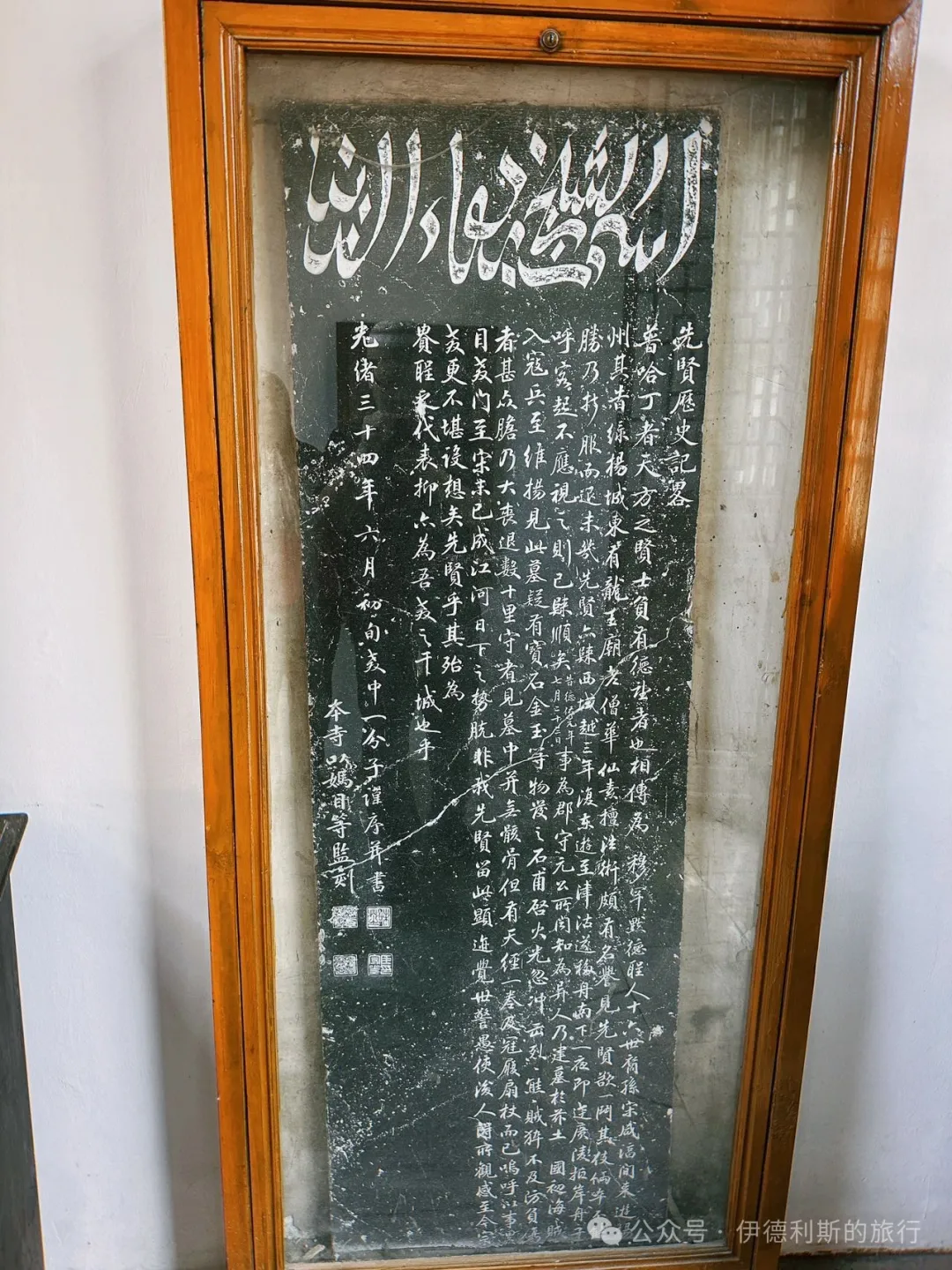
Inside the north gatehouse of the Puhading Cemetery, there is a stone tablet from 1908 (the 34th year of the Guangxu reign) titled 'Record of the Tomb of the Sage from the Western Regions, Puhading.' Besides recording his birth and death, it tells legendary stories that the local community calls 'karamat' (miracles). The inscription records that an old monk from the Dragon King Temple tried to compete with Puhading in spiritual power, but he could not win and eventually submitted. It also records that in the early Qing Dynasty, thieves tried to dig up Puhading's tomb. After they opened the tomb cover, a fierce fire suddenly erupted and burned many of the thieves. Later, they saw there were no remains in the tomb, only a copy of the Quran (Tianjing), a hat, shoes, a fan, and a staff. The inscription is signed by 'the imam of this mosque and others who oversaw the carving.' The imam of this mosque refers to the leader of Babayao Mosque.
Zhenjiang Shanxiang Mosque
Zhenjiang Shanxiang Mosque is also called the West City Mosque or the Great West Mosque. Its original construction date is unknown. It was expanded during the Kangxi reign, destroyed by the Taiping Rebellion in 1853 (the 3rd year of the Xianfeng reign), and rebuilt in 1873 (the 12th year of the Tongzhi reign). According to the 'History of Islam in Zhenjiang, Jiangsu,' the late Imam Tan Yuanshen, who lived to be over eighty, recalled hearing from his grandfather and the elders that before the Kangxi-era expansion, the West City Mosque was just three thatched huts. At that time, the area was sparsely populated and vast; one could see the Zhenjiang city gate tower to the east and Yuntai Mountain to the west.
After Zhenjiang opened as a treaty port, the area outside the West Gate became a busy commercial district. In 1865, the British established a concession by the river. With the opening of the Shanghai-Nanjing Railway, the area outside the West Gate developed further, and Hui Muslims kept moving there to trade and settle around Shanxiang Mosque.
In 1902 (the 28th year of the Guangxu reign), Zhenjiang Hui Muslims raised funds to expand Shanxiang Mosque, and the current layout dates back to this renovation.
Shanxiang Mosque consists of a small courtyard and a large courtyard. Entering the main gate, you find the first small courtyard. Passing through the front hall leads to the second small courtyard, with a side door on the side and the second gate directly ahead. Passing through the second gate leads to the third small courtyard, and then a corridor leads into the large courtyard, which contains the prayer hall, the south lecture hall, and the opposite hall. This layout of large and small courtyards is very characteristic of the Jianghuai region.
Main gate
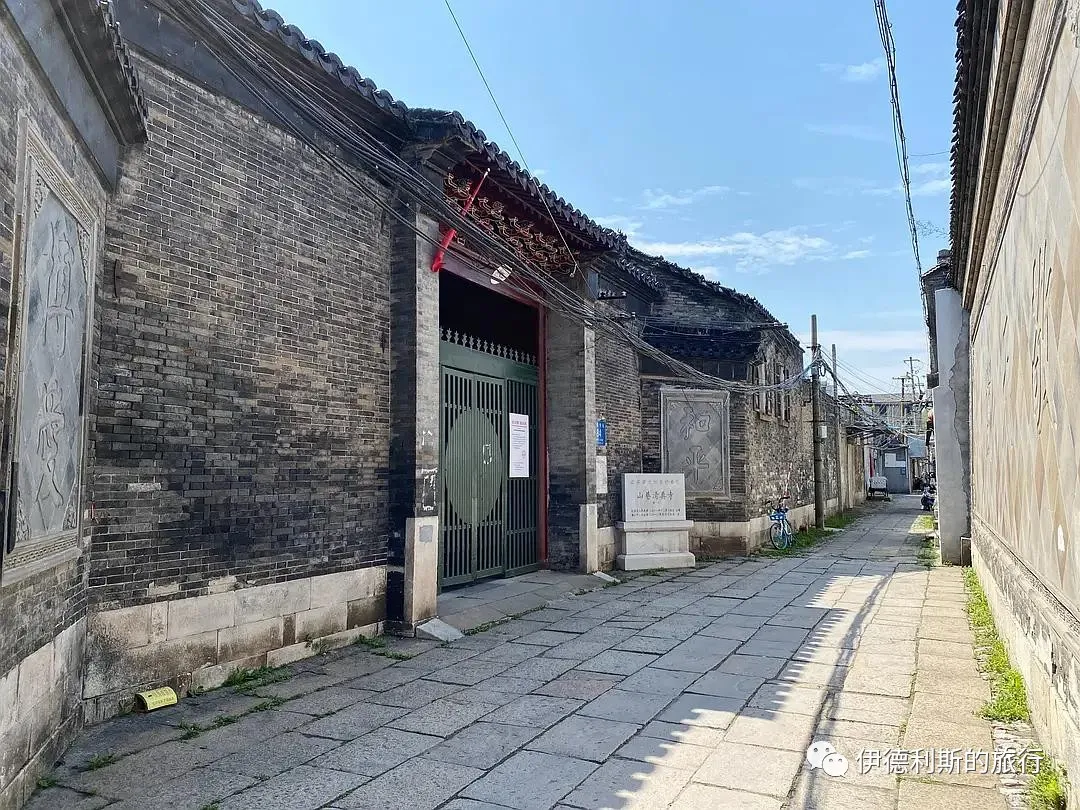
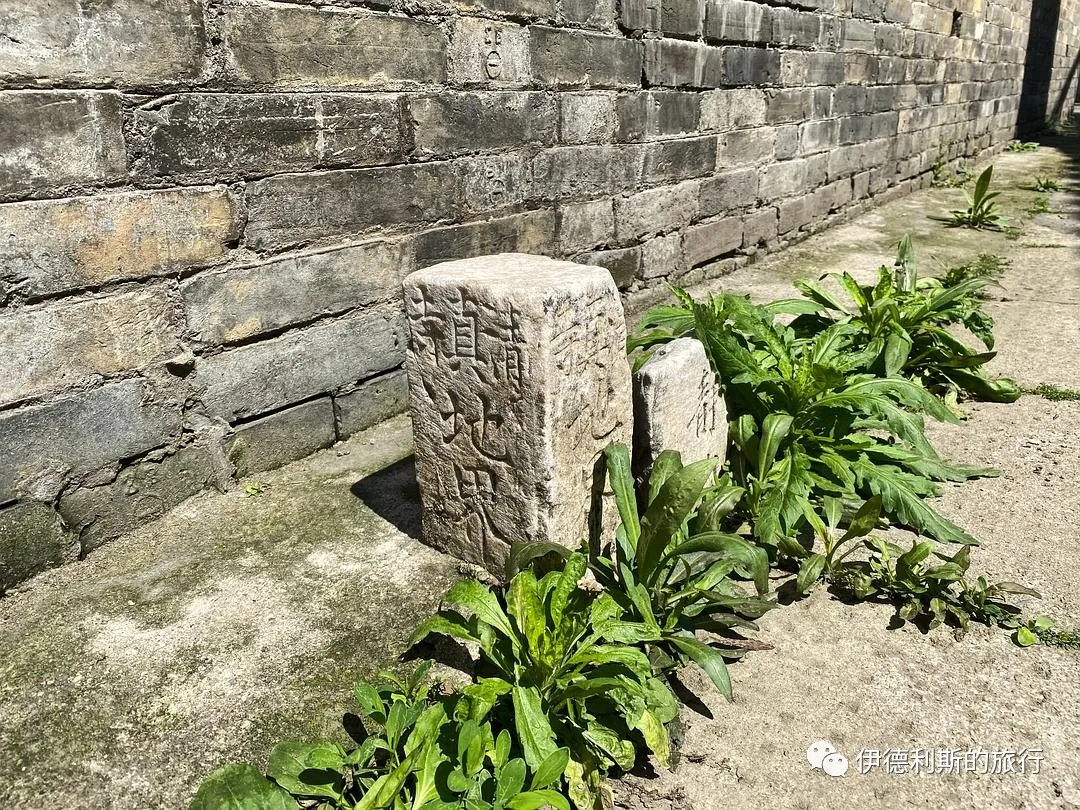
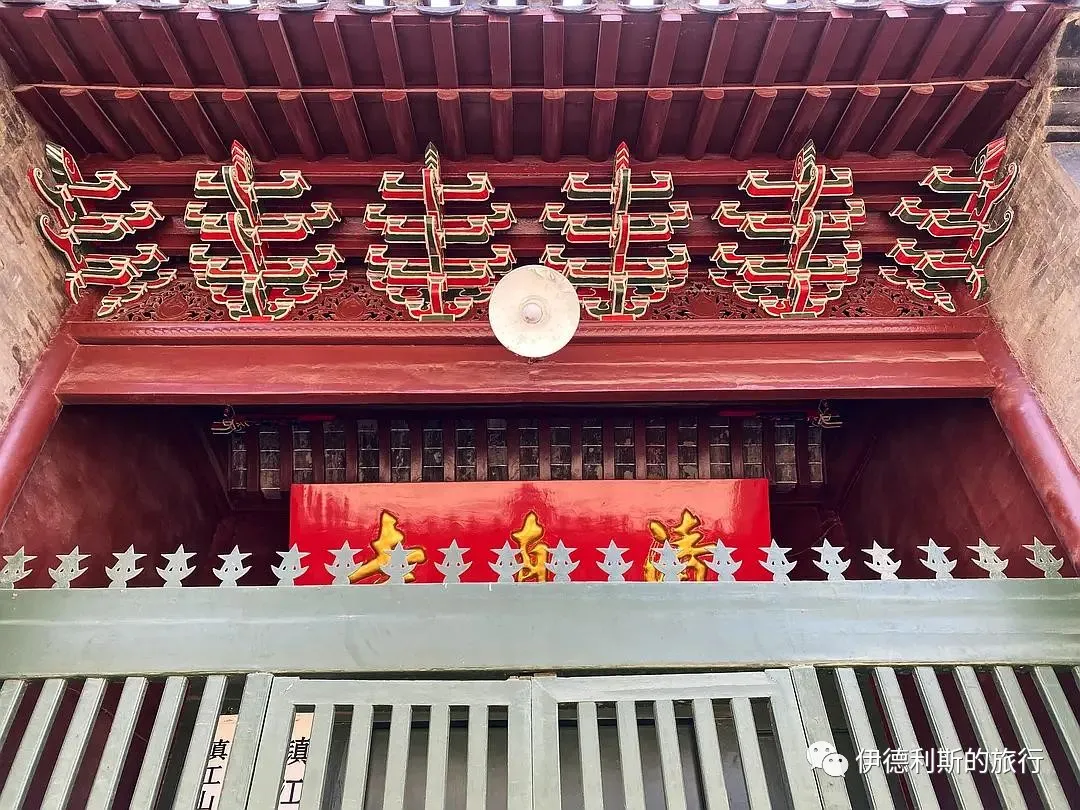
During the War of Resistance, the front hall was used as a classroom for Muyuan Primary School. The plaque above was written by Imam Hua Guilin in 1984, and the couplets were written in 2010 by the famous Beijing Arabic calligrapher Li Wencai.
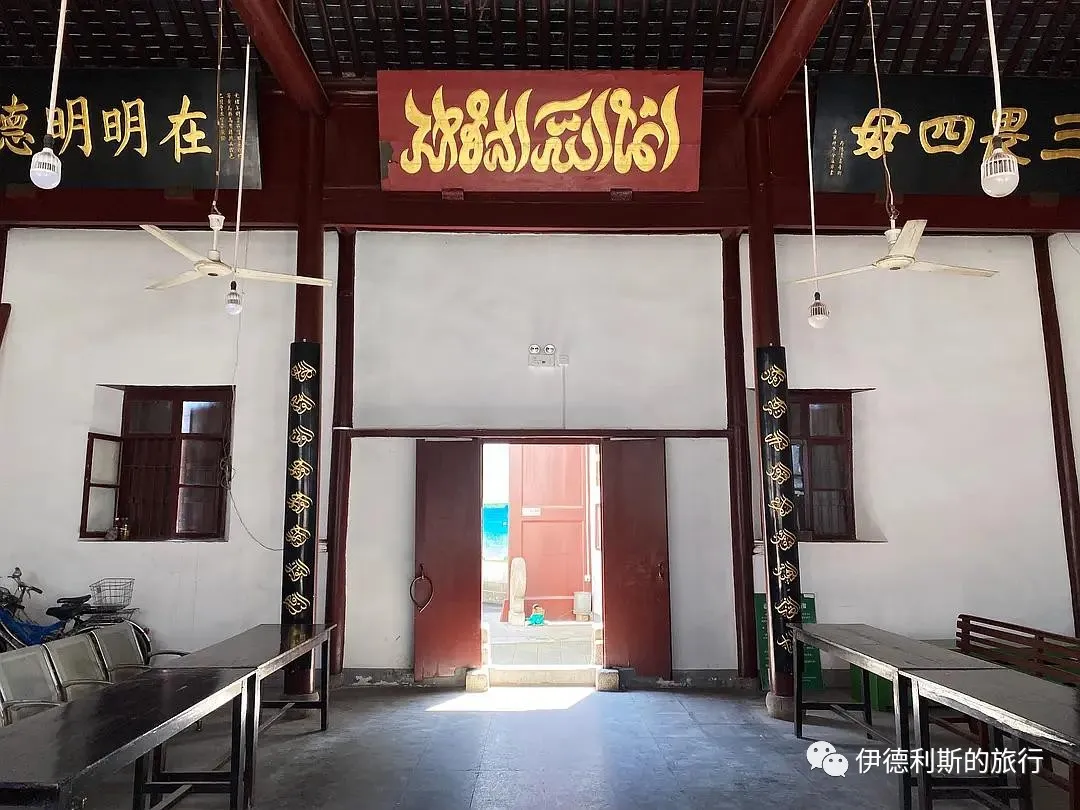
Summary: This second part of the Jiangsu mosque series documents historic mosque communities, old prayer halls, inscriptions, and Hui Muslim settlement history in the province. The article keeps the original dates, place names, architectural terms, community records, and image order intact.
Gaoyou Mosque
I visited Gaoyou Mosque in 2021, only to find out it was only open for Friday prayers (Jumu'ah). This time, I specifically came for Jumu'ah and finally got to enter the mosque.
Gaoyou Mosque was first built during the Qing Dynasty. According to the Records of Gaoyou Prefecture (Qing Qianlong era), the mosque was rebuilt in 1864 (the third year of the Tongzhi reign) by local elders Ma Guixing, Liu Tianxing, and Ma Hongxing. The current gate features a stone plaque inscribed with 'Rebuilt in the middle of winter, the second year of the Qing Tongzhi reign,' along with the title 'Respectfully repaired by the Gaoyou Prefecture office.'
Gaoyou Mosque consists of a gate and a main prayer hall, forming an elegant and beautiful traditional Jianghuai-style courtyard. Inside, there is a 175-year-old boxwood (guazi huangyang) tree, a 225-year-old Chinese juniper (yuanbai) tree, and an ancient Qing Dynasty well.
The main prayer hall at Gaoyou Mosque is quite small, and its prayer niche (mihrab) follows the traditional Jiangsu style. The congregation for Jumu'ah is mostly made up of Northwest Chinese Muslims who run local hand-pulled noodle (lamian) shops. This is the current situation for many mosques in the southeastern region.
Lingtang Mosque
By the end of the Yuan Dynasty, Lingtang already had a mosque in 'Huihui Bay' by Gaoyou Lake, but it was later destroyed by floods. In the mid-Ming Dynasty, it moved to Yangdazhuang, then to its current location in the early Qing Dynasty. It was rebuilt in 1844 (the 24th year of the Qing Daoguang reign), expanded again in 1921, and completed in 1924.
The golden osmanthus (jingui) tree next to the prayer hall was planted when local elder Xue Yukuan and his wife, Mrs. Xue Yang, had an imam perform their marriage ceremony (nikah). It is now over 130 years old.
The exhibition hall at Yangzhou Lingtang Mosque displays a water kettle (tangping hu) gifted by the Jizhaoying Mosque in Nanjing during the Qing Dynasty, as well as Republic-era water kettles, a bronze Xuande incense burner, blue-and-white porcelain incense burners, and the boiler (guozhengzi) and bucket used in the mosque's 1950s washroom. The boiler was used to heat water, and the bucket had a hole at the bottom; pulling out the wooden plug allowed for a shower.
The mosque is also a heritage site for the Yangzhou intangible cultural heritage known as 'Lingtang Hui Muslim Customs.'
Shaobo Mosque
Traveling north from Yangzhou city along the Grand Canal, the first place you reach is the ancient town of Shaobo. Historically, Shaobo was a bustling canal trading port and a key route connecting Yangzhou and Gaoyou. The ancient town still preserves a three-mile-long stone path and over 20 ancient houses from the Ming and Qing dynasties.
Shaobo Mosque is said to have been built by Hui Muslims from Shandong during the Xianfeng reign. The gate and main hall still stand, and it is a protected cultural site in the Jiangdu District of Yangzhou. The mosque was once used as a residence and is currently abandoned.
The gate still has its original plaque and drum-shaped stone bases. The main hall is a hard-gable style building with blue bricks and dark tiles, typical of Jianghuai architecture.
Yangzhou Shaobo Mosque is three bays wide and seven purlins deep. The gable walls feature brick wind-bracing, the ridge purlin is supported by a dougong bracket system, and the columns rest on ancient mirror-style bases with carved patterns. Besides the main hall, Shaobo Mosque once had other buildings, but now only stone remains like column bases are left.
Xianhe Mosque
Xianhe Mosque is located on Nanmen Street in Yangzhou. It was founded in 1275 (the 12th year of the Yuan Zhiyuan reign) by the Western Region sage Puhading before he passed away. It was rebuilt in 1390 (the 23rd year of the Ming Hongwu reign) by Ha San, renovated in 1523 (the third year of the Jiajing reign) by merchant Ma Zongdao and the imam Ha Ming, and repaired again in 1791 (the 56th year of the Qianlong reign).
The gatehouse has a single-eave, ridge-roofed, hard-mountain style roof, with some wooden parts dating back to the Ming Dynasty. The Ming Dynasty drum-shaped stone bases in front of the gate are very exquisite and rare among mosques in China.
The Xianhe Mosque layout uses small courtyards instead of the traditional four-sided courtyard style common in northern mosques. Xianhe Mosque divides the lecture hall, main prayer hall, and gate into three separate small courtyards, and the addition of a moon-viewing pavilion (wangyue ting) and covered walkways outside the south wall of the main hall gives the mosque a garden-like atmosphere.
Inside Xianhe Mosque stands a 745-year-old ginkgo tree, the oldest surviving ginkgo in Yangzhou.
Majianxiang Mosque
Majianxiang Mosque is located on Majianxiang Street near Yangzhou's East Gate. According to the Hui Muslims' Gu Family Genealogy, it was built in 1714 (the 53rd year of the Kangxi reign) by Gu Yuanbing, a 24th-generation descendant of Pu-ha-ding.
Majianxiang Mosque originally had dozens of rooms, including a gate hall, memorial archway, main prayer hall, reception hall, water room (shuifang), side rooms, and dormitories. Today, only the main prayer hall, a reception hall, and the water room remain. In the early years of the Republic of China, the mosque housed the second Yangzhou branch of the Beijing-based Zhenzong Newspaper and a religious book and newspaper room.
In 1932, Liu Binru, a famous Yangzhou imam and one of the founders of the China Islamic Association, along with Hua Ruzhou, then a director of the Jiangdu County Hui Muslim Association, established the China Islamic Scripture Translation Institute here to translate religious texts. Liu Binru, who was fluent in Arabic and Persian, was responsible for translating the Arabic originals, while Hua Ruzhou translated summaries from the English version by the Indian Islamic scholar Muhammad Ali, which were attached before each section of the scripture. On January 1, 1935, the Chinese Translation of the Quran with Ali's Summaries was officially published with an initial print run of 2,000 copies, sold by major bookstores across the country.
In 1933, the Yangzhou Islamic Association founded the Hui Muslim Cultural Institute at Majianxiang Mosque, led by Liu Binru. to teaching Arabic, the institute offered Chinese, English, and arithmetic, equivalent to upper elementary to junior high school levels, using a classroom-based teaching method instead of the traditional individual scripture hall instruction. Teachers included the Arabic-proficient Majianxiang imam Hua Jinhou, imam Ruan Dechang, imam Lan Baohua of the Huihui Tang Mosque outside the East Gate, and Liu Binru. They also hired Hui Muslim Association members Shen Junchen and Zhang Shaozhe to teach Chinese and arithmetic, and Hua Ruzhou to teach English.
Between 1934 and 1935, the missionary Claude L. Pickens visited Majianxiang Mosque and saw the reading room inside, which contained many books and magazines. He photographed the Gu Gong Memorial Stele erected in 1931. The inscription records the life of the mosque director Gu Sisu, who served for 11 years, repaired the water room and market shops, and built a new greenhouse, making great contributions to the mosque. He passed away in 1930, before the age of 40.
In 1958, Majianxiang Mosque was converted into a factory workshop and occupied by a craft sign factory, a sack factory, and a brush factory. The property was not recovered until 1997, and it was listed as a municipal cultural relic protection unit in 2008; it is currently used as a residence.
Huihui Tang Mosque
Legend says Pu-ha-ding was a 16th-generation descendant of the Prophet. He came to Yangzhou during the Xianchun period of the Song Dynasty (1265-1274) and died in Yangzhou in 1275 (the 12th year of the Yuan Zhiyuan reign). He was buried on a high ridge east of the East Gate River in the New City, a place later called Huihui Tang (commonly known as Baba Tomb).
According to oral traditions from local Yangzhou imams, as told by imam Lan Baohua of Huihui Tang on July 17, 1947, Pu-ha-ding was born in 1204 (the 4th year of the Song Jiatai reign) into an aristocratic Arab merchant family and was the 16th-generation descendant of the Prophet. Pu-ha-ding was highly learned and well-versed in scripture and law. At age 57, following the saying 'Seek knowledge even if it is in China,' he spent four years preparing and, at age 61, led a team of 17 people across the Arabian Sea to China.
Pu-ha-ding arrived in Yangzhou in 1265 (the 1st year of the Song Xianchun reign). During his 10 years in Yangzhou, he presided over the founding of Xianhe Mosque, expanded the ancient mosque outside the South Gate, and rebuilt the Nanchao Guan Mosque. He died on a boat in 1275 (the 12th year of the Yuan Zhiyuan reign) while returning from a lecture, at the age of 71. Guangling Governor Yuan Guang'en buried him on a high ridge on the east bank of the Grand Canal, east of Yangzhou city.
The mosque southwest of the Puhading Cemetery is called Huihui Tang Mosque or Babayao Mosque. It was one of the six traditional Hui Muslim neighborhoods in Yangzhou during the Qing Dynasty and is the only one remaining outside the city walls. The current Babayao Mosque was rebuilt in 1776 (the 41st year of the Qianlong reign) and renovated in 1845 (the 25th year of the Daoguang reign), featuring the traditional architectural style typical of the Huaiyang region.
The main gate of Babayao Mosque is on the southwest side of the Puhading Cemetery. The stone plaque above the gate was installed during the Qianlong reign, and the rectangular stone door pillows have a very elegant design.
The main prayer hall is north of the main gate, right next to the stone-paved road of the Grand Canal, and features upturned eaves. The interior has a hard-mountain roof, floor-to-ceiling slatted partition doors, and a traditional timber-frame structure.
Inside the north gatehouse of the Puhading Cemetery, there is a stone tablet from 1908 (the 34th year of the Guangxu reign) titled 'Record of the Tomb of the Sage from the Western Regions, Puhading.' Besides recording his birth and death, it tells legendary stories that the local community calls 'karamat' (miracles). The inscription records that an old monk from the Dragon King Temple tried to compete with Puhading in spiritual power, but he could not win and eventually submitted. It also records that in the early Qing Dynasty, thieves tried to dig up Puhading's tomb. After they opened the tomb cover, a fierce fire suddenly erupted and burned many of the thieves. Later, they saw there were no remains in the tomb, only a copy of the Quran (Tianjing), a hat, shoes, a fan, and a staff. The inscription is signed by 'the imam of this mosque and others who oversaw the carving.' The imam of this mosque refers to the leader of Babayao Mosque.
Zhenjiang Shanxiang Mosque
Zhenjiang Shanxiang Mosque is also called the West City Mosque or the Great West Mosque. Its original construction date is unknown. It was expanded during the Kangxi reign, destroyed by the Taiping Rebellion in 1853 (the 3rd year of the Xianfeng reign), and rebuilt in 1873 (the 12th year of the Tongzhi reign). According to the 'History of Islam in Zhenjiang, Jiangsu,' the late Imam Tan Yuanshen, who lived to be over eighty, recalled hearing from his grandfather and the elders that before the Kangxi-era expansion, the West City Mosque was just three thatched huts. At that time, the area was sparsely populated and vast; one could see the Zhenjiang city gate tower to the east and Yuntai Mountain to the west.
After Zhenjiang opened as a treaty port, the area outside the West Gate became a busy commercial district. In 1865, the British established a concession by the river. With the opening of the Shanghai-Nanjing Railway, the area outside the West Gate developed further, and Hui Muslims kept moving there to trade and settle around Shanxiang Mosque.
In 1902 (the 28th year of the Guangxu reign), Zhenjiang Hui Muslims raised funds to expand Shanxiang Mosque, and the current layout dates back to this renovation.
Shanxiang Mosque consists of a small courtyard and a large courtyard. Entering the main gate, you find the first small courtyard. Passing through the front hall leads to the second small courtyard, with a side door on the side and the second gate directly ahead. Passing through the second gate leads to the third small courtyard, and then a corridor leads into the large courtyard, which contains the prayer hall, the south lecture hall, and the opposite hall. This layout of large and small courtyards is very characteristic of the Jianghuai region.
Main gate
During the War of Resistance, the front hall was used as a classroom for Muyuan Primary School. The plaque above was written by Imam Hua Guilin in 1984, and the couplets were written in 2010 by the famous Beijing Arabic calligrapher Li Wencai.
