
Halal Travel Guide: Jiangsu - 25 Historic Mosques, Part 3
Reposted from the web
Summary: This third part of the Jiangsu mosque series continues through historic Hui Muslim mosque sites, inscriptions, architectural remains, and community stories across the province. It records mosque relocations, preserved prayer halls, Qing and Republic of China era tablets, family histories, and the changing urban settings around these sites.
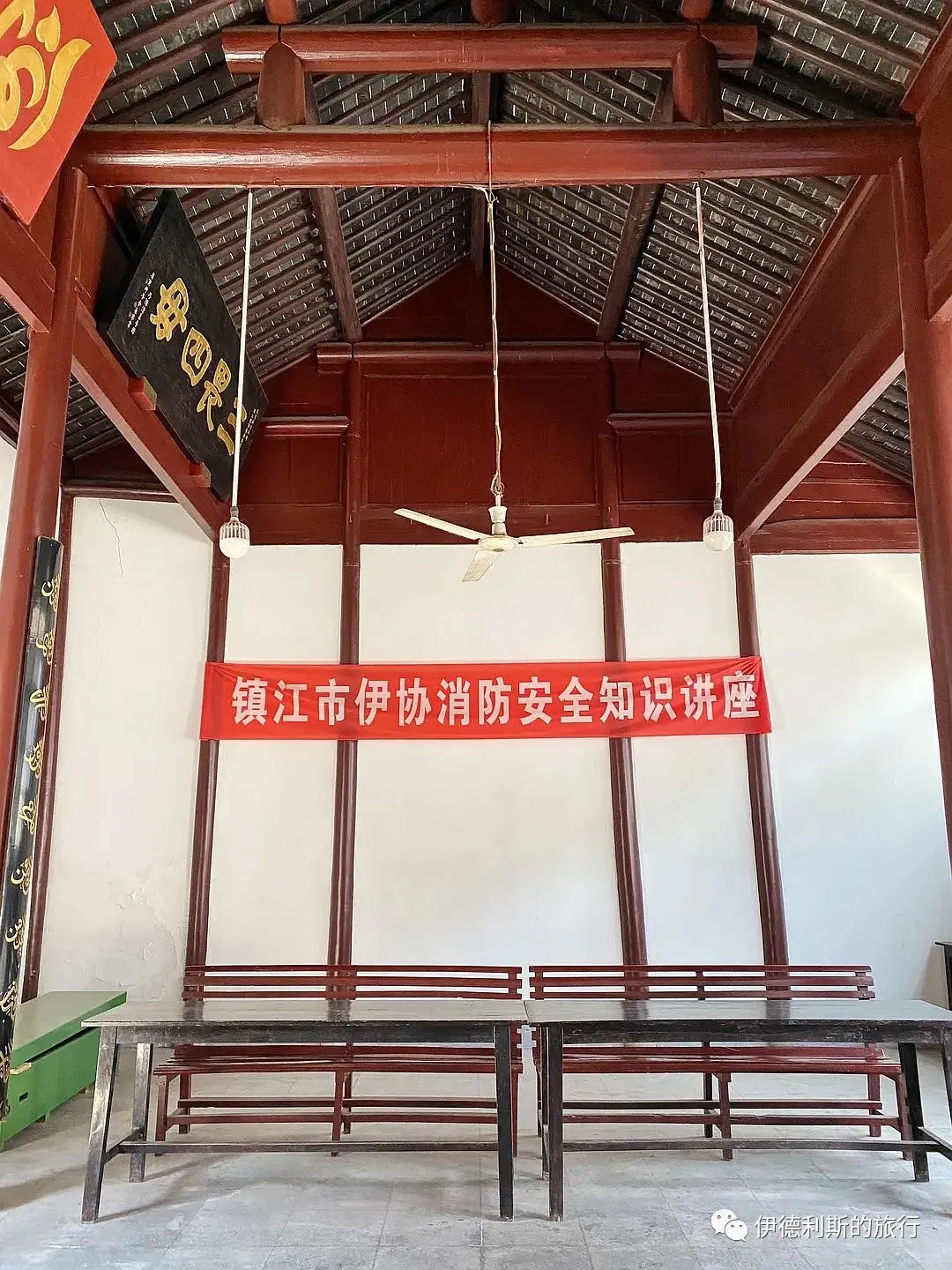
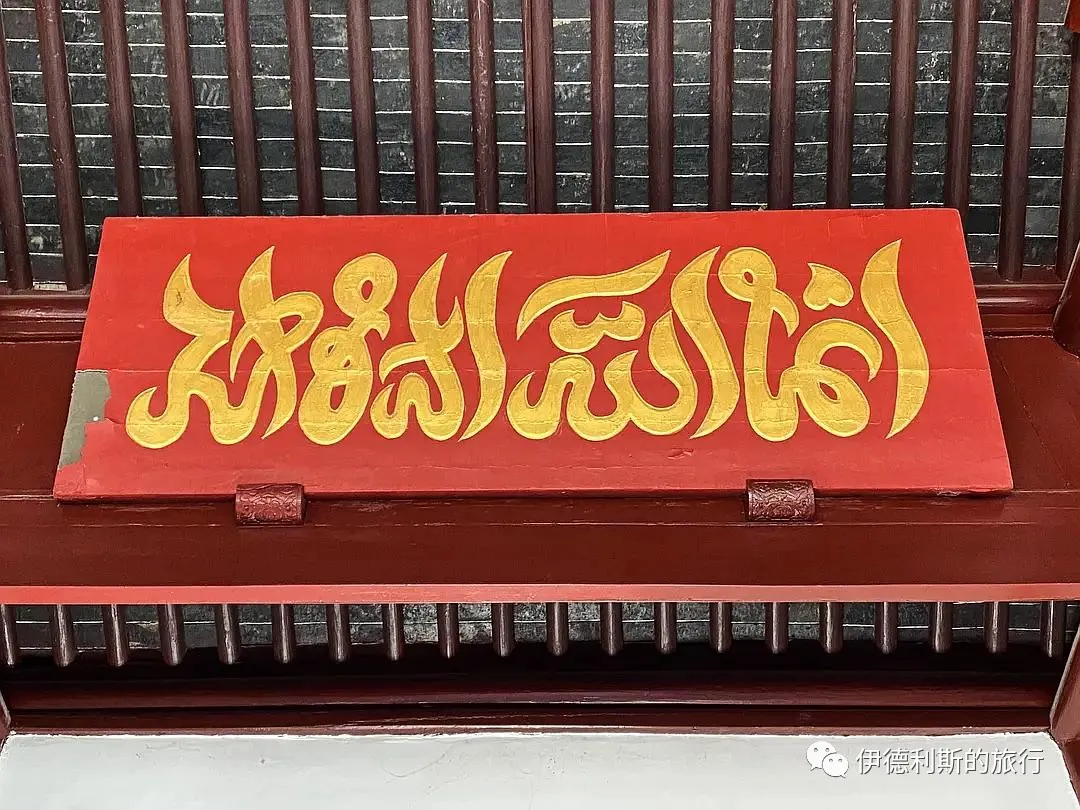
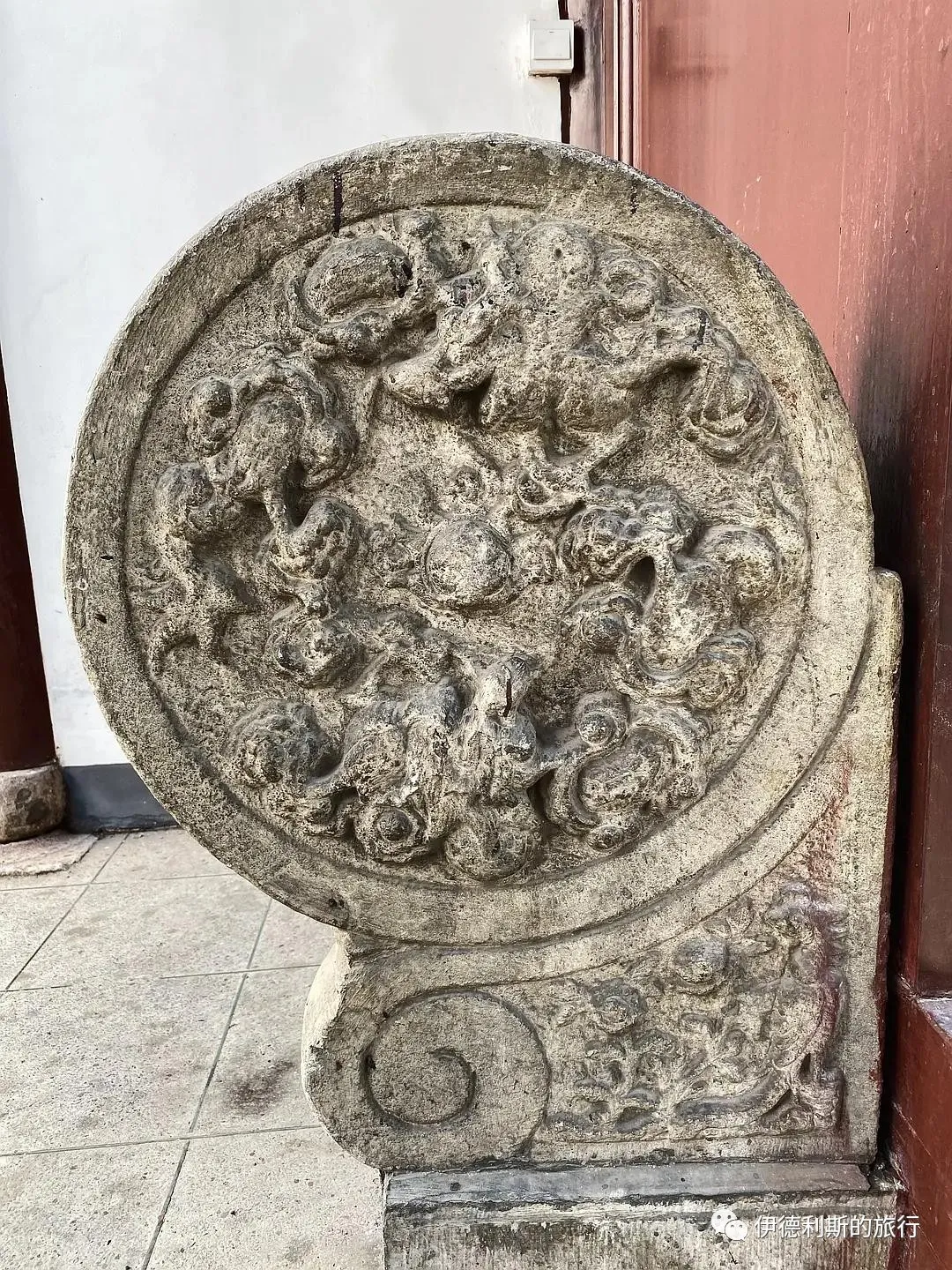
The stone door base outside the front hall.
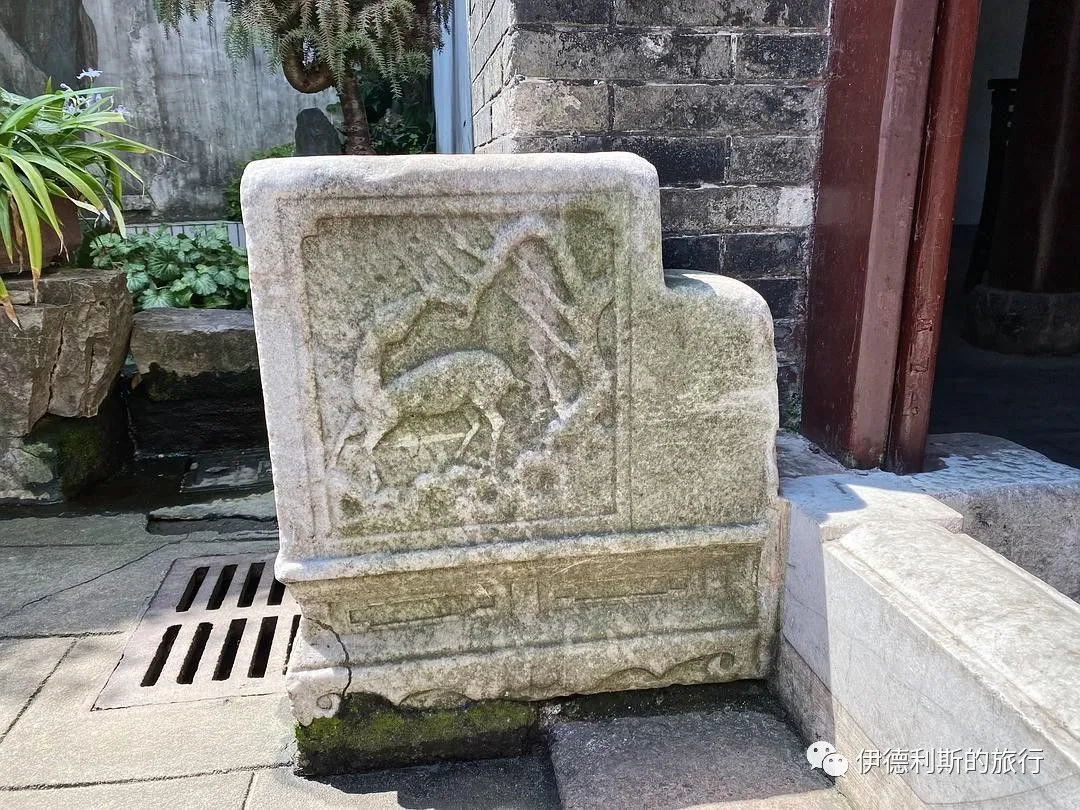
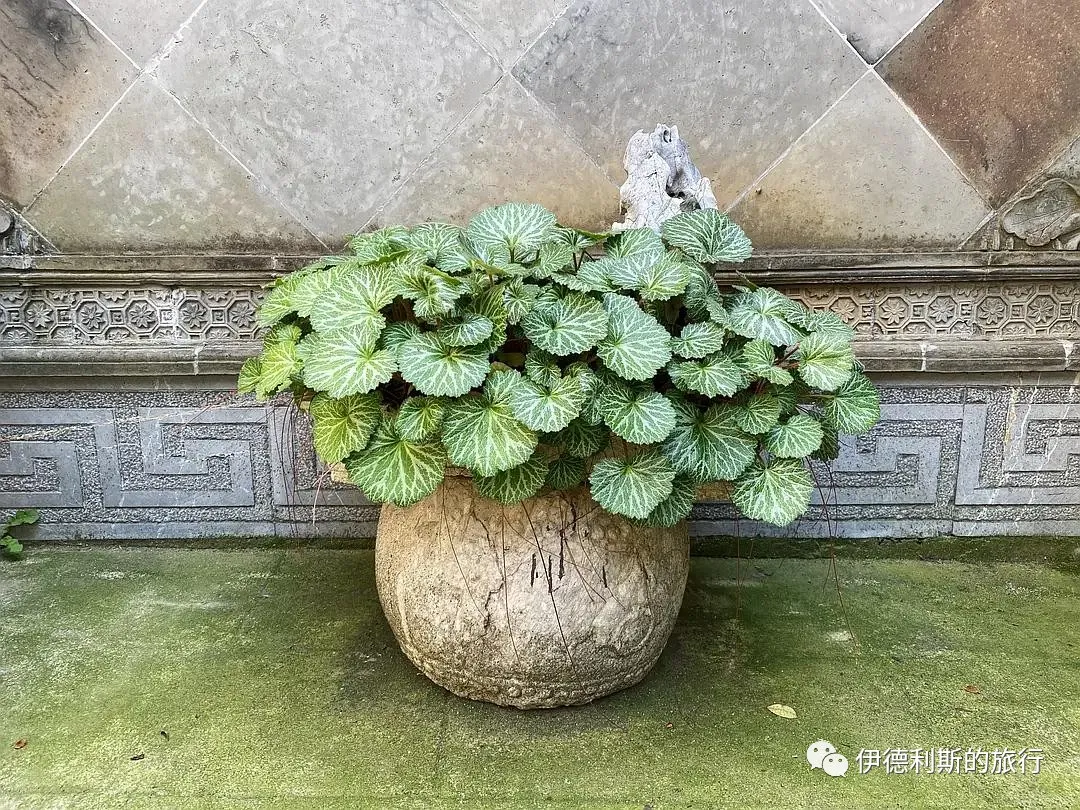
The rockery inside the second small courtyard.
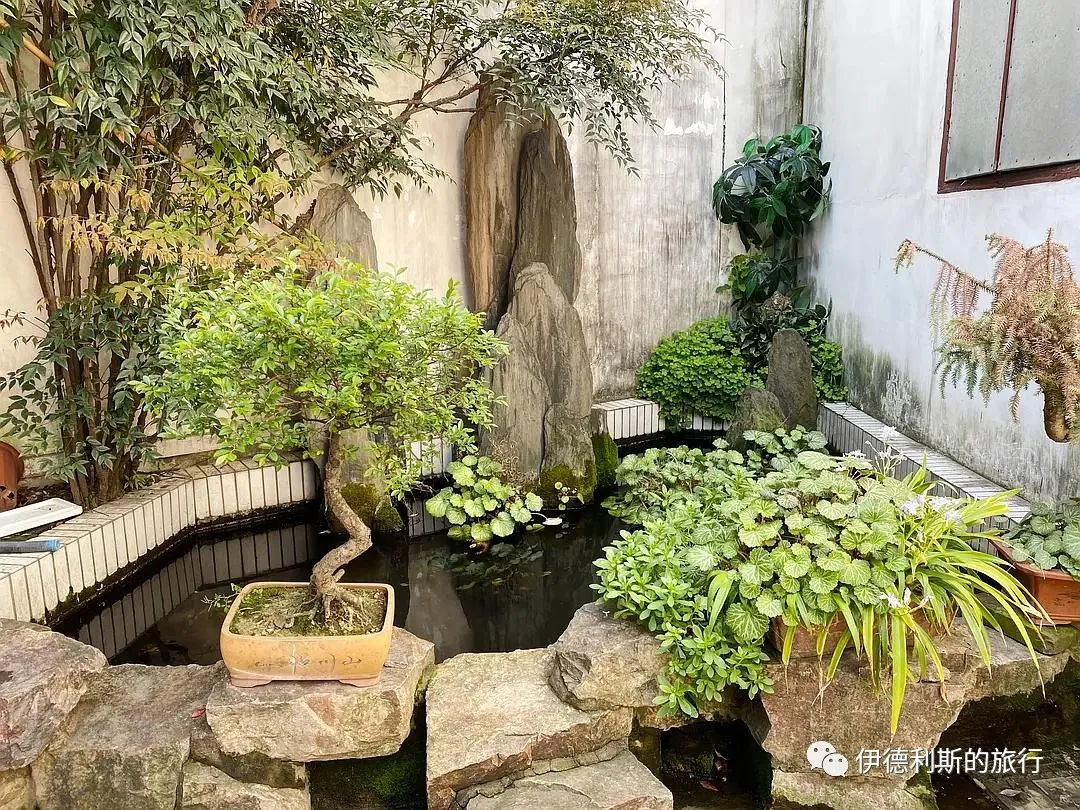
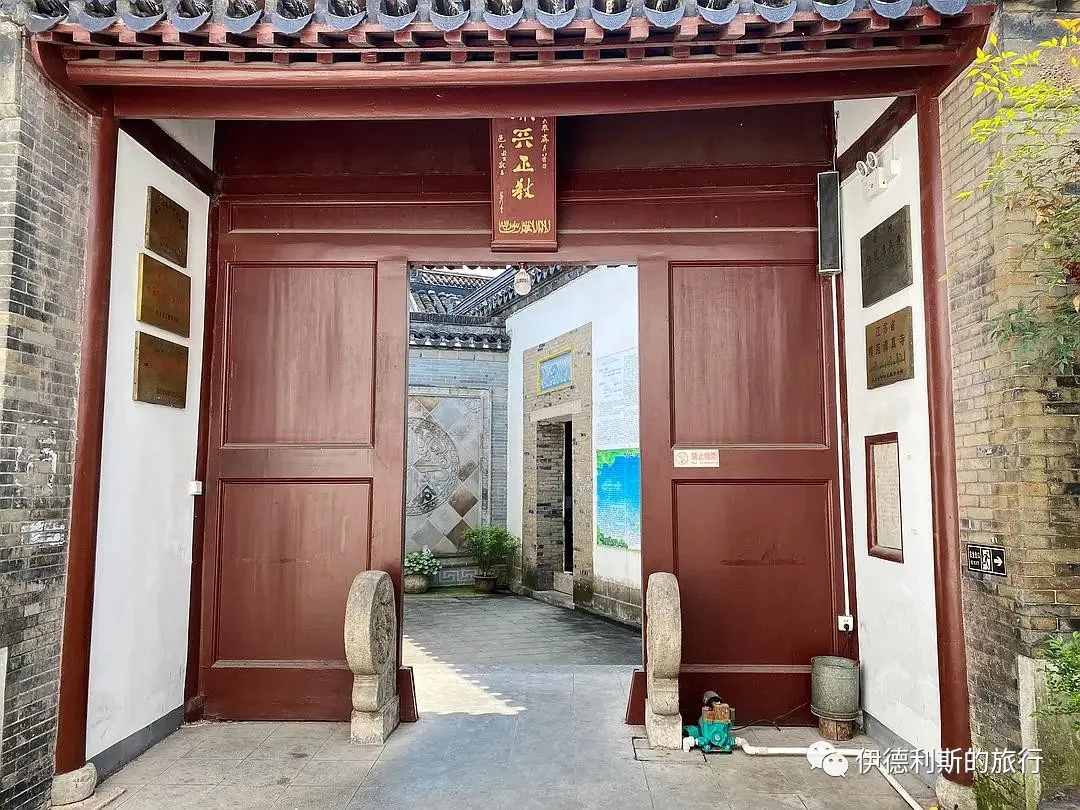
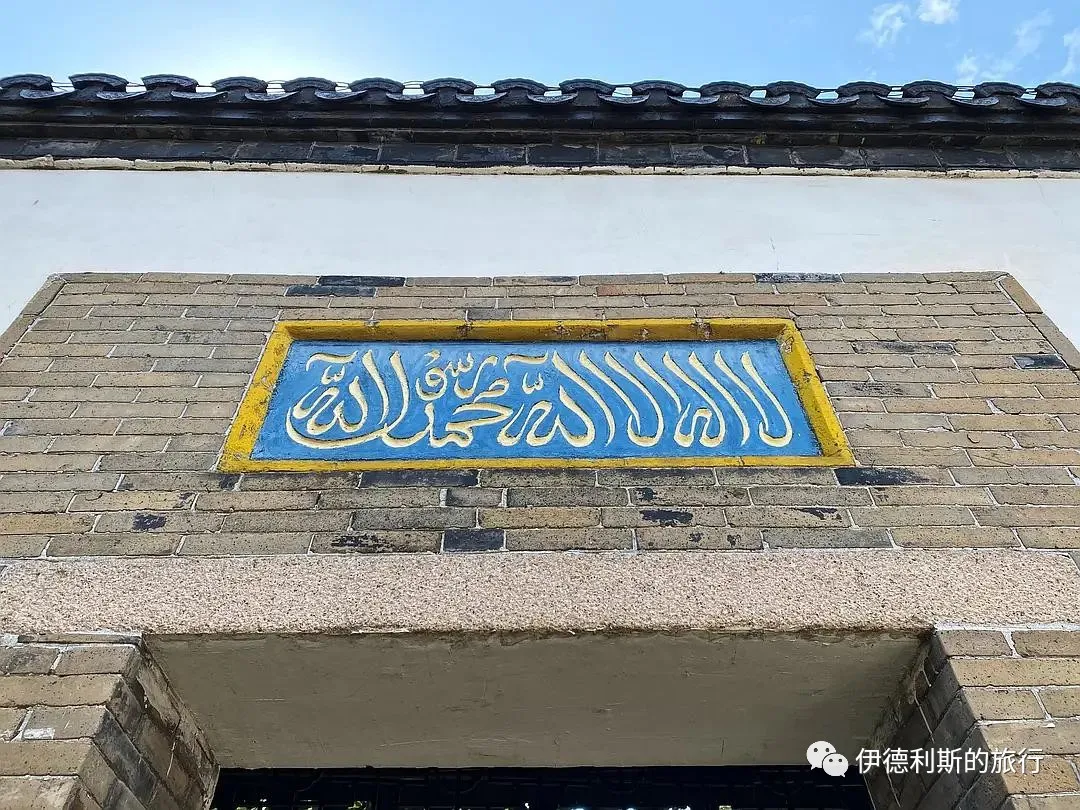
The second gate.
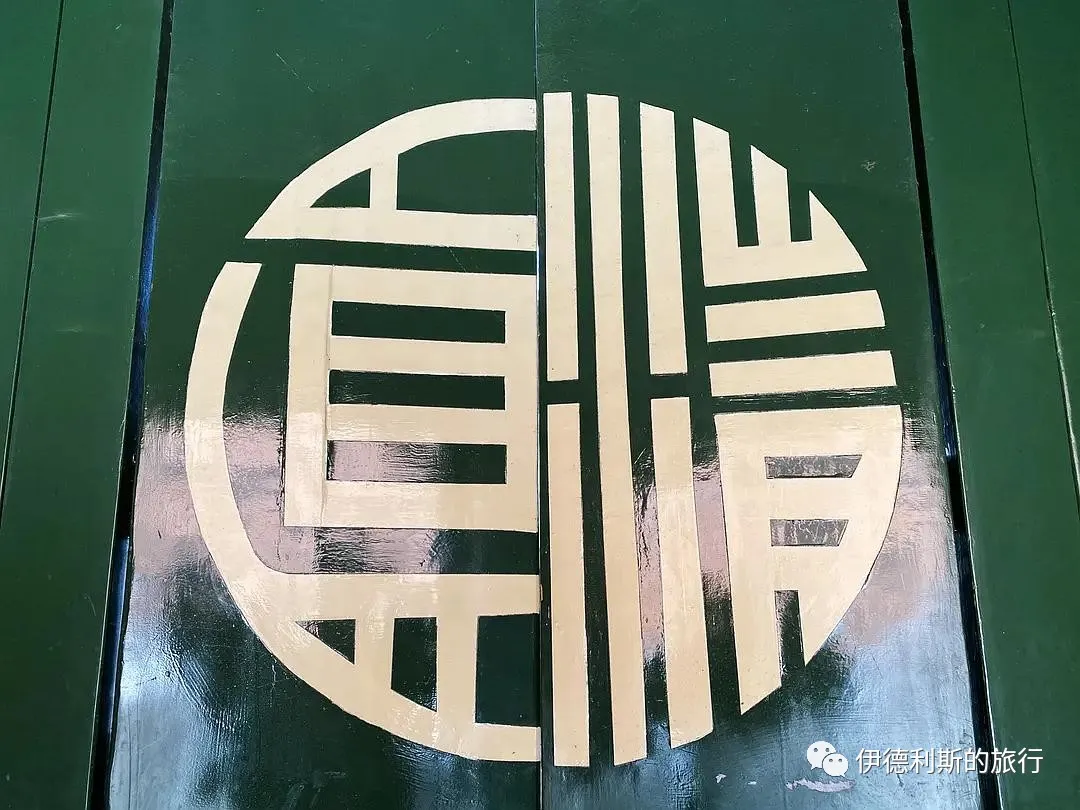
Facing the side gate hall is a green screen door with the circular characters for "halal" written in the center.
After the mosque was smashed and occupied in the 1960s and 1970s, only the side gate hall remained, guarded by an elder named Ma Zhonglin. The occupying unit tried to force Ma Zhonglin out with various excuses, but he refused them all and spent ten difficult years there. During those ten years, all the Hui Muslims in Zhenjiang stored funeral supplies and held funeral preparations in this gate hall. At that time, only elder Ma Zhonglin washed the bodies of the deceased, performed the funeral dua (namaz), and recited dua at the gravesite. He also slaughtered poultry for the village elders in the side gate hall every morning.
In 1981, elder Ma Zhonglin passed away. Afterward, Tan Quanhong and Zhang Dagui took turns slaughtering poultry for the elders in the side gate hall every morning. That same year, the occupying unit began to move out, and the Shanxiang Mosque was finally recovered.
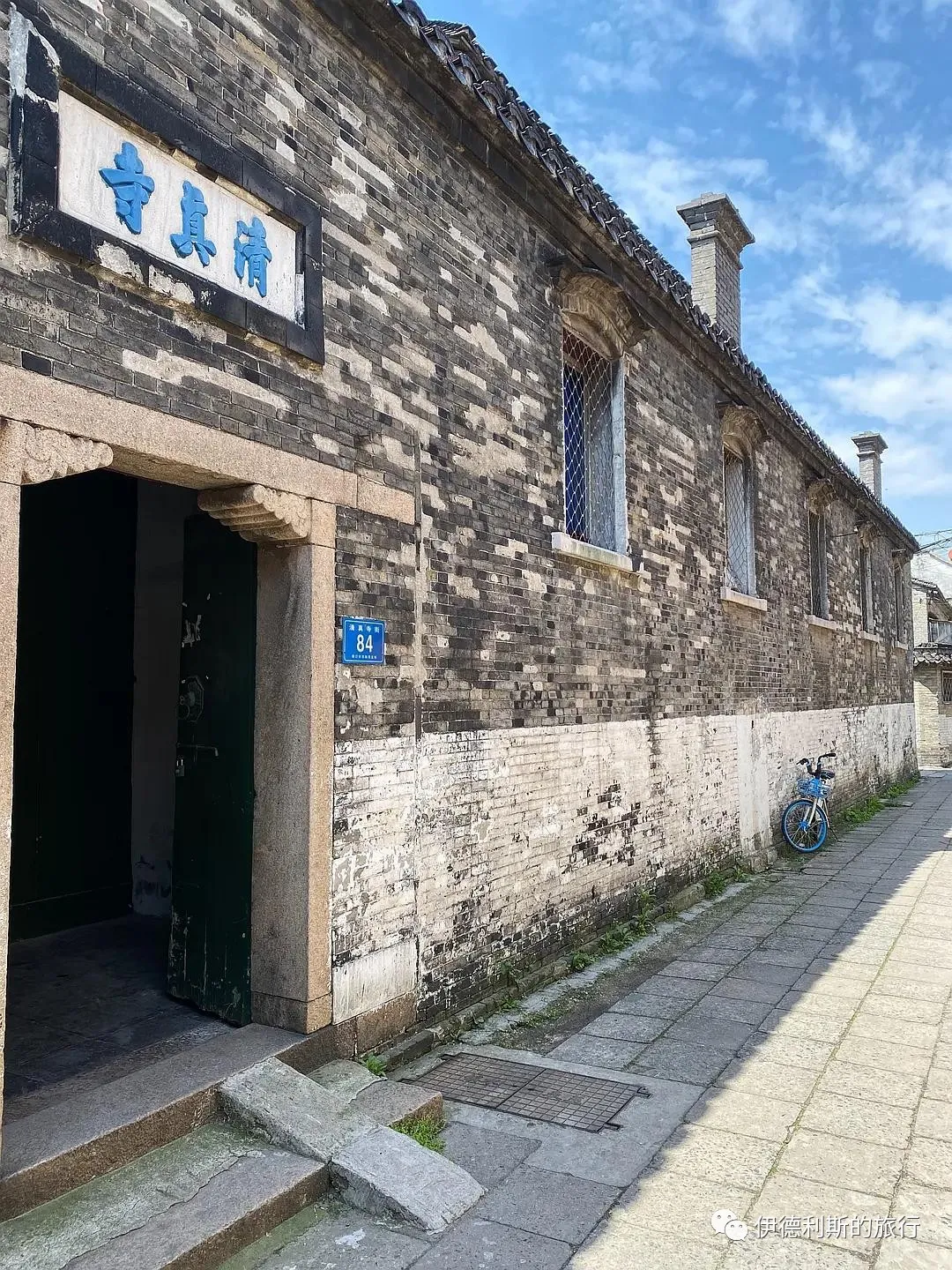
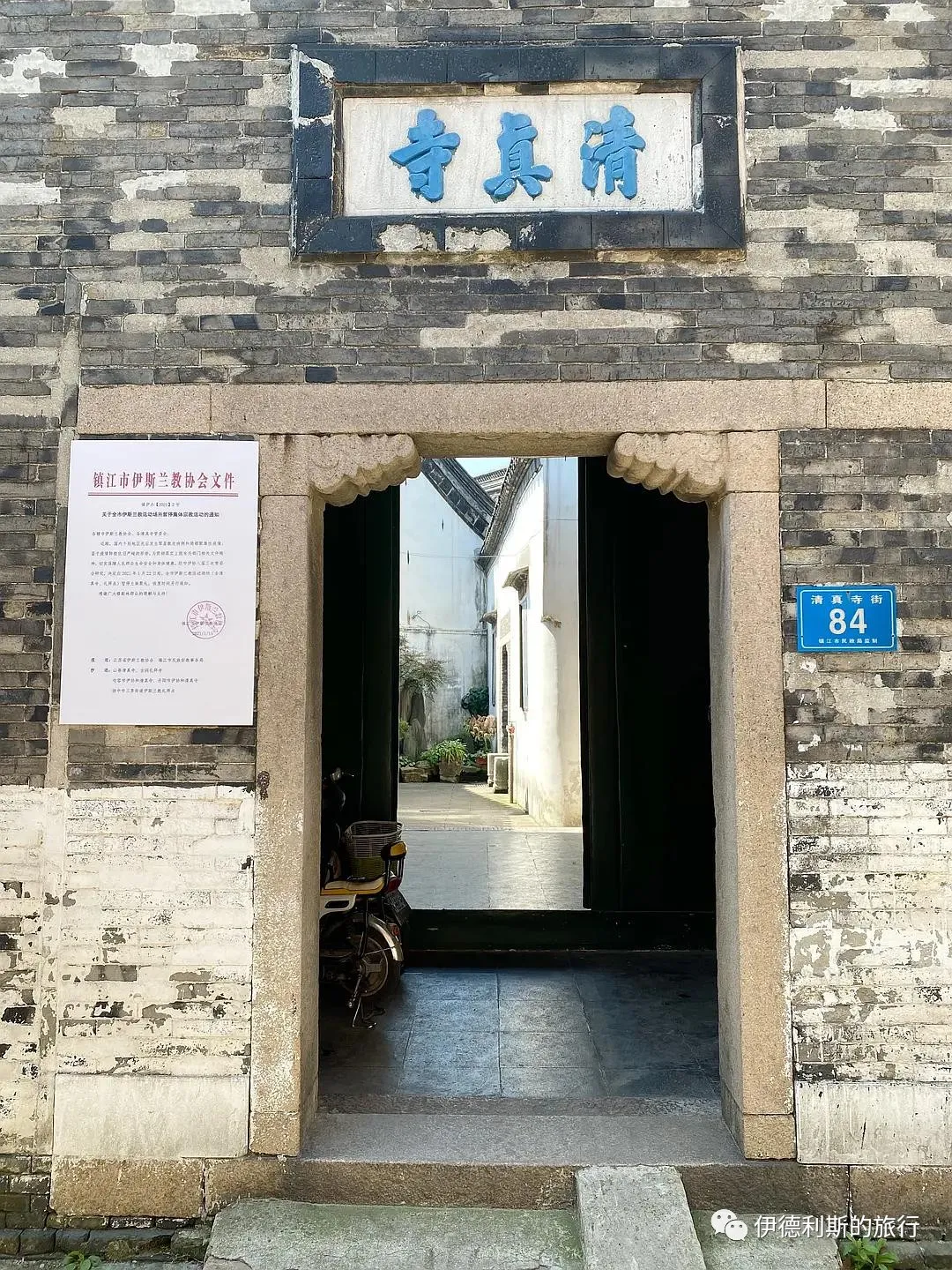
The third small courtyard outside the second gate.
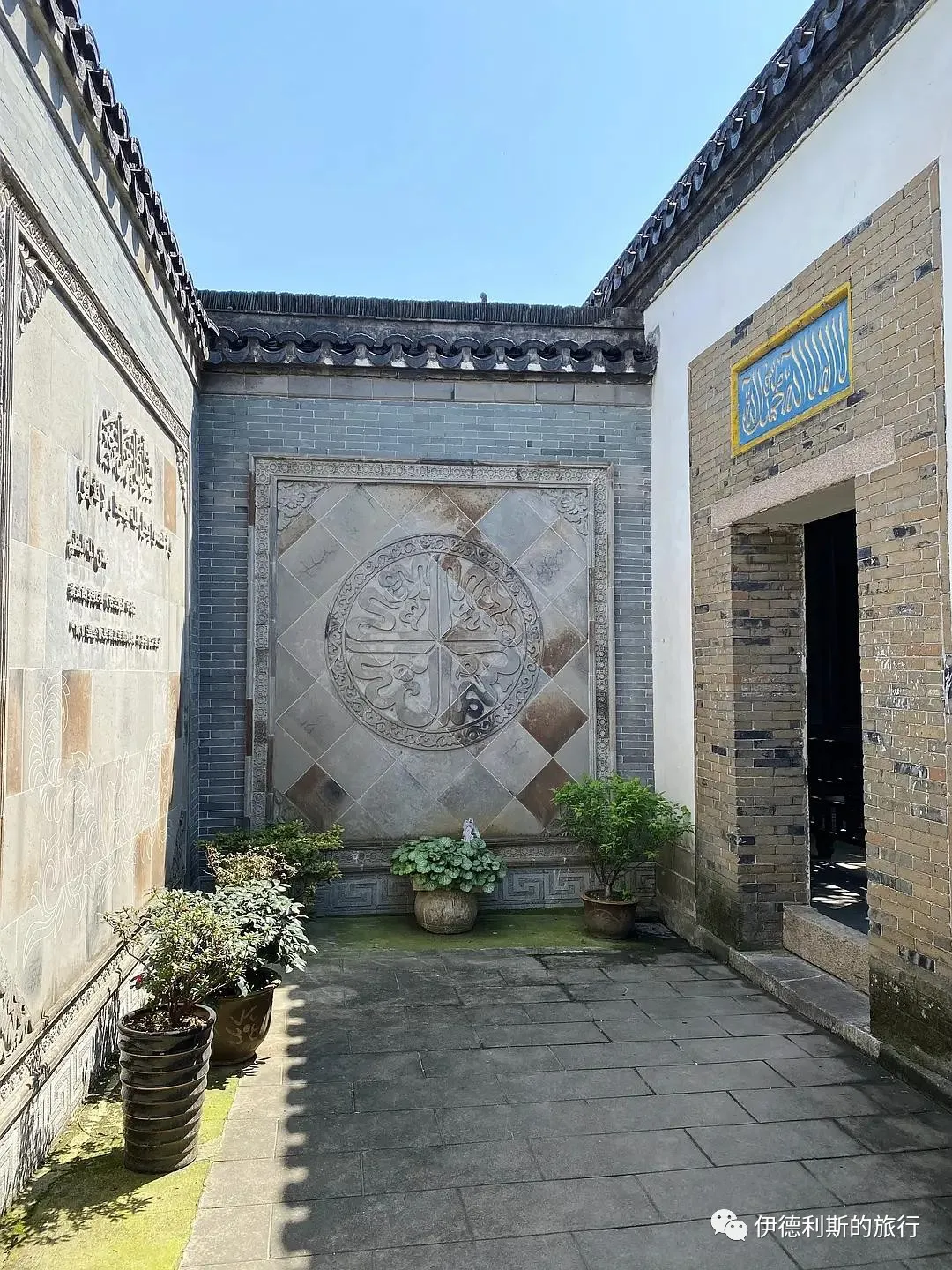
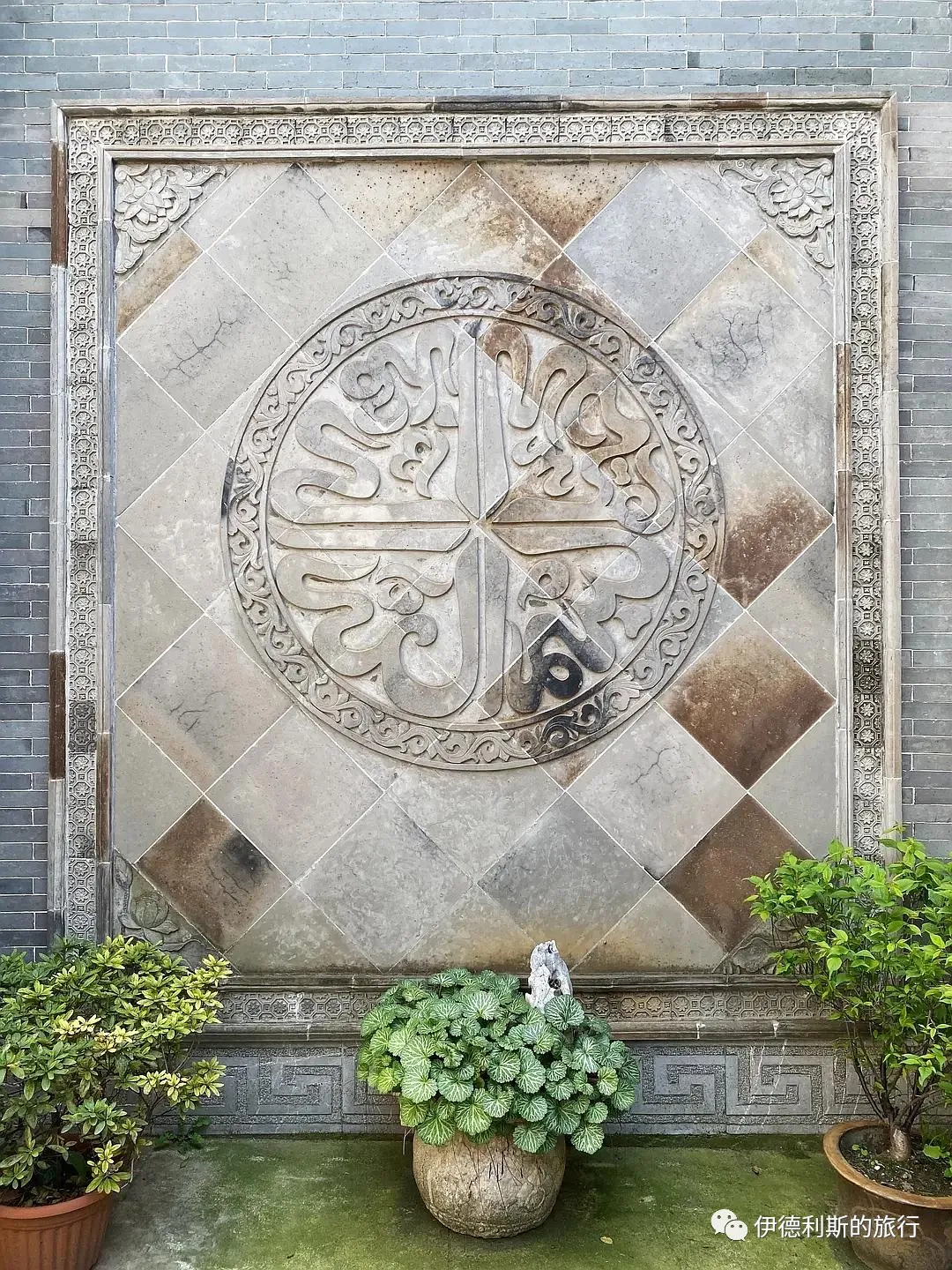
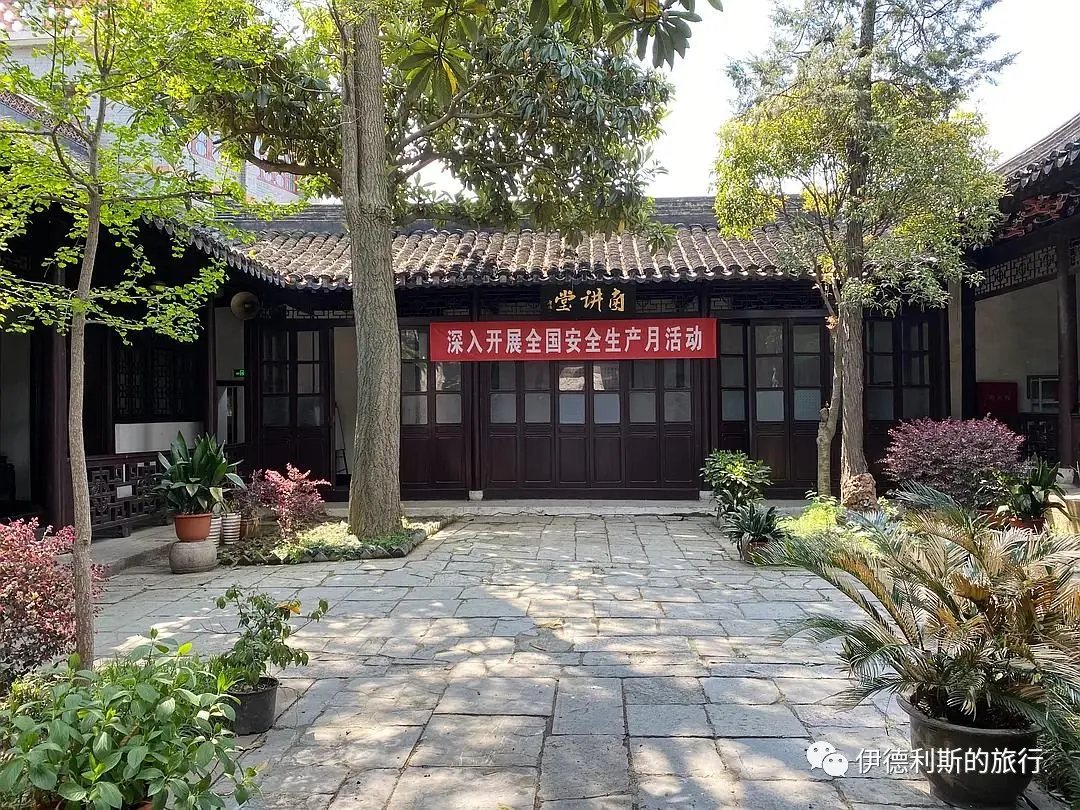
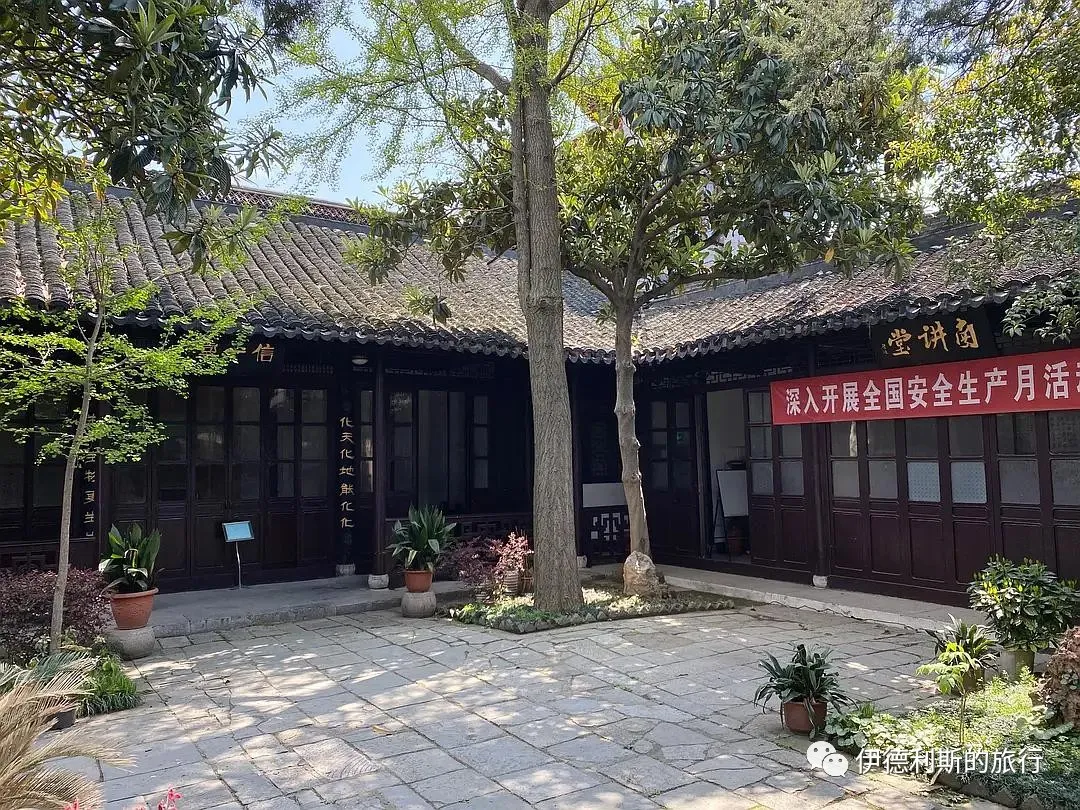
The large courtyard. The courtyard has a cross-shaped path and is planted with pine and ginkgo trees. There were once two ginkgo trees over 200 years old in the courtyard, but they were cut down in 1958 to support the Great Leap Forward steel production.
Shanxiang Mosque was once an important national base for printing and publishing Islamic books. From the Qianlong to the Tongzhi periods of the Qing Dynasty, more than 20 types of philosophical and religious books, including the "Baoming Zhenjing," "Tianfang Dianli," "Guizhen Zongyi," and "Huihui Yuanlai," were woodblock printed in hundreds of editions and shipped across the country by land and water. To this day, the Cultural Palace of Nationalities in Beijing, the Central University for Nationalities Library, and the Peking University Library all hold books printed by the Zhenjiang Shanxiang Mosque.
In the 1960s and 1970s, the Shanxiang Mosque was severely damaged, and none of its scriptures, woodblock plates, plaques, couplets, furniture, decorations, or other cultural relics survived.
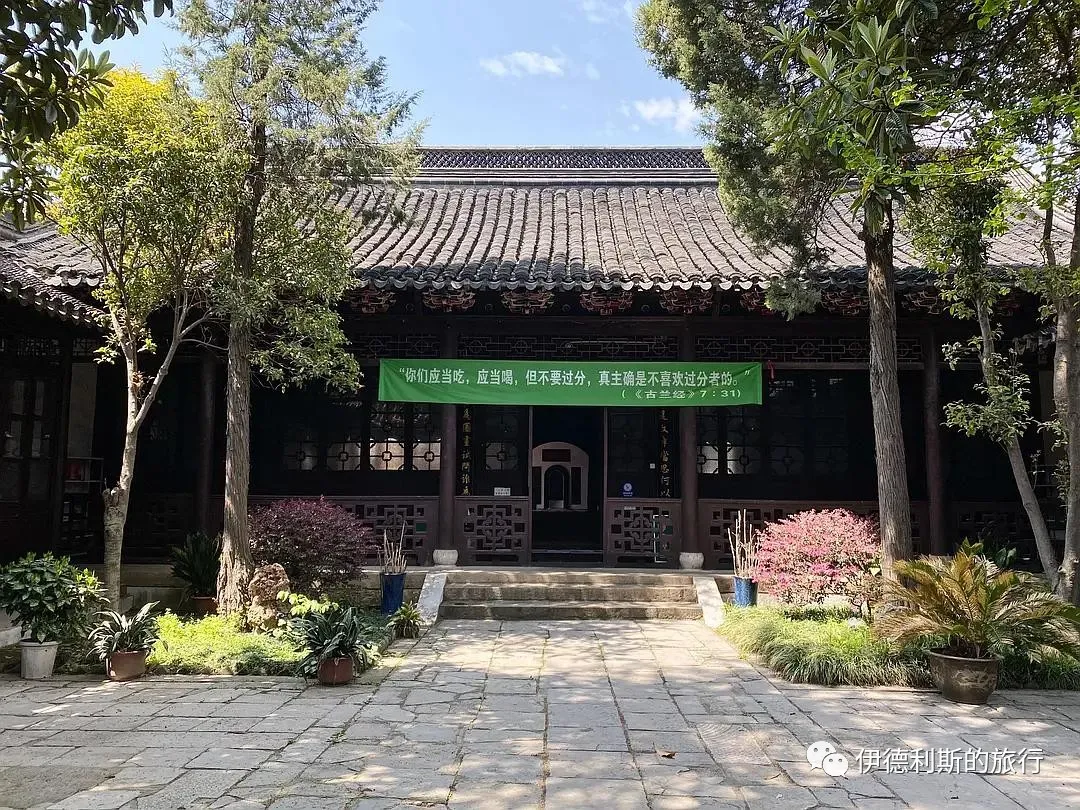
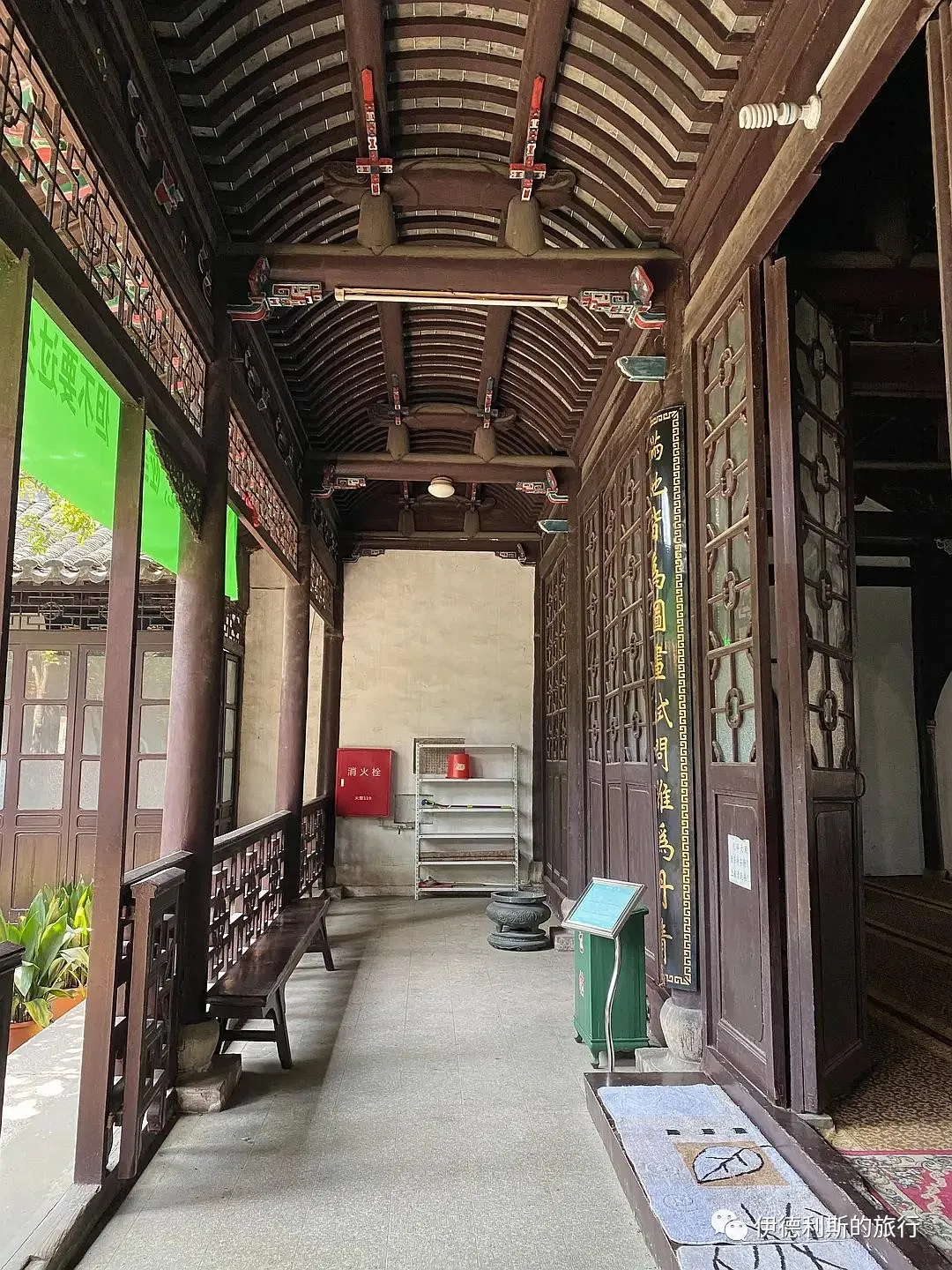
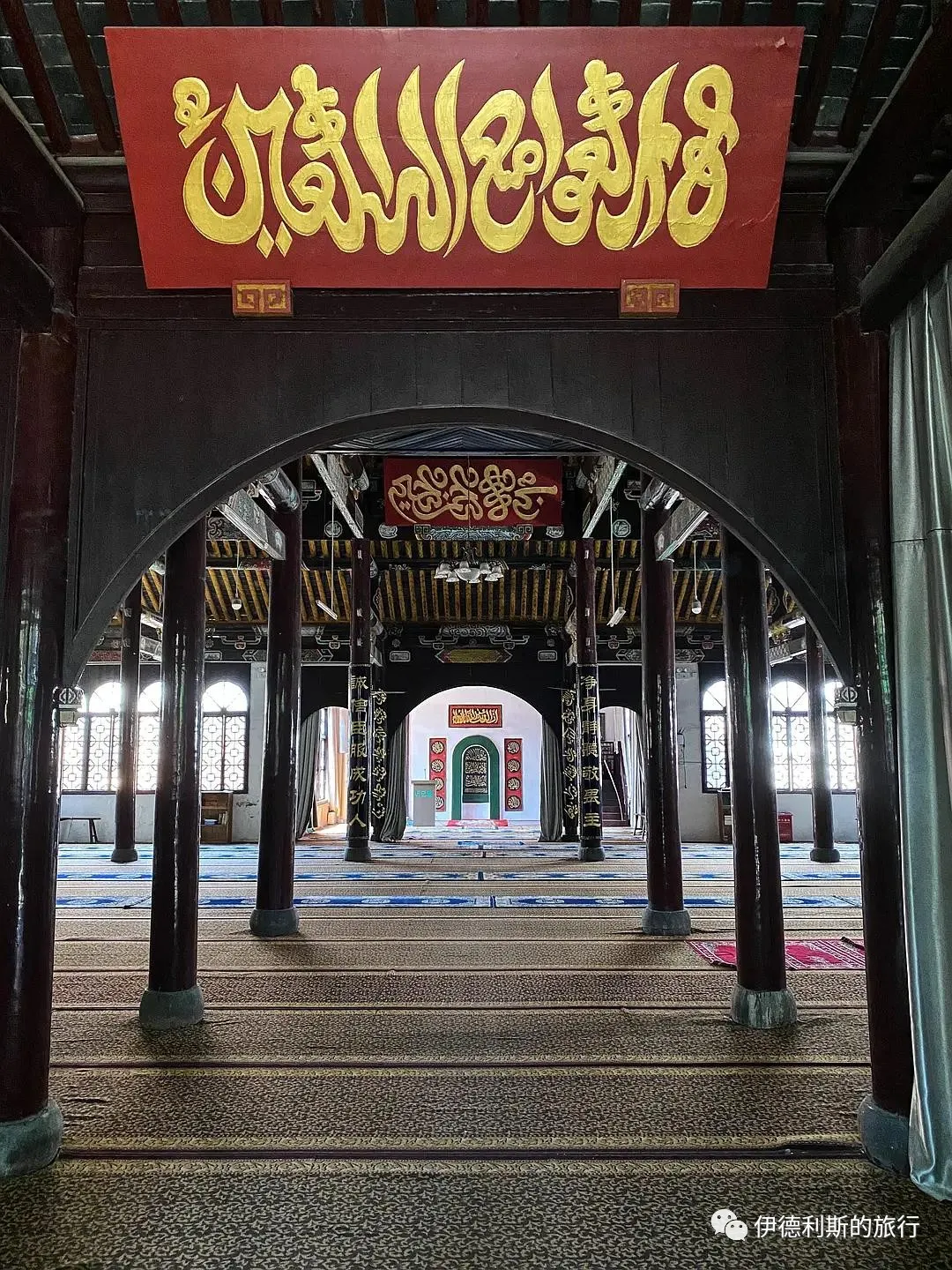
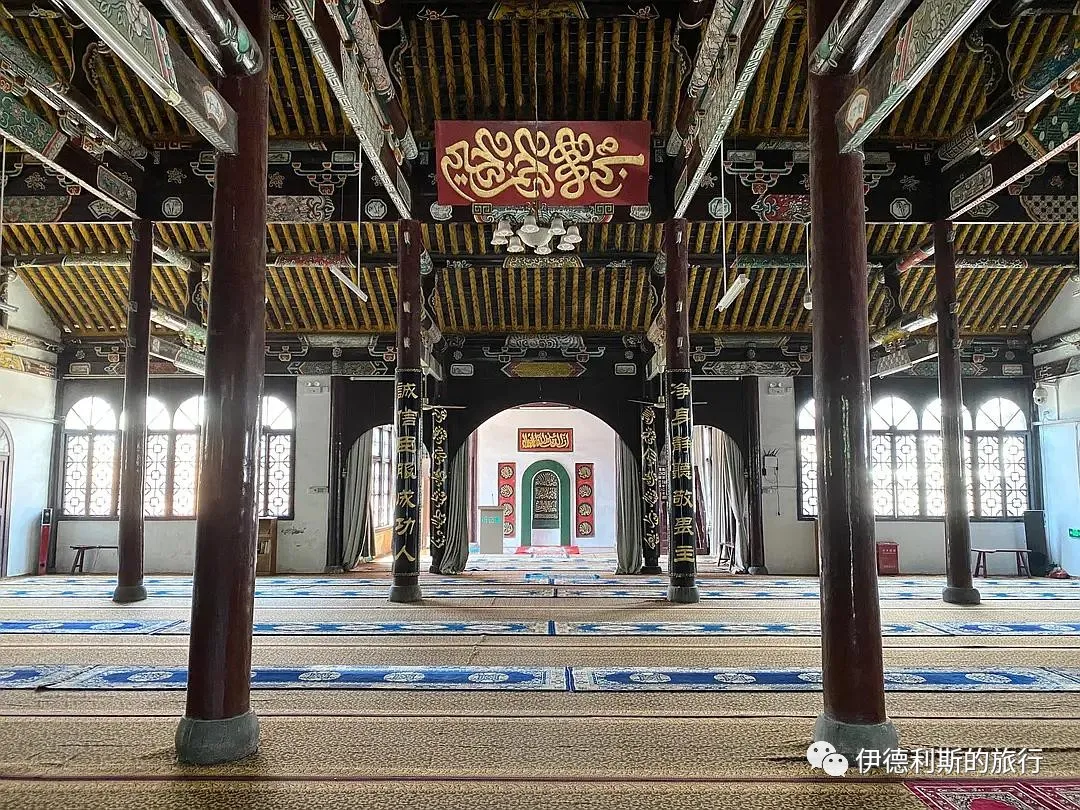
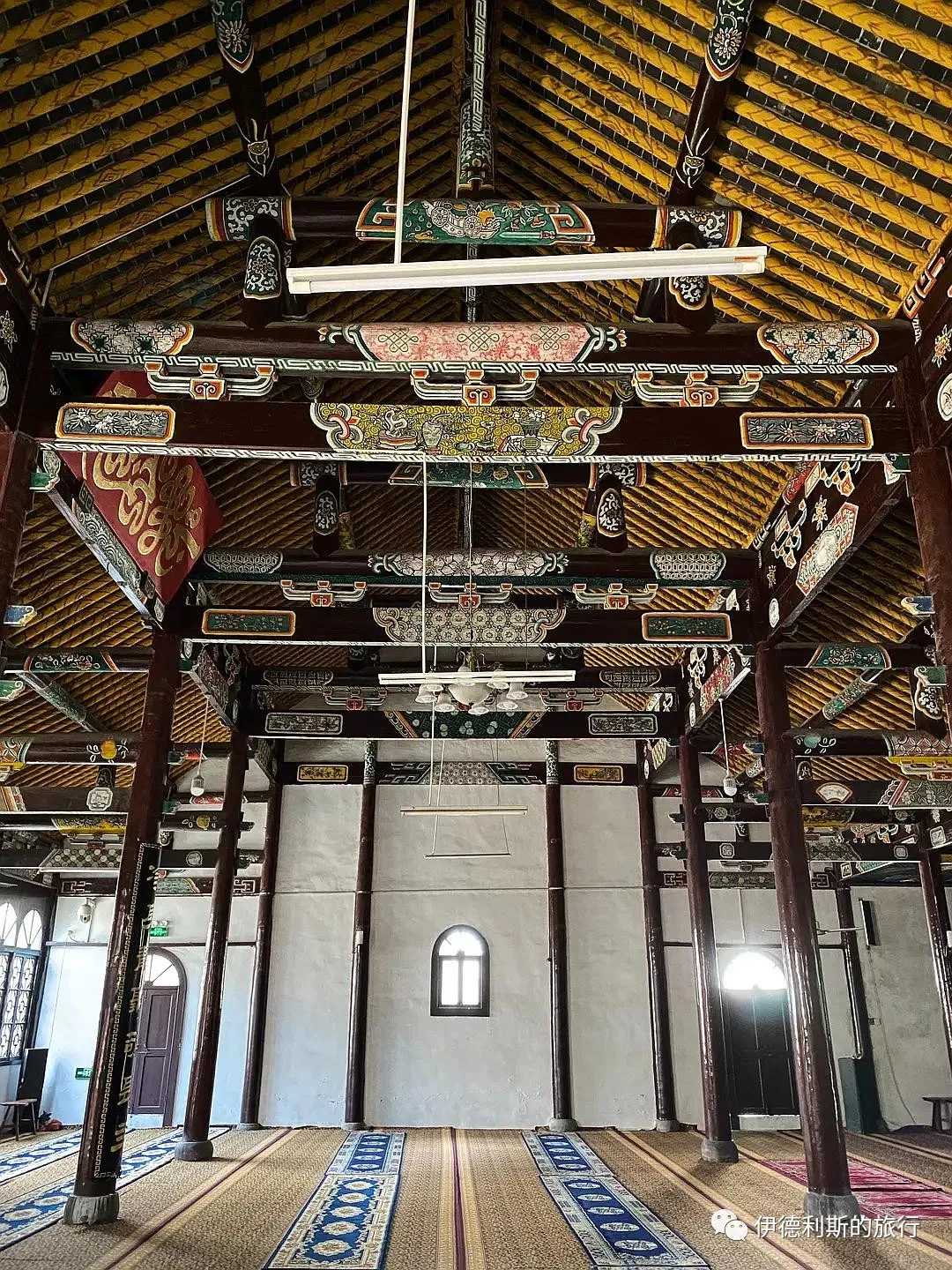
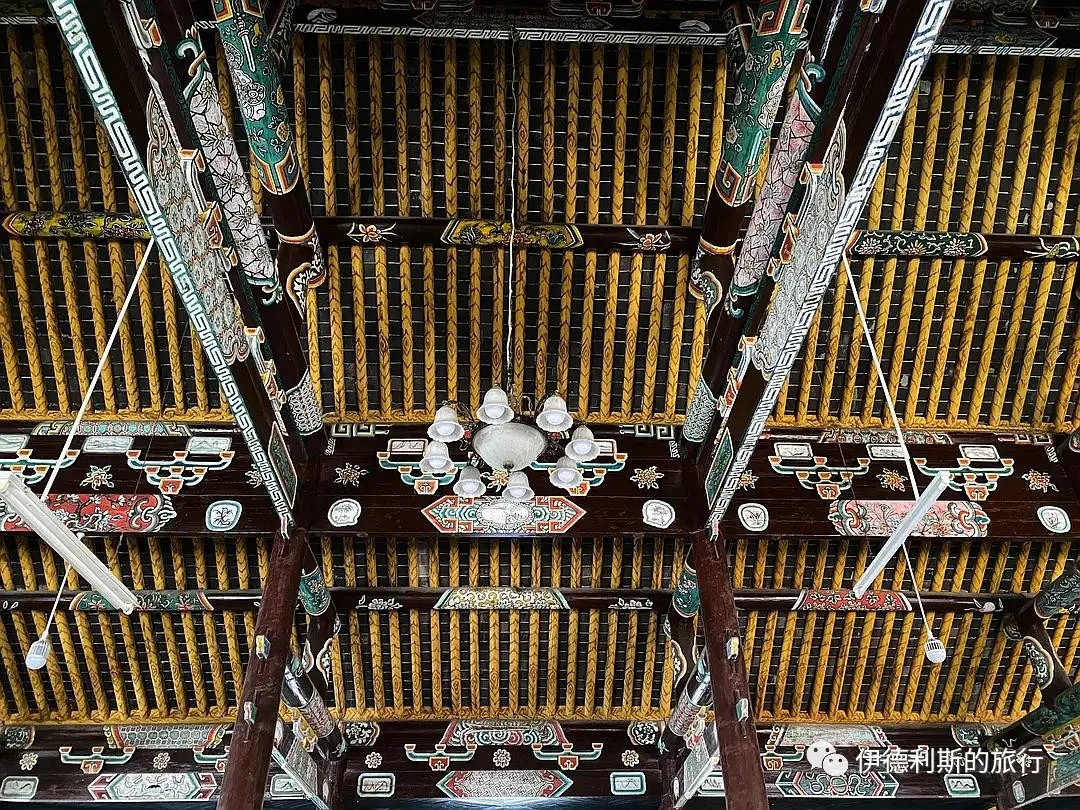
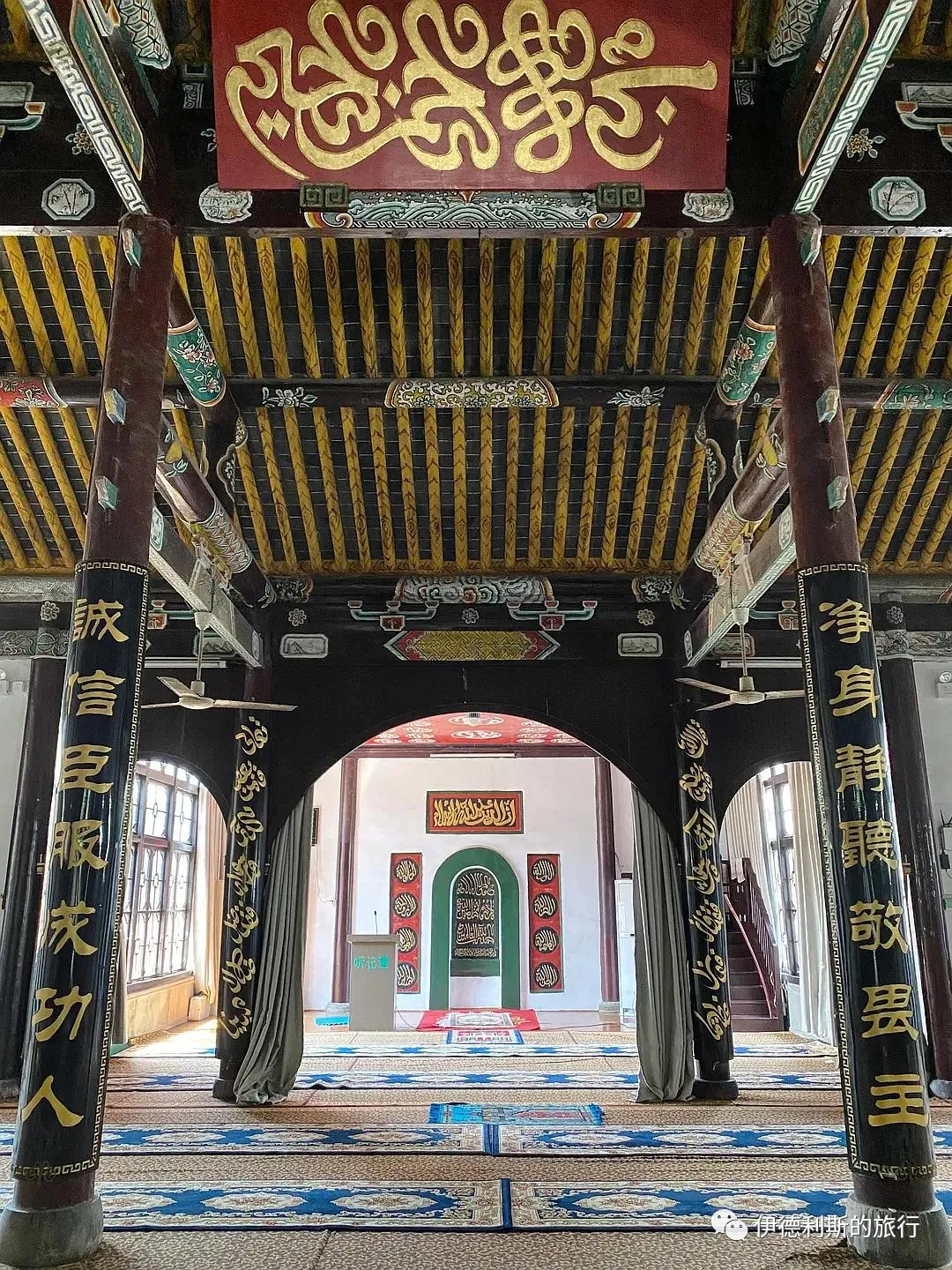
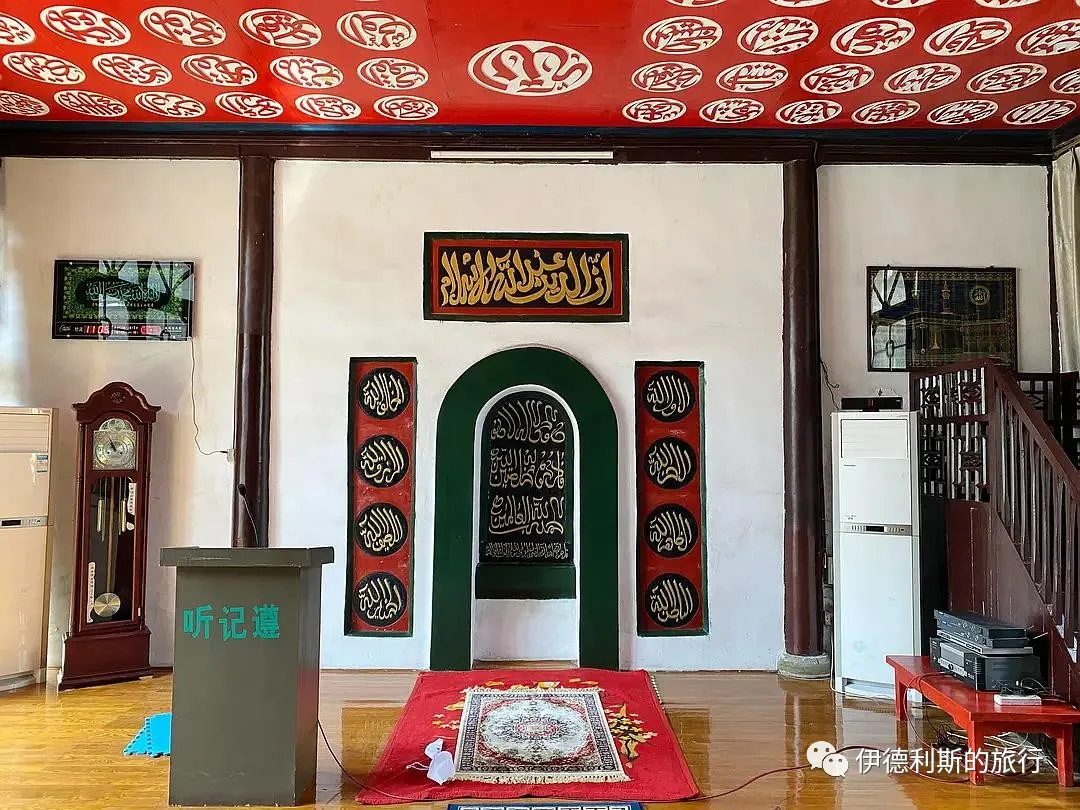
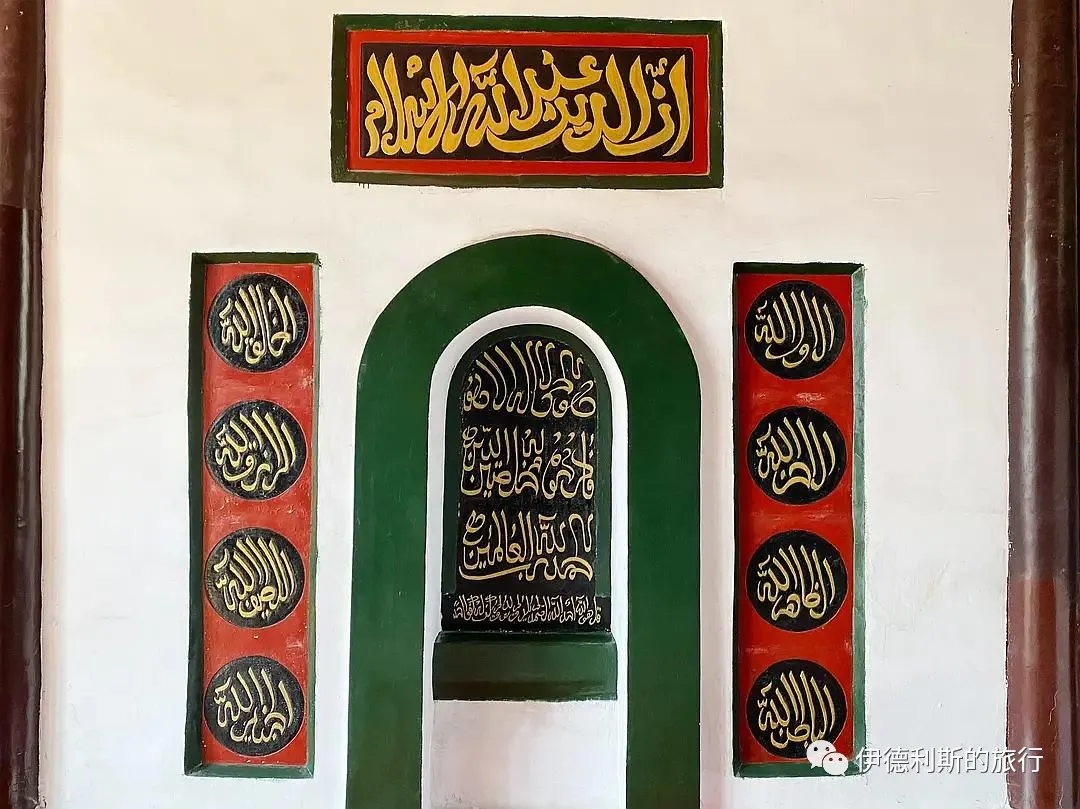
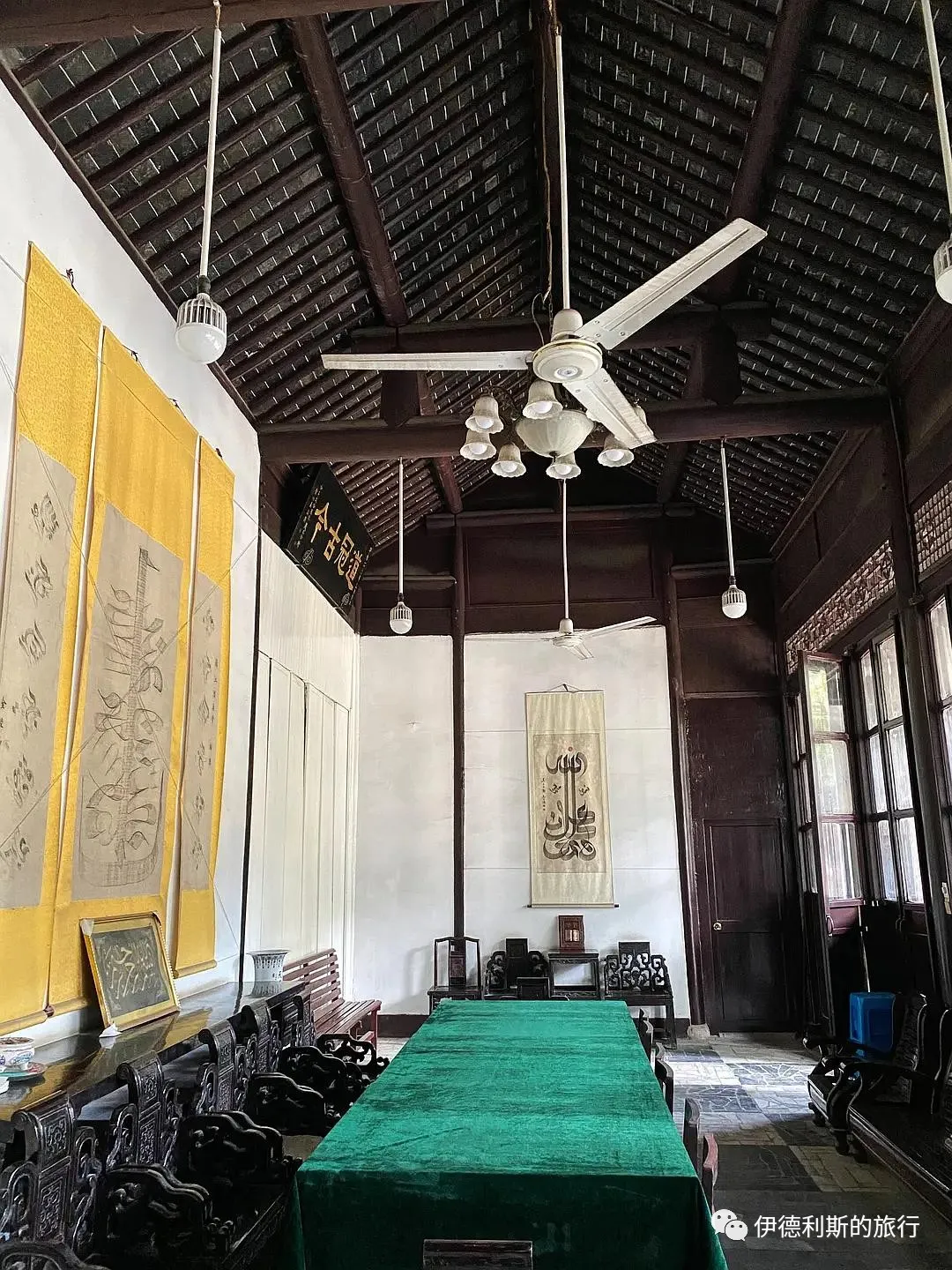
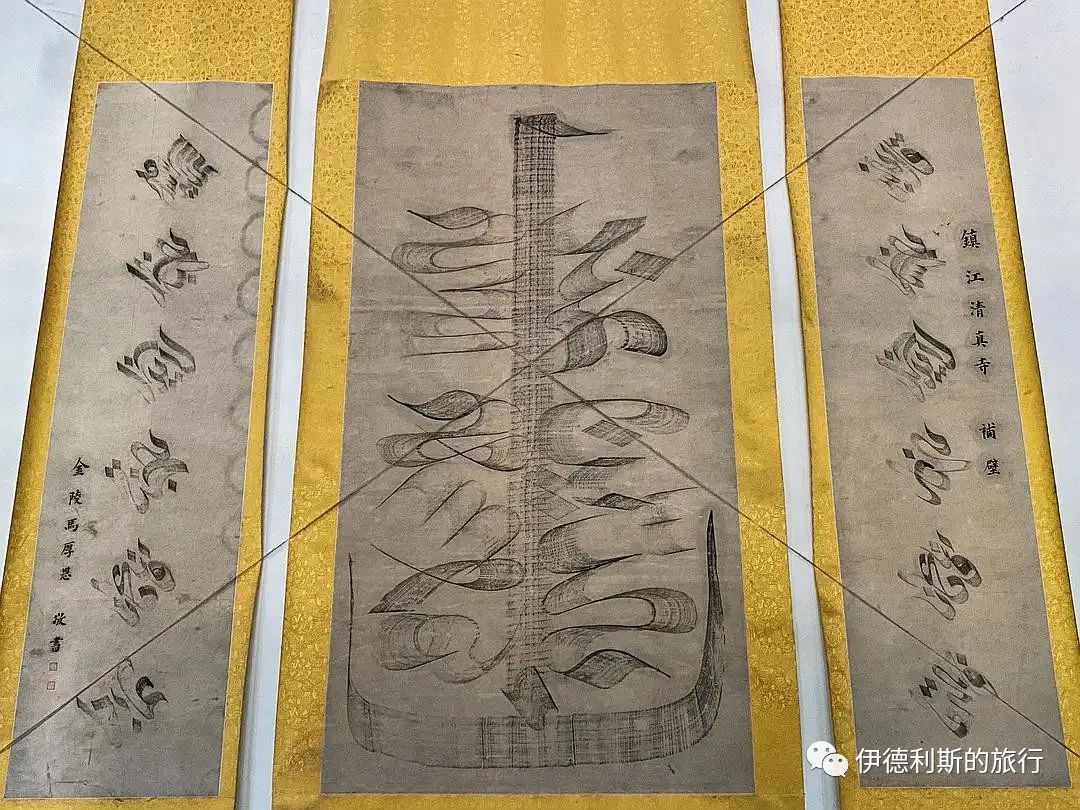
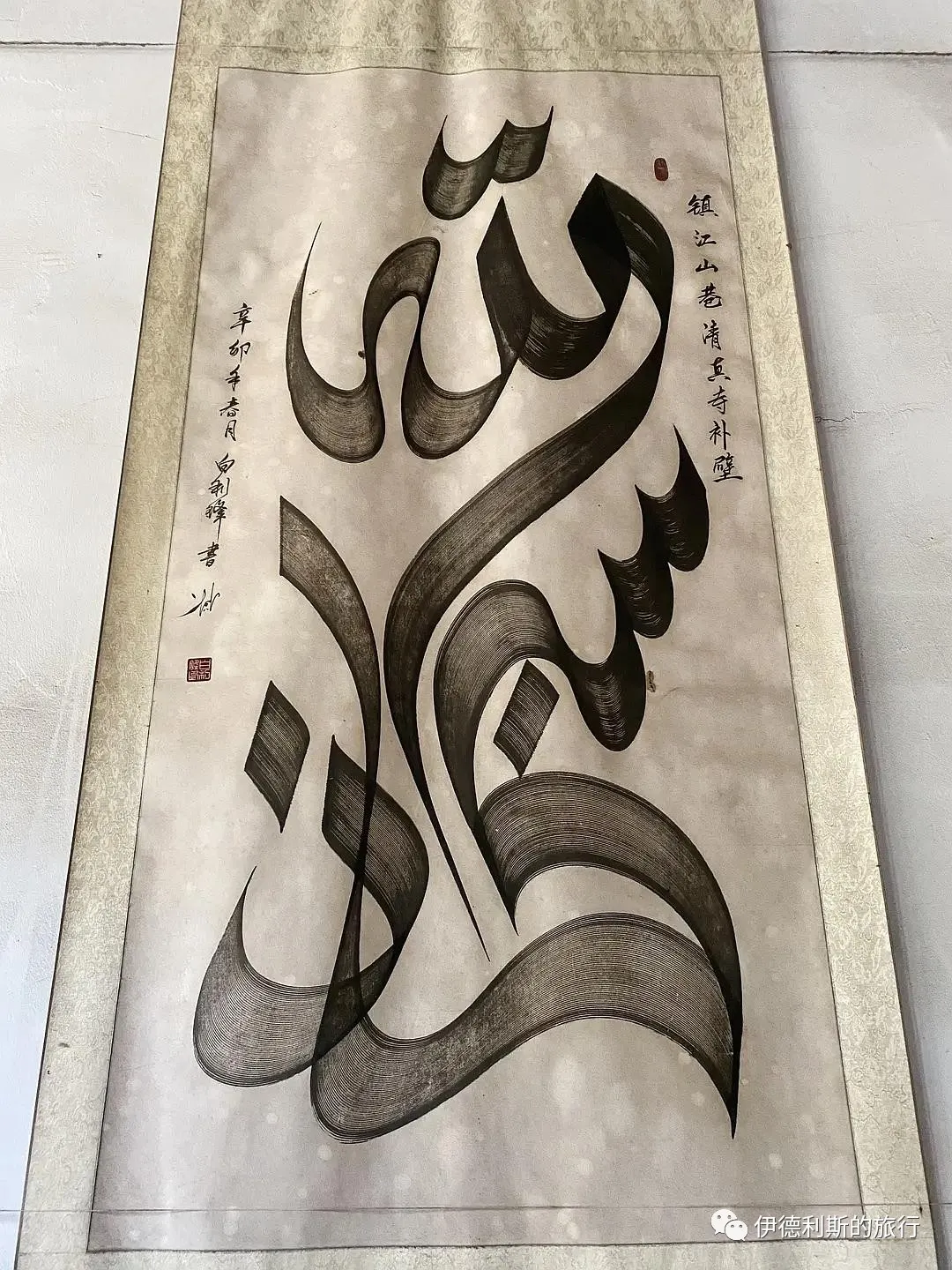
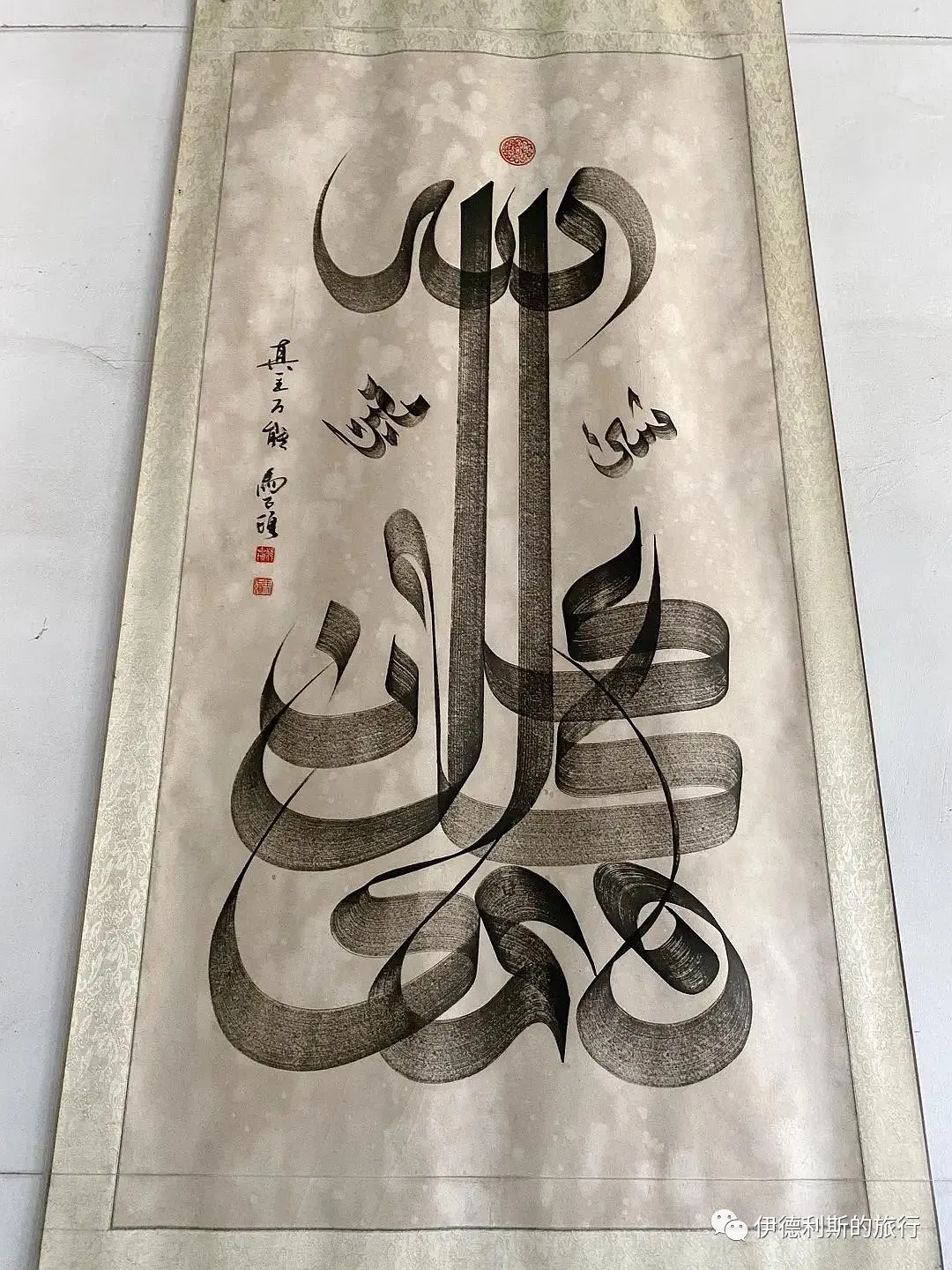
The opposite hall, decorated with calligraphy hanging in the center and on scrolls.
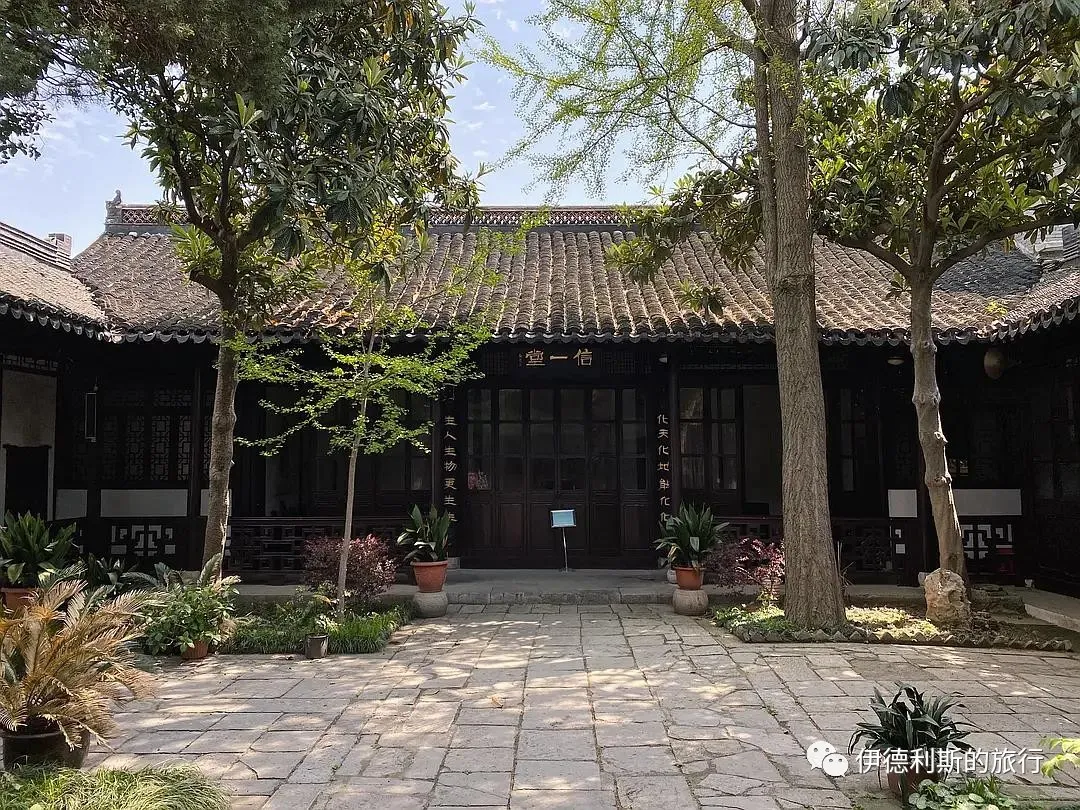
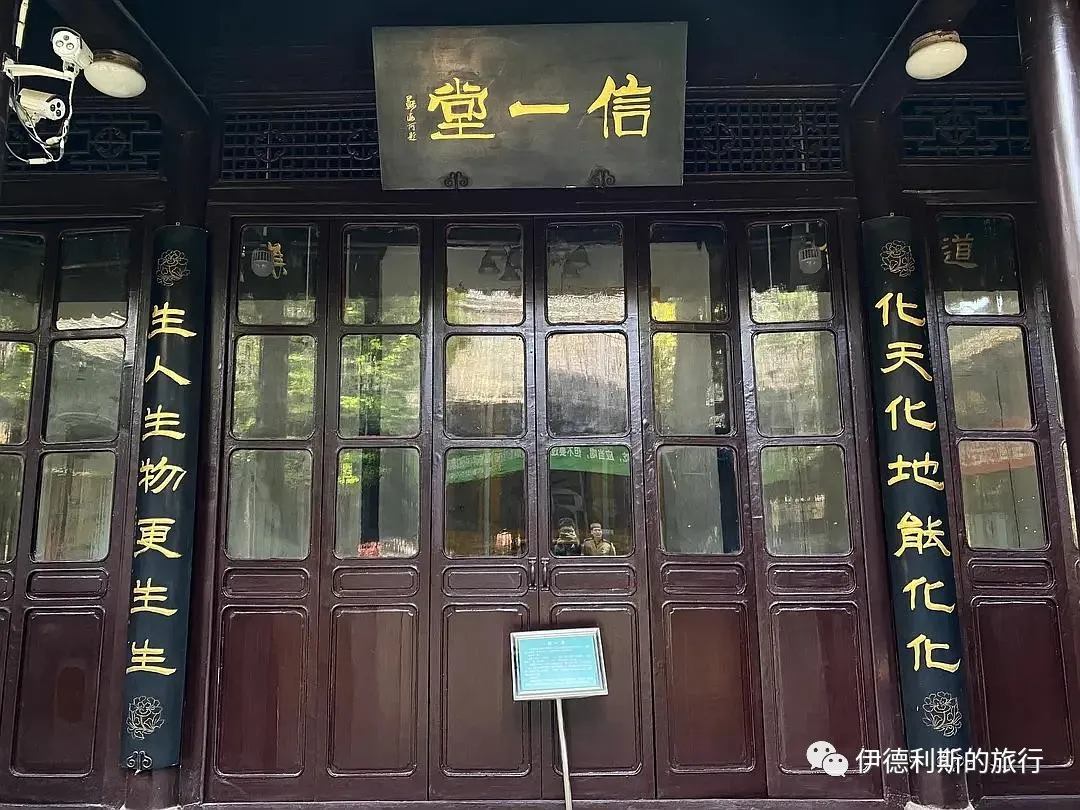
The traditional winding alley.
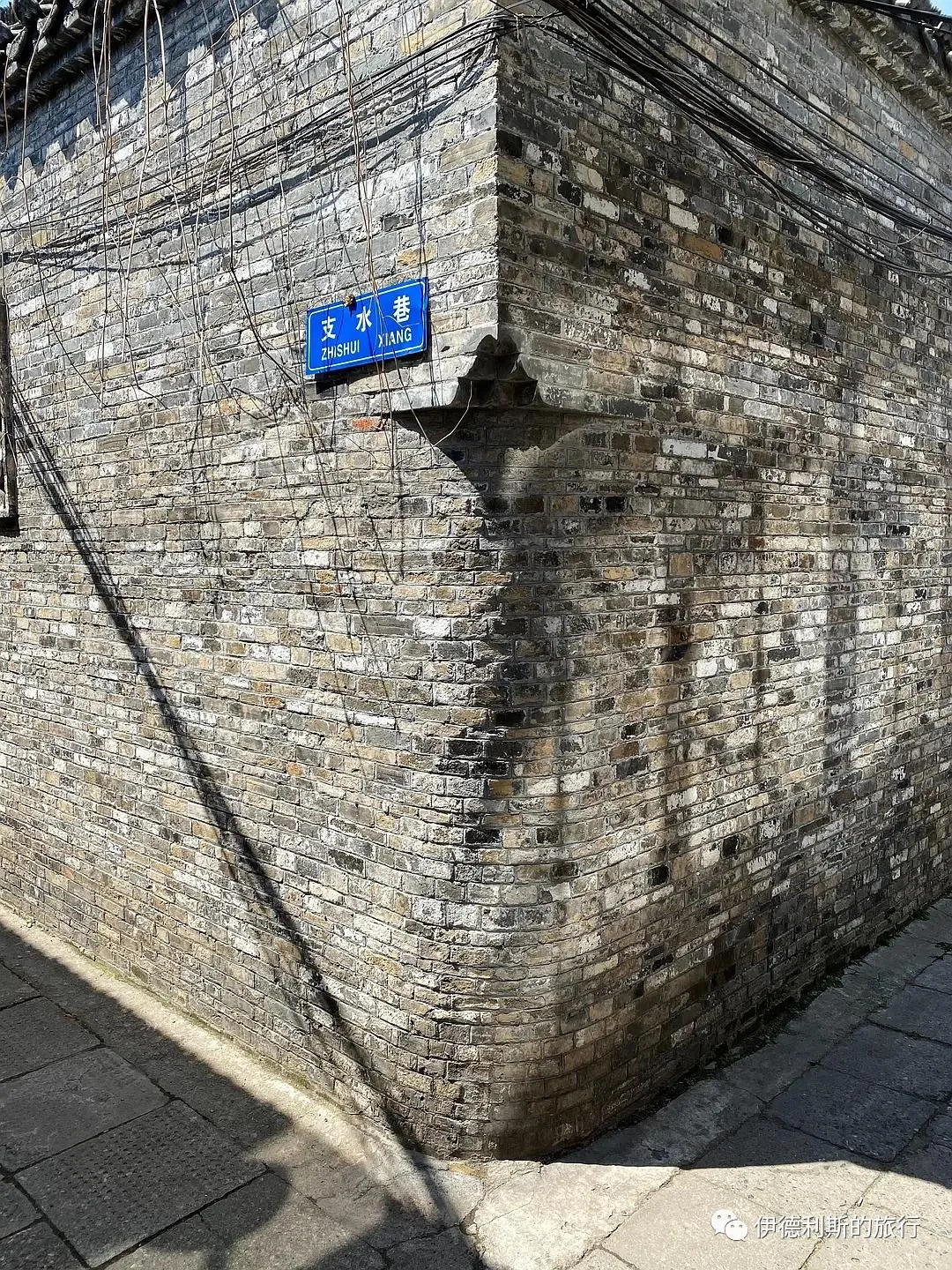
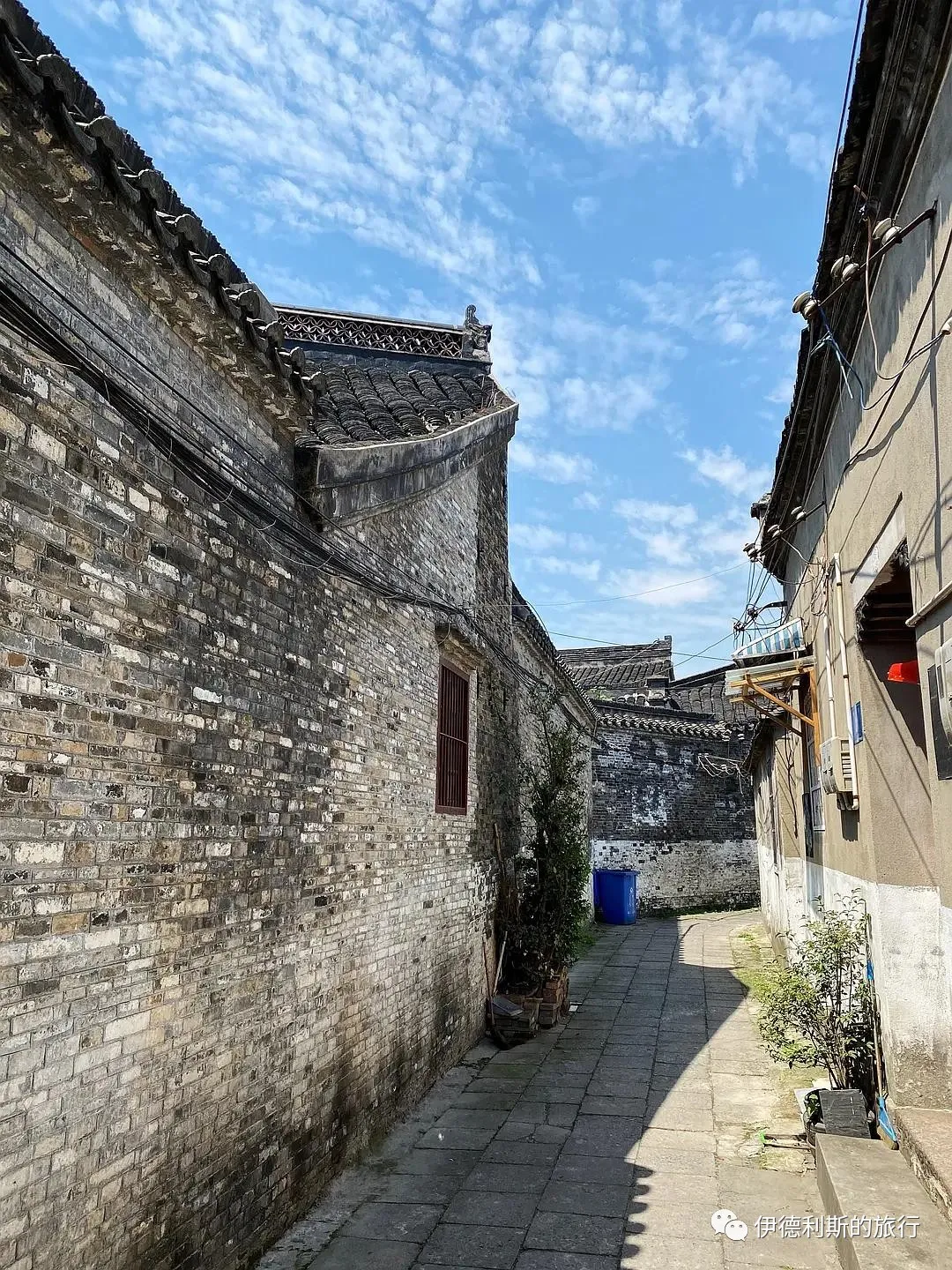
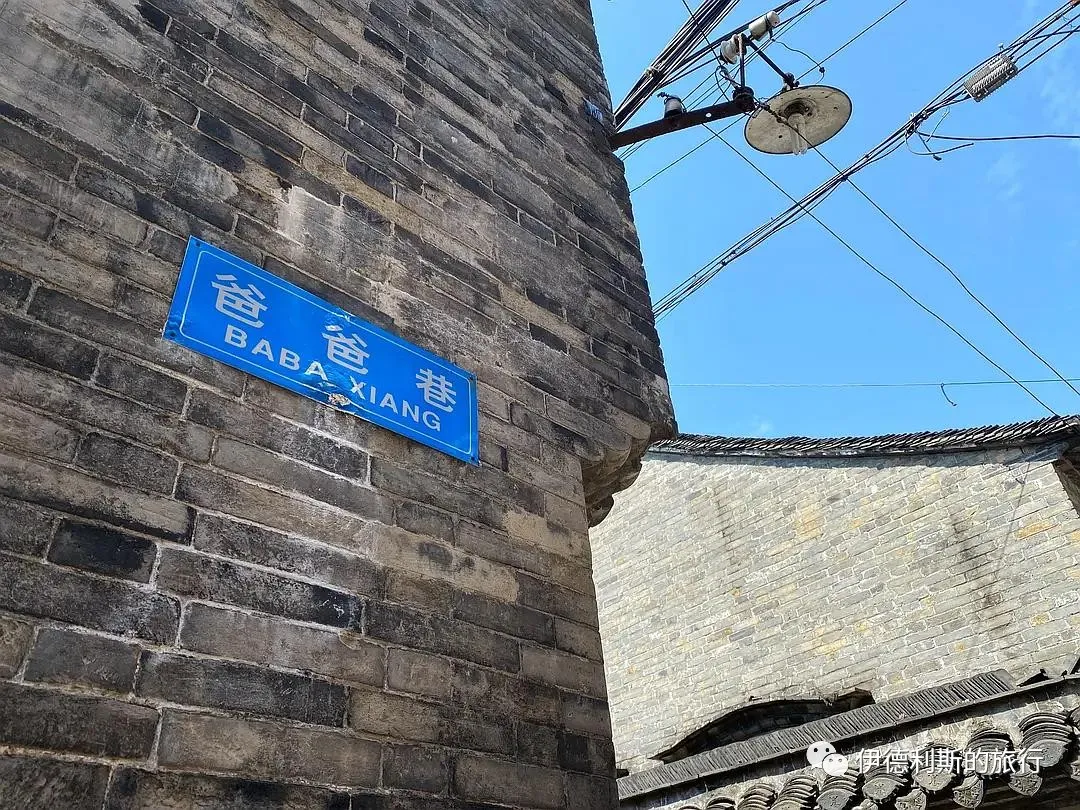
The alley name comes from the Persian word "Baba," which is what Hui Muslims often call their elders.
Stone carvings from the Ming and Qing dynasties at the Jianzi Alley Mosque.
Jianzi Lane Mosque was originally called Gurun Mosque. It was first built in Ren'an Ward on Fumin Street and served as a mosque for the Hui Muslims in Zhenjiang during the Yuan Dynasty. According to the 1333 (the fourth year of the Zhishun era of the Yuan Dynasty) Records of Zhishun Zhenjiang, there were 59 Hui Muslim households with 374 people in Zhenjiang during the Yuan Dynasty. The famous Yuan Dynasty Hui Muslim poet Sa Dula served as a darughachi (a seal-holding administrator) for the Zhenjiang Circuit Record Office for three years starting in 1328 (the first year of the Tianli era). According to the Guangxu-era Dantu County Annals, Sa Dula did many good deeds in Zhenjiang, such as stabilizing prices, opening granaries to help the people, curbing powerful servants, and breaking down superstitions. In 1326 (the third year of the Taiding era), a scholar named Zhemaluding, who had passed the provincial examinations in Jiangsu and Zhejiang, served as a professor at the Zhenjiang Circuit Confucian School, which was the highest educational official position at the time.
Gurun Mosque was destroyed at the end of the Yuan Dynasty and the beginning of the Ming Dynasty. It was rebuilt during the Hongwu era of the Ming Dynasty. In 1602 (the 30th year of the Wanli era), it was moved to Jianzi Lane inside the city and became known as Jianzi Lane Mosque. It was renovated three times in 1850 (the 30th year of the Daoguang era), 1904 (the 30th year of the Guangxu era), and 1909 (the first year of the Xuantong era).
In 1958, Jianzi Lane Mosque was occupied by a knitting factory and a color printing factory. From the 1970s to the early 1980s, the printing factory and other units demolished the main prayer hall, the lobby, and the water room to build factory buildings. A stone tablet titled Record of Gurun Mosque, written in 1620 (the 48th year of the Wanli era of the Ming Dynasty) by the scholar Li Yiyang, was used to mix cement, leaving the inscriptions damaged and blurry. The calligrapher for the Wanli renovation tablet was Ma Zhiqi, a Hui Muslim from Xinye, Henan. Ma Zhiqi was a runner-up in the 1610 (the 38th year of the Wanli era) imperial examinations. He was skilled in poetry and calligraphy. Between the Wanli and Chongzhen eras, he wrote renovation tablets for the Xiaopiyuan Mosque in Xi'an, Shaanxi, the Datong Mosque in Shanxi, the Jinshifang Street Mosque in Beijing, and the Wudu Chengguan Mosque in Gansu. In 1982, the Zhenjiang Islamic Association restored the stone tablet and moved it to Shanxiang Mosque, finally preserving it.
The printing factory occupying the mosque did not move out until 1993, and the Islamic Association regained ownership of Jianzi Lane Mosque in 1994. In 2005, when Zhenjiang built the First Building commercial pedestrian street, Jianzi Lane Mosque was completely demolished. A new Gurun Mosque was built on Xuefu Road, and the Wanli renovation tablet, the ancient well railing, and three Qing Dynasty renovation tablets from the original Jianzi Lane Mosque were placed in the courtyard for preservation.
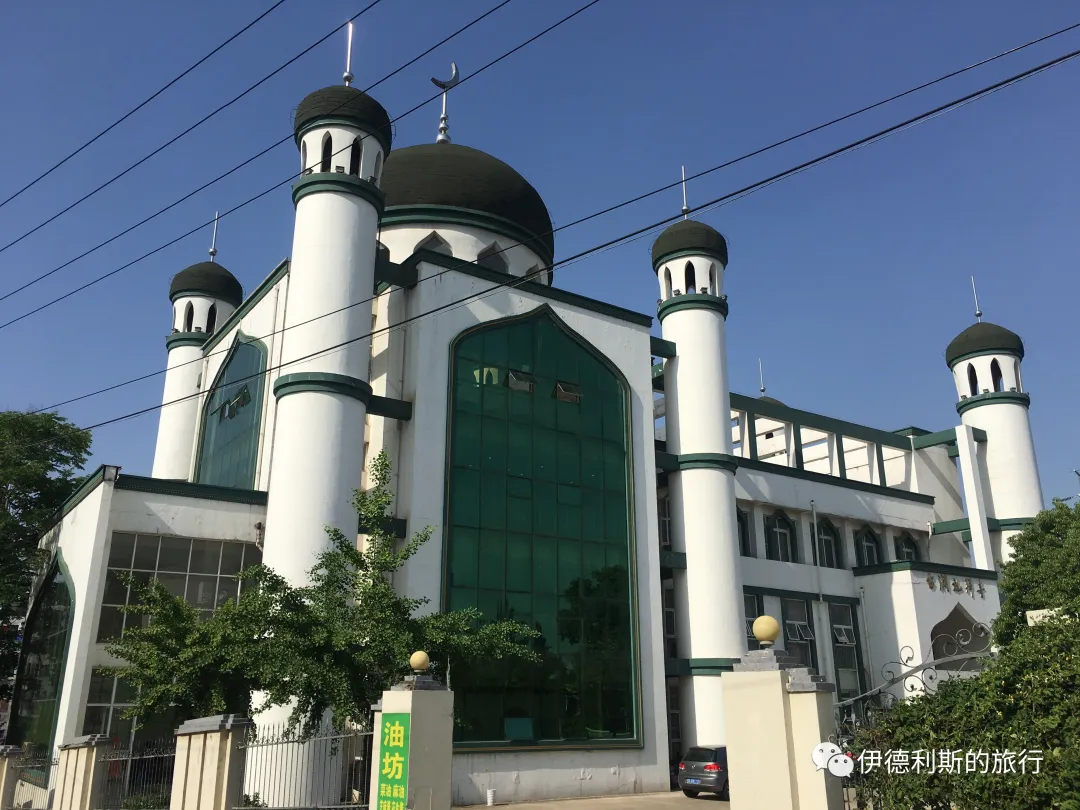
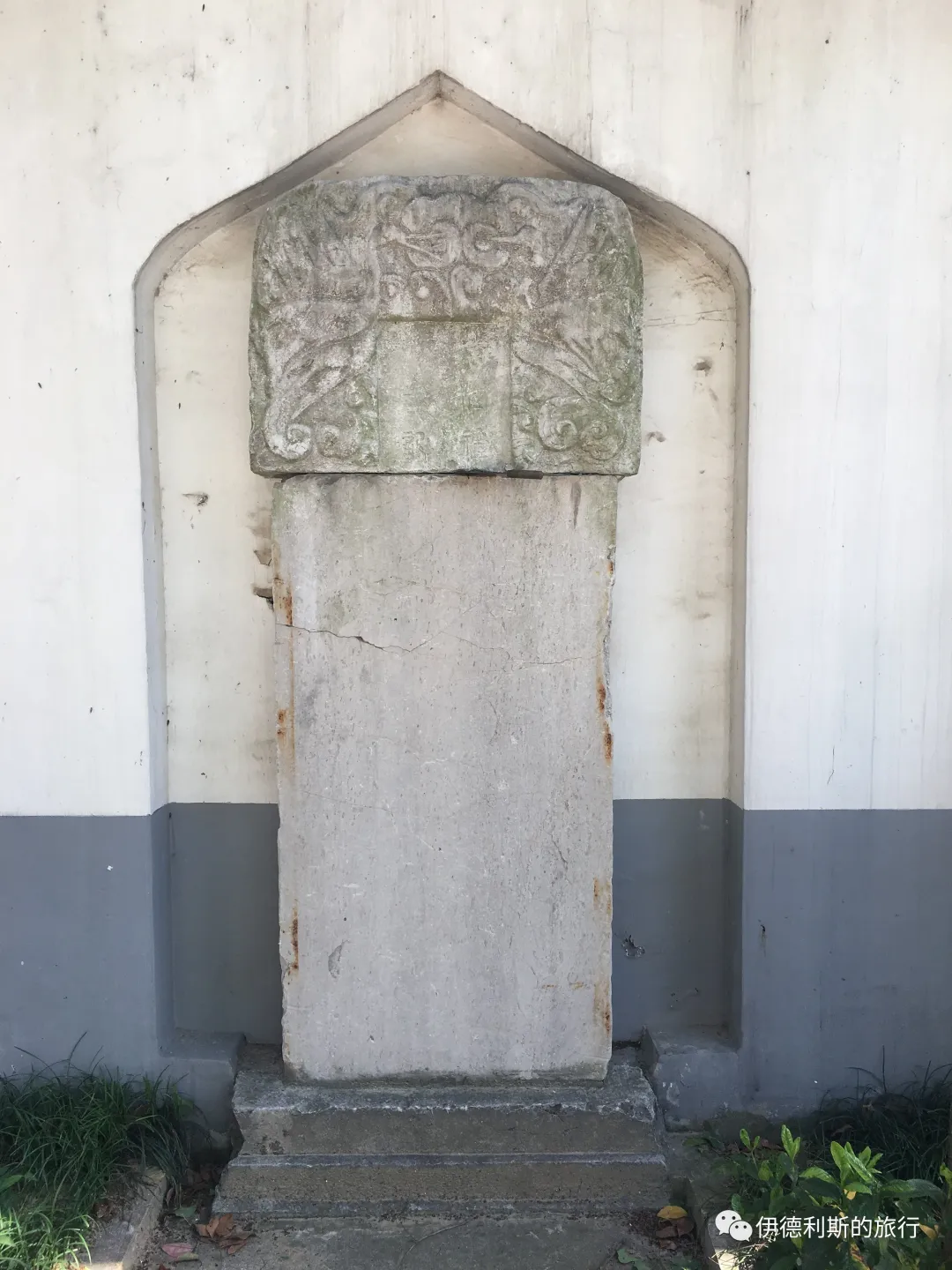
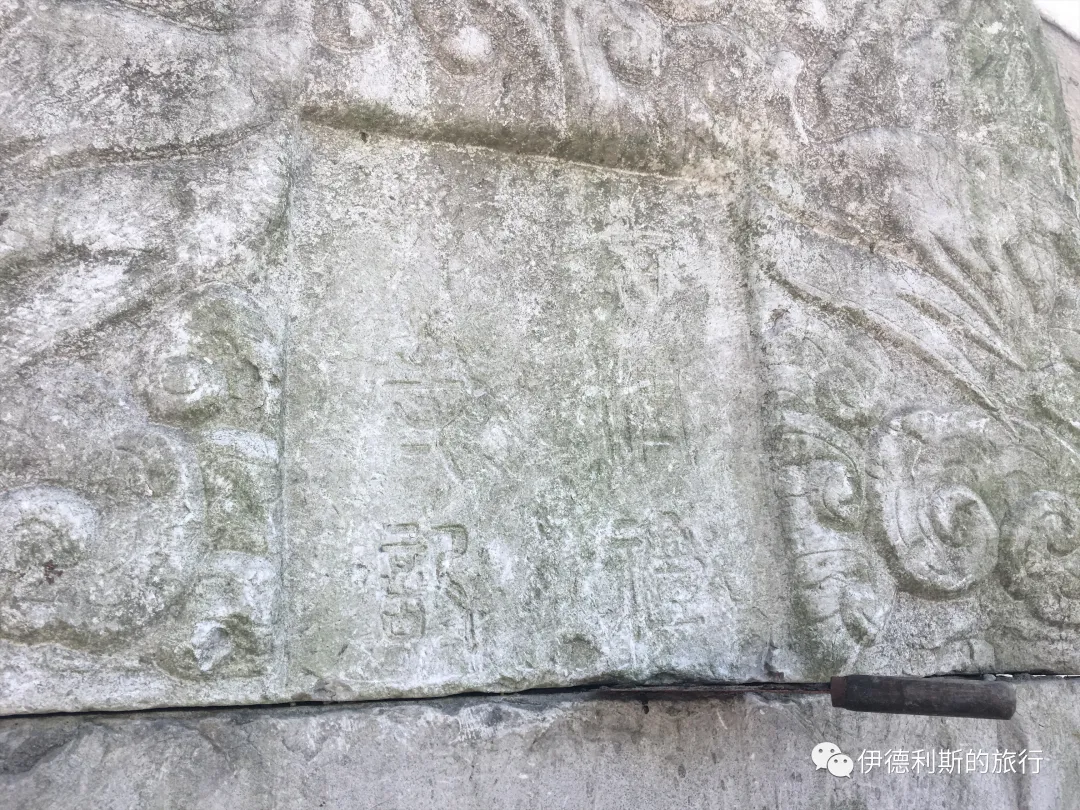
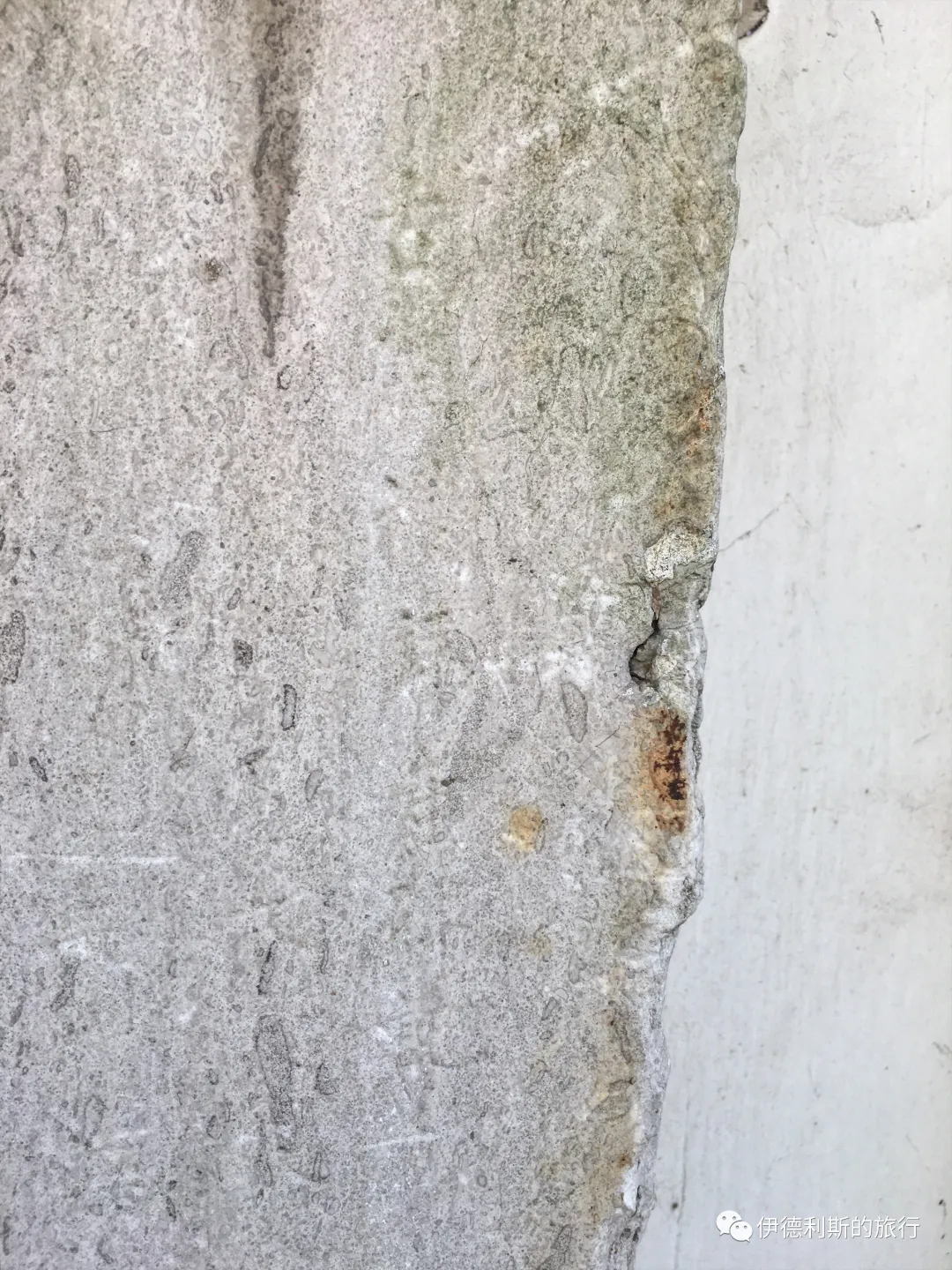
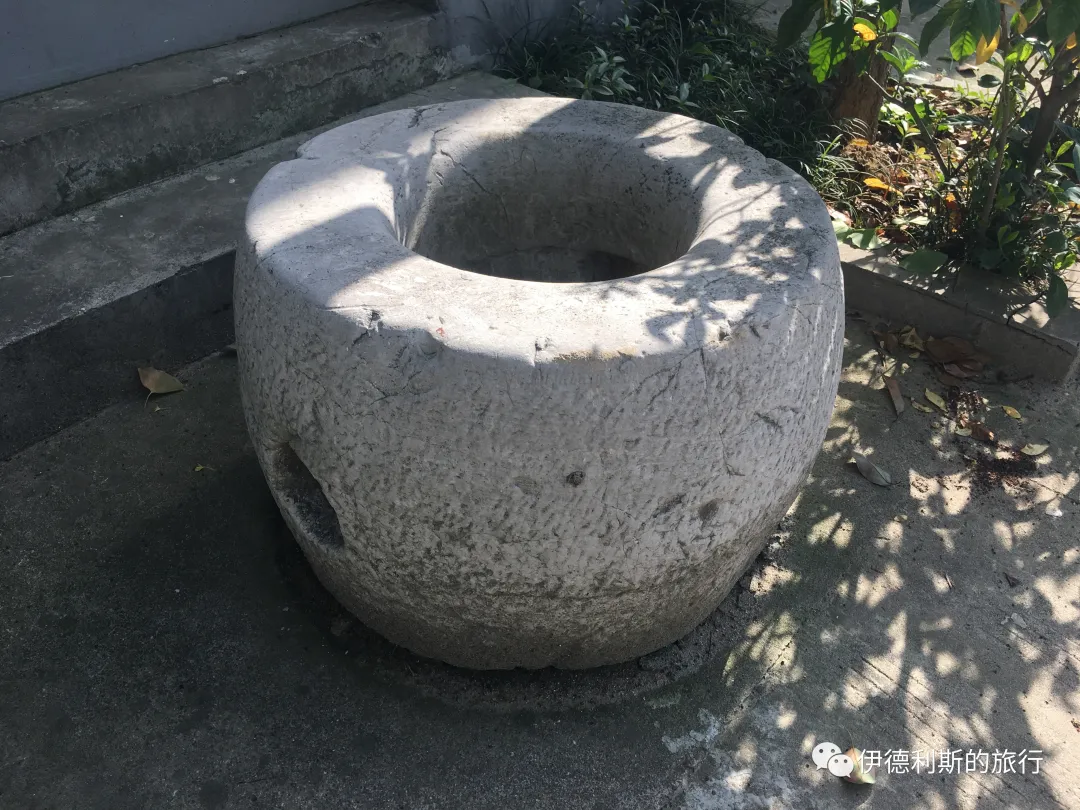
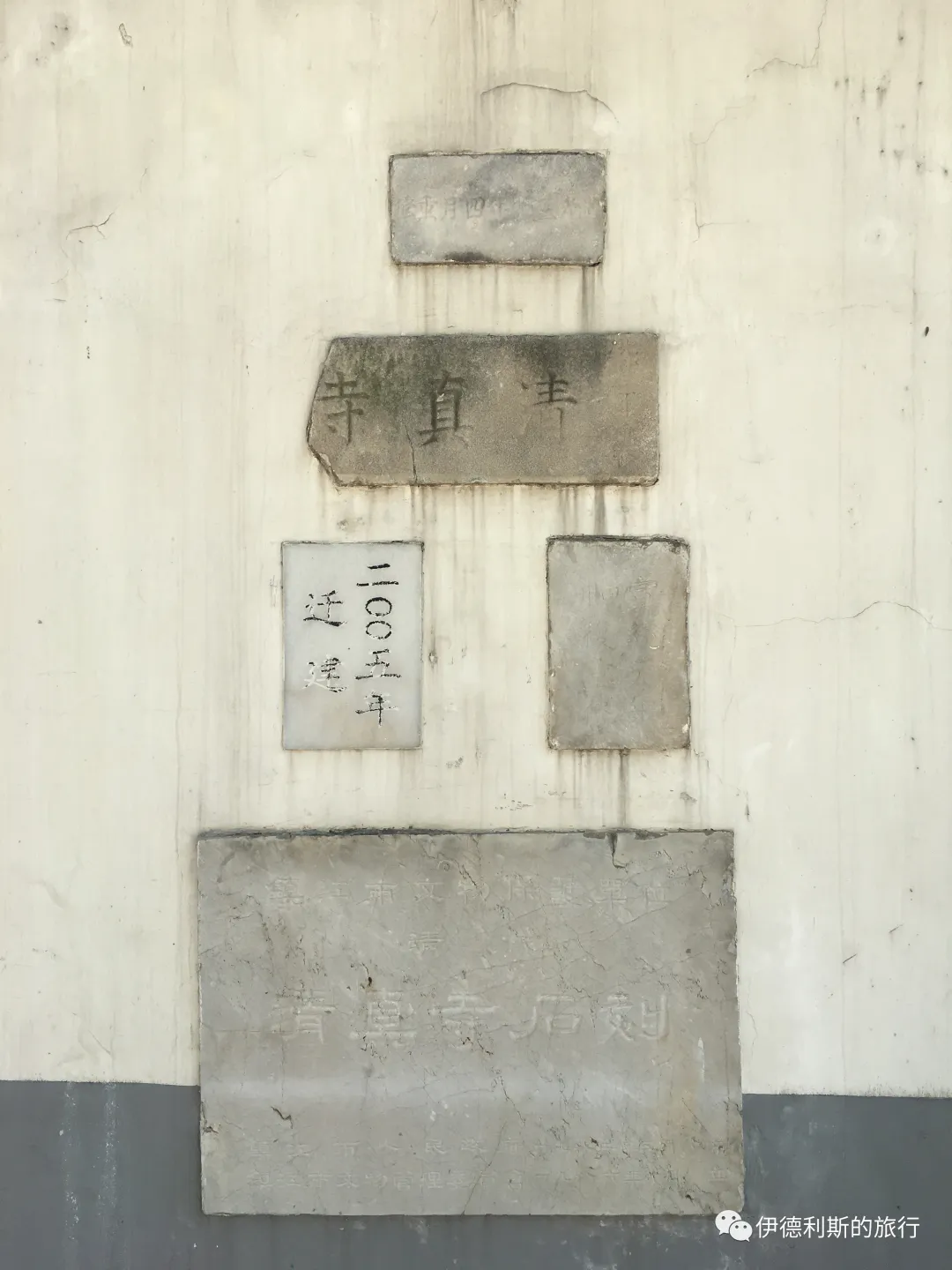
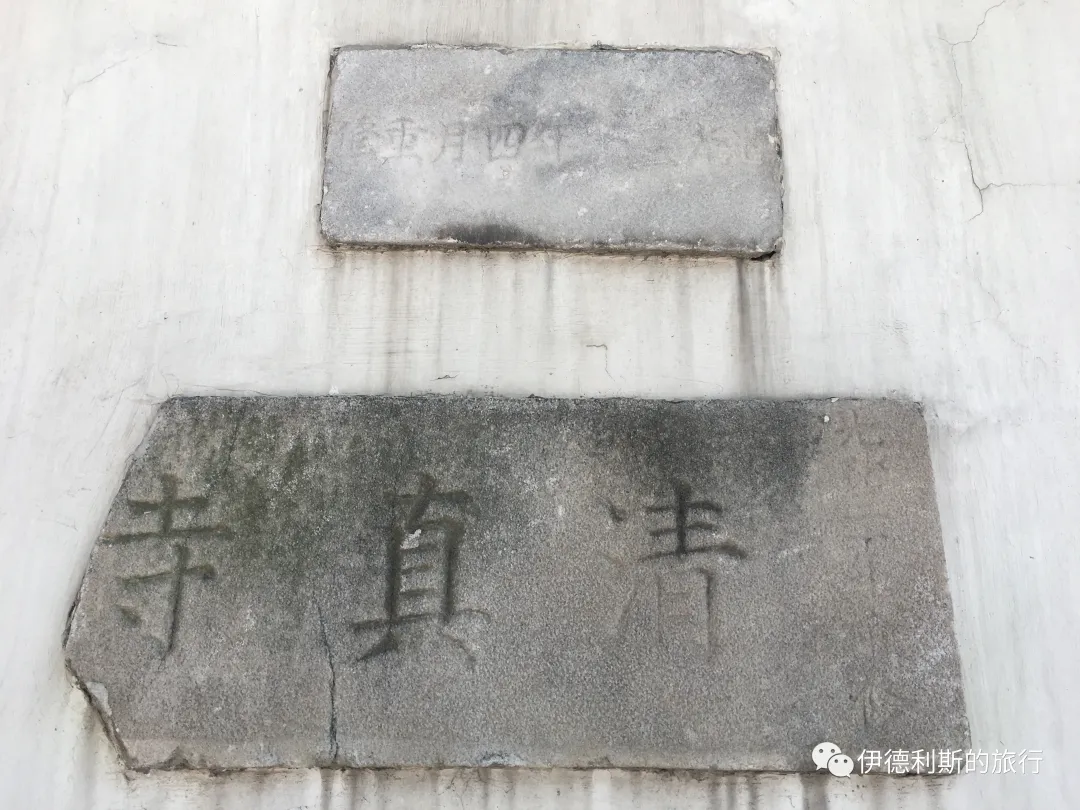
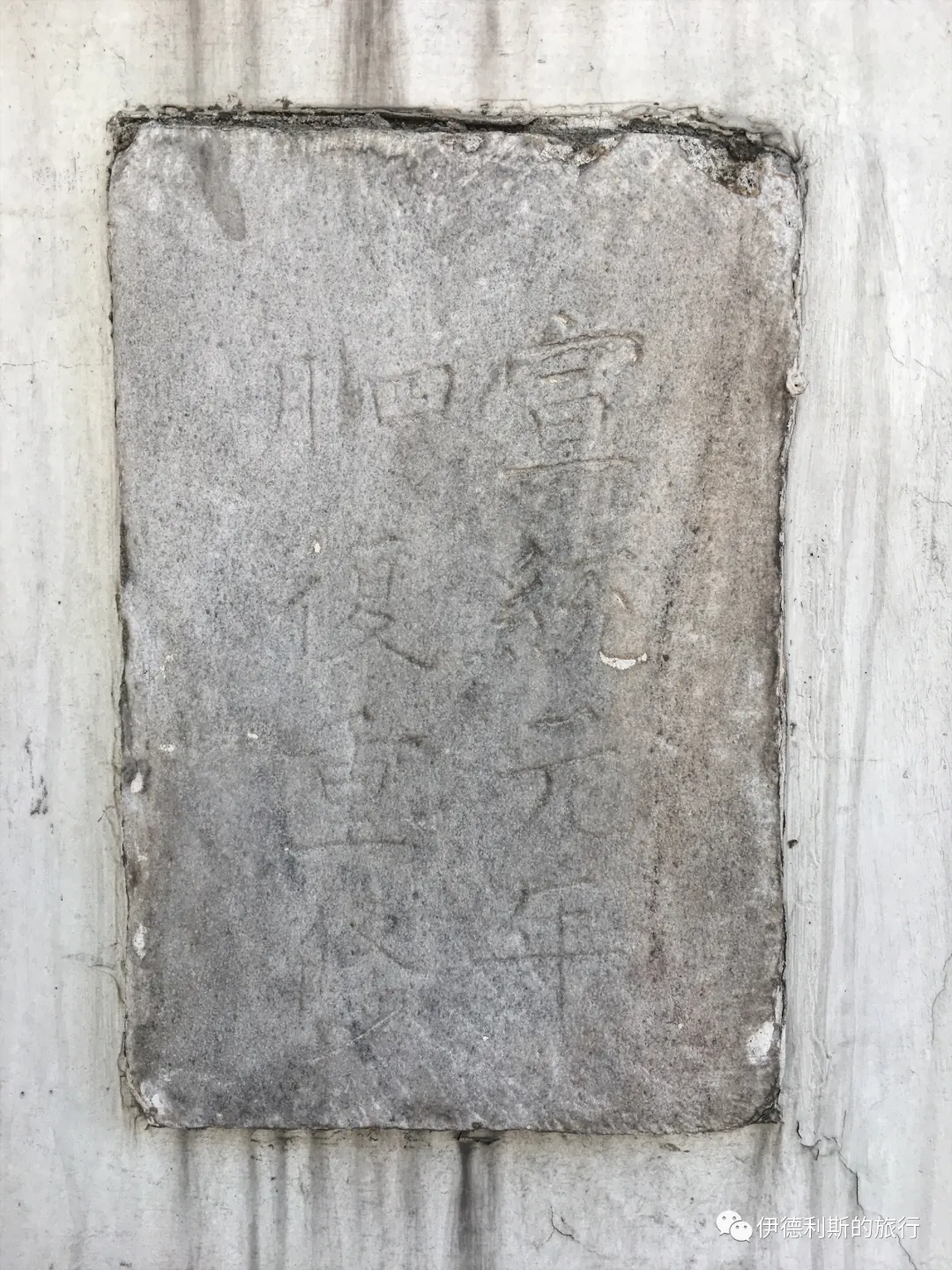
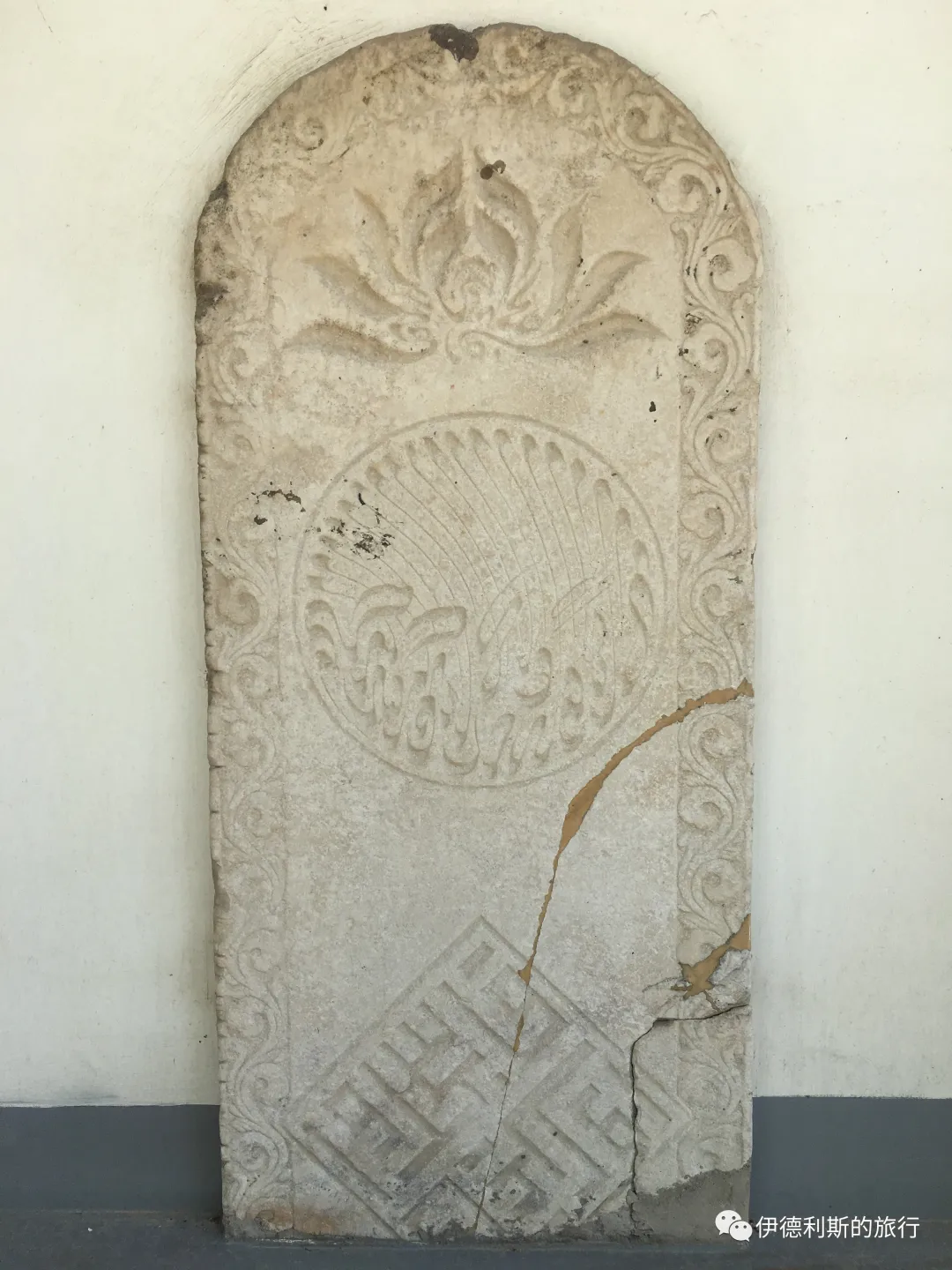
Qing Dynasty mihrab from the South Gate Mosque.
to the relics from Jianzi Lane Mosque, Gurun Mosque also houses the mihrab tablet from the kiln hall of the South Gate Mosque in Zhenjiang.
The South Gate Mosque in Zhenjiang was located at the east end of Miaojia Lane. It is believed to have been built in the early Qing Dynasty and was an east-facing courtyard house. Opposite the mosque gate stood a row of tall elm trees that provided dense shade. The prayer hall and the opposite hall were both three bays wide. There were tall ginkgo trees on both sides in front of the hall, with guest rooms to the south and a water room, kitchen, and storage room to the north.
In the early 20th century, the imam of the South Gate Mosque was an imam named Ma from Henan. In the early 1920s, he was hired by the community (dost) in Shou County, Anhui, and was succeeded by Imam Wan Shourong. The daily affairs of the mosque were managed by Jin Zhiguang from the Xinchangheng fabric store and Xia Songfu, the father of Xia Rongguang. During the Republic of China era, the firewood and rice market outside the South Gate was very prosperous, and more than 50 Hui Muslim households lived there.
In 1937, the South Gate Mosque was destroyed by war. The mihrab tablet from the kiln hall was kept in the home of Hua Baoren next to the mosque until it was moved to Gurun Mosque in 2005.
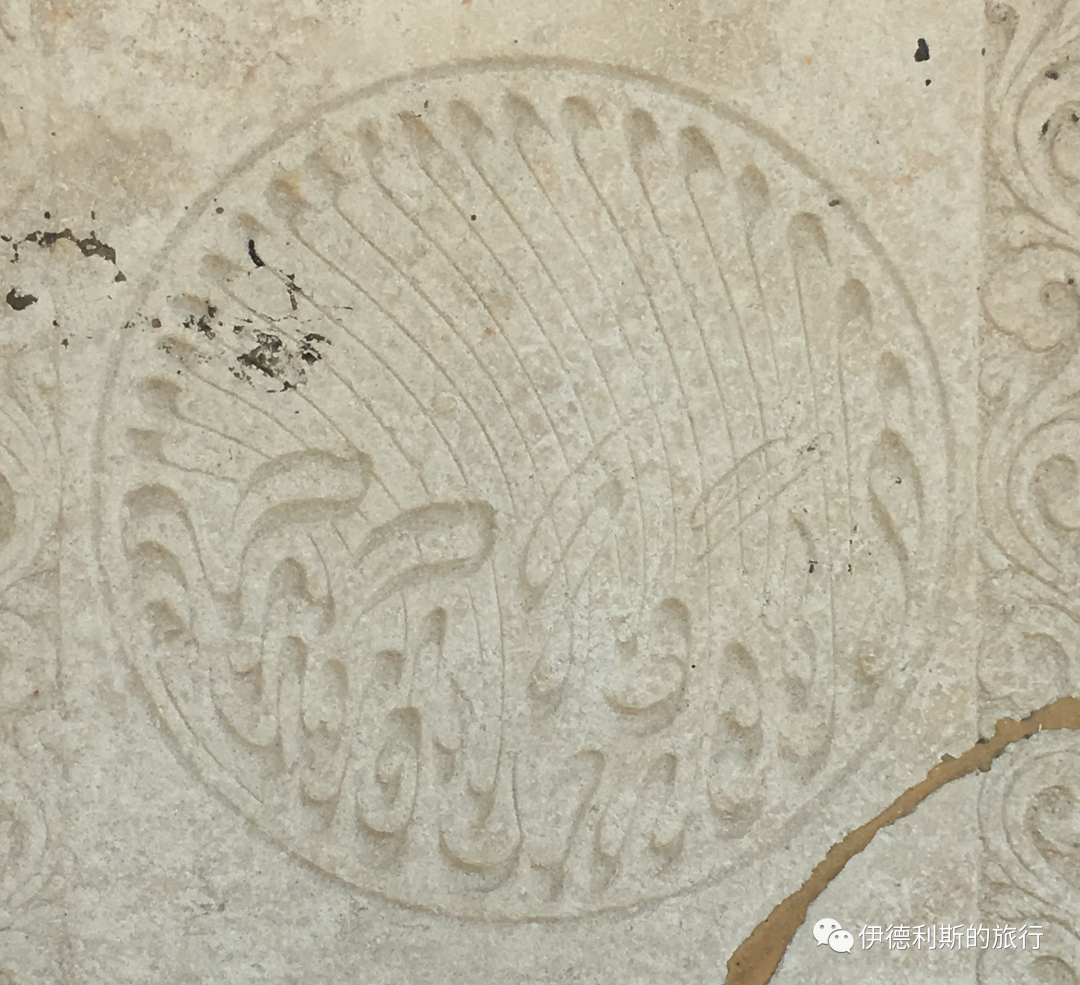
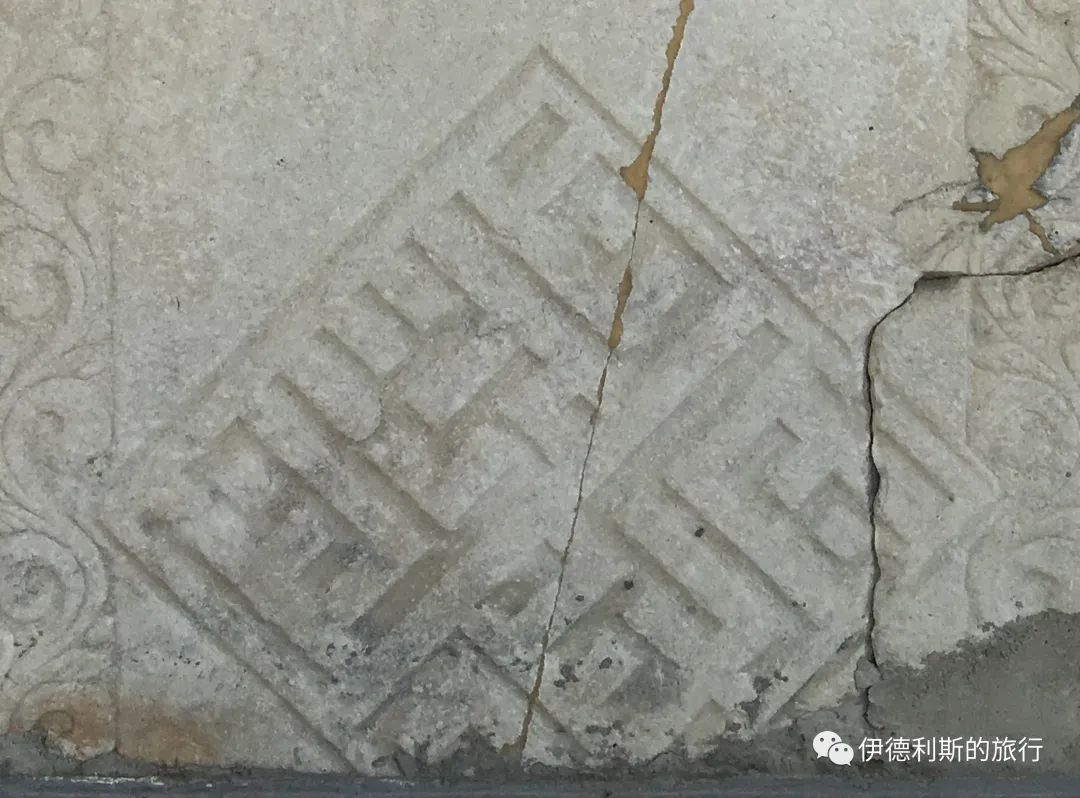
The lotus-shaped Arabic script at the top of the stone tablet is the Basmala. The middle part contains verse 163 of the Cow Chapter (Surah Al-Baqarah), and the diamond-shaped inscription at the bottom is in Kufic Arabic calligraphy, which reads: Prostrate yourselves, and worship your Lord.
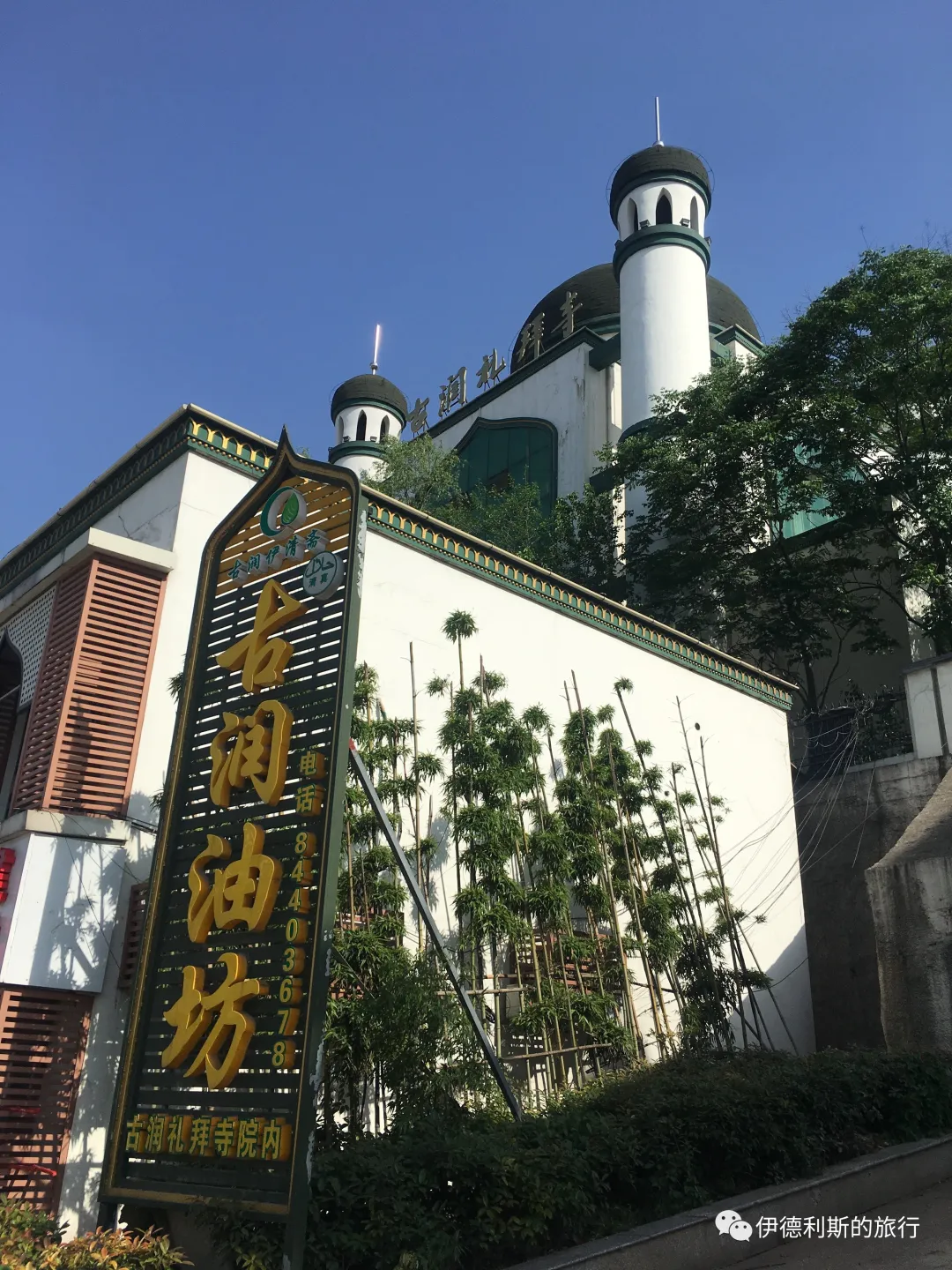
Xinhe Street Mosque.
Xinhe Street Mosque was built in 1930. Zhenjiang Hui Muslims also commonly called it the Jinde Association. It was originally a private residence purchased with donations from Muslims in both Shanghai and Zhenjiang, so it is a Jiangnan-style courtyard house with three sections and two side wings.
Yihewani, also known as the New Sect, means brothers in Arabic. It was founded by Ma Wanfu from Guoyuan Township, Linxia, after he returned from the Hajj in Mecca at the end of the 19th century, and was later carried on by Hu Songshan. The Ikhwan sect advocates following the scriptures and reforming customs, basing their faith on the Quran and Hadith. They opposed certain traditional practices of the Gedimu sect, such as wearing mourning clothes or calling the adhan when moving into a new home.
The Ikhwan sect spread to the Jiangnan region in the 1920s. In 1926, Imam Ha Decheng and others founded the Jinde Association at the Xiaotaoyuan Mosque in Shanghai to promote Ikhwan teachings. Fa Jiesan (1872-1958), a local Hui Muslim from Zhenjiang who moved to Shanghai, discussed the teachings with Imam Ha Decheng. He accepted the Ikhwan views and returned to Zhenjiang to practice his faith at home according to Ikhwan rituals. Later, funds were raised in both Shanghai and Zhenjiang to build an Ikhwan mosque on Xinhe Street.
After the Ikhwan sect arrived in Zhenjiang, it was generally hard for the middle-aged and elderly to accept, but many young people embraced it. At the time, the new and old sects lived in peace and operated side by side.
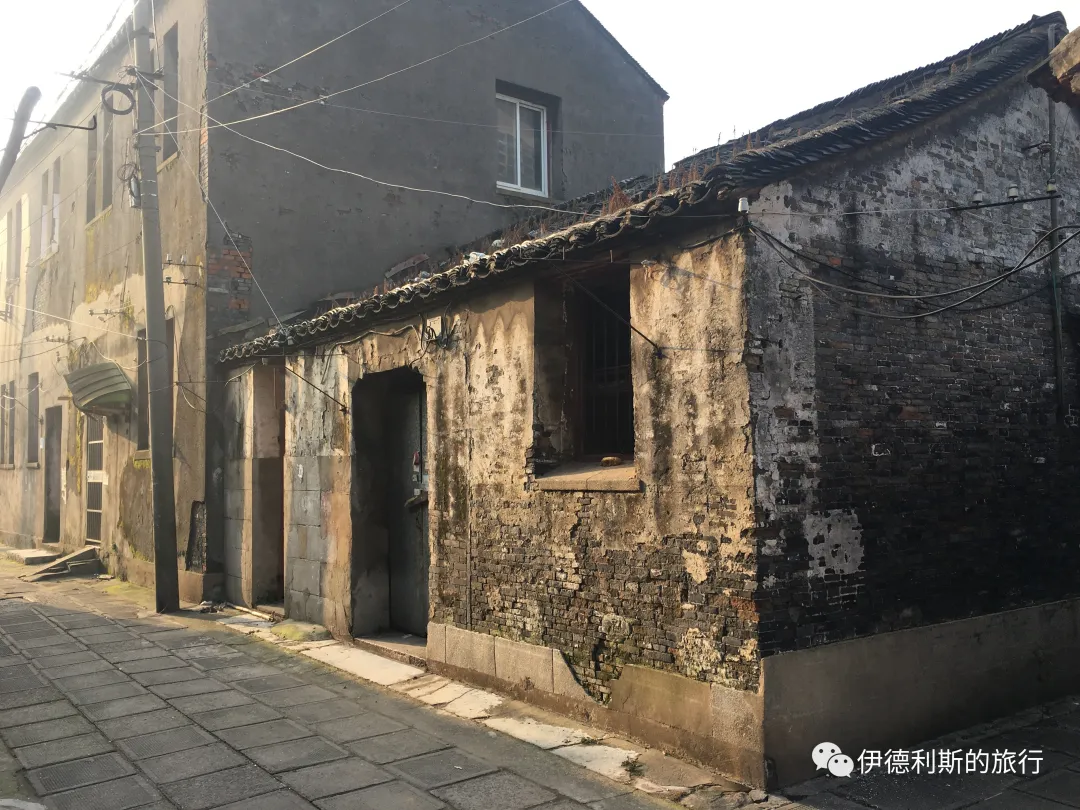
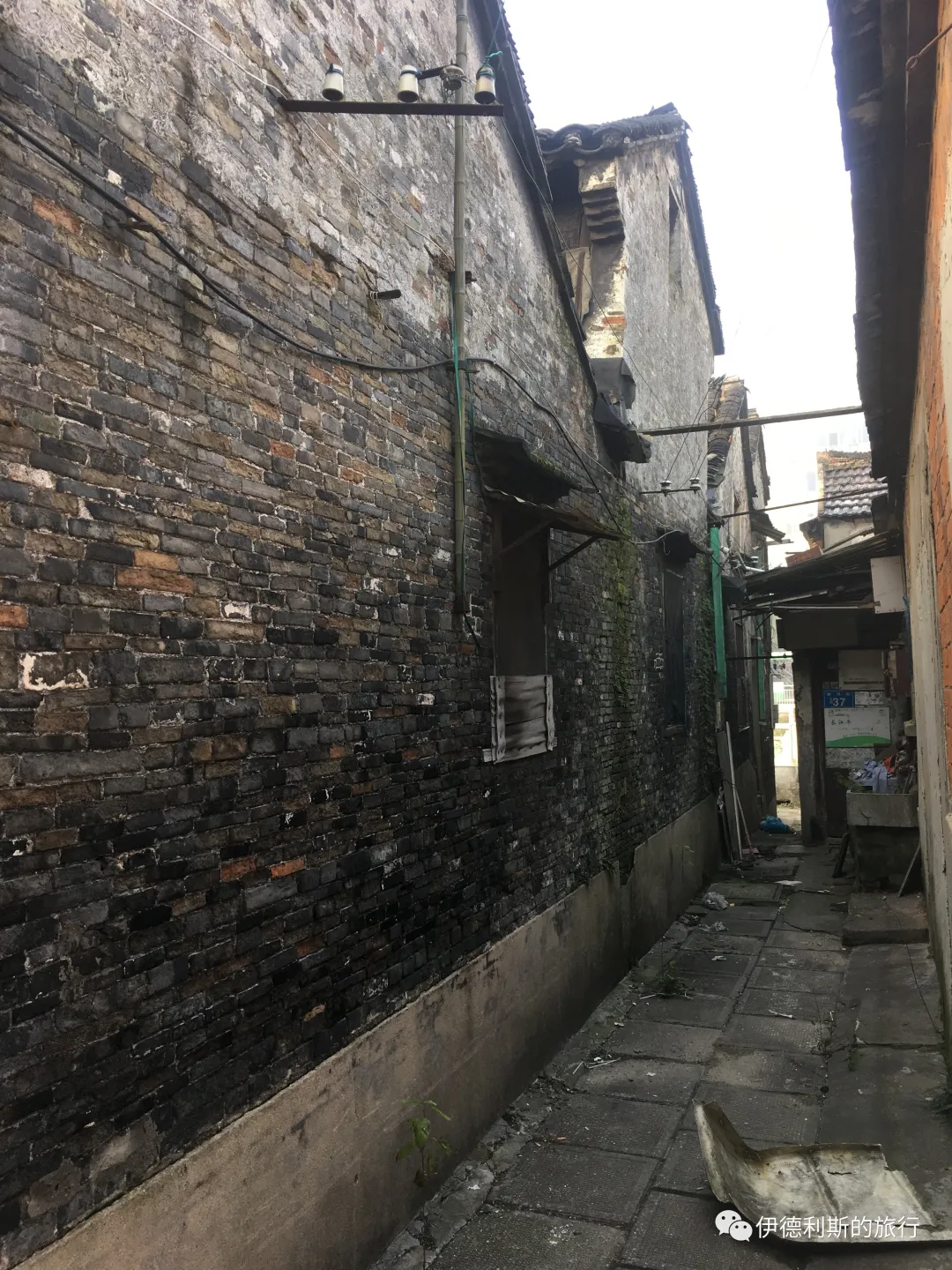
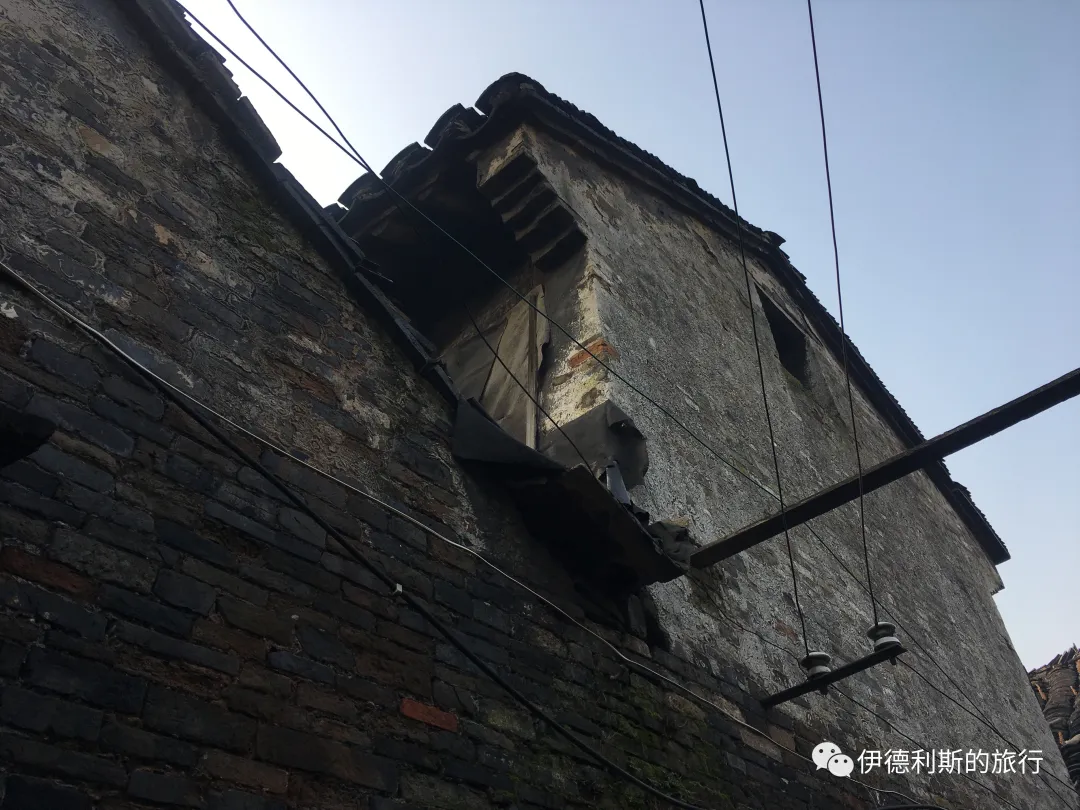
The old Xinhe Street mosque had a stone plaque above the main gate engraved with the words 'Mosque' (Huijiaotang), but it no longer exists. The current building consists of three small bays with three courtyards and side rooms. There is a covered patio between the first and second courtyards, a garden gate connecting the second and third, and the third section is a two-story building.
The Zhenjiang Jinde Association usually held a dinner every Saturday night after the evening namaz. They invited an imam to give a sermon (wa'az), and everyone who came to listen was invited to eat. The costs were covered by members who had hired the imam to perform memorial prayers for their ancestors.
During summer and winter breaks, the Jinde Association also organized scripture classes for Hui Muslim children, and families from all sects sent their children to study.
After the mosque was built, many famous imams were hired to lead religious affairs. In 1947, the famous Imam Li Si (Li Zhenji) from Anhui came to the Xinhe Street mosque from the Luohe Mosque in Henan. According to Mr. Xia Rongguang, Imam Li Si was nearly 70 years old at the time. He had a kind and gentle appearance and a refined manner. When he explained the teachings, everyone, regardless of their level of understanding, felt inspired. Because of this, more and more elders from other neighborhoods came to the mosque for Friday Jumu'ah prayers. In the autumn of 1949, Imam Li Si returned to Luohe from Zhenjiang.
In 1950, 43-year-old Imam Zhang Zhushu came to the Xinhe Street mosque to serve as the head imam. Imam Zhang Zhushu was from Xiangfan, Hubei. Mr. Xia Rongguang recalled that he was well-versed in religious teachings and had broad modern knowledge. When he taught, he connected it to real life with vivid, simple language. He attracted ordinary elders and won the praise of intellectuals, and local Muslims in Zhenjiang called him an imam of the new era. In 1953, Imam Zhang Zhushu was invited by the Fuyou Road Mosque in Shanghai to serve as their imam, so he left Zhenjiang.
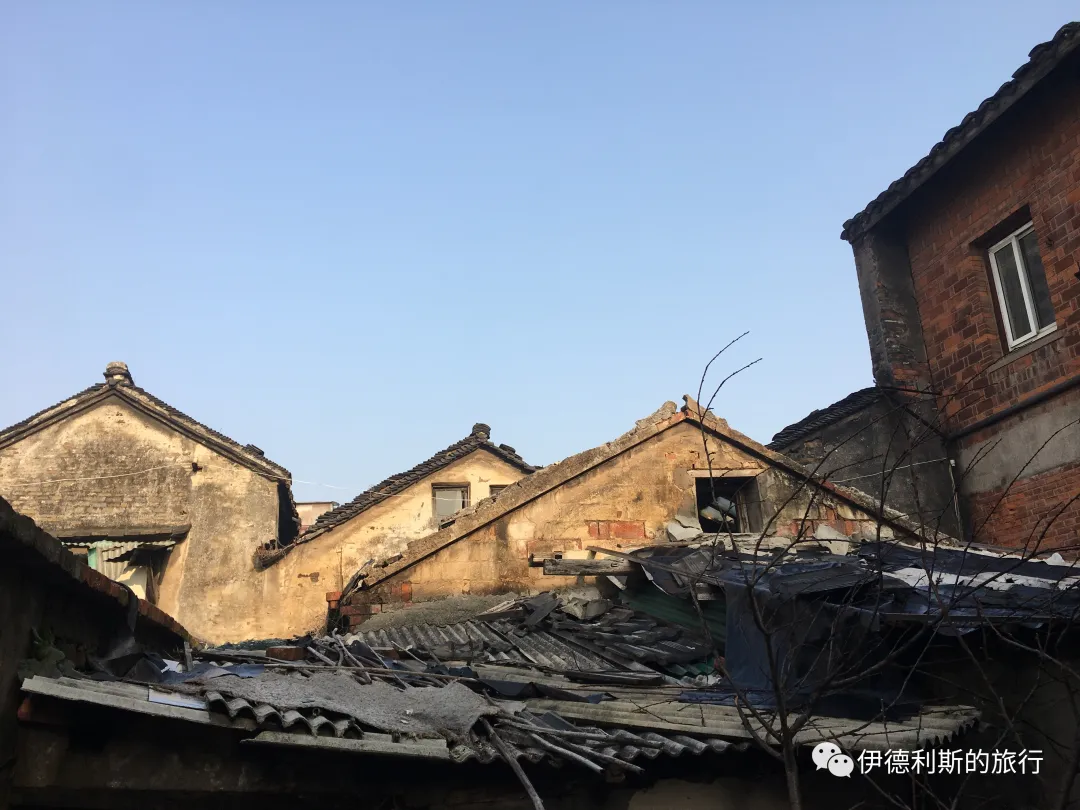
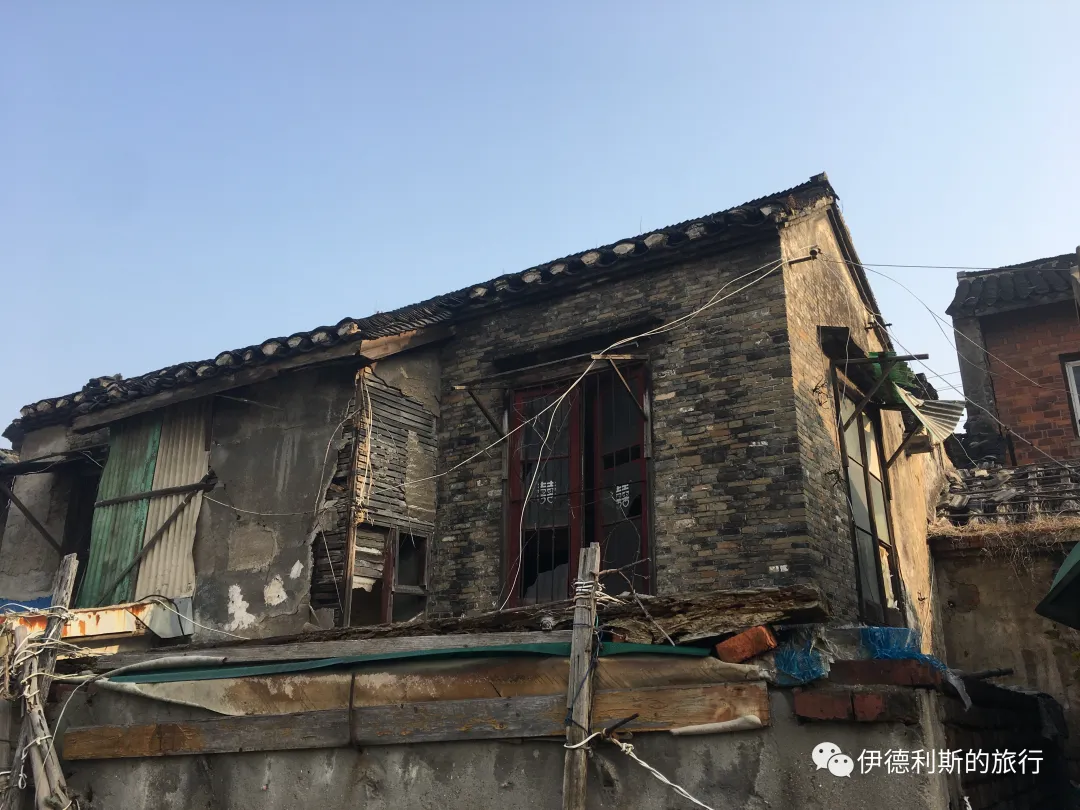
After that, the elder Tan Jizhen managed the prayers and affairs at the Xinhe Street mosque until it was merged into the Shanxiang Mosque in 1958. It later became a dormitory for a forestry machinery factory and has been abandoned ever since.
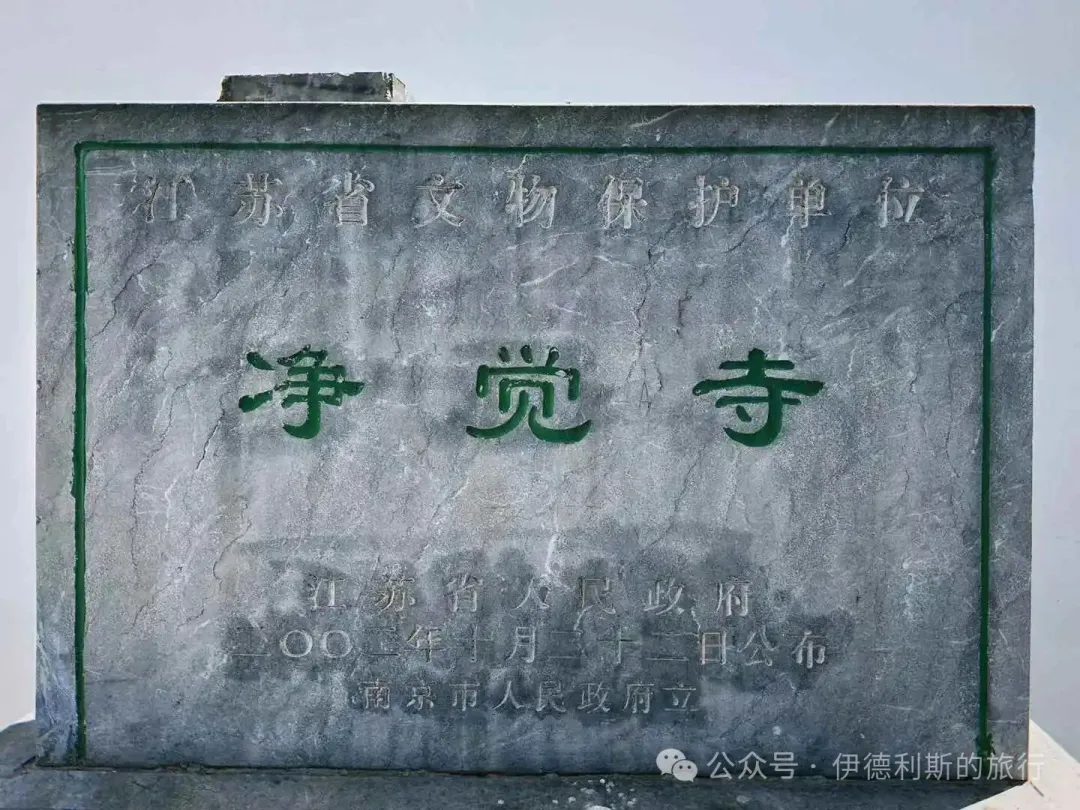
Jingjue Mosque
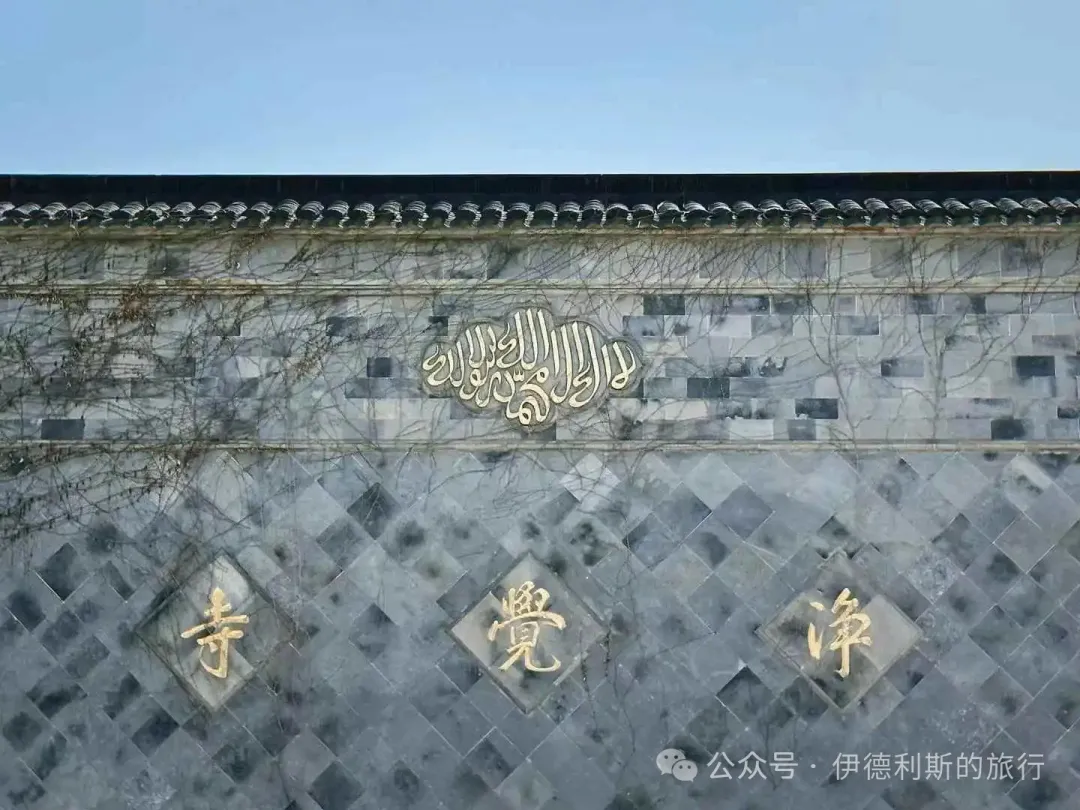
Jingjue Mosque is located on Sanshan Street in the south of Nanjing. It was originally called the Sanshan Street Mosque, but was renamed Jingjue Mosque during the Jiajing period of the Ming Dynasty. It is the primary mosque of Nanjing from the Ming era.
One account says Jingjue Mosque was built in 1388 (the 21st year of the Hongwu reign of the Ming Dynasty) by imperial order to house officials from the Western Regions who had submitted to the Ming, such as Yibulajin and Kemaruding. Another account says it was built in 1392 (the 25th year of the Hongwu reign) by imperial order for Saihazhi, the seventh-generation descendant of Sayyid Ajjal Shams al-Din. Both accounts are recorded on Ming Dynasty stone tablets.
According to the 1493 (fifth year of the Hongzhi reign of the Ming Dynasty) inscription titled 'Imperial Decree to Build Two Mosques in Yingtian Prefecture, Jiangnan,' it states: 'In the 21st year of the Hongwu reign, Yibulajin, Kemaluding, and others, originally from the Rumi Kingdom in the Western Regions, followed the Duke of Song to submit to China after conquering the Jinshan and Kaiyuan areas. Therefore, two mosques were built by imperial decree to settle them, and five households including Kemaluding were assigned to live at the Jingjue Mosque near the Moon-Watching Tower (Wangyue Lou).' The family genealogies of two Hui Muslim branches with the surname Ma, known as 'Weiyitang' and 'Bojitang' in Hushu, Nanjing, both record that they are descendants of Ma Gutai and Ma Baihao, who were settled at the Jingjue Mosque at that time.
According to a 1405 (third year of the Yongle reign of the Ming Dynasty) inscription at the Great Mosque on Huajue Lane in Xi'an, 'On the 14th day of the third month of the 25th year of the Hongwu reign, Saihazhi, the seventh-generation grandson of the Prince of Xianyang, Sai Dianchi, went to the inner court to receive an imperial decree:...two mosques were to be built in two locations, one at Copper Workshop on Sanshan Street in Yingtian Prefecture, Nanjing, and one on Ziwu Lane, Chang'an County, Xi'an Prefecture, Shaanxi Province.' The 'Genealogy of Sai Dianchi' records that Saihazhi was granted the hereditary title of Marquis of Xianning, and 'when the Ming Emperor Taizu established the capital in Jinling, he commissioned Saihazhi to build a mosque in Jinling.' After the work was finished, he built the Great Mosque in Chang'an. When the Tiemao Lane Mosque in Taicang, Jiangsu, was rebuilt in the 1980s, a stone tablet was found inside the wall, revealing that the Taicang mosque was also built by Saihazhi.
Additionally, according to the Republic of China era 'Zhongnan and Huaibei Regional Gazetteer,' 'North of the street is the Jingjue Mosque. Wu Ru from the Western Regions came to China during the Ming Dynasty to serve in the Imperial Board of Astronomy. He lived in Nanjing and built this mosque next to his residence.' Therefore, the Jingjue Mosque may have originally been part of Wu Ru's residence.
The Jingjue Mosque was destroyed by fire in 1430 (fifth year of the Xuande reign), and Zheng He requested its reconstruction before his seventh voyage to the Western Oceans. According to the 'Record of the Imperial Decree for Eunuch Zheng He to Rebuild the Mosque,' it states: 'Your request has been received: The mosque on Sanshan Street in Nanjing has been burned down.' 'Because you wish to rebuild it to pray for the safety of the funds, grain, people, and ships for your voyage, this shows your respectful heart. How could this be neglected?' 'As an imperial envoy, since you have already set your heart on this, how could your wish be abandoned?' 'If the personnel and materials you use are insufficient and delay your project, you may draw supplies from the Nanjing Directorate of Palace Servants and the Ministry of Works so that it can be completed in time for the winds to set sail. This is the decree.'
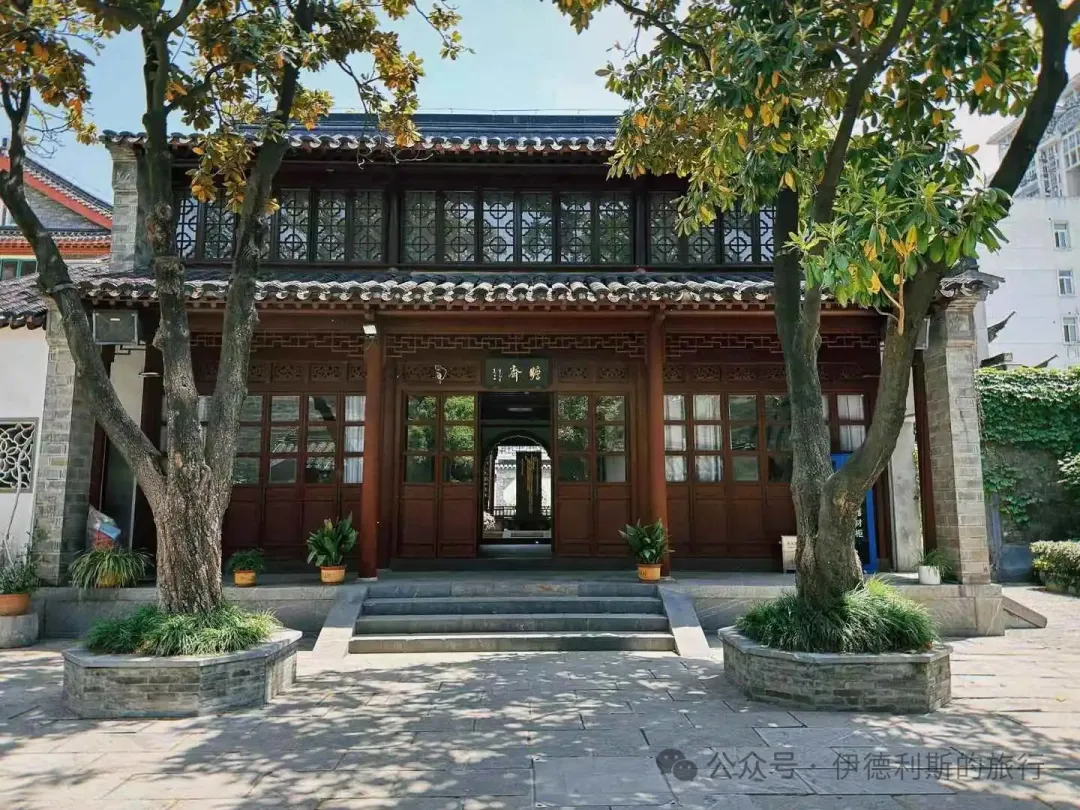
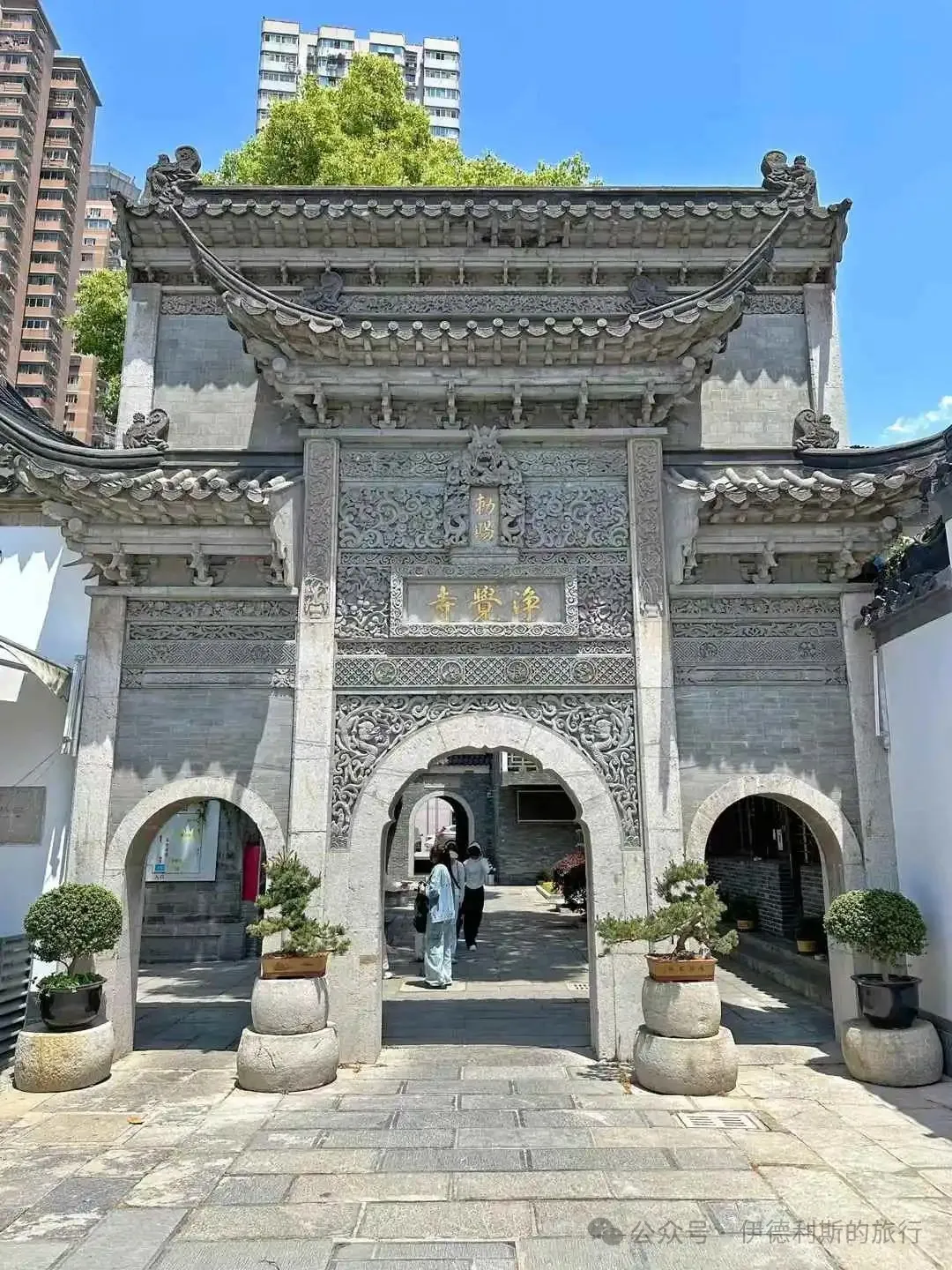
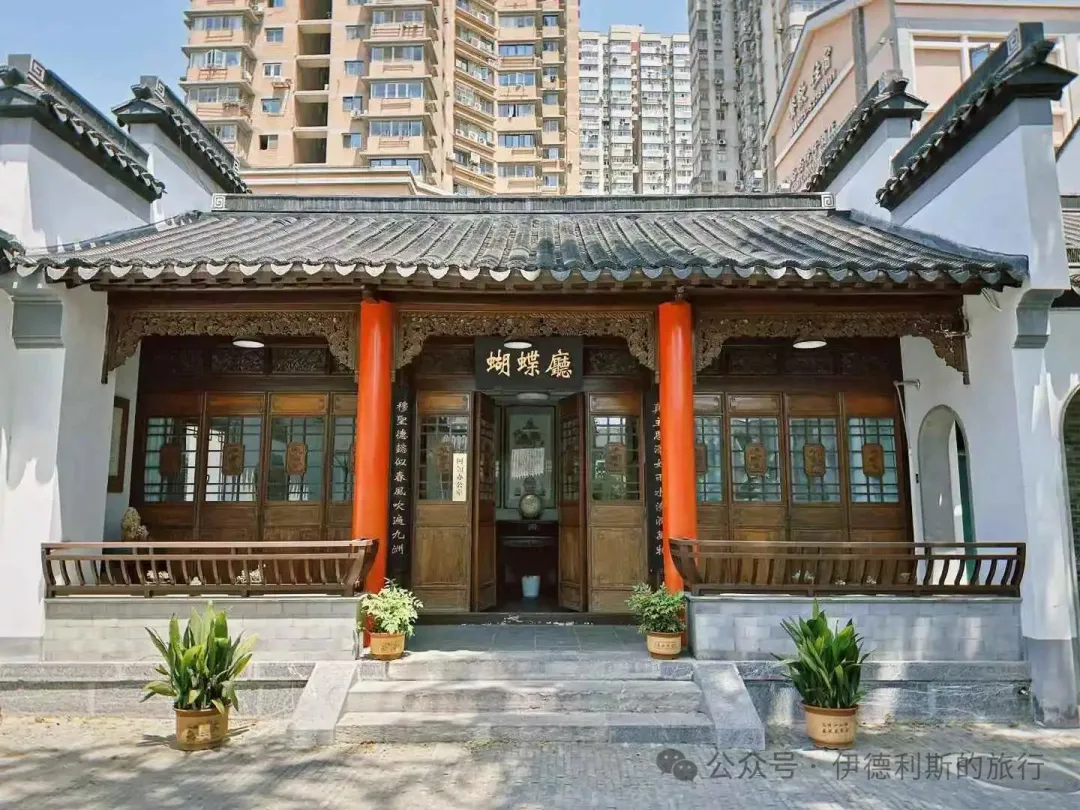
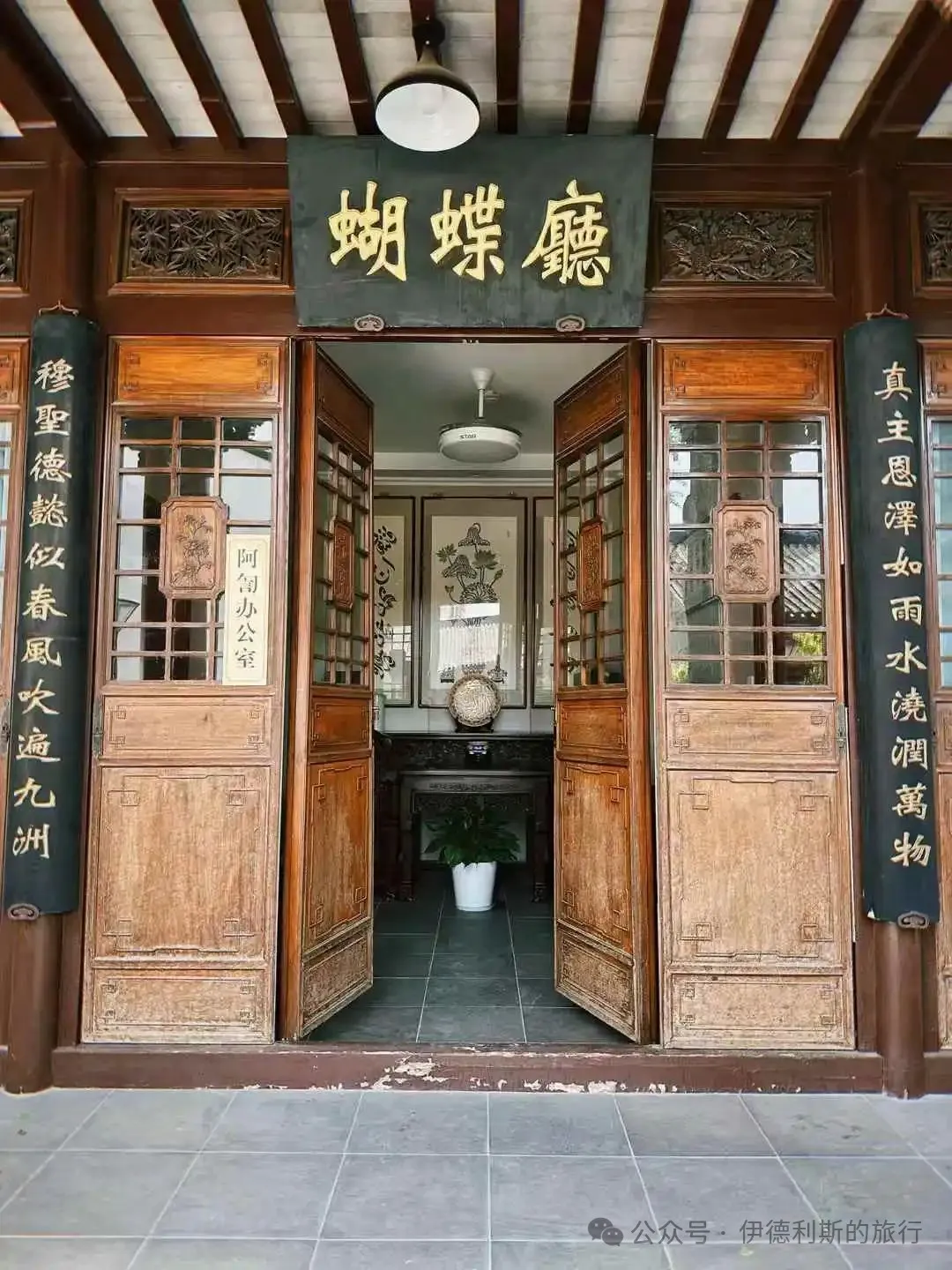
During the Taiping Rebellion, most of the bricks, tiles, and wood from the Jingjue Mosque were dismantled to build the mansion of the feudal prince. After being rebuilt in 1877 (third year of the Guangxu reign) and renovated in 1879 (fifth year of the Guangxu reign), it took on its current layout. In the early years of the Republic of China, the wealthy Nanjing gentleman Jiang Xiudong and his wife funded the construction of the north and south lecture halls and the hall building for the Jingjue Mosque, and it was renovated again in 1957. After the 1960s, the Jingjue Mosque was occupied by a rubber company and the No. 3 Rubber Factory. The remaining Ming Dynasty brick and stone archway and the Butterfly Hall were demolished, and plaques, couplets, and stone tablets were severely damaged. It was reopened in 1983 after renovations in 1982, and the reconstruction of the archway was completed in 1985.
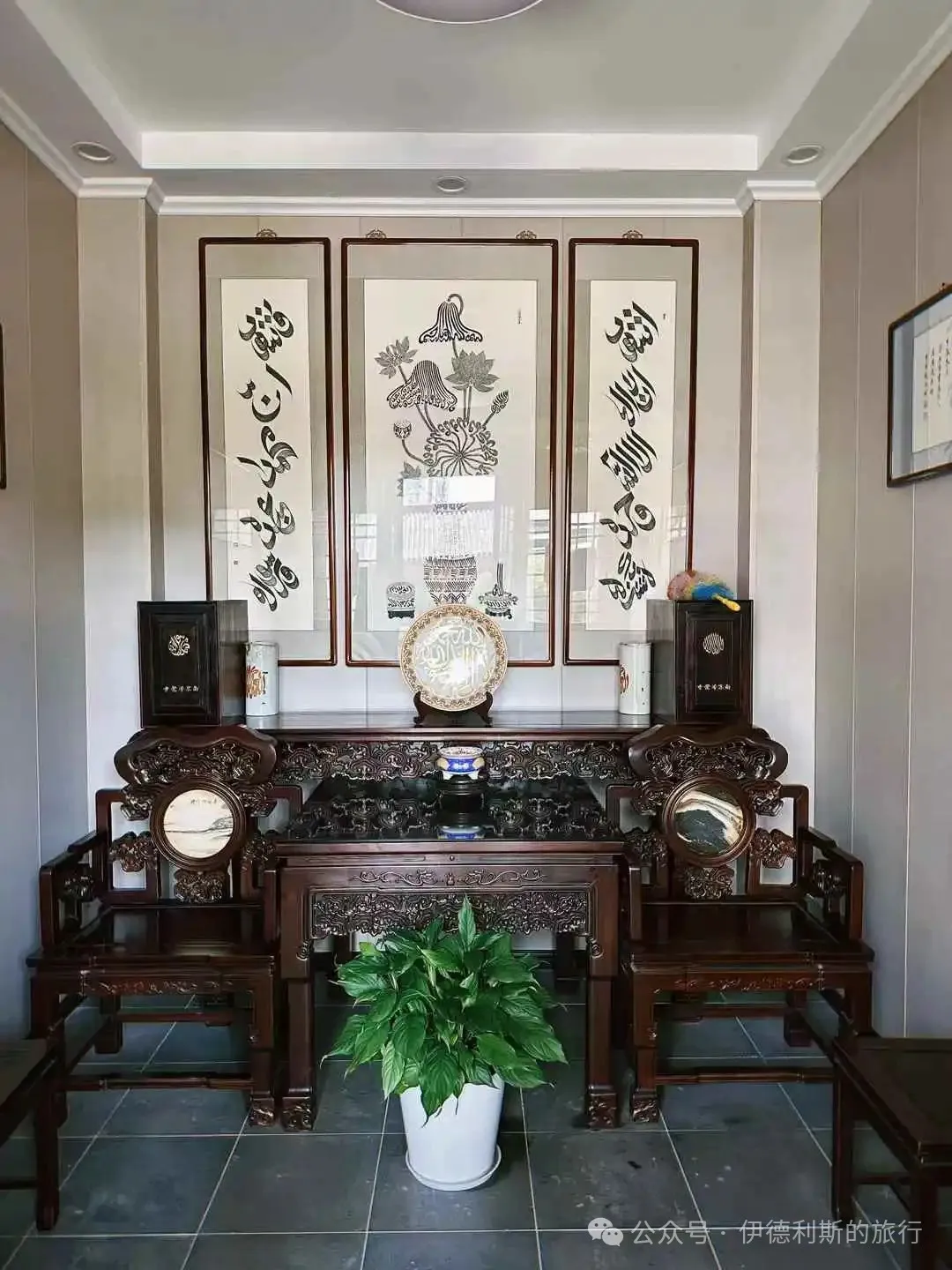
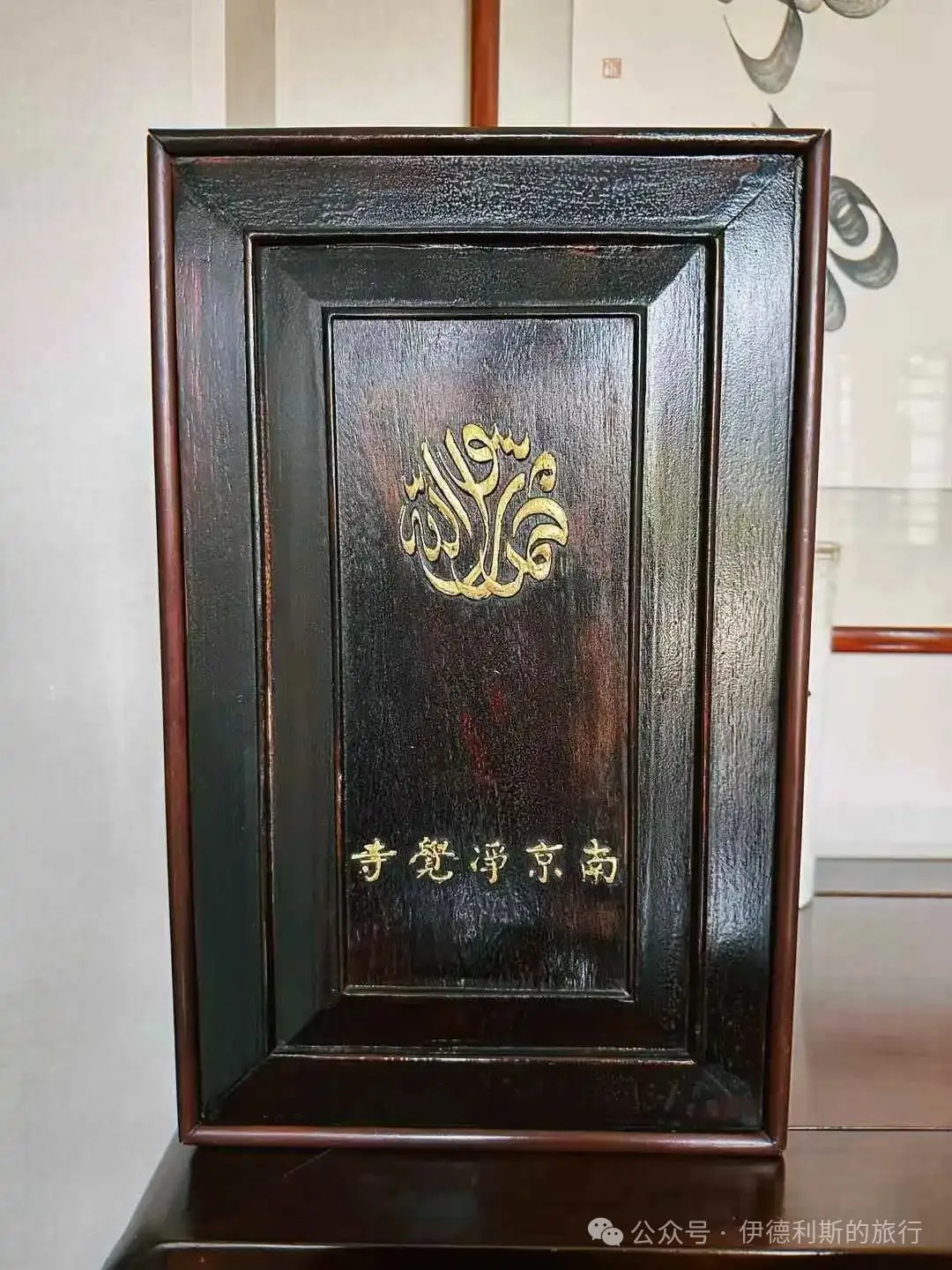
During the Ming Dynasty, the main hall of the Jingjue Mosque had 81 rooms and was built with nanmu wood. The current main hall was rebuilt in 1877 (third year of the Guangxu reign). It is convex-shaped and features a traditional wooden frame structure. The main hall and the opposite hall are connected by a corridor, forming a gong-shaped plan, which is typical of the Jiangnan style. The mihrab niche was moved from the original Xiaowangfu Lane Mosque, and the surrounding wooden carvings of scriptures were carved in 2001.
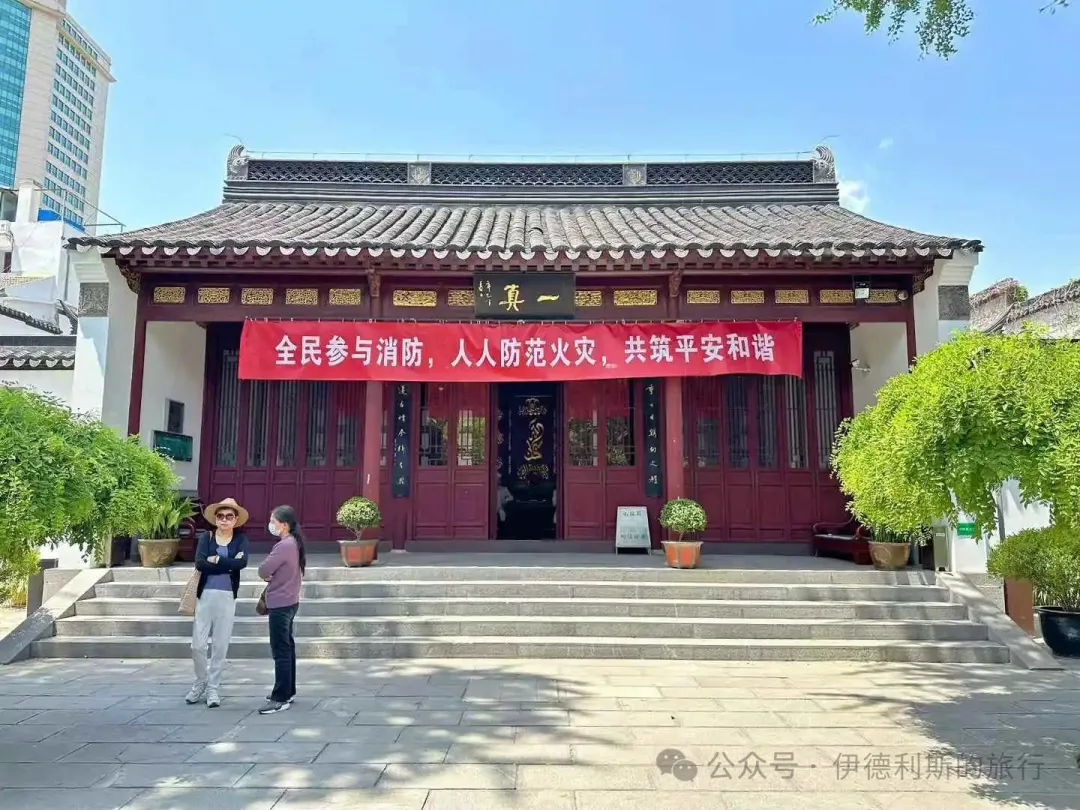
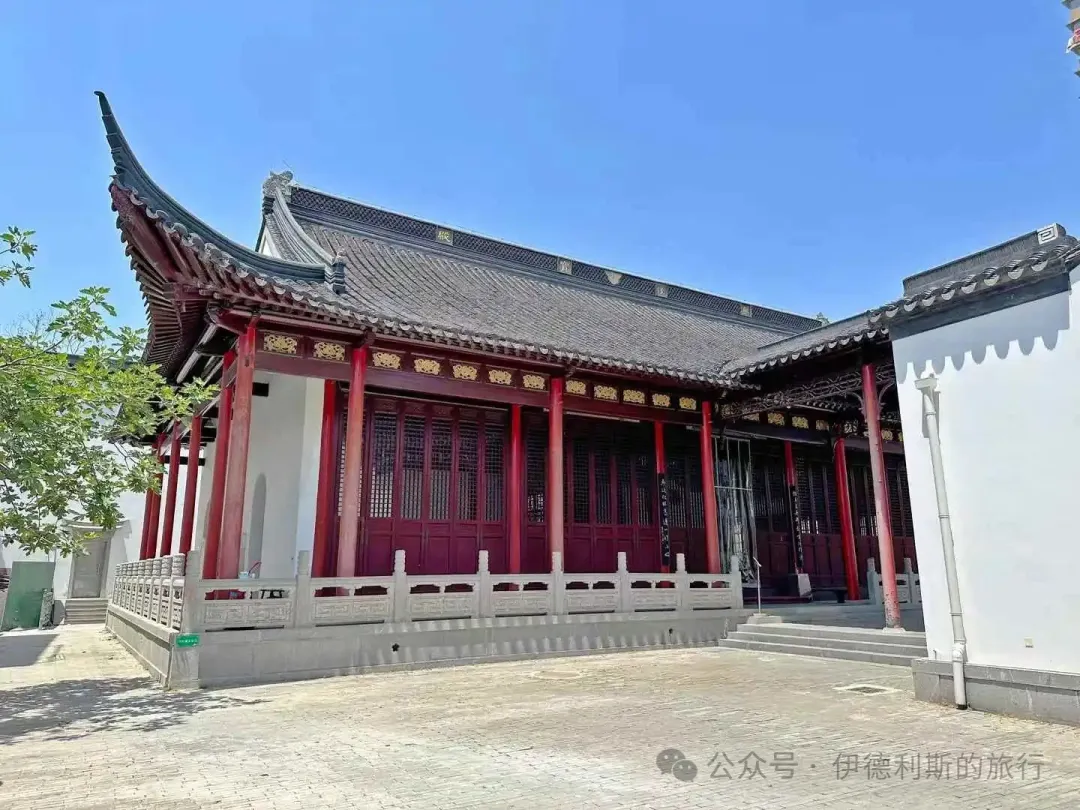
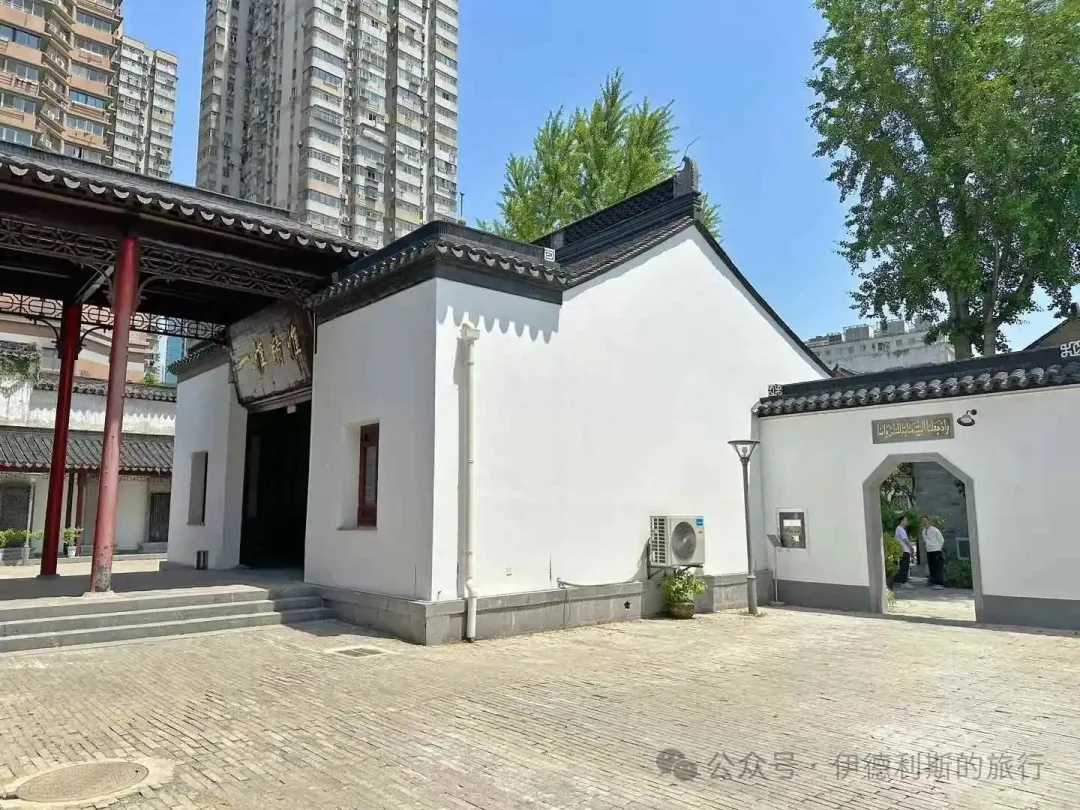
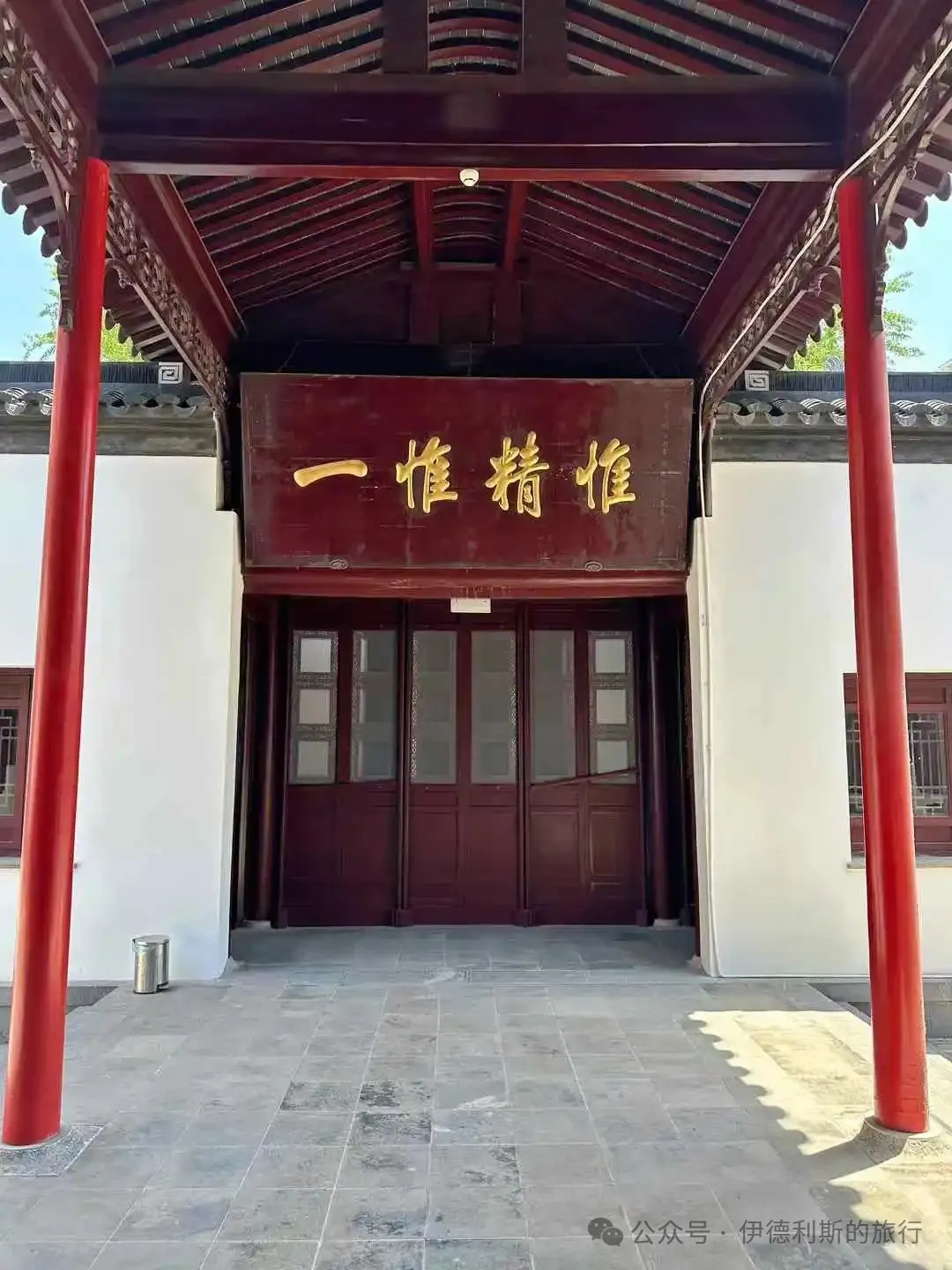
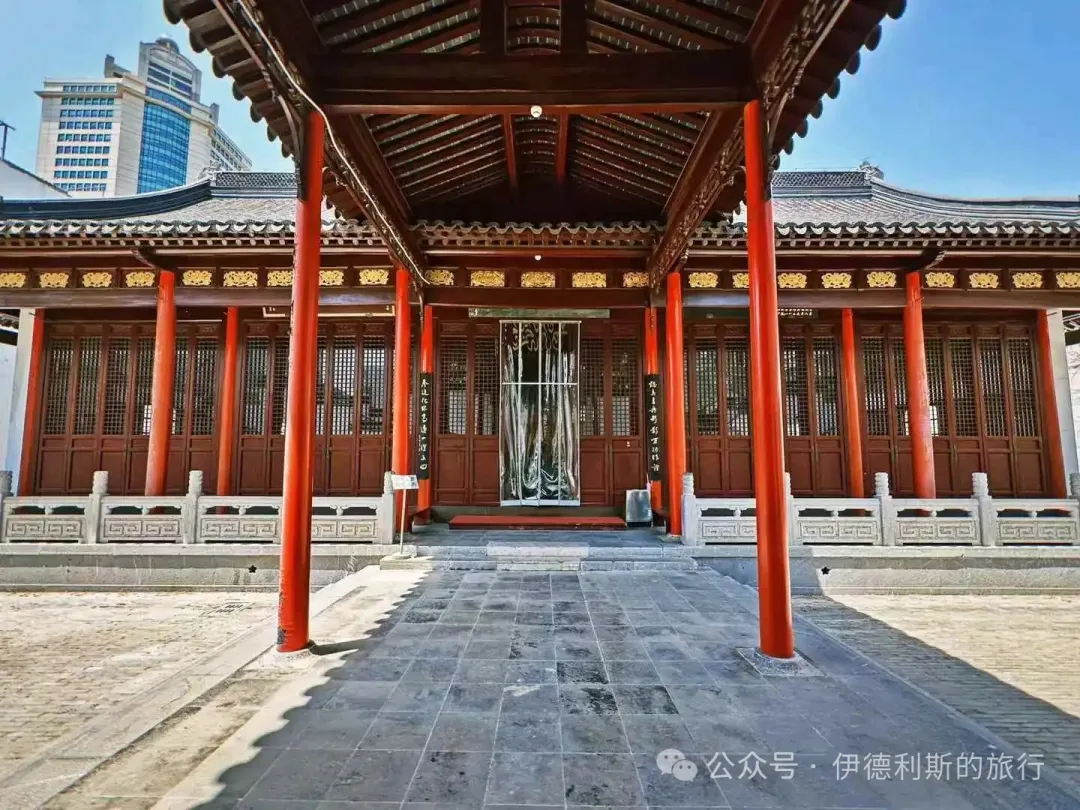
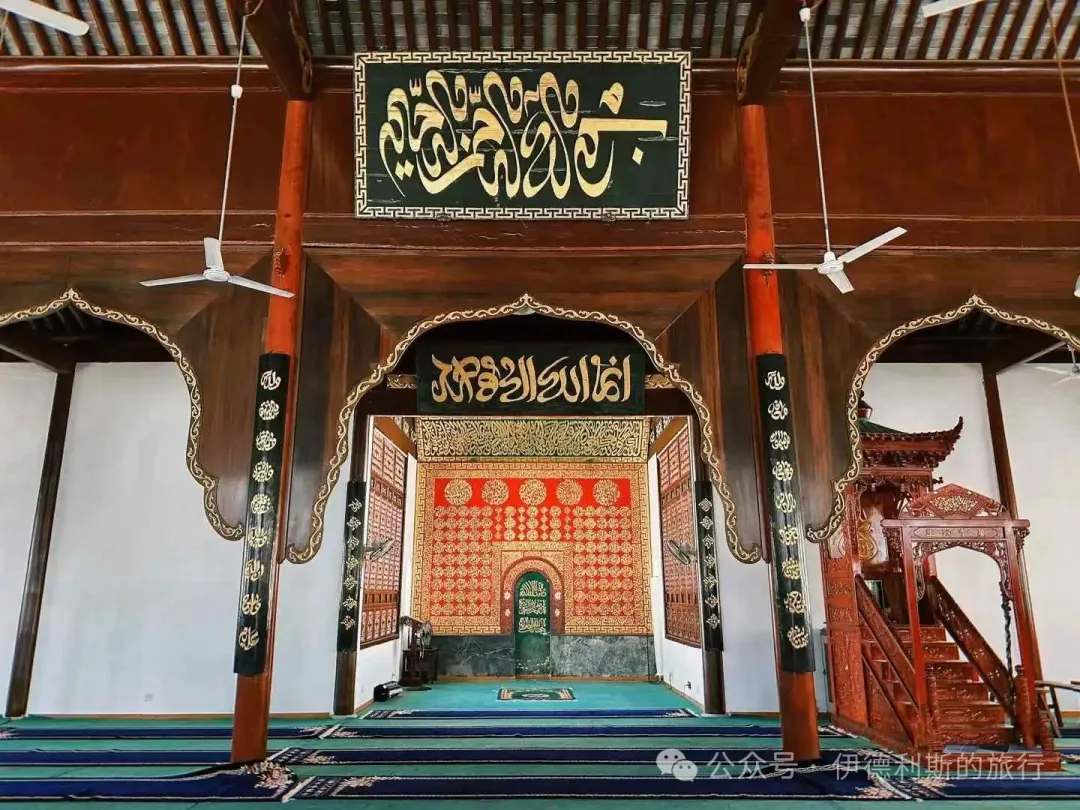
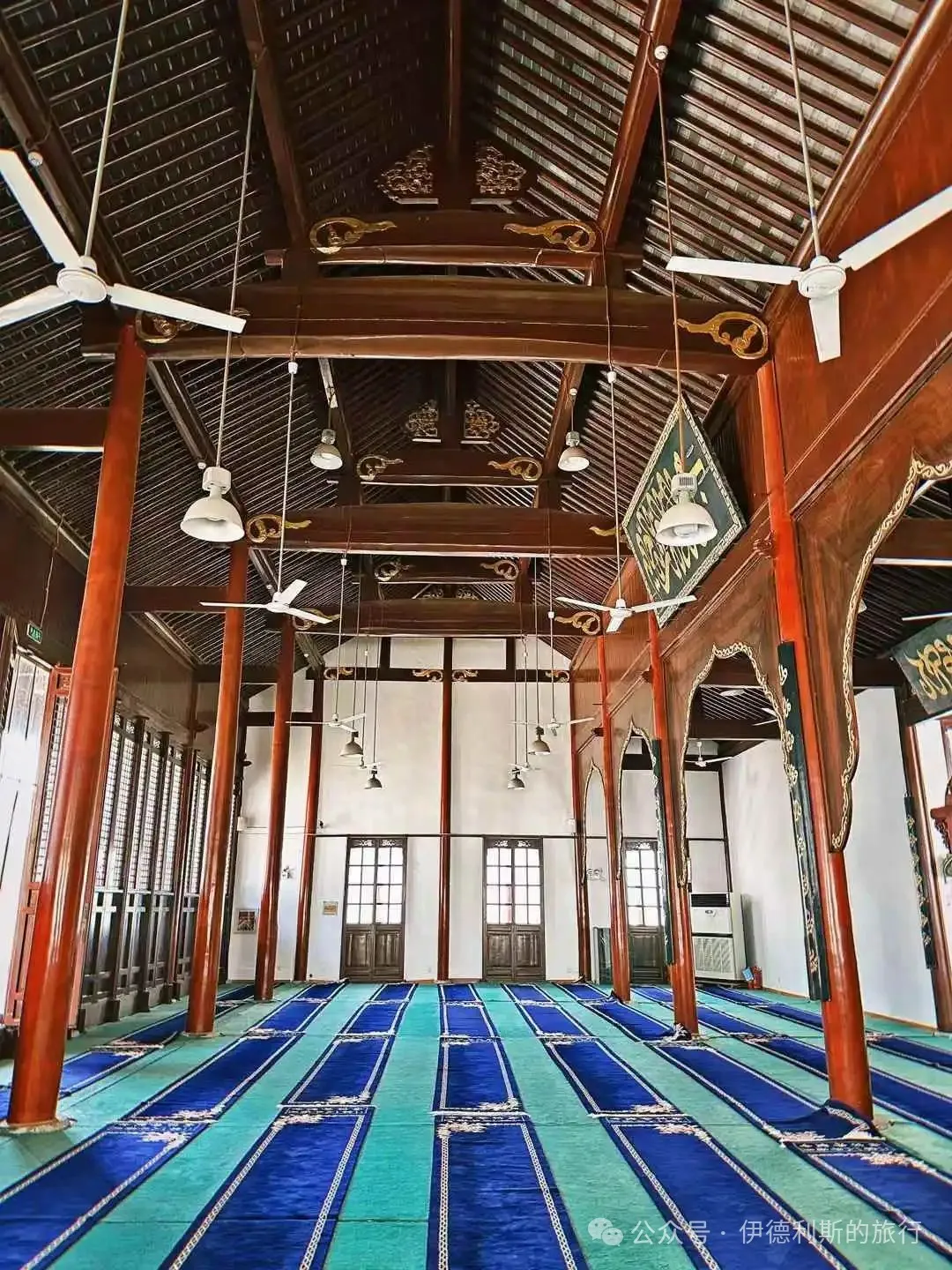
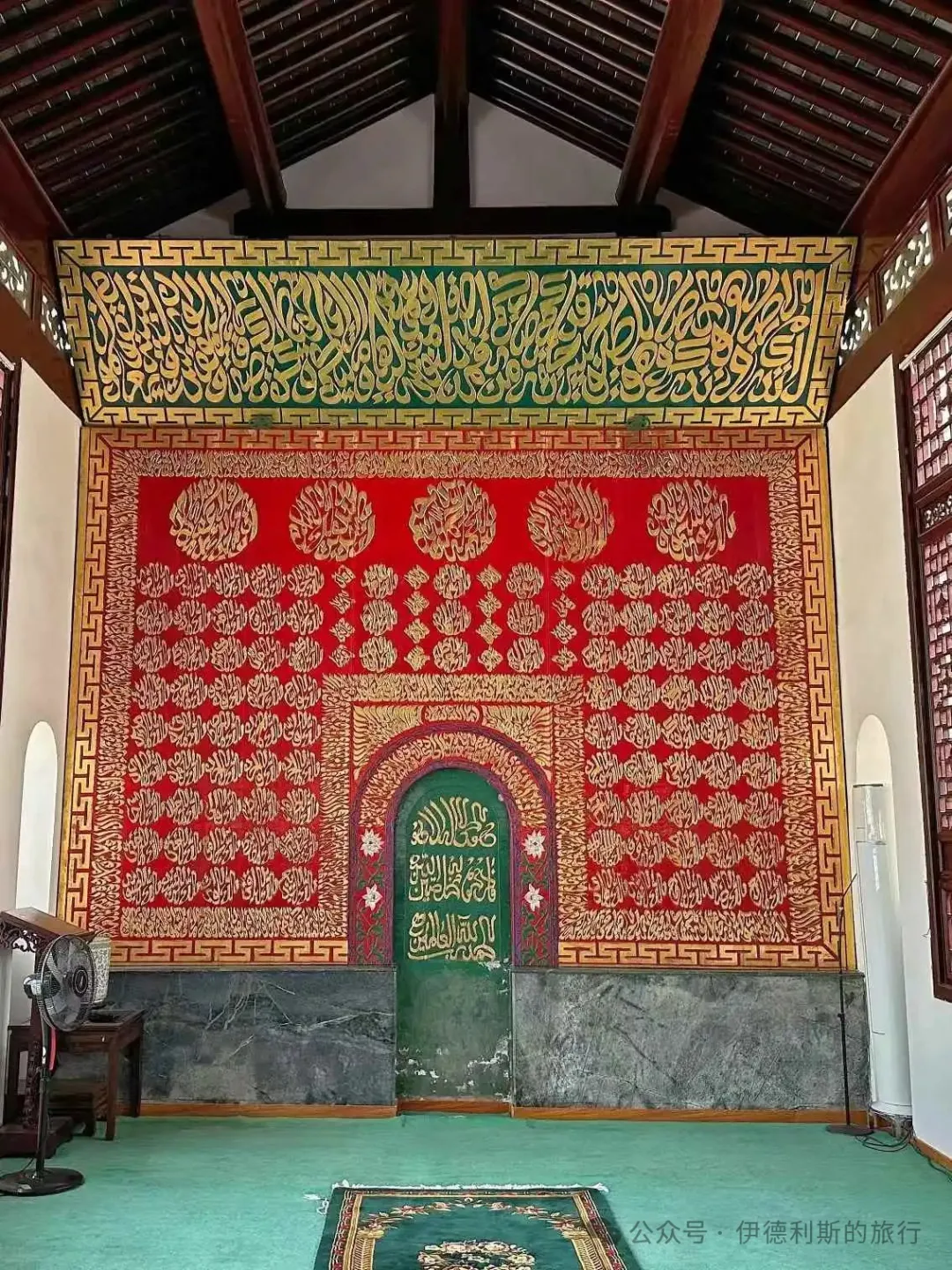
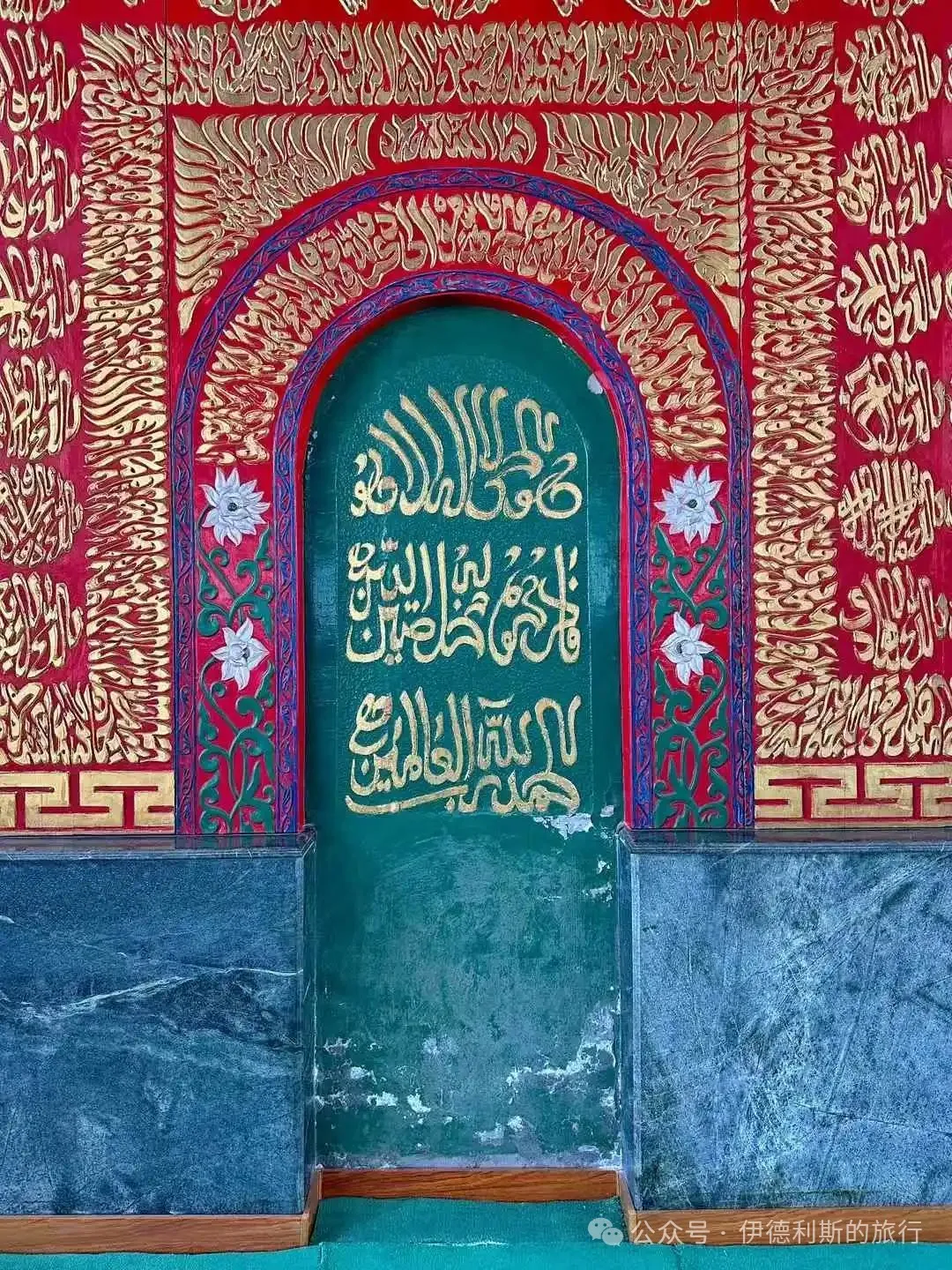
The back of the prayer hall connects directly to a high wall, which is a typical practice of Jianghuai courtyard-style architecture and is very rare in the north.
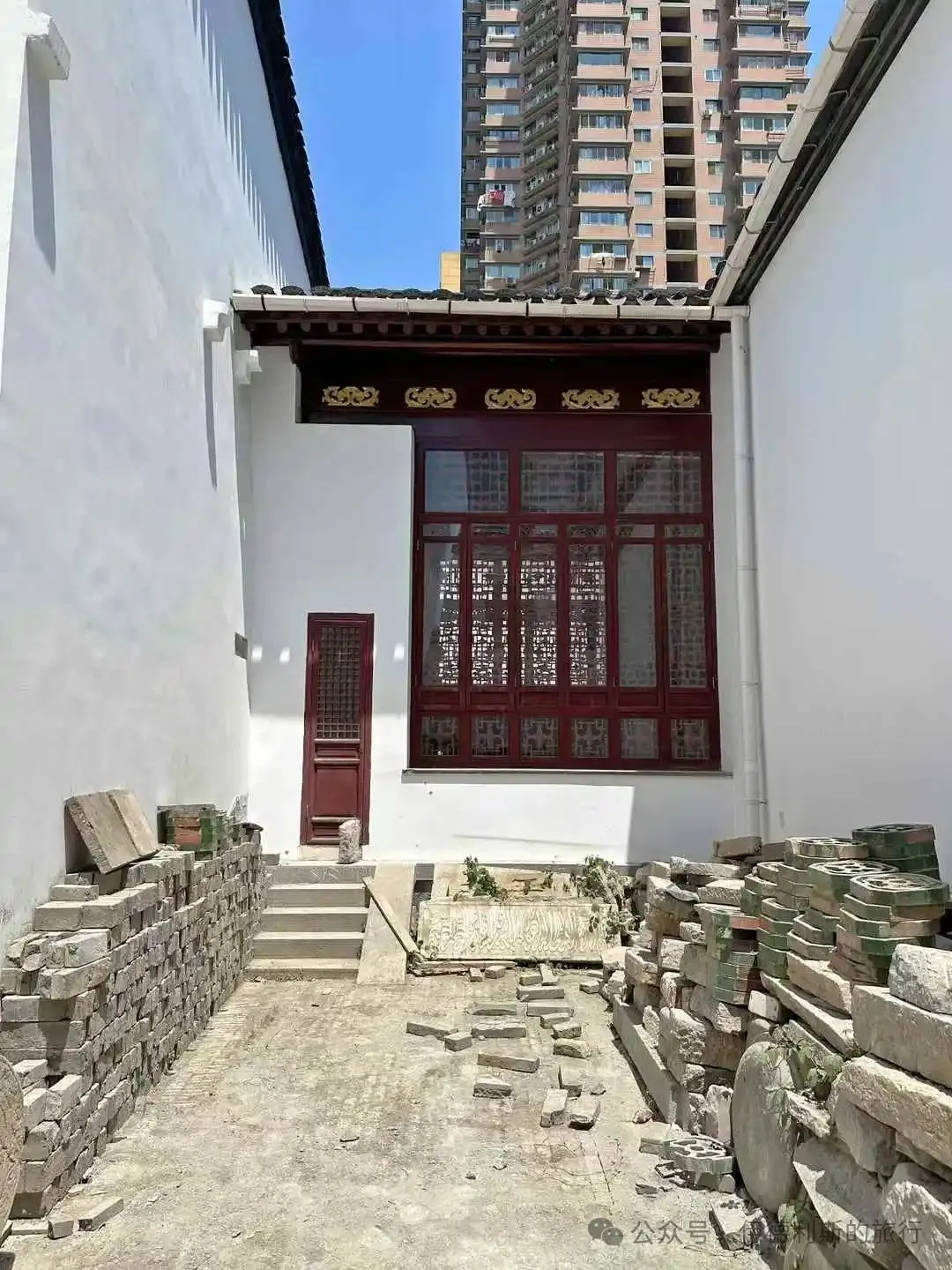
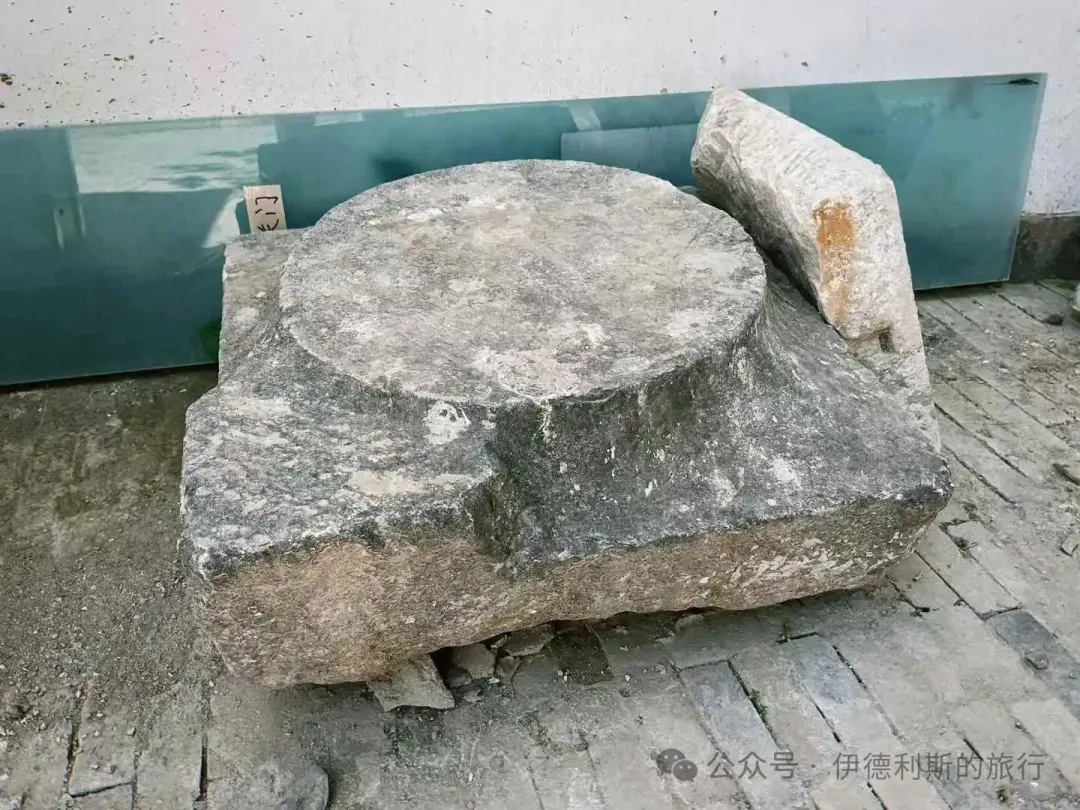
During the 2007 renovation, the main hall was raised by 1 meter. During this process, workers dug two meters deep and unearthed Ming Dynasty glazed tiles, brick carvings, stone railings, and huge Ming Dynasty stone column bases. These bases were twice the diameter of those from the Guangxu period.
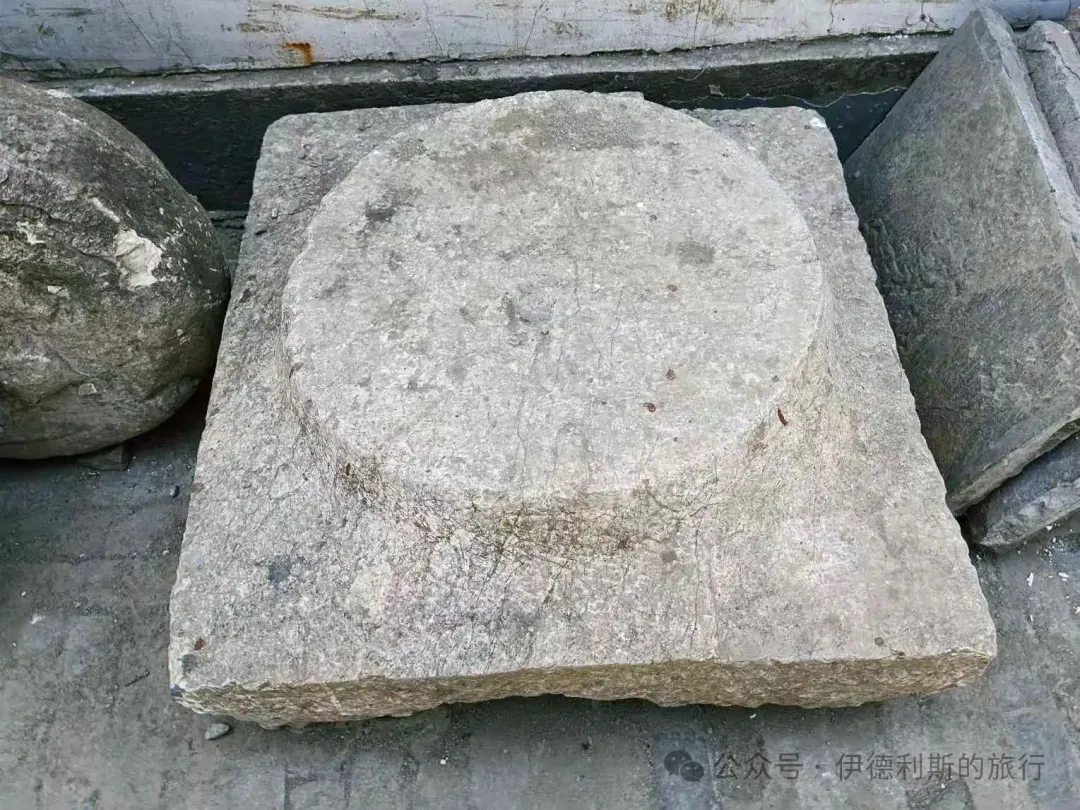
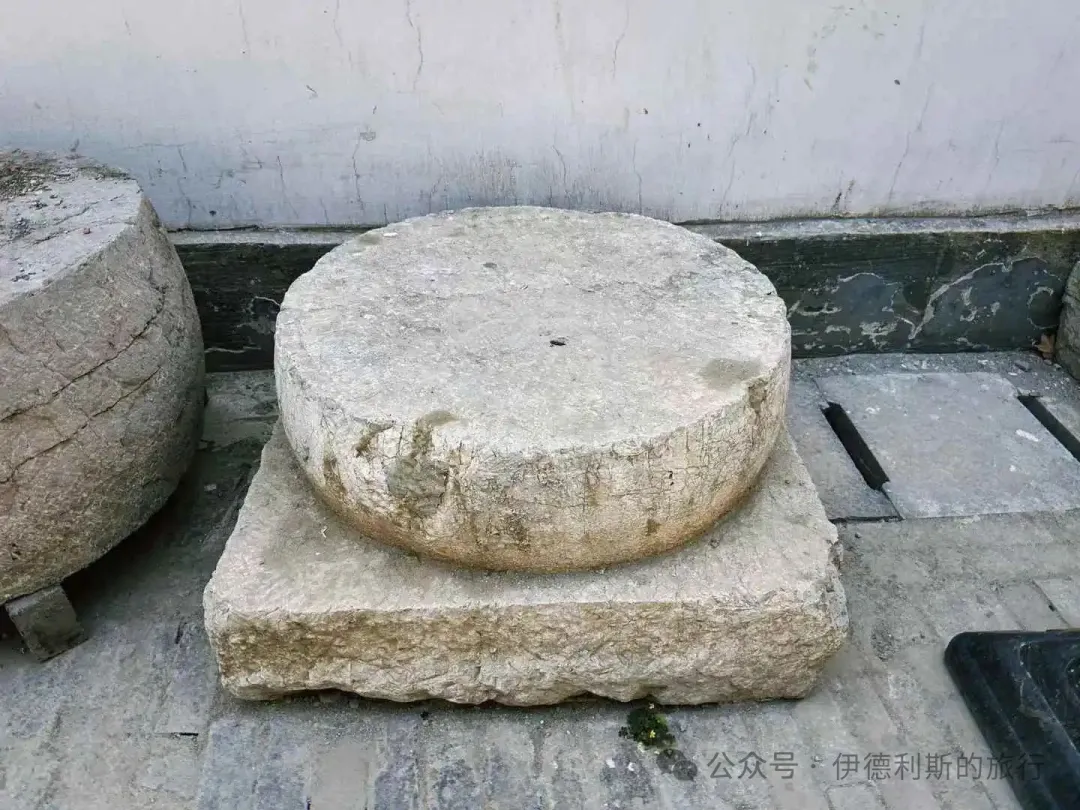
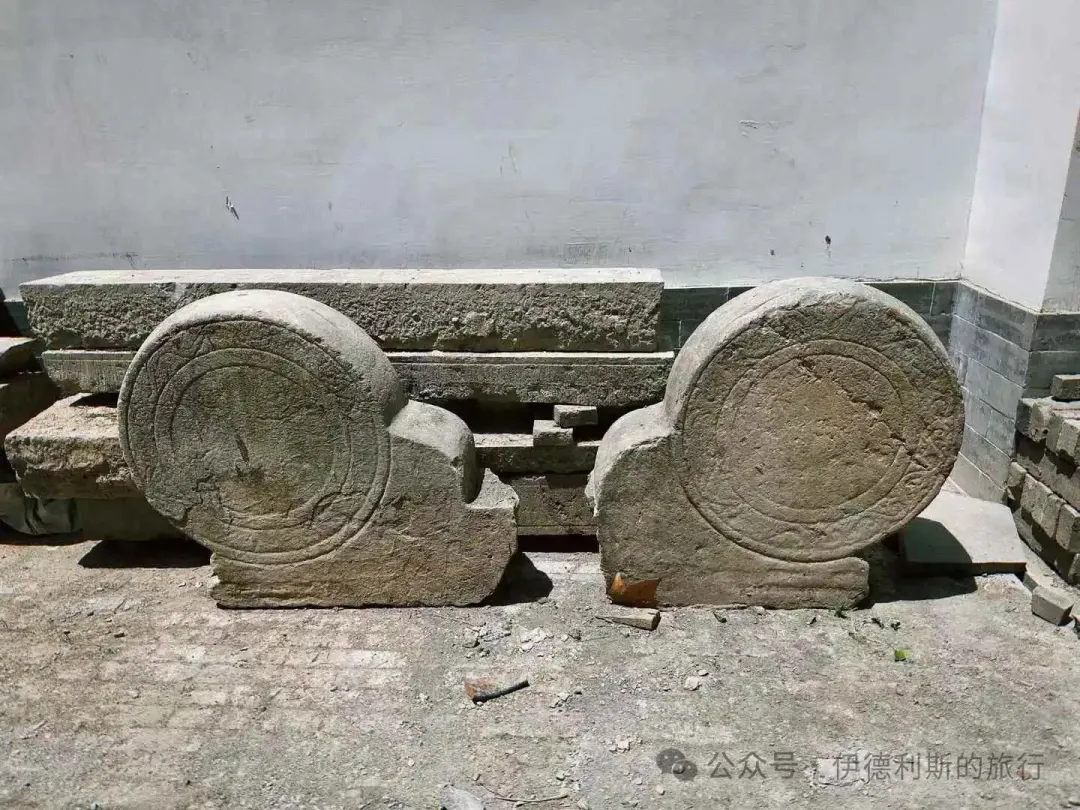
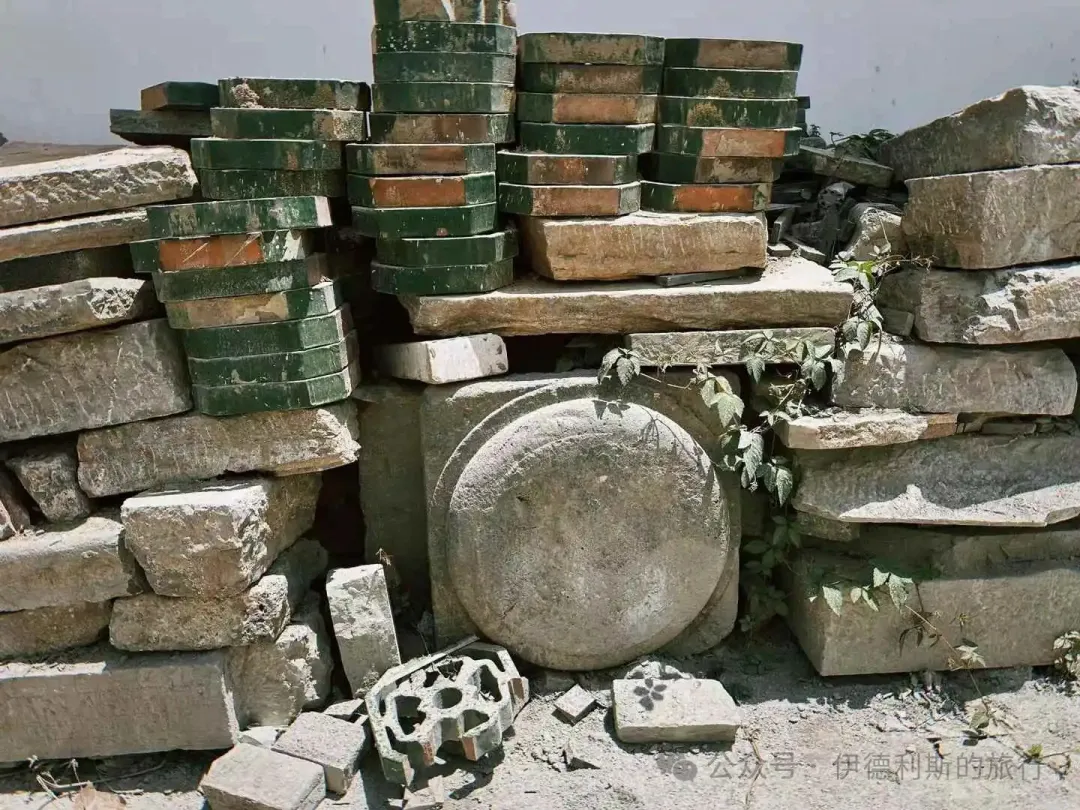
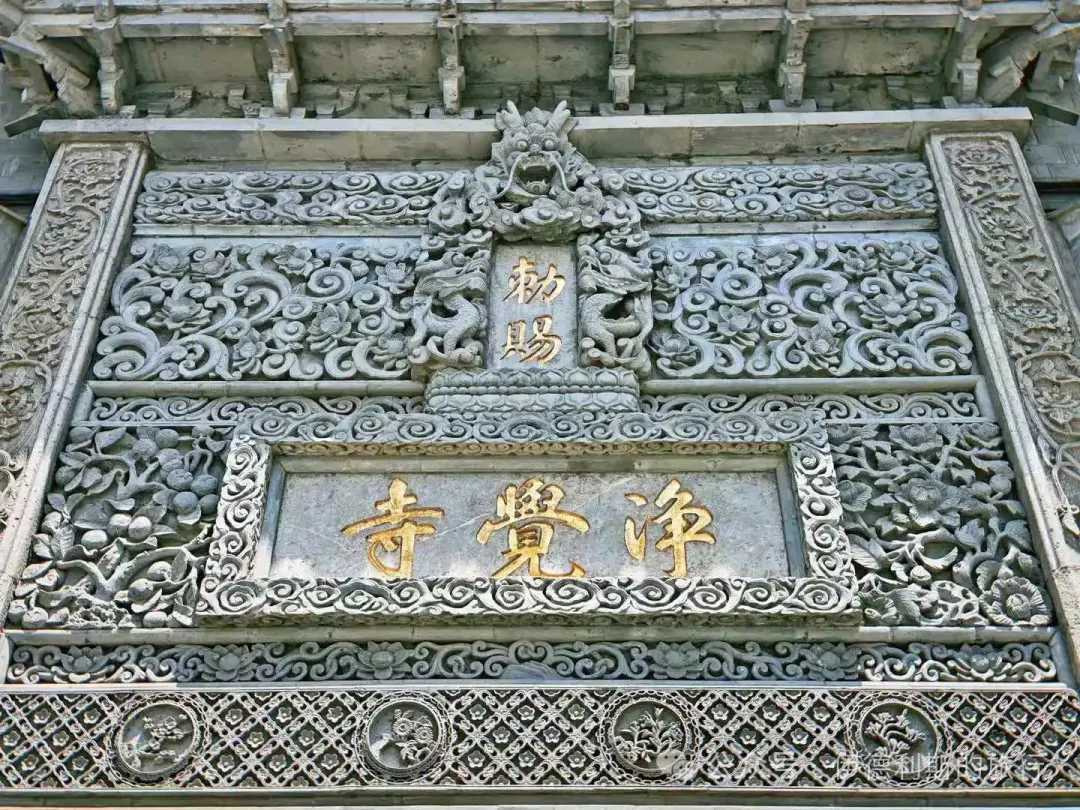
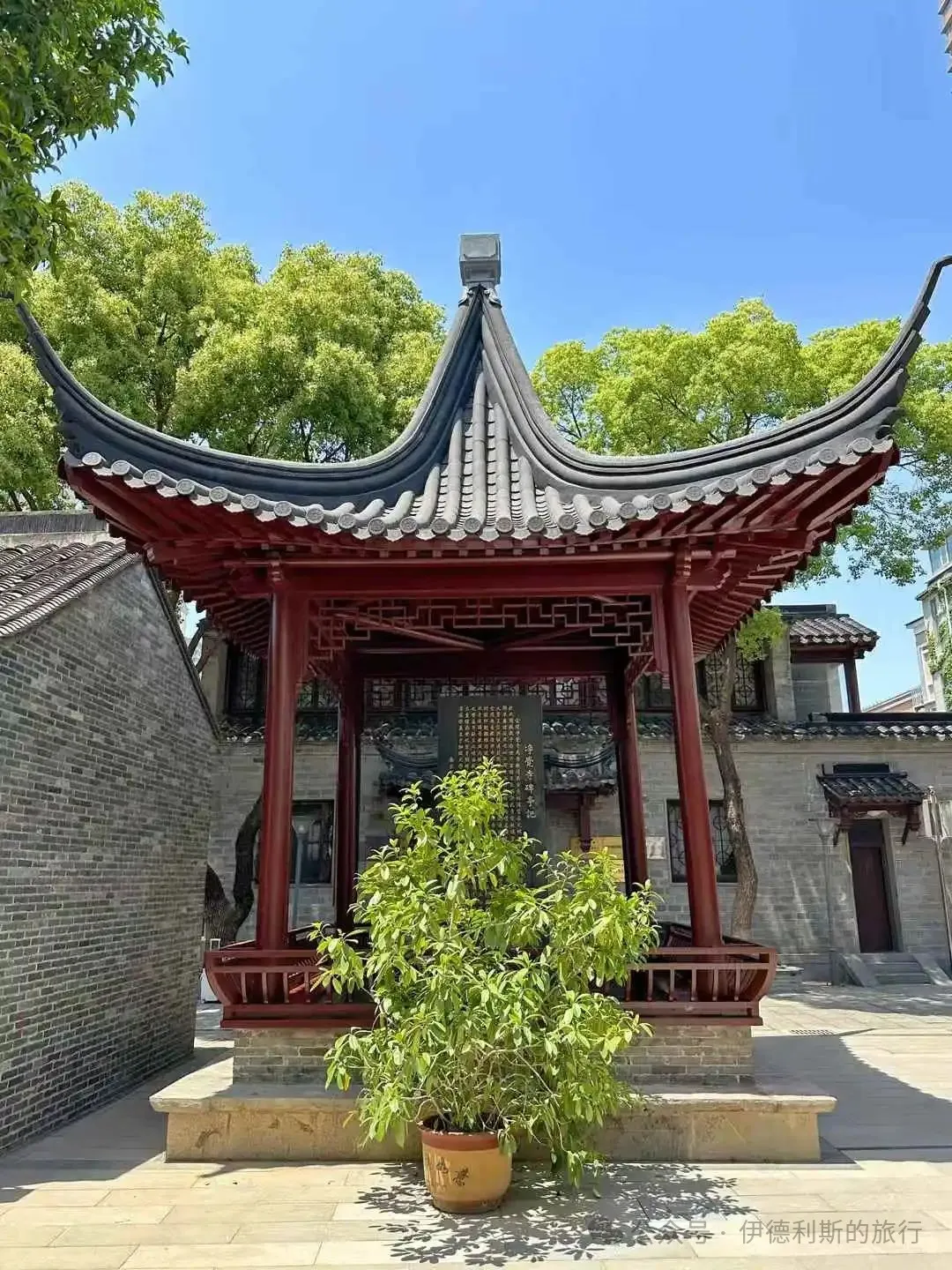
The only remaining Ming Dynasty brick and stone archway and the Butterfly Hall were both demolished in the 1960s. The archway was rebuilt in 1985, the Butterfly Hall was rebuilt in 2004, and a new stele pavilion was built in 1996.
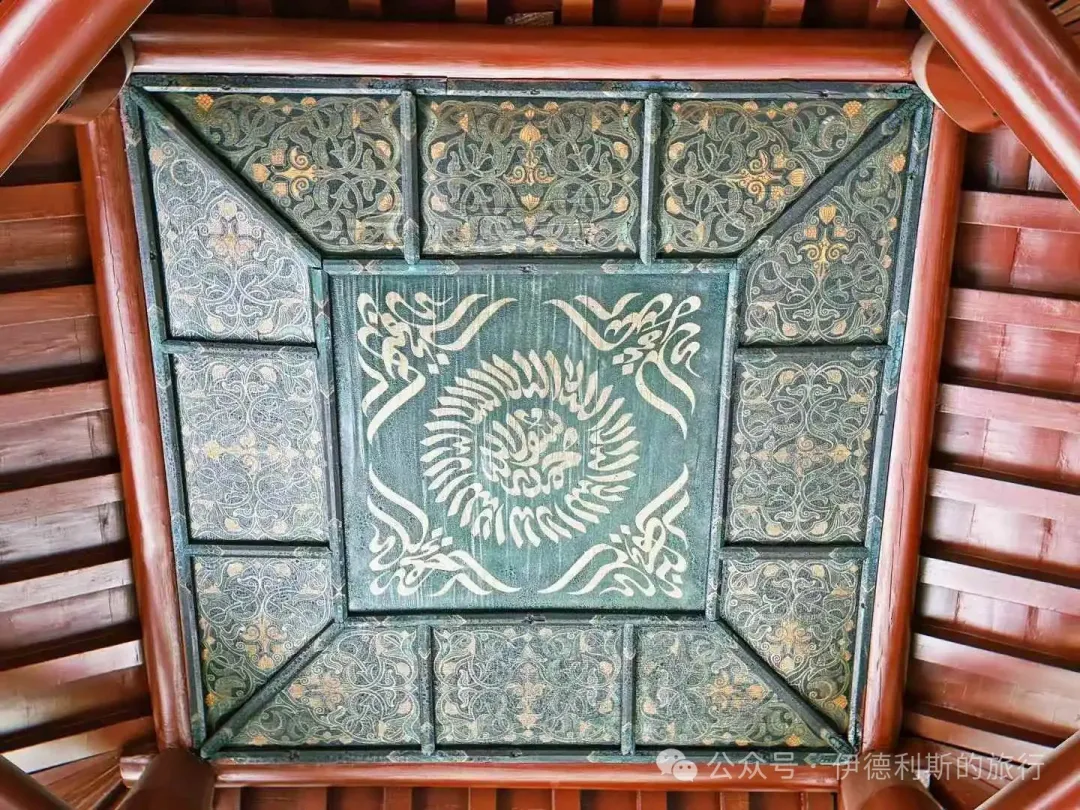
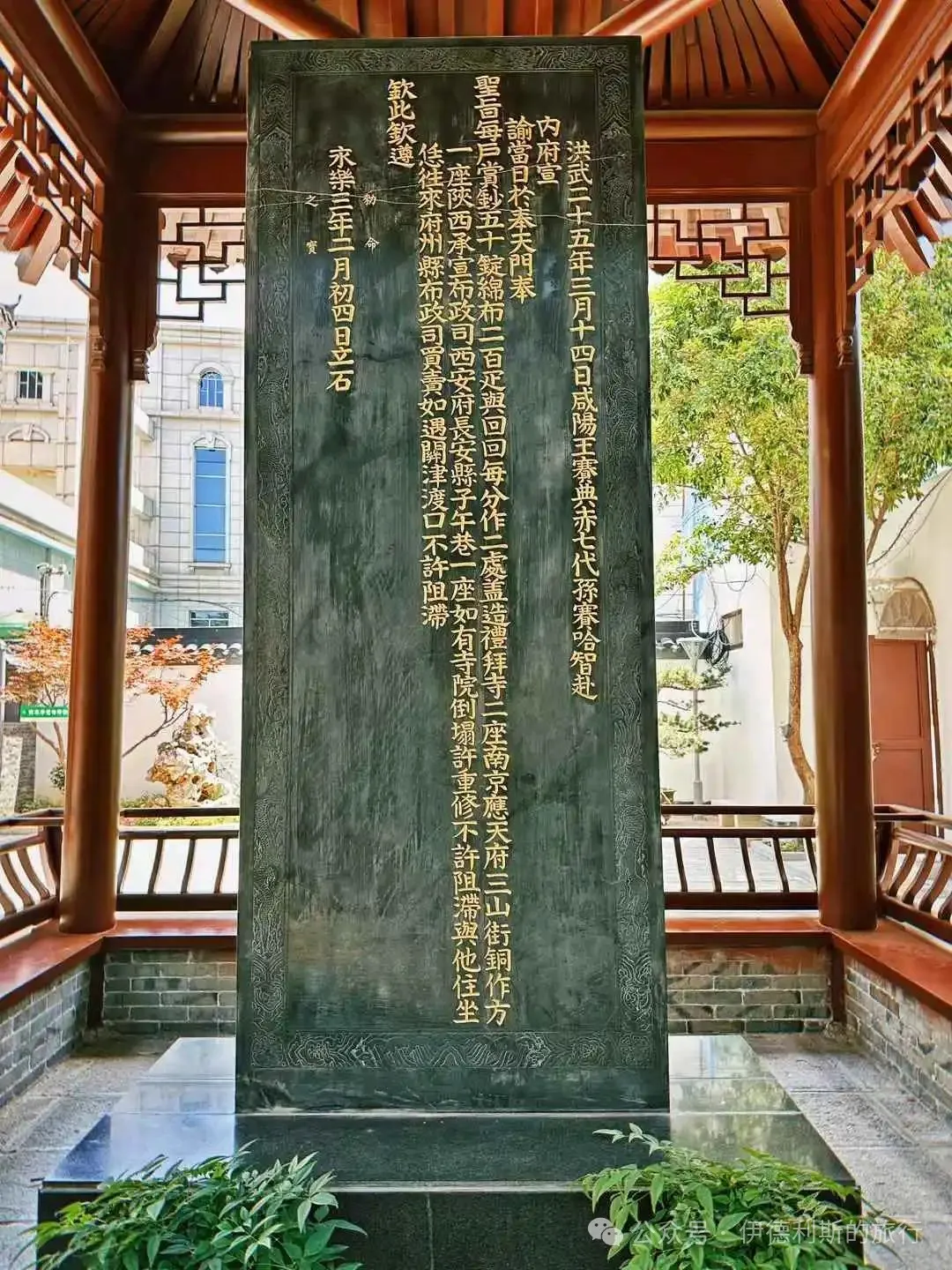
The only Jahriyya mosque in Nanjing.
Inside Nanjing's Jingjue Mosque, there is a stone tablet from the 17th year of the Guangxu reign titled 'Great Transformation to Truth' (Da Hua Gui Zhen). It records how Wu Defa followed his father Wu Dasong's final wishes and donated the back part of their family home at 59 Shigu Road (formerly Xiaofengfu Lane) to build the Shigu Road Mosque. The tablet mentions two Jahriyya imams, Fan Yuncai and Zhan Fengxiang. Witnesses included neighbors surnamed Chen, Cai, Zhou, and Yu; fellow Muslims surnamed Sun, Li, Wu, Zhan, Zong, and Jin; close relatives surnamed Ha, Ma, and Mai; and clan members surnamed Wu. This tablet was originally kept at the Shigu Road Mosque. After the mosque was demolished in 1986 for road expansion, the tablet was moved to Jingjue Mosque.
Shigu Road Mosque is the only Jahriyya mosque in Nanjing. In the late years of the Qianlong reign, a Hui Muslim of the Jahriyya order surnamed Wu from Taiyuan, Shanxi, settled on Shigu Road in Nanjing. Influenced by him, Jahriyya followers (gaomu) began to appear in the Shigu Road, Sanmaogong, and Nantai Lane areas of Nanjing. Most of them worked in the fish fry farming industry. Initially, Nanjing's Jahriyya followers practiced at the Wuxueyuan Mosque (Yuan Mosque) near Shigu Road. During the Taiping Rebellion, Wuxueyuan Mosque was destroyed by war, so the followers moved their practice to the Fengfu Road Mosque. Because their loud chanting style was different, Wu Defa later invited Jahriyya followers to practice at his own home on Shigu Road, eventually founding the Shigu Road Mosque in 1891 (the 17th year of the Guangxu reign).
The Nanjing Jahriyya order belongs to the Beishan Menhuan. The Beishan Menhuan is centered in Beishan, Zhangjiachuan, Gansu. Its leader, Ma Yuanzhang, was well-read in both Islamic and Chinese classics and adopted the ideas of Liu Jielian to explain Islam through Confucianism. After the Shigu Road Mosque was established, Fan Yuncai and Zhan Fengxiang from the Beishan Menhuan served as imams. Imam Fan Yuncai was from Siyang, Jiangsu. During the Republic of China era, his son Fan Zhaofa opened the 'Faji Carriage Company' in Nanjing, which was very successful. In 1905, Wu Wenlian, the grandson of Wu Defa, went to Gansu to study Islamic texts. After completing his studies in 1911, he was appointed by Ma Yuanzhang as the imam of Shigu Road Mosque.
After the Beishan leader Ma Yuanzhang passed away in 1920, his nephew Ma Dianwu took over the leadership. It remained the Beishan Menhuan, overseeing over 100 mosques in places like Zhangjiachuan, Tianshui, and Longnan in Gansu, Qiqihar in Heilongjiang, Runan in Henan, and Long County in Shaanxi. Nanjing's Shigu Road was its only mosque in East China.
In 1937, Ma Dianwu appointed Imam Su Ziying from Zhangjiachuan, Gansu, as the imam of Shigu Road Mosque. Imam Su actively visited other mosques, connected with community elders, and promoted education. This helped the Shigu Road Mosque flourish and trained over 20 students (hailifa). In 1953, Imam Yang Junwen succeeded as the imam of Shigu Road Mosque. In 1958, the mosque closed, and Imam Yang Junwen became an imam at Fengfu Road Mosque. Afterward, Imam Yang no longer maintained contact with the Beishan Menhuan, and his religious practices gradually merged with the Gedimu order.
In 1986, the Shigu Road Mosque was demolished for road widening. Although the mosque closed, some descendants of Nanjing's Jahriyya followers still kept up their religious practices. For example, Fan Songshou, a descendant of Imam Fan Wencai, made a living running a tofu shop. Even in his nineties, he insisted on performing the five daily prayers (namaz) and continued to fast during Ramadan. In the 1960s, he still volunteered to wash and bury the deceased and help with funeral arrangements.
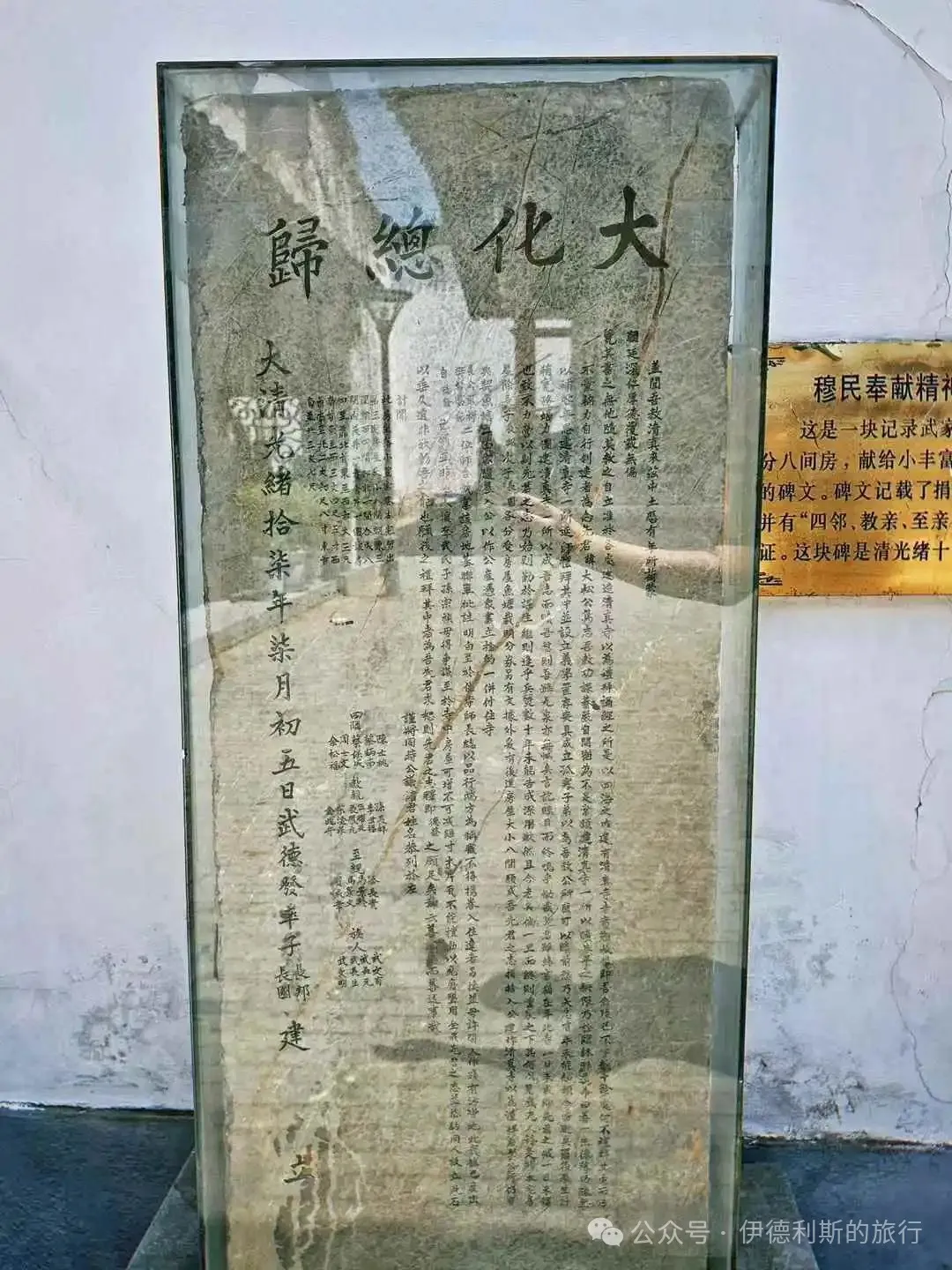
Plaque inscriptions at Jingjue Mosque:
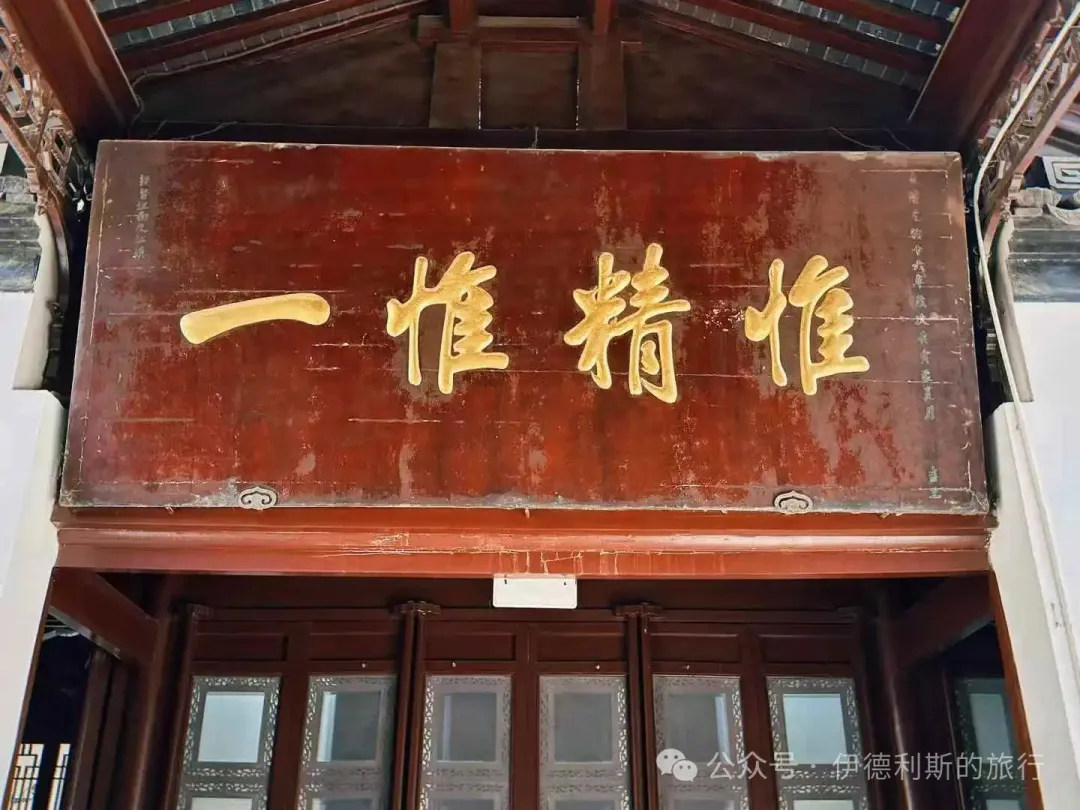
'Pure and Single-minded' (Wei Jing Wei Yi): An auspicious day in the first month of summer, the Gengyin year of the 16th year of the Guangxu reign of the Great Qing, by the Commander of the Jiujiang Town, Jiangxi.
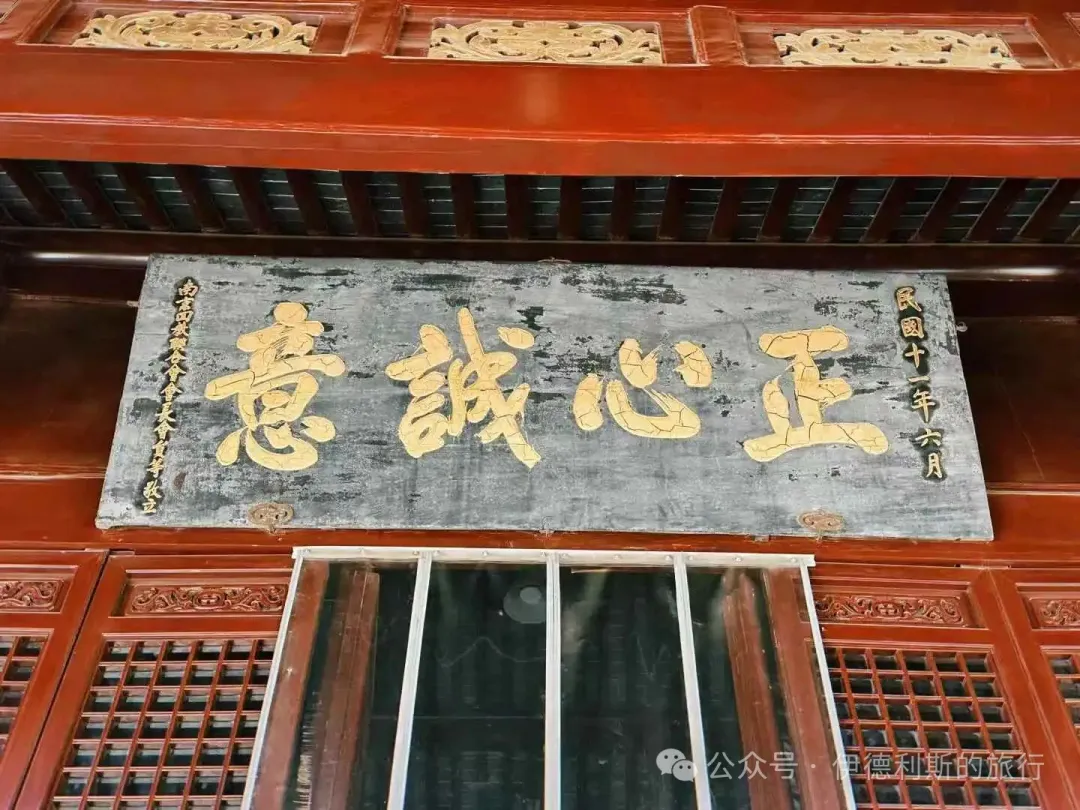
'Correct Heart and Sincere Intent' (Zheng Xin Cheng Yi): June of the 11th year of the Republic of China, respectfully erected by members of the Nanjing Islamic Association.
The stele from the 47th year of the Qianlong reign records the four boundaries of Jingjue Mosque. It notes that a shop on the east side was rented out, and a shop on the west side near Horse Lane (Ma Xiang) was rented out for a flower shop. The elders who donated funds included those with the surnames Chen, Ma, Wu, Jin, Zheng, and Sha.
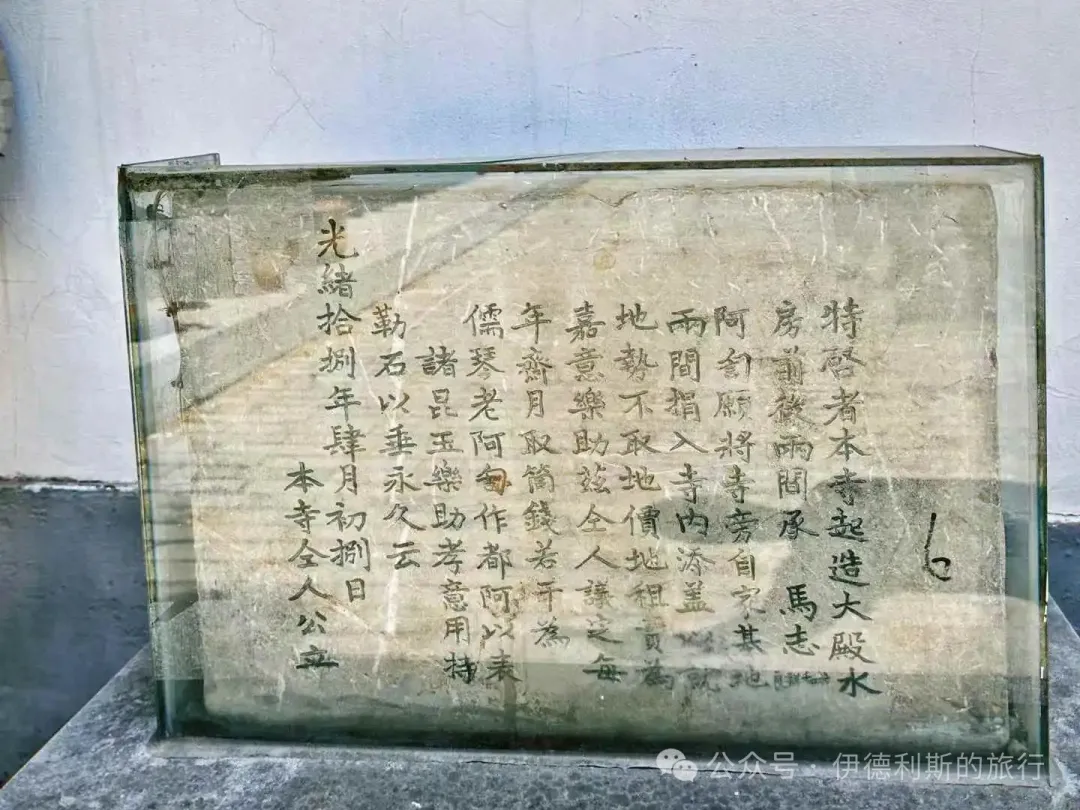
The stele from the 18th year of the Guangxu reign records that Imam Ma donated his own land next to the mosque to build the main prayer hall and the water room (wudu area).
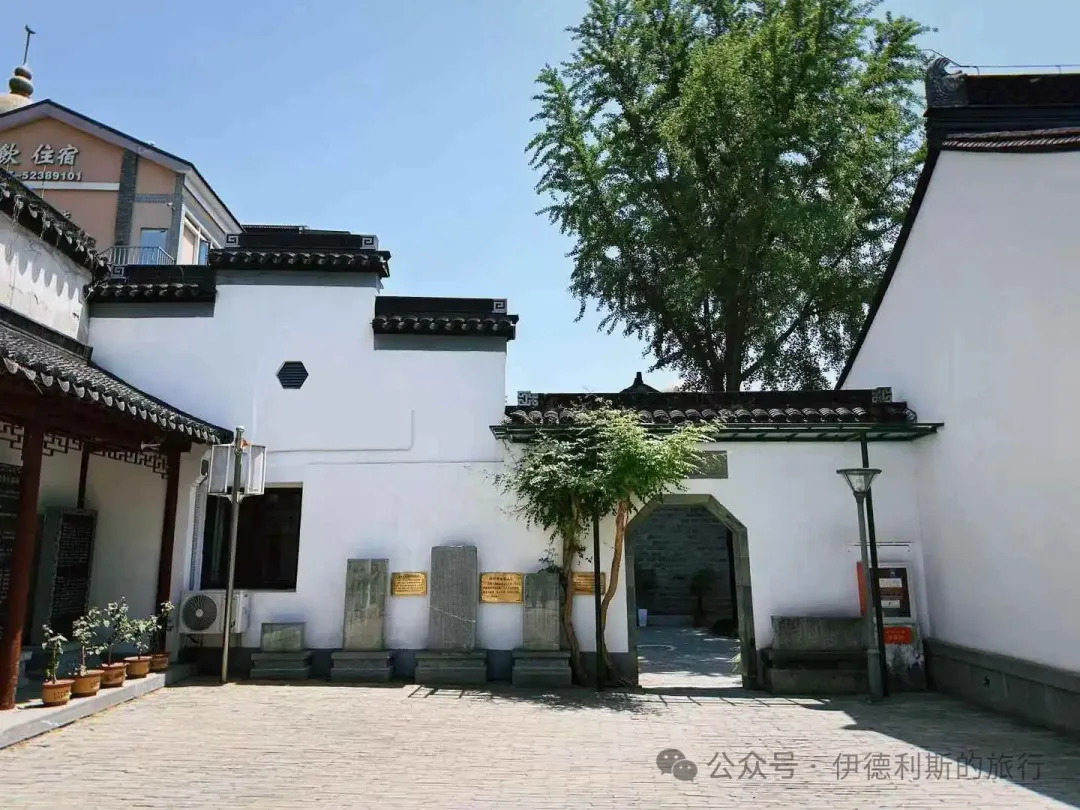
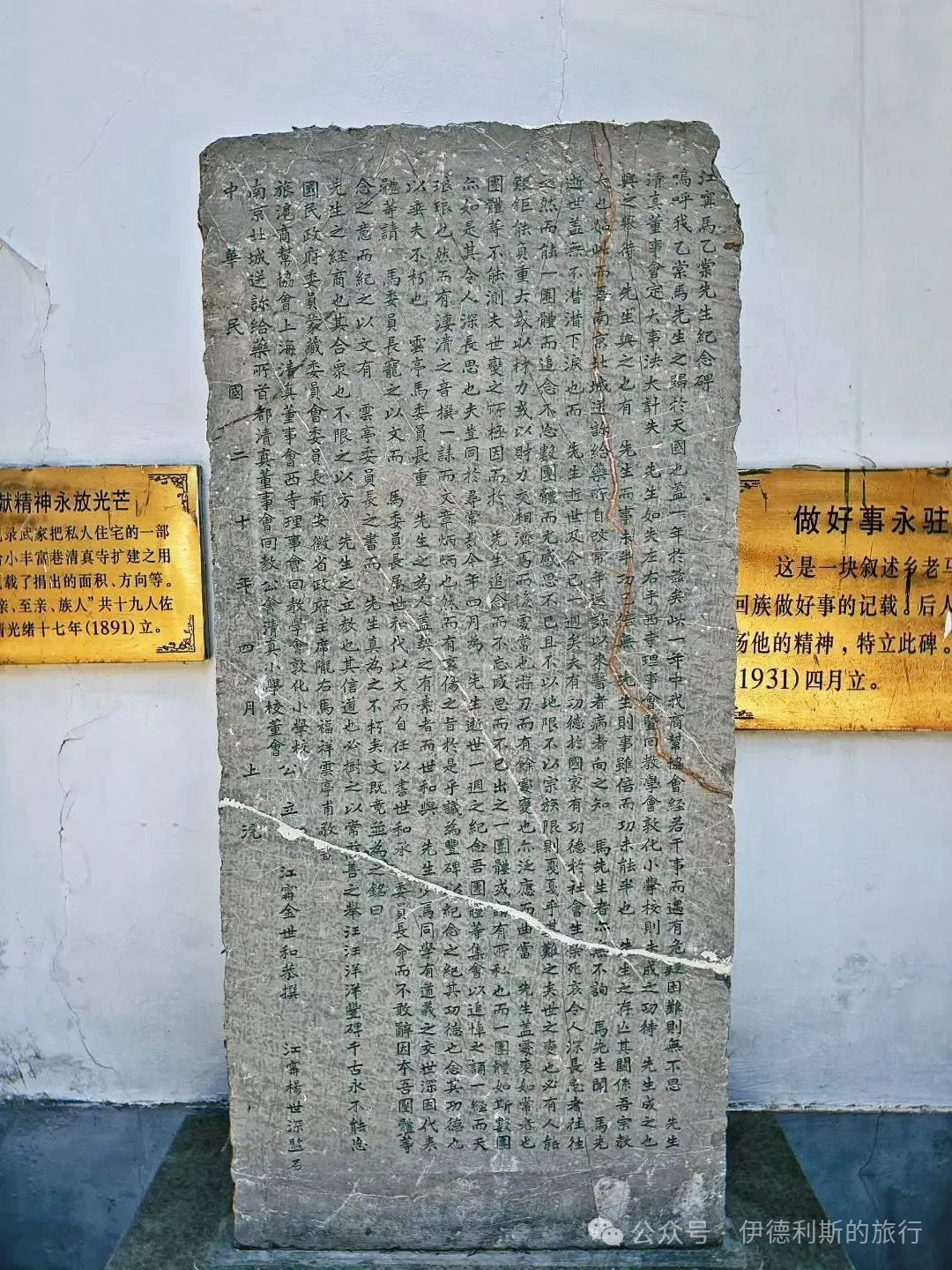
Jingjue Mosque houses a memorial stele for Ma Yitang, a Hui Muslim merchant from Nanjing who lived in Shanghai. It was inscribed in 1931 by Ma Fuxiang, a famous Beiyang general who was serving as the chairman of the Mongolian and Tibetan Affairs Commission.
Ma Yitang was born in 1869. His ancestors ran a money shop outside Jubao Gate in Nanjing, and the family owned the Ma Yulong Satin and Fan Shop. Ma Yitang used Shanghai as his base to expand his trade in Chinese and foreign general merchandise. He set up businesses in Chengdu and Chongqing, and his goods were sold as far away as the Tibetan regions. Ma Yitang was devoted to the faith. He served as a director for the North Mosque and West Mosque in Shanghai and helped fund the founding of the Hanxi Gate Girls' School and the Zhugan Lane Girls' School in Nanjing. In 1909, Ma Yitang became a special deliberative director of the Shanghai Islamic Board of Directors and participated in all its decision-making. In 1921, he was responsible for expanding the Xiaoshadu Mosque in Shanghai, which is now the Huxi Mosque.
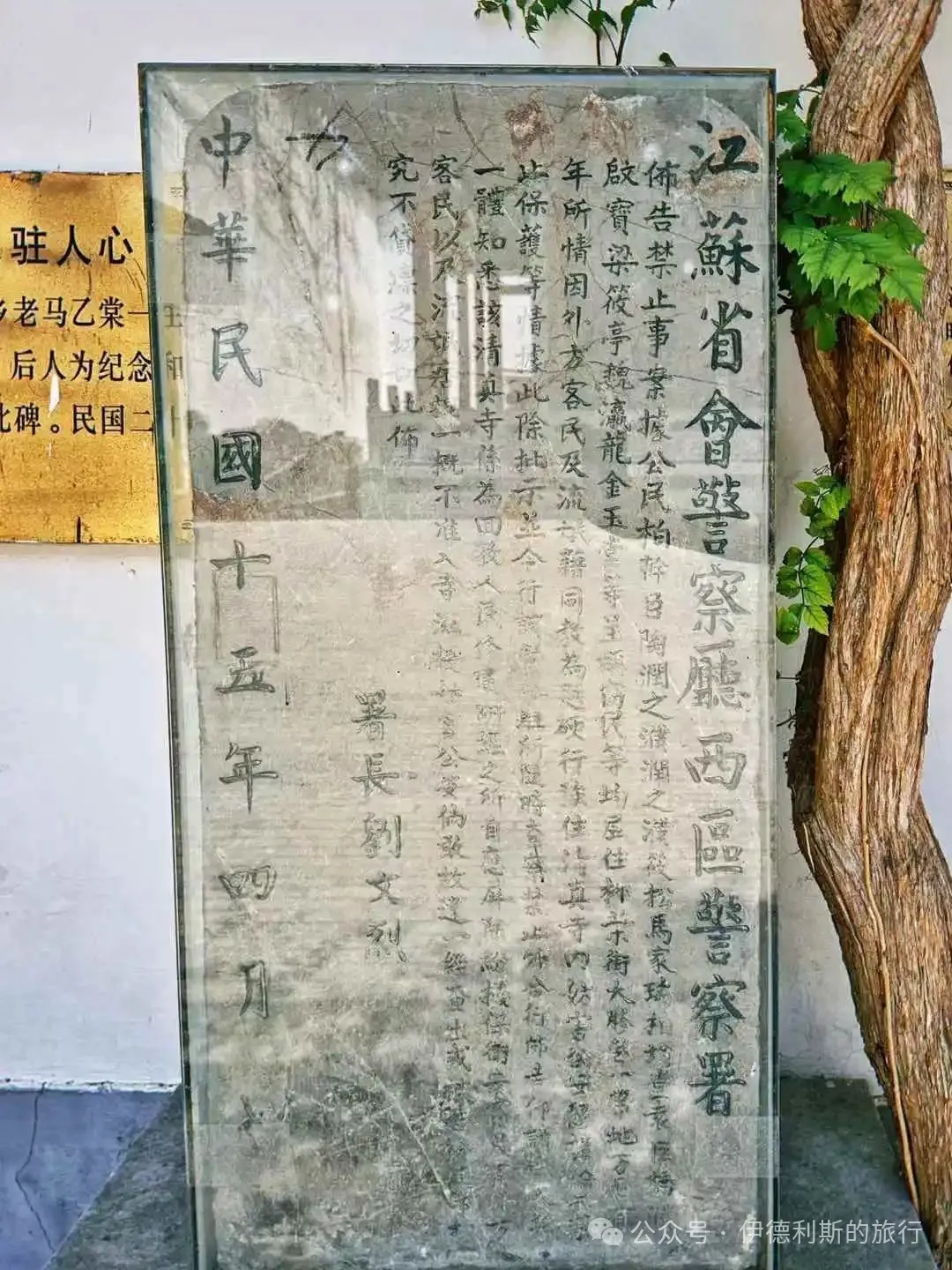
Jingjue Mosque houses a notice stele from the 15th year of the Republic of China issued by the Police Department for the Shangfuqiao Mosque. It was erected by the West District Police Station of the Jiangsu Provincial Capital Police Department. It records that the police stepped in to protect the Shangfuqiao Mosque and the Dajiao Lane Mosque to uphold the rights of the faith. The petitioners included Hui Muslims with the surnames Bai, Tao, Pu, Ma, Yuan, Liang, Wei, and Jin.
Shangfuqiao Mosque was located in Chuanban Lane. It was first built in 1662 (the first year of the Kangxi reign), destroyed during the Taiping Rebellion in the Xianfeng era, and rebuilt in 1876 (the second year of the Guangxu reign). It was later occupied by Nanjing No. 62 Middle School, and the notice stele was moved into Jingjue Mosque. Dajiao Lane Mosque was first built in 1874 (the 13th year of the Tongzhi reign). The mosque once housed trade associations for the pavilion decoration, wedding, and fried rice industries. It was later occupied by a factory and eventually demolished.
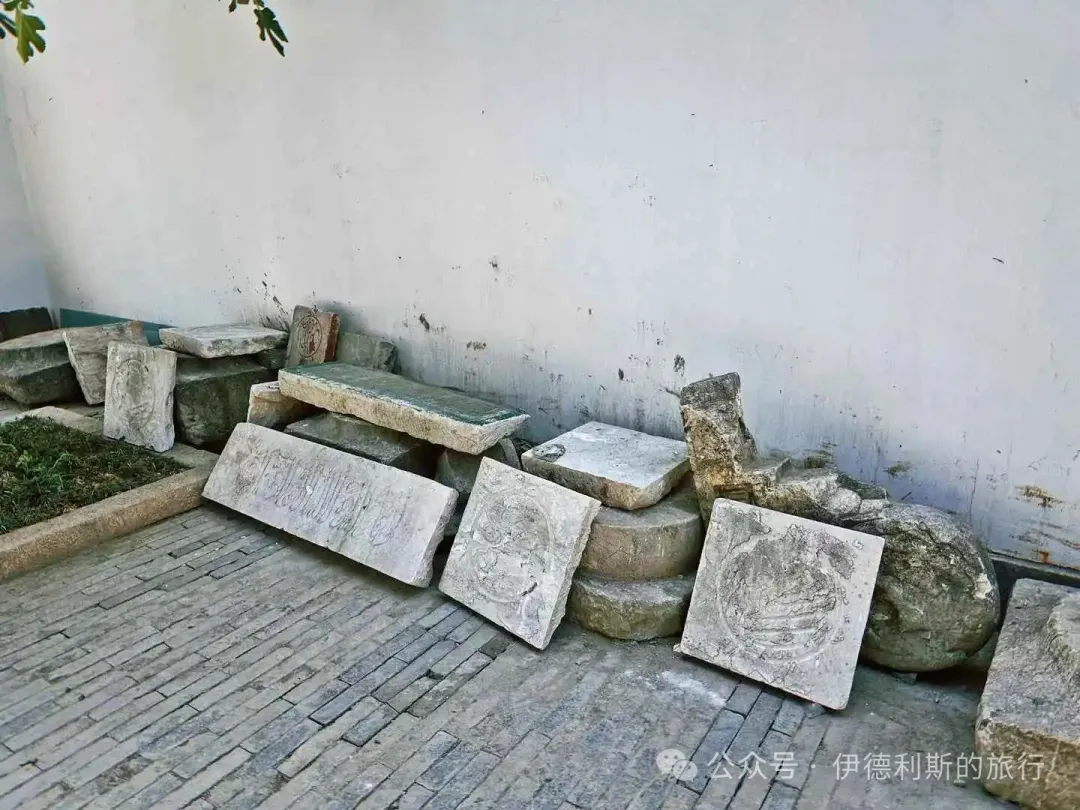
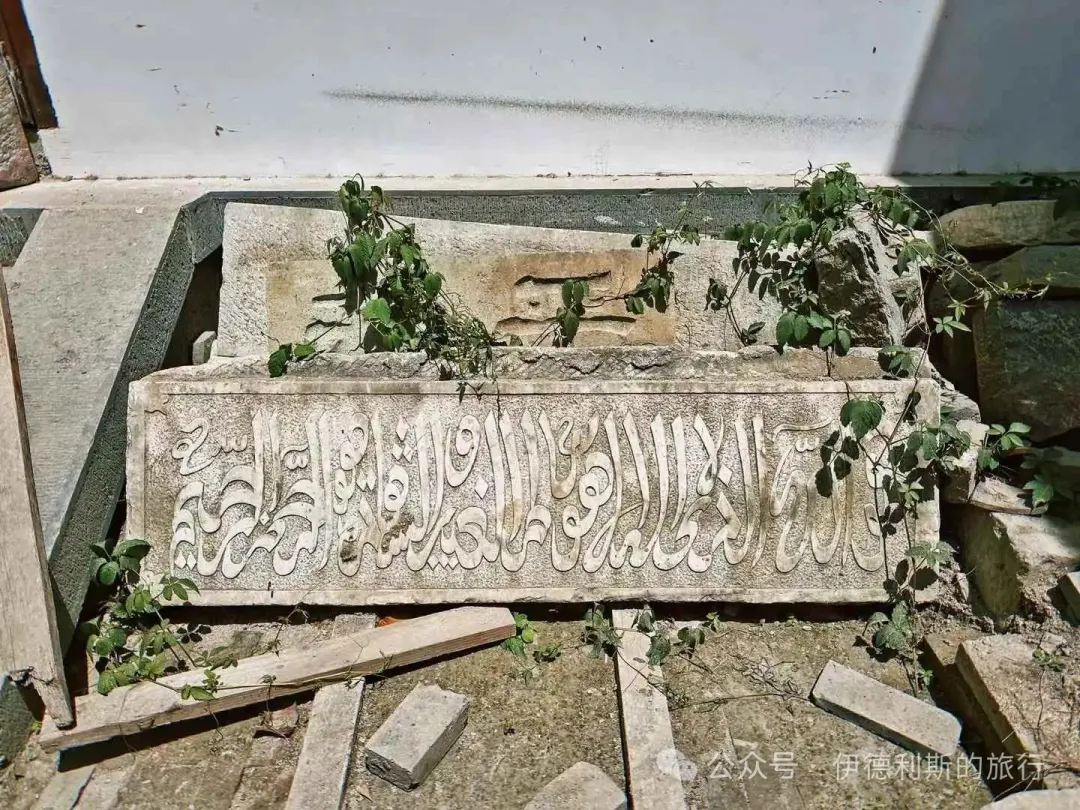
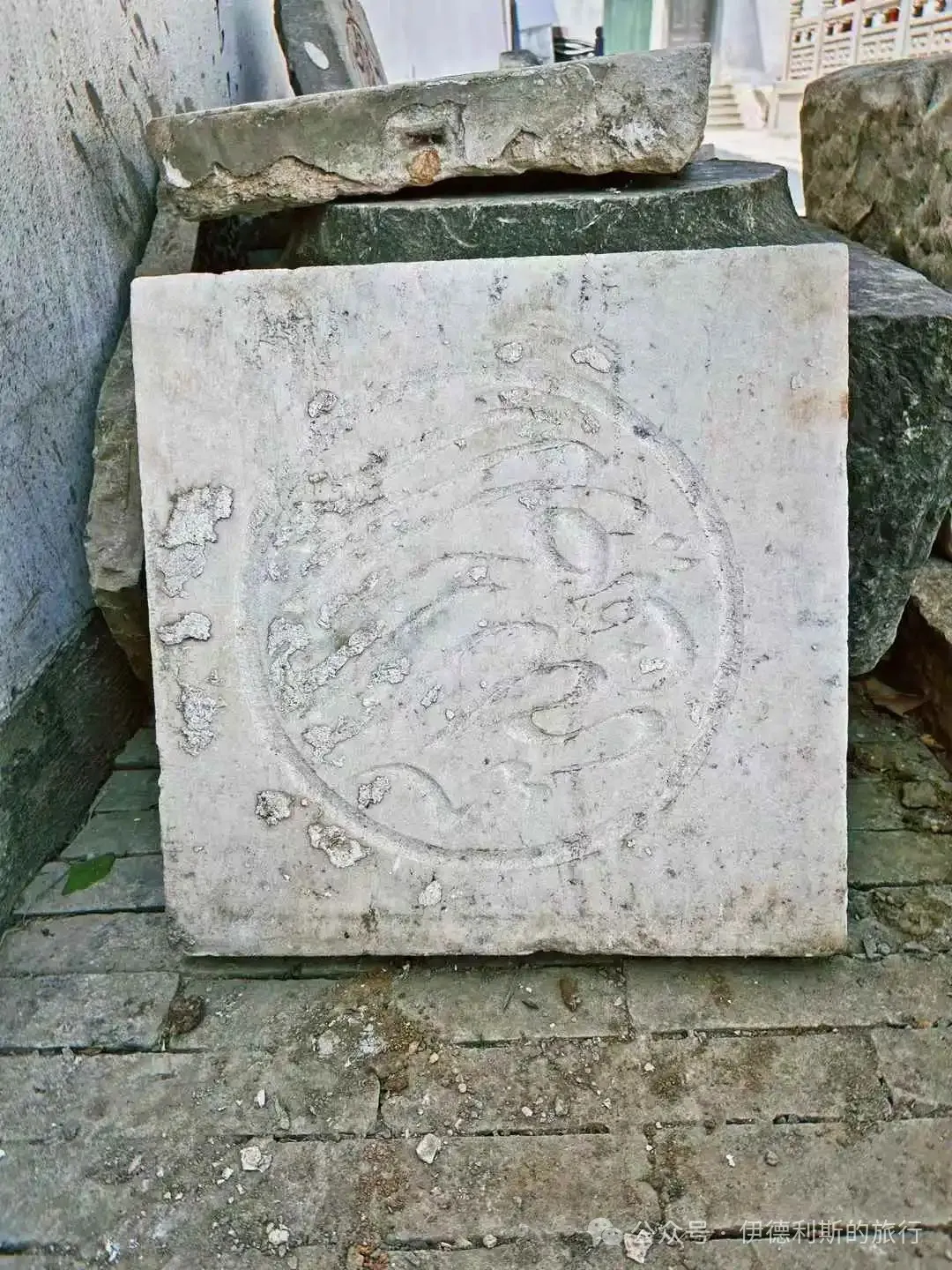
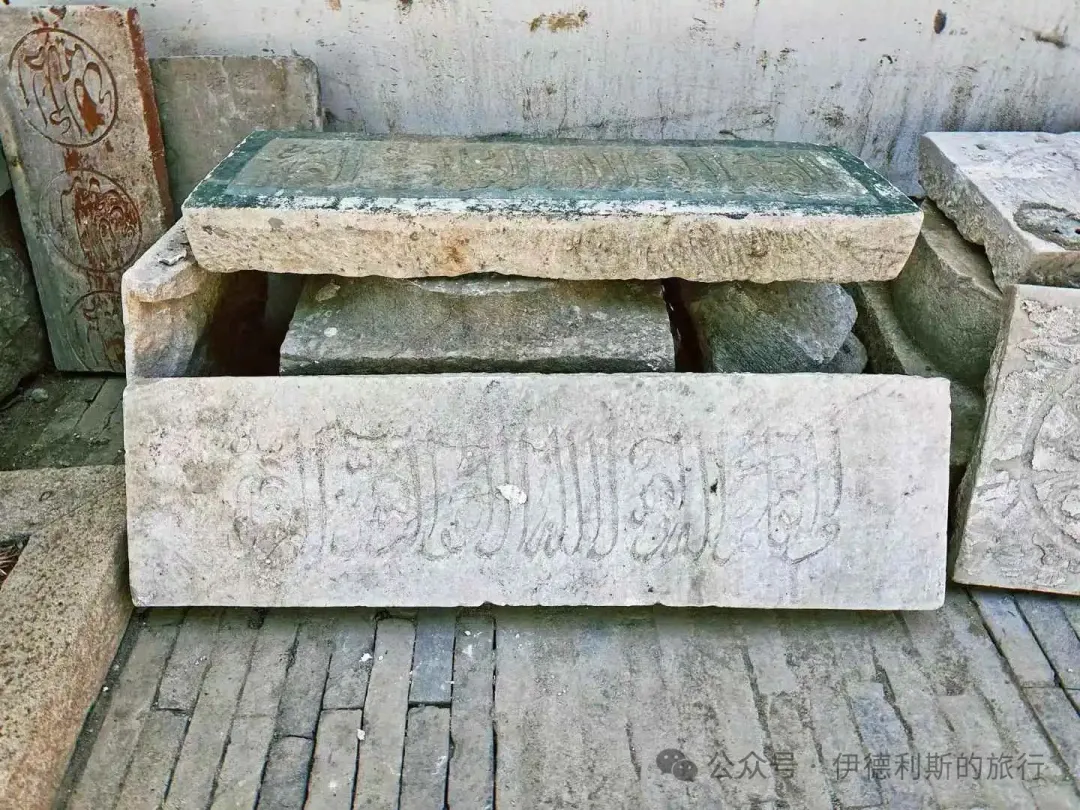
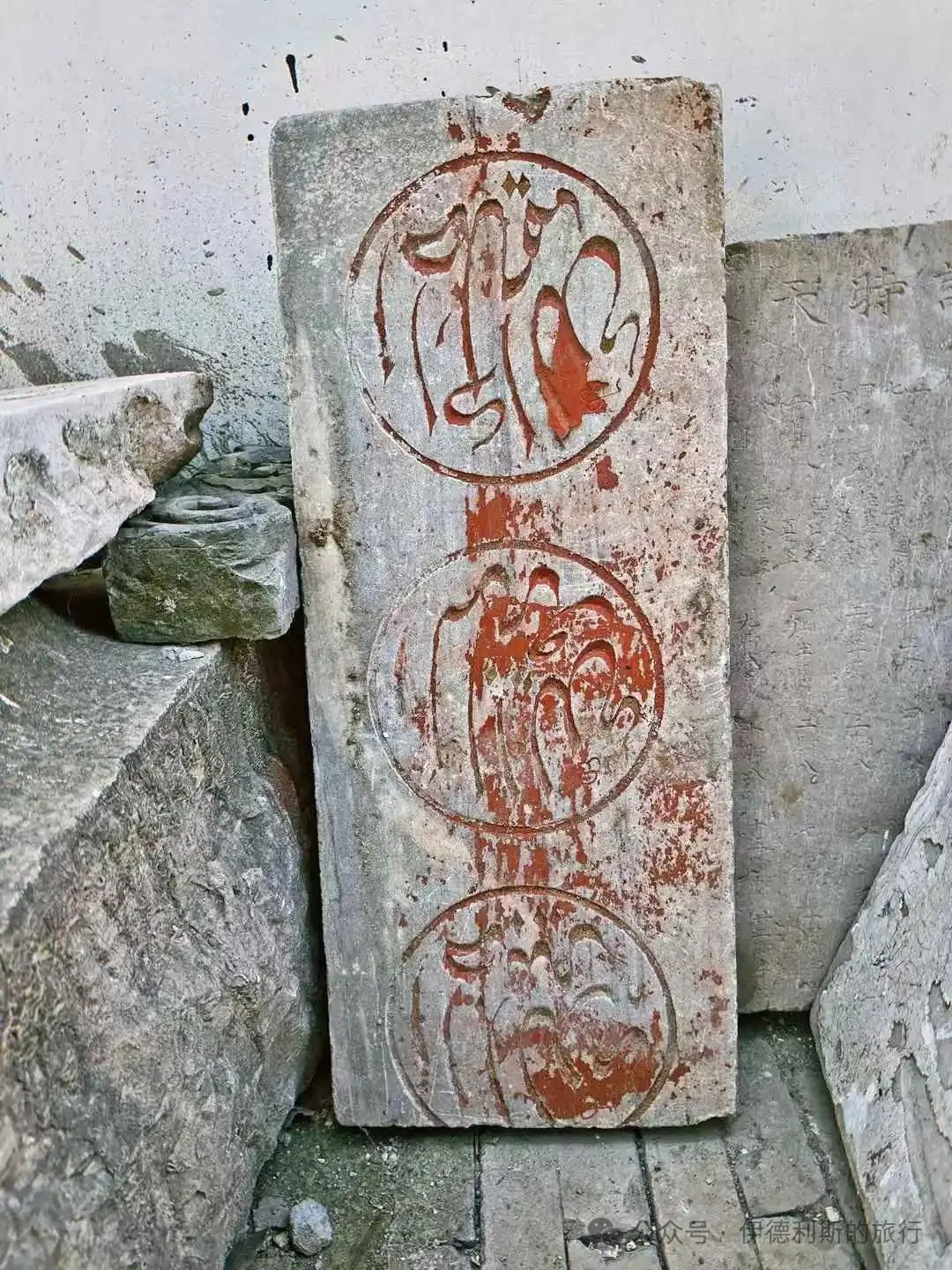
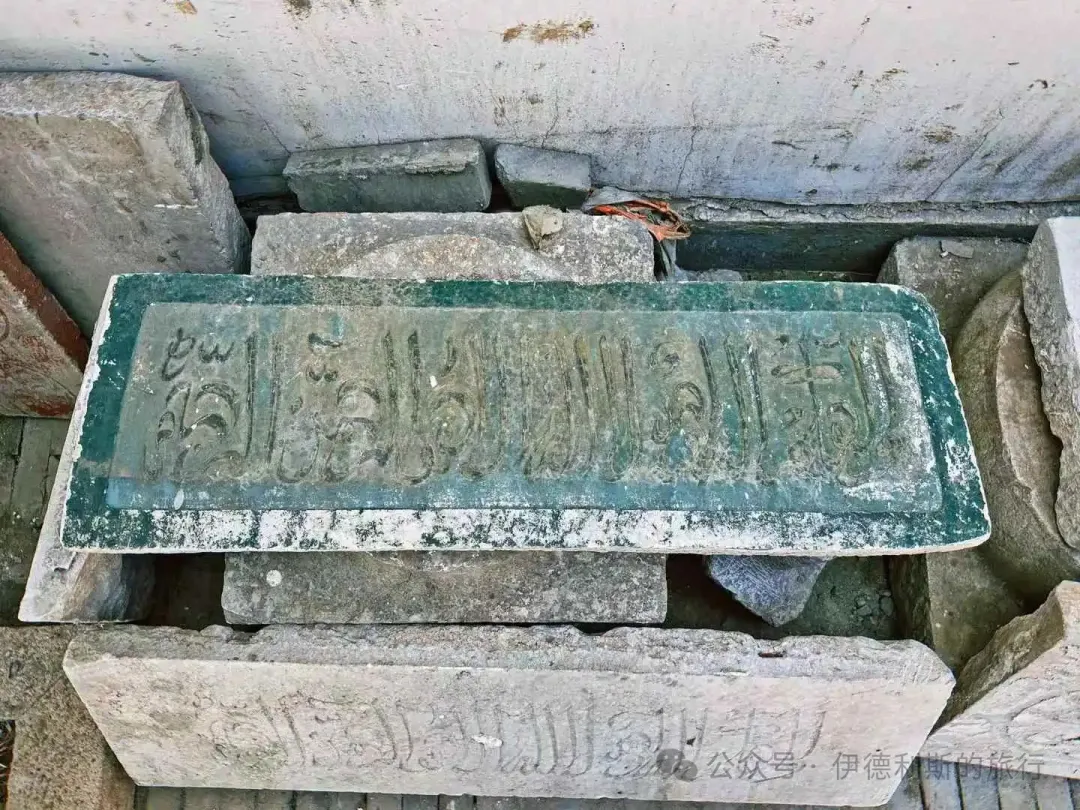
Jingjue Mosque houses a Qing dynasty stone carving from the Neiqiaowan Mosque, which was rescued from under an excavator during the demolition of Neiqiaowan in 2019.
Neiqiaowan Mosque was located on Zhongshan South Road. One account says it was first built in 1645 (the second year of the Shunzhi reign), while another says it was built in 1662 (the first year of the Kangxi reign). In 1898 (the 24th year of the Guangxu reign), Shi Jialiang bought a group of houses in Neiqiaowan to rebuild the main prayer hall. The Shi family's ancestral home was in Wuwei, Gansu. They came to Nanjing during the Jiaqing reign of the Qing dynasty to develop the silk trade and later became a famous satin-trading family in Nanjing. They founded the Shi Juxing Satin Shop during the Daoguang reign. The Shi family moved to Shanghai during the Guangxu reign to develop their business and were members of the Shanghai Mosque Board of Directors.
Neiqiaowan Mosque once housed a primary school and a trade association for the glutinous rice food industry. It was demolished in 1991 due to road widening.
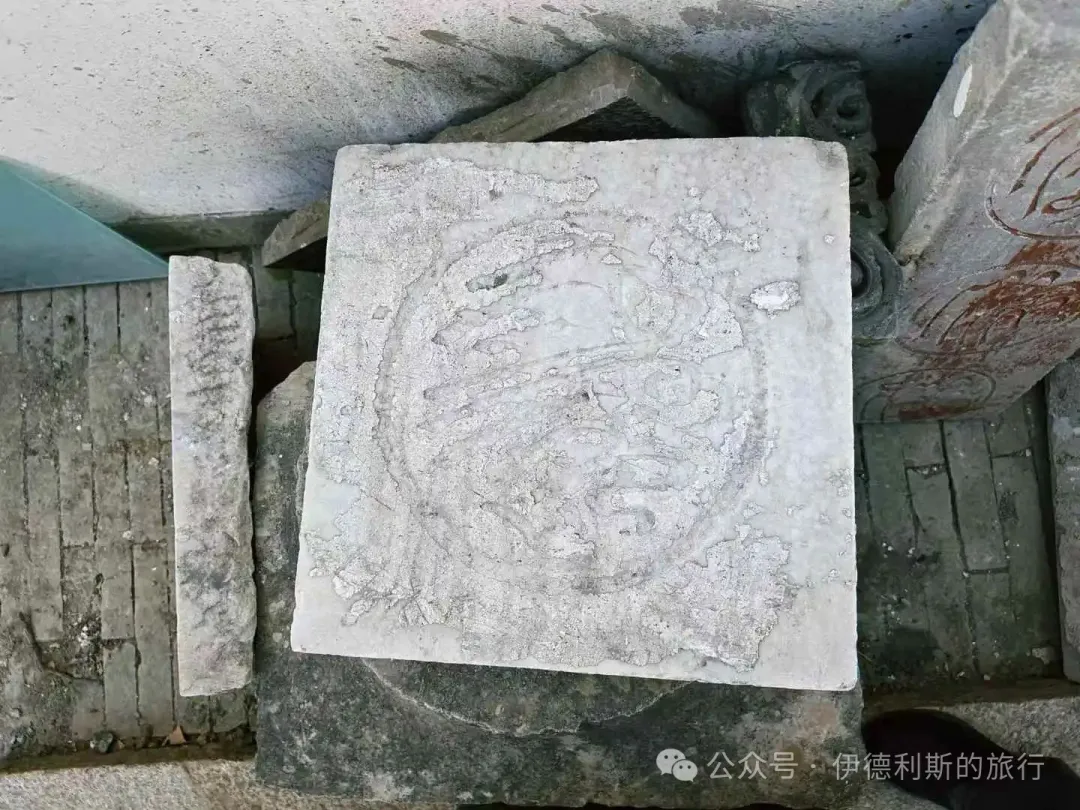
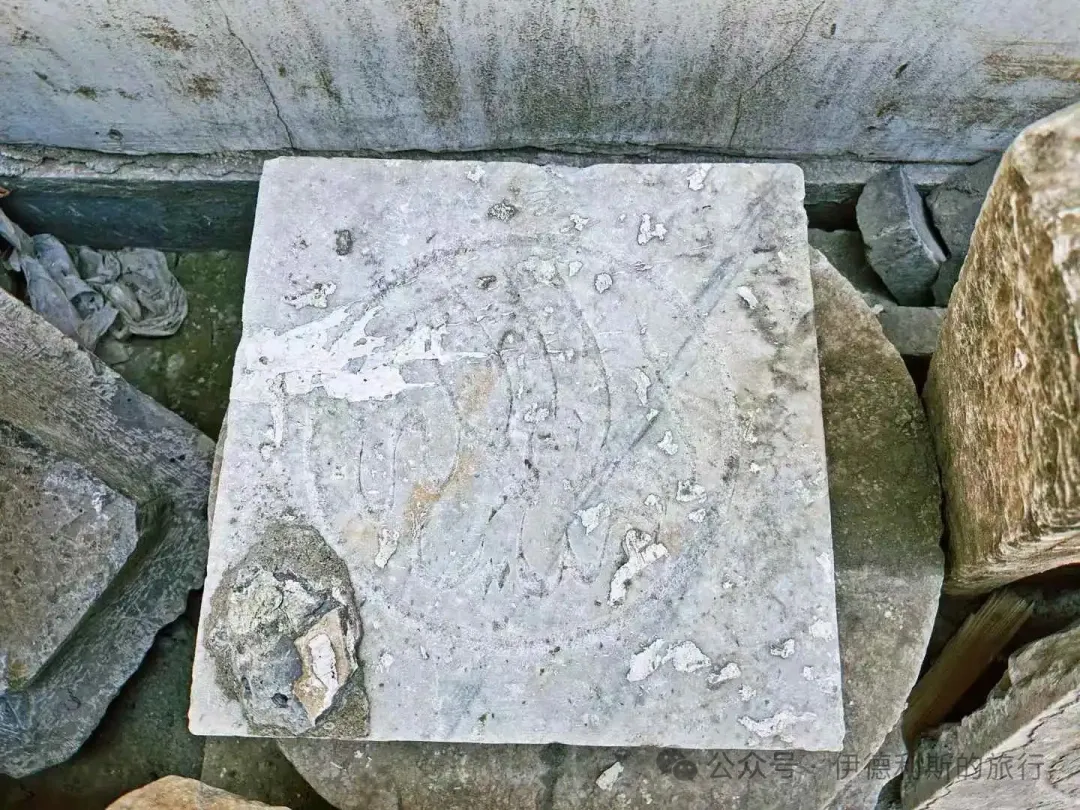
The former Taiping Road Mosque.
Because the Jiangsu Hotel expanded to Taiping Road, the main prayer hall and the opposite hall of the Taiping Road Mosque were moved 40 meters south of the Old Caoqiao Mosque in 2003. The work was completed in 2005.
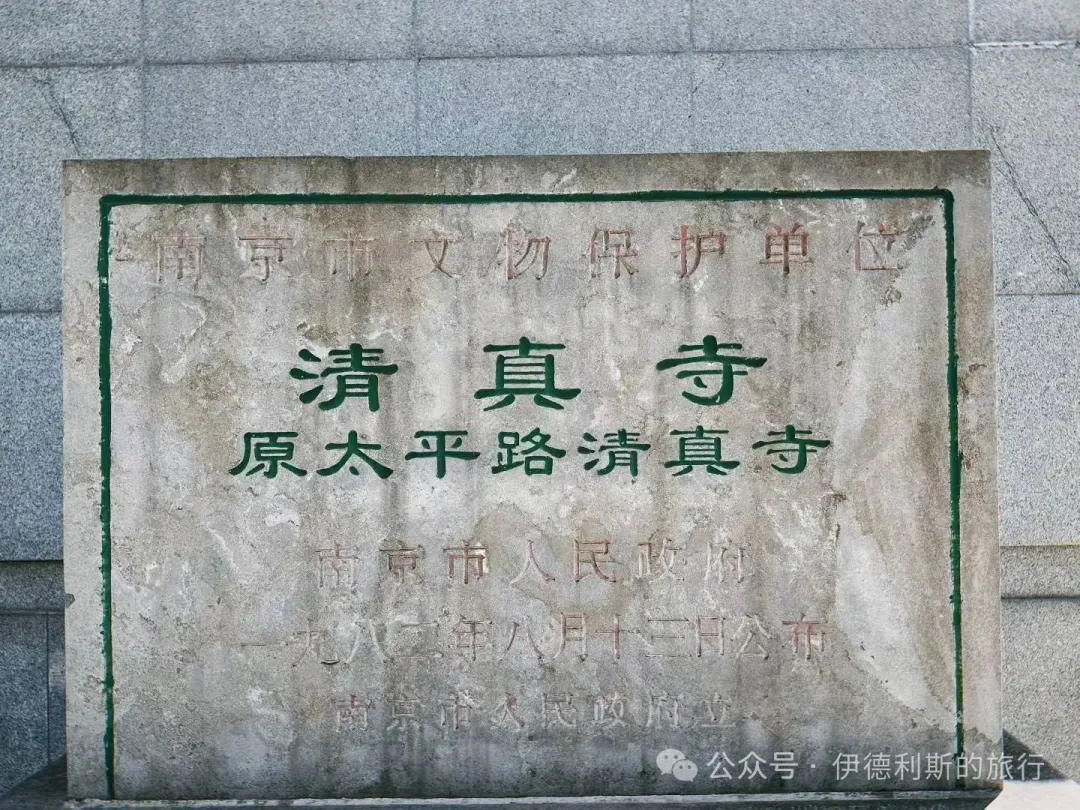
Taiping Road Mosque was originally called Huapailou Mosque. Legend says it was built by Chang Yuchun in the early Ming dynasty. It was destroyed during the Taiping Rebellion and later rebuilt with funds raised by elders from the Ha, Ma, Zheng, Yang, Ding, and Chang families. It was renovated under the leadership of Ma Jingtao during the Tongzhi reign. In 1924, Nanjing wealthy merchants and brothers Jiang Muzhou and Jiang Sukan (Guobang) donated funds to rebuild a new mosque on the south side, which was still called Huapailou Mosque. When the road was widened in 1931, the gate tower was demolished. Huapailou was renamed Taiping Road, and Huapailou Mosque was also renamed Taiping Road Mosque.
After the victory in the War of Resistance against Japan in 1945, the Jiang family of Jinling funded the renovation of the main prayer hall and built the Jiang Family Shouxuan Hall in the north courtyard. In the same year, the China Islamic National Salvation Association moved into the Taiping Road Mosque and changed its name to the China Islamic Association. Its first chairman was Bai Chongxi. It was the highest Islamic organization in the country at the time until it moved to Taipei in 1949. After the 1960s, the Taiping Road Mosque was occupied. It was reclaimed in 1978, reopened in 1980, and designated as a municipal cultural relic protection unit in 1982. It remained there until it was demolished in 2003, when the components of the main prayer hall and the opposite hall were moved to a new site.
The wealthy Jiang family of Nanjing paid for the daily expenses of Taiping Road Mosque, making it the richest mosque in Nanjing during the Republic of China era. The Jiang family of Nanjing originally came from Yuncao, an ancient town in Hanshan County, Anhui. They moved to Nanjing in 1808 (the 13th year of the Jiaqing reign). They started as small vendors before expanding into the silk, salt, and pawnshop businesses. By the Guangxu reign, they had opened branches in major trading ports and became a wealthy merchant family.
Summary: This third part of the Jiangsu mosque series continues through historic Hui Muslim mosque sites, inscriptions, architectural remains, and community stories across the province. It records mosque relocations, preserved prayer halls, Qing and Republic of China era tablets, family histories, and the changing urban settings around these sites.
The stone door base outside the front hall.
The rockery inside the second small courtyard.
The second gate.
Facing the side gate hall is a green screen door with the circular characters for "halal" written in the center.
After the mosque was smashed and occupied in the 1960s and 1970s, only the side gate hall remained, guarded by an elder named Ma Zhonglin. The occupying unit tried to force Ma Zhonglin out with various excuses, but he refused them all and spent ten difficult years there. During those ten years, all the Hui Muslims in Zhenjiang stored funeral supplies and held funeral preparations in this gate hall. At that time, only elder Ma Zhonglin washed the bodies of the deceased, performed the funeral dua (namaz), and recited dua at the gravesite. He also slaughtered poultry for the village elders in the side gate hall every morning.
In 1981, elder Ma Zhonglin passed away. Afterward, Tan Quanhong and Zhang Dagui took turns slaughtering poultry for the elders in the side gate hall every morning. That same year, the occupying unit began to move out, and the Shanxiang Mosque was finally recovered.
The third small courtyard outside the second gate.
The large courtyard. The courtyard has a cross-shaped path and is planted with pine and ginkgo trees. There were once two ginkgo trees over 200 years old in the courtyard, but they were cut down in 1958 to support the Great Leap Forward steel production.
Shanxiang Mosque was once an important national base for printing and publishing Islamic books. From the Qianlong to the Tongzhi periods of the Qing Dynasty, more than 20 types of philosophical and religious books, including the "Baoming Zhenjing," "Tianfang Dianli," "Guizhen Zongyi," and "Huihui Yuanlai," were woodblock printed in hundreds of editions and shipped across the country by land and water. To this day, the Cultural Palace of Nationalities in Beijing, the Central University for Nationalities Library, and the Peking University Library all hold books printed by the Zhenjiang Shanxiang Mosque.
In the 1960s and 1970s, the Shanxiang Mosque was severely damaged, and none of its scriptures, woodblock plates, plaques, couplets, furniture, decorations, or other cultural relics survived.
The opposite hall, decorated with calligraphy hanging in the center and on scrolls.
The traditional winding alley.
The alley name comes from the Persian word "Baba," which is what Hui Muslims often call their elders.
Stone carvings from the Ming and Qing dynasties at the Jianzi Alley Mosque.
Jianzi Lane Mosque was originally called Gurun Mosque. It was first built in Ren'an Ward on Fumin Street and served as a mosque for the Hui Muslims in Zhenjiang during the Yuan Dynasty. According to the 1333 (the fourth year of the Zhishun era of the Yuan Dynasty) Records of Zhishun Zhenjiang, there were 59 Hui Muslim households with 374 people in Zhenjiang during the Yuan Dynasty. The famous Yuan Dynasty Hui Muslim poet Sa Dula served as a darughachi (a seal-holding administrator) for the Zhenjiang Circuit Record Office for three years starting in 1328 (the first year of the Tianli era). According to the Guangxu-era Dantu County Annals, Sa Dula did many good deeds in Zhenjiang, such as stabilizing prices, opening granaries to help the people, curbing powerful servants, and breaking down superstitions. In 1326 (the third year of the Taiding era), a scholar named Zhemaluding, who had passed the provincial examinations in Jiangsu and Zhejiang, served as a professor at the Zhenjiang Circuit Confucian School, which was the highest educational official position at the time.
Gurun Mosque was destroyed at the end of the Yuan Dynasty and the beginning of the Ming Dynasty. It was rebuilt during the Hongwu era of the Ming Dynasty. In 1602 (the 30th year of the Wanli era), it was moved to Jianzi Lane inside the city and became known as Jianzi Lane Mosque. It was renovated three times in 1850 (the 30th year of the Daoguang era), 1904 (the 30th year of the Guangxu era), and 1909 (the first year of the Xuantong era).
In 1958, Jianzi Lane Mosque was occupied by a knitting factory and a color printing factory. From the 1970s to the early 1980s, the printing factory and other units demolished the main prayer hall, the lobby, and the water room to build factory buildings. A stone tablet titled Record of Gurun Mosque, written in 1620 (the 48th year of the Wanli era of the Ming Dynasty) by the scholar Li Yiyang, was used to mix cement, leaving the inscriptions damaged and blurry. The calligrapher for the Wanli renovation tablet was Ma Zhiqi, a Hui Muslim from Xinye, Henan. Ma Zhiqi was a runner-up in the 1610 (the 38th year of the Wanli era) imperial examinations. He was skilled in poetry and calligraphy. Between the Wanli and Chongzhen eras, he wrote renovation tablets for the Xiaopiyuan Mosque in Xi'an, Shaanxi, the Datong Mosque in Shanxi, the Jinshifang Street Mosque in Beijing, and the Wudu Chengguan Mosque in Gansu. In 1982, the Zhenjiang Islamic Association restored the stone tablet and moved it to Shanxiang Mosque, finally preserving it.
The printing factory occupying the mosque did not move out until 1993, and the Islamic Association regained ownership of Jianzi Lane Mosque in 1994. In 2005, when Zhenjiang built the First Building commercial pedestrian street, Jianzi Lane Mosque was completely demolished. A new Gurun Mosque was built on Xuefu Road, and the Wanli renovation tablet, the ancient well railing, and three Qing Dynasty renovation tablets from the original Jianzi Lane Mosque were placed in the courtyard for preservation.
Qing Dynasty mihrab from the South Gate Mosque.
to the relics from Jianzi Lane Mosque, Gurun Mosque also houses the mihrab tablet from the kiln hall of the South Gate Mosque in Zhenjiang.
The South Gate Mosque in Zhenjiang was located at the east end of Miaojia Lane. It is believed to have been built in the early Qing Dynasty and was an east-facing courtyard house. Opposite the mosque gate stood a row of tall elm trees that provided dense shade. The prayer hall and the opposite hall were both three bays wide. There were tall ginkgo trees on both sides in front of the hall, with guest rooms to the south and a water room, kitchen, and storage room to the north.
In the early 20th century, the imam of the South Gate Mosque was an imam named Ma from Henan. In the early 1920s, he was hired by the community (dost) in Shou County, Anhui, and was succeeded by Imam Wan Shourong. The daily affairs of the mosque were managed by Jin Zhiguang from the Xinchangheng fabric store and Xia Songfu, the father of Xia Rongguang. During the Republic of China era, the firewood and rice market outside the South Gate was very prosperous, and more than 50 Hui Muslim households lived there.
In 1937, the South Gate Mosque was destroyed by war. The mihrab tablet from the kiln hall was kept in the home of Hua Baoren next to the mosque until it was moved to Gurun Mosque in 2005.
The lotus-shaped Arabic script at the top of the stone tablet is the Basmala. The middle part contains verse 163 of the Cow Chapter (Surah Al-Baqarah), and the diamond-shaped inscription at the bottom is in Kufic Arabic calligraphy, which reads: Prostrate yourselves, and worship your Lord.
Xinhe Street Mosque.
Xinhe Street Mosque was built in 1930. Zhenjiang Hui Muslims also commonly called it the Jinde Association. It was originally a private residence purchased with donations from Muslims in both Shanghai and Zhenjiang, so it is a Jiangnan-style courtyard house with three sections and two side wings.
Yihewani, also known as the New Sect, means brothers in Arabic. It was founded by Ma Wanfu from Guoyuan Township, Linxia, after he returned from the Hajj in Mecca at the end of the 19th century, and was later carried on by Hu Songshan. The Ikhwan sect advocates following the scriptures and reforming customs, basing their faith on the Quran and Hadith. They opposed certain traditional practices of the Gedimu sect, such as wearing mourning clothes or calling the adhan when moving into a new home.
The Ikhwan sect spread to the Jiangnan region in the 1920s. In 1926, Imam Ha Decheng and others founded the Jinde Association at the Xiaotaoyuan Mosque in Shanghai to promote Ikhwan teachings. Fa Jiesan (1872-1958), a local Hui Muslim from Zhenjiang who moved to Shanghai, discussed the teachings with Imam Ha Decheng. He accepted the Ikhwan views and returned to Zhenjiang to practice his faith at home according to Ikhwan rituals. Later, funds were raised in both Shanghai and Zhenjiang to build an Ikhwan mosque on Xinhe Street.
After the Ikhwan sect arrived in Zhenjiang, it was generally hard for the middle-aged and elderly to accept, but many young people embraced it. At the time, the new and old sects lived in peace and operated side by side.
The old Xinhe Street mosque had a stone plaque above the main gate engraved with the words 'Mosque' (Huijiaotang), but it no longer exists. The current building consists of three small bays with three courtyards and side rooms. There is a covered patio between the first and second courtyards, a garden gate connecting the second and third, and the third section is a two-story building.
The Zhenjiang Jinde Association usually held a dinner every Saturday night after the evening namaz. They invited an imam to give a sermon (wa'az), and everyone who came to listen was invited to eat. The costs were covered by members who had hired the imam to perform memorial prayers for their ancestors.
During summer and winter breaks, the Jinde Association also organized scripture classes for Hui Muslim children, and families from all sects sent their children to study.
After the mosque was built, many famous imams were hired to lead religious affairs. In 1947, the famous Imam Li Si (Li Zhenji) from Anhui came to the Xinhe Street mosque from the Luohe Mosque in Henan. According to Mr. Xia Rongguang, Imam Li Si was nearly 70 years old at the time. He had a kind and gentle appearance and a refined manner. When he explained the teachings, everyone, regardless of their level of understanding, felt inspired. Because of this, more and more elders from other neighborhoods came to the mosque for Friday Jumu'ah prayers. In the autumn of 1949, Imam Li Si returned to Luohe from Zhenjiang.
In 1950, 43-year-old Imam Zhang Zhushu came to the Xinhe Street mosque to serve as the head imam. Imam Zhang Zhushu was from Xiangfan, Hubei. Mr. Xia Rongguang recalled that he was well-versed in religious teachings and had broad modern knowledge. When he taught, he connected it to real life with vivid, simple language. He attracted ordinary elders and won the praise of intellectuals, and local Muslims in Zhenjiang called him an imam of the new era. In 1953, Imam Zhang Zhushu was invited by the Fuyou Road Mosque in Shanghai to serve as their imam, so he left Zhenjiang.
After that, the elder Tan Jizhen managed the prayers and affairs at the Xinhe Street mosque until it was merged into the Shanxiang Mosque in 1958. It later became a dormitory for a forestry machinery factory and has been abandoned ever since.
Jingjue Mosque
Jingjue Mosque is located on Sanshan Street in the south of Nanjing. It was originally called the Sanshan Street Mosque, but was renamed Jingjue Mosque during the Jiajing period of the Ming Dynasty. It is the primary mosque of Nanjing from the Ming era.
One account says Jingjue Mosque was built in 1388 (the 21st year of the Hongwu reign of the Ming Dynasty) by imperial order to house officials from the Western Regions who had submitted to the Ming, such as Yibulajin and Kemaruding. Another account says it was built in 1392 (the 25th year of the Hongwu reign) by imperial order for Saihazhi, the seventh-generation descendant of Sayyid Ajjal Shams al-Din. Both accounts are recorded on Ming Dynasty stone tablets.
According to the 1493 (fifth year of the Hongzhi reign of the Ming Dynasty) inscription titled 'Imperial Decree to Build Two Mosques in Yingtian Prefecture, Jiangnan,' it states: 'In the 21st year of the Hongwu reign, Yibulajin, Kemaluding, and others, originally from the Rumi Kingdom in the Western Regions, followed the Duke of Song to submit to China after conquering the Jinshan and Kaiyuan areas. Therefore, two mosques were built by imperial decree to settle them, and five households including Kemaluding were assigned to live at the Jingjue Mosque near the Moon-Watching Tower (Wangyue Lou).' The family genealogies of two Hui Muslim branches with the surname Ma, known as 'Weiyitang' and 'Bojitang' in Hushu, Nanjing, both record that they are descendants of Ma Gutai and Ma Baihao, who were settled at the Jingjue Mosque at that time.
According to a 1405 (third year of the Yongle reign of the Ming Dynasty) inscription at the Great Mosque on Huajue Lane in Xi'an, 'On the 14th day of the third month of the 25th year of the Hongwu reign, Saihazhi, the seventh-generation grandson of the Prince of Xianyang, Sai Dianchi, went to the inner court to receive an imperial decree:...two mosques were to be built in two locations, one at Copper Workshop on Sanshan Street in Yingtian Prefecture, Nanjing, and one on Ziwu Lane, Chang'an County, Xi'an Prefecture, Shaanxi Province.' The 'Genealogy of Sai Dianchi' records that Saihazhi was granted the hereditary title of Marquis of Xianning, and 'when the Ming Emperor Taizu established the capital in Jinling, he commissioned Saihazhi to build a mosque in Jinling.' After the work was finished, he built the Great Mosque in Chang'an. When the Tiemao Lane Mosque in Taicang, Jiangsu, was rebuilt in the 1980s, a stone tablet was found inside the wall, revealing that the Taicang mosque was also built by Saihazhi.
Additionally, according to the Republic of China era 'Zhongnan and Huaibei Regional Gazetteer,' 'North of the street is the Jingjue Mosque. Wu Ru from the Western Regions came to China during the Ming Dynasty to serve in the Imperial Board of Astronomy. He lived in Nanjing and built this mosque next to his residence.' Therefore, the Jingjue Mosque may have originally been part of Wu Ru's residence.
The Jingjue Mosque was destroyed by fire in 1430 (fifth year of the Xuande reign), and Zheng He requested its reconstruction before his seventh voyage to the Western Oceans. According to the 'Record of the Imperial Decree for Eunuch Zheng He to Rebuild the Mosque,' it states: 'Your request has been received: The mosque on Sanshan Street in Nanjing has been burned down.' 'Because you wish to rebuild it to pray for the safety of the funds, grain, people, and ships for your voyage, this shows your respectful heart. How could this be neglected?' 'As an imperial envoy, since you have already set your heart on this, how could your wish be abandoned?' 'If the personnel and materials you use are insufficient and delay your project, you may draw supplies from the Nanjing Directorate of Palace Servants and the Ministry of Works so that it can be completed in time for the winds to set sail. This is the decree.'
During the Taiping Rebellion, most of the bricks, tiles, and wood from the Jingjue Mosque were dismantled to build the mansion of the feudal prince. After being rebuilt in 1877 (third year of the Guangxu reign) and renovated in 1879 (fifth year of the Guangxu reign), it took on its current layout. In the early years of the Republic of China, the wealthy Nanjing gentleman Jiang Xiudong and his wife funded the construction of the north and south lecture halls and the hall building for the Jingjue Mosque, and it was renovated again in 1957. After the 1960s, the Jingjue Mosque was occupied by a rubber company and the No. 3 Rubber Factory. The remaining Ming Dynasty brick and stone archway and the Butterfly Hall were demolished, and plaques, couplets, and stone tablets were severely damaged. It was reopened in 1983 after renovations in 1982, and the reconstruction of the archway was completed in 1985.
During the Ming Dynasty, the main hall of the Jingjue Mosque had 81 rooms and was built with nanmu wood. The current main hall was rebuilt in 1877 (third year of the Guangxu reign). It is convex-shaped and features a traditional wooden frame structure. The main hall and the opposite hall are connected by a corridor, forming a gong-shaped plan, which is typical of the Jiangnan style. The mihrab niche was moved from the original Xiaowangfu Lane Mosque, and the surrounding wooden carvings of scriptures were carved in 2001.
The back of the prayer hall connects directly to a high wall, which is a typical practice of Jianghuai courtyard-style architecture and is very rare in the north.
During the 2007 renovation, the main hall was raised by 1 meter. During this process, workers dug two meters deep and unearthed Ming Dynasty glazed tiles, brick carvings, stone railings, and huge Ming Dynasty stone column bases. These bases were twice the diameter of those from the Guangxu period.
The only remaining Ming Dynasty brick and stone archway and the Butterfly Hall were both demolished in the 1960s. The archway was rebuilt in 1985, the Butterfly Hall was rebuilt in 2004, and a new stele pavilion was built in 1996.
The only Jahriyya mosque in Nanjing.
Inside Nanjing's Jingjue Mosque, there is a stone tablet from the 17th year of the Guangxu reign titled 'Great Transformation to Truth' (Da Hua Gui Zhen). It records how Wu Defa followed his father Wu Dasong's final wishes and donated the back part of their family home at 59 Shigu Road (formerly Xiaofengfu Lane) to build the Shigu Road Mosque. The tablet mentions two Jahriyya imams, Fan Yuncai and Zhan Fengxiang. Witnesses included neighbors surnamed Chen, Cai, Zhou, and Yu; fellow Muslims surnamed Sun, Li, Wu, Zhan, Zong, and Jin; close relatives surnamed Ha, Ma, and Mai; and clan members surnamed Wu. This tablet was originally kept at the Shigu Road Mosque. After the mosque was demolished in 1986 for road expansion, the tablet was moved to Jingjue Mosque.
Shigu Road Mosque is the only Jahriyya mosque in Nanjing. In the late years of the Qianlong reign, a Hui Muslim of the Jahriyya order surnamed Wu from Taiyuan, Shanxi, settled on Shigu Road in Nanjing. Influenced by him, Jahriyya followers (gaomu) began to appear in the Shigu Road, Sanmaogong, and Nantai Lane areas of Nanjing. Most of them worked in the fish fry farming industry. Initially, Nanjing's Jahriyya followers practiced at the Wuxueyuan Mosque (Yuan Mosque) near Shigu Road. During the Taiping Rebellion, Wuxueyuan Mosque was destroyed by war, so the followers moved their practice to the Fengfu Road Mosque. Because their loud chanting style was different, Wu Defa later invited Jahriyya followers to practice at his own home on Shigu Road, eventually founding the Shigu Road Mosque in 1891 (the 17th year of the Guangxu reign).
The Nanjing Jahriyya order belongs to the Beishan Menhuan. The Beishan Menhuan is centered in Beishan, Zhangjiachuan, Gansu. Its leader, Ma Yuanzhang, was well-read in both Islamic and Chinese classics and adopted the ideas of Liu Jielian to explain Islam through Confucianism. After the Shigu Road Mosque was established, Fan Yuncai and Zhan Fengxiang from the Beishan Menhuan served as imams. Imam Fan Yuncai was from Siyang, Jiangsu. During the Republic of China era, his son Fan Zhaofa opened the 'Faji Carriage Company' in Nanjing, which was very successful. In 1905, Wu Wenlian, the grandson of Wu Defa, went to Gansu to study Islamic texts. After completing his studies in 1911, he was appointed by Ma Yuanzhang as the imam of Shigu Road Mosque.
After the Beishan leader Ma Yuanzhang passed away in 1920, his nephew Ma Dianwu took over the leadership. It remained the Beishan Menhuan, overseeing over 100 mosques in places like Zhangjiachuan, Tianshui, and Longnan in Gansu, Qiqihar in Heilongjiang, Runan in Henan, and Long County in Shaanxi. Nanjing's Shigu Road was its only mosque in East China.
In 1937, Ma Dianwu appointed Imam Su Ziying from Zhangjiachuan, Gansu, as the imam of Shigu Road Mosque. Imam Su actively visited other mosques, connected with community elders, and promoted education. This helped the Shigu Road Mosque flourish and trained over 20 students (hailifa). In 1953, Imam Yang Junwen succeeded as the imam of Shigu Road Mosque. In 1958, the mosque closed, and Imam Yang Junwen became an imam at Fengfu Road Mosque. Afterward, Imam Yang no longer maintained contact with the Beishan Menhuan, and his religious practices gradually merged with the Gedimu order.
In 1986, the Shigu Road Mosque was demolished for road widening. Although the mosque closed, some descendants of Nanjing's Jahriyya followers still kept up their religious practices. For example, Fan Songshou, a descendant of Imam Fan Wencai, made a living running a tofu shop. Even in his nineties, he insisted on performing the five daily prayers (namaz) and continued to fast during Ramadan. In the 1960s, he still volunteered to wash and bury the deceased and help with funeral arrangements.
Plaque inscriptions at Jingjue Mosque:
'Pure and Single-minded' (Wei Jing Wei Yi): An auspicious day in the first month of summer, the Gengyin year of the 16th year of the Guangxu reign of the Great Qing, by the Commander of the Jiujiang Town, Jiangxi.
'Correct Heart and Sincere Intent' (Zheng Xin Cheng Yi): June of the 11th year of the Republic of China, respectfully erected by members of the Nanjing Islamic Association.
The stele from the 47th year of the Qianlong reign records the four boundaries of Jingjue Mosque. It notes that a shop on the east side was rented out, and a shop on the west side near Horse Lane (Ma Xiang) was rented out for a flower shop. The elders who donated funds included those with the surnames Chen, Ma, Wu, Jin, Zheng, and Sha.
The stele from the 18th year of the Guangxu reign records that Imam Ma donated his own land next to the mosque to build the main prayer hall and the water room (wudu area).
Jingjue Mosque houses a memorial stele for Ma Yitang, a Hui Muslim merchant from Nanjing who lived in Shanghai. It was inscribed in 1931 by Ma Fuxiang, a famous Beiyang general who was serving as the chairman of the Mongolian and Tibetan Affairs Commission.
Ma Yitang was born in 1869. His ancestors ran a money shop outside Jubao Gate in Nanjing, and the family owned the Ma Yulong Satin and Fan Shop. Ma Yitang used Shanghai as his base to expand his trade in Chinese and foreign general merchandise. He set up businesses in Chengdu and Chongqing, and his goods were sold as far away as the Tibetan regions. Ma Yitang was devoted to the faith. He served as a director for the North Mosque and West Mosque in Shanghai and helped fund the founding of the Hanxi Gate Girls' School and the Zhugan Lane Girls' School in Nanjing. In 1909, Ma Yitang became a special deliberative director of the Shanghai Islamic Board of Directors and participated in all its decision-making. In 1921, he was responsible for expanding the Xiaoshadu Mosque in Shanghai, which is now the Huxi Mosque.
Jingjue Mosque houses a notice stele from the 15th year of the Republic of China issued by the Police Department for the Shangfuqiao Mosque. It was erected by the West District Police Station of the Jiangsu Provincial Capital Police Department. It records that the police stepped in to protect the Shangfuqiao Mosque and the Dajiao Lane Mosque to uphold the rights of the faith. The petitioners included Hui Muslims with the surnames Bai, Tao, Pu, Ma, Yuan, Liang, Wei, and Jin.
Shangfuqiao Mosque was located in Chuanban Lane. It was first built in 1662 (the first year of the Kangxi reign), destroyed during the Taiping Rebellion in the Xianfeng era, and rebuilt in 1876 (the second year of the Guangxu reign). It was later occupied by Nanjing No. 62 Middle School, and the notice stele was moved into Jingjue Mosque. Dajiao Lane Mosque was first built in 1874 (the 13th year of the Tongzhi reign). The mosque once housed trade associations for the pavilion decoration, wedding, and fried rice industries. It was later occupied by a factory and eventually demolished.
Jingjue Mosque houses a Qing dynasty stone carving from the Neiqiaowan Mosque, which was rescued from under an excavator during the demolition of Neiqiaowan in 2019.
Neiqiaowan Mosque was located on Zhongshan South Road. One account says it was first built in 1645 (the second year of the Shunzhi reign), while another says it was built in 1662 (the first year of the Kangxi reign). In 1898 (the 24th year of the Guangxu reign), Shi Jialiang bought a group of houses in Neiqiaowan to rebuild the main prayer hall. The Shi family's ancestral home was in Wuwei, Gansu. They came to Nanjing during the Jiaqing reign of the Qing dynasty to develop the silk trade and later became a famous satin-trading family in Nanjing. They founded the Shi Juxing Satin Shop during the Daoguang reign. The Shi family moved to Shanghai during the Guangxu reign to develop their business and were members of the Shanghai Mosque Board of Directors.
Neiqiaowan Mosque once housed a primary school and a trade association for the glutinous rice food industry. It was demolished in 1991 due to road widening.
The former Taiping Road Mosque.
Because the Jiangsu Hotel expanded to Taiping Road, the main prayer hall and the opposite hall of the Taiping Road Mosque were moved 40 meters south of the Old Caoqiao Mosque in 2003. The work was completed in 2005.
Taiping Road Mosque was originally called Huapailou Mosque. Legend says it was built by Chang Yuchun in the early Ming dynasty. It was destroyed during the Taiping Rebellion and later rebuilt with funds raised by elders from the Ha, Ma, Zheng, Yang, Ding, and Chang families. It was renovated under the leadership of Ma Jingtao during the Tongzhi reign. In 1924, Nanjing wealthy merchants and brothers Jiang Muzhou and Jiang Sukan (Guobang) donated funds to rebuild a new mosque on the south side, which was still called Huapailou Mosque. When the road was widened in 1931, the gate tower was demolished. Huapailou was renamed Taiping Road, and Huapailou Mosque was also renamed Taiping Road Mosque.
After the victory in the War of Resistance against Japan in 1945, the Jiang family of Jinling funded the renovation of the main prayer hall and built the Jiang Family Shouxuan Hall in the north courtyard. In the same year, the China Islamic National Salvation Association moved into the Taiping Road Mosque and changed its name to the China Islamic Association. Its first chairman was Bai Chongxi. It was the highest Islamic organization in the country at the time until it moved to Taipei in 1949. After the 1960s, the Taiping Road Mosque was occupied. It was reclaimed in 1978, reopened in 1980, and designated as a municipal cultural relic protection unit in 1982. It remained there until it was demolished in 2003, when the components of the main prayer hall and the opposite hall were moved to a new site.
The wealthy Jiang family of Nanjing paid for the daily expenses of Taiping Road Mosque, making it the richest mosque in Nanjing during the Republic of China era. The Jiang family of Nanjing originally came from Yuncao, an ancient town in Hanshan County, Anhui. They moved to Nanjing in 1808 (the 13th year of the Jiaqing reign). They started as small vendors before expanding into the silk, salt, and pawnshop businesses. By the Guangxu reign, they had opened branches in major trading ports and became a wealthy merchant family.
