
China Mosque Travel Guide Jiangsu Huai'an: Hui Muslim Streets, Mosques and Local History
Reposted from the web
Summary: This Jiangsu travel account revisits Huai an in 2017 through mosques, Hui Muslim community history, streets, and local food. It preserves the original notes on removed source material, place names, architectural details, and historical references.
Because the article was taken down, I have revised and reposted it.
On March 11, 2017, I went to Huai'an, Jiangsu, to explore the food and sights. I visited three places: Qingjiangpu, Hexia, and Wangjiaying. I will introduce them to you one by one.
Qingjiangpu
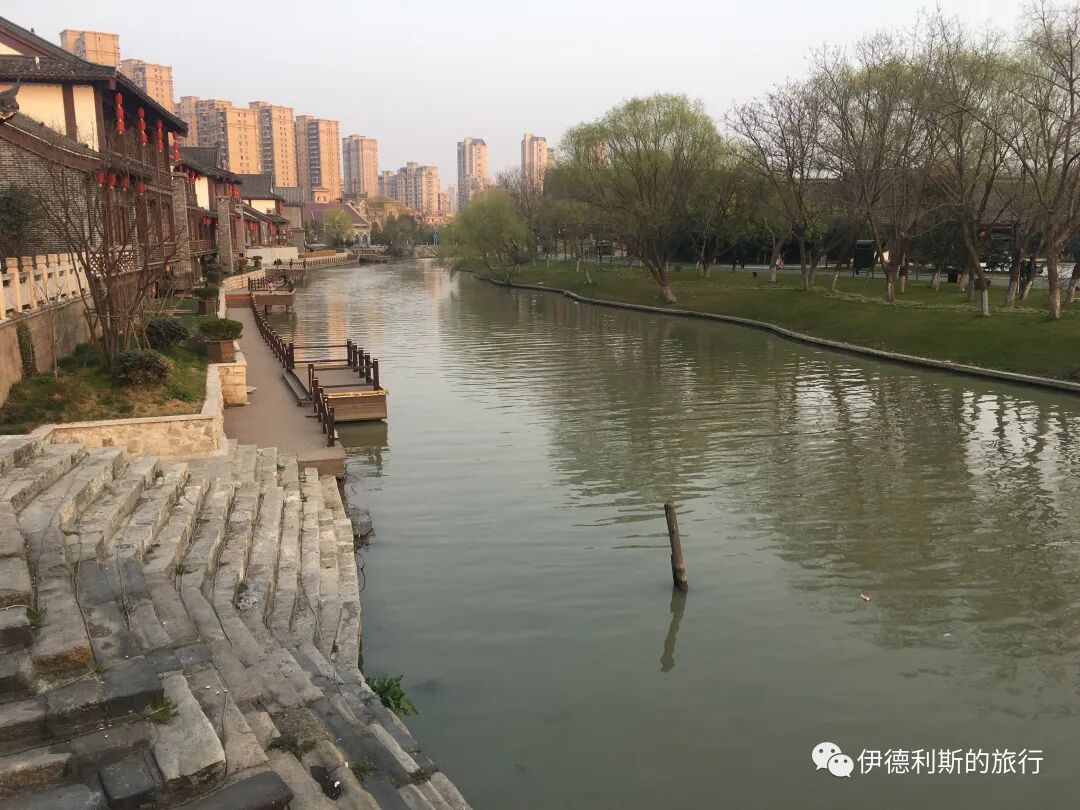
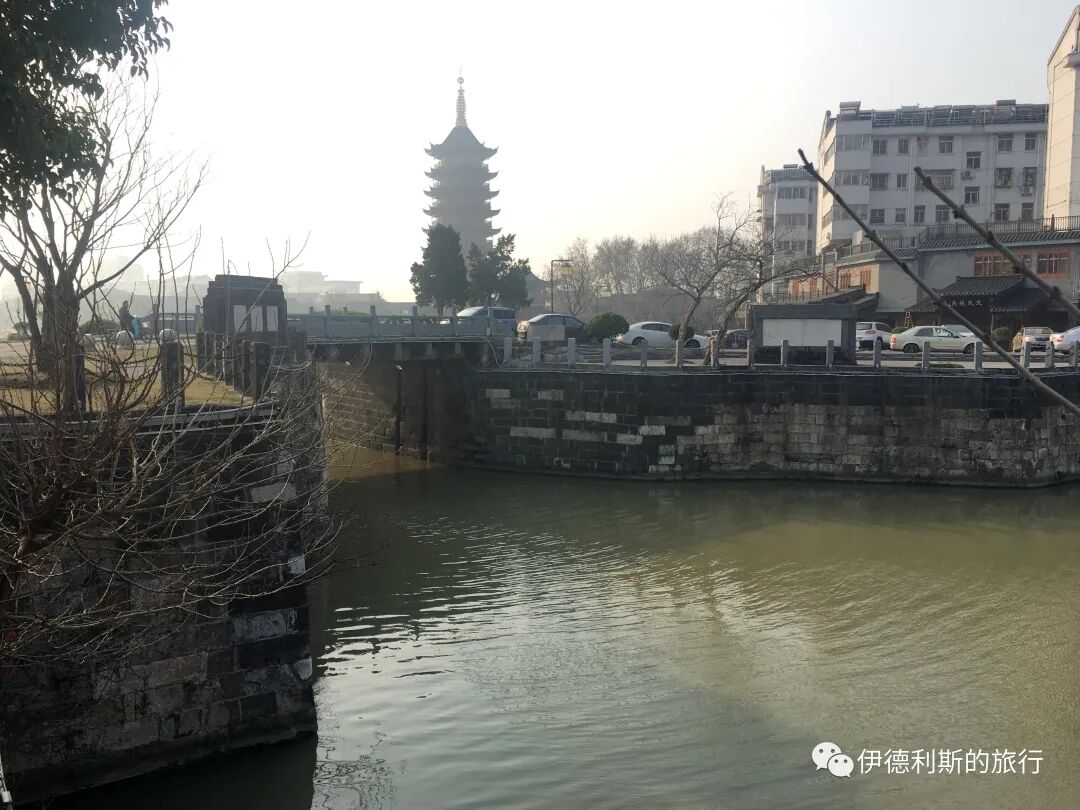
In 1415 (the 13th year of the Yongle reign of the Ming Dynasty), Chen Xuan, the Earl of Pingjiang, dredged Qingjiangpu. He built the Changying Granary, which stretched for several miles, and the massive Qingjiang Shipyard. He conscripted over 6,000 craftsmen, and grain transport ships from every province were repaired and built here. As a hub for grain transport, the town of Qingjiangpu gradually took shape and became increasingly prosperous.
Because navigating the Yellow River section of the canal was very dangerous and waiting times to pass through locks in Shandong were too long, many merchants and travelers chose to leave their boats at Qingjiangpu. They would cross the Yellow River at Wangjiaying and switch to horse-drawn carriages to continue north. Qingjiangpu became a transportation hub known for "southern boats and northern horses."
In 1677 (the 16th year of the Kangxi reign), the Director-General of Grain Transport moved to Qingjiangpu, making it the center of the grain transport system. In his collection of notes and stories, "Seven Inks of the Golden Pot" (Jinhu Qimo), the Qing Dynasty writer Huang Junzai recorded: "Along the Qingjiang River for over ten miles, the markets were prosperous and filled with goods. People from all directions gathered here, with shoulders rubbing and carriage wheels touching; it was truly magnificent."
However, due to the dual impact of the Taiping Heavenly Kingdom capturing Nanjing in 1853 (the third year of the Xianfeng reign) and the Yellow River bursting its banks and changing course at Tongwaxiang in 1855 (the fifth year of the Xianfeng reign), the canal began to fall into disrepair and silt up. In 1860, the Nian Army captured Qingjiangpu, and its twenty-mile-long bustling market streets were burned down. In 1873, the Qing government ordered the China Merchants' Steam Navigation Company to transport grain from Shanghai to Tianjin by steamship, causing Qingjiangpu to decline rapidly. After the Jinpu Railway opened in 1912, Qingjiangpu declined even further. When the new Grand Canal was completed in 1959, Qingjiangpu finally ended its history as a transportation hub.
Qingjiang Mosque
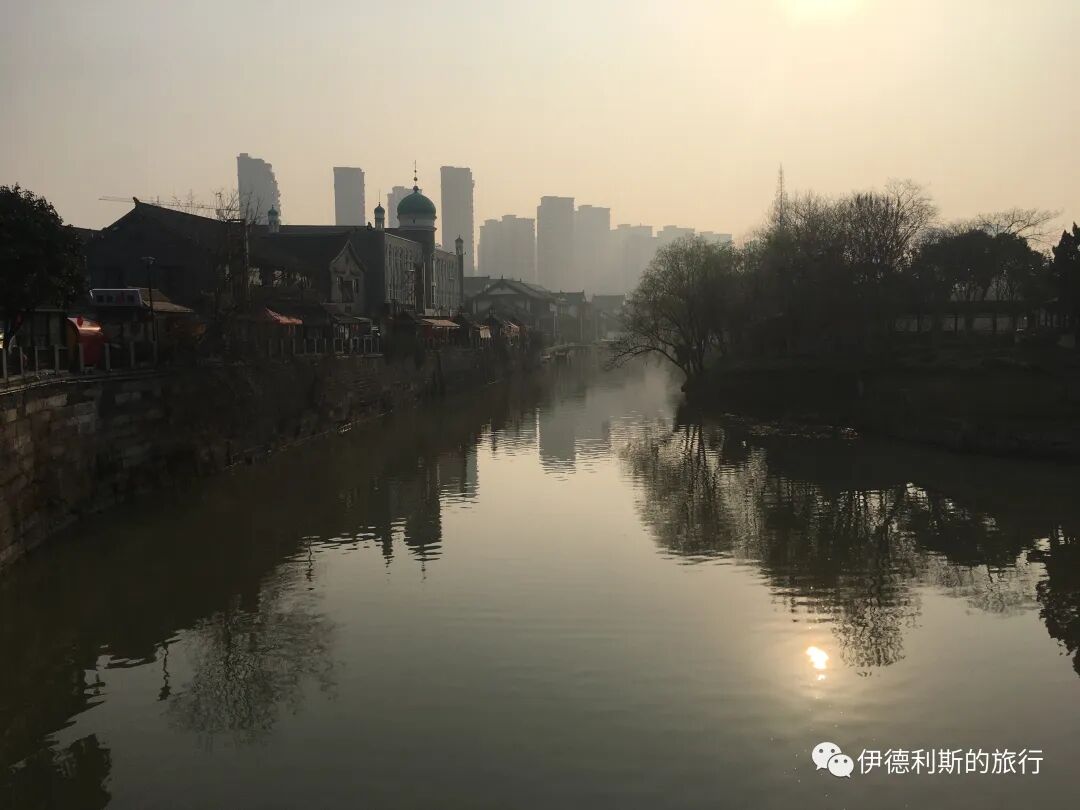
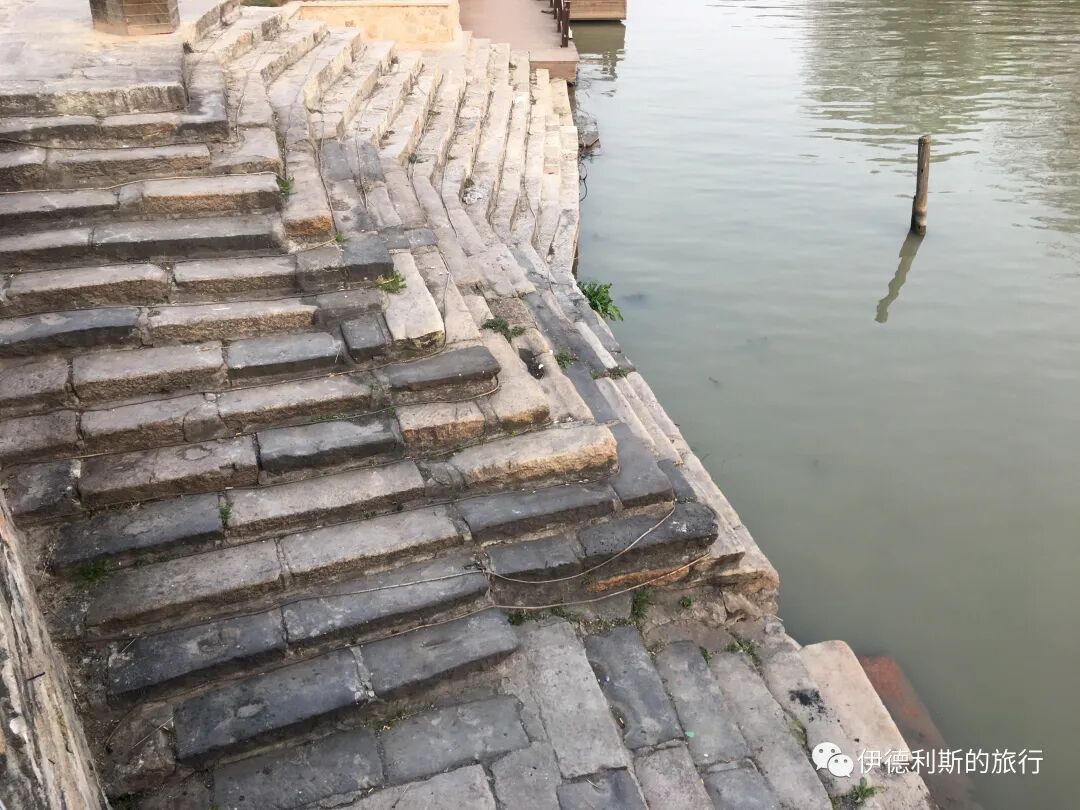
The most important wharf in Qingjiangpu is next to Yuezha. It is called the Imperial Wharf (Yu Matou) because both the Kangxi and Qianlong emperors landed there during their southern inspection tours. This was once the most prosperous and lively place in Qingjiangpu.
Starting from the Ming Dynasty, Hui Muslims did business on Yuehe Street in front of the Imperial Wharf. This gradually formed the Yuehe Street Hui Muslim community in Qingjiangpu, and the center of this community is the Qingjiang Mosque.
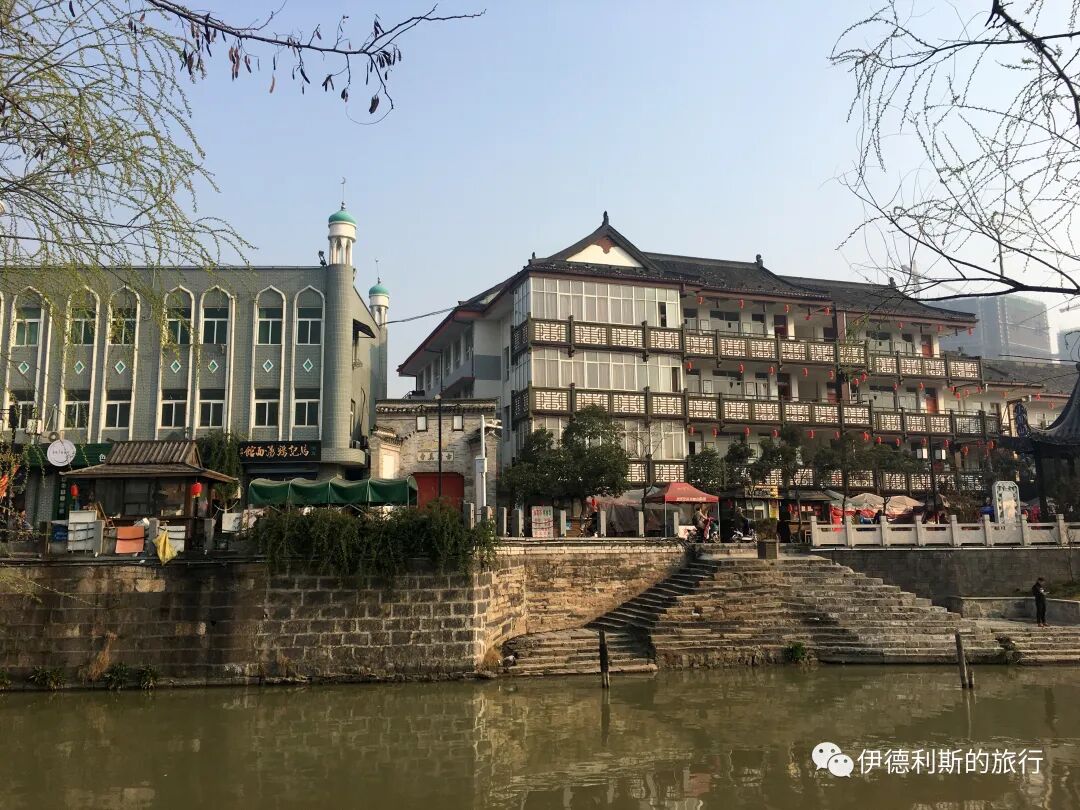
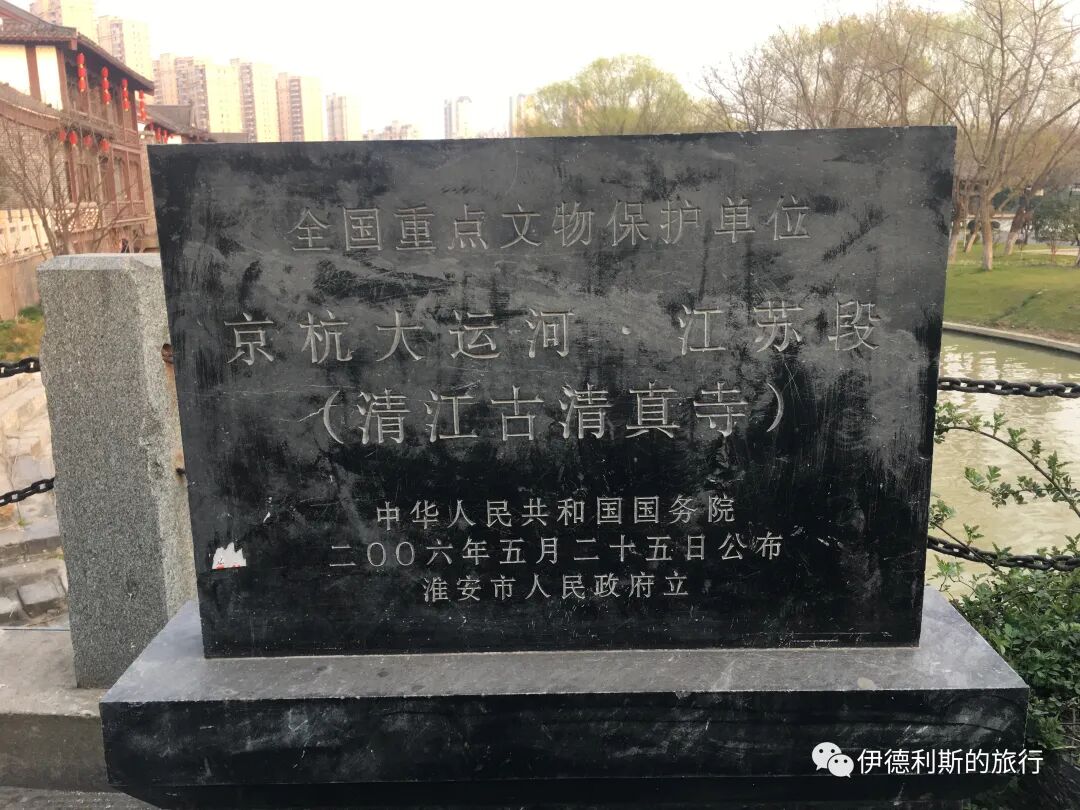
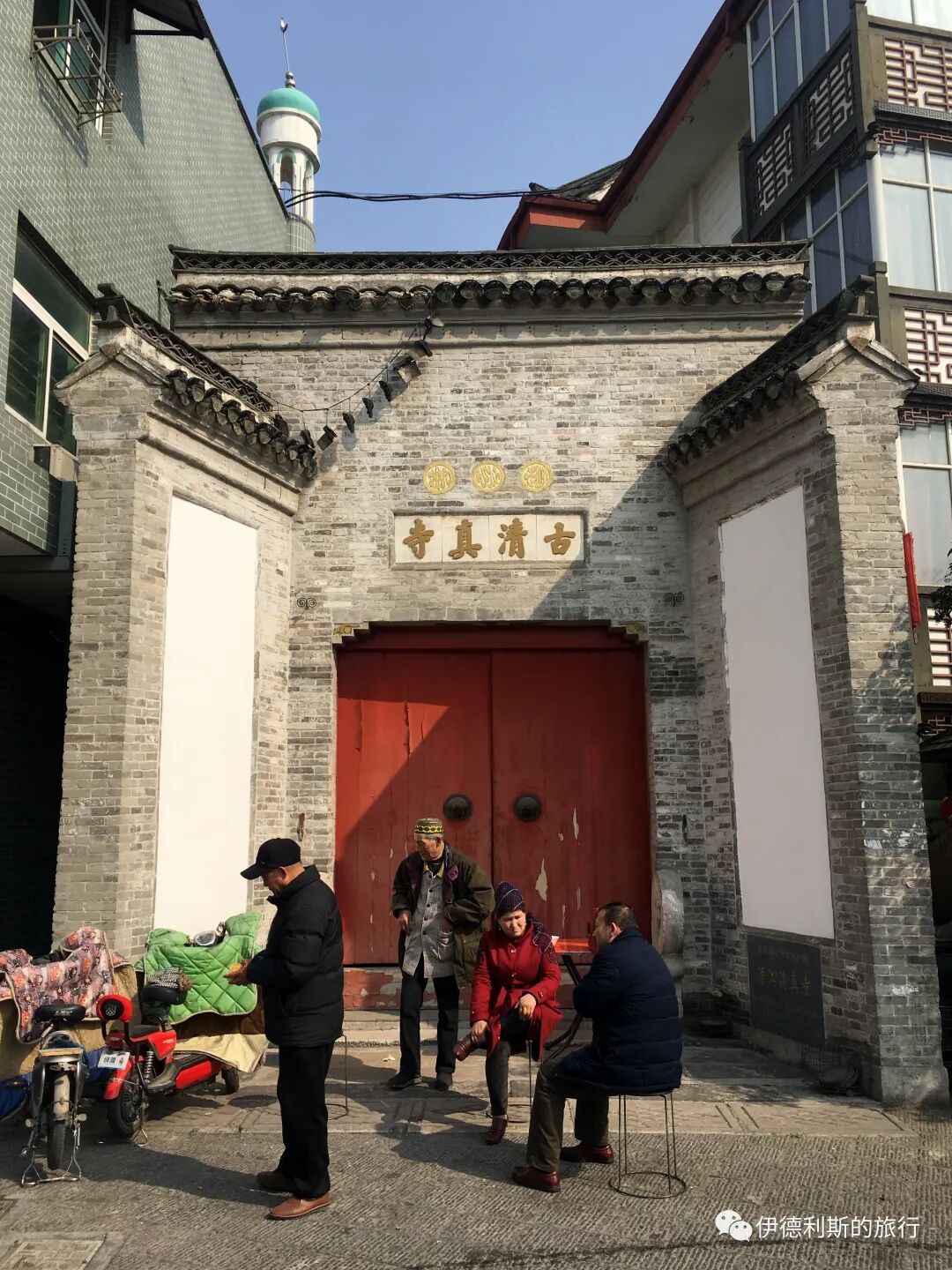
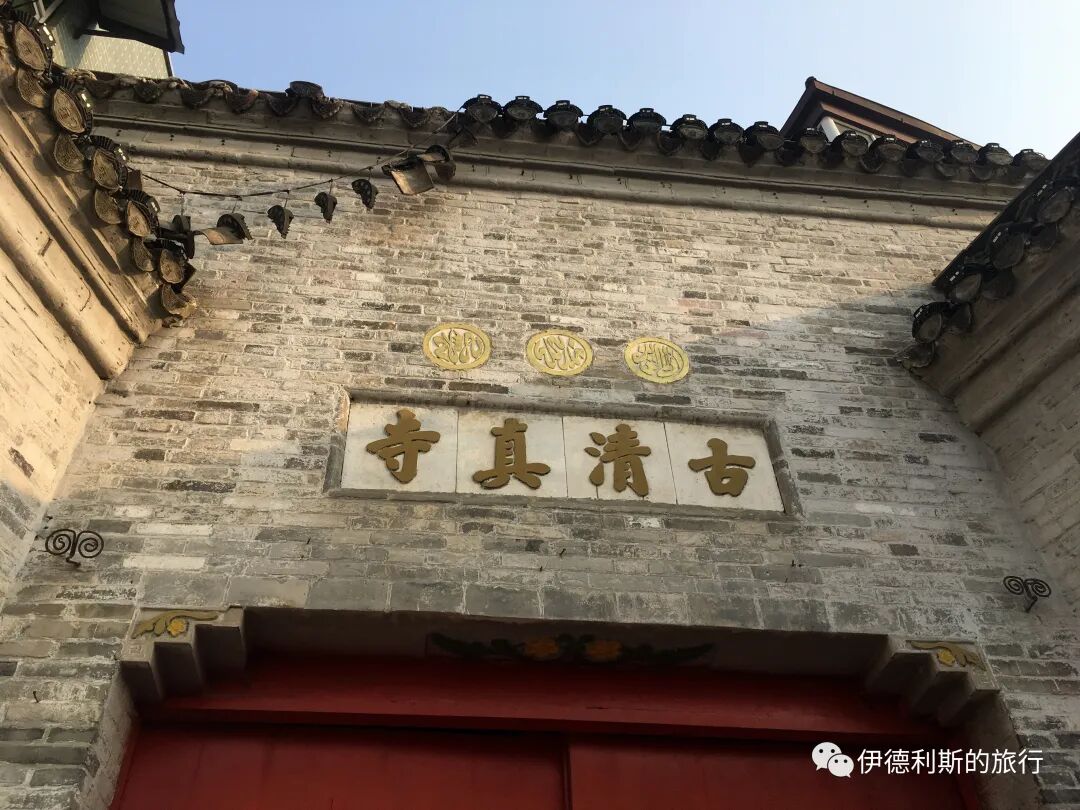
Qingjiang Mosque was originally called Yuanpu Mosque. It was first built during the Jiajing period of the Ming Dynasty and underwent large-scale renovations and expansions in 1799 (the 57th year of the Qianlong reign). In 1860 (the 10th year of the Xianfeng reign), the Nian Army captured Qingjiangpu and destroyed the mosque. The imam, Ma Huanwen, unfortunately passed away from illness while raising funds for its reconstruction. Fortunately, an elder from Nanjing named Jiang Hengqing took over. He organized everyone to raise funds, and they finally rebuilt the main prayer hall in 1870 (the 9th year of the Tongzhi reign).
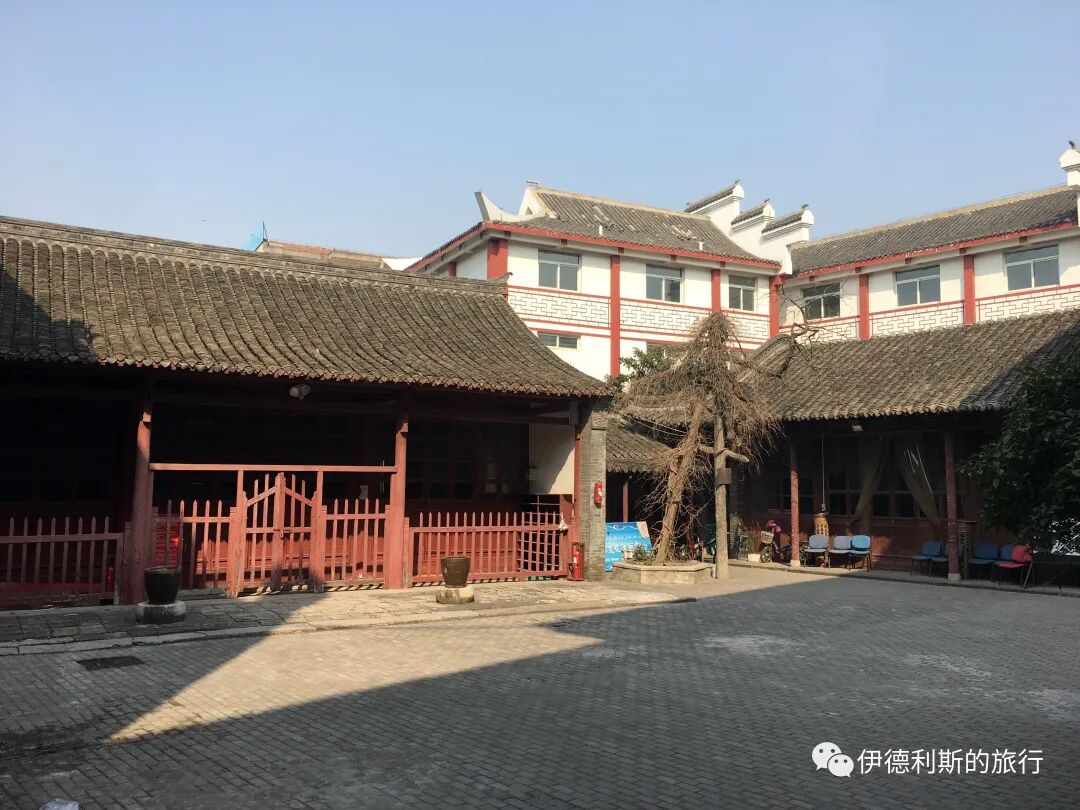
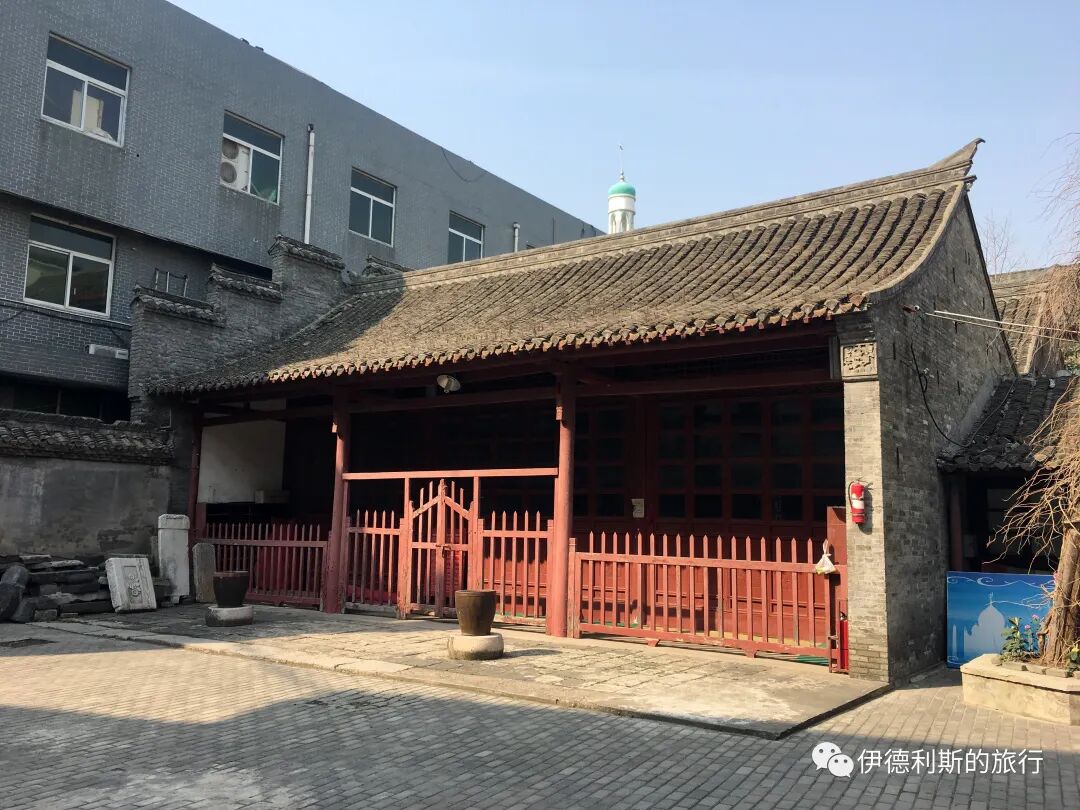
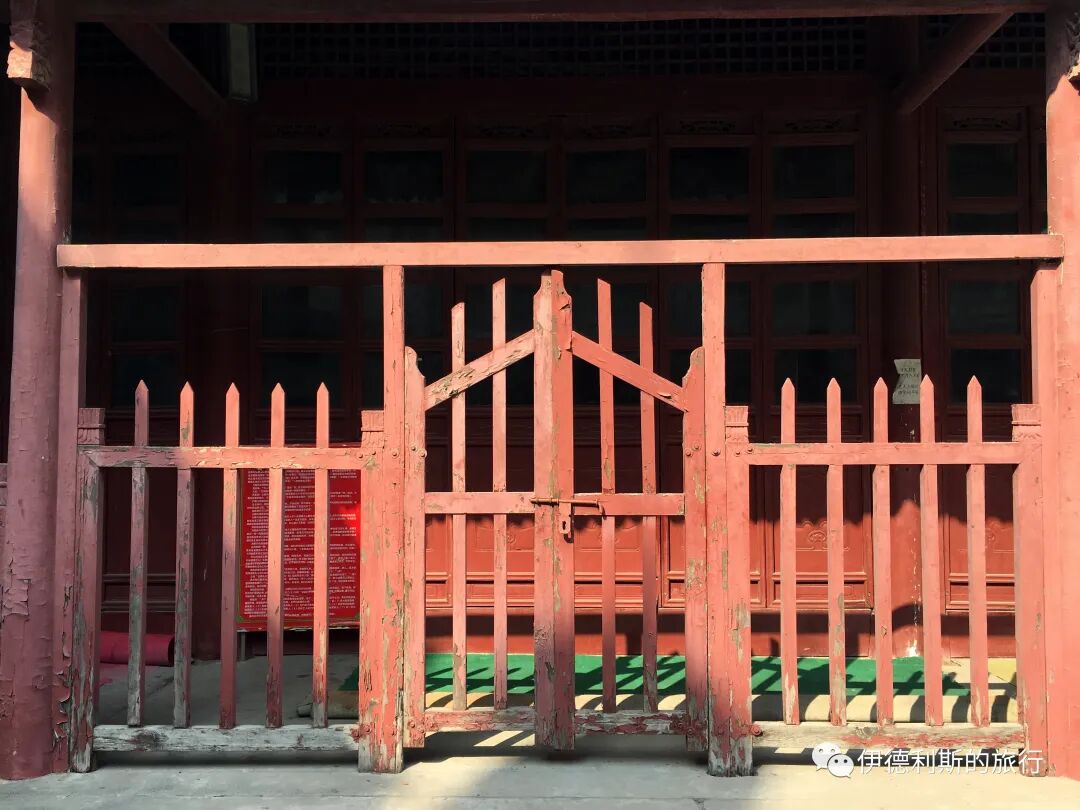
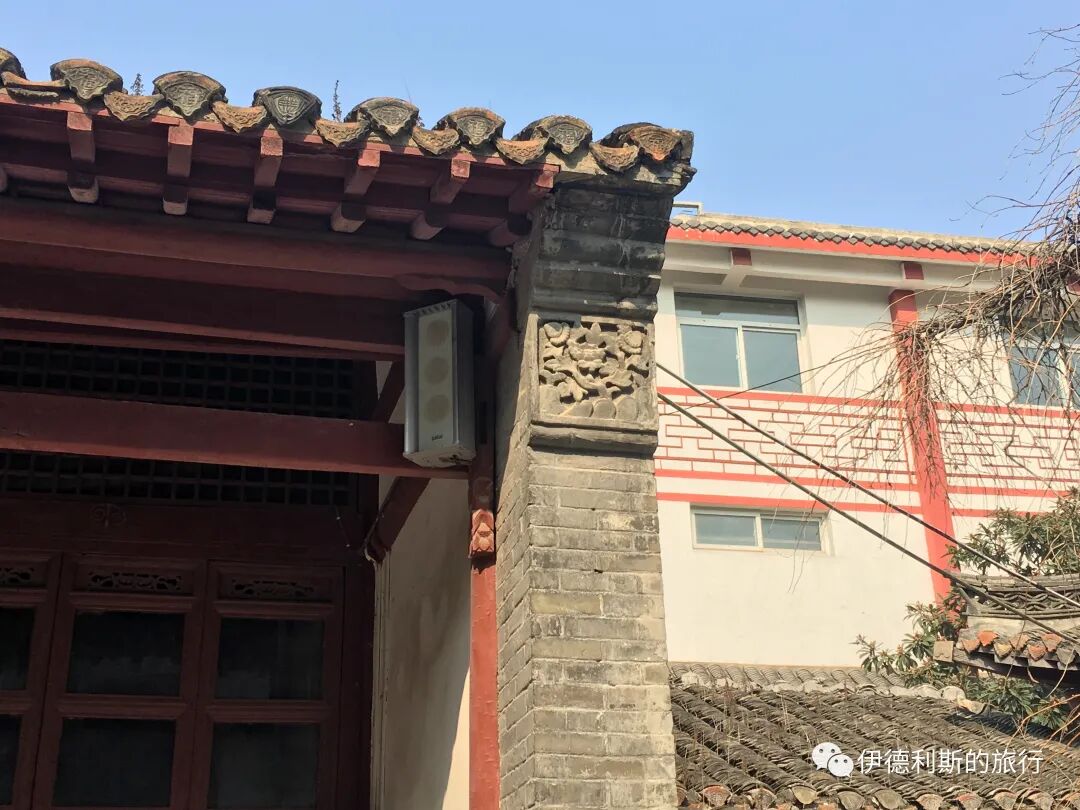
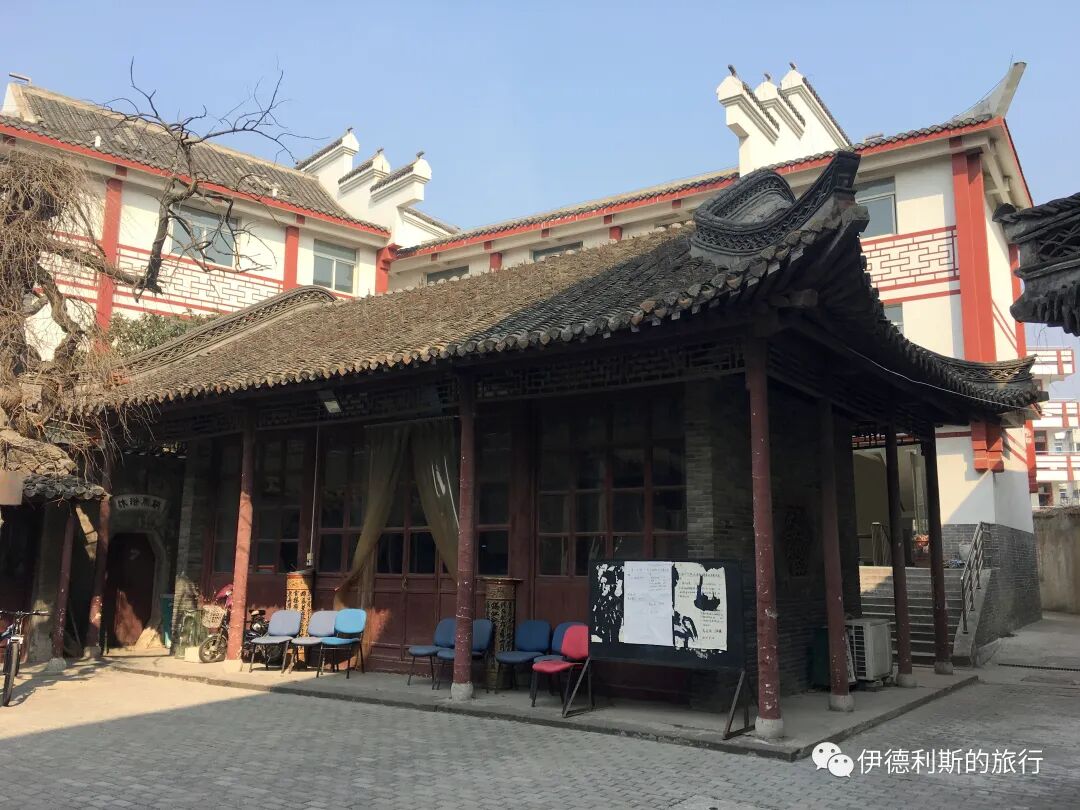
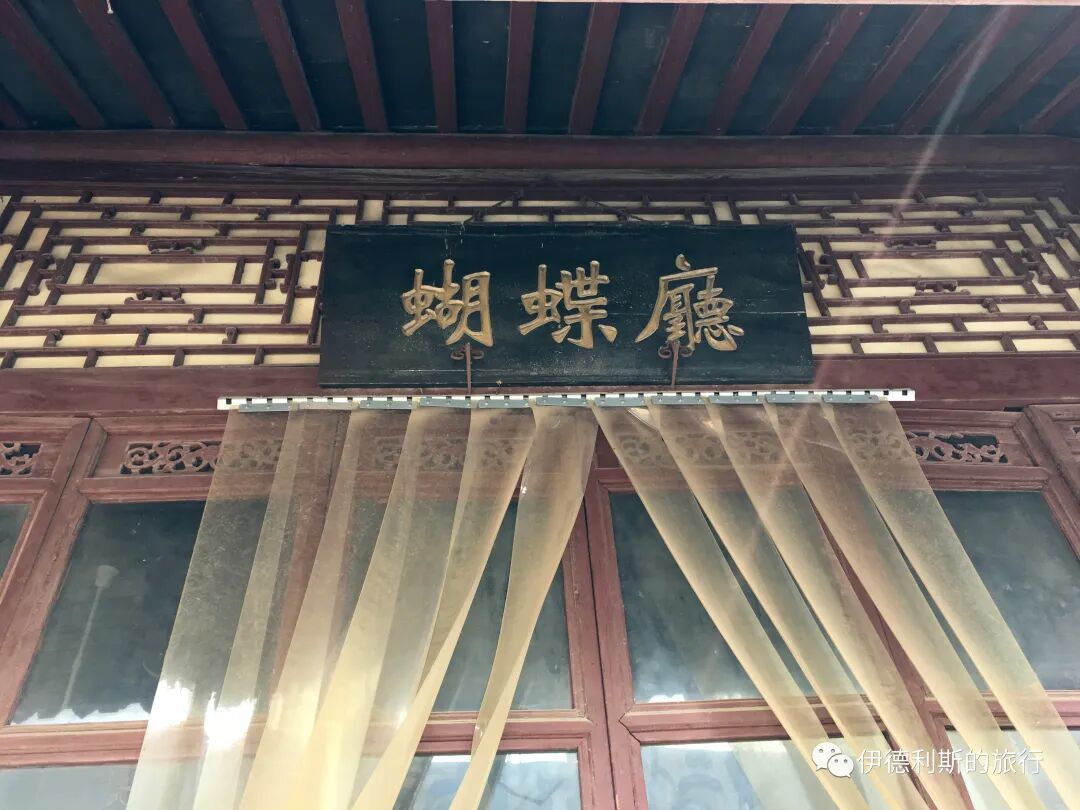
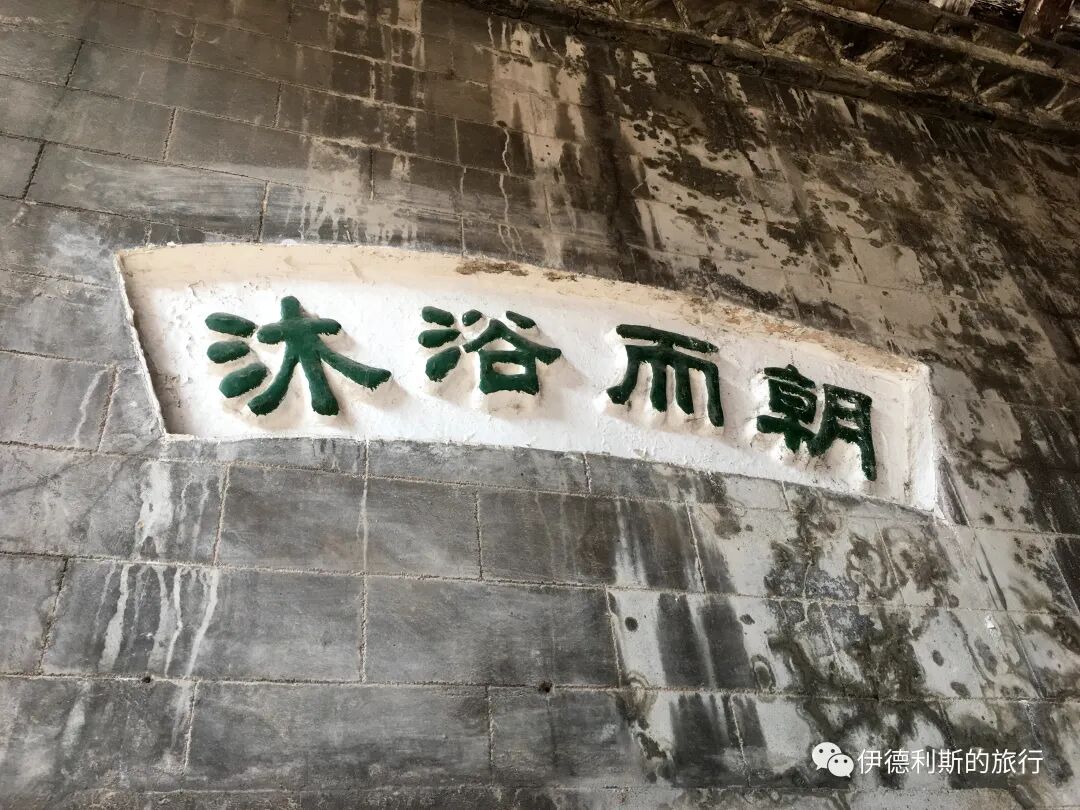
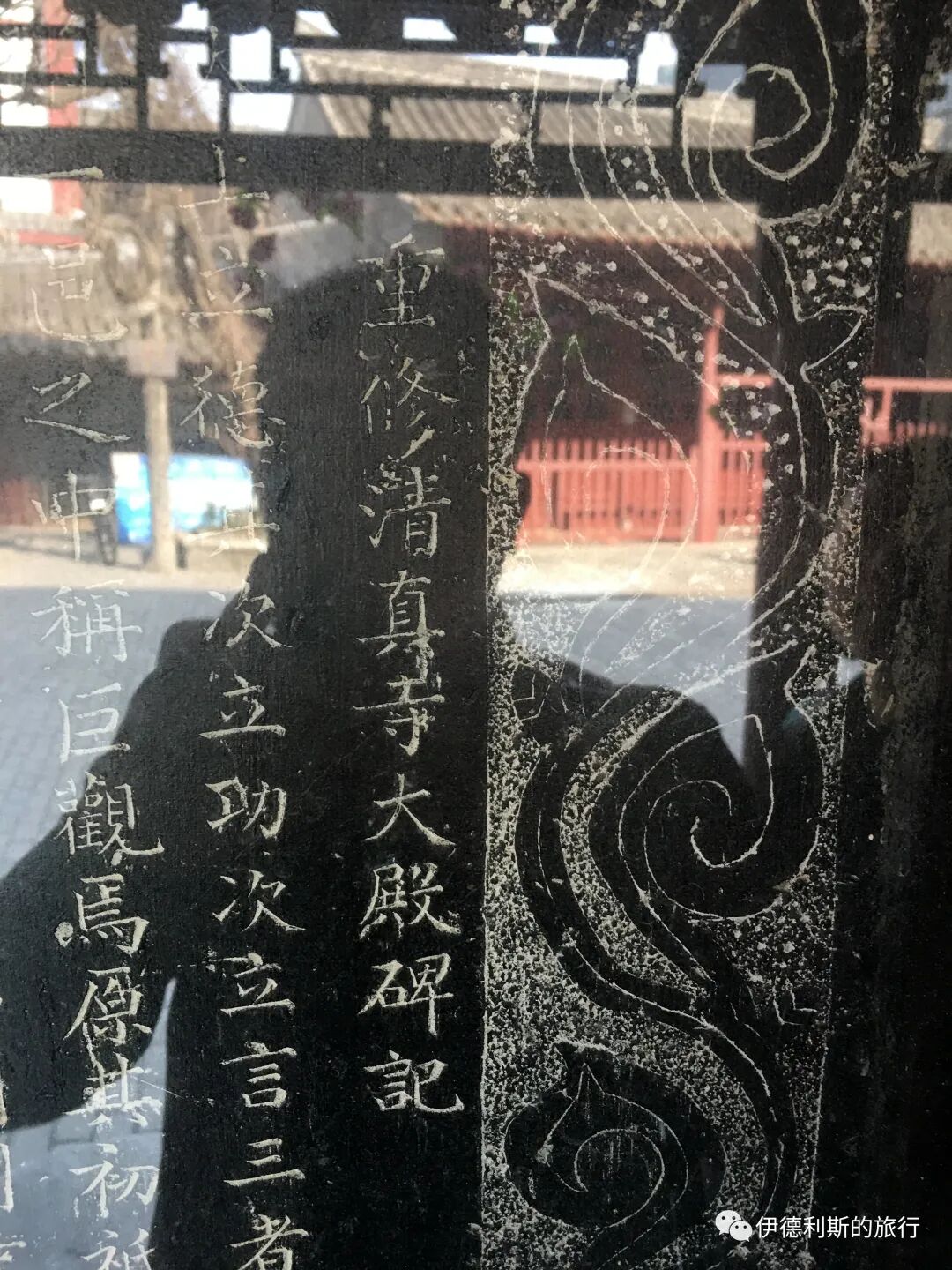
The 1870 (9th year of the Tongzhi reign) stele inscription titled 'Record of Rebuilding the Mosque Main Hall' inside the mosque tells the history of Qingjiang Mosque.
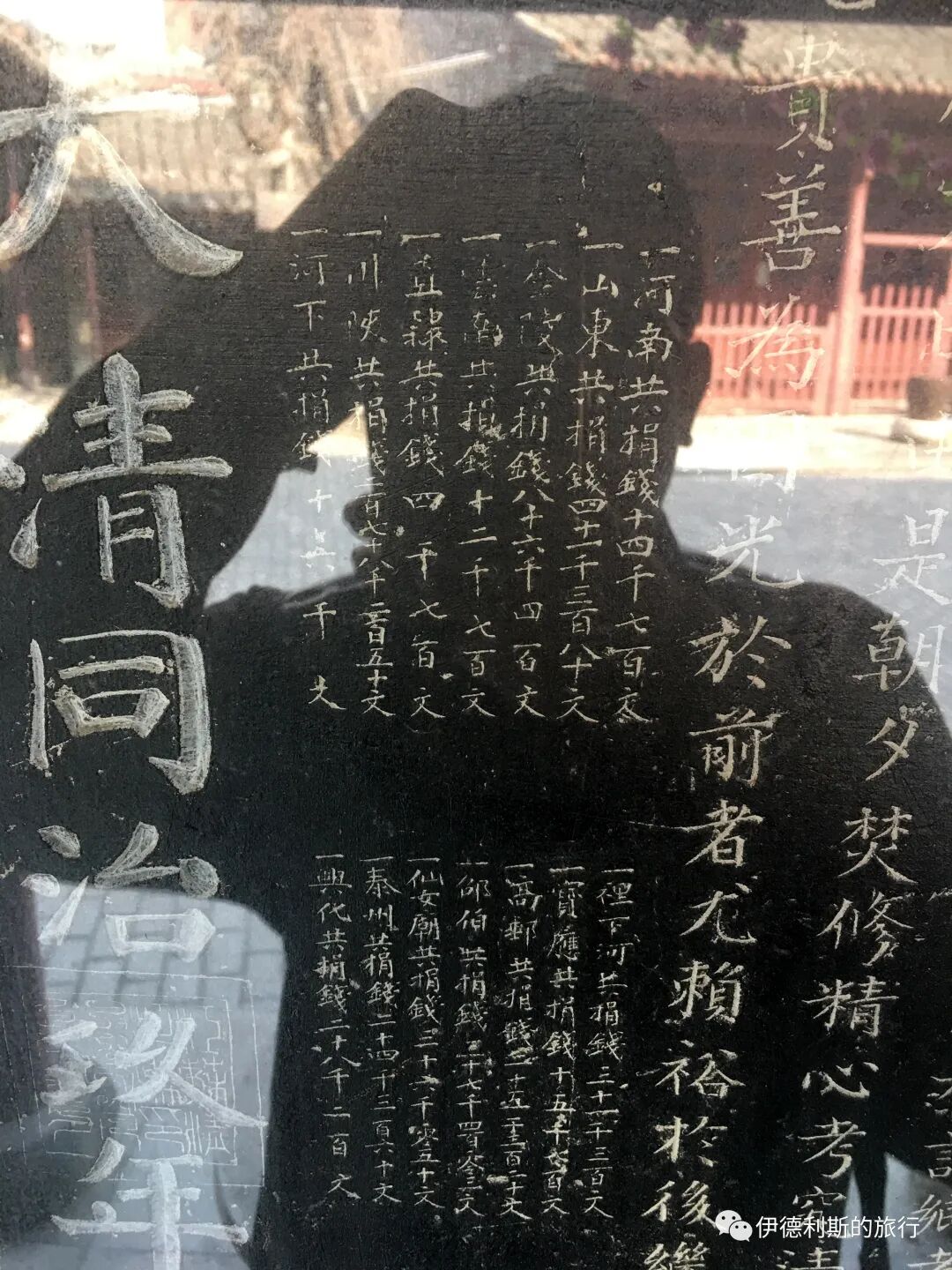
In 1910 (the 2nd year of the Xuantong reign), Qingjiang Mosque established Muying Primary School next to the mosque to teach both Chinese and Arabic. The famous historian Professor Pang Pu once studied there. Today, the school building is destroyed, and no traces remain.
To the west of the mosque once stood the former residence of Zuo Baogui, known as the Zuo Mansion. General Zuo Baogui led his troops to defend the Xuanwu Gate in Pyongyang during the First Sino-Japanese War in 1894 (the 20th year of the Guangxu reign), dealing heavy blows to the Japanese army. On September 15, General Zuo Baogui personally lit a cannon to fire. His right arm was blown off, but he bandaged the wound and kept fighting. He was eventually hit in the chest by a shell and died a heroic death at the age of 57. That same year, the Yangzhou government followed an imperial decree to build a cenotaph for Zuo Baogui next to the Puhading Tomb in Yangzhou, which is still preserved today.
Qingjiang Mosque stopped its activities and was occupied in 1966. It was renovated in 1979 and has been open ever since.
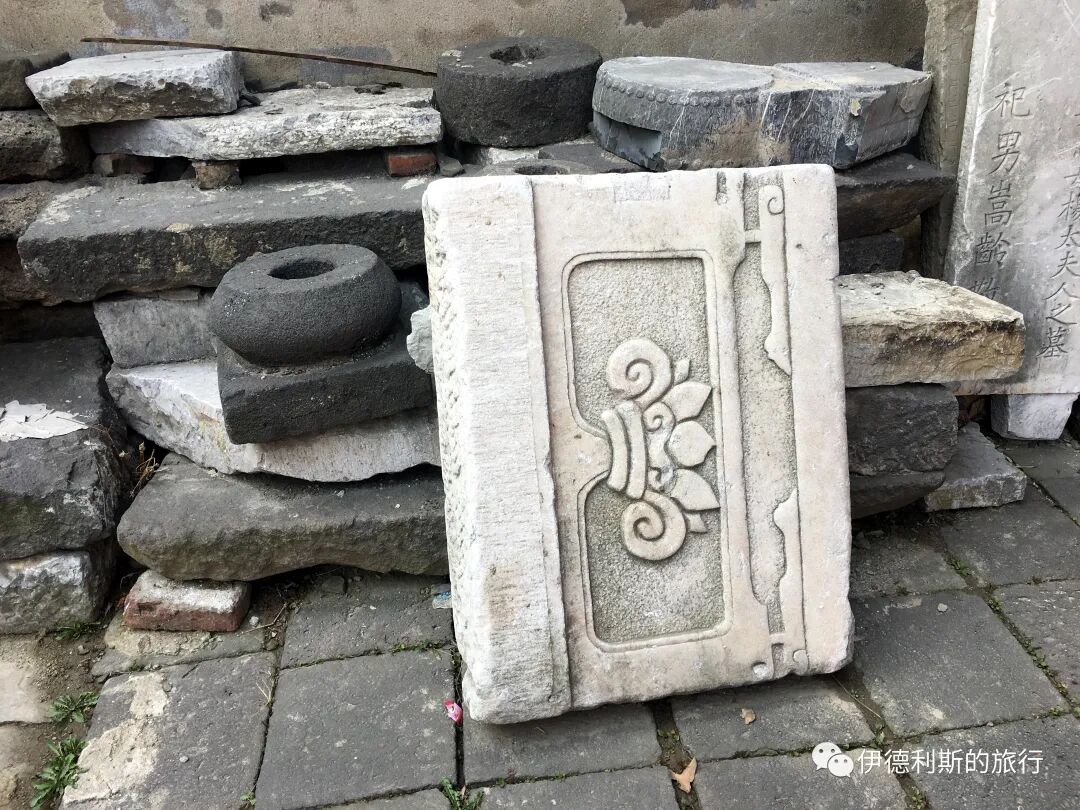
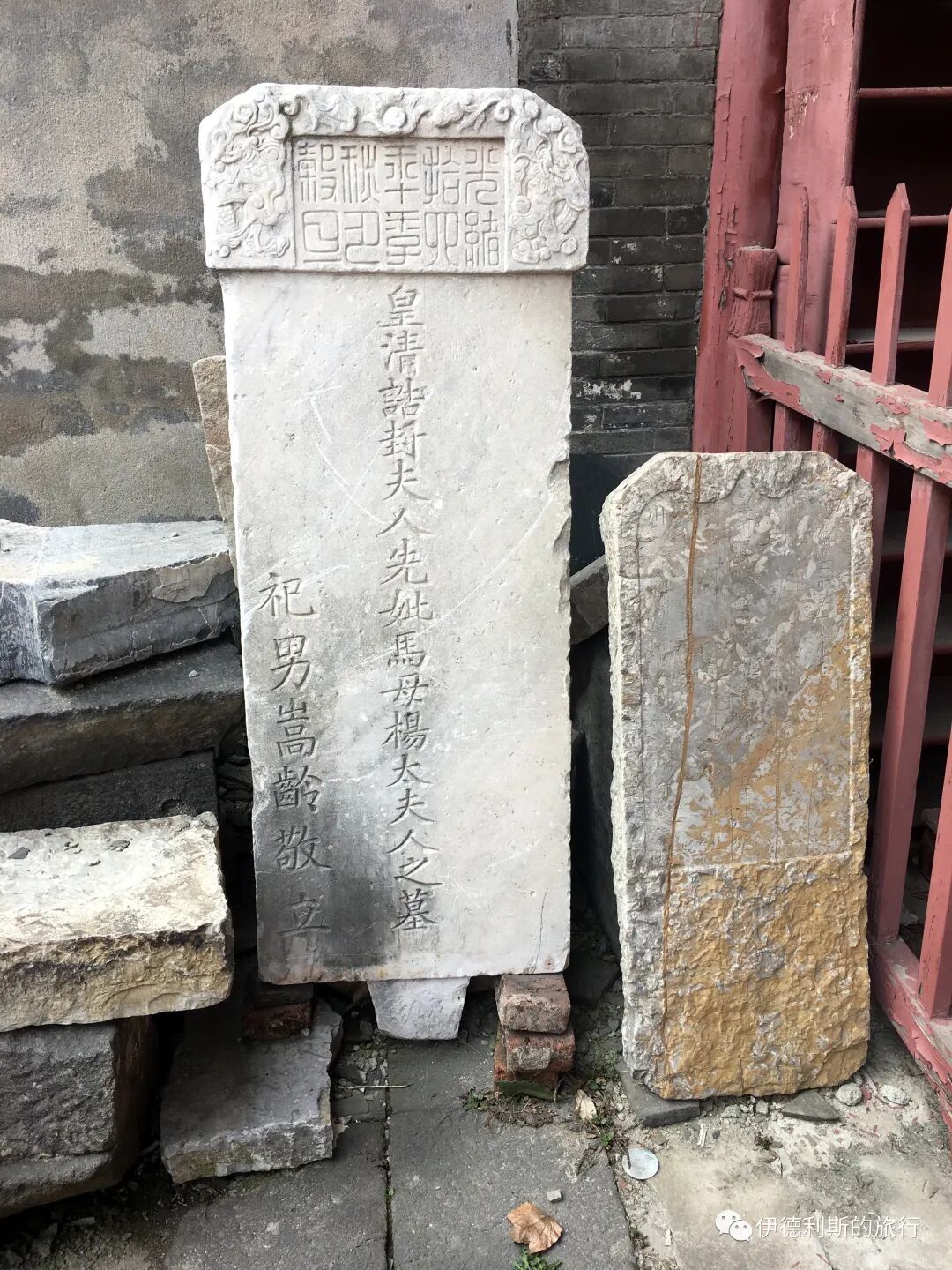
Halal food in Qingjiangpu.
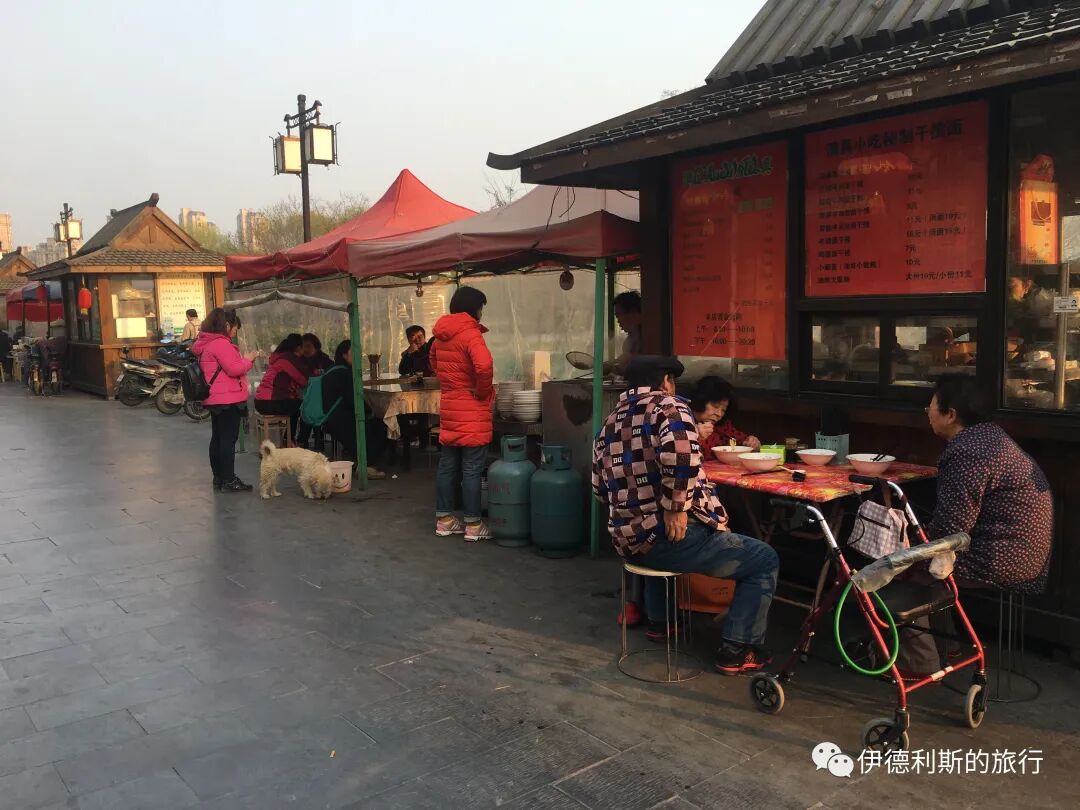
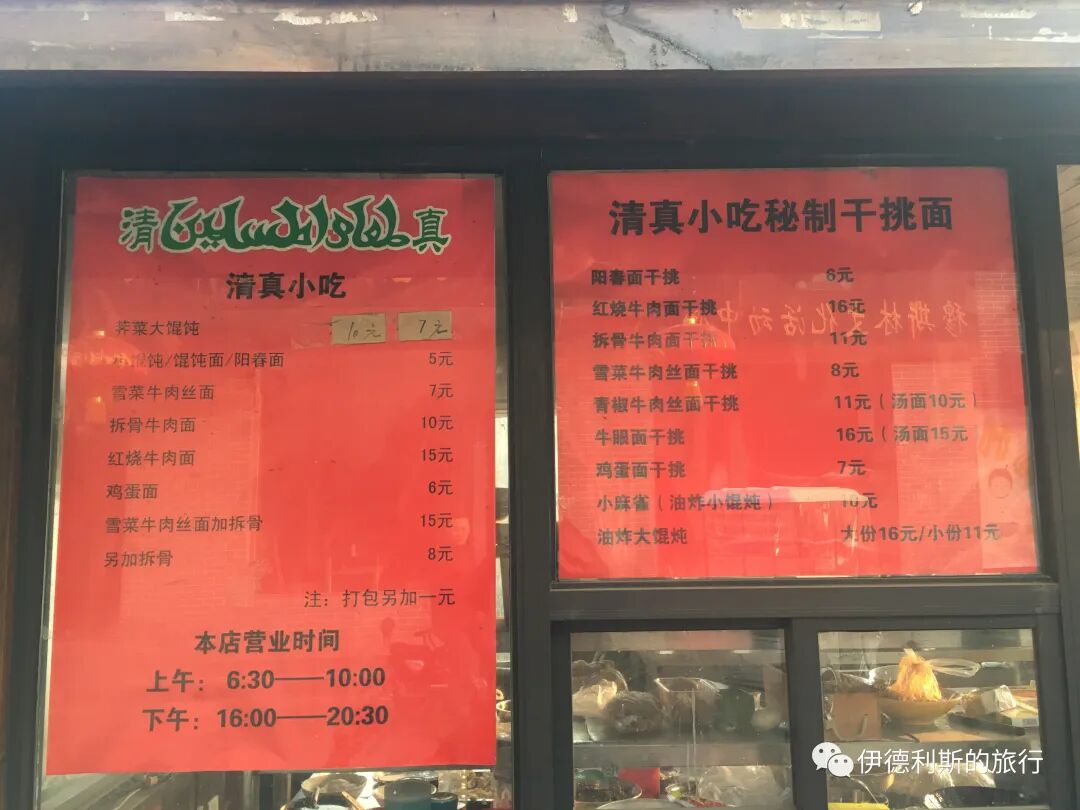
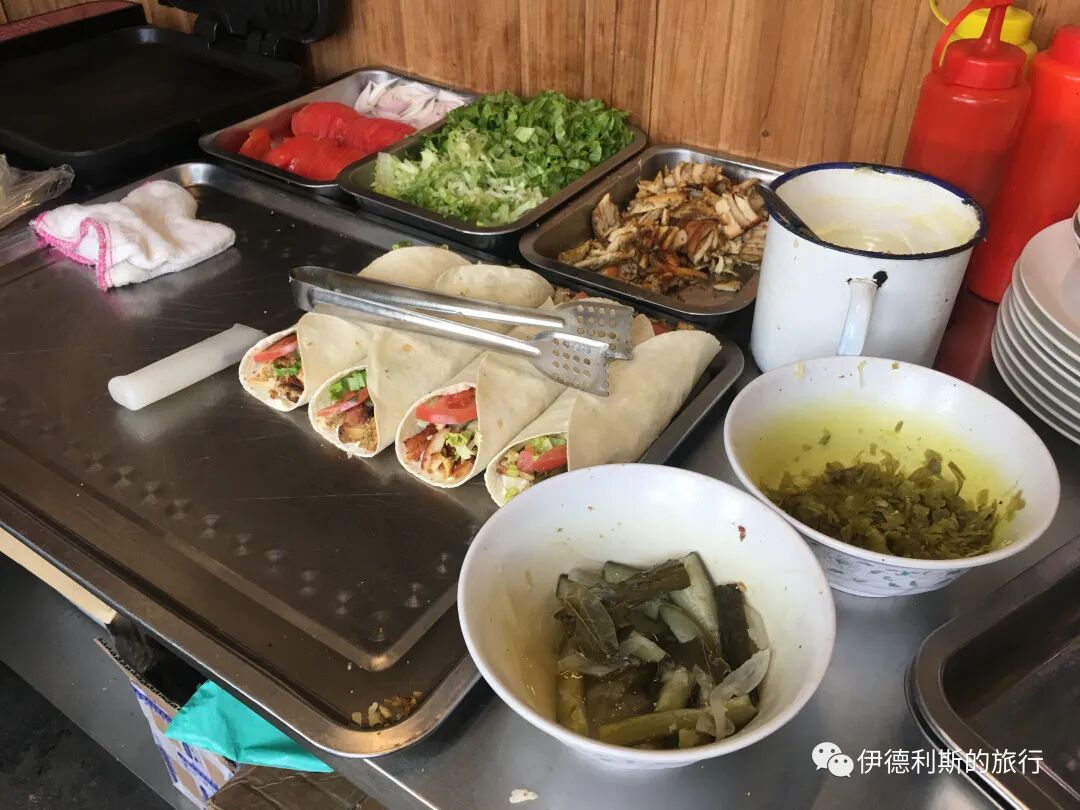
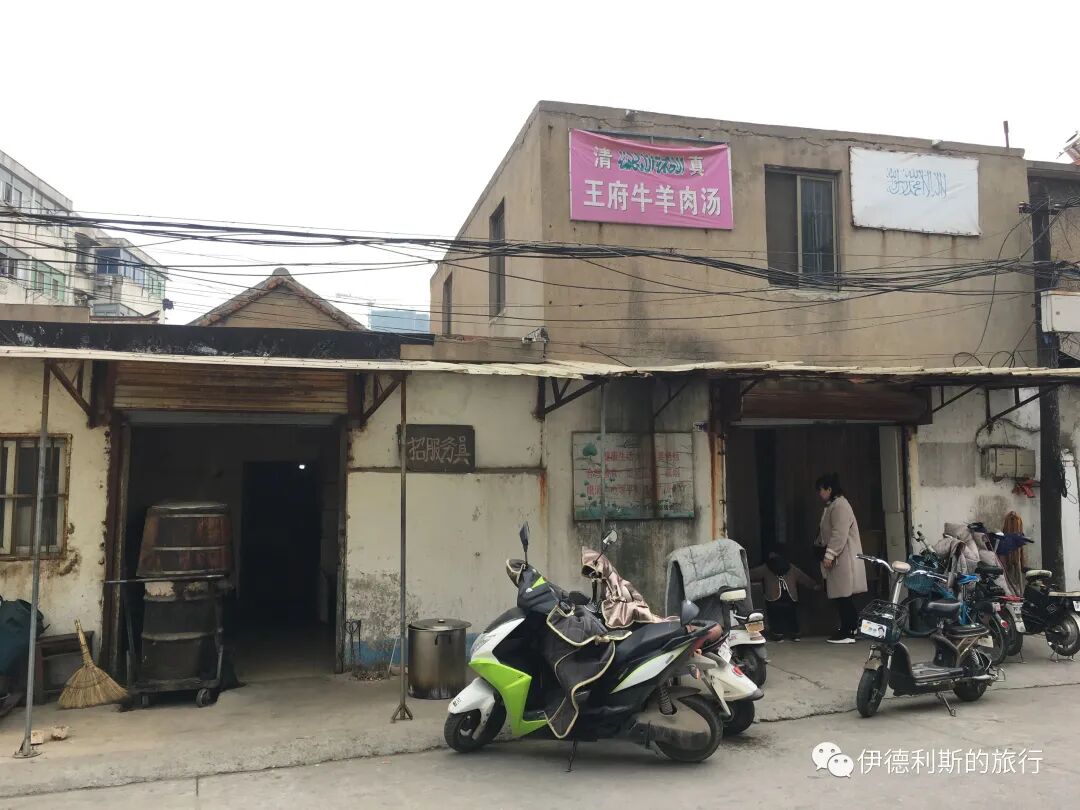
There are over ten halal restaurants in Qingjiangpu. Just on the Yuehe Snack Street in front of the mosque, there are eight, and each one has its own specialty.
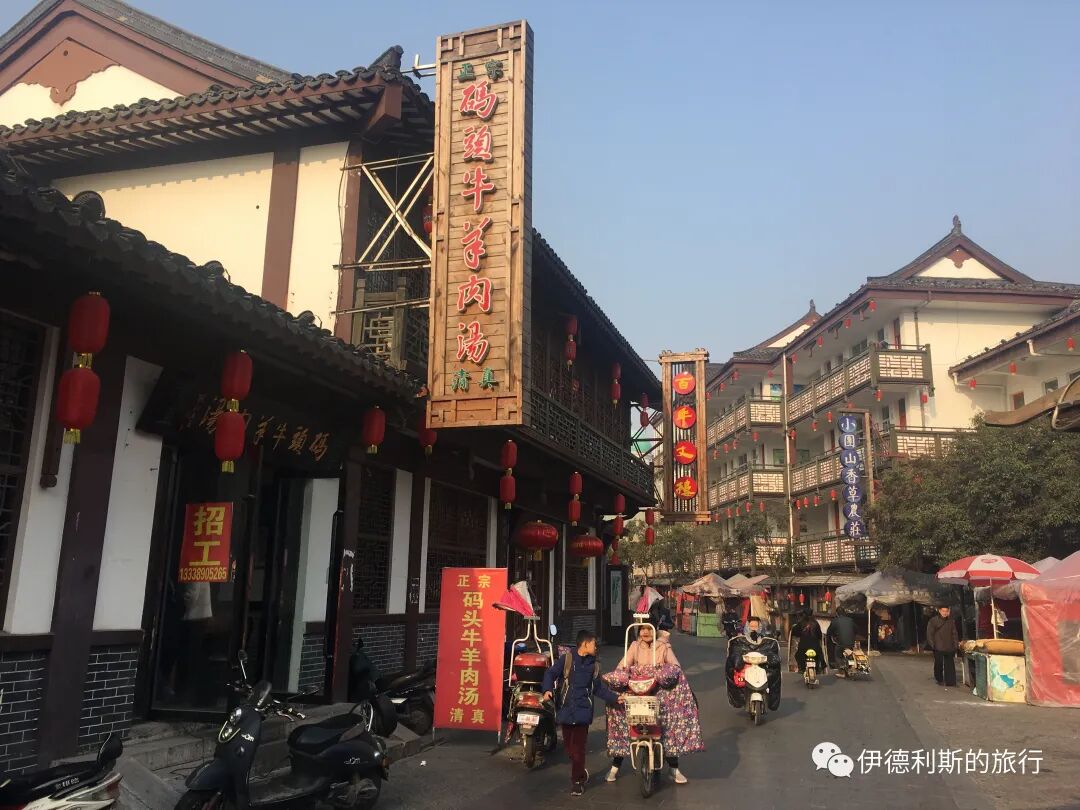
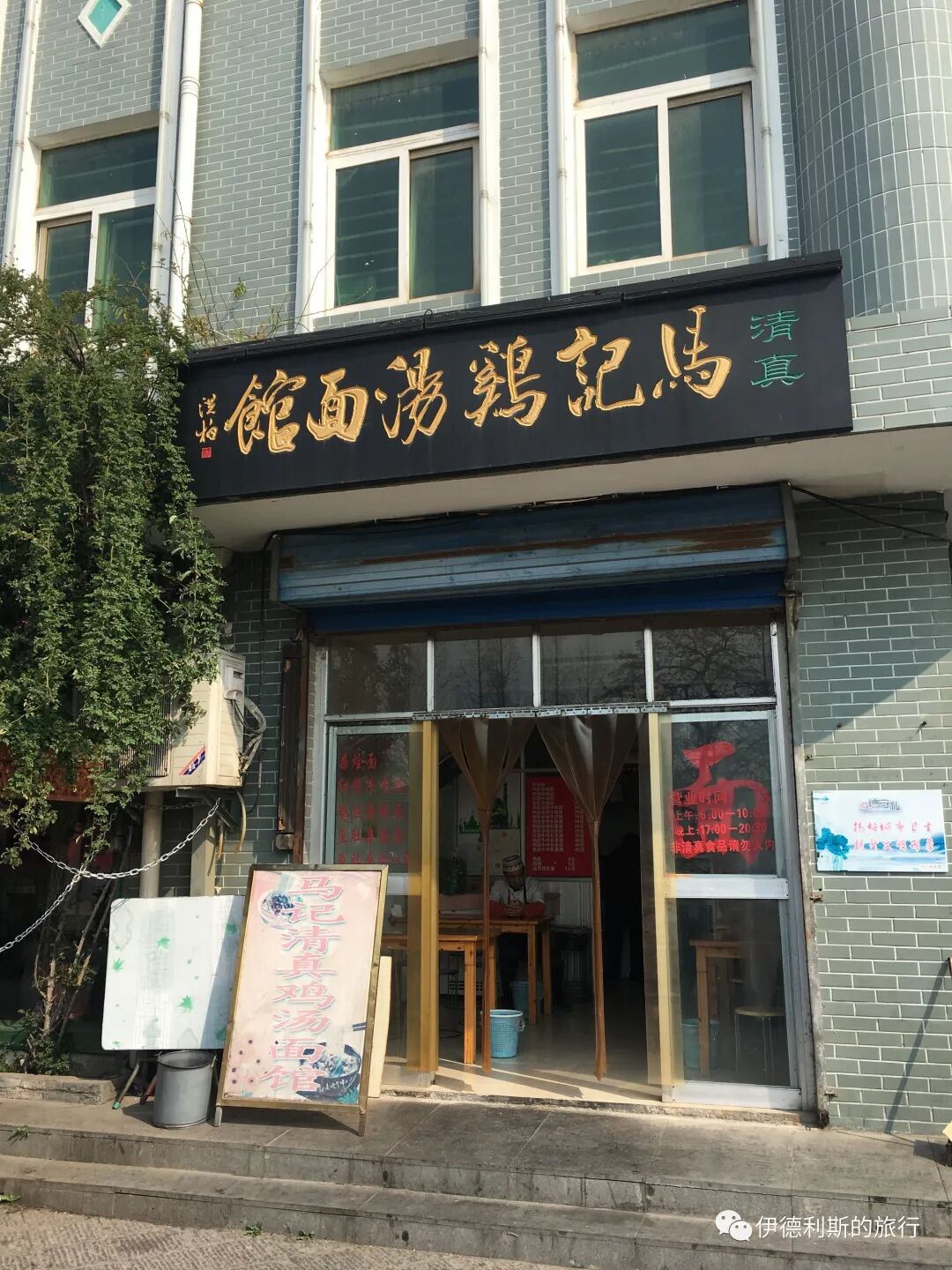
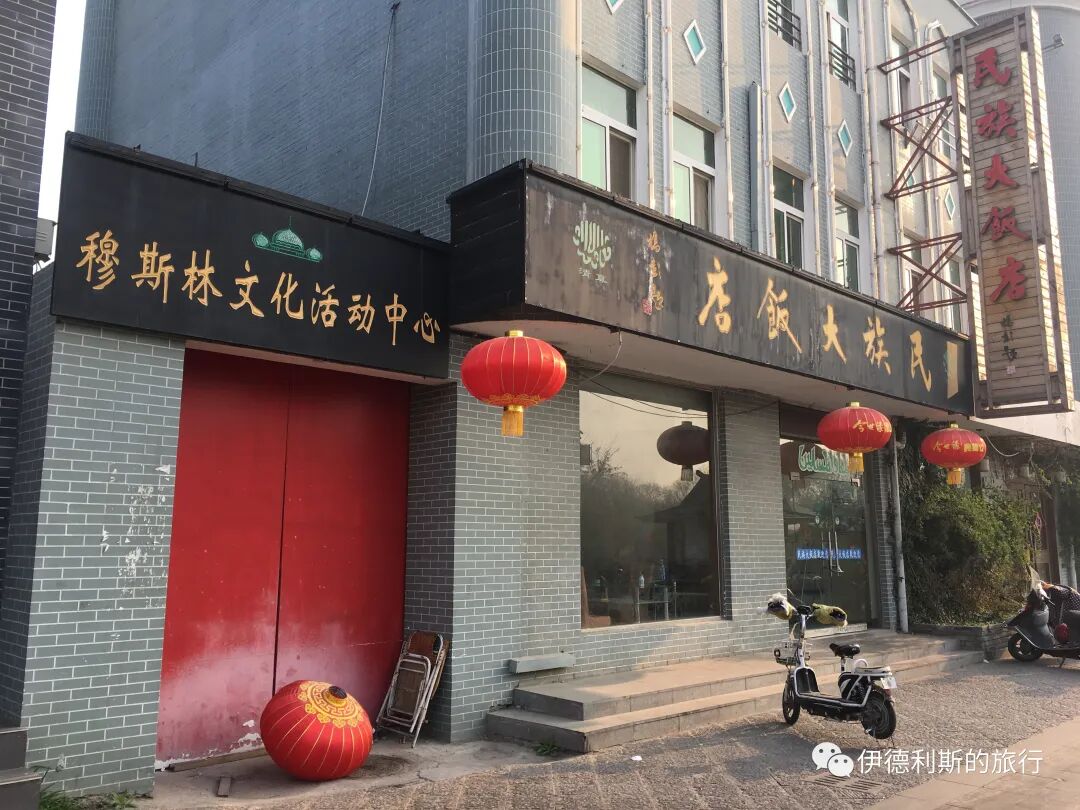
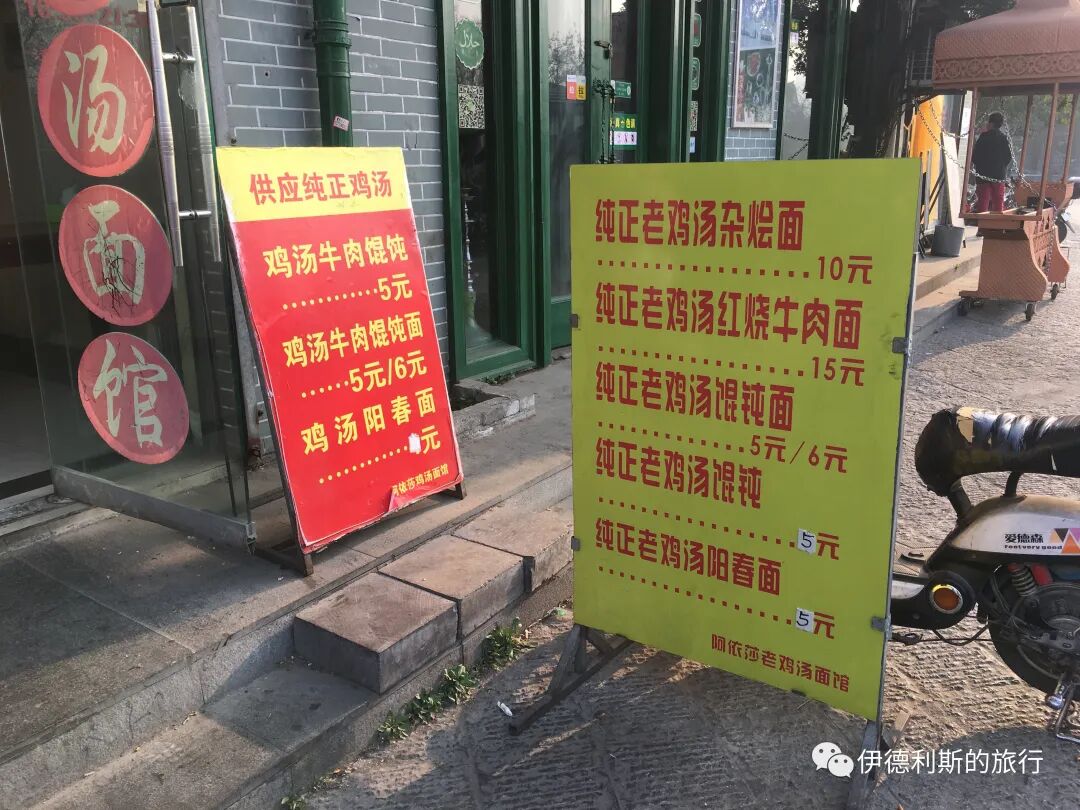
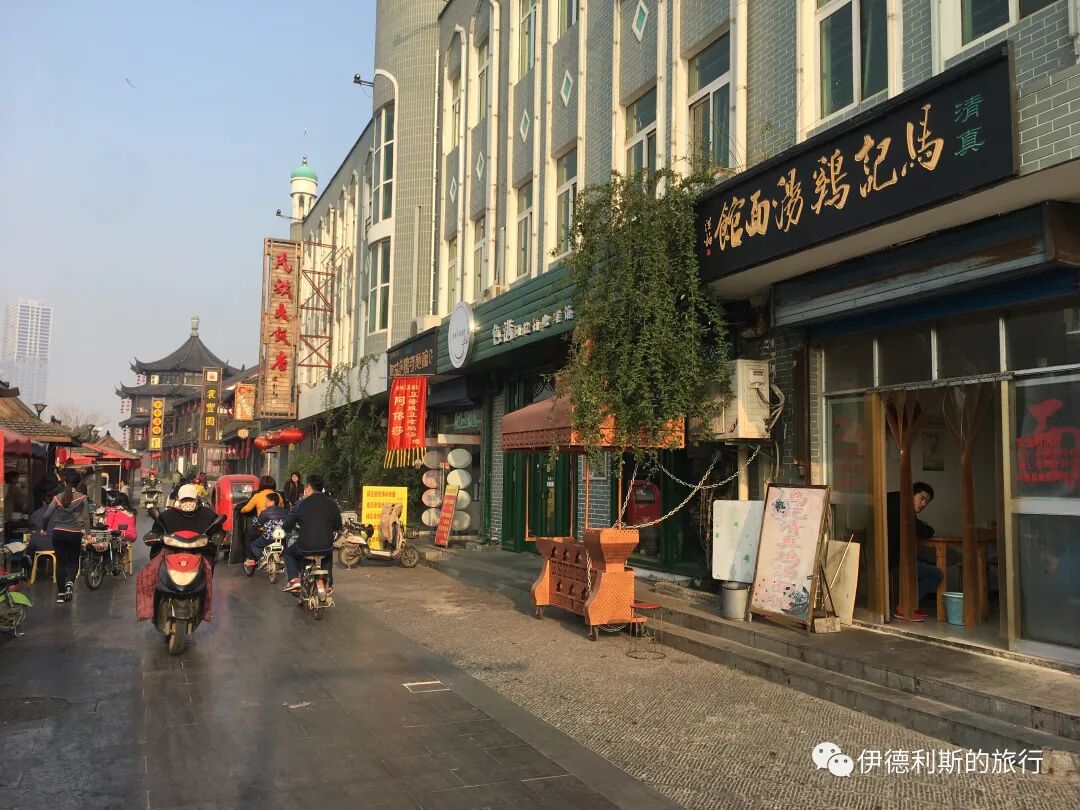
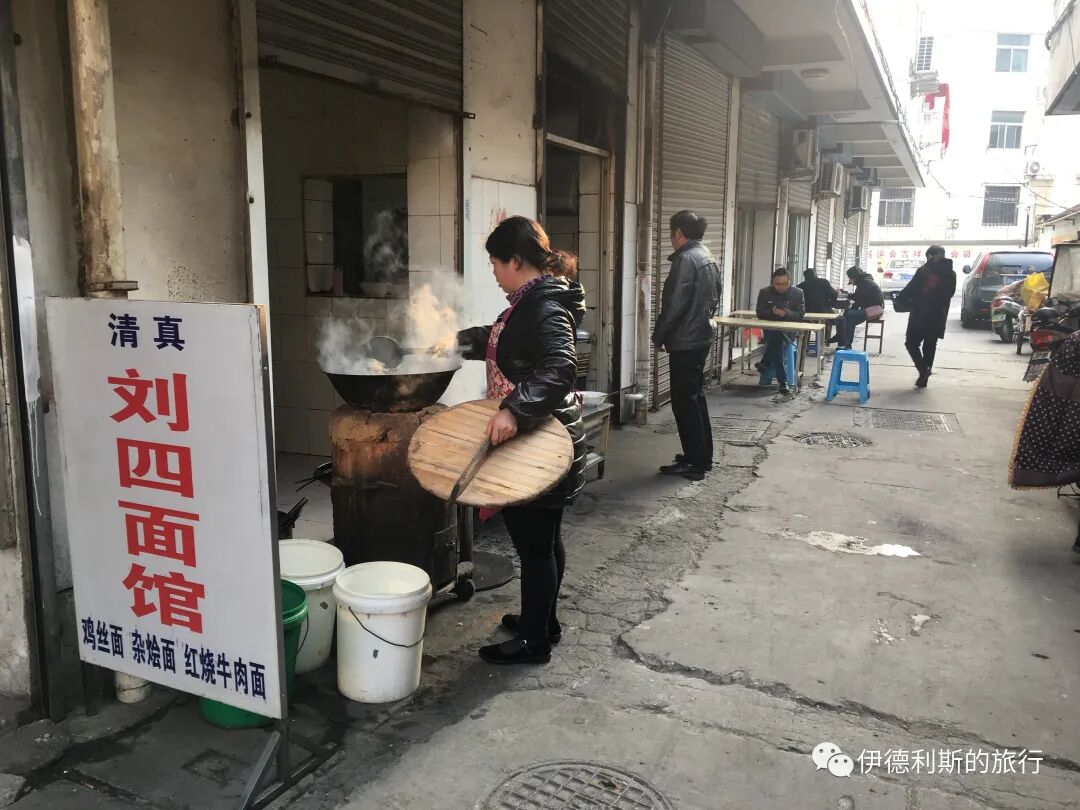
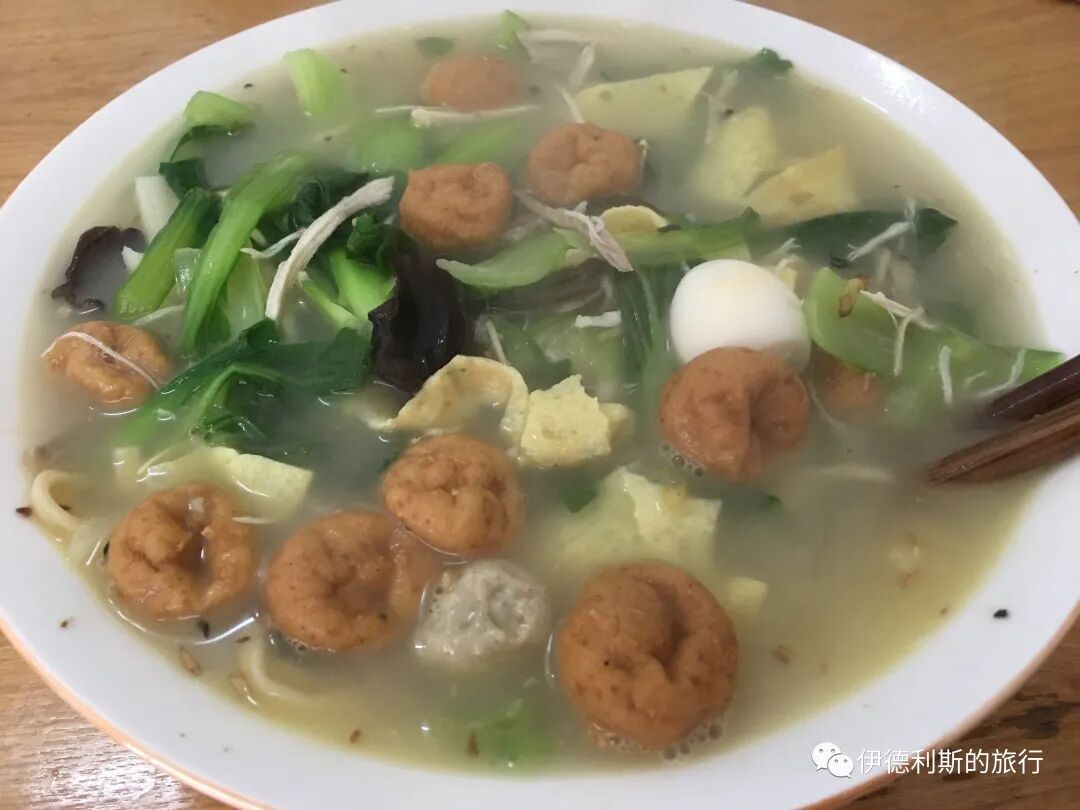
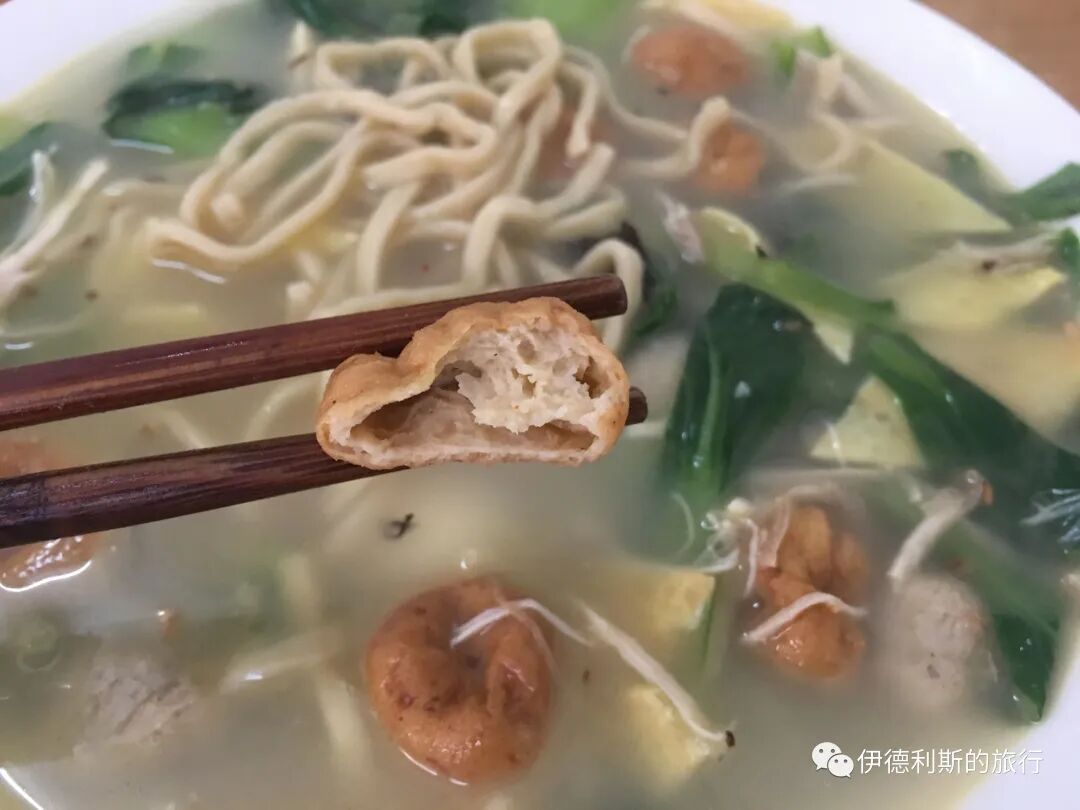
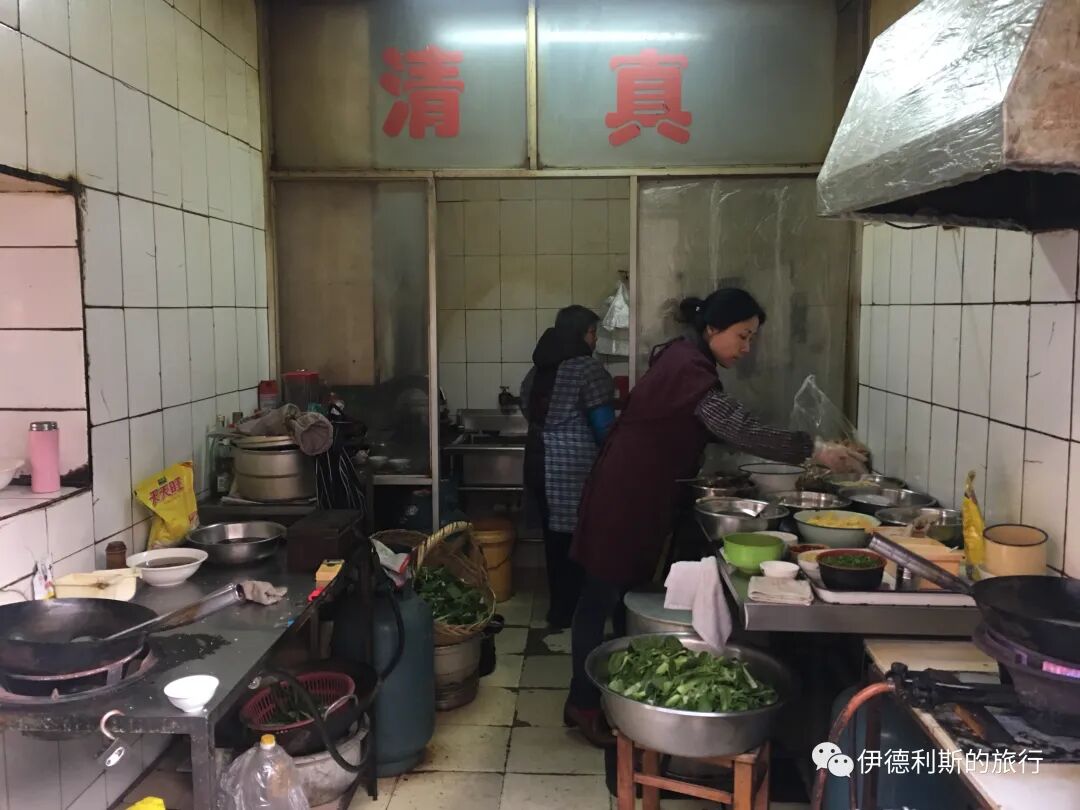
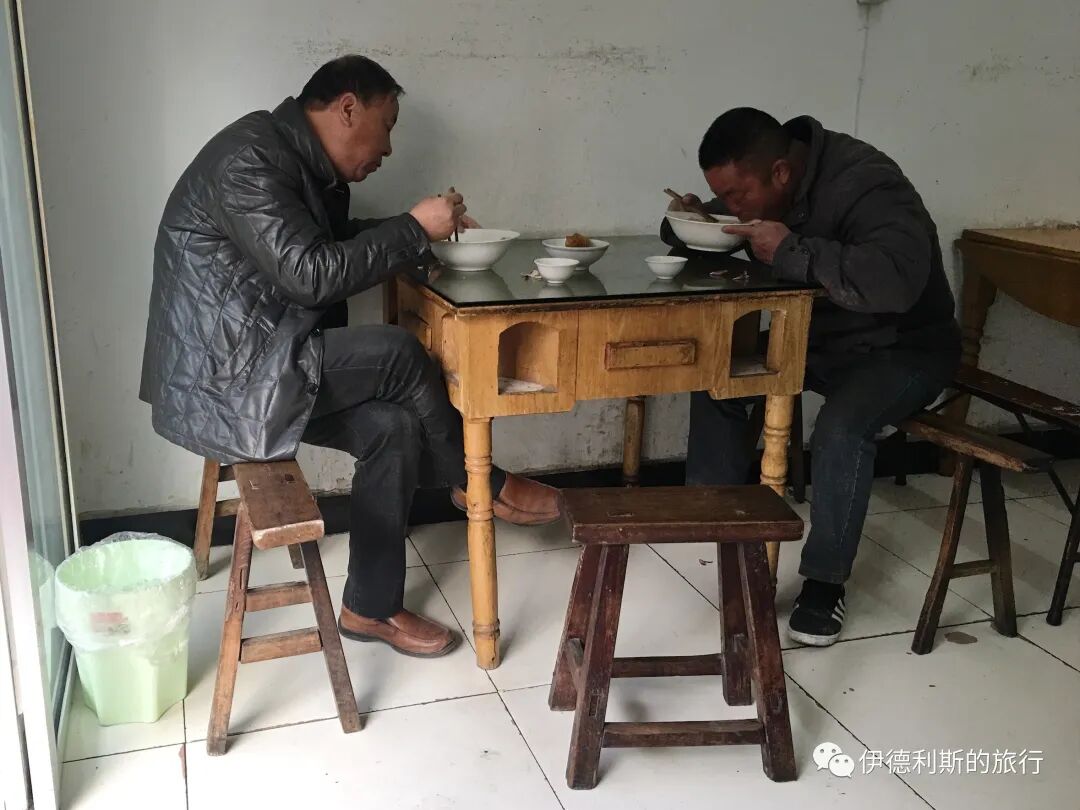
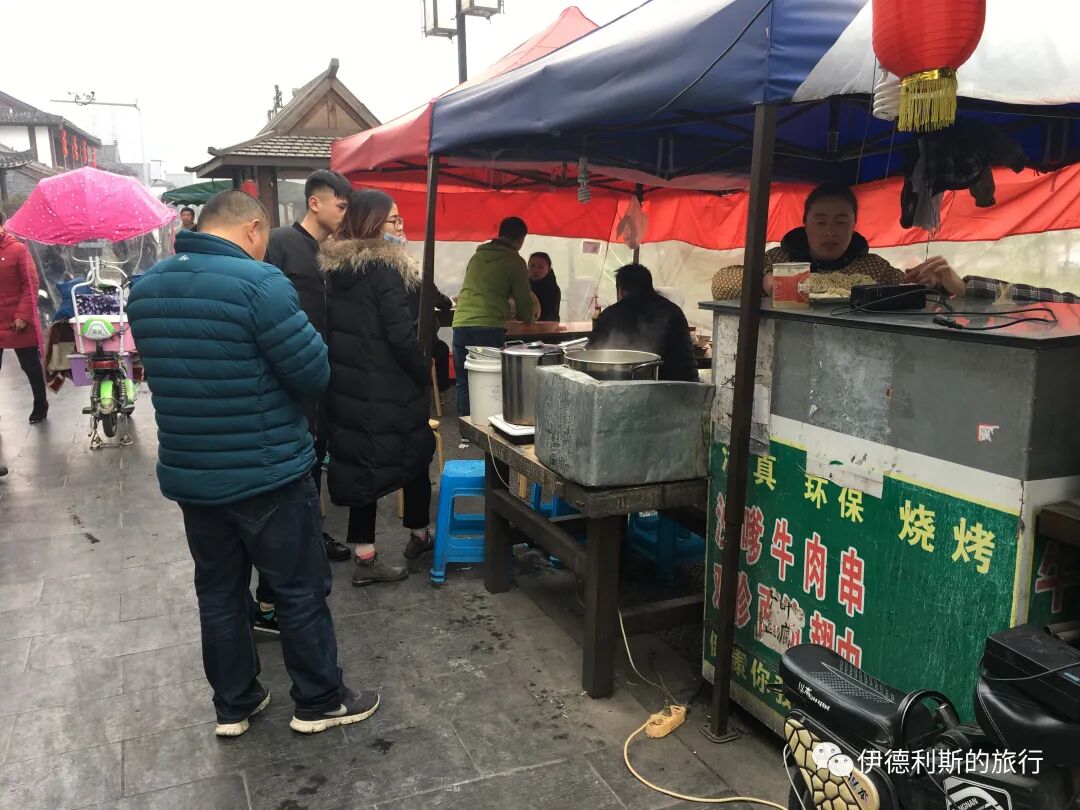
Liu Si Noodle Shop serves chicken noodle soup with fish balls, beef balls, and squid. The fish balls are super delicious, and the soup is excellent. It feels great to finish a bowl. However, the owner said this area will be demolished in a year or two, so they will likely have to move.
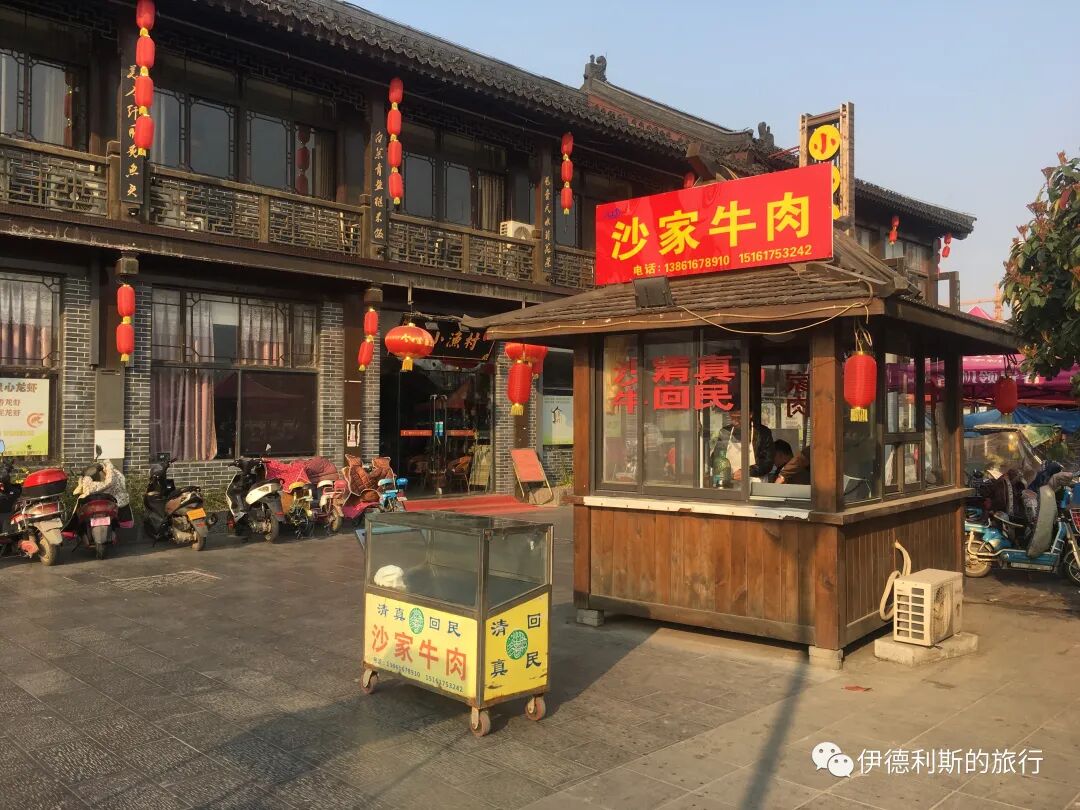
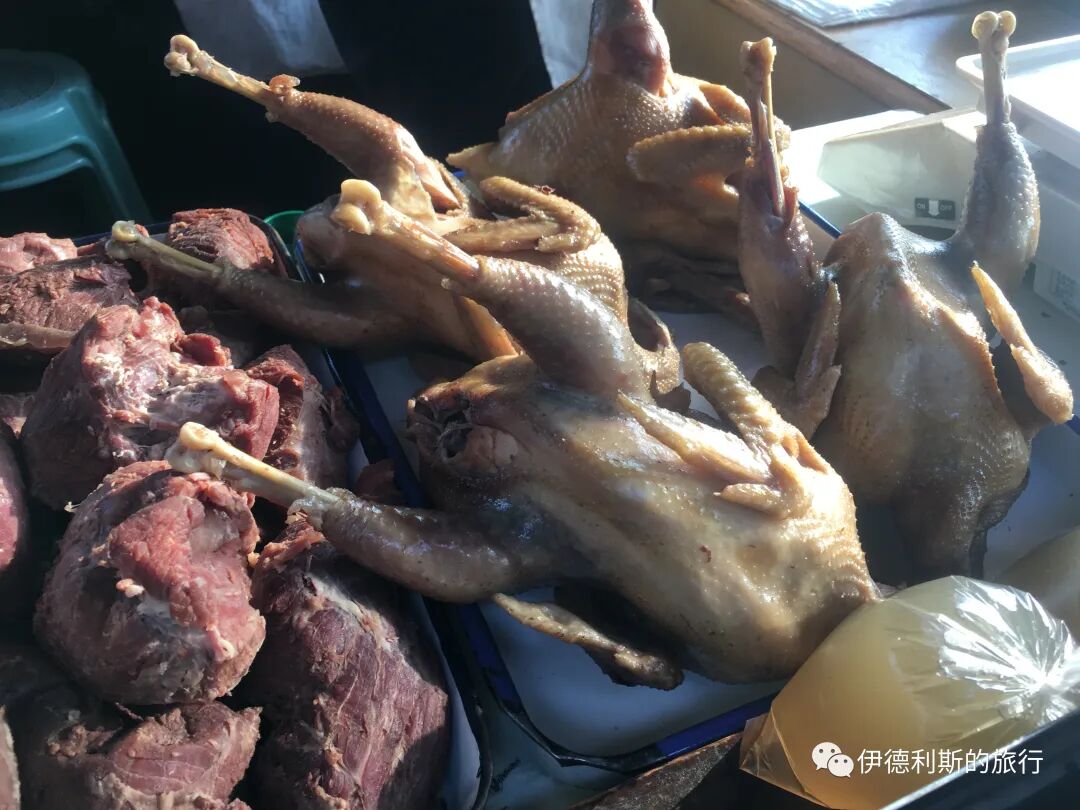
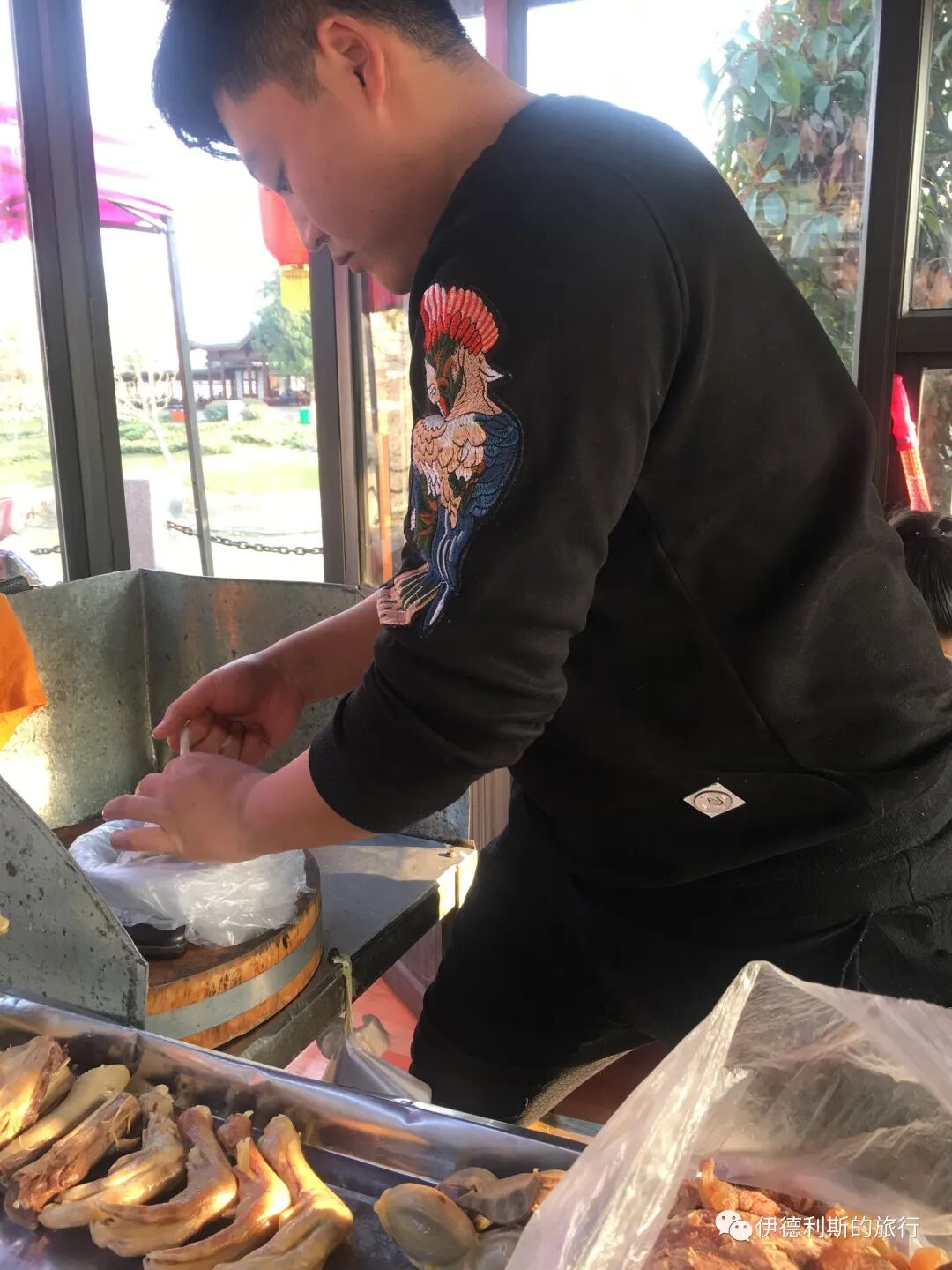
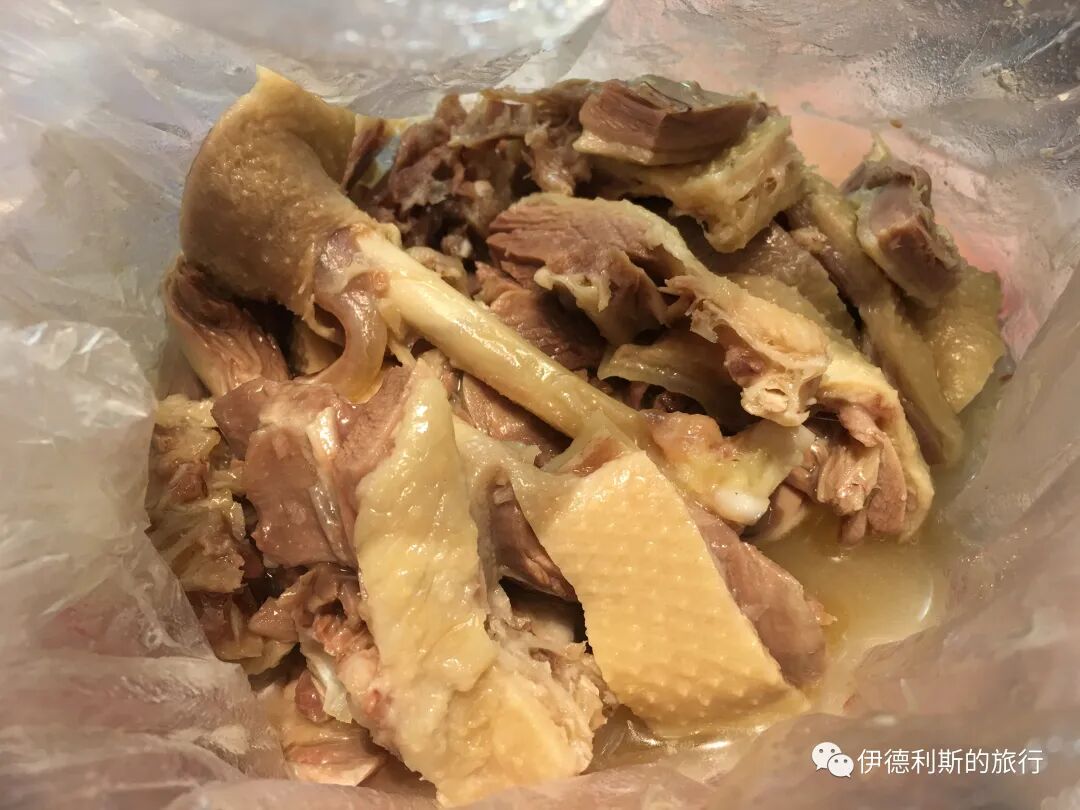
Salted goose (yanshui e) from Sha's Beef Shop.
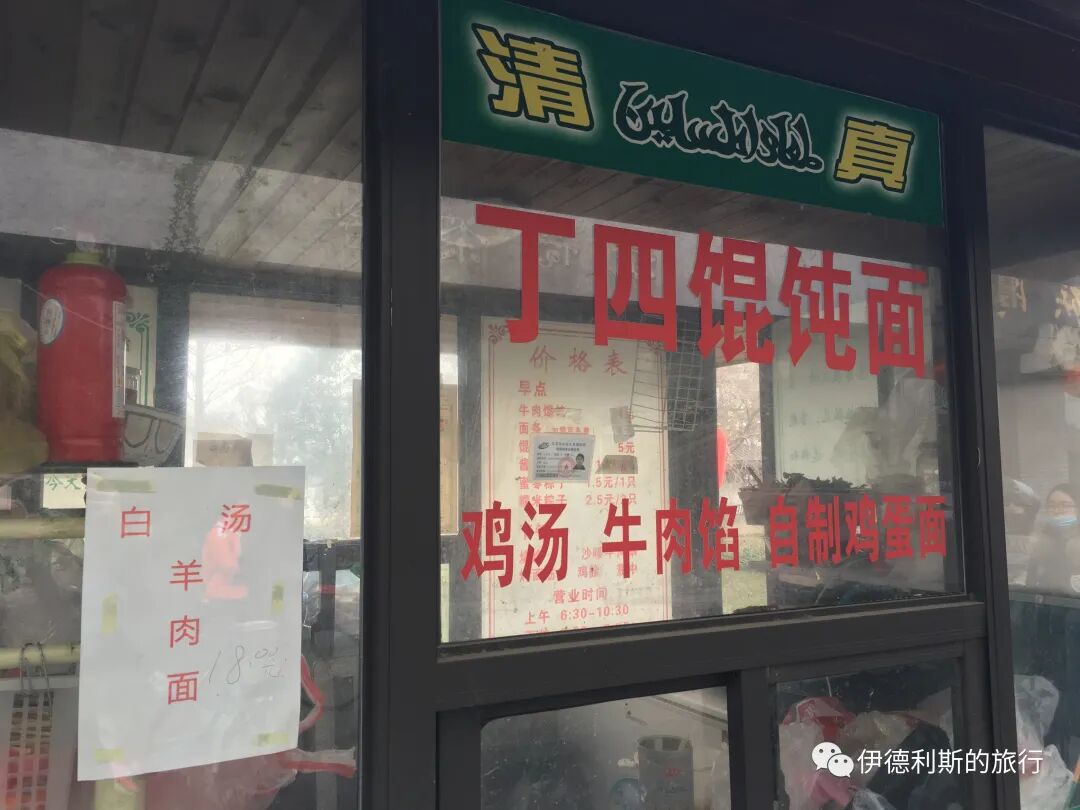
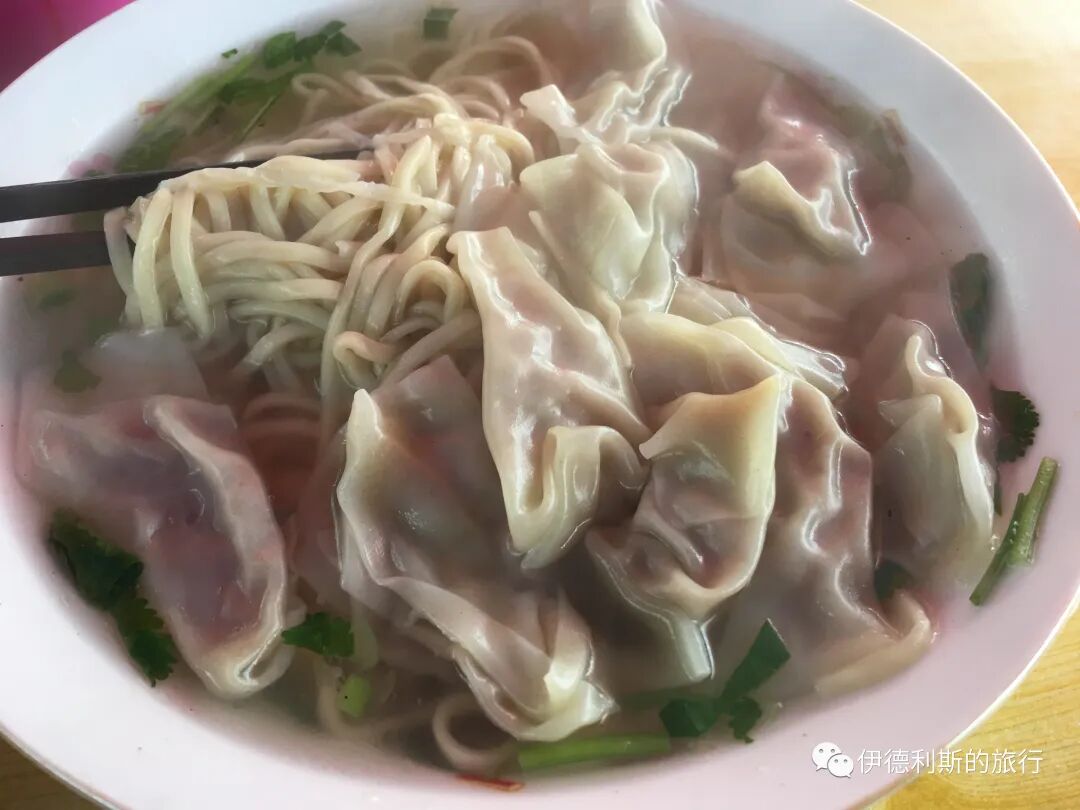
Wonton noodles (huntun mian) from Ding Si Wonton Noodle Shop.
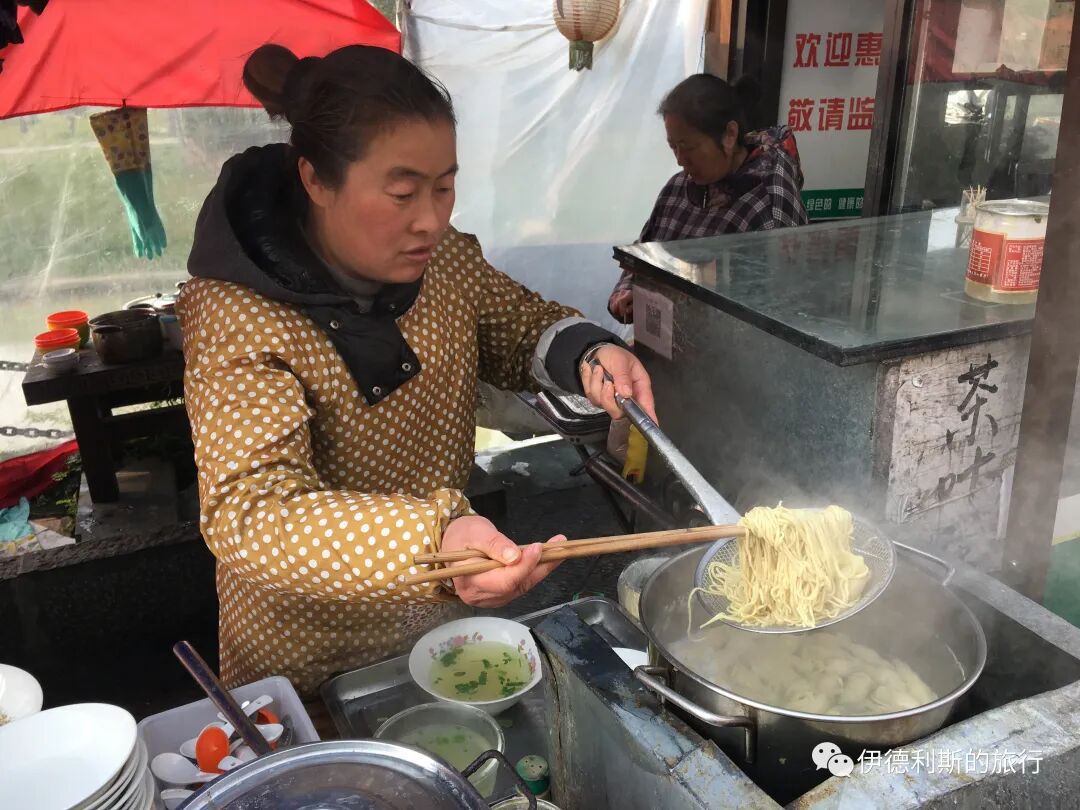
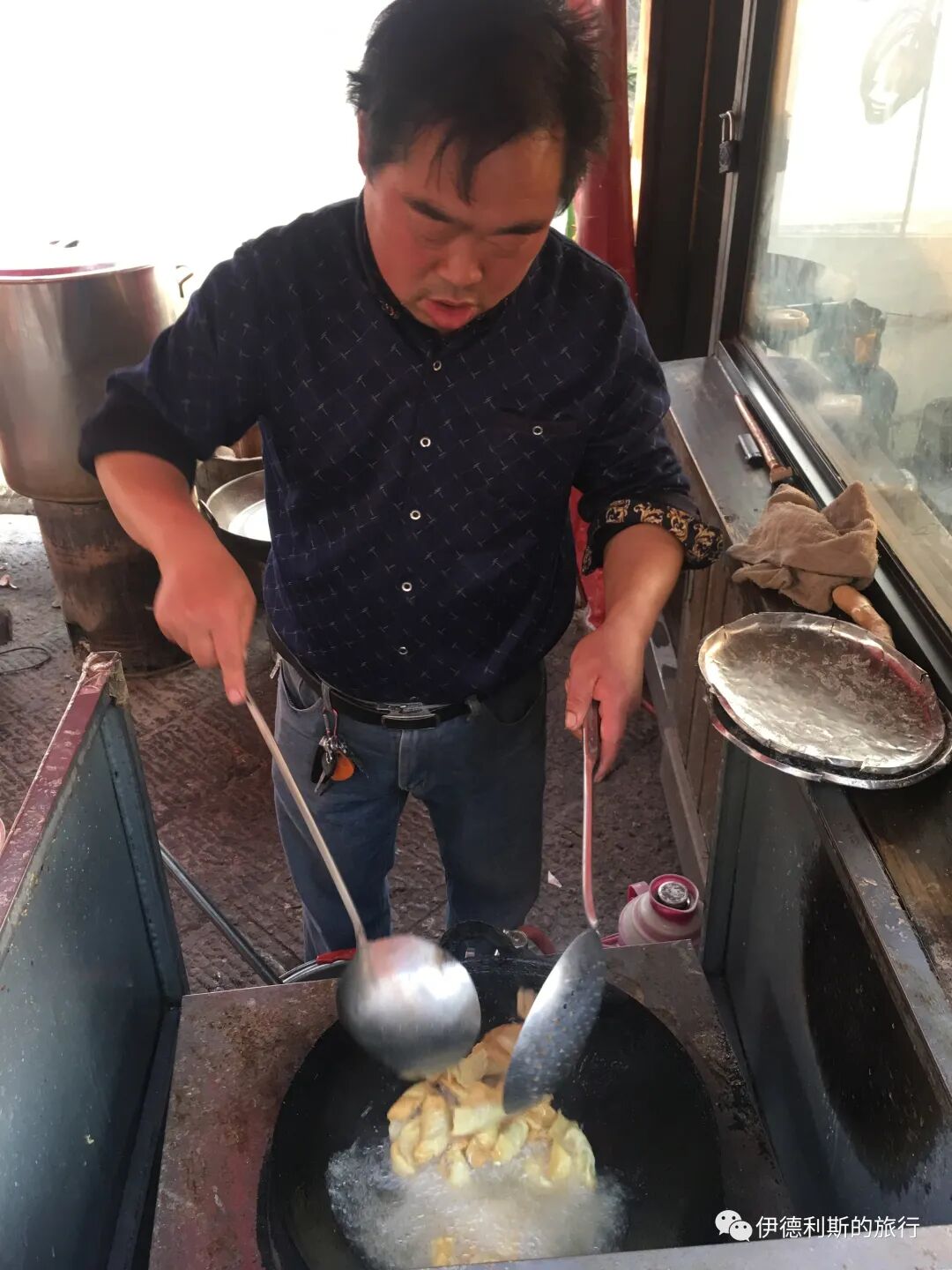
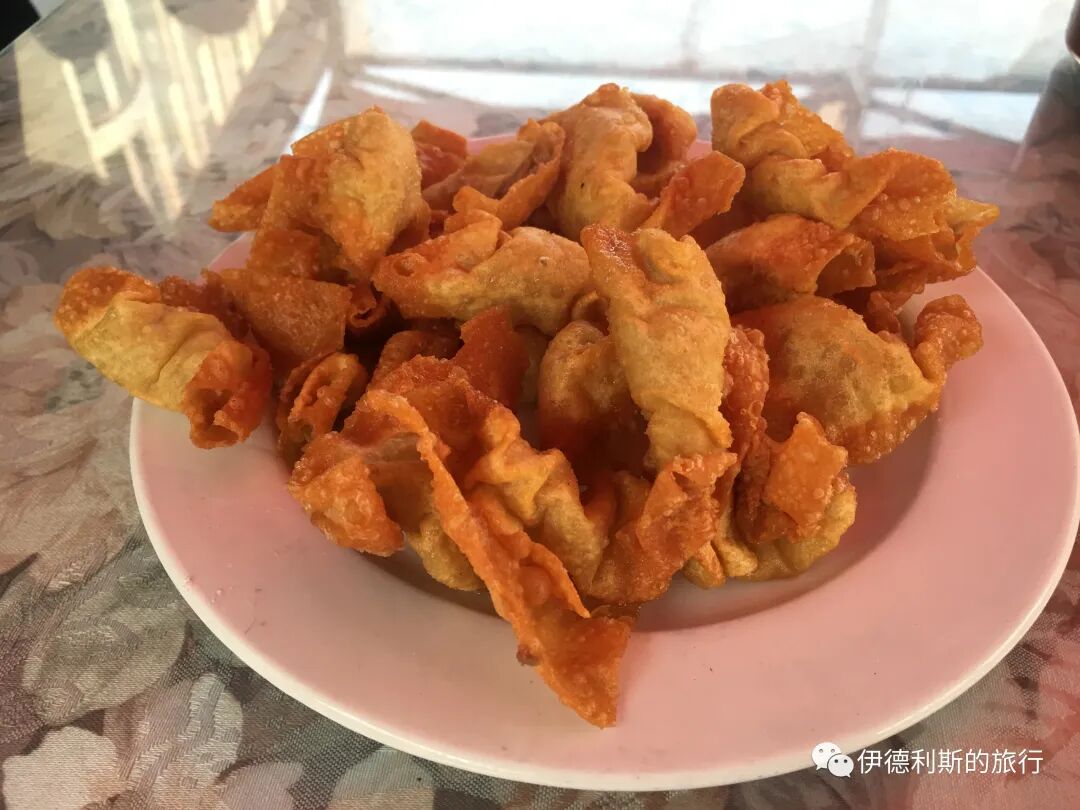
Little sparrows (fried mini wontons).
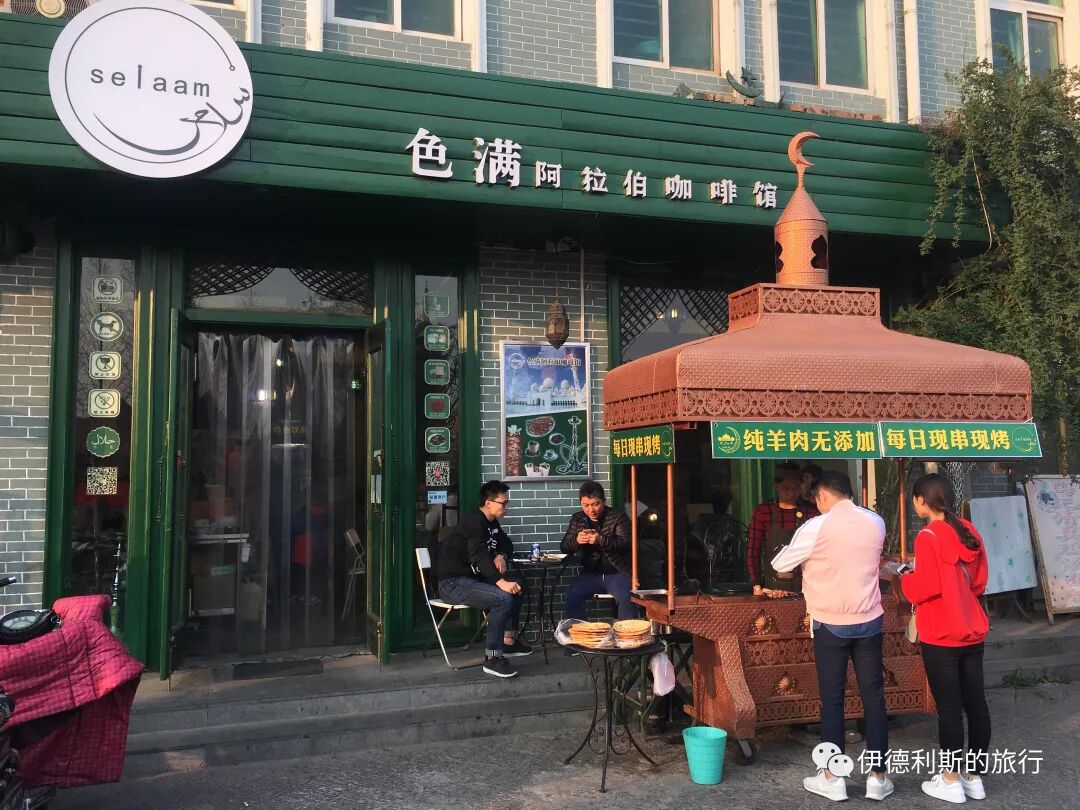
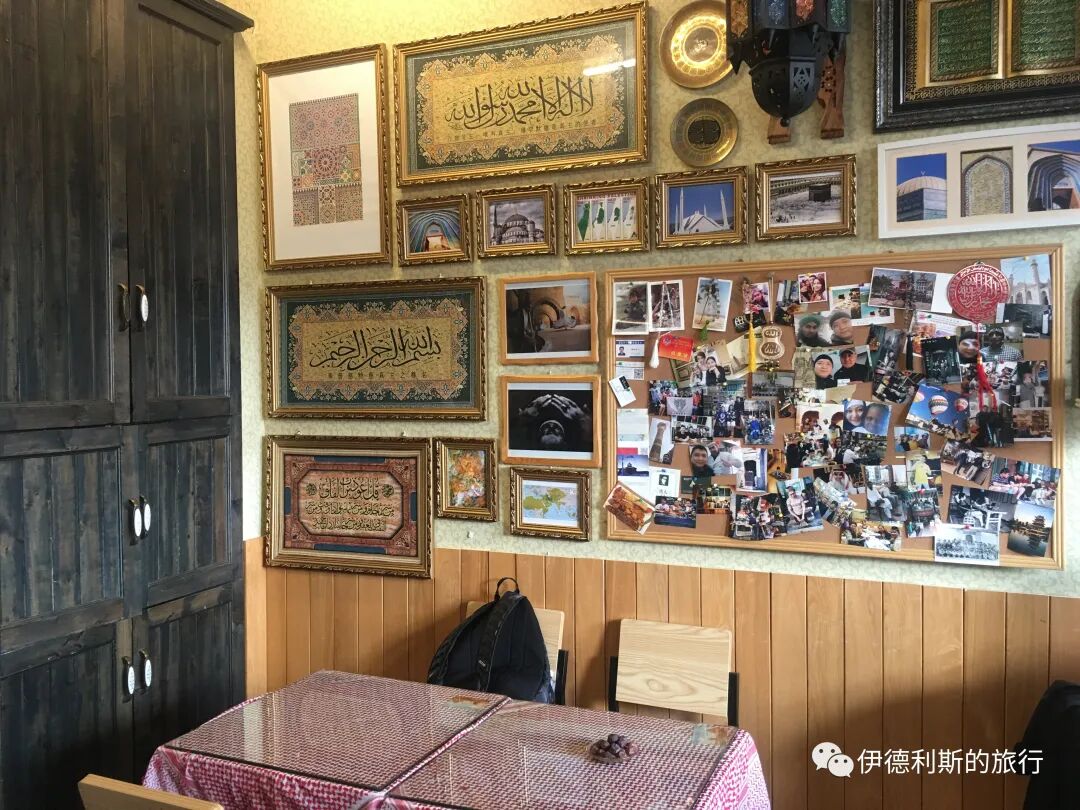
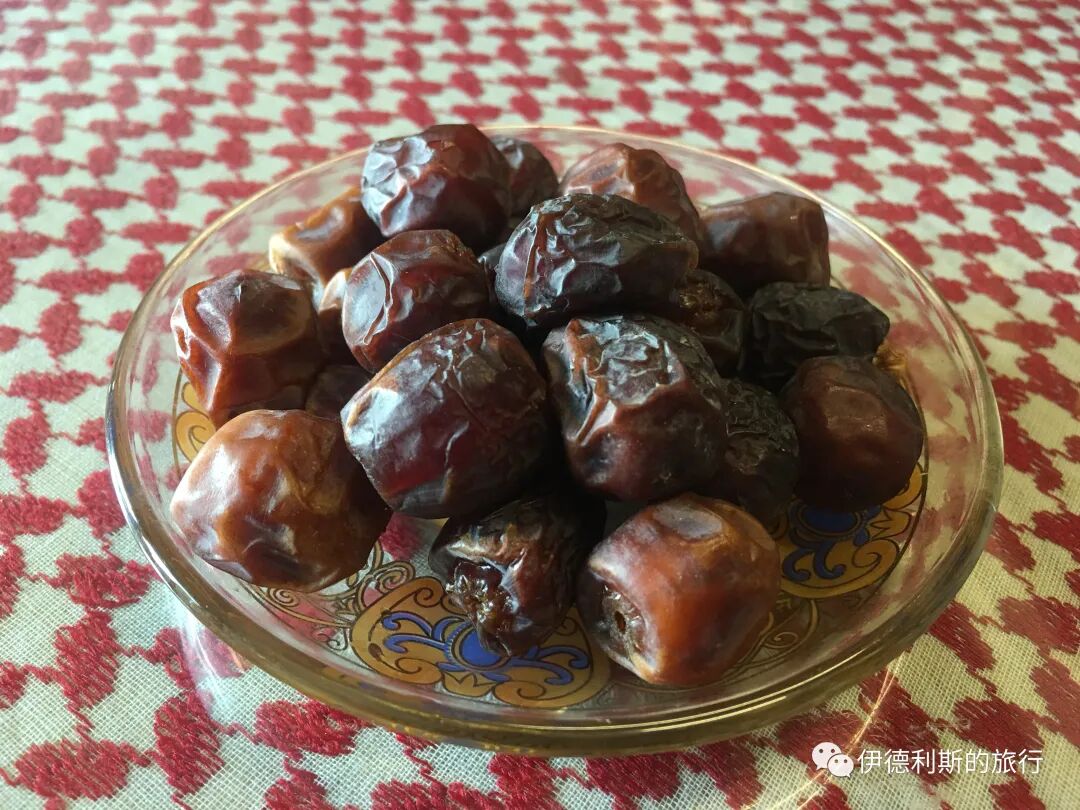
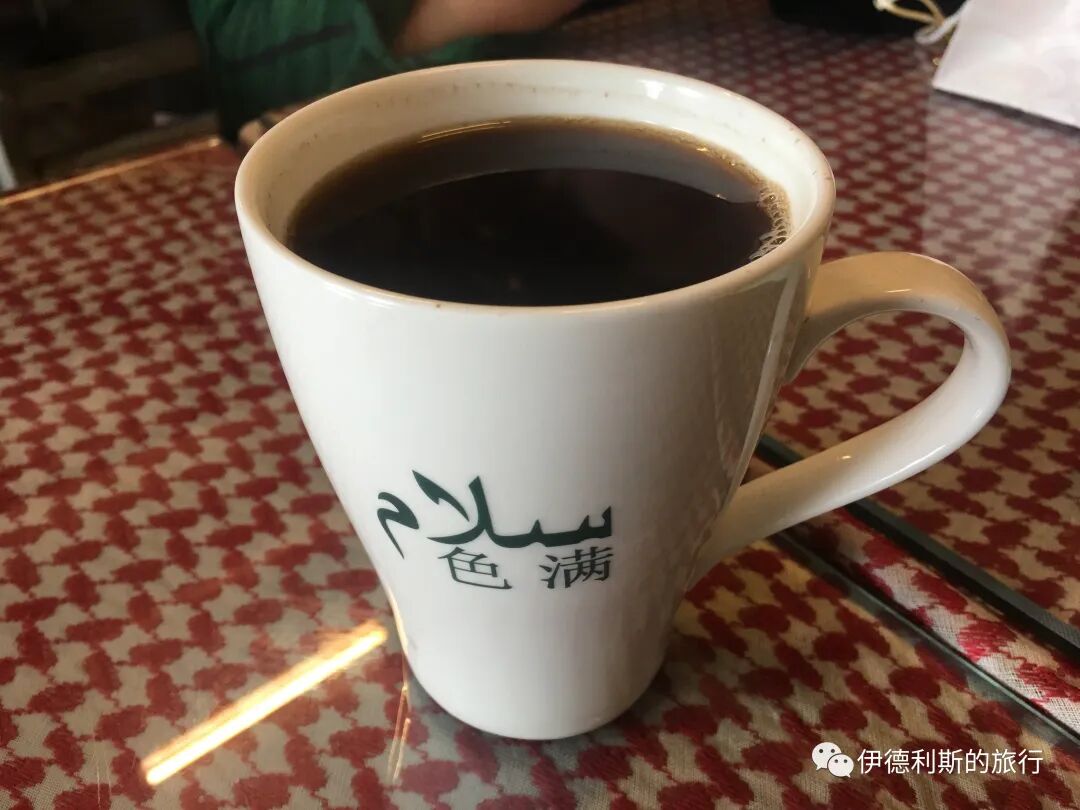
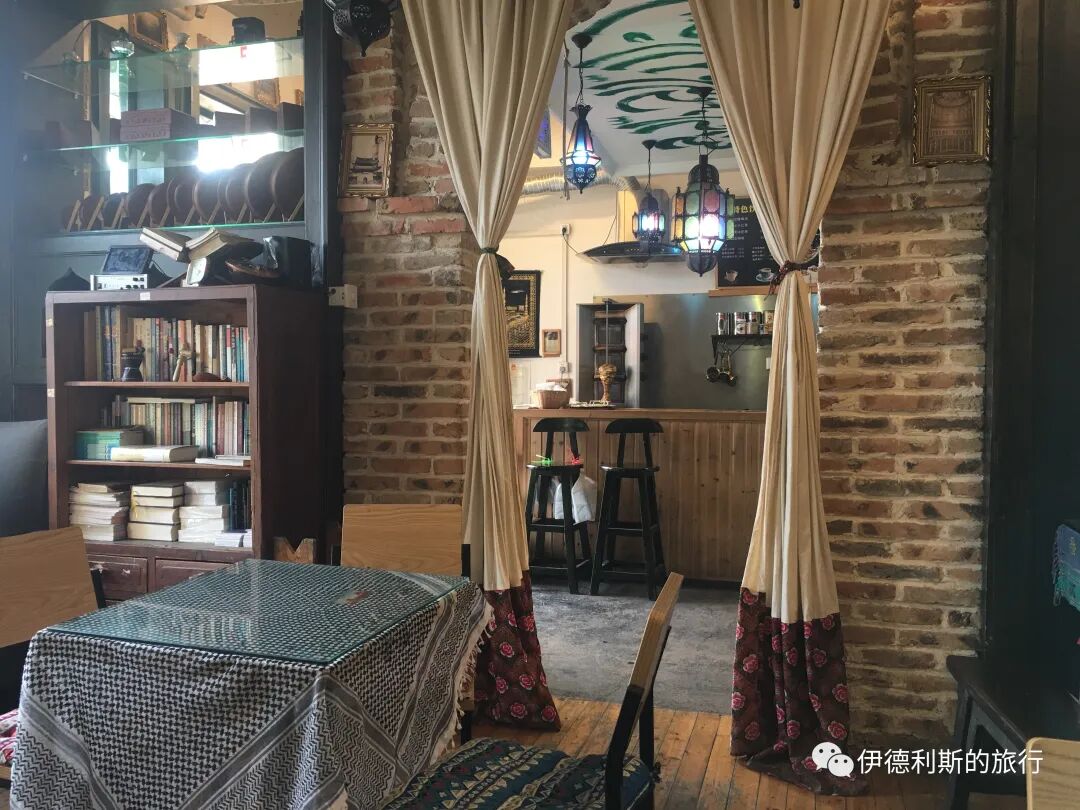
Seman Cafe is run by local Hui Muslims. They serve tea in the afternoon and grilled skewers at night. I ordered Arabic coffee, dates, and date milk. The atmosphere is quite nice.
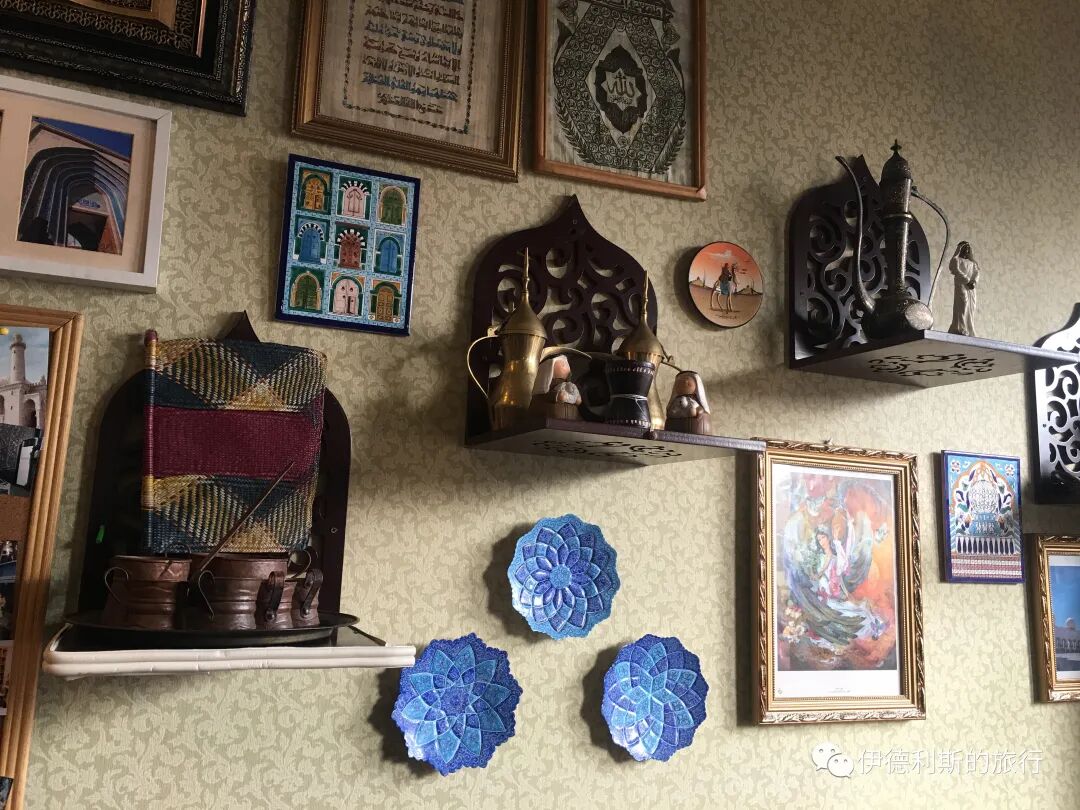
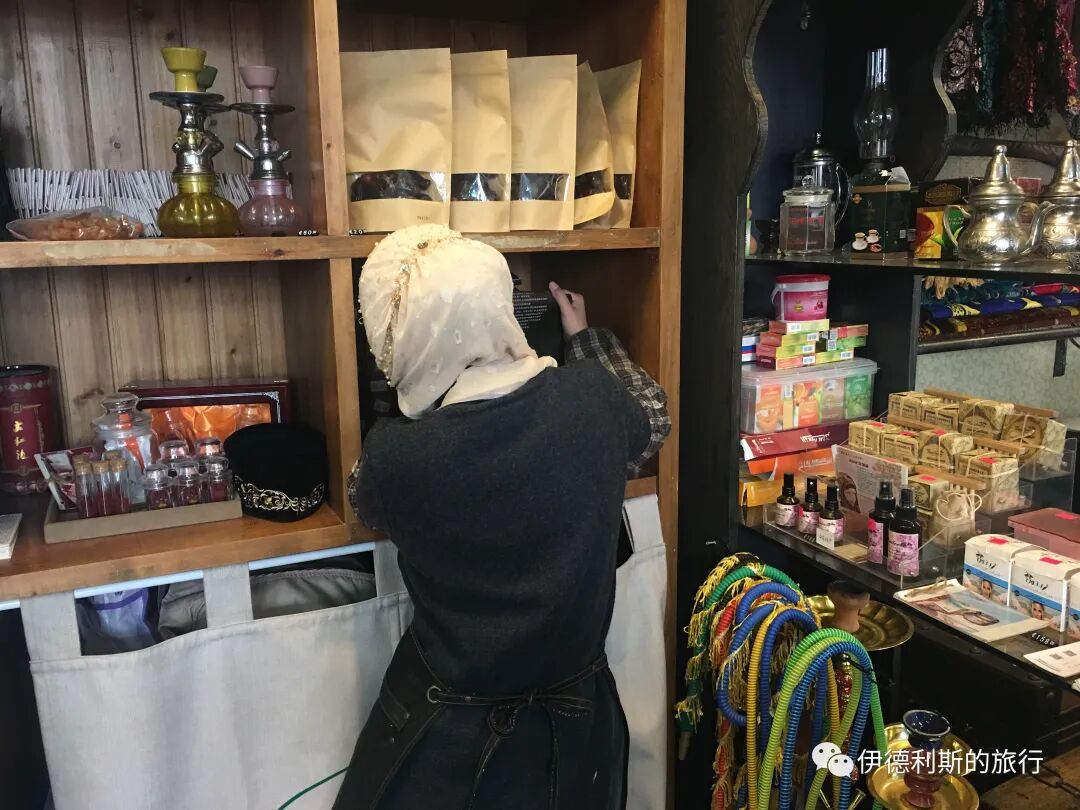
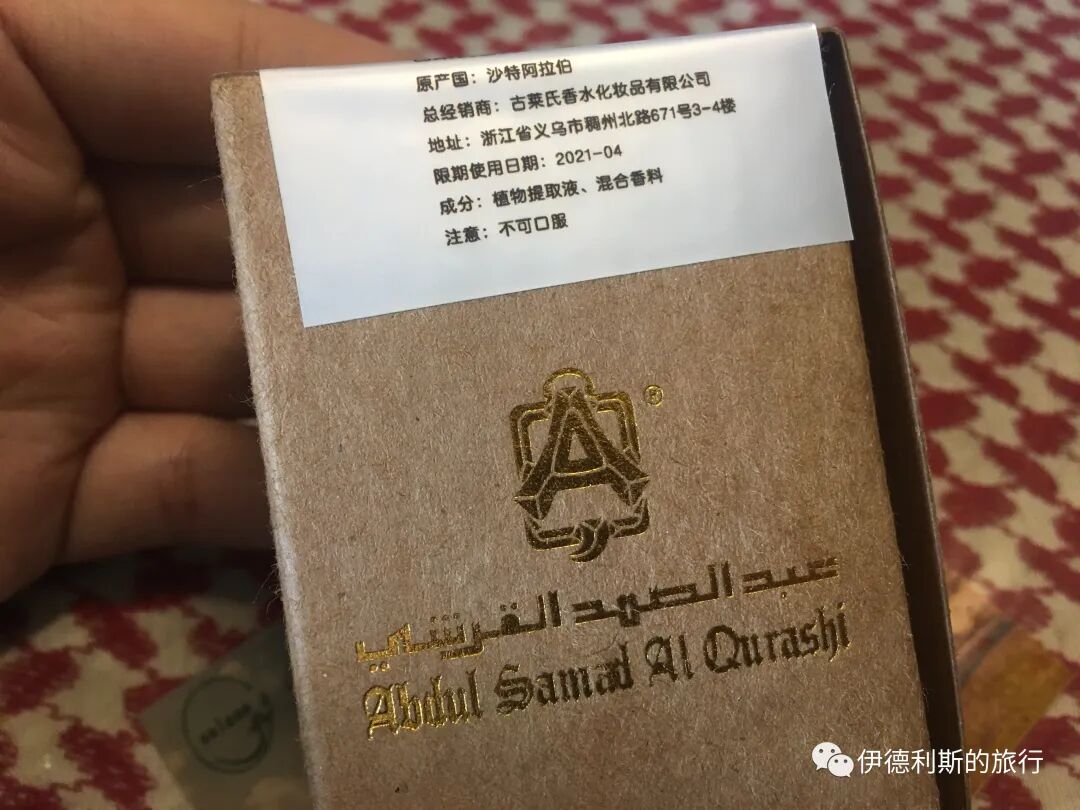
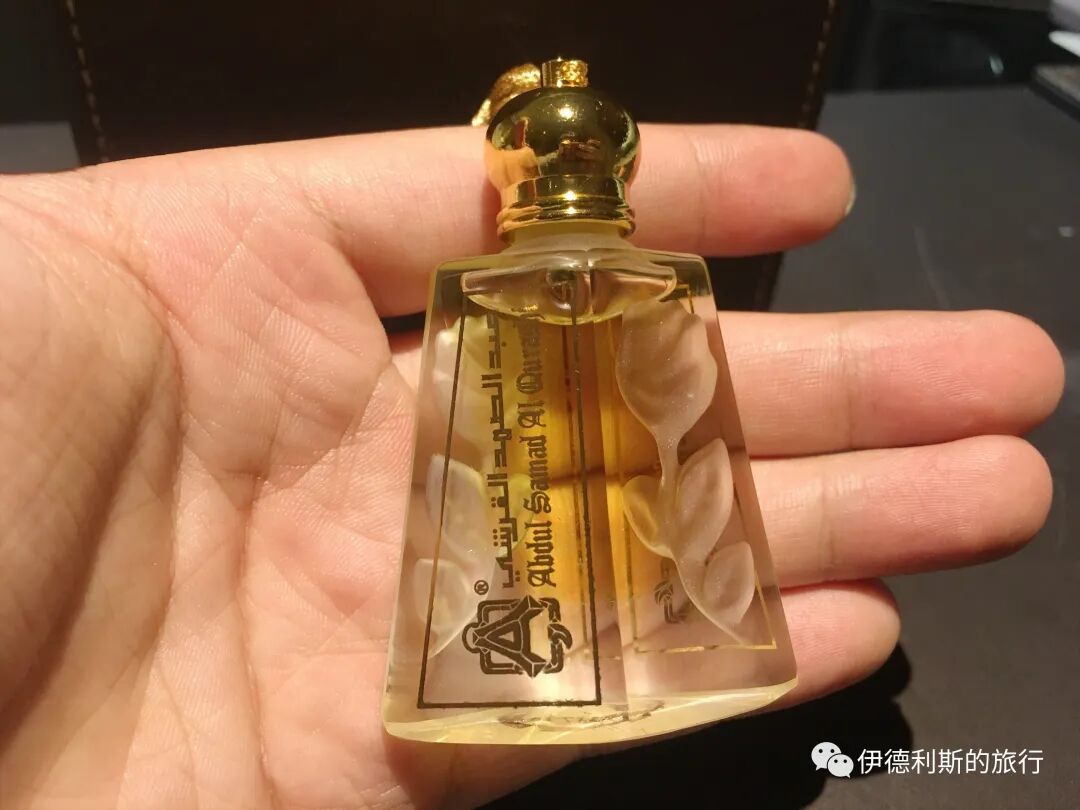
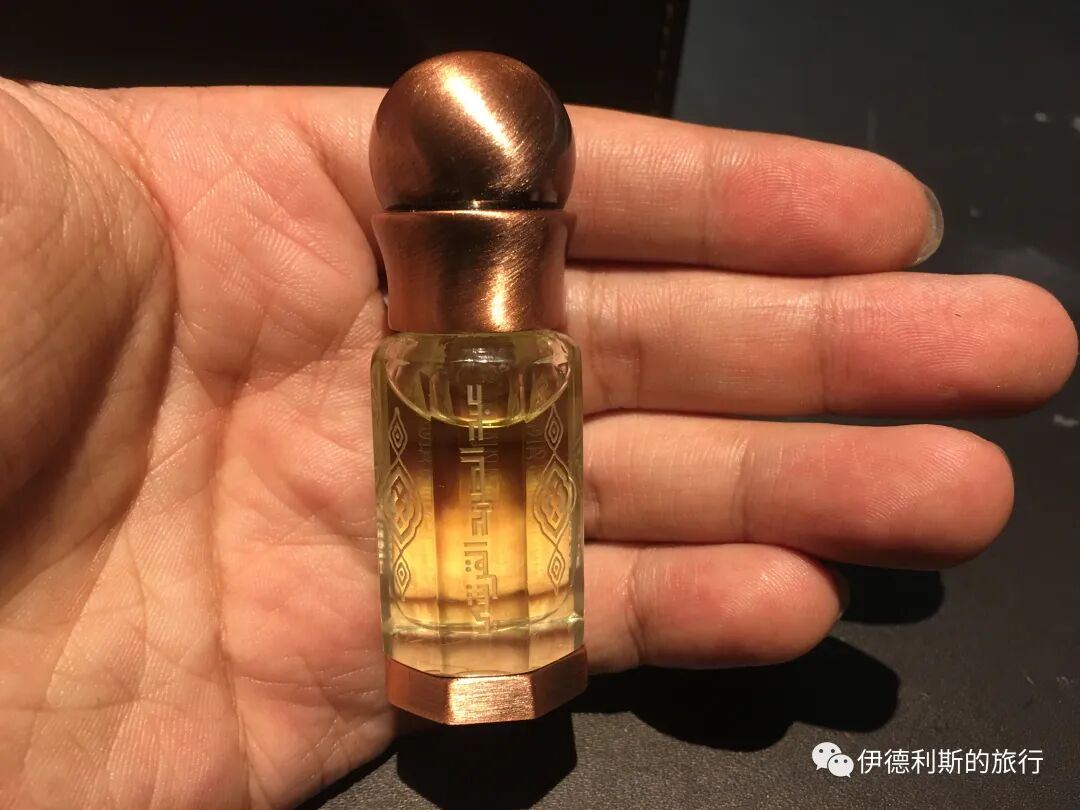
Saudi perfume.
I read for a while in the cafe. There are many books on the shelves.
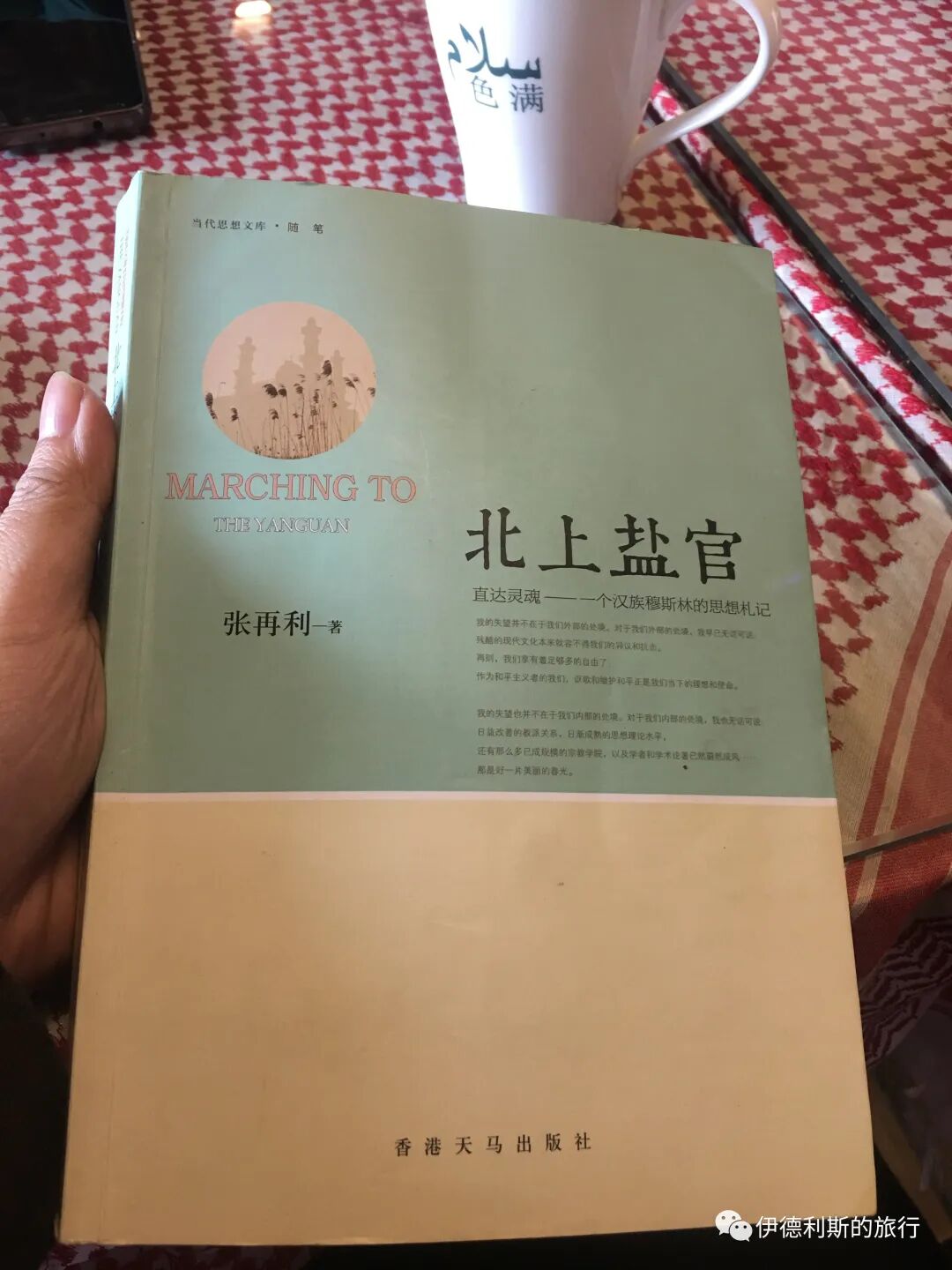
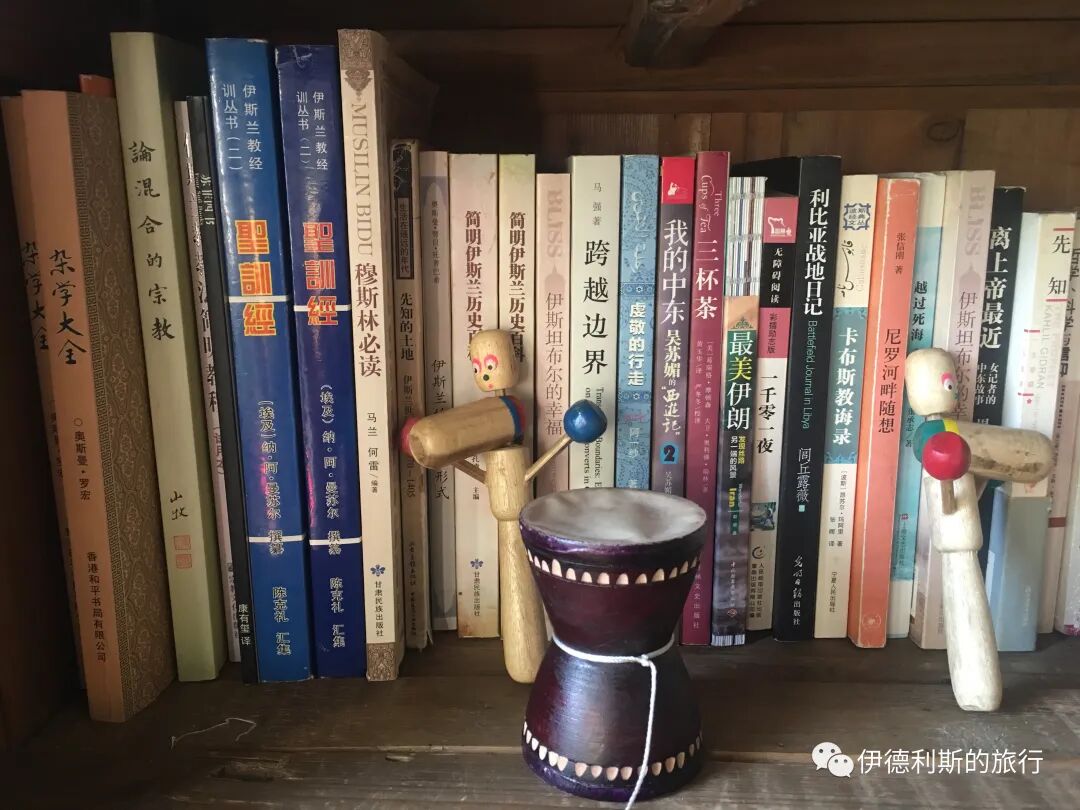
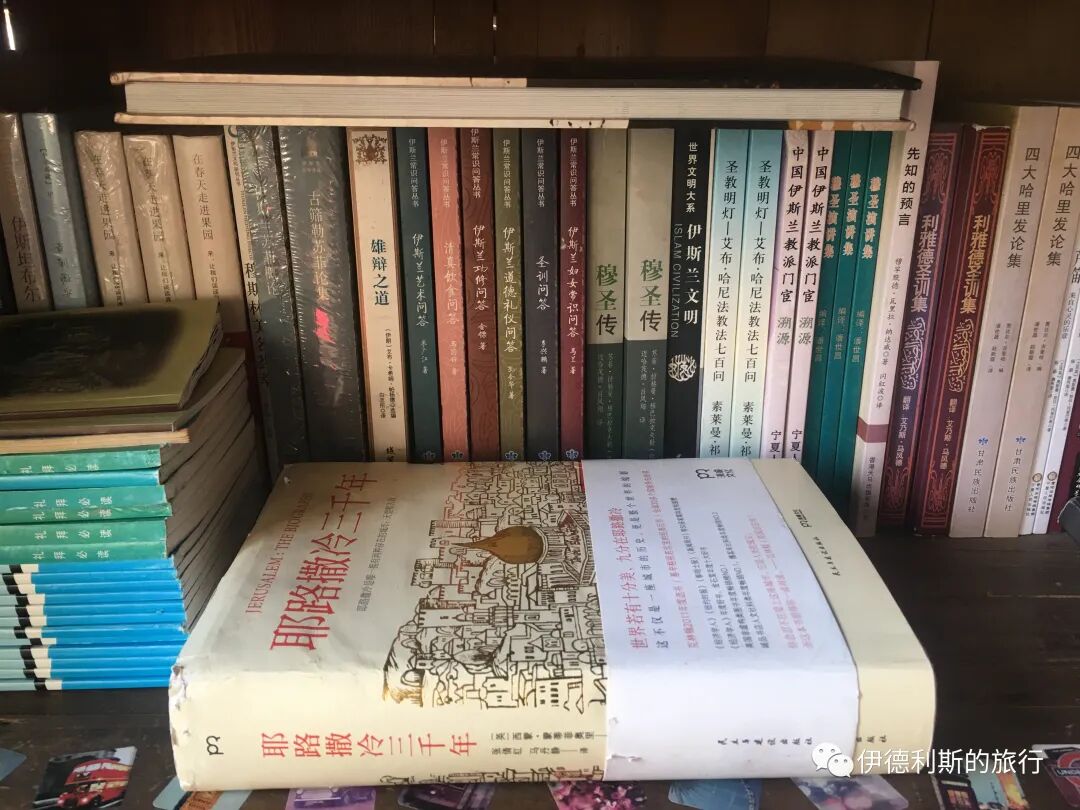
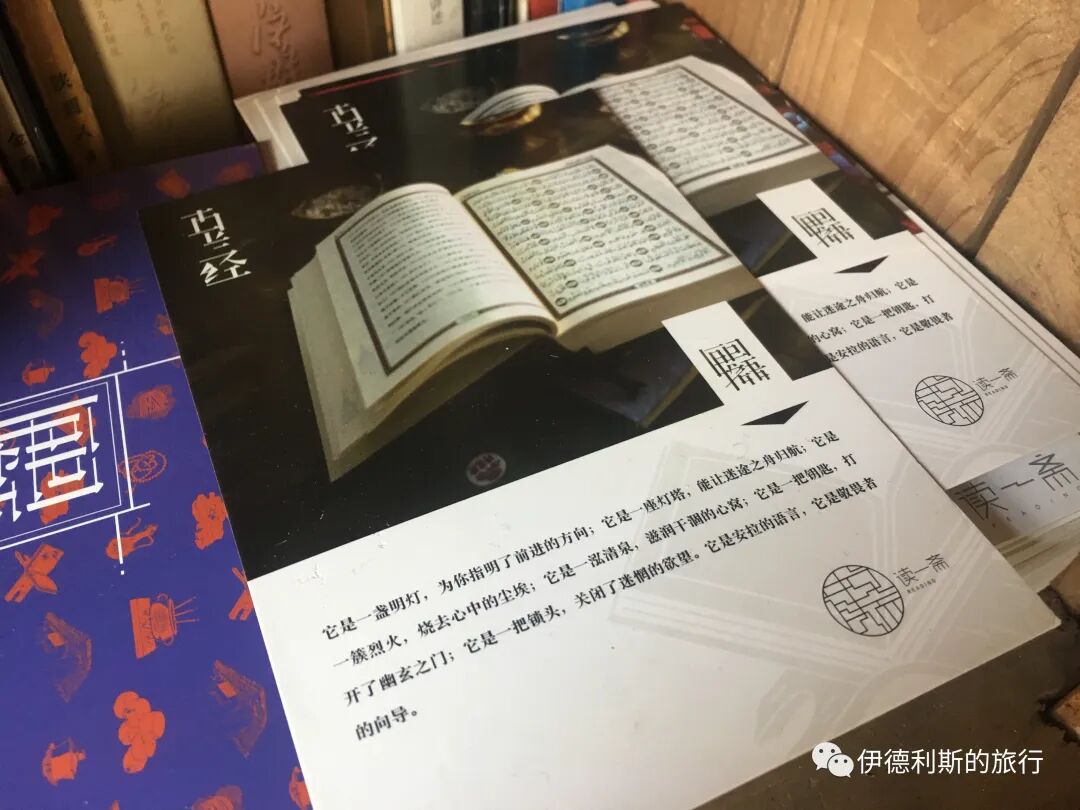
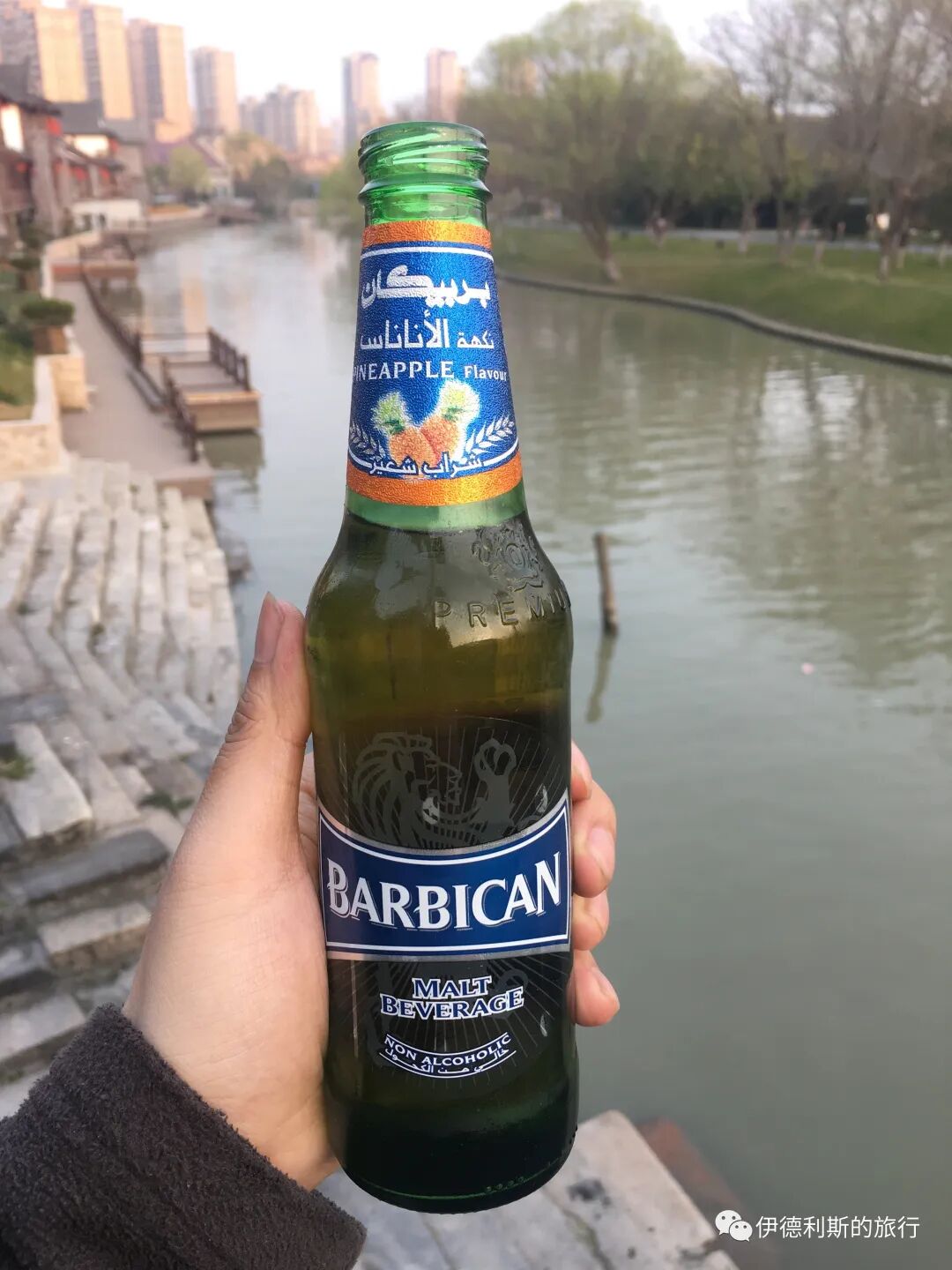
Finally, I bought some Dubai wheat soda.
Hexia Ancient Town.
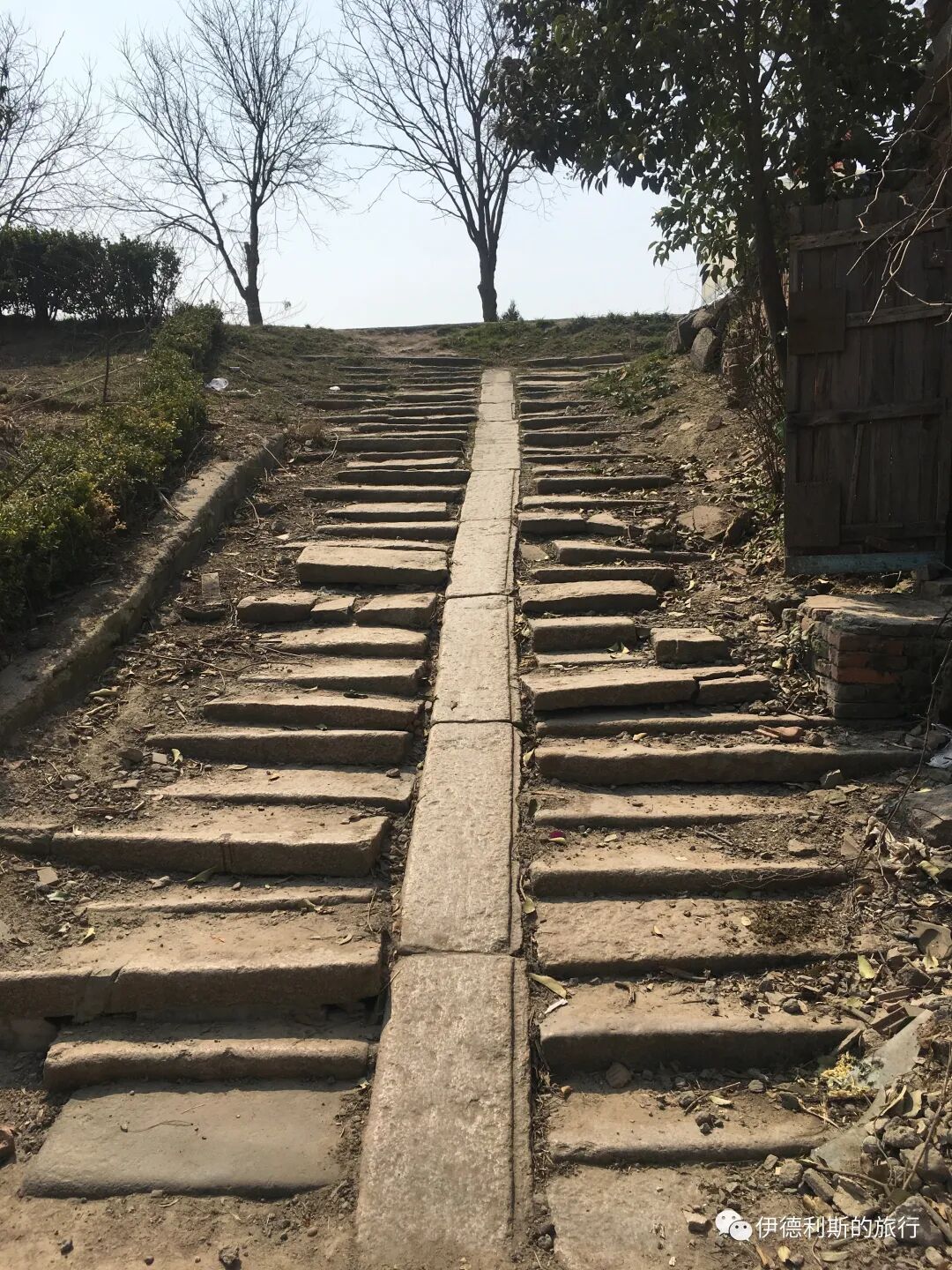
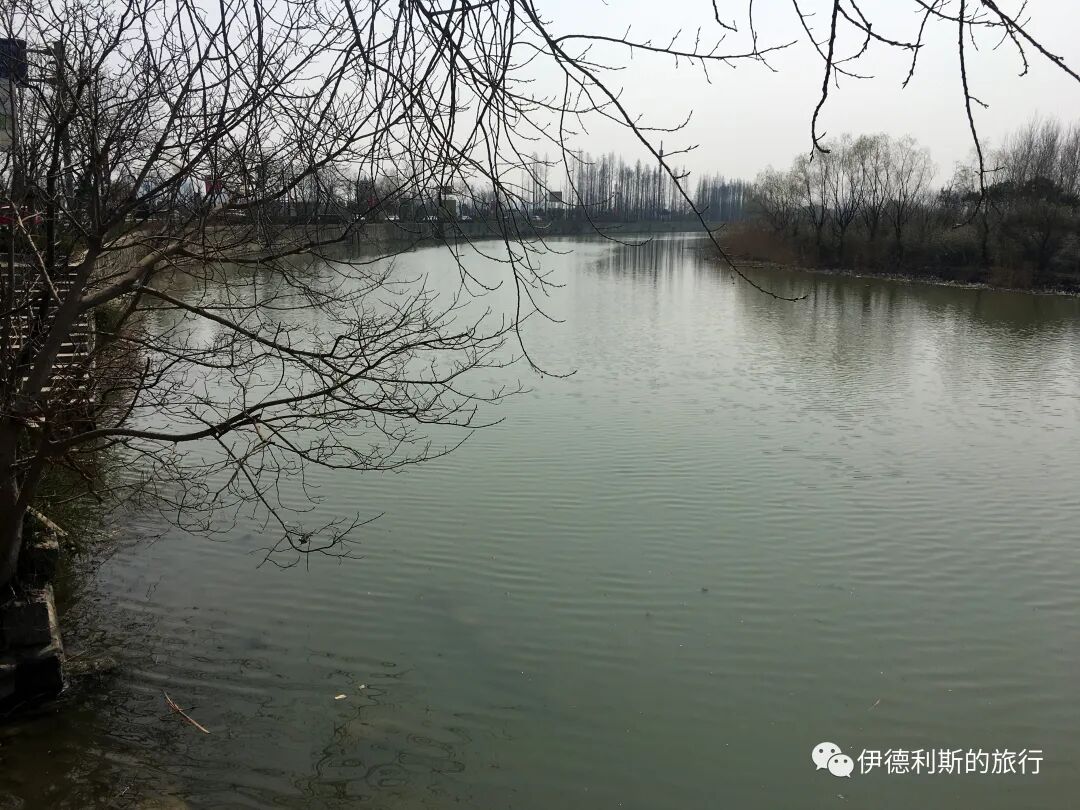
Travel south along the Grand Canal from Qingjiangpu, and you will reach Hexia Ancient Town, not far northwest of the Huai'an Prefecture city. Hexia is the largest town in the suburbs of Huai'an. Its historical official name was Manpu. After Emperor Shizong of the Later Zhou Dynasty attacked the Southern Tang, he set up the Manpu Customs here and built dams and locks. During the Song and Yuan dynasties, Hexia developed into an important canal town.
Because the salt fields along the coast of Huaibei produced high-quality salt, many salt merchants from the northwest and Anhui came to Huaibei during the late Ming Dynasty. The Huaibei Salt Transport Office was located in Hexia. Salt from the fields had to be shipped to Hexia for inspection before merchants sold it elsewhere. Hexia then entered its most prosperous period. Salt merchants built gardens and courtyards there. The Qing Dynasty record "Hexia Annals of Huai'an" states: "Wealthy salt merchants brought their capital and made their homes in Hexia, making the town extremely prosperous." The wealth brought by these merchants made the town's business thrive, and many Hui Muslims also came to settle in Hexia.
In 1831 (the 11th year of the Daoguang reign), Liangjiang Governor Tao Peng implemented the ticket salt law in Huaibei, requiring permits to transport salt. Many salt merchants went bankrupt quickly. This event is known as the "Salt Reform," and Hexia Ancient Town began to decline from then on.
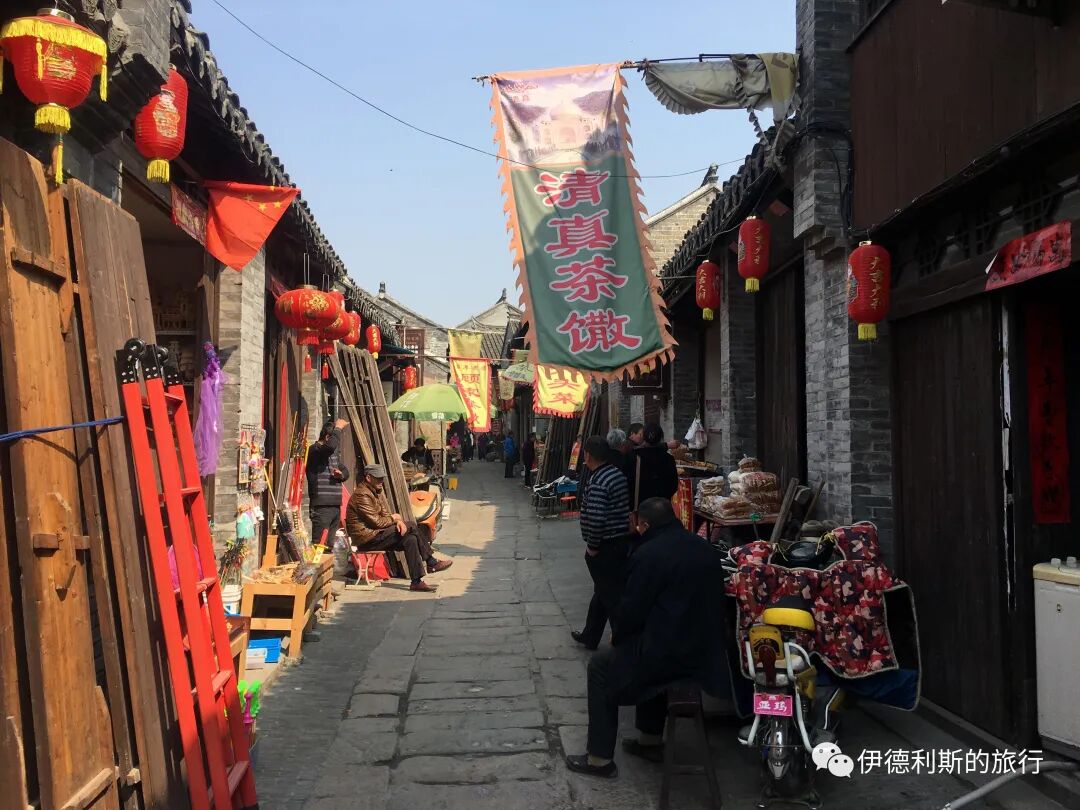
Hexia Mosque was first built in the Ming Dynasty. In 1860 (the 10th year of the Xianfeng reign), when the Nian Army captured Huai'an, 10 rooms of the mosque were burned down, but it was later rebuilt. After 1966, Hexia Mosque stopped its activities and four rooms were damaged. It resumed activities in 1986 and recently underwent major renovations to reach its current state.
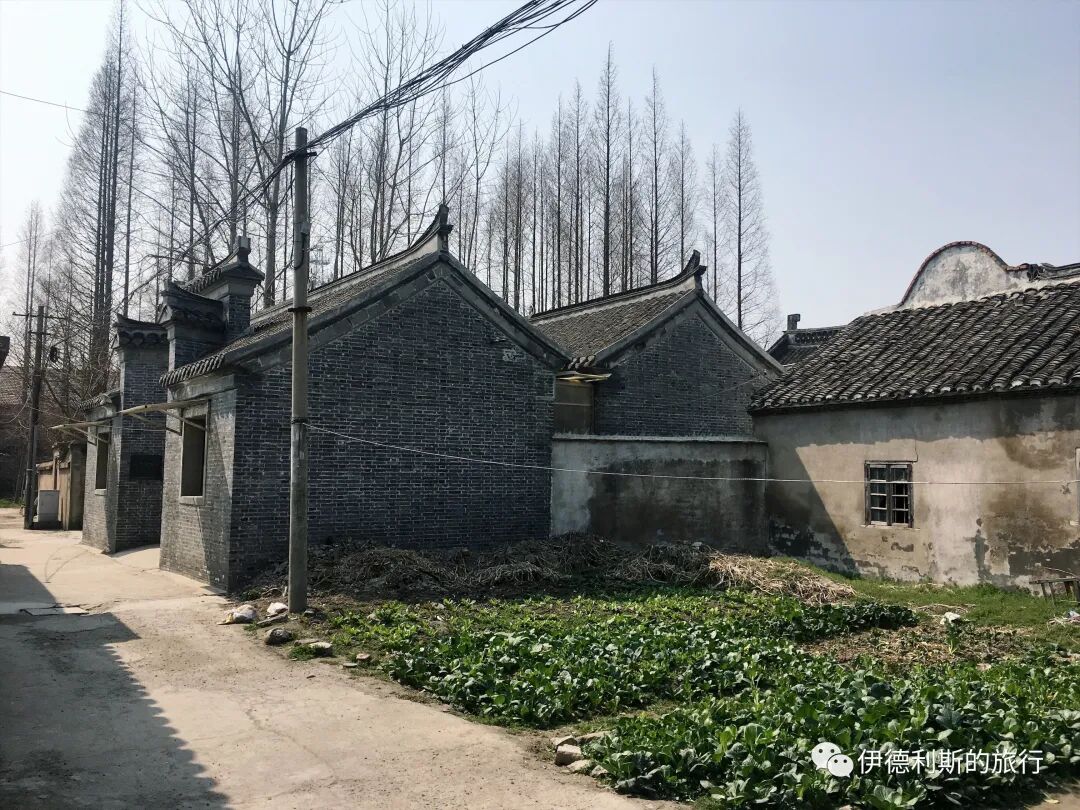
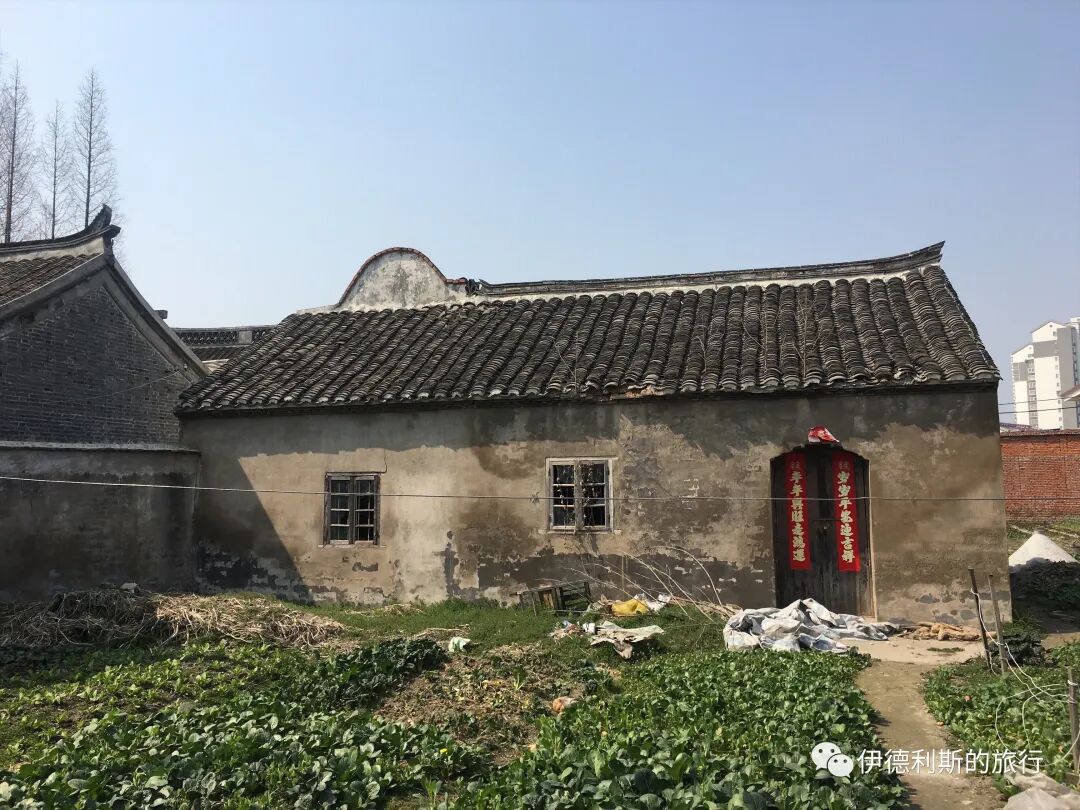
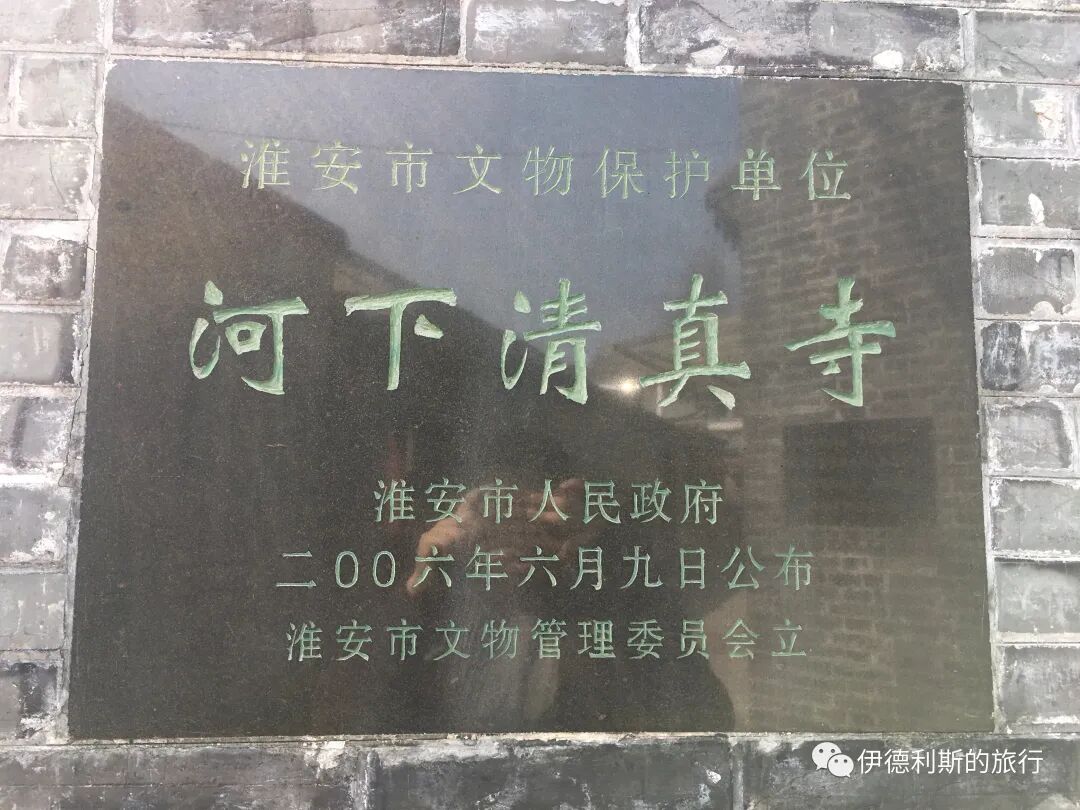
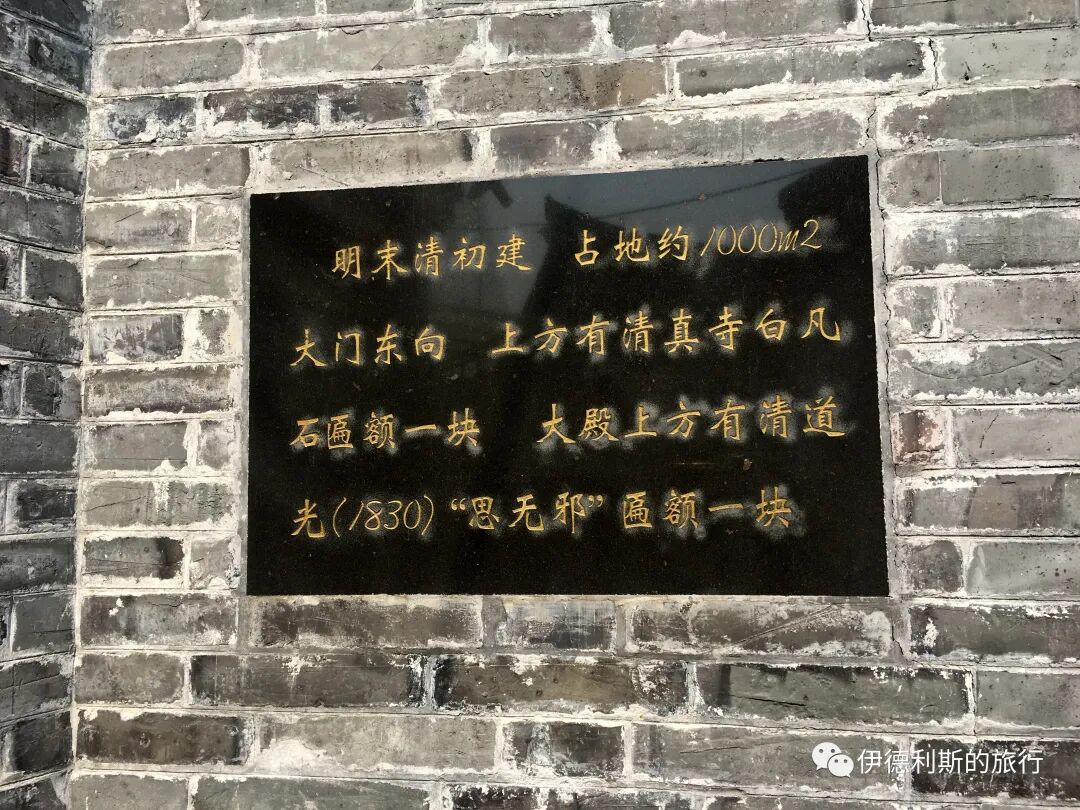
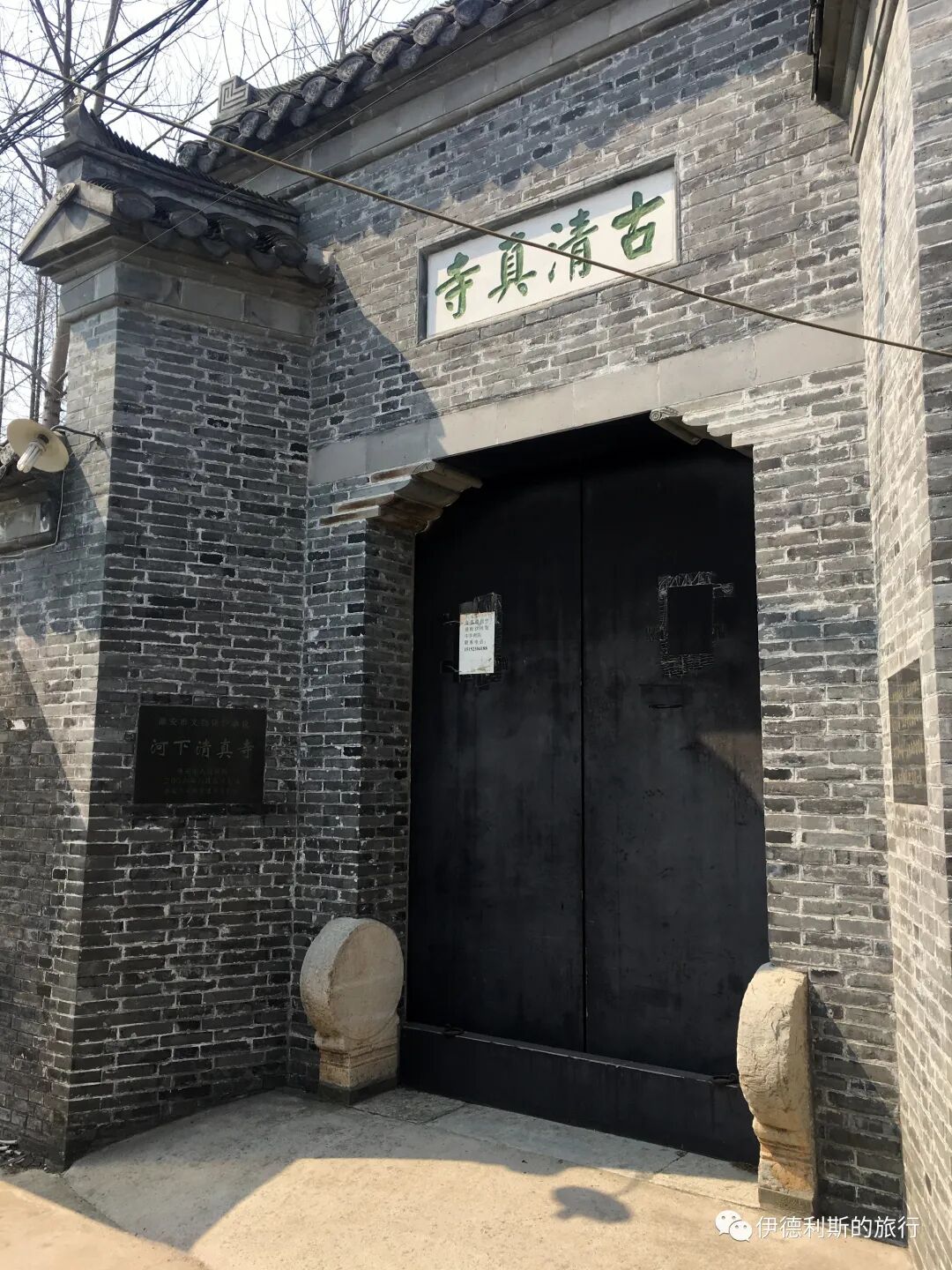
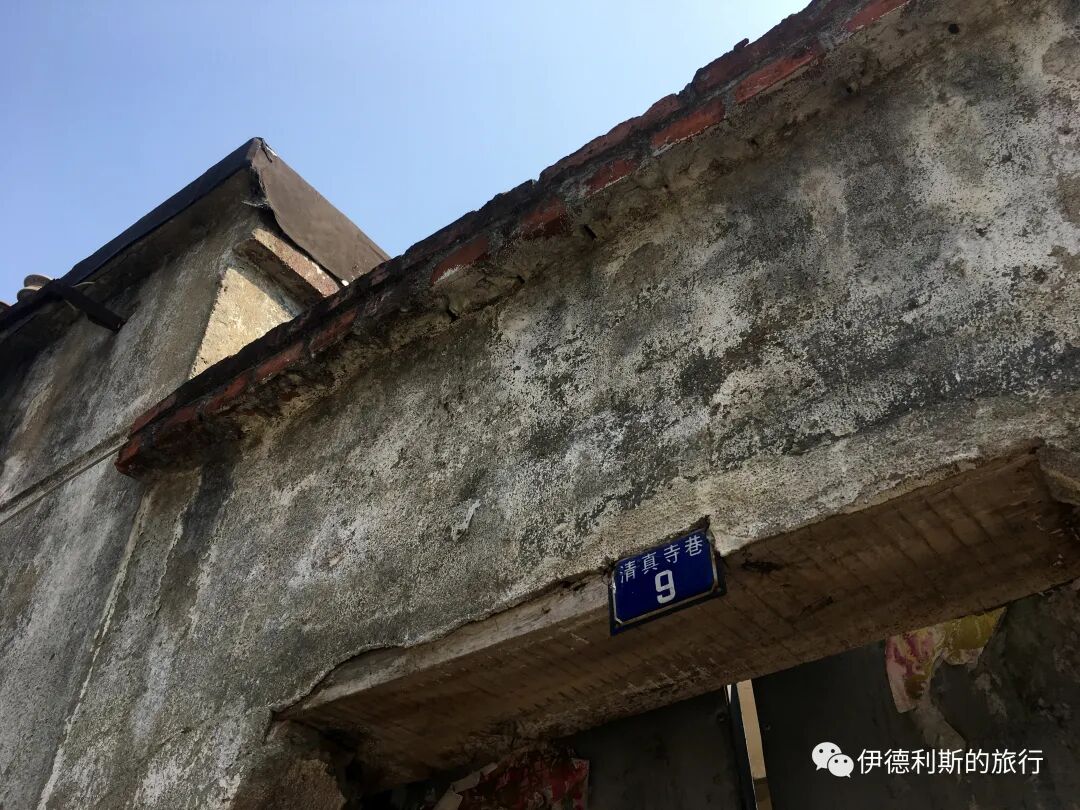
When we visited, the Hexia Mosque was empty. Imam Sha was running a beef and lamb shop on the other side of town and only goes to the mosque when needed.
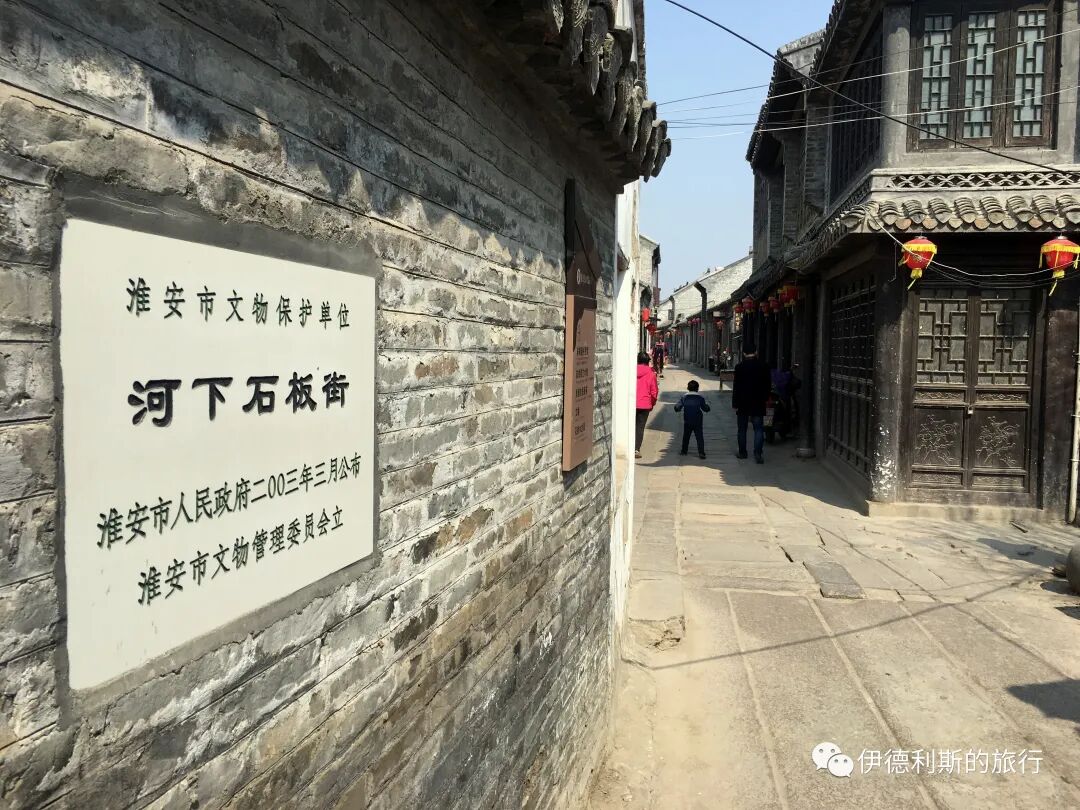
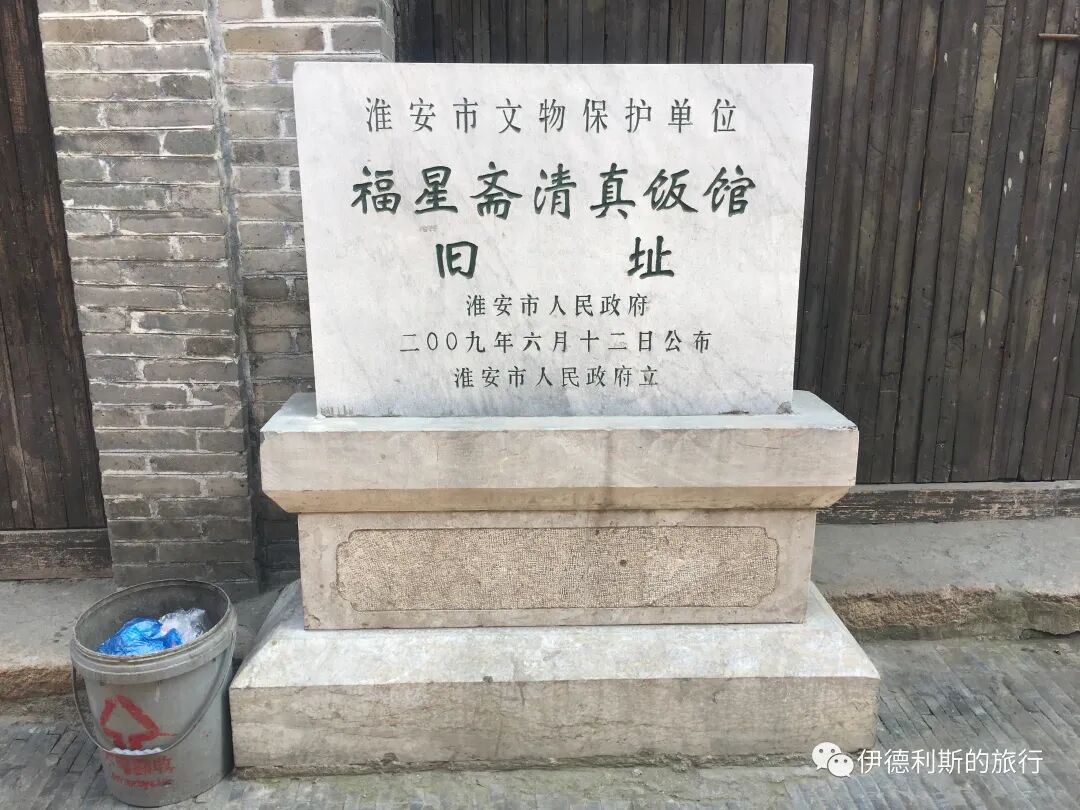
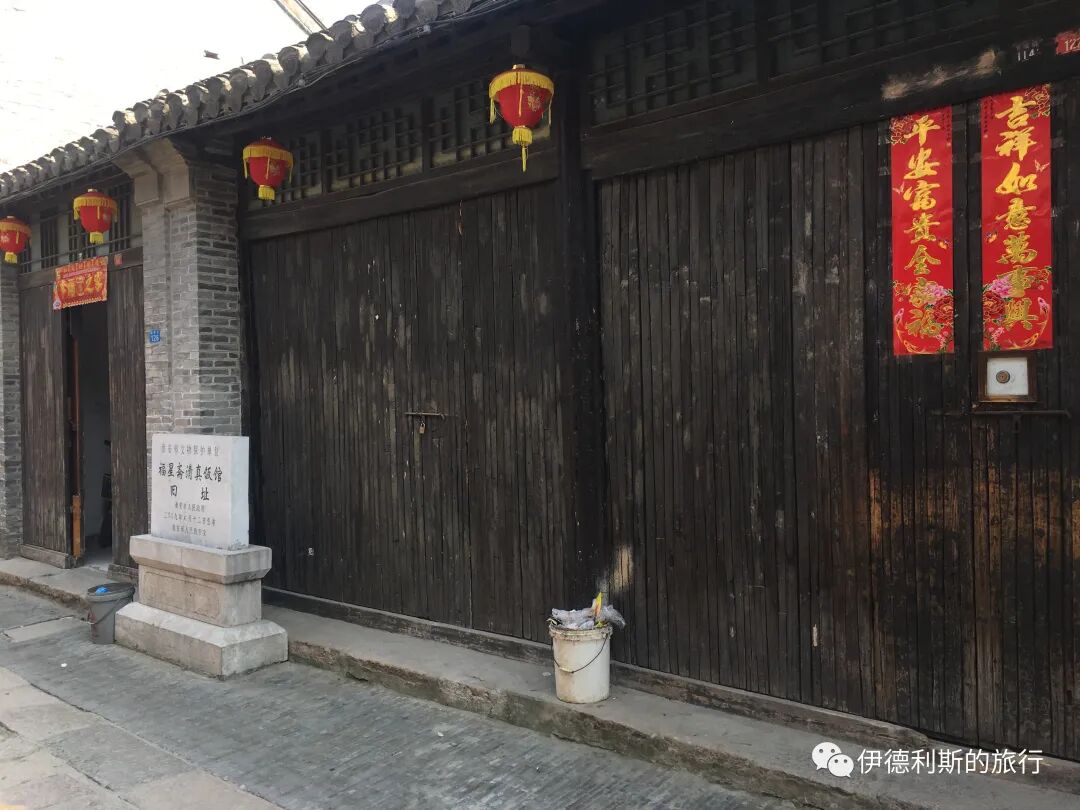
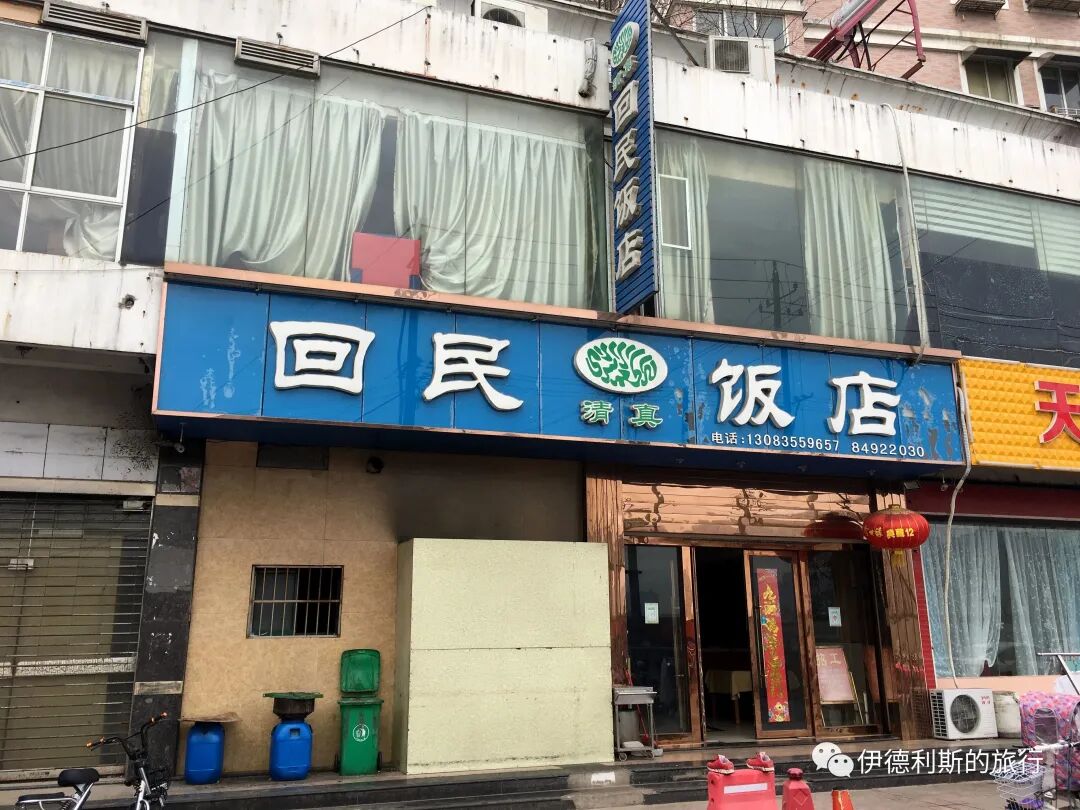
In the early years of the Republic of China, a Hui Muslim named Zhang Bu'ao opened the Kaifuxingzhai Halal Restaurant in Hexia Town. It was a famous halal restaurant at the time with 11 rooms, two of which faced the street. The building still stands today and is listed as a cultural relic protection unit in Huai'an City.
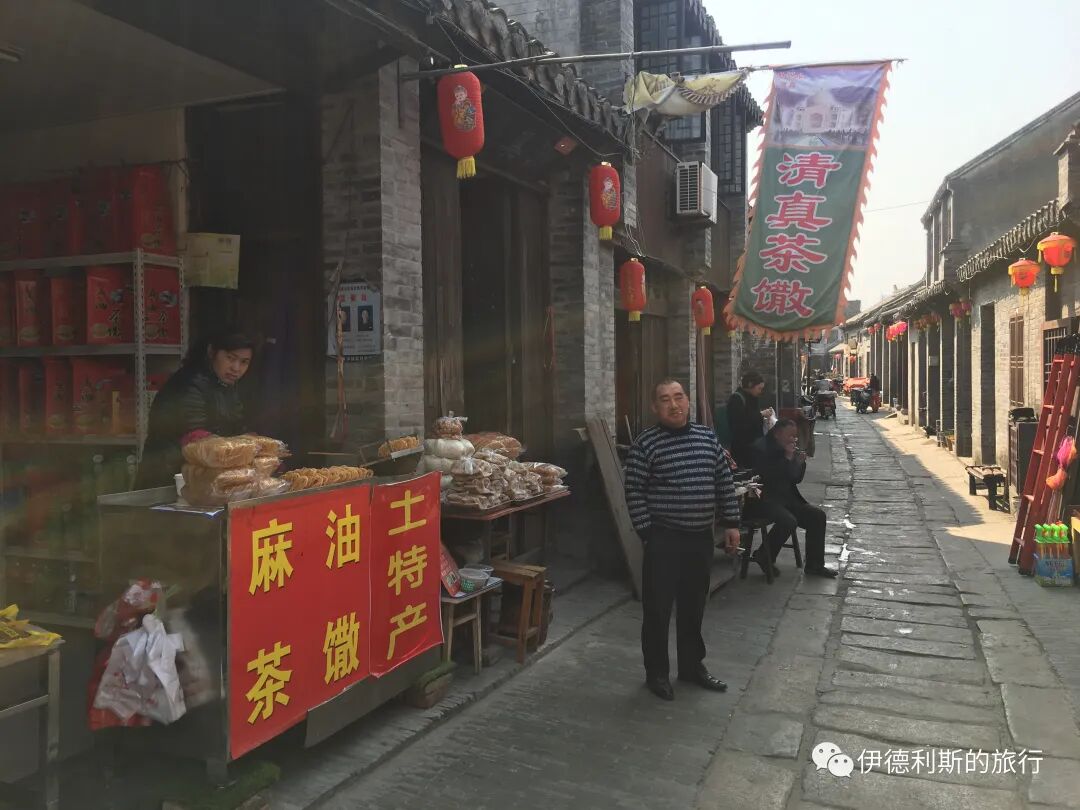
Halal snacks in Hexia Town.
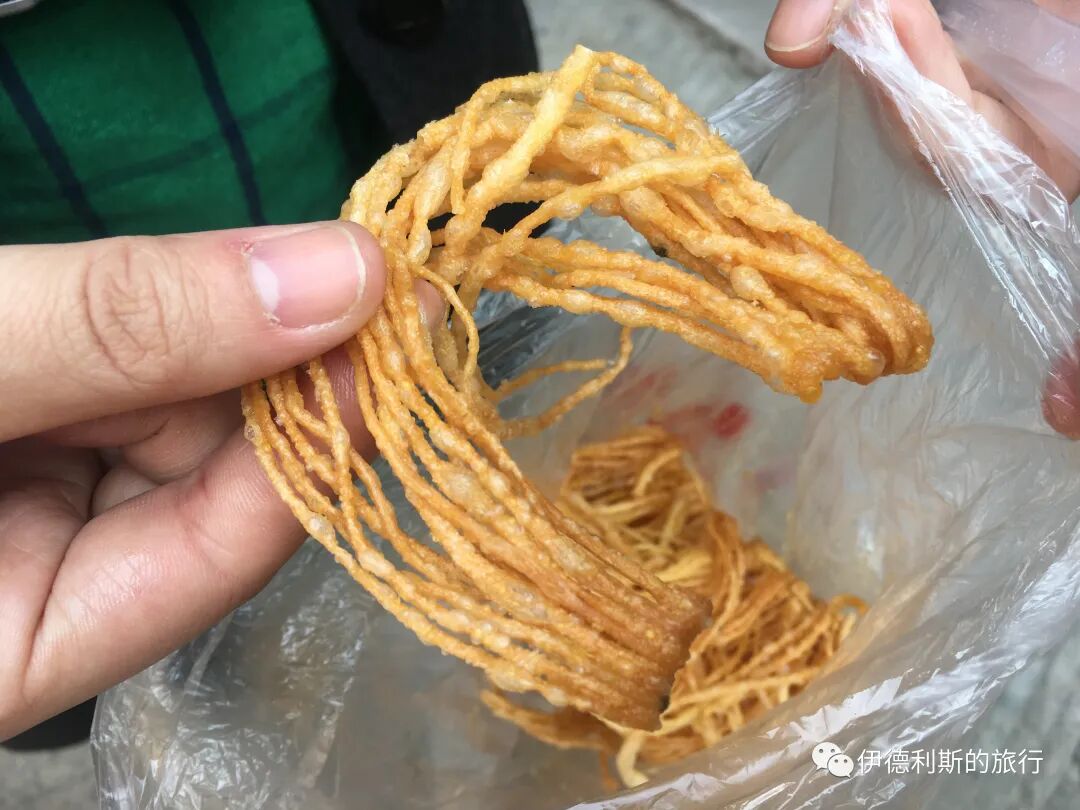
The second issue of Jiangsu Muslims in 2016 featured an article titled Famous Halal Products, Restaurants, and Snacks in Huai'an, provided by the Huai'an Islamic Association. The article mentions that in the late Qing Dynasty, a Hui Muslim named Li in Hexia Town applied noodle-pulling techniques to making fried dough twists (sanzi), creating a unique version of the snack. The Li family's fried dough twists (sanzi) are made with sesame oil and no alkaline additives, allowing them to be shaped into fans, combs, pagodas, and other patterns.
Halal tea-flavored fried dough twists (sanzi) in Hexia Town today.
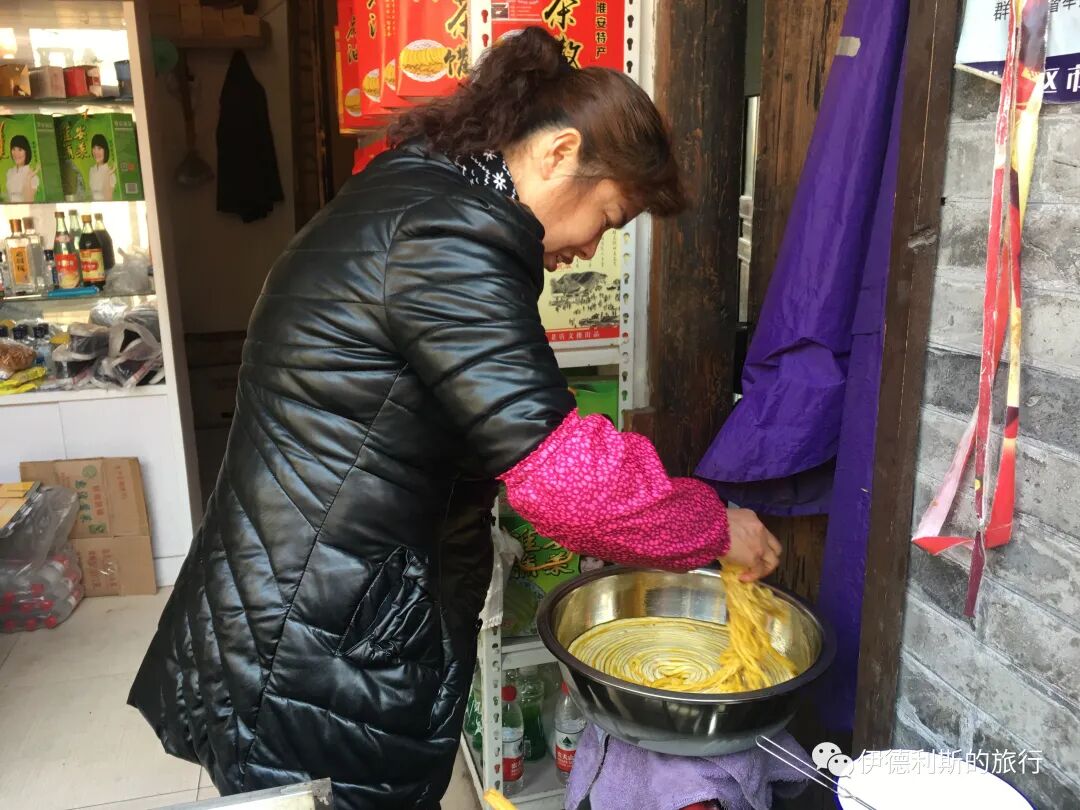
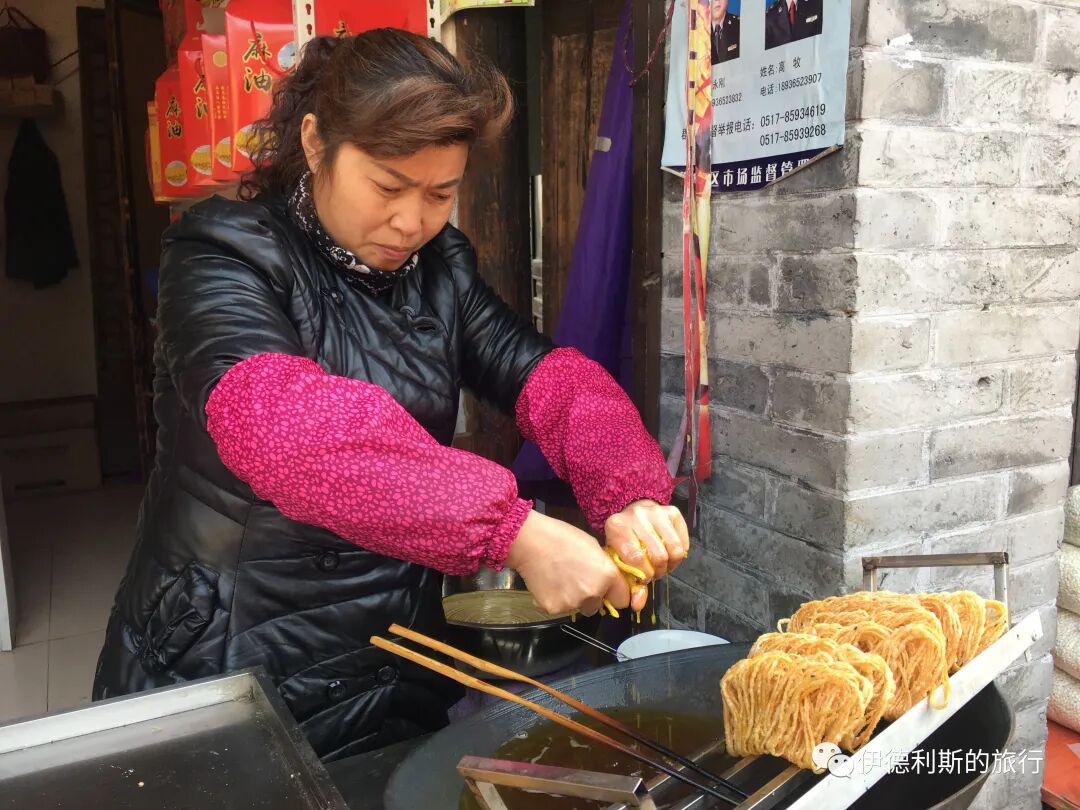
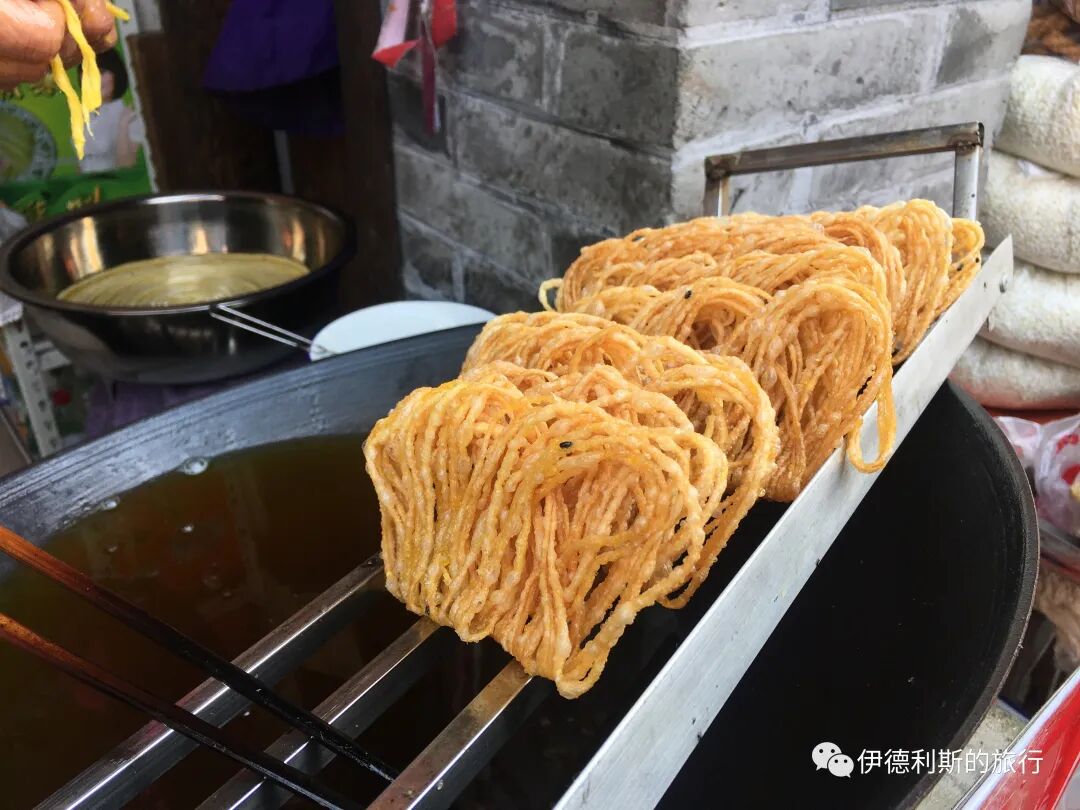
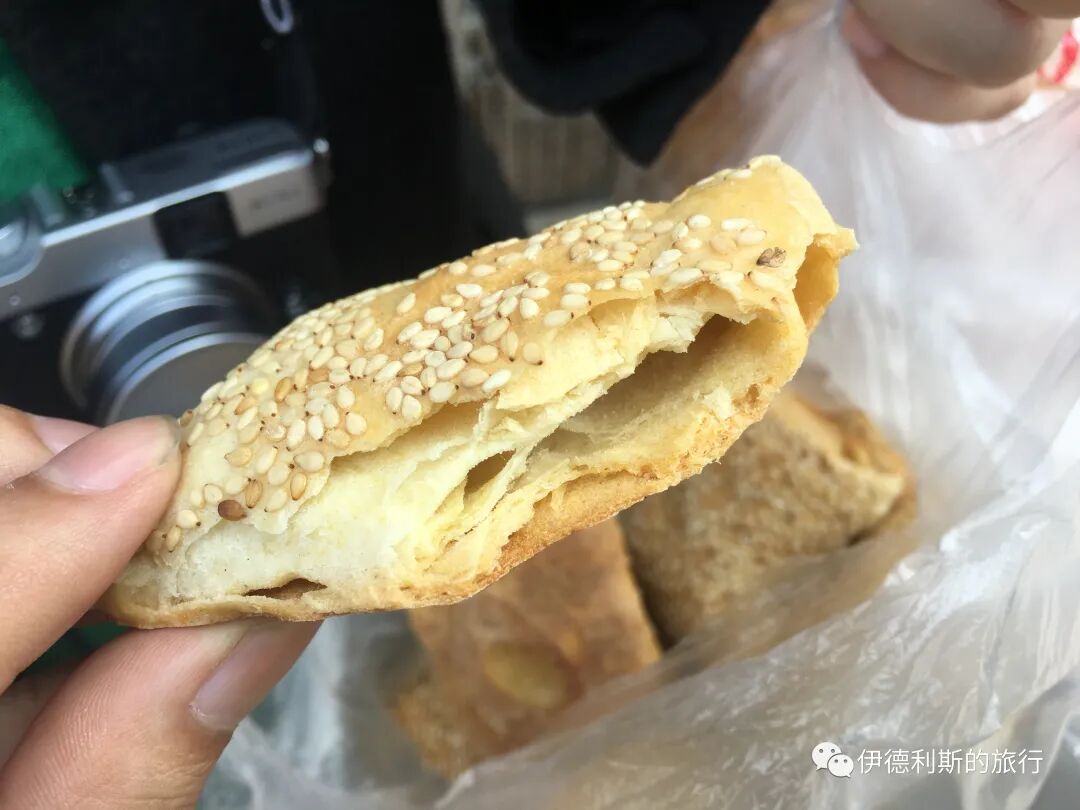
There is also a type of sweet cake.
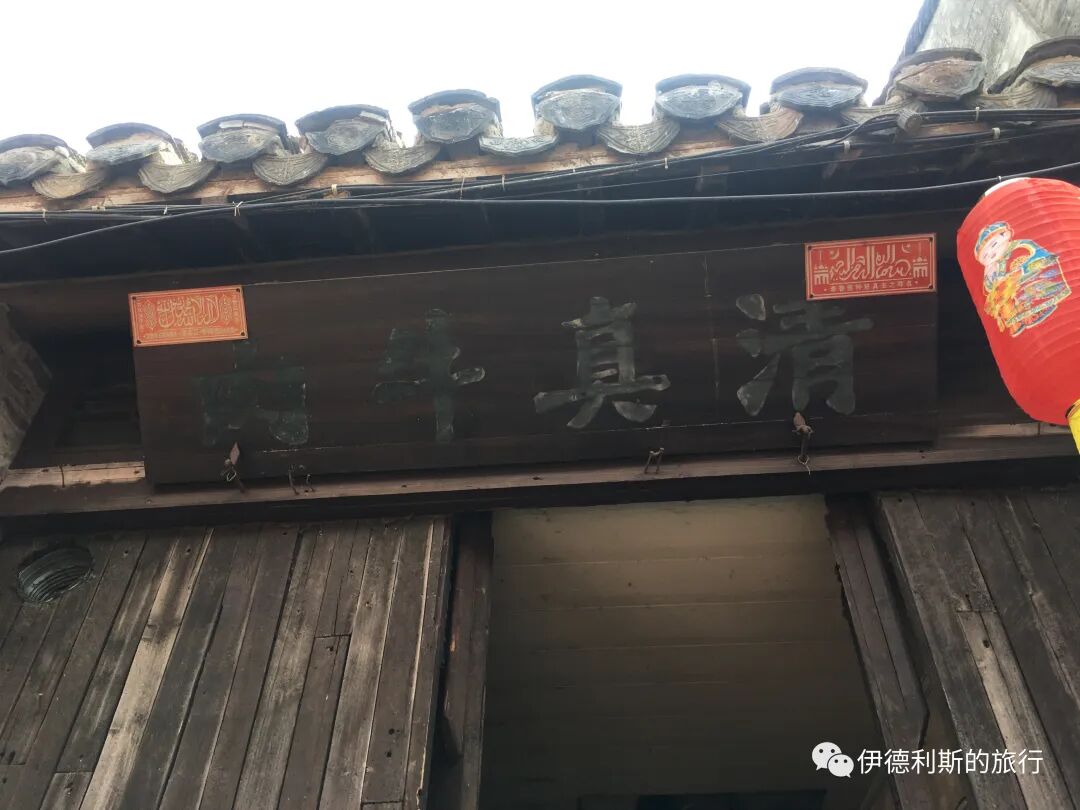
Hexia Town once had a teahouse opened by a Hui Muslim named Chen Yongyuan during the Xianfeng era. The lintel above the door was inscribed with the word Halal in red, Chen Yongyuan in the middle, and Teahouse at the bottom. This piece is now in the collection of the Chuzhou Museum. Every morning, someone was sent to fetch water from the Grand Canal. After returning, they used alum to clarify the water, then boiled it to brew famous teas like Longjing and Biluochun. People came to the teahouse every morning to drink tea and chat in a constant stream.
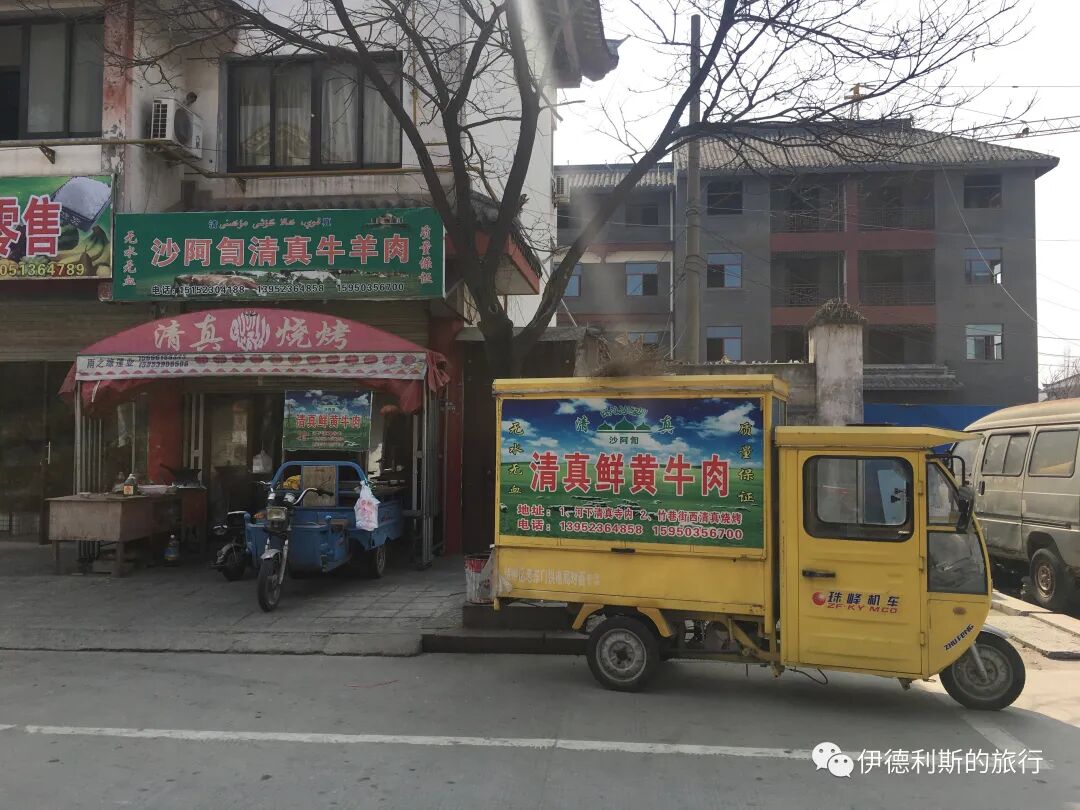
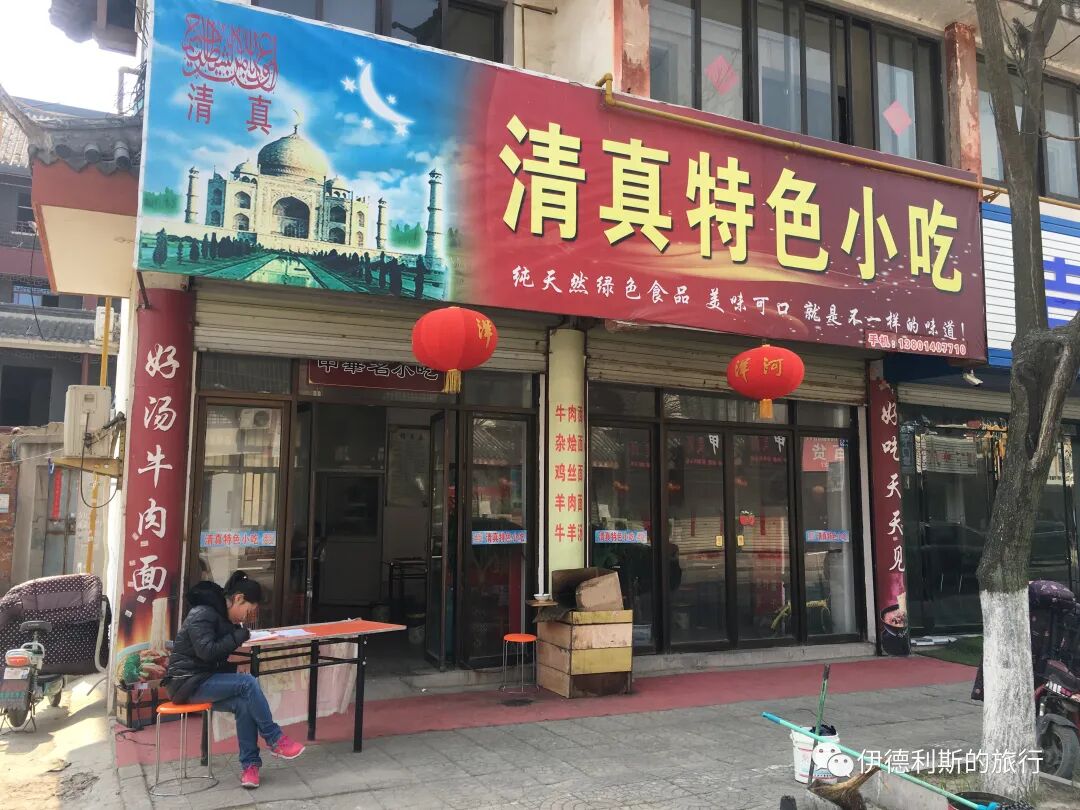
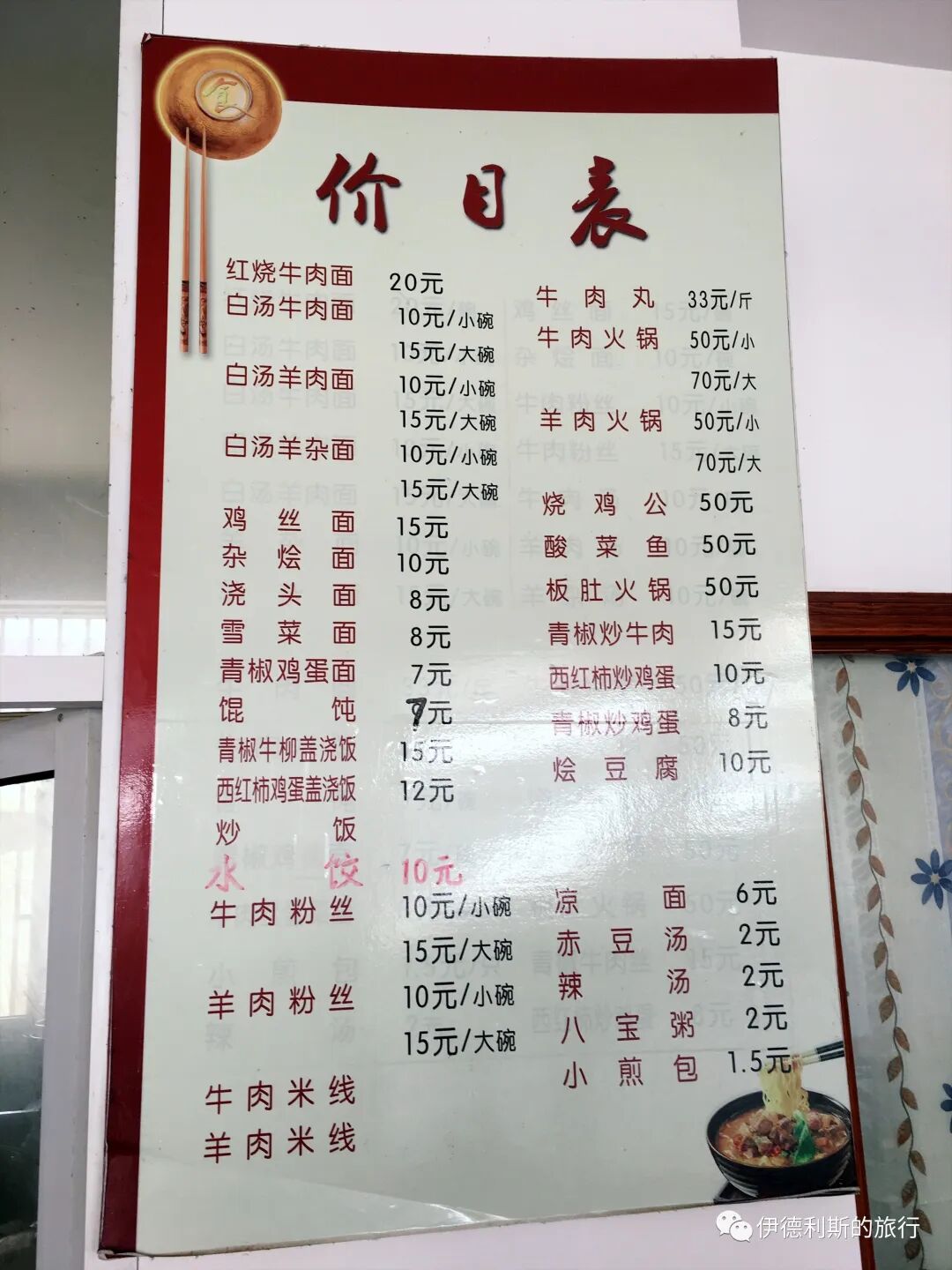
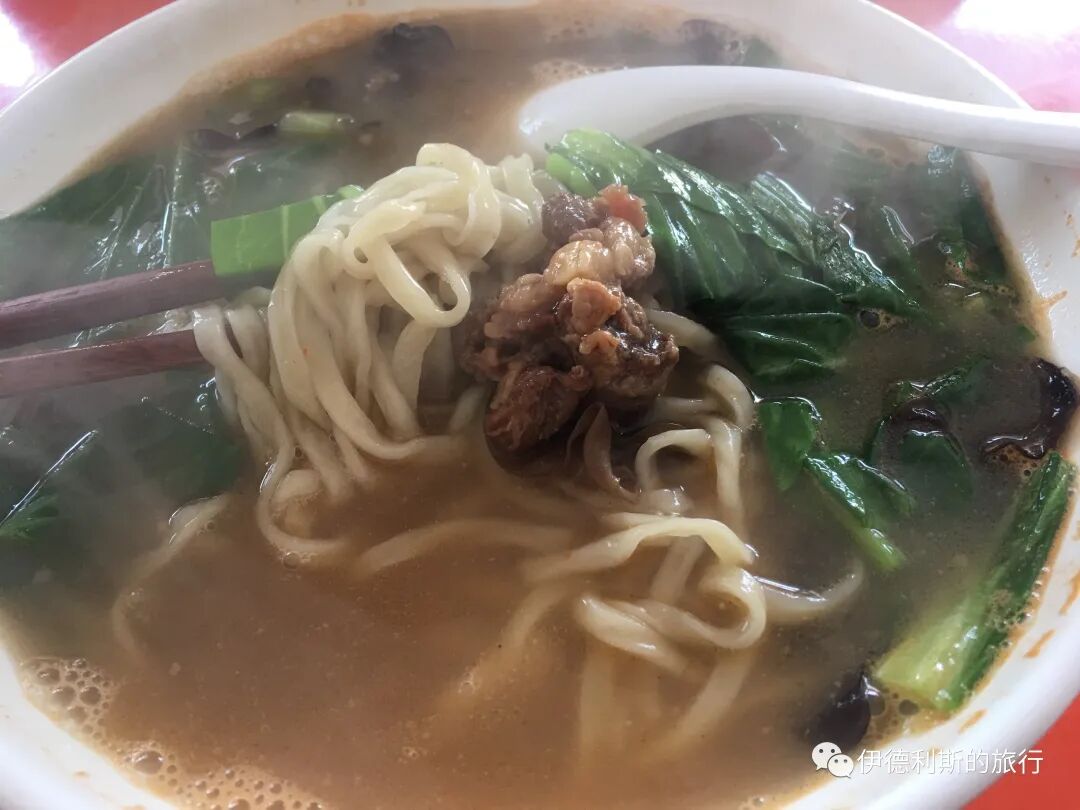
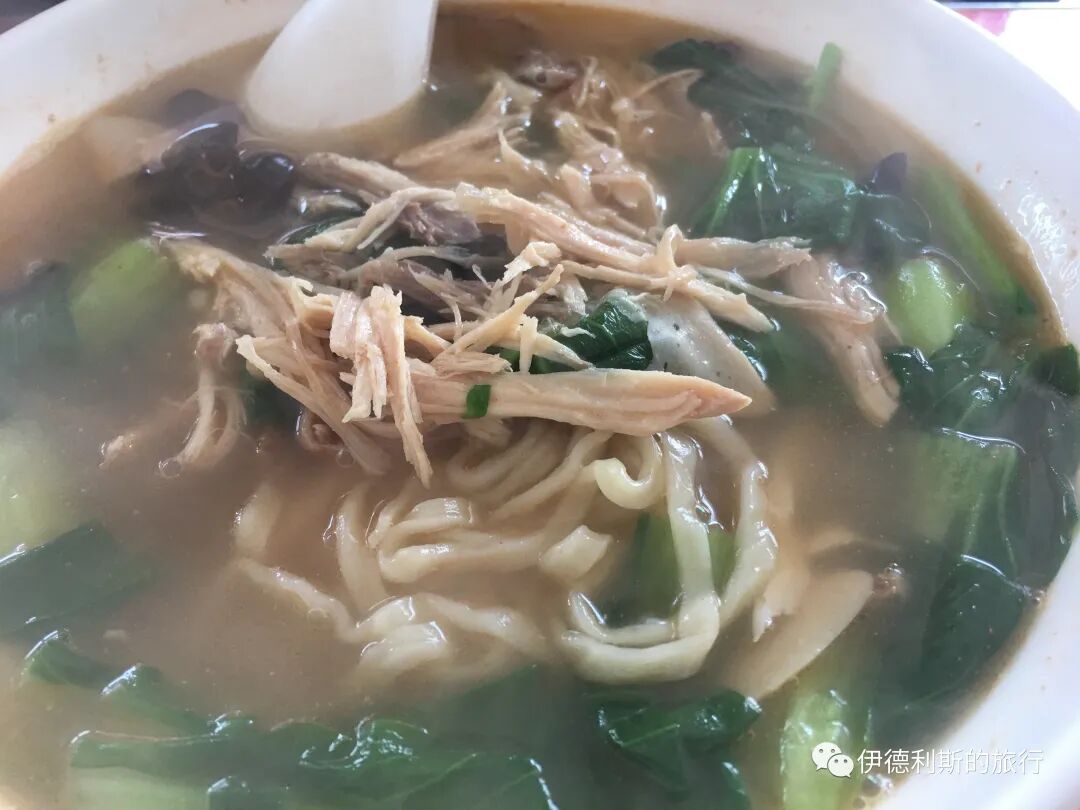
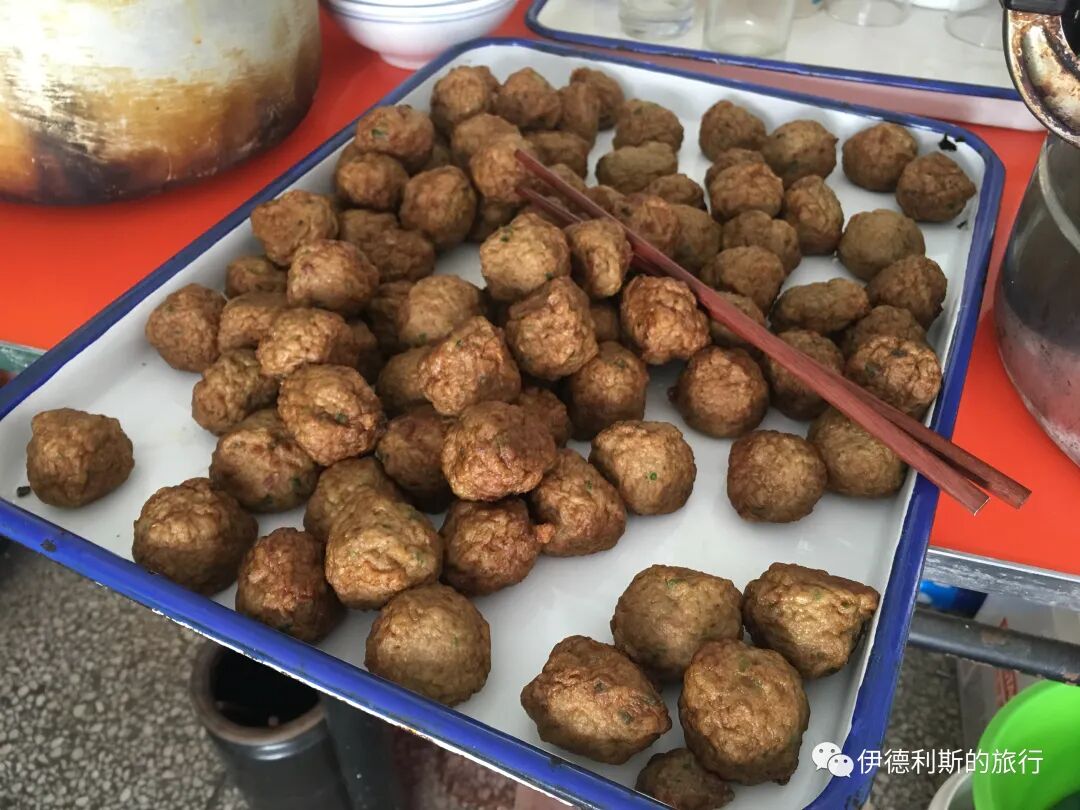
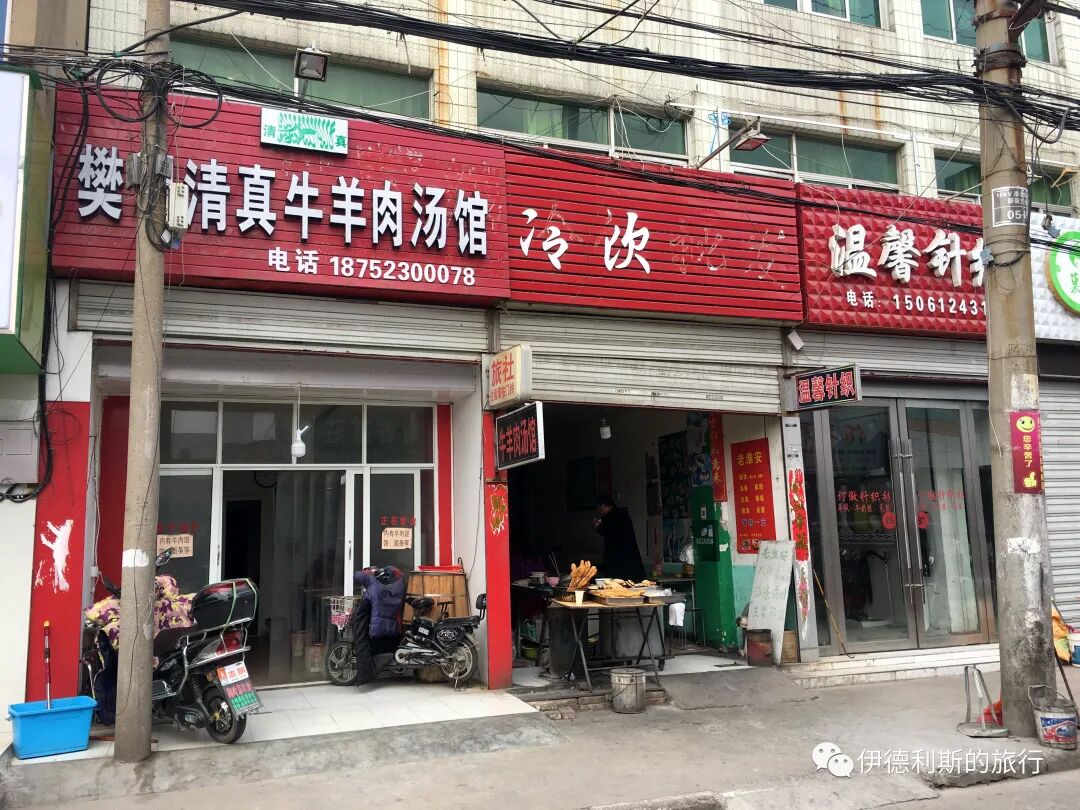
Today, there is still a halal snack shop on Zhugan Lane in Hexia Town, where we had some very delicious shredded chicken noodles.
Wangjiaying.
Wangjiaying, now called Wangying, is located between the old Yellow River course and the Yan River. During the Ming Dynasty, the Dahe Guard was established in Huai'an Prefecture, and ten military camps were built along the Yellow River. Wangjiaying was one of them.
Because travel on the Yellow River section of the canal was slow and passing through the locks was dangerous, often leading to broken cables and sunken boats, many merchants chose to leave their boats at Qingjiangpu. They would cross the Yellow River at Wangjiaying and switch to horse-drawn carriages to continue north. Wangjiaying and Qingjiangpu gradually grew into busy towns together.
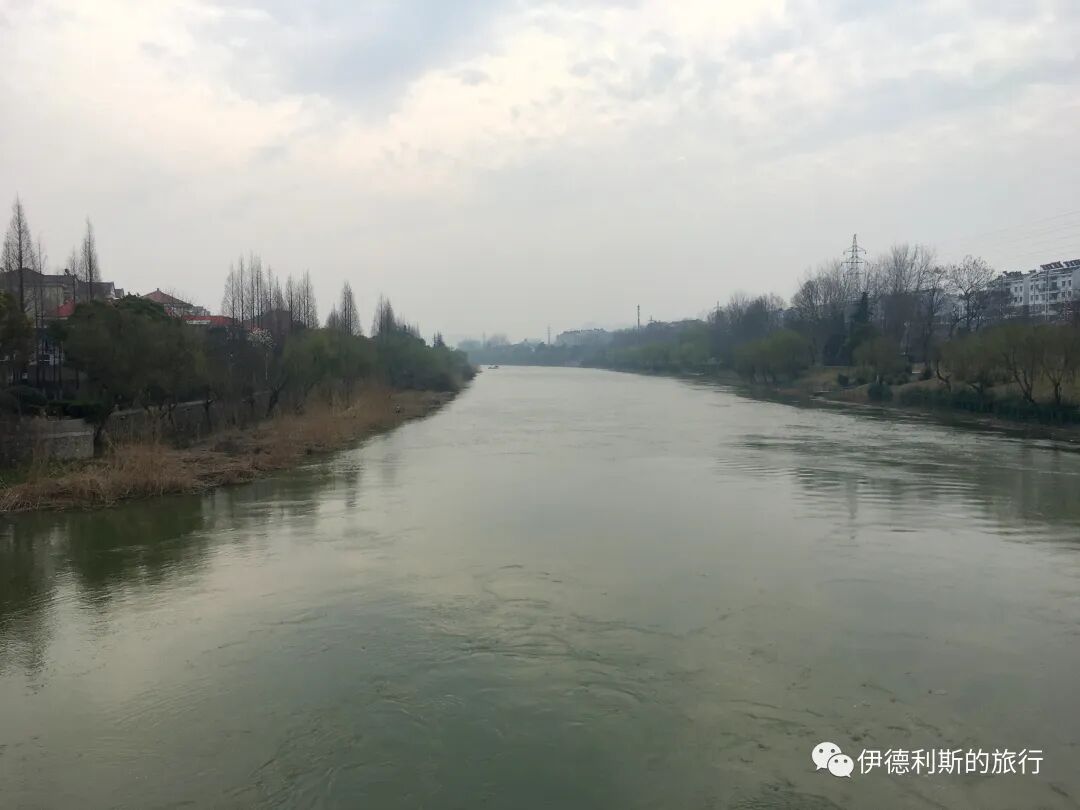
The old Yellow River course before 1855.
Wangjiaying experienced many Yellow River floods, and the town moved east three times before reaching its current location. Wangjiaying became more prosperous in the early Qing Dynasty. The Wangjiaying Gazetteer records that it was a place where southern boats and northern horses met and crowds gathered. In 1831, the Viceroy of Liangjiang, Tao Peng, implemented a salt ticket system in Huaibei. Known as the salt reform, this meant sea salt from Huaibei salt fields no longer needed to be inspected and taxed in Hexia Town. Tao Peng chose Xiba in Wangjiaying as the new distribution center for Huai salt. Because of this, Wangjiaying became the center for eighteen salt warehouses and seventy-two salt bureaus. Salt boats traveled constantly along the three-hundred-mile waterway between the Huaibei salt fields and Wangjiaying.
The rise of Wangjiaying during the Qing Dynasty led to Hui Muslims settling there. The first Hui Muslims to arrive in Wangjiaying were the Ma and Sha families, who came from Lingzhou in Gansu by way of Shandong and Zhenjiang. Later, families named Jin, Dai, Chang, Ge, Fan, Li, and Yang also settled here.
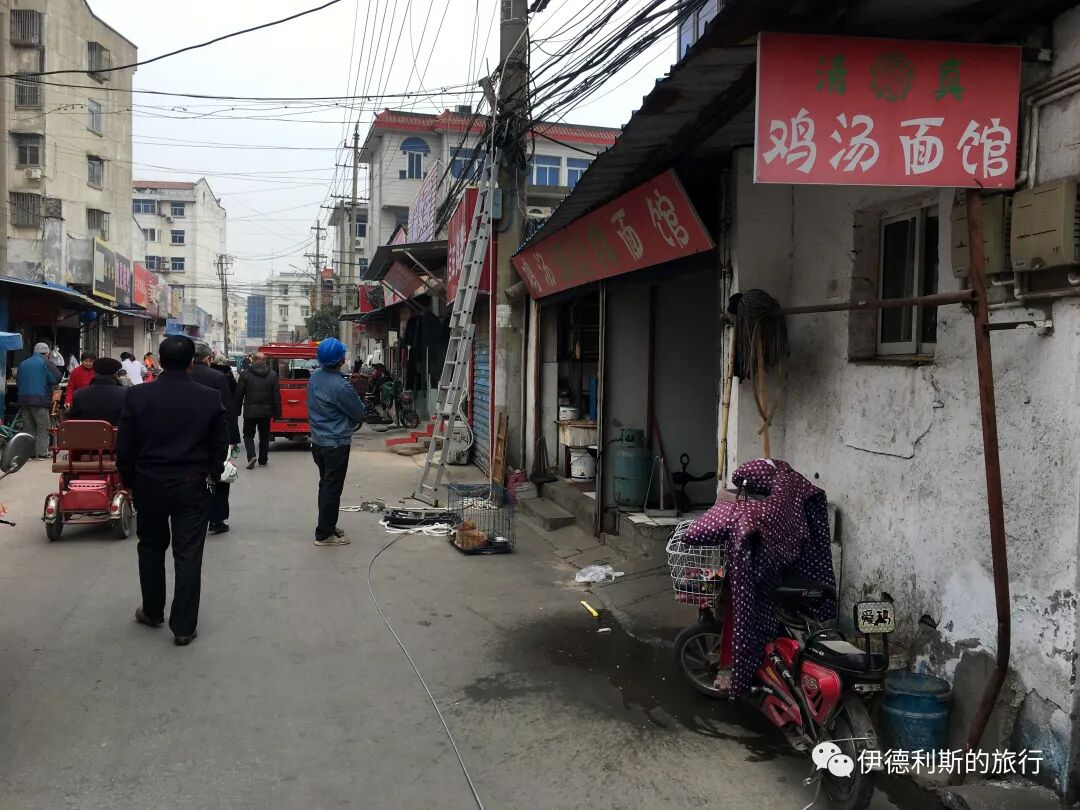
The history of the Wangjiaying Mosque is documented in the book A Century-Old Mosque in the Ancient City of Huaiyin by Imam Fan Weiming and in The Past and Present of Wangying Mosque by Mao Lifa, the former director of the Huaiyin District CPPCC Cultural and Historical Committee. I have organized that information here.
The Wangjiaying Mosque was first built during the Yongzheng reign as three thatched rooms next to the lotus pond at Wangjiapo. At the end of the Daoguang reign, it moved to the south bank of the Salt River, with Imams Chang Tingzhang and Dai Mingxuan in charge of religious affairs. Imam Chang Tingzhang, known as Third Master Chang, was originally from Jining, Shandong. He was born in 1785 in Taoyuan County, Huai'an Prefecture, Jiangsu (now Siyang). In his youth, he studied in Lingzhou, Gansu (now Lingwu, Ningxia), and after completing his studies, he visited various places in Jining, Shandong, to continue his religious education. In 1810, at the age of 26, Imam Chang Tingzhang was invited to lead the Wangjiaying Mosque. Imam Chang Tingzhang had deep knowledge of Arabic classics, astronomy, and medical theory. According to the Wangjiaying Gazetteer, a man named Third Master Tao from Hangzhou died in Huai'an during the Daoguang reign. Because it was the heat of summer, Imam Chang Tingzhang personally bought a boat to transport the body south along the Grand Canal to Hangzhou to fulfill his duty to the family.
In 1860, the Nian Army entered Wangjiaying and burned the mosque. In 1867, Imam Dai Jingzhai, the son of Imam Dai Mingxuan, built a few thatched huts, and later, with donations from the community, a main prayer hall with three thatched rooms was constructed.
Imam Chang Tingzhang passed away in 1870, and Imam Dai Jingzhai took over religious affairs. In 1884, the thatched rooms were rebuilt with tile roofs. Because Imam Chang Tingzhang had studied at the Jahriyya order's Daotang in Lingzhou, Ningxia, in his youth, the Wangjiaying Mosque later invited five successive Jahriyya imams from Ningxia to lead religious affairs and teach. Subsequent imams also went to Ningxia for further study. This made the Wangjiaying Mosque one of the nine branch centers of the Banqiao Daotang in Ningxia, maintaining a very close relationship with the Banqiao Daotang in Wuzhong, Ningxia.
In 1912, the mosque built a new main gate, a south lecture hall, a kitchen, and a washroom. In 1920, with funding from the Jinshantang in Gansu and money from selling dozens of willow trees from the public cemetery, they rebuilt the three-room tiled eave structure in front of the main prayer hall and added a new three-room east lecture hall.
In 1958, the Wangjiaying Mosque moved to the east side of West Ma Road in Wangying, and in 1961, it moved to its current location because a bank needed the land to build. In 1966, during the campaign to destroy the Four Olds, the main hall's plaques reading "The Way Spreads to the Central Land," "The Faith Follows the Western Regions," and "Stop at the Ultimate Good," along with the gold-lettered Arabic plaques and the couplets reading "See the invisible, hear the soundless, rectify the mind and be sincere, become a sage or a worthy, original nature;" were all smashed or burned. The couplet continued, "The Way stands, movement brings harmony, reach others through oneself, help things and help the world, all is complete," and these were also destroyed, along with funeral equipment, while the main hall was taken over by a shoe and hat factory to use as a warehouse.
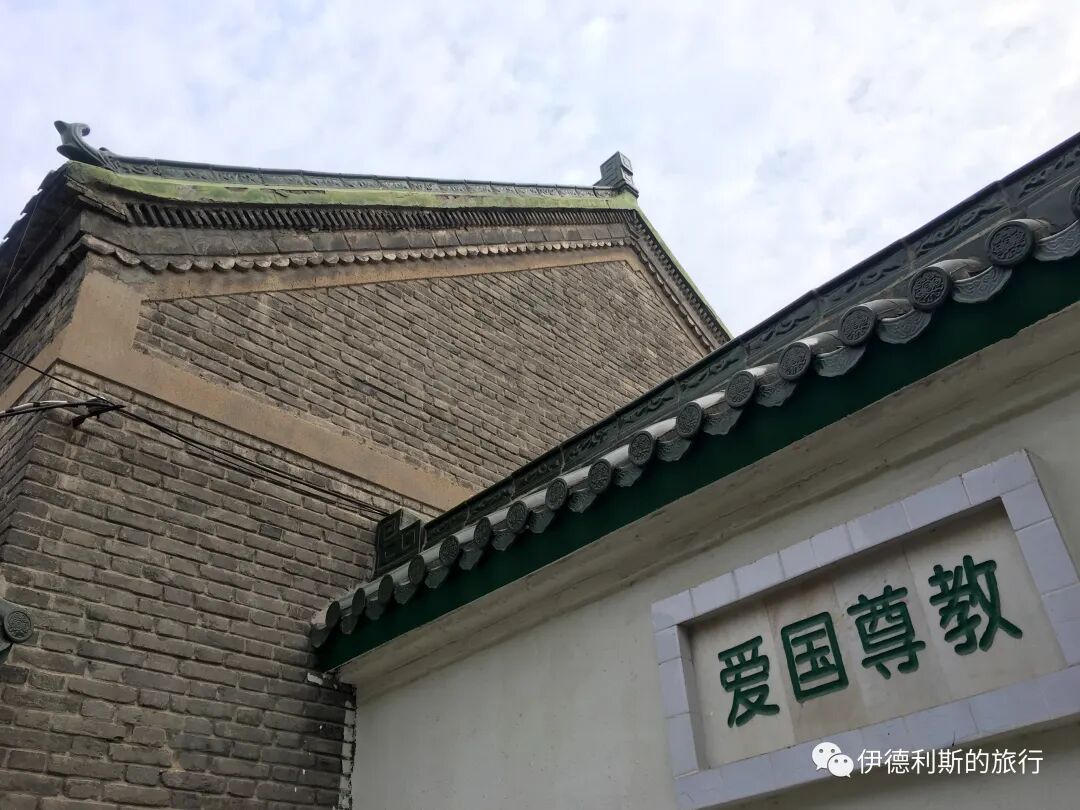
In 1979, under the leadership of Imam Ge Weili, the Wangjiaying Mosque was rebuilt in a traditional style, finishing in 1985, and after two more renovations and expansions in 2003 and 2006, it reached its current appearance.
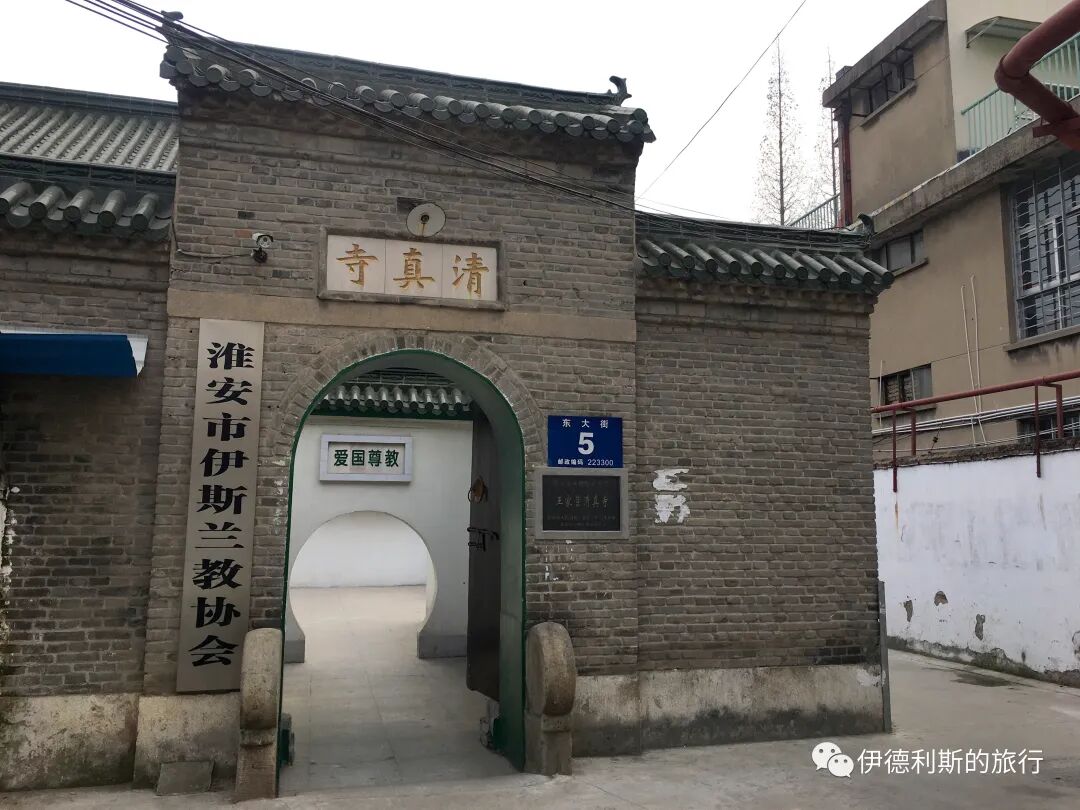
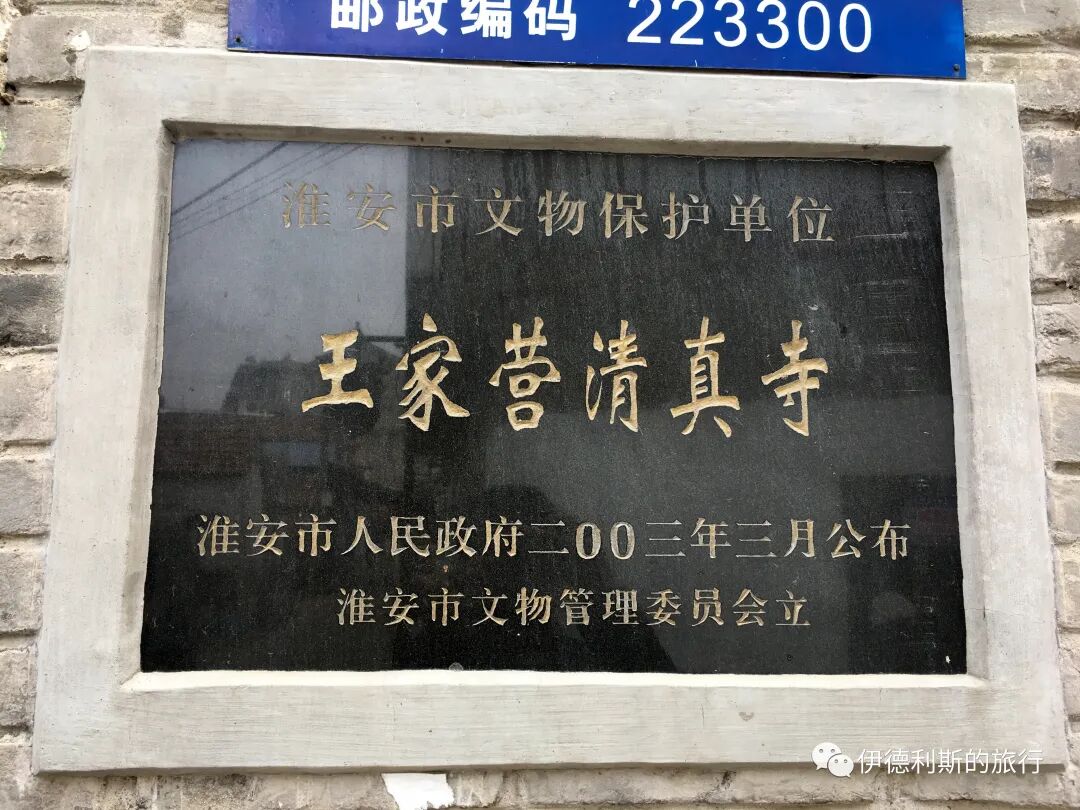
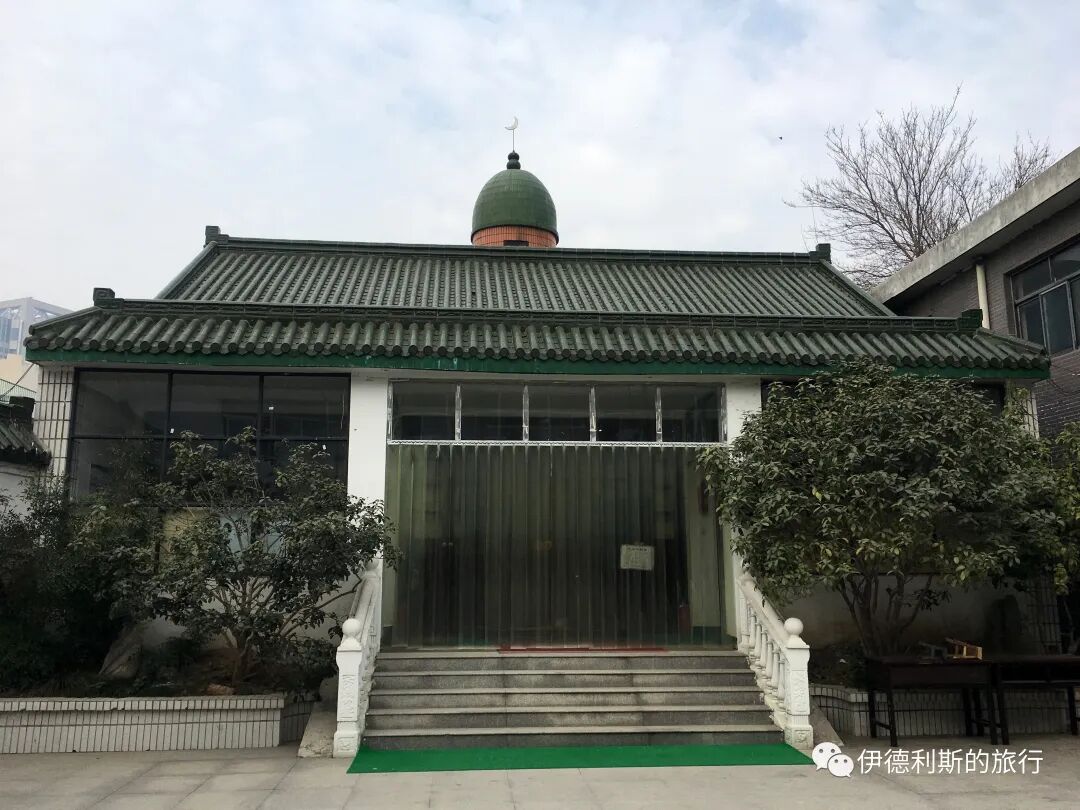
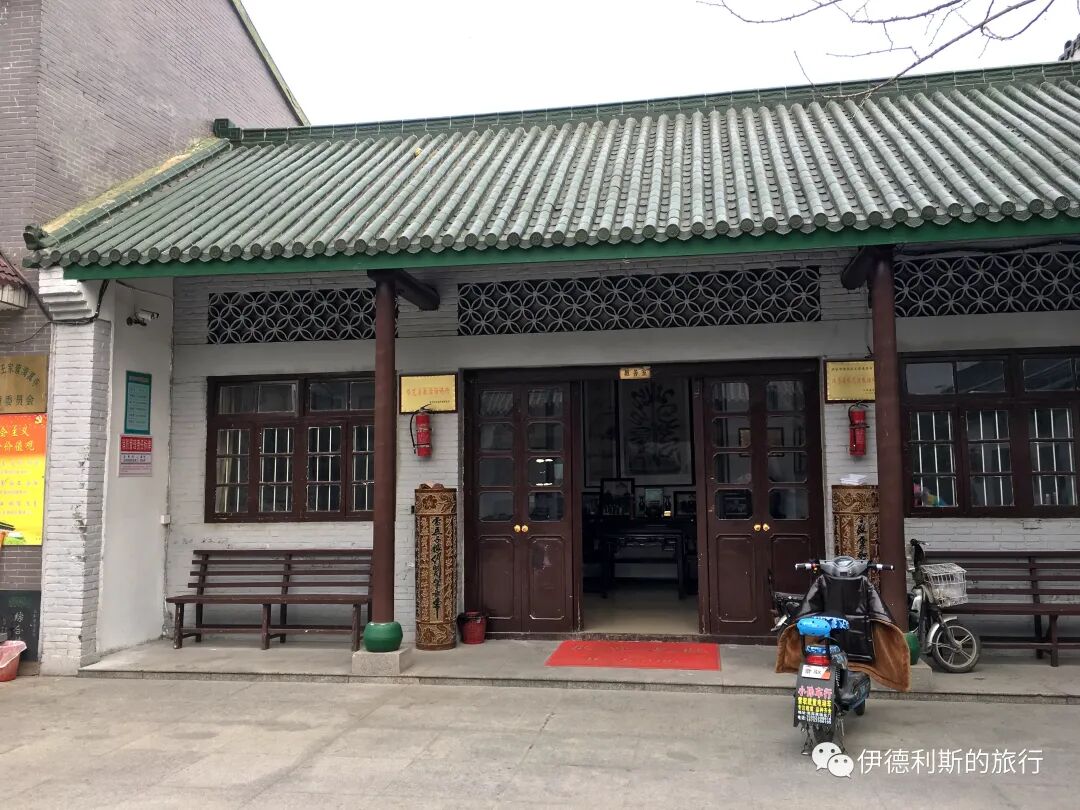
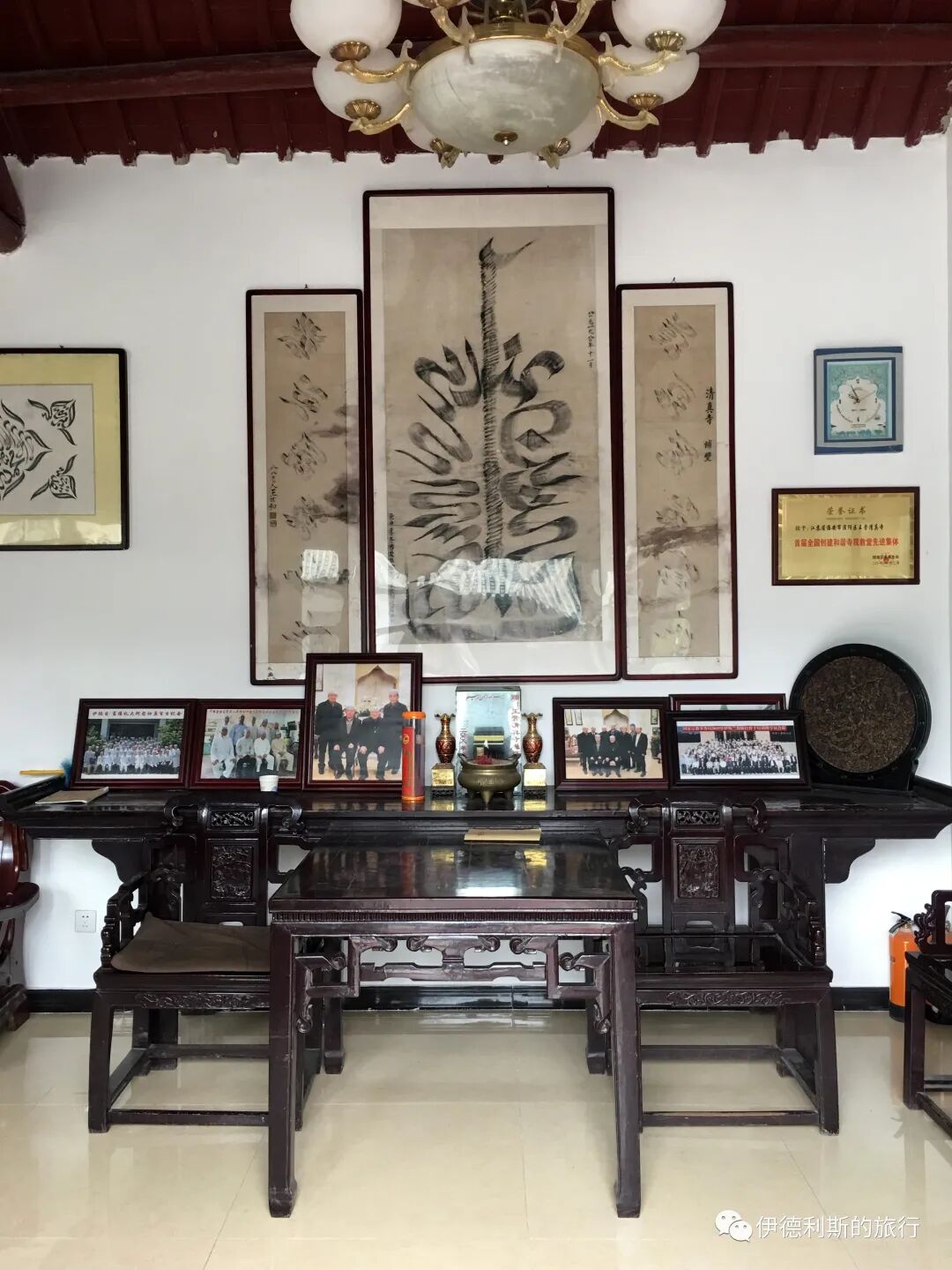
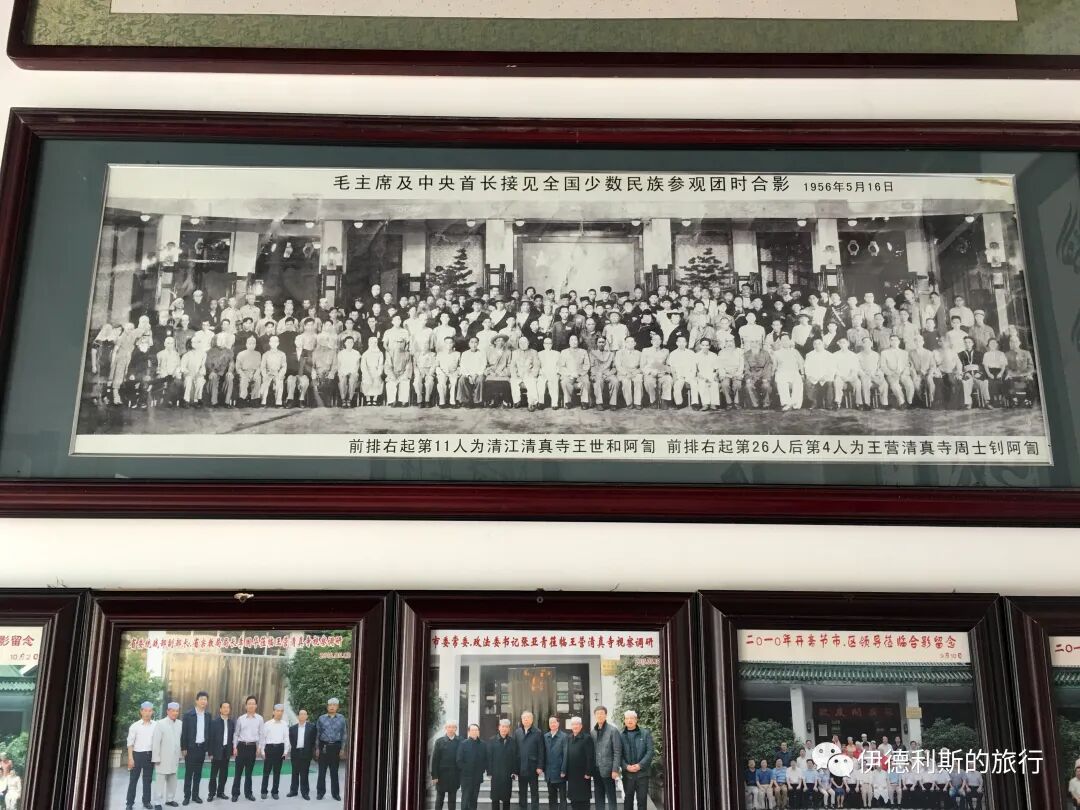
Imam Ge Weili was born in 1924, went to Ningxia to study in 1937, became the imam of Wangjiaying Mosque after completing his training in 1945, served as the imam in 1966, and later became the vice president of the Jiangsu Islamic Association and president of the Huai'an Islamic Association. The religious affairs of the Wangjiaying Mosque are now handled by Imam Fan Weiming, a student of Imam Ge Weili.
Halal food in Wangjiaying.
The second issue of "Jiangsu Muslims" in 2016 featured an article titled "Famous Halal Products, Shops, and Foods in Huai'an," provided by the Huai'an Islamic Association, which wrote about the halal food in Wangjiaying.
In 1831 (the 11th year of the Daoguang reign), after the salt administration expanded at Xiba in Wangjiaying, Imam Dai Mingxuan of the Wangjiaying Mosque opened a halal restaurant at the north end of Yushan Street, hiring the best local chefs and making it a high-end spot where many Huai'an officials and nobles held banquets.
In 1860 (the 10th year of the Xianfeng reign), after the Nian Army broke through Wangjiaying, the halal restaurant and the mosque were both destroyed in the war. In 1886 (the 12th year of the Guangxu reign), with everyone's help, Imam Dai Jingzhai, the son of Imam Dai Mingxuan, reopened the halal restaurant at the North Weimen gate in Wangjiaying. The halal restaurant was forced to close after 1937, reopened after 1945, but struggled due to the following wars. After the public-private partnership in 1958, the halal restaurant merged into the Huaiyin Food and Beverage Company No. 2, with Ma Hengpu serving as manager. At the end of 1959, it moved to Beijing Road, featuring three storefront rooms in the front and four kitchen rooms in the back, with Wang Jinbiao taking over as manager. After the 1970s, Li Haiquan took over as manager and renamed it the Hui Muslims Restaurant (Huimin Fandian). In the 1980s, Ma Hengbao led the construction of a new two-story building, and Dai Peng took over as manager. In March 2003, the Hui Muslims Restaurant was restructured, the original staff were all bought out, and it became a private enterprise.
The beef jerky (niupu) made by Ma Wu in Wangjiaying is also very famous. Ma Wu's real name was Ma Guowu. During the Taiping Rebellion, his grandfather Ma Xingyuan moved from Shaanxi to Mule Horse Street (Luoma Jie) in Wangjiaying and supported his family with his ancestral beef jerky craft. By Ma Wu's generation, the business grew larger, and the storefront was rebuilt from three single-story rooms into a multi-story building. Ma Wu chose only the best lean yellow beef. After cutting it into pieces, he sprinkled it with salt and saltpeter brine, rubbed it thoroughly, and put it in a vat to cure. It took one week in winter, and a few days less in other seasons before it was ready to be taken out. After taking it out of the vat, he drained the brine and put the meat into a pot. He added old brine, rock sugar, fennel, soy sauce, almonds, galangal, and over ten other ingredients. He brought it to a boil and then simmered it over low heat for 7 hours until it was done.
In 1954, during the public-private partnership, Ma Wu became a worker at the Wangying Town Bean Products Factory. After the reform and opening up, he returned to his old trade until he passed away (guizhen) in February 1999 during Eid al-Adha (Jierbang Jie). None of his children inherited the family business, and the Wangjiaying Ma family beef jerky was lost from then on.
After this, another Hui Muslim from Wangjiaying, Fan Weishun, put up the sign for Fan's Beef Jerky (Fanji Niupu). Fan Weishun learned to make beef jerky from his father, Fan Degao, since he was a child. He innovated the traditional curing technique and figured out methods for making tender and firm beef, as well as techniques for using high, medium, low, simmering, and intense heat. This made Fan's Beef Jerky comparable to the Ma Wu beef jerky of the past.
Li's Fried Dough Sticks (Li Ji Youdatou) are an ancestral craft of the Li family, who are Hui Muslims in Wangjiaying. They put the prepared dough in a basin and use two bamboo sticks to pick it up and scrape it into a pot that is high on one side and low on the other. The finished fried dough sticks are less than 3 inches long and 3 centimeters thick. They are golden in color, crispy on the outside, tender on the inside, and have a soft texture. The dough for these fried dough sticks is softer than that used for regular fried dough sticks (youtiao), and it contains less alkali, alum, and salt.
In 1956, during the joint operation of individual enterprises and workshops, the Li's Fried Dough Sticks shop was merged into the Wangying Central Store, Dahua Restaurant. After the enterprise reform in 1984, the elder Mr. Li retired. No descendants inherited the craft, and Li's Fried Dough Sticks were lost from then on.
In the past, the halal pastries from the Huaiyin Hui Muslim Food Factory were very famous. They made over ten types of treats, including golden twisted dough sticks (jinsi mahua), pineapple cakes (boluo bing), and heart-shaped cakes (fanxin bing) that children loved. For the elderly, they had laughing cookies (kaikouxiao), red bean paste mooncakes (dousha yuebing), and black sesame and salt-and-pepper mooncakes (heizhima jiaoyan yuebing). Farmers also enjoyed their harvest mooncakes (fengshou yuebing) and rock sugar pastries (bingtang su).
A witness to the Grand Canal
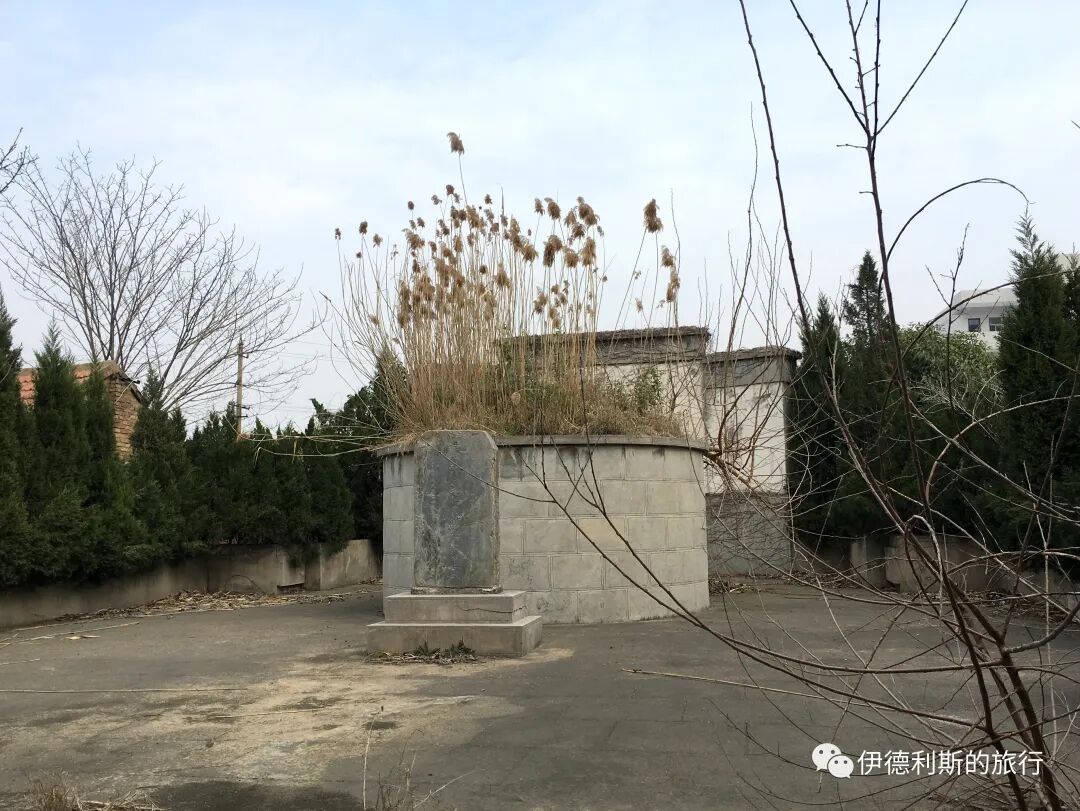
Inside the courtyard of the Huaiyin District Library in Wangjiaying, there is a tomb for Zheng Wenying, a high-ranking official from the Ryukyu Kingdom. Zheng Wenying was a high-level translator for the Ryukyu Kingdom. His ancestors were among the thirty-six families of Fujian boatmen gifted to Ryukyu by Emperor Zhu Yuanzhang. After these Fujian boatmen arrived in Ryukyu, they handled navigation, shipbuilding, writing and translating diplomatic documents, and trade with China. Zheng Wenying was the fifteenth generation of this family.
During the Ming and Qing dynasties, tribute envoys from Ryukyu traveled along the Grand Canal to reach Beijing. In 1761, the twenty-sixth year of the Qianlong reign, the Qingkou Post Station was established in Wangjiaying. It served as an important stop for Ryukyuan tribute envoys to rest and resupply. In 1793, the fifty-eighth year of the Qianlong reign, Zheng Wenying traveled with a tribute mission from the Ryukyu Kingdom. He fell ill and passed away while passing through the Qingkou Post Station in Wangjiaying, where he was buried.
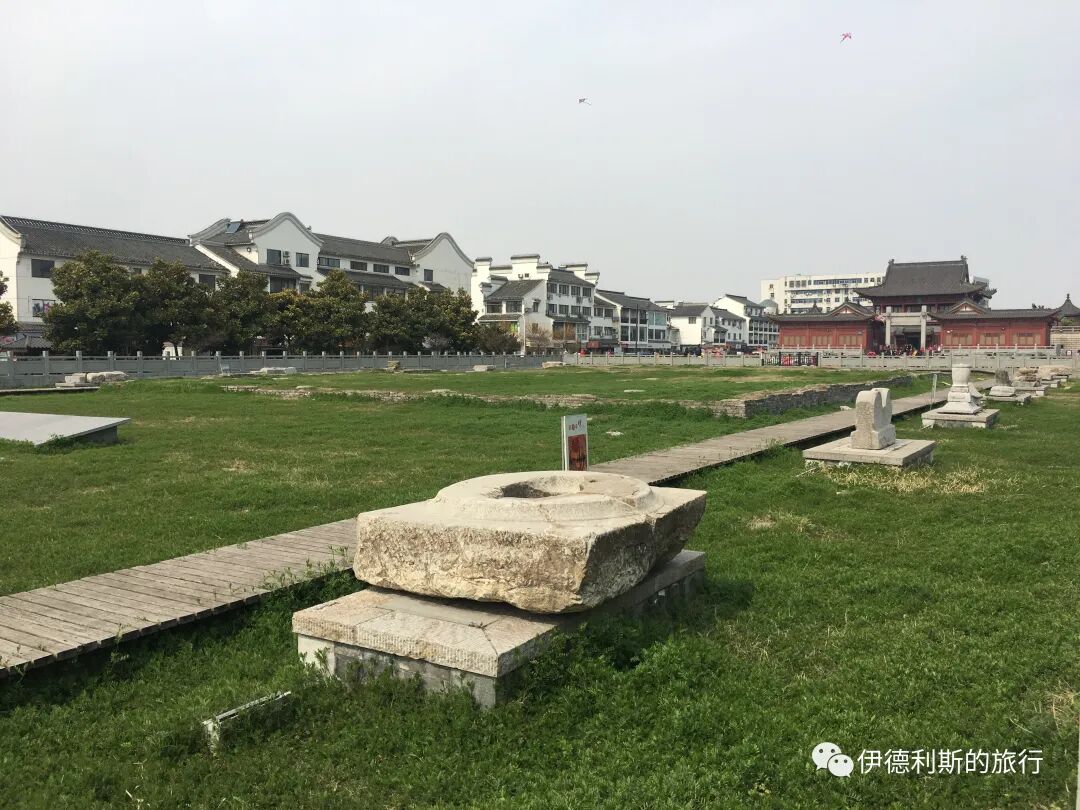
The site of the Governor-General of Grain Transport Office in the center of Huai'an Prefecture. This location officially became the Governor-General of Grain Transport Office in 1579, the seventh year of the Wanli reign of the Ming dynasty. In October 1945, the New Fourth Army captured Huai'an city and dismantled the main hall to transport the wood away. In August 2002, the site was excavated during urban renewal, leading to the construction of the Governor-General of Grain Transport Office Site Park.
Summary: This Jiangsu travel account revisits Huai an in 2017 through mosques, Hui Muslim community history, streets, and local food. It preserves the original notes on removed source material, place names, architectural details, and historical references.
Because the article was taken down, I have revised and reposted it.
On March 11, 2017, I went to Huai'an, Jiangsu, to explore the food and sights. I visited three places: Qingjiangpu, Hexia, and Wangjiaying. I will introduce them to you one by one.
Qingjiangpu
In 1415 (the 13th year of the Yongle reign of the Ming Dynasty), Chen Xuan, the Earl of Pingjiang, dredged Qingjiangpu. He built the Changying Granary, which stretched for several miles, and the massive Qingjiang Shipyard. He conscripted over 6,000 craftsmen, and grain transport ships from every province were repaired and built here. As a hub for grain transport, the town of Qingjiangpu gradually took shape and became increasingly prosperous.
Because navigating the Yellow River section of the canal was very dangerous and waiting times to pass through locks in Shandong were too long, many merchants and travelers chose to leave their boats at Qingjiangpu. They would cross the Yellow River at Wangjiaying and switch to horse-drawn carriages to continue north. Qingjiangpu became a transportation hub known for "southern boats and northern horses."
In 1677 (the 16th year of the Kangxi reign), the Director-General of Grain Transport moved to Qingjiangpu, making it the center of the grain transport system. In his collection of notes and stories, "Seven Inks of the Golden Pot" (Jinhu Qimo), the Qing Dynasty writer Huang Junzai recorded: "Along the Qingjiang River for over ten miles, the markets were prosperous and filled with goods. People from all directions gathered here, with shoulders rubbing and carriage wheels touching; it was truly magnificent."
However, due to the dual impact of the Taiping Heavenly Kingdom capturing Nanjing in 1853 (the third year of the Xianfeng reign) and the Yellow River bursting its banks and changing course at Tongwaxiang in 1855 (the fifth year of the Xianfeng reign), the canal began to fall into disrepair and silt up. In 1860, the Nian Army captured Qingjiangpu, and its twenty-mile-long bustling market streets were burned down. In 1873, the Qing government ordered the China Merchants' Steam Navigation Company to transport grain from Shanghai to Tianjin by steamship, causing Qingjiangpu to decline rapidly. After the Jinpu Railway opened in 1912, Qingjiangpu declined even further. When the new Grand Canal was completed in 1959, Qingjiangpu finally ended its history as a transportation hub.
Qingjiang Mosque
The most important wharf in Qingjiangpu is next to Yuezha. It is called the Imperial Wharf (Yu Matou) because both the Kangxi and Qianlong emperors landed there during their southern inspection tours. This was once the most prosperous and lively place in Qingjiangpu.
Starting from the Ming Dynasty, Hui Muslims did business on Yuehe Street in front of the Imperial Wharf. This gradually formed the Yuehe Street Hui Muslim community in Qingjiangpu, and the center of this community is the Qingjiang Mosque.
Qingjiang Mosque was originally called Yuanpu Mosque. It was first built during the Jiajing period of the Ming Dynasty and underwent large-scale renovations and expansions in 1799 (the 57th year of the Qianlong reign). In 1860 (the 10th year of the Xianfeng reign), the Nian Army captured Qingjiangpu and destroyed the mosque. The imam, Ma Huanwen, unfortunately passed away from illness while raising funds for its reconstruction. Fortunately, an elder from Nanjing named Jiang Hengqing took over. He organized everyone to raise funds, and they finally rebuilt the main prayer hall in 1870 (the 9th year of the Tongzhi reign).
The 1870 (9th year of the Tongzhi reign) stele inscription titled 'Record of Rebuilding the Mosque Main Hall' inside the mosque tells the history of Qingjiang Mosque.
In 1910 (the 2nd year of the Xuantong reign), Qingjiang Mosque established Muying Primary School next to the mosque to teach both Chinese and Arabic. The famous historian Professor Pang Pu once studied there. Today, the school building is destroyed, and no traces remain.
To the west of the mosque once stood the former residence of Zuo Baogui, known as the Zuo Mansion. General Zuo Baogui led his troops to defend the Xuanwu Gate in Pyongyang during the First Sino-Japanese War in 1894 (the 20th year of the Guangxu reign), dealing heavy blows to the Japanese army. On September 15, General Zuo Baogui personally lit a cannon to fire. His right arm was blown off, but he bandaged the wound and kept fighting. He was eventually hit in the chest by a shell and died a heroic death at the age of 57. That same year, the Yangzhou government followed an imperial decree to build a cenotaph for Zuo Baogui next to the Puhading Tomb in Yangzhou, which is still preserved today.
Qingjiang Mosque stopped its activities and was occupied in 1966. It was renovated in 1979 and has been open ever since.
Halal food in Qingjiangpu.
There are over ten halal restaurants in Qingjiangpu. Just on the Yuehe Snack Street in front of the mosque, there are eight, and each one has its own specialty.
Liu Si Noodle Shop serves chicken noodle soup with fish balls, beef balls, and squid. The fish balls are super delicious, and the soup is excellent. It feels great to finish a bowl. However, the owner said this area will be demolished in a year or two, so they will likely have to move.
Salted goose (yanshui e) from Sha's Beef Shop.
Wonton noodles (huntun mian) from Ding Si Wonton Noodle Shop.
Little sparrows (fried mini wontons).
Seman Cafe is run by local Hui Muslims. They serve tea in the afternoon and grilled skewers at night. I ordered Arabic coffee, dates, and date milk. The atmosphere is quite nice.
Saudi perfume.
I read for a while in the cafe. There are many books on the shelves.
Finally, I bought some Dubai wheat soda.
Hexia Ancient Town.
Travel south along the Grand Canal from Qingjiangpu, and you will reach Hexia Ancient Town, not far northwest of the Huai'an Prefecture city. Hexia is the largest town in the suburbs of Huai'an. Its historical official name was Manpu. After Emperor Shizong of the Later Zhou Dynasty attacked the Southern Tang, he set up the Manpu Customs here and built dams and locks. During the Song and Yuan dynasties, Hexia developed into an important canal town.
Because the salt fields along the coast of Huaibei produced high-quality salt, many salt merchants from the northwest and Anhui came to Huaibei during the late Ming Dynasty. The Huaibei Salt Transport Office was located in Hexia. Salt from the fields had to be shipped to Hexia for inspection before merchants sold it elsewhere. Hexia then entered its most prosperous period. Salt merchants built gardens and courtyards there. The Qing Dynasty record "Hexia Annals of Huai'an" states: "Wealthy salt merchants brought their capital and made their homes in Hexia, making the town extremely prosperous." The wealth brought by these merchants made the town's business thrive, and many Hui Muslims also came to settle in Hexia.
In 1831 (the 11th year of the Daoguang reign), Liangjiang Governor Tao Peng implemented the ticket salt law in Huaibei, requiring permits to transport salt. Many salt merchants went bankrupt quickly. This event is known as the "Salt Reform," and Hexia Ancient Town began to decline from then on.
Hexia Mosque was first built in the Ming Dynasty. In 1860 (the 10th year of the Xianfeng reign), when the Nian Army captured Huai'an, 10 rooms of the mosque were burned down, but it was later rebuilt. After 1966, Hexia Mosque stopped its activities and four rooms were damaged. It resumed activities in 1986 and recently underwent major renovations to reach its current state.
When we visited, the Hexia Mosque was empty. Imam Sha was running a beef and lamb shop on the other side of town and only goes to the mosque when needed.
In the early years of the Republic of China, a Hui Muslim named Zhang Bu'ao opened the Kaifuxingzhai Halal Restaurant in Hexia Town. It was a famous halal restaurant at the time with 11 rooms, two of which faced the street. The building still stands today and is listed as a cultural relic protection unit in Huai'an City.
Halal snacks in Hexia Town.
The second issue of Jiangsu Muslims in 2016 featured an article titled Famous Halal Products, Restaurants, and Snacks in Huai'an, provided by the Huai'an Islamic Association. The article mentions that in the late Qing Dynasty, a Hui Muslim named Li in Hexia Town applied noodle-pulling techniques to making fried dough twists (sanzi), creating a unique version of the snack. The Li family's fried dough twists (sanzi) are made with sesame oil and no alkaline additives, allowing them to be shaped into fans, combs, pagodas, and other patterns.
Halal tea-flavored fried dough twists (sanzi) in Hexia Town today.
There is also a type of sweet cake.
Hexia Town once had a teahouse opened by a Hui Muslim named Chen Yongyuan during the Xianfeng era. The lintel above the door was inscribed with the word Halal in red, Chen Yongyuan in the middle, and Teahouse at the bottom. This piece is now in the collection of the Chuzhou Museum. Every morning, someone was sent to fetch water from the Grand Canal. After returning, they used alum to clarify the water, then boiled it to brew famous teas like Longjing and Biluochun. People came to the teahouse every morning to drink tea and chat in a constant stream.
Today, there is still a halal snack shop on Zhugan Lane in Hexia Town, where we had some very delicious shredded chicken noodles.
Wangjiaying.
Wangjiaying, now called Wangying, is located between the old Yellow River course and the Yan River. During the Ming Dynasty, the Dahe Guard was established in Huai'an Prefecture, and ten military camps were built along the Yellow River. Wangjiaying was one of them.
Because travel on the Yellow River section of the canal was slow and passing through the locks was dangerous, often leading to broken cables and sunken boats, many merchants chose to leave their boats at Qingjiangpu. They would cross the Yellow River at Wangjiaying and switch to horse-drawn carriages to continue north. Wangjiaying and Qingjiangpu gradually grew into busy towns together.
The old Yellow River course before 1855.
Wangjiaying experienced many Yellow River floods, and the town moved east three times before reaching its current location. Wangjiaying became more prosperous in the early Qing Dynasty. The Wangjiaying Gazetteer records that it was a place where southern boats and northern horses met and crowds gathered. In 1831, the Viceroy of Liangjiang, Tao Peng, implemented a salt ticket system in Huaibei. Known as the salt reform, this meant sea salt from Huaibei salt fields no longer needed to be inspected and taxed in Hexia Town. Tao Peng chose Xiba in Wangjiaying as the new distribution center for Huai salt. Because of this, Wangjiaying became the center for eighteen salt warehouses and seventy-two salt bureaus. Salt boats traveled constantly along the three-hundred-mile waterway between the Huaibei salt fields and Wangjiaying.
The rise of Wangjiaying during the Qing Dynasty led to Hui Muslims settling there. The first Hui Muslims to arrive in Wangjiaying were the Ma and Sha families, who came from Lingzhou in Gansu by way of Shandong and Zhenjiang. Later, families named Jin, Dai, Chang, Ge, Fan, Li, and Yang also settled here.
The history of the Wangjiaying Mosque is documented in the book A Century-Old Mosque in the Ancient City of Huaiyin by Imam Fan Weiming and in The Past and Present of Wangying Mosque by Mao Lifa, the former director of the Huaiyin District CPPCC Cultural and Historical Committee. I have organized that information here.
The Wangjiaying Mosque was first built during the Yongzheng reign as three thatched rooms next to the lotus pond at Wangjiapo. At the end of the Daoguang reign, it moved to the south bank of the Salt River, with Imams Chang Tingzhang and Dai Mingxuan in charge of religious affairs. Imam Chang Tingzhang, known as Third Master Chang, was originally from Jining, Shandong. He was born in 1785 in Taoyuan County, Huai'an Prefecture, Jiangsu (now Siyang). In his youth, he studied in Lingzhou, Gansu (now Lingwu, Ningxia), and after completing his studies, he visited various places in Jining, Shandong, to continue his religious education. In 1810, at the age of 26, Imam Chang Tingzhang was invited to lead the Wangjiaying Mosque. Imam Chang Tingzhang had deep knowledge of Arabic classics, astronomy, and medical theory. According to the Wangjiaying Gazetteer, a man named Third Master Tao from Hangzhou died in Huai'an during the Daoguang reign. Because it was the heat of summer, Imam Chang Tingzhang personally bought a boat to transport the body south along the Grand Canal to Hangzhou to fulfill his duty to the family.
In 1860, the Nian Army entered Wangjiaying and burned the mosque. In 1867, Imam Dai Jingzhai, the son of Imam Dai Mingxuan, built a few thatched huts, and later, with donations from the community, a main prayer hall with three thatched rooms was constructed.
Imam Chang Tingzhang passed away in 1870, and Imam Dai Jingzhai took over religious affairs. In 1884, the thatched rooms were rebuilt with tile roofs. Because Imam Chang Tingzhang had studied at the Jahriyya order's Daotang in Lingzhou, Ningxia, in his youth, the Wangjiaying Mosque later invited five successive Jahriyya imams from Ningxia to lead religious affairs and teach. Subsequent imams also went to Ningxia for further study. This made the Wangjiaying Mosque one of the nine branch centers of the Banqiao Daotang in Ningxia, maintaining a very close relationship with the Banqiao Daotang in Wuzhong, Ningxia.
In 1912, the mosque built a new main gate, a south lecture hall, a kitchen, and a washroom. In 1920, with funding from the Jinshantang in Gansu and money from selling dozens of willow trees from the public cemetery, they rebuilt the three-room tiled eave structure in front of the main prayer hall and added a new three-room east lecture hall.
In 1958, the Wangjiaying Mosque moved to the east side of West Ma Road in Wangying, and in 1961, it moved to its current location because a bank needed the land to build. In 1966, during the campaign to destroy the Four Olds, the main hall's plaques reading "The Way Spreads to the Central Land," "The Faith Follows the Western Regions," and "Stop at the Ultimate Good," along with the gold-lettered Arabic plaques and the couplets reading "See the invisible, hear the soundless, rectify the mind and be sincere, become a sage or a worthy, original nature;" were all smashed or burned. The couplet continued, "The Way stands, movement brings harmony, reach others through oneself, help things and help the world, all is complete," and these were also destroyed, along with funeral equipment, while the main hall was taken over by a shoe and hat factory to use as a warehouse.
In 1979, under the leadership of Imam Ge Weili, the Wangjiaying Mosque was rebuilt in a traditional style, finishing in 1985, and after two more renovations and expansions in 2003 and 2006, it reached its current appearance.
Imam Ge Weili was born in 1924, went to Ningxia to study in 1937, became the imam of Wangjiaying Mosque after completing his training in 1945, served as the imam in 1966, and later became the vice president of the Jiangsu Islamic Association and president of the Huai'an Islamic Association. The religious affairs of the Wangjiaying Mosque are now handled by Imam Fan Weiming, a student of Imam Ge Weili.
Halal food in Wangjiaying.
The second issue of "Jiangsu Muslims" in 2016 featured an article titled "Famous Halal Products, Shops, and Foods in Huai'an," provided by the Huai'an Islamic Association, which wrote about the halal food in Wangjiaying.
In 1831 (the 11th year of the Daoguang reign), after the salt administration expanded at Xiba in Wangjiaying, Imam Dai Mingxuan of the Wangjiaying Mosque opened a halal restaurant at the north end of Yushan Street, hiring the best local chefs and making it a high-end spot where many Huai'an officials and nobles held banquets.
In 1860 (the 10th year of the Xianfeng reign), after the Nian Army broke through Wangjiaying, the halal restaurant and the mosque were both destroyed in the war. In 1886 (the 12th year of the Guangxu reign), with everyone's help, Imam Dai Jingzhai, the son of Imam Dai Mingxuan, reopened the halal restaurant at the North Weimen gate in Wangjiaying. The halal restaurant was forced to close after 1937, reopened after 1945, but struggled due to the following wars. After the public-private partnership in 1958, the halal restaurant merged into the Huaiyin Food and Beverage Company No. 2, with Ma Hengpu serving as manager. At the end of 1959, it moved to Beijing Road, featuring three storefront rooms in the front and four kitchen rooms in the back, with Wang Jinbiao taking over as manager. After the 1970s, Li Haiquan took over as manager and renamed it the Hui Muslims Restaurant (Huimin Fandian). In the 1980s, Ma Hengbao led the construction of a new two-story building, and Dai Peng took over as manager. In March 2003, the Hui Muslims Restaurant was restructured, the original staff were all bought out, and it became a private enterprise.
The beef jerky (niupu) made by Ma Wu in Wangjiaying is also very famous. Ma Wu's real name was Ma Guowu. During the Taiping Rebellion, his grandfather Ma Xingyuan moved from Shaanxi to Mule Horse Street (Luoma Jie) in Wangjiaying and supported his family with his ancestral beef jerky craft. By Ma Wu's generation, the business grew larger, and the storefront was rebuilt from three single-story rooms into a multi-story building. Ma Wu chose only the best lean yellow beef. After cutting it into pieces, he sprinkled it with salt and saltpeter brine, rubbed it thoroughly, and put it in a vat to cure. It took one week in winter, and a few days less in other seasons before it was ready to be taken out. After taking it out of the vat, he drained the brine and put the meat into a pot. He added old brine, rock sugar, fennel, soy sauce, almonds, galangal, and over ten other ingredients. He brought it to a boil and then simmered it over low heat for 7 hours until it was done.
In 1954, during the public-private partnership, Ma Wu became a worker at the Wangying Town Bean Products Factory. After the reform and opening up, he returned to his old trade until he passed away (guizhen) in February 1999 during Eid al-Adha (Jierbang Jie). None of his children inherited the family business, and the Wangjiaying Ma family beef jerky was lost from then on.
After this, another Hui Muslim from Wangjiaying, Fan Weishun, put up the sign for Fan's Beef Jerky (Fanji Niupu). Fan Weishun learned to make beef jerky from his father, Fan Degao, since he was a child. He innovated the traditional curing technique and figured out methods for making tender and firm beef, as well as techniques for using high, medium, low, simmering, and intense heat. This made Fan's Beef Jerky comparable to the Ma Wu beef jerky of the past.
Li's Fried Dough Sticks (Li Ji Youdatou) are an ancestral craft of the Li family, who are Hui Muslims in Wangjiaying. They put the prepared dough in a basin and use two bamboo sticks to pick it up and scrape it into a pot that is high on one side and low on the other. The finished fried dough sticks are less than 3 inches long and 3 centimeters thick. They are golden in color, crispy on the outside, tender on the inside, and have a soft texture. The dough for these fried dough sticks is softer than that used for regular fried dough sticks (youtiao), and it contains less alkali, alum, and salt.
In 1956, during the joint operation of individual enterprises and workshops, the Li's Fried Dough Sticks shop was merged into the Wangying Central Store, Dahua Restaurant. After the enterprise reform in 1984, the elder Mr. Li retired. No descendants inherited the craft, and Li's Fried Dough Sticks were lost from then on.
In the past, the halal pastries from the Huaiyin Hui Muslim Food Factory were very famous. They made over ten types of treats, including golden twisted dough sticks (jinsi mahua), pineapple cakes (boluo bing), and heart-shaped cakes (fanxin bing) that children loved. For the elderly, they had laughing cookies (kaikouxiao), red bean paste mooncakes (dousha yuebing), and black sesame and salt-and-pepper mooncakes (heizhima jiaoyan yuebing). Farmers also enjoyed their harvest mooncakes (fengshou yuebing) and rock sugar pastries (bingtang su).
A witness to the Grand Canal
Inside the courtyard of the Huaiyin District Library in Wangjiaying, there is a tomb for Zheng Wenying, a high-ranking official from the Ryukyu Kingdom. Zheng Wenying was a high-level translator for the Ryukyu Kingdom. His ancestors were among the thirty-six families of Fujian boatmen gifted to Ryukyu by Emperor Zhu Yuanzhang. After these Fujian boatmen arrived in Ryukyu, they handled navigation, shipbuilding, writing and translating diplomatic documents, and trade with China. Zheng Wenying was the fifteenth generation of this family.
During the Ming and Qing dynasties, tribute envoys from Ryukyu traveled along the Grand Canal to reach Beijing. In 1761, the twenty-sixth year of the Qianlong reign, the Qingkou Post Station was established in Wangjiaying. It served as an important stop for Ryukyuan tribute envoys to rest and resupply. In 1793, the fifty-eighth year of the Qianlong reign, Zheng Wenying traveled with a tribute mission from the Ryukyu Kingdom. He fell ill and passed away while passing through the Qingkou Post Station in Wangjiaying, where he was buried.
The site of the Governor-General of Grain Transport Office in the center of Huai'an Prefecture. This location officially became the Governor-General of Grain Transport Office in 1579, the seventh year of the Wanli reign of the Ming dynasty. In October 1945, the New Fourth Army captured Huai'an city and dismantled the main hall to transport the wood away. In August 2002, the site was excavated during urban renewal, leading to the construction of the Governor-General of Grain Transport Office Site Park.
