
Halal Travel Guide: Beijing Chaowai Guanxiang — Hui Muslim Quarter and Food
Reposted from the web
Summary: Beijing Chaowai Guanxiang — Hui Muslim Quarter and Food is presented here as a firsthand travel account in clear English, beginning with this scene: The historical and geographical information in this article about the Chaowai Guanxiang area is partially compiled from the book "Outside Chaoyangmen". The account keeps its focus on Beijing Chaowai, Hui Muslims, Halal Food while preserving the names, places, food, and historical details from the Chinese source.
The historical and geographical information in this article about the Chaowai Guanxiang area is partially compiled from the book "Outside Chaoyangmen". Information regarding the Hui Muslims of Chaowai is partially compiled from Ma Zhongqing's book "Chaowai Nanxiapo".
The formation of Chaowai Guanxiang.
In 1285 (the 22nd year of the Zhiyuan era of the Yuan Dynasty), the Yuan capital Dadu was completed with 11 city gates. The gate in the southeast was called Qihuamen. In 1439 (the 4th year of the Zhengtong era of the Ming Dynasty), the Ming government rebuilt Qihuamen and renamed it Chaoyangmen. The stories we are discussing today take place outside Chaoyangmen.
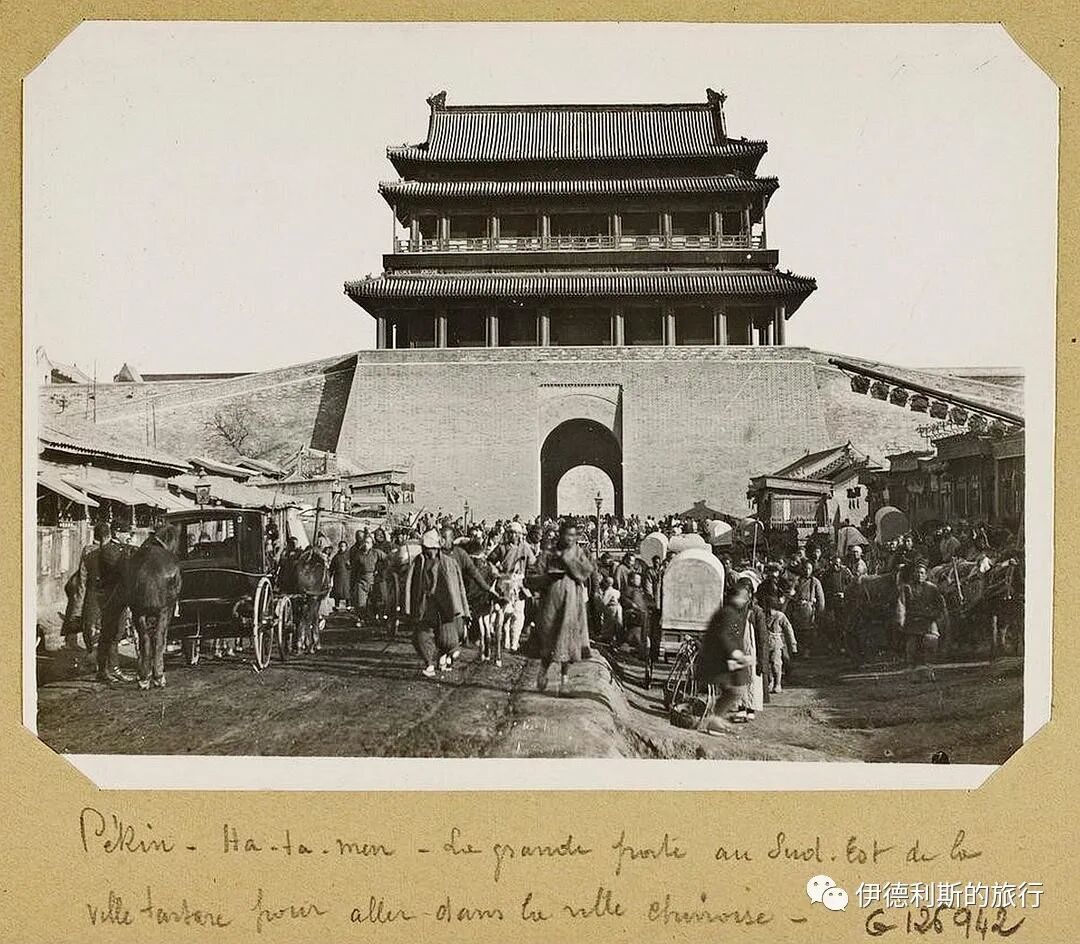
Chaoyangmen photographed by French photographer Firmin Laribe in 1906.
In 1292 (the 29th year of the Zhiyuan era of the Yuan Dynasty), the Tonghui Canal was completed, connecting Dadu to Tongzhou. Boats traveling north from Hangzhou could reach Jishuitan inside the city of Dadu. After the Ming Emperor Chengzu, Zhu Di, moved the capital to Beijing, he dredged the Tonghui Canal and built a series of granaries inside Chaoyangmen. Large amounts of grain began to be transported from the Jiangnan region to these granaries via the canal.
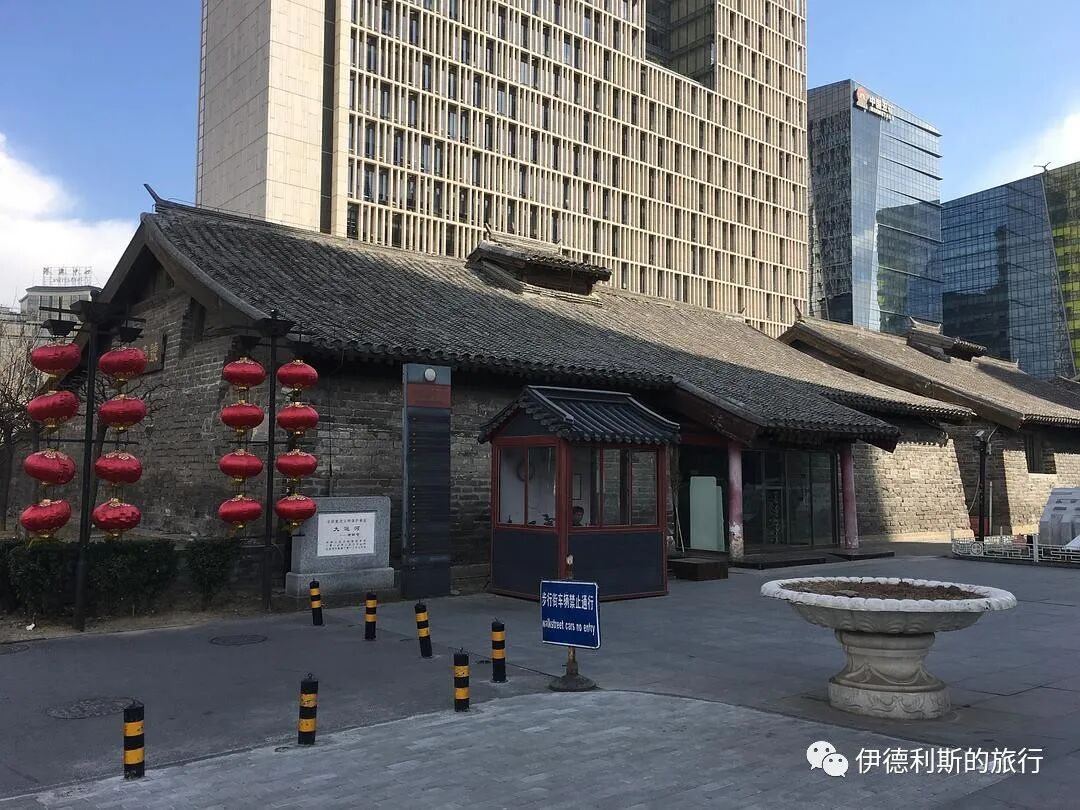
Nanxincang Granary inside Chaoyangmen.
However, because the Tonghui Canal was too close to the Imperial City of Ming Beijing, Emperor Xuanzong, Zhu Zhanji, grew tired of the constant noise from the canal. In 1432 (the 7th year of the Xuande era), he ordered the eastern wall of the Imperial City to be moved, enclosing that section of the Tonghui Canal. In 1438 (the 3rd year of the Zhengtong era), the Ming government built the Datong Bridge sluice outside Dongbianmen. From then on, grain boats from the south could only reach the area outside Dongbianmen, where the grain was transferred to wheelbarrows or horse-drawn carts to be taken to the granaries inside Chaoyangmen.
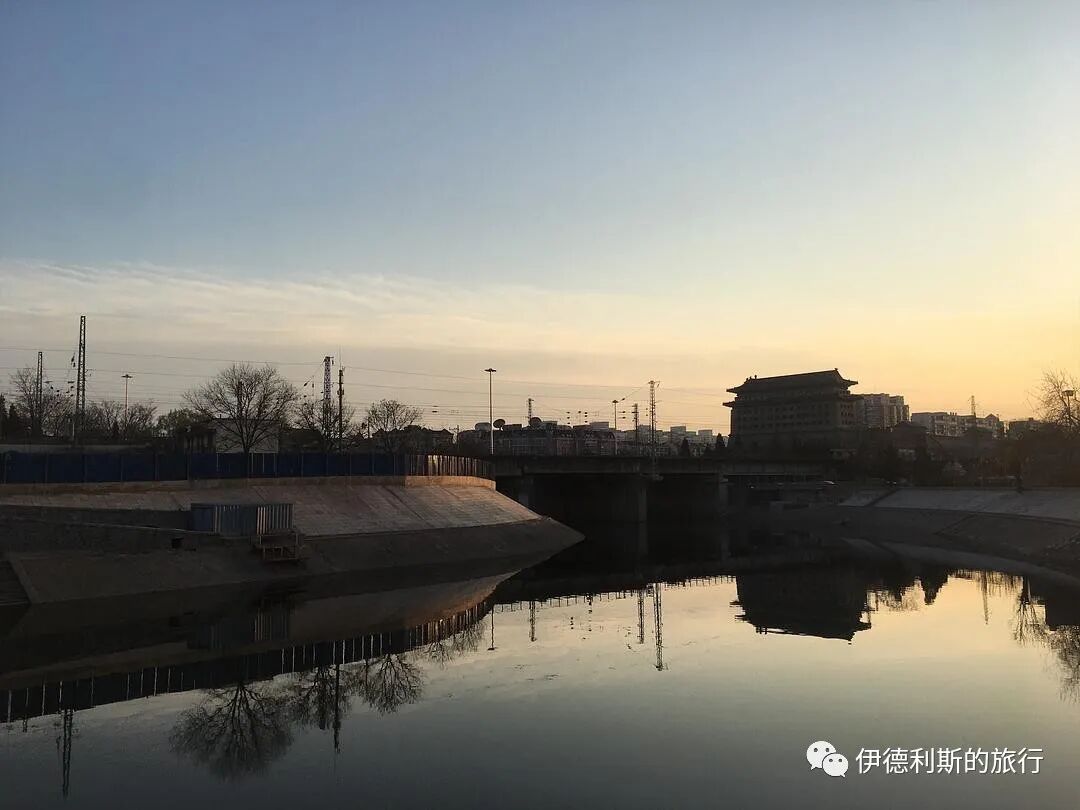
The end of the Tonghui Canal after 1438, with the southeast corner tower of the inner city on the right.
In 1697 (the 36th year of the Kangxi era), the Qing government dredged the moat outside Chaoyangmen and installed a water gate. Grain boats from the south could travel directly to the area outside Chaoyangmen to unload their cargo for storage. From this point on, Chaoyangmen officially became the terminus of the Grand Canal.
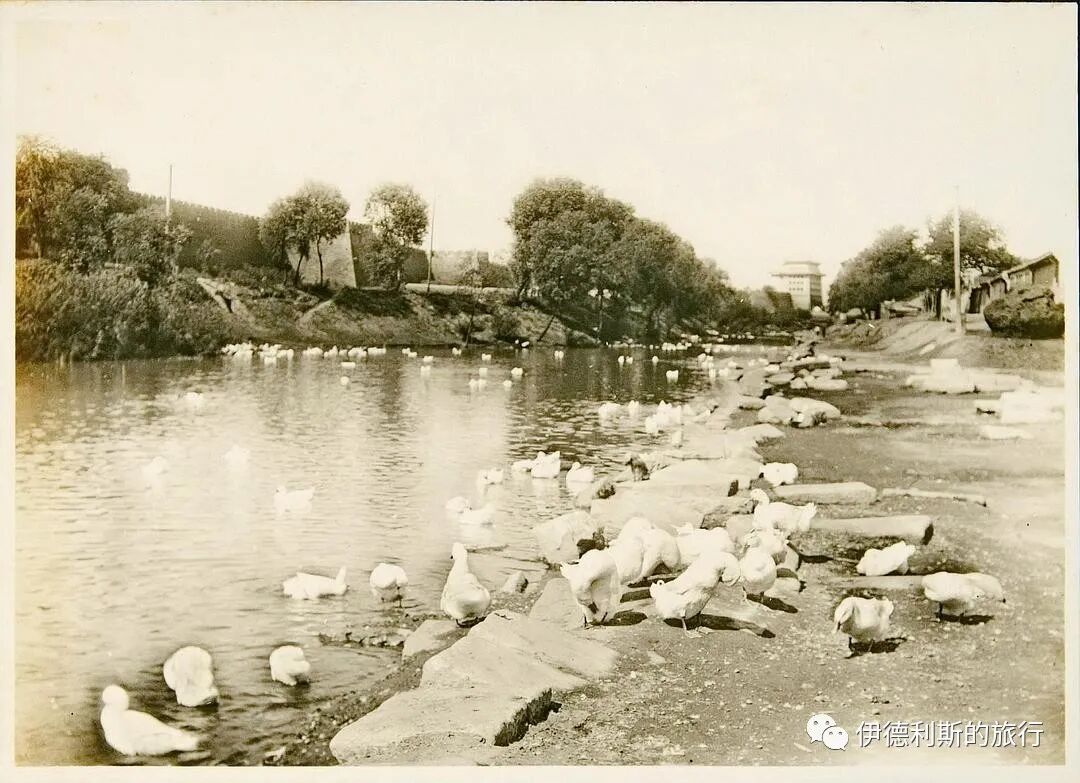
The moat on the south side of Chaoyangmen, featured in the book "Asia Panorama" published in Japan in 1928.
Because the water in the Tonghui Canal flows eastward, boats coming from Tongzhou had to travel upstream. They had to pass through five sluice gates along the canal to adjust the water levels, which made travel slow and often caused traffic jams. As a result, most grain boats would "leave the boat for the land" upon reaching Tongzhou. The cargo was unloaded onto carts and taken directly to Chaoyangmen by road. The official road connecting Chaoyangmen and Tongzhou became increasingly busy, eventually surpassing the Tonghui Canal as the main transport route.
In 1729 (the seventh year of the Yongzheng reign), the stone road from Chaoyang Gate to Tongzhou was completed. The stone road itself was 20 feet wide, with dirt roads 15 feet wide on each side, making it the expressway between Beijing and Tongzhou at that time. Park Ji-won, an envoy from Korea to China at the end of the Qianlong reign, wrote in his 'Jehol Diary' that the Chaoyang Gate stone road 'stretched for 40 li from Tongzhou to the Imperial City, paved with stone beams, where iron wheels clashed and the sound of carts grew louder, shaking one's spirit and leaving one uneasy.'
In 1942, the Japanese wanted to build a highway from Tongzhou to Beijing and planned to replace the stone road with cement, but they surrendered when the work was only half finished. Therefore, in 1949, it was half stone road and half cement road. After 1949, an asphalt road was built, and the Chaoyang Gate stone road finally disappeared, but many of the stone slabs were buried shallowly along the side of Chaoyang Road; some were later dug up and preserved in the Chaowai CBD Park.
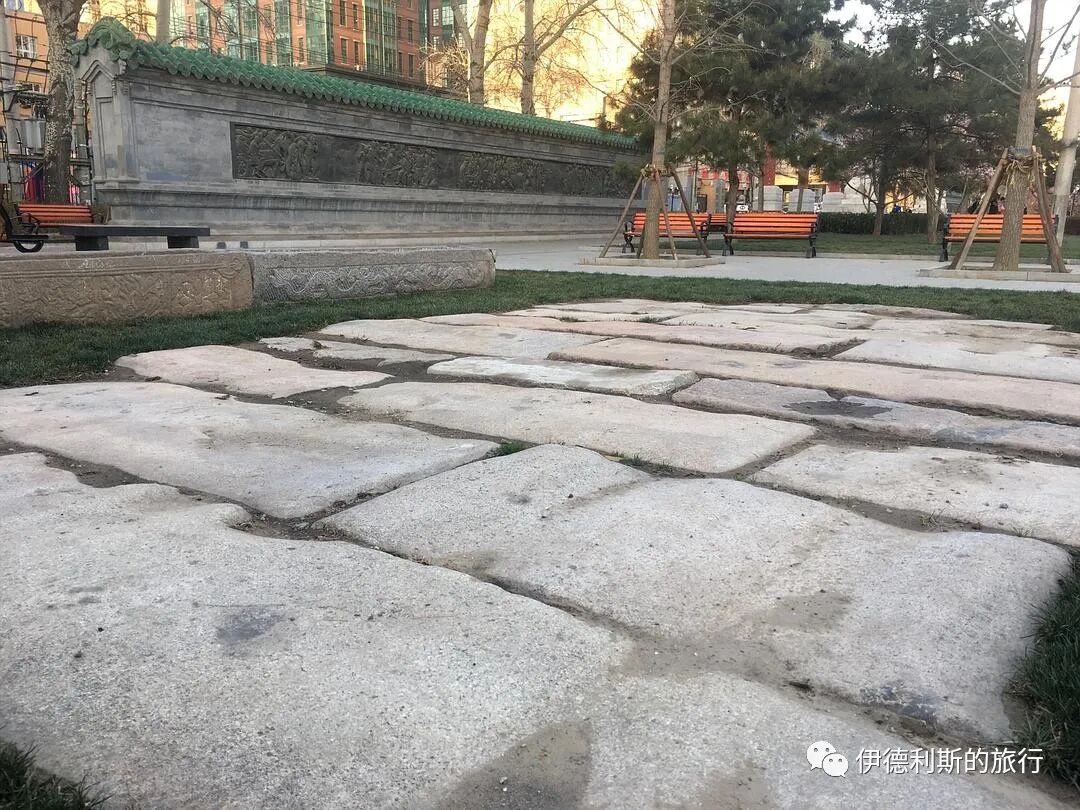
The Chaoyang Gate stone road in the Chaowai CBD Park.
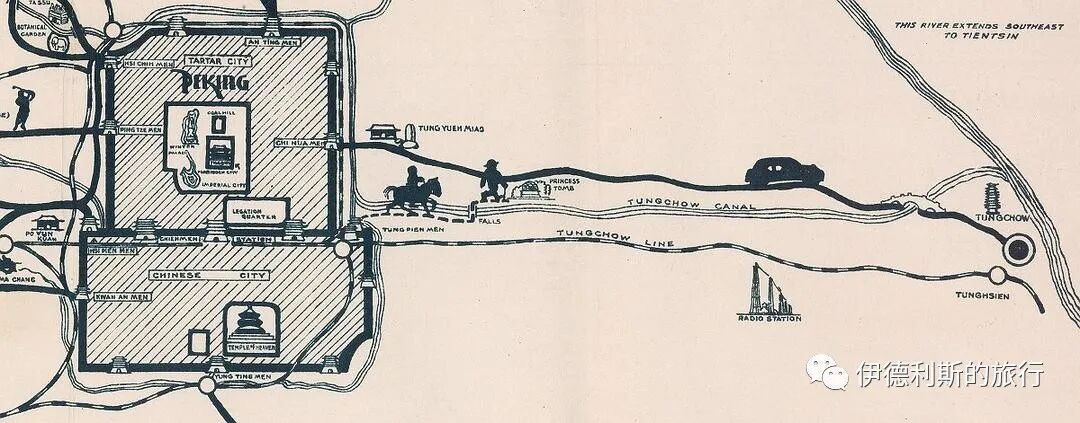
The Chaoyang Gate official road in the 1935 book 'Trips outside Peking' is the line the car is driving on in the picture.
Residents of the Chaowai Guanxiang area.
Because they were not restricted by the closing of the city gates at night, people transporting grain were willing to choose to stay and rest outside Chaoyang Gate. Tea houses, inns, and restaurants gradually sprang up in the Chaowai Guanxiang area, making it the most prosperous district east of Beijing, with many shops and booming business, and many people eventually settled there.
to Chaowai Street as the main commercial artery, the Chaowai Guanxiang area had three residential areas where three different ethnic groups lived. Among them, Jishikou north of Chaowai Street was mainly Han Chinese, the Nanxiapo area to the southwest was mainly Hui Muslims, and the Xiangbai Banner South Barracks to the southeast was mainly Banner people.
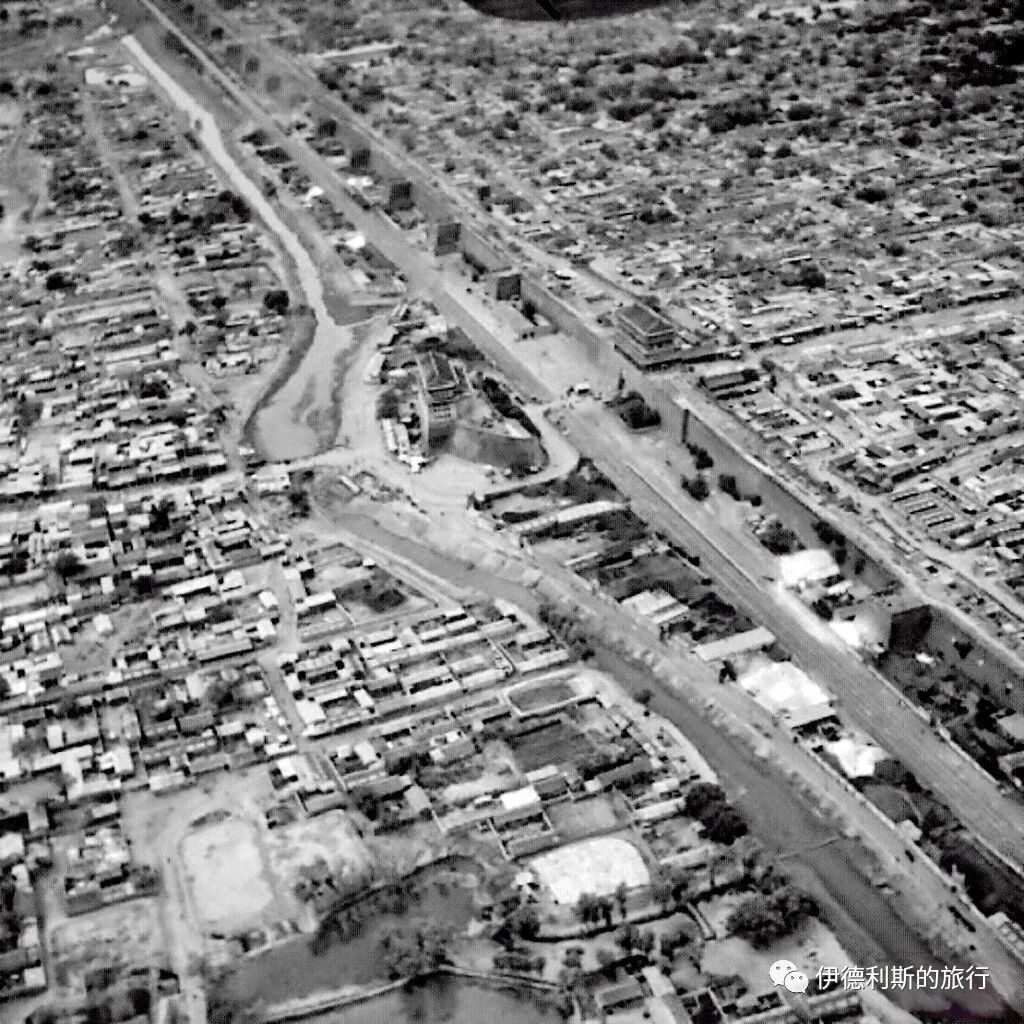
An aerial photo of the inside and outside of Chaoyang Gate taken by Japanese photographer Shiba Yōson in 1940, with Nanxiapo in the upper left corner.
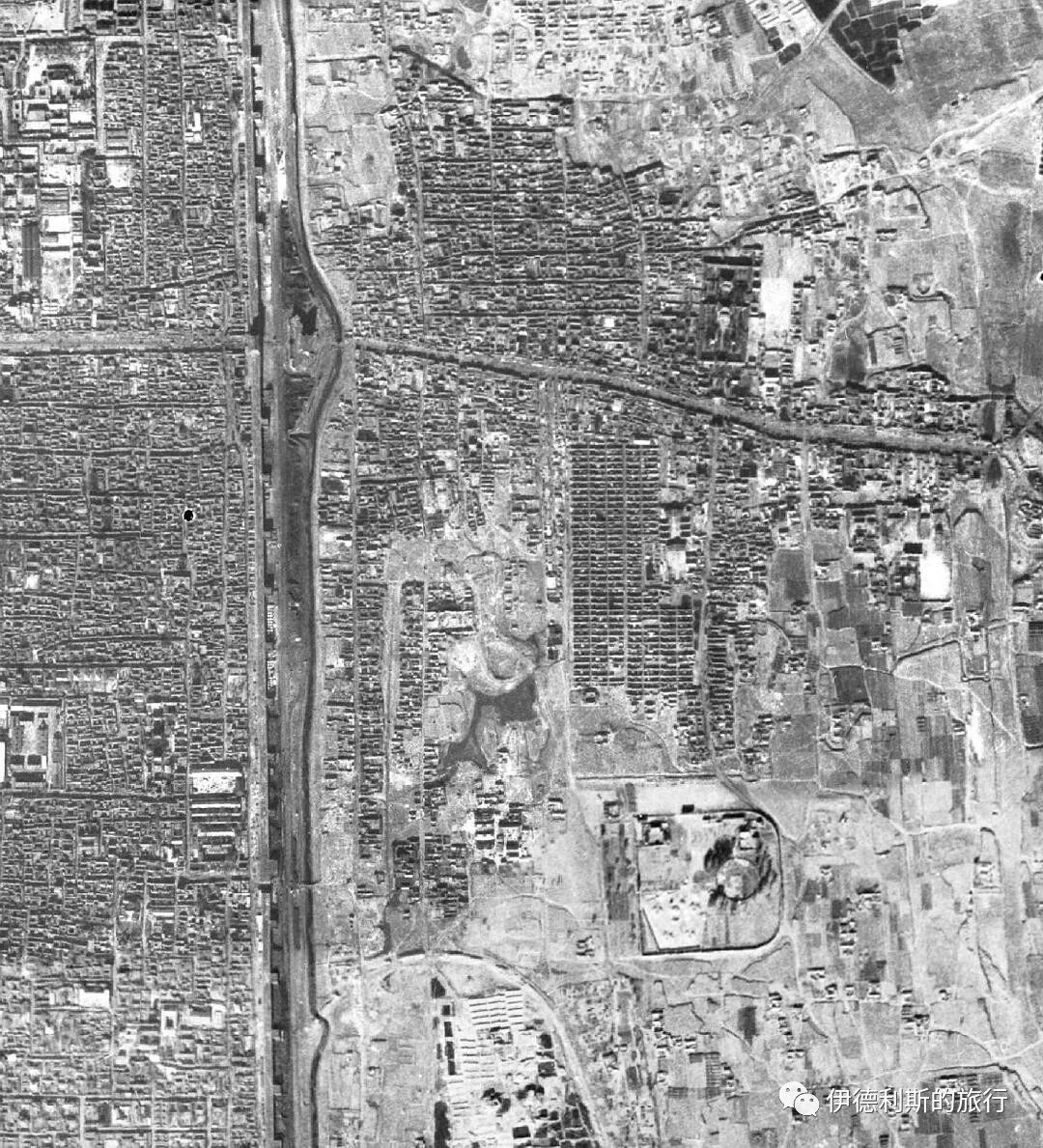
An aerial photo of the area outside Chaoyang Gate in 1951 from the Beijing Imprint website.
The mosque in the Chaowai Guanxiang area.
Information about the Muslim community in the Chaowai Guanxiang area is compiled from 'Chaowai Nanxiapo' by the local elder Ma Zhongqing from Nanxiapo. Ma Zhongqing was born in 1947 and lived in Nanxiapo outside Chaoyang Gate since he was a child, writing many articles about this area.
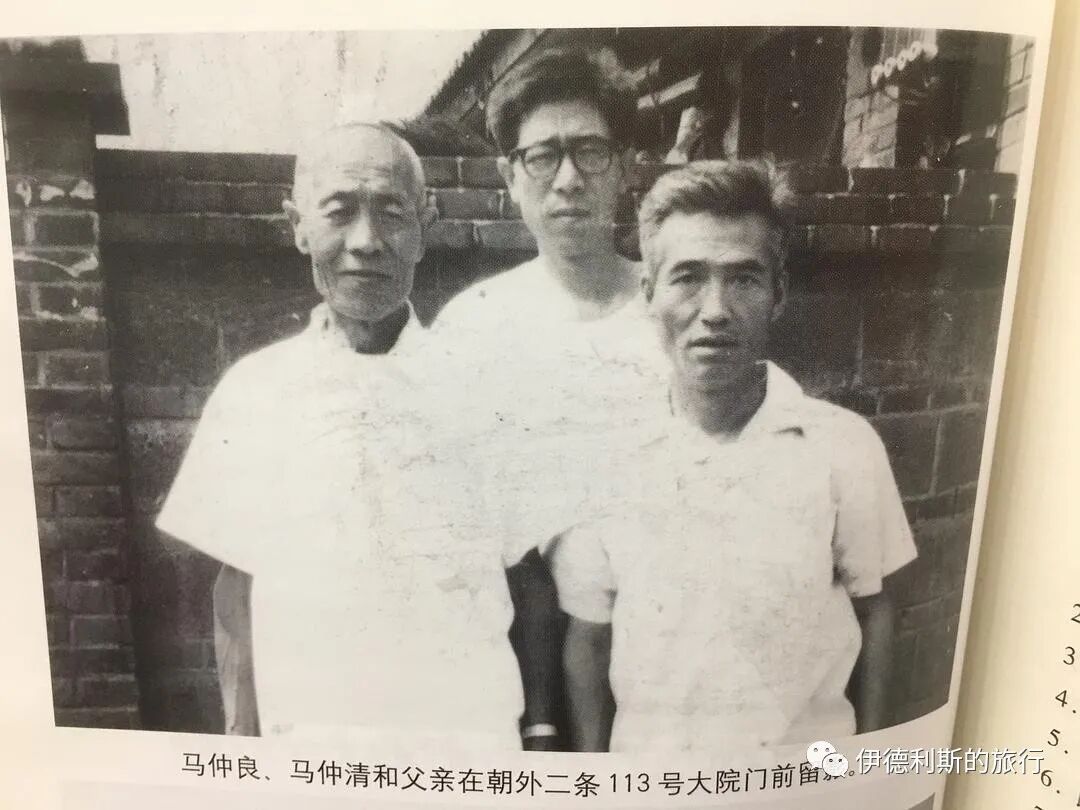
There were once seven mosques in the Chaowai area, but only four are clearly recorded today: Nanzhongjie Mosque, Nanxiapo Mosque, Shuimenguan Women's Mosque, and Shegutang Mosque.
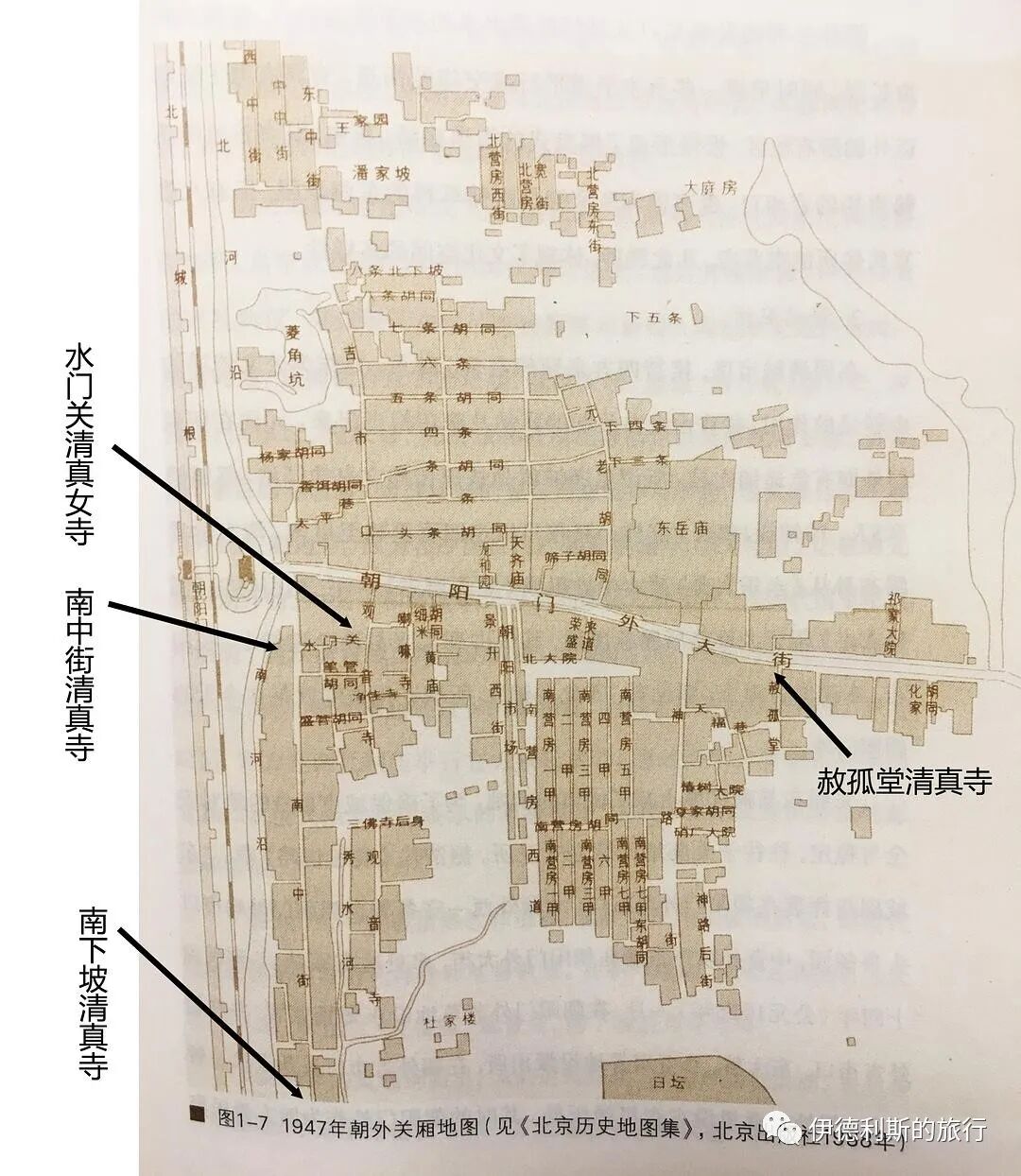
A map from the book "Outside Chaowai Gate".
Nanzhongjie Mosque, also known as the Great Mosque (Da Libaisi) and Nanxiapo Mosque, is located on the west side of the north end of Nanzhong Street outside Chaoyang Gate. It was first built in the early years of the Kangxi reign and was the largest mosque in the Chaowai area. The last imam (ahong) of Nanzhongjie Mosque, Yu Guangzeng, came from a family of imams. At 26, he received his formal appointment at Huashi Mosque. He was very learned, wrote books like "Basic Scripture Textbooks" and "Philosophy Textbooks," and passed away in 2004.
During the Pingjin Campaign in 1948, the Kuomintang 13th Army, responsible for guarding Dongzhimen, Chaoyangmen, and Guangqumen, demolished all civilian houses on the east bank of the moat from Chaoyangmen to Jianguomen, and Nanzhongjie Mosque was destroyed.
In 1949, Imam Yu Guangzeng oversaw the construction of classrooms and a playground on the original site of Nanzhongjie Mosque and founded the Mushen Primary School for Hui Muslims. Imam Yu Guangzeng served as the principal of Mushen Primary School and hired teacher Mu Chengyu, a graduate of the famous modern Islamic school Chengda Normal School, as the head teacher. In 1951, Qin Junxiang, a graduate of the Hui Muslim College teacher training class, joined Mushen Primary School as a teacher. The drum and bugle band of Mushen Primary School was very famous locally. Their Western-style drums and horns were very novel, and they were often invited to participate in events.
In 1956, Mushen Primary School was renamed Chaoyang District Nanzhongjie No. 2 Primary School. In the 1980s, it became the office for the Chaoyang District Islamic Association, and it was demolished in 2003.
Shuimenguan Women's Mosque was located at the second door on the north side of the east entrance of Shuimenguan Hutong. First built in the late Qing Dynasty and early Republic of China, it was a standard courtyard house (siheyuan) with a main hall that could hold dozens of people for namaz and two lecture halls to the north and south. Shuimenguan Women's Mosque stopped its activities in 1958 and became a nursery for Hui Muslims in the early 1960s. In 1993, to build the Ministry of Foreign Affairs building, the mosque's structures were dismantled and moved away by Yangzha Mosque.
Shegutang Mosque was located on the west side of the north end of Shegutang Hutong, 200 meters from Chaowai Street. Like the Shuimenguan Women's Mosque, it was a courtyard house with a main hall that could hold 30 to 40 people for namaz and two lecture halls to the north and south. The imam in the 1940s and 1950s was surnamed Zhang. Shegutang Mosque closed in 1958.
Nanxiapo Mosque, also known as the Small Mosque (Xiao Libaisi), was first built in the early years of the Kangxi reign. It is located on the west side of the south entrance of Chaowai Second Alley and is the only mosque in the Chaowai area that still exists today.
According to Ma Zhongqing's ancestors, a shed builder lived in Nanxiapo during the late Ming and early Qing dynasties. He built a large shed using fir poles and reed mats. An imam named Hu Zhonghe led the local Hui Muslims in prayer inside this mat shed, which was the earliest Nanxiapo mosque. In the early years of the Kangxi reign, a Hui Muslim surnamed Ma who sold bows and arrows inside Chaoyang Gate heard about the situation in Nanxiapo. Just then, a payment arrived from a Mongolian client for a bow and arrow order. The man surnamed Ma donated this money to build the Nanxiapo mosque.
The main gate of the Nanxiapo mosque originally consisted of three separate gate towers connected by courtyard walls, but they were destroyed in the early 1960s.
After 1966, religious activities stopped at Nanxiapo, but it still served as the Beijing Hui Muslim Funeral Service Center, helping Hui Muslims with funeral arrangements. To prevent the Red Guards (HWB) from attacking the Nanxiapo mosque, more than twenty local elders including Ma Yulin, Ma Yuhai, and Tuo Jihua took turns guarding the mosque day and night. They stopped the Red Guards from entering the old mosque, saving Nanxiapo from disaster.
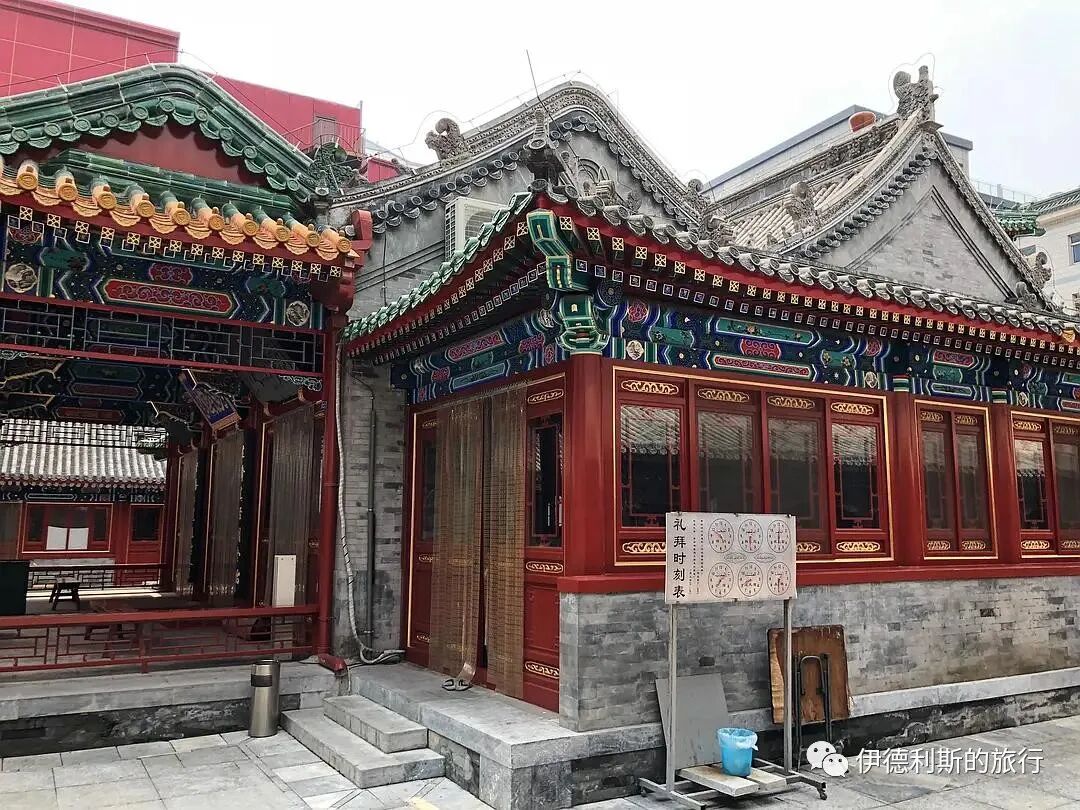
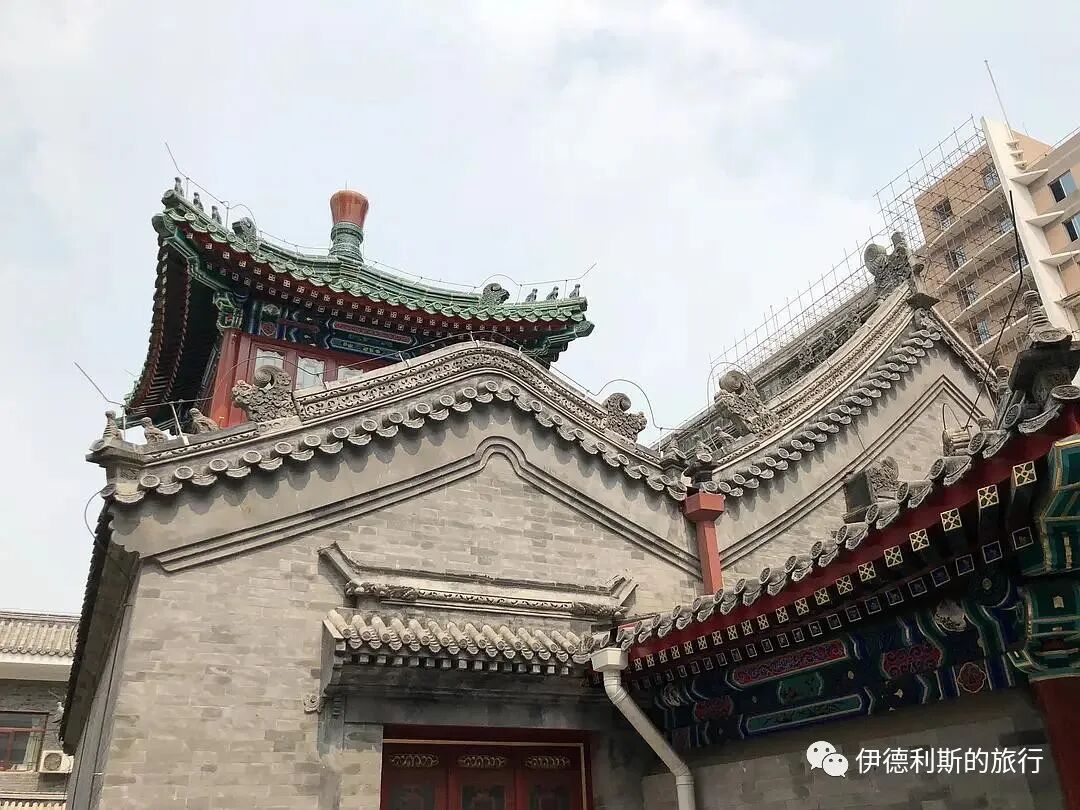
The Nanxiapo mosque was rebuilt in 1986 and renovated again in 2016, resulting in its current appearance.
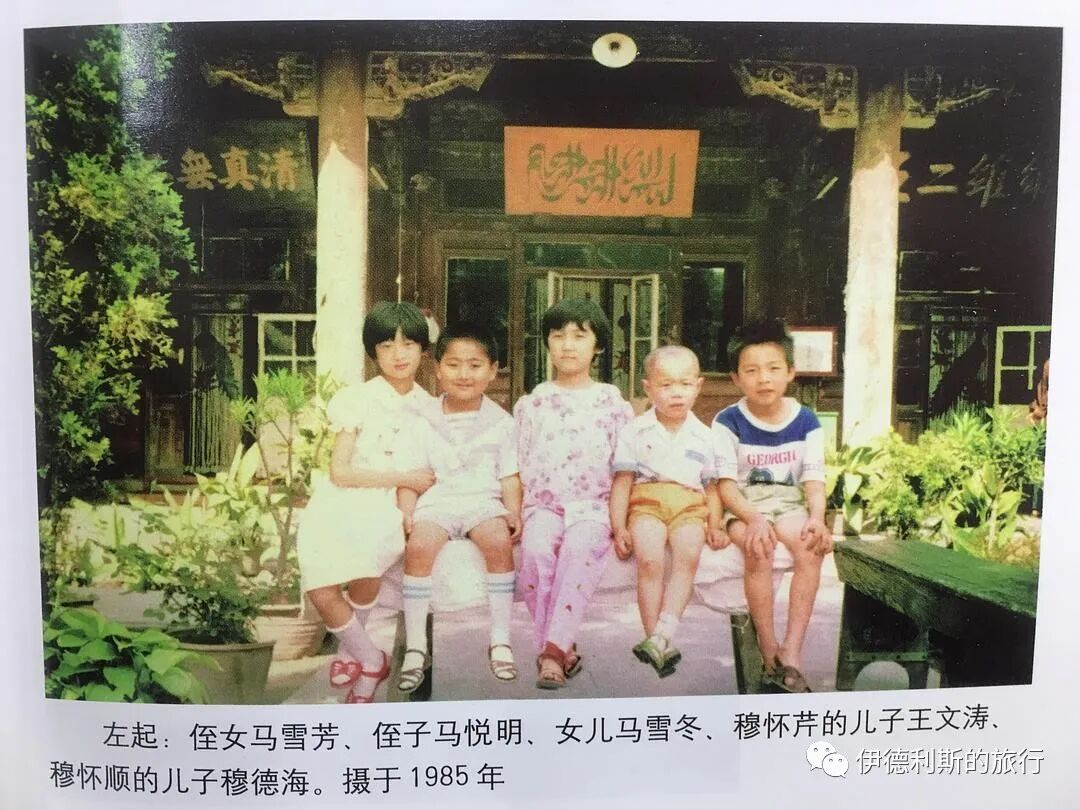
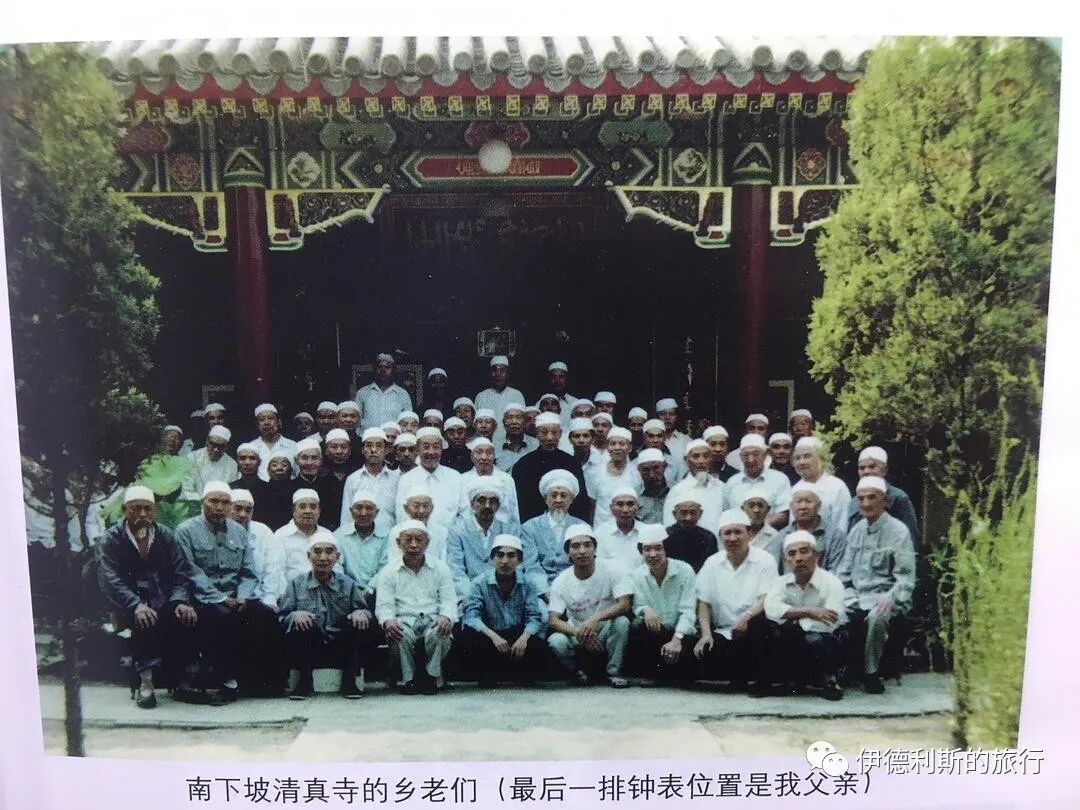
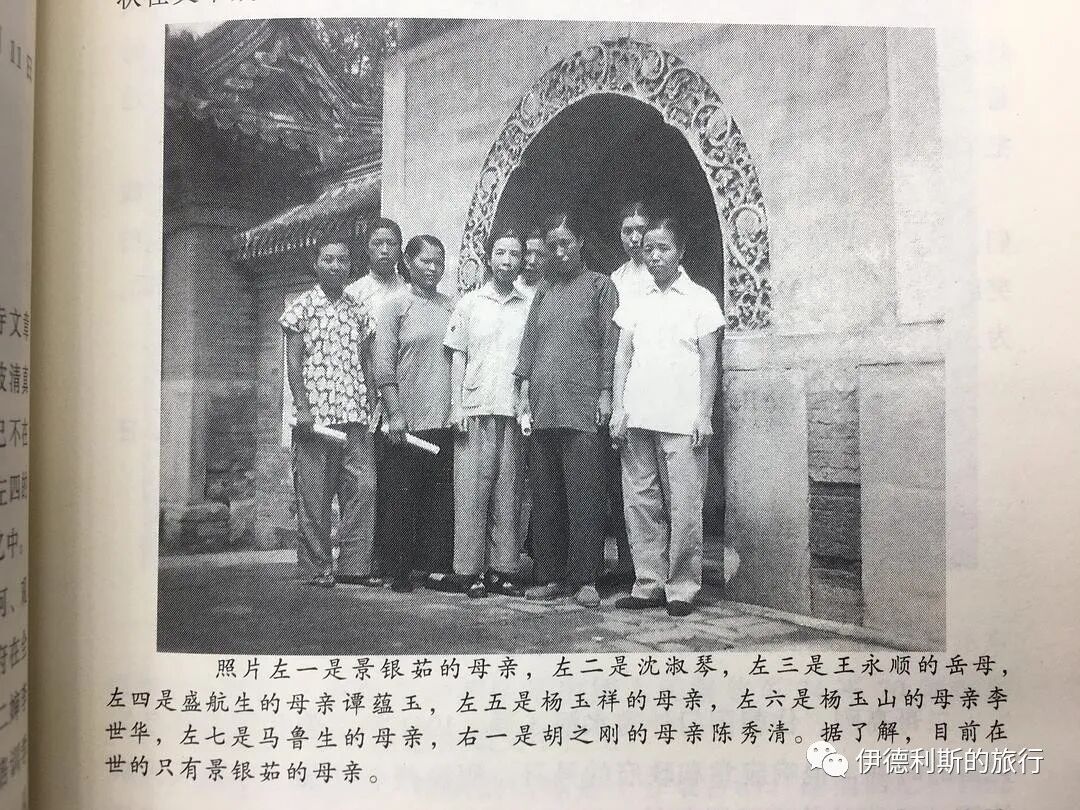
In 1947, the Nationalist army was conscripting men at the South Barracks outside Chaoyang Gate. The young Hui Muslim men of Nanxiapo were terrified. They grabbed some dry rations from home and ran to the Nanxiapo mosque, where they climbed onto the roof of the main hall using wooden ladders with the help of the imam and the elders. After they were hidden, the imam and elders immediately hid the ladders. When the Nationalist troops came to the mosque to seize people, the imam persuaded them to leave. The men on the roof lay flat for an entire day and finally escaped the danger.
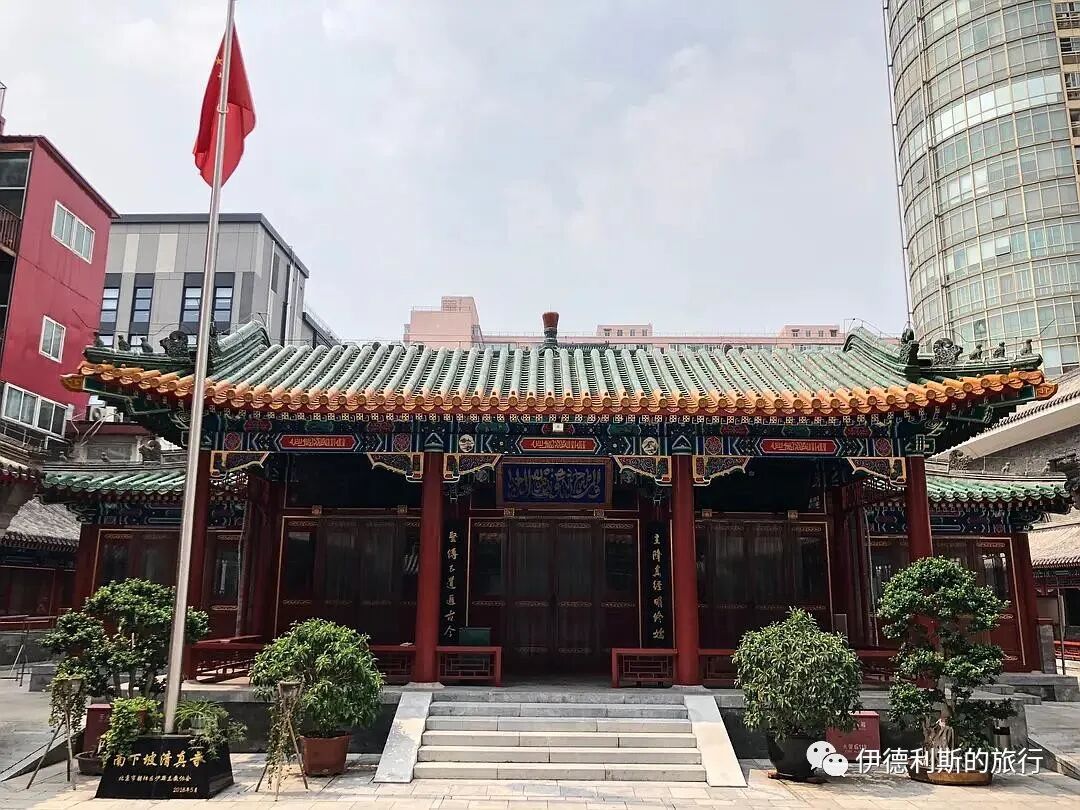
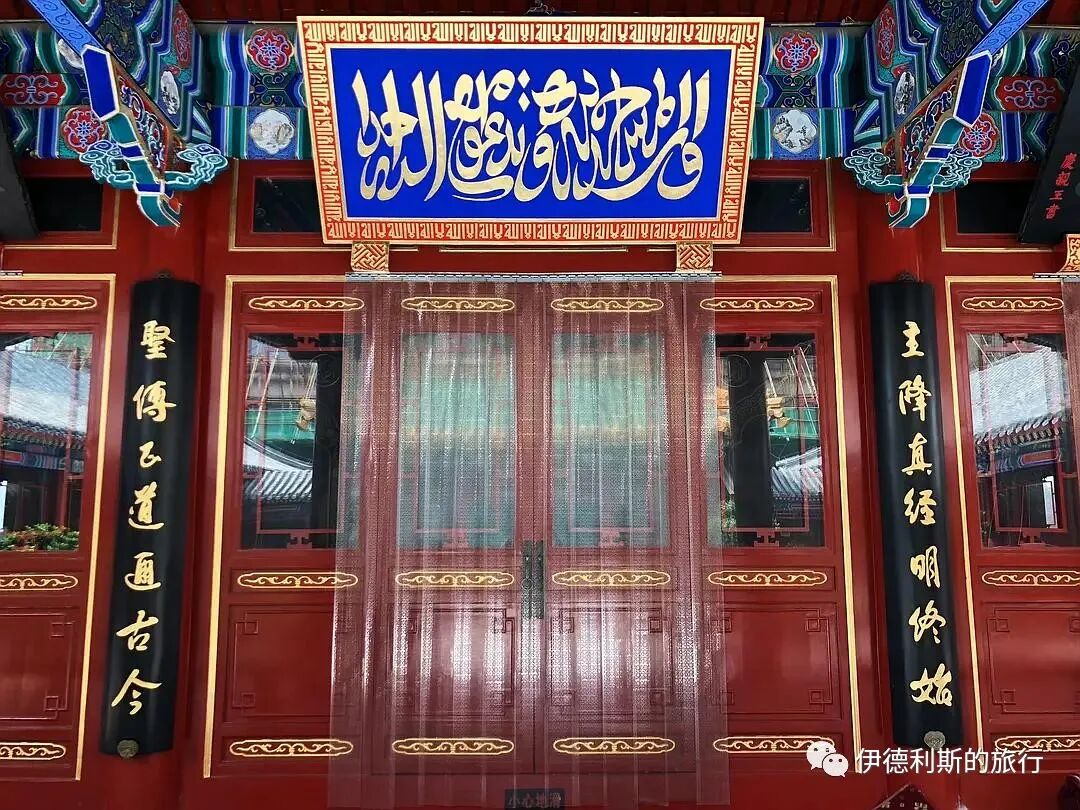
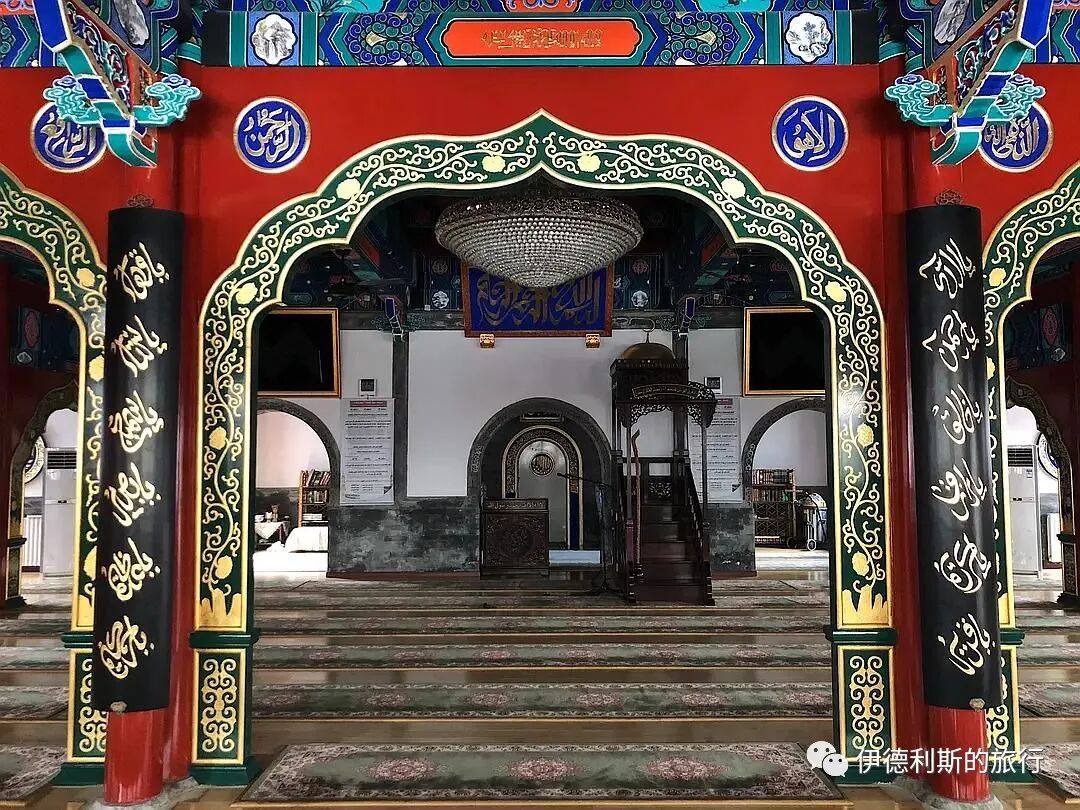
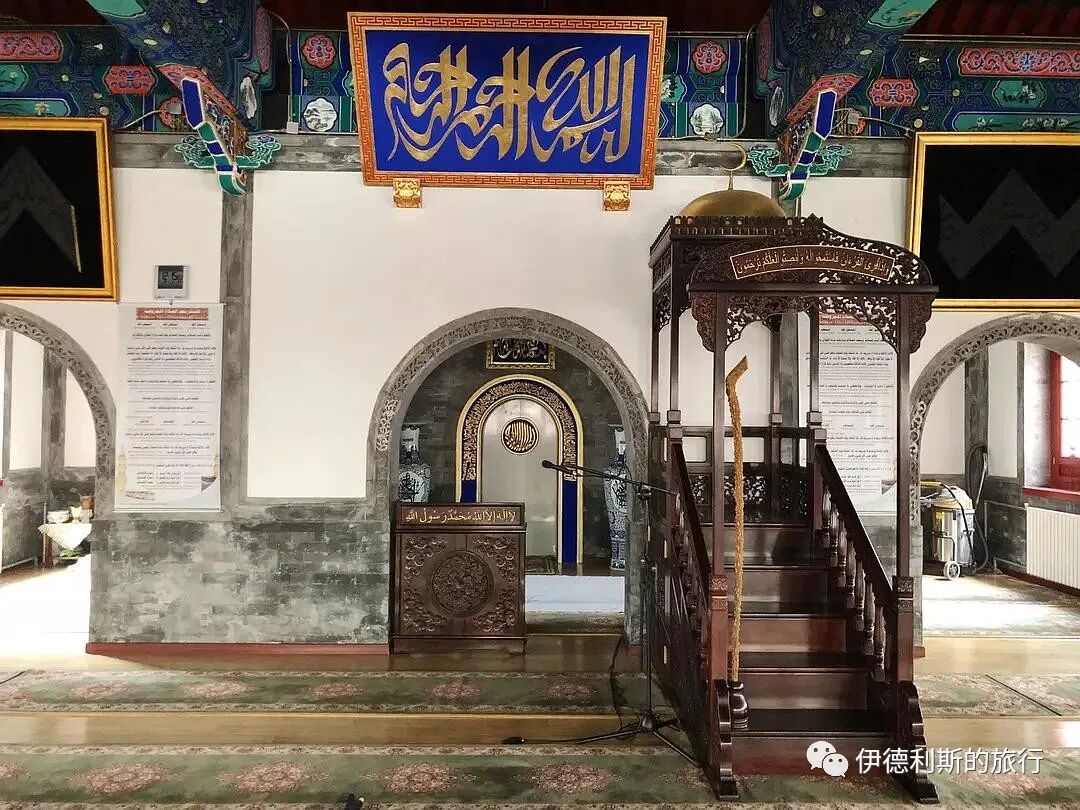
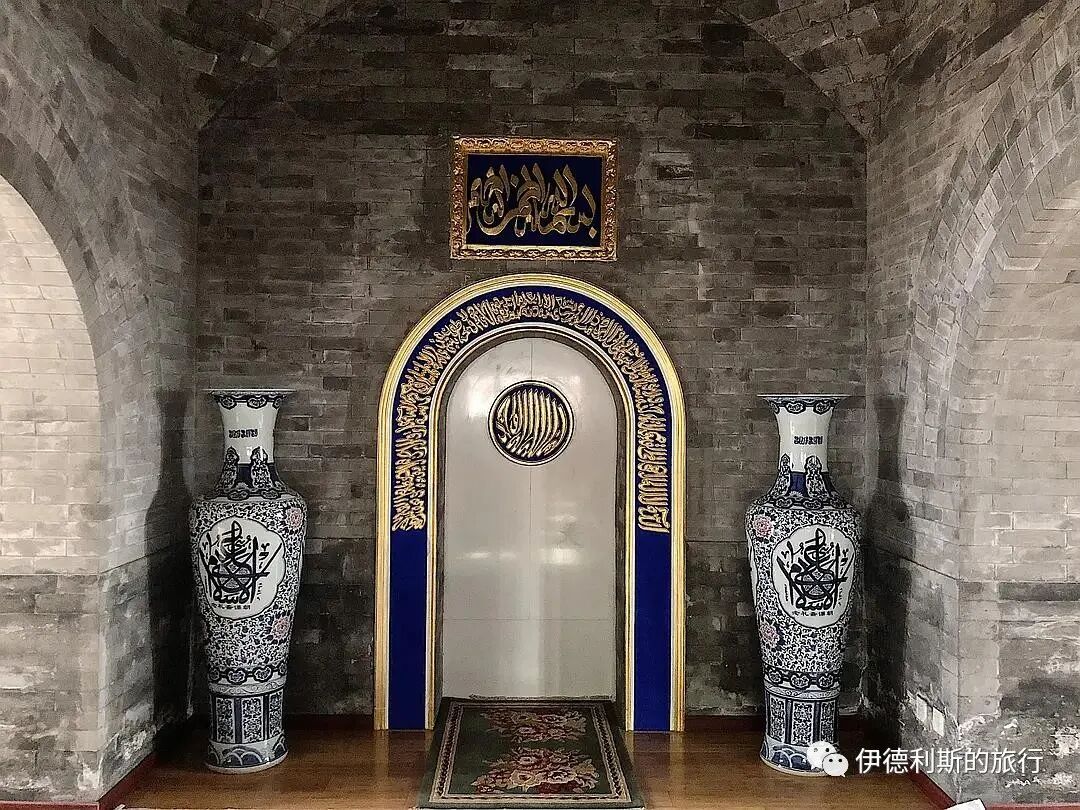
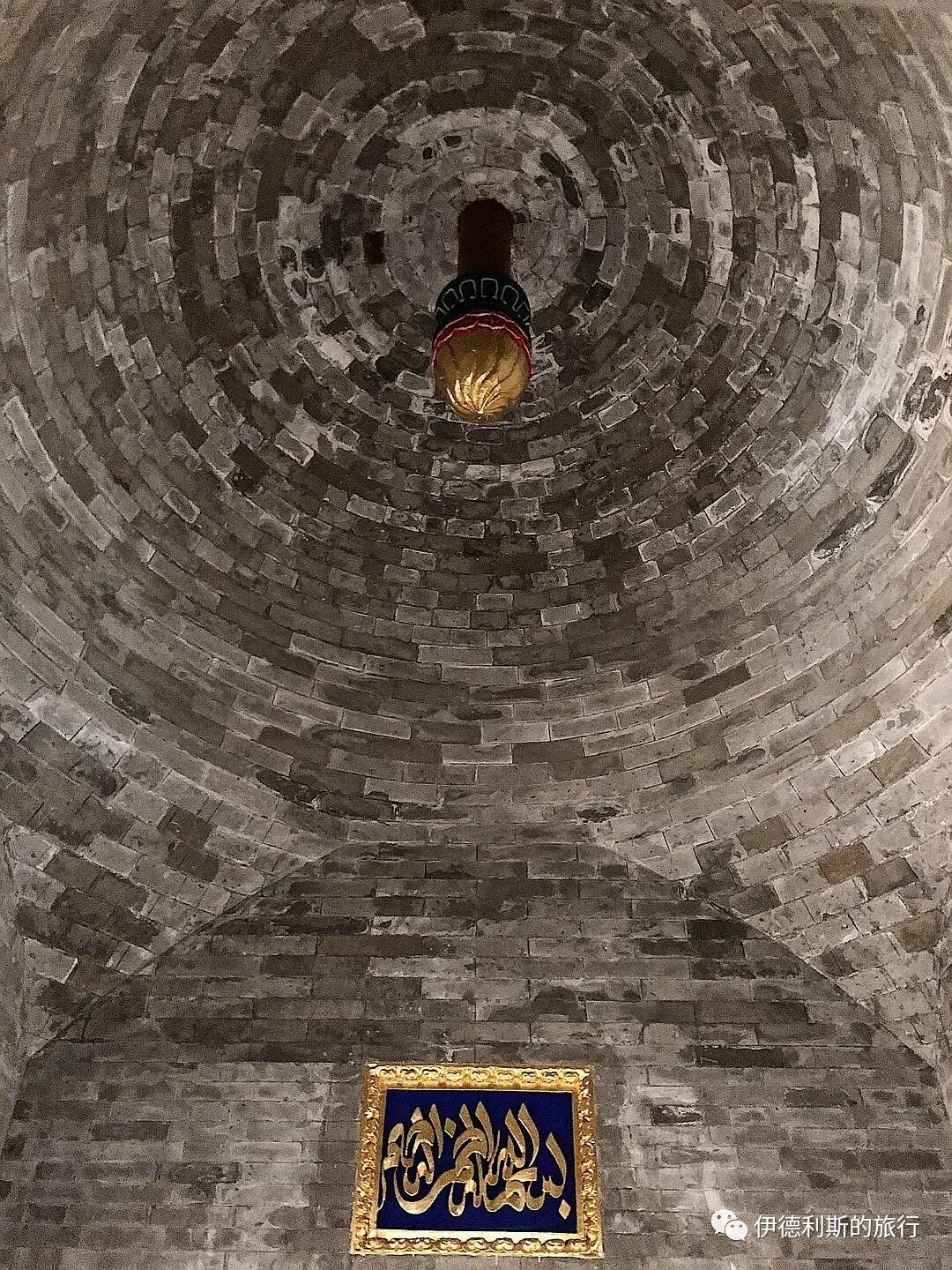
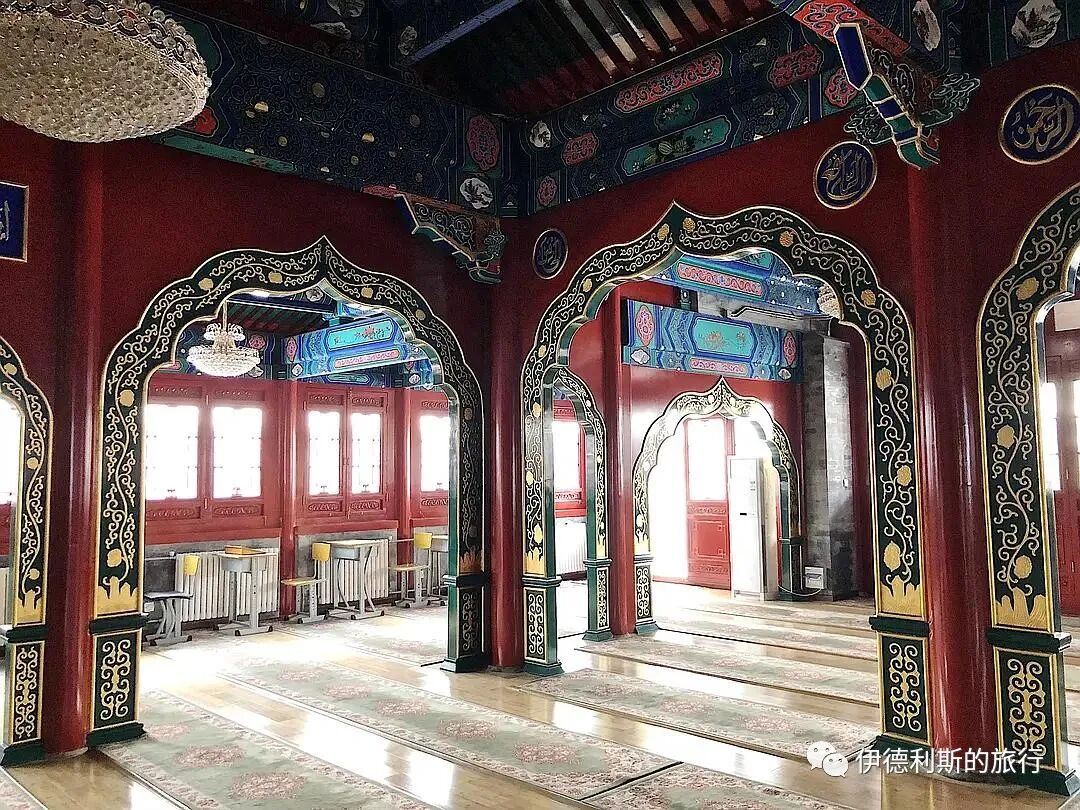
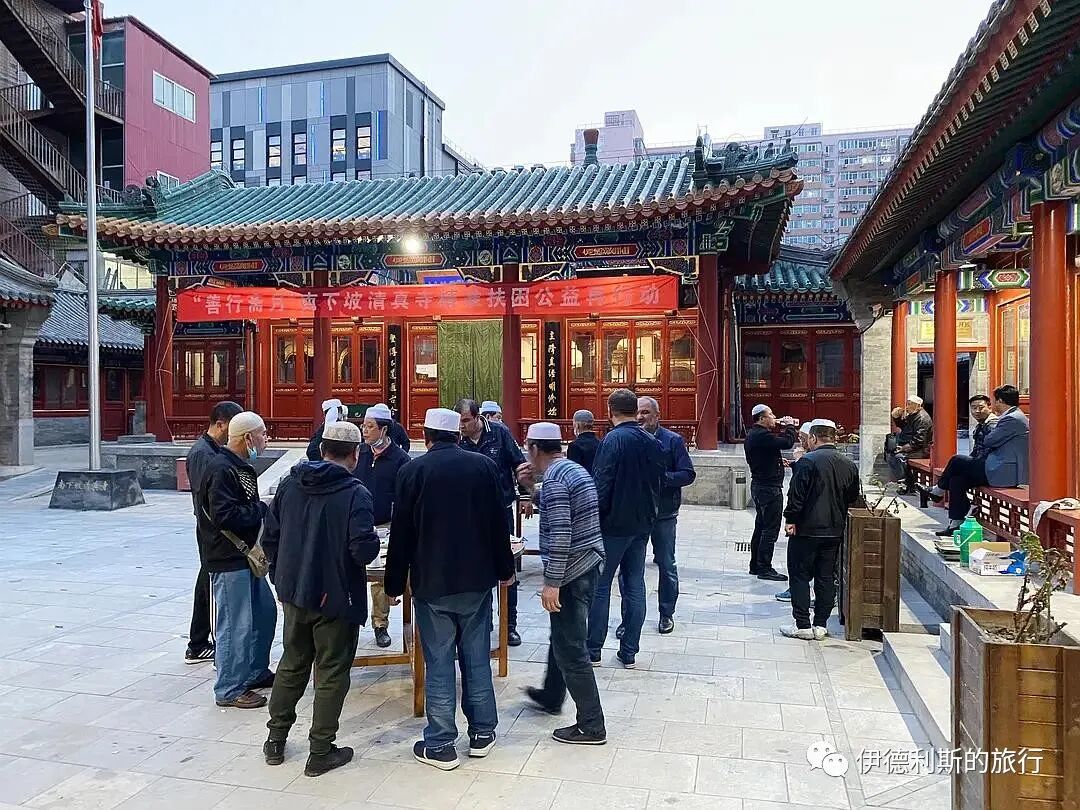
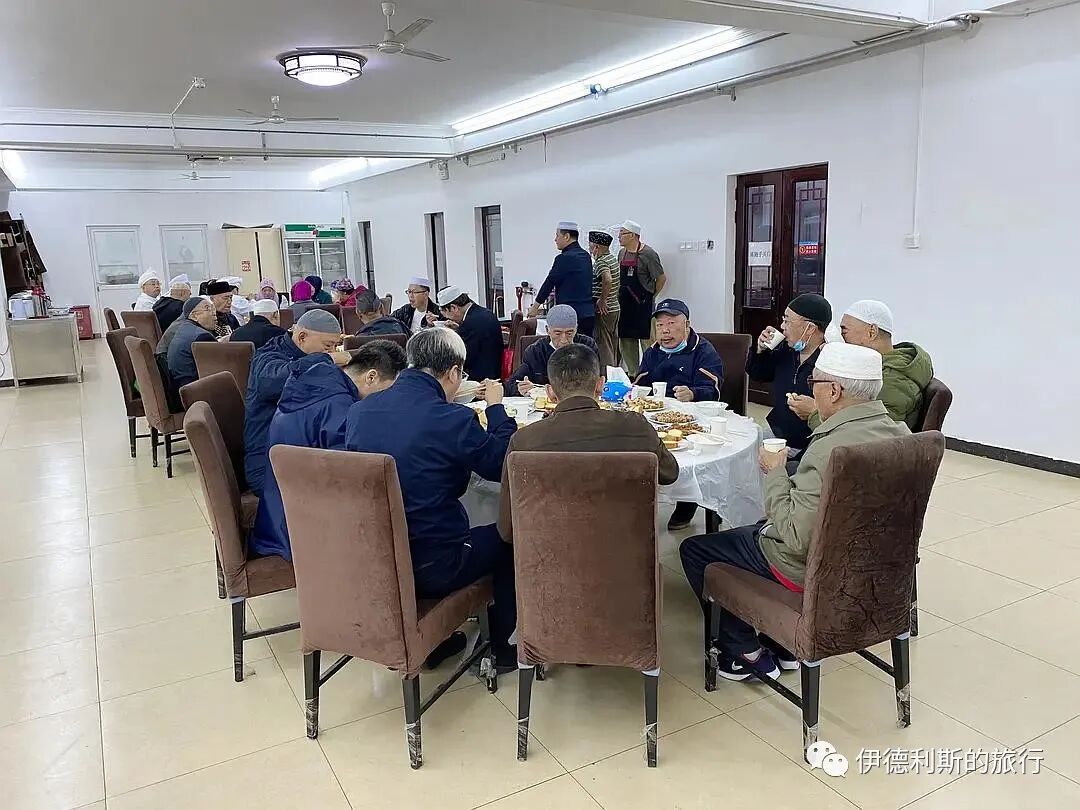
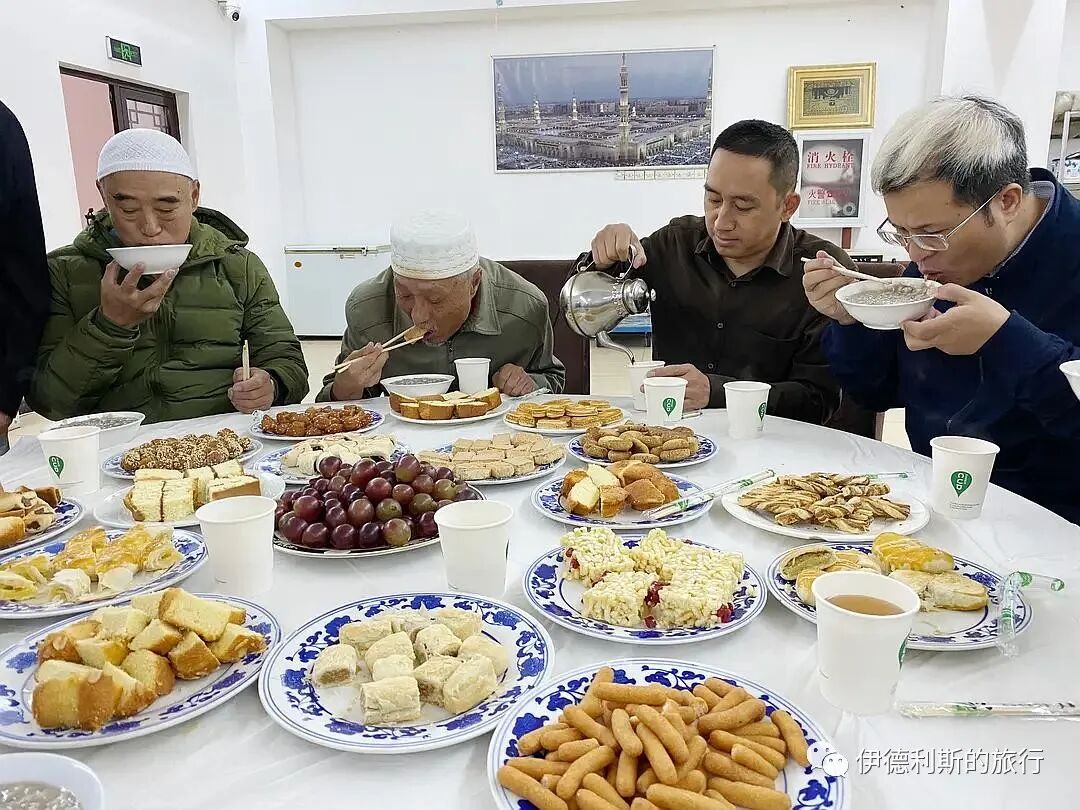
Breaking the fast (iftar) at the mosque during Ramadan in 2021.
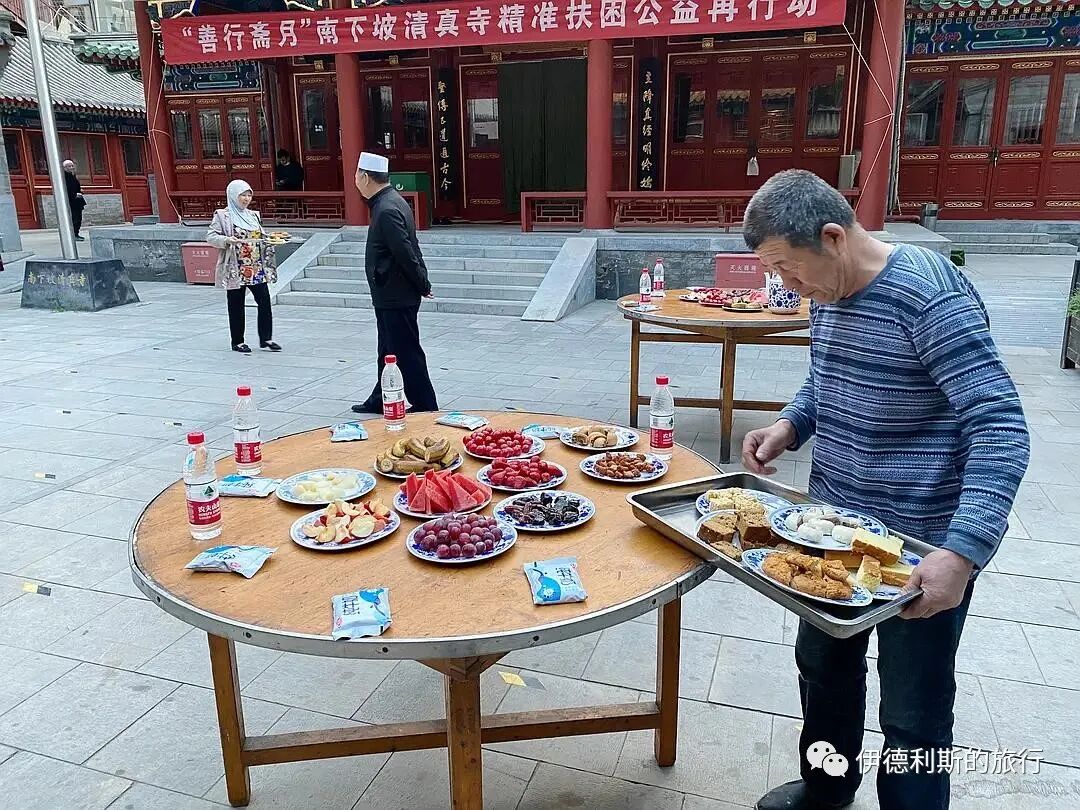
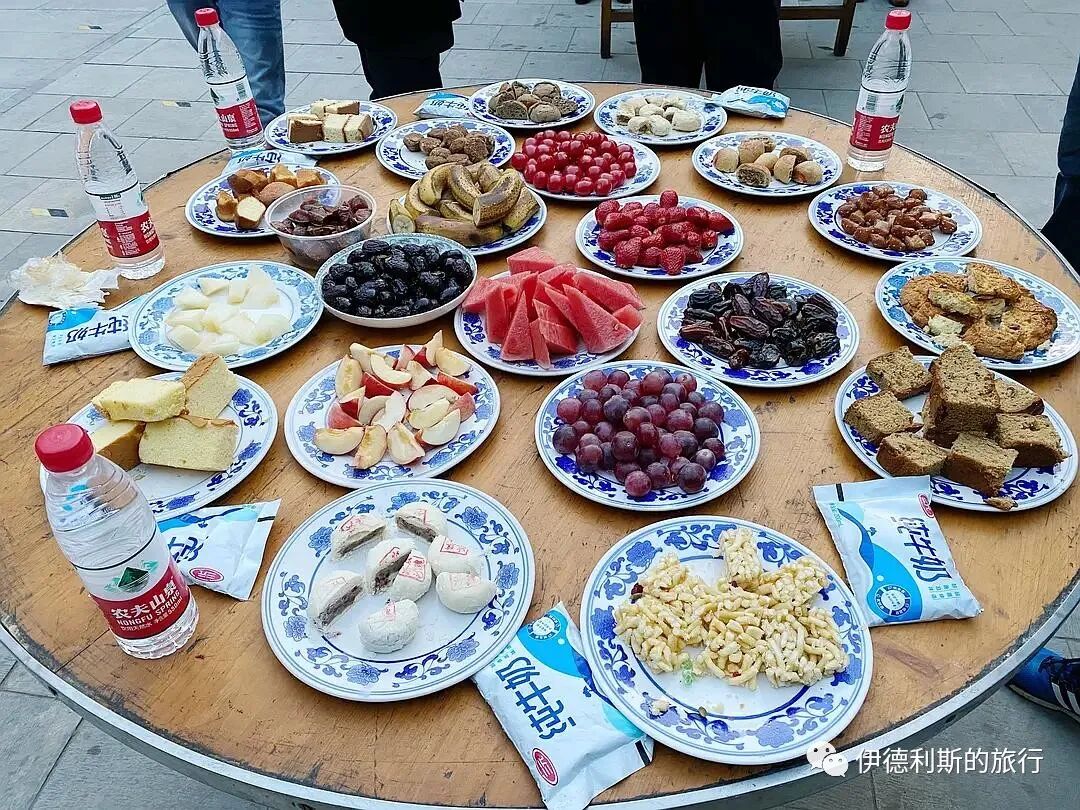
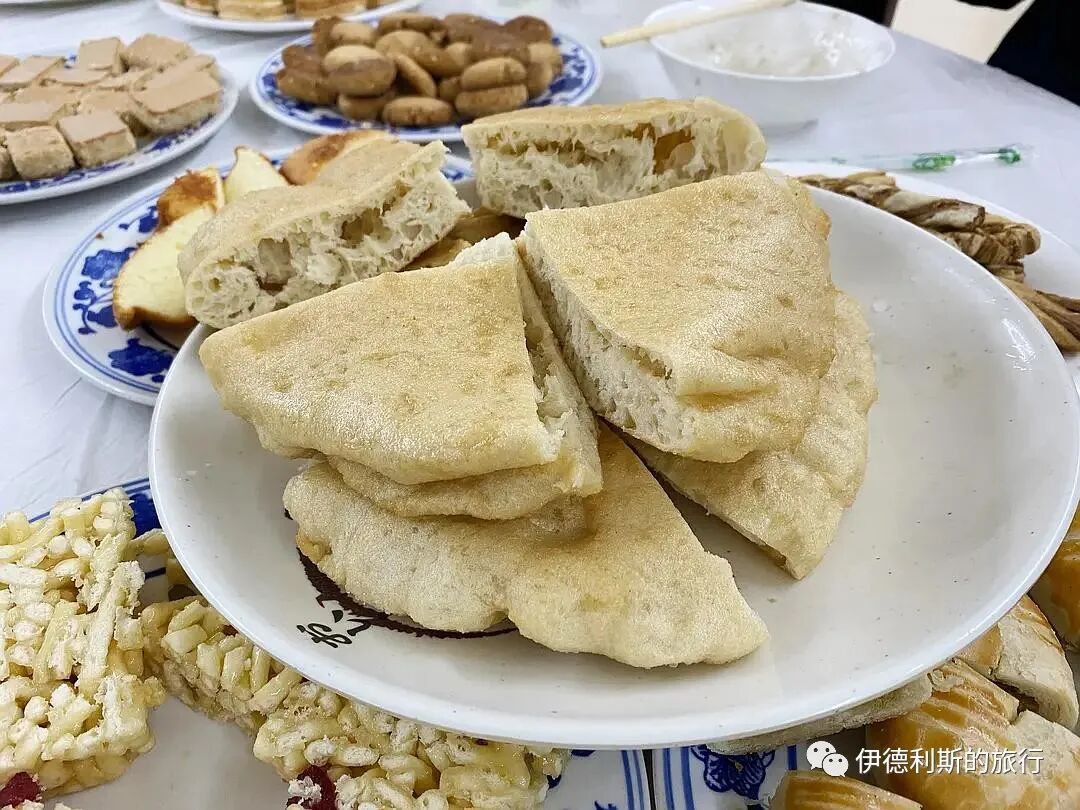
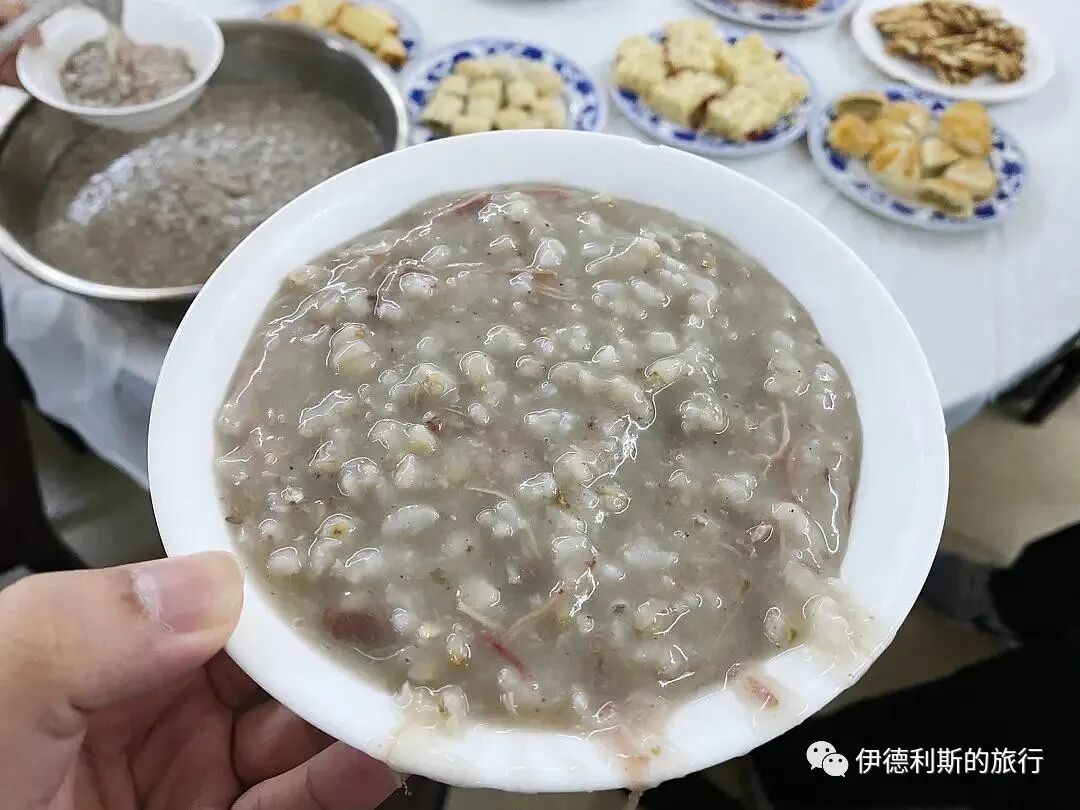
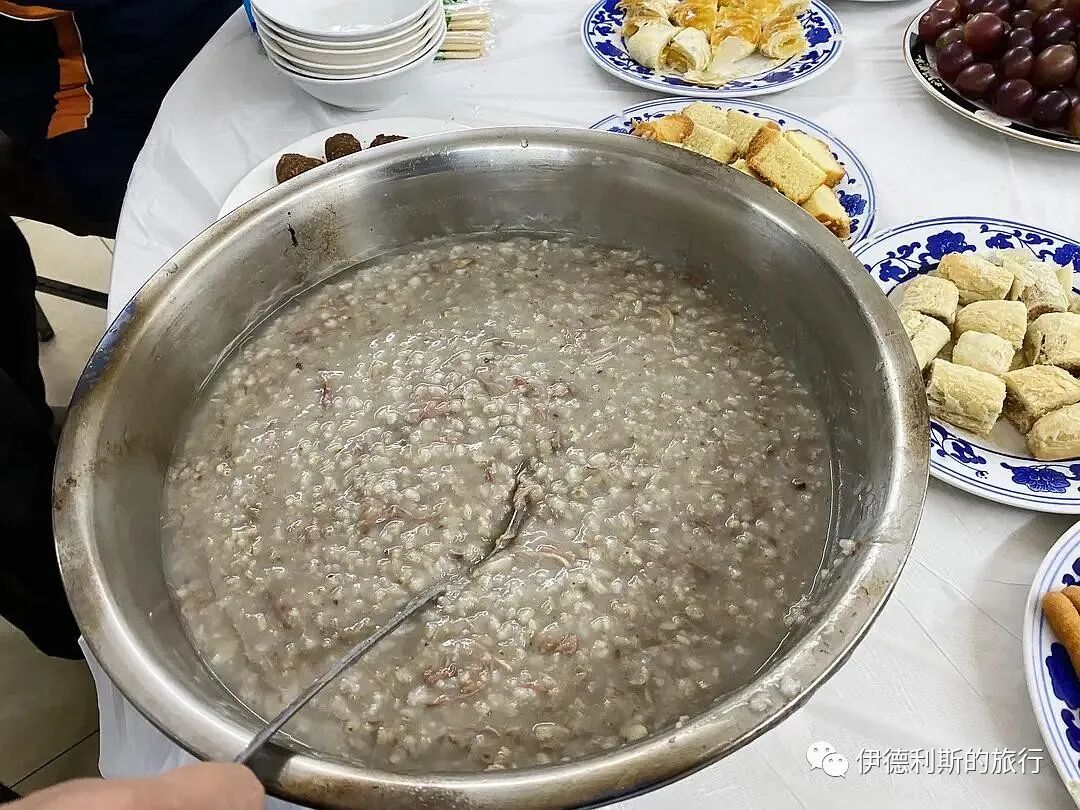
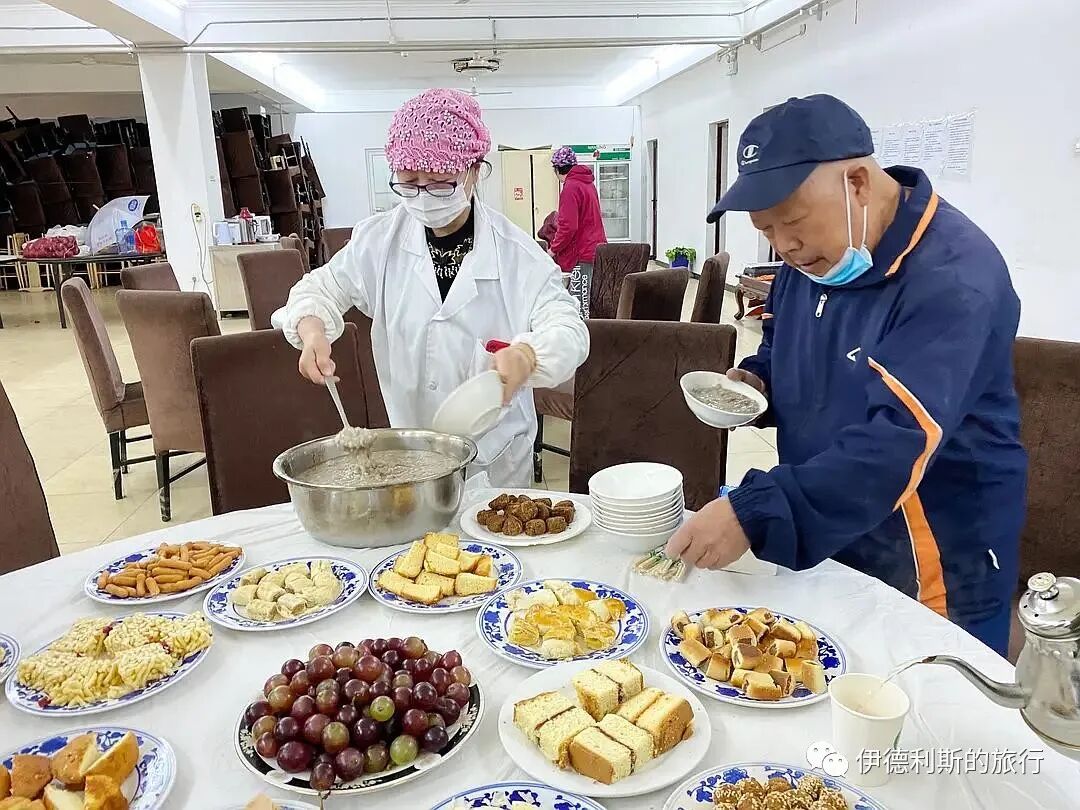
Attending a religious gathering at Nanxiapo in 2021, where there was lamb and wheat porridge (yangrou mairen rouzhou) and fried dough (youxiang).
Most of the leaders of the Nanxiapo mosque have been descendants of the first leader, Hu Zhonghe. Hu Zhonghe's 12th-generation descendant was named De Gui, with the courtesy name Zichen, born in 1883 (the ninth year of the Guangxu reign). Because his parents died early, 15-year-old Hu Zichen inherited his father's profession in 1898 (the 24th year of the Guangxu reign) and became the second leader (haitibu) of the Nanxiapo mosque. Later generations called him Master Hu the Second. At that time, the imam of the Nanxiapo mosque was Hu Wenzhi, and the third master was Ma Shikuan, known as Master Ma the Third.
In 1900, Empress Dowager Cixi fled west, and bandits were everywhere. Many merchants on Chaowai Street were robbed. The 17-year-old Imam Hu Zichen organized a local militia in Nanxiapo. Local young Hui Muslims joined enthusiastically. Some were wrestlers, some knew martial arts, and some were cart drivers. The wealthy members even bought firearms. Every night, everyone gathered at the entrance of the Nanxiapo Mosque to take turns patrolling the streets and keeping watch, finally avoiding a disaster.
Imam Ma Chunpu began his service as an imam in 1944, leading prayers at the Huashi Mosque and Balizhuang Mosque before moving to the Nanxiapo Mosque. After 1966, Imam Ma Chunpu faced persecution. In 1976, he became the president of the Chaoyang District Islamic Association, helping local Muslims solve various problems until he passed away in 2001.
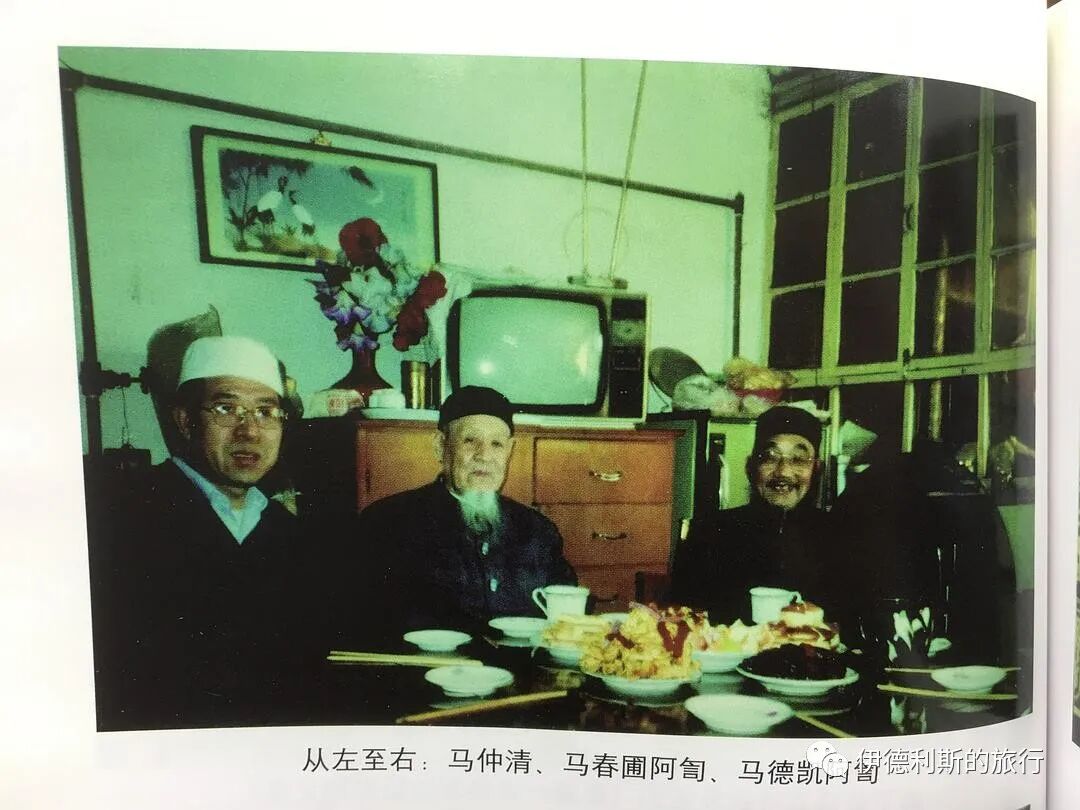
Imam Ma Dekai came from a family of imams and took over his father's work to become the imam of the Nanxiapo Mosque after 1949. Imam Ma Dekai was honest and kind. For years, he worked to restore religious properties and halal food outlets, while quietly donating to children who had dropped out of school. He passed away in 2000 at the age of 78.
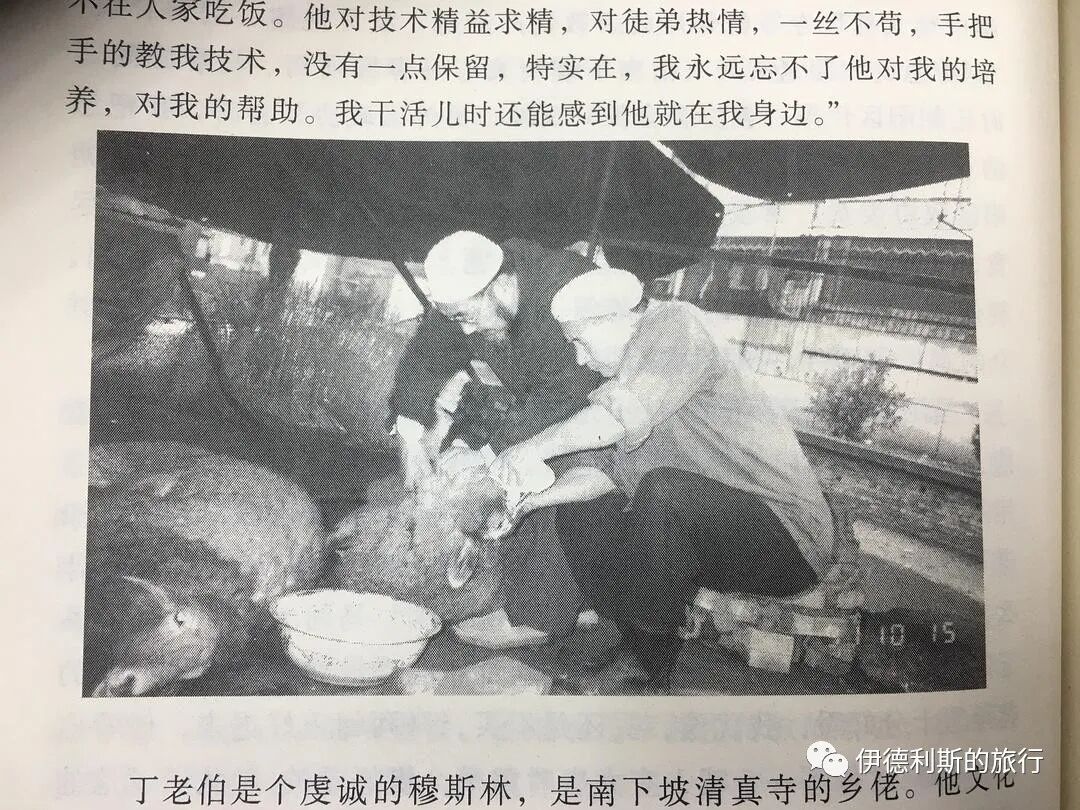
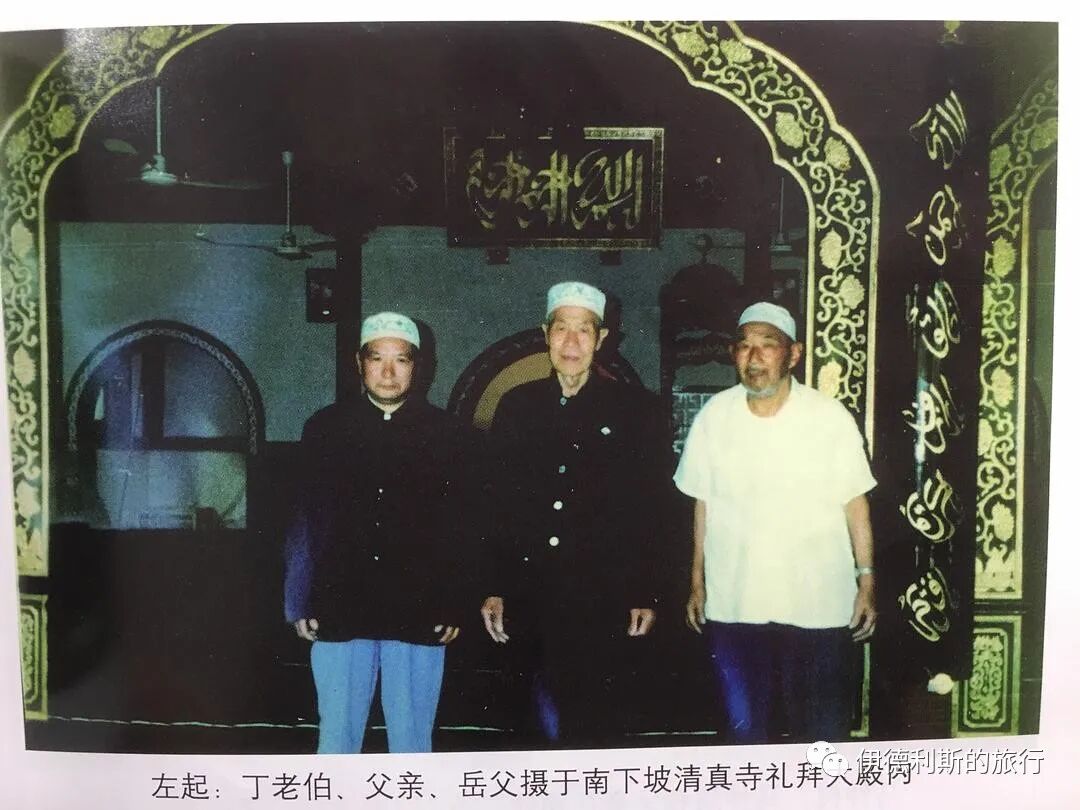
Elder Ding Ruichun was a community leader at the Nanxiapo Mosque and a great helper to Imam Ma Dekai. Whenever Imam Ma slaughtered a sheep, Elder Ding would hold the sheep's head, and the two old friends worked together perfectly. The sheep heads Elder Ding cleaned were completely free of wool, and the sheep intestines he washed were perfectly white. He was a master of his craft, never asked for pay, and never ate at anyone's house. Elder Ding Ruichun passed away in 2003 at the age of 74.
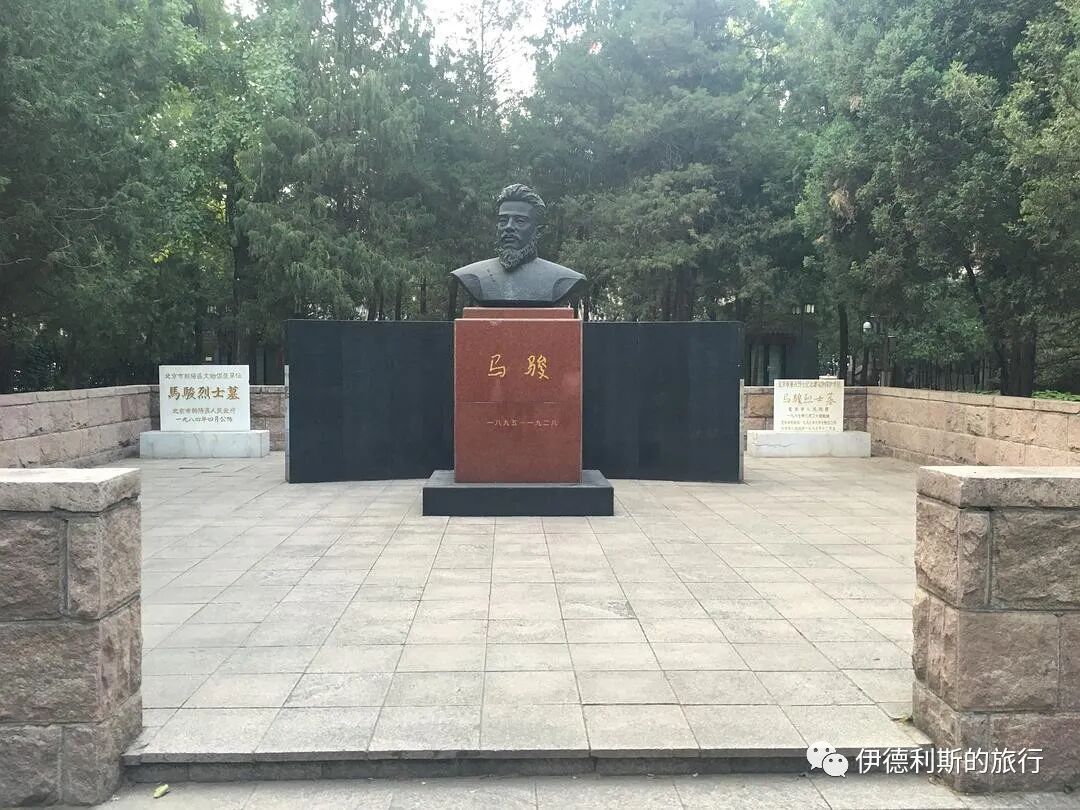
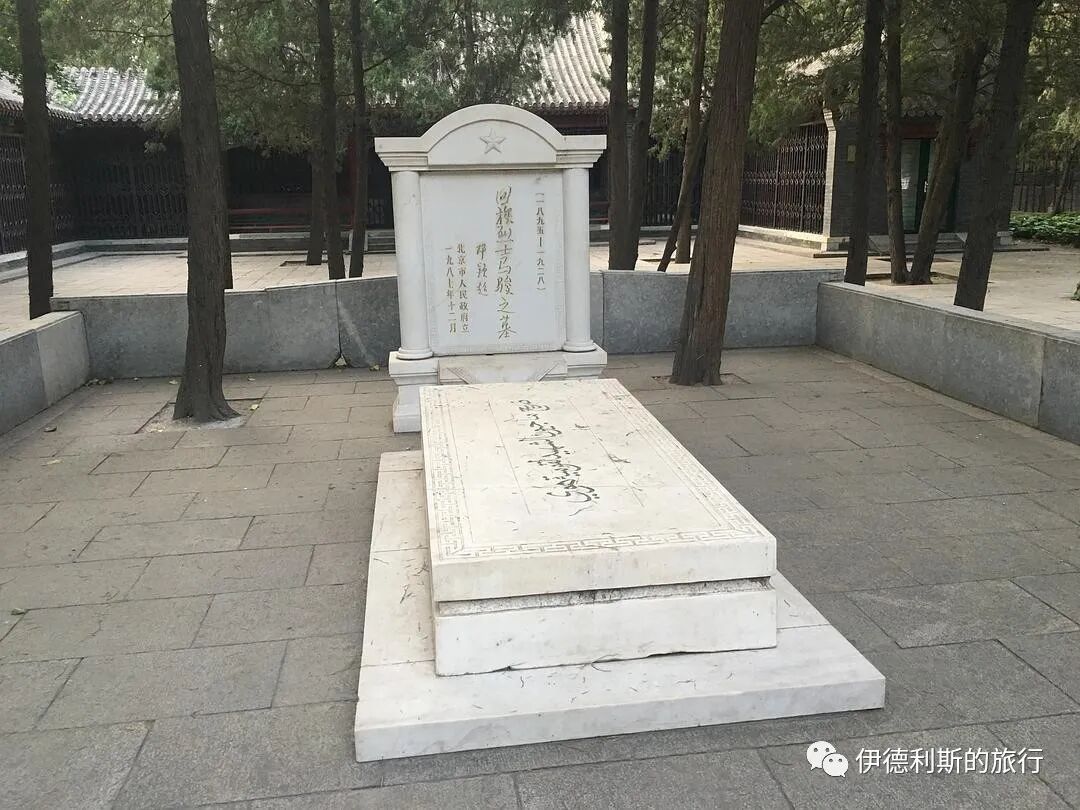
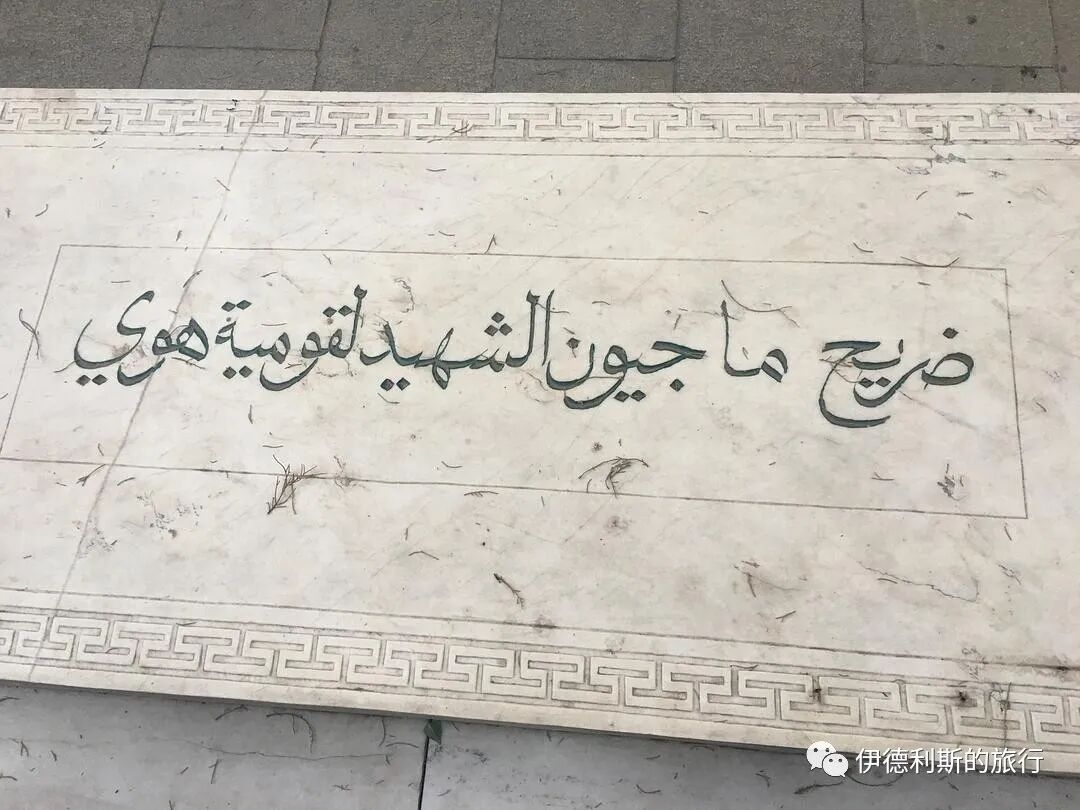
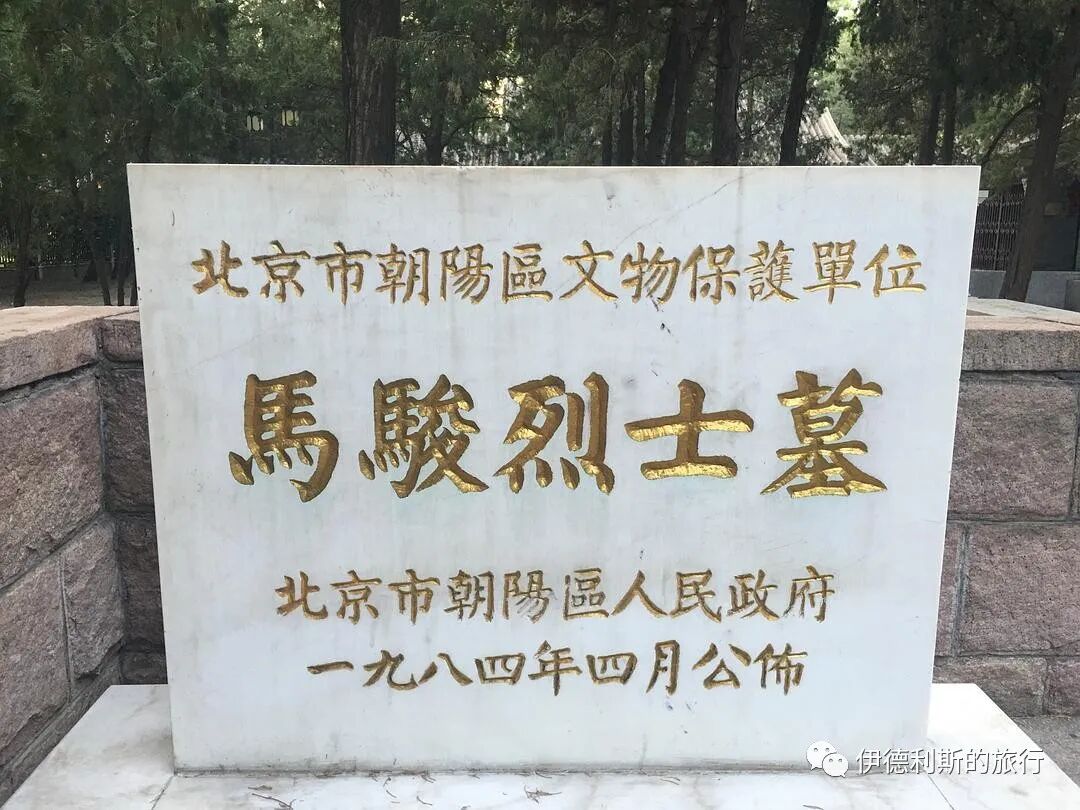
On February 15, 1928, after the Communist Party's Beiping Municipal Committee Secretary Ma Jun was killed, his body (maiti) was cleaned at the Nanxiapo Mosque by Hu Wenzhi and Hu Zichen. Then, the elders and community members (dost) of Nanxiapo donated burial shrouds (kafan) and buried him in the northwest corner of Ritan.
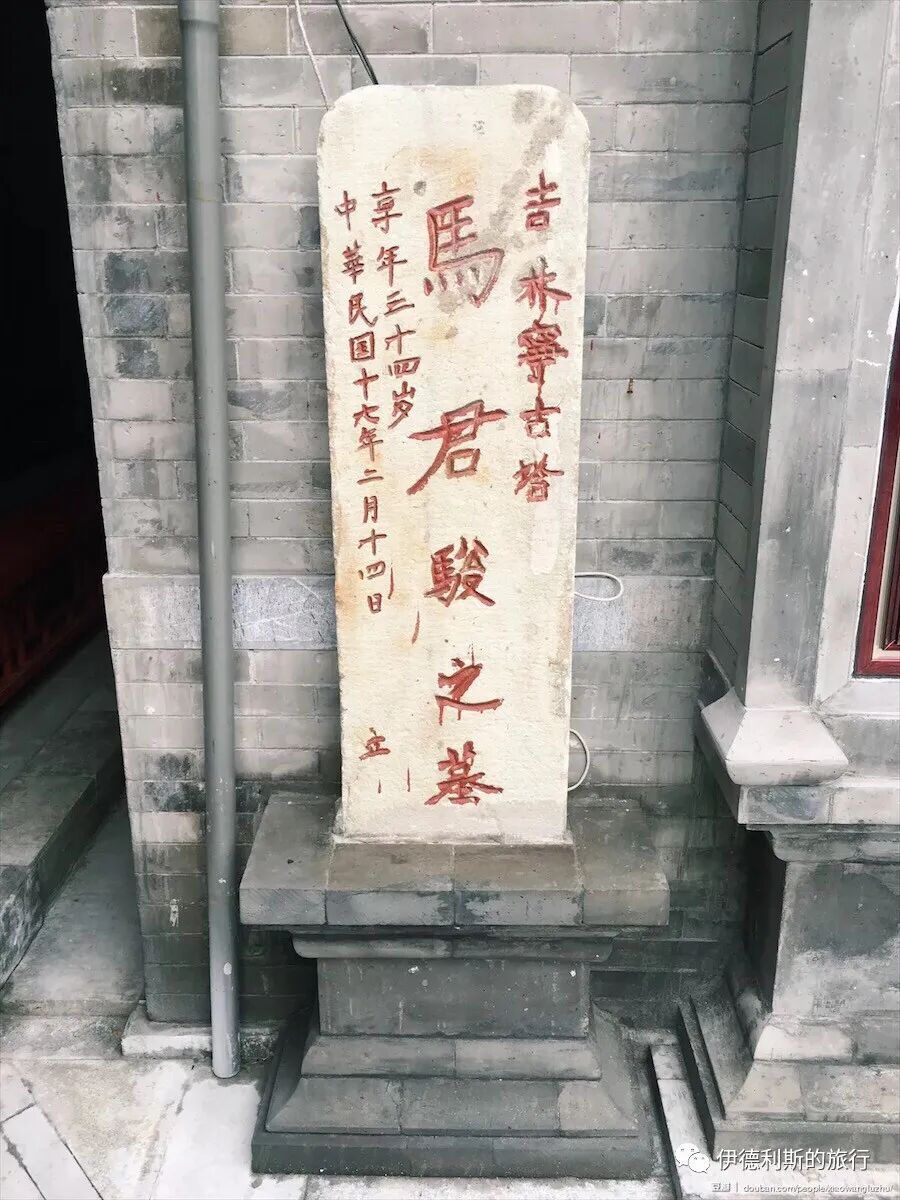
The original tombstone of Ma Jun inside the Nanxiapo Mosque.
In the early 1950s, the Beijing municipal government took over the slaughterhouse next to the Nanxiapo Mosque and the large cemetery west of Ritan for urban construction. Imam Hu Zichen led dozens of people from Nanxiapo on a large truck to move the remains to the Hui Muslim cemetery in Xibeiwang, Haidian. Only the rebuilt tomb of the martyr Ma Jun remained in the Chaowai Hui Muslim cemetery west of Ritan.
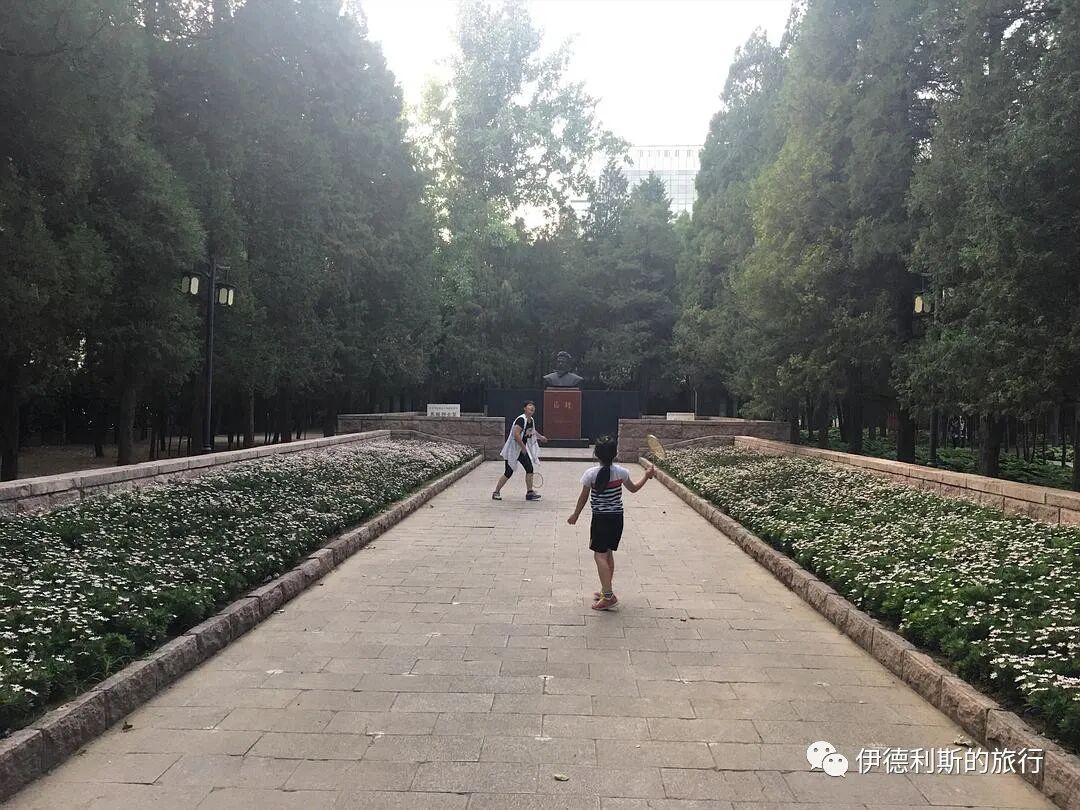
Ma Jun's tomb in Ritan Park.
Halal food in the Chaowai Guanxiang area.
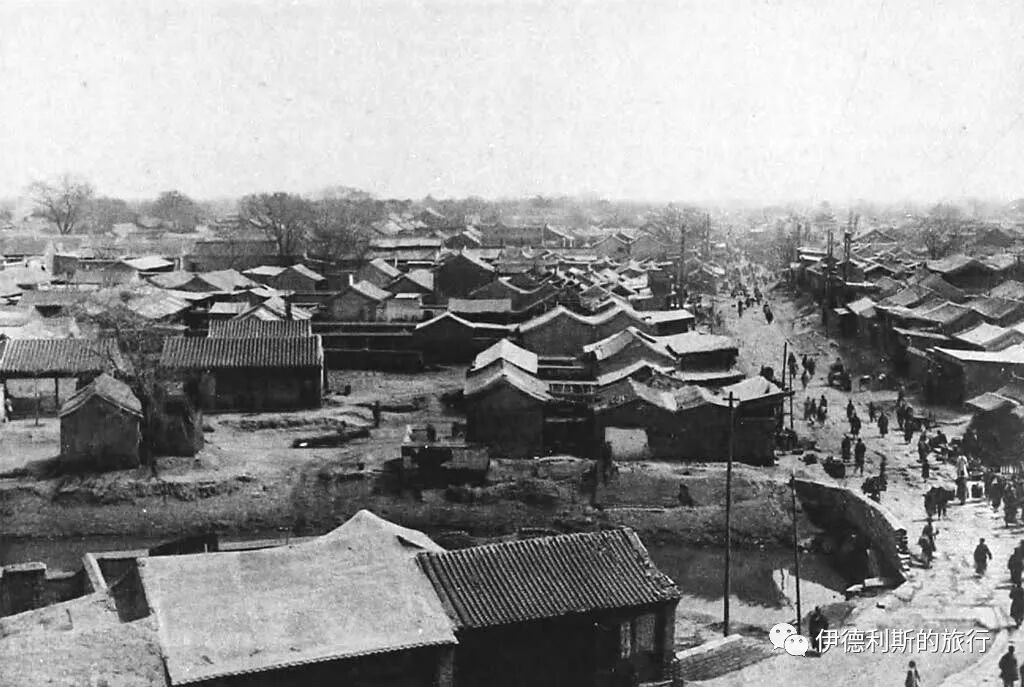
Chaowai Street, photographed looking east from Chaoyang Gate by Japanese photographer Kazumasa Ogawa in 1901.
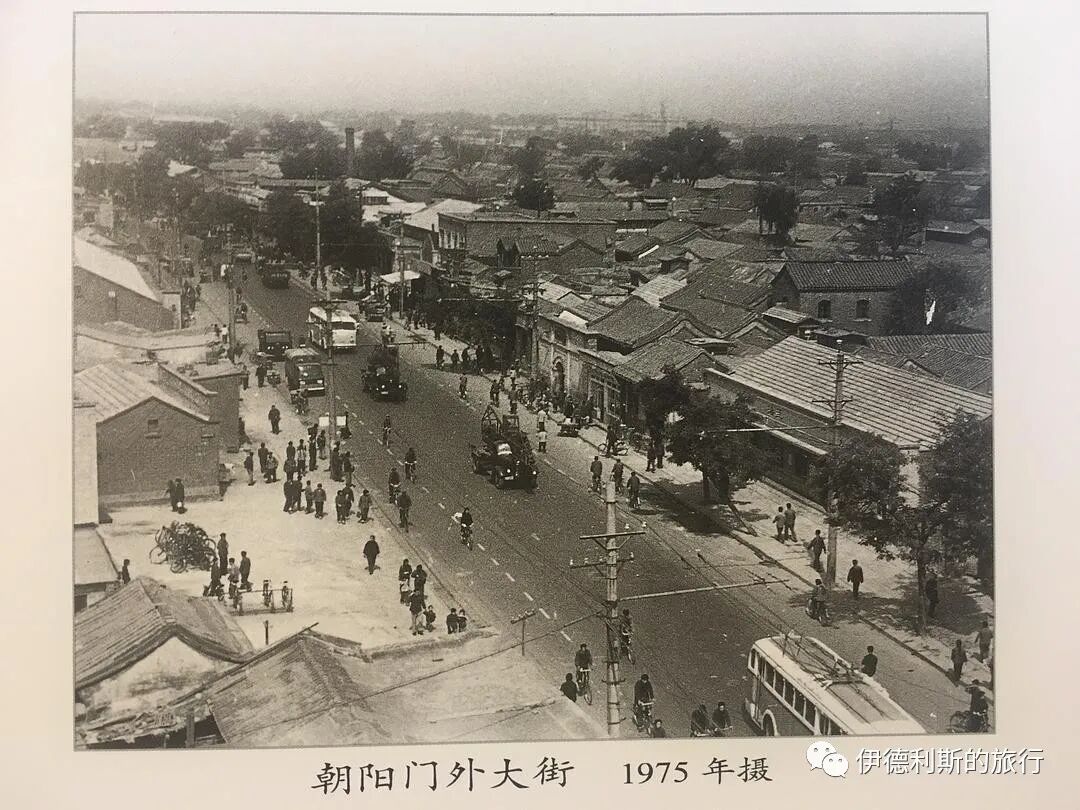
A photo from the book 'Old Beijing City'.
Beijing history expert Wang Yongbin wrote about the halal beef and mutton shops and oil and salt stores on Chaowai Street during the Republic of China era in his book, "Beijing's Suburban Towns and Old Brands."
Famous halal mutton shops on Chaoyangmen Suburban Street included Sanyishun, Dongxingshun, and Qianyuhe. Qianyuhe Mutton Shop was in a busy section of Chaowai Street. It had two storefront rooms in the front and six processing rooms in the back. Every winter, they bought sheep from Inner Mongolia, slaughtered them right in front of the shop, and sold the meat immediately, which made them very popular.
The most famous shop on Chaowai Street was Yongsheng Mutton Shop, which opened in the late Guangxu period. It had no wooden sign out front. Instead, it had a clean blue cloth hanging with the words "Western Regions Halal Faith" (Xiyu Qingzhen Jiao) sewn on in white fabric. The beef and mutton sold at Yongsheng Mutton Shop were slaughtered and cleaned the same day they were sold. Business was excellent; they sold two sheep every day and one cow every two days.
Besides fresh beef and mutton, Yongsheng also set up a stove to bake sesame flatbread (shaobing), which became very famous in the Chaoyangmen suburban area. Their sesame flatbreads were large, layered, and fluffy, and they sold out every single day. The ingredients for Yongsheng's sesame flatbreads were all bought from the famous Dayou Halal Oil, Salt, and Grain Store in the Chaoyangmen suburbs. The white flour was high-quality "fudi" flour that had been finely ground and sifted, the sesame seeds were plump and top-grade, and the sesame paste and fragrant oil were also of the highest quality. to flatbreads, Yongsheng also sold spiral-shaped pastries (luosizhuan). Their spiral pastries were crispy and flaky, and they stayed fresh for days without getting soft, so they had many customers.
Dayou Halal Oil and Salt Store was the most famous shop of its kind in the Chaowai suburbs. It opened in 1917 and was also located on Chaowai Street. At first, Dayou was a general business, but it lost money for years due to poor management. They hired a Hui Muslim named Chang Zijiu as the manager and turned it into a halal business. Manager Chang turned Dayou into a shop with a workshop in the back. The front had six storefront rooms; the west side sold oil, salt, and pickles, while the east side sold rice, flour, and grains. The backyard had over 30 rooms where they hired more than 30 people to make various pickles. They also used electric mills to make fragrant oil, millet flour, and mixed grain flour.
Dayou was most famous for its house-made fragrant oil. They chose plump sesame seeds as raw material. The oil master roasted the seeds to the perfect level, so the resulting fragrant oil had a strong, lasting aroma and a clear, transparent color.
Besides fragrant oil, they were also famous for their house-made yellow bean paste and pickles. Their best-sellers included small pickled radishes, large pickled radishes, sweet and sour assorted radishes, pickled cucumbers, and sweet and sour garlic sprouts. It wasn't just the neighbors near Chaoyangmen Gate who loved the food here. Farmers traveling along the Chaoyangmen official road from areas like Ciyun Mosque, Balizhuang, Shuangqiao, and Guanzhuang would stop at Dayou Grocery Store to buy yellow soybean paste (huangjiang) and pickled vegetables (jiangcai) to take home whenever they came into Beijing for errands or to burn incense at the Dongyue Mosque.
Dayou kept their rice, flour, and grains in large wicker baskets (poluo) on low platforms in the shop. They sold rice, white flour, sorghum, red beans, mung beans, large kidney beans, sea beans, corn, millet, black beans, sesame, and more. Every autumn during the harvest, the grain store sent out special buyers to the countryside to collect fresh crops. The grain store had a mill in the backyard to process the rice, flour, and grains. The steamed corn buns (wotou) made from their millet flour were sweet, fluffy, and their best-selling item, often selling out completely.
Every year on the second day of the Lunar New Year, Manager Chang of Dayou would invite imams and village elders from nearby mosques and the eight counties east of Beijing (Tongzhou, Sanhe, Wuqing, Baodi, Jixian, Xianghe, Ninghe, and Xiaoxun, collectively known as Tong-San-Wu-Bao-Ji-Xiang-Ning-Xun) to recite the Hui Muslim Peace Sutra. He would treat everyone to a lunch of beef and mutton from the shop, creating a wonderful atmosphere.
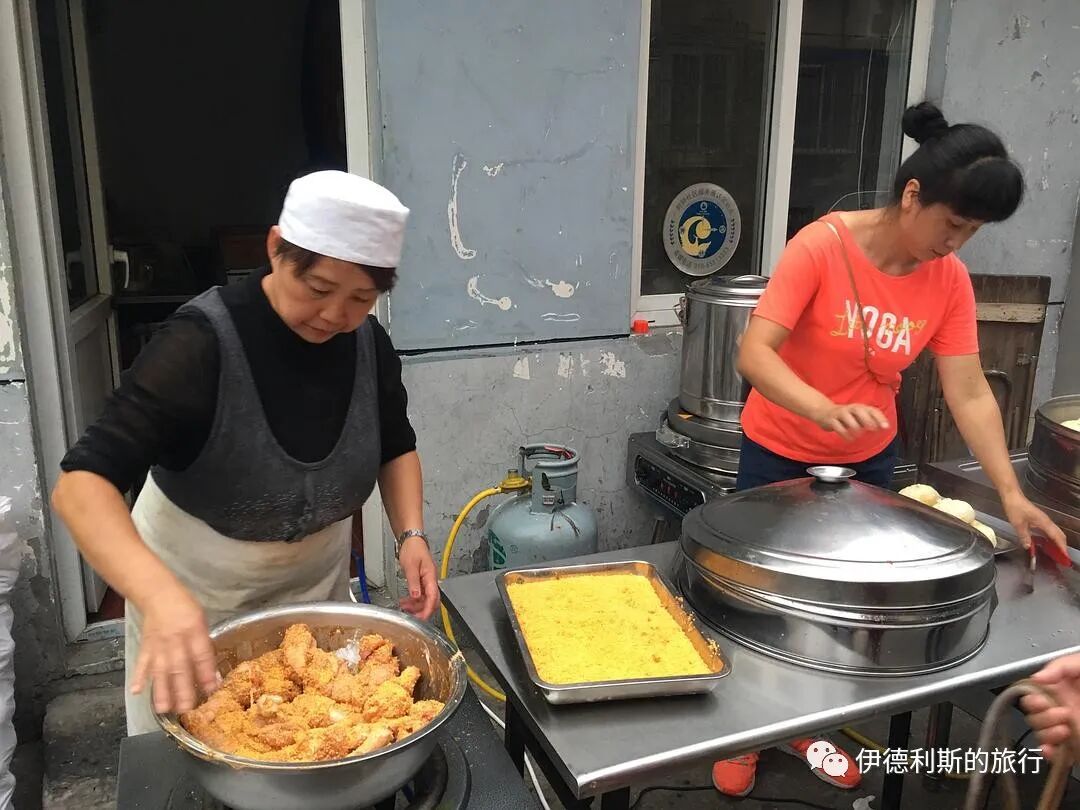
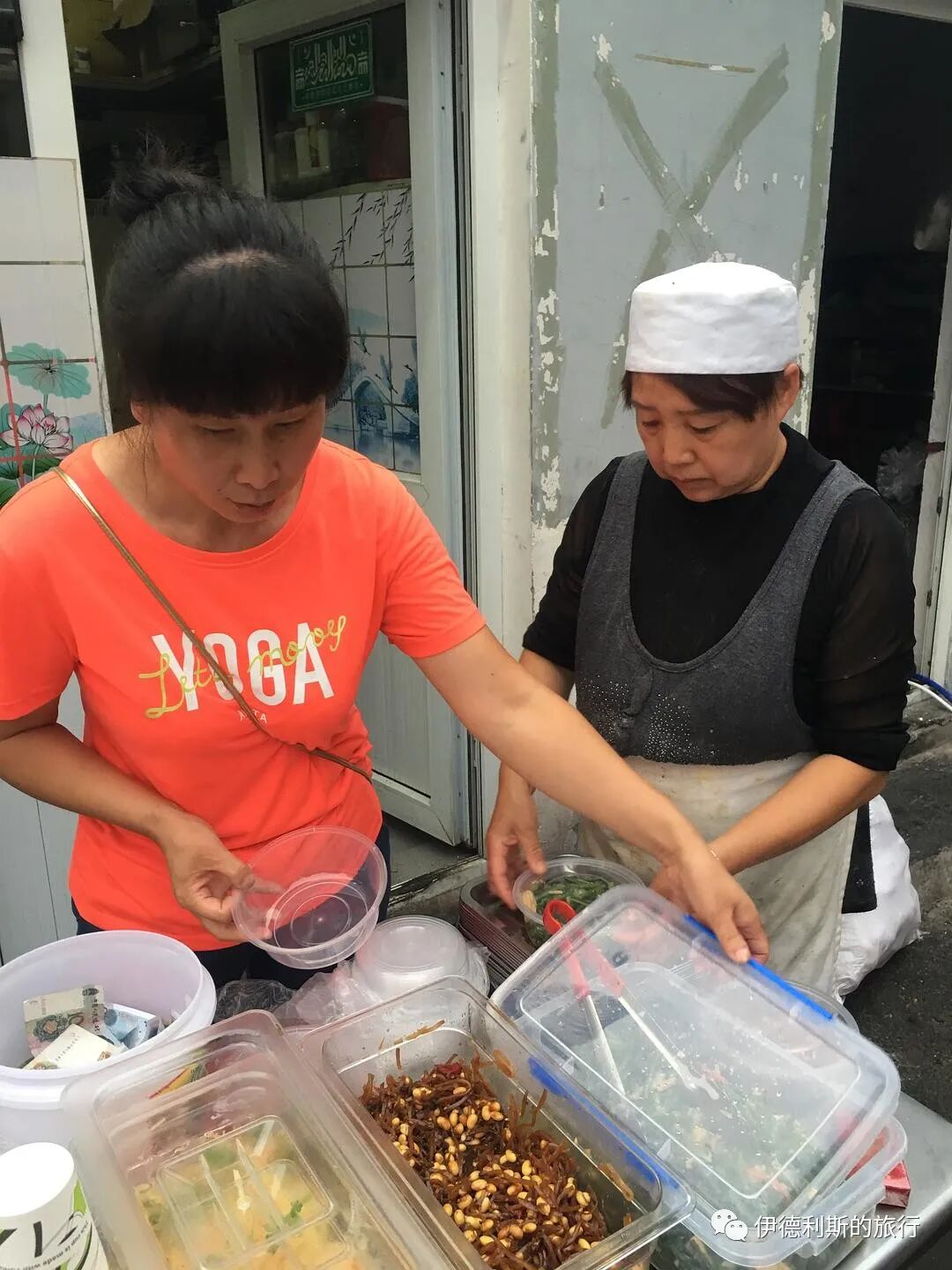
Beyond the storefronts on Chaowai Street, many Hui Muslims sold halal snacks southwest of the Chaowai gate area. In the alleys, you could find people selling fried dough cakes (youbing), millet flour tea (miancha), kidney beans, sheep head meat, and beef tendon. Ma Zhongqing wrote about these various halal snacks in the alleys of the Chaowai gate area in his work, 'South Slope Outside Chaoyangmen' (Chaowai Nanxiapo).
One hundred meters north of the Nanxiapo Mosque, on the east side of the road, was a small shop selling oil, salt, soy sauce, and vinegar. It opened in 1935 and was run by a man named Ma, so it was commonly called Ma's Small Shop (Maji Xiaopu). Above the door of Ma's Small Shop hung a black plaque with the three large characters 'Fu Shun Yong,' taken from the name of the manager at the time, Ma Yongfu.
The shop was only about 11 or 12 square meters. According to Yang Jing'an's memories, one summer over 60 years ago, the old manager Ma Deshan sold sour plum drink (suanmeitang) at the shop entrance. He held two small copper bowls and clicked them together with his fingers to make a rhythmic, crisp sound. As he tapped, the old manager sang: 'Water from Dongzhimen, ice from Xizhibei, it tastes so refreshing when you drink it.' The old manager Ma Deshan passed away in 1946.
In 1949, the manager Ma Yongfu joined the neighborhood fire prevention team and went on patrol every night. Whenever someone in the neighborhood passed away (wuchang), he would take the initiative to help handle the funeral arrangements. He helped prepare nearly a hundred bodies (maiti) for burial.
In 1956, Ma's Small Shop closed due to the public-private partnership policy. Ma Yongfu became a worker at the Chaowai Yuanfa General Store, retired in 1973, and passed away in 1991.
There was a man named Ma Qiba in Nanxiapo who sold millet flour tea (miancha) from a wooden cart. He kept a small stove on the cart to keep the tea hot, and he neatly arranged his sesame paste, porcelain bowls, and small spoons on the cart. At the crack of dawn every day, Ma Qiba would start calling out, 'Millet flour tea, get it hot!' People in the alley would come out to drink it when they heard him. There was even a joking saying about him: 'Ma Qiba selling millet flour tea—adding water (giving extra).'
Every morning at the Chaowai Tankou entrance, there is an older man named Er Luo Bo who sets up a breakfast stall right in front of his home. Er Luo Bo is named Ma Yulong. He sells fried dough cakes (youbing), fried bean cakes (zhagao), and sesame flatbreads (shaobing). He makes them fresh as he sells them, and his business is very popular with many repeat customers. He cooks the red bean paste for his fried bean cakes in a large iron pot. He never uses saccharin, only white sugar. His fried bean cakes are large, and the bean paste inside is delicious. Every evening around four or five o'clock, Er Luo Bo sells rolled soybean flour cakes (lvdagun) at his roadside stall, also making them fresh to order. He uses a knife in his left hand, quickly cutting the three-foot-long rolled soybean flour cake on his cutting board into four-inch pieces.
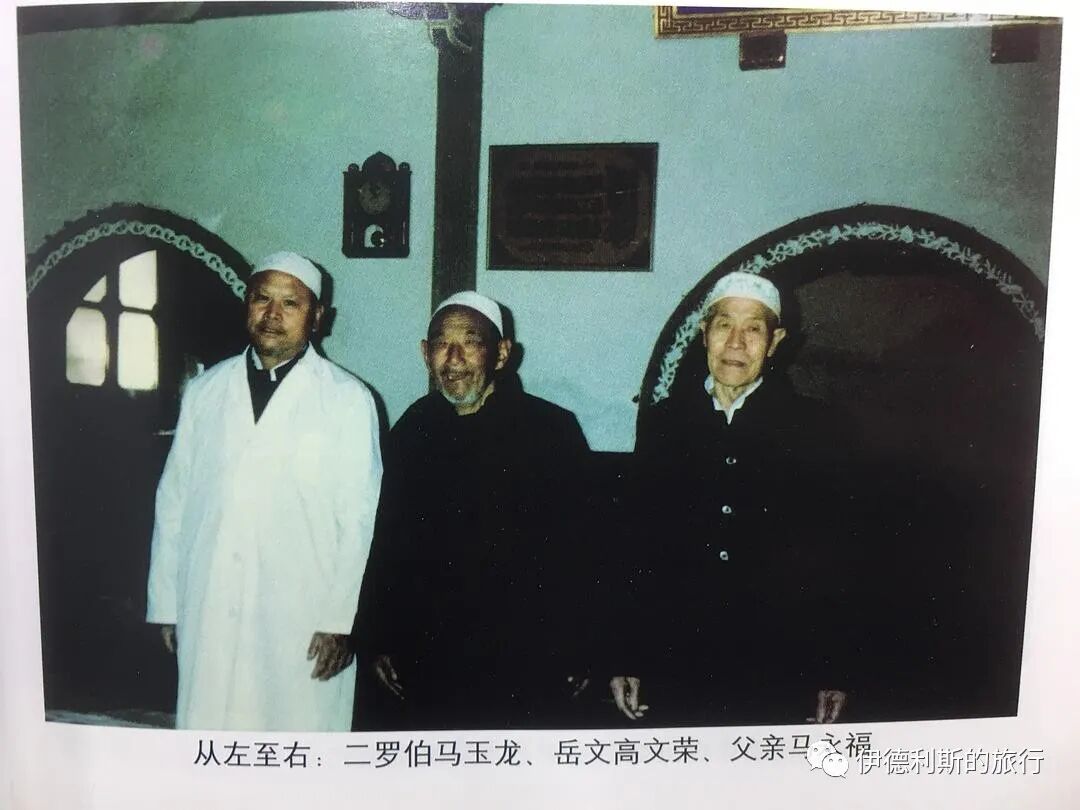
In 1973, when Ma Zhongqing got married, Er Luo Bo was in charge of the cooking. In Ma Zhongqing's courtyard, Er Luo Bo built a stove using half-bricks and yellow mud. It had two levels and four or five burners. He used this stove for all the frying, stir-frying, and cooking to serve over a hundred guests table by table.
At the north end of Xiushui River, there is a grain store for Hui Muslims. Outside the store, Uncle Hei sells fried dumplings (zha huitou) every day. Uncle Hei is not very tall and wears a prayer cap (libaimao). He makes the dumplings fresh and calls out, 'Fried~ dumplings~ hey!' When his fried dumplings come right out of the oil, they are crispy on the outside and tender on the inside. One bite and the juices flow; they are fragrant and delicious.
In a simple porridge shed on the west side of the south end of Xiushui River, Uncle Ma from Nanzhong Street has rice porridge ready before dawn every day. He calls out, 'Rice porridge here~ just a few coins~.' His deep voice attracts many elementary school students to come and drink the porridge.
Another Uncle Ma, who lives on Guanyinsi Street, sells boiled corn and sweet potatoes along the street every day. Sometimes he pushes a wheelbarrow, and sometimes he carries a small bamboo basket. He calls out, 'Corn~,' with a long, melodic, and pleasant sound. Uncle Ma's corn is rich and sweet. His red-fleshed sweet potatoes are very sugary, while the dry-fleshed ones taste like chestnuts and are so dense they can make you choke a little.
The Tankou Hui Muslim Canteen is located south of the road outside Chaoyangmen, at the intersection of Chaowai Market, and covers about fifty or sixty square meters. Breakfast staples and liquid foods are served at two separate windows. Staples include fried bean cakes (zhagao), fried dough cakes (youbing), steamed buns (baozi), sesame flatbreads (shaobing), sugar-coated fried dough (tang'erduo), sesame balls (matuan), and steamed rice cakes (pengao). Liquid foods include millet porridge with sesame paste (miancha), soy milk (doujiang), fried tofu soup (doupao tang), and lamb offal soup (yangzasui). In the evening, the canteen set up stalls at the entrance, bringing out grills to cook skewers on the spot and deep-frying crispy meat (songrou) to order. The manager, Yang Yongqing, was famous for using a rolling pin in each hand to roll out over a hundred dumpling wrappers in a minute.
After Chaowai Street was widened and renovated, the Tankou Canteen was demolished.
In his article 'Hui Muslim Restaurants on Chaowai Street' published in Beijing Chronicles, Ji Jianguo wrote about the halal restaurants on Chaowai Street from the 1970s to the late 1990s: Chaowai Hui Muslim Restaurant, Tankou Hui Muslim Restaurant, Xingsheng Hui Muslim Restaurant, and Ziguangyuan Restaurant.
On summer evenings, whenever Ji Jianguo went to the Tankou Hui Muslim Restaurant, he would order a bowl of cold sesame paste noodles (majiang mian) and a cold beer, along with a plate of boiled peanuts or spiced beef (jiang niurou), for a very pleasant meal. On autumn evenings, the Tankou Hui Muslim Restaurant would set up a stall at the entrance to sell freshly fried crispy meat (songrou). It uses thin bean curd sheets to wrap fresh, tender lamb mixed with chopped green onions, ginger, flour, and five-spice powder, rolled into the thickness of a thumb and cut into pieces. After being deep-fried in hot oil, each piece turns golden brown and is displayed in a glass cabinet, with the aroma spreading all around and drawing passersby to stop and line up to buy some. They sometimes sold boiled lamb head (qingshui yangtou) there, where the semi-transparent lamb head was cooled and sliced as thin as paper. Their sugar-rolled fruit (tang juanguo) is steamed with raisins, red dates, lotus root, honey, starch, and flour; one bite is full of sweetness, and the flavors of the various ingredients blend together, leaving a lingering fragrance on the lips and teeth.
Xingsheng Hui Muslim Restaurant was located east of the glazed archway of the Dongyue Temple and was the largest Hui Muslim restaurant on Chaowai Street, occupying a two-story building of two or three hundred square meters. Most customers were groups dining together, ordering a plate of stir-fried beef with green onions (cong bao rou), braised beef tendon, braised oxtail, a plate of spiced beef (jiang niurou), boiled peanuts, stir-fried tofu, and braised chicken. In the middle of the table, there would be a steaming hot pot of mutton (shuan yangrou), two bottles of Erguotou liquor, and three or five friends gathered to drink and chat, making for a very lively scene. In the mid-1980s, Xingsheng Hui Muslim Restaurant was the first to renovate, turning the second floor into a dining hall with private booths, becoming the most upscale Hui Muslim restaurant on Chaowai Street, where many Hui Muslims held their weddings.
The Chaowai Hui Muslim Restaurant was located north of the Chaoyangmen overpass; its nail-shaped meat pies (mending roubing) had thin crusts and large fillings and were quite delicious, but it was later demolished during the urban renovation of Chaowai Street. Another Hui Muslim restaurant was on the north side of the road on the east end of Chaowai Street, covering about seventy or eighty square meters. At first, they only sold breakfast items like fried pancakes (youbing), steamed buns (baozi), sesame flatbread (shaobing), soy milk (doujiang), and tofu pudding (doufunao). Main meals included rice, boiled dumplings (shuijiao), noodles, and dumplings (jiaozi), along with stir-fried dishes like stir-fried lamb with scallions (congbao yangrou).
Ziguangyuan opened in 1984. According to the chairman, Ai Changyou, it started as a tiny shop selling only stir-fried dough bits (chaogeda), with the original location at the south gate of the Workers' Stadium. Back then, workers from several large companies in Chaoyang District would line up at the door of Ziguangyuan as soon as they got off work, paying 50 cents for a large, affordable portion. Because the shop was so small, many workers squatted on the side of the road to eat, while others took their food back to the factory. So, after selling the stir-fried dough bits, Ai Changyou had to push a tricycle to the factory to collect the bowls.
Ziguangyuan's stir-fried dough bits are square pieces about the size of a fingernail. They are first boiled until half-cooked, blanched, and then stir-fried with wood ear mushrooms, cucumber, diced lamb, diced carrots, boiled soybeans, and peanuts to create a golden, flavorful dish. Every plate is piled high, and each piece of dough glistens with oil, making it look very appetizing.
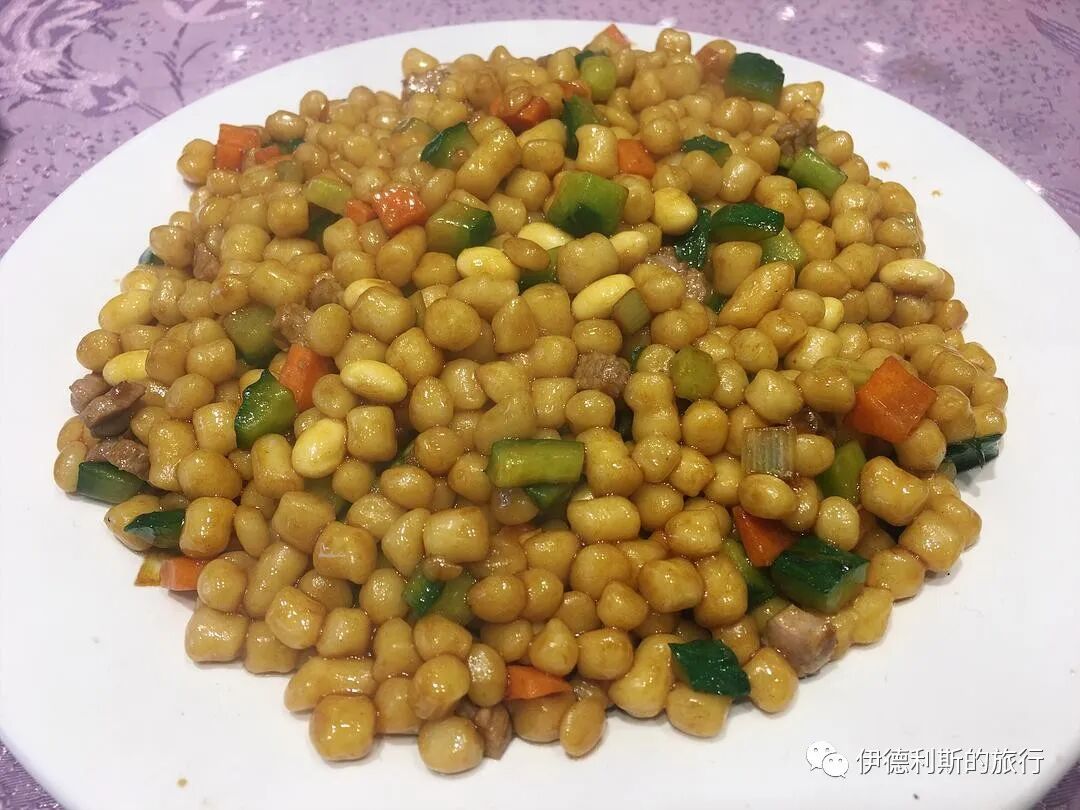
Ziguangyuan's stir-fried dough bits
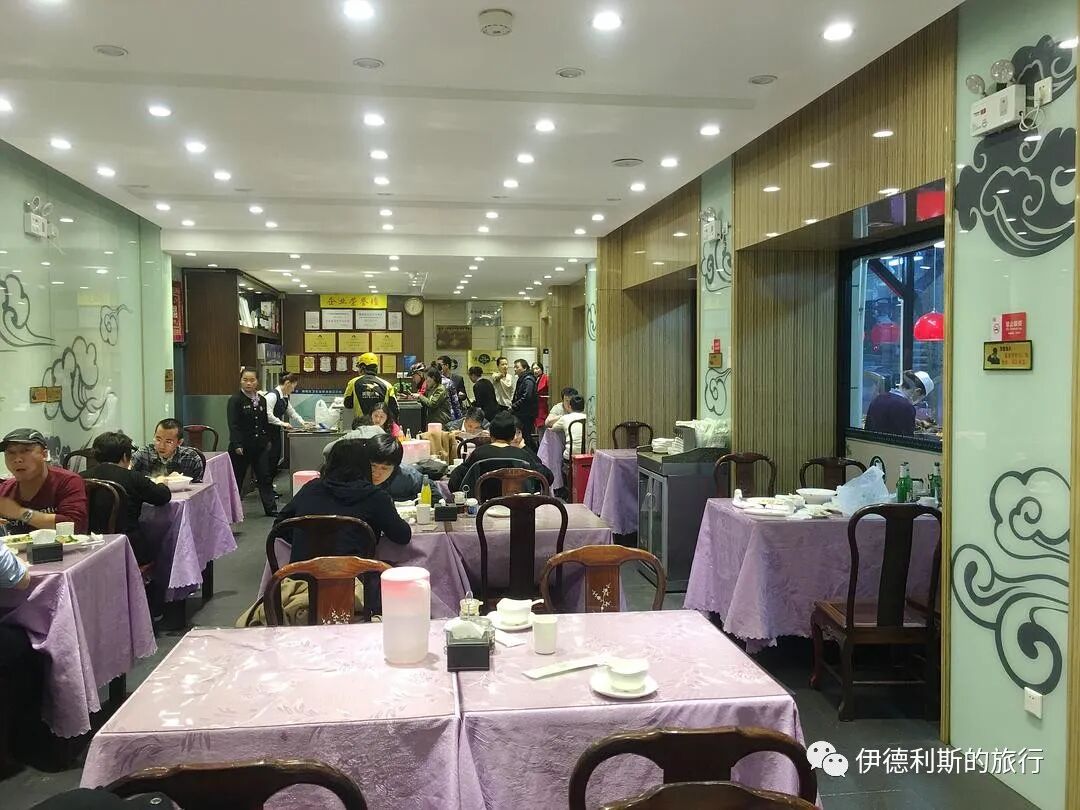
In the 1990s, Chaowai Street began renovations and Hui Muslim restaurants gradually disappeared. Ziguangyuan became the last Hui Muslim restaurant on the street. It later moved to the south of the Dongdaqiao intersection, where it remains today, and by 2017, it had grown to dozens of locations.
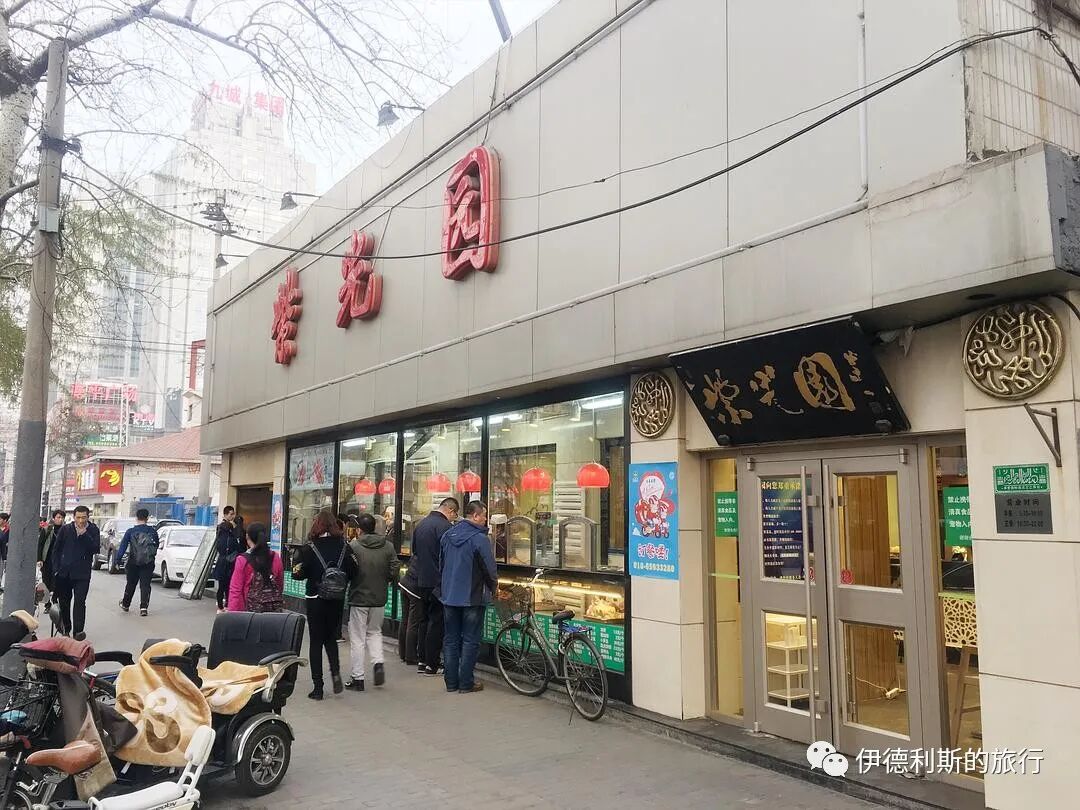
Ziguangyuan Dongdaqiao branch
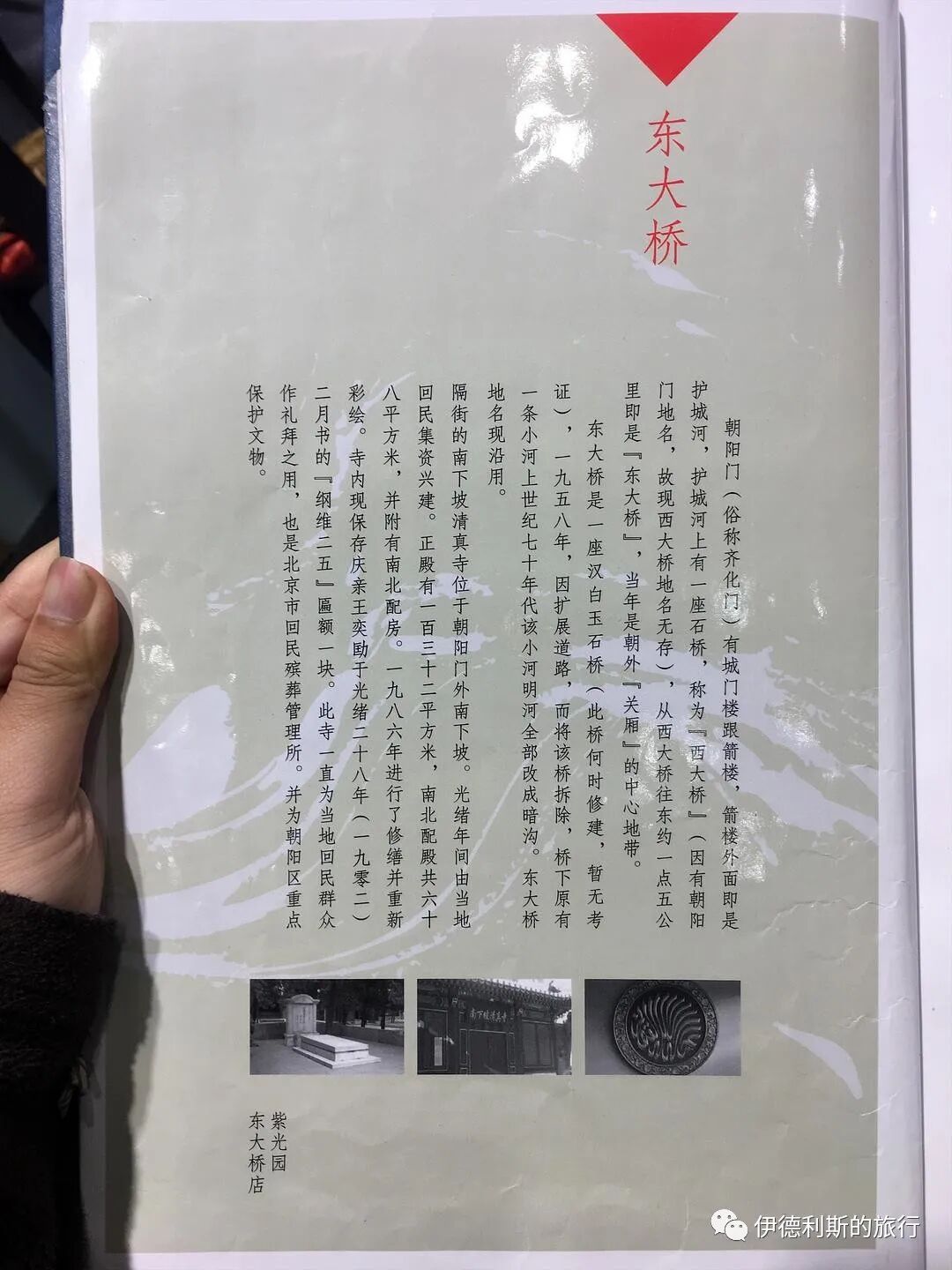
The first page of the menu at the Ziguangyuan Dongdaqiao branch features an introduction to the Nanxiapo mosque.
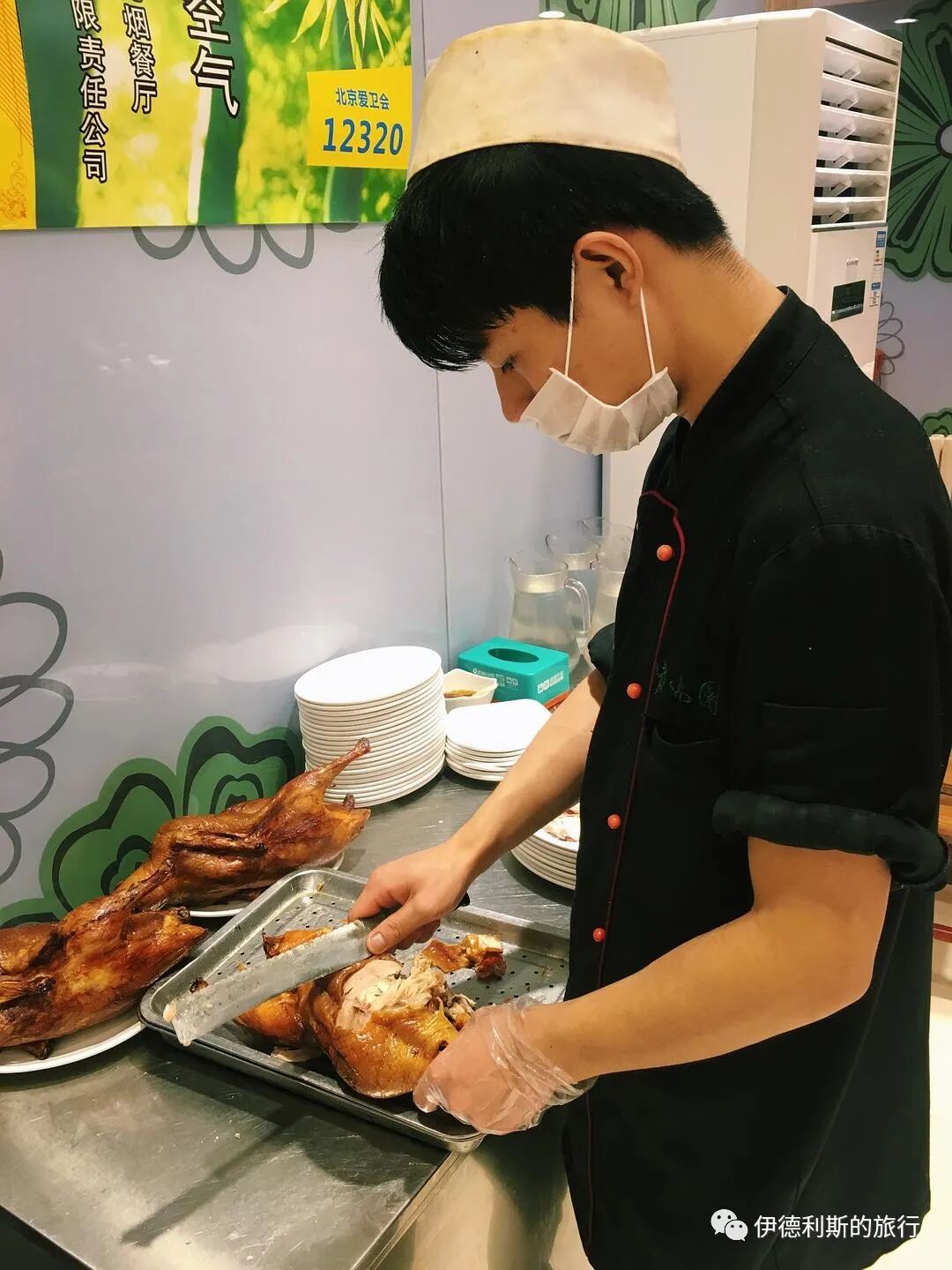
Roast duck (kaoya)
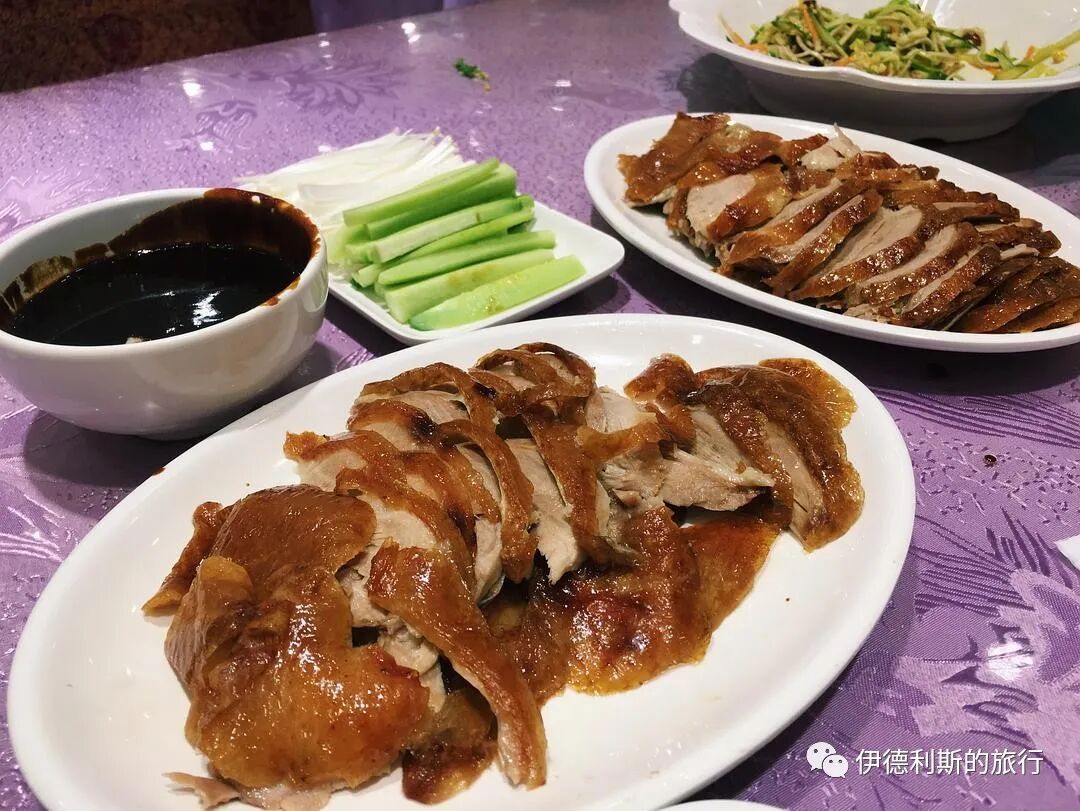
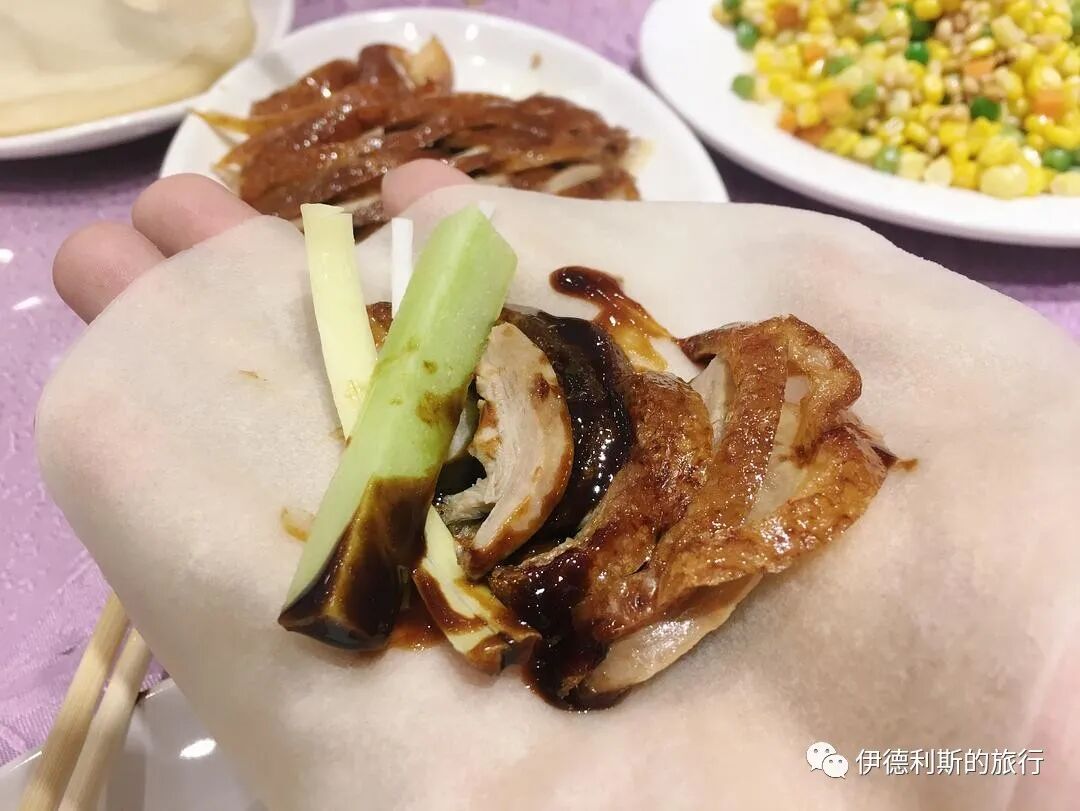
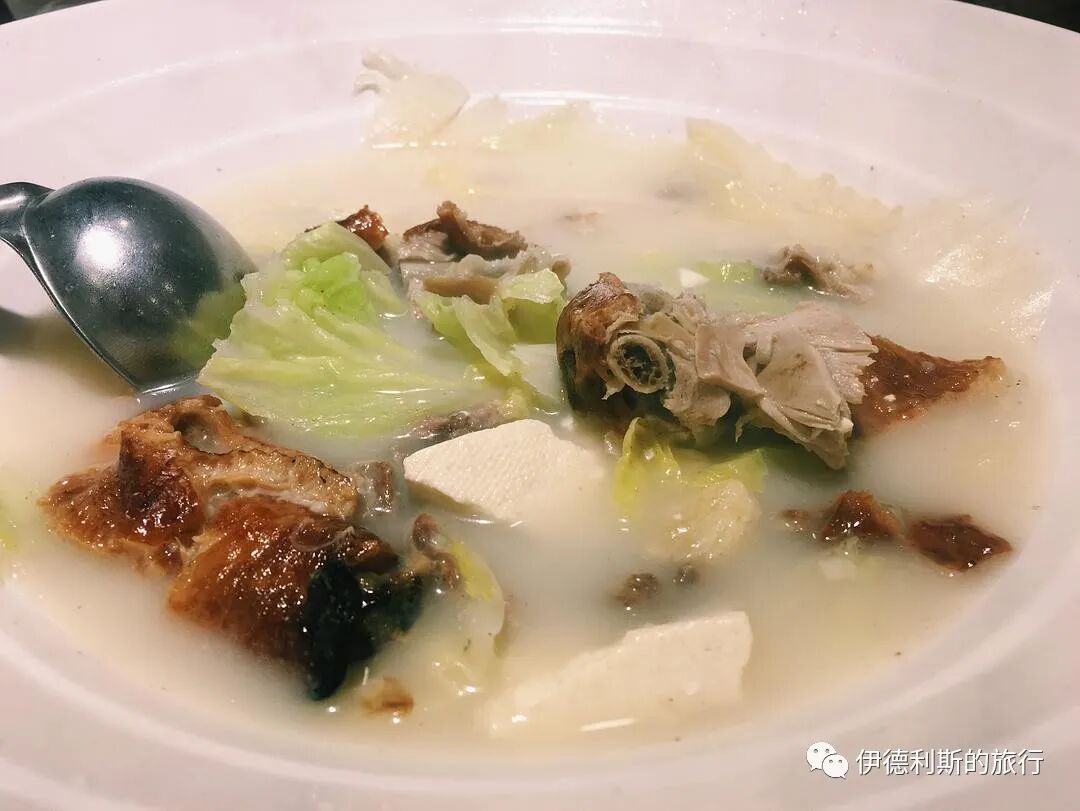
Duck bone soup (yajiazi zuotang)
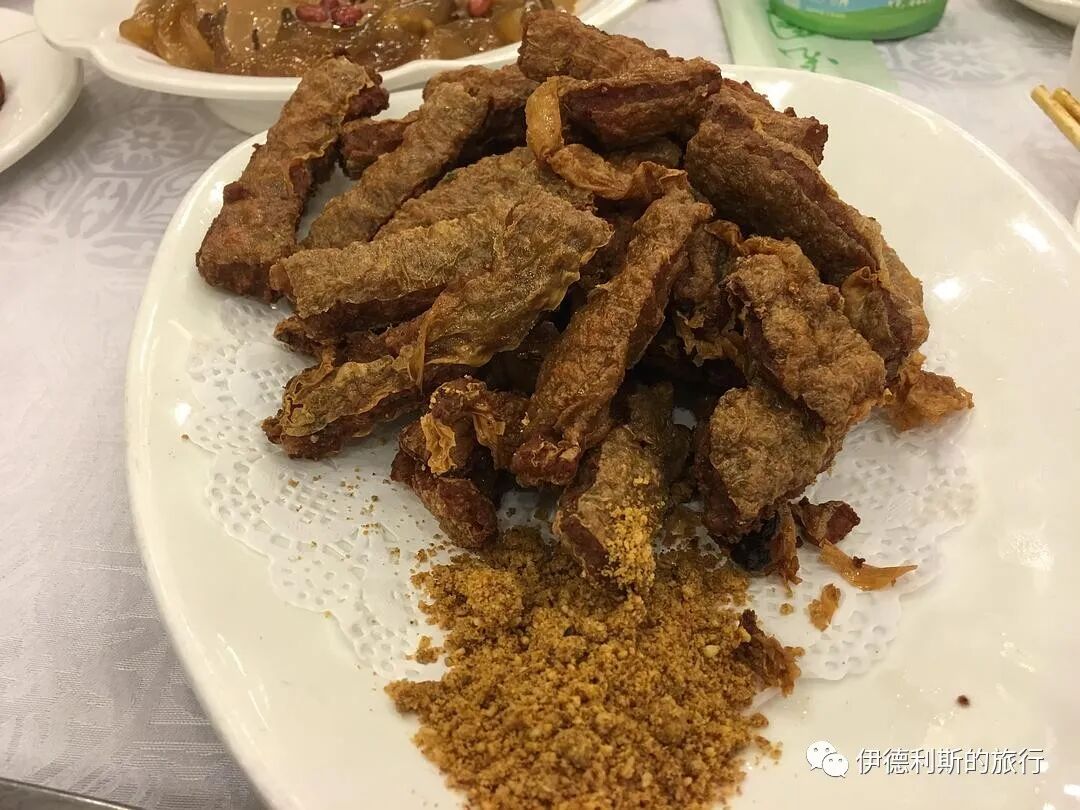
Deep-fried shredded meat (zha songrou)
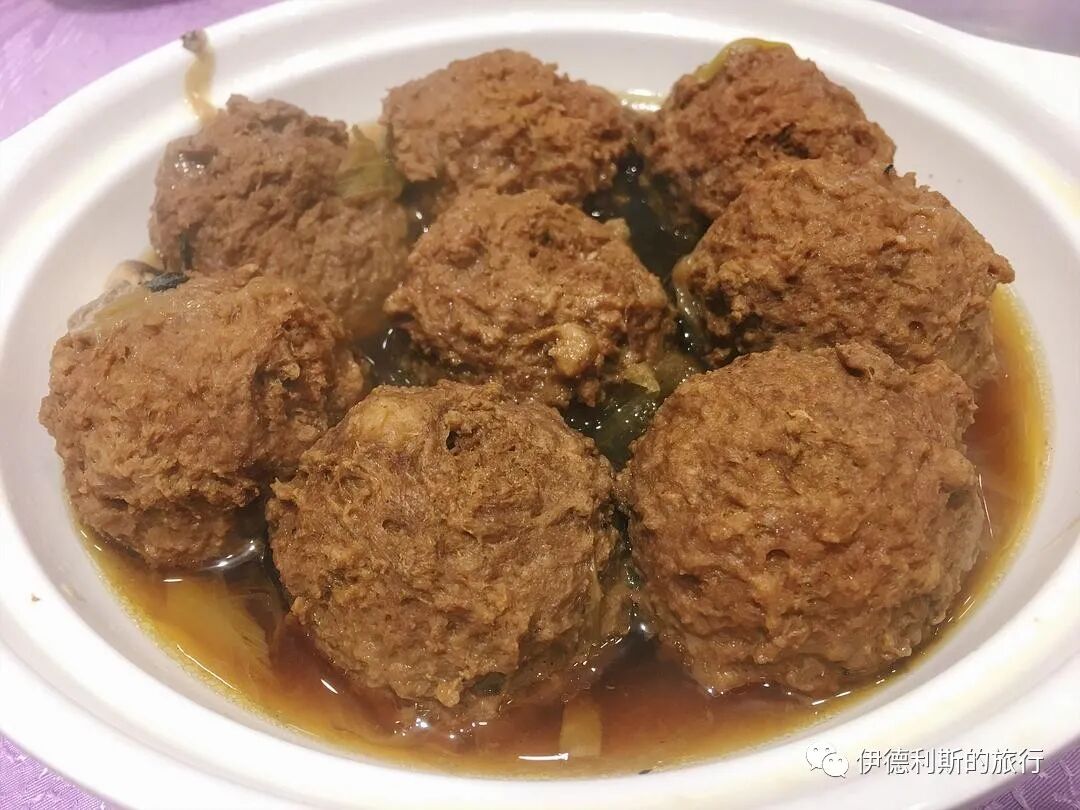
Meatballs (wanzi)
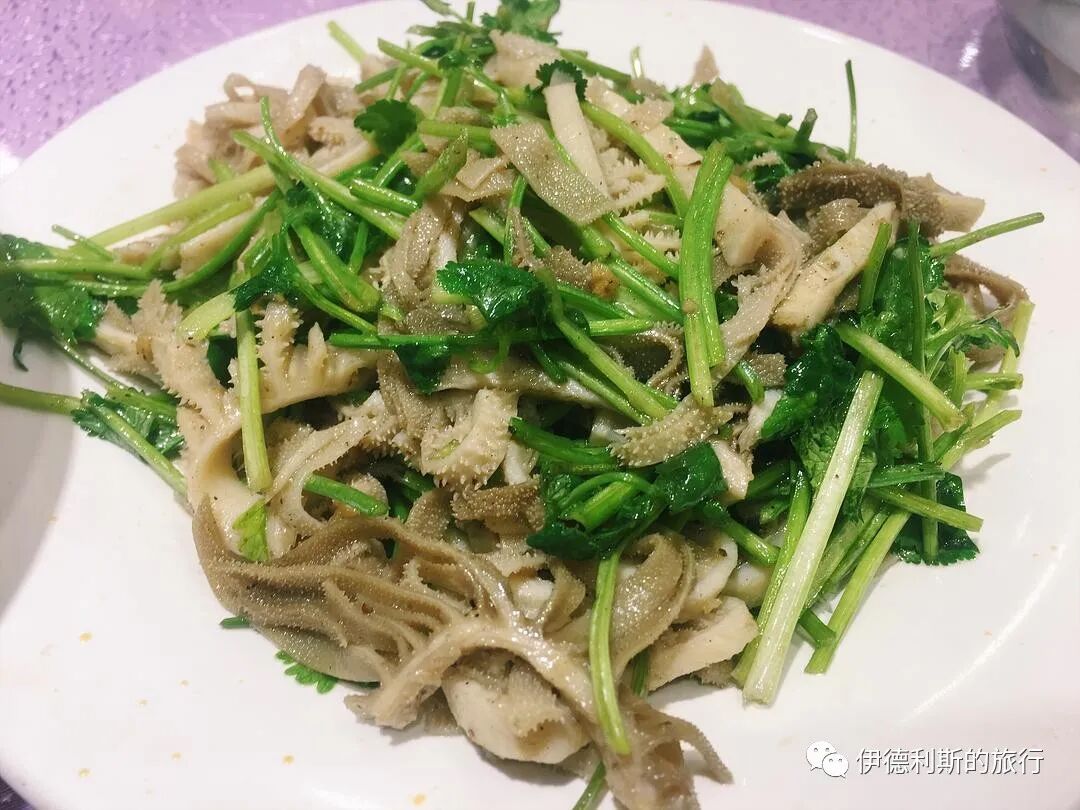
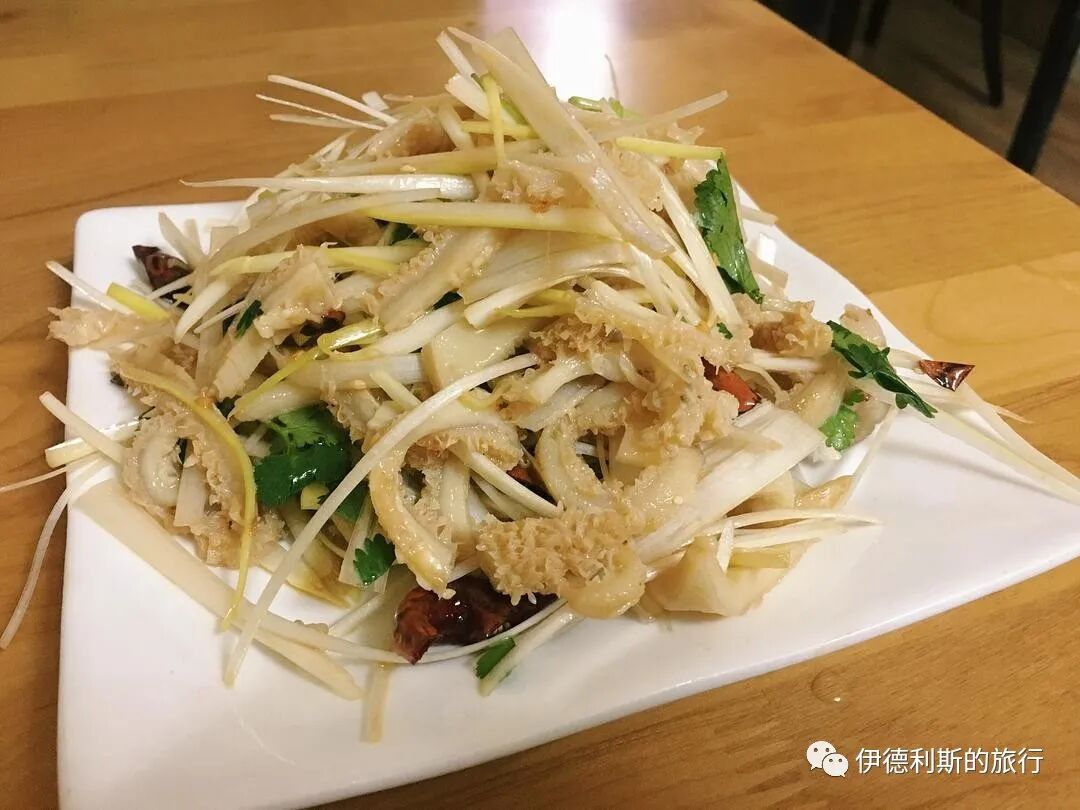
Stir-fried tripe with coriander (yanbao sandan)
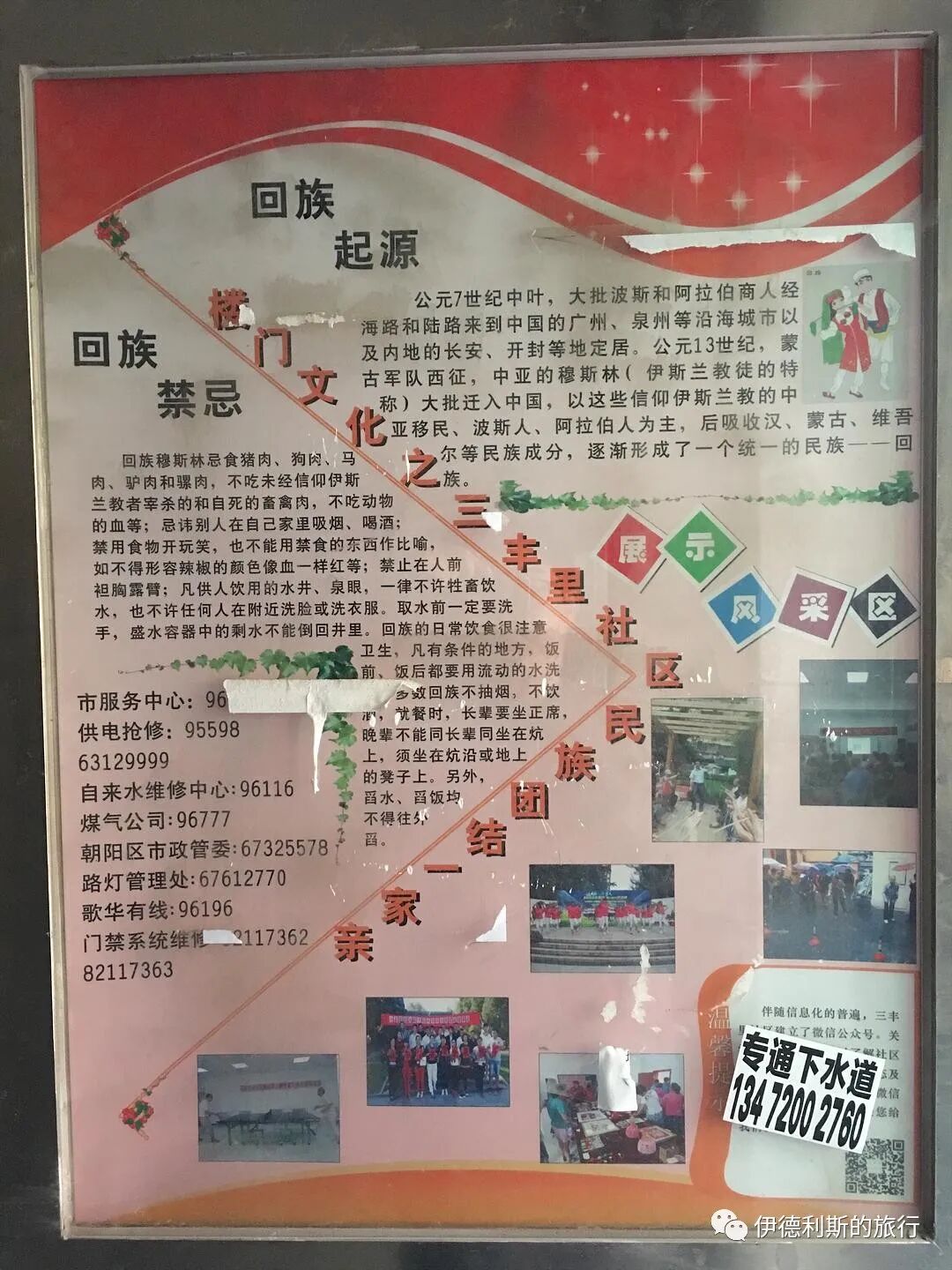
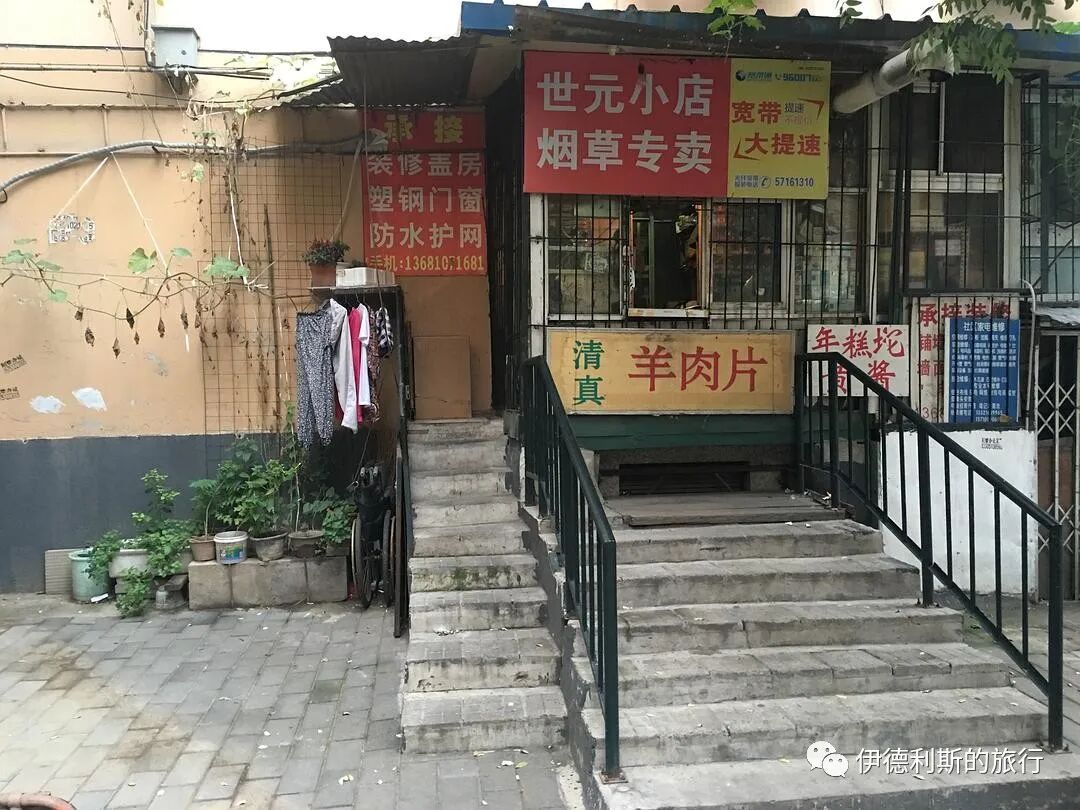
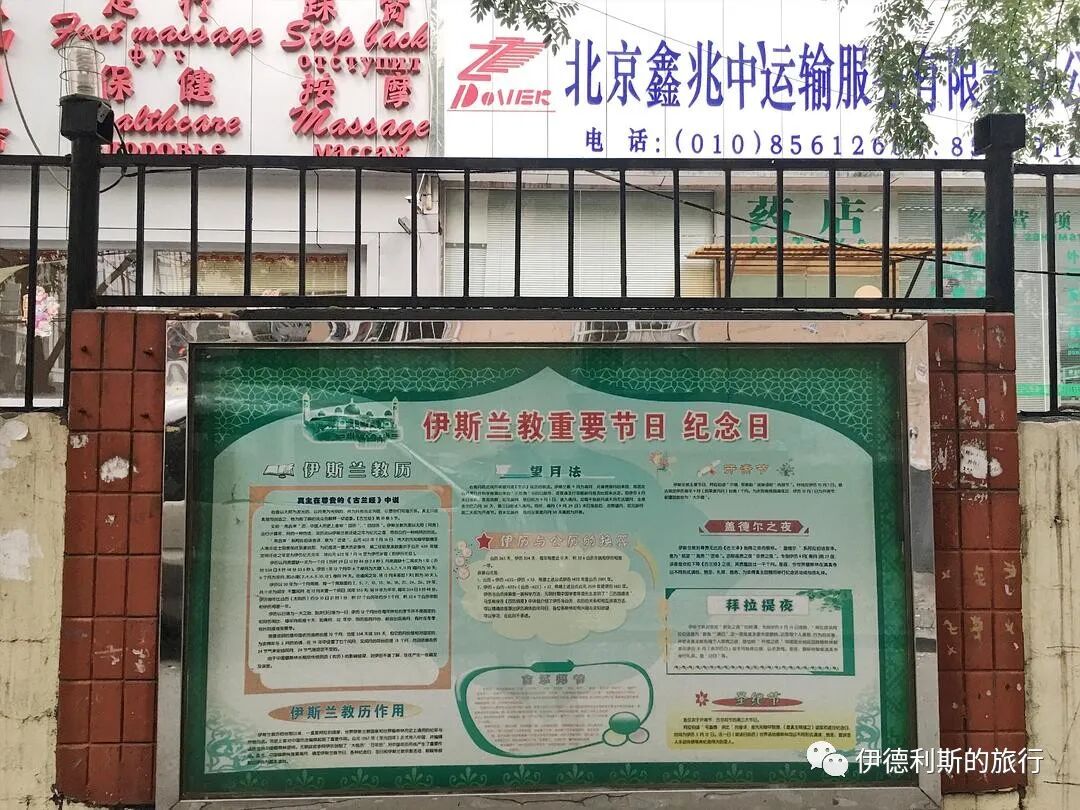
Sanfengli in Chaowai
After 1992, all the traditional Hui Muslim neighborhoods in Chaowai were torn down, and the residents were moved back to the newly built Sanfengli residential area on the same site.
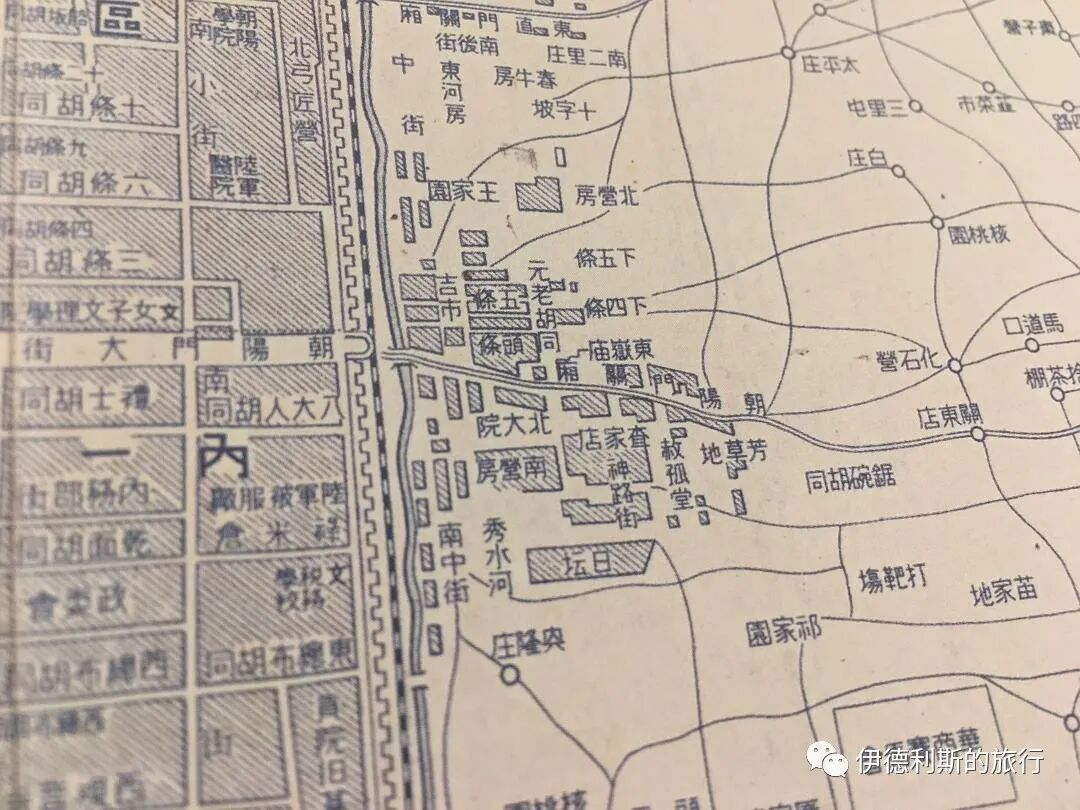
1939 Detailed Map of the Vicinity of Beijing
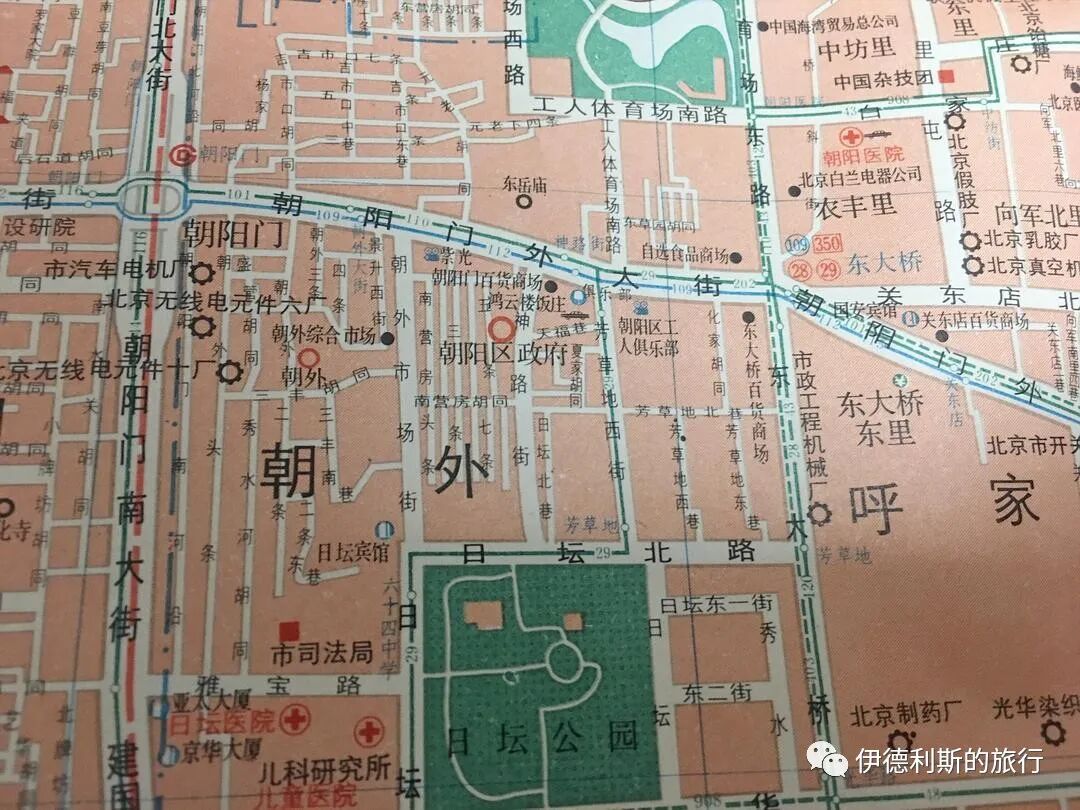
1991 Map of Beijing Urban Area, on the eve of the major demolition in Chaowai
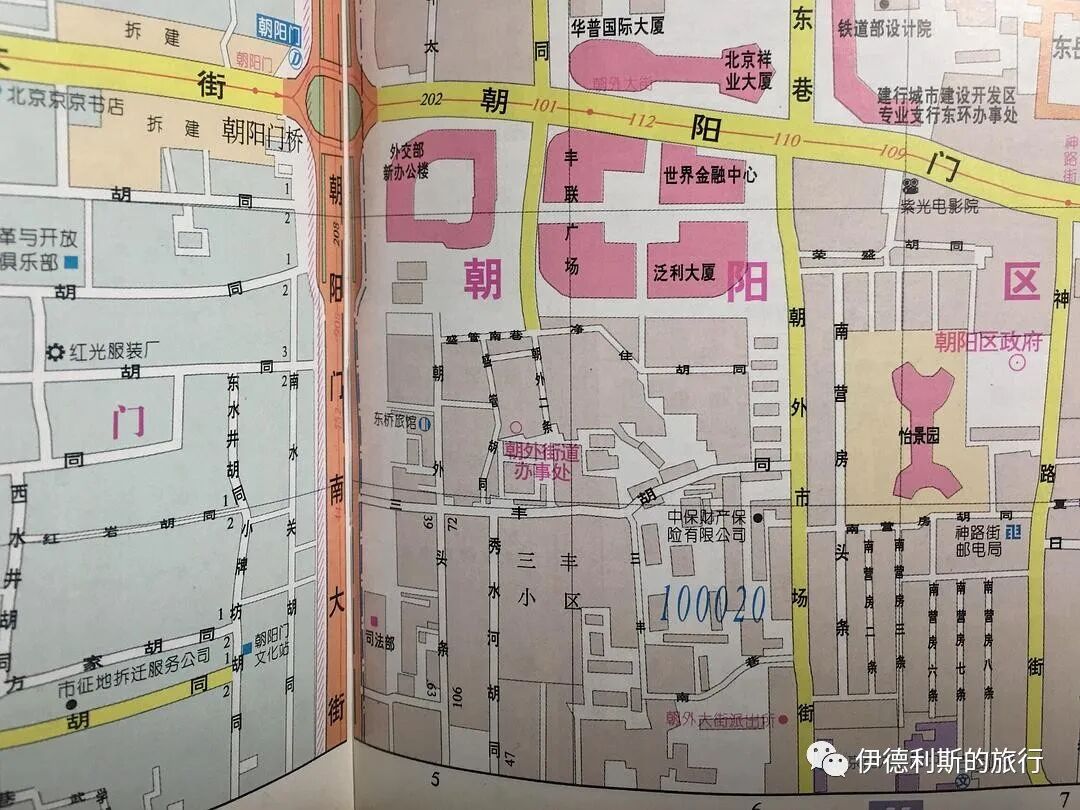
1998 Atlas of Beijing Streets and Hutongs, showing the major demolition in Chaowai and the completion of the Sanfeng residential area.
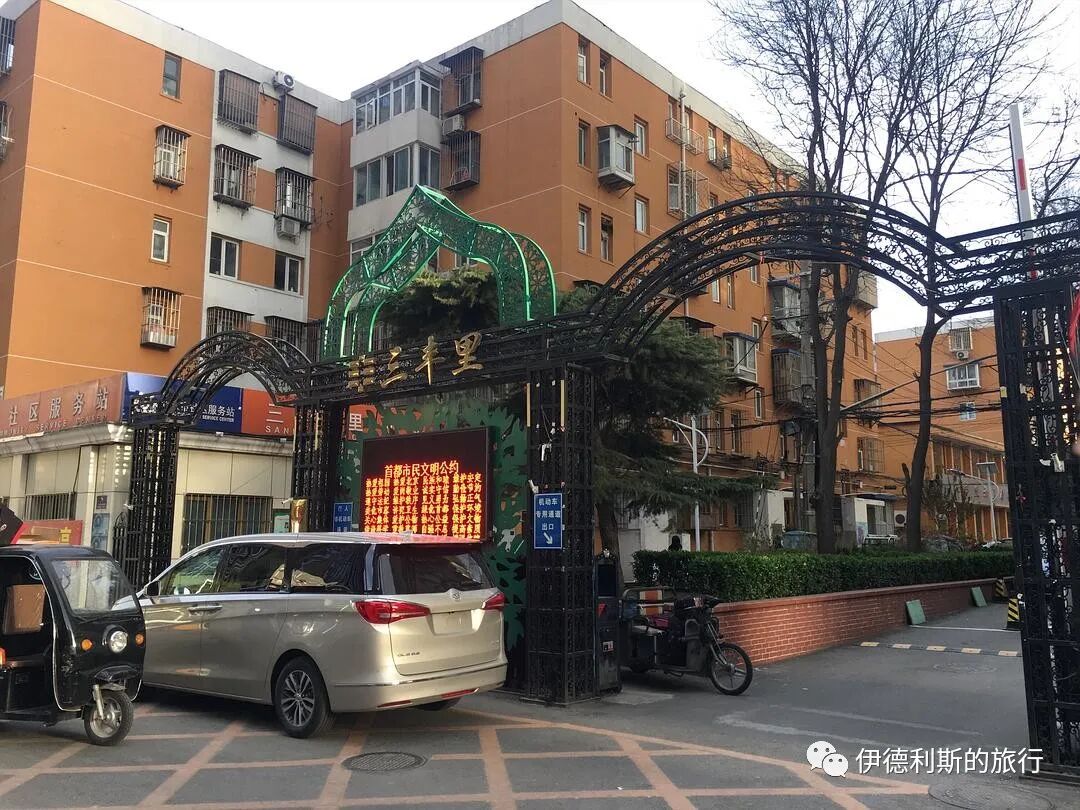
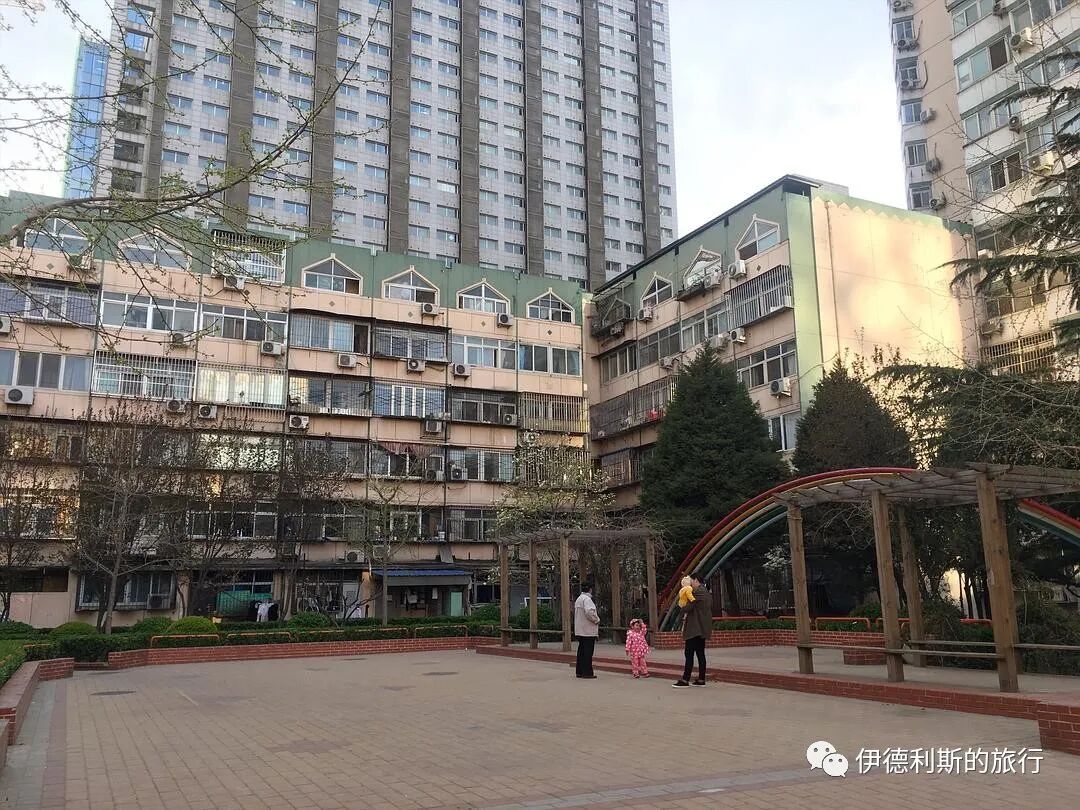
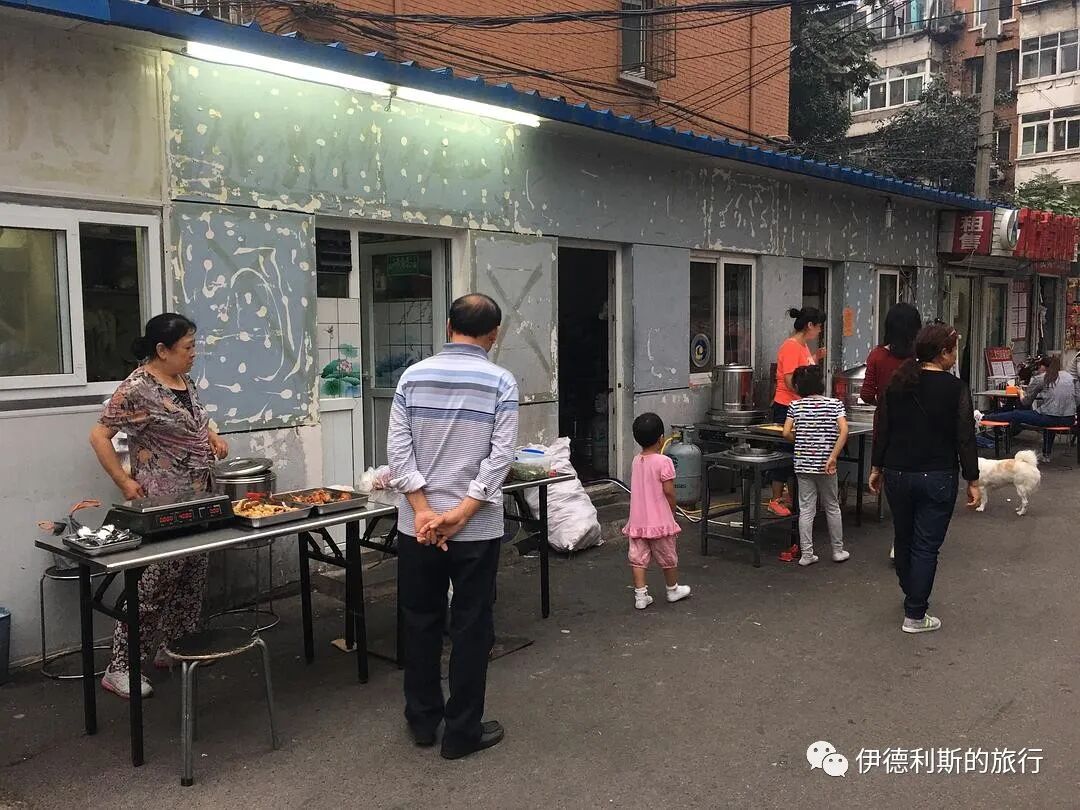
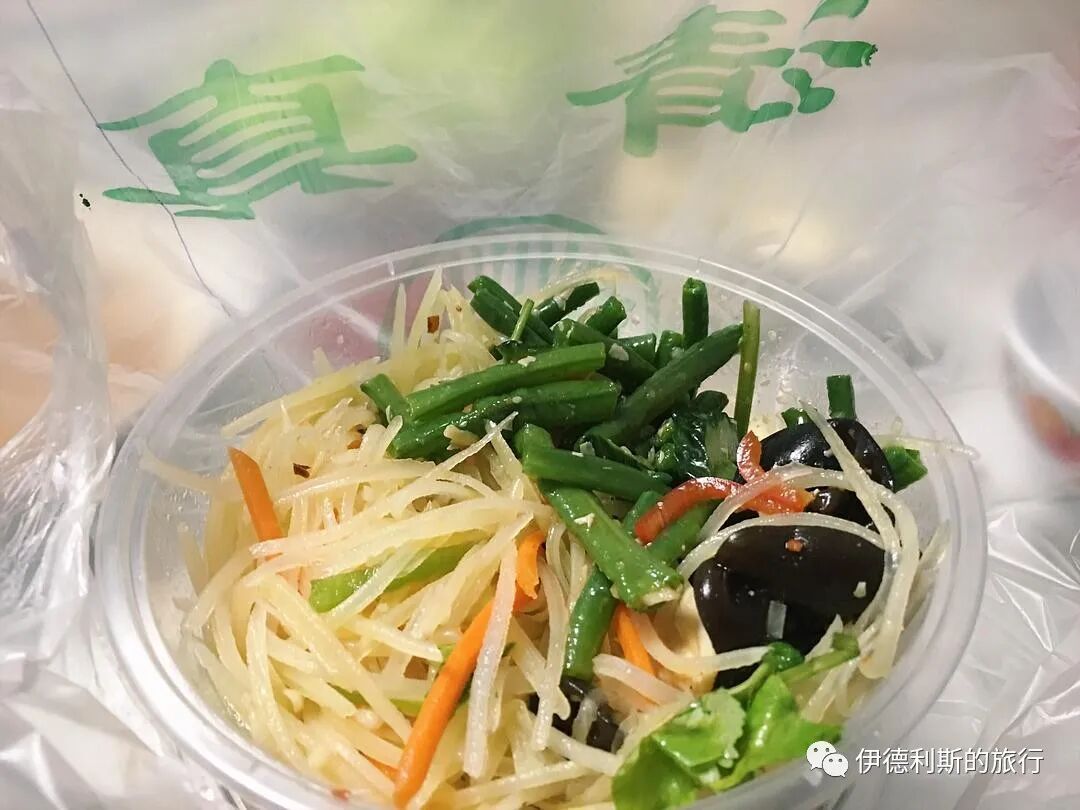
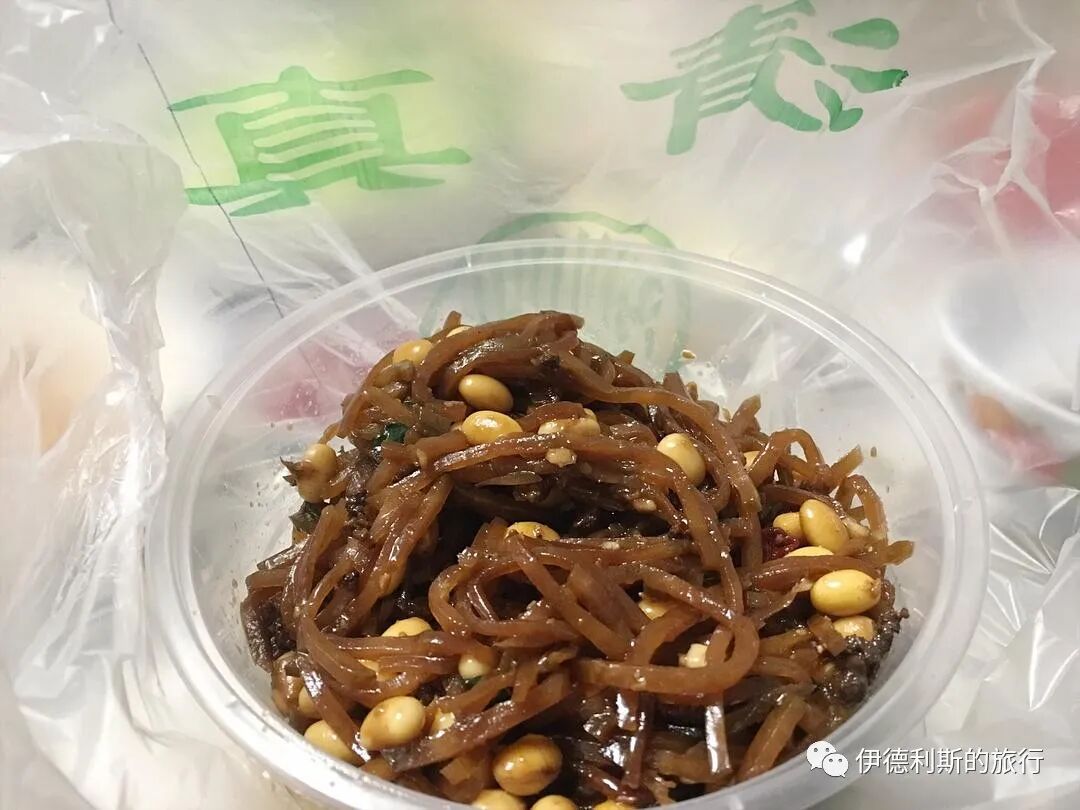
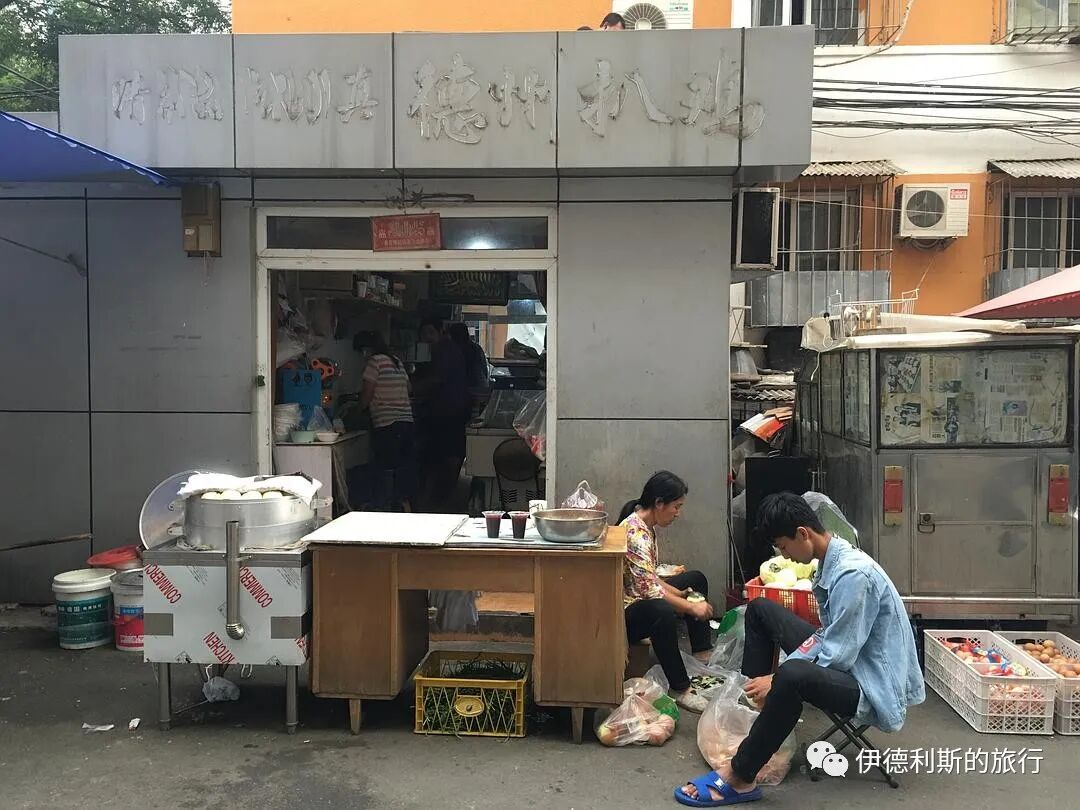
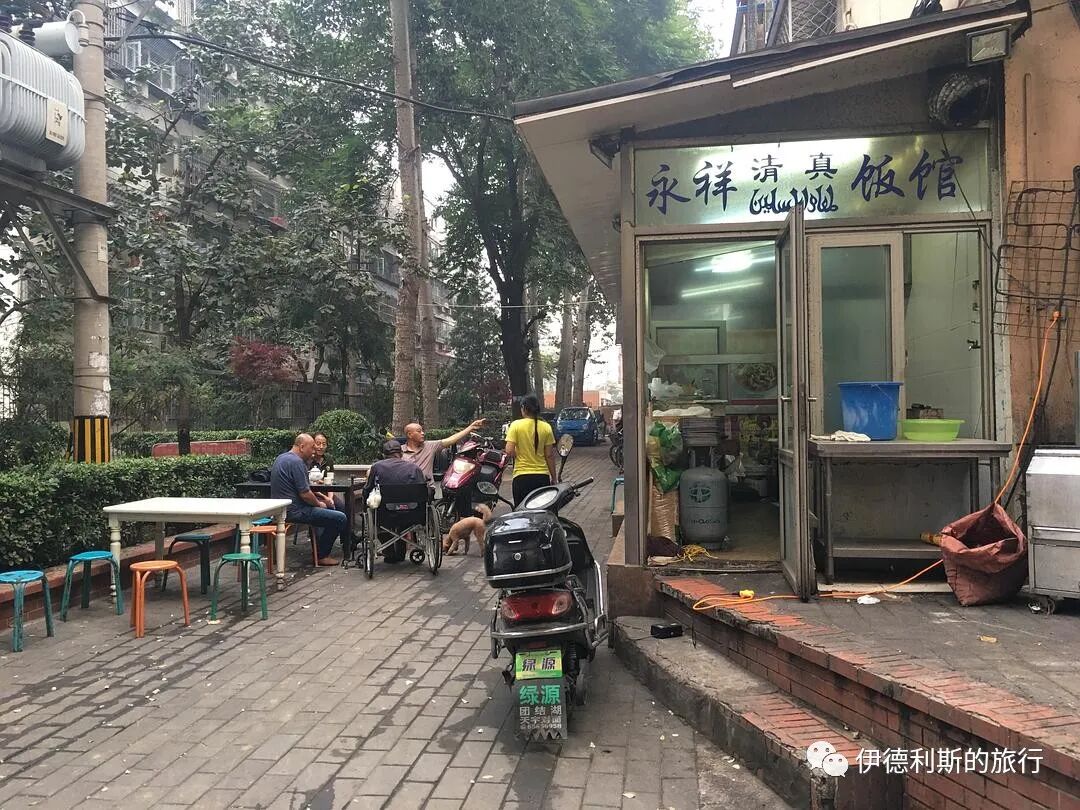
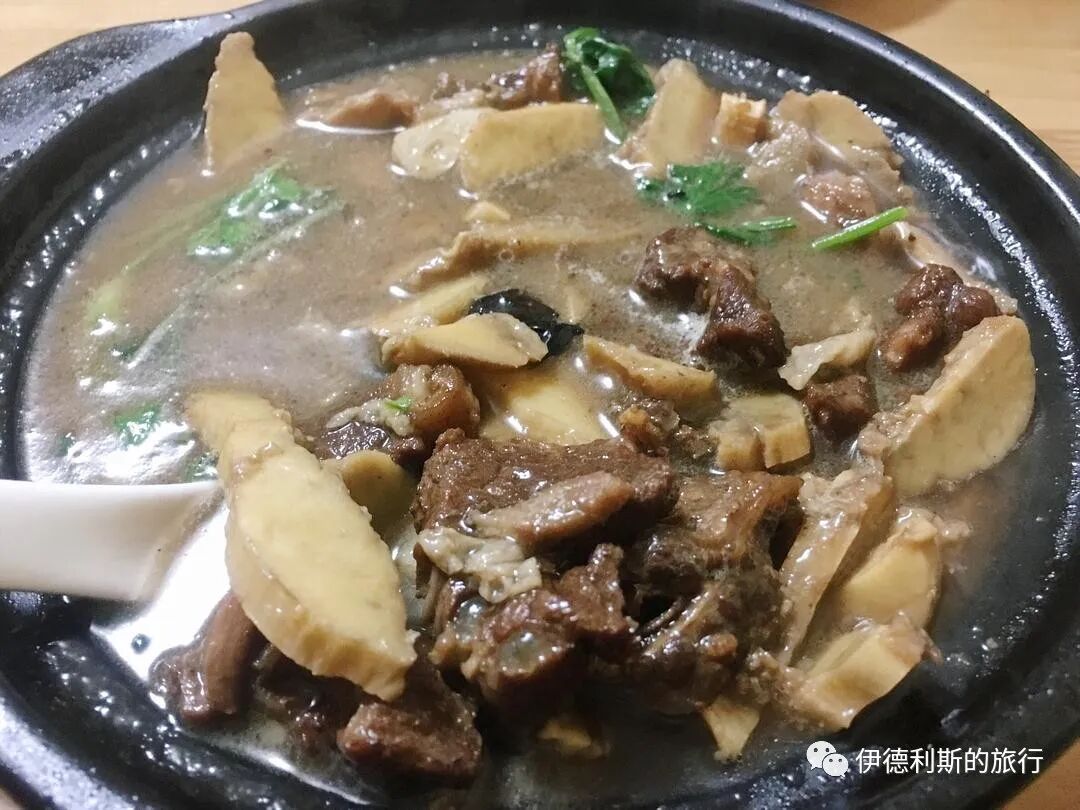
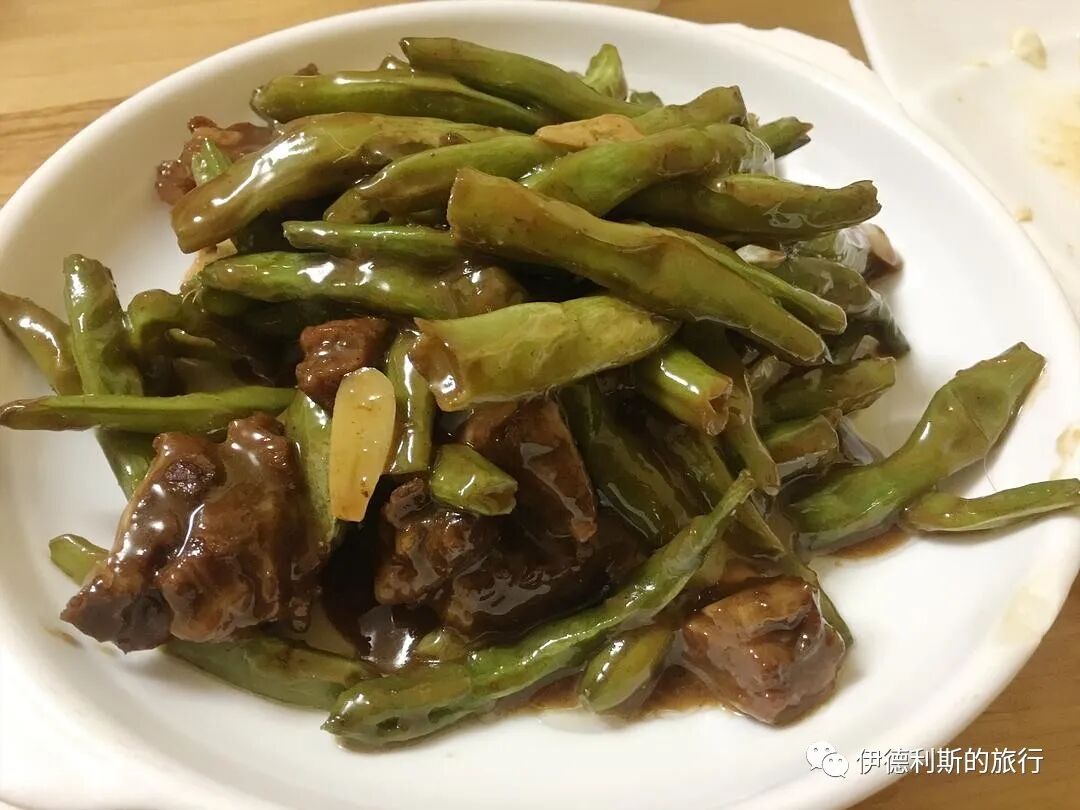
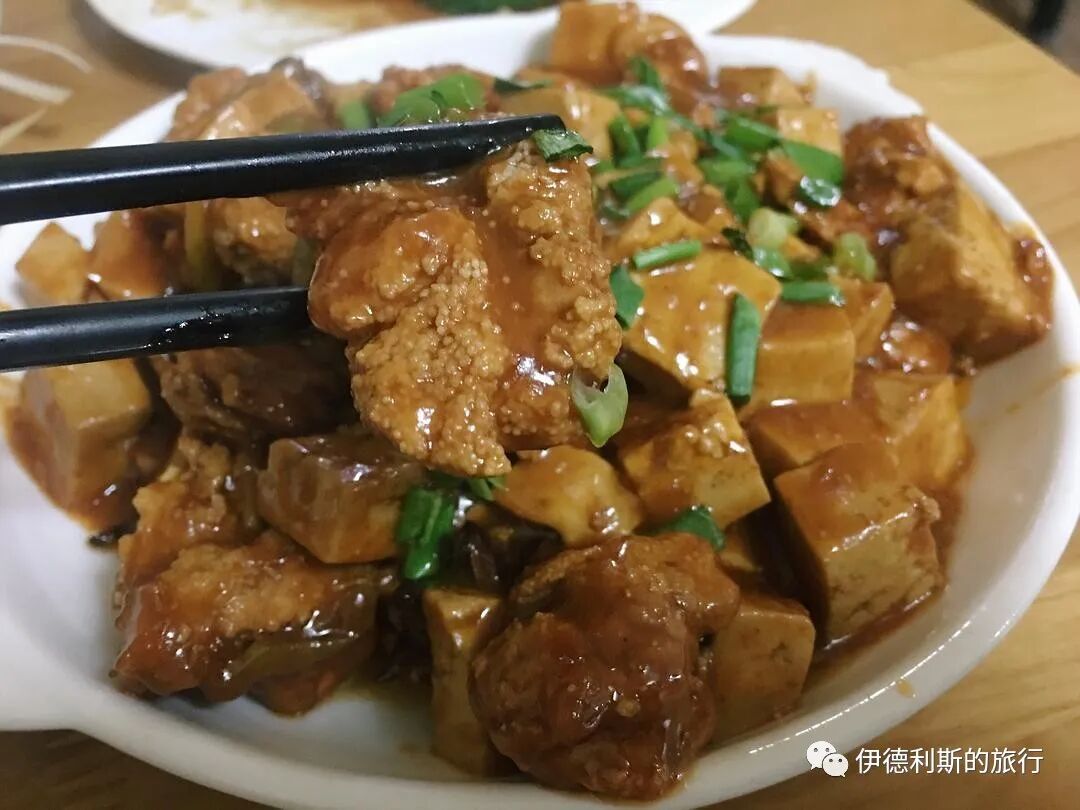
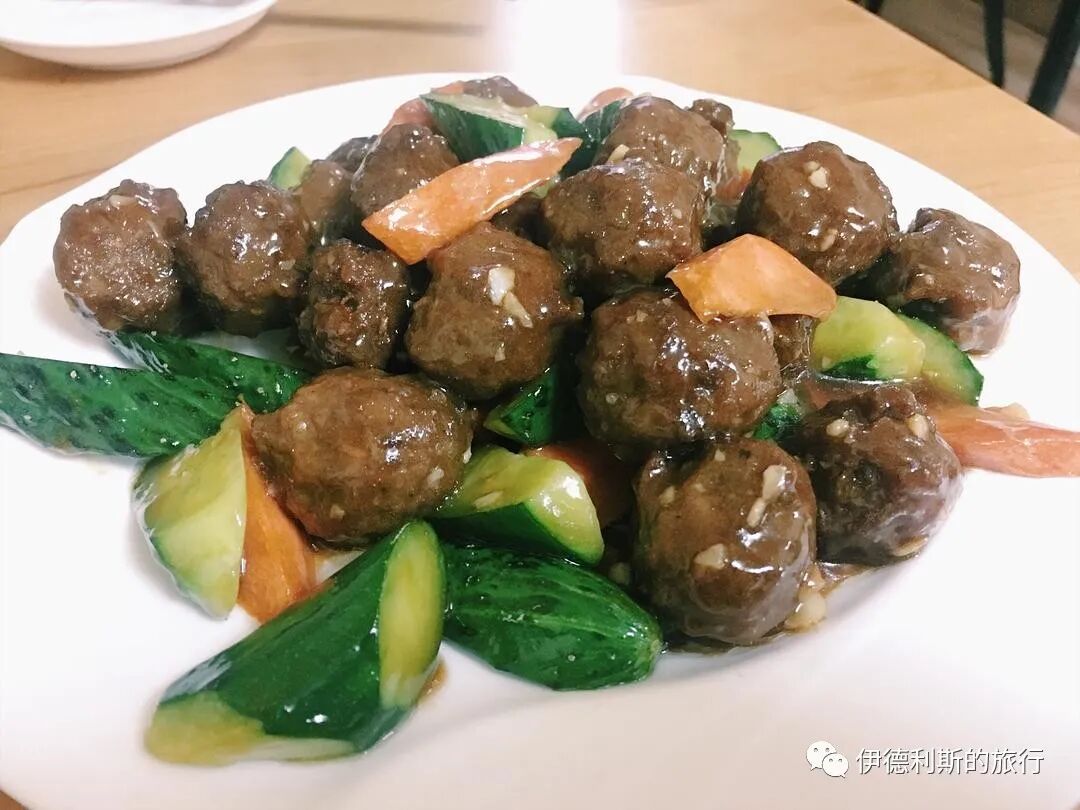
At a small halal restaurant in Sanfengli, I ordered beef stewed with tendon, stewed meat with green beans, fish roe tofu, crispy meatballs, and mixed tripe strips. The stewed green beans were incredibly delicious and went perfectly with rice.
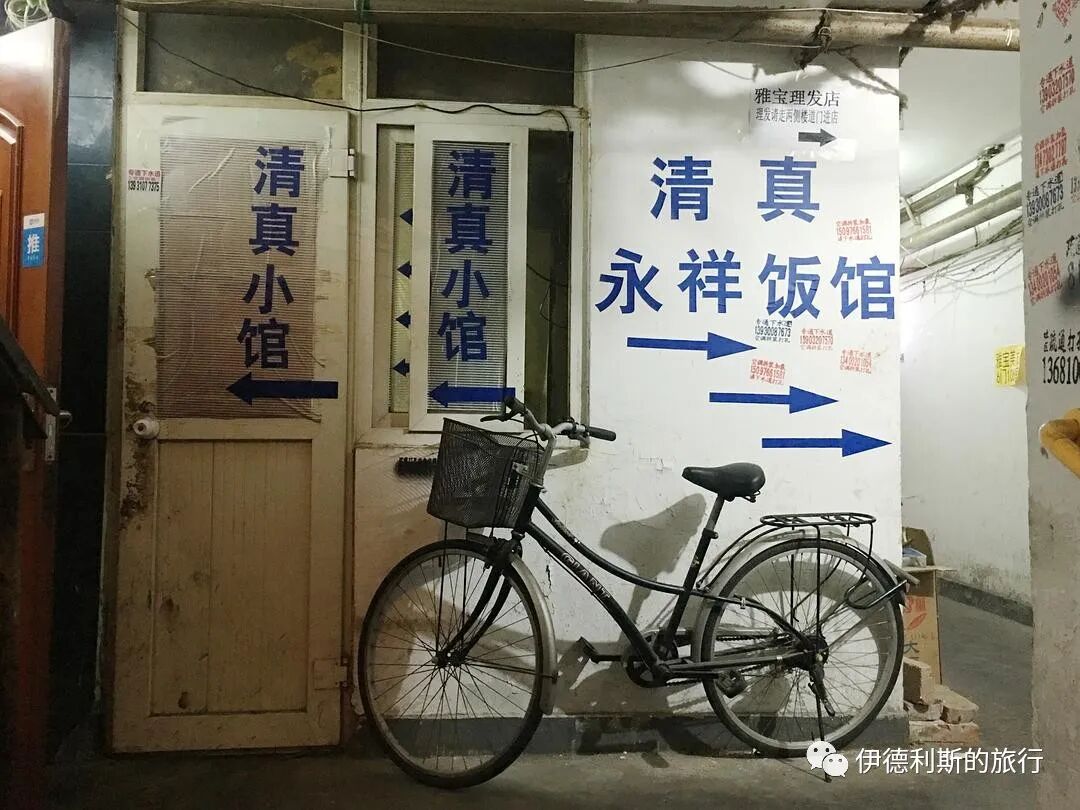
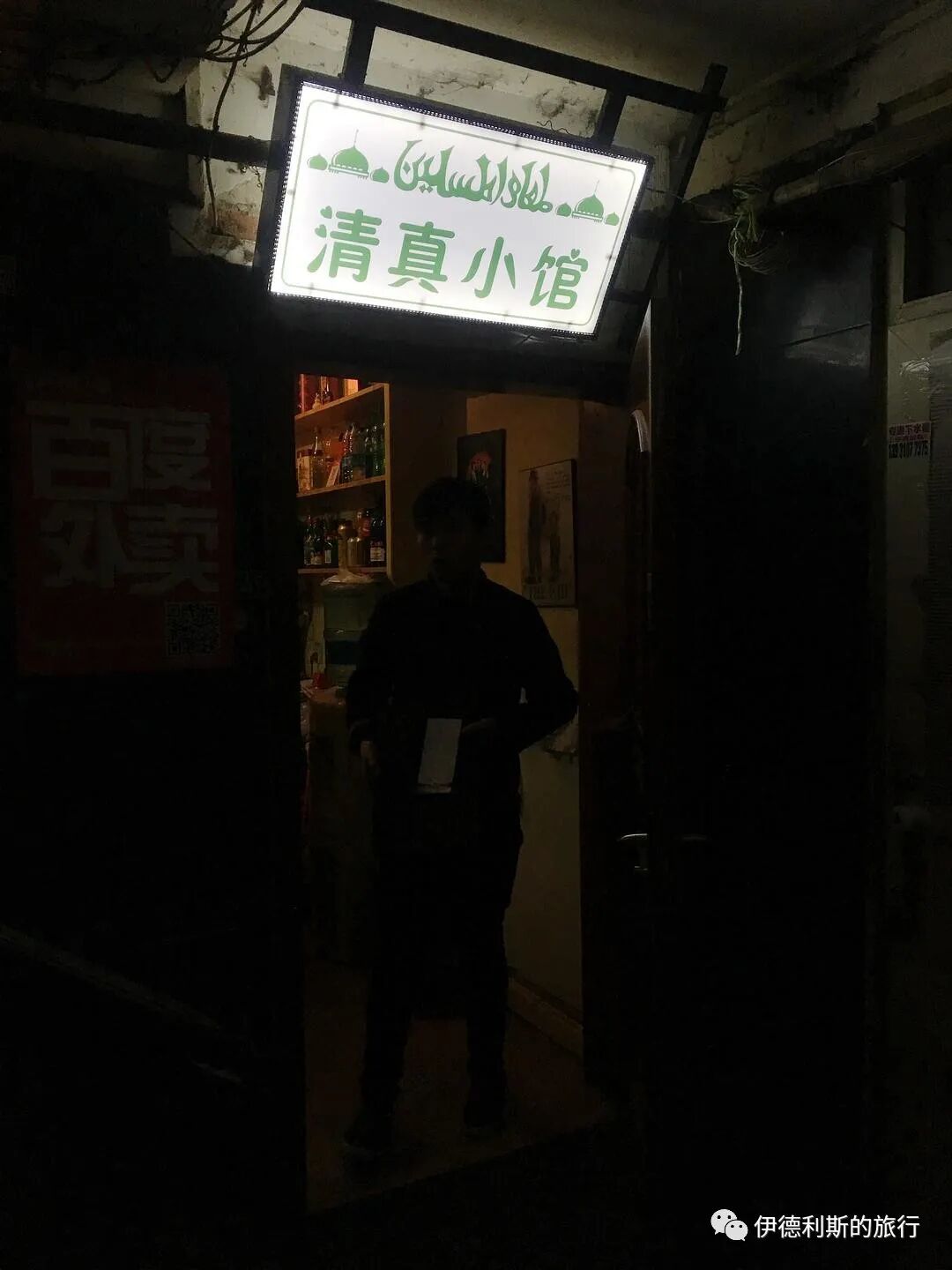
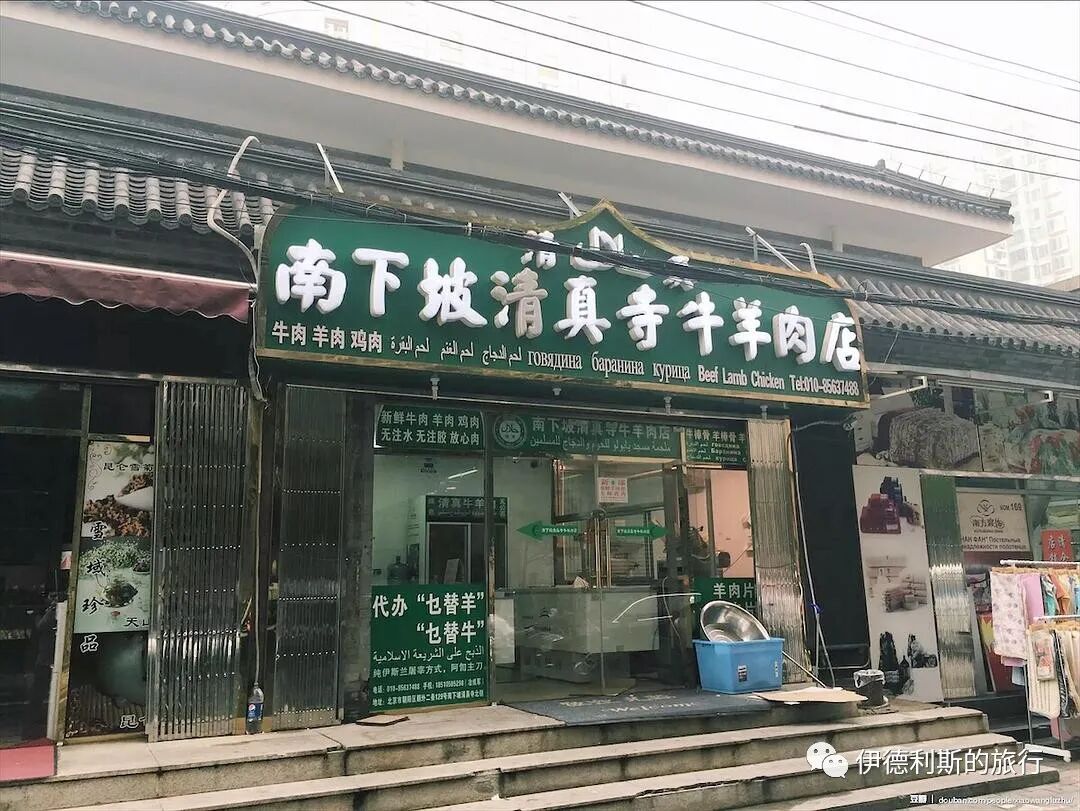
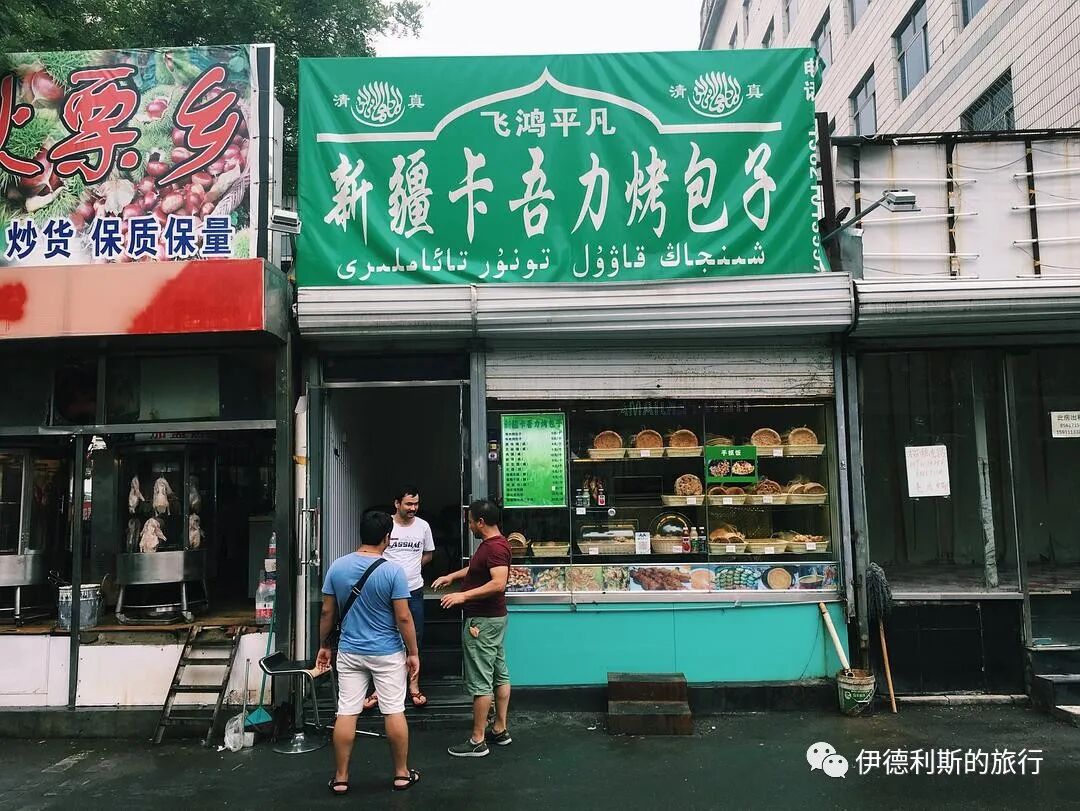
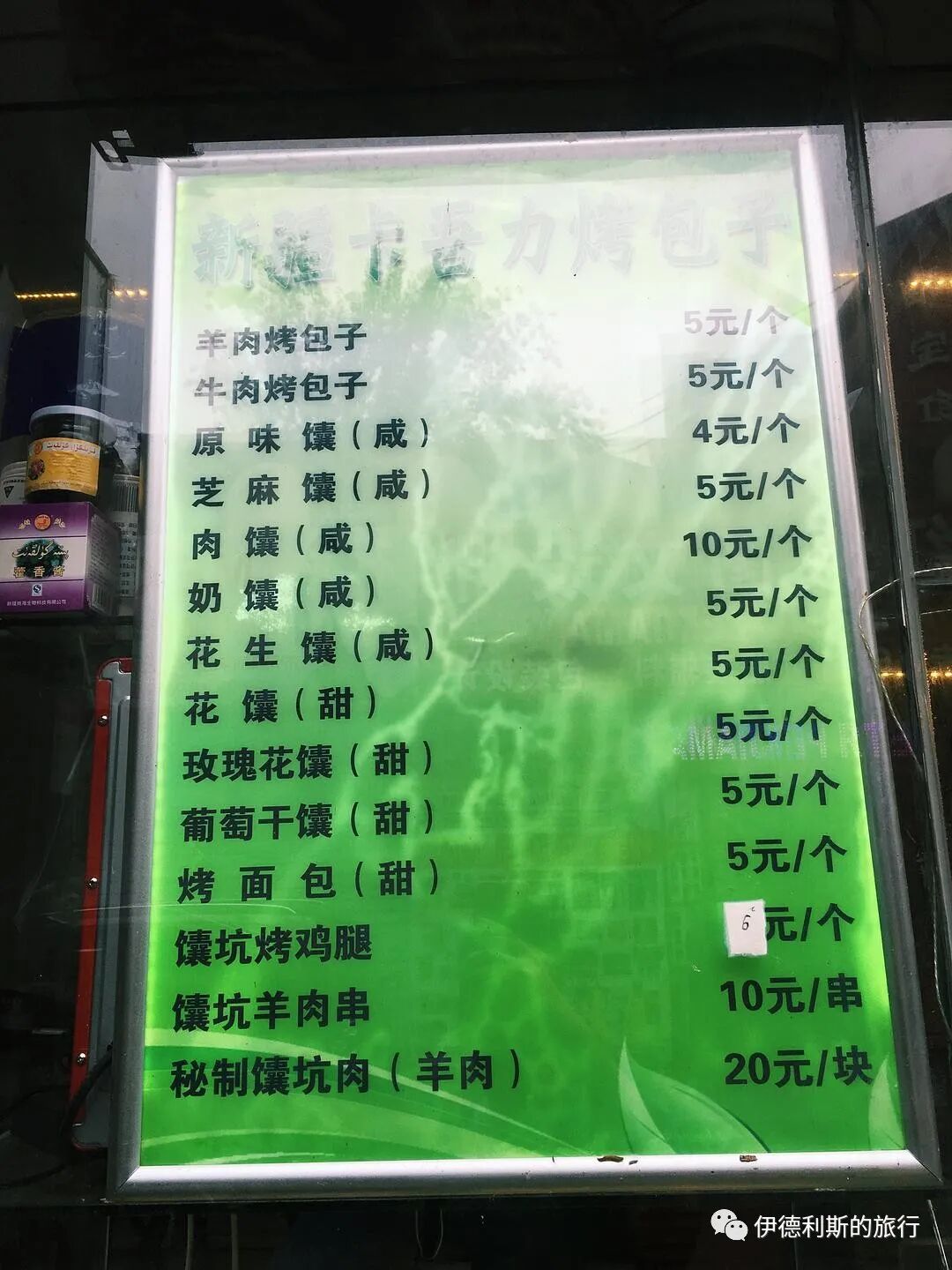
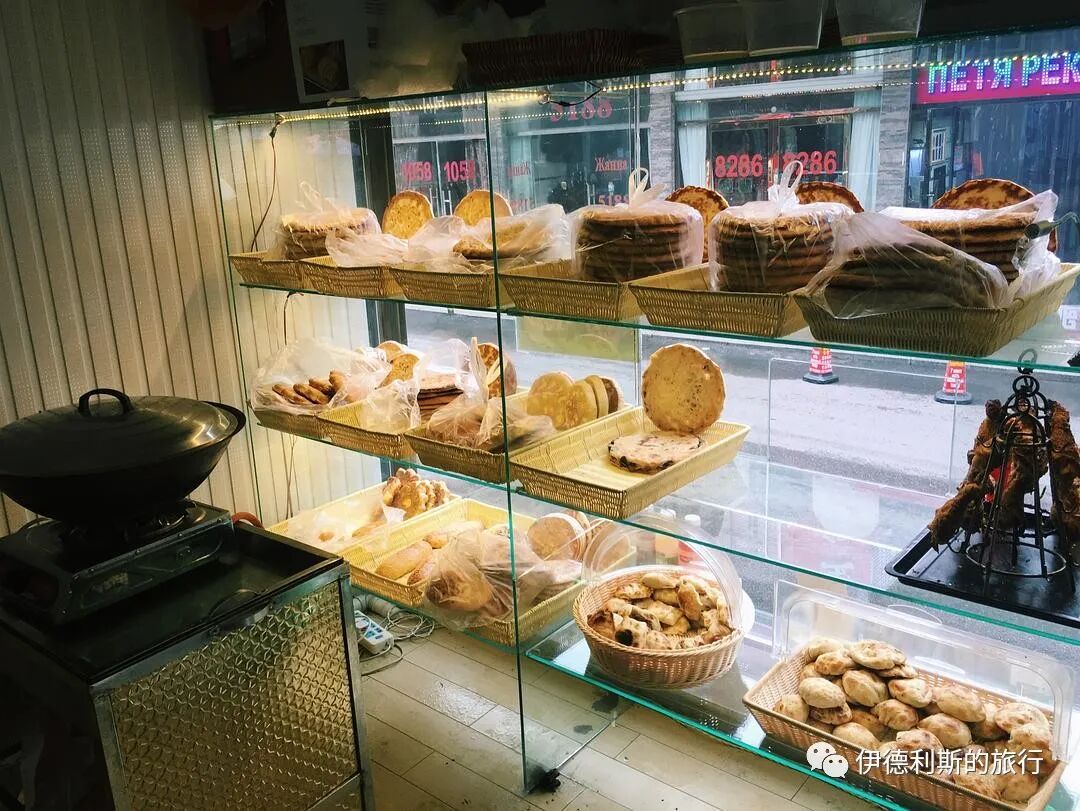
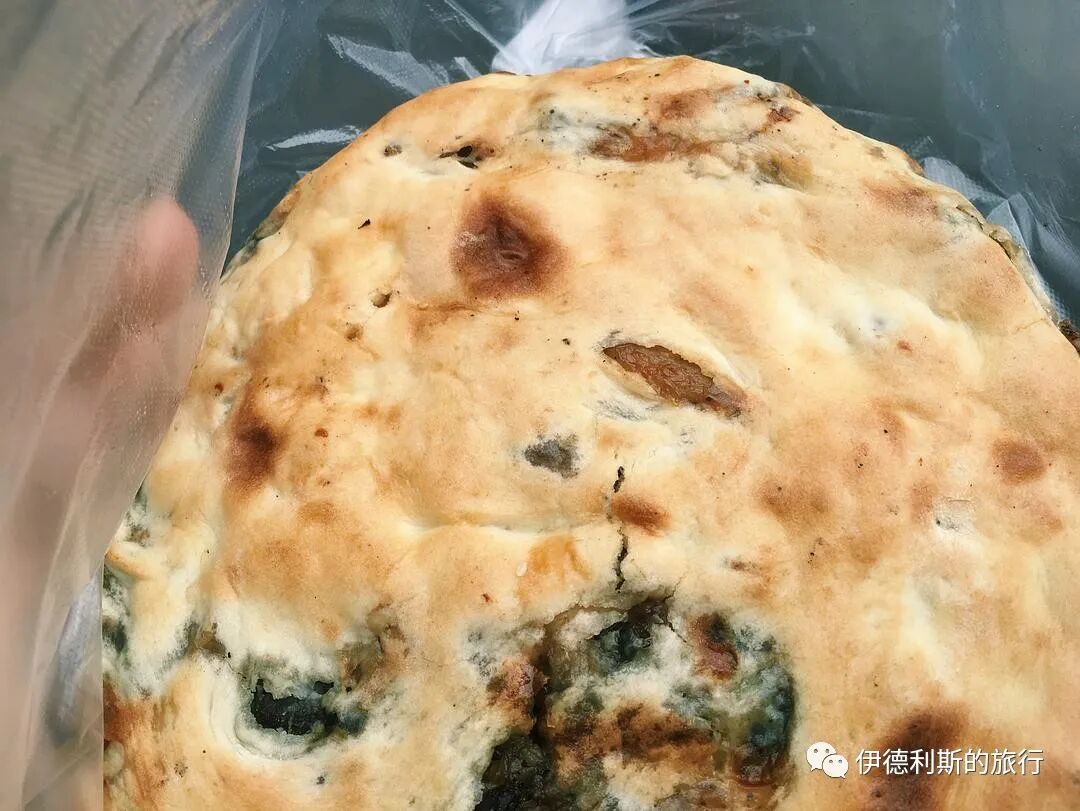
The back door of the Nanxiapo Mosque is next to the Kawuli baked bun shop, where I have bought their meat-filled flatbread (rounang) several times.
Summary: Beijing Chaowai Guanxiang — Hui Muslim Quarter and Food is presented here as a firsthand travel account in clear English, beginning with this scene: The historical and geographical information in this article about the Chaowai Guanxiang area is partially compiled from the book "Outside Chaoyangmen". The account keeps its focus on Beijing Chaowai, Hui Muslims, Halal Food while preserving the names, places, food, and historical details from the Chinese source.
The historical and geographical information in this article about the Chaowai Guanxiang area is partially compiled from the book "Outside Chaoyangmen". Information regarding the Hui Muslims of Chaowai is partially compiled from Ma Zhongqing's book "Chaowai Nanxiapo".
The formation of Chaowai Guanxiang.
In 1285 (the 22nd year of the Zhiyuan era of the Yuan Dynasty), the Yuan capital Dadu was completed with 11 city gates. The gate in the southeast was called Qihuamen. In 1439 (the 4th year of the Zhengtong era of the Ming Dynasty), the Ming government rebuilt Qihuamen and renamed it Chaoyangmen. The stories we are discussing today take place outside Chaoyangmen.
Chaoyangmen photographed by French photographer Firmin Laribe in 1906.
In 1292 (the 29th year of the Zhiyuan era of the Yuan Dynasty), the Tonghui Canal was completed, connecting Dadu to Tongzhou. Boats traveling north from Hangzhou could reach Jishuitan inside the city of Dadu. After the Ming Emperor Chengzu, Zhu Di, moved the capital to Beijing, he dredged the Tonghui Canal and built a series of granaries inside Chaoyangmen. Large amounts of grain began to be transported from the Jiangnan region to these granaries via the canal.
Nanxincang Granary inside Chaoyangmen.
However, because the Tonghui Canal was too close to the Imperial City of Ming Beijing, Emperor Xuanzong, Zhu Zhanji, grew tired of the constant noise from the canal. In 1432 (the 7th year of the Xuande era), he ordered the eastern wall of the Imperial City to be moved, enclosing that section of the Tonghui Canal. In 1438 (the 3rd year of the Zhengtong era), the Ming government built the Datong Bridge sluice outside Dongbianmen. From then on, grain boats from the south could only reach the area outside Dongbianmen, where the grain was transferred to wheelbarrows or horse-drawn carts to be taken to the granaries inside Chaoyangmen.
The end of the Tonghui Canal after 1438, with the southeast corner tower of the inner city on the right.
In 1697 (the 36th year of the Kangxi era), the Qing government dredged the moat outside Chaoyangmen and installed a water gate. Grain boats from the south could travel directly to the area outside Chaoyangmen to unload their cargo for storage. From this point on, Chaoyangmen officially became the terminus of the Grand Canal.
The moat on the south side of Chaoyangmen, featured in the book "Asia Panorama" published in Japan in 1928.
Because the water in the Tonghui Canal flows eastward, boats coming from Tongzhou had to travel upstream. They had to pass through five sluice gates along the canal to adjust the water levels, which made travel slow and often caused traffic jams. As a result, most grain boats would "leave the boat for the land" upon reaching Tongzhou. The cargo was unloaded onto carts and taken directly to Chaoyangmen by road. The official road connecting Chaoyangmen and Tongzhou became increasingly busy, eventually surpassing the Tonghui Canal as the main transport route.
In 1729 (the seventh year of the Yongzheng reign), the stone road from Chaoyang Gate to Tongzhou was completed. The stone road itself was 20 feet wide, with dirt roads 15 feet wide on each side, making it the expressway between Beijing and Tongzhou at that time. Park Ji-won, an envoy from Korea to China at the end of the Qianlong reign, wrote in his 'Jehol Diary' that the Chaoyang Gate stone road 'stretched for 40 li from Tongzhou to the Imperial City, paved with stone beams, where iron wheels clashed and the sound of carts grew louder, shaking one's spirit and leaving one uneasy.'
In 1942, the Japanese wanted to build a highway from Tongzhou to Beijing and planned to replace the stone road with cement, but they surrendered when the work was only half finished. Therefore, in 1949, it was half stone road and half cement road. After 1949, an asphalt road was built, and the Chaoyang Gate stone road finally disappeared, but many of the stone slabs were buried shallowly along the side of Chaoyang Road; some were later dug up and preserved in the Chaowai CBD Park.
The Chaoyang Gate stone road in the Chaowai CBD Park.
The Chaoyang Gate official road in the 1935 book 'Trips outside Peking' is the line the car is driving on in the picture.
Residents of the Chaowai Guanxiang area.
Because they were not restricted by the closing of the city gates at night, people transporting grain were willing to choose to stay and rest outside Chaoyang Gate. Tea houses, inns, and restaurants gradually sprang up in the Chaowai Guanxiang area, making it the most prosperous district east of Beijing, with many shops and booming business, and many people eventually settled there.
to Chaowai Street as the main commercial artery, the Chaowai Guanxiang area had three residential areas where three different ethnic groups lived. Among them, Jishikou north of Chaowai Street was mainly Han Chinese, the Nanxiapo area to the southwest was mainly Hui Muslims, and the Xiangbai Banner South Barracks to the southeast was mainly Banner people.
An aerial photo of the inside and outside of Chaoyang Gate taken by Japanese photographer Shiba Yōson in 1940, with Nanxiapo in the upper left corner.
An aerial photo of the area outside Chaoyang Gate in 1951 from the Beijing Imprint website.
The mosque in the Chaowai Guanxiang area.
Information about the Muslim community in the Chaowai Guanxiang area is compiled from 'Chaowai Nanxiapo' by the local elder Ma Zhongqing from Nanxiapo. Ma Zhongqing was born in 1947 and lived in Nanxiapo outside Chaoyang Gate since he was a child, writing many articles about this area.
There were once seven mosques in the Chaowai area, but only four are clearly recorded today: Nanzhongjie Mosque, Nanxiapo Mosque, Shuimenguan Women's Mosque, and Shegutang Mosque.
A map from the book "Outside Chaowai Gate".
Nanzhongjie Mosque, also known as the Great Mosque (Da Libaisi) and Nanxiapo Mosque, is located on the west side of the north end of Nanzhong Street outside Chaoyang Gate. It was first built in the early years of the Kangxi reign and was the largest mosque in the Chaowai area. The last imam (ahong) of Nanzhongjie Mosque, Yu Guangzeng, came from a family of imams. At 26, he received his formal appointment at Huashi Mosque. He was very learned, wrote books like "Basic Scripture Textbooks" and "Philosophy Textbooks," and passed away in 2004.
During the Pingjin Campaign in 1948, the Kuomintang 13th Army, responsible for guarding Dongzhimen, Chaoyangmen, and Guangqumen, demolished all civilian houses on the east bank of the moat from Chaoyangmen to Jianguomen, and Nanzhongjie Mosque was destroyed.
In 1949, Imam Yu Guangzeng oversaw the construction of classrooms and a playground on the original site of Nanzhongjie Mosque and founded the Mushen Primary School for Hui Muslims. Imam Yu Guangzeng served as the principal of Mushen Primary School and hired teacher Mu Chengyu, a graduate of the famous modern Islamic school Chengda Normal School, as the head teacher. In 1951, Qin Junxiang, a graduate of the Hui Muslim College teacher training class, joined Mushen Primary School as a teacher. The drum and bugle band of Mushen Primary School was very famous locally. Their Western-style drums and horns were very novel, and they were often invited to participate in events.
In 1956, Mushen Primary School was renamed Chaoyang District Nanzhongjie No. 2 Primary School. In the 1980s, it became the office for the Chaoyang District Islamic Association, and it was demolished in 2003.
Shuimenguan Women's Mosque was located at the second door on the north side of the east entrance of Shuimenguan Hutong. First built in the late Qing Dynasty and early Republic of China, it was a standard courtyard house (siheyuan) with a main hall that could hold dozens of people for namaz and two lecture halls to the north and south. Shuimenguan Women's Mosque stopped its activities in 1958 and became a nursery for Hui Muslims in the early 1960s. In 1993, to build the Ministry of Foreign Affairs building, the mosque's structures were dismantled and moved away by Yangzha Mosque.
Shegutang Mosque was located on the west side of the north end of Shegutang Hutong, 200 meters from Chaowai Street. Like the Shuimenguan Women's Mosque, it was a courtyard house with a main hall that could hold 30 to 40 people for namaz and two lecture halls to the north and south. The imam in the 1940s and 1950s was surnamed Zhang. Shegutang Mosque closed in 1958.
Nanxiapo Mosque, also known as the Small Mosque (Xiao Libaisi), was first built in the early years of the Kangxi reign. It is located on the west side of the south entrance of Chaowai Second Alley and is the only mosque in the Chaowai area that still exists today.
According to Ma Zhongqing's ancestors, a shed builder lived in Nanxiapo during the late Ming and early Qing dynasties. He built a large shed using fir poles and reed mats. An imam named Hu Zhonghe led the local Hui Muslims in prayer inside this mat shed, which was the earliest Nanxiapo mosque. In the early years of the Kangxi reign, a Hui Muslim surnamed Ma who sold bows and arrows inside Chaoyang Gate heard about the situation in Nanxiapo. Just then, a payment arrived from a Mongolian client for a bow and arrow order. The man surnamed Ma donated this money to build the Nanxiapo mosque.
The main gate of the Nanxiapo mosque originally consisted of three separate gate towers connected by courtyard walls, but they were destroyed in the early 1960s.
After 1966, religious activities stopped at Nanxiapo, but it still served as the Beijing Hui Muslim Funeral Service Center, helping Hui Muslims with funeral arrangements. To prevent the Red Guards (HWB) from attacking the Nanxiapo mosque, more than twenty local elders including Ma Yulin, Ma Yuhai, and Tuo Jihua took turns guarding the mosque day and night. They stopped the Red Guards from entering the old mosque, saving Nanxiapo from disaster.
The Nanxiapo mosque was rebuilt in 1986 and renovated again in 2016, resulting in its current appearance.
In 1947, the Nationalist army was conscripting men at the South Barracks outside Chaoyang Gate. The young Hui Muslim men of Nanxiapo were terrified. They grabbed some dry rations from home and ran to the Nanxiapo mosque, where they climbed onto the roof of the main hall using wooden ladders with the help of the imam and the elders. After they were hidden, the imam and elders immediately hid the ladders. When the Nationalist troops came to the mosque to seize people, the imam persuaded them to leave. The men on the roof lay flat for an entire day and finally escaped the danger.
Breaking the fast (iftar) at the mosque during Ramadan in 2021.
Attending a religious gathering at Nanxiapo in 2021, where there was lamb and wheat porridge (yangrou mairen rouzhou) and fried dough (youxiang).
Most of the leaders of the Nanxiapo mosque have been descendants of the first leader, Hu Zhonghe. Hu Zhonghe's 12th-generation descendant was named De Gui, with the courtesy name Zichen, born in 1883 (the ninth year of the Guangxu reign). Because his parents died early, 15-year-old Hu Zichen inherited his father's profession in 1898 (the 24th year of the Guangxu reign) and became the second leader (haitibu) of the Nanxiapo mosque. Later generations called him Master Hu the Second. At that time, the imam of the Nanxiapo mosque was Hu Wenzhi, and the third master was Ma Shikuan, known as Master Ma the Third.
In 1900, Empress Dowager Cixi fled west, and bandits were everywhere. Many merchants on Chaowai Street were robbed. The 17-year-old Imam Hu Zichen organized a local militia in Nanxiapo. Local young Hui Muslims joined enthusiastically. Some were wrestlers, some knew martial arts, and some were cart drivers. The wealthy members even bought firearms. Every night, everyone gathered at the entrance of the Nanxiapo Mosque to take turns patrolling the streets and keeping watch, finally avoiding a disaster.
Imam Ma Chunpu began his service as an imam in 1944, leading prayers at the Huashi Mosque and Balizhuang Mosque before moving to the Nanxiapo Mosque. After 1966, Imam Ma Chunpu faced persecution. In 1976, he became the president of the Chaoyang District Islamic Association, helping local Muslims solve various problems until he passed away in 2001.
Imam Ma Dekai came from a family of imams and took over his father's work to become the imam of the Nanxiapo Mosque after 1949. Imam Ma Dekai was honest and kind. For years, he worked to restore religious properties and halal food outlets, while quietly donating to children who had dropped out of school. He passed away in 2000 at the age of 78.
Elder Ding Ruichun was a community leader at the Nanxiapo Mosque and a great helper to Imam Ma Dekai. Whenever Imam Ma slaughtered a sheep, Elder Ding would hold the sheep's head, and the two old friends worked together perfectly. The sheep heads Elder Ding cleaned were completely free of wool, and the sheep intestines he washed were perfectly white. He was a master of his craft, never asked for pay, and never ate at anyone's house. Elder Ding Ruichun passed away in 2003 at the age of 74.
On February 15, 1928, after the Communist Party's Beiping Municipal Committee Secretary Ma Jun was killed, his body (maiti) was cleaned at the Nanxiapo Mosque by Hu Wenzhi and Hu Zichen. Then, the elders and community members (dost) of Nanxiapo donated burial shrouds (kafan) and buried him in the northwest corner of Ritan.
The original tombstone of Ma Jun inside the Nanxiapo Mosque.
In the early 1950s, the Beijing municipal government took over the slaughterhouse next to the Nanxiapo Mosque and the large cemetery west of Ritan for urban construction. Imam Hu Zichen led dozens of people from Nanxiapo on a large truck to move the remains to the Hui Muslim cemetery in Xibeiwang, Haidian. Only the rebuilt tomb of the martyr Ma Jun remained in the Chaowai Hui Muslim cemetery west of Ritan.
Ma Jun's tomb in Ritan Park.
Halal food in the Chaowai Guanxiang area.
Chaowai Street, photographed looking east from Chaoyang Gate by Japanese photographer Kazumasa Ogawa in 1901.
A photo from the book 'Old Beijing City'.
Beijing history expert Wang Yongbin wrote about the halal beef and mutton shops and oil and salt stores on Chaowai Street during the Republic of China era in his book, "Beijing's Suburban Towns and Old Brands."
Famous halal mutton shops on Chaoyangmen Suburban Street included Sanyishun, Dongxingshun, and Qianyuhe. Qianyuhe Mutton Shop was in a busy section of Chaowai Street. It had two storefront rooms in the front and six processing rooms in the back. Every winter, they bought sheep from Inner Mongolia, slaughtered them right in front of the shop, and sold the meat immediately, which made them very popular.
The most famous shop on Chaowai Street was Yongsheng Mutton Shop, which opened in the late Guangxu period. It had no wooden sign out front. Instead, it had a clean blue cloth hanging with the words "Western Regions Halal Faith" (Xiyu Qingzhen Jiao) sewn on in white fabric. The beef and mutton sold at Yongsheng Mutton Shop were slaughtered and cleaned the same day they were sold. Business was excellent; they sold two sheep every day and one cow every two days.
Besides fresh beef and mutton, Yongsheng also set up a stove to bake sesame flatbread (shaobing), which became very famous in the Chaoyangmen suburban area. Their sesame flatbreads were large, layered, and fluffy, and they sold out every single day. The ingredients for Yongsheng's sesame flatbreads were all bought from the famous Dayou Halal Oil, Salt, and Grain Store in the Chaoyangmen suburbs. The white flour was high-quality "fudi" flour that had been finely ground and sifted, the sesame seeds were plump and top-grade, and the sesame paste and fragrant oil were also of the highest quality. to flatbreads, Yongsheng also sold spiral-shaped pastries (luosizhuan). Their spiral pastries were crispy and flaky, and they stayed fresh for days without getting soft, so they had many customers.
Dayou Halal Oil and Salt Store was the most famous shop of its kind in the Chaowai suburbs. It opened in 1917 and was also located on Chaowai Street. At first, Dayou was a general business, but it lost money for years due to poor management. They hired a Hui Muslim named Chang Zijiu as the manager and turned it into a halal business. Manager Chang turned Dayou into a shop with a workshop in the back. The front had six storefront rooms; the west side sold oil, salt, and pickles, while the east side sold rice, flour, and grains. The backyard had over 30 rooms where they hired more than 30 people to make various pickles. They also used electric mills to make fragrant oil, millet flour, and mixed grain flour.
Dayou was most famous for its house-made fragrant oil. They chose plump sesame seeds as raw material. The oil master roasted the seeds to the perfect level, so the resulting fragrant oil had a strong, lasting aroma and a clear, transparent color.
Besides fragrant oil, they were also famous for their house-made yellow bean paste and pickles. Their best-sellers included small pickled radishes, large pickled radishes, sweet and sour assorted radishes, pickled cucumbers, and sweet and sour garlic sprouts. It wasn't just the neighbors near Chaoyangmen Gate who loved the food here. Farmers traveling along the Chaoyangmen official road from areas like Ciyun Mosque, Balizhuang, Shuangqiao, and Guanzhuang would stop at Dayou Grocery Store to buy yellow soybean paste (huangjiang) and pickled vegetables (jiangcai) to take home whenever they came into Beijing for errands or to burn incense at the Dongyue Mosque.
Dayou kept their rice, flour, and grains in large wicker baskets (poluo) on low platforms in the shop. They sold rice, white flour, sorghum, red beans, mung beans, large kidney beans, sea beans, corn, millet, black beans, sesame, and more. Every autumn during the harvest, the grain store sent out special buyers to the countryside to collect fresh crops. The grain store had a mill in the backyard to process the rice, flour, and grains. The steamed corn buns (wotou) made from their millet flour were sweet, fluffy, and their best-selling item, often selling out completely.
Every year on the second day of the Lunar New Year, Manager Chang of Dayou would invite imams and village elders from nearby mosques and the eight counties east of Beijing (Tongzhou, Sanhe, Wuqing, Baodi, Jixian, Xianghe, Ninghe, and Xiaoxun, collectively known as Tong-San-Wu-Bao-Ji-Xiang-Ning-Xun) to recite the Hui Muslim Peace Sutra. He would treat everyone to a lunch of beef and mutton from the shop, creating a wonderful atmosphere.
Beyond the storefronts on Chaowai Street, many Hui Muslims sold halal snacks southwest of the Chaowai gate area. In the alleys, you could find people selling fried dough cakes (youbing), millet flour tea (miancha), kidney beans, sheep head meat, and beef tendon. Ma Zhongqing wrote about these various halal snacks in the alleys of the Chaowai gate area in his work, 'South Slope Outside Chaoyangmen' (Chaowai Nanxiapo).
One hundred meters north of the Nanxiapo Mosque, on the east side of the road, was a small shop selling oil, salt, soy sauce, and vinegar. It opened in 1935 and was run by a man named Ma, so it was commonly called Ma's Small Shop (Maji Xiaopu). Above the door of Ma's Small Shop hung a black plaque with the three large characters 'Fu Shun Yong,' taken from the name of the manager at the time, Ma Yongfu.
The shop was only about 11 or 12 square meters. According to Yang Jing'an's memories, one summer over 60 years ago, the old manager Ma Deshan sold sour plum drink (suanmeitang) at the shop entrance. He held two small copper bowls and clicked them together with his fingers to make a rhythmic, crisp sound. As he tapped, the old manager sang: 'Water from Dongzhimen, ice from Xizhibei, it tastes so refreshing when you drink it.' The old manager Ma Deshan passed away in 1946.
In 1949, the manager Ma Yongfu joined the neighborhood fire prevention team and went on patrol every night. Whenever someone in the neighborhood passed away (wuchang), he would take the initiative to help handle the funeral arrangements. He helped prepare nearly a hundred bodies (maiti) for burial.
In 1956, Ma's Small Shop closed due to the public-private partnership policy. Ma Yongfu became a worker at the Chaowai Yuanfa General Store, retired in 1973, and passed away in 1991.
There was a man named Ma Qiba in Nanxiapo who sold millet flour tea (miancha) from a wooden cart. He kept a small stove on the cart to keep the tea hot, and he neatly arranged his sesame paste, porcelain bowls, and small spoons on the cart. At the crack of dawn every day, Ma Qiba would start calling out, 'Millet flour tea, get it hot!' People in the alley would come out to drink it when they heard him. There was even a joking saying about him: 'Ma Qiba selling millet flour tea—adding water (giving extra).'
Every morning at the Chaowai Tankou entrance, there is an older man named Er Luo Bo who sets up a breakfast stall right in front of his home. Er Luo Bo is named Ma Yulong. He sells fried dough cakes (youbing), fried bean cakes (zhagao), and sesame flatbreads (shaobing). He makes them fresh as he sells them, and his business is very popular with many repeat customers. He cooks the red bean paste for his fried bean cakes in a large iron pot. He never uses saccharin, only white sugar. His fried bean cakes are large, and the bean paste inside is delicious. Every evening around four or five o'clock, Er Luo Bo sells rolled soybean flour cakes (lvdagun) at his roadside stall, also making them fresh to order. He uses a knife in his left hand, quickly cutting the three-foot-long rolled soybean flour cake on his cutting board into four-inch pieces.
In 1973, when Ma Zhongqing got married, Er Luo Bo was in charge of the cooking. In Ma Zhongqing's courtyard, Er Luo Bo built a stove using half-bricks and yellow mud. It had two levels and four or five burners. He used this stove for all the frying, stir-frying, and cooking to serve over a hundred guests table by table.
At the north end of Xiushui River, there is a grain store for Hui Muslims. Outside the store, Uncle Hei sells fried dumplings (zha huitou) every day. Uncle Hei is not very tall and wears a prayer cap (libaimao). He makes the dumplings fresh and calls out, 'Fried~ dumplings~ hey!' When his fried dumplings come right out of the oil, they are crispy on the outside and tender on the inside. One bite and the juices flow; they are fragrant and delicious.
In a simple porridge shed on the west side of the south end of Xiushui River, Uncle Ma from Nanzhong Street has rice porridge ready before dawn every day. He calls out, 'Rice porridge here~ just a few coins~.' His deep voice attracts many elementary school students to come and drink the porridge.
Another Uncle Ma, who lives on Guanyinsi Street, sells boiled corn and sweet potatoes along the street every day. Sometimes he pushes a wheelbarrow, and sometimes he carries a small bamboo basket. He calls out, 'Corn~,' with a long, melodic, and pleasant sound. Uncle Ma's corn is rich and sweet. His red-fleshed sweet potatoes are very sugary, while the dry-fleshed ones taste like chestnuts and are so dense they can make you choke a little.
The Tankou Hui Muslim Canteen is located south of the road outside Chaoyangmen, at the intersection of Chaowai Market, and covers about fifty or sixty square meters. Breakfast staples and liquid foods are served at two separate windows. Staples include fried bean cakes (zhagao), fried dough cakes (youbing), steamed buns (baozi), sesame flatbreads (shaobing), sugar-coated fried dough (tang'erduo), sesame balls (matuan), and steamed rice cakes (pengao). Liquid foods include millet porridge with sesame paste (miancha), soy milk (doujiang), fried tofu soup (doupao tang), and lamb offal soup (yangzasui). In the evening, the canteen set up stalls at the entrance, bringing out grills to cook skewers on the spot and deep-frying crispy meat (songrou) to order. The manager, Yang Yongqing, was famous for using a rolling pin in each hand to roll out over a hundred dumpling wrappers in a minute.
After Chaowai Street was widened and renovated, the Tankou Canteen was demolished.
In his article 'Hui Muslim Restaurants on Chaowai Street' published in Beijing Chronicles, Ji Jianguo wrote about the halal restaurants on Chaowai Street from the 1970s to the late 1990s: Chaowai Hui Muslim Restaurant, Tankou Hui Muslim Restaurant, Xingsheng Hui Muslim Restaurant, and Ziguangyuan Restaurant.
On summer evenings, whenever Ji Jianguo went to the Tankou Hui Muslim Restaurant, he would order a bowl of cold sesame paste noodles (majiang mian) and a cold beer, along with a plate of boiled peanuts or spiced beef (jiang niurou), for a very pleasant meal. On autumn evenings, the Tankou Hui Muslim Restaurant would set up a stall at the entrance to sell freshly fried crispy meat (songrou). It uses thin bean curd sheets to wrap fresh, tender lamb mixed with chopped green onions, ginger, flour, and five-spice powder, rolled into the thickness of a thumb and cut into pieces. After being deep-fried in hot oil, each piece turns golden brown and is displayed in a glass cabinet, with the aroma spreading all around and drawing passersby to stop and line up to buy some. They sometimes sold boiled lamb head (qingshui yangtou) there, where the semi-transparent lamb head was cooled and sliced as thin as paper. Their sugar-rolled fruit (tang juanguo) is steamed with raisins, red dates, lotus root, honey, starch, and flour; one bite is full of sweetness, and the flavors of the various ingredients blend together, leaving a lingering fragrance on the lips and teeth.
Xingsheng Hui Muslim Restaurant was located east of the glazed archway of the Dongyue Temple and was the largest Hui Muslim restaurant on Chaowai Street, occupying a two-story building of two or three hundred square meters. Most customers were groups dining together, ordering a plate of stir-fried beef with green onions (cong bao rou), braised beef tendon, braised oxtail, a plate of spiced beef (jiang niurou), boiled peanuts, stir-fried tofu, and braised chicken. In the middle of the table, there would be a steaming hot pot of mutton (shuan yangrou), two bottles of Erguotou liquor, and three or five friends gathered to drink and chat, making for a very lively scene. In the mid-1980s, Xingsheng Hui Muslim Restaurant was the first to renovate, turning the second floor into a dining hall with private booths, becoming the most upscale Hui Muslim restaurant on Chaowai Street, where many Hui Muslims held their weddings.
The Chaowai Hui Muslim Restaurant was located north of the Chaoyangmen overpass; its nail-shaped meat pies (mending roubing) had thin crusts and large fillings and were quite delicious, but it was later demolished during the urban renovation of Chaowai Street. Another Hui Muslim restaurant was on the north side of the road on the east end of Chaowai Street, covering about seventy or eighty square meters. At first, they only sold breakfast items like fried pancakes (youbing), steamed buns (baozi), sesame flatbread (shaobing), soy milk (doujiang), and tofu pudding (doufunao). Main meals included rice, boiled dumplings (shuijiao), noodles, and dumplings (jiaozi), along with stir-fried dishes like stir-fried lamb with scallions (congbao yangrou).
Ziguangyuan opened in 1984. According to the chairman, Ai Changyou, it started as a tiny shop selling only stir-fried dough bits (chaogeda), with the original location at the south gate of the Workers' Stadium. Back then, workers from several large companies in Chaoyang District would line up at the door of Ziguangyuan as soon as they got off work, paying 50 cents for a large, affordable portion. Because the shop was so small, many workers squatted on the side of the road to eat, while others took their food back to the factory. So, after selling the stir-fried dough bits, Ai Changyou had to push a tricycle to the factory to collect the bowls.
Ziguangyuan's stir-fried dough bits are square pieces about the size of a fingernail. They are first boiled until half-cooked, blanched, and then stir-fried with wood ear mushrooms, cucumber, diced lamb, diced carrots, boiled soybeans, and peanuts to create a golden, flavorful dish. Every plate is piled high, and each piece of dough glistens with oil, making it look very appetizing.
Ziguangyuan's stir-fried dough bits
In the 1990s, Chaowai Street began renovations and Hui Muslim restaurants gradually disappeared. Ziguangyuan became the last Hui Muslim restaurant on the street. It later moved to the south of the Dongdaqiao intersection, where it remains today, and by 2017, it had grown to dozens of locations.
Ziguangyuan Dongdaqiao branch
The first page of the menu at the Ziguangyuan Dongdaqiao branch features an introduction to the Nanxiapo mosque.
Roast duck (kaoya)
Duck bone soup (yajiazi zuotang)
Deep-fried shredded meat (zha songrou)
Meatballs (wanzi)
Stir-fried tripe with coriander (yanbao sandan)
Sanfengli in Chaowai
After 1992, all the traditional Hui Muslim neighborhoods in Chaowai were torn down, and the residents were moved back to the newly built Sanfengli residential area on the same site.
1939 Detailed Map of the Vicinity of Beijing
1991 Map of Beijing Urban Area, on the eve of the major demolition in Chaowai
1998 Atlas of Beijing Streets and Hutongs, showing the major demolition in Chaowai and the completion of the Sanfeng residential area.
At a small halal restaurant in Sanfengli, I ordered beef stewed with tendon, stewed meat with green beans, fish roe tofu, crispy meatballs, and mixed tripe strips. The stewed green beans were incredibly delicious and went perfectly with rice.
The back door of the Nanxiapo Mosque is next to the Kawuli baked bun shop, where I have bought their meat-filled flatbread (rounang) several times.
