
Halal Food Guide: Guangzhou — Hui Youxiang and Yemeni Food
Reposted from the web
Summary: Halal Food Guide: Guangzhou — Hui Youxiang and Yemeni Food is presented here as a firsthand travel account in clear English, beginning with this scene: I left Macau on January 23, 2023, to visit the Macau mosque known as Moro Garden (Moro Yuan). The account keeps its focus on Guangzhou Halal Food, Yemeni Food, Hui Muslims while preserving the names, places, food, and historical details from the Chinese source.
I left Macau on January 23, 2023, to visit the Macau mosque known as Moro Garden (Moro Yuan). I ate delicious Indonesian Javanese food and wrote about it in my post, 'Moro Garden and Indonesian Food in Macau'. On the morning of January 25, I left Macau through the border gate to Zhuhai, then took a train to Guangzhou to start the second leg of my trip. This post covers the halal food I ate in Guangzhou. I will write about my visits to the mosque and the cemetery in the next post.
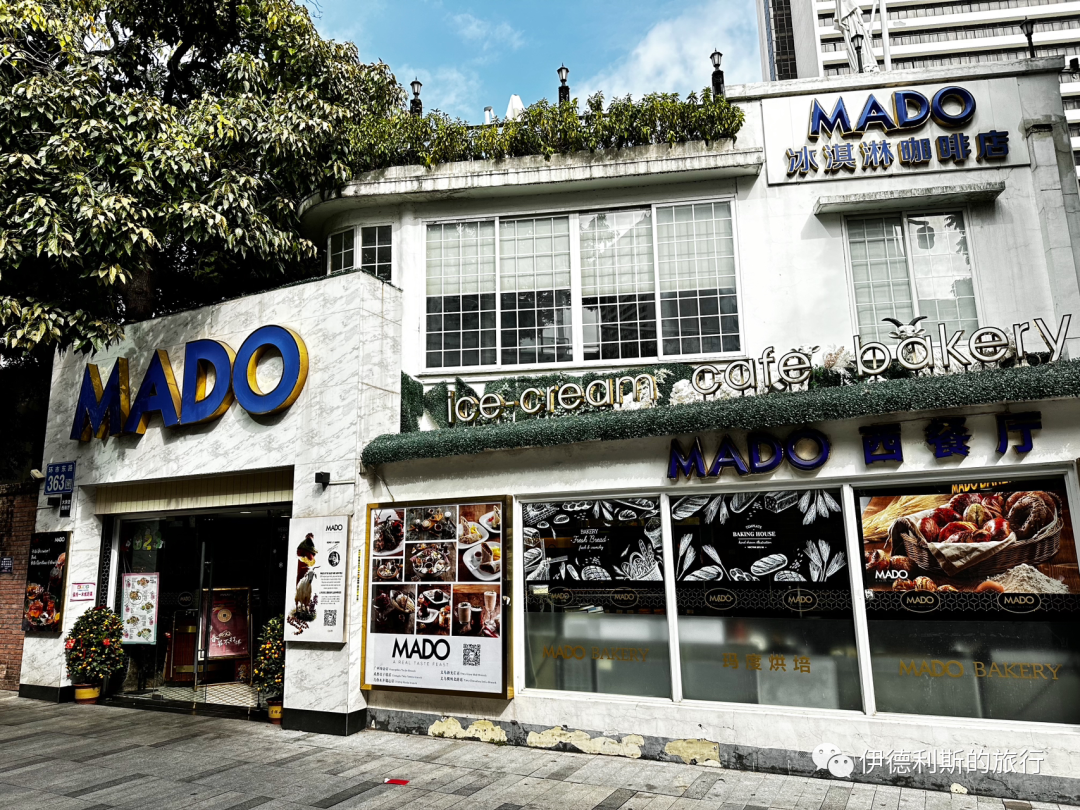
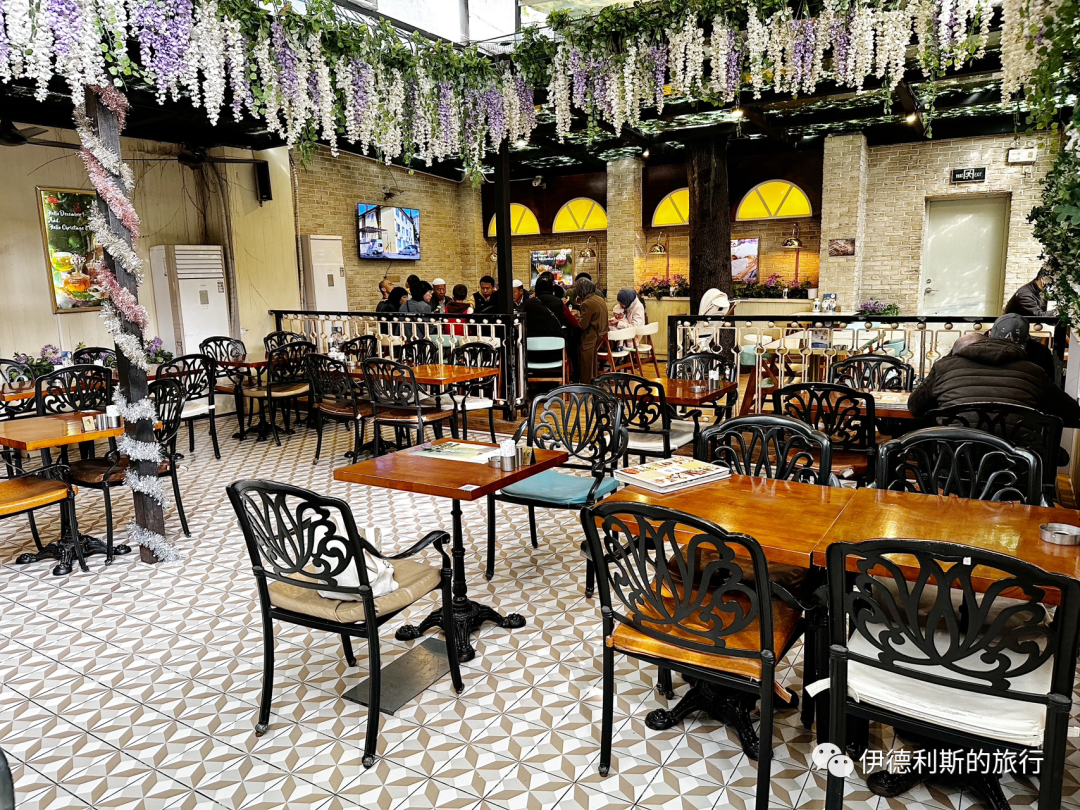
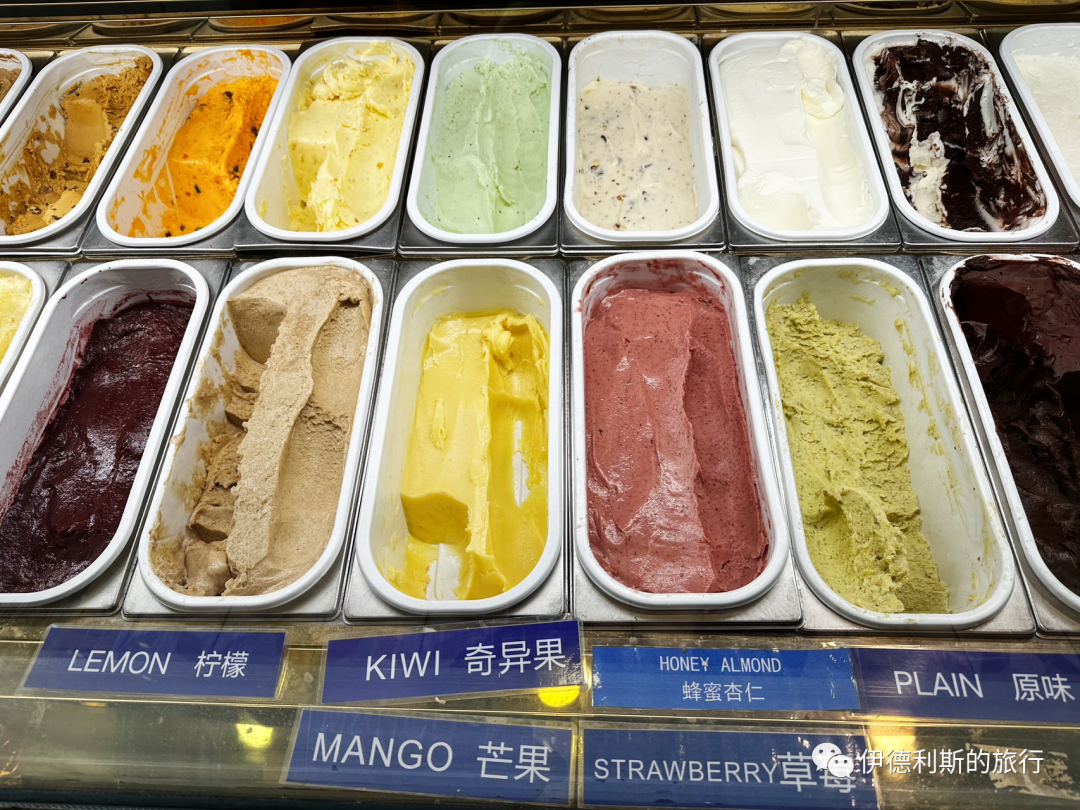
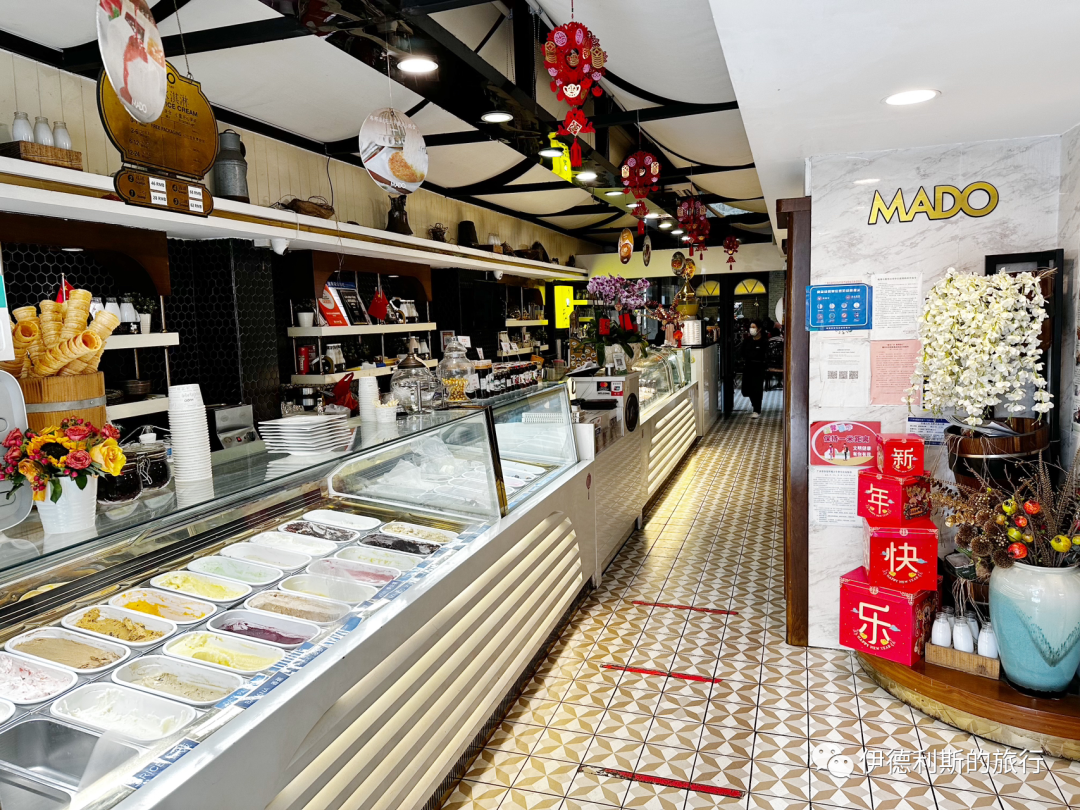
I took the subway from Guangzhou Station to Taojin and started with a Turkish breakfast at MADO. MADO is famous for its ice cream made from goat milk sourced from the high mountain pastures of Mount Ahir in southeastern Turkey. Mount Ahir is near the epicenter of the recent major earthquake in Turkey. I pray they can get through this difficult time.
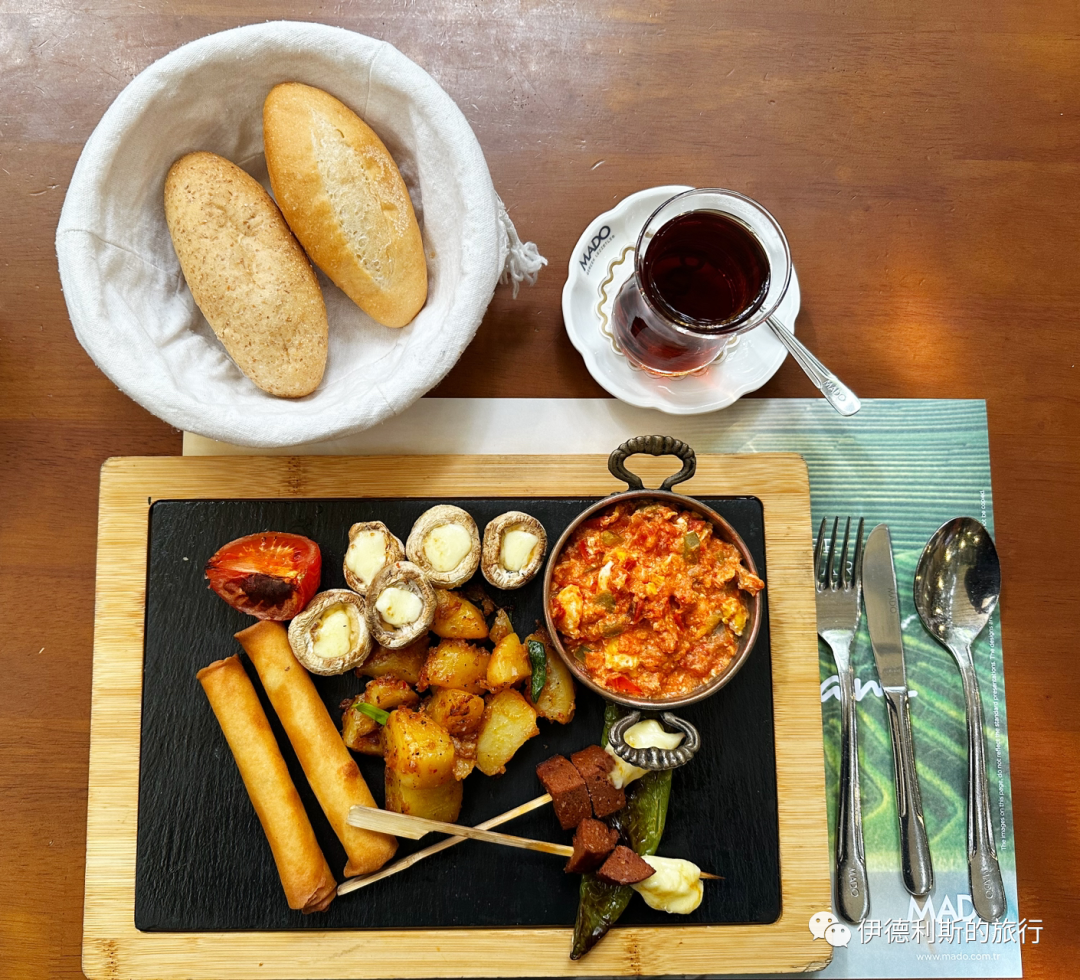
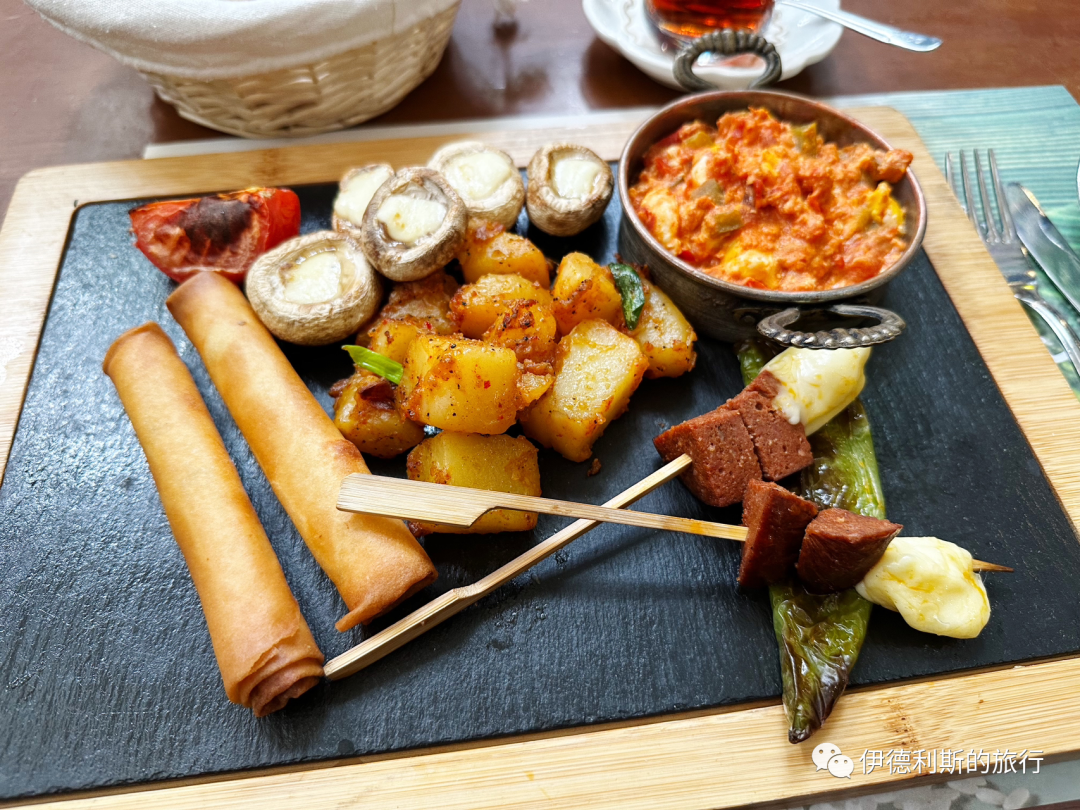
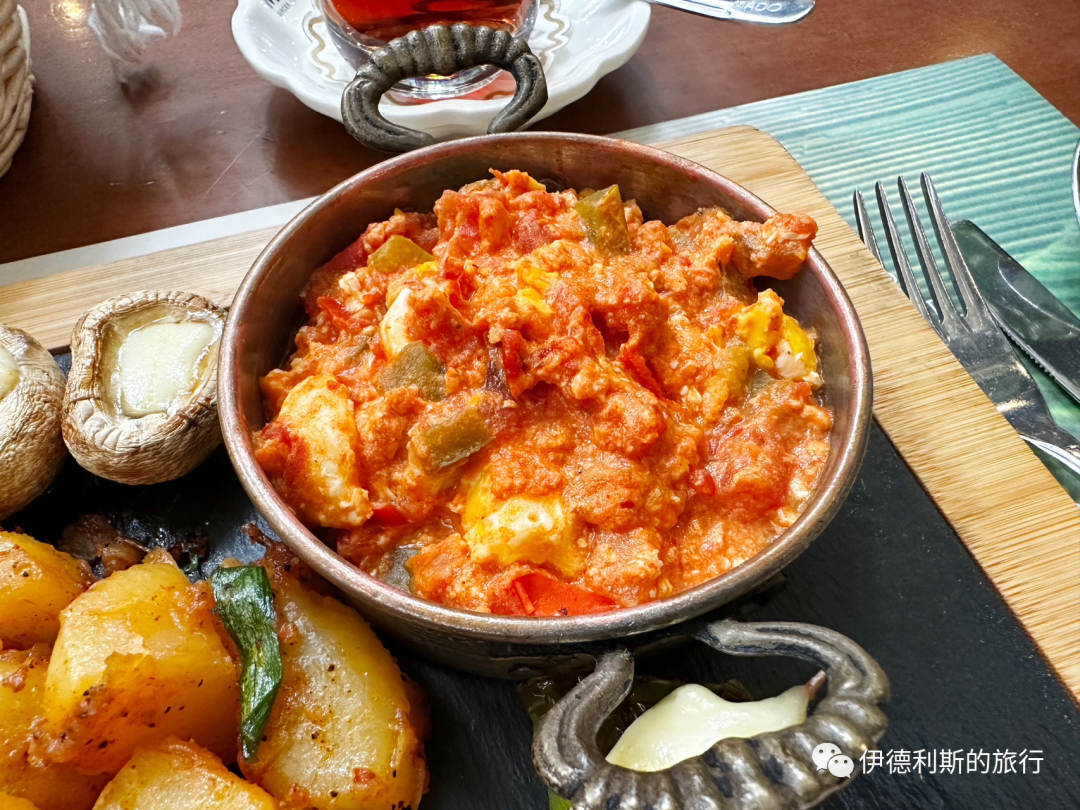
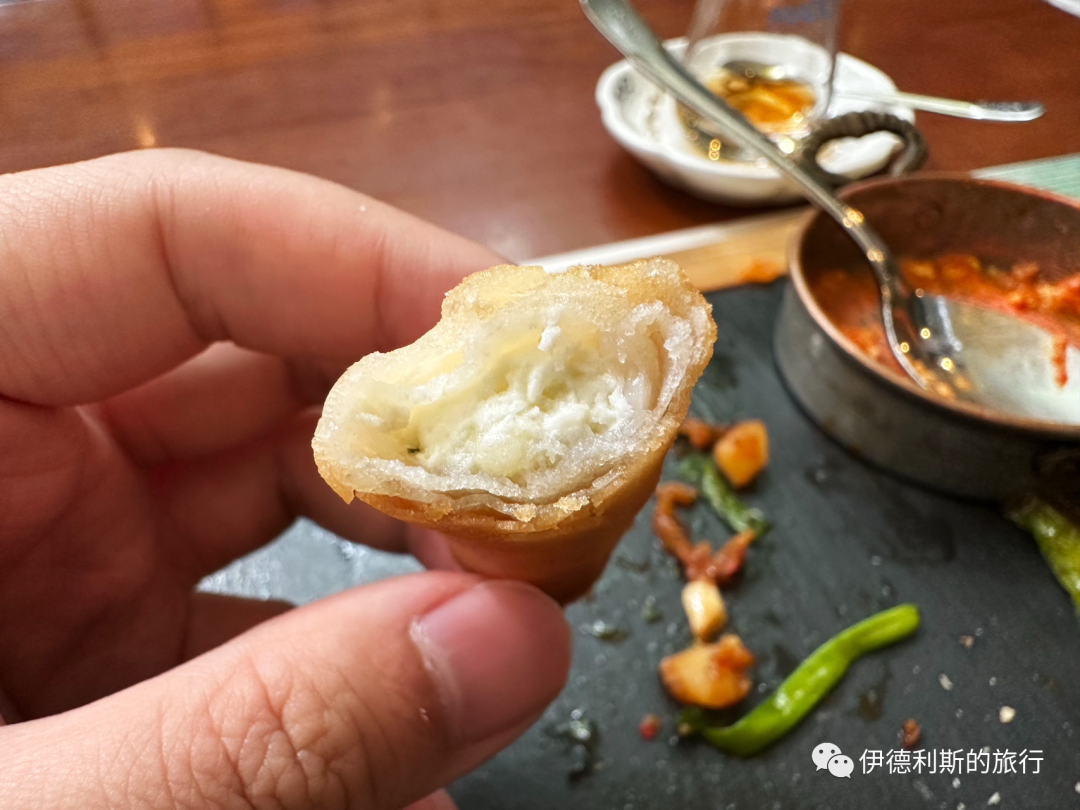
MADO likely has the widest variety of breakfast options among Turkish restaurants in China. When I visited the Yiwu branch, I had the Sini breakfast for two, which came with a great selection of cheeses and jams. Since I was alone at the Guangzhou branch, I ordered the hot breakfast platter. It included grilled Turkish sausage (sujuk), grilled mushrooms with yellow cheese, grilled cheese, spring rolls filled with feta cheese, tomato and egg scramble (menemen), grilled peppers, grilled tomatoes, and fried potatoes, served with bread and Turkish black tea.
The earliest record of sujuk sausage appears in the 1070s in the 'Compendium of the Turkic Dialects' (Divan-u Lugat-it-Turk) by Mahmud al-Kashgari. Similar versions exist in many parts of the Balkans, the Middle East, and Central Asia. Turkish sujuk is mainly made by mixing ground beef with beef fat, sheep tail fat, salt, cumin, garlic, chili, and other spices, then stuffing it into casings to dehydrate and ferment.
The name for the tomato and egg scramble (menemen) comes from a town in Izmir, Turkey, and the word itself originally comes from Ancient Greek. Menemen served with bread is a classic Turkish breakfast combination. Besides tomatoes, eggs, and green peppers, this dish can also include onions, black pepper, oregano, garlic, and chili powder, depending on personal taste.
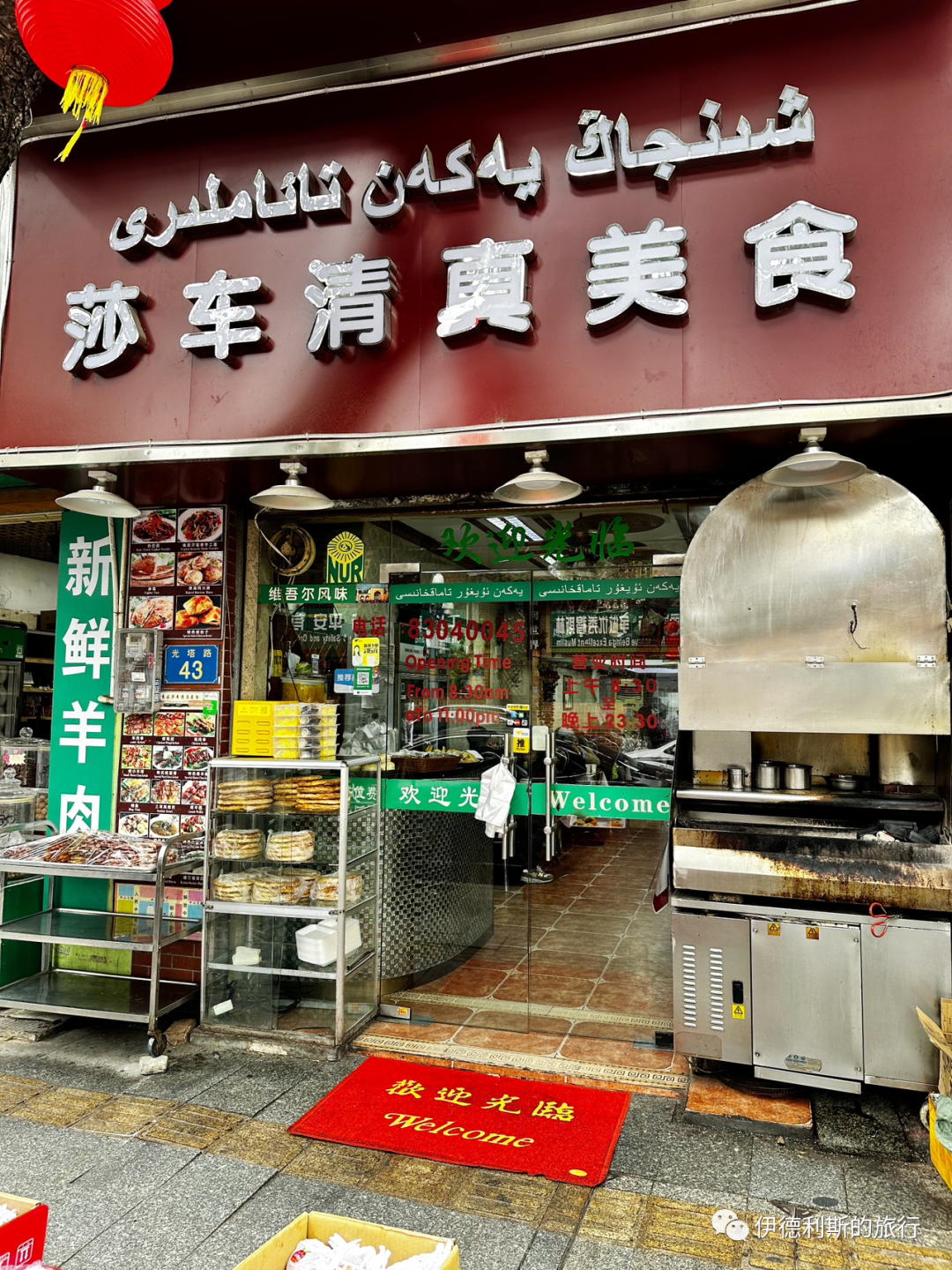
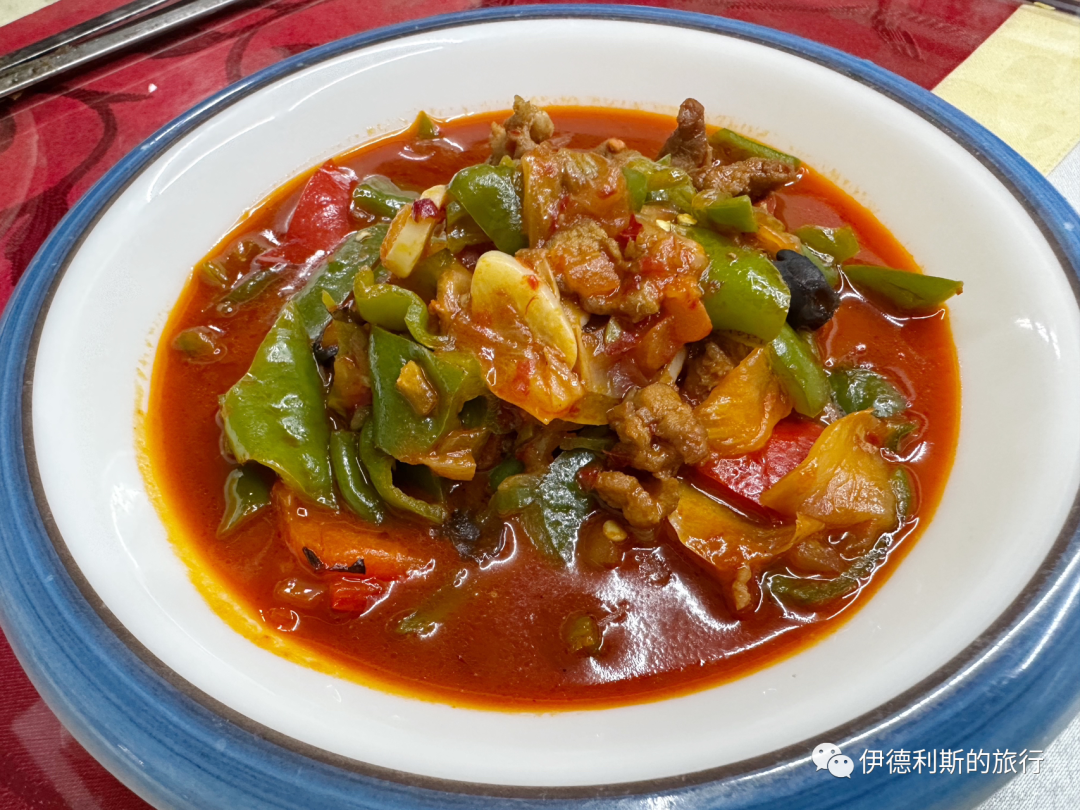
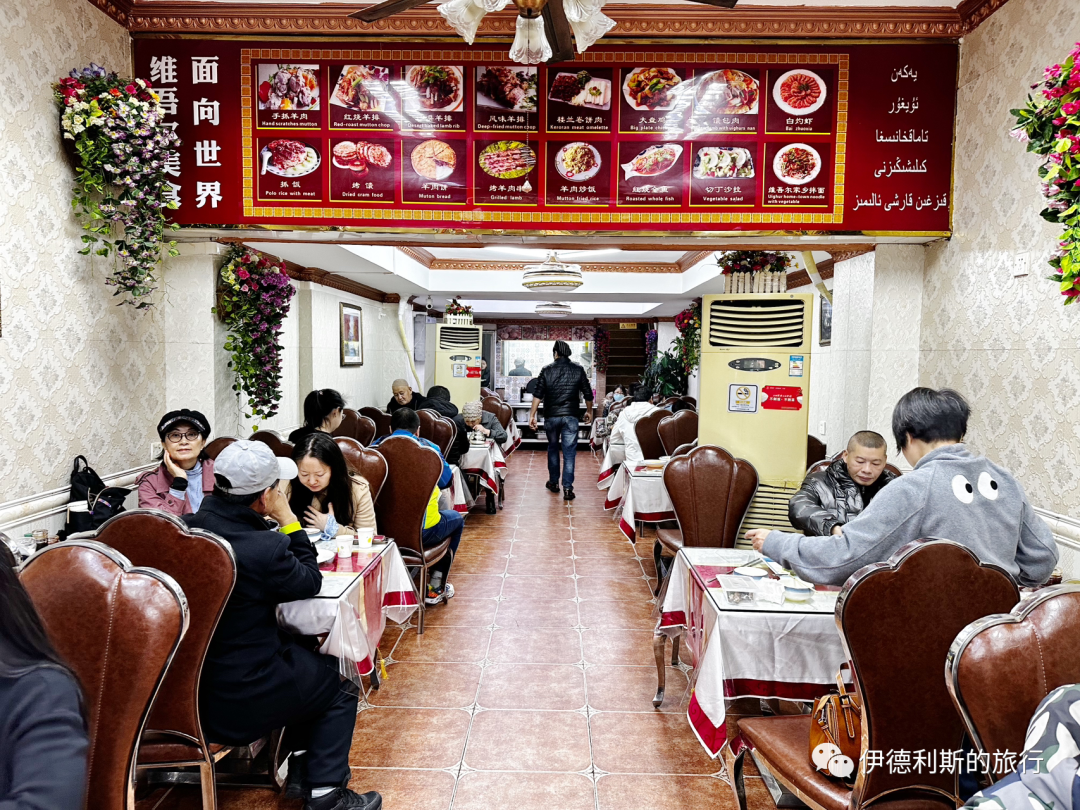
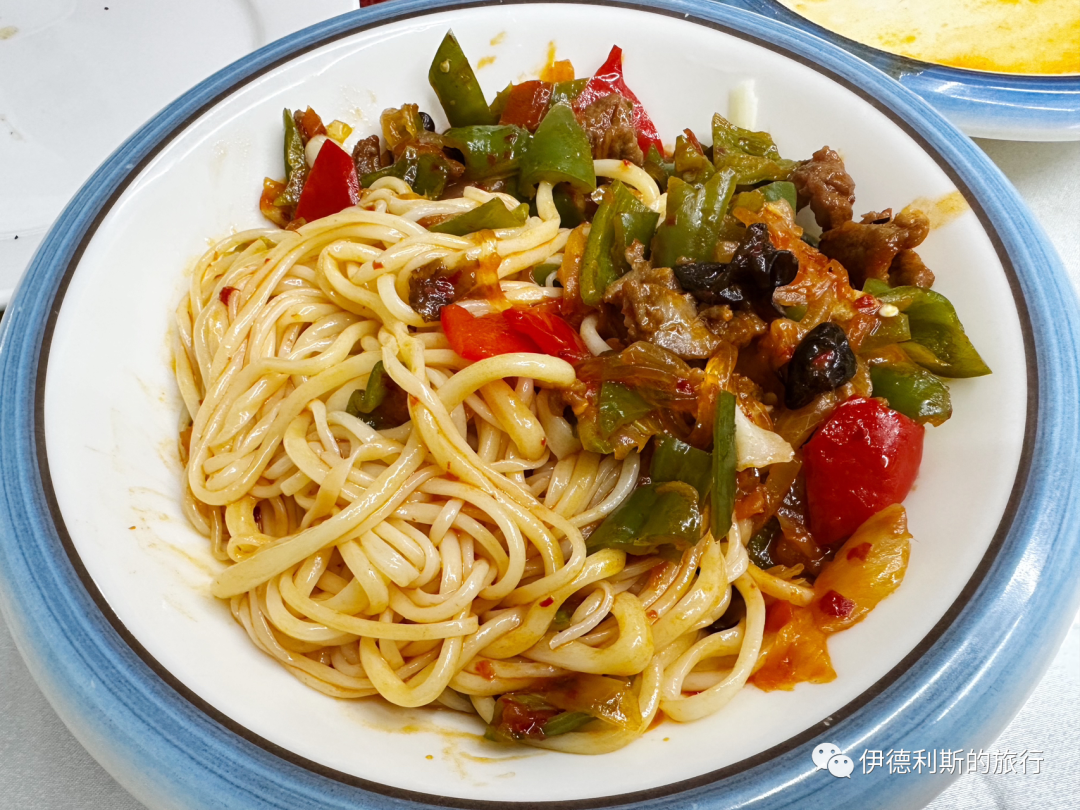
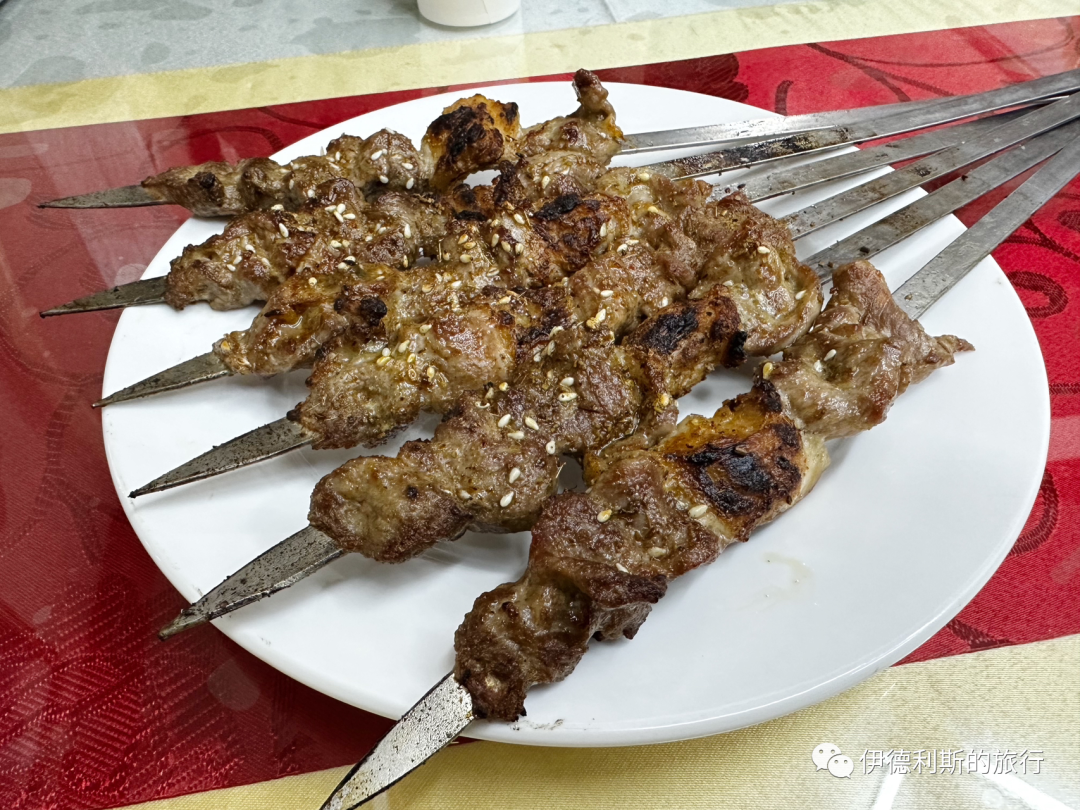
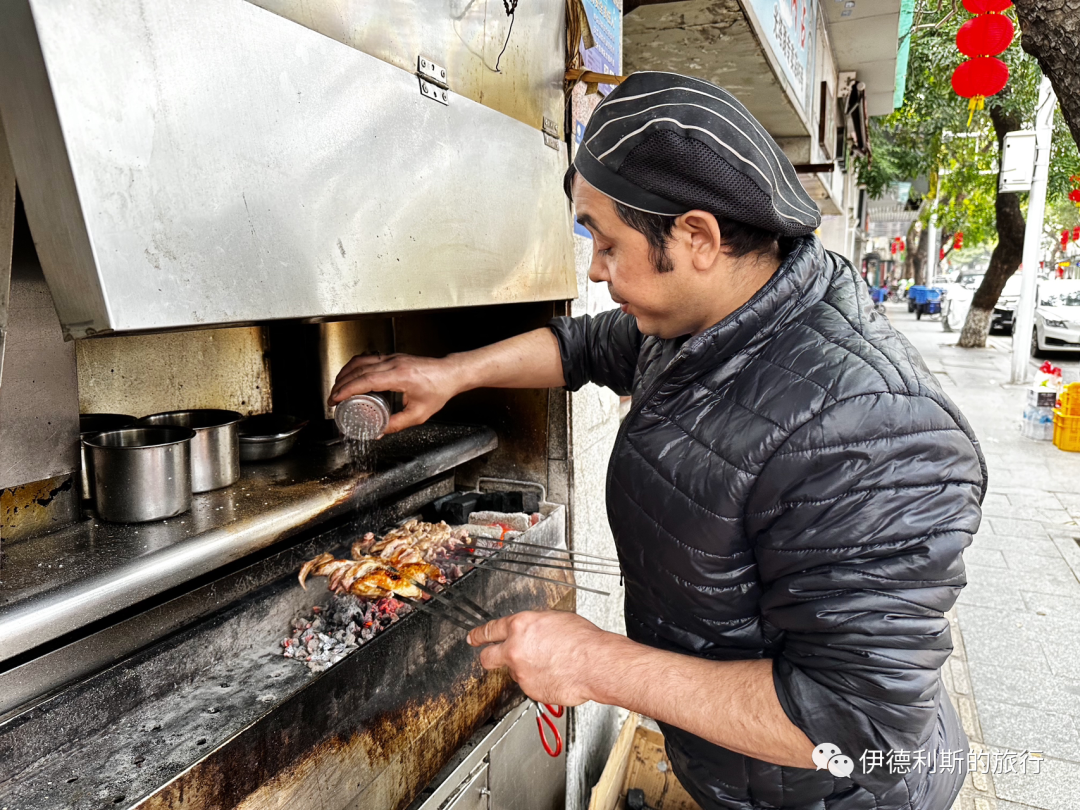
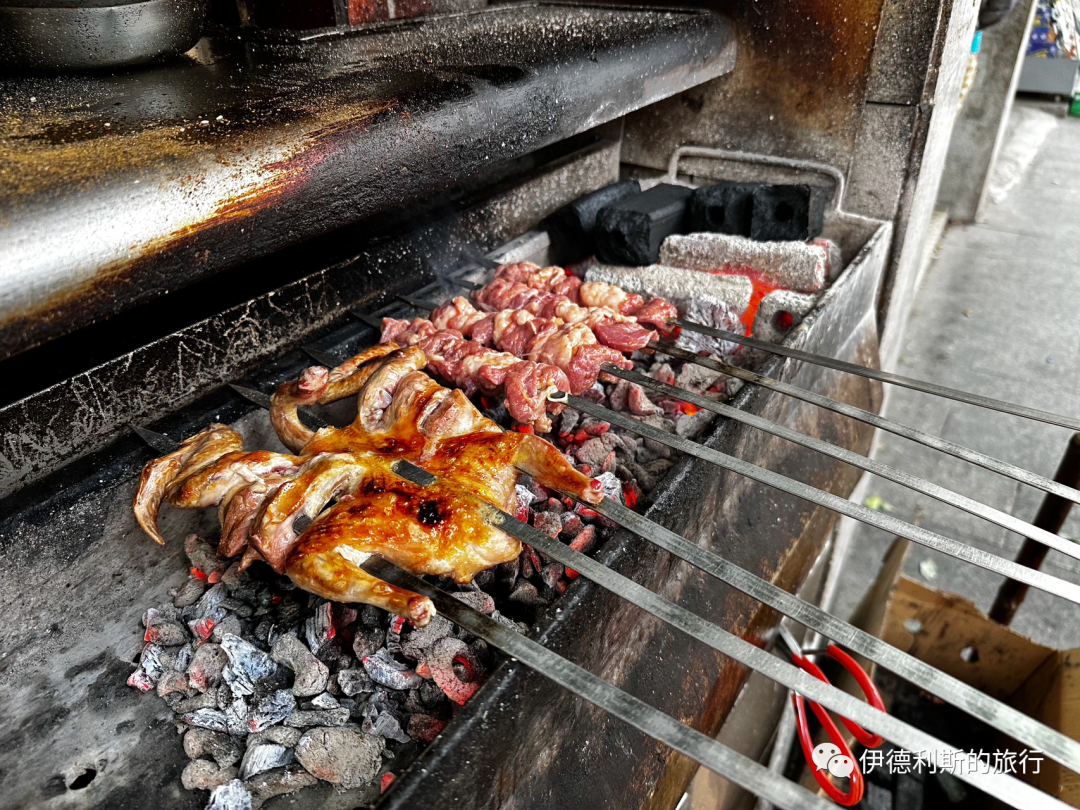
At noon, I met my friend (dosti) Chen Yong, whom I had known for a long time. He is both a staff member and a volunteer at the Huaisheng Mosque. My friend treated me to Shache Halal Food across from the Huaisheng Mosque. It is the closest halal restaurant to the mosque's minaret. When the oil-fried meat noodles (youyourou banmian) and kebabs arrived, they looked perfect, and they tasted even more authentic than I expected! I really did not expect to find such delicious Xinjiang food in Guangzhou; it was just as good as what I ate in Shache. The hand-pulled noodles (latiaozi) were very thin, showing years of skill, and the oil-fried meat was cooked just right—not too hard and not too soft. The best part was their kebabs. They were grilled over charcoal and were very fresh and tender. I could close my eyes and imagine I was back at a bazaar in Southern Xinjiang.
I rarely eat at Xinjiang restaurants when traveling in China because the taste often changes completely when the ingredients are different. But Shache Halal Food across from Huaisheng Mosque changed my mind. I will definitely eat there again next time I am in Guangzhou!
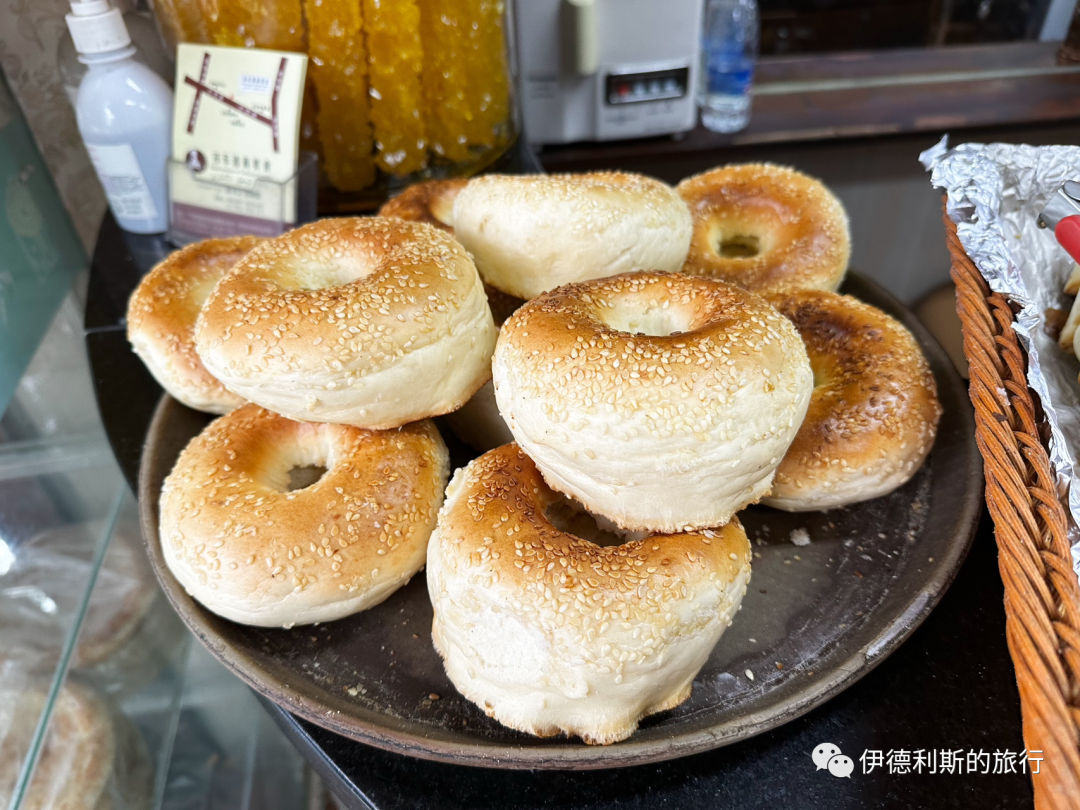
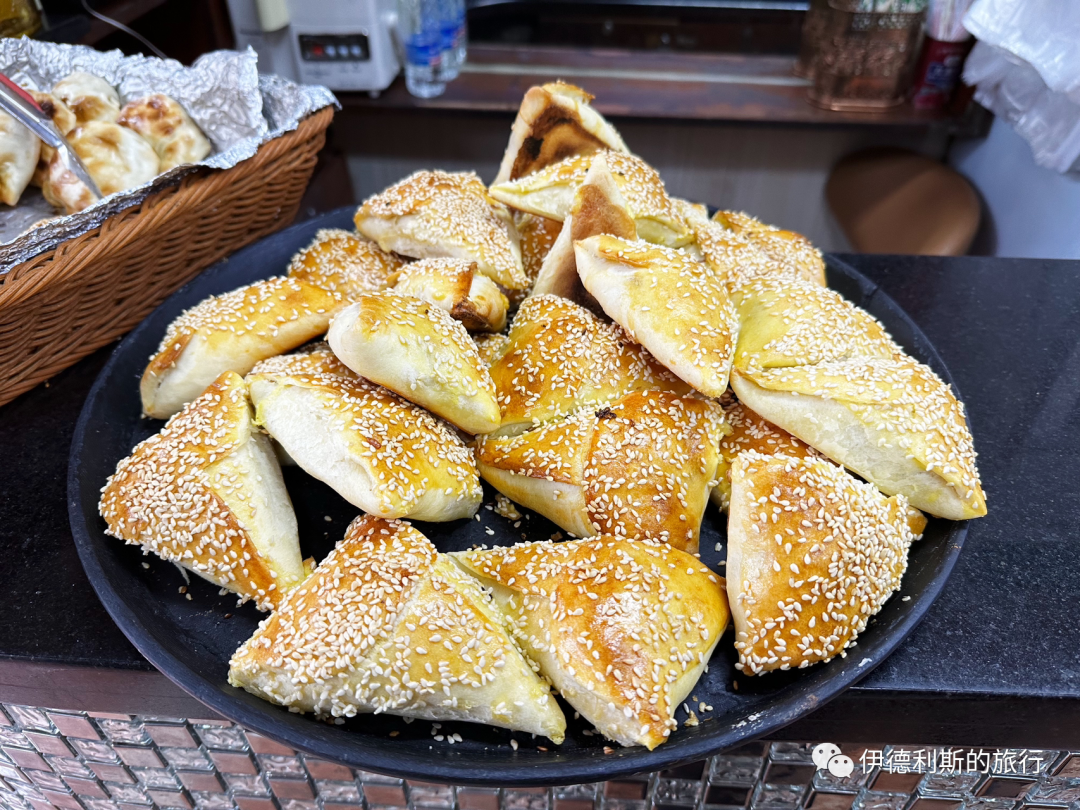
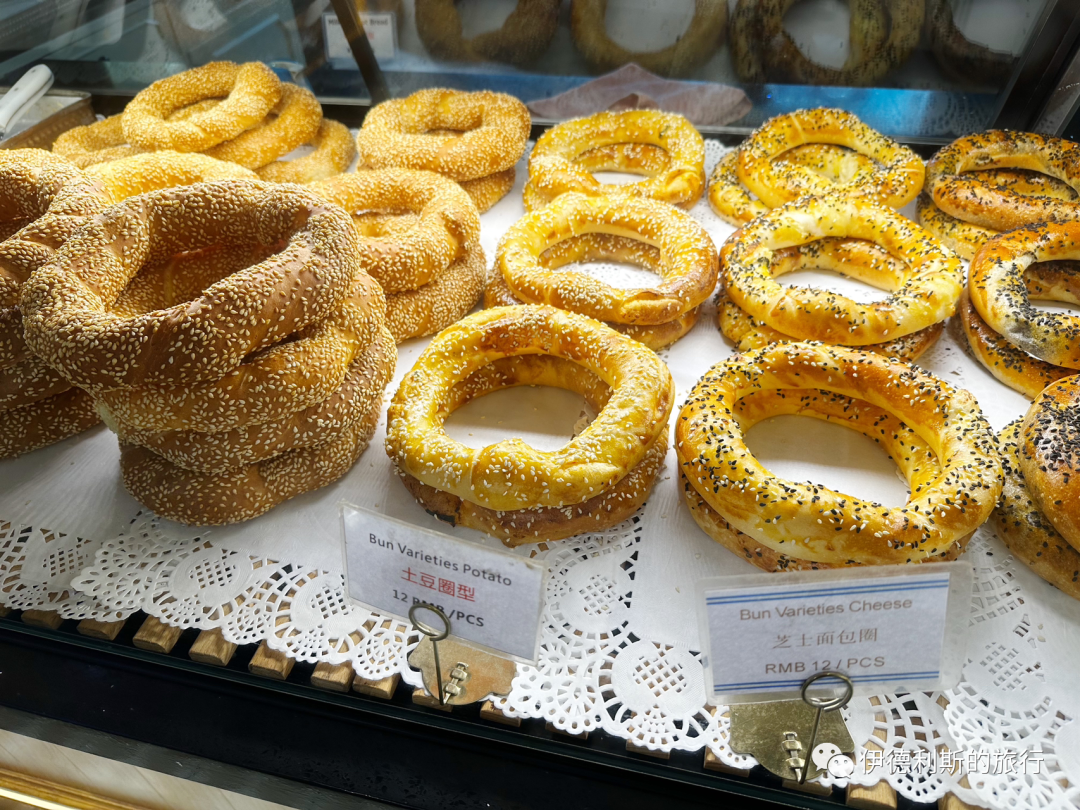
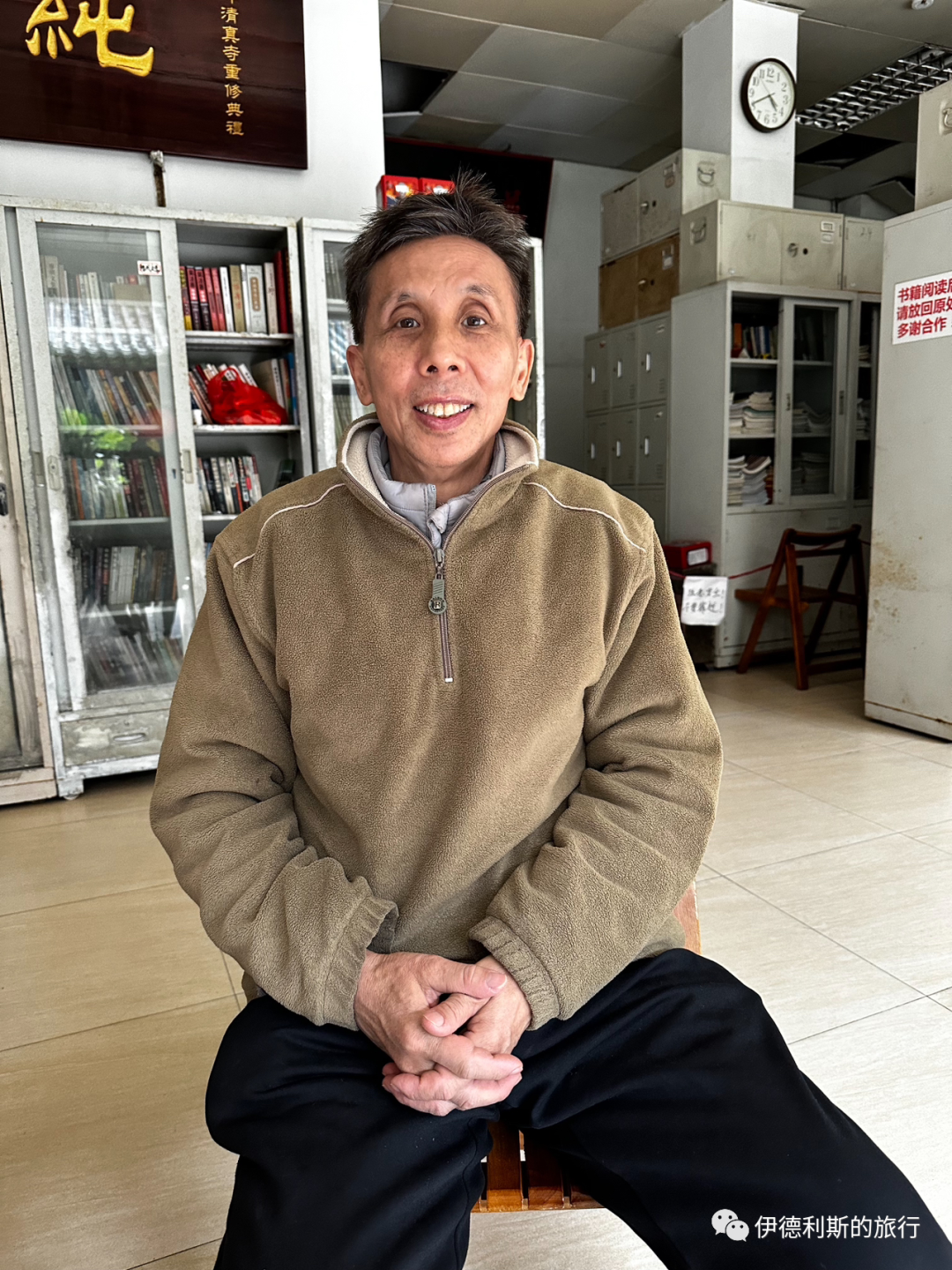
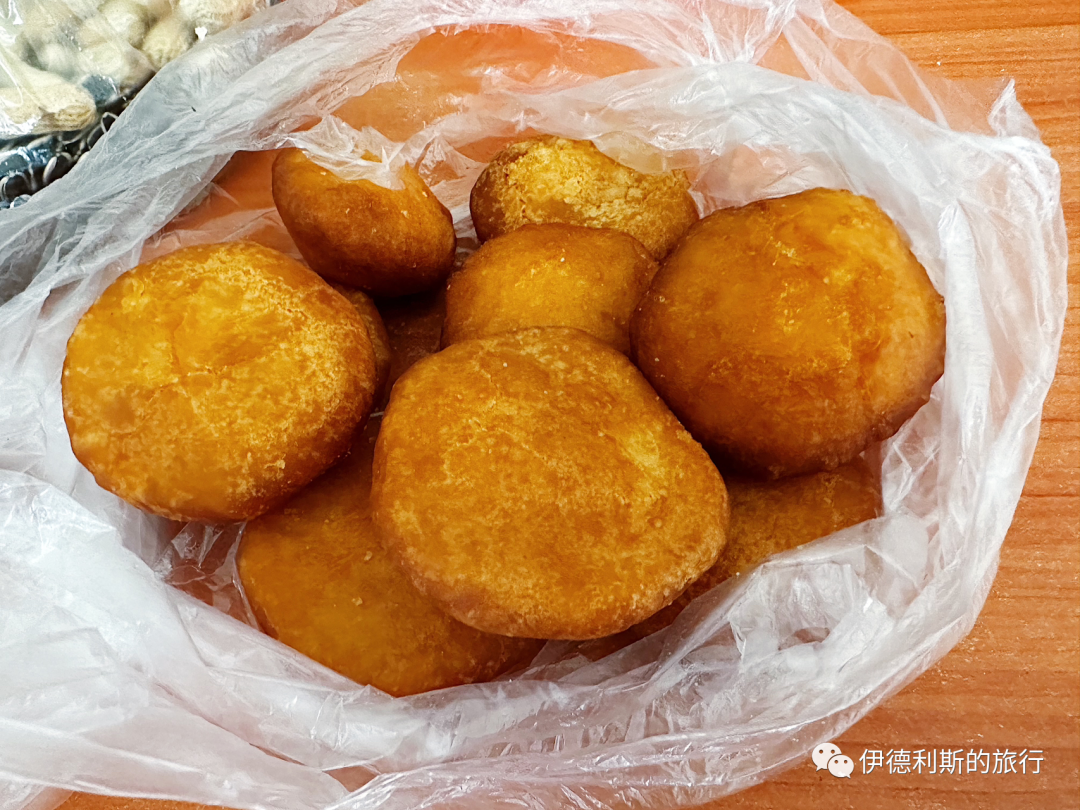
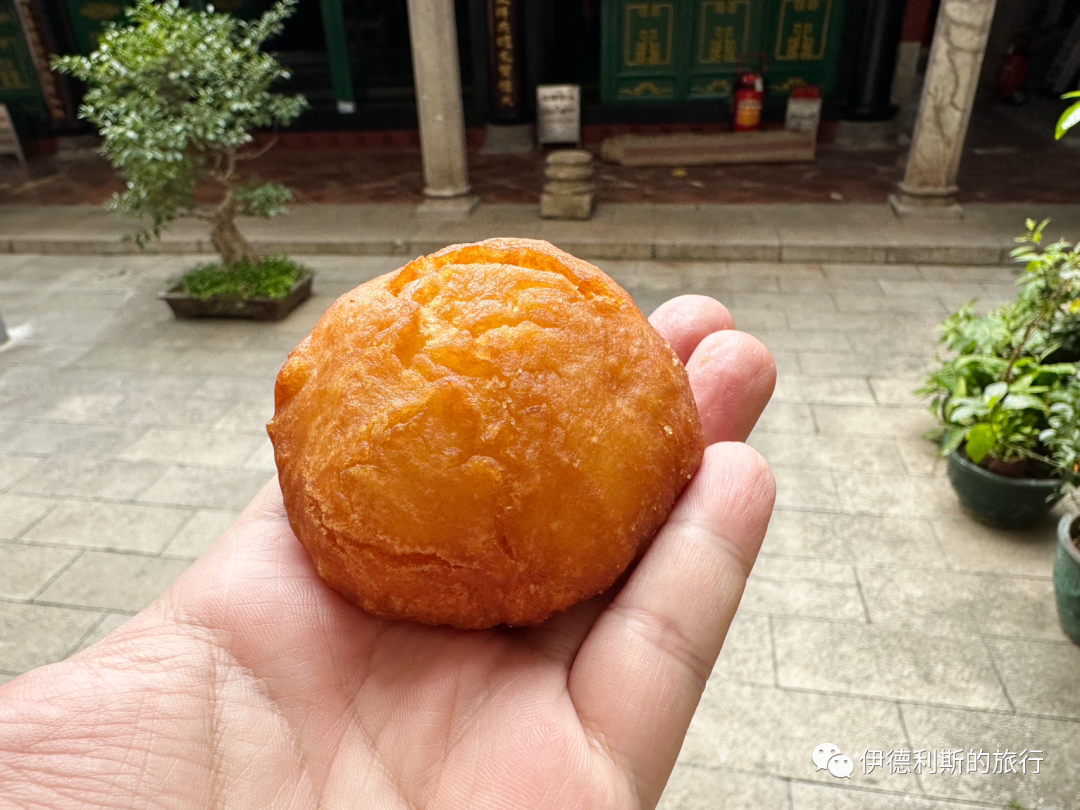
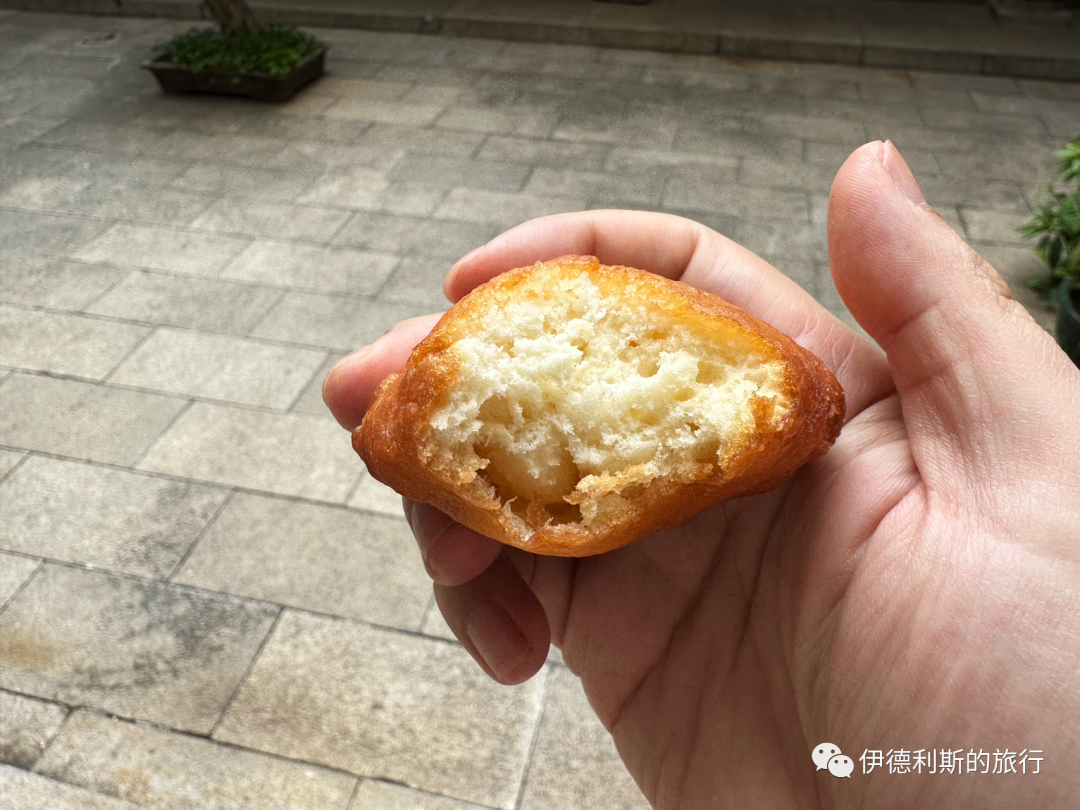
In the afternoon, I went to the Haopan Mosque in Guangzhou for the afternoon prayer (dhuhr) and met Master Yang, whom I had not seen in six years. Master Yang is a local Hui Muslim from Guangzhou and has been a mosque attendant at Haopan Mosque for 20 years. I drank tea and chatted with Master Yang, and I ate some fried dough (youxiang) made by local Guangzhou Hui Muslims for a charity event (chusan). This was my first time eating local Guangzhou youxiang. They were small, crispy, and sweet, almost like a pastry.
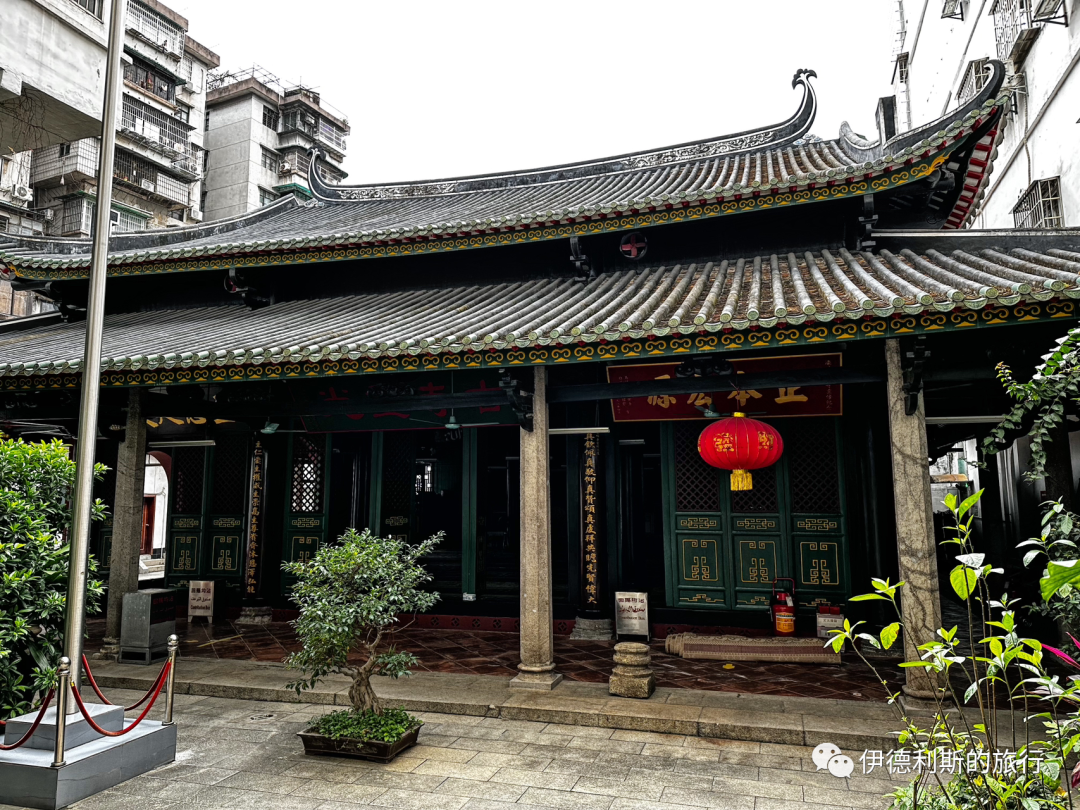
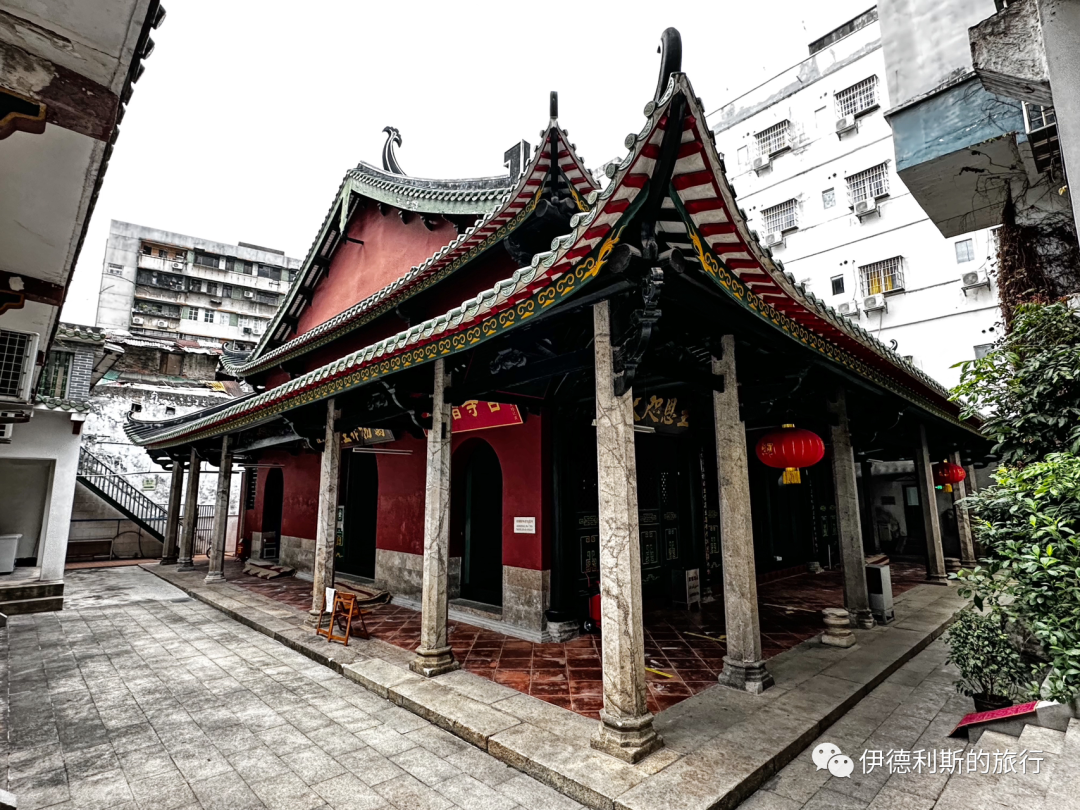
Haopan Mosque is located on the banks of the Nanhao, a tributary of the Pearl River. It was first built during the Chenghua period of the Ming Dynasty and rebuilt in 1706 (the 45th year of the Kangxi Emperor). A scripture school was opened here during the Qianlong period, and a Hui language university was opened during the Tongzhi period. They hired many famous scripture teachers from Nanjing, Gansu, and Yunnan, training a large number of imams and playing a major role in the development of Islam in Guangzhou, Hong Kong, and Macau.
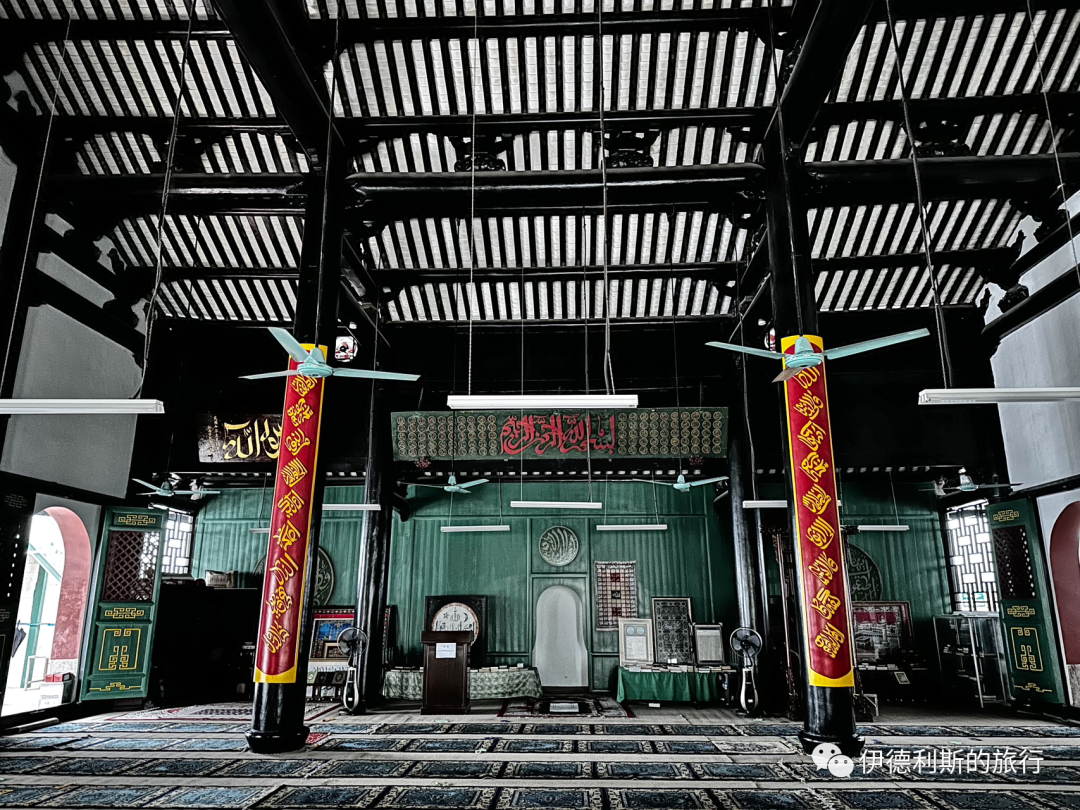
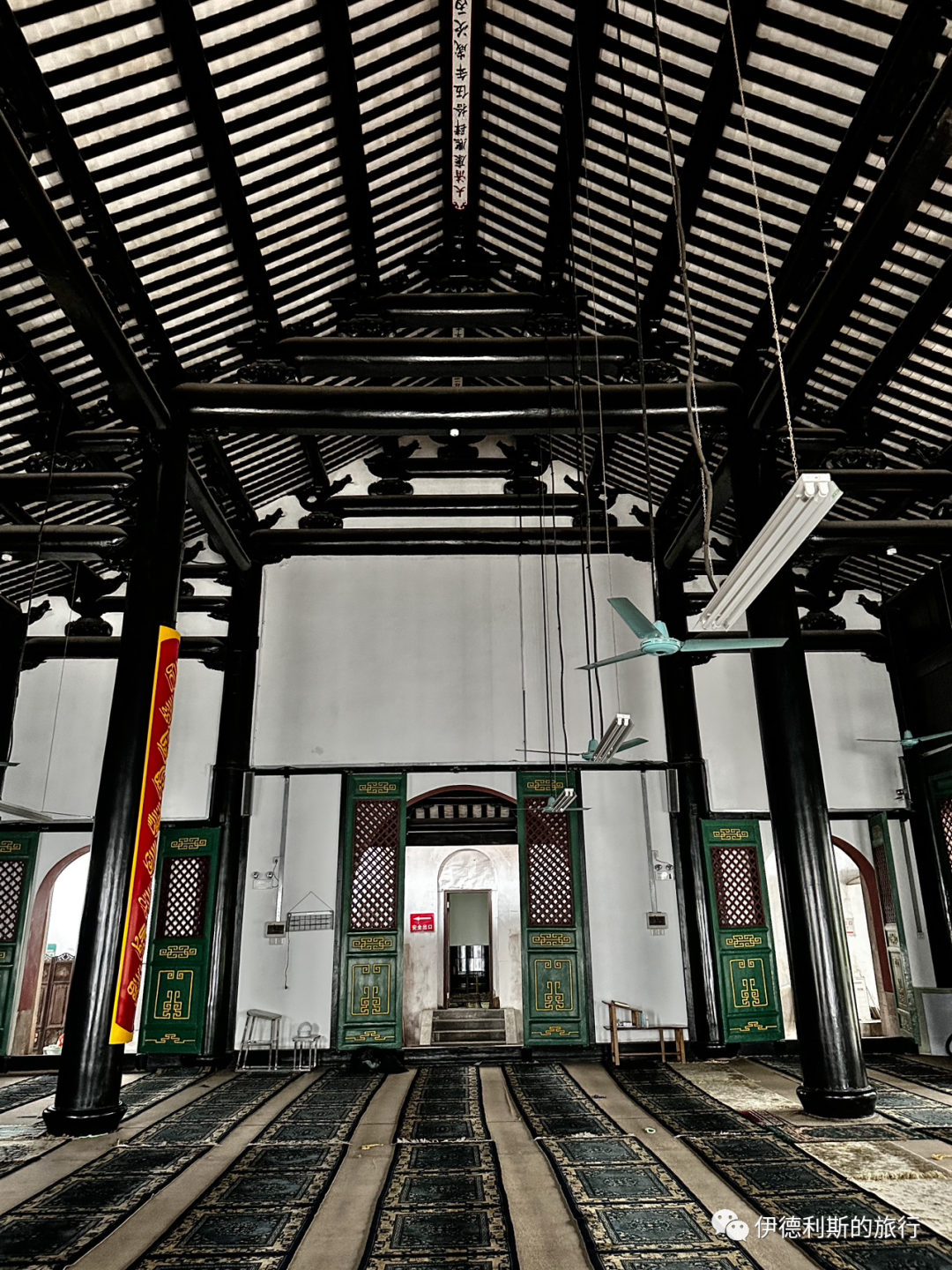
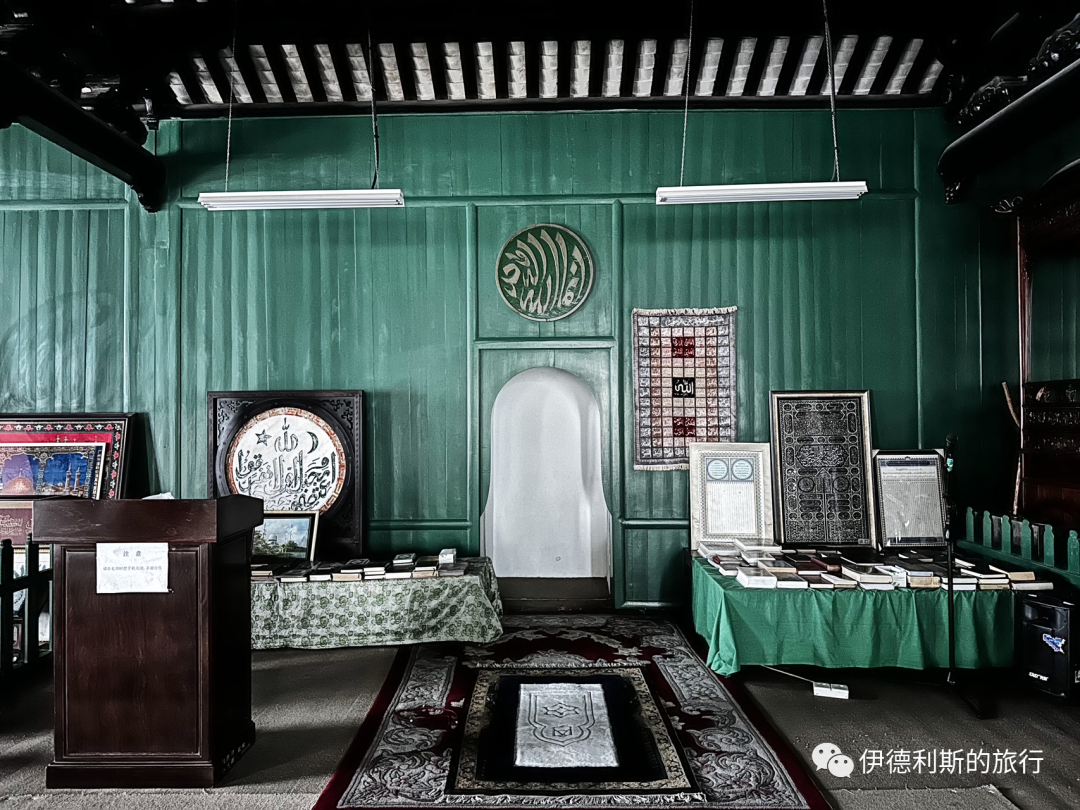
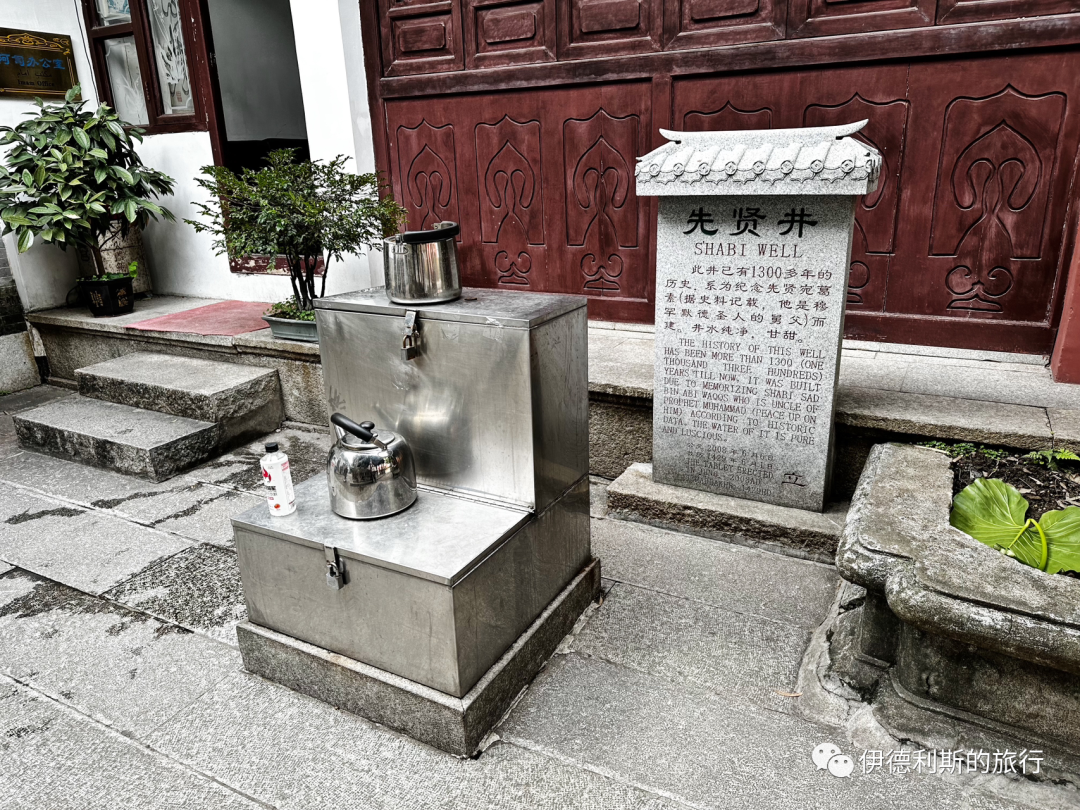
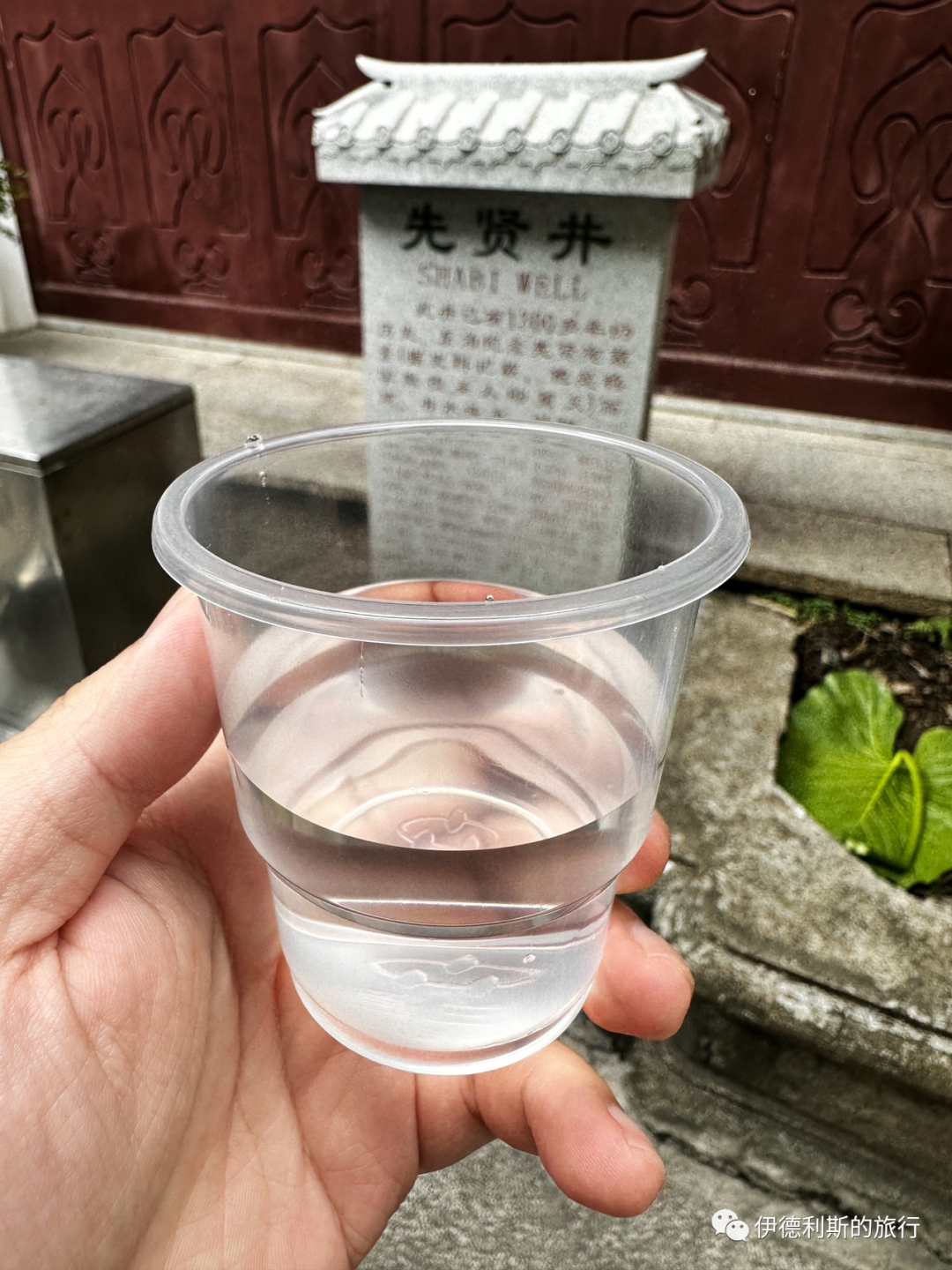
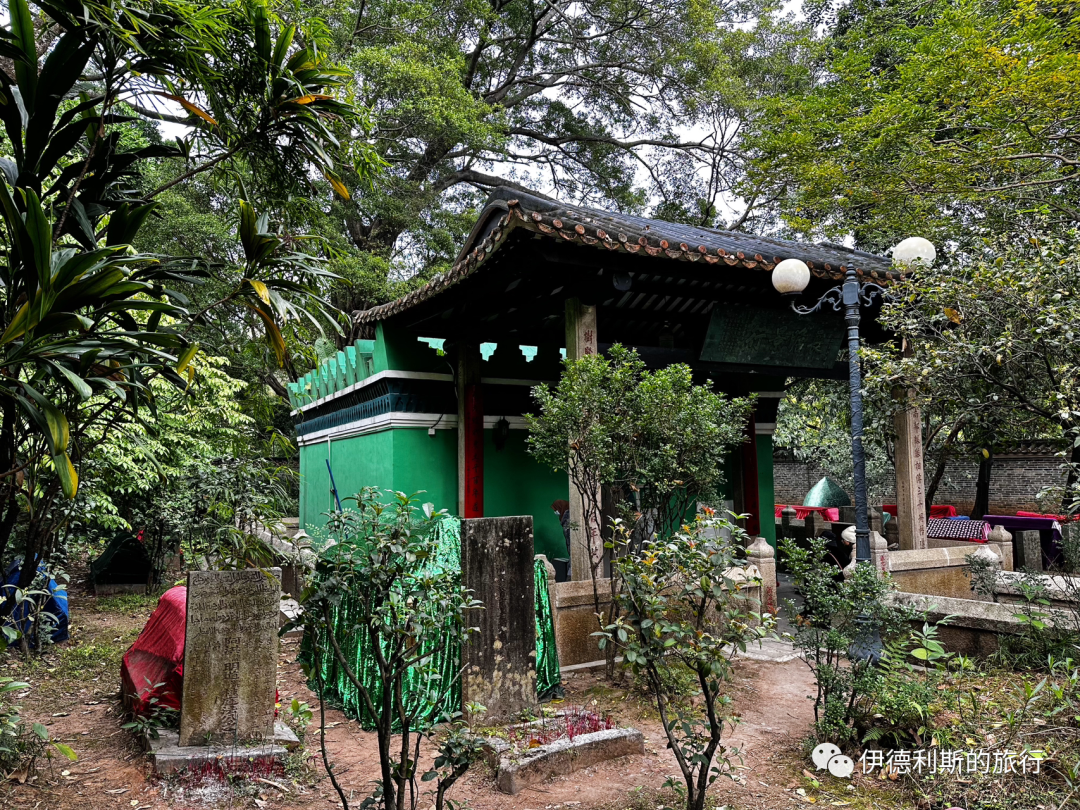
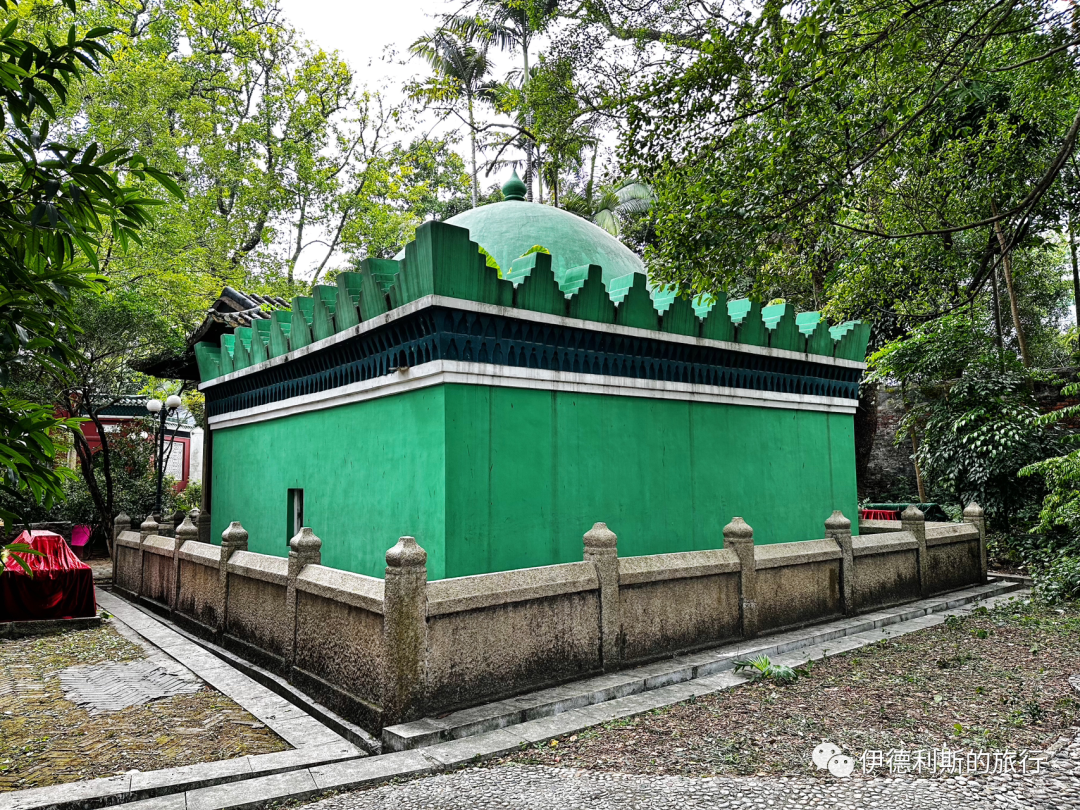
In the afternoon, I went to visit the Ancient Cemetery of the Worthies in Guangzhou. There is a well in the south courtyard of the cemetery called the Well of the Worthies. Legend says it was built to commemorate the worthy Sa'd ibn Abi Waqqas. Many friends (dosti) drink a cup of water from the well after visiting the graves, and it really tastes sweet.
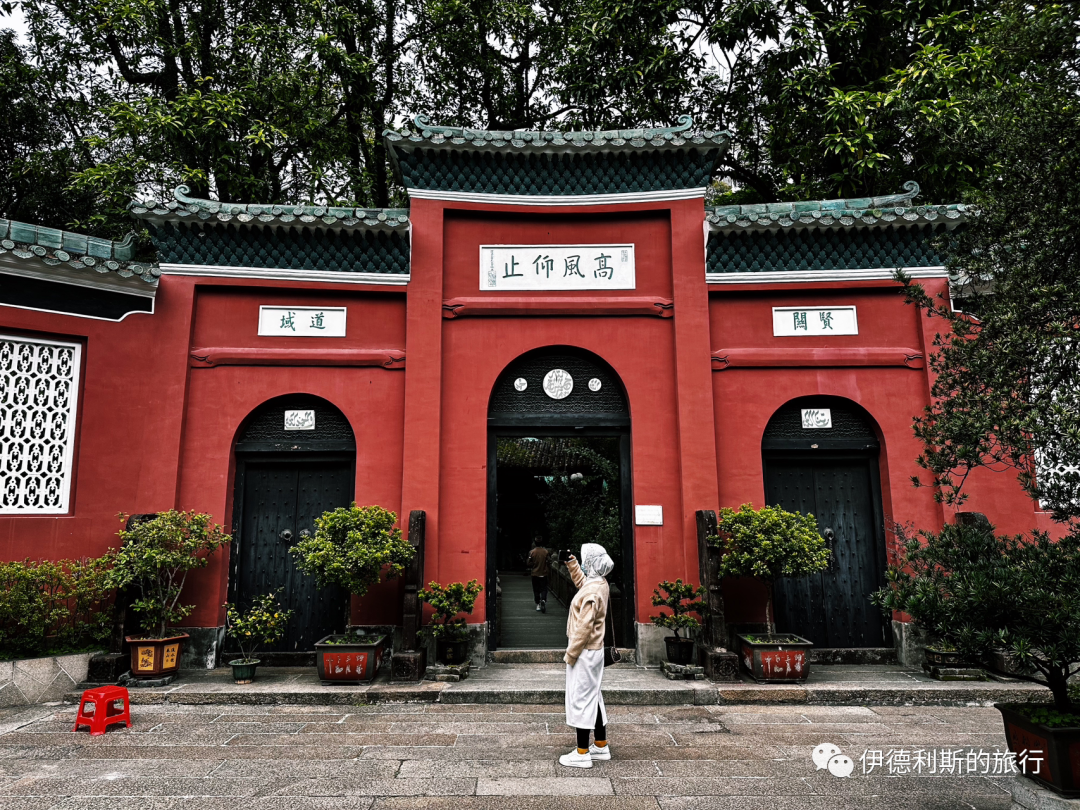
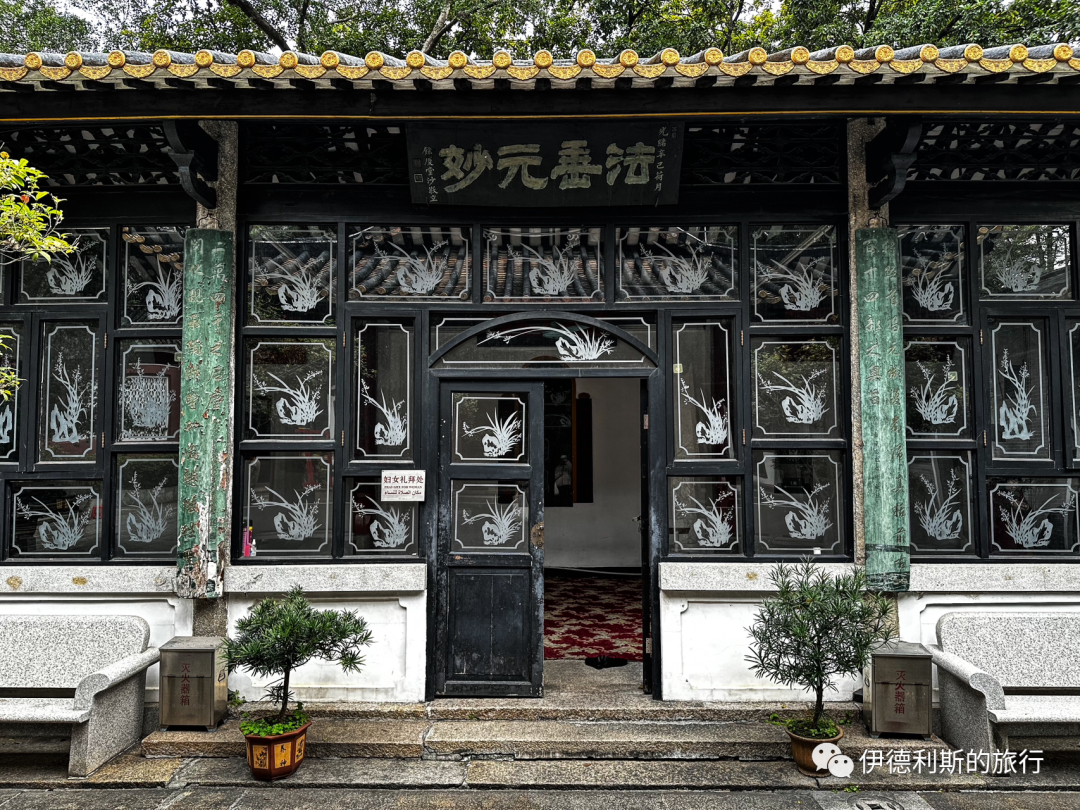
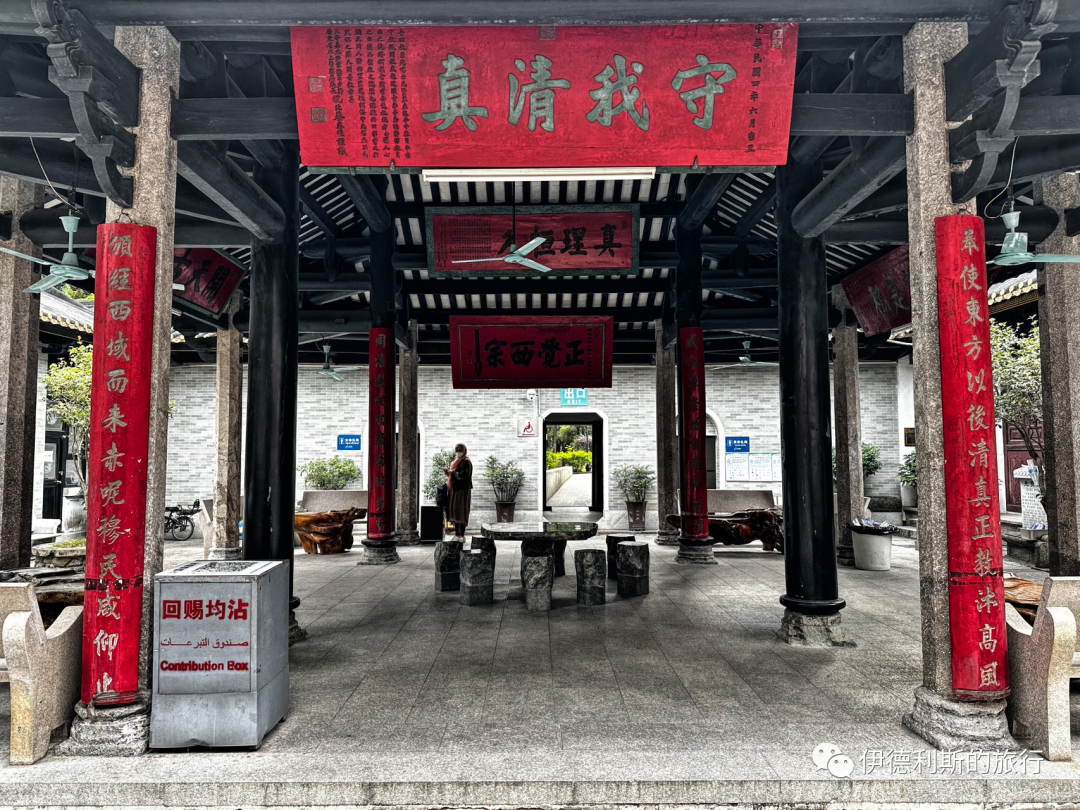
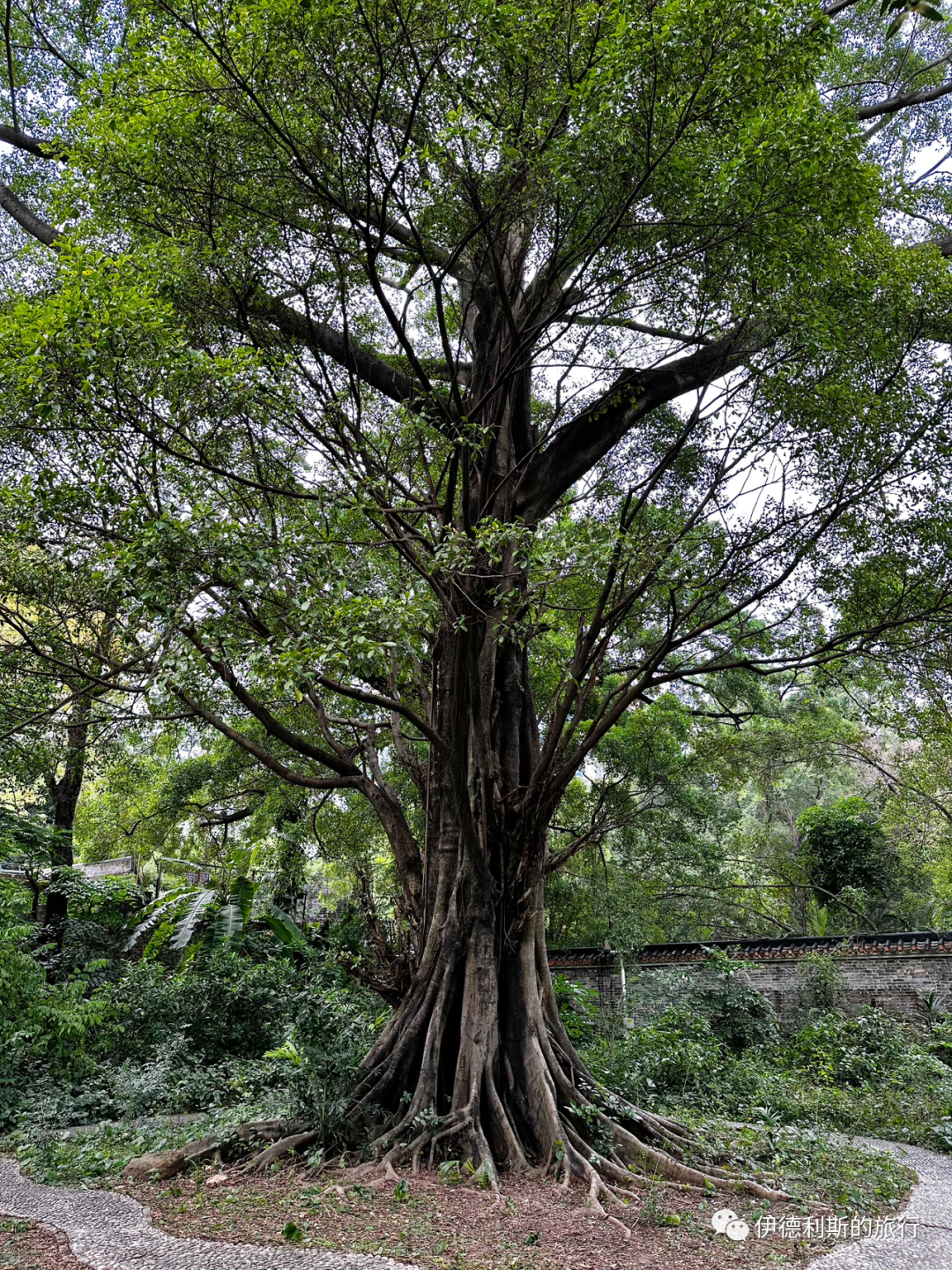
The Ancient Cemetery of the Worthies in Guangzhou is commonly known as the Huihui Cemetery, the Great Man's Cemetery, or the Echoing Cemetery. It has been a burial ground for Muslims in Guangzhou since the Tang Dynasty. The earliest record of the Ancient Cemetery of the Worthies comes from 'One Hundred Poems of the South Sea' (Nanhai Baiyong) written by Fang Xinru in 1206 (the second year of the Kaixi period of the Southern Song Dynasty): 'The tombs of the foreigners are ten miles west of the city, thousands of them, all with heads to the south and facing west.'
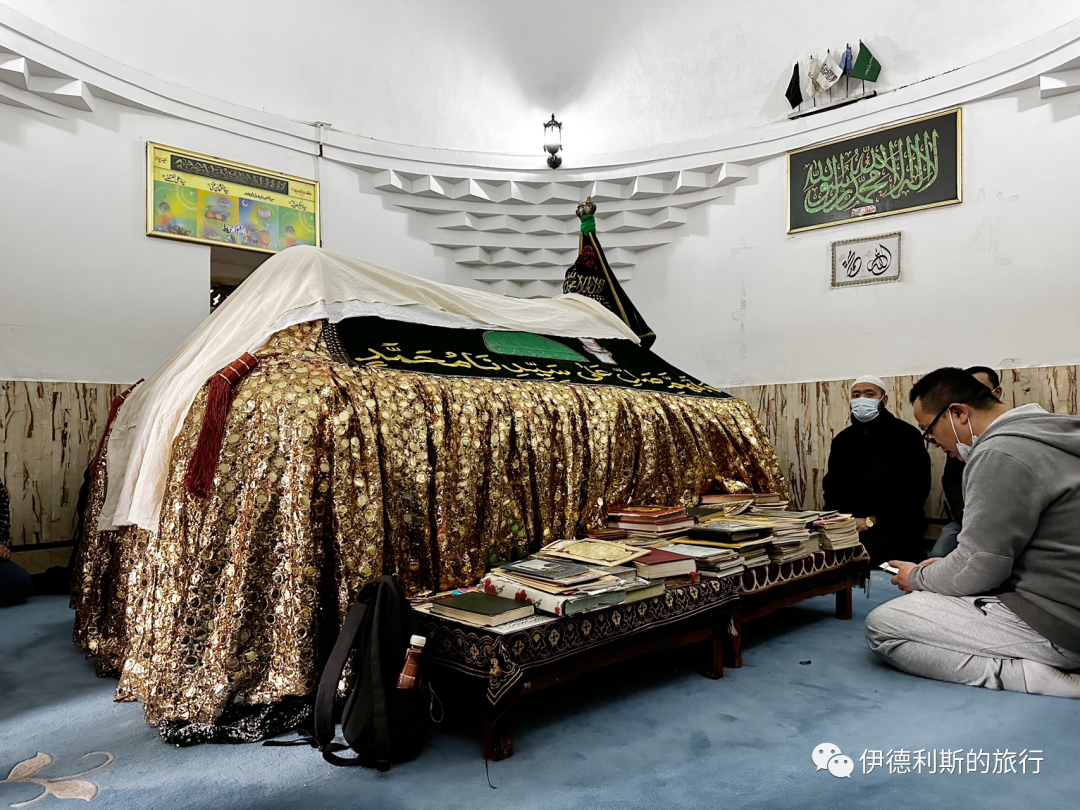
At the center of the ancient cemetery is the tomb of the legendary first worthy to come to China to preach, Sa'd ibn Abi Waqqas (Saheb Saad Wakkas). Records show the status of the Tomb of Waqqas (Wangesu mu) rose during the Yuan and Ming dynasties. The Ming dynasty book Guangzhou Prefecture Records (Guangzhou fuzhi) notes: Every year, people of all surnames must visit the tomb to pay respects and recite scriptures, a tradition that continues to this day. Countries in the Western Regions respected this influence. Every time they sailed thousands of miles to Guangzhou, they considered visiting the tomb an honor. Even the most noble visitors would crawl and bow in Guangzhou to show their utmost sincerity.
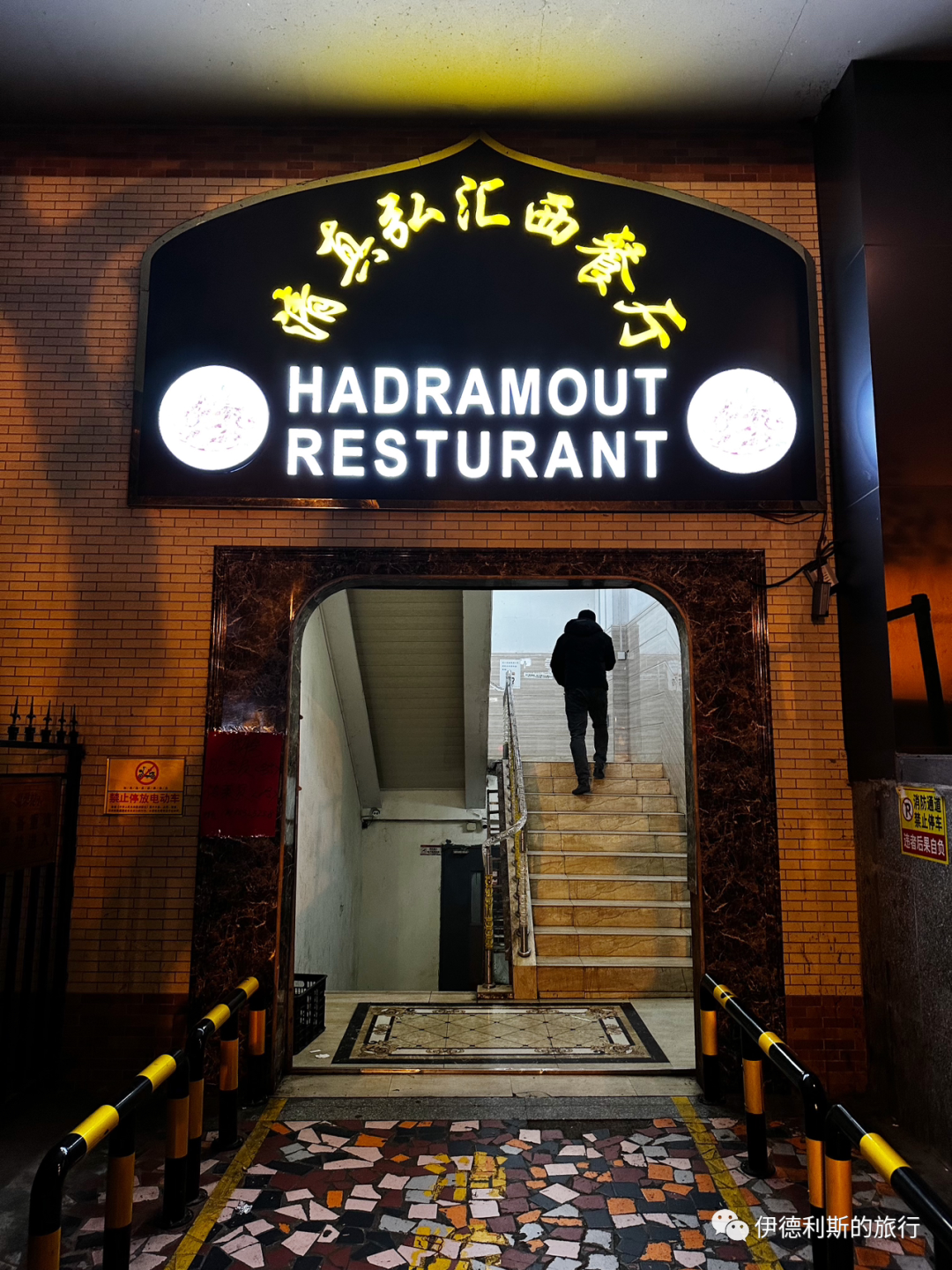
In the evening, I went to Hadramout Restaurant, a long-standing Yemeni eatery that has been in Guangzhou's Xiaobei area for over a decade. Hadramout is now the name of a province in eastern Yemen, but it is also a very ancient term once used to refer to the coastal plains of the southern Arabian Peninsula. Residents here established the Kingdom of Hadramout as early as 1000 BC, and the people of Ad mentioned in the ancient Quran are said to have lived here as well.
I visited Xiaobei in Guangzhou many times before 2019 and witnessed the glory of its Middle Eastern and African trade. Although the country has opened its borders again, the major trade centers have not yet recovered. The building where Hadramout is located used to be packed with shops doing foreign business, but now you can only feel the old bustle of Xiaobei inside their restaurant.
Although there are several Arab restaurants in Beijing, they are all concentrated in the Levant region on the eastern Mediterranean coast, such as Lebanon, Palestine, and Syria. While they are all Arab, the cuisines of the Levant, the Arabian Peninsula, and the North African Maghreb region each have their own characteristics and are all worth trying. Coming to Guangzhou this time, I really wanted to try Yemeni food that I cannot get in Beijing.
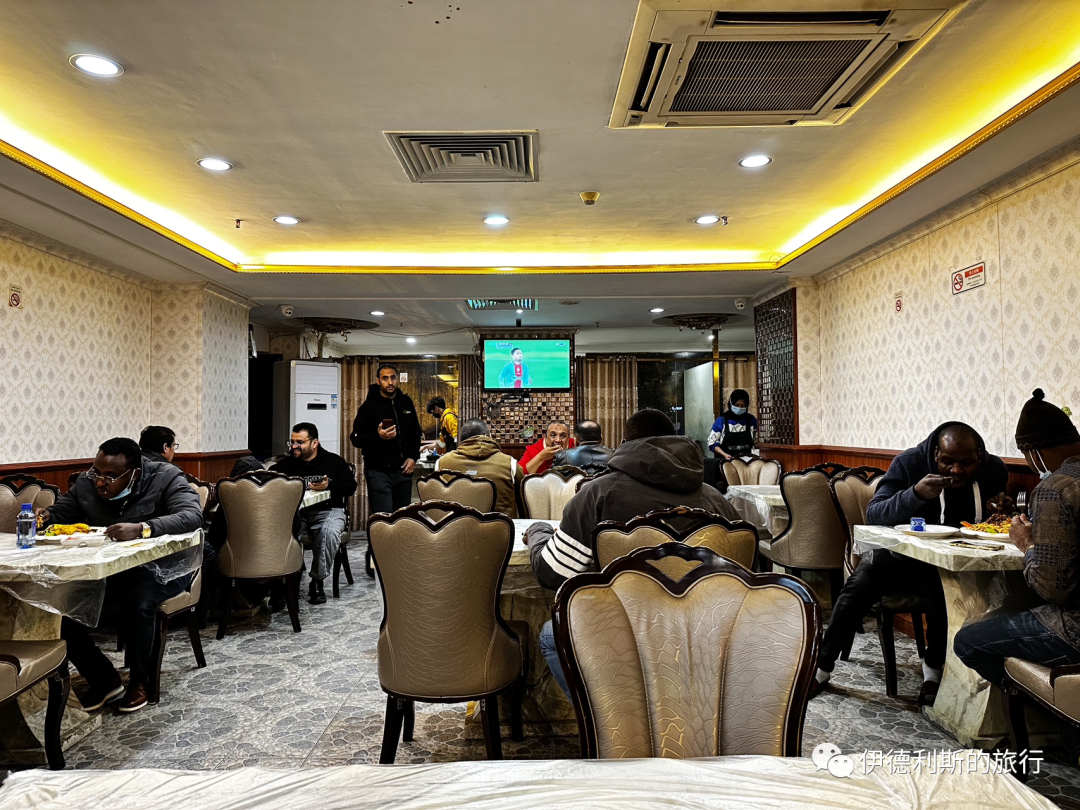
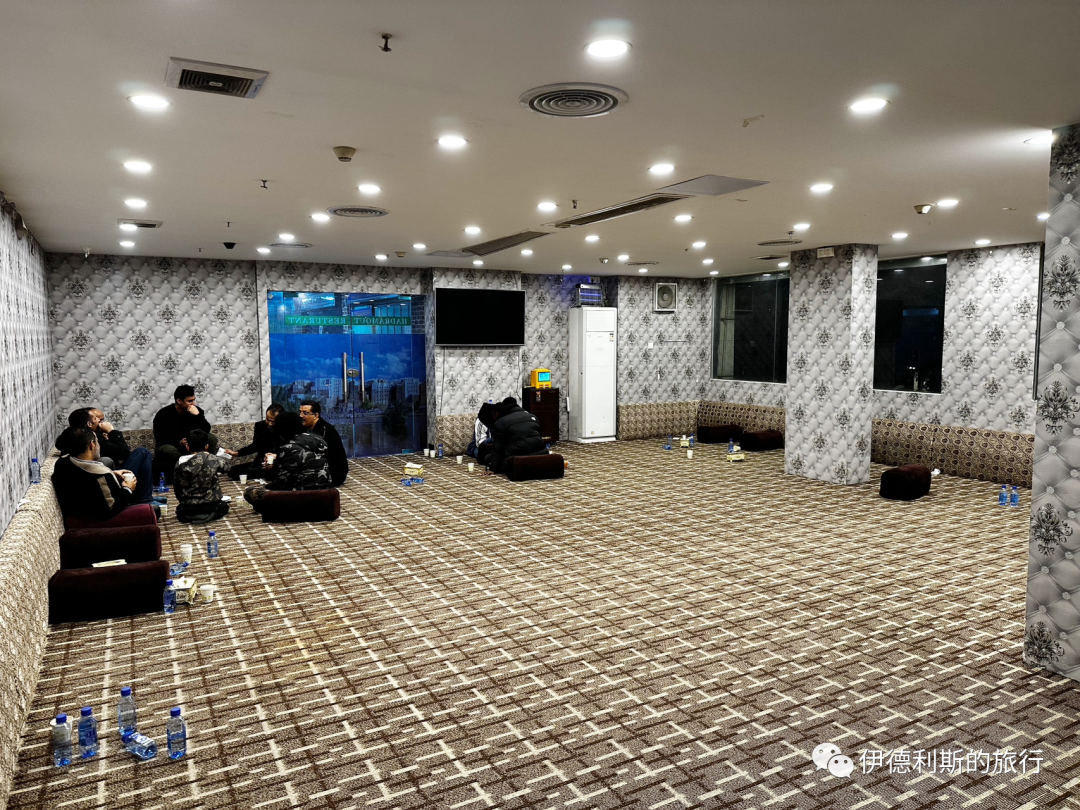
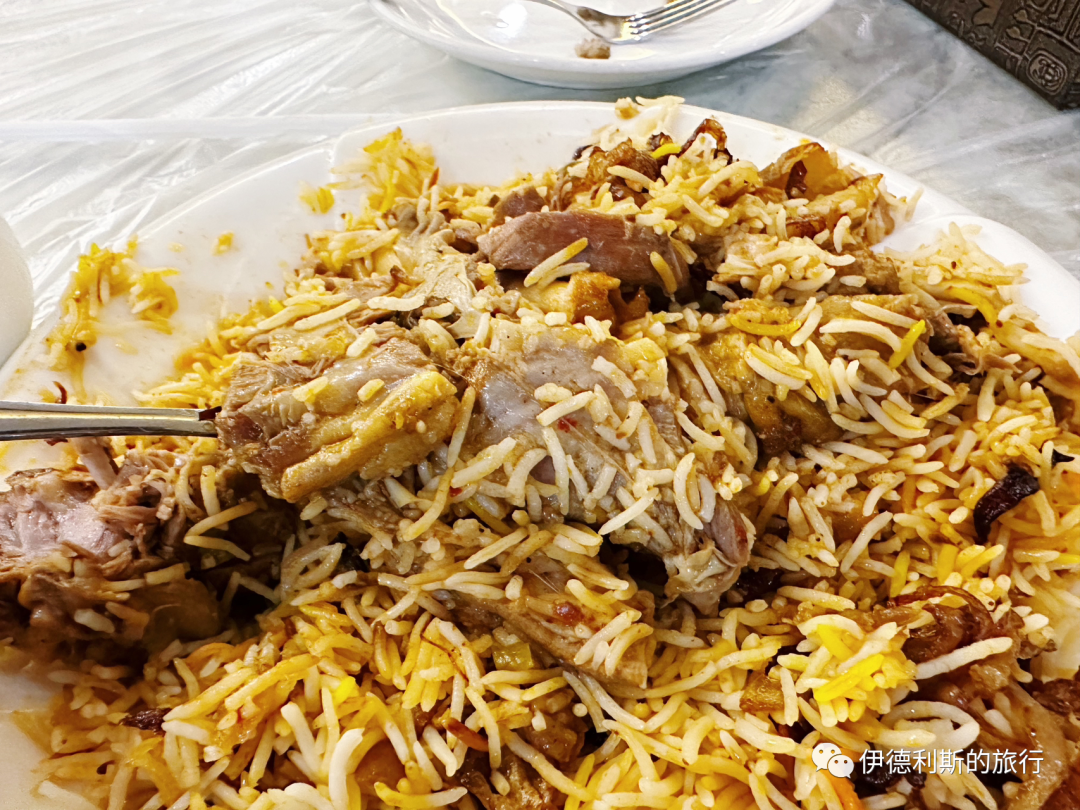
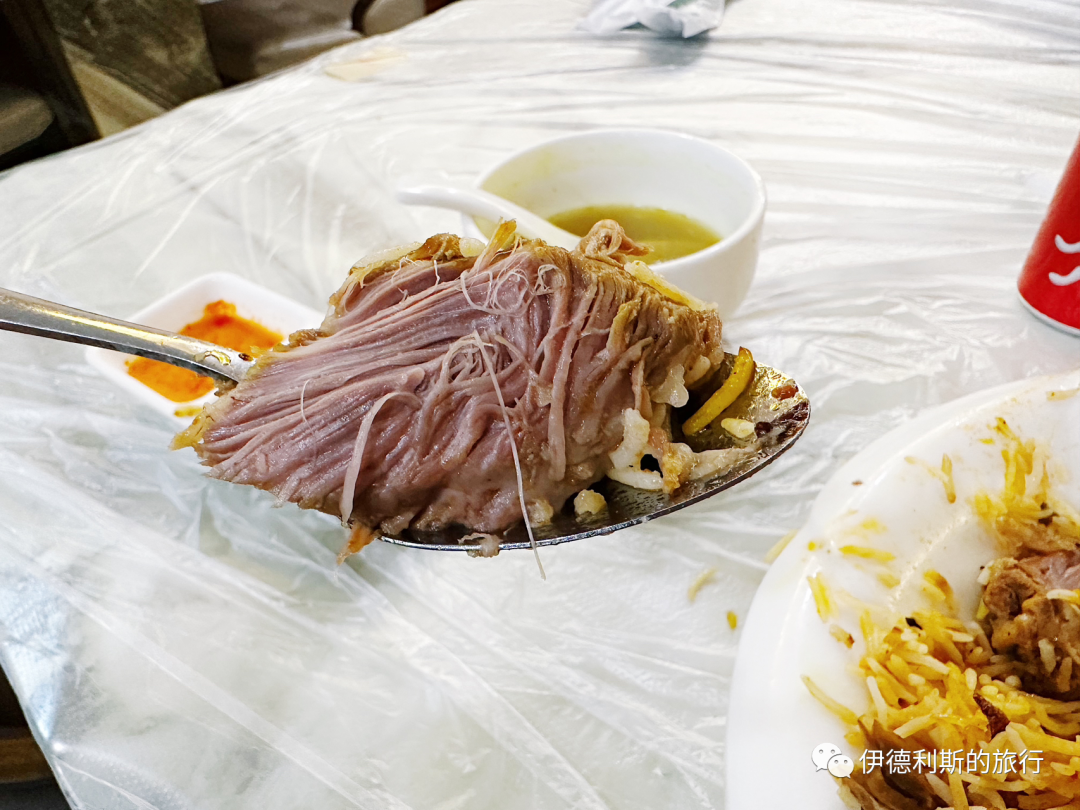
At Hadramout, I had the Yemeni specialty Zurbian lamb and saffron rice (Zurbian yangrou zanghonghua menfan), a major dish served at Yemeni weddings, breaking the fast, and birthdays. The portion of rice is very large, making it suitable for two people. They give you a lot of meat. You might not see it well in the photo, but the rice is actually buried under all that meat. The meat is braised until very tender, and the texture and flavor are both excellent.
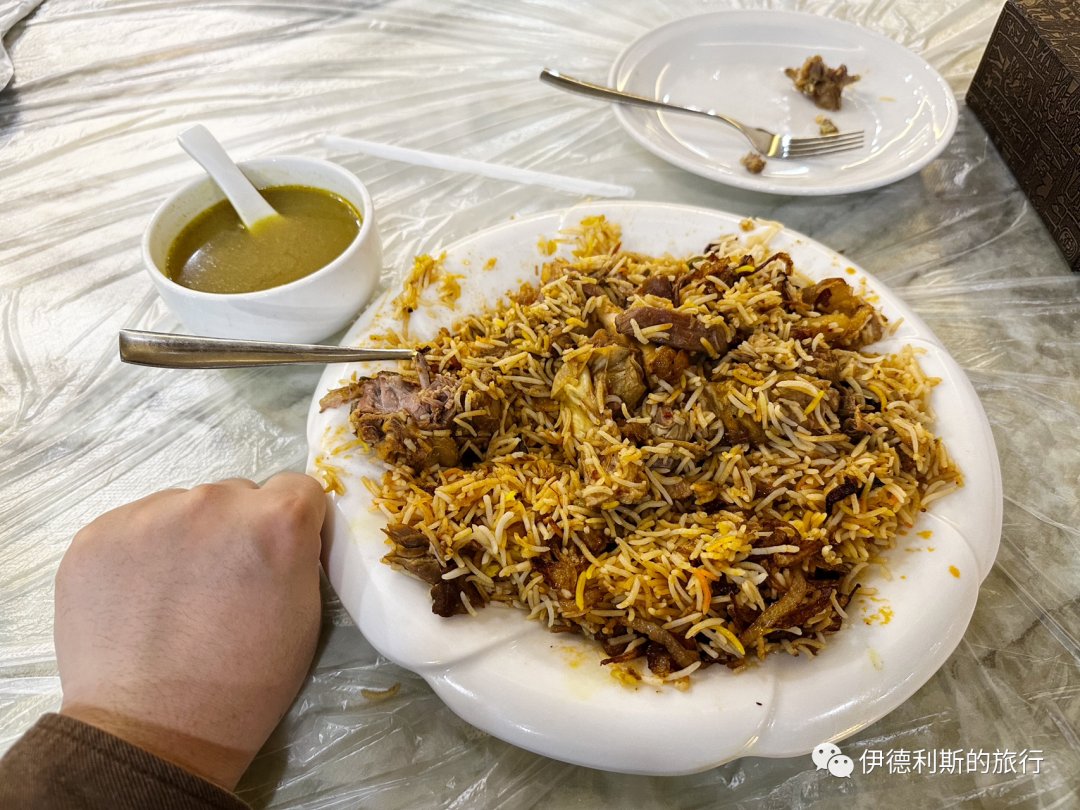
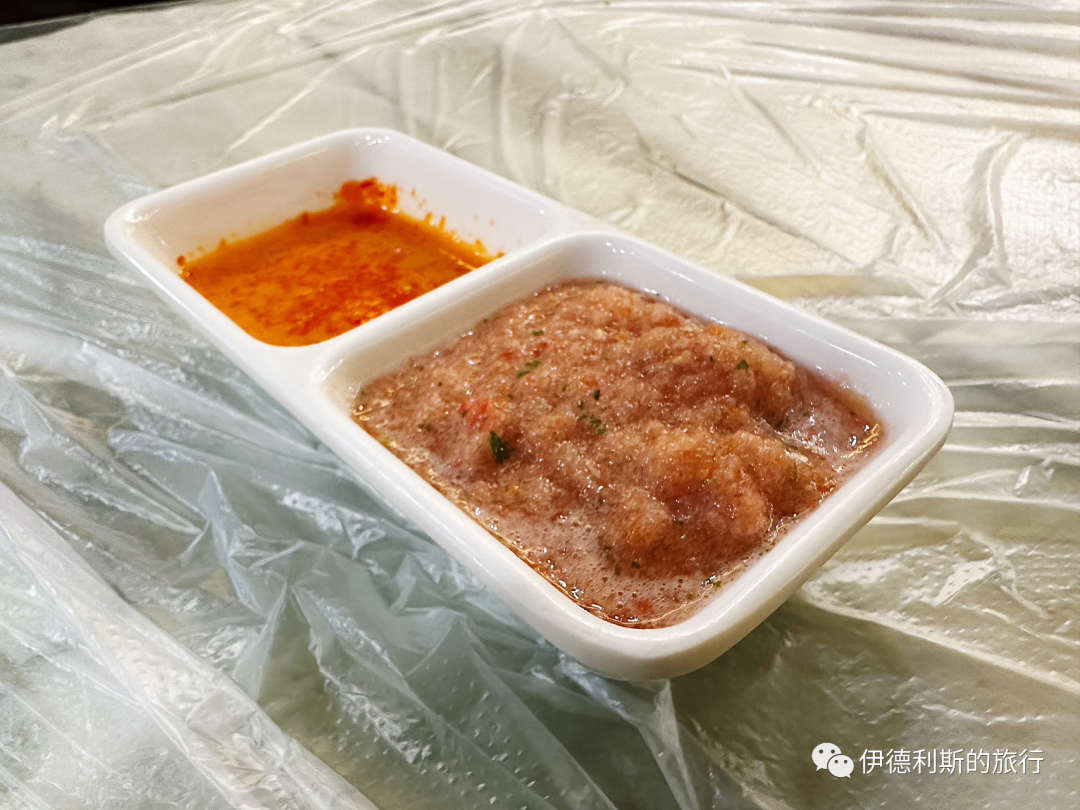
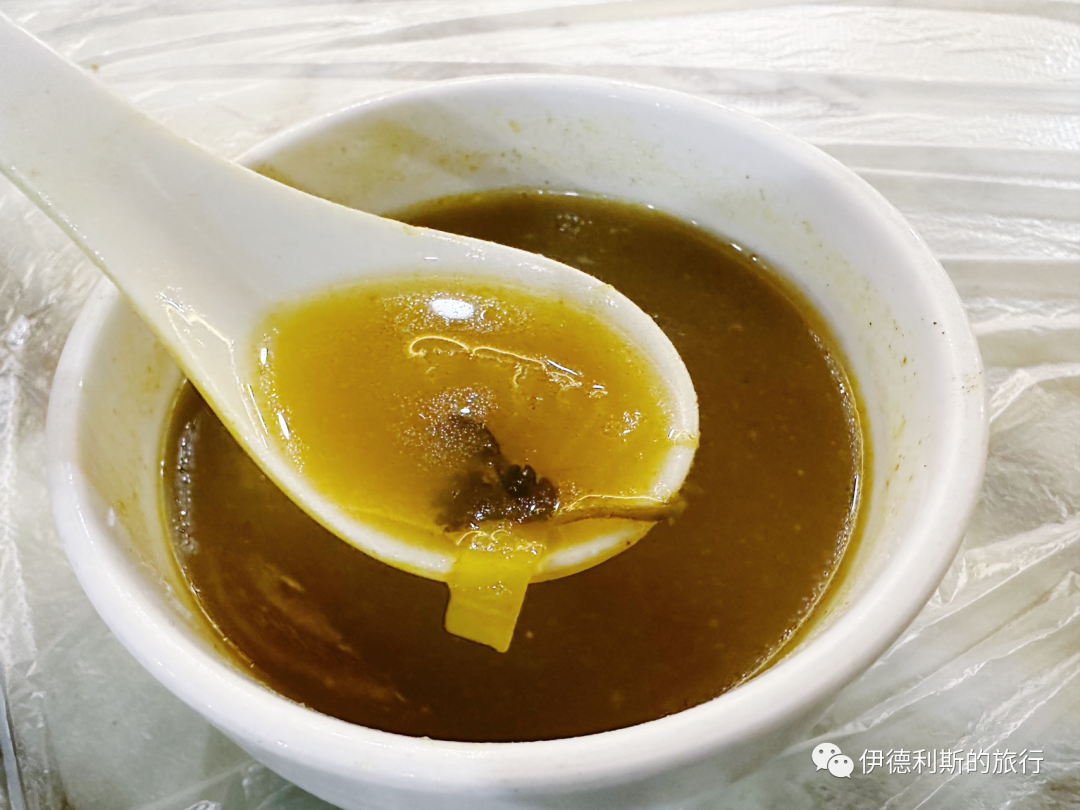
When eating Yemeni rice, you should pair it with the Yemeni specialty spicy sauce Sahawiq. This spicy sauce is made with fresh chili peppers, cilantro, garlic, salt, cumin, and parsley, mixed with olive oil and sometimes tomatoes. Their meat broth is also free to drink, and I think it tastes quite good.
On the morning of January 26, I arrived right at 7:00 AM when the Guangzhou Hui Muslim Restaurant (Guangzhou Huimin fandian) opened for morning tea. Some elderly people had already taken seats, but there were still plenty of empty ones. Every time I visited Guangzhou before, I would go to the Hui Muslim Restaurant for morning tea, and I especially liked their lamb barbecue buns (yang chashaobao). Five years have passed in the blink of an eye, so I had to try them again on this trip.
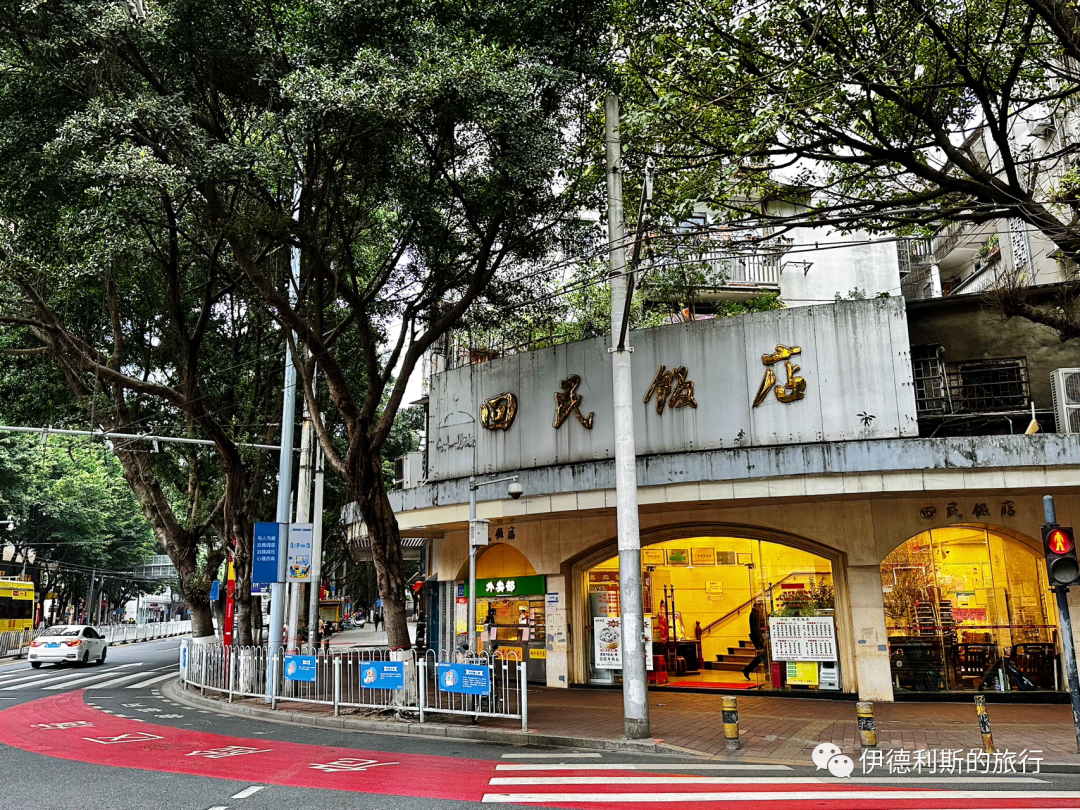
The Hui Muslim Restaurant can be called the last tear of local halal food in Guangzhou, serving as the final witness to the city's once-thriving local halal dining industry. The Hui Muslim Restaurant started as a halal canteen in 1956, with chefs coming from local halal eateries like Gaosheng Tea House, the Hui Muslim Fengcheng Roasted Meat Shop, and the Halal Deji Roasted Meat Shop. In 1959, the canteen merged with the Huabei Hotel and took over the second branch of Satangji, renaming itself the Hui Muslim Grand Hotel. It took over the Hui Muslim Ice Room in 1964 and moved to its current location on Zhongshan 6th Road in 1975, where it has been for nearly 50 years. Due to complex historical reasons and the changes in the local Muslim community during the 20th century, the local halal dining industry in Guangzhou declined. As a restaurant with nearly 70 years of history, it is quite an achievement for the Hui Muslim Restaurant to still be here today.
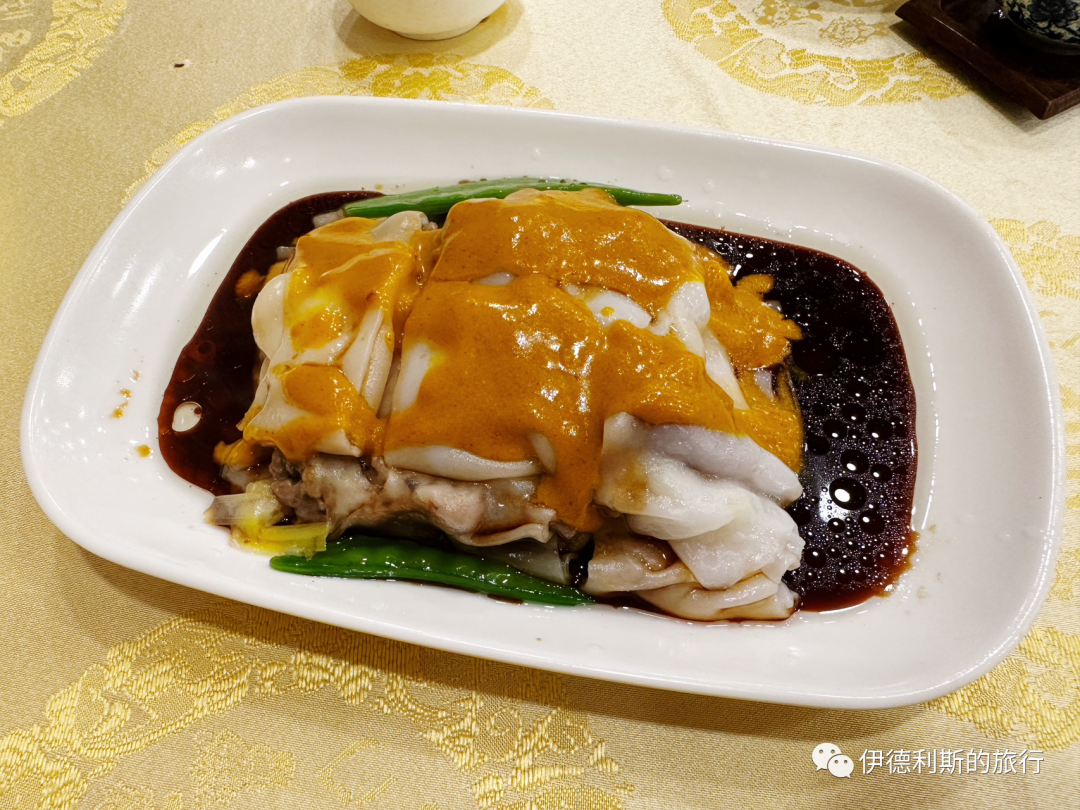
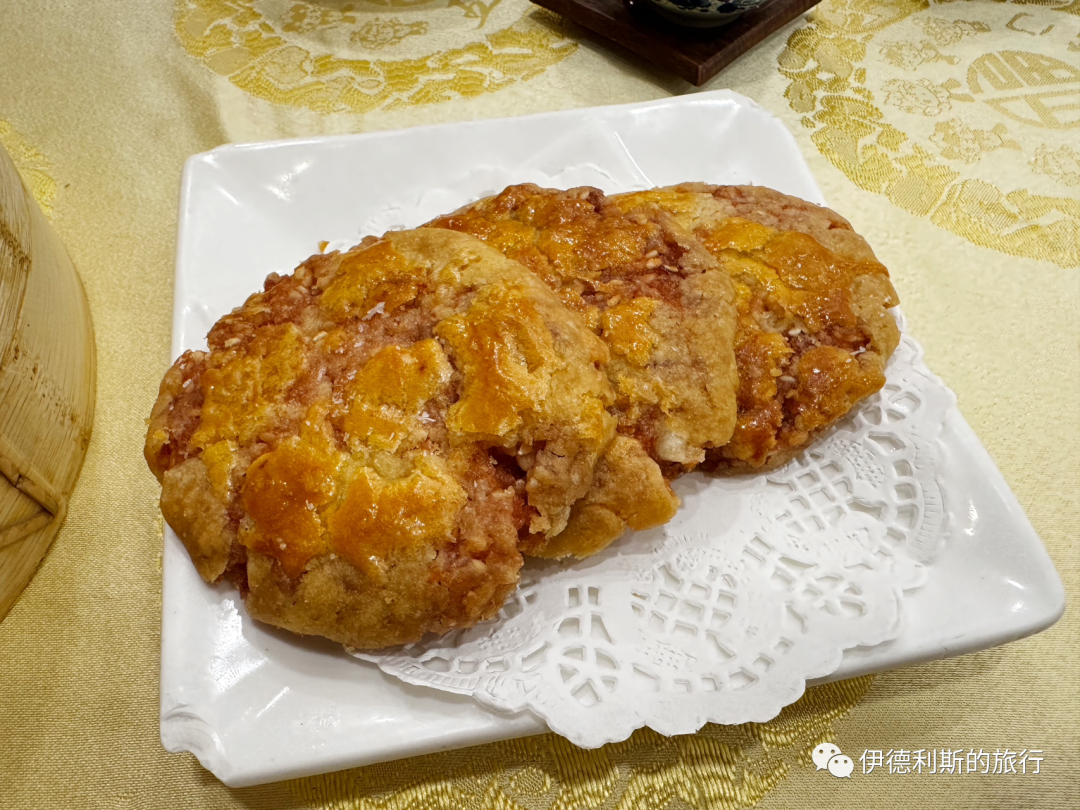
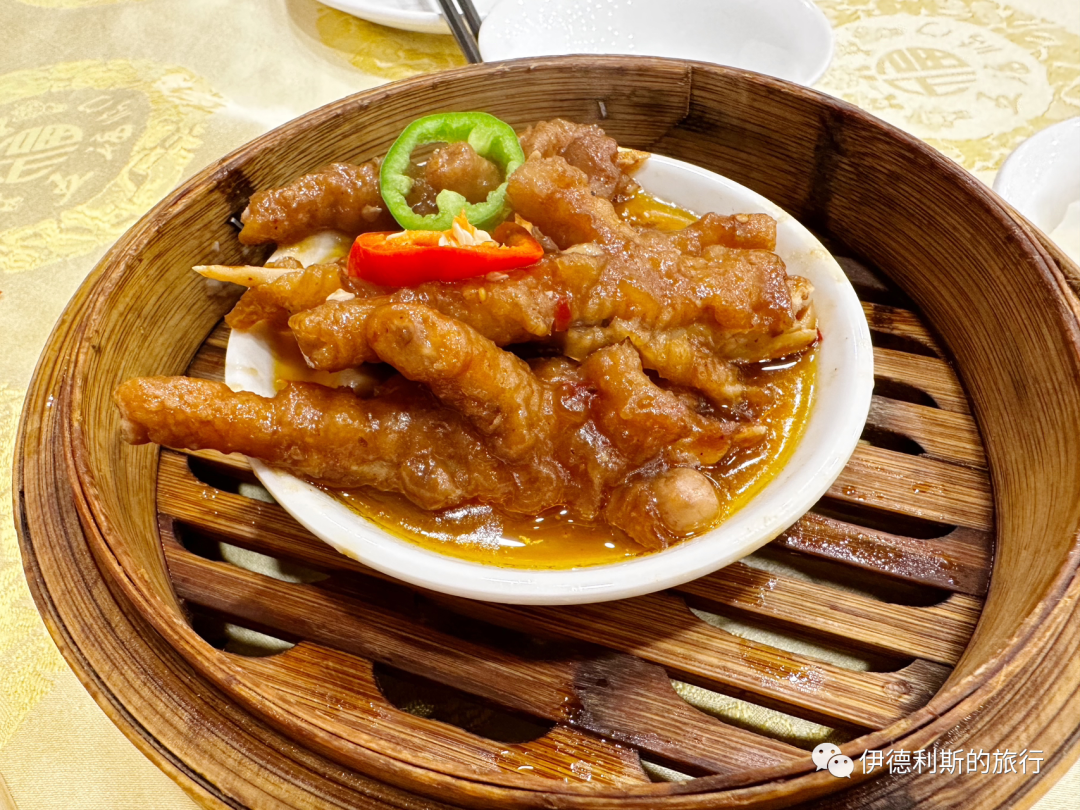
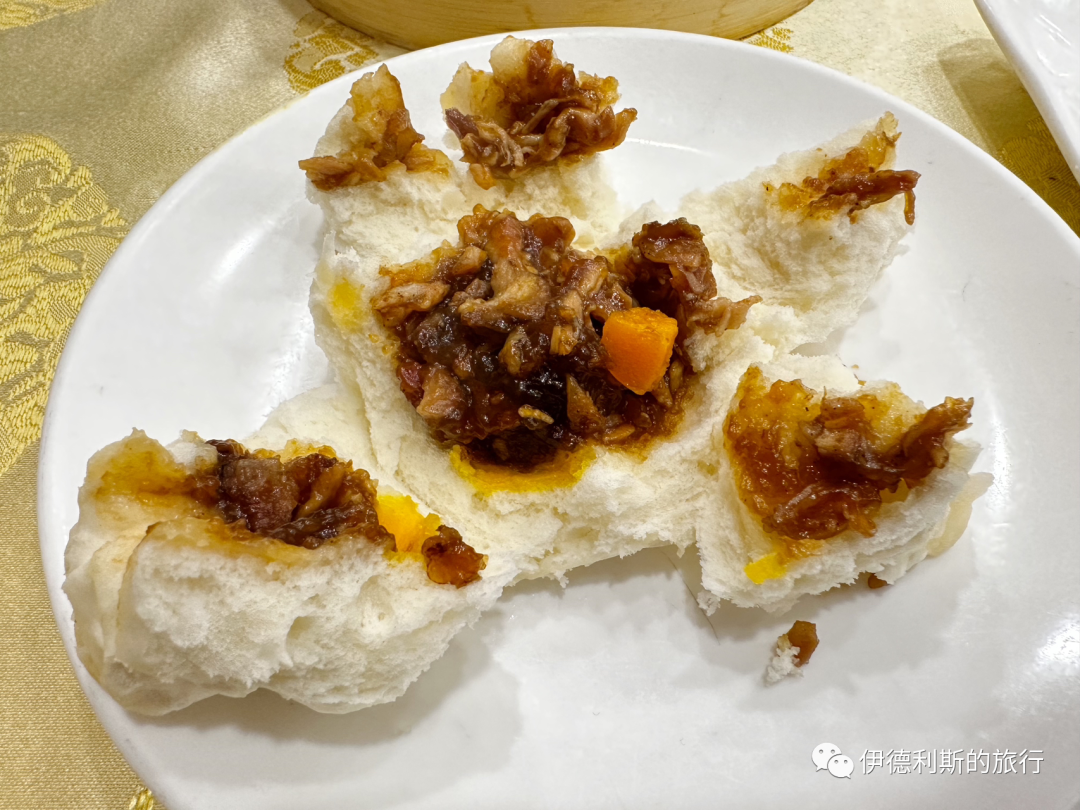
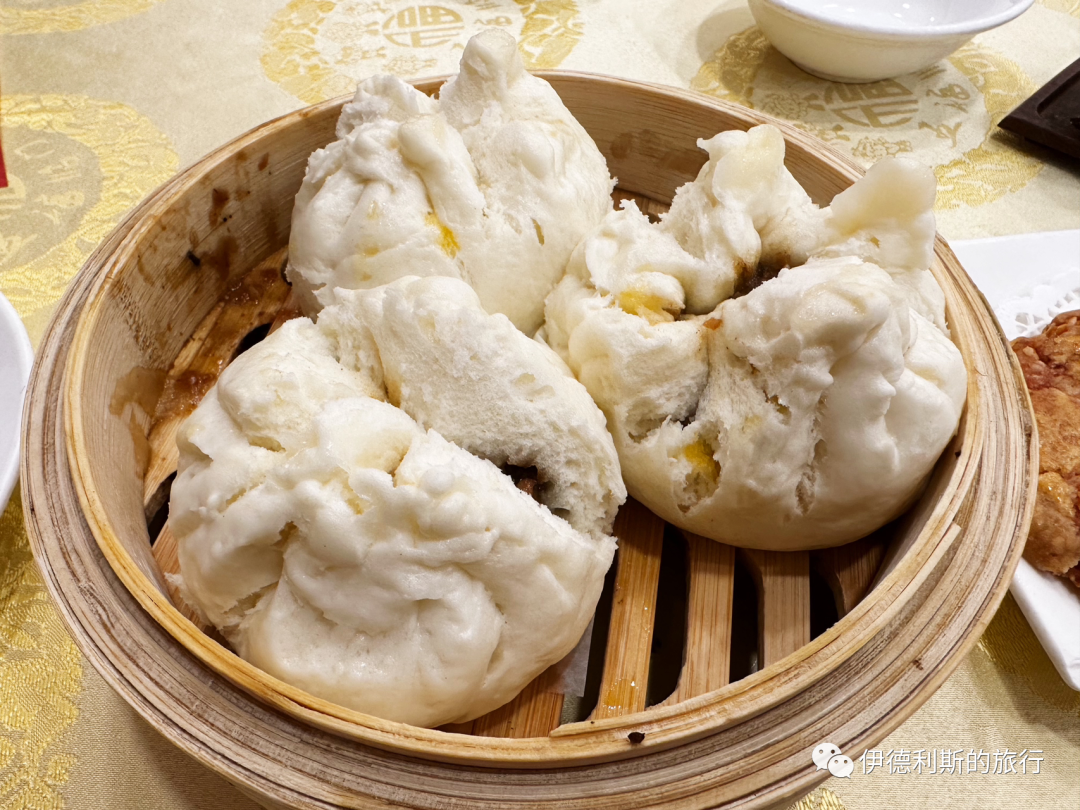
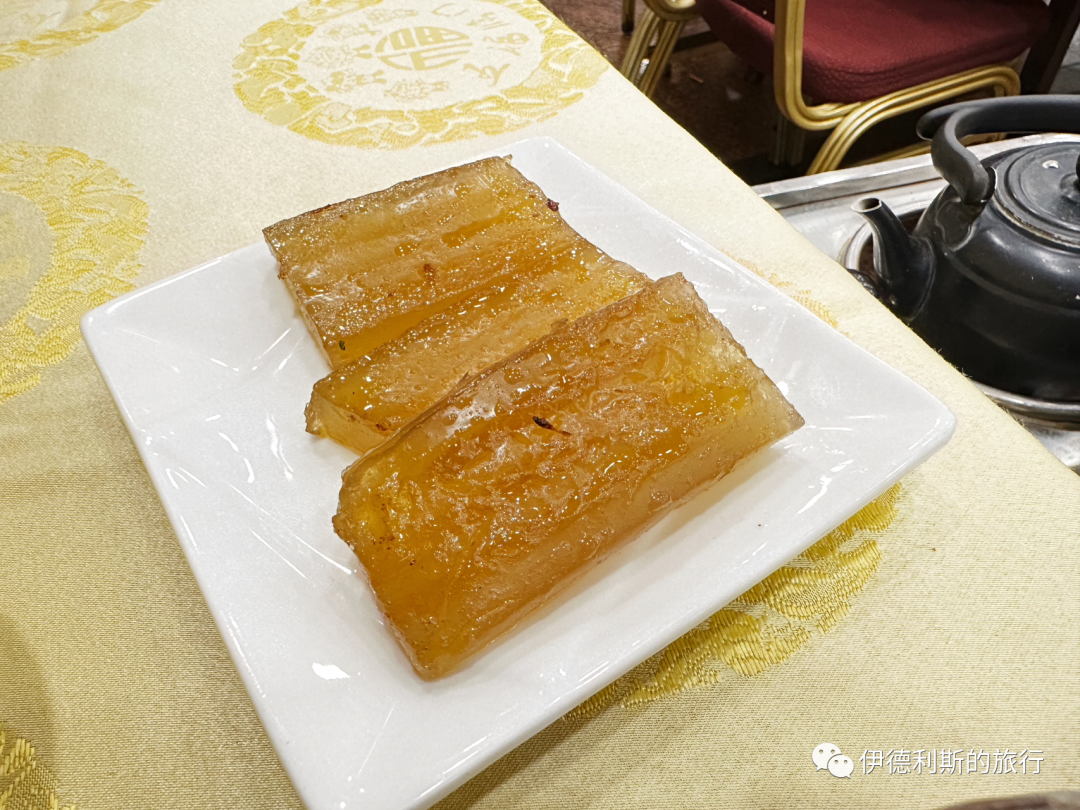
In 2016, I posted an article on Douban called The Morning and Night of Guangzhou Hui Muslim Restaurant, and I ate there several times in a row back then. I checked the morning tea menu from that time, and it was only on its 52nd edition; now it is already on its 70th. Except for the price increases on the dim sum, the variety has basically stayed the same. Besides the lamb barbecue buns I wanted most, I also ordered steamed chicken feet, water chestnut cake, chicken biscuits, and curry beef rice noodle rolls (changfen). When eating alone, you cannot order many things. I wanted to order more, but unfortunately, I was too full. The barbecue buns are still filled with soft, slightly sweet lamb and paired with salted egg yolk, which is very delicious. This was my first time eating chicken biscuits (jizaibing). They are said to be a very traditional recipe from Hui Muslims in Guangzhou, mixing the flavors of fermented bean curd (nanru) and dried tangerine peel (chenpi) to take you right back to old Guangzhou.
You should really take your time with morning tea (zaocha), ordering a few items at a time and adding more as you go. But because I had to head to Zhaoqing that day, I ate in a rush. While the grandparents at the next table were still looking at the menu and chatting, I had basically finished my meal. Although it wasn't as amazing as the first time I had halal Cantonese morning tea, I still felt very satisfied after finishing. It felt like the three years of being stuck were finally over, and I was relieved to be able to travel across the land again.
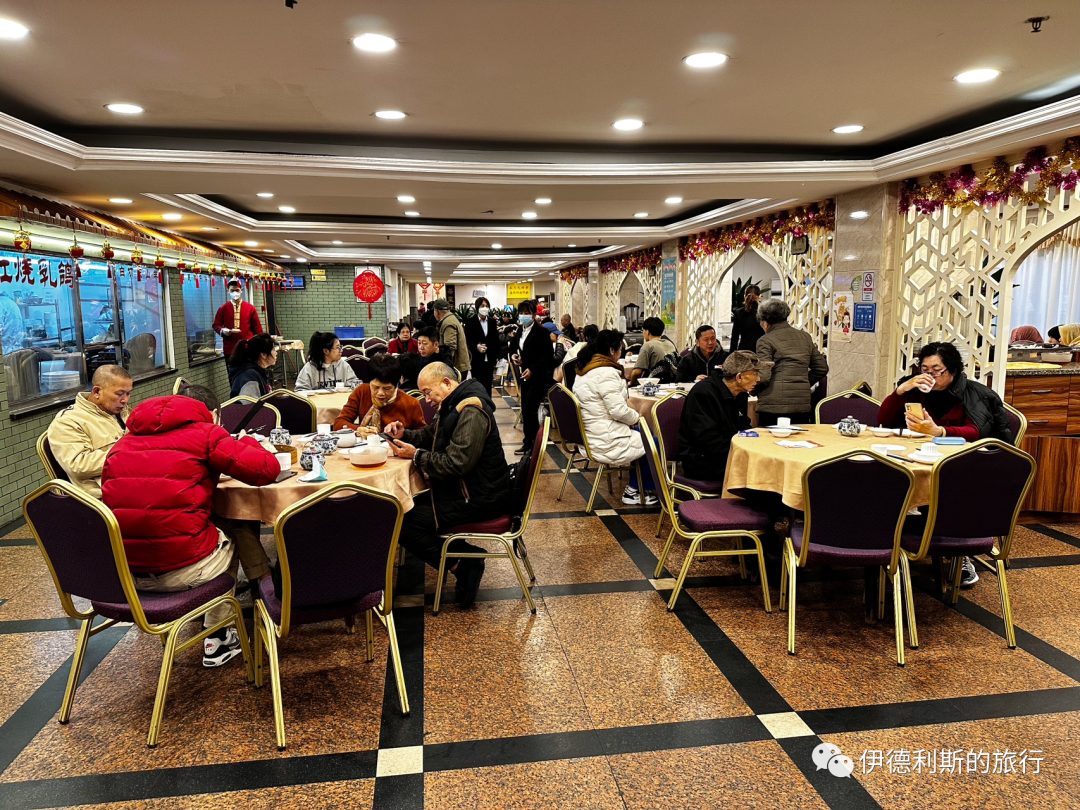
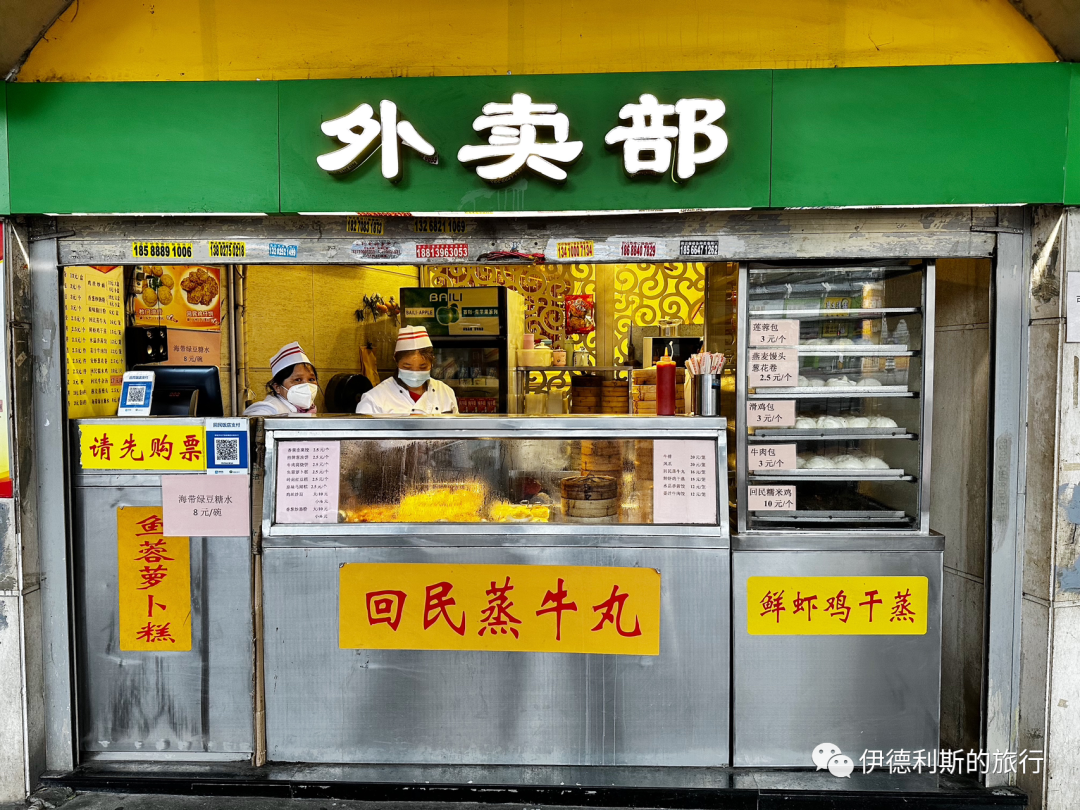
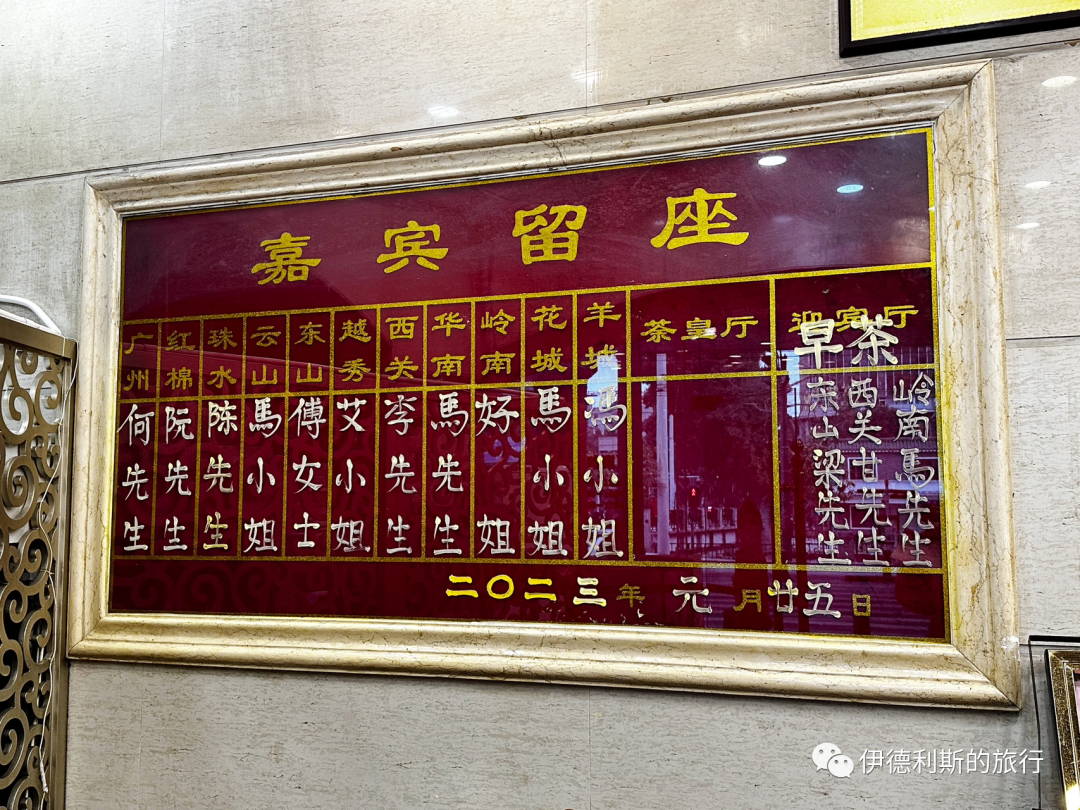
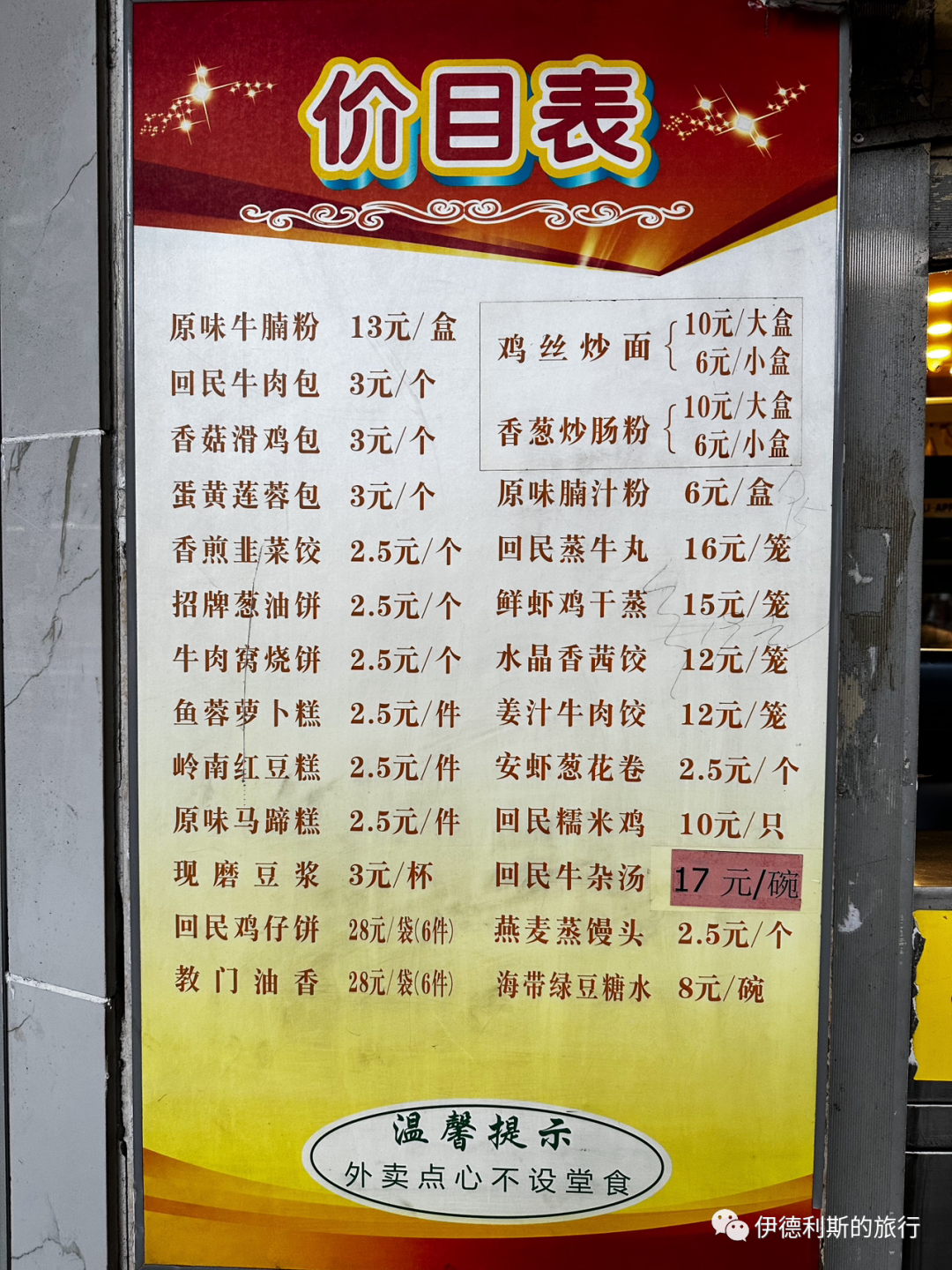
By eight o'clock, the dining halls of the Hui Muslim restaurant were already full. If you don't want to get up early, buying some specialty steamed snacks at the takeout window by the entrance is a great option.
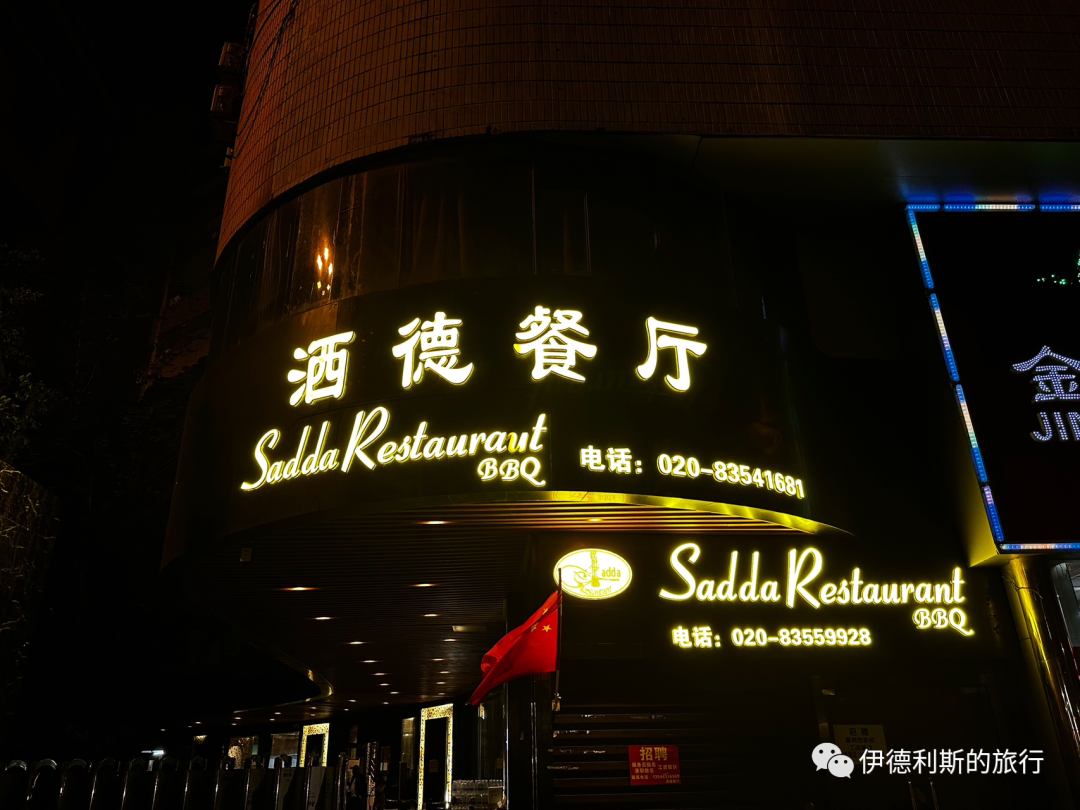
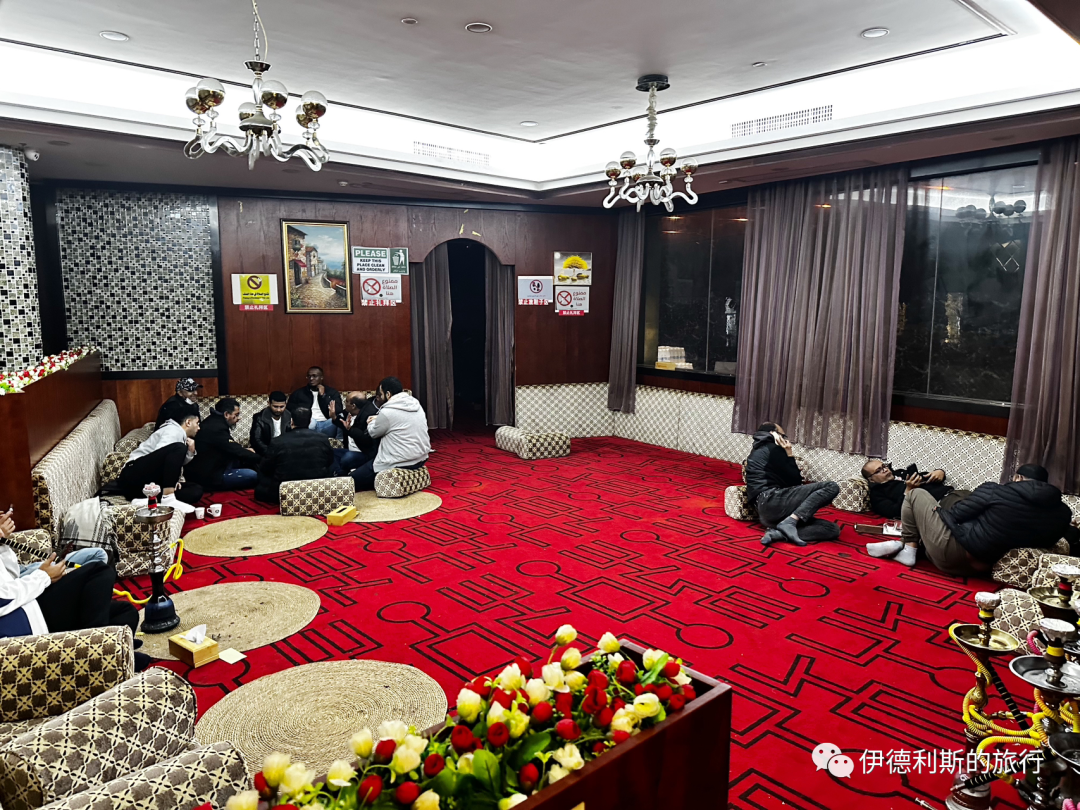
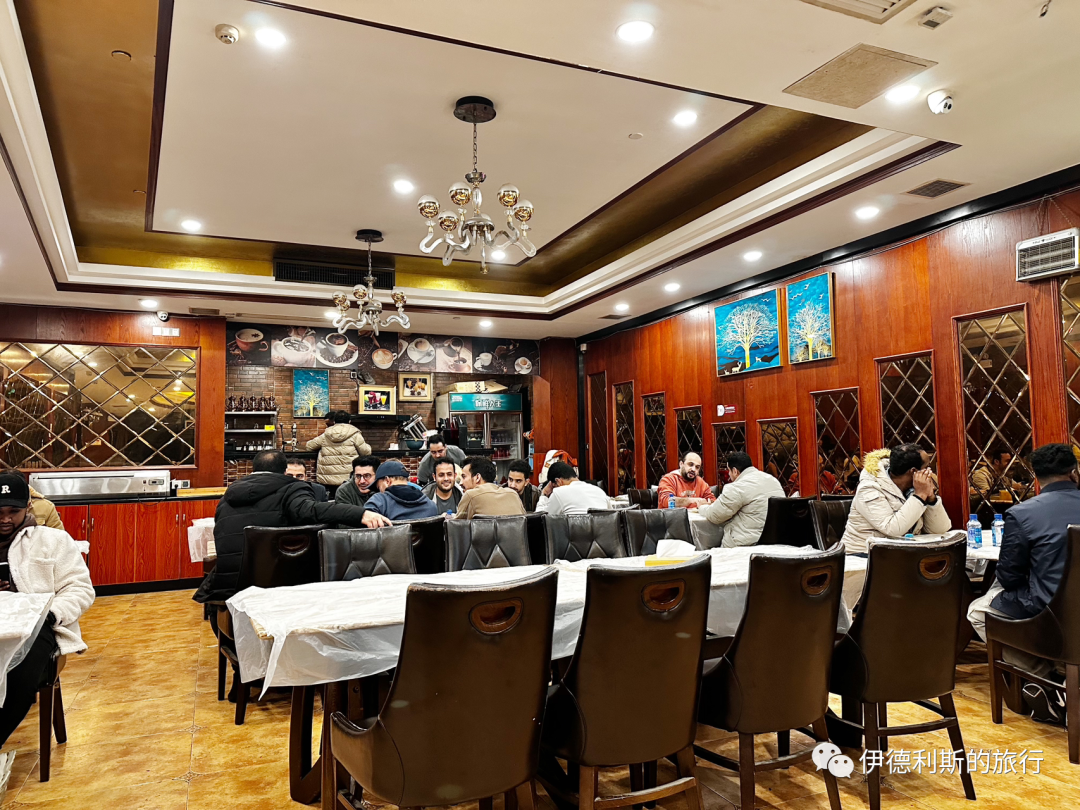
In the evening, I went to Sadda Restaurant, a long-standing Yemeni spot in Guangzhou's Xiaobei area that has been open for over a decade. Just like the Yemeni restaurant Honghui I visited the day before, they have regular tables and chairs, plus a room where you can sit on the floor to eat, just like in Yemen.
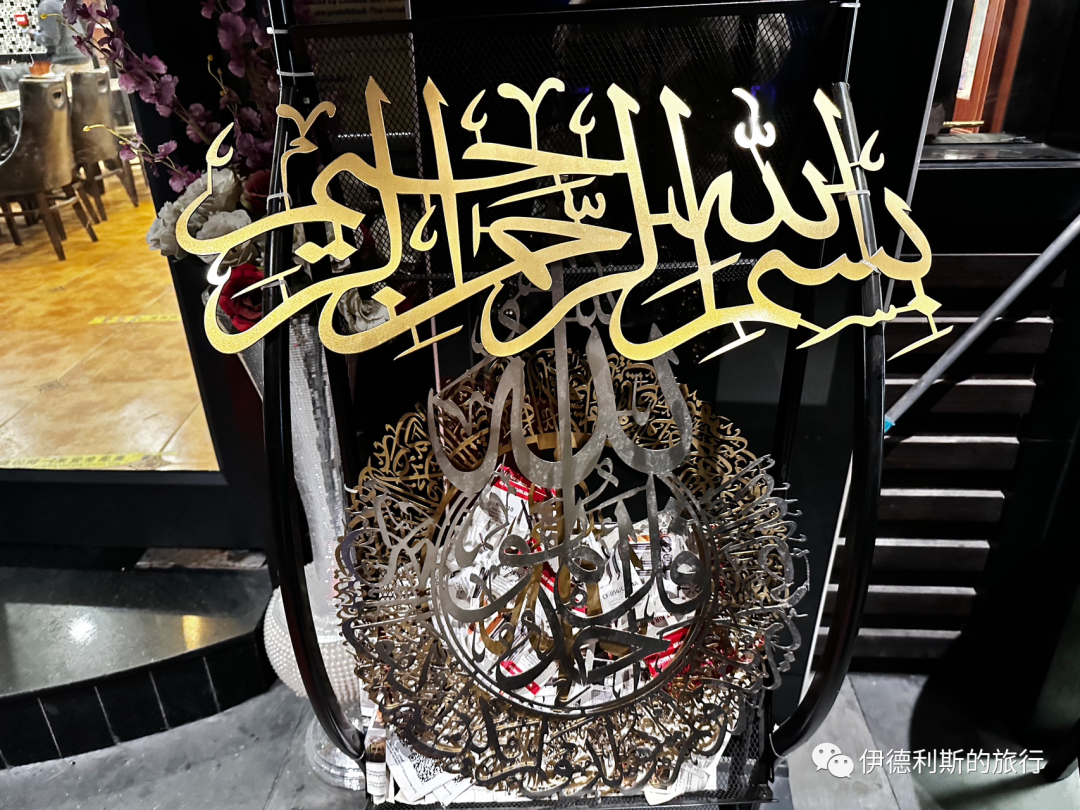
Sa'dah is an ancient capital in northwestern Yemen. It was founded in the late 9th century by Imam al-Hadi, the leader of the Zaydi branch of Shia Islam (the Five-Imam sect), and has been the stronghold of the Zaydi sect ever since. The Lasi dynasty founded by Imam al-Hadi lasted for over a thousand years (893-1962). The city of Sa'dah preserves the oldest Shia mosque on the Arabian Peninsula and many historical buildings from different periods, and it was added to the World Heritage Tentative List in 2002. After the Republic of Yemen was established, the Zaydis in the north and the Sunnis in the south were at odds for a long time. In 2004, Hussein al-Houthi, from the Zaydi Houthi tribe in Sa'dah, started the Houthi movement there. In 2011, they officially established a new government in Sa'dah, and the city has been under Houthi control ever since. During the 2015 war, the Arab coalition launched airstrikes on Sa'dah, and the city's oldest Great Mosque of Imam al-Hadi was severely damaged.
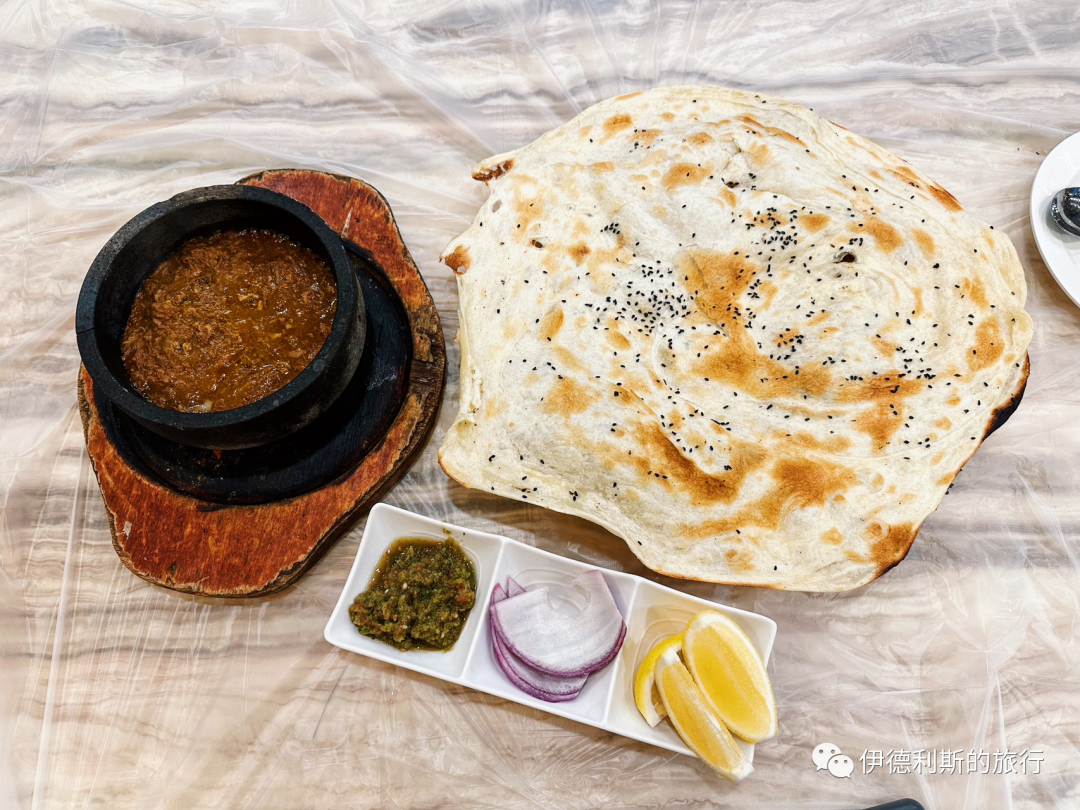
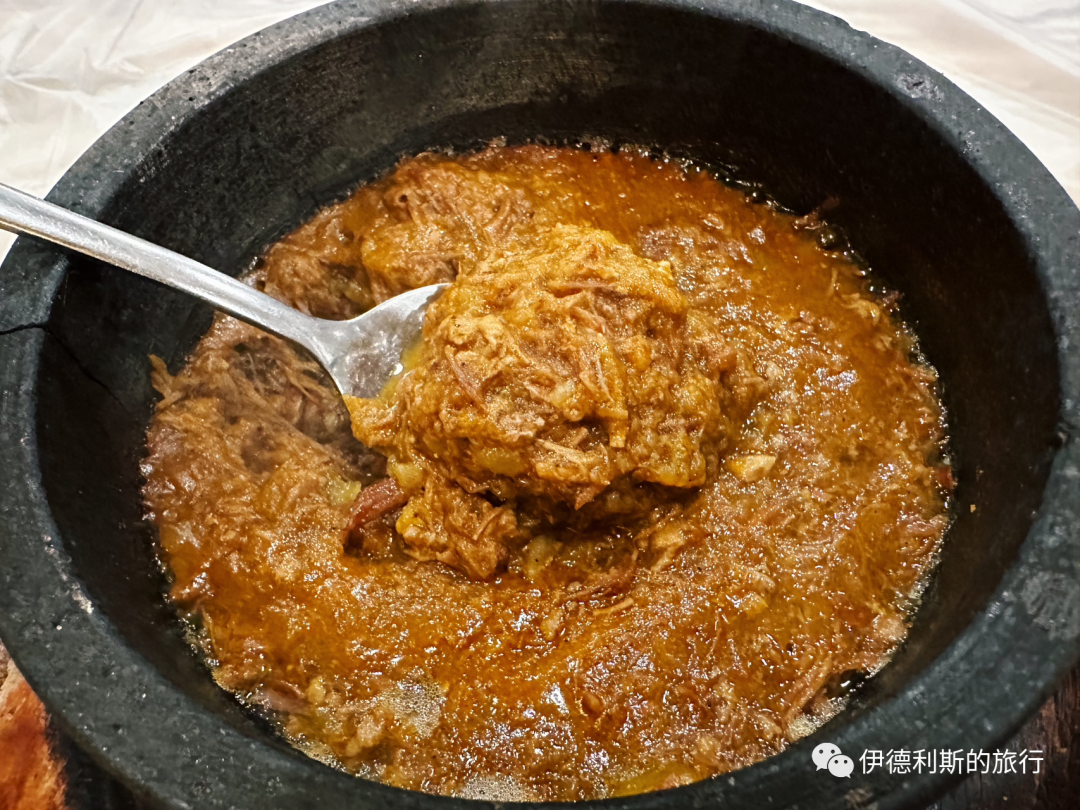
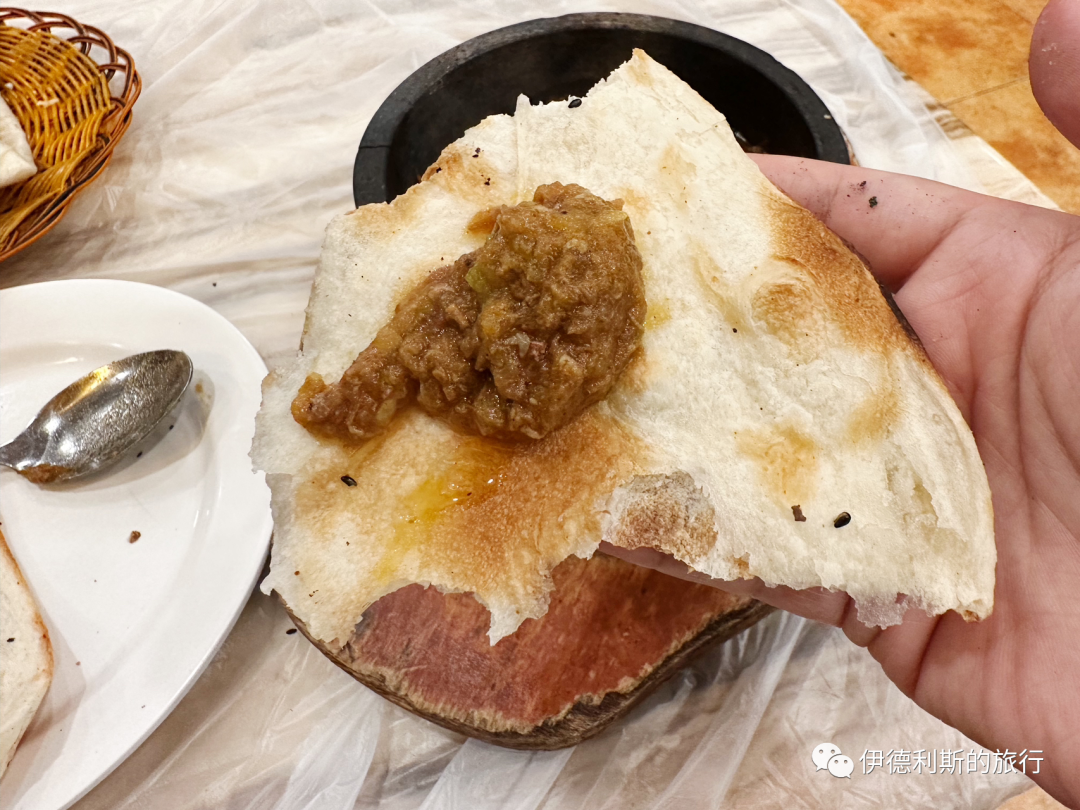
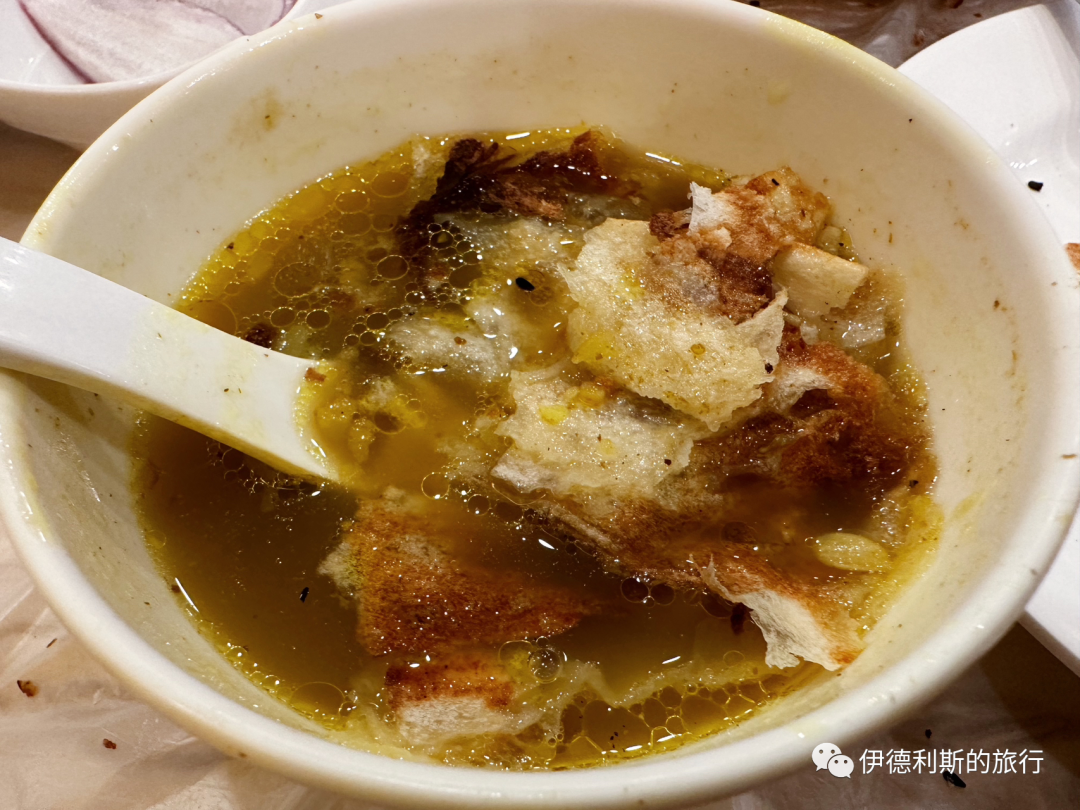
When you come to Guangzhou to eat at a Yemeni restaurant, you must try the classic Yemeni dish Fahsa, a lamb stew served with Mulawah flatbread. For Fahsa, the lamb must be stewed until it is very tender. It starts in a large pot and is then moved to a small stone pot to continue simmering. Besides ginger, garlic, and cumin, you must add a spice called fenugreek (hulbah) when stewing the meat. Fenugreek is actually what people in Northwest China often call xiangdouzi. People in the Northwest dry the leaves and grind them into powder to steam buns, while Yemenis grind the seeds to stew meat. Fenugreek seeds expand when they hit water, and they foam up very easily when you stir them in a bowl.
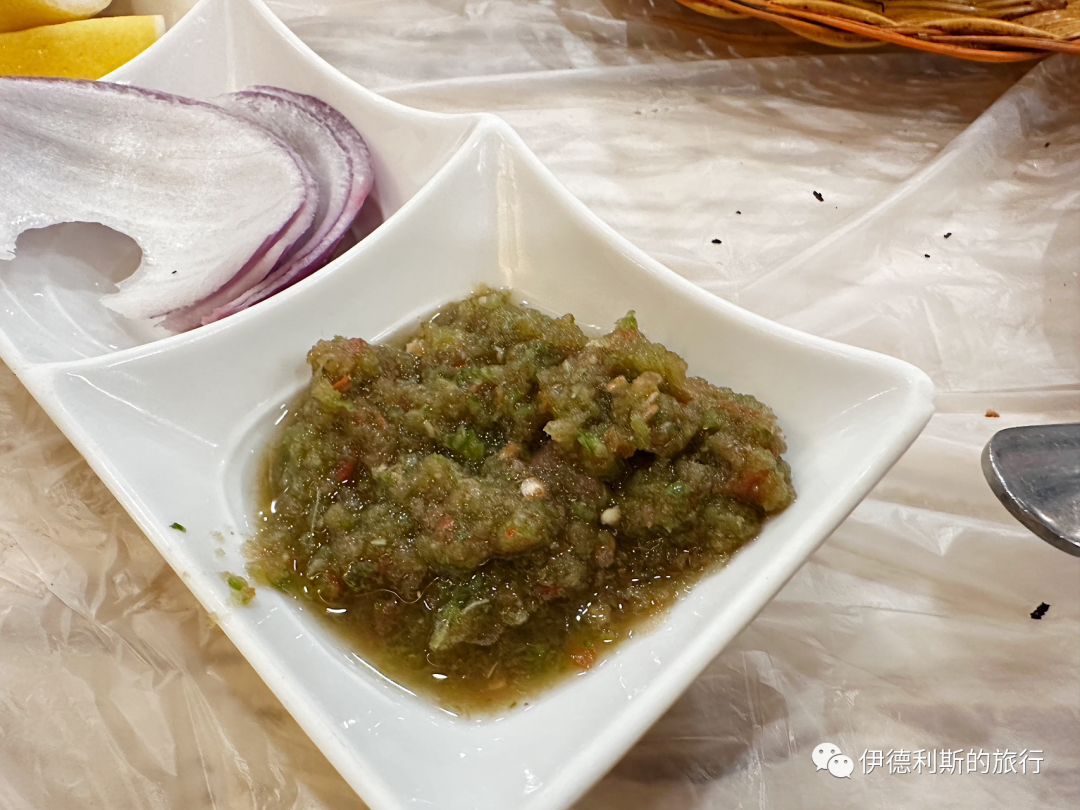
Mulawah flatbread is traditionally baked in an Arabian clay oven called a tannur. It is very fragrant with wheat and quite large. You can tear the flatbread apart to scoop up the Fahsa lamb stew, or soak it in the broth; both ways are delicious. Also, you should eat it with Sahawiq dipping sauce, which contains fresh green chili, cilantro, garlic, salt, cumin, and parsley.
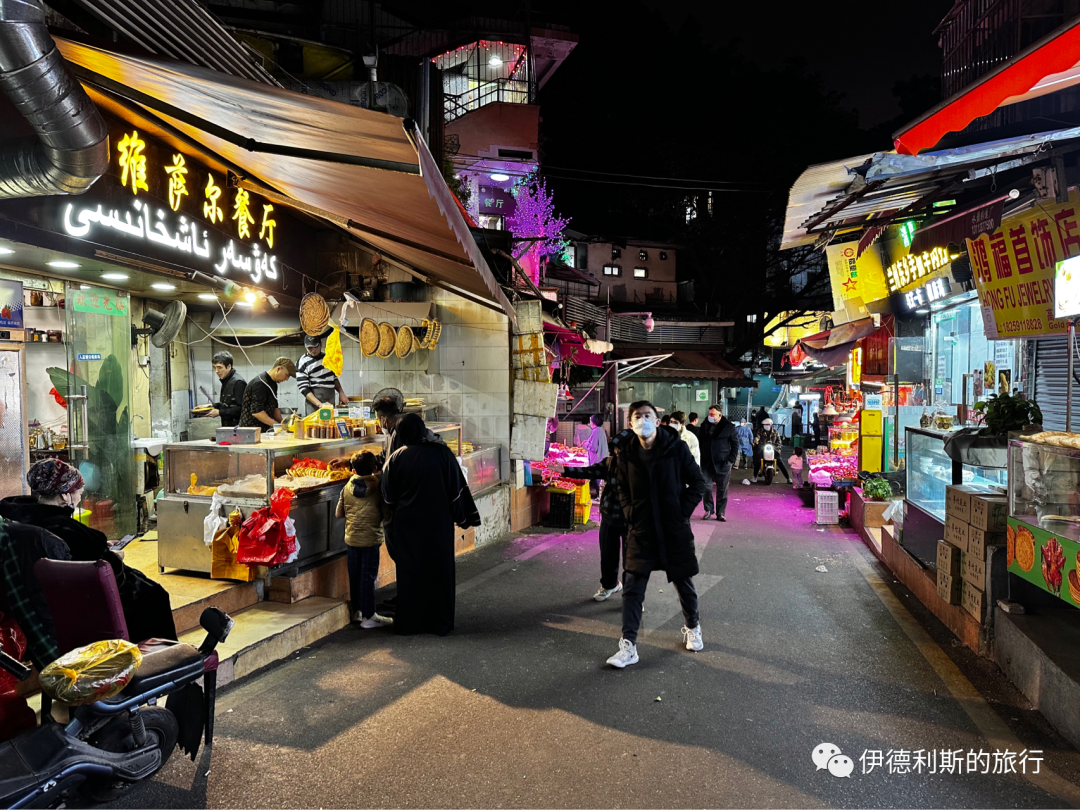
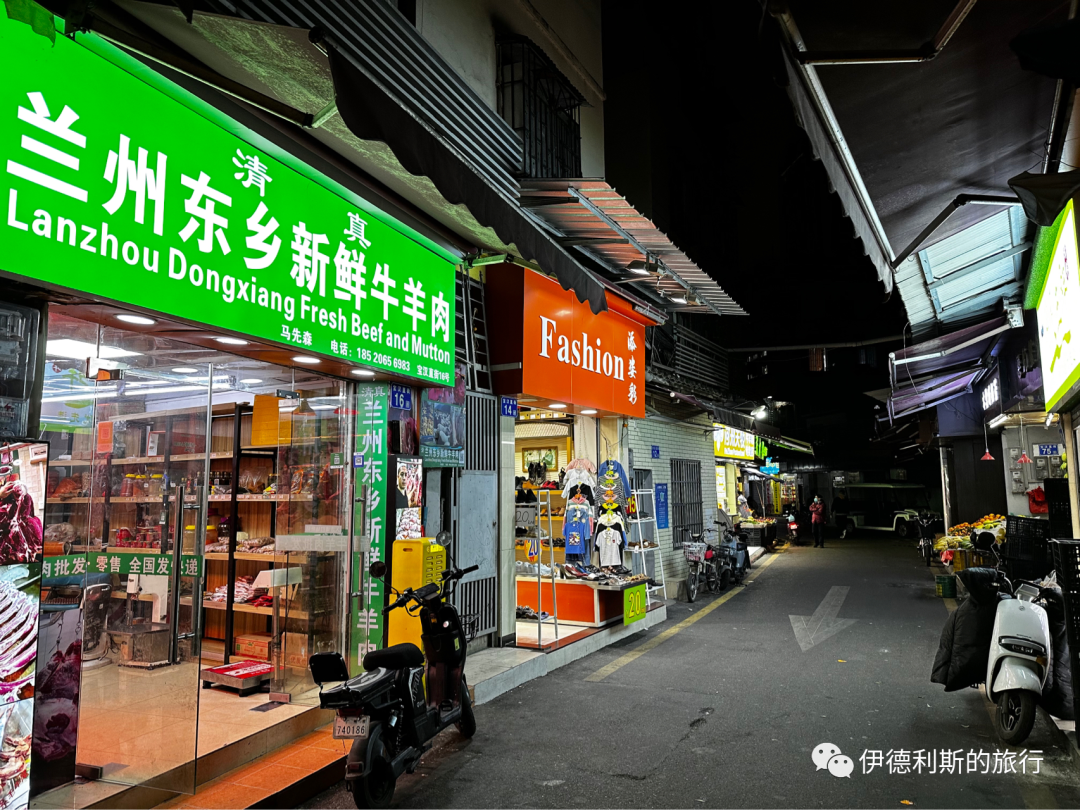
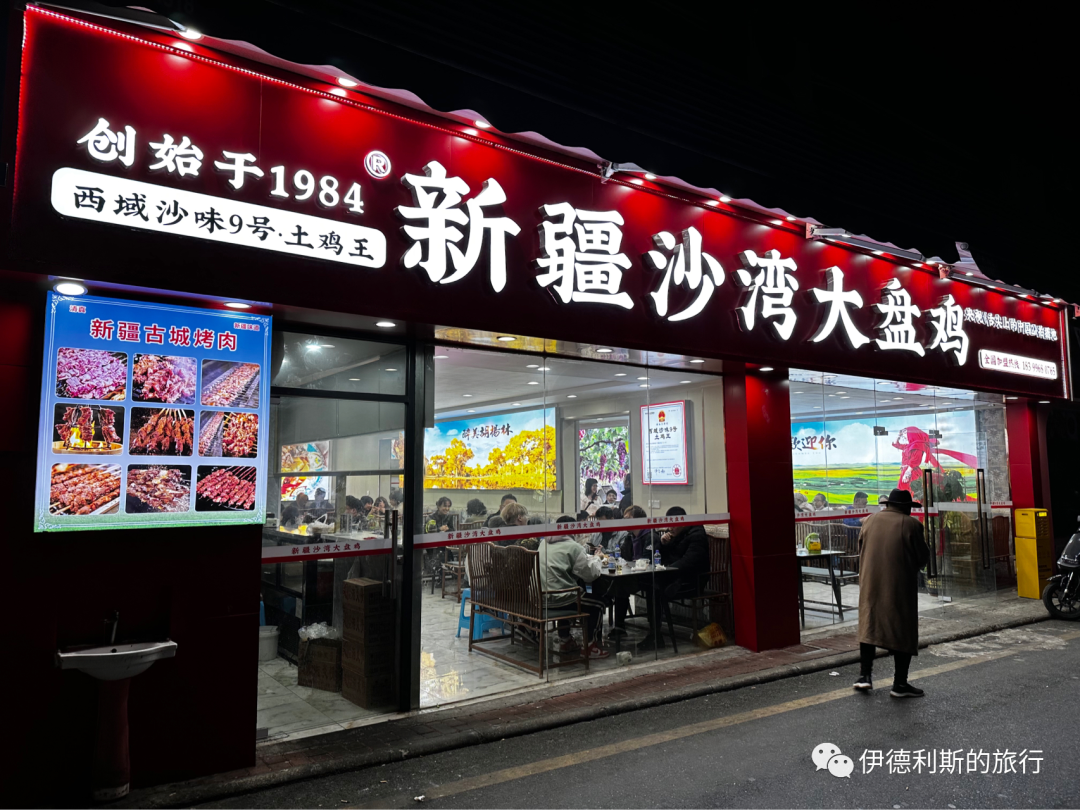
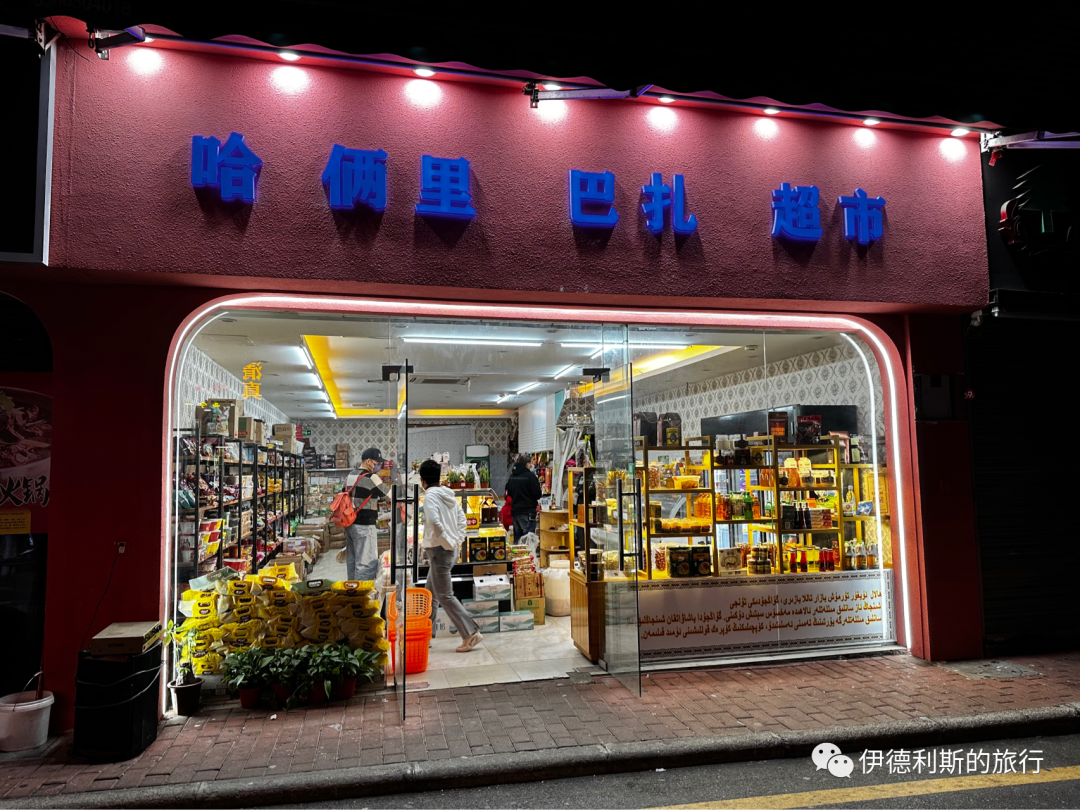
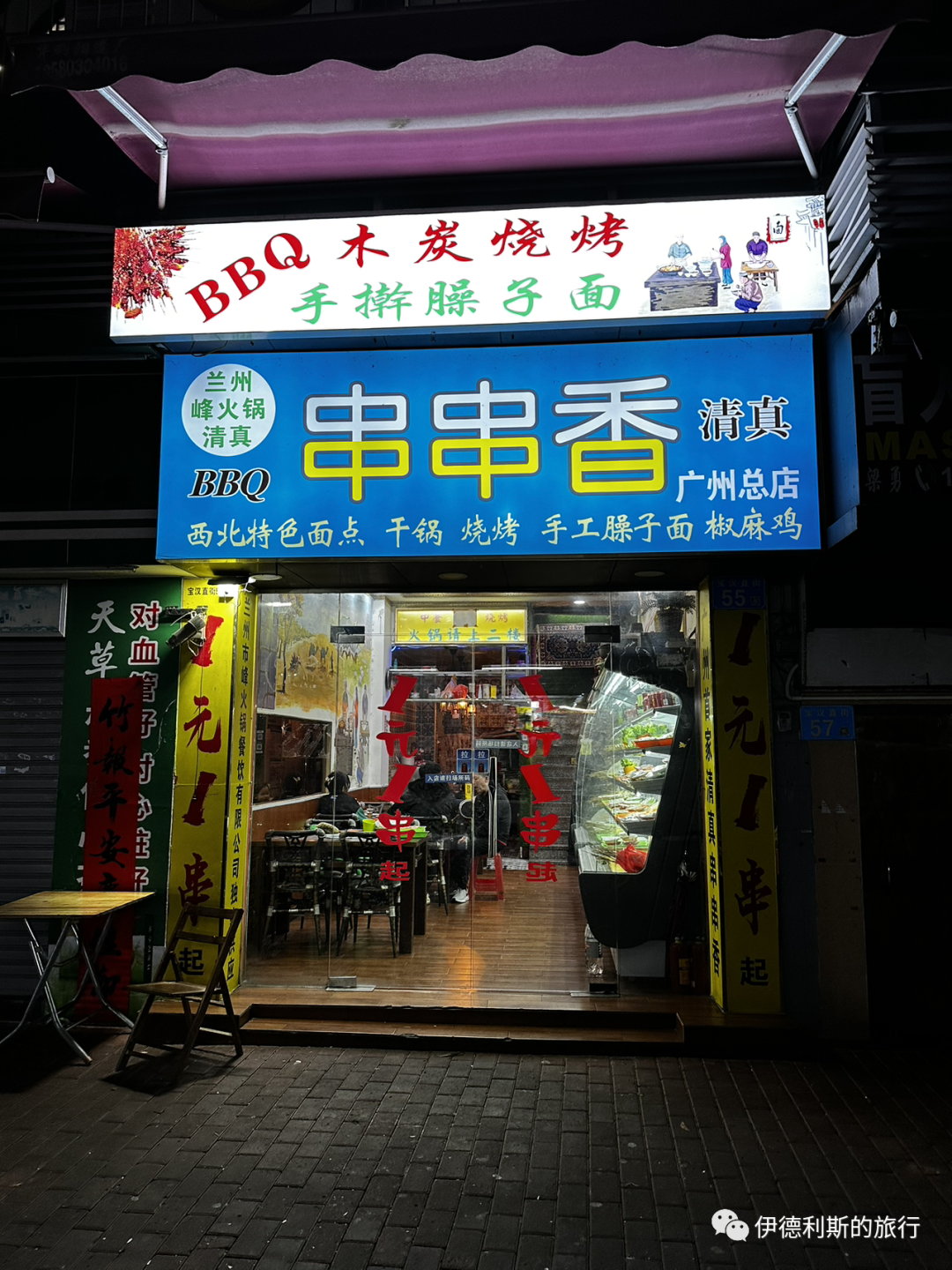
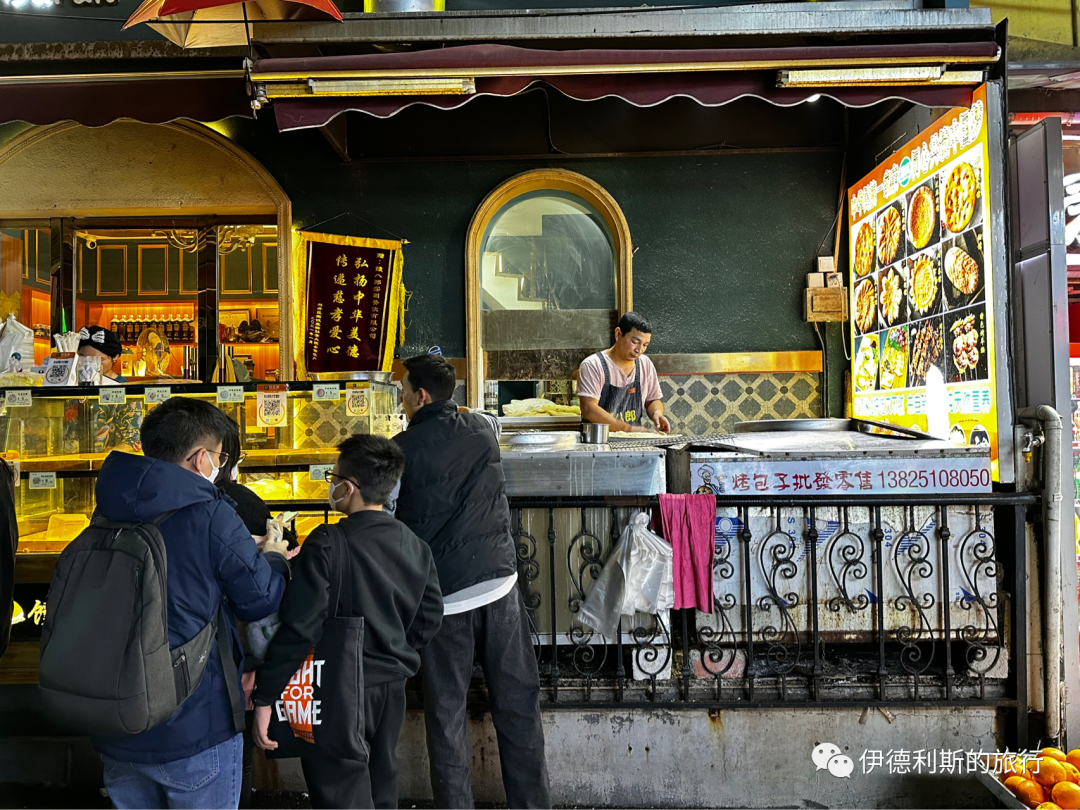
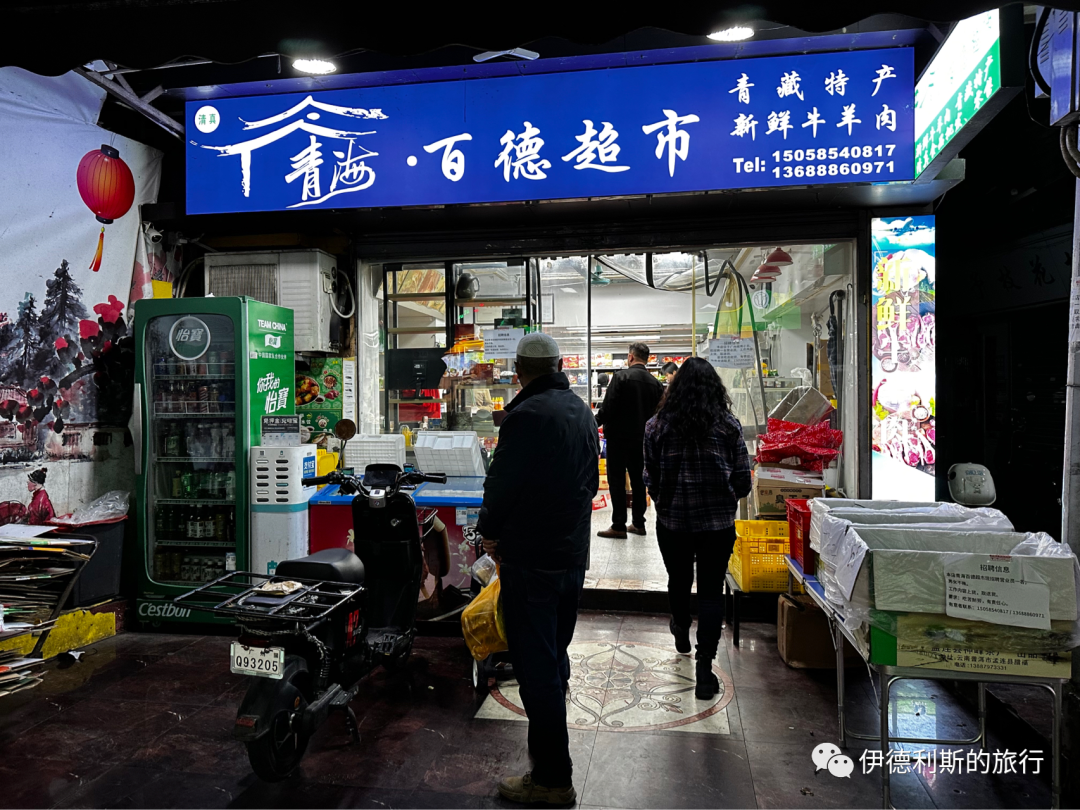
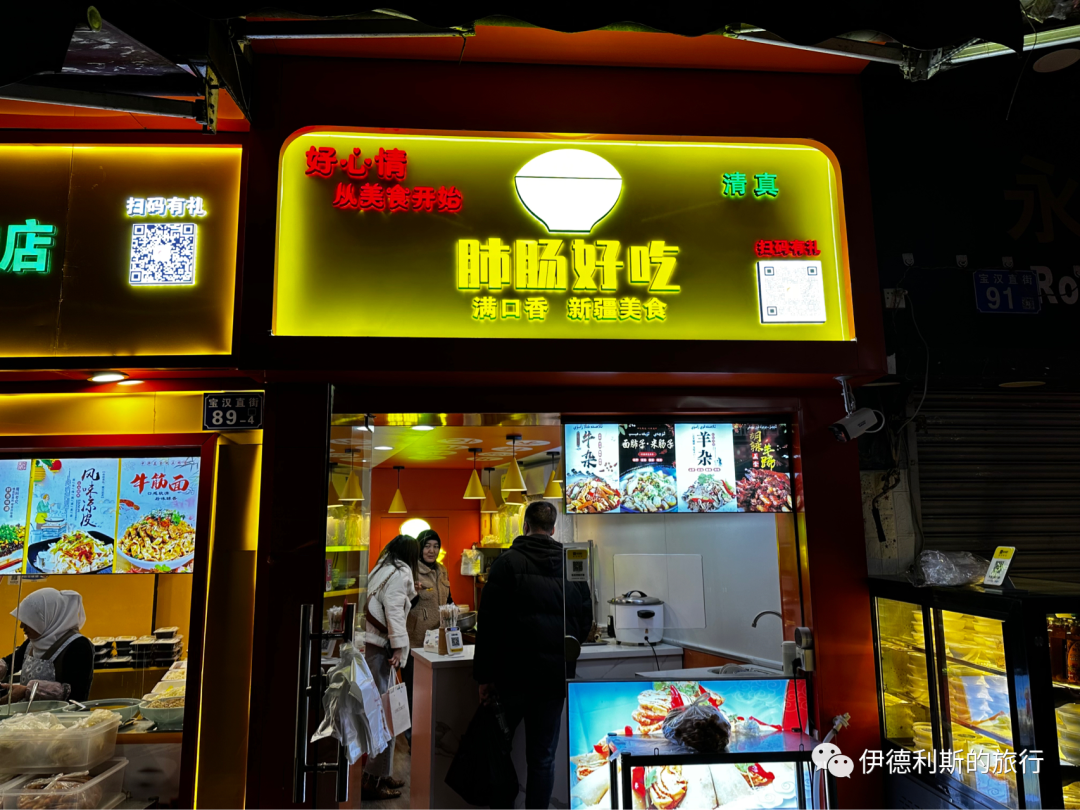
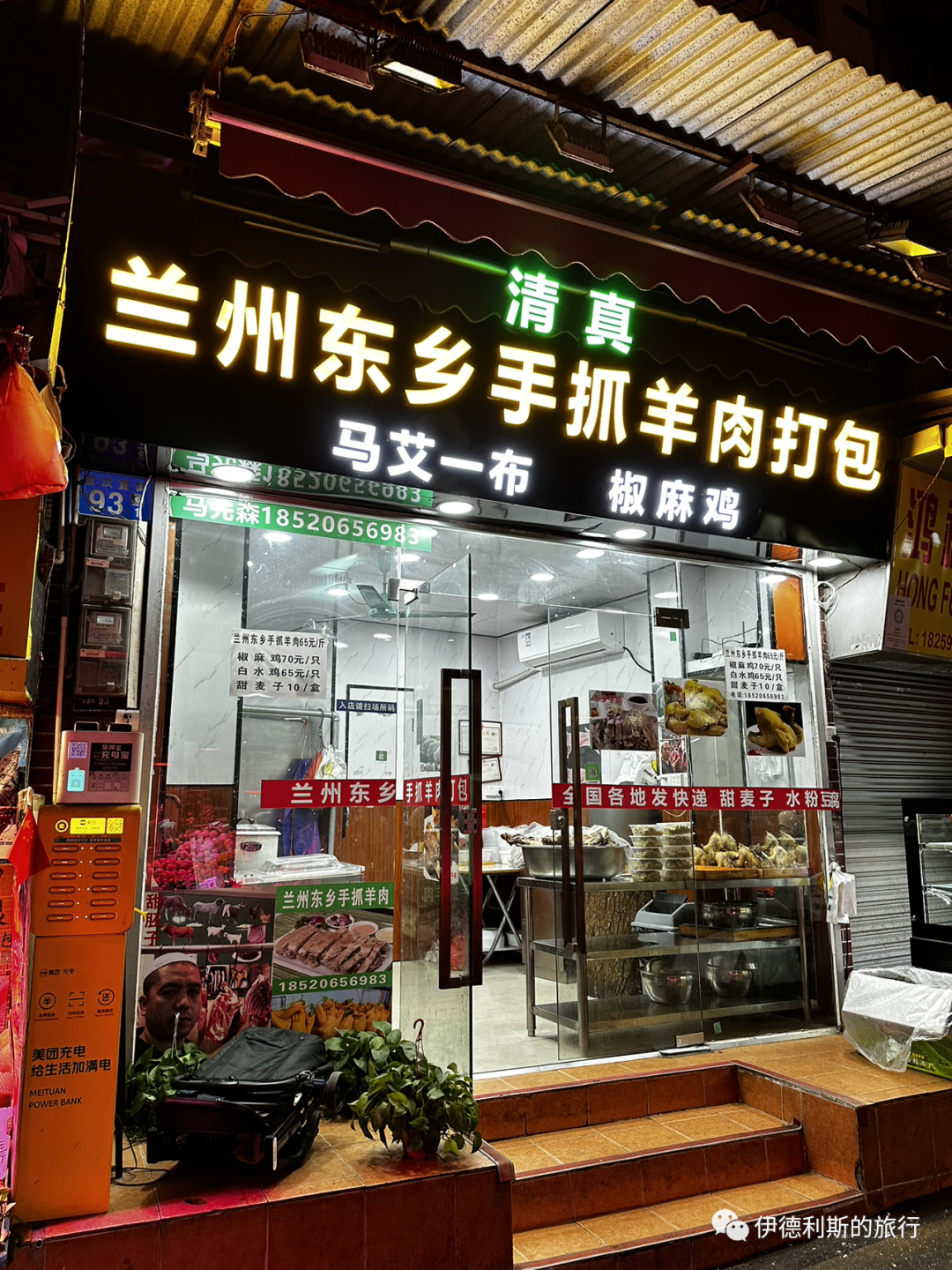
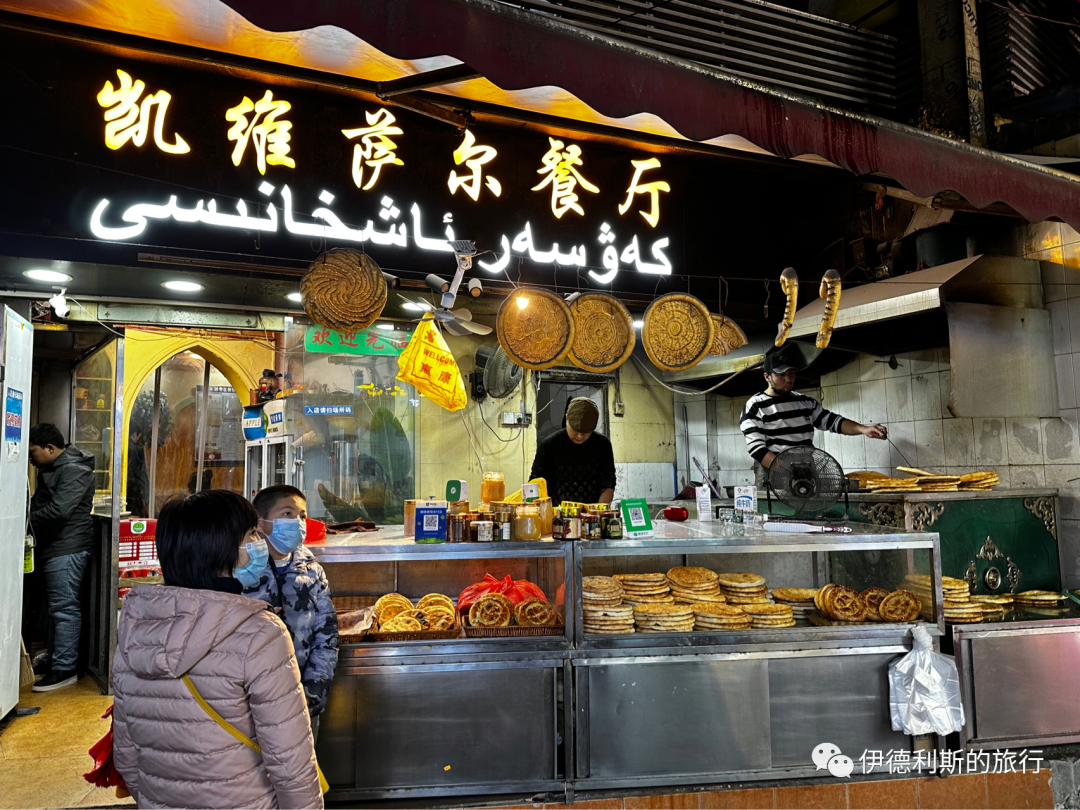
Finally, here are a few photos of Baohan Straight Street in Xiaobei, Guangzhou, at night. This area is known as Guangzhou's Muslim street.
Summary: Halal Food Guide: Guangzhou — Hui Youxiang and Yemeni Food is presented here as a firsthand travel account in clear English, beginning with this scene: I left Macau on January 23, 2023, to visit the Macau mosque known as Moro Garden (Moro Yuan). The account keeps its focus on Guangzhou Halal Food, Yemeni Food, Hui Muslims while preserving the names, places, food, and historical details from the Chinese source.
I left Macau on January 23, 2023, to visit the Macau mosque known as Moro Garden (Moro Yuan). I ate delicious Indonesian Javanese food and wrote about it in my post, 'Moro Garden and Indonesian Food in Macau'. On the morning of January 25, I left Macau through the border gate to Zhuhai, then took a train to Guangzhou to start the second leg of my trip. This post covers the halal food I ate in Guangzhou. I will write about my visits to the mosque and the cemetery in the next post.
I took the subway from Guangzhou Station to Taojin and started with a Turkish breakfast at MADO. MADO is famous for its ice cream made from goat milk sourced from the high mountain pastures of Mount Ahir in southeastern Turkey. Mount Ahir is near the epicenter of the recent major earthquake in Turkey. I pray they can get through this difficult time.
MADO likely has the widest variety of breakfast options among Turkish restaurants in China. When I visited the Yiwu branch, I had the Sini breakfast for two, which came with a great selection of cheeses and jams. Since I was alone at the Guangzhou branch, I ordered the hot breakfast platter. It included grilled Turkish sausage (sujuk), grilled mushrooms with yellow cheese, grilled cheese, spring rolls filled with feta cheese, tomato and egg scramble (menemen), grilled peppers, grilled tomatoes, and fried potatoes, served with bread and Turkish black tea.
The earliest record of sujuk sausage appears in the 1070s in the 'Compendium of the Turkic Dialects' (Divan-u Lugat-it-Turk) by Mahmud al-Kashgari. Similar versions exist in many parts of the Balkans, the Middle East, and Central Asia. Turkish sujuk is mainly made by mixing ground beef with beef fat, sheep tail fat, salt, cumin, garlic, chili, and other spices, then stuffing it into casings to dehydrate and ferment.
The name for the tomato and egg scramble (menemen) comes from a town in Izmir, Turkey, and the word itself originally comes from Ancient Greek. Menemen served with bread is a classic Turkish breakfast combination. Besides tomatoes, eggs, and green peppers, this dish can also include onions, black pepper, oregano, garlic, and chili powder, depending on personal taste.
At noon, I met my friend (dosti) Chen Yong, whom I had known for a long time. He is both a staff member and a volunteer at the Huaisheng Mosque. My friend treated me to Shache Halal Food across from the Huaisheng Mosque. It is the closest halal restaurant to the mosque's minaret. When the oil-fried meat noodles (youyourou banmian) and kebabs arrived, they looked perfect, and they tasted even more authentic than I expected! I really did not expect to find such delicious Xinjiang food in Guangzhou; it was just as good as what I ate in Shache. The hand-pulled noodles (latiaozi) were very thin, showing years of skill, and the oil-fried meat was cooked just right—not too hard and not too soft. The best part was their kebabs. They were grilled over charcoal and were very fresh and tender. I could close my eyes and imagine I was back at a bazaar in Southern Xinjiang.
I rarely eat at Xinjiang restaurants when traveling in China because the taste often changes completely when the ingredients are different. But Shache Halal Food across from Huaisheng Mosque changed my mind. I will definitely eat there again next time I am in Guangzhou!
In the afternoon, I went to the Haopan Mosque in Guangzhou for the afternoon prayer (dhuhr) and met Master Yang, whom I had not seen in six years. Master Yang is a local Hui Muslim from Guangzhou and has been a mosque attendant at Haopan Mosque for 20 years. I drank tea and chatted with Master Yang, and I ate some fried dough (youxiang) made by local Guangzhou Hui Muslims for a charity event (chusan). This was my first time eating local Guangzhou youxiang. They were small, crispy, and sweet, almost like a pastry.
Haopan Mosque is located on the banks of the Nanhao, a tributary of the Pearl River. It was first built during the Chenghua period of the Ming Dynasty and rebuilt in 1706 (the 45th year of the Kangxi Emperor). A scripture school was opened here during the Qianlong period, and a Hui language university was opened during the Tongzhi period. They hired many famous scripture teachers from Nanjing, Gansu, and Yunnan, training a large number of imams and playing a major role in the development of Islam in Guangzhou, Hong Kong, and Macau.
In the afternoon, I went to visit the Ancient Cemetery of the Worthies in Guangzhou. There is a well in the south courtyard of the cemetery called the Well of the Worthies. Legend says it was built to commemorate the worthy Sa'd ibn Abi Waqqas. Many friends (dosti) drink a cup of water from the well after visiting the graves, and it really tastes sweet.
The Ancient Cemetery of the Worthies in Guangzhou is commonly known as the Huihui Cemetery, the Great Man's Cemetery, or the Echoing Cemetery. It has been a burial ground for Muslims in Guangzhou since the Tang Dynasty. The earliest record of the Ancient Cemetery of the Worthies comes from 'One Hundred Poems of the South Sea' (Nanhai Baiyong) written by Fang Xinru in 1206 (the second year of the Kaixi period of the Southern Song Dynasty): 'The tombs of the foreigners are ten miles west of the city, thousands of them, all with heads to the south and facing west.'
At the center of the ancient cemetery is the tomb of the legendary first worthy to come to China to preach, Sa'd ibn Abi Waqqas (Saheb Saad Wakkas). Records show the status of the Tomb of Waqqas (Wangesu mu) rose during the Yuan and Ming dynasties. The Ming dynasty book Guangzhou Prefecture Records (Guangzhou fuzhi) notes: Every year, people of all surnames must visit the tomb to pay respects and recite scriptures, a tradition that continues to this day. Countries in the Western Regions respected this influence. Every time they sailed thousands of miles to Guangzhou, they considered visiting the tomb an honor. Even the most noble visitors would crawl and bow in Guangzhou to show their utmost sincerity.
In the evening, I went to Hadramout Restaurant, a long-standing Yemeni eatery that has been in Guangzhou's Xiaobei area for over a decade. Hadramout is now the name of a province in eastern Yemen, but it is also a very ancient term once used to refer to the coastal plains of the southern Arabian Peninsula. Residents here established the Kingdom of Hadramout as early as 1000 BC, and the people of Ad mentioned in the ancient Quran are said to have lived here as well.
I visited Xiaobei in Guangzhou many times before 2019 and witnessed the glory of its Middle Eastern and African trade. Although the country has opened its borders again, the major trade centers have not yet recovered. The building where Hadramout is located used to be packed with shops doing foreign business, but now you can only feel the old bustle of Xiaobei inside their restaurant.
Although there are several Arab restaurants in Beijing, they are all concentrated in the Levant region on the eastern Mediterranean coast, such as Lebanon, Palestine, and Syria. While they are all Arab, the cuisines of the Levant, the Arabian Peninsula, and the North African Maghreb region each have their own characteristics and are all worth trying. Coming to Guangzhou this time, I really wanted to try Yemeni food that I cannot get in Beijing.
At Hadramout, I had the Yemeni specialty Zurbian lamb and saffron rice (Zurbian yangrou zanghonghua menfan), a major dish served at Yemeni weddings, breaking the fast, and birthdays. The portion of rice is very large, making it suitable for two people. They give you a lot of meat. You might not see it well in the photo, but the rice is actually buried under all that meat. The meat is braised until very tender, and the texture and flavor are both excellent.
When eating Yemeni rice, you should pair it with the Yemeni specialty spicy sauce Sahawiq. This spicy sauce is made with fresh chili peppers, cilantro, garlic, salt, cumin, and parsley, mixed with olive oil and sometimes tomatoes. Their meat broth is also free to drink, and I think it tastes quite good.
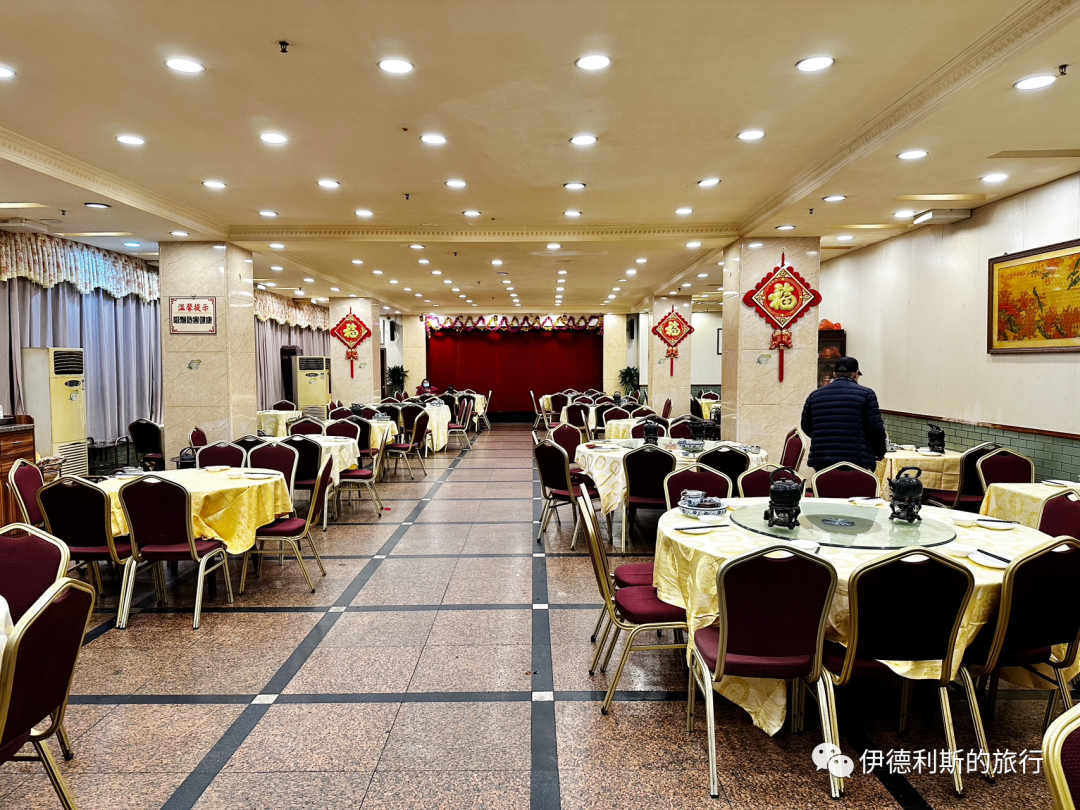
On the morning of January 26, I arrived right at 7:00 AM when the Guangzhou Hui Muslim Restaurant (Guangzhou Huimin fandian) opened for morning tea. Some elderly people had already taken seats, but there were still plenty of empty ones. Every time I visited Guangzhou before, I would go to the Hui Muslim Restaurant for morning tea, and I especially liked their lamb barbecue buns (yang chashaobao). Five years have passed in the blink of an eye, so I had to try them again on this trip.
The Hui Muslim Restaurant can be called the last tear of local halal food in Guangzhou, serving as the final witness to the city's once-thriving local halal dining industry. The Hui Muslim Restaurant started as a halal canteen in 1956, with chefs coming from local halal eateries like Gaosheng Tea House, the Hui Muslim Fengcheng Roasted Meat Shop, and the Halal Deji Roasted Meat Shop. In 1959, the canteen merged with the Huabei Hotel and took over the second branch of Satangji, renaming itself the Hui Muslim Grand Hotel. It took over the Hui Muslim Ice Room in 1964 and moved to its current location on Zhongshan 6th Road in 1975, where it has been for nearly 50 years. Due to complex historical reasons and the changes in the local Muslim community during the 20th century, the local halal dining industry in Guangzhou declined. As a restaurant with nearly 70 years of history, it is quite an achievement for the Hui Muslim Restaurant to still be here today.
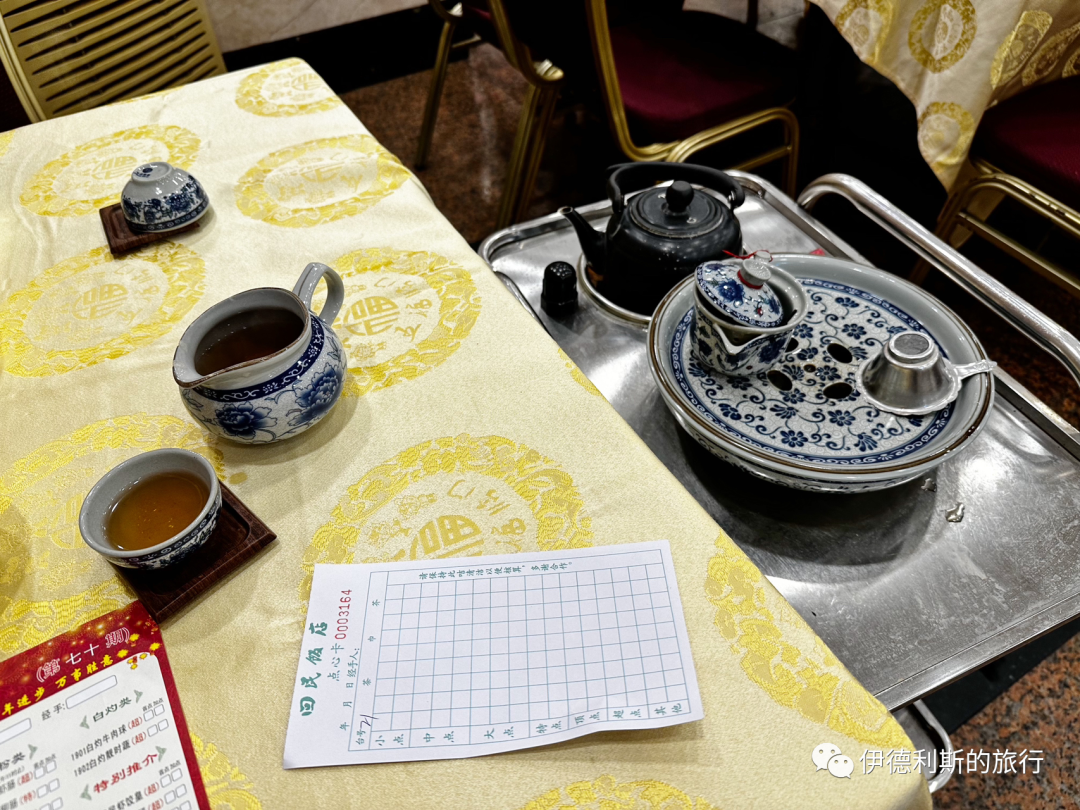
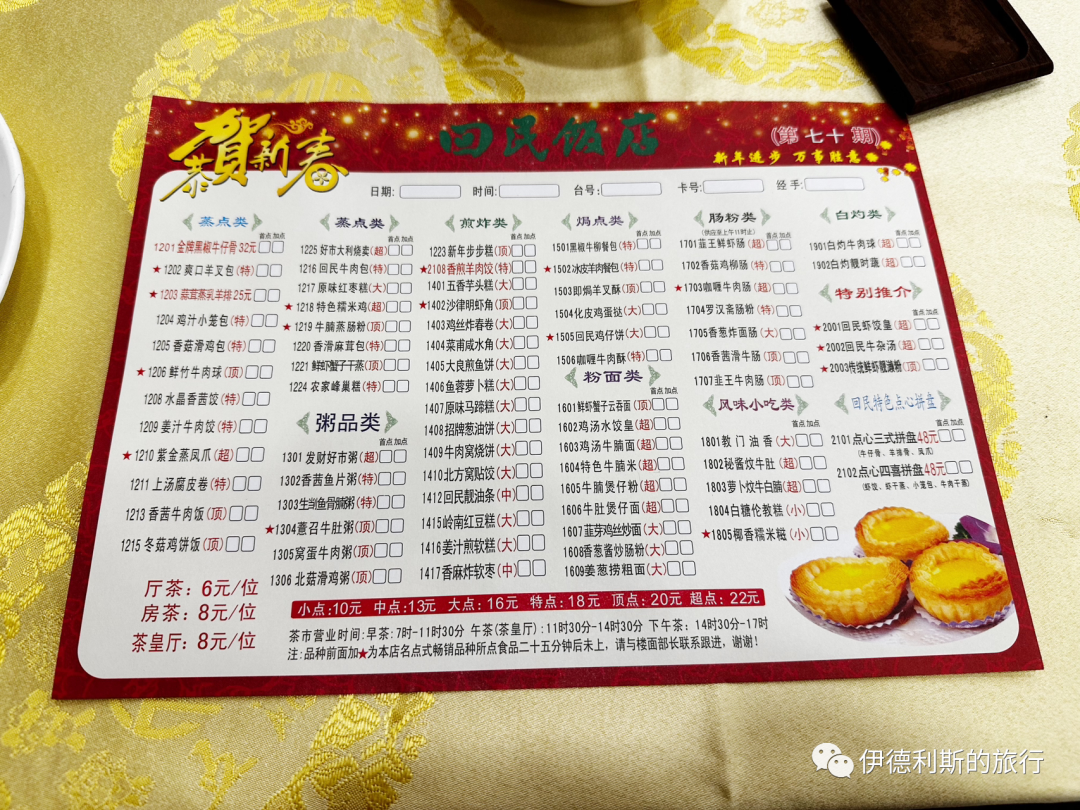
In 2016, I posted an article on Douban called The Morning and Night of Guangzhou Hui Muslim Restaurant, and I ate there several times in a row back then. I checked the morning tea menu from that time, and it was only on its 52nd edition; now it is already on its 70th. Except for the price increases on the dim sum, the variety has basically stayed the same. Besides the lamb barbecue buns I wanted most, I also ordered steamed chicken feet, water chestnut cake, chicken biscuits, and curry beef rice noodle rolls (changfen). When eating alone, you cannot order many things. I wanted to order more, but unfortunately, I was too full. The barbecue buns are still filled with soft, slightly sweet lamb and paired with salted egg yolk, which is very delicious. This was my first time eating chicken biscuits (jizaibing). They are said to be a very traditional recipe from Hui Muslims in Guangzhou, mixing the flavors of fermented bean curd (nanru) and dried tangerine peel (chenpi) to take you right back to old Guangzhou.
You should really take your time with morning tea (zaocha), ordering a few items at a time and adding more as you go. But because I had to head to Zhaoqing that day, I ate in a rush. While the grandparents at the next table were still looking at the menu and chatting, I had basically finished my meal. Although it wasn't as amazing as the first time I had halal Cantonese morning tea, I still felt very satisfied after finishing. It felt like the three years of being stuck were finally over, and I was relieved to be able to travel across the land again.
By eight o'clock, the dining halls of the Hui Muslim restaurant were already full. If you don't want to get up early, buying some specialty steamed snacks at the takeout window by the entrance is a great option.
In the evening, I went to Sadda Restaurant, a long-standing Yemeni spot in Guangzhou's Xiaobei area that has been open for over a decade. Just like the Yemeni restaurant Honghui I visited the day before, they have regular tables and chairs, plus a room where you can sit on the floor to eat, just like in Yemen.
Sa'dah is an ancient capital in northwestern Yemen. It was founded in the late 9th century by Imam al-Hadi, the leader of the Zaydi branch of Shia Islam (the Five-Imam sect), and has been the stronghold of the Zaydi sect ever since. The Lasi dynasty founded by Imam al-Hadi lasted for over a thousand years (893-1962). The city of Sa'dah preserves the oldest Shia mosque on the Arabian Peninsula and many historical buildings from different periods, and it was added to the World Heritage Tentative List in 2002. After the Republic of Yemen was established, the Zaydis in the north and the Sunnis in the south were at odds for a long time. In 2004, Hussein al-Houthi, from the Zaydi Houthi tribe in Sa'dah, started the Houthi movement there. In 2011, they officially established a new government in Sa'dah, and the city has been under Houthi control ever since. During the 2015 war, the Arab coalition launched airstrikes on Sa'dah, and the city's oldest Great Mosque of Imam al-Hadi was severely damaged.
When you come to Guangzhou to eat at a Yemeni restaurant, you must try the classic Yemeni dish Fahsa, a lamb stew served with Mulawah flatbread. For Fahsa, the lamb must be stewed until it is very tender. It starts in a large pot and is then moved to a small stone pot to continue simmering. Besides ginger, garlic, and cumin, you must add a spice called fenugreek (hulbah) when stewing the meat. Fenugreek is actually what people in Northwest China often call xiangdouzi. People in the Northwest dry the leaves and grind them into powder to steam buns, while Yemenis grind the seeds to stew meat. Fenugreek seeds expand when they hit water, and they foam up very easily when you stir them in a bowl.
Mulawah flatbread is traditionally baked in an Arabian clay oven called a tannur. It is very fragrant with wheat and quite large. You can tear the flatbread apart to scoop up the Fahsa lamb stew, or soak it in the broth; both ways are delicious. Also, you should eat it with Sahawiq dipping sauce, which contains fresh green chili, cilantro, garlic, salt, cumin, and parsley.
Finally, here are a few photos of Baohan Straight Street in Xiaobei, Guangzhou, at night. This area is known as Guangzhou's Muslim street.
