
Halal Travel Guide: Guangzhou Huaisheng Mosque — Sage Tomb and Muslim History (Part 2)
Reposted from the web
Summary: Guangzhou Huaisheng Mosque — Sage Tomb and Muslim History is presented here as a firsthand travel account in clear English, beginning with this scene: North of the Ancient Tomb of the Worthies (Xianxian Gumu), you will find the ancestral graves of the Bao Dunhe Tang family. The account keeps its focus on Huaisheng Mosque, Guangzhou Muslims, Sage Tomb while preserving the names, places, food, and historical details from the Chinese source.
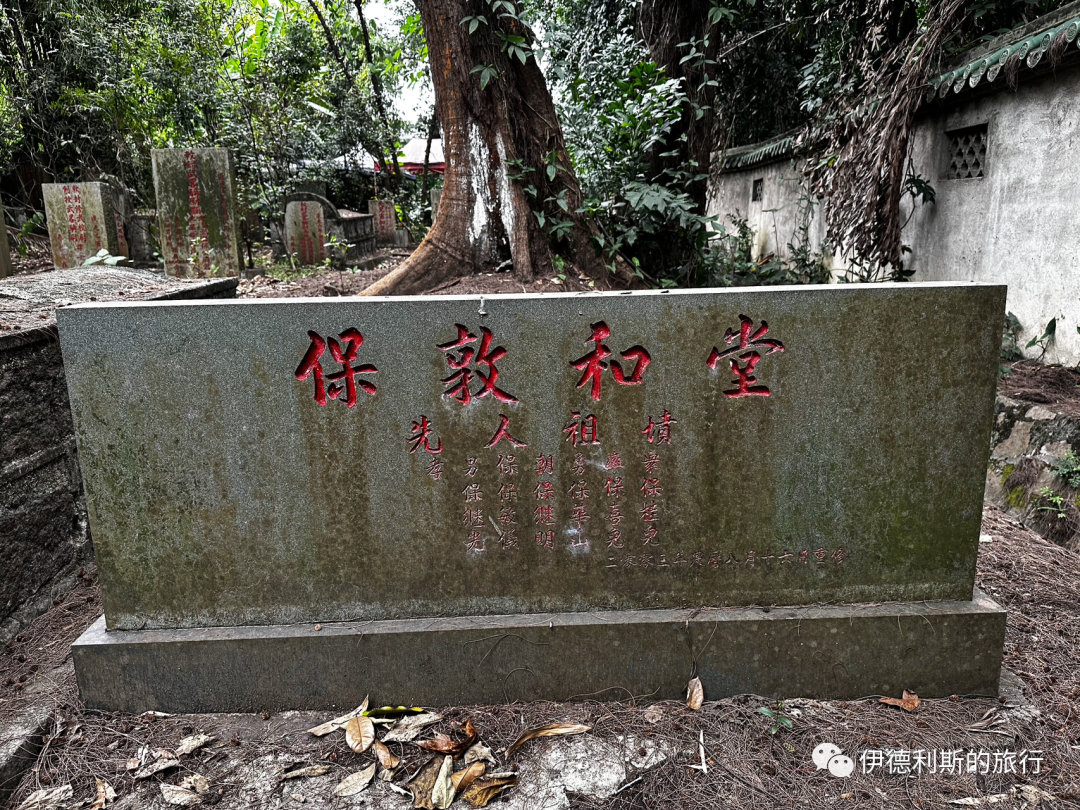
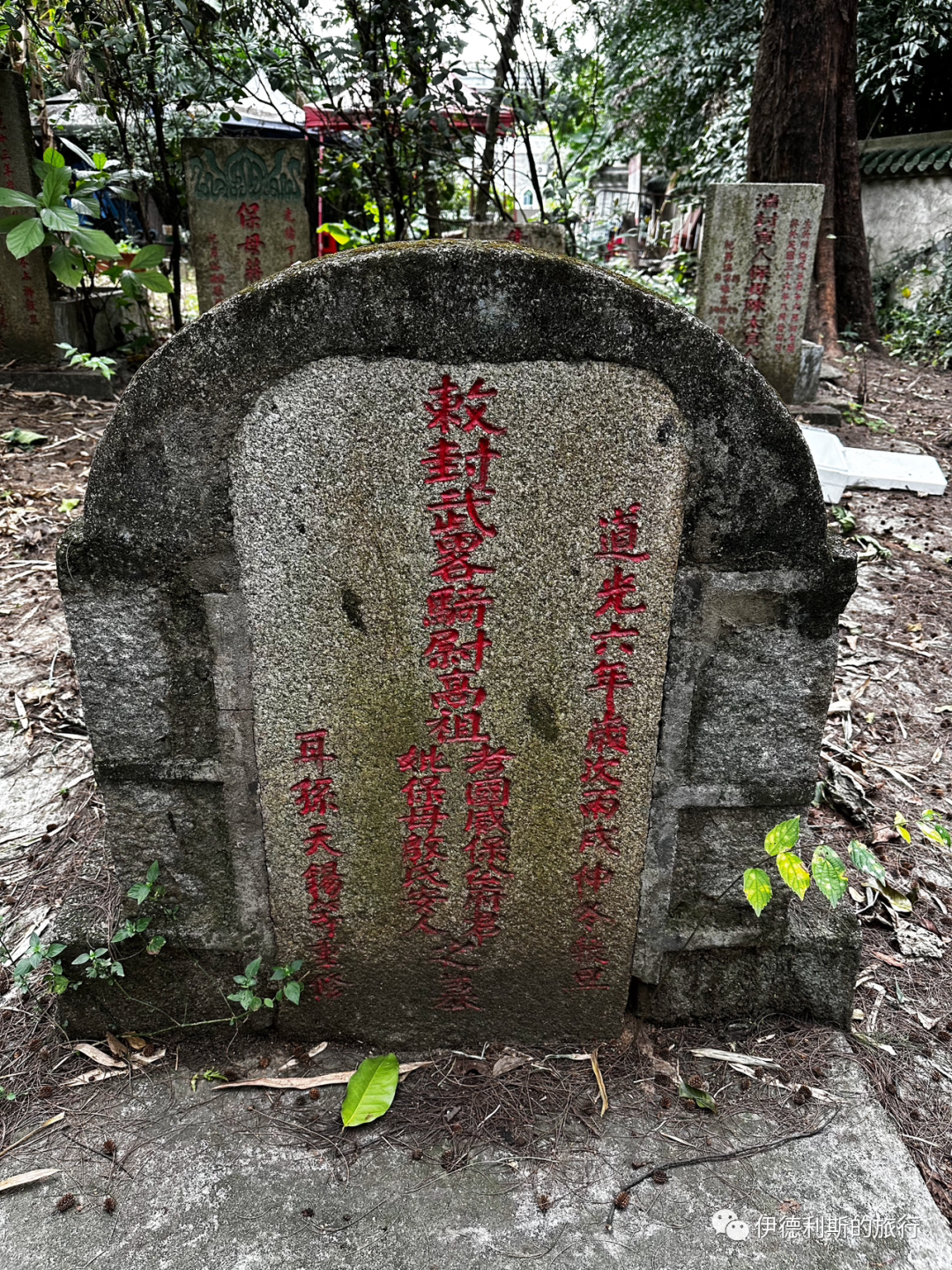
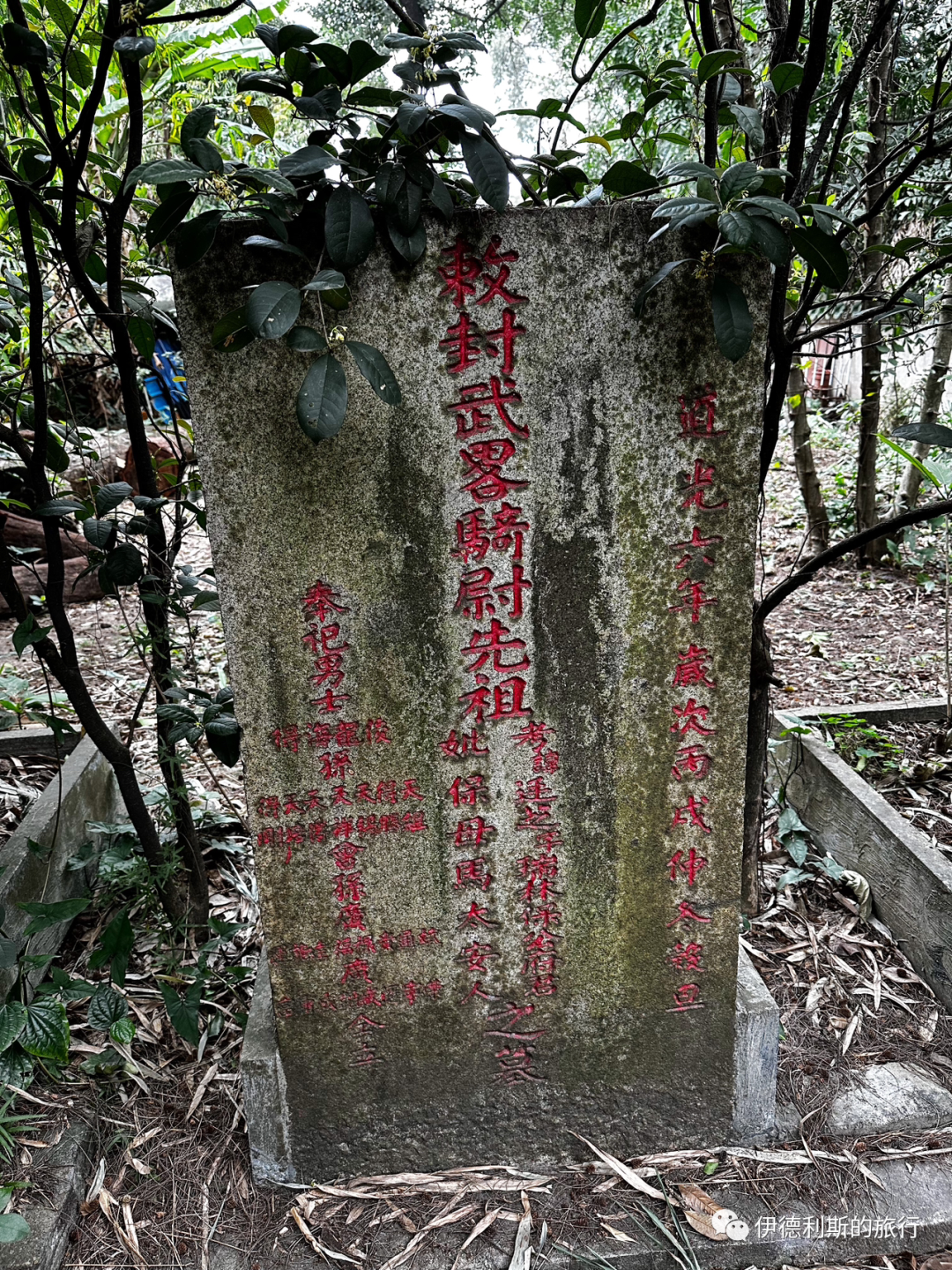
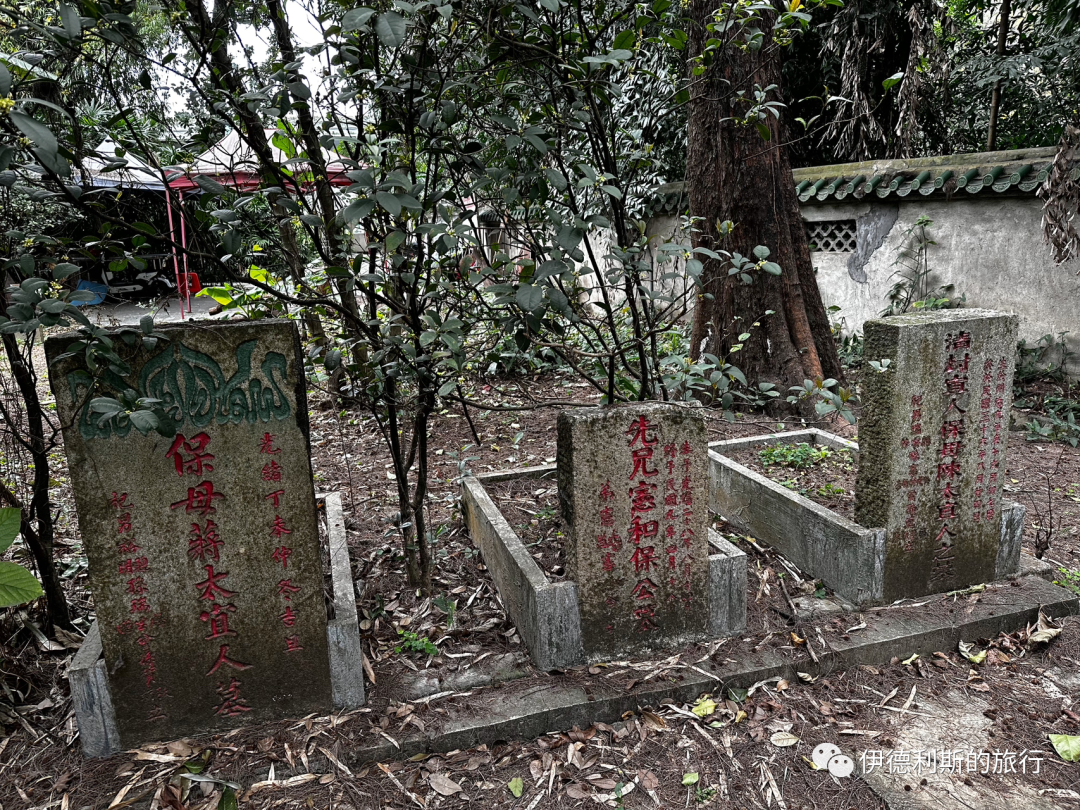
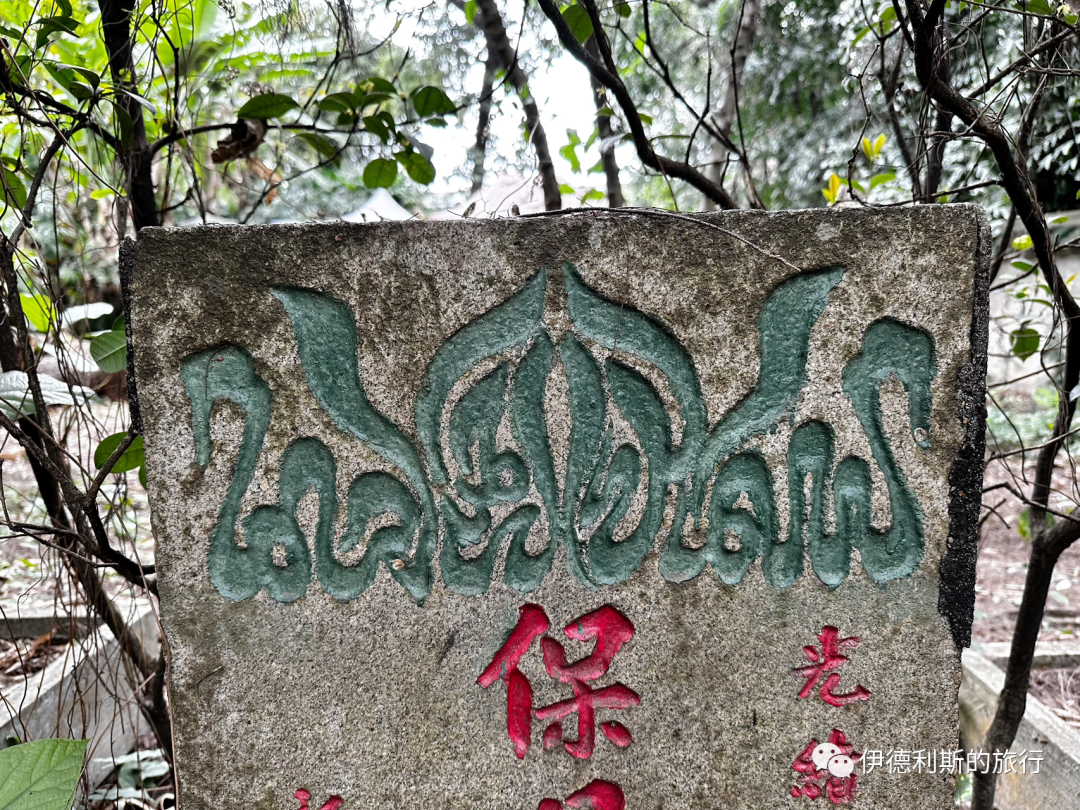
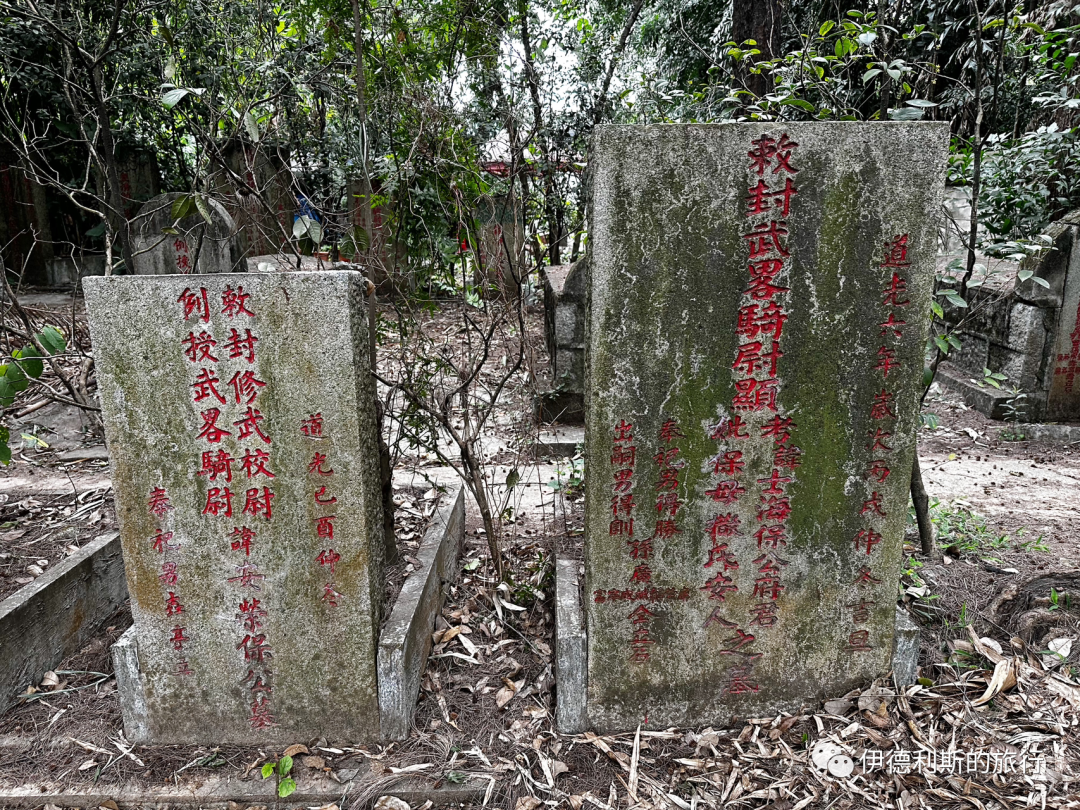
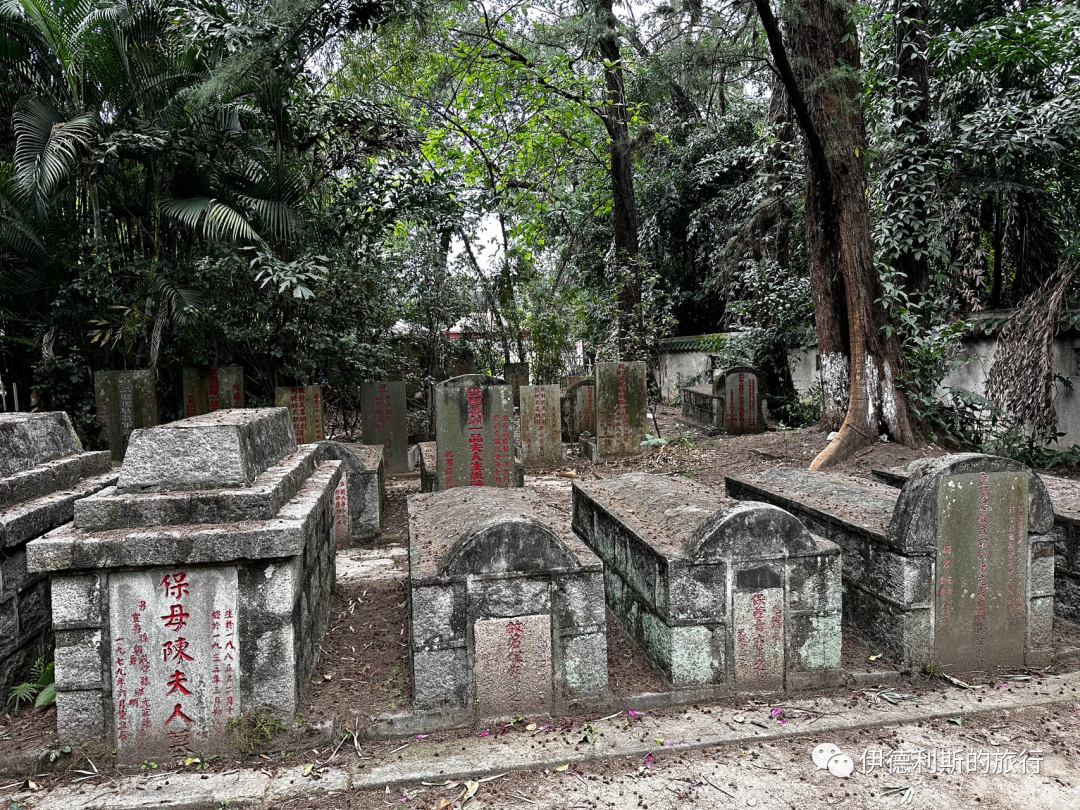
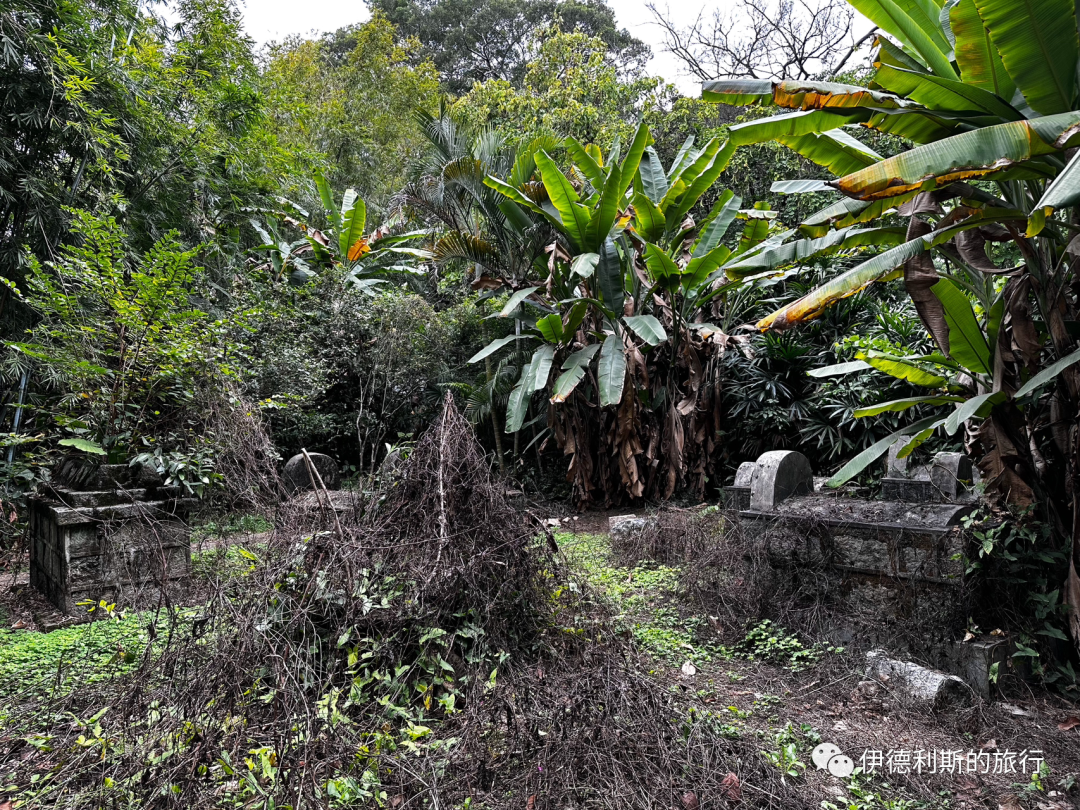
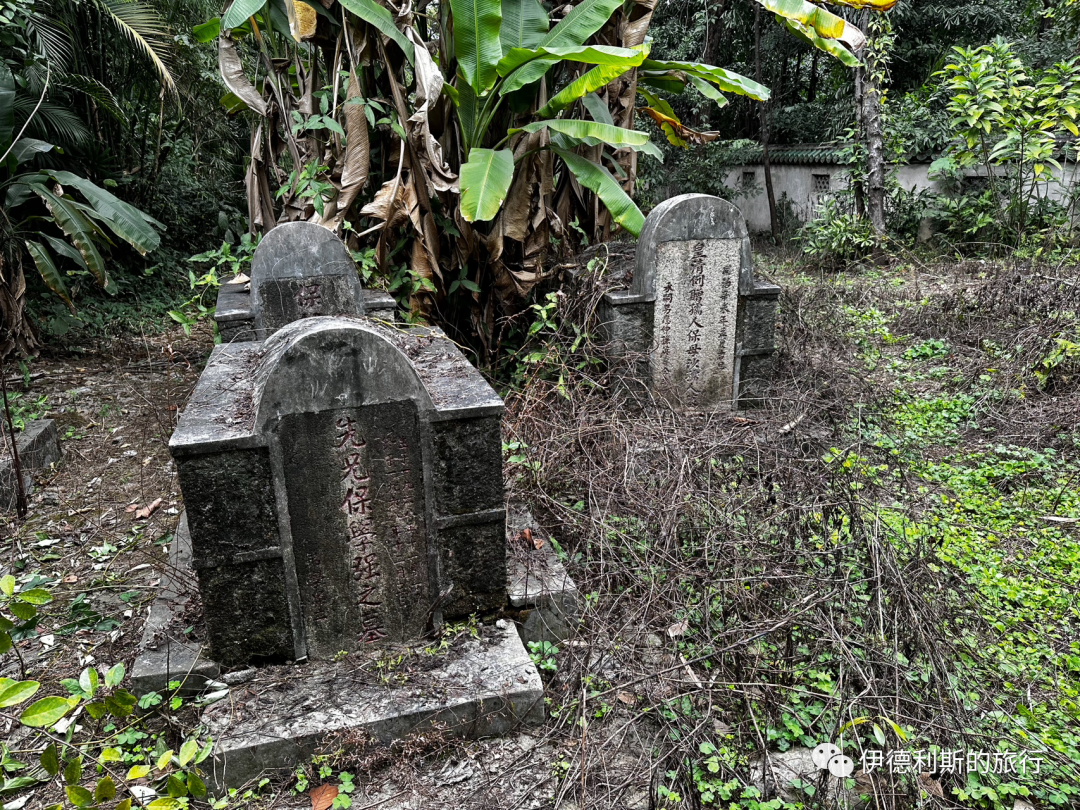
The ancestral graves of the Bao Dunhe Tang family.
North of the Ancient Tomb of the Worthies (Xianxian Gumu), you will find the ancestral graves of the Bao Dunhe Tang family. The Bao family made significant contributions to the renovation of the Huaisheng Mosque, the Ancient Tomb of the Worthies, and the Xiaodongying Mosque. According to family records, the first ancestor of the Bao Dunhe Tang, A Bao Mu'er, moved from Xinjiang to Kunming Prefecture. The second generation, Bao Guowei, went to Nanjing for business during the Kangxi and Yongzheng reigns of the Qing Dynasty. Later, he brought his second son, Bao Tingzhi, to Guangzhou for business, and Bao Tingzhi's descendants settled in Guangzhou from then on.
Xianxian Mosque.
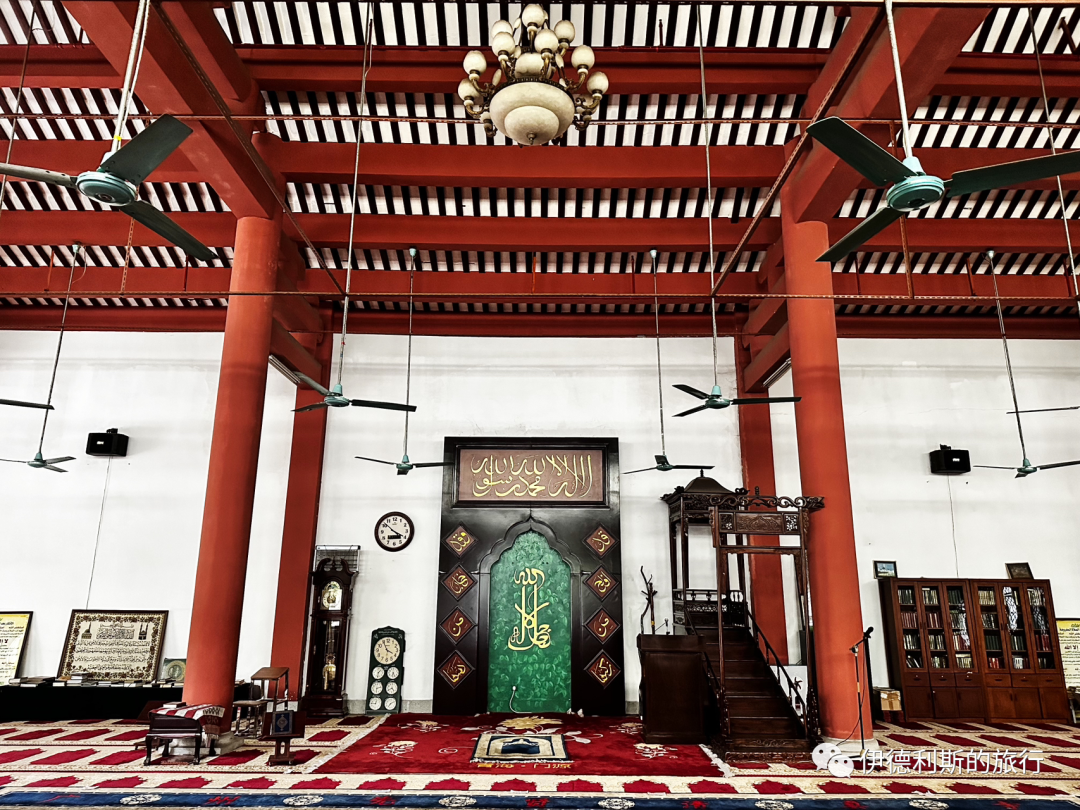
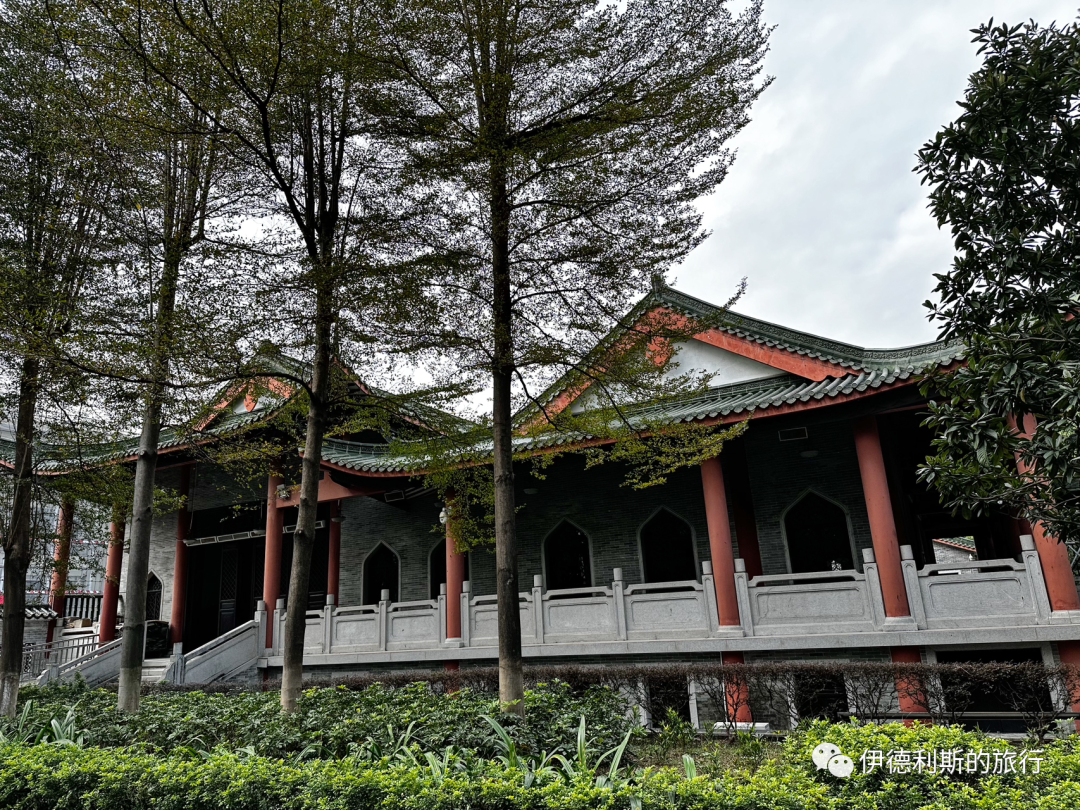
Historically, there has always been a mosque next to the Ancient Tomb of the Worthies. Past stone tablets referred to it as the Mosque Outside the Great North Gate or the Xianxian Mosque. In the fourth year of the Guangxu reign (1878), a stone tablet issued by the Guangzhou government to strictly forbid locals from destroying graves for theft was erected next to the mosque. The inscription reads, "A public notice posted next to the Mosque Outside the Great North Gate." The 1934 tablet commemorating the renovation of the Xianxian Mosque records, "The original structure of the mosque was rebuilt during the Kangxi reign of the Qing Dynasty, about 260 or 270 years ago." It is one of the six mosques in Guangdong. The six mosques in Guangzhou mentioned in the inscription are the Huaisheng Mosque, Haopan Mosque, Xiaodongying Mosque, Nansheng Mosque, Dongjiao Mosque, and Xianxian Mosque. It also records that Muslims from various districts in Guangzhou and Hong Kong donated funds to renovate the mosque in 1934.
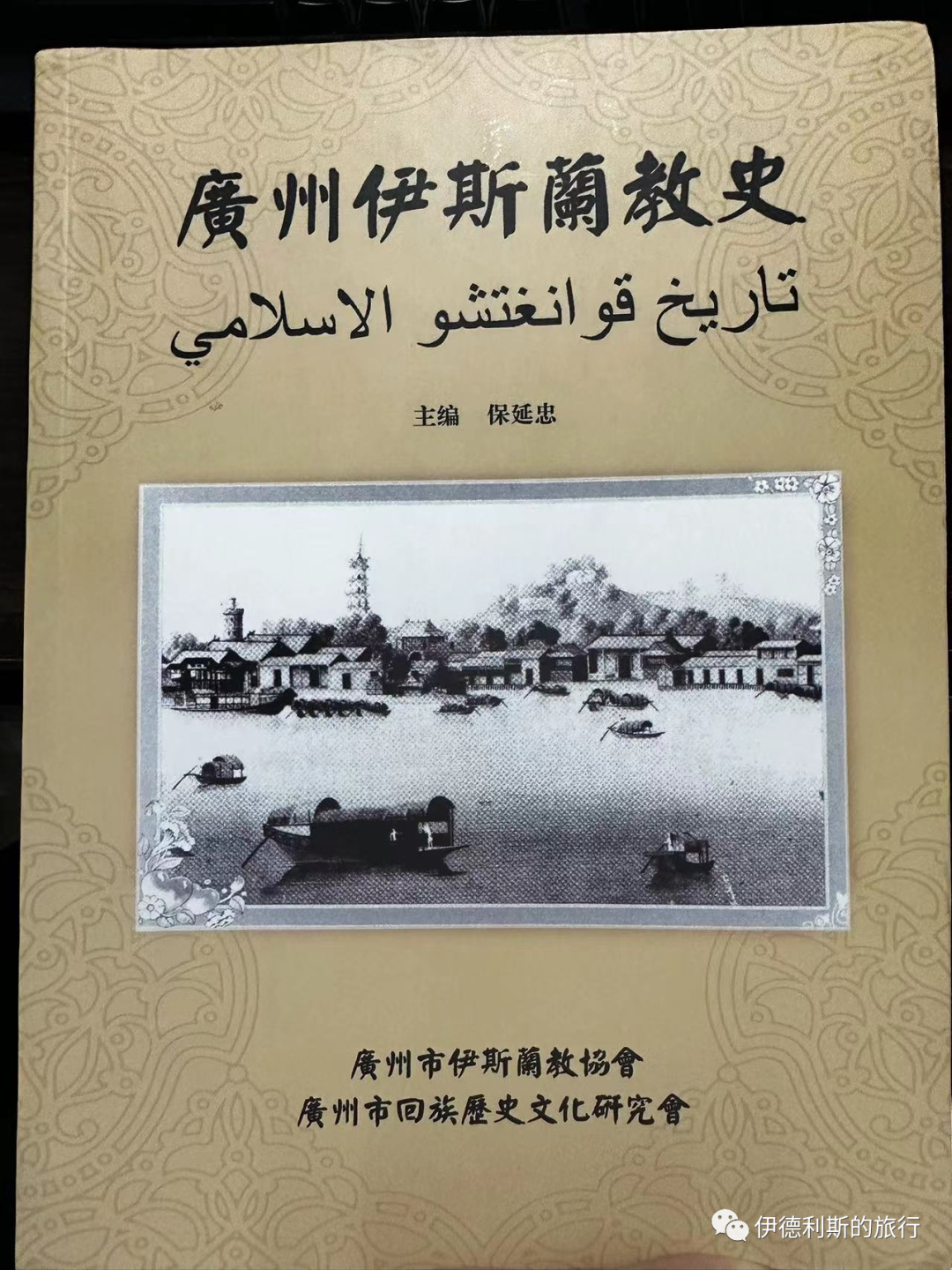
In the book "History of Islam in Guangzhou" edited by Bao Yanzhong, it is suggested that the historical Xianxian Mosque was the south courtyard of the Ancient Tomb of the Worthies. However, Ma Jianchun presents a different view in his article "Guangzhou's 'Ancient Xianxian Mosque'—A Study of the Mosque Outside the Great North Gate." He believes that while the mosque was adjacent to the tomb garden, it was a separate building and quite large.
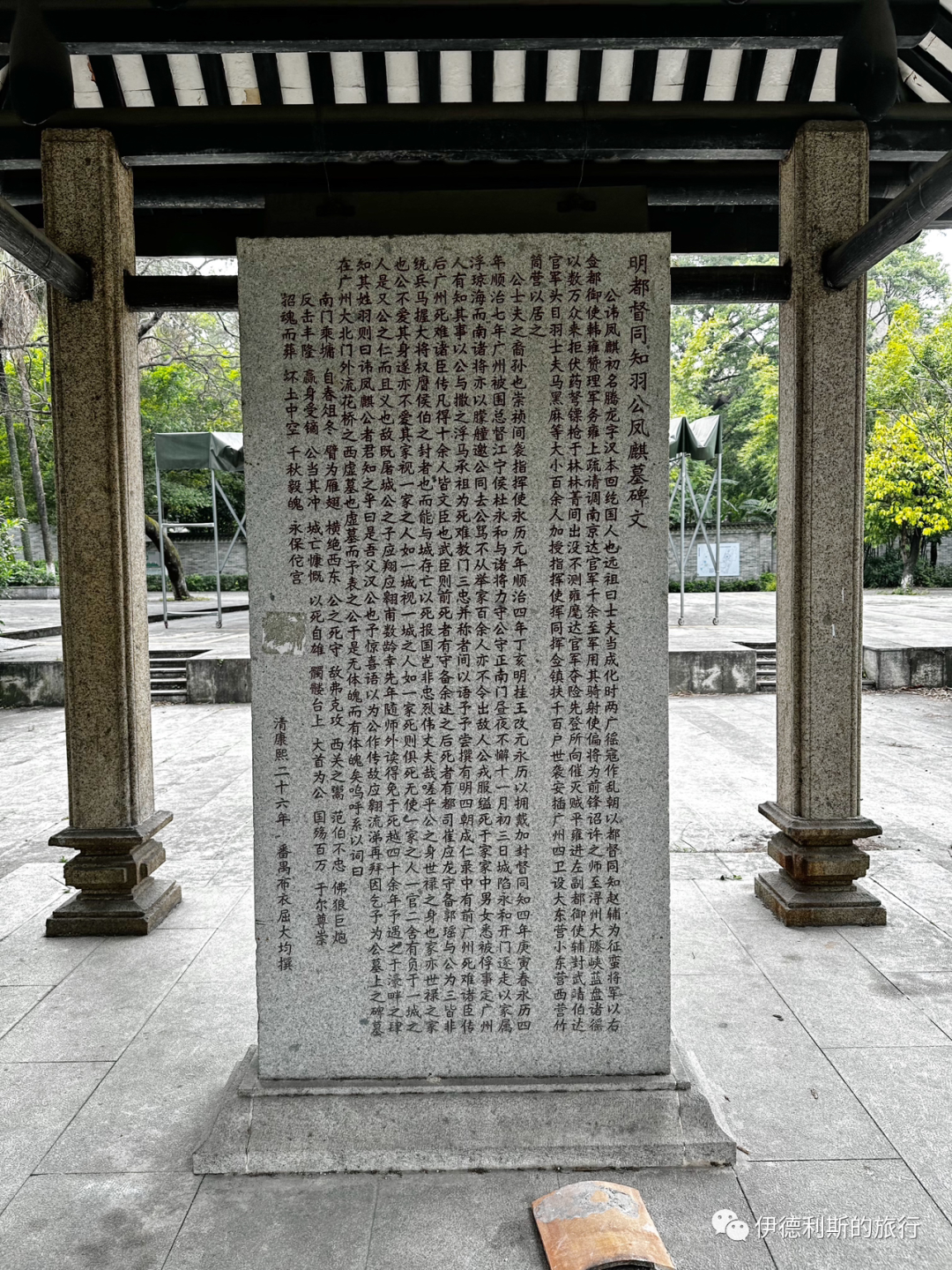
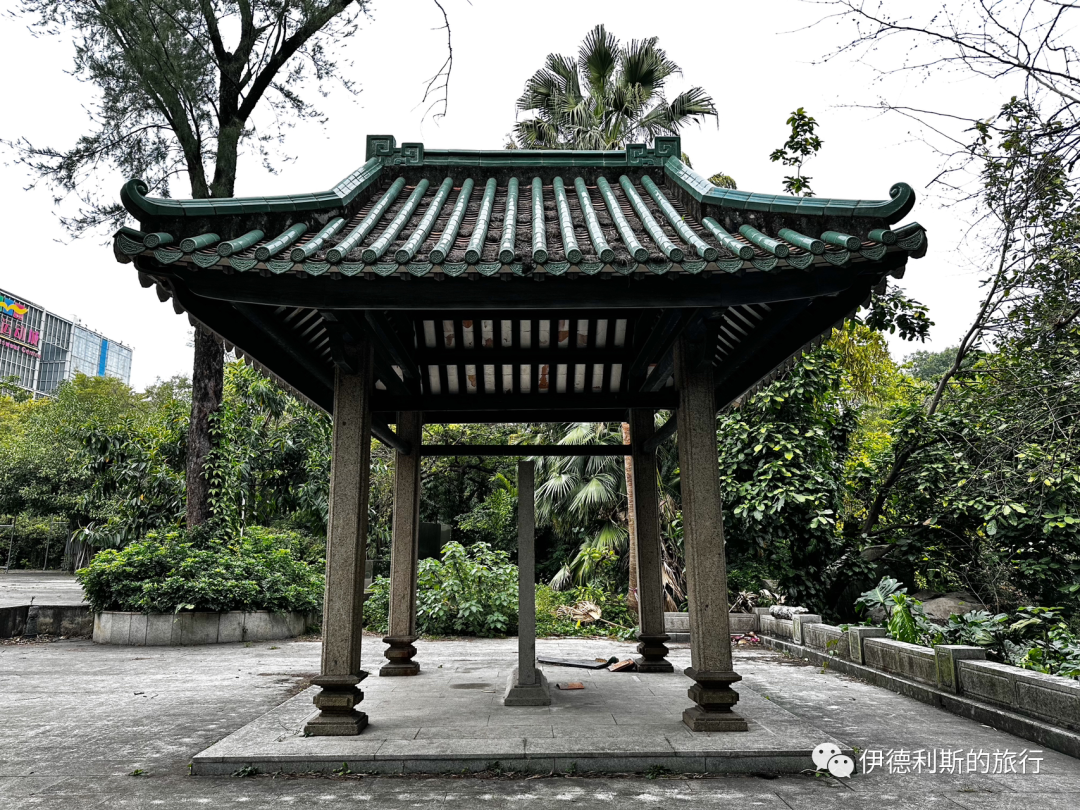
First, British scholar Marshall Broomhall recorded in Chapter 7, "Mosques and Muslim Graves in Guangzhou," of his 1911 book "Islam in China: A Neglected Problem," that "another mosque located about half a mile outside the North Gate of Guangzhou is a second point of interest." The mosque itself is a fine, large building... from its appearance, one can conclude that the courtyard was rebuilt in modern times. In this respect, the mosque is superior to most mosques in China. It was built with land purchased by the imperial court using tax revenue to meet the needs of construction and namaz," and he clarified that the mosque and the tomb were not in the same place: "Near the mosque is a small cemetery of about a quarter of an acre... here lie some of the earliest converts to Islam, and at the end of the cemetery sits the famous domed tomb of the Prophet's uncle." The 1934 renovation tablet also records that the renovated mosque was "a magnificent sight." Meanwhile, according to the 1955 "Tablet Record of the Three Loyal Graves of Muslims," "Later, the people of Guangdong, admiring the heroes, buried them in front of the Xianxian Mosque outside Liuhua Bridge, built a pavilion and erected a stone, naming it the Three Loyal Graves of the Hui Muslims to express their mourning." From this, Ma Jianchun infers that the original site of the Xianxian Mosque was located in the small woods behind the Three Loyal Graves of the Muslims.
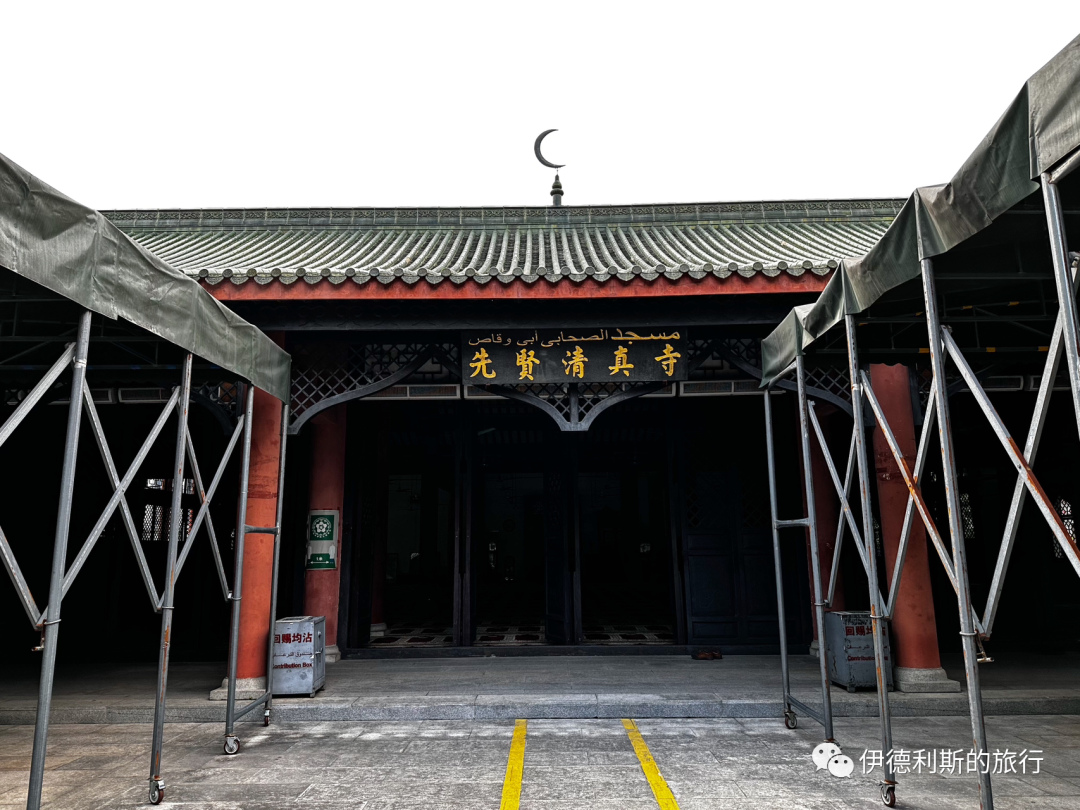
It is still uncertain when the Xianxian Mosque disappeared. It was not until 2010 that 21 dormitory units southwest of the Ancient Tomb of the Worthies were demolished, and the cleared land allowed for the reconstruction of the main prayer hall. It was officially named the Xianxian Mosque in 2011 and is now one of the four existing mosques in Guangzhou.
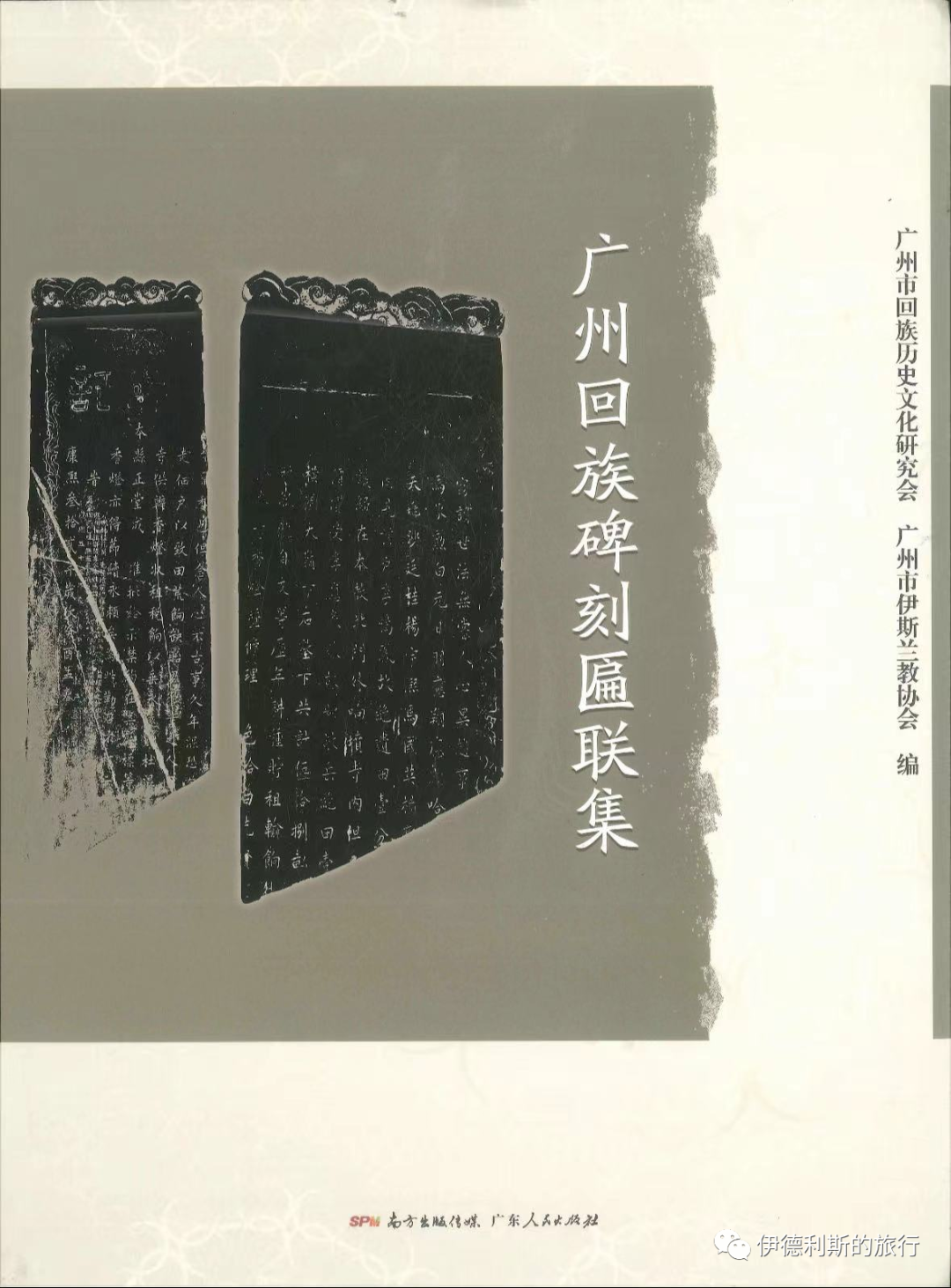
If you are interested in the history of the faith in Guangzhou, I recommend reading "History of Islam in Guangzhou" edited by Bao Yanzhong and "Collection of Hui Muslim Tablet Inscriptions and Couplets in Guangzhou" edited by Ma Jianzhao. These two books were very helpful in organizing and editing this article. Finally, I would like to thank Chen Yong, a dost (friend), for correcting the information in this article.
Summary: Guangzhou Huaisheng Mosque — Sage Tomb and Muslim History is presented here as a firsthand travel account in clear English, beginning with this scene: North of the Ancient Tomb of the Worthies (Xianxian Gumu), you will find the ancestral graves of the Bao Dunhe Tang family. The account keeps its focus on Huaisheng Mosque, Guangzhou Muslims, Sage Tomb while preserving the names, places, food, and historical details from the Chinese source.
The ancestral graves of the Bao Dunhe Tang family.
North of the Ancient Tomb of the Worthies (Xianxian Gumu), you will find the ancestral graves of the Bao Dunhe Tang family. The Bao family made significant contributions to the renovation of the Huaisheng Mosque, the Ancient Tomb of the Worthies, and the Xiaodongying Mosque. According to family records, the first ancestor of the Bao Dunhe Tang, A Bao Mu'er, moved from Xinjiang to Kunming Prefecture. The second generation, Bao Guowei, went to Nanjing for business during the Kangxi and Yongzheng reigns of the Qing Dynasty. Later, he brought his second son, Bao Tingzhi, to Guangzhou for business, and Bao Tingzhi's descendants settled in Guangzhou from then on.
Xianxian Mosque.
Historically, there has always been a mosque next to the Ancient Tomb of the Worthies. Past stone tablets referred to it as the Mosque Outside the Great North Gate or the Xianxian Mosque. In the fourth year of the Guangxu reign (1878), a stone tablet issued by the Guangzhou government to strictly forbid locals from destroying graves for theft was erected next to the mosque. The inscription reads, "A public notice posted next to the Mosque Outside the Great North Gate." The 1934 tablet commemorating the renovation of the Xianxian Mosque records, "The original structure of the mosque was rebuilt during the Kangxi reign of the Qing Dynasty, about 260 or 270 years ago." It is one of the six mosques in Guangdong. The six mosques in Guangzhou mentioned in the inscription are the Huaisheng Mosque, Haopan Mosque, Xiaodongying Mosque, Nansheng Mosque, Dongjiao Mosque, and Xianxian Mosque. It also records that Muslims from various districts in Guangzhou and Hong Kong donated funds to renovate the mosque in 1934.
In the book "History of Islam in Guangzhou" edited by Bao Yanzhong, it is suggested that the historical Xianxian Mosque was the south courtyard of the Ancient Tomb of the Worthies. However, Ma Jianchun presents a different view in his article "Guangzhou's 'Ancient Xianxian Mosque'—A Study of the Mosque Outside the Great North Gate." He believes that while the mosque was adjacent to the tomb garden, it was a separate building and quite large.
First, British scholar Marshall Broomhall recorded in Chapter 7, "Mosques and Muslim Graves in Guangzhou," of his 1911 book "Islam in China: A Neglected Problem," that "another mosque located about half a mile outside the North Gate of Guangzhou is a second point of interest." The mosque itself is a fine, large building... from its appearance, one can conclude that the courtyard was rebuilt in modern times. In this respect, the mosque is superior to most mosques in China. It was built with land purchased by the imperial court using tax revenue to meet the needs of construction and namaz," and he clarified that the mosque and the tomb were not in the same place: "Near the mosque is a small cemetery of about a quarter of an acre... here lie some of the earliest converts to Islam, and at the end of the cemetery sits the famous domed tomb of the Prophet's uncle." The 1934 renovation tablet also records that the renovated mosque was "a magnificent sight." Meanwhile, according to the 1955 "Tablet Record of the Three Loyal Graves of Muslims," "Later, the people of Guangdong, admiring the heroes, buried them in front of the Xianxian Mosque outside Liuhua Bridge, built a pavilion and erected a stone, naming it the Three Loyal Graves of the Hui Muslims to express their mourning." From this, Ma Jianchun infers that the original site of the Xianxian Mosque was located in the small woods behind the Three Loyal Graves of the Muslims.
It is still uncertain when the Xianxian Mosque disappeared. It was not until 2010 that 21 dormitory units southwest of the Ancient Tomb of the Worthies were demolished, and the cleared land allowed for the reconstruction of the main prayer hall. It was officially named the Xianxian Mosque in 2011 and is now one of the four existing mosques in Guangzhou.
If you are interested in the history of the faith in Guangzhou, I recommend reading "History of Islam in Guangzhou" edited by Bao Yanzhong and "Collection of Hui Muslim Tablet Inscriptions and Couplets in Guangzhou" edited by Ma Jianzhao. These two books were very helpful in organizing and editing this article. Finally, I would like to thank Chen Yong, a dost (friend), for correcting the information in this article.
