
Halal Travel Guide: Macau — Moorish Barracks, Indonesian Food and Muslim History (Part 1)
Reposted from the web
Summary: Macau — Moorish Barracks, Indonesian Food and Muslim History is presented here as a firsthand travel account in clear English, beginning with this scene: During the 2023 Spring Festival holiday, I finally hit the road again, restarting my plan to visit and eat in Muslim communities after a two-year break. The account keeps its focus on Macau Muslim History, Indonesian Food, Halal Travel while preserving the names, places, food, and historical details from the Chinese source.
During the 2023 Spring Festival holiday, I finally hit the road again, restarting my plan to visit and eat in Muslim communities after a two-year break. This time I started from Macau, then went to Guangzhou, Zhaoqing, Xichang and Miyi in Sichuan, and Xiaguan, Yangbi, Binju, and Yongjian in Dali. This first part starts in Macau.
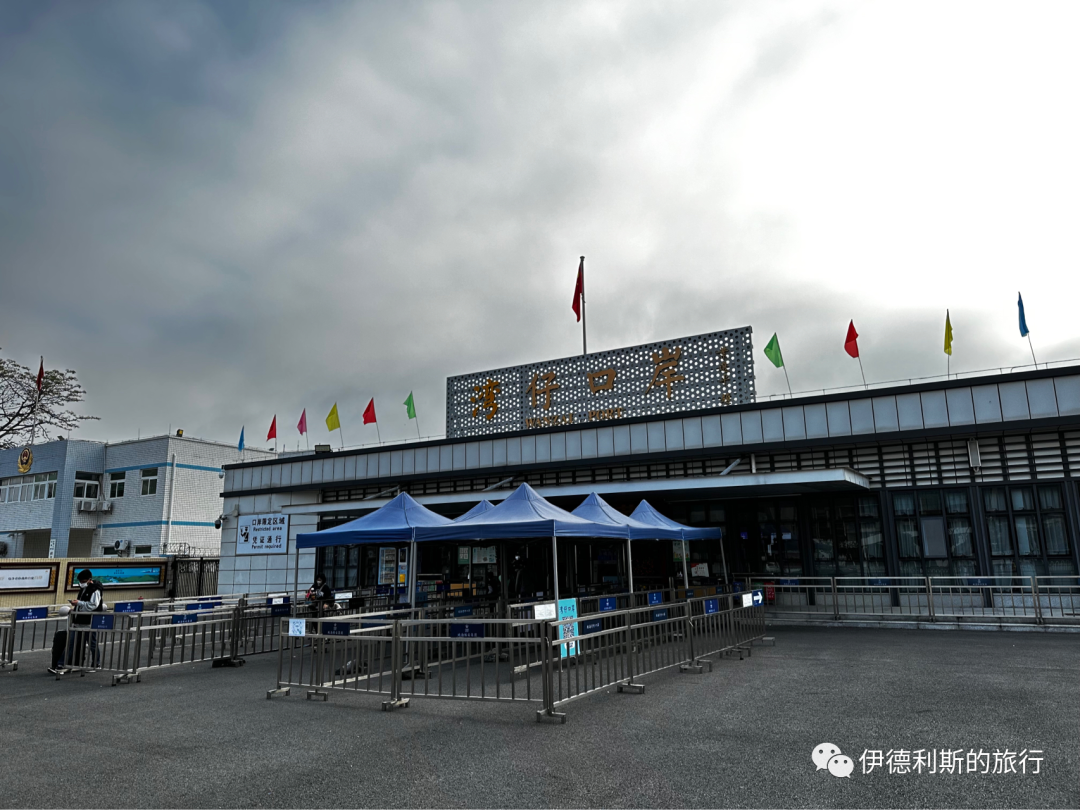
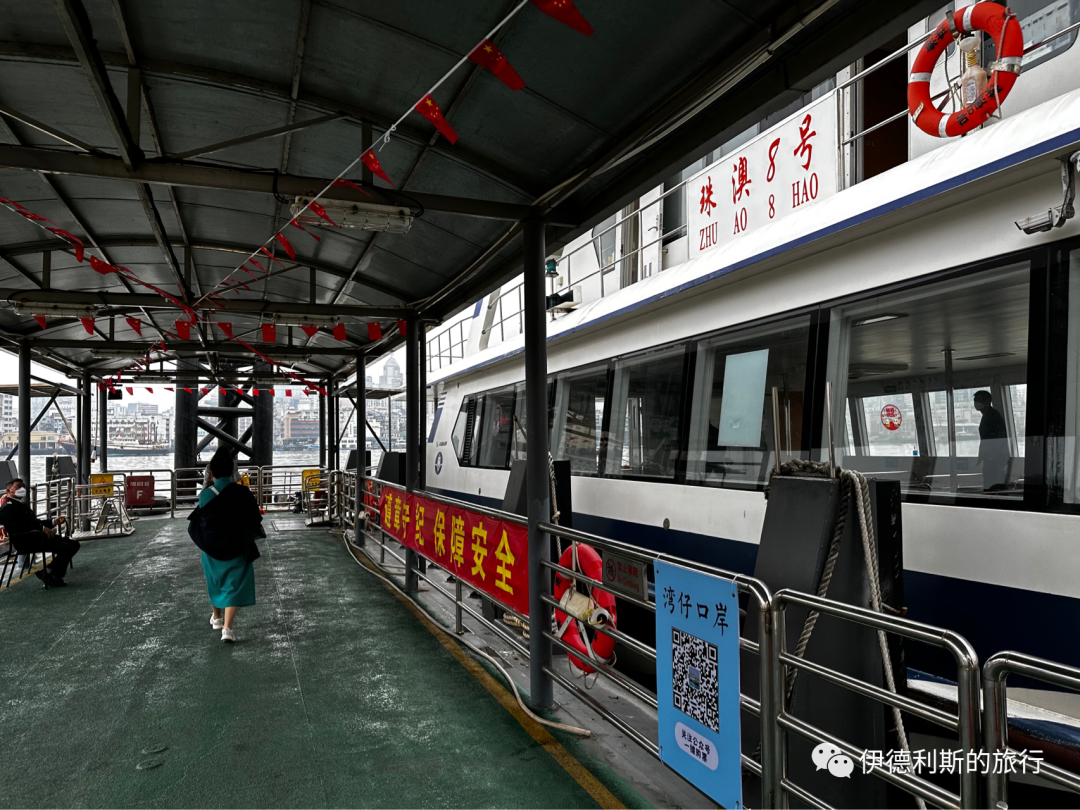
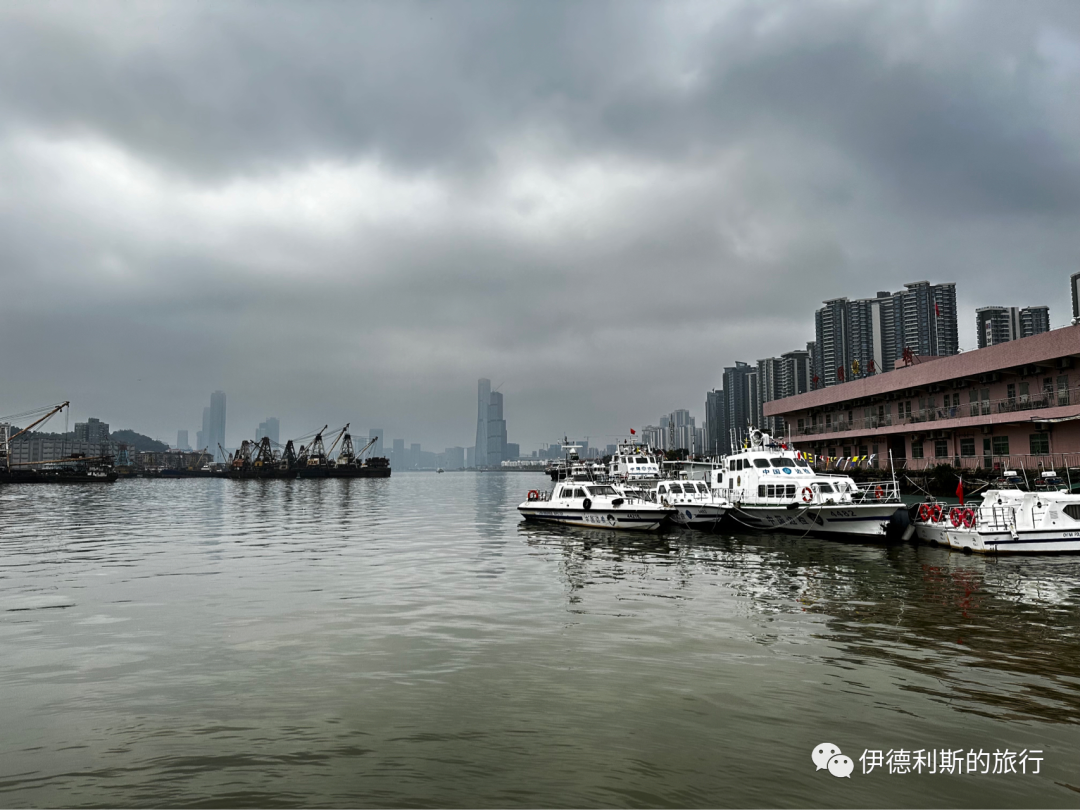
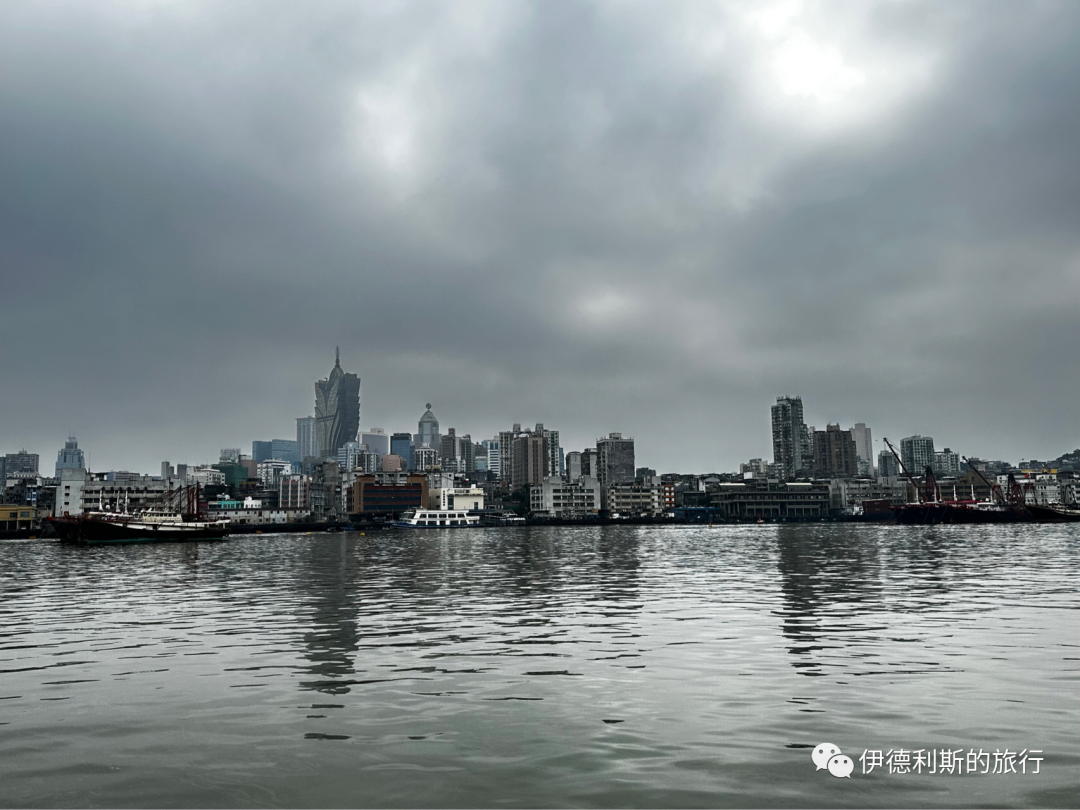
On the morning of January 23, I took a boat from the Wanzai Port in Zhuhai to Macau.
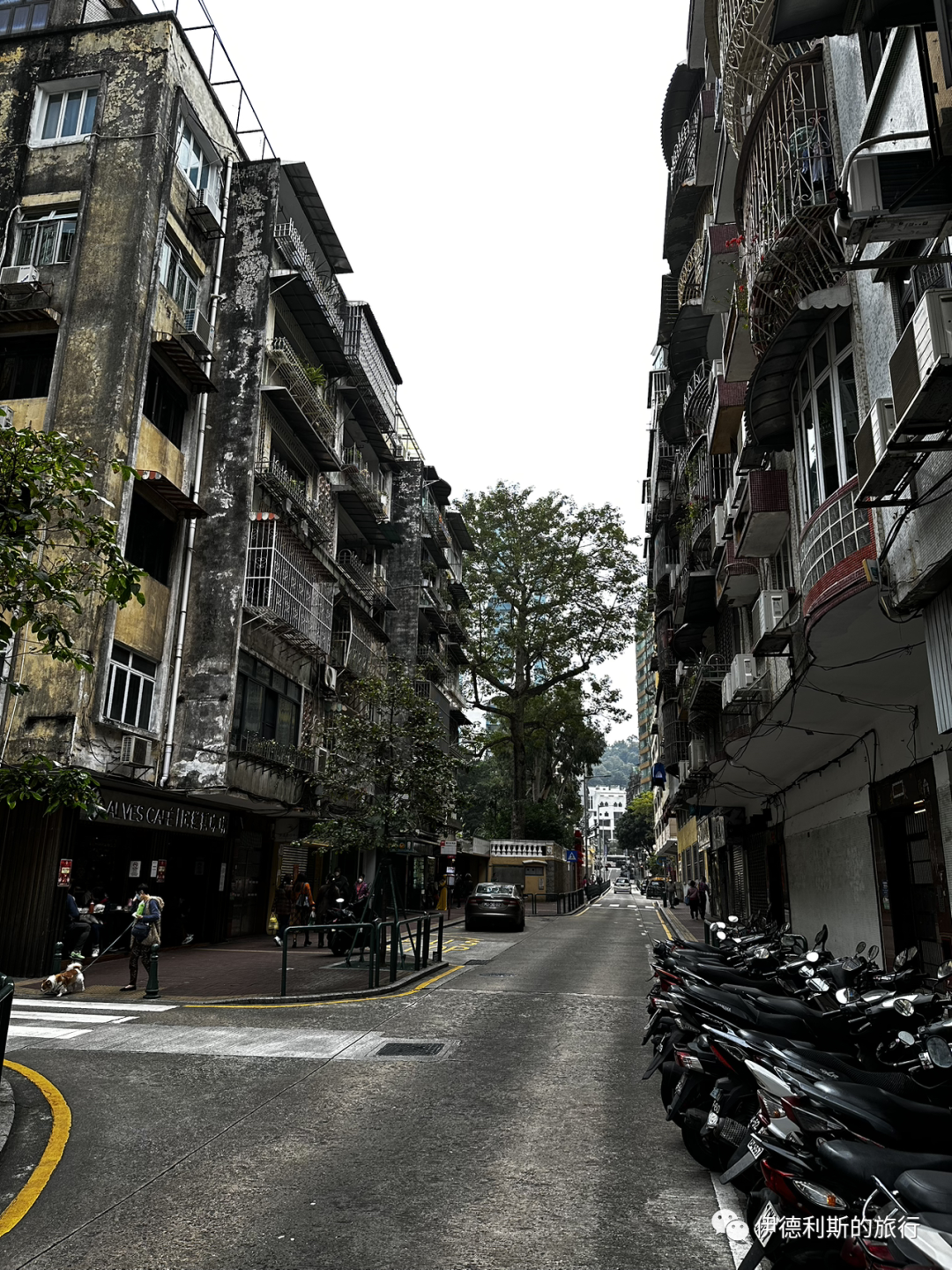
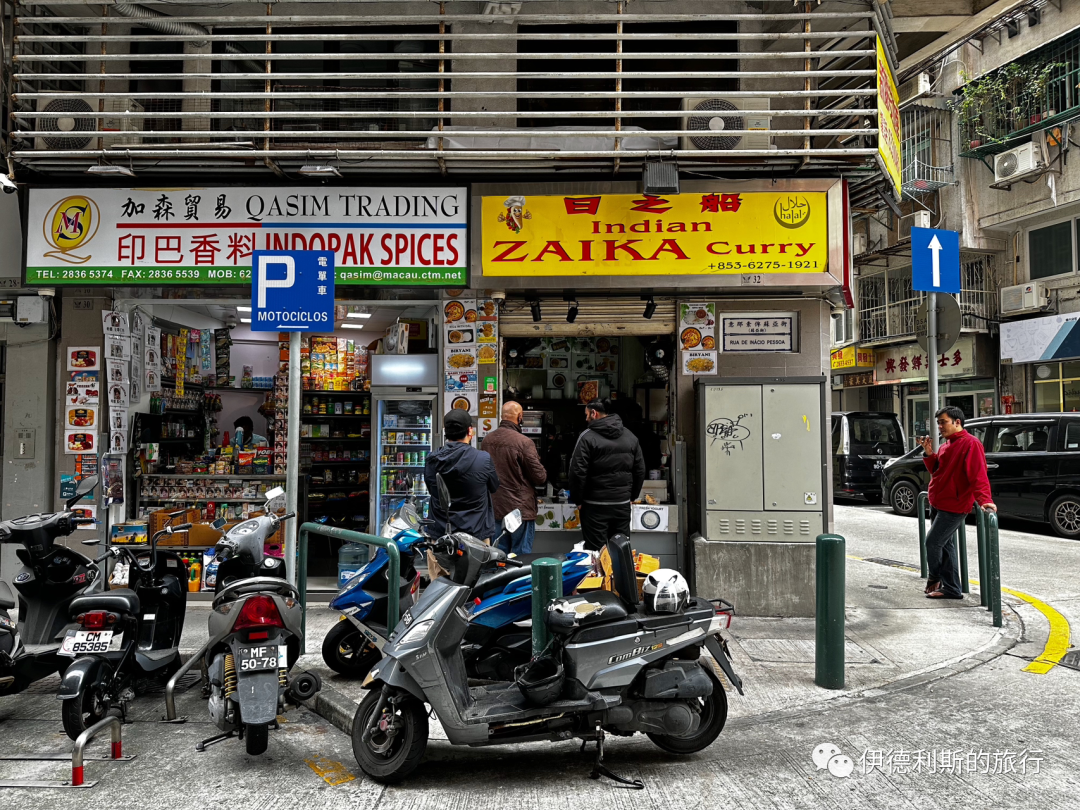
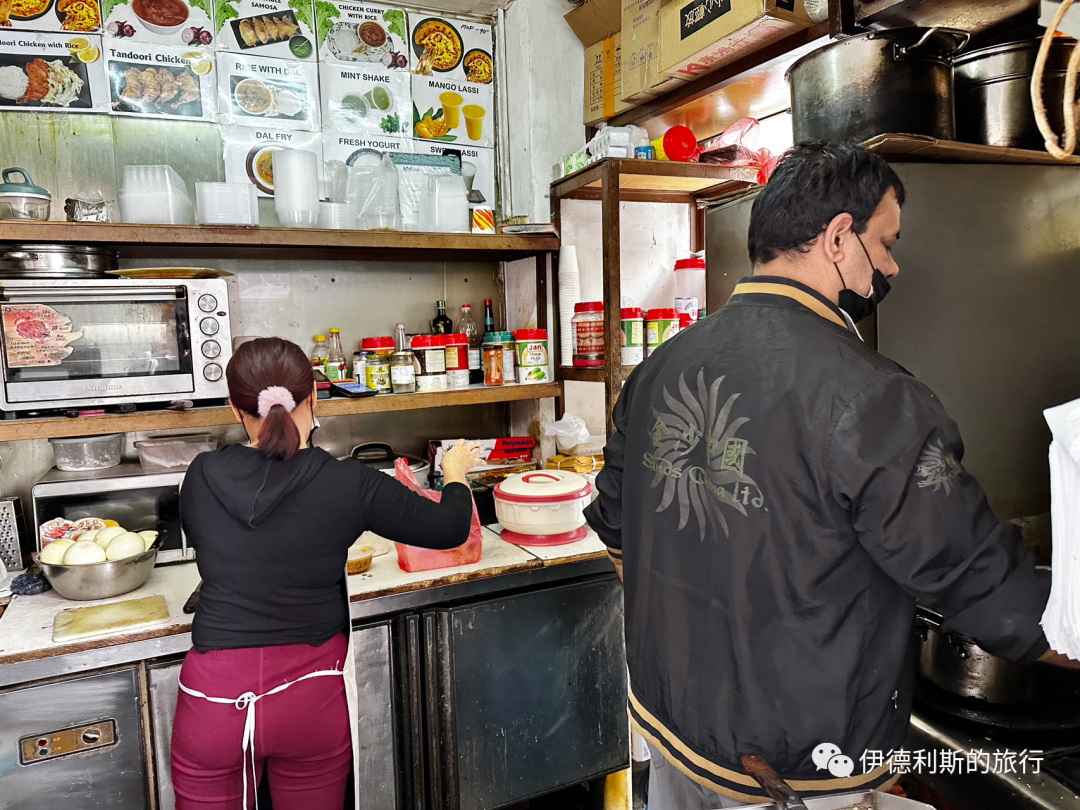
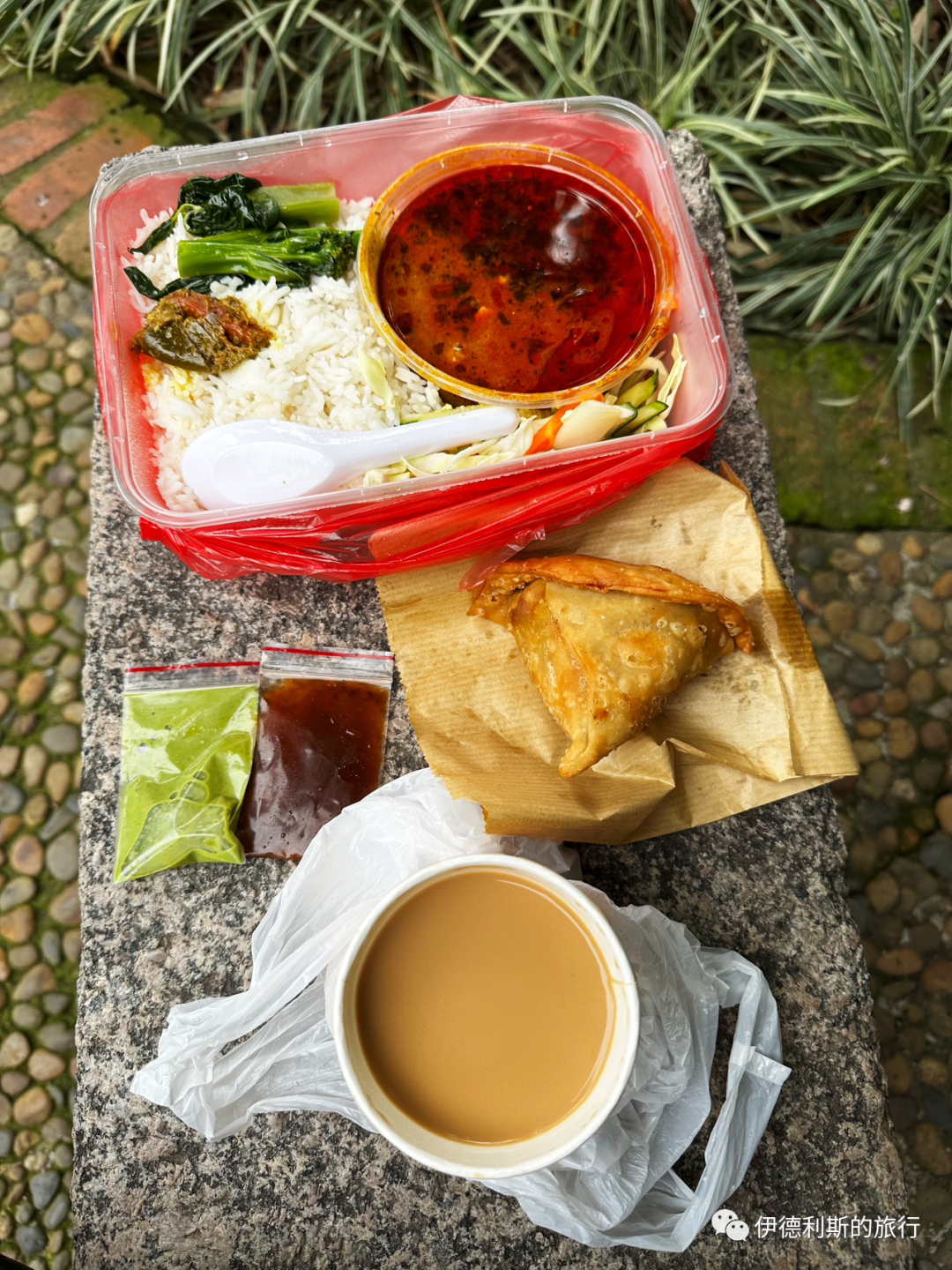
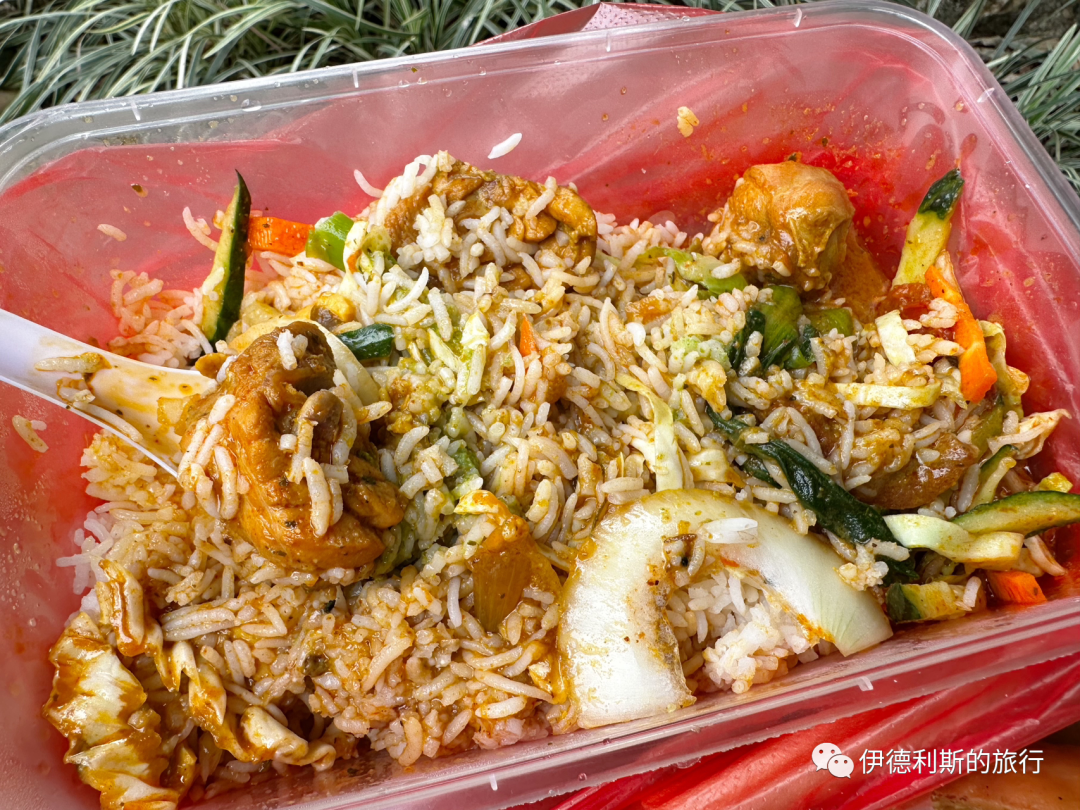
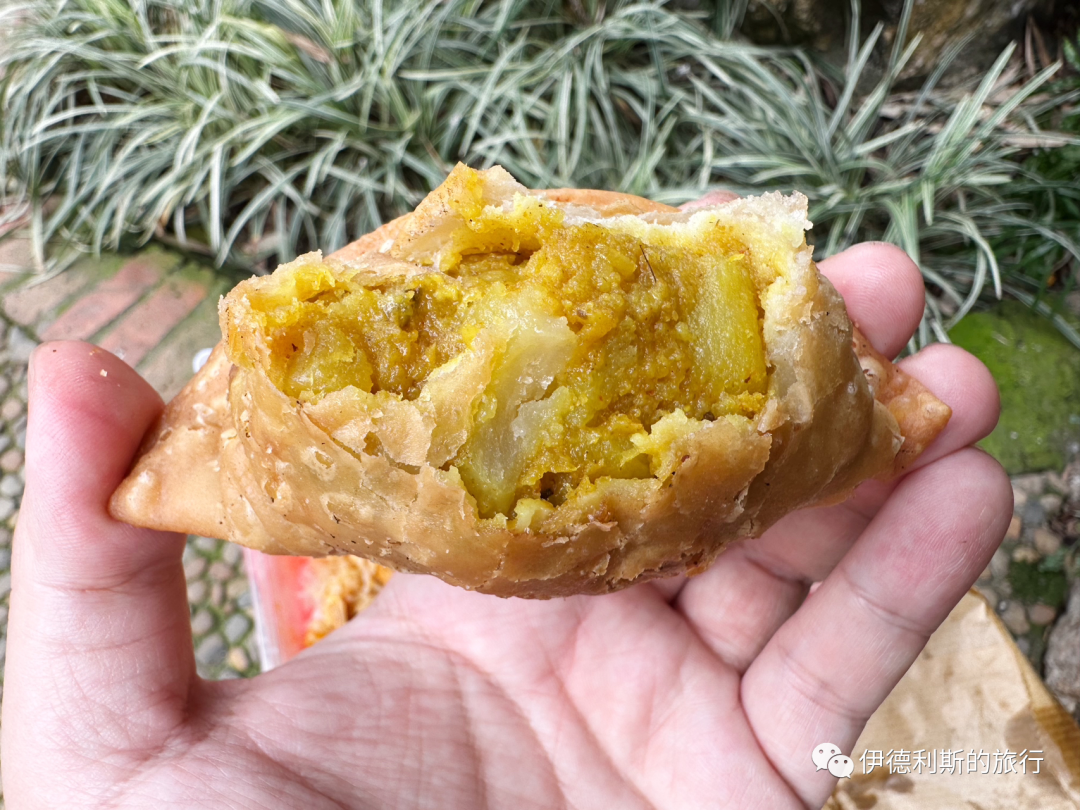
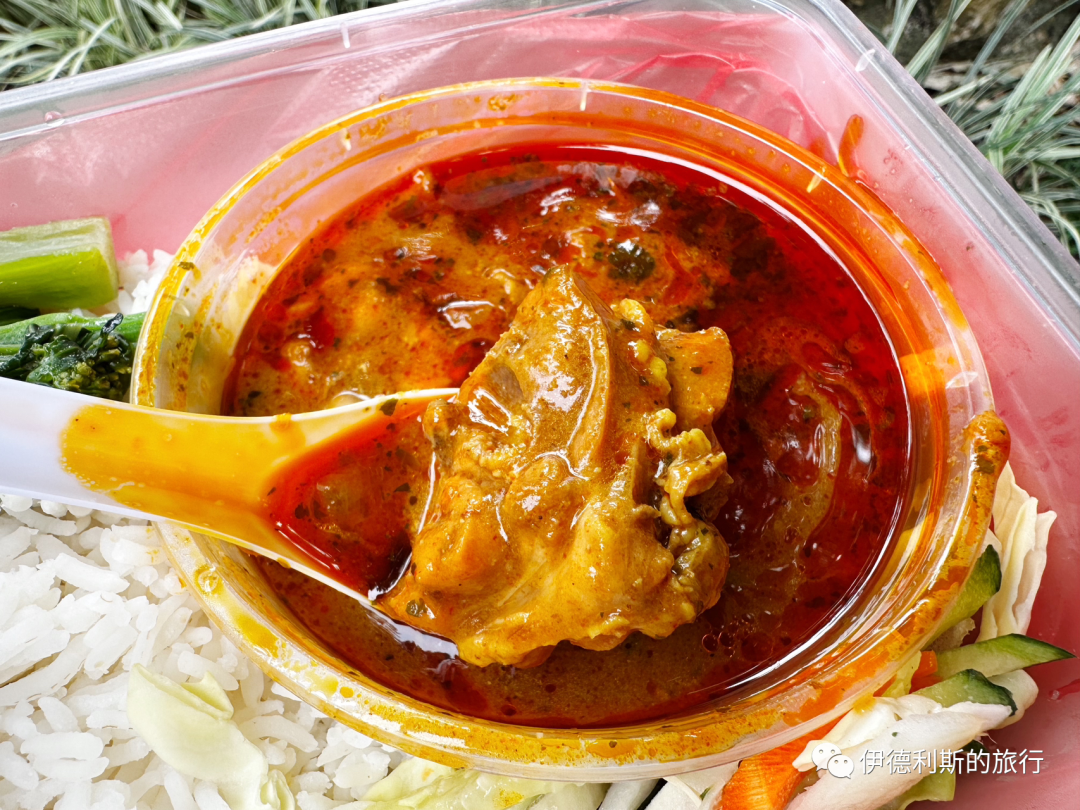
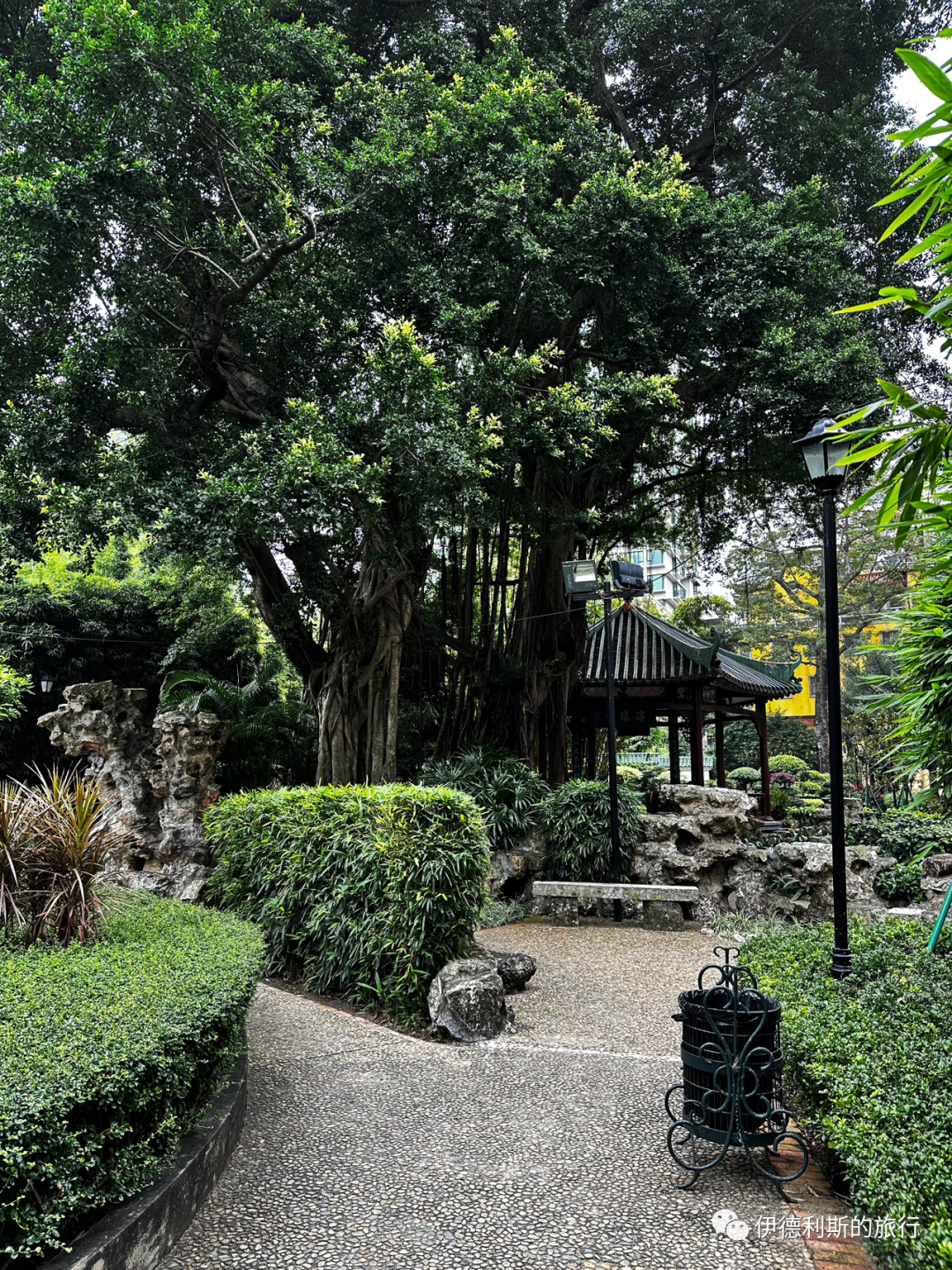
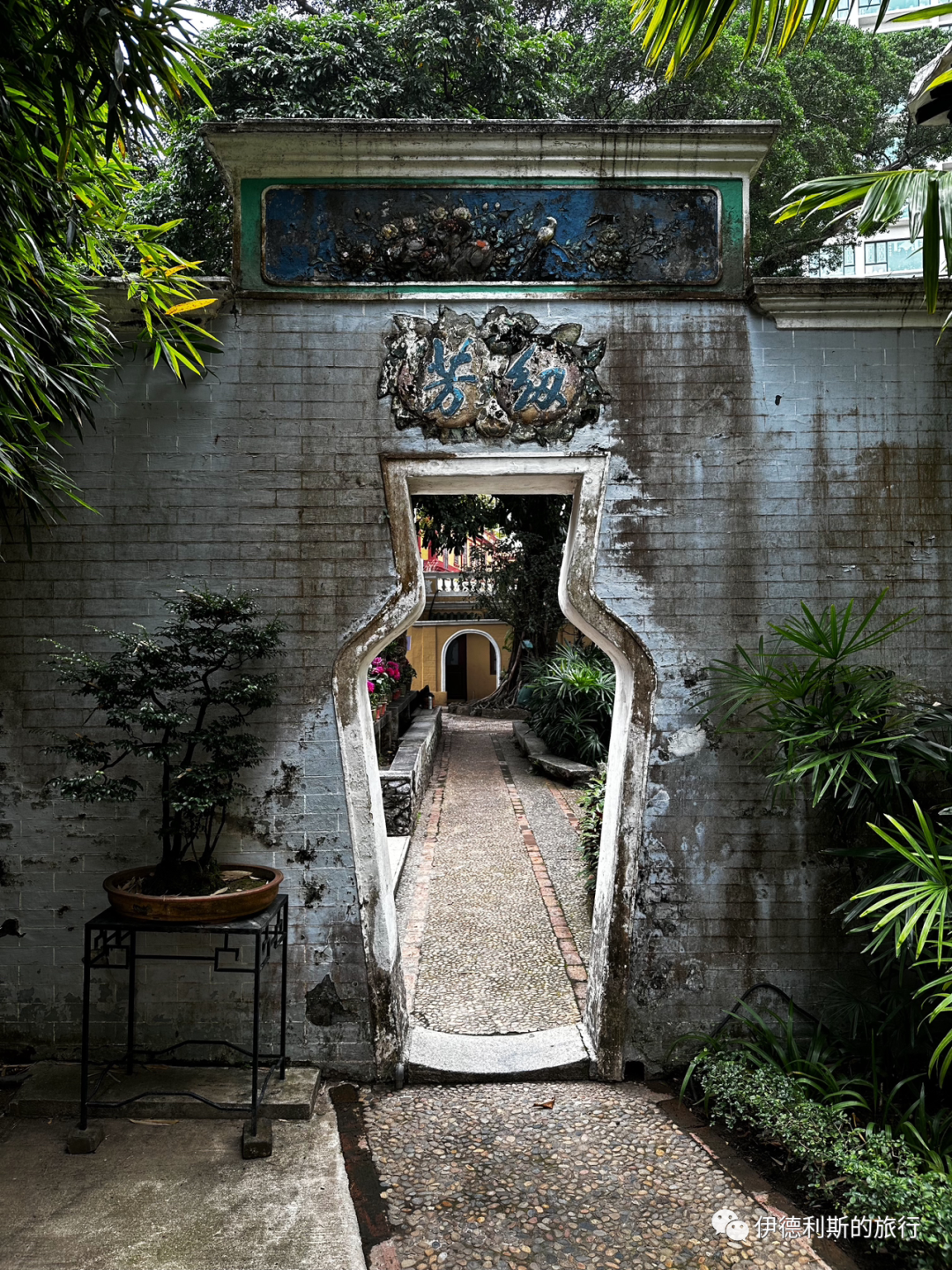
I originally planned to eat breakfast at an Indonesian Javanese restaurant I had looked up. Because of the situation over the last two years, several Indonesian restaurants in Macau have closed. I couldn't eat there, so I went to a South Asian street food spot on Rua de Silva Mendes called Zaika Curry (ri zhichuan) to buy chicken curry, samosas, and masala tea, which I packed to eat at the nearby Lou Lim Ioc Garden. Qasim, who works at the trading company next to the curry shop, is an elder at the Macau Mosque.
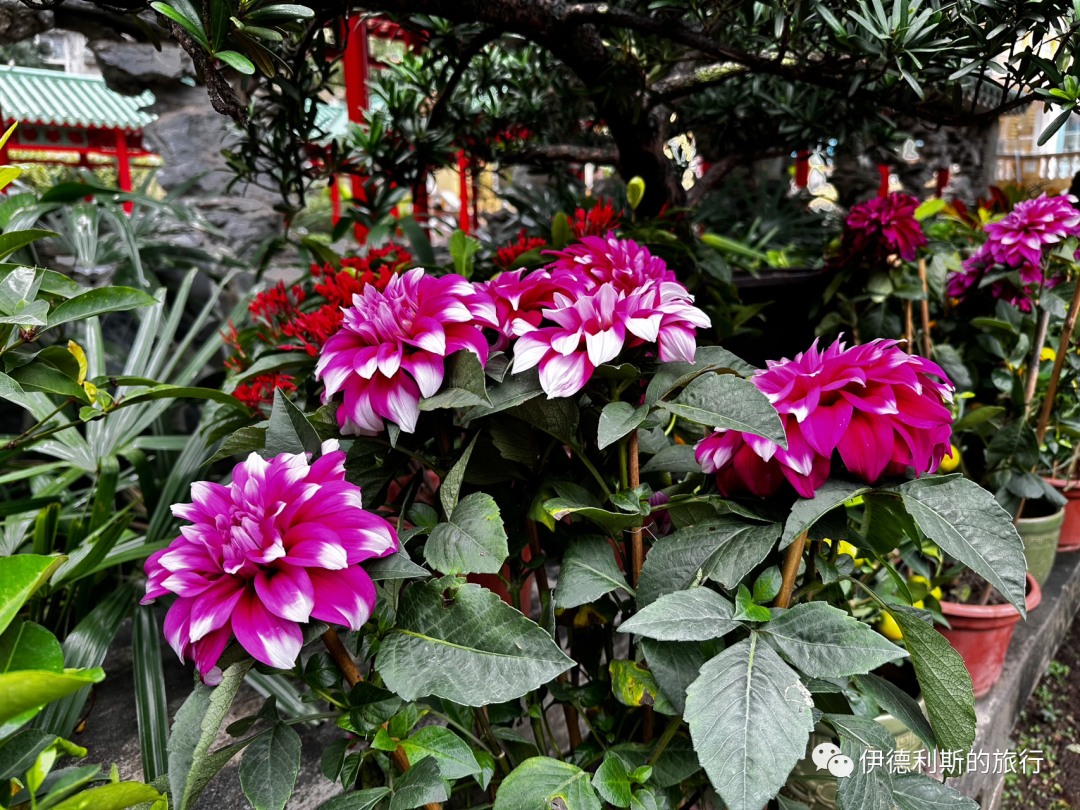
The winter weather in Macau is pleasant and the park is lush. Many Southeast Asian workers use their holidays to bring snacks to the park to eat and chat, which is very relaxing.
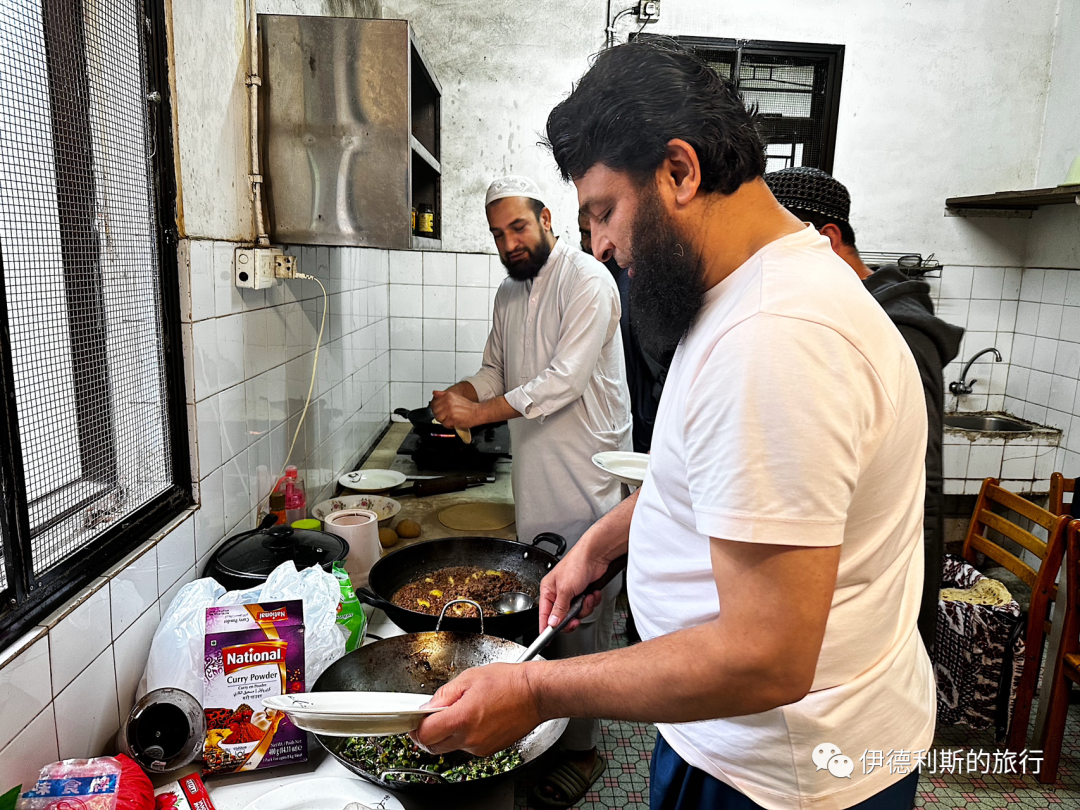
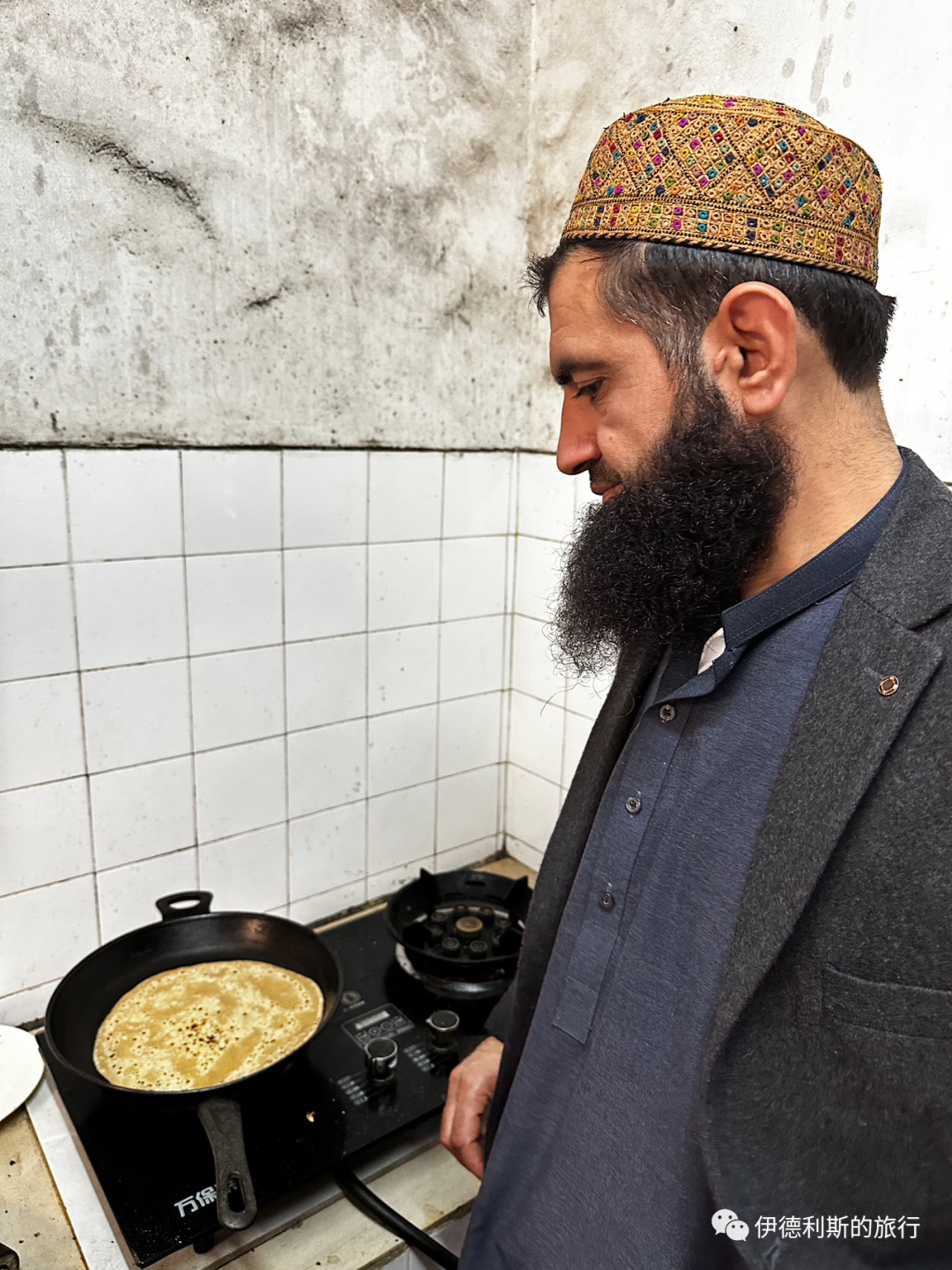
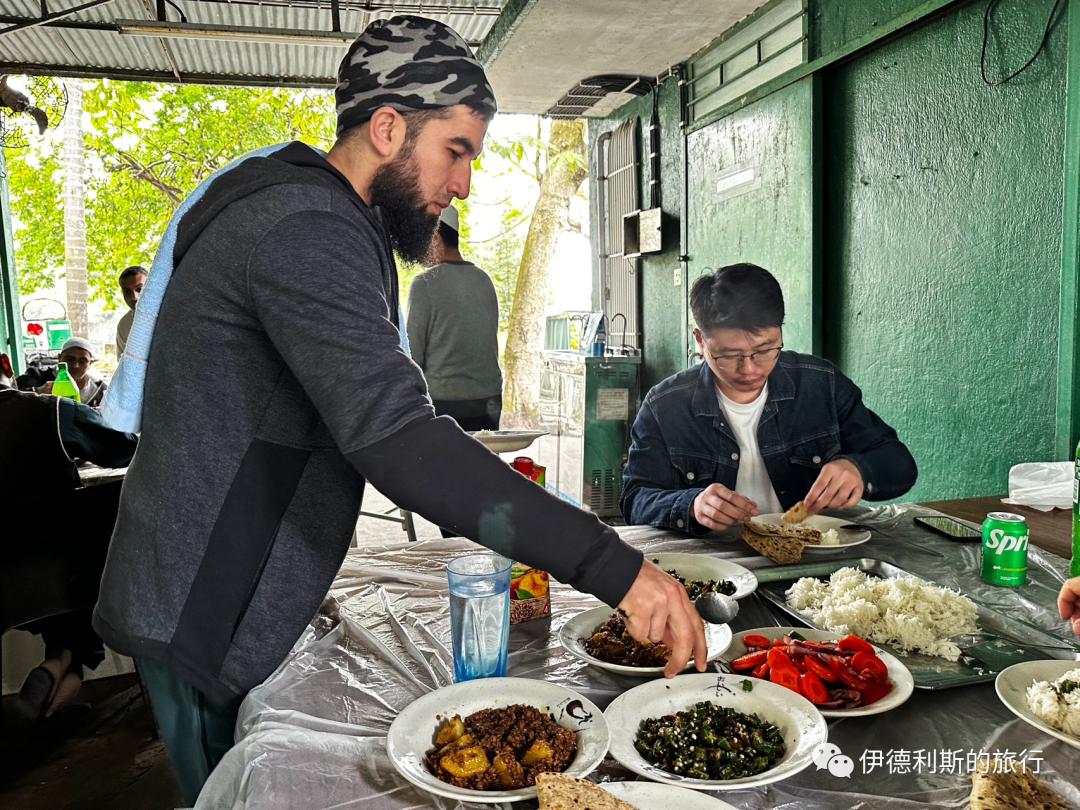
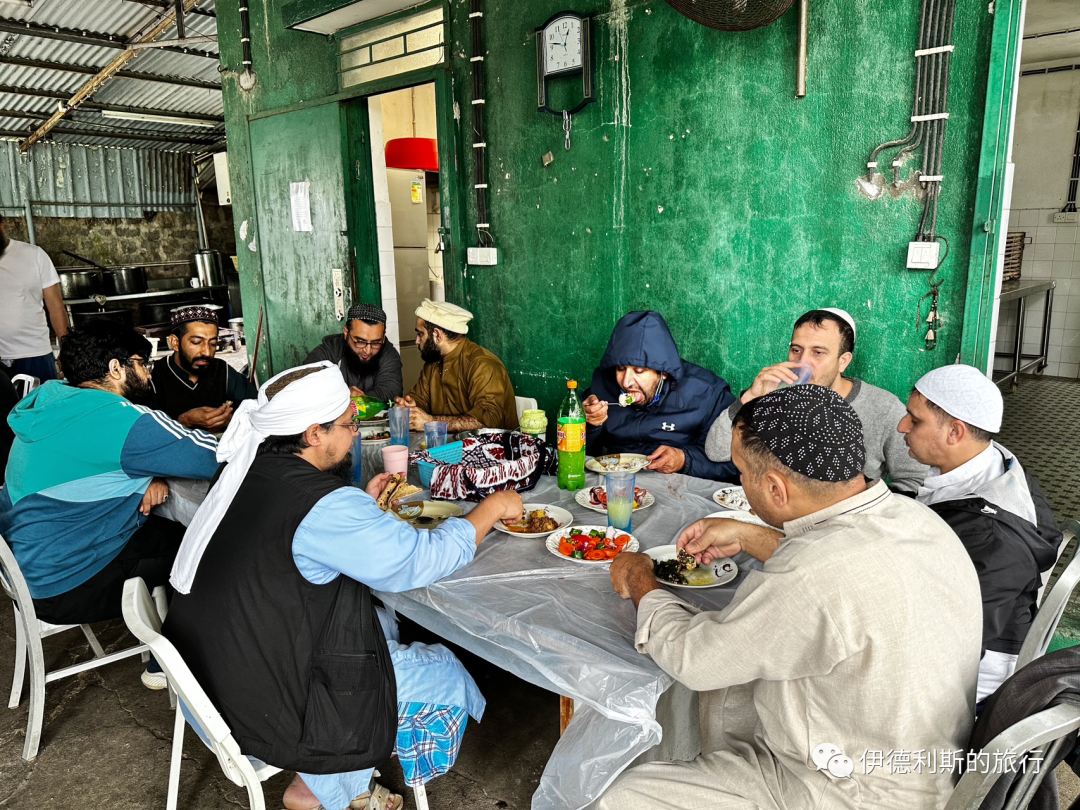
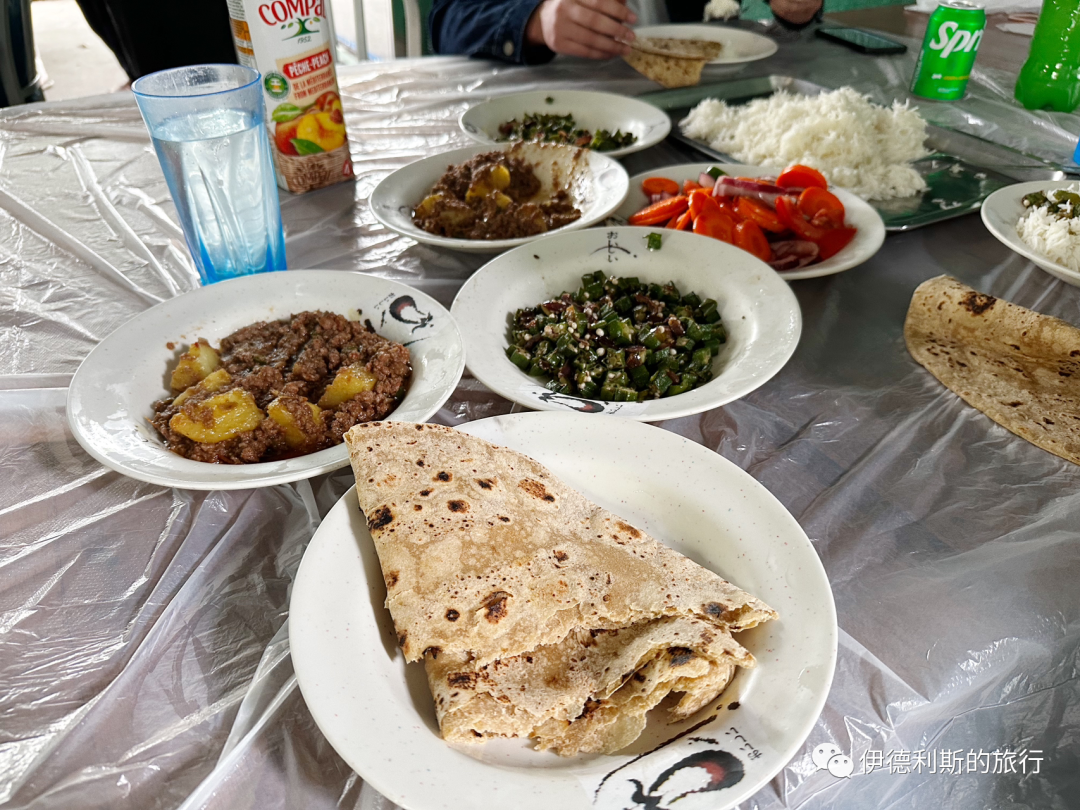
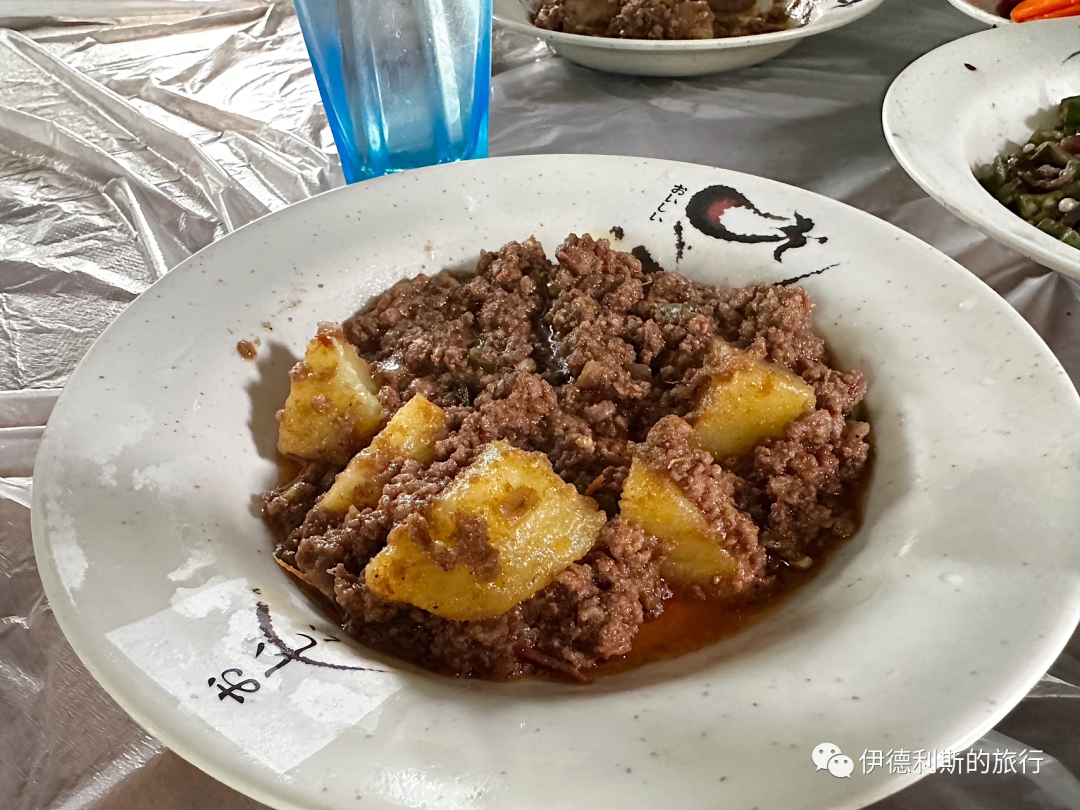
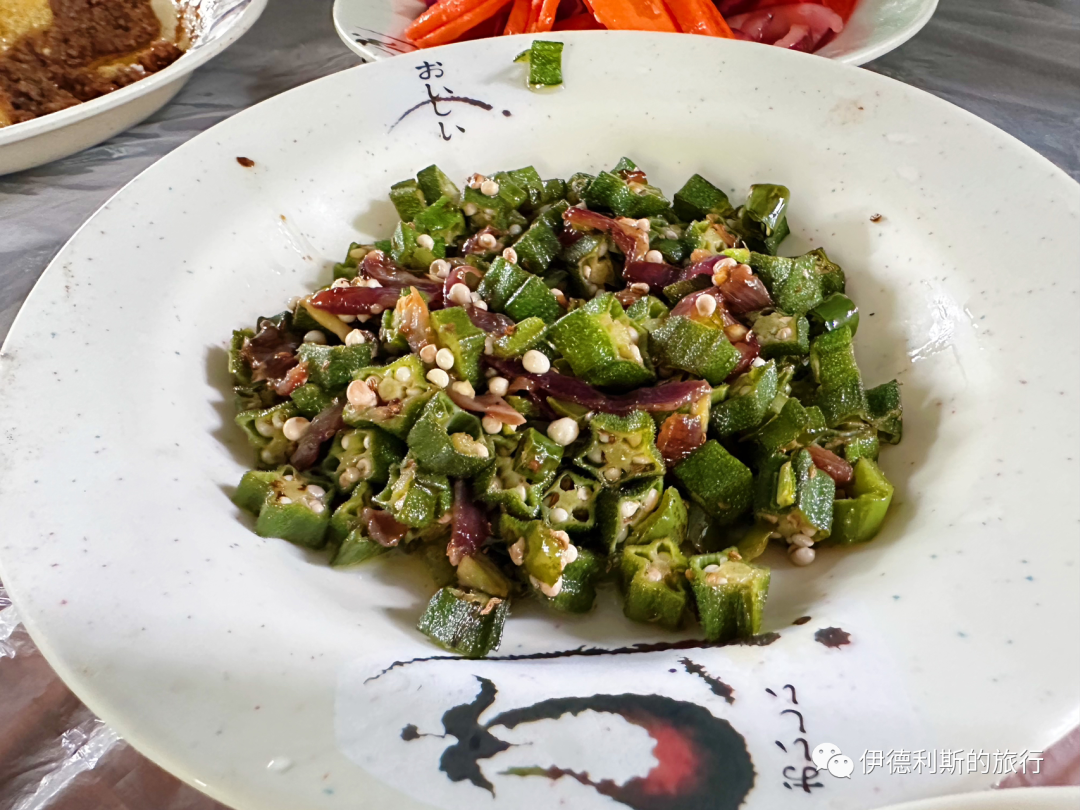
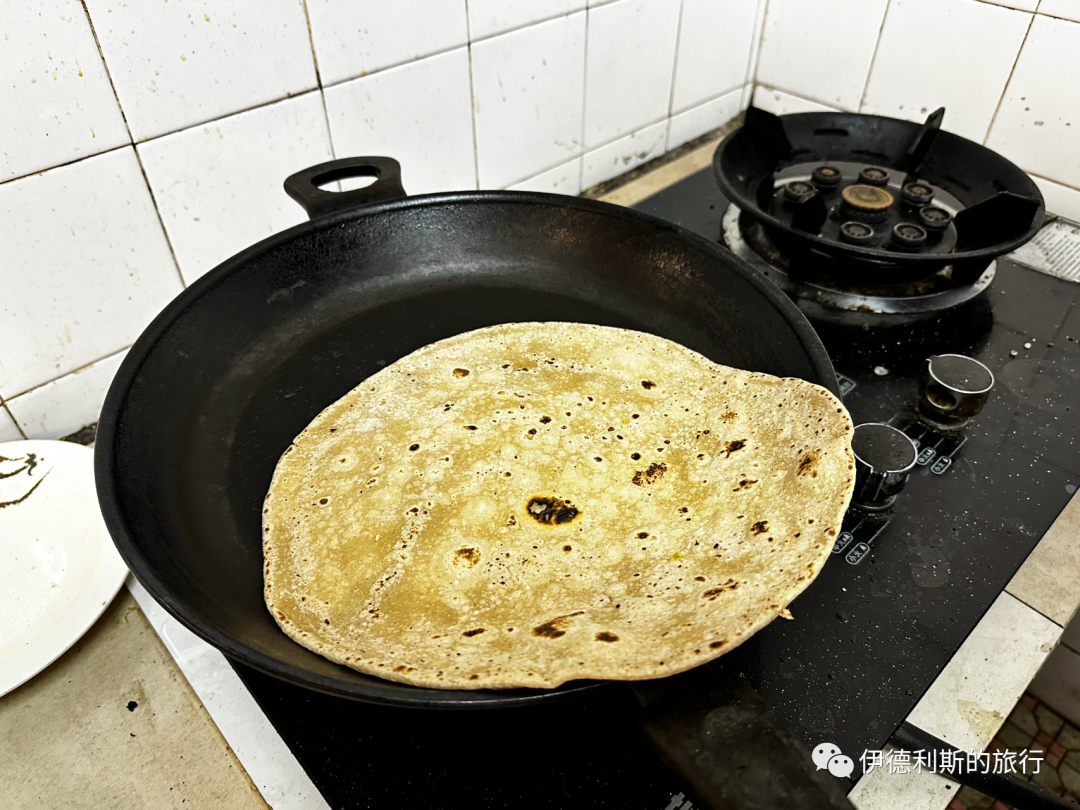
At noon, I arrived at the Macau Mosque and happened to run into a group of Pakistani-origin friends from Hong Kong who were there for a gathering (dawah). They made authentic Pakistani food at the mosque, including stir-fried okra, minced meat with potatoes, and flatbread (paratha). They also invited Imam Ding Shaojie and us to eat with them.
In 1841, the British occupied Hong Kong Island and immediately began sending Muslim soldiers from British India to be stationed there. As Hong Kong Island was being built up in the 1840s, South Asian Muslims arrived to work as police, security guards, and sailors, while a few wealthy merchants came to open companies. In 1849, South Asian Muslims built the first mosque on Hong Kong Island, which later became the Jamia Mosque (Shelley Street Mosque). There are now about 30,000 people of Pakistani descent living in Hong Kong, and about 12,000 of them have local status and identify as Hong Kongers.
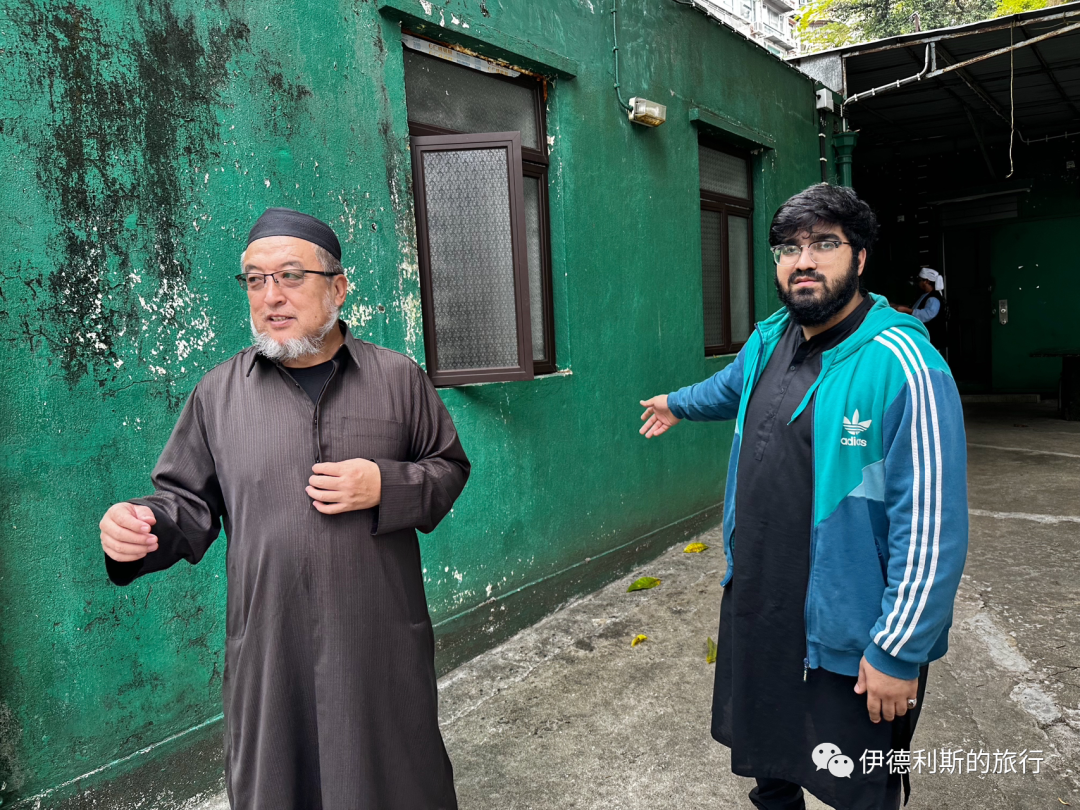
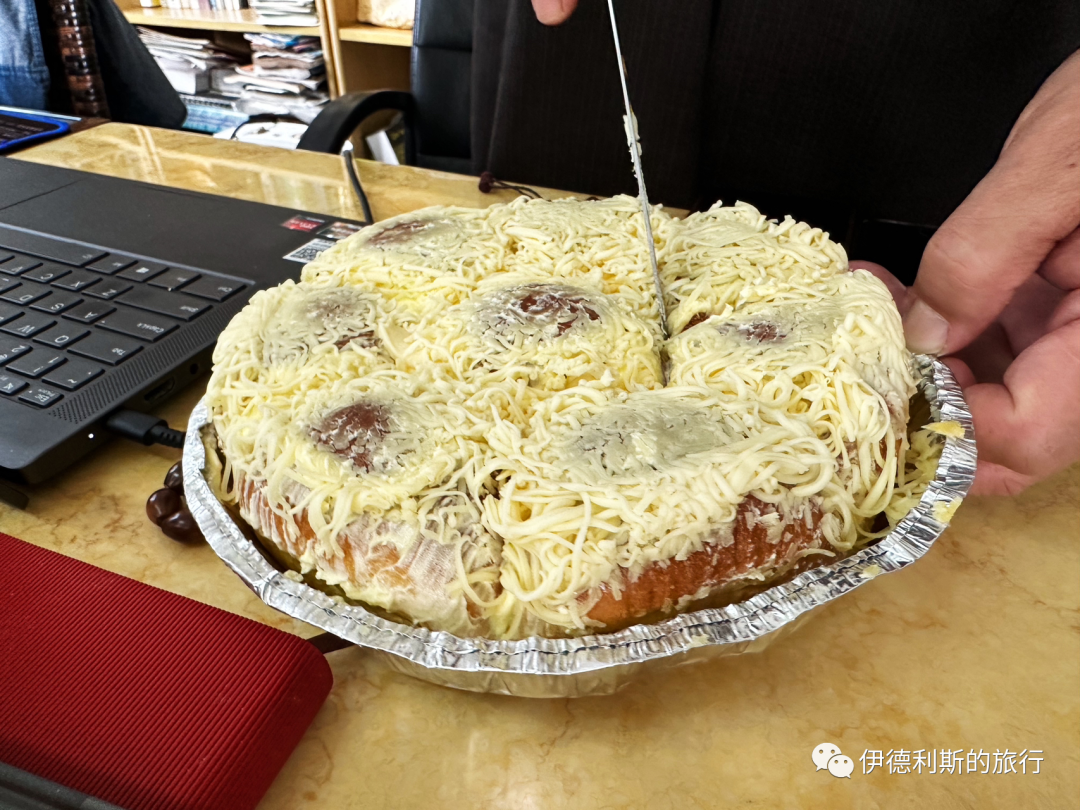
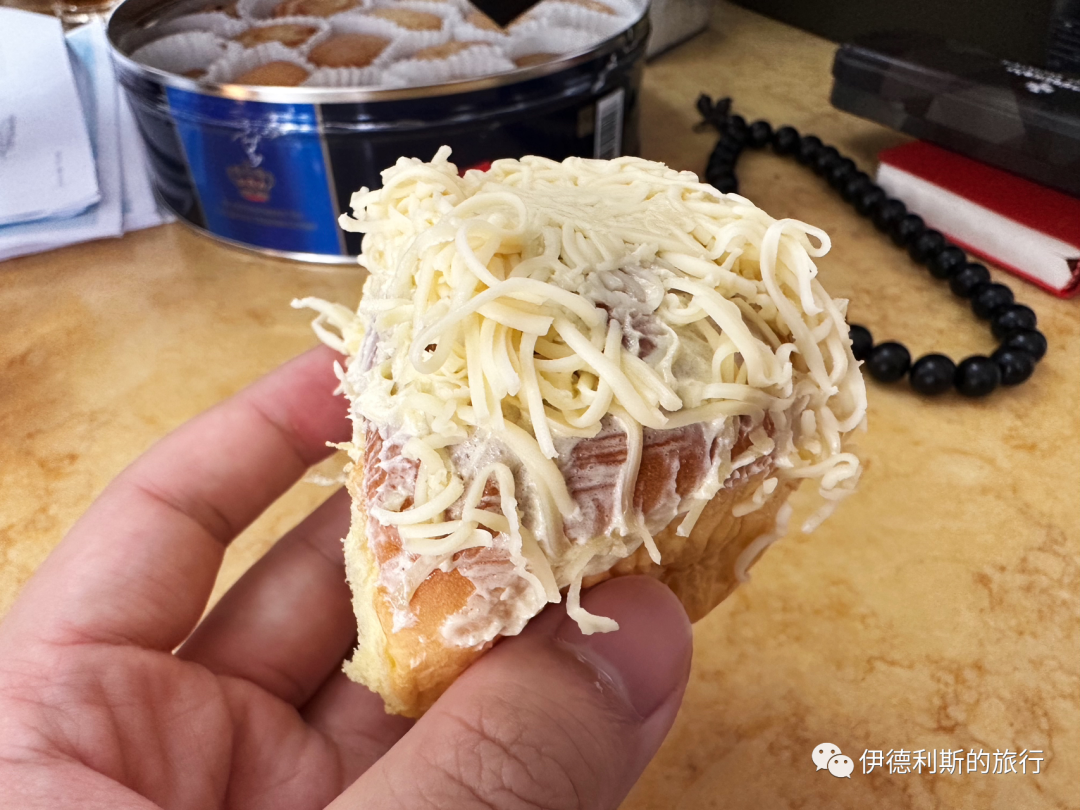
At the mosque, I ate some Filipino dessert shared by a friend. Every Sunday and on holidays, many Indonesian friends working in Macau come to the Macau Mosque to eat and chat. Everyone brings all kinds of snacks to share while they talk.
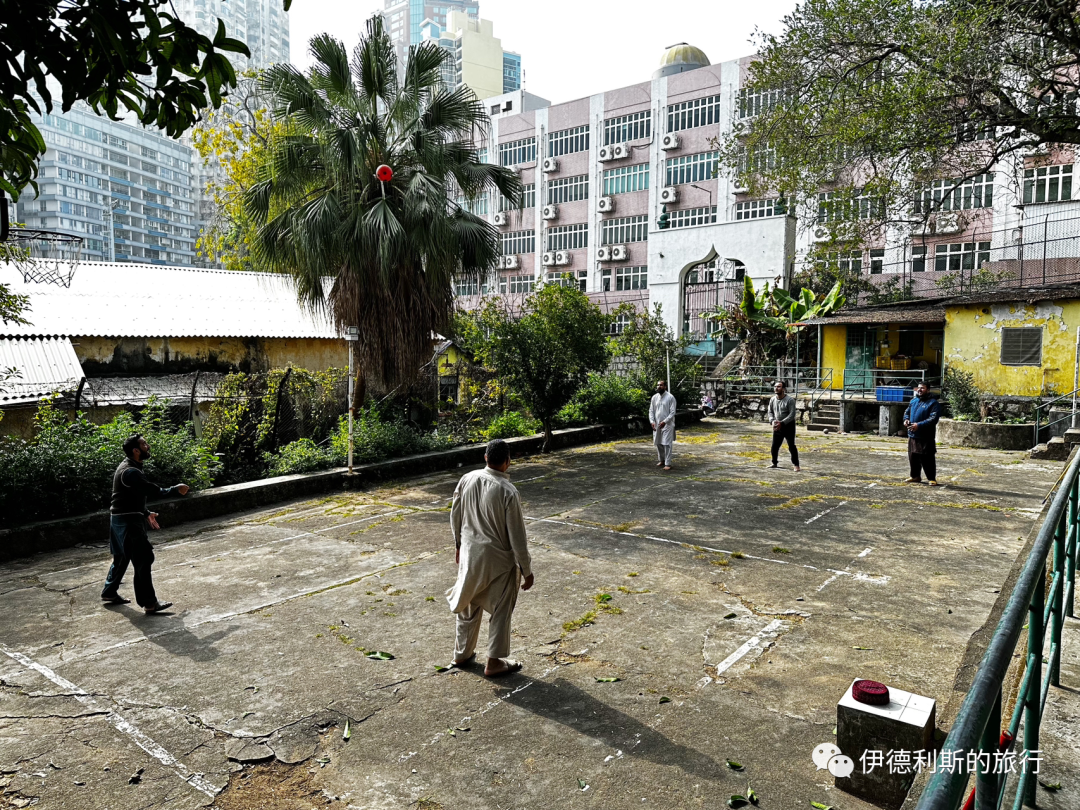
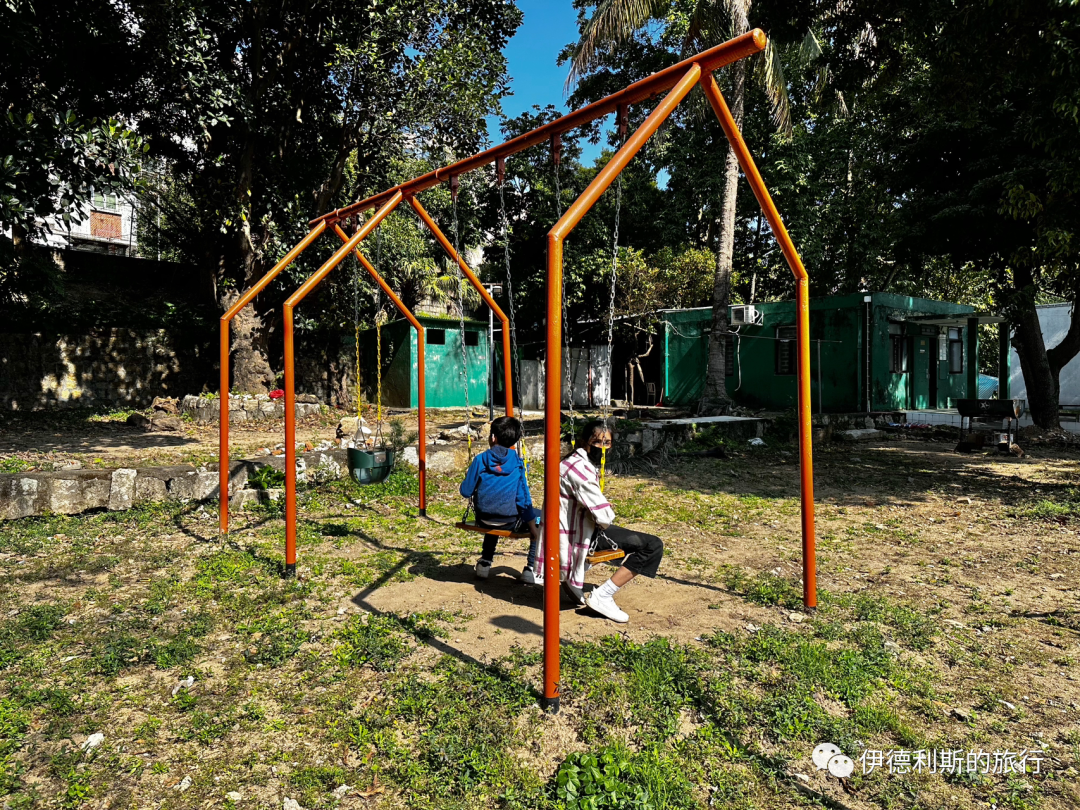
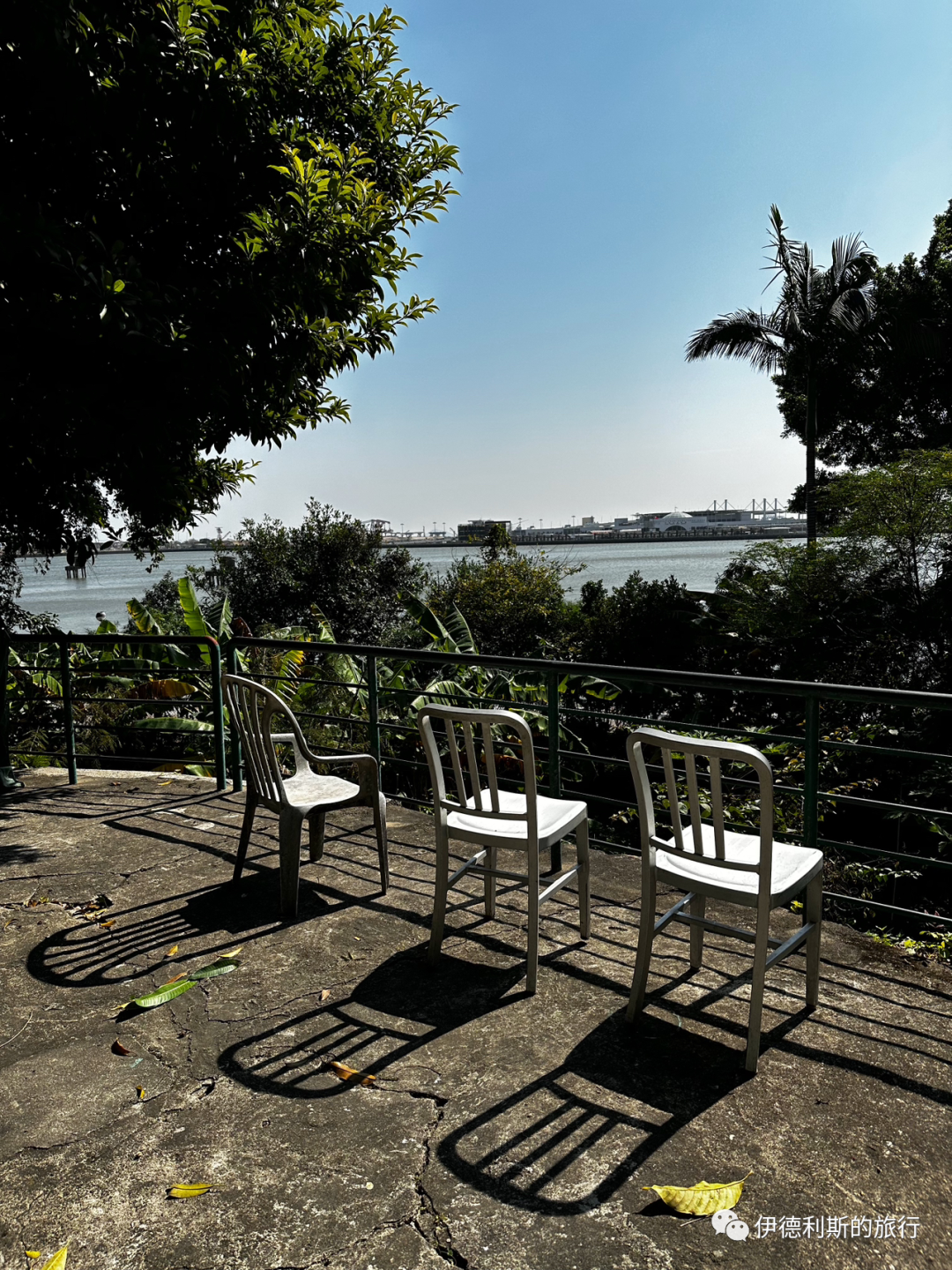
Although the Macau Mosque is not large, the environment is excellent. Besides performing worship and learning, you can play ball, use the swings, pick bananas and starfruit, look at the lake view, and pet cats. In the summer, you can even have outdoor barbecues. It is a great place to get away from the noise and relax.
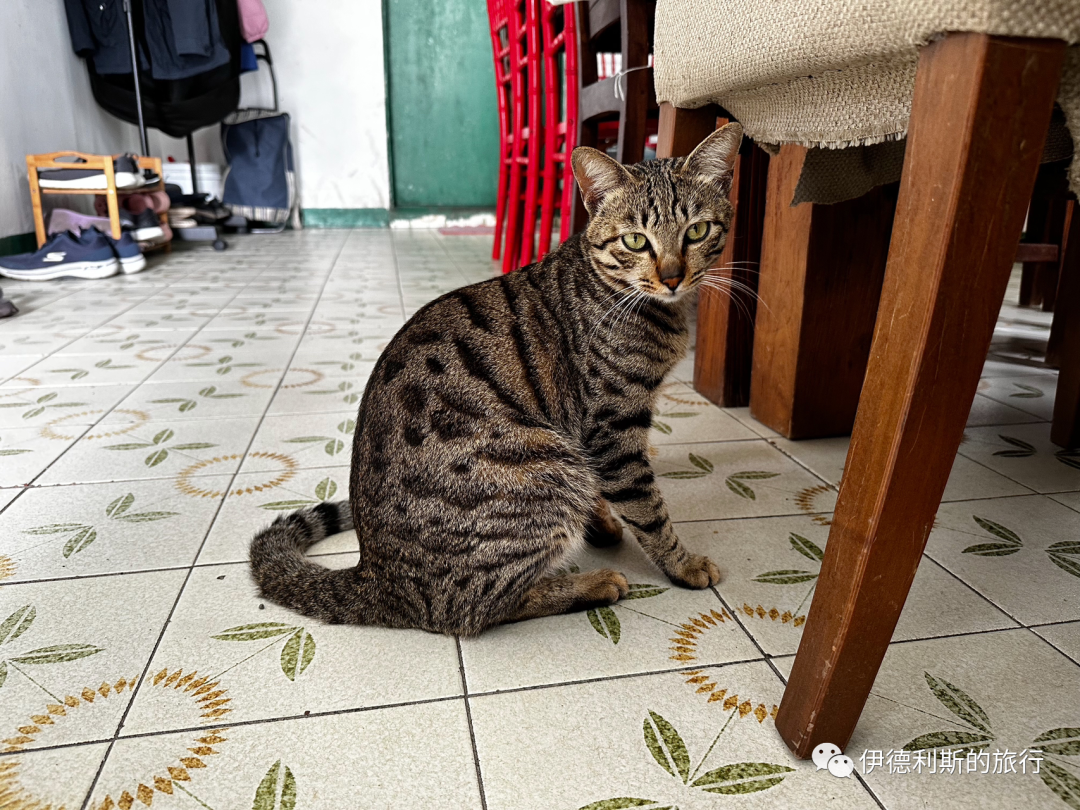
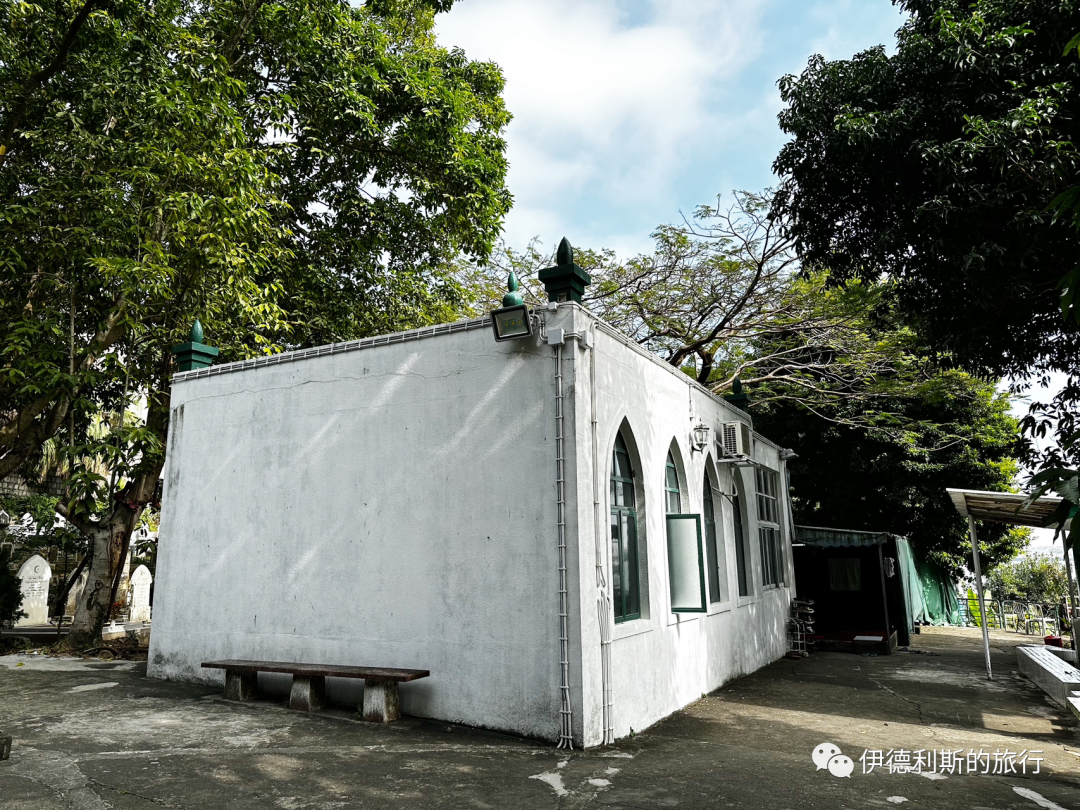
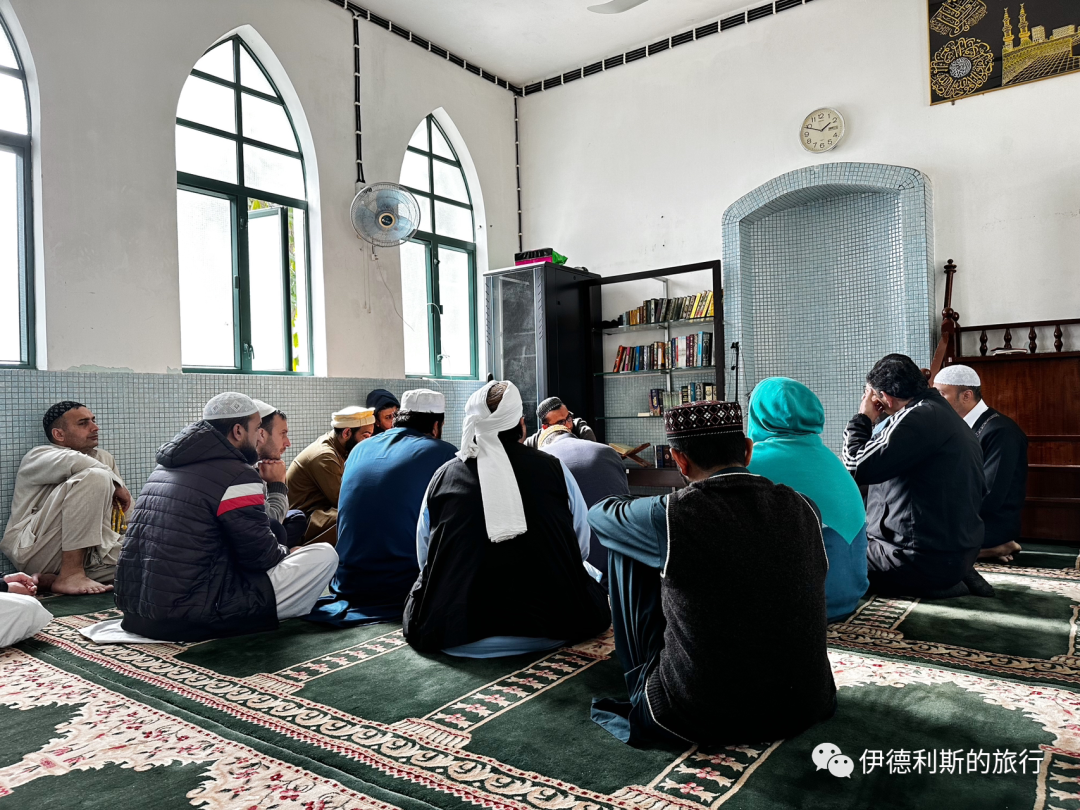
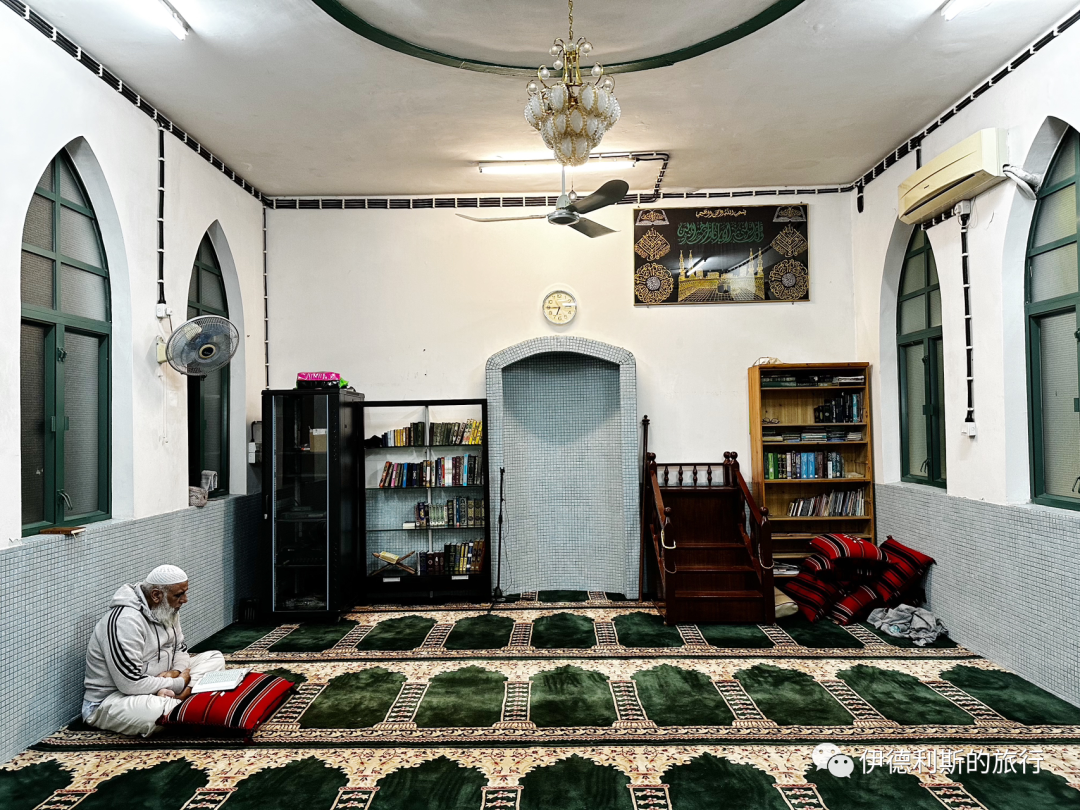
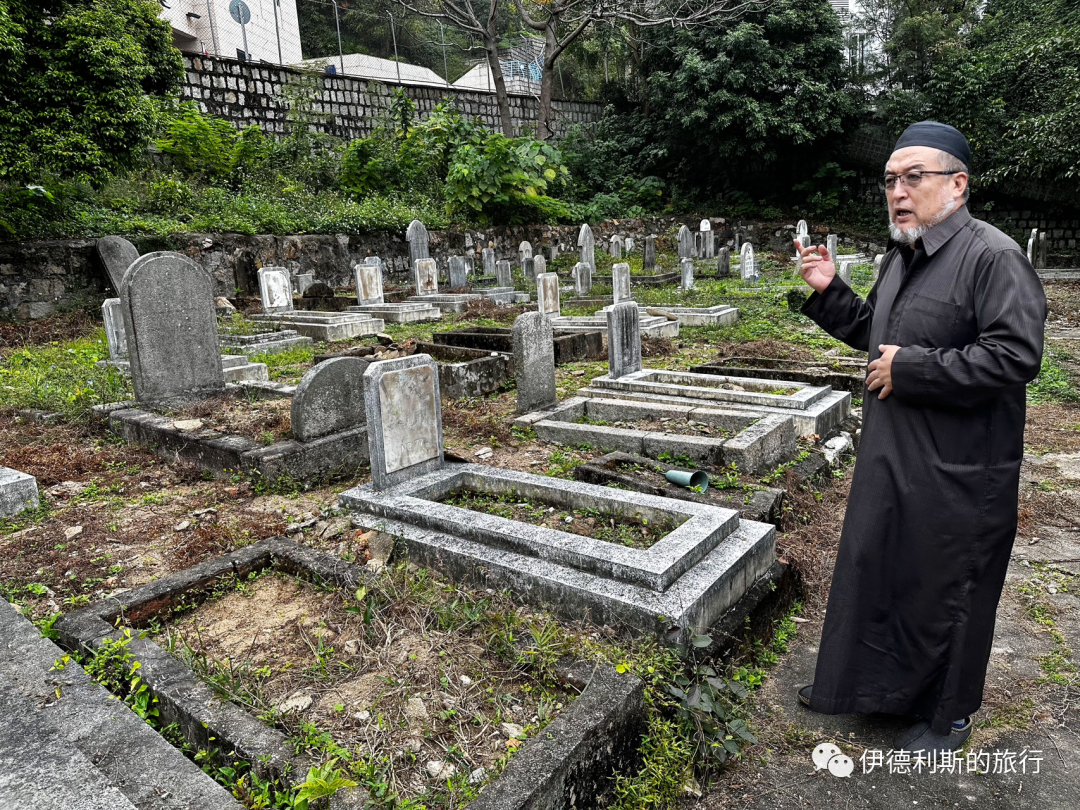
I listened to Imam Ding Shaojie tell the history of the Macau Mosque.
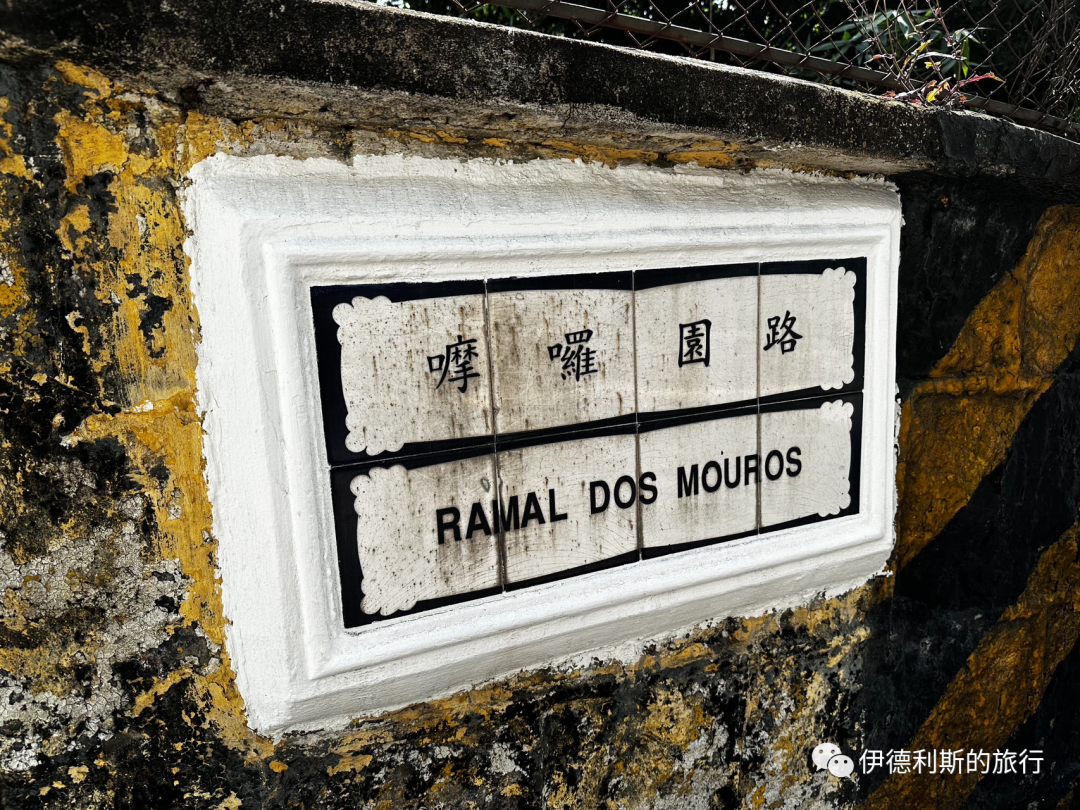
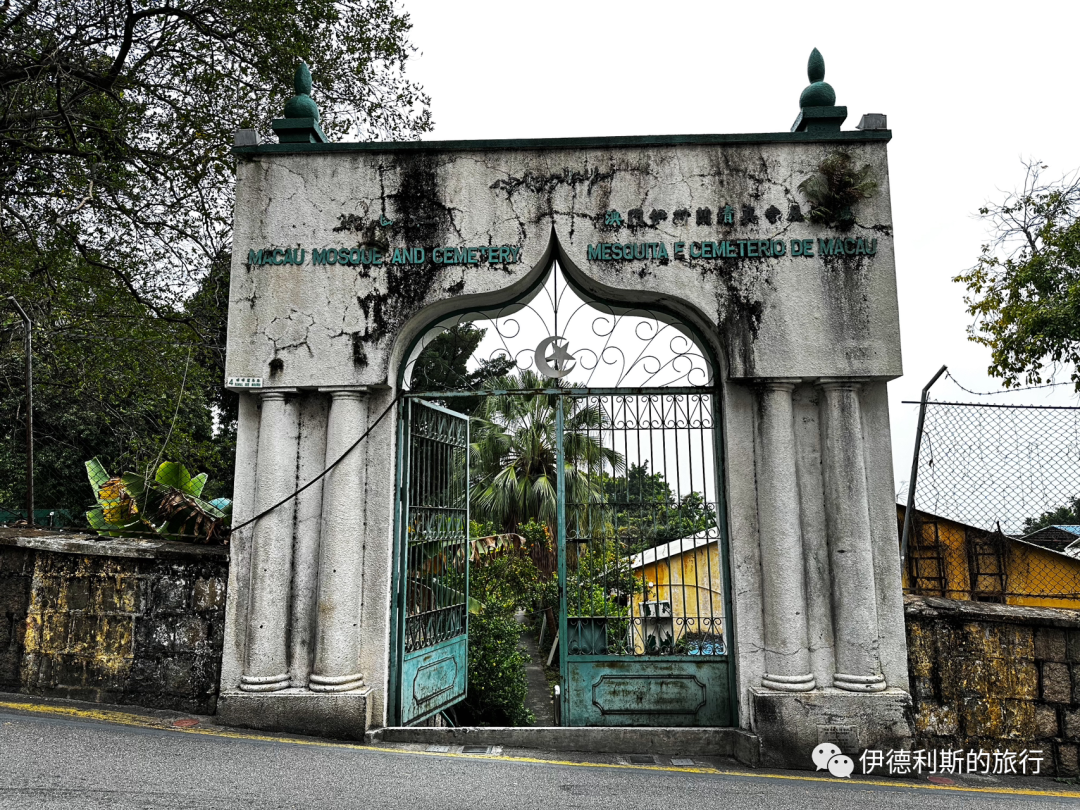
Locals call the Macau Mosque the "Moro Garden" (Mo Luo Yuan). The term "Moro" comes from the Portuguese word "Mouros." It originally came from the name "Mauri," which the Romans used for the Berbers of North Africa under their rule. Later, various versions appeared in European languages, such as "Moro" in Italian and Spanish, and "Maure" in French. After the Age of Discovery, Spain and Portugal called many of the Muslim groups under their rule "Moros." For example, Spain collectively called the Austronesian Muslim groups in the southern Spanish East Indies (now the southern Philippines) "Moros." Portugal called the Arab-descended Muslims in Portuguese Ceylon (now Sri Lanka) "Ceylon Moors," and in Portuguese-occupied Goa, India, local Muslims were called "Moir."
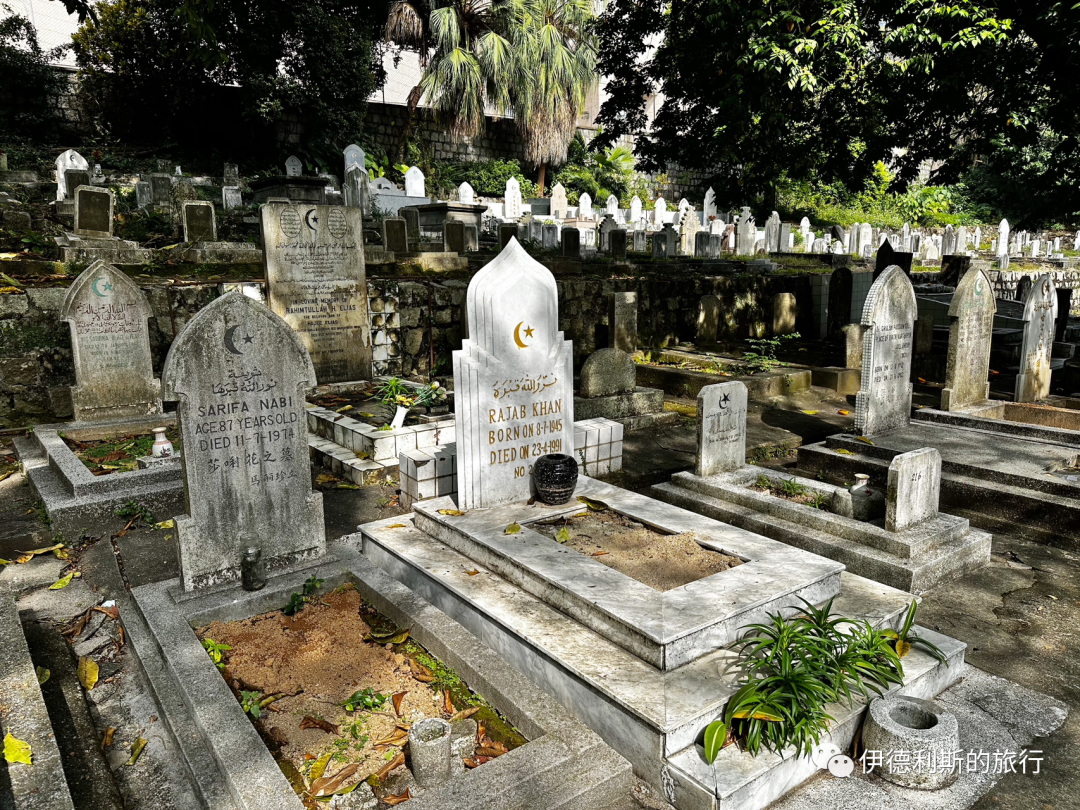
The Portuguese officially occupied Macau in 1557 and began transferring troops from places like Portuguese India, which included some Muslims. According to the Portuguese scholar Luís Morais in his book "Muslims in Macau," a Macanese real estate businessman named Filipi António Osório sold a piece of land to Macau Muslims to build a mosque and a cemetery, which is the current "Moro Garden." Later, more Muslims from other parts of South Asia came to Macau, and after they passed away, they were buried in the Moro Garden.
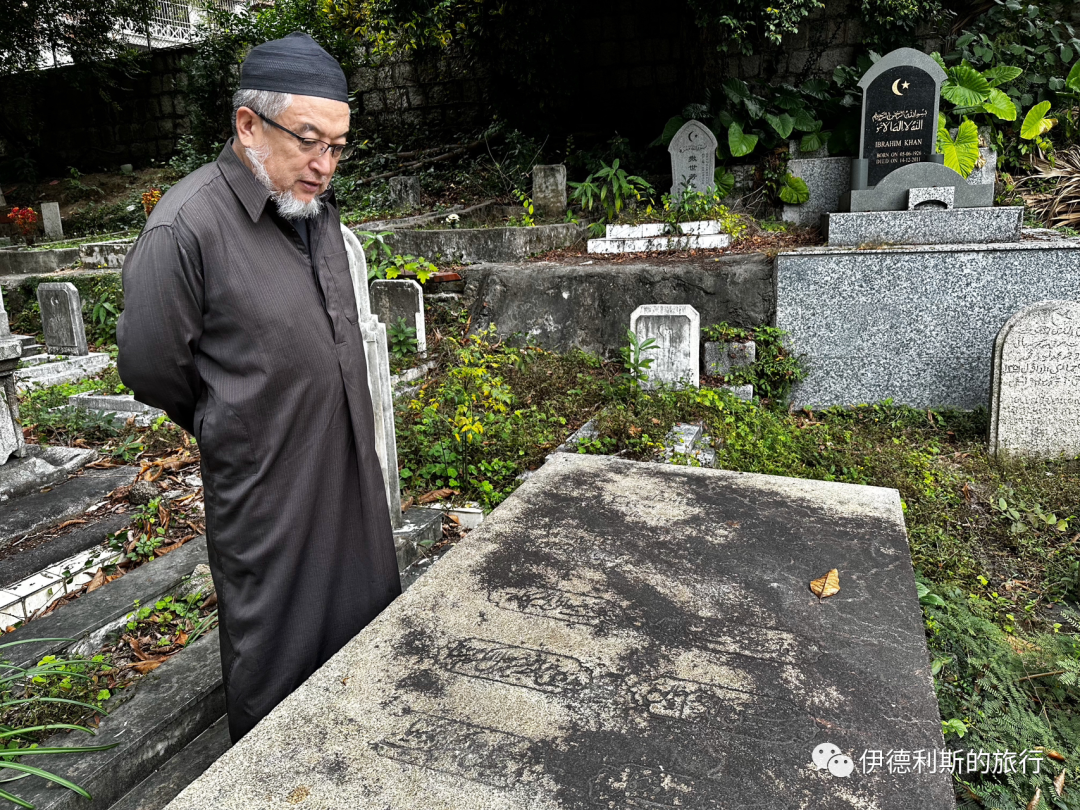
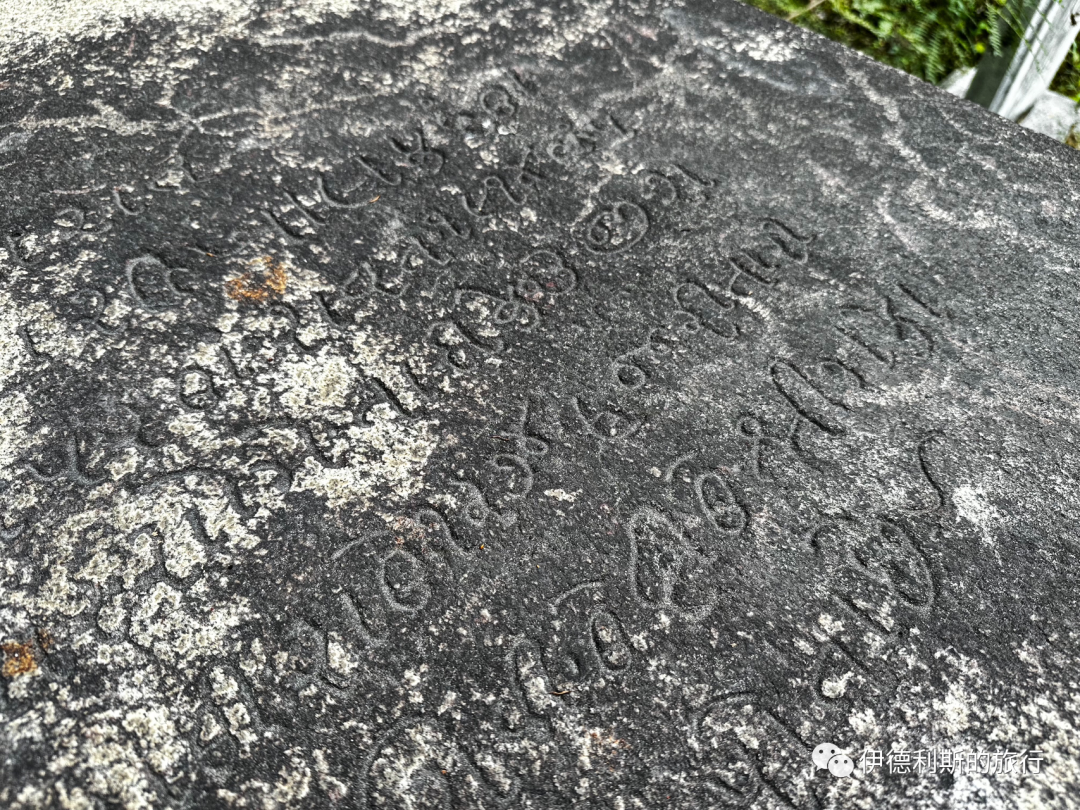
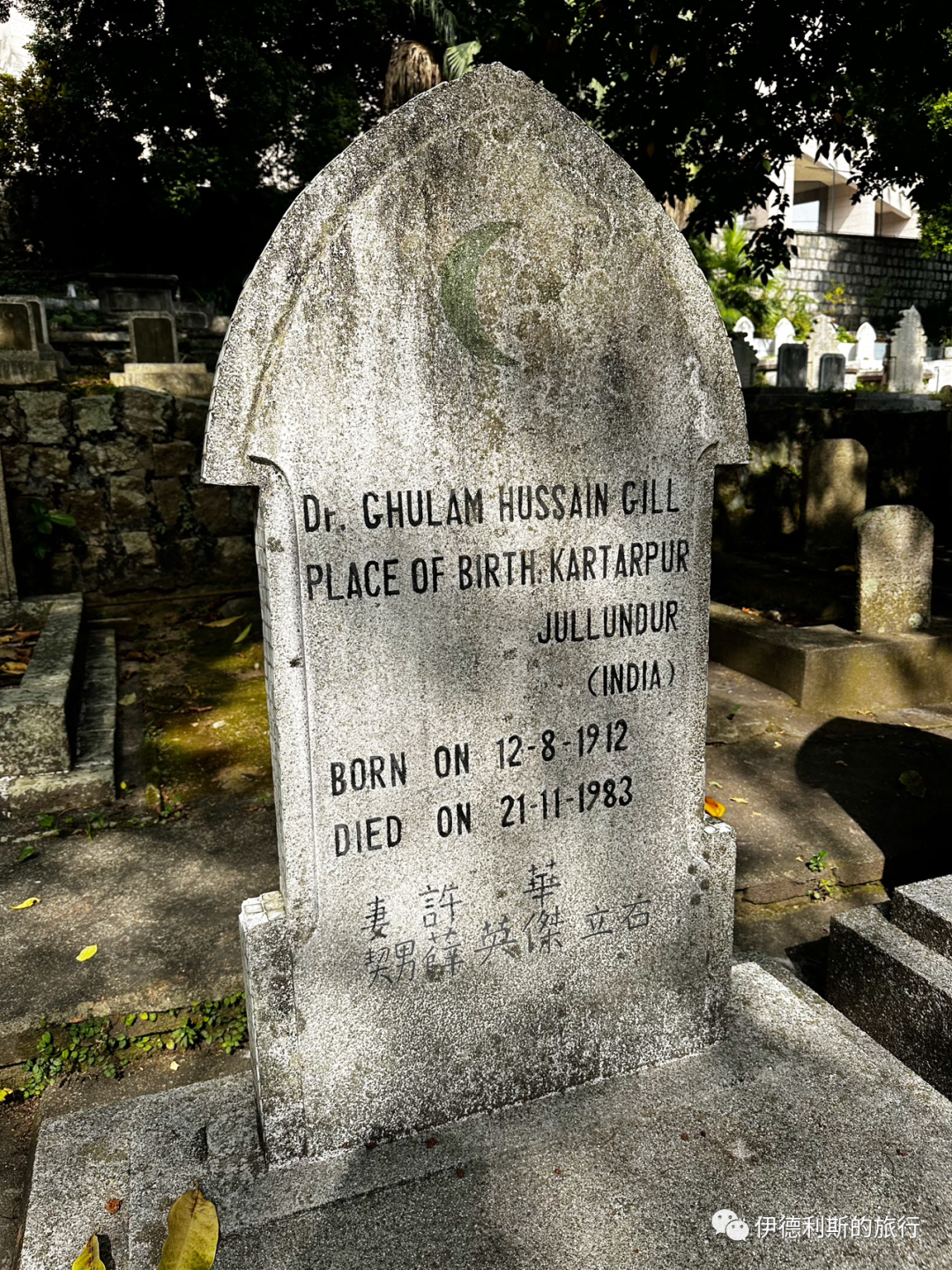
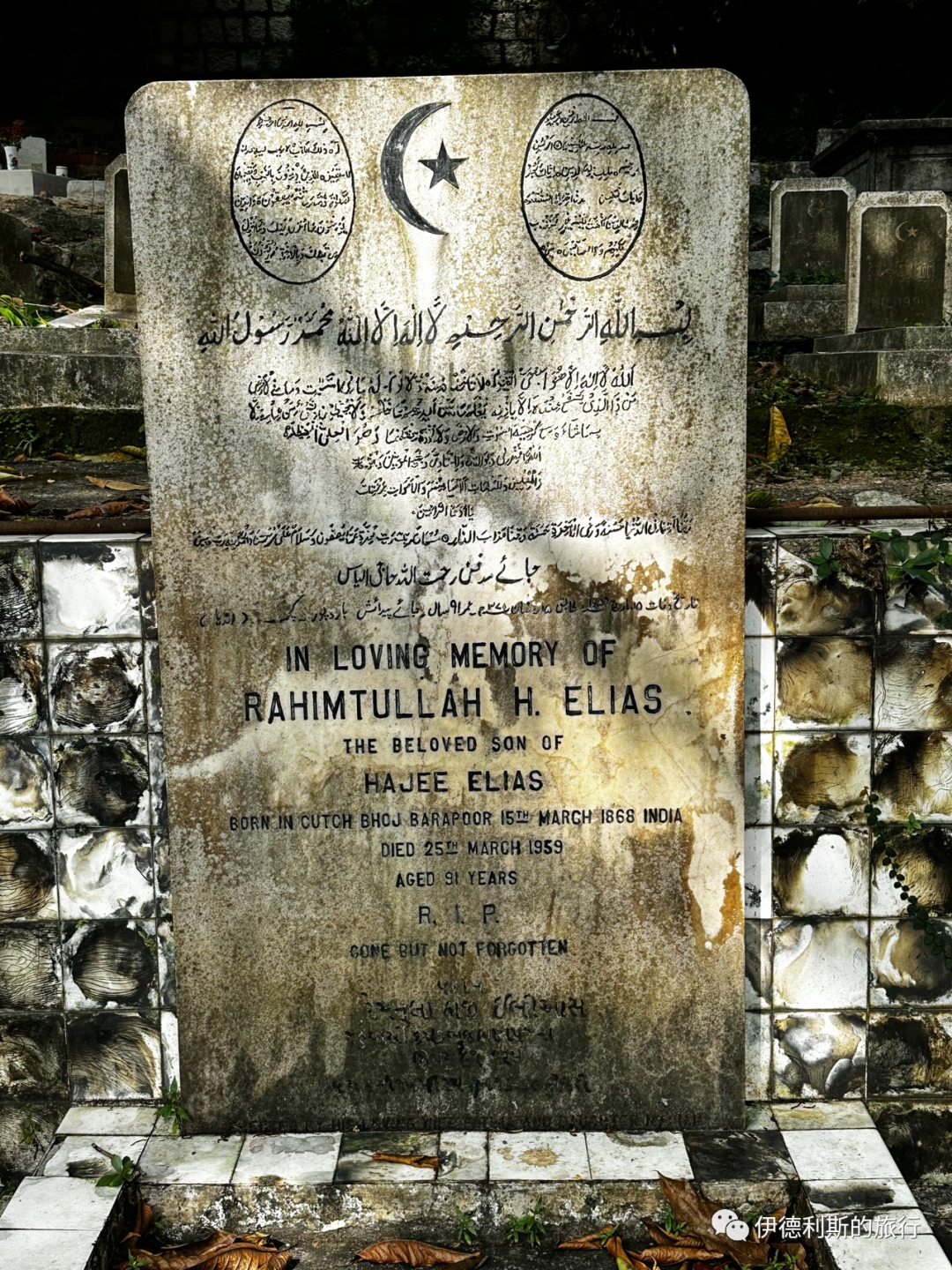
Today, most of the South Asian Muslim graves in the Moro Garden date from the 19th to the 20th century. The birthplaces include the Indian states of Punjab, West Bengal, and Goa, as well as Peshawar in Pakistan. The oldest tombstone belongs to a friend from Gujarat, India, who died in 1875. The tombstone is written in Persian and Gujarati, serving as an important historical witness for Macau's Muslims.
Gujarati script developed from the ancient Indian Nagari script and is similar to Sanskrit. Gujarati people are good at business and entered Southeast Asia very early, having a major influence on the development of local scripts in parts of Sumatra, Sulawesi, and the Philippines. Some Gujarati people also lived in Portuguese India, and they likely went to Macau to make a living in the 19th century.
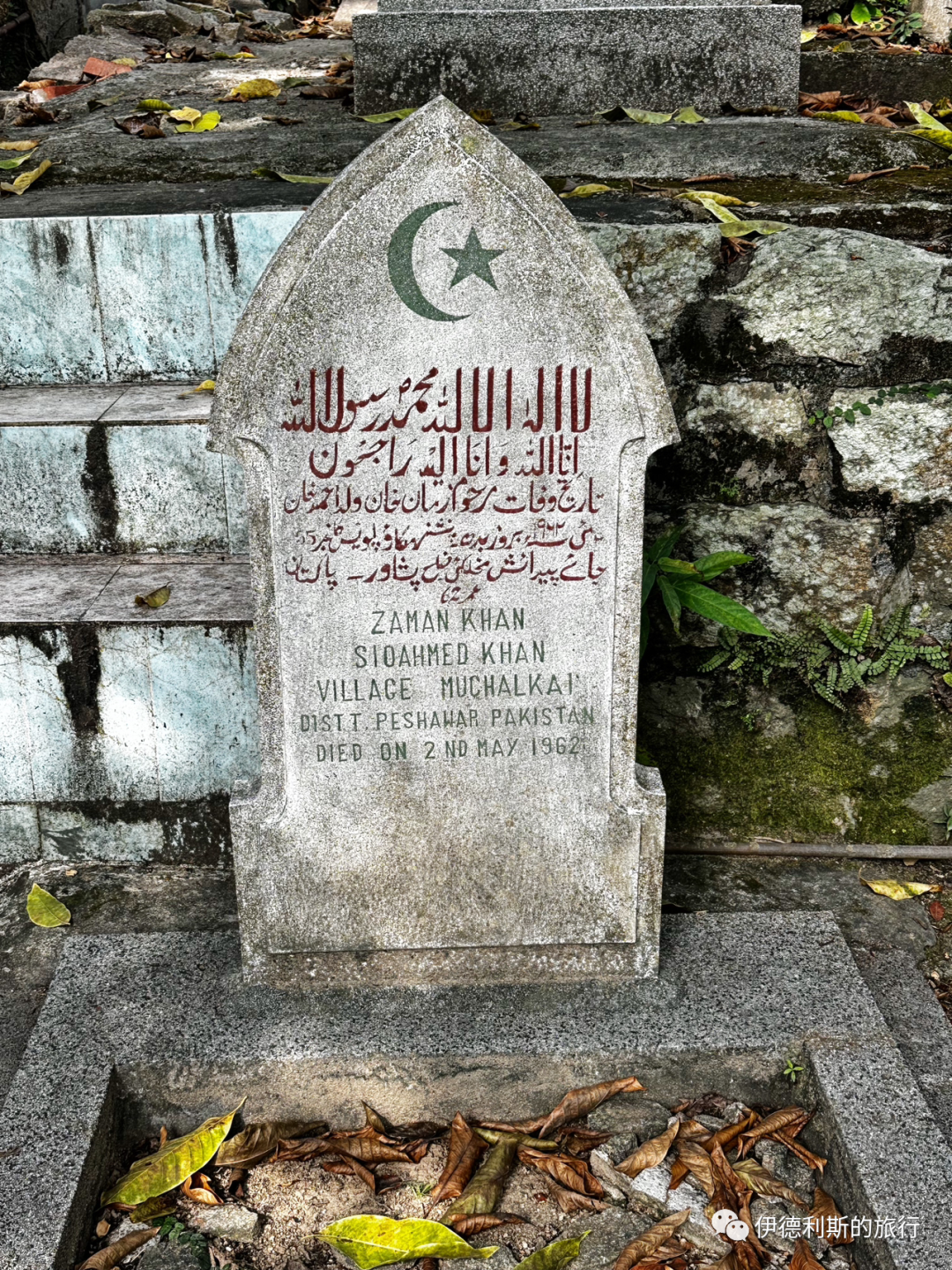
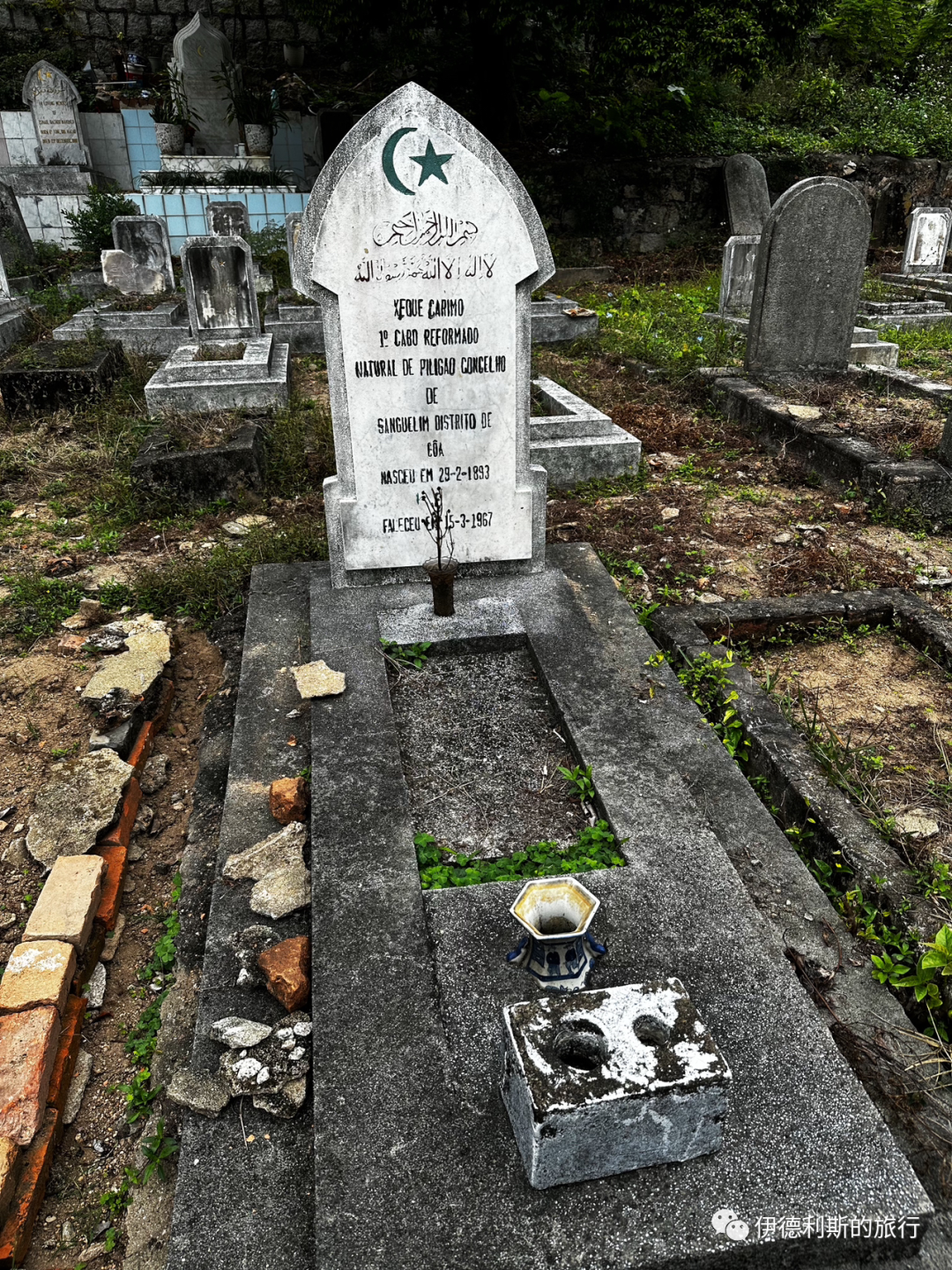
In 1937, when the Japanese army invaded Guangzhou, some Hui Muslims were forced to flee to Hong Kong and Macau. Some eventually passed away in Macau and were buried in the Moro Garden, becoming witnesses to those war-torn years.
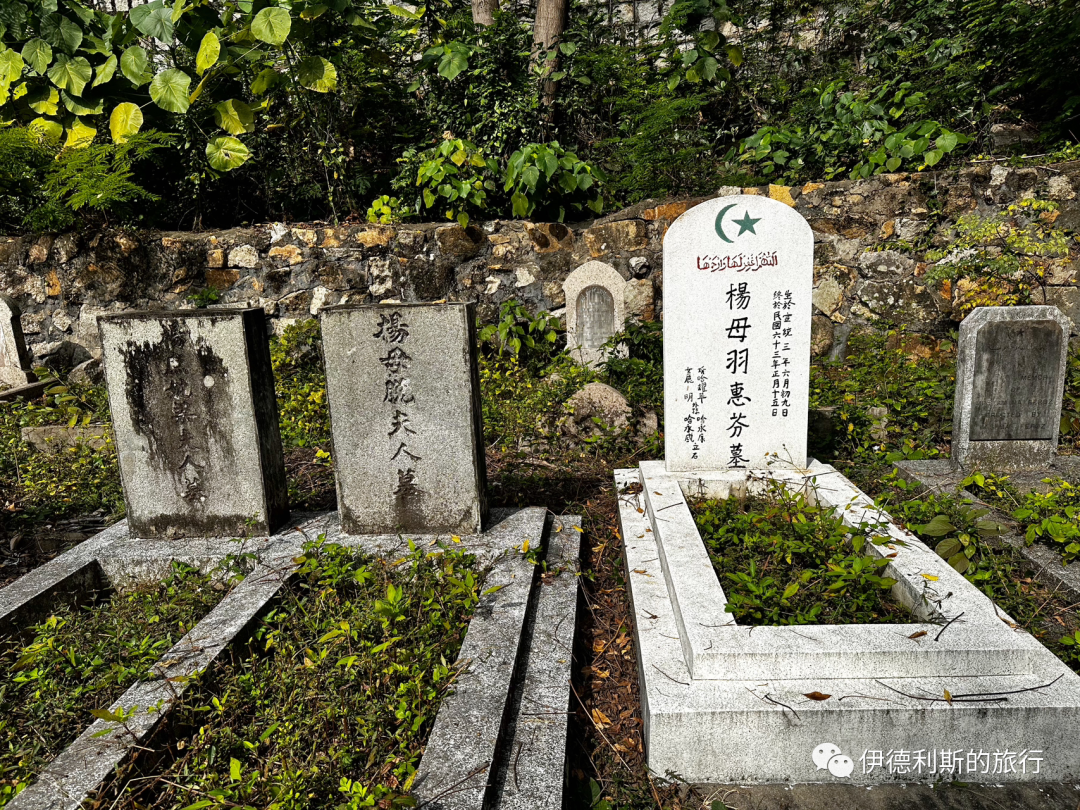
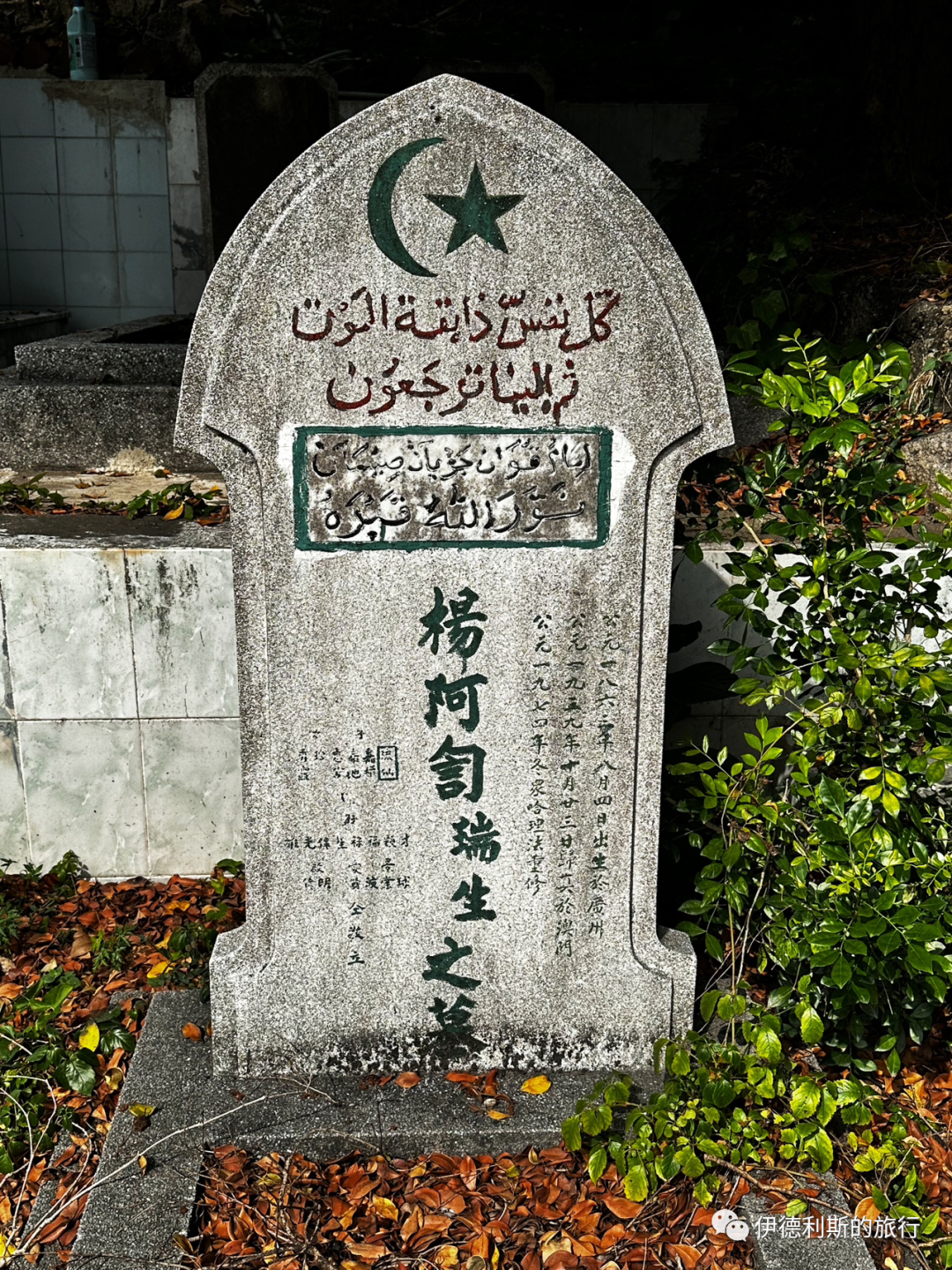
Among these Guangzhou Hui Muslims buried in the Macau Moro Garden, three are especially worth mentioning. The first is the famous modern Guangzhou religious teacher, Imam Yang Ruisheng (1863-1939). Imam Yang led the religious community in Guangzhou for many years, serving as the head of the Xiaodongying Mosque and the Dongjiao Mosque. On the eve of the Japanese occupation of Guangzhou in 1937, a Japanese spy named Sakuma pretended to be a Muslim to lure Imam Yang into cooperating with the Japanese. To maintain his integrity, Imam Yang resolutely decided to take his descendants to Macau. Even on his deathbed, he insisted on presiding over the religious affairs of the Macau Mosque until he passed away in 1939.
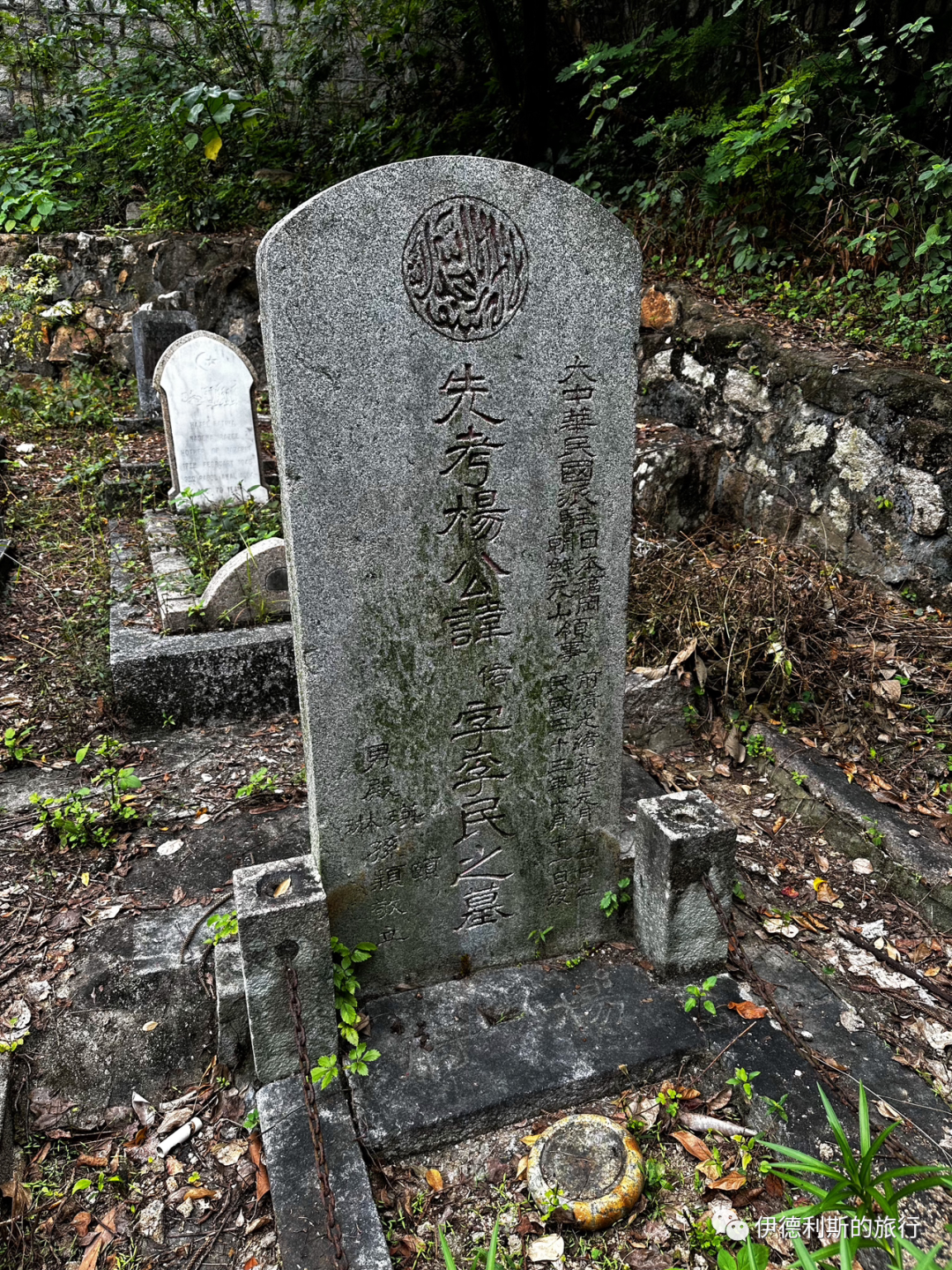
The second person is Mr. Yang You (1882-1944), a diplomat who served as consul in Fukuoka, Japan, and Wonsan, Korea. He came from the Jingxiutang Yang family, a prominent Hui Muslim family in Guangdong. Several diplomats emerged from this family during the late Qing Dynasty and the Republic of China, including Yang You's cousin, Yang Shu, who was once the Qing Dynasty's minister to Japan. Because he was fluent in Japanese and Korean, he faced threats and pressure from the Japanese military. He had to sell his property and flee to Hong Kong. After Hong Kong fell in 1942, he escaped to Macau, where he passed away (returned to Allah) in 1944.
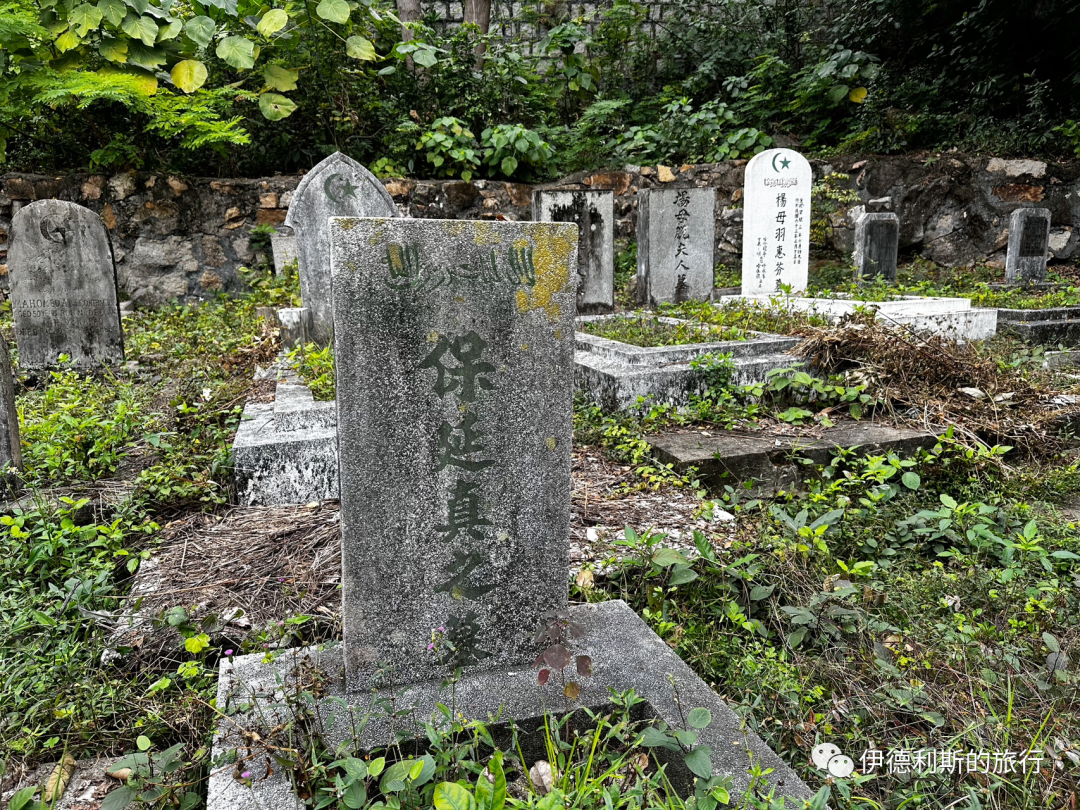
The third person is Bao Tingzhen, the eldest son of Dr. Bao Zongqi, who died in childhood. Dr. Bao Zongqi came from the Qingshantang Bao family, a prominent Hui Muslim family in Guangdong known for generations of dentists. After fleeing to Macau in 1937, he continued working as a dentist and actively provided relief to refugees. Due to a lack of supplies and poor medical conditions, the son and daughter born to Dr. Bao's family in Macau both died young, one of whom was Bao Tingzhen.
After the liberation in 1945, Hui Muslims gradually returned to Hong Kong and Guangzhou from Macau. Dr. Bao Zongqi continued to run his dental clinic in Macau until he moved to Hong Kong in the 1960s, where he passed away in 1999.
Summary: Macau — Moorish Barracks, Indonesian Food and Muslim History is presented here as a firsthand travel account in clear English, beginning with this scene: During the 2023 Spring Festival holiday, I finally hit the road again, restarting my plan to visit and eat in Muslim communities after a two-year break. The account keeps its focus on Macau Muslim History, Indonesian Food, Halal Travel while preserving the names, places, food, and historical details from the Chinese source.
During the 2023 Spring Festival holiday, I finally hit the road again, restarting my plan to visit and eat in Muslim communities after a two-year break. This time I started from Macau, then went to Guangzhou, Zhaoqing, Xichang and Miyi in Sichuan, and Xiaguan, Yangbi, Binju, and Yongjian in Dali. This first part starts in Macau.
On the morning of January 23, I took a boat from the Wanzai Port in Zhuhai to Macau.
I originally planned to eat breakfast at an Indonesian Javanese restaurant I had looked up. Because of the situation over the last two years, several Indonesian restaurants in Macau have closed. I couldn't eat there, so I went to a South Asian street food spot on Rua de Silva Mendes called Zaika Curry (ri zhichuan) to buy chicken curry, samosas, and masala tea, which I packed to eat at the nearby Lou Lim Ioc Garden. Qasim, who works at the trading company next to the curry shop, is an elder at the Macau Mosque.
The winter weather in Macau is pleasant and the park is lush. Many Southeast Asian workers use their holidays to bring snacks to the park to eat and chat, which is very relaxing.
At noon, I arrived at the Macau Mosque and happened to run into a group of Pakistani-origin friends from Hong Kong who were there for a gathering (dawah). They made authentic Pakistani food at the mosque, including stir-fried okra, minced meat with potatoes, and flatbread (paratha). They also invited Imam Ding Shaojie and us to eat with them.
In 1841, the British occupied Hong Kong Island and immediately began sending Muslim soldiers from British India to be stationed there. As Hong Kong Island was being built up in the 1840s, South Asian Muslims arrived to work as police, security guards, and sailors, while a few wealthy merchants came to open companies. In 1849, South Asian Muslims built the first mosque on Hong Kong Island, which later became the Jamia Mosque (Shelley Street Mosque). There are now about 30,000 people of Pakistani descent living in Hong Kong, and about 12,000 of them have local status and identify as Hong Kongers.
At the mosque, I ate some Filipino dessert shared by a friend. Every Sunday and on holidays, many Indonesian friends working in Macau come to the Macau Mosque to eat and chat. Everyone brings all kinds of snacks to share while they talk.
Although the Macau Mosque is not large, the environment is excellent. Besides performing worship and learning, you can play ball, use the swings, pick bananas and starfruit, look at the lake view, and pet cats. In the summer, you can even have outdoor barbecues. It is a great place to get away from the noise and relax.
I listened to Imam Ding Shaojie tell the history of the Macau Mosque.
Locals call the Macau Mosque the "Moro Garden" (Mo Luo Yuan). The term "Moro" comes from the Portuguese word "Mouros." It originally came from the name "Mauri," which the Romans used for the Berbers of North Africa under their rule. Later, various versions appeared in European languages, such as "Moro" in Italian and Spanish, and "Maure" in French. After the Age of Discovery, Spain and Portugal called many of the Muslim groups under their rule "Moros." For example, Spain collectively called the Austronesian Muslim groups in the southern Spanish East Indies (now the southern Philippines) "Moros." Portugal called the Arab-descended Muslims in Portuguese Ceylon (now Sri Lanka) "Ceylon Moors," and in Portuguese-occupied Goa, India, local Muslims were called "Moir."
The Portuguese officially occupied Macau in 1557 and began transferring troops from places like Portuguese India, which included some Muslims. According to the Portuguese scholar Luís Morais in his book "Muslims in Macau," a Macanese real estate businessman named Filipi António Osório sold a piece of land to Macau Muslims to build a mosque and a cemetery, which is the current "Moro Garden." Later, more Muslims from other parts of South Asia came to Macau, and after they passed away, they were buried in the Moro Garden.
Today, most of the South Asian Muslim graves in the Moro Garden date from the 19th to the 20th century. The birthplaces include the Indian states of Punjab, West Bengal, and Goa, as well as Peshawar in Pakistan. The oldest tombstone belongs to a friend from Gujarat, India, who died in 1875. The tombstone is written in Persian and Gujarati, serving as an important historical witness for Macau's Muslims.
Gujarati script developed from the ancient Indian Nagari script and is similar to Sanskrit. Gujarati people are good at business and entered Southeast Asia very early, having a major influence on the development of local scripts in parts of Sumatra, Sulawesi, and the Philippines. Some Gujarati people also lived in Portuguese India, and they likely went to Macau to make a living in the 19th century.
In 1937, when the Japanese army invaded Guangzhou, some Hui Muslims were forced to flee to Hong Kong and Macau. Some eventually passed away in Macau and were buried in the Moro Garden, becoming witnesses to those war-torn years.
Among these Guangzhou Hui Muslims buried in the Macau Moro Garden, three are especially worth mentioning. The first is the famous modern Guangzhou religious teacher, Imam Yang Ruisheng (1863-1939). Imam Yang led the religious community in Guangzhou for many years, serving as the head of the Xiaodongying Mosque and the Dongjiao Mosque. On the eve of the Japanese occupation of Guangzhou in 1937, a Japanese spy named Sakuma pretended to be a Muslim to lure Imam Yang into cooperating with the Japanese. To maintain his integrity, Imam Yang resolutely decided to take his descendants to Macau. Even on his deathbed, he insisted on presiding over the religious affairs of the Macau Mosque until he passed away in 1939.
The second person is Mr. Yang You (1882-1944), a diplomat who served as consul in Fukuoka, Japan, and Wonsan, Korea. He came from the Jingxiutang Yang family, a prominent Hui Muslim family in Guangdong. Several diplomats emerged from this family during the late Qing Dynasty and the Republic of China, including Yang You's cousin, Yang Shu, who was once the Qing Dynasty's minister to Japan. Because he was fluent in Japanese and Korean, he faced threats and pressure from the Japanese military. He had to sell his property and flee to Hong Kong. After Hong Kong fell in 1942, he escaped to Macau, where he passed away (returned to Allah) in 1944.
The third person is Bao Tingzhen, the eldest son of Dr. Bao Zongqi, who died in childhood. Dr. Bao Zongqi came from the Qingshantang Bao family, a prominent Hui Muslim family in Guangdong known for generations of dentists. After fleeing to Macau in 1937, he continued working as a dentist and actively provided relief to refugees. Due to a lack of supplies and poor medical conditions, the son and daughter born to Dr. Bao's family in Macau both died young, one of whom was Bao Tingzhen.
After the liberation in 1945, Hui Muslims gradually returned to Hong Kong and Guangzhou from Macau. Dr. Bao Zongqi continued to run his dental clinic in Macau until he moved to Hong Kong in the 1960s, where he passed away in 1999.
