
Halal Travel Guide: Macau — Moorish Barracks, Indonesian Food and Muslim History (Part 2)
Reposted from the web
Summary: Macau — Moorish Barracks, Indonesian Food and Muslim History is presented here as a firsthand travel account in clear English, beginning with this scene: During the 2023 Spring Festival holiday, I finally hit the road again, restarting my plan to visit and eat in Muslim communities after a two-year break. The account keeps its focus on Macau Muslim History, Indonesian Food, Halal Travel while preserving the names, places, food, and historical details from the Chinese source.
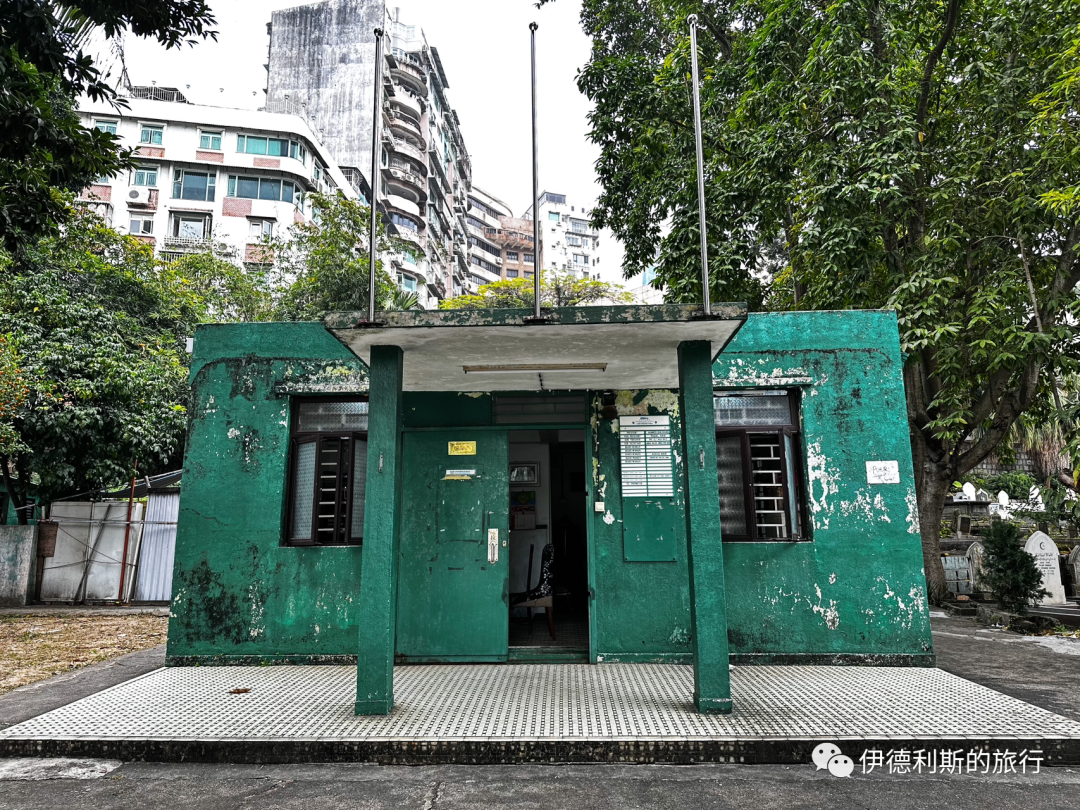
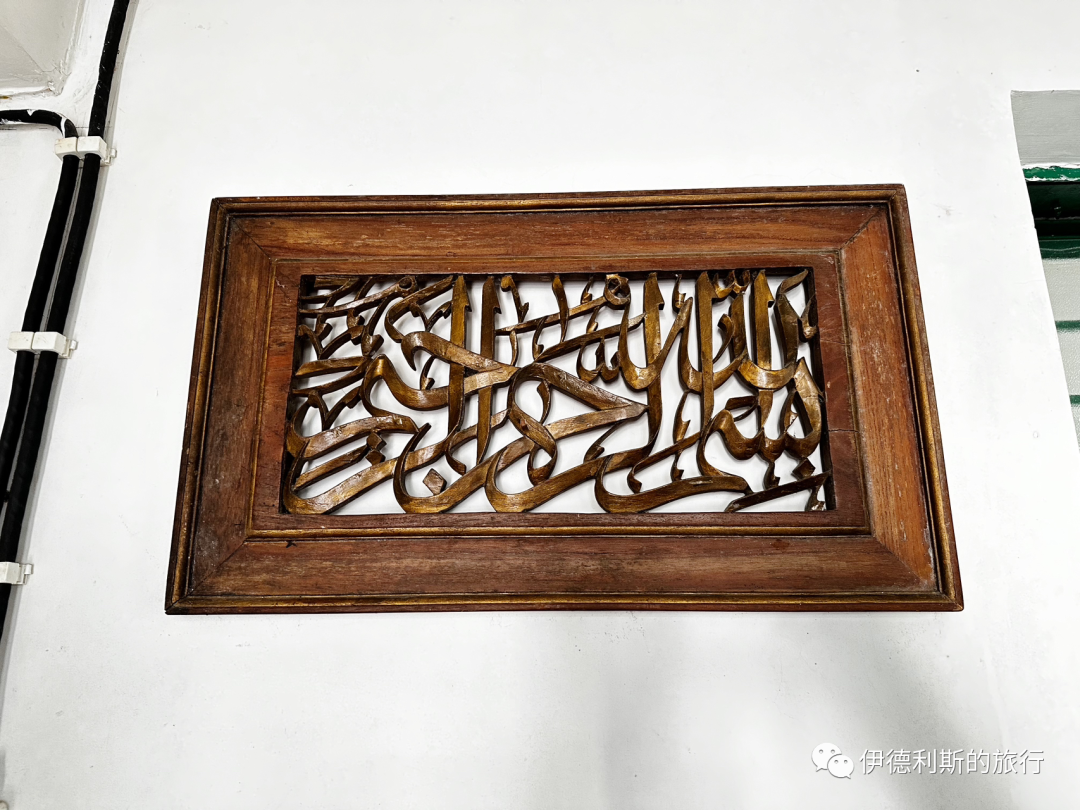
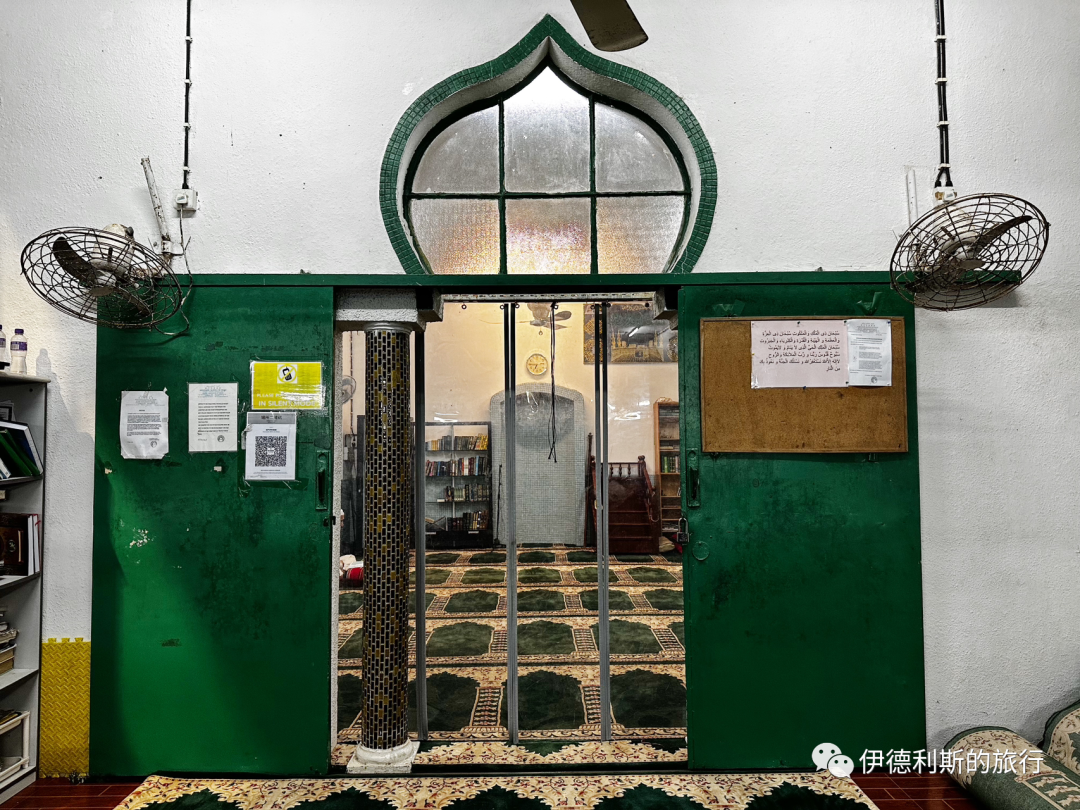
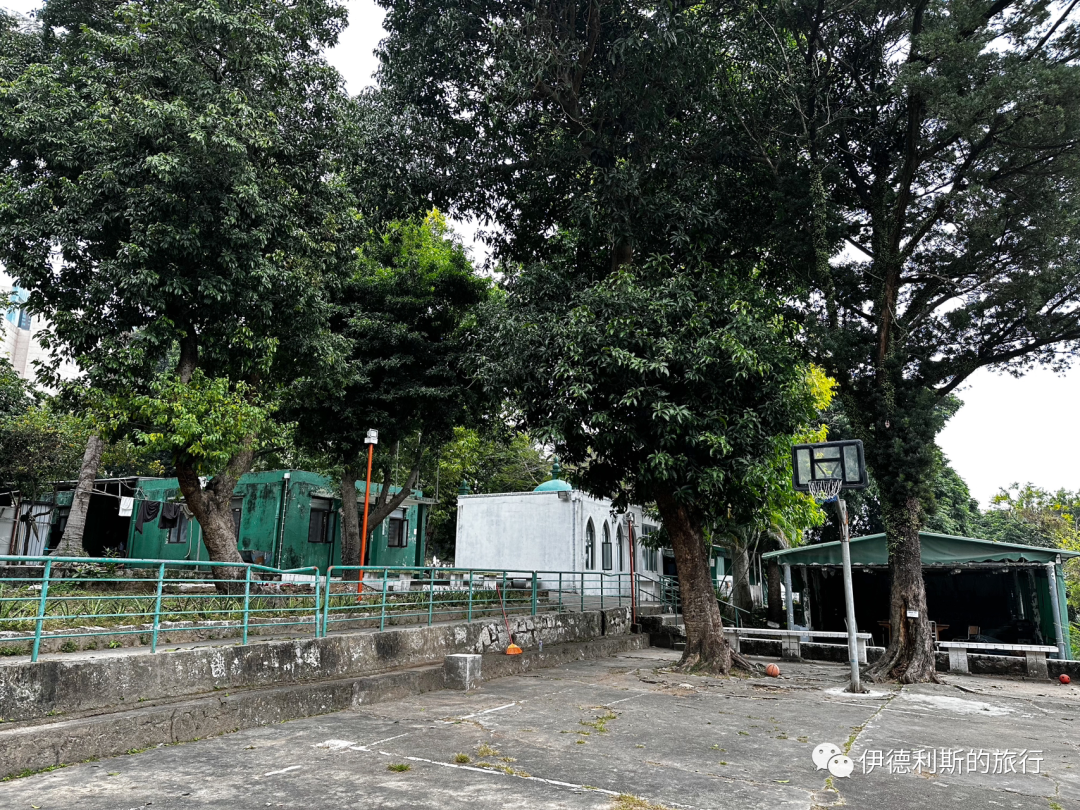
After 1945, the Macau Mosque returned to peace, maintained only by a few elderly Pakistani community members. The mosque was rebuilt in 1973, reaching its current size. After Macau's handover in 1999, many Muslims from countries like Pakistan and Indonesia came to Macau for work, and the number of Muslims in Macau gradually increased.
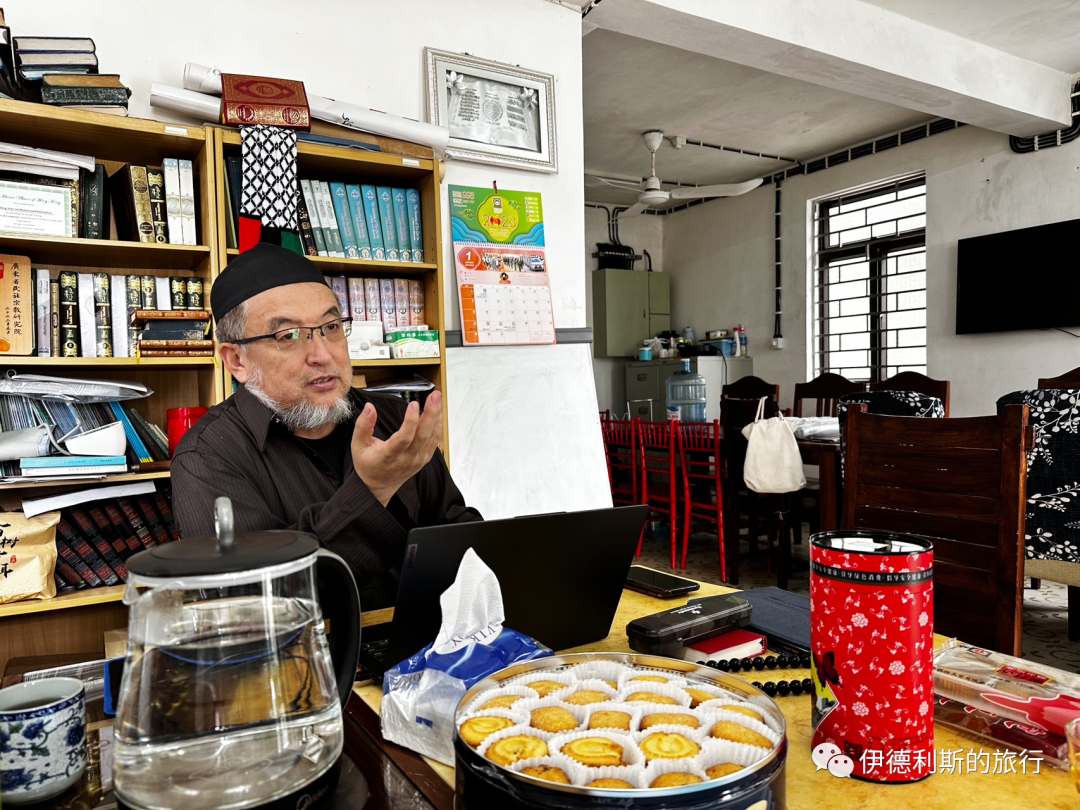
In the early 21st century, the Macau Mosque's religious affairs were maintained by Imam Yunus, a Pakistani born in East Timor. After Yunus passed away due to illness in 2013, the Friday prayer (Jumu'ah) at the Macau Mosque could only be led by imams invited temporarily from Hong Kong. It was not until 2018 that Imam Ding Shaojie, originally from Inner Mongolia, was hired as the imam of the Macau Mosque, and the mosque's religious affairs finally got back on track. Imam Ding graduated from the China Islamic Institute and the International Islamic University in Pakistan. He is fluent in Arabic and English, allowing him to communicate smoothly with local Pakistani elders and organize various activities. Every Friday, Imam Ding delivers the sermon (khutbah) in both Arabic and English.
Thanks to Imam Ding's efforts, on February 25, 2023, the Moro Garden will participate in the 'Thousand Miles of Shared Customs: Macau Six Religions Culture and Relics Exhibition' to introduce the history of Islam in Macau to fellow citizens.
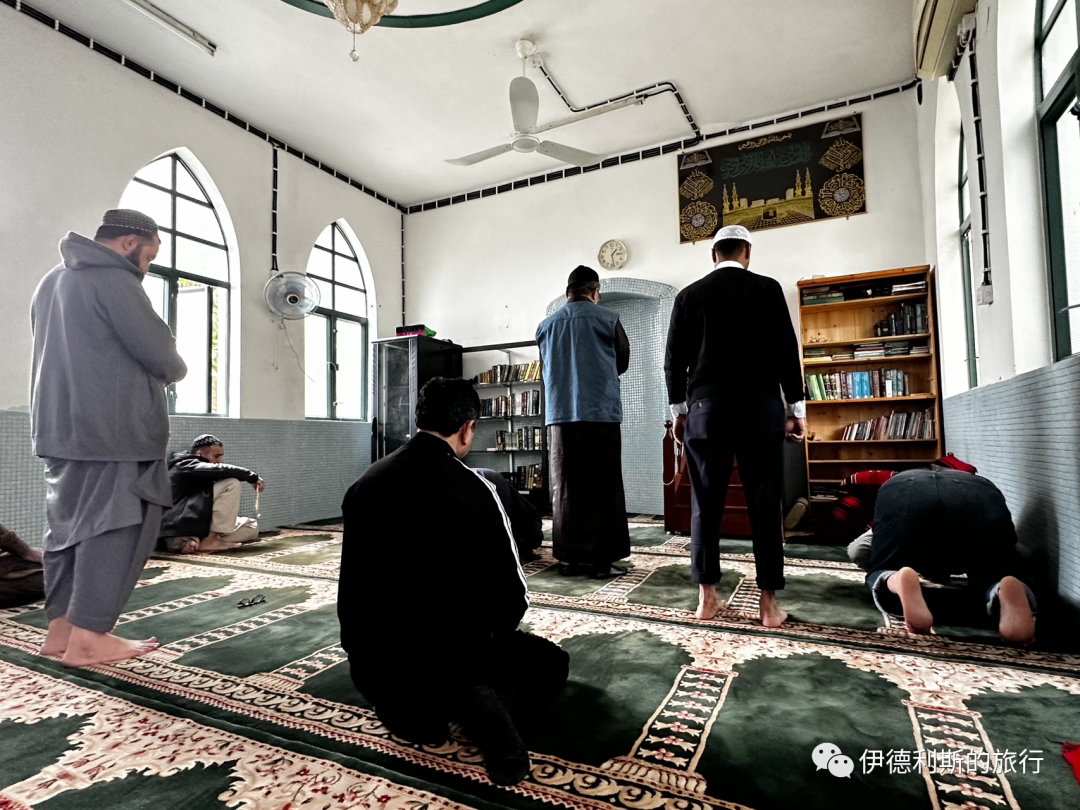
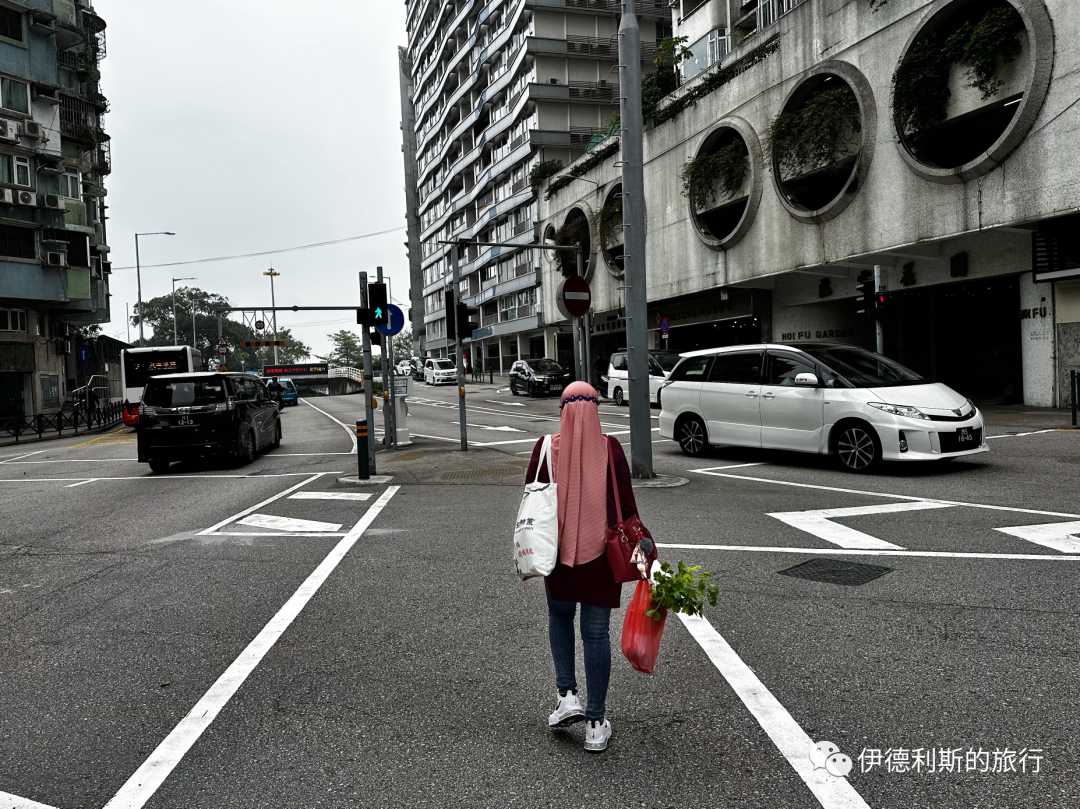
Additionally, every Sunday, the Macau Mosque becomes a home for Indonesian female migrant workers. Everyone cleans the courtyard, prepares meals, and sets up the space here. Many bring homemade hometown delicacies to share with others. After lunch, everyone recites the Quran together. At this time, the Macau Mosque truly becomes a spiritual home for these friends (dostani) who are far from home and working abroad.
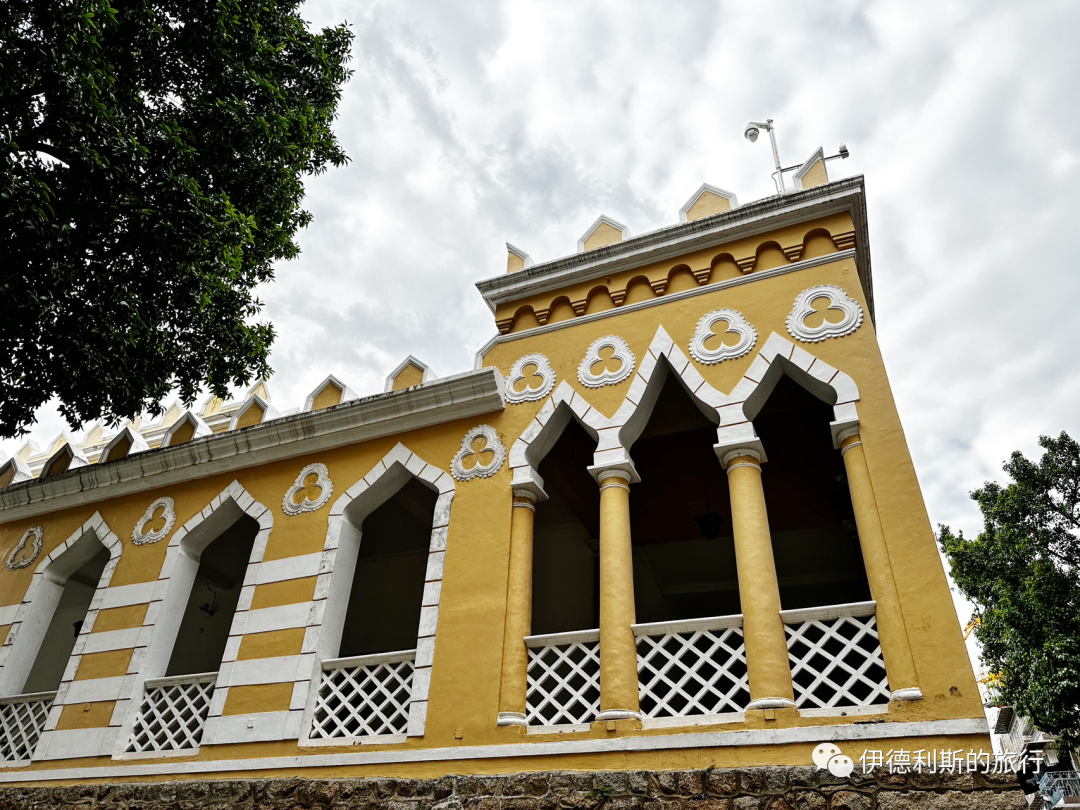
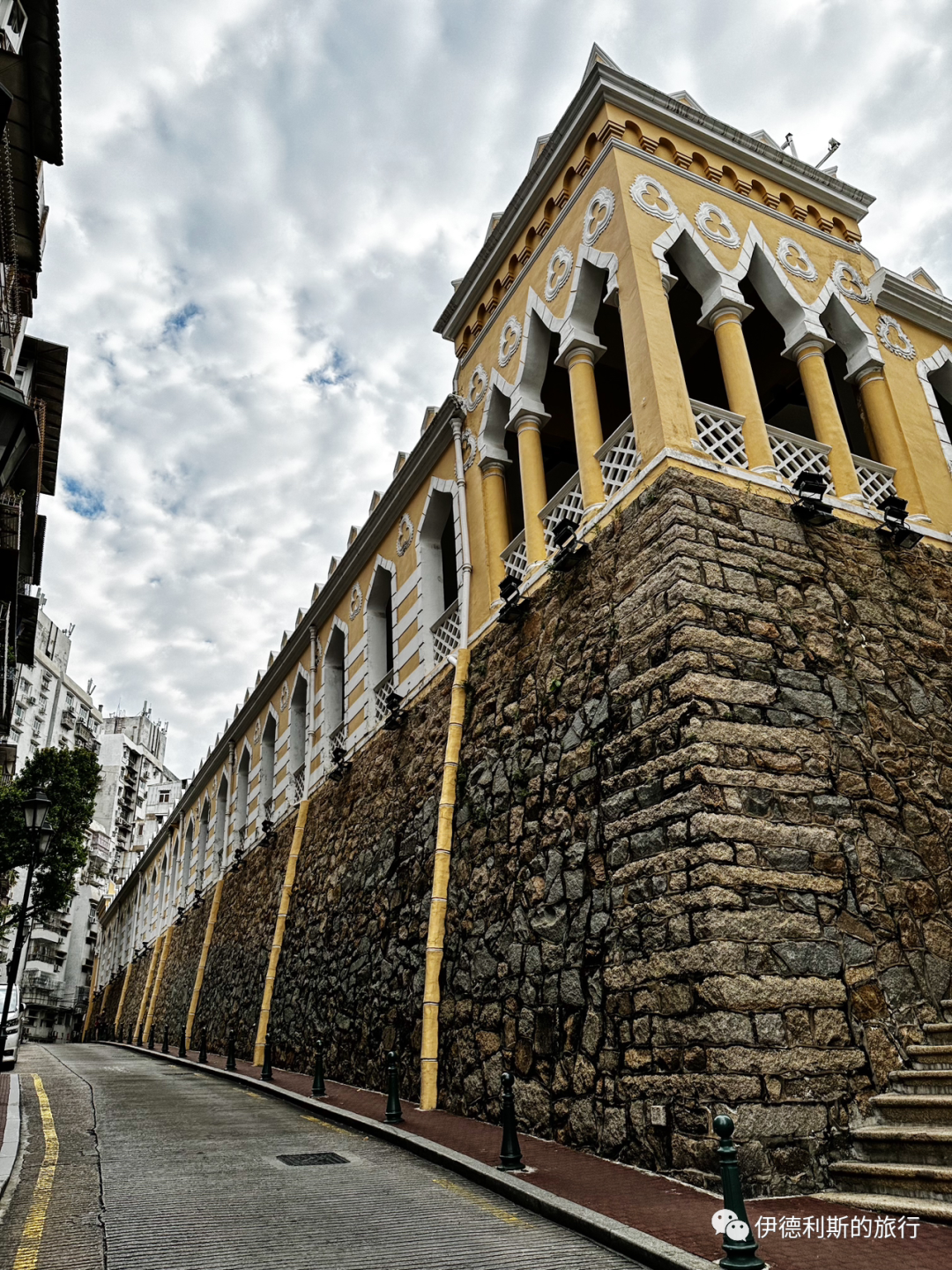
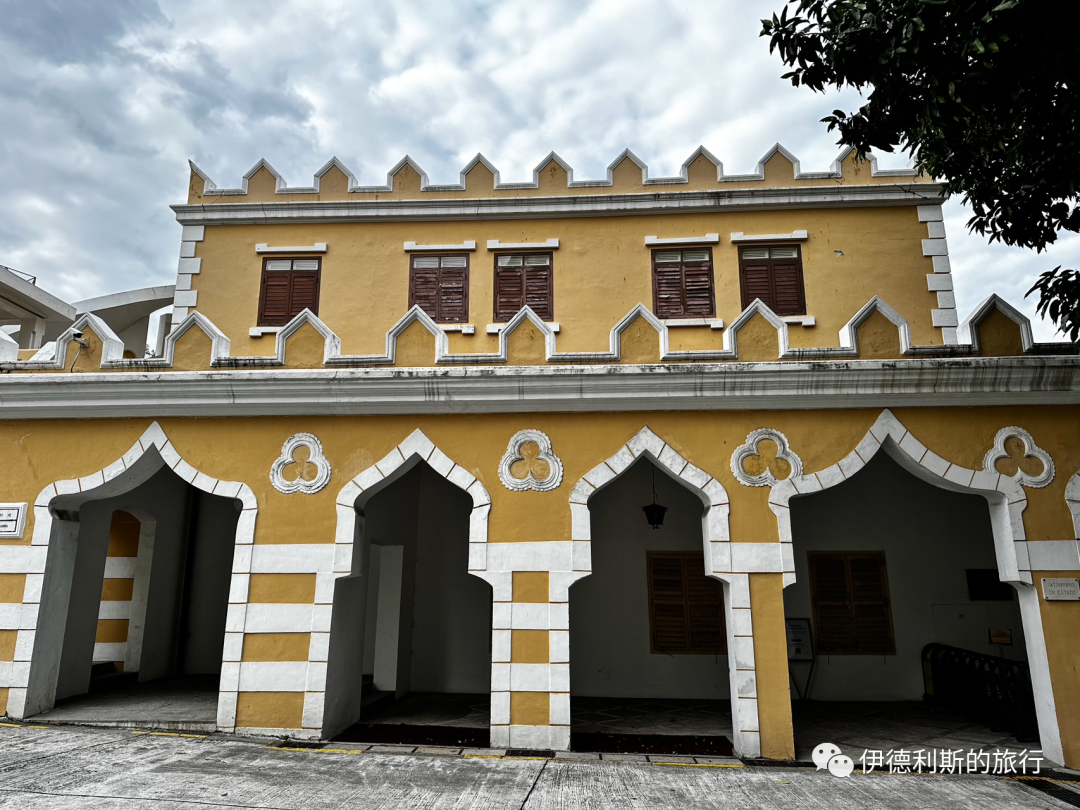
In 1874, Portugal transferred a regiment from Portuguese India, Goa, to Macau to reinforce the local police force, leading to the construction of a Moorish Barracks (Quartel dos Mouros) near Macau's A-Ma Temple. People say a mosque was also built around the barracks, which was not demolished until the 1940s.
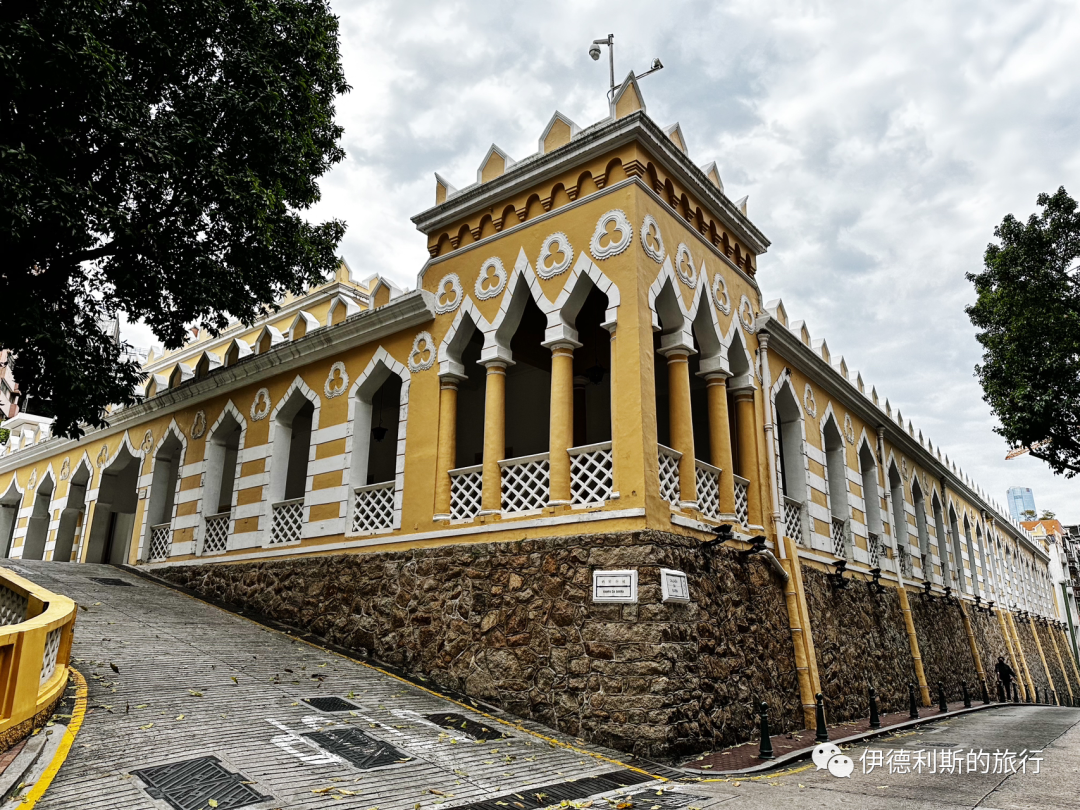
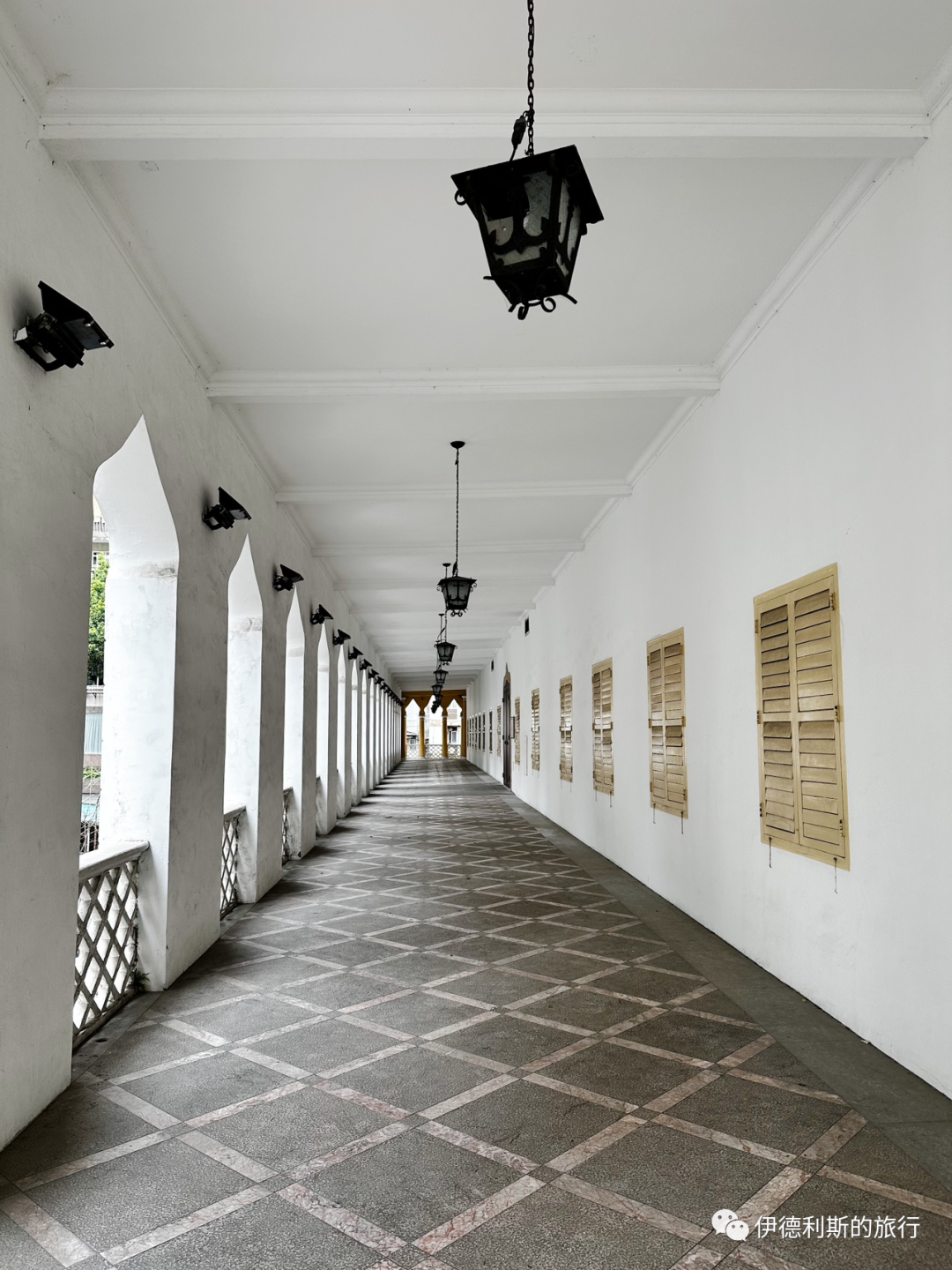
The Moorish Barracks was designed by the Italian Cassuto and features many Islamic-style arches. In the late 19th century, a trend emerged across Europe to use Islamic elements in modern architecture, known as Moorish Revival architecture. In Spain and Portugal, people applied the horseshoe arches and arabesque tiles found in Andalusian Islamic architecture to modern building facades, a style known as Neo-Mudéjar architecture. The term Mudéjar was originally used to refer to Muslims who remained on the Iberian Peninsula after the Reconquista of Andalusia.
In 1905, the Moorish Barracks became the headquarters for the Port Authority and the Marine Police, and it is now the Port Authority Building.
Summary: Macau — Moorish Barracks, Indonesian Food and Muslim History is presented here as a firsthand travel account in clear English, beginning with this scene: During the 2023 Spring Festival holiday, I finally hit the road again, restarting my plan to visit and eat in Muslim communities after a two-year break. The account keeps its focus on Macau Muslim History, Indonesian Food, Halal Travel while preserving the names, places, food, and historical details from the Chinese source.
After 1945, the Macau Mosque returned to peace, maintained only by a few elderly Pakistani community members. The mosque was rebuilt in 1973, reaching its current size. After Macau's handover in 1999, many Muslims from countries like Pakistan and Indonesia came to Macau for work, and the number of Muslims in Macau gradually increased.
In the early 21st century, the Macau Mosque's religious affairs were maintained by Imam Yunus, a Pakistani born in East Timor. After Yunus passed away due to illness in 2013, the Friday prayer (Jumu'ah) at the Macau Mosque could only be led by imams invited temporarily from Hong Kong. It was not until 2018 that Imam Ding Shaojie, originally from Inner Mongolia, was hired as the imam of the Macau Mosque, and the mosque's religious affairs finally got back on track. Imam Ding graduated from the China Islamic Institute and the International Islamic University in Pakistan. He is fluent in Arabic and English, allowing him to communicate smoothly with local Pakistani elders and organize various activities. Every Friday, Imam Ding delivers the sermon (khutbah) in both Arabic and English.
Thanks to Imam Ding's efforts, on February 25, 2023, the Moro Garden will participate in the 'Thousand Miles of Shared Customs: Macau Six Religions Culture and Relics Exhibition' to introduce the history of Islam in Macau to fellow citizens.
Additionally, every Sunday, the Macau Mosque becomes a home for Indonesian female migrant workers. Everyone cleans the courtyard, prepares meals, and sets up the space here. Many bring homemade hometown delicacies to share with others. After lunch, everyone recites the Quran together. At this time, the Macau Mosque truly becomes a spiritual home for these friends (dostani) who are far from home and working abroad.
In 1874, Portugal transferred a regiment from Portuguese India, Goa, to Macau to reinforce the local police force, leading to the construction of a Moorish Barracks (Quartel dos Mouros) near Macau's A-Ma Temple. People say a mosque was also built around the barracks, which was not demolished until the 1940s.
The Moorish Barracks was designed by the Italian Cassuto and features many Islamic-style arches. In the late 19th century, a trend emerged across Europe to use Islamic elements in modern architecture, known as Moorish Revival architecture. In Spain and Portugal, people applied the horseshoe arches and arabesque tiles found in Andalusian Islamic architecture to modern building facades, a style known as Neo-Mudéjar architecture. The term Mudéjar was originally used to refer to Muslims who remained on the Iberian Peninsula after the Reconquista of Andalusia.
In 1905, the Moorish Barracks became the headquarters for the Port Authority and the Marine Police, and it is now the Port Authority Building.
