
Halal Travel Guide: Macau — Moorish Barracks, Indonesian Food and Muslim History (Part 3)
Reposted from the web
Summary: Macau — Moorish Barracks, Indonesian Food and Muslim History is presented here as a firsthand travel account in clear English, beginning with this scene: During the 2023 Spring Festival holiday, I finally hit the road again, restarting my plan to visit and eat in Muslim communities after a two-year break. The account keeps its focus on Macau Muslim History, Indonesian Food, Halal Travel while preserving the names, places, food, and historical details from the Chinese source.




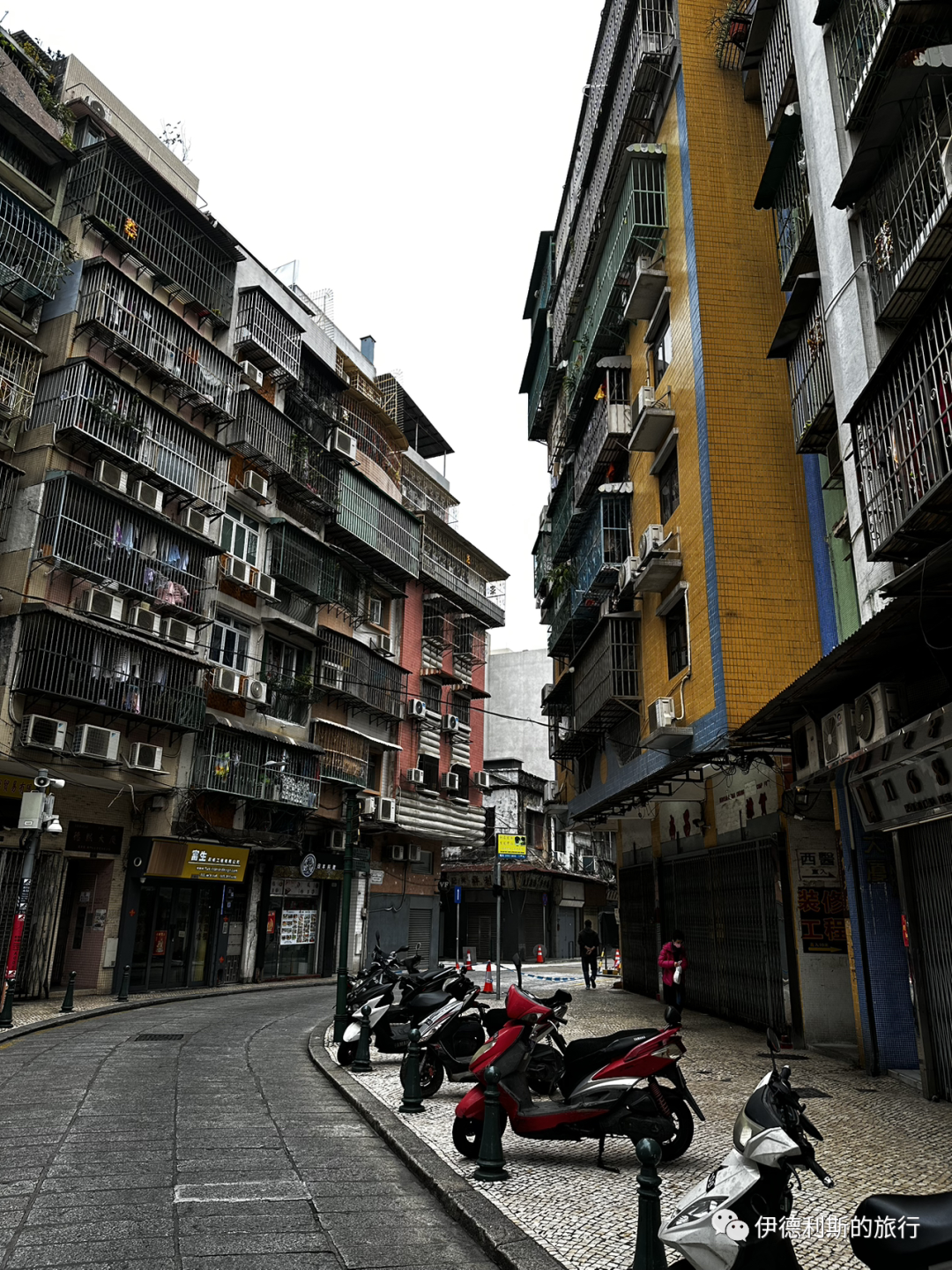
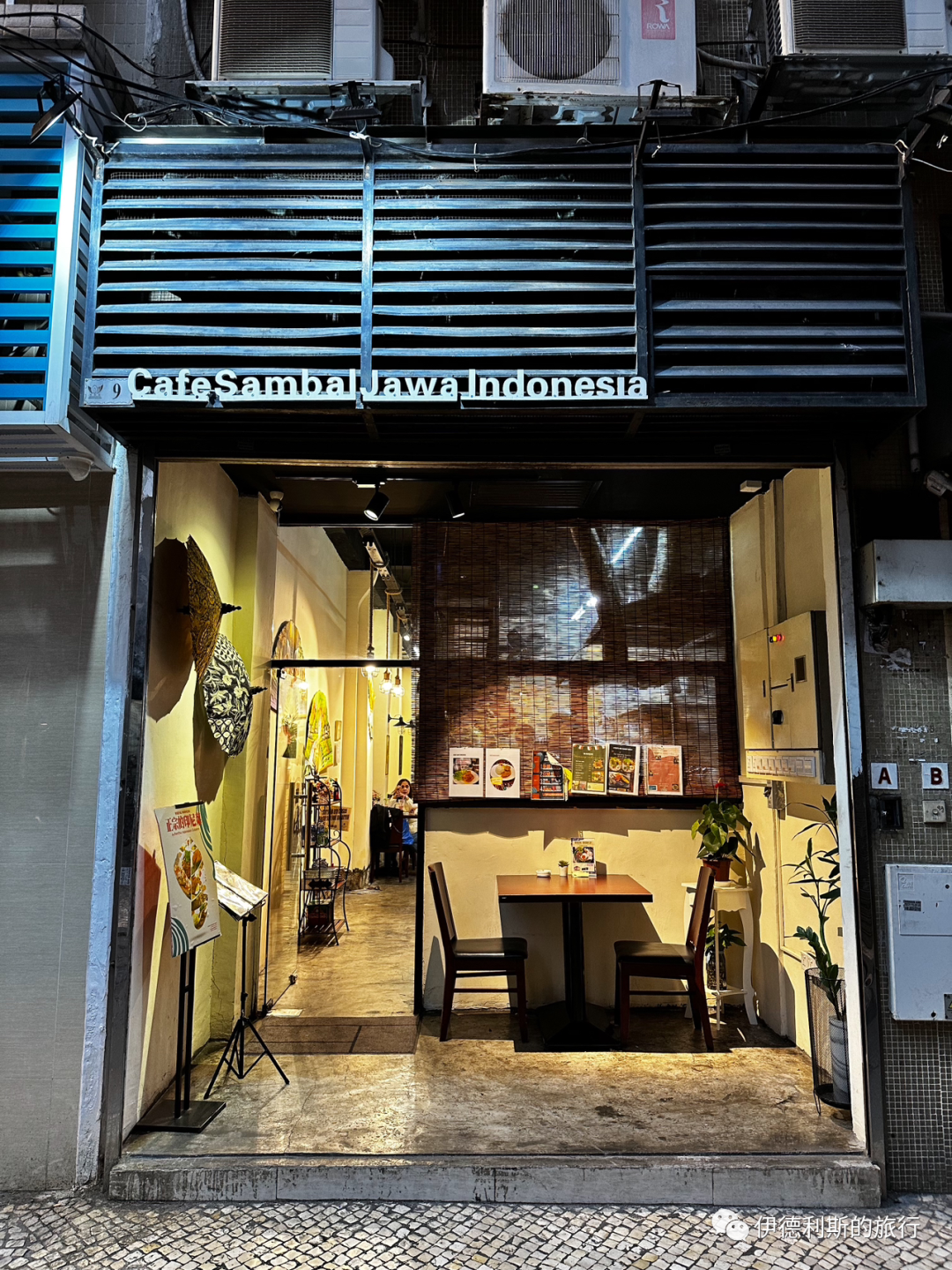
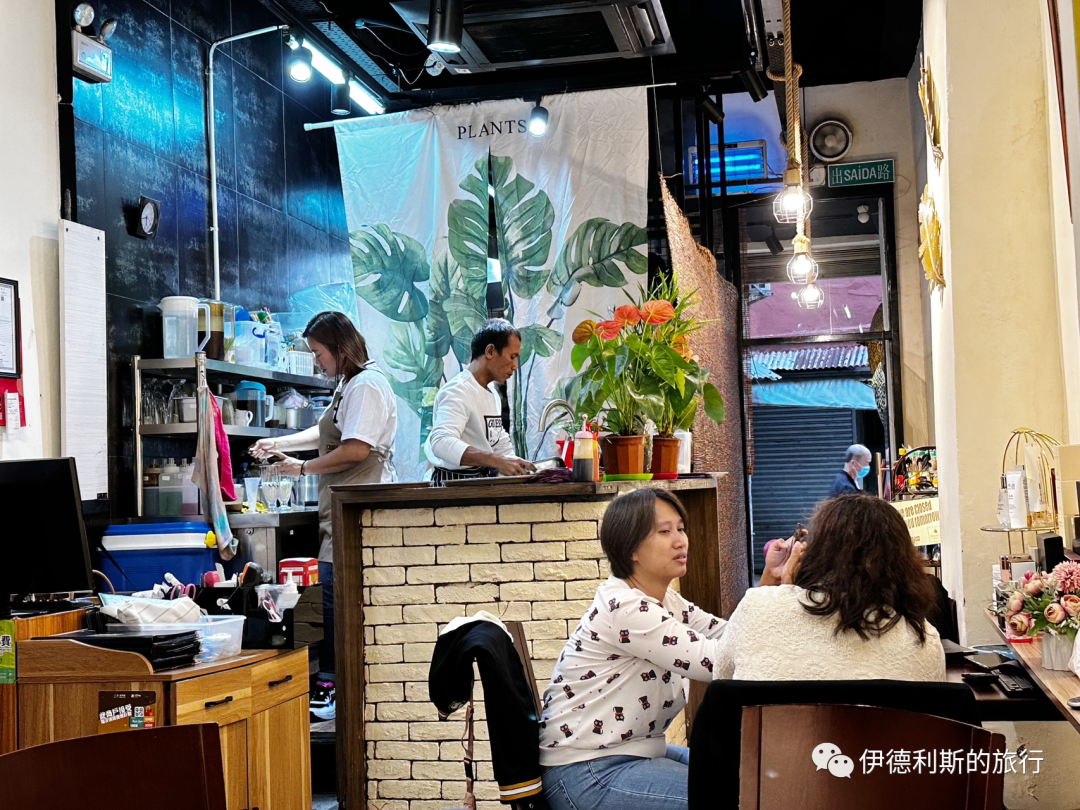
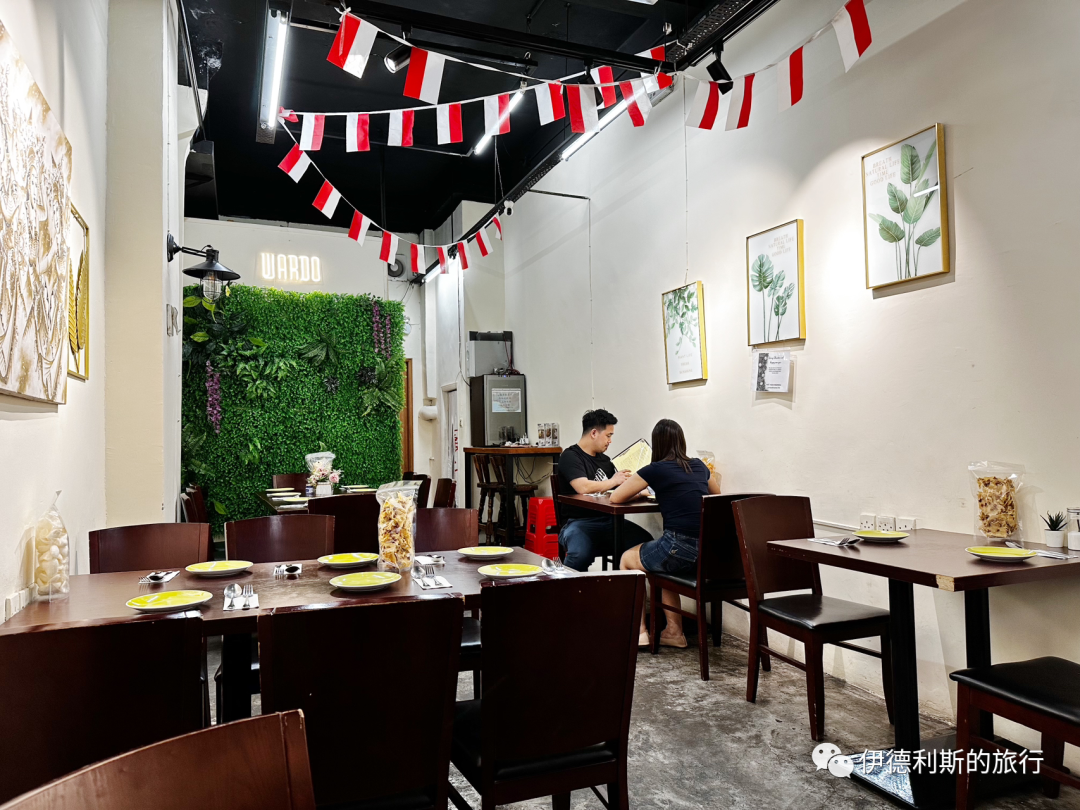
In the afternoon, I went to an Indonesian restaurant called Warung Indonesia near the Ruins of St. Paul's. They are from Semarang, the capital of East Java. In Indonesian, 'Warung' refers to a small convenience store or restaurant, usually converted from the front room of a house. The environment there is very nice, with many young Indonesian men and women coming to eat. Indonesian love songs play on the TV, making it feel a bit like I had traveled to Semarang.
I ordered sticky rice cake (kue lupis ketan), chicken satay skewers (sate ayam), beef rendang rice (nasi rendang), and iced cendol (es cendol).
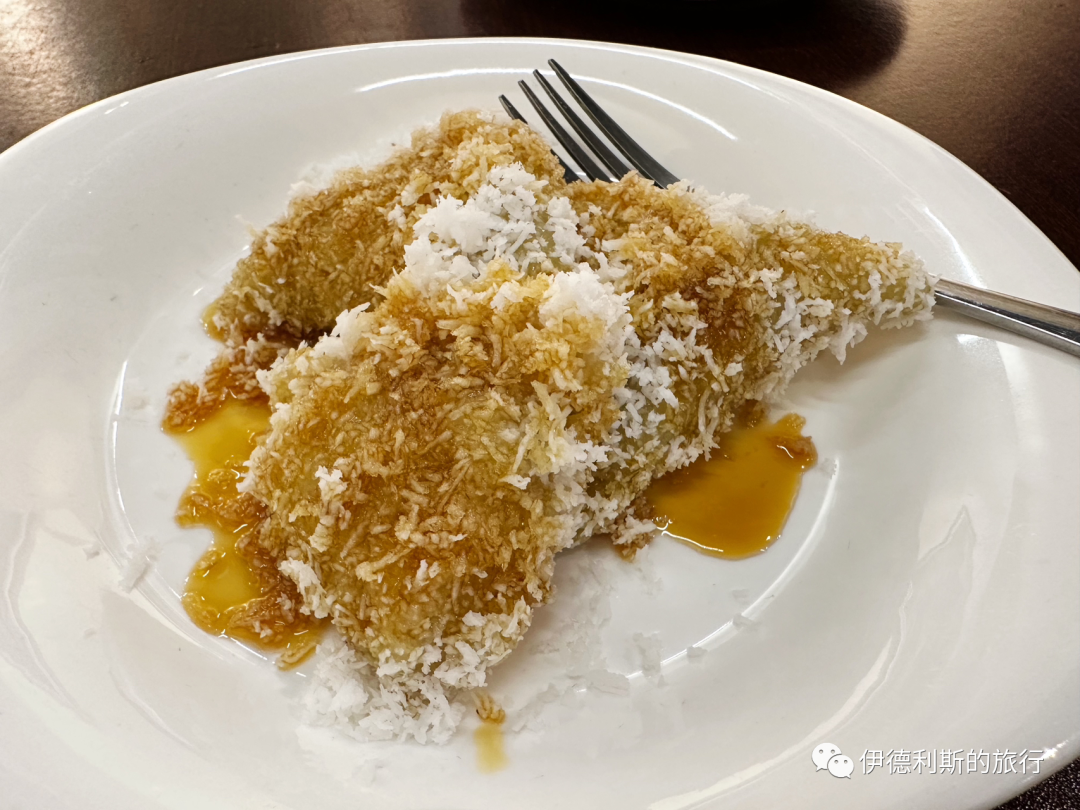
Sticky rice cake (kue lupis ketan) is a local Javanese snack. It is popular in central and eastern Java, but you can find it in other parts of Indonesia too. The word "kue" comes from the Hokkien word for "cake" (kueh), which means rice cake. To make sticky rice cake (lupis), you first soak sticky rice in water with salt and lime juice. After draining it, you wrap it in banana leaves and fold it into triangles, similar to making rice dumplings (zongzi). Once cooked, the sticky rice cake is served in palm sugar syrup and topped with shredded coconut.
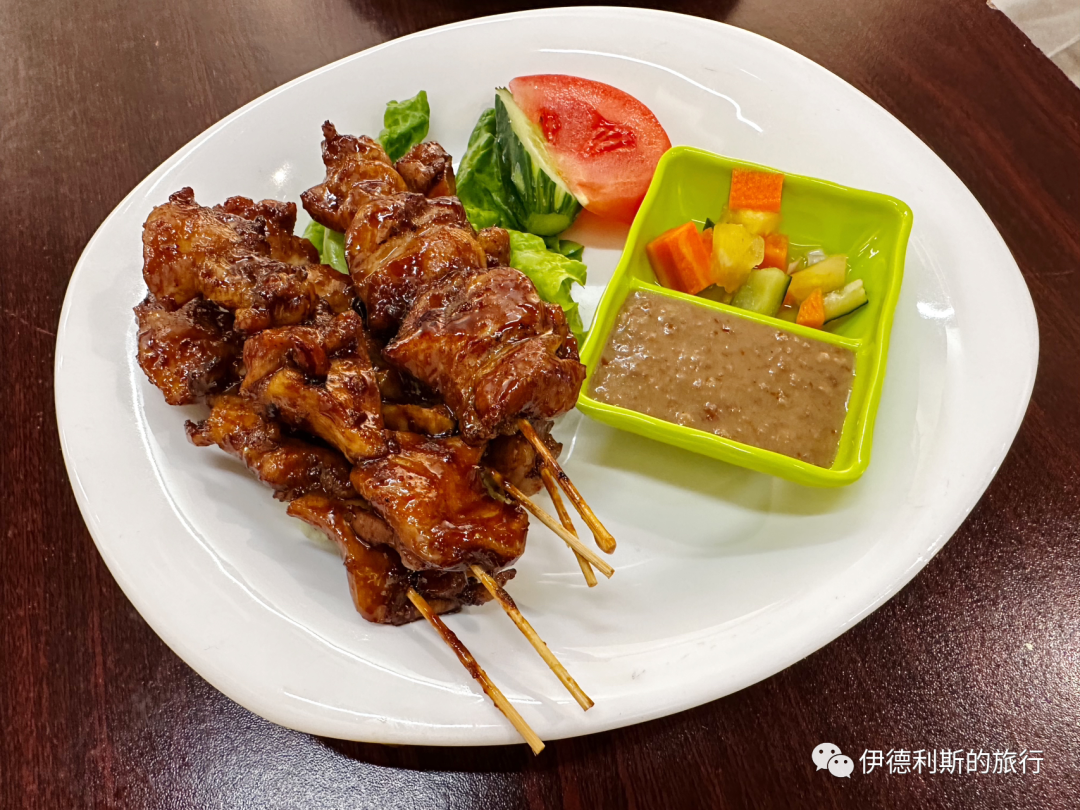
Chicken satay skewers (sate ayam) also started on Java island. People say Javanese street vendors in the 18th century developed it by combining local food with Indian grilled skewers brought by Tamil Muslim merchants. The meat skewers are usually marinated in turmeric, sweet soy sauce, or coconut oil before grilling, then dipped in satay sauce when eaten. Satay sauce is mainly made of roasted peanuts, plus coconut milk, turmeric, soy sauce, galangal, garlic, chili, and various spices. After the 19th century, Chinese workers in Southeast Asia brought satay sauce back to Fujian, where it combined with local food to become satay sauce (shacha jiang).
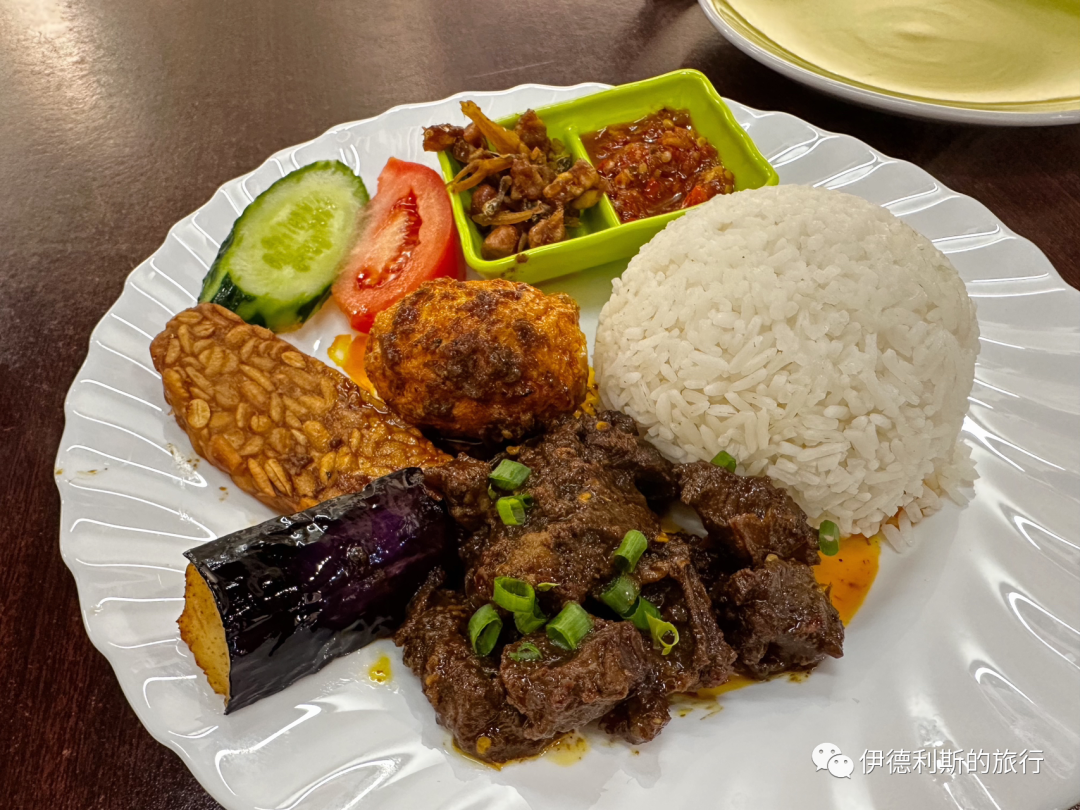
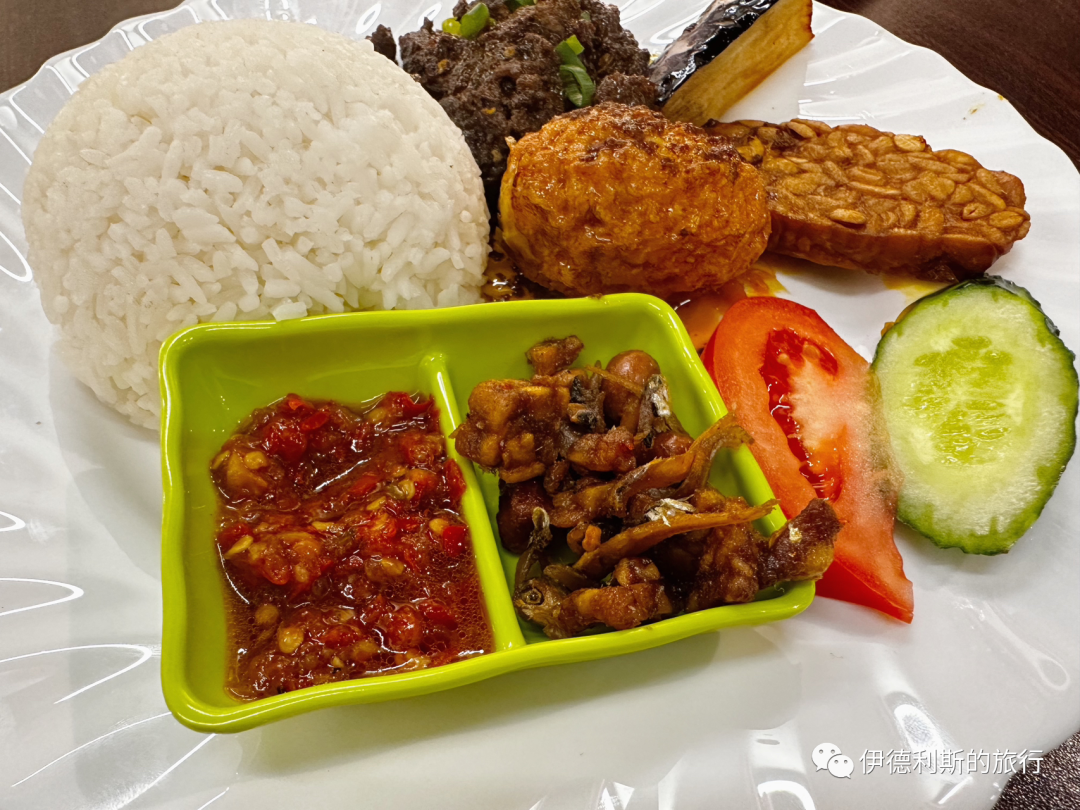
Beef rendang is a curry that originated with the Minangkabau people of Sumatra. It likely started as a curry brought by Indian merchants who came to Sumatra to trade before the 15th century, which then blended with the local Minangkabau diet. After the 16th century, Minangkabau merchants began traveling to Malacca, and rendang spread to other parts of Indonesia. The main ingredients for rendang are meat, coconut milk, chili, and various spices, including ginger, galangal, turmeric, lemongrass, garlic, and shallots. To suit the needs of Minangkabau merchants on long sea voyages, rendang is slow-cooked until it becomes thick and dry, allowing it to be stored for several weeks.
Summary: Macau — Moorish Barracks, Indonesian Food and Muslim History is presented here as a firsthand travel account in clear English, beginning with this scene: During the 2023 Spring Festival holiday, I finally hit the road again, restarting my plan to visit and eat in Muslim communities after a two-year break. The account keeps its focus on Macau Muslim History, Indonesian Food, Halal Travel while preserving the names, places, food, and historical details from the Chinese source.
In the afternoon, I went to an Indonesian restaurant called Warung Indonesia near the Ruins of St. Paul's. They are from Semarang, the capital of East Java. In Indonesian, 'Warung' refers to a small convenience store or restaurant, usually converted from the front room of a house. The environment there is very nice, with many young Indonesian men and women coming to eat. Indonesian love songs play on the TV, making it feel a bit like I had traveled to Semarang.
I ordered sticky rice cake (kue lupis ketan), chicken satay skewers (sate ayam), beef rendang rice (nasi rendang), and iced cendol (es cendol).
Sticky rice cake (kue lupis ketan) is a local Javanese snack. It is popular in central and eastern Java, but you can find it in other parts of Indonesia too. The word "kue" comes from the Hokkien word for "cake" (kueh), which means rice cake. To make sticky rice cake (lupis), you first soak sticky rice in water with salt and lime juice. After draining it, you wrap it in banana leaves and fold it into triangles, similar to making rice dumplings (zongzi). Once cooked, the sticky rice cake is served in palm sugar syrup and topped with shredded coconut.
Chicken satay skewers (sate ayam) also started on Java island. People say Javanese street vendors in the 18th century developed it by combining local food with Indian grilled skewers brought by Tamil Muslim merchants. The meat skewers are usually marinated in turmeric, sweet soy sauce, or coconut oil before grilling, then dipped in satay sauce when eaten. Satay sauce is mainly made of roasted peanuts, plus coconut milk, turmeric, soy sauce, galangal, garlic, chili, and various spices. After the 19th century, Chinese workers in Southeast Asia brought satay sauce back to Fujian, where it combined with local food to become satay sauce (shacha jiang).
Beef rendang is a curry that originated with the Minangkabau people of Sumatra. It likely started as a curry brought by Indian merchants who came to Sumatra to trade before the 15th century, which then blended with the local Minangkabau diet. After the 16th century, Minangkabau merchants began traveling to Malacca, and rendang spread to other parts of Indonesia. The main ingredients for rendang are meat, coconut milk, chili, and various spices, including ginger, galangal, turmeric, lemongrass, garlic, and shallots. To suit the needs of Minangkabau merchants on long sea voyages, rendang is slow-cooked until it becomes thick and dry, allowing it to be stored for several weeks.
