
Halal Travel Guide: Jinan — Baba Cave, Baba Tomb and Sufi Heritage
Reposted from the web
Summary: Jinan — Baba Cave, Baba Tomb and Sufi Heritage is presented here as a firsthand travel account in clear English, beginning with this scene: On February 2, 2023, I visited the Baba Cave and Baba Tomb on Jiuding Mountain in Jinan, Shandong, a place I had wanted to see for a long time. The account keeps its focus on Jinan Muslims, Sufi Heritage, Hui Muslims while preserving the names, places, food, and historical details from the Chinese source.
On February 2, 2023, I visited the Baba Cave and Baba Tomb on Jiuding Mountain in Jinan, Shandong, a place I had wanted to see for a long time. Baba is a Persian honorific that Hui Muslims use to show respect for their elders. The Baba Cave is the most important Sufi retreat in the Shandong region, and the Baba Tomb is a large cemetery for historical figures and Sufi saints, holding great significance in the history of the faith and Sufism.
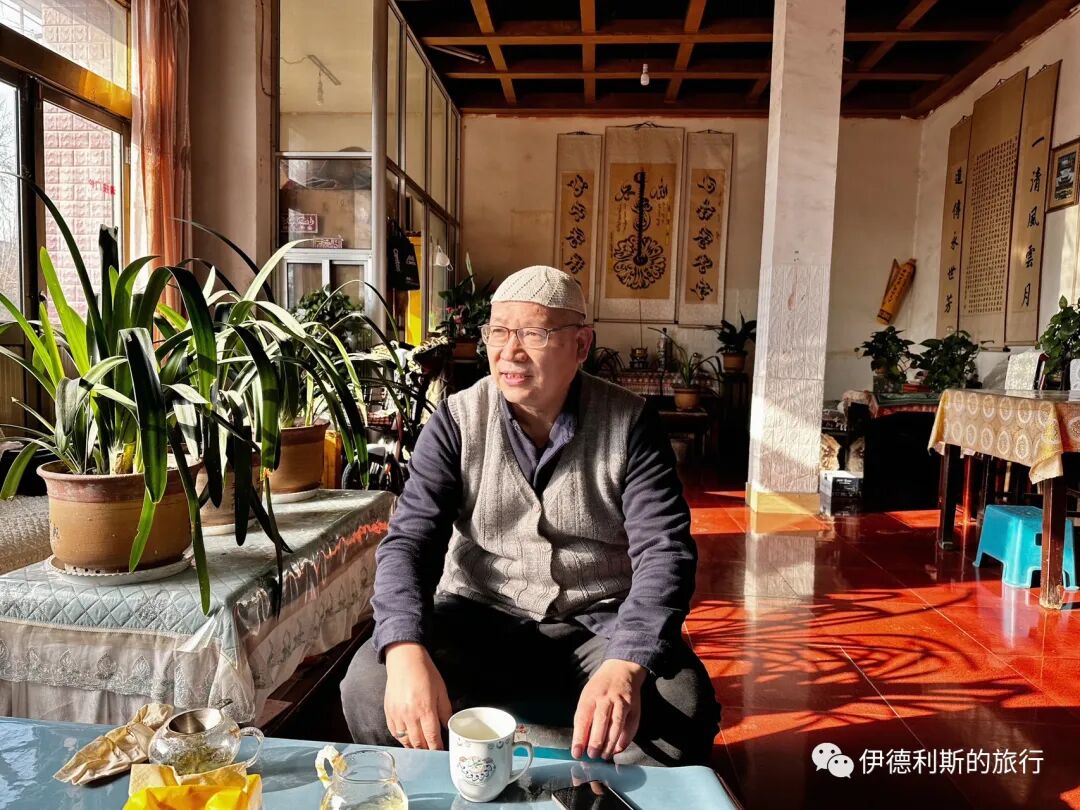
I took a high-speed train from Beijing to Jinan West Station in the morning. Guided by Ma Lianjun, a friend (dost) who has studied the cave and tomb for years, we first went to the home of Ma Haji in Dangjiazhuang, where we were warmly welcomed by him and his wife.
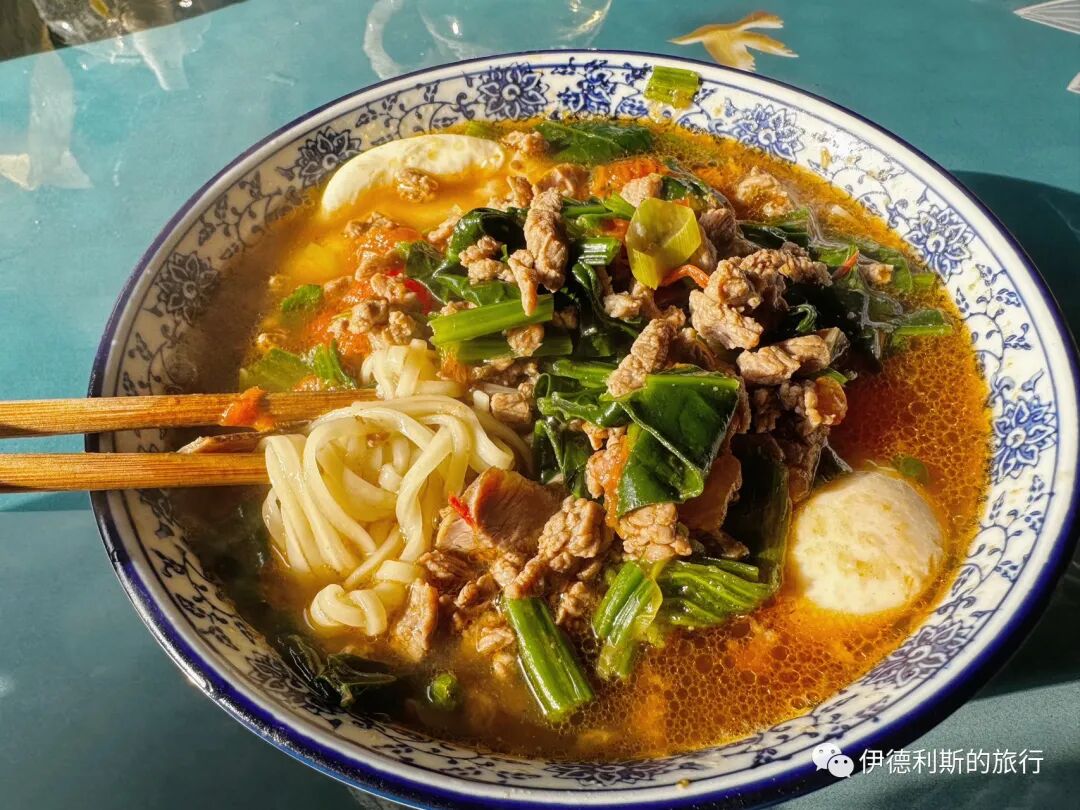
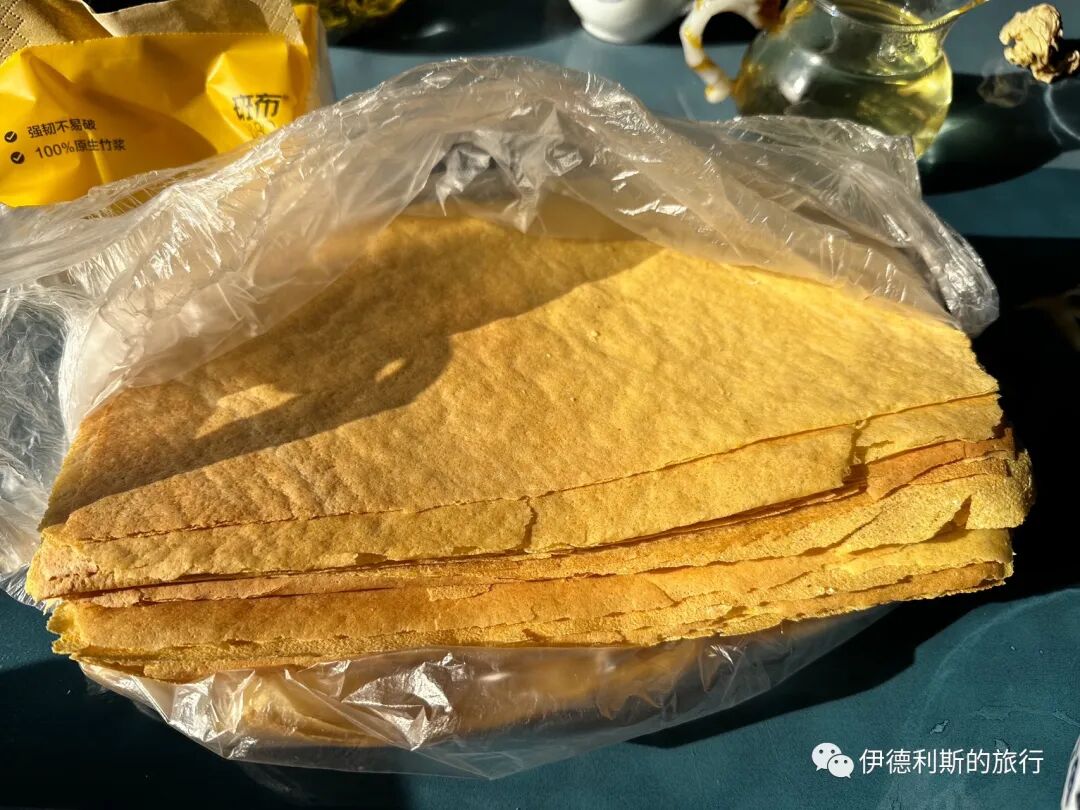
We ate hot noodle soup and Shandong pancakes (dajianbing) as thin as paper at Ma Haji's house, then he drove us to Jiuding Mountain to visit the tombs.
Jiuding Mountain Baba Cave
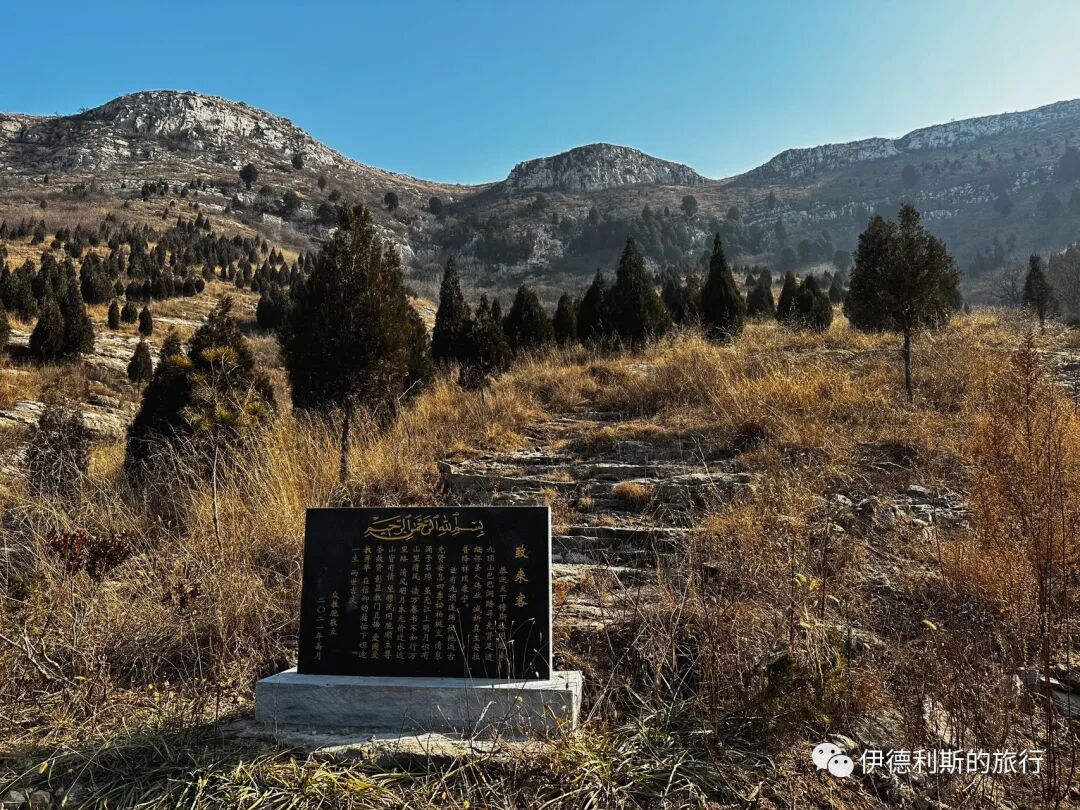
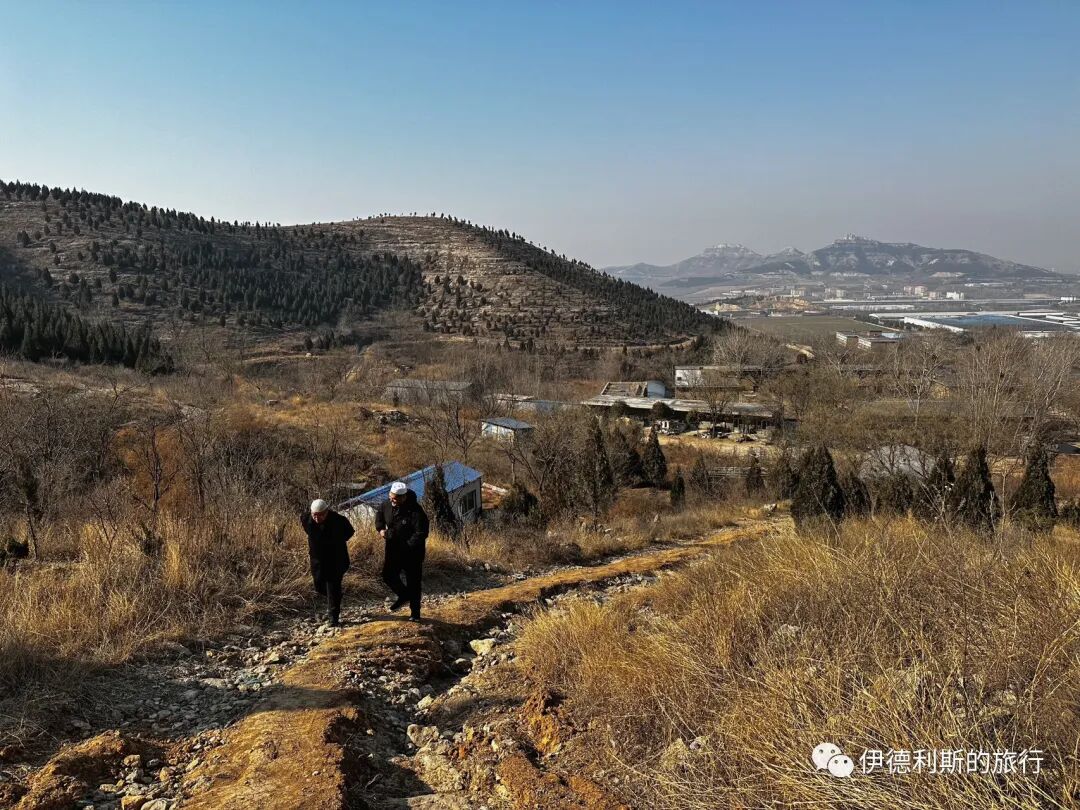
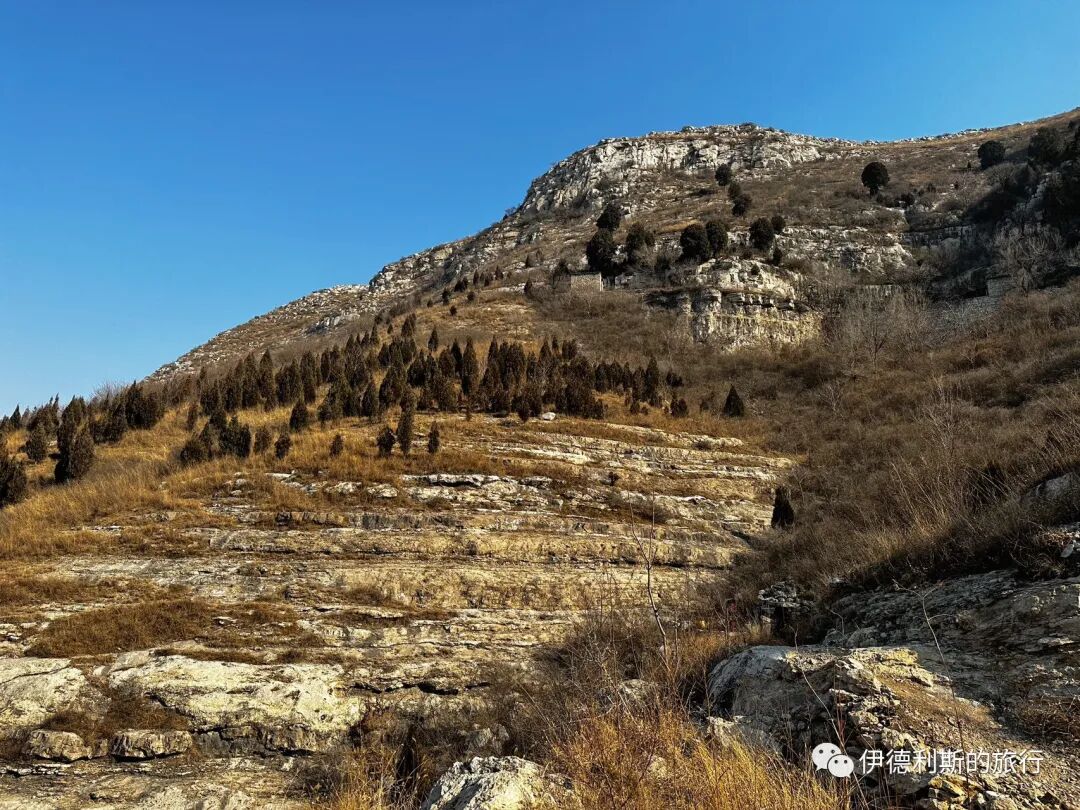
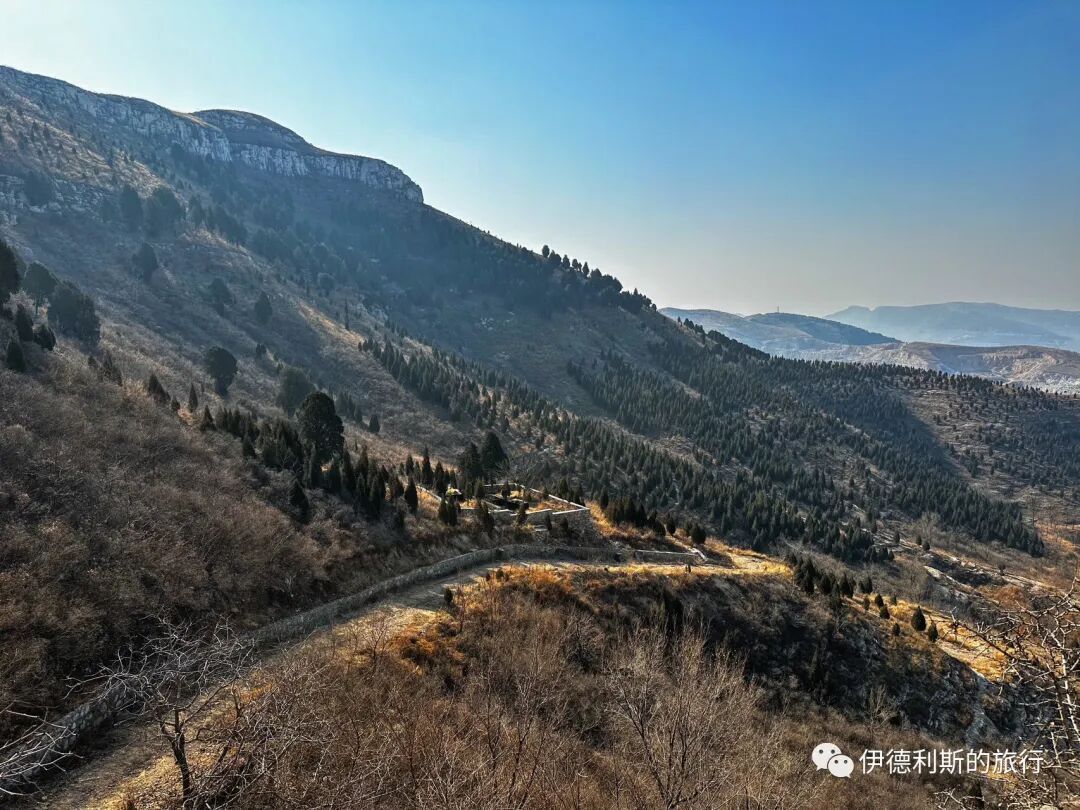
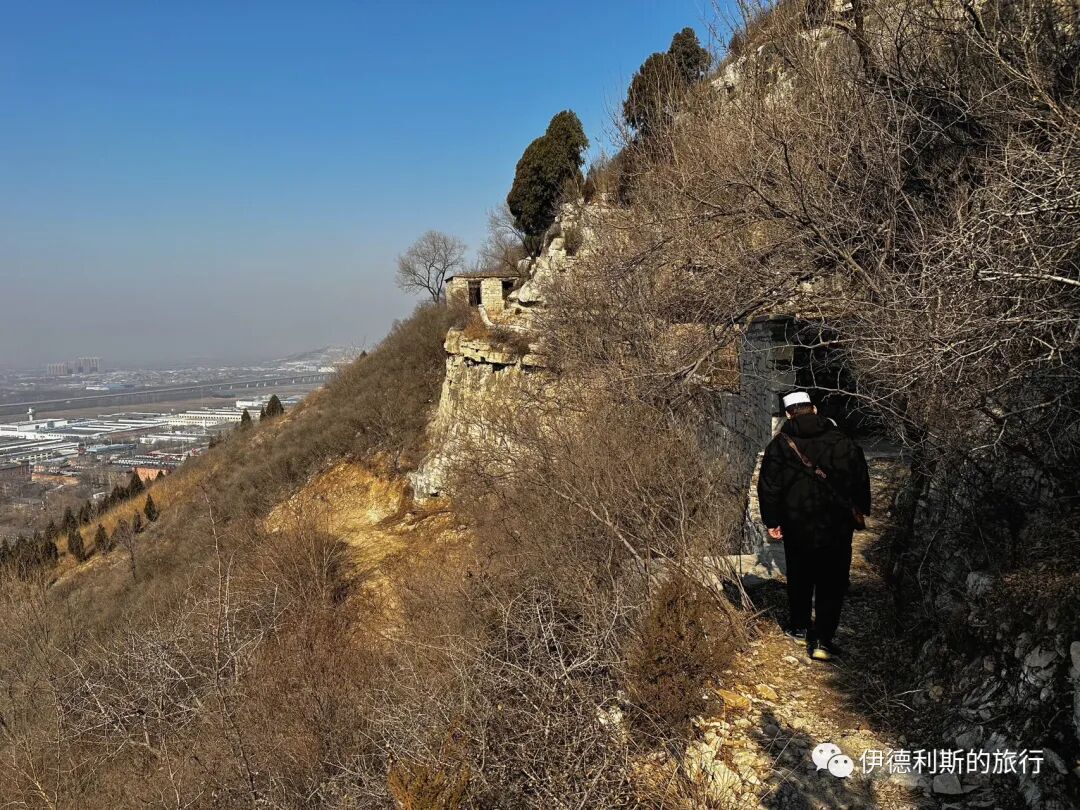
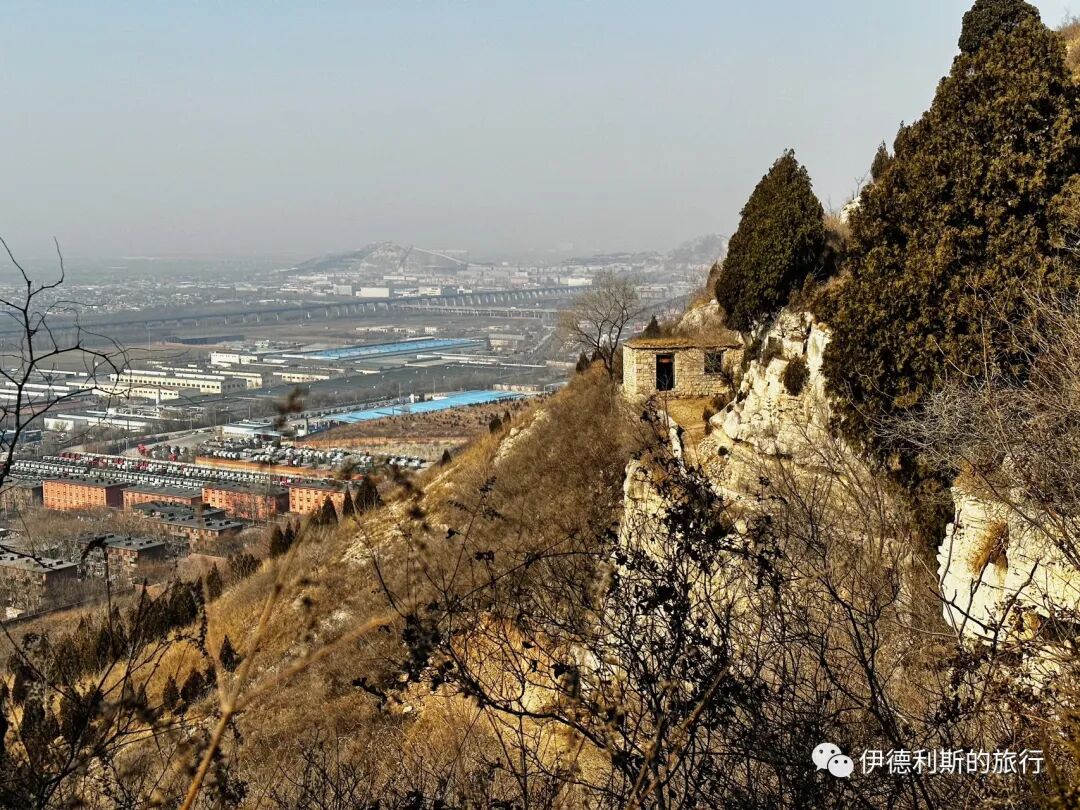
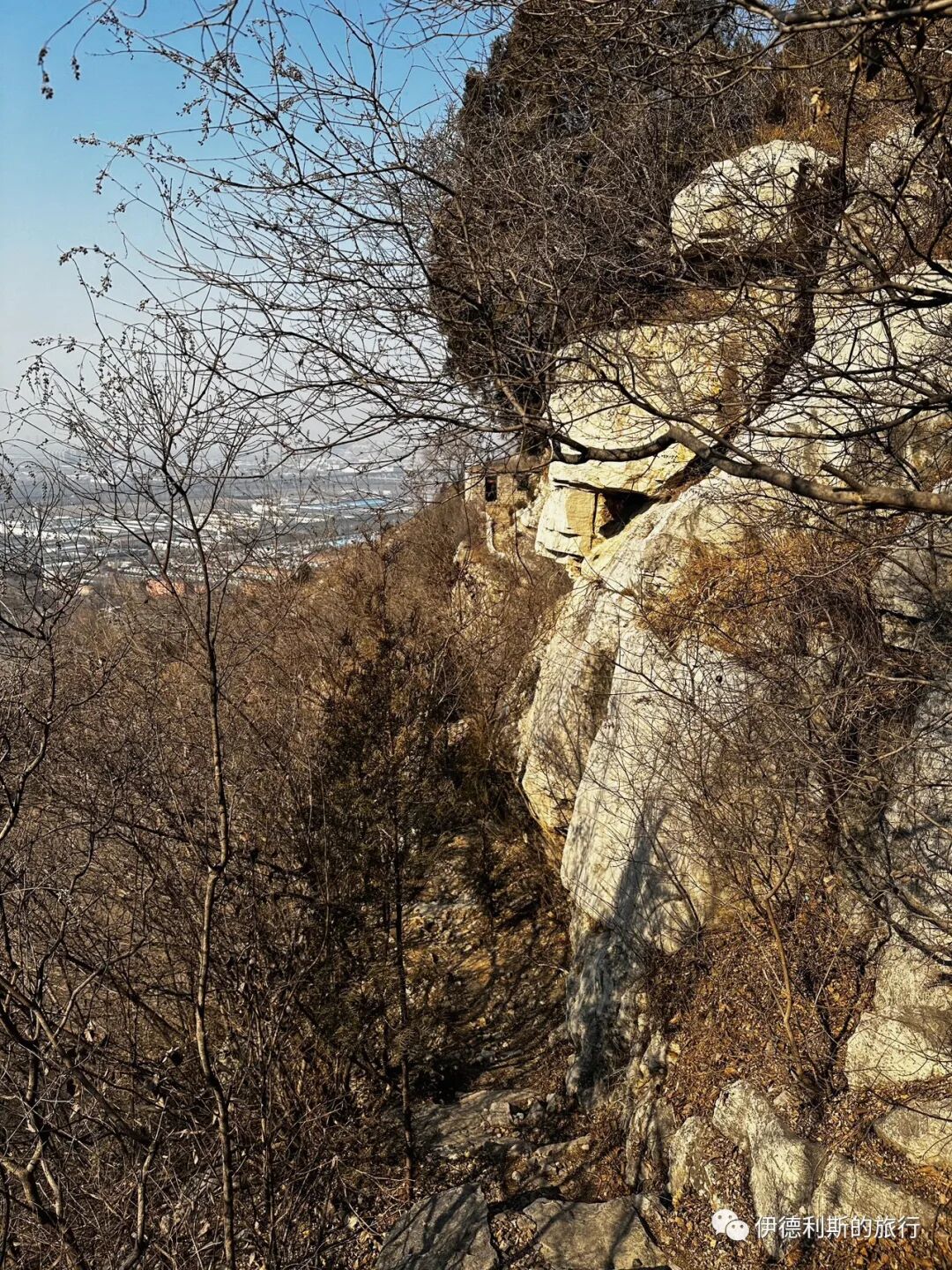
The Baba Cave is on Jiuding Mountain in the southern suburbs of Jinan. With its layered peaks, rocky cliffs, and pine and cypress trees, it is a perfect place for quiet meditation.
At the foot of the mountain, you first see a stone tablet set up by local Muslims in 2021 that welcomes fellow believers to follow in the footsteps of the saints. After the show "World Hui Muslims" aired an episode on the Jinan Baba Cave, many friends (dost) came to visit, making the cave well-known.
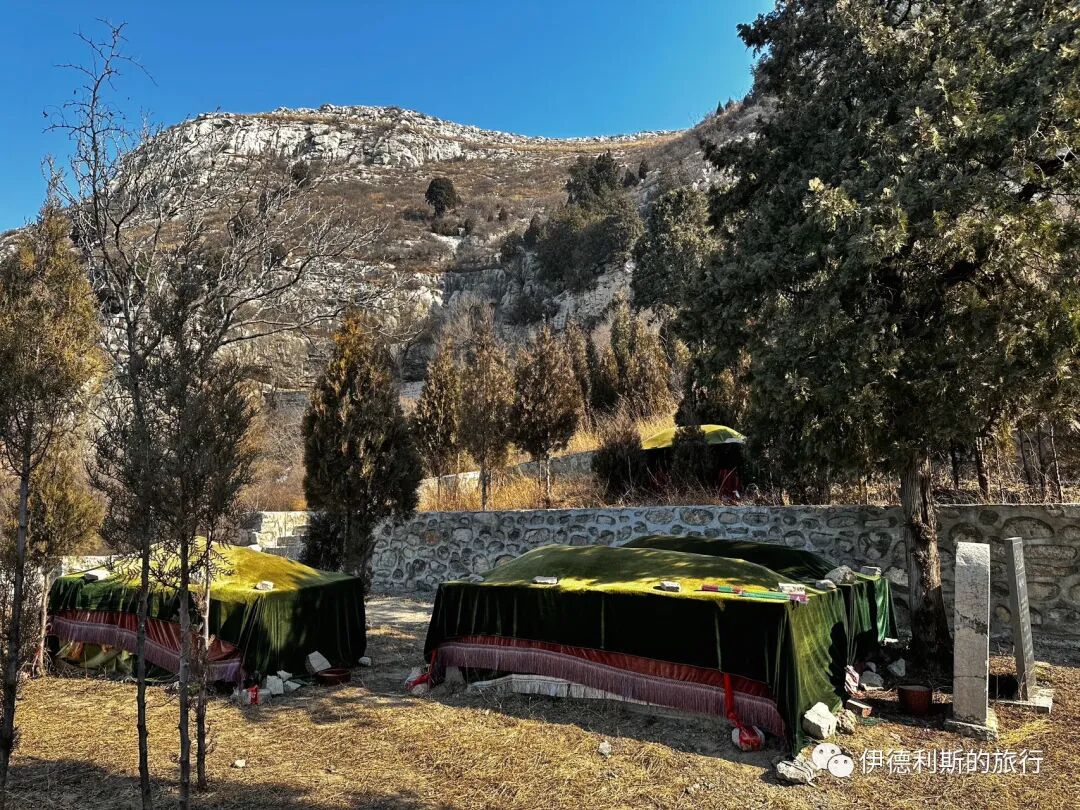
As we climbed higher, we saw the tomb of Master Yang and several other saints. Master Yang, named X Rui and styled Fengyi, was born in 1757 and passed away in 1815. The inscription on his tomb says he left home young, went barefoot with messy hair, endured hunger and cold, and traveled the world, crossing thousands of rivers and climbing thousands of mountains. It also records that he established a "Dao Hall" on Qingfeng Mountain in Yunnan, which confirms he was a traveling Sufi.
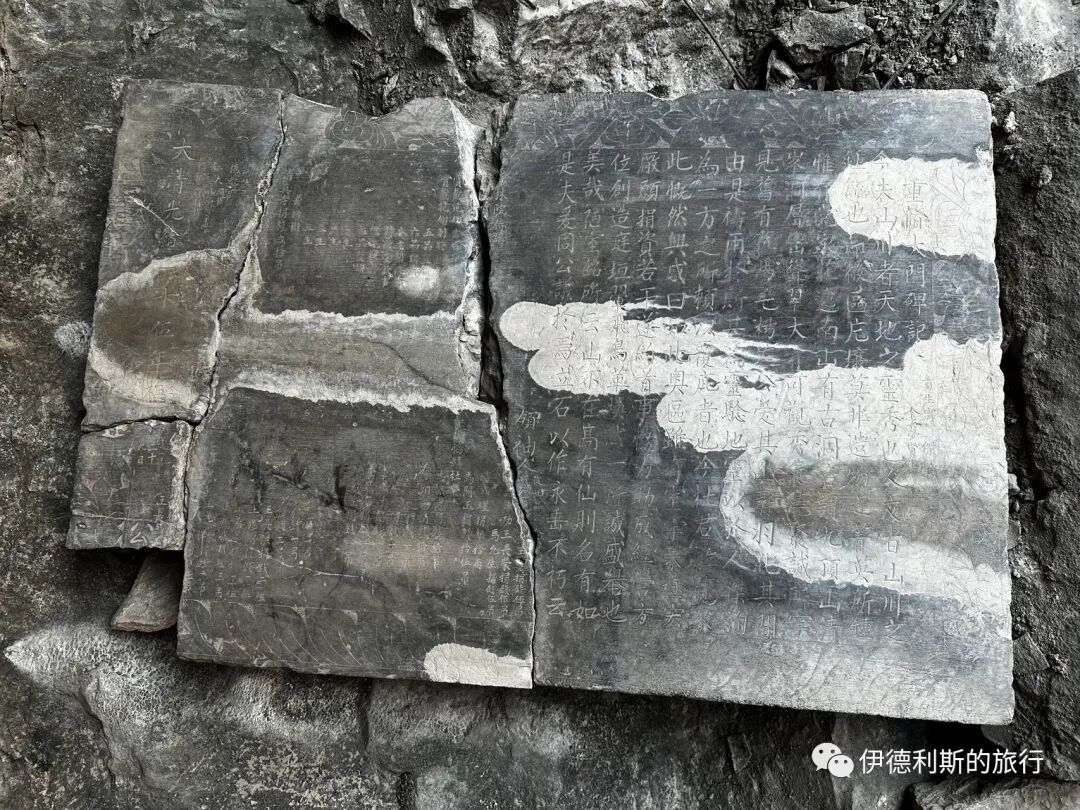
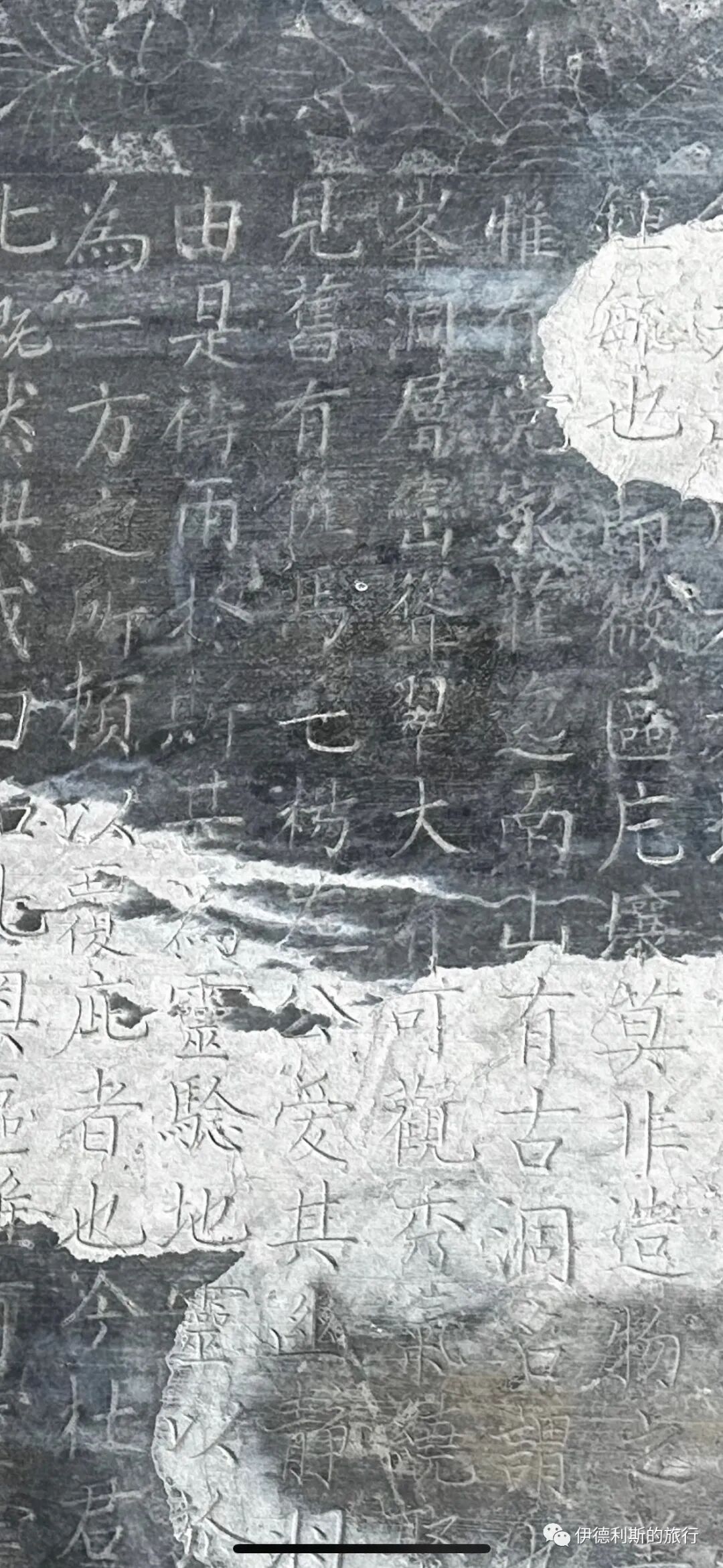
According to a Qing Dynasty tablet about rebuilding the gate near the cave, which mentions that Sa, Ma, Mao, Yang, and Zuo loved the quiet and passed away there, we can conclude that the Jiuding Mountain Baba Cave was Master Yang's place of retreat.
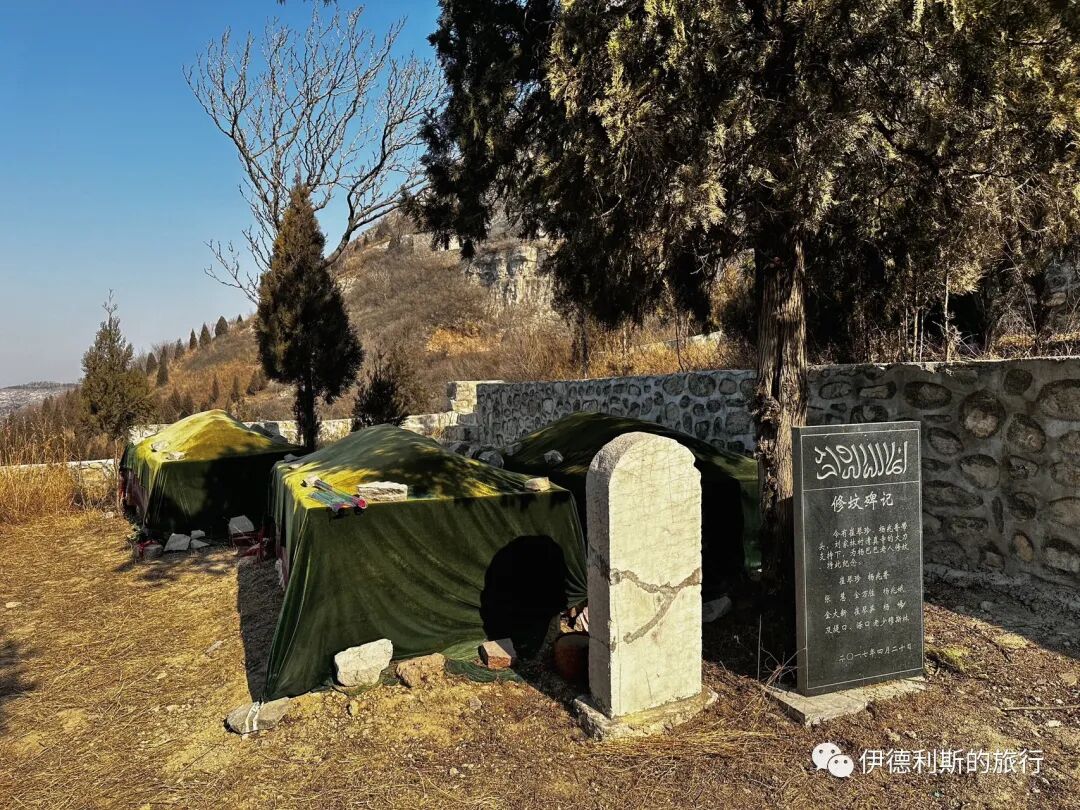
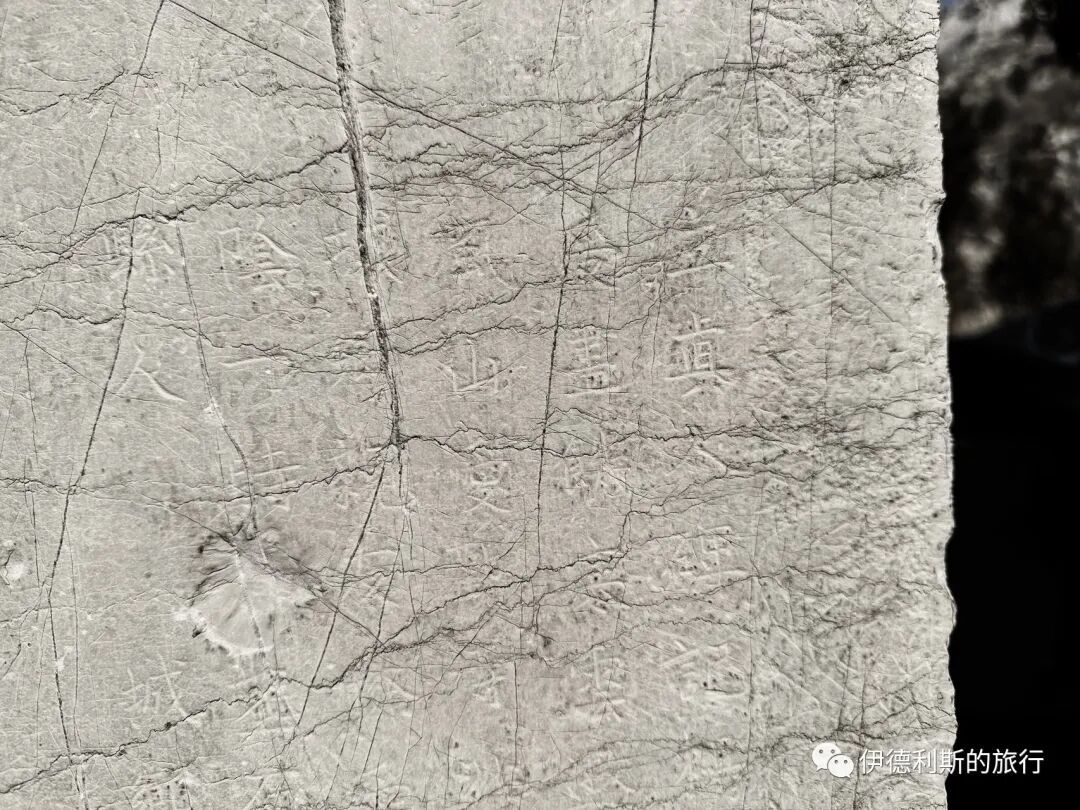
1899 tablet record for rebuilding the gate
The names Sa, Ma, Mao, Yang, and Zuo on the tablet
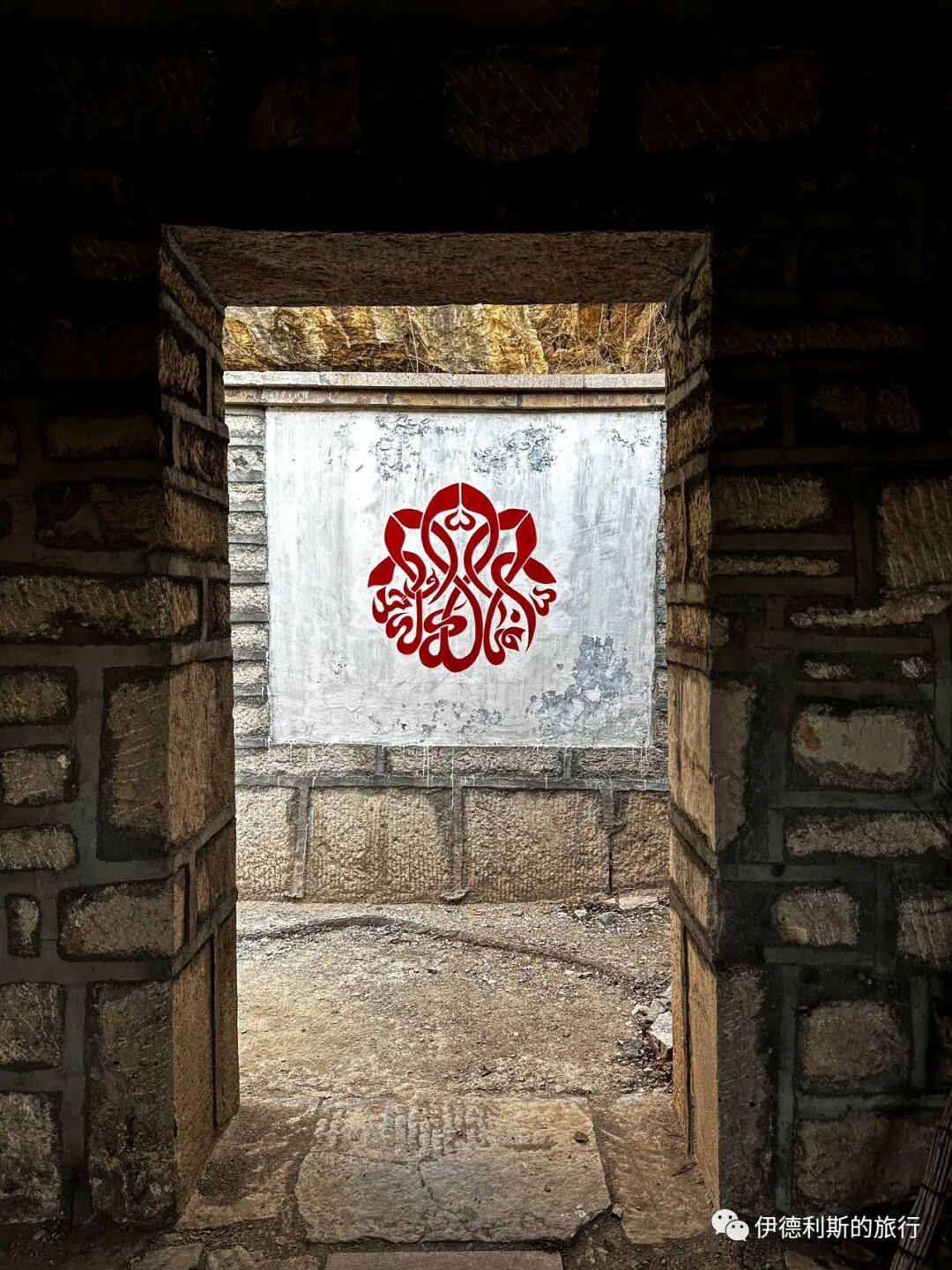
Following the mountain path upward, we passed through a stone gate to reach the cliff where the Baba Cave is located. There are some cliff carvings on the rock face. Interestingly, the 1989 cultural heritage protection sign from the Licheng District of Jinan is also carved directly into the cliff.
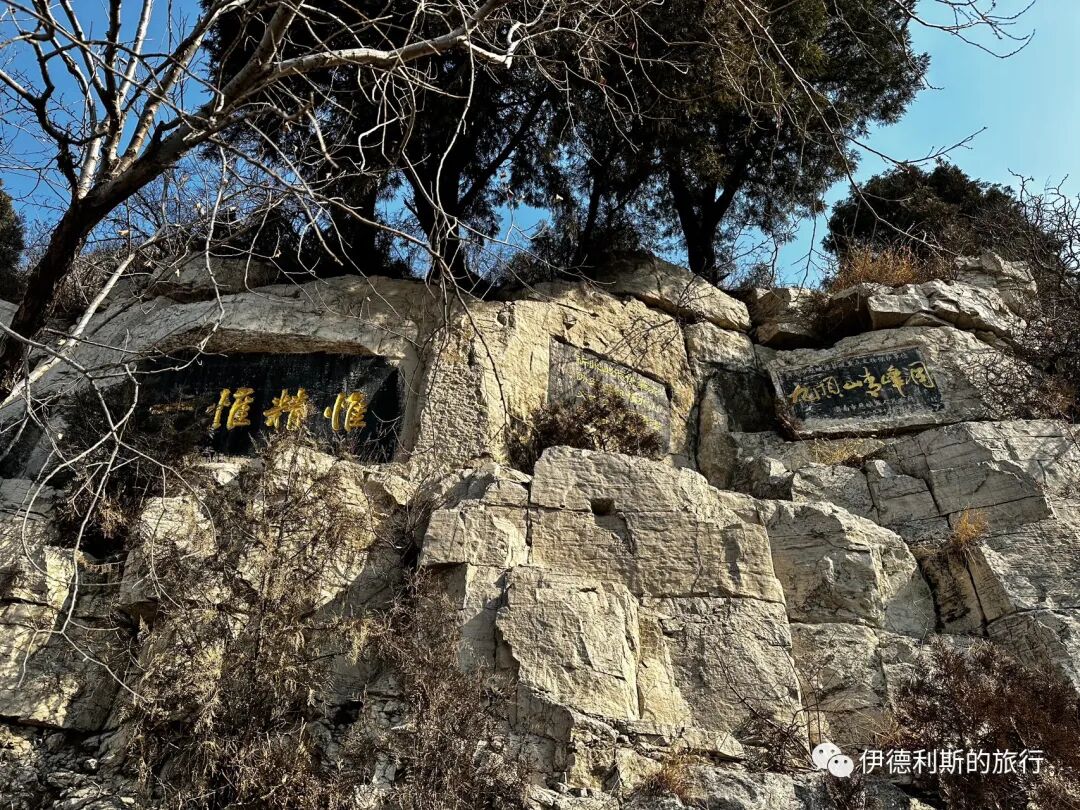
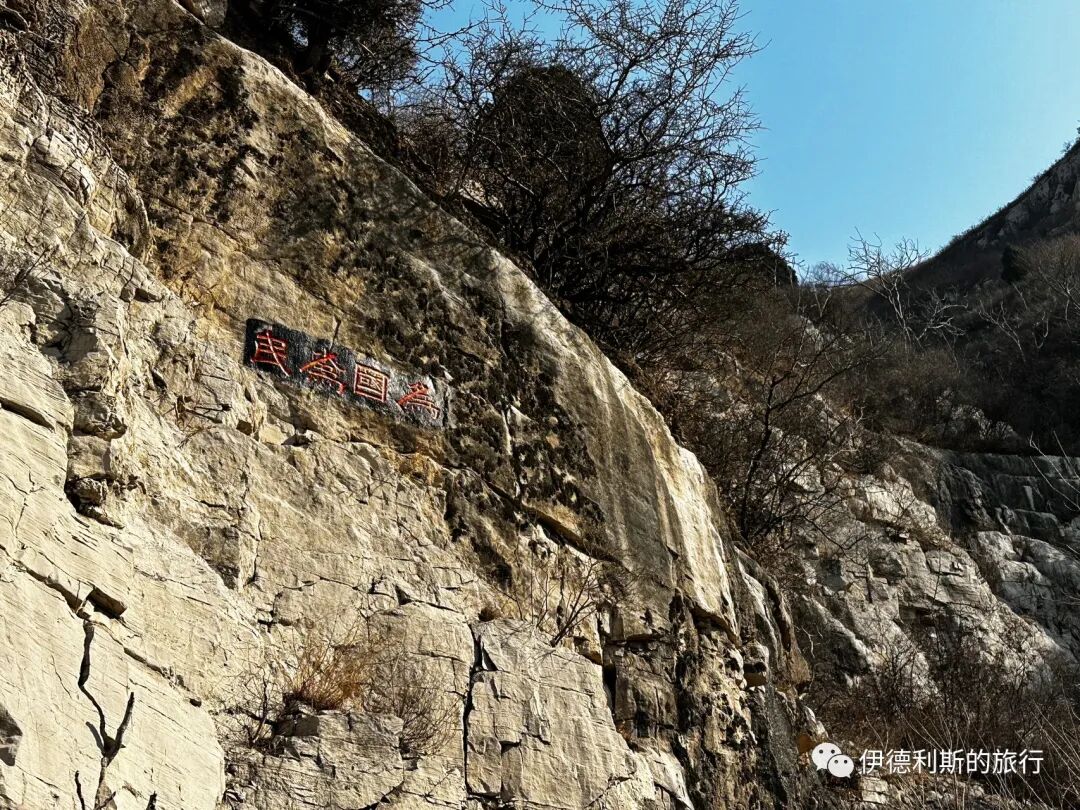
Next to the cliff carvings are some older tablets, including an official notice from the Jinan Prefecture Changqing County government dated 1889. It records that Jiuding Mountain originally had a mosque cave, saint tombs, and prayer rooms, but they were damaged because no one looked after them. The government issued the notice to tell nearby residents to stop grazing livestock on the mountain and to forbid stealing or gambling inside the cave.
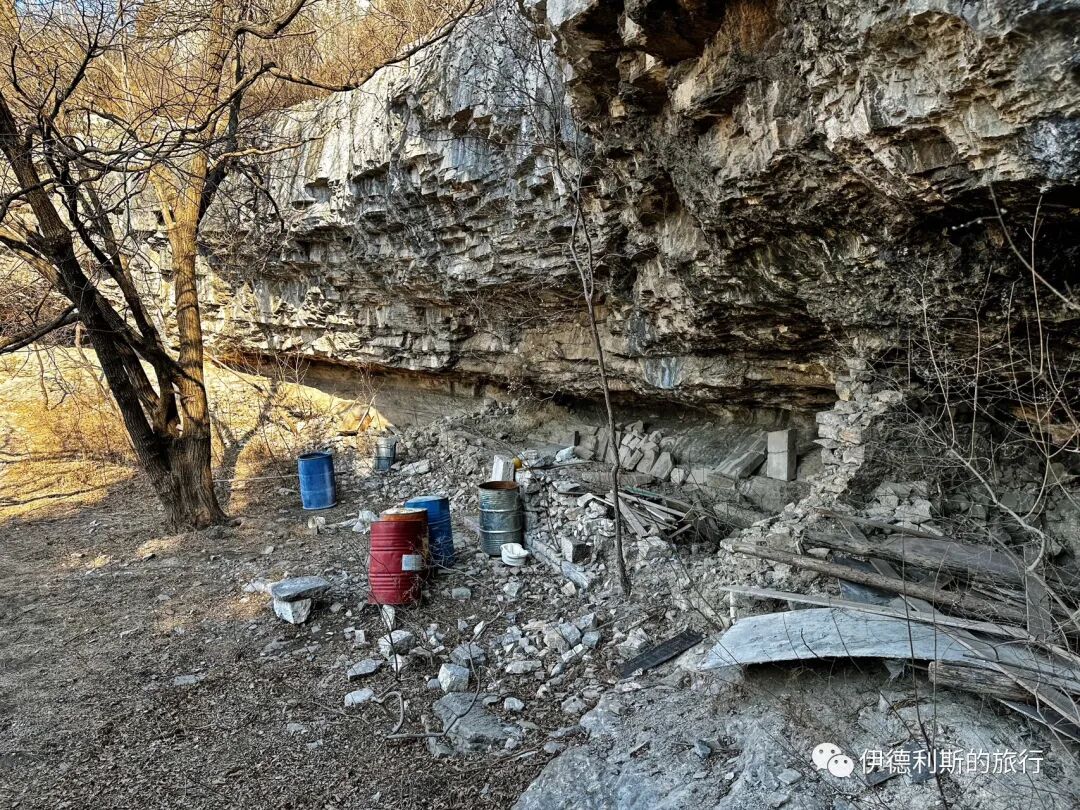
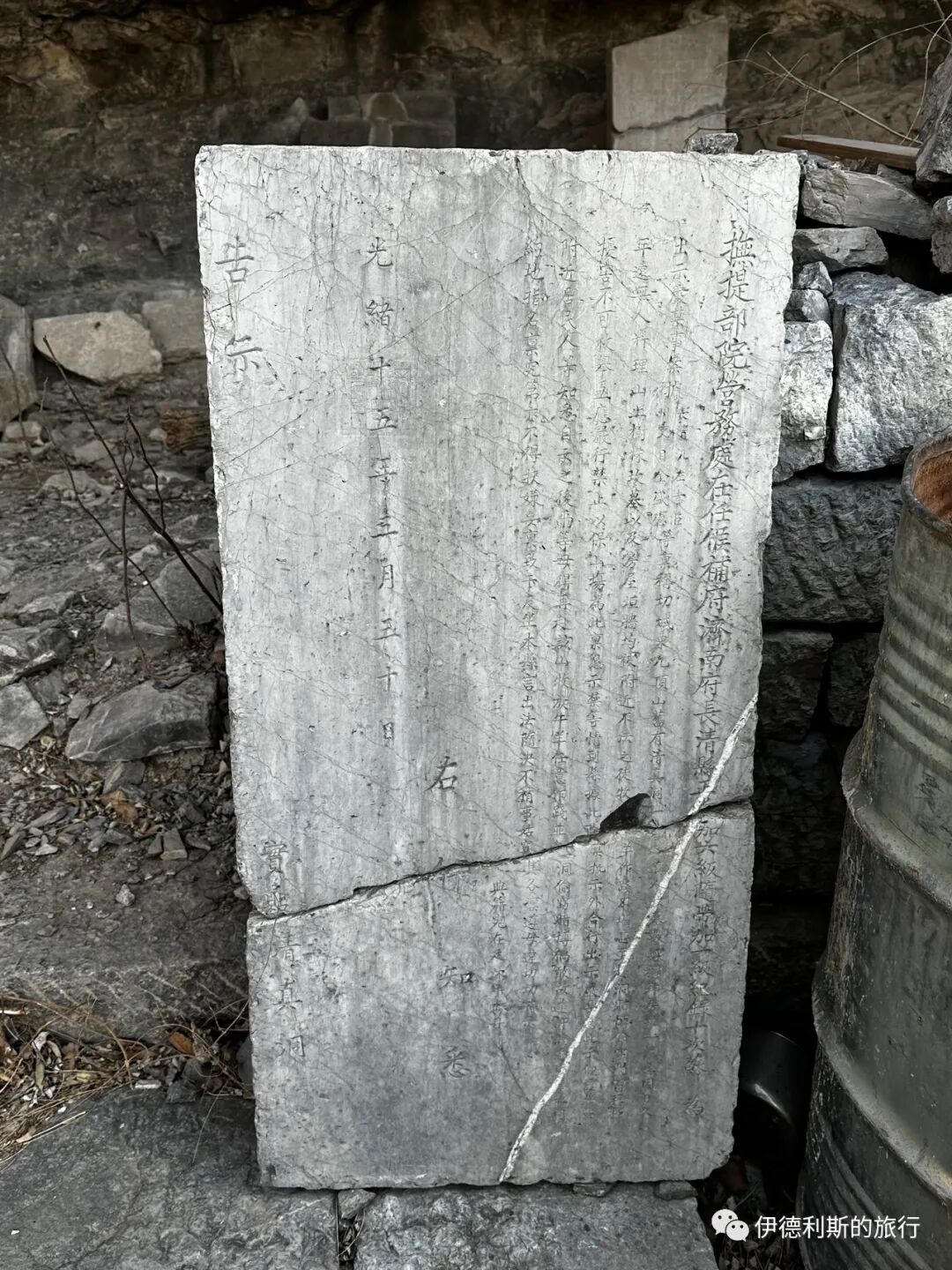
Many beautiful stone carvings in Chinese and Arabic are stored near the Baba Cave, and they have great historical and artistic value. Sadly, due to history, most of these stone tablets are badly damaged and broken into pieces. These precious artifacts are in urgent need of protection and repair.
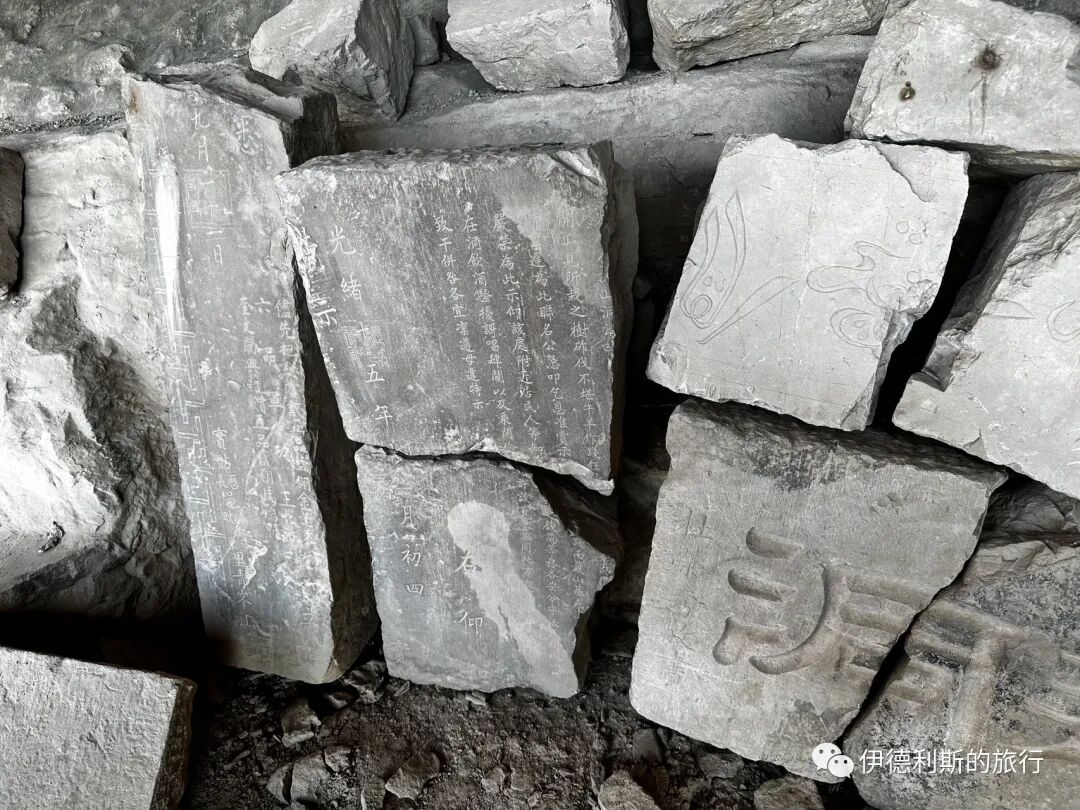
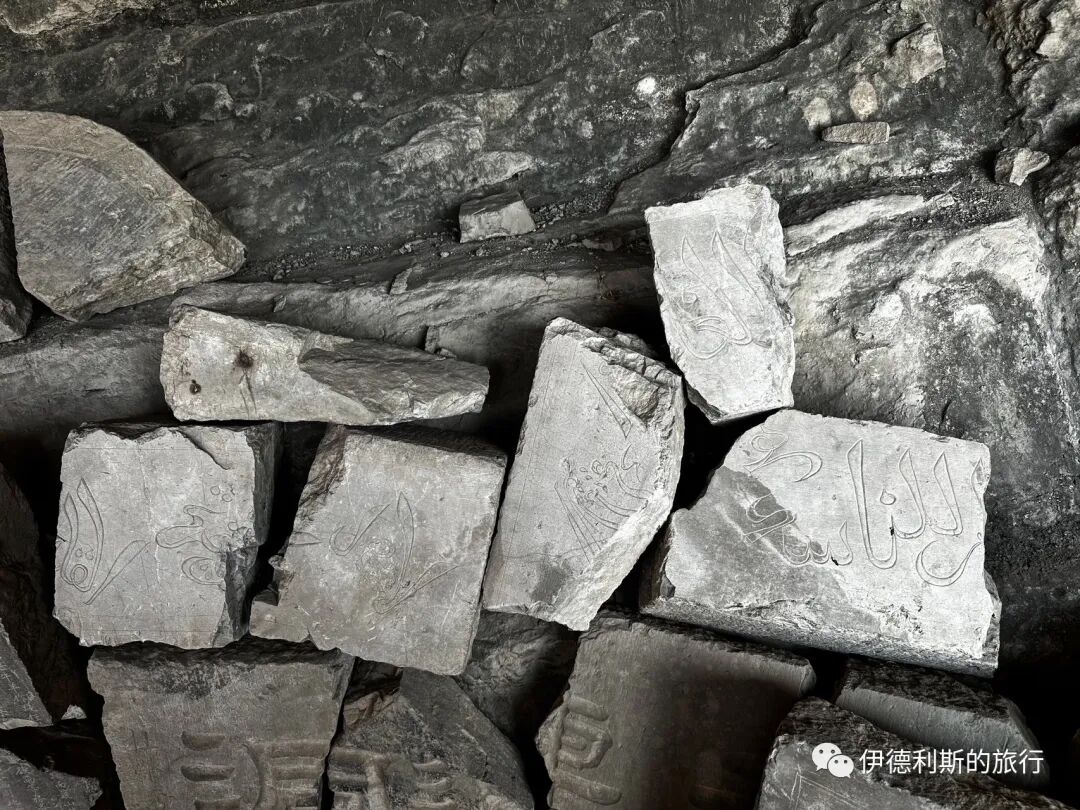
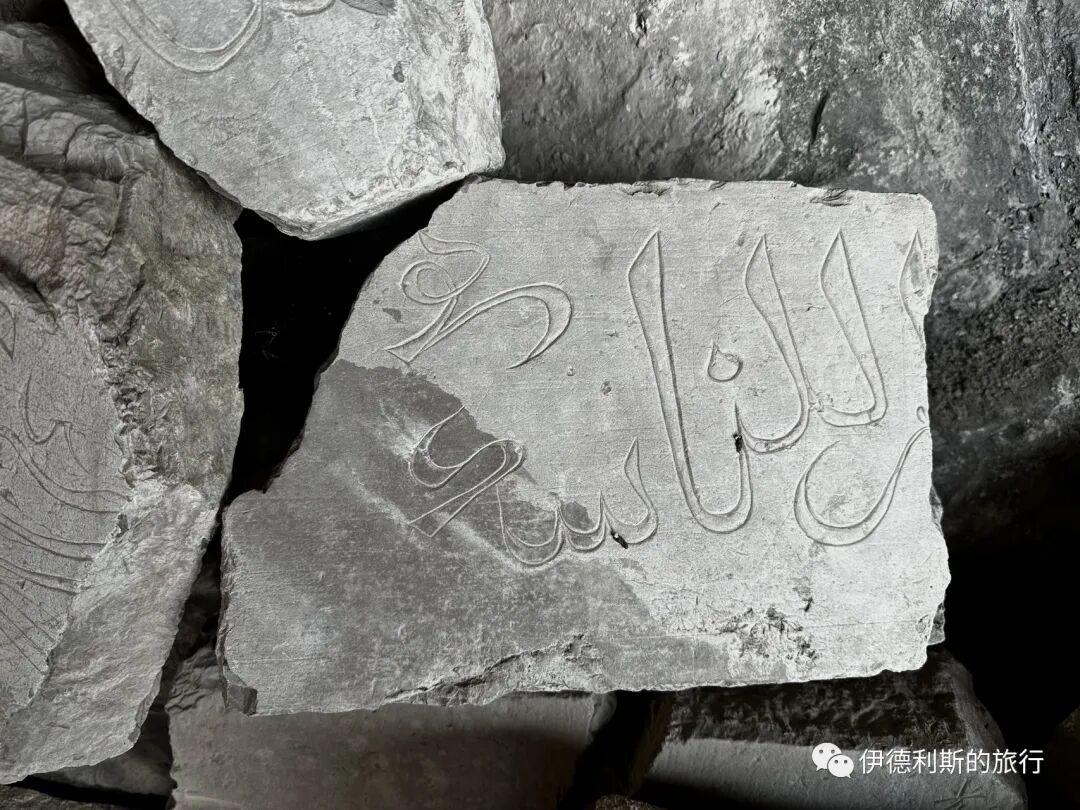
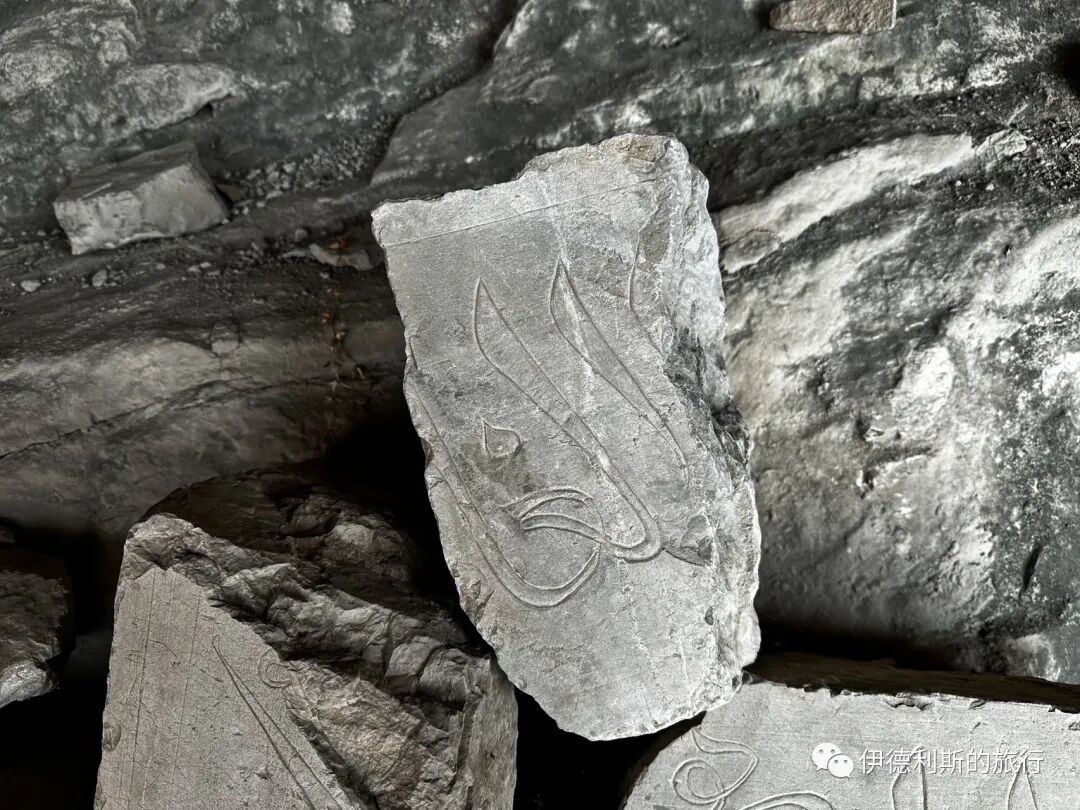
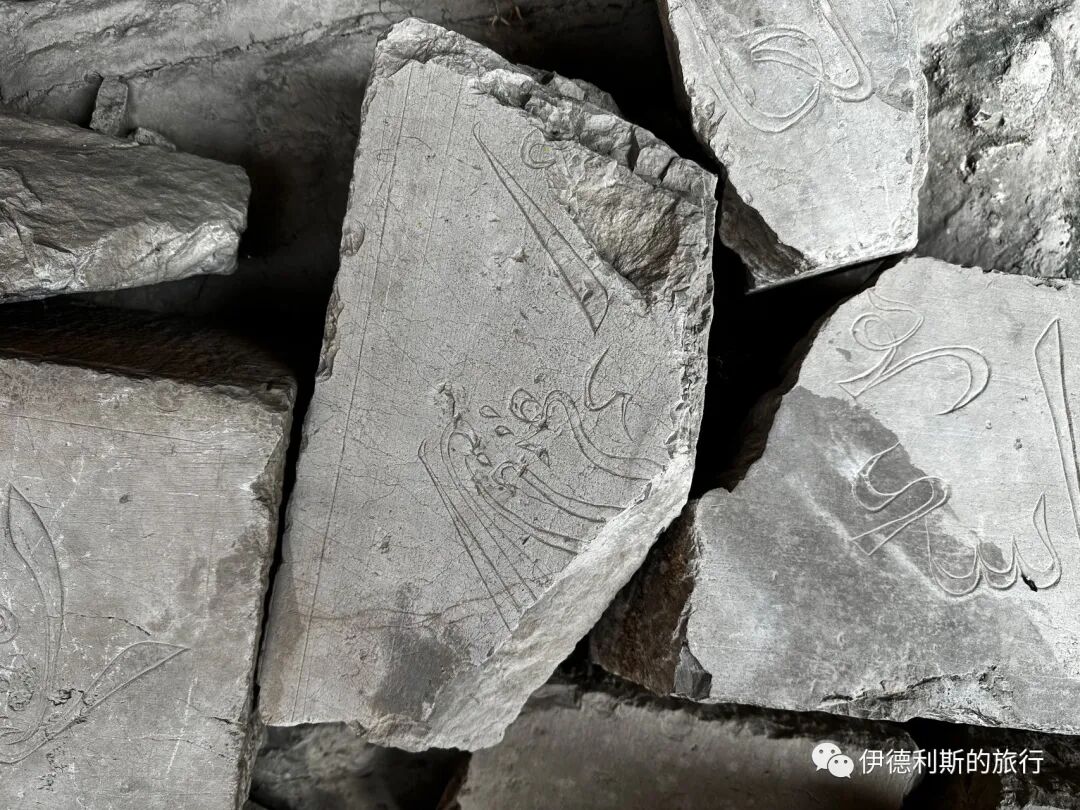
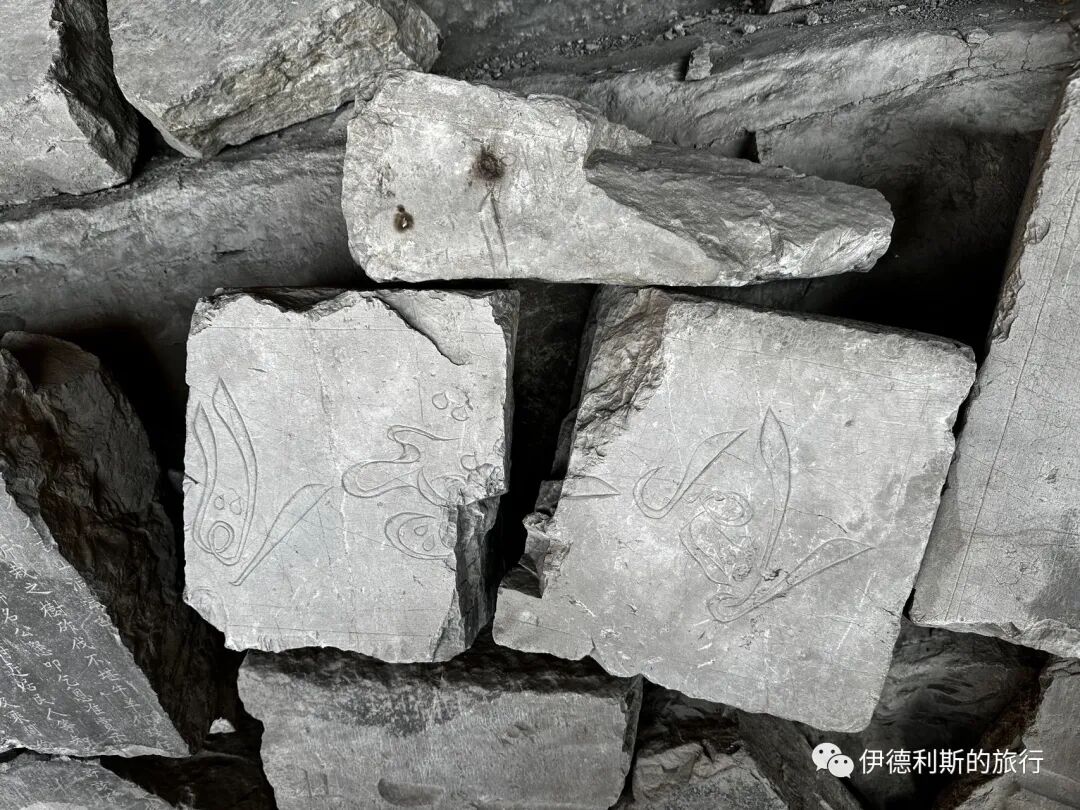
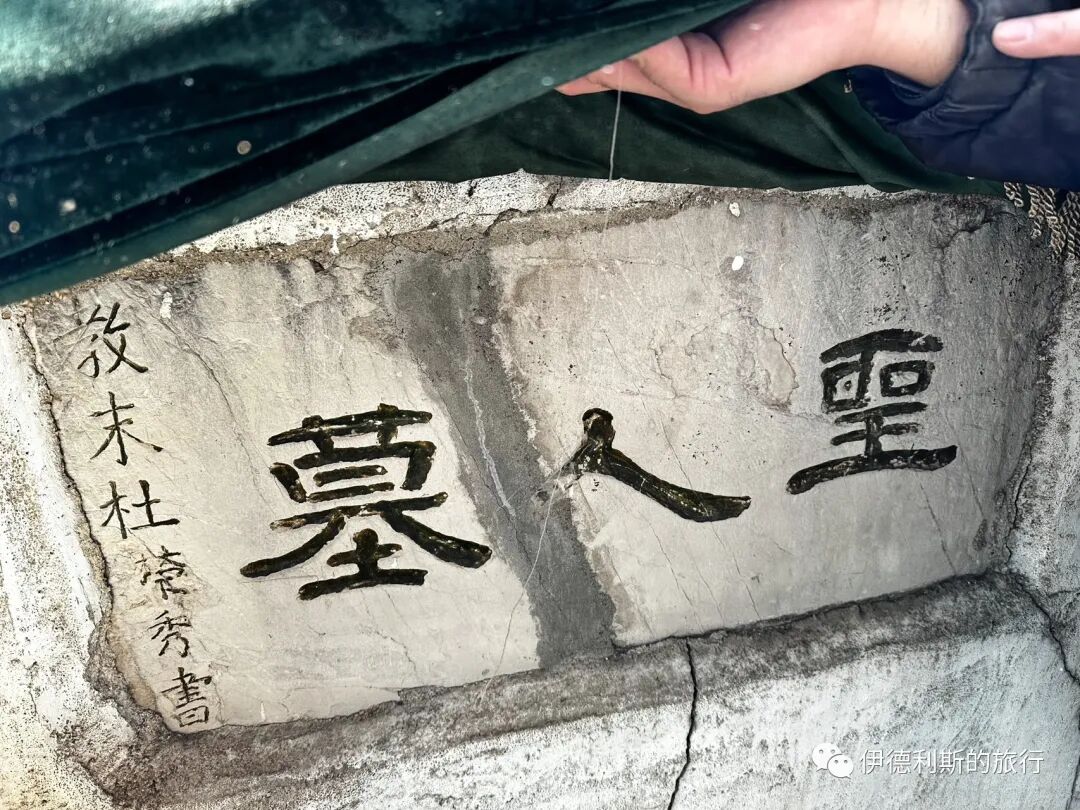
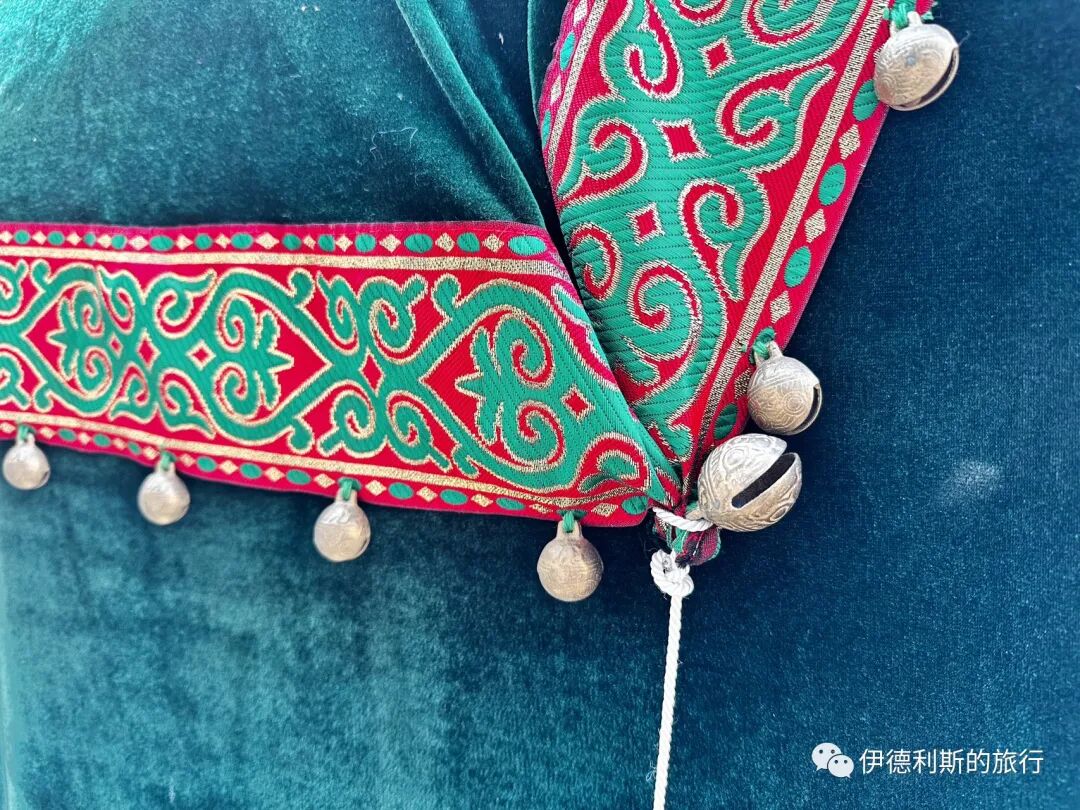
On the cliff, there is also a "Saint's Tomb" with an inscription by Du Rongxiu. There was originally a large rock jutting out from the cliff that looked like a tomb. Later generations trimmed it to look more like a large grave from a distance, but no one is actually buried underneath it. It was built only to commemorate the Prophet Muhammad. Every year during the Mawlid, villagers come to the foot of the mountain to invite an imam to recite the Quran and prepare fried dough (youxiang).
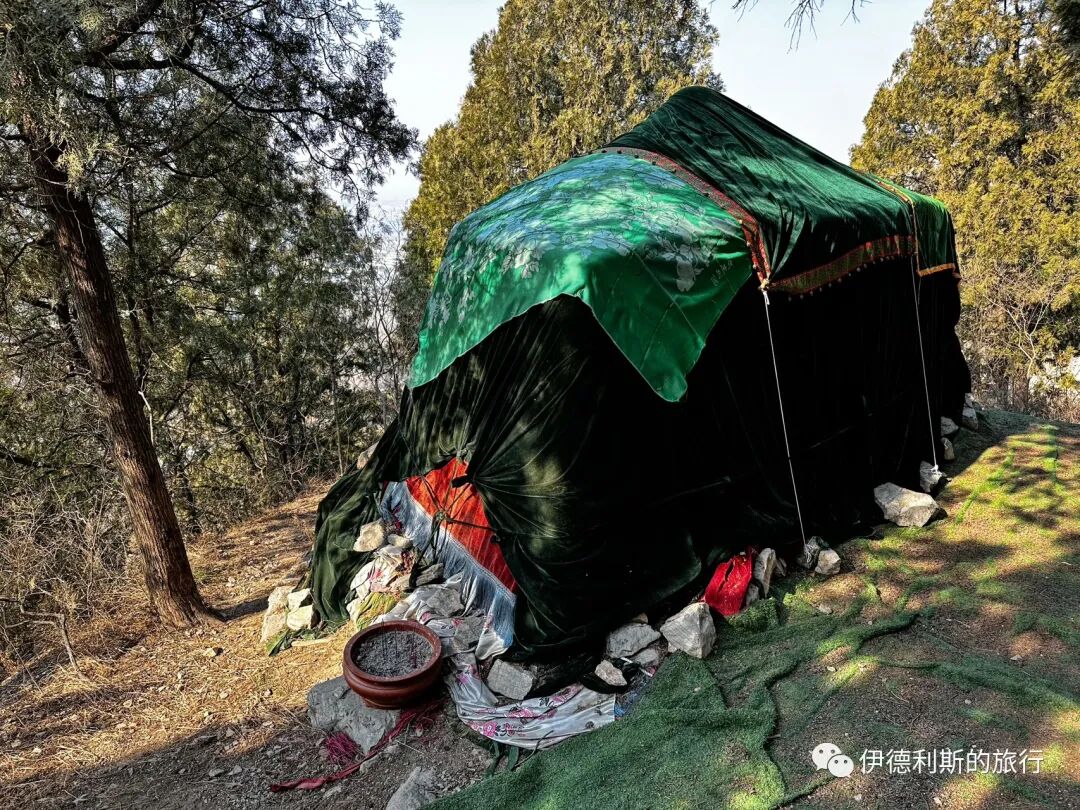
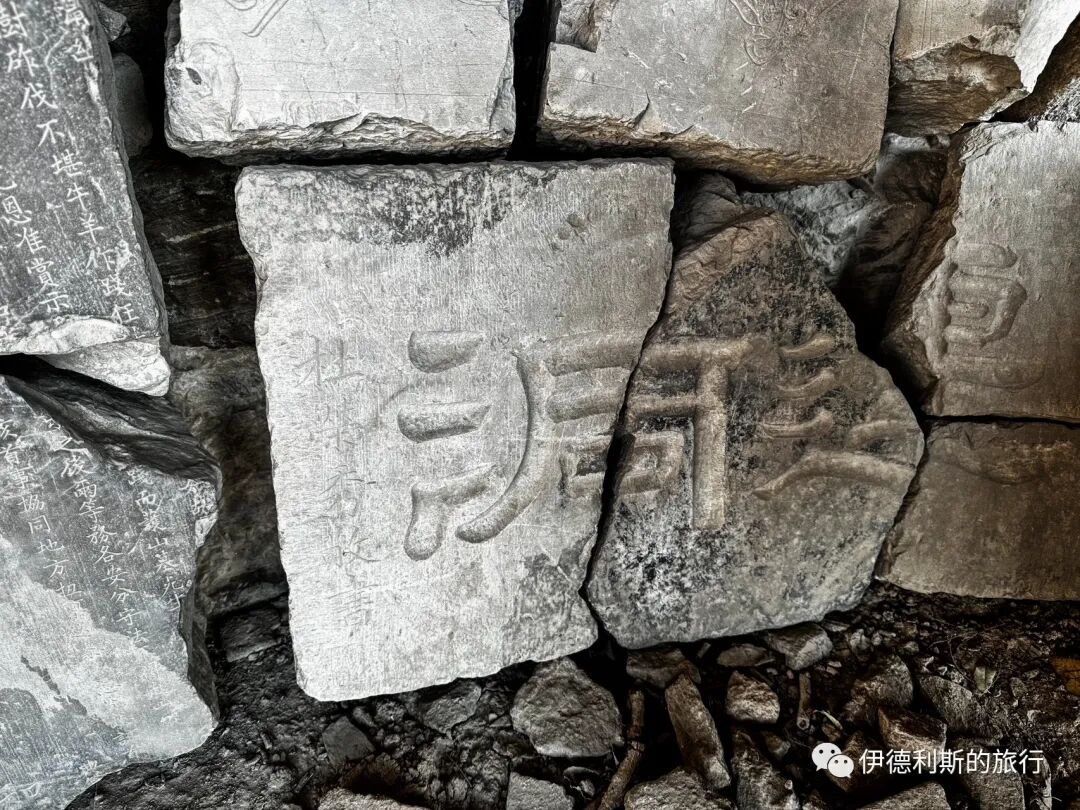
In the area where the stone carvings are kept, you can also see a carving with an inscription by Du Rongxiu for the Baba Cave.
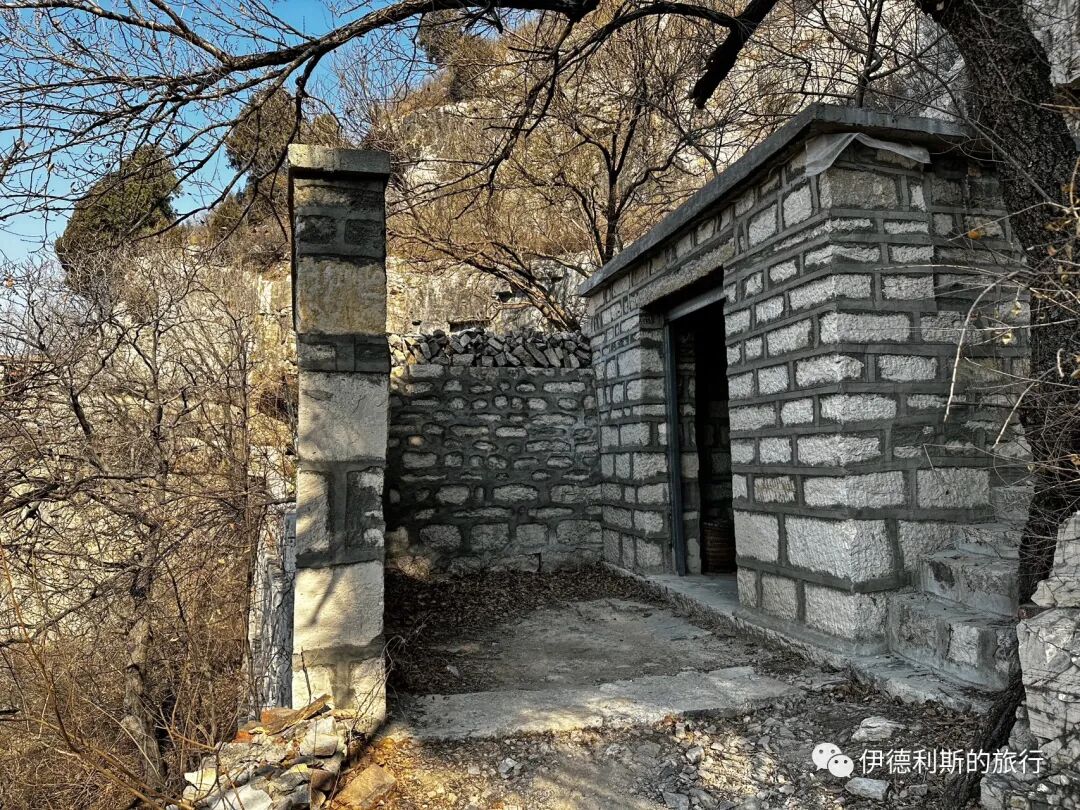
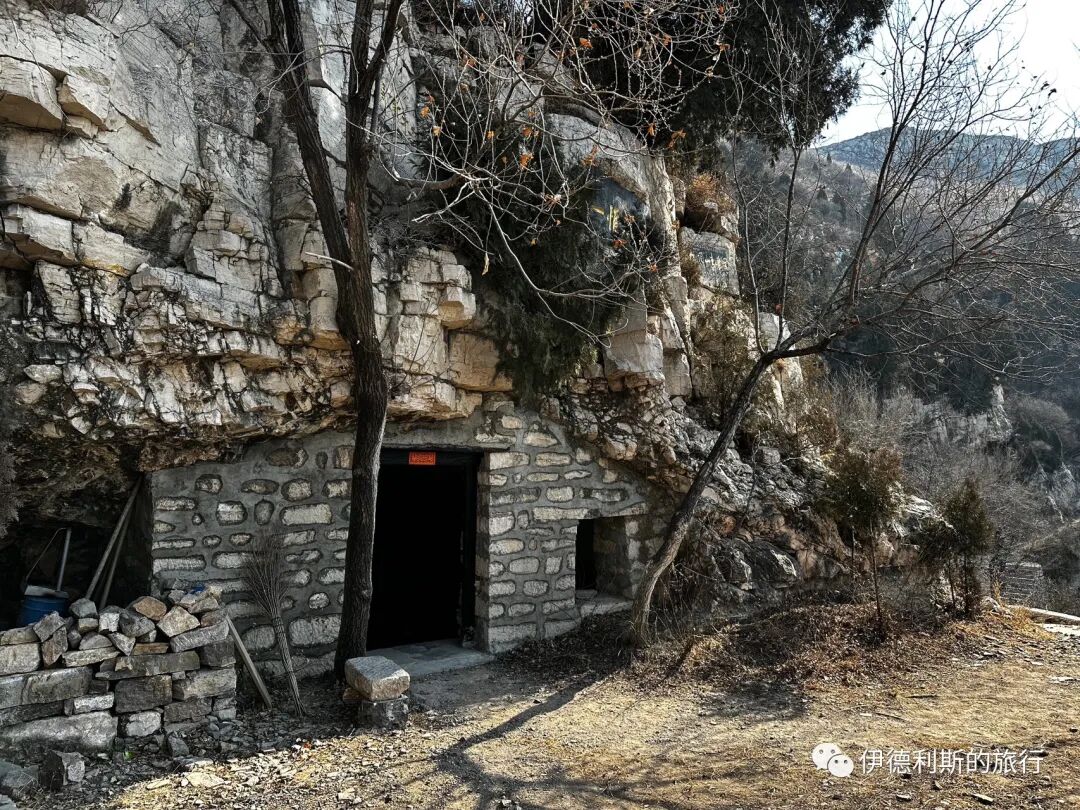
The Baba Cave is a natural cliff cave. Later people rebuilt it with stone bricks, dividing the cave into inner and outer sections. The door on the right is only big enough for one person; it is said to be where the Baba performed namaz. The inside of the cave has holes connected to the mountain, which keeps it very cool in the summer. It is also dry and does not collect water, making it perfect for quiet meditation.
Sufis call the basic five pillars of a Muslim the Sharia, and the higher level of practice above that is called the Path (Tariqa). Meditation (Muraqabah) is an important part of the Path. This tradition comes from the Prophet Muhammad, who spent a month every year in the Hira Cave on the Mountain of Light before receiving revelations from Allah.
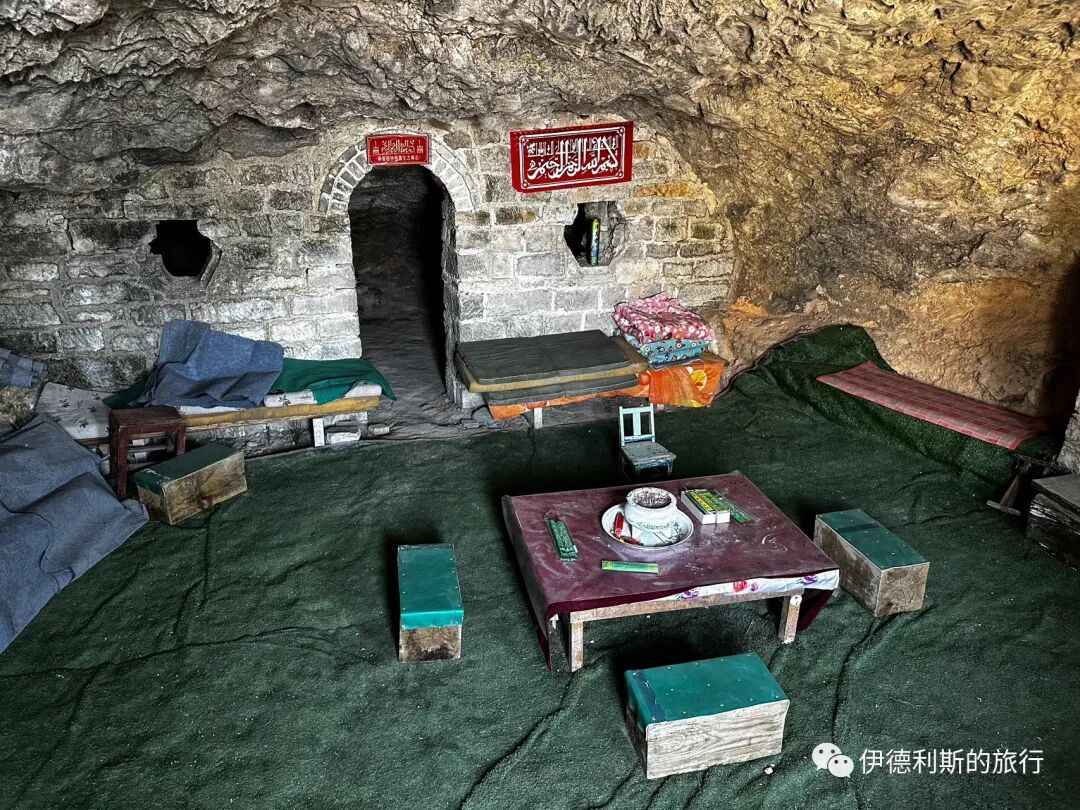
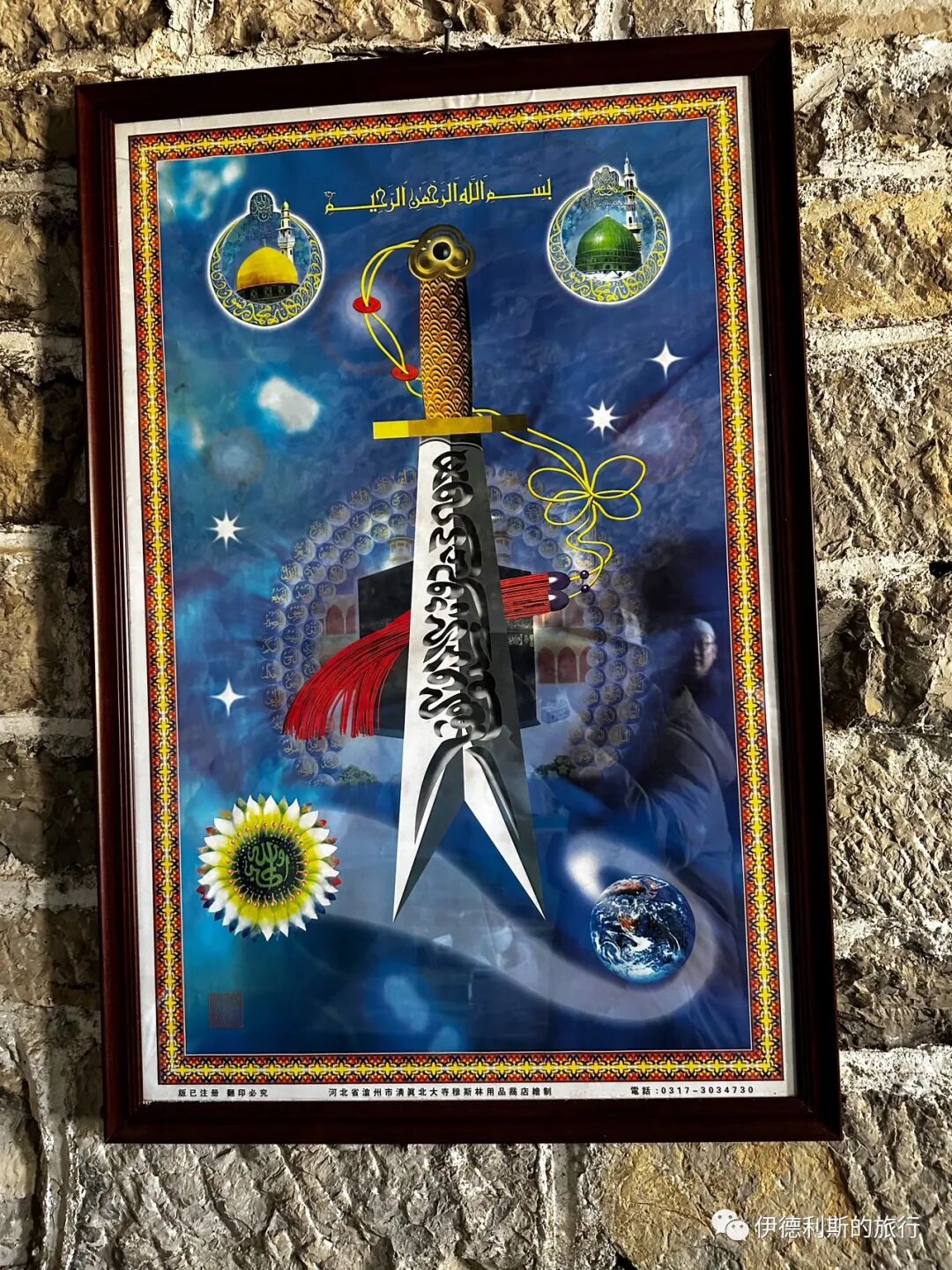
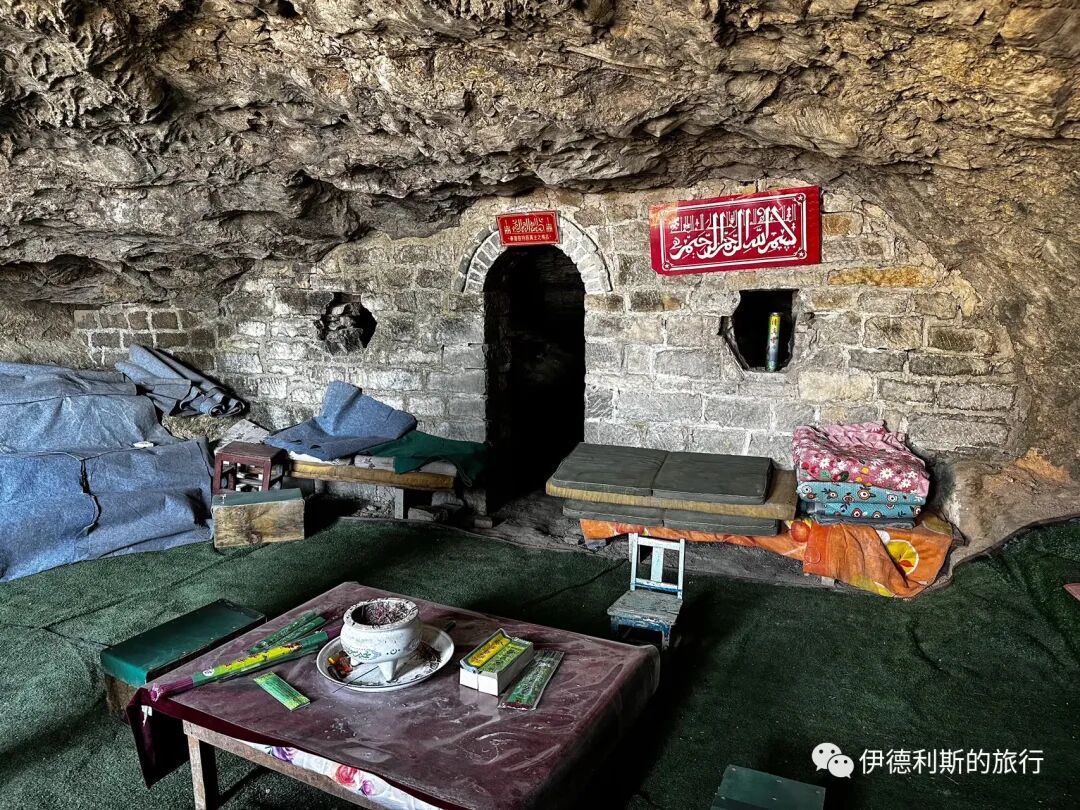
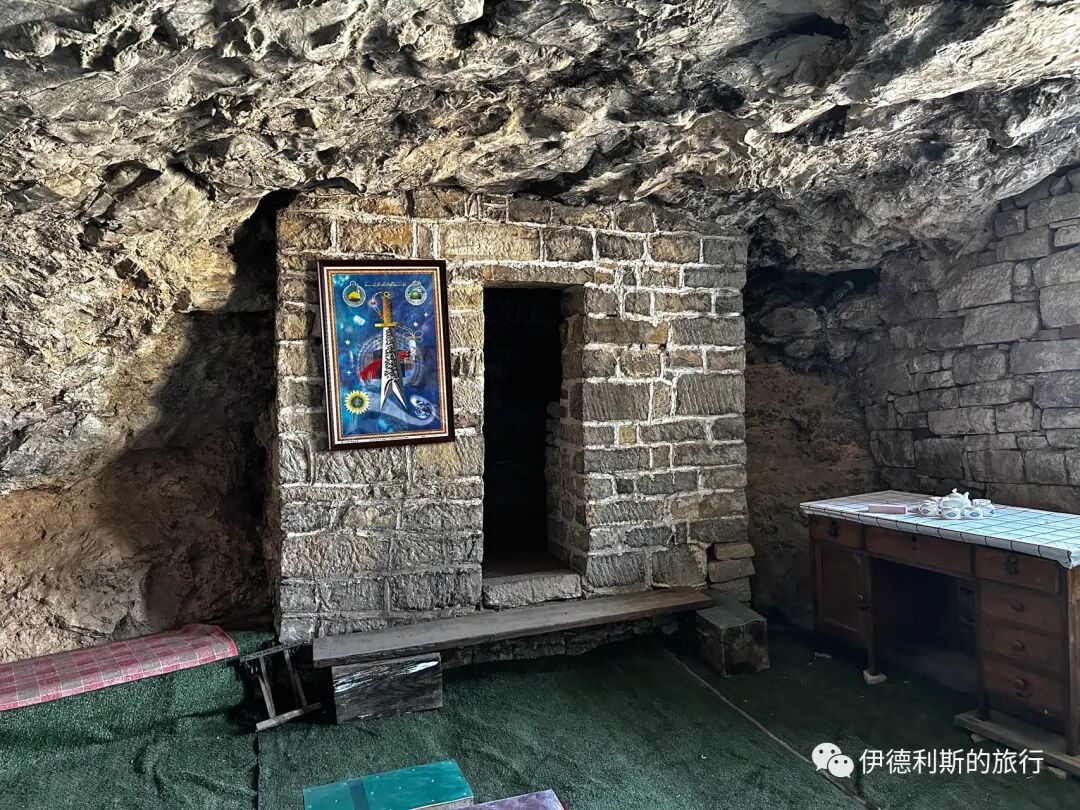
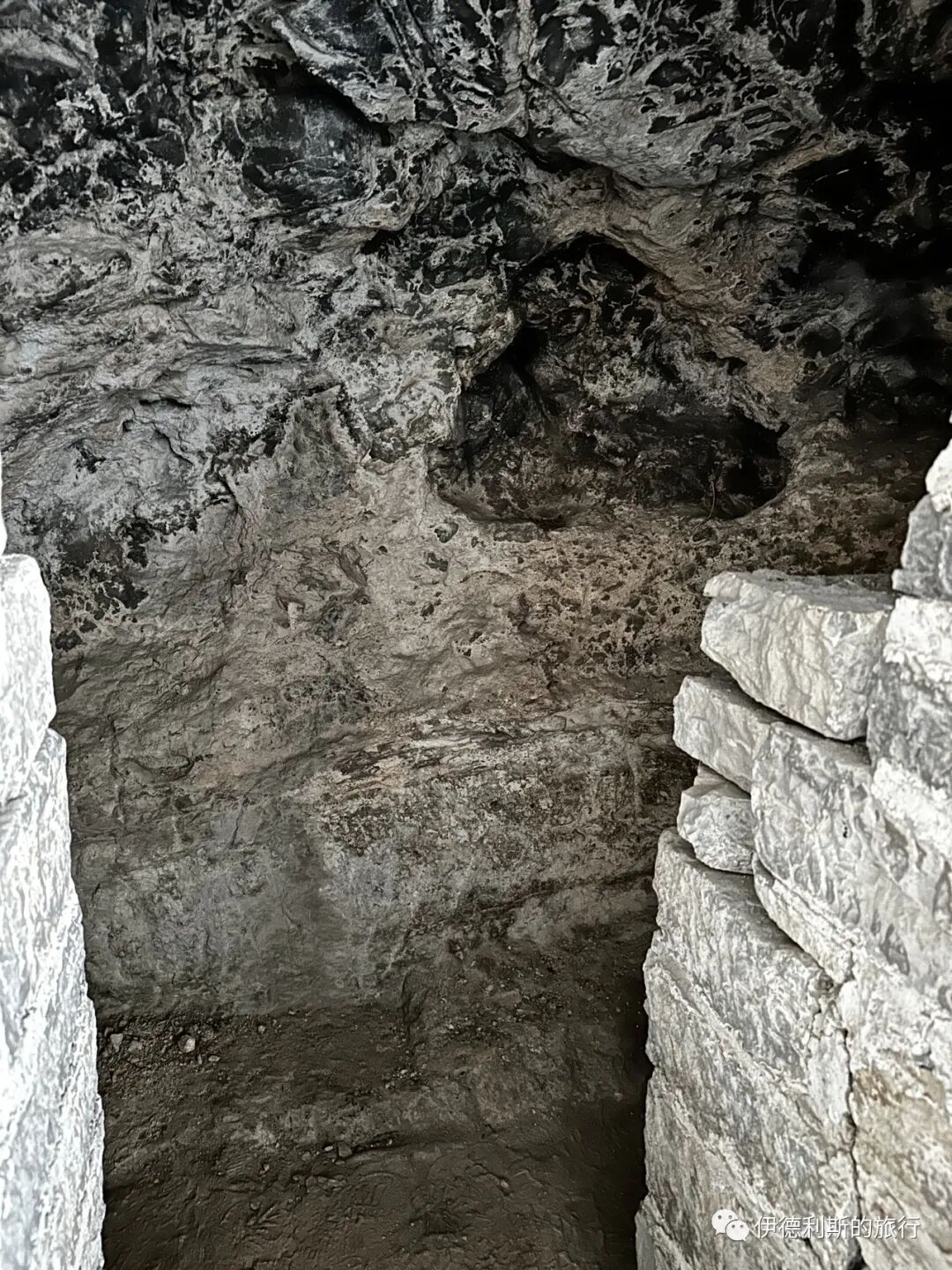
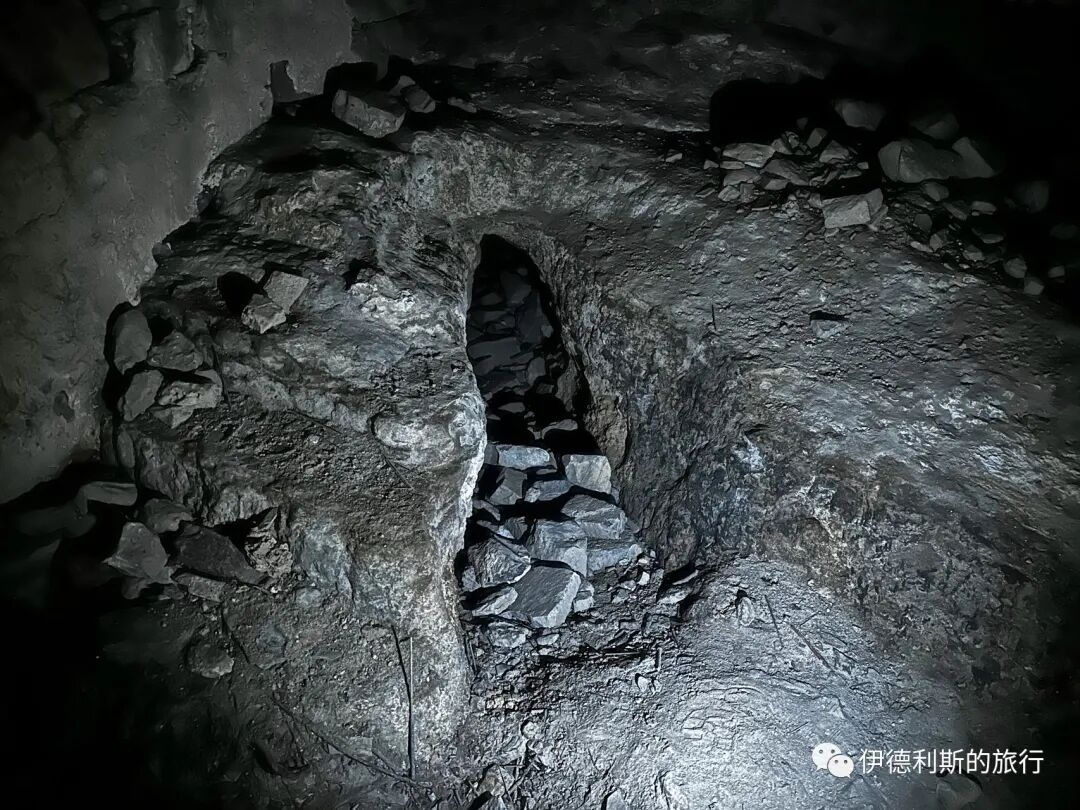
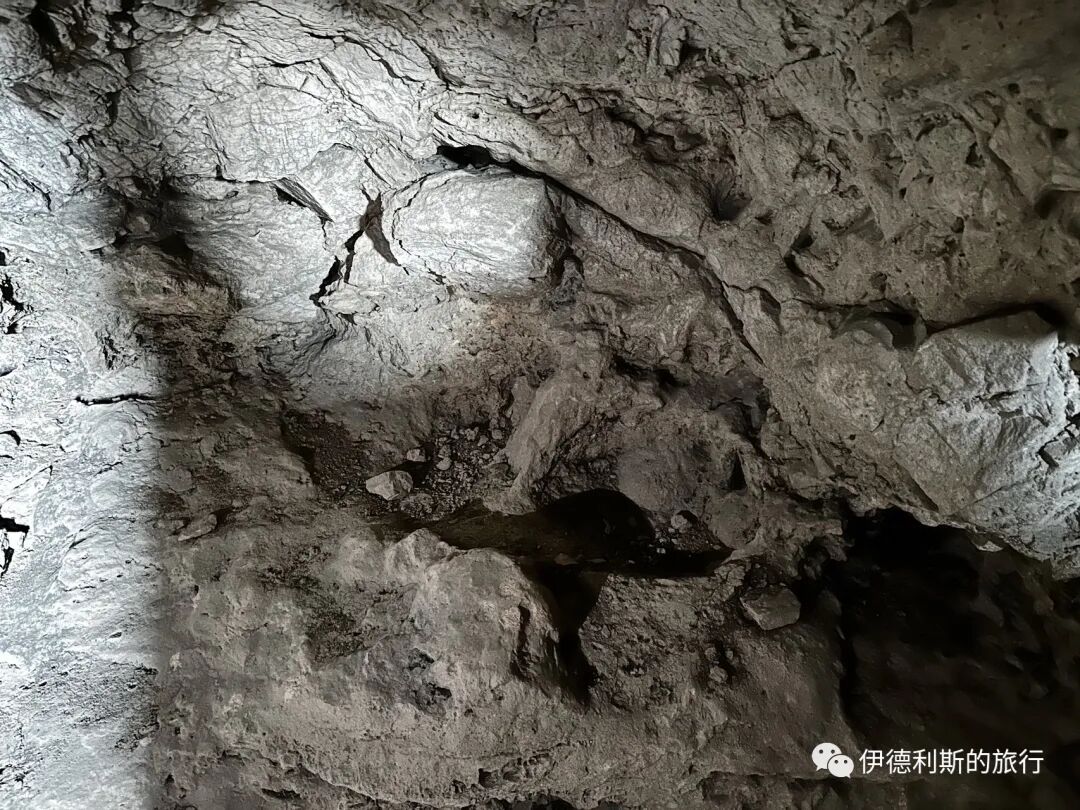
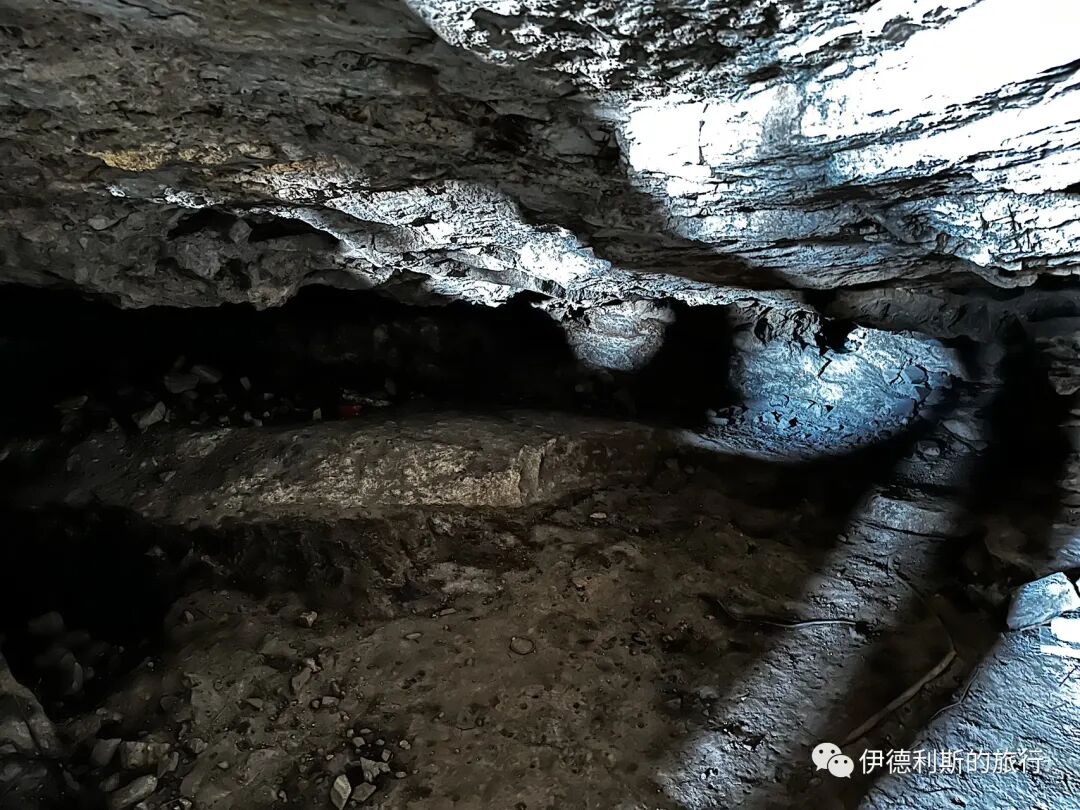
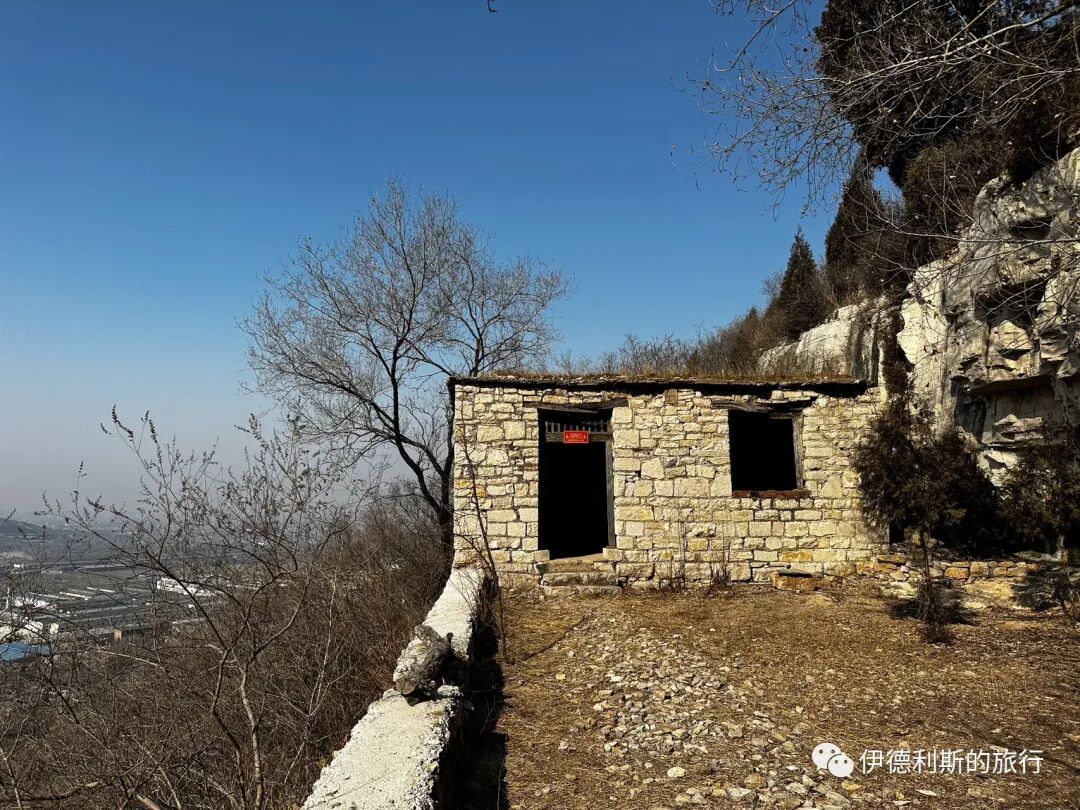
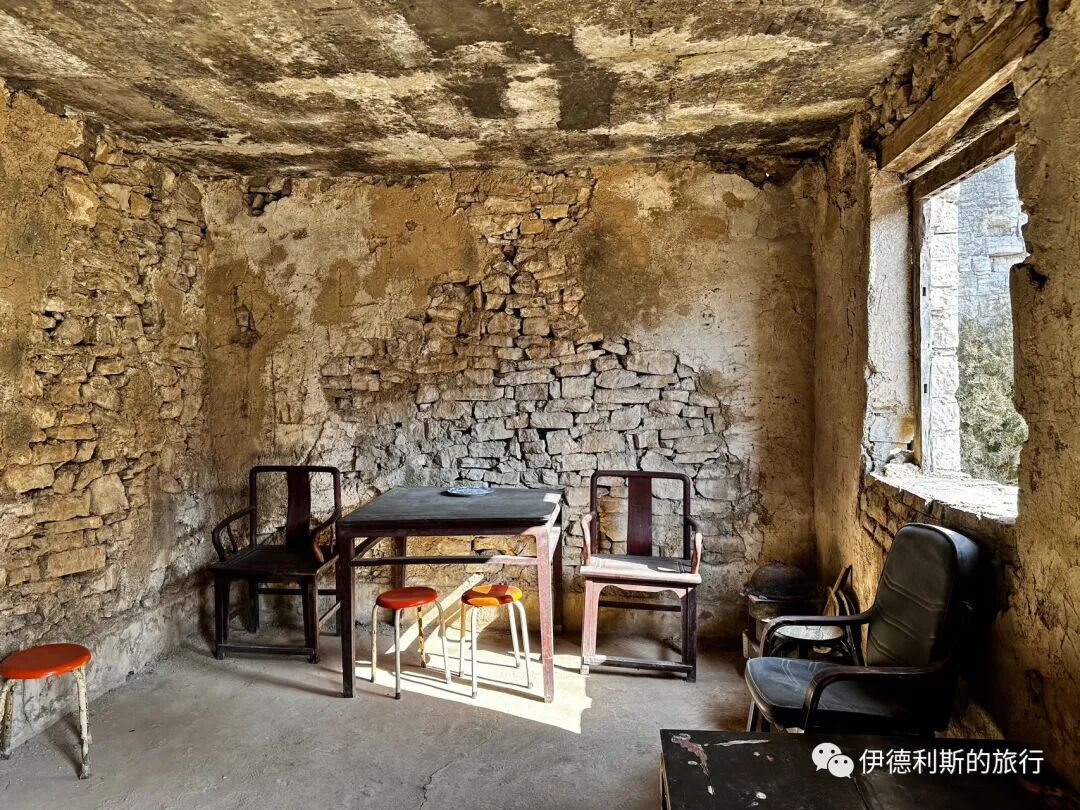
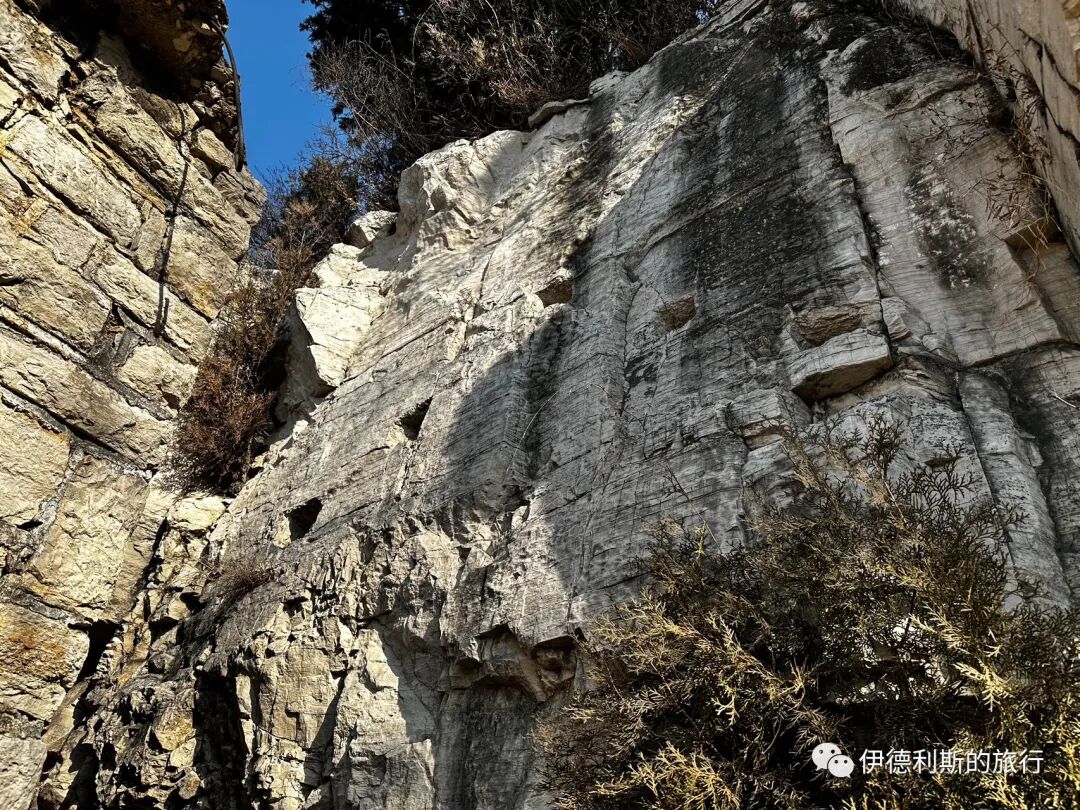
Next to the Baba Cave is a stone room, which is a place for performing rituals (amal). Near the stone house, you can see some mortise and tenon joints (sunmao) on the cliffside, which are likely the remains of the house where the Baba lived while practicing his faith.
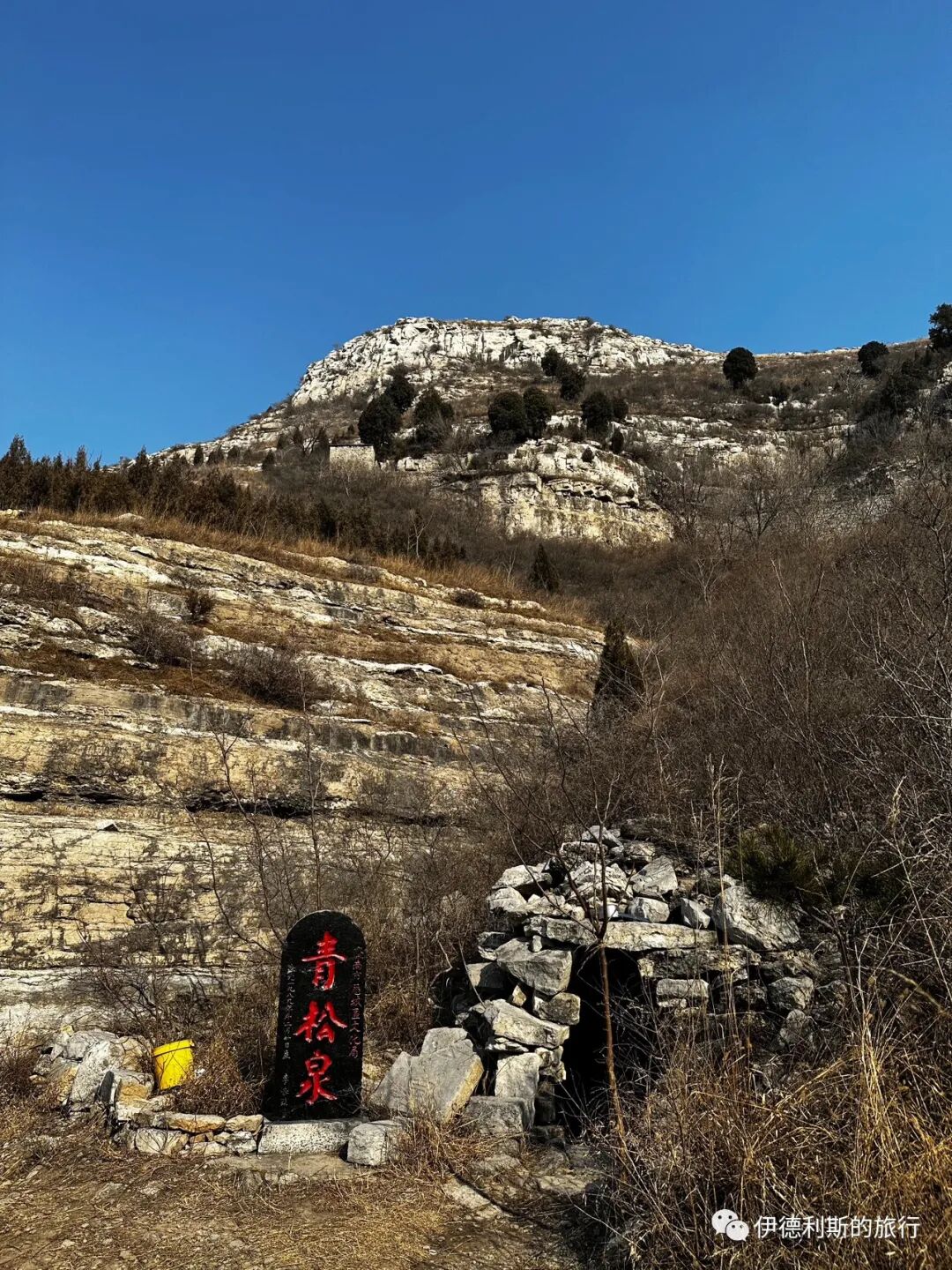
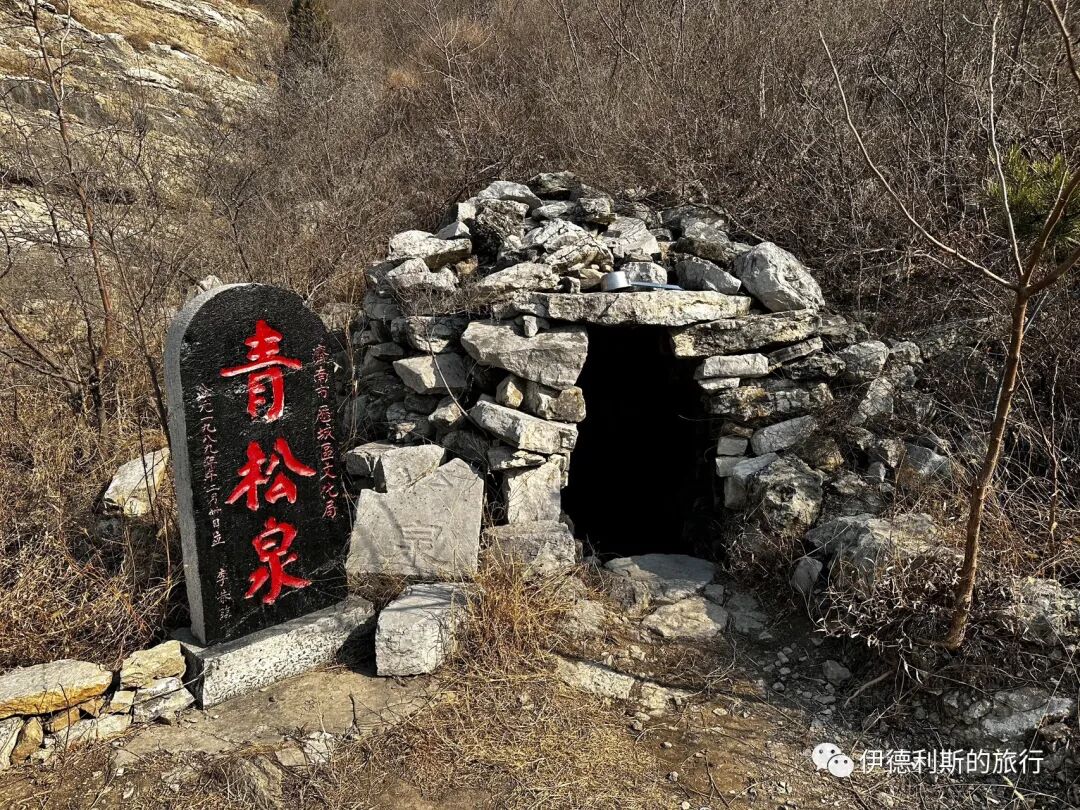
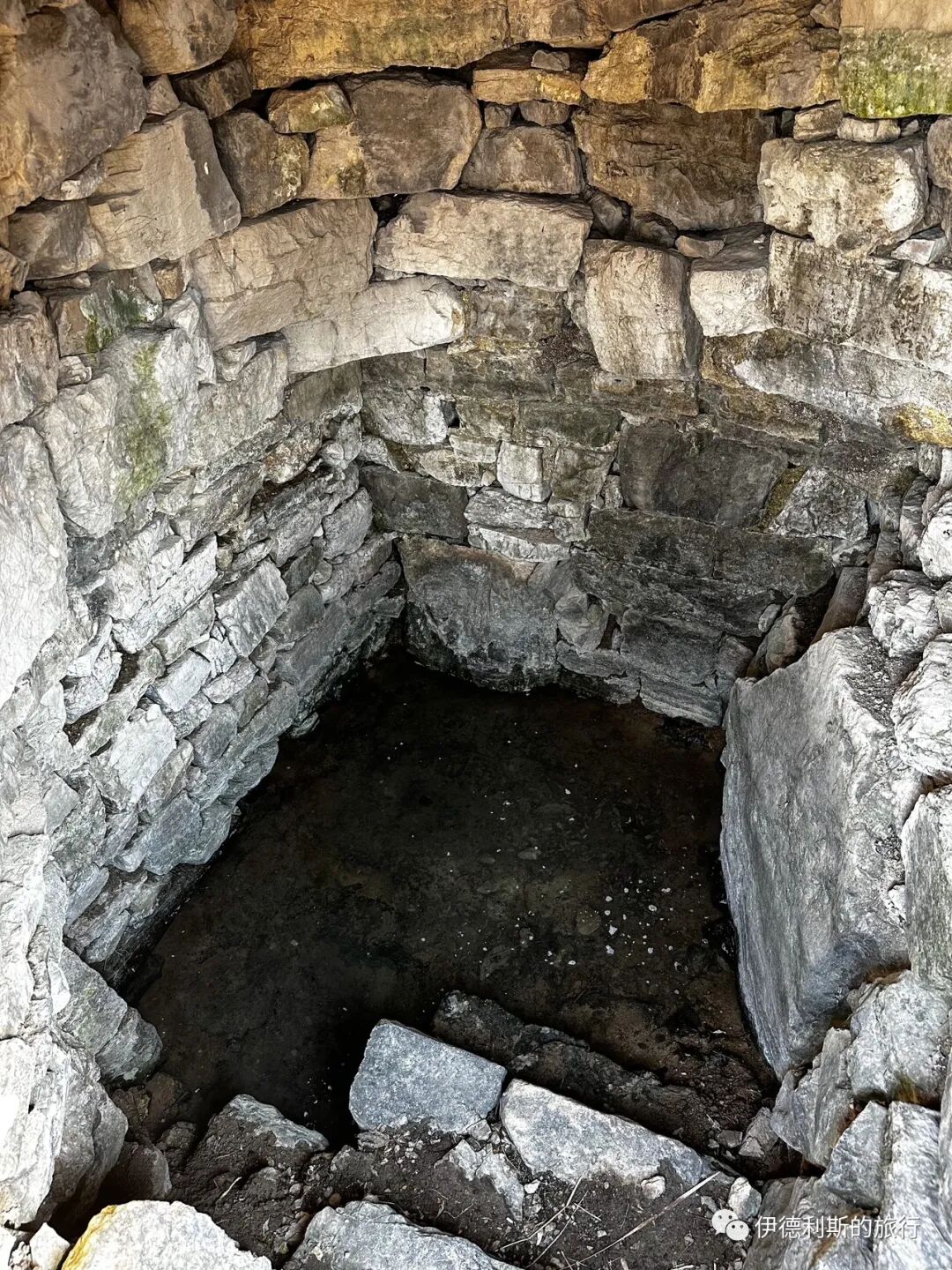
After visiting the Baba Cave, we walked down the mountain. At the foot of the mountain is the Green Pine Spring (Qingsong Quan), where the Baba used to get his water. In February, the spring water is clear and does not freeze; Jinan truly lives up to its name as the City of Springs.
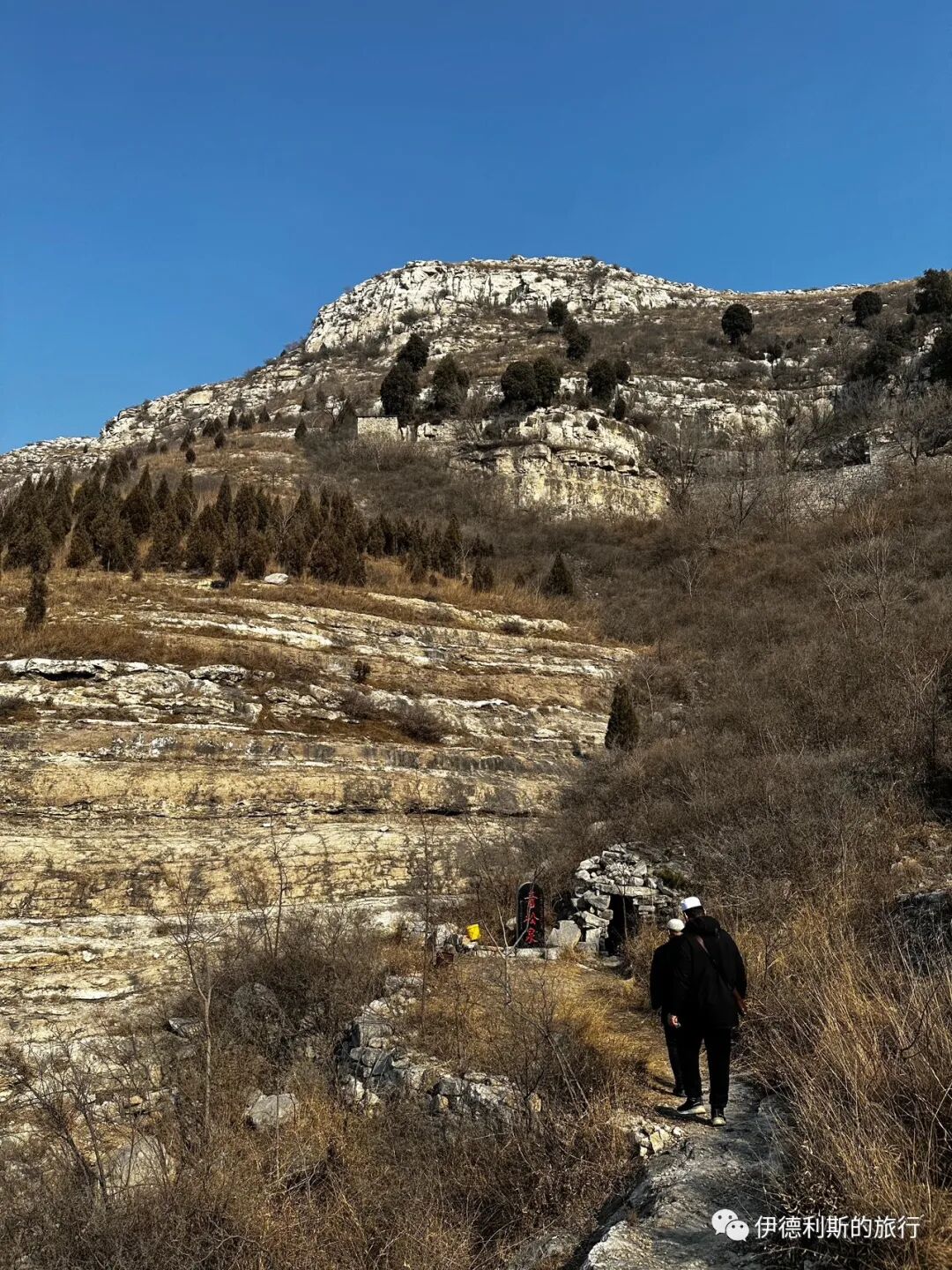
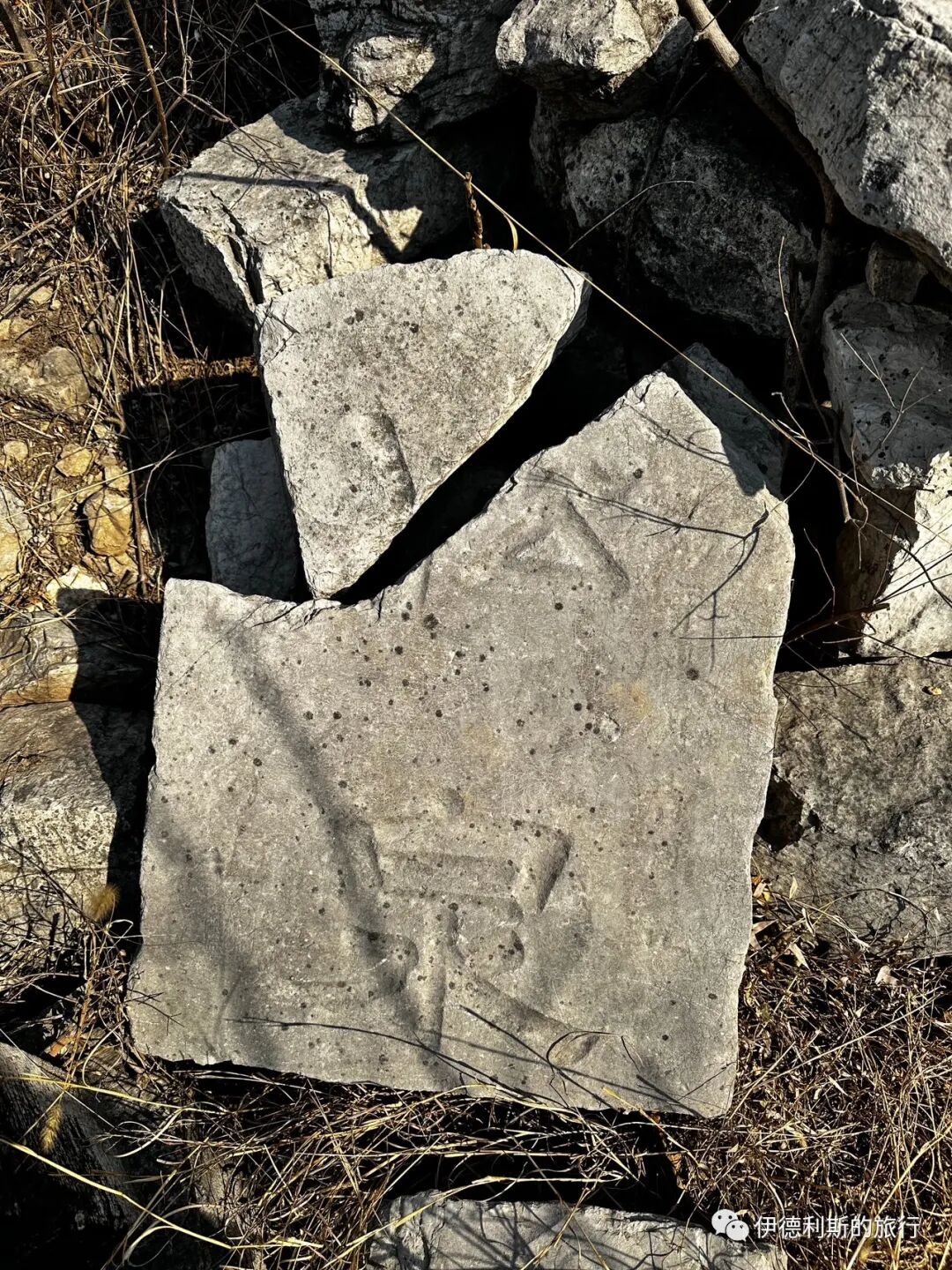
Beside the Baba Cave on Jiuding Mountain in Jinan, there is a broken stone tablet dated to the ninth year of the Daoguang reign (1829). One of the names on the tablet is Zuo Tingrong, who is one of the five figures—Zuo, Ma, Sa, Mao, and Yang—mentioned in the 1899 'Reconstruction of the Main Gate' tablet as having practiced in the cave. In fact, except for Yang Baba, who is buried at the foot of the Baba Cave mountain, the graves of the other four Babas still exist. Mao Baba is buried in Dangjiazhuang Town, and the other three Babas are buried at Ma'anshan, south of Jinan city.
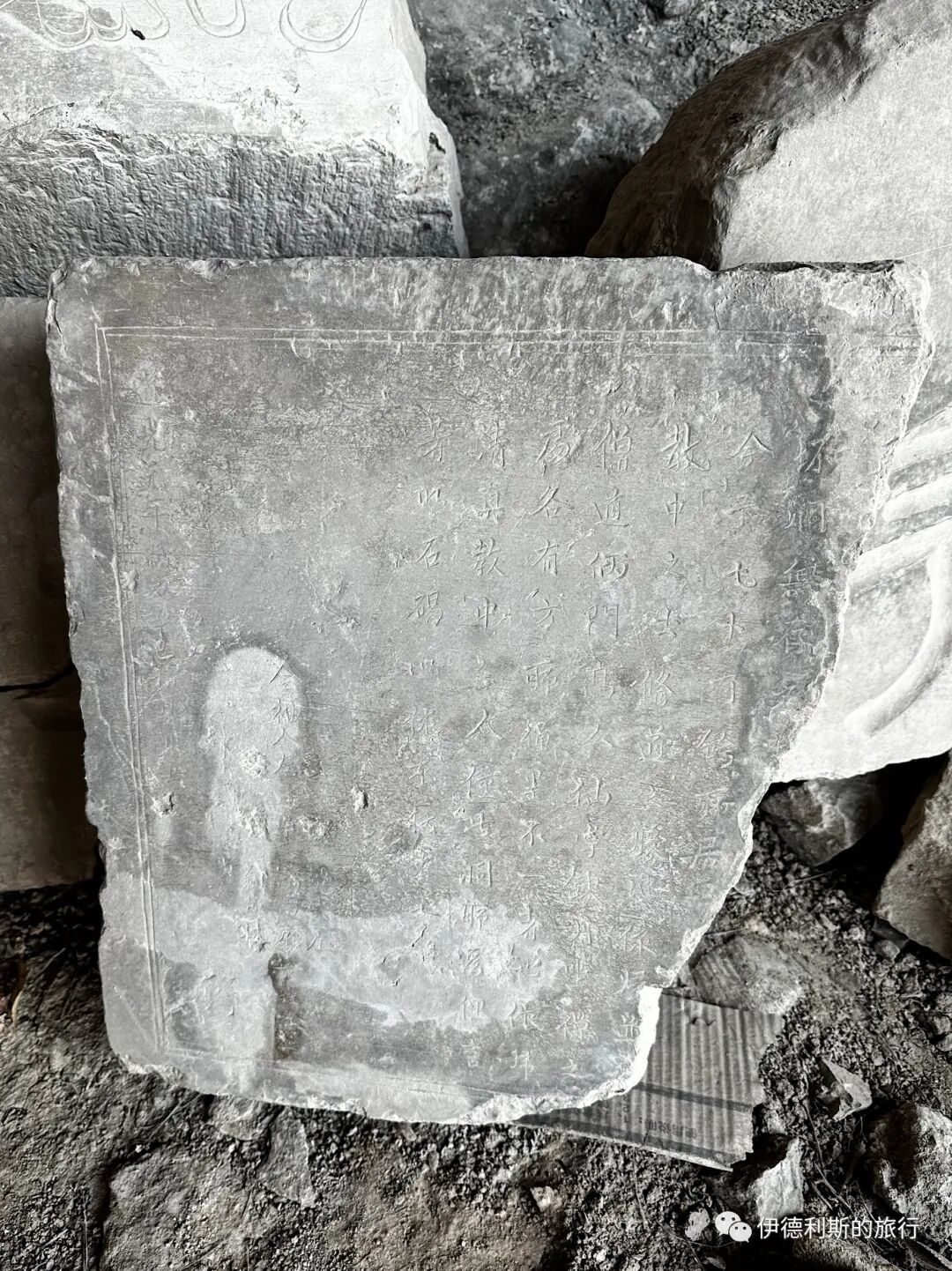
The Baba Graves at Ma'anshan.
Guided by Ma Haji and Ma Lianjun Dosti, we arrived at the Baba graves on the eastern slope of Ma'anshan, south of Jinan. There are dozens of graves of Muslim ancestors here dating back to the Yuan and Ming dynasties, including the graves of Zuo, Ma, and Sa Baba.
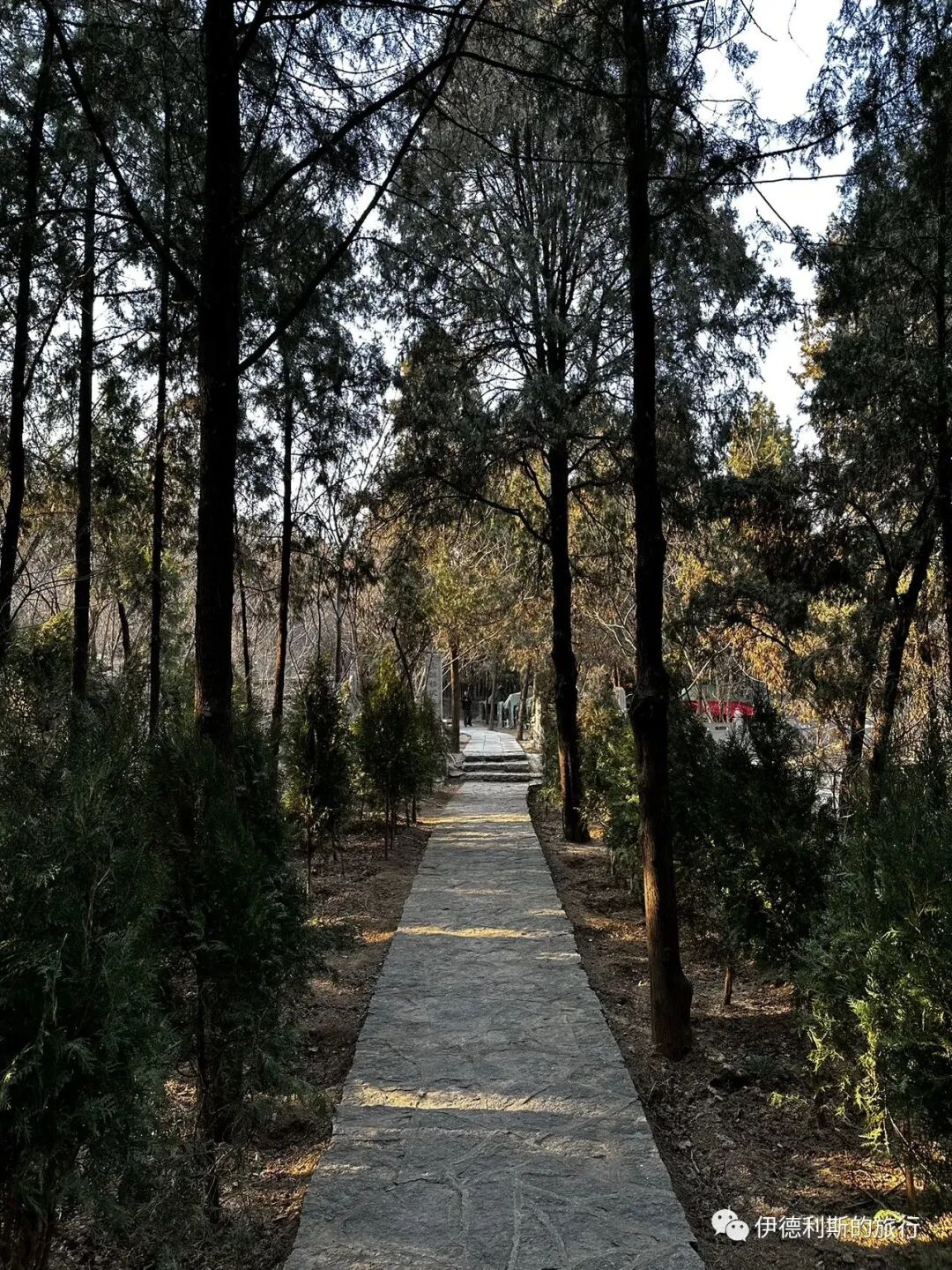
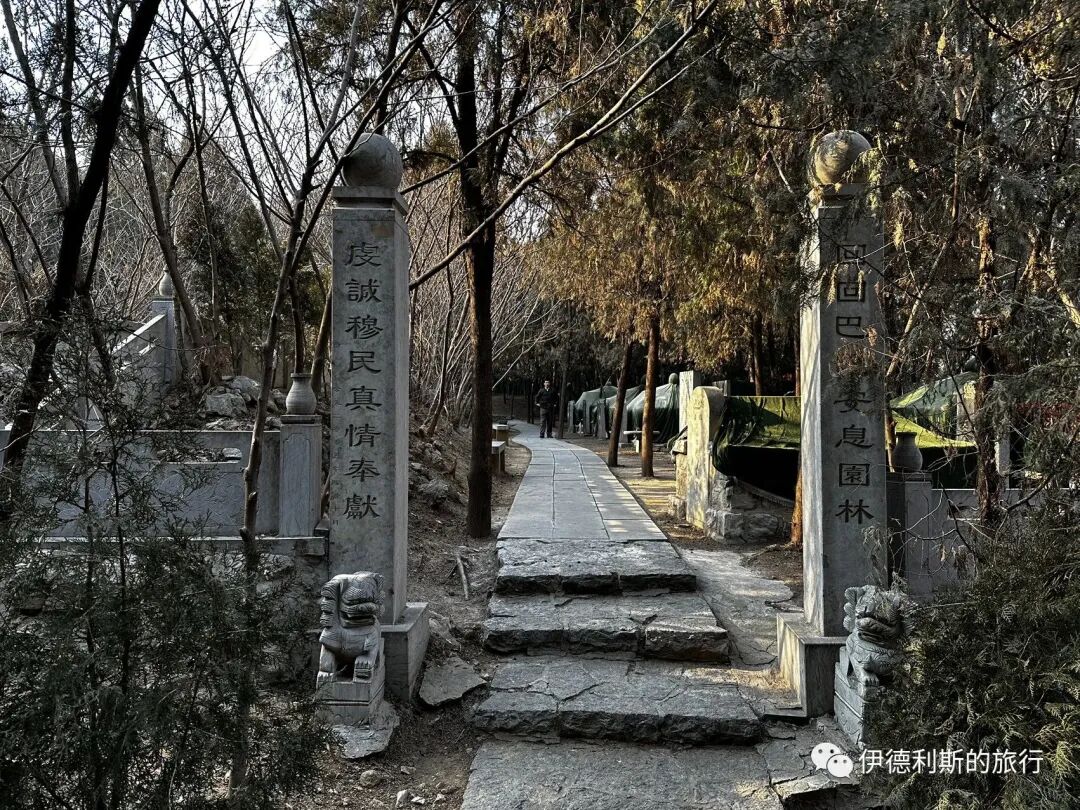
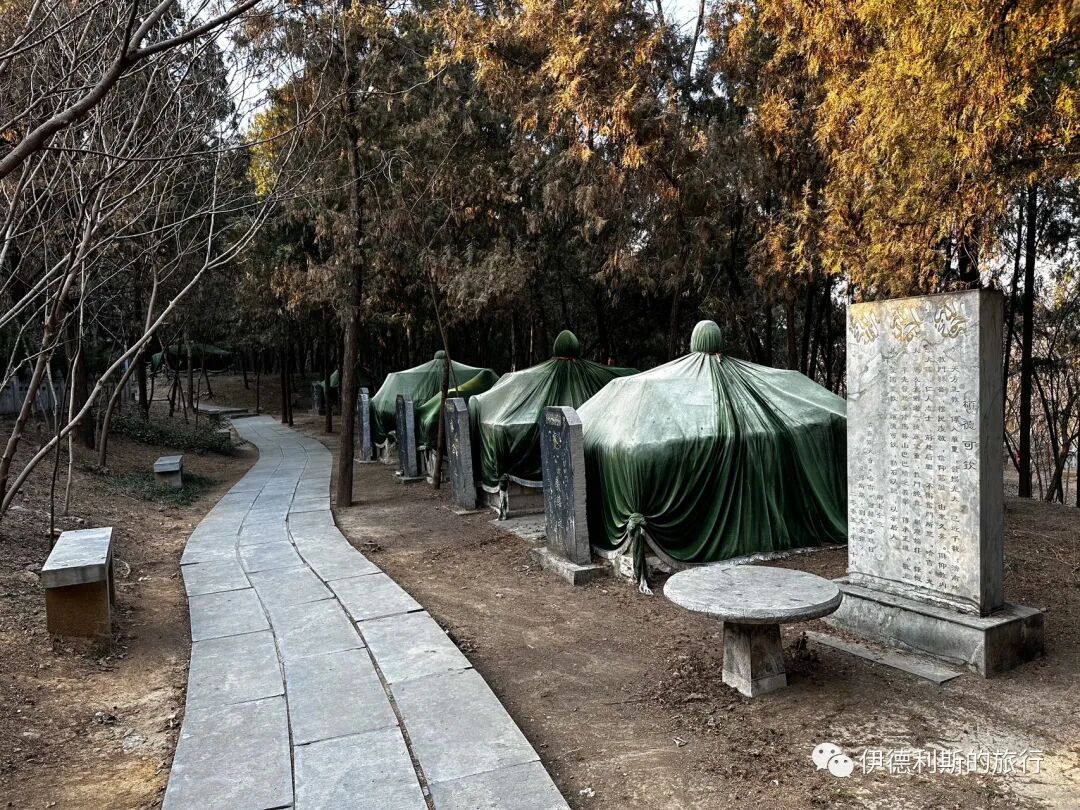
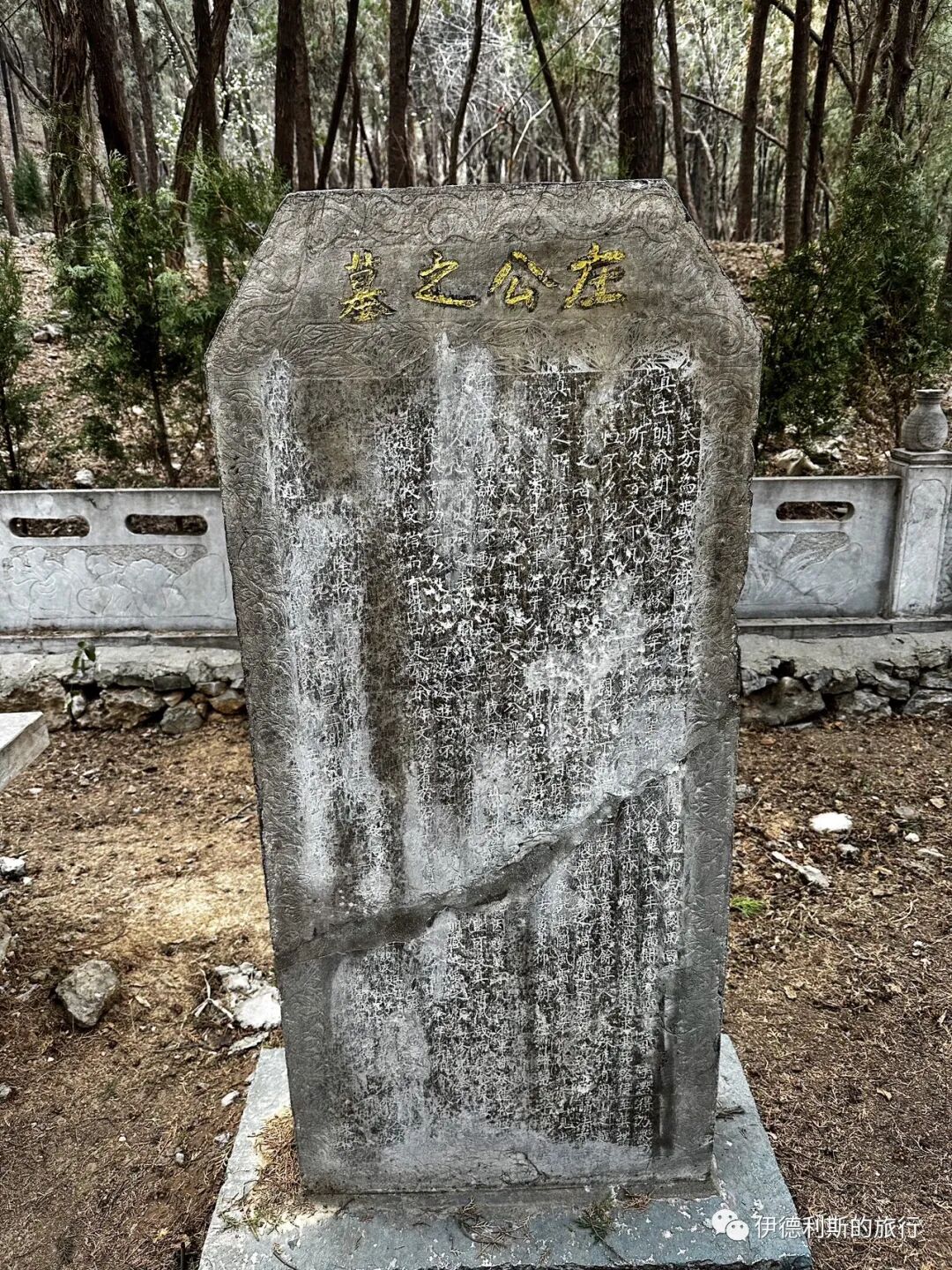
Zuo Baba's grave is at the far west end of the cemetery. The tombstone is engraved with Chinese and Arabic, as well as Xiao'erjing (Arabic script used to write Chinese), providing a wealth of information. Ma Lianjun Dosti helped write the article 'A Study of the Chinese-Arabic Tombstone of Zuo Gong's Grave in Jinan during the Daoguang Reign of the Qing Dynasty from the Perspective of the Sinicization of Islam,' published in 'World Religious Studies.' This is currently the most detailed introduction available regarding Zuo Rongting Baba.
From the inscription, we know Zuo Baba's name was Tingrong, his courtesy name was Yunbo, and he was from the West Gate of Jinan. He was born in 1750 (the 15th year of the Qianlong reign) and passed away in 1829 (the 9th year of the Daoguang reign). His religious name was Ishaq. He was guided by the Sufi master Mahmud Baghdadi and became a leader for local practitioners, known far and wide for his spiritual path. Zuo Baba endured great hardships to travel to Mecca for Hajj and visited the tomb of the Prophet Muhammad in Medina. The inscription shows that Zuo Baba was a Sufi practitioner with a clear lineage, who insisted on asceticism and traveling to practice his faith. Such detailed records of a Sufi practitioner are extremely rare in the entire eastern region.
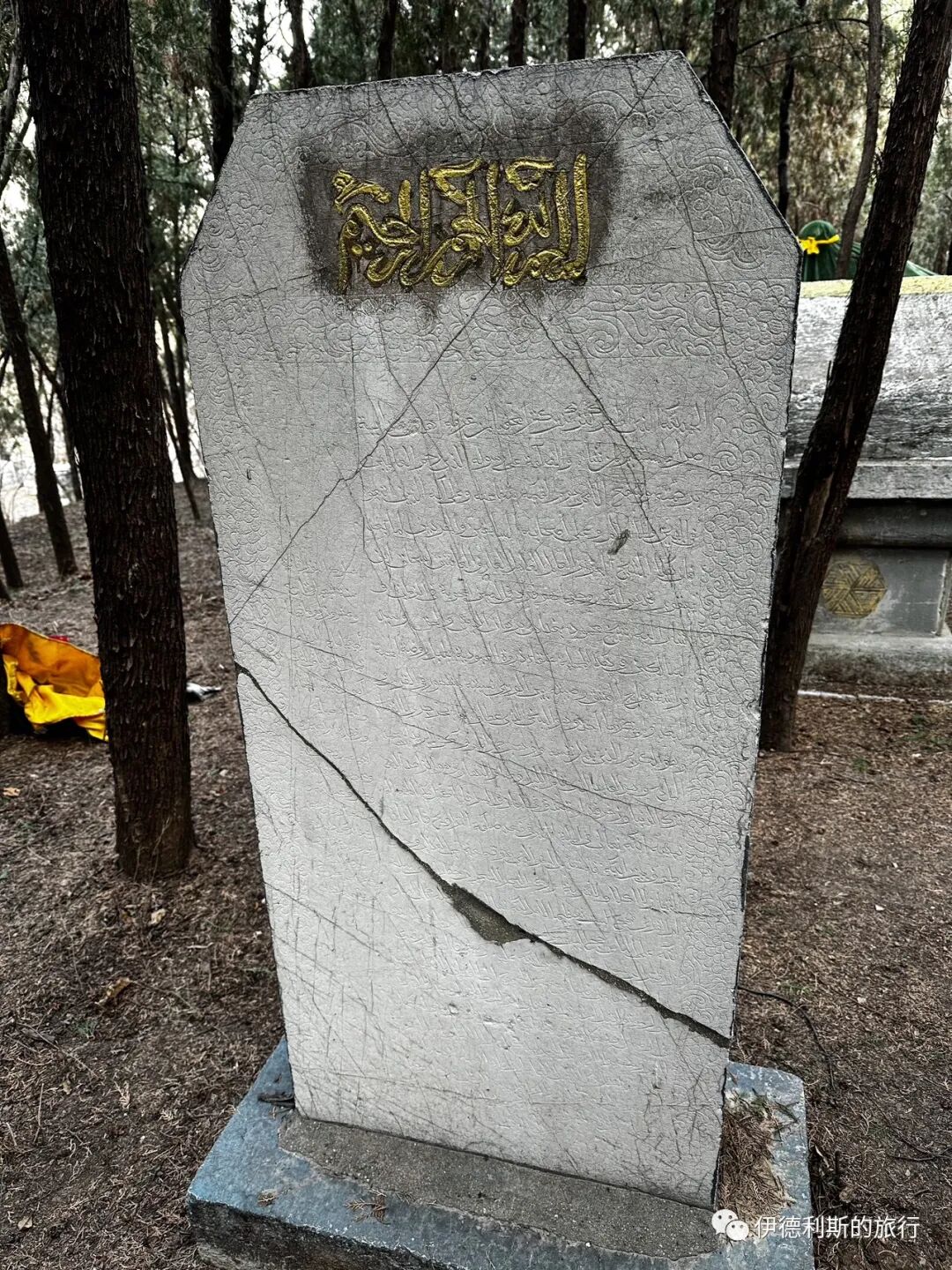
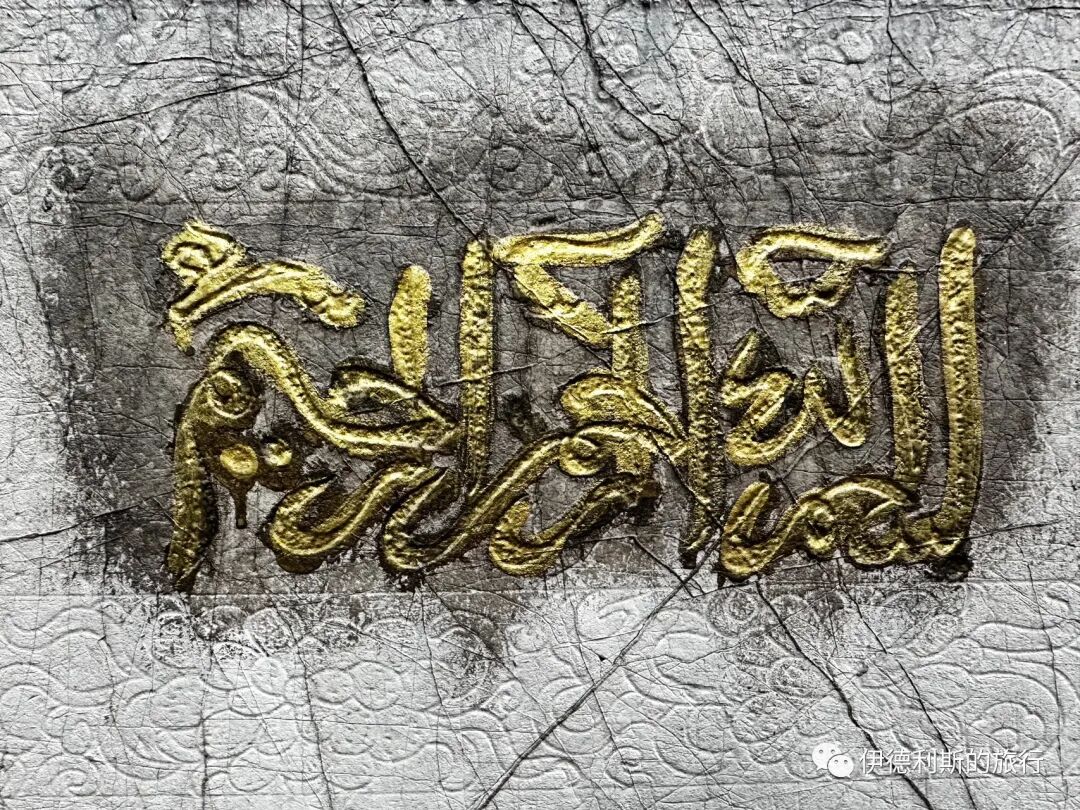
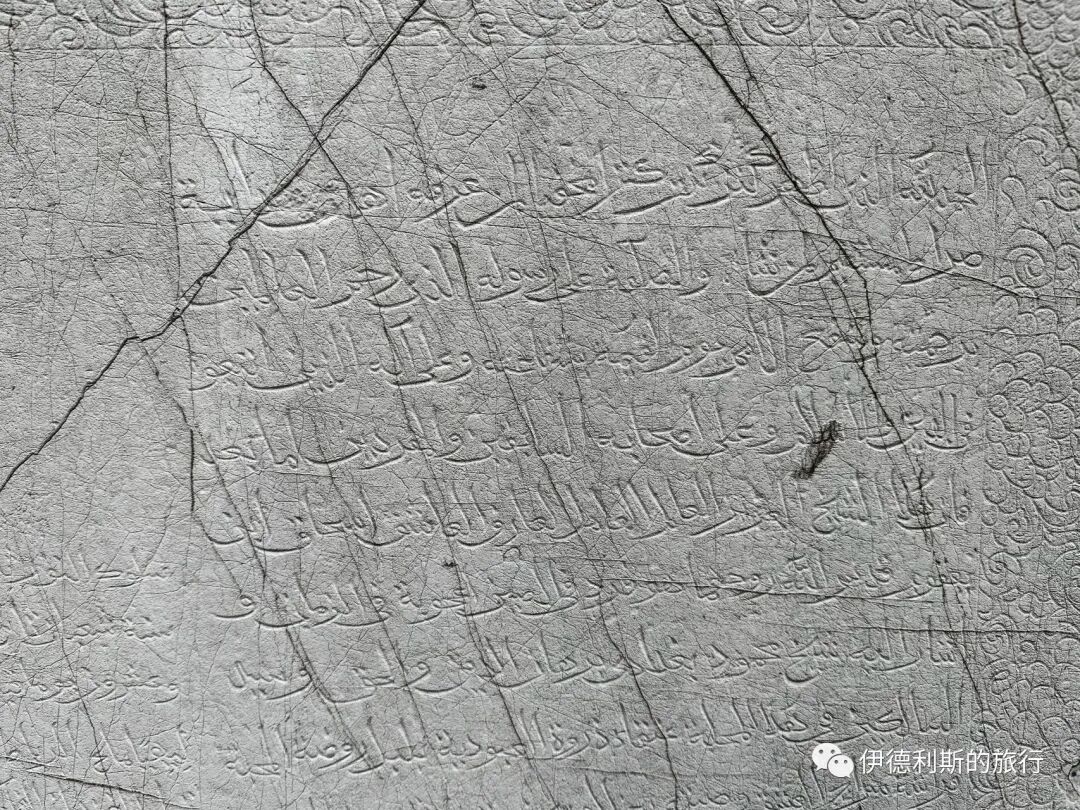
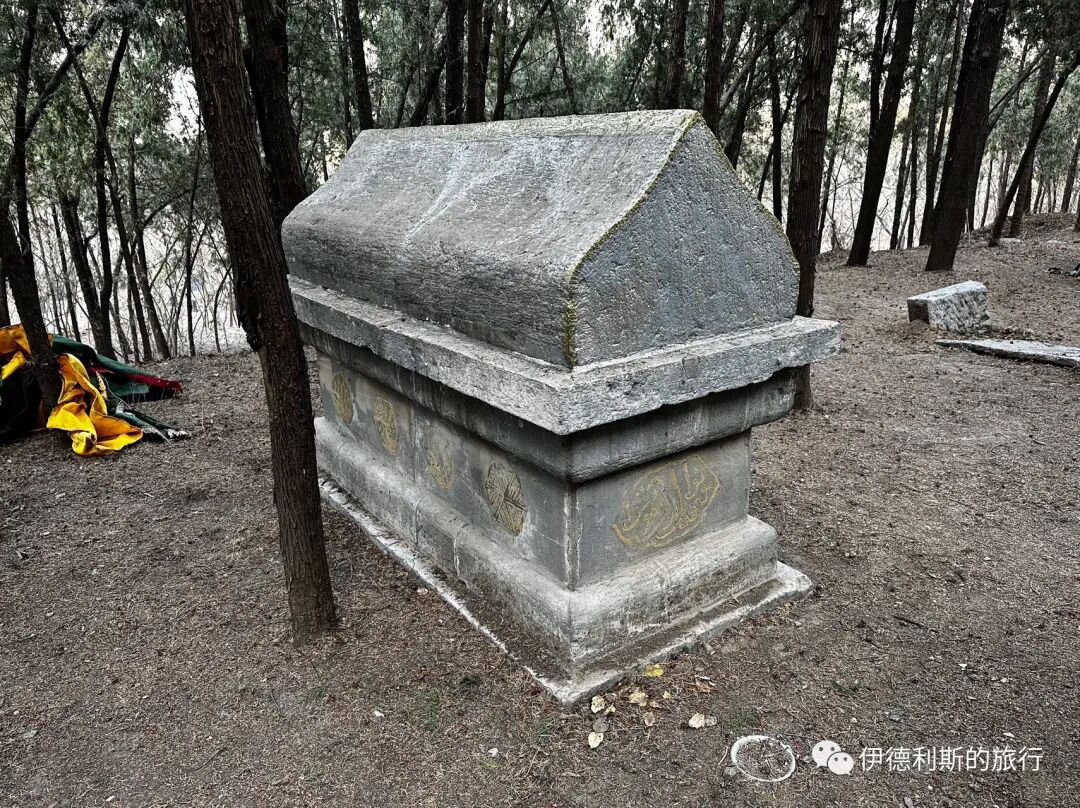
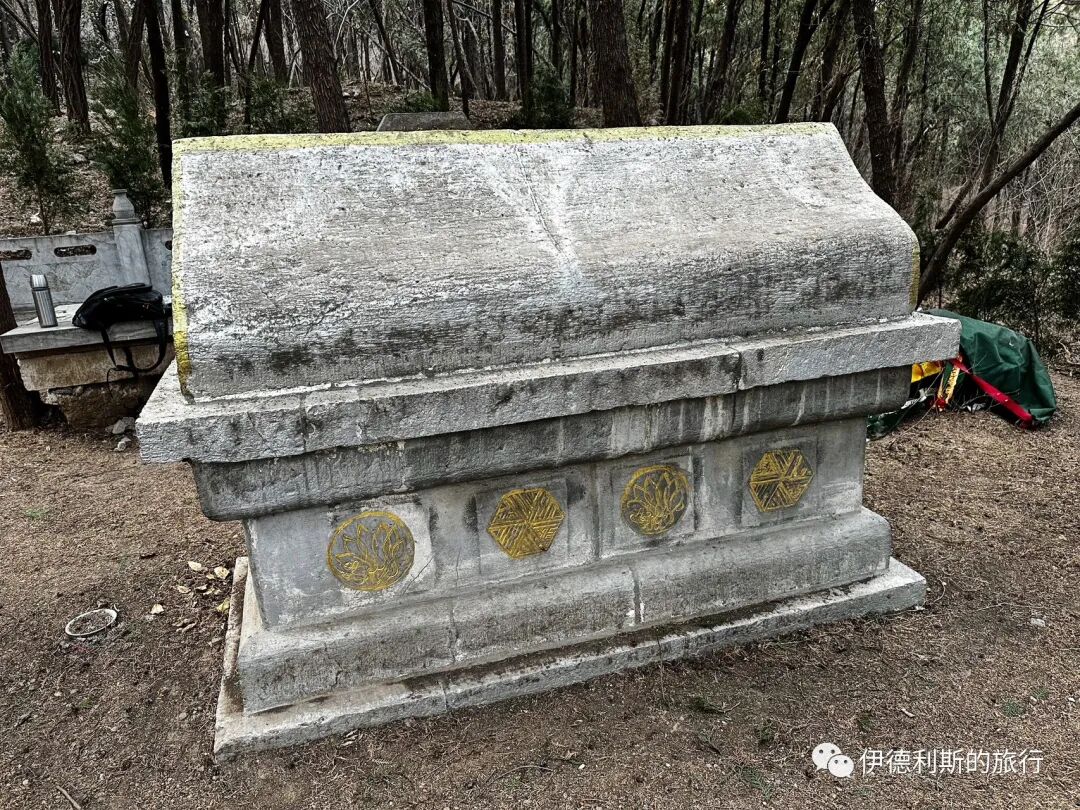
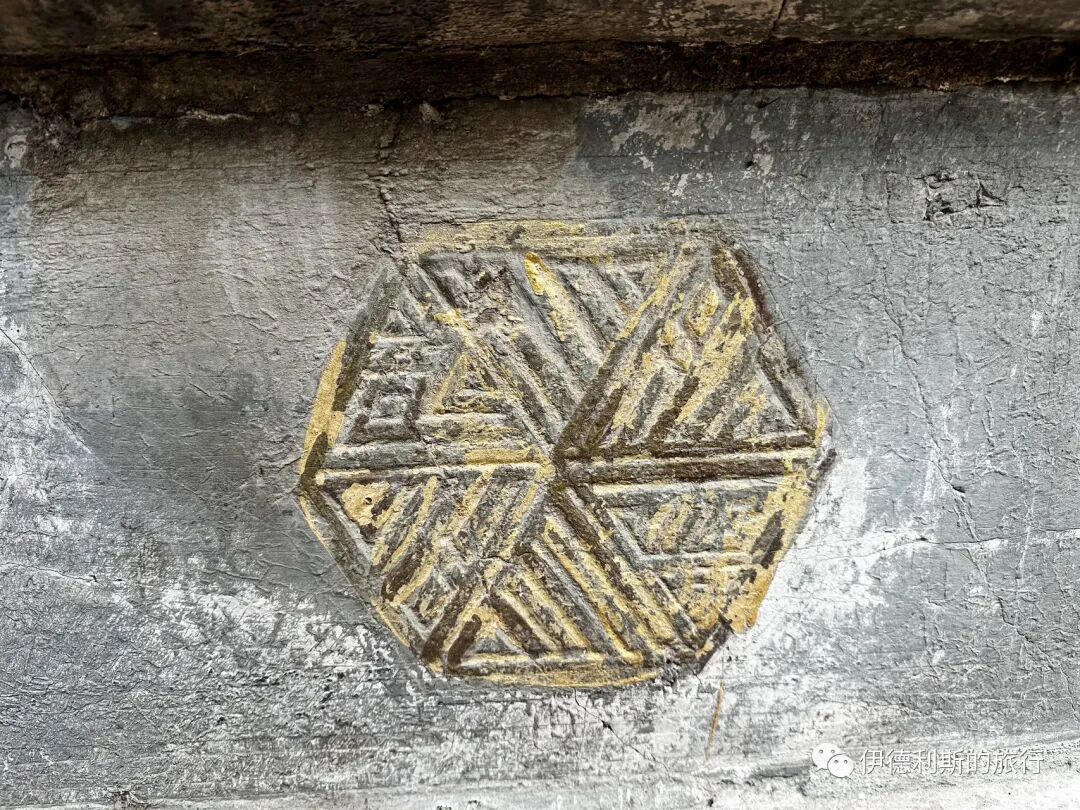
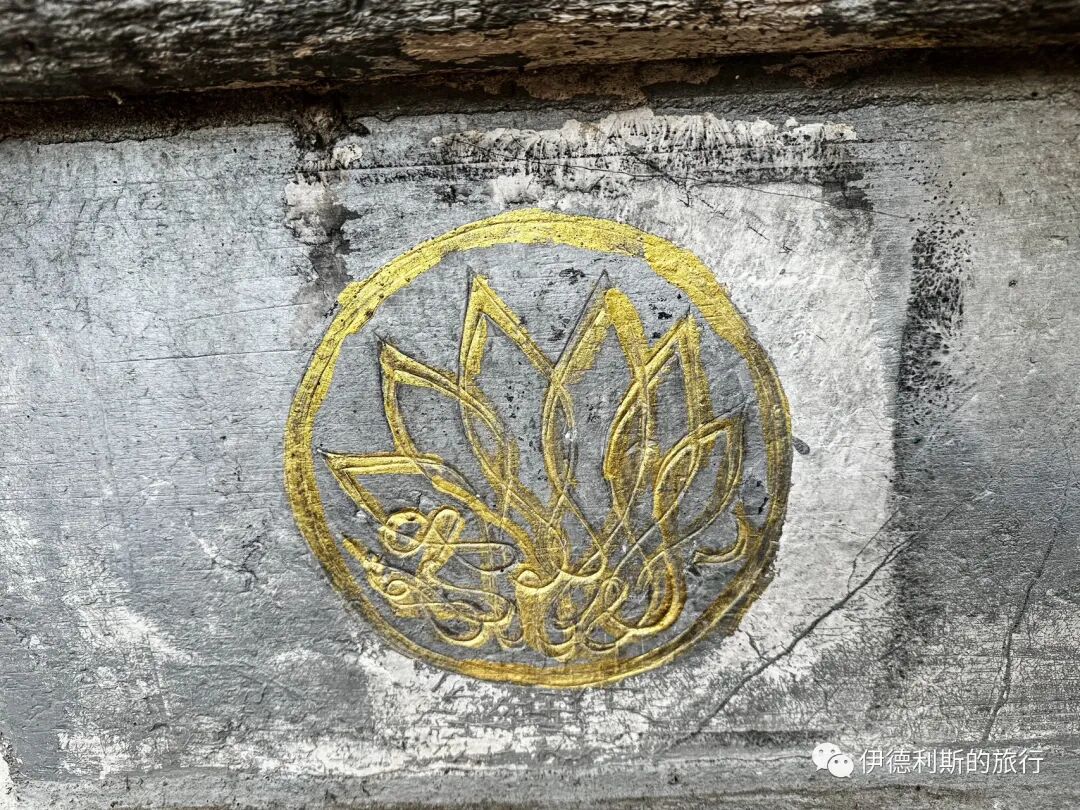
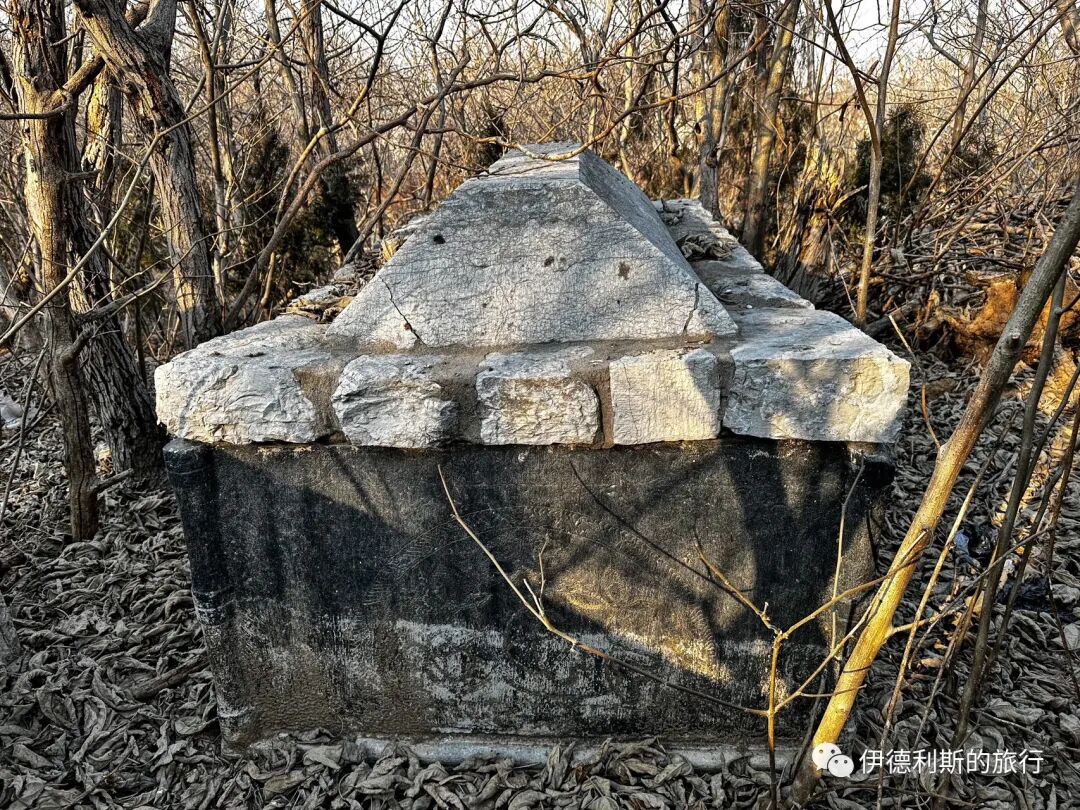
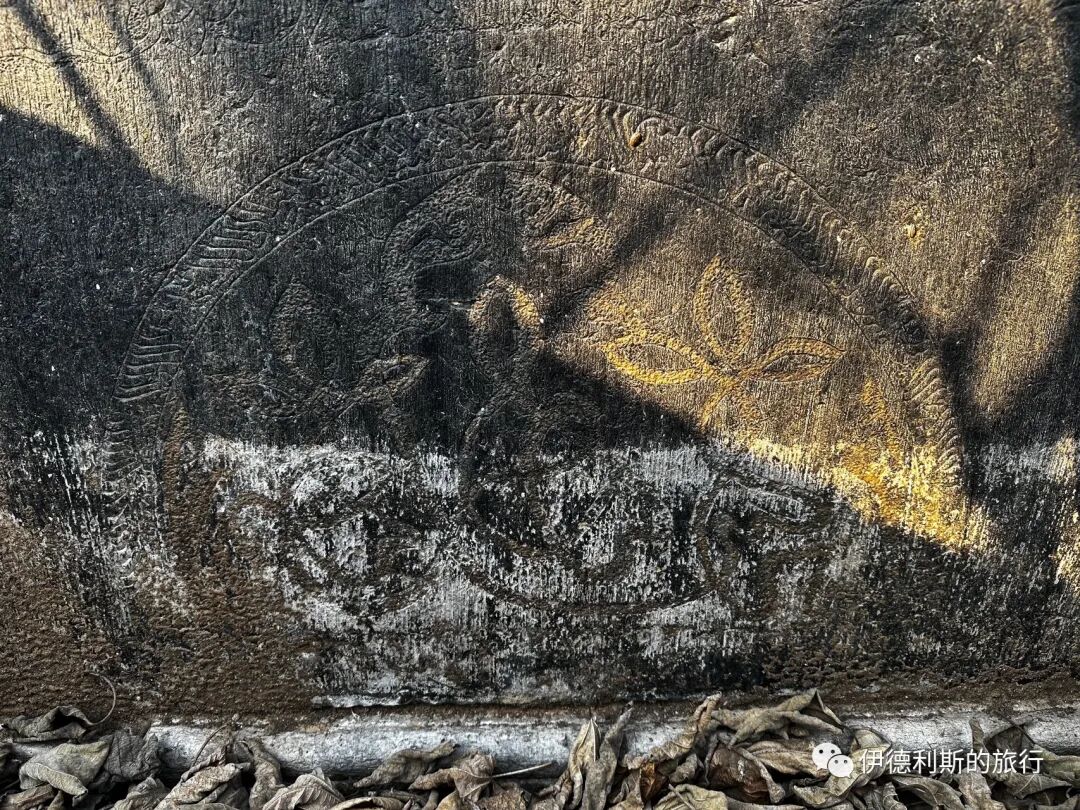
The top stone of Zuo Baba's grave is also very unique. Its cross-section looks like an arch, and the sides are carved with exquisite Arabic calligraphy, including both traditional Chinese styles and the brick-like Bannai script derived from Kufic. However, because later generations repainted it with gold lacquer, the original calligraphy has become somewhat blurry.
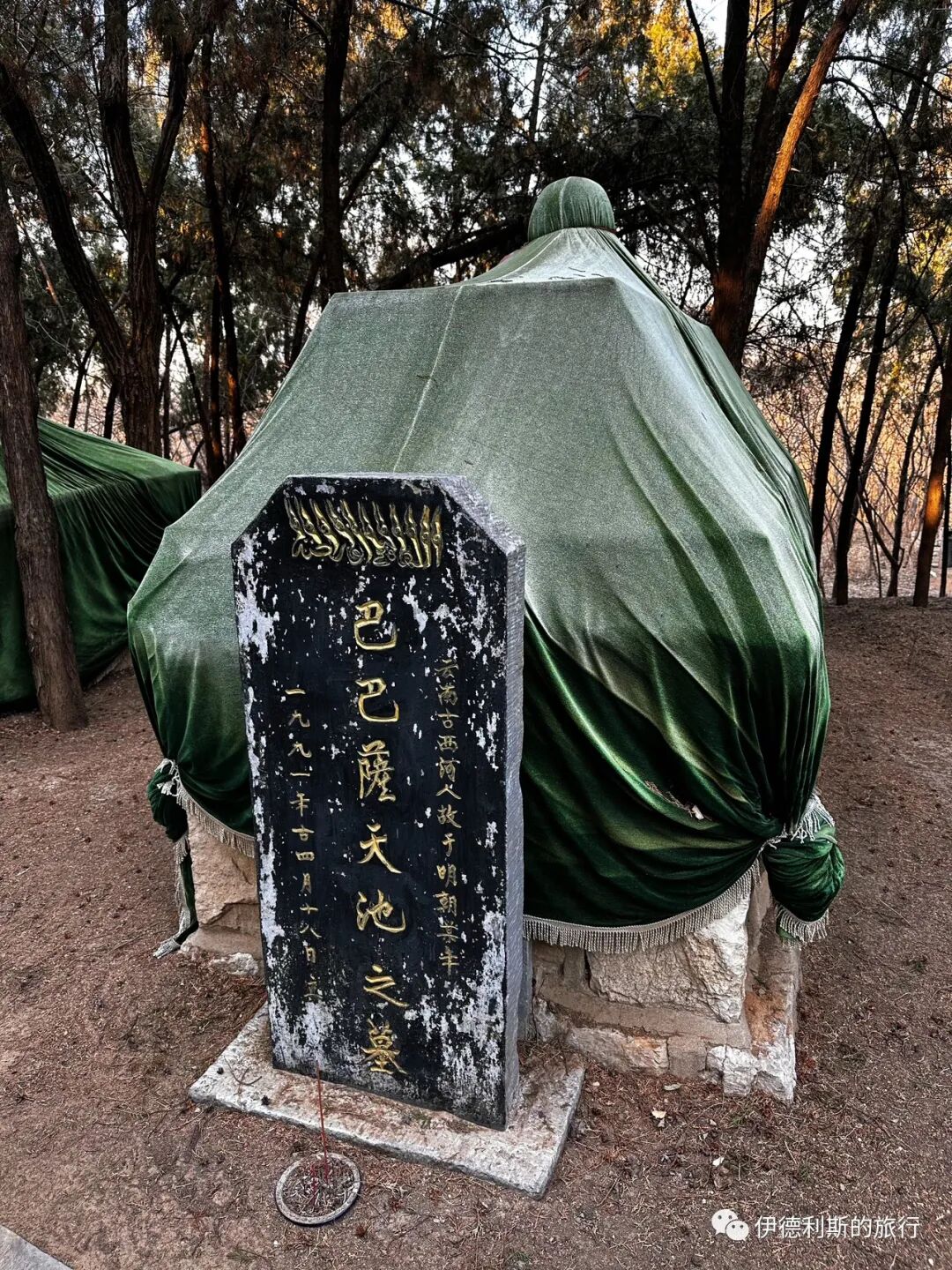
According to the article 'Baba Graves of the Yuan and Ming Dynasties in Shandong,' Sa Baba was named Sa Tianchi. He was from ancient Xihe in Yunnan, and he lived around the end of the Yuan and the beginning of the Ming dynasties. In the oral traditions of the Sai family of Hui Muslims in Jinan, Sa Baba's experiences of seeking medicine to save the dying and heal the wounded are very consistent with Sufi practices. He often used his medical knowledge to treat people regardless of whether they were Hui or Han, and he was respected by all ethnic groups.
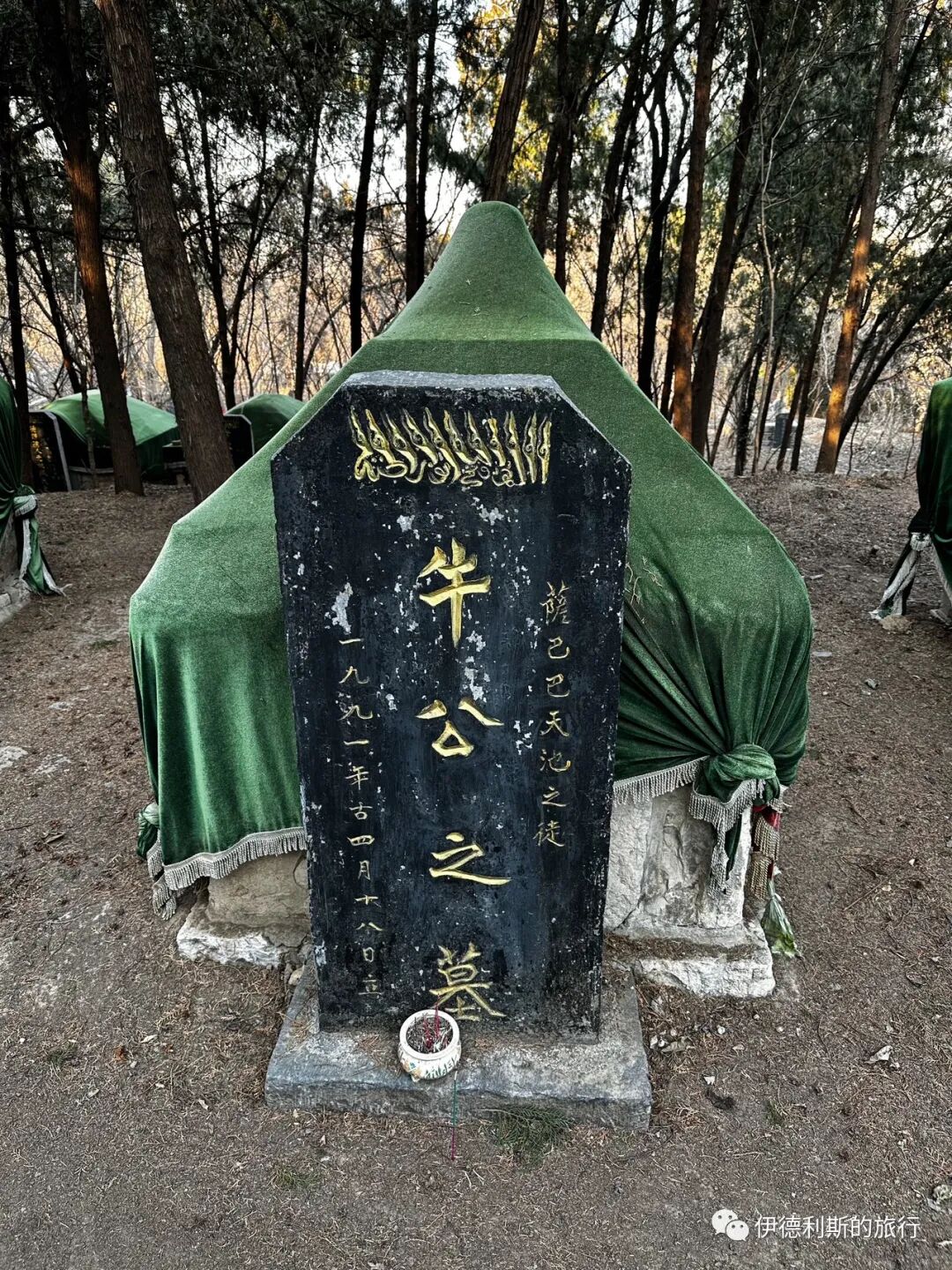
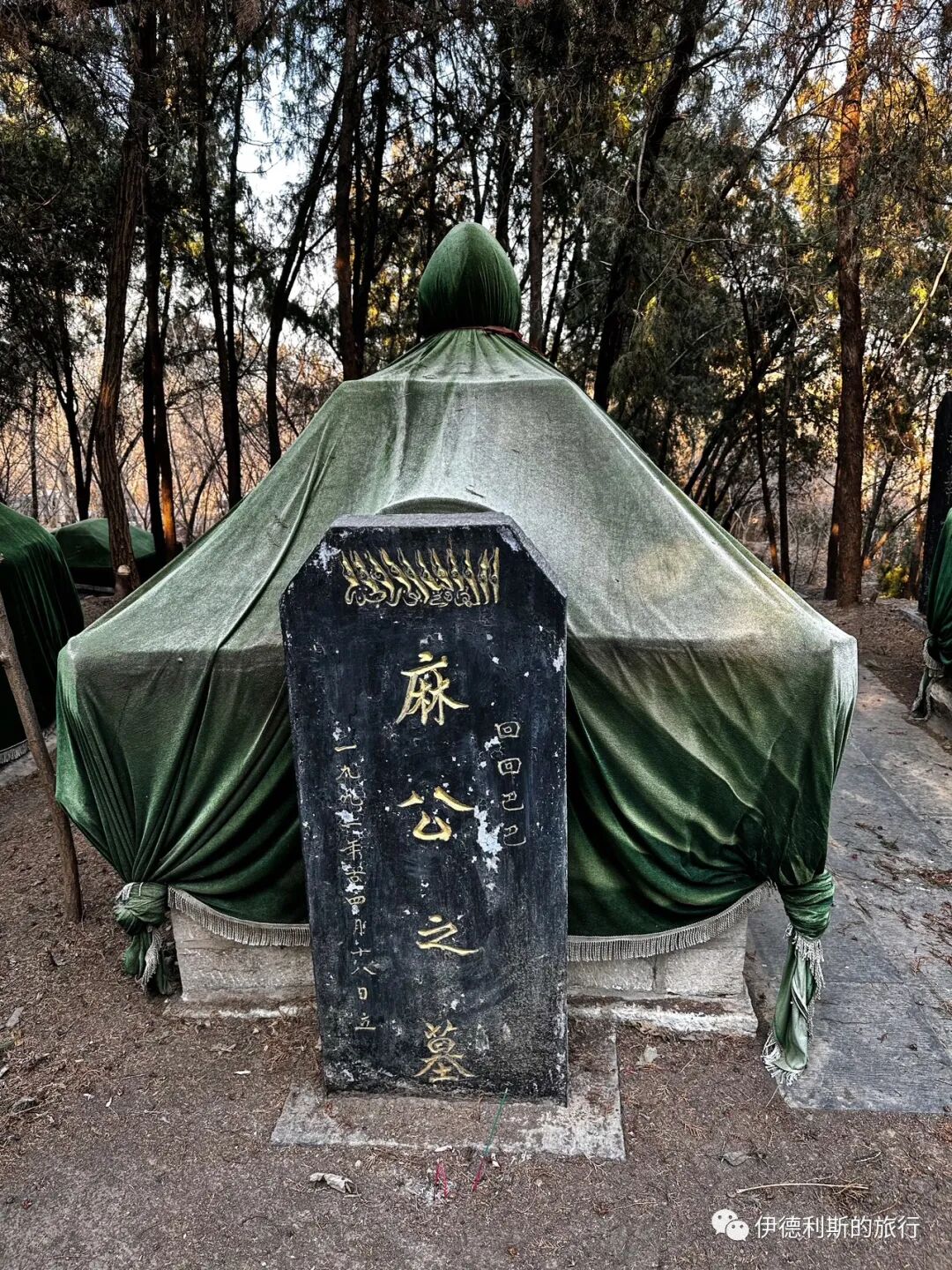
Additionally, there is the grave of Niu Baba, a disciple of Sa Baba, in the Baba cemetery.
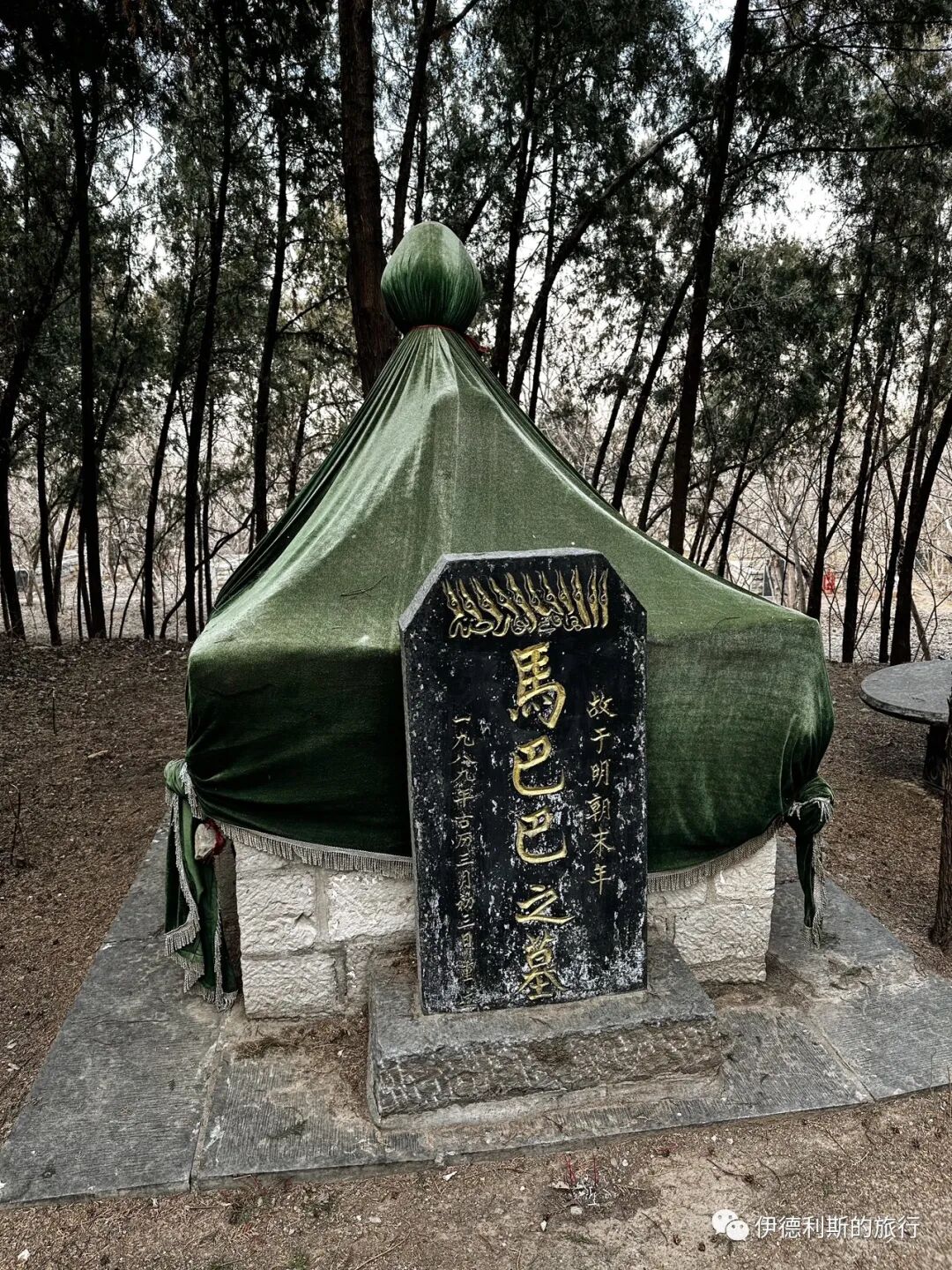
Legend says Ma Baba passed away at the end of the Ming dynasty. The 1933 issue of the Republic of China periodical 'Yuehua' (Vol. 5, No. 18) contains an article titled 'Ma'anshan Small Mosque,' which records that 'outside the gate are the graves of the three Babas: Zuo, Ma, and Ma.'
Besides this, there are many graves of Muslim ancestors from the Yuan and Ming dynasties in the Ma'anshan Baba cemetery. The articles 'Baba Graves of the Yuan and Ming Dynasties in Shandong' and 'Baba Graves of the Qing Dynasty in Shandong' provide detailed introductions.
The life story of Sayyid Baba cannot be verified. Sayyid is an honorific title used to refer to the descendants of the Prophet's daughter Fatima and Imam Ali, suggesting that Sayyid Baba was likely a descendant of the Prophet.
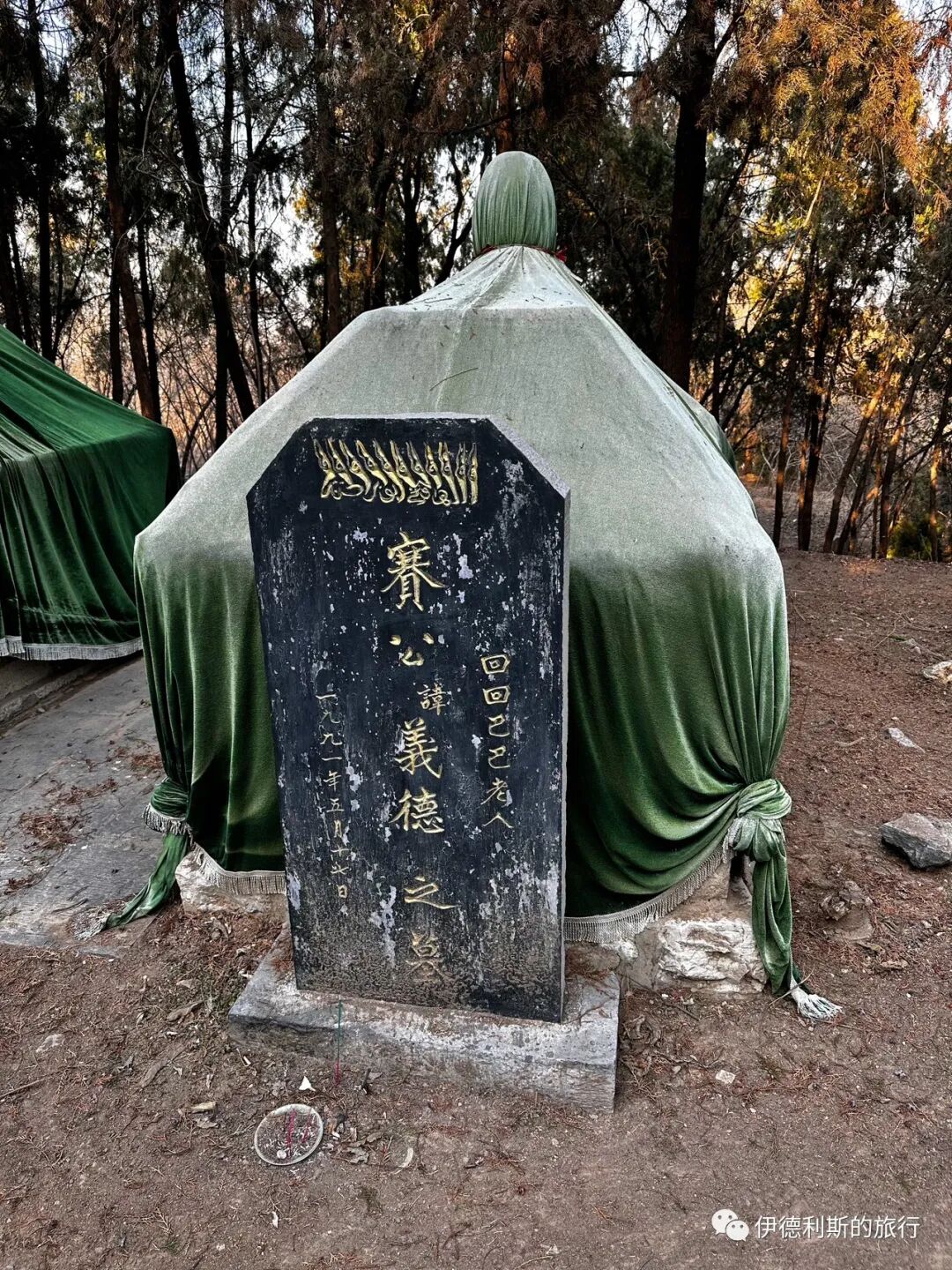
The life story of Ma Baba is also unreliable; he is one of the three Babas—Zuo, Ma, and Ma—mentioned in the 1933 'Yuehua' article.
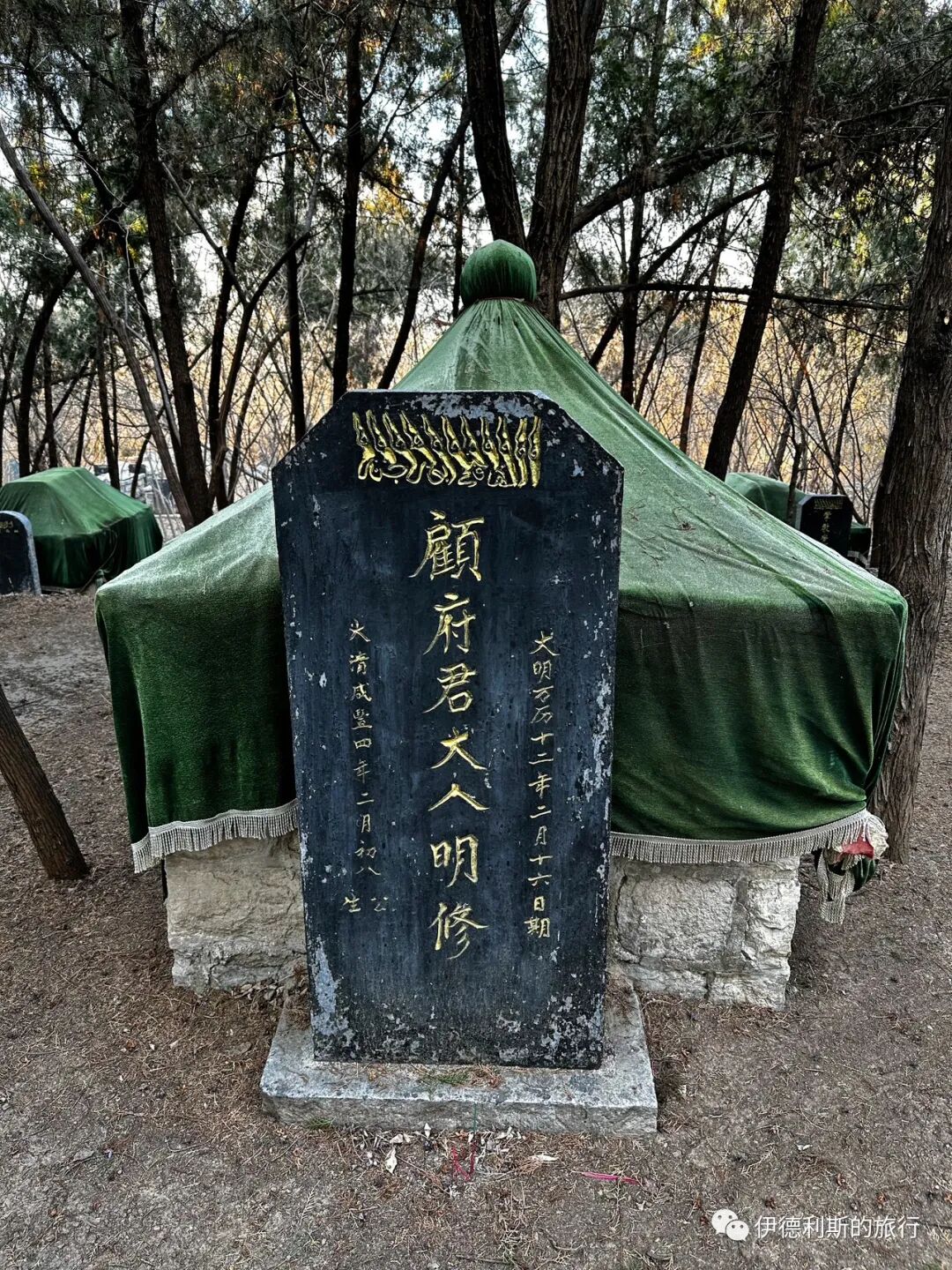
On the tombstone of Gu Mingxiu Baba, there is an inscription, half of which is buried in the soil. It shows text like '16th day of the 2nd month of the 12th year of the Wanli reign of the Great Ming,' and '8th day of the 2nd month of the 4th year of the Xianfeng reign of the Great Qing,' which are likely the dates of the original construction and the renovation.
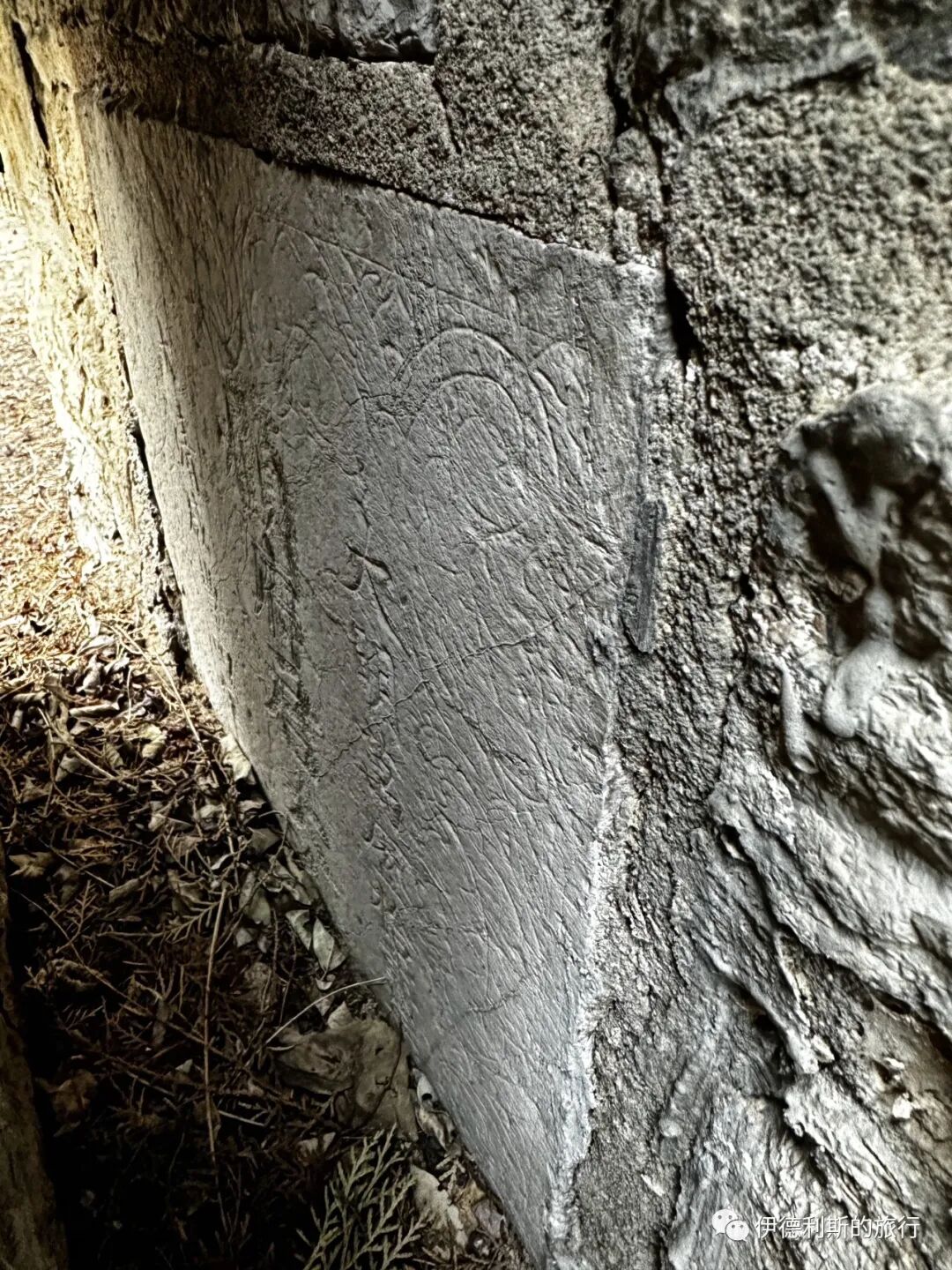
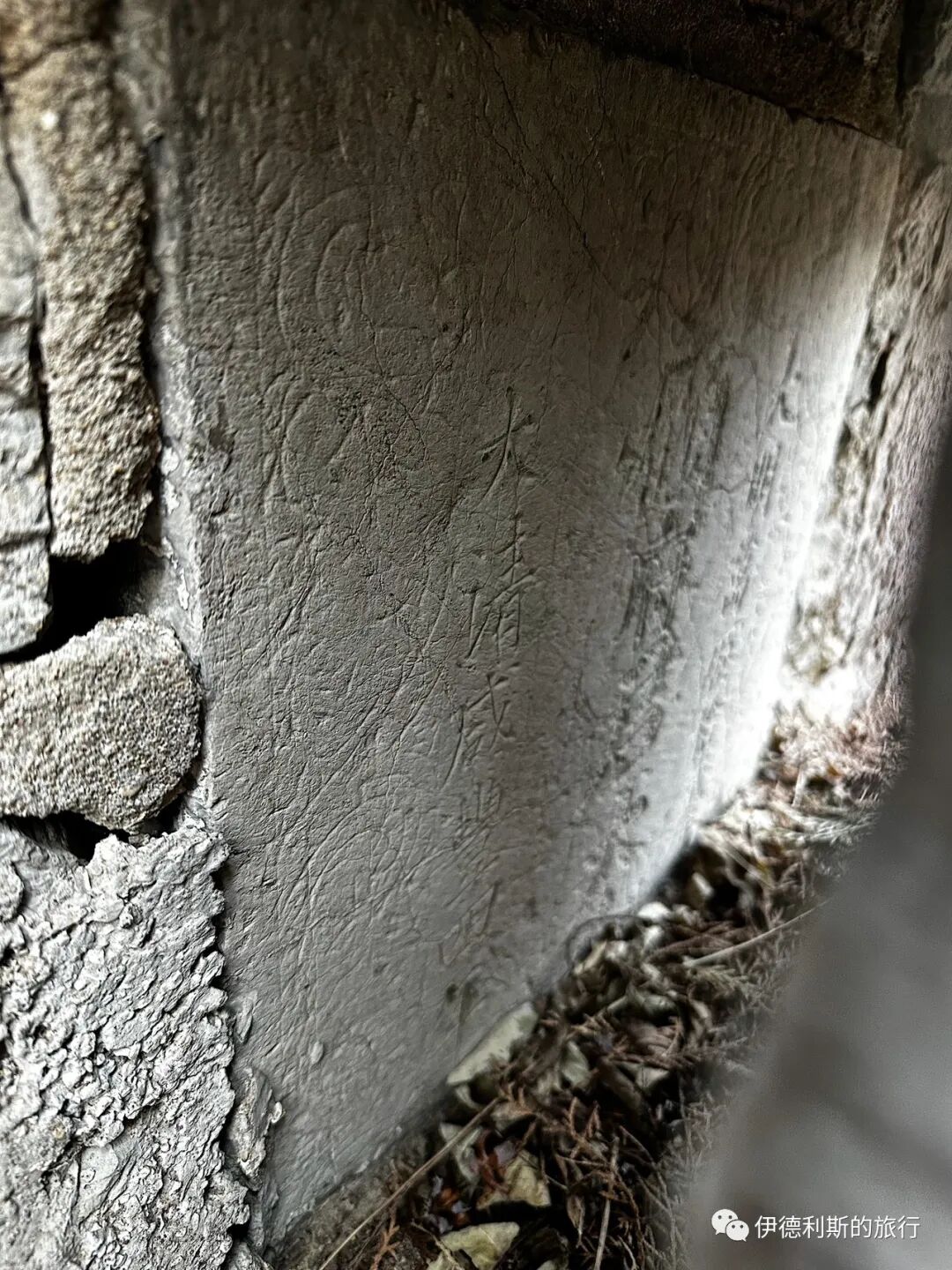
Li Baba's grave originally had a stone tablet from the Tongzhi reign of the Qing dynasty, but it no longer exists. Every year on the 24th day of the 6th lunar month, middle-aged and elderly Hui Muslim women from the outskirts of Jinan, Tai'an, and the north bank of the Yellow River go to Li Baba's grave to light incense, recite scriptures, and give charity (niatie).
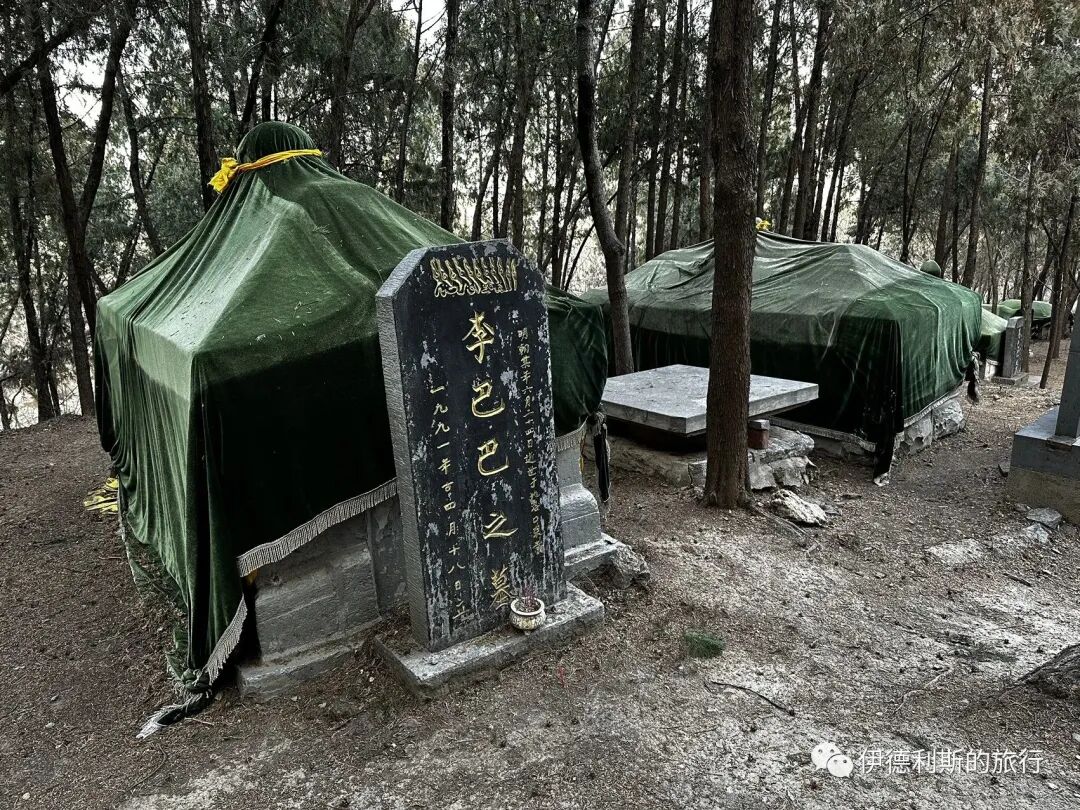
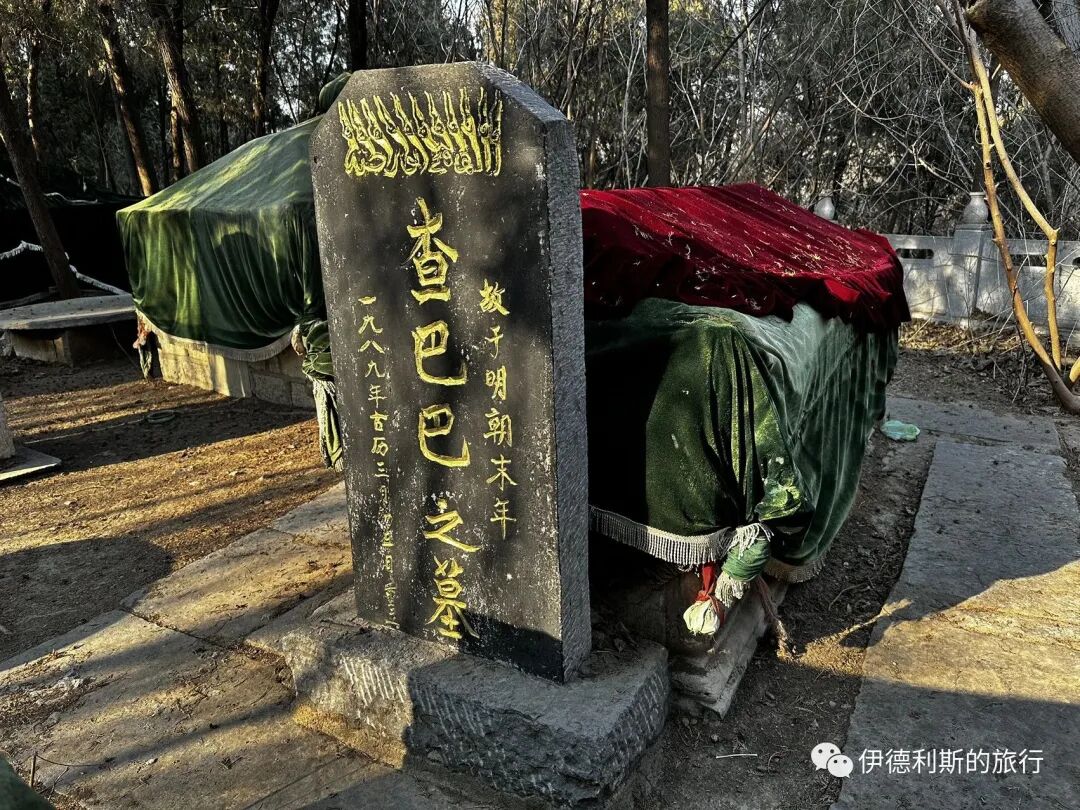
Cha Baba's life story cannot be verified; it is only known that the later tombstone says he 'passed away at the end of the Ming dynasty.'
The tombstone for Chen Ying Baba and his wife, surnamed Sai, reads 'Grave of Mr. Chen Ying, an official of the Honglu Mosque of the Great Ming, and his wife, Lady Sai.' Behind it is a 'Chen Zhangjiao Epitaph' erected in 1834 (the 14th year of the Daoguang reign).
Chen Ying Baba holds a very high historical status among Muslims in Jinan. He was once appointed by the Emperor as the Superintendent of Religion for Shandong, and his descendants inherited the position of imam at the Jinan South Mosque (Nandasi) for over a hundred years. The existing 1495 (the eighth year of the Ming Hongzhi reign) record of the renovation of the Jinan Prefecture Licheng County Mosque states: 'During the Xuande year of Bingwu in our dynasty, there was a shortage of imams. Just then, Master Chen Ying went to the Western Regions three times as an envoy, was appointed to an official rank, and returned after retiring from office.' This means that during the Ming Xuande period (1426-1435), Chen Ying served as an official envoy to the Western Regions three times. Based on calculations, Chen Ying Baba likely lived during the late Yuan and early Ming dynasties.
The Chen family was prominent during the Ming Dynasty and received rewards many times. The Jinan South Mosque currently houses a 1528 (the seventh year of the Ming Jiajing reign) stone inscription titled 'Laifu Ming,' signed by 'Chen Si, Imam of this mosque.' Chen Si was a descendant of Chen Ying Baba.
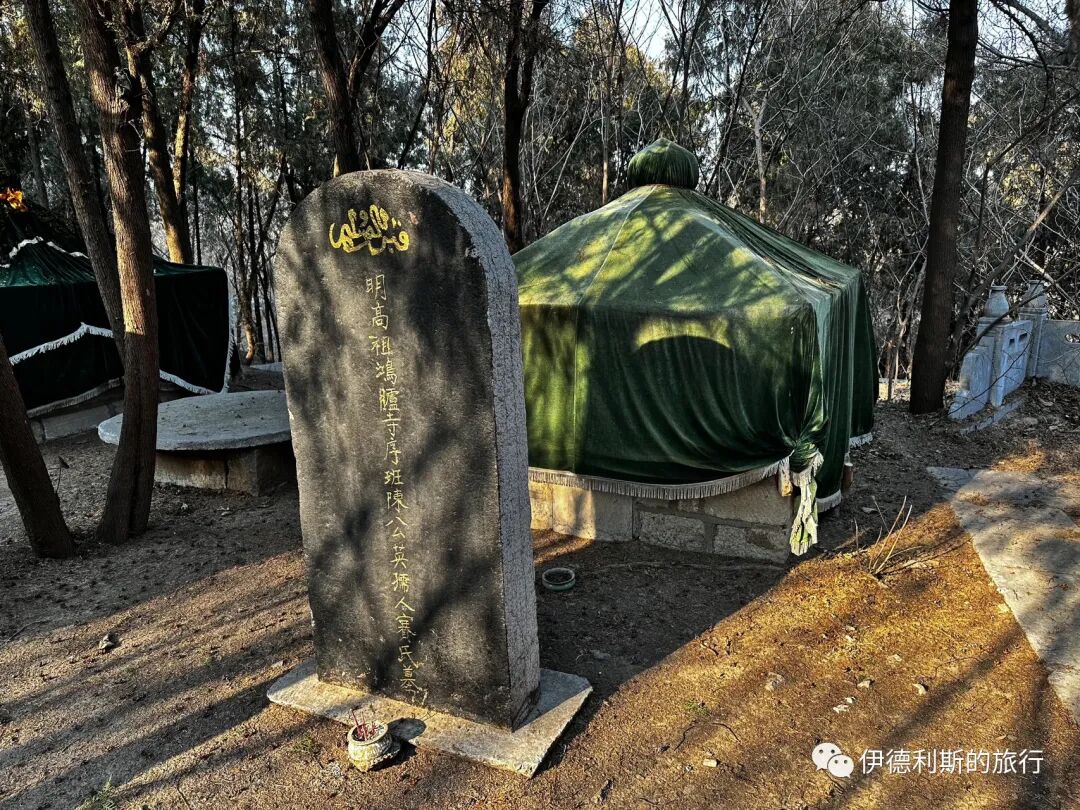
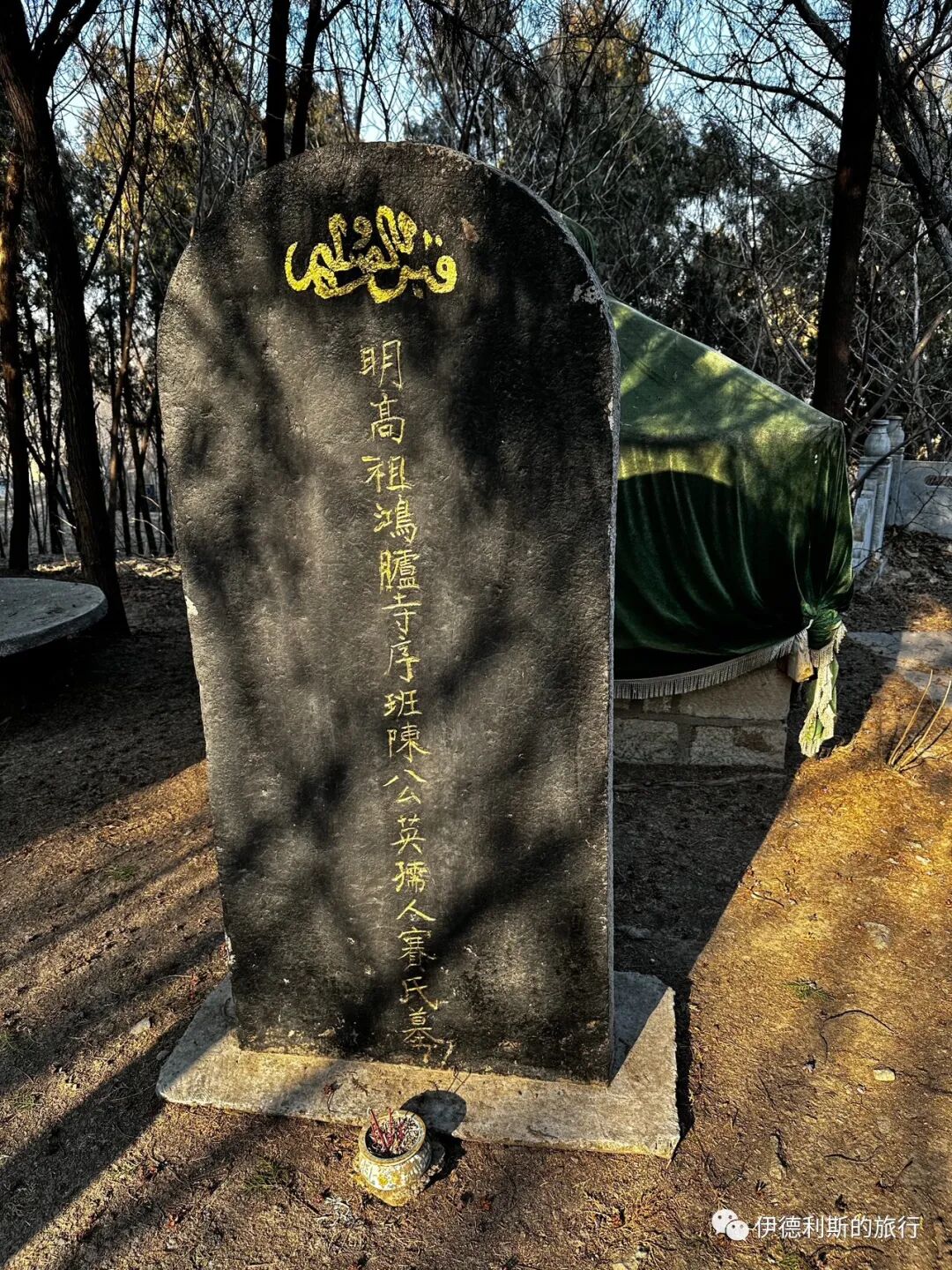
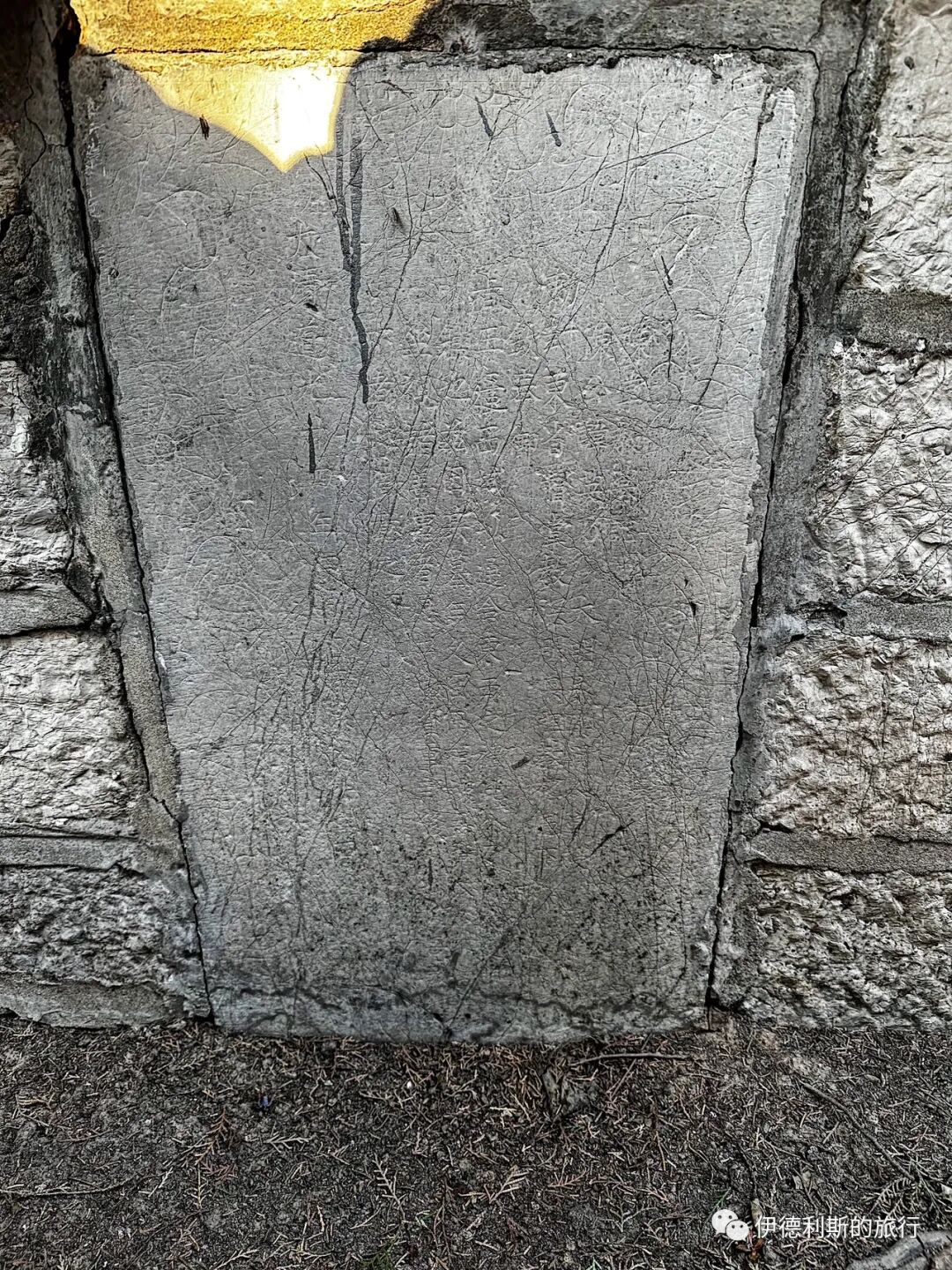
Besides Chen Ying Baba, many other imams of the Jinan South Mosque are buried in the Baba Cemetery (Baba Fen).
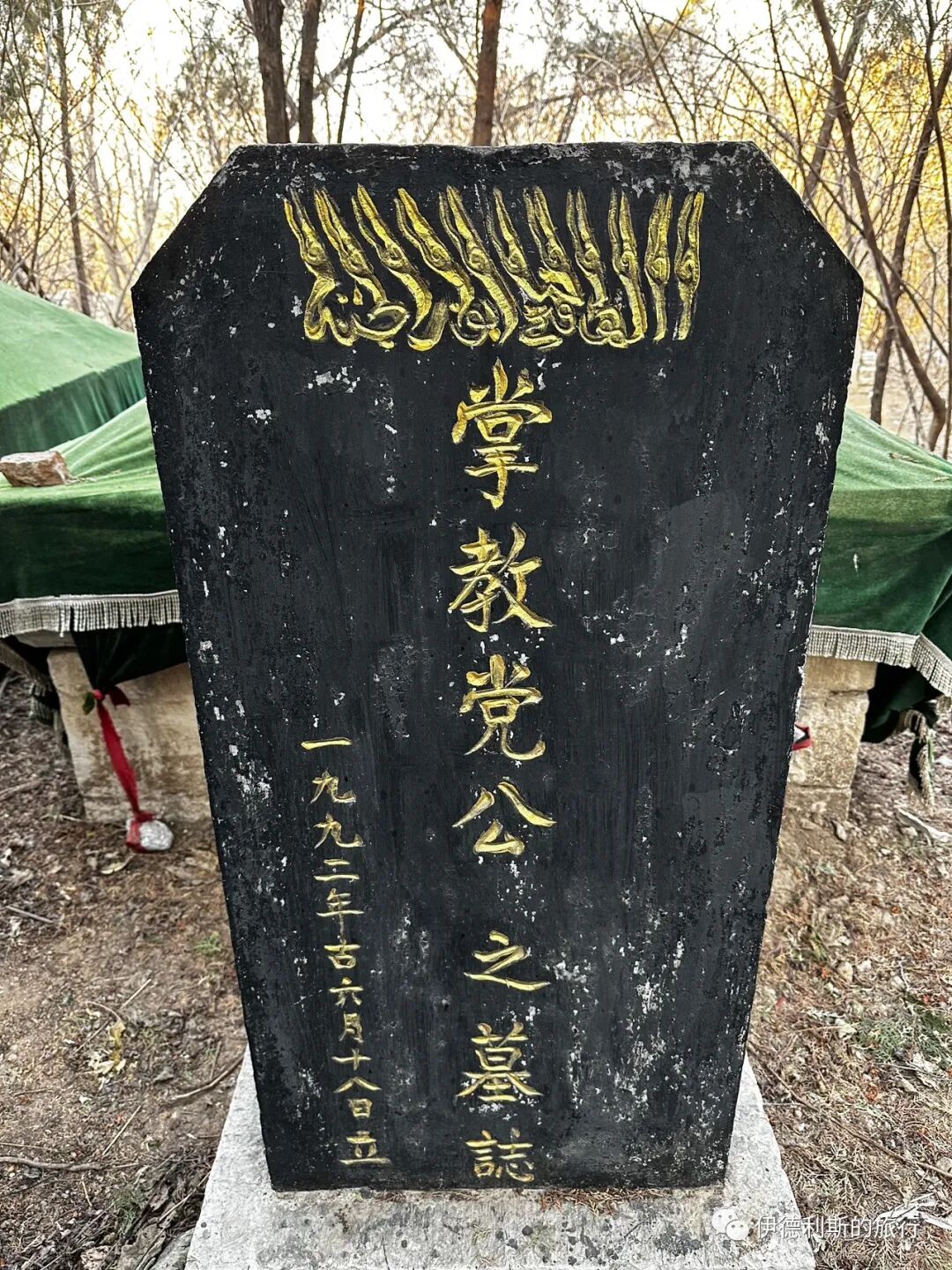
Dang Baba was named Dang Yu, with the courtesy name Kunshan. He was from the West Gate of Jinan, born in 1703 (the forty-second year of the Kangxi reign) and passed away (returned to Allah) in 1785 (the fiftieth year of the Qianlong reign). According to a Republic of China era stele, he traveled widely and went on Hajj to Mecca many times. He discovered errors in the practice of the faith in China, sought to correct them upon his return, and was invited to serve as the imam of the South Mosque.
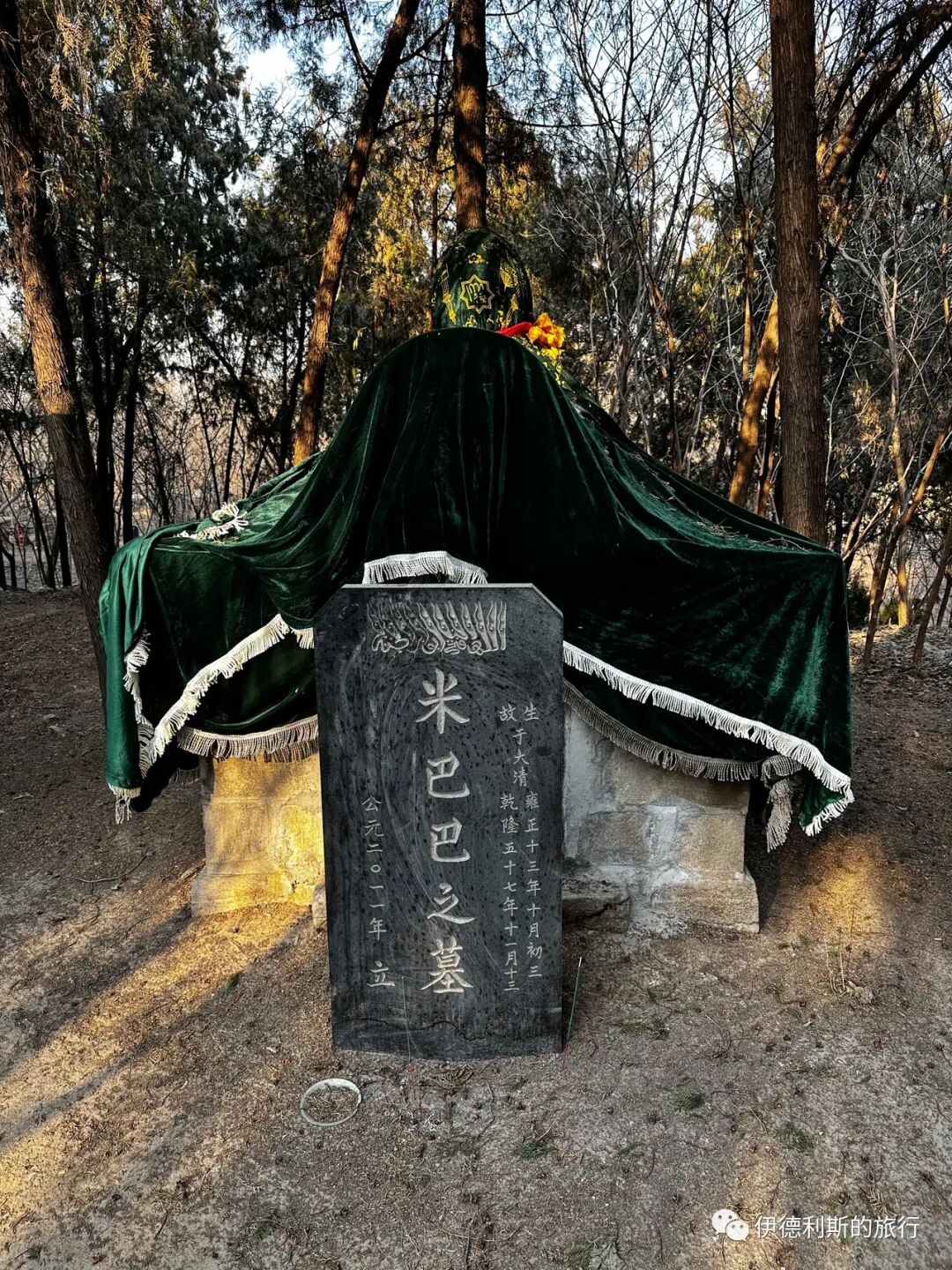
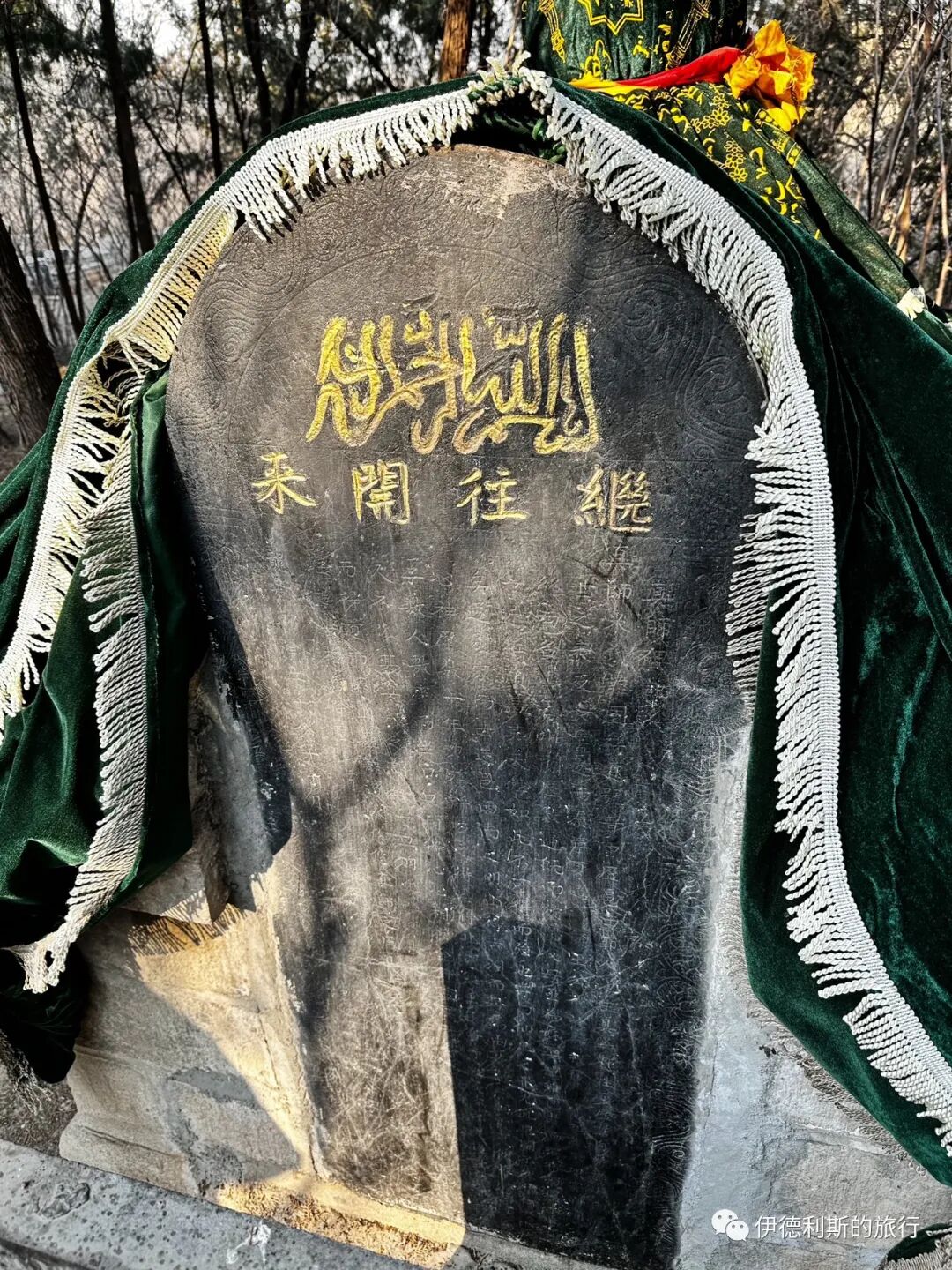
Mi Baba was named Mi Guoxiang, with the religious name Puzhong. People called him Master Mi (Mi Zhenren). He was also from the West Gate of Jinan, born in 1735 (the tenth year of the Yongzheng reign) and passed away in 1792 (the fifty-seventh year of the Qianlong reign). In front of his tomb stands a 1792 stele inscribed with 'Inheriting the Past and Ushering in the Future,' which contains very detailed records about Master Mi.
Mi Baba traveled throughout the Northwest, met a teacher named Wang, and learned the 'profound principles of returning to the truth and restoring life.' Afterward, he traveled everywhere and avoided women. The stele records that he 'built a home in the bright mountains southwest of the city and lived in an ancient cave.' It is speculated that this is likely the Baba Cave on Jiuding Mountain.
It continues to write
He 'ate the morning mist in spring, drank the night dew in summer, cleansed his heart and spirit, and after decades, mastered the techniques of breathing and meditation.' This is clearly a description of Sufi asceticism. The stele uses many Taoist terms to describe the faith, calling the sages 'True Men' (Zhenren), referring to passing away as 'feathering' (yuhua), and even using Taoist immortals like Wang Ziqiao and Chisongzi as metaphors. This is a great example of exchange between different religions.
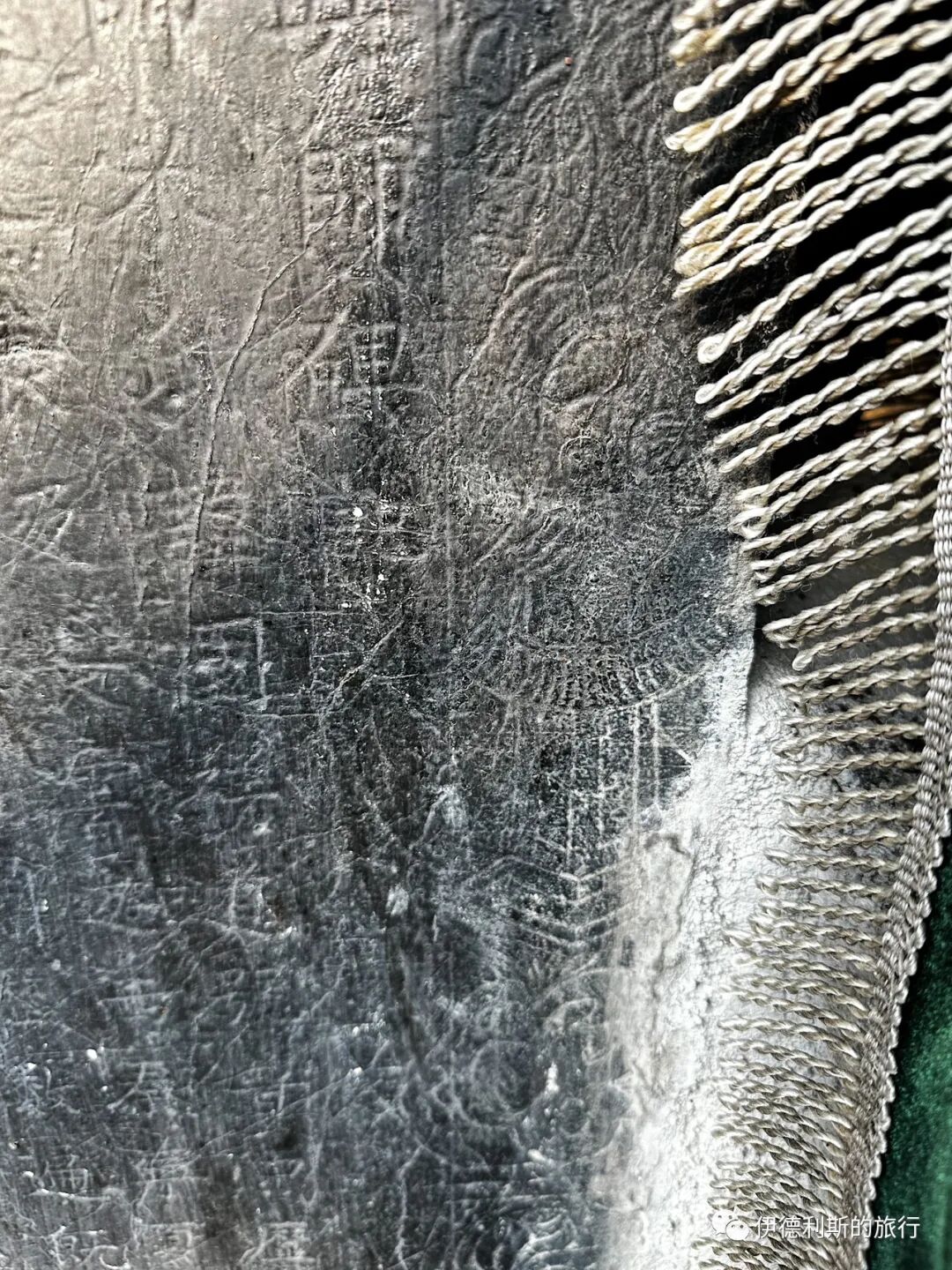
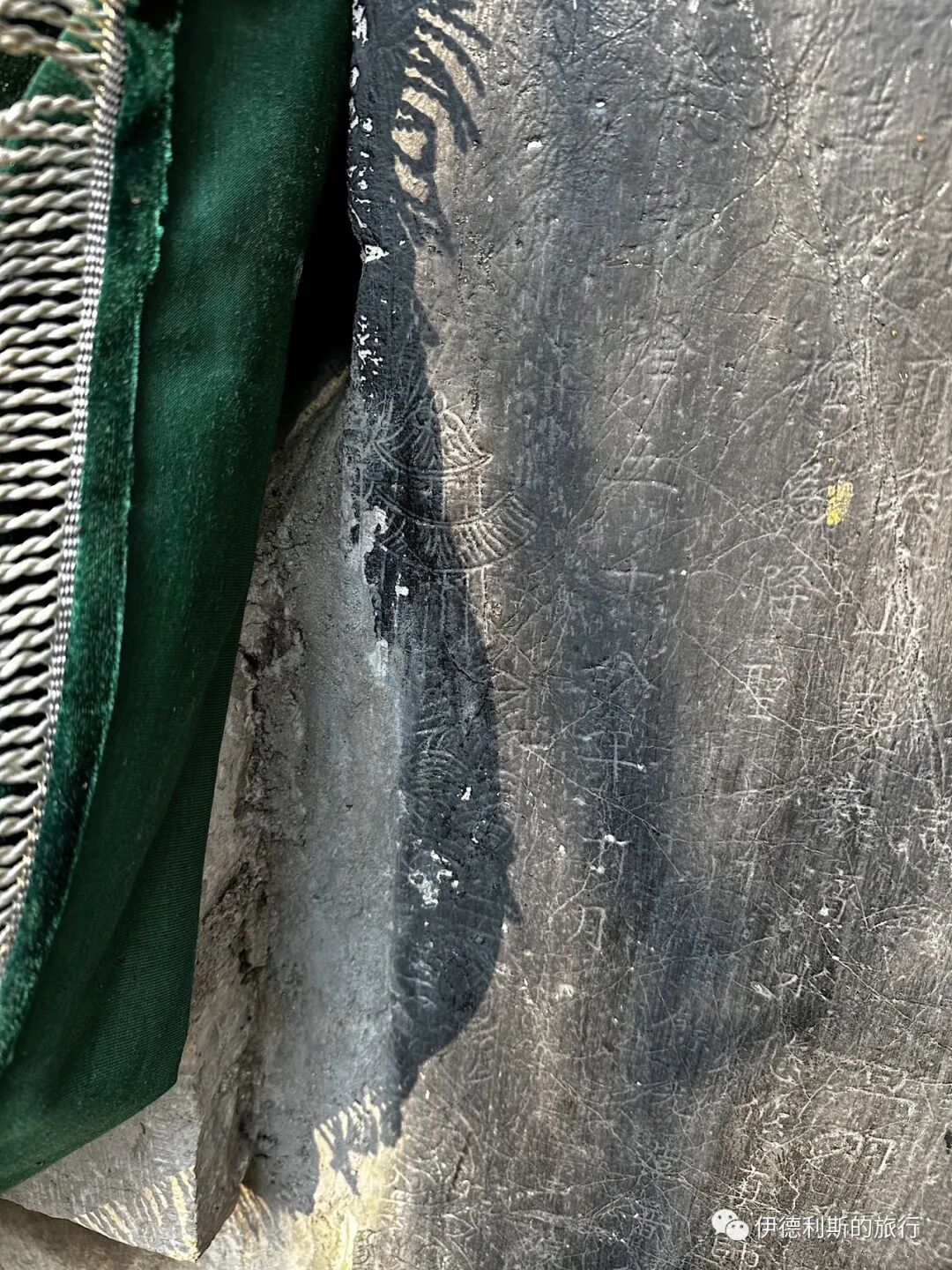
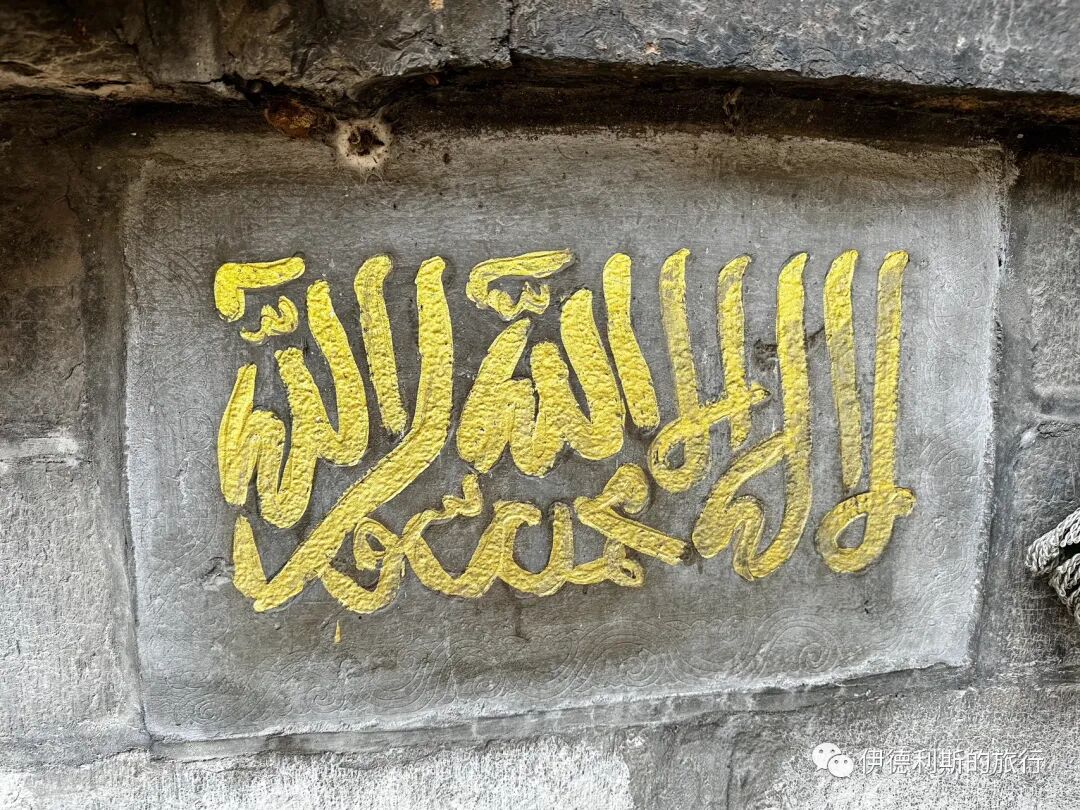
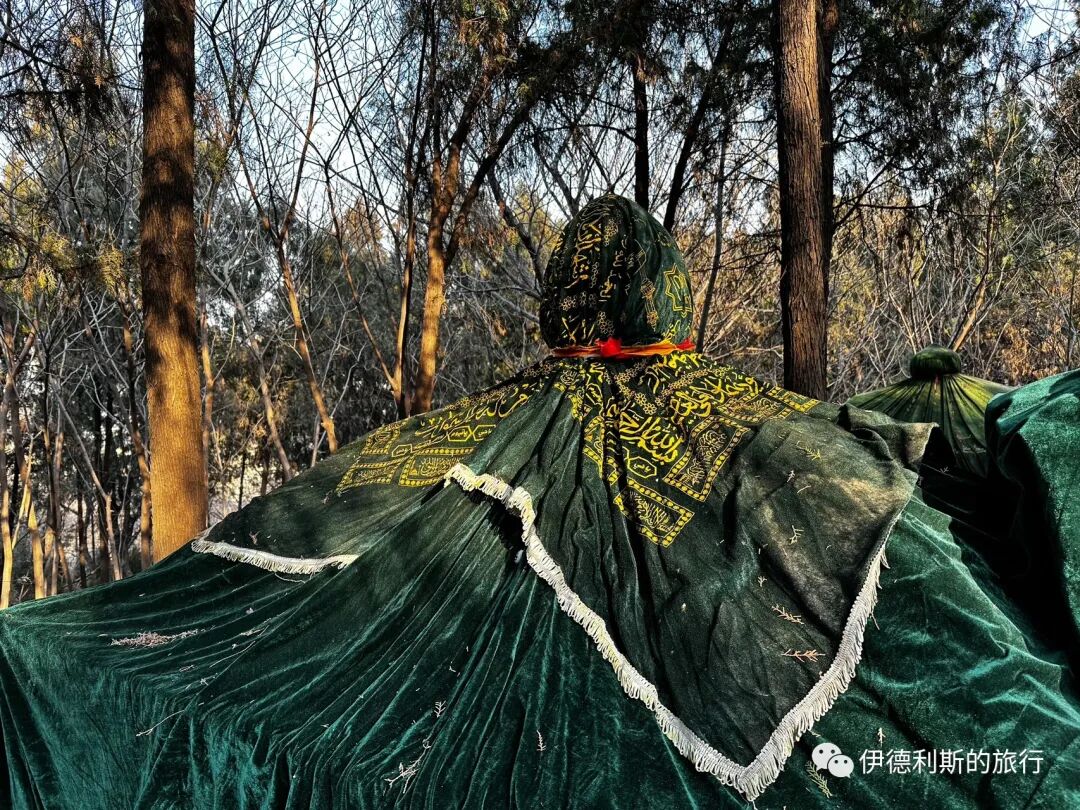
Heifaxiang Baba became the imam of the Jinan South Mosque in 1815 (the fifteenth year of the Jiaqing reign). He presided over the renovation of the South Mosque and wrote Arabic calligraphy in the main hall, which was widely praised. Evidence suggests that He Baba was very likely the disciple of He Wushaihai, who was one of the 'Two Changs' of the Shandong scripture education system, Chang Jie Baba. Their birth and death dates also match. He Baba played an important role in inheriting and promoting the Shandong school of scripture education, and people today should attach great importance to him.
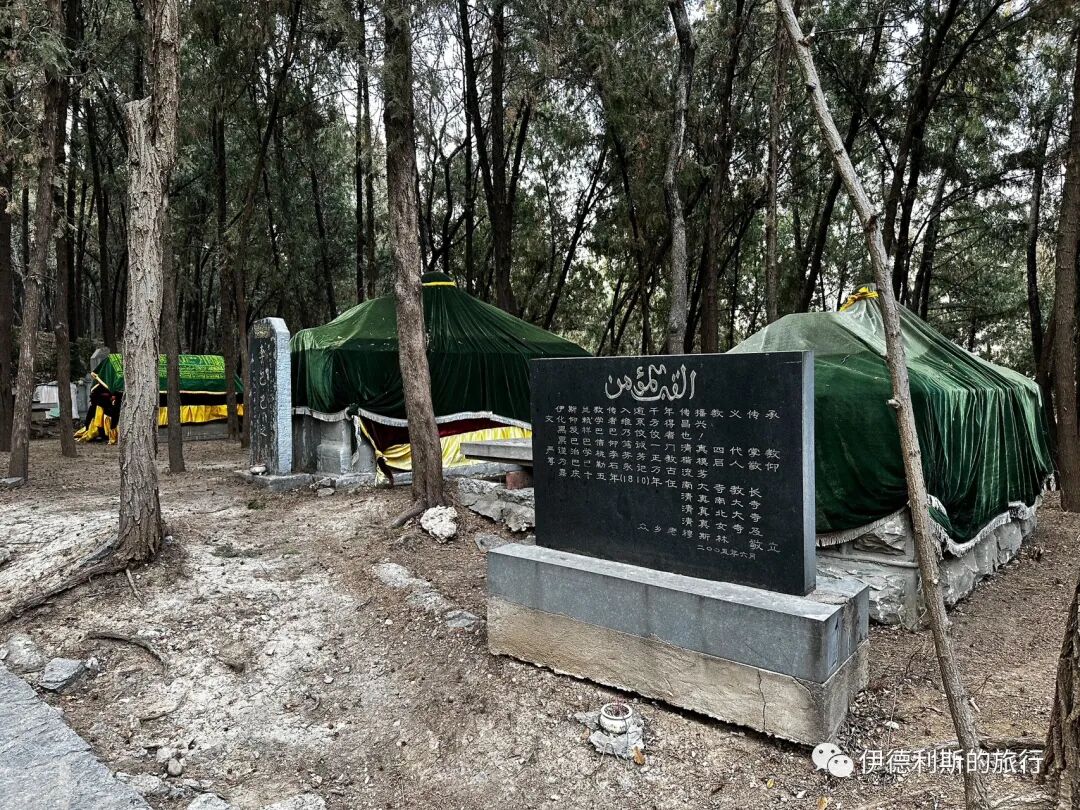
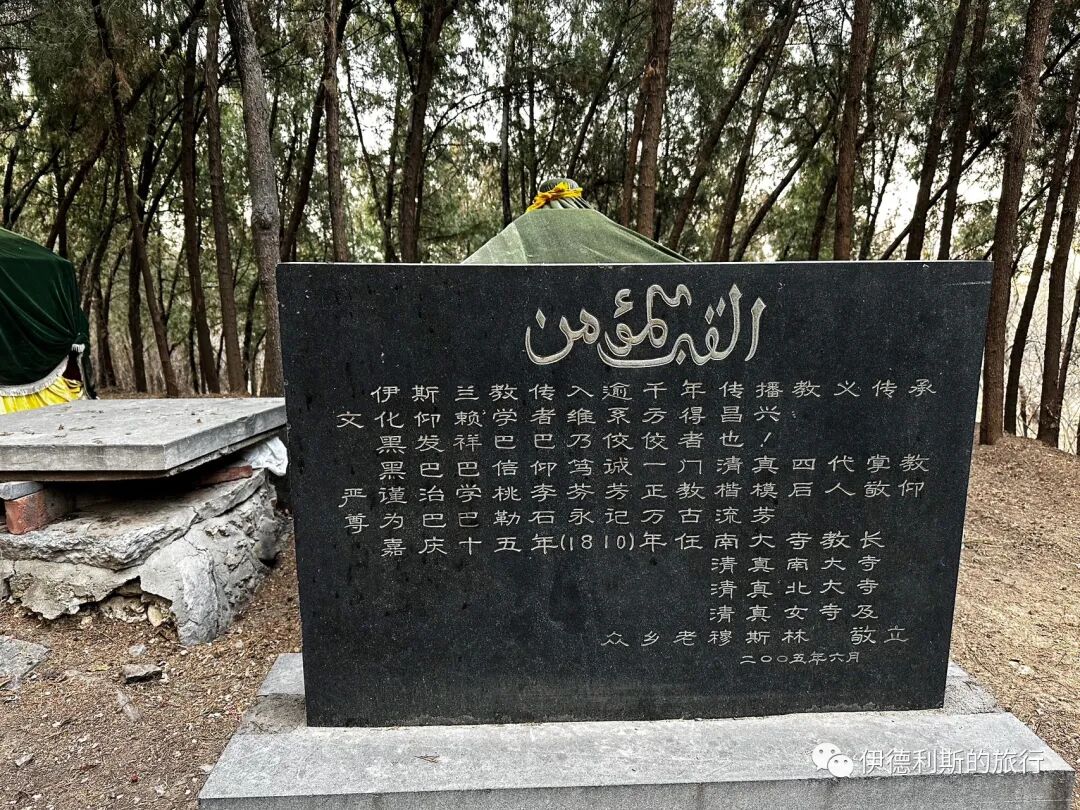
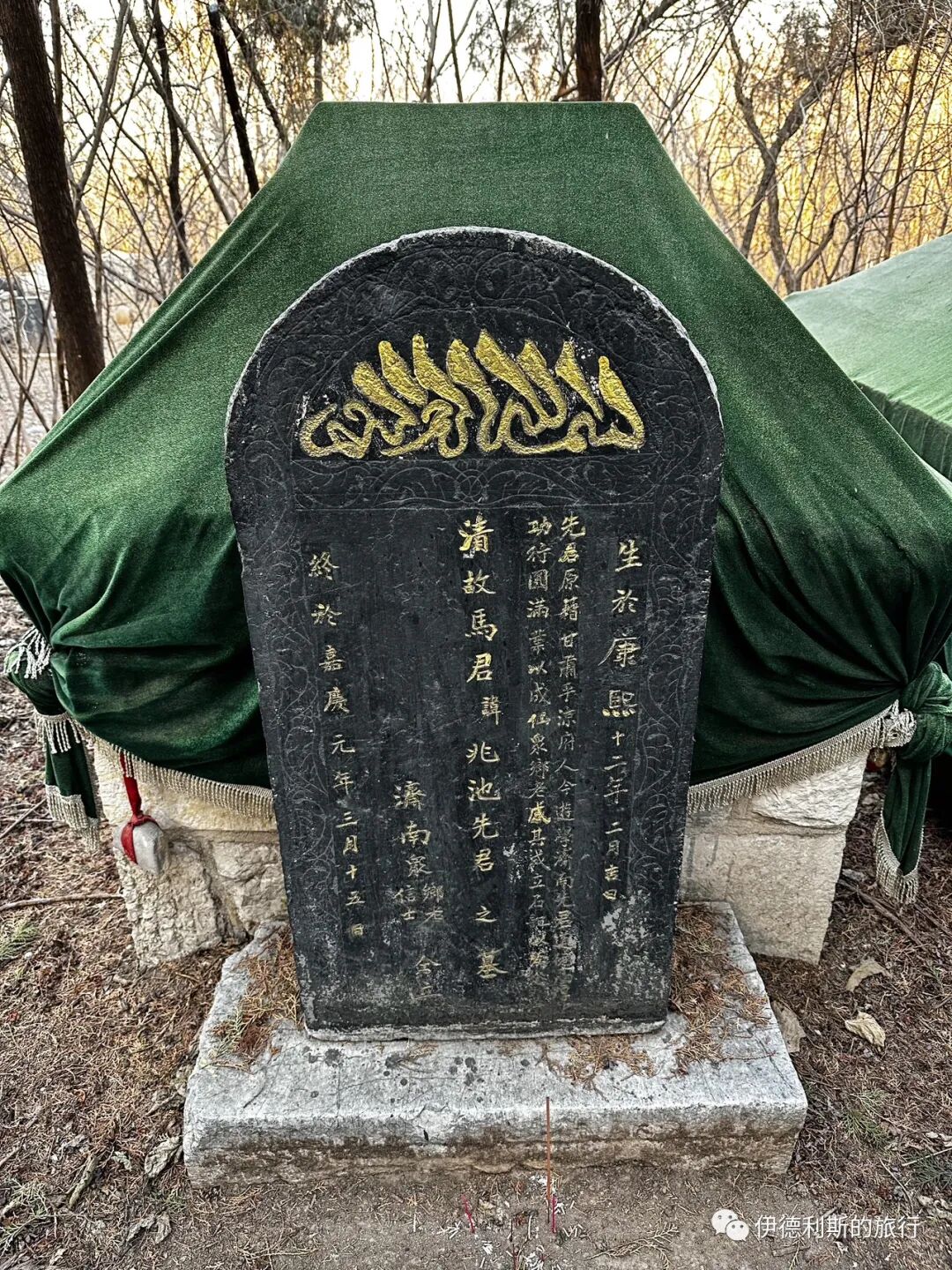
to local Jinan people, Sufi sages who came from other places to study are also buried in the Baba Cemetery. Ma Zhaochi Baba was from Pingliang, Gansu. He was born in 1673 (the twelfth year of the Kangxi reign), passed away in 1796 (the first year of the Jiaqing reign), and lived to be 123 years old. According to the stele, his 'merits and deeds were complete, and he had achieved immortality.' This is also a way of using Taoist vocabulary to describe Sufi practice.
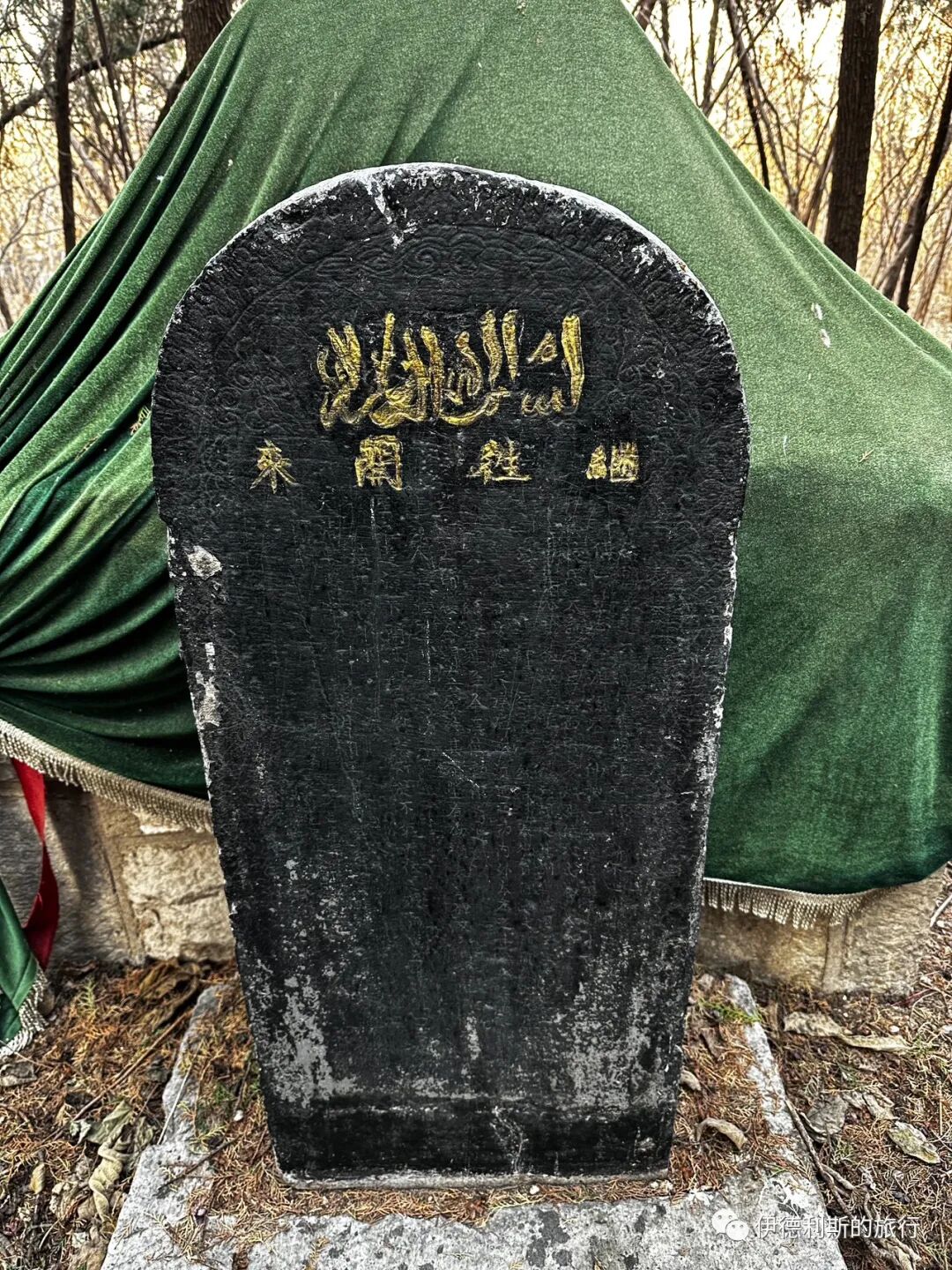
There is a worn-out stele in the Baba Cemetery. Thanks to the sharing of a fellow believer (dosti), Teacher Ma Ming finally deciphered the content of the stele after years of research. According to the stele, the tomb owner was named Yang Zongyao, born in 1699 (the thirty-eighth year of the Kangxi reign), passed away in 1795 (the sixtieth year of the Qianlong reign), and lived to be 96 years old.
Yang Zongyao Baba's mentor was 'Grand Master Ma Huajiao from Shaanxi.' He followed Grand Master Ma to travel the world and learn Sufi cultivation. The stele records that Grand Master Ma 'abandoned his great business to become a monk;' He cast aside his high position to achieve his goals. It can be seen that he was a Sufi sage. Teacher Ma Ming found in the Yongzheng edition of 'Sichuan Tongzhi' and the Republic of China era 'Songpan County Annals' that 'Qingzhang Laying Army Garrison Commander... Ma Huajiao, a Shaanxi native, appointed in the thirty-second year of Kangxi,' and the Republic of China era 'Ba County Annals' records: 'Mosque... the South Mosque was built by Ma Huajiao and Han Daxiao in the early Kangxi period of the Qing Dynasty.' It can be seen that Grand Master Ma was active in the Sichuan region during the Kangxi period and donated money to build mosques while serving as an official.
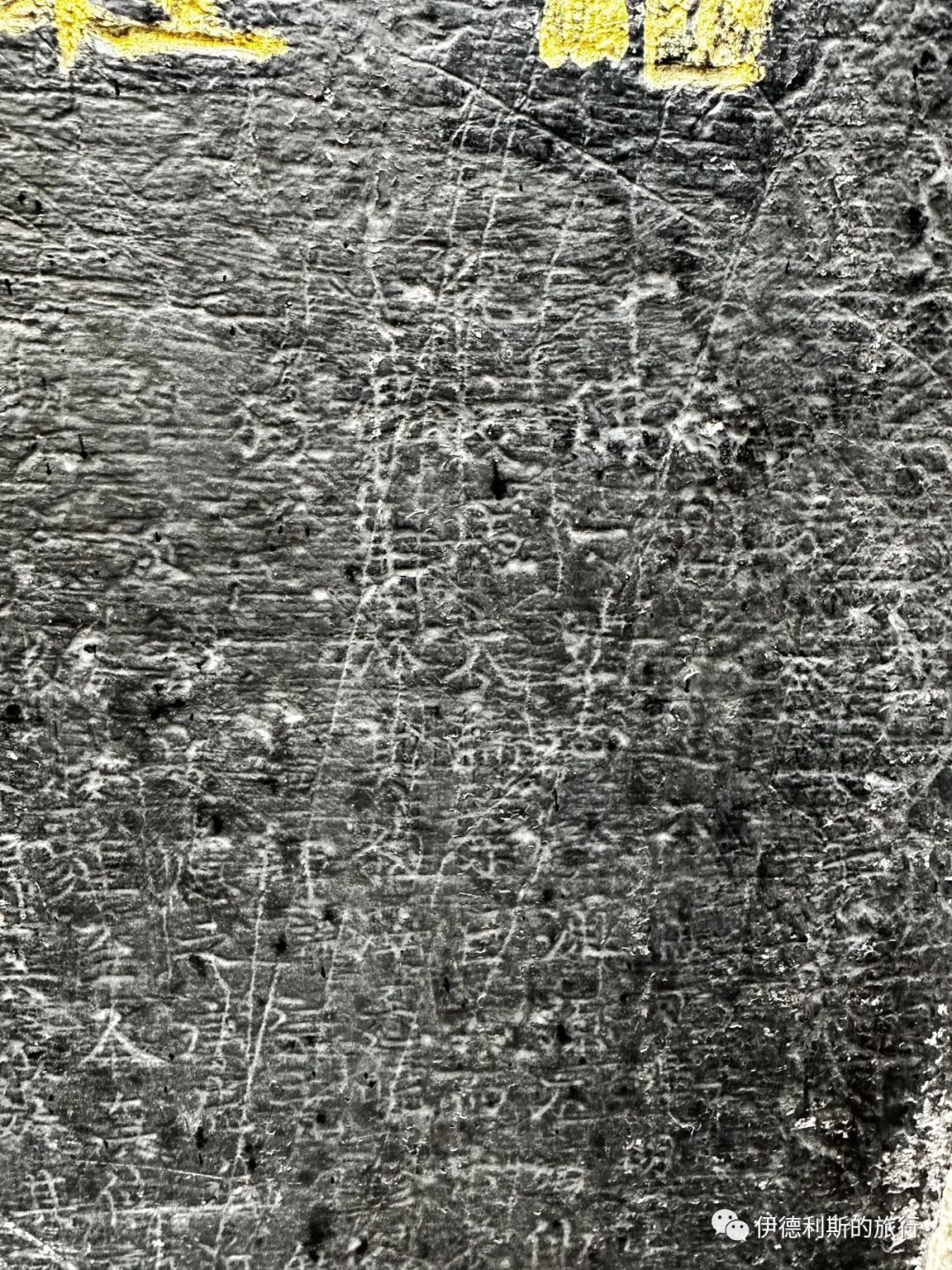
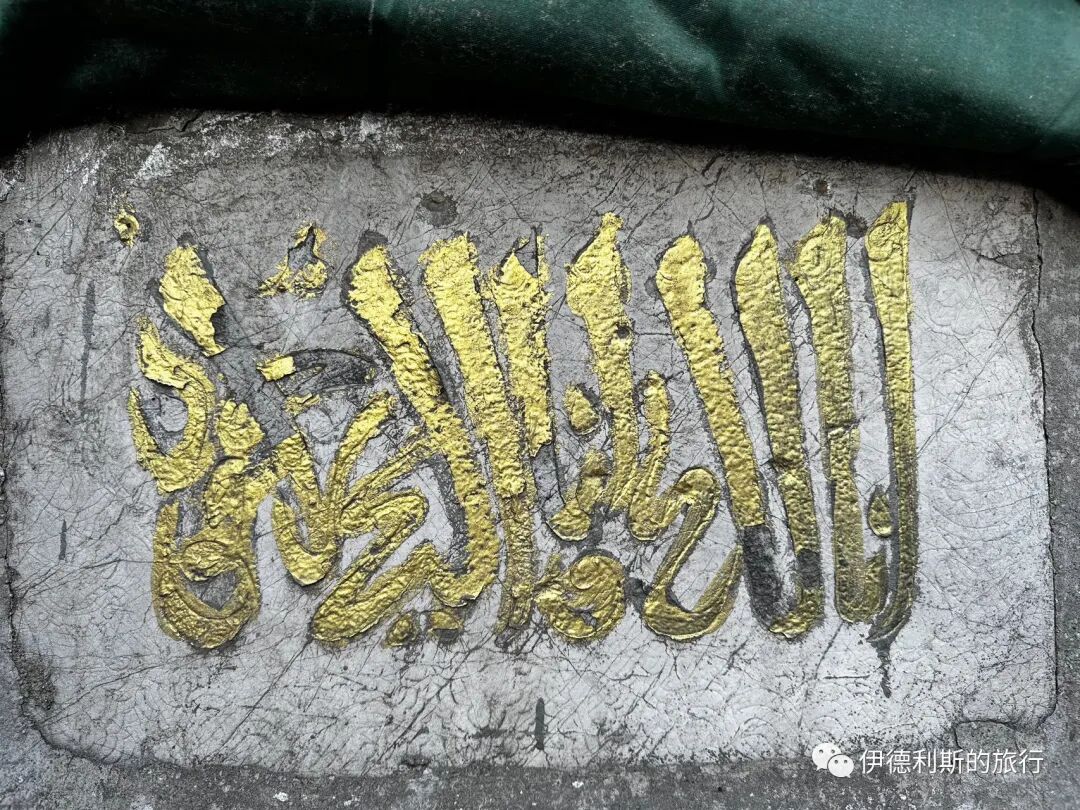
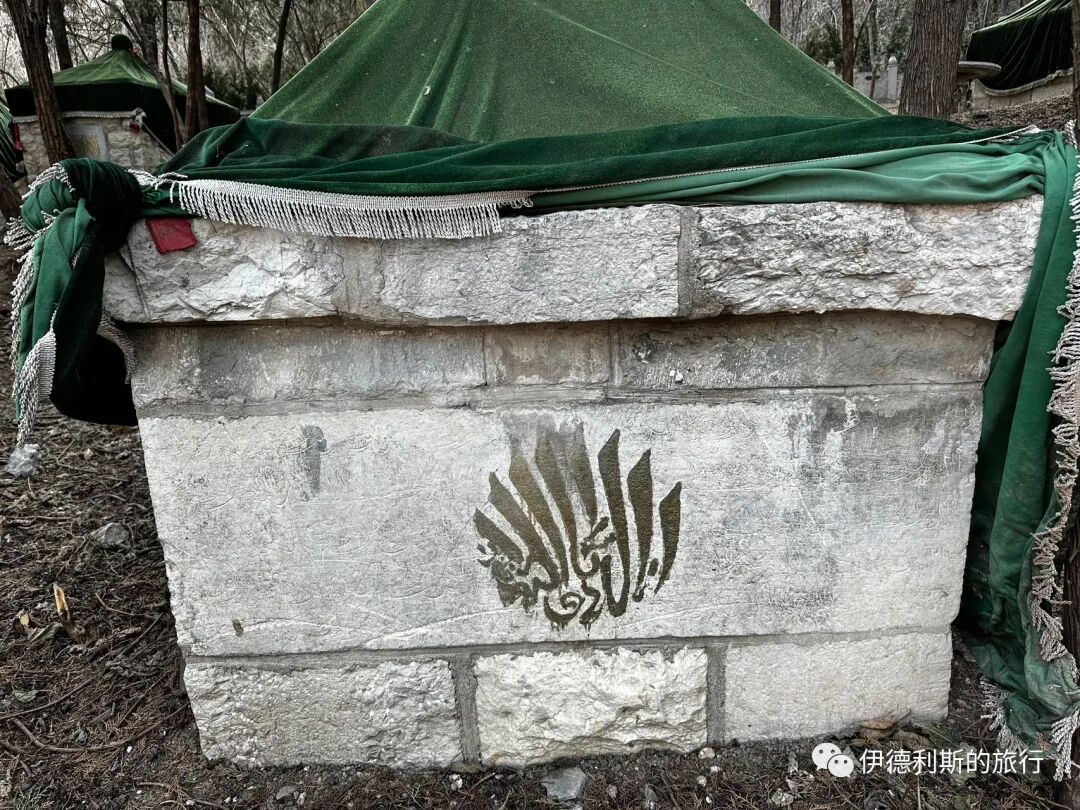
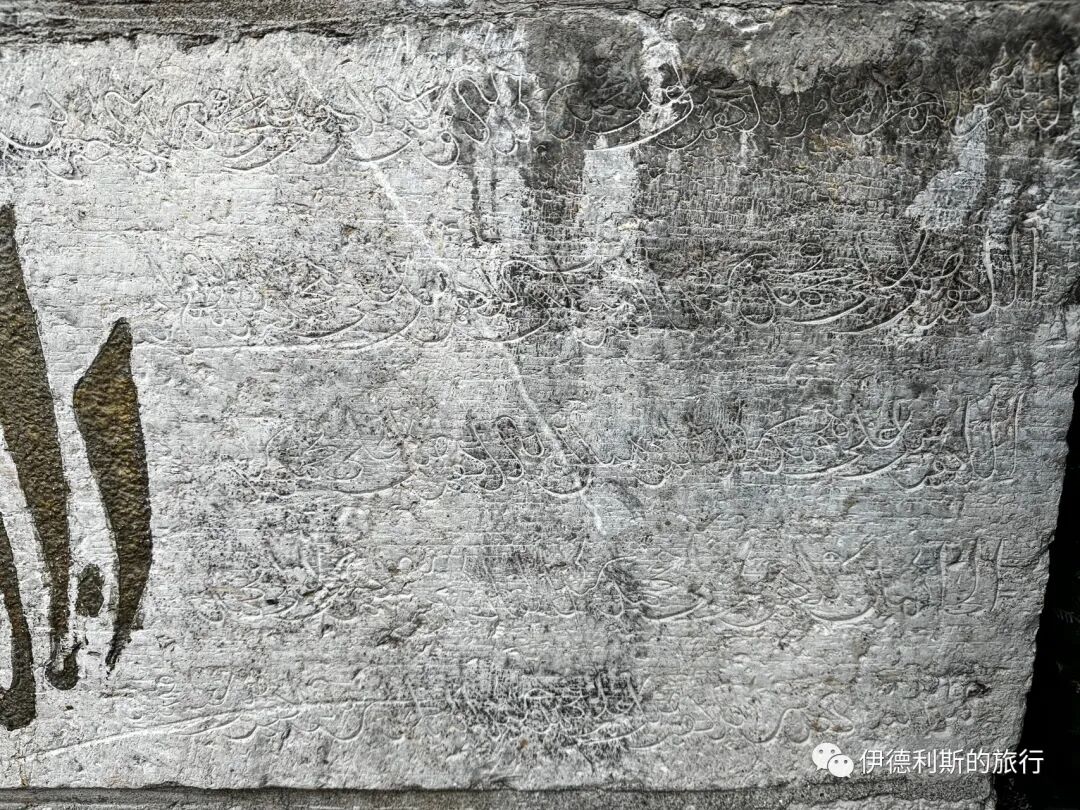
Buried in the Baba Cemetery is the famous Hui Muslim martial artist Ma Shengping (1849-1921) from modern Jinan history. Ma Shengping was known as 'Western Whip Ma Wu.' He was from Linqing, Shandong, practiced martial arts since childhood, and was skilled in using the pole whip (also called fishing whip). At the end of the Qing Dynasty, he joined the Boxer Rebellion and fought all the way from Shandong to Tianjin. After the movement failed, he hid his identity and lived at the South Mosque (Nandasi) in Jinan, where he spent years working as a mosque caretaker while pretending to be deaf and mute. After the Republic of China was established, Ma Shengping revealed his true identity and began teaching martial arts at a Hui Muslim boxing school in the Xiguan area of Jinan. He passed away in 1921 and was buried in the Baba Tomb at Ma'anshan.
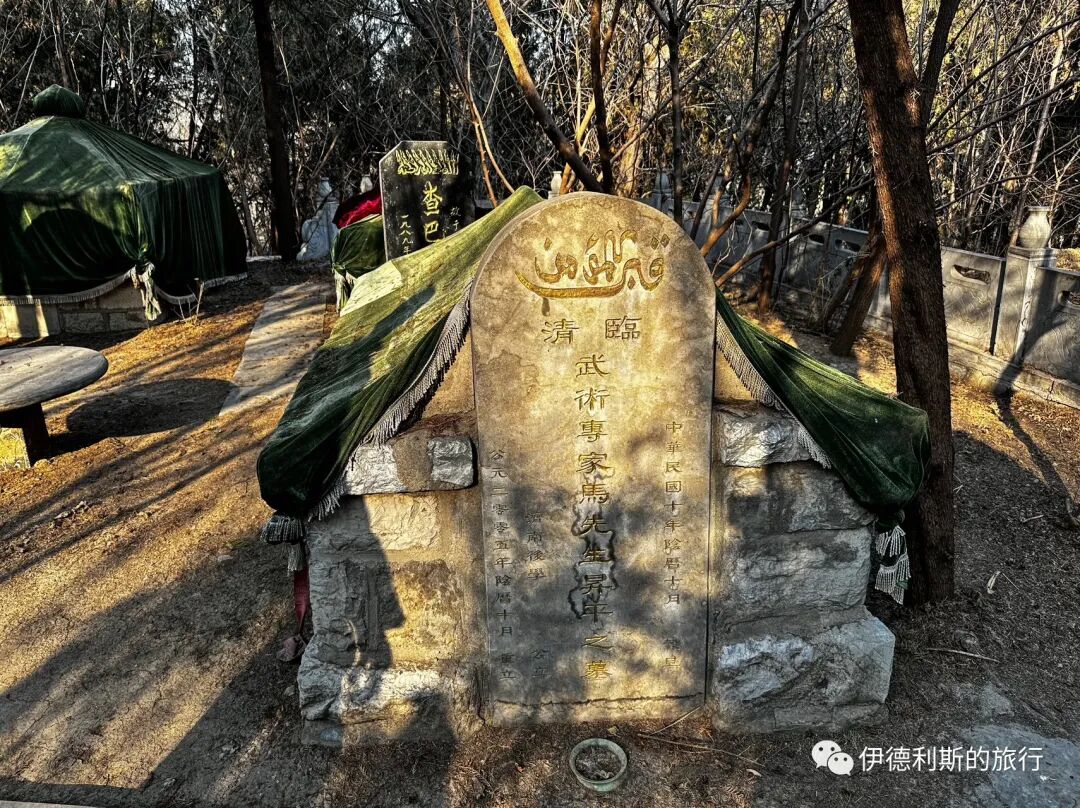
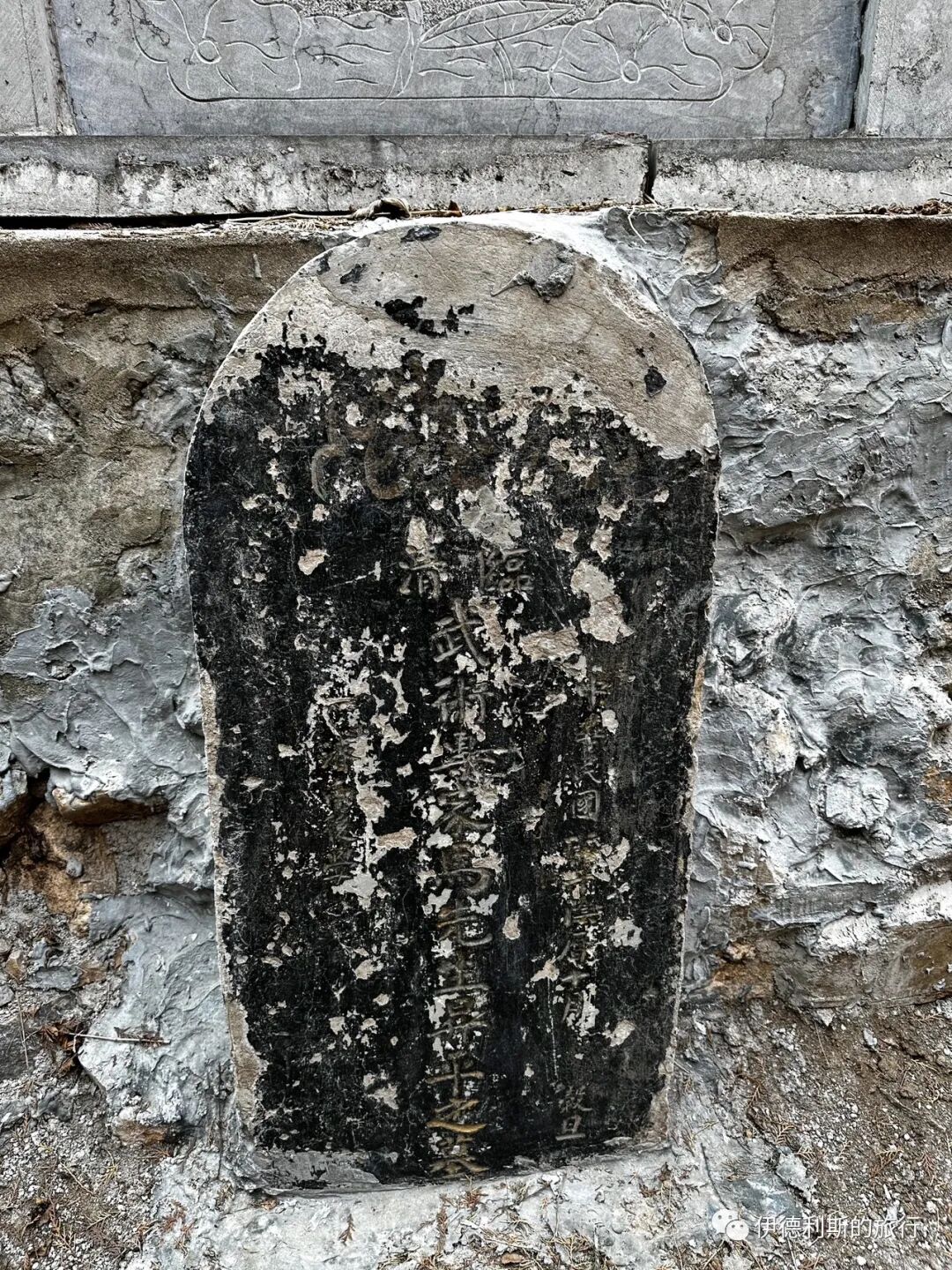
Some other tombstones in the Baba Tomb also feature Arabic calligraphy, but unfortunately, it is now difficult to identify who they belong to.
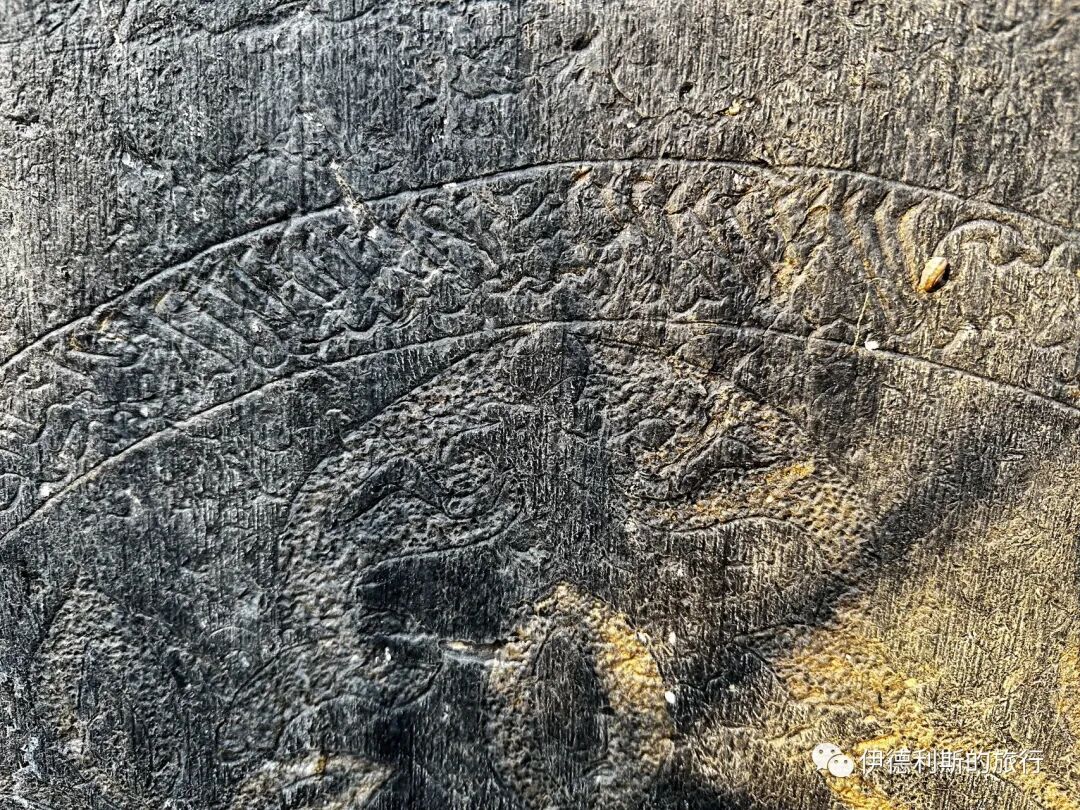
Because many respected elders (baba) are buried in the Baba Tomb and many moving stories are told about them, the site holds a very high status among Jinan's Hui Muslims. They often visit the graves to light incense, recite scriptures, and perform dua. According to the 18th issue of the fifth volume of the Yuehua newspaper in 1933, Jinan's Hui Muslims would visit the graves after the wheat harvest, especially after times of disaster, to thank Allah for His grace and to remember the virtuous predecessors. To make visiting the graves easier, a mosque was built next to the Baba Tomb long ago, known as the Ma'anshan Small Mosque.
The Yuehua magazine provides a detailed record of the Ma'anshan Mosque: There are three baba tombs on the mountain. Visitors use this place as a resting spot and a place to invite an imam to recite scriptures and prepare food, which is why the mosque was built. The mosque sits at the eastern foot of the mountain, and right outside the gate are the tombs of the three babas: Zuo, Ma, and Ma. The north building in the courtyard has five rooms. The middle three serve as the prayer hall, the single room on the east is the imam's living quarters, and the west room is the kitchen. There is also a south shed that serves as the living quarters for the mosque caretaker. The mountain only has ten mu of land to support the mosque. The mosque's imam is Ding Kaoshan, a Jinan local. He usually stays at the South Mosque and only comes here when people visit the graves. There are no regular prayers held here, so it functions like a local travel mosque.
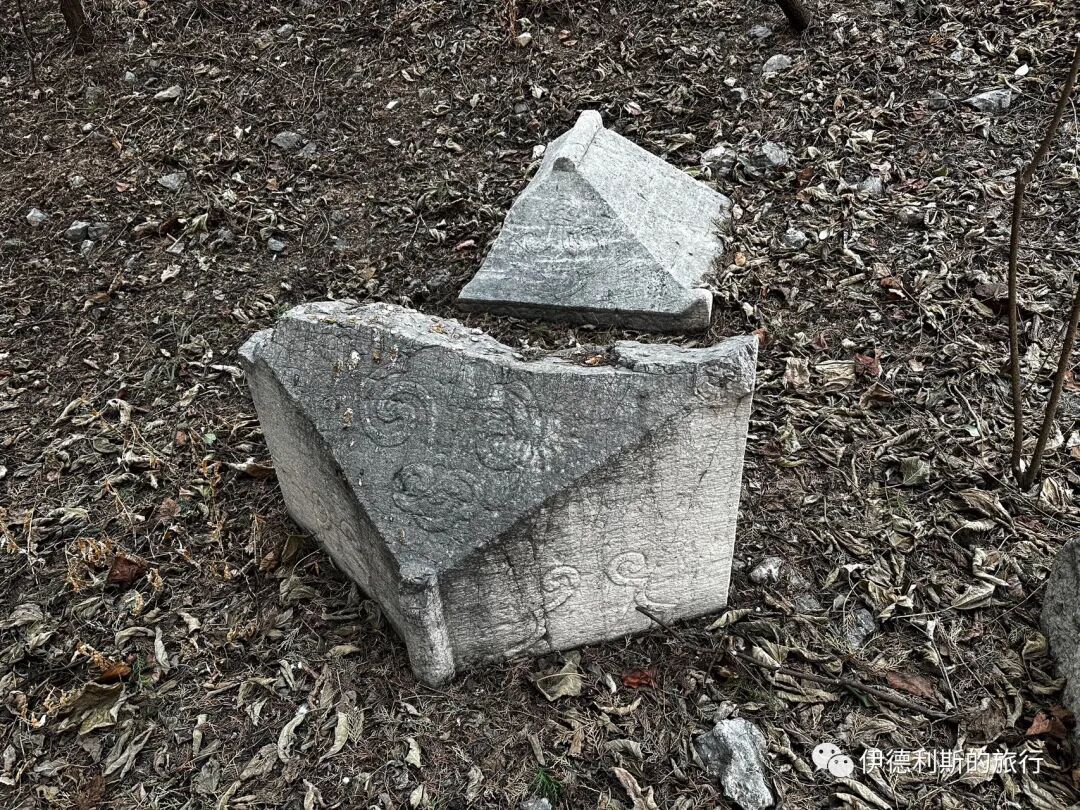
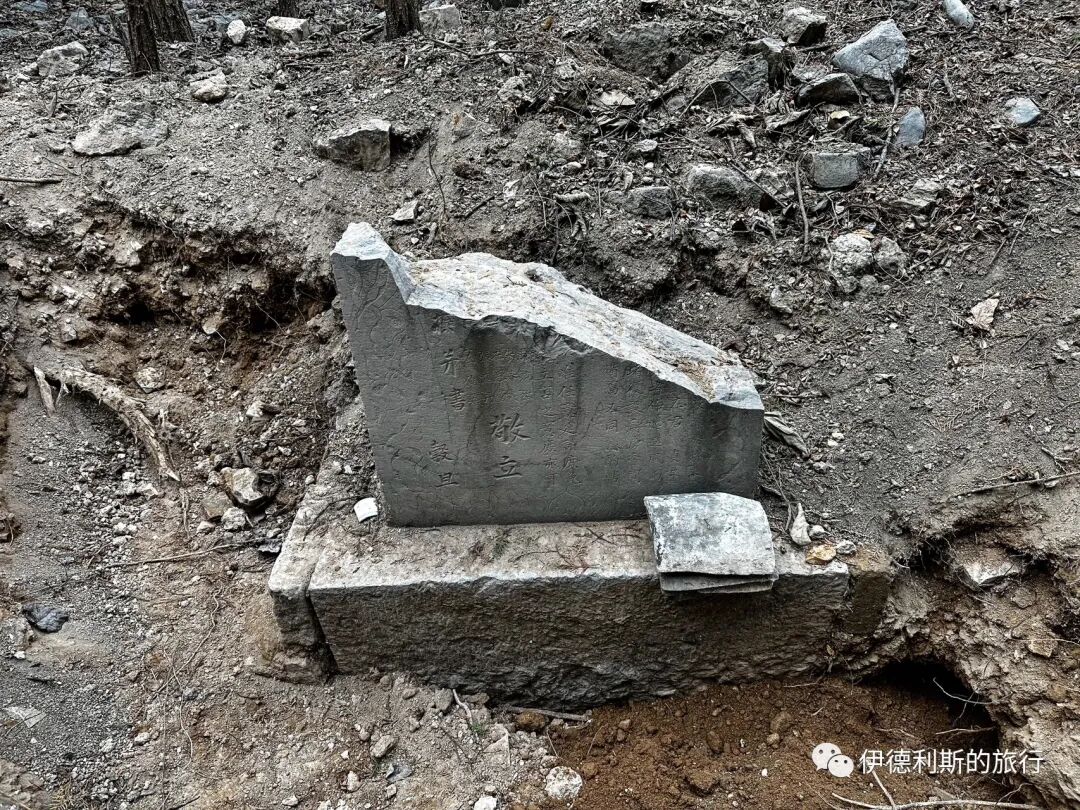
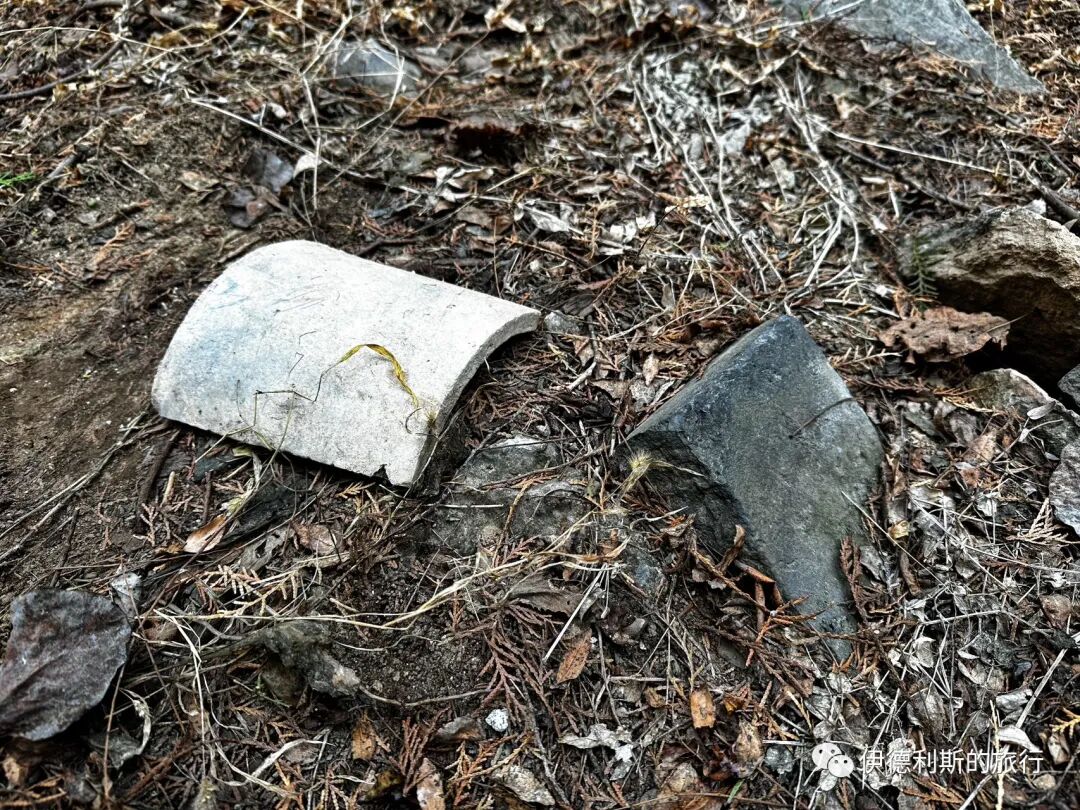
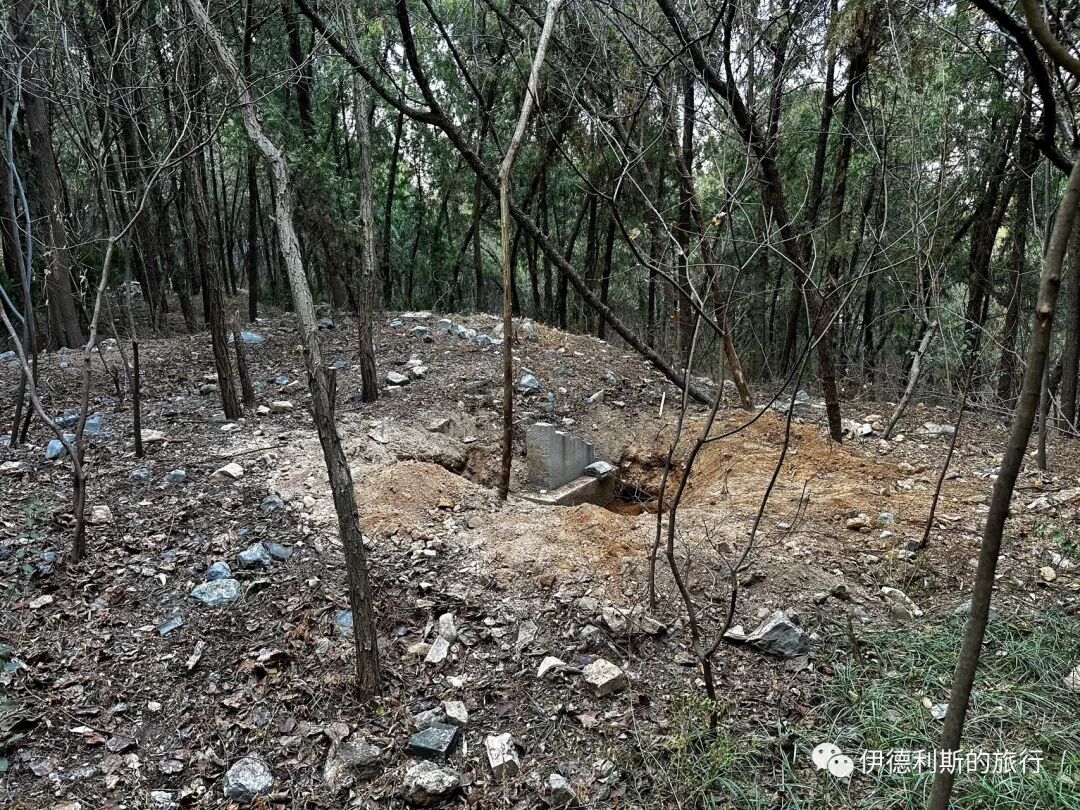
Due to history, the Ma'anshan mosque (masjid) has collapsed, but the original foundation and building structure are still visible, with many bricks and tiles scattered around the site. A while ago, some friends (dosti) found half a stone tablet at the site. You can see the name Zuo Junzhenquan and the words kitchen room. The names of those who respectfully erected it include Ma Yusheng, Zhu Chunshou, Zuo Entang, Zhang Jinxing, and Zuo Junying. For hundreds of years, this mosque was an important part of the Baba Tomb complex. Just like the mosques at the tombs of Puhading, Wanggesu, and the Langzhong Baba, it is highly valued by friends (dosti) and holds significant cultural meaning. Seeing it in such a ruined state today is heartbreaking.
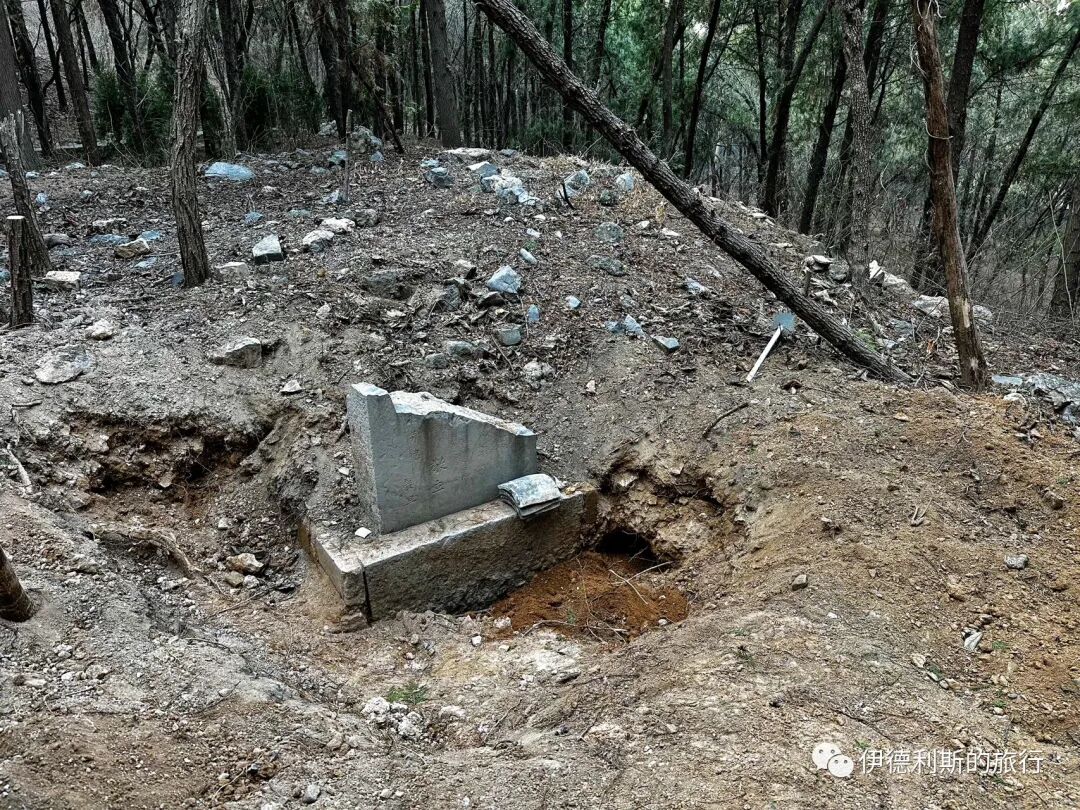
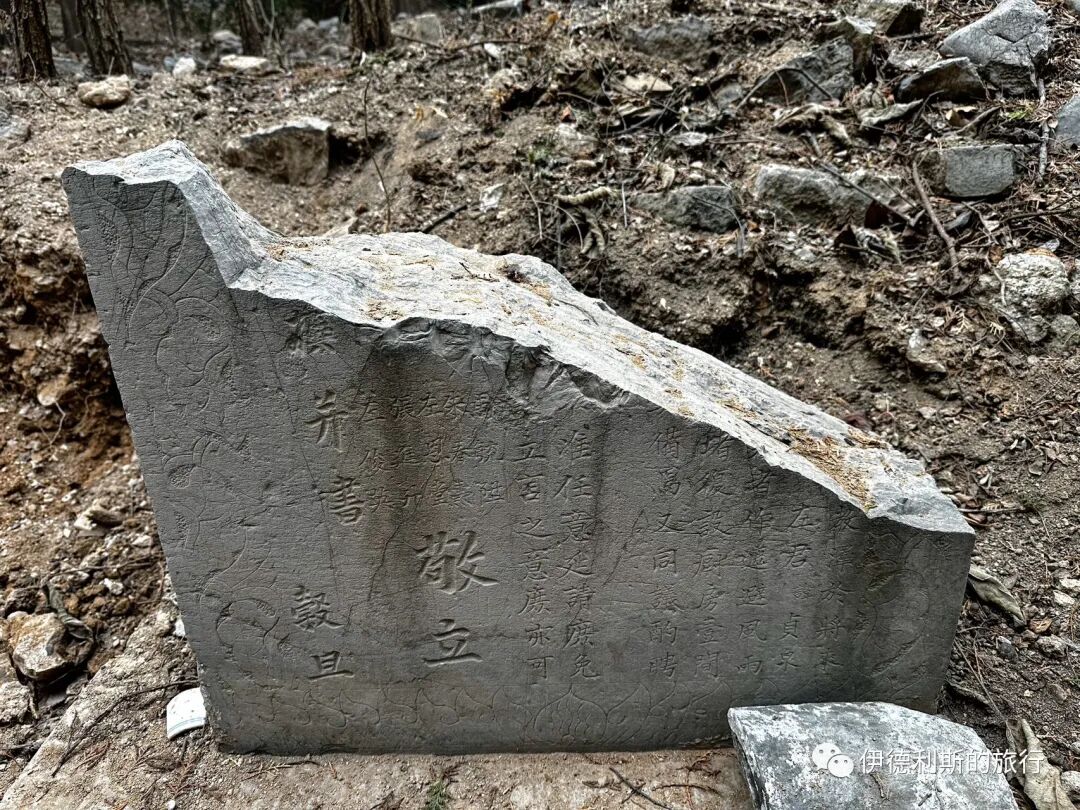
According to Lei Guangjing's article on the general situation of Islam in Jinan, Hui Muslims in the past placed great importance on the Baba Tomb and deeply respected the babas, calling them elders (laorenjia). Every spring when the flowers bloom, people would visit the graves in an endless stream, invite an imam to recite scriptures, and prepare fried dough (youxiang) to distribute to friends (dosti). Between the 1960s and 1970s, the Baba Tomb was damaged, but it was preserved thanks to the protection of the Muslim community (mumin). In 1982, Jinan's Hui Muslims held an unprecedented grave-visiting event with hundreds of people attending. Everyone brought boilers and food boxes, and they invited an imam to recite scriptures in memory of the predecessors.
With the rapid development of modern society, the inheritance of religious traditions everywhere has faced varying degrees of impact. The tradition of Jinan's Hui Muslims visiting the Baba graves is also gradually fading. Religious scholars argue that visiting graves for the purpose of reflection is a commendable act. By remembering our predecessors, we can reflect on the meaning of life, examine our own mistakes, and encourage ourselves to do more good deeds. It is a positive activity. At the same time, gathering in the cemetery to recite scriptures and distribute fried dough (youxiang) is a chance for young people to get closer to their faith. Amidst our busy work, we need such traditions to act as a bond for our faith and keep everyone united.
I am very grateful that friends (dostani) like Ma Lianjun and Ma Haji have cared for the Baba Cave and Baba Tomb for many years. When they learned I wanted to visit, they gave me a lot of help, and I truly experienced the hospitality of the people of Shandong. Let me share the delicious food I ate at Ma Haji's house. The homemade soy sauce beef was not too salty and tasted just right. This was my first time eating Shandong big pot bread (daguobing), which was as thick as a brick. It was really interesting.
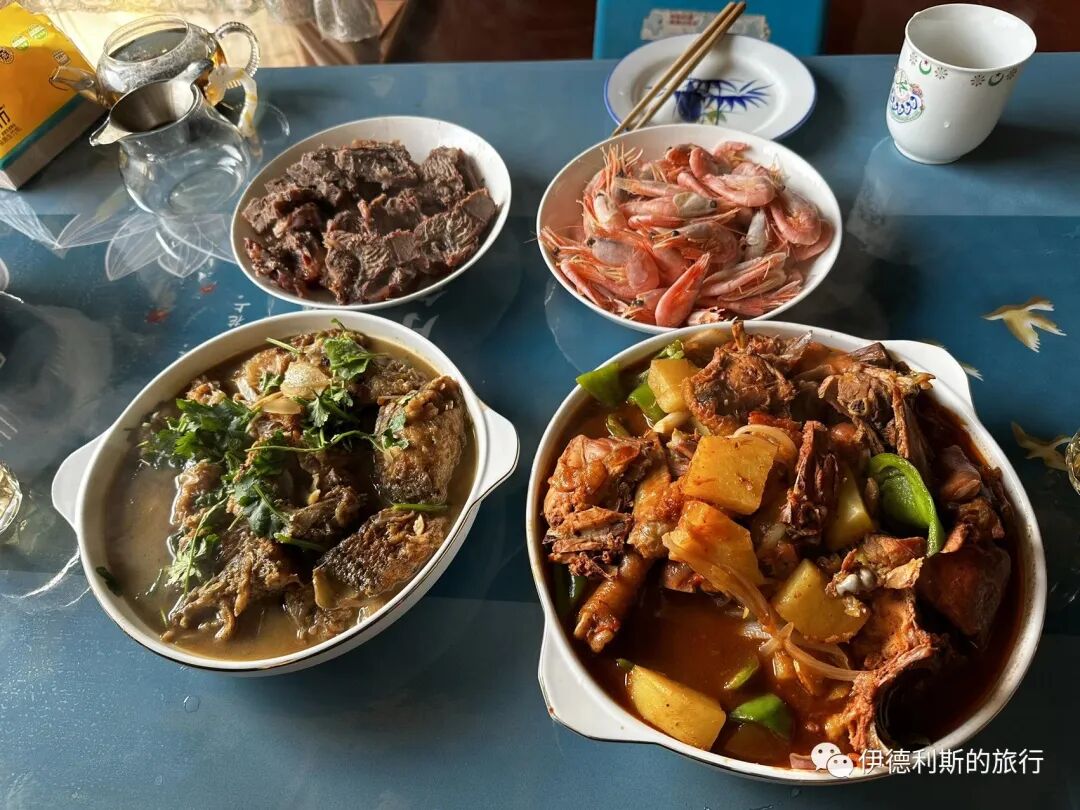
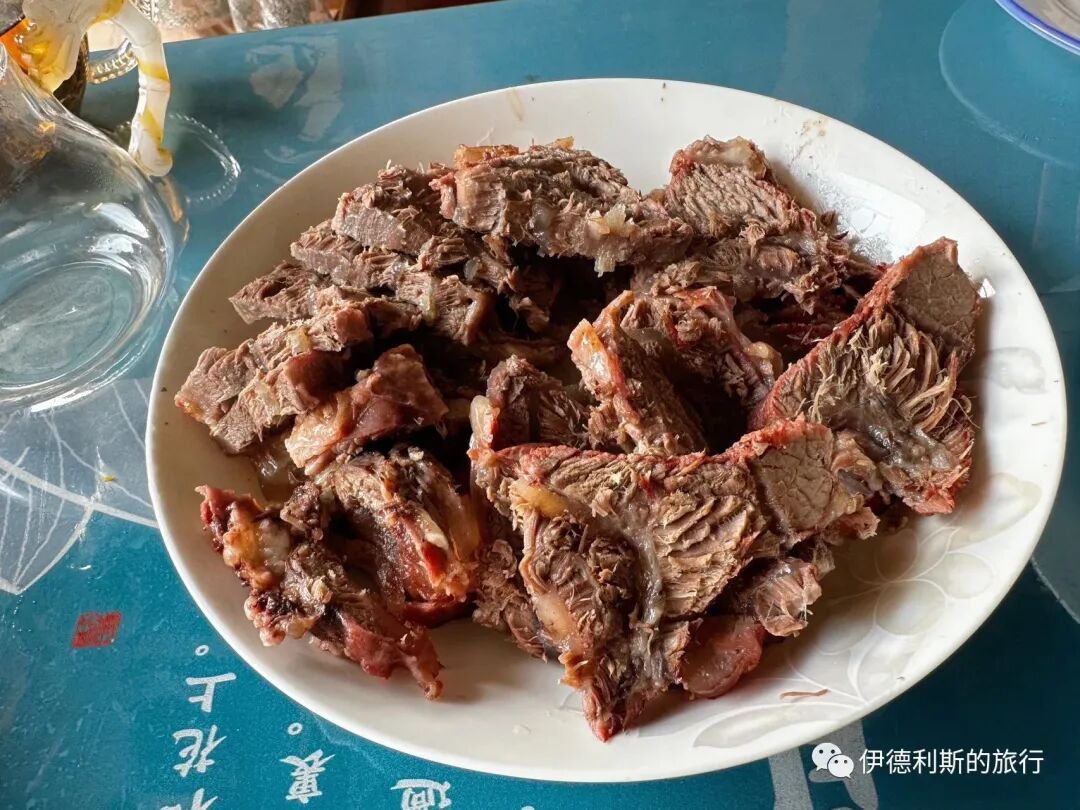
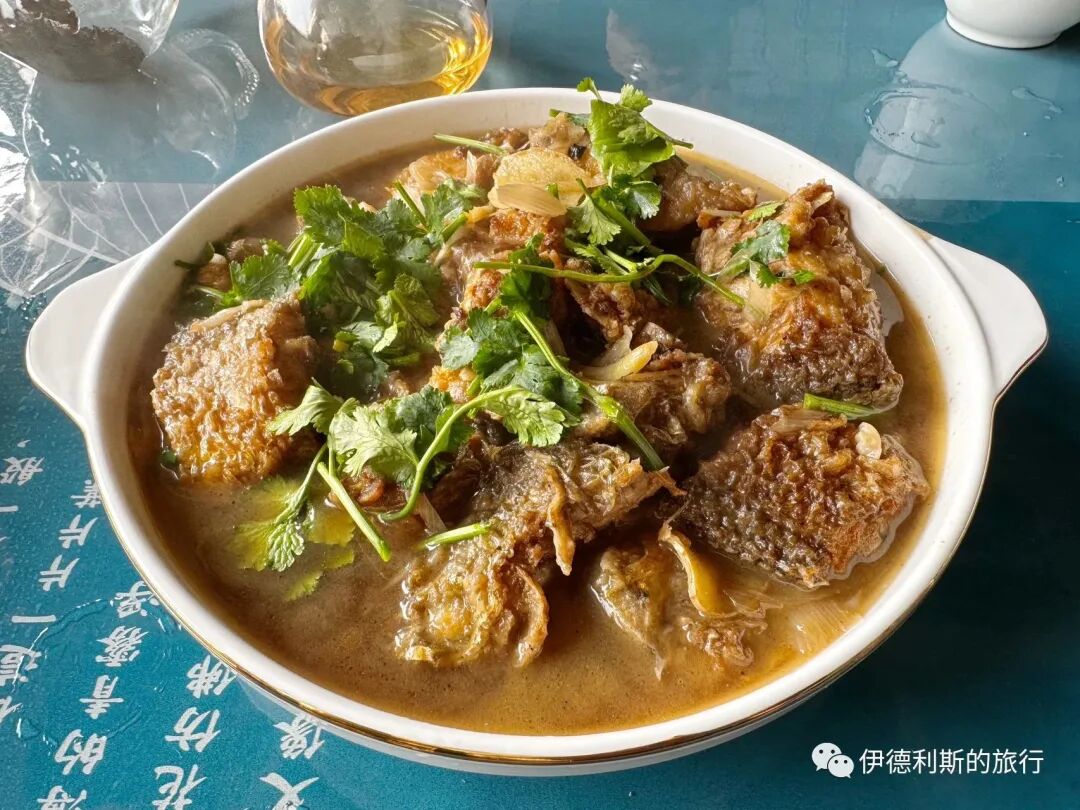
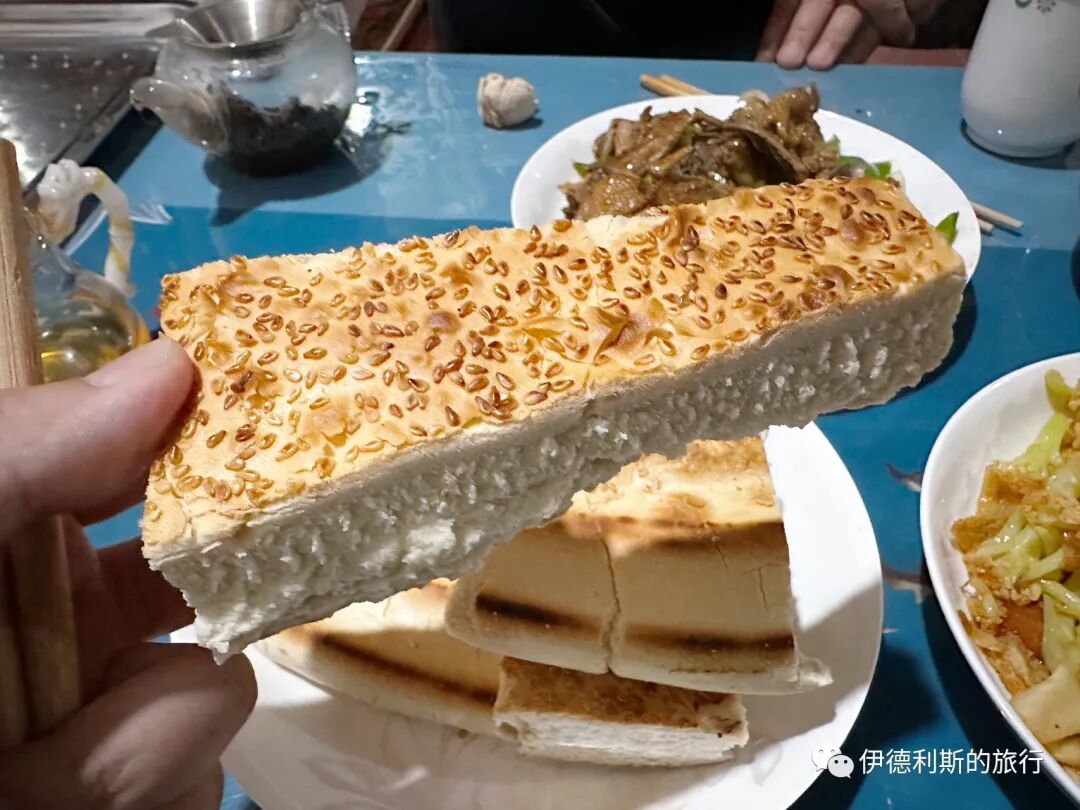
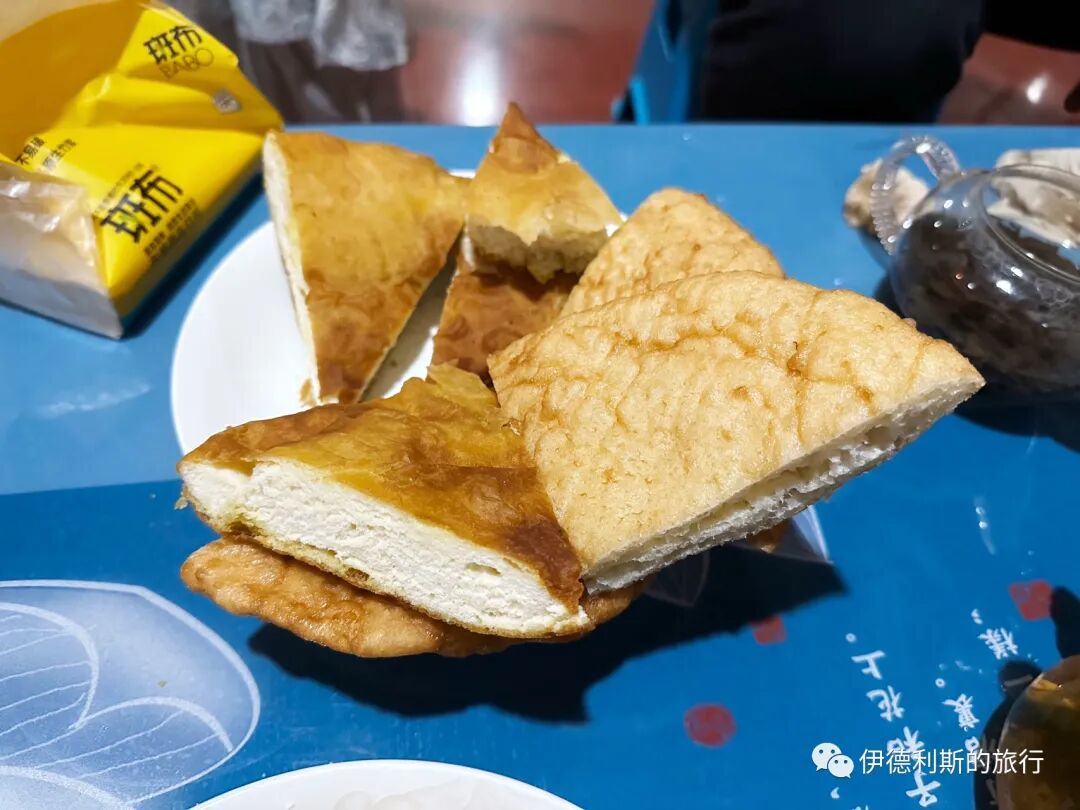
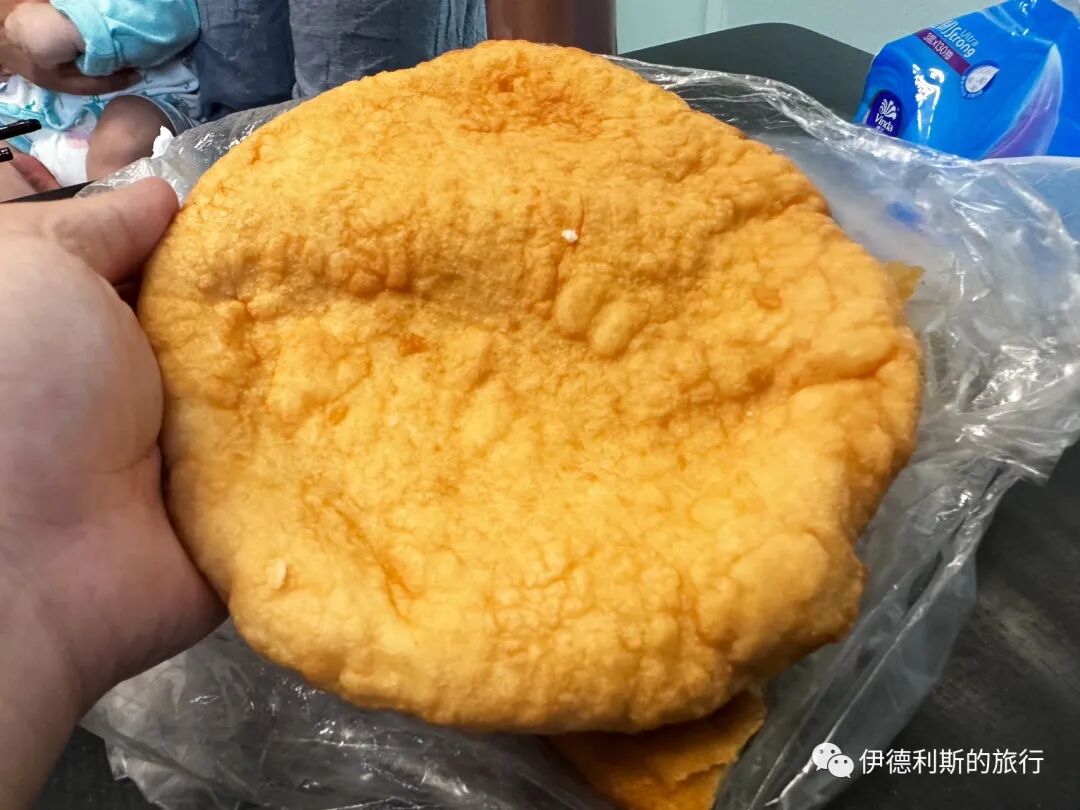
I ate two styles of fried dough (youxiang) at Haji Ma's house, one from Linxia, Gansu, and one from Jinan, Shandong. You can compare them for yourselves. When I left, Haji Ma gave me some Jinan-style fried dough (youxiang) as a sign of the friendship between us friends (dosti).
Finally, I welcome all friends (dostani) to visit Baba Cave and Baba Tomb. If you want to learn more, you can join the WeChat group below.

Summary: Jinan — Baba Cave, Baba Tomb and Sufi Heritage is presented here as a firsthand travel account in clear English, beginning with this scene: On February 2, 2023, I visited the Baba Cave and Baba Tomb on Jiuding Mountain in Jinan, Shandong, a place I had wanted to see for a long time. The account keeps its focus on Jinan Muslims, Sufi Heritage, Hui Muslims while preserving the names, places, food, and historical details from the Chinese source.
On February 2, 2023, I visited the Baba Cave and Baba Tomb on Jiuding Mountain in Jinan, Shandong, a place I had wanted to see for a long time. Baba is a Persian honorific that Hui Muslims use to show respect for their elders. The Baba Cave is the most important Sufi retreat in the Shandong region, and the Baba Tomb is a large cemetery for historical figures and Sufi saints, holding great significance in the history of the faith and Sufism.
I took a high-speed train from Beijing to Jinan West Station in the morning. Guided by Ma Lianjun, a friend (dost) who has studied the cave and tomb for years, we first went to the home of Ma Haji in Dangjiazhuang, where we were warmly welcomed by him and his wife.
We ate hot noodle soup and Shandong pancakes (dajianbing) as thin as paper at Ma Haji's house, then he drove us to Jiuding Mountain to visit the tombs.
Jiuding Mountain Baba Cave
The Baba Cave is on Jiuding Mountain in the southern suburbs of Jinan. With its layered peaks, rocky cliffs, and pine and cypress trees, it is a perfect place for quiet meditation.
At the foot of the mountain, you first see a stone tablet set up by local Muslims in 2021 that welcomes fellow believers to follow in the footsteps of the saints. After the show "World Hui Muslims" aired an episode on the Jinan Baba Cave, many friends (dost) came to visit, making the cave well-known.
As we climbed higher, we saw the tomb of Master Yang and several other saints. Master Yang, named X Rui and styled Fengyi, was born in 1757 and passed away in 1815. The inscription on his tomb says he left home young, went barefoot with messy hair, endured hunger and cold, and traveled the world, crossing thousands of rivers and climbing thousands of mountains. It also records that he established a "Dao Hall" on Qingfeng Mountain in Yunnan, which confirms he was a traveling Sufi.
According to a Qing Dynasty tablet about rebuilding the gate near the cave, which mentions that Sa, Ma, Mao, Yang, and Zuo loved the quiet and passed away there, we can conclude that the Jiuding Mountain Baba Cave was Master Yang's place of retreat.
1899 tablet record for rebuilding the gate
The names Sa, Ma, Mao, Yang, and Zuo on the tablet
Following the mountain path upward, we passed through a stone gate to reach the cliff where the Baba Cave is located. There are some cliff carvings on the rock face. Interestingly, the 1989 cultural heritage protection sign from the Licheng District of Jinan is also carved directly into the cliff.
Next to the cliff carvings are some older tablets, including an official notice from the Jinan Prefecture Changqing County government dated 1889. It records that Jiuding Mountain originally had a mosque cave, saint tombs, and prayer rooms, but they were damaged because no one looked after them. The government issued the notice to tell nearby residents to stop grazing livestock on the mountain and to forbid stealing or gambling inside the cave.
Many beautiful stone carvings in Chinese and Arabic are stored near the Baba Cave, and they have great historical and artistic value. Sadly, due to history, most of these stone tablets are badly damaged and broken into pieces. These precious artifacts are in urgent need of protection and repair.
On the cliff, there is also a "Saint's Tomb" with an inscription by Du Rongxiu. There was originally a large rock jutting out from the cliff that looked like a tomb. Later generations trimmed it to look more like a large grave from a distance, but no one is actually buried underneath it. It was built only to commemorate the Prophet Muhammad. Every year during the Mawlid, villagers come to the foot of the mountain to invite an imam to recite the Quran and prepare fried dough (youxiang).
In the area where the stone carvings are kept, you can also see a carving with an inscription by Du Rongxiu for the Baba Cave.
The Baba Cave is a natural cliff cave. Later people rebuilt it with stone bricks, dividing the cave into inner and outer sections. The door on the right is only big enough for one person; it is said to be where the Baba performed namaz. The inside of the cave has holes connected to the mountain, which keeps it very cool in the summer. It is also dry and does not collect water, making it perfect for quiet meditation.
Sufis call the basic five pillars of a Muslim the Sharia, and the higher level of practice above that is called the Path (Tariqa). Meditation (Muraqabah) is an important part of the Path. This tradition comes from the Prophet Muhammad, who spent a month every year in the Hira Cave on the Mountain of Light before receiving revelations from Allah.
Next to the Baba Cave is a stone room, which is a place for performing rituals (amal). Near the stone house, you can see some mortise and tenon joints (sunmao) on the cliffside, which are likely the remains of the house where the Baba lived while practicing his faith.
After visiting the Baba Cave, we walked down the mountain. At the foot of the mountain is the Green Pine Spring (Qingsong Quan), where the Baba used to get his water. In February, the spring water is clear and does not freeze; Jinan truly lives up to its name as the City of Springs.
Beside the Baba Cave on Jiuding Mountain in Jinan, there is a broken stone tablet dated to the ninth year of the Daoguang reign (1829). One of the names on the tablet is Zuo Tingrong, who is one of the five figures—Zuo, Ma, Sa, Mao, and Yang—mentioned in the 1899 'Reconstruction of the Main Gate' tablet as having practiced in the cave. In fact, except for Yang Baba, who is buried at the foot of the Baba Cave mountain, the graves of the other four Babas still exist. Mao Baba is buried in Dangjiazhuang Town, and the other three Babas are buried at Ma'anshan, south of Jinan city.
The Baba Graves at Ma'anshan.
Guided by Ma Haji and Ma Lianjun Dosti, we arrived at the Baba graves on the eastern slope of Ma'anshan, south of Jinan. There are dozens of graves of Muslim ancestors here dating back to the Yuan and Ming dynasties, including the graves of Zuo, Ma, and Sa Baba.
Zuo Baba's grave is at the far west end of the cemetery. The tombstone is engraved with Chinese and Arabic, as well as Xiao'erjing (Arabic script used to write Chinese), providing a wealth of information. Ma Lianjun Dosti helped write the article 'A Study of the Chinese-Arabic Tombstone of Zuo Gong's Grave in Jinan during the Daoguang Reign of the Qing Dynasty from the Perspective of the Sinicization of Islam,' published in 'World Religious Studies.' This is currently the most detailed introduction available regarding Zuo Rongting Baba.
From the inscription, we know Zuo Baba's name was Tingrong, his courtesy name was Yunbo, and he was from the West Gate of Jinan. He was born in 1750 (the 15th year of the Qianlong reign) and passed away in 1829 (the 9th year of the Daoguang reign). His religious name was Ishaq. He was guided by the Sufi master Mahmud Baghdadi and became a leader for local practitioners, known far and wide for his spiritual path. Zuo Baba endured great hardships to travel to Mecca for Hajj and visited the tomb of the Prophet Muhammad in Medina. The inscription shows that Zuo Baba was a Sufi practitioner with a clear lineage, who insisted on asceticism and traveling to practice his faith. Such detailed records of a Sufi practitioner are extremely rare in the entire eastern region.
The top stone of Zuo Baba's grave is also very unique. Its cross-section looks like an arch, and the sides are carved with exquisite Arabic calligraphy, including both traditional Chinese styles and the brick-like Bannai script derived from Kufic. However, because later generations repainted it with gold lacquer, the original calligraphy has become somewhat blurry.
According to the article 'Baba Graves of the Yuan and Ming Dynasties in Shandong,' Sa Baba was named Sa Tianchi. He was from ancient Xihe in Yunnan, and he lived around the end of the Yuan and the beginning of the Ming dynasties. In the oral traditions of the Sai family of Hui Muslims in Jinan, Sa Baba's experiences of seeking medicine to save the dying and heal the wounded are very consistent with Sufi practices. He often used his medical knowledge to treat people regardless of whether they were Hui or Han, and he was respected by all ethnic groups.
Additionally, there is the grave of Niu Baba, a disciple of Sa Baba, in the Baba cemetery.
Legend says Ma Baba passed away at the end of the Ming dynasty. The 1933 issue of the Republic of China periodical 'Yuehua' (Vol. 5, No. 18) contains an article titled 'Ma'anshan Small Mosque,' which records that 'outside the gate are the graves of the three Babas: Zuo, Ma, and Ma.'
Besides this, there are many graves of Muslim ancestors from the Yuan and Ming dynasties in the Ma'anshan Baba cemetery. The articles 'Baba Graves of the Yuan and Ming Dynasties in Shandong' and 'Baba Graves of the Qing Dynasty in Shandong' provide detailed introductions.
The life story of Sayyid Baba cannot be verified. Sayyid is an honorific title used to refer to the descendants of the Prophet's daughter Fatima and Imam Ali, suggesting that Sayyid Baba was likely a descendant of the Prophet.
The life story of Ma Baba is also unreliable; he is one of the three Babas—Zuo, Ma, and Ma—mentioned in the 1933 'Yuehua' article.
On the tombstone of Gu Mingxiu Baba, there is an inscription, half of which is buried in the soil. It shows text like '16th day of the 2nd month of the 12th year of the Wanli reign of the Great Ming,' and '8th day of the 2nd month of the 4th year of the Xianfeng reign of the Great Qing,' which are likely the dates of the original construction and the renovation.
Li Baba's grave originally had a stone tablet from the Tongzhi reign of the Qing dynasty, but it no longer exists. Every year on the 24th day of the 6th lunar month, middle-aged and elderly Hui Muslim women from the outskirts of Jinan, Tai'an, and the north bank of the Yellow River go to Li Baba's grave to light incense, recite scriptures, and give charity (niatie).
Cha Baba's life story cannot be verified; it is only known that the later tombstone says he 'passed away at the end of the Ming dynasty.'
The tombstone for Chen Ying Baba and his wife, surnamed Sai, reads 'Grave of Mr. Chen Ying, an official of the Honglu Mosque of the Great Ming, and his wife, Lady Sai.' Behind it is a 'Chen Zhangjiao Epitaph' erected in 1834 (the 14th year of the Daoguang reign).
Chen Ying Baba holds a very high historical status among Muslims in Jinan. He was once appointed by the Emperor as the Superintendent of Religion for Shandong, and his descendants inherited the position of imam at the Jinan South Mosque (Nandasi) for over a hundred years. The existing 1495 (the eighth year of the Ming Hongzhi reign) record of the renovation of the Jinan Prefecture Licheng County Mosque states: 'During the Xuande year of Bingwu in our dynasty, there was a shortage of imams. Just then, Master Chen Ying went to the Western Regions three times as an envoy, was appointed to an official rank, and returned after retiring from office.' This means that during the Ming Xuande period (1426-1435), Chen Ying served as an official envoy to the Western Regions three times. Based on calculations, Chen Ying Baba likely lived during the late Yuan and early Ming dynasties.
The Chen family was prominent during the Ming Dynasty and received rewards many times. The Jinan South Mosque currently houses a 1528 (the seventh year of the Ming Jiajing reign) stone inscription titled 'Laifu Ming,' signed by 'Chen Si, Imam of this mosque.' Chen Si was a descendant of Chen Ying Baba.
Besides Chen Ying Baba, many other imams of the Jinan South Mosque are buried in the Baba Cemetery (Baba Fen).
Dang Baba was named Dang Yu, with the courtesy name Kunshan. He was from the West Gate of Jinan, born in 1703 (the forty-second year of the Kangxi reign) and passed away (returned to Allah) in 1785 (the fiftieth year of the Qianlong reign). According to a Republic of China era stele, he traveled widely and went on Hajj to Mecca many times. He discovered errors in the practice of the faith in China, sought to correct them upon his return, and was invited to serve as the imam of the South Mosque.
Mi Baba was named Mi Guoxiang, with the religious name Puzhong. People called him Master Mi (Mi Zhenren). He was also from the West Gate of Jinan, born in 1735 (the tenth year of the Yongzheng reign) and passed away in 1792 (the fifty-seventh year of the Qianlong reign). In front of his tomb stands a 1792 stele inscribed with 'Inheriting the Past and Ushering in the Future,' which contains very detailed records about Master Mi.
Mi Baba traveled throughout the Northwest, met a teacher named Wang, and learned the 'profound principles of returning to the truth and restoring life.' Afterward, he traveled everywhere and avoided women. The stele records that he 'built a home in the bright mountains southwest of the city and lived in an ancient cave.' It is speculated that this is likely the Baba Cave on Jiuding Mountain.
It continues to write
He 'ate the morning mist in spring, drank the night dew in summer, cleansed his heart and spirit, and after decades, mastered the techniques of breathing and meditation.' This is clearly a description of Sufi asceticism. The stele uses many Taoist terms to describe the faith, calling the sages 'True Men' (Zhenren), referring to passing away as 'feathering' (yuhua), and even using Taoist immortals like Wang Ziqiao and Chisongzi as metaphors. This is a great example of exchange between different religions.
Heifaxiang Baba became the imam of the Jinan South Mosque in 1815 (the fifteenth year of the Jiaqing reign). He presided over the renovation of the South Mosque and wrote Arabic calligraphy in the main hall, which was widely praised. Evidence suggests that He Baba was very likely the disciple of He Wushaihai, who was one of the 'Two Changs' of the Shandong scripture education system, Chang Jie Baba. Their birth and death dates also match. He Baba played an important role in inheriting and promoting the Shandong school of scripture education, and people today should attach great importance to him.
to local Jinan people, Sufi sages who came from other places to study are also buried in the Baba Cemetery. Ma Zhaochi Baba was from Pingliang, Gansu. He was born in 1673 (the twelfth year of the Kangxi reign), passed away in 1796 (the first year of the Jiaqing reign), and lived to be 123 years old. According to the stele, his 'merits and deeds were complete, and he had achieved immortality.' This is also a way of using Taoist vocabulary to describe Sufi practice.
There is a worn-out stele in the Baba Cemetery. Thanks to the sharing of a fellow believer (dosti), Teacher Ma Ming finally deciphered the content of the stele after years of research. According to the stele, the tomb owner was named Yang Zongyao, born in 1699 (the thirty-eighth year of the Kangxi reign), passed away in 1795 (the sixtieth year of the Qianlong reign), and lived to be 96 years old.
Yang Zongyao Baba's mentor was 'Grand Master Ma Huajiao from Shaanxi.' He followed Grand Master Ma to travel the world and learn Sufi cultivation. The stele records that Grand Master Ma 'abandoned his great business to become a monk;' He cast aside his high position to achieve his goals. It can be seen that he was a Sufi sage. Teacher Ma Ming found in the Yongzheng edition of 'Sichuan Tongzhi' and the Republic of China era 'Songpan County Annals' that 'Qingzhang Laying Army Garrison Commander... Ma Huajiao, a Shaanxi native, appointed in the thirty-second year of Kangxi,' and the Republic of China era 'Ba County Annals' records: 'Mosque... the South Mosque was built by Ma Huajiao and Han Daxiao in the early Kangxi period of the Qing Dynasty.' It can be seen that Grand Master Ma was active in the Sichuan region during the Kangxi period and donated money to build mosques while serving as an official.
Buried in the Baba Cemetery is the famous Hui Muslim martial artist Ma Shengping (1849-1921) from modern Jinan history. Ma Shengping was known as 'Western Whip Ma Wu.' He was from Linqing, Shandong, practiced martial arts since childhood, and was skilled in using the pole whip (also called fishing whip). At the end of the Qing Dynasty, he joined the Boxer Rebellion and fought all the way from Shandong to Tianjin. After the movement failed, he hid his identity and lived at the South Mosque (Nandasi) in Jinan, where he spent years working as a mosque caretaker while pretending to be deaf and mute. After the Republic of China was established, Ma Shengping revealed his true identity and began teaching martial arts at a Hui Muslim boxing school in the Xiguan area of Jinan. He passed away in 1921 and was buried in the Baba Tomb at Ma'anshan.
Some other tombstones in the Baba Tomb also feature Arabic calligraphy, but unfortunately, it is now difficult to identify who they belong to.
Because many respected elders (baba) are buried in the Baba Tomb and many moving stories are told about them, the site holds a very high status among Jinan's Hui Muslims. They often visit the graves to light incense, recite scriptures, and perform dua. According to the 18th issue of the fifth volume of the Yuehua newspaper in 1933, Jinan's Hui Muslims would visit the graves after the wheat harvest, especially after times of disaster, to thank Allah for His grace and to remember the virtuous predecessors. To make visiting the graves easier, a mosque was built next to the Baba Tomb long ago, known as the Ma'anshan Small Mosque.
The Yuehua magazine provides a detailed record of the Ma'anshan Mosque: There are three baba tombs on the mountain. Visitors use this place as a resting spot and a place to invite an imam to recite scriptures and prepare food, which is why the mosque was built. The mosque sits at the eastern foot of the mountain, and right outside the gate are the tombs of the three babas: Zuo, Ma, and Ma. The north building in the courtyard has five rooms. The middle three serve as the prayer hall, the single room on the east is the imam's living quarters, and the west room is the kitchen. There is also a south shed that serves as the living quarters for the mosque caretaker. The mountain only has ten mu of land to support the mosque. The mosque's imam is Ding Kaoshan, a Jinan local. He usually stays at the South Mosque and only comes here when people visit the graves. There are no regular prayers held here, so it functions like a local travel mosque.
Due to history, the Ma'anshan mosque (masjid) has collapsed, but the original foundation and building structure are still visible, with many bricks and tiles scattered around the site. A while ago, some friends (dosti) found half a stone tablet at the site. You can see the name Zuo Junzhenquan and the words kitchen room. The names of those who respectfully erected it include Ma Yusheng, Zhu Chunshou, Zuo Entang, Zhang Jinxing, and Zuo Junying. For hundreds of years, this mosque was an important part of the Baba Tomb complex. Just like the mosques at the tombs of Puhading, Wanggesu, and the Langzhong Baba, it is highly valued by friends (dosti) and holds significant cultural meaning. Seeing it in such a ruined state today is heartbreaking.
According to Lei Guangjing's article on the general situation of Islam in Jinan, Hui Muslims in the past placed great importance on the Baba Tomb and deeply respected the babas, calling them elders (laorenjia). Every spring when the flowers bloom, people would visit the graves in an endless stream, invite an imam to recite scriptures, and prepare fried dough (youxiang) to distribute to friends (dosti). Between the 1960s and 1970s, the Baba Tomb was damaged, but it was preserved thanks to the protection of the Muslim community (mumin). In 1982, Jinan's Hui Muslims held an unprecedented grave-visiting event with hundreds of people attending. Everyone brought boilers and food boxes, and they invited an imam to recite scriptures in memory of the predecessors.
With the rapid development of modern society, the inheritance of religious traditions everywhere has faced varying degrees of impact. The tradition of Jinan's Hui Muslims visiting the Baba graves is also gradually fading. Religious scholars argue that visiting graves for the purpose of reflection is a commendable act. By remembering our predecessors, we can reflect on the meaning of life, examine our own mistakes, and encourage ourselves to do more good deeds. It is a positive activity. At the same time, gathering in the cemetery to recite scriptures and distribute fried dough (youxiang) is a chance for young people to get closer to their faith. Amidst our busy work, we need such traditions to act as a bond for our faith and keep everyone united.
I am very grateful that friends (dostani) like Ma Lianjun and Ma Haji have cared for the Baba Cave and Baba Tomb for many years. When they learned I wanted to visit, they gave me a lot of help, and I truly experienced the hospitality of the people of Shandong. Let me share the delicious food I ate at Ma Haji's house. The homemade soy sauce beef was not too salty and tasted just right. This was my first time eating Shandong big pot bread (daguobing), which was as thick as a brick. It was really interesting.
I ate two styles of fried dough (youxiang) at Haji Ma's house, one from Linxia, Gansu, and one from Jinan, Shandong. You can compare them for yourselves. When I left, Haji Ma gave me some Jinan-style fried dough (youxiang) as a sign of the friendship between us friends (dosti).
Finally, I welcome all friends (dostani) to visit Baba Cave and Baba Tomb. If you want to learn more, you can join the WeChat group below.
