
Halal Travel Guide: Ramadan in Beijing 2023 — Mosques and Iftar (Part 2)
Reposted from the web
Summary: Ramadan in Beijing 2023 — Mosques and Iftar is presented here as a firsthand travel account in clear English, beginning with this scene: I had two skewers of red willow lamb (hongliu) and a bowl of yogurt at the entrance of the Madian Mosque at the Kashgar Restaurant. The account keeps its focus on Beijing Ramadan, Mosque Travel, Iftar while preserving the names, places, food, and historical details from the Chinese source.
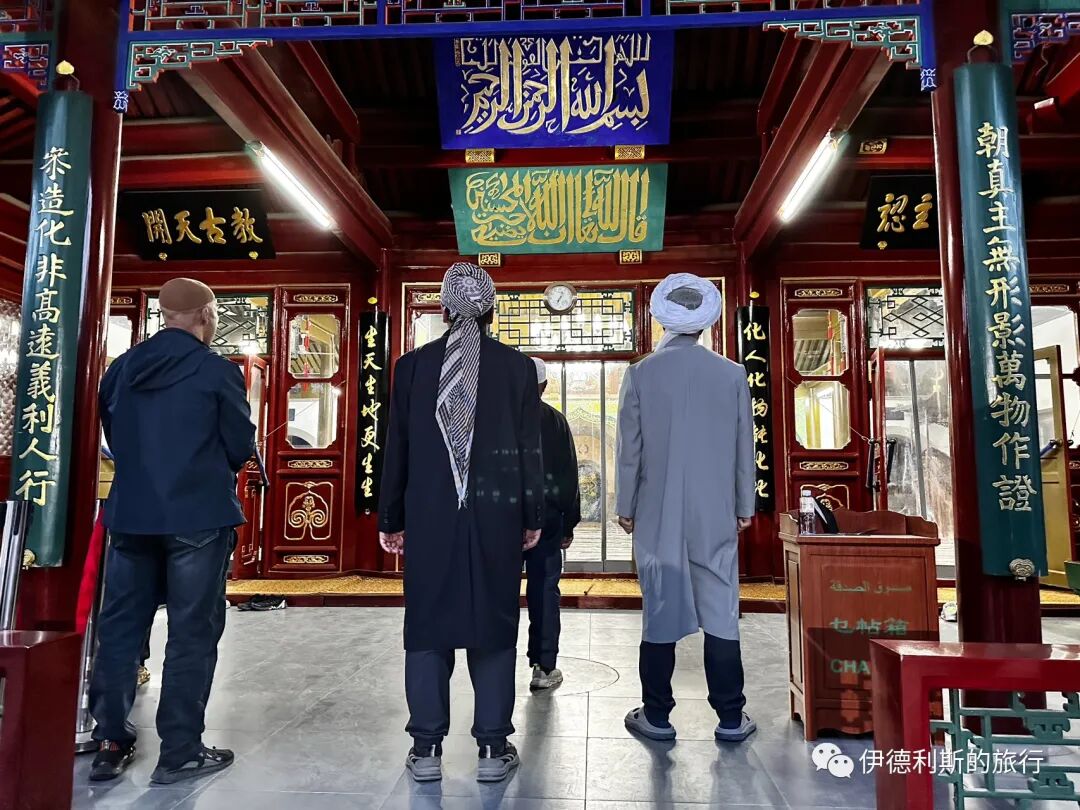
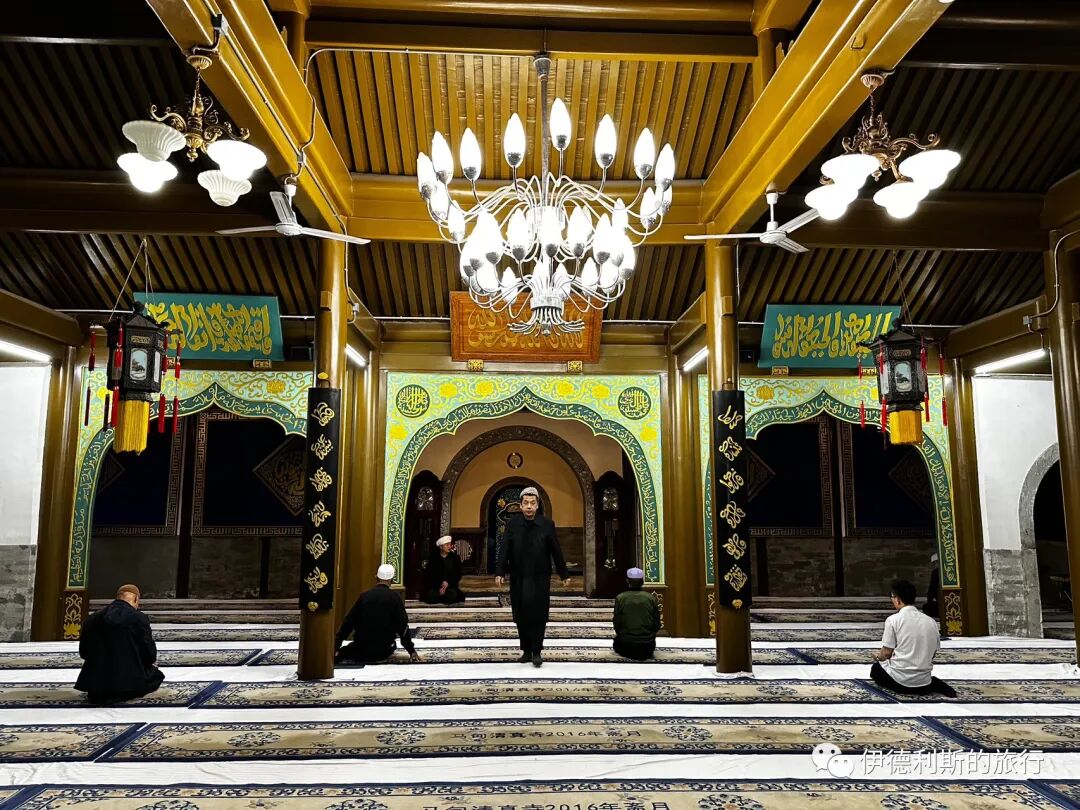
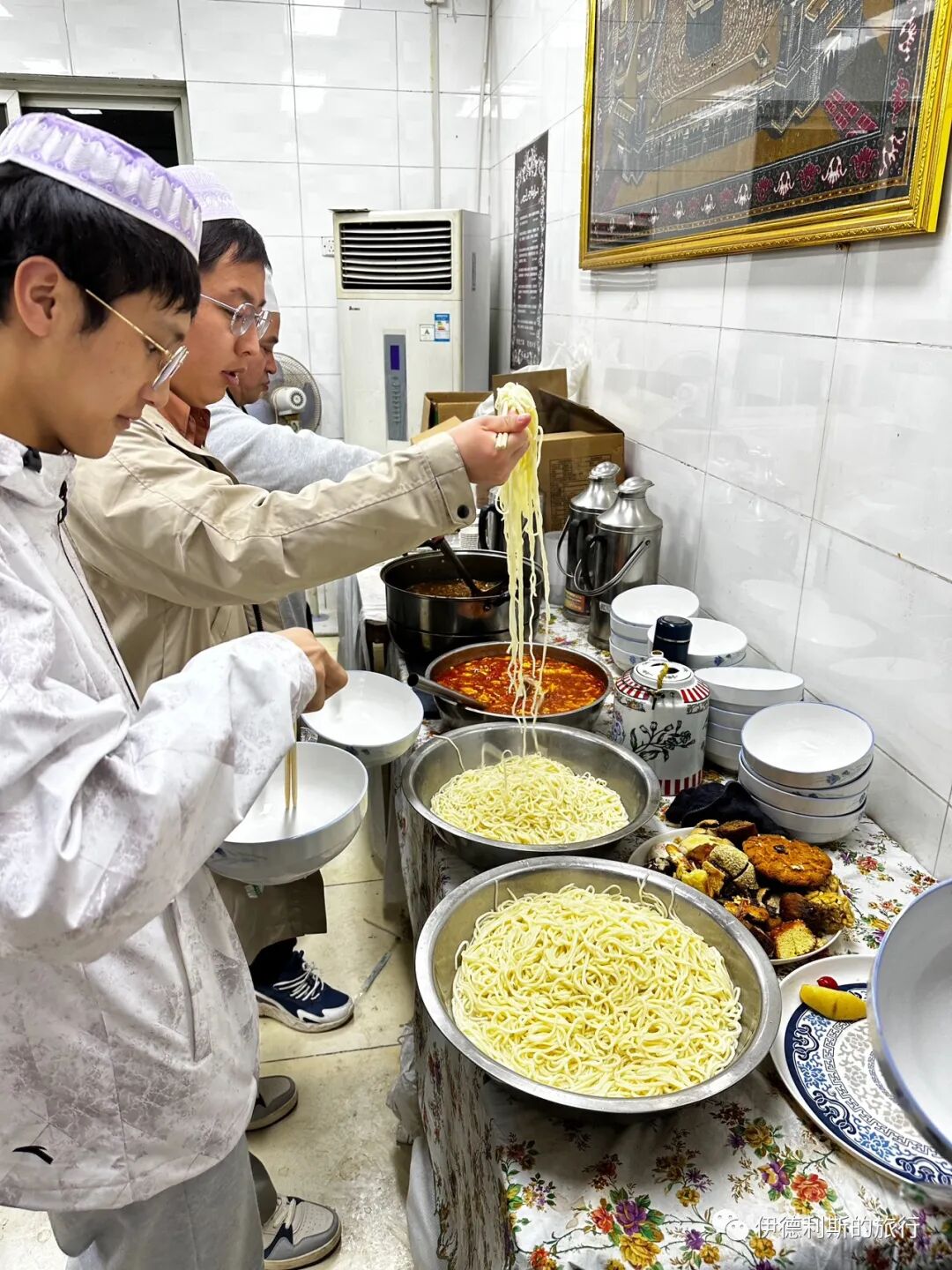
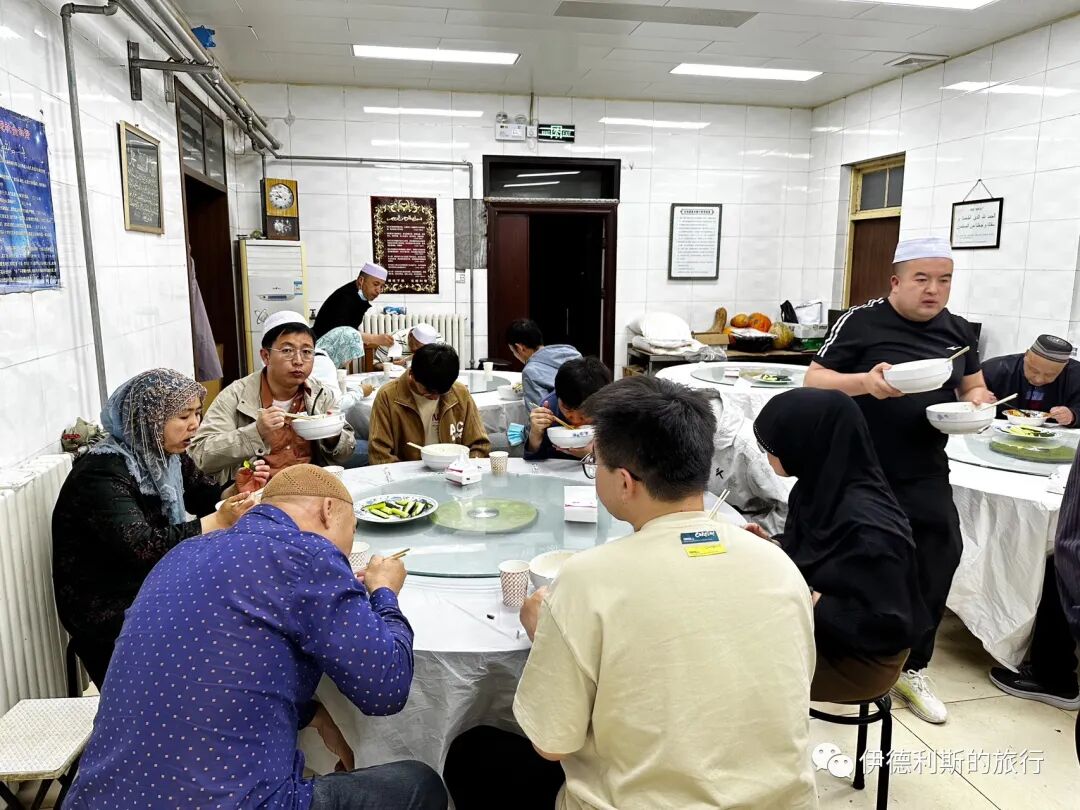
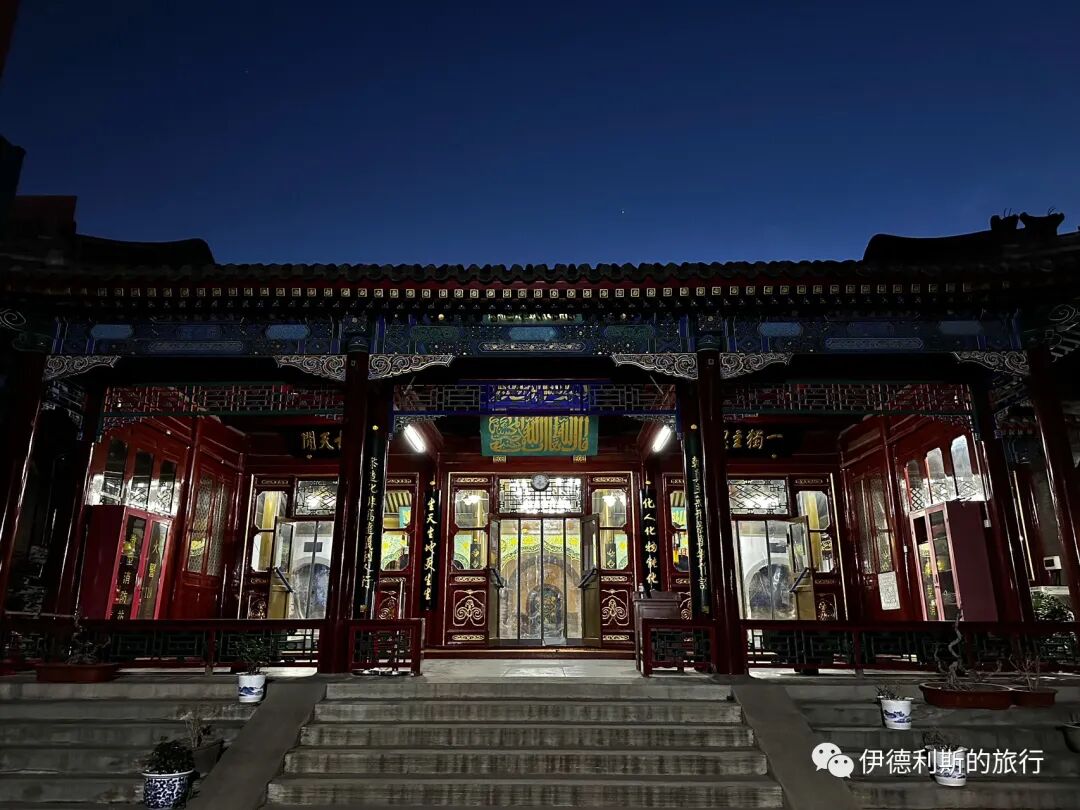
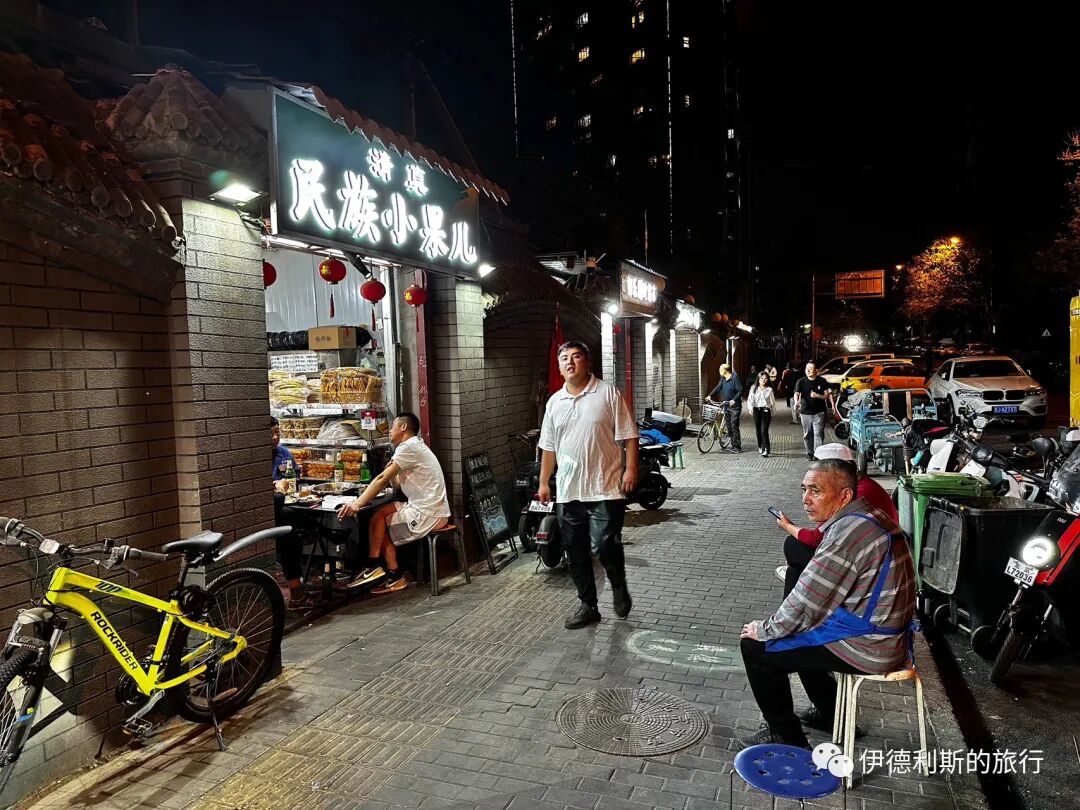
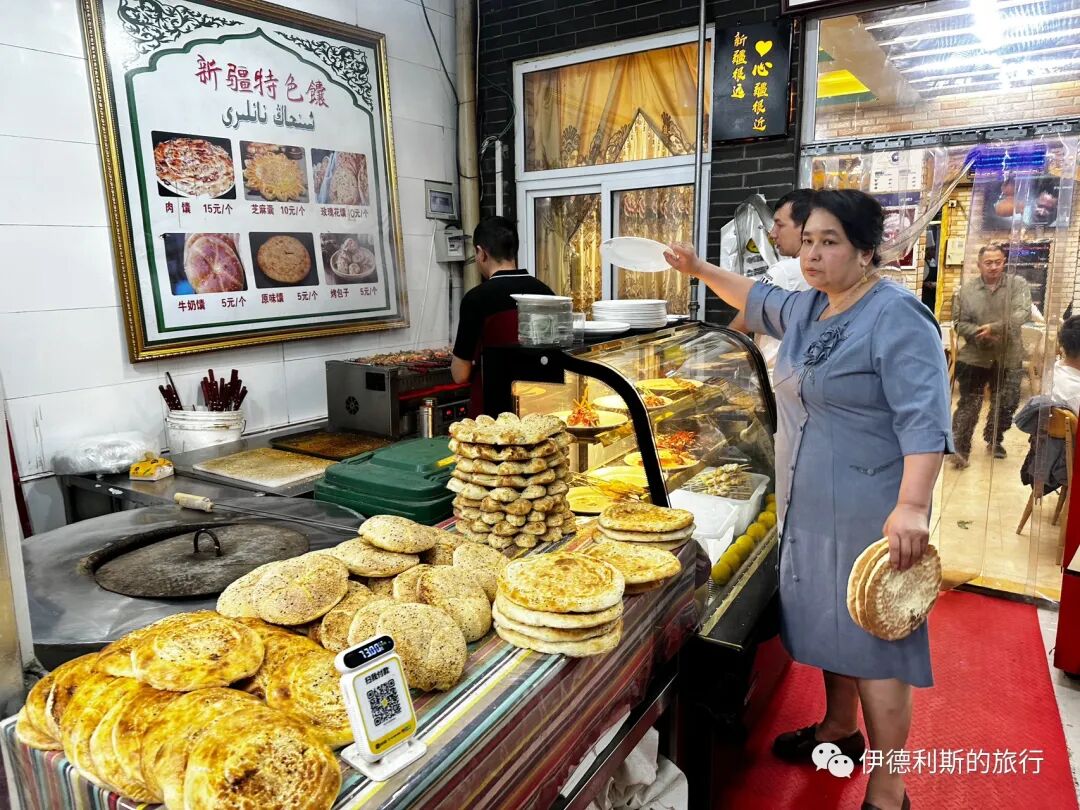
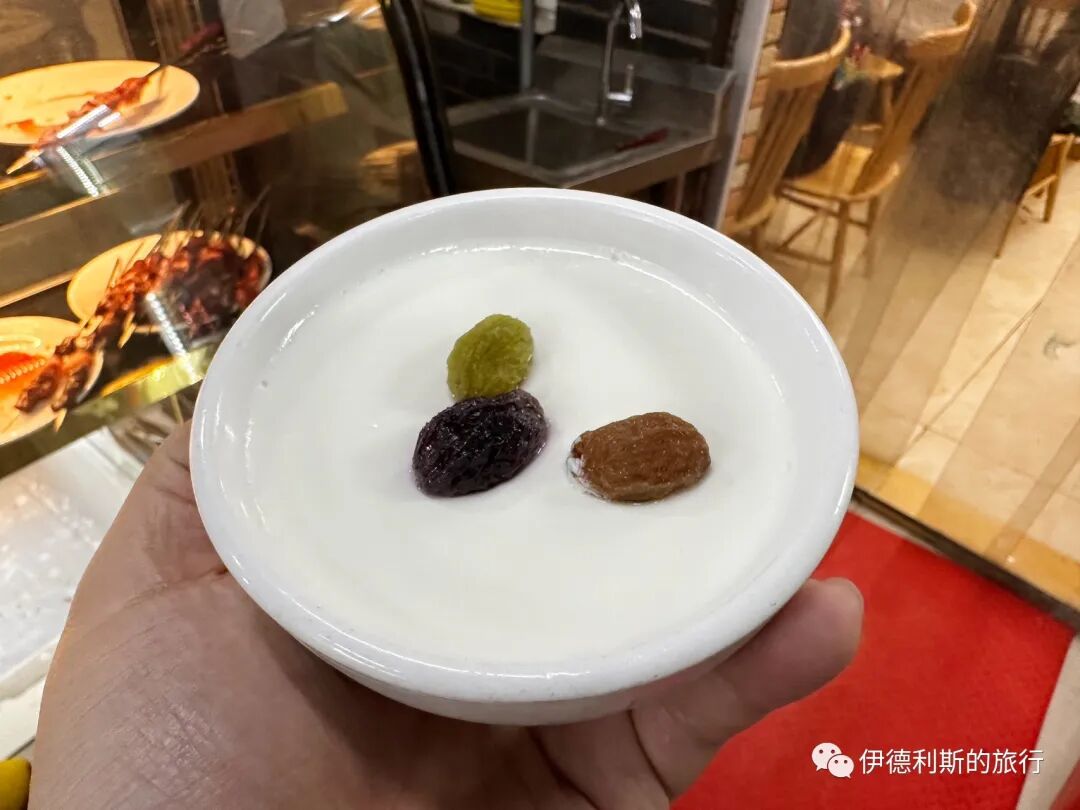
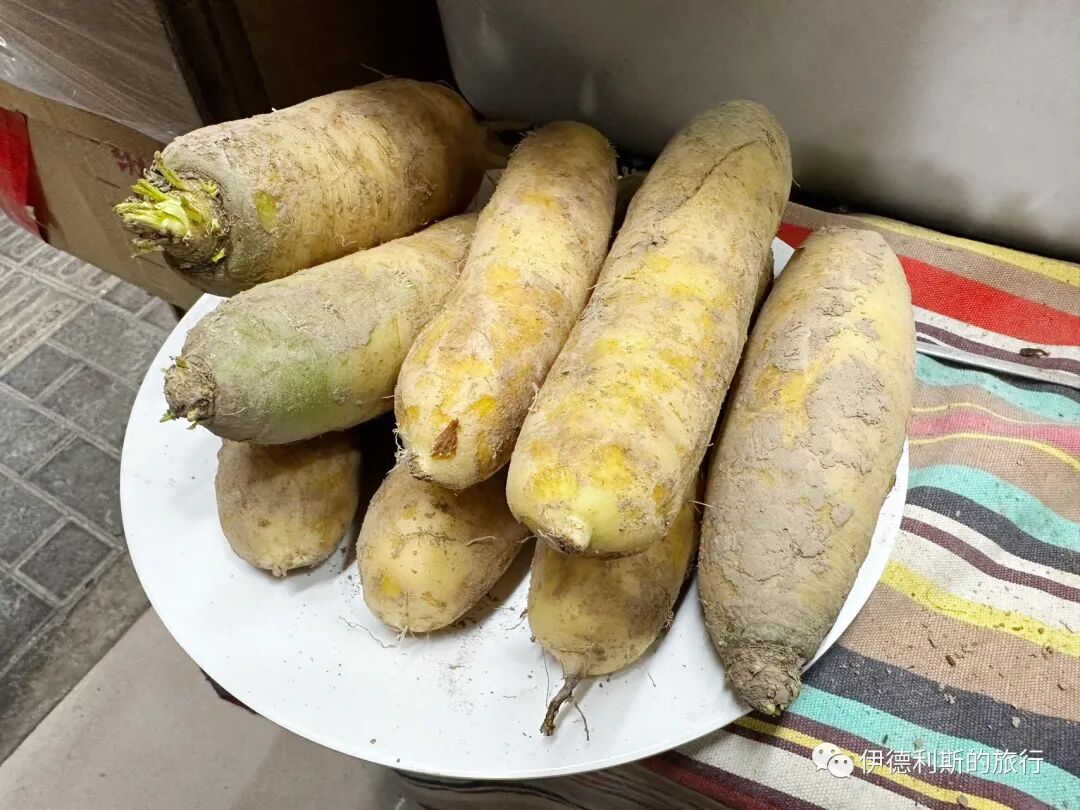
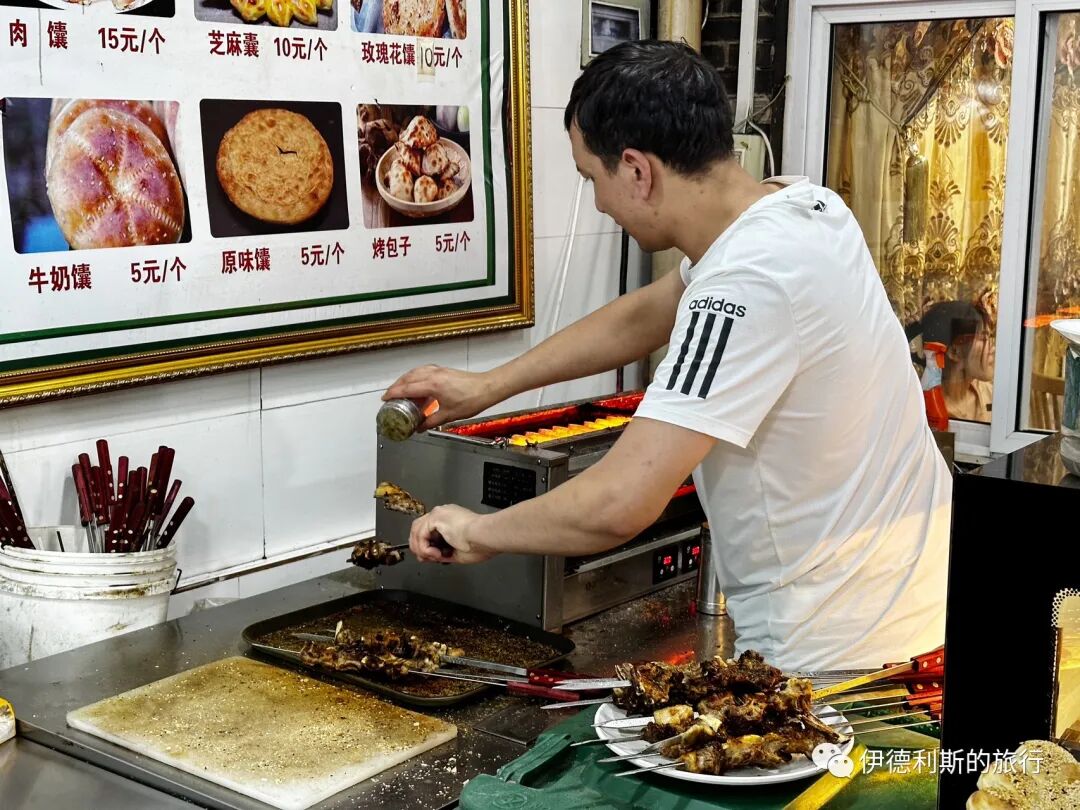
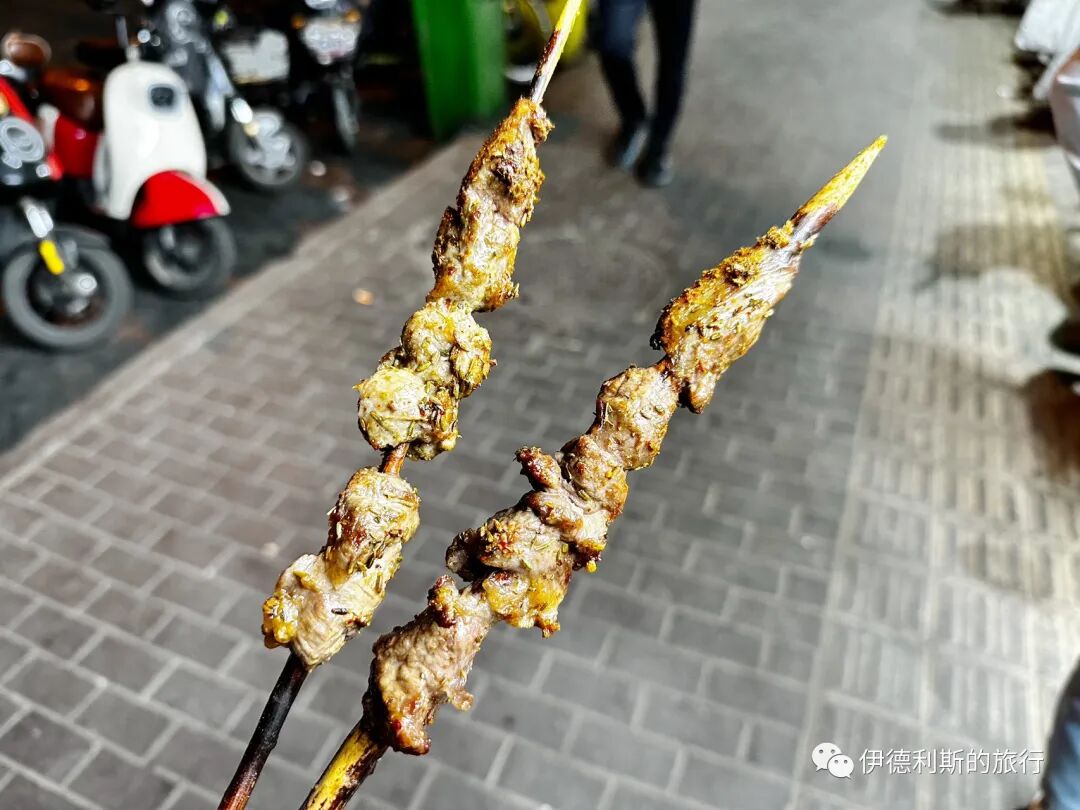
I had two skewers of red willow lamb (hongliu) and a bowl of yogurt at the entrance of the Madian Mosque at the Kashgar Restaurant. The meat on the red willow skewers was quite tender, and the yogurt had no sugar added, giving it a pure taste of Xinjiang. The Kashgar Restaurant is an old Uyghur eatery that has been around since I was a child, but I rarely visit because it is out of my way. They also sell yellow carrots (huangluobo), which are perfect for friends (dosti) who want to take some home to make pilaf (zhuafan).
April 22
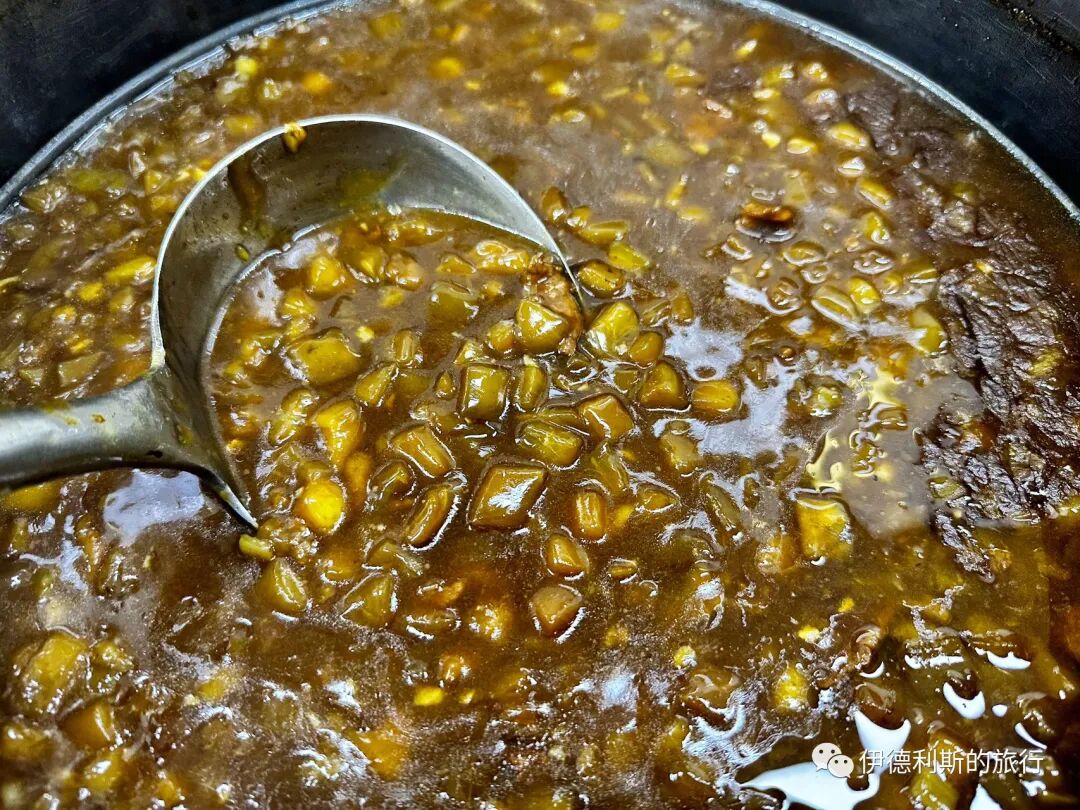
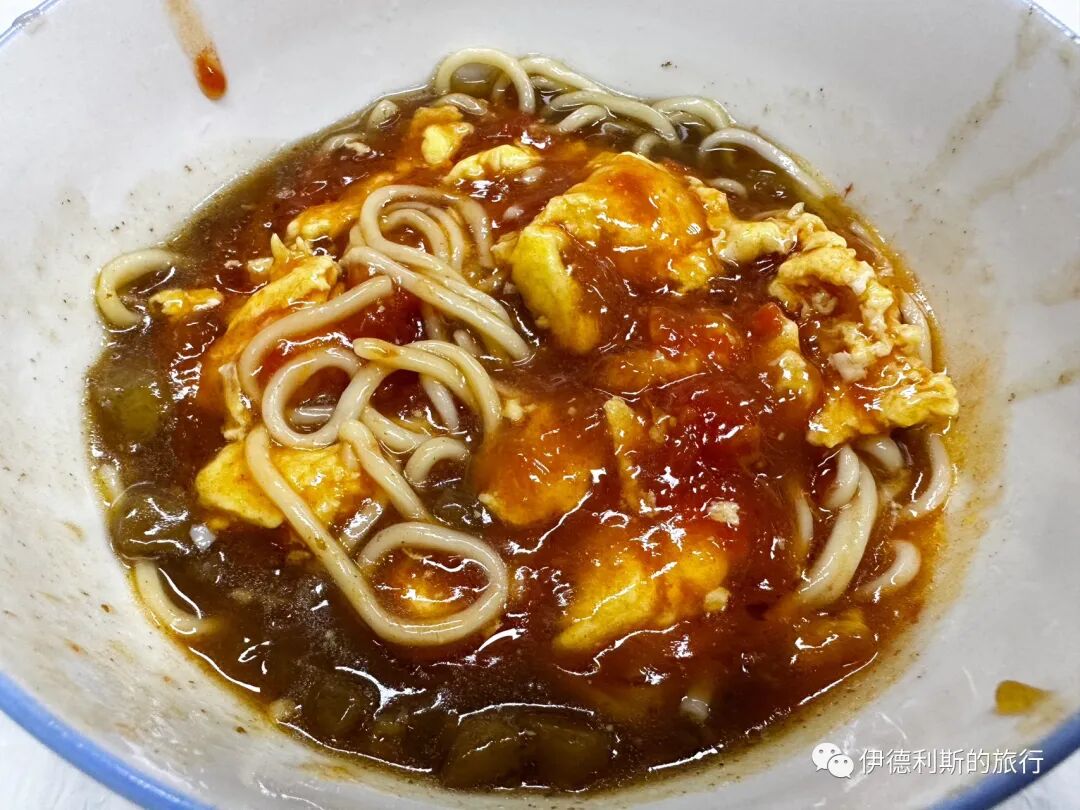
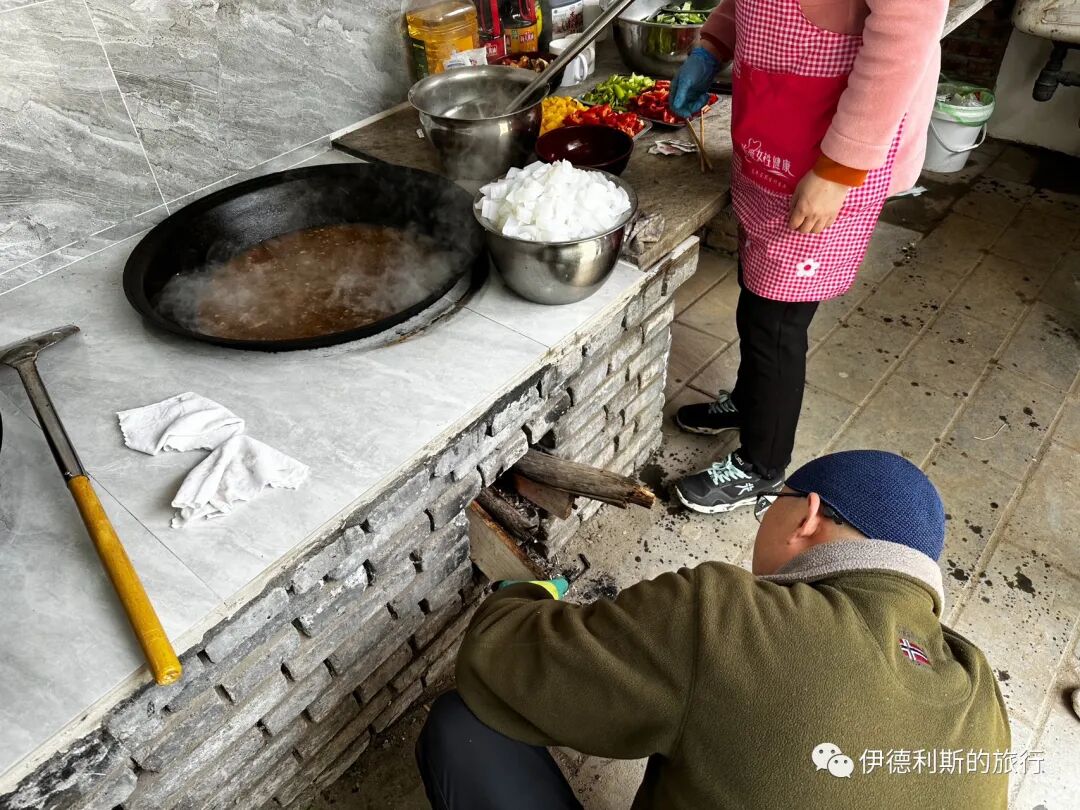
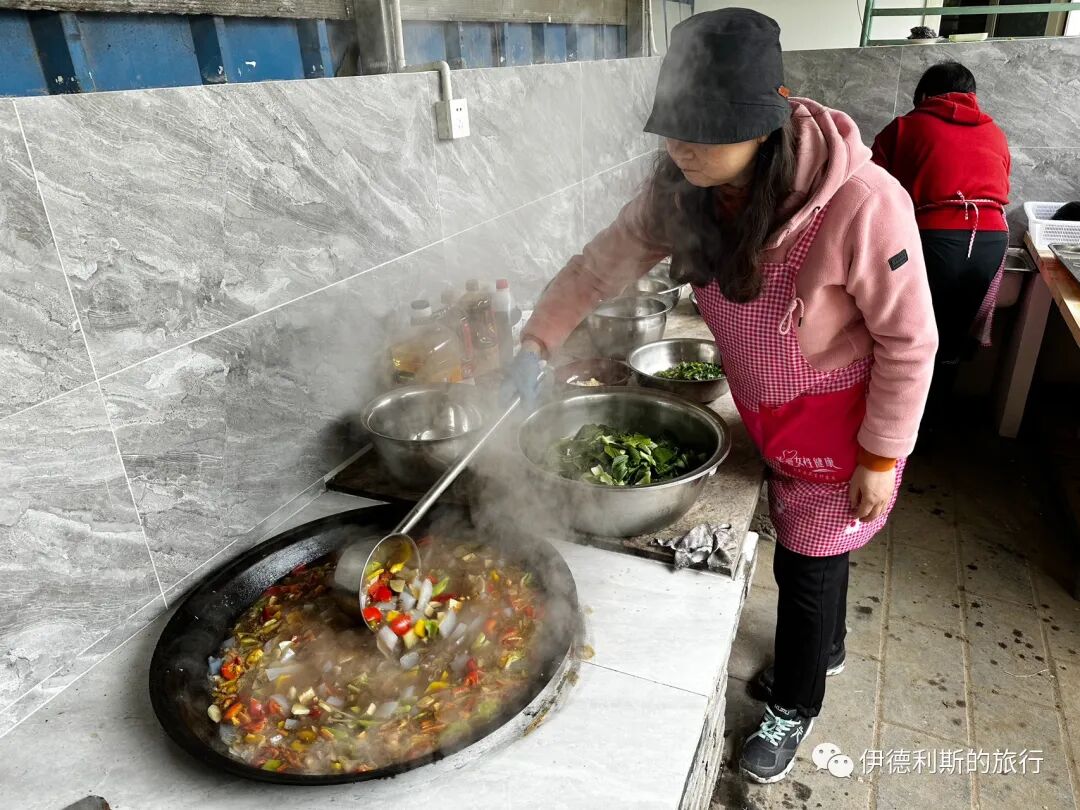
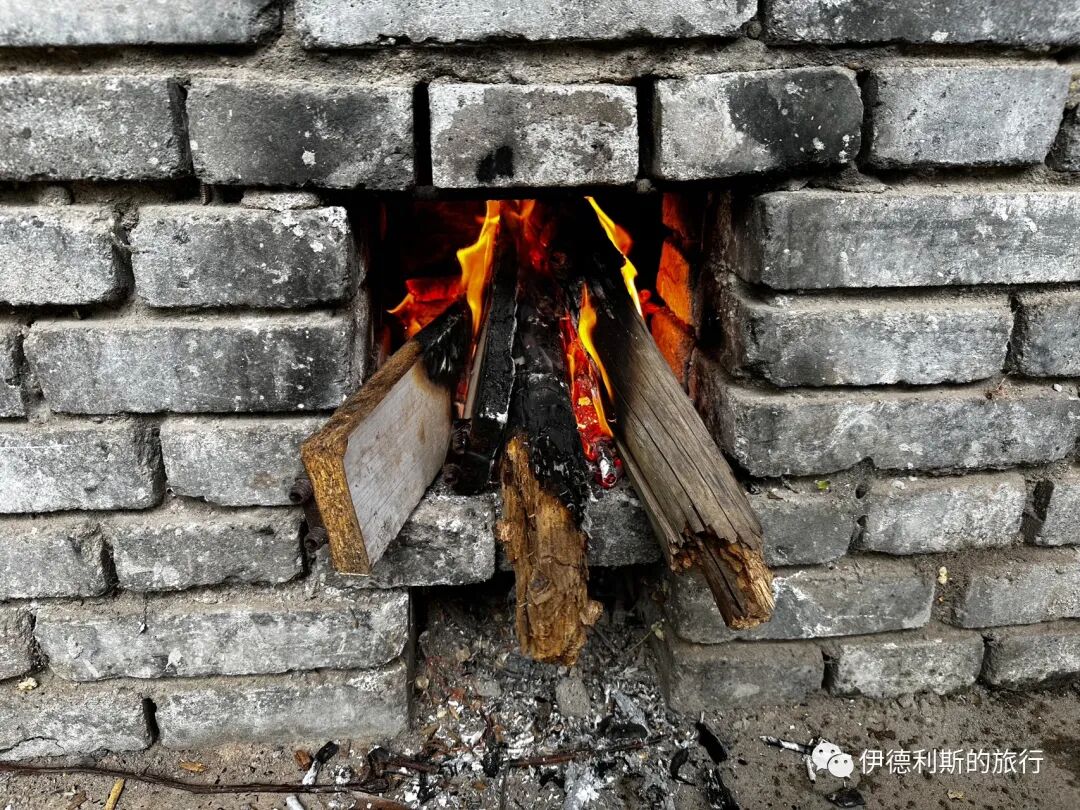
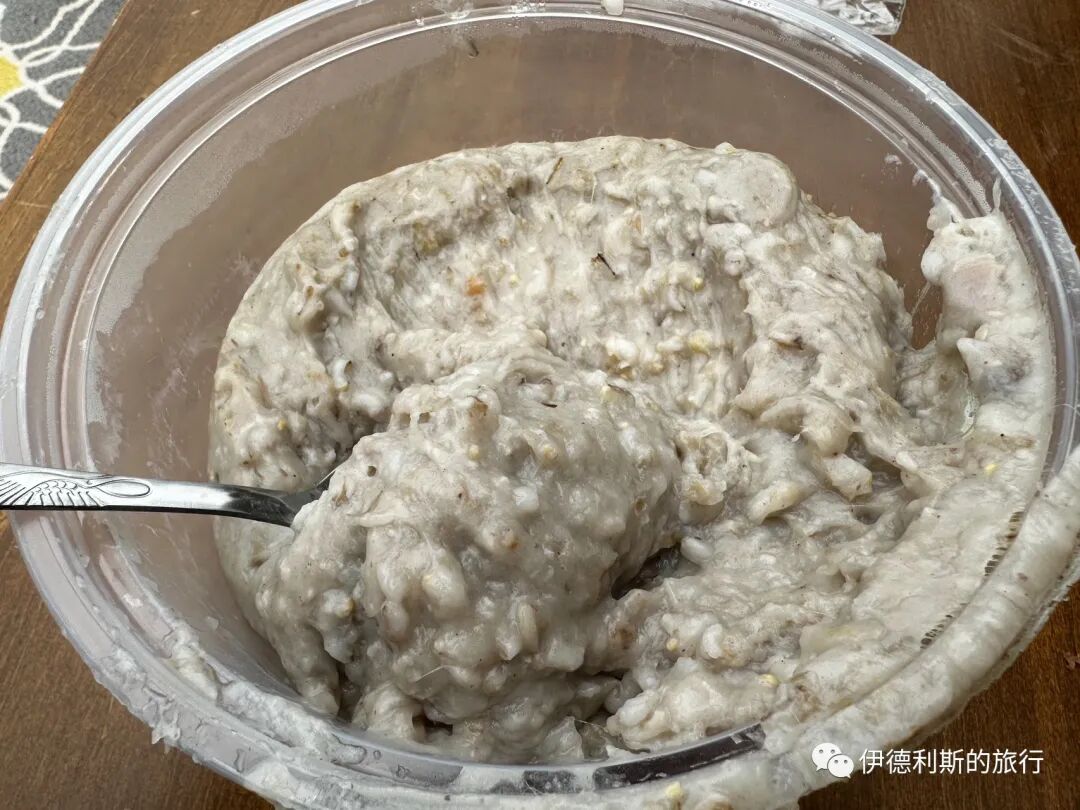
Today is Eid al-Fitr. In the morning, we attended the congregational prayer (namaz) at the Balizhuang Mosque. At noon, we visited Teacher Chen Hui at his Jingyi Farmhouse at the foot of the Western Hills in Beijing. We tasted authentic Xinjiang starch noodle soup (fentang) and pilaf made by his wife. It was my first time eating Eid starch noodle soup (erde fentang) cooked in a large firewood pot!
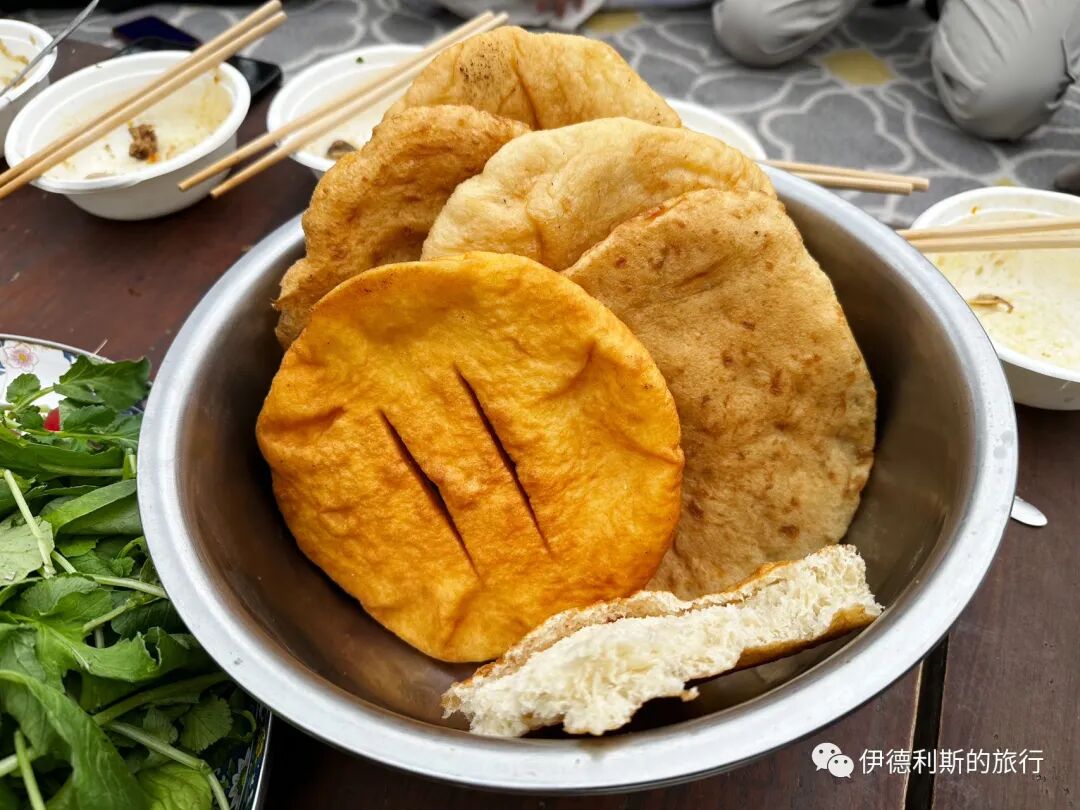
Every year during Eid (erde), every Hui Muslim household in Xinjiang makes starch noodle soup and fried dough (youxiang). Usually, they stew the meat and mix the pea starch a day in advance, then cook everything together on the morning of the holiday. After the congregational prayer, Hui Muslims in Xinjiang usually visit graves first and then go to see relatives. At each house, they are served a bowl of starch noodle soup. Sometimes they drink five or six bowls in a single day. This is a classic memory of Eid for Hui Muslims in Xinjiang.
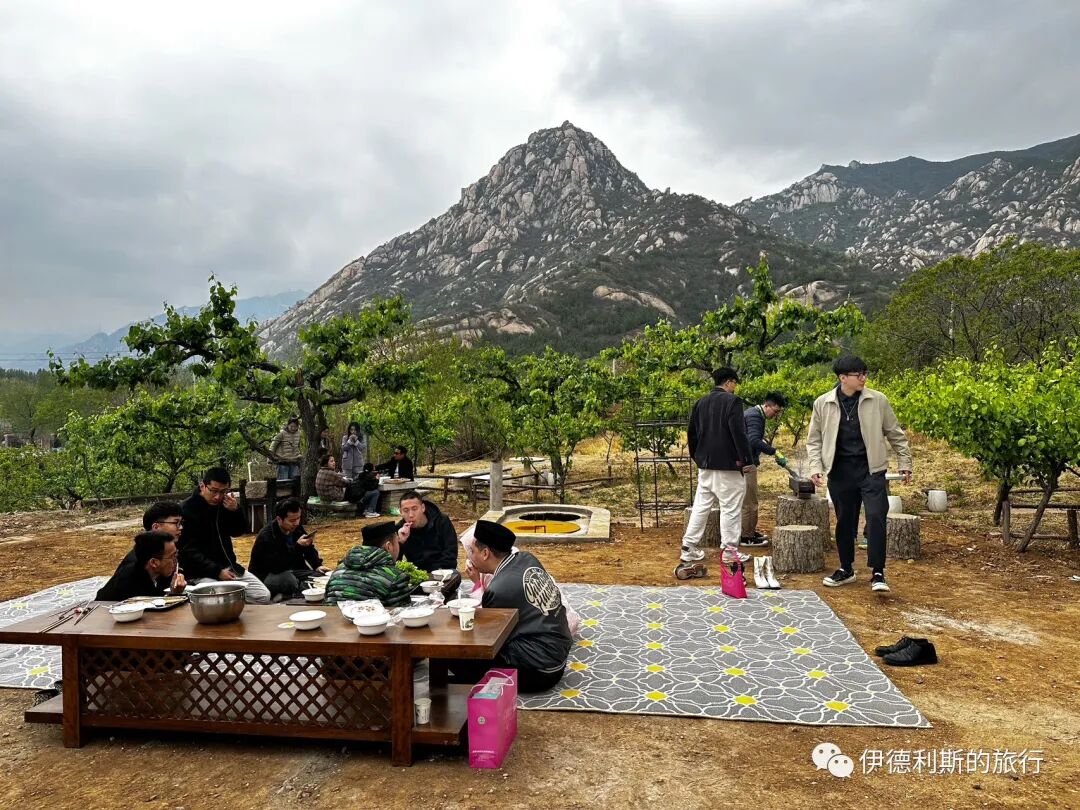
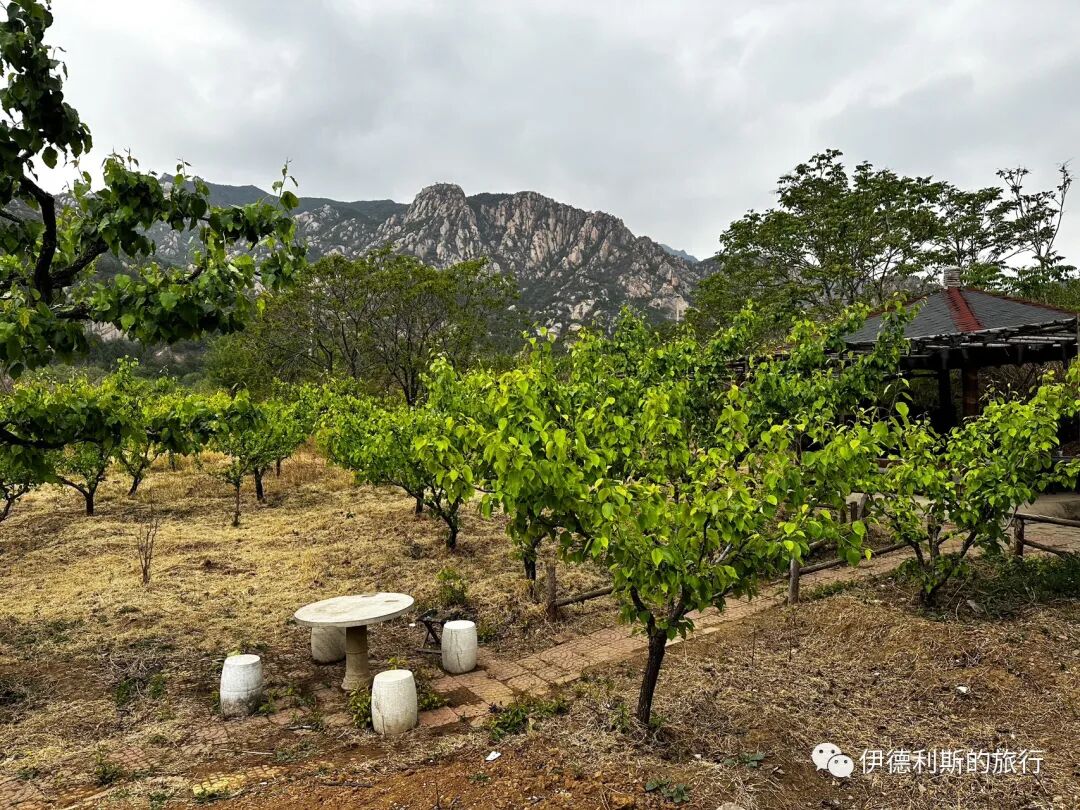
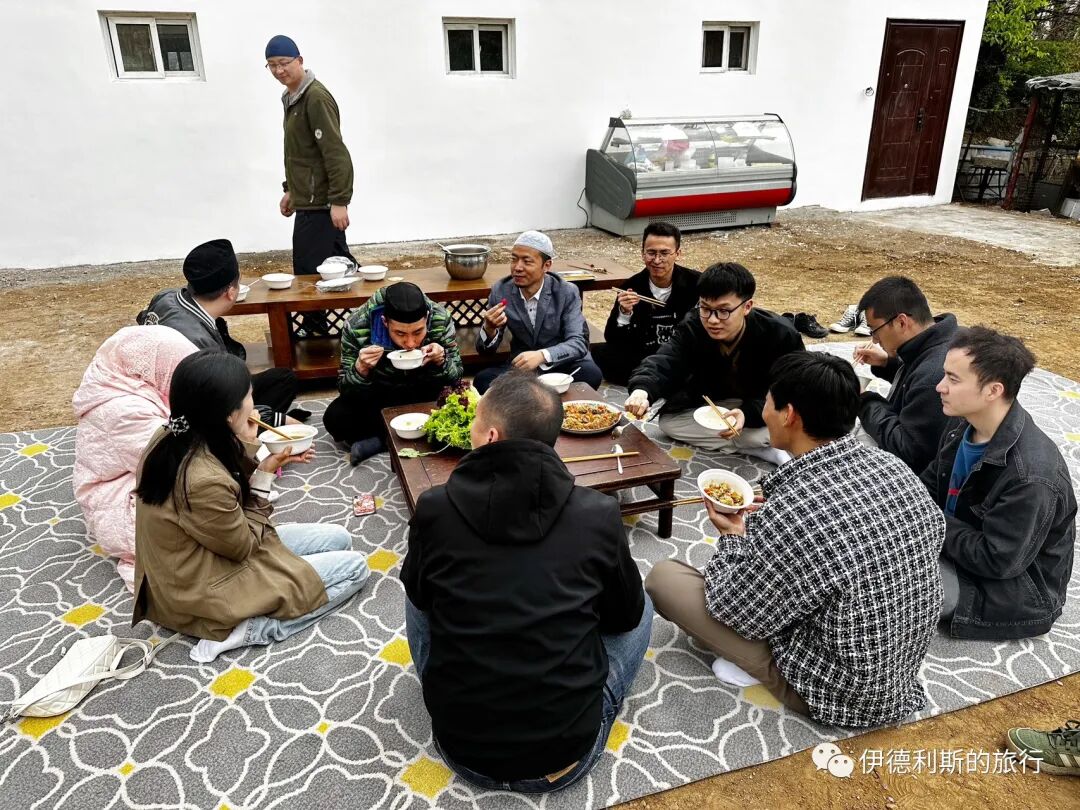
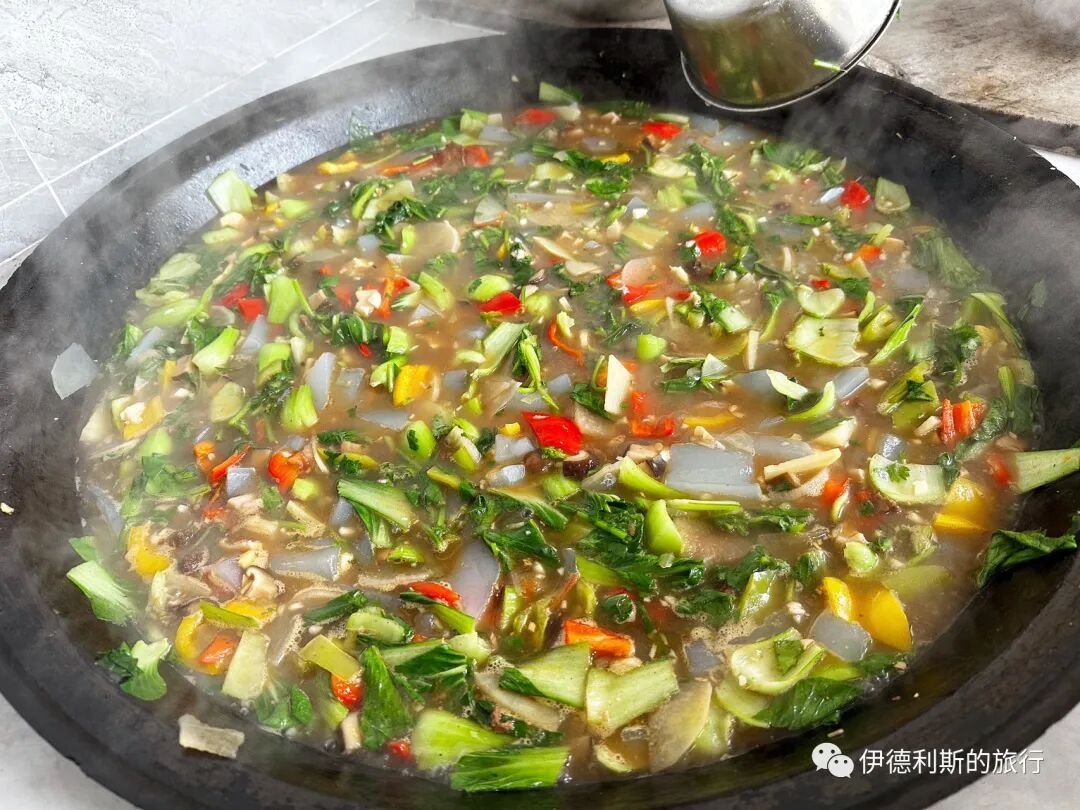
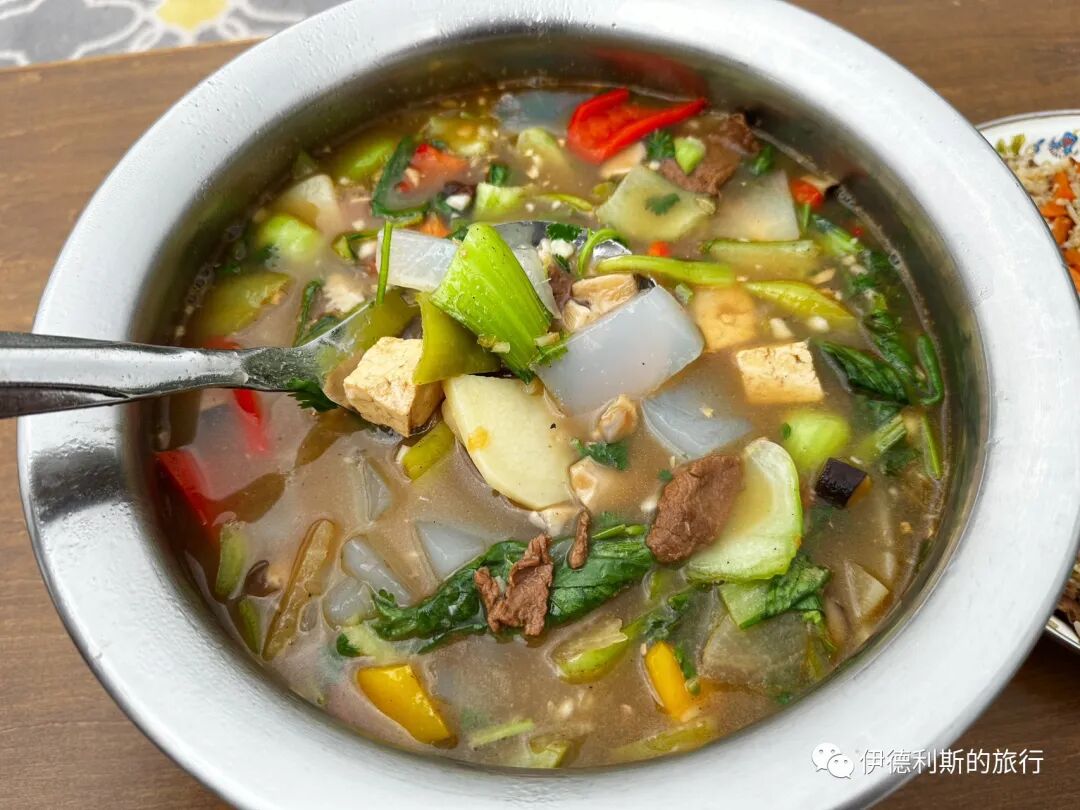
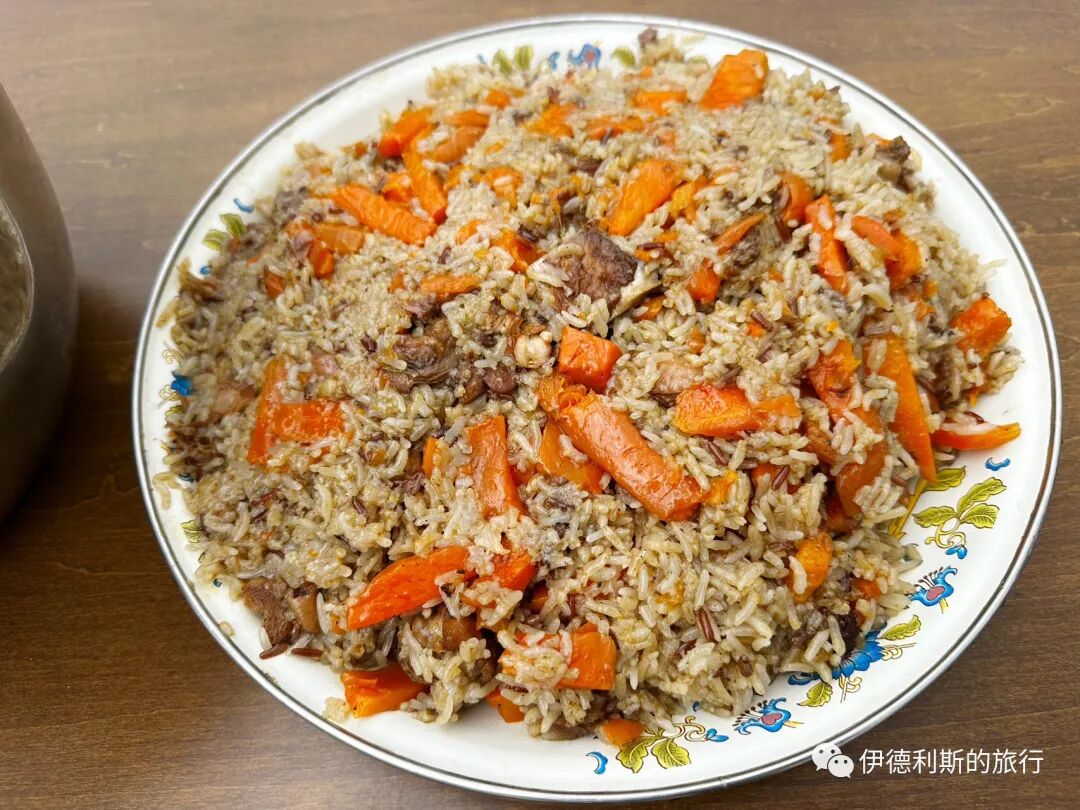
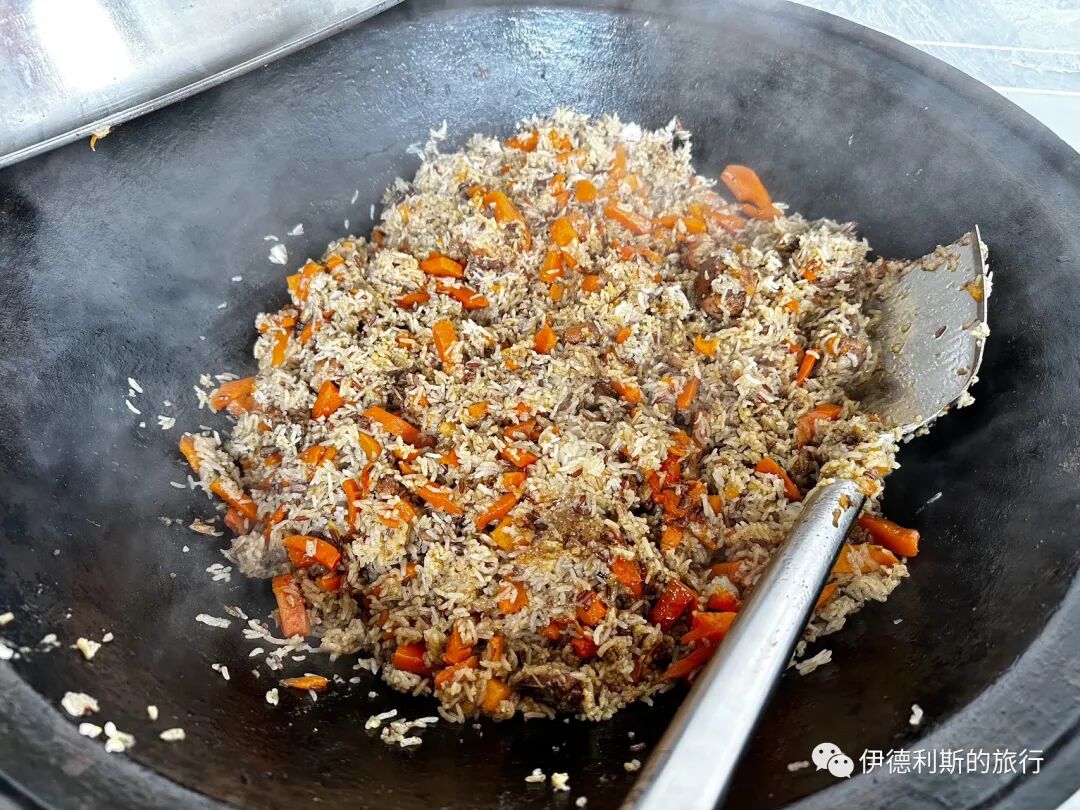
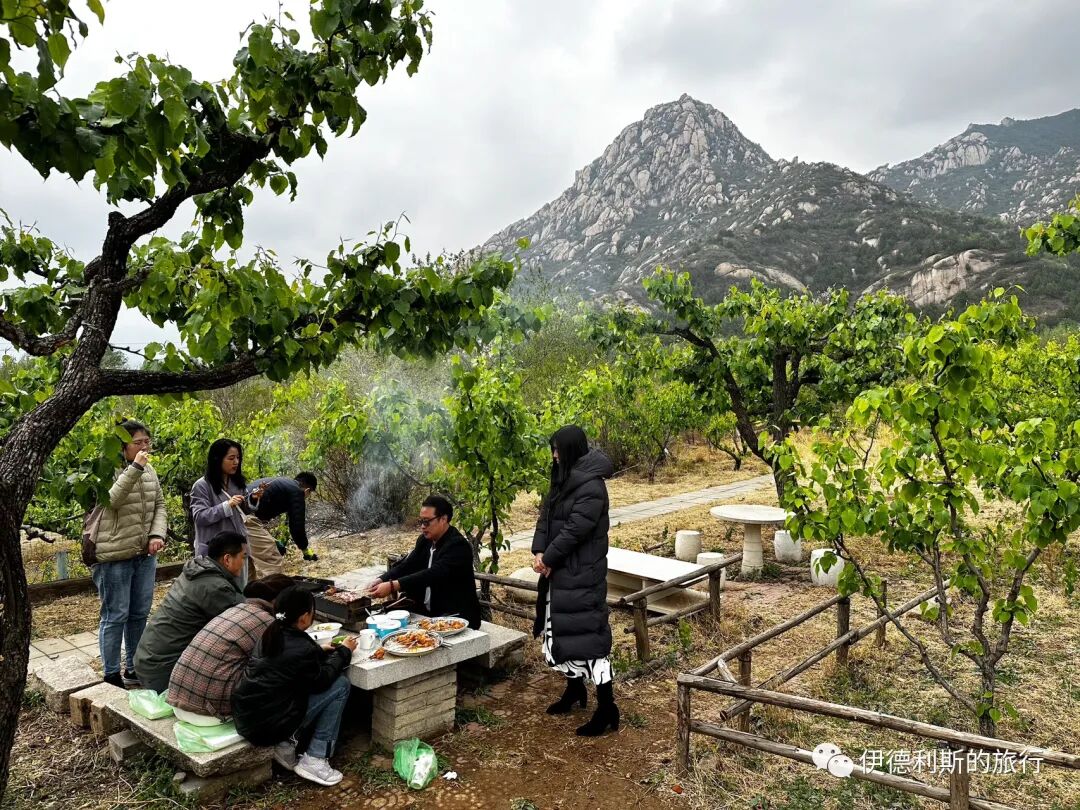
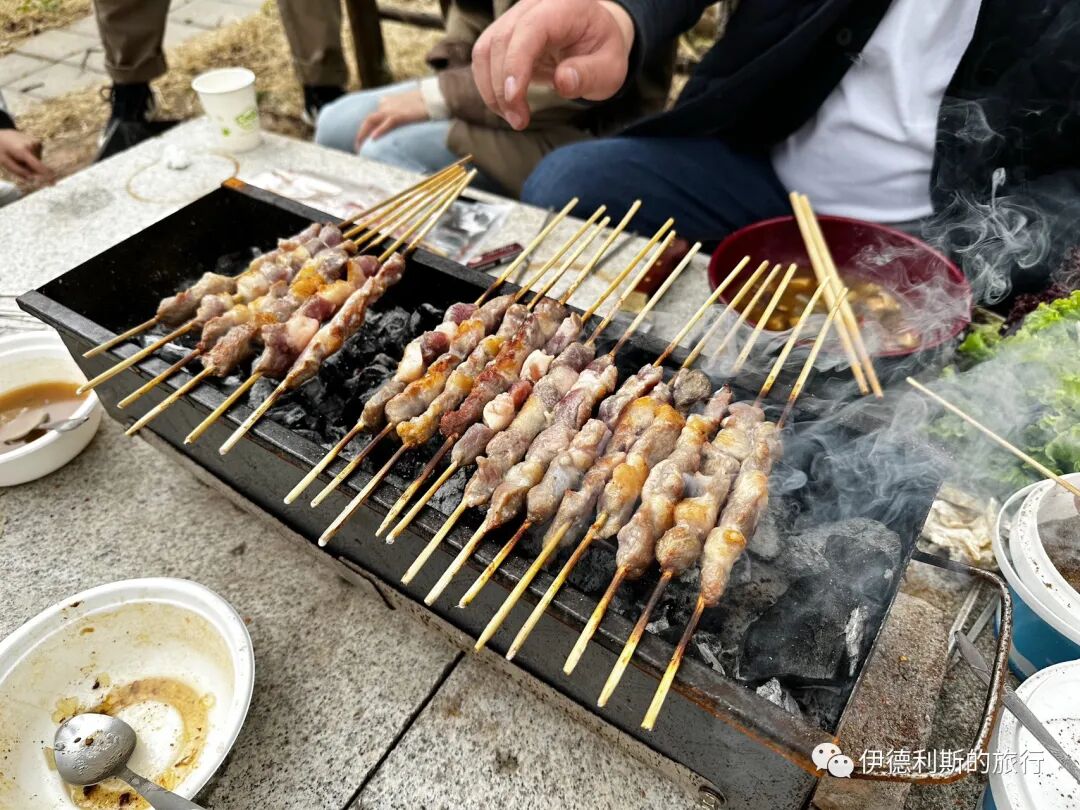
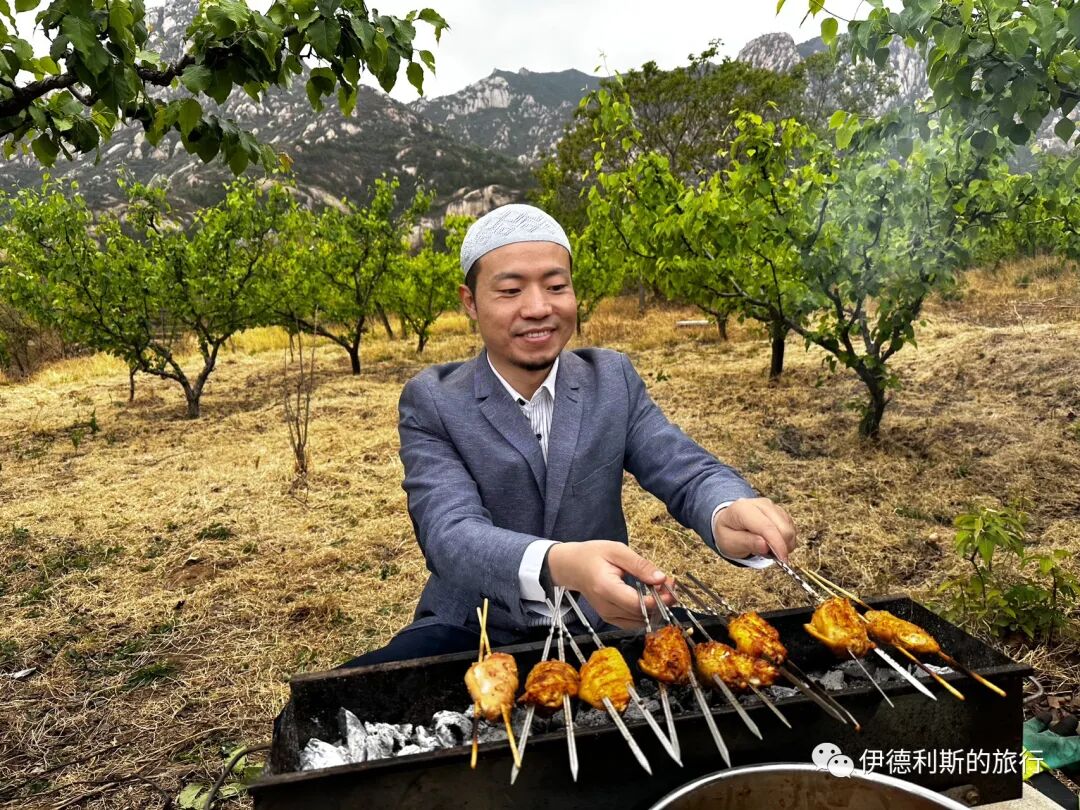
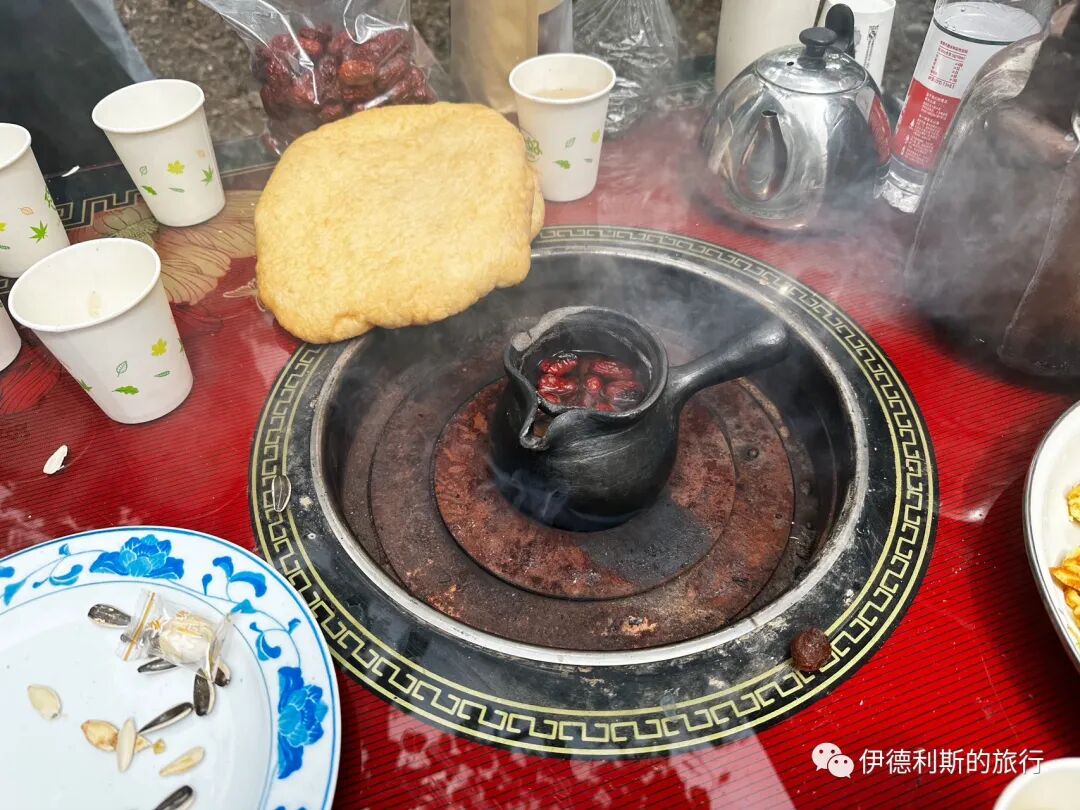
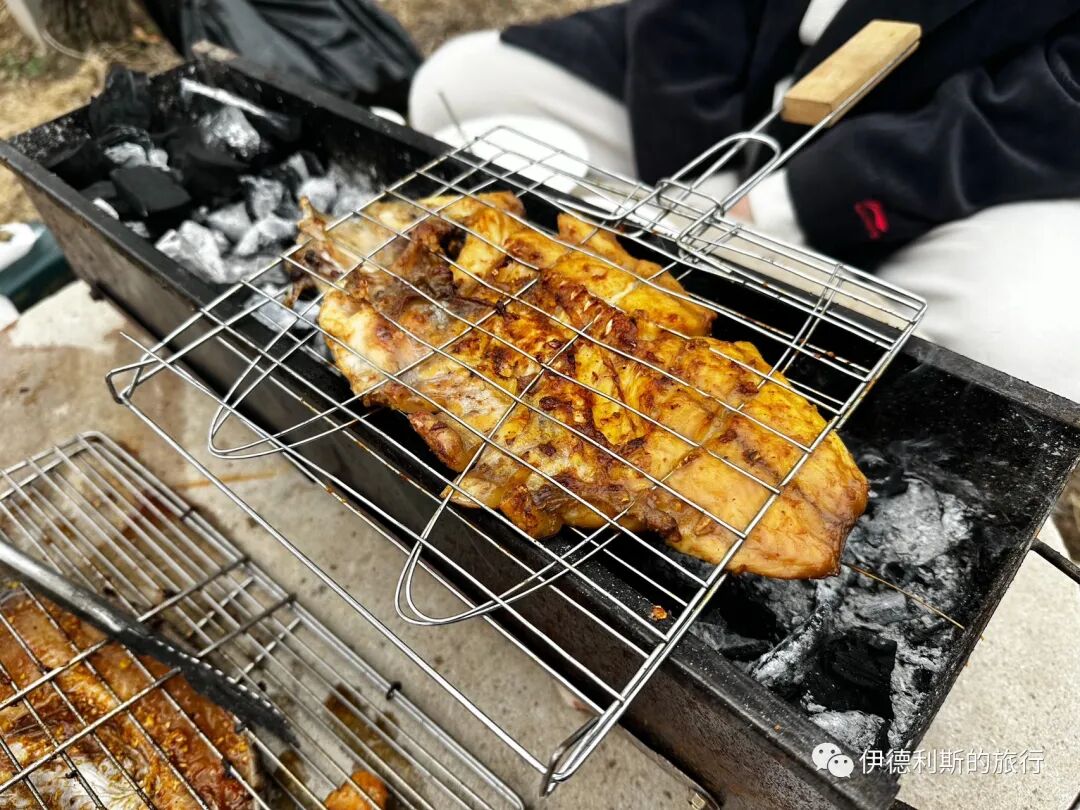
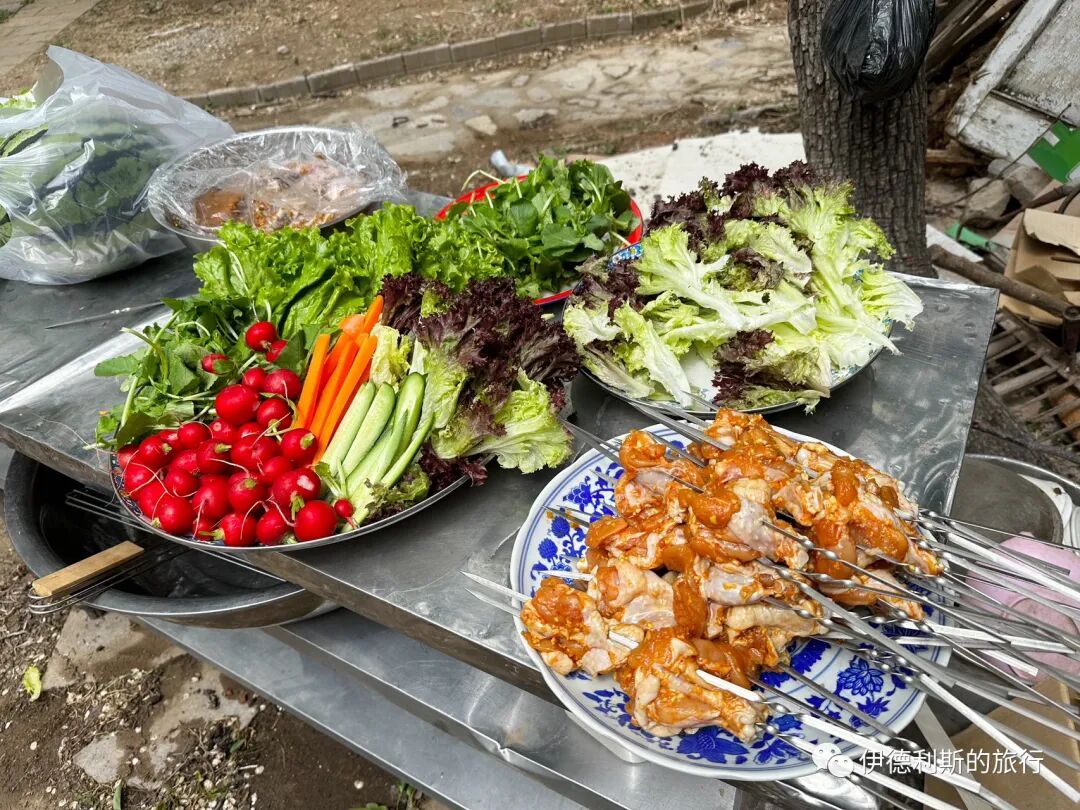
After eating the Xinjiang starch noodle soup and fried dough, we sat around the stove to drink tea and chat. We had a barbecue in the orchard with grilled fish, chicken wings, sweet potatoes, corn, and lamb skewers handmade by Hui Muslims from the Xiguanshi Mosque at the foot of the mountain. We also tasted the meat porridge and fried dough distributed (chusang) by the Xiguanshi Mosque. The Xiguanshi Mosque also stewed meat for a whole day before Eid, then used the meat broth to cook wheat porridge (mairen zhou). It was very fulfilling (shukr).
Summary: Ramadan in Beijing 2023 — Mosques and Iftar is presented here as a firsthand travel account in clear English, beginning with this scene: I had two skewers of red willow lamb (hongliu) and a bowl of yogurt at the entrance of the Madian Mosque at the Kashgar Restaurant. The account keeps its focus on Beijing Ramadan, Mosque Travel, Iftar while preserving the names, places, food, and historical details from the Chinese source.
I had two skewers of red willow lamb (hongliu) and a bowl of yogurt at the entrance of the Madian Mosque at the Kashgar Restaurant. The meat on the red willow skewers was quite tender, and the yogurt had no sugar added, giving it a pure taste of Xinjiang. The Kashgar Restaurant is an old Uyghur eatery that has been around since I was a child, but I rarely visit because it is out of my way. They also sell yellow carrots (huangluobo), which are perfect for friends (dosti) who want to take some home to make pilaf (zhuafan).
April 22
Today is Eid al-Fitr. In the morning, we attended the congregational prayer (namaz) at the Balizhuang Mosque. At noon, we visited Teacher Chen Hui at his Jingyi Farmhouse at the foot of the Western Hills in Beijing. We tasted authentic Xinjiang starch noodle soup (fentang) and pilaf made by his wife. It was my first time eating Eid starch noodle soup (erde fentang) cooked in a large firewood pot!
Every year during Eid (erde), every Hui Muslim household in Xinjiang makes starch noodle soup and fried dough (youxiang). Usually, they stew the meat and mix the pea starch a day in advance, then cook everything together on the morning of the holiday. After the congregational prayer, Hui Muslims in Xinjiang usually visit graves first and then go to see relatives. At each house, they are served a bowl of starch noodle soup. Sometimes they drink five or six bowls in a single day. This is a classic memory of Eid for Hui Muslims in Xinjiang.
After eating the Xinjiang starch noodle soup and fried dough, we sat around the stove to drink tea and chat. We had a barbecue in the orchard with grilled fish, chicken wings, sweet potatoes, corn, and lamb skewers handmade by Hui Muslims from the Xiguanshi Mosque at the foot of the mountain. We also tasted the meat porridge and fried dough distributed (chusang) by the Xiguanshi Mosque. The Xiguanshi Mosque also stewed meat for a whole day before Eid, then used the meat broth to cook wheat porridge (mairen zhou). It was very fulfilling (shukr).
