

Beijing Ramadan
Muslim Travel Guide Beijing Ramadan 2025: Balizhuang Mosque, Iftar and Community Review
Articles • yusuf908 posted the article • 0 comments • 228 views • 2026-05-23 23:23
Summary: This article looks back at Ramadan 2025 at Balizhuang Mosque in Beijing. It keeps the original community scenes, iftar details, prayers, people, and photographs in a clean English layout.
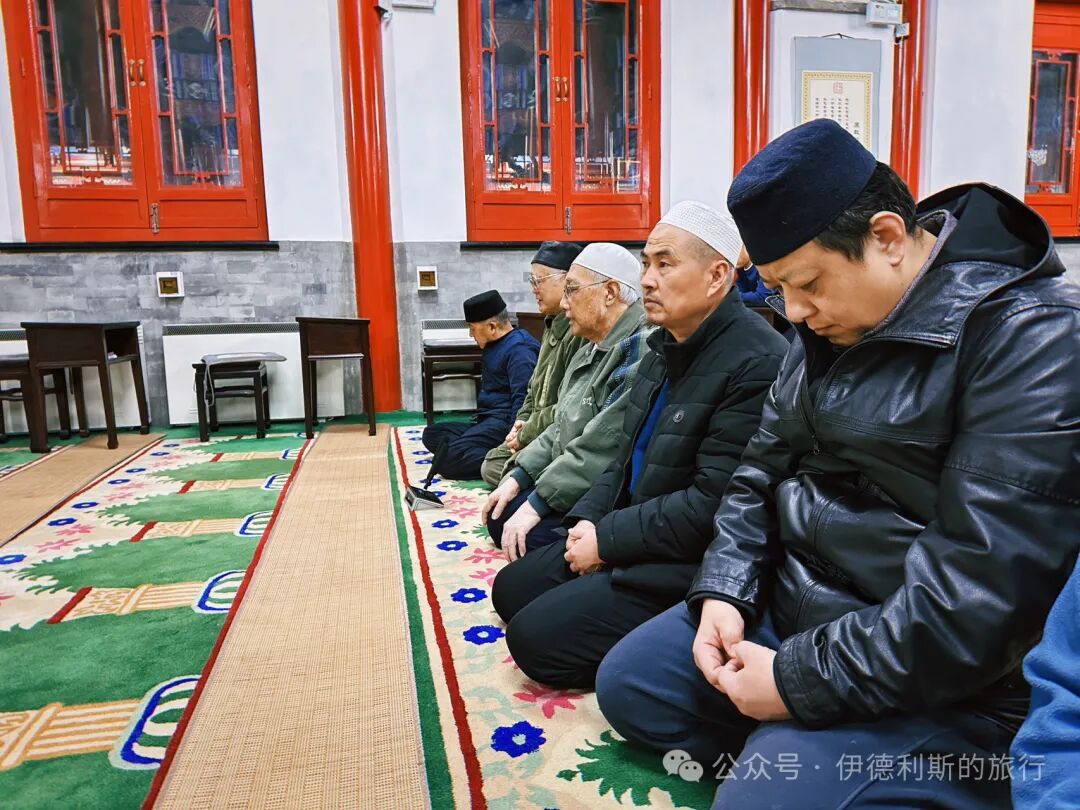
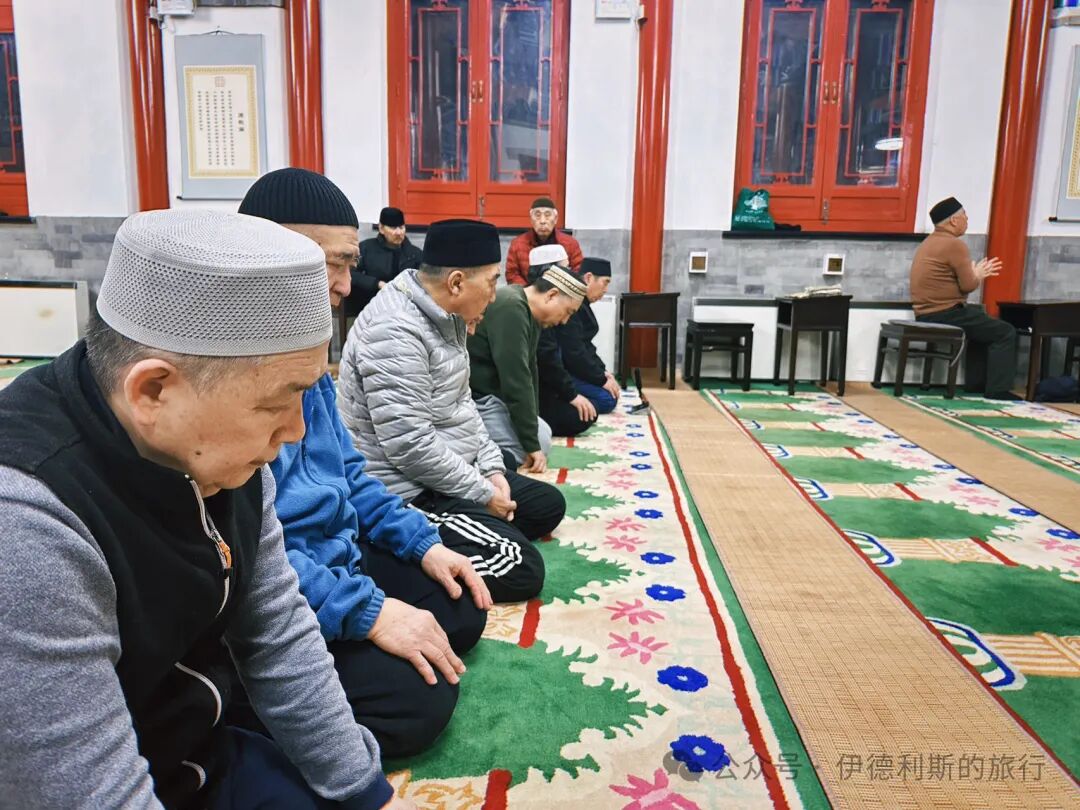
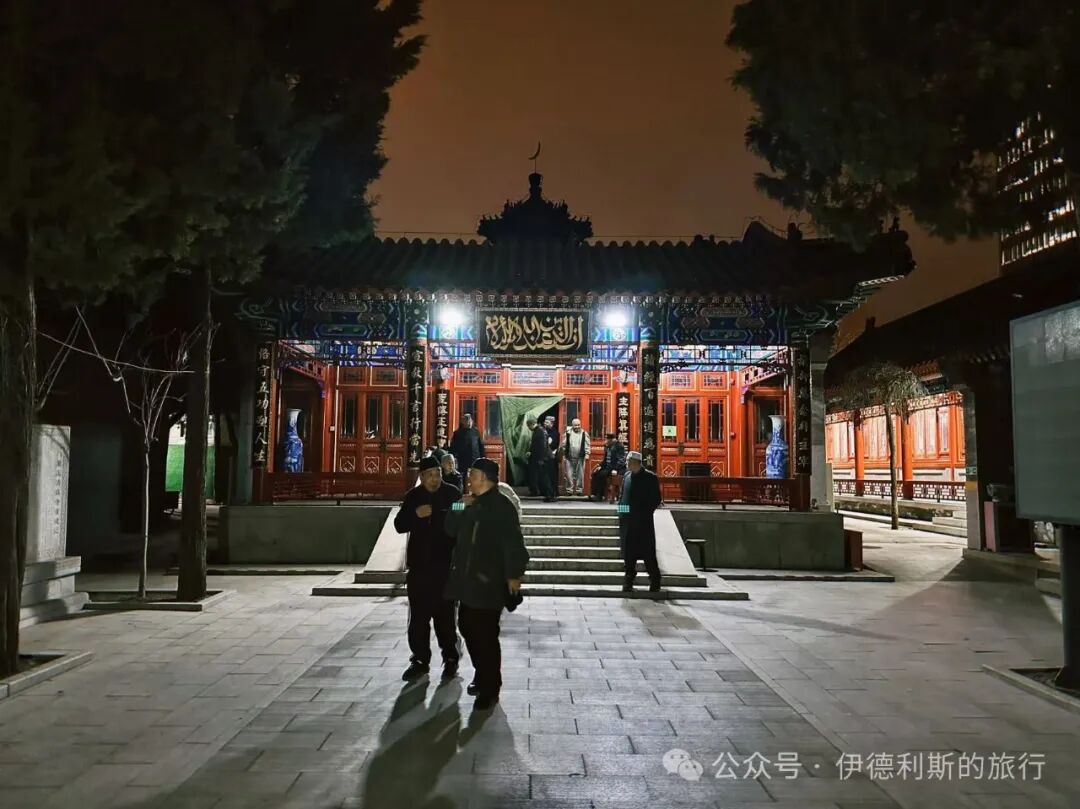
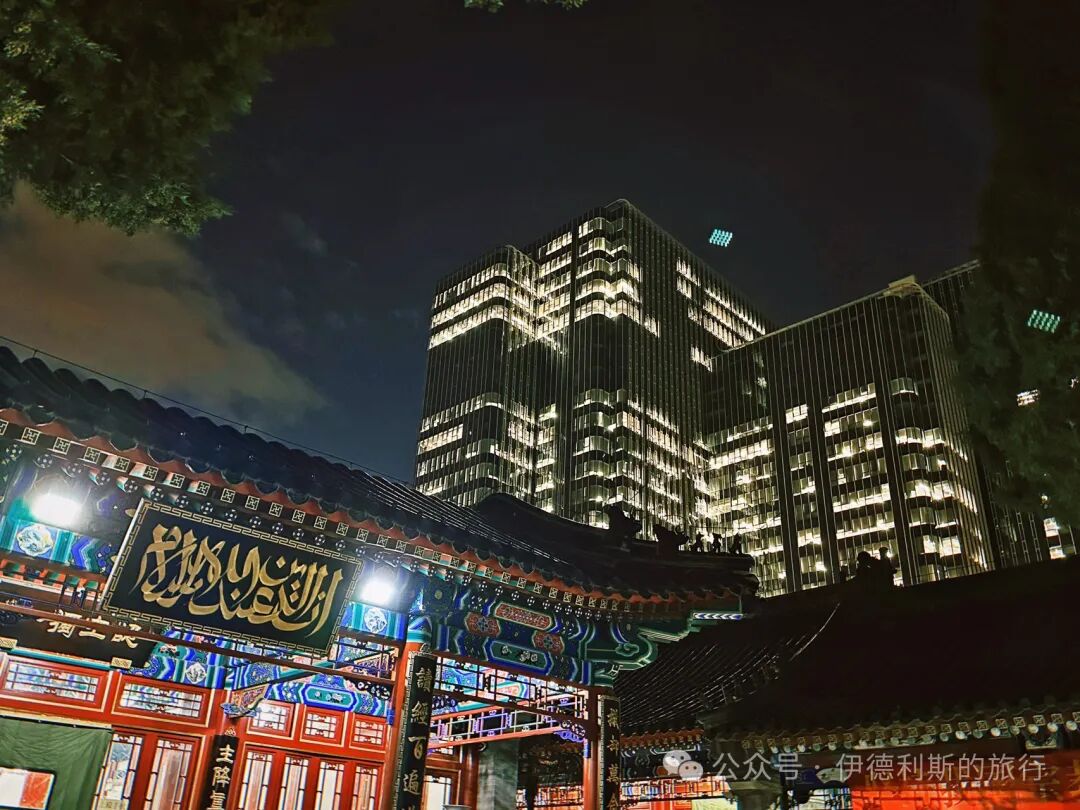
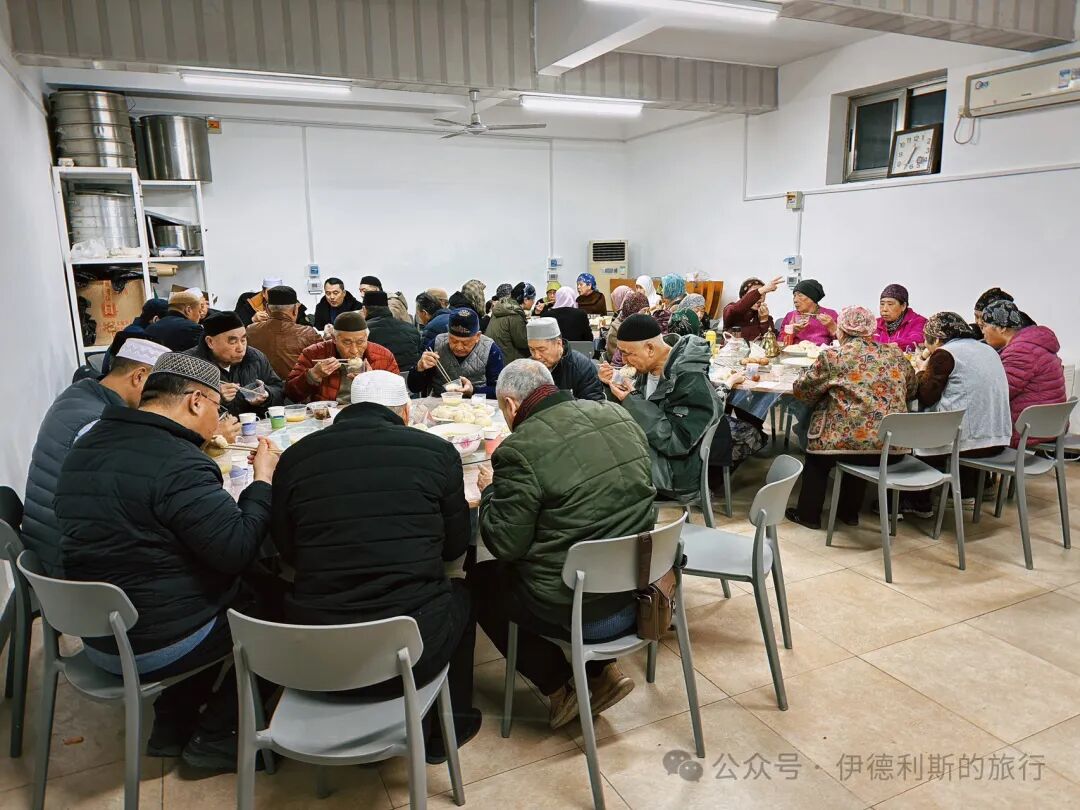
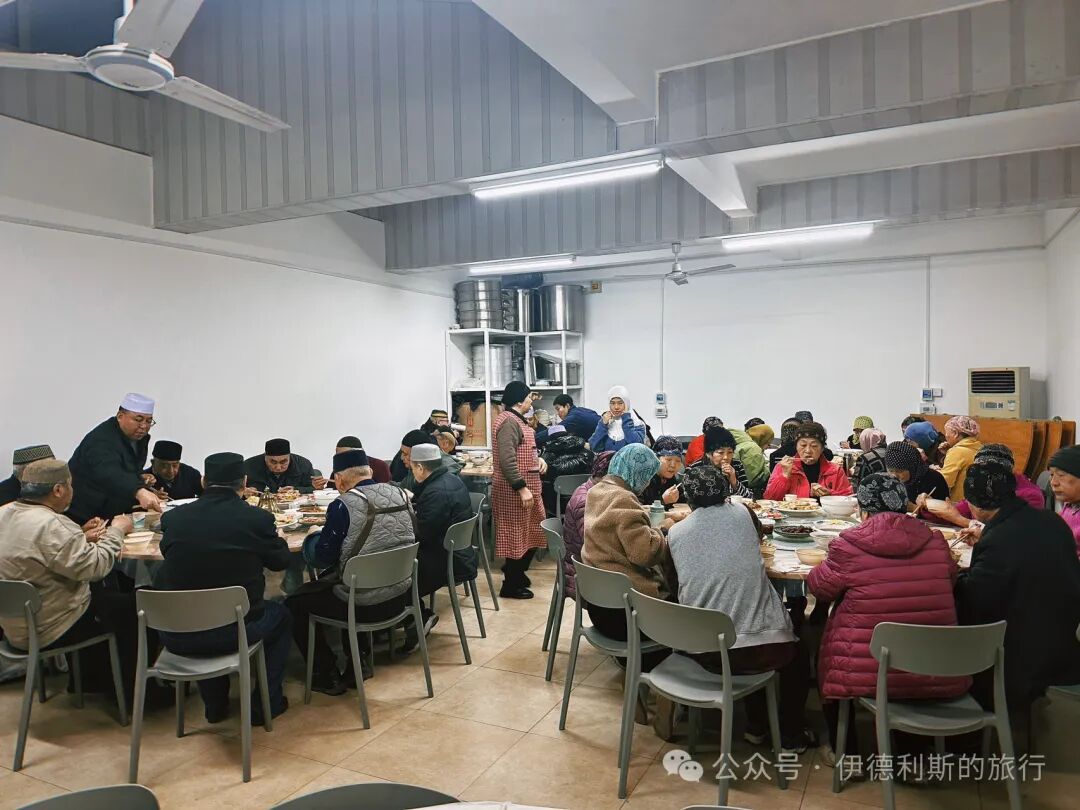
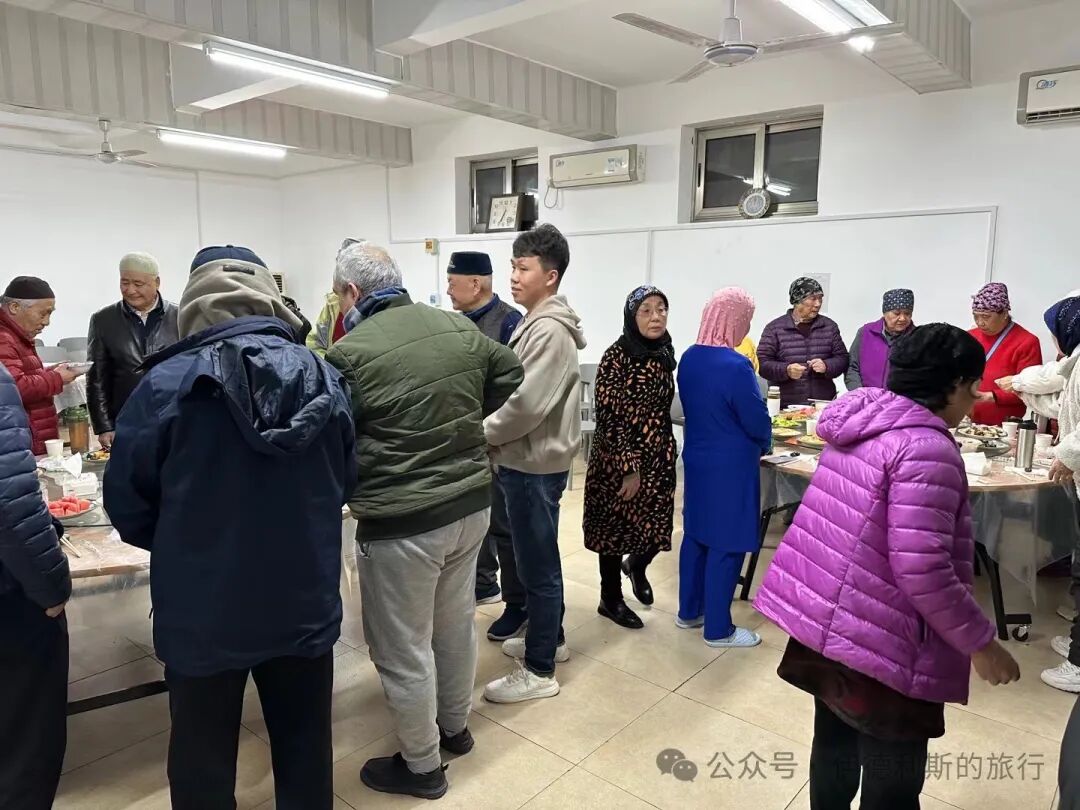
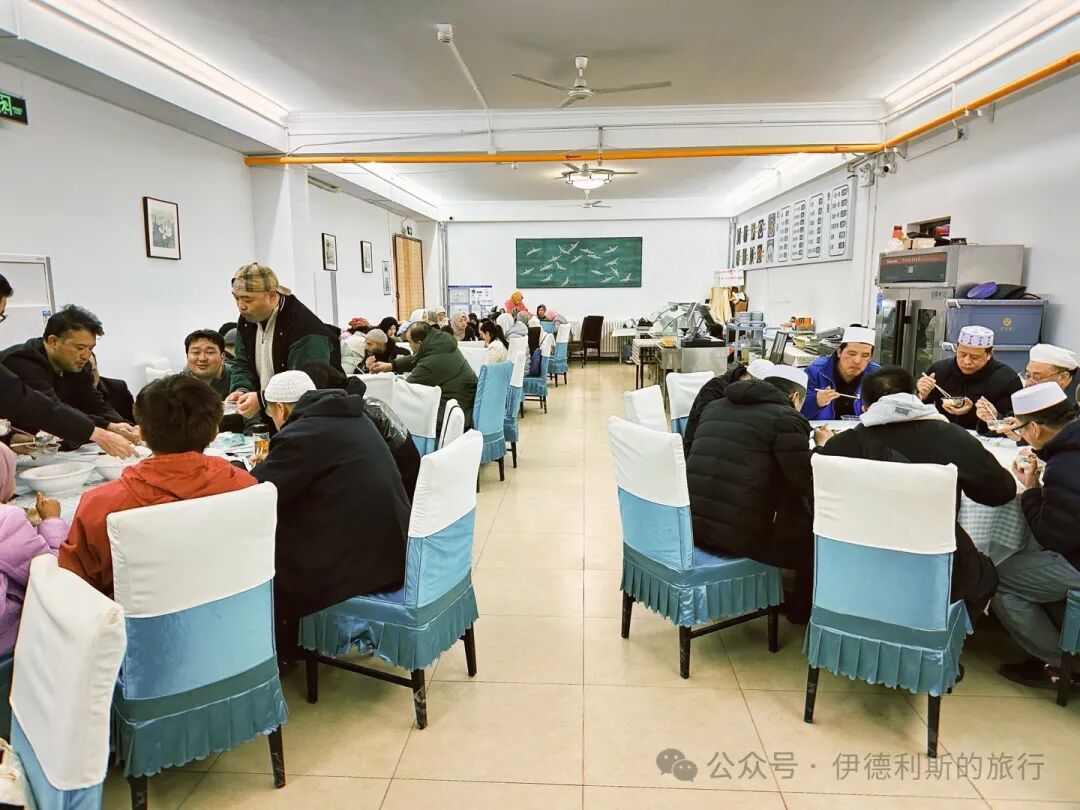
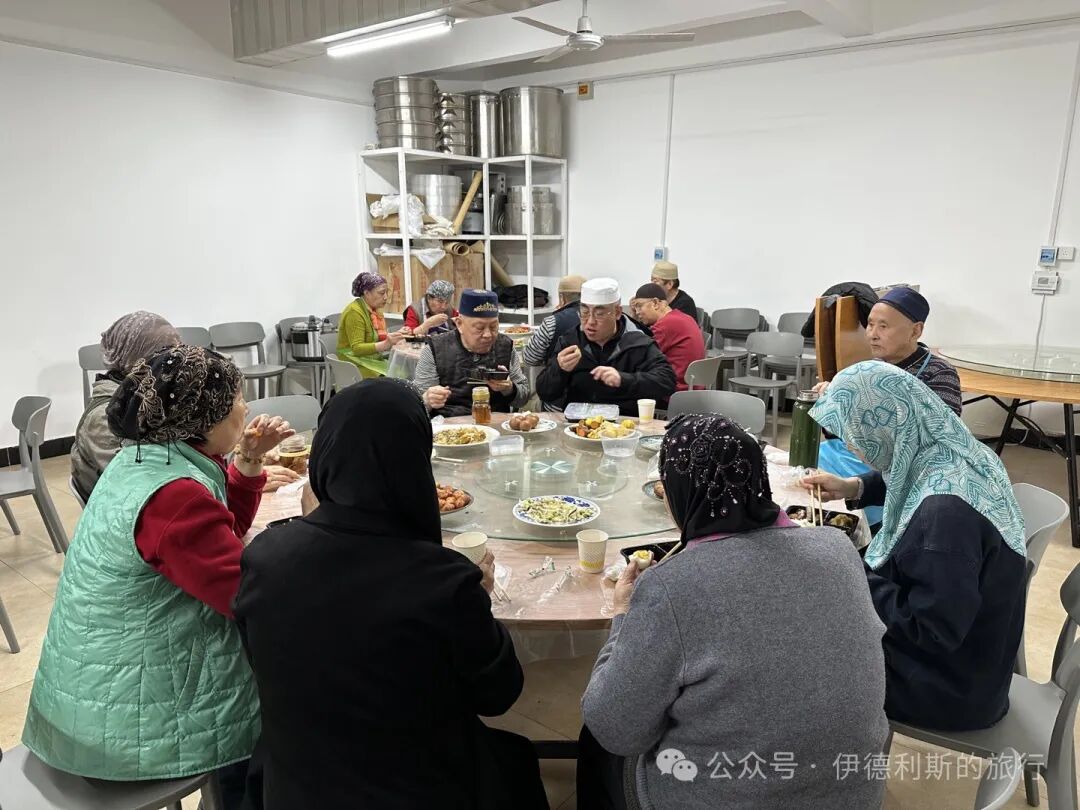
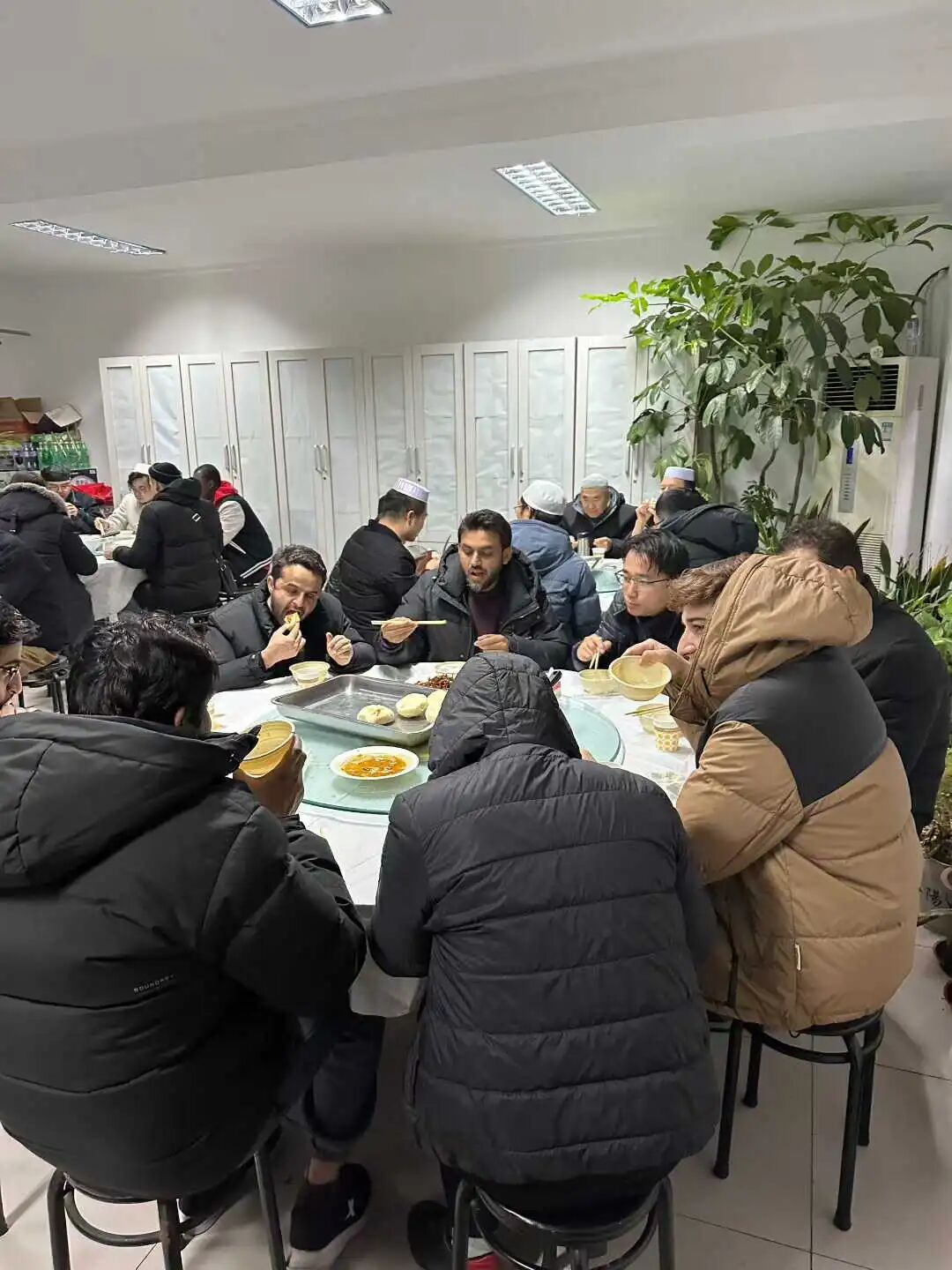
This is my third Ramadan at the Balizhuang mosque in Beijing. The atmosphere at the mosque is great and the food is delicious, so it feels worth it even when I have to squeeze onto the subway during the evening rush hour on workdays.
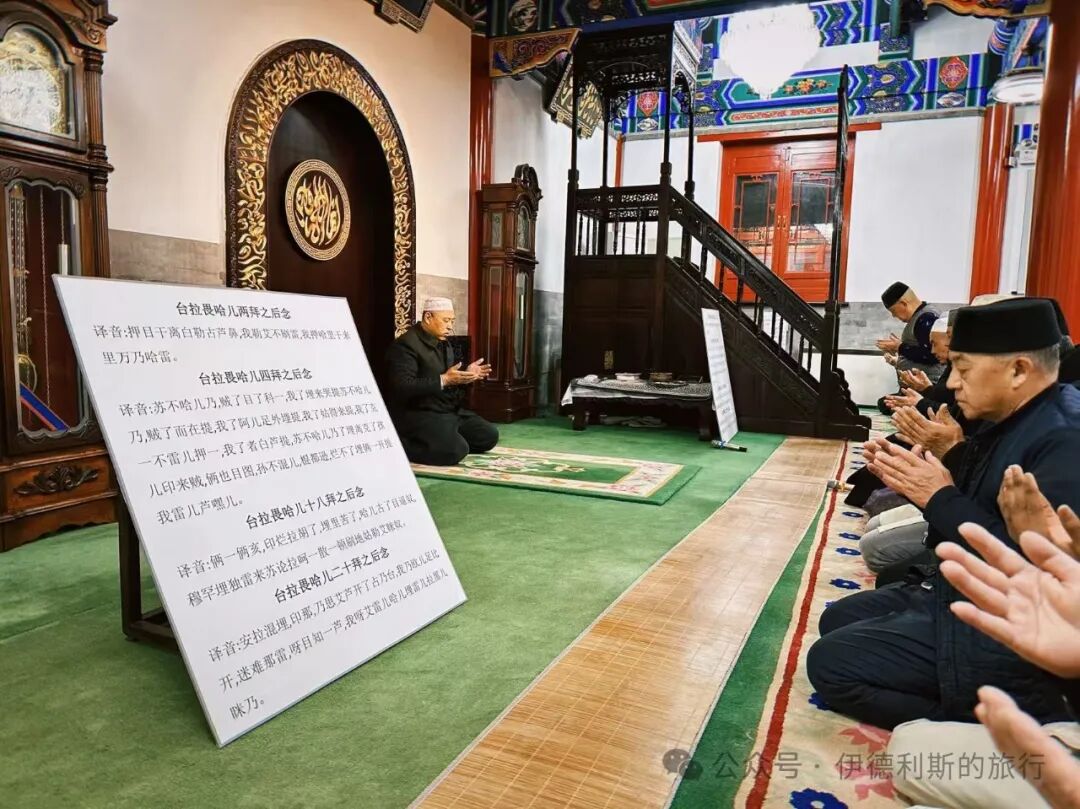
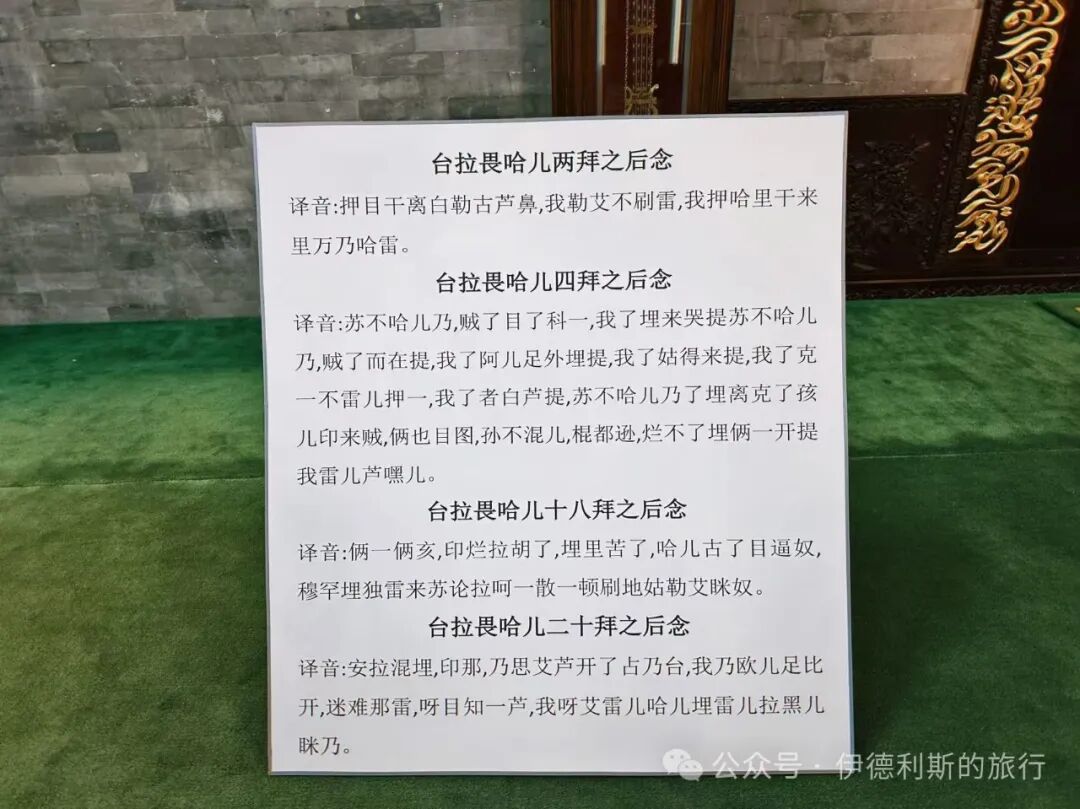
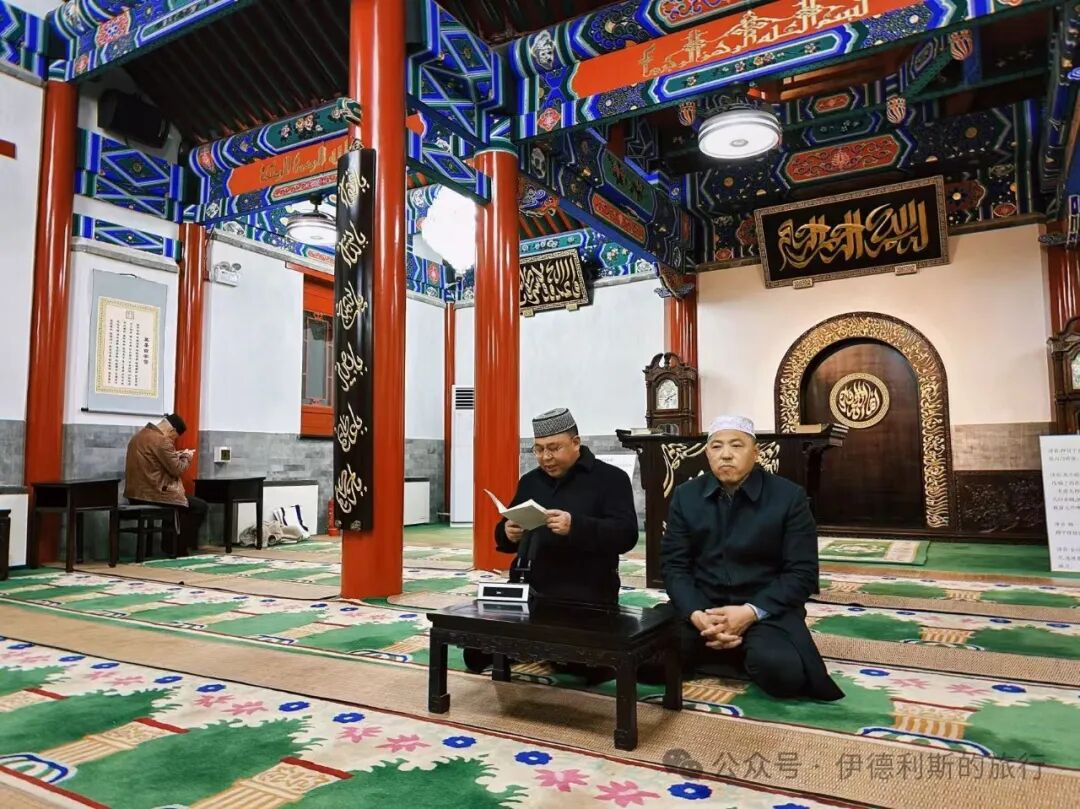
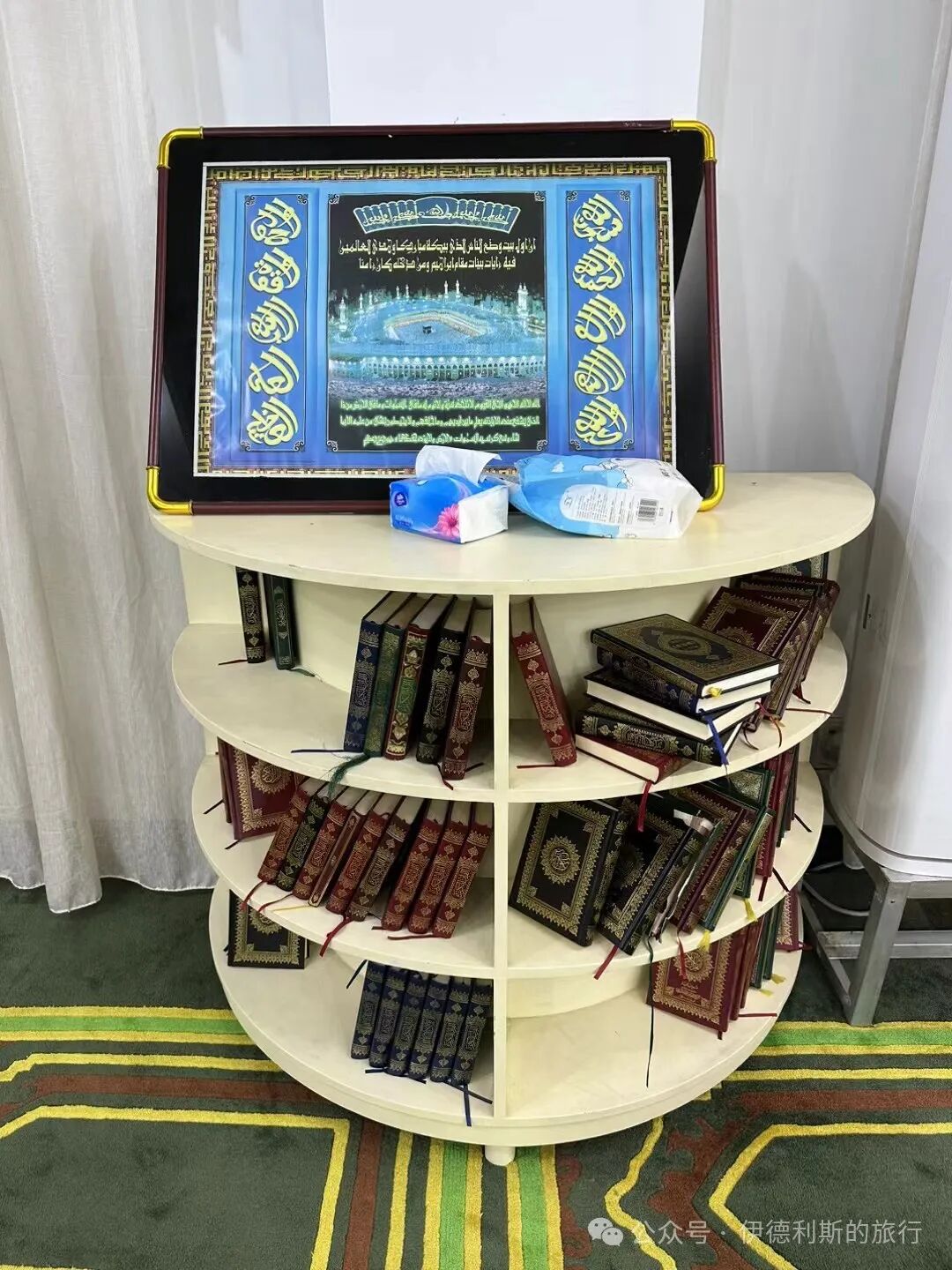
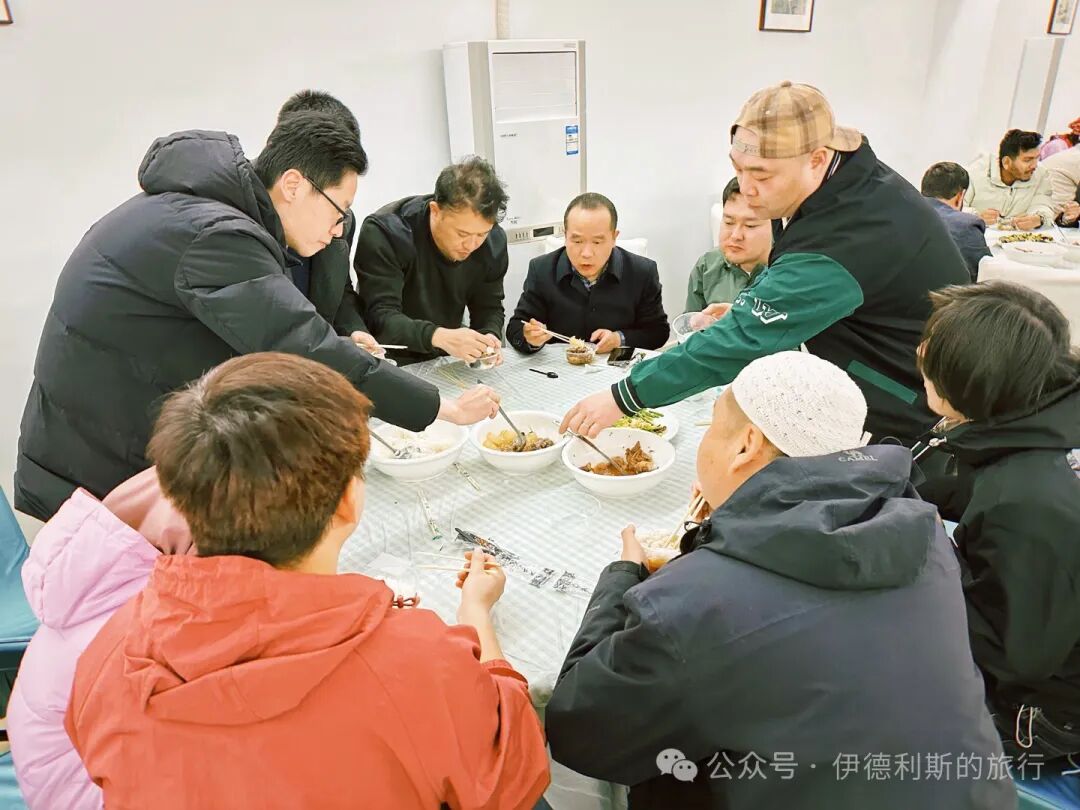
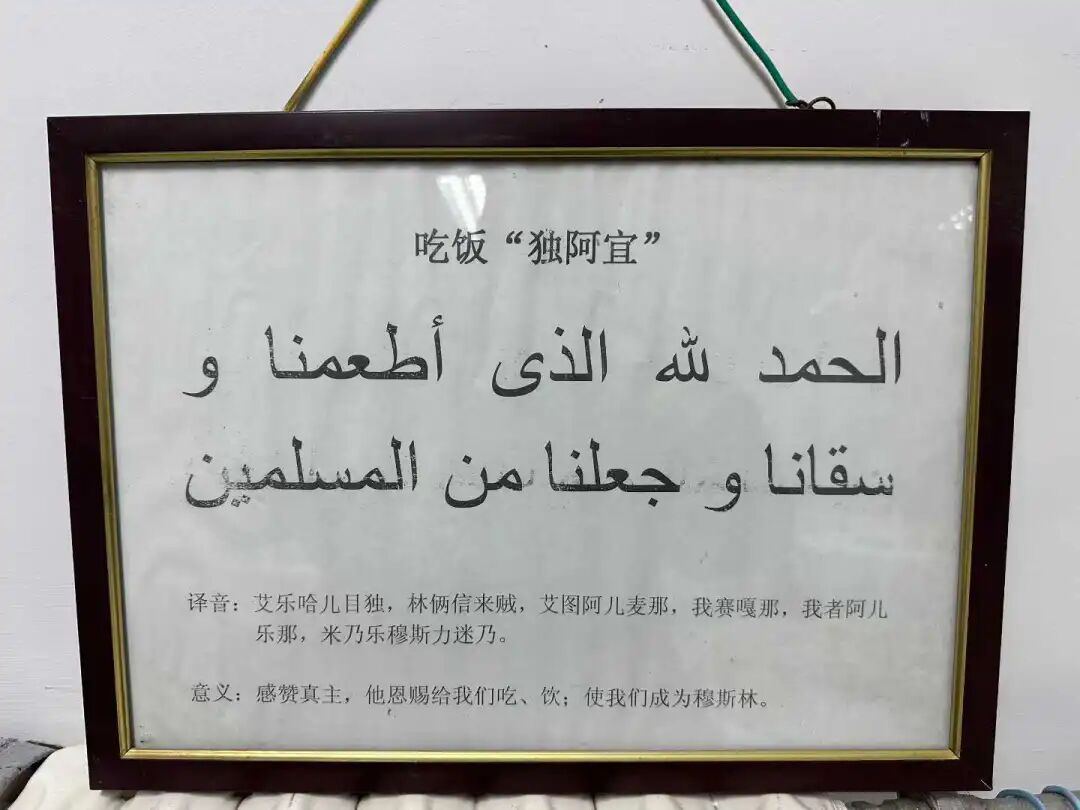
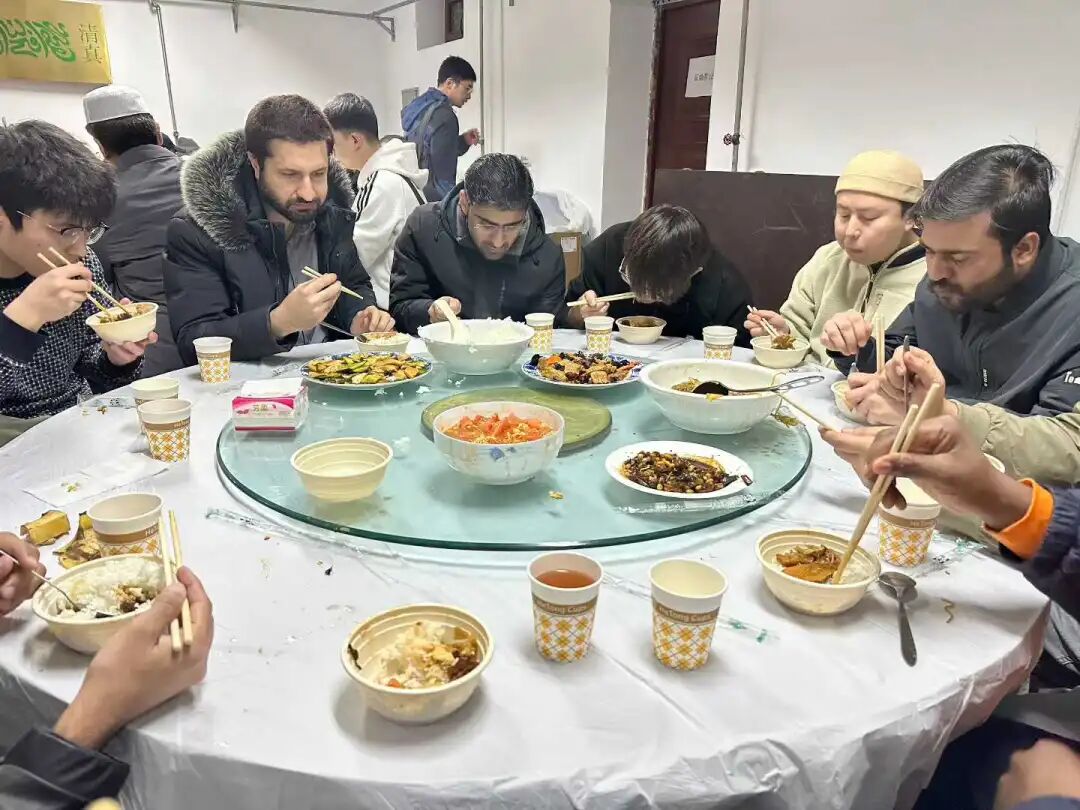
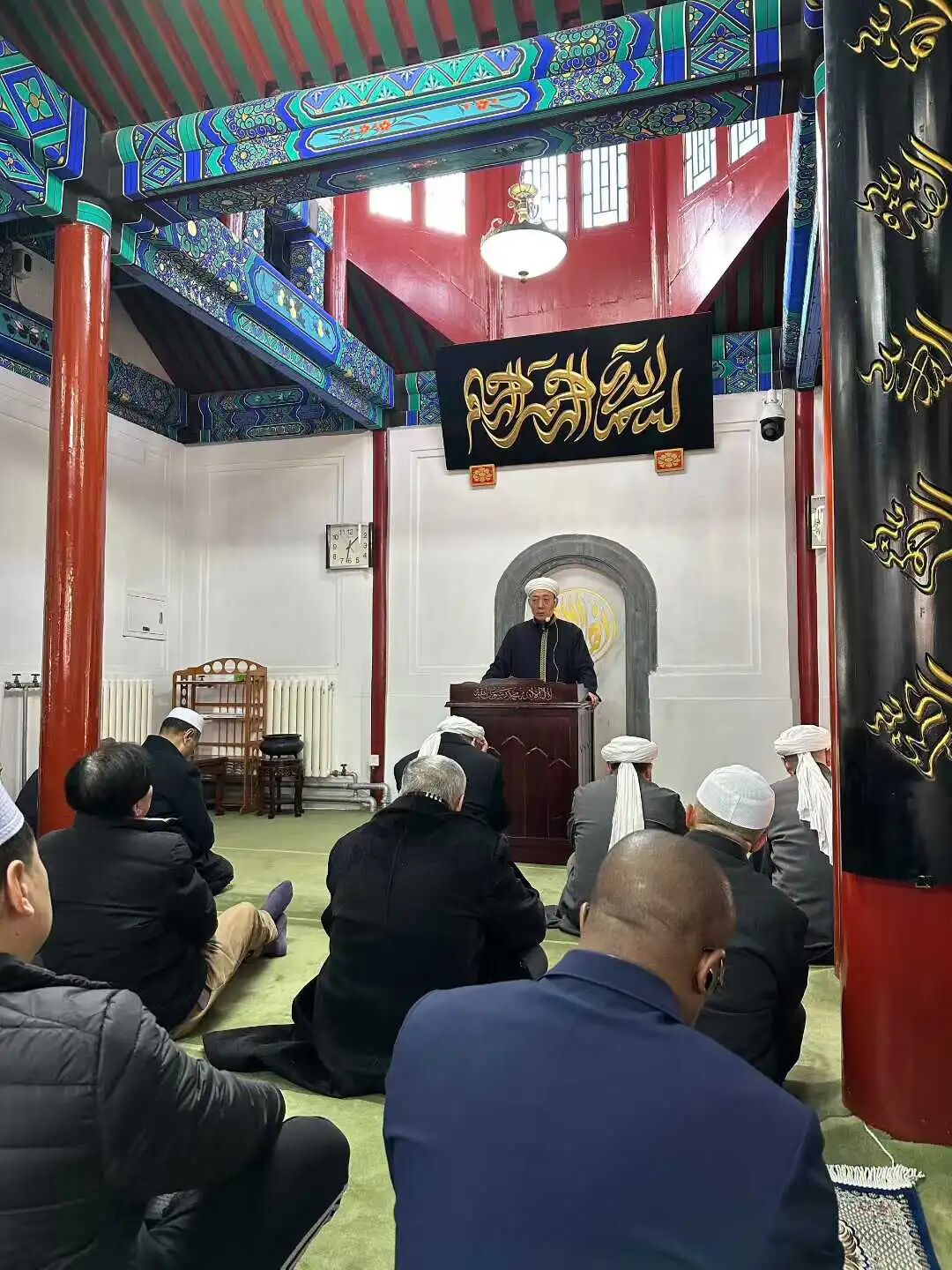
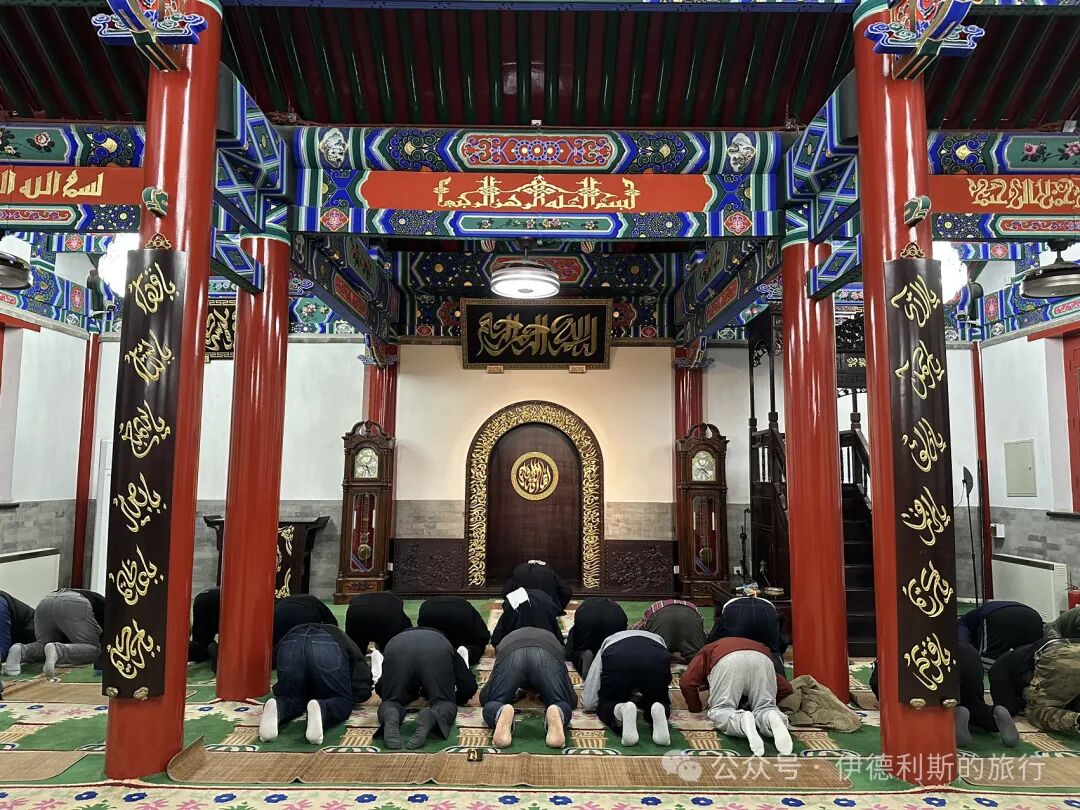
This year, the mosque put the post-prayer recitations for Taraweeh on a large whiteboard, which helps everyone recite together more smoothly. The benefit of praying Taraweeh at the mosque is that you follow the imam and do not make mistakes, whereas I sometimes lose focus when praying alone. Another benefit is the strong sense of community when we break our fast together, and it is very powerful when we all recite the post-prayer words together.
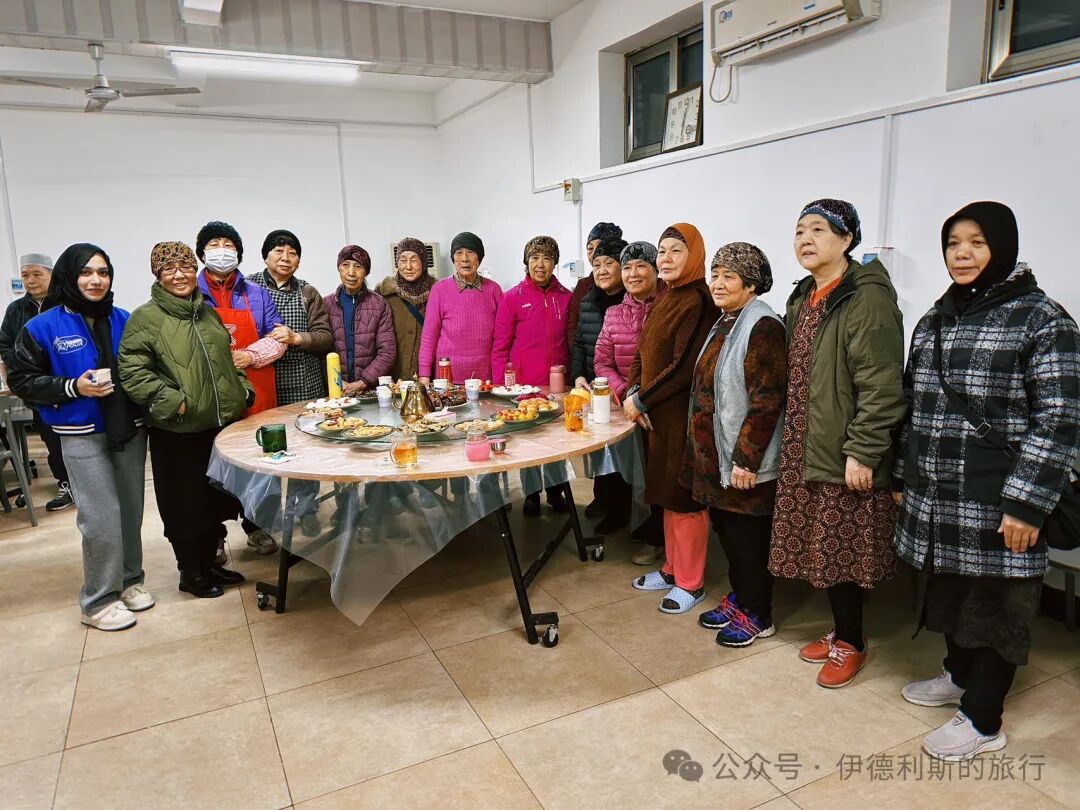
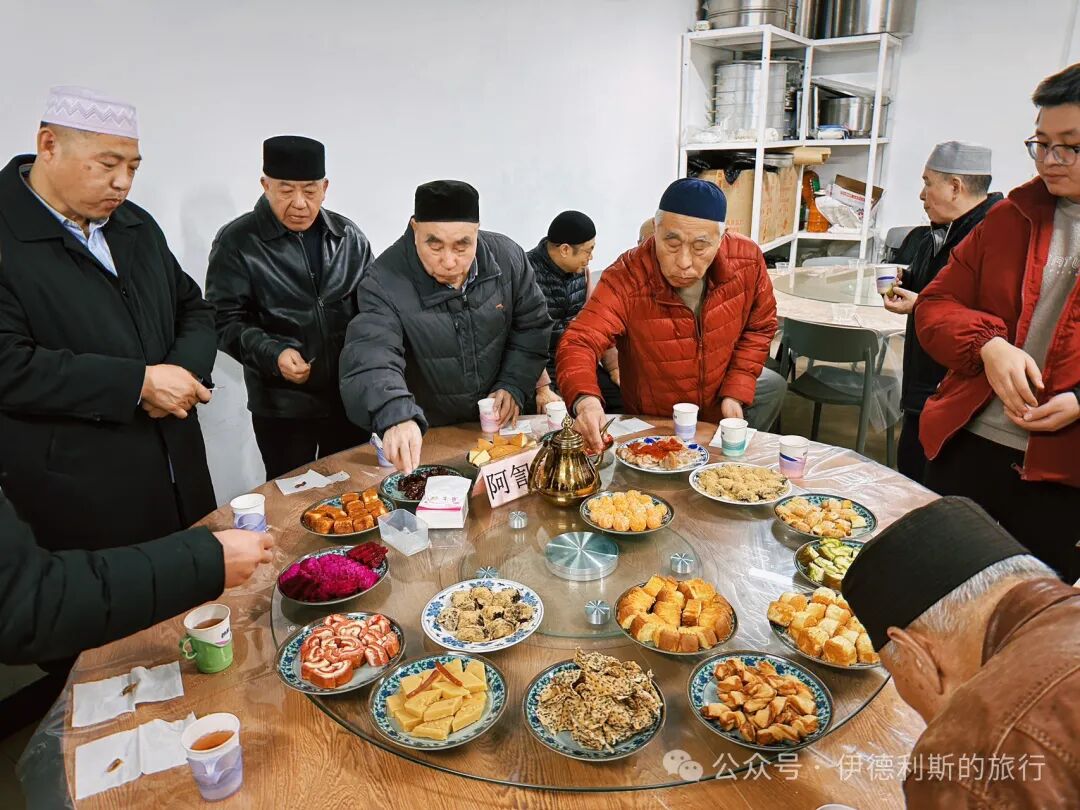
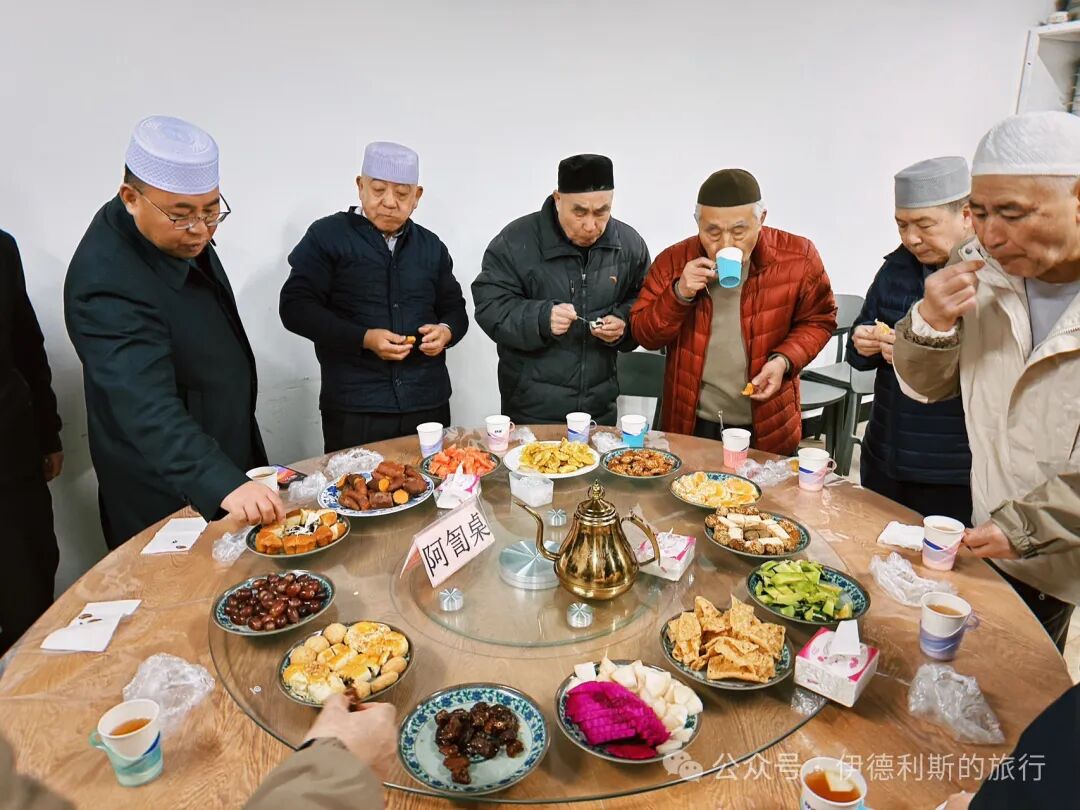
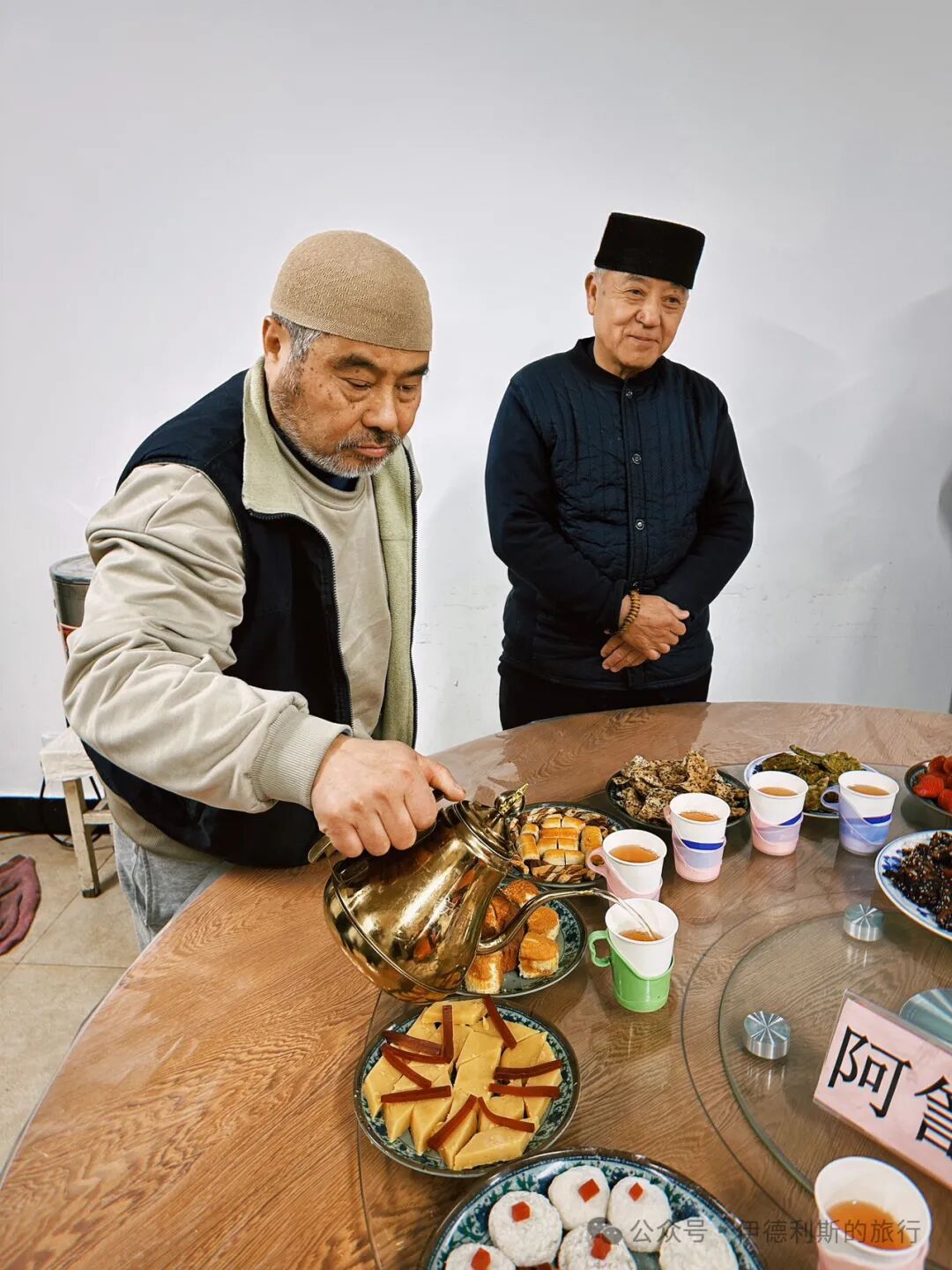
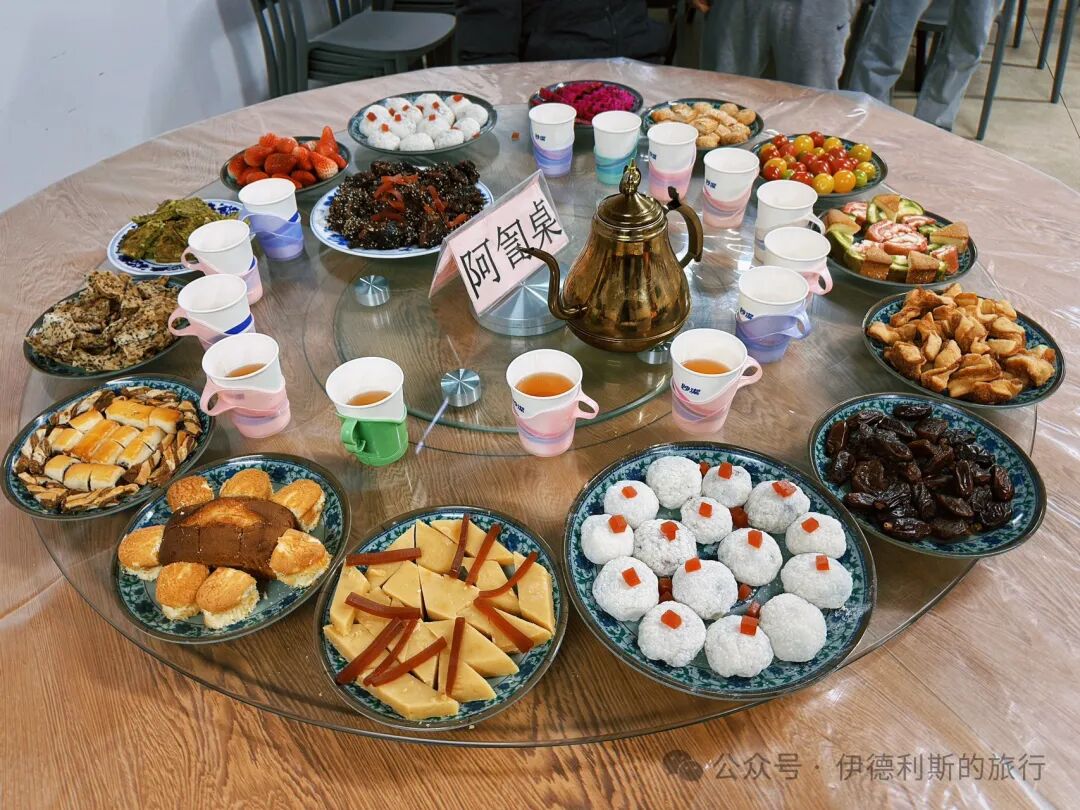
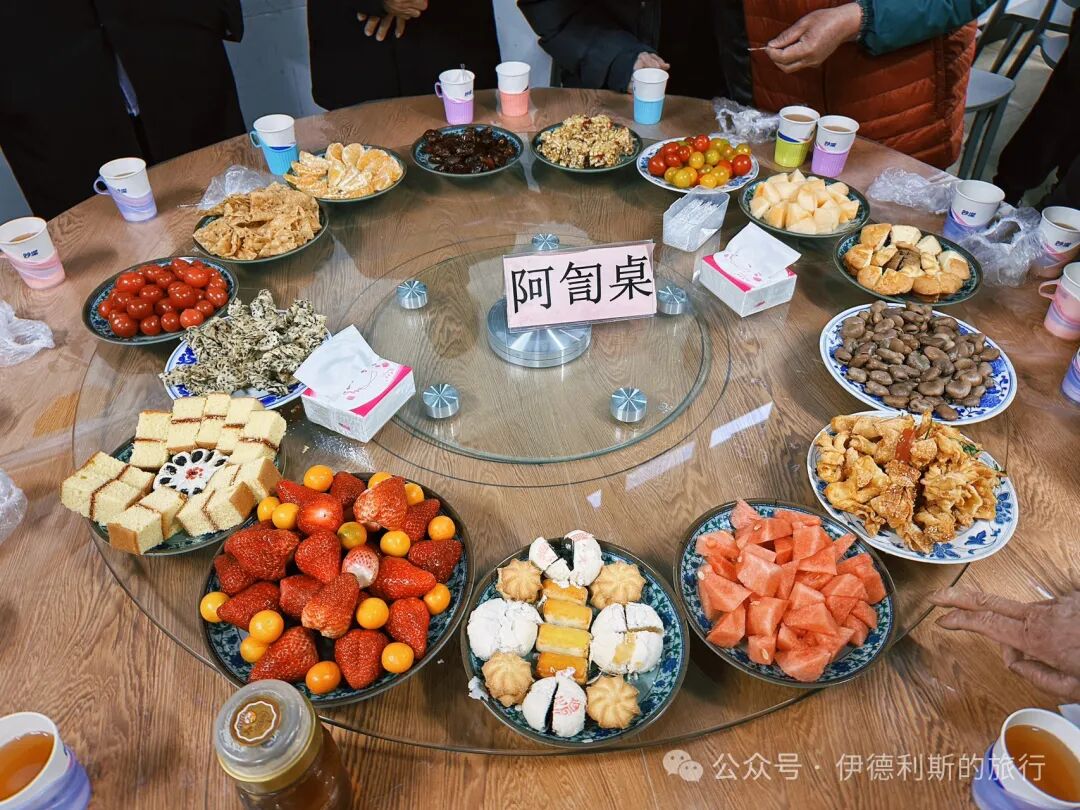
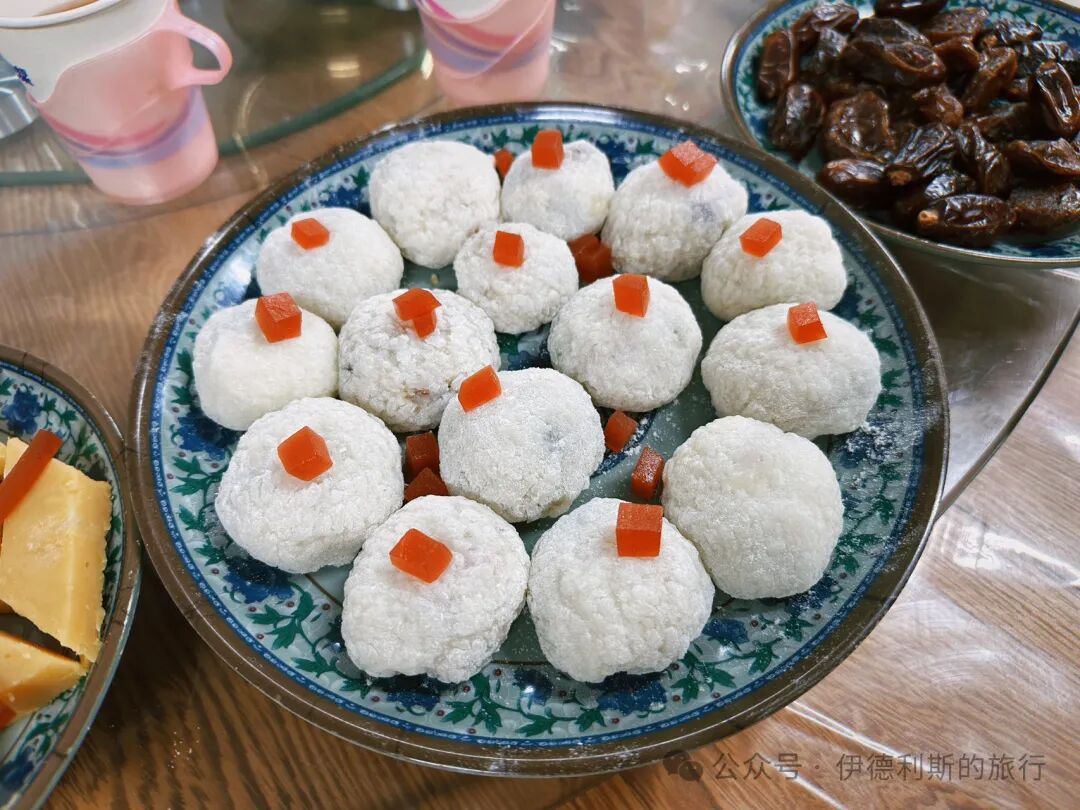
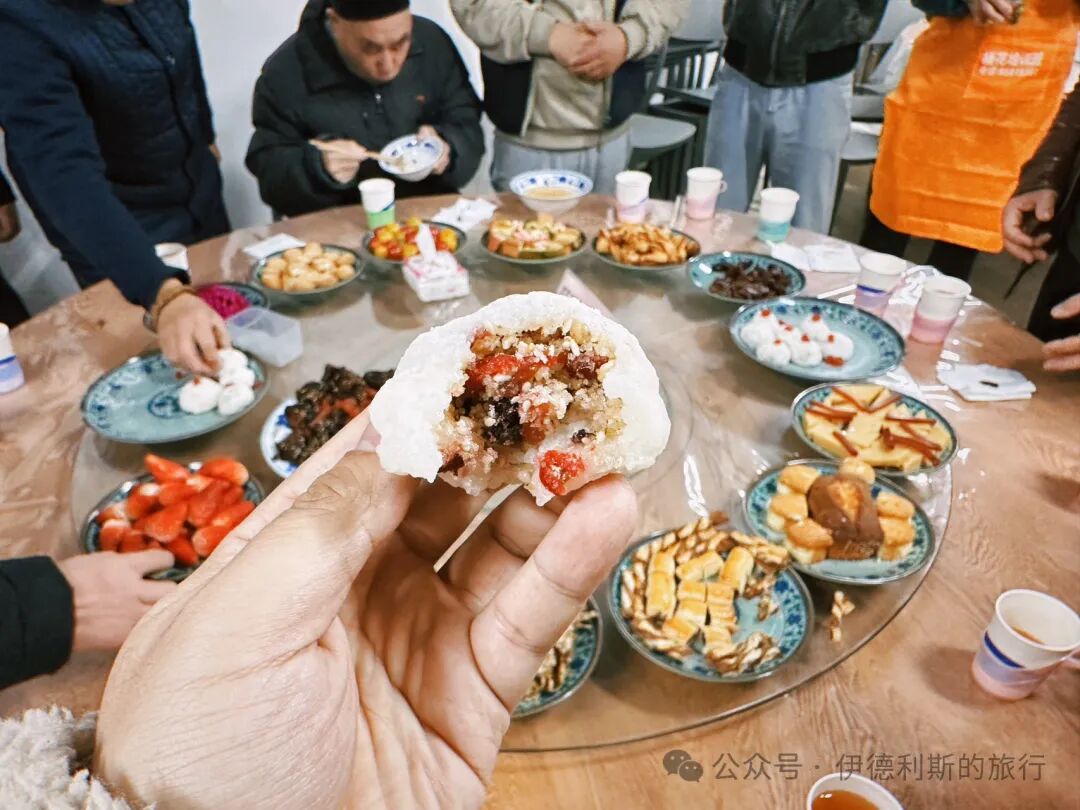
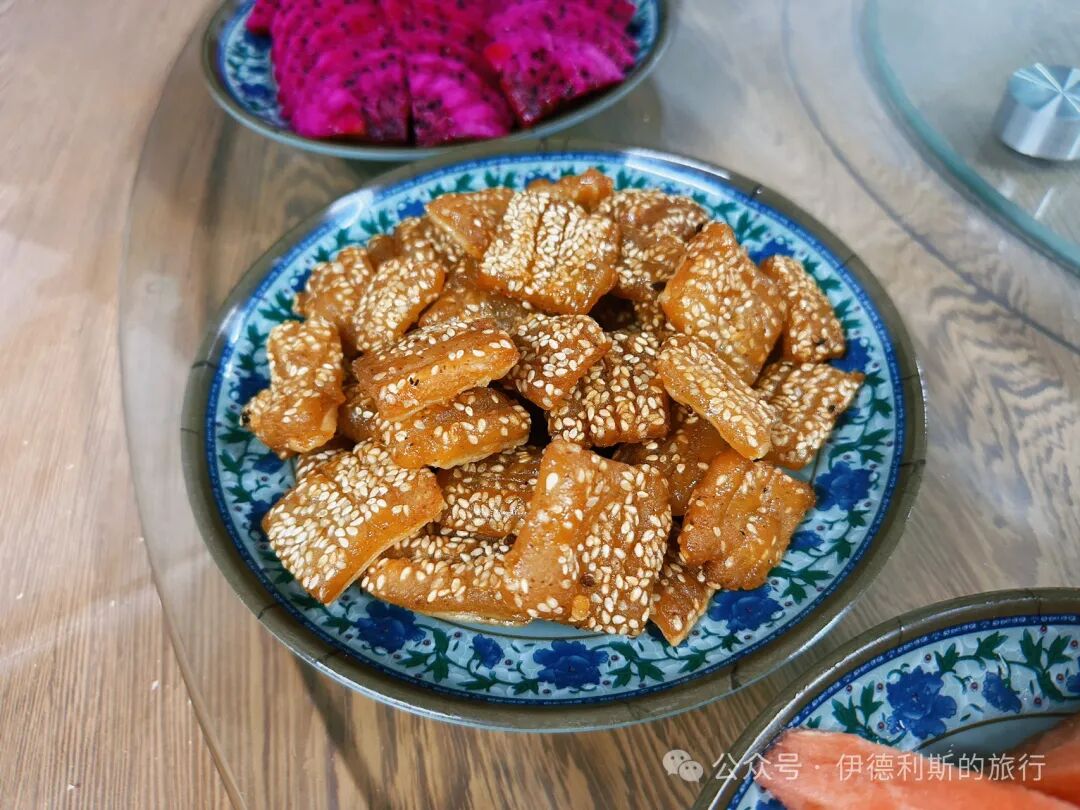
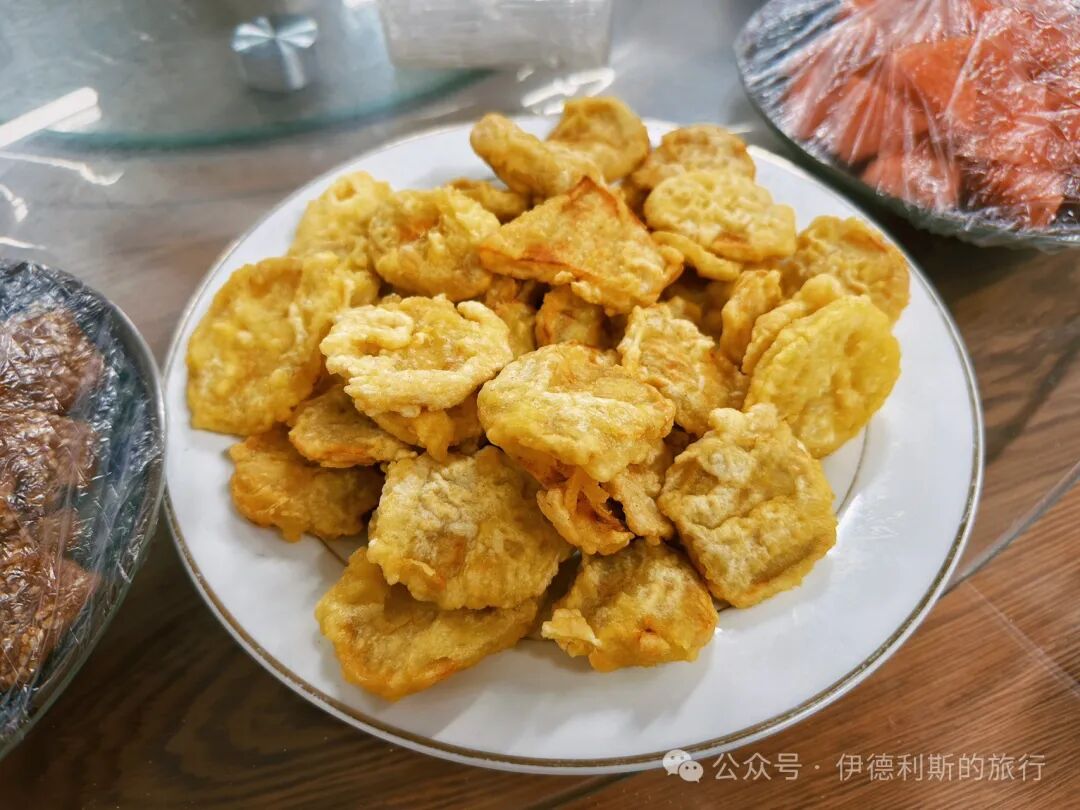
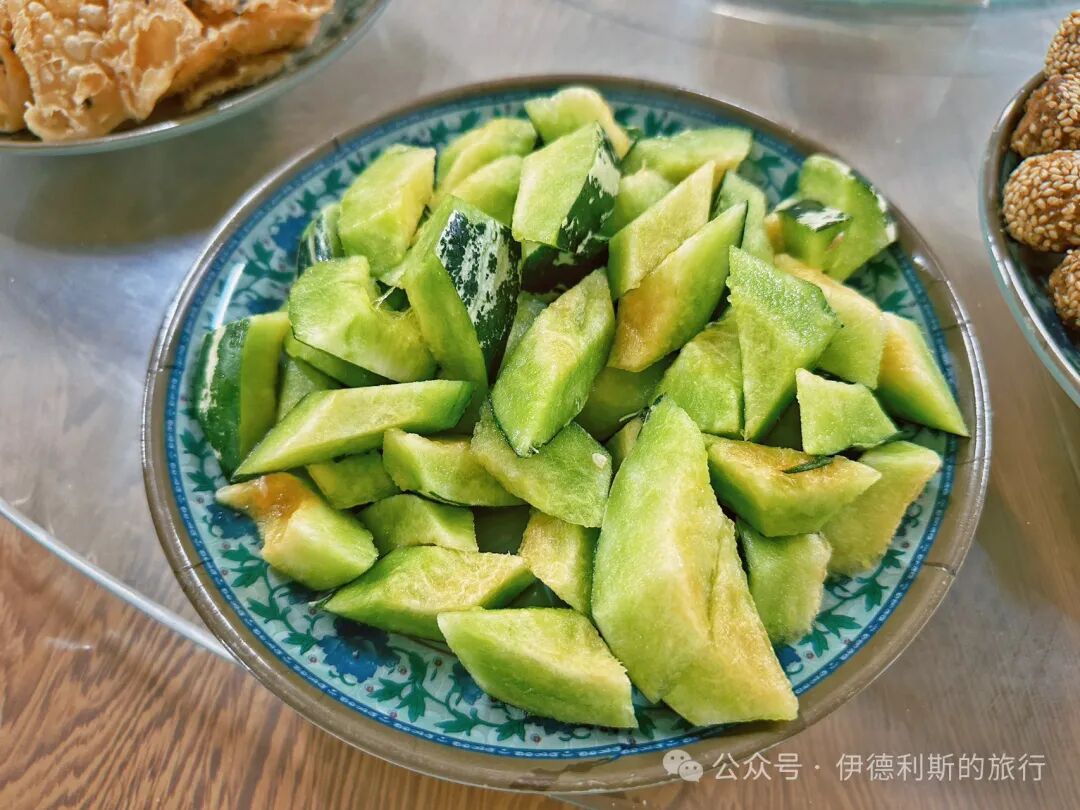
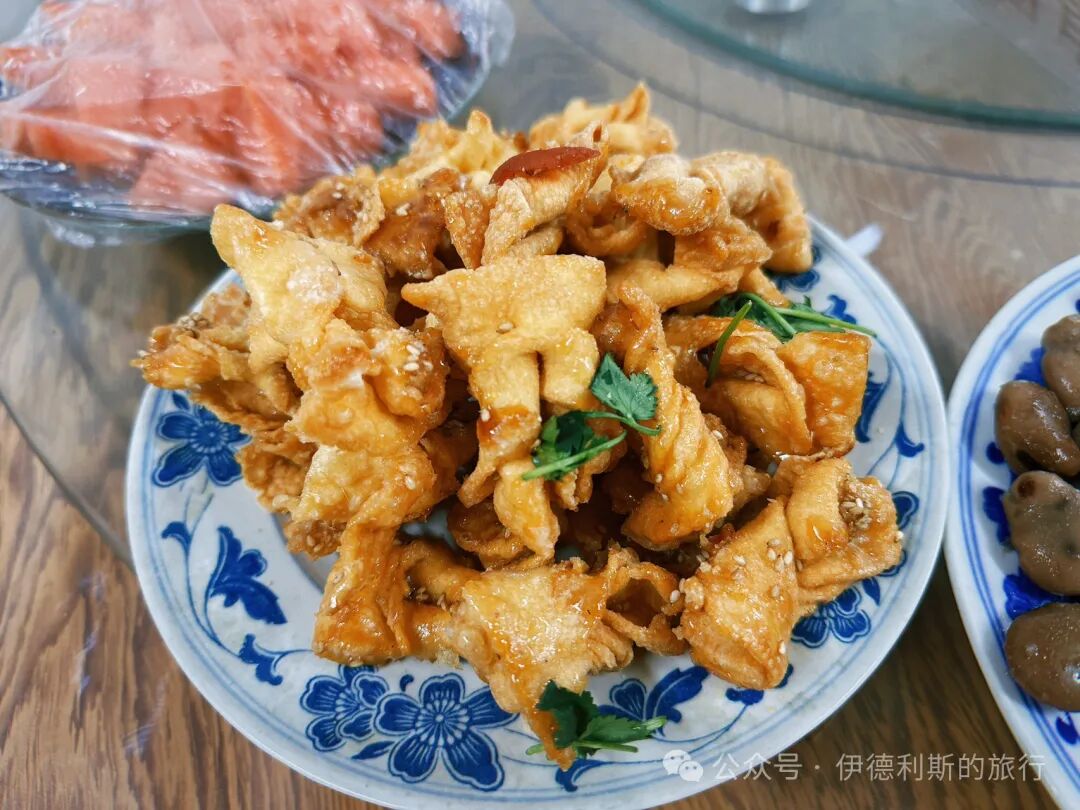
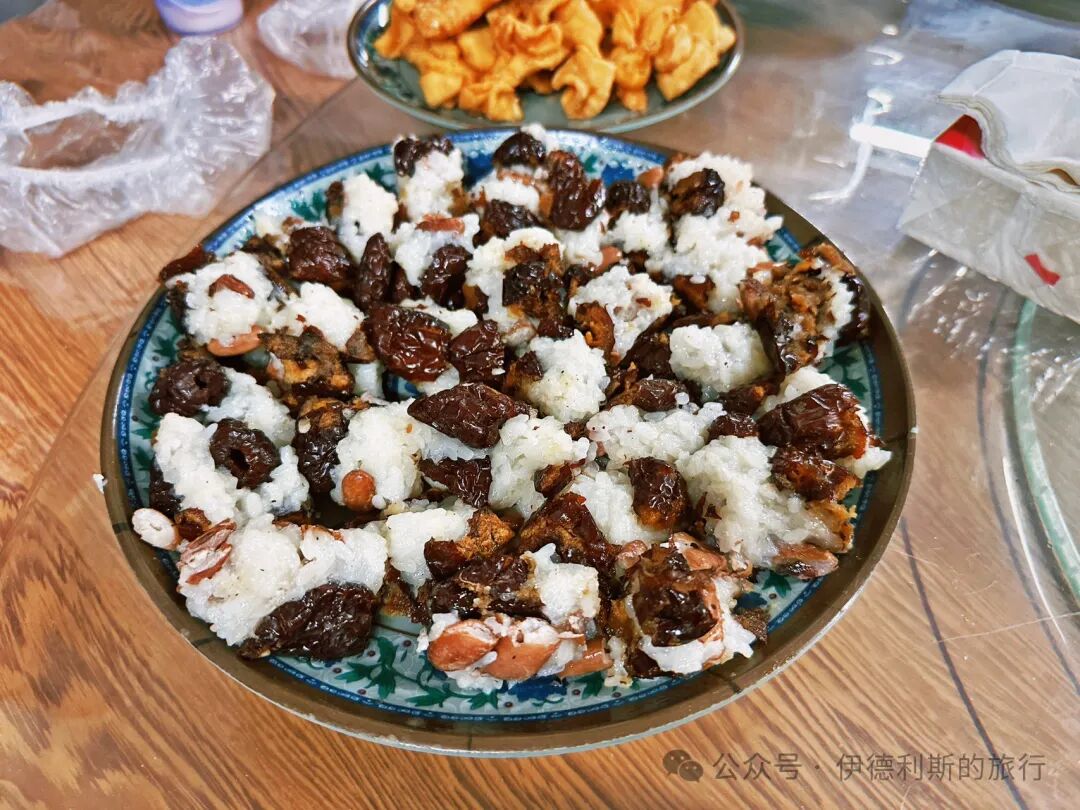
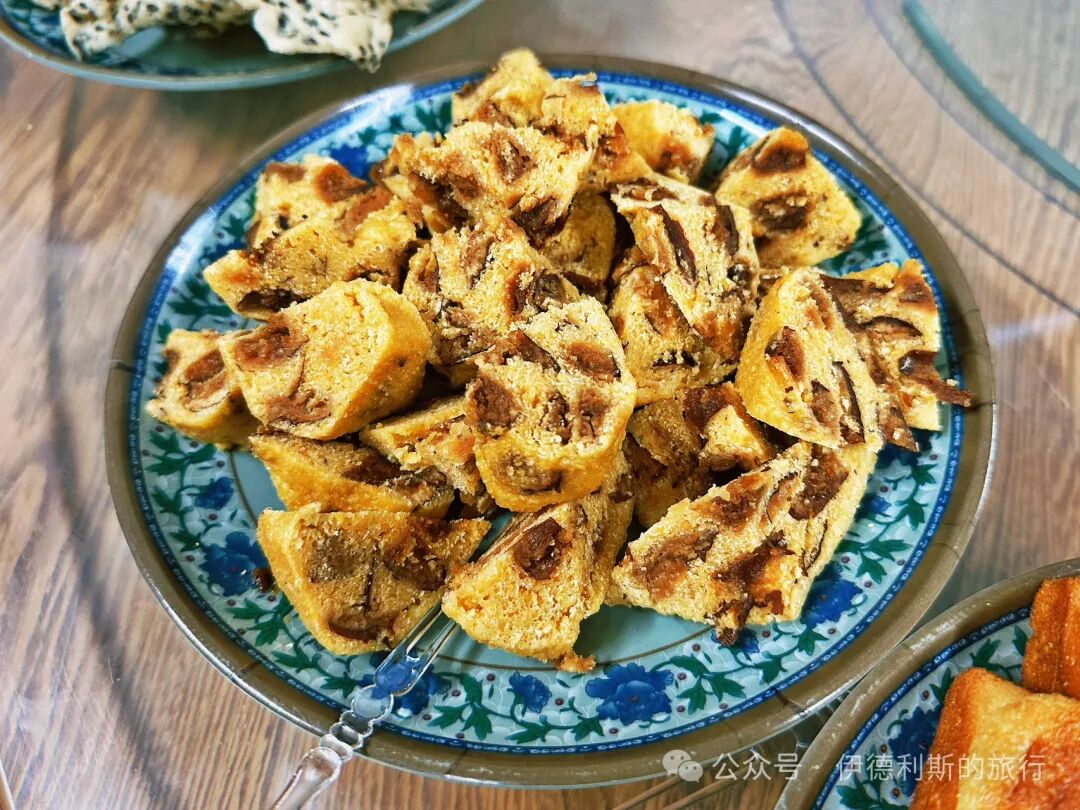
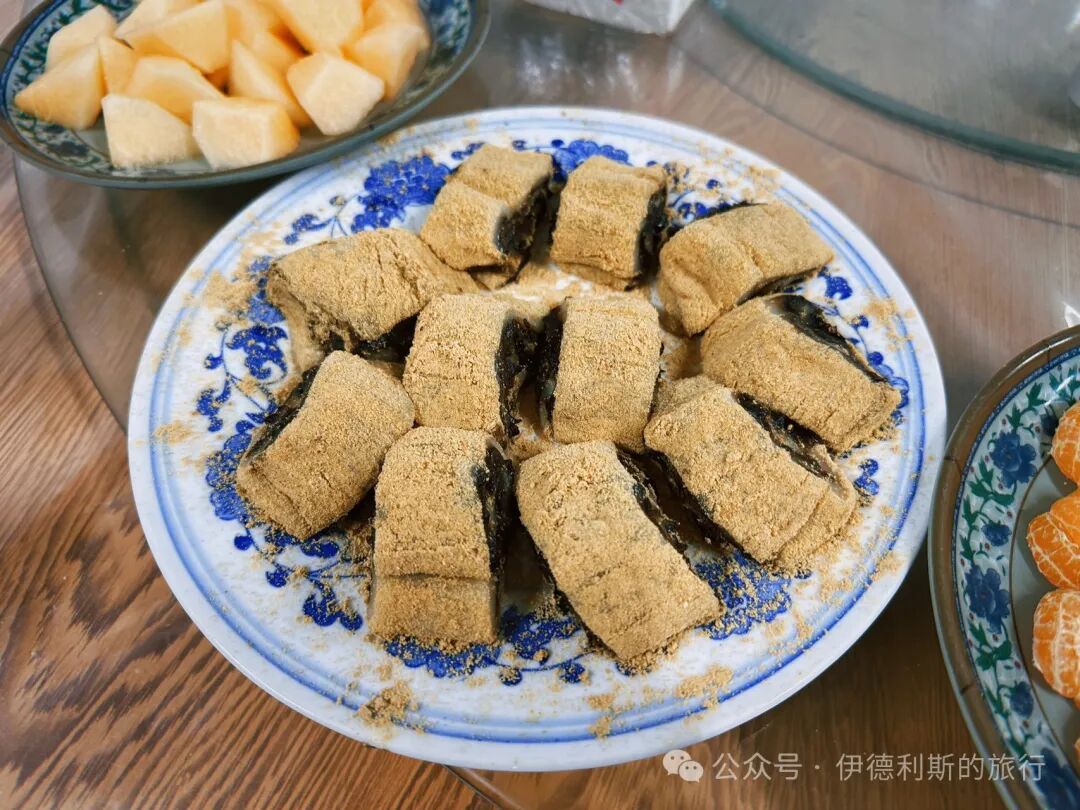
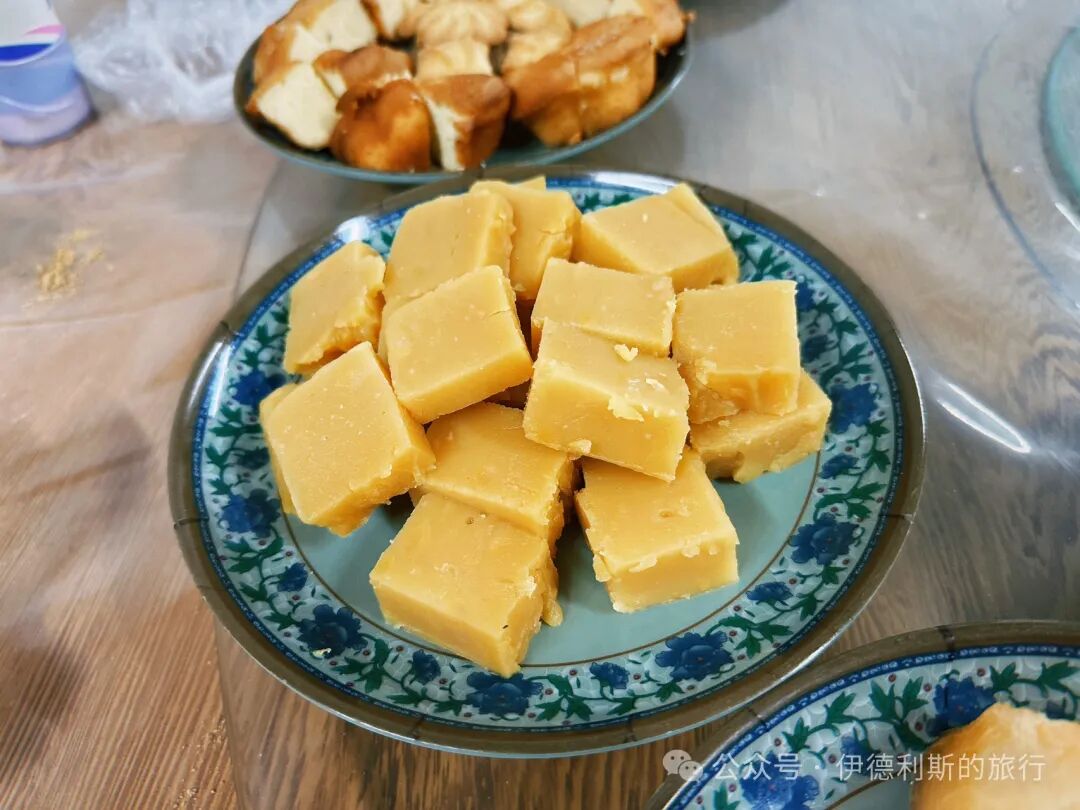
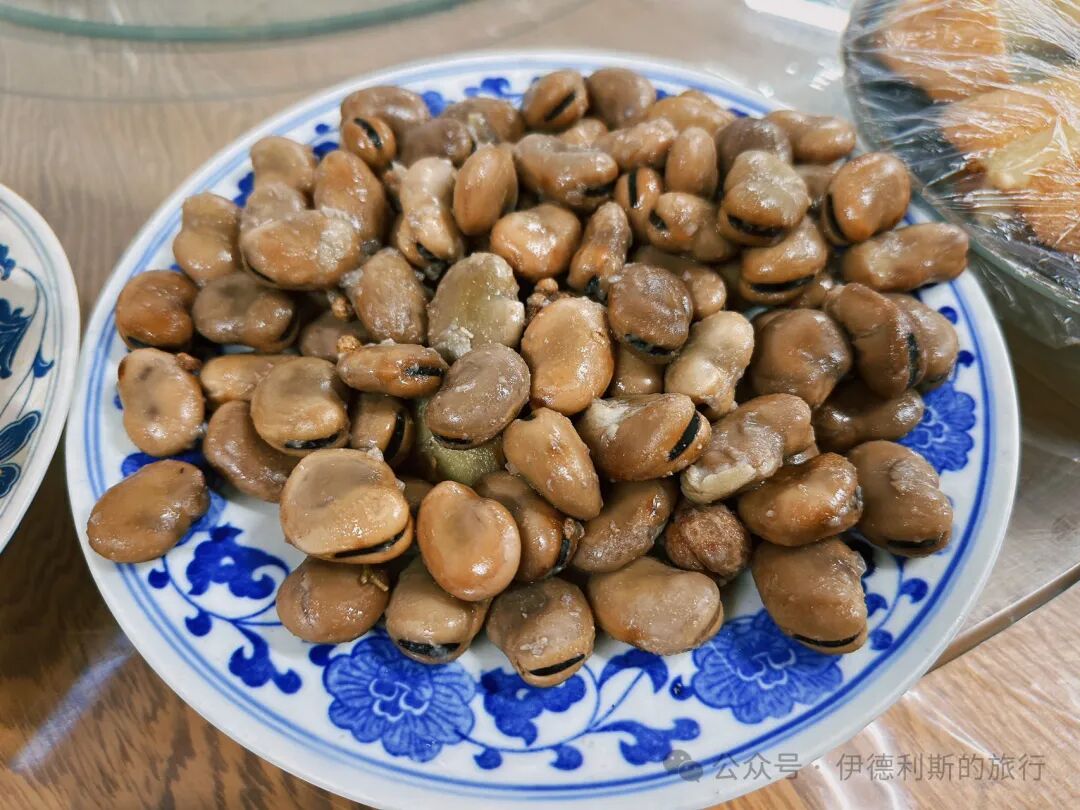
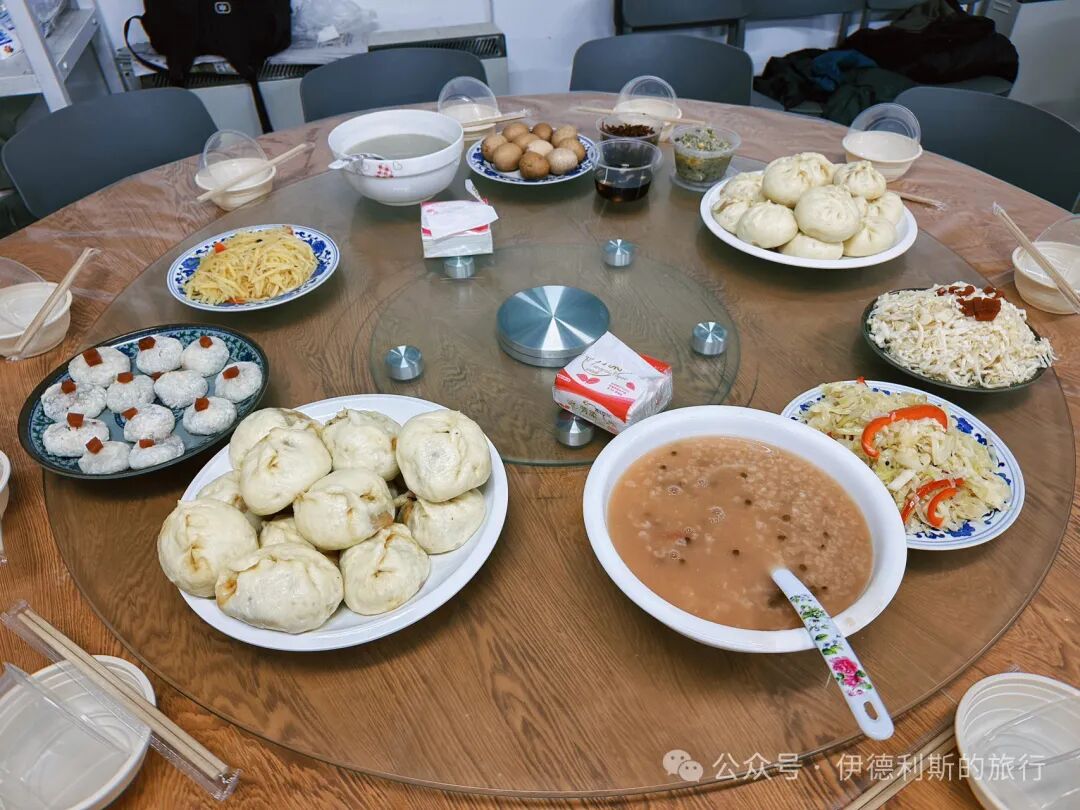
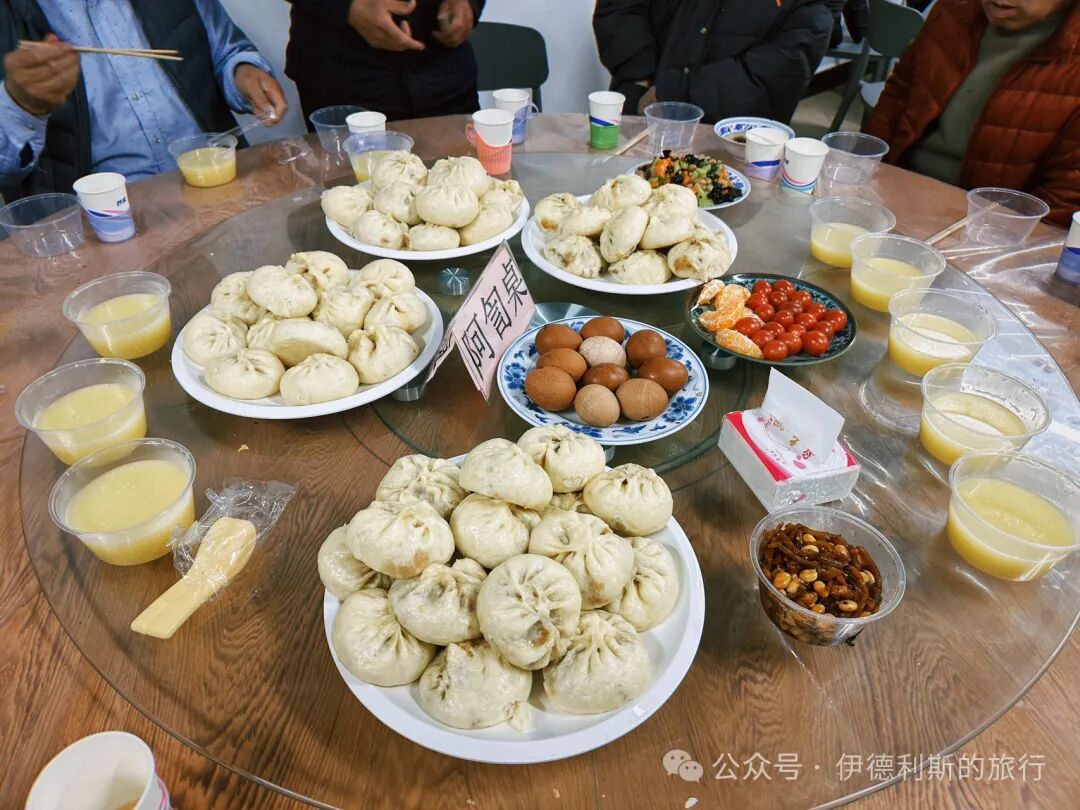
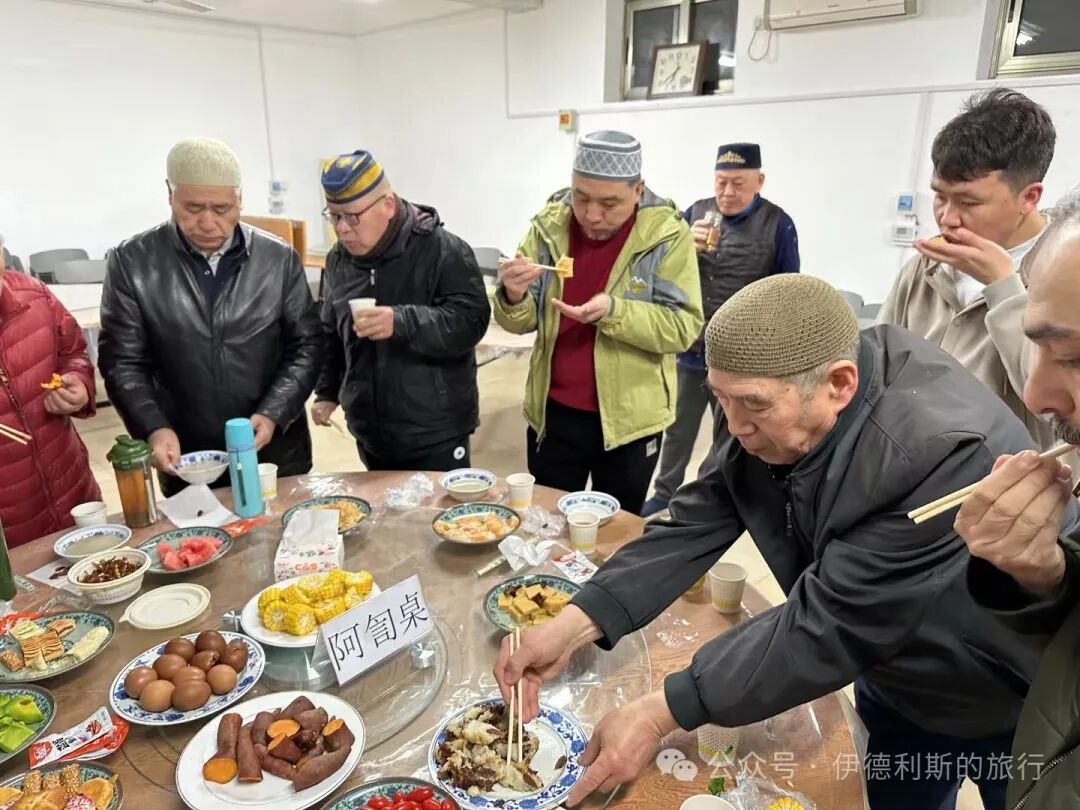
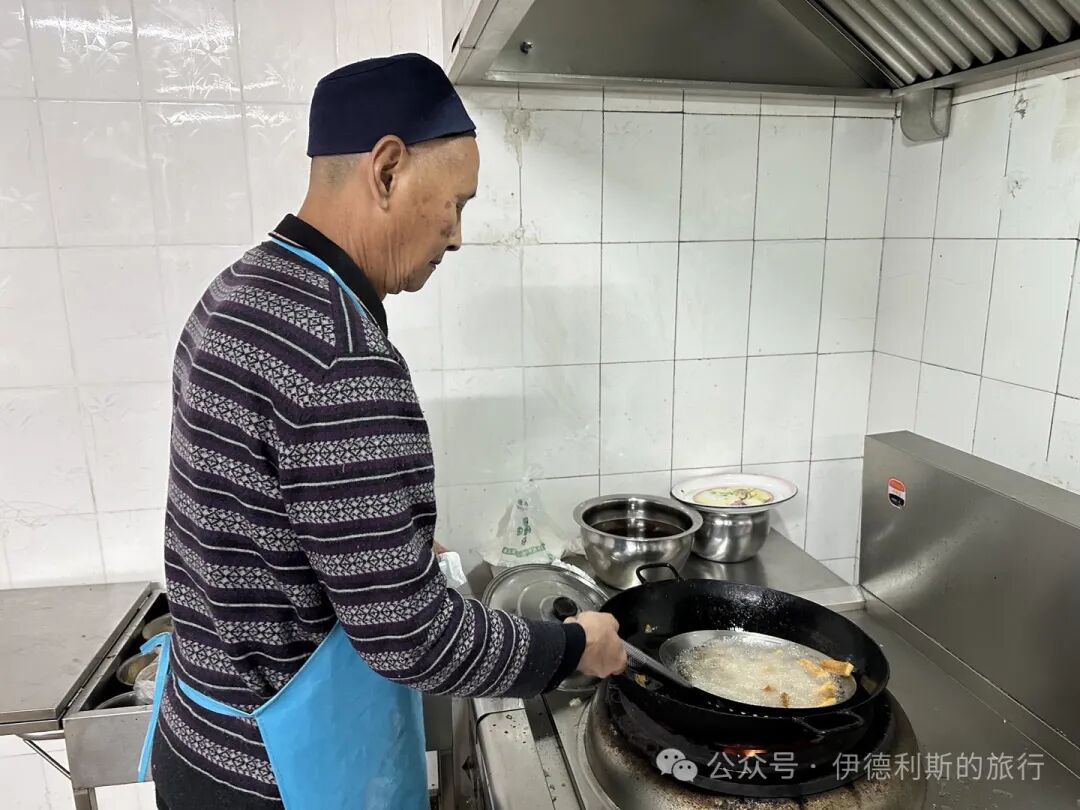
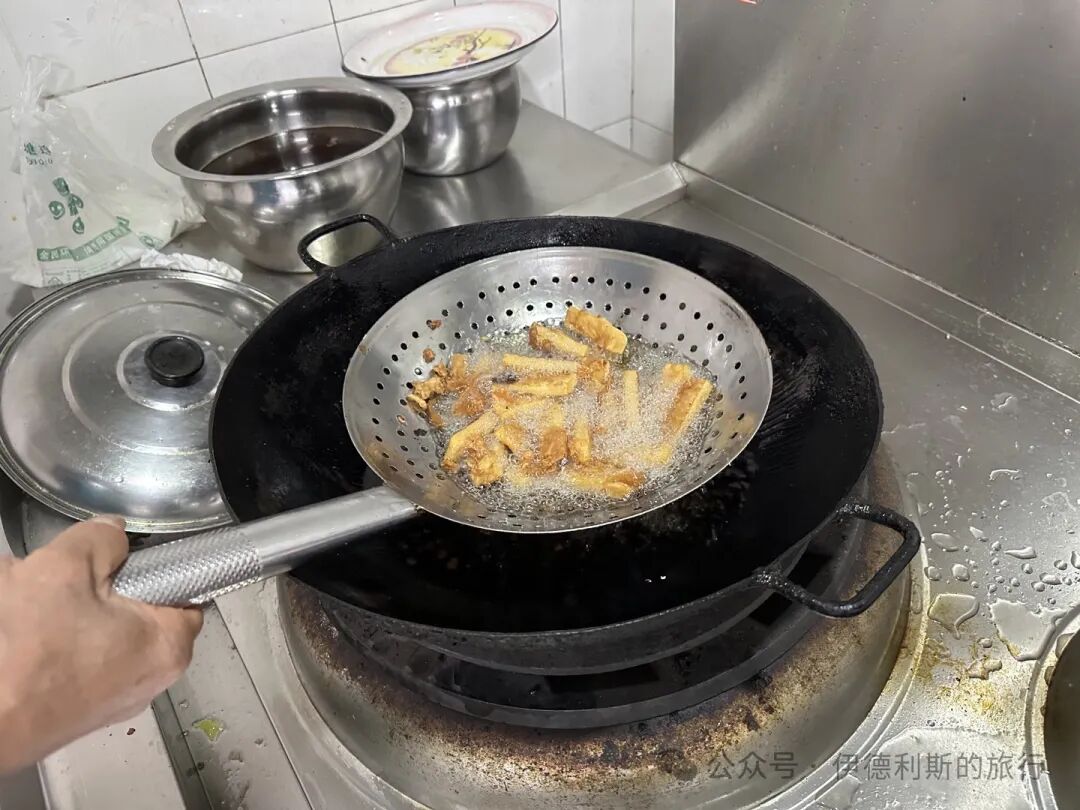
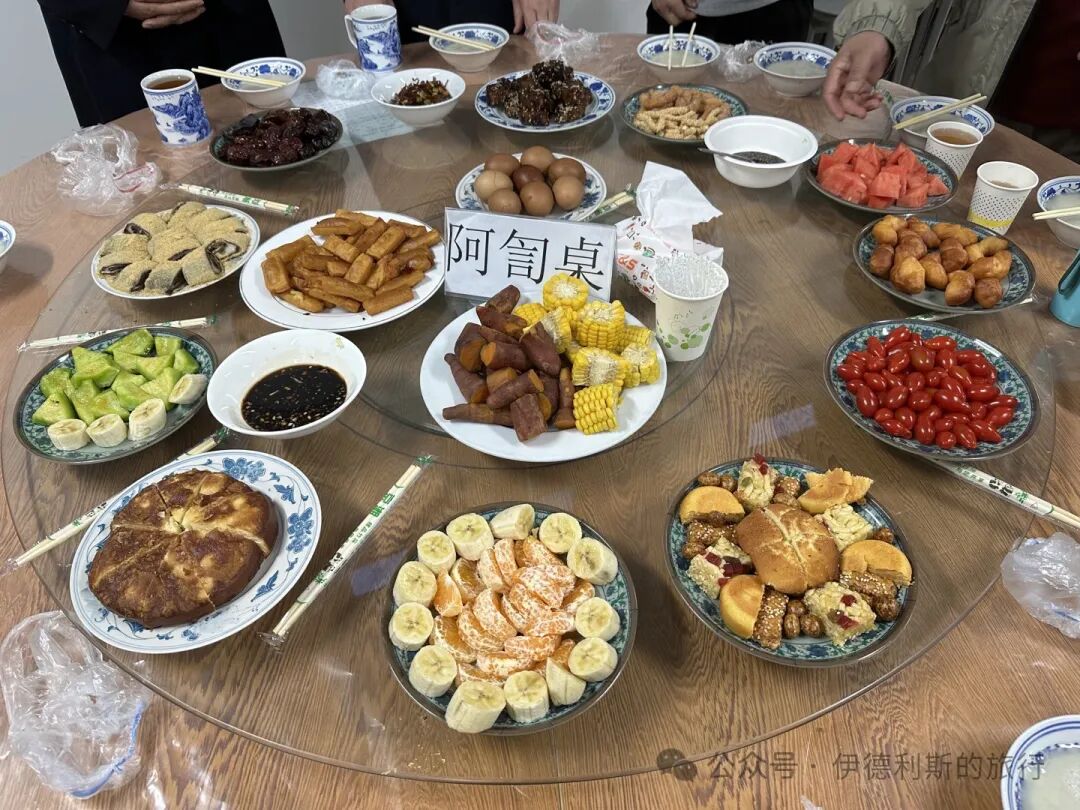
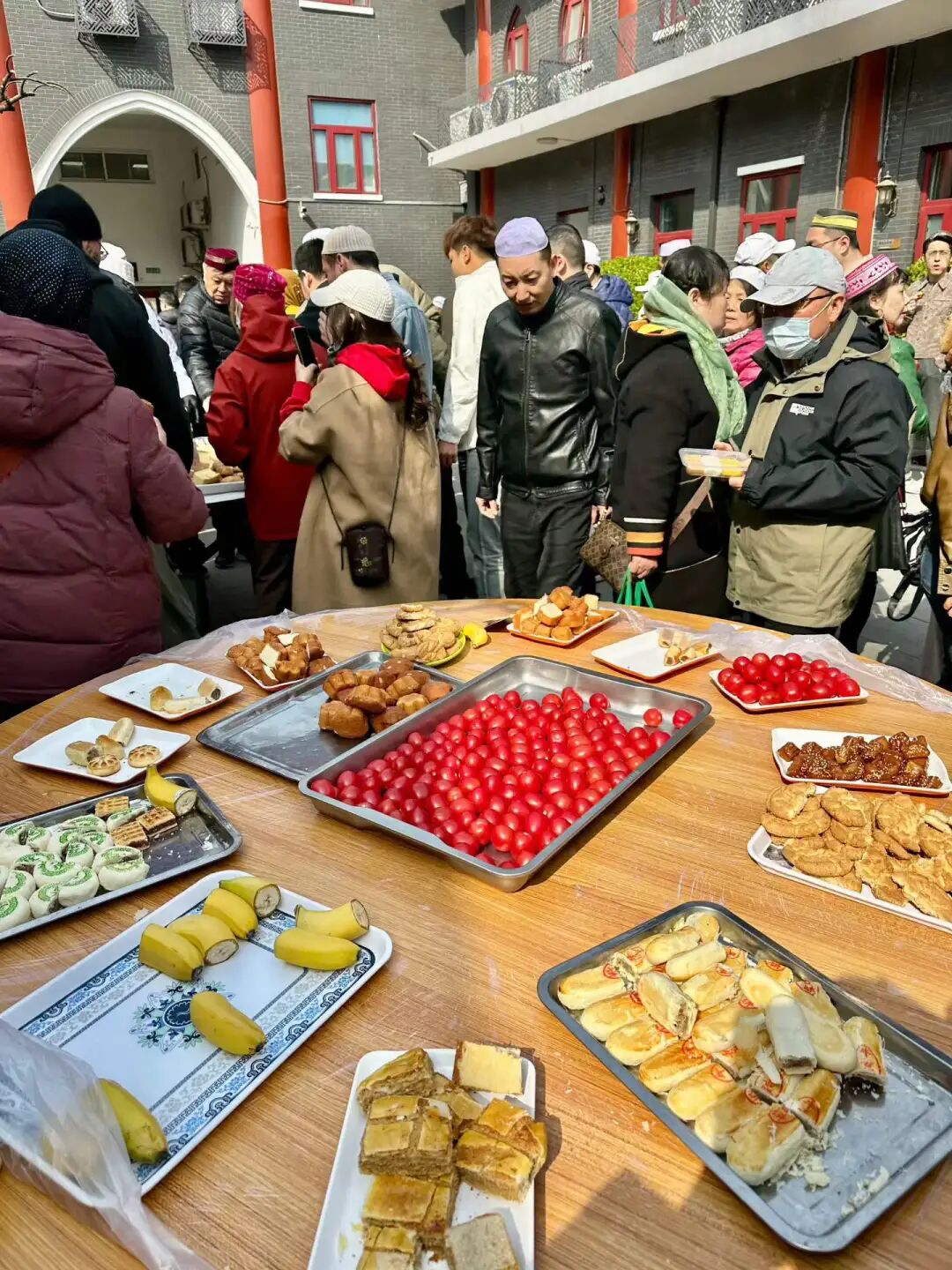
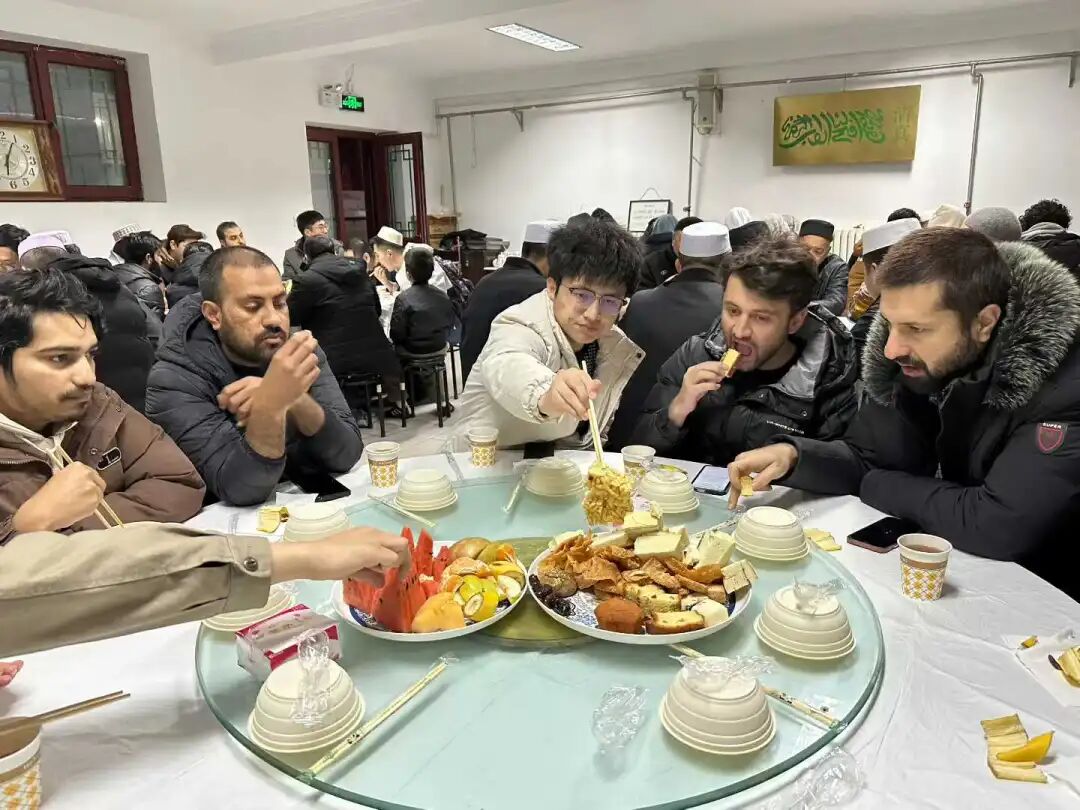
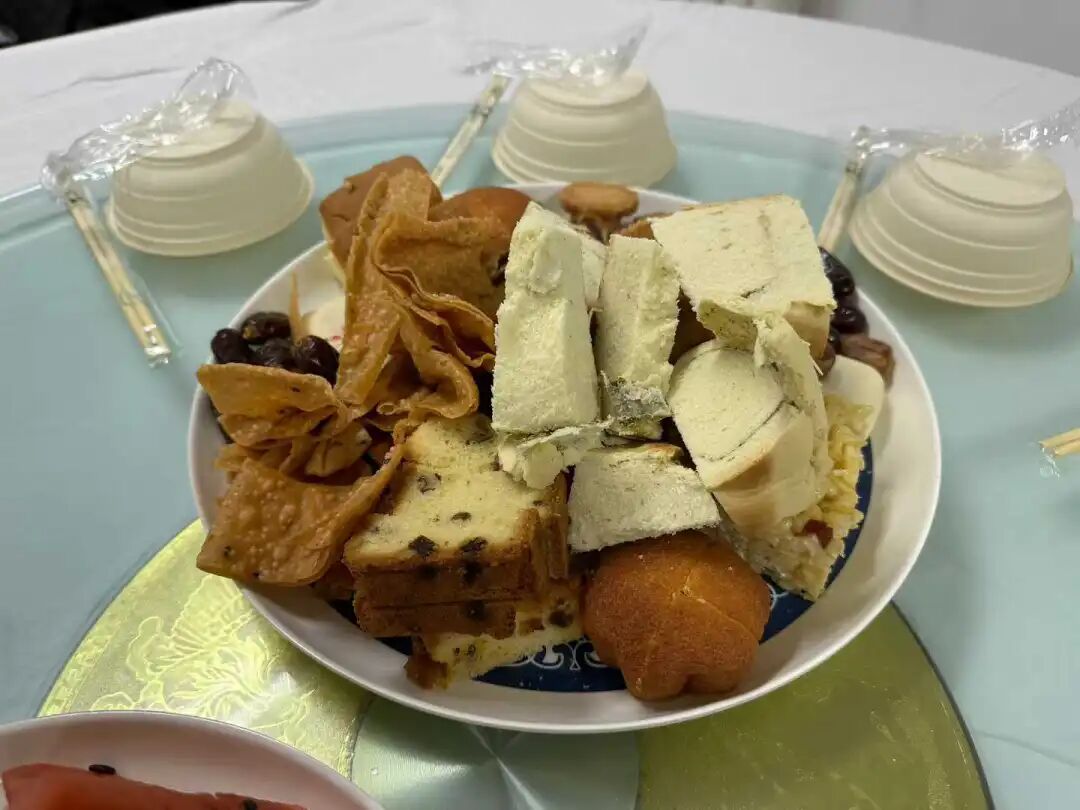
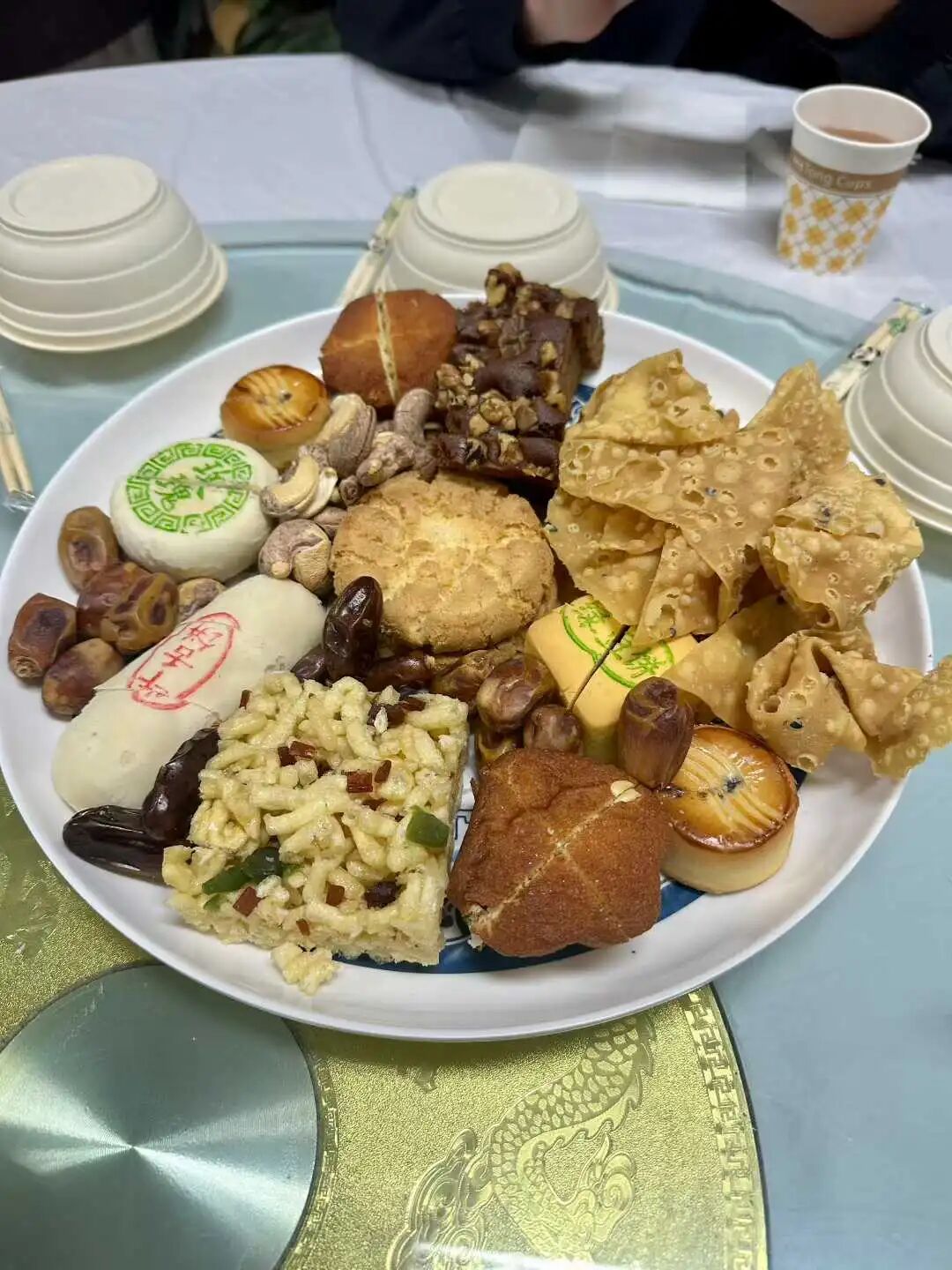
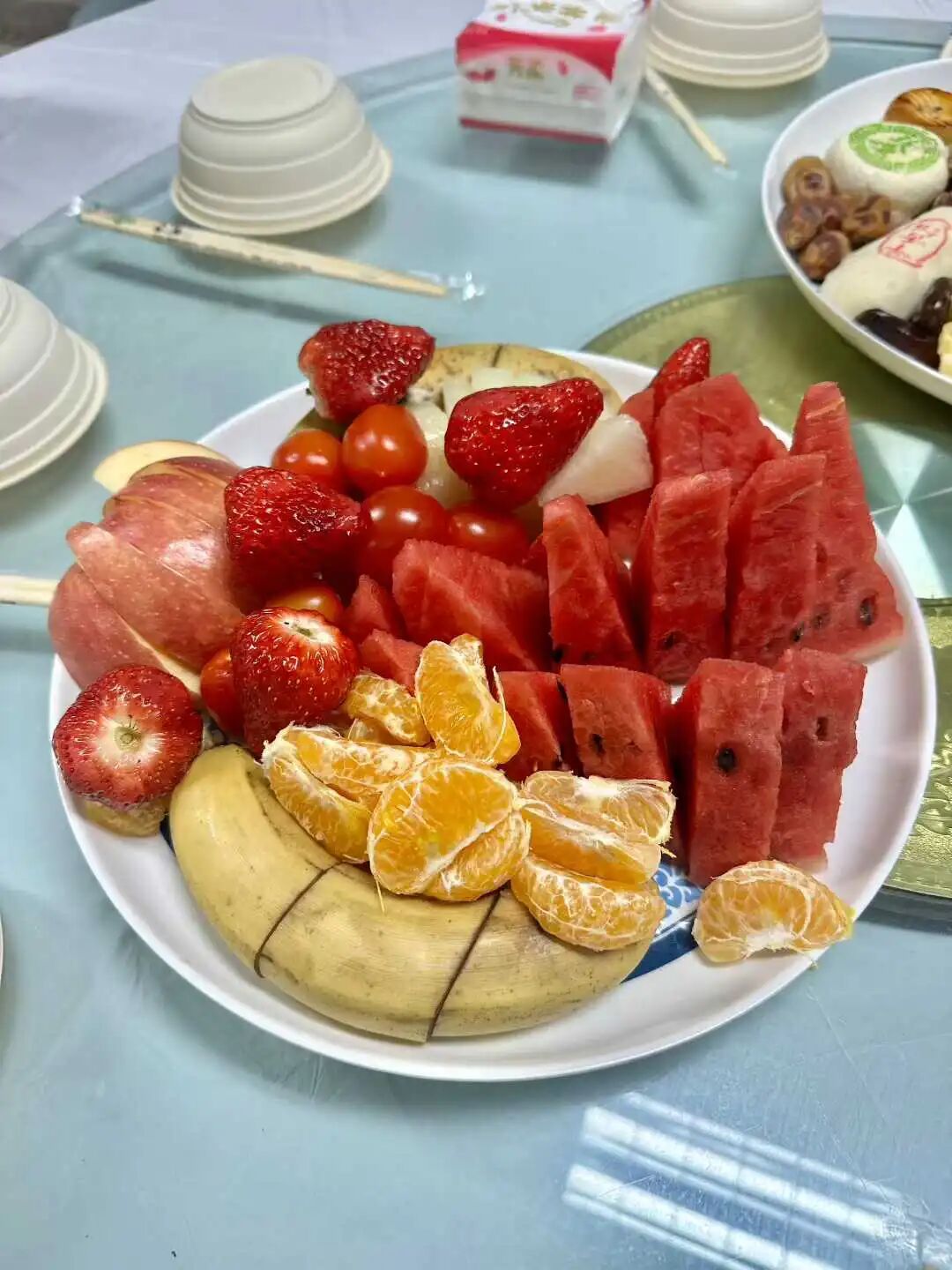
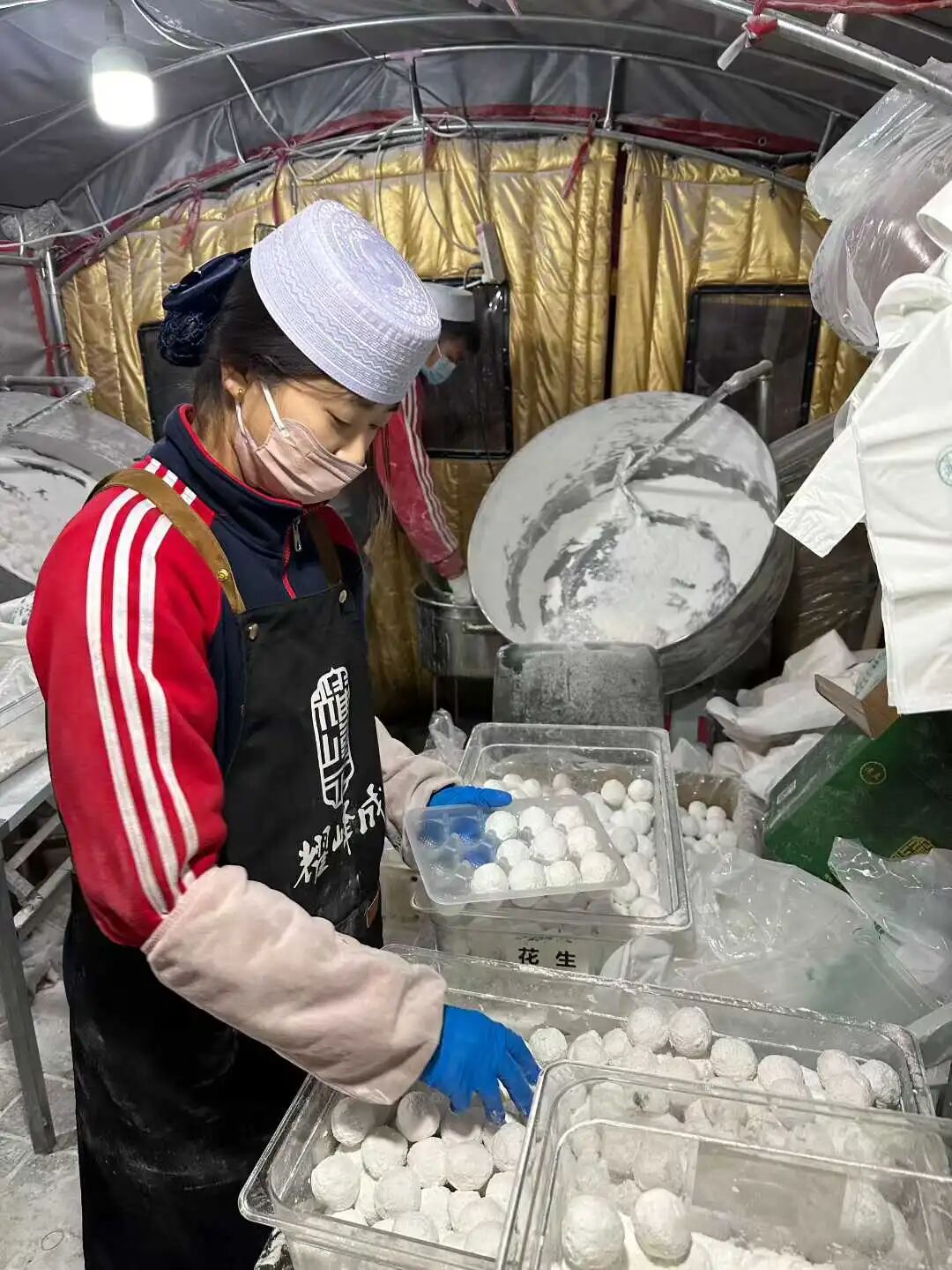
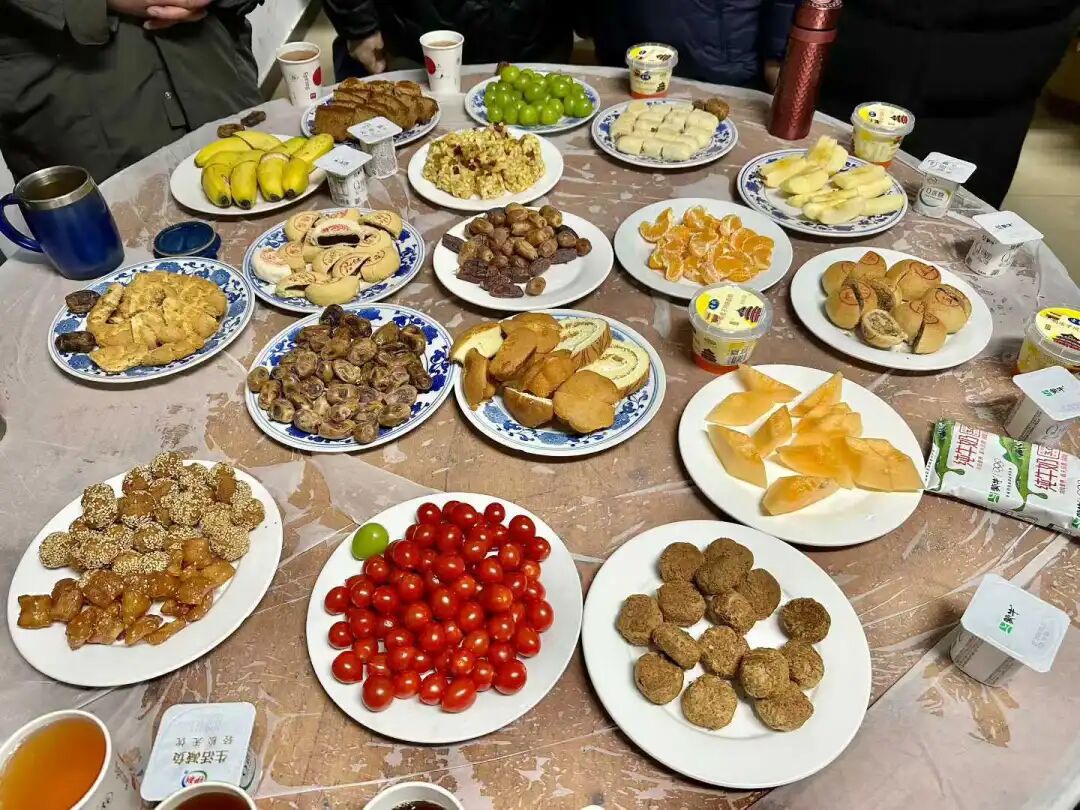
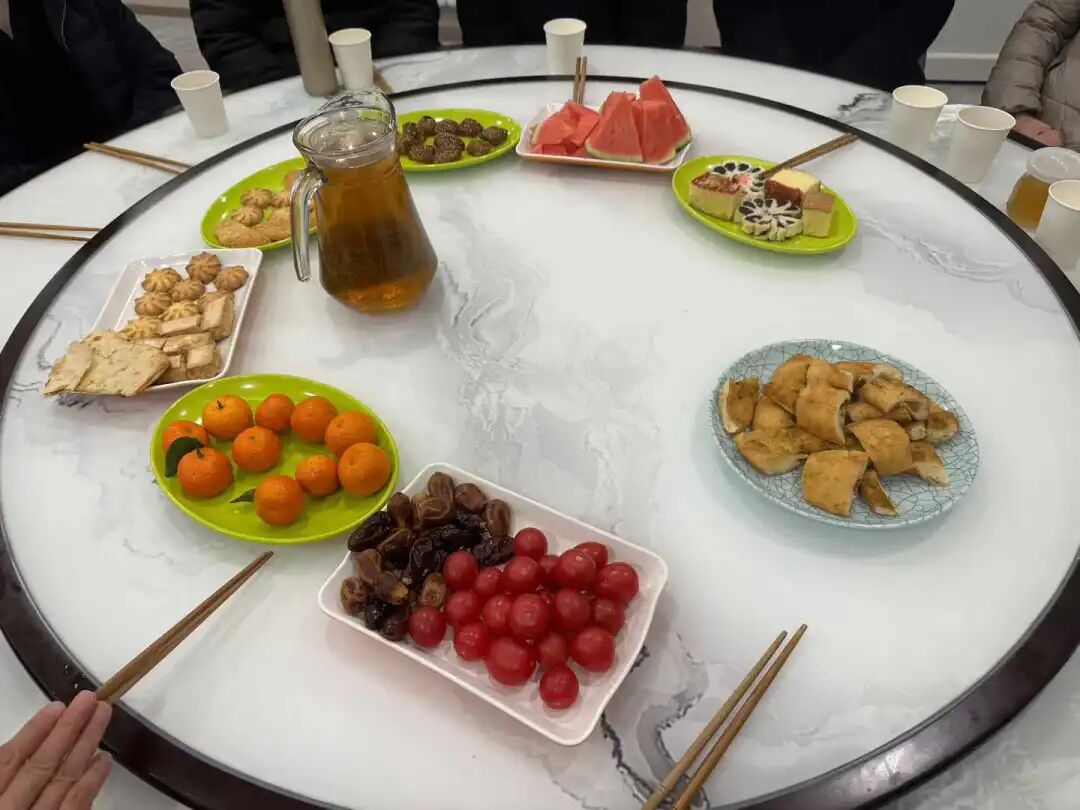
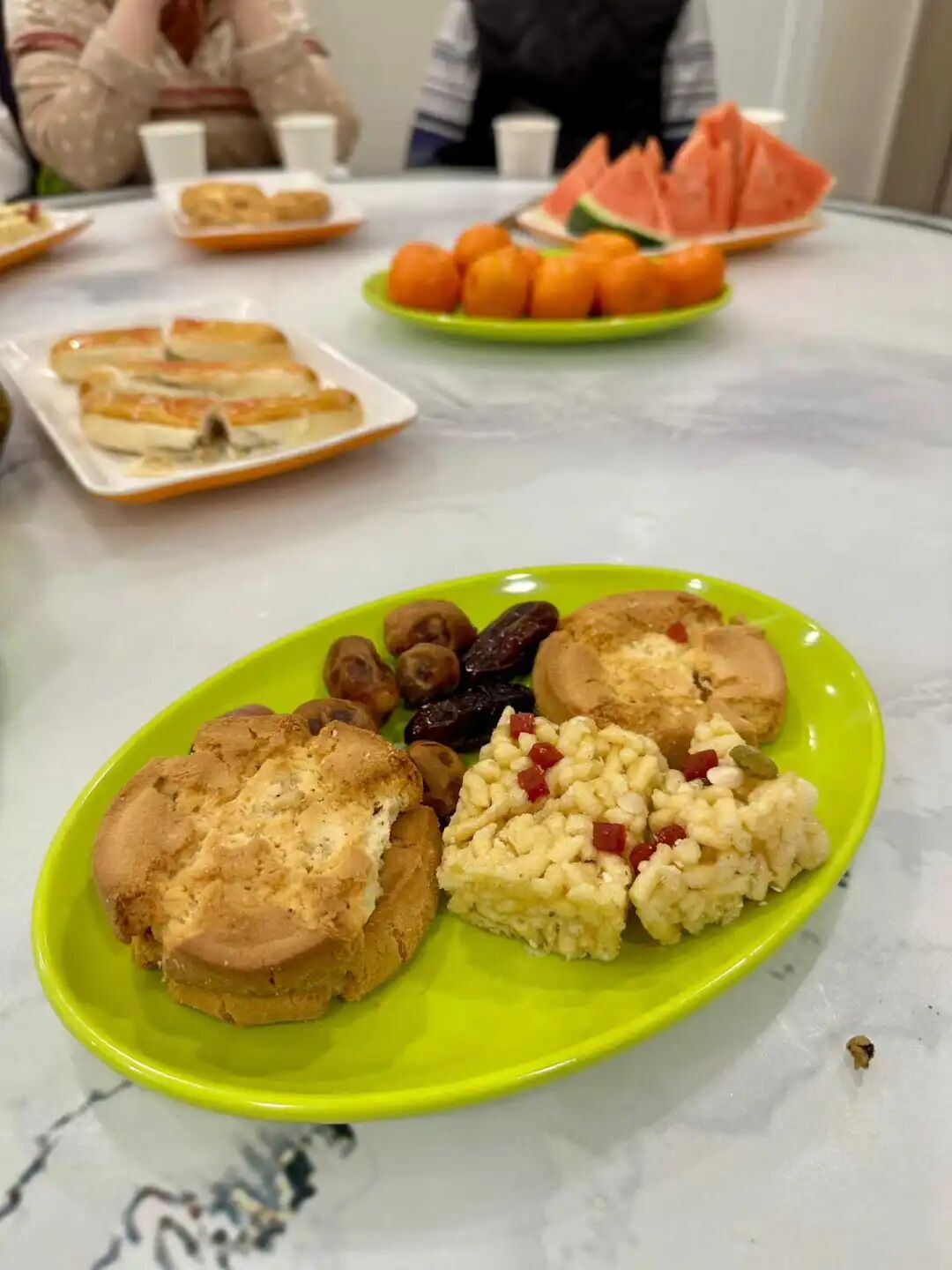
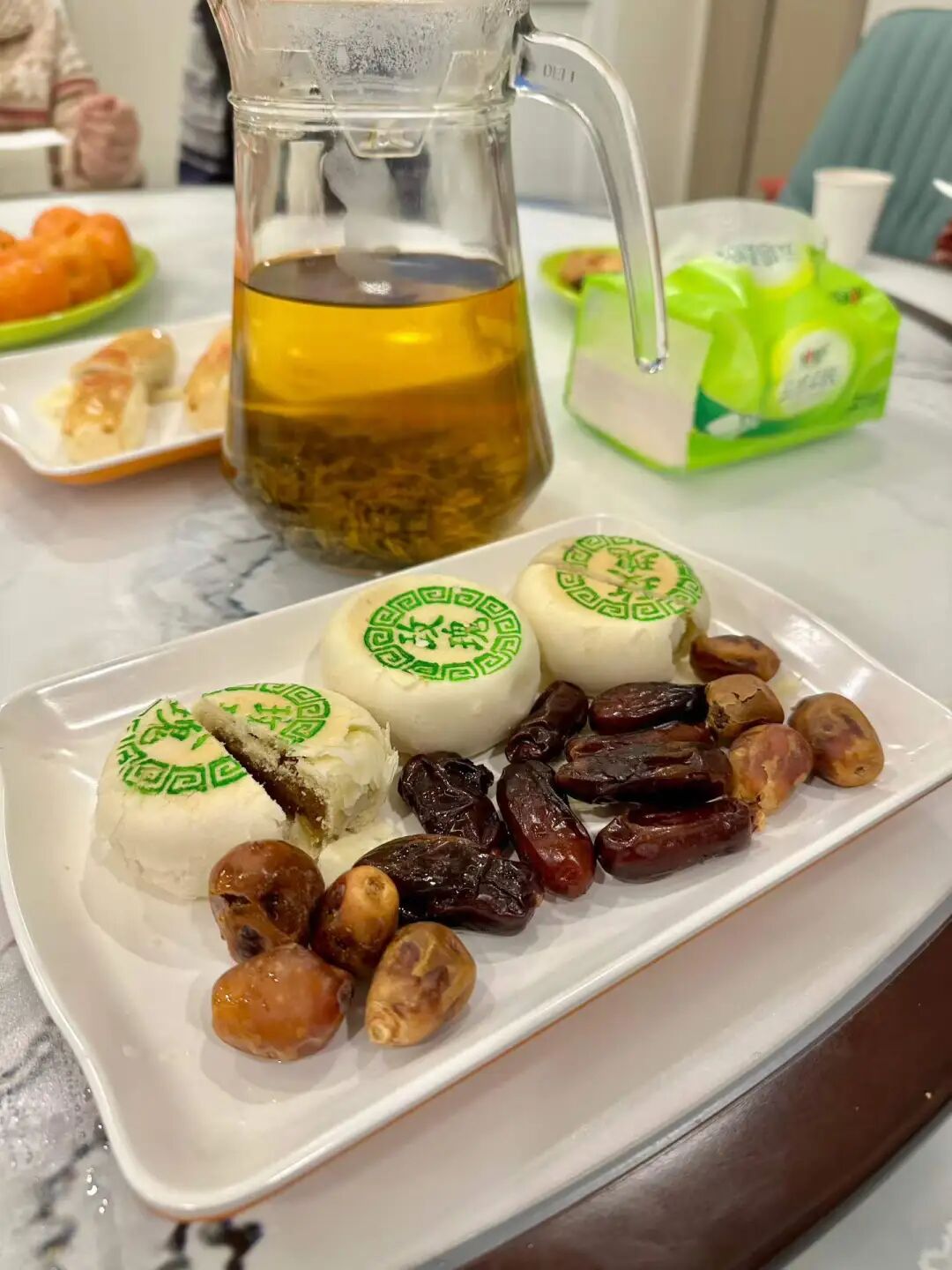
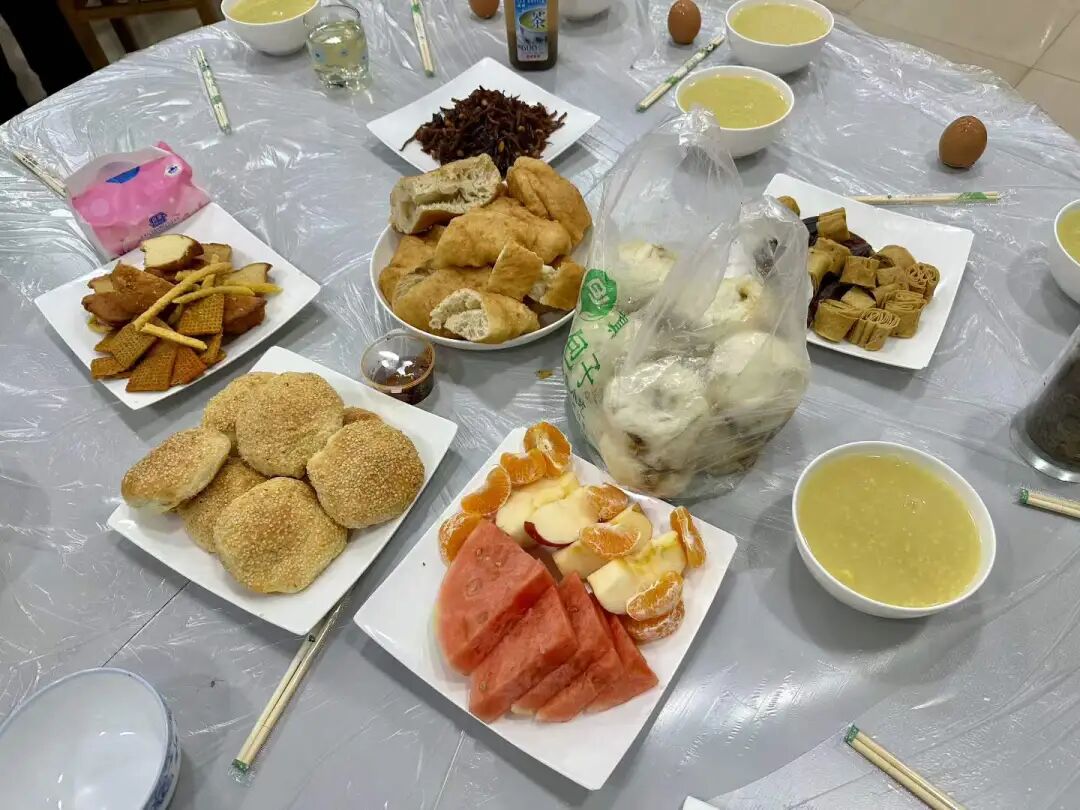
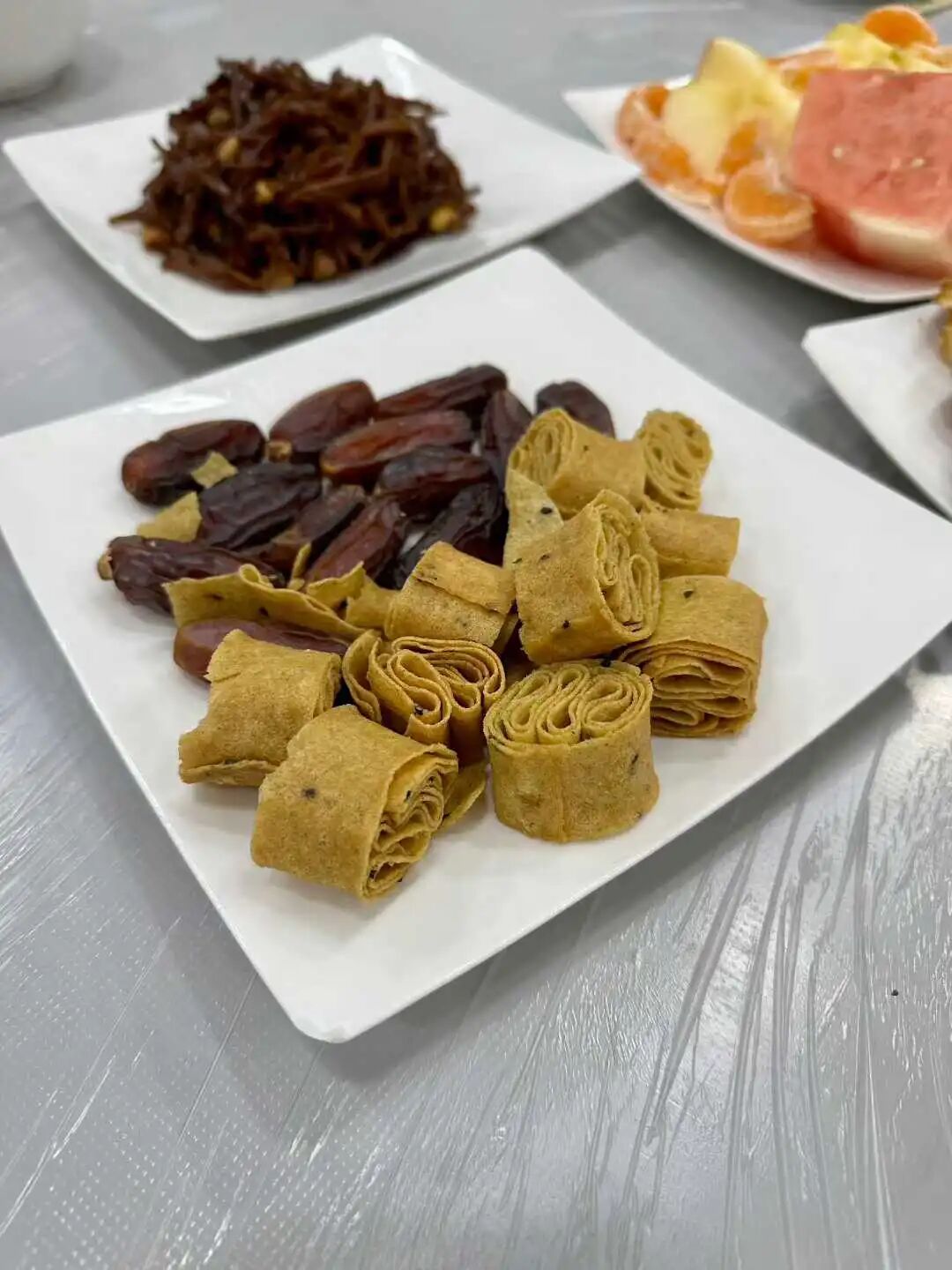
First, let me share the snacks and fruits for breaking the fast. You can eat various traditional Beijing snacks carefully made by the elders here, such as steamed rice cakes (aiwowo), candied yam rolls (tangjuanguo), glutinous rice rolls with bean flour (lvdagun), fried sweet potato (zha baishu), ginger juice fried dough crisps (jiangzhi paicha), salt and pepper fried dough crisps (jiaoyan paicha), lotus root with glutinous rice (nuomi ou), sticky rice cake (niangao), yellow rice cake (huangmi gao), jujube corn buns (zao wotou), pea flour cake (wandouhuang), and sugar ear pastries (tang erduo).
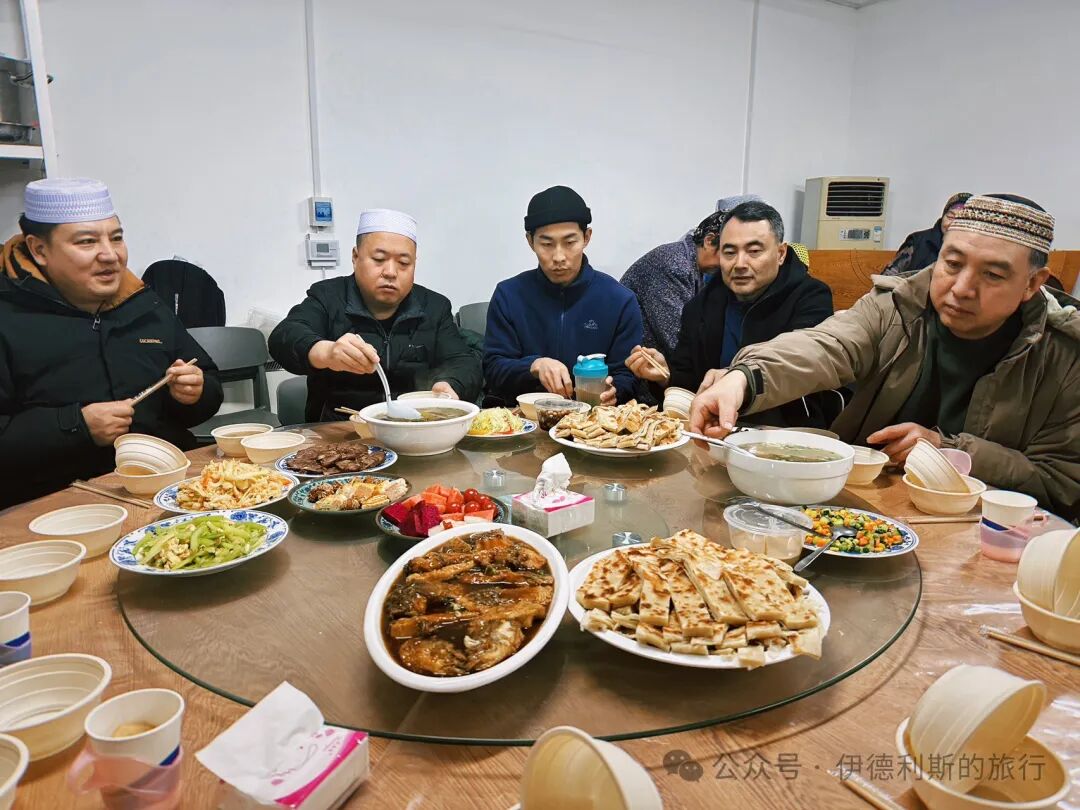
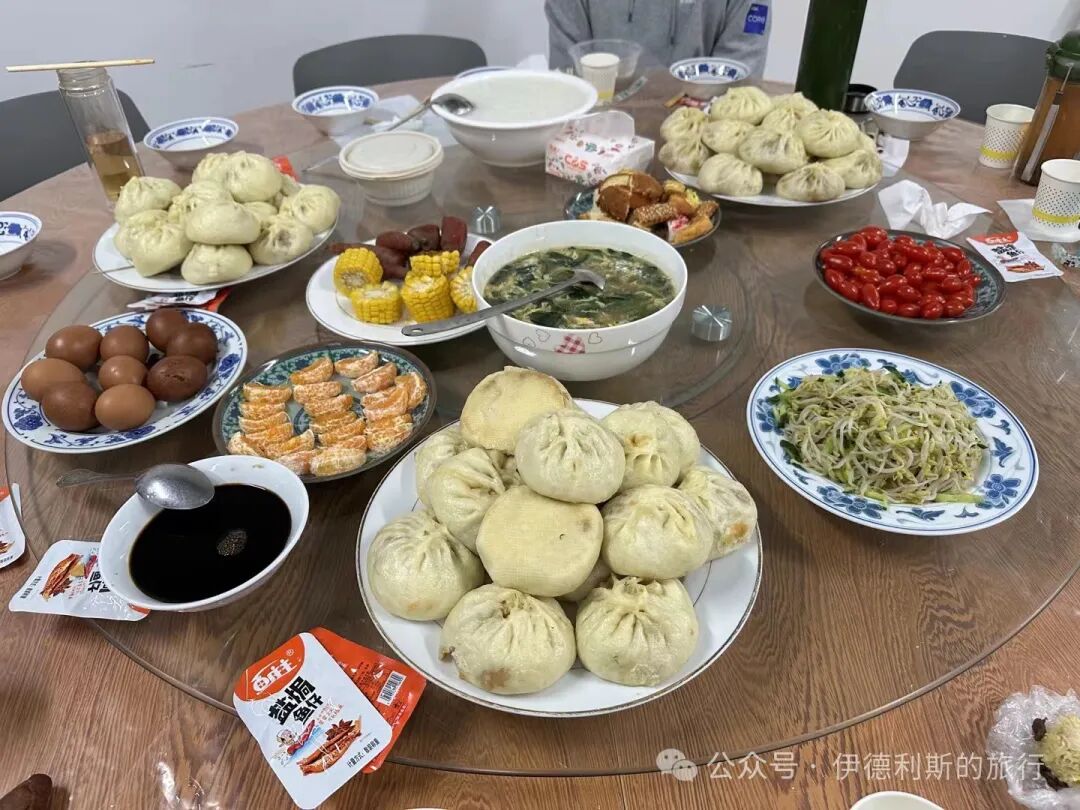
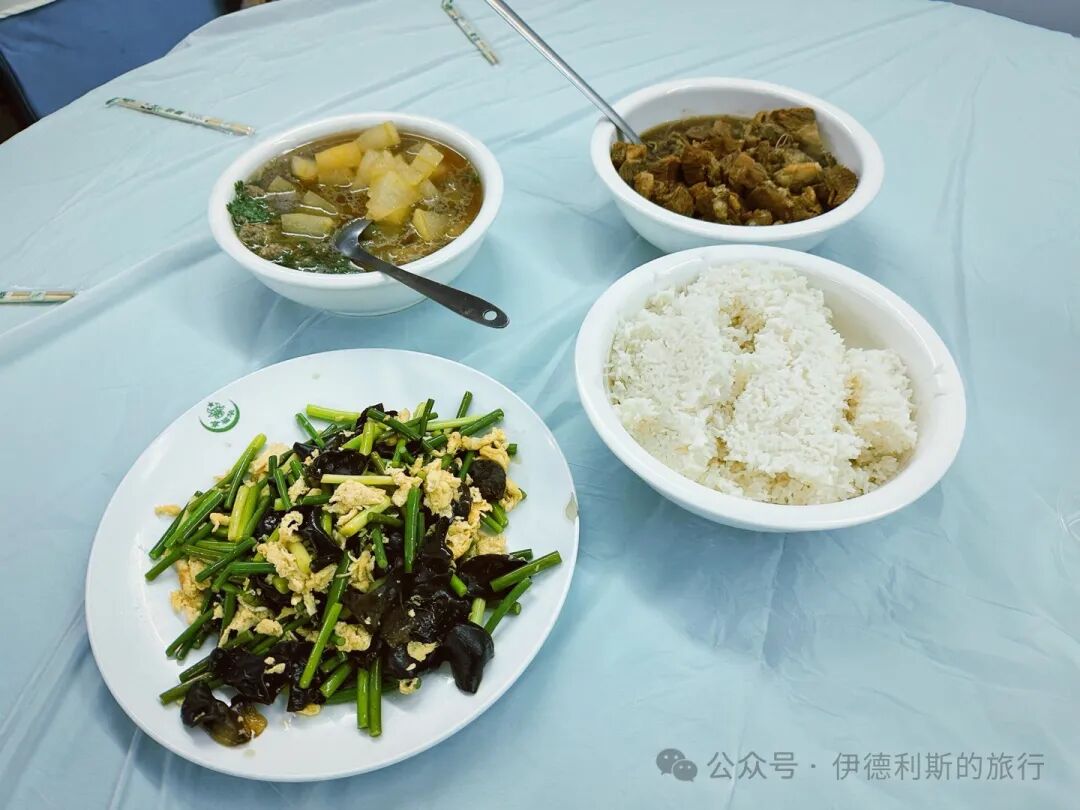
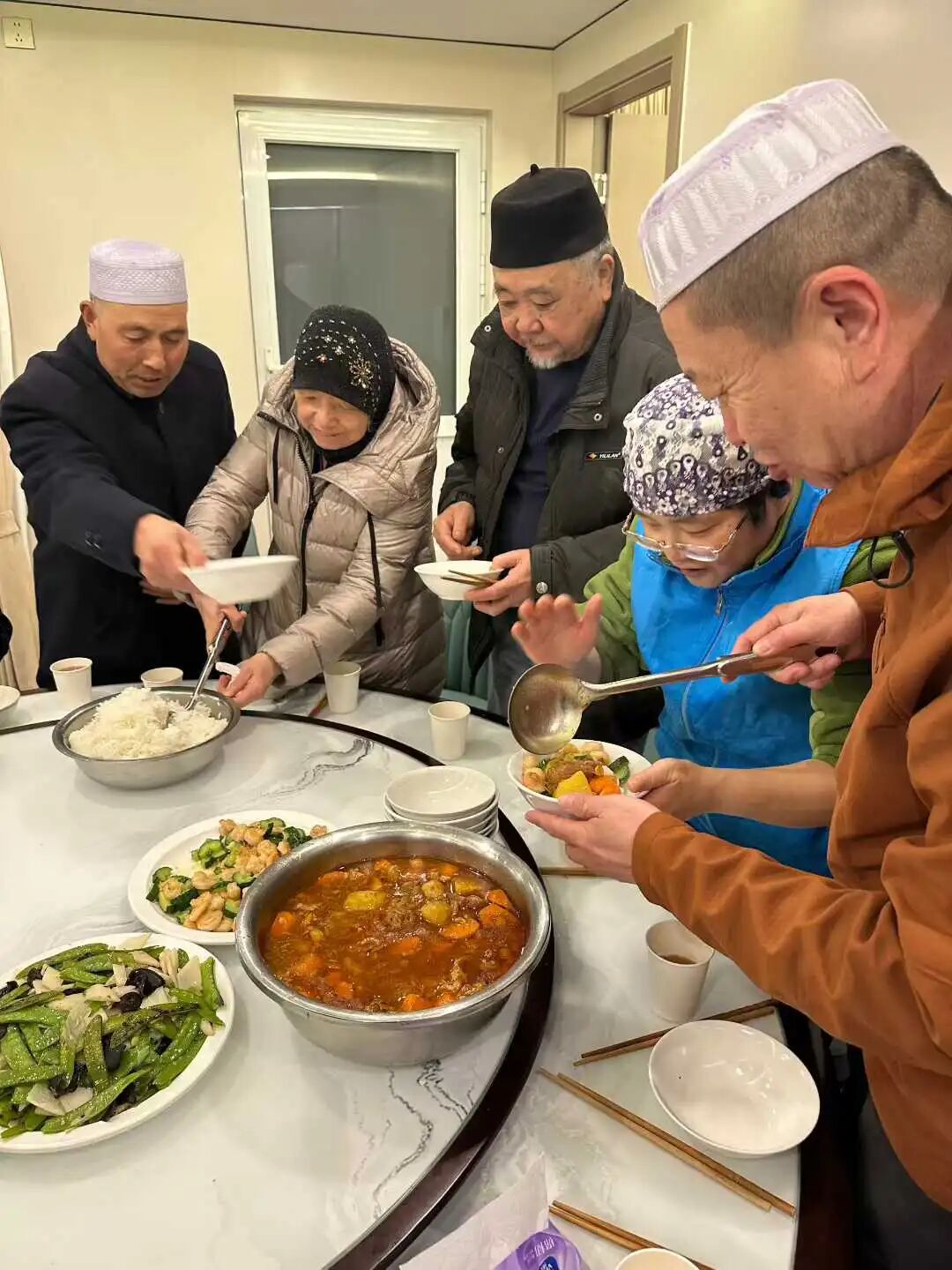
The dinner after the sunset prayer (maghrib) is also wonderful, featuring rice with stir-fried dishes, noodles with gravy (dalu mian), steamed buns (baozi), and fish head with flatbread (yutou paobing), which rotate daily.
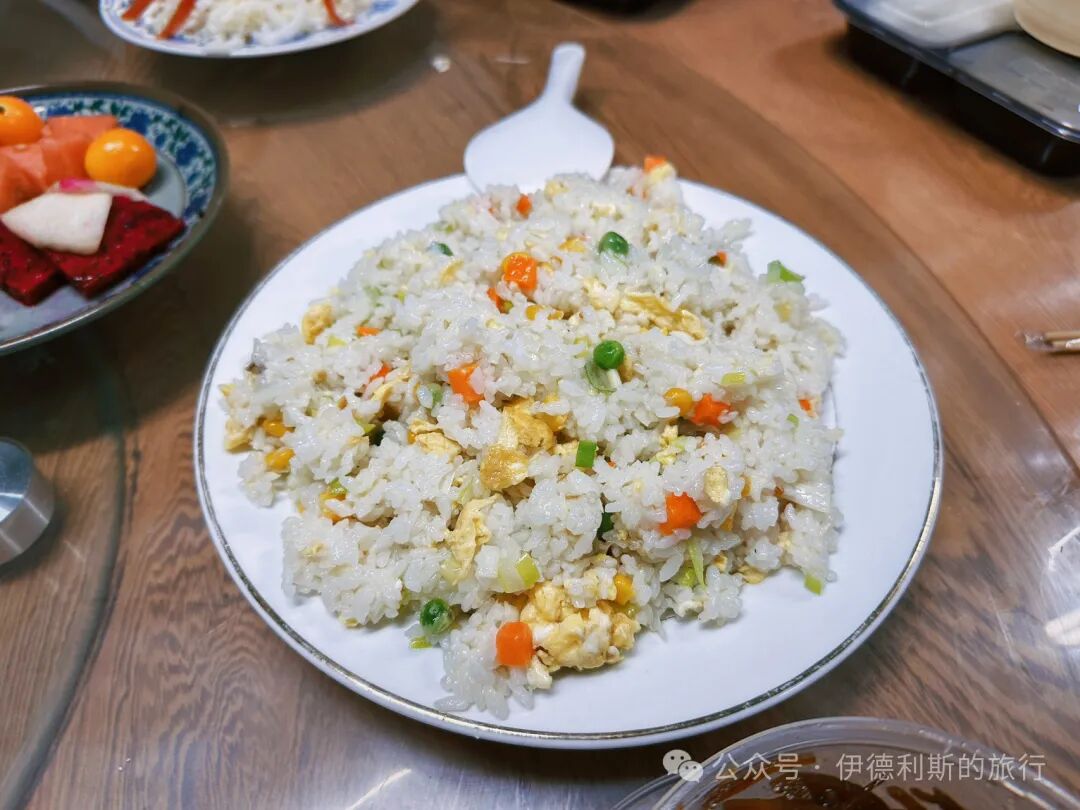
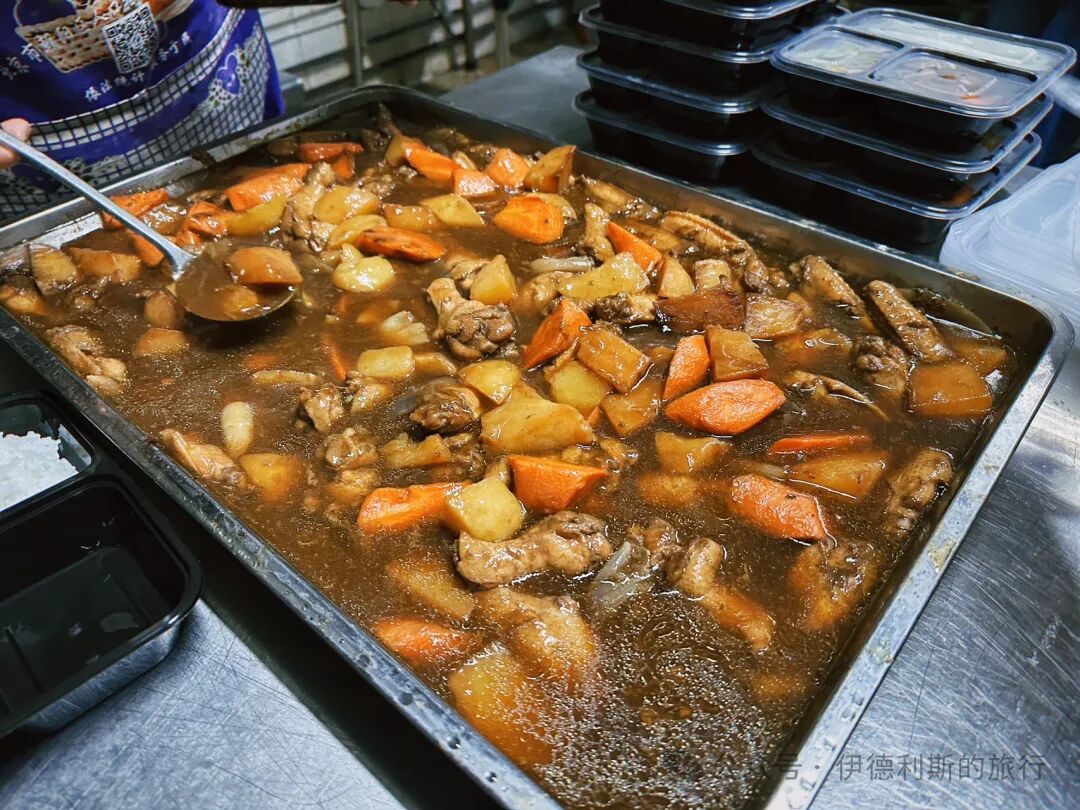
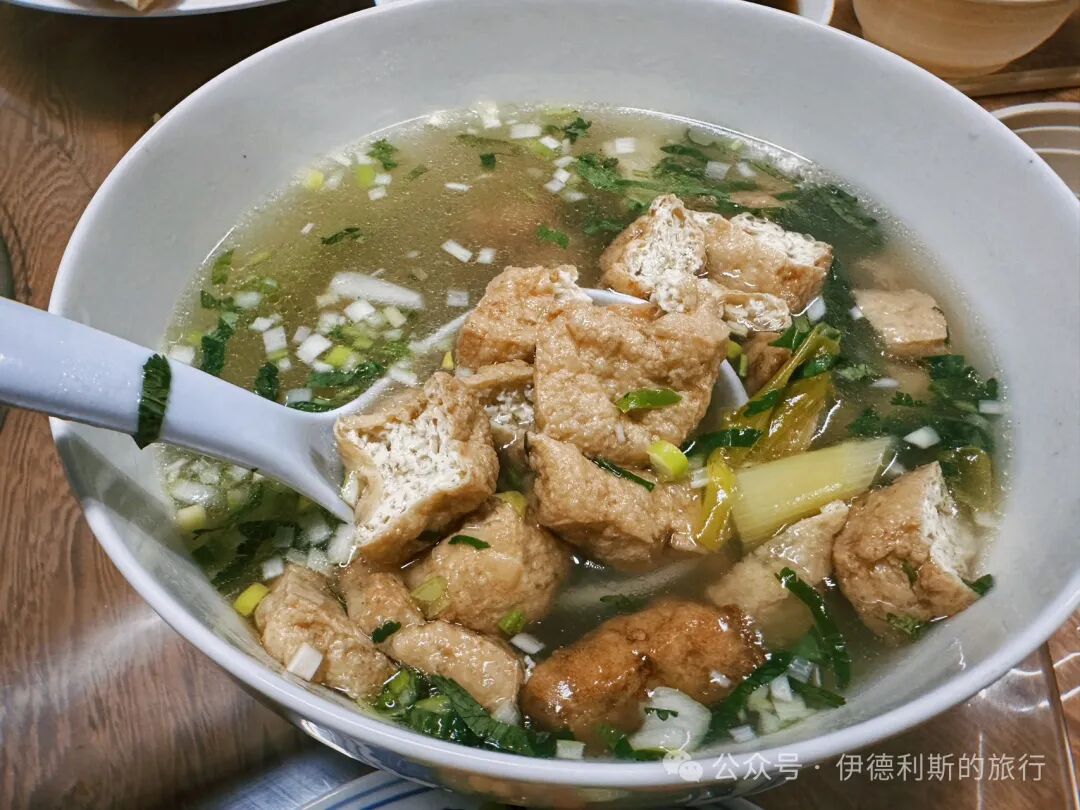
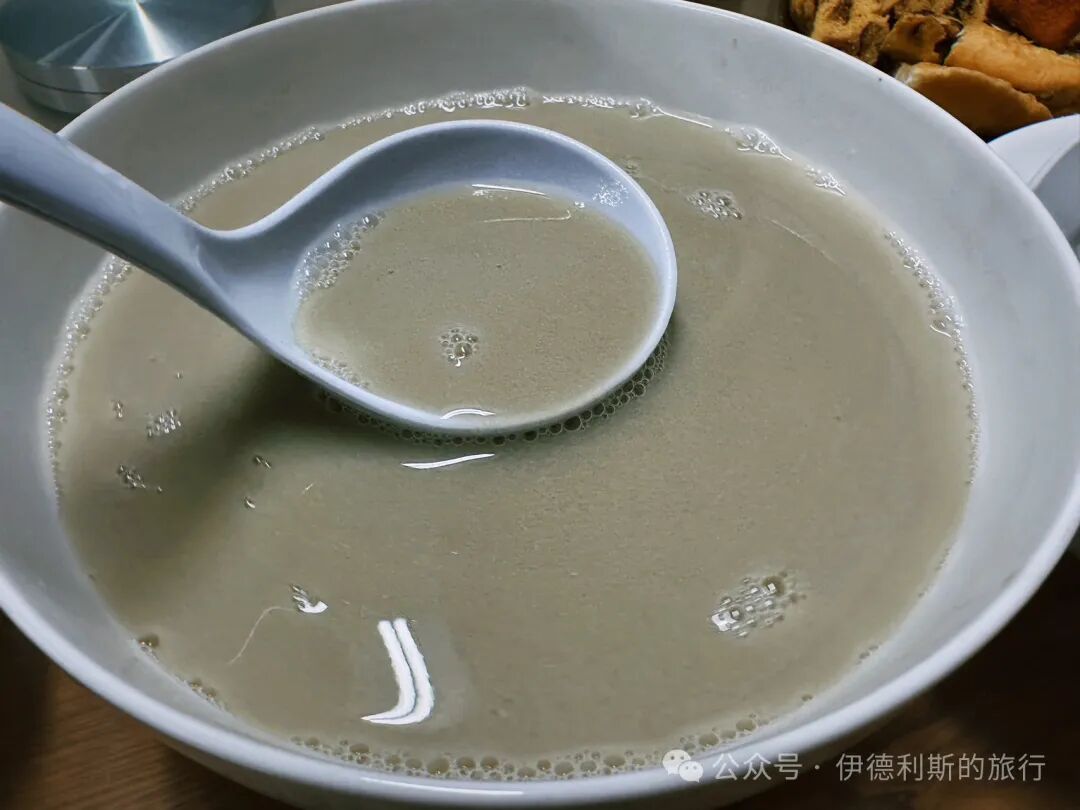
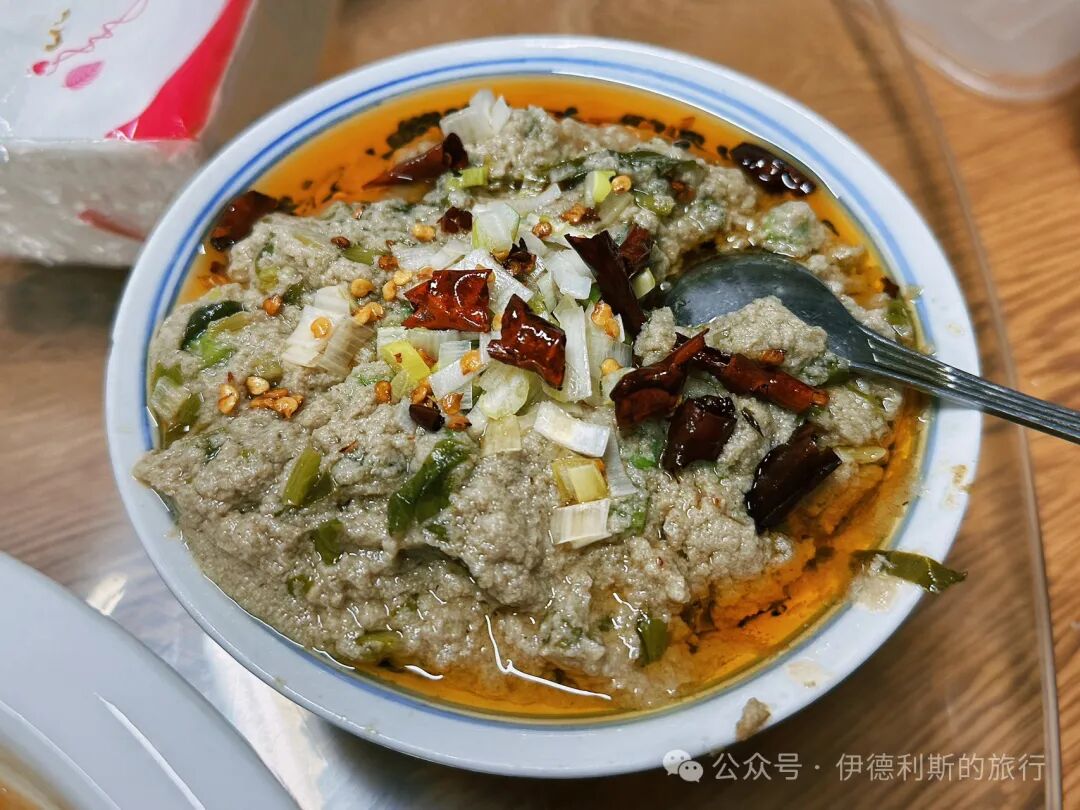
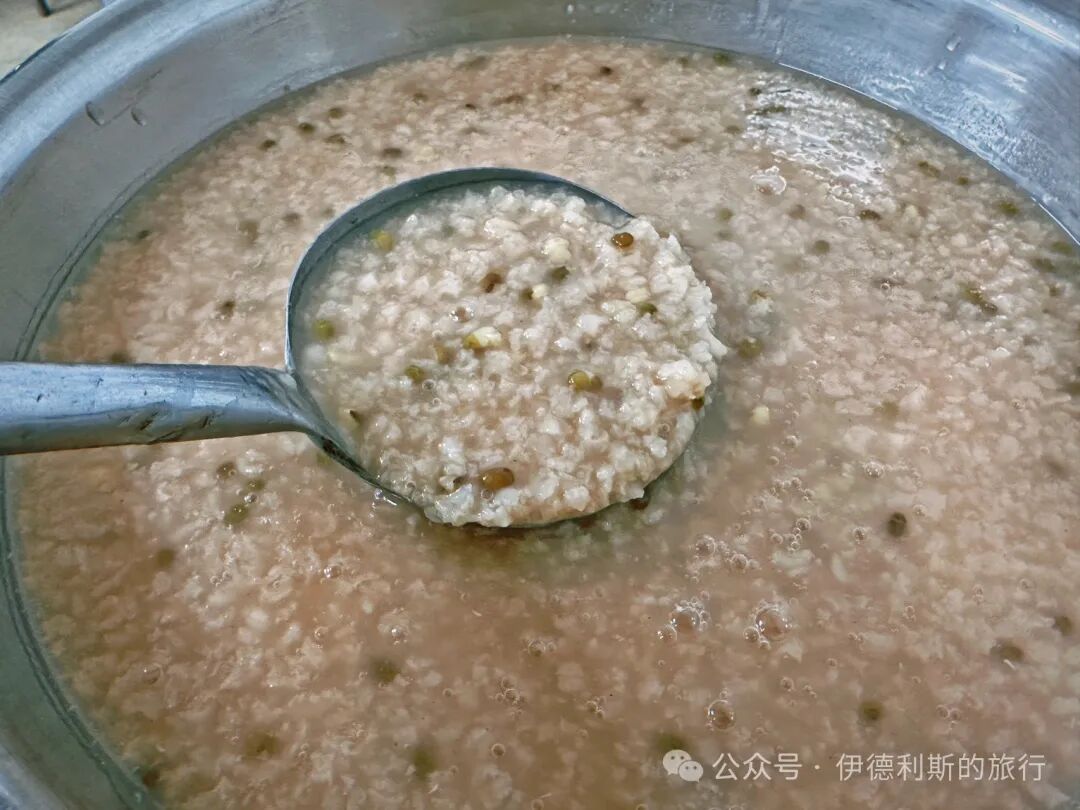
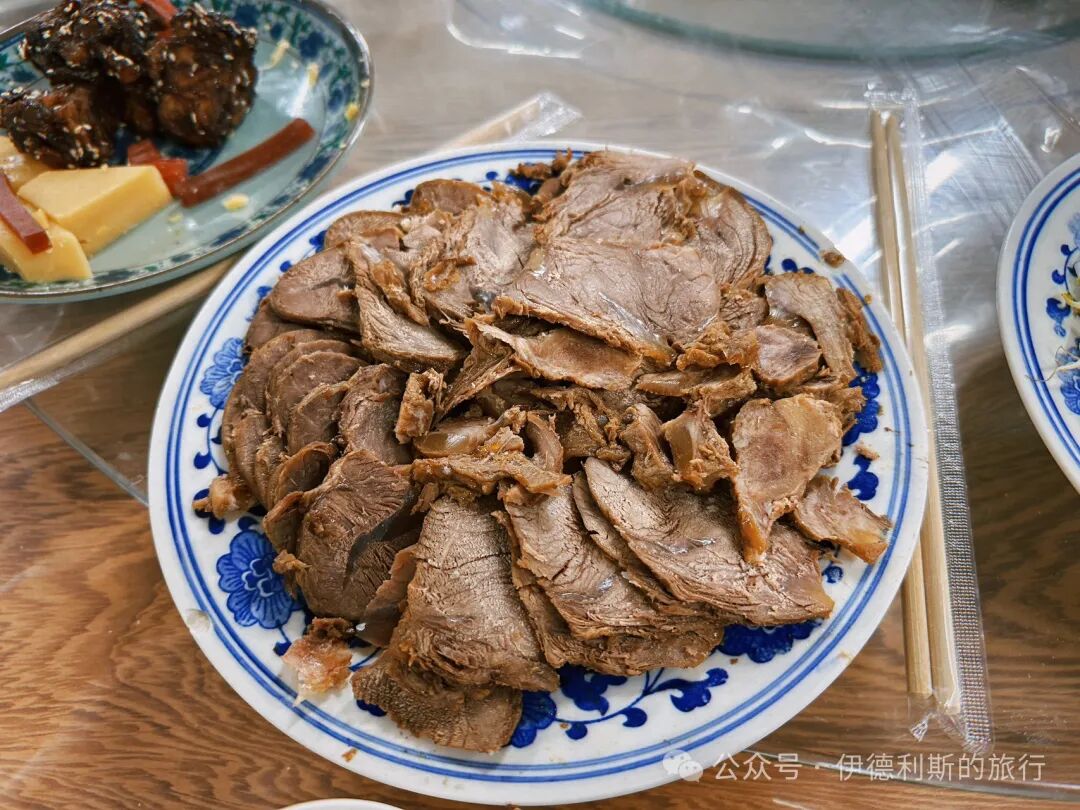
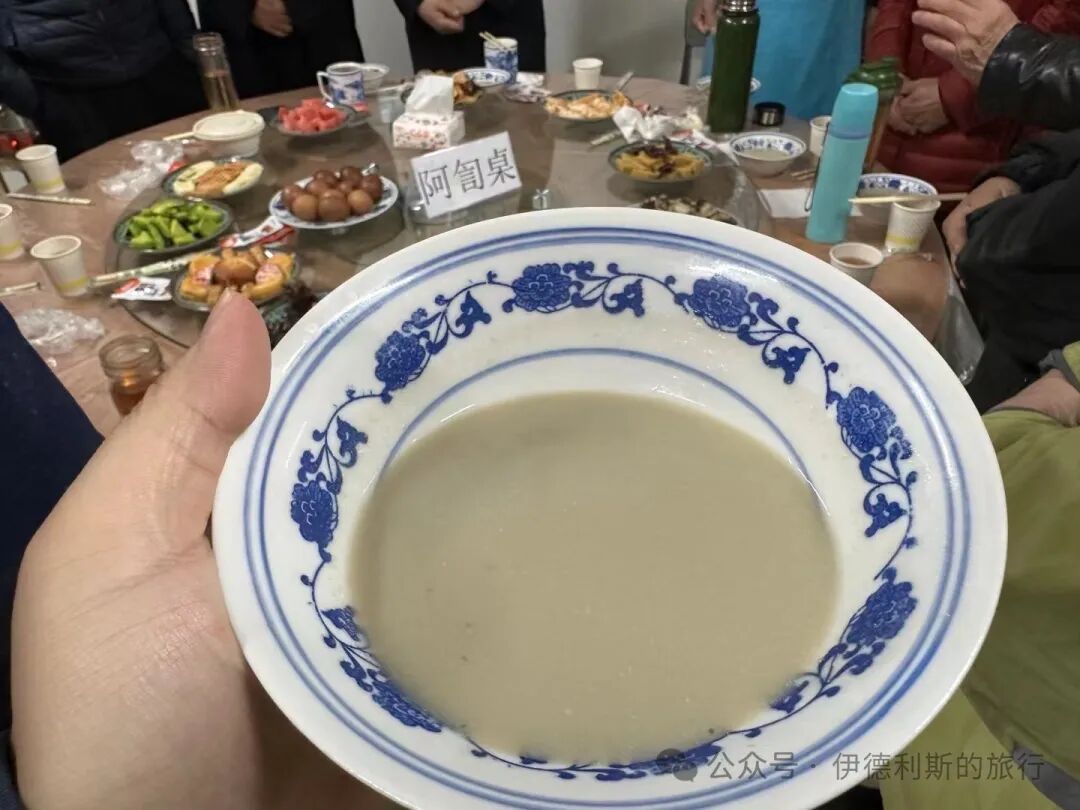
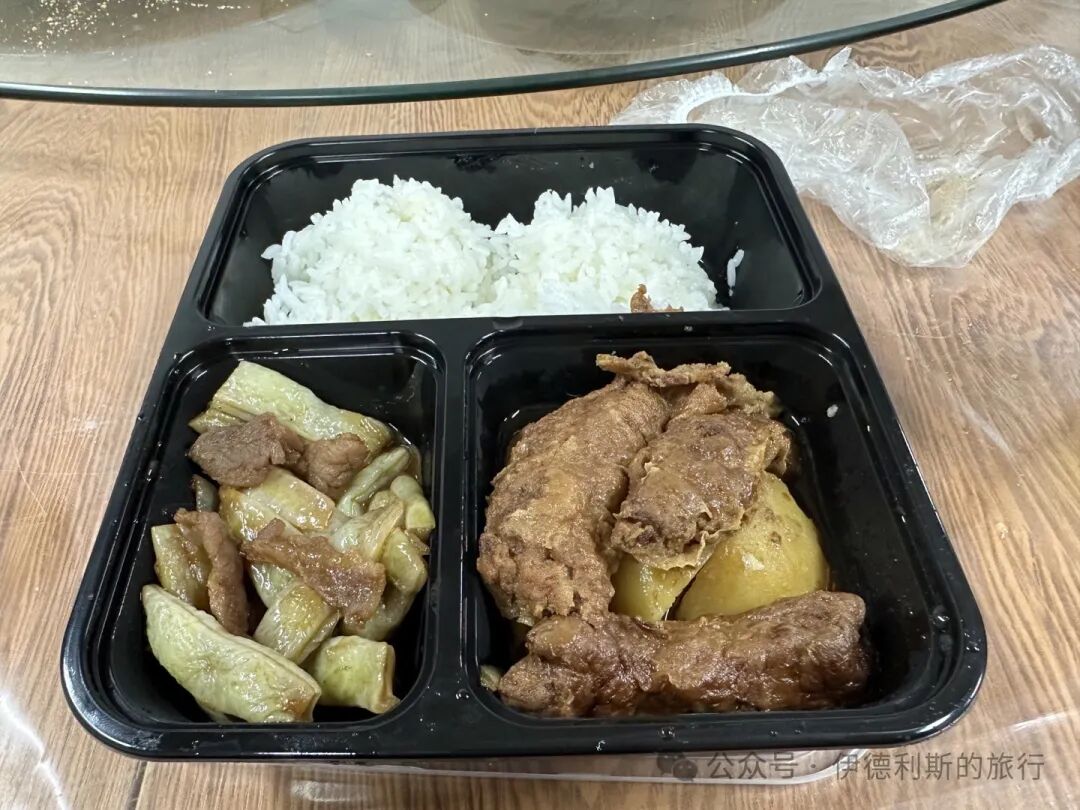
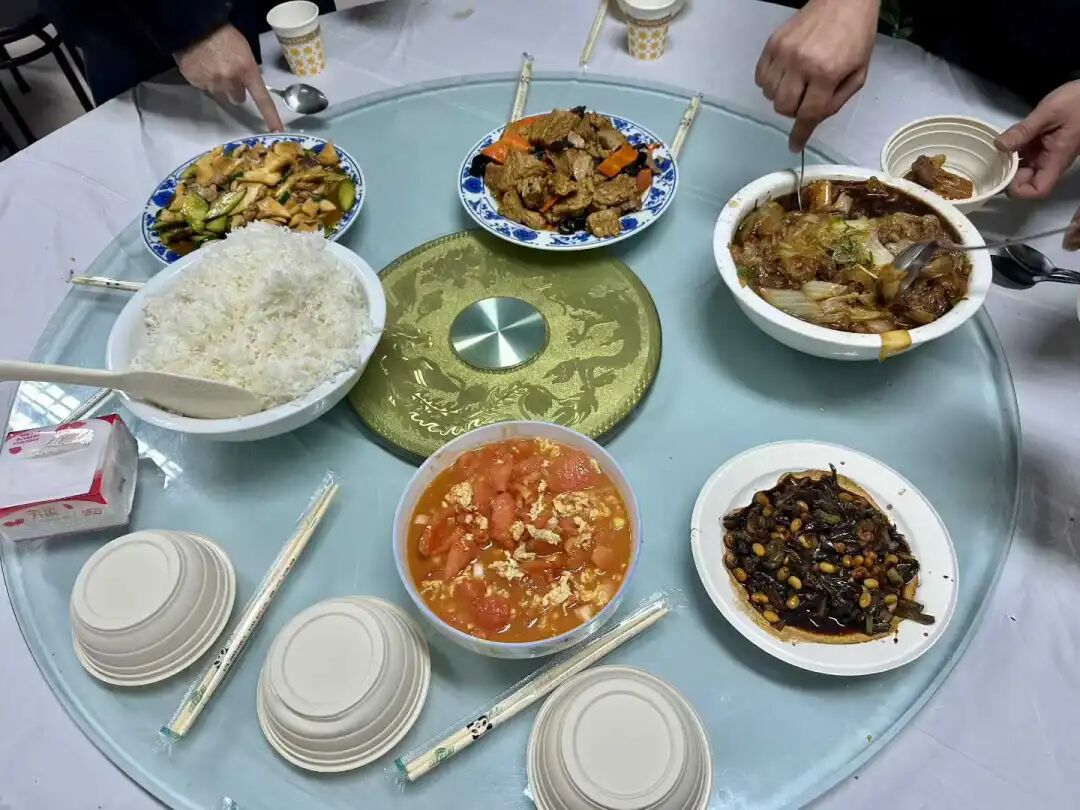
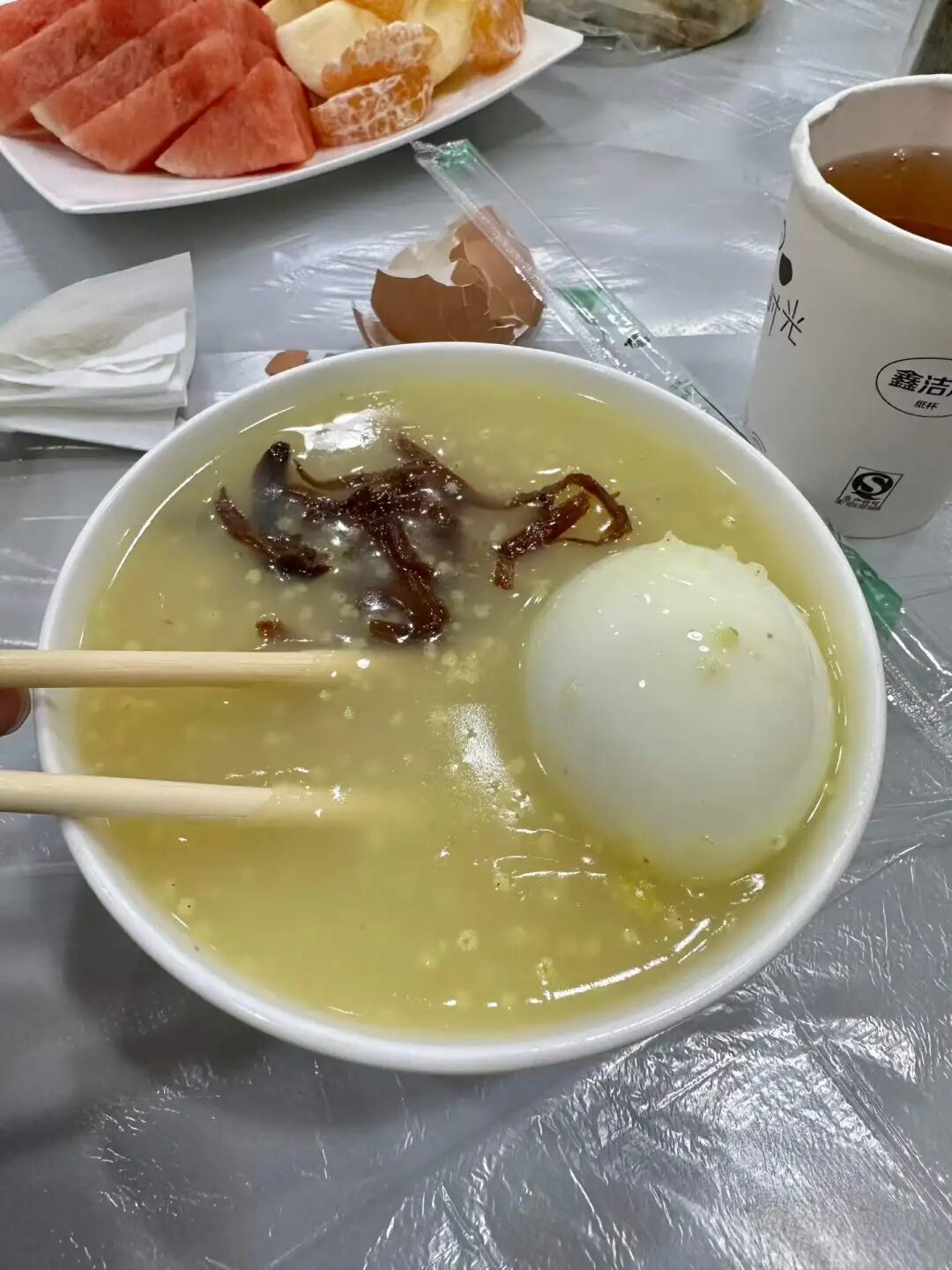
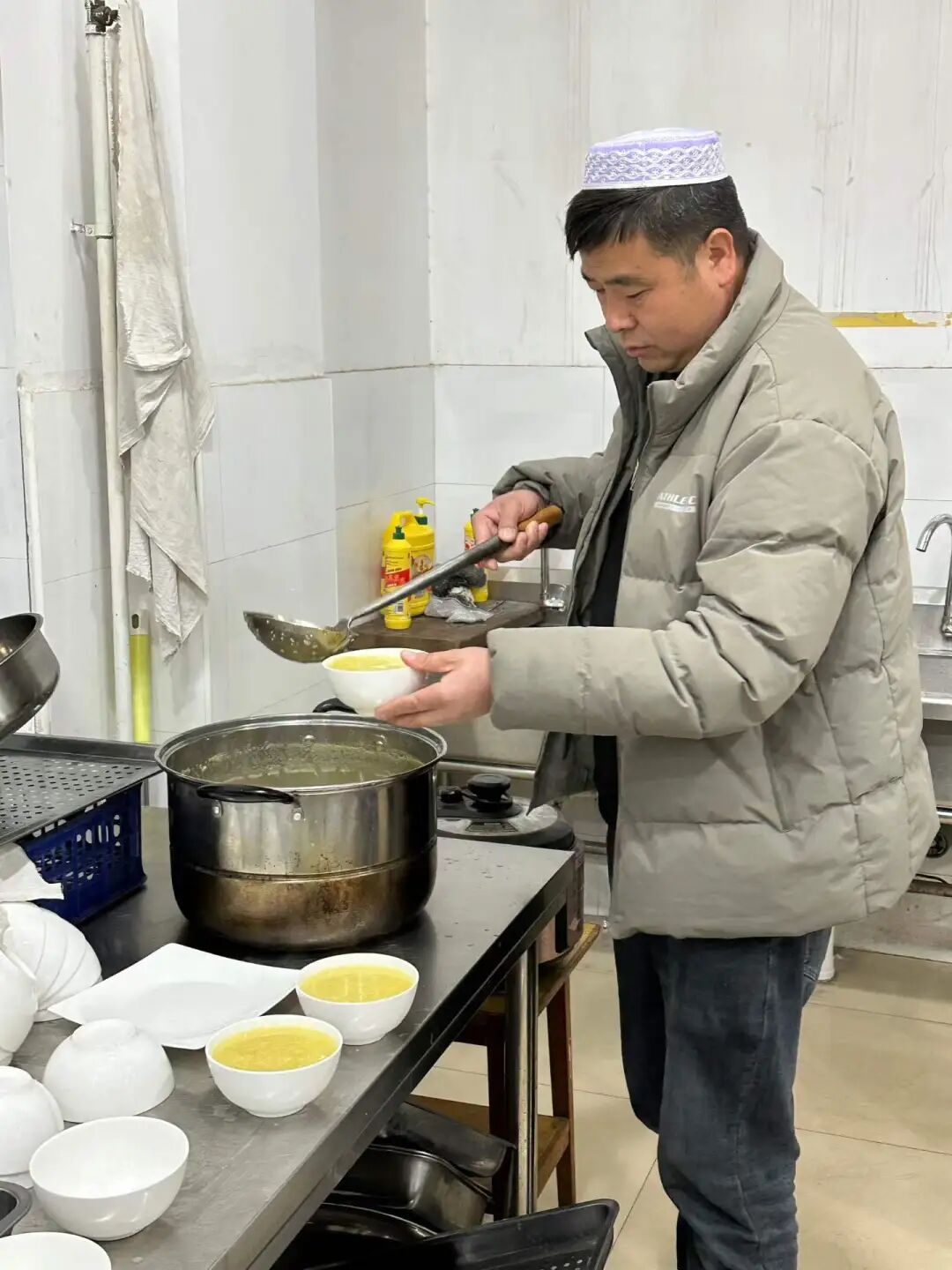
Side dishes for the rice include fried meat (songrou), braised chicken legs (huangmen jitu), minced meat with green beans, braised eggplant, and braised meatballs. For soups and porridge, there is winter melon meatball soup, tofu puff soup, and mung bean porridge. Of course, fermented bean drink (douzhi) with fermented bean curd (ma doufu) is also a major Beijing specialty!
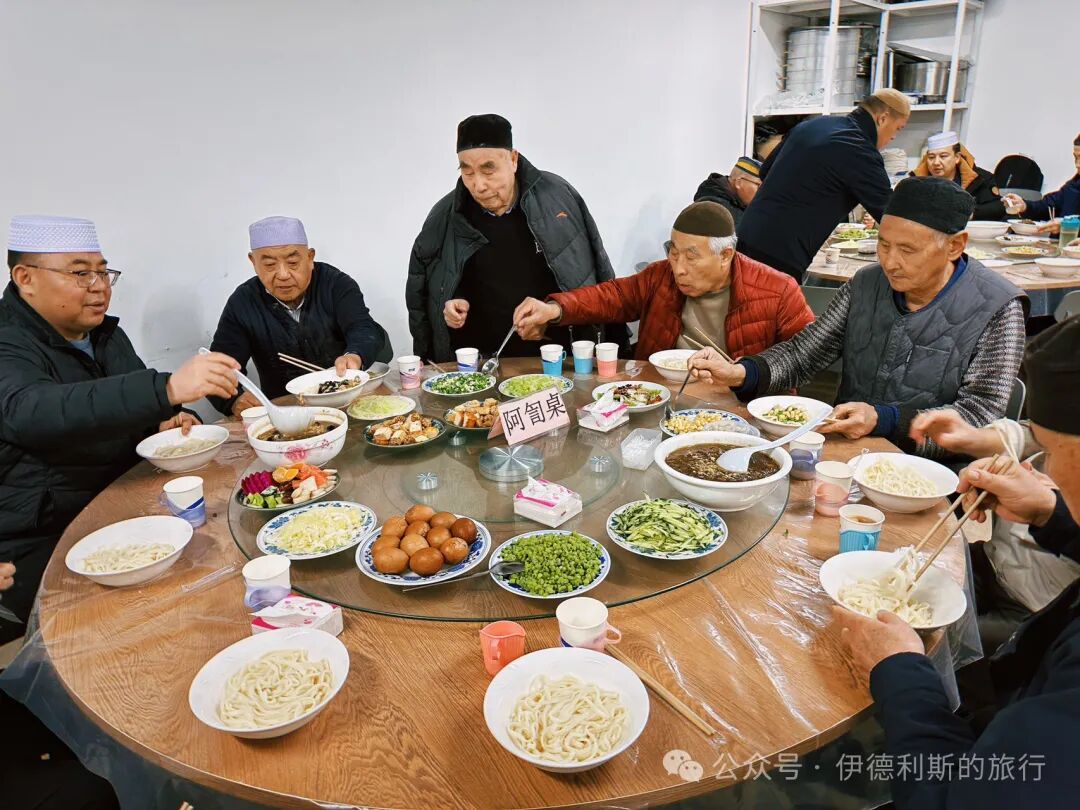
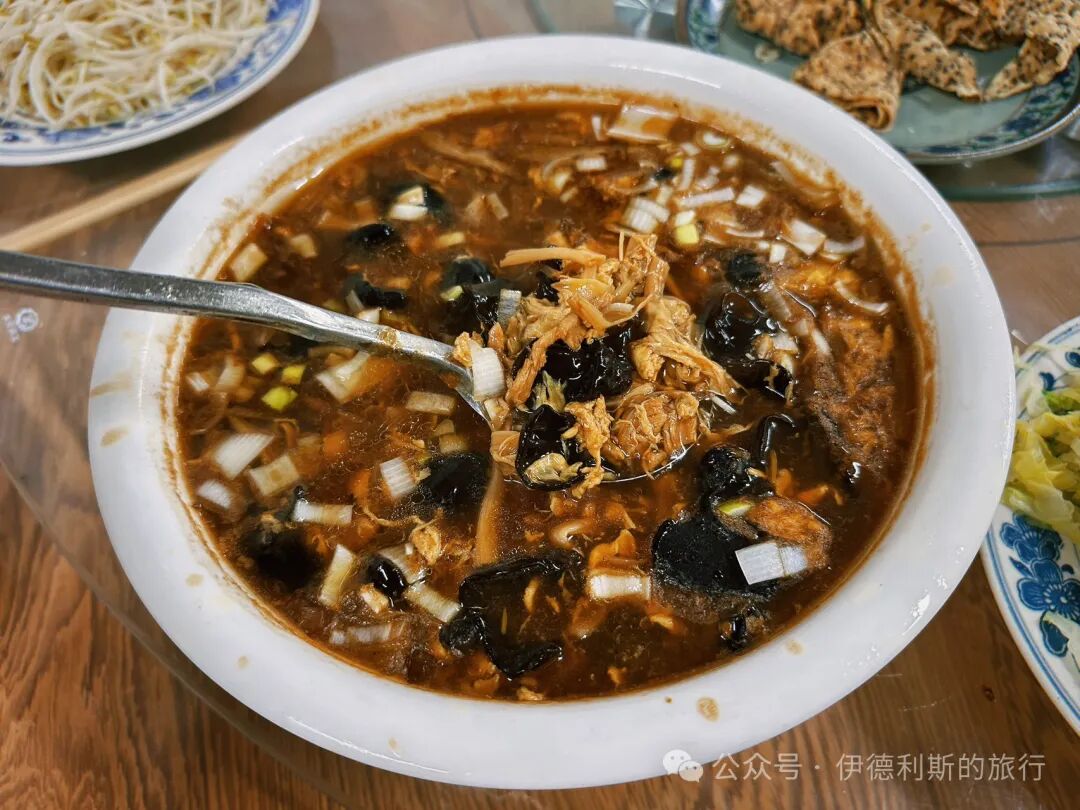
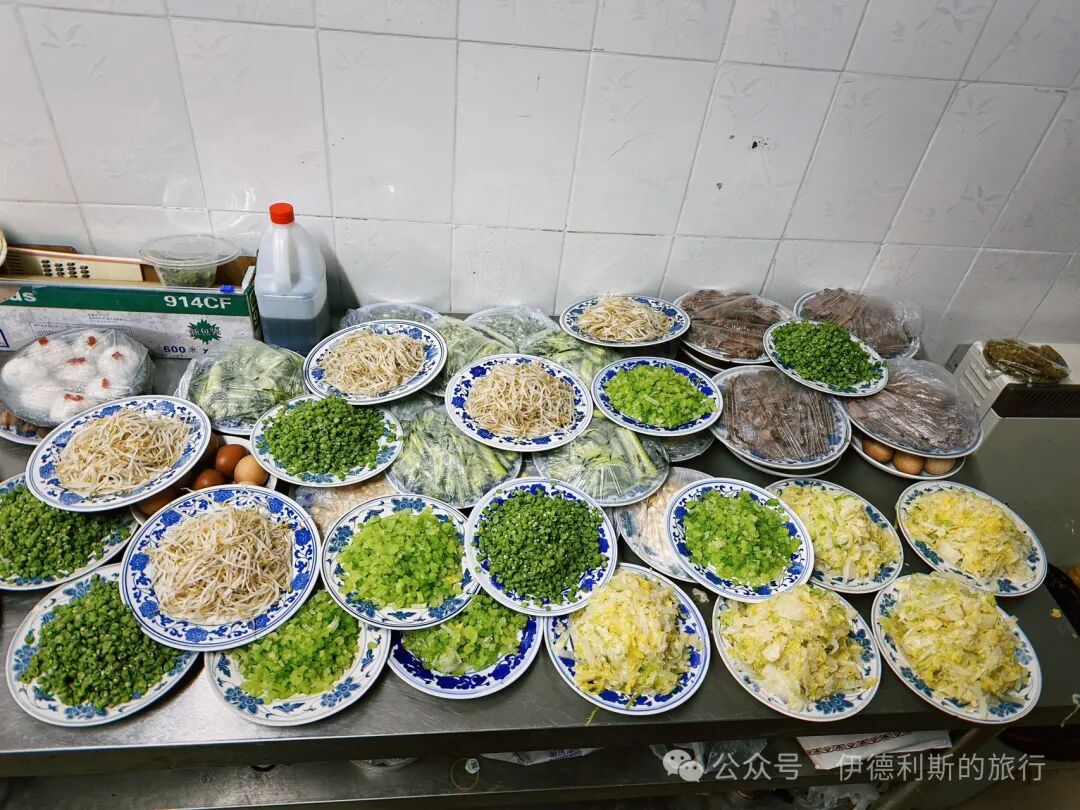
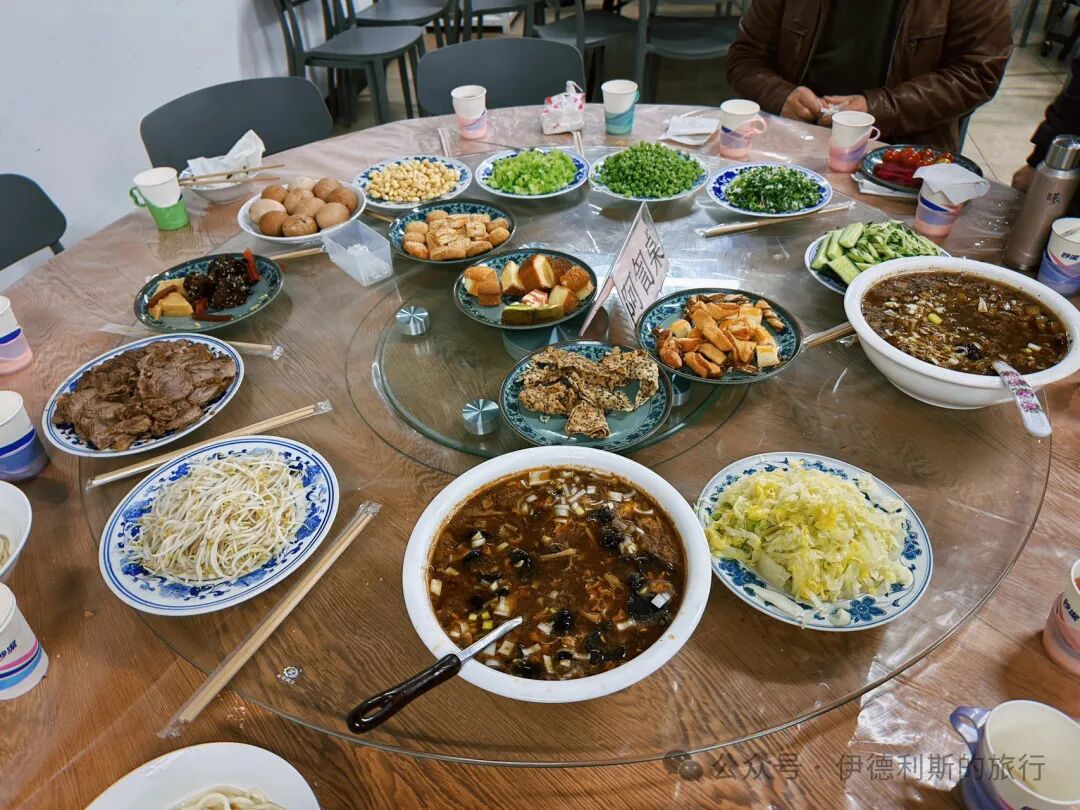
Once a week, we have noodles with gravy (dalu mian) and noodles with eggplant (qieding mian). The vegetable toppings include blanched cabbage, celery, cowpeas, bean sprouts, soybeans, cucumber, and garlic sprouts. The gravy is not too salty, which is perfect for breaking the fast.
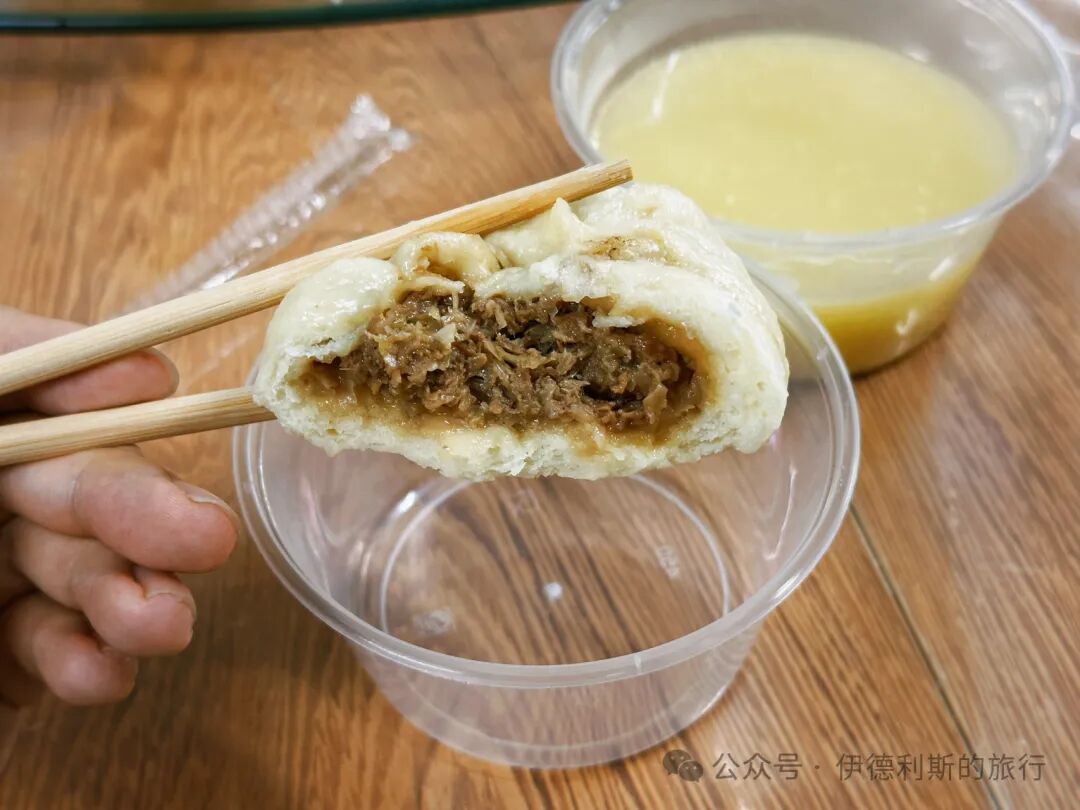
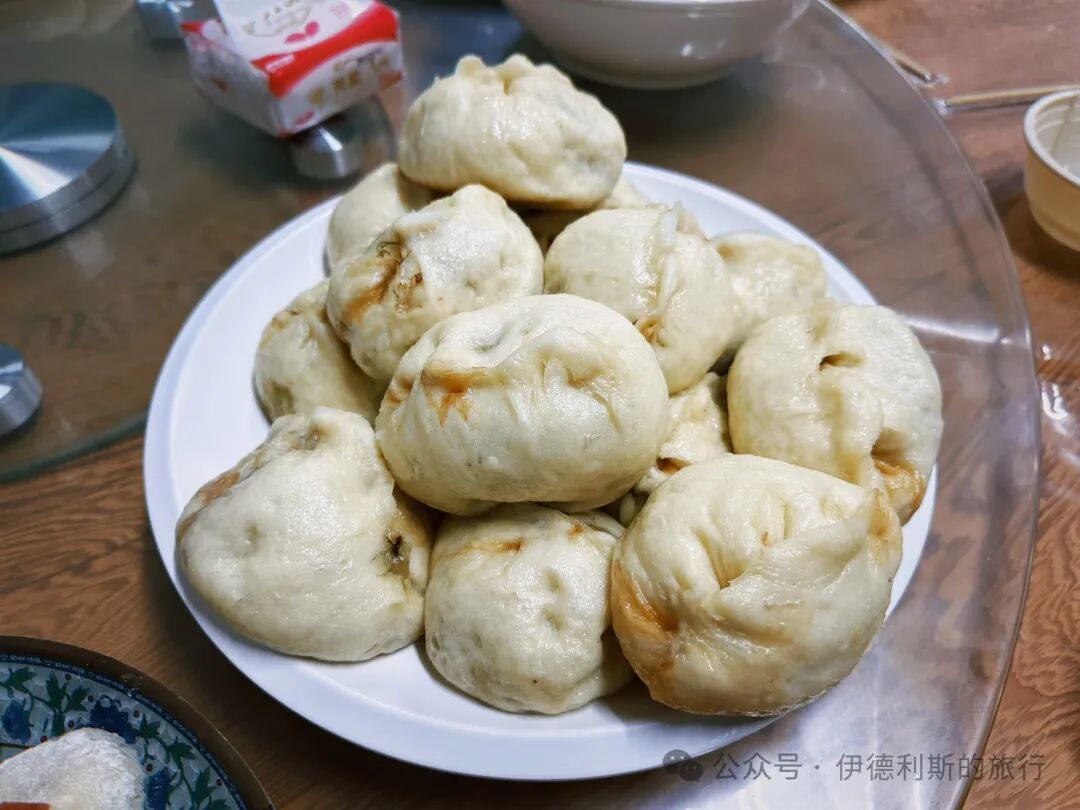
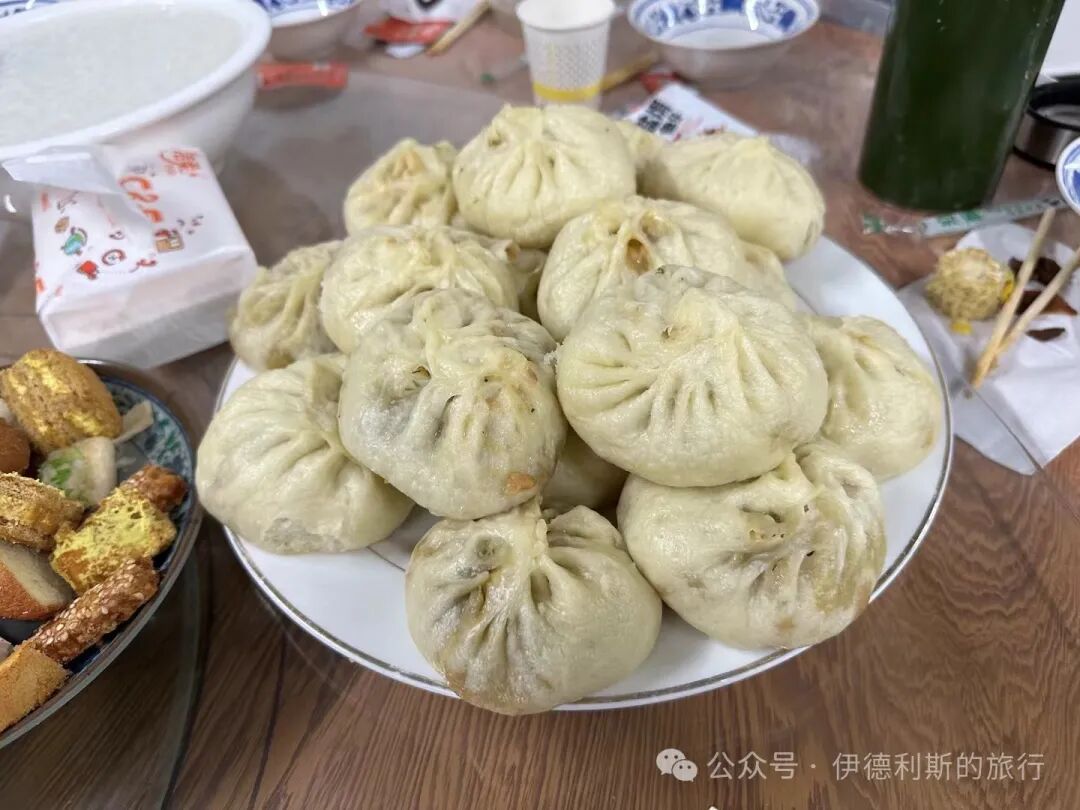
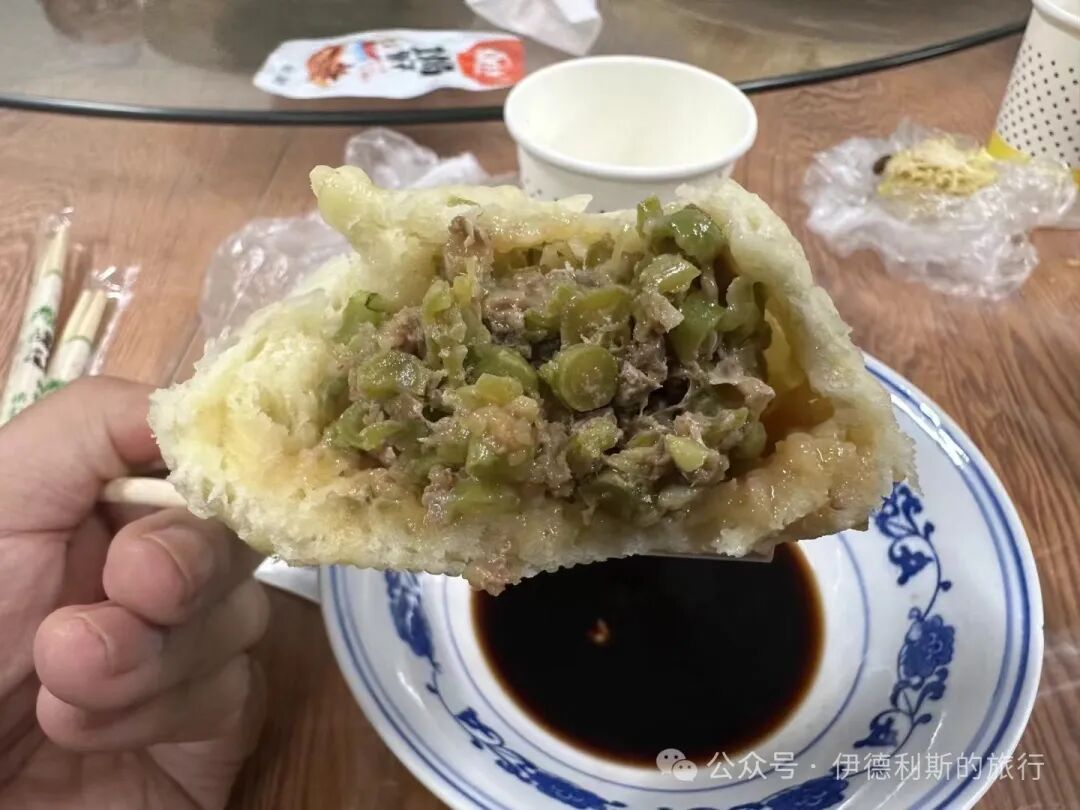
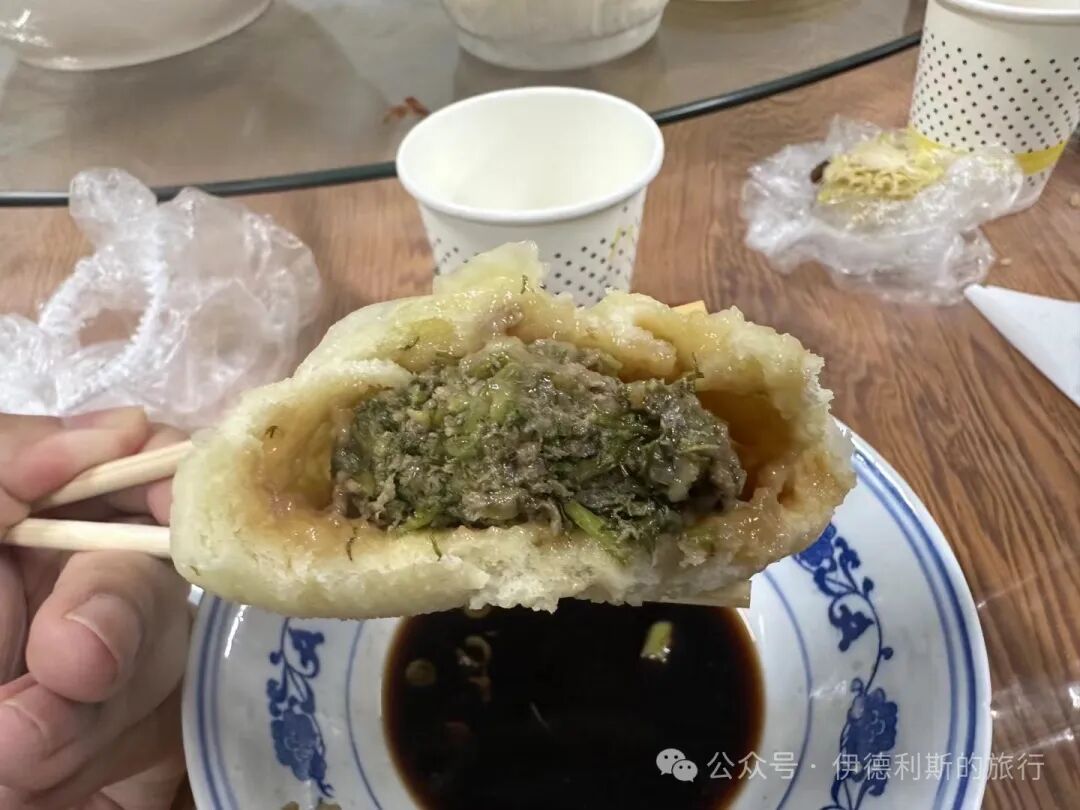
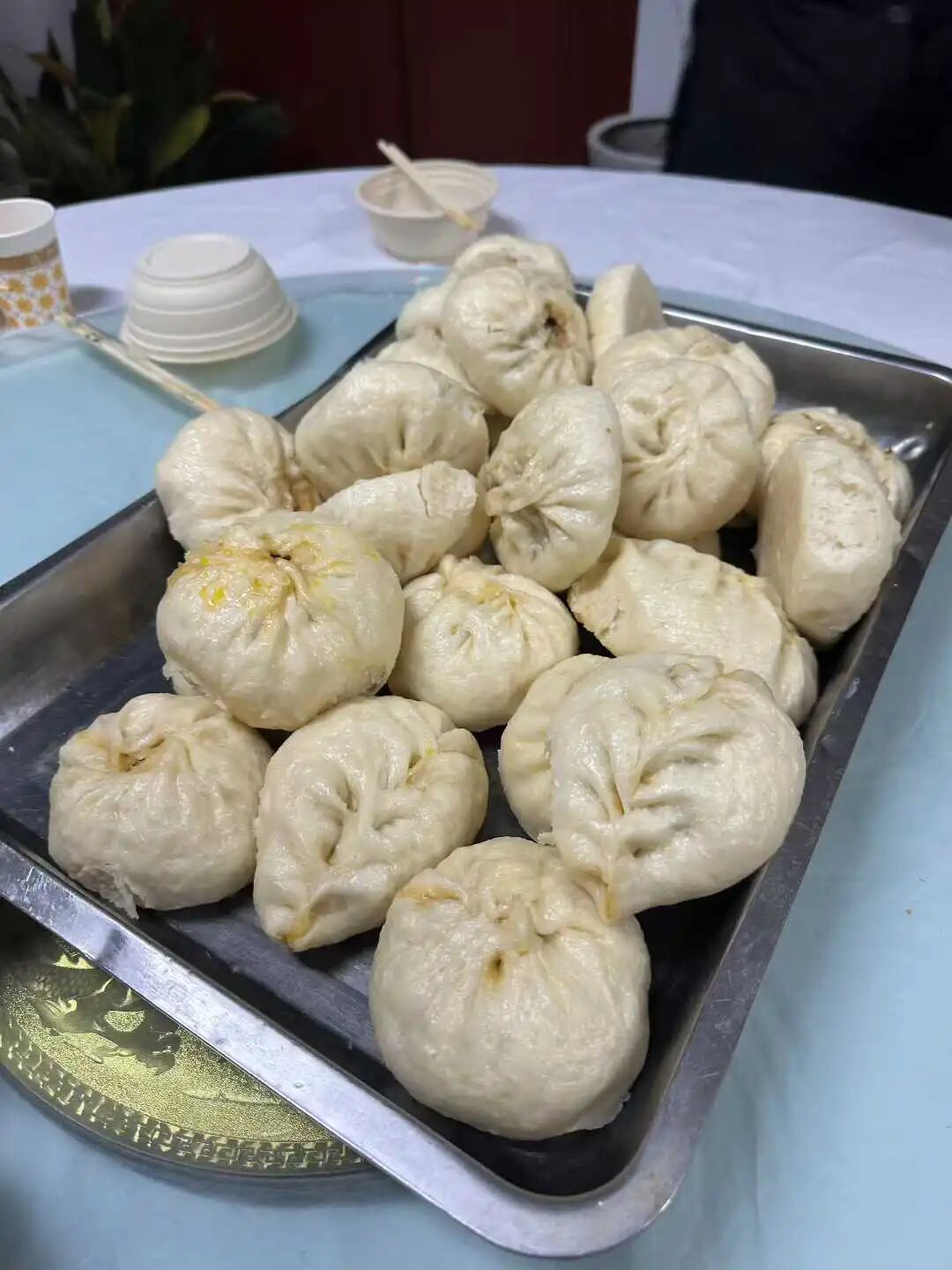
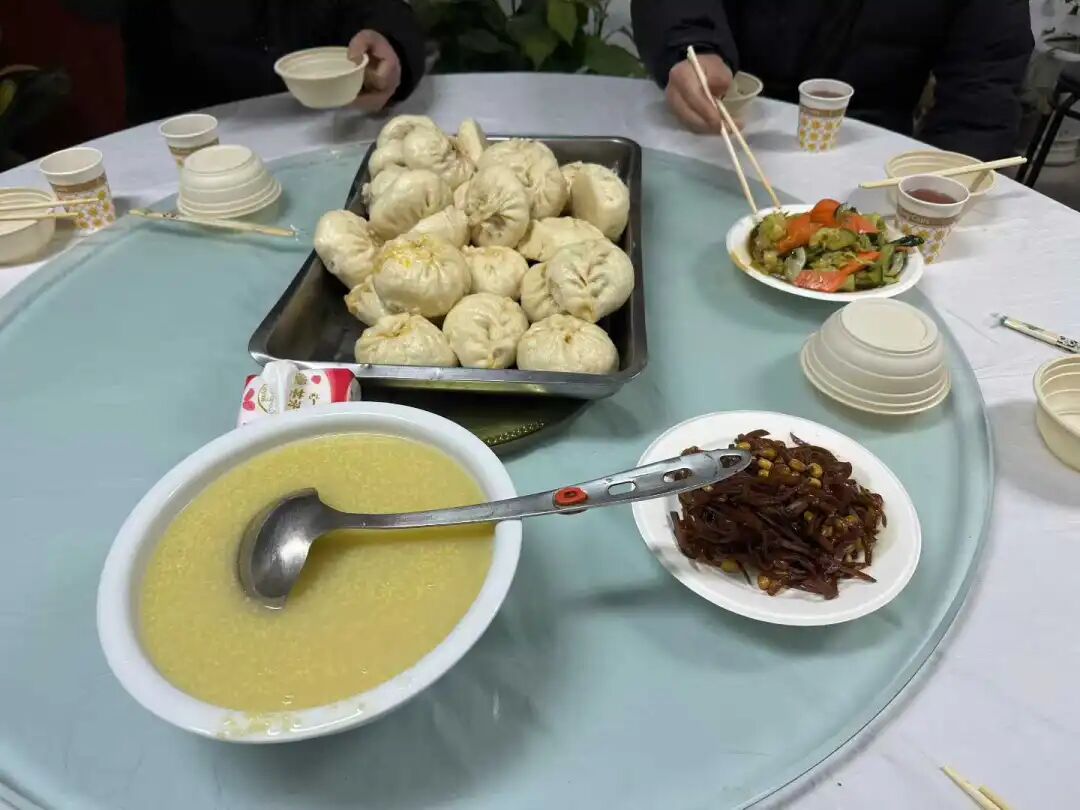
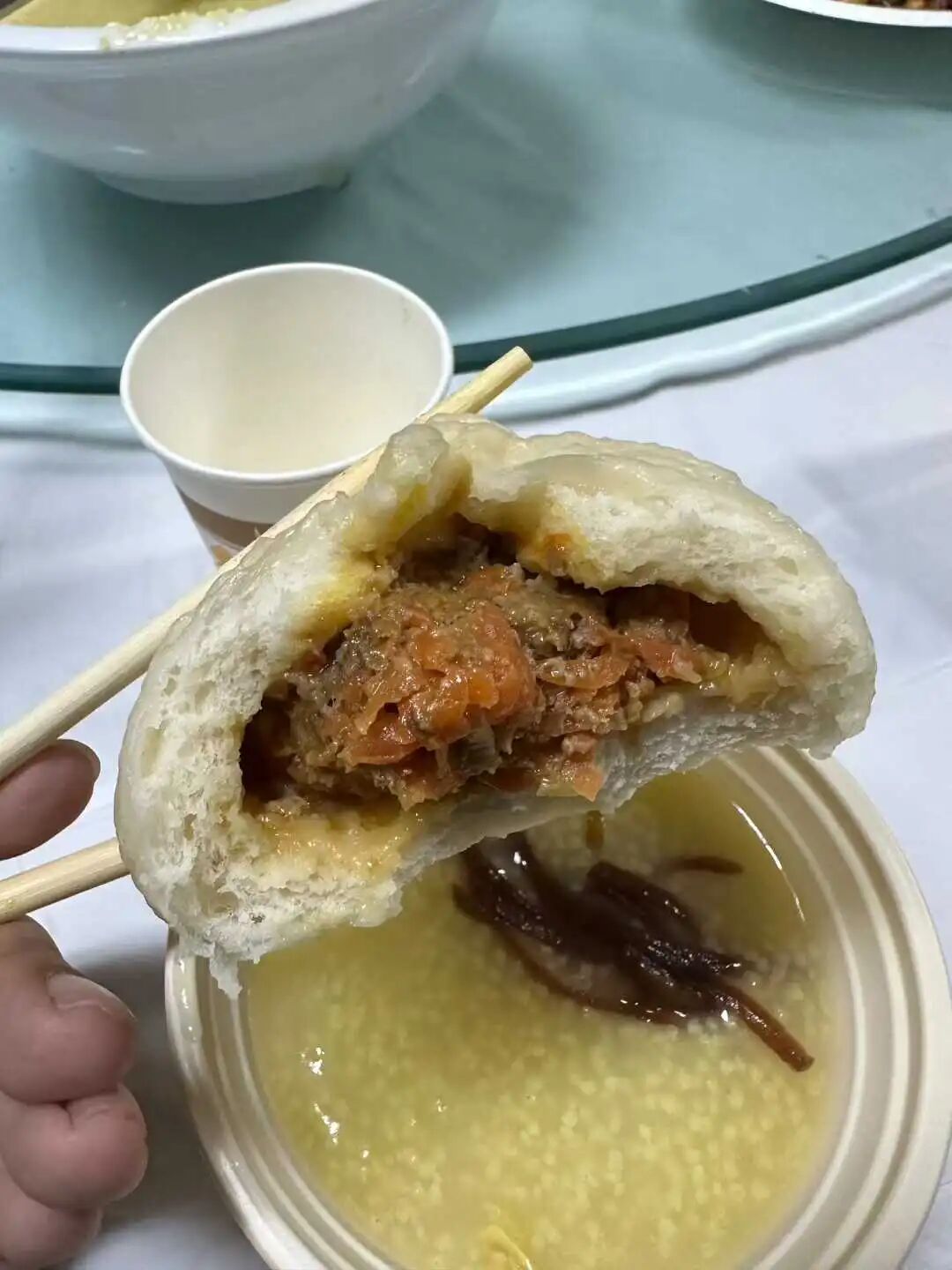
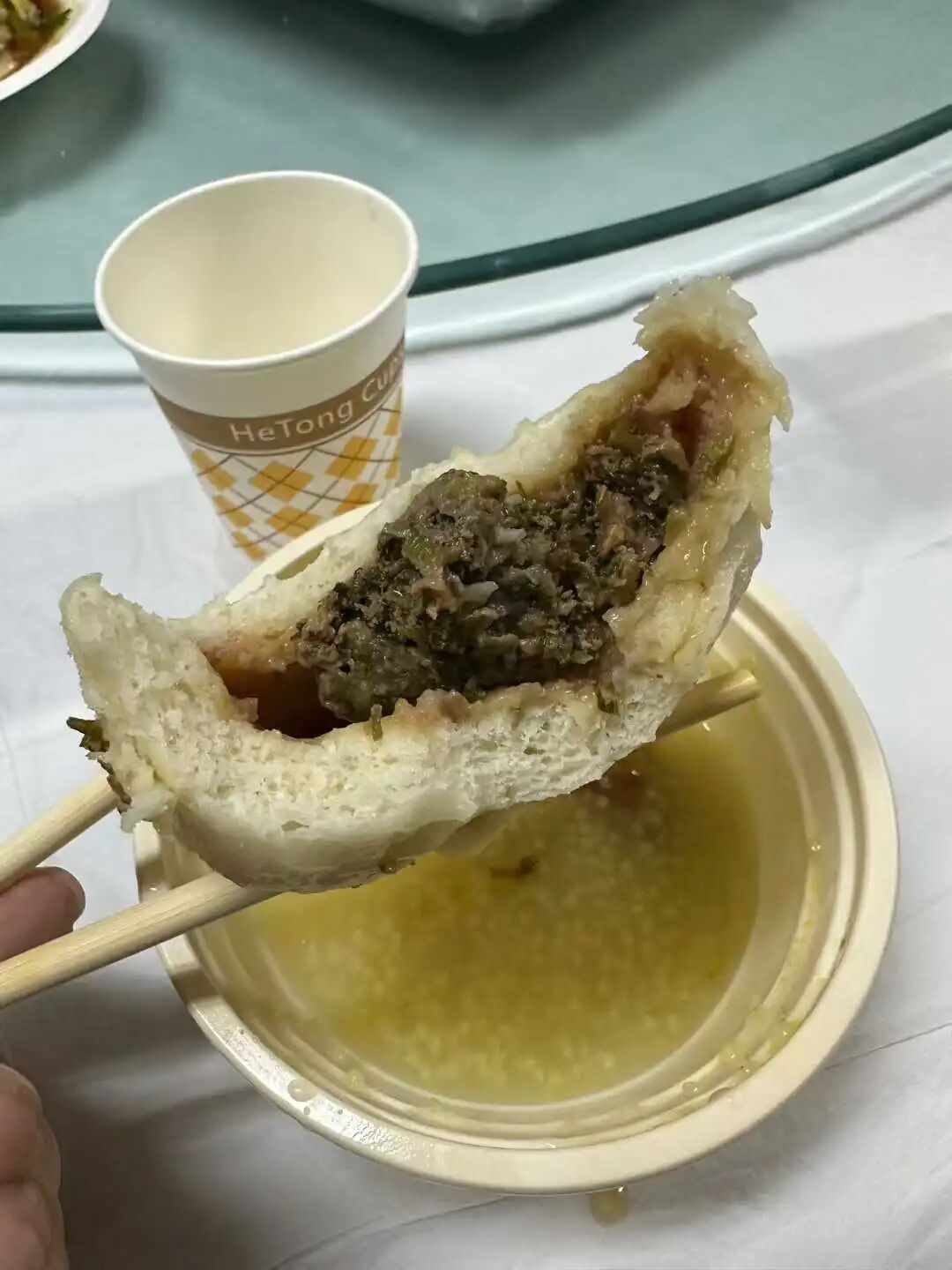
The steamed buns (baozi) served once a week come in beef and green onion, beef and cabbage, and beef and fennel fillings. My favorite is the beef and fennel filling. Many shops now only sell fennel and egg steamed buns, so it is not easy to find beef and fennel ones.
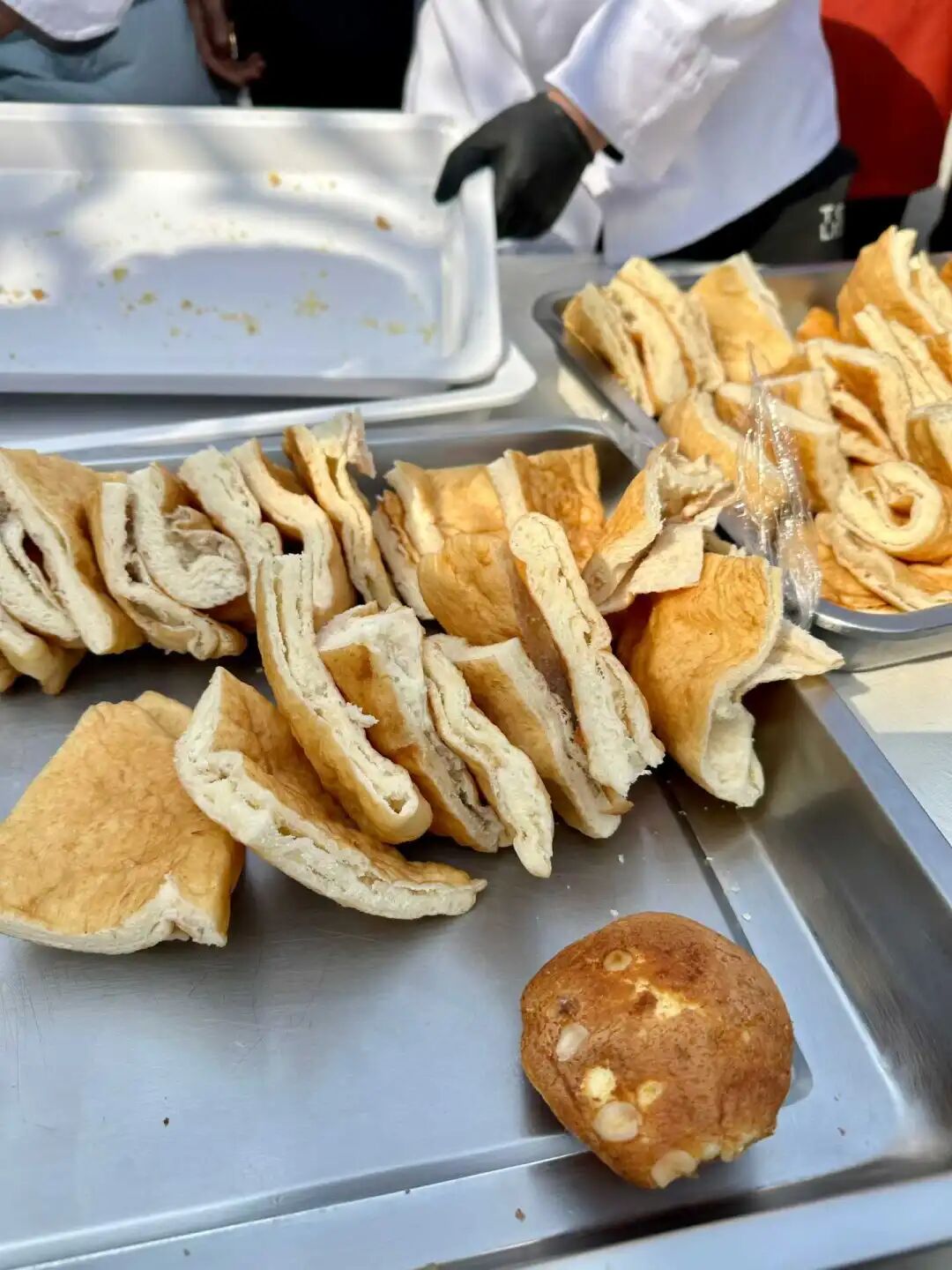
Fish head with flatbread (yutou paobing) is also a Beijing specialty. The flatbreads (laobing) are made by the elders themselves and are very dense; they are delicious when dipped in the fish head broth.
After eating the fish head with flatbread, the leftover flatbread can be made into stir-fried flatbread (chaobing), which is also a favorite for Beijingers. view all
Summary: This article looks back at Ramadan 2025 at Balizhuang Mosque in Beijing. It keeps the original community scenes, iftar details, prayers, people, and photographs in a clean English layout.
This is my third Ramadan at the Balizhuang mosque in Beijing. The atmosphere at the mosque is great and the food is delicious, so it feels worth it even when I have to squeeze onto the subway during the evening rush hour on workdays.
This year, the mosque put the post-prayer recitations for Taraweeh on a large whiteboard, which helps everyone recite together more smoothly. The benefit of praying Taraweeh at the mosque is that you follow the imam and do not make mistakes, whereas I sometimes lose focus when praying alone. Another benefit is the strong sense of community when we break our fast together, and it is very powerful when we all recite the post-prayer words together.
First, let me share the snacks and fruits for breaking the fast. You can eat various traditional Beijing snacks carefully made by the elders here, such as steamed rice cakes (aiwowo), candied yam rolls (tangjuanguo), glutinous rice rolls with bean flour (lvdagun), fried sweet potato (zha baishu), ginger juice fried dough crisps (jiangzhi paicha), salt and pepper fried dough crisps (jiaoyan paicha), lotus root with glutinous rice (nuomi ou), sticky rice cake (niangao), yellow rice cake (huangmi gao), jujube corn buns (zao wotou), pea flour cake (wandouhuang), and sugar ear pastries (tang erduo).
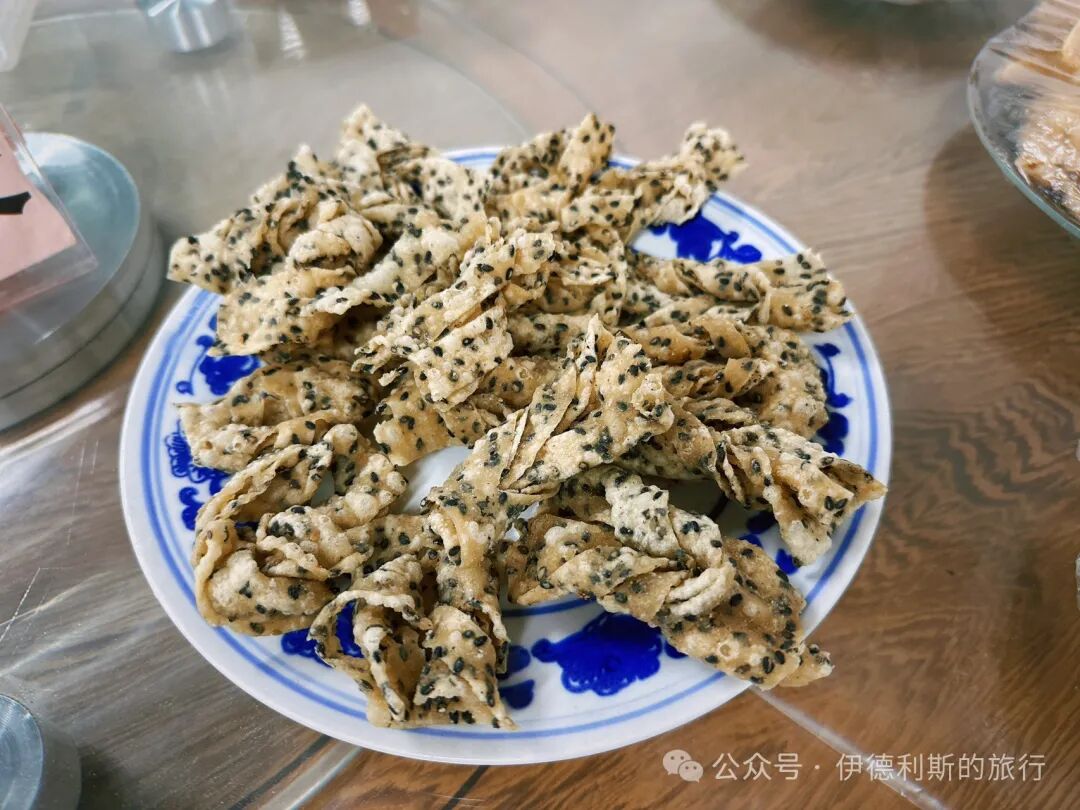
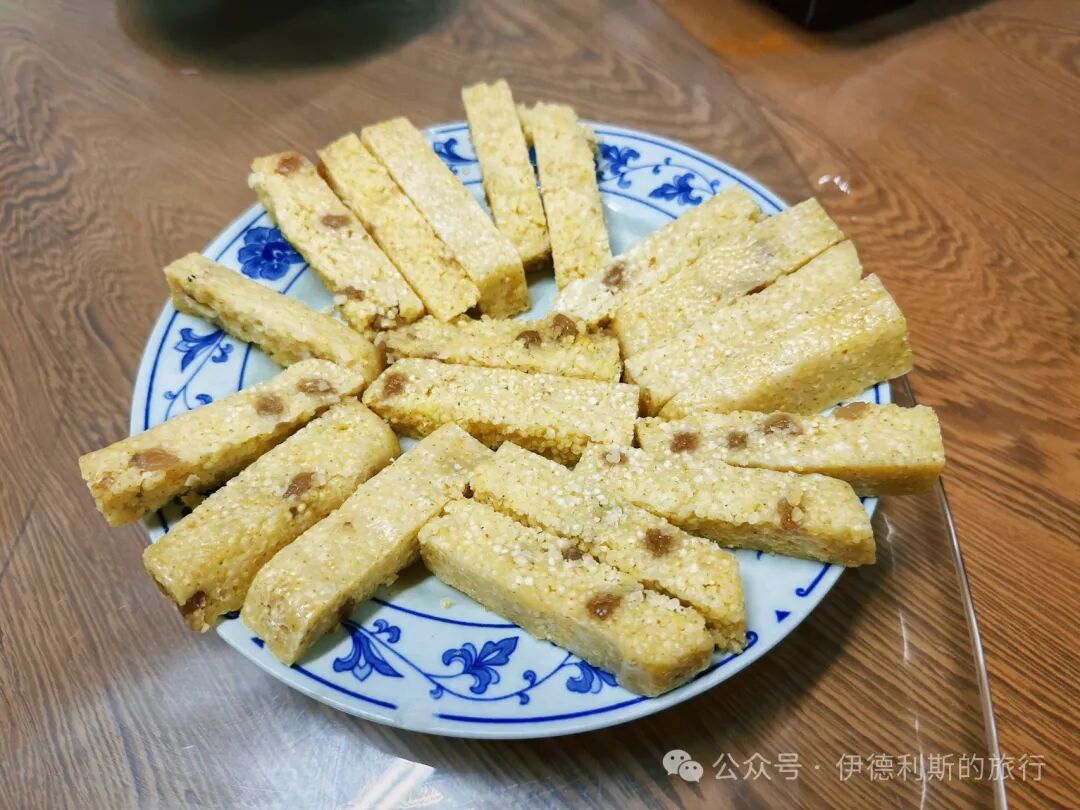
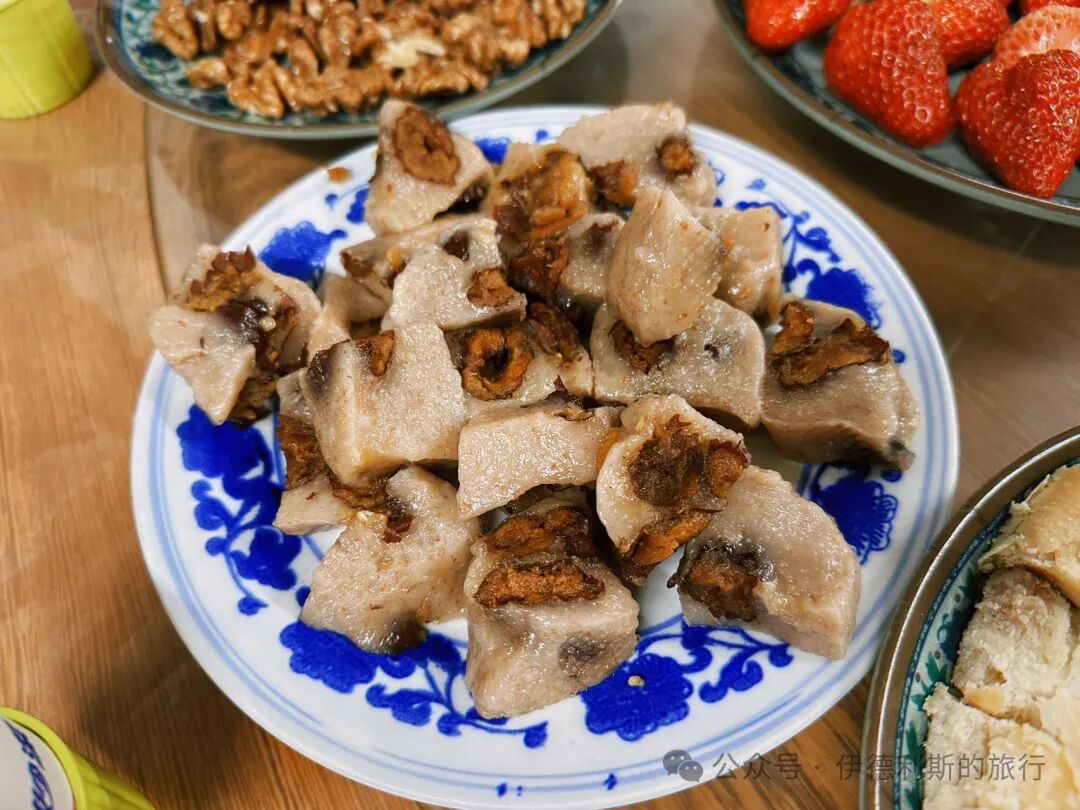
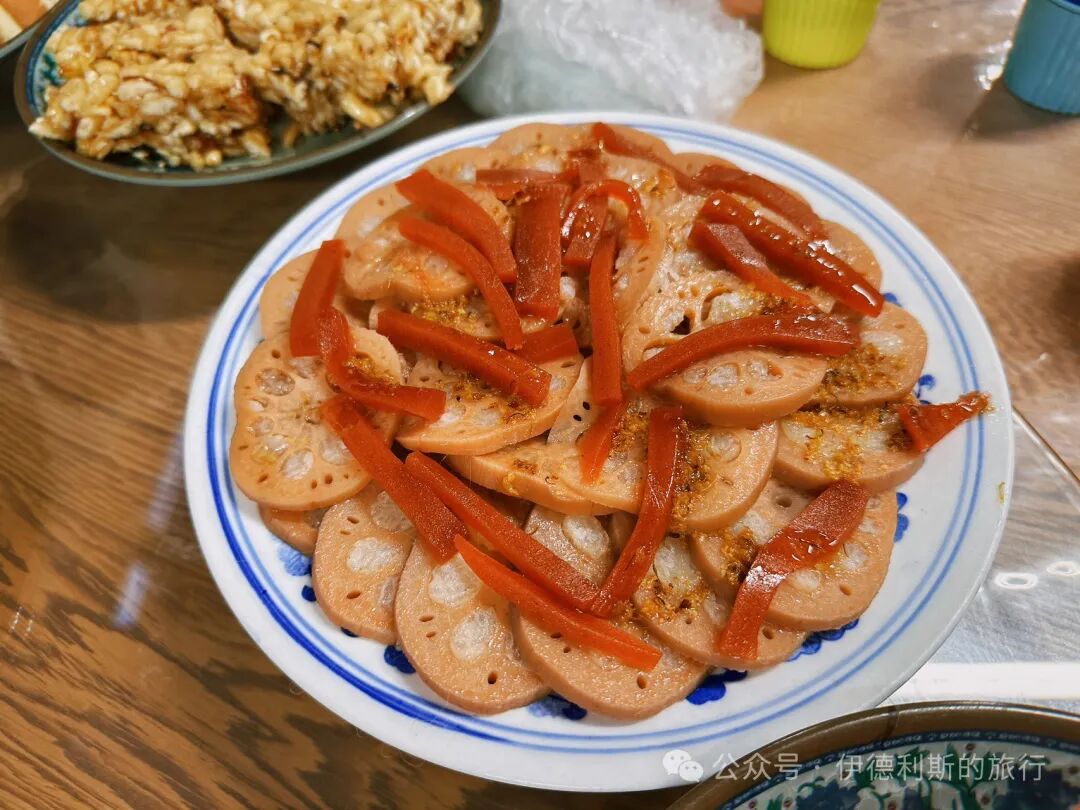
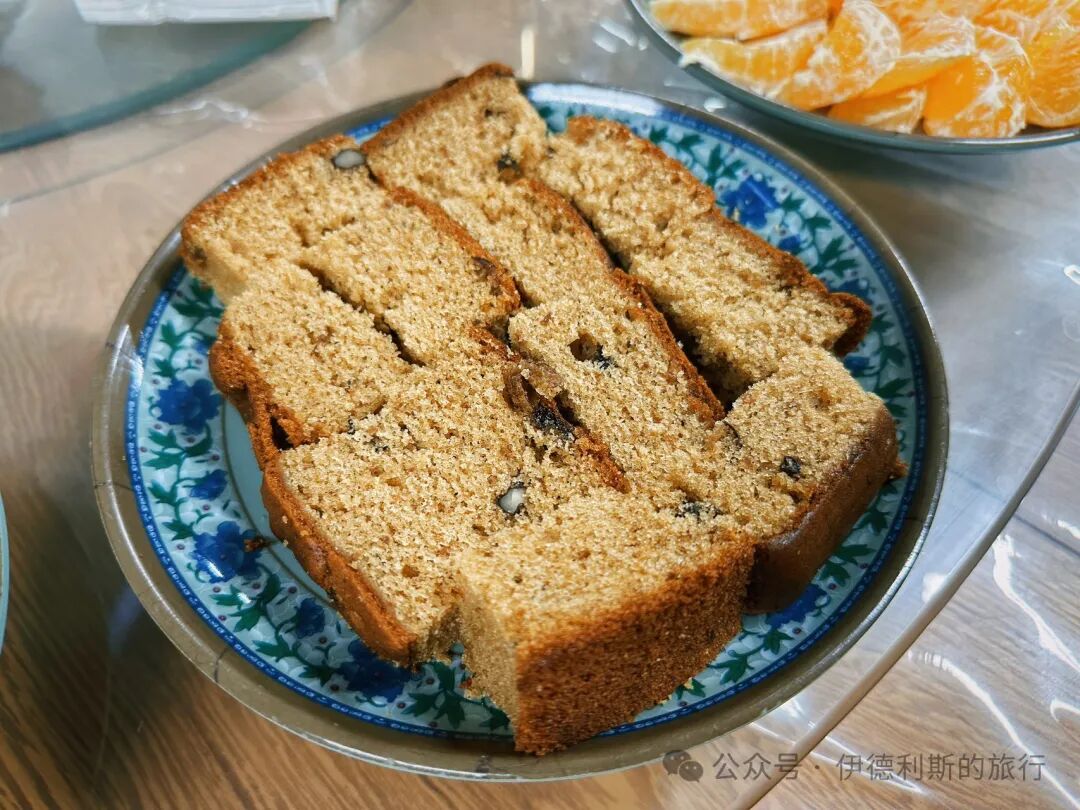
The dinner after the sunset prayer (maghrib) is also wonderful, featuring rice with stir-fried dishes, noodles with gravy (dalu mian), steamed buns (baozi), and fish head with flatbread (yutou paobing), which rotate daily.
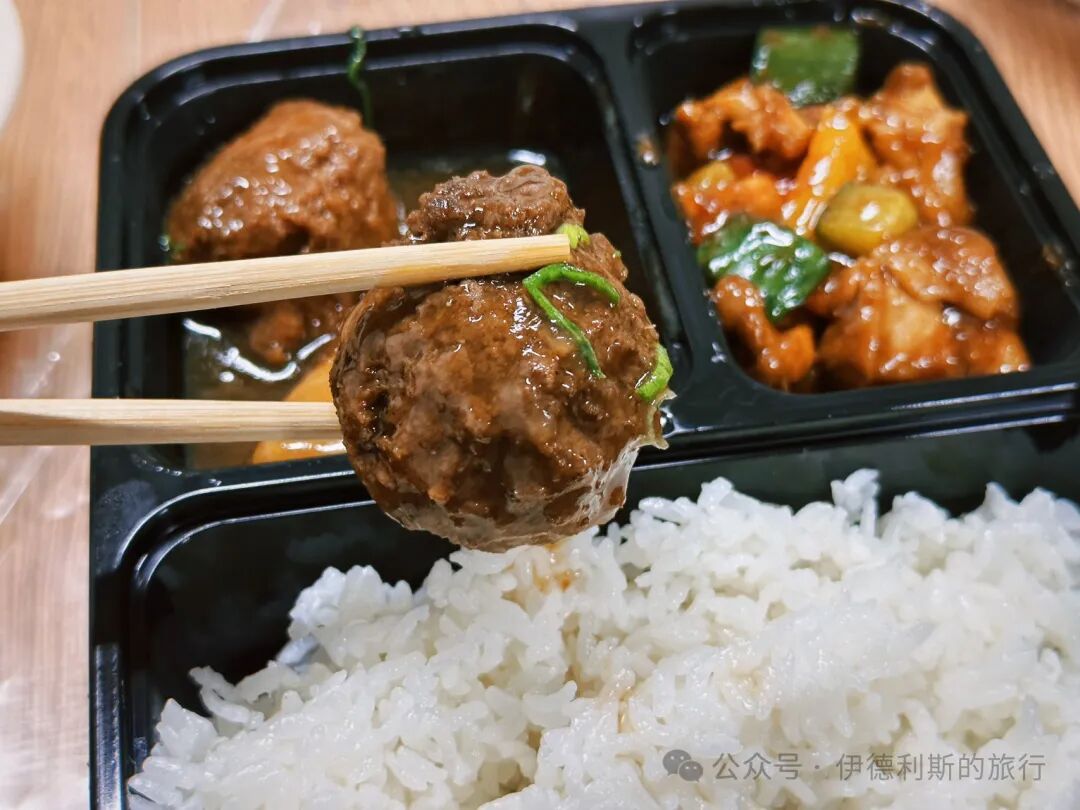
Side dishes for the rice include fried meat (songrou), braised chicken legs (huangmen jitu), minced meat with green beans, braised eggplant, and braised meatballs. For soups and porridge, there is winter melon meatball soup, tofu puff soup, and mung bean porridge. Of course, fermented bean drink (douzhi) with fermented bean curd (ma doufu) is also a major Beijing specialty!
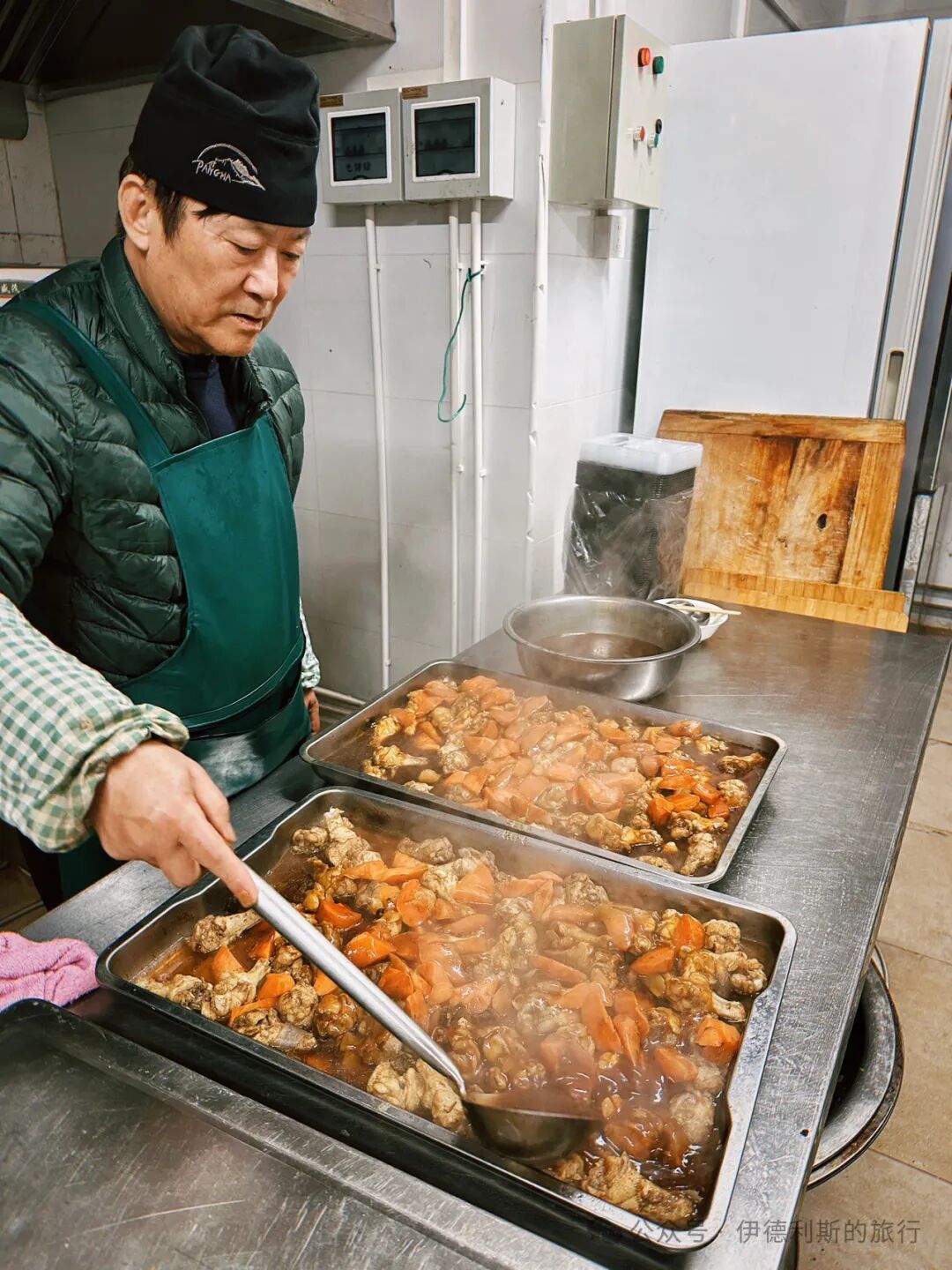
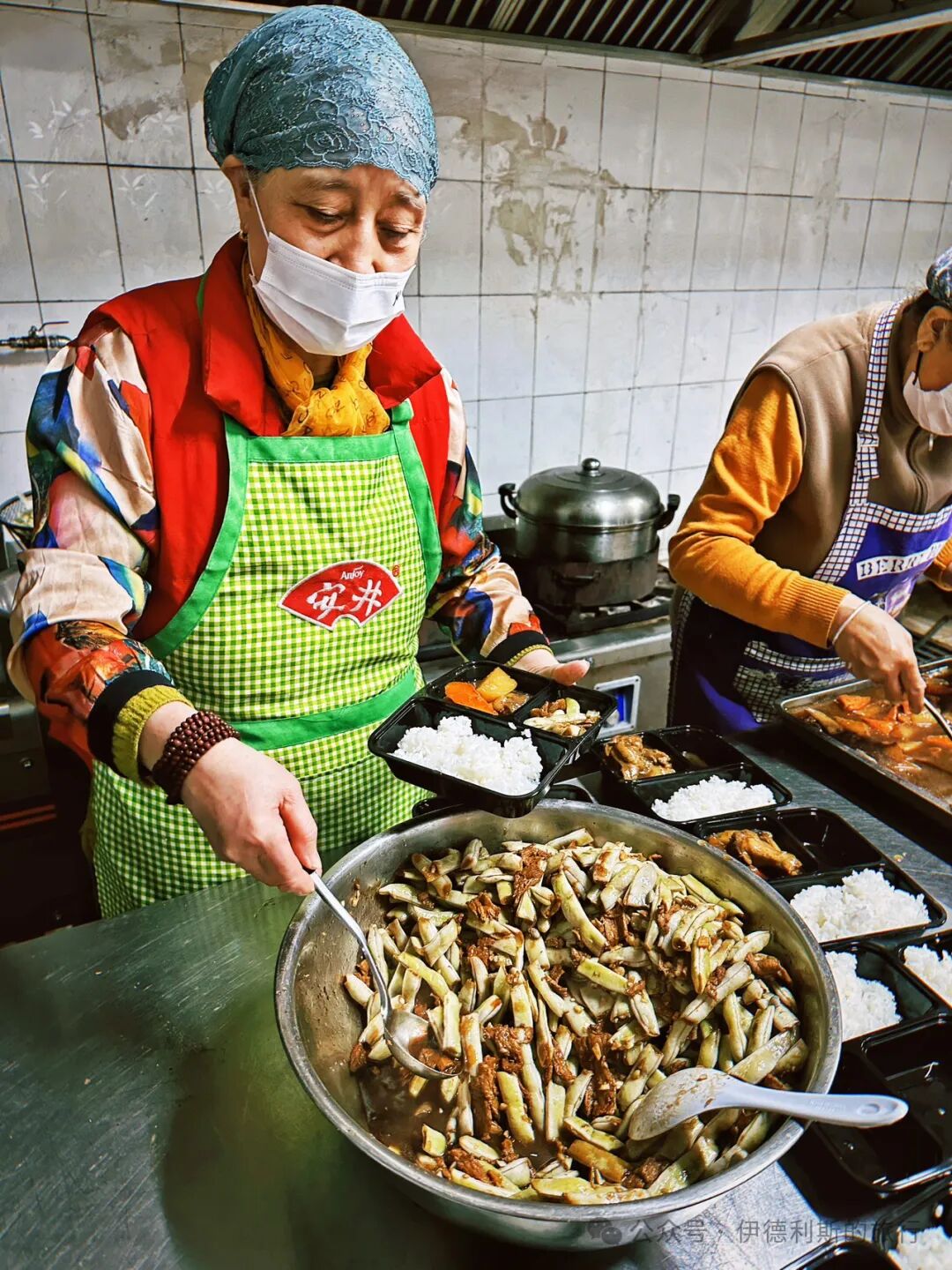
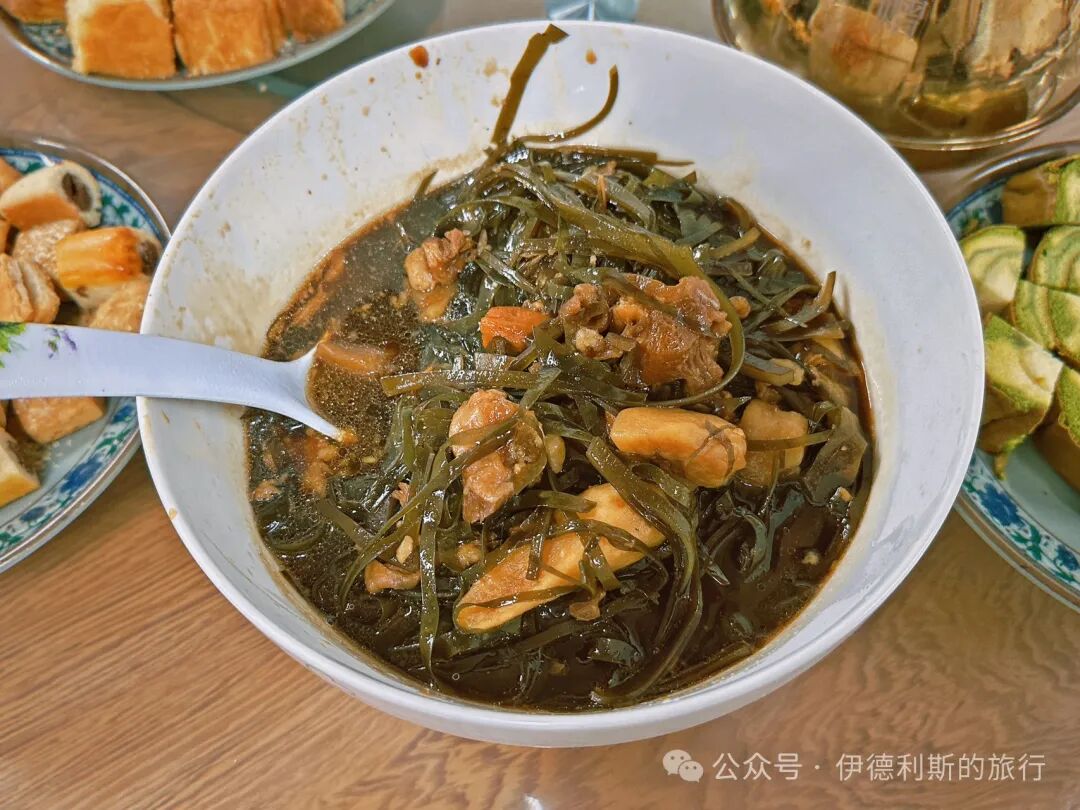
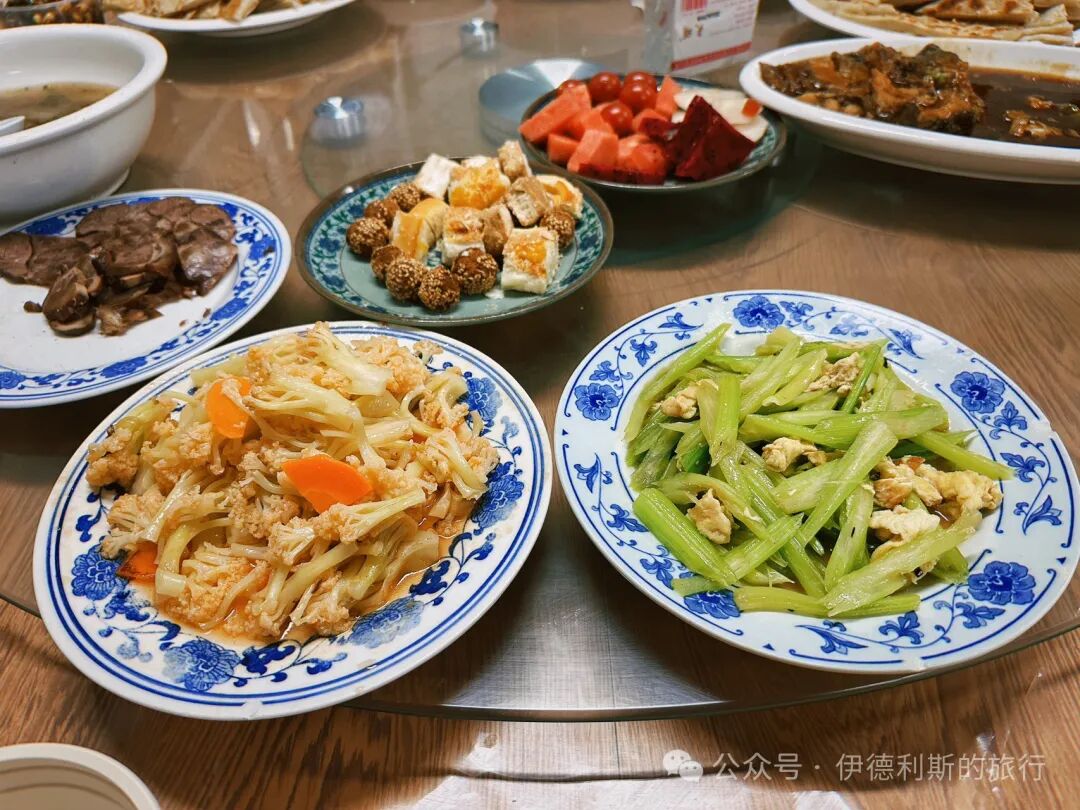
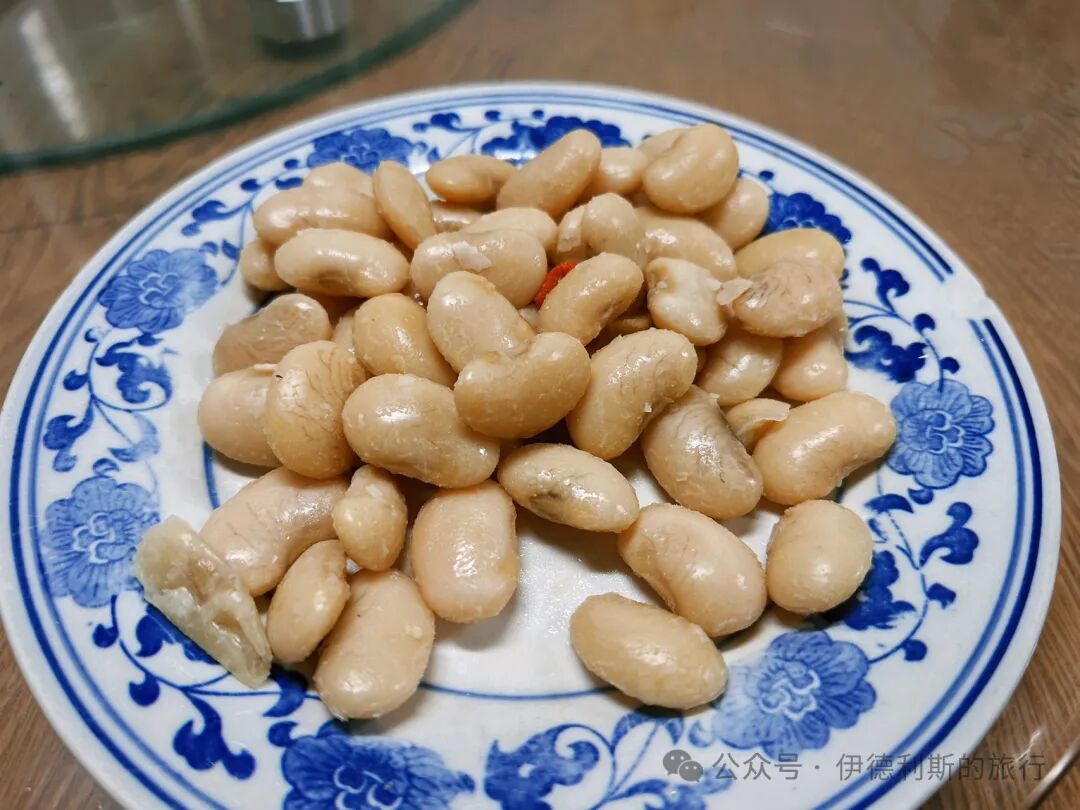
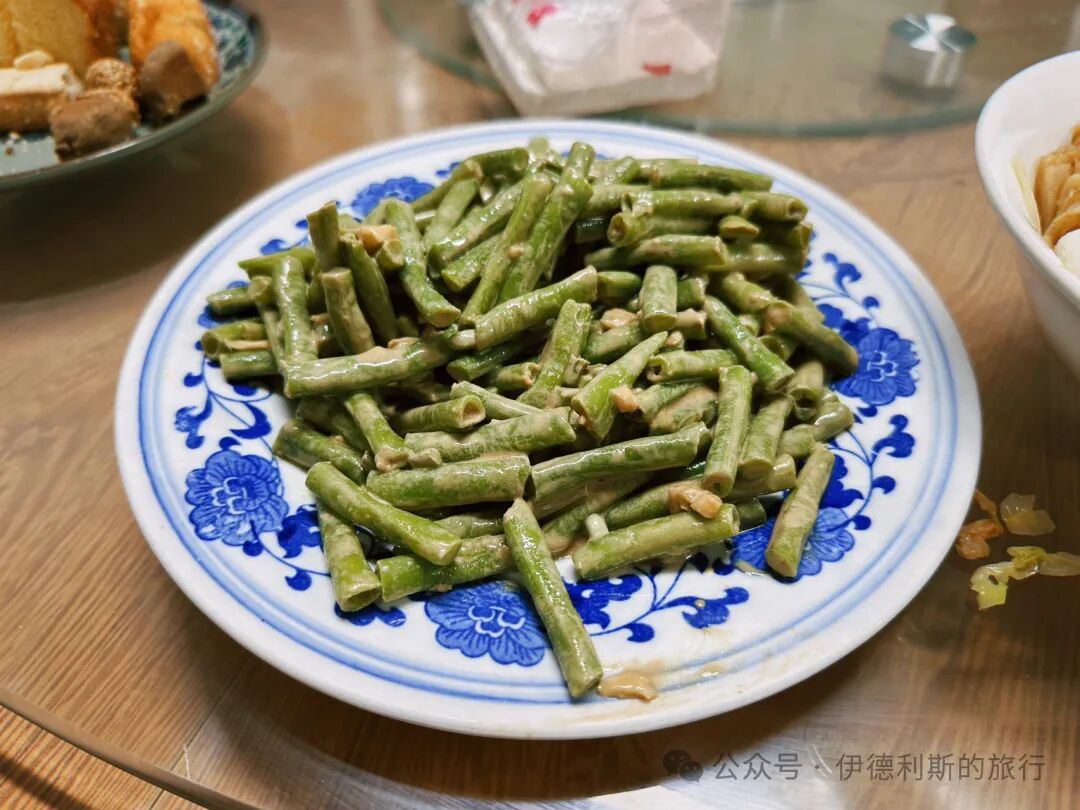
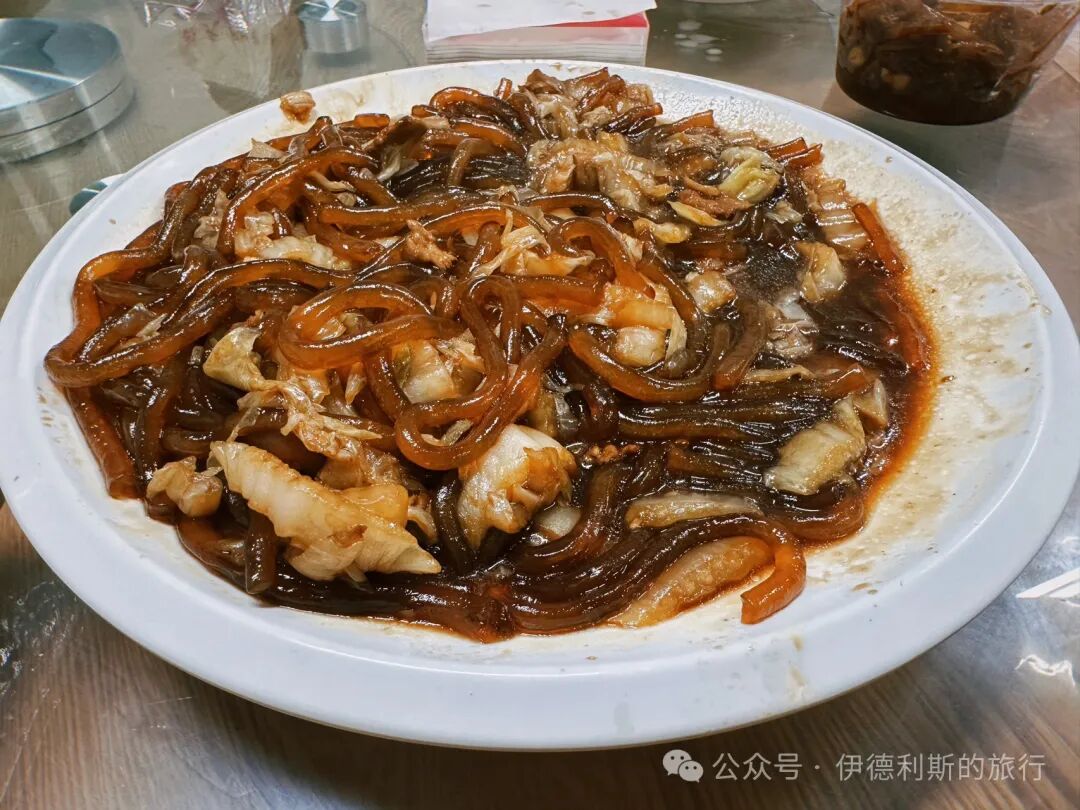
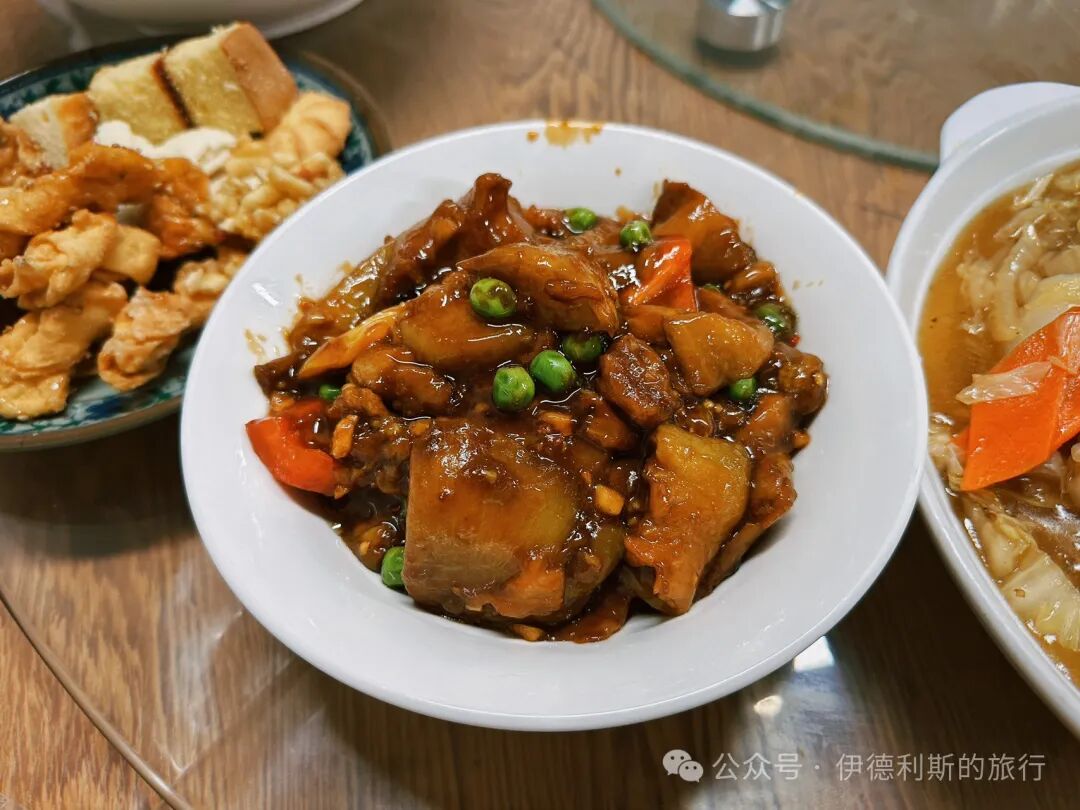
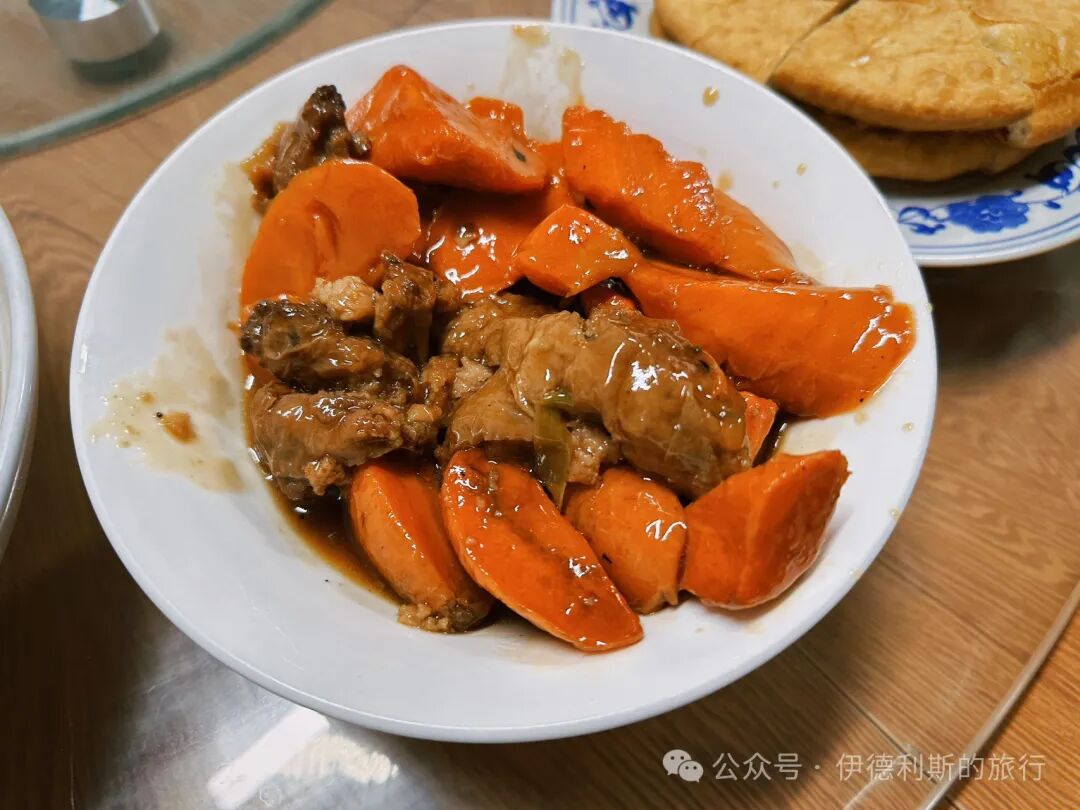
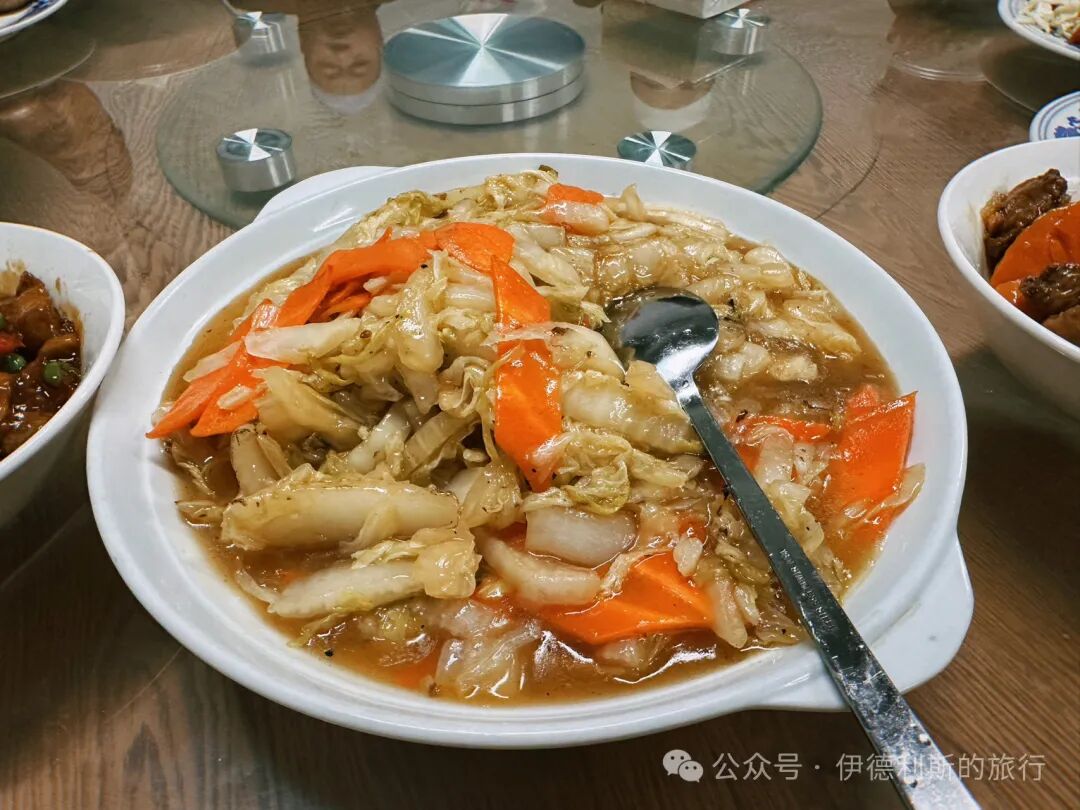
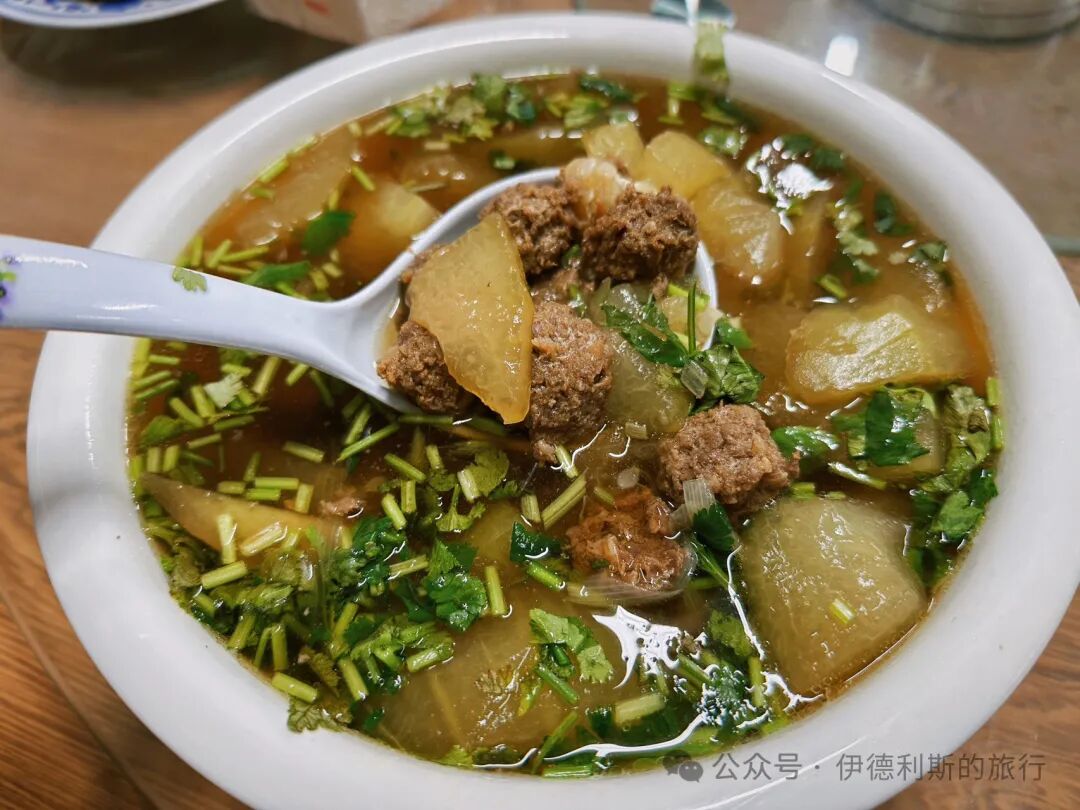
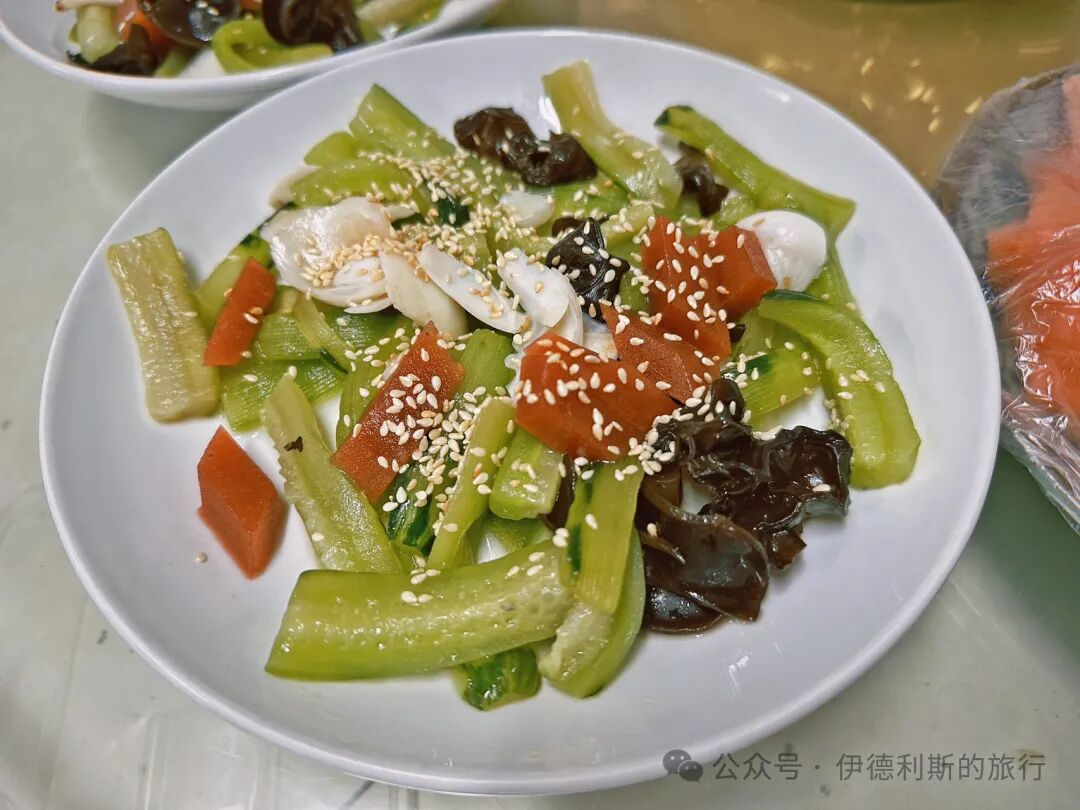
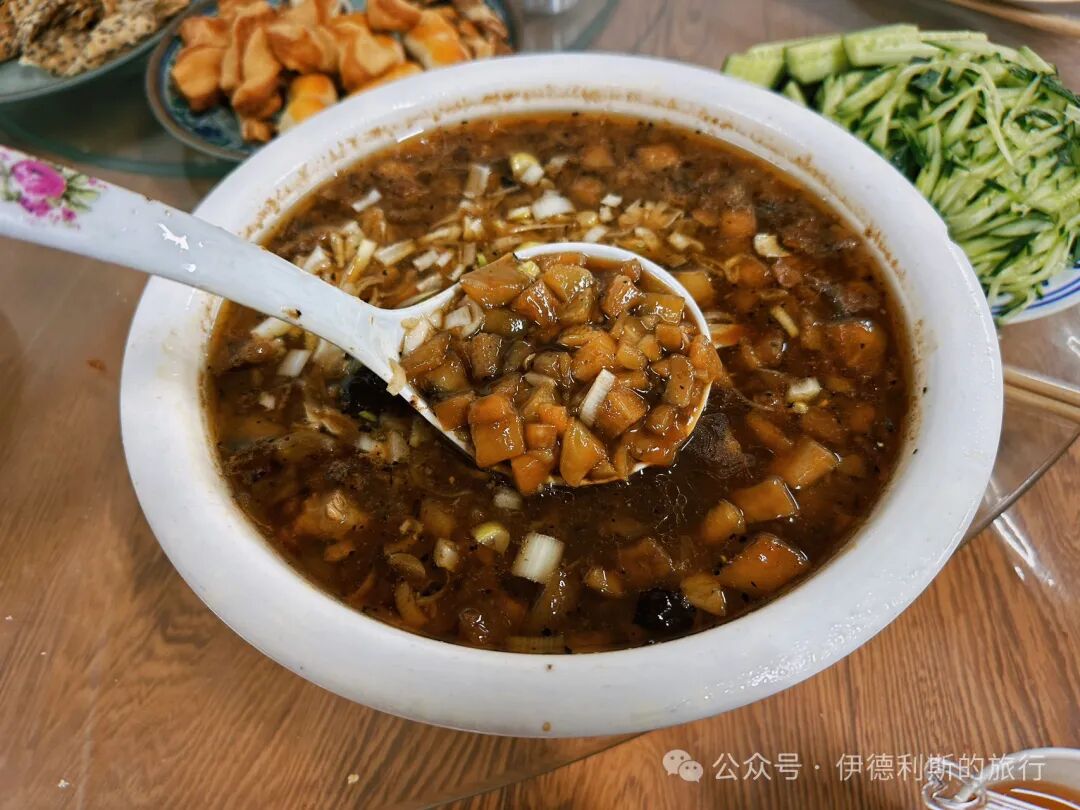
Once a week, we have noodles with gravy (dalu mian) and noodles with eggplant (qieding mian). The vegetable toppings include blanched cabbage, celery, cowpeas, bean sprouts, soybeans, cucumber, and garlic sprouts. The gravy is not too salty, which is perfect for breaking the fast.
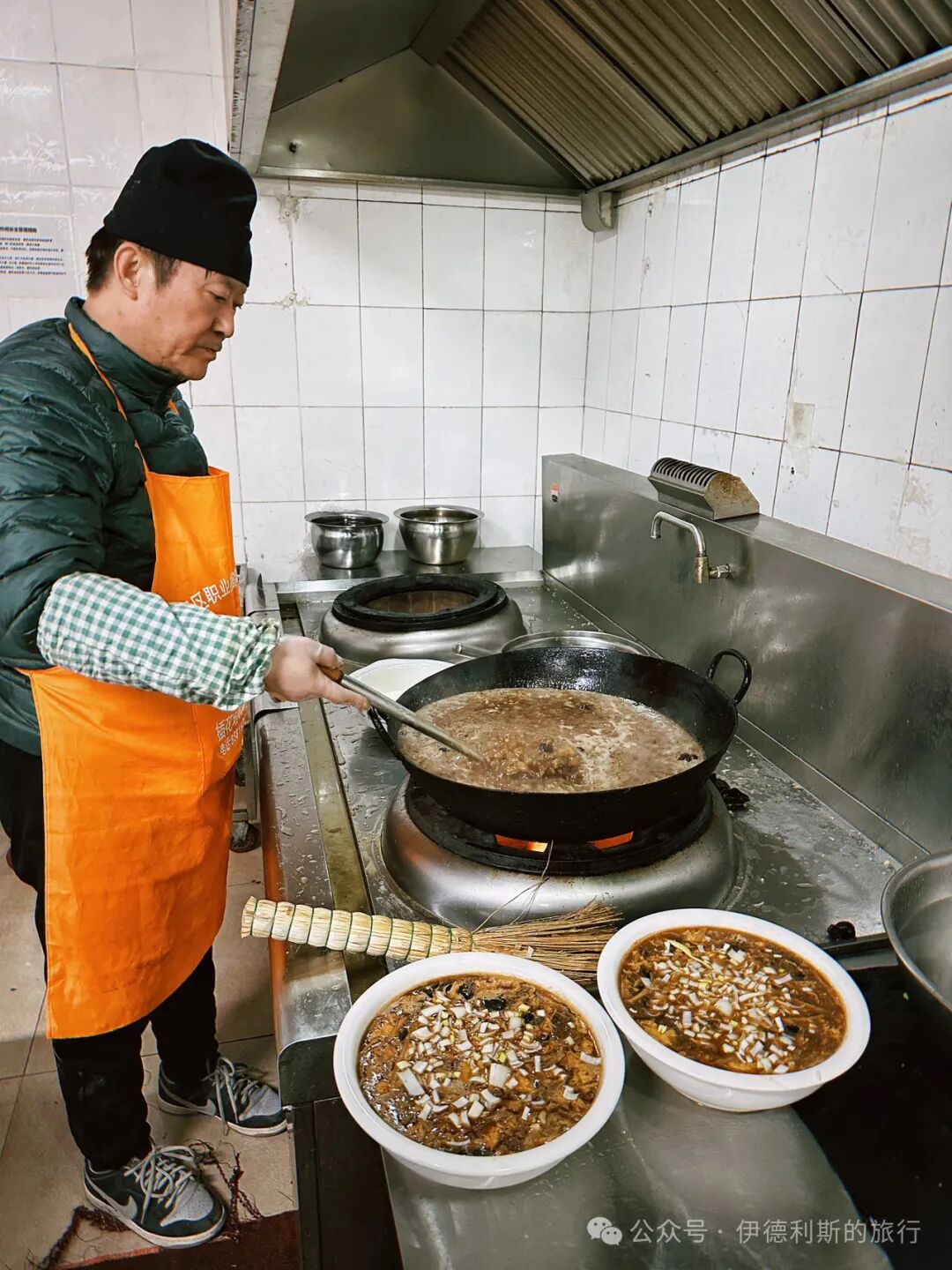
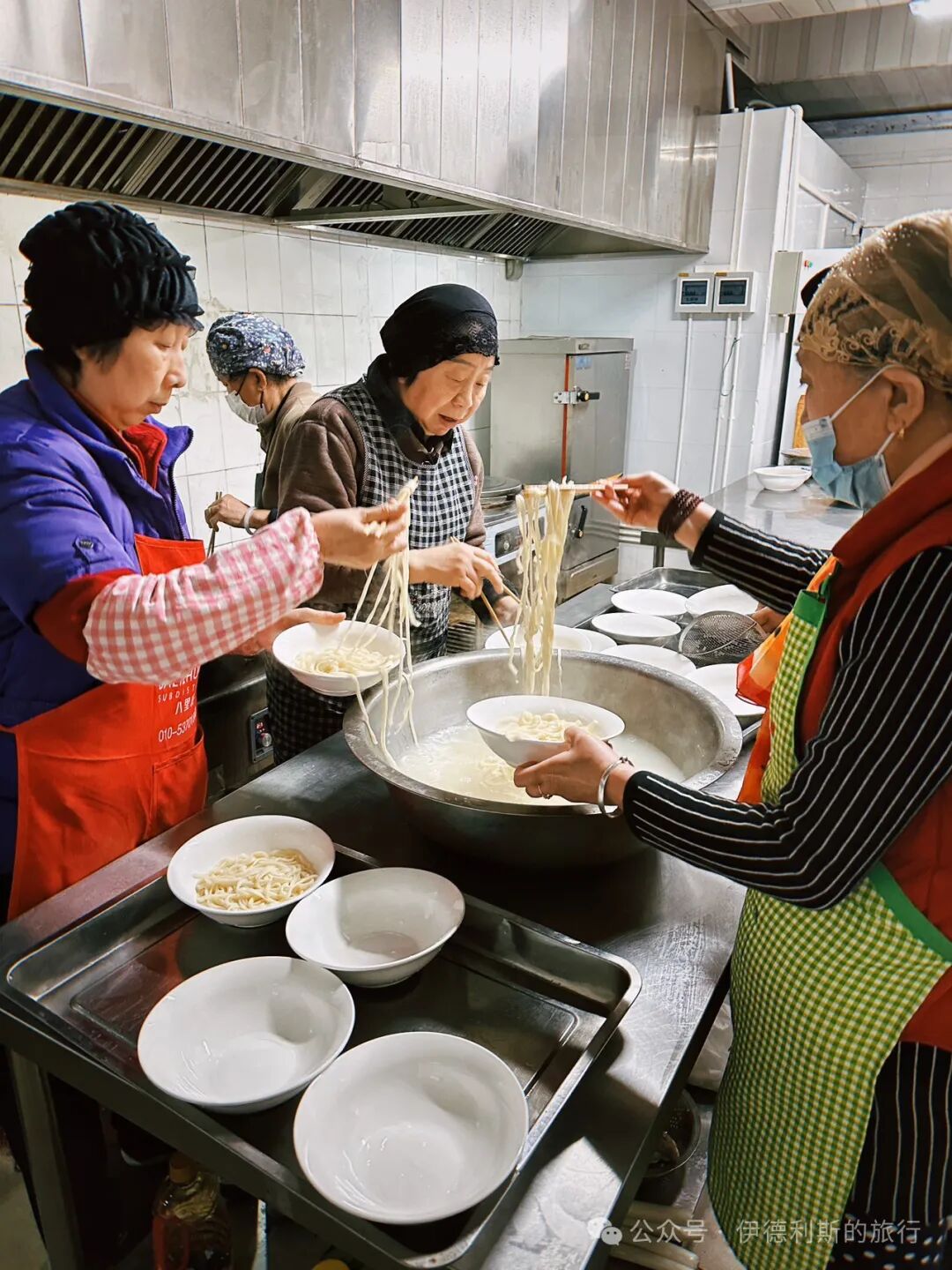
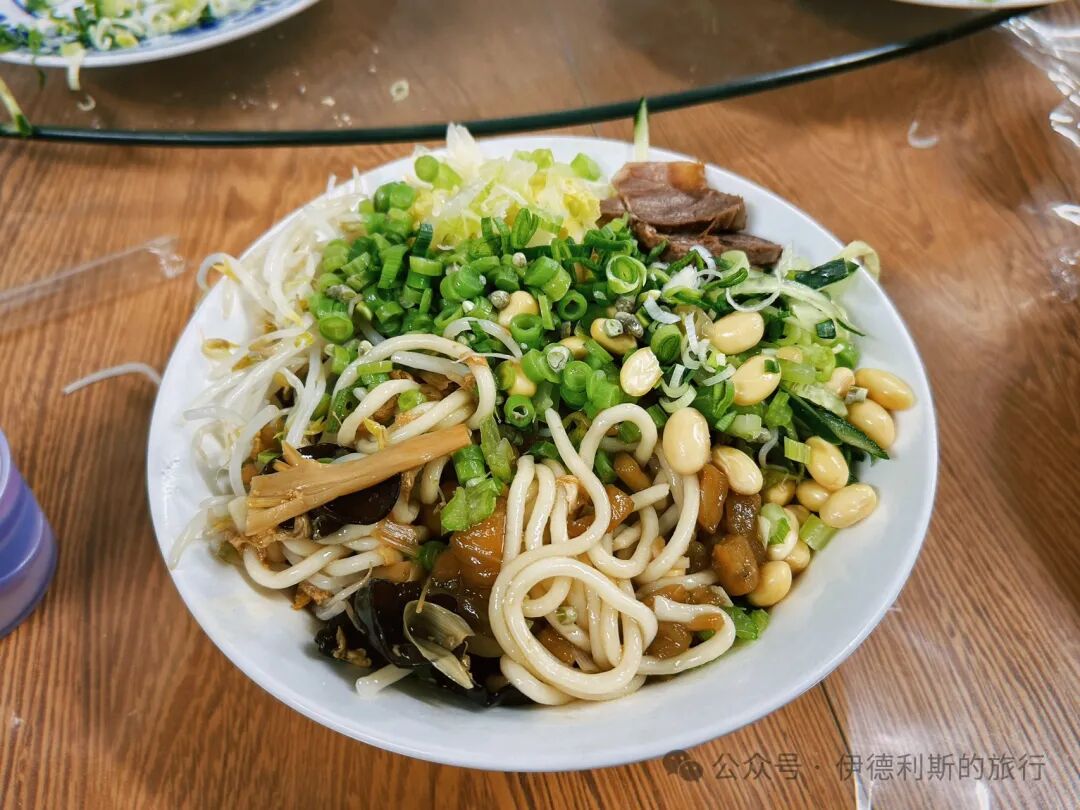
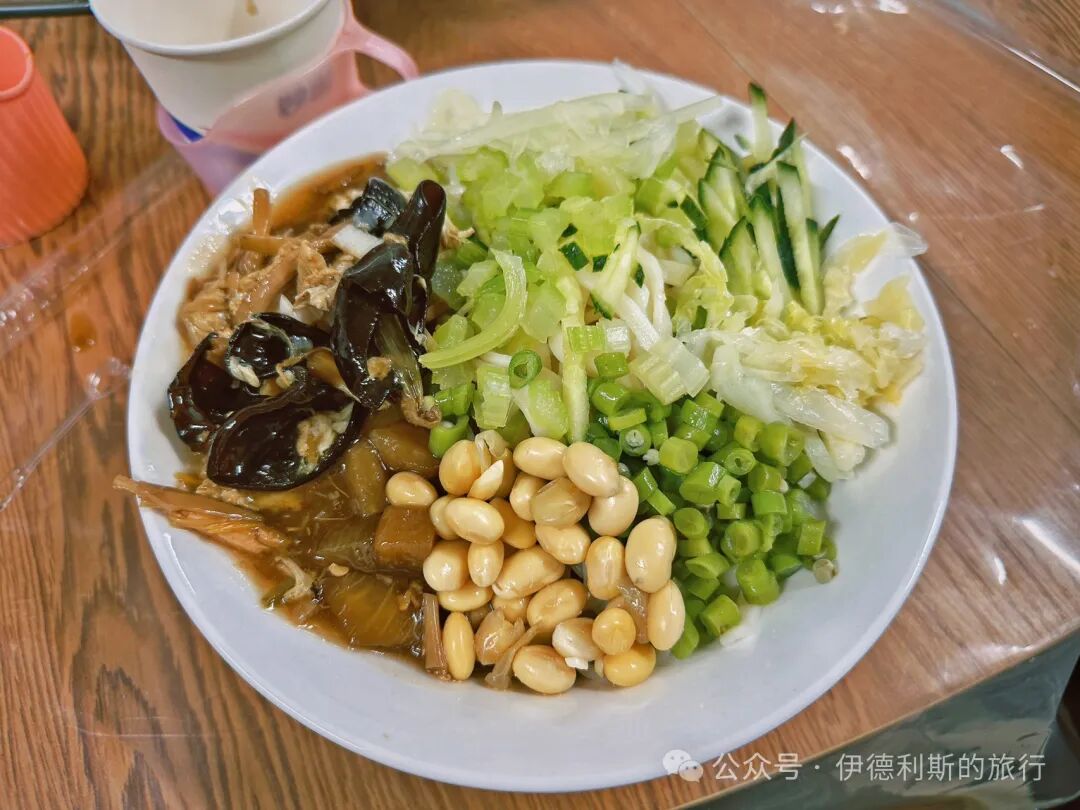
The steamed buns (baozi) served once a week come in beef and green onion, beef and cabbage, and beef and fennel fillings. My favorite is the beef and fennel filling. Many shops now only sell fennel and egg steamed buns, so it is not easy to find beef and fennel ones.
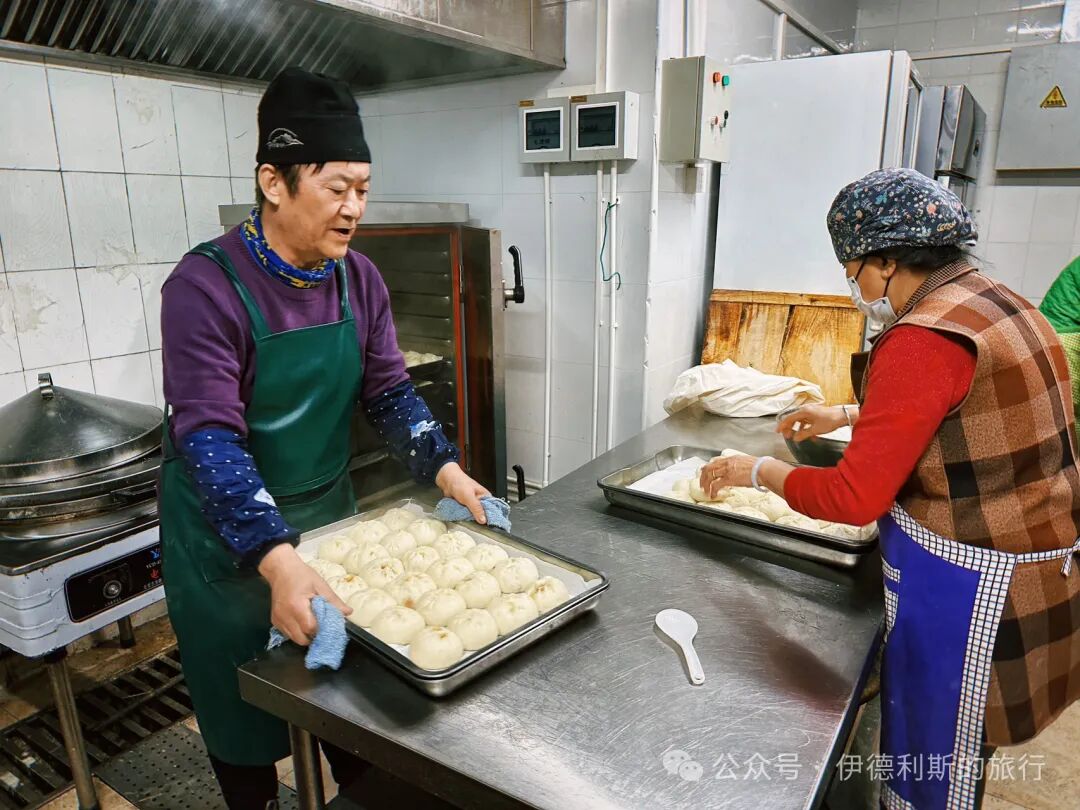
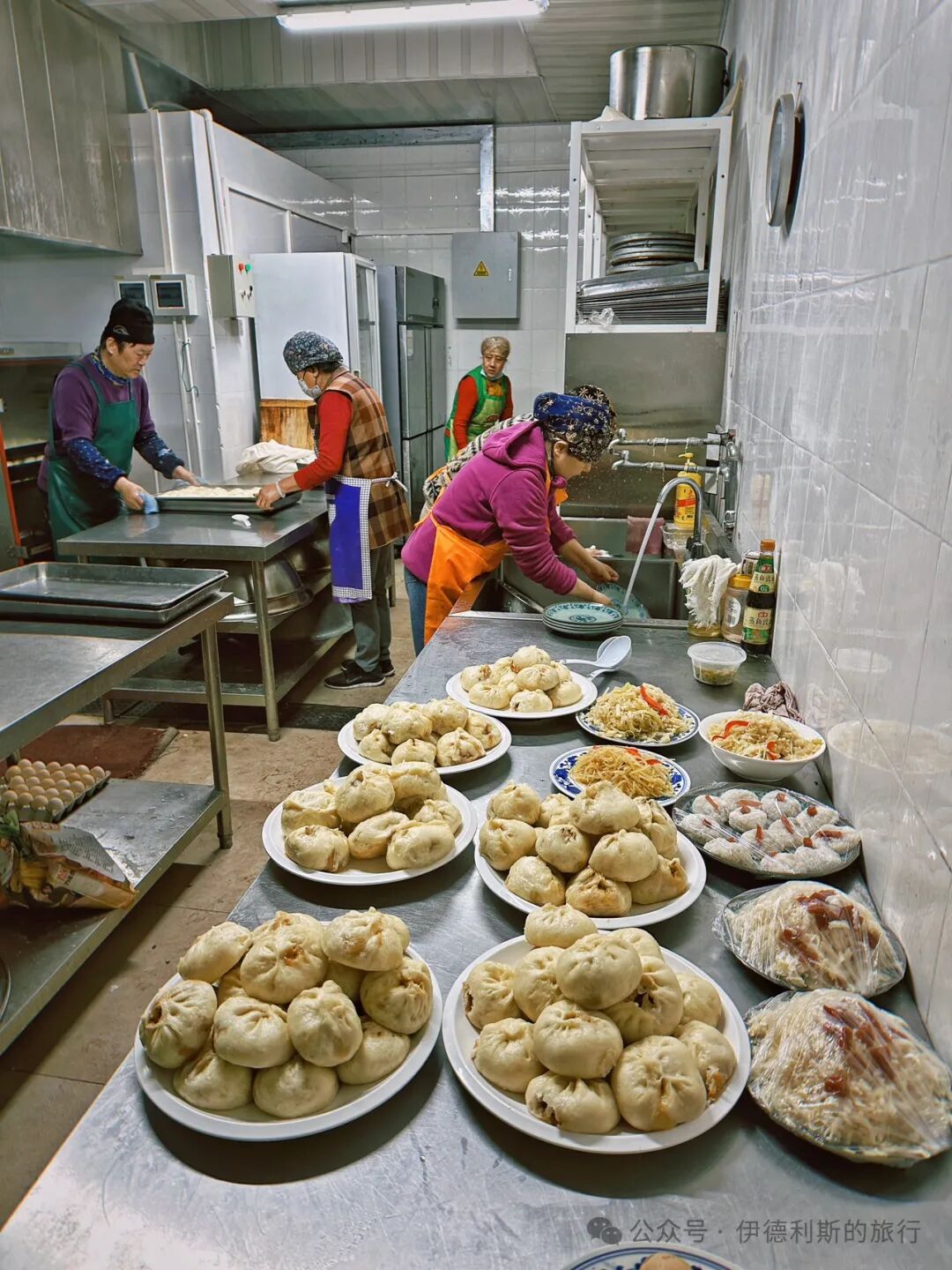
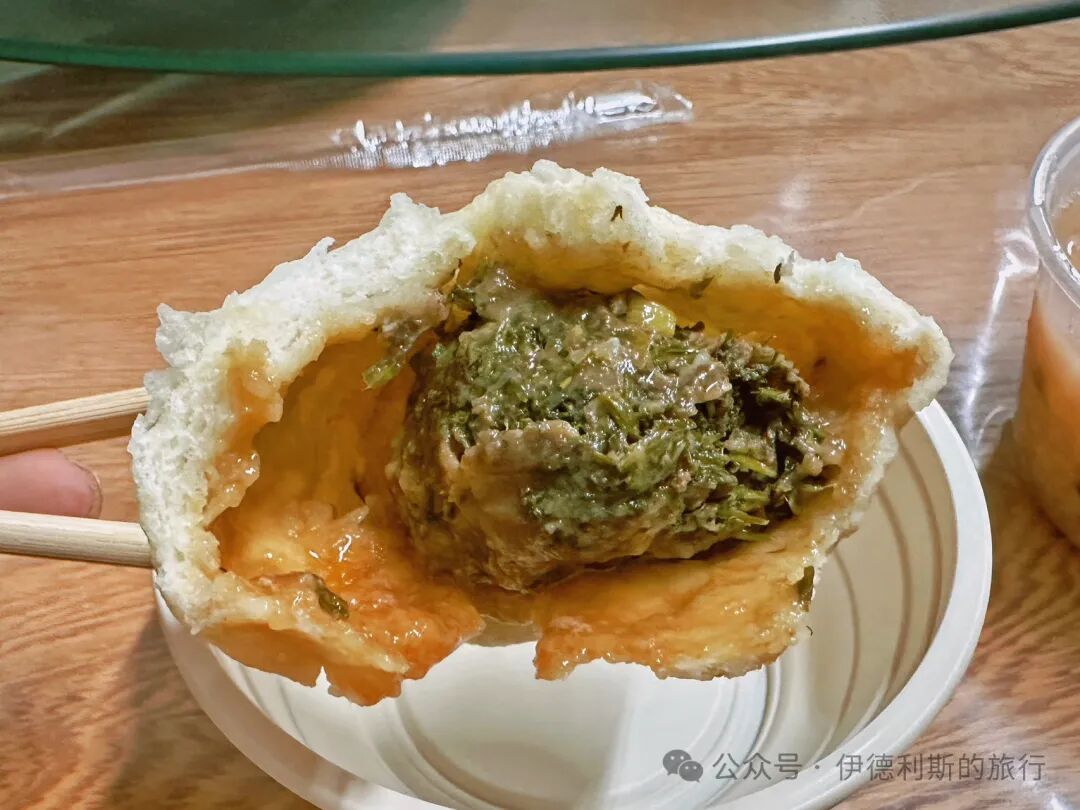
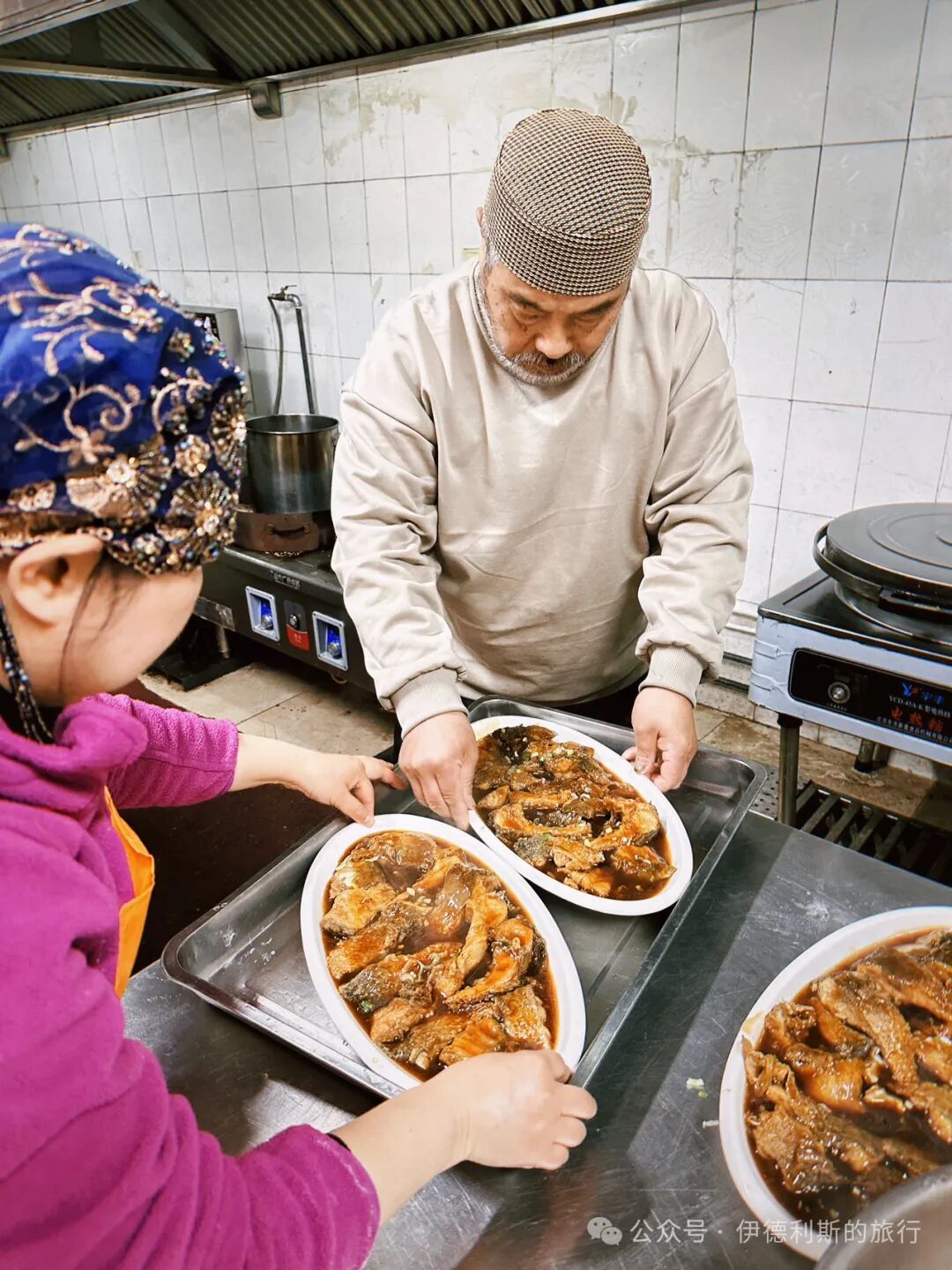
Fish head with flatbread (yutou paobing) is also a Beijing specialty. The flatbreads (laobing) are made by the elders themselves and are very dense; they are delicious when dipped in the fish head broth.
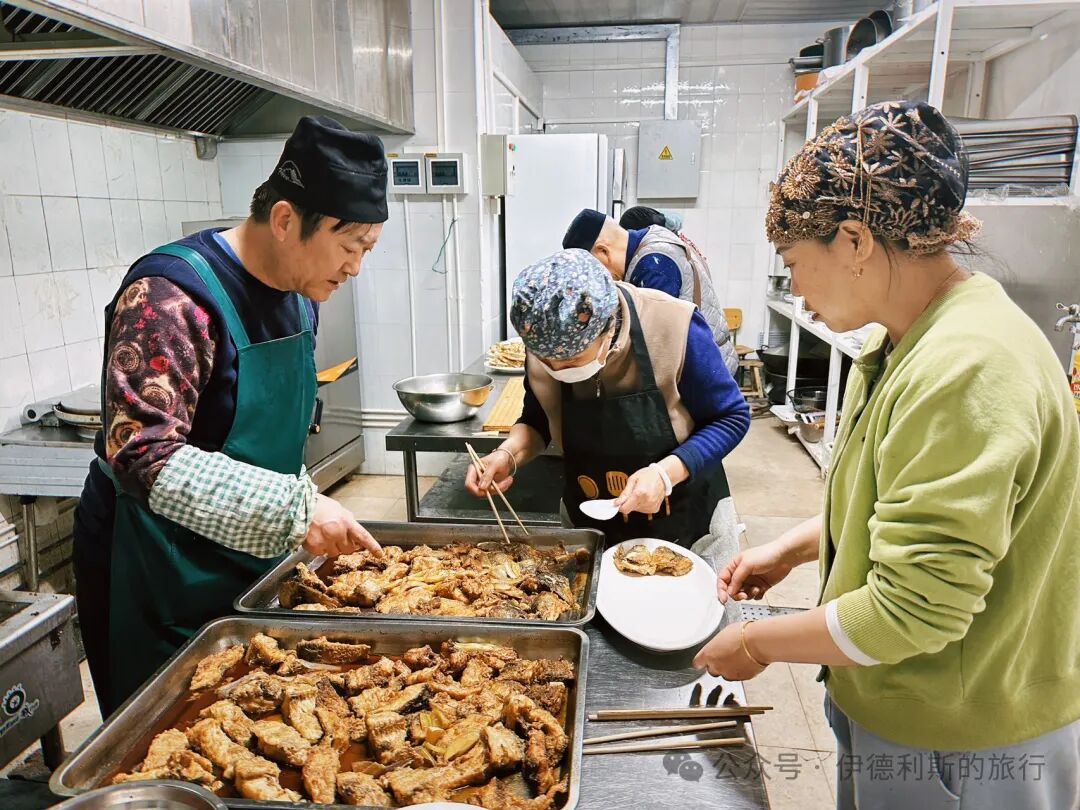
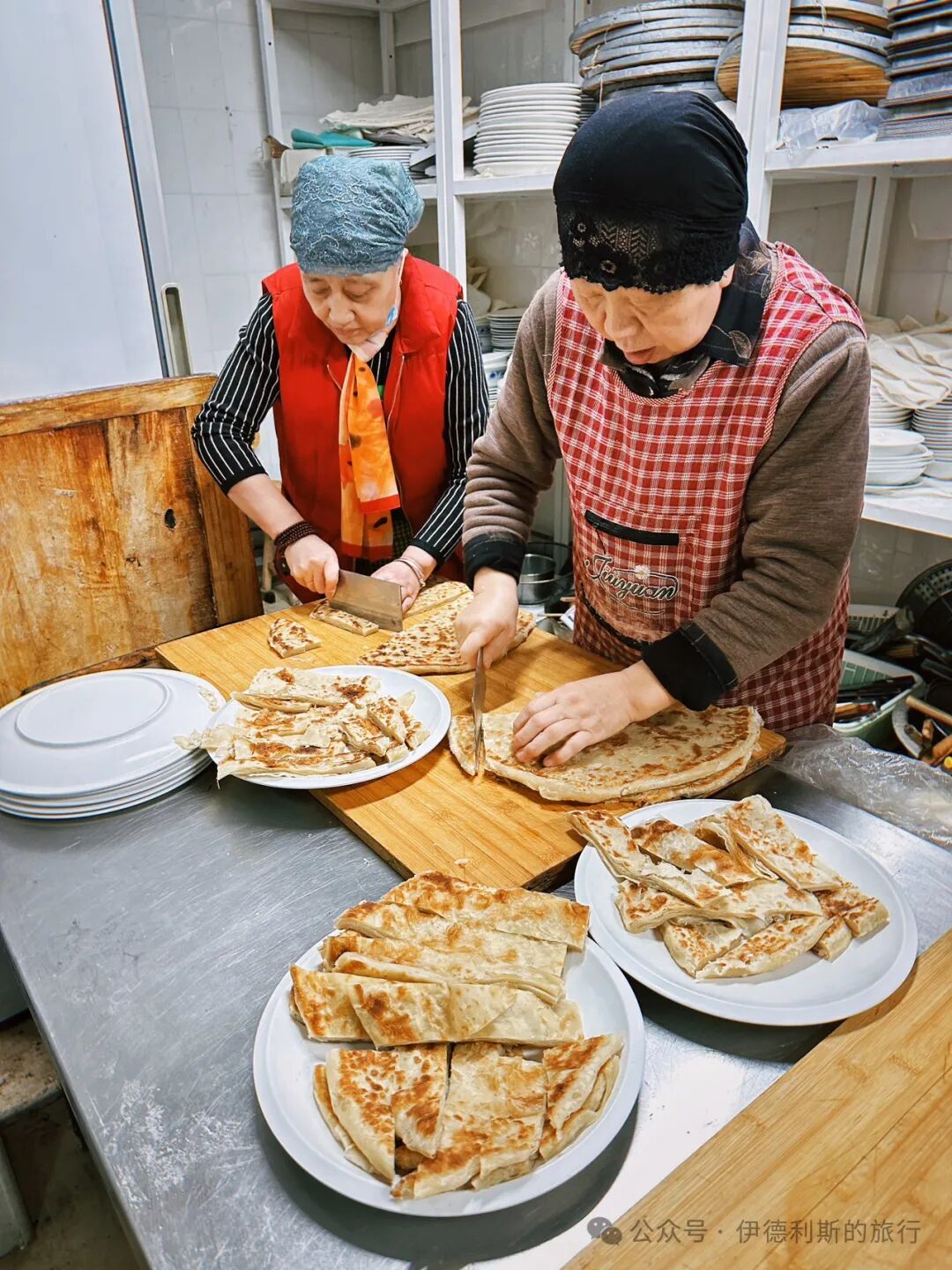
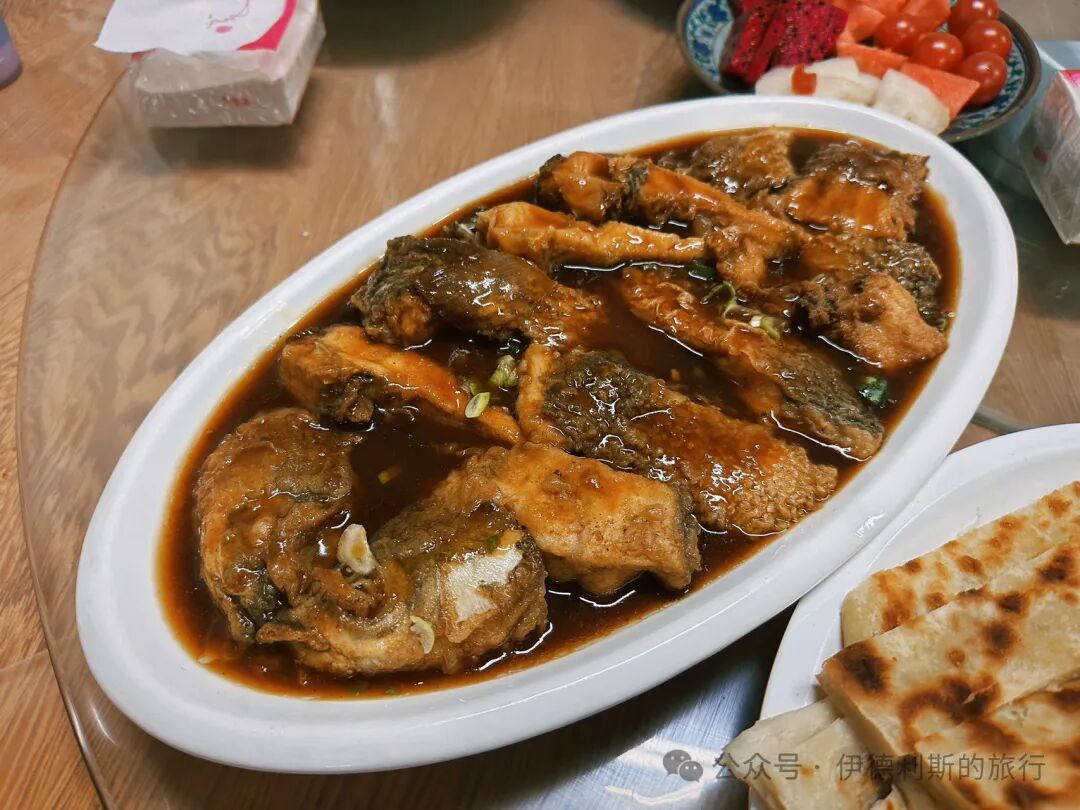
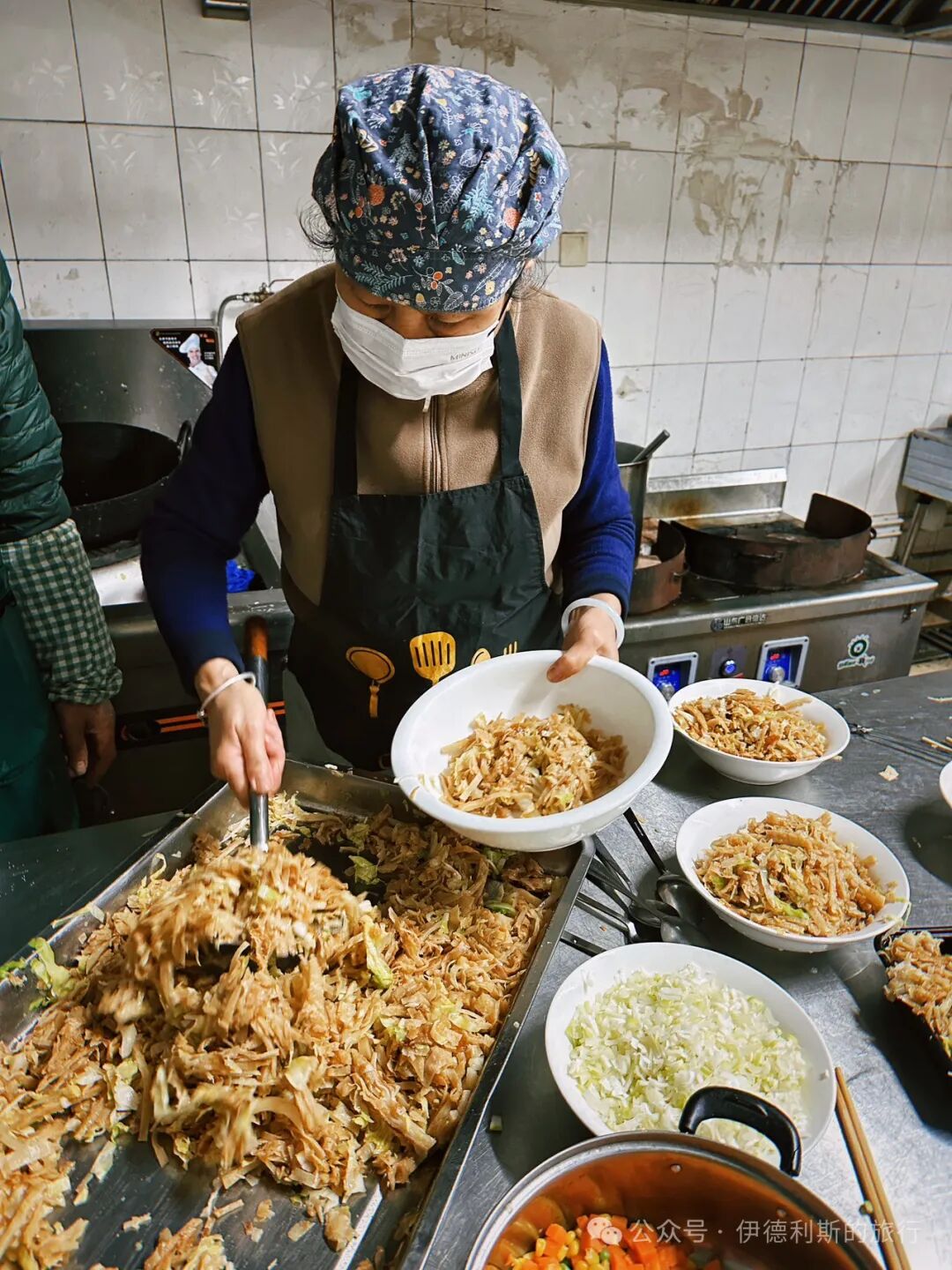
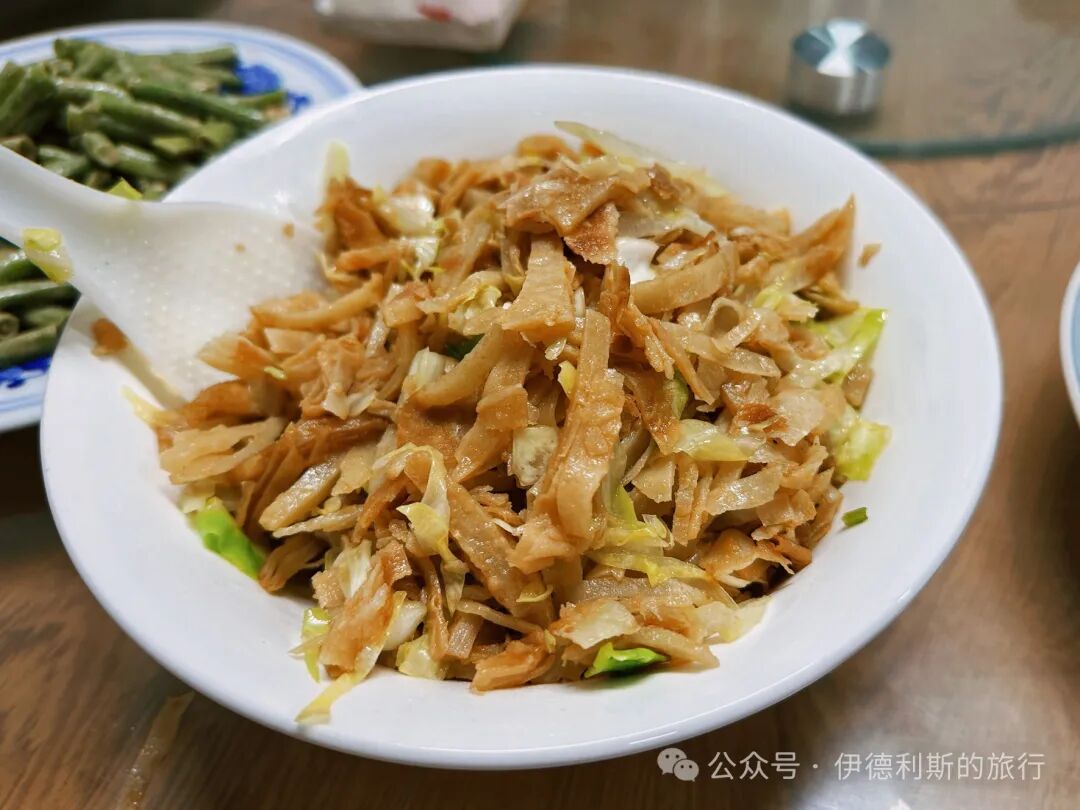
After eating the fish head with flatbread, the leftover flatbread can be made into stir-fried flatbread (chaobing), which is also a favorite for Beijingers.
Muslim Travel Guide Beijing Ramadan: Week Three Mosques, Iftar and Muslim Community
Articles • yusuf908 posted the article • 0 comments • 151 views • 2026-05-23 23:22
Summary: Halal Travel Guide: Beijing Ramadan Diary - Week Three Mosques and Iftar is presented here as a firsthand travel account in clear, natural English. The account focuses on Beijing Ramadan, Mosques, Halal Food while preserving the names, places, food, photos, and historical details from the Chinese source.
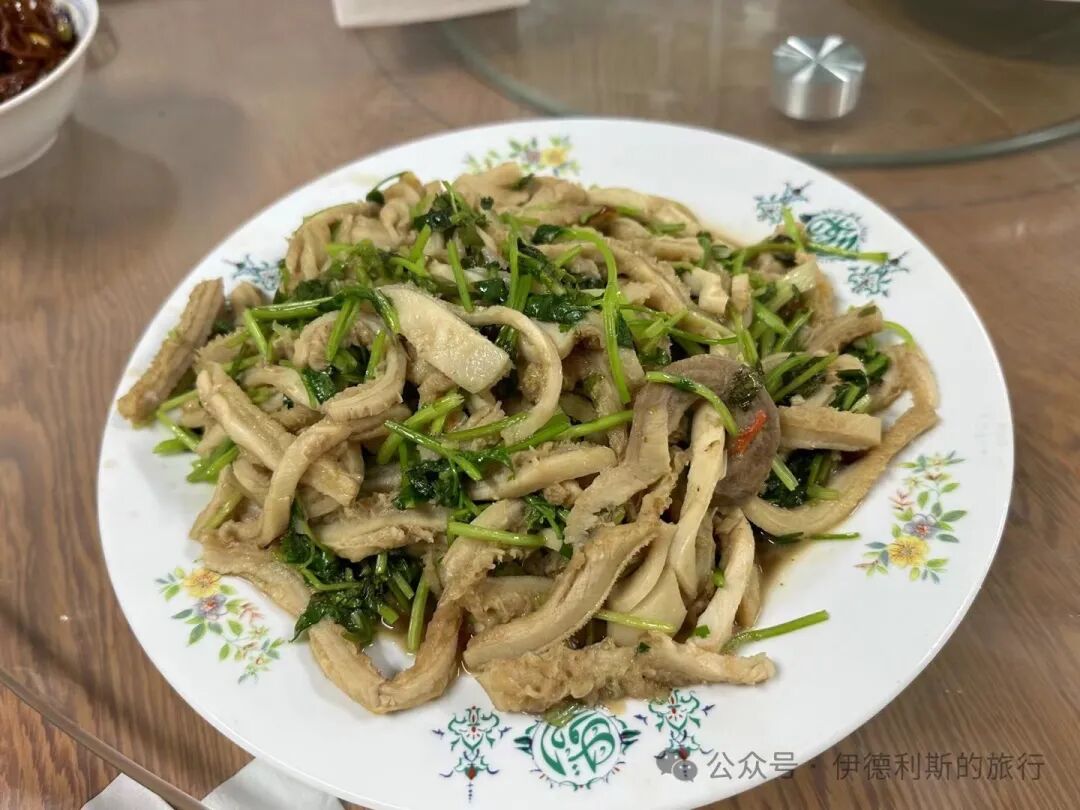
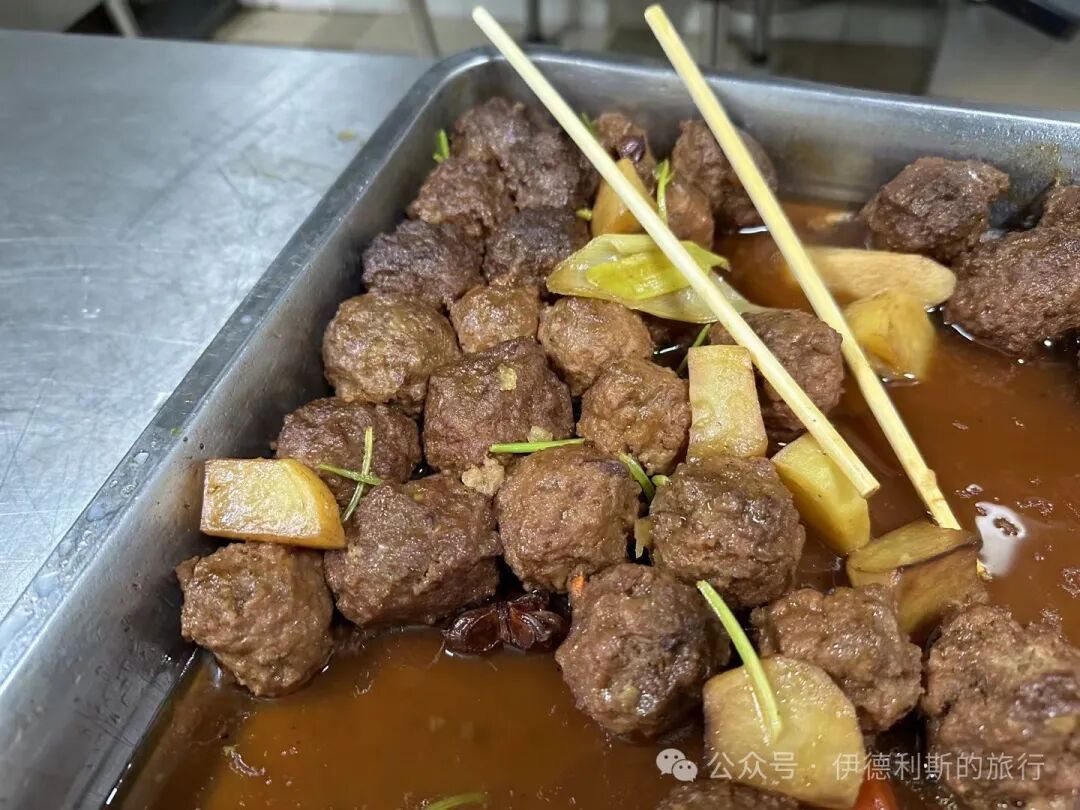
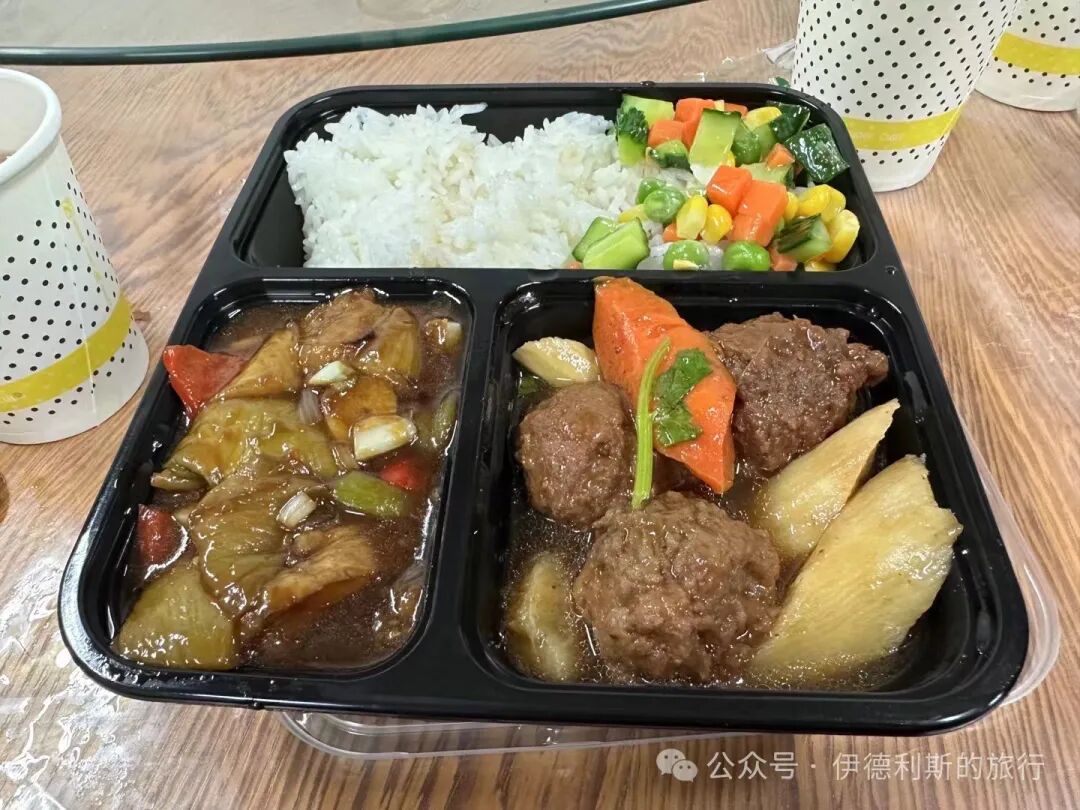
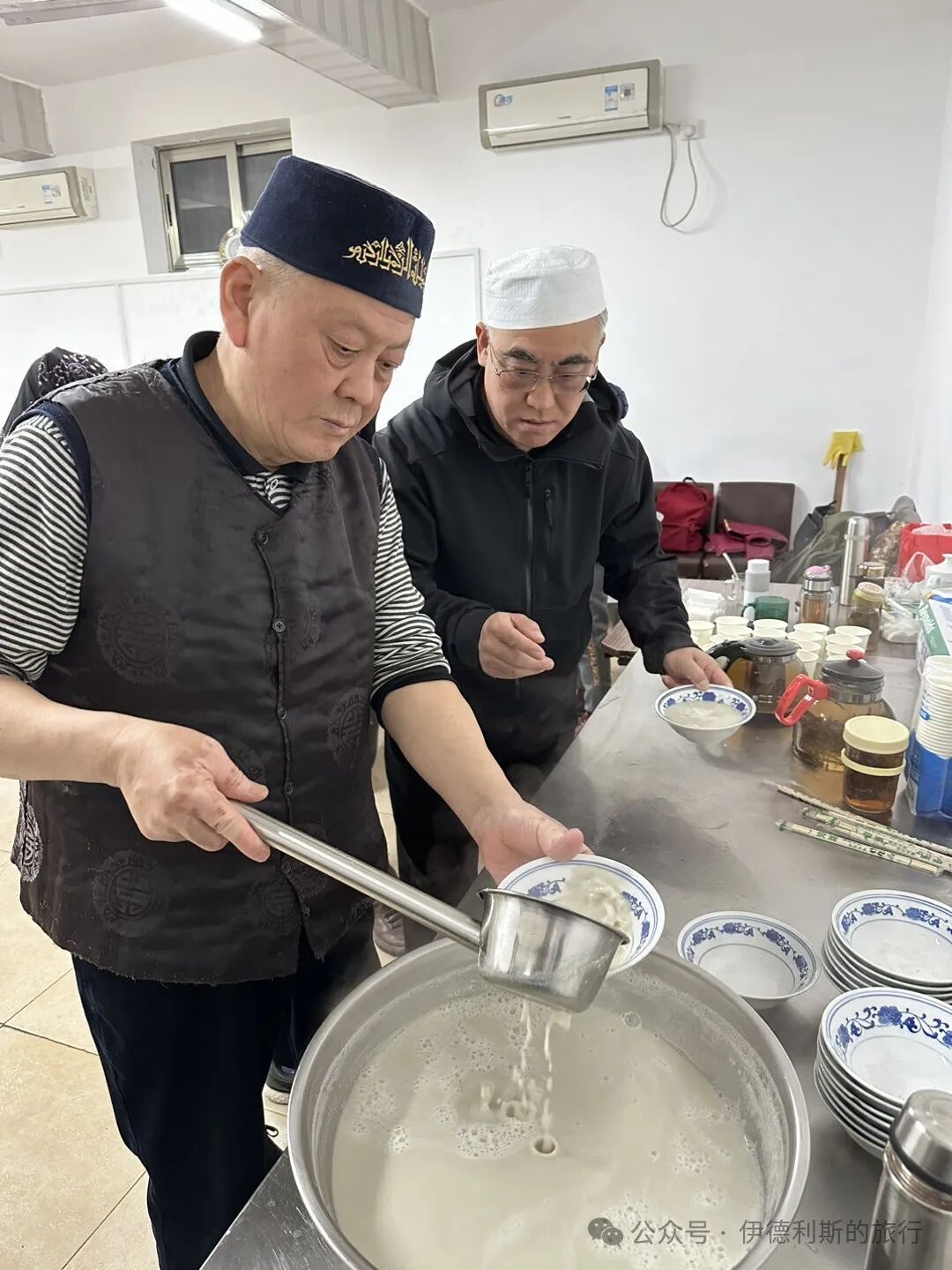
Day 15, Ramadan is halfway through! We broke our fast at Balizhuang Mosque with fermented mung bean milk (douzhi) again; it was very sour and refreshing! Many elders (xianglao) went back for a second bowl. The fast-breaking meal (zhaifan) included stir-fried tripe with cilantro (yanbao dusi), yam with meatballs, and braised eggplant. I met more friends (dosti) at Balizhuang today; everyone is welcome to visit the mosque more often during Ramadan.
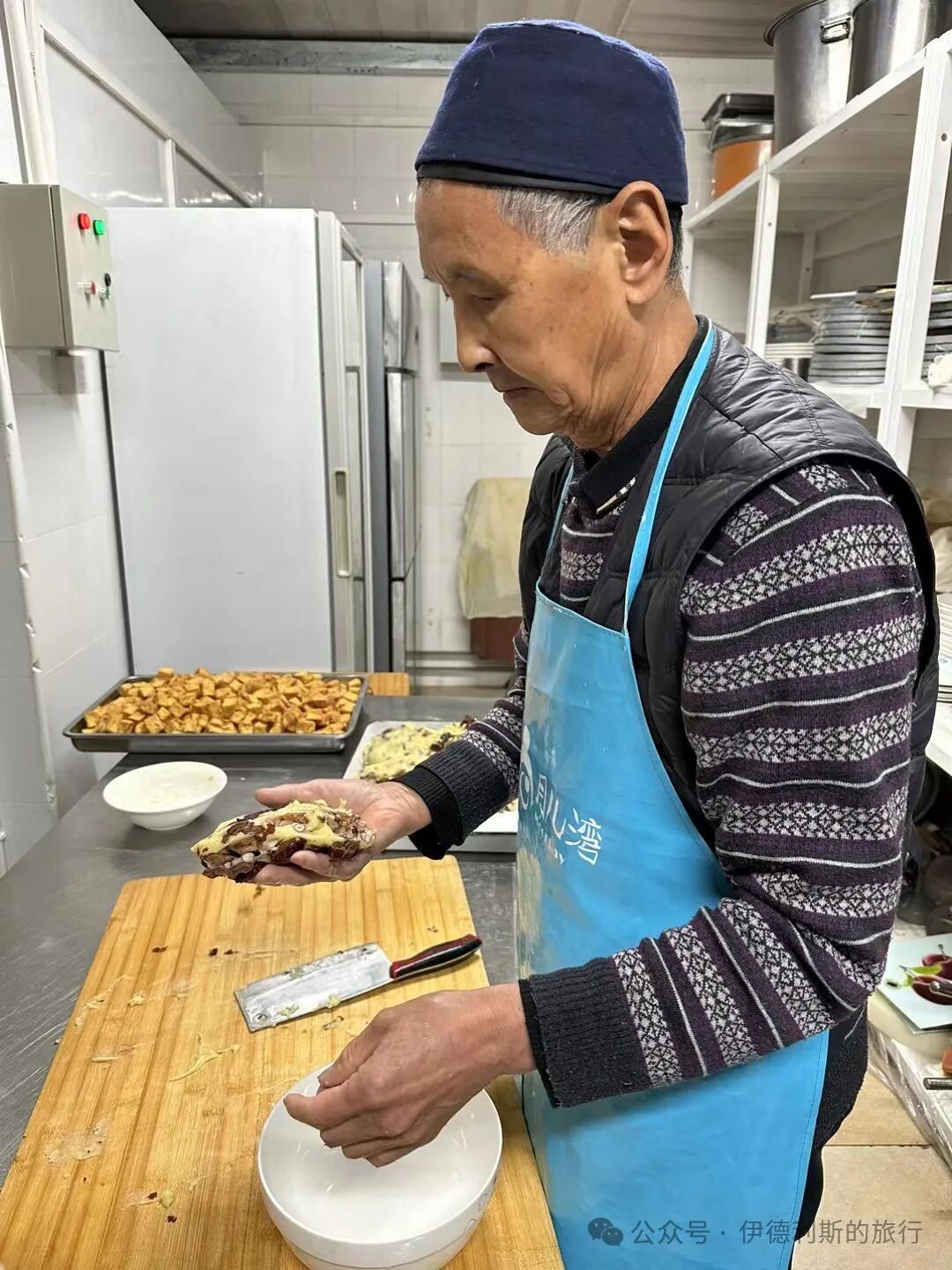
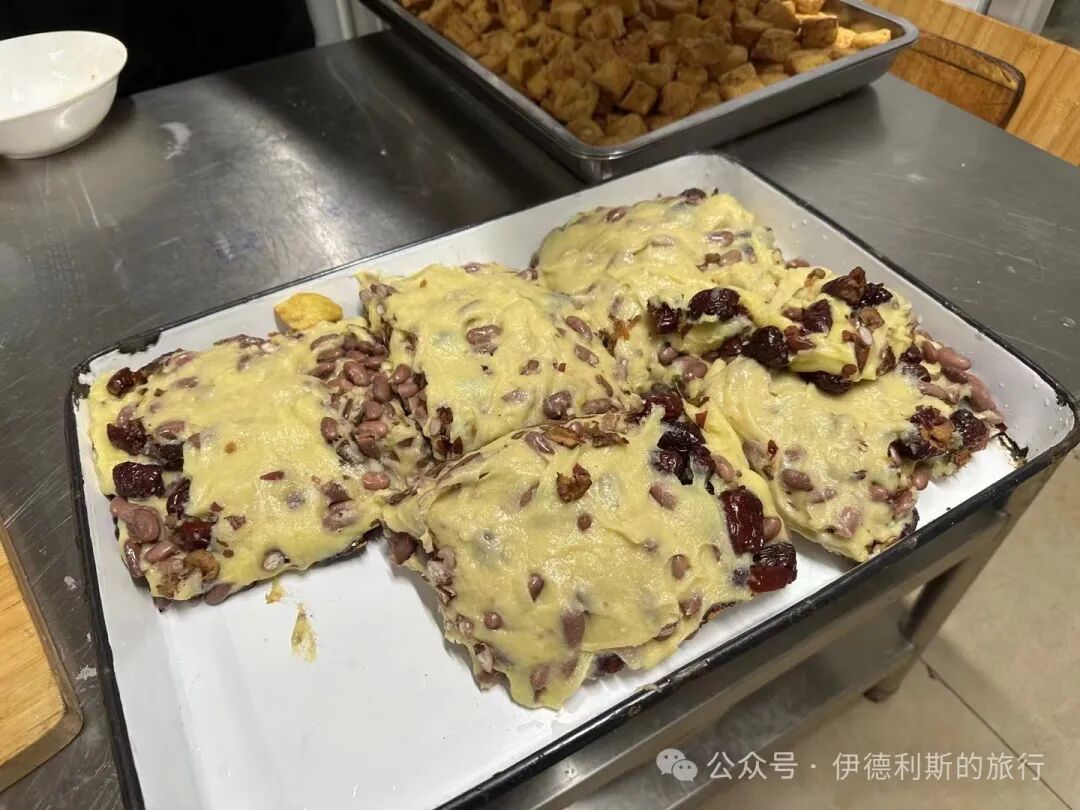
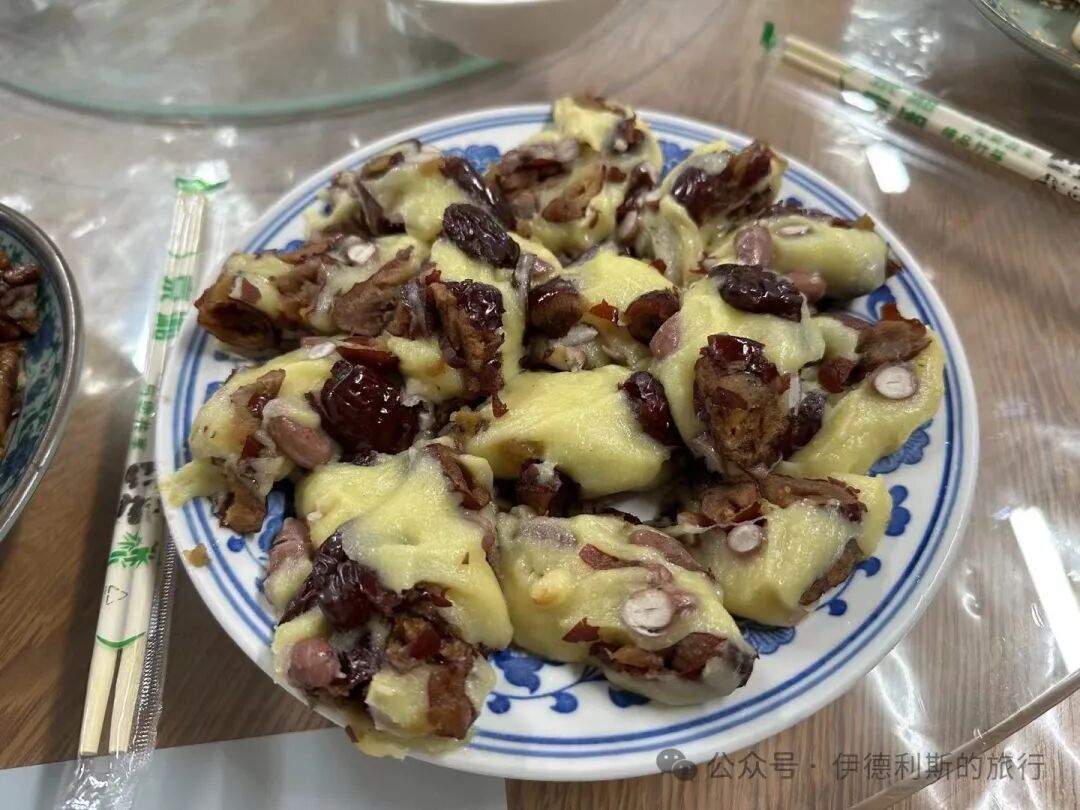
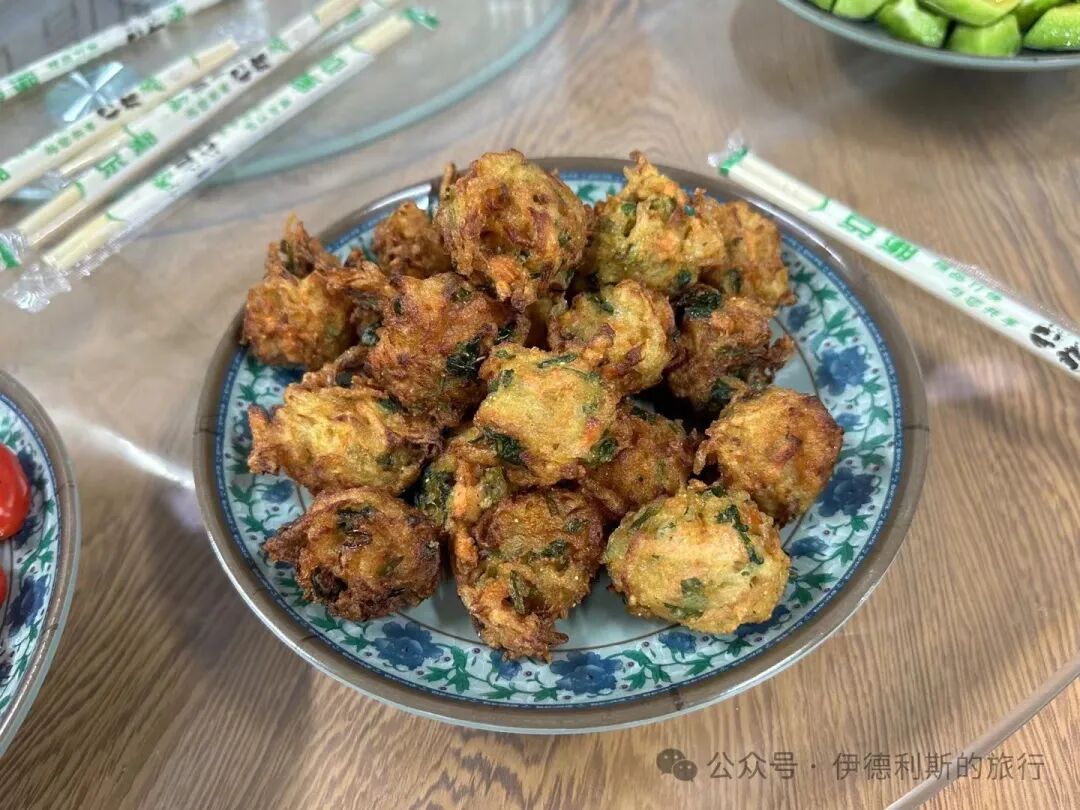
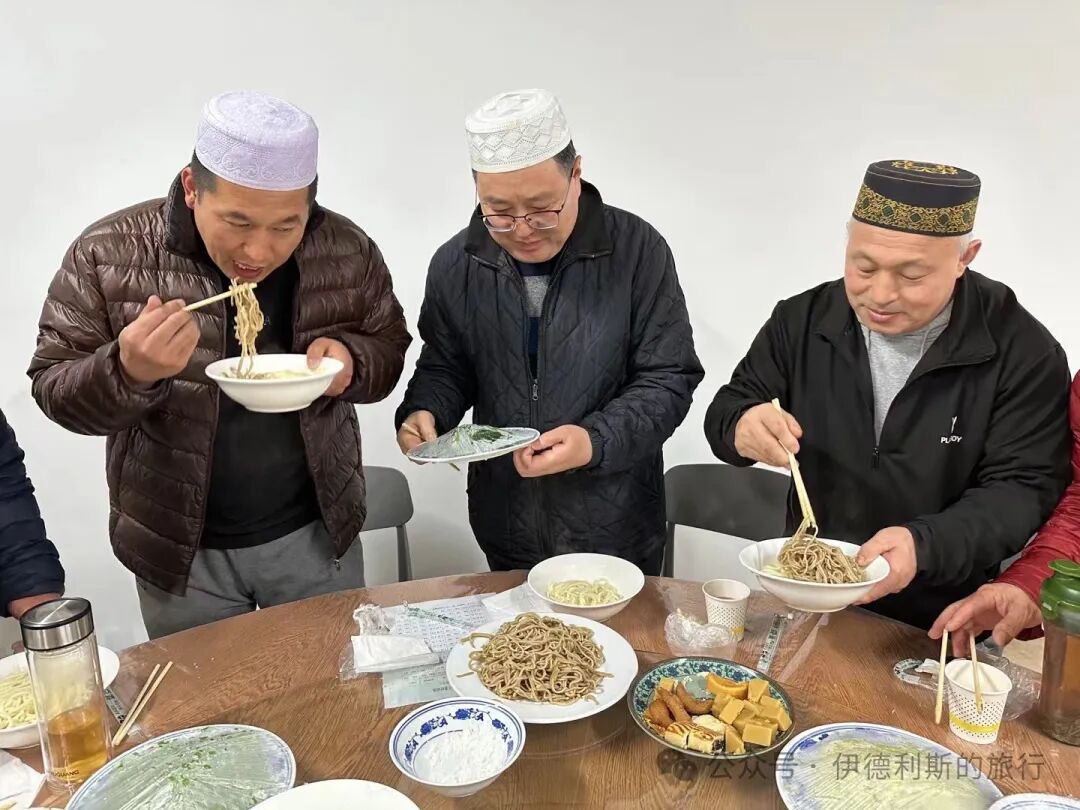
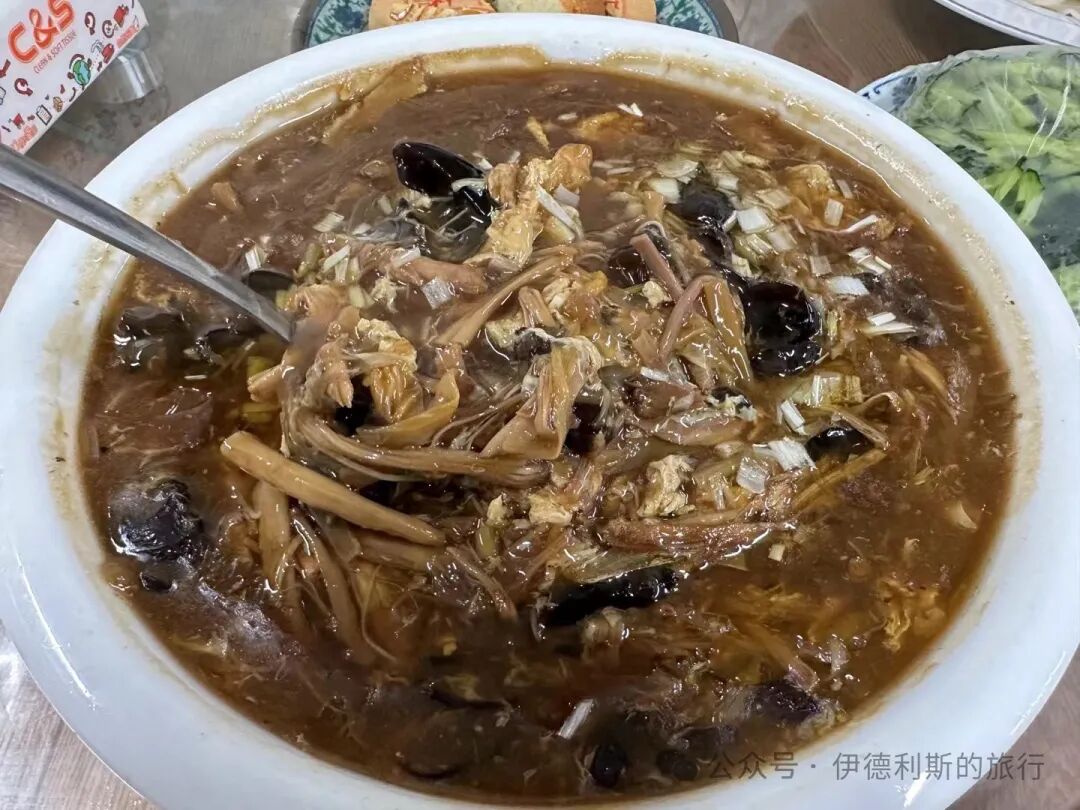
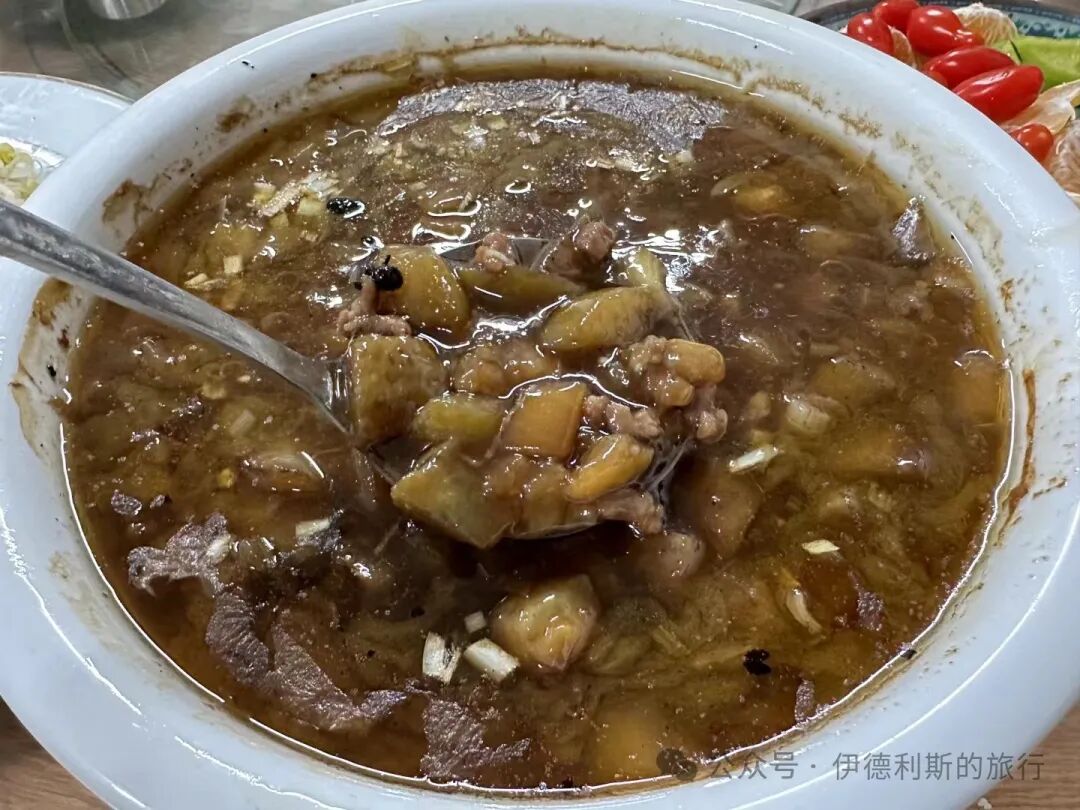
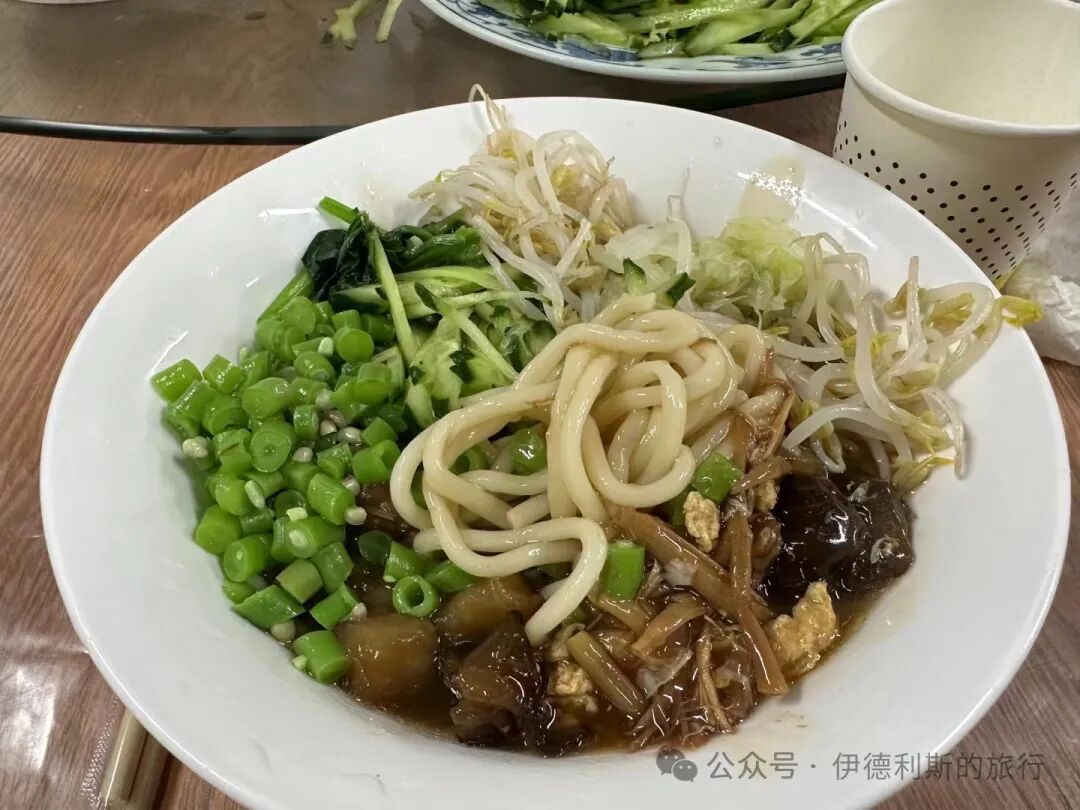
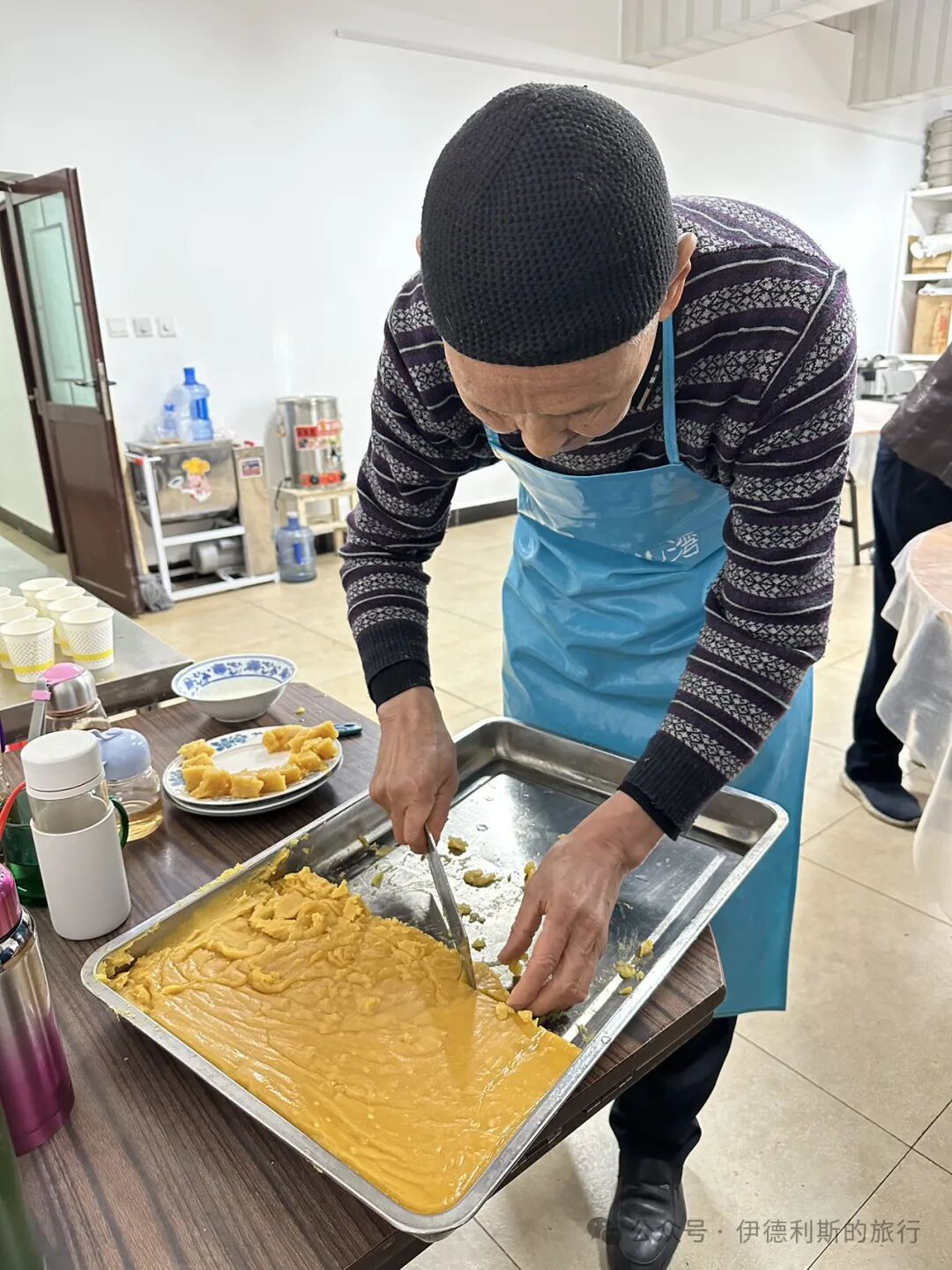
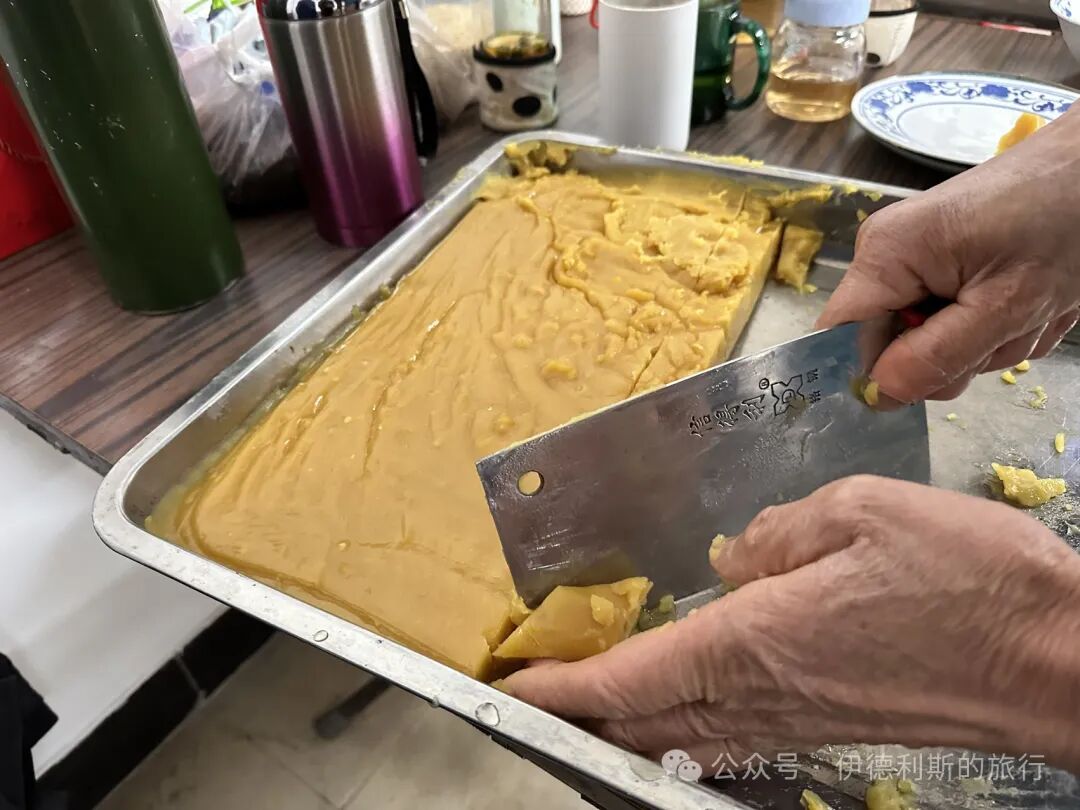
Day 16, Elder Li at Balizhuang Mosque made yellow rice cake (huangmi qiegao) and Elder Fu made fried vegetable meatballs; both were delicious. Every elder at Balizhuang Mosque has a special hidden talent. For the fast-breaking meal, we had noodles with shredded chicken sauce and noodles with diced eggplant sauce, featuring both wheat noodles and oat noodles (youmian) from Zhangjiakou. The noodle toppings included blanched cabbage, blanched cowpeas, blanched bean sprouts, shredded cucumber, and shredded radish, making for a very rich texture.
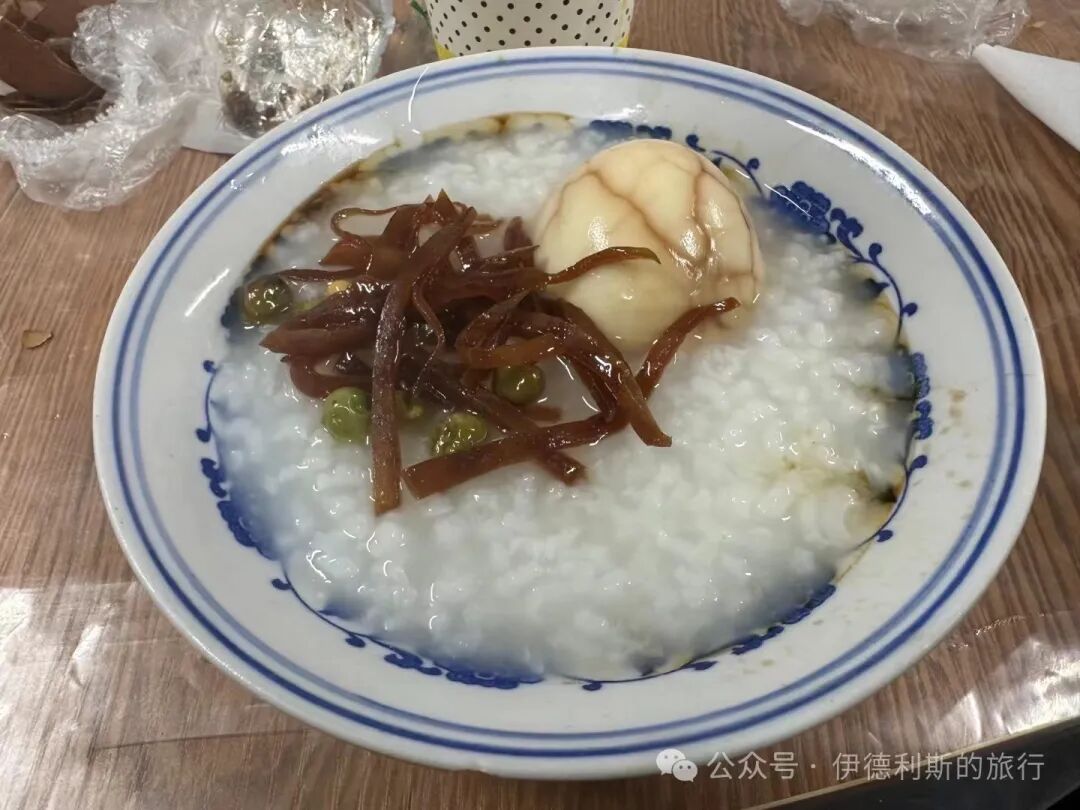
Day 17, Balizhuang Mosque continued to break the fast with fermented mung bean milk. The meal included large steamed buns (baozi) with cowpea and fennel fillings, which were impossible to stop eating when paired with rice porridge.
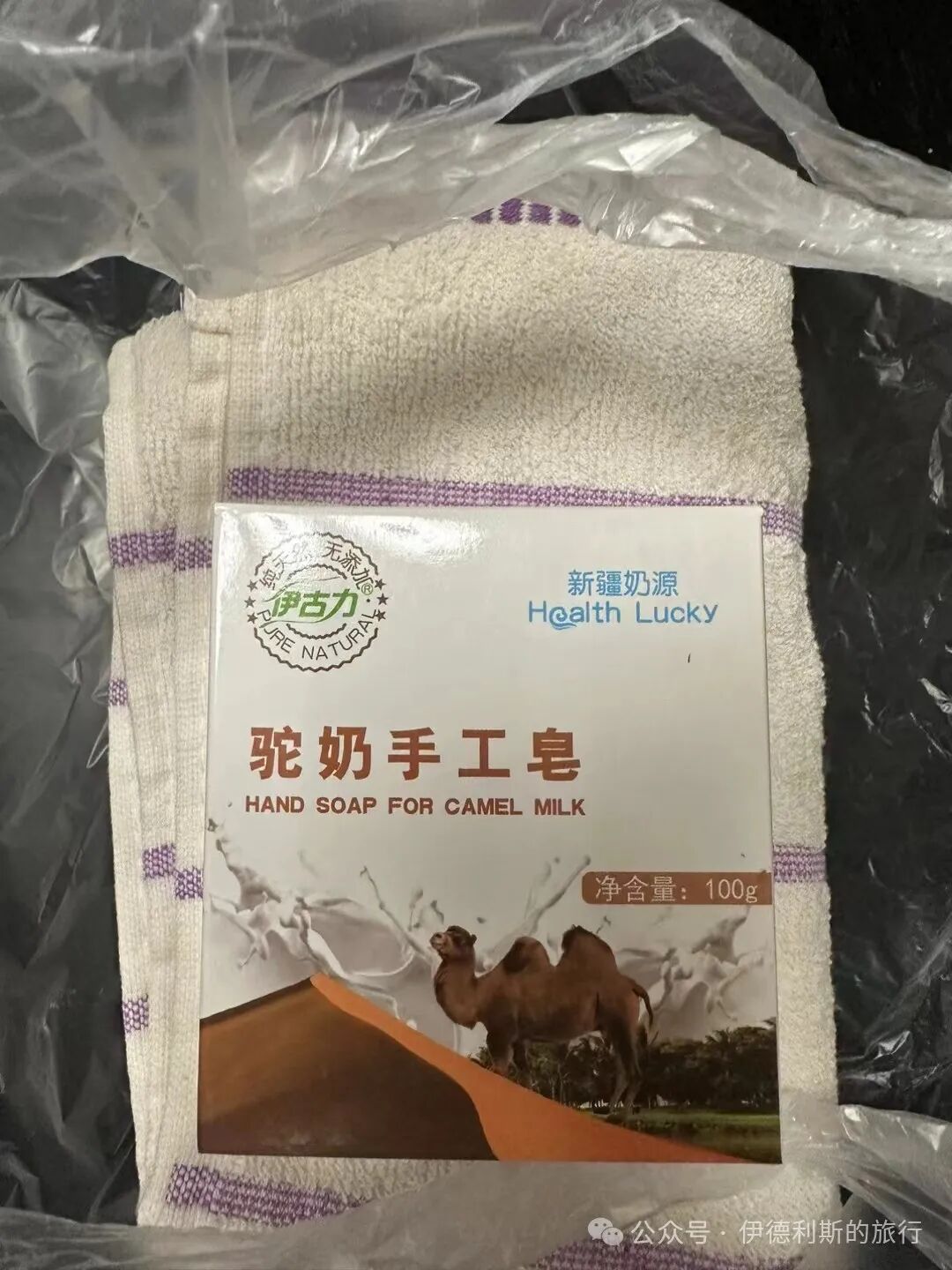
I received camel milk soap given as charity (chusan) by an elder at Balizhuang Mosque; may it bring reward (thawab).
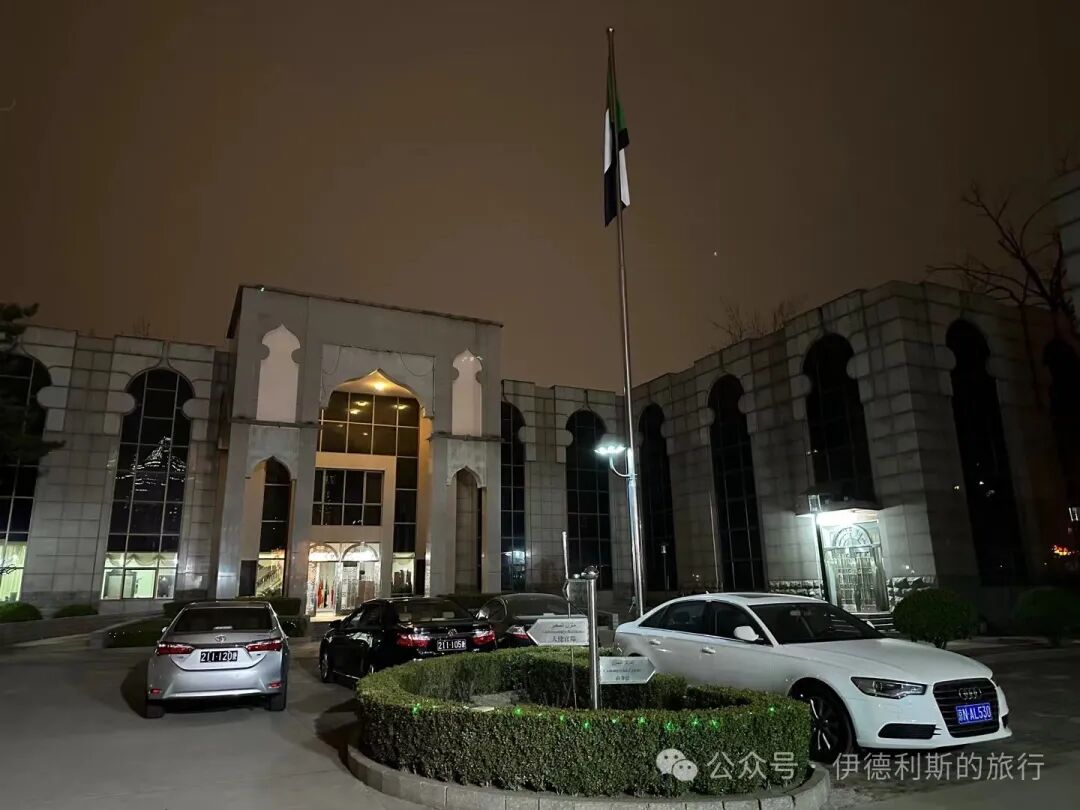
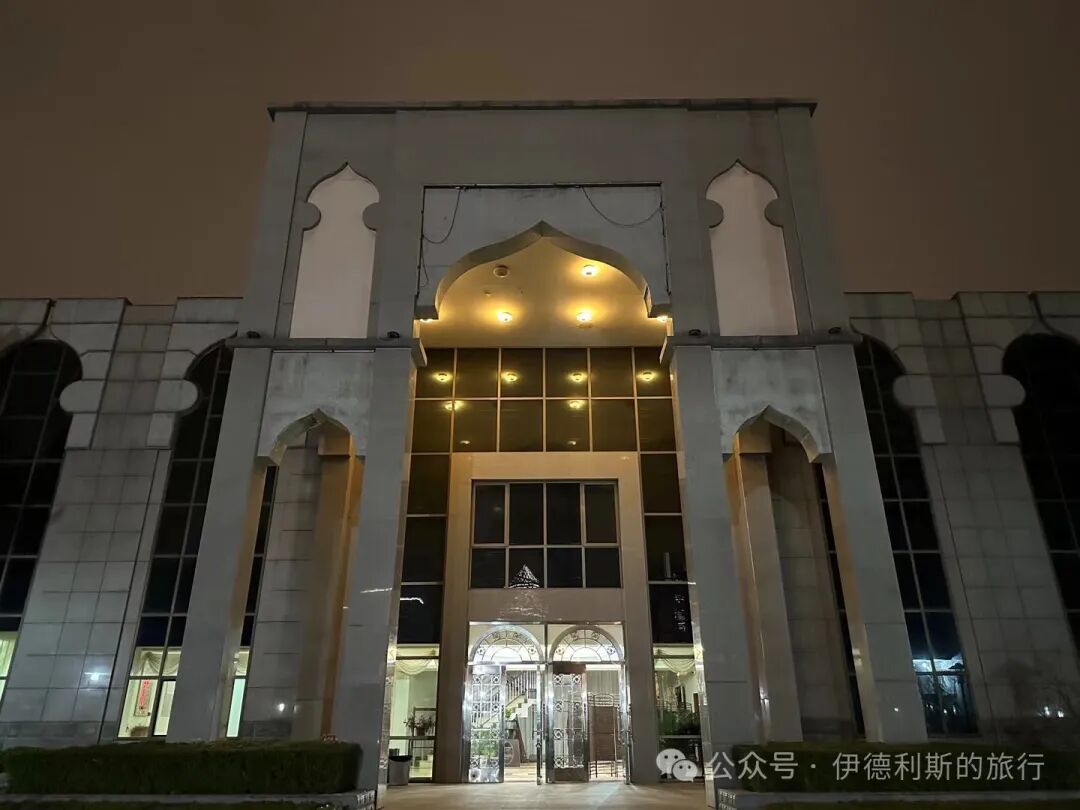
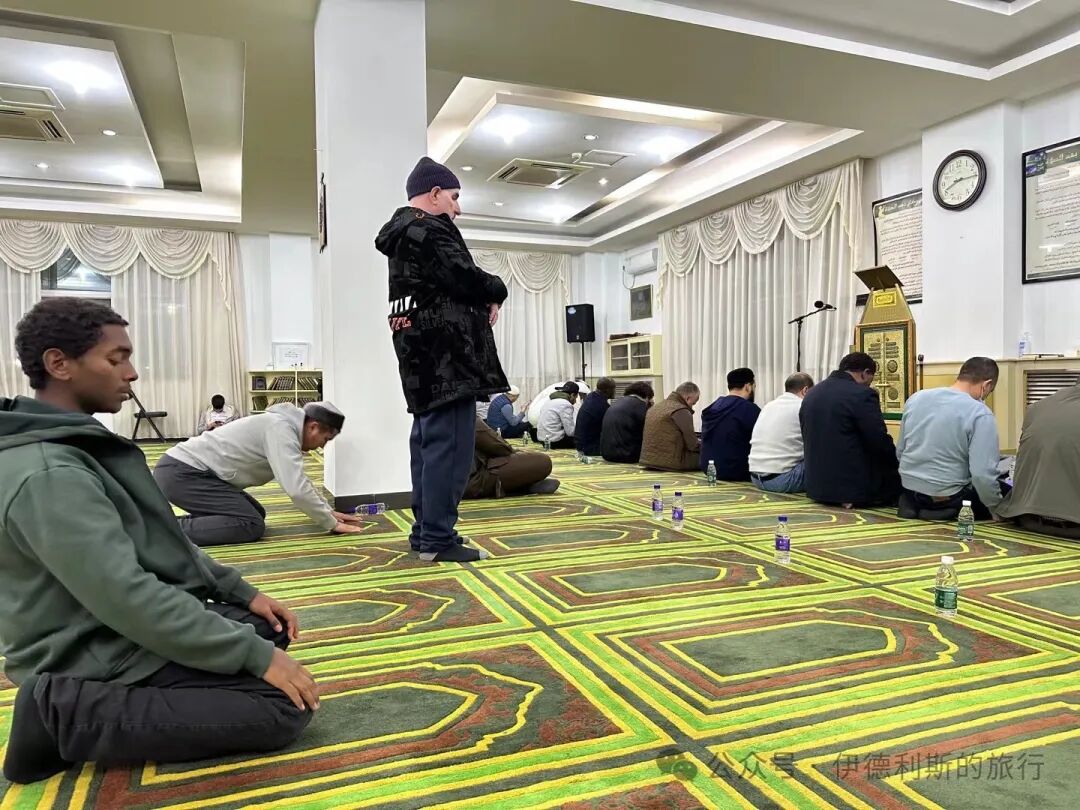
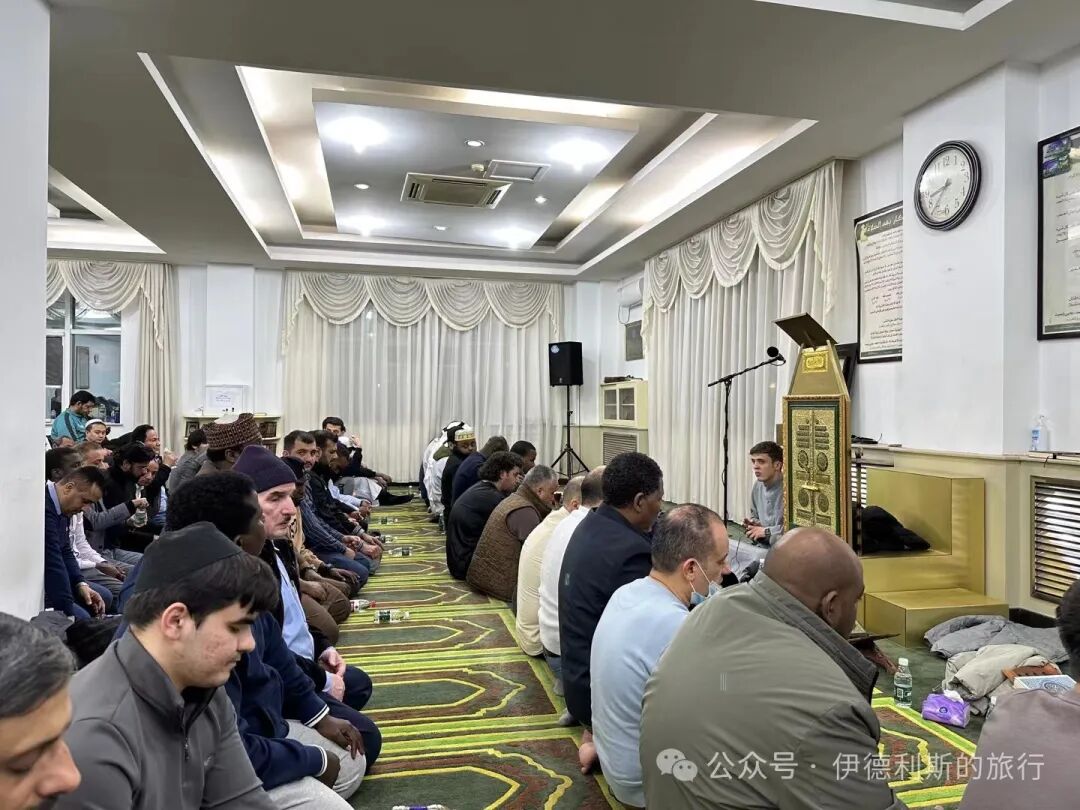
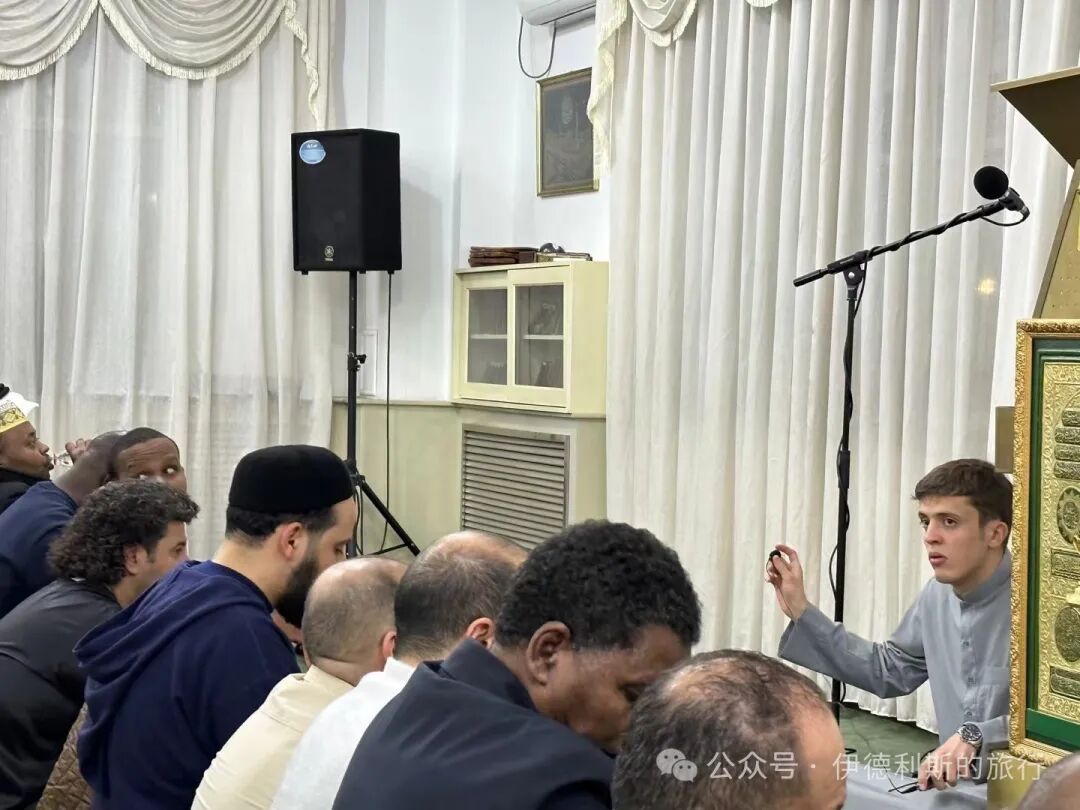
In the evening, I met up with friends (dosti) to pray Tarawih at the Sudanese Embassy. The Sudanese Embassy is right next to Tuanjiehu subway station. We arrived at 7:50 and were able to enter after showing our ID cards at the intersection. The call to prayer (adhan) was at 8:05, and the prayer started at 8:30. There were friends (dosti) from all over the world in the hall, with people of all skin colors standing in rows; it really felt like being abroad. The imam for Tarawih was a young hafiz from Libya whose recitation was melodic, pleasant, and very moving. We prayed eight units (rak'ah) of Tarawih, with a greeting (salam) every four units. The final Witr prayer consisted of two units with a salam, followed by one single unit. This is quite different from the traditional prayer methods of the Gedimu Hui Muslims.
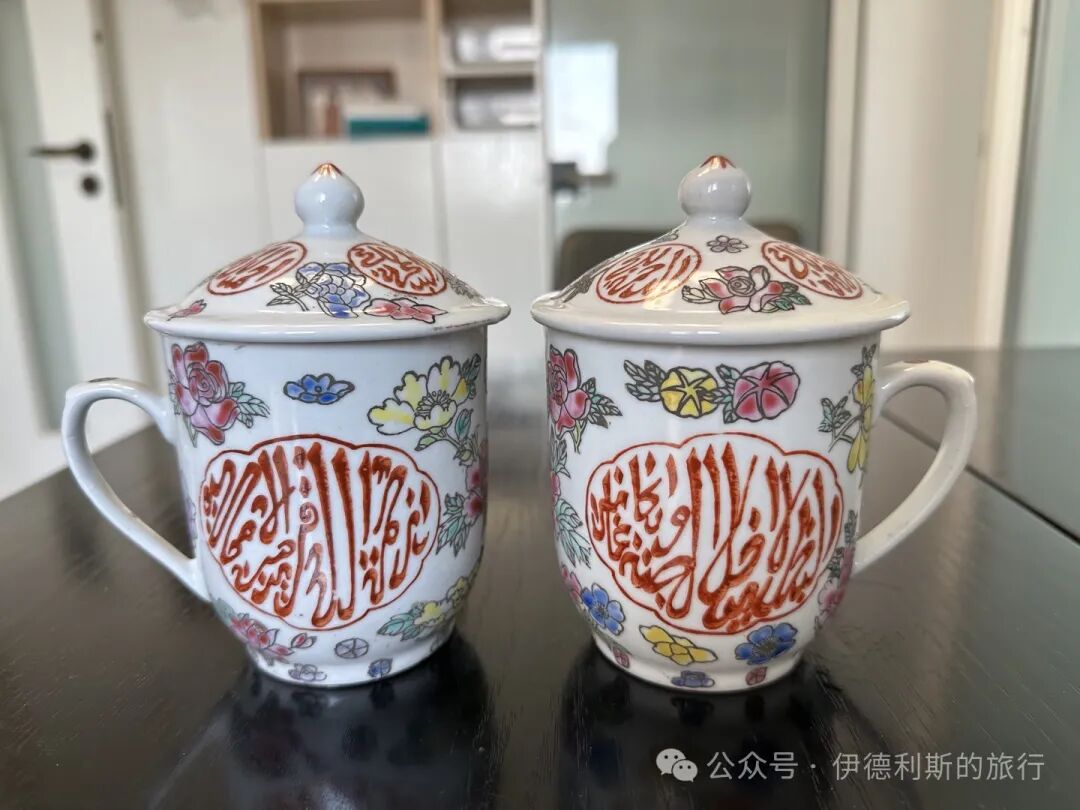
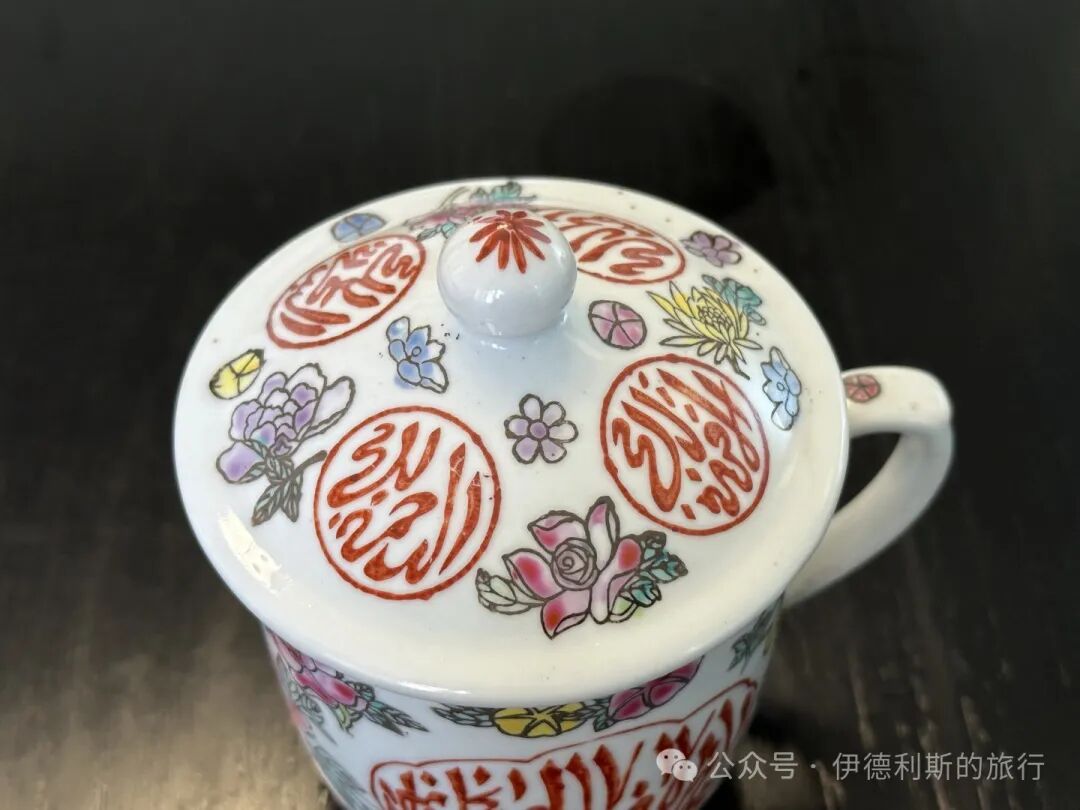
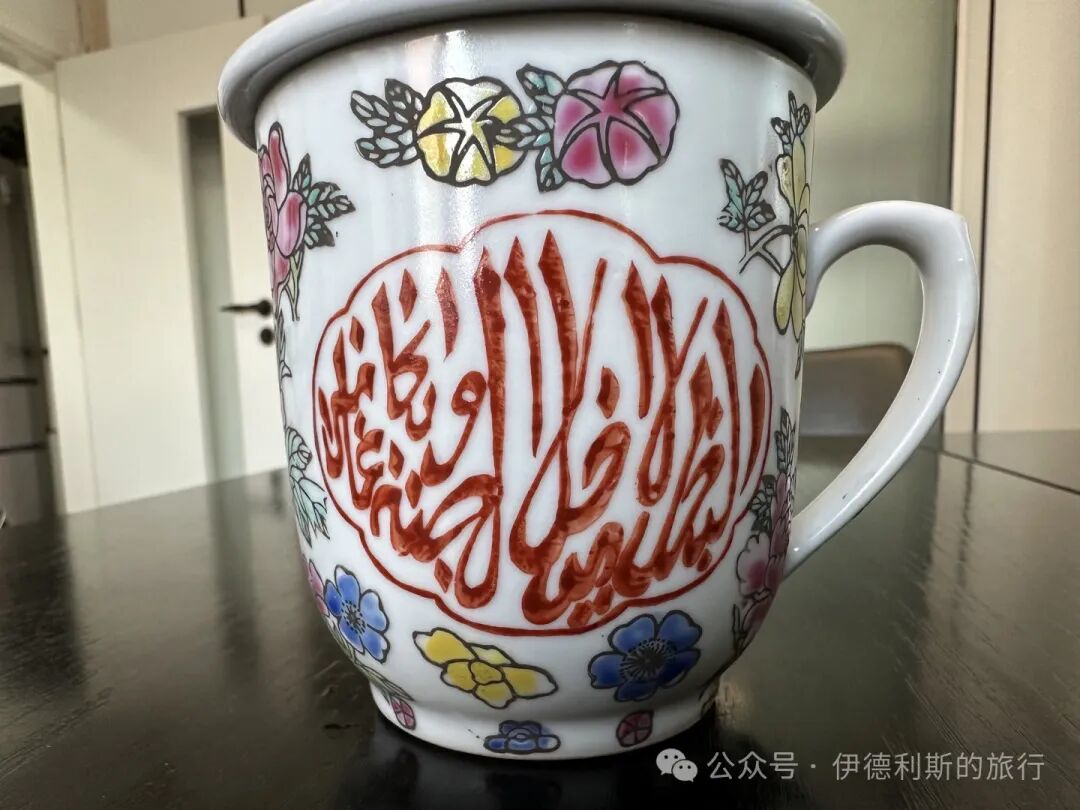
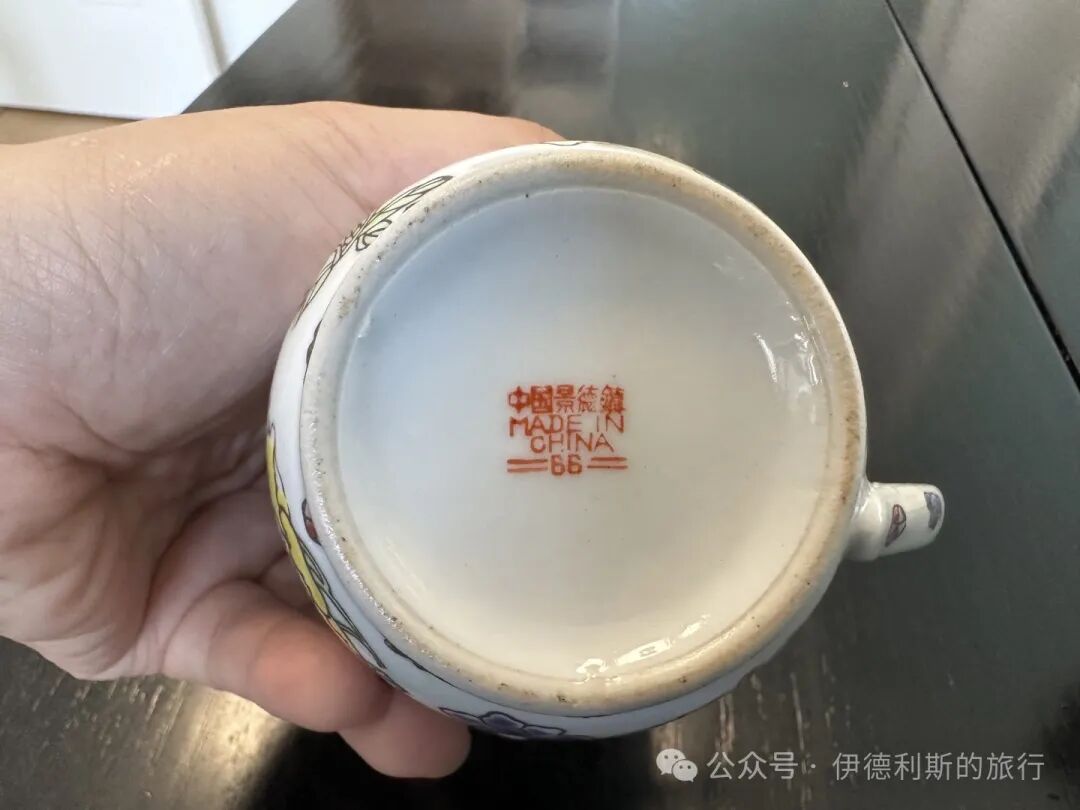
My Ramadan collection includes a teacup fired in Jingdezhen in the 1980s, featuring a traditional calligraphy style common in southern China. The lid is inscribed with gratitude, blessings, mercy, and worship, while the cup body reads, 'Mercy draws near to those who do good' and 'The stingy cannot enter paradise, even if they are people who worship Allah.'
On the 18th day, a friend (dosti) from Hunan invited us to break our fast at Nanxiapo Mosque, where we had a very delicious meal of stewed meat with rice. I met many new friends during this time; Ramadan is truly a great opportunity for everyone to gather together.
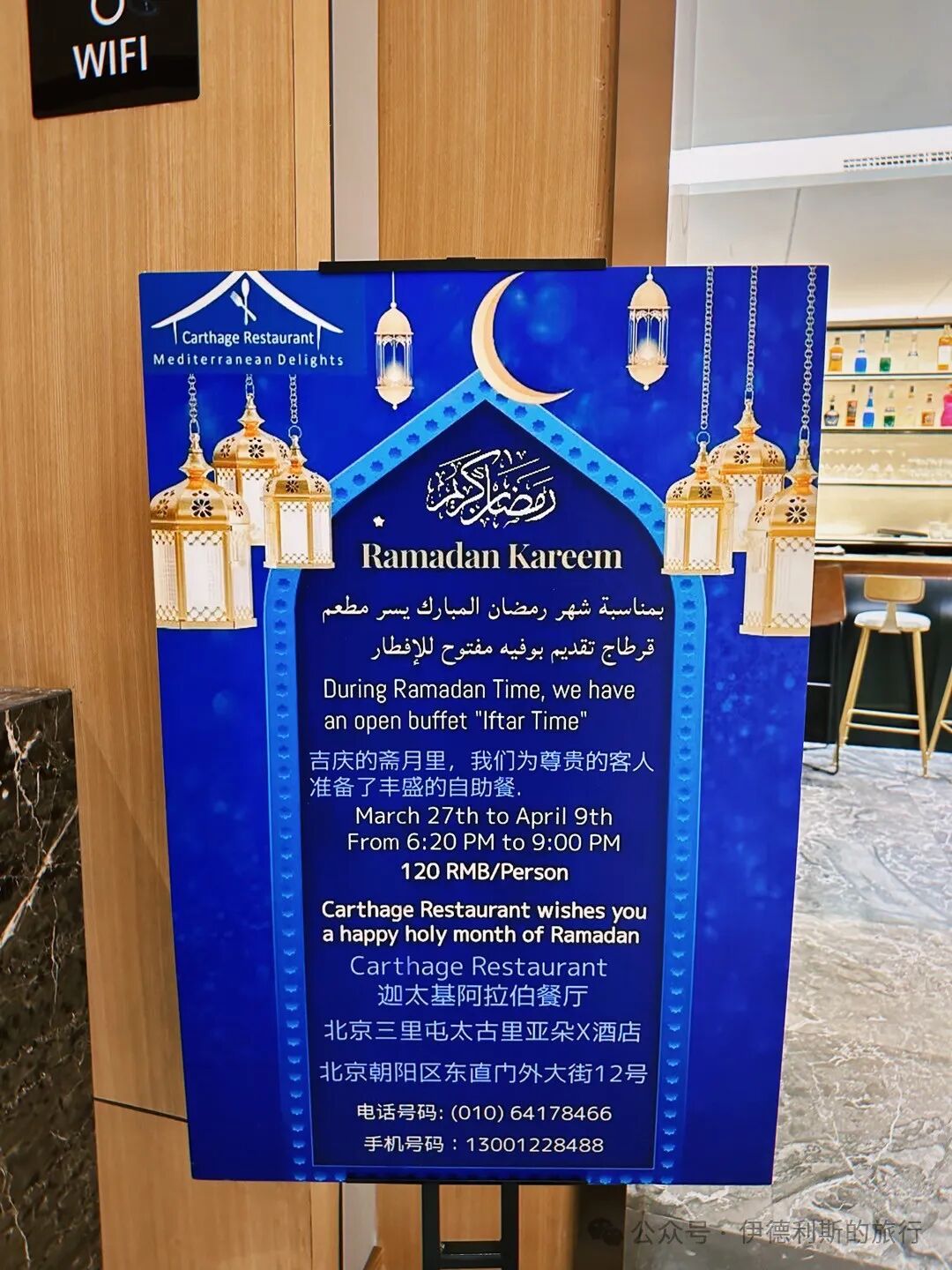
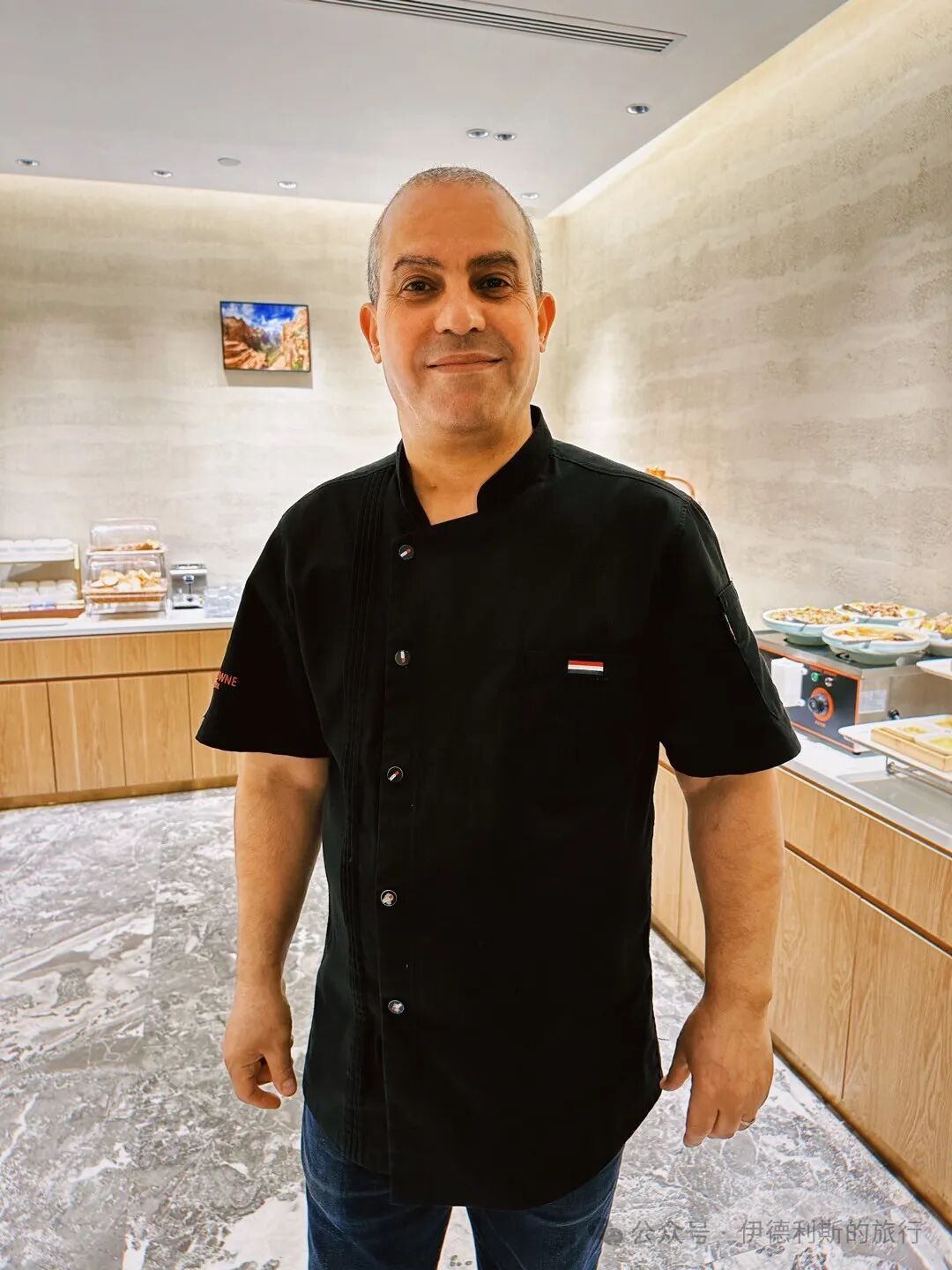
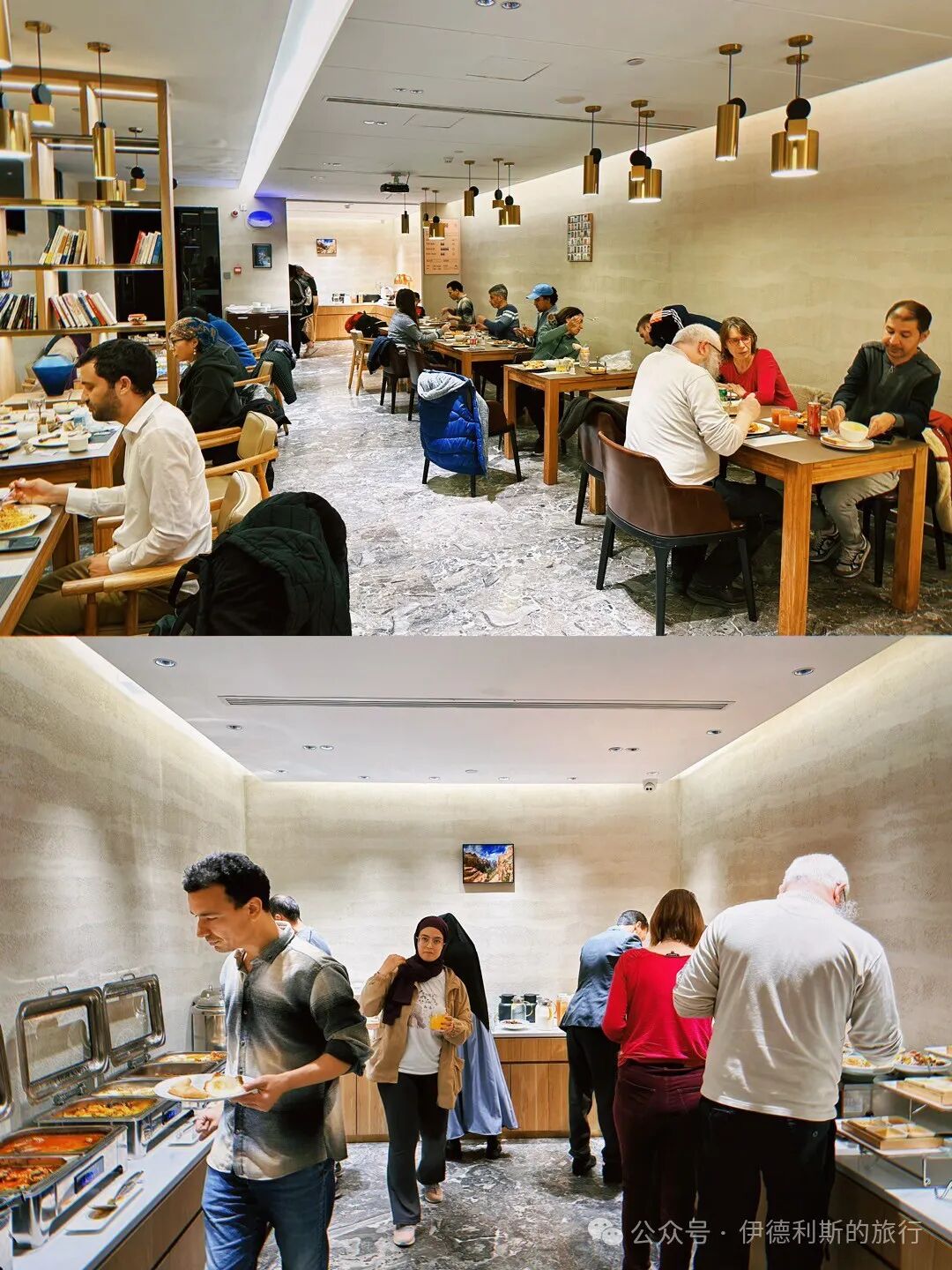
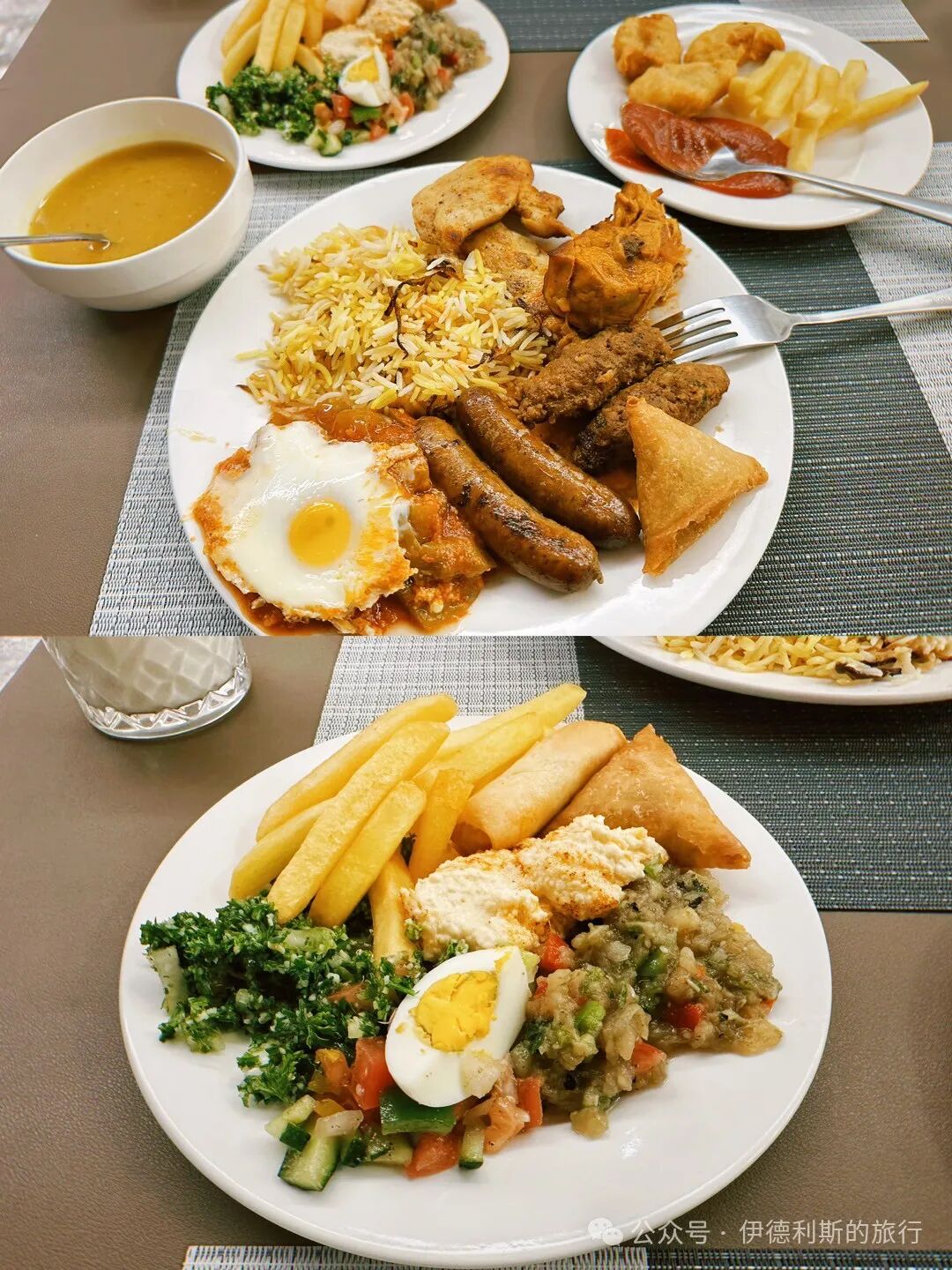
On the 19th day, I went to the Carthage Arabic Restaurant on Dongzhimen Outer Street for the iftar buffet. It is a new spot opened by Adel, the head chef of La Medina, in the breakfast area on the first floor of the Atour X Hotel in Sanlitun Taikoo Li, still focusing on Tunisian flavors. Since it has not been open long, it is mostly frequented by foreign friends (dosti) from the nearby embassy district, so there is no need to wait in line.
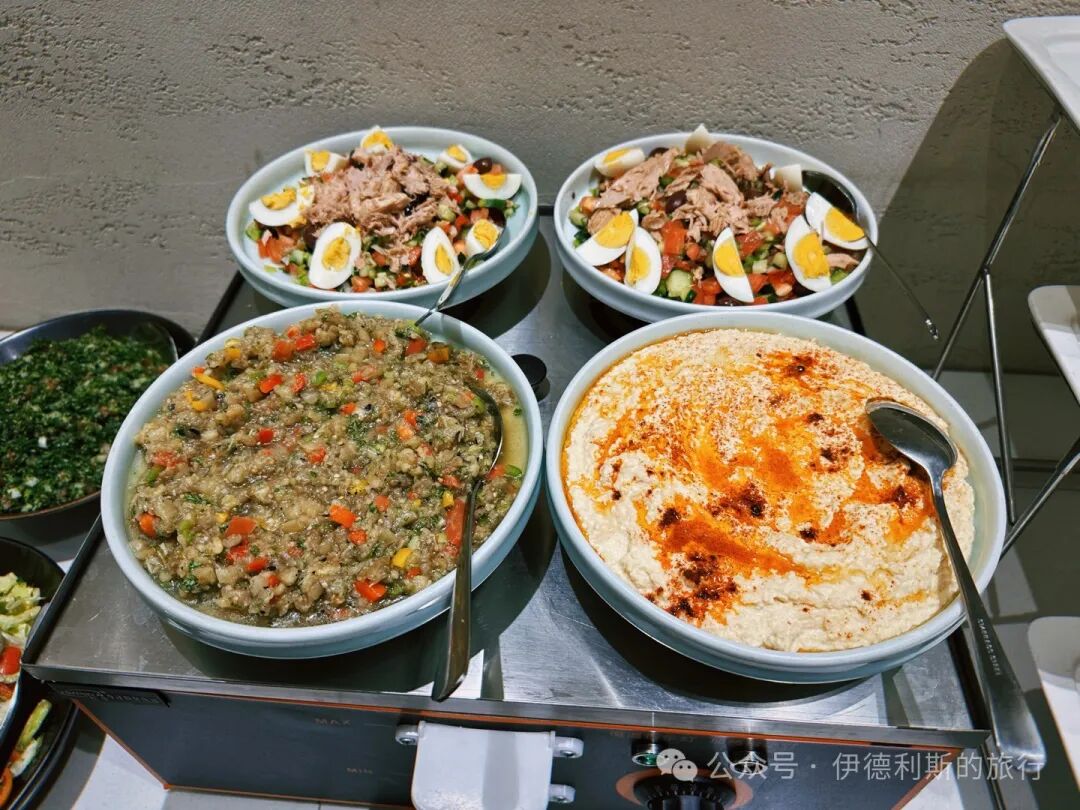
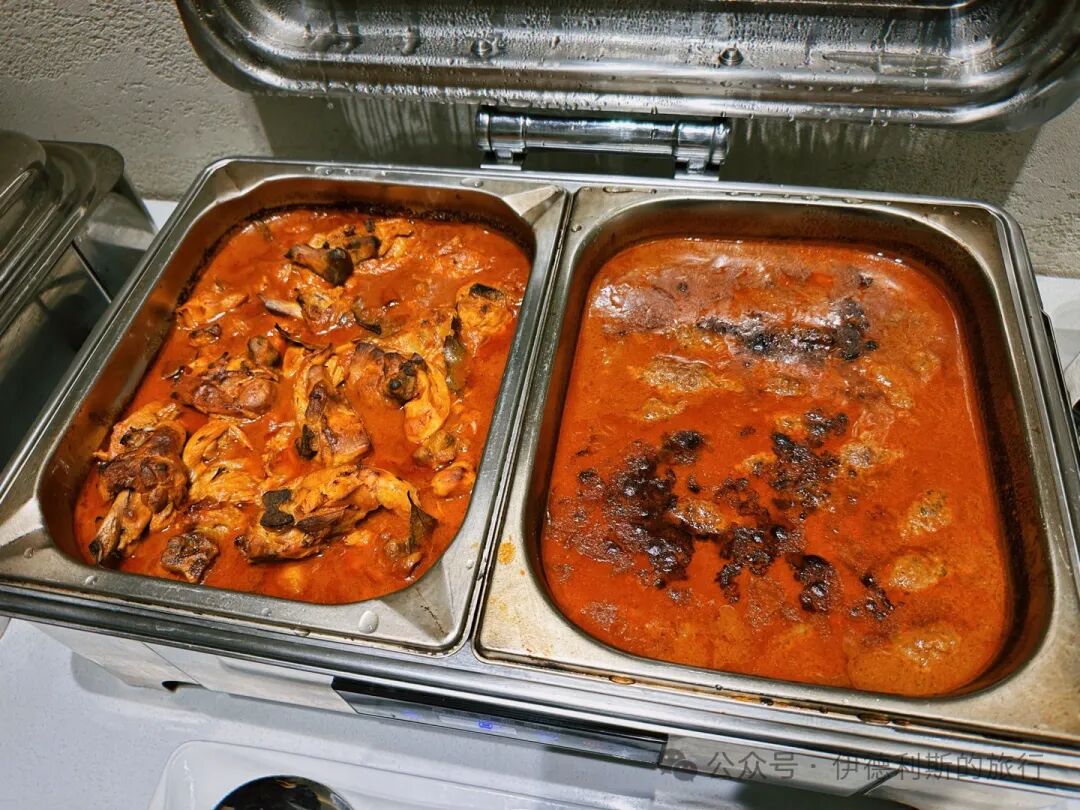
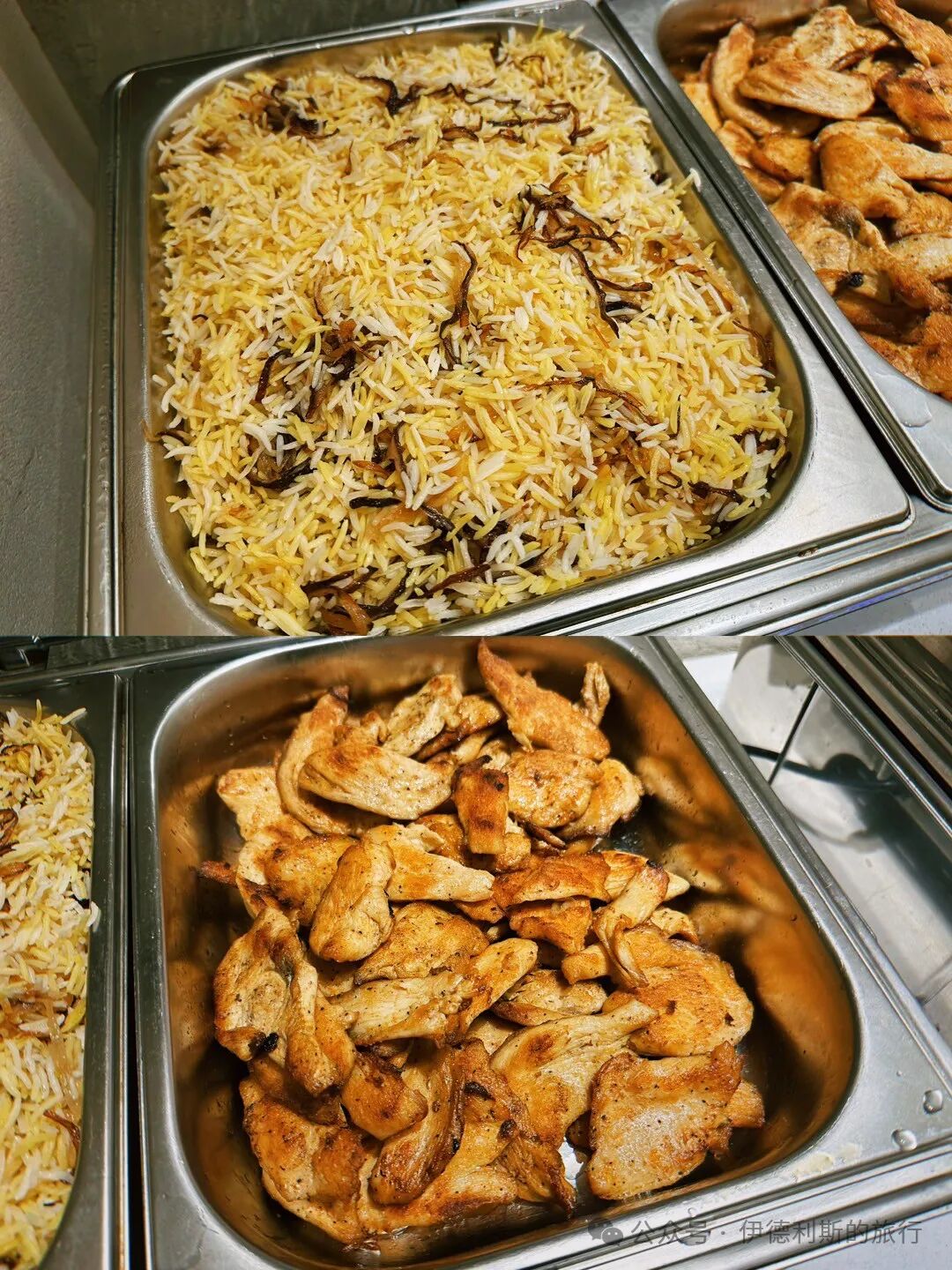
Because Adel is in charge, the dishes are similar to those at La Medina, though the variety is slightly smaller. Appetizers include chickpea dip (hummus), parsley salad (tabbouleh), and the Tunisian-style roasted eggplant salad (mechouia). Besides roasted eggplant, the roasted eggplant salad (mechouia) contains tomatoes, chili peppers, onions, and olive oil, making it very healthy.
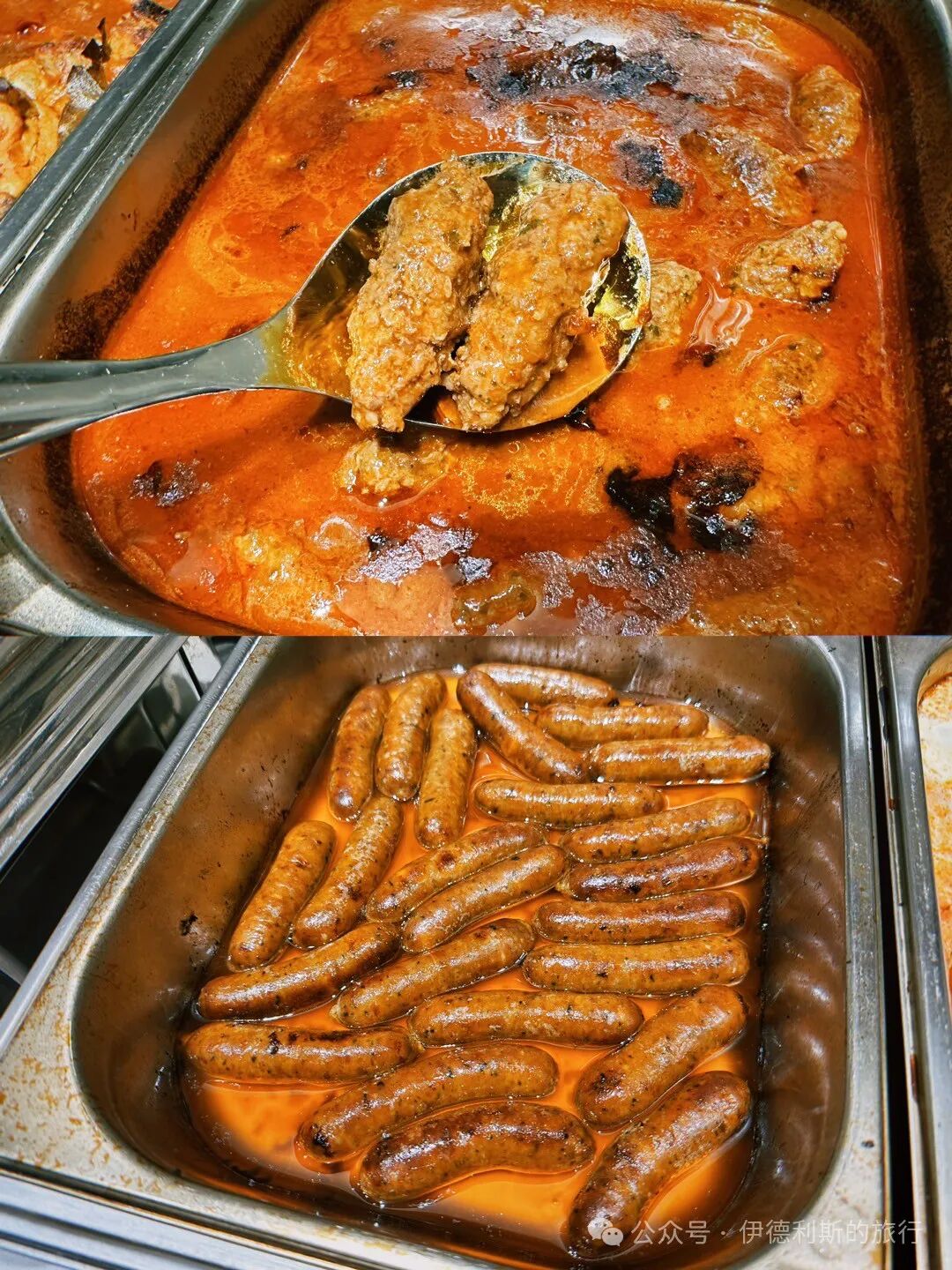
The main course features North African sausage (merguez), made from lamb and beef mixed with cumin, harissa, chili, and various other spices. It appeared as early as the 12th century in Andalusia and later spread throughout North Africa.
They also serve the classic North African Maghreb tomato and chili poached egg dish (shakshouka). The tomato and chili poached egg dish (shakshouka) originated in North Africa under Ottoman rule in the 16th century, when tomatoes and chili peppers were introduced to North Africa from the Americas and then became part of the local diet.
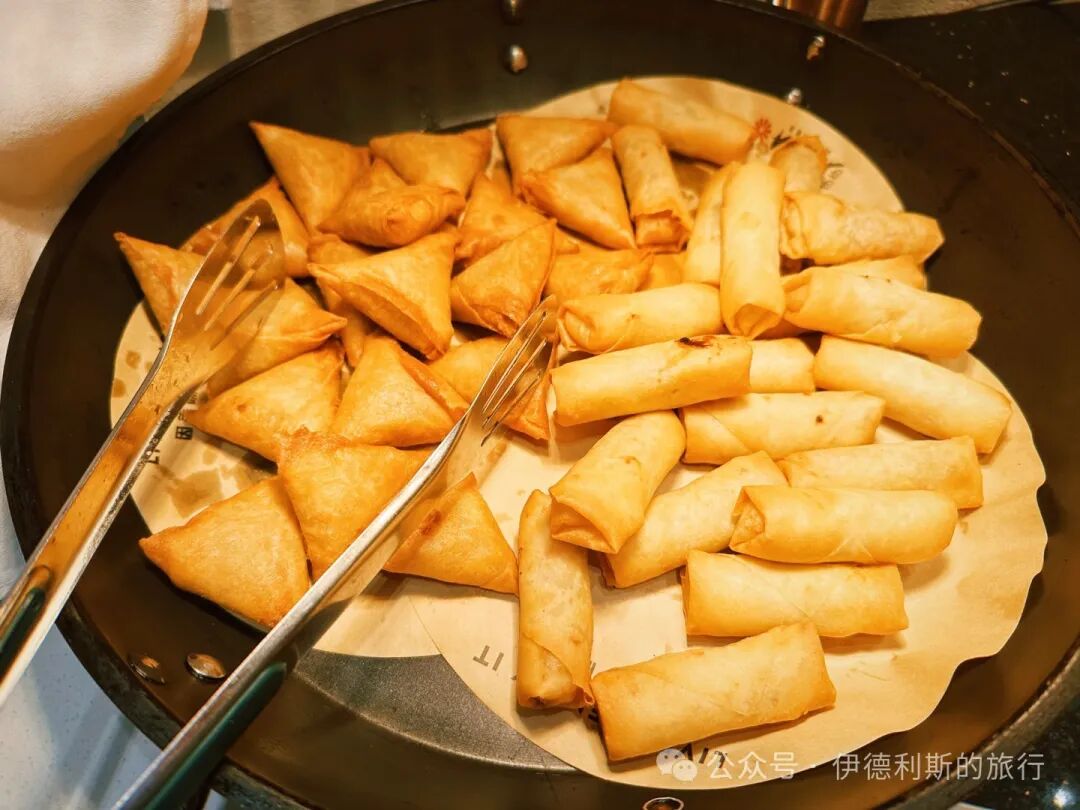
They also have the Arabic version of fried triangular pastries (sambousek), which is a classic Ramadan snack for Arabs. The fried triangular pastry (sambousek) originated in Iran and entered the Arab diet after the 10th century, later spreading to India, China, Indonesia, and Africa. In some parts of eastern China, Hui Muslims still use its Persian name, 'sanmosan'.
On the 20th day, two-thirds of Ramadan has passed. At Balizhuang Mosque, they freshly made sugar-rolled fruit (tangjuanguo) and fried crispy dough (zhagezhi). I continued to break my fast with mung bean milk (douzhi), ate stir-fried green beans with meat and braised meatballs (huisongrou) for the meal, and thirteen elders joined in the opening prayer (kaijing). Breaking the fast at the mosque brings richness to both the spirit and the body.
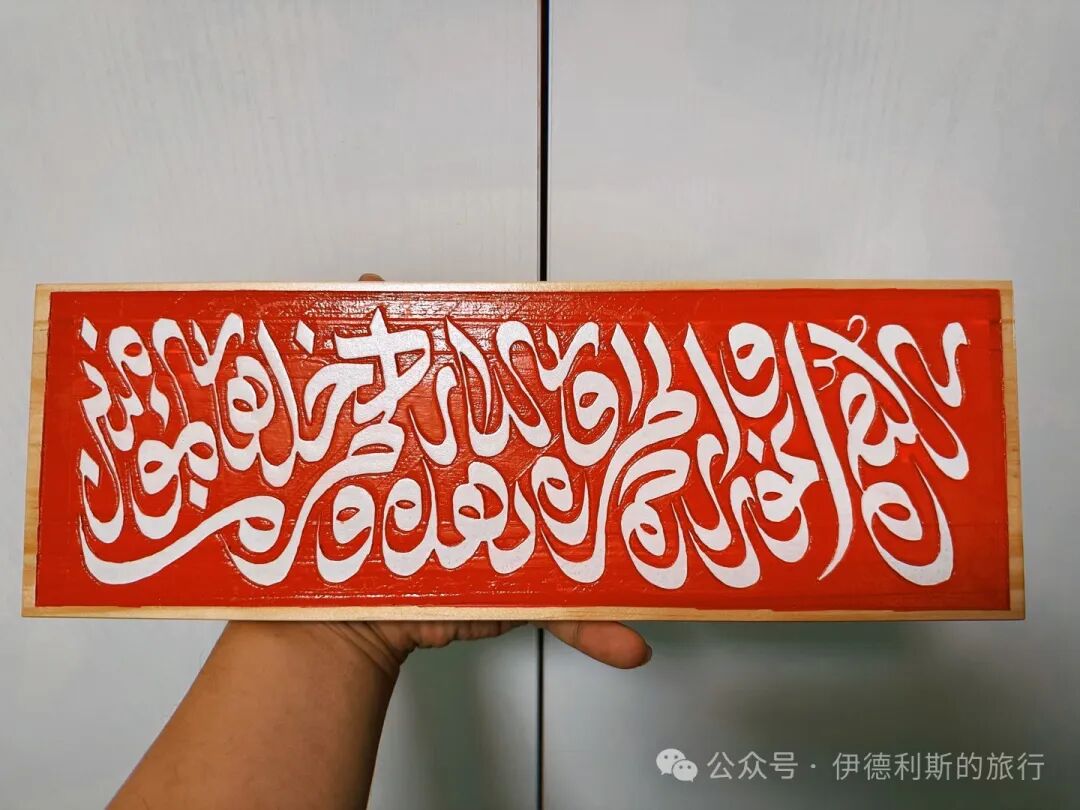
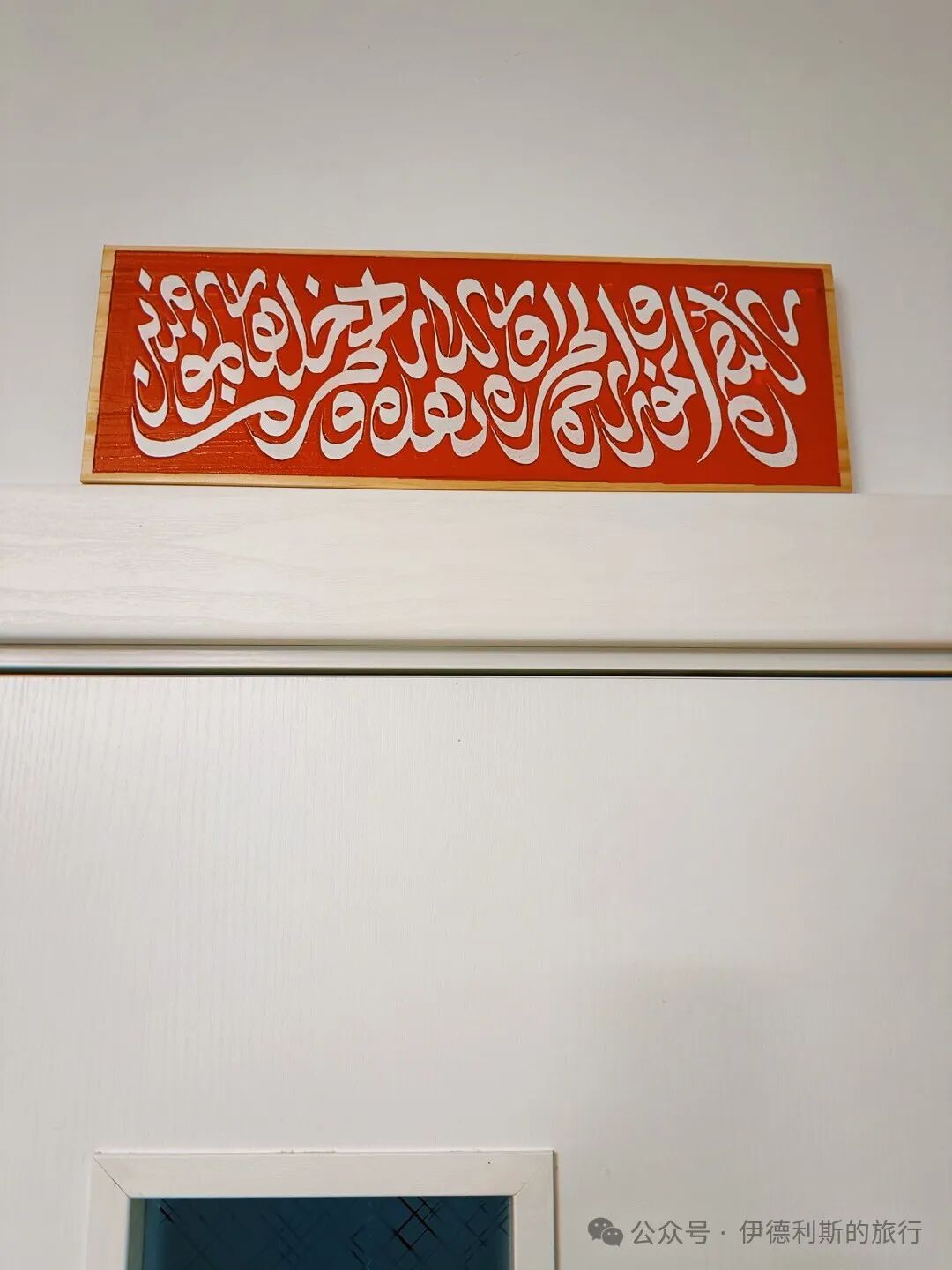
Ramadan collection. I received a traditional late Qing Dynasty Tianjin-style pine wood dua plaque made by teacher Wang Qifei, which reads, 'O Allah!' Grant Your forgiveness and mercy to those who live in this house and to the believers who enter it!'
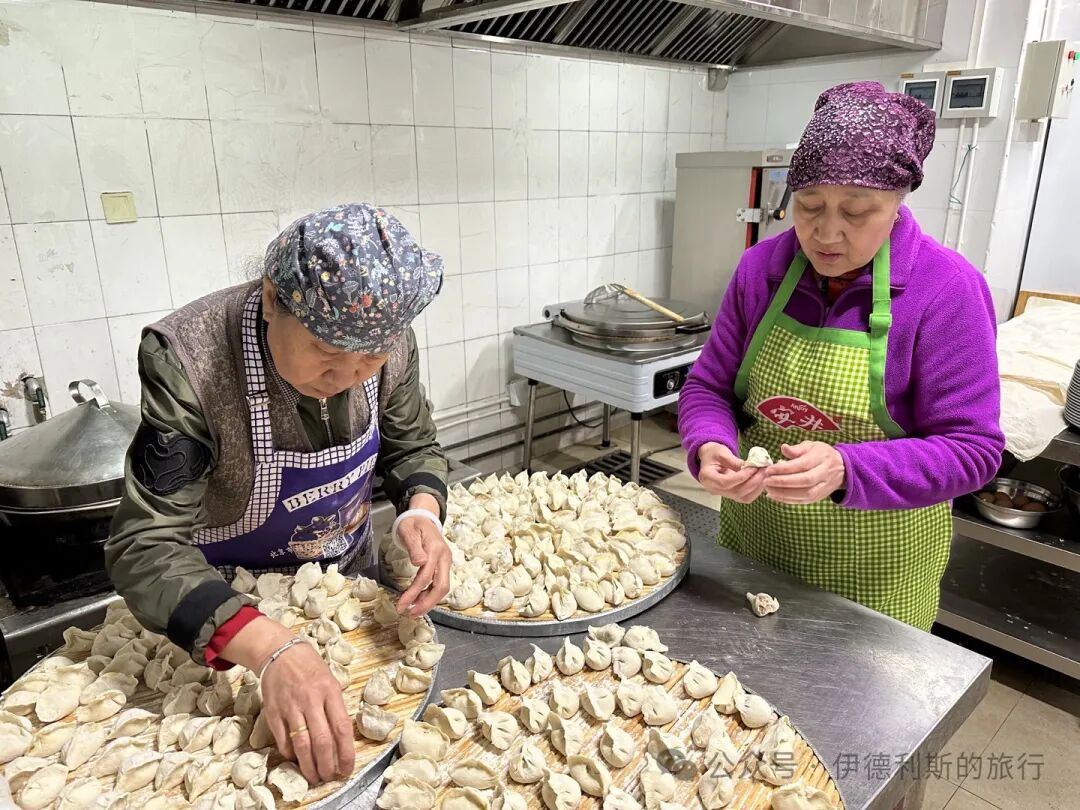
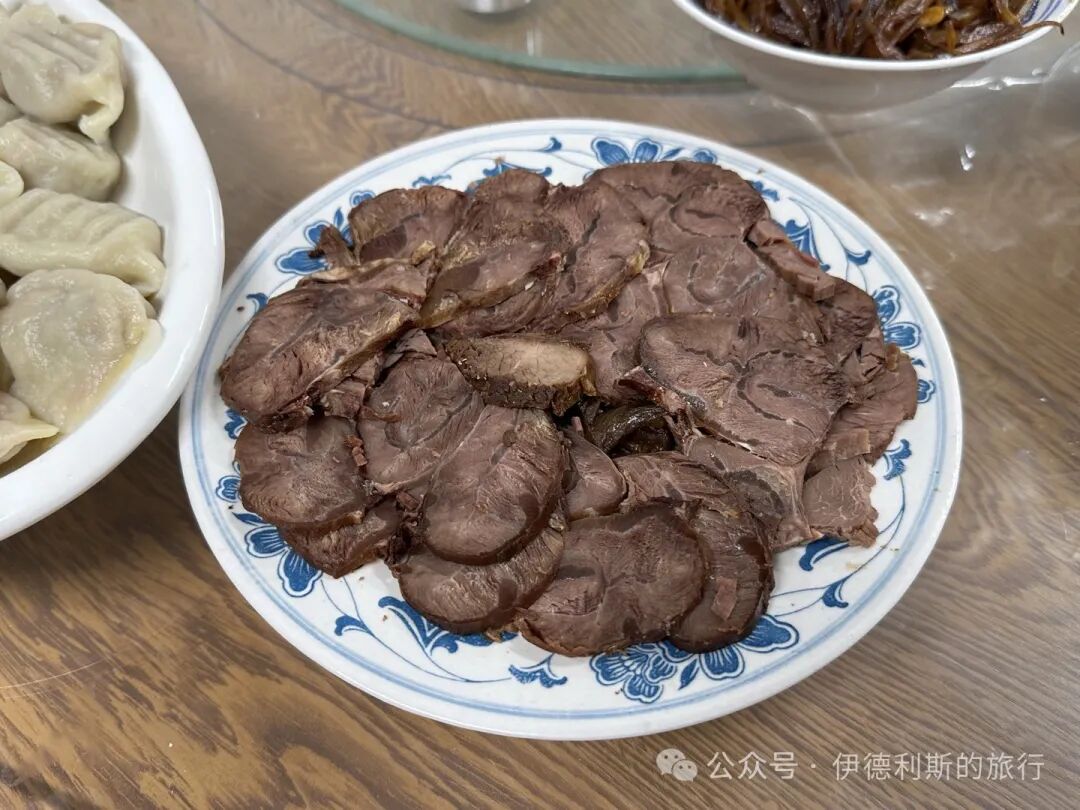
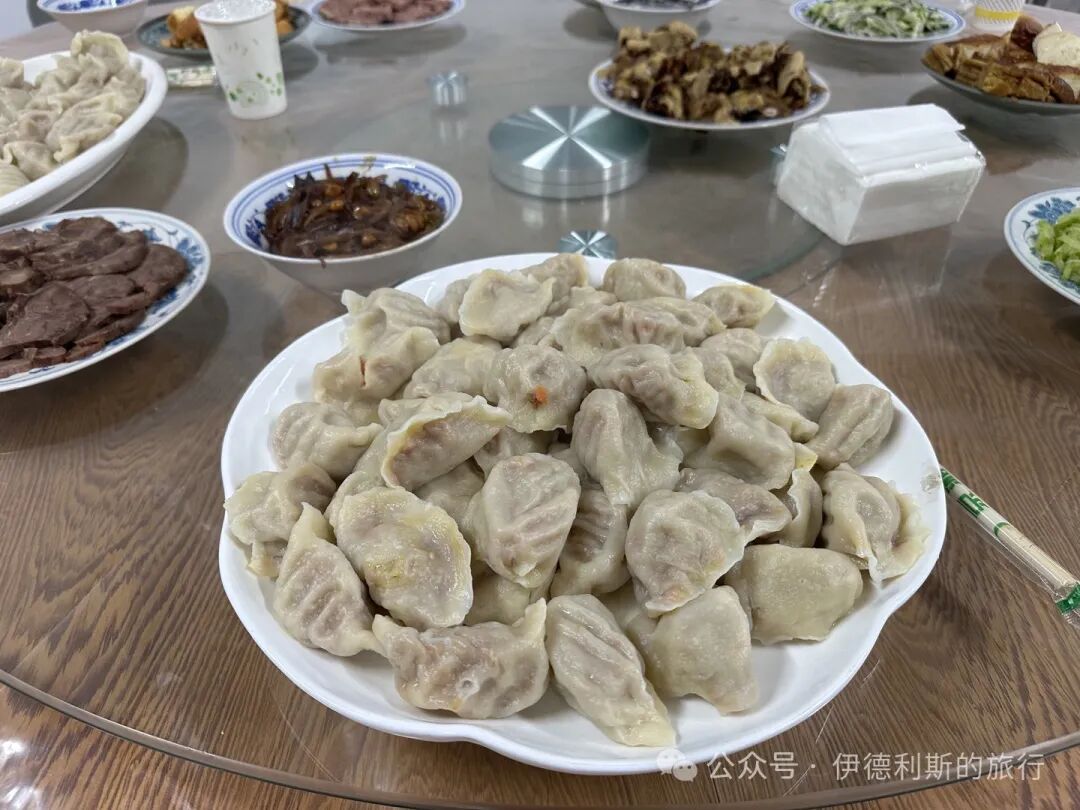
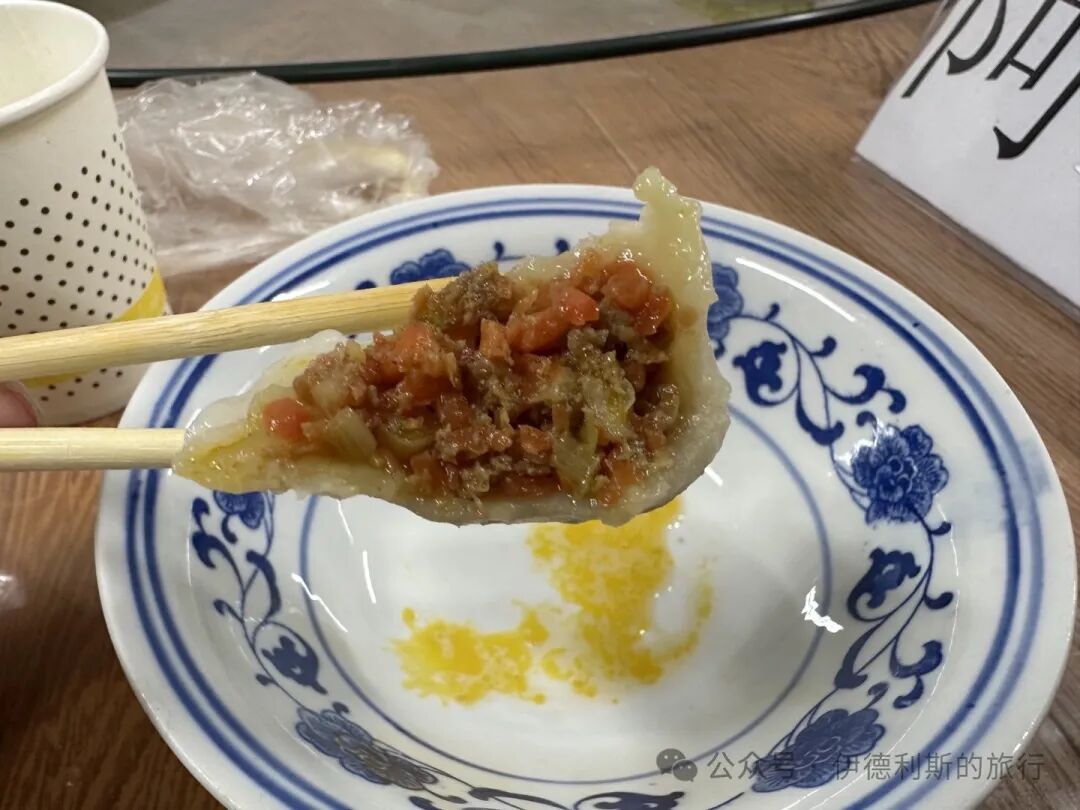
On the twenty-first day, the elders at Balizhuang Mosque gathered to make dumplings (jiaozi) with carrot and cabbage fillings. Nothing really beats the taste of dumplings! After eating, I felt full of energy and ready for the Taraweeh prayers. view all
Summary: Halal Travel Guide: Beijing Ramadan Diary - Week Three Mosques and Iftar is presented here as a firsthand travel account in clear, natural English. The account focuses on Beijing Ramadan, Mosques, Halal Food while preserving the names, places, food, photos, and historical details from the Chinese source.
Day 15, Ramadan is halfway through! We broke our fast at Balizhuang Mosque with fermented mung bean milk (douzhi) again; it was very sour and refreshing! Many elders (xianglao) went back for a second bowl. The fast-breaking meal (zhaifan) included stir-fried tripe with cilantro (yanbao dusi), yam with meatballs, and braised eggplant. I met more friends (dosti) at Balizhuang today; everyone is welcome to visit the mosque more often during Ramadan.
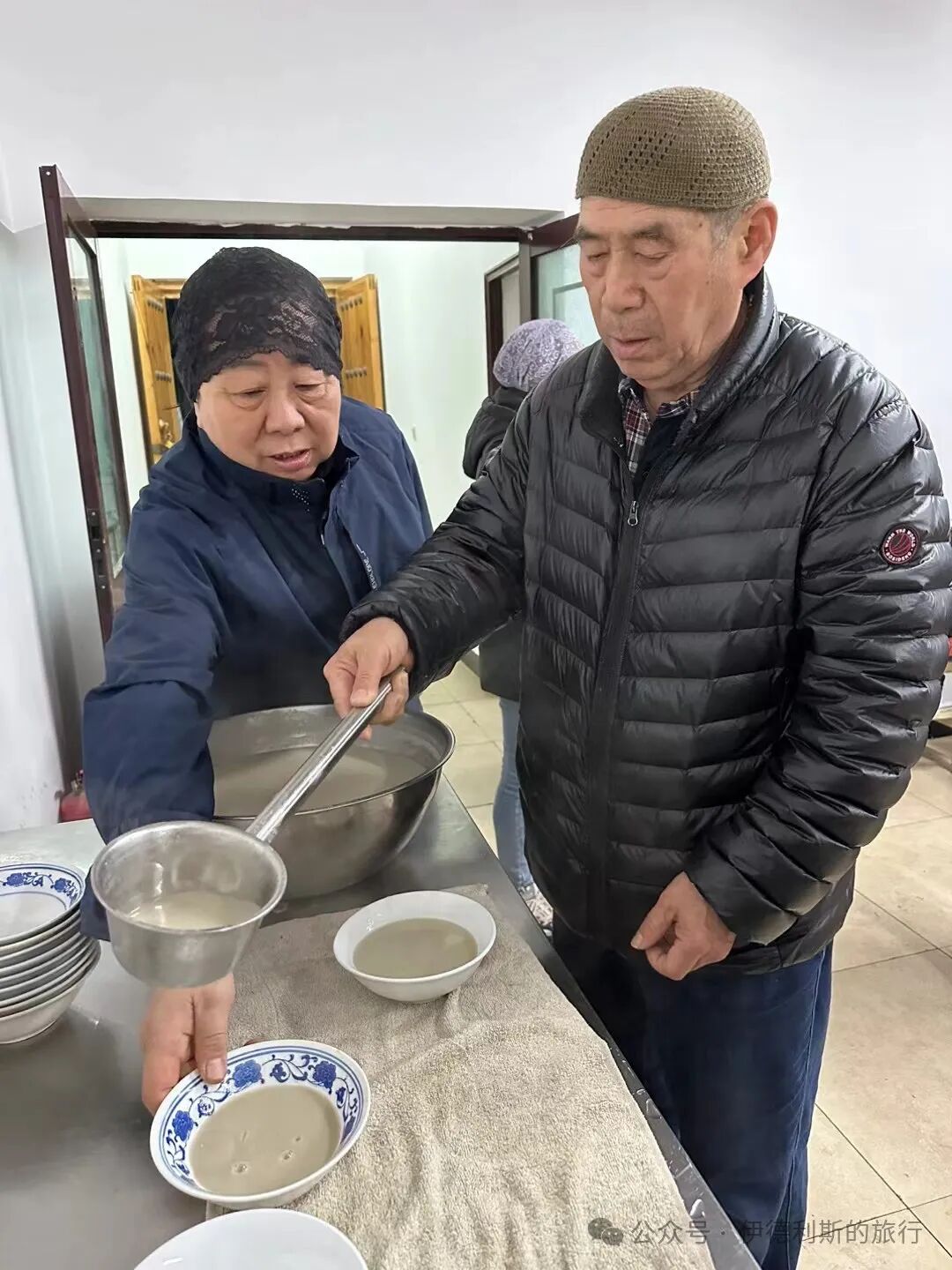
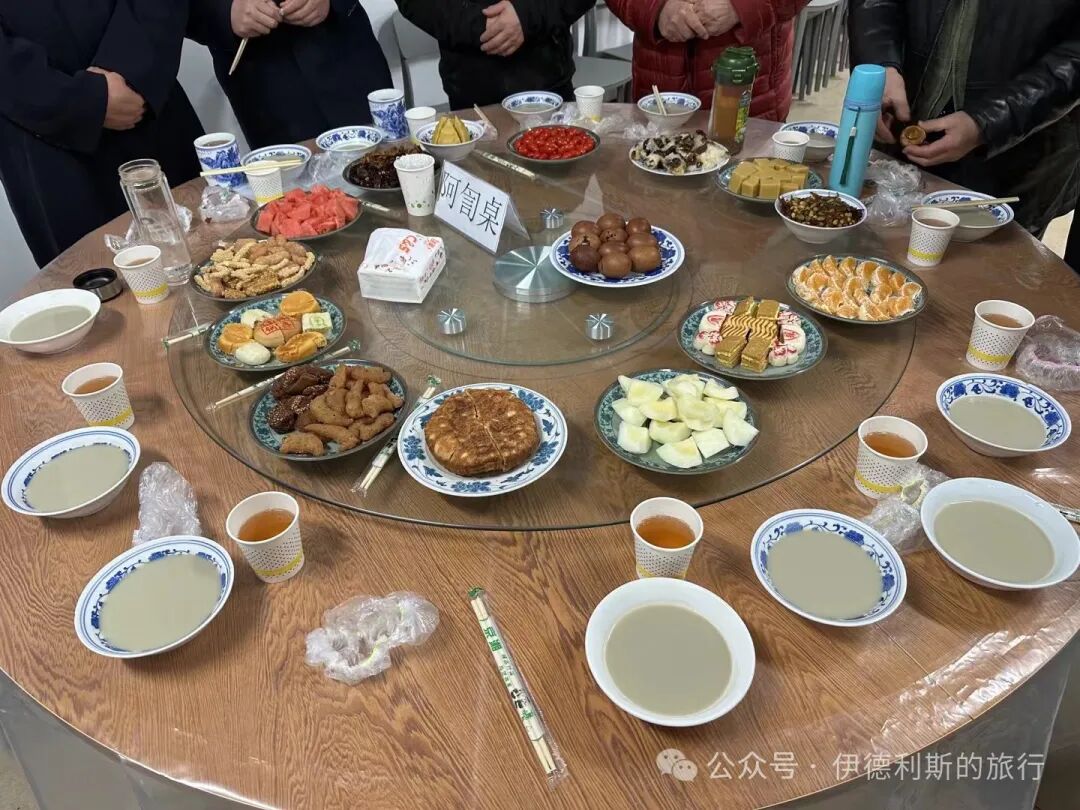
Day 16, Elder Li at Balizhuang Mosque made yellow rice cake (huangmi qiegao) and Elder Fu made fried vegetable meatballs; both were delicious. Every elder at Balizhuang Mosque has a special hidden talent. For the fast-breaking meal, we had noodles with shredded chicken sauce and noodles with diced eggplant sauce, featuring both wheat noodles and oat noodles (youmian) from Zhangjiakou. The noodle toppings included blanched cabbage, blanched cowpeas, blanched bean sprouts, shredded cucumber, and shredded radish, making for a very rich texture.
Day 17, Balizhuang Mosque continued to break the fast with fermented mung bean milk. The meal included large steamed buns (baozi) with cowpea and fennel fillings, which were impossible to stop eating when paired with rice porridge.
I received camel milk soap given as charity (chusan) by an elder at Balizhuang Mosque; may it bring reward (thawab).
In the evening, I met up with friends (dosti) to pray Tarawih at the Sudanese Embassy. The Sudanese Embassy is right next to Tuanjiehu subway station. We arrived at 7:50 and were able to enter after showing our ID cards at the intersection. The call to prayer (adhan) was at 8:05, and the prayer started at 8:30. There were friends (dosti) from all over the world in the hall, with people of all skin colors standing in rows; it really felt like being abroad. The imam for Tarawih was a young hafiz from Libya whose recitation was melodic, pleasant, and very moving. We prayed eight units (rak'ah) of Tarawih, with a greeting (salam) every four units. The final Witr prayer consisted of two units with a salam, followed by one single unit. This is quite different from the traditional prayer methods of the Gedimu Hui Muslims.
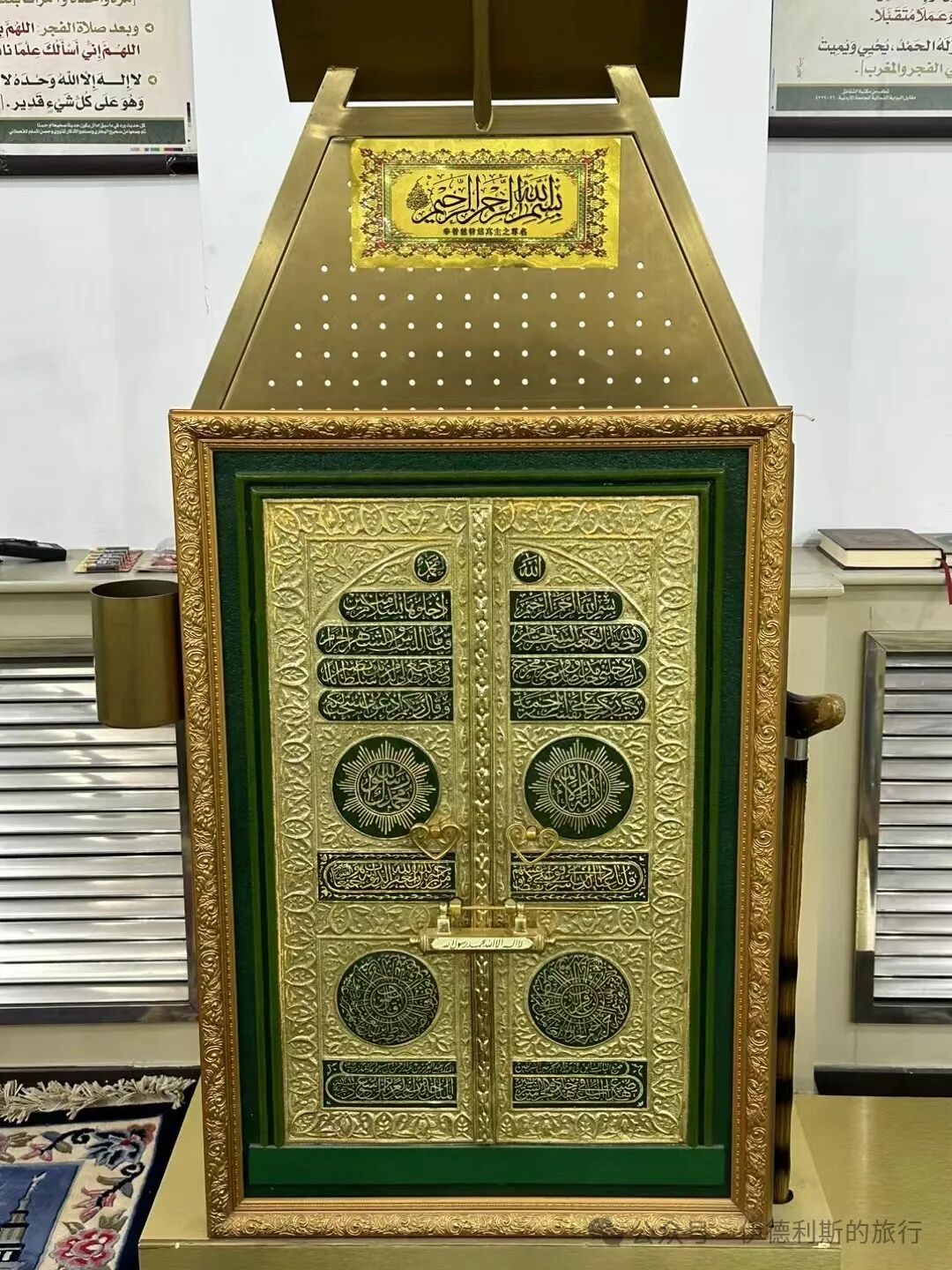
My Ramadan collection includes a teacup fired in Jingdezhen in the 1980s, featuring a traditional calligraphy style common in southern China. The lid is inscribed with gratitude, blessings, mercy, and worship, while the cup body reads, 'Mercy draws near to those who do good' and 'The stingy cannot enter paradise, even if they are people who worship Allah.'
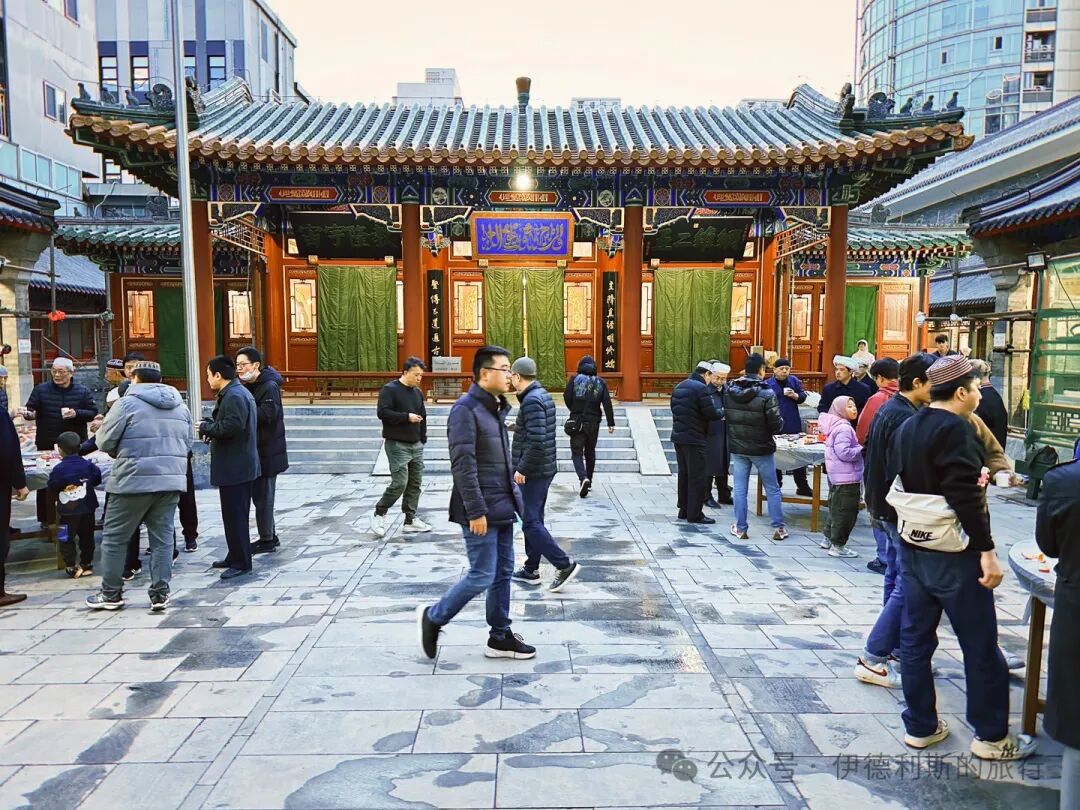
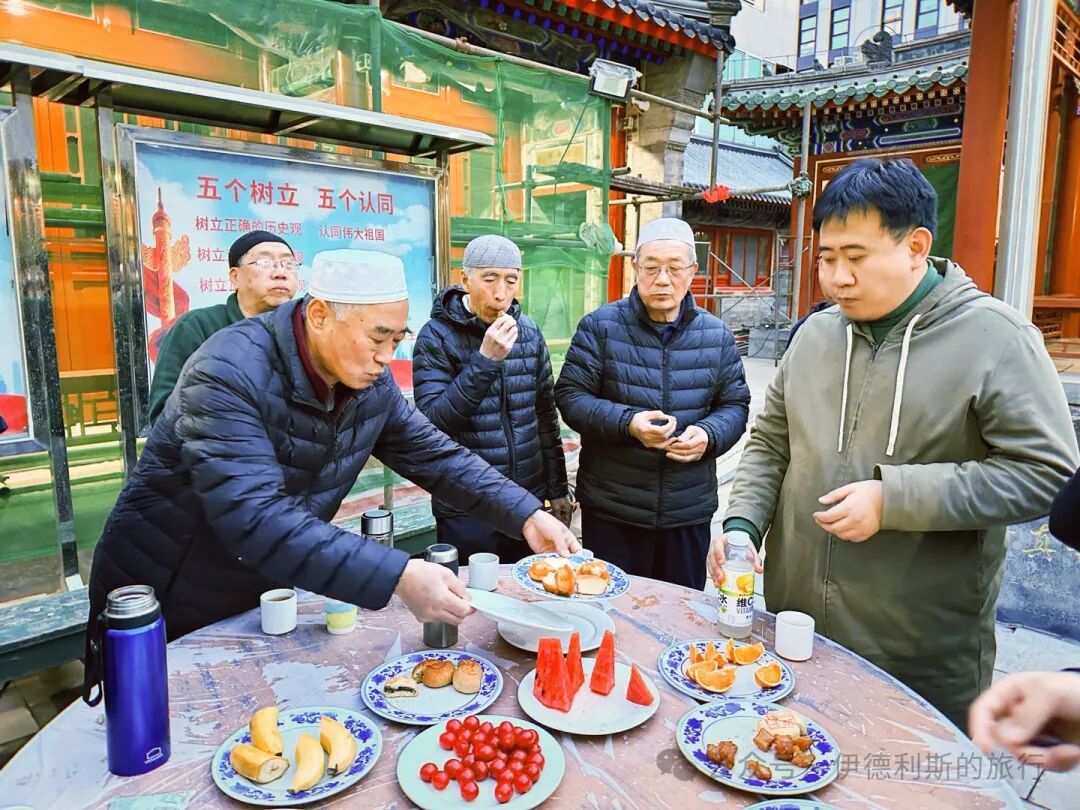
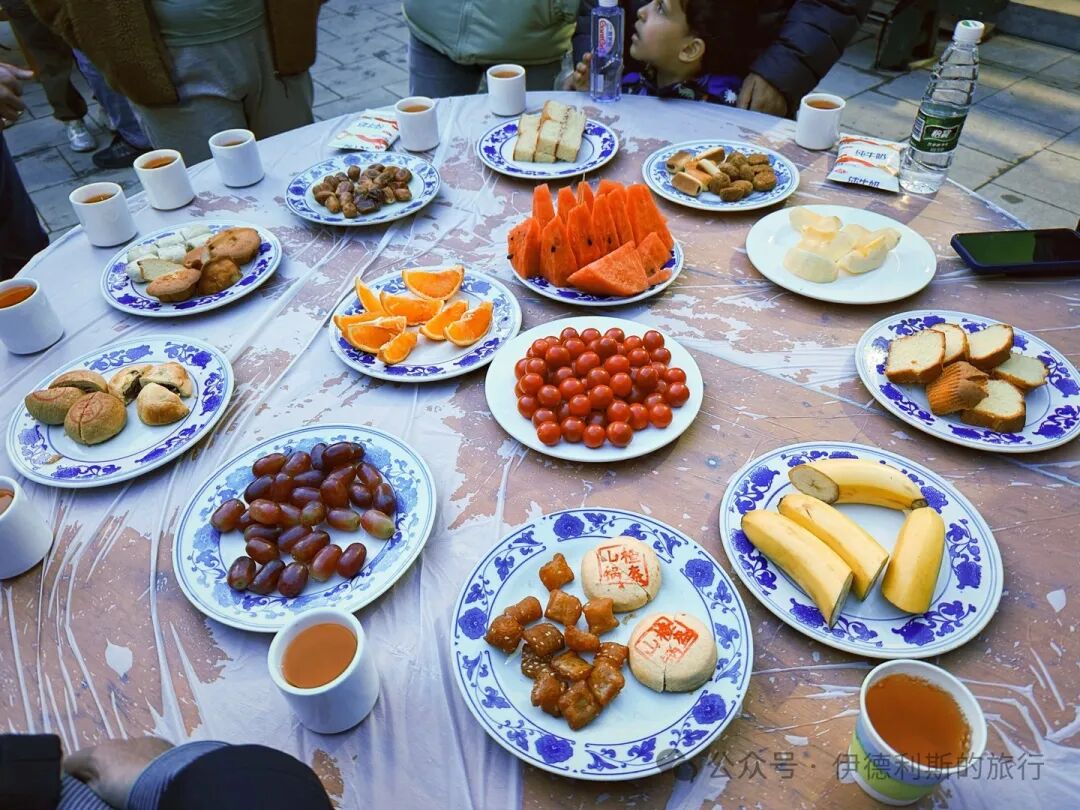
On the 18th day, a friend (dosti) from Hunan invited us to break our fast at Nanxiapo Mosque, where we had a very delicious meal of stewed meat with rice. I met many new friends during this time; Ramadan is truly a great opportunity for everyone to gather together.
On the 19th day, I went to the Carthage Arabic Restaurant on Dongzhimen Outer Street for the iftar buffet. It is a new spot opened by Adel, the head chef of La Medina, in the breakfast area on the first floor of the Atour X Hotel in Sanlitun Taikoo Li, still focusing on Tunisian flavors. Since it has not been open long, it is mostly frequented by foreign friends (dosti) from the nearby embassy district, so there is no need to wait in line.
Because Adel is in charge, the dishes are similar to those at La Medina, though the variety is slightly smaller. Appetizers include chickpea dip (hummus), parsley salad (tabbouleh), and the Tunisian-style roasted eggplant salad (mechouia). Besides roasted eggplant, the roasted eggplant salad (mechouia) contains tomatoes, chili peppers, onions, and olive oil, making it very healthy.
The main course features North African sausage (merguez), made from lamb and beef mixed with cumin, harissa, chili, and various other spices. It appeared as early as the 12th century in Andalusia and later spread throughout North Africa.
They also serve the classic North African Maghreb tomato and chili poached egg dish (shakshouka). The tomato and chili poached egg dish (shakshouka) originated in North Africa under Ottoman rule in the 16th century, when tomatoes and chili peppers were introduced to North Africa from the Americas and then became part of the local diet.
They also have the Arabic version of fried triangular pastries (sambousek), which is a classic Ramadan snack for Arabs. The fried triangular pastry (sambousek) originated in Iran and entered the Arab diet after the 10th century, later spreading to India, China, Indonesia, and Africa. In some parts of eastern China, Hui Muslims still use its Persian name, 'sanmosan'.
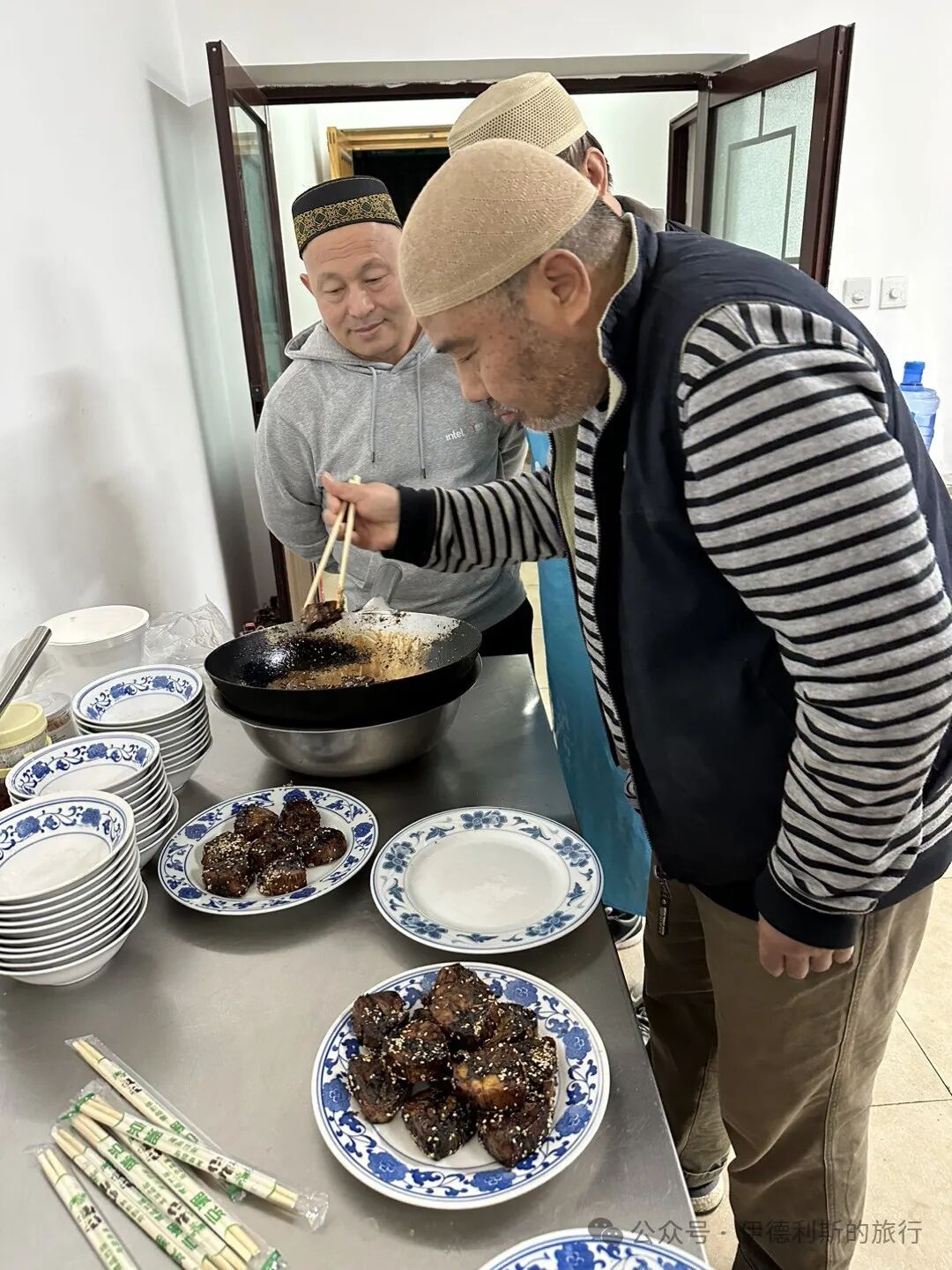
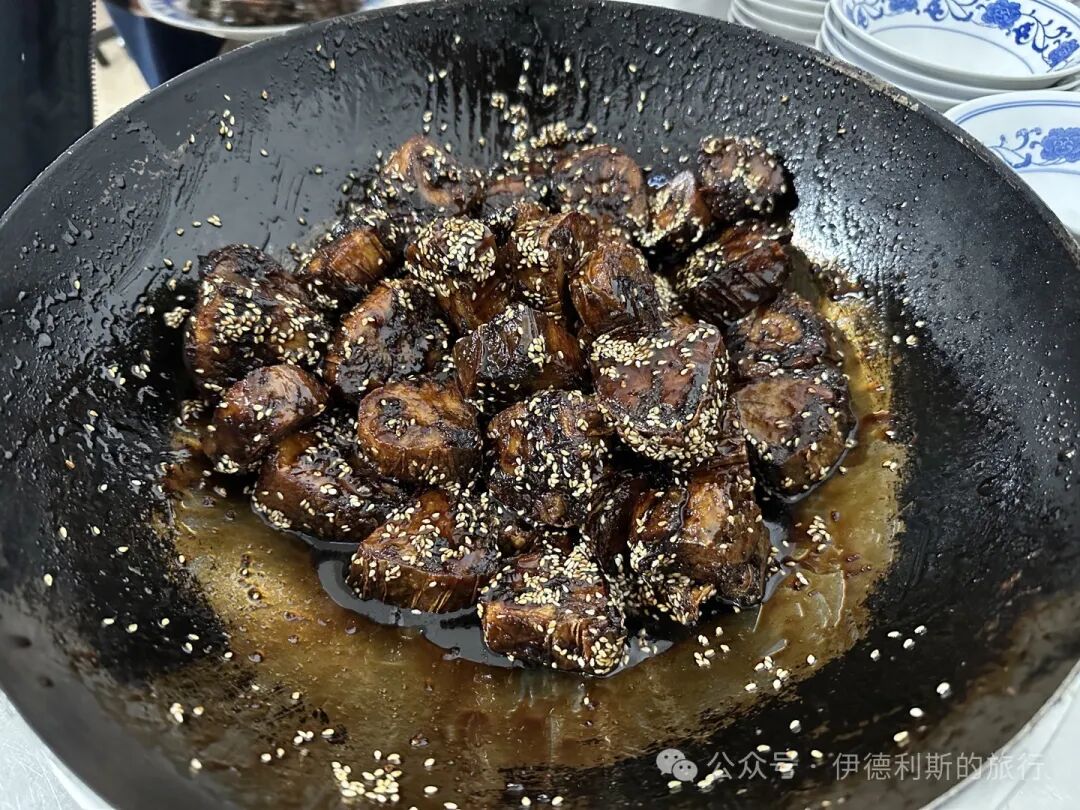
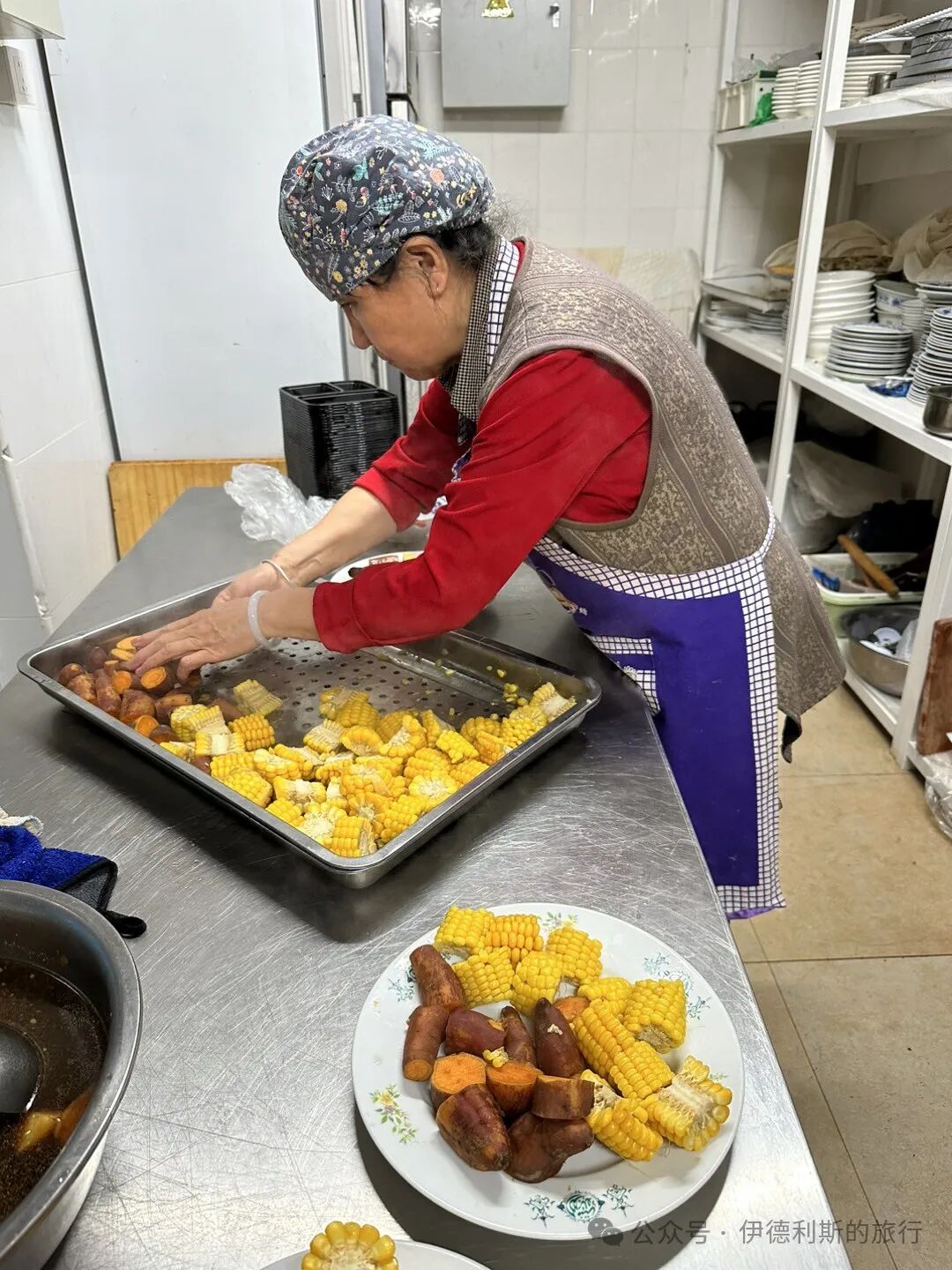
On the 20th day, two-thirds of Ramadan has passed. At Balizhuang Mosque, they freshly made sugar-rolled fruit (tangjuanguo) and fried crispy dough (zhagezhi). I continued to break my fast with mung bean milk (douzhi), ate stir-fried green beans with meat and braised meatballs (huisongrou) for the meal, and thirteen elders joined in the opening prayer (kaijing). Breaking the fast at the mosque brings richness to both the spirit and the body.
Ramadan collection. I received a traditional late Qing Dynasty Tianjin-style pine wood dua plaque made by teacher Wang Qifei, which reads, 'O Allah!' Grant Your forgiveness and mercy to those who live in this house and to the believers who enter it!'
On the twenty-first day, the elders at Balizhuang Mosque gathered to make dumplings (jiaozi) with carrot and cabbage fillings. Nothing really beats the taste of dumplings! After eating, I felt full of energy and ready for the Taraweeh prayers.
Beijing Ramadan 2026 Diary: Laylat al-Qadr, Eid al-Fitr and Hui Muslim Food
Articles • ali2007fr posted the article • 0 comments • 176 views • 2026-05-21 06:45
Summary: This second Beijing Ramadan diary covers Jingzhe, Laylat al-Qadr, Eid al-Fitr, mosque gatherings, Hui Muslim food, and the closing days of Ramadan in clear English.
Awakening of Insects (Jingzhe)
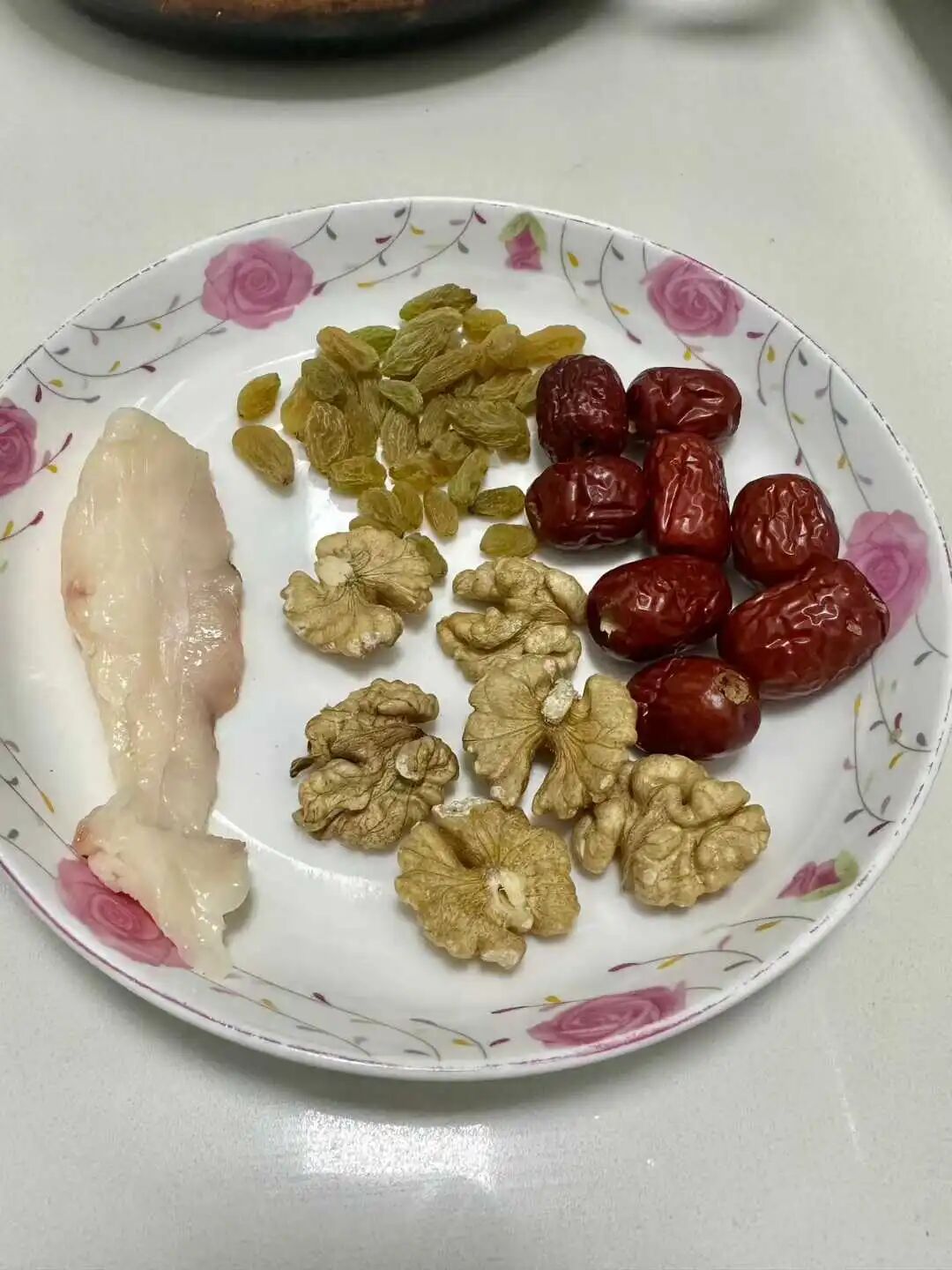
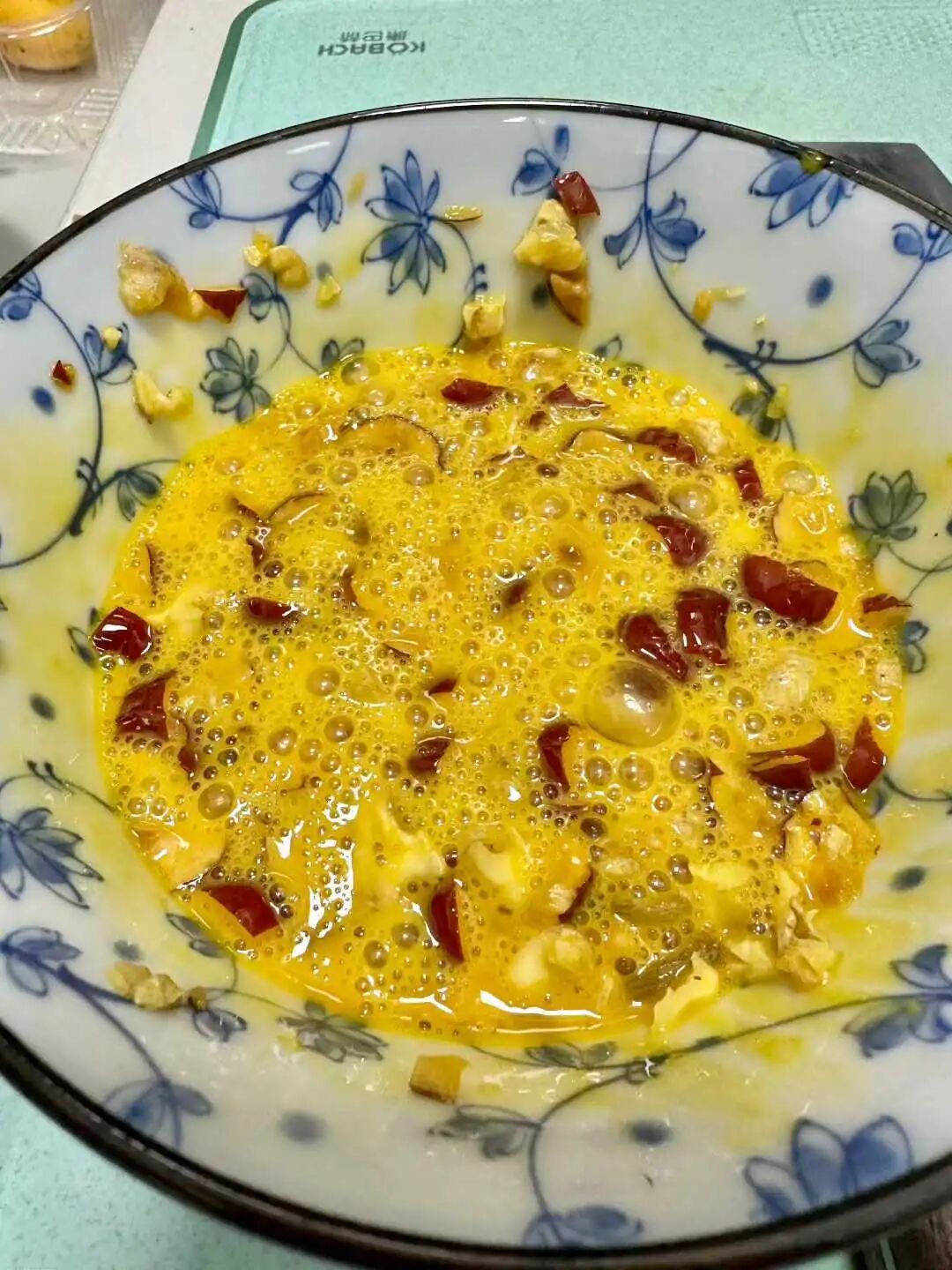
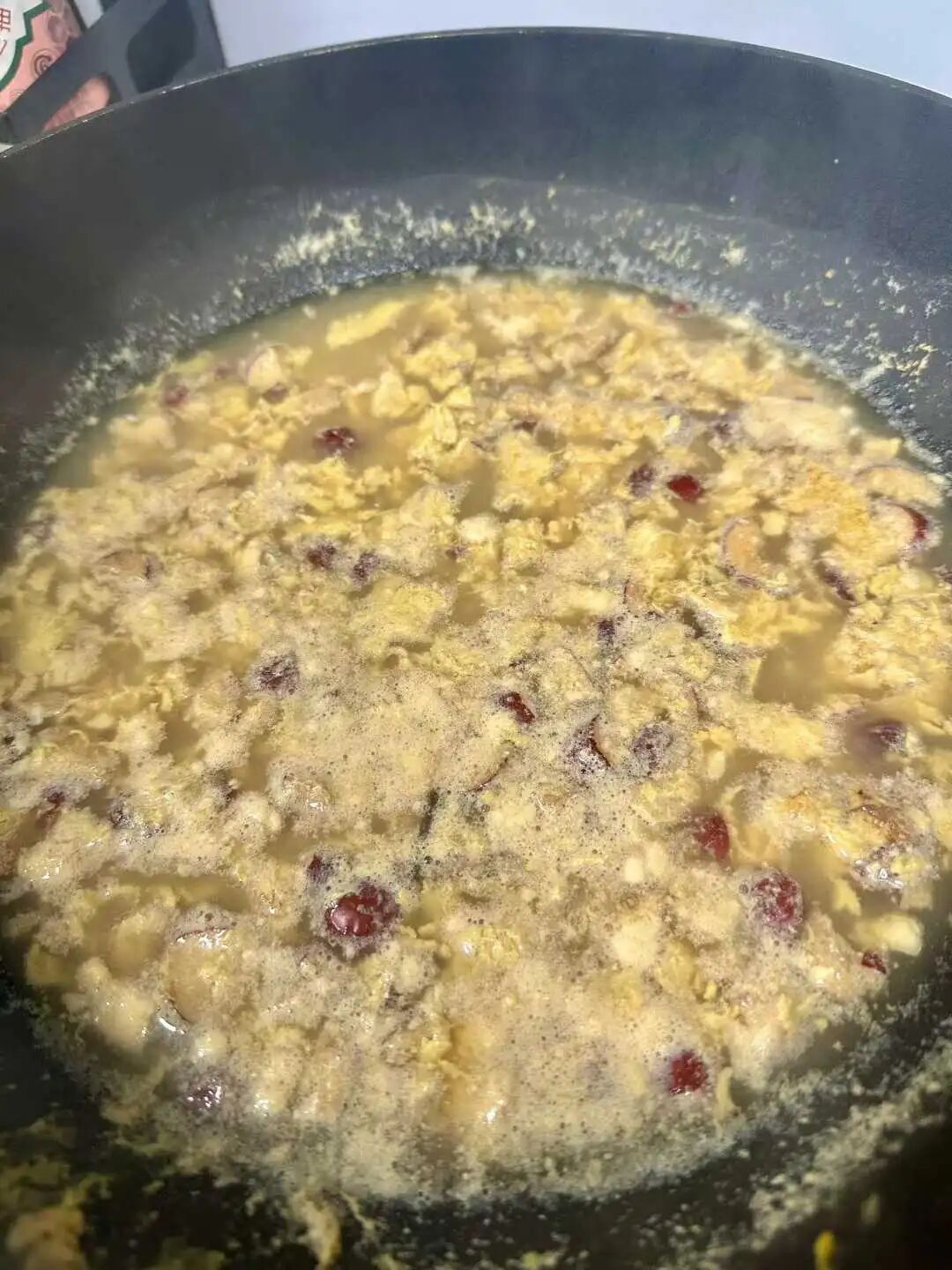
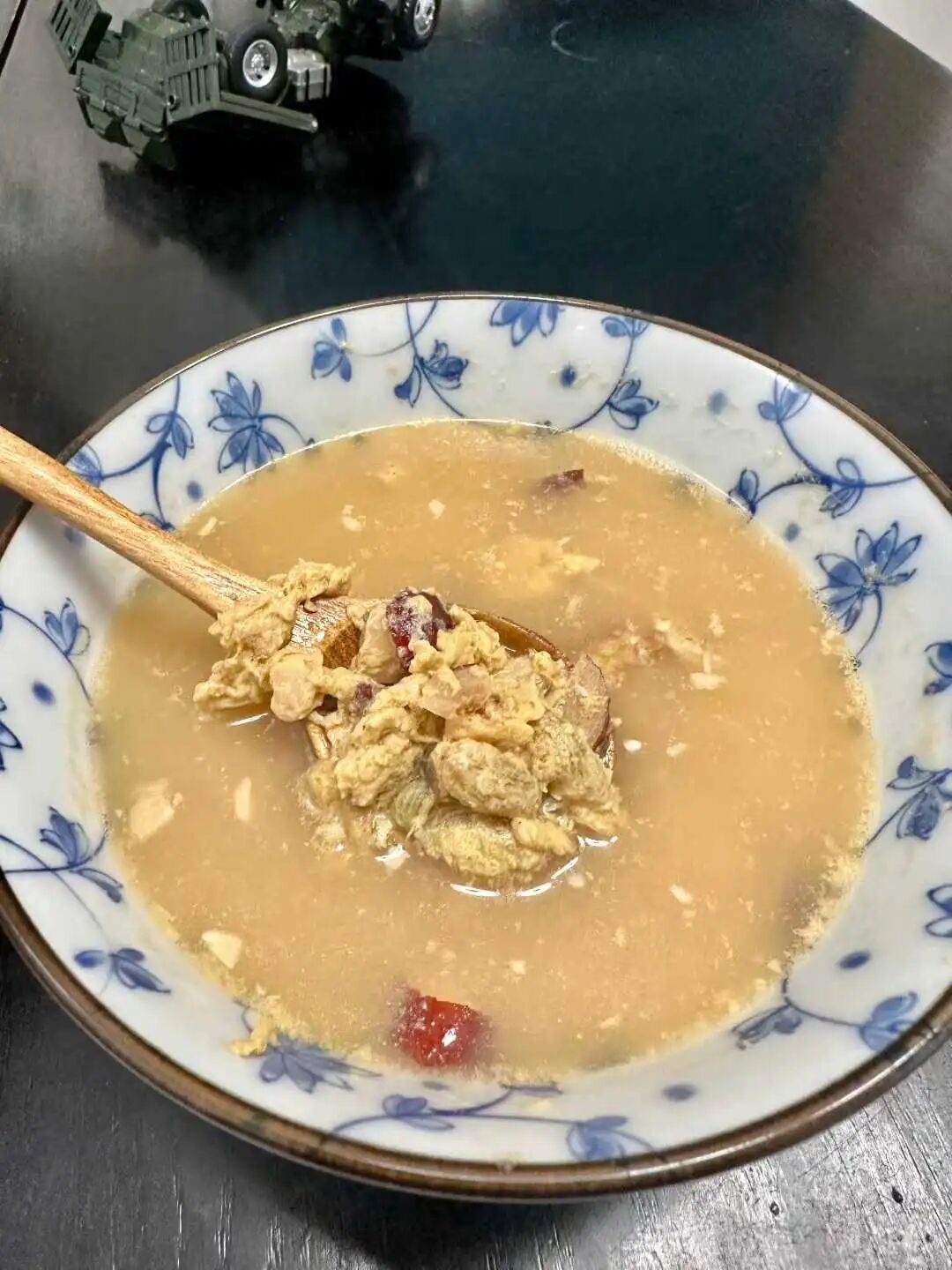
This year, Ramadan falls during the Awakening of Insects, so Hui Muslims in Xinjiang will drink Awakening of Insects soup (jingzhe tang), also known as Awakening of Insects oil tea egg (jingzhe youcha dan). It is made by chopping walnuts, raisins, and red dates, coating them in egg wash, stir-frying them in mutton fat, and then pouring in brewed brick tea. The resulting soup has the aroma of mutton fat, dried fruit, eggs, and tea, which children really love.
The Awakening of Insects is one of the twenty-four solar terms, marking the time when all things wake up. In the past, medical care was limited and tuberculosis (shanglao) was a deadly disease. After the Awakening of Insects, temperatures rise and germs become active, so people used a combination of nutritious eggs, oil, and dried fruit with warm tea to pray for health, shake off winter fatigue, and boost their energy.
Night of Power (Laylat al-Qadr)
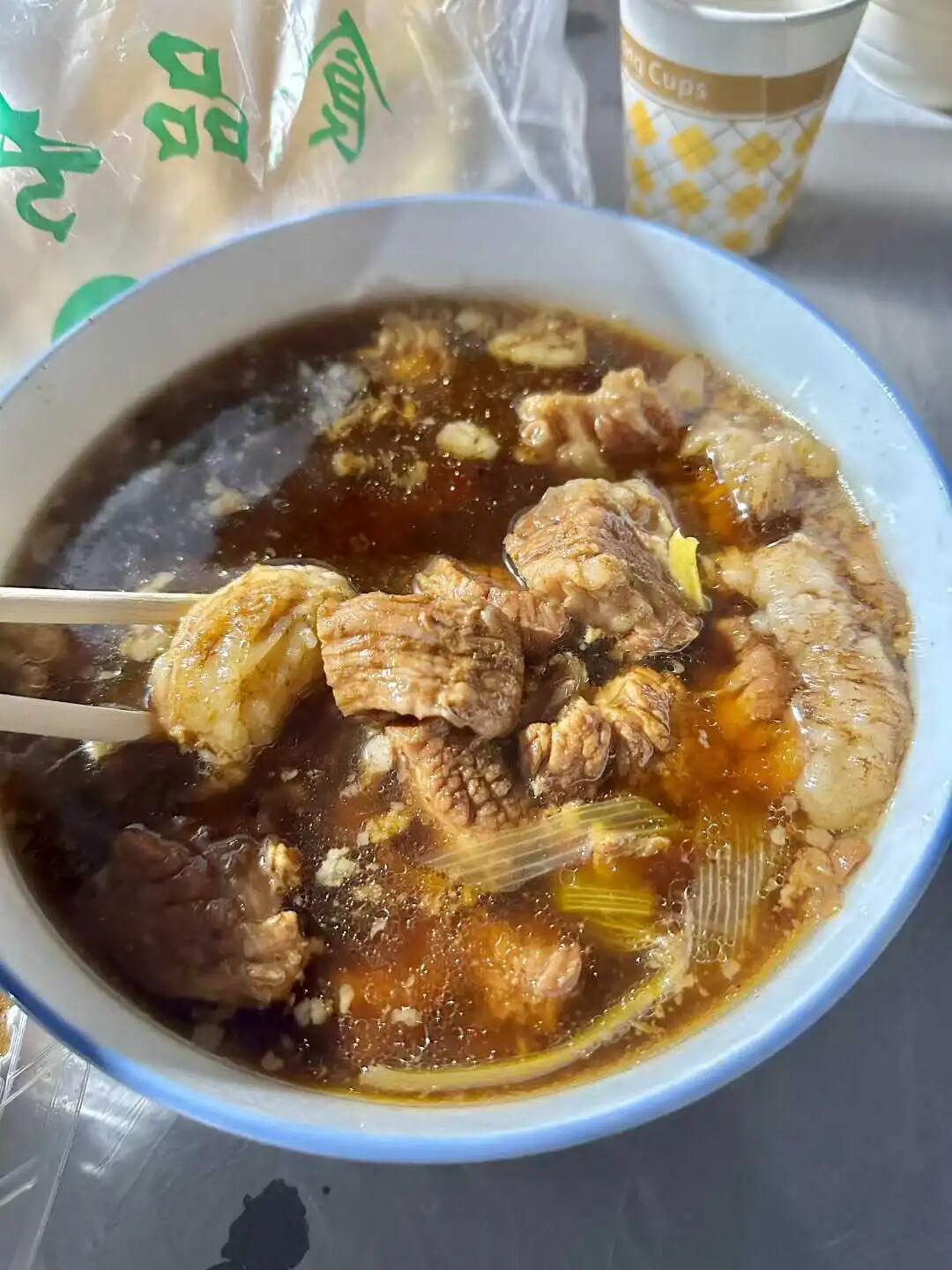
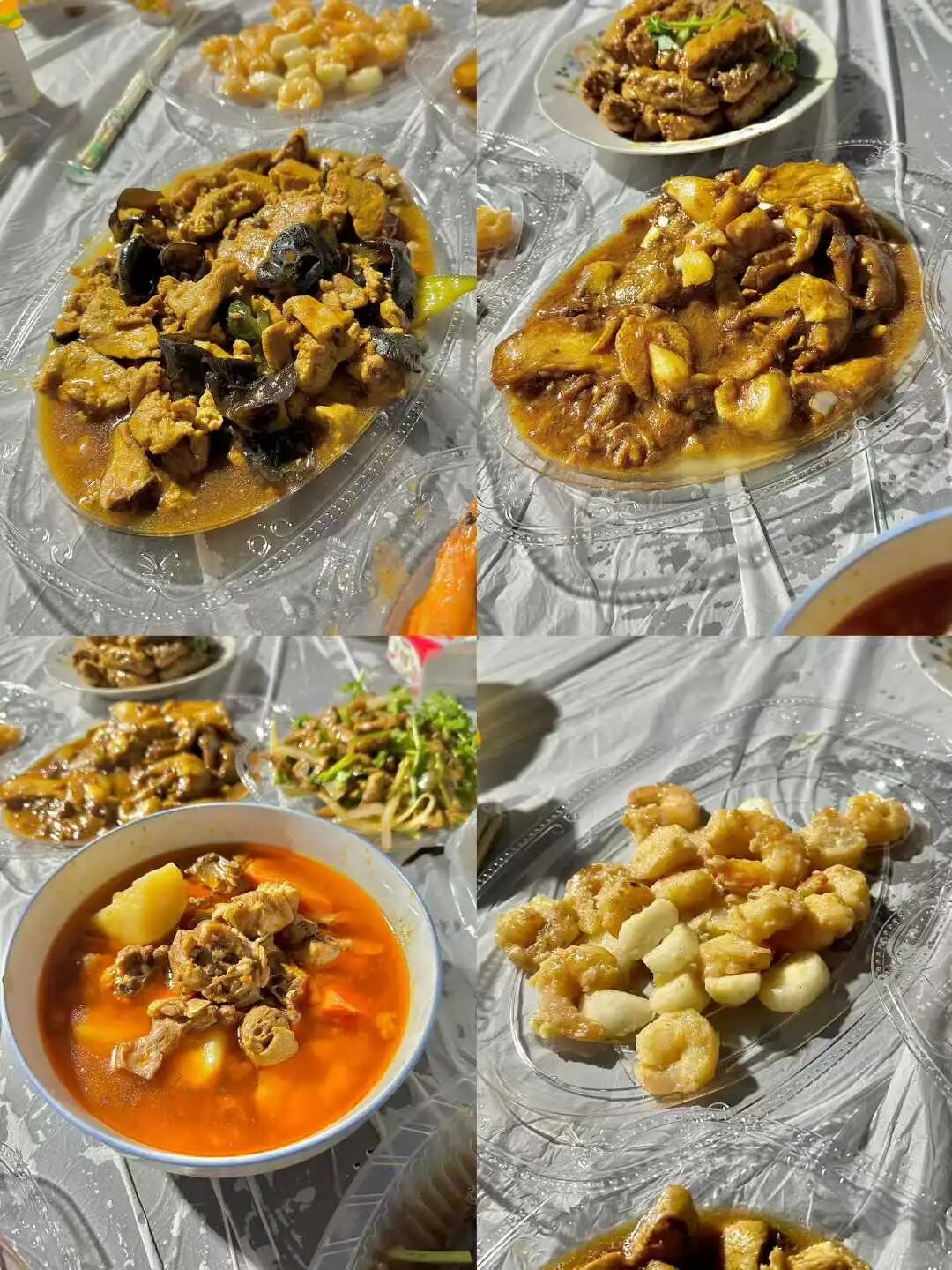
The twenty-seventh night of Ramadan is always the busiest day at every mosque, and this year Madian Mosque set up fifteen tables, making it very lively. Before breaking the fast, the imam recites the scripture. After breaking the fast, we are served two plates of fruit and pastries. After the sunset prayer (maghrib), nine dishes are served: braised prawns in oil, stir-fried shrimp with milk, braised flatfish, fried tofu, braised eggplant, stewed beef brisket with radish, stewed lamb with potatoes, stir-fried meat with scallions, and braised meat balls (songrou). I sat at a table with international students from various countries, and everyone really enjoyed the food.
Besides the two Eids (Eid al-Fitr and Eid al-Adha) and the two major gatherings (the Prophet's birthday and the Fatimah gathering), the Night of Power is likely the most important day for Hui Muslims. The Night of Power is also called the "Night Vigil" or "Night Head Festival." People say the scripture was first revealed on this night, which is better than a thousand months, so it is a time to do many good deeds. Everyone bathes, changes into clean clothes, goes to the mosque, greets each other with salaam, listens to the imam's recitation, completes their prayers, and shares a meal. Using the mosque as a gathering place and affection as a bridge, we seek blessings and look out for peace.
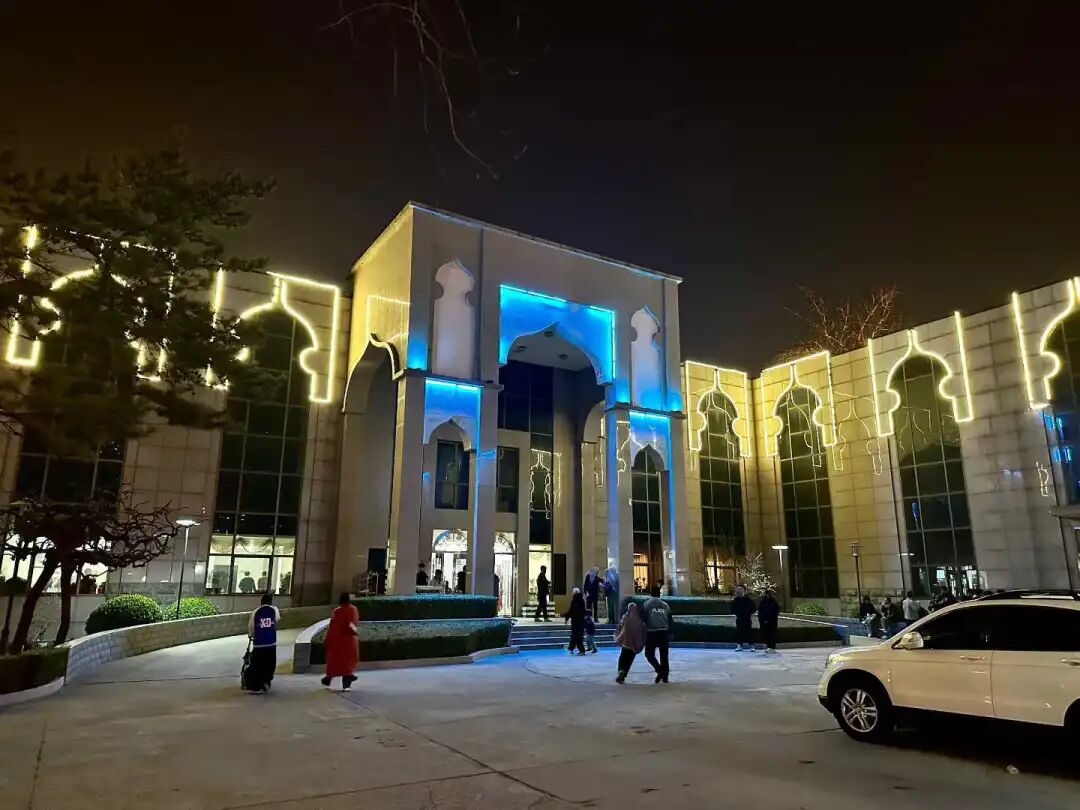
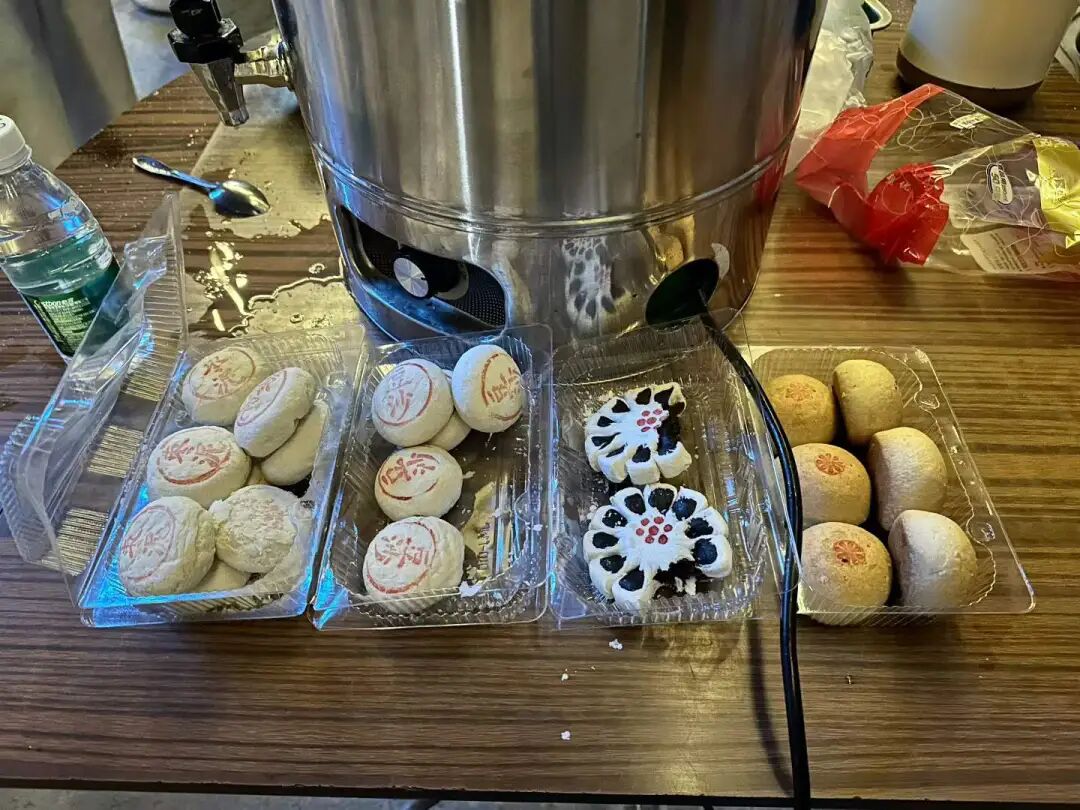
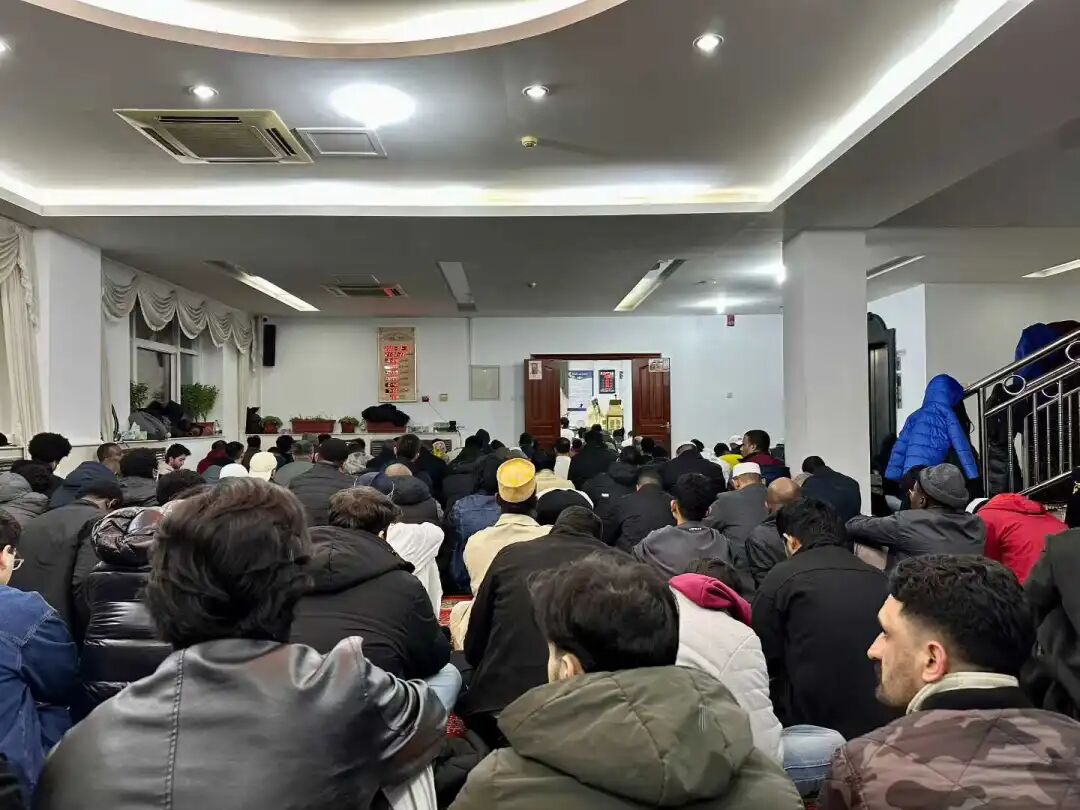
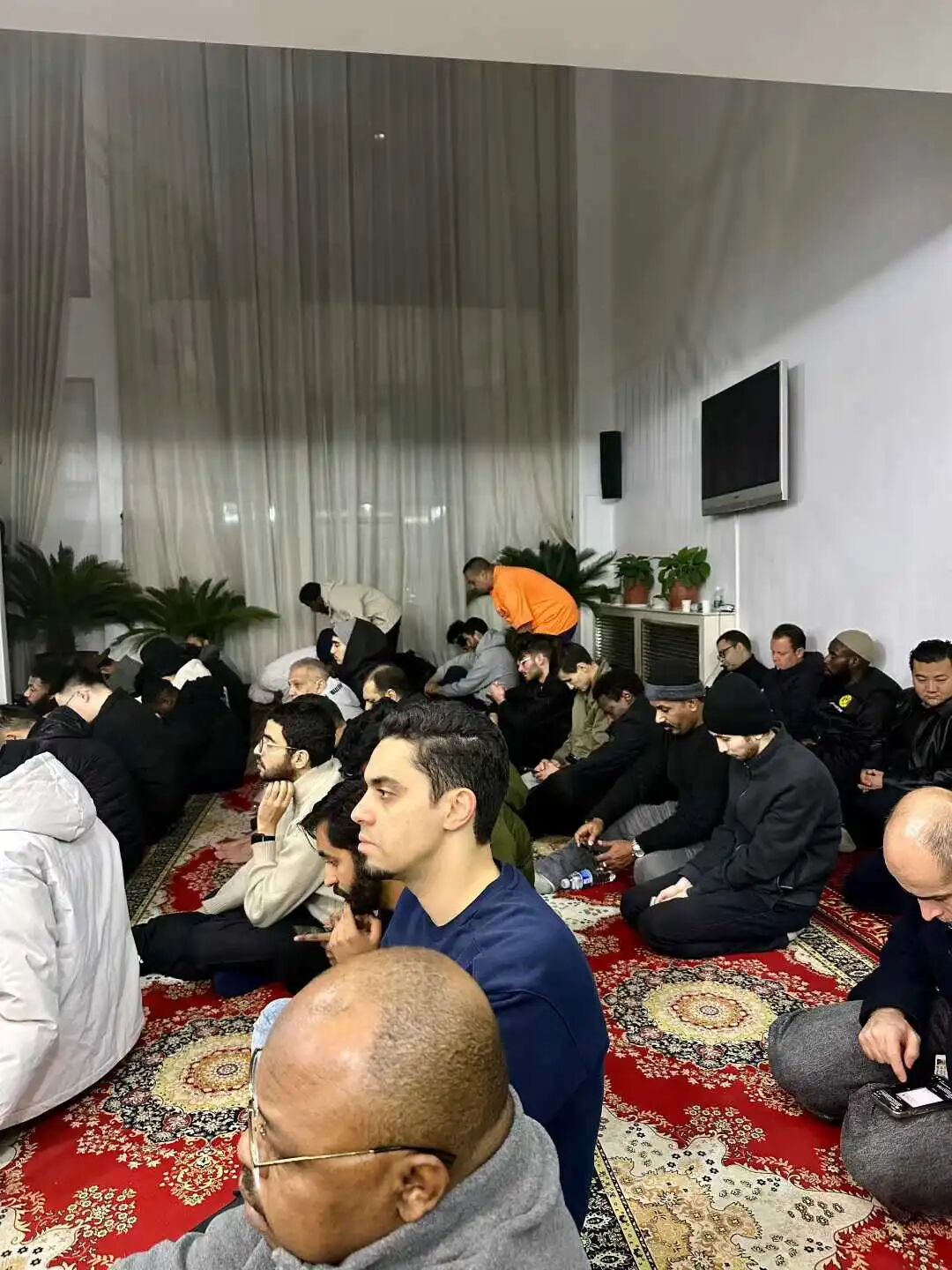
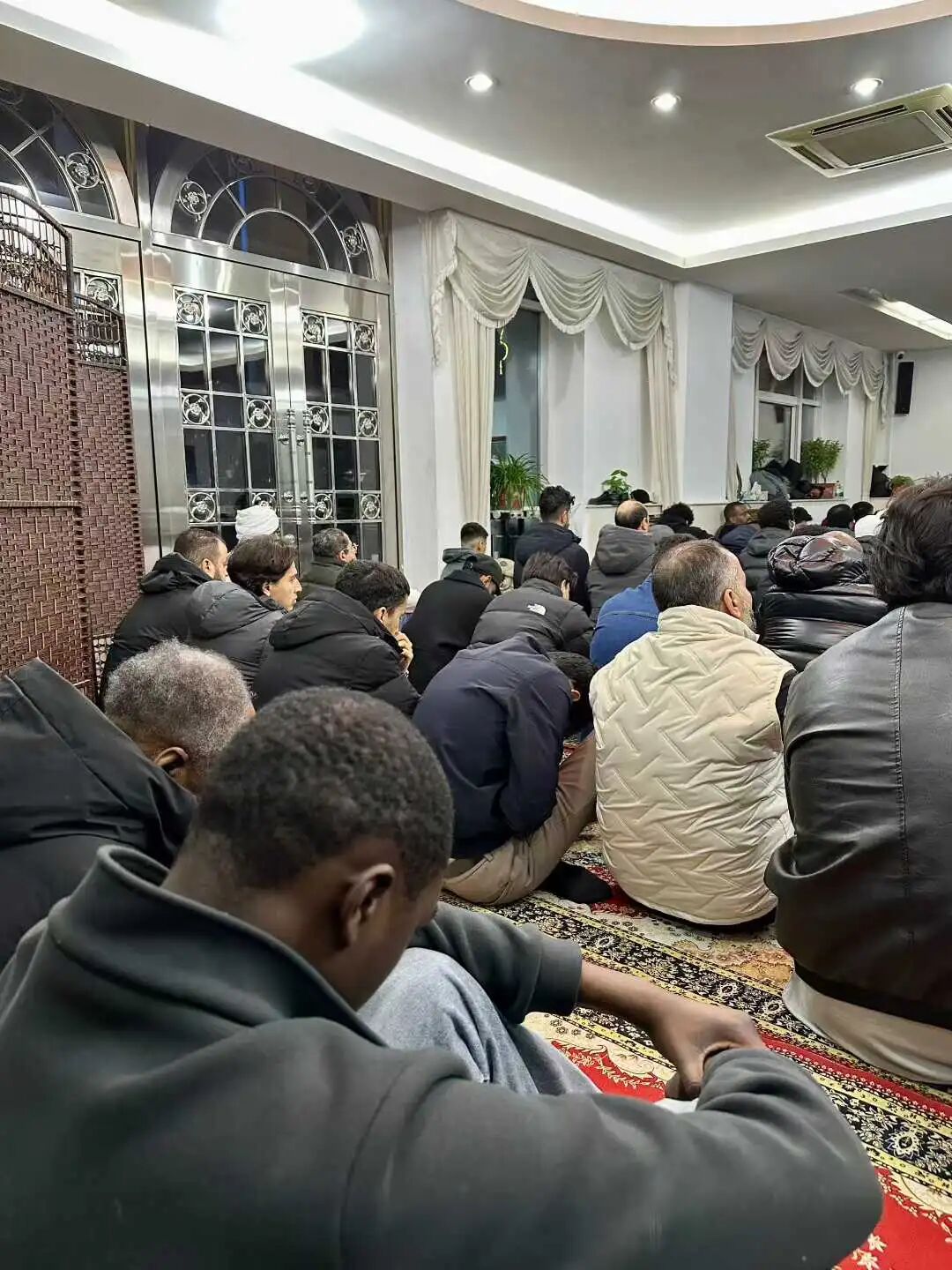
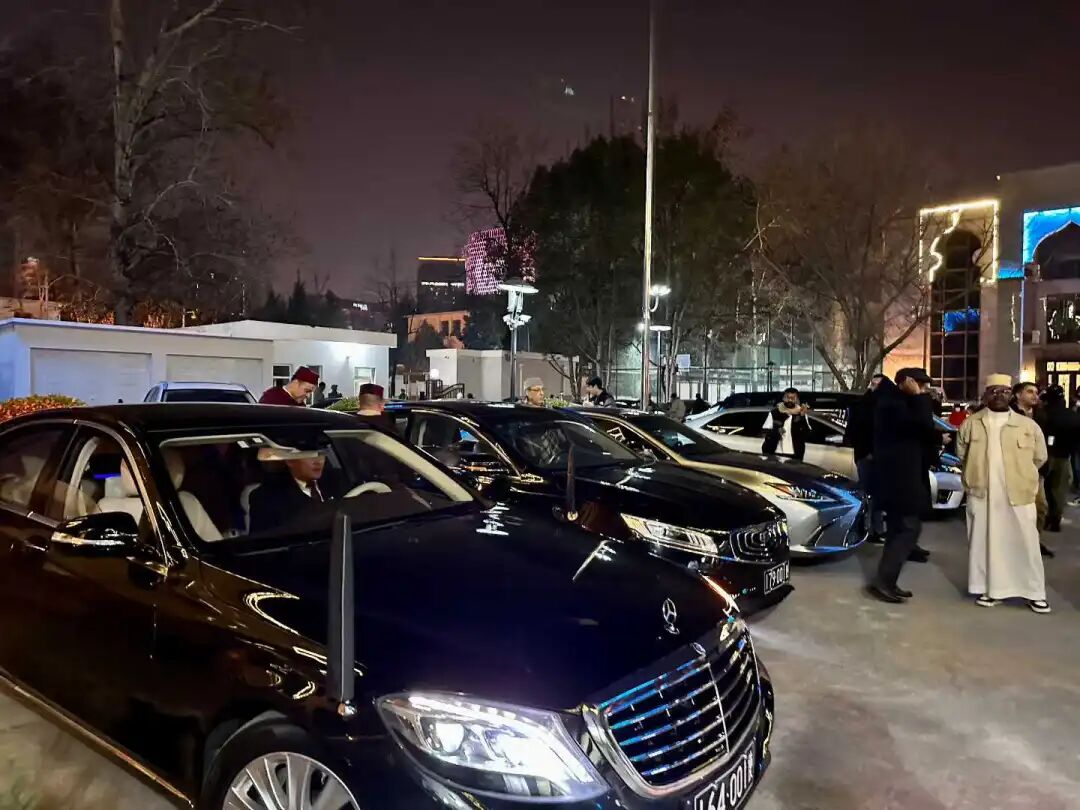
In the evening, the whole family celebrated the Night of Power at the Sudanese Embassy. The embassy building was fully lit, and the courtyard was filled with cars from various embassies. Besides coffee and black tea, there were also pastries donated (sadqa) by people from Changying Township.
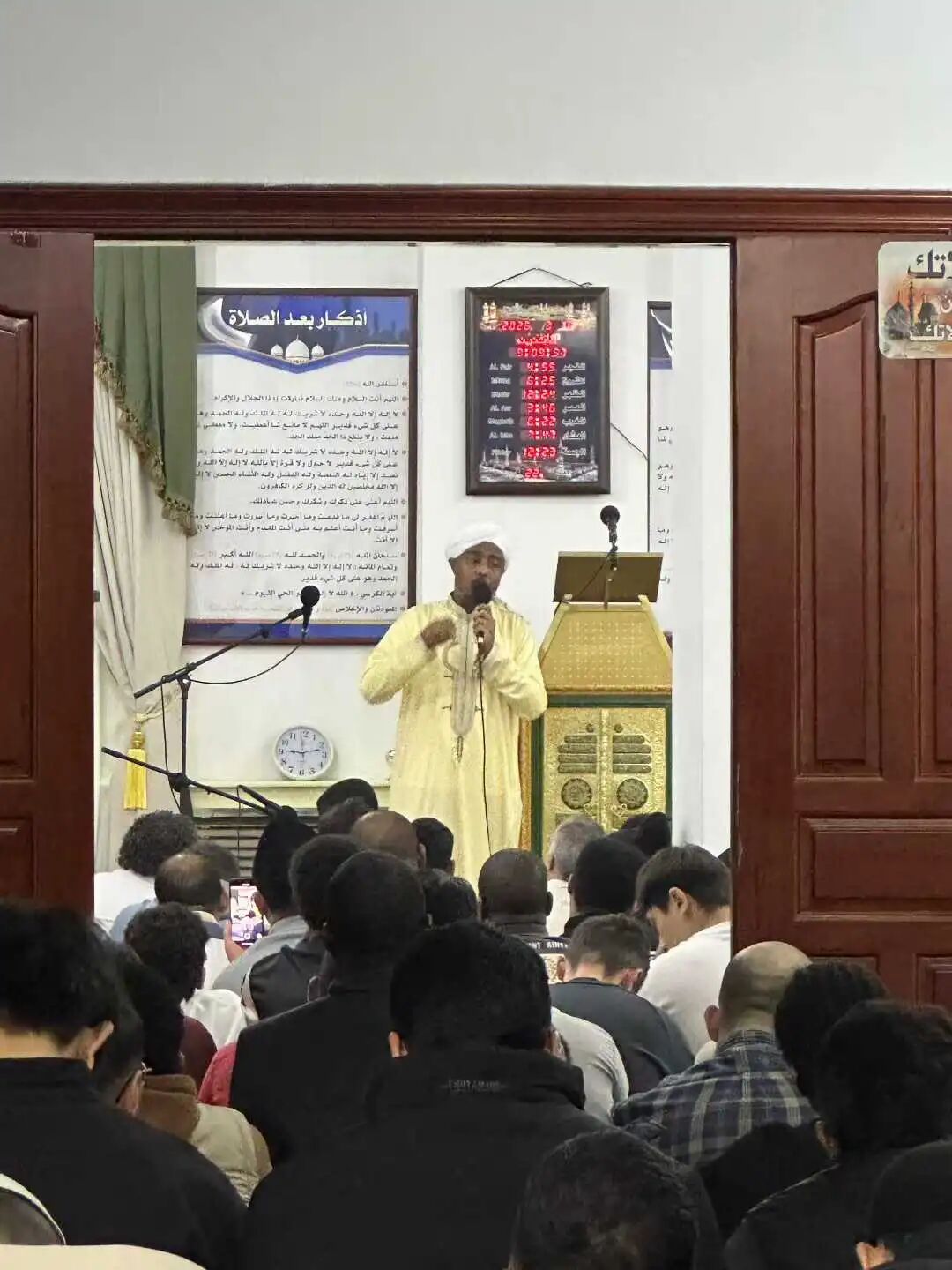
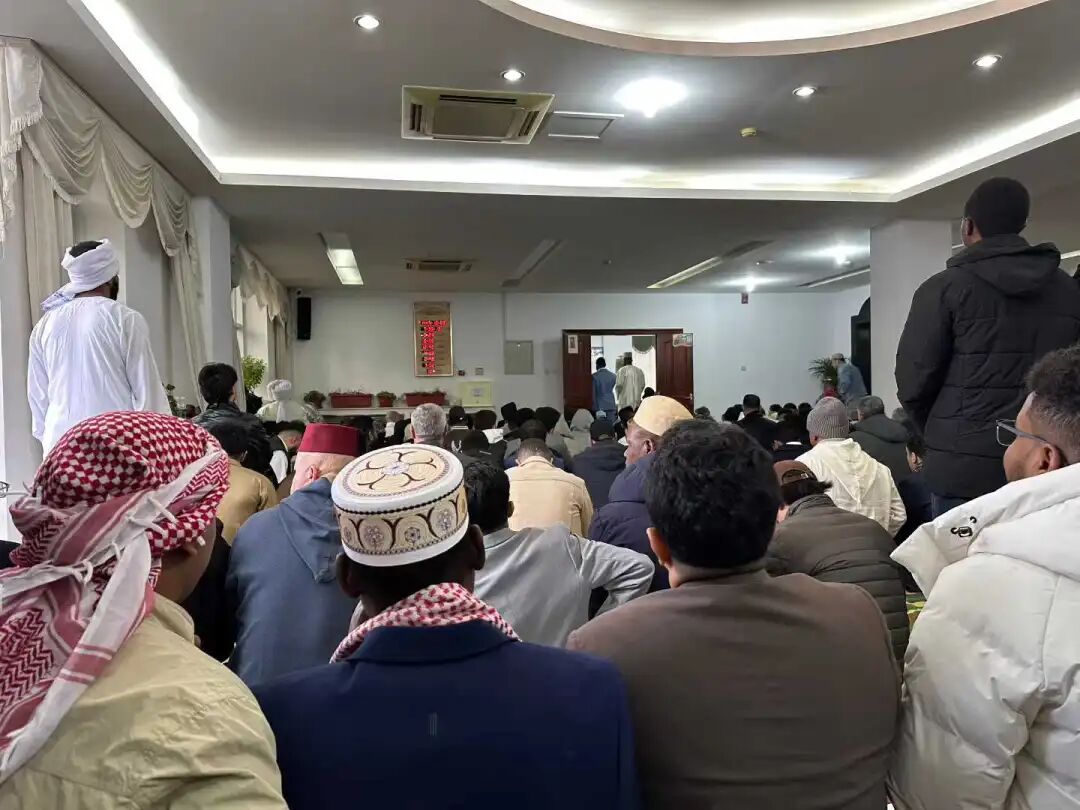
Today was the busiest night at the embassy, and even the lobby was completely full. By the eighth rak'ah of the Taraweeh prayer, the entire scripture had been completed. During the final rak'ah, a half-hour long dua was made. The imam sounded like he was weeping, his voice was hoarse, and he was once moved to tears, crying "Ya Allah, Ya Allah," which was incredibly moving.
Eid al-Fitr
This year, Eid al-Fitr falls on a Saturday, so no one needs to ask for time off, which is why there are so many people. Our whole family headed straight to the Sudanese Embassy in the morning. Many people wore traditional clothing today, and I also wore a hexagonal cap (gedimu) from North China made by a friend. Today, not only was the building full, but the embassy courtyard was also packed with friends (dosti) from Africa, the Arab world, South Asia, and all over China. It was a very blessed occasion.
After the Eid prayer, some friends (dosti) brought homemade fried triangular pastries (sambusa) and chicken wraps (shawarma) from home, and we all enjoyed the delicious food together.
The fried triangular pastry (sambusa) originated in Iran. After the 10th century, it spread to the Arab region along trade and pilgrimage routes. In countries like Saudi Arabia and Yemen, the sambusa is an essential and iconic food for iftar and Eid al-Fitr. Compared to the South Asian samosa, which also comes from Iran, the Arab sambusa is smaller with a thinner crust. The filling is usually made of minced meat, onions, cilantro, and cinnamon.
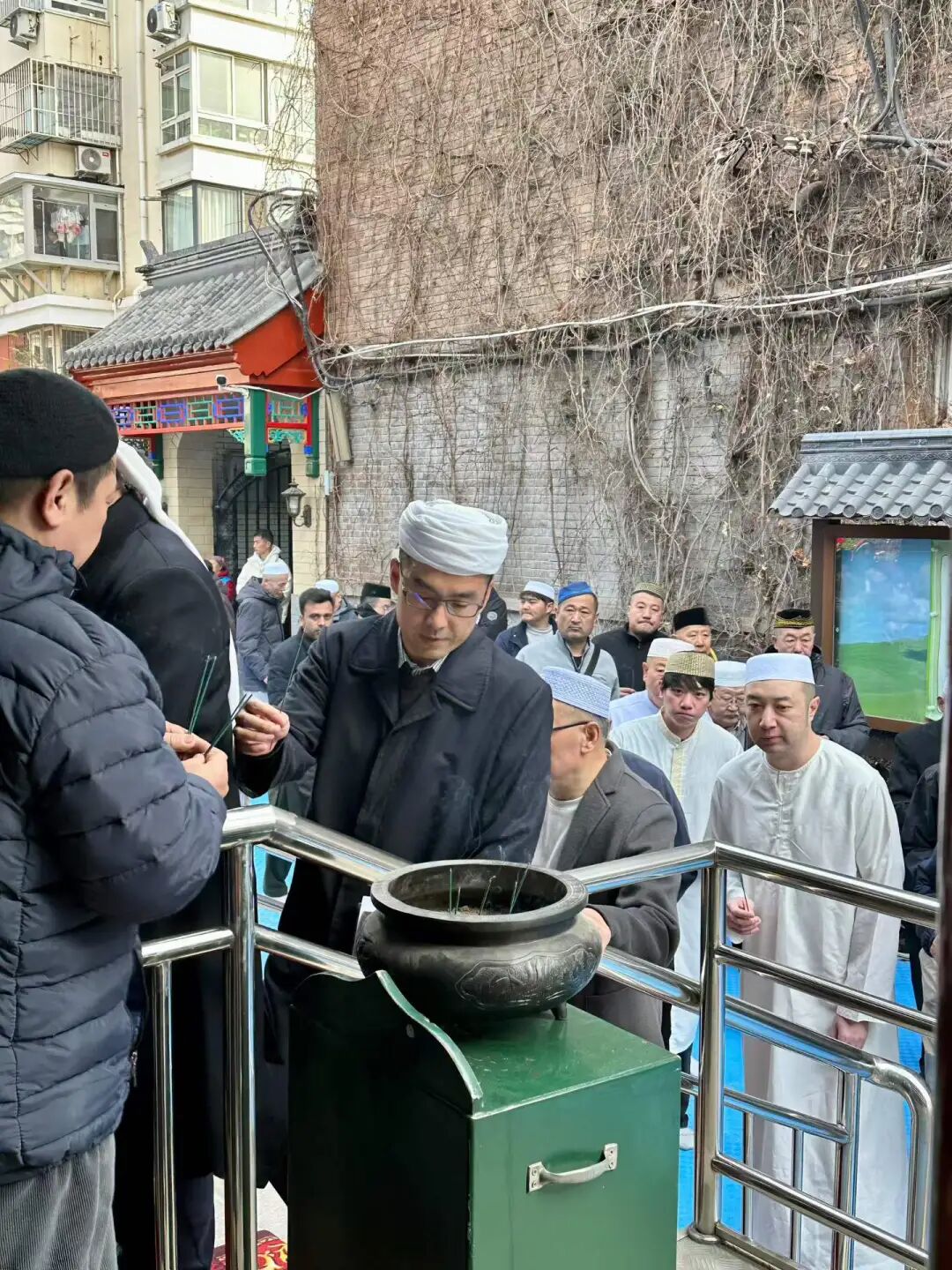
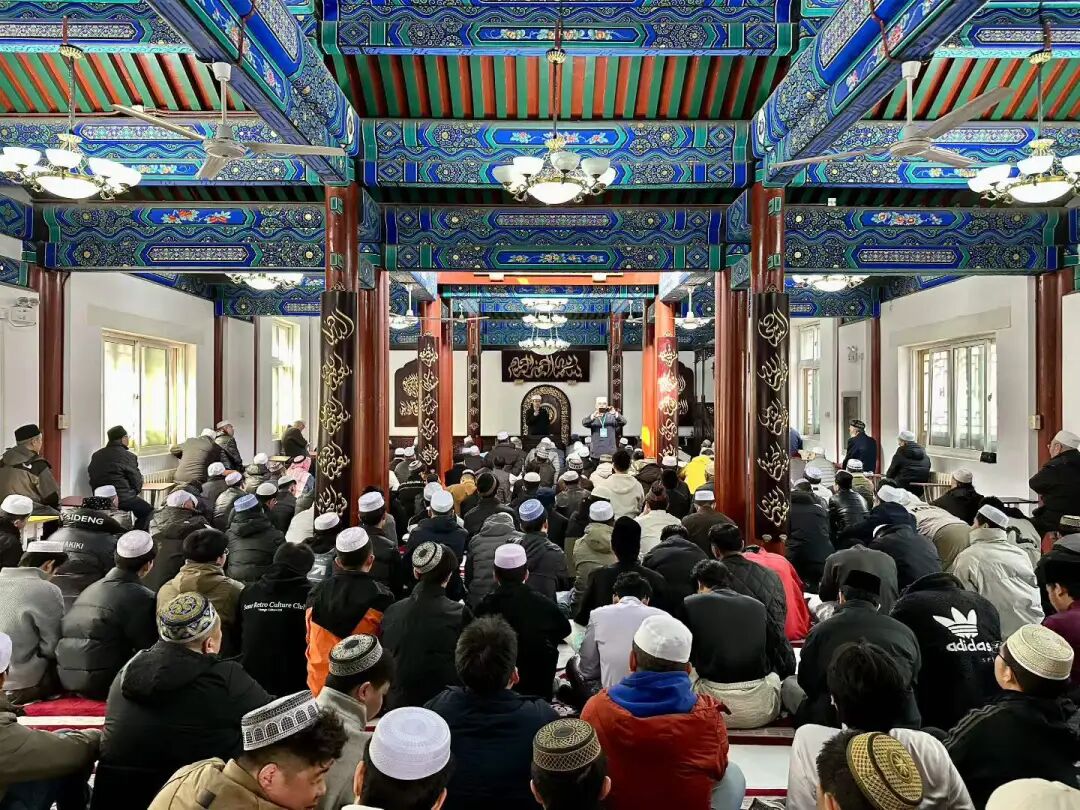
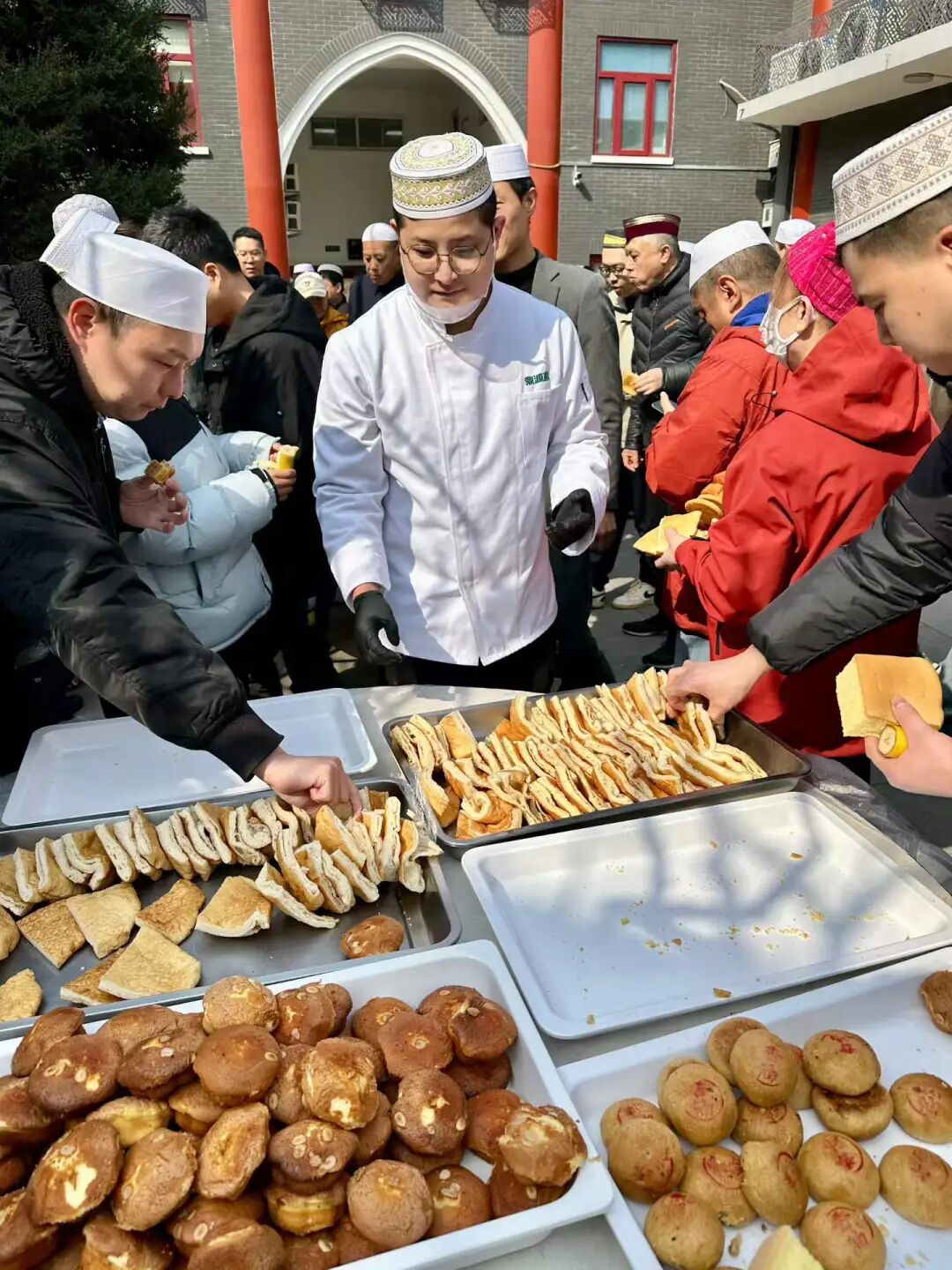
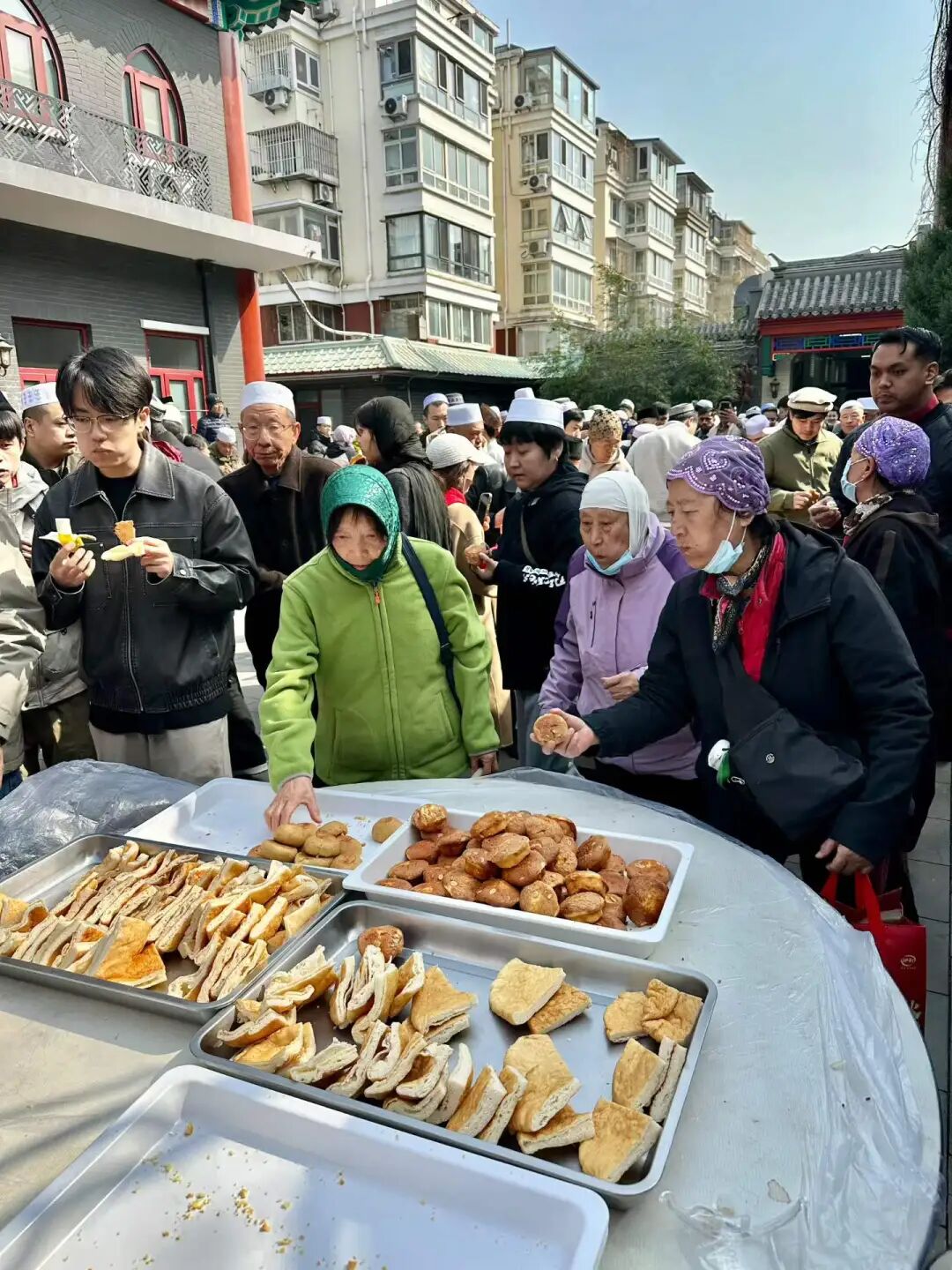
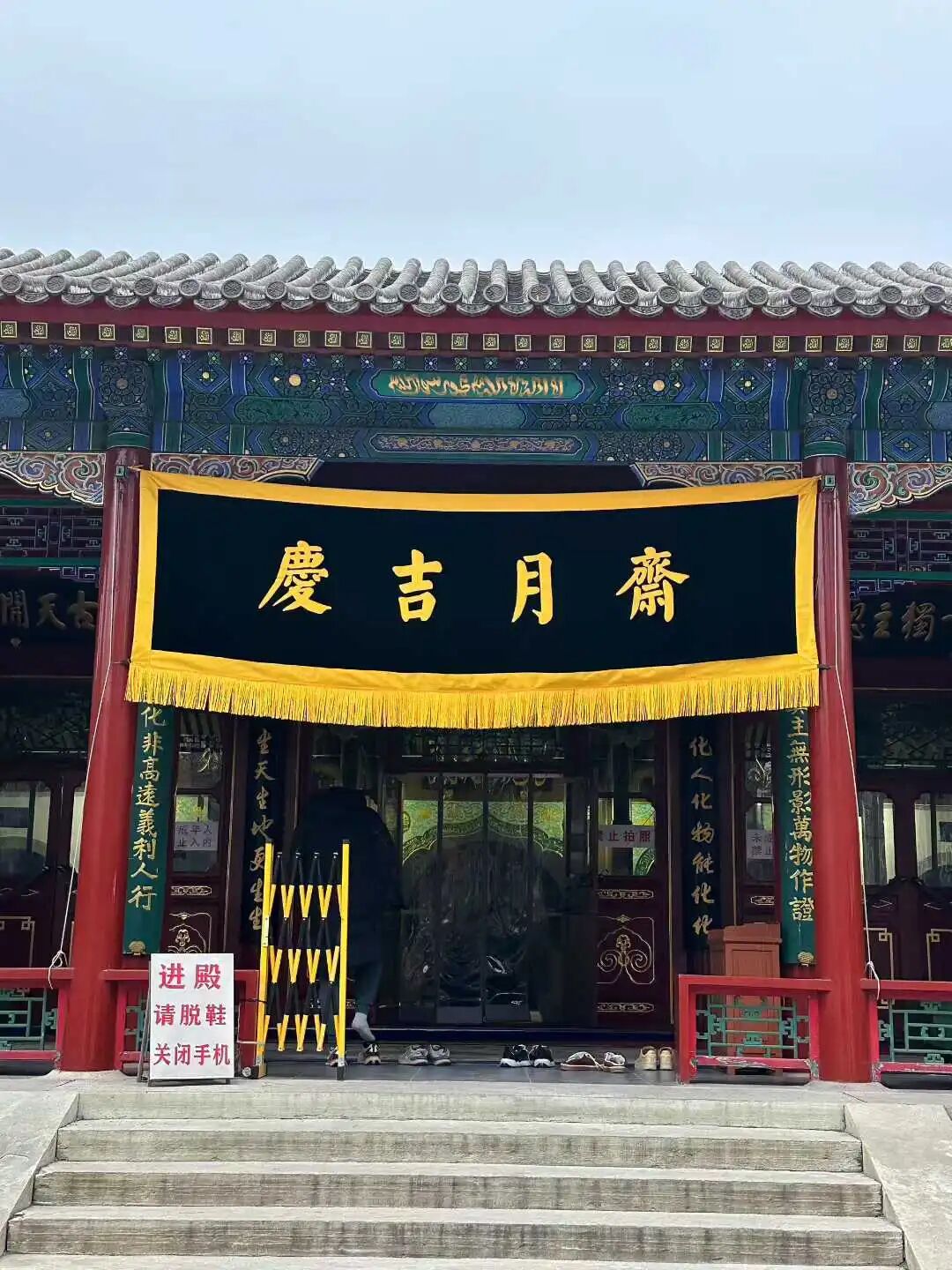
After leaving the Sudanese Embassy, we went to Fayuan Mosque in Dewai to experience the atmosphere of a Chinese-style Eid al-Fitr. Fayuan Mosque holds the latest Eid prayer in the Xicheng District, which gives people who missed the prayers at other mosques a chance to attend. The place was very crowded, and those of us who arrived late could not get into the main prayer hall. After the prayer, we enjoyed fried dough (youxiang) and various pastries, but it was a pity that we did not get to have any meat porridge this year. view all
Summary: This second Beijing Ramadan diary covers Jingzhe, Laylat al-Qadr, Eid al-Fitr, mosque gatherings, Hui Muslim food, and the closing days of Ramadan in clear English.
Awakening of Insects (Jingzhe)
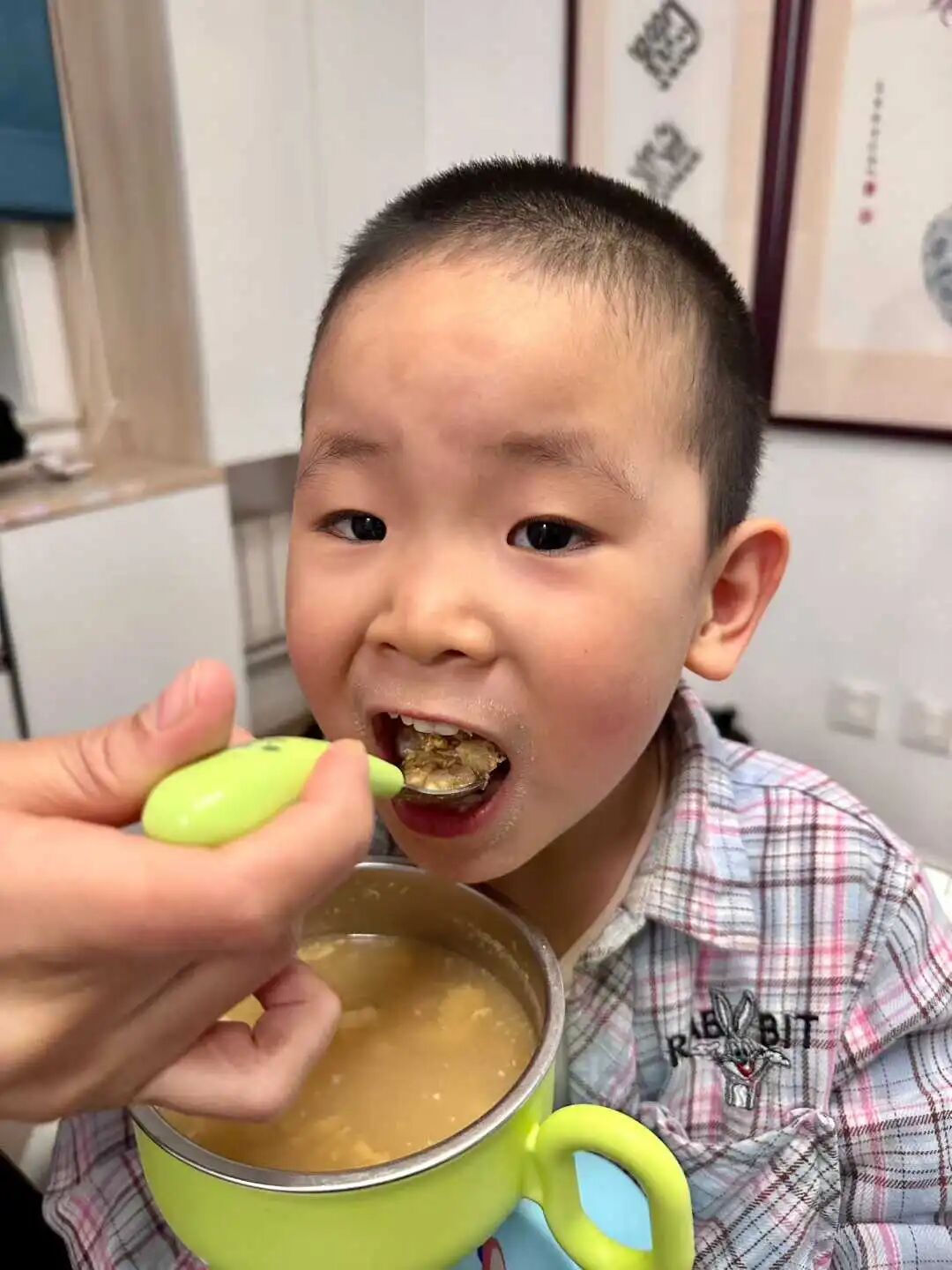
This year, Ramadan falls during the Awakening of Insects, so Hui Muslims in Xinjiang will drink Awakening of Insects soup (jingzhe tang), also known as Awakening of Insects oil tea egg (jingzhe youcha dan). It is made by chopping walnuts, raisins, and red dates, coating them in egg wash, stir-frying them in mutton fat, and then pouring in brewed brick tea. The resulting soup has the aroma of mutton fat, dried fruit, eggs, and tea, which children really love.
The Awakening of Insects is one of the twenty-four solar terms, marking the time when all things wake up. In the past, medical care was limited and tuberculosis (shanglao) was a deadly disease. After the Awakening of Insects, temperatures rise and germs become active, so people used a combination of nutritious eggs, oil, and dried fruit with warm tea to pray for health, shake off winter fatigue, and boost their energy.
Night of Power (Laylat al-Qadr)
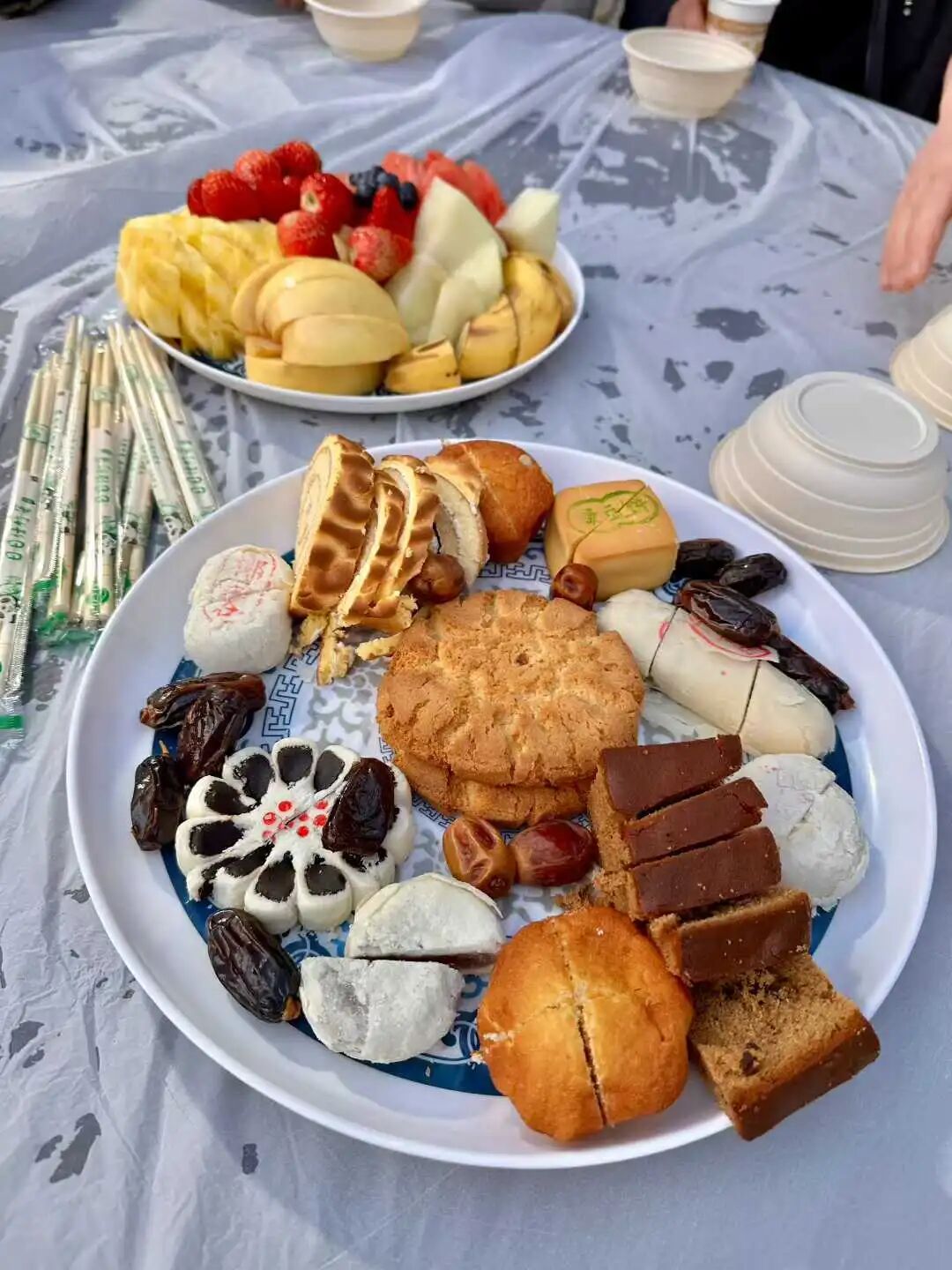
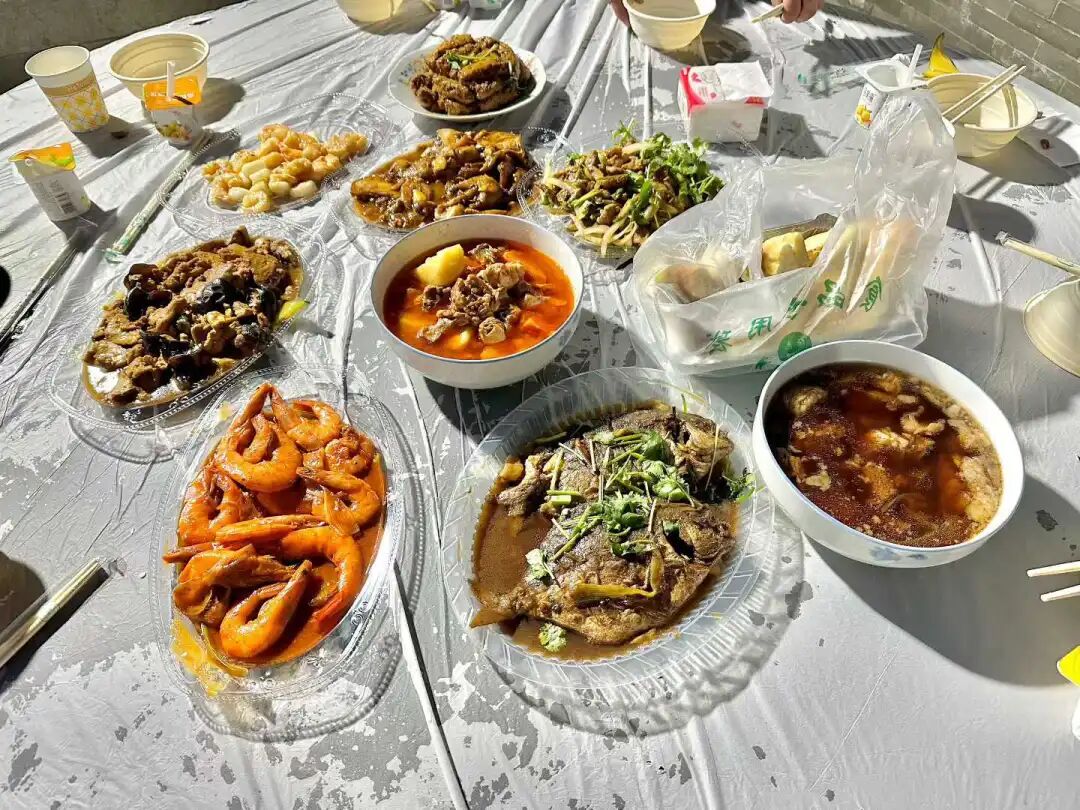
The twenty-seventh night of Ramadan is always the busiest day at every mosque, and this year Madian Mosque set up fifteen tables, making it very lively. Before breaking the fast, the imam recites the scripture. After breaking the fast, we are served two plates of fruit and pastries. After the sunset prayer (maghrib), nine dishes are served: braised prawns in oil, stir-fried shrimp with milk, braised flatfish, fried tofu, braised eggplant, stewed beef brisket with radish, stewed lamb with potatoes, stir-fried meat with scallions, and braised meat balls (songrou). I sat at a table with international students from various countries, and everyone really enjoyed the food.
Besides the two Eids (Eid al-Fitr and Eid al-Adha) and the two major gatherings (the Prophet's birthday and the Fatimah gathering), the Night of Power is likely the most important day for Hui Muslims. The Night of Power is also called the "Night Vigil" or "Night Head Festival." People say the scripture was first revealed on this night, which is better than a thousand months, so it is a time to do many good deeds. Everyone bathes, changes into clean clothes, goes to the mosque, greets each other with salaam, listens to the imam's recitation, completes their prayers, and shares a meal. Using the mosque as a gathering place and affection as a bridge, we seek blessings and look out for peace.
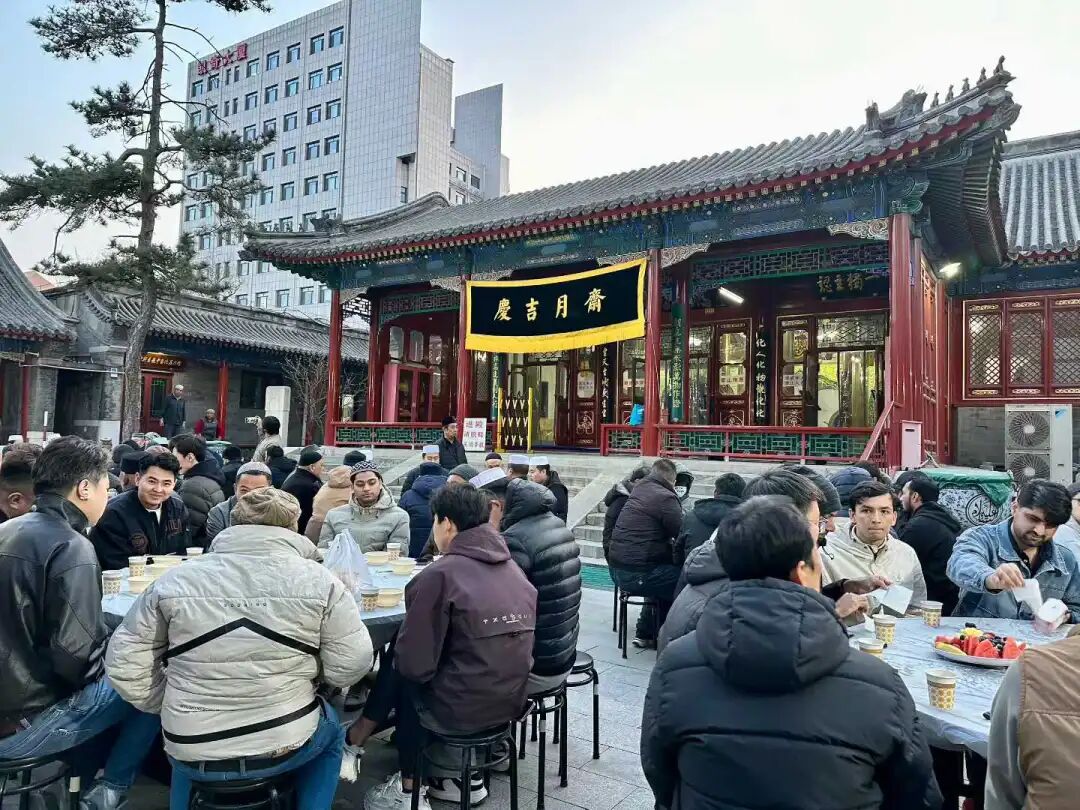
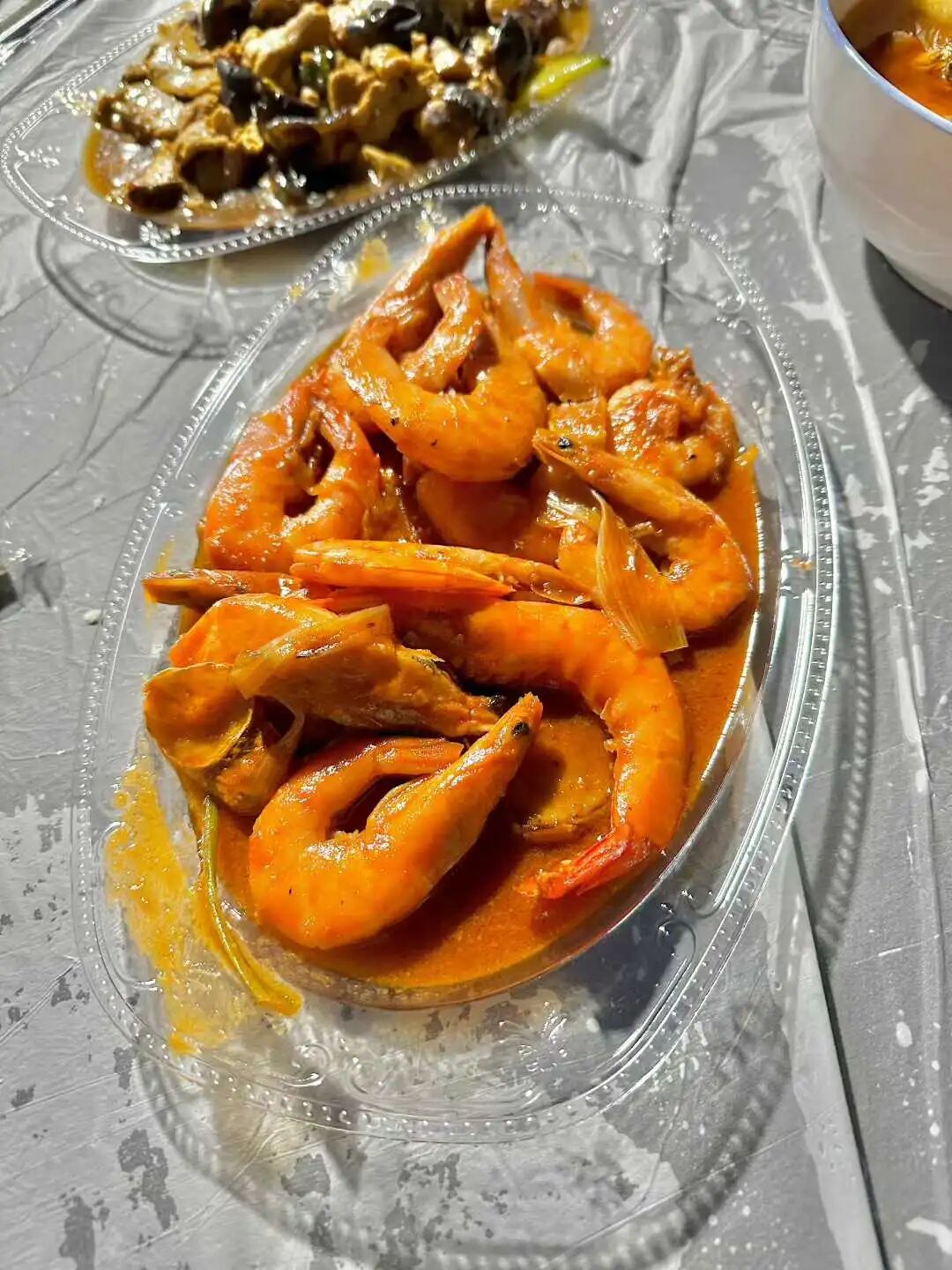
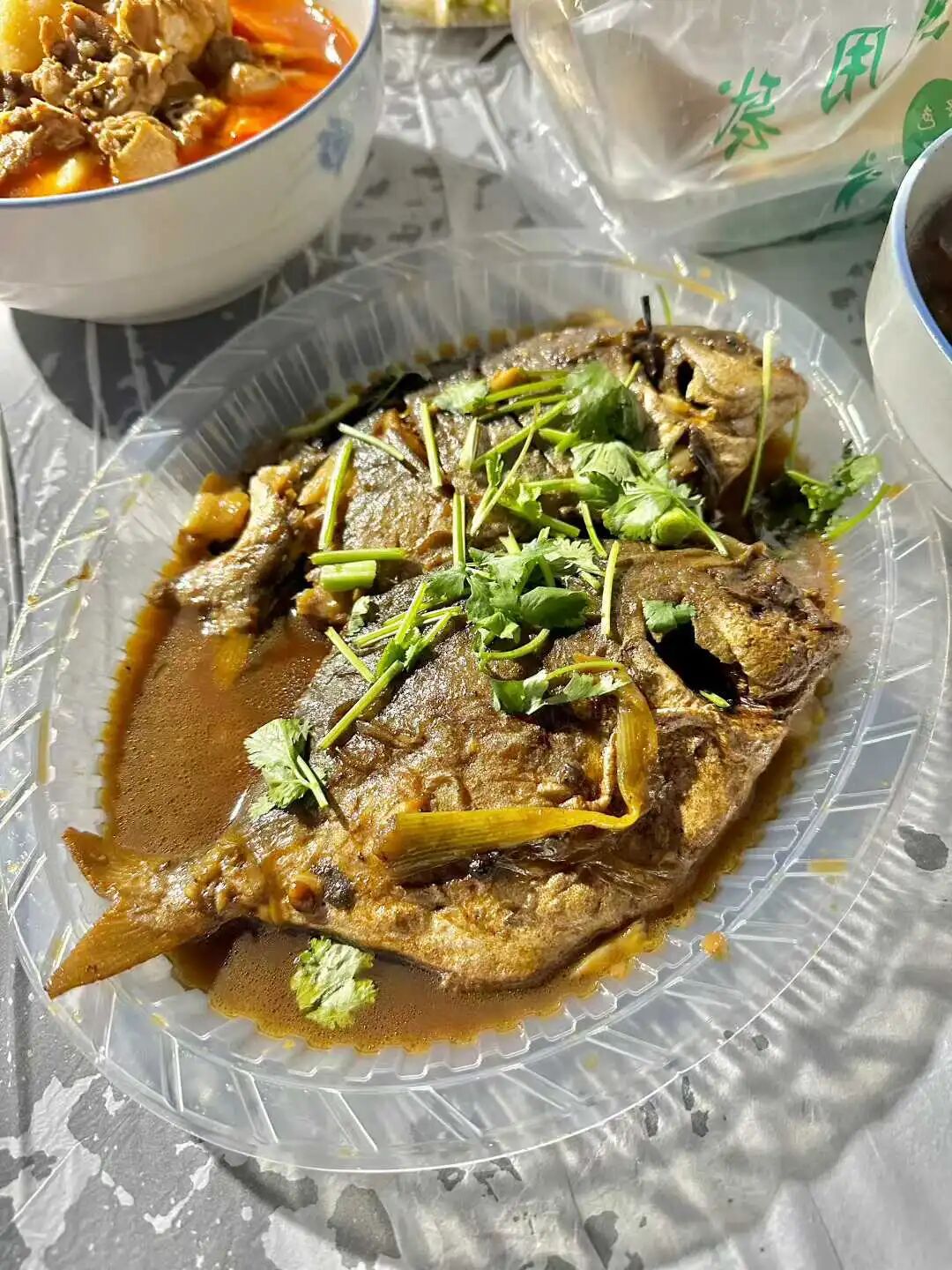
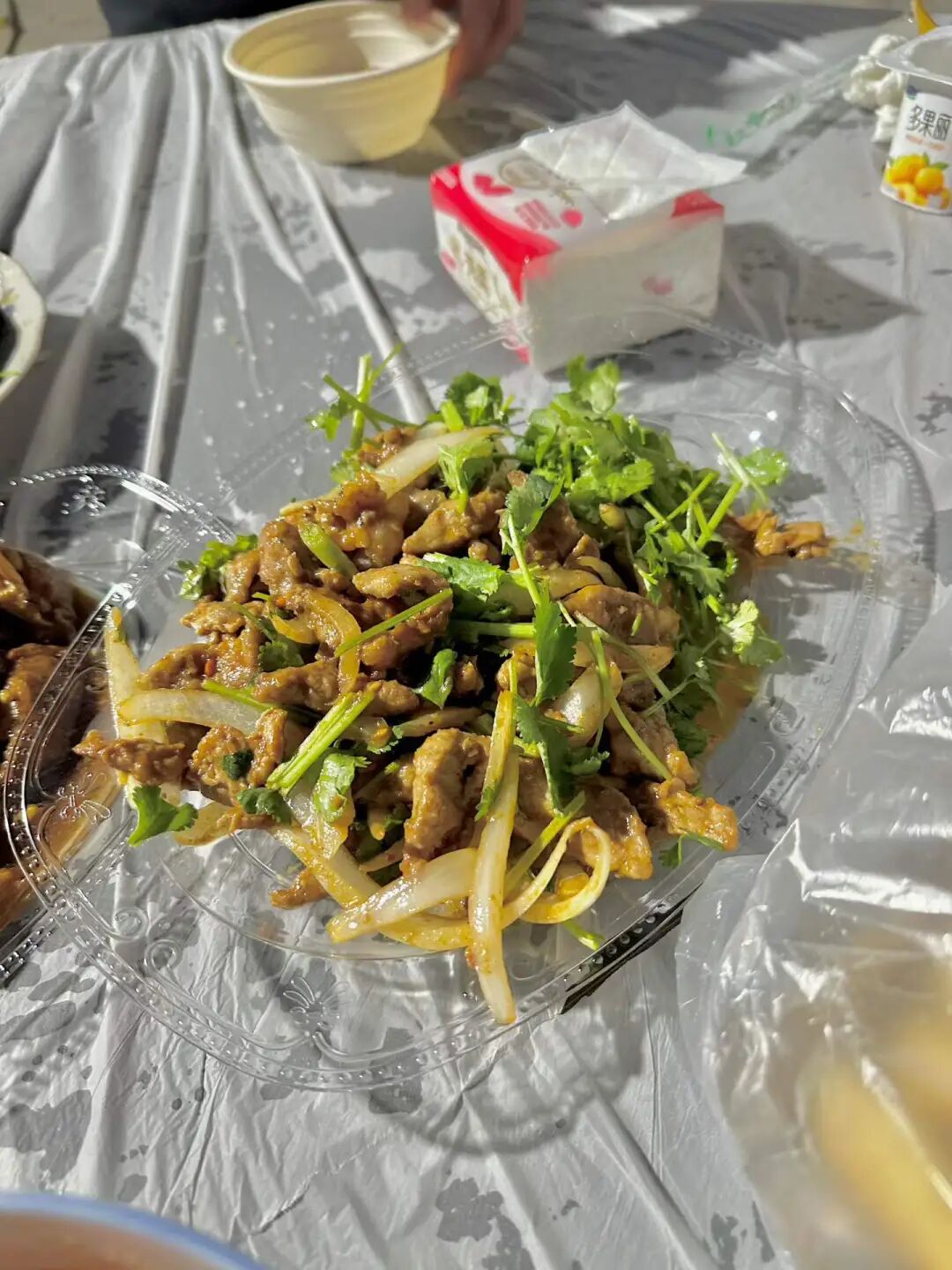
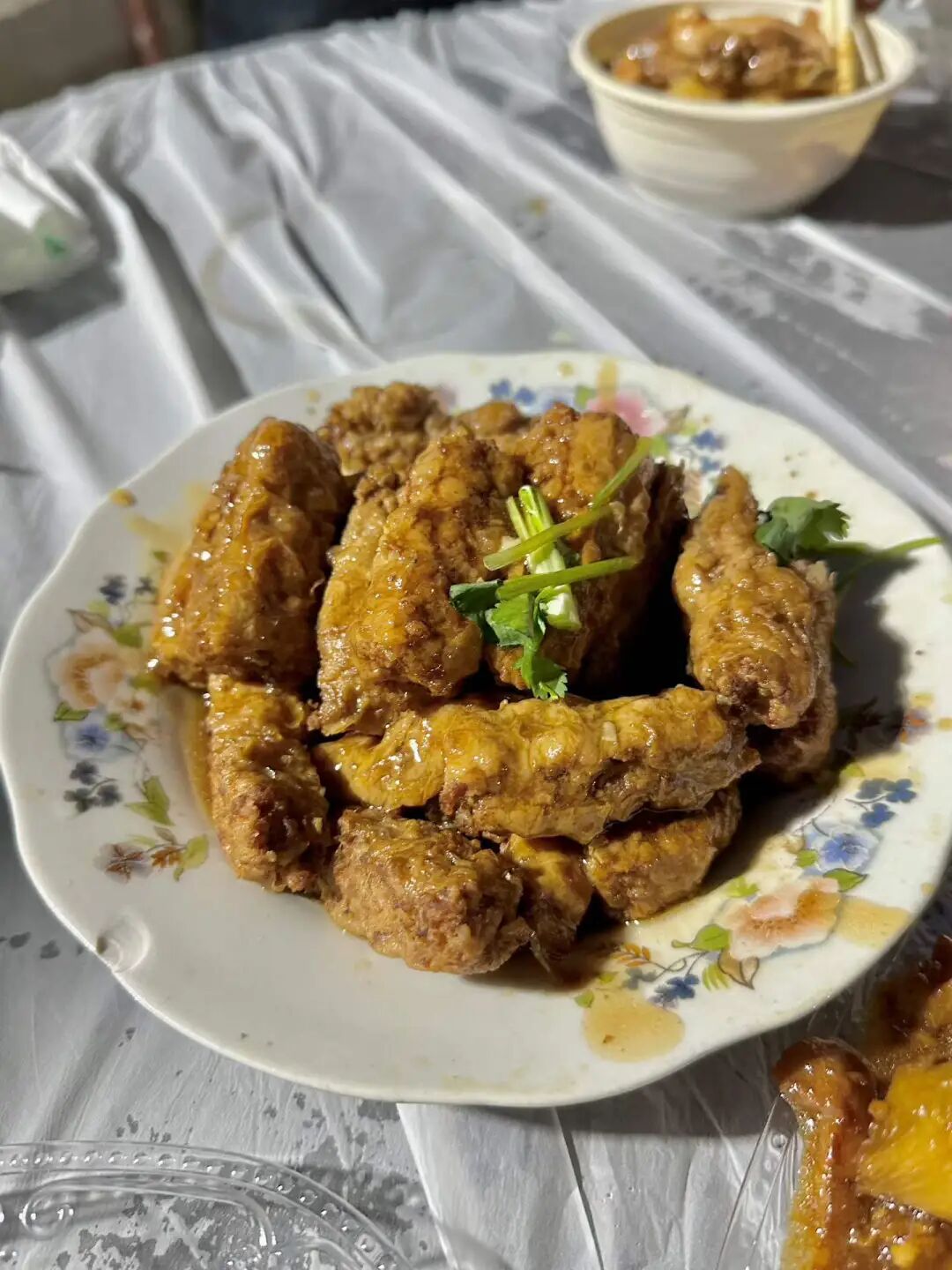
In the evening, the whole family celebrated the Night of Power at the Sudanese Embassy. The embassy building was fully lit, and the courtyard was filled with cars from various embassies. Besides coffee and black tea, there were also pastries donated (sadqa) by people from Changying Township.
Today was the busiest night at the embassy, and even the lobby was completely full. By the eighth rak'ah of the Taraweeh prayer, the entire scripture had been completed. During the final rak'ah, a half-hour long dua was made. The imam sounded like he was weeping, his voice was hoarse, and he was once moved to tears, crying "Ya Allah, Ya Allah," which was incredibly moving.
Eid al-Fitr
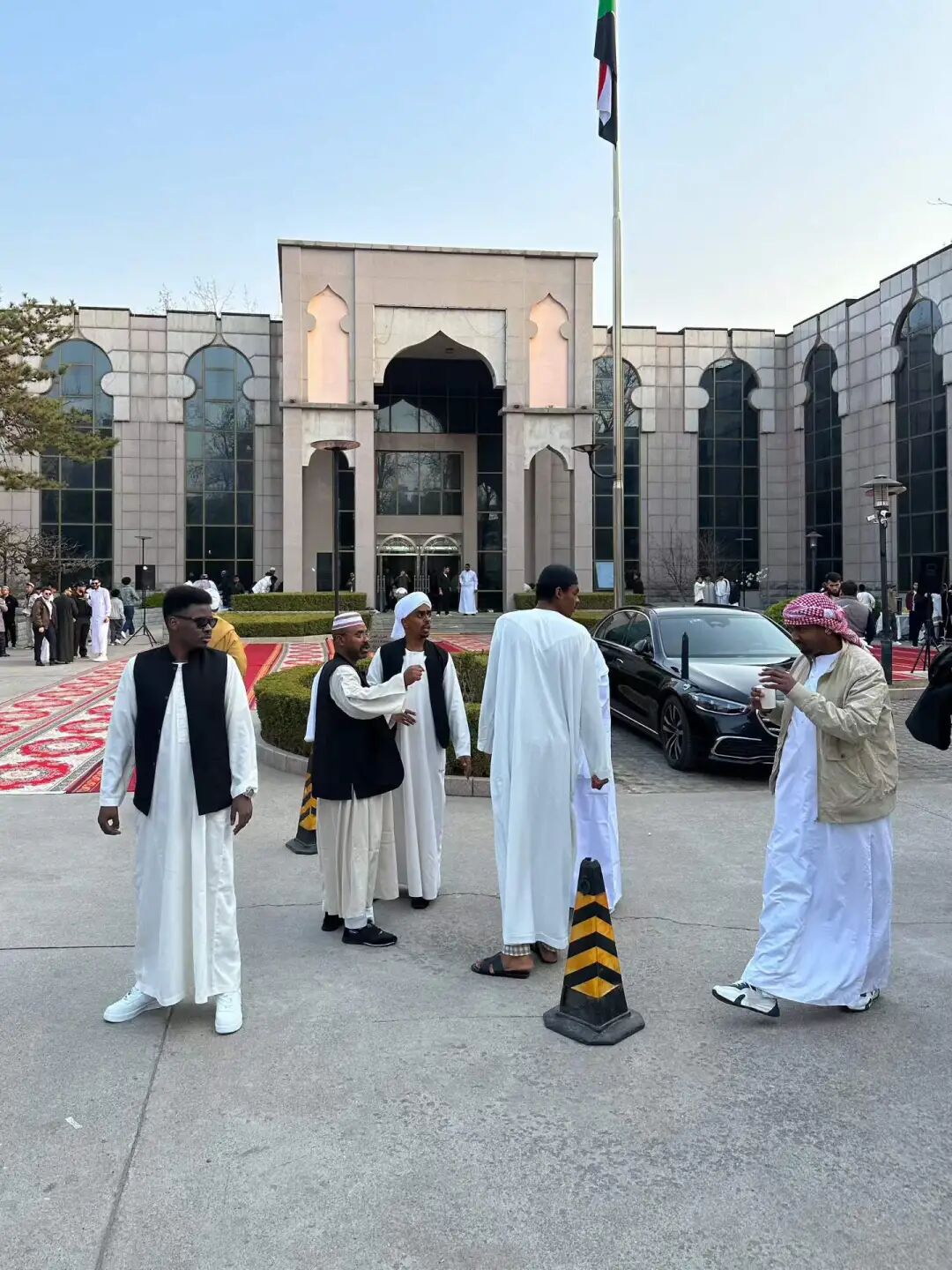
This year, Eid al-Fitr falls on a Saturday, so no one needs to ask for time off, which is why there are so many people. Our whole family headed straight to the Sudanese Embassy in the morning. Many people wore traditional clothing today, and I also wore a hexagonal cap (gedimu) from North China made by a friend. Today, not only was the building full, but the embassy courtyard was also packed with friends (dosti) from Africa, the Arab world, South Asia, and all over China. It was a very blessed occasion.
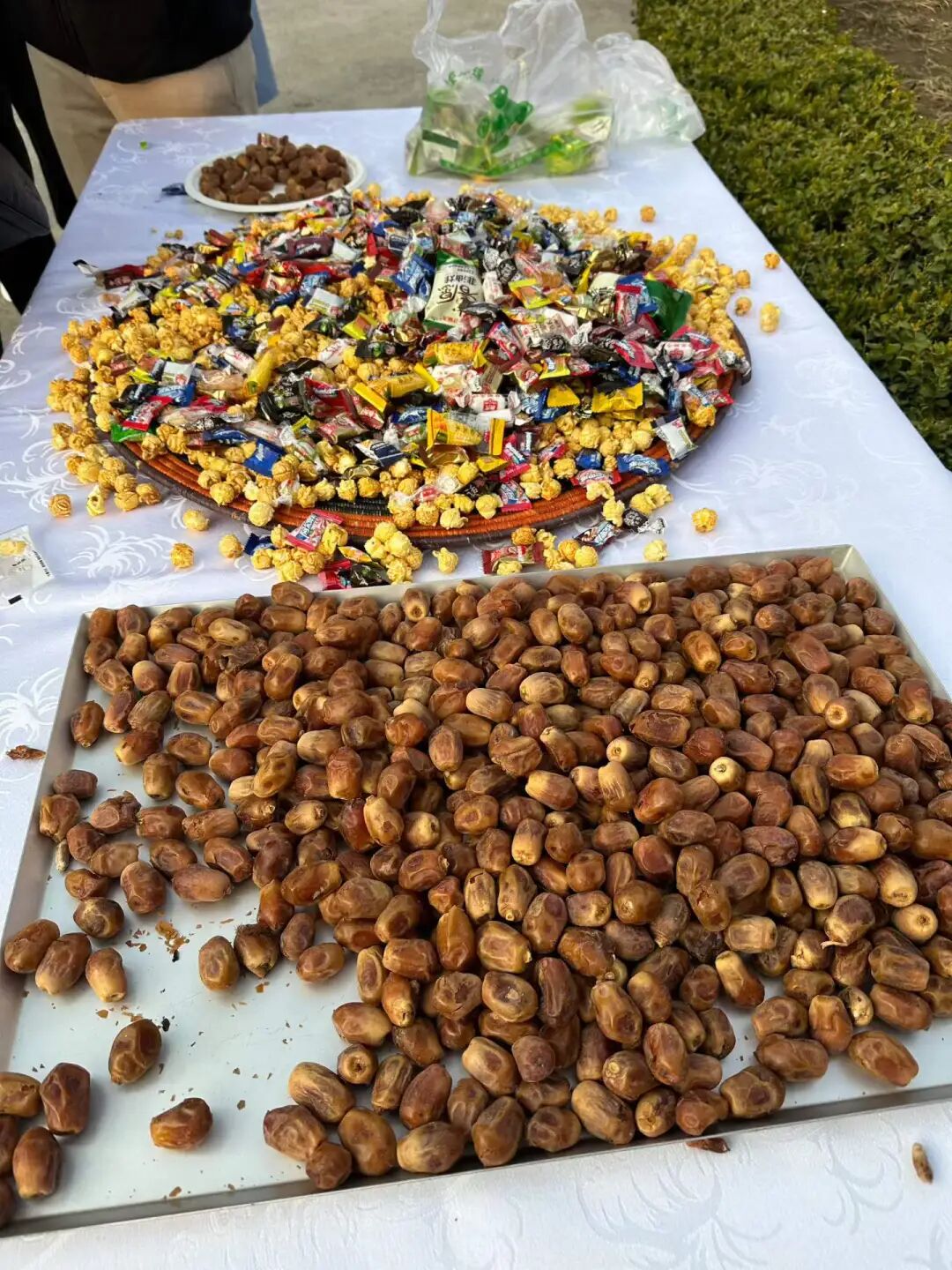
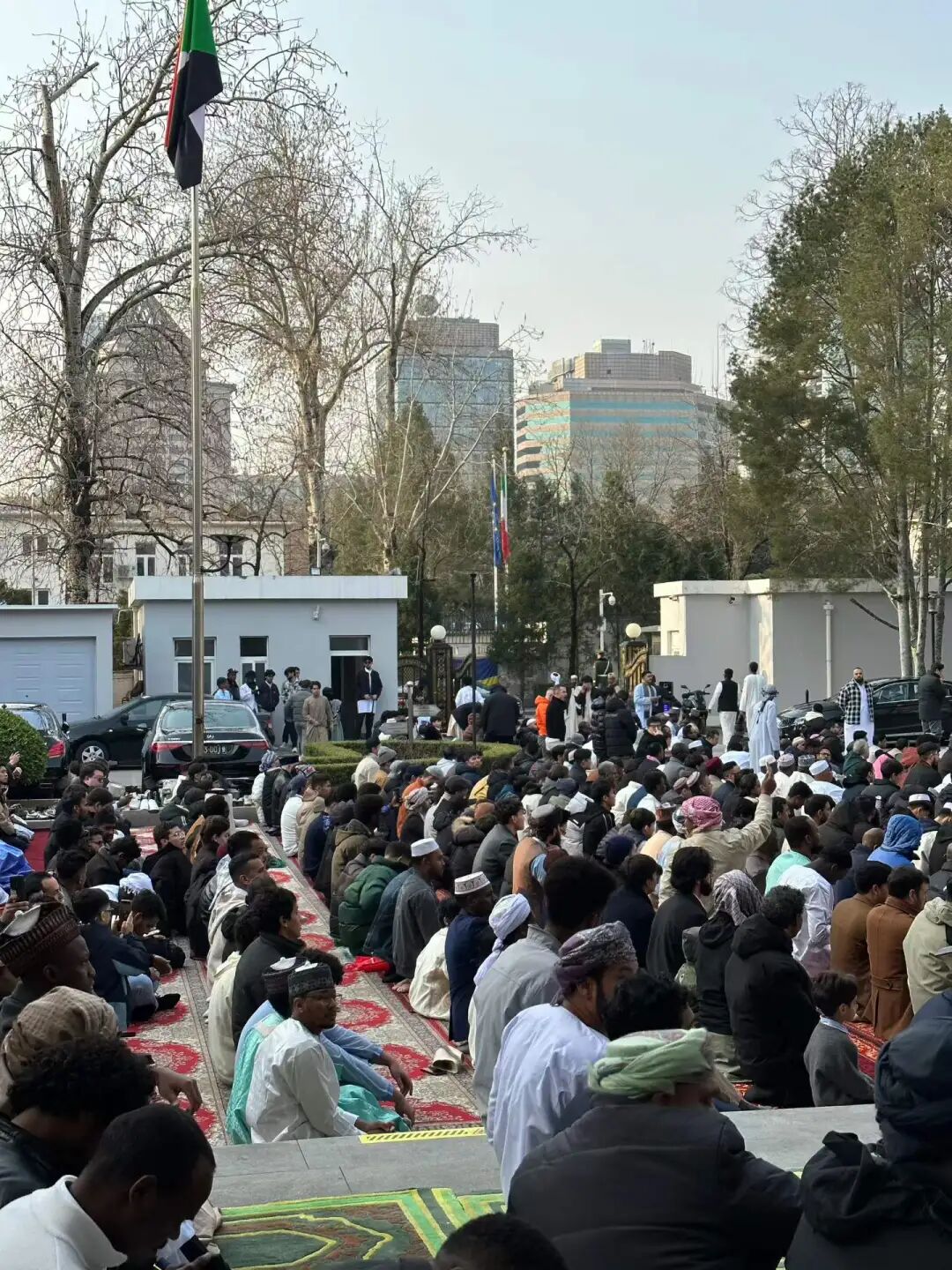
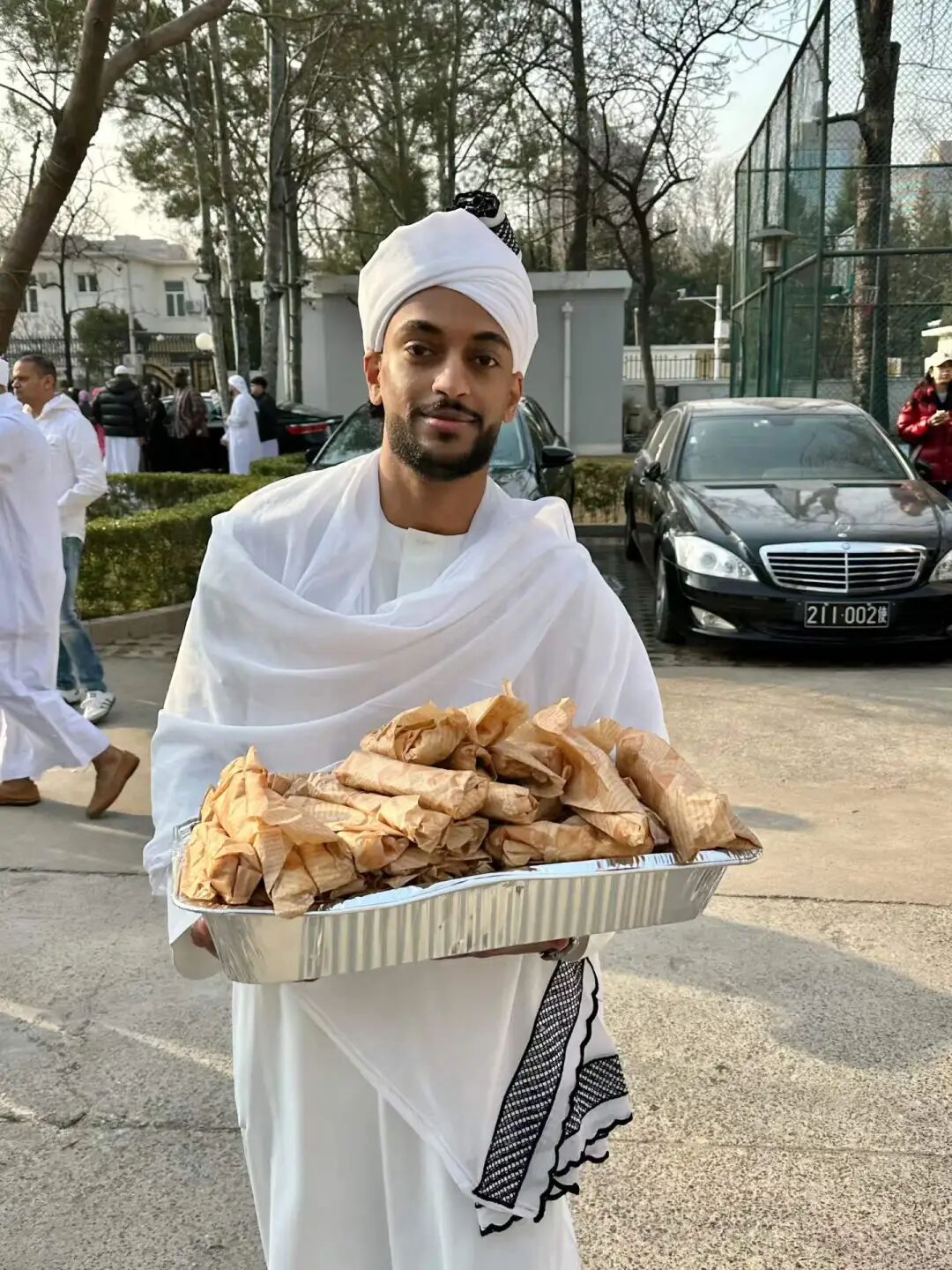
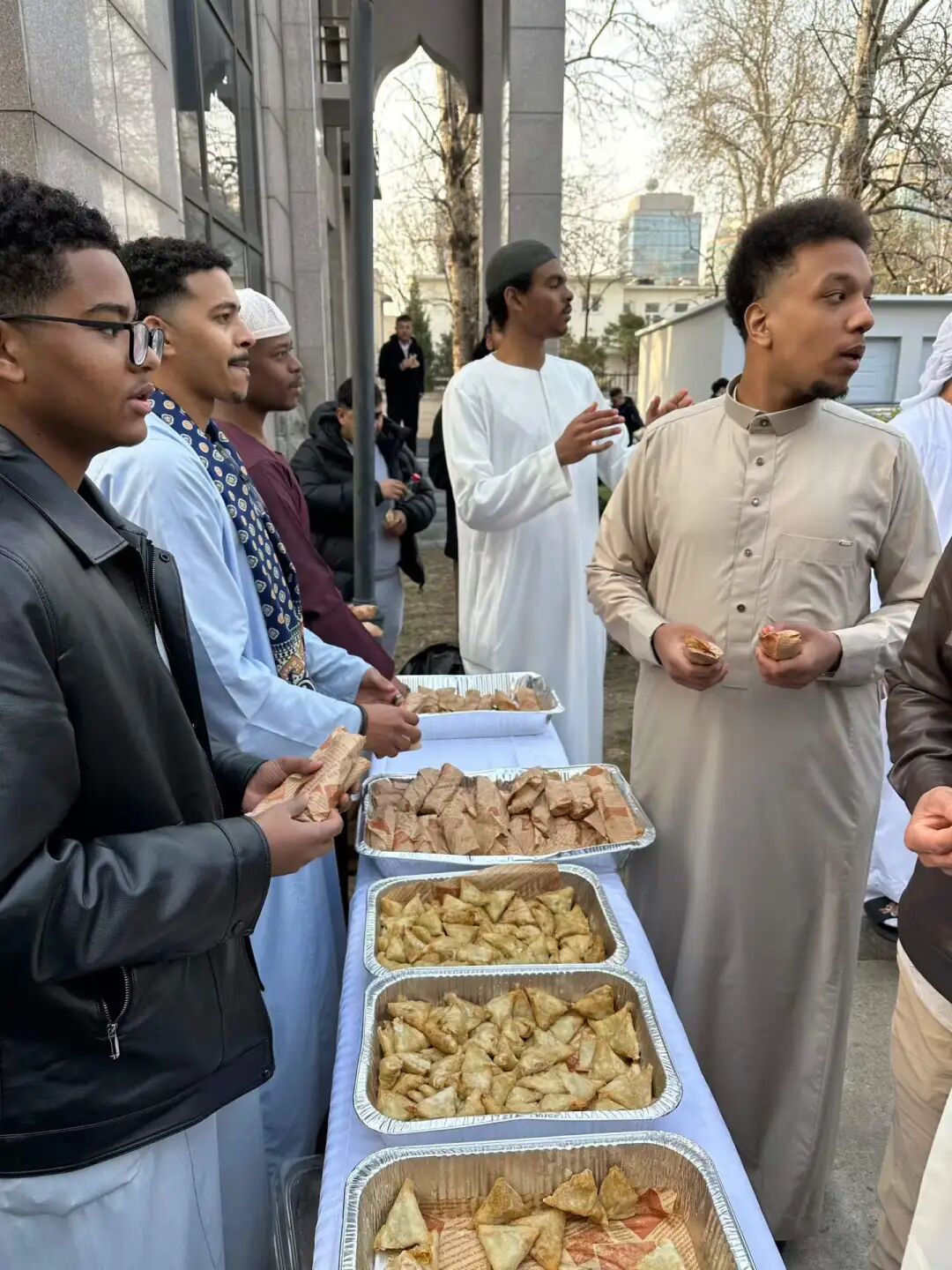
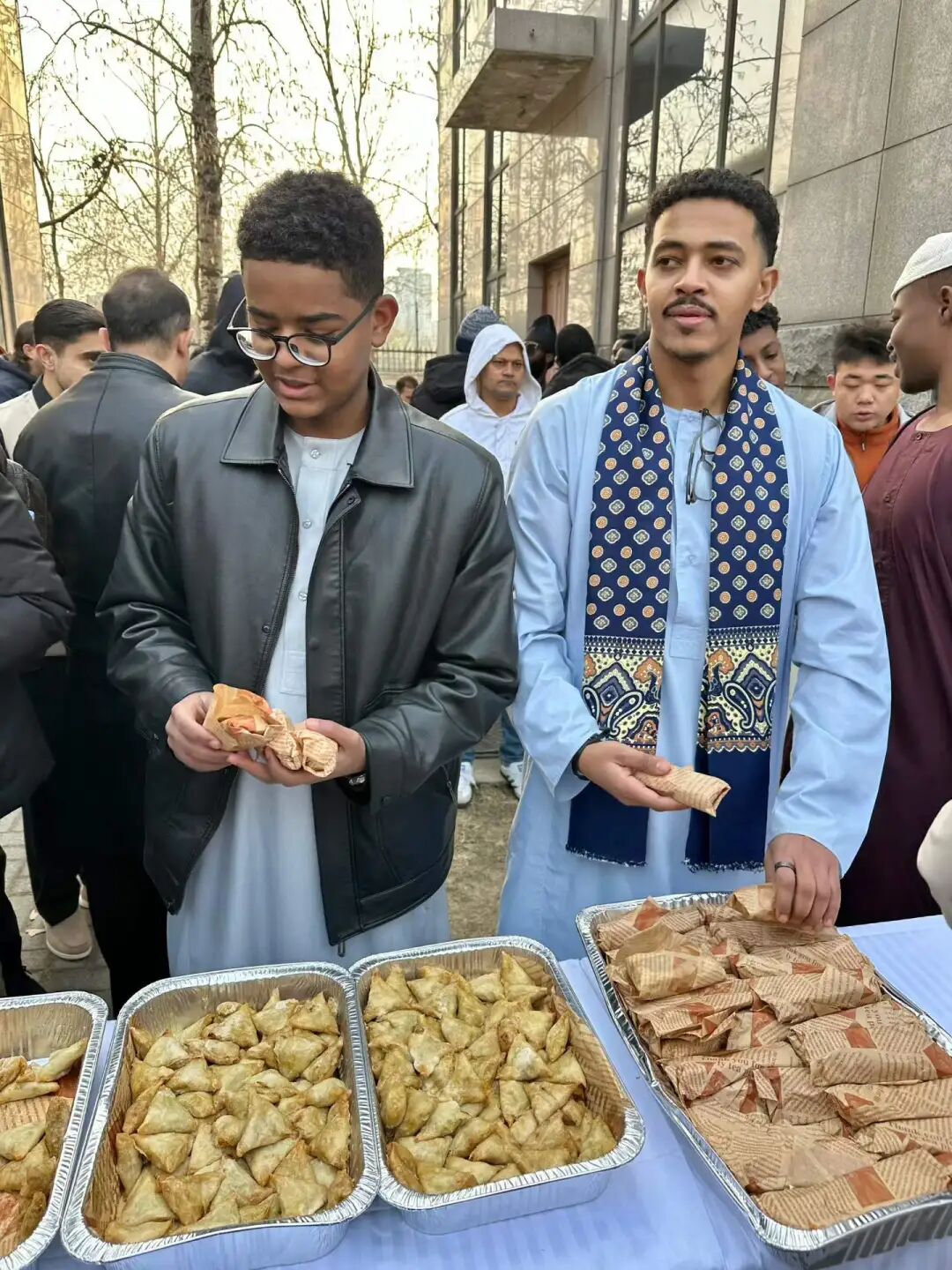
After the Eid prayer, some friends (dosti) brought homemade fried triangular pastries (sambusa) and chicken wraps (shawarma) from home, and we all enjoyed the delicious food together.
The fried triangular pastry (sambusa) originated in Iran. After the 10th century, it spread to the Arab region along trade and pilgrimage routes. In countries like Saudi Arabia and Yemen, the sambusa is an essential and iconic food for iftar and Eid al-Fitr. Compared to the South Asian samosa, which also comes from Iran, the Arab sambusa is smaller with a thinner crust. The filling is usually made of minced meat, onions, cilantro, and cinnamon.
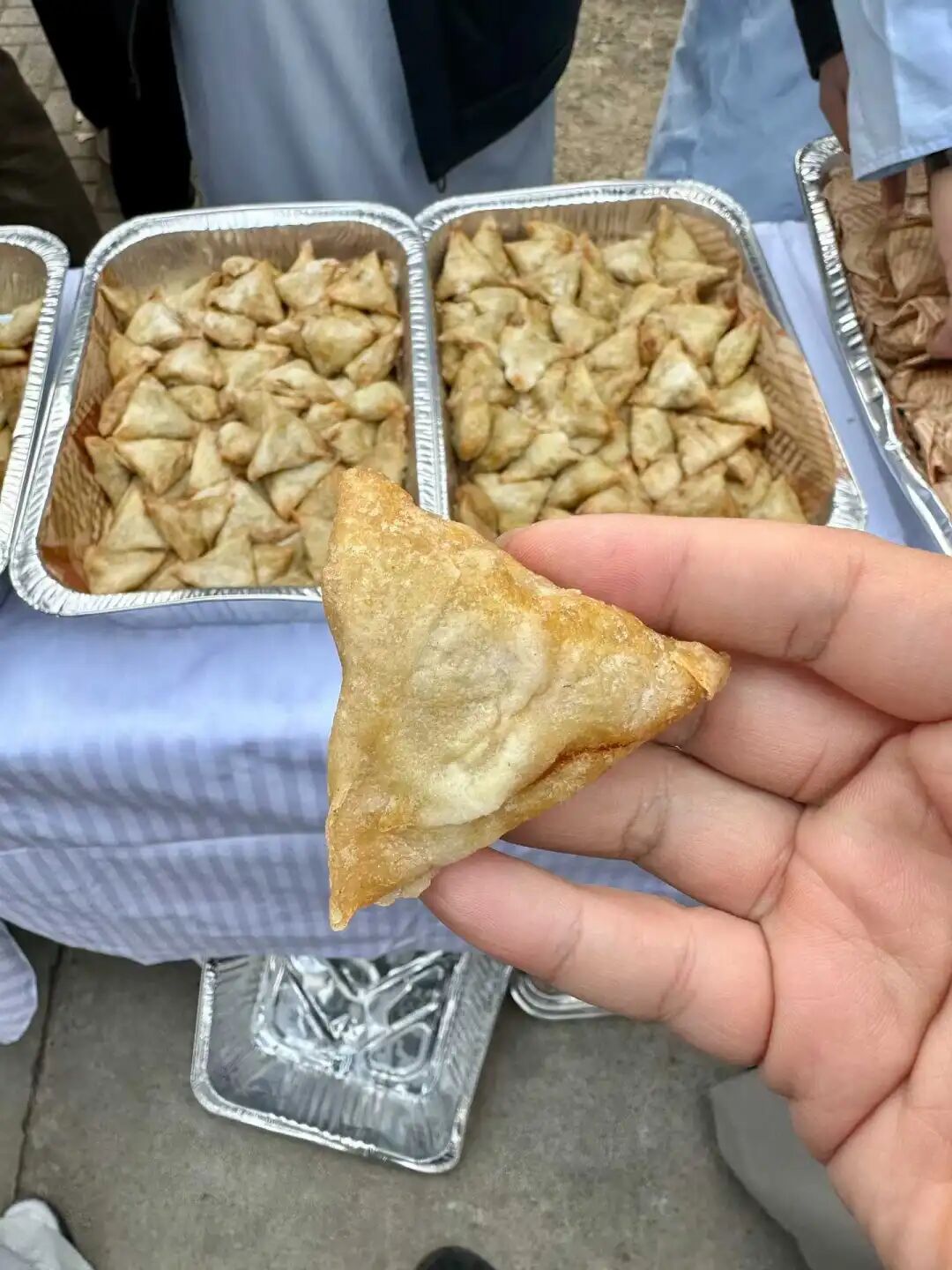
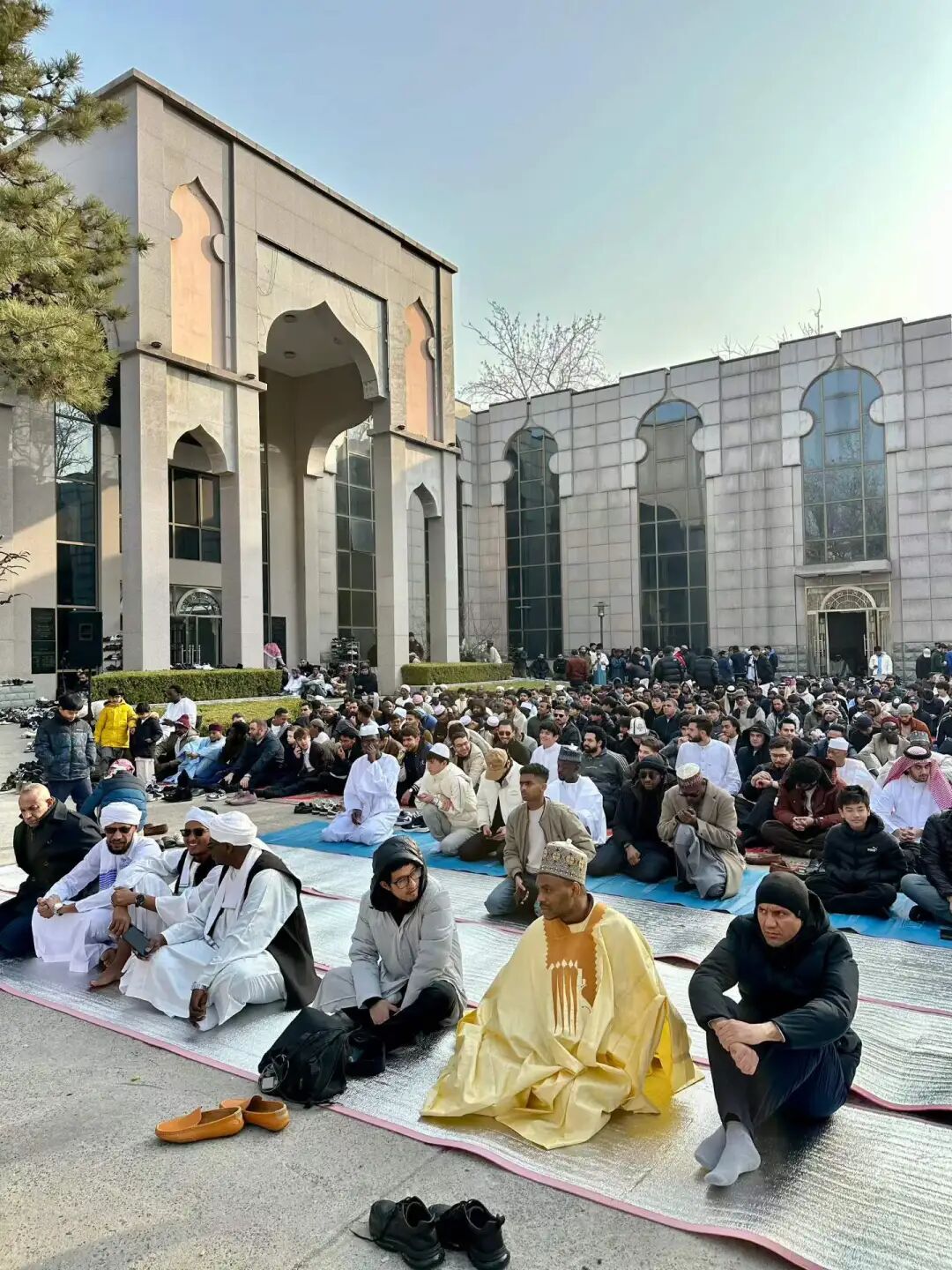
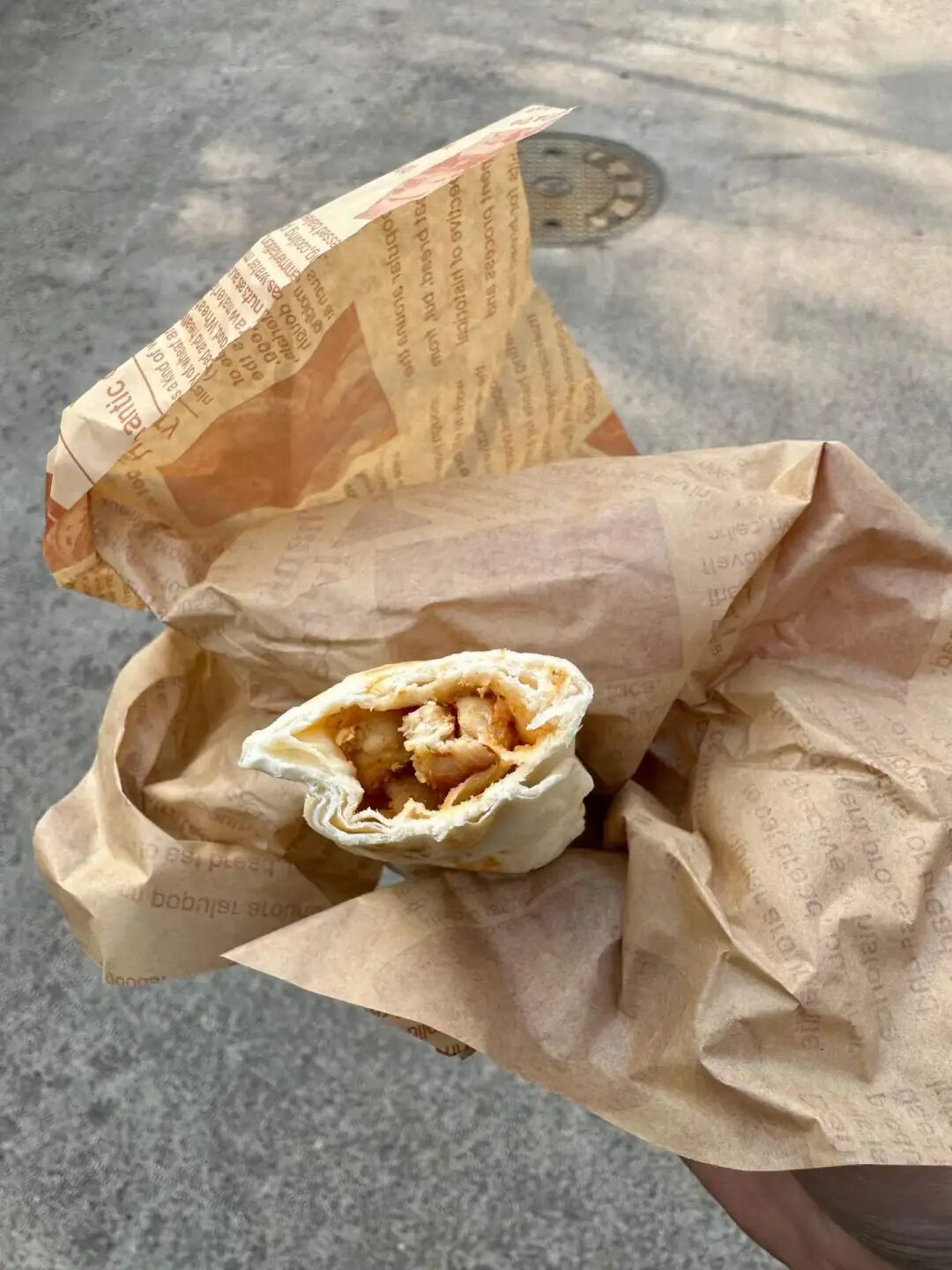
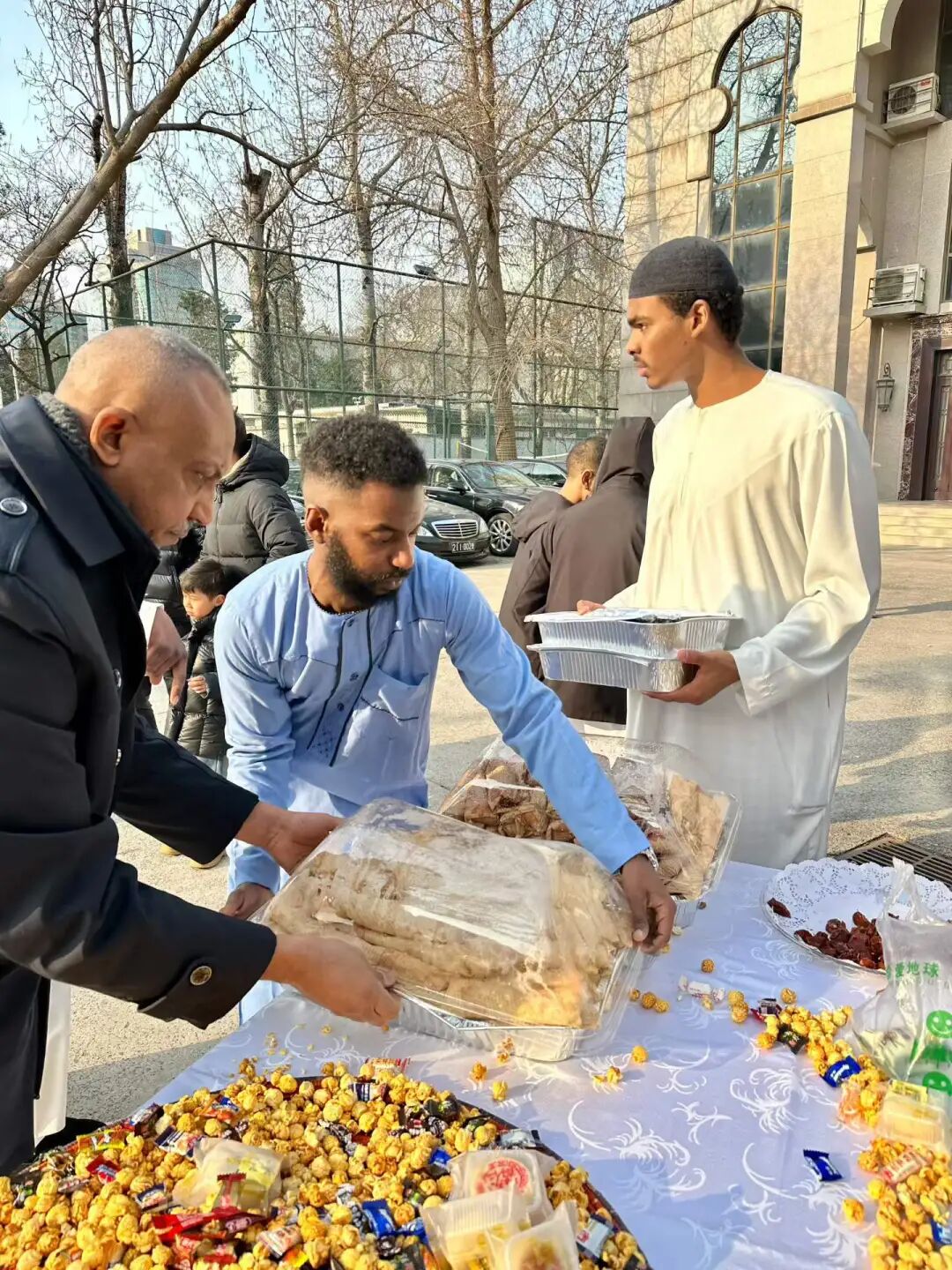
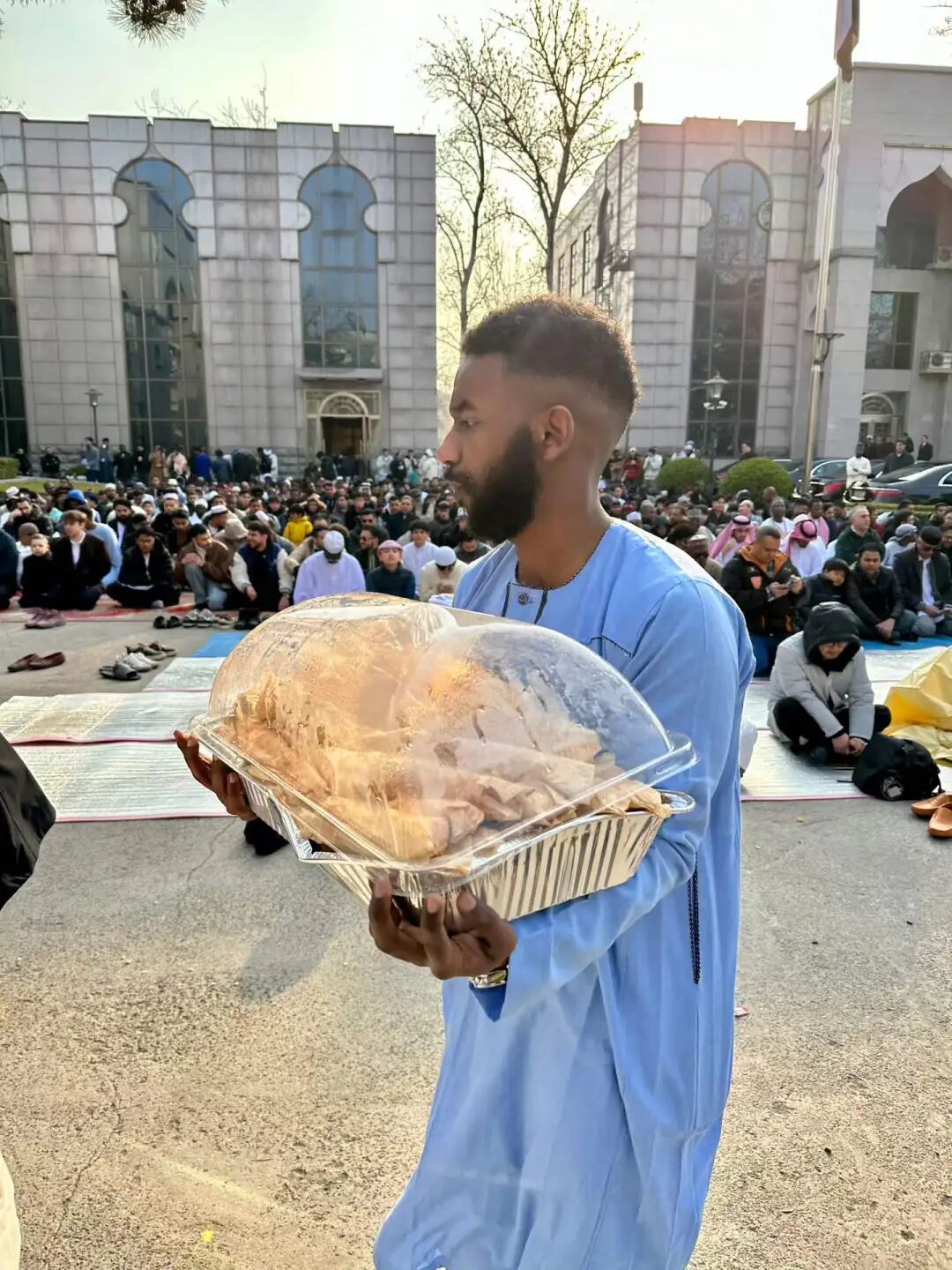
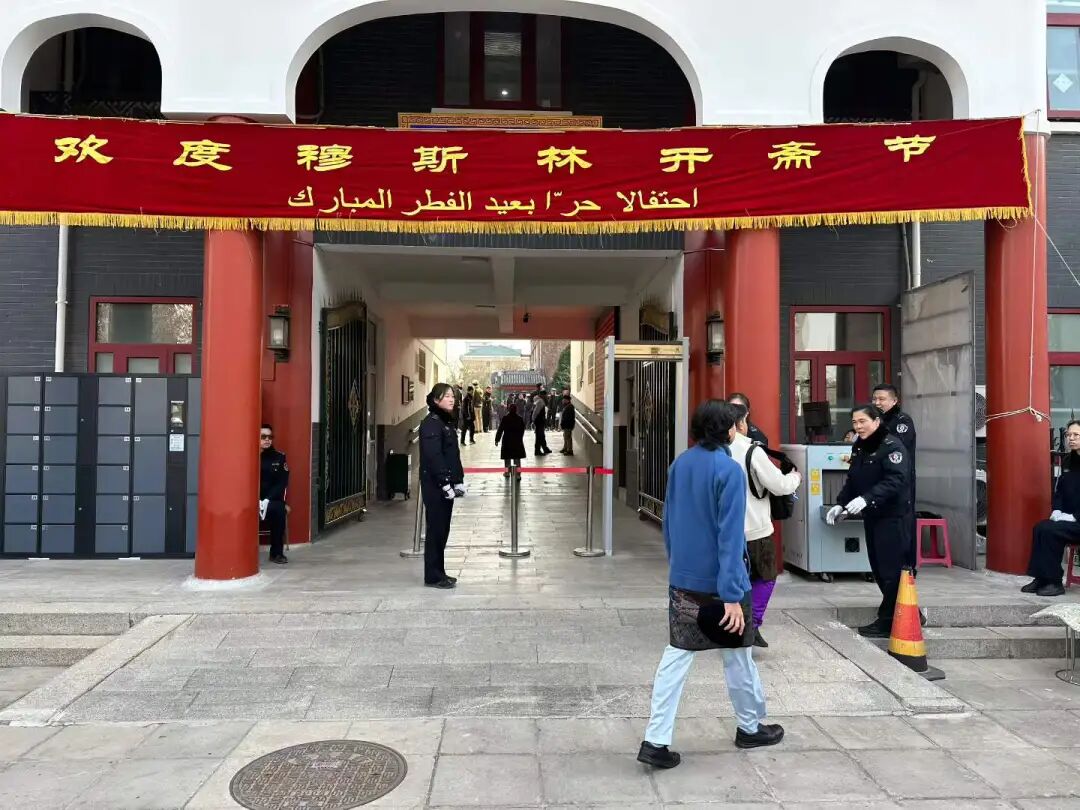
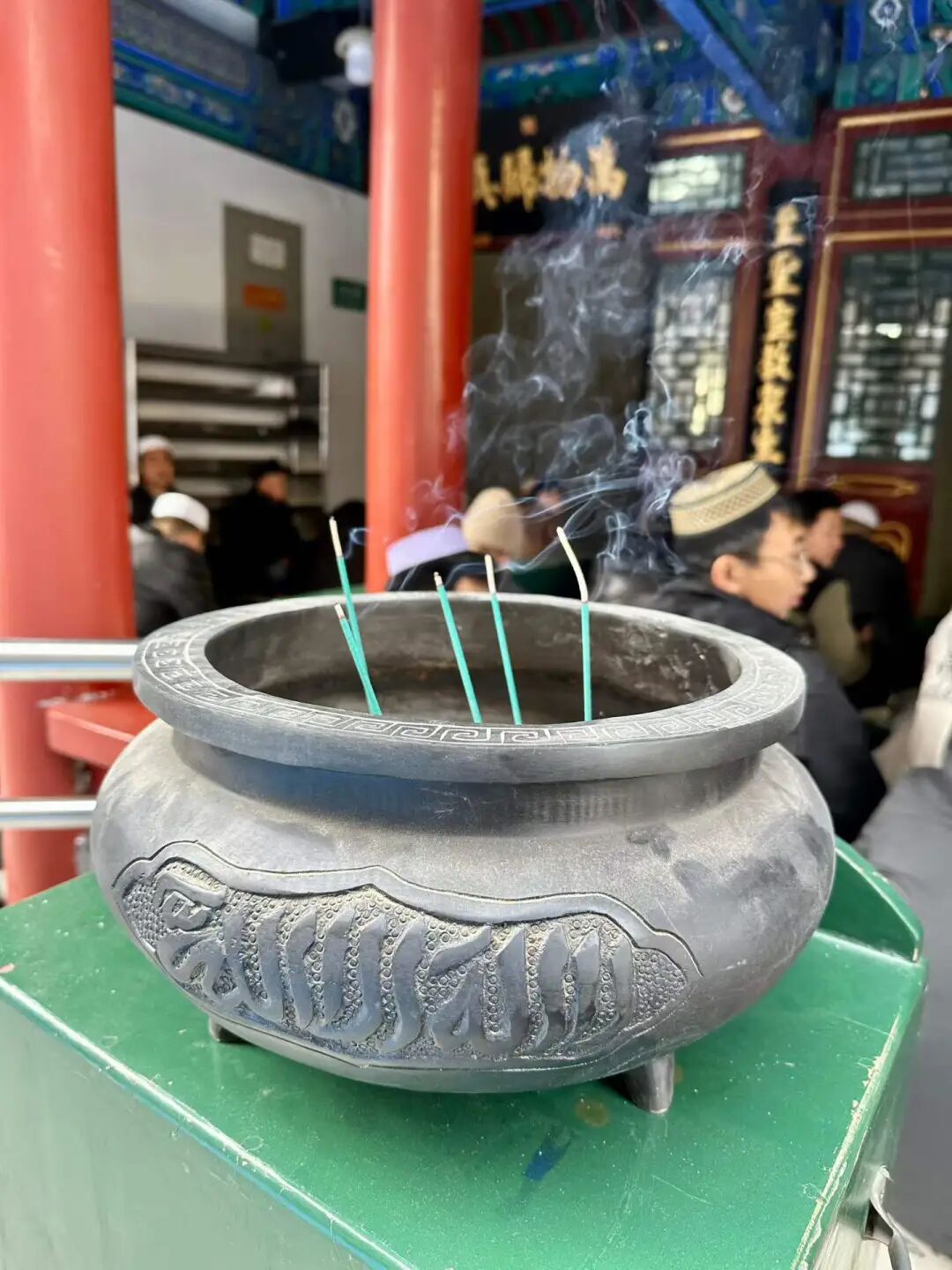
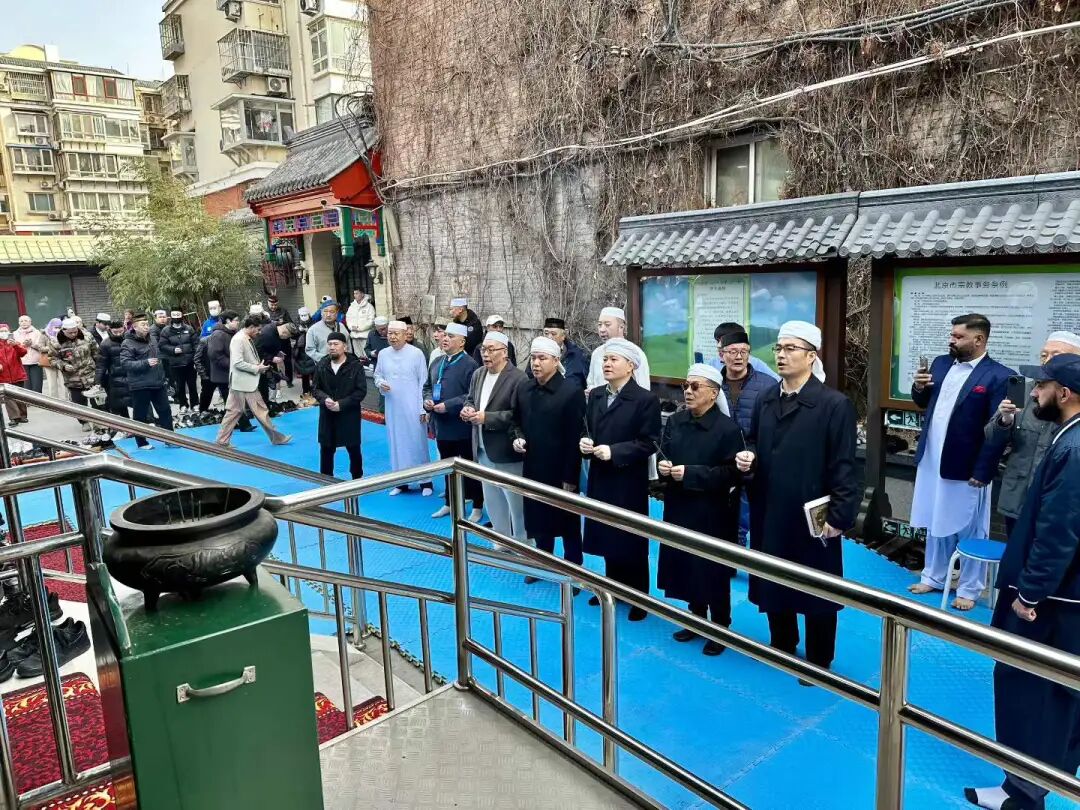
After leaving the Sudanese Embassy, we went to Fayuan Mosque in Dewai to experience the atmosphere of a Chinese-style Eid al-Fitr. Fayuan Mosque holds the latest Eid prayer in the Xicheng District, which gives people who missed the prayers at other mosques a chance to attend. The place was very crowded, and those of us who arrived late could not get into the main prayer hall. After the prayer, we enjoyed fried dough (youxiang) and various pastries, but it was a pity that we did not get to have any meat porridge this year.
Beijing Ramadan 2026 Diary: Madian Mosque, Fayuan Mosque, Sudan Embassy Iftar and Hui Meals
Articles • ali2007fr posted the article • 0 comments • 209 views • 2026-05-21 06:45
Summary: This Beijing Ramadan 2026 diary follows iftar meals and mosque visits at Madian, Fayuan, Zhengyuan, Nanxiaopo, Dongwai, Houheyan, and the Sudan Embassy, with food and community details kept in full.
I returned to Beijing from Sichuan during the second week of Ramadan. This year, I had to take my son to kindergarten by electric scooter every morning, so I couldn't break my fast at Balizhuang like I did last year (see 'A Wonderful Look Back at Ramadan 2025 in Beijing Balizhuang'). Instead, I mostly went to the mosques near my office and home. I visited seven in total: Madian Mosque, Fayuan Mosque, Zhengyuan Mosque, Nanxiaopo Mosque, Dongwai Mosque, Houheyuan Mosque, and the Sudan Embassy. I will share them with you below.
Madian Mosque
Madian Mosque is the closest mosque to my office, and it is the one I visited the most. The iftar at Madian Mosque is quite generous. Before breaking the fast, there is a plate of fruit and a plate of pastries. After breaking the fast, there are noodles, stir-fried dishes, stir-fried dough bits (chaogeda), steamed buns (baozi), and more. Usually, there are two tables of international students, one table of friends (dosti) from Northwest China, one table of female elders, and one table of male elders at iftar. I met many old friends and made many new ones at Madian Mosque this year, which was very blessed. We set up over a dozen tables in the courtyard for the Night of Power (Laylat al-Qadr), which I will write about in my next post.
Madian is located on the Jingbei Avenue outside Deshengmen in Beijing. After the Ming Dynasty overthrew the Yuan Dynasty, they moved the northern wall of the capital city south. However, the main road from Beijing through Deshengmen to outside the Great Wall still passed through the Jiande Gate gap of the Yuan capital. The trade of horses, cattle, and sheep coming from the north gradually formed a market inside the Jiande Gate gap, attracting a large number of Hui Muslims to settle there. It was said that the number of Hui Muslims there was no less than at Niujie. Since the Qing Dynasty, hundreds of thousands of cattle, sheep, and horses entered Beijing from Mongolia via Zhangjiakou every year. Hui Muslims opened many horse shops and sheep shops in Madian, responsible for feeding and selling the livestock to earn commissions. After the Daoguang era, the horse trade moved to the suburbs outside Deshengmen, and most of the businesses in Madian changed into sheep shops, keeping only a few horse shops. Since it formed in the Qing Dynasty, Madian was called 'Madian' (Horse Shop). It wasn't until the early Republic of China, when place names were made to sound more elegant, that it was changed to 'Madian' (Horse Station), a name that is still used today.
The inscriptions inside Madian Mosque also record the situation of the Hui Muslims in Madian: Madian is located inside the rammed earth walls of the Yuan capital, outside the brick walls of the Ming and Qing Beijing, right on the ancient and modern main road leading north from the capital, connecting to the bustling city in the south and the vast plains stretching for hundreds of miles in the north. Along the Changping Road, there are endless trees. Traveling to Nankou, the Yan Mountains rise one after another, blocking the vast grazing lands of the Bashang plateau. The weather outside the Great Wall is bitterly cold, making it hard to raise sheep. The Hui Muslims of Madian did not avoid the hard work, braving the elements to bring them back, raising and grazing the wild animals until they survived and grew stronger. They earned a meager income, which was their livelihood. This was the sheep trade.
Madian Mosque is located on a terrace on the west side of the ancient road. It was first built during the Kangxi era. In 1850 (the 30th year of the Daoguang reign), it was rebuilt with funds raised by fourteen sheep and horse shops in Madian. It was rebuilt again during the Republic of China and is quite large in scale. In 1930, Ding Ziyu, the principal of Madian Guangyu Primary School, published 'An Investigation of the Madian Mosque Outside Deshengmen, Beiping' in 'Zhengdao' magazine. The article mentioned that more than 300 people attended the Taraweeh prayers at Madian Mosque during Ramadan, 500 to 600 people fasted, and one-third of them fasted for the entire month. According to the memories of the elders in Madian, until the early days after liberation, whenever Ramadan ended and the new moon appeared, people on the front and back streets of Madian would shout, 'The fast is broken!' The fast is broken! ''
The international students who come to Madian Mosque for iftar include friends (dosti) from India and Pakistan, and they are friends with each other.
Fried dough (youxiang) at the mosque.
Stir-fried dough bits (chaogeda) made at the mosque.
Eating steamed buns (baozi) at Madian Mosque, the carrot and fennel fillings are very filling!
I ate the sweet rice balls (yuanxiao) from Yaofengcheng, a Shandong-style restaurant at the mosque gate, for several days during my fast.
Stir-fried dishes at Madian Mosque; international students from nearby countries all love the food at Madian.
Fried tofu (zhadoufu).
Stir-stir-fried meat with oyster mushrooms (pinggu chaorou).
Beef stewed with Chinese cabbage and vermicelli (baicai fentiao dun niurou).
Stir-fried lamb with scallions (congbao yangrou).
Stir-stir-fried meat with celery (qincai chaorou).
Stir-fried potato slices (chao tudoupian).
Braised winter melon with shiitake mushrooms (donggua shao donggu).
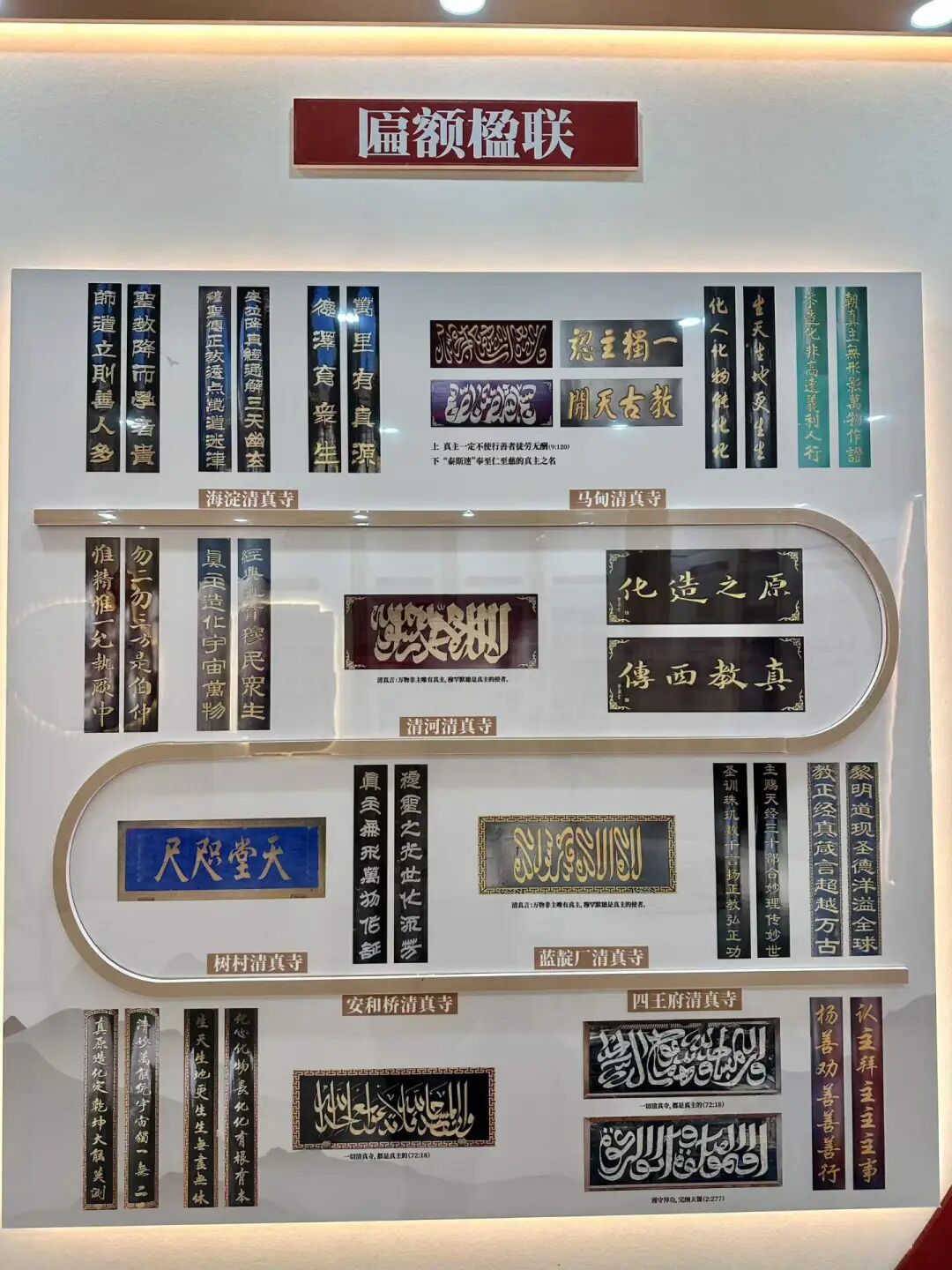
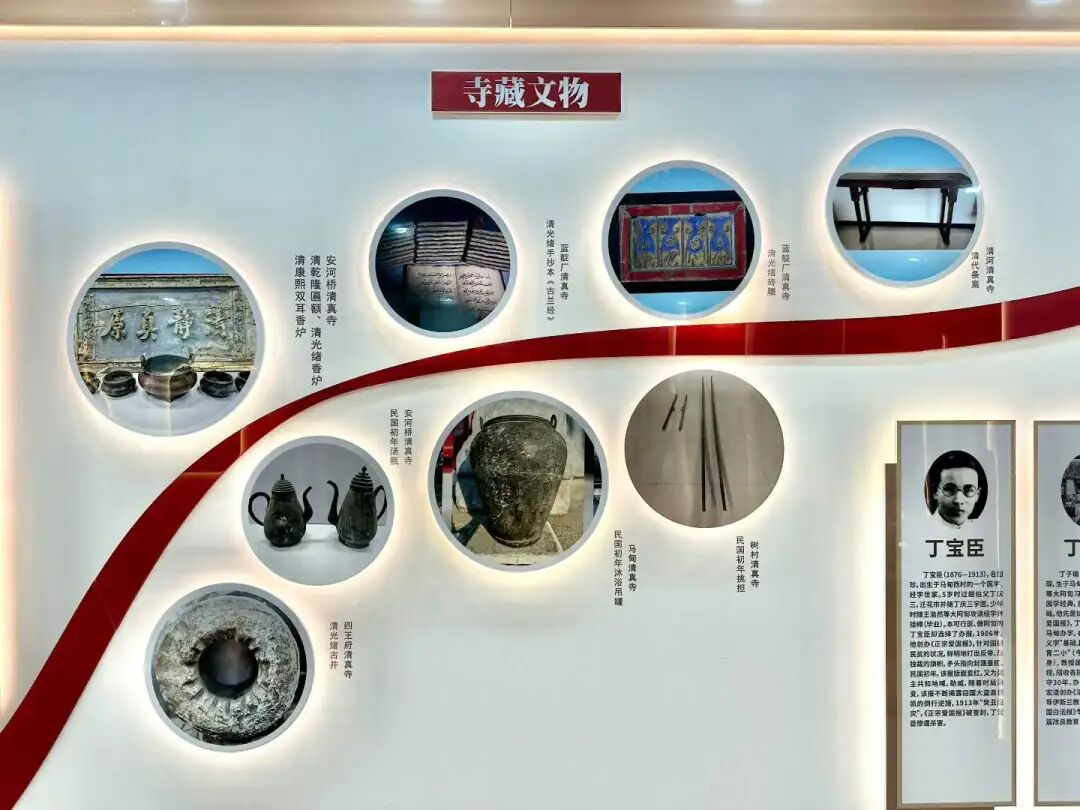
Exhibits about the local Muslim community in Haidian at the Madian Mosque gallery.
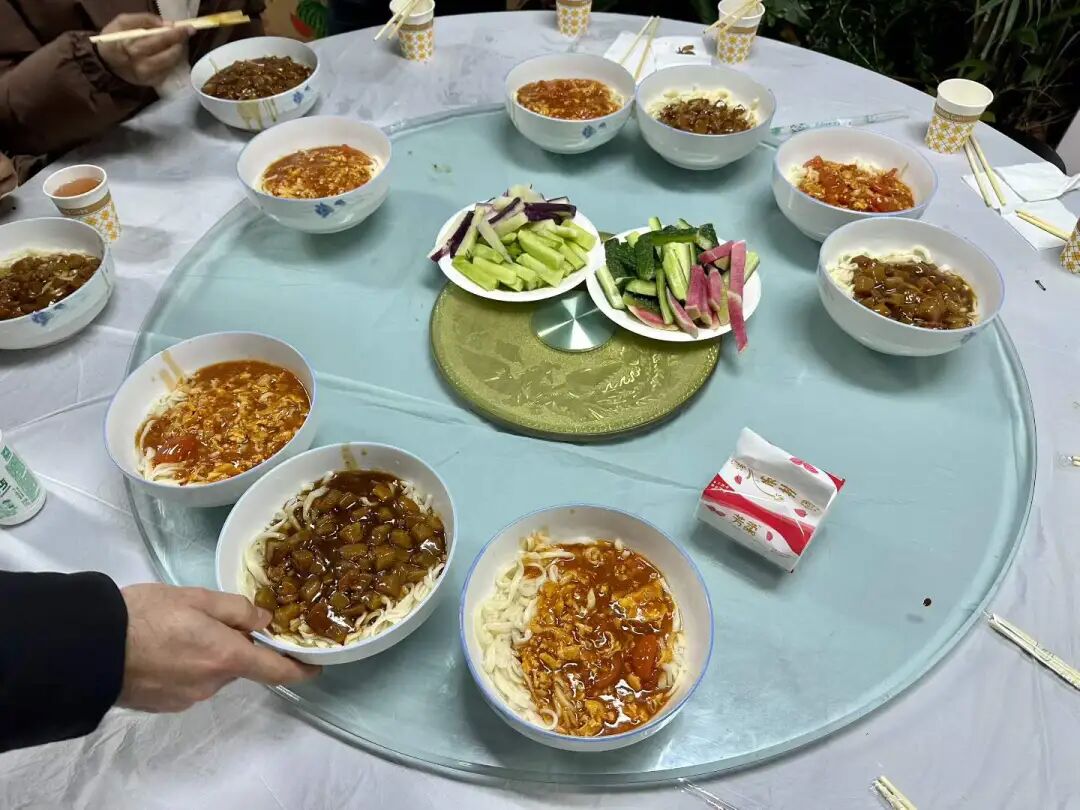
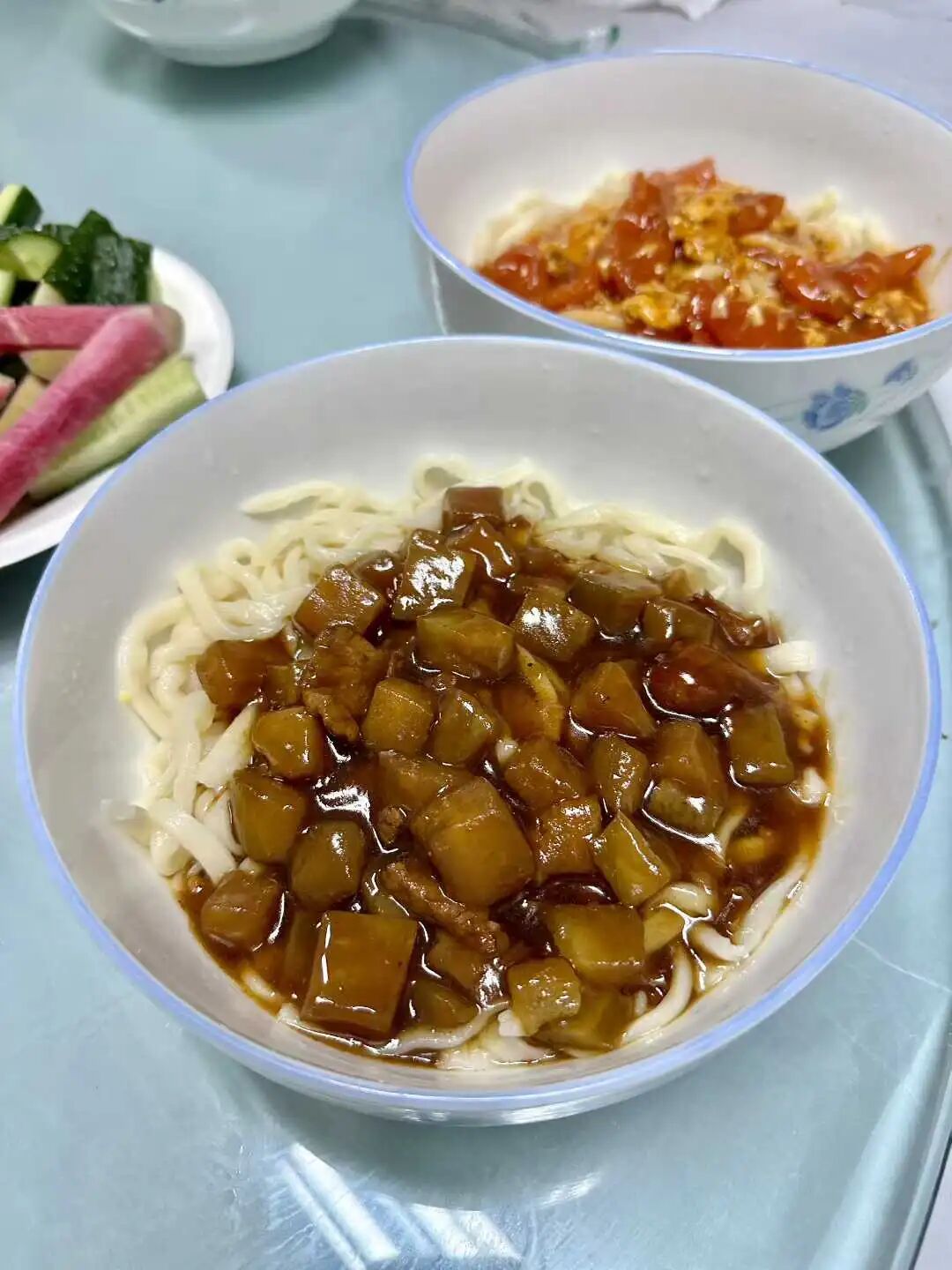
Hand-pulled noodles (shouganmian) with tomato sauce and eggplant sauce; our international friends all love Beijing hand-pulled noodles, haha.
After eating, I bought food for my fast at Yaofengcheng by the gate, steamed buns (mantou) with spiced beef (jiang niurou); they give out fried dough (youxiang) during Eid al-Fitr.
Nanxiapo Mosque.
As an important hub for water transport, there were historically several mosques and neighborhoods outside Chaoyang Gate, such as Nanzhong Street, Nanxiapo, and Shegutang, but only the Nanxiapo neighborhood remains today. According to the elders, Nanxiapo Mosque dates back to the late Ming and early Qing dynasties. At that time, a shed builder used fir poles and reed mats to build a large shed at Nanxiapo, and an imam named Hu Zhonghe led the local Hui Muslims in prayer there; this was the earliest Nanxiapo Mosque. In the early years of the Kangxi reign of the Qing Dynasty, a Hui Muslim surnamed Ma who sold bows and arrows inside Chaoyang Gate heard about the situation at Nanxiapo. He had just received a payment for bows and arrows that had been owed by some Mongols, so he donated the money to formally build the Nanxiapo Mosque.
Most of the leaders of Nanxiapo Mosque were descendants of the first leader, Hu Zhonghe. Hu Zhonghe's 12th-generation descendant, Hu Degui, was born in 1883 (the ninth year of the Guangxu reign). Because his parents died early, 15-year-old Hu Zichen inherited his father's business in 1898 (the 24th year of the Guangxu reign) and became the second leader (haitui bu) of Nanxiapo Mosque, known as Master Hu the Second. At that time, the imam of Nanxiapo Mosque was Hu Wenzhi, and the third master was Ma Shikuan, known as Master Ma the Third.
In 1900, when Empress Dowager Cixi fled west, bandits were everywhere, and many merchants on Chaowai Street were robbed. Seventeen-year-old Imam Hu Zichen organized a local militia in Nanxiapo. Young Hui Muslims joined eagerly. Some were wrestlers, some were martial artists, some were cart drivers, and the wealthy ones even bought muskets. Every night, everyone gathered at the gate of the Nanxiapo mosque to take turns patrolling the streets and keeping watch, and they finally made it through the crisis.
On February 15, 1928, after the martyr Ma Jun died, his body (maiti) was washed at the Nanxiapo mosque by Imam Hu Wenzhi and Imam Hu Zichen. Then, the village elders and the community (dost) donated burial shroud cloth (kafan), and he was buried in the northwest corner of Ritan.
In 1947, the Nationalist army was rounding up young men for conscription near the South Barracks outside Chaoyang Gate. The young Hui Muslims of Nanxiapo were terrified, so with the help of the imam and the elders, they climbed wooden ladders onto the roof of the main hall of the Nanxiapo mosque. After they were hidden, the imam and the elders immediately hid the ladders. When the Nationalist troops came to the mosque to grab people, the imam persuaded them to leave. Everyone lay on the roof for the whole day and finally escaped the danger.
The second Friday (Jumu'ah) of Ramadan is the day Beijing mosques hold charity events for the holy month.
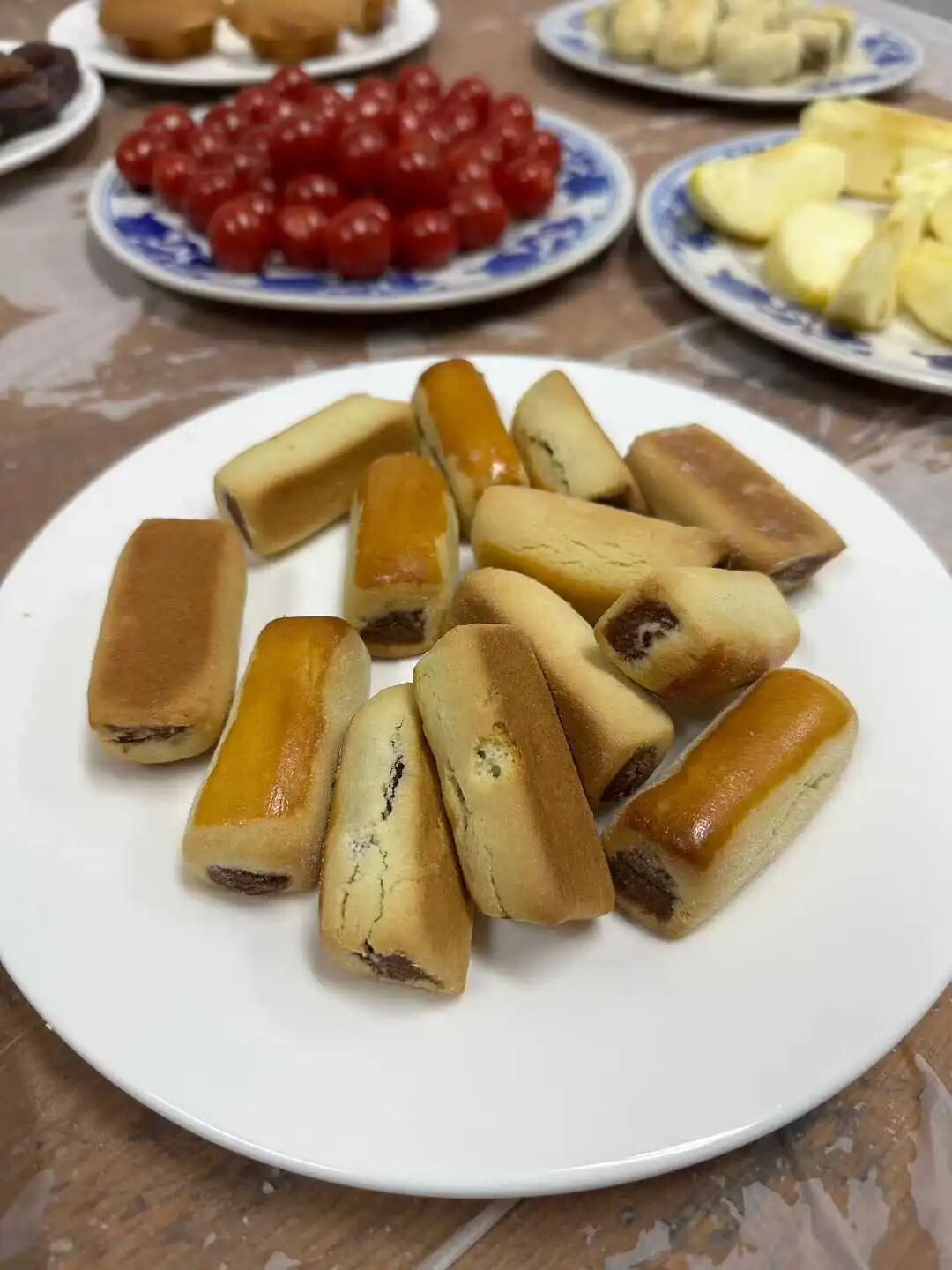
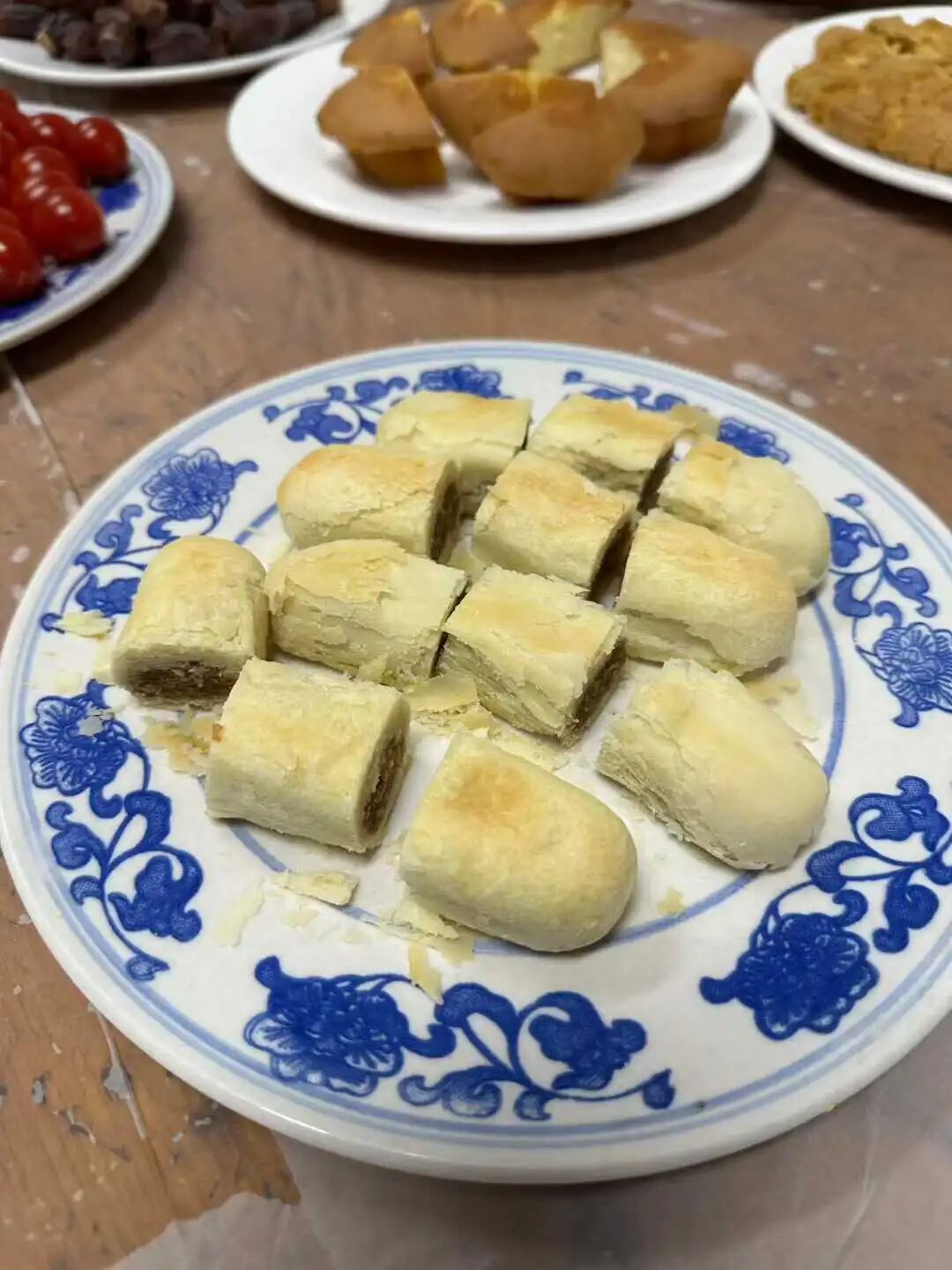
The Nanxiapo mosque has the most abundant selection of pastries for breaking the fast (iftar).
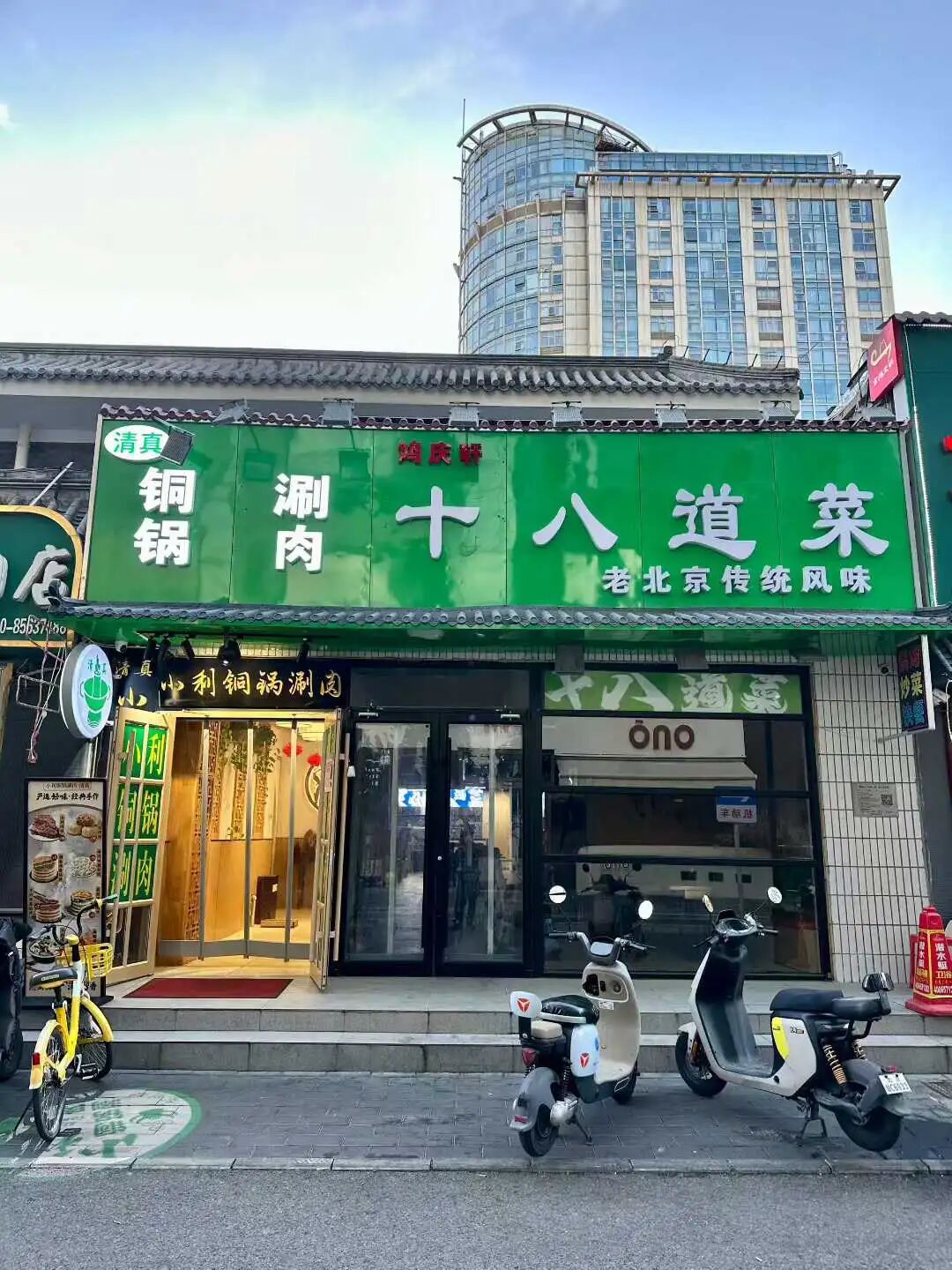
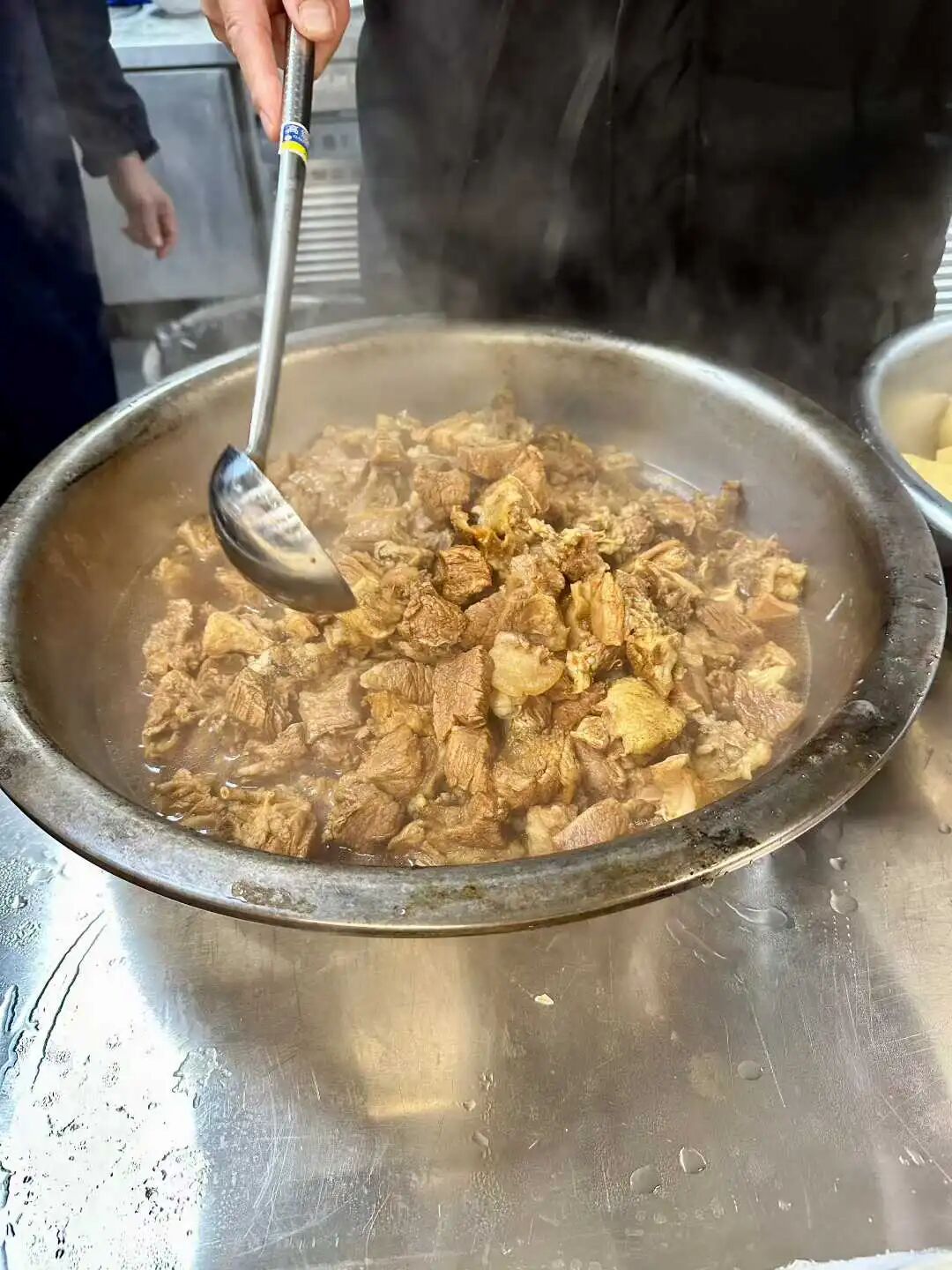
Haji Li treated everyone to stewed meat, with both beef and lamb available. The iftar at Nanxiapo was held at the nearby Hongqingxuan restaurant with eighteen dishes. Over a hundred people attended, including many young people, and it was a very blessed occasion.
Fayuan Mosque.
Fayuan Mosque is also called Dewai Guanxiang Mosque. It was originally located at the north slope of Xiaochangkou outside Deshengmen. It was relocated and expanded during the Kangxi reign. During the Republic of China era, the main hall was expanded again, featuring four interlocking roofs and a four-cornered pavilion roof.
Fayuan Mosque built a new dining hall, and so many people come to break their fast every day that there are often not enough seats. The iftar meal includes meat, vegetables, shrimp, fruit, pastries, and fried dough cakes (youxiang).
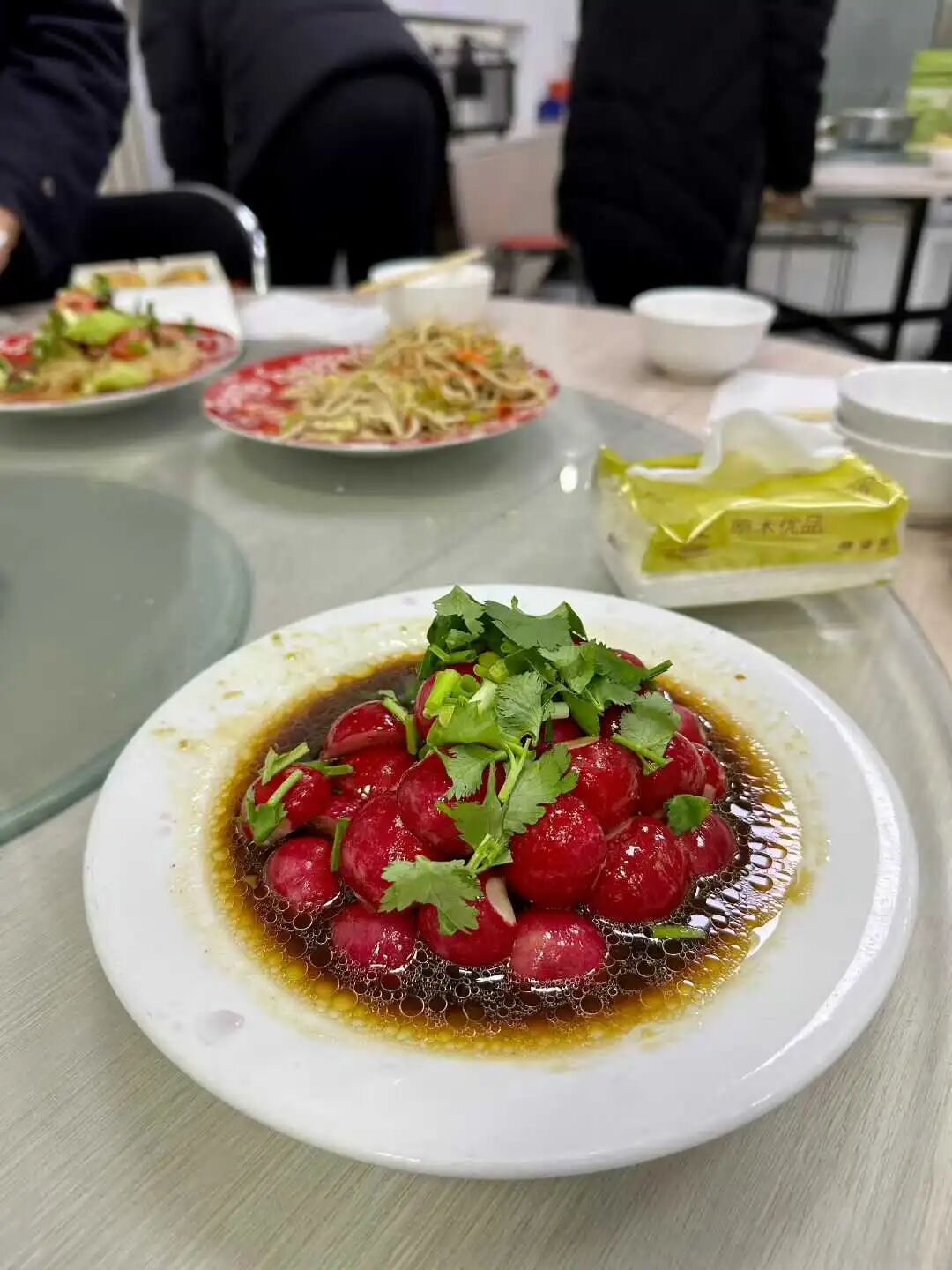
The meat sauce noodles (zhajiangmian) served for iftar at Fayuan Mosque come with seven vegetable toppings: shredded carrots, shredded cucumber, shredded cabbage, shredded radish (xinlimei), diced celery, green garlic, and bean sprouts. It is very hearty! Every Ramadan, I look forward to this bowl of noodles at the mosque.
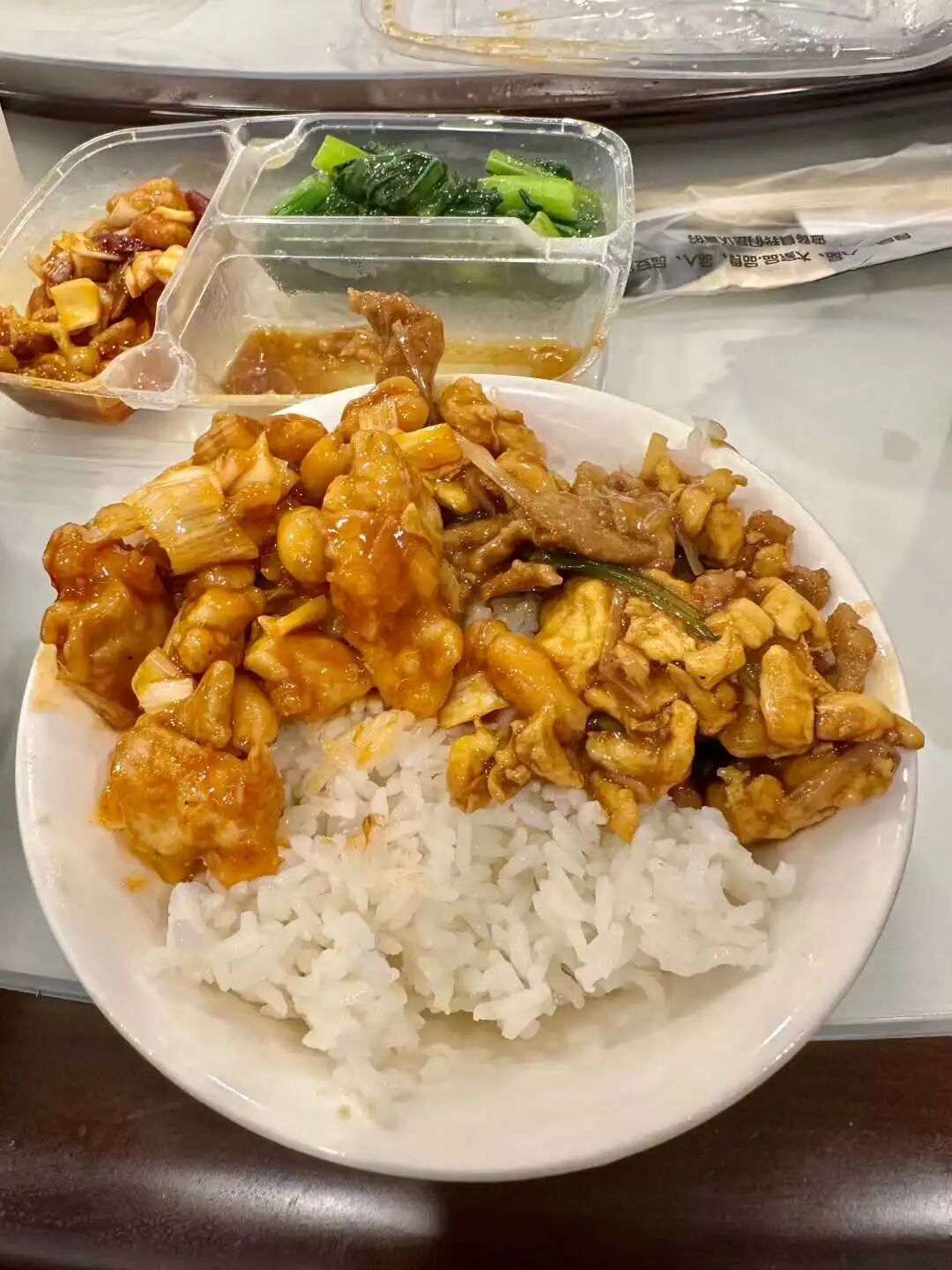
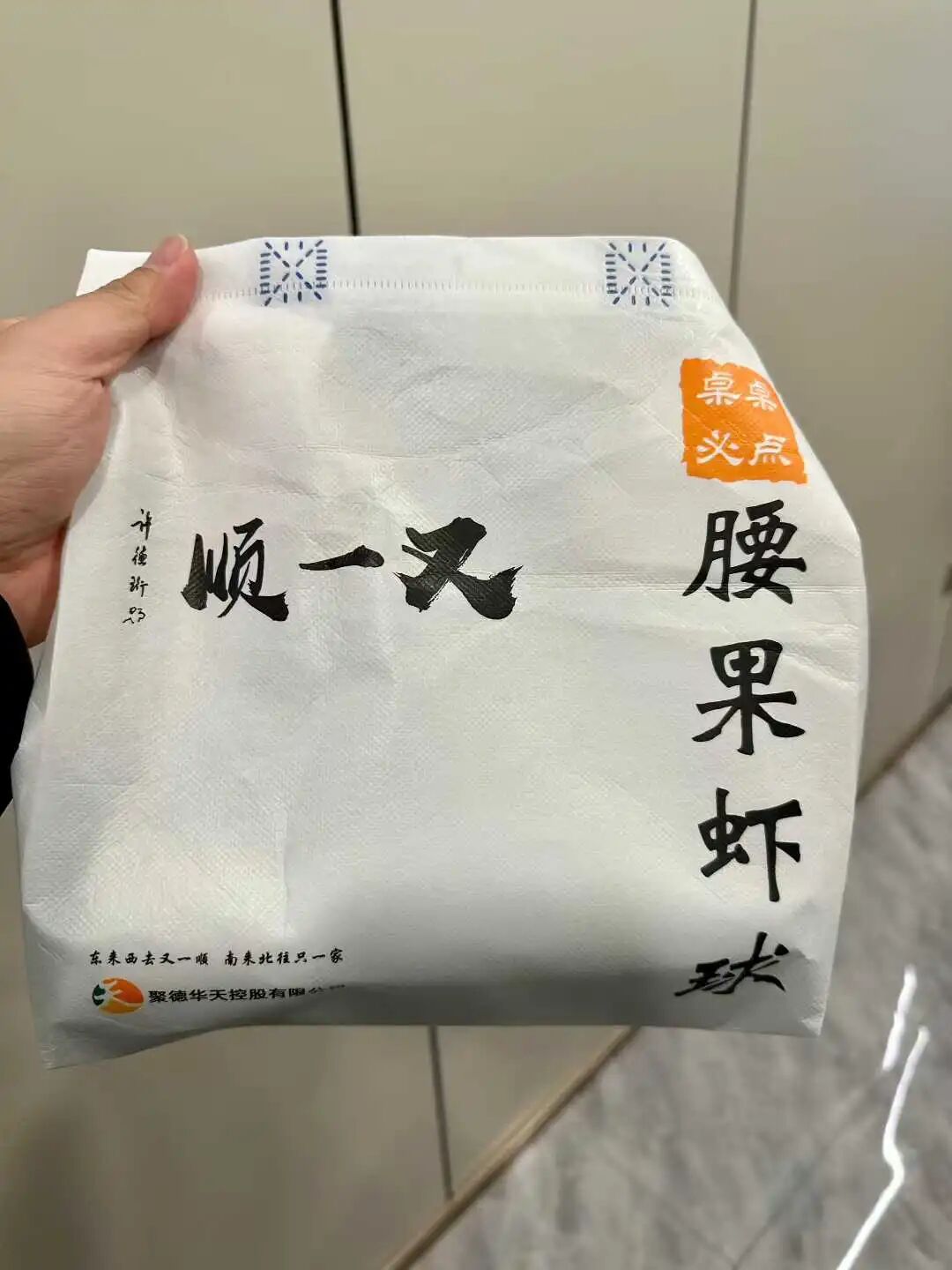
Silk Road Yilan in Niujie donated small fried dough cakes (youxiang), and Youyishun on Huangsi Street donated boxed meals of kung pao chicken and stir-fried egg with vinegar (culiu muxu). Every Ramadan, many restaurants donate iftar meals to the mosque, which is a very good deed (nietie).
Youyishun is a restaurant founded in 1948 by Ding Deshan, the founder of Donglaishun. There is a saying: 'Donglai goes west and Youyishun follows, north and south, there are only these two.' The original location of Youyishun was at the Xidan intersection. It combined the quick-frying, roasting, and hot-pot styles of Donglaishun with the delicate stir-fries of Xilaishun, bringing the strengths of both together into its own unique style. In the 1950s, Youyishun opened a branch in the Xidan shopping center. Business was booming, and it became an important place for hosting foreign guests. When U. S. President Nixon visited China in 1972, he dined at the restaurant. After Chang'an Avenue was renovated in 1999, Youyishun moved to its current location on Huangsi Street, specializing in traditional famous dishes like stir-fried egg with vinegar (culiu muxu), honey-glazed lamb (tashimi), and deep-fried lamb tails.
Dongzhimenwai Mosque.
Dongzhimenwai Mosque was originally called Erlizhuang Mosque. It was first built in the Yuan Dynasty and renovated during the Kangxi reign of the Qing Dynasty. In the late 1980s, Shougang and a Danish company built international apartments in Erlizhuang, so the mosque was moved one kilometer northwest and rebuilt. It was finished in 1991 and reopened in 1993.
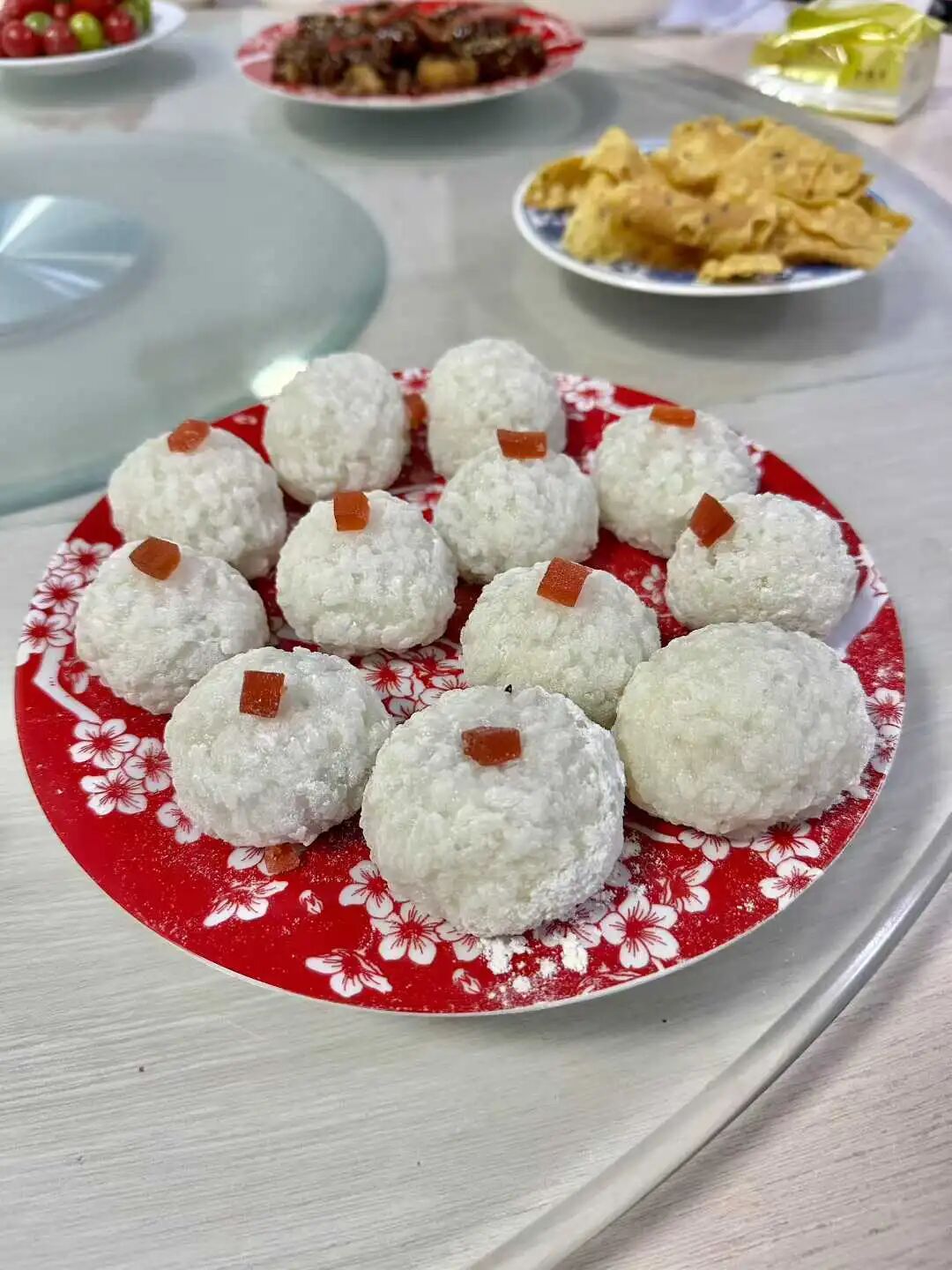
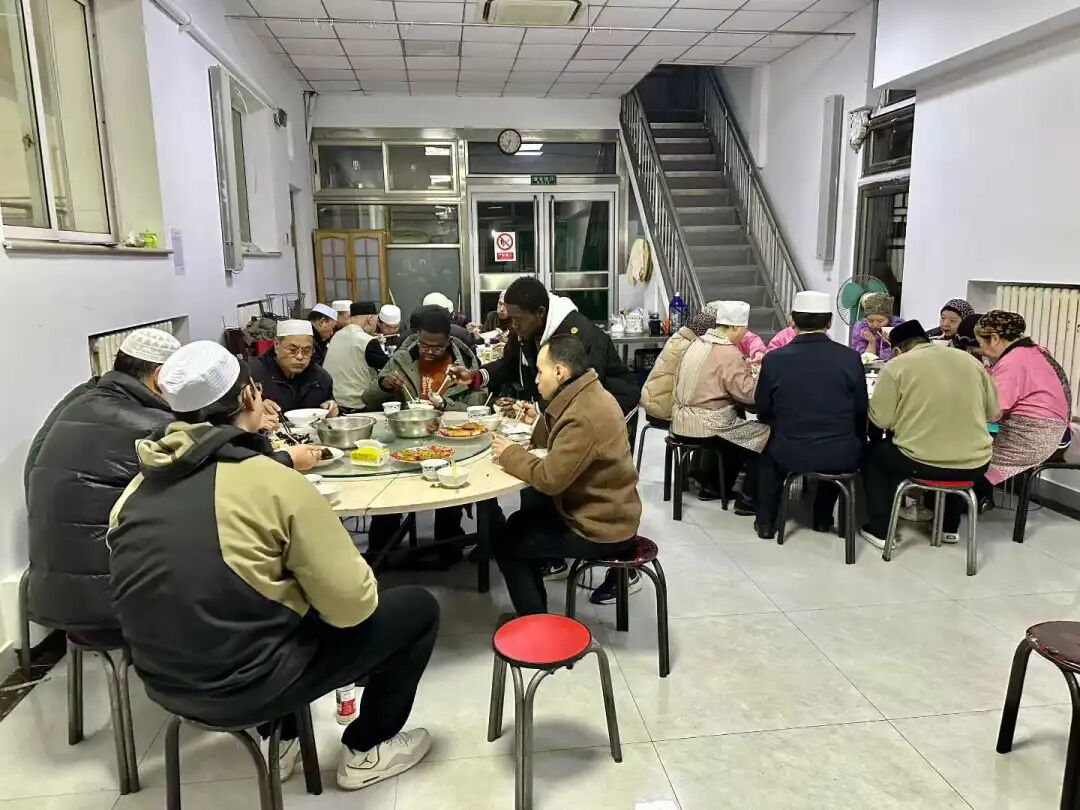
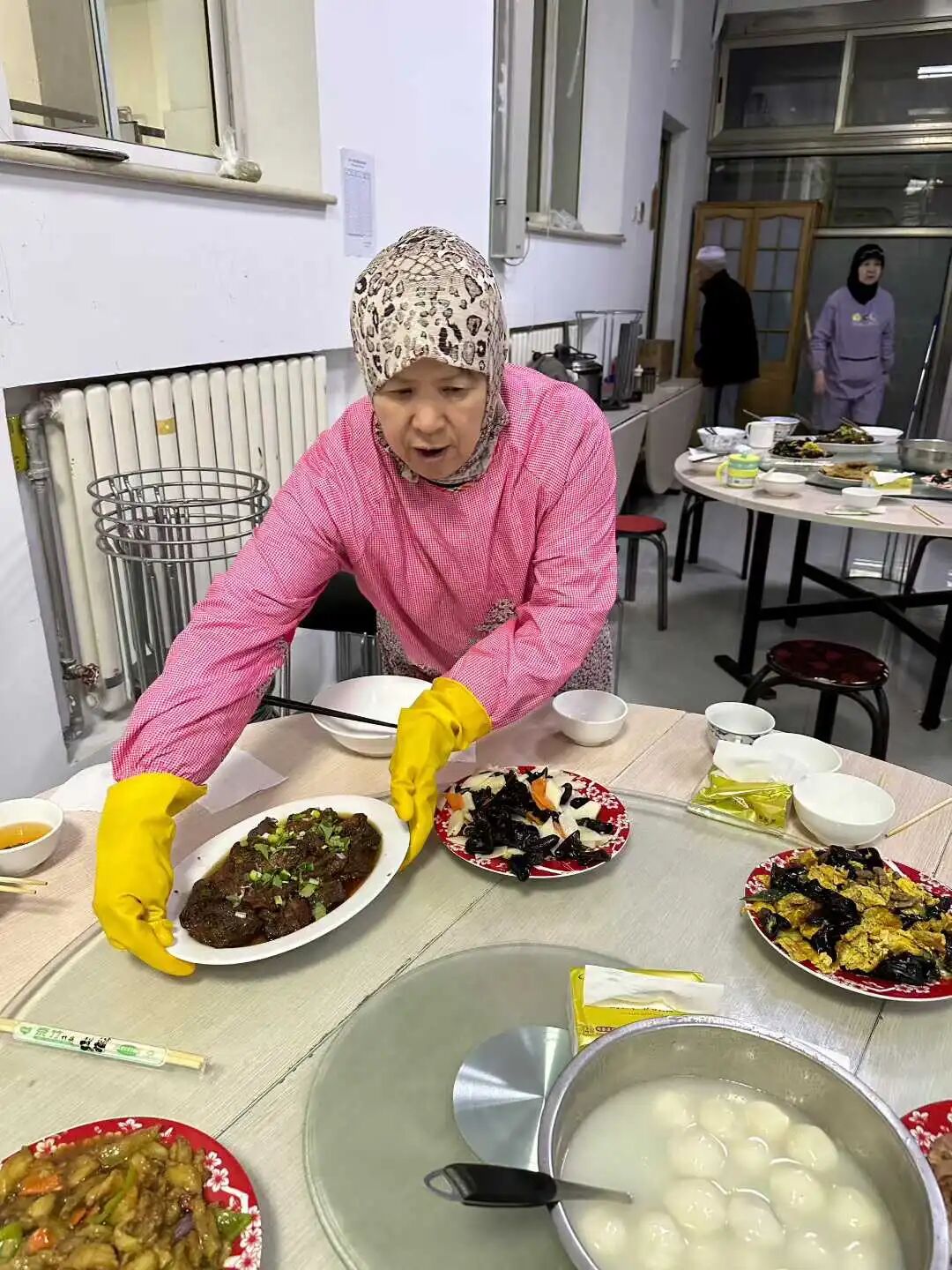
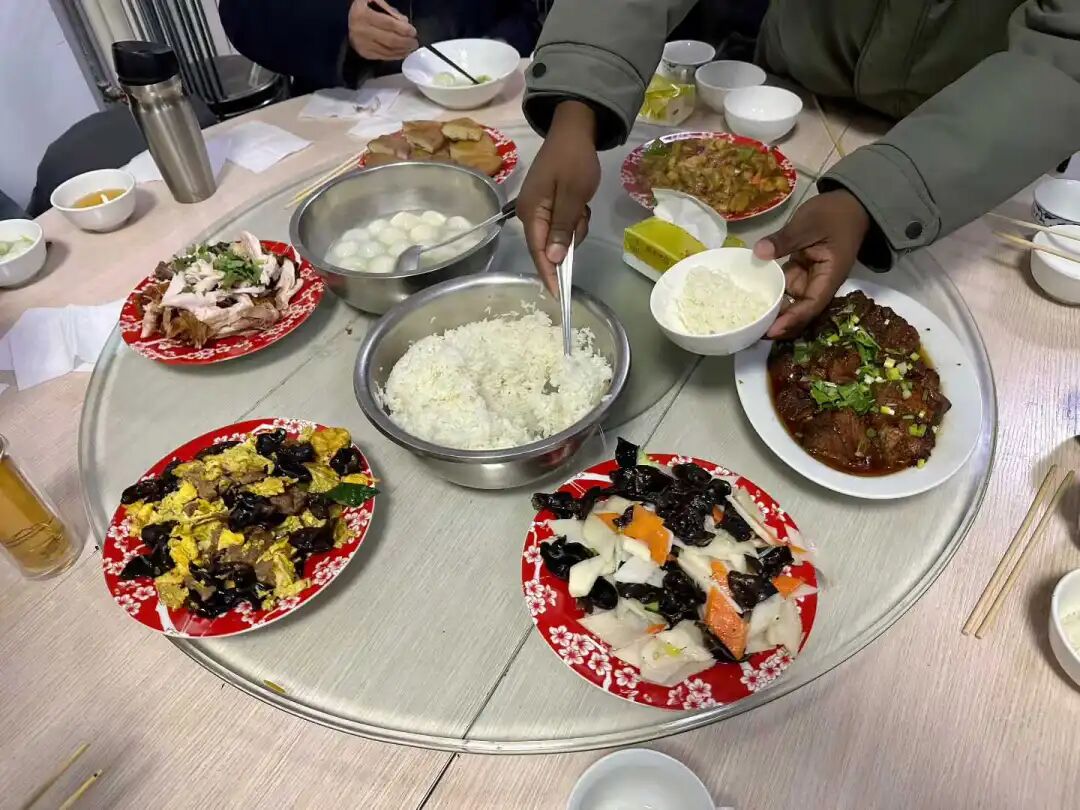
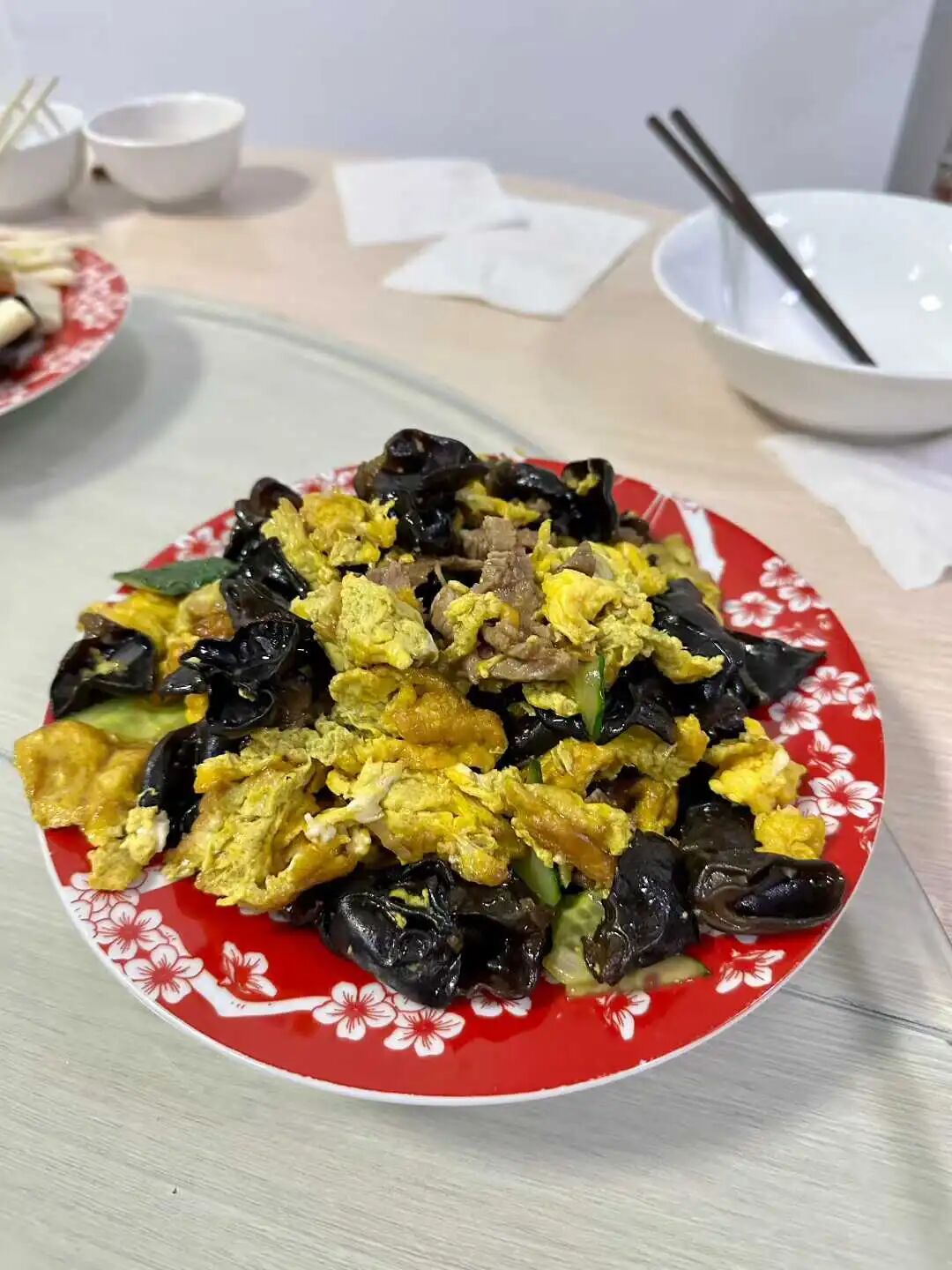
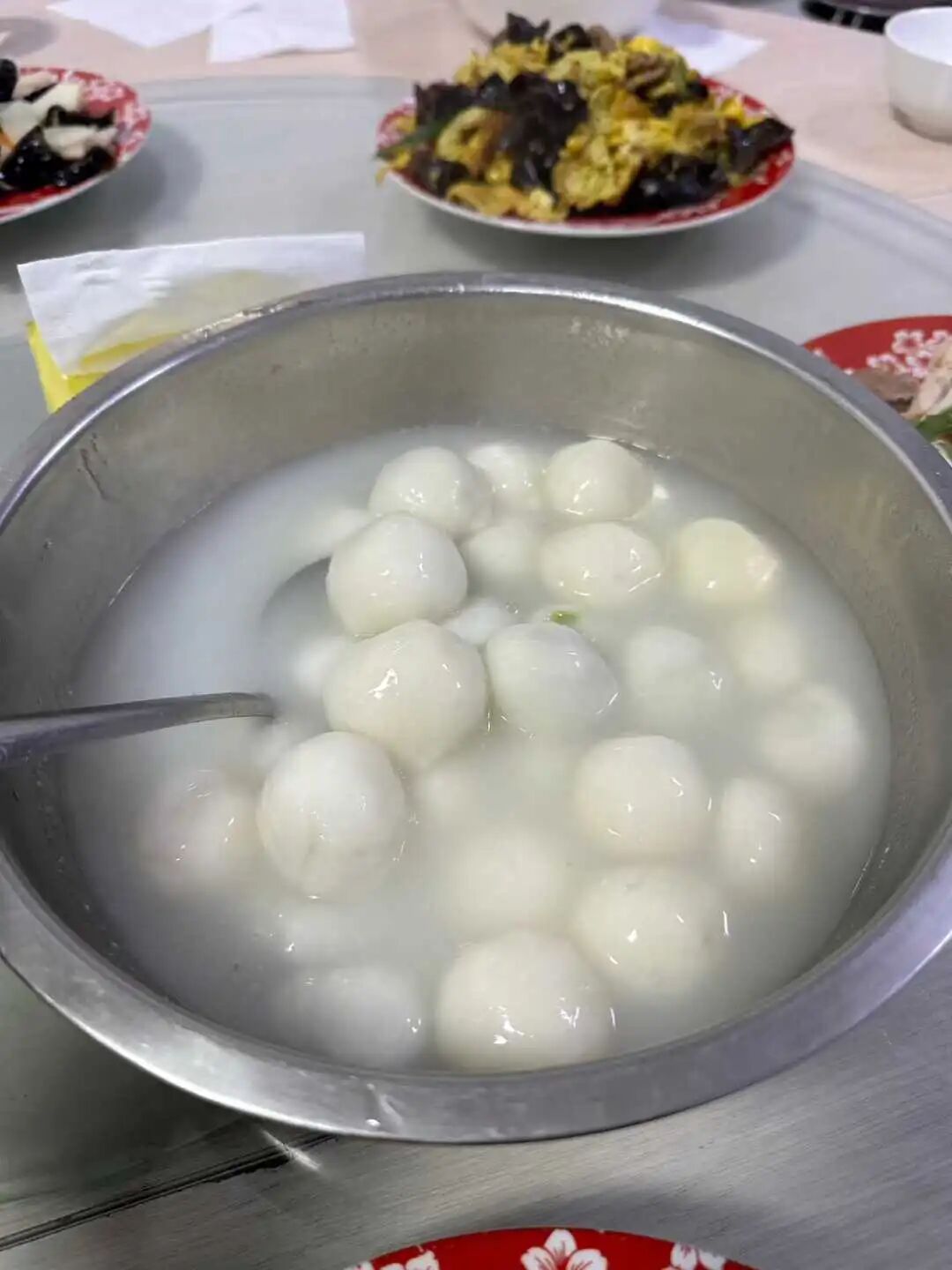
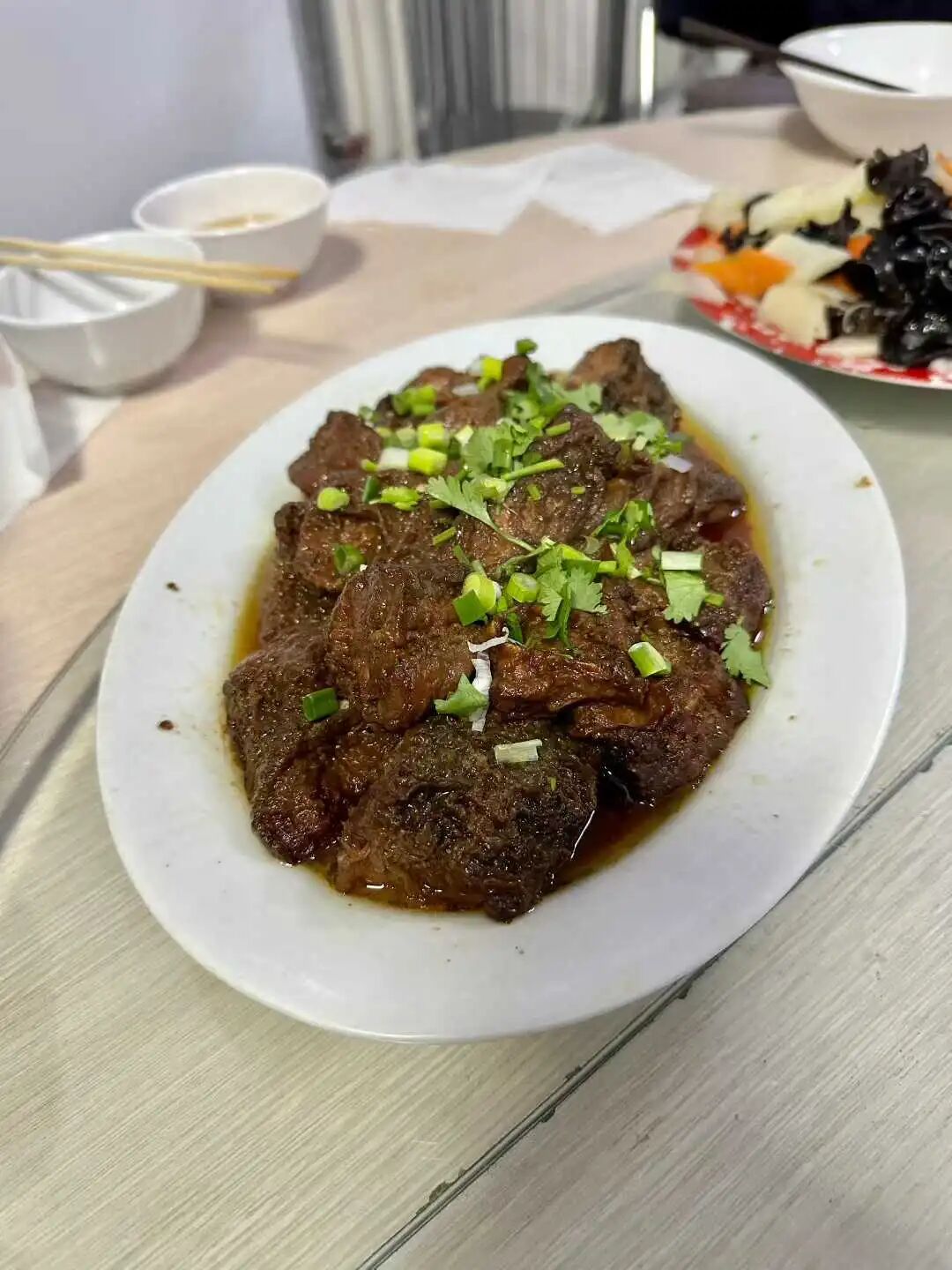
I broke my fast at the mosque outside Dongzhimen. The snacks available after the prayer included pea flour cake (wandouhuang), candied yam rolls (tangjuanguo), and steamed rice cakes (aiwowo), all made by the mosque. After the prayer, there was a mix of meat and vegetable dishes, including stir-stir-fried meat with wood ear mushrooms and eggs (mushurou), yam with wood ear mushrooms, braised eggplant, braised fish chunks, and roast chicken. They also boiled sweet rice balls (yuanxiao) for the occasion. Although there are not many people at the mosque outside Dongzhimen every year, the atmosphere during Ramadan is very good.
Silk Road Legend (Silu Chuanqi) served baked buns (kaobaozi) with millet porridge and various cold dishes. These baked buns were actually invented by Gansu friends (dost), so they are different from Uyghur baked buns, but they still taste good.
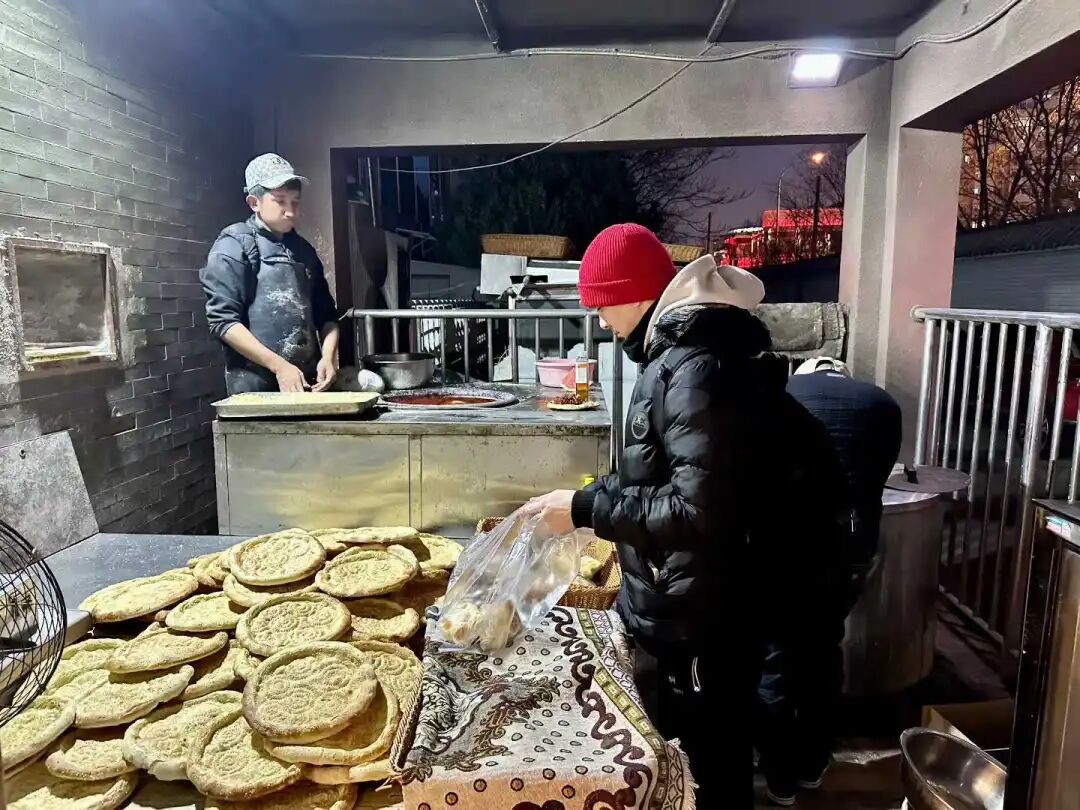
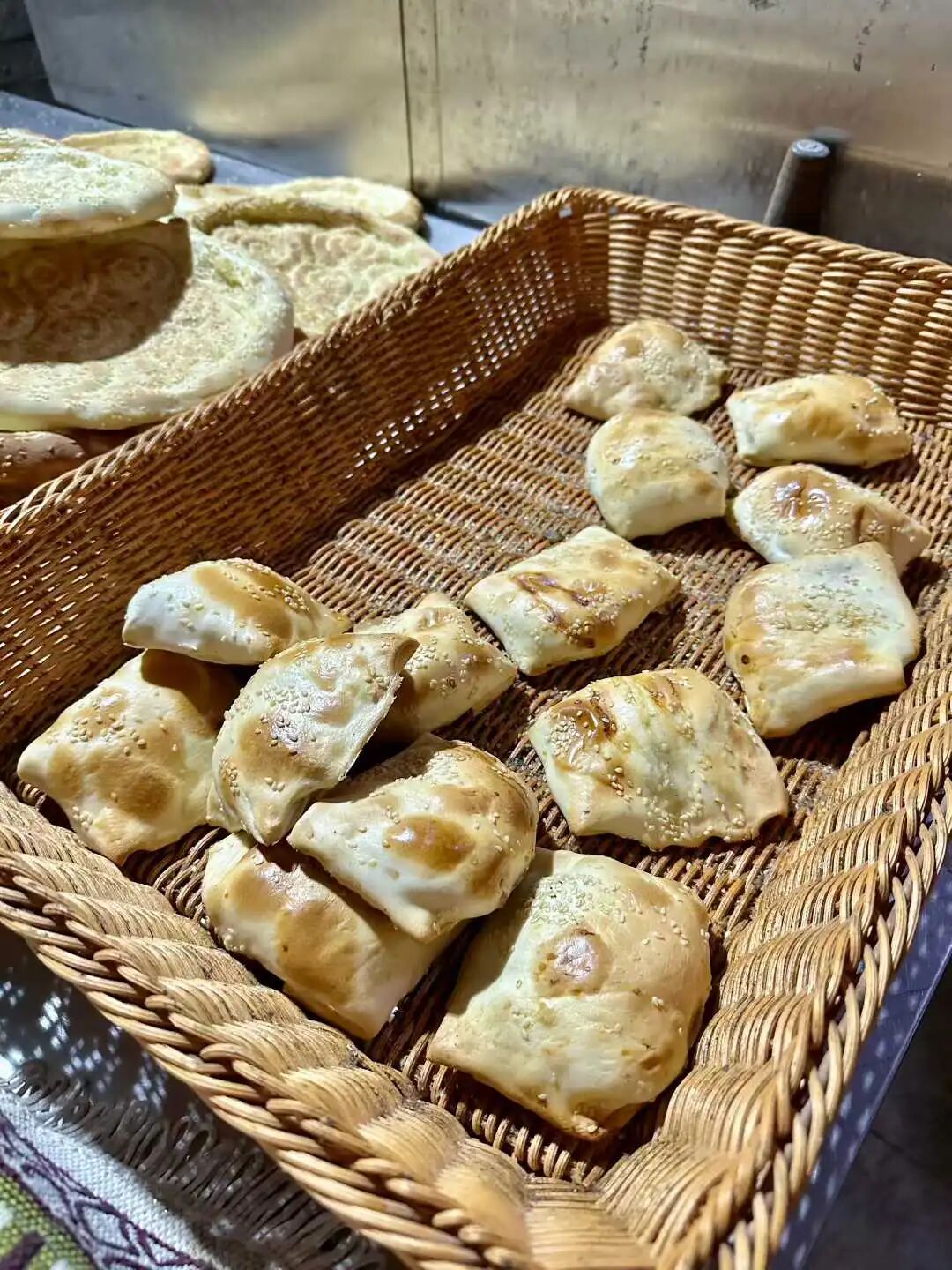
At the naan shop by the gate of the mosque outside Dongzhimen, I finished my fast-breaking meal at 6:40, just as the naan and baked buns were coming out of the oven. The skin of the baked bun is very thin but a bit chewy, and there is plenty of meat inside, making it perfect for the pre-dawn meal (suhoor) the next day.
Zhengyuan Mosque
The predecessor of Zhengyuan Mosque was the Beigouyan Mosque inside Xizhimen, which was first built during the Daoguang era. After 1946, Beigouyan was renamed Zhaodengyu Road, so it was also called Zhaodengyu Road Mosque. In 1997, it was demolished and rebuilt at its current location, and renamed Zhengyuan Mosque.
Zhengyuan Mosque is very low-key, and this year was my first time going there to break my fast. I ate steamed buns (baozi) and sesame flatbread (shaobing) with lamb offal soup (yangza) at the mosque, and also had fried toon sprouts and fried meatballs. The mosque said not to post photos of the fast-breaking meal, so I will not post them here.
Sudanese Embassy
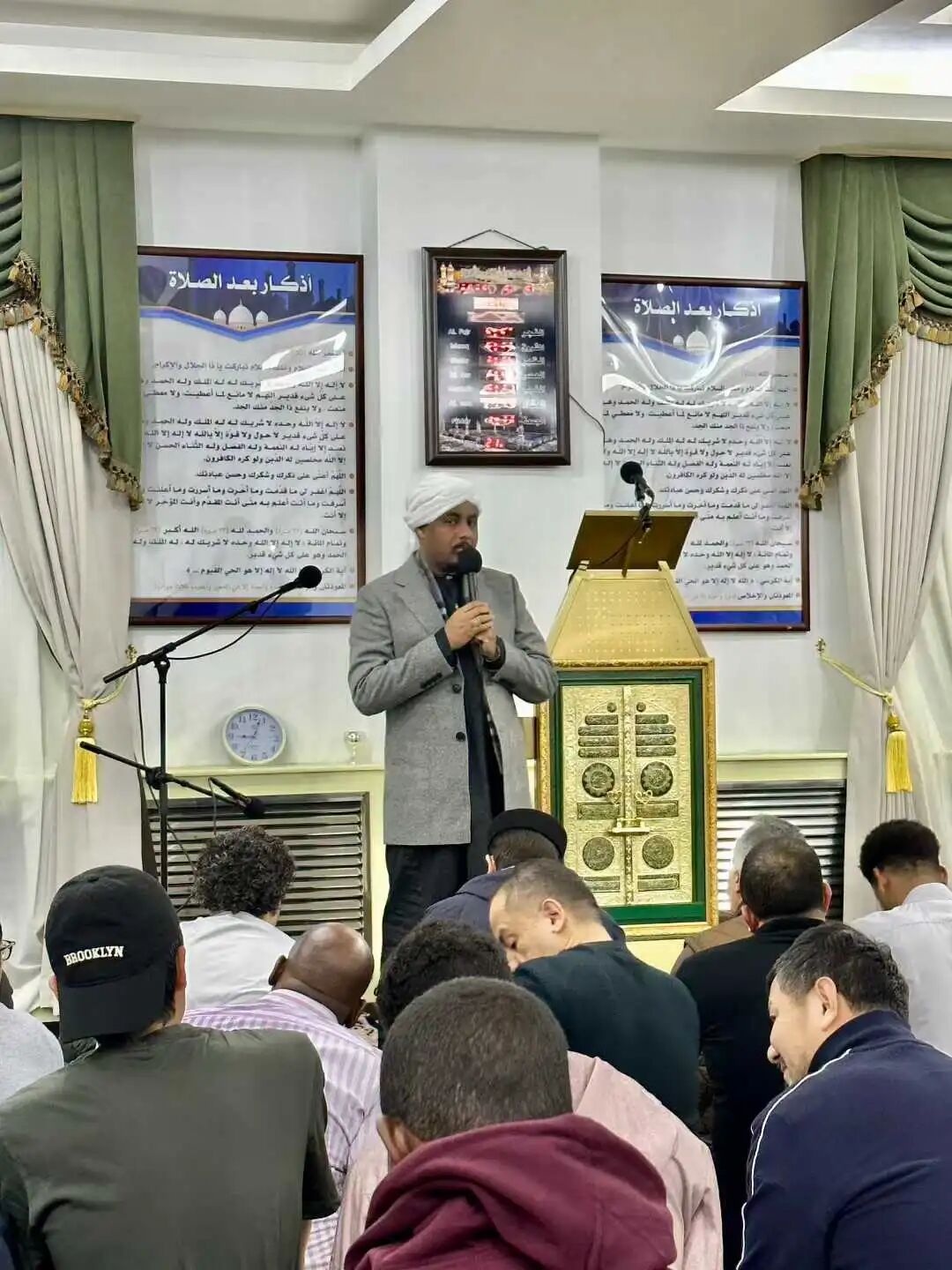
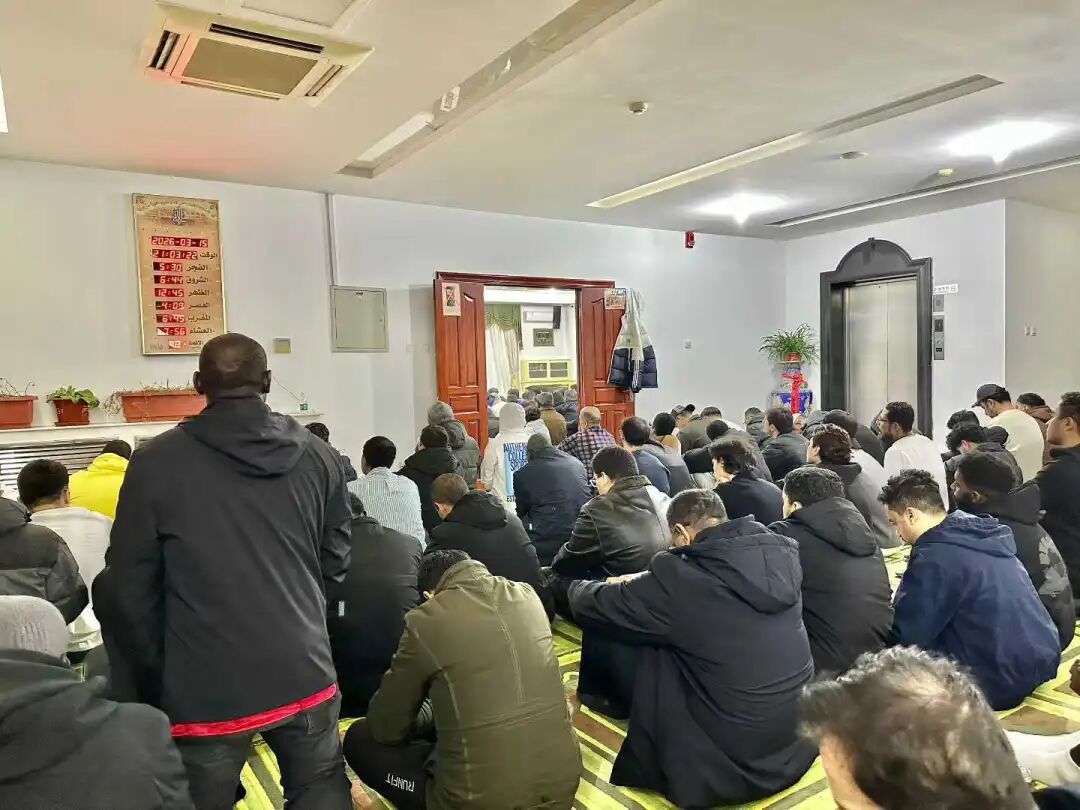
For the past few years, I have gone to the Sudanese Embassy every Ramadan to pray Taraweeh. The atmosphere is great, and the whole family can go together.
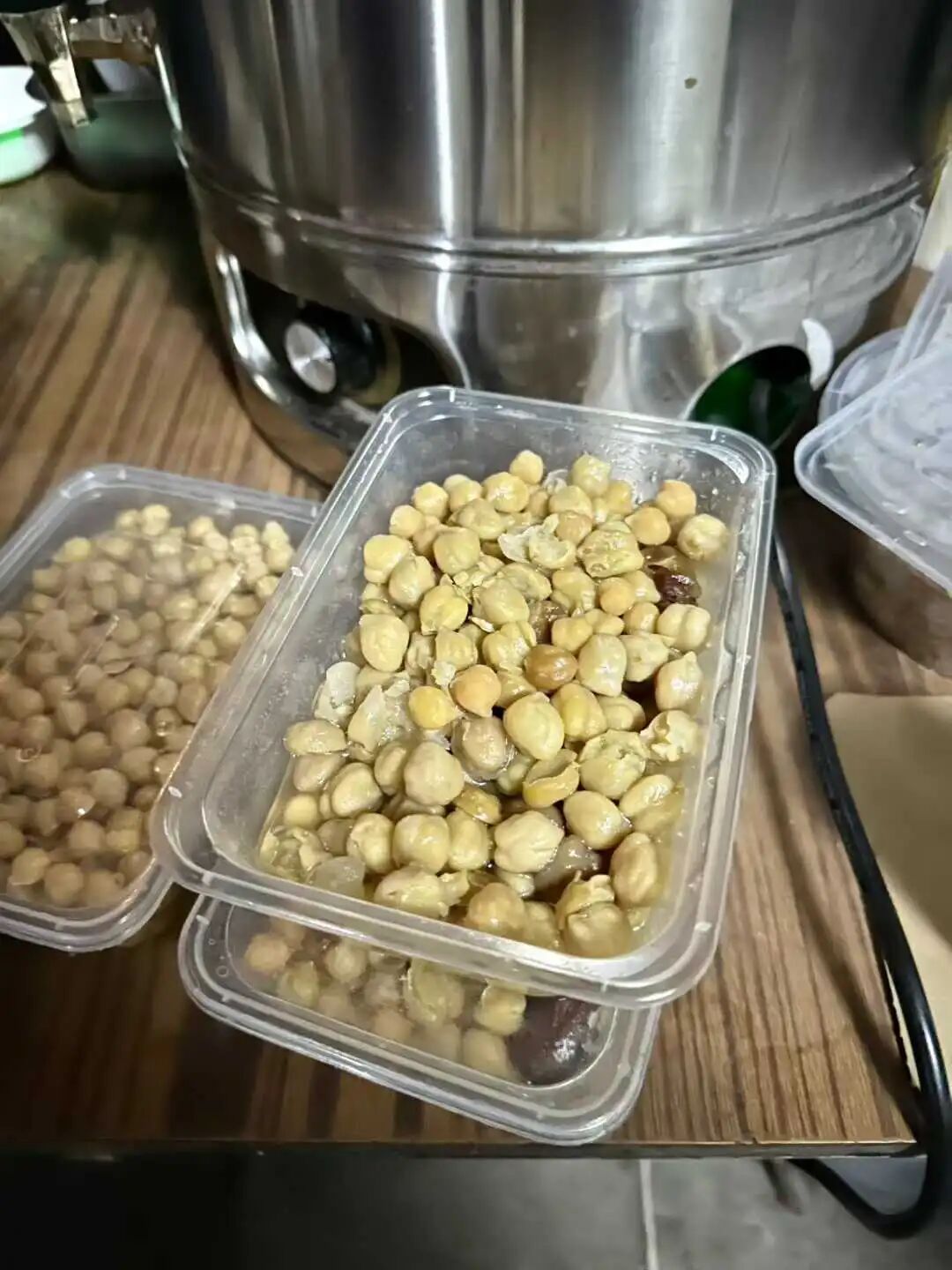
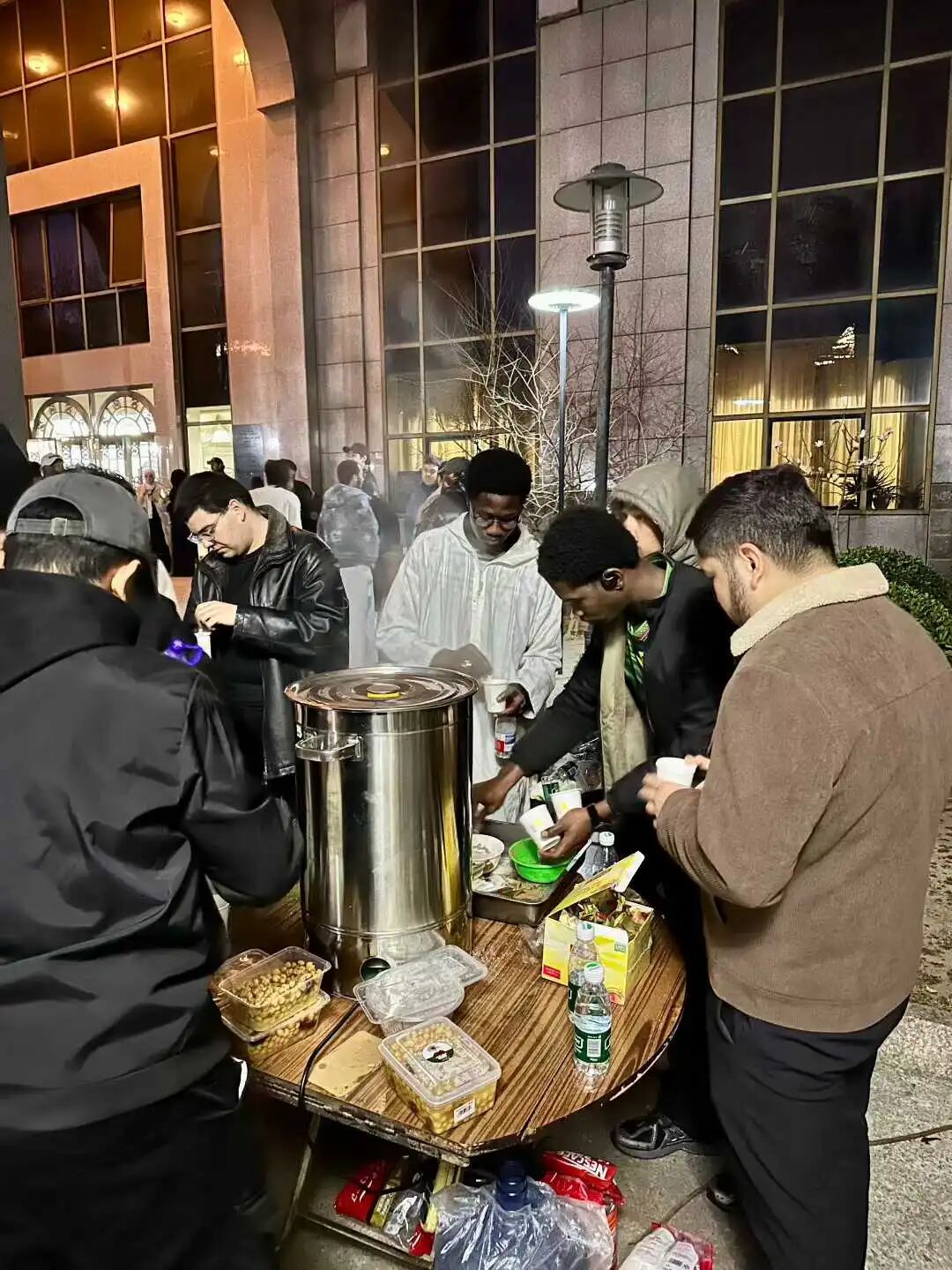
During the last ten days, it starts at 8:30 and lasts for over an hour. Taraweeh consists of eight rak'ahs, with a sermon (wa'z) after every four. The Witr dua is two rak'ahs followed by one, and during the third rak'ah, we raise our hands for a long dua. In the embassy courtyard, you can brew your own mint black tea and coffee, and after the prayer, there were chickpeas distributed by friends (dost).
Sudan follows the Maliki school of thought, which most of North and West Africa belongs to, and it has many differences from the Hanafi school in China. I think it is a rare opportunity to come here every year to experience a different religious cultural atmosphere.
In the 15th and 16th centuries, Sufi sages began to spread the faith along the upper Nile River toward the Sudan region. In the early 16th century, the Funj Sultanate ruling Sudan had nominally converted to the faith, but it still kept traditions of witchcraft and ritual sacrifice. The Funj Sultanate changed dynasties in 1718, which started a push for a more orthodox faith and the beginning of Arabization. By the 19th century, Sudan had become a region that followed orthodox Sunni Islam and began using Arabic as its common language. Today, the vast majority of Sudanese people follow the Maliki school of Sunni Islam and are deeply influenced by Sufism.
Houheyan Mosque
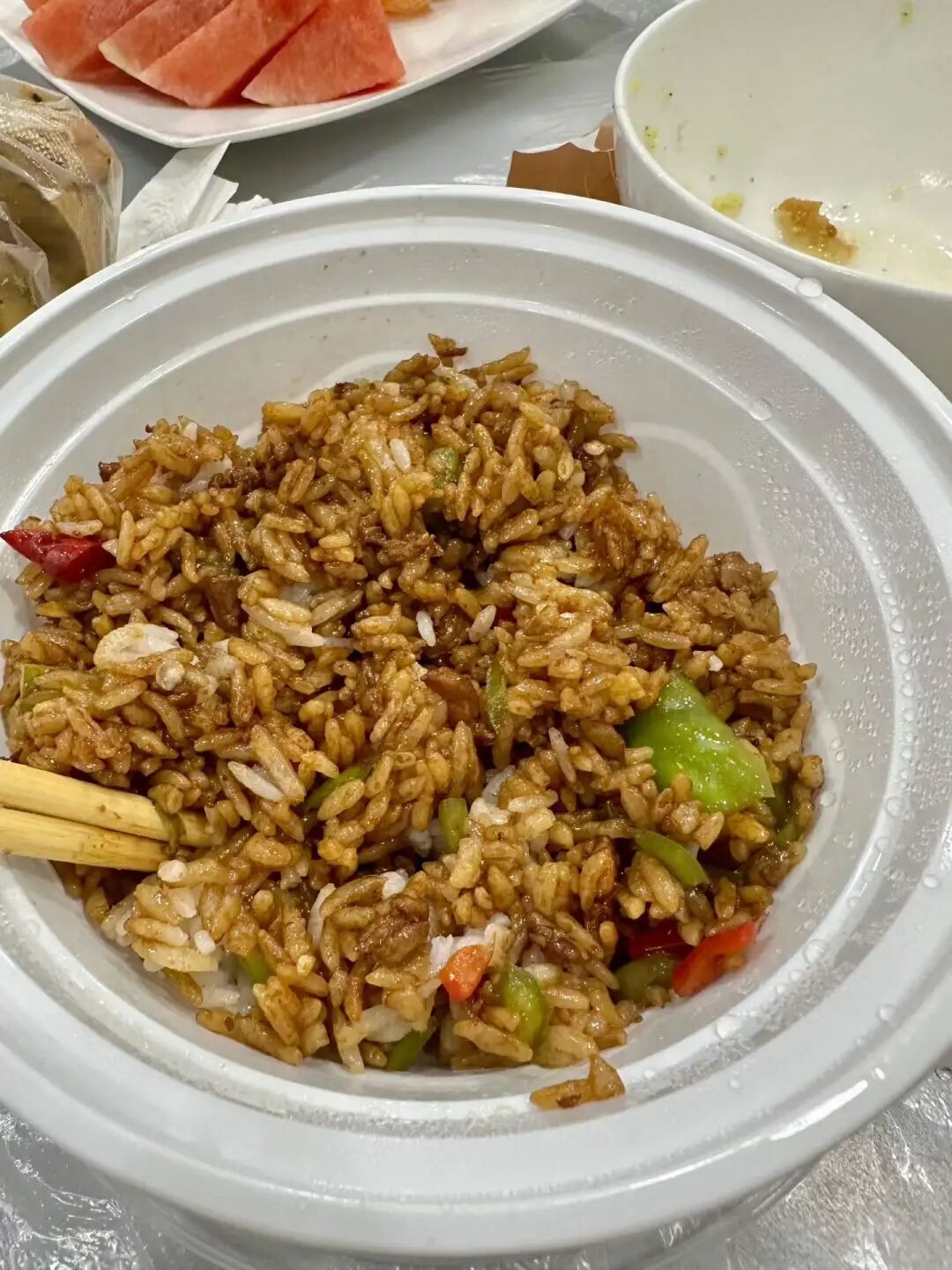
On the last night of Ramadan, I broke my fast at Houheyan Mosque. There were three tables of elderly people in the mosque, which is hard to find deep in the alleyways. We had steamed buns (baozi), millet porridge (xiaomizhou), sesame flatbread (shaobing), soy sauce fried rice (jiangyouchaofan), and fried dough (youxiang), and everyone also received a bag of Tongxian crispy fried snacks (gezhihe).
Houheyan Mosque sits right on the south bank of the moat. During the Qing Dynasty and the Republic of China era, many transport workers and restaurant owners lived nearby. In 1944, Yang Yuting of the 'Heyan Yang family' and his sons Yang Hongda and Yang Honglai donated their own ice cellar. Then, village elders Yang Zengbin and Yang Zengsen led the fundraising efforts. They received active support from Hui Muslims in Beijing and Dachang, including Peking Opera master Ma Lianliang and Wan Qirui, the owner of the Kaorouwan restaurant, and built the mosque in 1948. Houheyan Mosque originally covered a large area. In the 1970s, part of the land was taken to fill in the moat for the subway, and the current building was rebuilt in 2012. view all
Summary: This Beijing Ramadan 2026 diary follows iftar meals and mosque visits at Madian, Fayuan, Zhengyuan, Nanxiaopo, Dongwai, Houheyan, and the Sudan Embassy, with food and community details kept in full.
I returned to Beijing from Sichuan during the second week of Ramadan. This year, I had to take my son to kindergarten by electric scooter every morning, so I couldn't break my fast at Balizhuang like I did last year (see 'A Wonderful Look Back at Ramadan 2025 in Beijing Balizhuang'). Instead, I mostly went to the mosques near my office and home. I visited seven in total: Madian Mosque, Fayuan Mosque, Zhengyuan Mosque, Nanxiaopo Mosque, Dongwai Mosque, Houheyuan Mosque, and the Sudan Embassy. I will share them with you below.
Madian Mosque
Madian Mosque is the closest mosque to my office, and it is the one I visited the most. The iftar at Madian Mosque is quite generous. Before breaking the fast, there is a plate of fruit and a plate of pastries. After breaking the fast, there are noodles, stir-fried dishes, stir-fried dough bits (chaogeda), steamed buns (baozi), and more. Usually, there are two tables of international students, one table of friends (dosti) from Northwest China, one table of female elders, and one table of male elders at iftar. I met many old friends and made many new ones at Madian Mosque this year, which was very blessed. We set up over a dozen tables in the courtyard for the Night of Power (Laylat al-Qadr), which I will write about in my next post.
Madian is located on the Jingbei Avenue outside Deshengmen in Beijing. After the Ming Dynasty overthrew the Yuan Dynasty, they moved the northern wall of the capital city south. However, the main road from Beijing through Deshengmen to outside the Great Wall still passed through the Jiande Gate gap of the Yuan capital. The trade of horses, cattle, and sheep coming from the north gradually formed a market inside the Jiande Gate gap, attracting a large number of Hui Muslims to settle there. It was said that the number of Hui Muslims there was no less than at Niujie. Since the Qing Dynasty, hundreds of thousands of cattle, sheep, and horses entered Beijing from Mongolia via Zhangjiakou every year. Hui Muslims opened many horse shops and sheep shops in Madian, responsible for feeding and selling the livestock to earn commissions. After the Daoguang era, the horse trade moved to the suburbs outside Deshengmen, and most of the businesses in Madian changed into sheep shops, keeping only a few horse shops. Since it formed in the Qing Dynasty, Madian was called 'Madian' (Horse Shop). It wasn't until the early Republic of China, when place names were made to sound more elegant, that it was changed to 'Madian' (Horse Station), a name that is still used today.
The inscriptions inside Madian Mosque also record the situation of the Hui Muslims in Madian: Madian is located inside the rammed earth walls of the Yuan capital, outside the brick walls of the Ming and Qing Beijing, right on the ancient and modern main road leading north from the capital, connecting to the bustling city in the south and the vast plains stretching for hundreds of miles in the north. Along the Changping Road, there are endless trees. Traveling to Nankou, the Yan Mountains rise one after another, blocking the vast grazing lands of the Bashang plateau. The weather outside the Great Wall is bitterly cold, making it hard to raise sheep. The Hui Muslims of Madian did not avoid the hard work, braving the elements to bring them back, raising and grazing the wild animals until they survived and grew stronger. They earned a meager income, which was their livelihood. This was the sheep trade.
Madian Mosque is located on a terrace on the west side of the ancient road. It was first built during the Kangxi era. In 1850 (the 30th year of the Daoguang reign), it was rebuilt with funds raised by fourteen sheep and horse shops in Madian. It was rebuilt again during the Republic of China and is quite large in scale. In 1930, Ding Ziyu, the principal of Madian Guangyu Primary School, published 'An Investigation of the Madian Mosque Outside Deshengmen, Beiping' in 'Zhengdao' magazine. The article mentioned that more than 300 people attended the Taraweeh prayers at Madian Mosque during Ramadan, 500 to 600 people fasted, and one-third of them fasted for the entire month. According to the memories of the elders in Madian, until the early days after liberation, whenever Ramadan ended and the new moon appeared, people on the front and back streets of Madian would shout, 'The fast is broken!' The fast is broken! ''
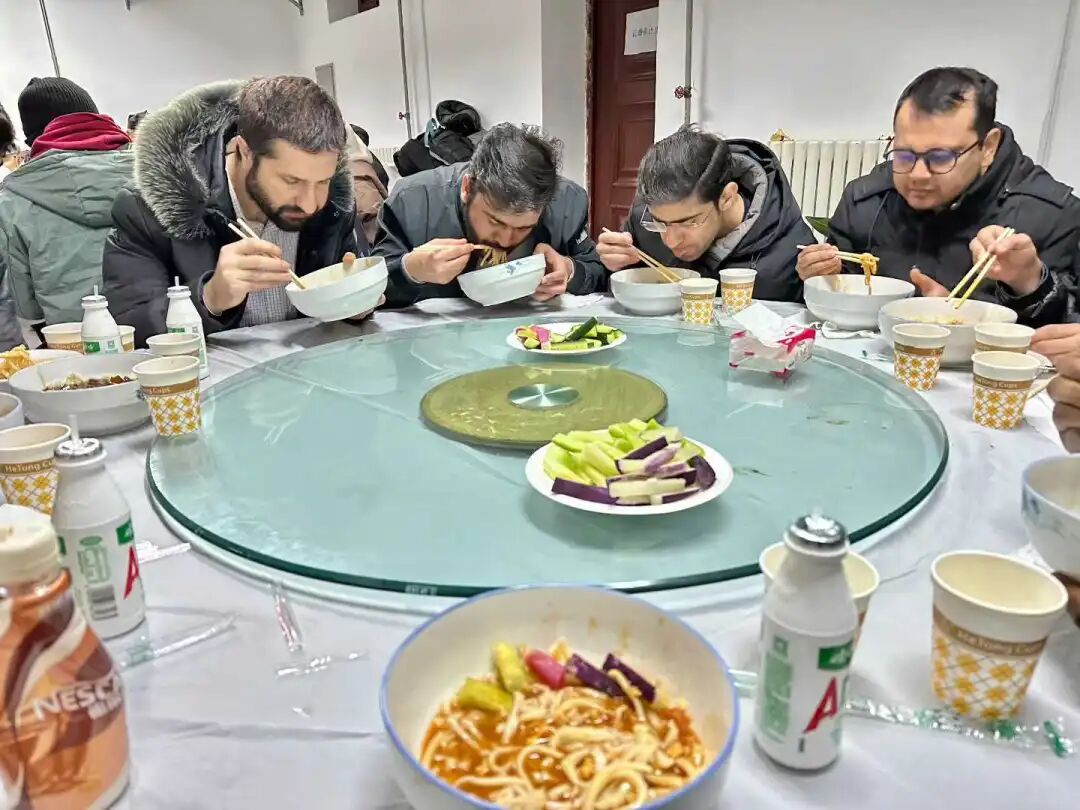
The international students who come to Madian Mosque for iftar include friends (dosti) from India and Pakistan, and they are friends with each other.
Fried dough (youxiang) at the mosque.
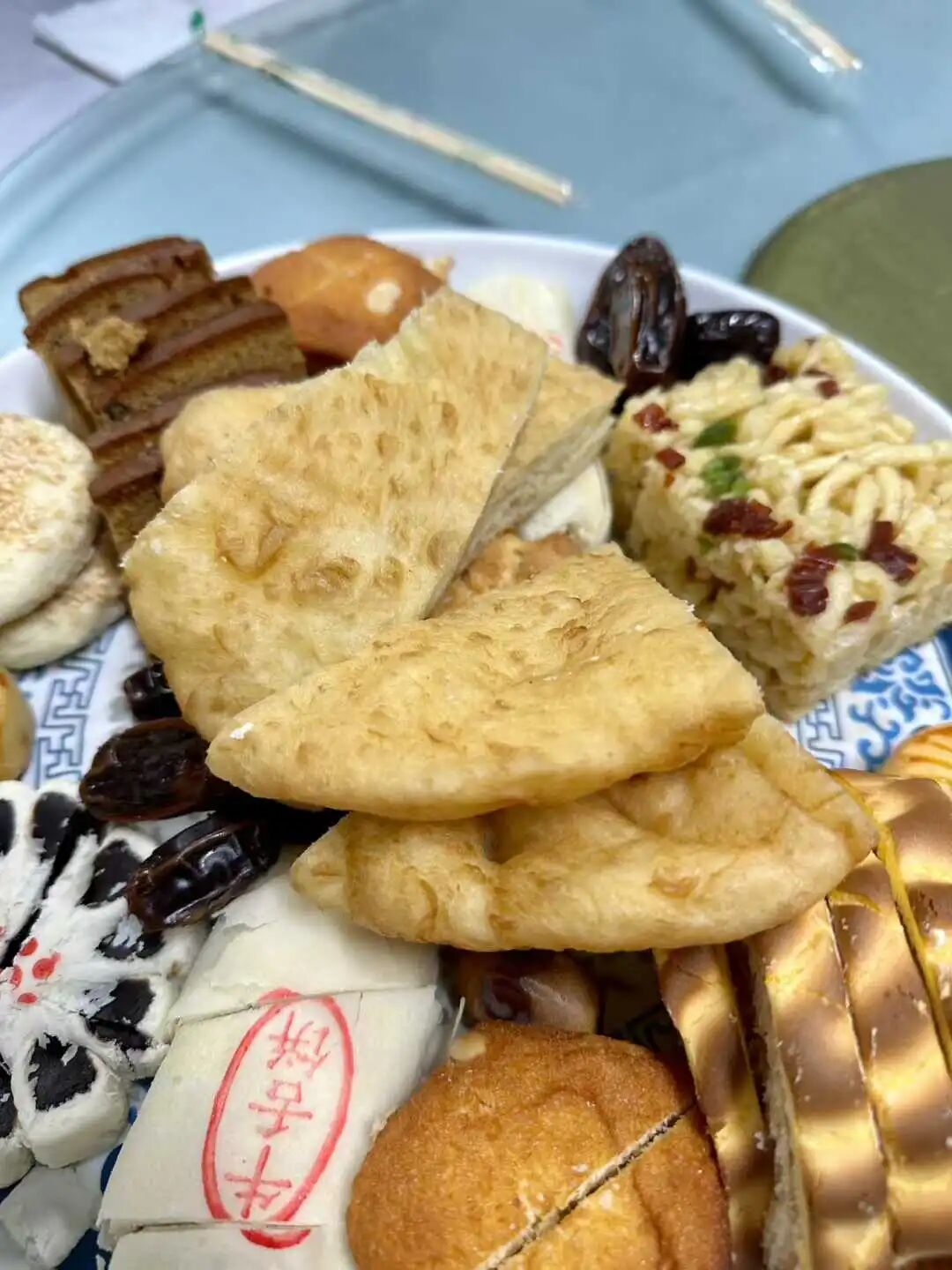
Stir-fried dough bits (chaogeda) made at the mosque.
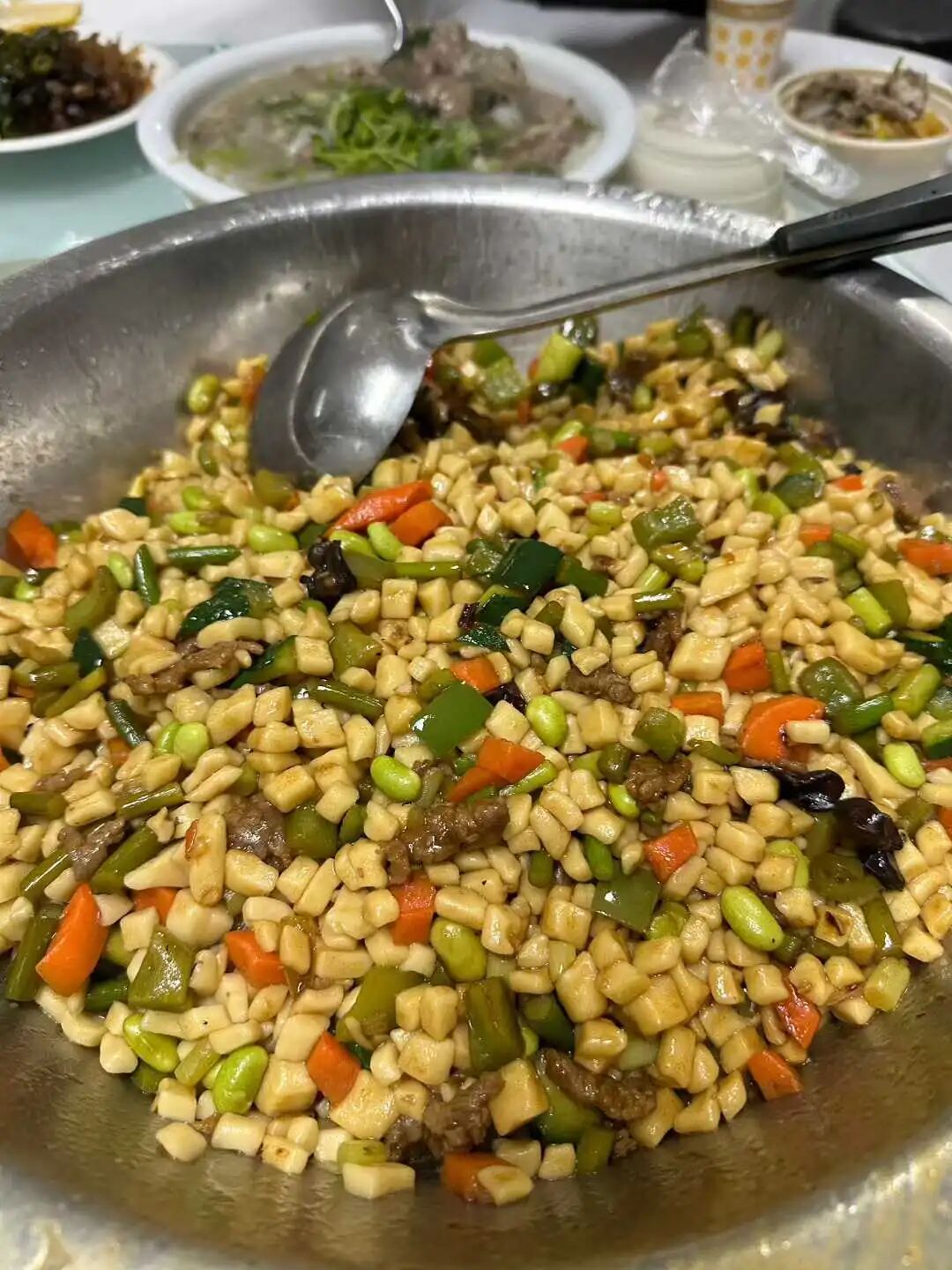
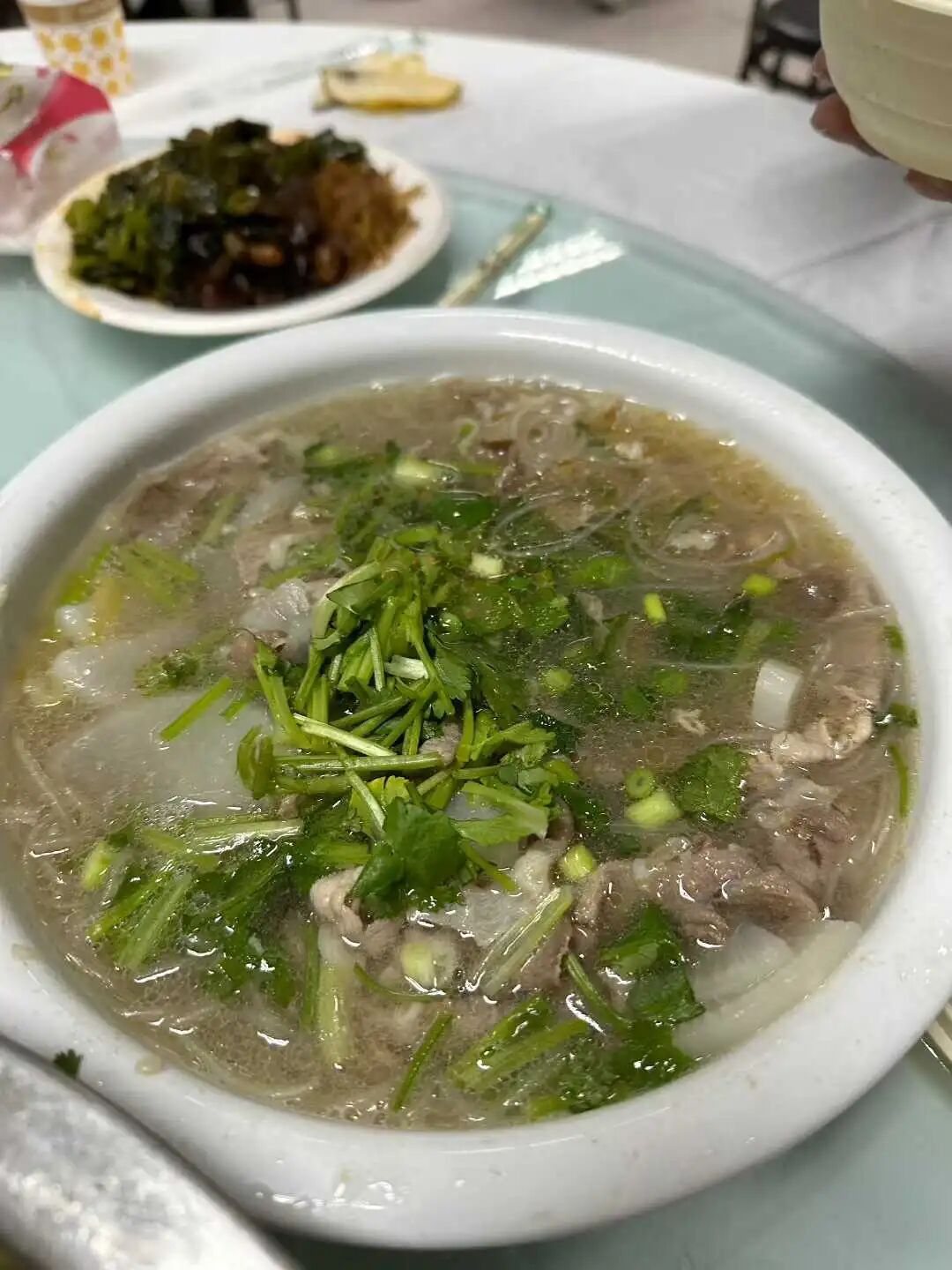
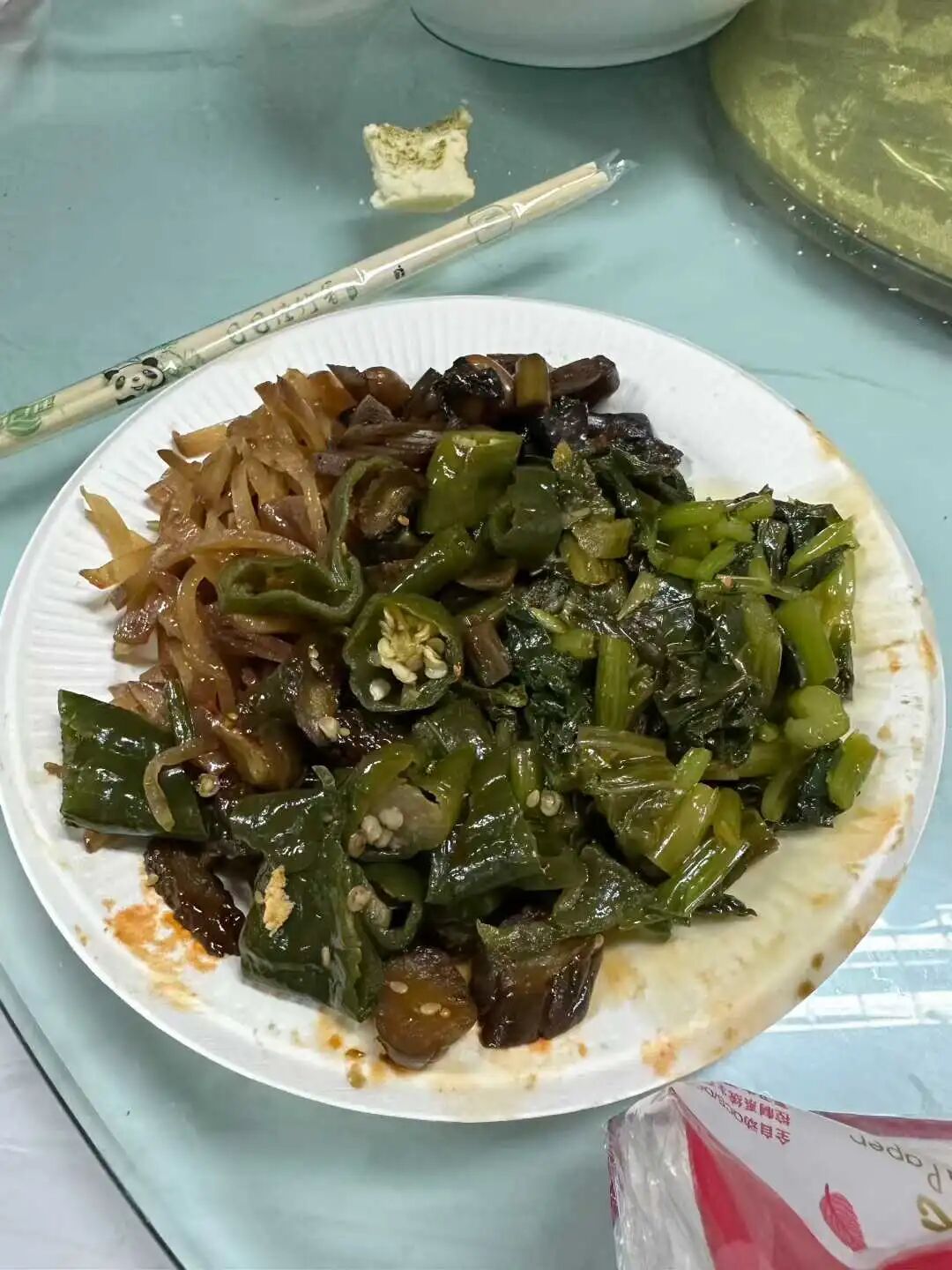
Eating steamed buns (baozi) at Madian Mosque, the carrot and fennel fillings are very filling!
I ate the sweet rice balls (yuanxiao) from Yaofengcheng, a Shandong-style restaurant at the mosque gate, for several days during my fast.
Stir-fried dishes at Madian Mosque; international students from nearby countries all love the food at Madian.
Fried tofu (zhadoufu).
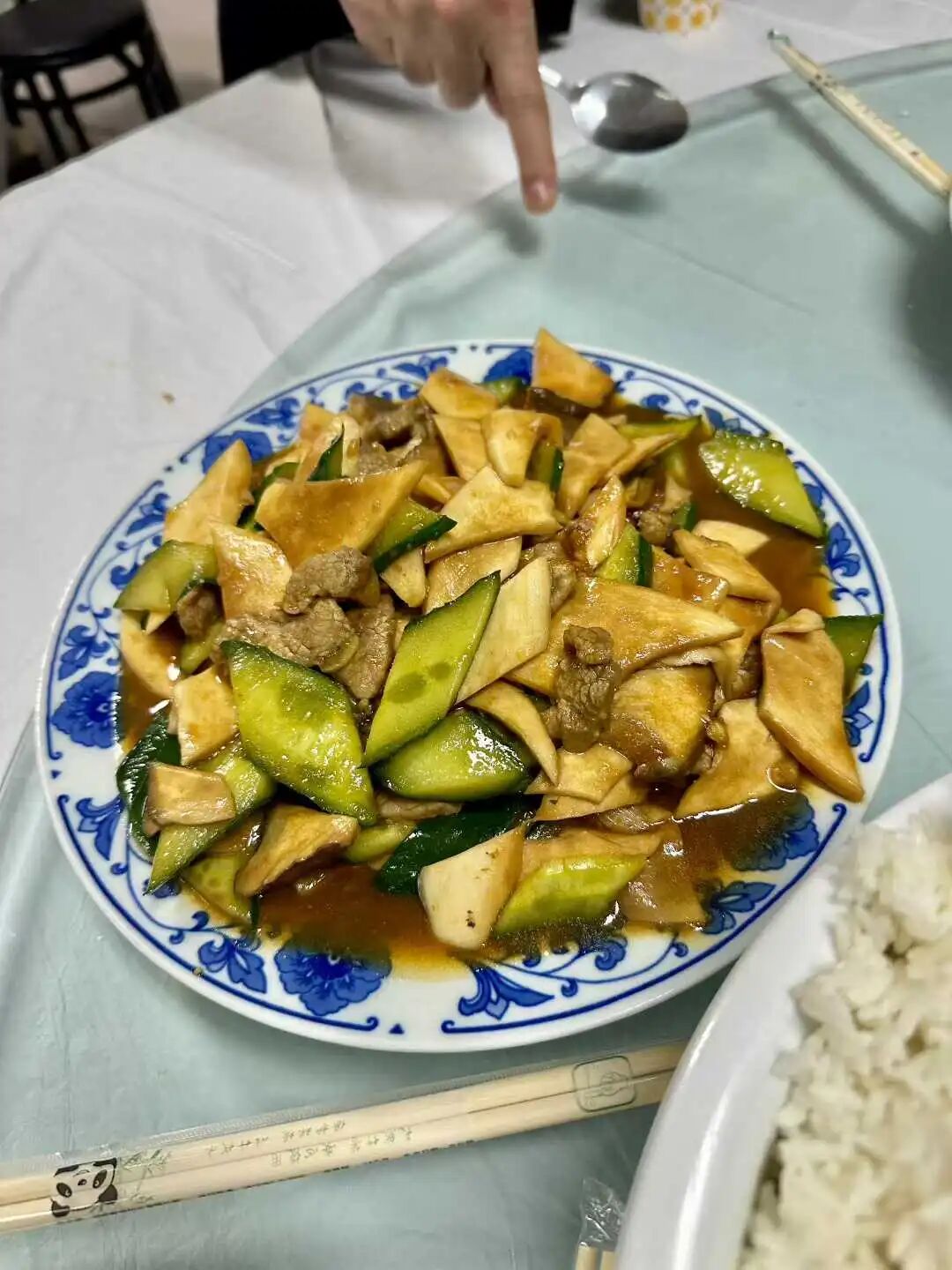
Stir-stir-fried meat with oyster mushrooms (pinggu chaorou).
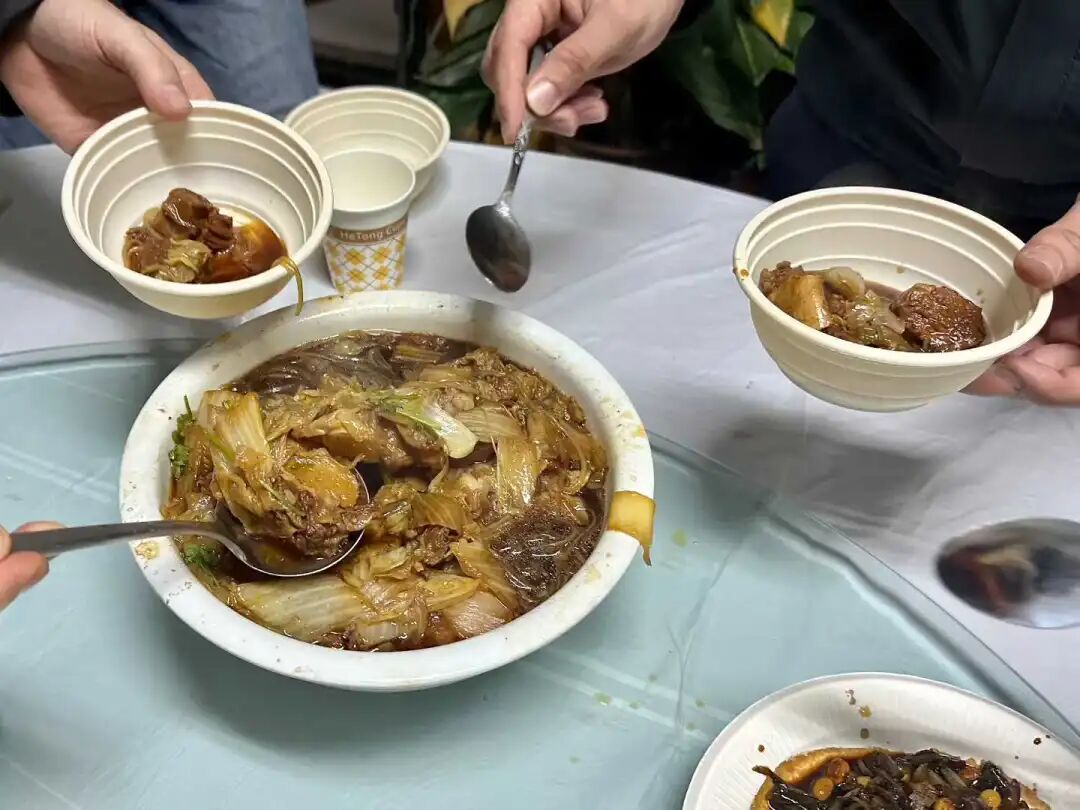
Beef stewed with Chinese cabbage and vermicelli (baicai fentiao dun niurou).
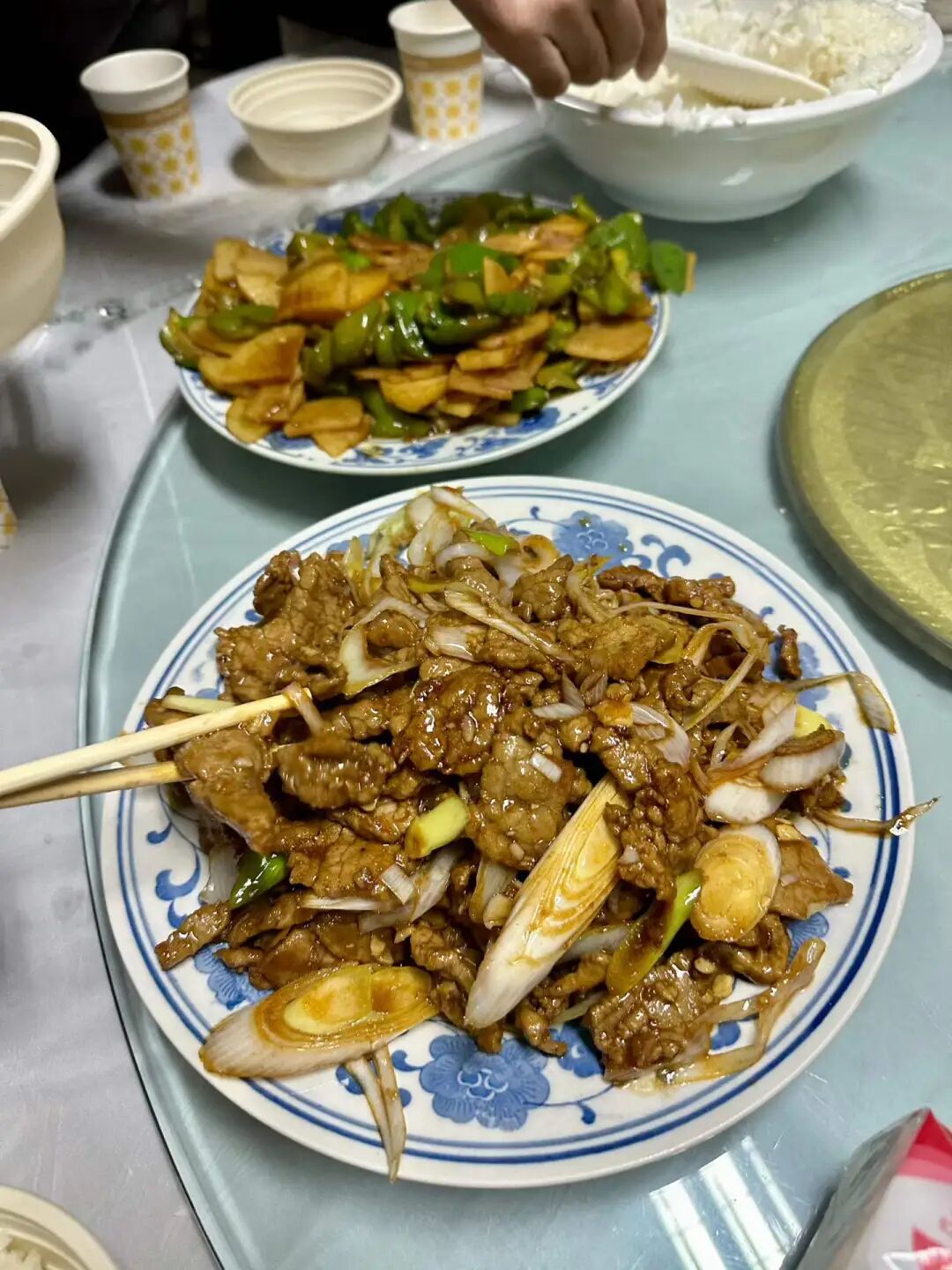
Stir-fried lamb with scallions (congbao yangrou).
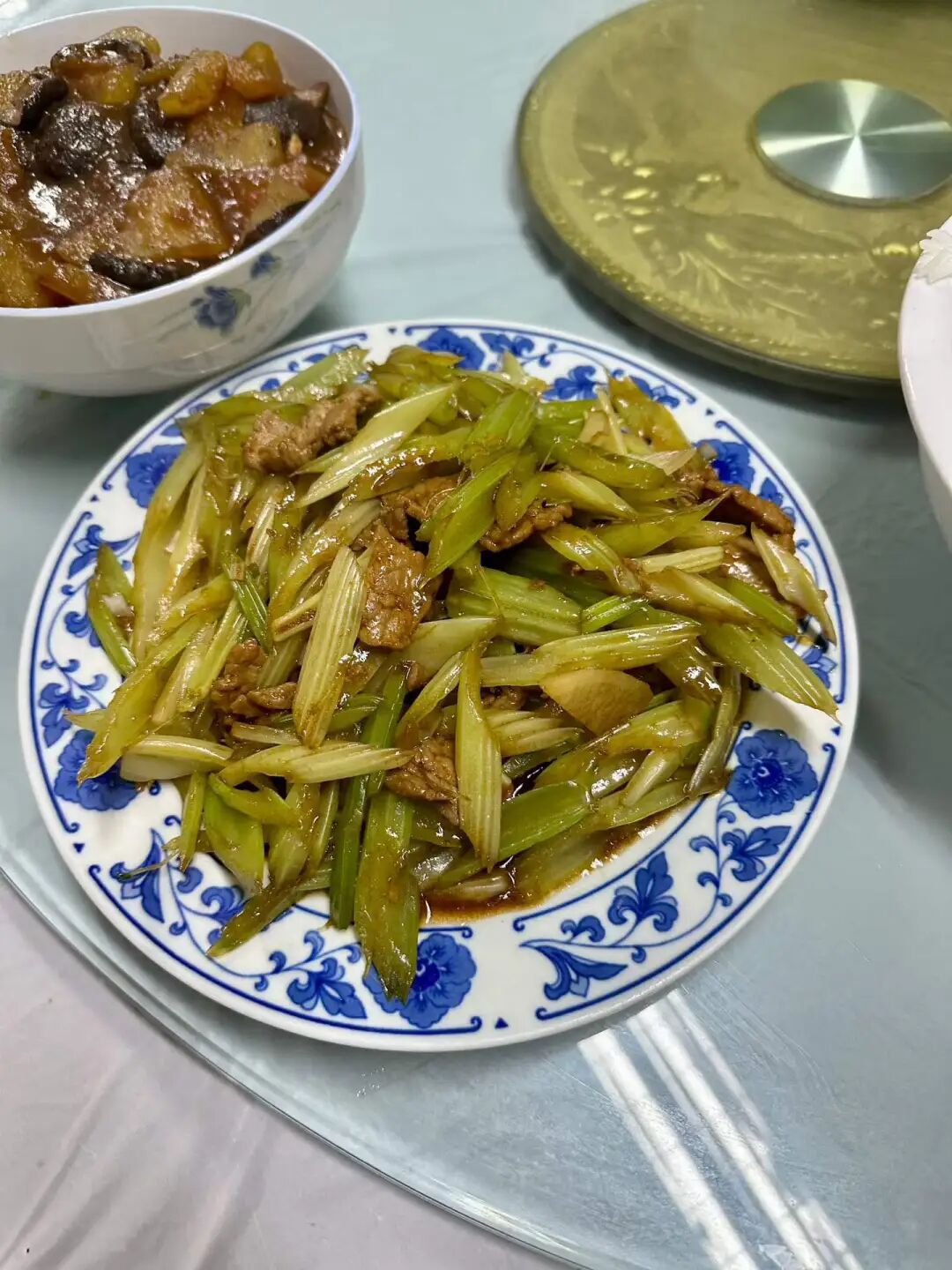
Stir-stir-fried meat with celery (qincai chaorou).
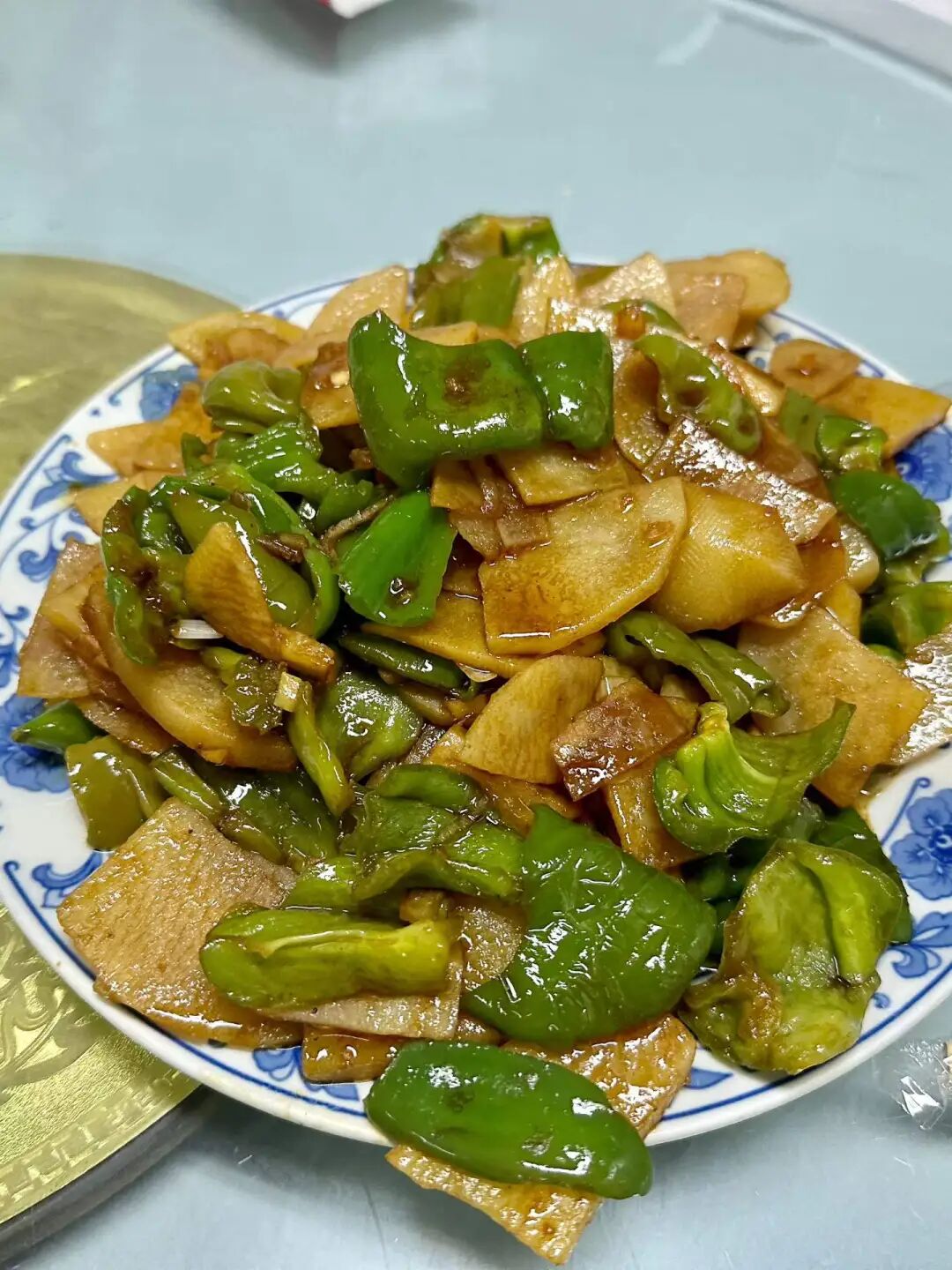
Stir-fried potato slices (chao tudoupian).
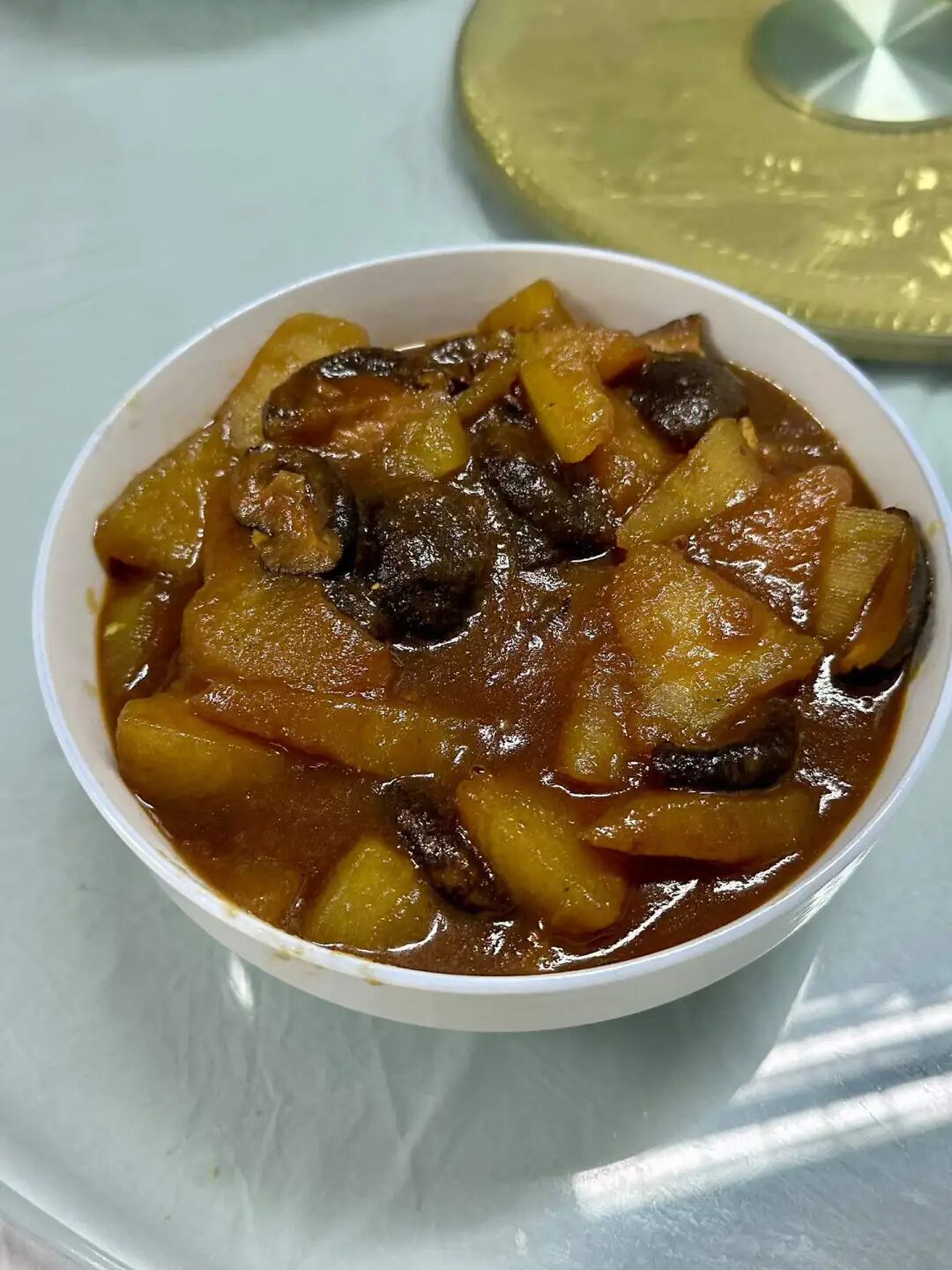
Braised winter melon with shiitake mushrooms (donggua shao donggu).
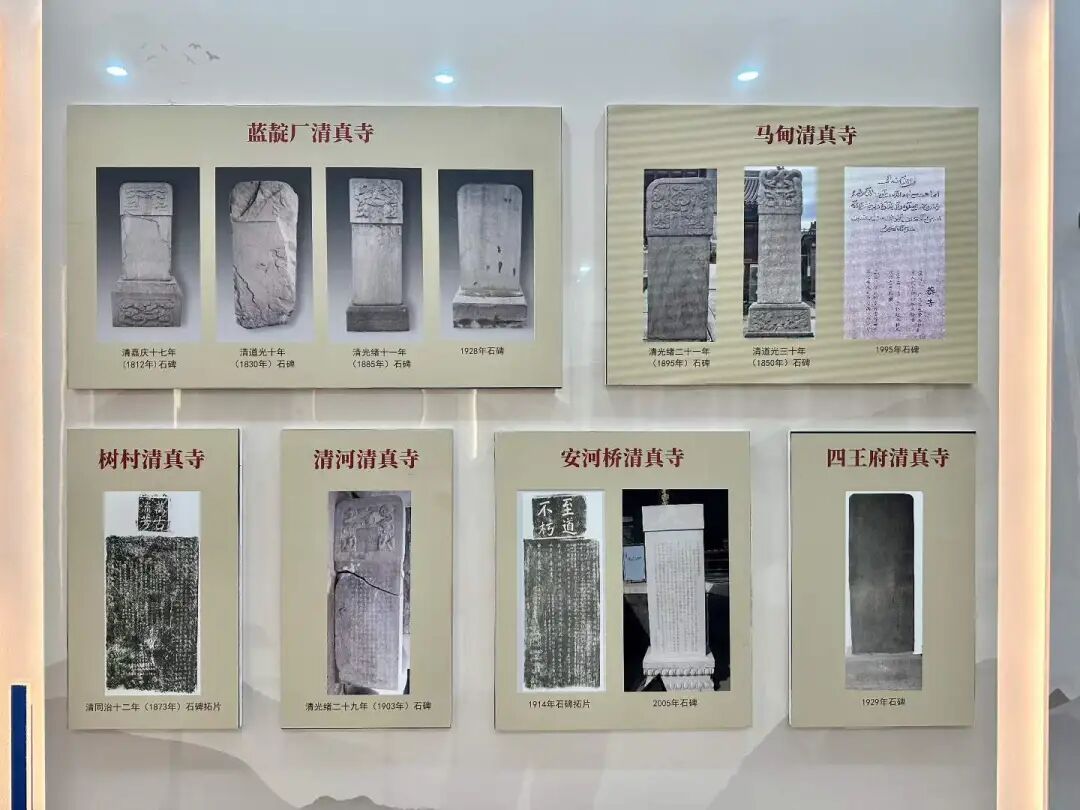
Exhibits about the local Muslim community in Haidian at the Madian Mosque gallery.
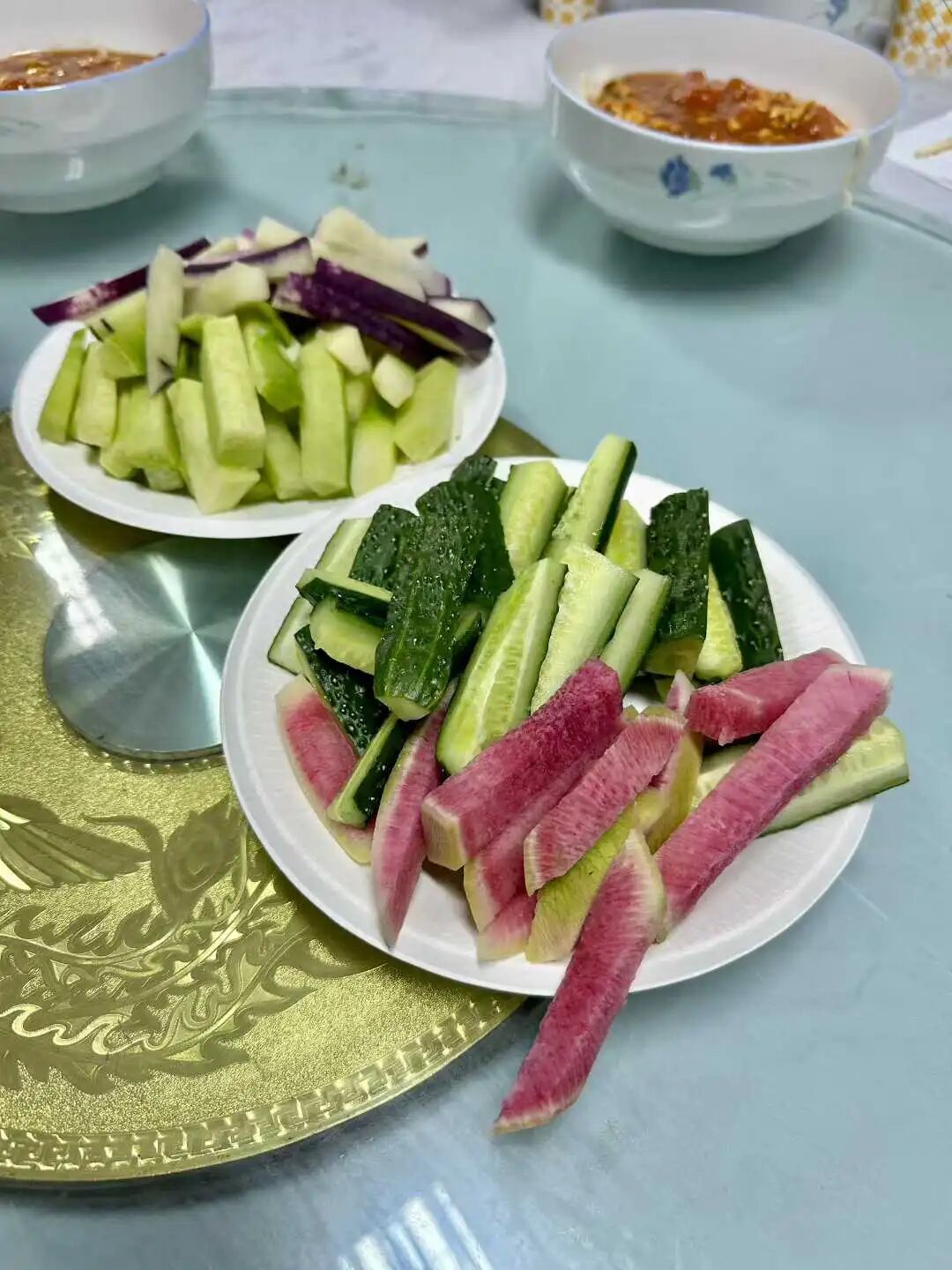
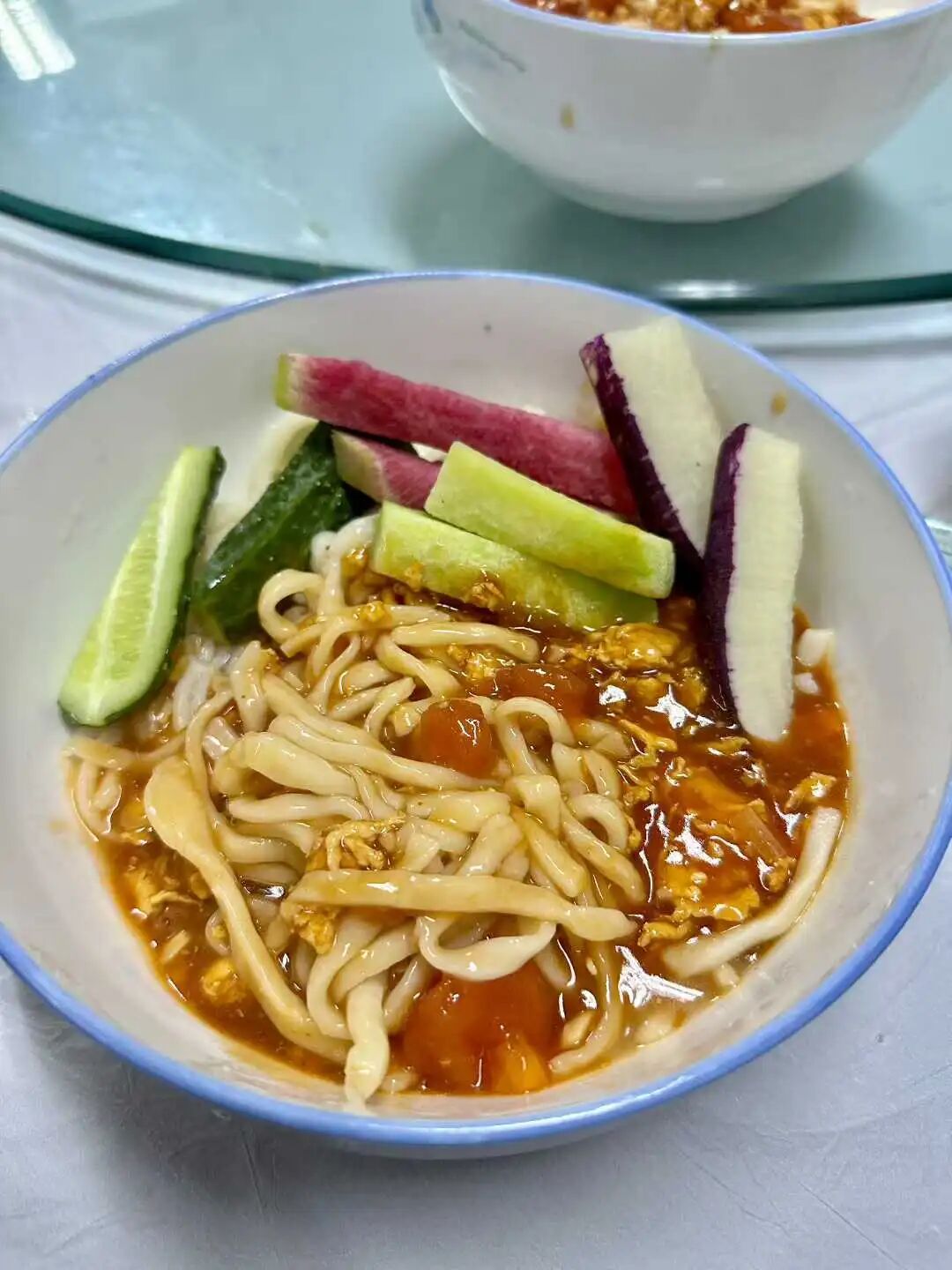
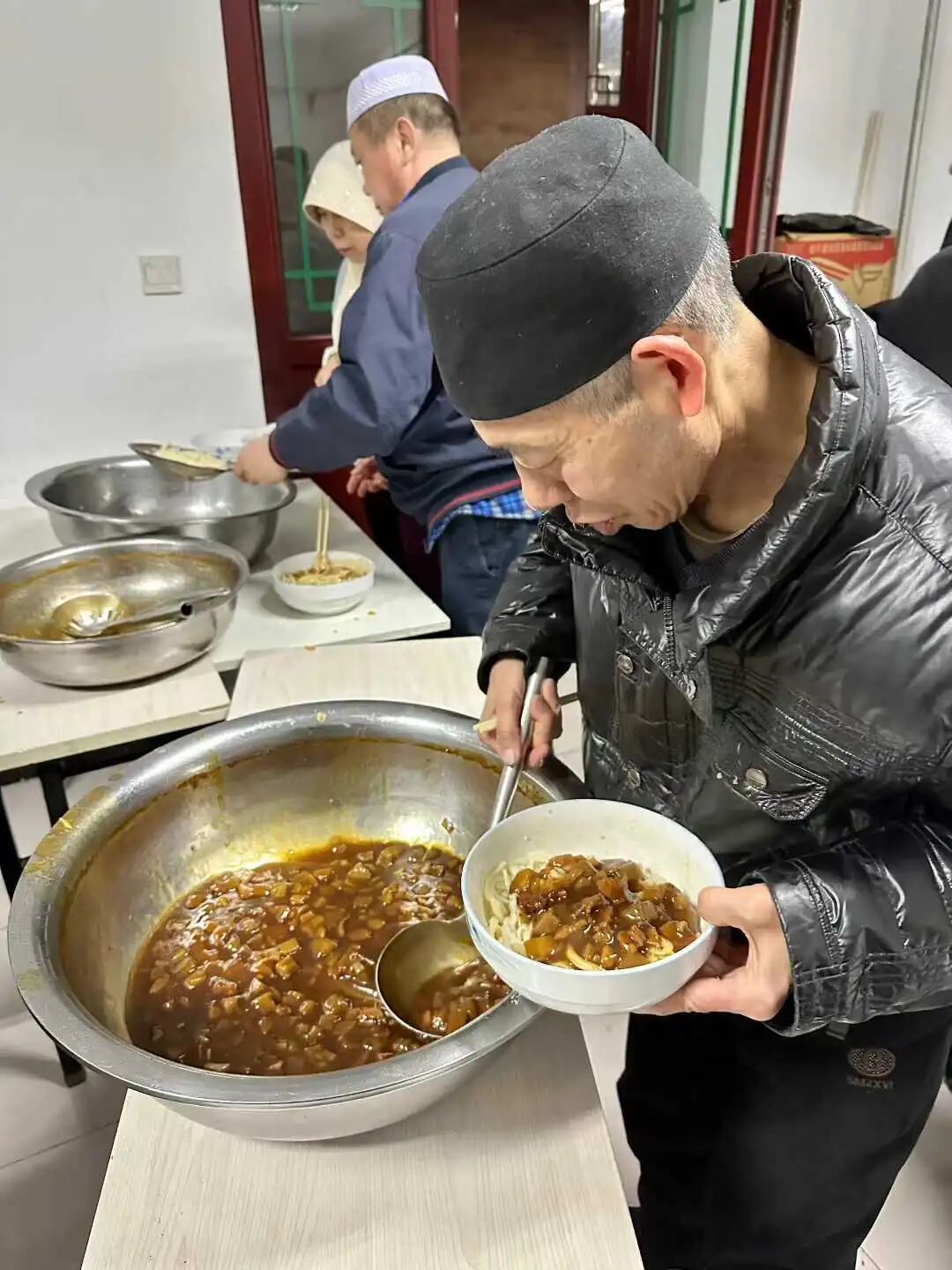
Hand-pulled noodles (shouganmian) with tomato sauce and eggplant sauce; our international friends all love Beijing hand-pulled noodles, haha.
After eating, I bought food for my fast at Yaofengcheng by the gate, steamed buns (mantou) with spiced beef (jiang niurou); they give out fried dough (youxiang) during Eid al-Fitr.
Nanxiapo Mosque.
As an important hub for water transport, there were historically several mosques and neighborhoods outside Chaoyang Gate, such as Nanzhong Street, Nanxiapo, and Shegutang, but only the Nanxiapo neighborhood remains today. According to the elders, Nanxiapo Mosque dates back to the late Ming and early Qing dynasties. At that time, a shed builder used fir poles and reed mats to build a large shed at Nanxiapo, and an imam named Hu Zhonghe led the local Hui Muslims in prayer there; this was the earliest Nanxiapo Mosque. In the early years of the Kangxi reign of the Qing Dynasty, a Hui Muslim surnamed Ma who sold bows and arrows inside Chaoyang Gate heard about the situation at Nanxiapo. He had just received a payment for bows and arrows that had been owed by some Mongols, so he donated the money to formally build the Nanxiapo Mosque.
Most of the leaders of Nanxiapo Mosque were descendants of the first leader, Hu Zhonghe. Hu Zhonghe's 12th-generation descendant, Hu Degui, was born in 1883 (the ninth year of the Guangxu reign). Because his parents died early, 15-year-old Hu Zichen inherited his father's business in 1898 (the 24th year of the Guangxu reign) and became the second leader (haitui bu) of Nanxiapo Mosque, known as Master Hu the Second. At that time, the imam of Nanxiapo Mosque was Hu Wenzhi, and the third master was Ma Shikuan, known as Master Ma the Third.
In 1900, when Empress Dowager Cixi fled west, bandits were everywhere, and many merchants on Chaowai Street were robbed. Seventeen-year-old Imam Hu Zichen organized a local militia in Nanxiapo. Young Hui Muslims joined eagerly. Some were wrestlers, some were martial artists, some were cart drivers, and the wealthy ones even bought muskets. Every night, everyone gathered at the gate of the Nanxiapo mosque to take turns patrolling the streets and keeping watch, and they finally made it through the crisis.
On February 15, 1928, after the martyr Ma Jun died, his body (maiti) was washed at the Nanxiapo mosque by Imam Hu Wenzhi and Imam Hu Zichen. Then, the village elders and the community (dost) donated burial shroud cloth (kafan), and he was buried in the northwest corner of Ritan.
In 1947, the Nationalist army was rounding up young men for conscription near the South Barracks outside Chaoyang Gate. The young Hui Muslims of Nanxiapo were terrified, so with the help of the imam and the elders, they climbed wooden ladders onto the roof of the main hall of the Nanxiapo mosque. After they were hidden, the imam and the elders immediately hid the ladders. When the Nationalist troops came to the mosque to grab people, the imam persuaded them to leave. Everyone lay on the roof for the whole day and finally escaped the danger.
The second Friday (Jumu'ah) of Ramadan is the day Beijing mosques hold charity events for the holy month.
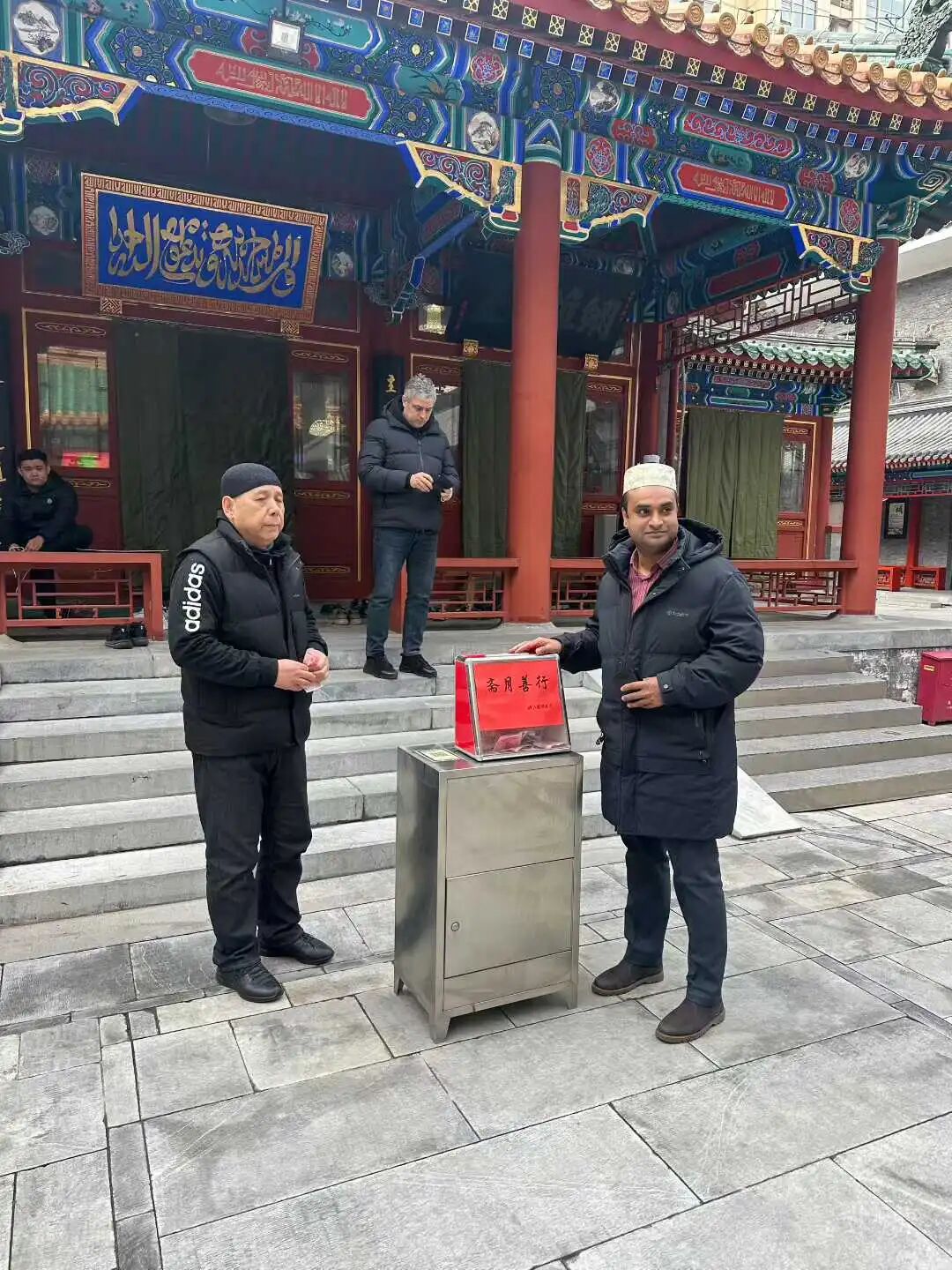
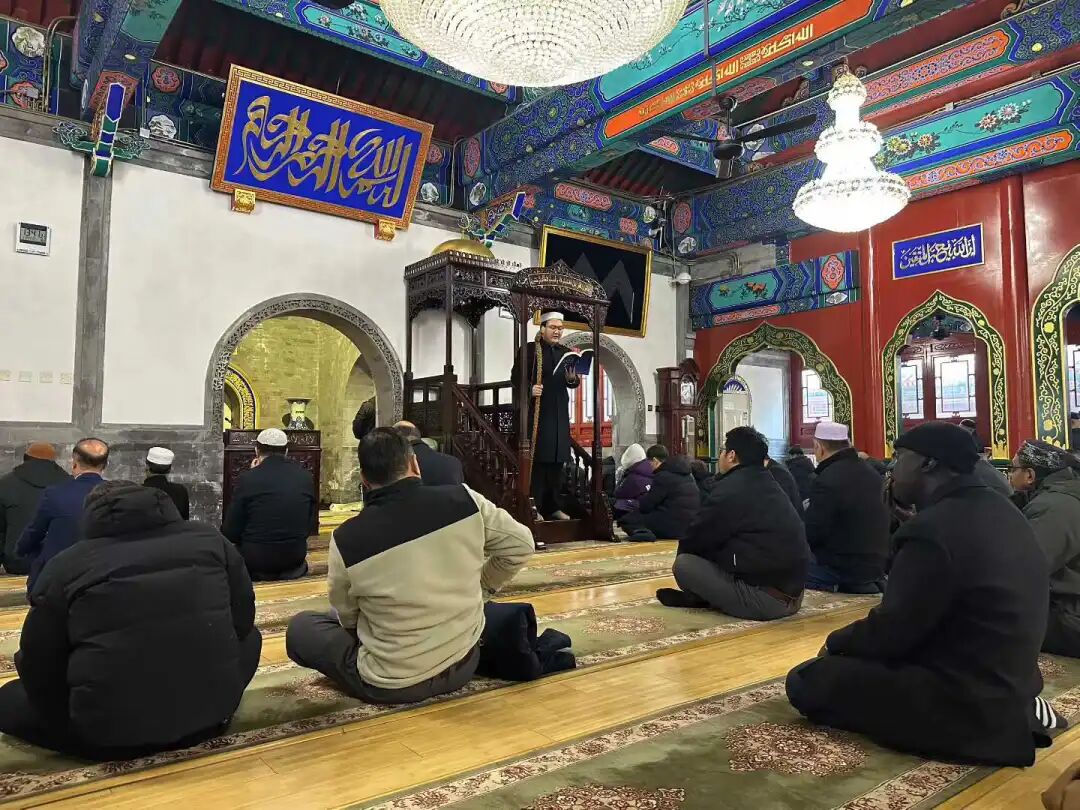
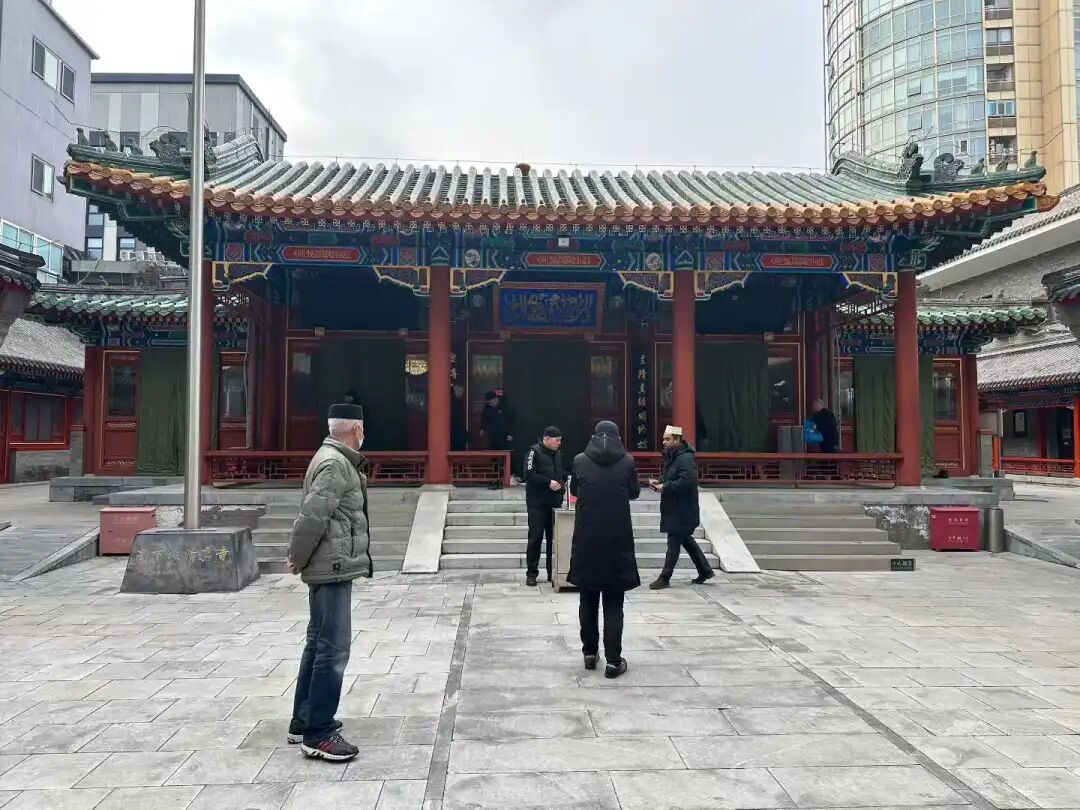
The Nanxiapo mosque has the most abundant selection of pastries for breaking the fast (iftar).
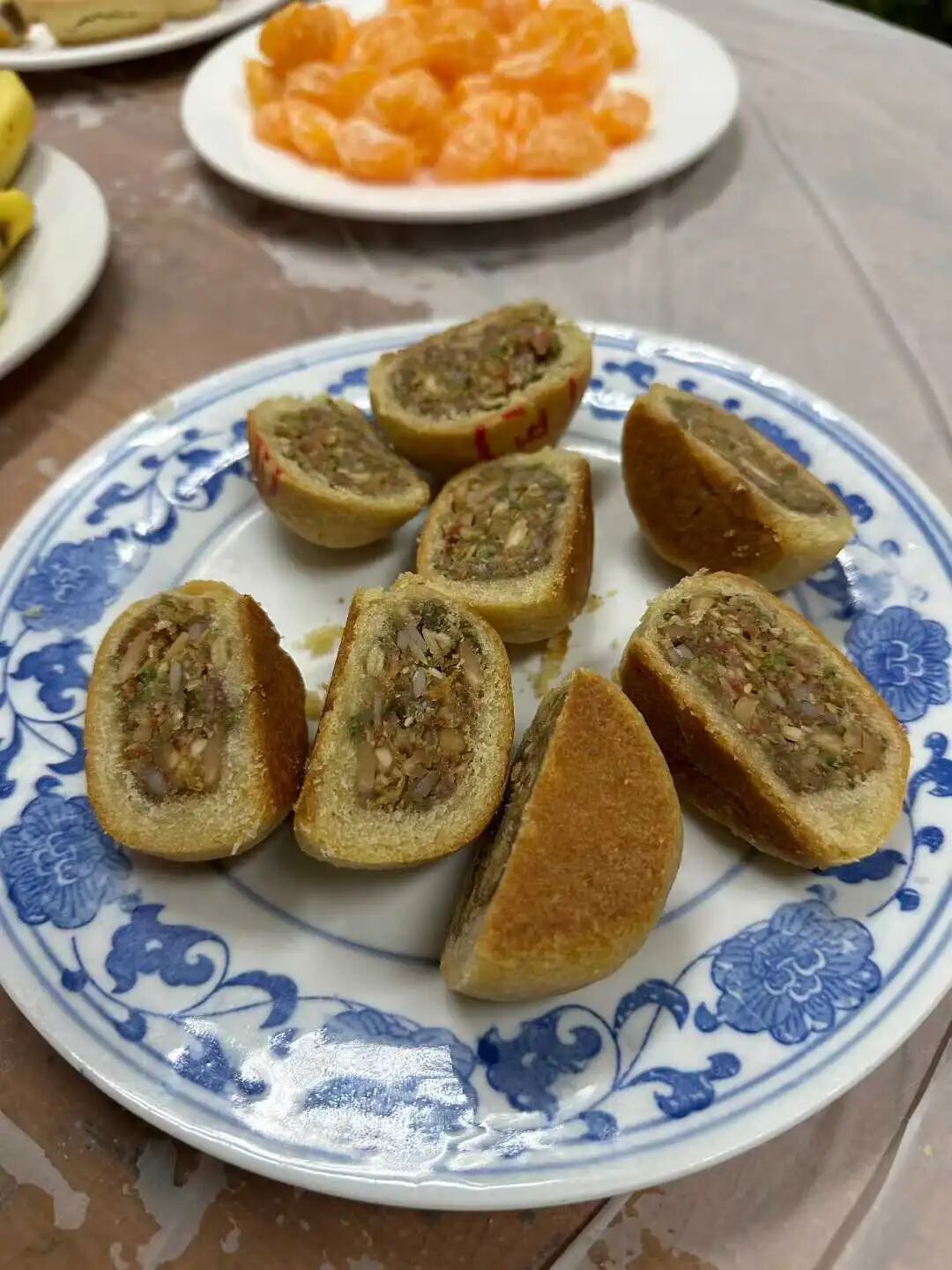
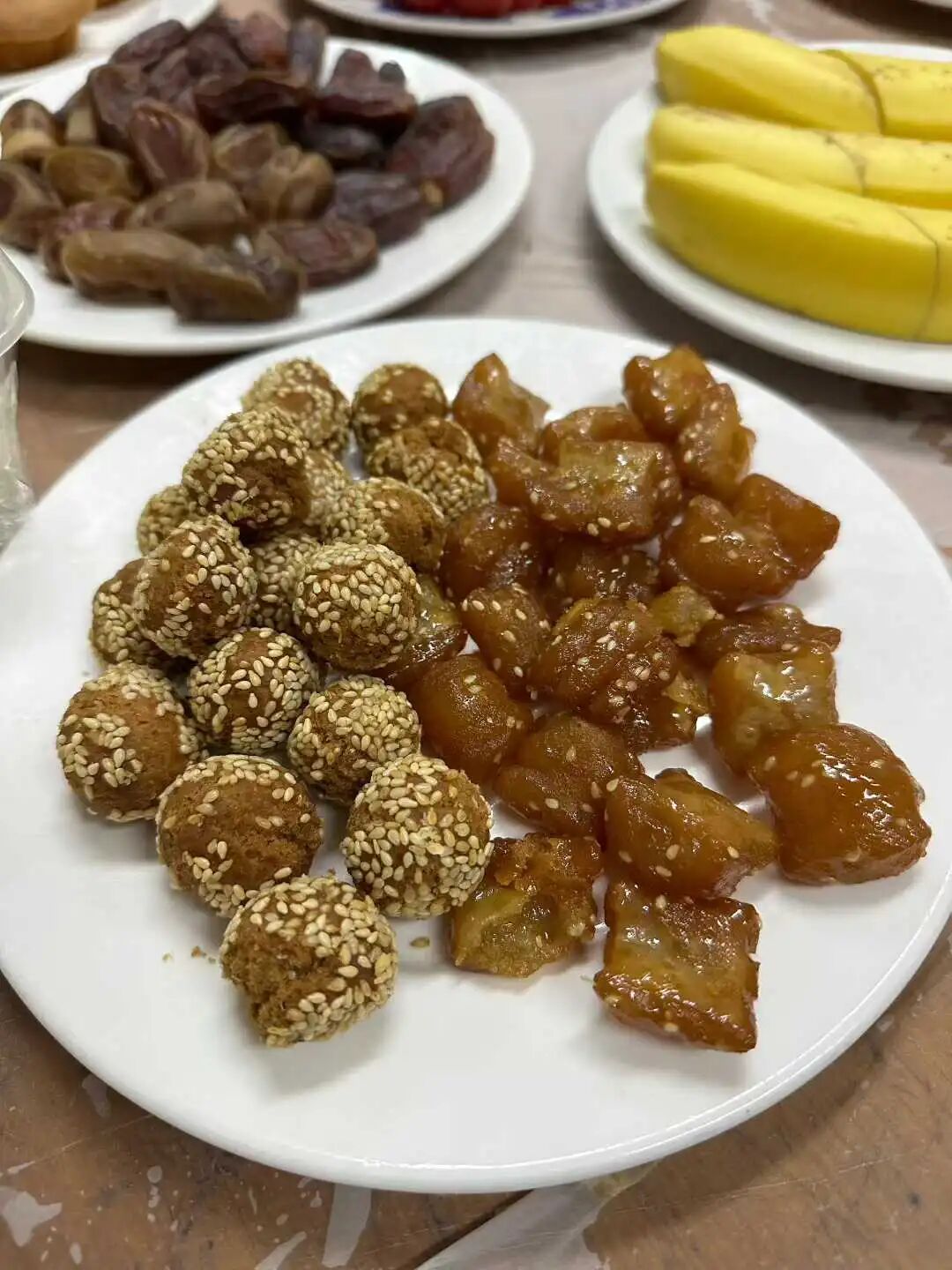
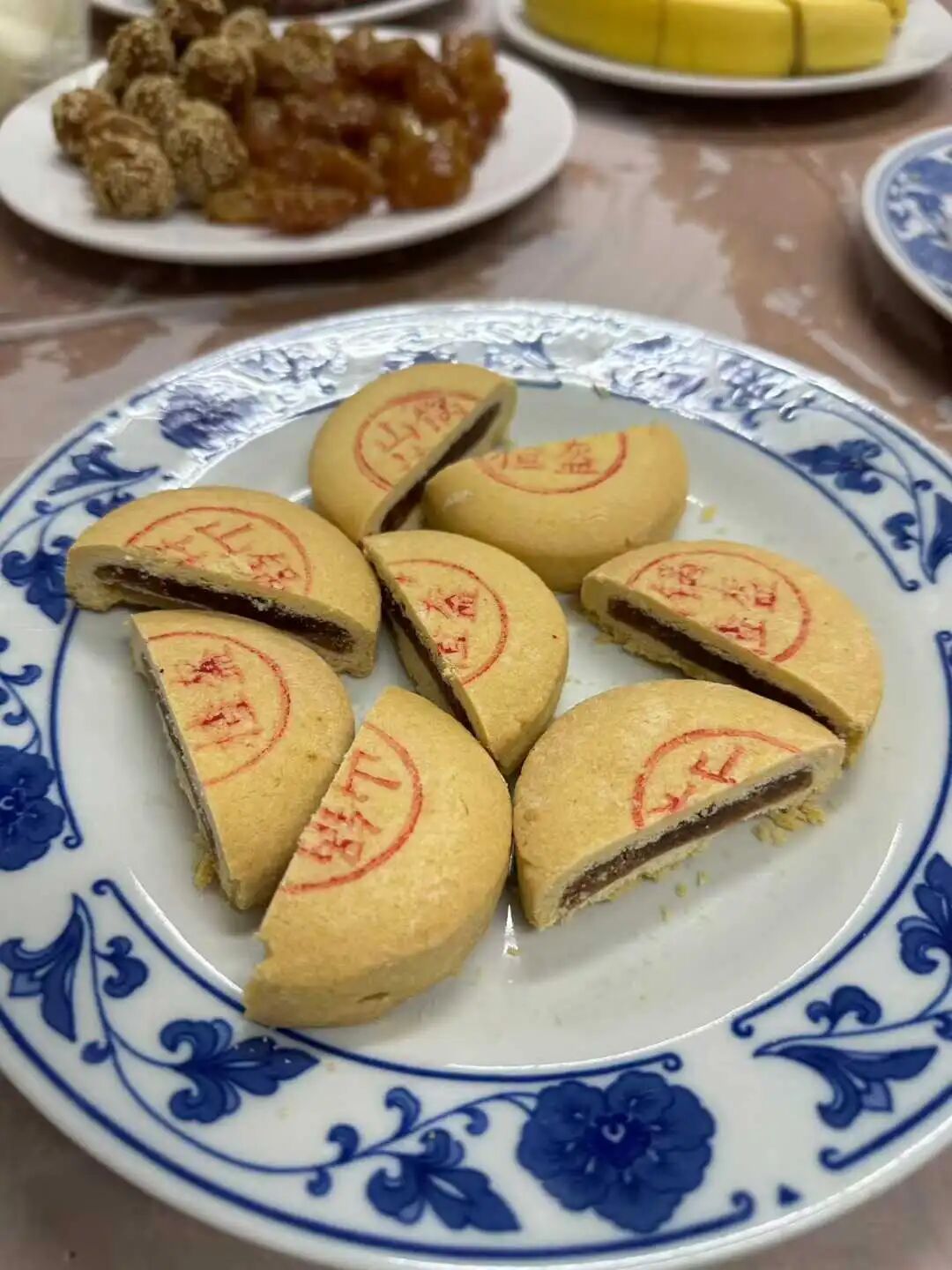
Haji Li treated everyone to stewed meat, with both beef and lamb available. The iftar at Nanxiapo was held at the nearby Hongqingxuan restaurant with eighteen dishes. Over a hundred people attended, including many young people, and it was a very blessed occasion.
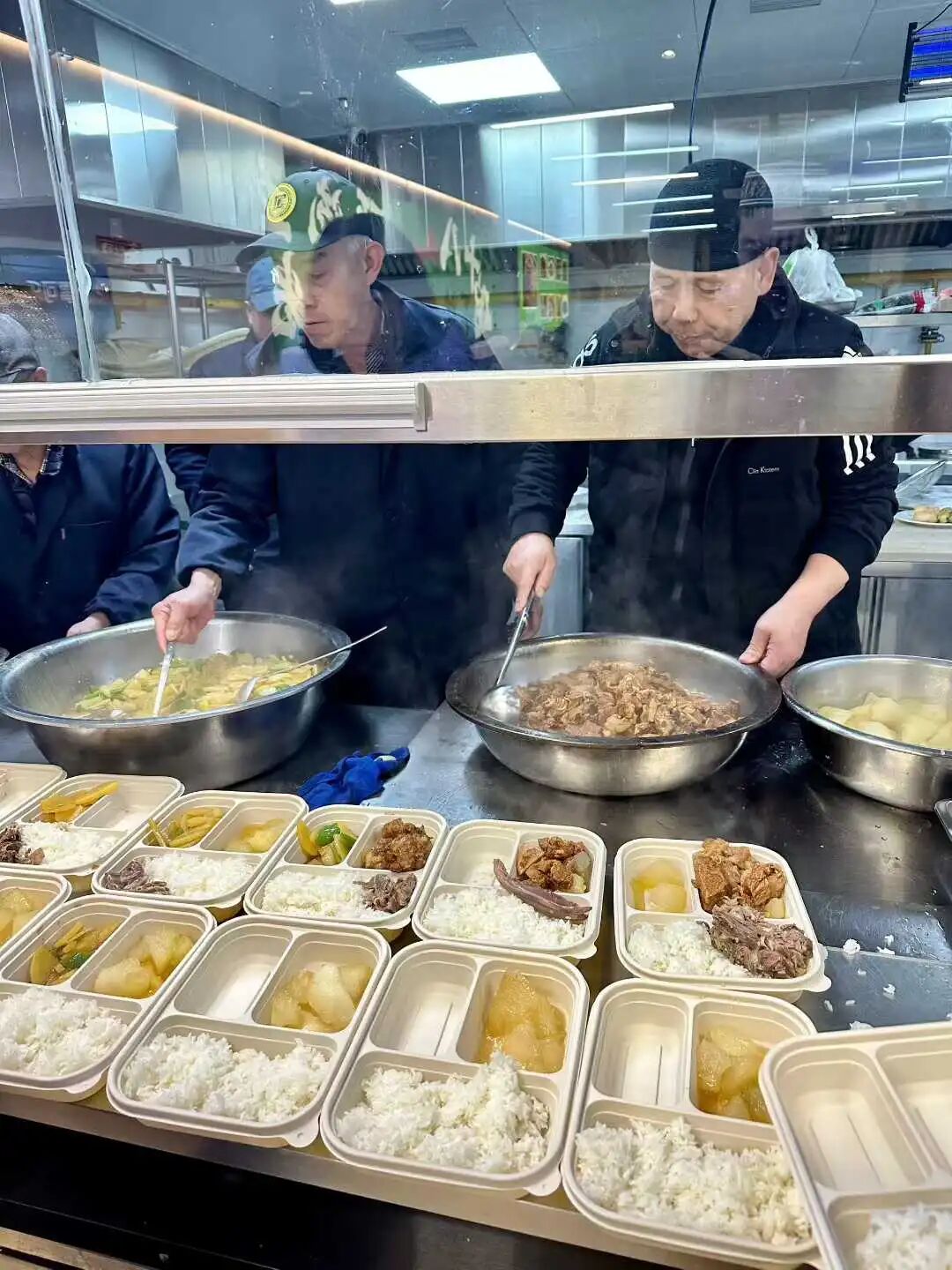
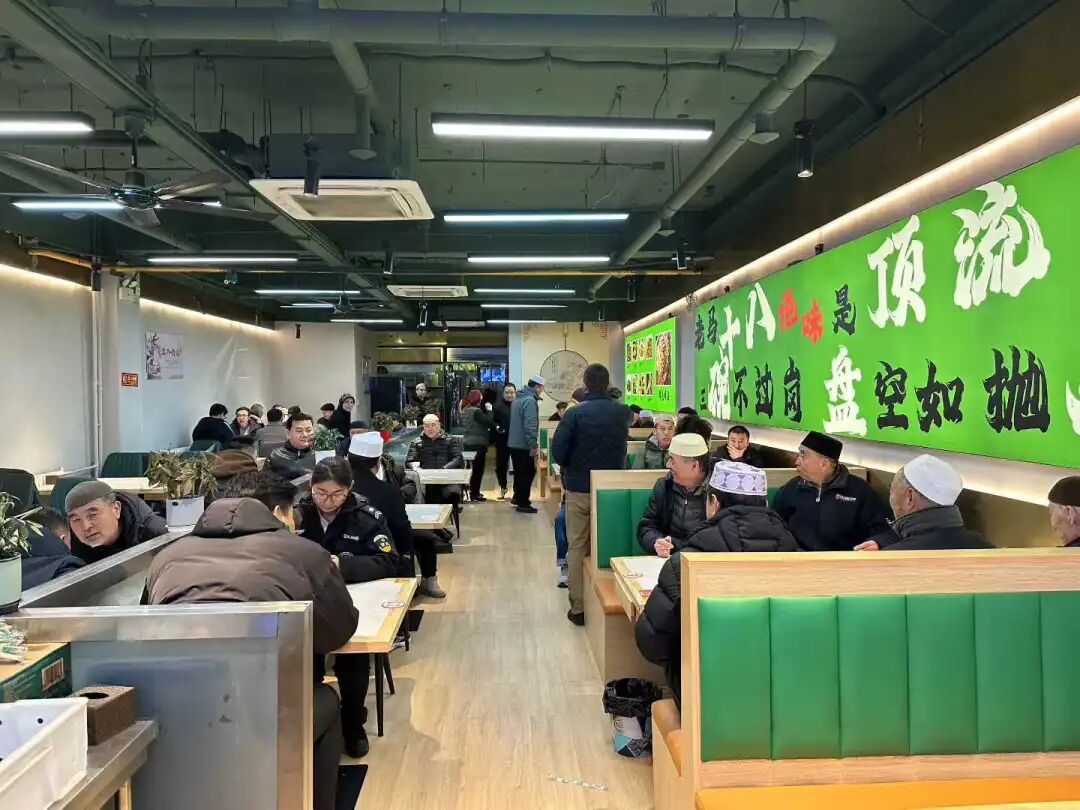
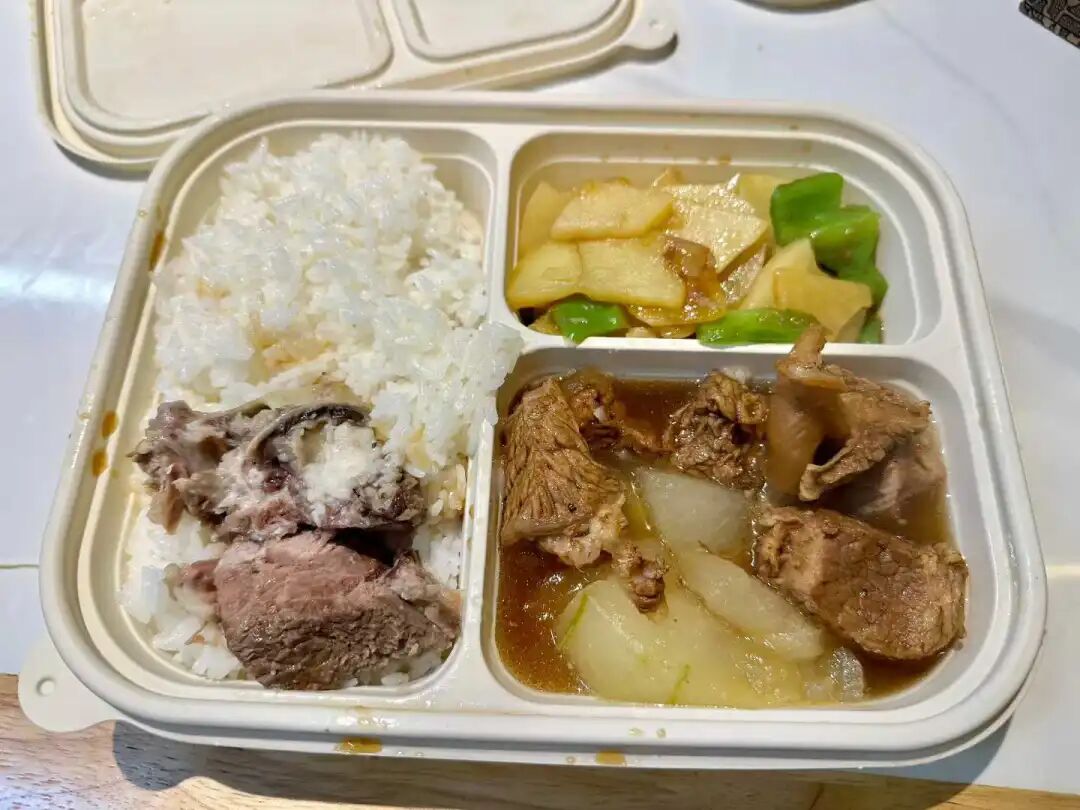
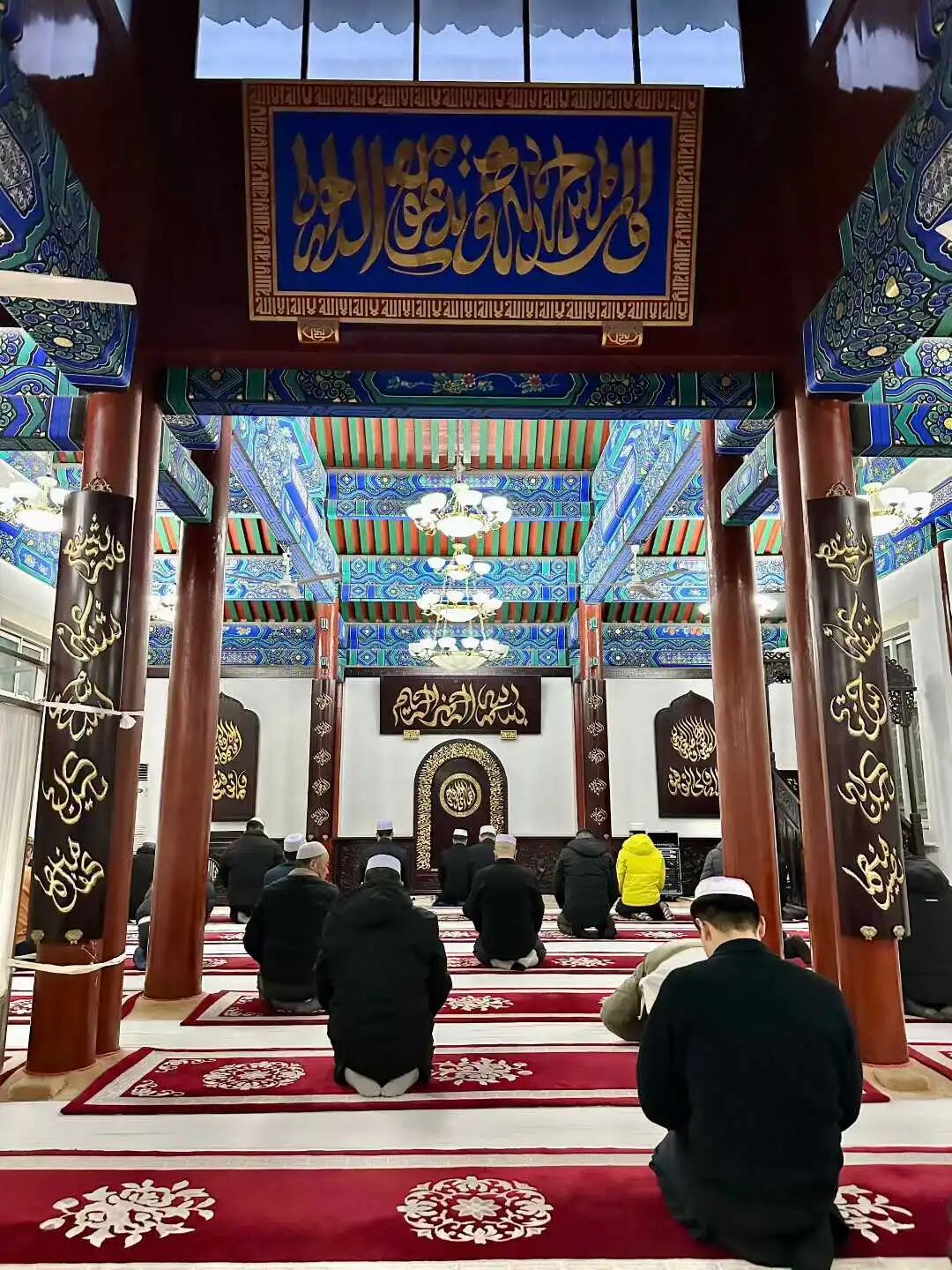
Fayuan Mosque.
Fayuan Mosque is also called Dewai Guanxiang Mosque. It was originally located at the north slope of Xiaochangkou outside Deshengmen. It was relocated and expanded during the Kangxi reign. During the Republic of China era, the main hall was expanded again, featuring four interlocking roofs and a four-cornered pavilion roof.
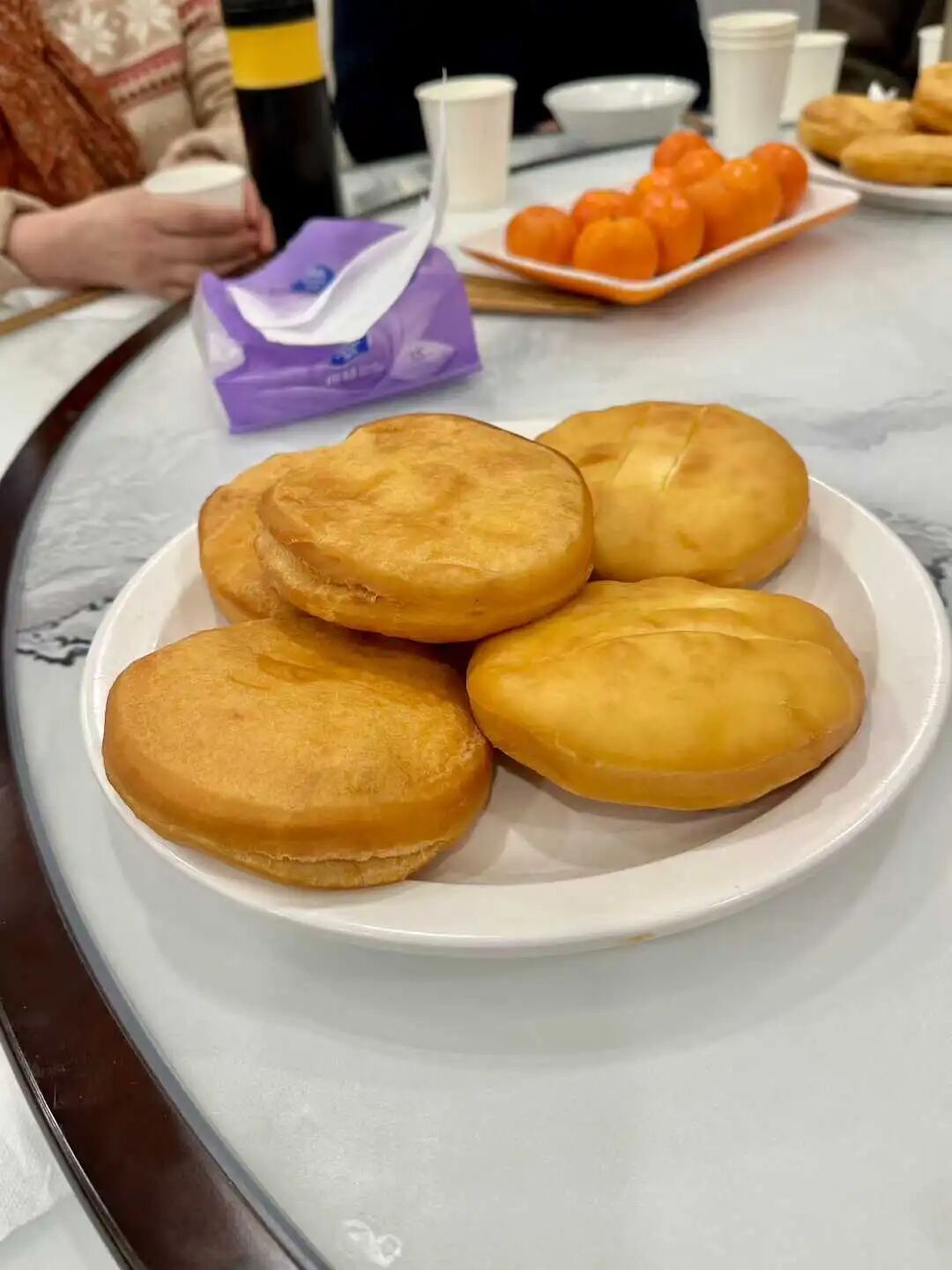
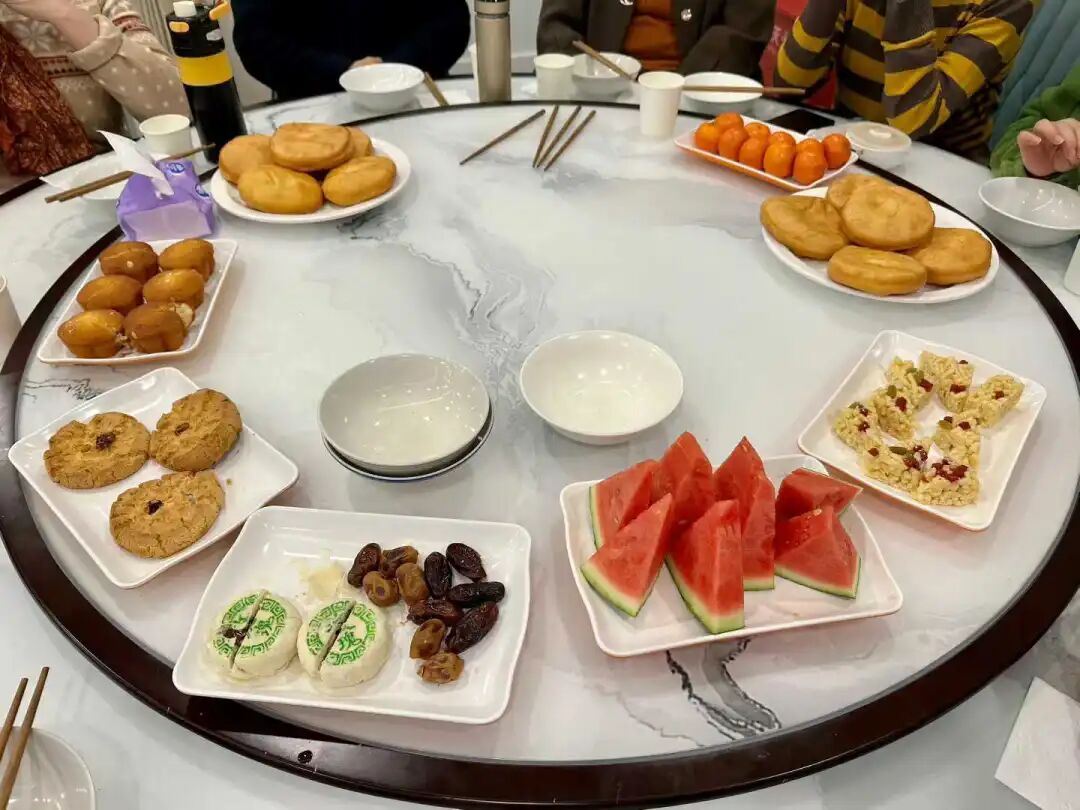
Fayuan Mosque built a new dining hall, and so many people come to break their fast every day that there are often not enough seats. The iftar meal includes meat, vegetables, shrimp, fruit, pastries, and fried dough cakes (youxiang).
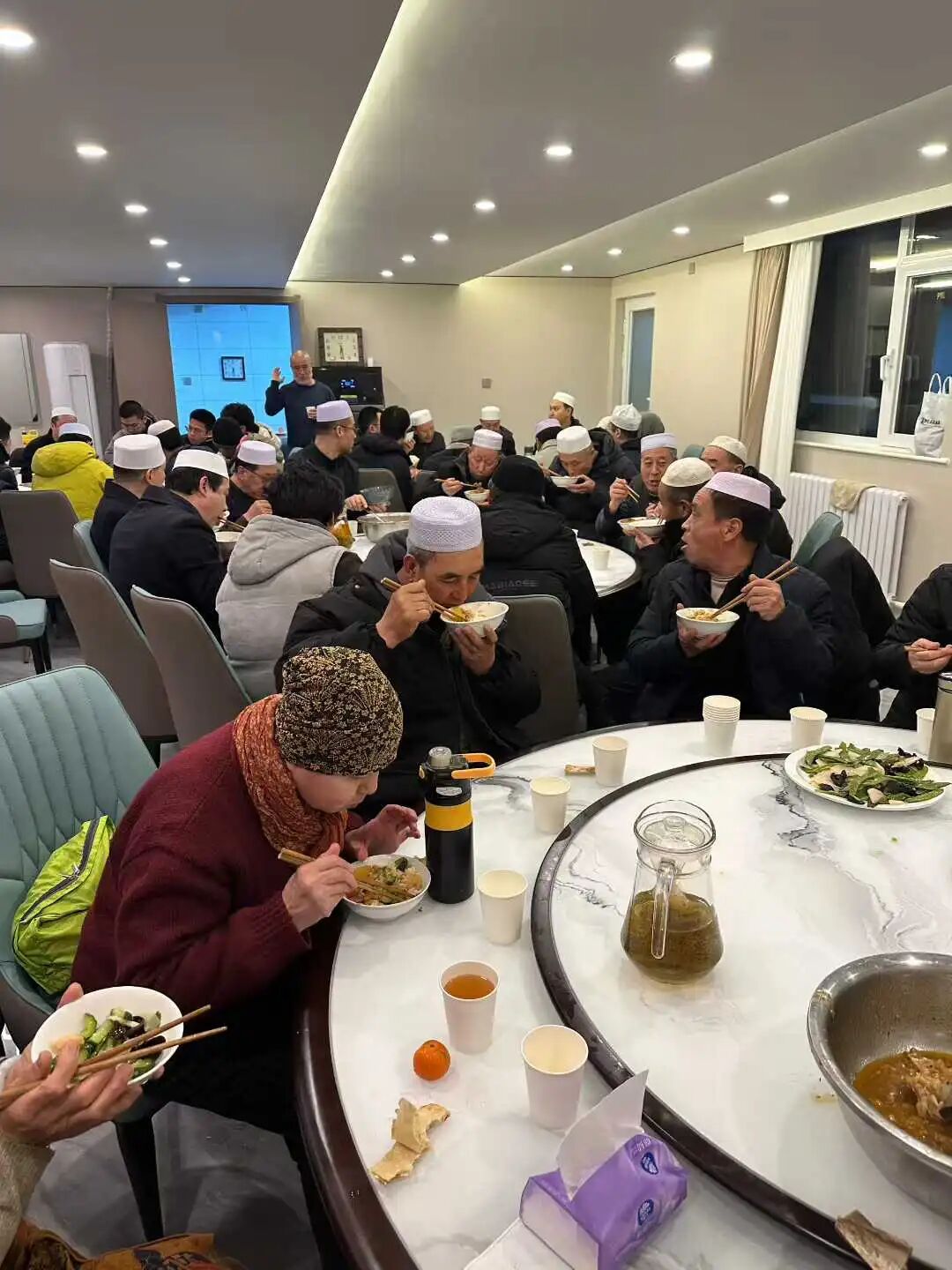
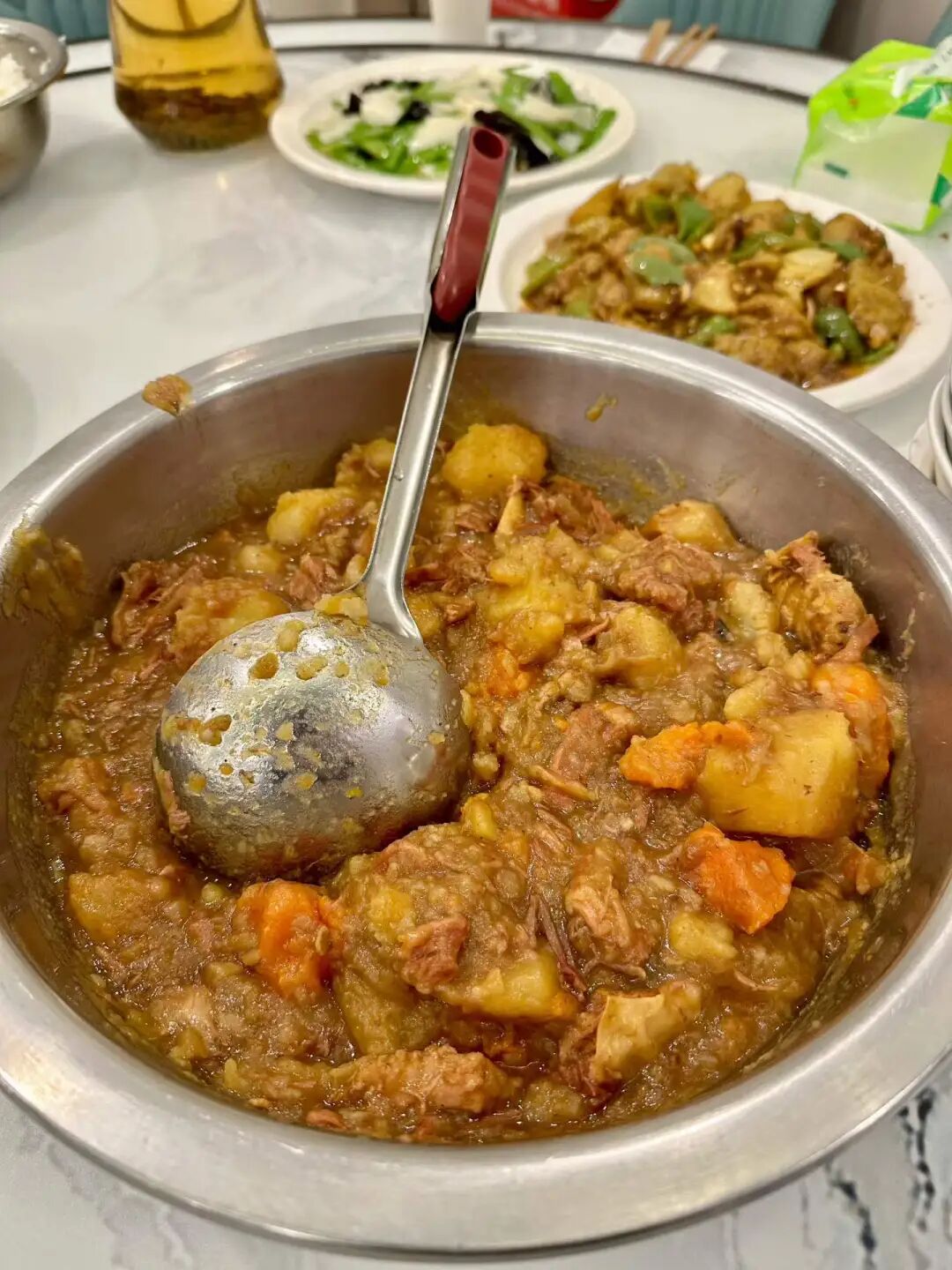
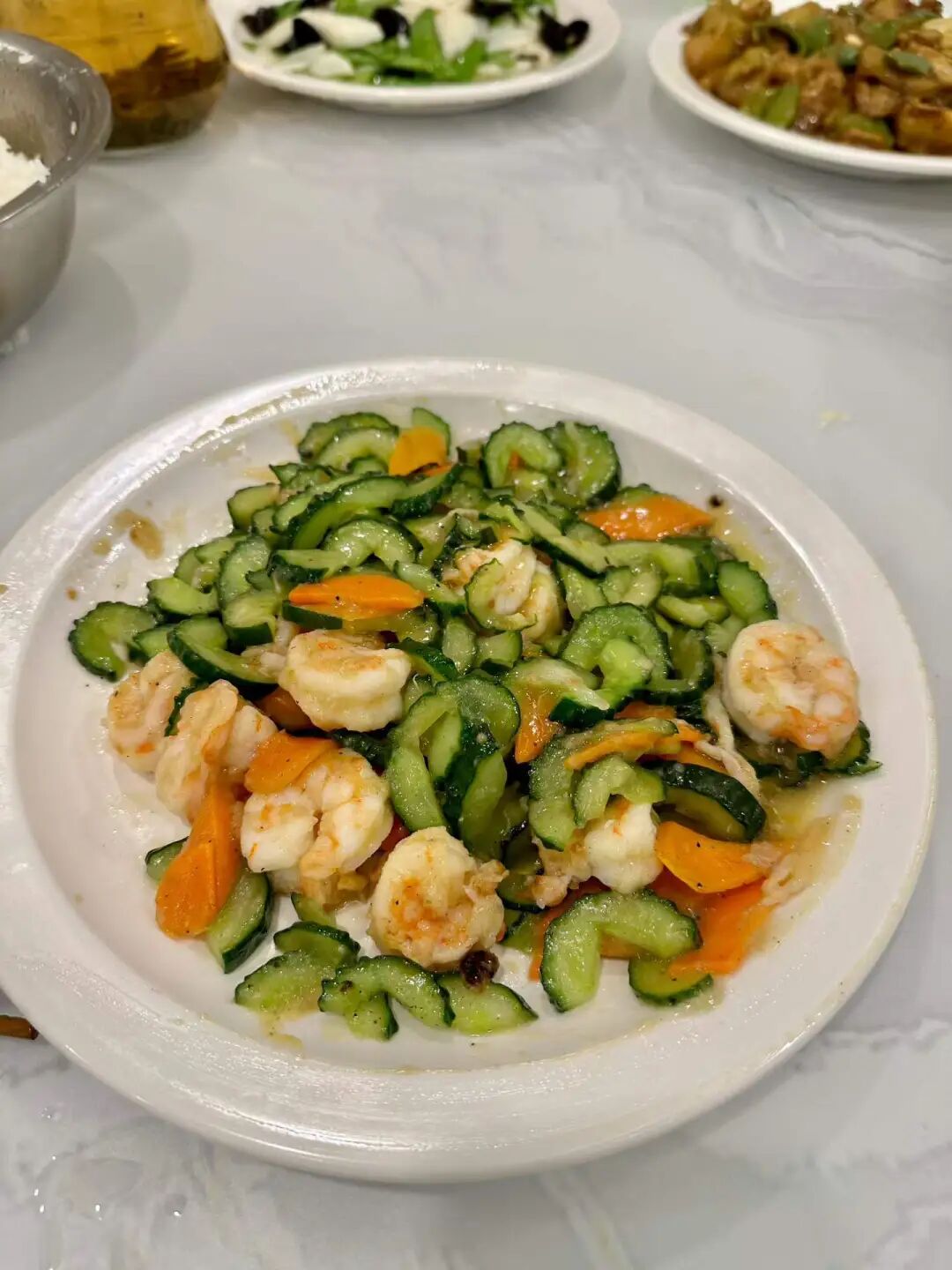
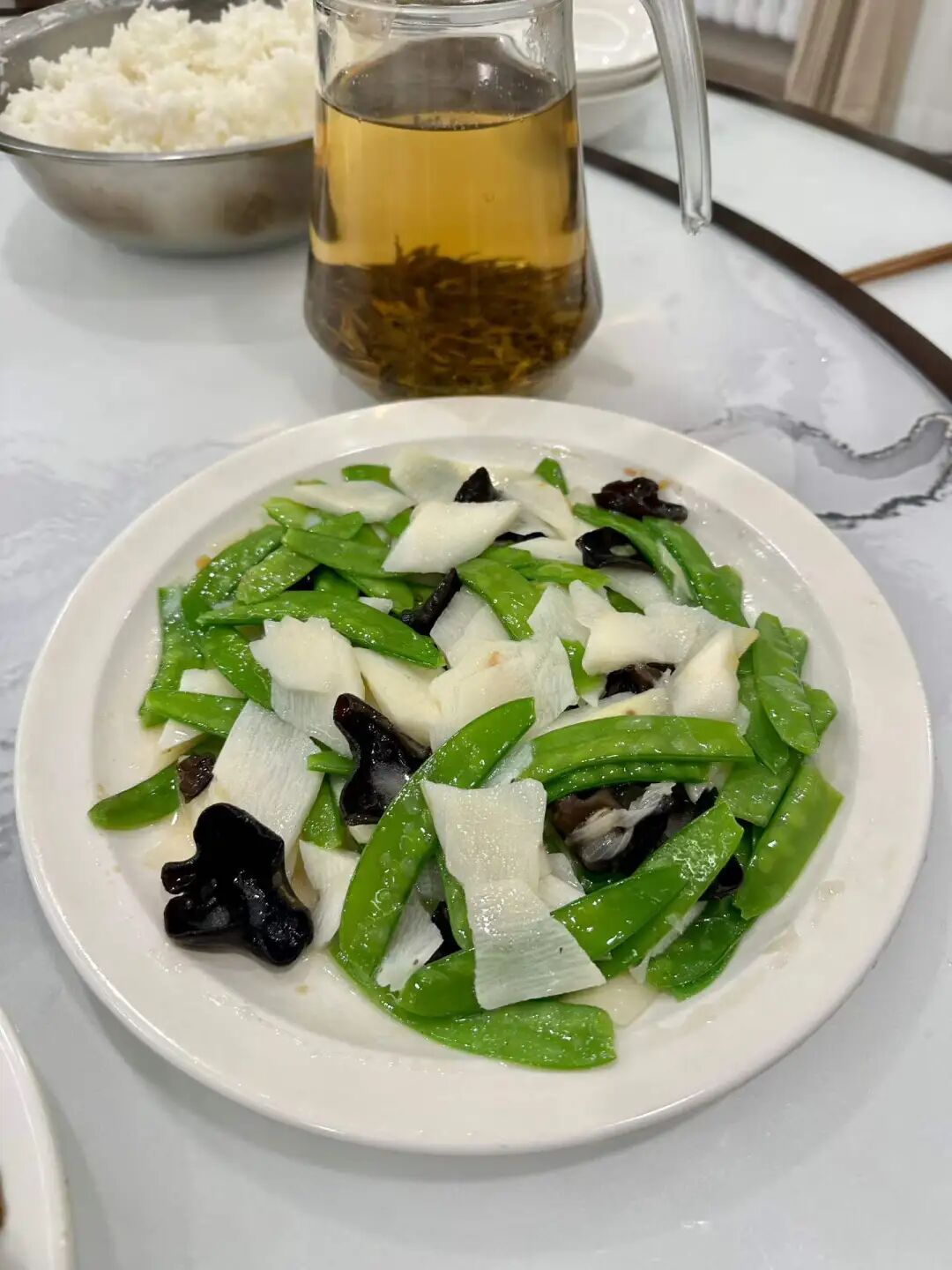
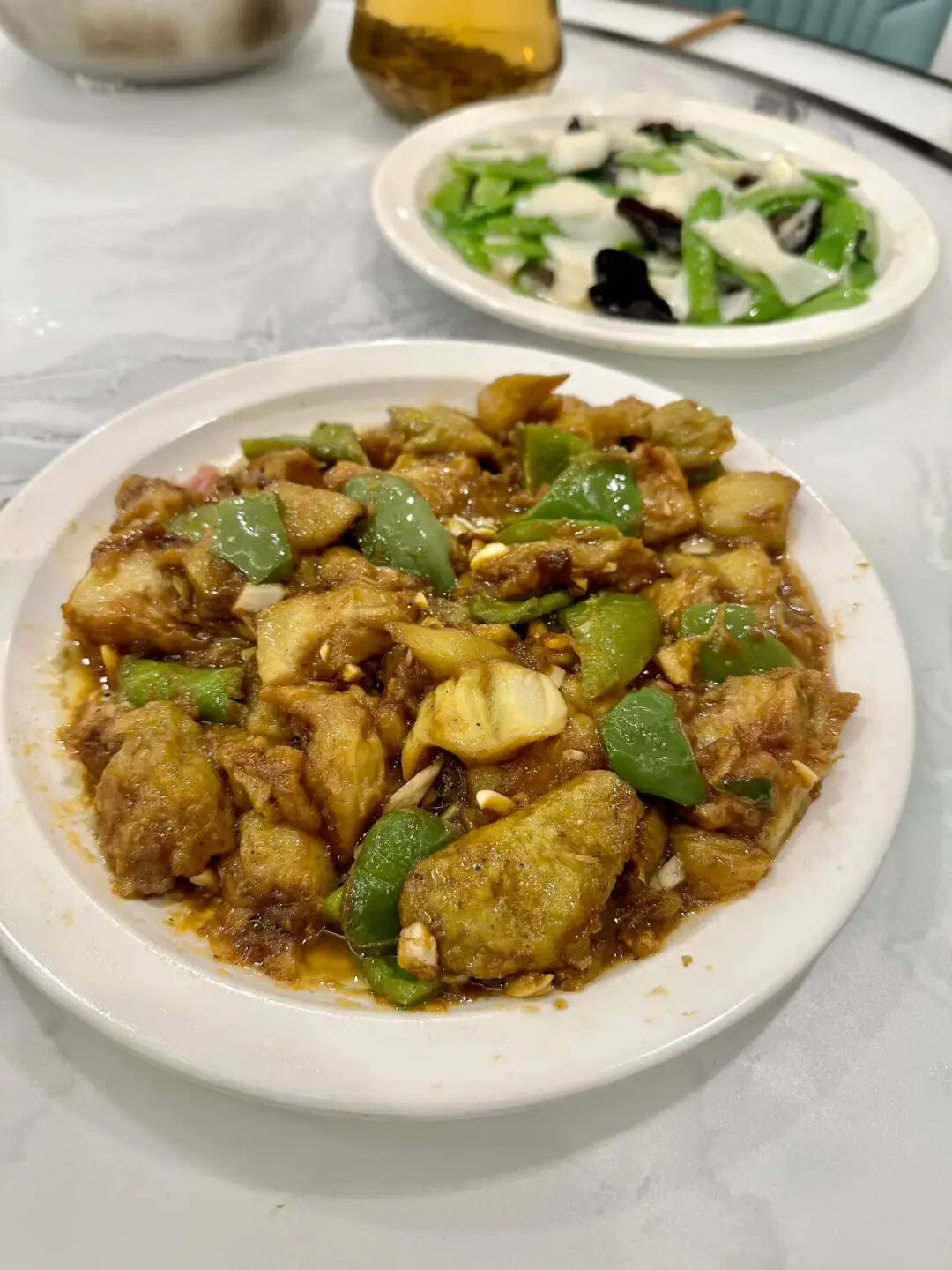
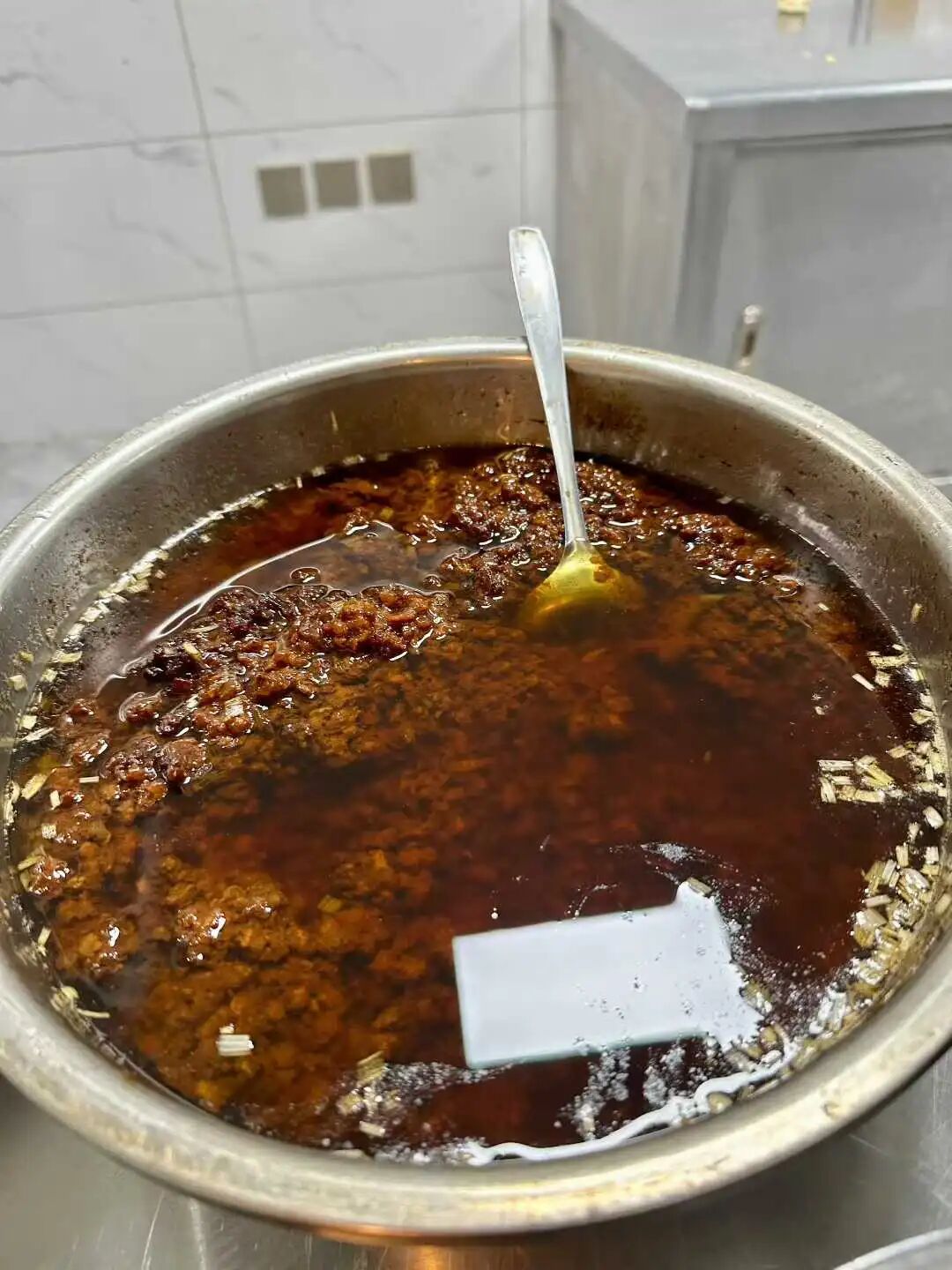
The meat sauce noodles (zhajiangmian) served for iftar at Fayuan Mosque come with seven vegetable toppings: shredded carrots, shredded cucumber, shredded cabbage, shredded radish (xinlimei), diced celery, green garlic, and bean sprouts. It is very hearty! Every Ramadan, I look forward to this bowl of noodles at the mosque.
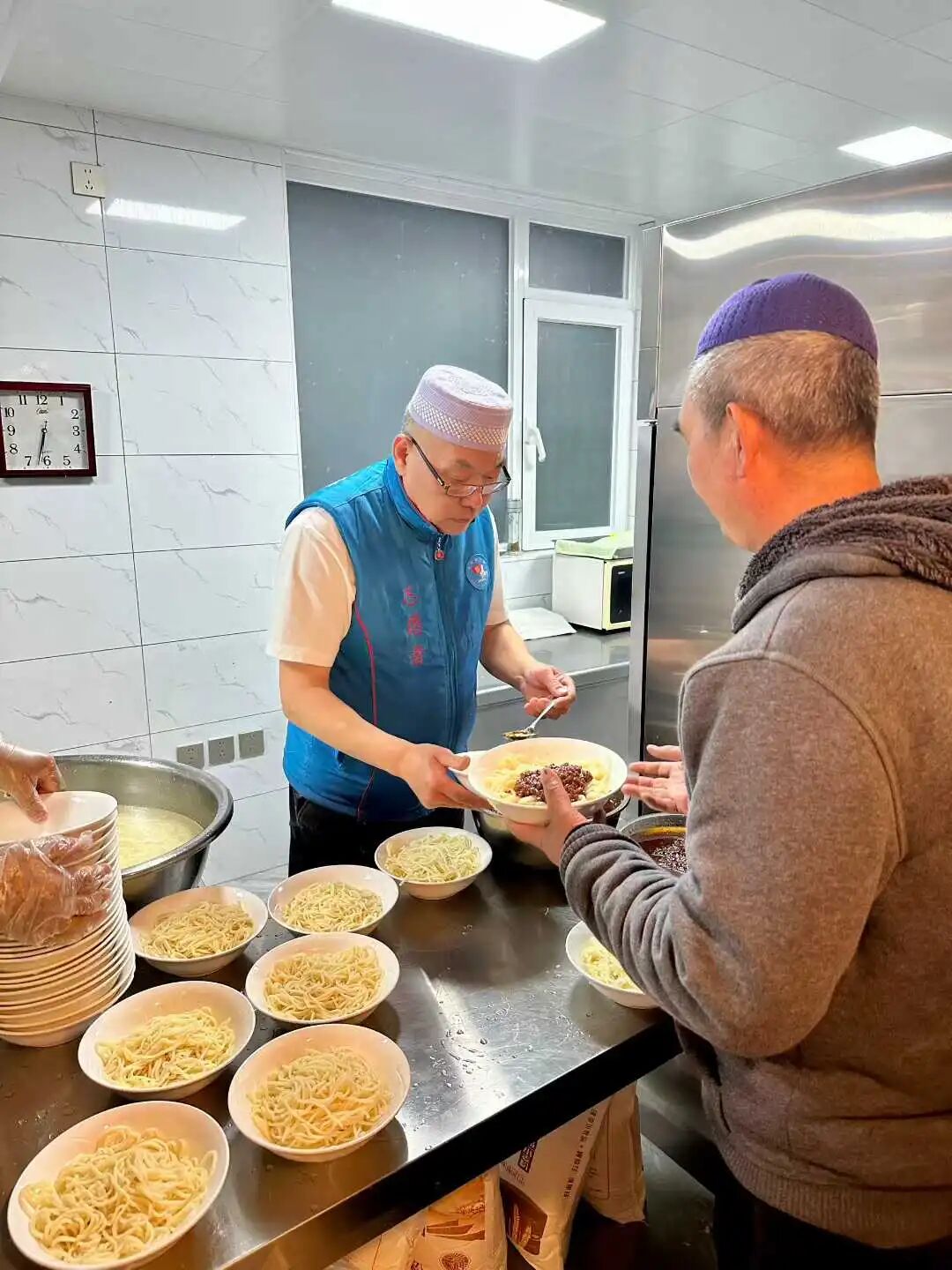
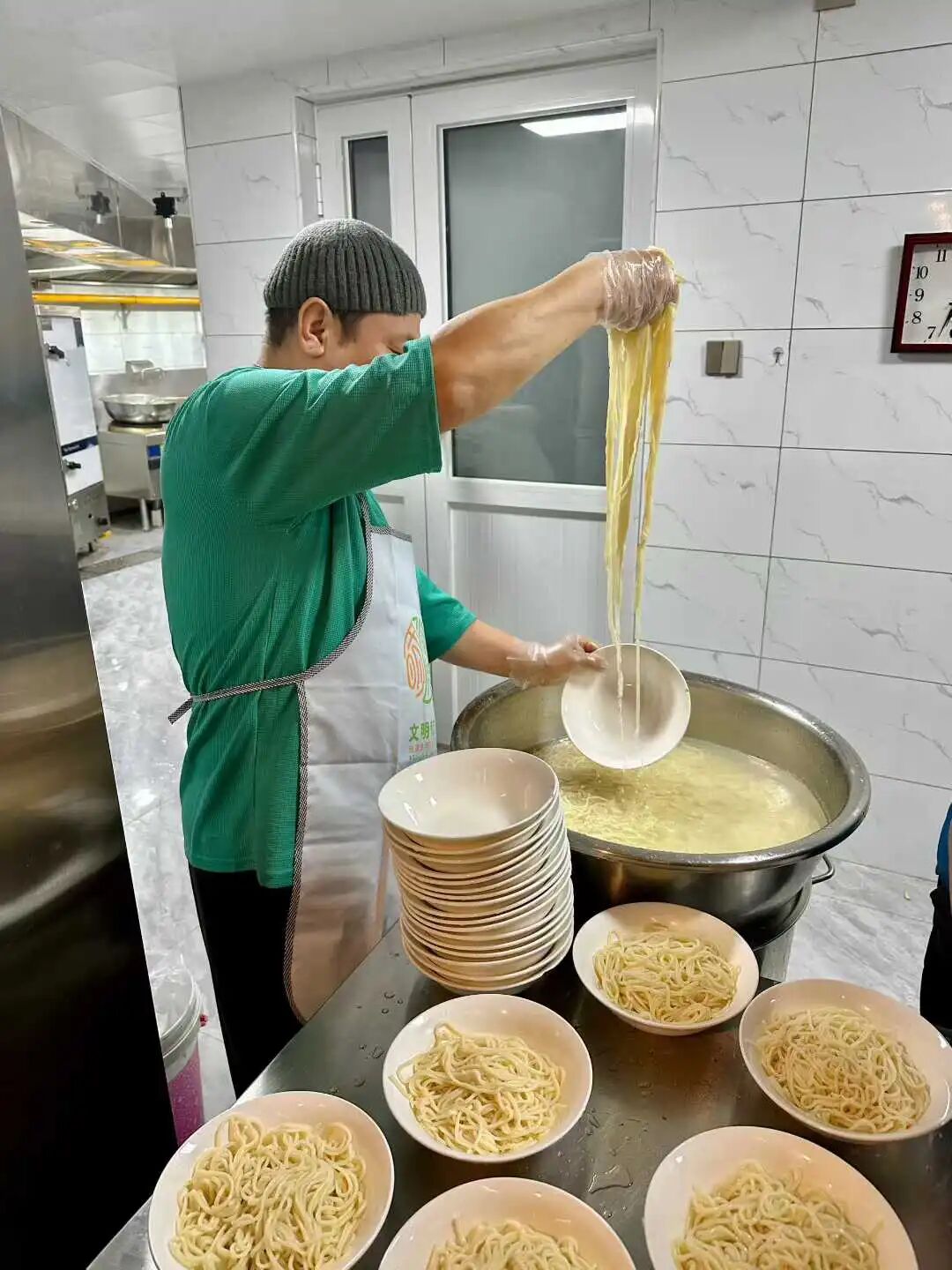
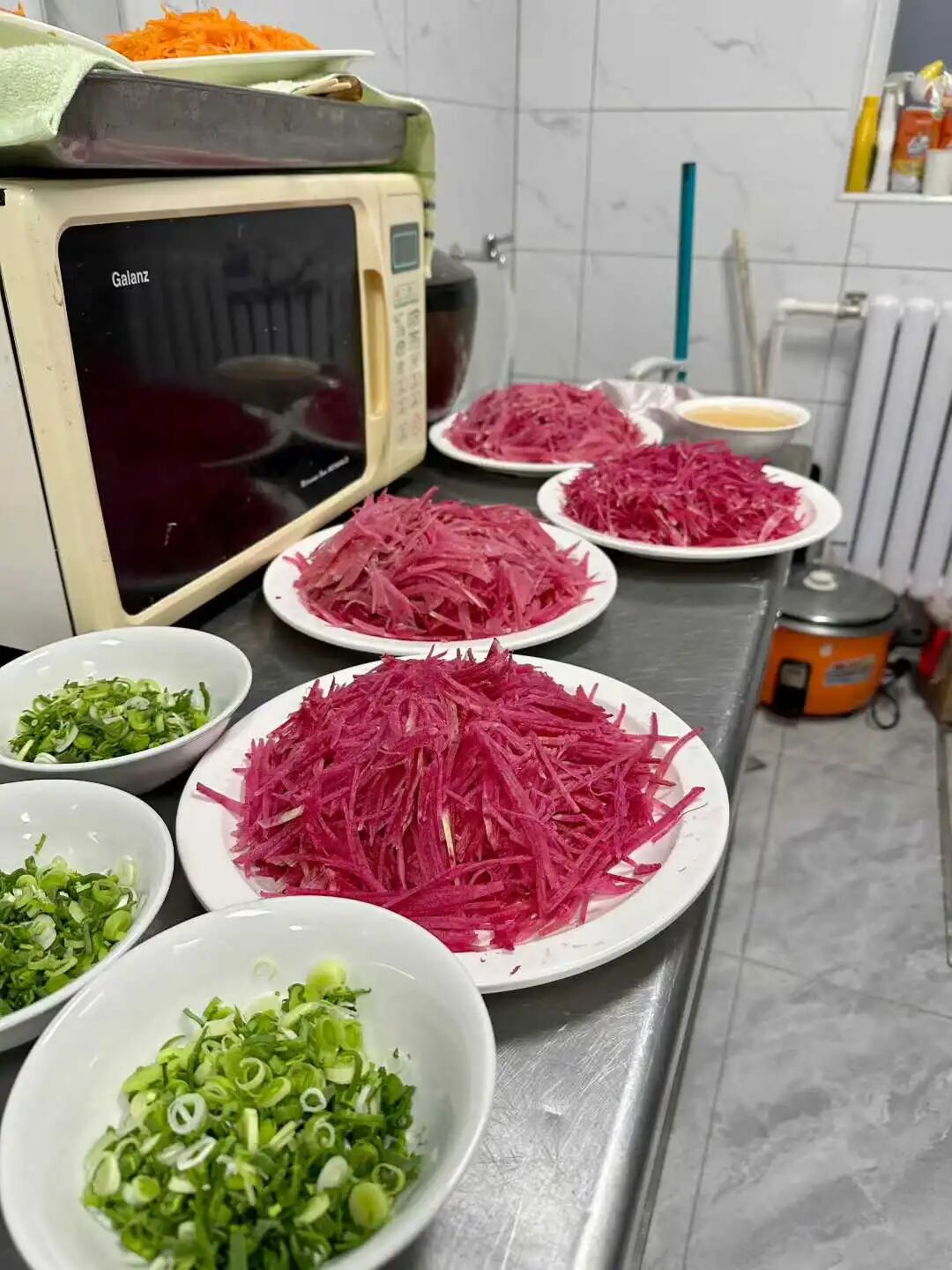
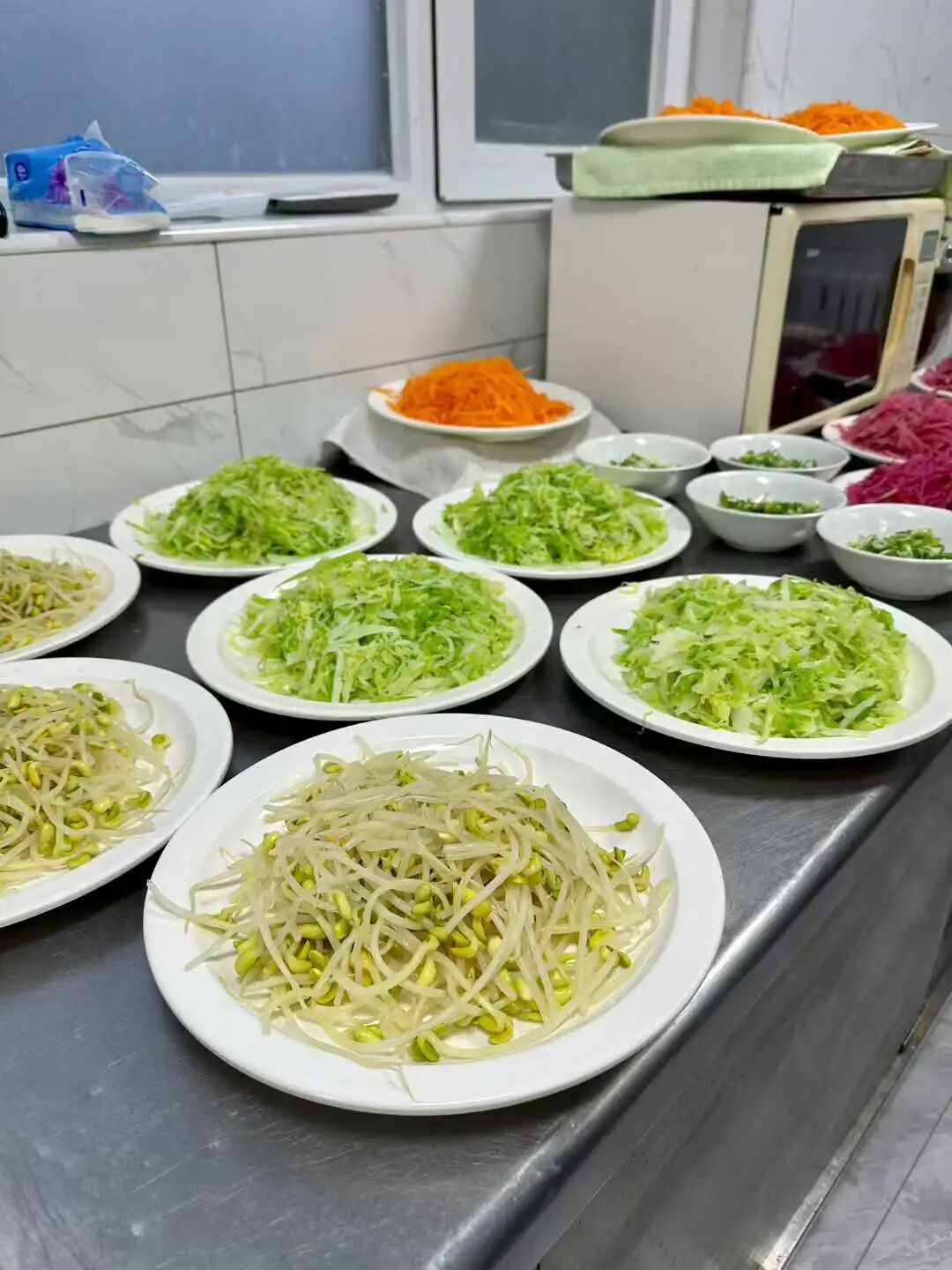
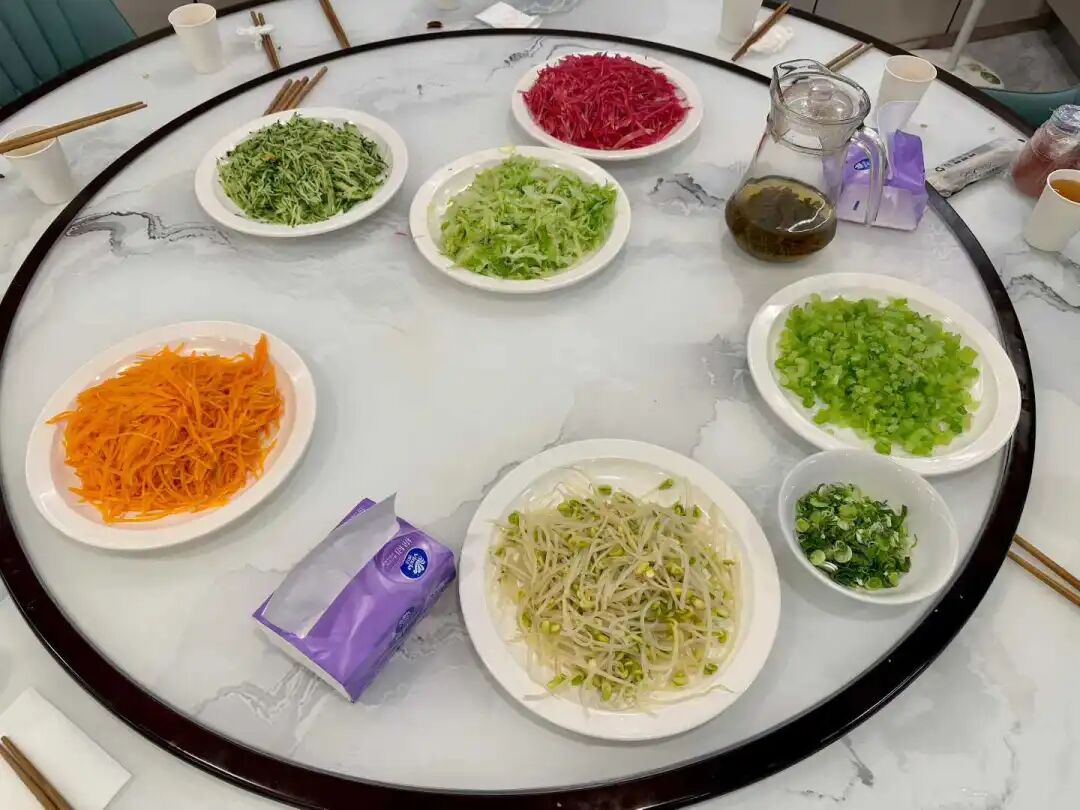
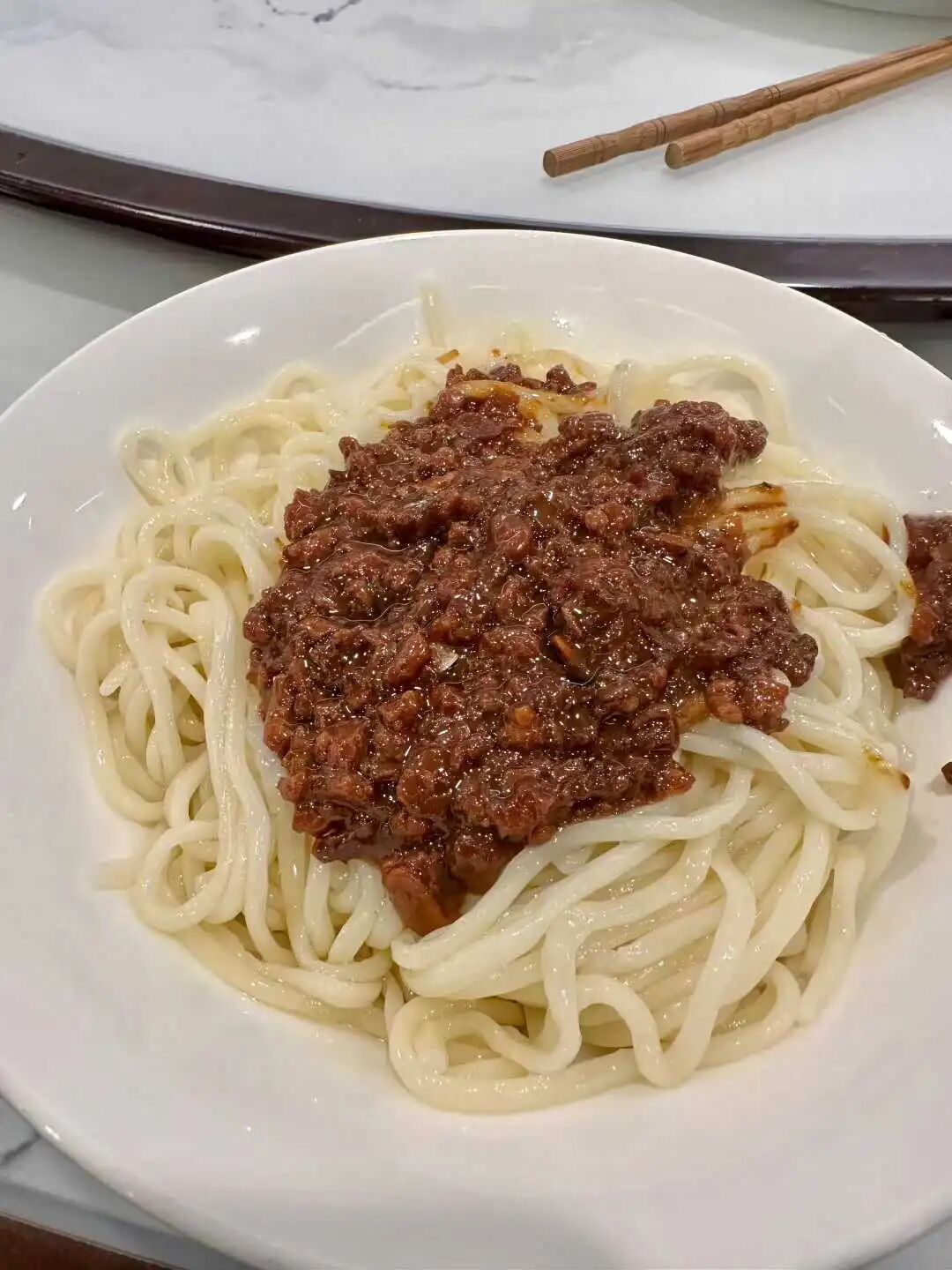
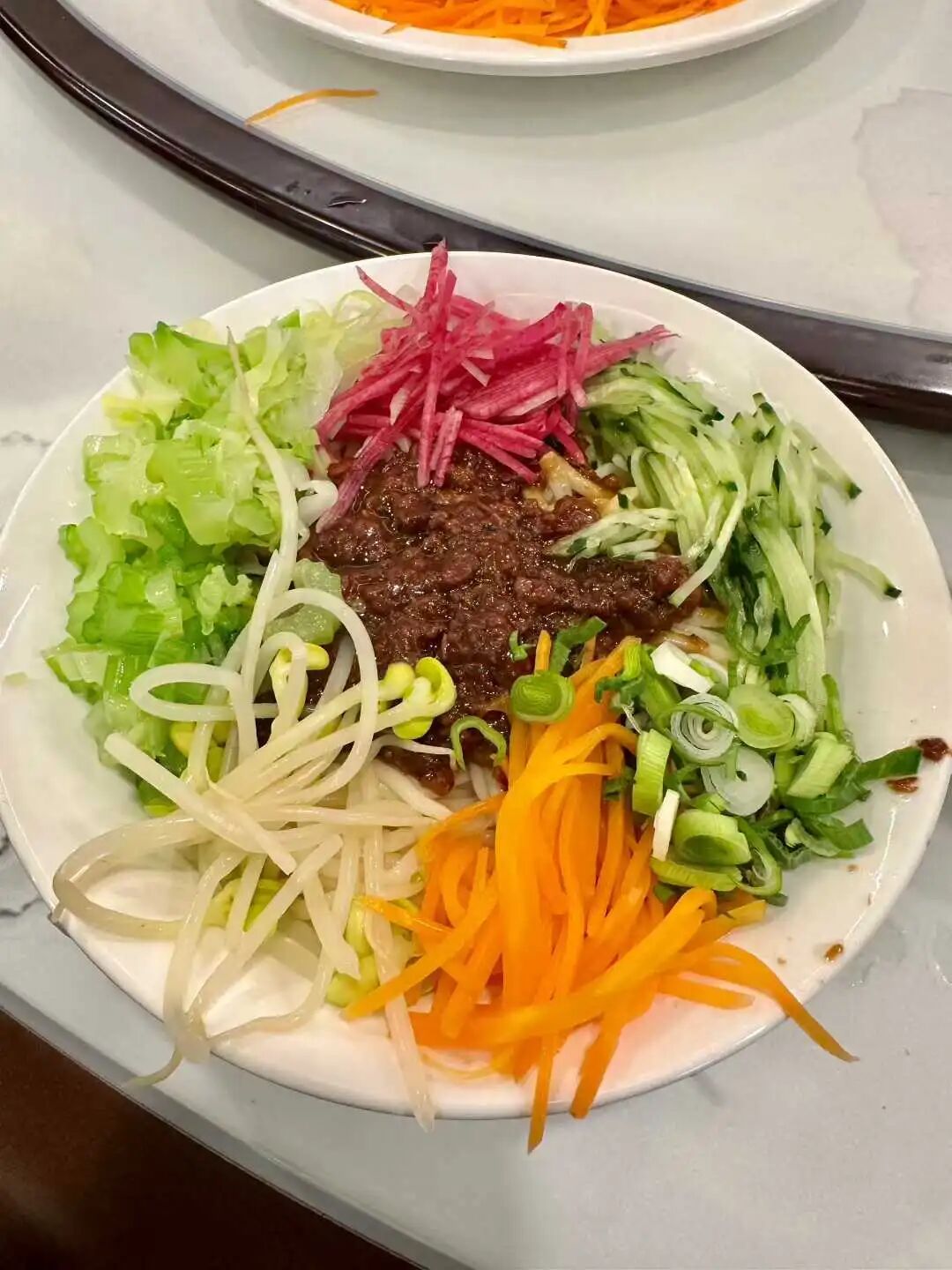
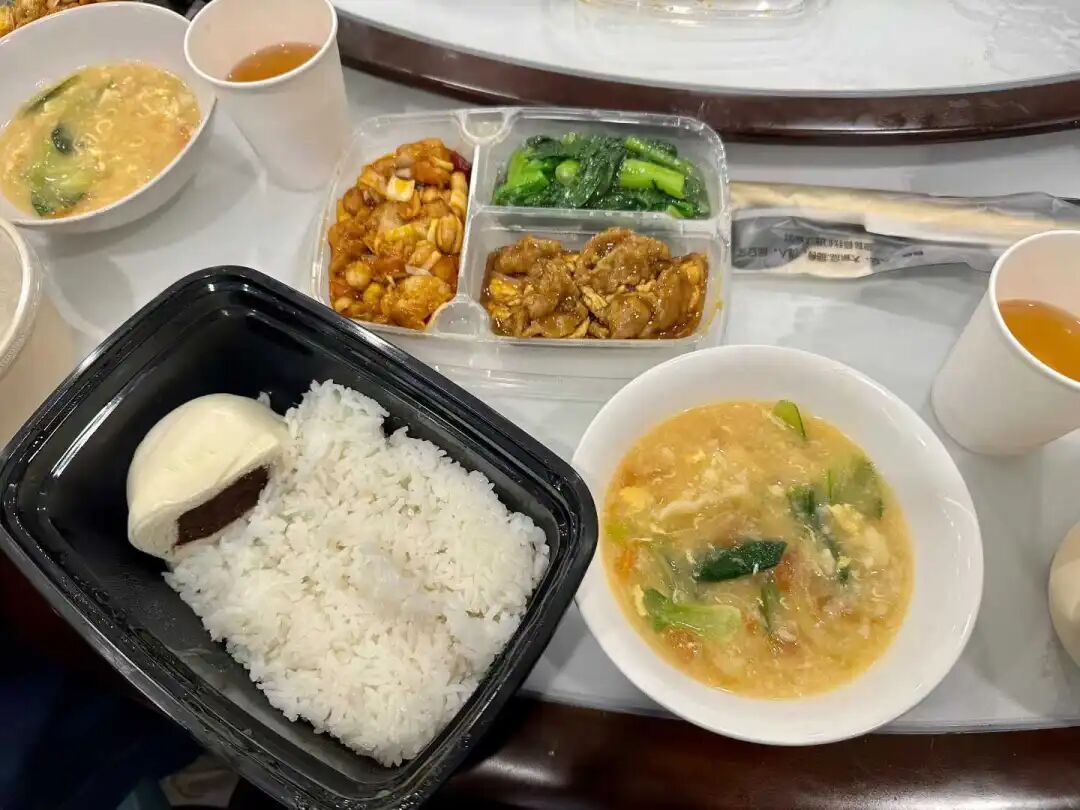
Silk Road Yilan in Niujie donated small fried dough cakes (youxiang), and Youyishun on Huangsi Street donated boxed meals of kung pao chicken and stir-fried egg with vinegar (culiu muxu). Every Ramadan, many restaurants donate iftar meals to the mosque, which is a very good deed (nietie).
Youyishun is a restaurant founded in 1948 by Ding Deshan, the founder of Donglaishun. There is a saying: 'Donglai goes west and Youyishun follows, north and south, there are only these two.' The original location of Youyishun was at the Xidan intersection. It combined the quick-frying, roasting, and hot-pot styles of Donglaishun with the delicate stir-fries of Xilaishun, bringing the strengths of both together into its own unique style. In the 1950s, Youyishun opened a branch in the Xidan shopping center. Business was booming, and it became an important place for hosting foreign guests. When U. S. President Nixon visited China in 1972, he dined at the restaurant. After Chang'an Avenue was renovated in 1999, Youyishun moved to its current location on Huangsi Street, specializing in traditional famous dishes like stir-fried egg with vinegar (culiu muxu), honey-glazed lamb (tashimi), and deep-fried lamb tails.
Dongzhimenwai Mosque.
Dongzhimenwai Mosque was originally called Erlizhuang Mosque. It was first built in the Yuan Dynasty and renovated during the Kangxi reign of the Qing Dynasty. In the late 1980s, Shougang and a Danish company built international apartments in Erlizhuang, so the mosque was moved one kilometer northwest and rebuilt. It was finished in 1991 and reopened in 1993.
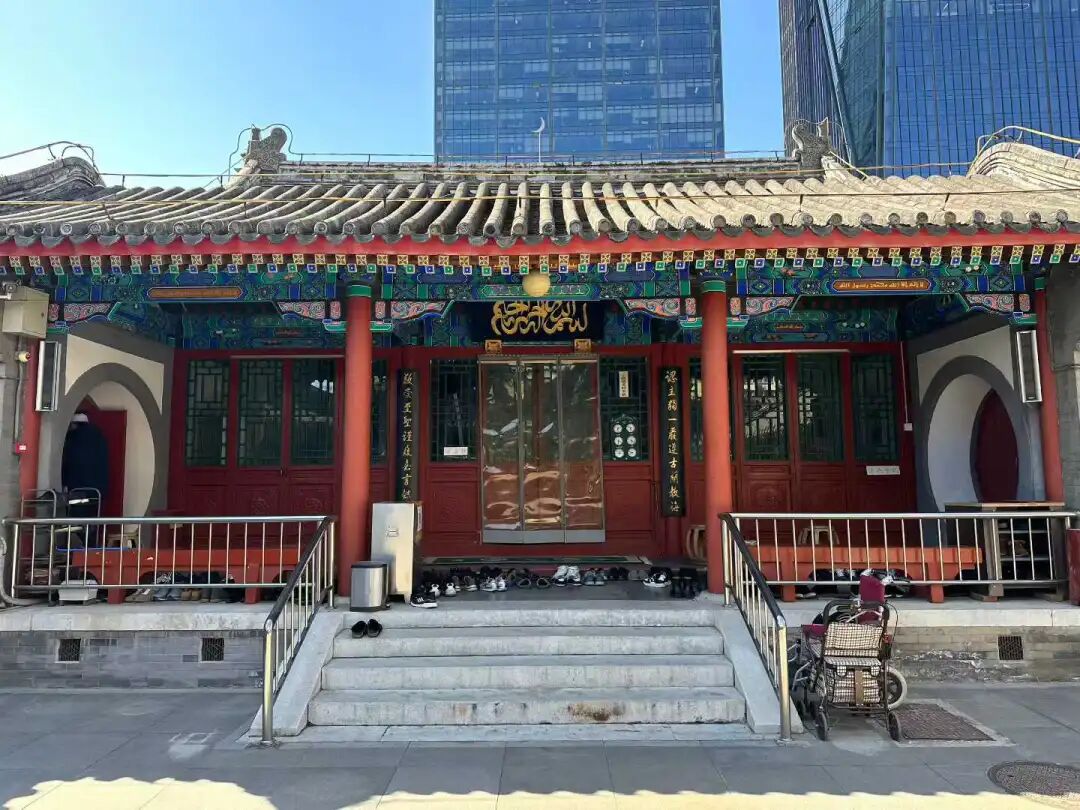
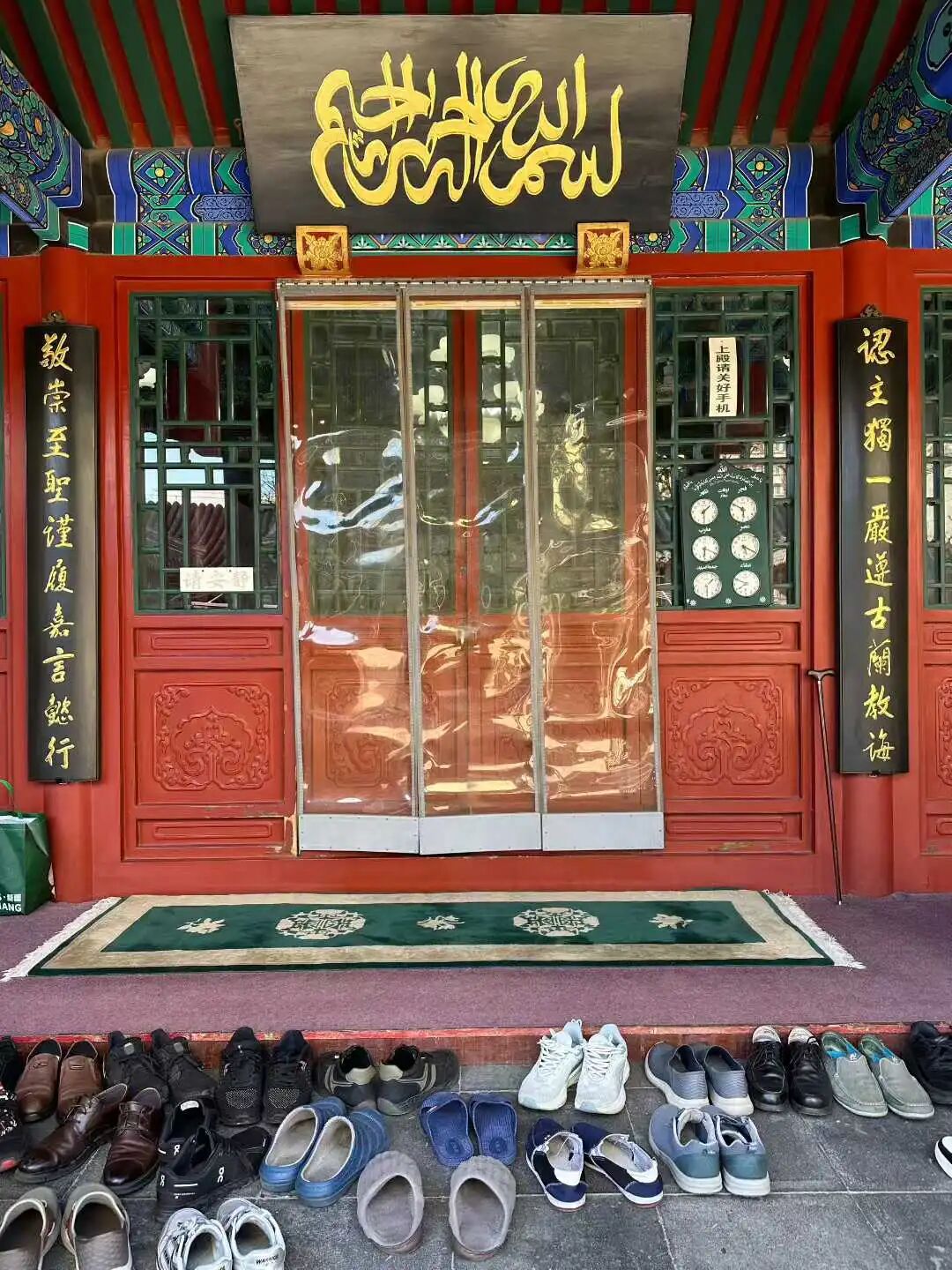
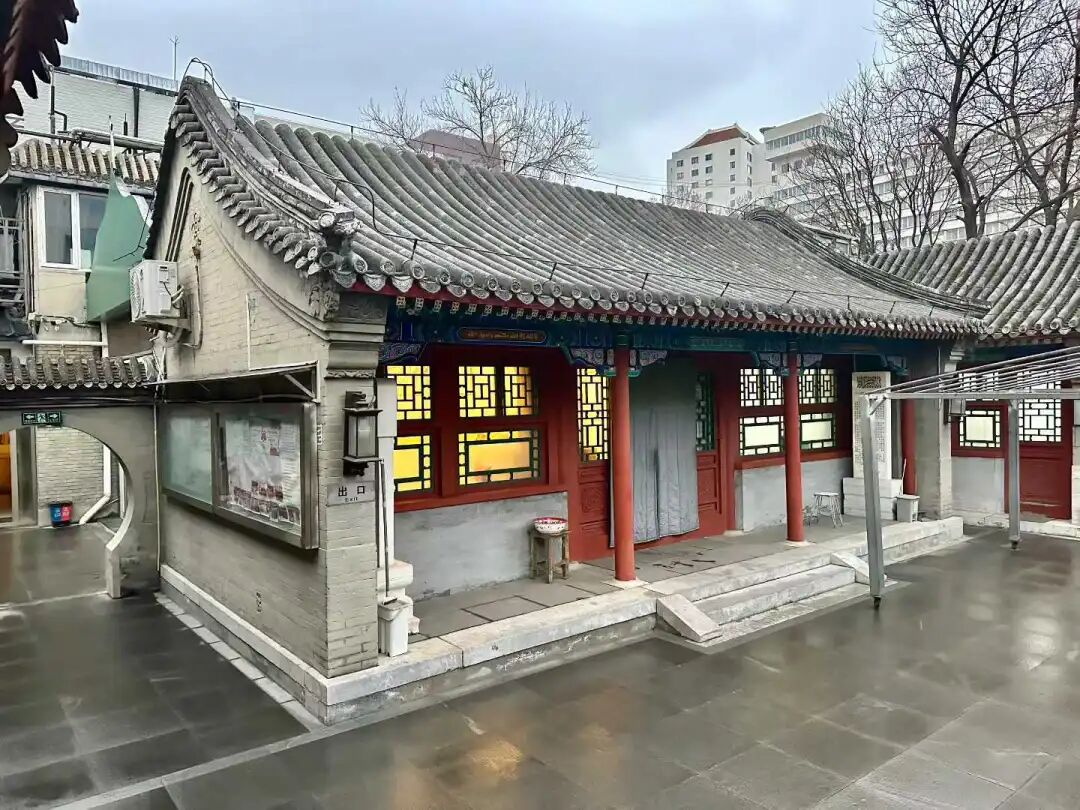
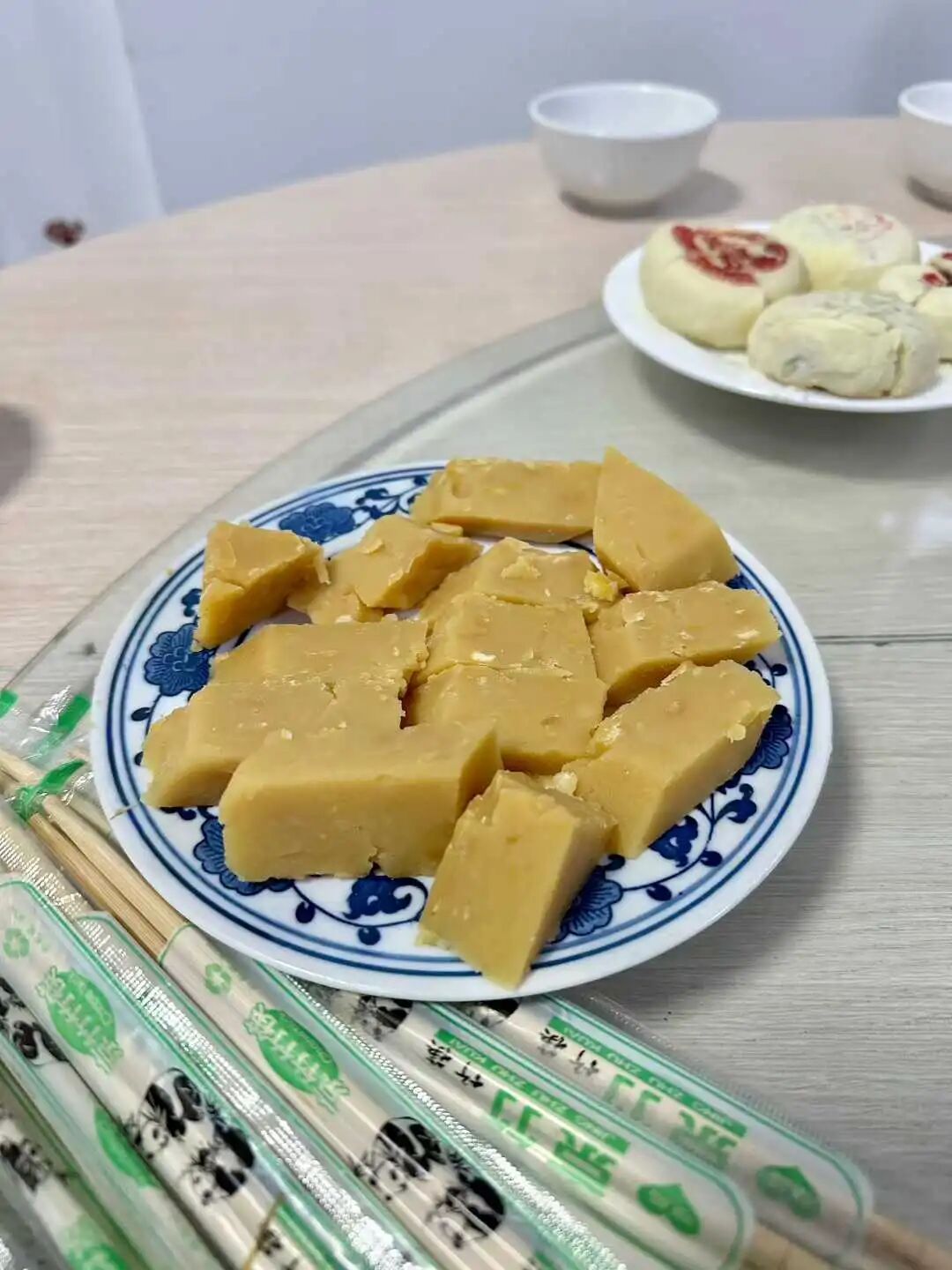
I broke my fast at the mosque outside Dongzhimen. The snacks available after the prayer included pea flour cake (wandouhuang), candied yam rolls (tangjuanguo), and steamed rice cakes (aiwowo), all made by the mosque. After the prayer, there was a mix of meat and vegetable dishes, including stir-stir-fried meat with wood ear mushrooms and eggs (mushurou), yam with wood ear mushrooms, braised eggplant, braised fish chunks, and roast chicken. They also boiled sweet rice balls (yuanxiao) for the occasion. Although there are not many people at the mosque outside Dongzhimen every year, the atmosphere during Ramadan is very good.
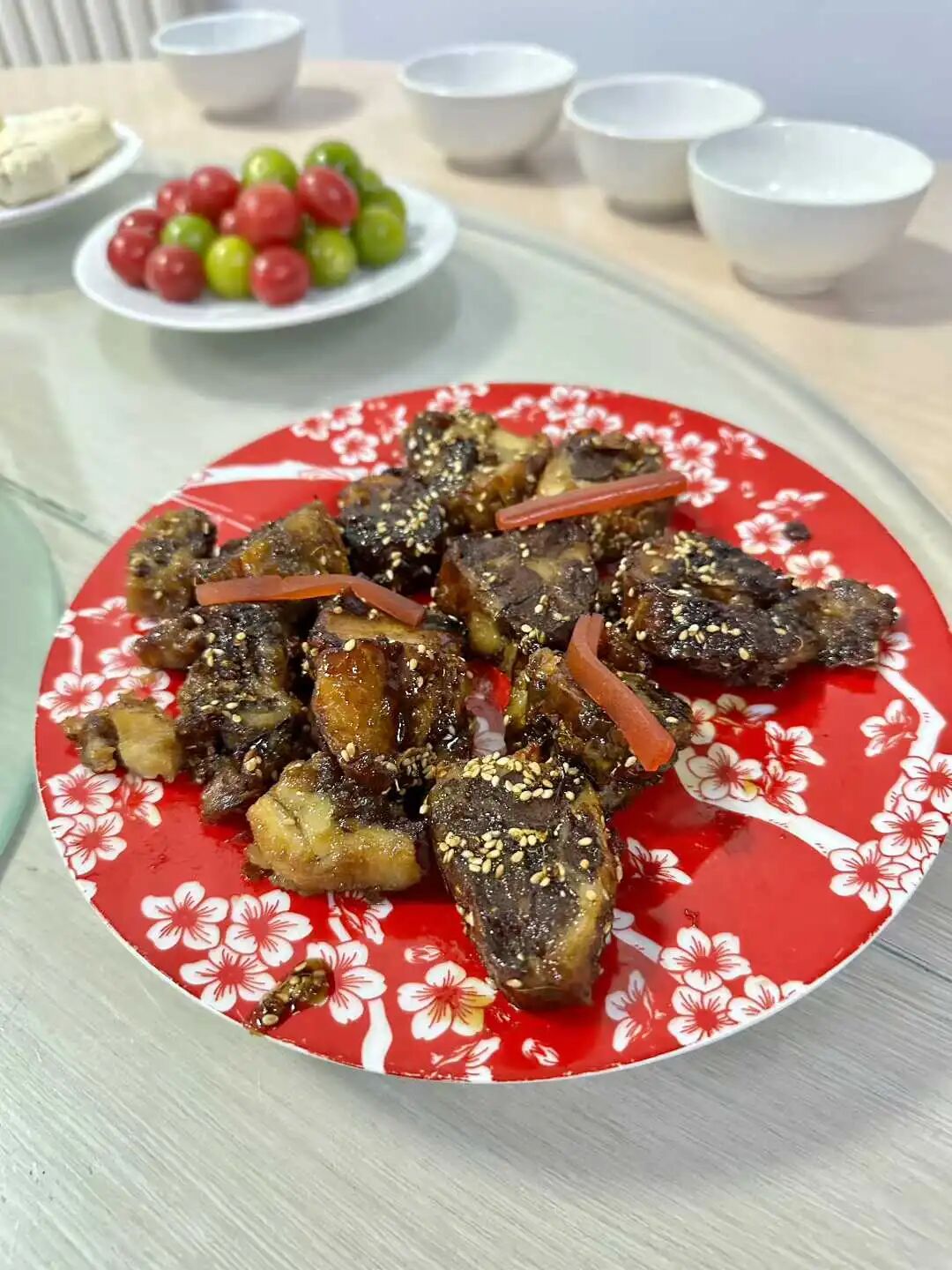
Silk Road Legend (Silu Chuanqi) served baked buns (kaobaozi) with millet porridge and various cold dishes. These baked buns were actually invented by Gansu friends (dost), so they are different from Uyghur baked buns, but they still taste good.
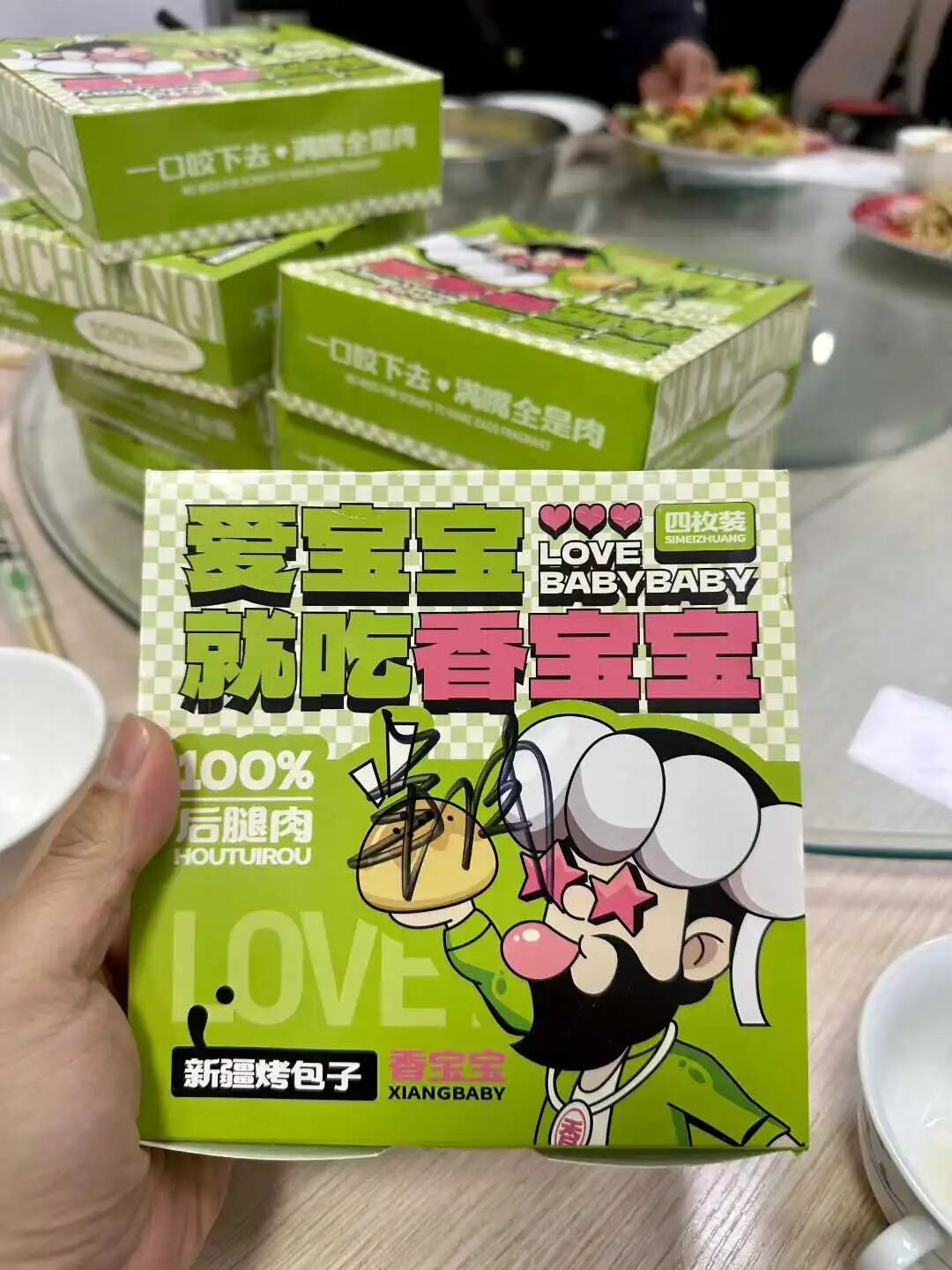
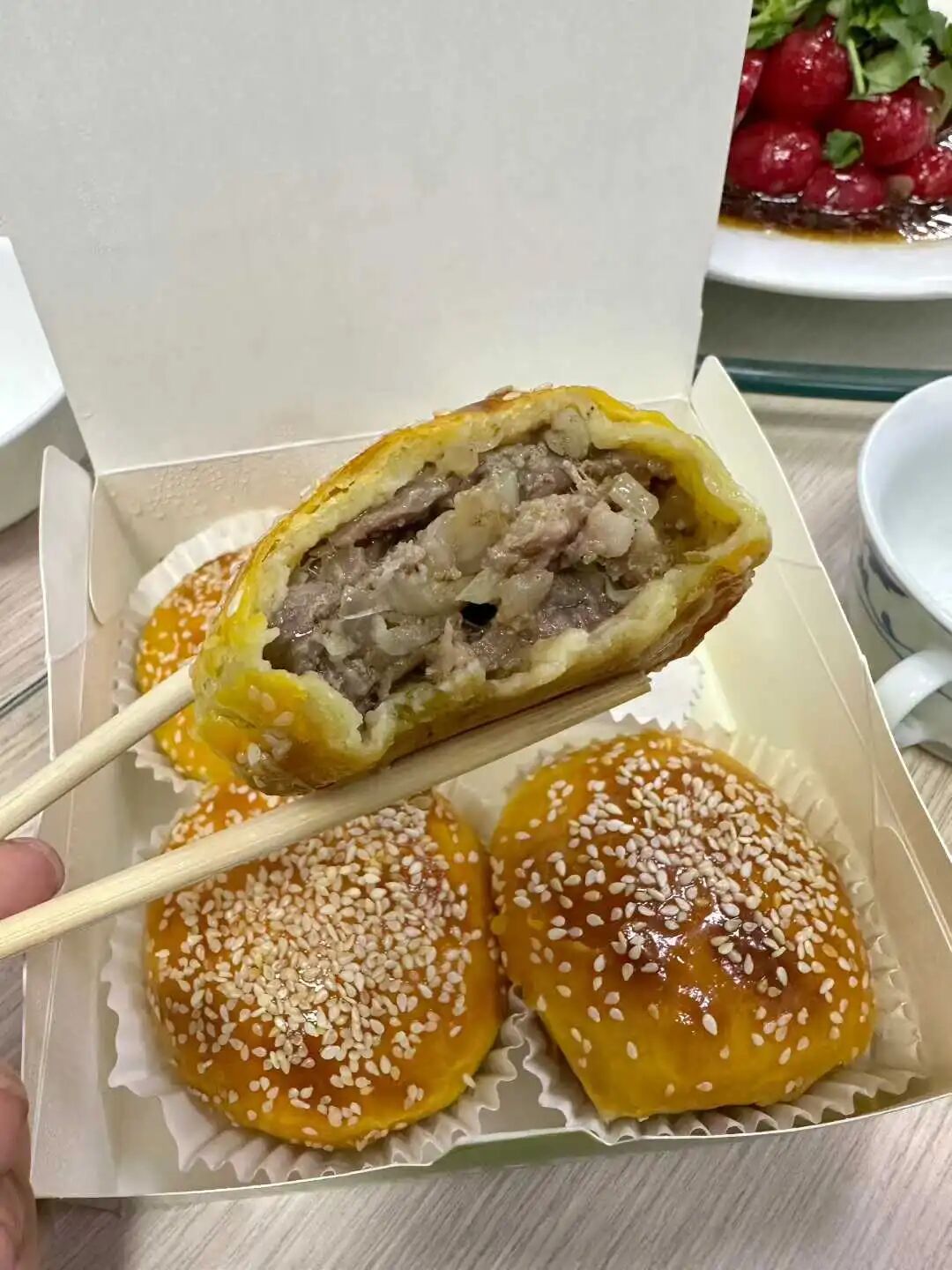
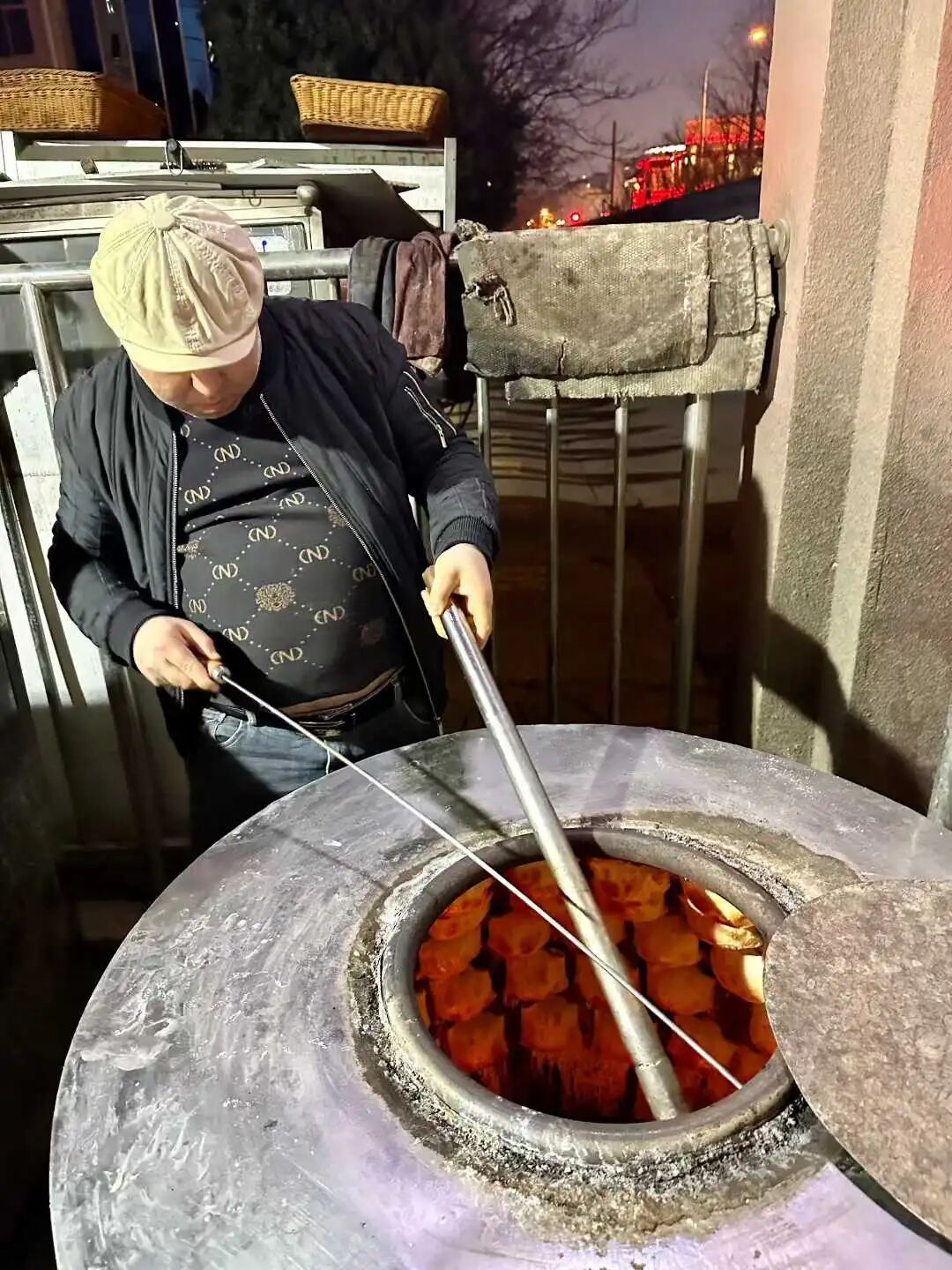
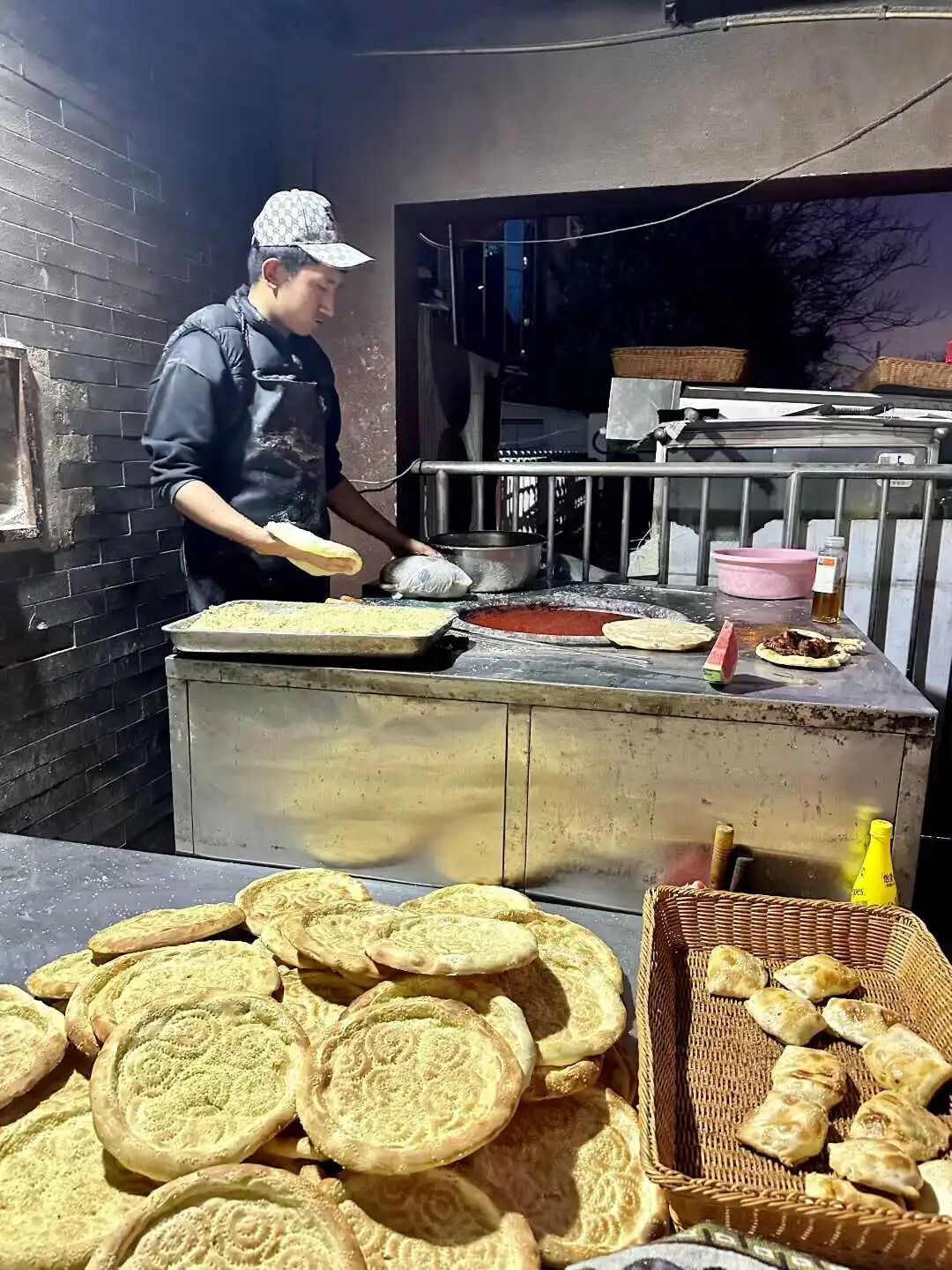
At the naan shop by the gate of the mosque outside Dongzhimen, I finished my fast-breaking meal at 6:40, just as the naan and baked buns were coming out of the oven. The skin of the baked bun is very thin but a bit chewy, and there is plenty of meat inside, making it perfect for the pre-dawn meal (suhoor) the next day.
Zhengyuan Mosque
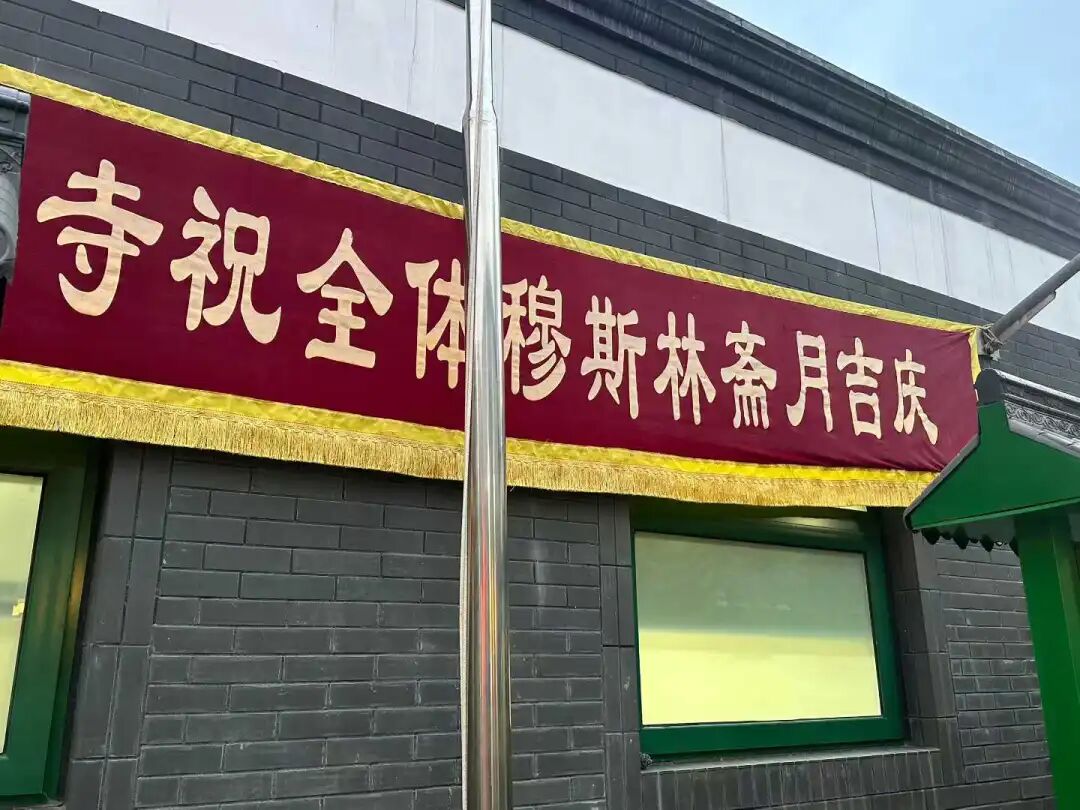
The predecessor of Zhengyuan Mosque was the Beigouyan Mosque inside Xizhimen, which was first built during the Daoguang era. After 1946, Beigouyan was renamed Zhaodengyu Road, so it was also called Zhaodengyu Road Mosque. In 1997, it was demolished and rebuilt at its current location, and renamed Zhengyuan Mosque.
Zhengyuan Mosque is very low-key, and this year was my first time going there to break my fast. I ate steamed buns (baozi) and sesame flatbread (shaobing) with lamb offal soup (yangza) at the mosque, and also had fried toon sprouts and fried meatballs. The mosque said not to post photos of the fast-breaking meal, so I will not post them here.
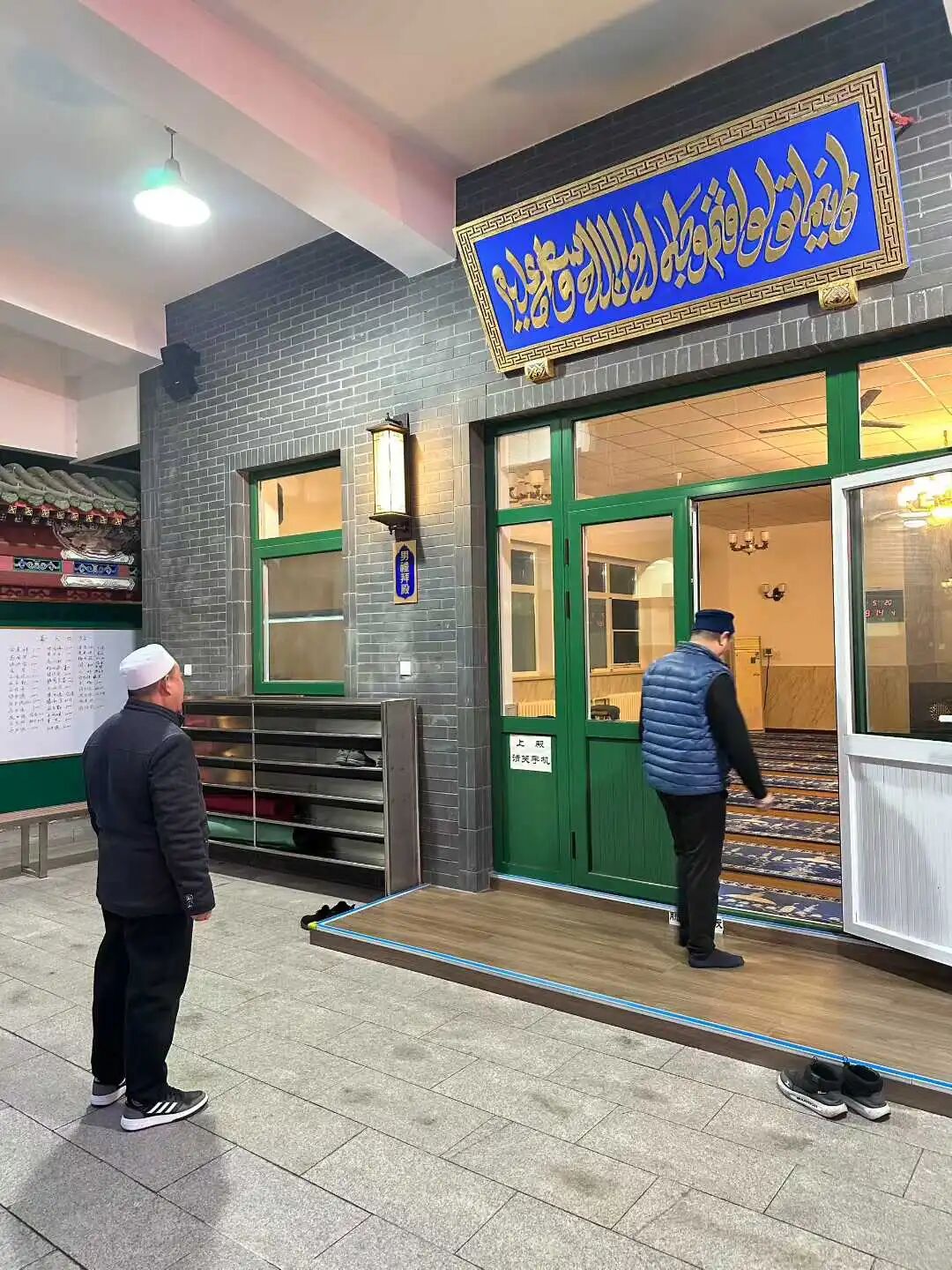
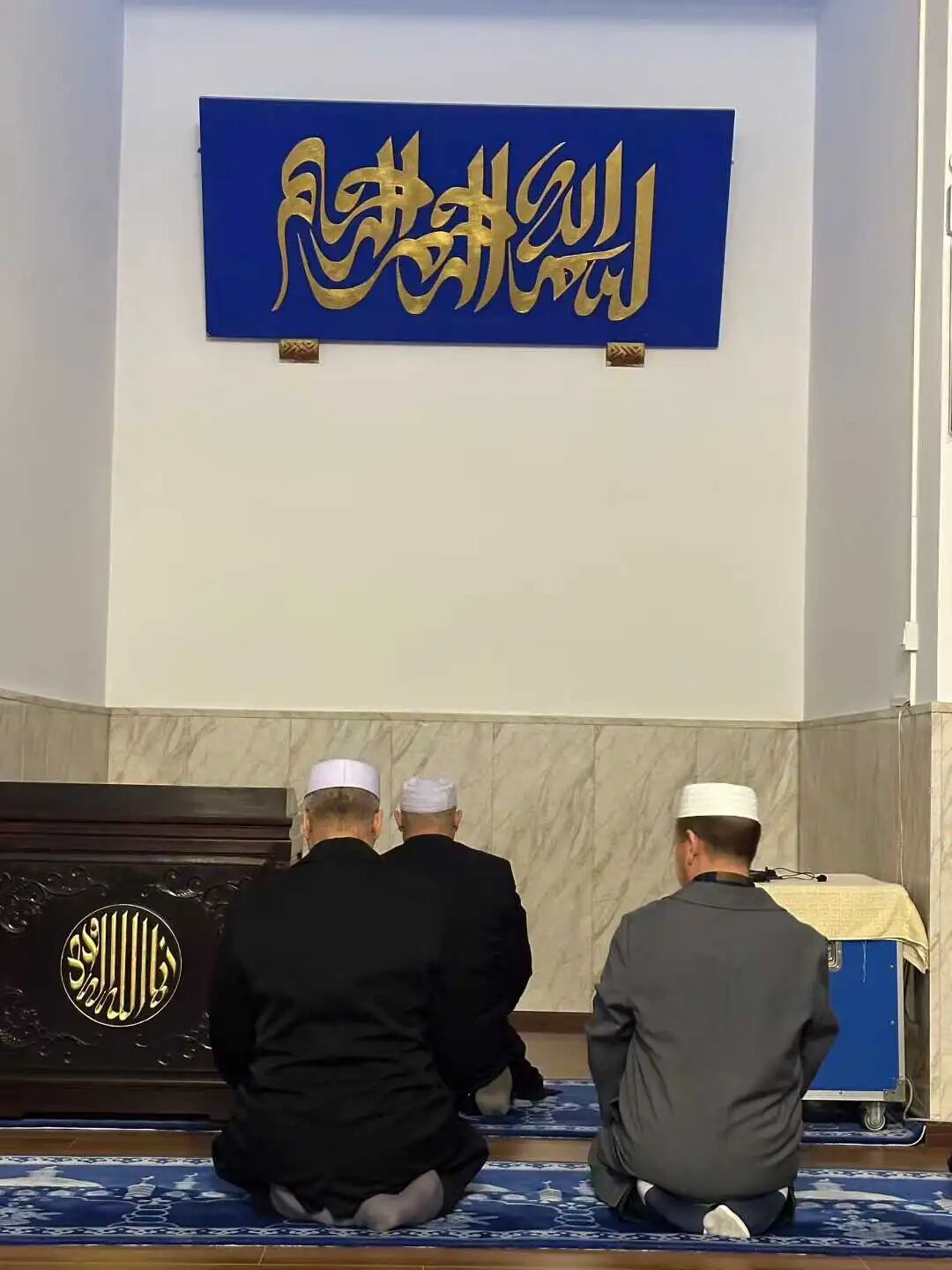
Sudanese Embassy
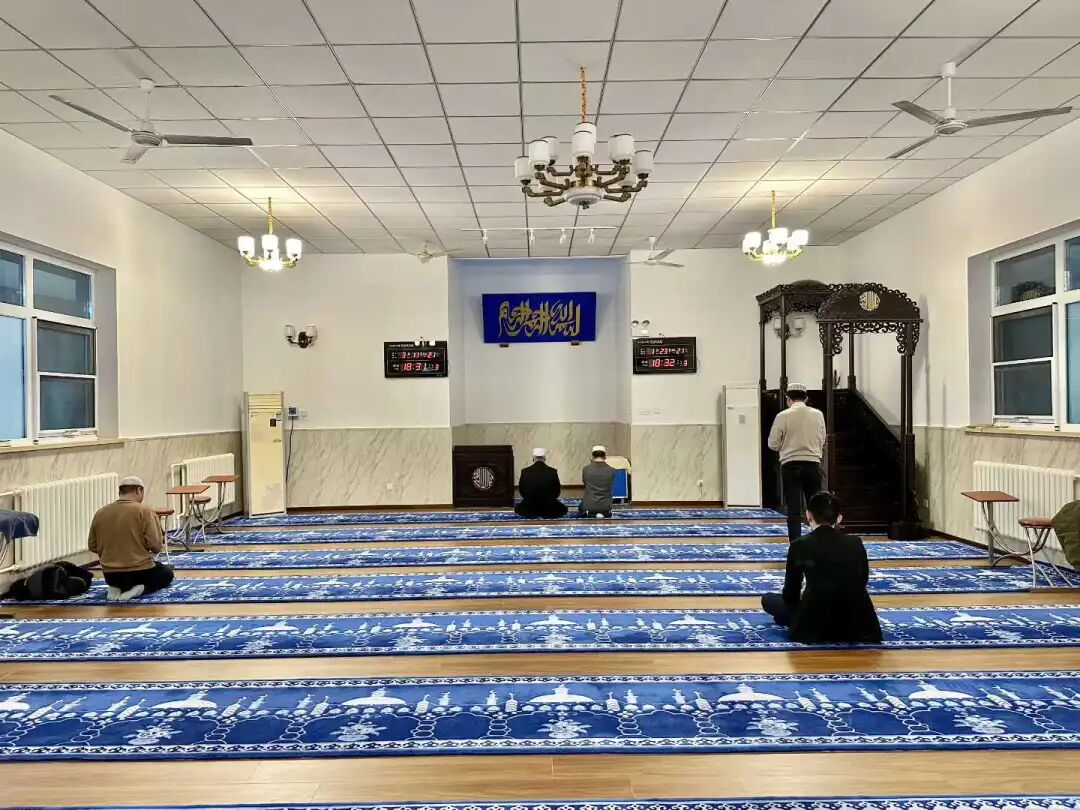
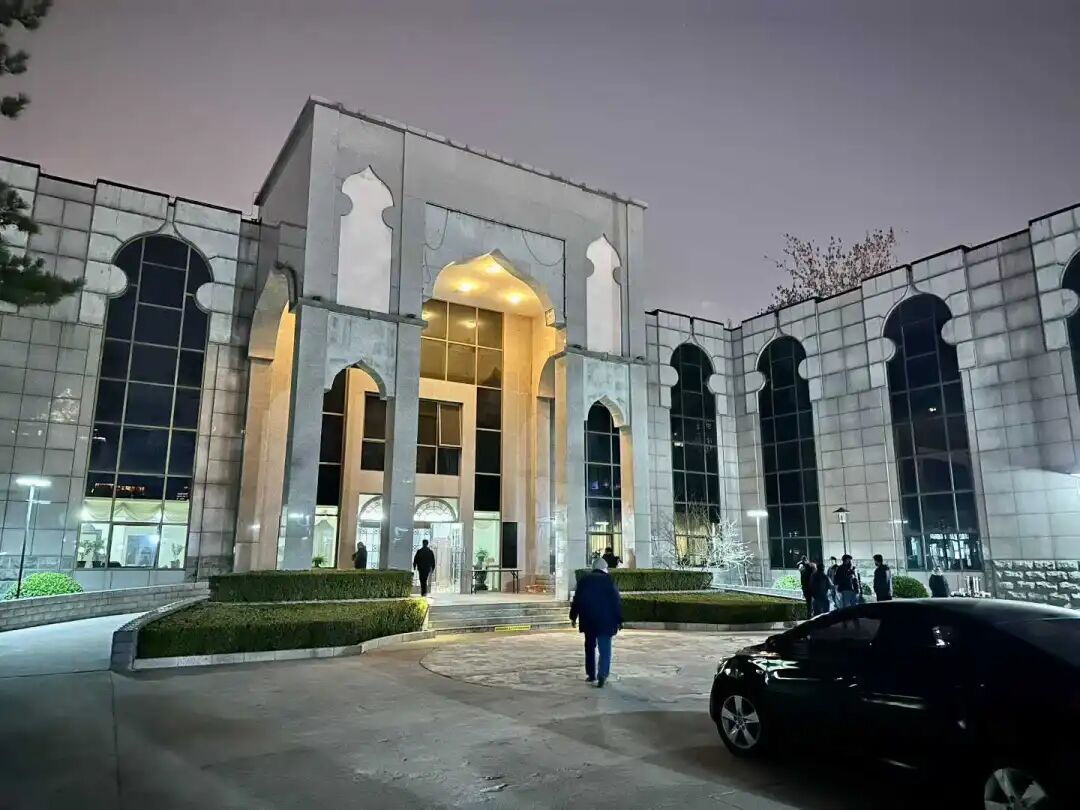
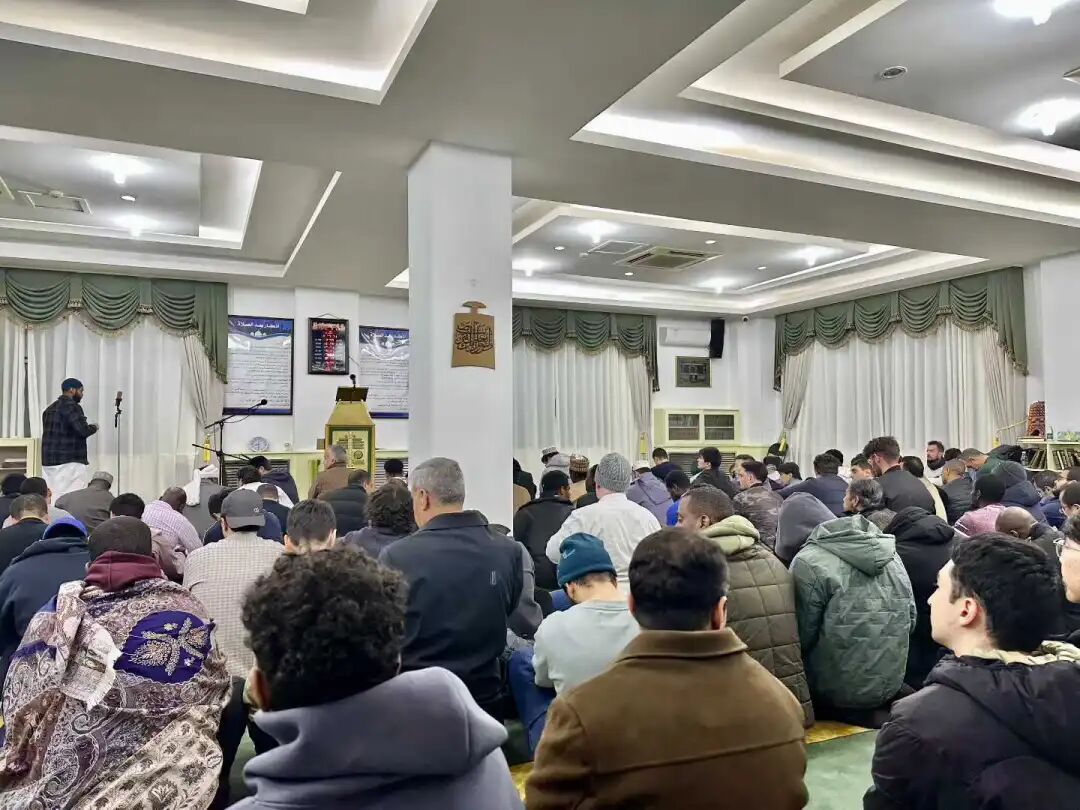
For the past few years, I have gone to the Sudanese Embassy every Ramadan to pray Taraweeh. The atmosphere is great, and the whole family can go together.
During the last ten days, it starts at 8:30 and lasts for over an hour. Taraweeh consists of eight rak'ahs, with a sermon (wa'z) after every four. The Witr dua is two rak'ahs followed by one, and during the third rak'ah, we raise our hands for a long dua. In the embassy courtyard, you can brew your own mint black tea and coffee, and after the prayer, there were chickpeas distributed by friends (dost).
Sudan follows the Maliki school of thought, which most of North and West Africa belongs to, and it has many differences from the Hanafi school in China. I think it is a rare opportunity to come here every year to experience a different religious cultural atmosphere.
In the 15th and 16th centuries, Sufi sages began to spread the faith along the upper Nile River toward the Sudan region. In the early 16th century, the Funj Sultanate ruling Sudan had nominally converted to the faith, but it still kept traditions of witchcraft and ritual sacrifice. The Funj Sultanate changed dynasties in 1718, which started a push for a more orthodox faith and the beginning of Arabization. By the 19th century, Sudan had become a region that followed orthodox Sunni Islam and began using Arabic as its common language. Today, the vast majority of Sudanese people follow the Maliki school of Sunni Islam and are deeply influenced by Sufism.
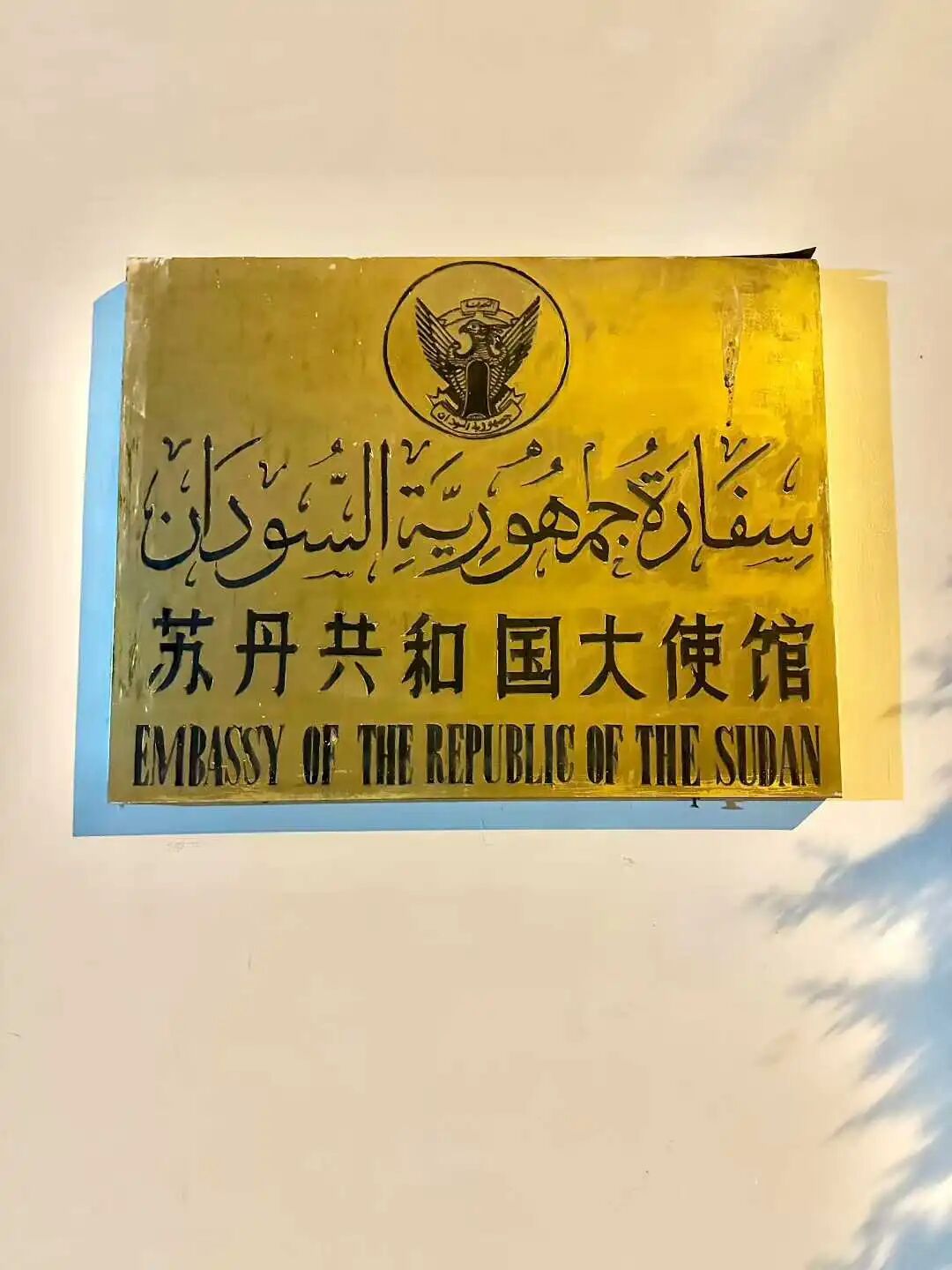
Houheyan Mosque
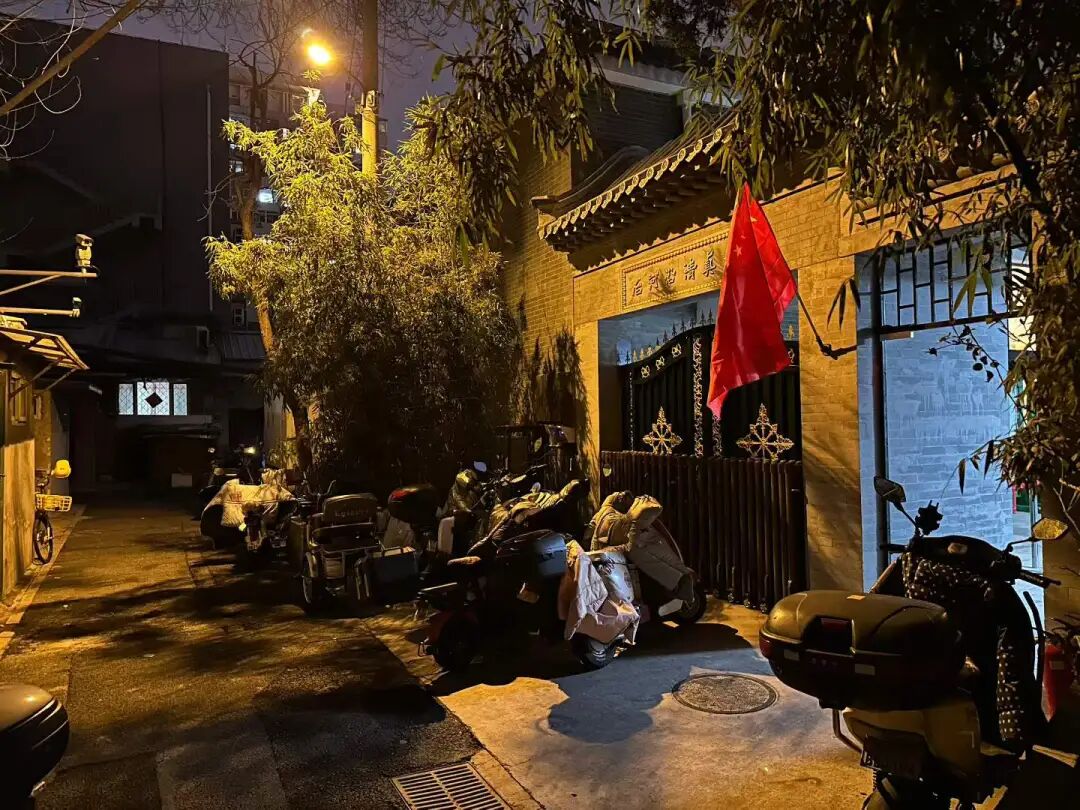
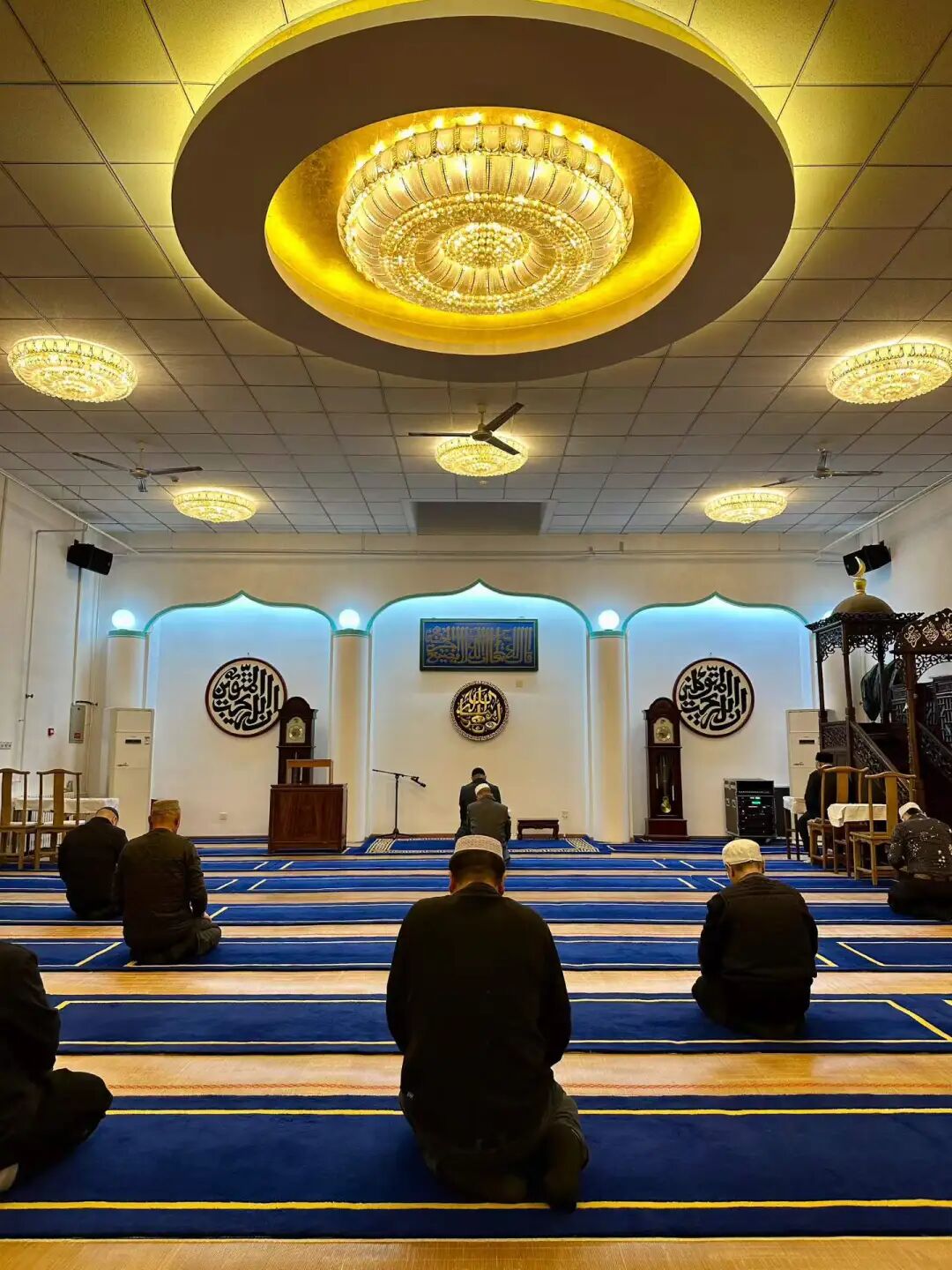
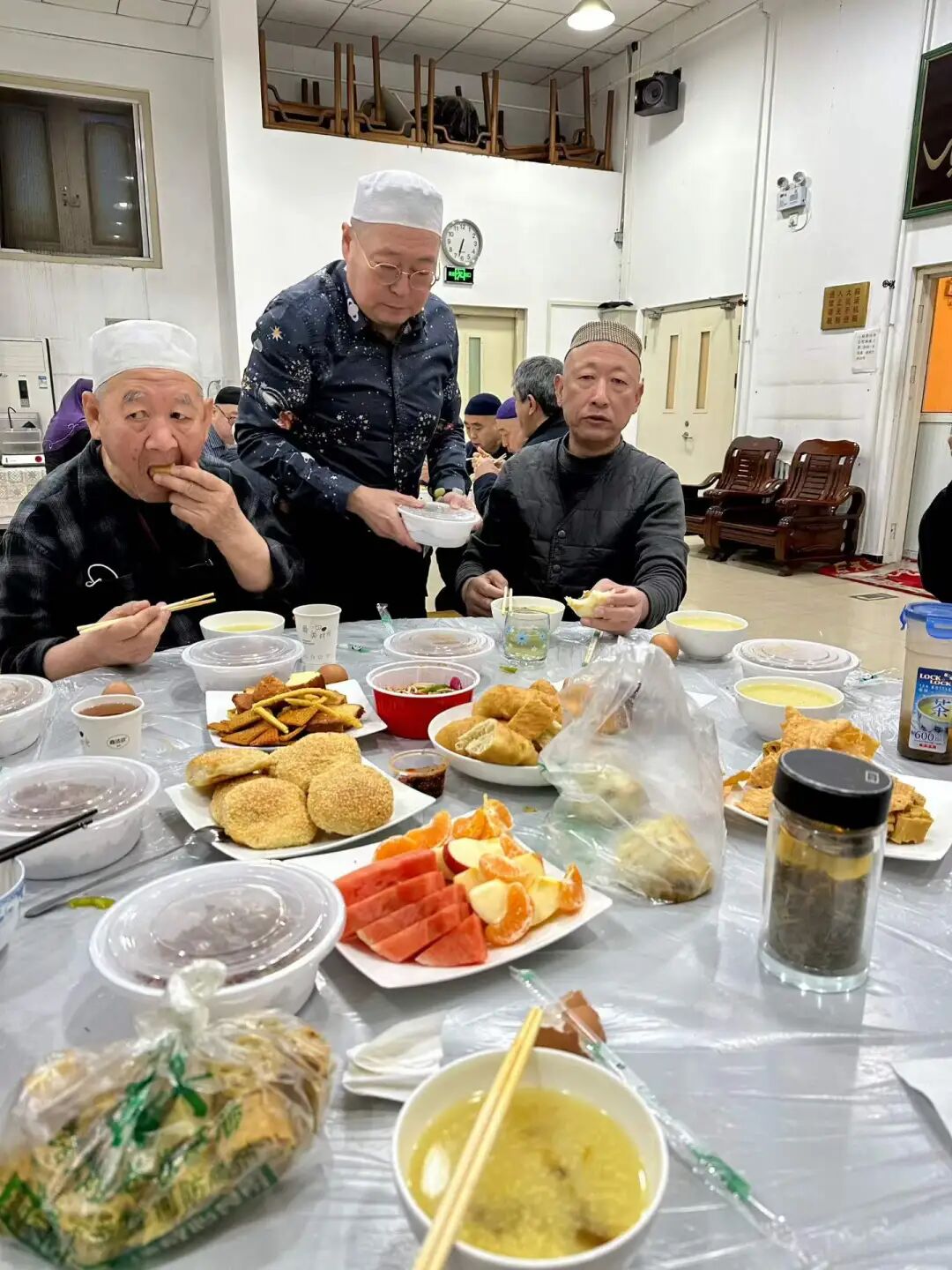
On the last night of Ramadan, I broke my fast at Houheyan Mosque. There were three tables of elderly people in the mosque, which is hard to find deep in the alleyways. We had steamed buns (baozi), millet porridge (xiaomizhou), sesame flatbread (shaobing), soy sauce fried rice (jiangyouchaofan), and fried dough (youxiang), and everyone also received a bag of Tongxian crispy fried snacks (gezhihe).
Houheyan Mosque sits right on the south bank of the moat. During the Qing Dynasty and the Republic of China era, many transport workers and restaurant owners lived nearby. In 1944, Yang Yuting of the 'Heyan Yang family' and his sons Yang Hongda and Yang Honglai donated their own ice cellar. Then, village elders Yang Zengbin and Yang Zengsen led the fundraising efforts. They received active support from Hui Muslims in Beijing and Dachang, including Peking Opera master Ma Lianliang and Wan Qirui, the owner of the Kaorouwan restaurant, and built the mosque in 1948. Houheyan Mosque originally covered a large area. In the 1970s, part of the land was taken to fill in the moat for the subway, and the current building was rebuilt in 2012.
Halal Travel Guide: Beijing Ramadan Diary - Week Three Mosques and Iftar
Articles • ali2007fr posted the article • 0 comments • 180 views • 2026-05-19 08:54
Summary: Halal Travel Guide: Beijing Ramadan Diary - Week Three Mosques and Iftar is presented here as a firsthand travel account in clear, natural English. The account focuses on Beijing Ramadan, Mosques, Halal Food while preserving the names, places, food, photos, and historical details from the Chinese source.
Day 15, Ramadan is halfway through! We broke our fast at Balizhuang Mosque with fermented mung bean milk (douzhi) again; it was very sour and refreshing! Many elders (xianglao) went back for a second bowl. The fast-breaking meal (zhaifan) included stir-fried tripe with cilantro (yanbao dusi), yam with meatballs, and braised eggplant. I met more friends (dosti) at Balizhuang today; everyone is welcome to visit the mosque more often during Ramadan.
Day 16, Elder Li at Balizhuang Mosque made yellow rice cake (huangmi qiegao) and Elder Fu made fried vegetable meatballs; both were delicious. Every elder at Balizhuang Mosque has a special hidden talent. For the fast-breaking meal, we had noodles with shredded chicken sauce and noodles with diced eggplant sauce, featuring both wheat noodles and oat noodles (youmian) from Zhangjiakou. The noodle toppings included blanched cabbage, blanched cowpeas, blanched bean sprouts, shredded cucumber, and shredded radish, making for a very rich texture.
Day 17, Balizhuang Mosque continued to break the fast with fermented mung bean milk. The meal included large steamed buns (baozi) with cowpea and fennel fillings, which were impossible to stop eating when paired with rice porridge.
I received camel milk soap given as charity (chusan) by an elder at Balizhuang Mosque; may it bring reward (thawab).
In the evening, I met up with friends (dosti) to pray Tarawih at the Sudanese Embassy. The Sudanese Embassy is right next to Tuanjiehu subway station. We arrived at 7:50 and were able to enter after showing our ID cards at the intersection. The call to prayer (adhan) was at 8:05, and the prayer started at 8:30. There were friends (dosti) from all over the world in the hall, with people of all skin colors standing in rows; it really felt like being abroad. The imam for Tarawih was a young hafiz from Libya whose recitation was melodic, pleasant, and very moving. We prayed eight units (rak'ah) of Tarawih, with a greeting (salam) every four units. The final Witr prayer consisted of two units with a salam, followed by one single unit. This is quite different from the traditional prayer methods of the Gedimu Hui Muslims.
My Ramadan collection includes a teacup fired in Jingdezhen in the 1980s, featuring a traditional calligraphy style common in southern China. The lid is inscribed with gratitude, blessings, mercy, and worship, while the cup body reads, 'Mercy draws near to those who do good' and 'The stingy cannot enter paradise, even if they are people who worship Allah.'
On the 18th day, a friend (dosti) from Hunan invited us to break our fast at Nanxiapo Mosque, where we had a very delicious meal of stewed meat with rice. I met many new friends during this time; Ramadan is truly a great opportunity for everyone to gather together.
On the 19th day, I went to the Carthage Arabic Restaurant on Dongzhimen Outer Street for the iftar buffet. It is a new spot opened by Adel, the head chef of La Medina, in the breakfast area on the first floor of the Atour X Hotel in Sanlitun Taikoo Li, still focusing on Tunisian flavors. Since it has not been open long, it is mostly frequented by foreign friends (dosti) from the nearby embassy district, so there is no need to wait in line.
Because Adel is in charge, the dishes are similar to those at La Medina, though the variety is slightly smaller. Appetizers include chickpea dip (hummus), parsley salad (tabbouleh), and the Tunisian-style roasted eggplant salad (mechouia). Besides roasted eggplant, the roasted eggplant salad (mechouia) contains tomatoes, chili peppers, onions, and olive oil, making it very healthy.
The main course features North African sausage (merguez), made from lamb and beef mixed with cumin, harissa, chili, and various other spices. It appeared as early as the 12th century in Andalusia and later spread throughout North Africa.
They also serve the classic North African Maghreb tomato and chili poached egg dish (shakshouka). The tomato and chili poached egg dish (shakshouka) originated in North Africa under Ottoman rule in the 16th century, when tomatoes and chili peppers were introduced to North Africa from the Americas and then became part of the local diet.
They also have the Arabic version of fried triangular pastries (sambousek), which is a classic Ramadan snack for Arabs. The fried triangular pastry (sambousek) originated in Iran and entered the Arab diet after the 10th century, later spreading to India, China, Indonesia, and Africa. In some parts of eastern China, Hui Muslims still use its Persian name, 'sanmosan'.
On the 20th day, two-thirds of Ramadan has passed. At Balizhuang Mosque, they freshly made sugar-rolled fruit (tangjuanguo) and fried crispy dough (zhagezhi). I continued to break my fast with mung bean milk (douzhi), ate stir-fried green beans with meat and braised meatballs (huisongrou) for the meal, and thirteen elders joined in the opening prayer (kaijing). Breaking the fast at the mosque brings richness to both the spirit and the body.
Ramadan collection. I received a traditional late Qing Dynasty Tianjin-style pine wood dua plaque made by teacher Wang Qifei, which reads, 'O Allah!' Grant Your forgiveness and mercy to those who live in this house and to the believers who enter it!'
On the twenty-first day, the elders at Balizhuang Mosque gathered to make dumplings (jiaozi) with carrot and cabbage fillings. Nothing really beats the taste of dumplings! After eating, I felt full of energy and ready for the Taraweeh prayers. view all
Summary: Halal Travel Guide: Beijing Ramadan Diary - Week Three Mosques and Iftar is presented here as a firsthand travel account in clear, natural English. The account focuses on Beijing Ramadan, Mosques, Halal Food while preserving the names, places, food, photos, and historical details from the Chinese source.
Day 15, Ramadan is halfway through! We broke our fast at Balizhuang Mosque with fermented mung bean milk (douzhi) again; it was very sour and refreshing! Many elders (xianglao) went back for a second bowl. The fast-breaking meal (zhaifan) included stir-fried tripe with cilantro (yanbao dusi), yam with meatballs, and braised eggplant. I met more friends (dosti) at Balizhuang today; everyone is welcome to visit the mosque more often during Ramadan.
Day 16, Elder Li at Balizhuang Mosque made yellow rice cake (huangmi qiegao) and Elder Fu made fried vegetable meatballs; both were delicious. Every elder at Balizhuang Mosque has a special hidden talent. For the fast-breaking meal, we had noodles with shredded chicken sauce and noodles with diced eggplant sauce, featuring both wheat noodles and oat noodles (youmian) from Zhangjiakou. The noodle toppings included blanched cabbage, blanched cowpeas, blanched bean sprouts, shredded cucumber, and shredded radish, making for a very rich texture.
Day 17, Balizhuang Mosque continued to break the fast with fermented mung bean milk. The meal included large steamed buns (baozi) with cowpea and fennel fillings, which were impossible to stop eating when paired with rice porridge.
I received camel milk soap given as charity (chusan) by an elder at Balizhuang Mosque; may it bring reward (thawab).
In the evening, I met up with friends (dosti) to pray Tarawih at the Sudanese Embassy. The Sudanese Embassy is right next to Tuanjiehu subway station. We arrived at 7:50 and were able to enter after showing our ID cards at the intersection. The call to prayer (adhan) was at 8:05, and the prayer started at 8:30. There were friends (dosti) from all over the world in the hall, with people of all skin colors standing in rows; it really felt like being abroad. The imam for Tarawih was a young hafiz from Libya whose recitation was melodic, pleasant, and very moving. We prayed eight units (rak'ah) of Tarawih, with a greeting (salam) every four units. The final Witr prayer consisted of two units with a salam, followed by one single unit. This is quite different from the traditional prayer methods of the Gedimu Hui Muslims.
My Ramadan collection includes a teacup fired in Jingdezhen in the 1980s, featuring a traditional calligraphy style common in southern China. The lid is inscribed with gratitude, blessings, mercy, and worship, while the cup body reads, 'Mercy draws near to those who do good' and 'The stingy cannot enter paradise, even if they are people who worship Allah.'
On the 18th day, a friend (dosti) from Hunan invited us to break our fast at Nanxiapo Mosque, where we had a very delicious meal of stewed meat with rice. I met many new friends during this time; Ramadan is truly a great opportunity for everyone to gather together.
On the 19th day, I went to the Carthage Arabic Restaurant on Dongzhimen Outer Street for the iftar buffet. It is a new spot opened by Adel, the head chef of La Medina, in the breakfast area on the first floor of the Atour X Hotel in Sanlitun Taikoo Li, still focusing on Tunisian flavors. Since it has not been open long, it is mostly frequented by foreign friends (dosti) from the nearby embassy district, so there is no need to wait in line.
Because Adel is in charge, the dishes are similar to those at La Medina, though the variety is slightly smaller. Appetizers include chickpea dip (hummus), parsley salad (tabbouleh), and the Tunisian-style roasted eggplant salad (mechouia). Besides roasted eggplant, the roasted eggplant salad (mechouia) contains tomatoes, chili peppers, onions, and olive oil, making it very healthy.
The main course features North African sausage (merguez), made from lamb and beef mixed with cumin, harissa, chili, and various other spices. It appeared as early as the 12th century in Andalusia and later spread throughout North Africa.
They also serve the classic North African Maghreb tomato and chili poached egg dish (shakshouka). The tomato and chili poached egg dish (shakshouka) originated in North Africa under Ottoman rule in the 16th century, when tomatoes and chili peppers were introduced to North Africa from the Americas and then became part of the local diet.
They also have the Arabic version of fried triangular pastries (sambousek), which is a classic Ramadan snack for Arabs. The fried triangular pastry (sambousek) originated in Iran and entered the Arab diet after the 10th century, later spreading to India, China, Indonesia, and Africa. In some parts of eastern China, Hui Muslims still use its Persian name, 'sanmosan'.
On the 20th day, two-thirds of Ramadan has passed. At Balizhuang Mosque, they freshly made sugar-rolled fruit (tangjuanguo) and fried crispy dough (zhagezhi). I continued to break my fast with mung bean milk (douzhi), ate stir-fried green beans with meat and braised meatballs (huisongrou) for the meal, and thirteen elders joined in the opening prayer (kaijing). Breaking the fast at the mosque brings richness to both the spirit and the body.
Ramadan collection. I received a traditional late Qing Dynasty Tianjin-style pine wood dua plaque made by teacher Wang Qifei, which reads, 'O Allah!' Grant Your forgiveness and mercy to those who live in this house and to the believers who enter it!'
On the twenty-first day, the elders at Balizhuang Mosque gathered to make dumplings (jiaozi) with carrot and cabbage fillings. Nothing really beats the taste of dumplings! After eating, I felt full of energy and ready for the Taraweeh prayers.
Halal Travel Guide: Beijing Ramadan - Laylat al-Qadr and Eid al-Fitr
Articles • ali2007fr posted the article • 0 comments • 188 views • 2026-05-19 08:54
Summary: Halal Travel Guide: Beijing Ramadan - Laylat al-Qadr and Eid al-Fitr is presented here as a firsthand travel account in clear, natural English. The account focuses on Beijing Ramadan, Laylat al-Qadr, Eid al-Fitr while preserving the names, places, food, photos, and historical details from the Chinese source.
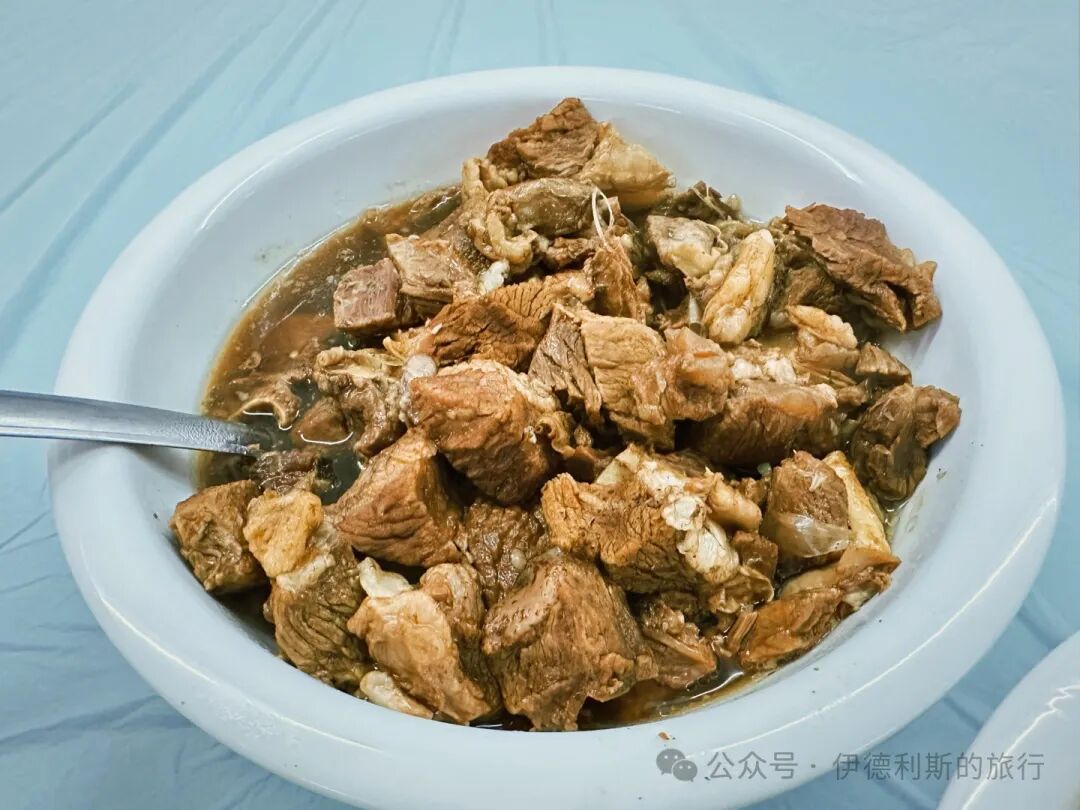
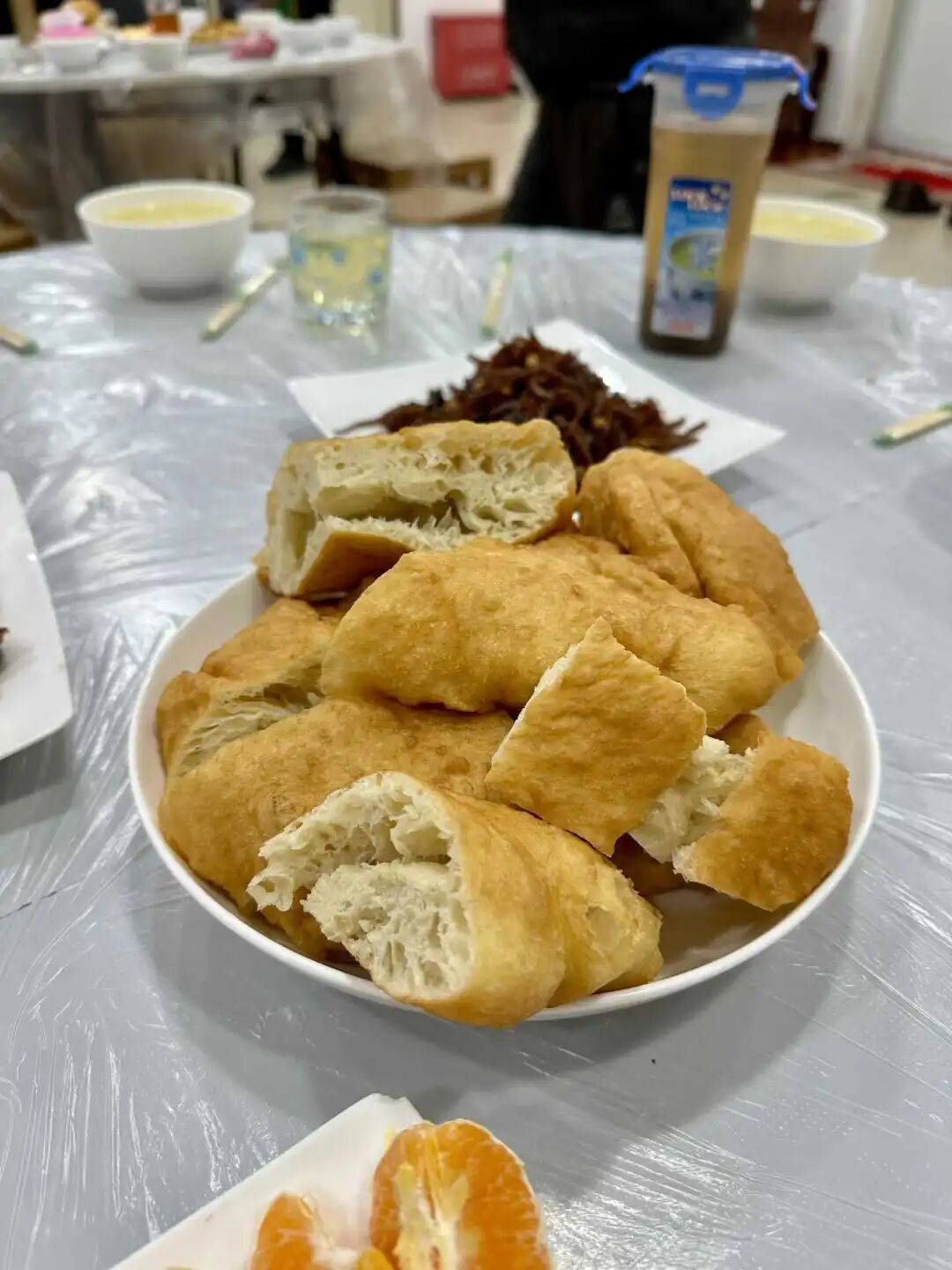
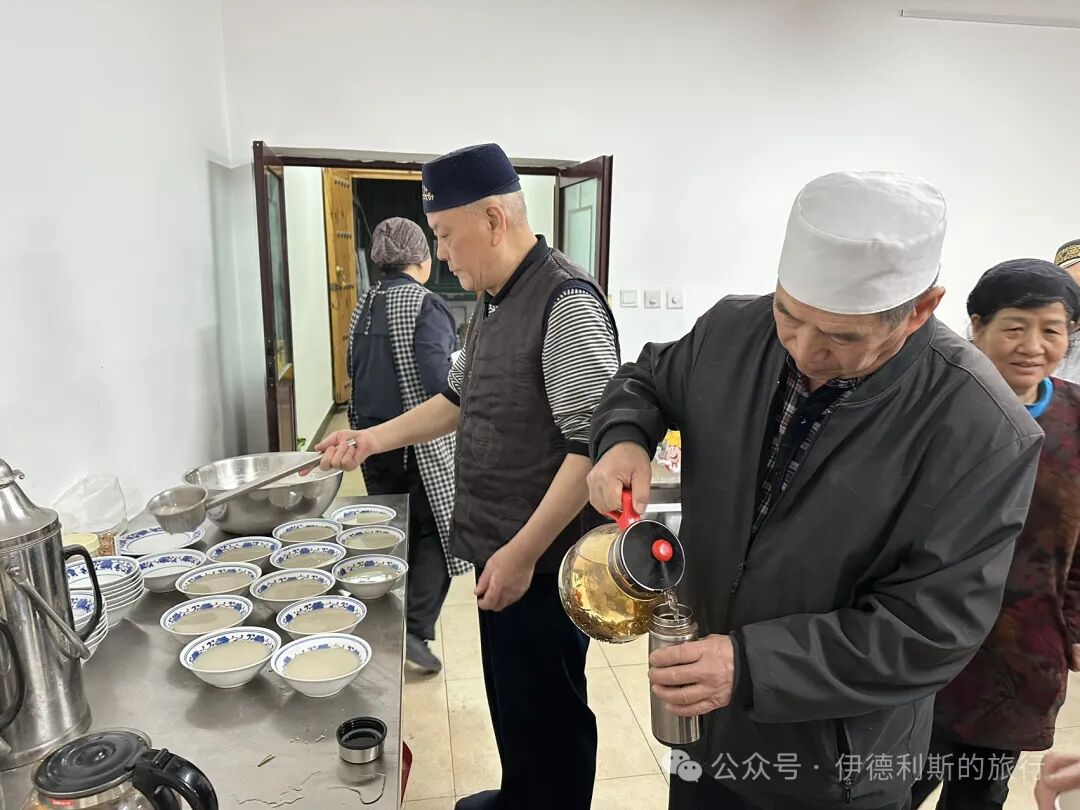
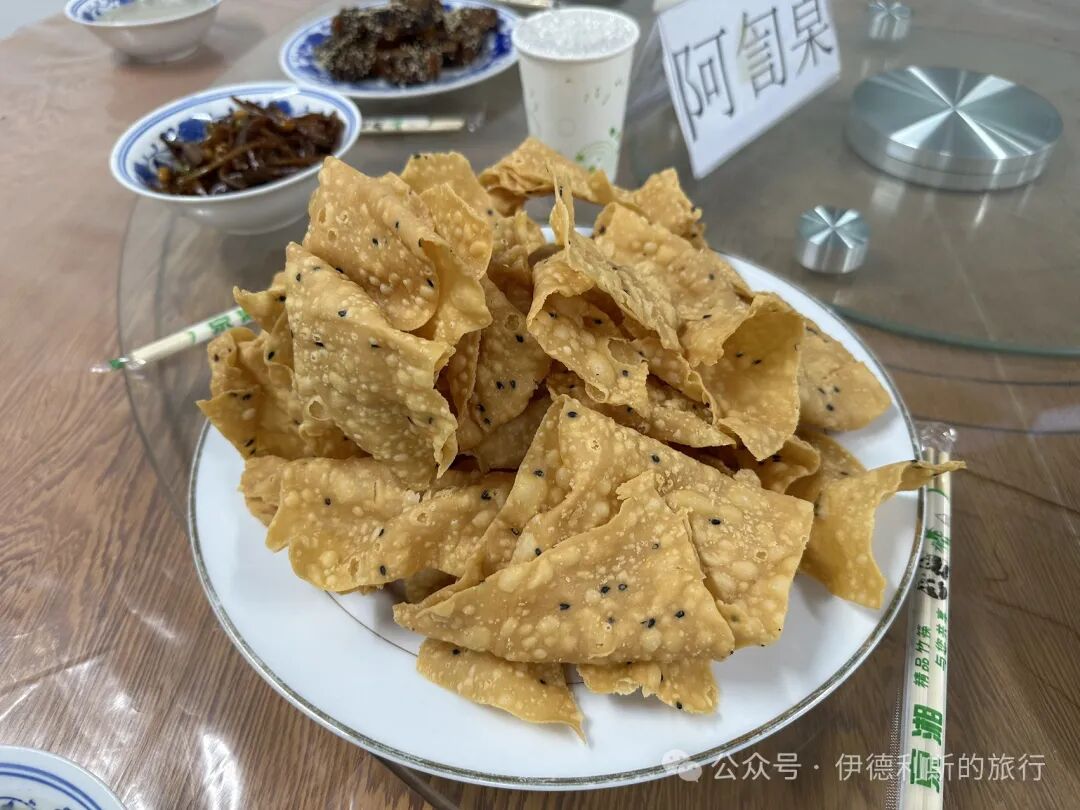
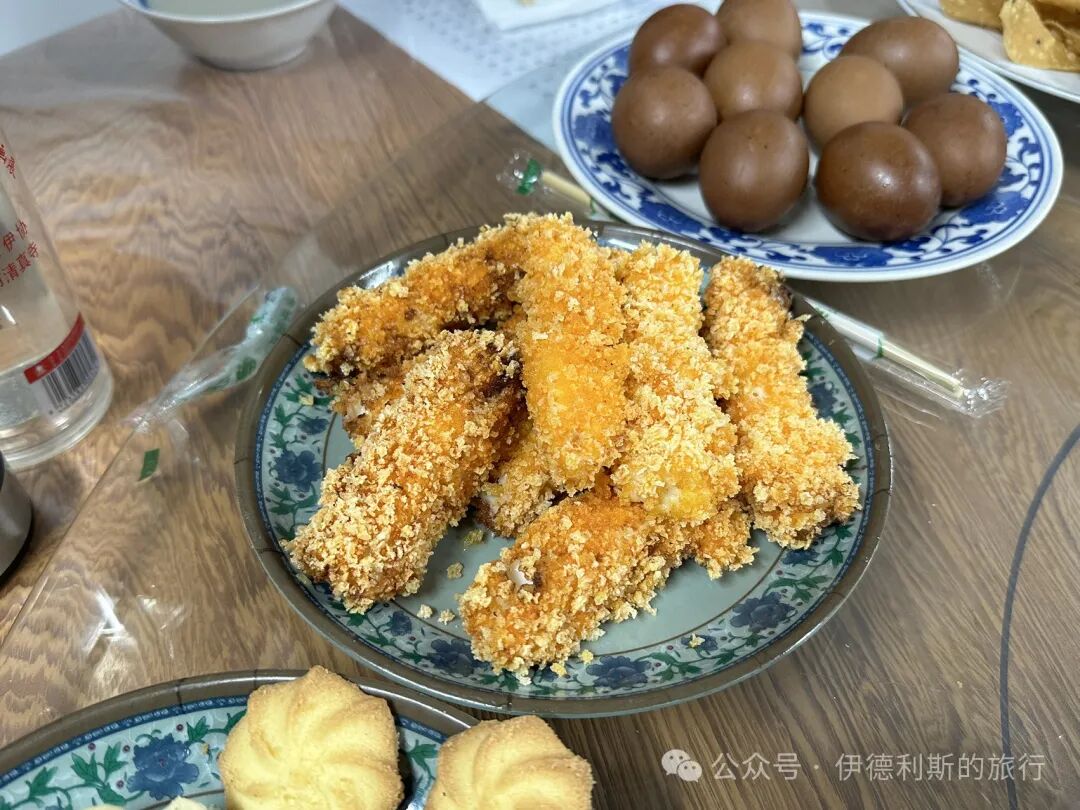
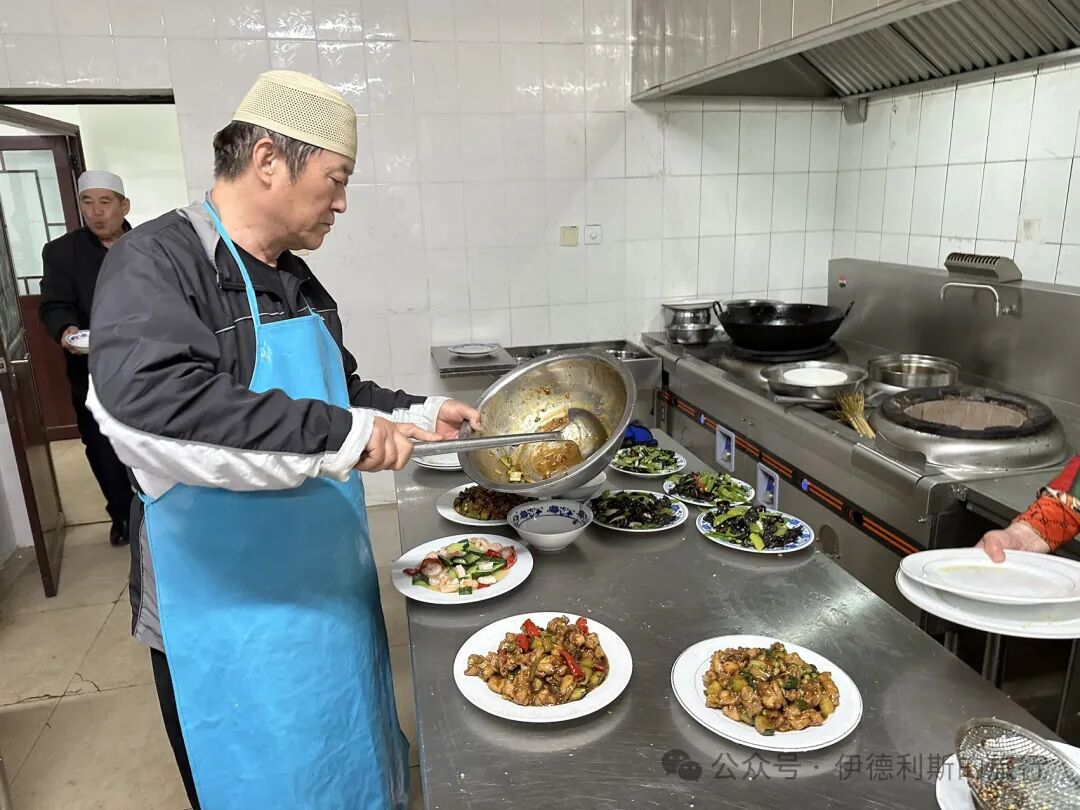
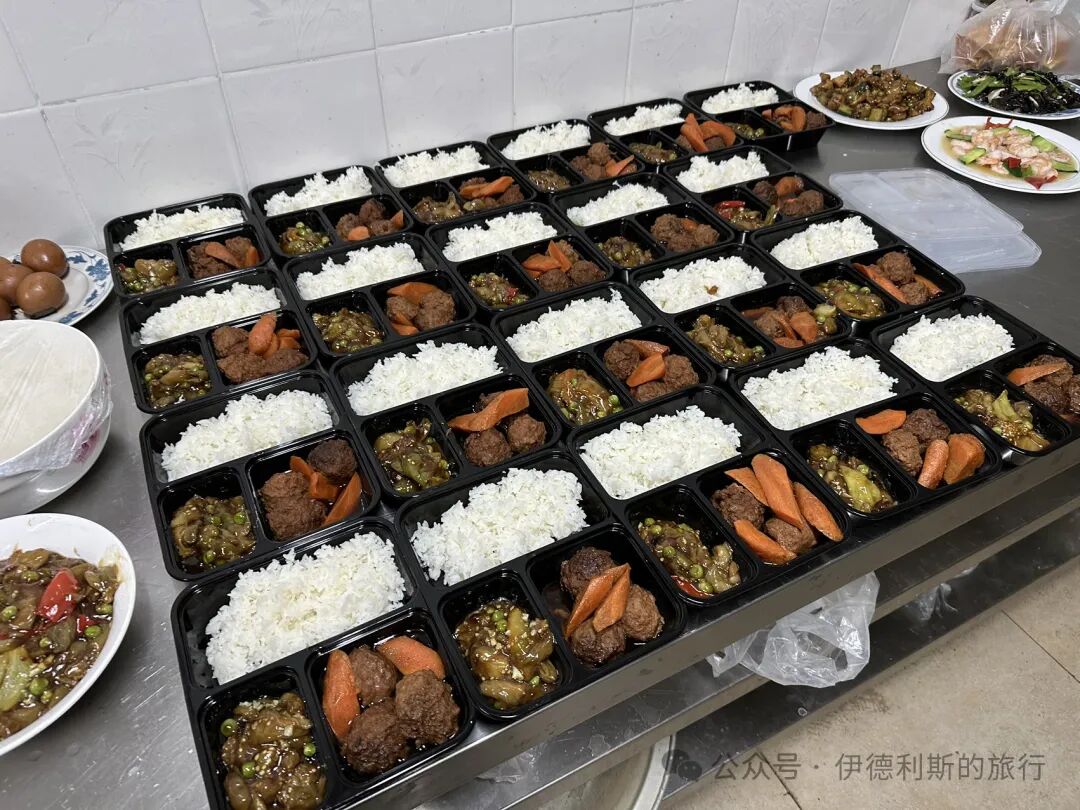
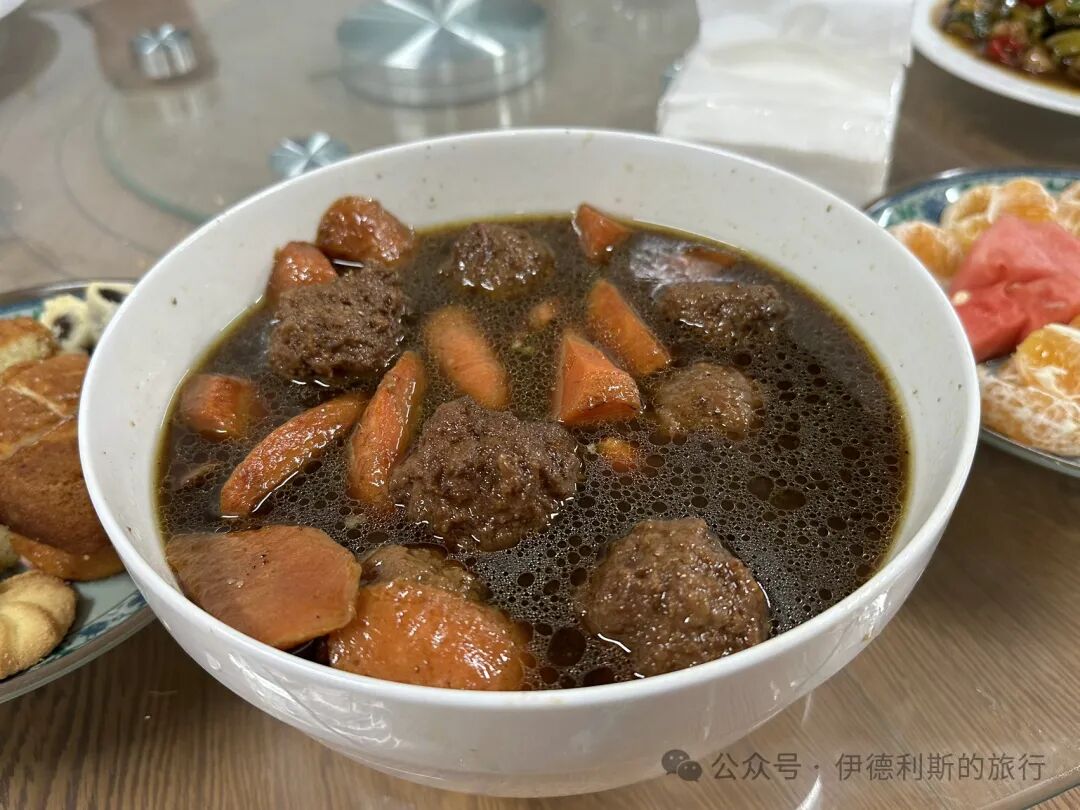
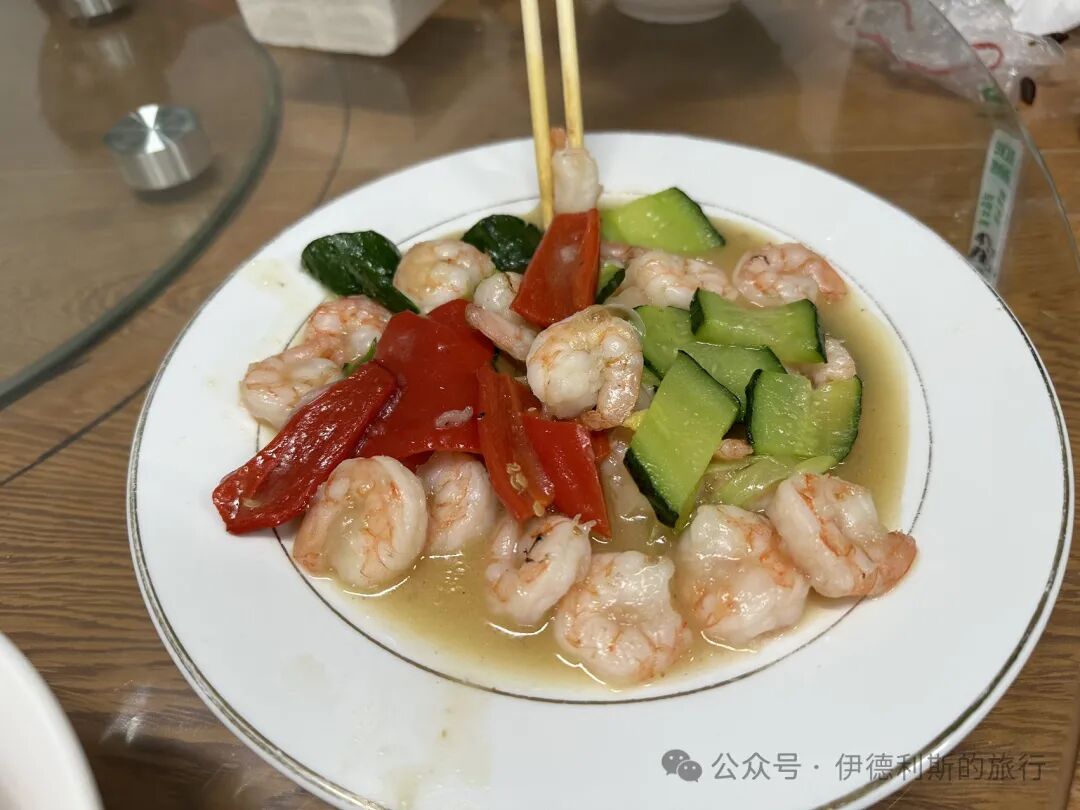
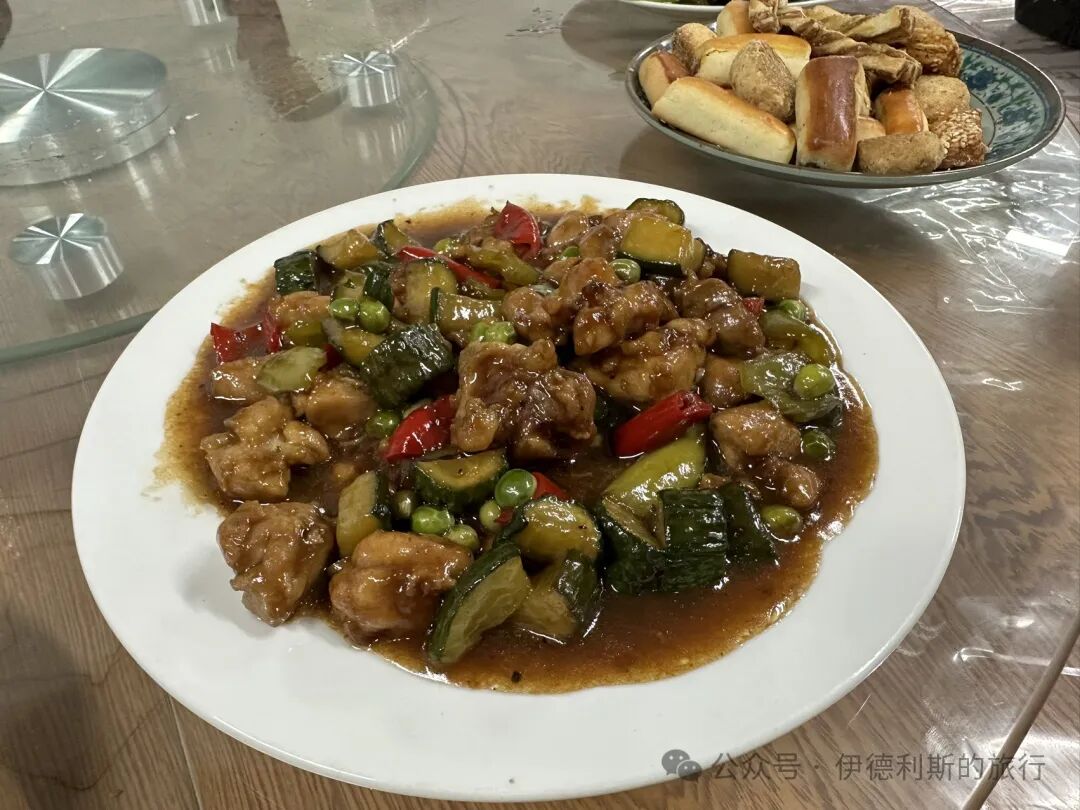
On the 22nd day, the elder at Balizhuang Mosque made fresh pea flour cake (wandouhuang). It is rare to eat it warm, and it tasted amazing. I broke my fast with the usual fermented mung bean milk (douzhier), paired with crispy fried dough strips (paicha) and fried milk. For the fast-breaking meal, we had braised meatballs with carrots, stir-fried shrimp, and chicken stir-fried in soybean paste. Thanks to the elders who worked hard to cook for us!
I spent the next few days in Xi'an to experience the atmosphere of Ramadan, only returning for the Night of Power (Laylat al-Qadr).
The noble Night of Power, a night of peace. Today was the busiest day at Balizhuang Mosque since the start of Ramadan. Many friends (dost) traveled from far away to be here. We also took a train from Xi'an to Beijing this afternoon and headed straight to the mosque.
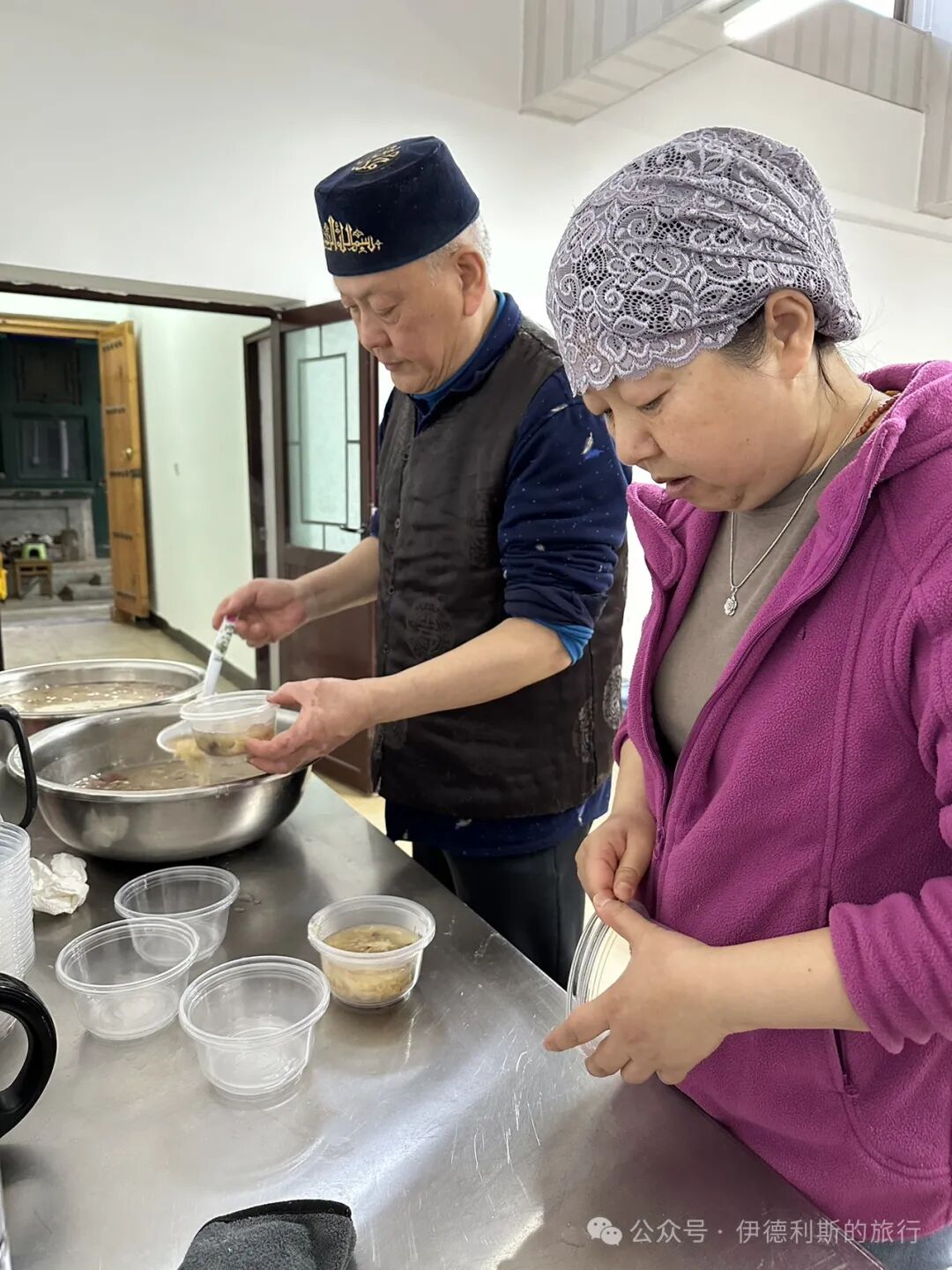
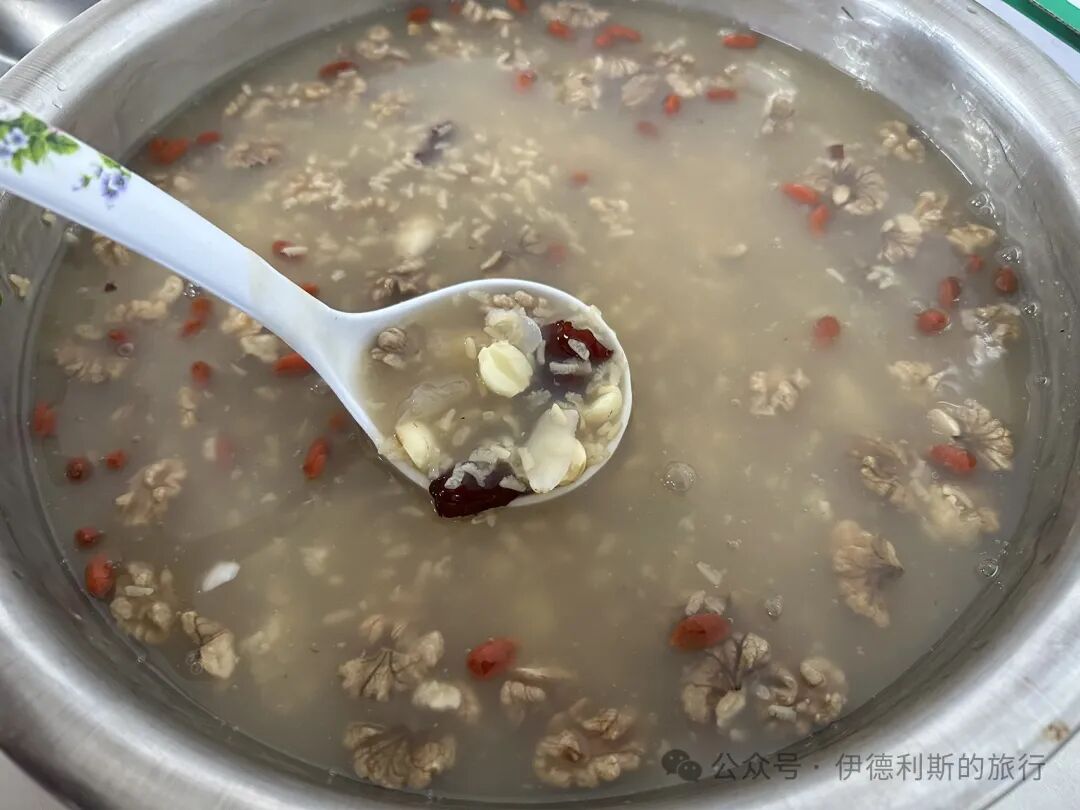
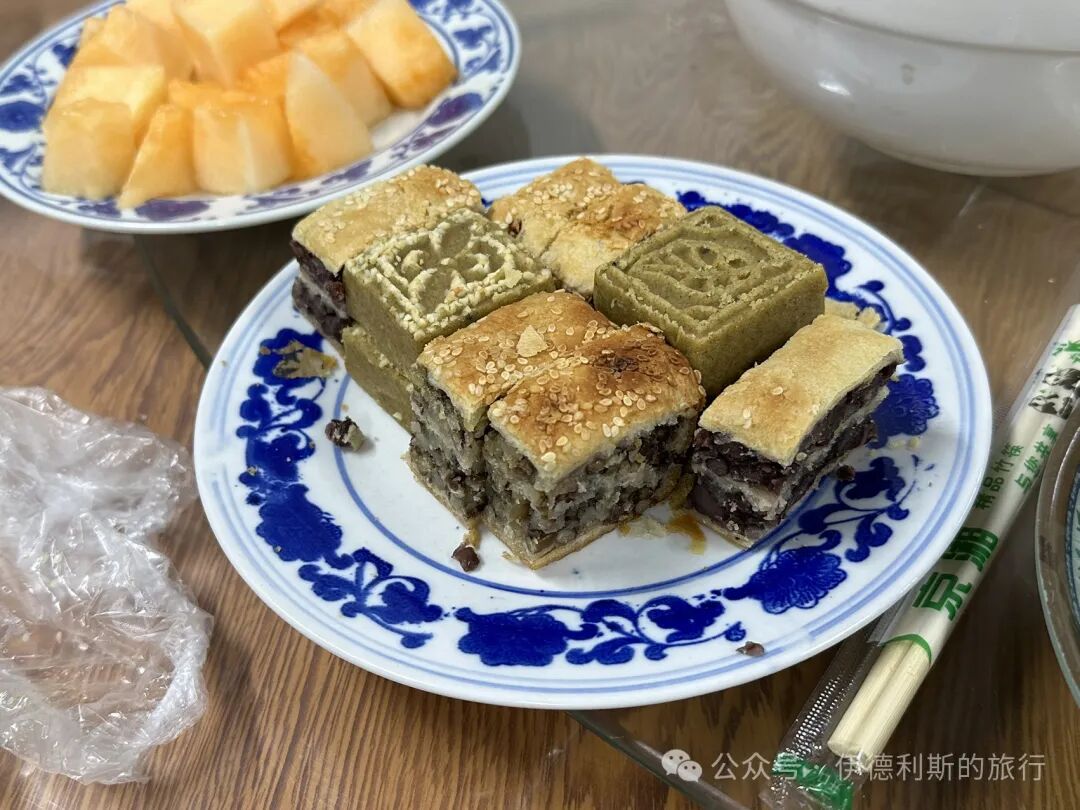
To break the fast, we had white fungus and lotus seed porridge. I also got to eat the steamed rice cakes (aiwowo) made by Elder Fu, along with mung bean cakes and flaky pastries that Zainab brought back from the Muslim Quarter (Huifang). The fast-breaking meal was very rich, featuring fried tofu stewed with beef, lamb bone broth (yangtang), and various stir-fried dishes.
On the 27th day, we broke our fast at Balizhuang Mosque with fermented mung bean milk (douzhi) again. For the meal, we had large steamed buns (dabaozi) with carrot or cabbage fillings, made with either leavened or scalded dough. We all agreed that the carrot filling was better. The mix of sweet carrot flavor and savory meat was so appetizing.
On the 28th day, we attended the final Taraweeh prayer of Ramadan. It was hard to say goodbye! Balizhuang Mosque was very lively. The elders were making steamed rice cakes (aiwowo) together, and Elder Li made some sticky rice cake (qiegao). We broke our fast with fermented mung bean milk (douzhi) as usual. The meal was noodle soup with thick sauce (dalu mian), featuring three types of toppings: daylily, tomato, and eggplant, plus various side vegetables. I started with two bowls of fermented mung bean milk and two cups of tea, then ate a big bowl of noodles. I was completely stuffed. I walked around the courtyard several times and only felt comfortable after the Taraweeh prayer finished.
I received charity (sadaqah) from the friends (dosti). May Allah reward you all (thawab)! This Ramadan has been so heartwarming!
It is the last day of Ramadan! The elders at Balizhuang Mosque gathered again to make steamed rice cakes (aiwowo), small sticky rice cakes (xiaoqiegao), and candied yam rolls (tangjuanguo), and everyone felt sad to see Ramadan end. Just like the sermon (wa'erzi) says, we must keep the spirit of Ramadan alive and try to make every month like Ramadan and every night like the Night of Power (Laylat al-Qadr).
The elders at Balizhuang Mosque are busy preparing for Eid al-Fitr tomorrow, getting the meat porridge (rouzhou) simmering and the fried dough (youxiang) ready.
The iftar meal was very rich, with braised fish, braised pork tongue, chicken cubes in bean sauce, stir-fried shrimp, fried tofu stewed with beef, spiced beef, and more. The fish was flavorful, and the beef was stewed until soft and tender. May Allah reward (thawab) everyone for their hard work this month.
Happy Eid! Eid al-Fitr is finally here, and Balizhuang Mosque has prepared meat porridge (rouzhou), fried dough (youxiang), and various pastries for everyone. The wheat grain and meat flavors in the meat porridge (rouzhou) blend perfectly, making it delicious. I met with Imam Saiwabu and the village elders. I not only accepted their greeting but also recited praises with them, and I feel very grateful to Allah.
May we meet again next Ramadan. view all
Summary: Halal Travel Guide: Beijing Ramadan - Laylat al-Qadr and Eid al-Fitr is presented here as a firsthand travel account in clear, natural English. The account focuses on Beijing Ramadan, Laylat al-Qadr, Eid al-Fitr while preserving the names, places, food, photos, and historical details from the Chinese source.
On the 22nd day, the elder at Balizhuang Mosque made fresh pea flour cake (wandouhuang). It is rare to eat it warm, and it tasted amazing. I broke my fast with the usual fermented mung bean milk (douzhier), paired with crispy fried dough strips (paicha) and fried milk. For the fast-breaking meal, we had braised meatballs with carrots, stir-fried shrimp, and chicken stir-fried in soybean paste. Thanks to the elders who worked hard to cook for us!
I spent the next few days in Xi'an to experience the atmosphere of Ramadan, only returning for the Night of Power (Laylat al-Qadr).
The noble Night of Power, a night of peace. Today was the busiest day at Balizhuang Mosque since the start of Ramadan. Many friends (dost) traveled from far away to be here. We also took a train from Xi'an to Beijing this afternoon and headed straight to the mosque.
To break the fast, we had white fungus and lotus seed porridge. I also got to eat the steamed rice cakes (aiwowo) made by Elder Fu, along with mung bean cakes and flaky pastries that Zainab brought back from the Muslim Quarter (Huifang). The fast-breaking meal was very rich, featuring fried tofu stewed with beef, lamb bone broth (yangtang), and various stir-fried dishes.
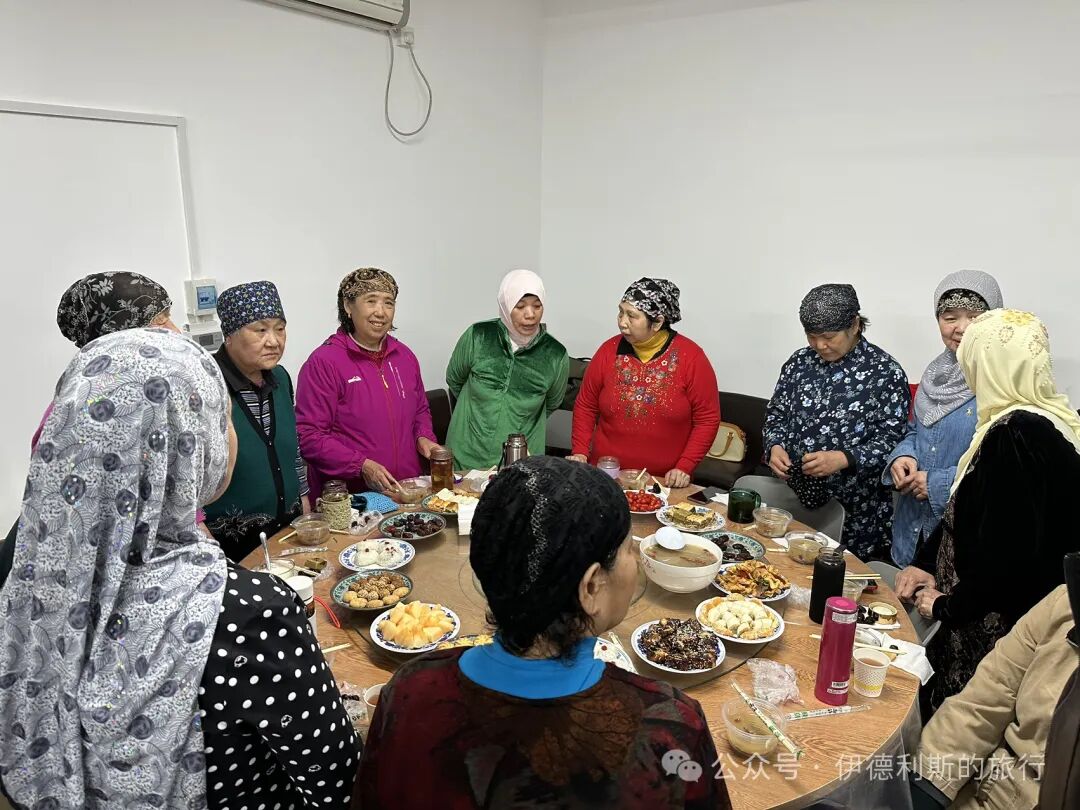
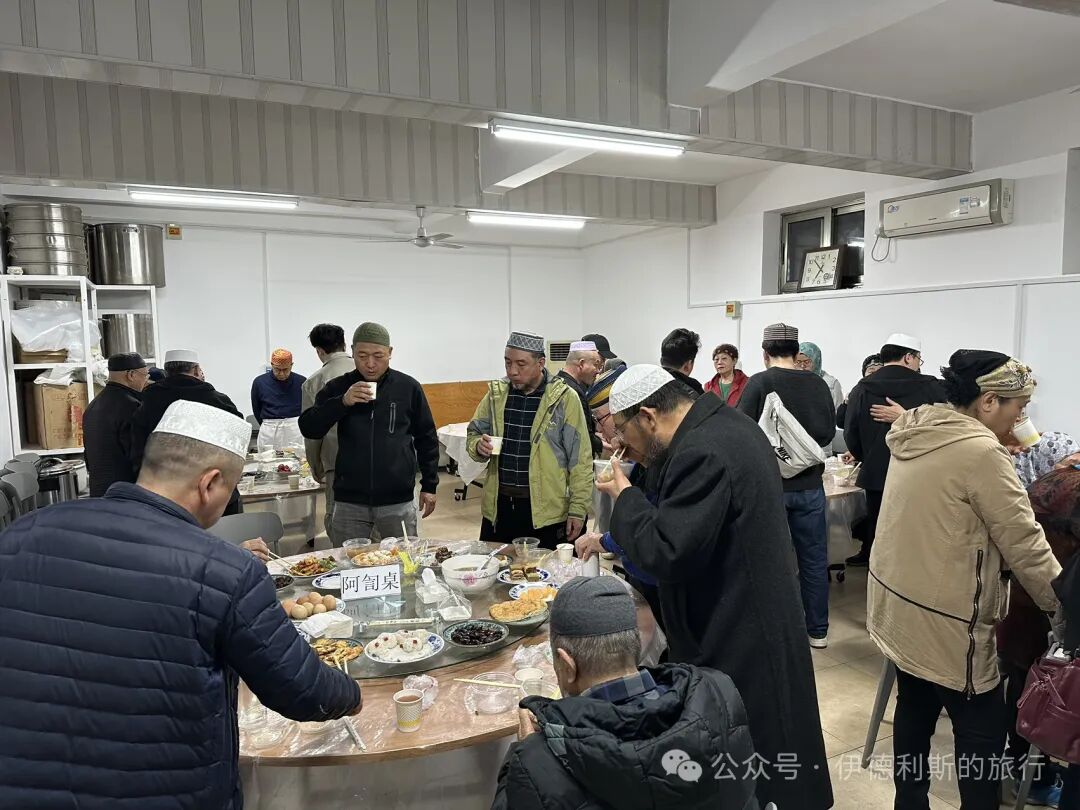
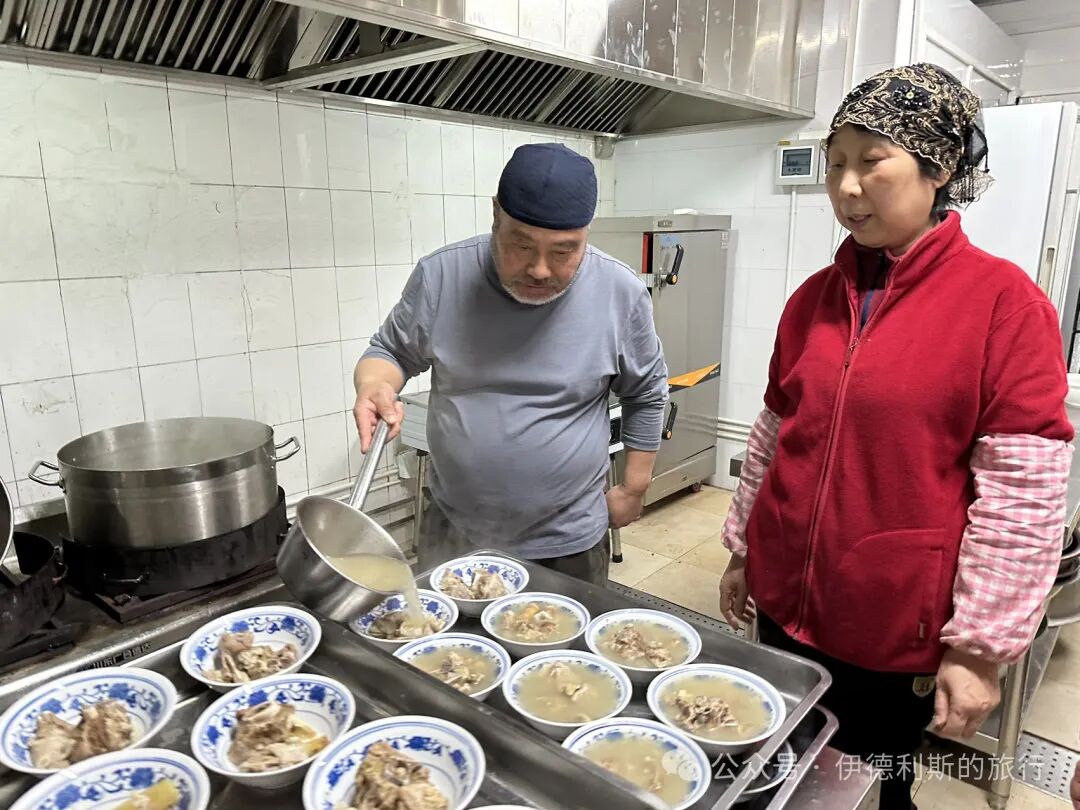
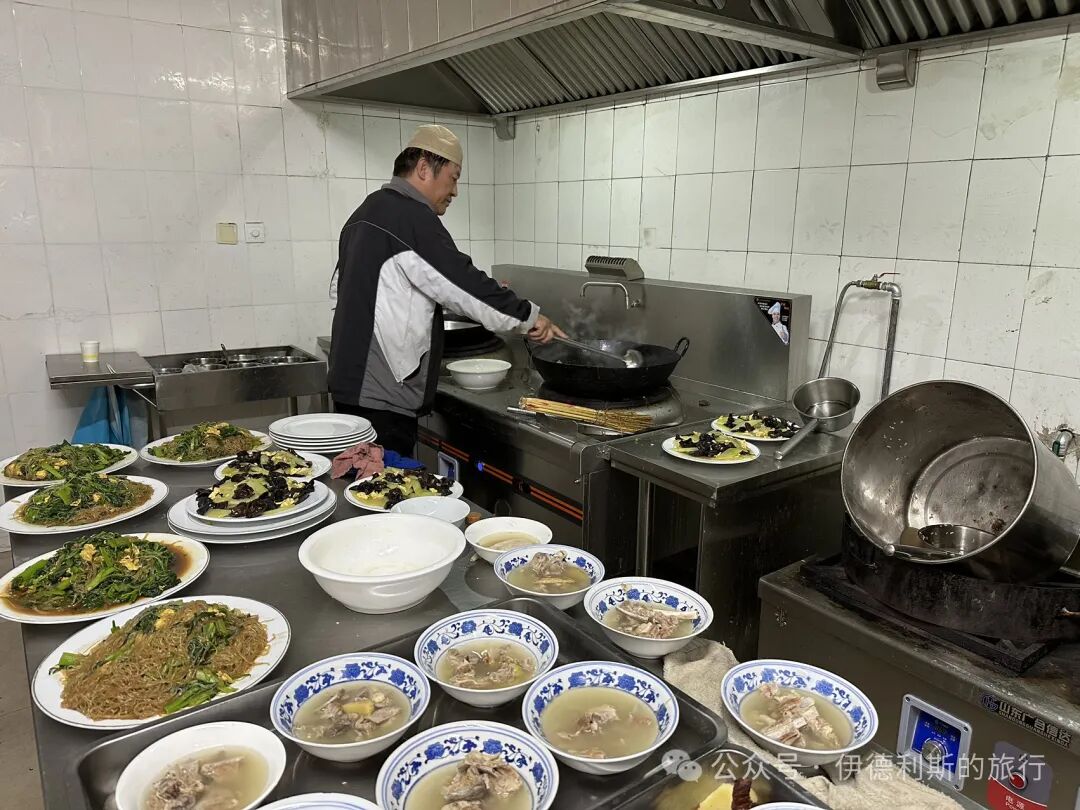
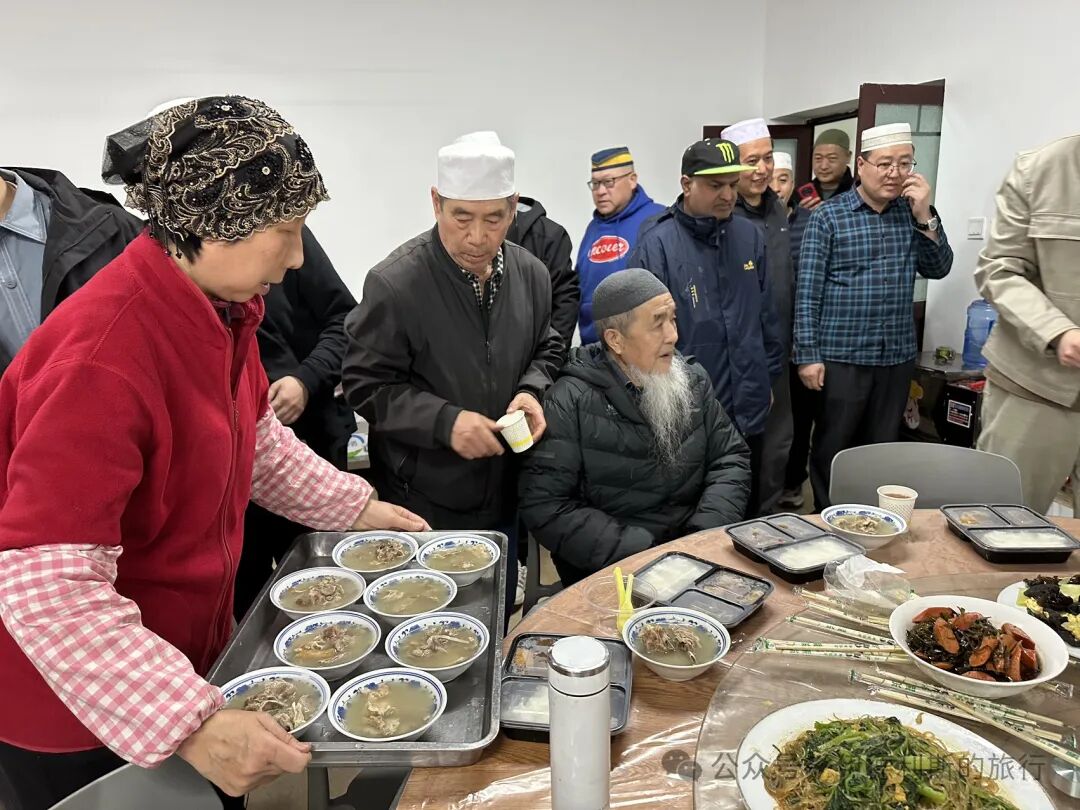
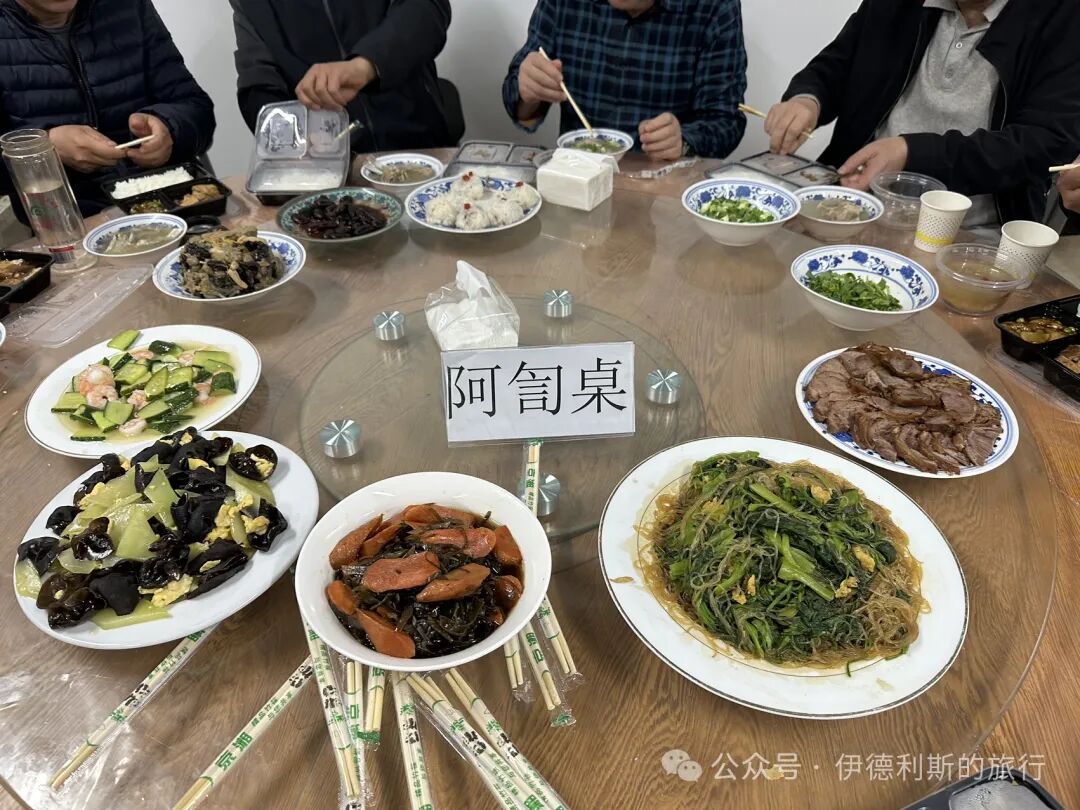
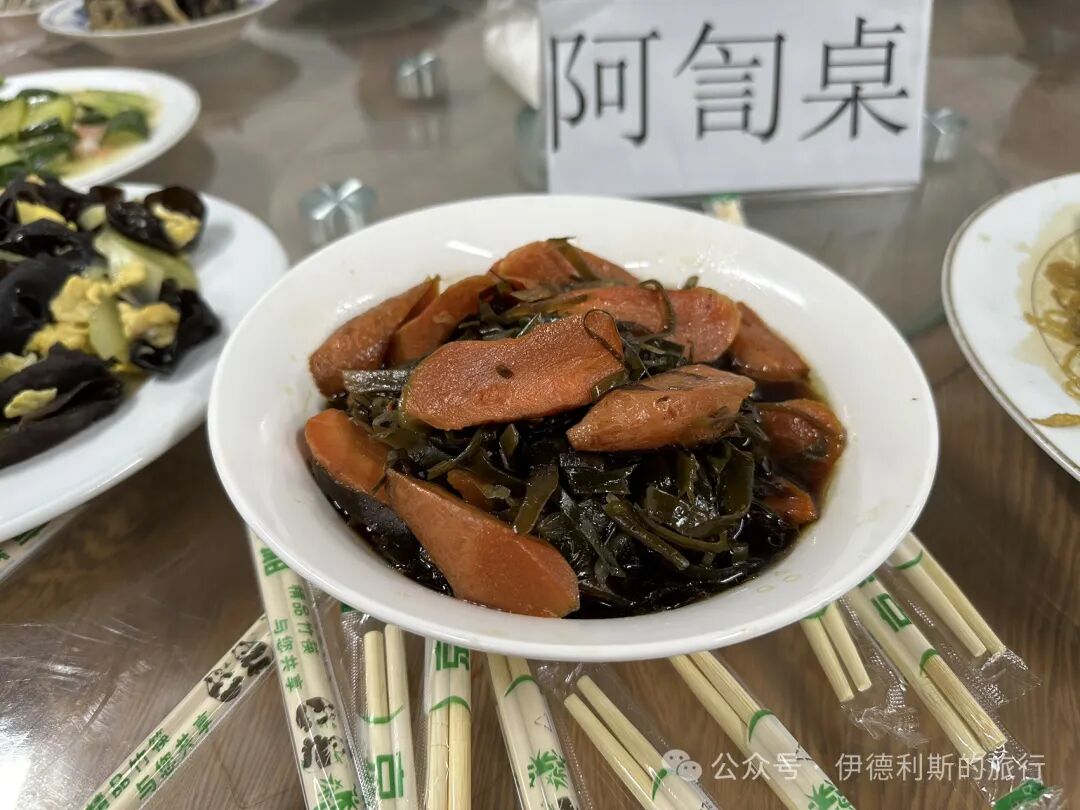
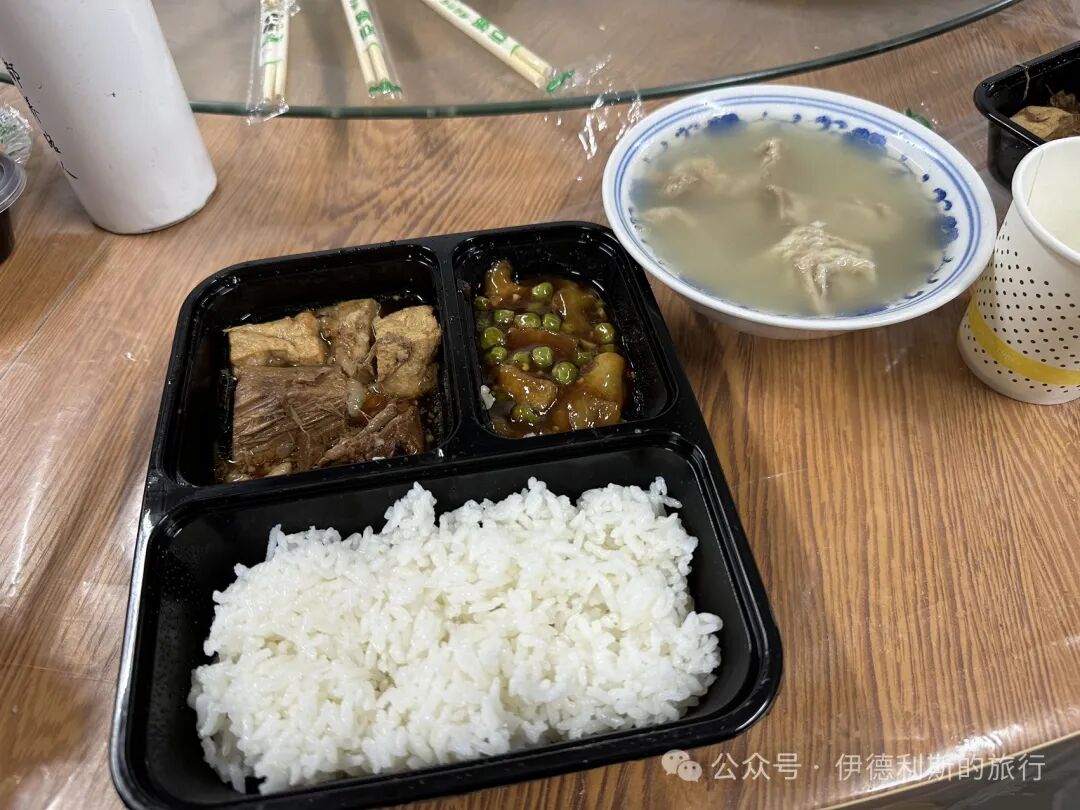
On the 27th day, we broke our fast at Balizhuang Mosque with fermented mung bean milk (douzhi) again. For the meal, we had large steamed buns (dabaozi) with carrot or cabbage fillings, made with either leavened or scalded dough. We all agreed that the carrot filling was better. The mix of sweet carrot flavor and savory meat was so appetizing.
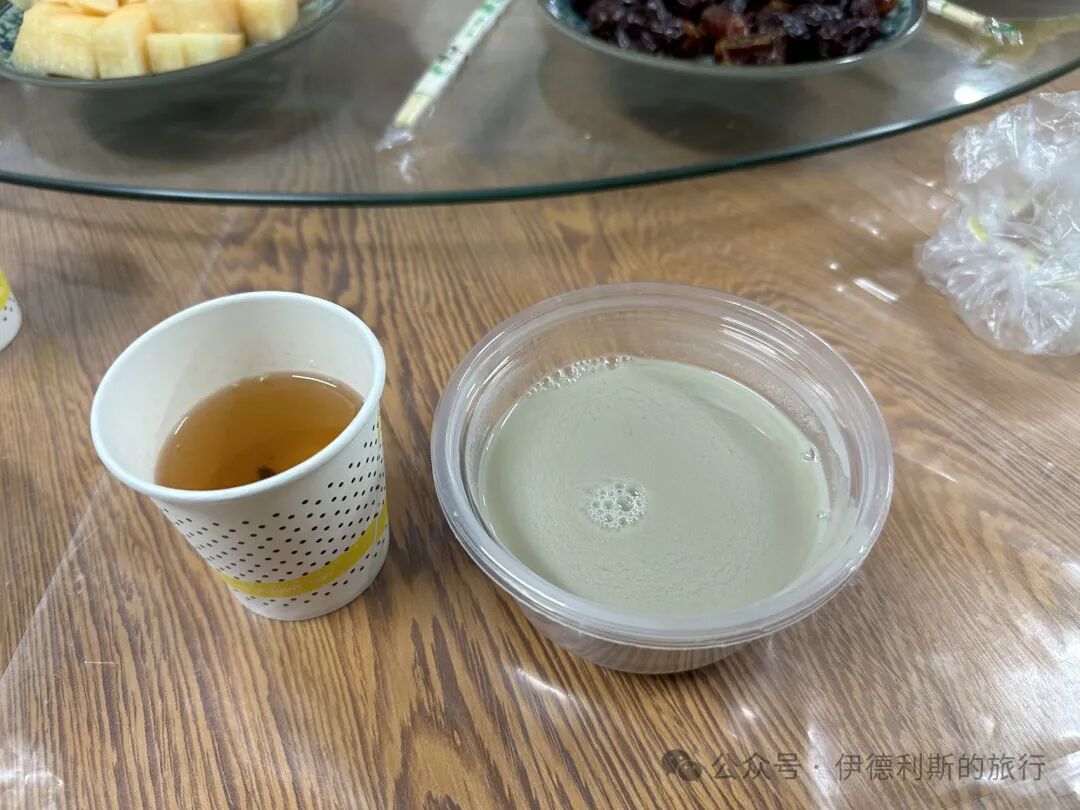
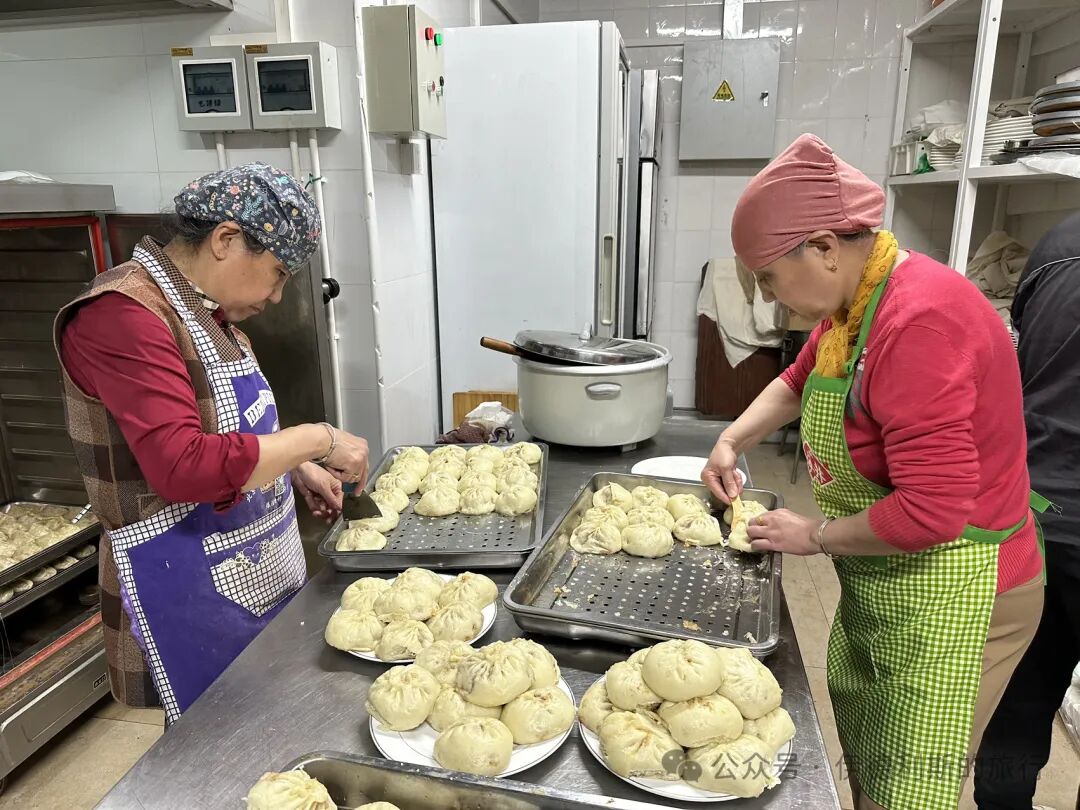
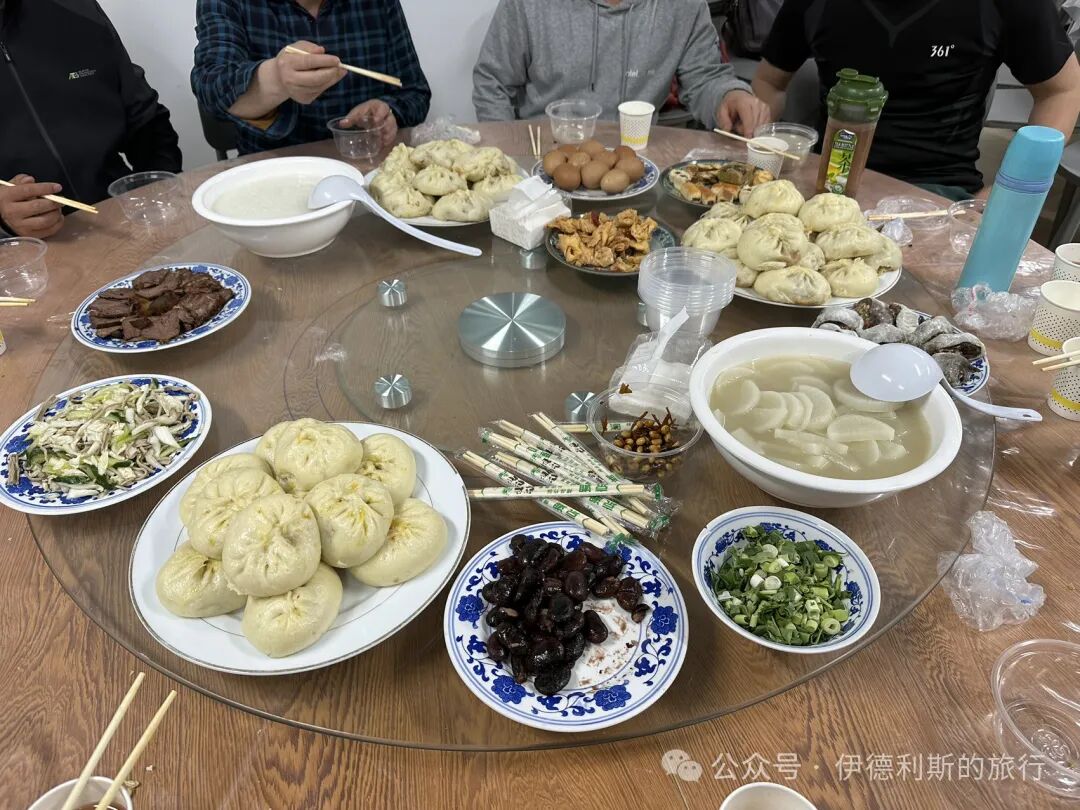
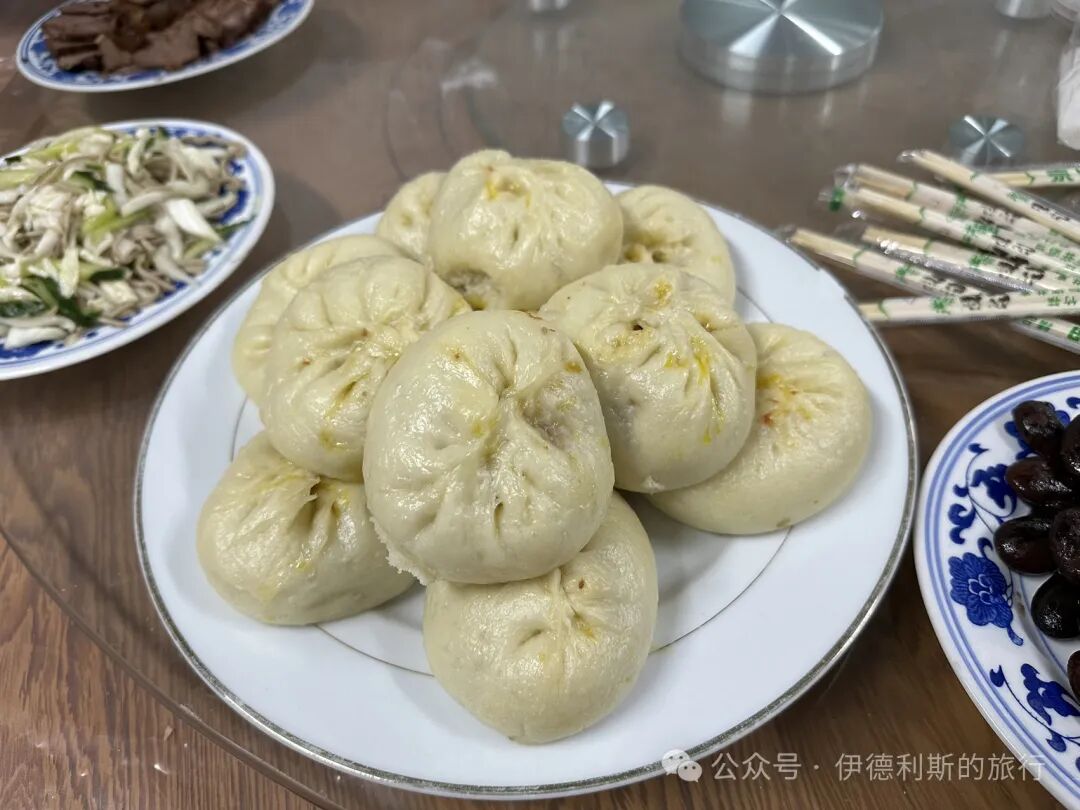
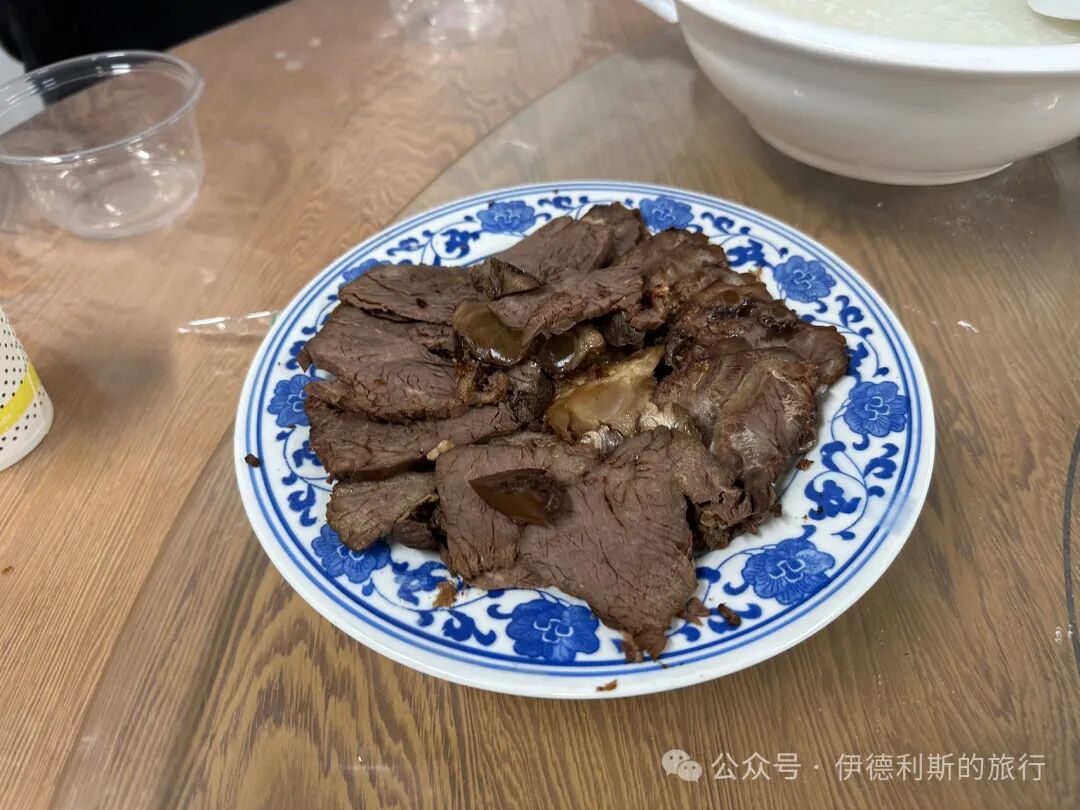
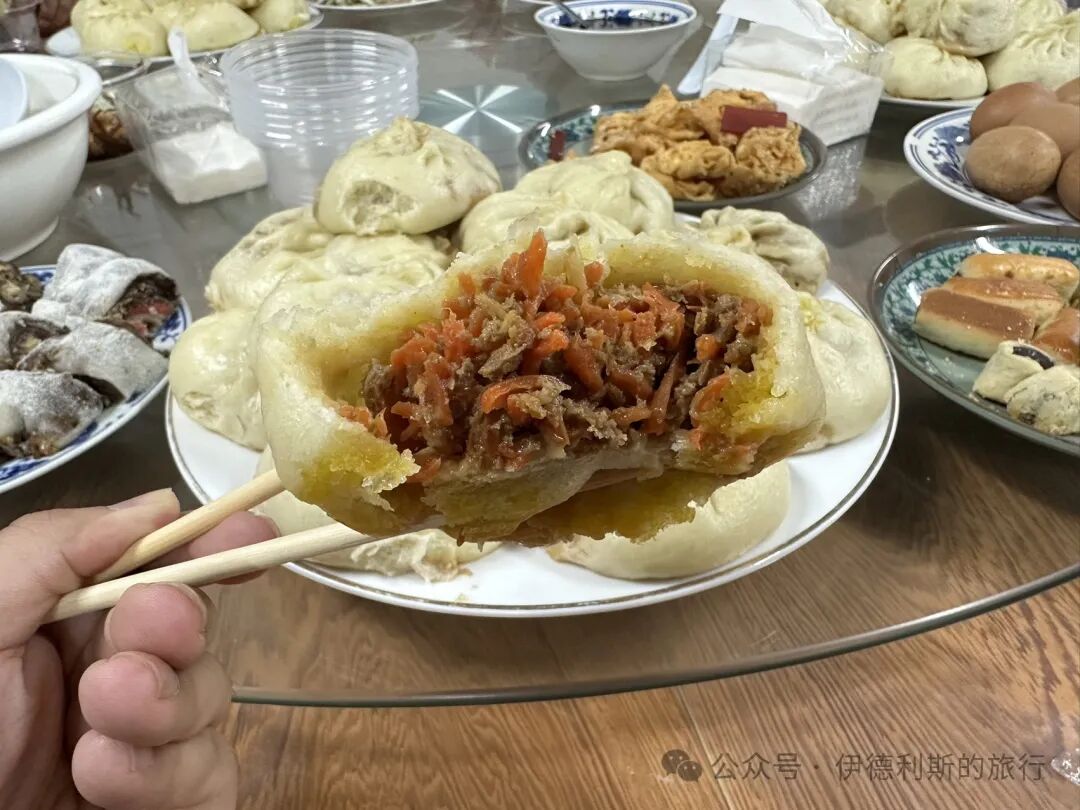
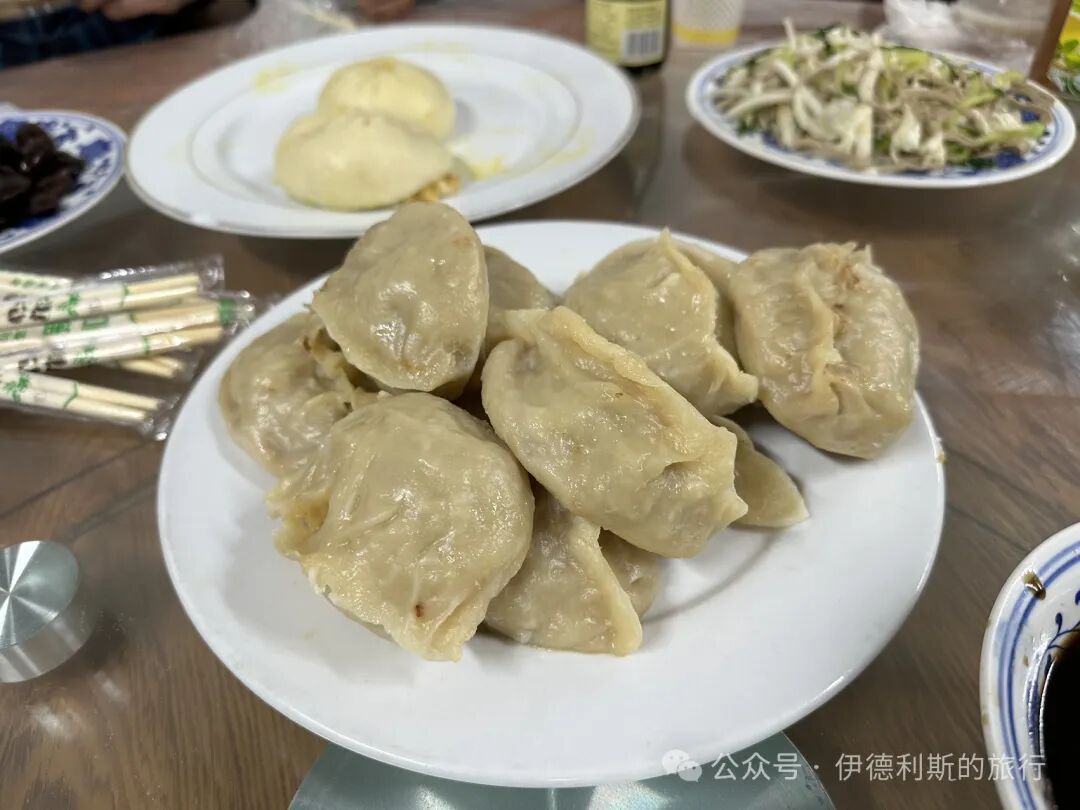
On the 28th day, we attended the final Taraweeh prayer of Ramadan. It was hard to say goodbye! Balizhuang Mosque was very lively. The elders were making steamed rice cakes (aiwowo) together, and Elder Li made some sticky rice cake (qiegao). We broke our fast with fermented mung bean milk (douzhi) as usual. The meal was noodle soup with thick sauce (dalu mian), featuring three types of toppings: daylily, tomato, and eggplant, plus various side vegetables. I started with two bowls of fermented mung bean milk and two cups of tea, then ate a big bowl of noodles. I was completely stuffed. I walked around the courtyard several times and only felt comfortable after the Taraweeh prayer finished.
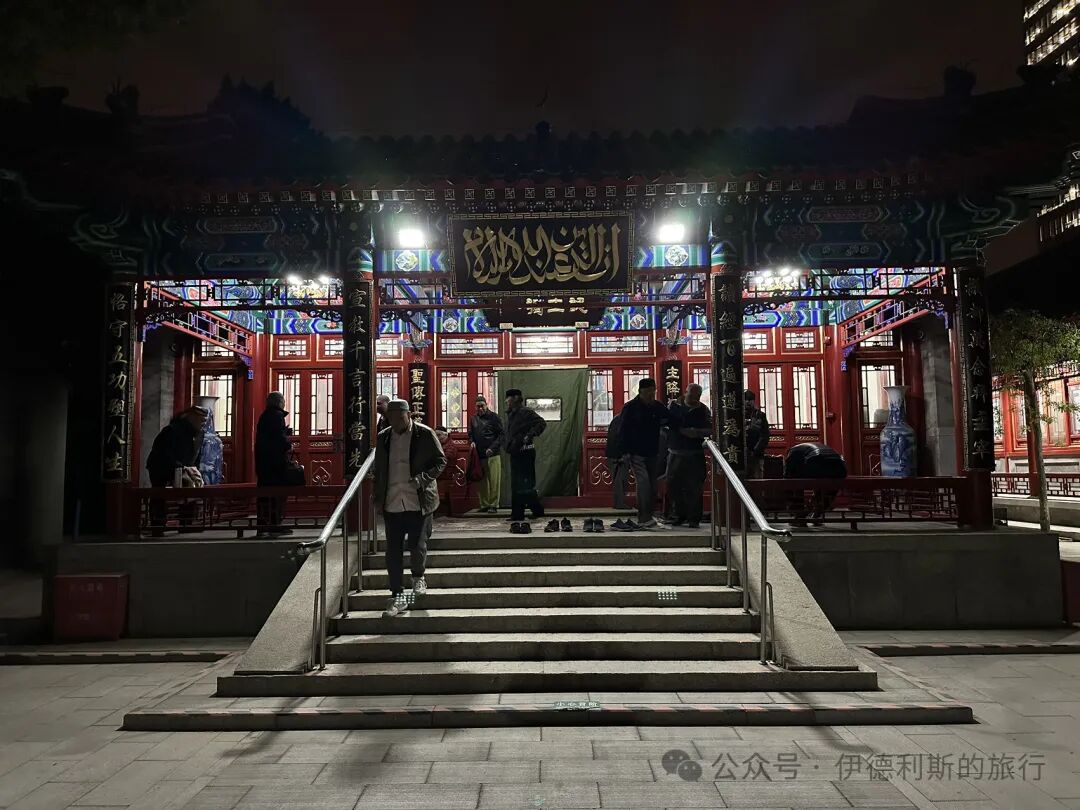
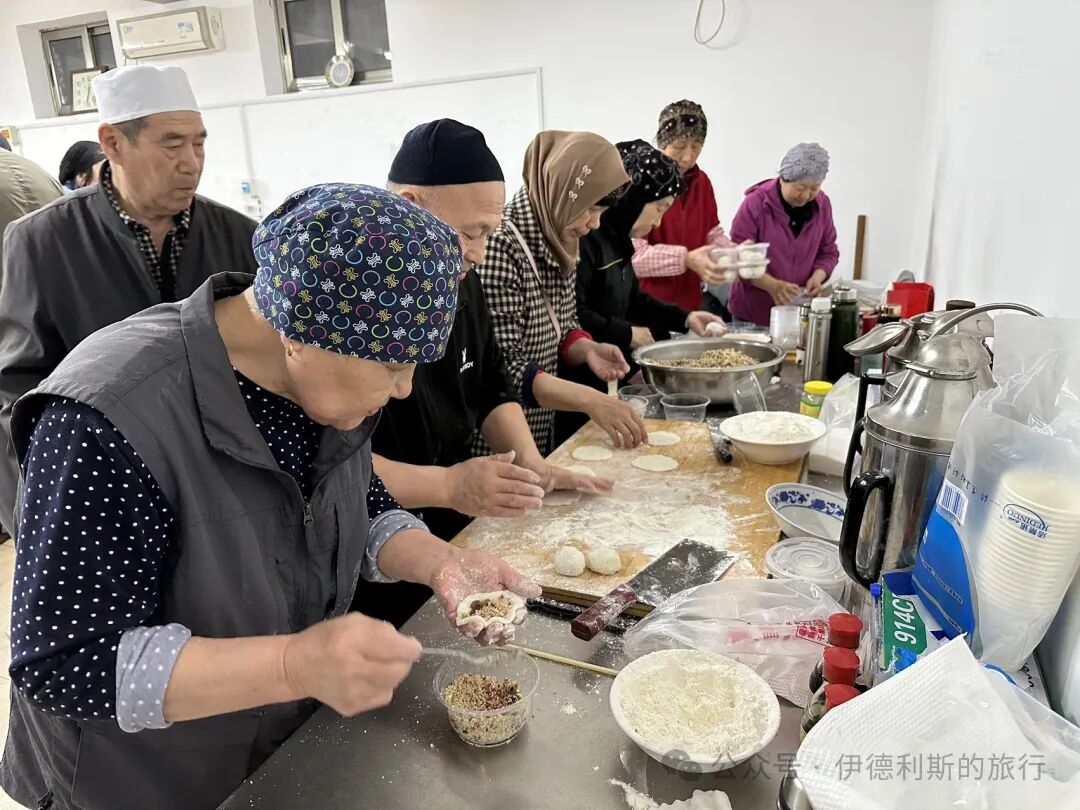
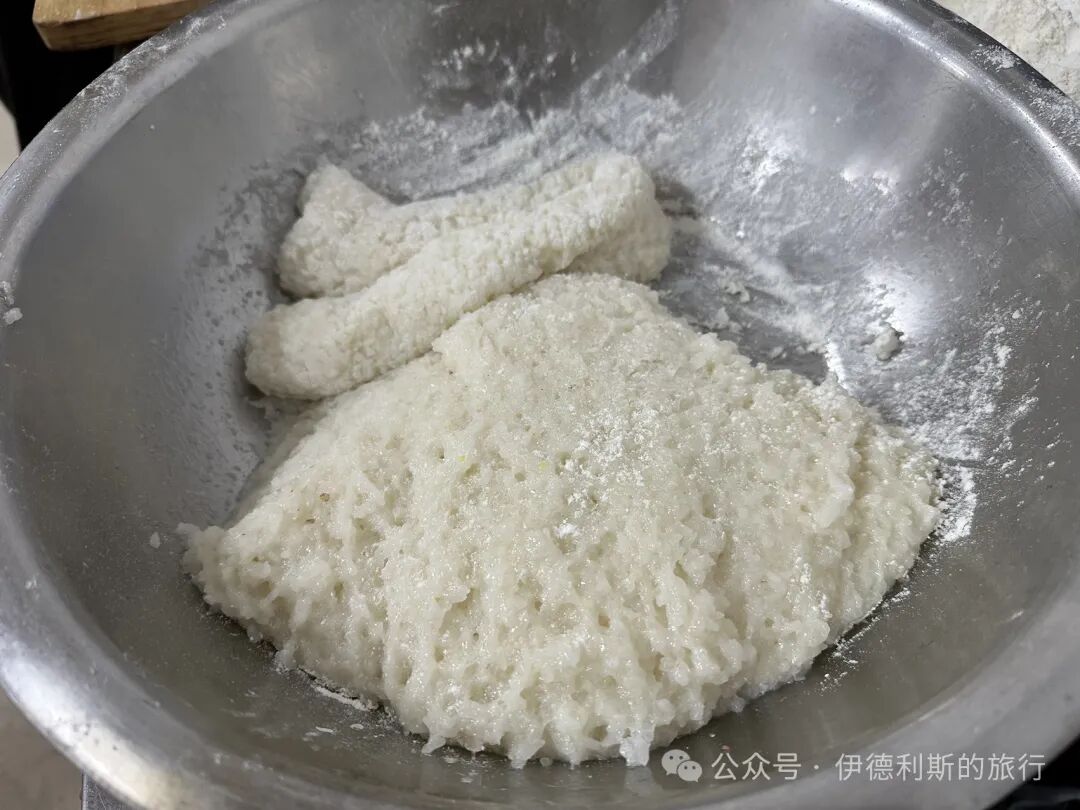
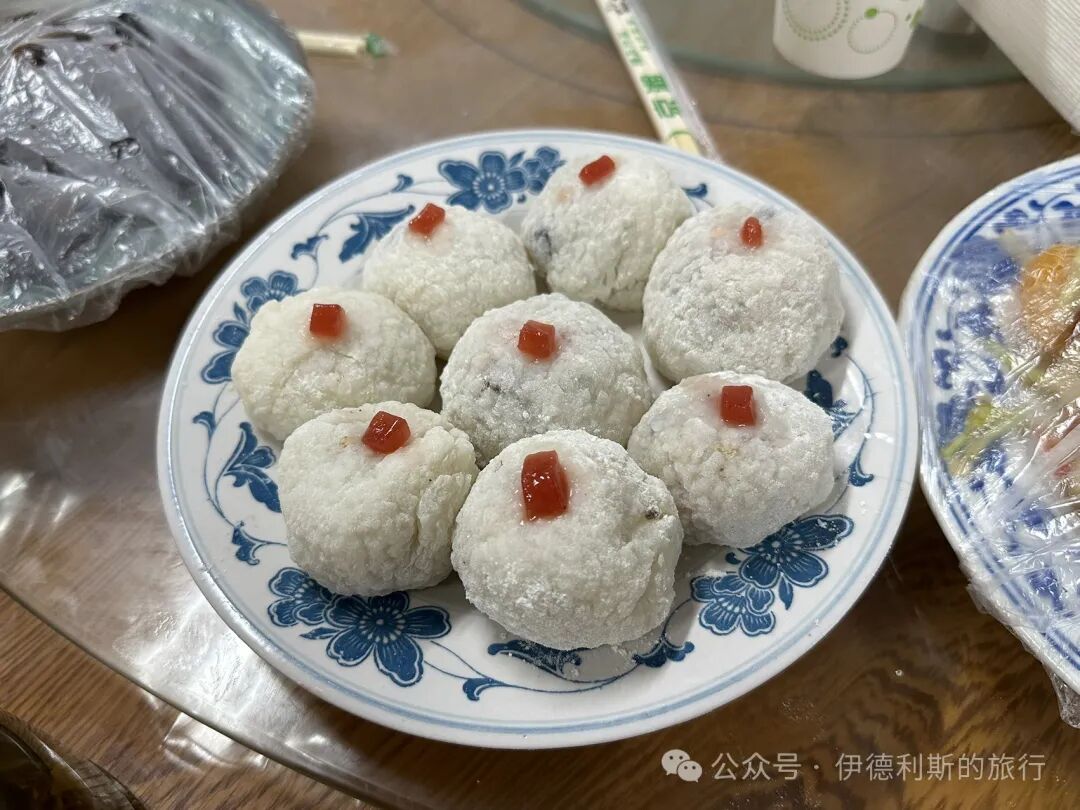
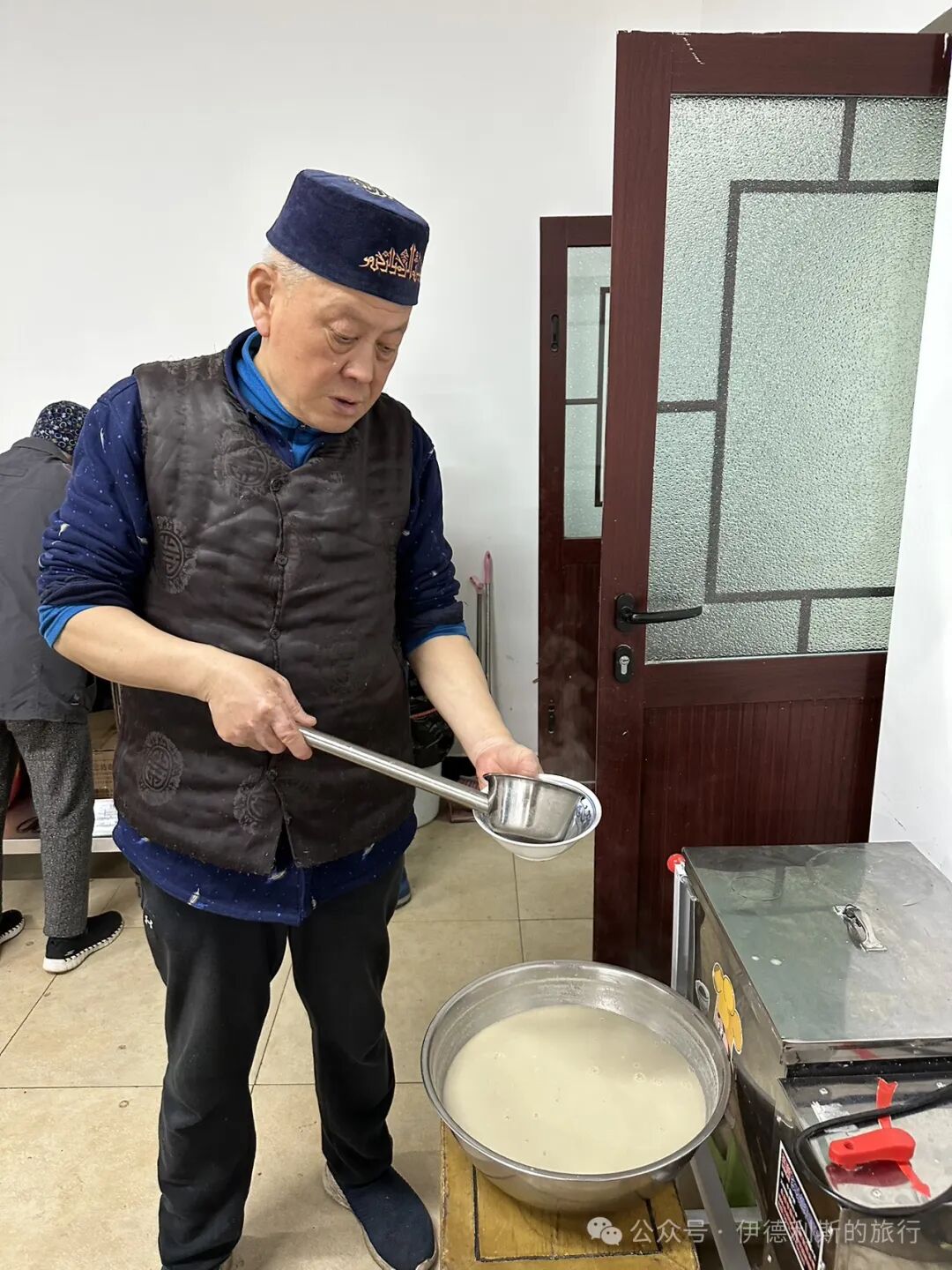
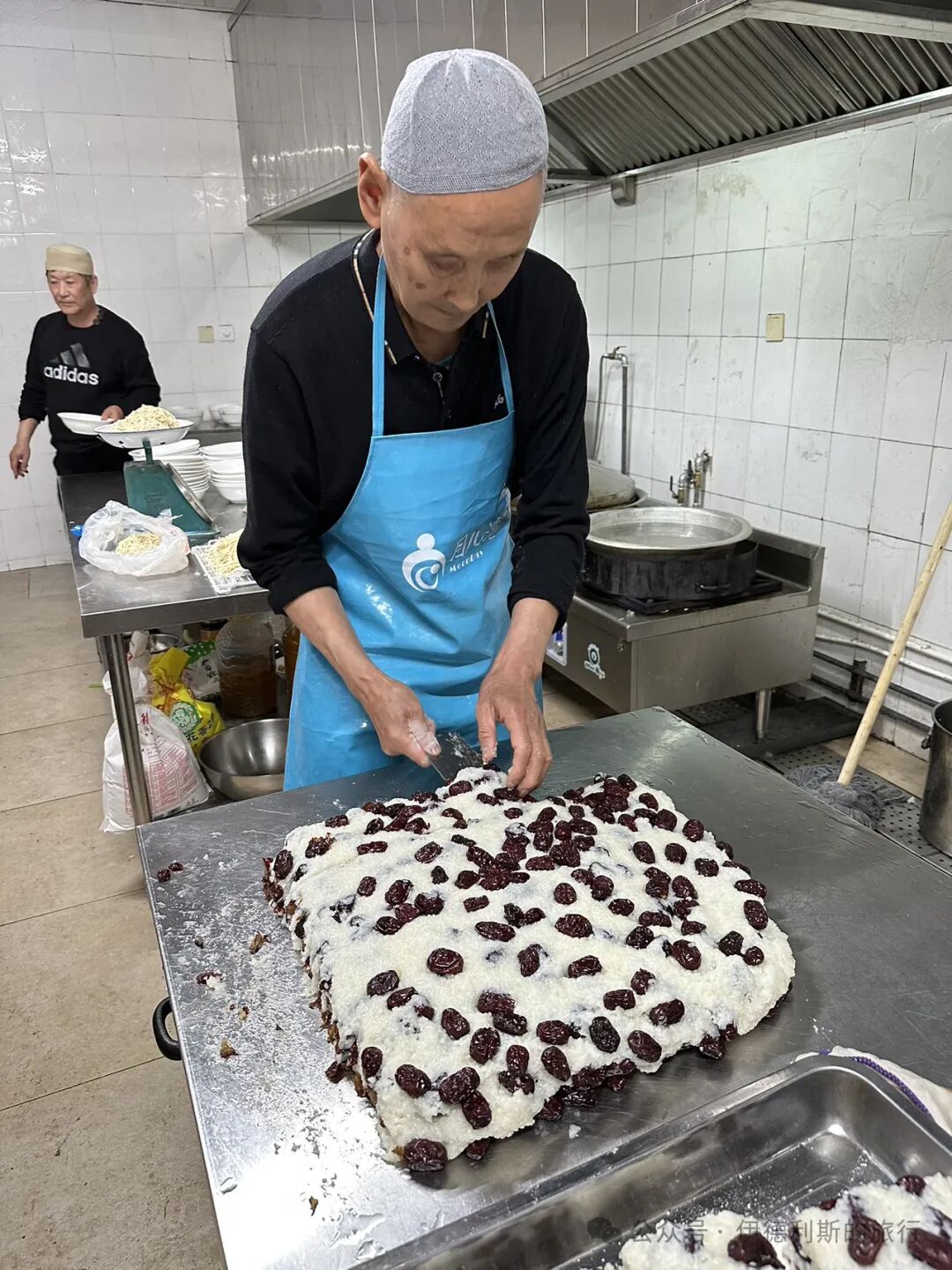
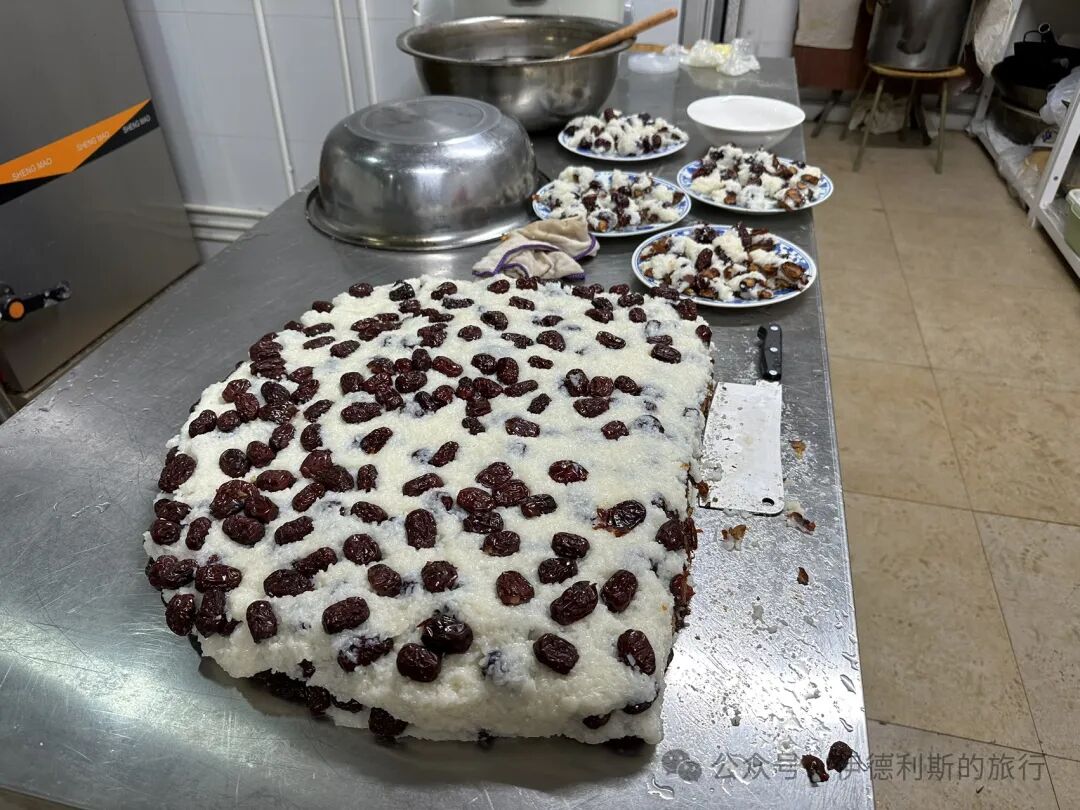
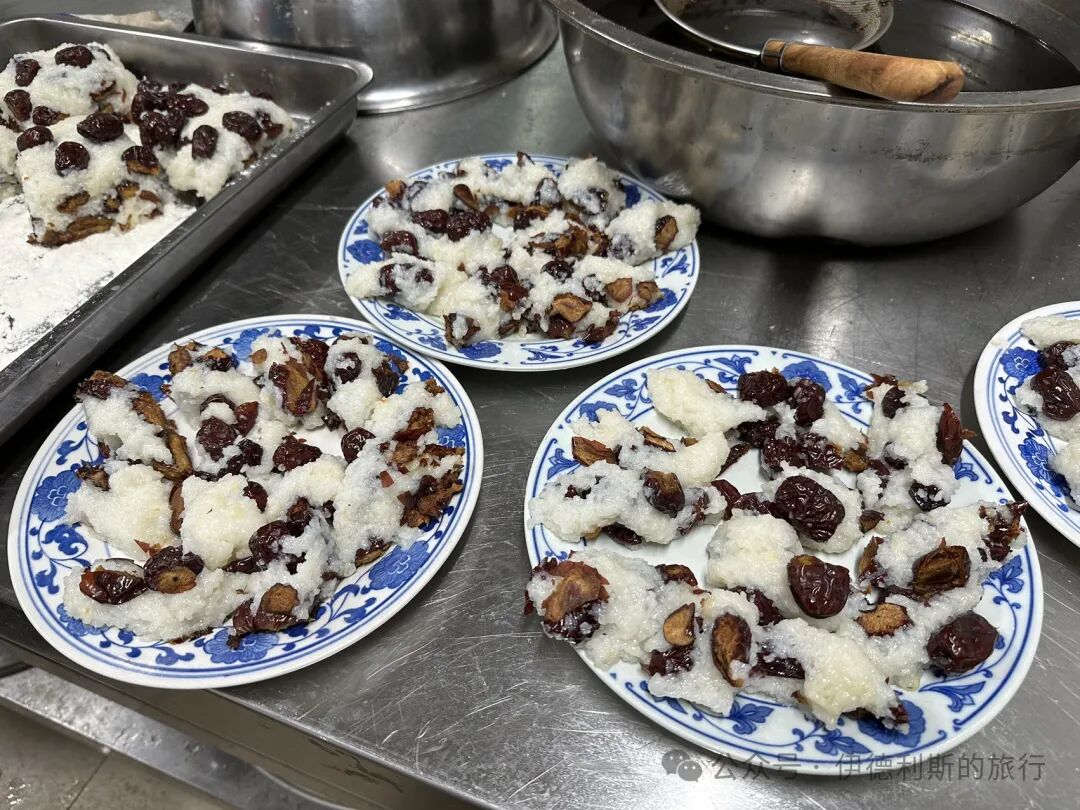
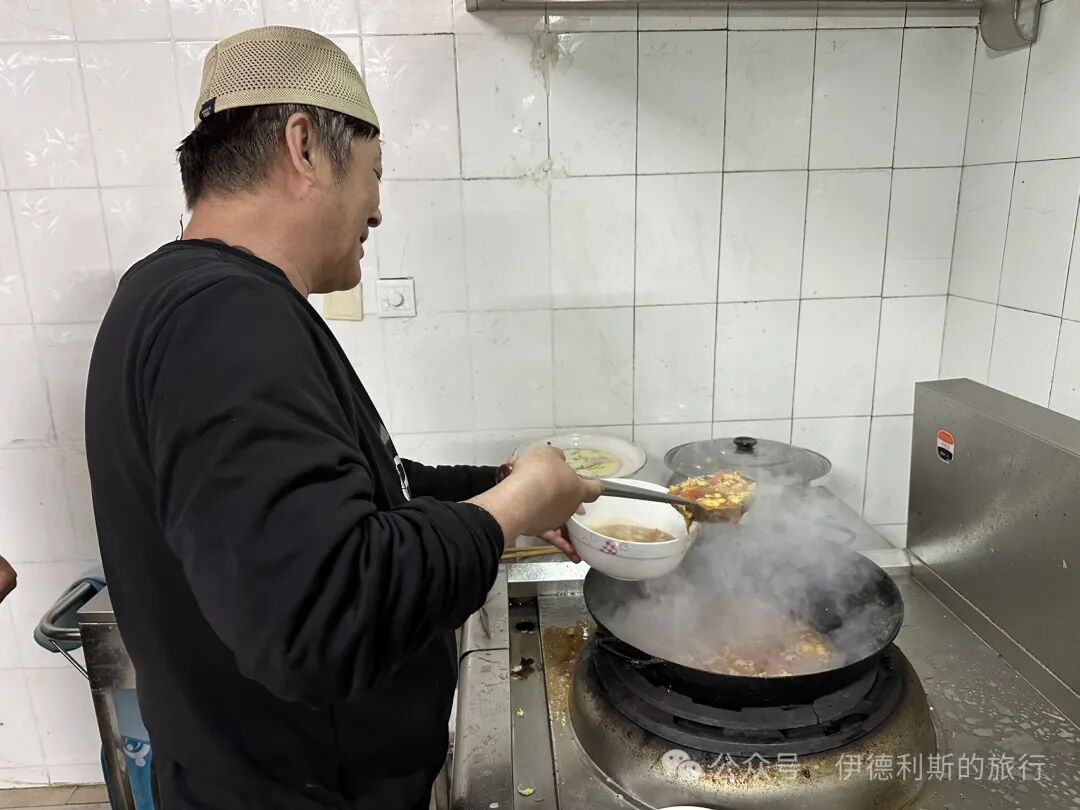
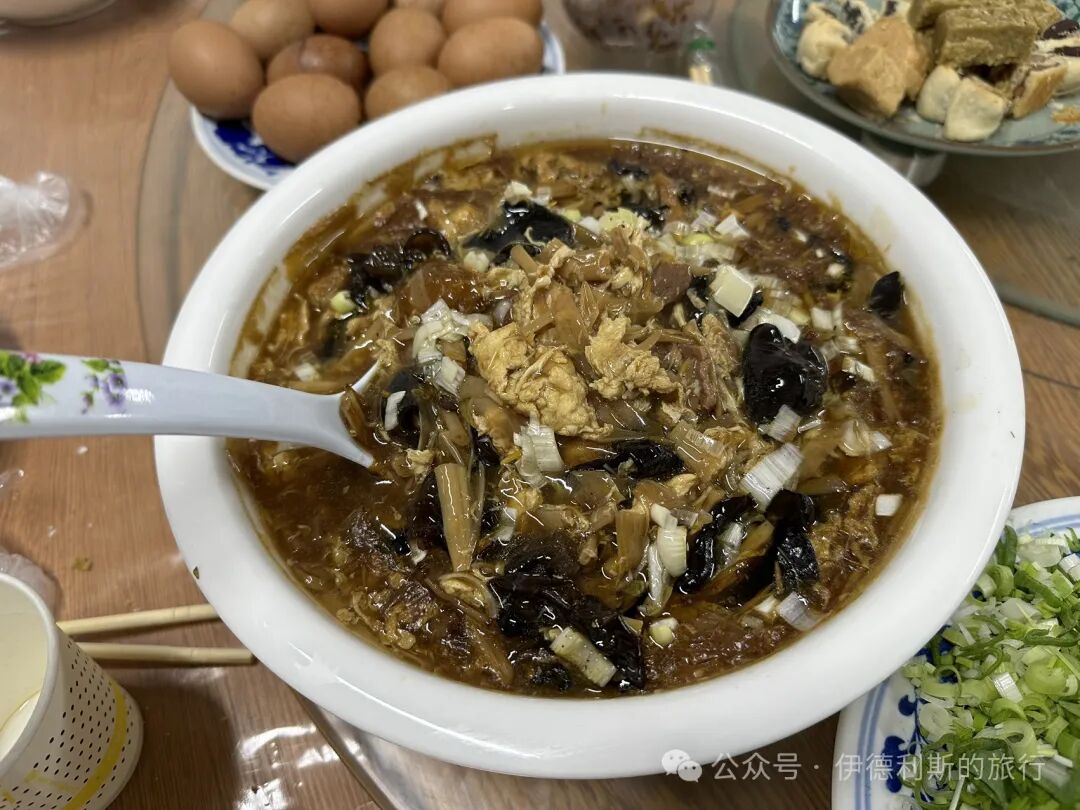
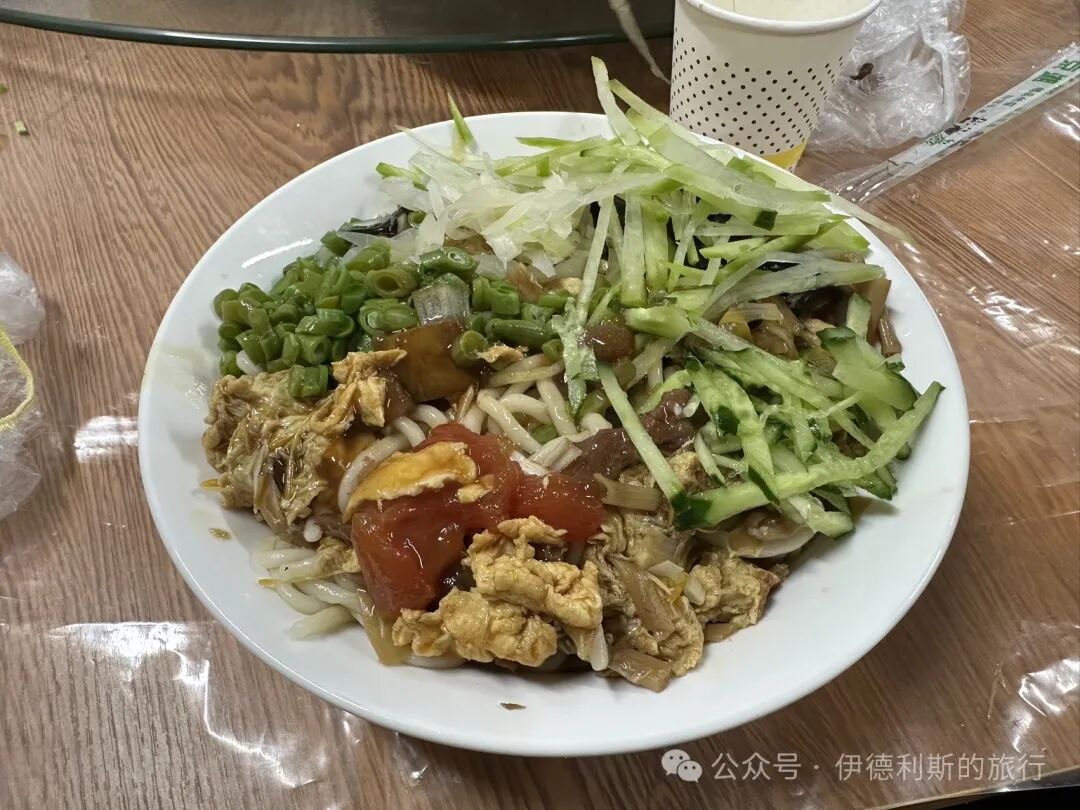
I received charity (sadaqah) from the friends (dosti). May Allah reward you all (thawab)! This Ramadan has been so heartwarming!
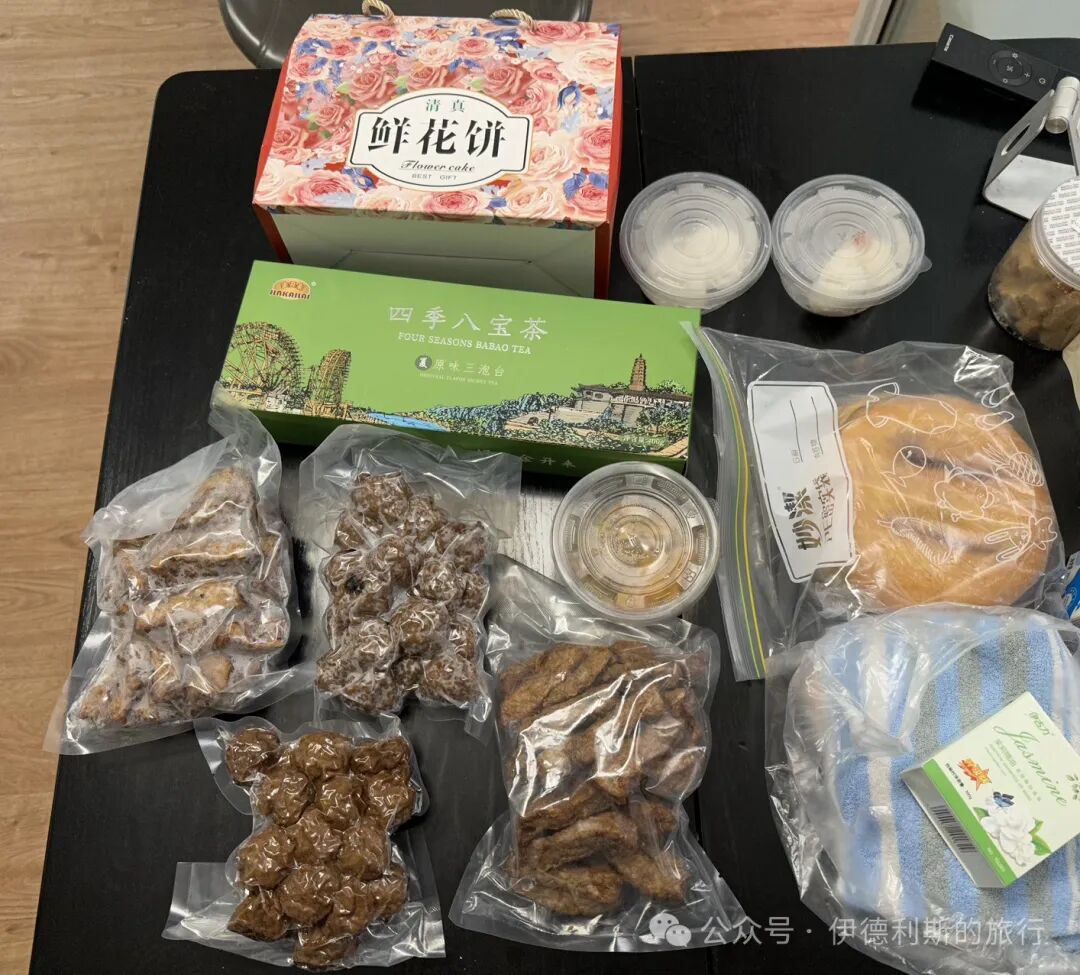
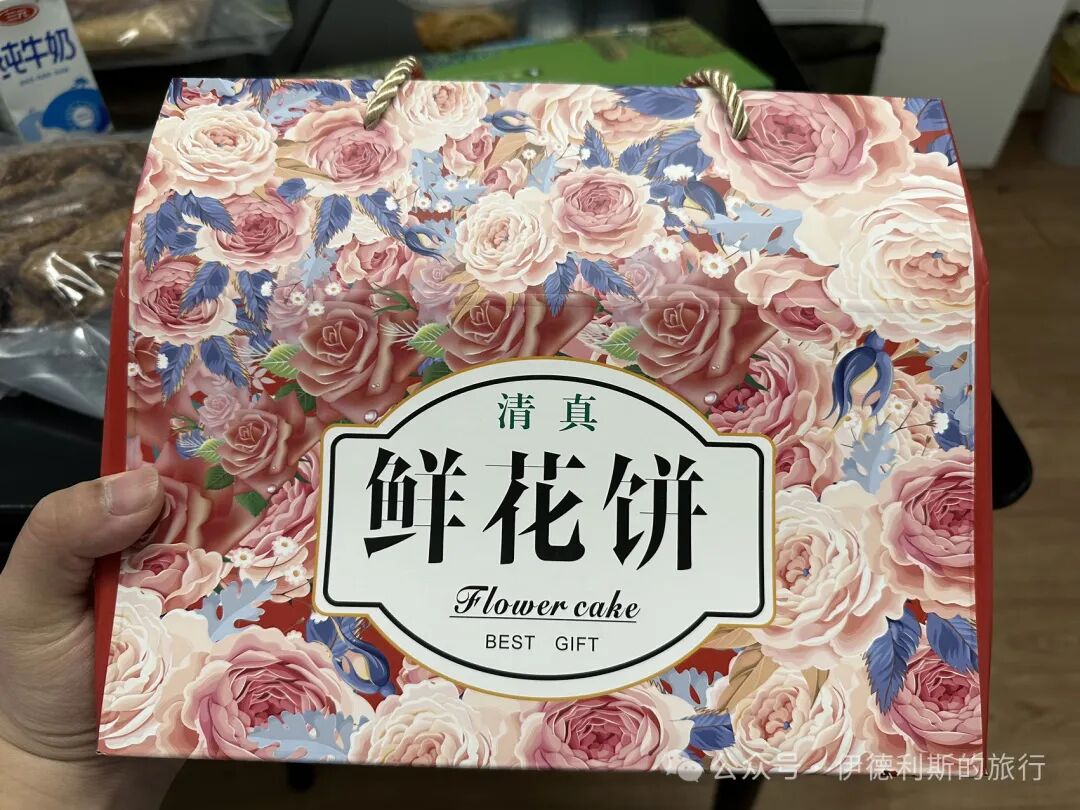
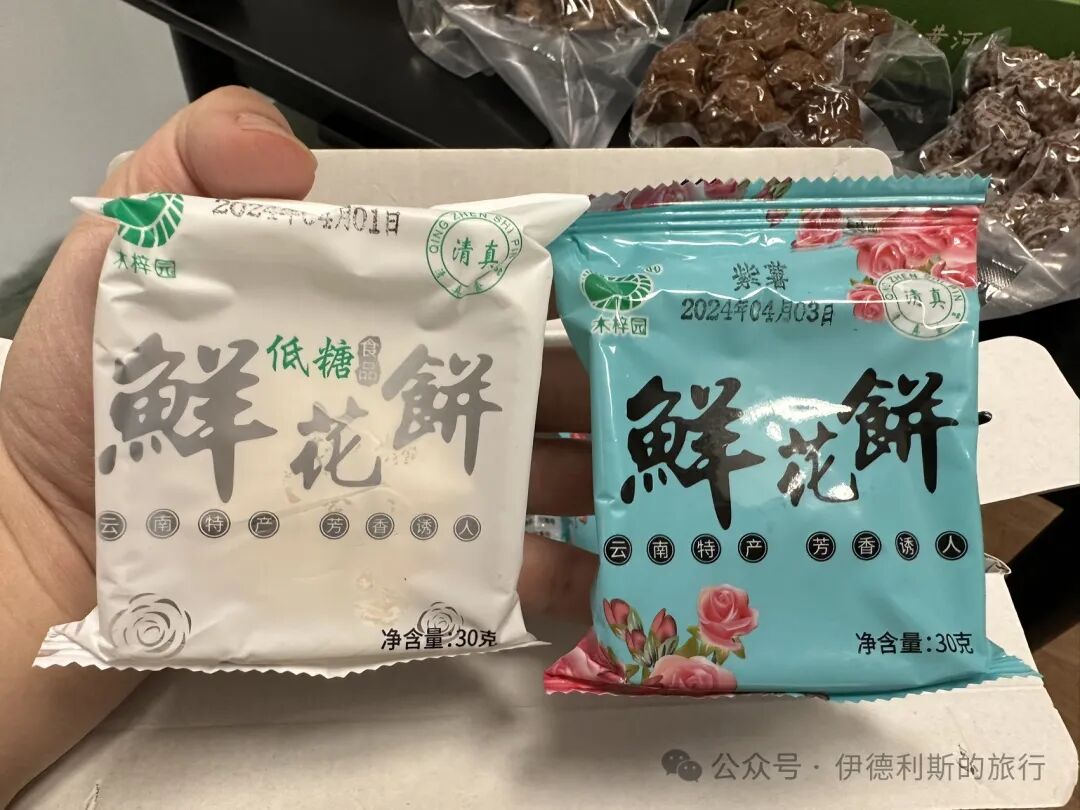
It is the last day of Ramadan! The elders at Balizhuang Mosque gathered again to make steamed rice cakes (aiwowo), small sticky rice cakes (xiaoqiegao), and candied yam rolls (tangjuanguo), and everyone felt sad to see Ramadan end. Just like the sermon (wa'erzi) says, we must keep the spirit of Ramadan alive and try to make every month like Ramadan and every night like the Night of Power (Laylat al-Qadr).
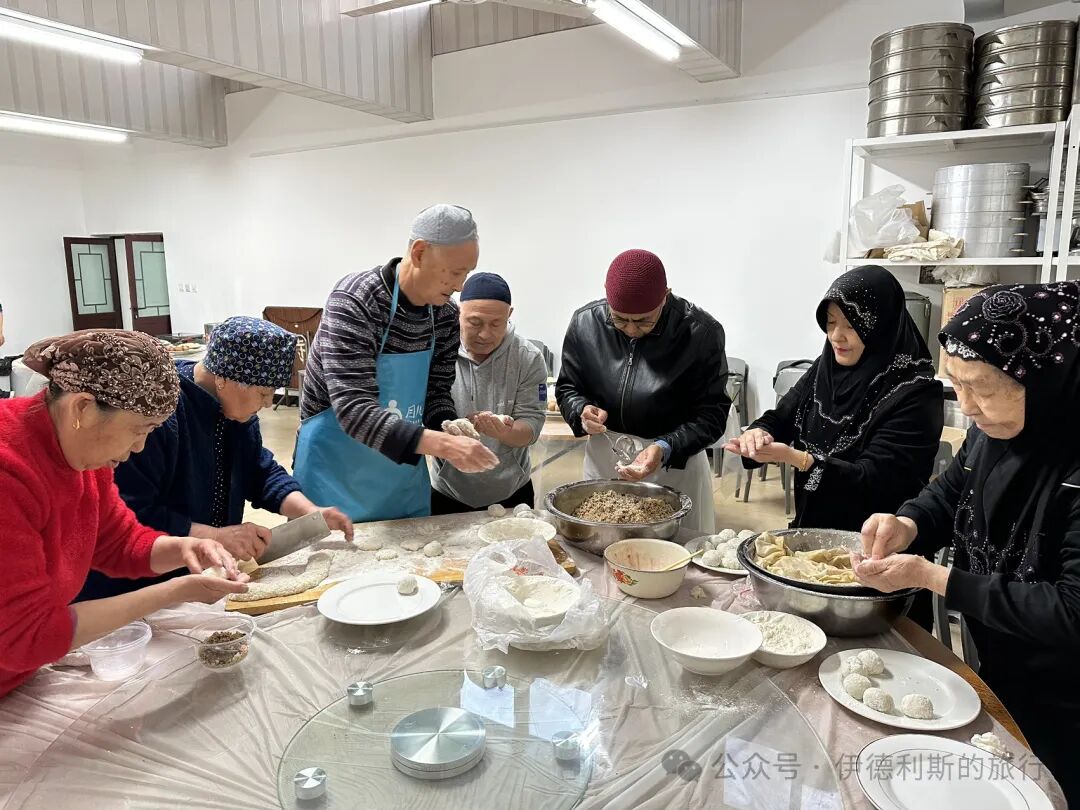
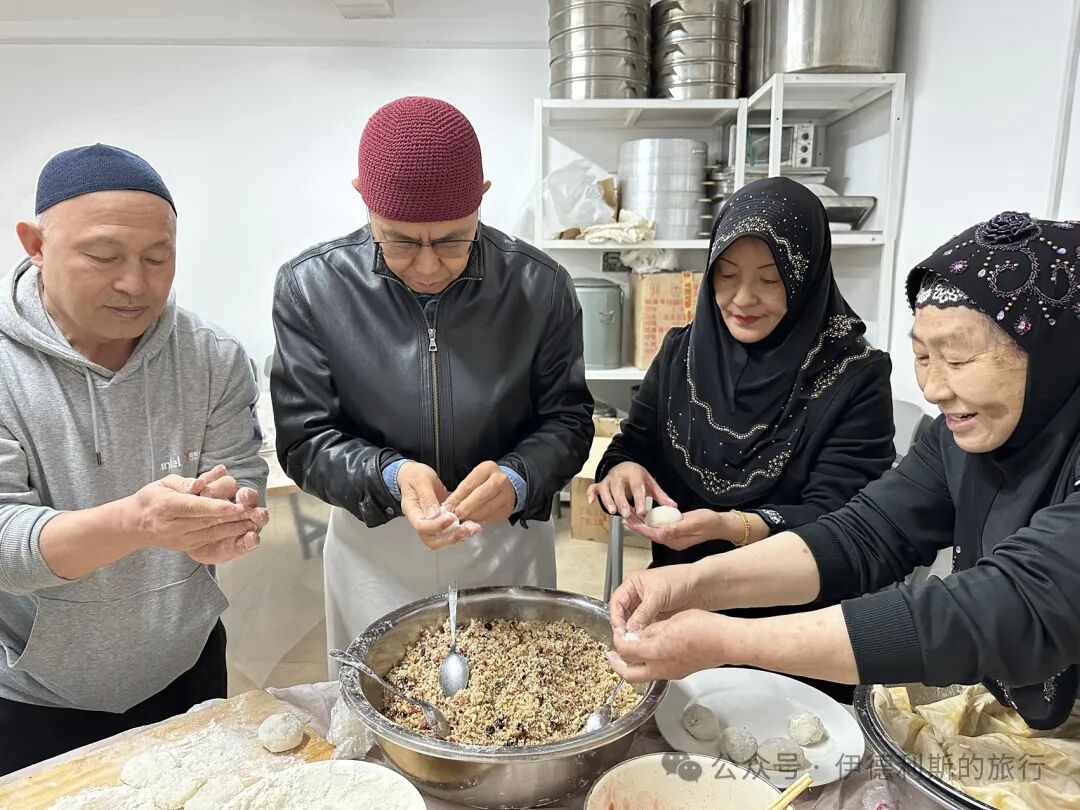
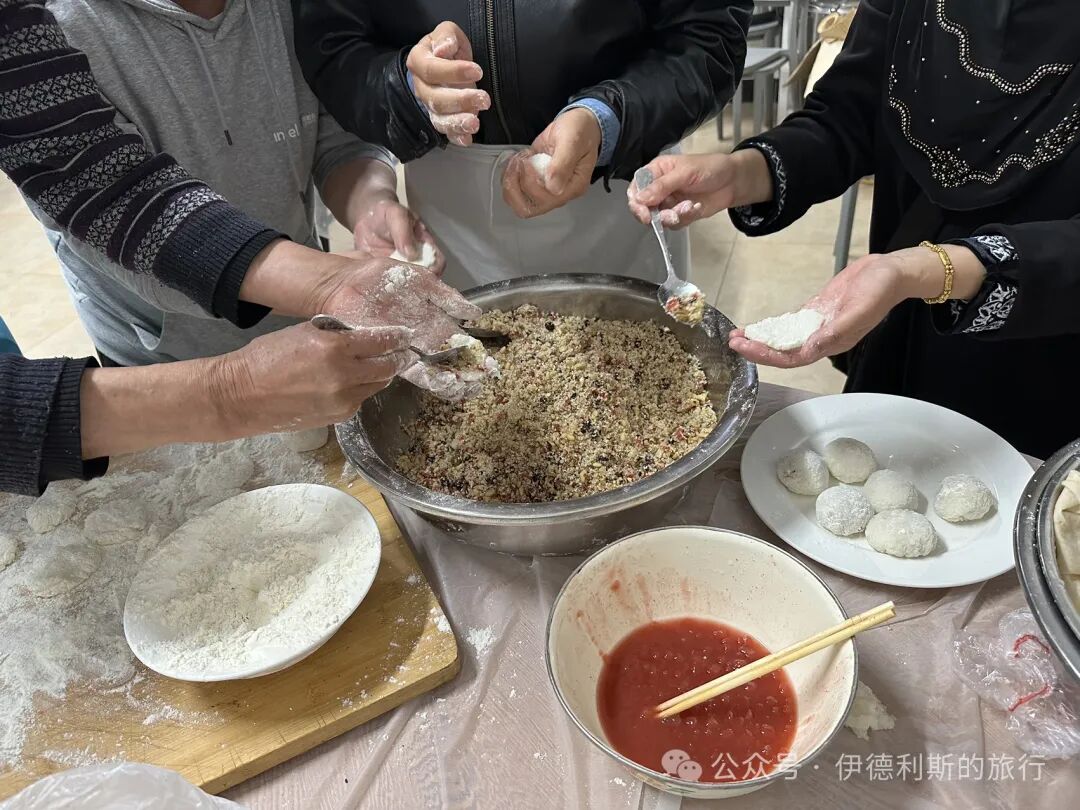
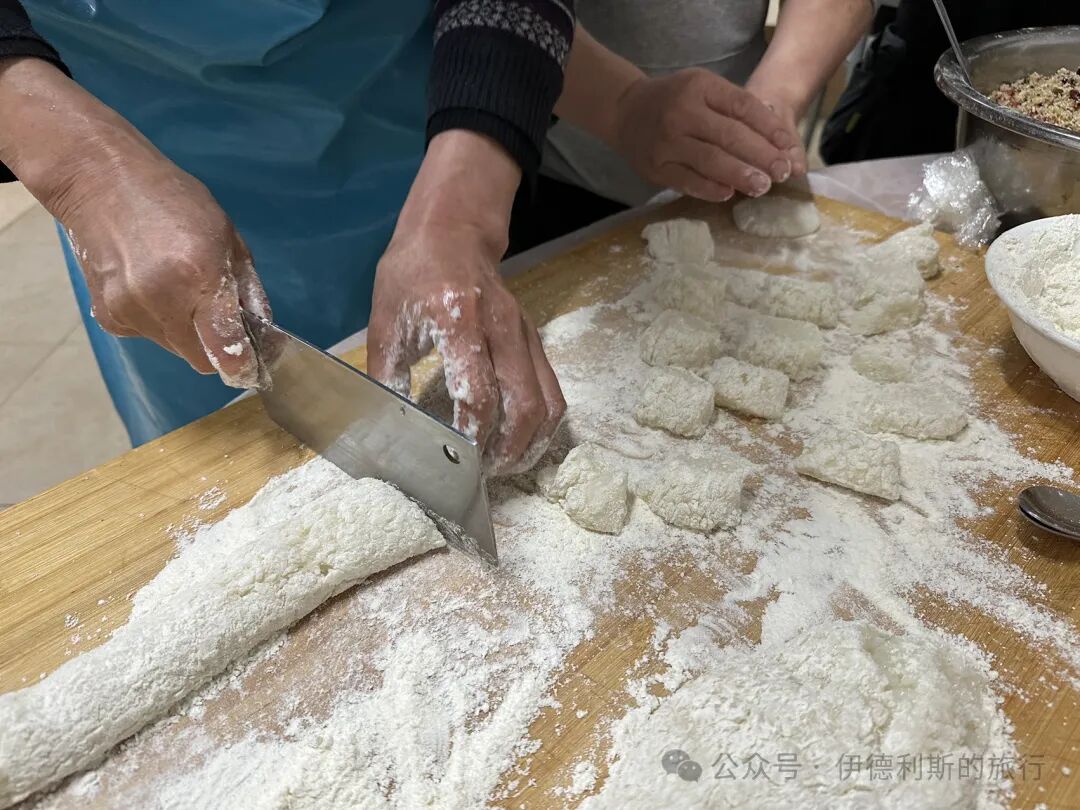
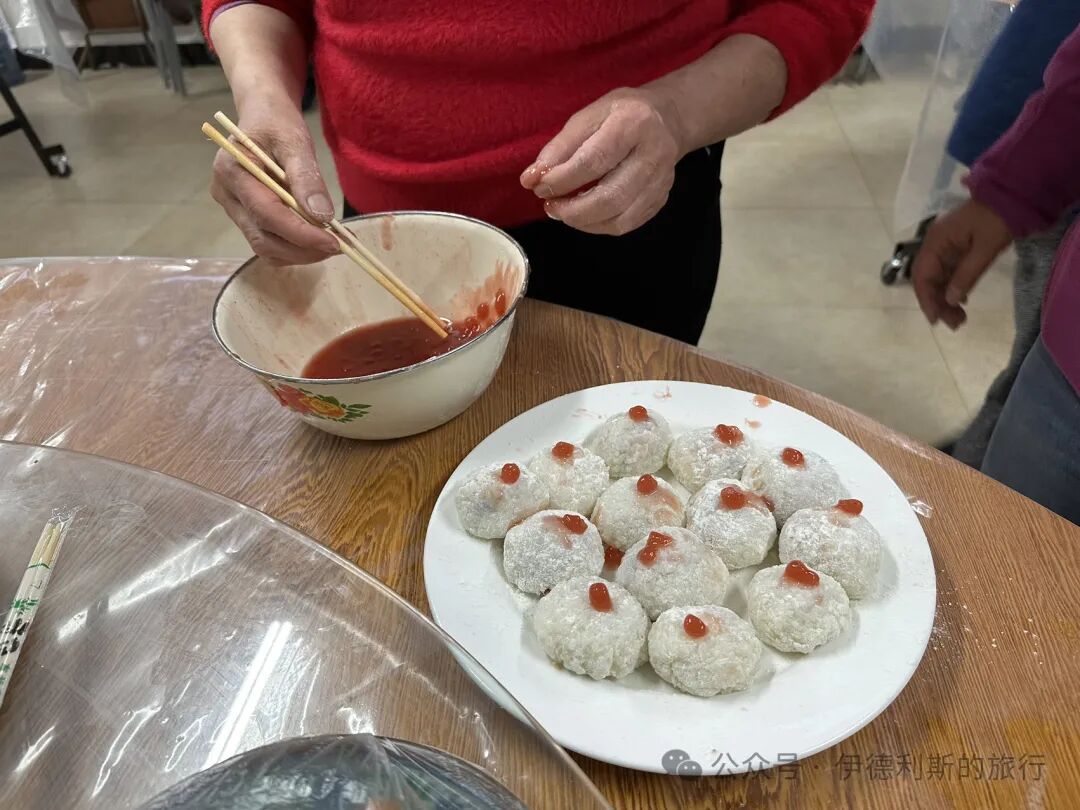
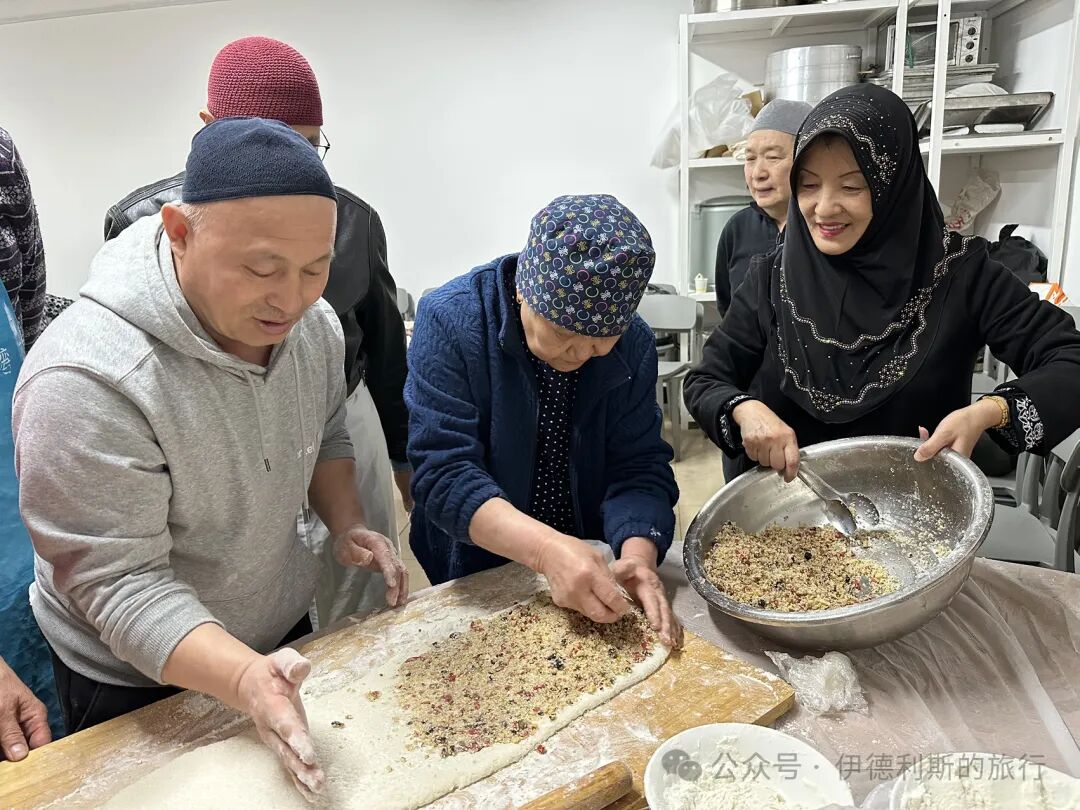
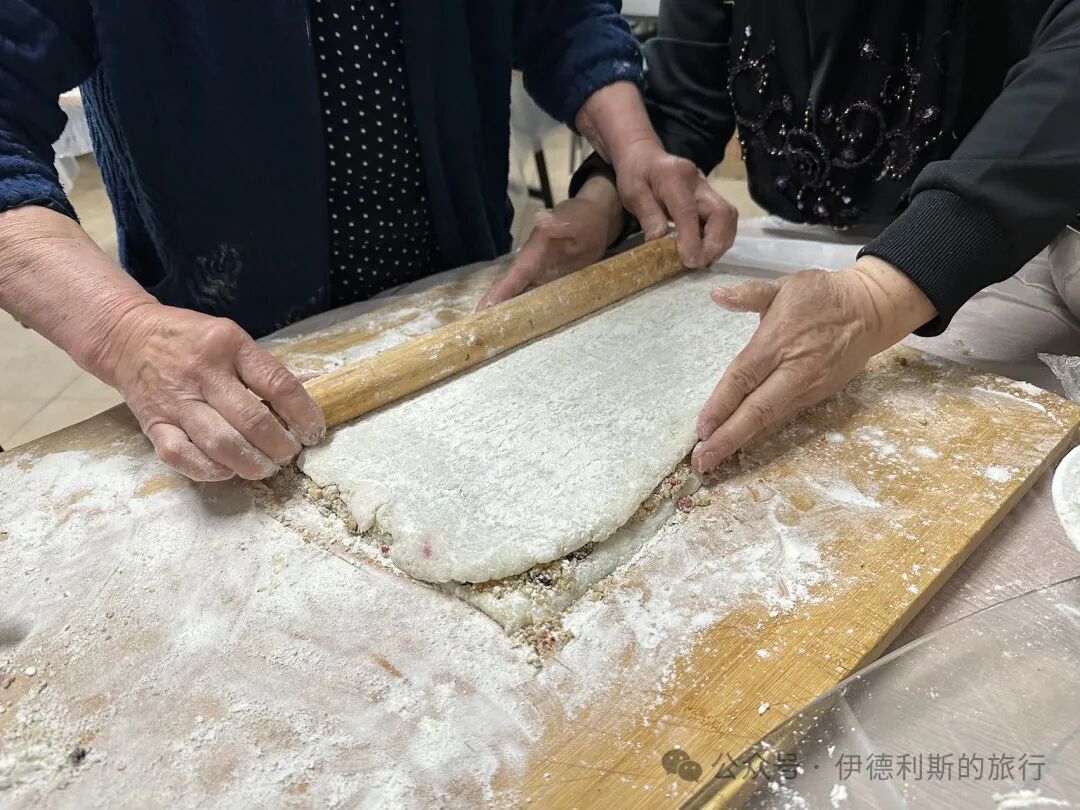
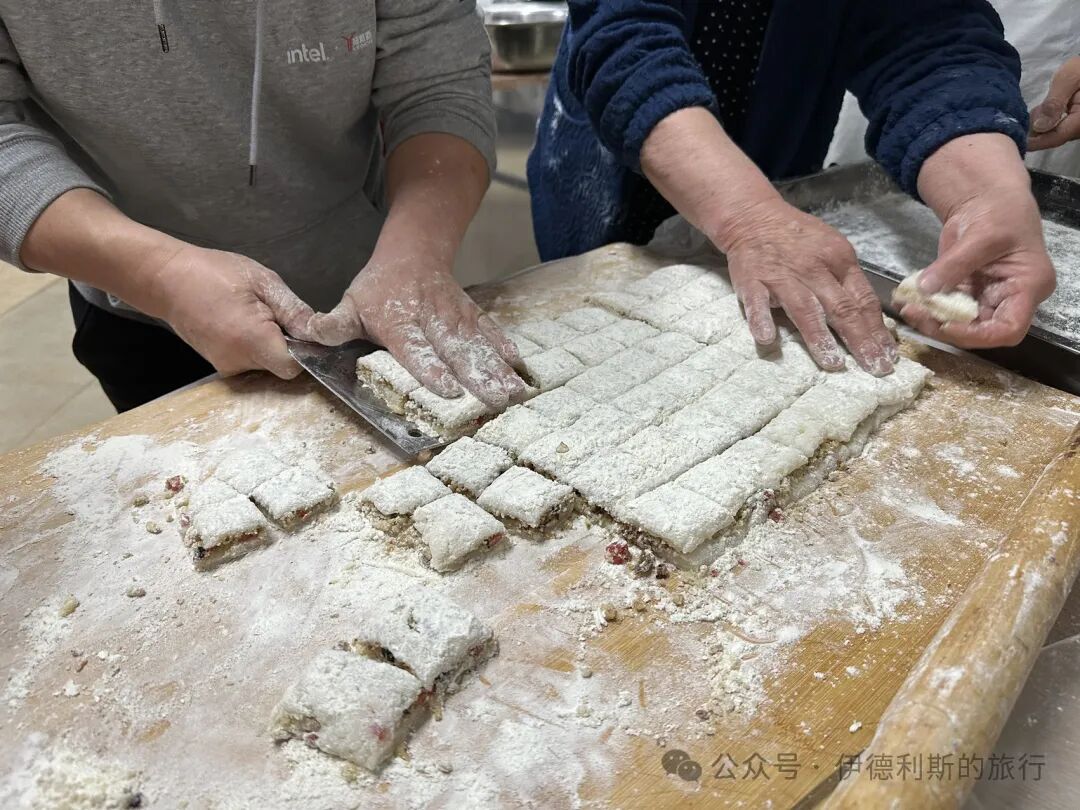
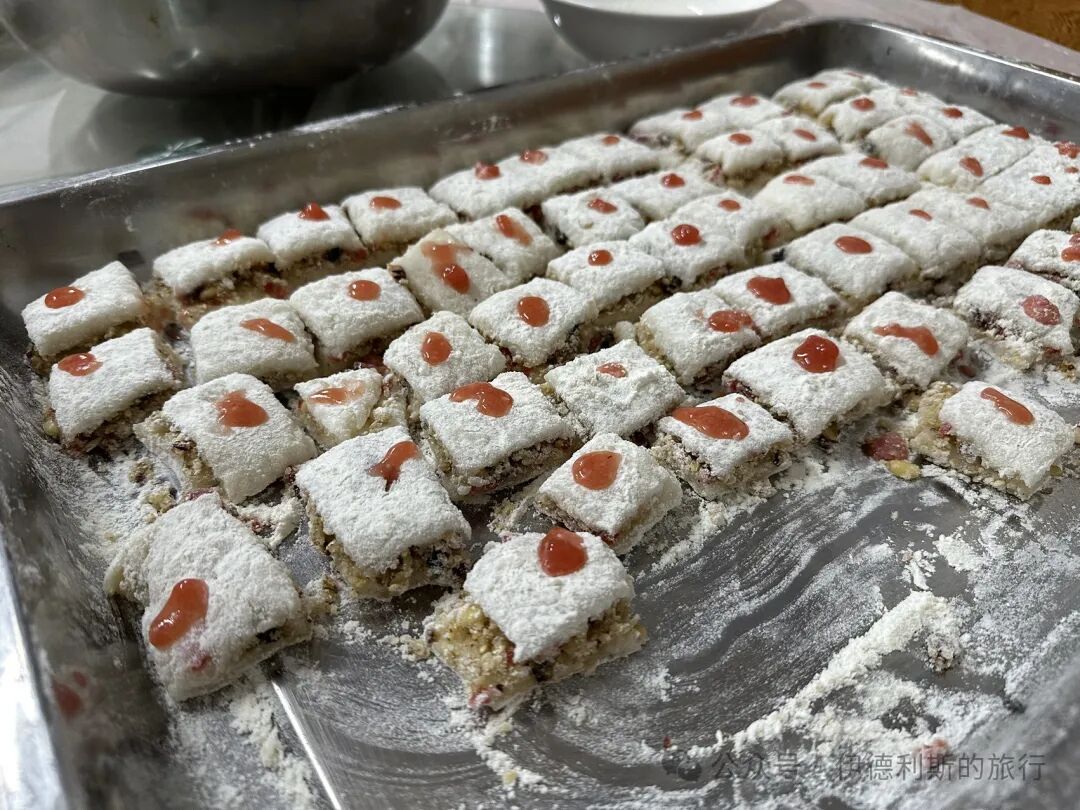
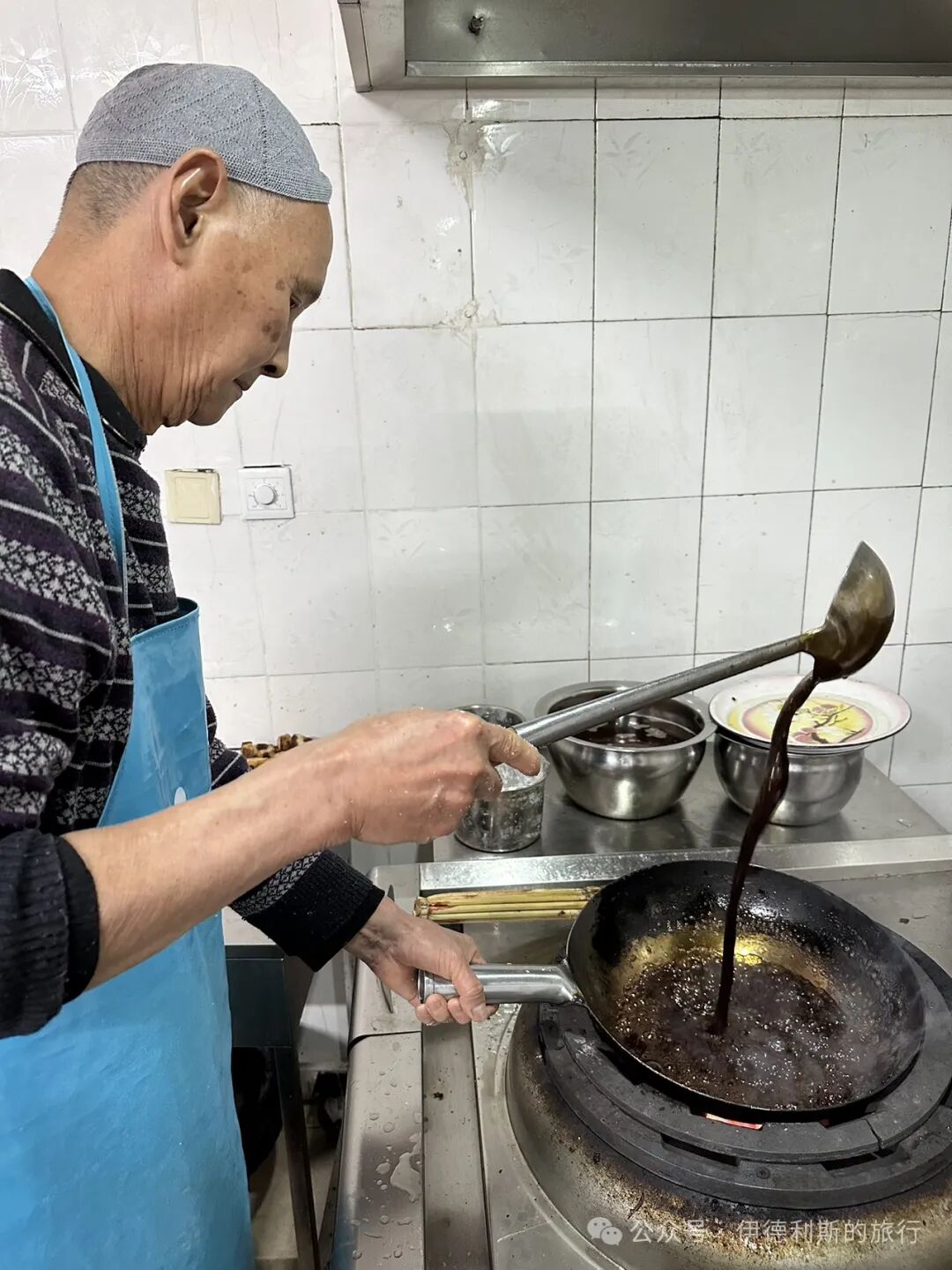
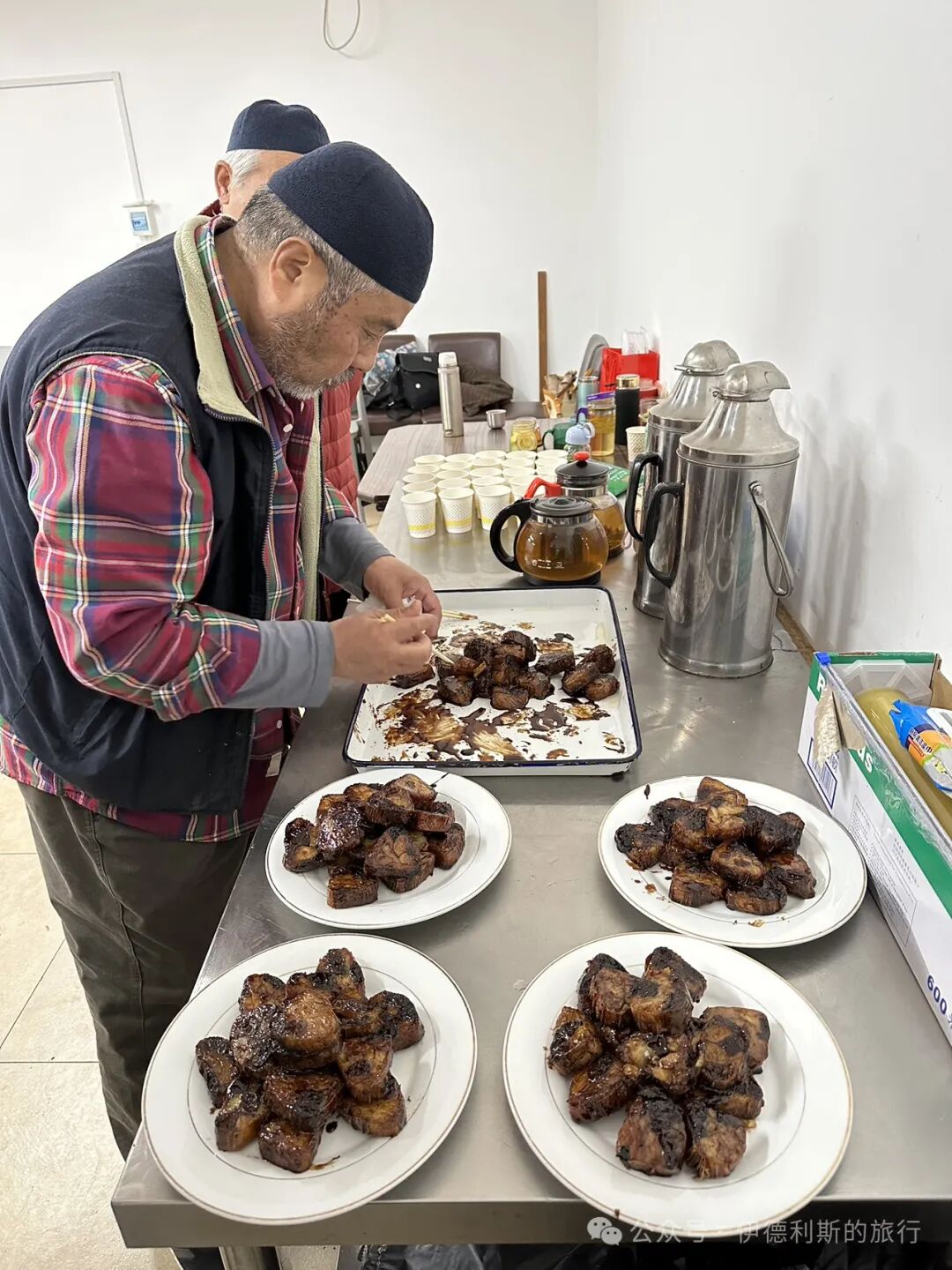
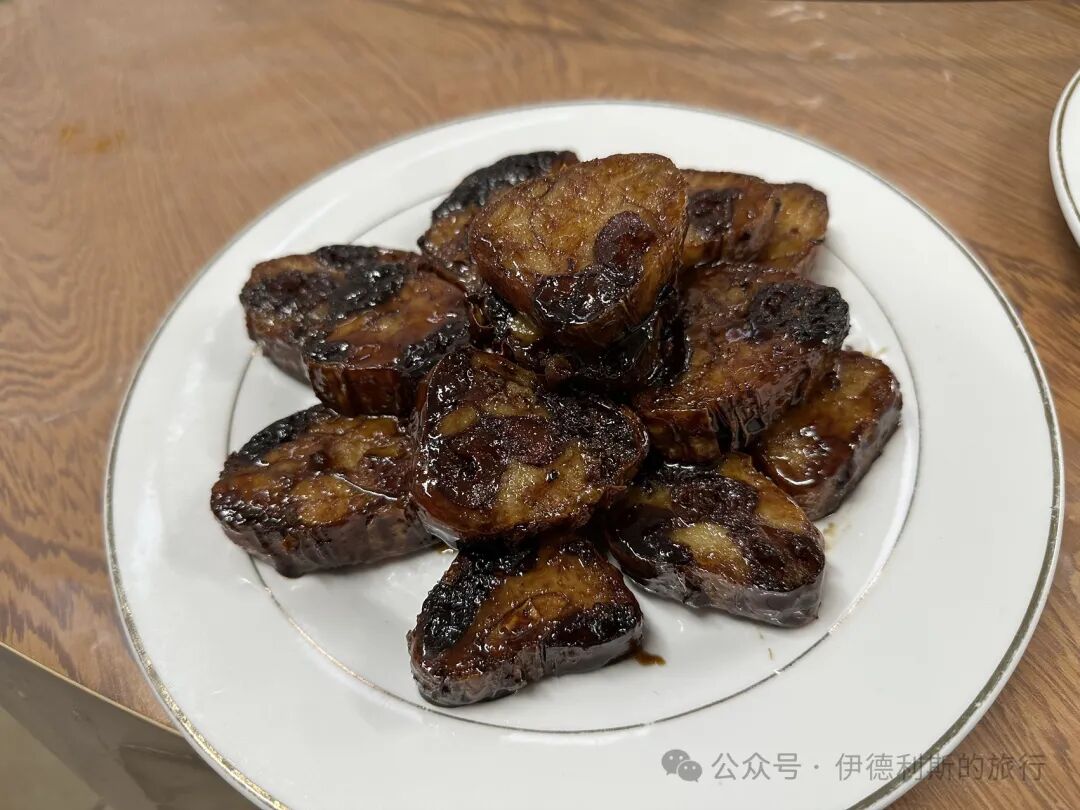
The elders at Balizhuang Mosque are busy preparing for Eid al-Fitr tomorrow, getting the meat porridge (rouzhou) simmering and the fried dough (youxiang) ready.
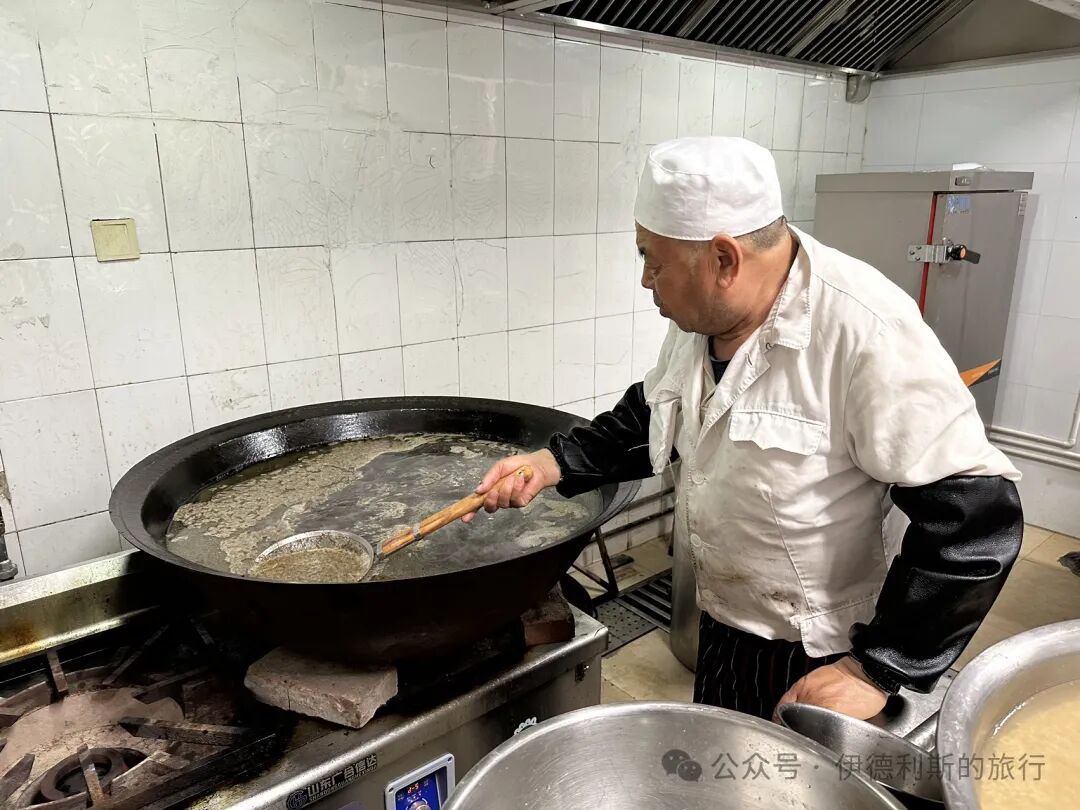
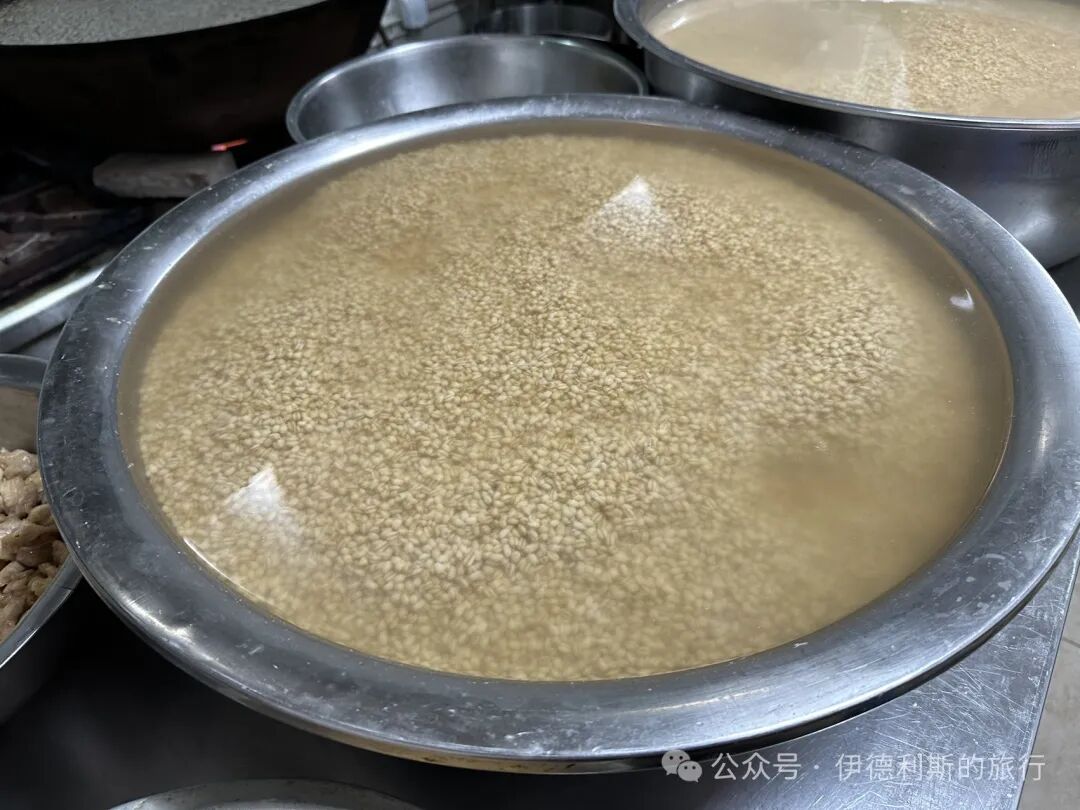
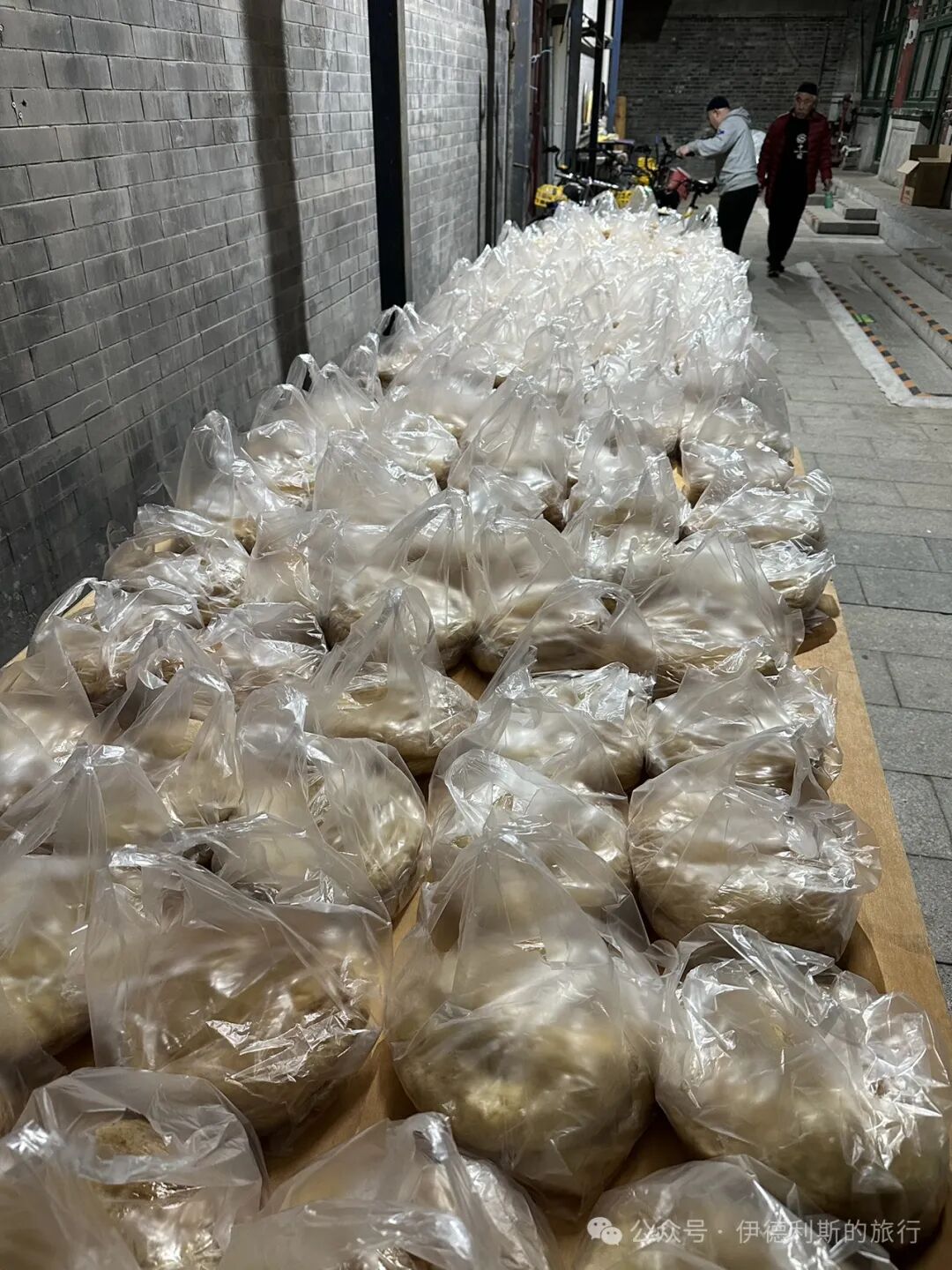
The iftar meal was very rich, with braised fish, braised pork tongue, chicken cubes in bean sauce, stir-fried shrimp, fried tofu stewed with beef, spiced beef, and more. The fish was flavorful, and the beef was stewed until soft and tender. May Allah reward (thawab) everyone for their hard work this month.
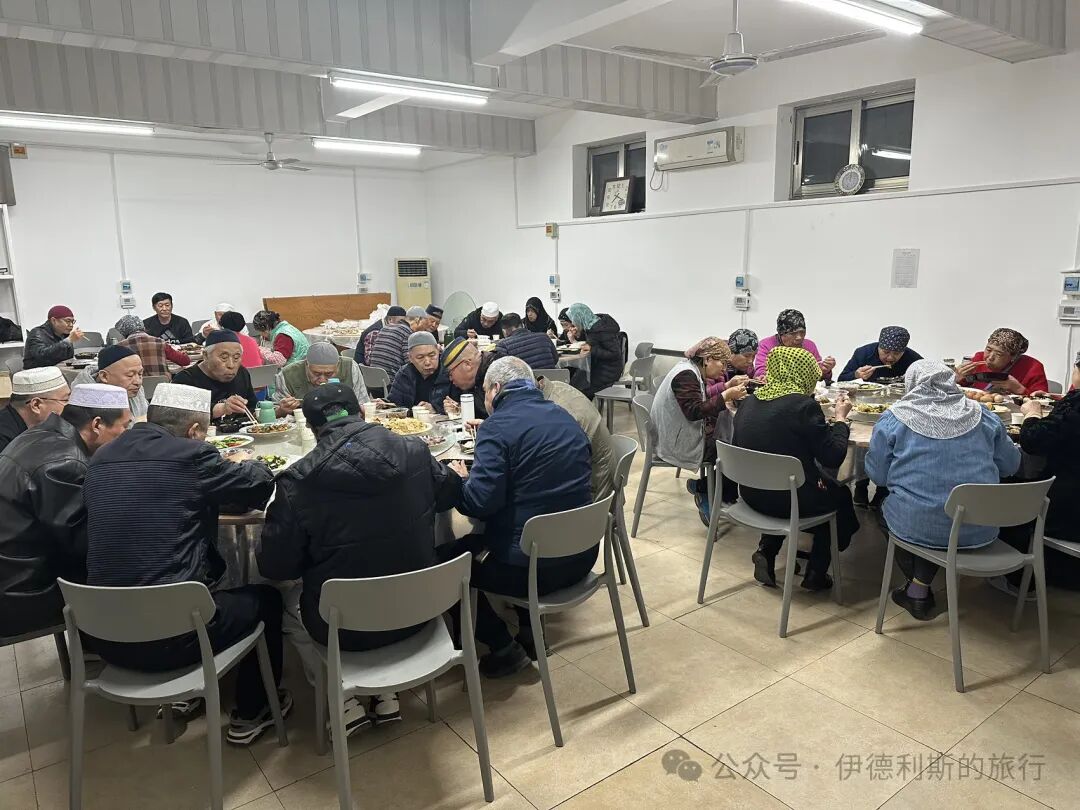
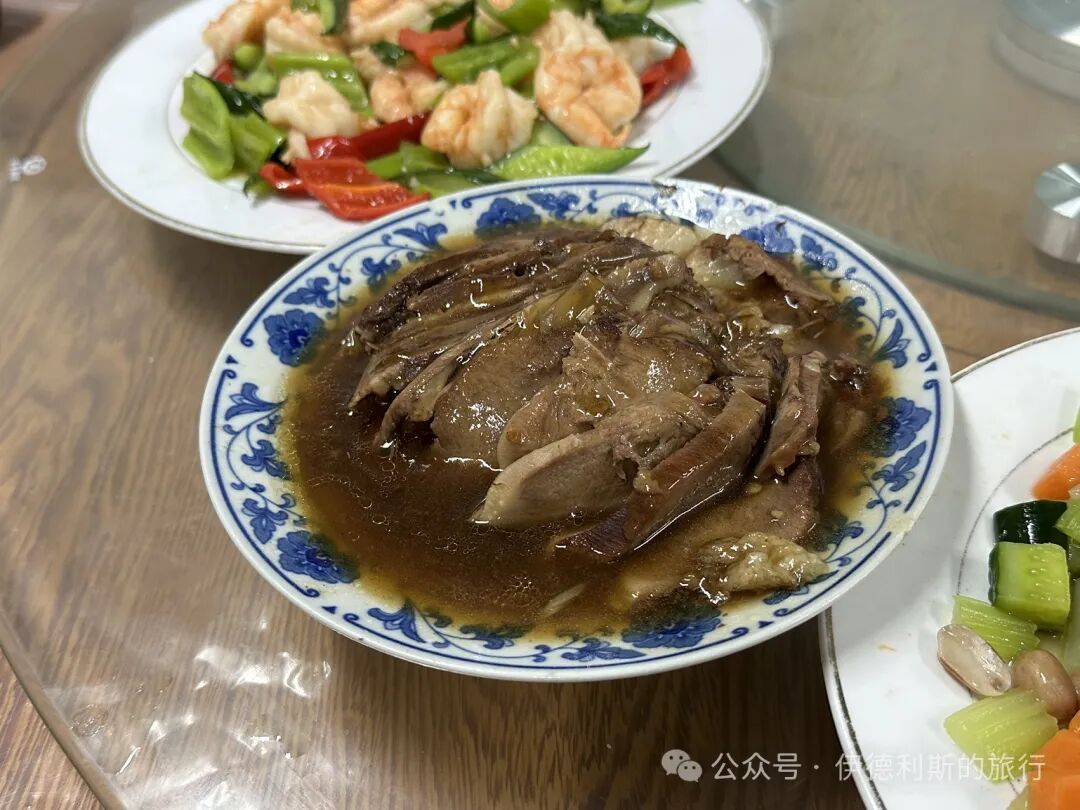
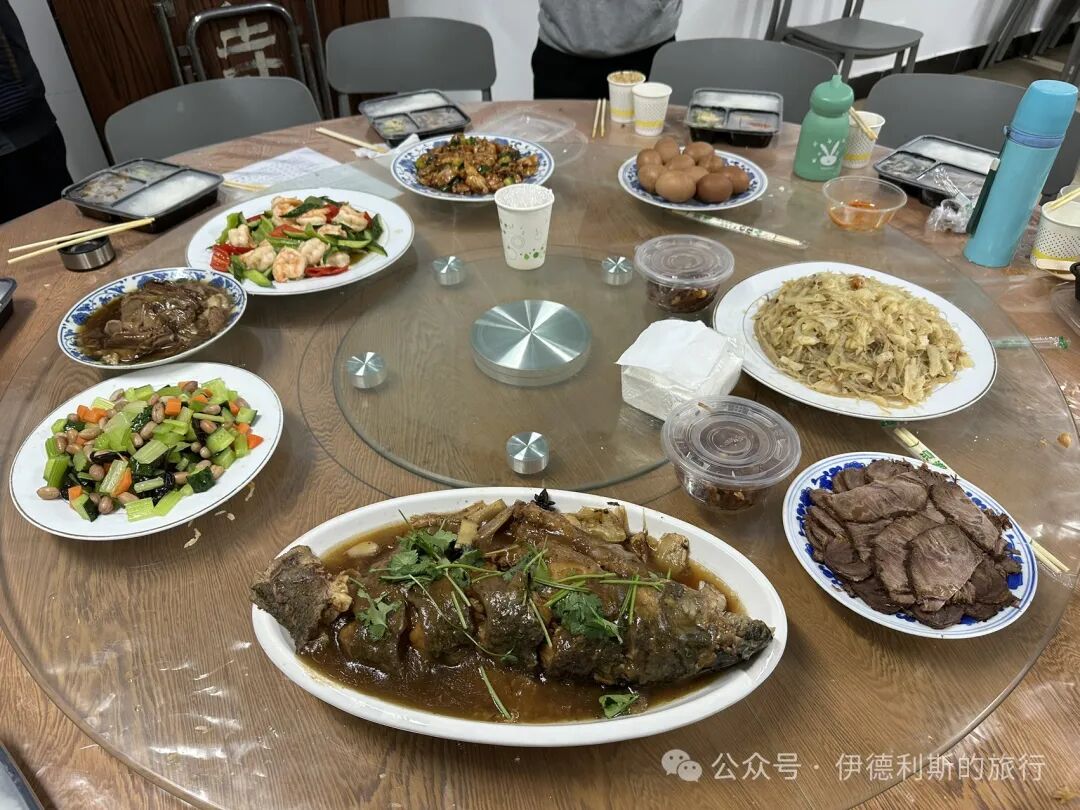
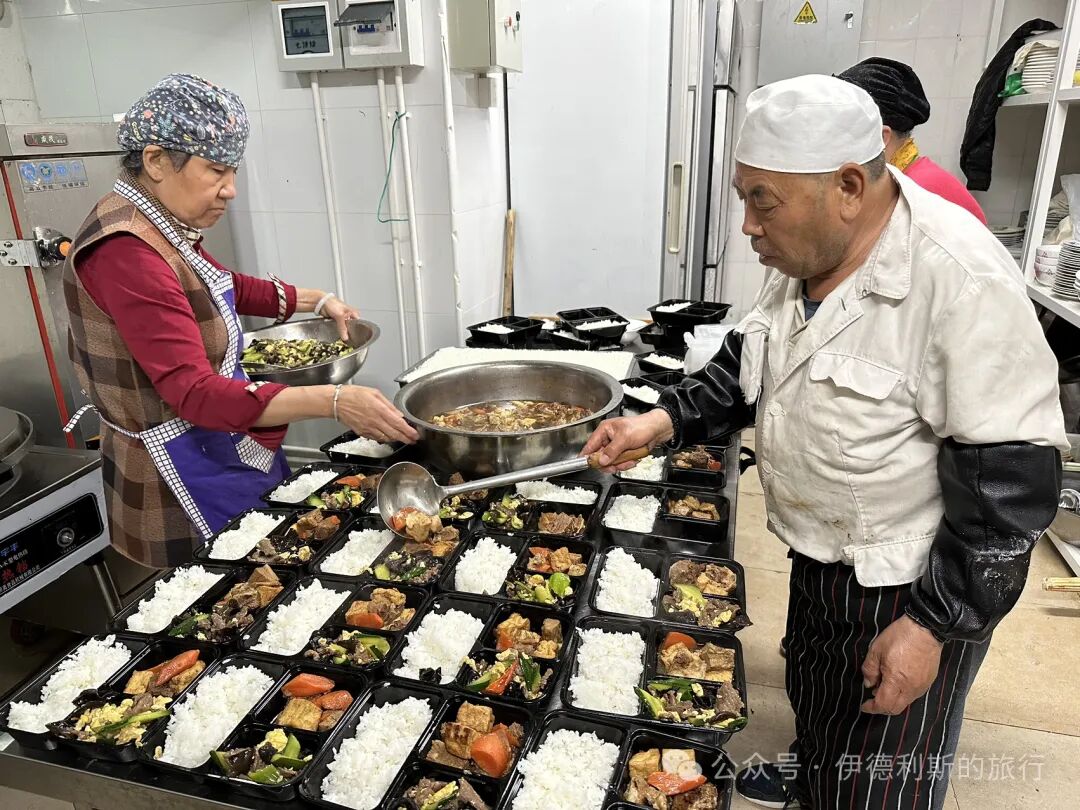
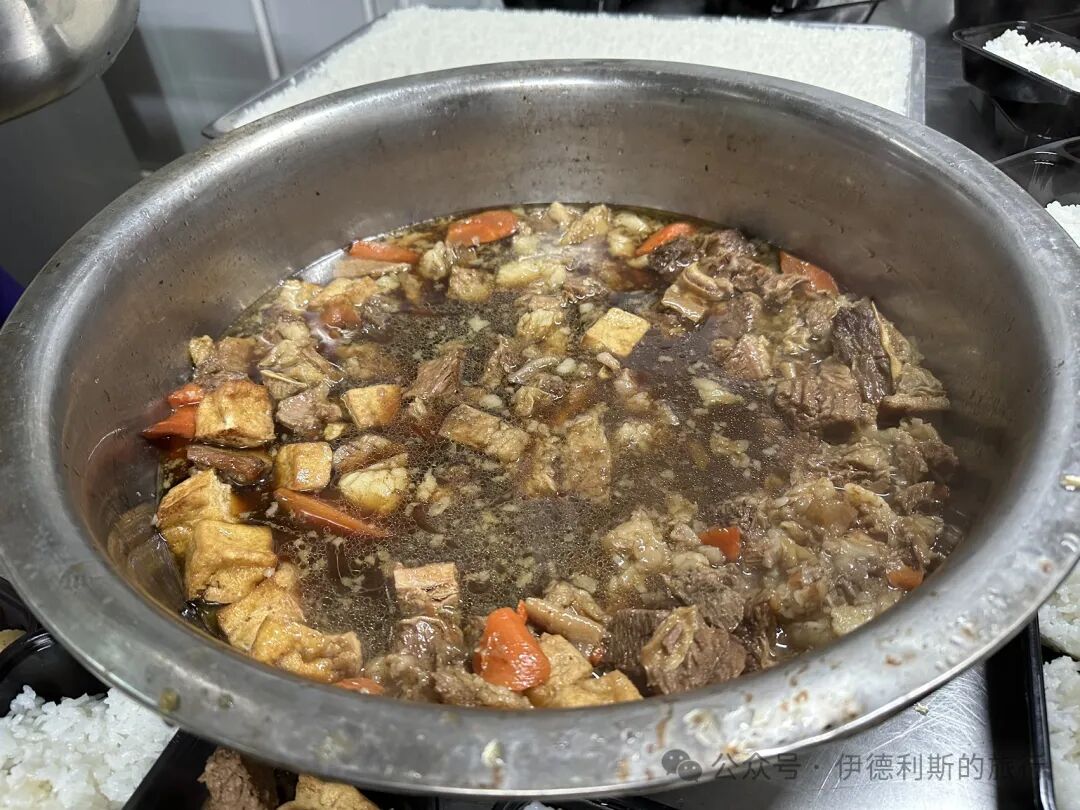
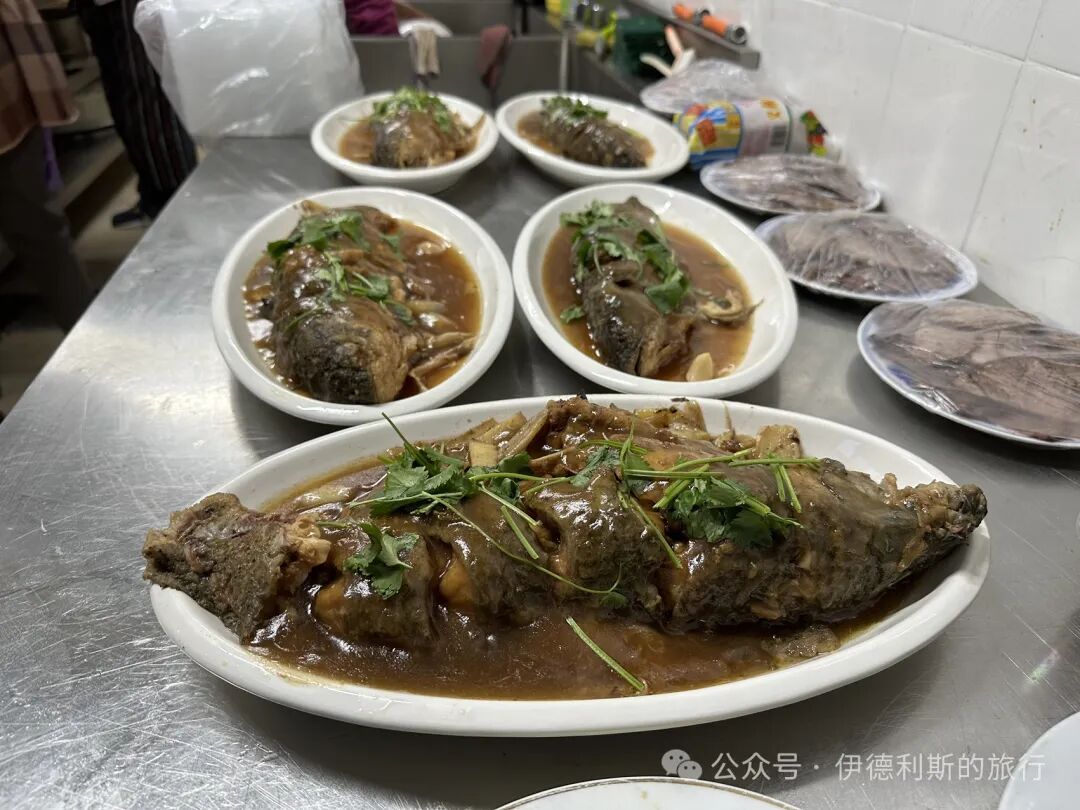
Happy Eid! Eid al-Fitr is finally here, and Balizhuang Mosque has prepared meat porridge (rouzhou), fried dough (youxiang), and various pastries for everyone. The wheat grain and meat flavors in the meat porridge (rouzhou) blend perfectly, making it delicious. I met with Imam Saiwabu and the village elders. I not only accepted their greeting but also recited praises with them, and I feel very grateful to Allah.
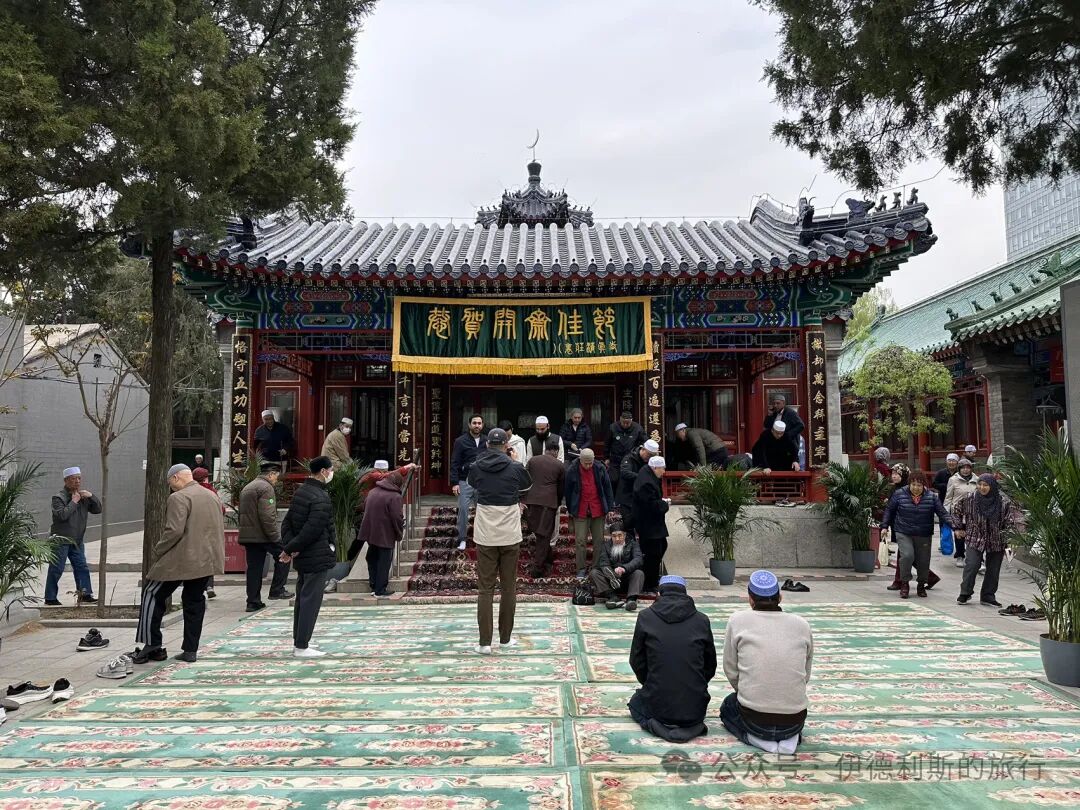
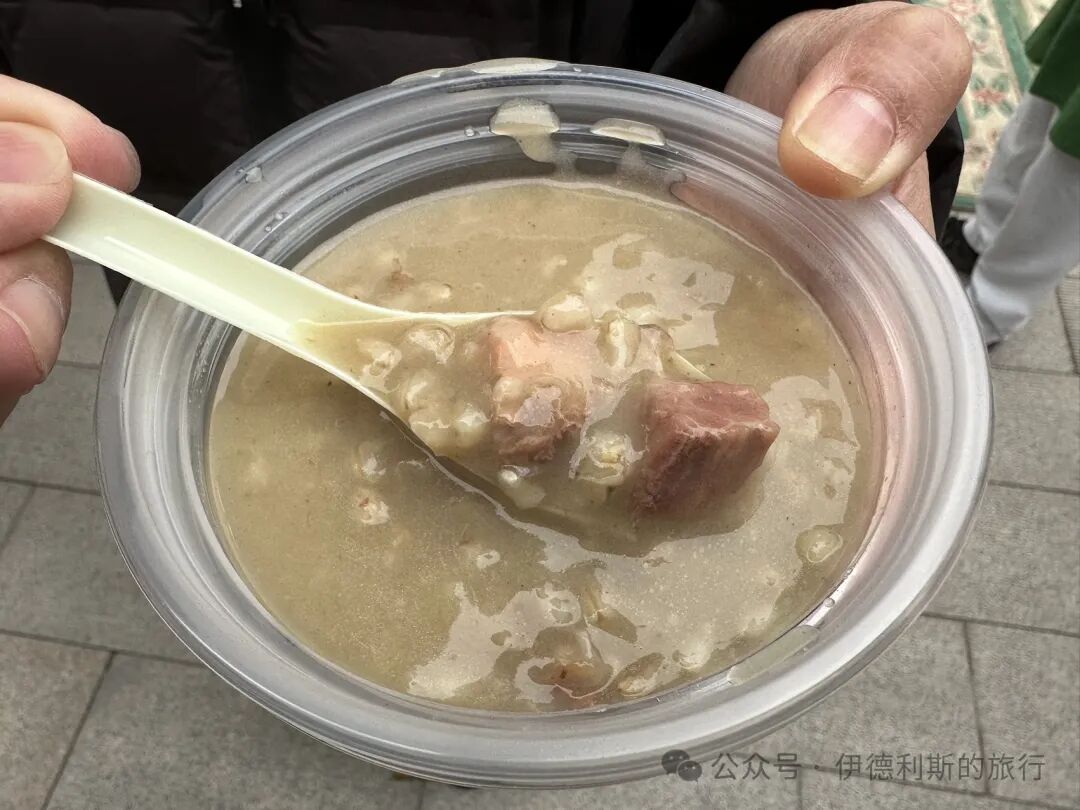
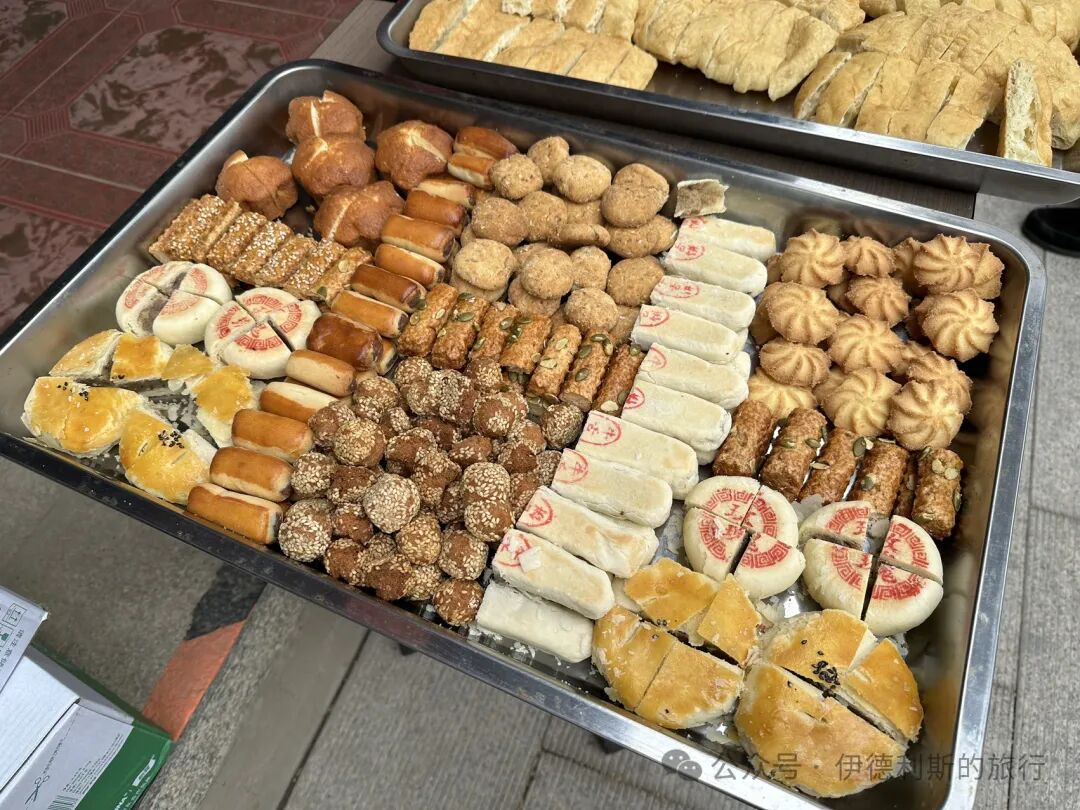
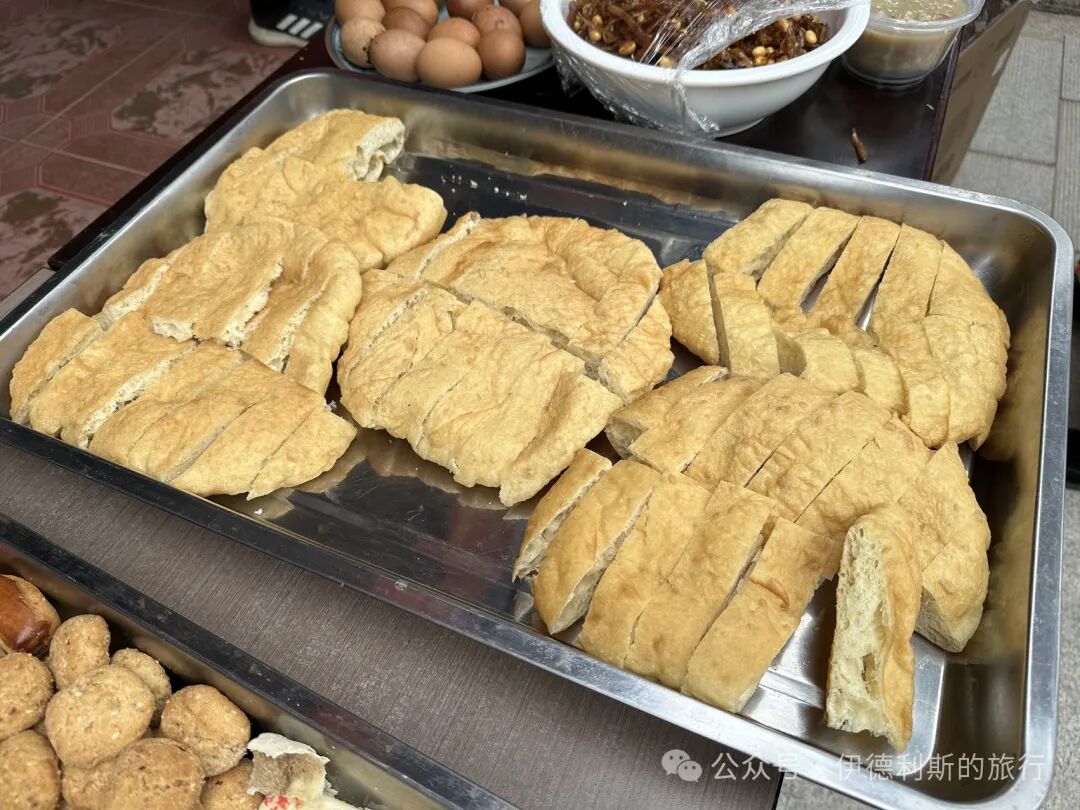
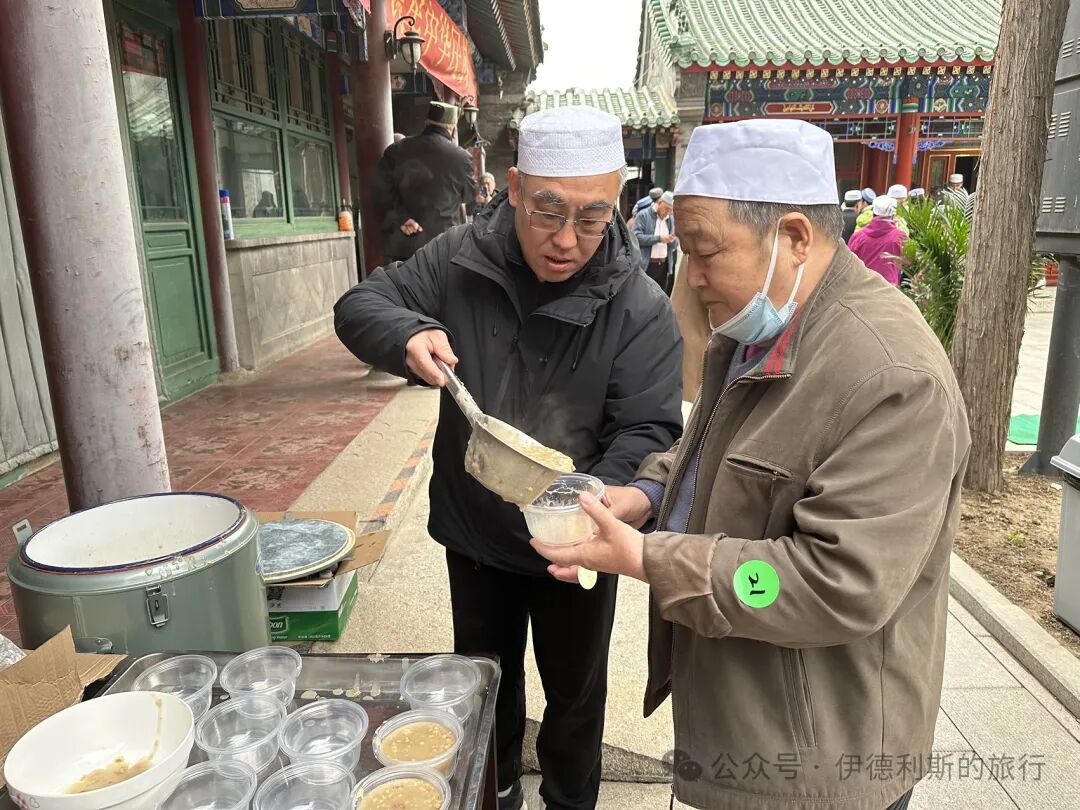
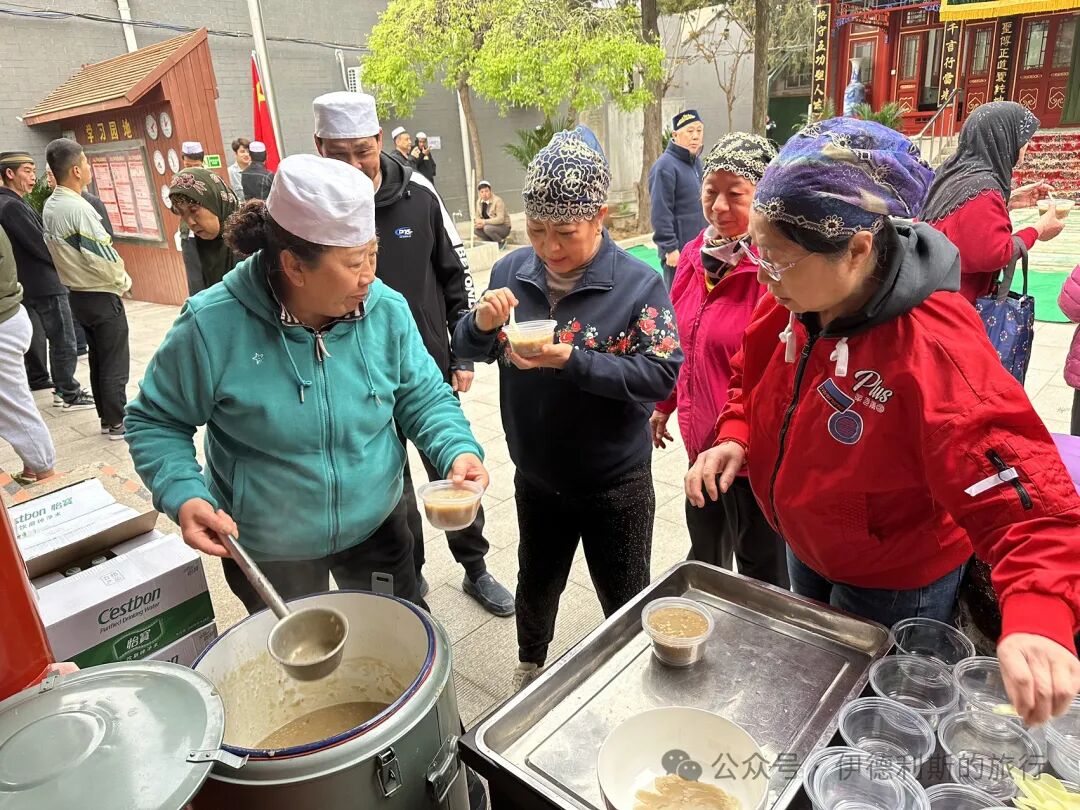
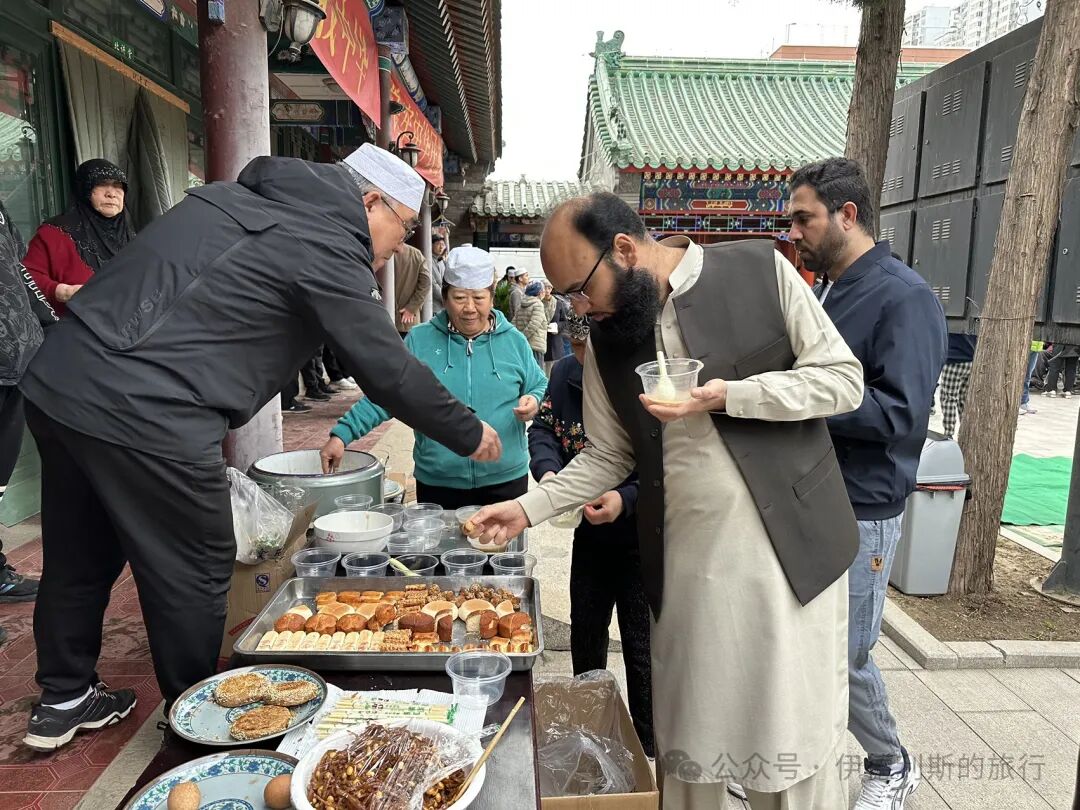
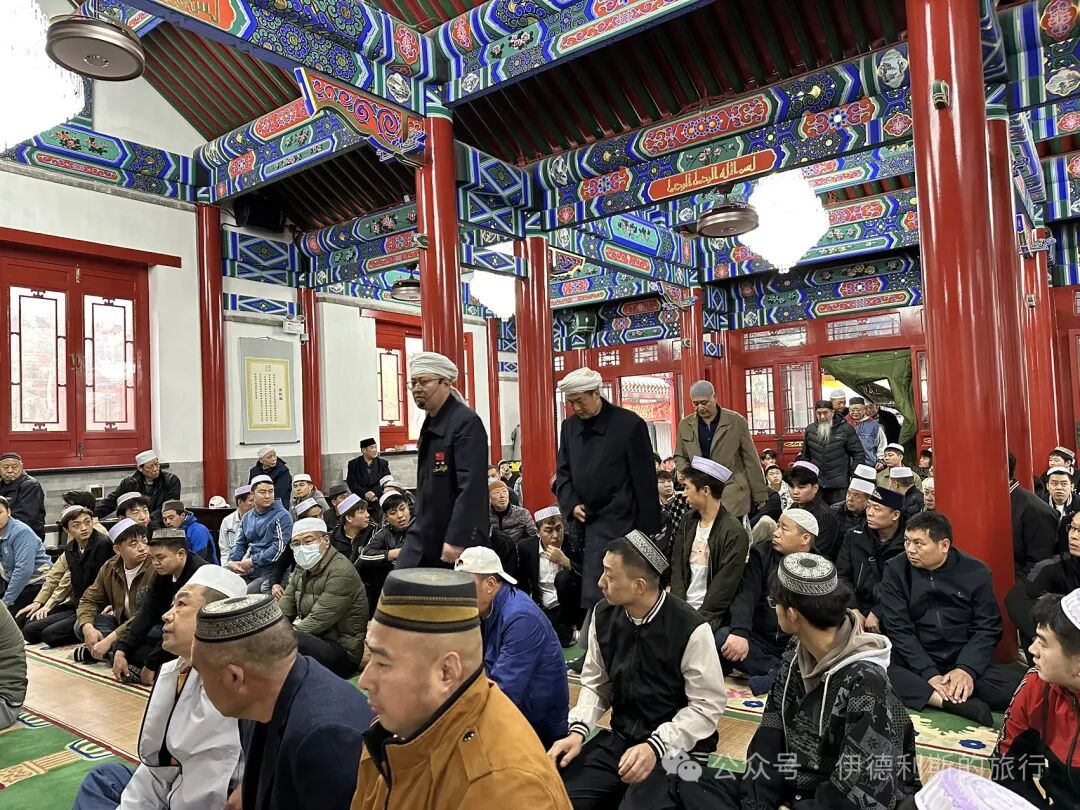
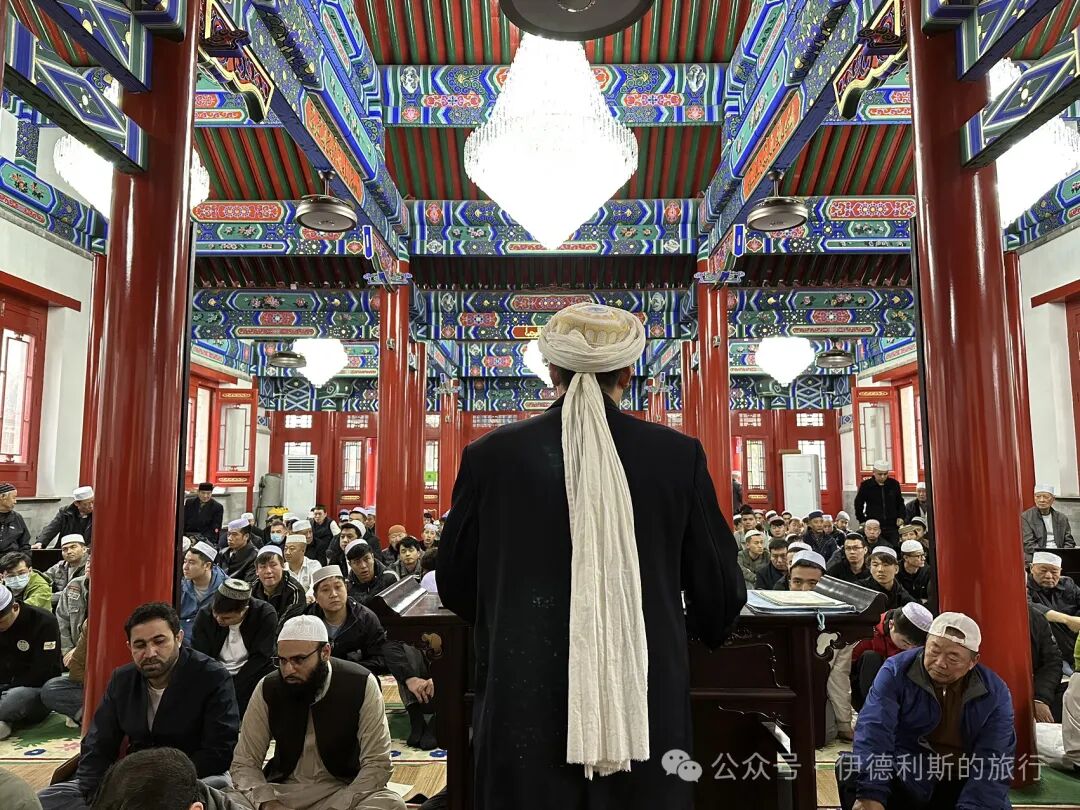
May we meet again next Ramadan.
Halal Travel Guide: Beijing Ramadan Diary - Week Two Mosques and Iftar
Articles • ali2007fr posted the article • 0 comments • 173 views • 2026-05-19 08:53
Summary: Halal Travel Guide: Beijing Ramadan Diary - Week Two Mosques and Iftar is presented here as a firsthand travel account in clear, natural English. The account focuses on Beijing Ramadan, Mosques, Halal Food while preserving the names, places, food, photos, and historical details from the Chinese source.
Continuing from the last post, I will share more about the iftar meals at Balizhuang Mosque.
Day eight, today we are breaking our fast with Balizhuang mung bean milk (douzhi)! This must be the only place in the country that does this. The freshly boiled mung bean milk (douzhi) is thick, and it comes with fermented bean curd residue (ma doufu) made from the same base. It is completely authentic. For the iftar meal, we had shredded chicken noodle soup (dalu mian) and diced eggplant noodle soup (qie ding lu mian) with various vegetable toppings. I ate two bowls.
Day nine, today at Balizhuang Mosque, Elder Li made fried yam and date rolls (tang juan guo) again. They have plenty of dates and are a classic staple of the Balizhuang iftar meals! There were also honey dates and walnuts pickled by the elders. The shredded potatoes, chicken drumettes, and braised eggplant served for iftar were all delicious.
Day ten, today the elders made deep-fried mung bean flour crisps (gezhi), mung bean residue with fermented bean curd (ma doufu), and tofu meatball soup. The main dish was stir-fried meat with flatbread (chao bing), and the soup was lamb offal soup (yangza tang). You cannot buy these deep-fried mung bean flour crisps (gezhi) or the tofu meatball soup anywhere else. Old Hui Muslims use these crisps when they fry meat rolls and meatballs.
Day eleven, a blessed Jumu'ah. Today I attended the charity Ramadan and elder-respecting event at Dongsi Mosque. I met a friend (dosti) who just returned from vacation in Saudi Arabia, and I also ran into the owner of Xiayi Restaurant on Dongsi North Street, where I have been eating lamb skewers since I was a child. Next to the main prayer hall, there is a stone tablet from the Republic of China era. It lists the names of students from the former Chengda Teachers College, many of whom went on to achieve great things.
In the afternoon, the elders at Balizhuang Mosque made steamed dumplings (shaomai) together. The skins were thin, the fillings were large, and the meat was very fragrant. Dipping them in Laba vinegar really brought out the flavor. They also fried chicken strips and boiled rice porridge. Today I met three sisters from Yunnan who came here because of the mosque's reputation. I am very grateful (shukr).
Day twelve, today at Balizhuang Mosque, we had fried tofu stewed with meat, along with stir-fried lamb liver, stir-fried shrimp, and fried yam and date rolls (tang juan guo).
Day thirteen, today the elders at Balizhuang Mosque made nail-head meat pies (mending roubing) together. Elder Ma from the mosque is the very same chef who specializes in making these pies at Jingxiangzhai in Shilipu. The meat buns (mending) made at the mosque are very fragrant, full of savory juices, and the reward (thawab) for preparing food for those fasting is great.
Also, today the elders made sticky rice cake (qiegao) and sweet melon salad (saixianggua). Sweet melon salad (saixianggua) is made with shredded pear, cucumber, and hawthorn jelly (jinggao), making it very refreshing to eat.
On the fourteenth day, two weeks into Ramadan, the elders at Balizhuang Mosque brought donkey roll cakes (lvdagun), fried crispy crackers (zhagezi), honey-glazed pastries (misandao), pea flour cakes (wandouhuang), and fried rice sticks (jiangmitiao). For the fast-breaking meal, we had braised chicken (huangmenji) and sesame flatbread with meat (shaobing jiarou), along with various vegetable dishes and two types of fried steamed bun slices. view all
Summary: Halal Travel Guide: Beijing Ramadan Diary - Week Two Mosques and Iftar is presented here as a firsthand travel account in clear, natural English. The account focuses on Beijing Ramadan, Mosques, Halal Food while preserving the names, places, food, photos, and historical details from the Chinese source.
Continuing from the last post, I will share more about the iftar meals at Balizhuang Mosque.
Day eight, today we are breaking our fast with Balizhuang mung bean milk (douzhi)! This must be the only place in the country that does this. The freshly boiled mung bean milk (douzhi) is thick, and it comes with fermented bean curd residue (ma doufu) made from the same base. It is completely authentic. For the iftar meal, we had shredded chicken noodle soup (dalu mian) and diced eggplant noodle soup (qie ding lu mian) with various vegetable toppings. I ate two bowls.
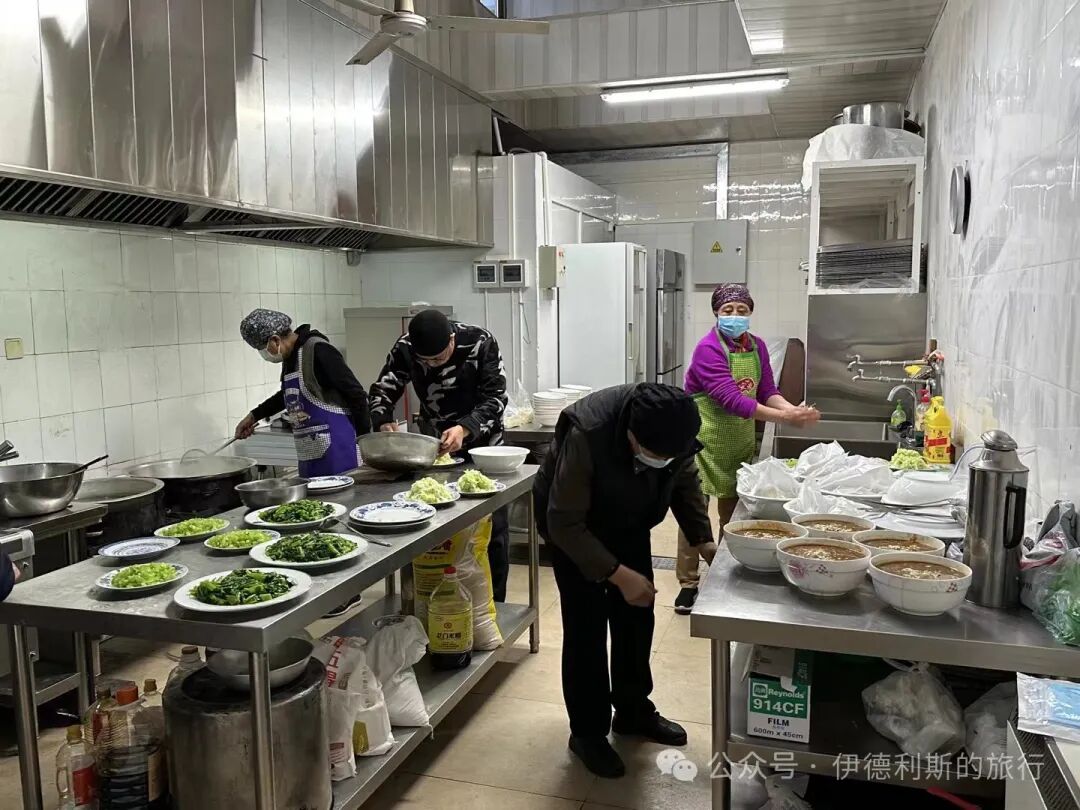
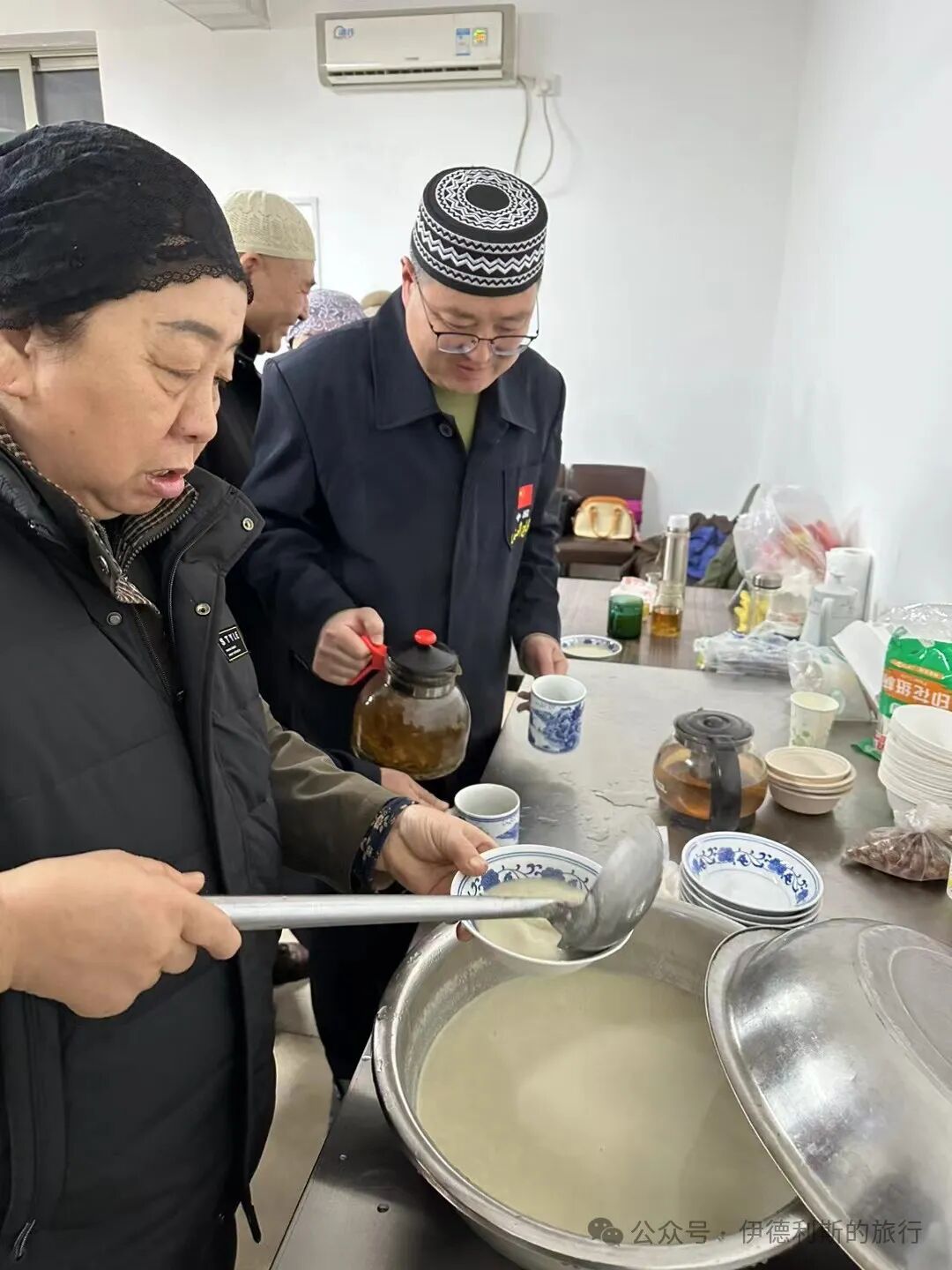
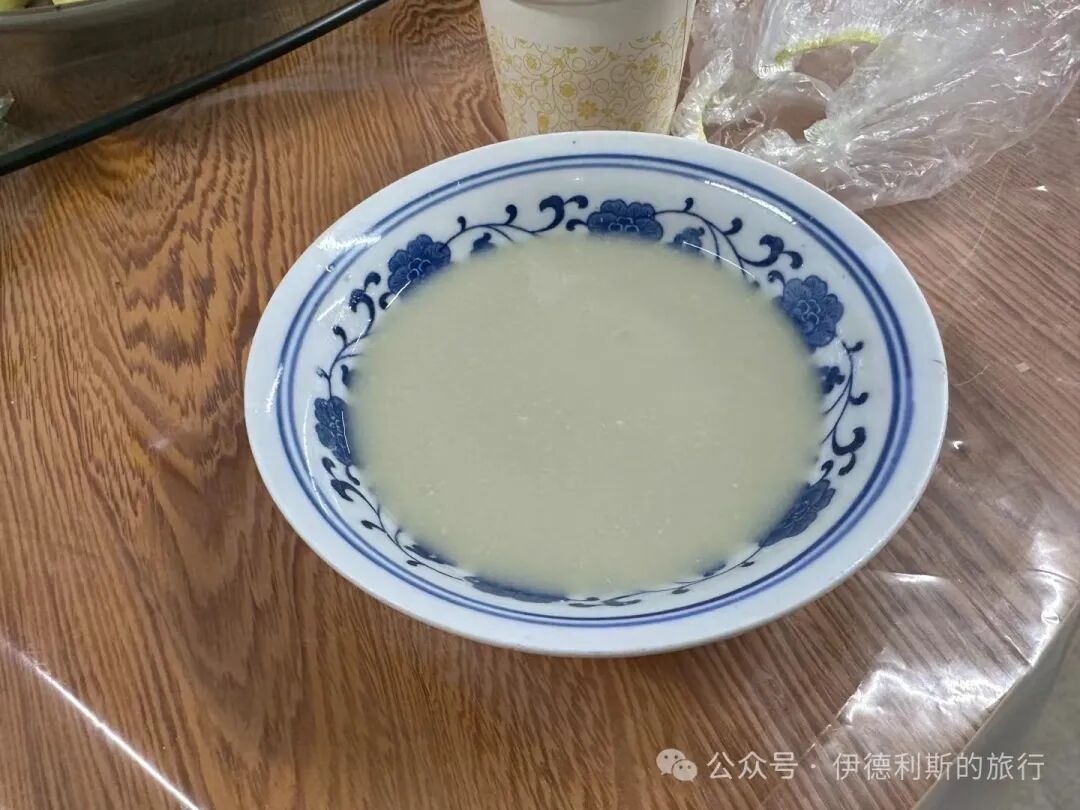
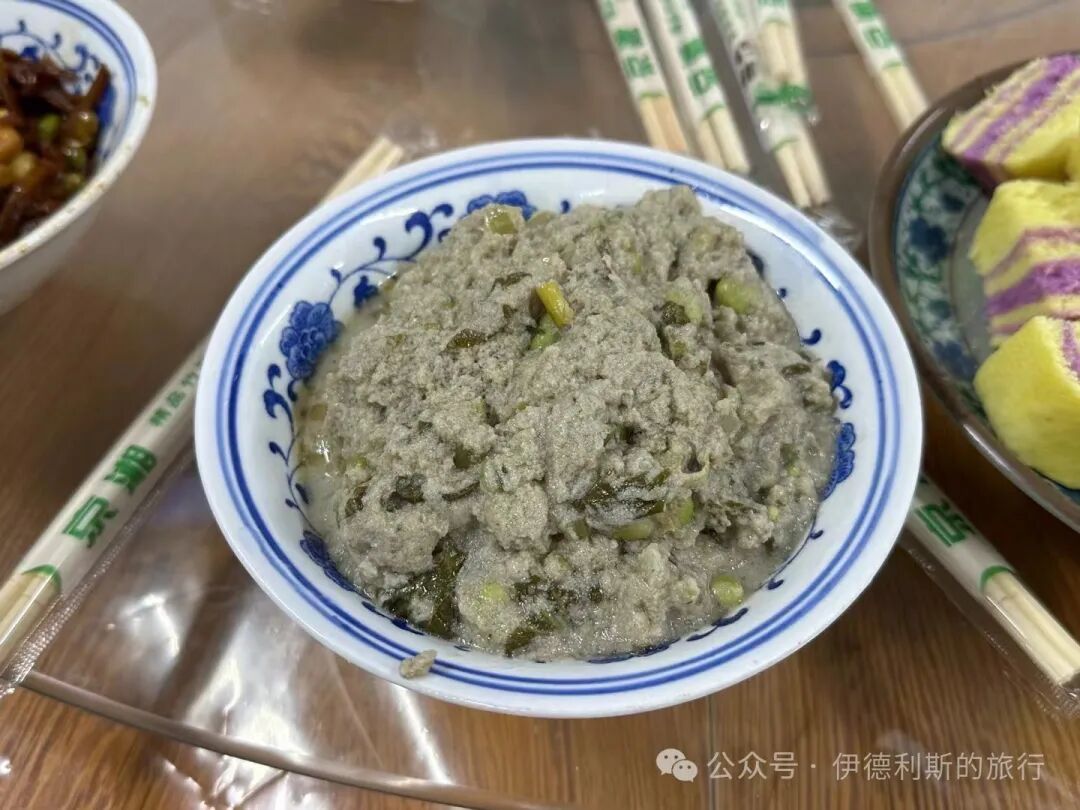
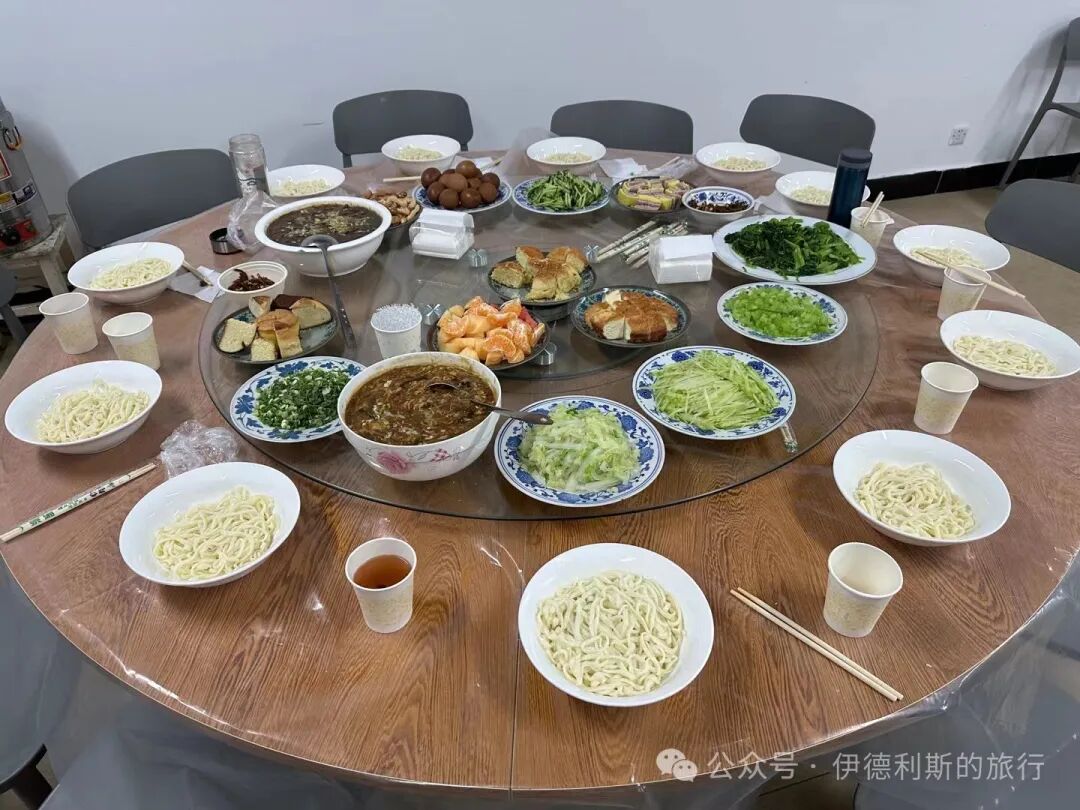
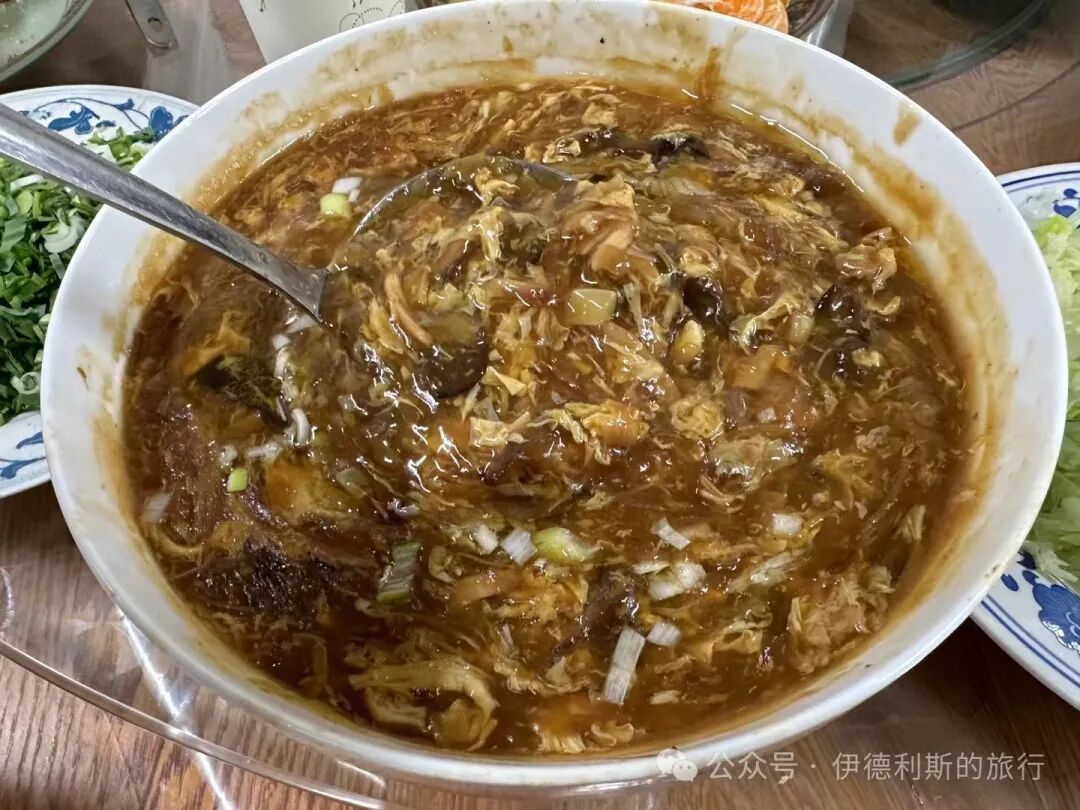
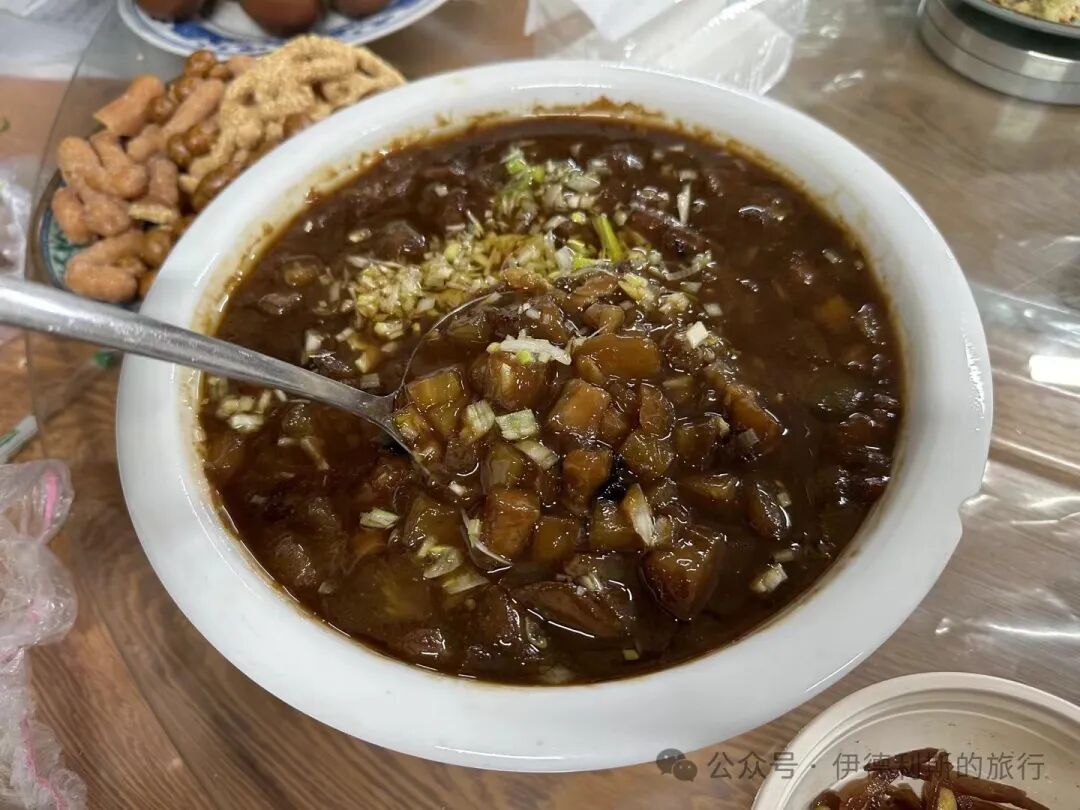
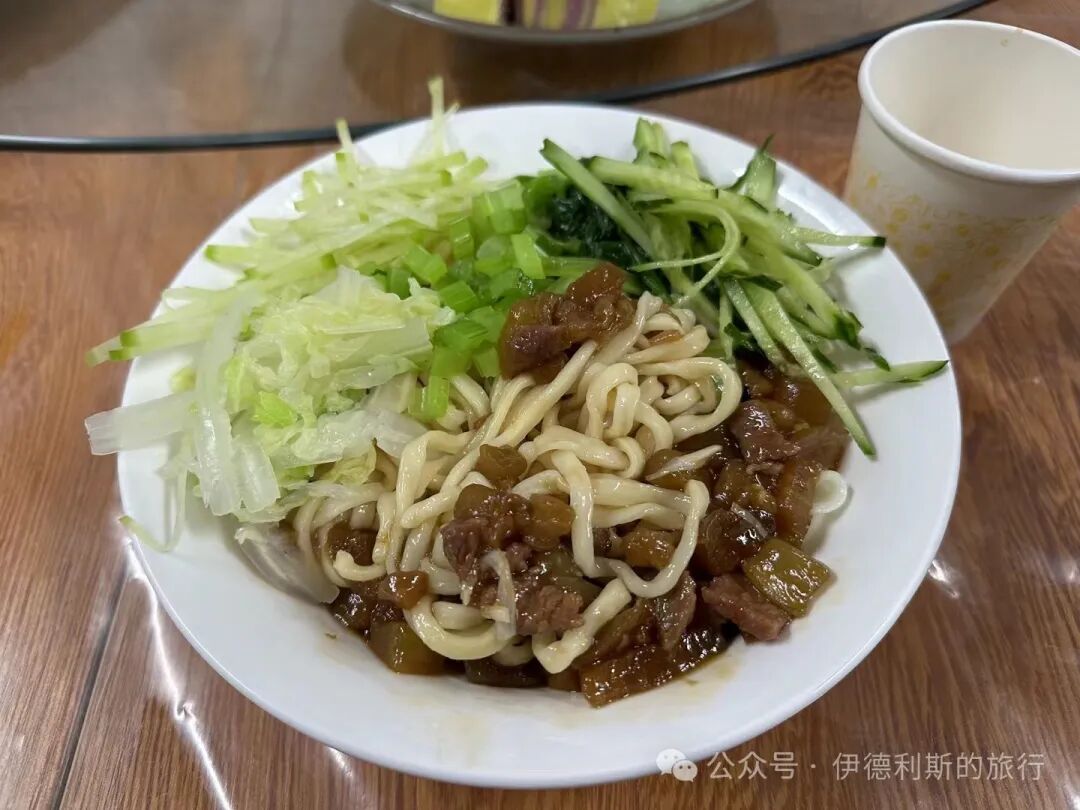
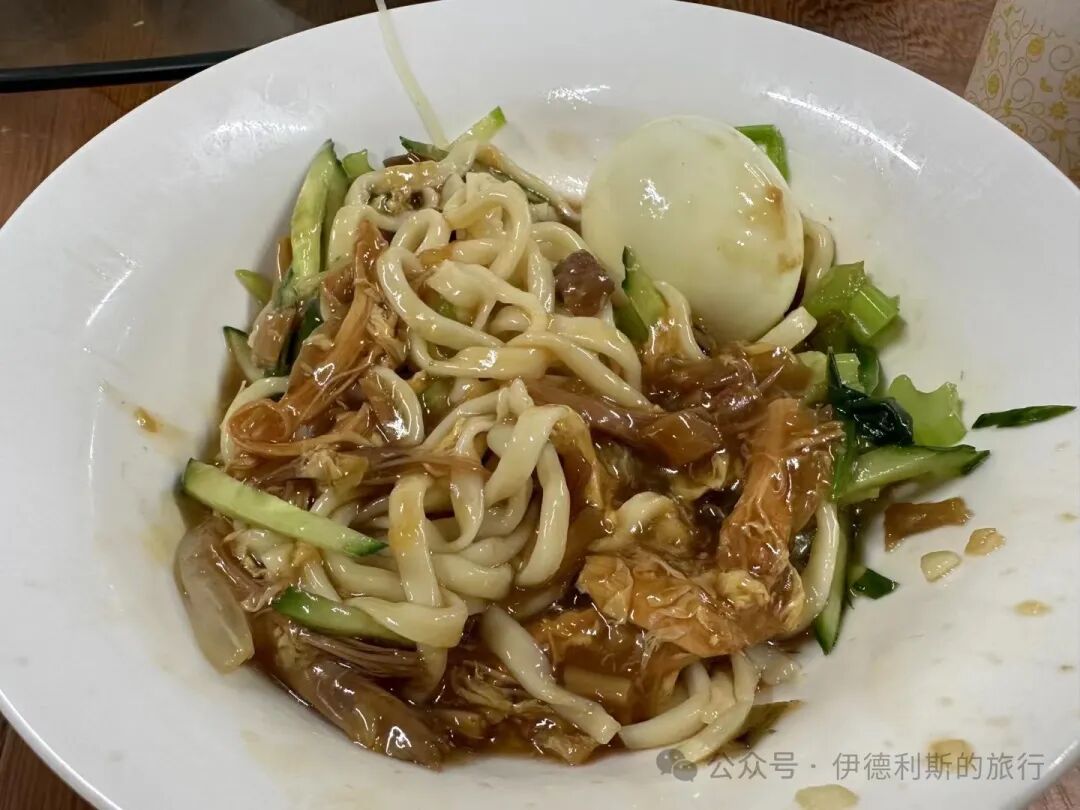
Day nine, today at Balizhuang Mosque, Elder Li made fried yam and date rolls (tang juan guo) again. They have plenty of dates and are a classic staple of the Balizhuang iftar meals! There were also honey dates and walnuts pickled by the elders. The shredded potatoes, chicken drumettes, and braised eggplant served for iftar were all delicious.
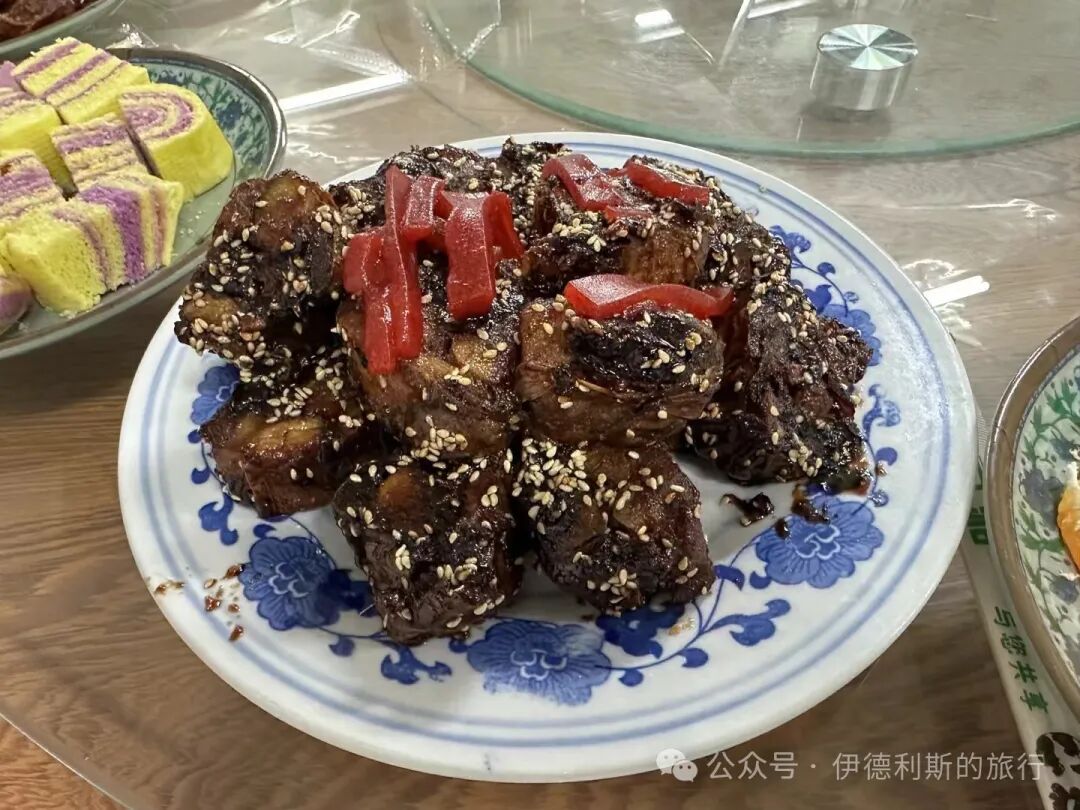
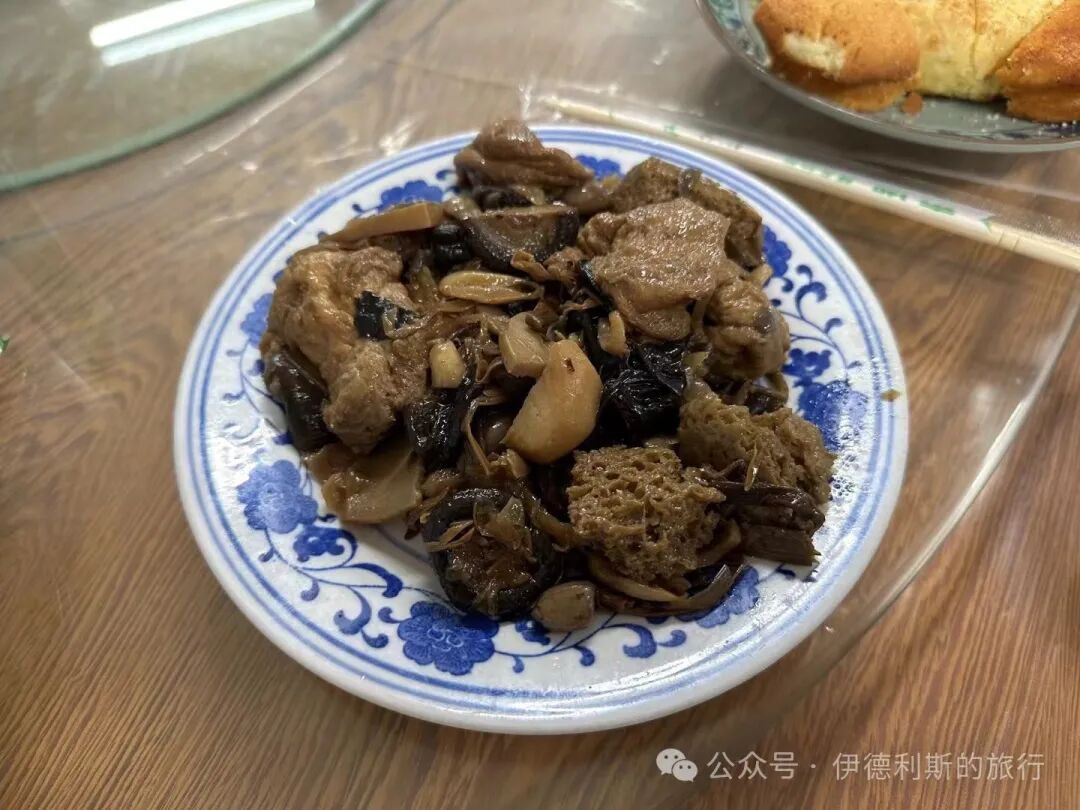
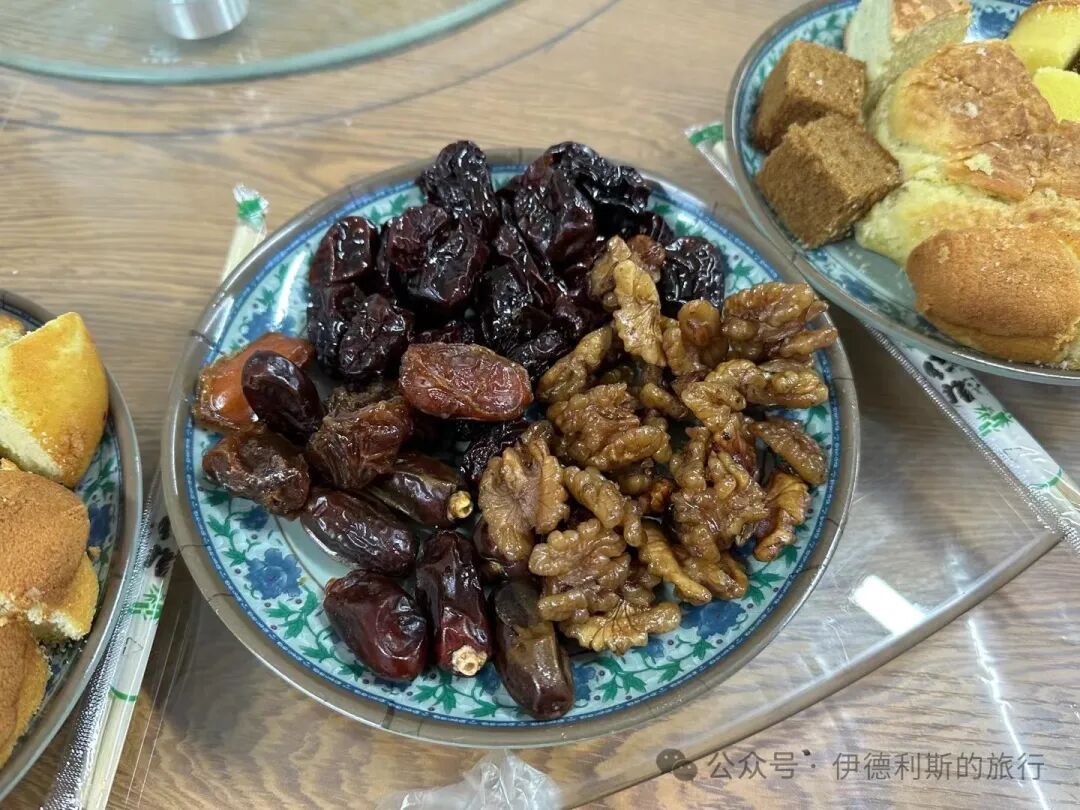
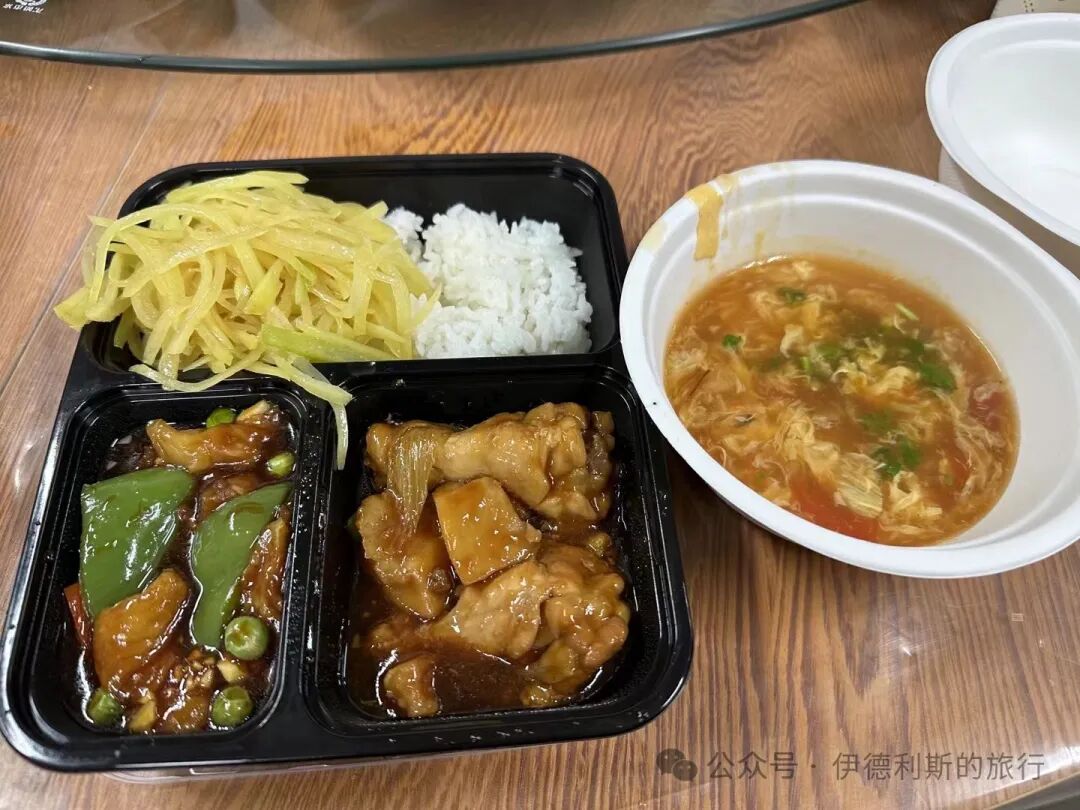
Day ten, today the elders made deep-fried mung bean flour crisps (gezhi), mung bean residue with fermented bean curd (ma doufu), and tofu meatball soup. The main dish was stir-fried meat with flatbread (chao bing), and the soup was lamb offal soup (yangza tang). You cannot buy these deep-fried mung bean flour crisps (gezhi) or the tofu meatball soup anywhere else. Old Hui Muslims use these crisps when they fry meat rolls and meatballs.
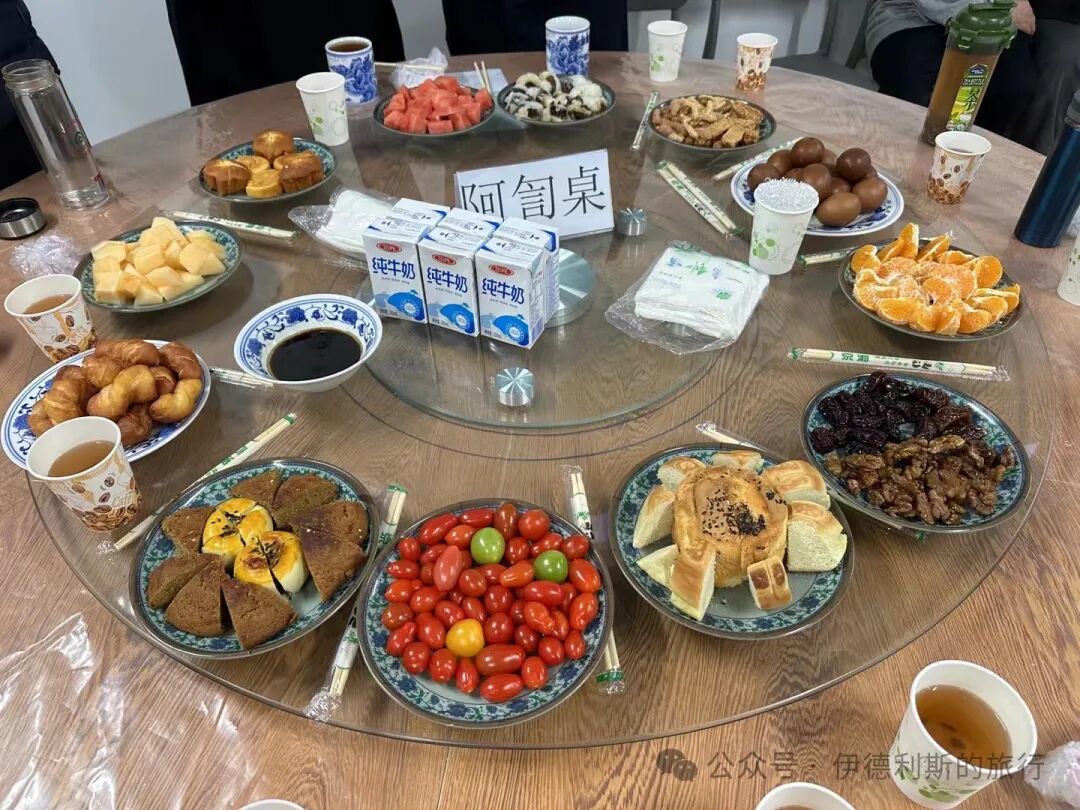
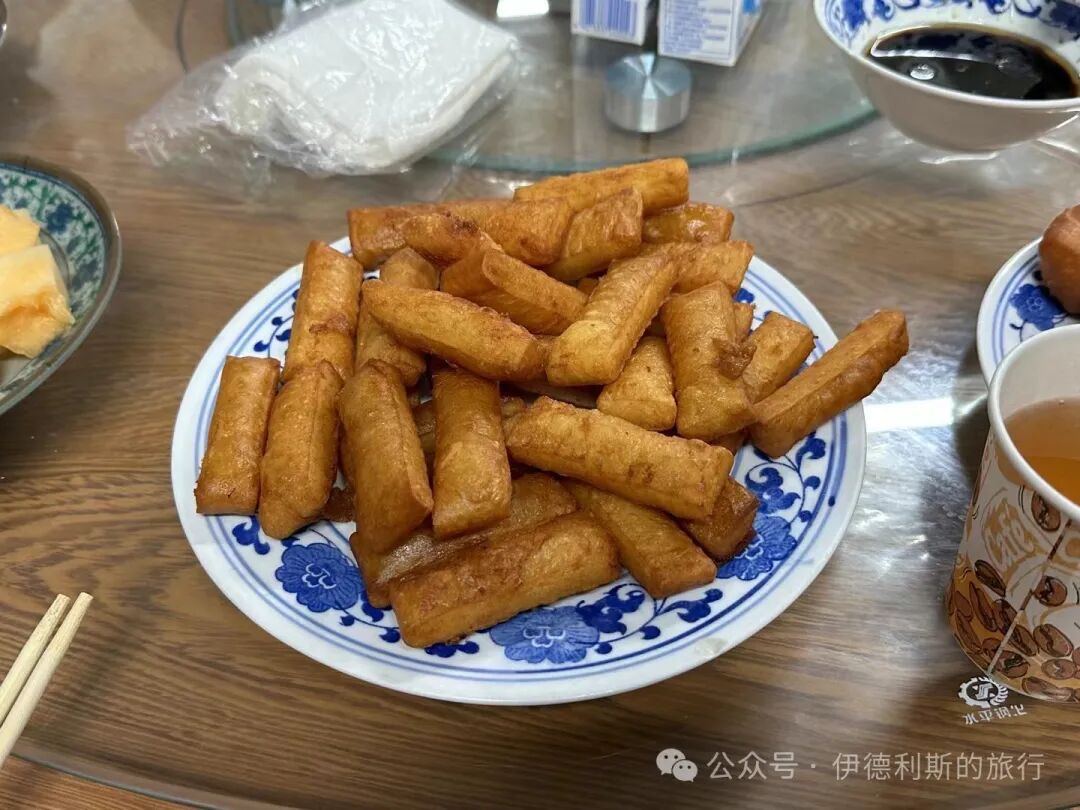
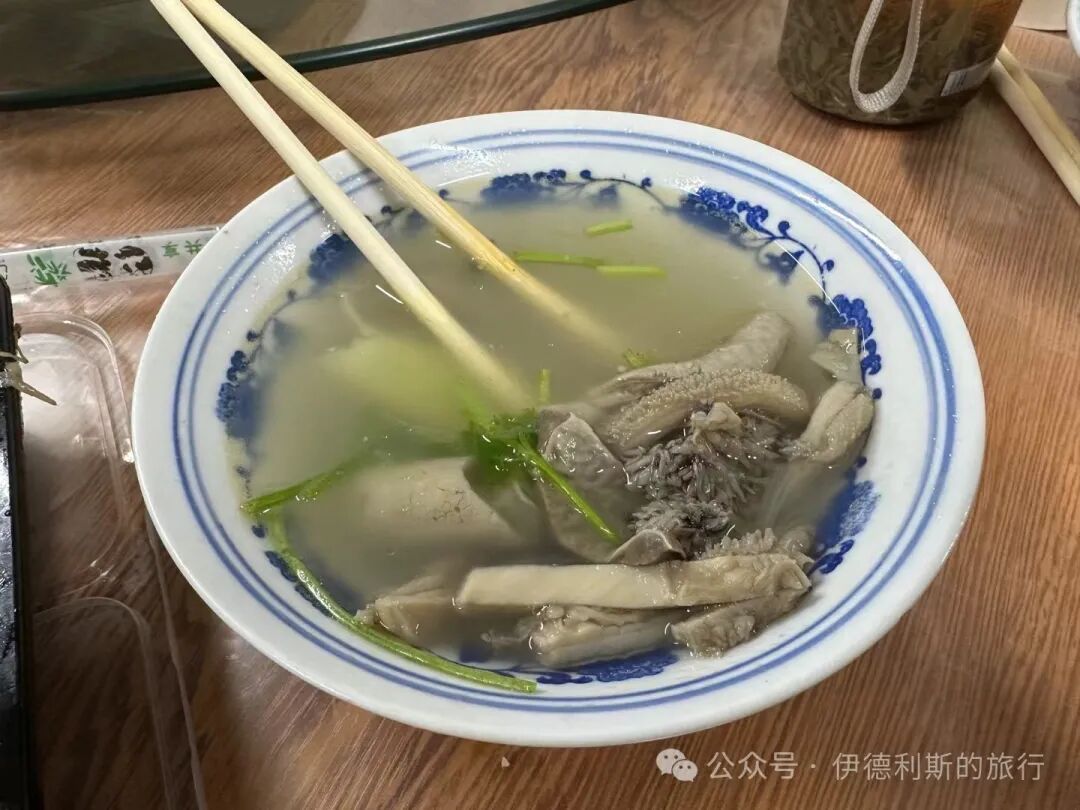
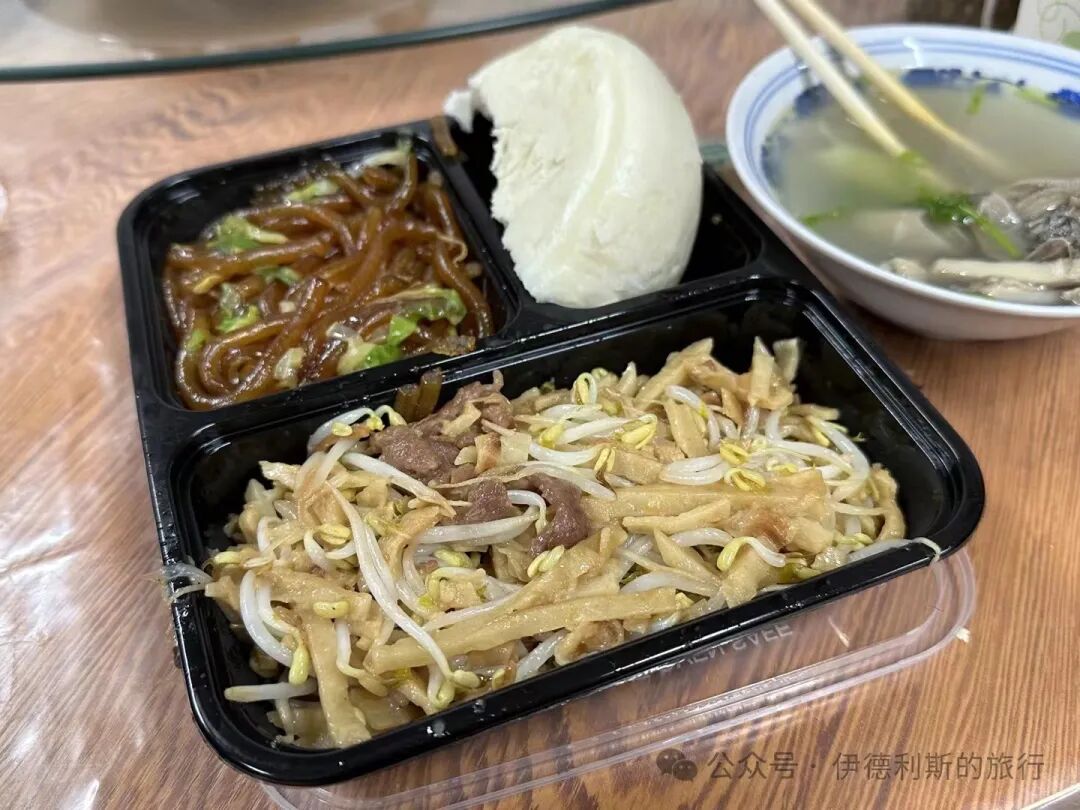
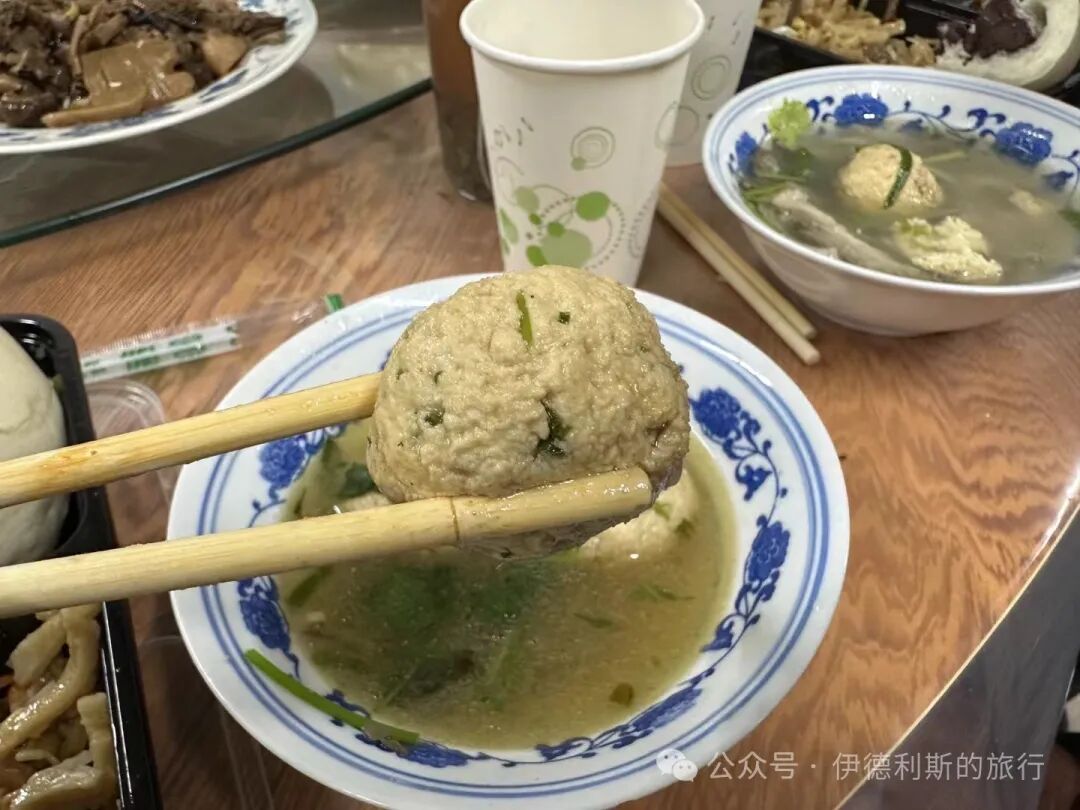
Day eleven, a blessed Jumu'ah. Today I attended the charity Ramadan and elder-respecting event at Dongsi Mosque. I met a friend (dosti) who just returned from vacation in Saudi Arabia, and I also ran into the owner of Xiayi Restaurant on Dongsi North Street, where I have been eating lamb skewers since I was a child. Next to the main prayer hall, there is a stone tablet from the Republic of China era. It lists the names of students from the former Chengda Teachers College, many of whom went on to achieve great things.
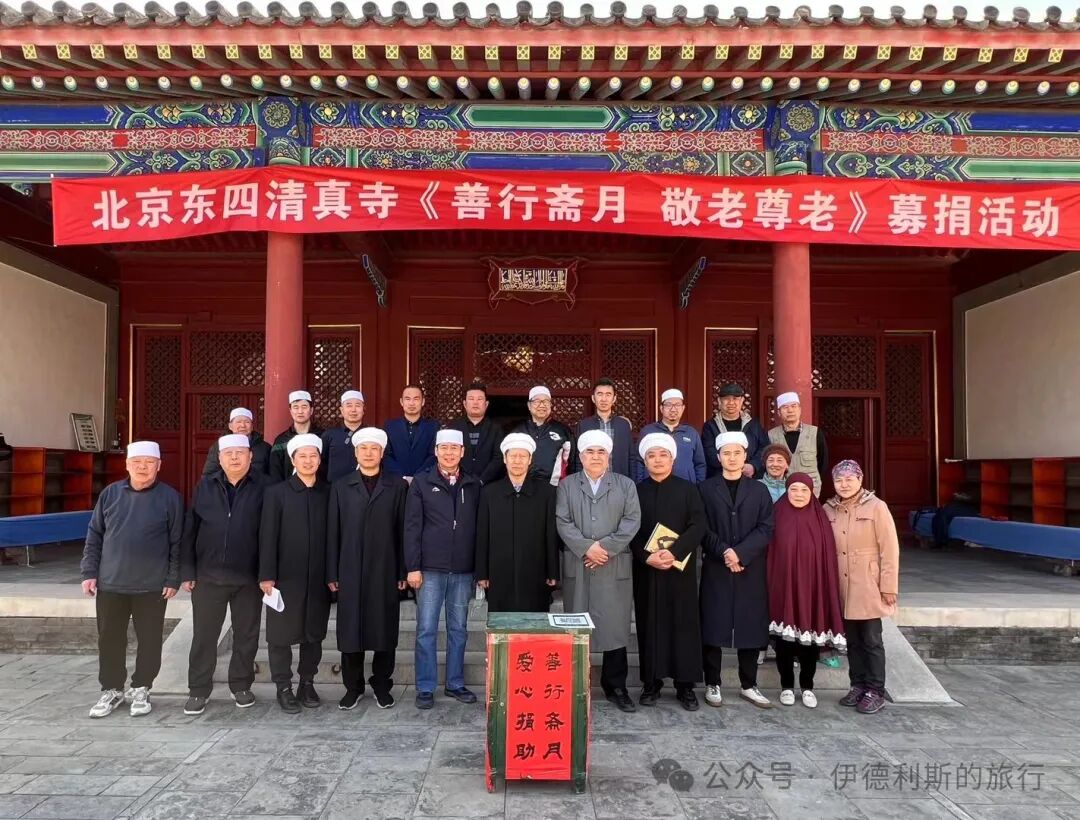
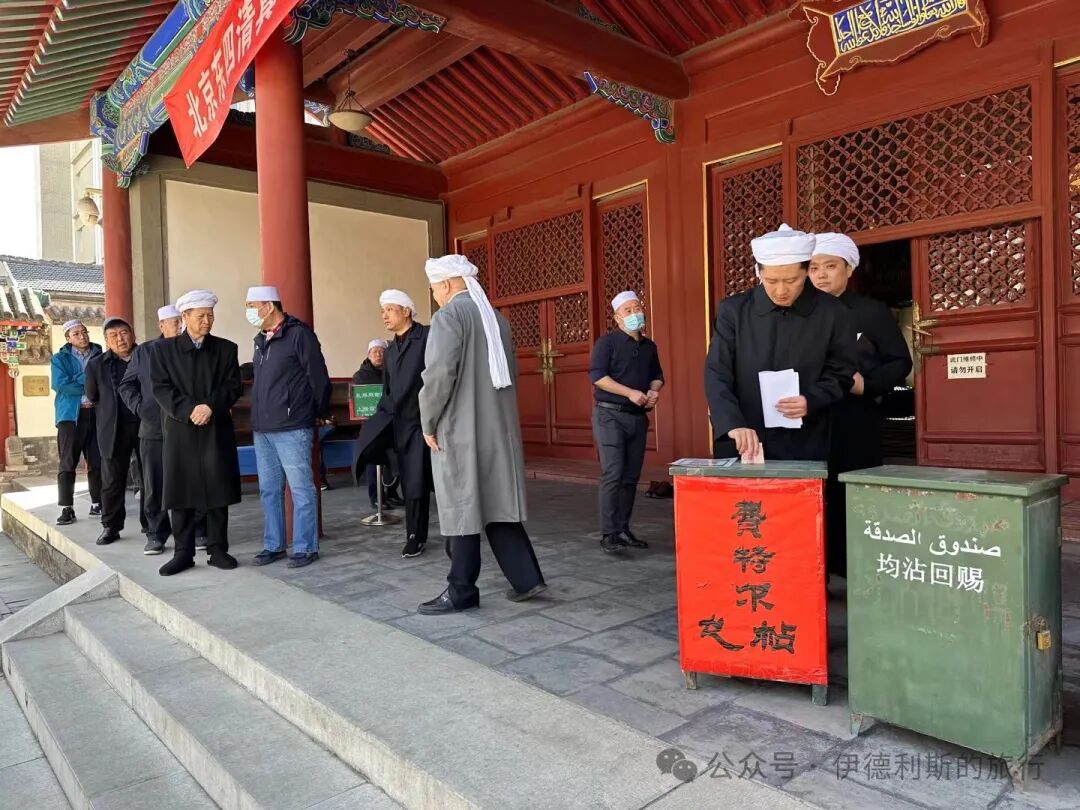
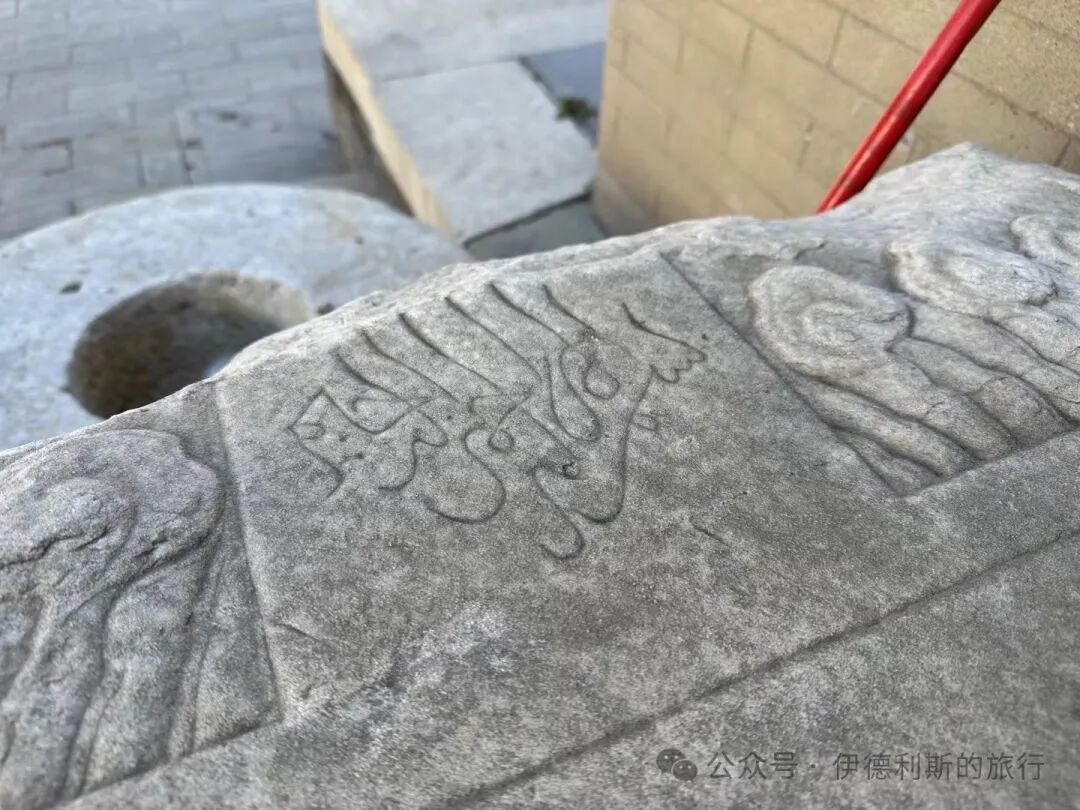
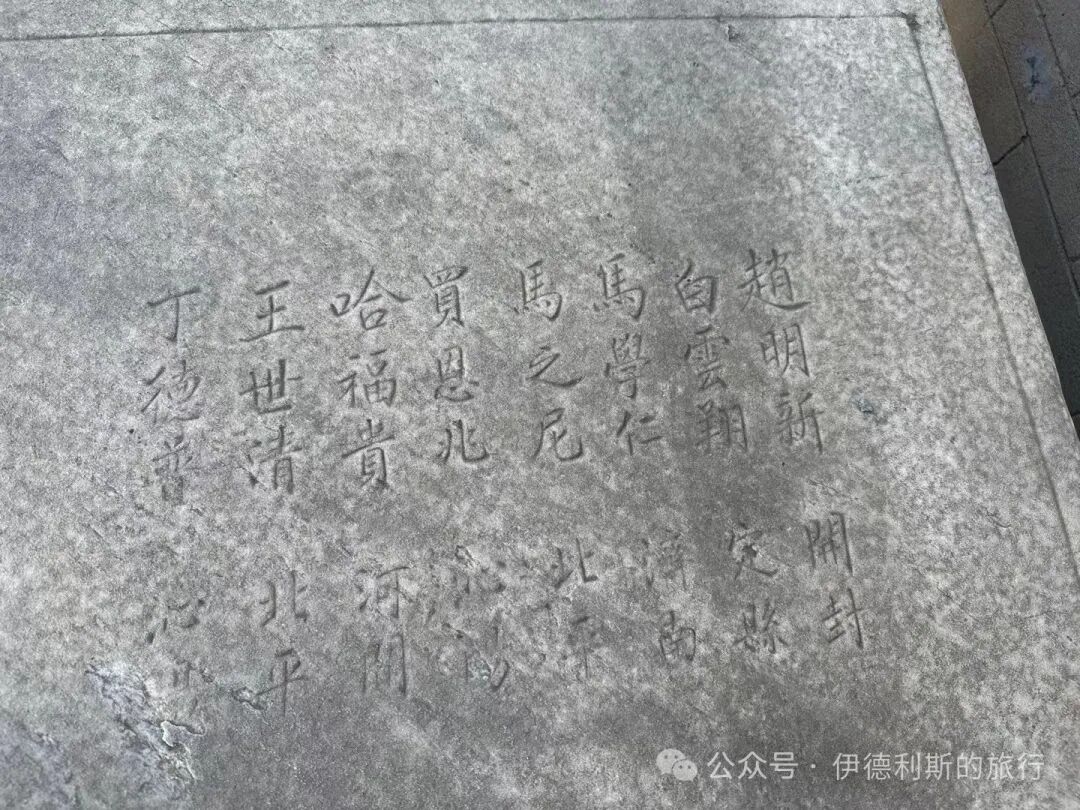
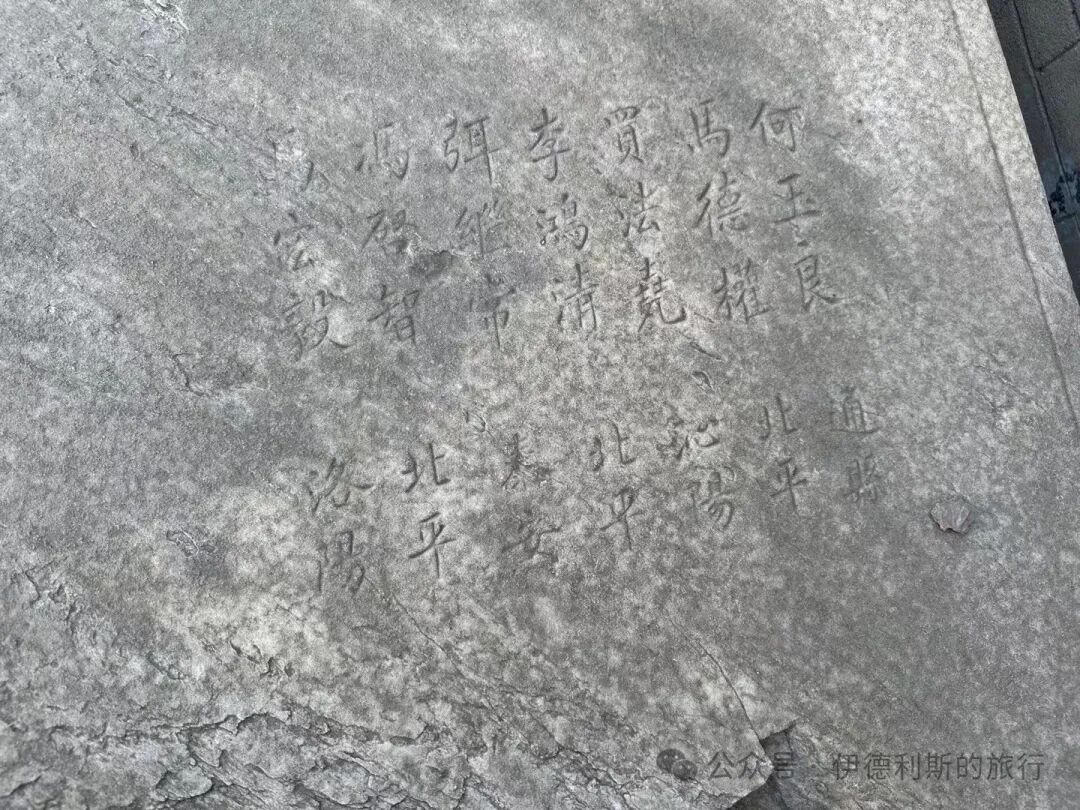
In the afternoon, the elders at Balizhuang Mosque made steamed dumplings (shaomai) together. The skins were thin, the fillings were large, and the meat was very fragrant. Dipping them in Laba vinegar really brought out the flavor. They also fried chicken strips and boiled rice porridge. Today I met three sisters from Yunnan who came here because of the mosque's reputation. I am very grateful (shukr).
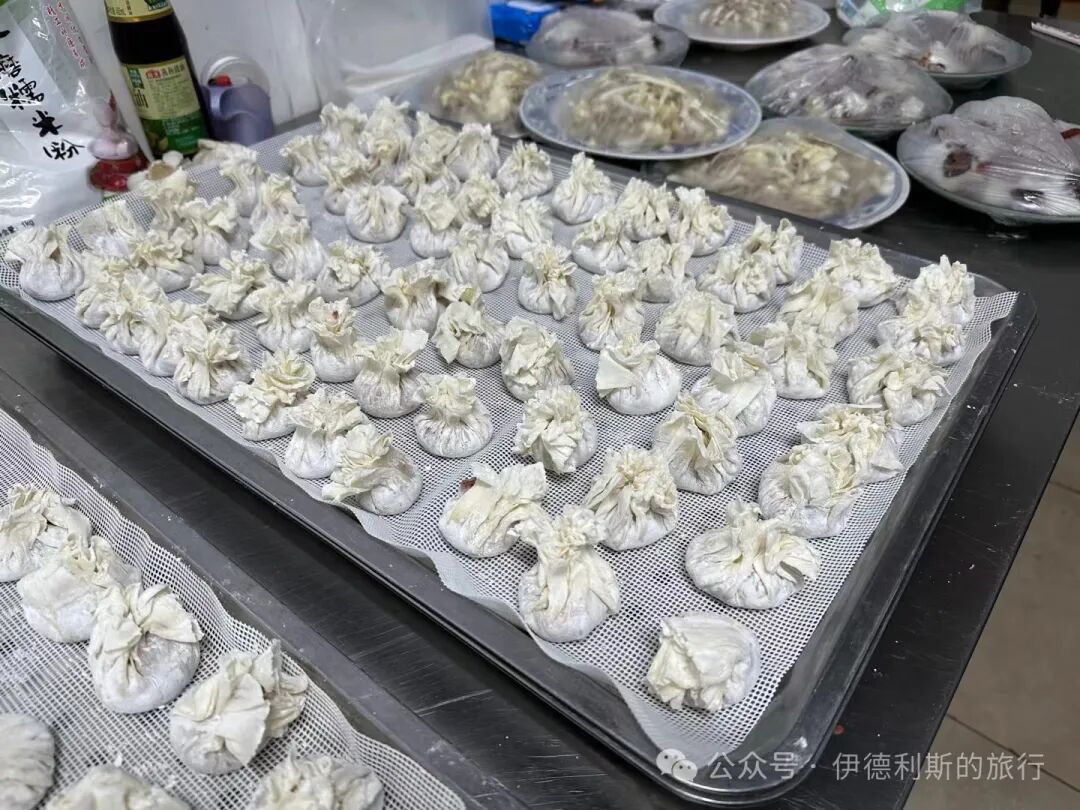
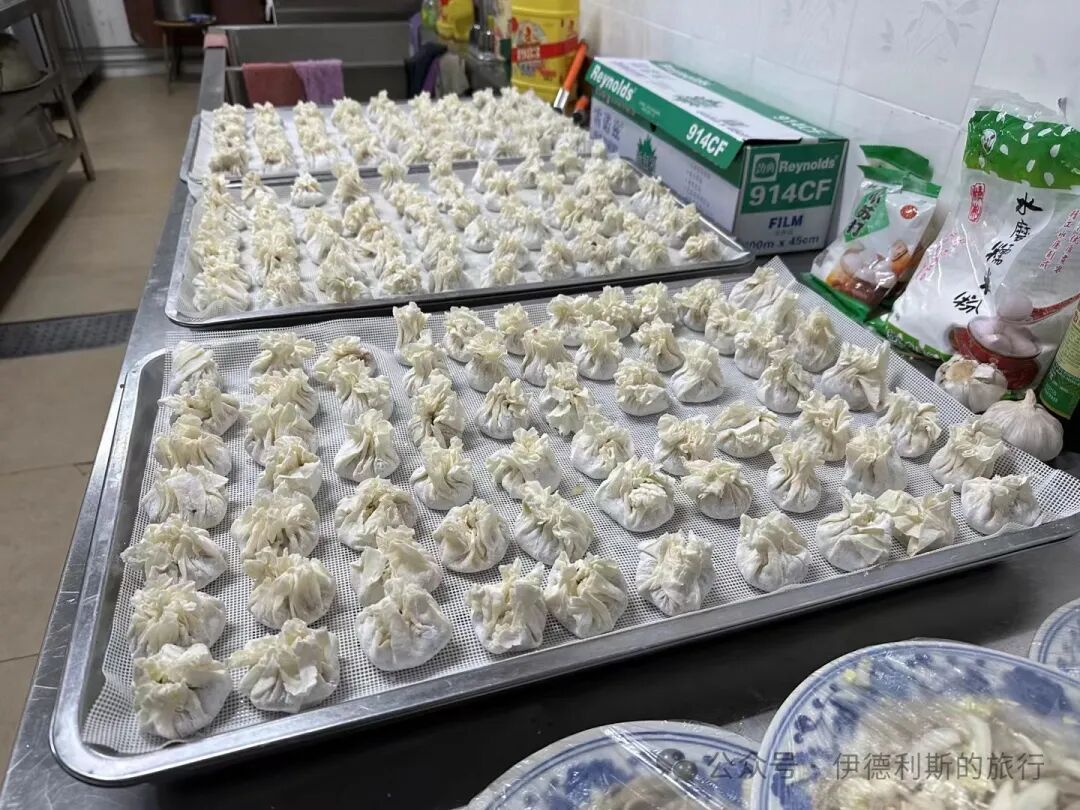
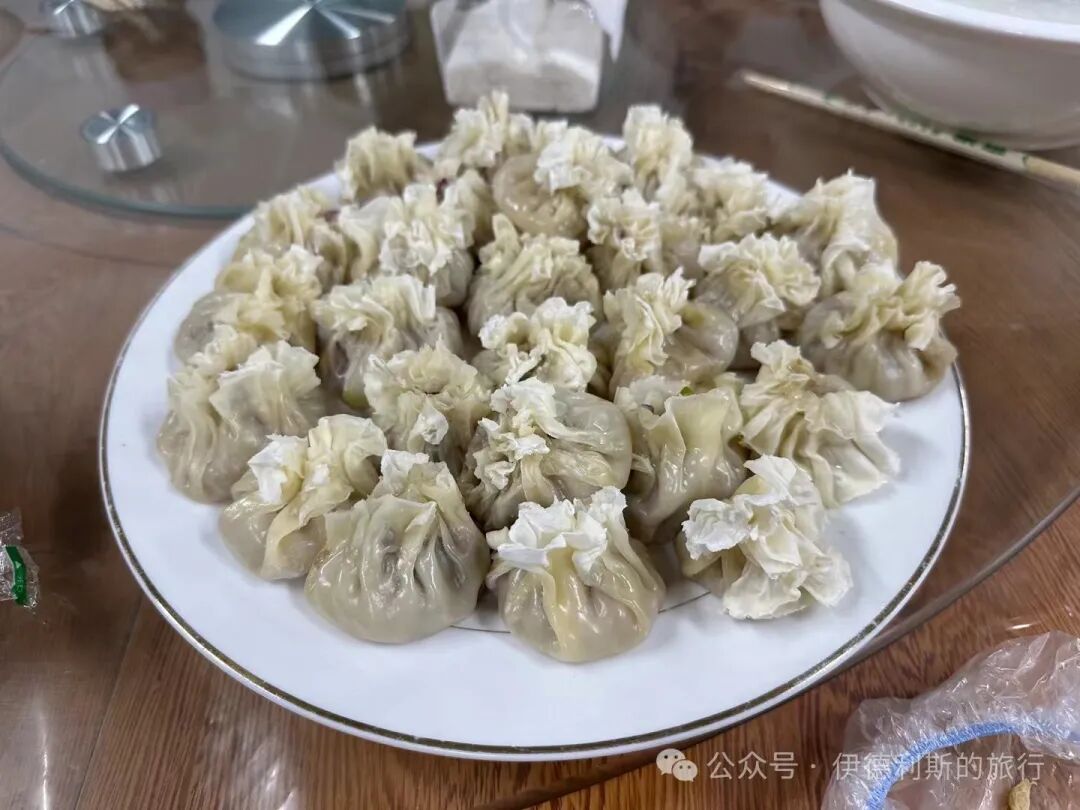
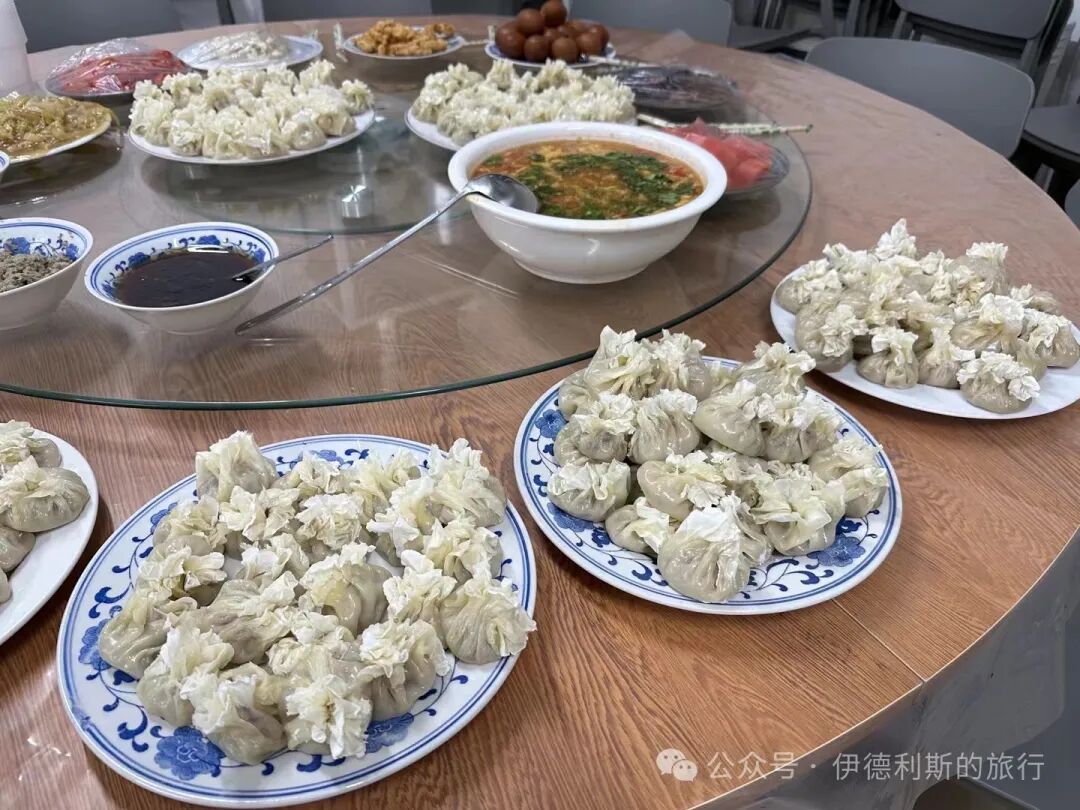
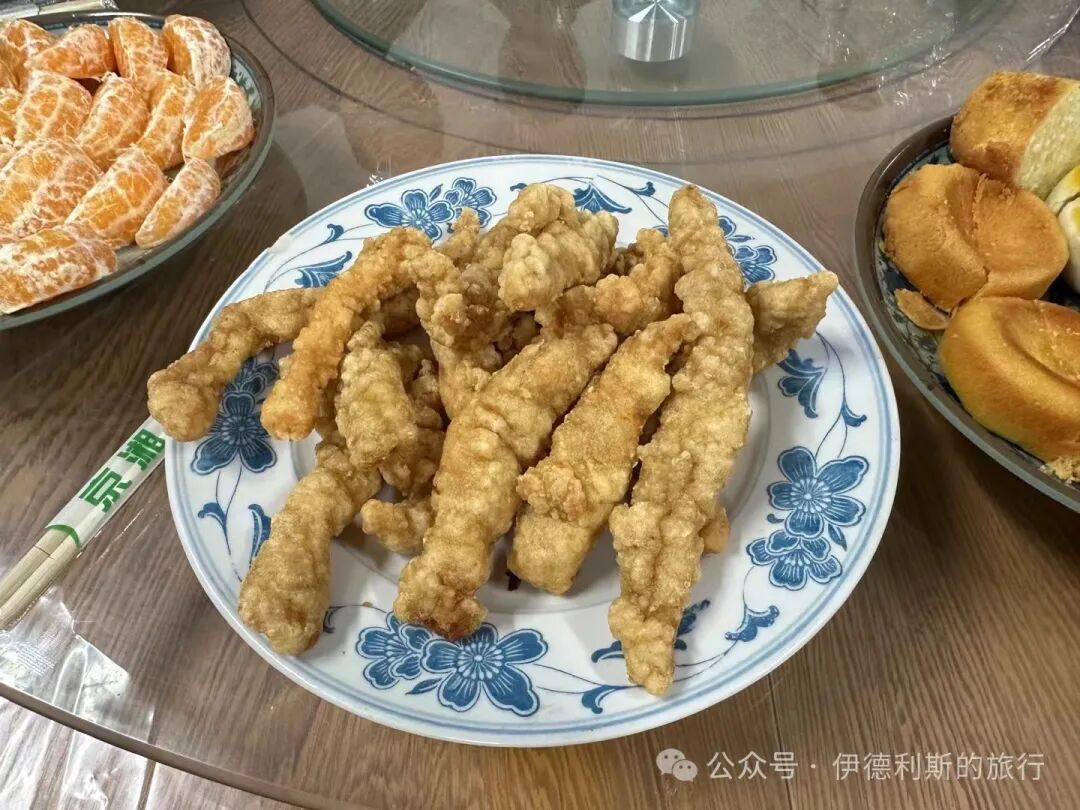
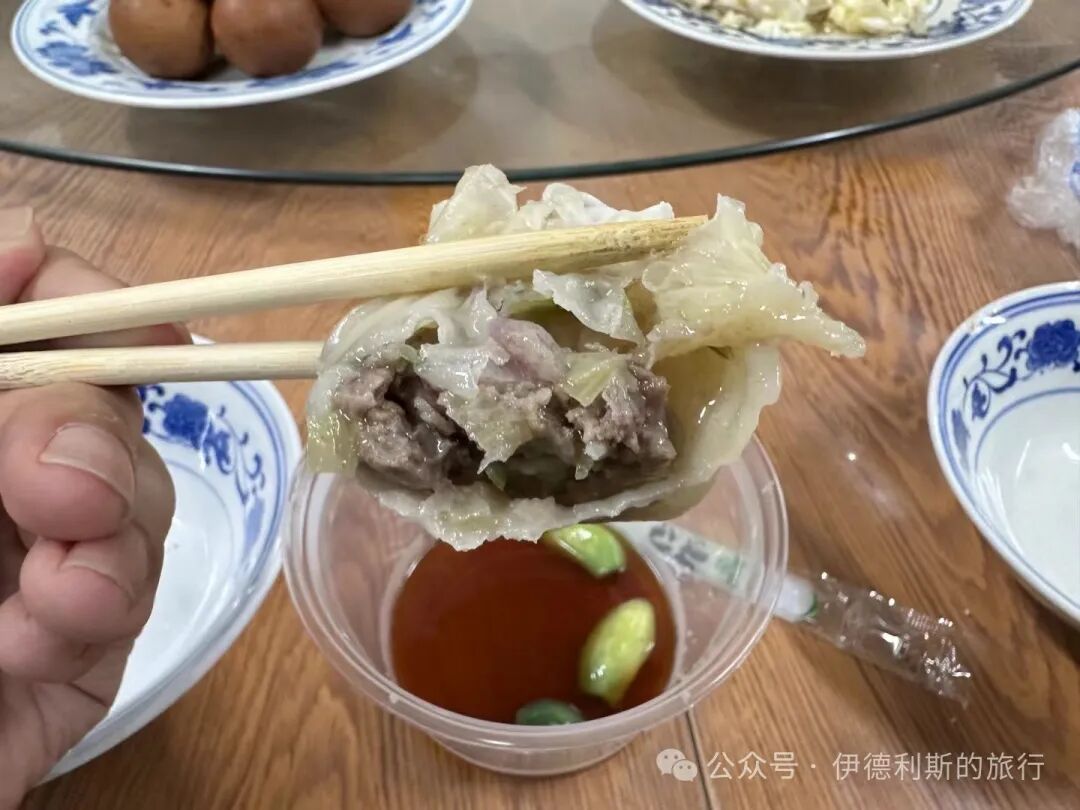
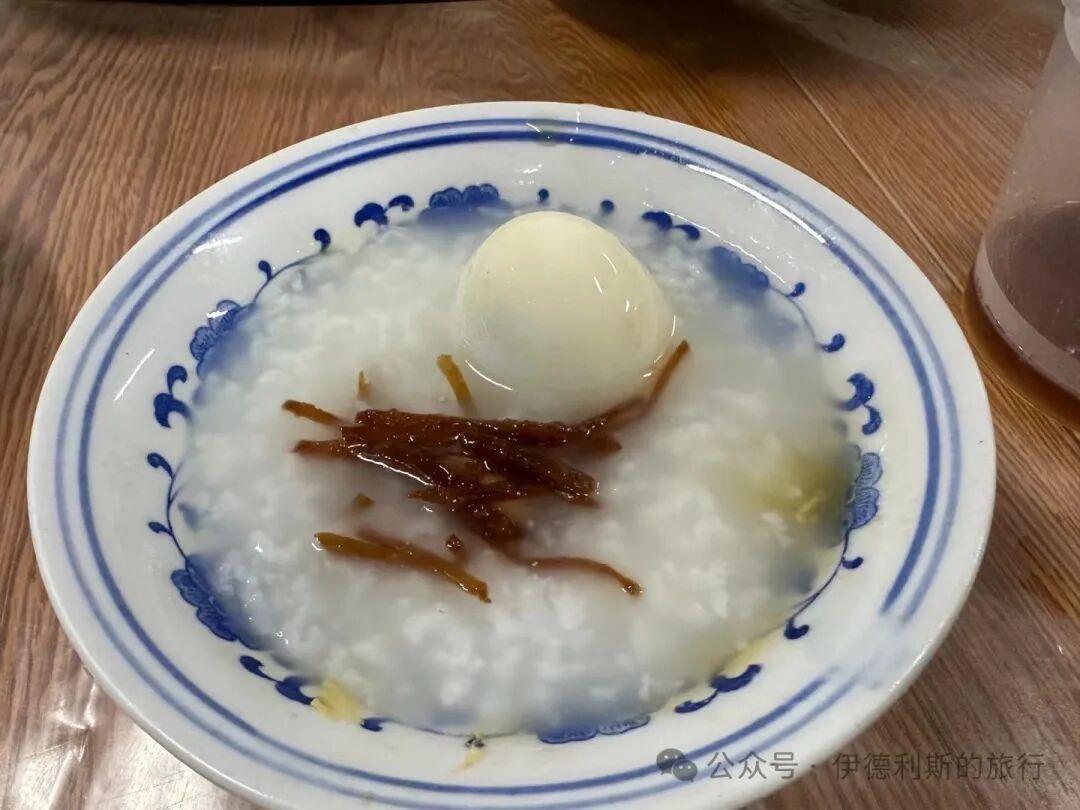
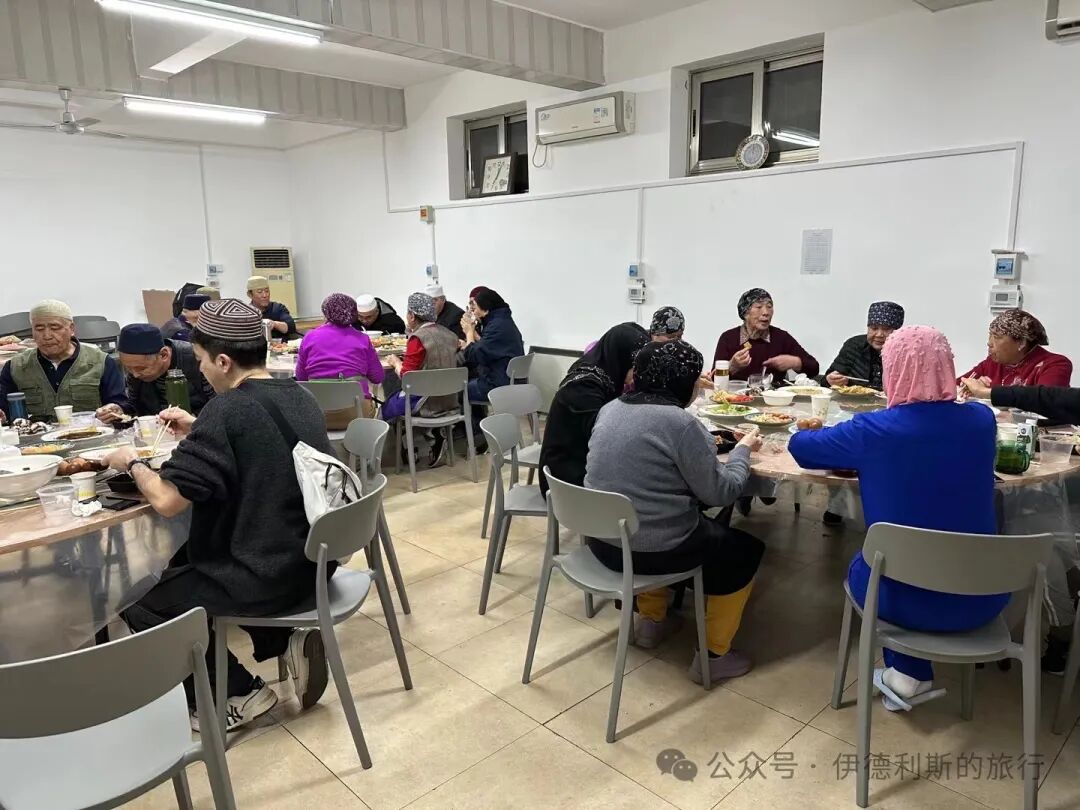
Day twelve, today at Balizhuang Mosque, we had fried tofu stewed with meat, along with stir-fried lamb liver, stir-fried shrimp, and fried yam and date rolls (tang juan guo).
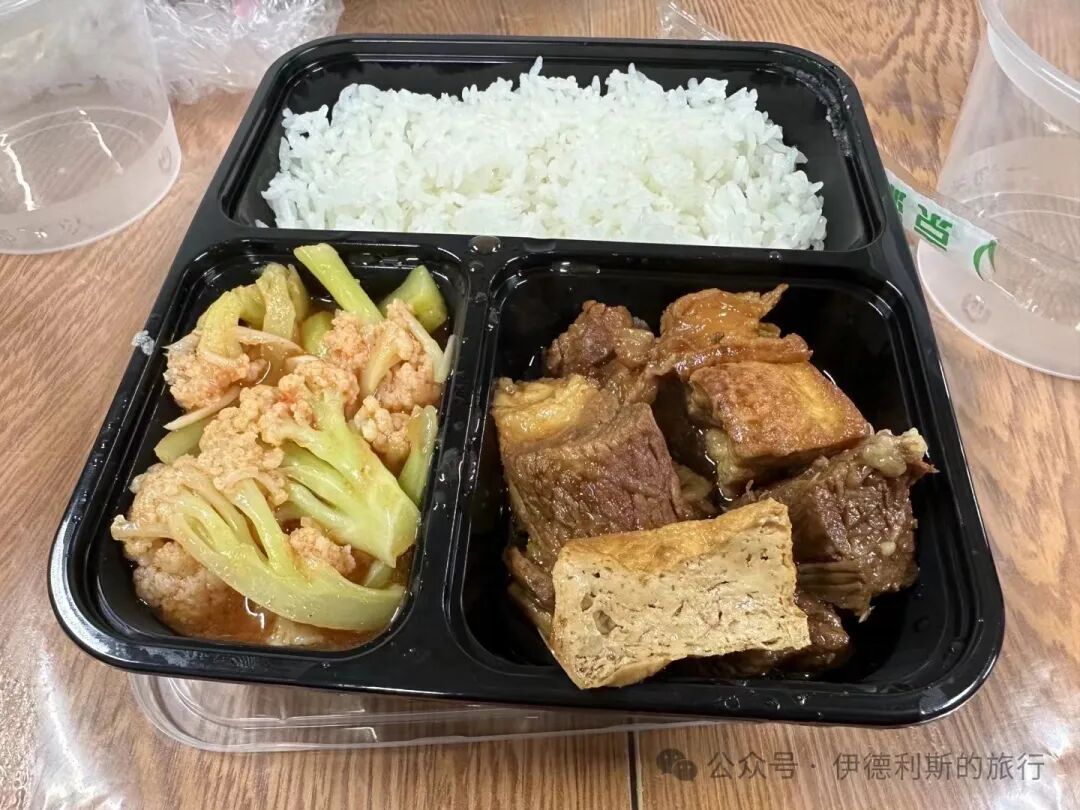
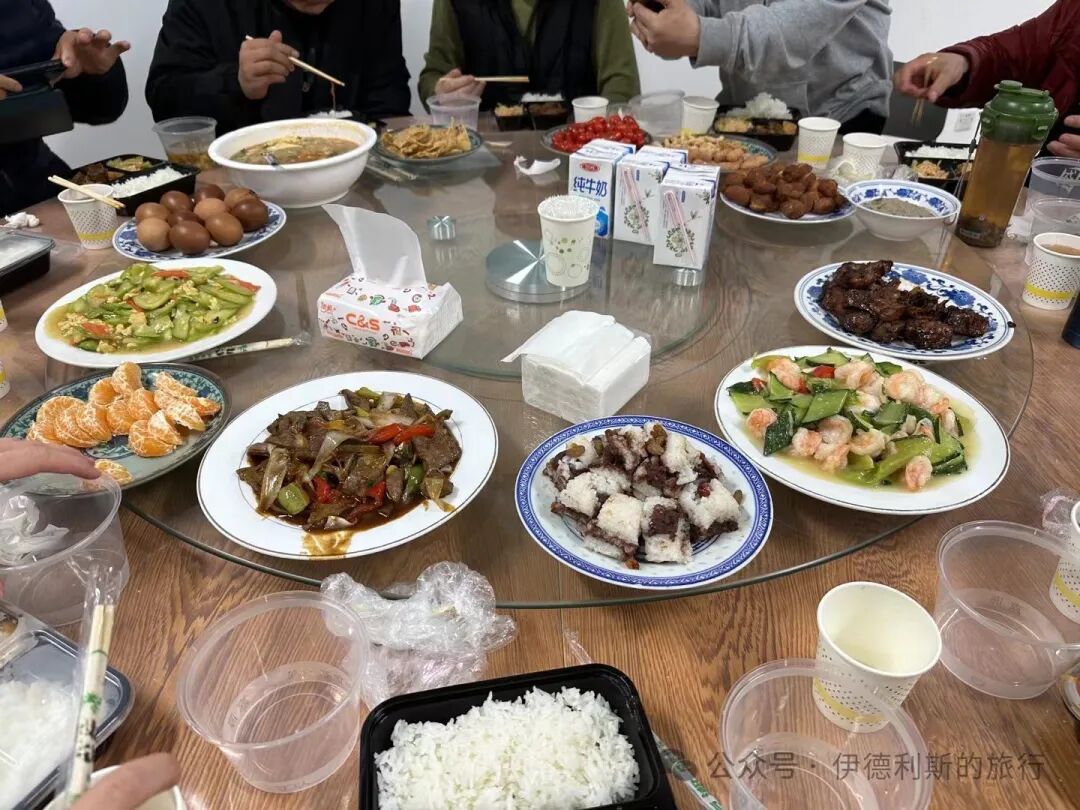
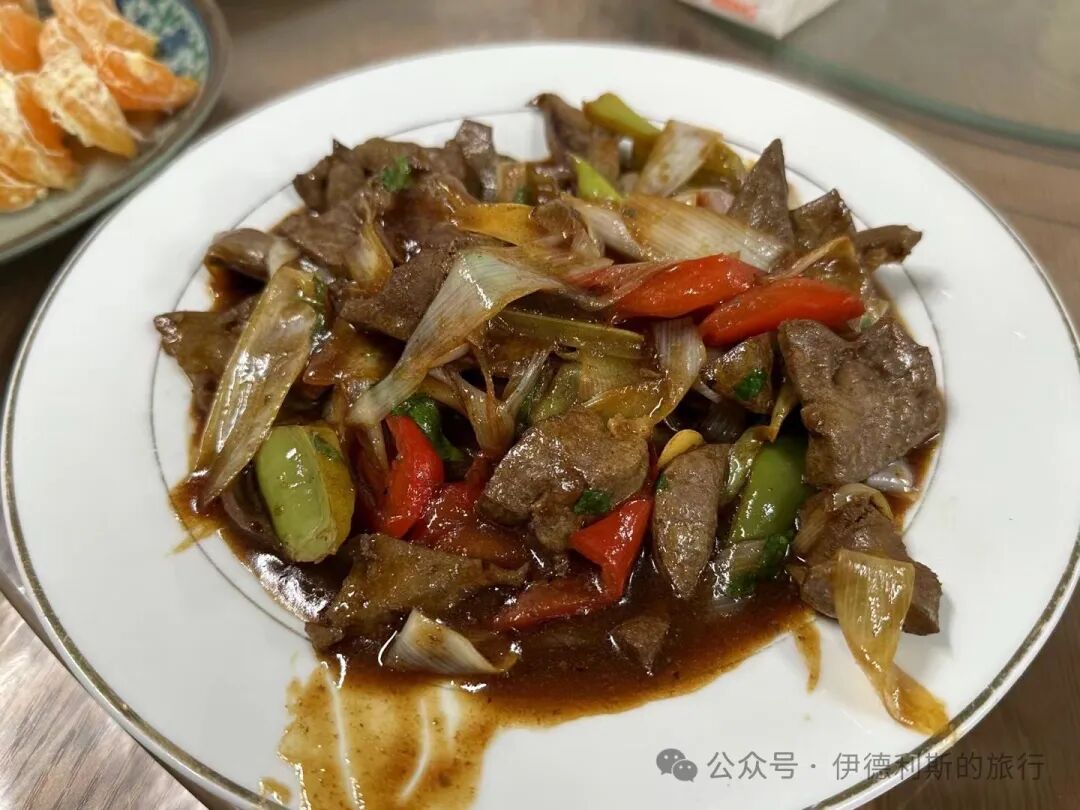
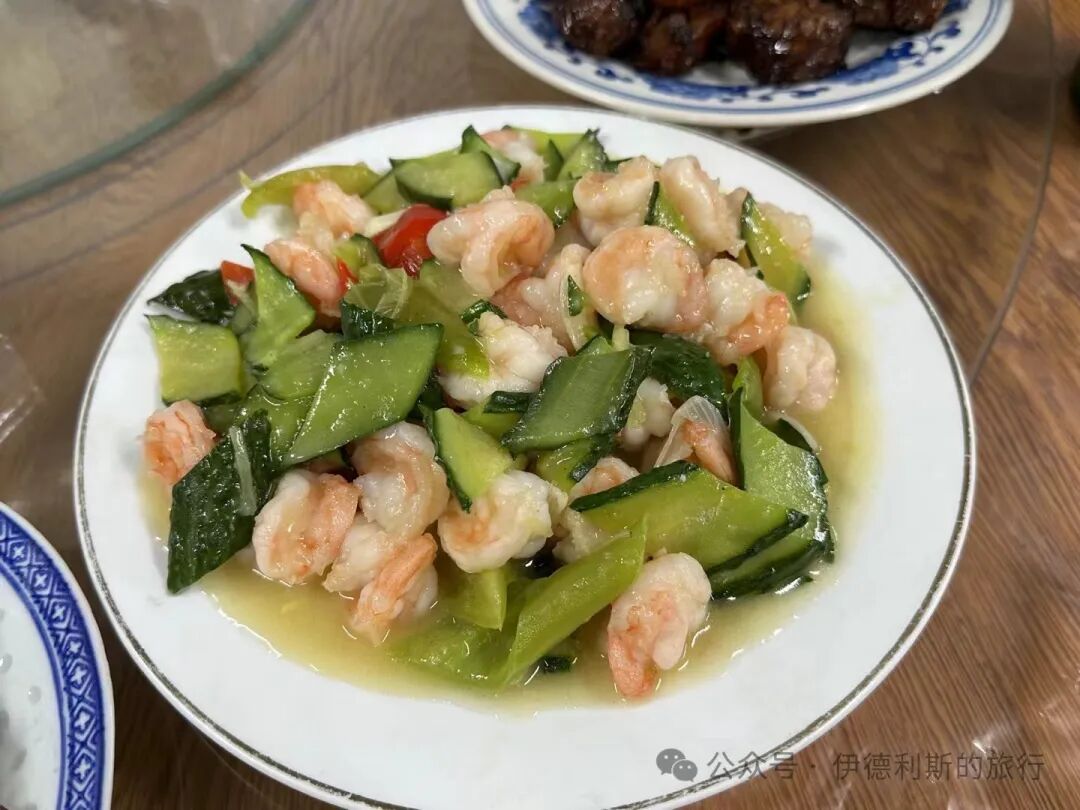
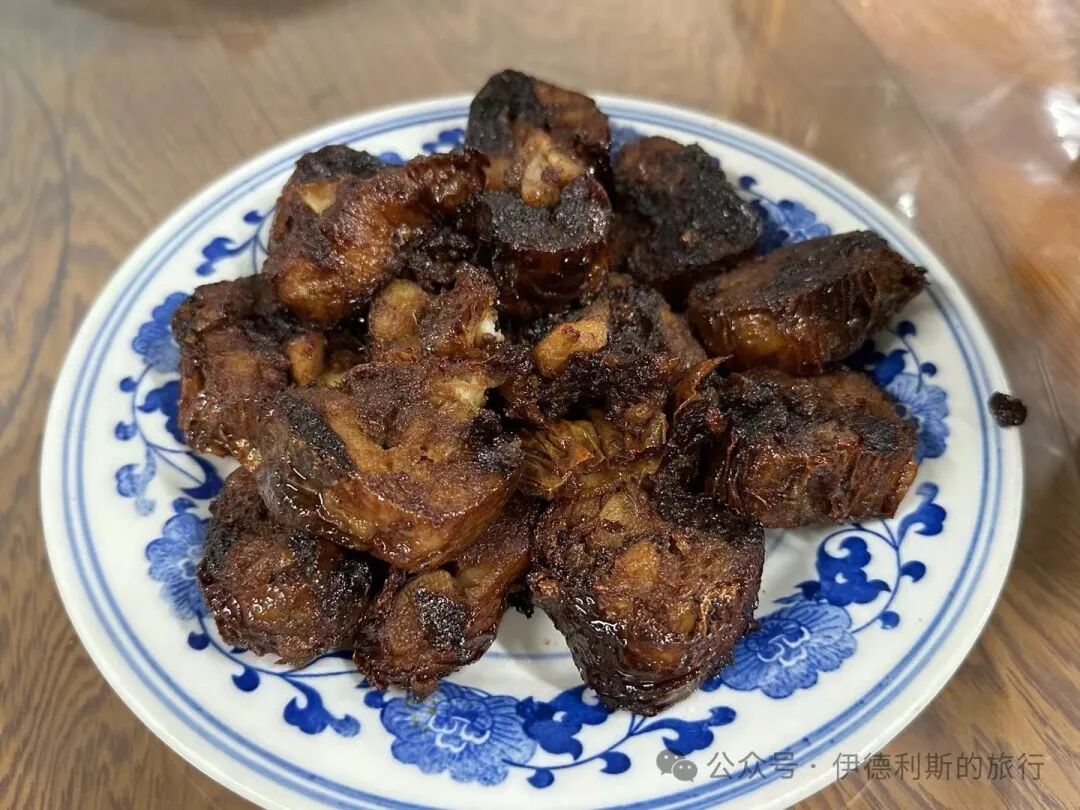
Day thirteen, today the elders at Balizhuang Mosque made nail-head meat pies (mending roubing) together. Elder Ma from the mosque is the very same chef who specializes in making these pies at Jingxiangzhai in Shilipu. The meat buns (mending) made at the mosque are very fragrant, full of savory juices, and the reward (thawab) for preparing food for those fasting is great.
Also, today the elders made sticky rice cake (qiegao) and sweet melon salad (saixianggua). Sweet melon salad (saixianggua) is made with shredded pear, cucumber, and hawthorn jelly (jinggao), making it very refreshing to eat.
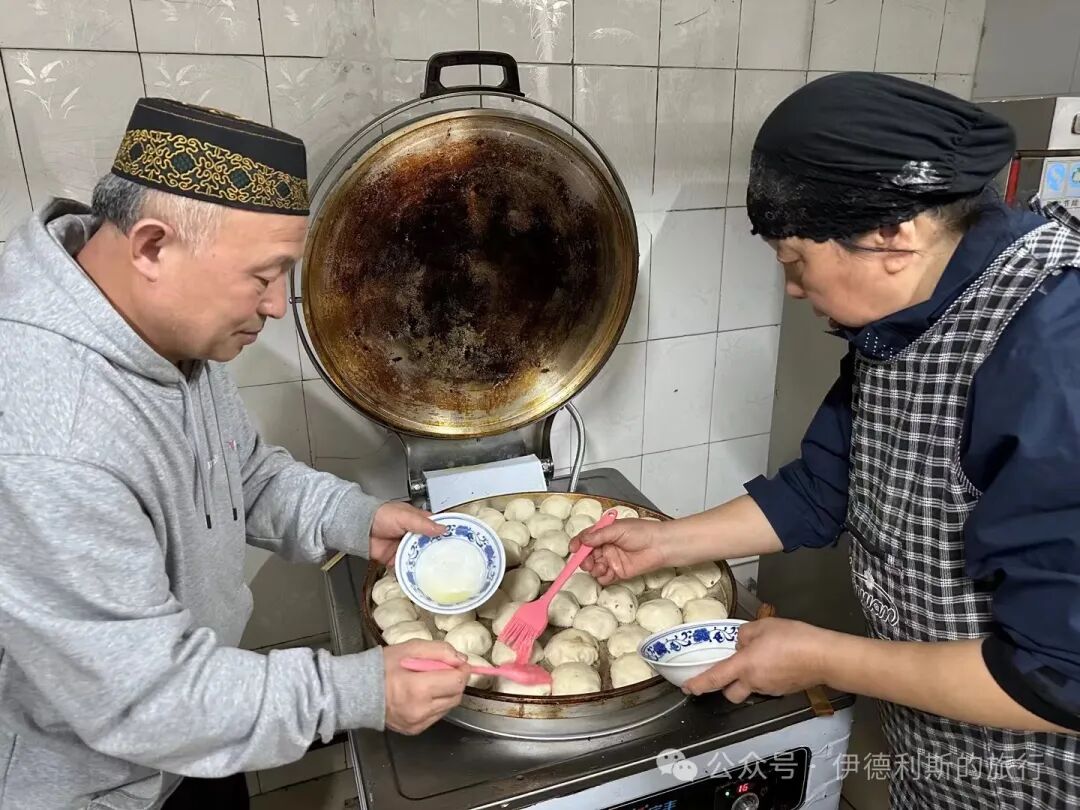
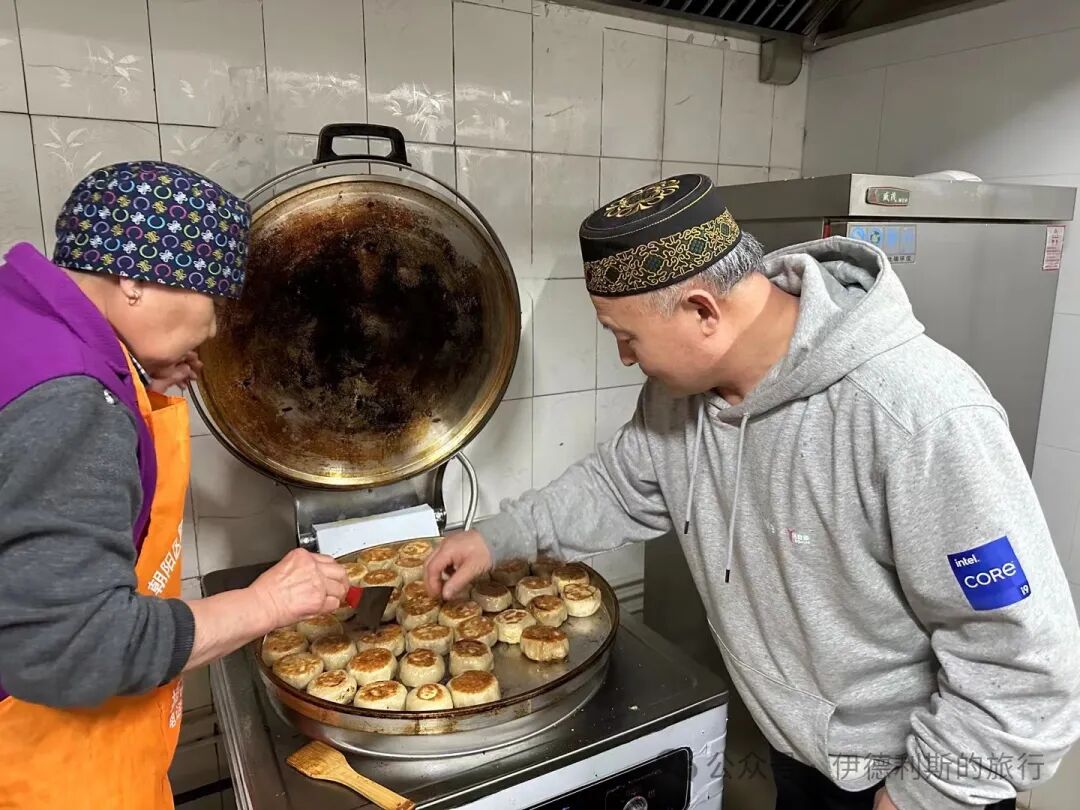
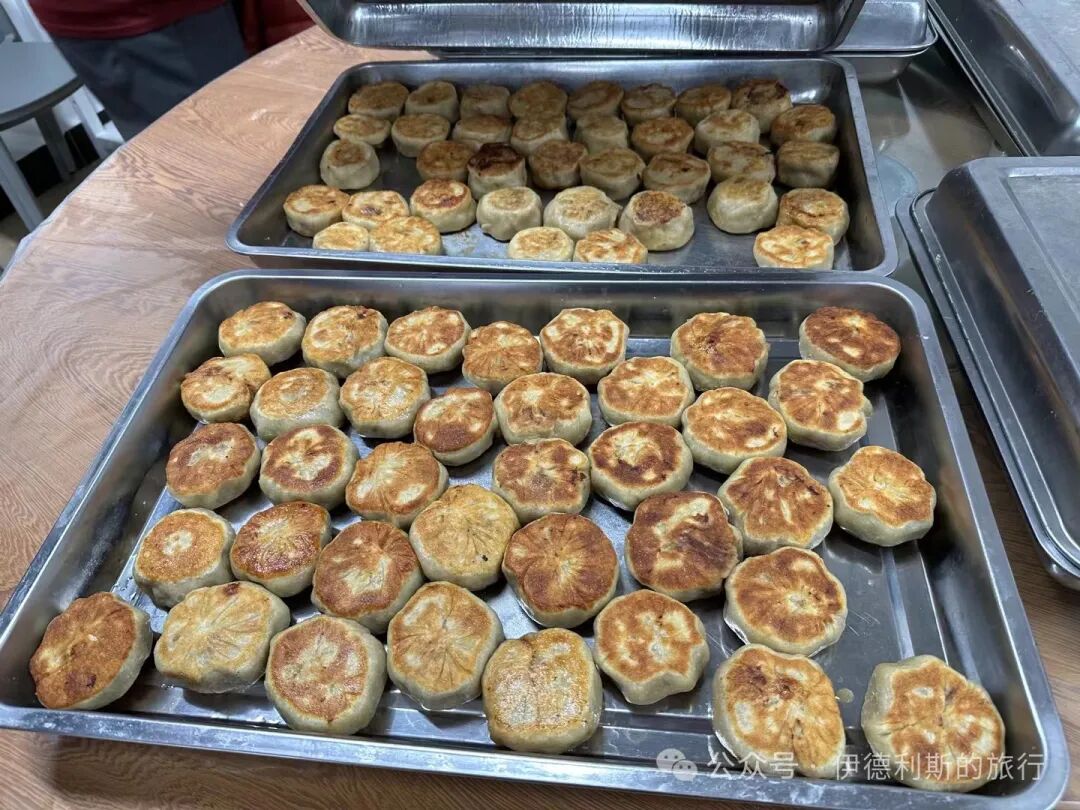
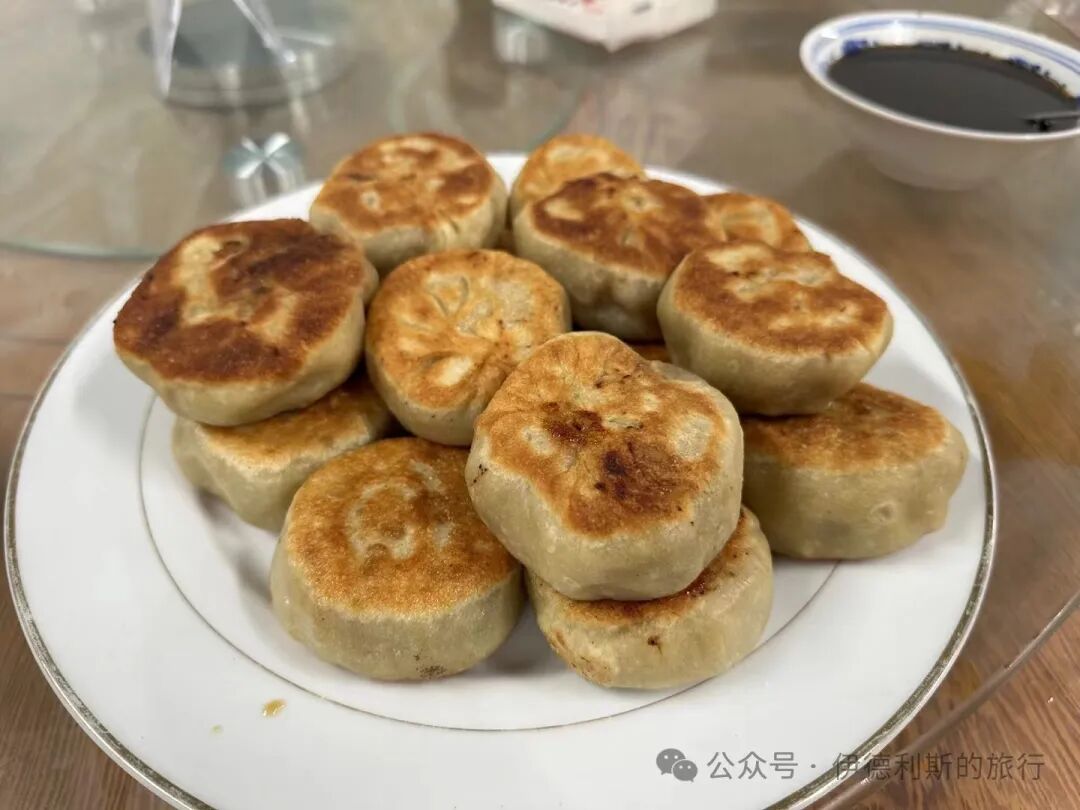
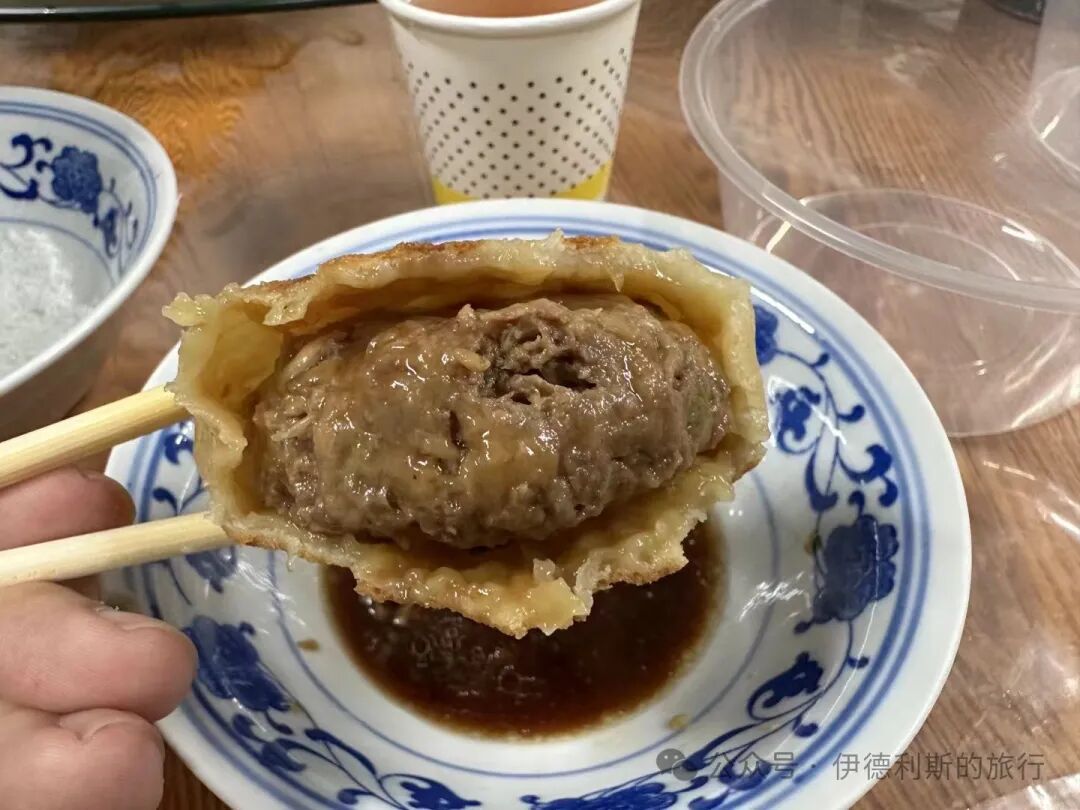
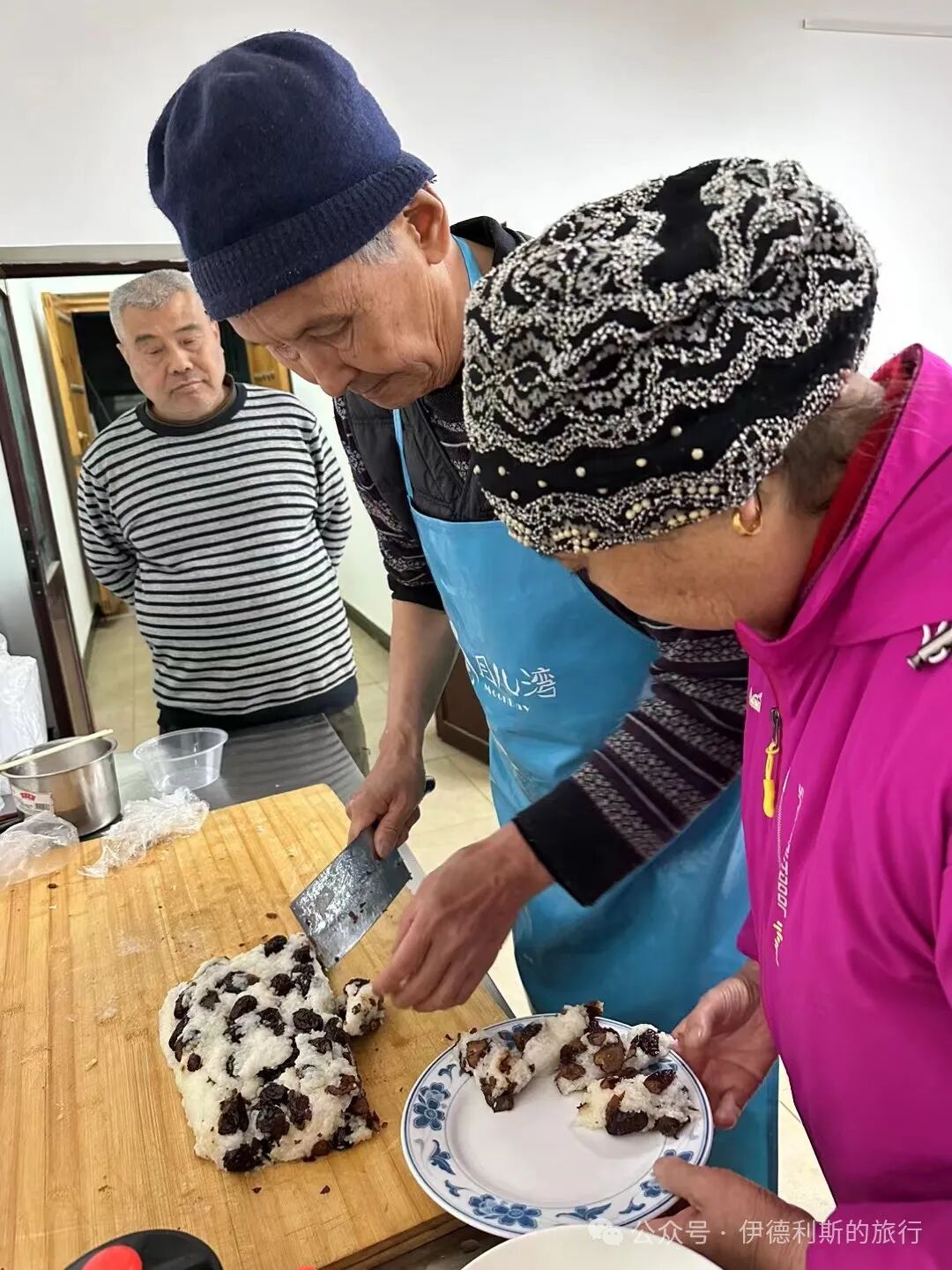
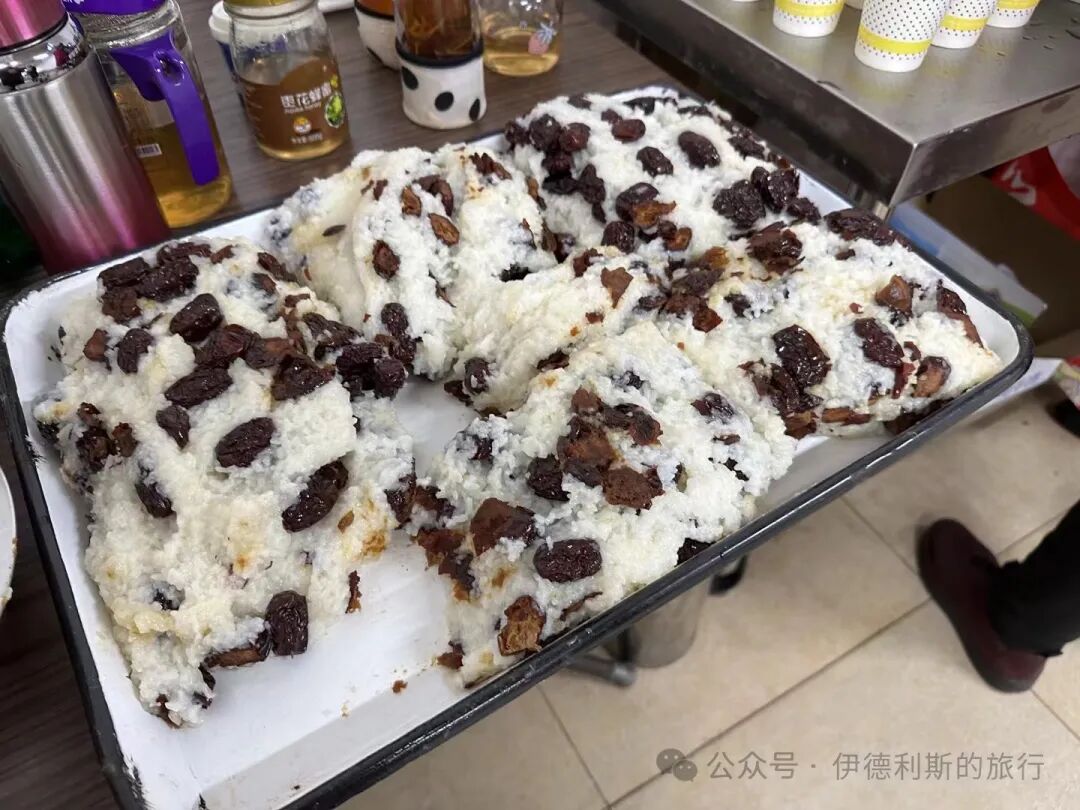
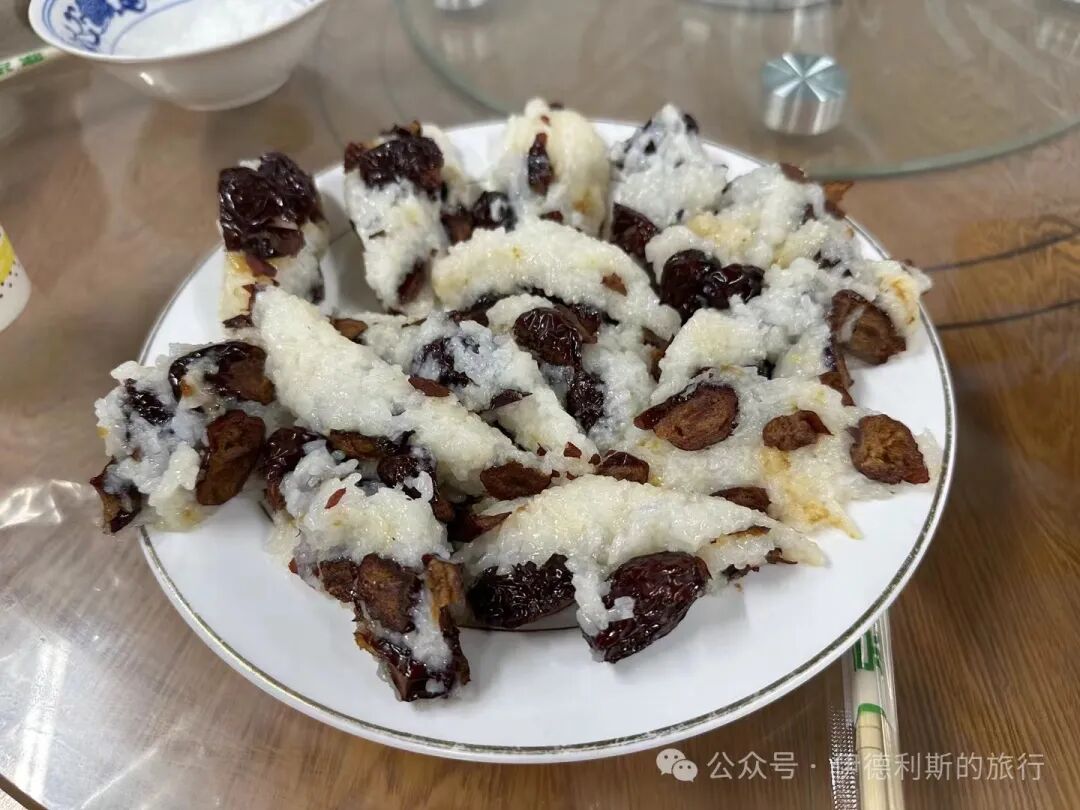
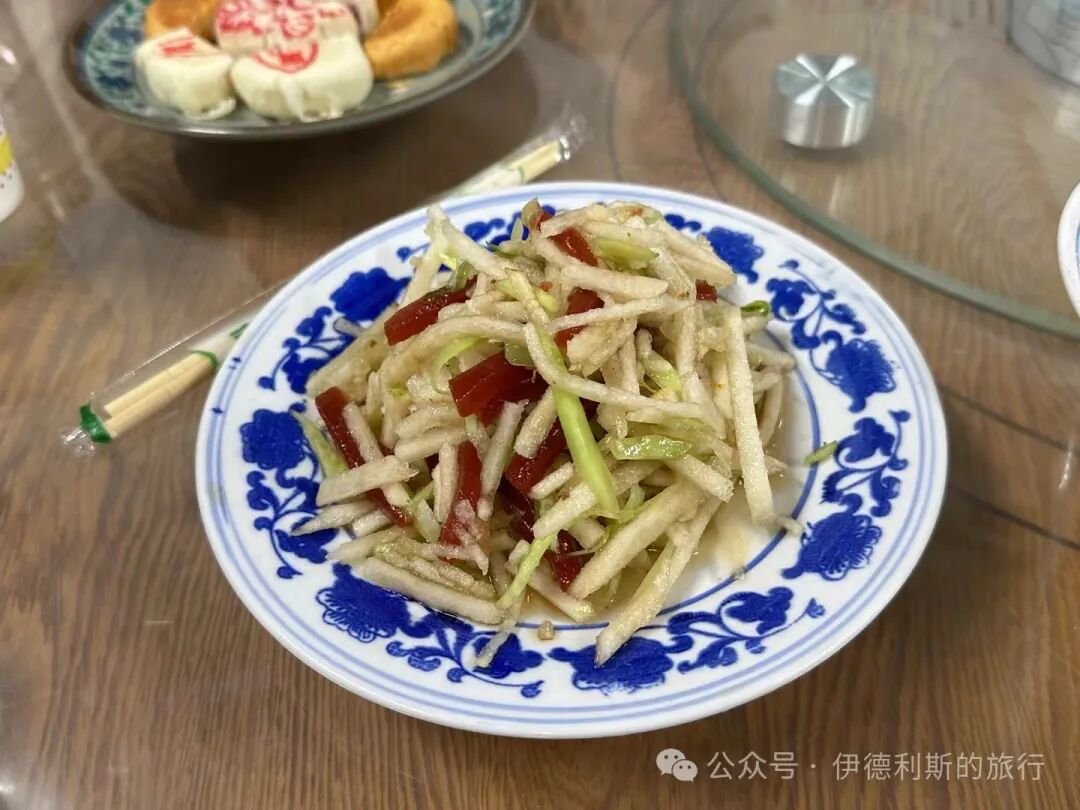
On the fourteenth day, two weeks into Ramadan, the elders at Balizhuang Mosque brought donkey roll cakes (lvdagun), fried crispy crackers (zhagezi), honey-glazed pastries (misandao), pea flour cakes (wandouhuang), and fried rice sticks (jiangmitiao). For the fast-breaking meal, we had braised chicken (huangmenji) and sesame flatbread with meat (shaobing jiarou), along with various vegetable dishes and two types of fried steamed bun slices.
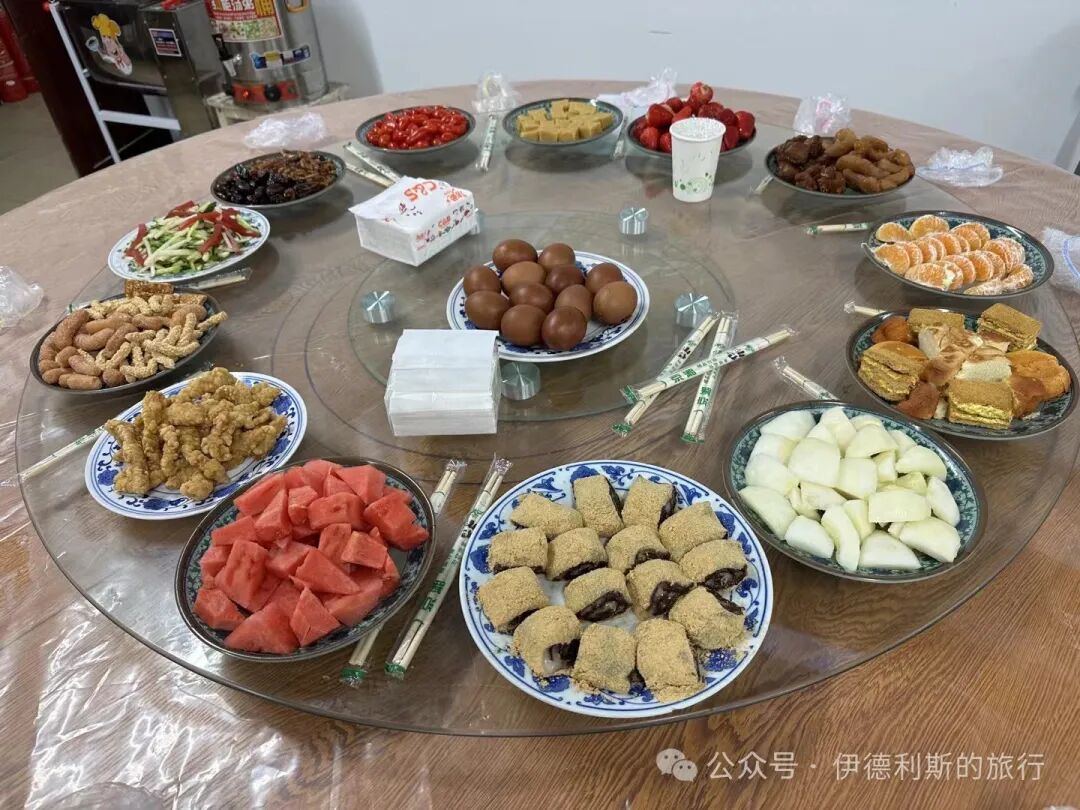
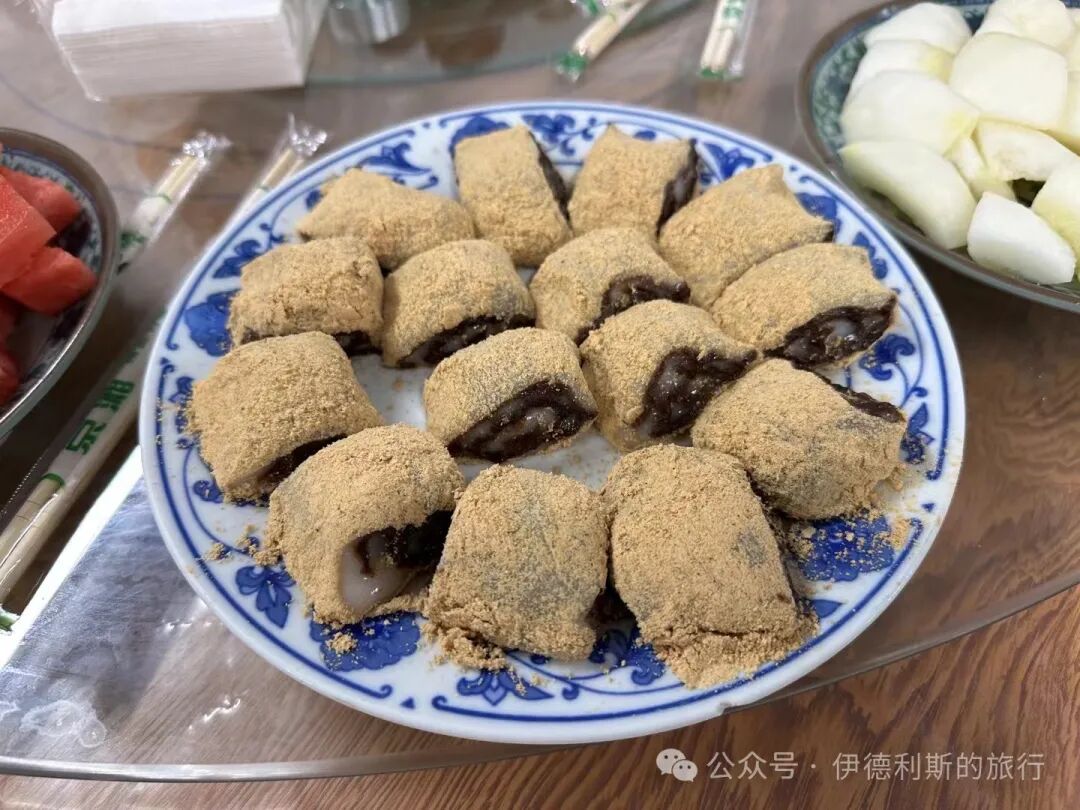
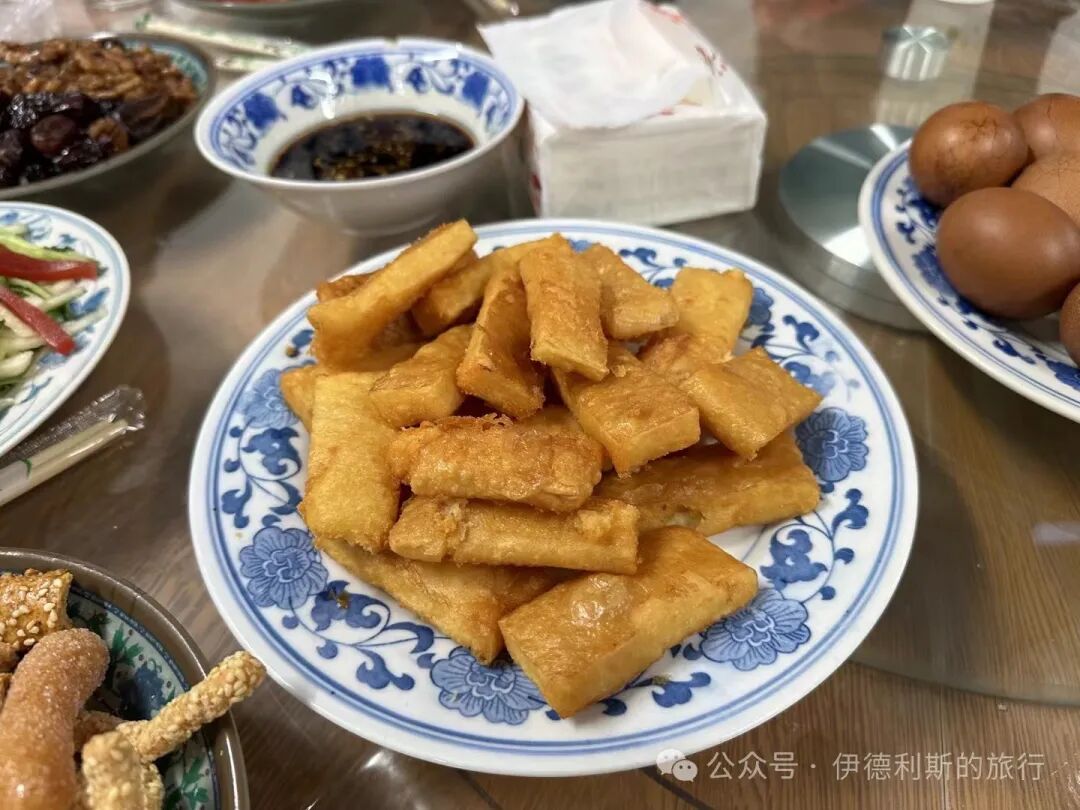
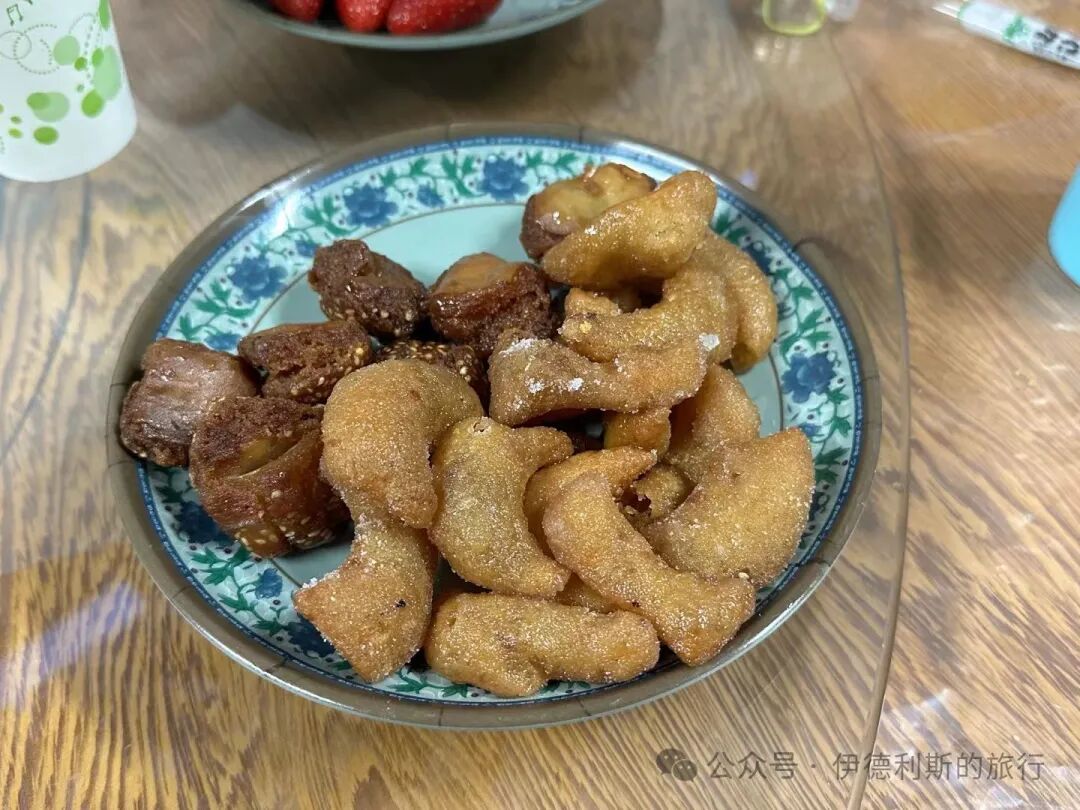
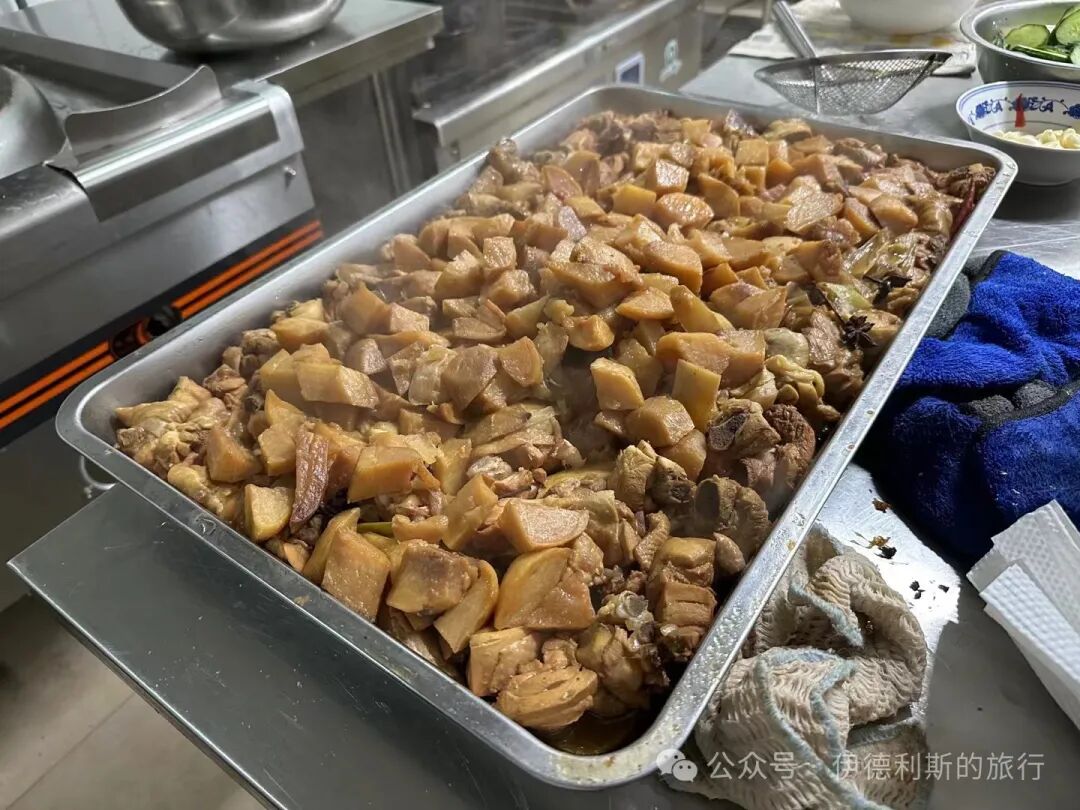
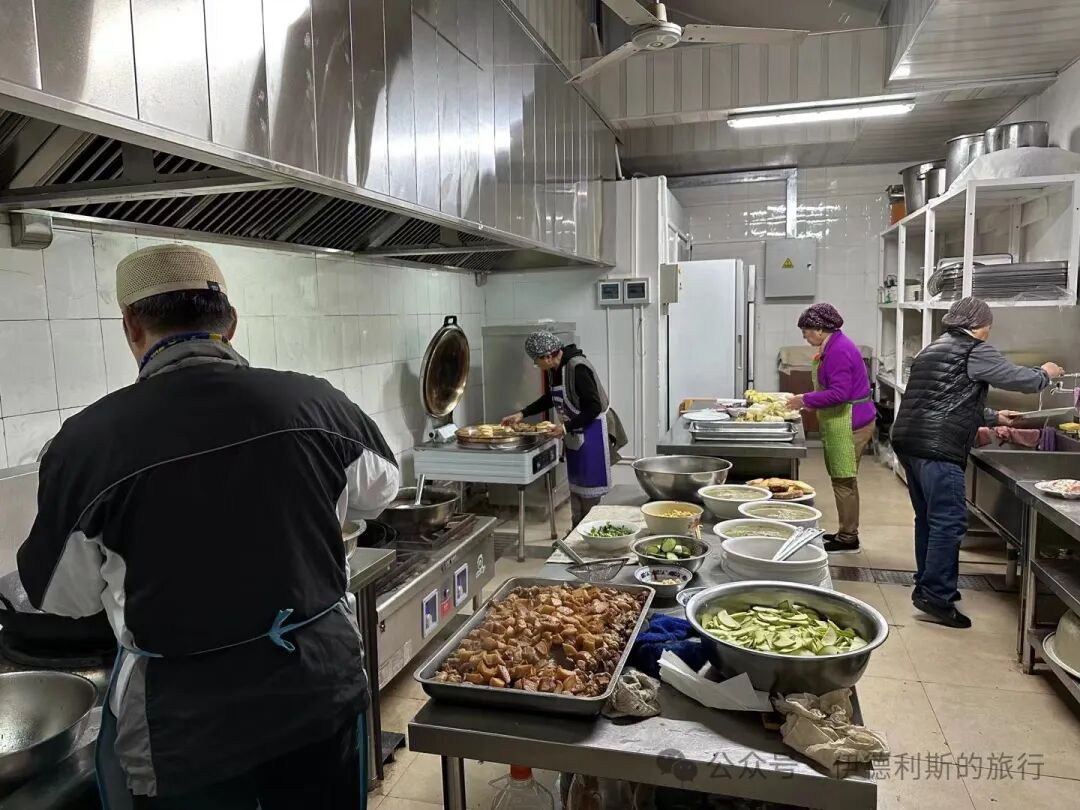
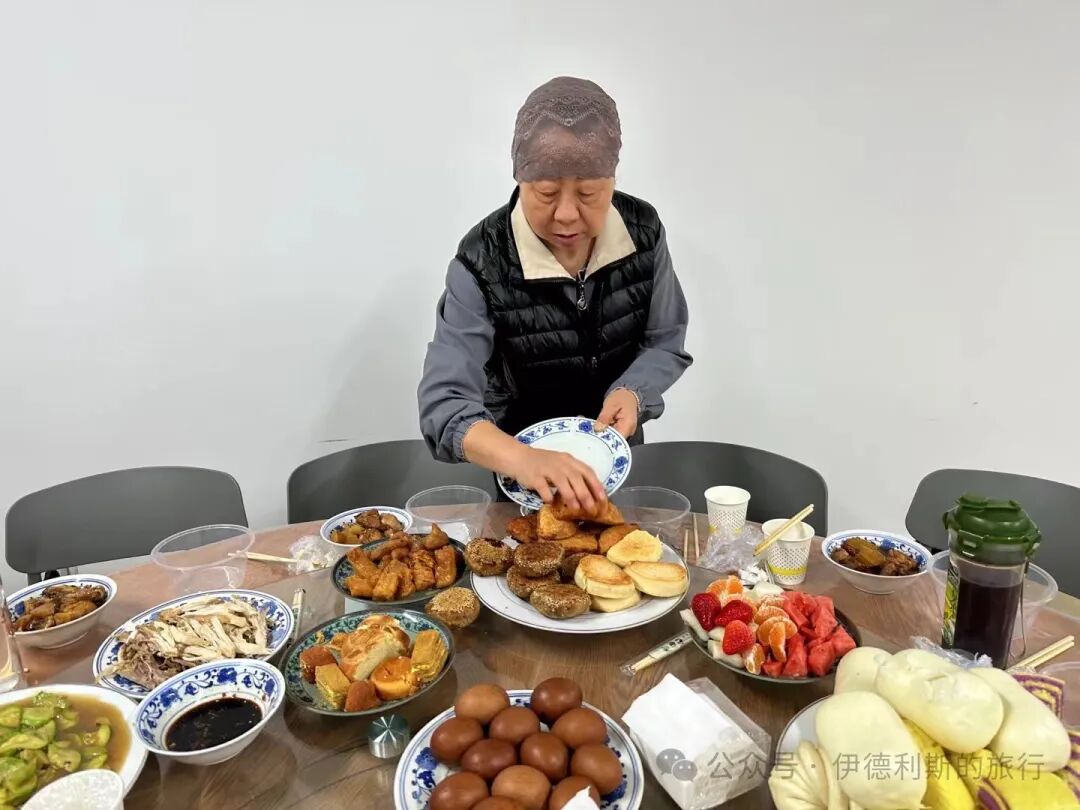
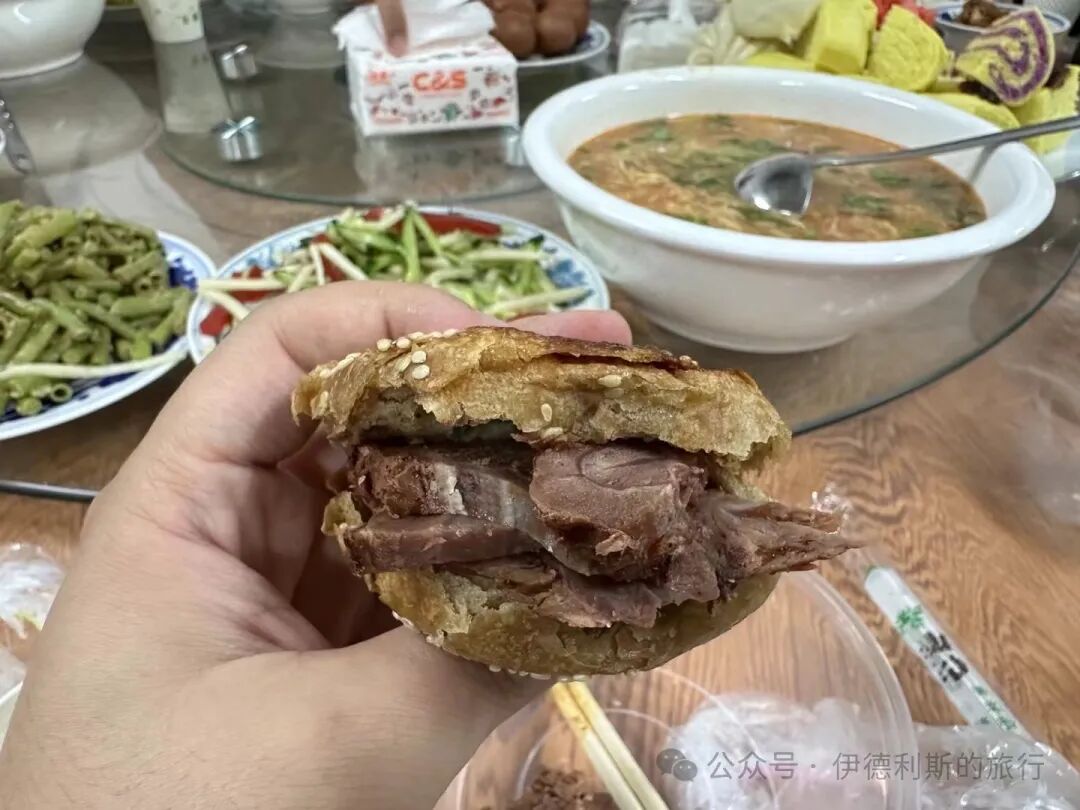
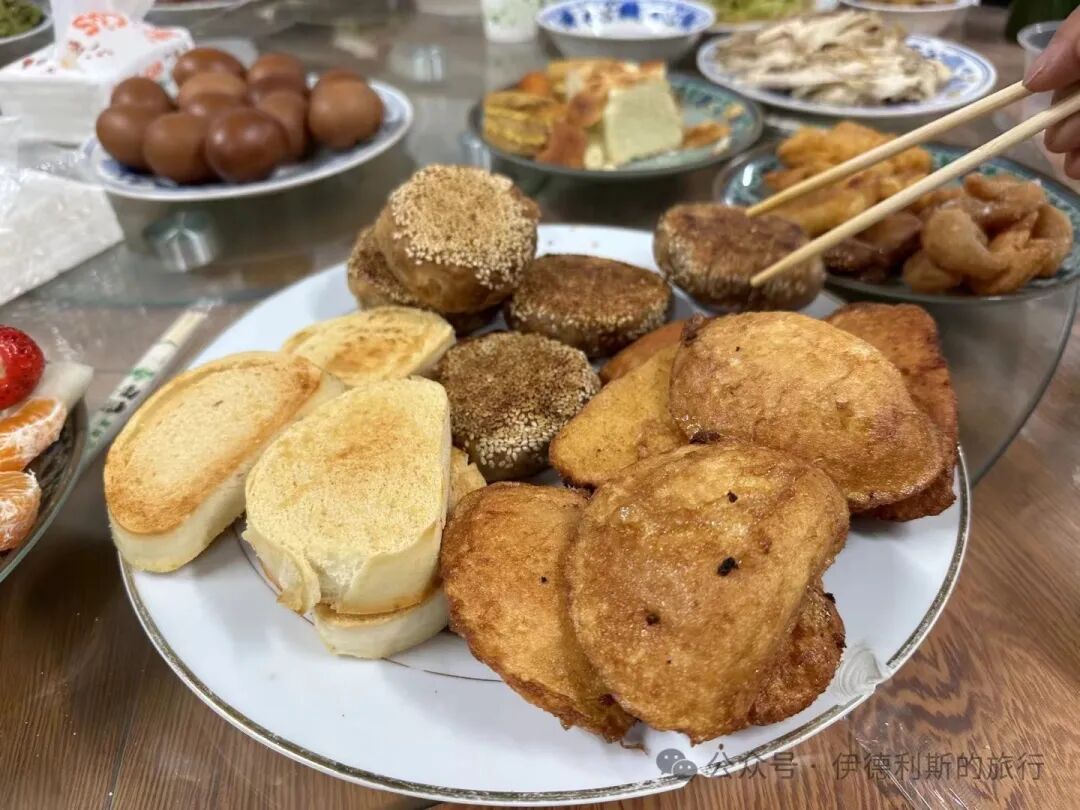
Halal Travel Guide: Beijing Ramadan Diary - Week One Mosques and Iftar
Articles • ali2007fr posted the article • 0 comments • 152 views • 2026-05-19 08:53
Summary: Halal Travel Guide: Beijing Ramadan Diary - Week One Mosques and Iftar is presented here as a firsthand travel account in clear, natural English. The account focuses on Beijing Ramadan, Mosques, Halal Food while preserving the names, places, food, photos, and historical details from the Chinese source.
It is the holy month of Ramadan again. I spent a wonderful time at Balizhuang Mosque last year (see "Ramadan in Beijing 2023—The Beautiful Balizhuang Mosque"), and I am spending Ramadan at Balizhuang Mosque again this year.
On the evening of March 11, I performed the first Taraweeh prayer at Balizhuang Mosque. Every year, I enjoy the blessed atmosphere of Ramadan the most, when everyone gathers at the mosque to complete their worship.
On the first day, Balizhuang Mosque had Hohhot pastries and baked flatbreads (beizi) donated by Elder Yang, as well as tea donated by the imam. For iftar, we had braised meat (hui songrou), braised eggplant, stewed radish, and fermented bean curd (ma doufu). It was simple and tasty, and I felt very comfortable after eating.
Looking at the Douyin building from Balizhuang Mosque, I see people praying and people working overtime.
On the second day, I had stewed beef with potatoes, stewed kelp, and cabbage with vermicelli at Balizhuang Mosque. The stewed beef was great with rice, and the kelp and vermicelli were lighter than what you get in restaurants, which is perfect for breaking the fast because it does not make you thirsty.
On the third day, Elder Li made donkey-roll cakes (lvdagun) for everyone at Balizhuang Mosque. I experienced his cooking skills last year. For iftar, we had soybean paste noodles (zhajiangmian) and eggplant sauce noodles. There were various toppings like radish, cabbage, cucumber, and roast chicken. I love soybean paste noodles so much! Soybean paste noodles in restaurants are usually all sauce with very little meat, but the ones at the mosque have plenty of meat.
On the fourth day, for the first Jumu'ah of Ramadan, I went to Dongsi Mosque. The midday sun was warm, and spring in Beijing is in full swing.
In the evening, a friend (dosti) kindly invited everyone to break their fast at Nanxiapo Mosque. We ate delicious stewed beef, and I felt very grateful. Nanxiapo Mosque now hosts charity meals (nietie) and is also open to the public, selling the eight classic bowls (badawan), breakfast, and fast food. You can enter through the hot pot restaurant next to the mosque. If you want to try traditional Beijing Muslim cuisine, you can come and give it a try.
On the fifth day, at Balizhuang Mosque, I had fish head with pancakes (yutou paobing). The elders made the pancakes themselves, along with candied yam rolls (tang juanguo), and there was also grilled fish and pilaf (zhuafan) donated by a foreign friend (dosti). There were many people on the weekend, filling four large tables. For a small mosque, this is not easy at all.
On the sixth day, the Balizhuang Mosque made dumplings. We had fennel filling and cabbage filling, plus spiced beef (jiang niurou) and stir-fried egg with wood ear mushrooms and meat (muxu rou). Fennel dumplings have been my favorite since I was a kid!
The wild peach blossoms by Erdaogou stream at the entrance of Balizhuang Mosque are in full bloom. During the Qing Dynasty and the Republic of China era, Hui Muslims in Balizhuang used water from Erdaogou to irrigate their crops. The village was full of bean trellises, melon frames, heavy fruit, and lush green trees.
On the seventh day, I got some rice cake (niangao) made by Elder Li at the entrance of Balizhuang Mosque. For the communal meal, we had hot noodle soup, lamb chops, and fried tofu stewed with meatballs. We also had steamed buns (mantou) and griddle-baked flatbread (laobing). I was completely stuffed. After eating, I had tea and chatted with the elders, then went into the prayer hall for the scripture reading and the prayer service. view all
Summary: Halal Travel Guide: Beijing Ramadan Diary - Week One Mosques and Iftar is presented here as a firsthand travel account in clear, natural English. The account focuses on Beijing Ramadan, Mosques, Halal Food while preserving the names, places, food, photos, and historical details from the Chinese source.
It is the holy month of Ramadan again. I spent a wonderful time at Balizhuang Mosque last year (see "Ramadan in Beijing 2023—The Beautiful Balizhuang Mosque"), and I am spending Ramadan at Balizhuang Mosque again this year.
On the evening of March 11, I performed the first Taraweeh prayer at Balizhuang Mosque. Every year, I enjoy the blessed atmosphere of Ramadan the most, when everyone gathers at the mosque to complete their worship.
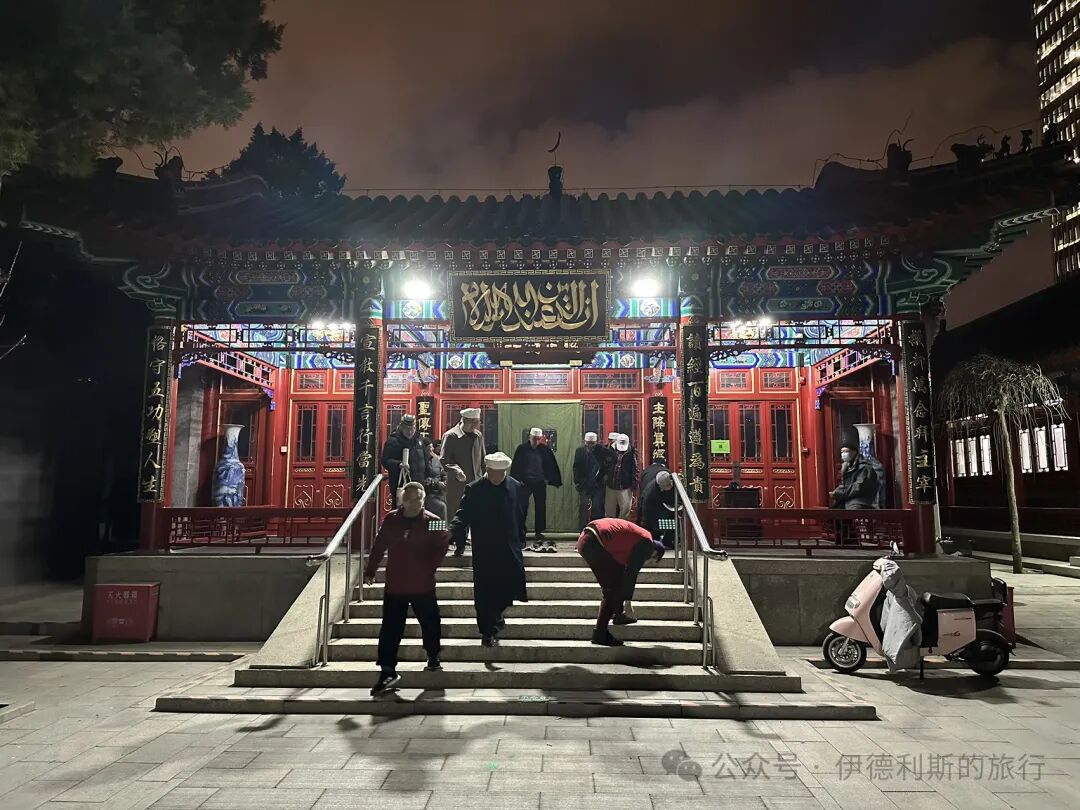
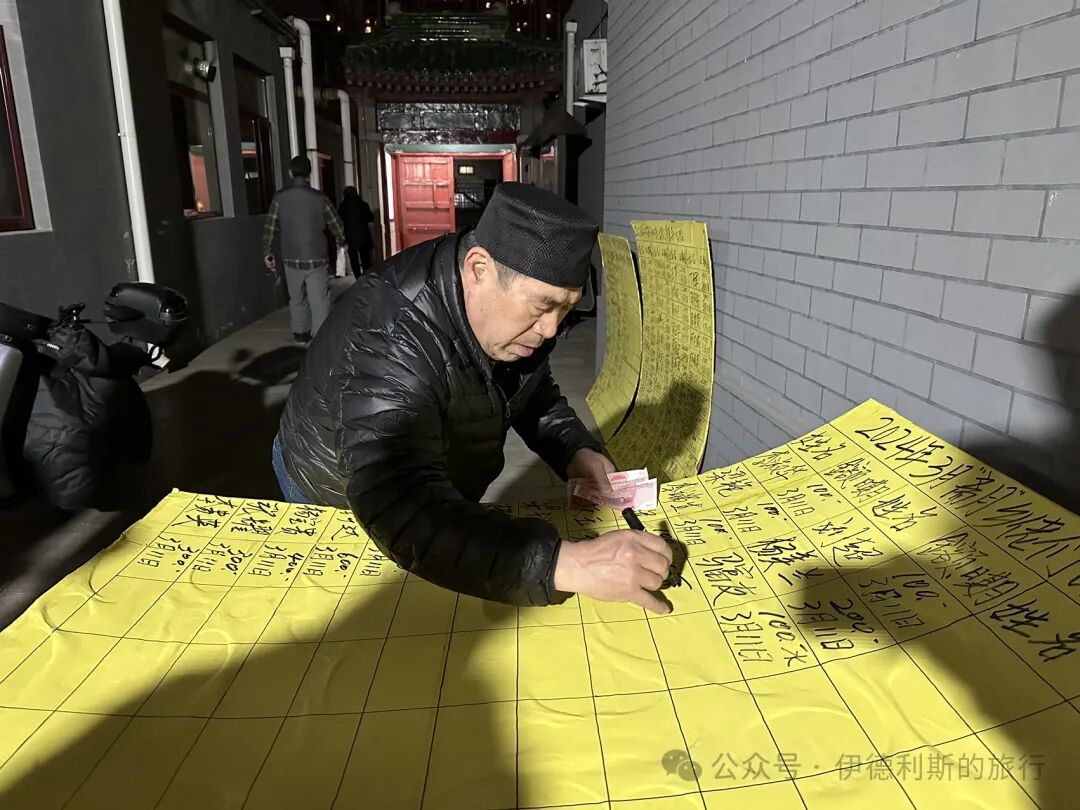
On the first day, Balizhuang Mosque had Hohhot pastries and baked flatbreads (beizi) donated by Elder Yang, as well as tea donated by the imam. For iftar, we had braised meat (hui songrou), braised eggplant, stewed radish, and fermented bean curd (ma doufu). It was simple and tasty, and I felt very comfortable after eating.
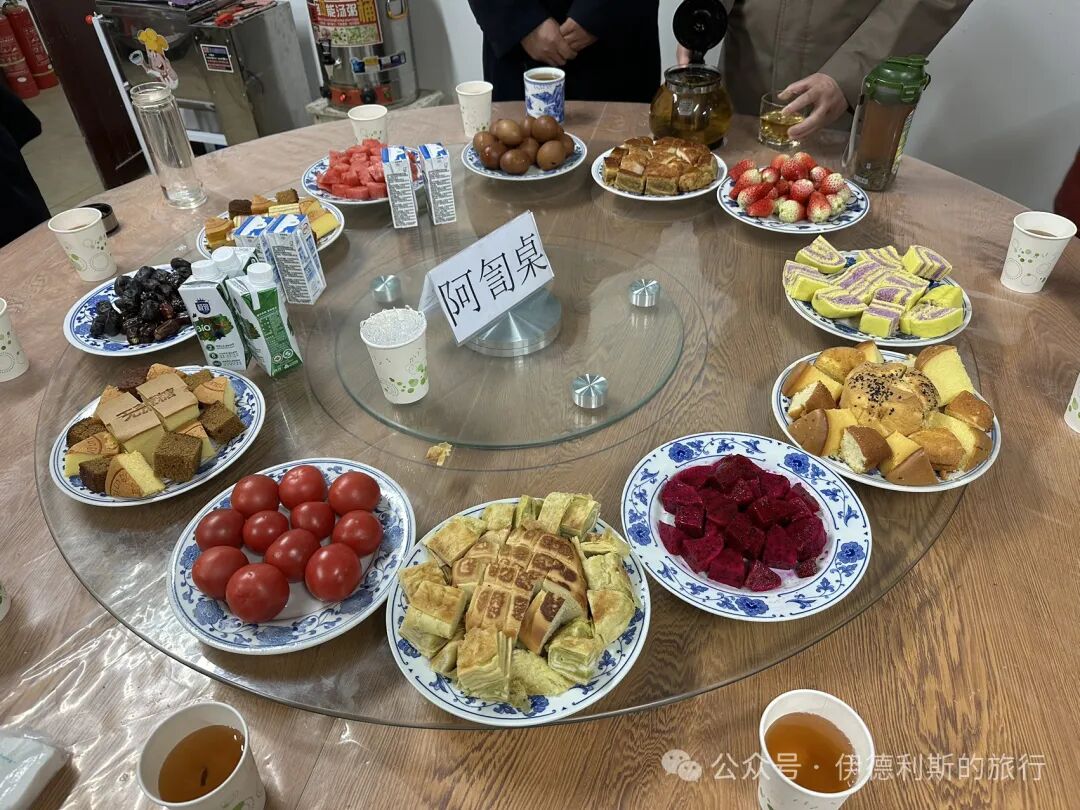
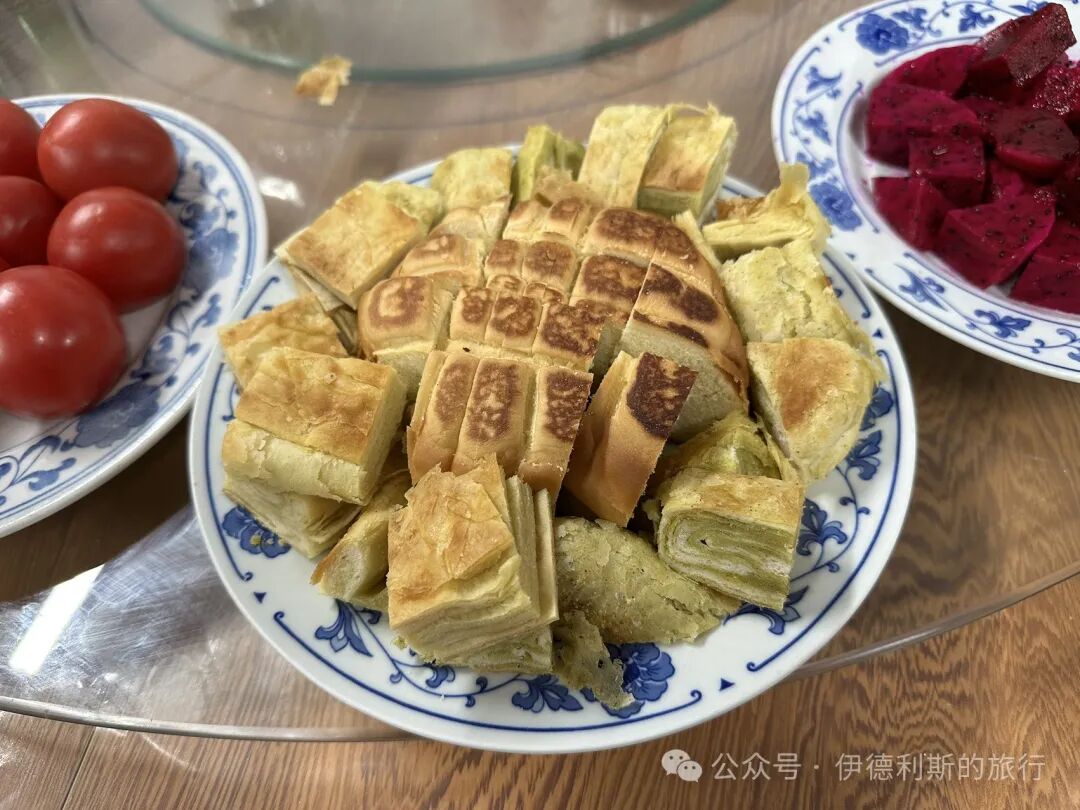
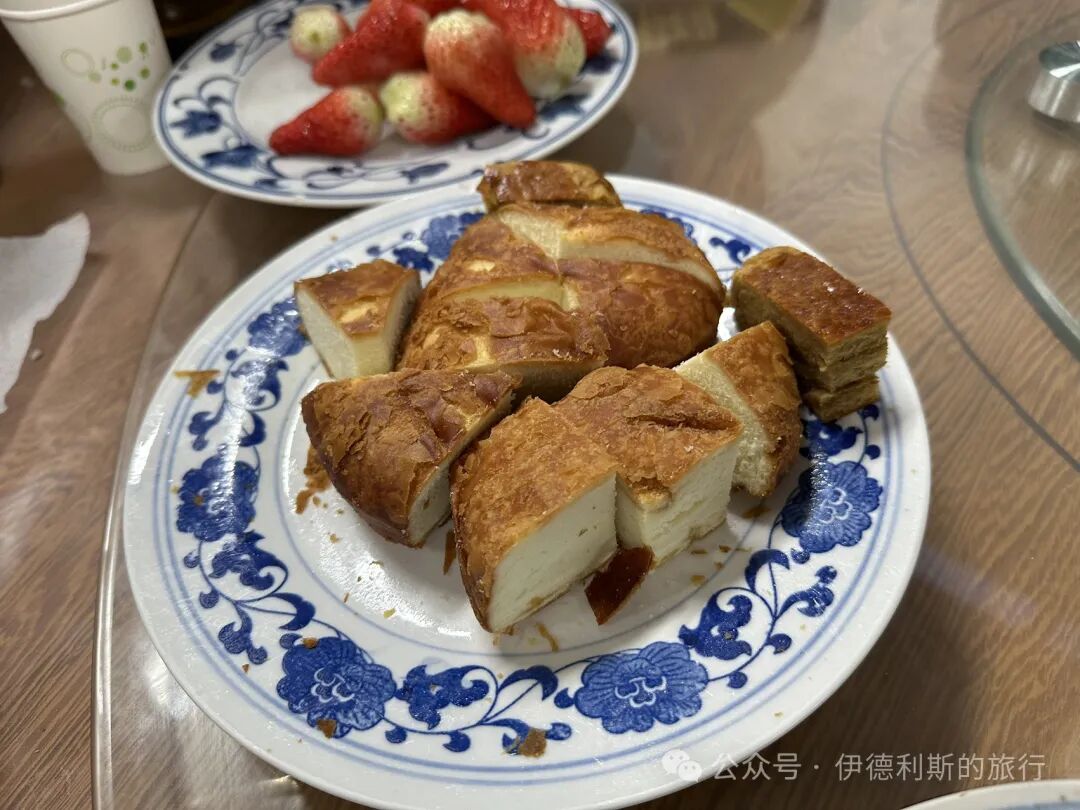
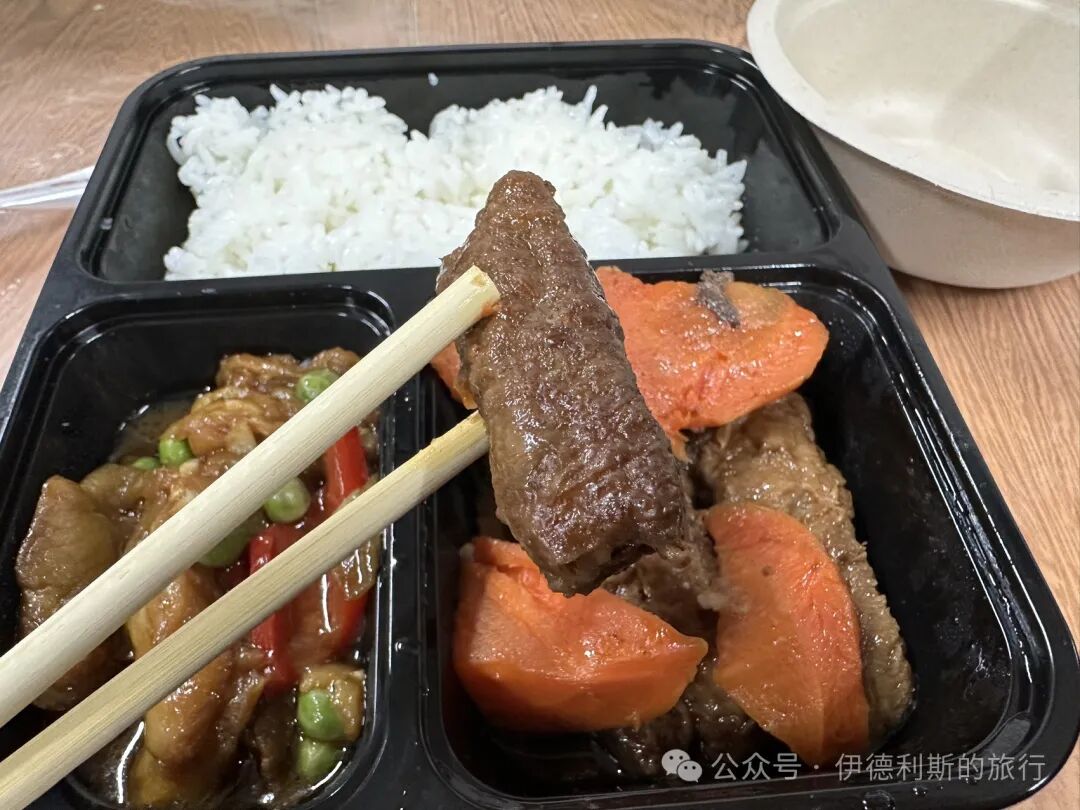
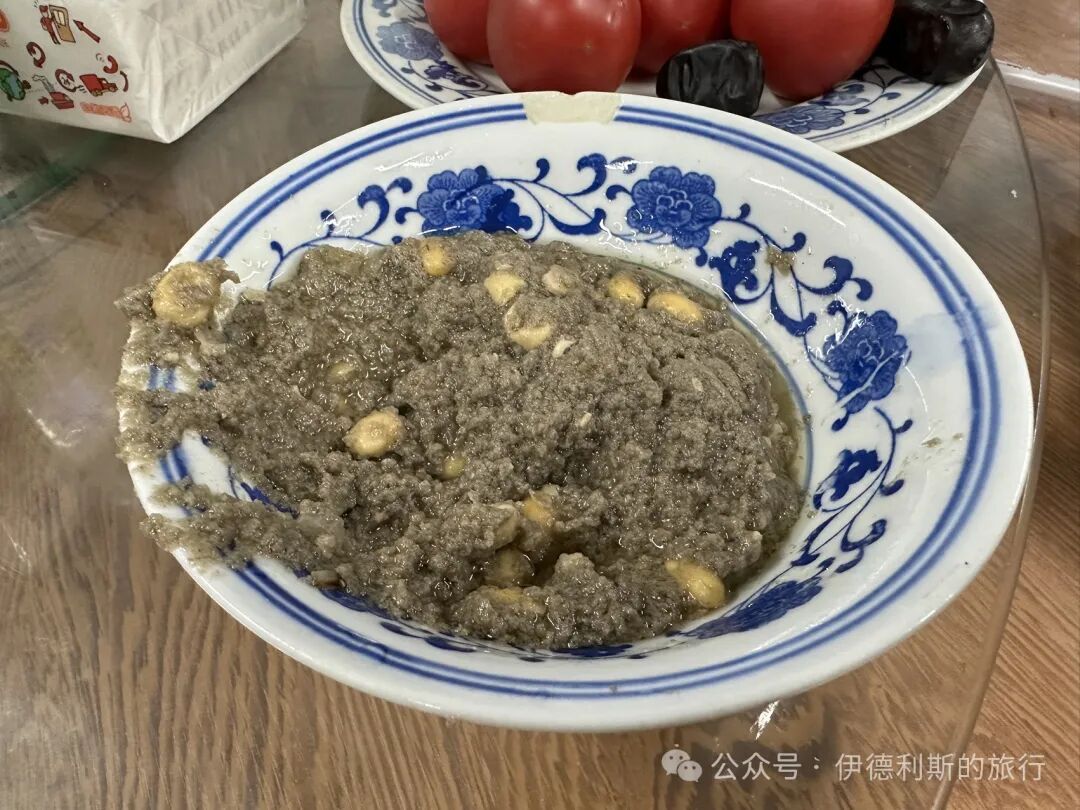
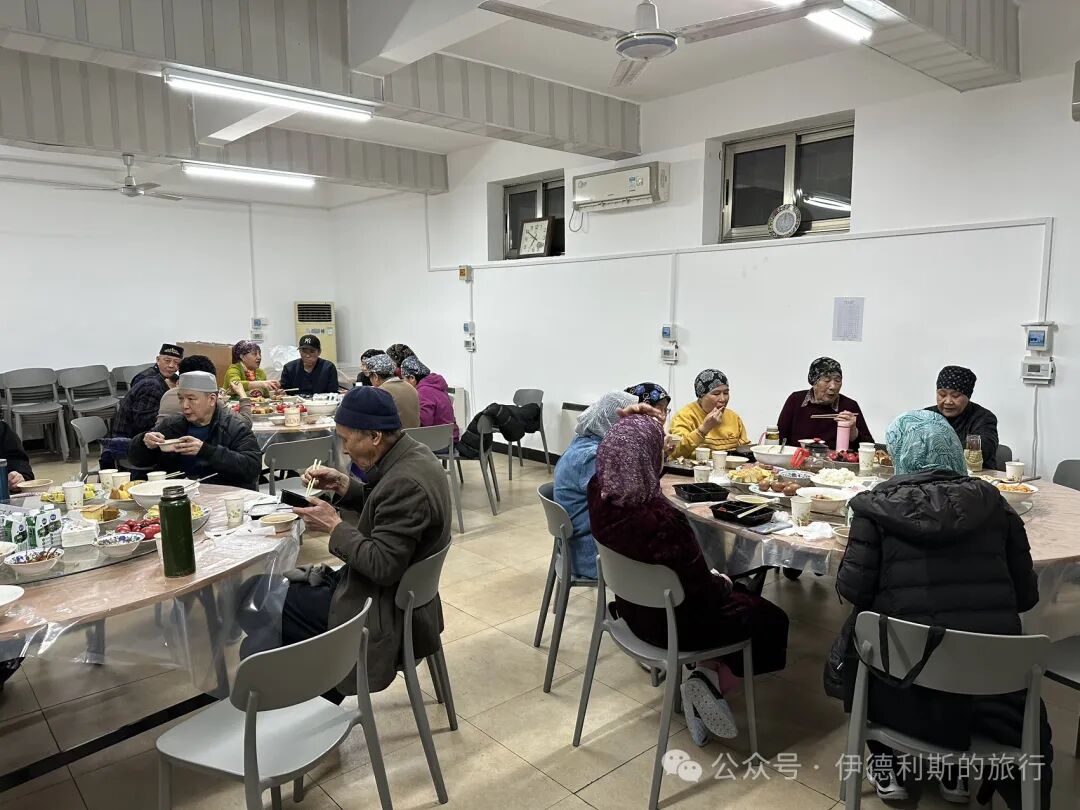
Looking at the Douyin building from Balizhuang Mosque, I see people praying and people working overtime.
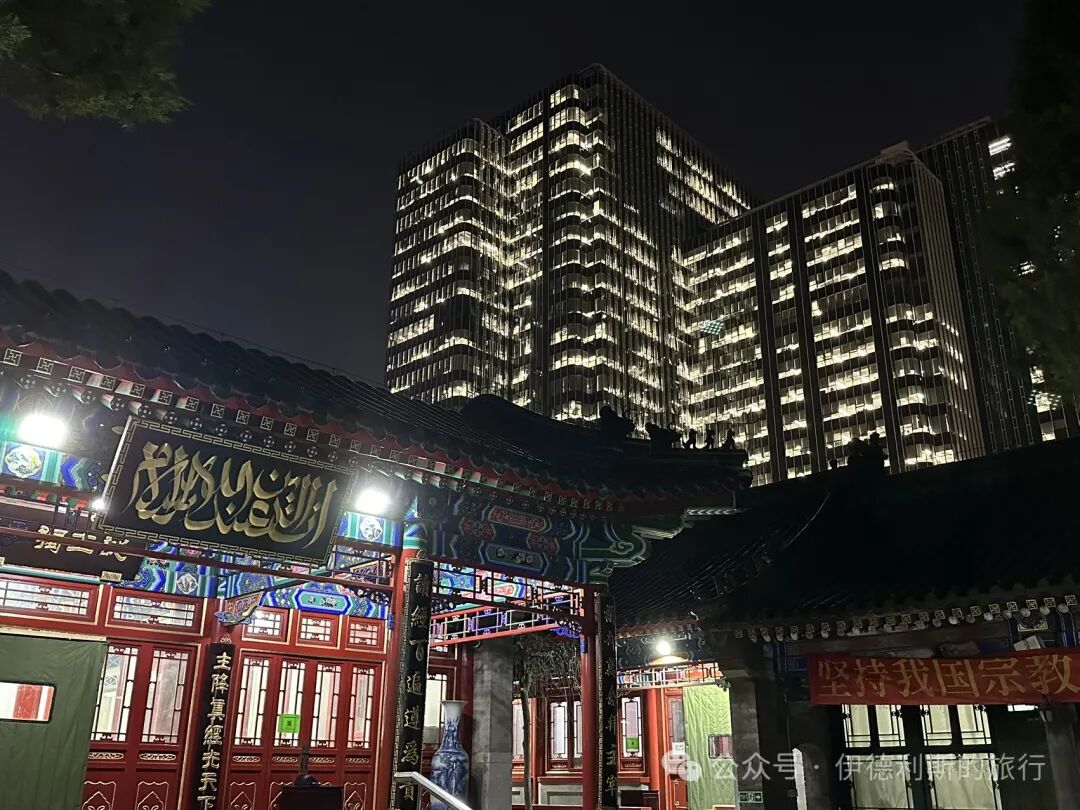
On the second day, I had stewed beef with potatoes, stewed kelp, and cabbage with vermicelli at Balizhuang Mosque. The stewed beef was great with rice, and the kelp and vermicelli were lighter than what you get in restaurants, which is perfect for breaking the fast because it does not make you thirsty.
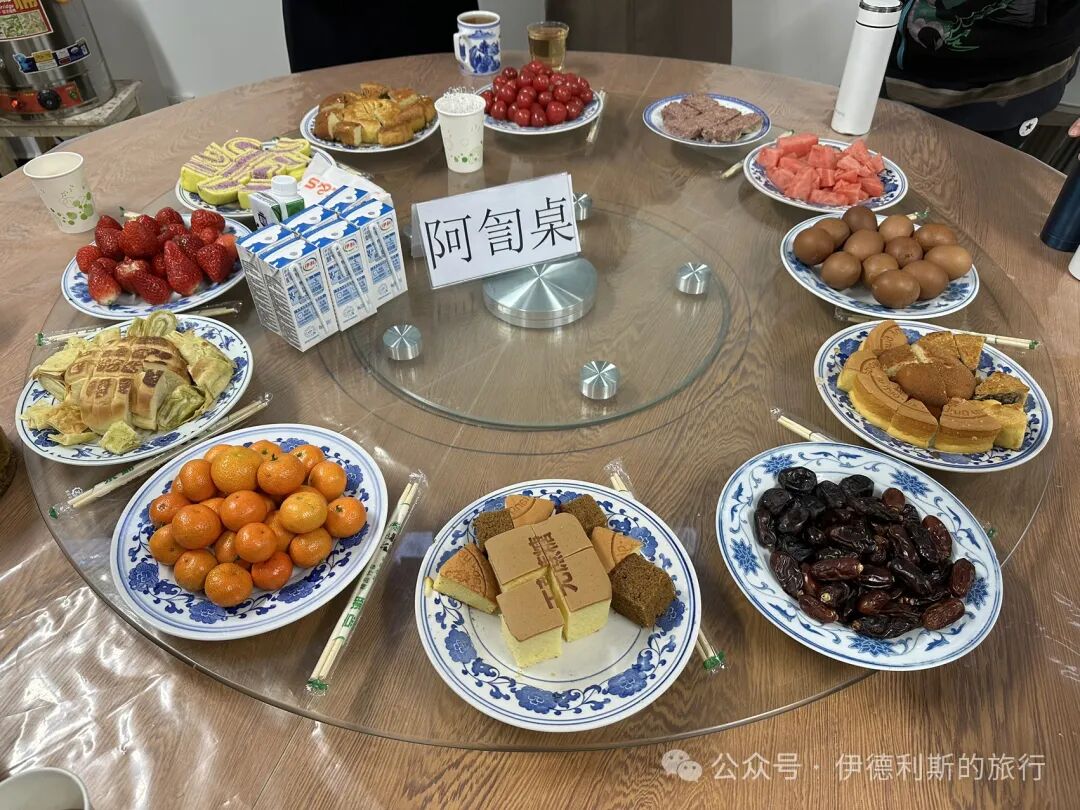
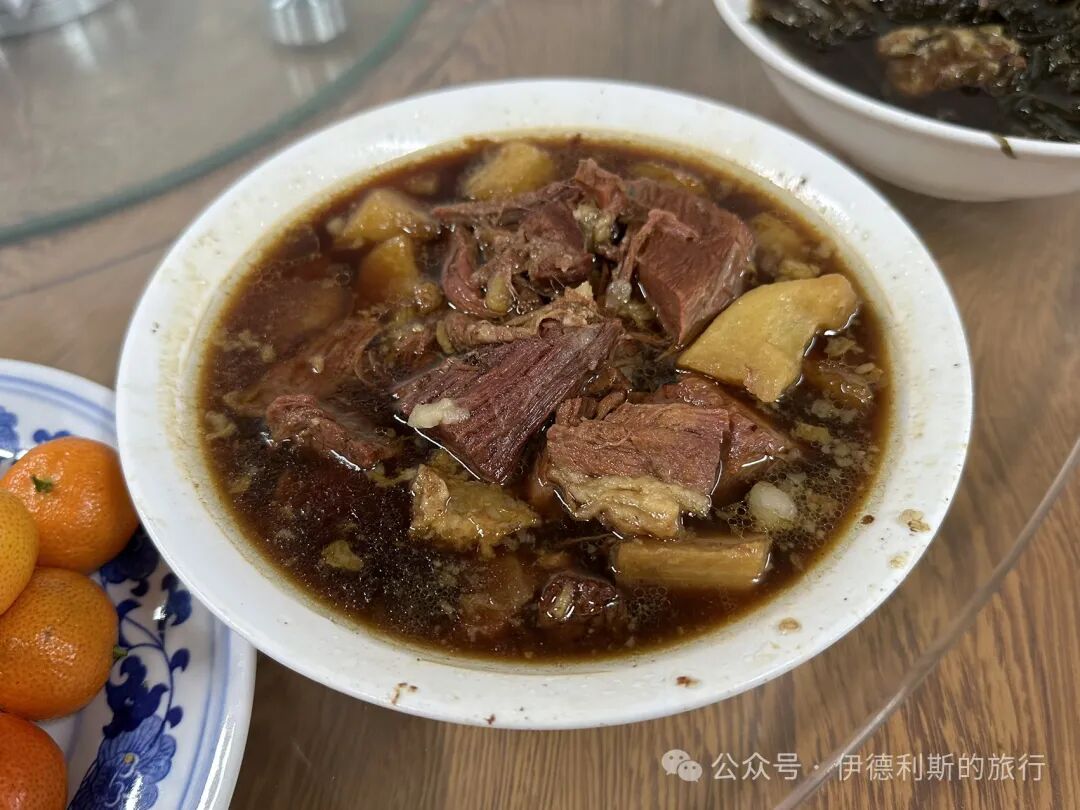
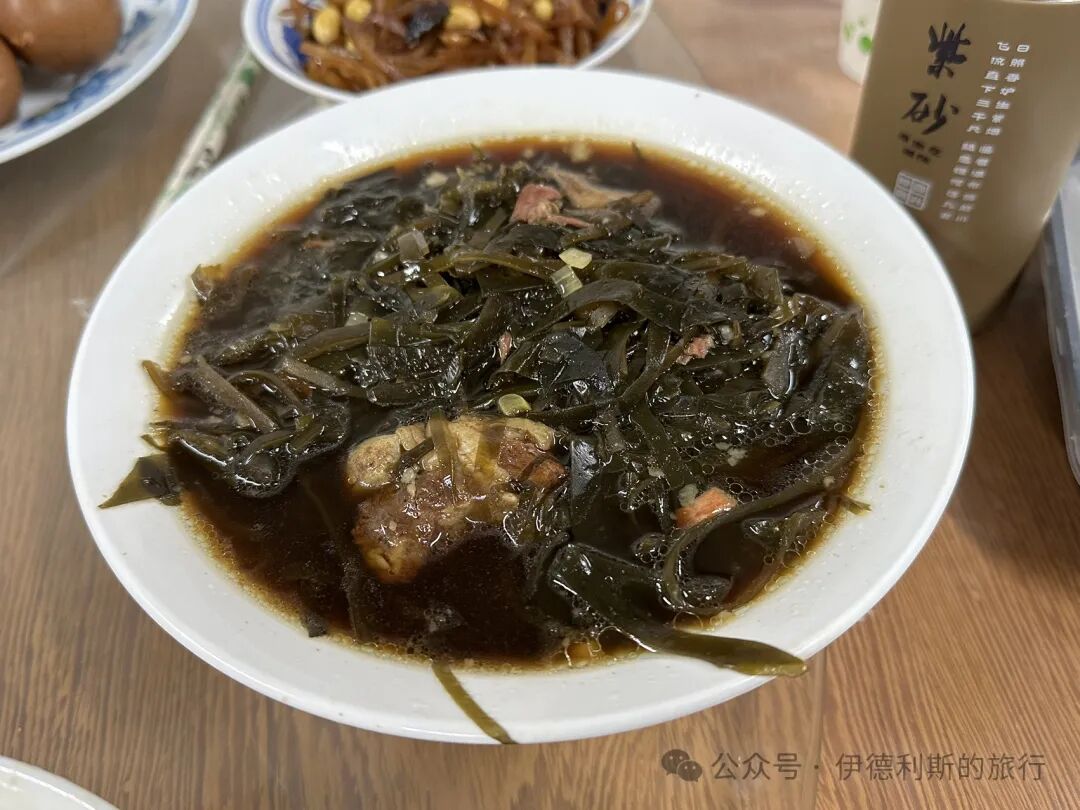
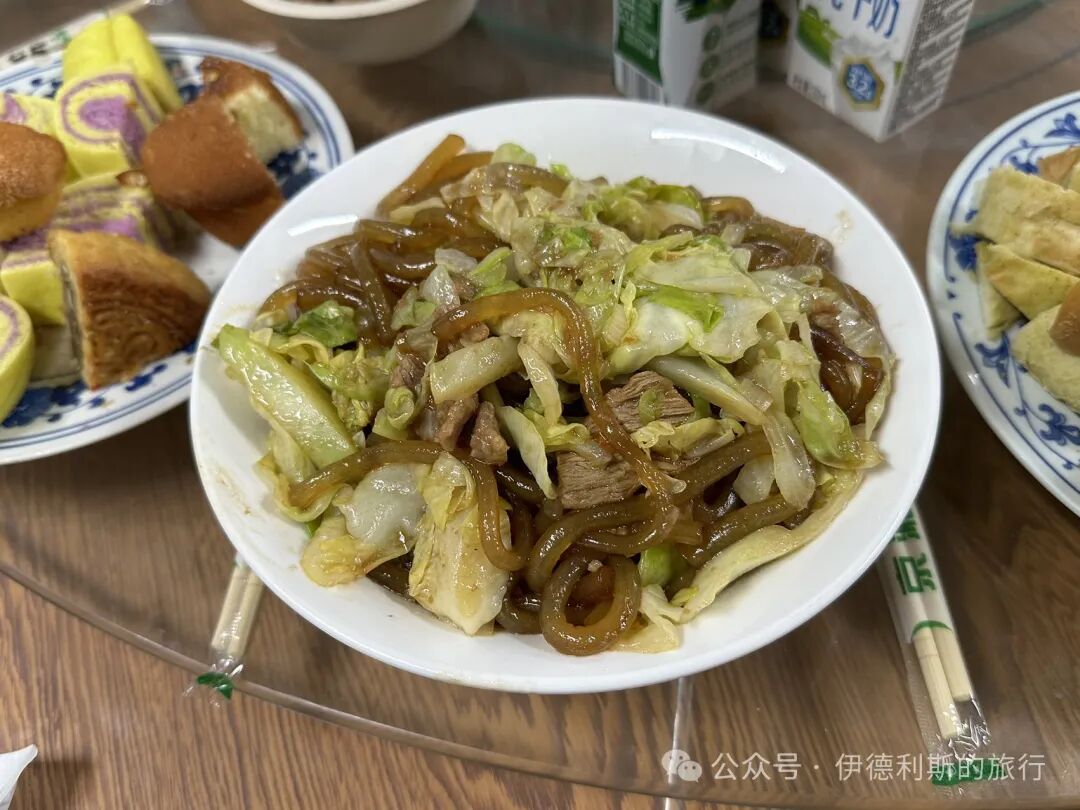
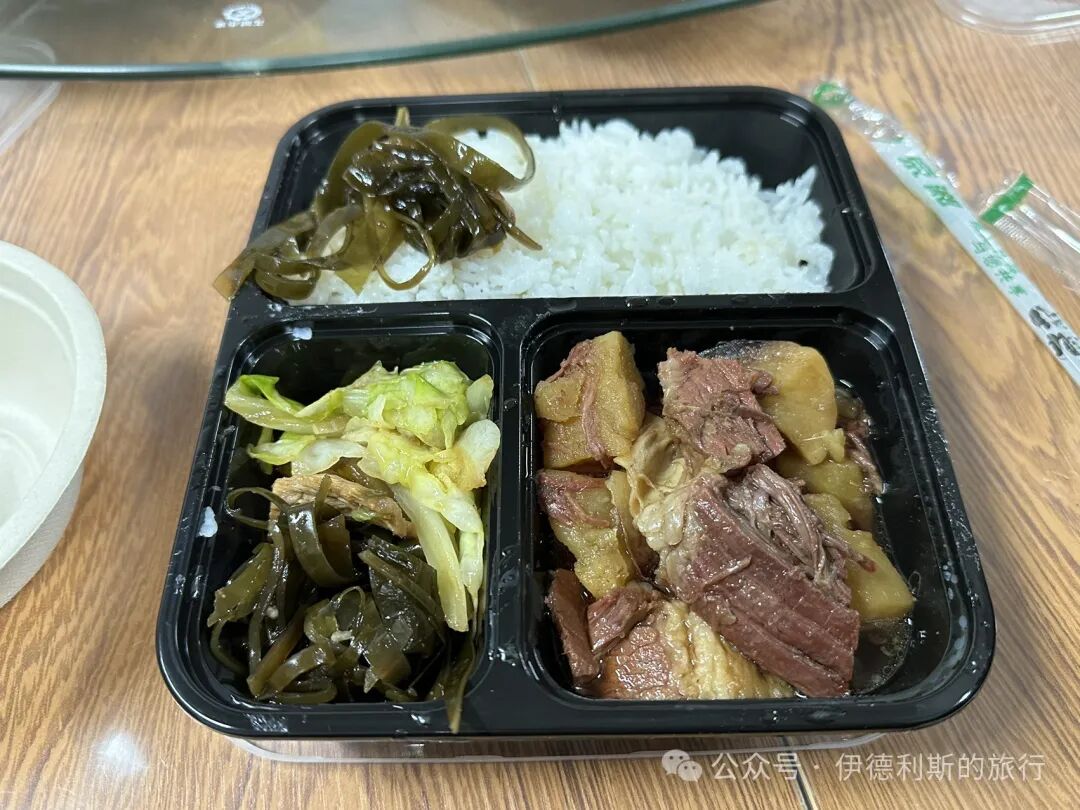
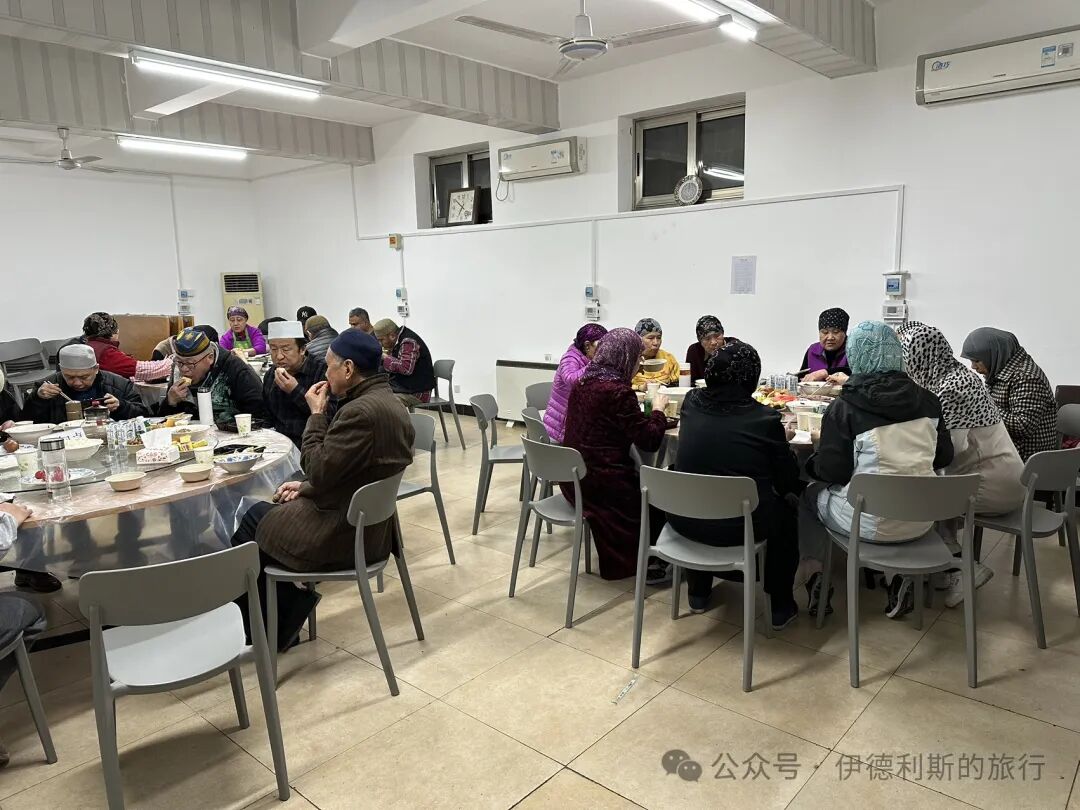
On the third day, Elder Li made donkey-roll cakes (lvdagun) for everyone at Balizhuang Mosque. I experienced his cooking skills last year. For iftar, we had soybean paste noodles (zhajiangmian) and eggplant sauce noodles. There were various toppings like radish, cabbage, cucumber, and roast chicken. I love soybean paste noodles so much! Soybean paste noodles in restaurants are usually all sauce with very little meat, but the ones at the mosque have plenty of meat.
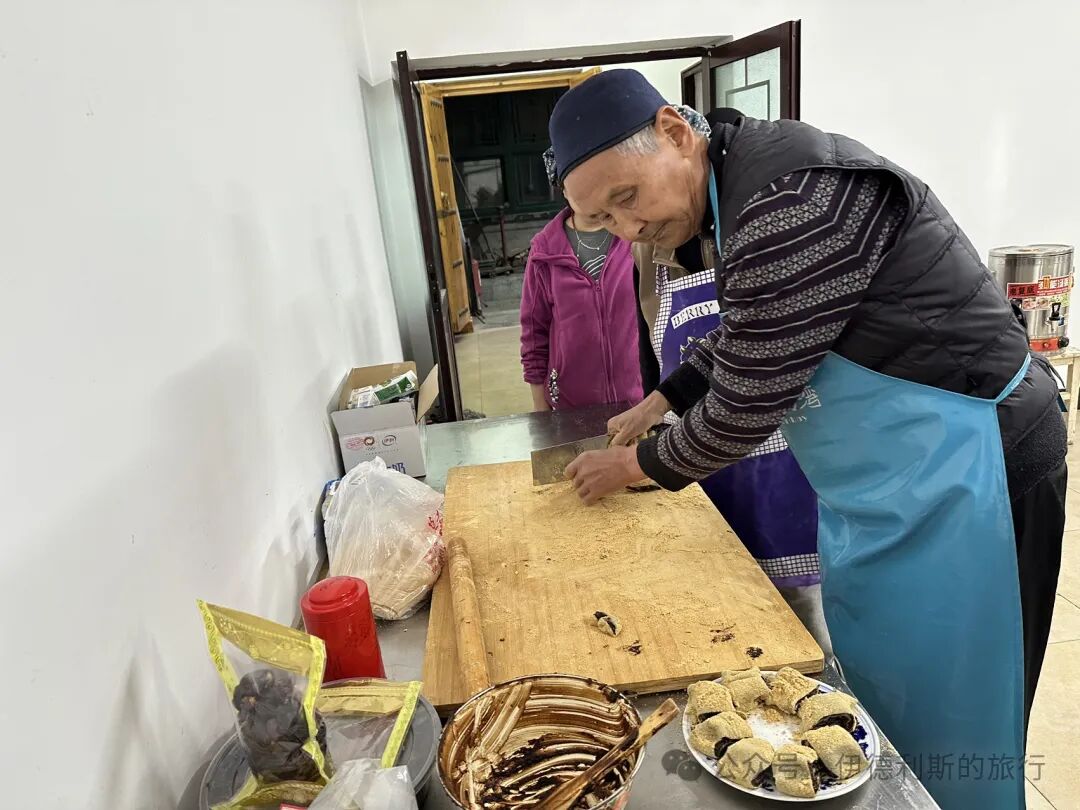
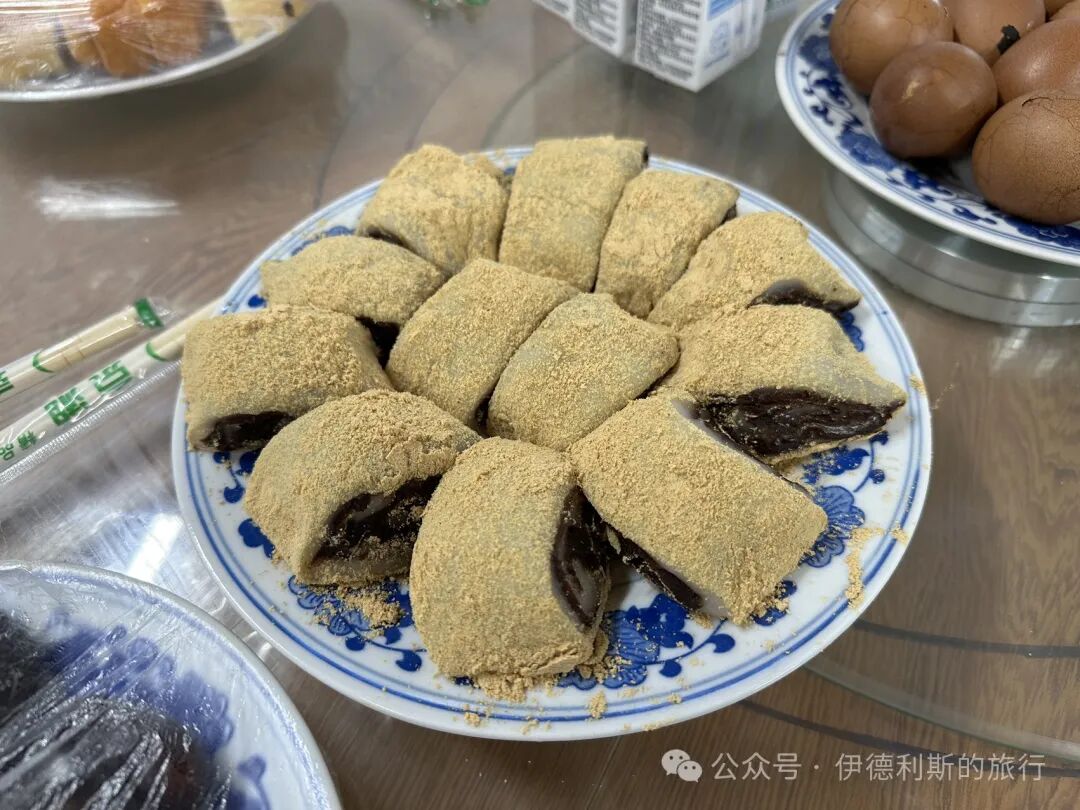
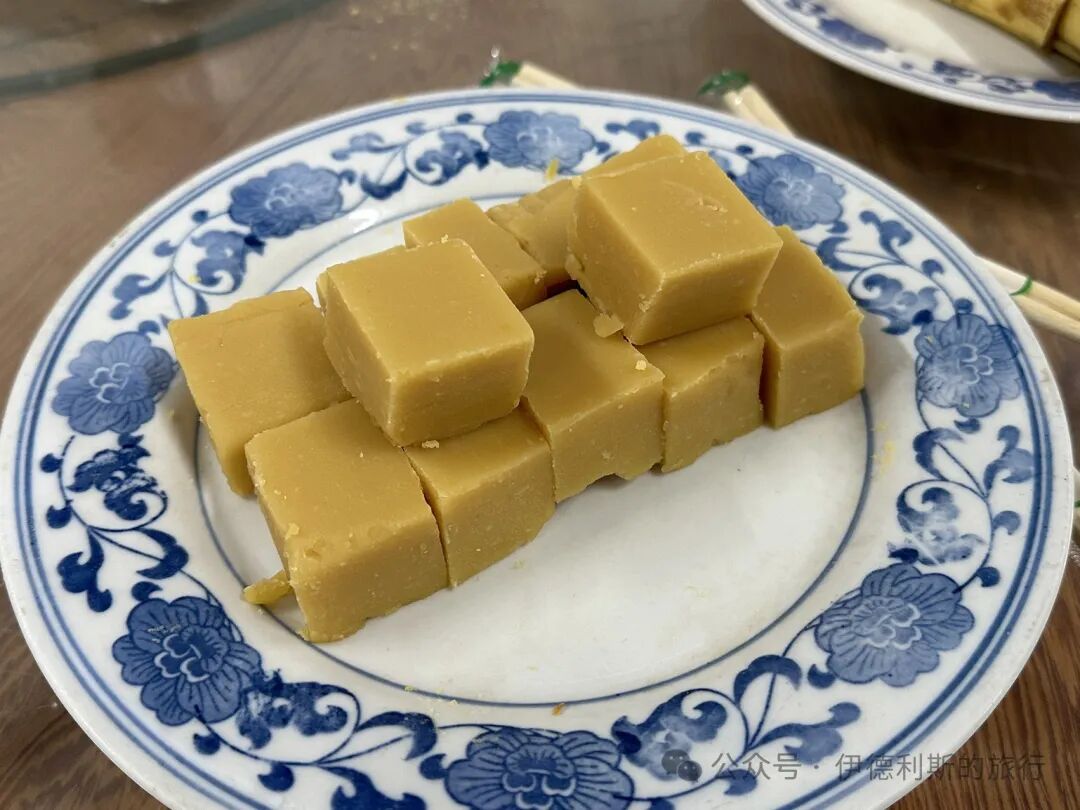
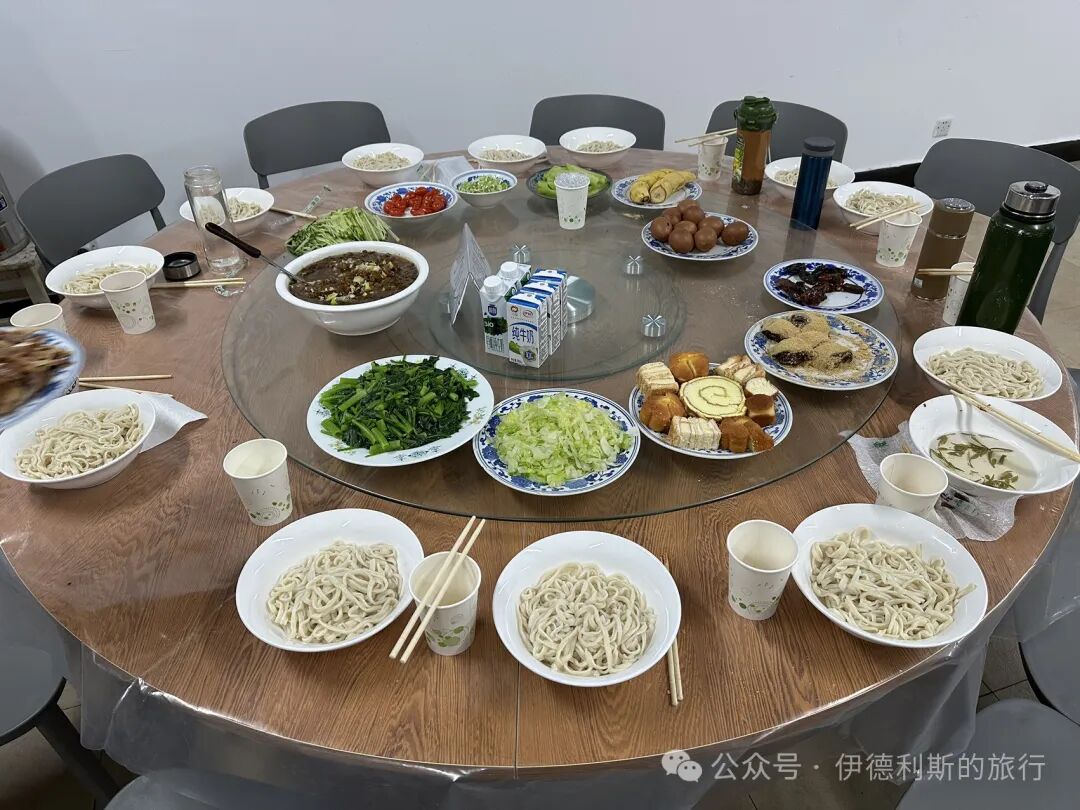
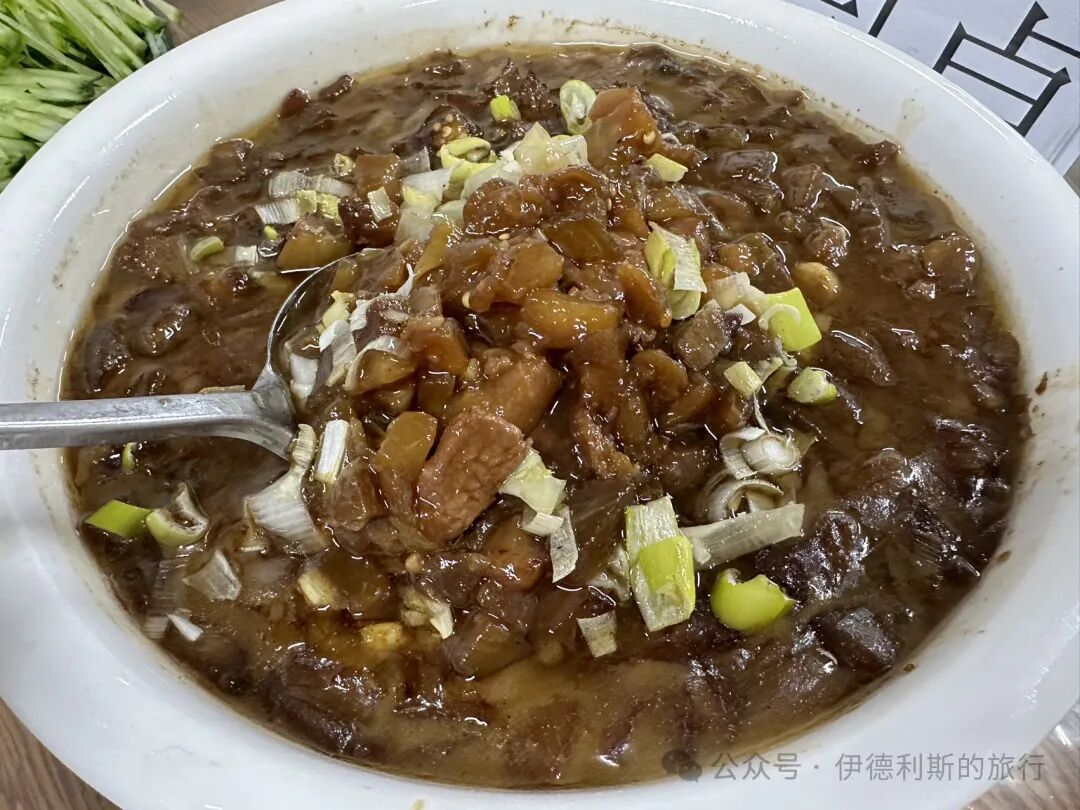
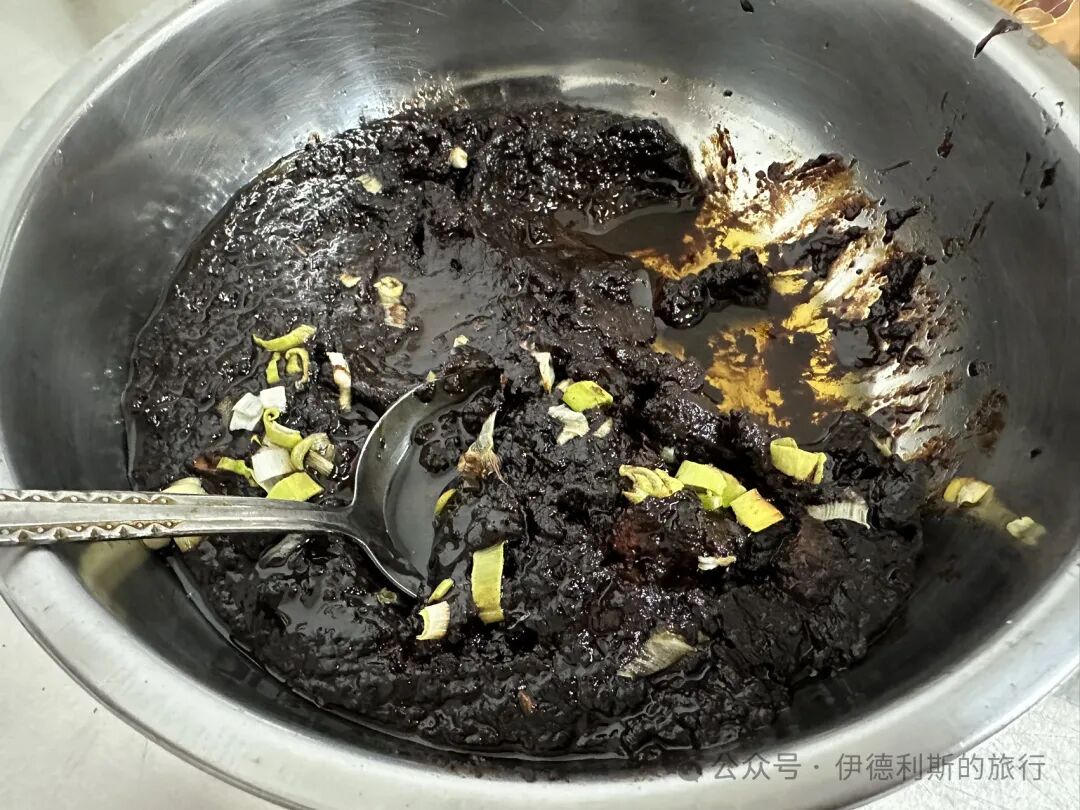
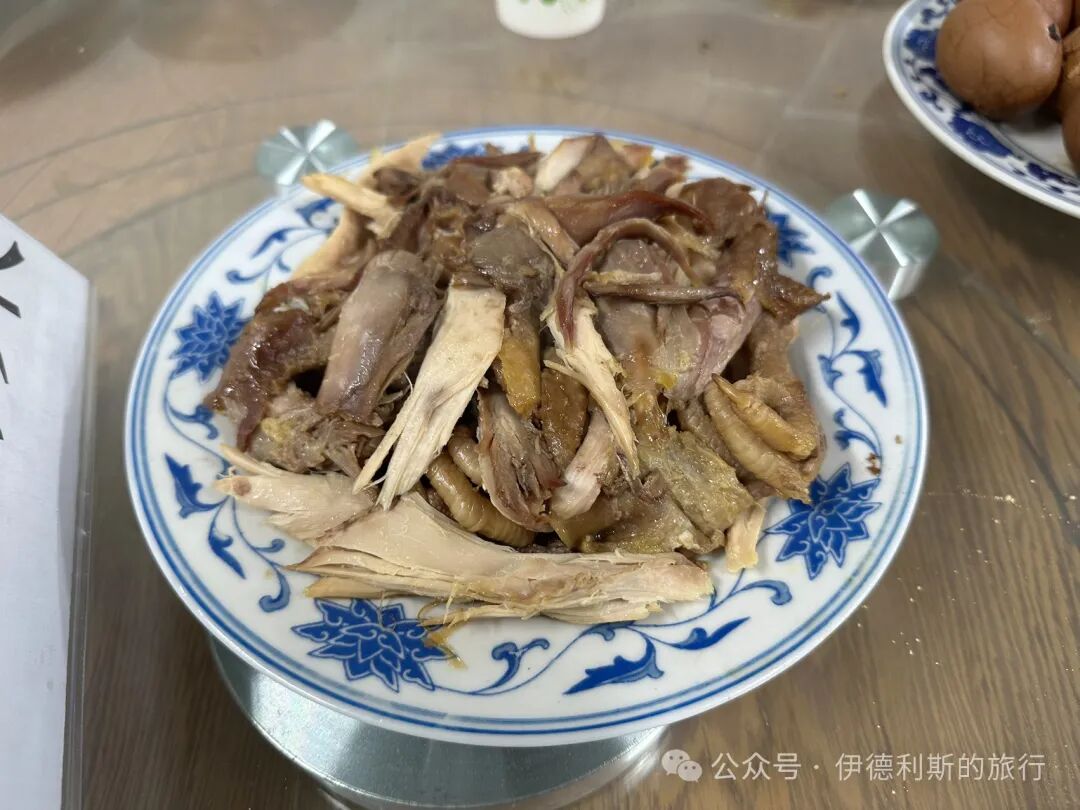
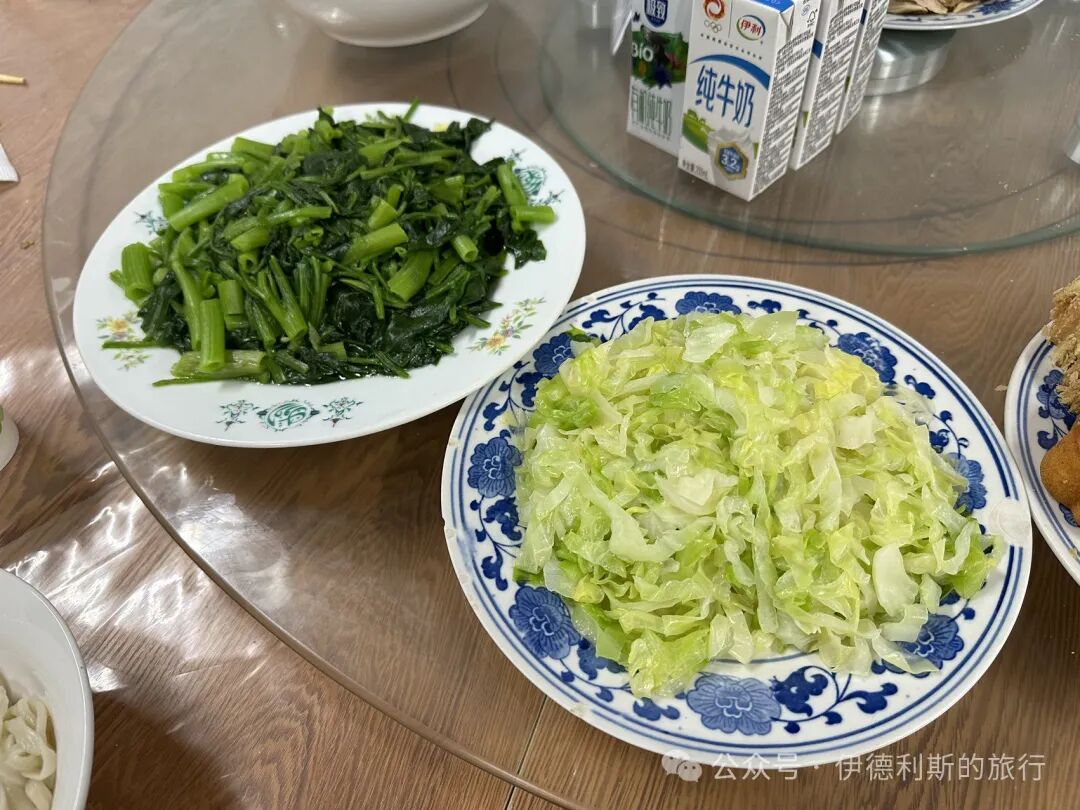
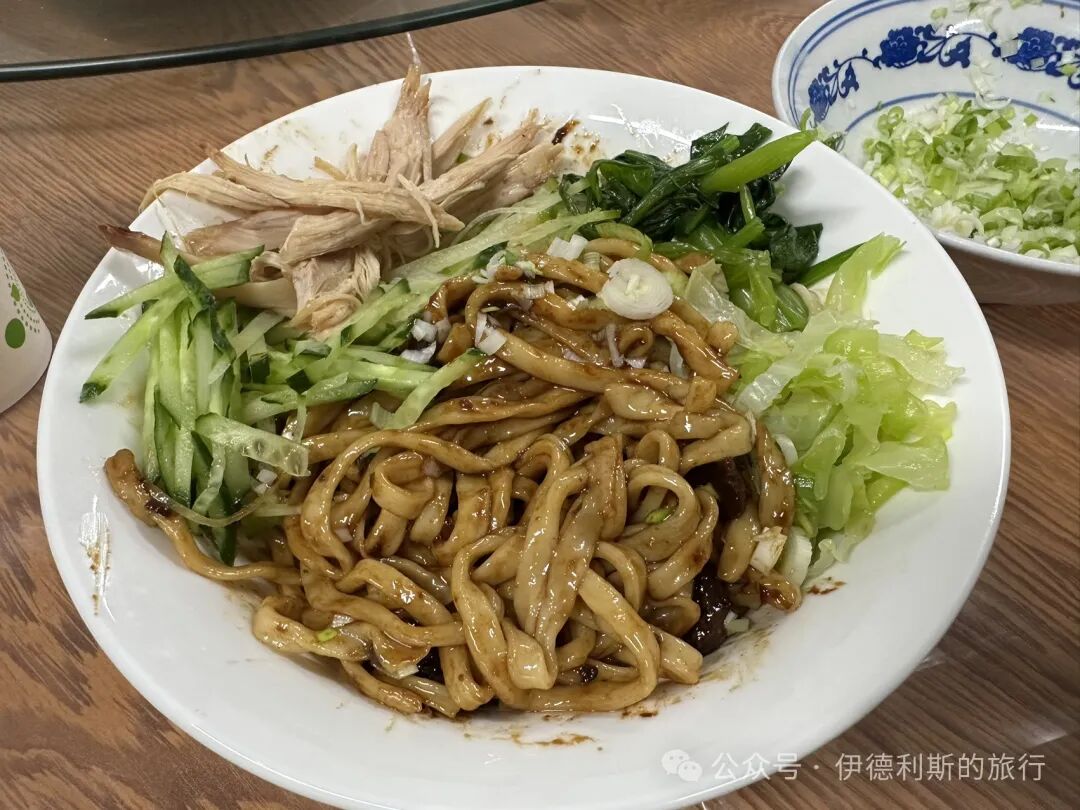
On the fourth day, for the first Jumu'ah of Ramadan, I went to Dongsi Mosque. The midday sun was warm, and spring in Beijing is in full swing.
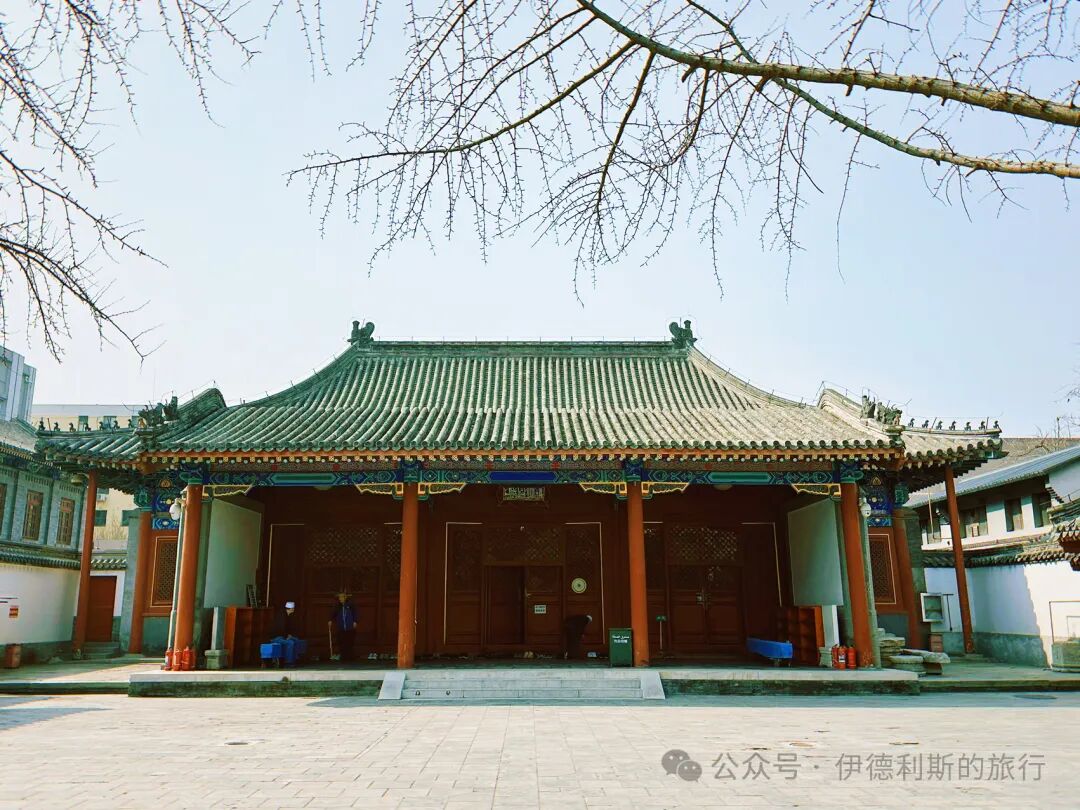
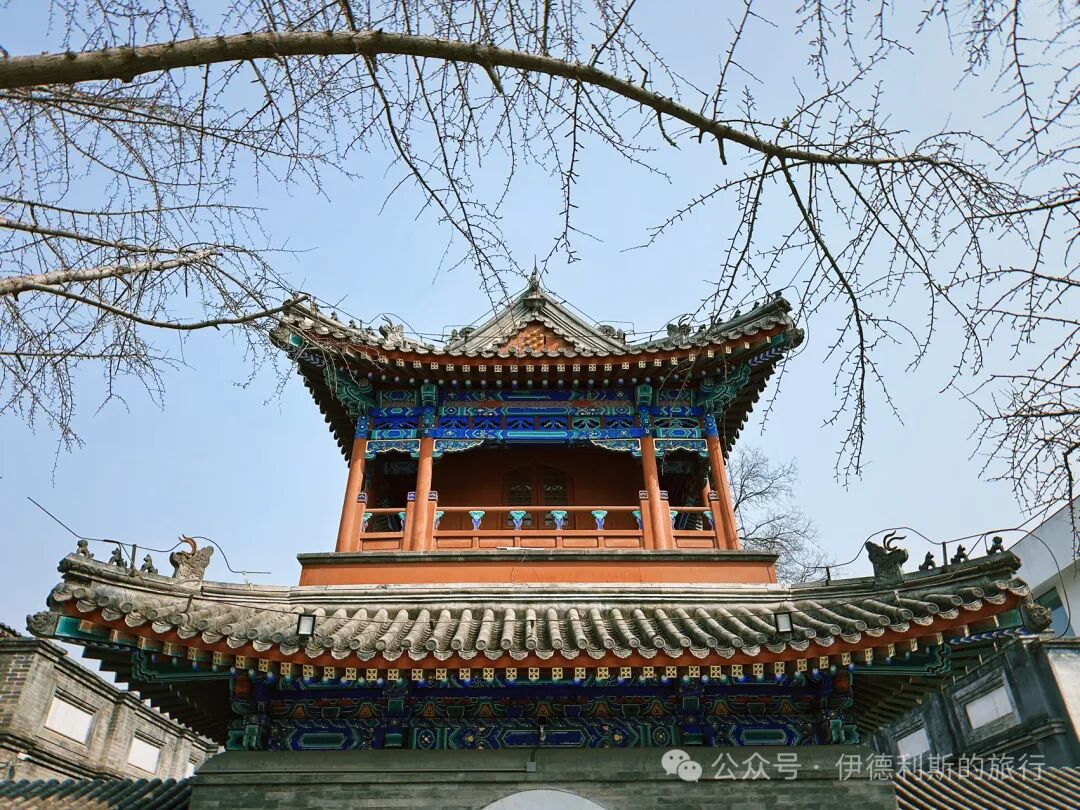
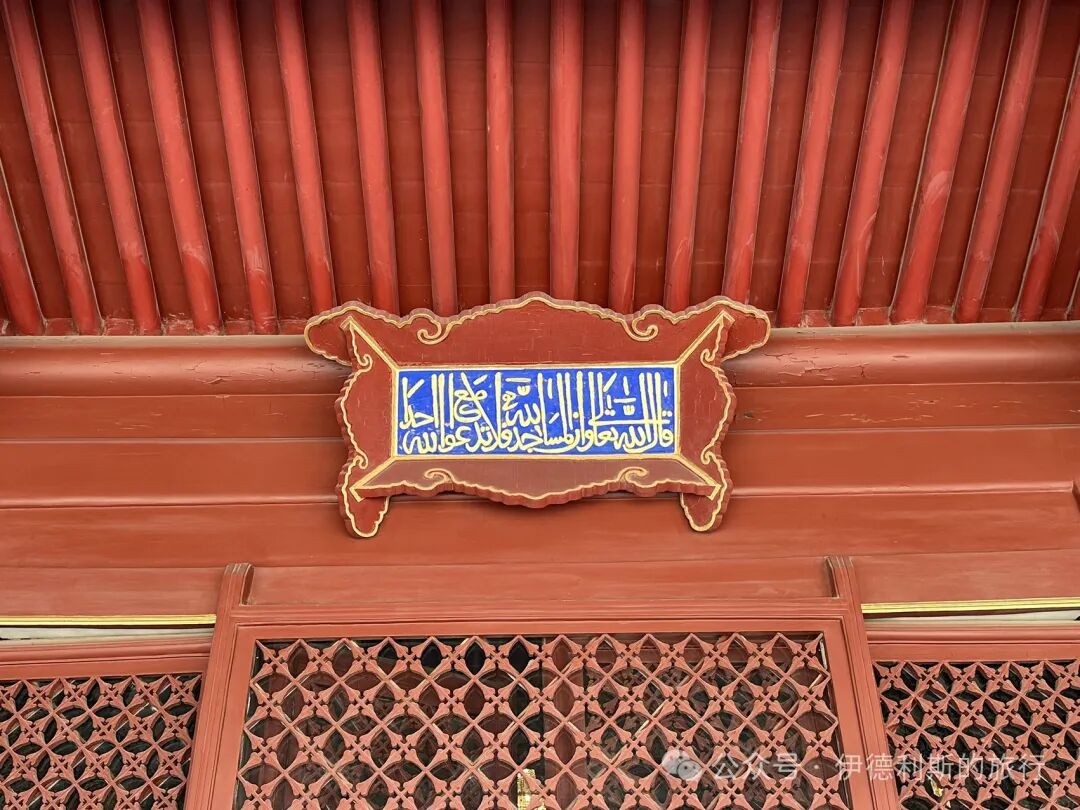
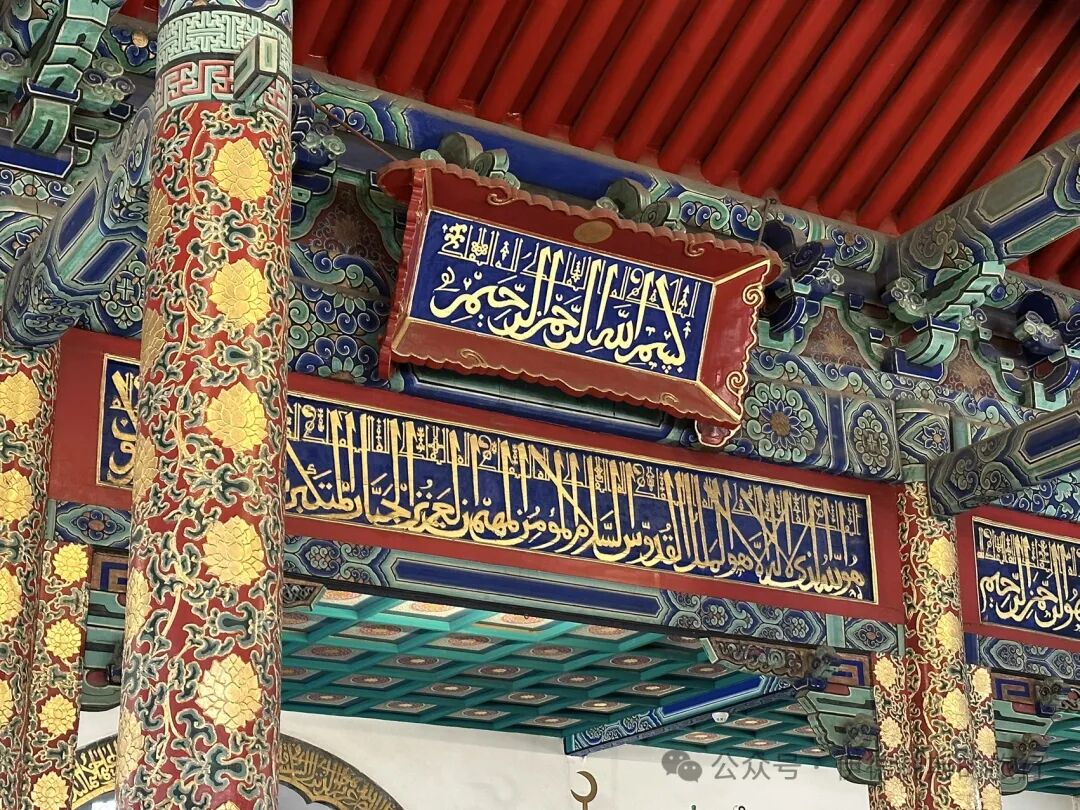
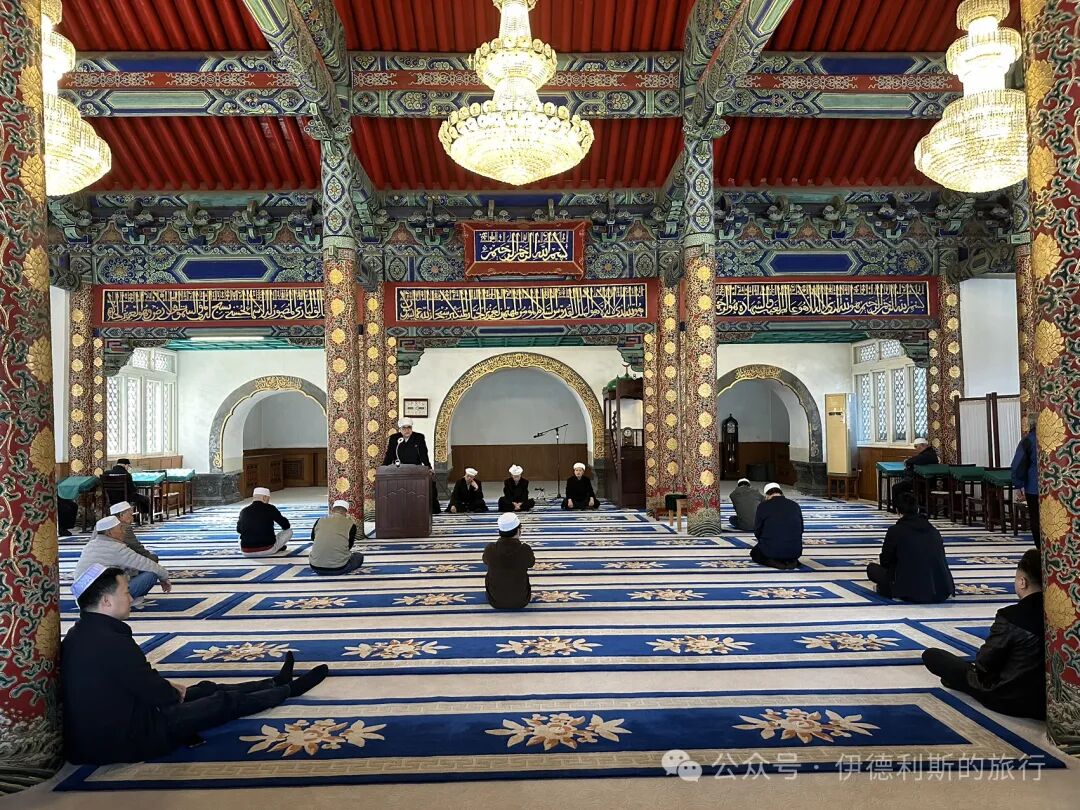
In the evening, a friend (dosti) kindly invited everyone to break their fast at Nanxiapo Mosque. We ate delicious stewed beef, and I felt very grateful. Nanxiapo Mosque now hosts charity meals (nietie) and is also open to the public, selling the eight classic bowls (badawan), breakfast, and fast food. You can enter through the hot pot restaurant next to the mosque. If you want to try traditional Beijing Muslim cuisine, you can come and give it a try.
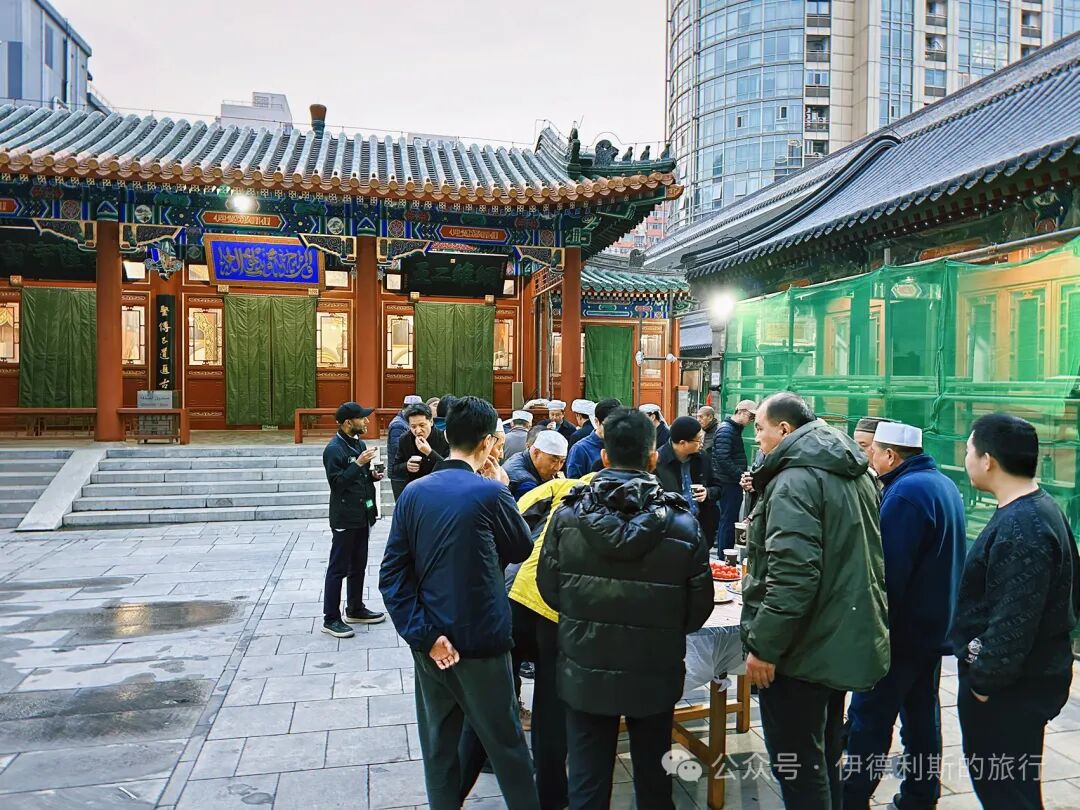
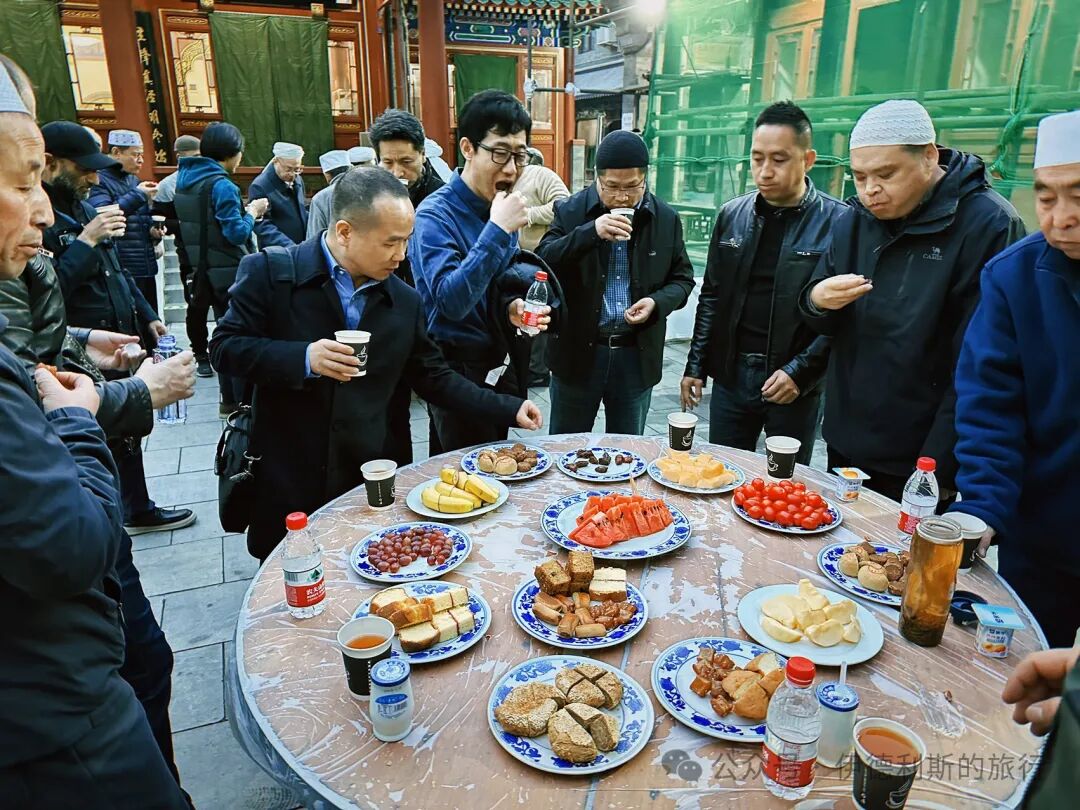
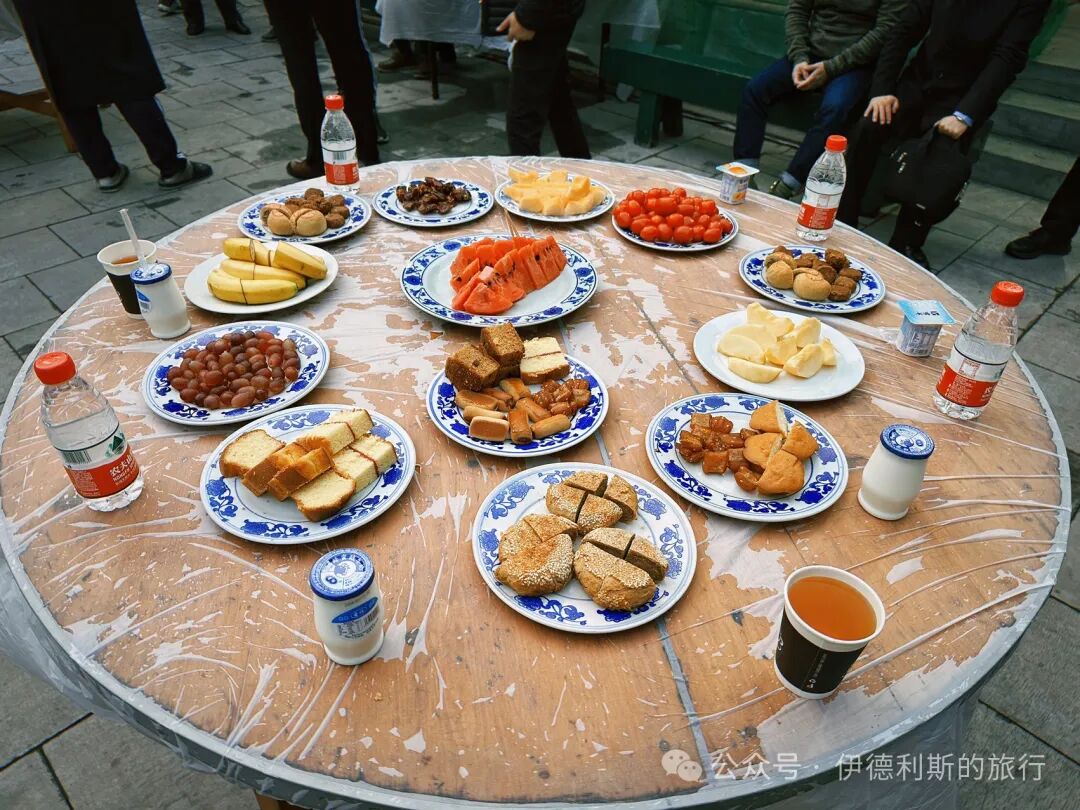
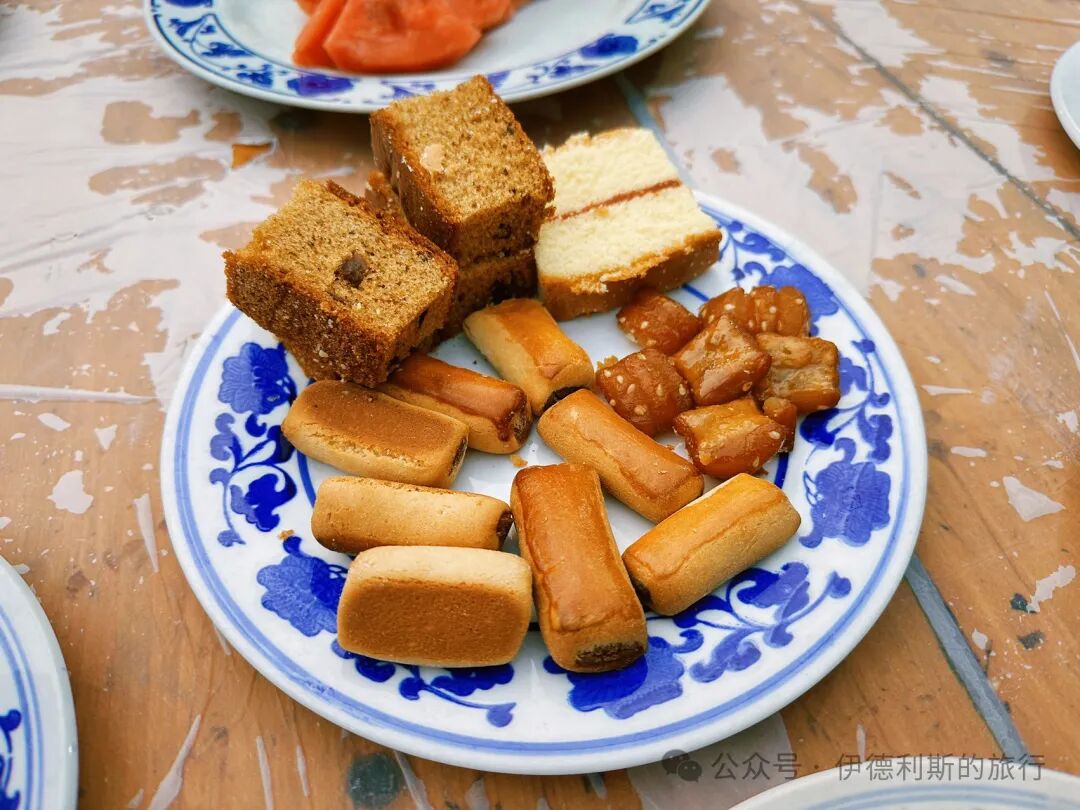
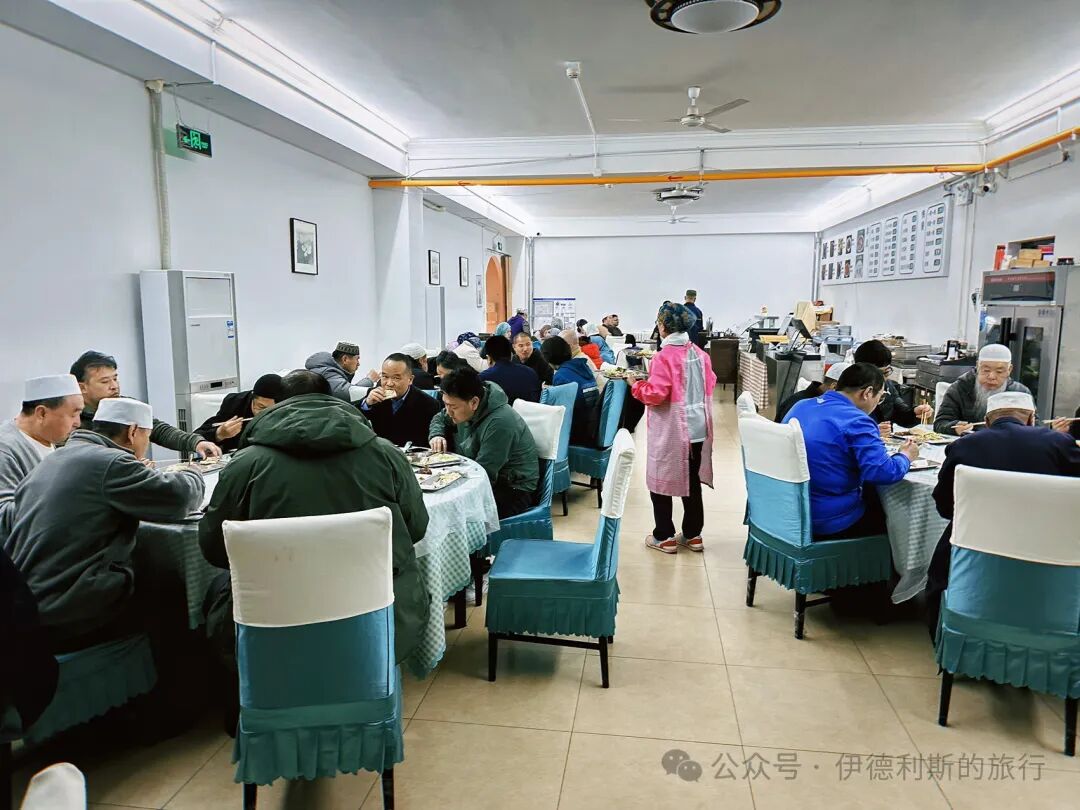
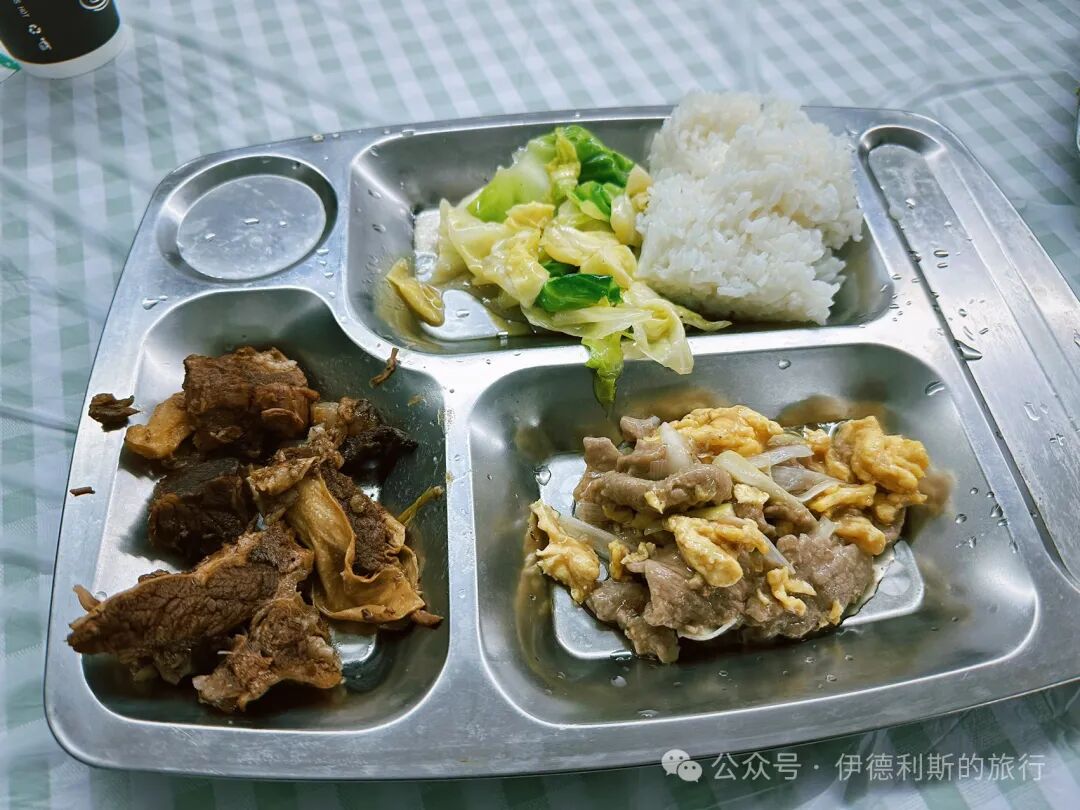
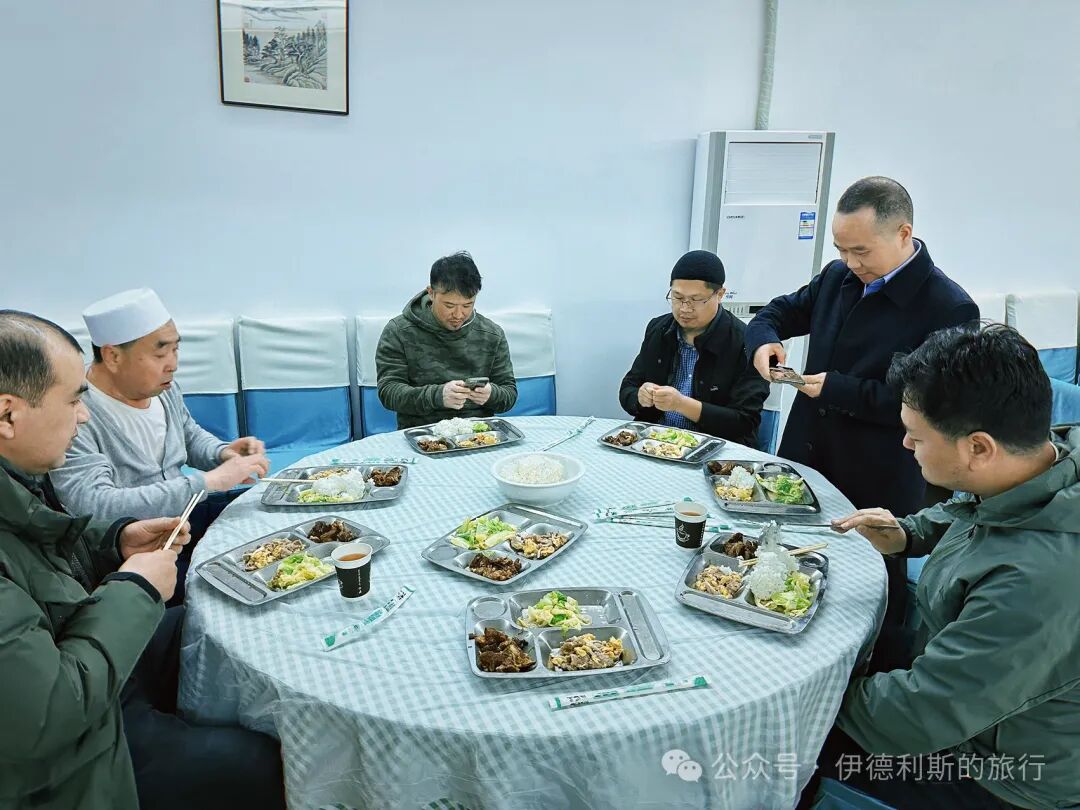
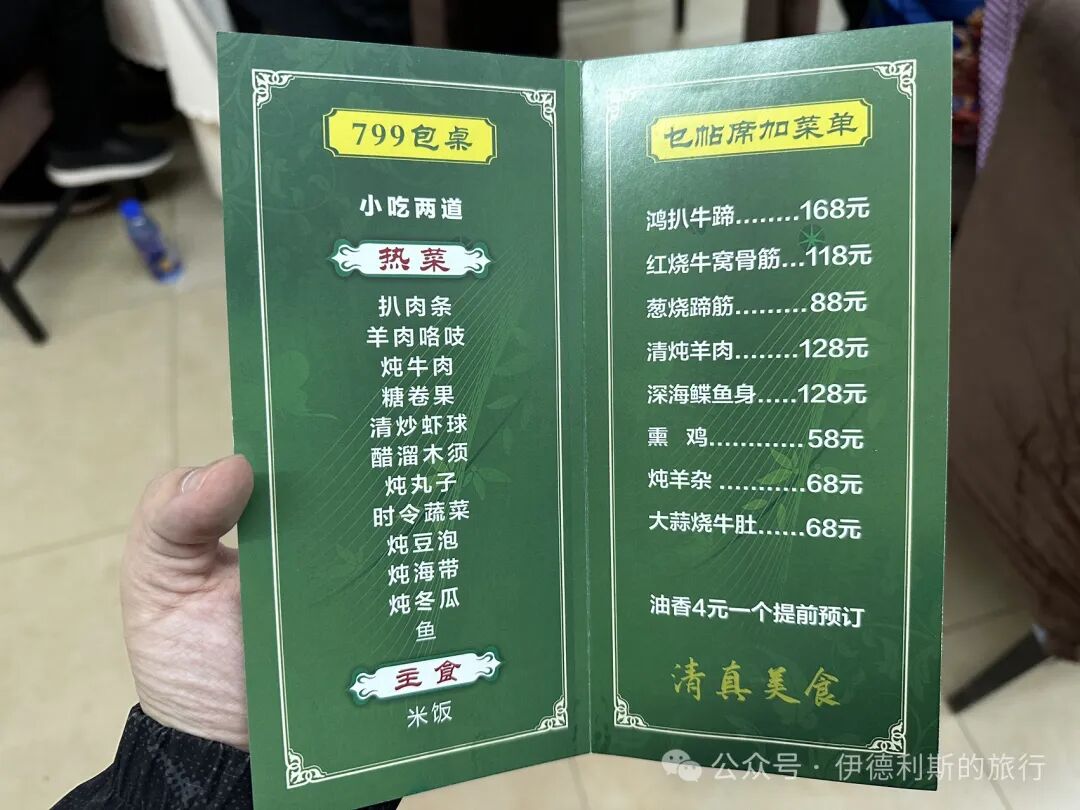
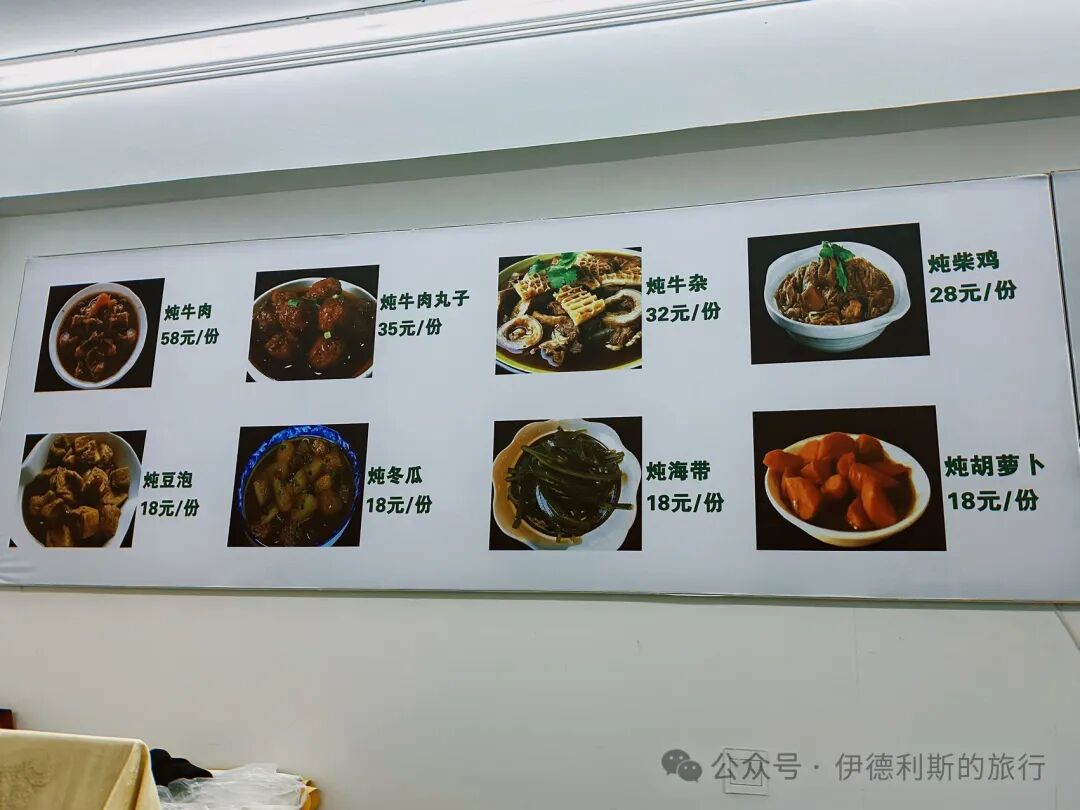
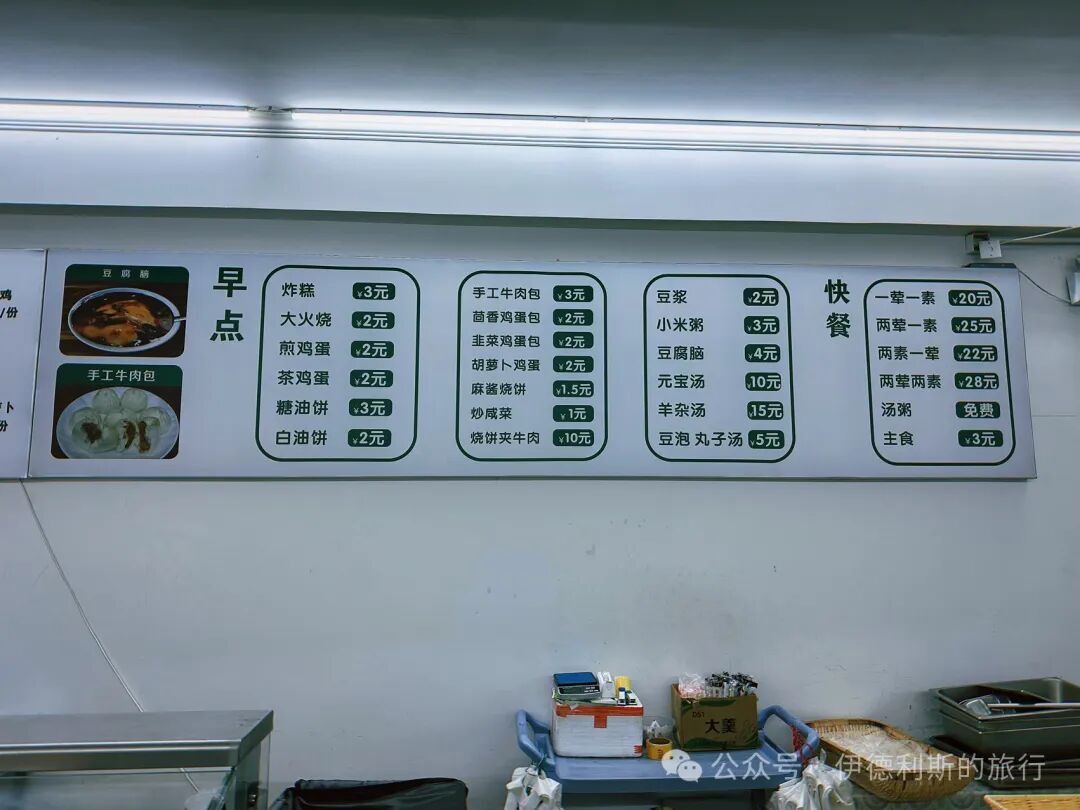
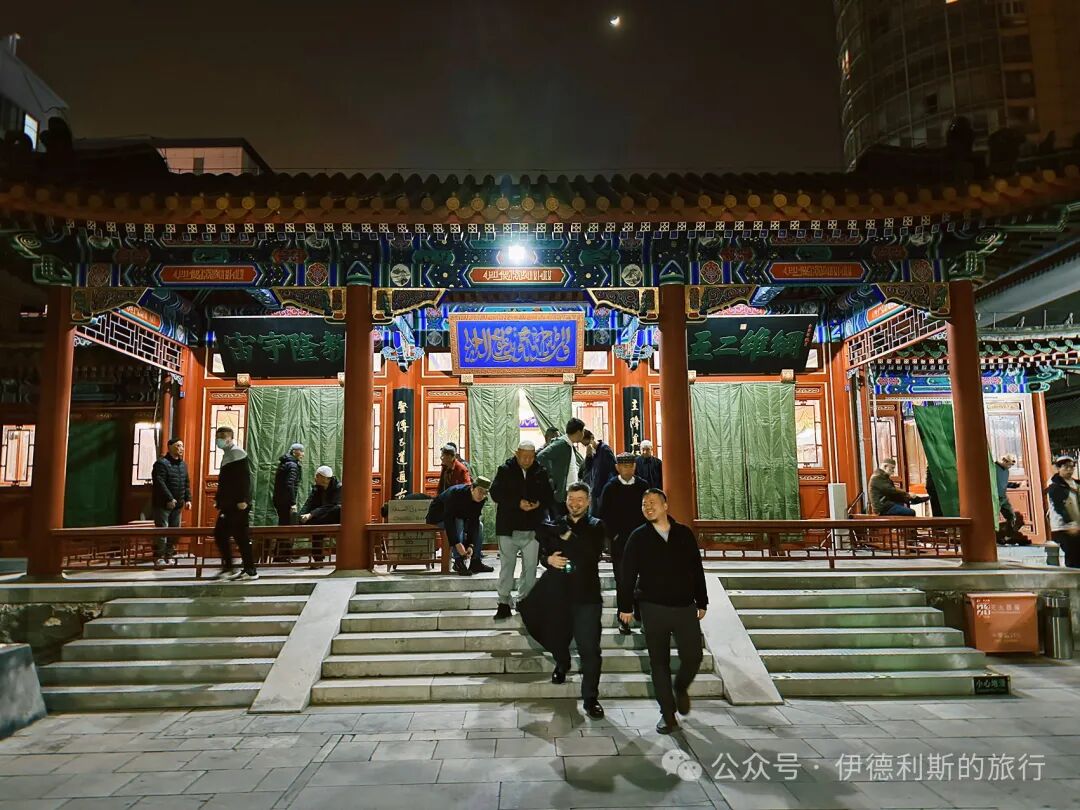
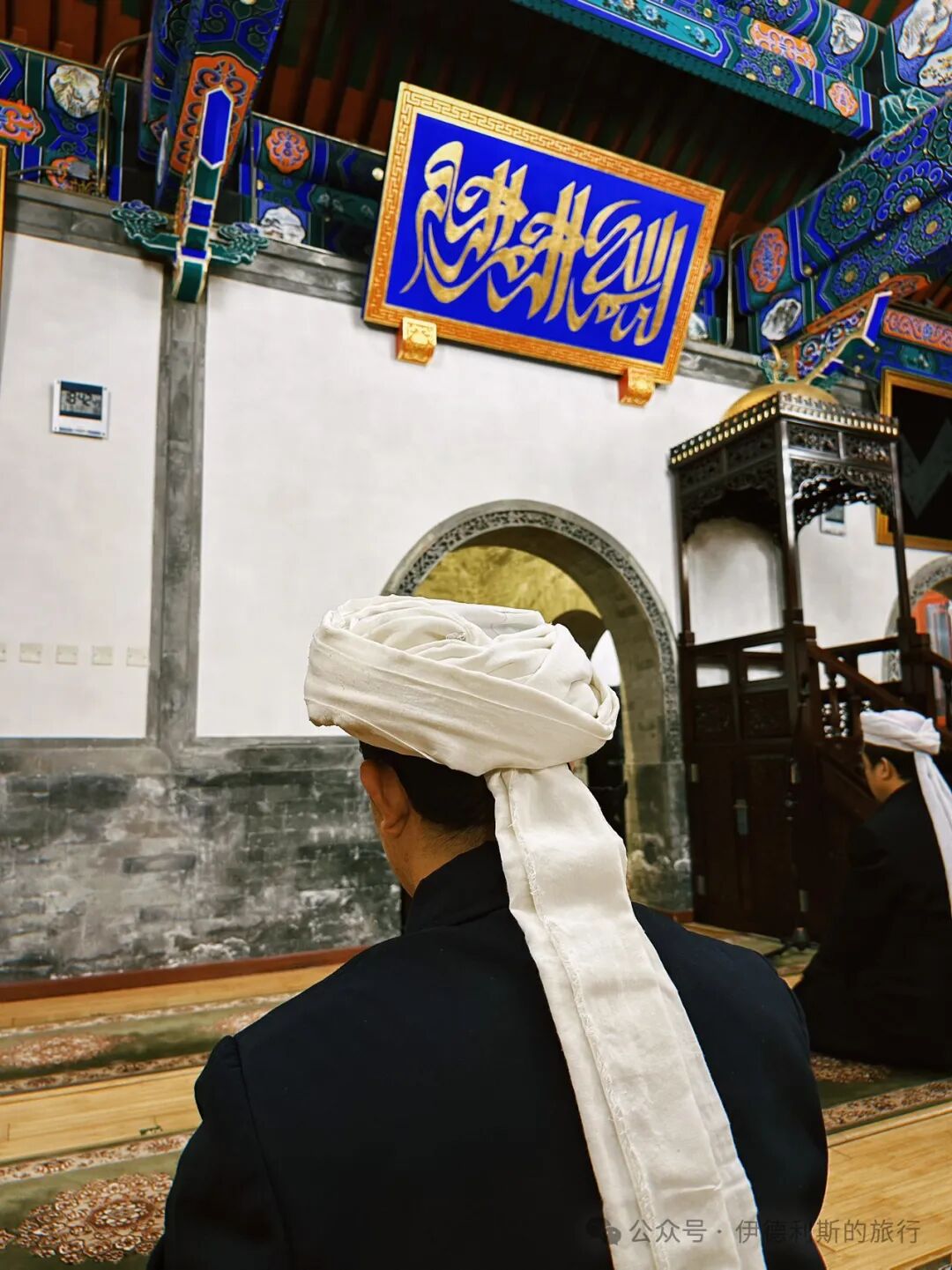
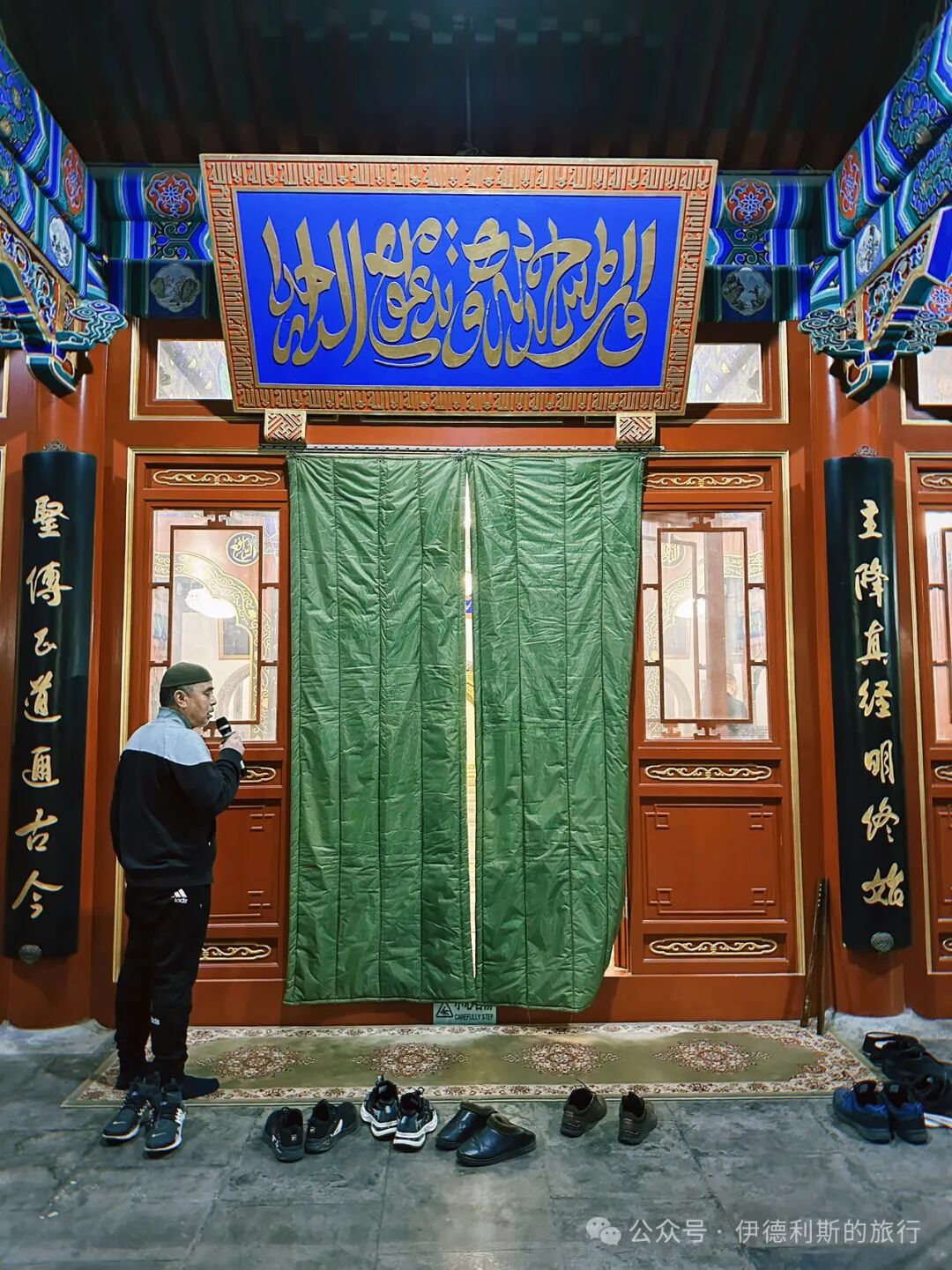
On the fifth day, at Balizhuang Mosque, I had fish head with pancakes (yutou paobing). The elders made the pancakes themselves, along with candied yam rolls (tang juanguo), and there was also grilled fish and pilaf (zhuafan) donated by a foreign friend (dosti). There were many people on the weekend, filling four large tables. For a small mosque, this is not easy at all.
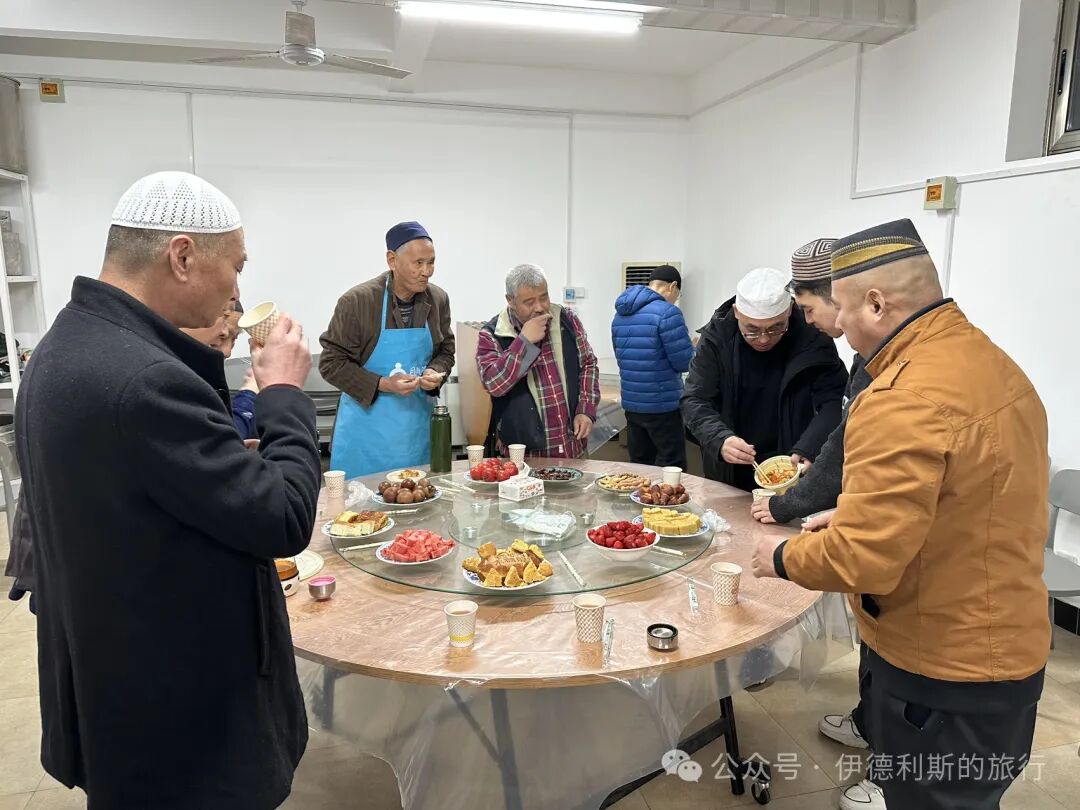
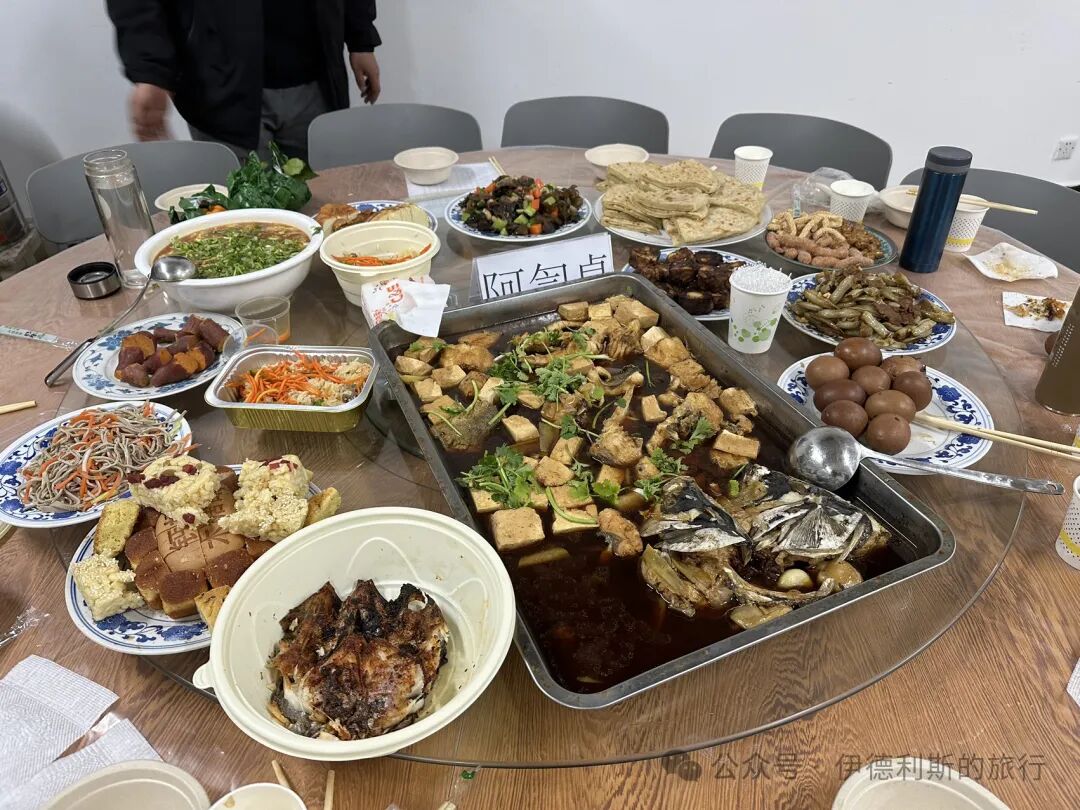
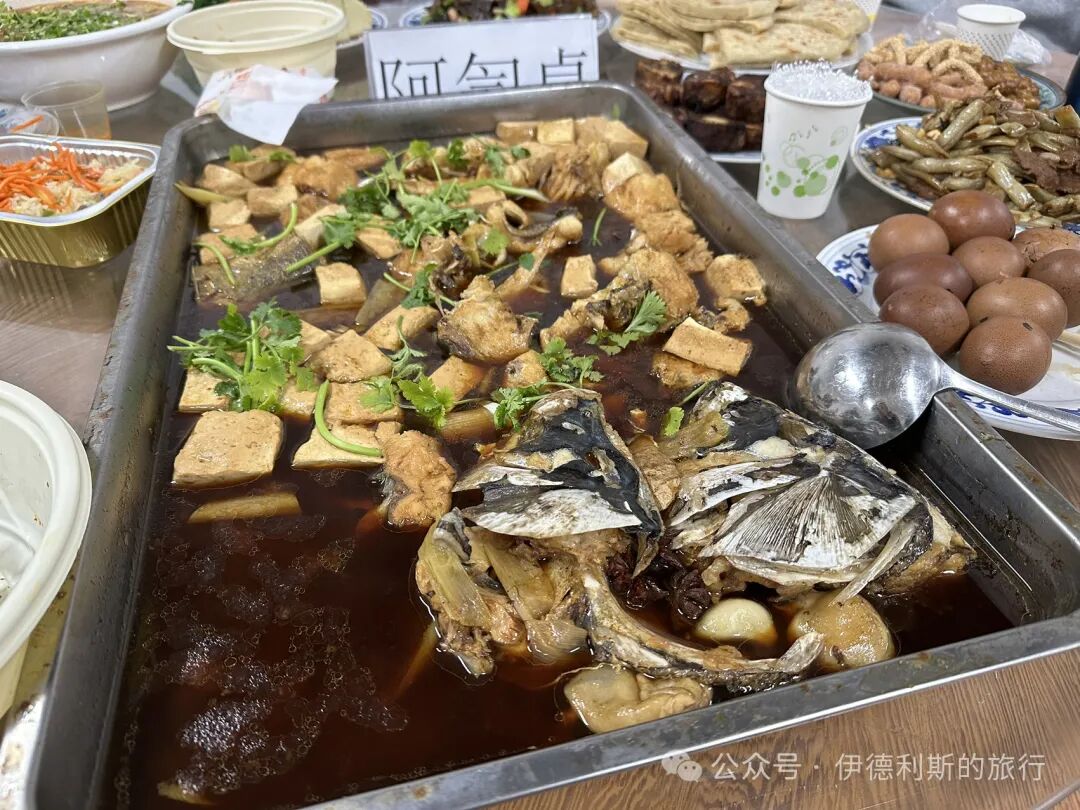
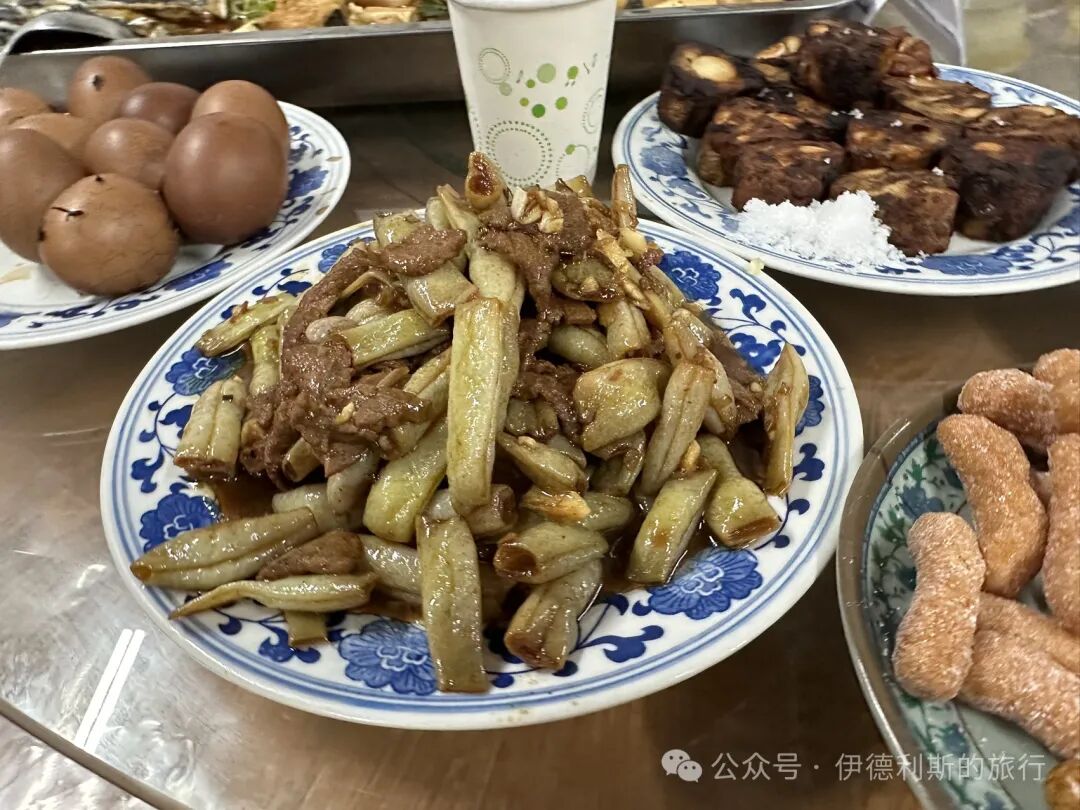
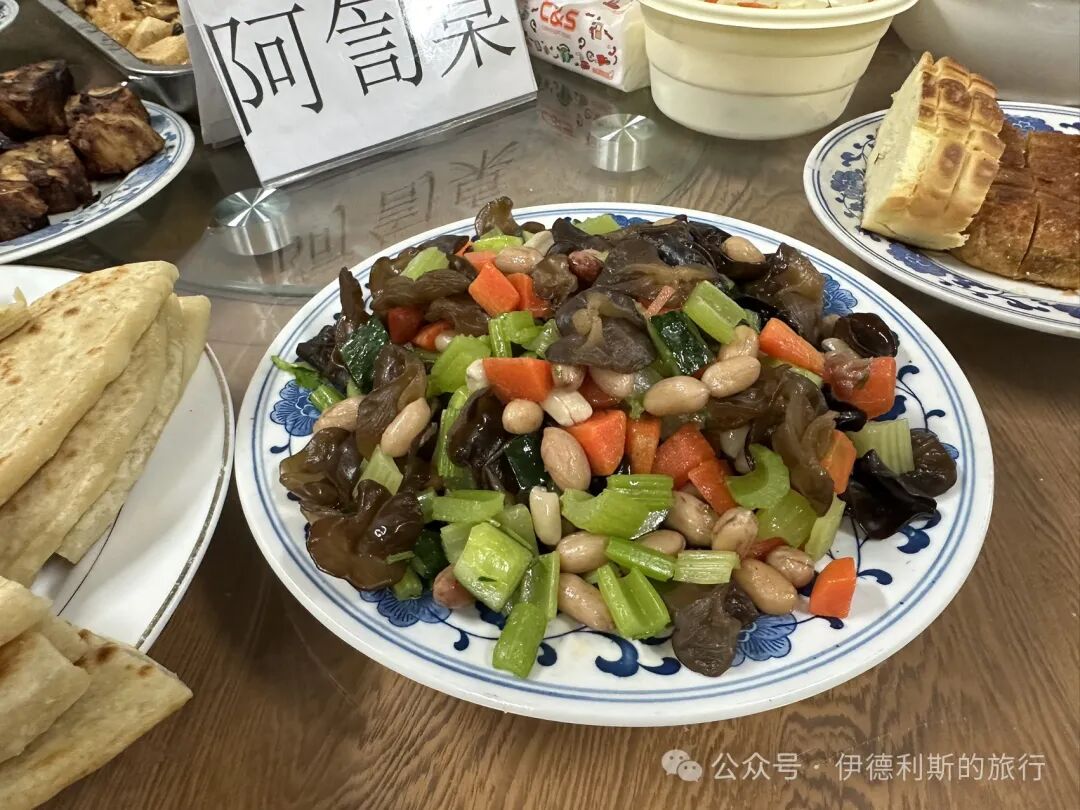
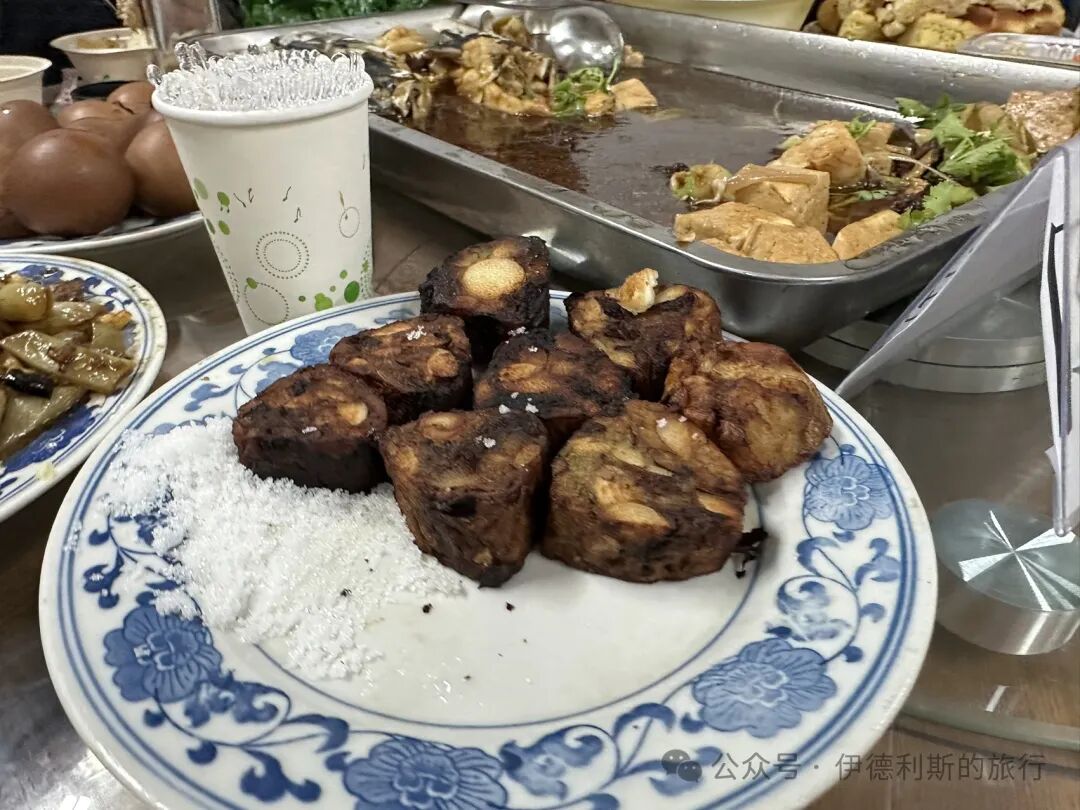
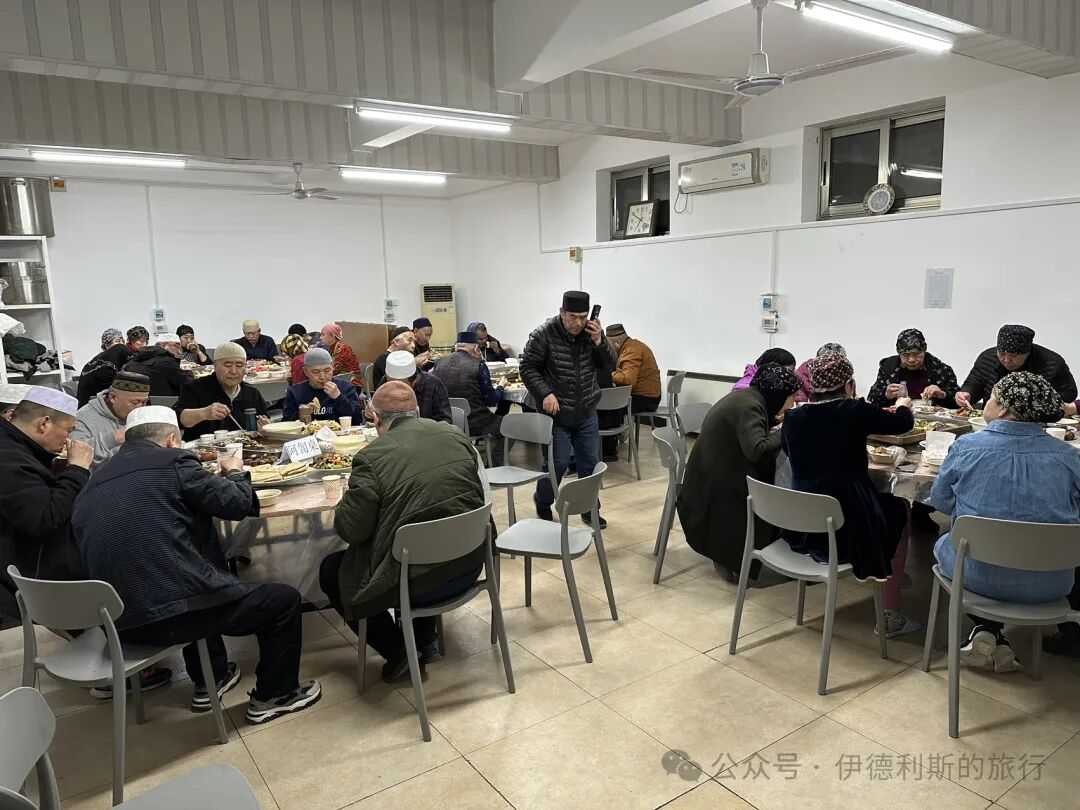
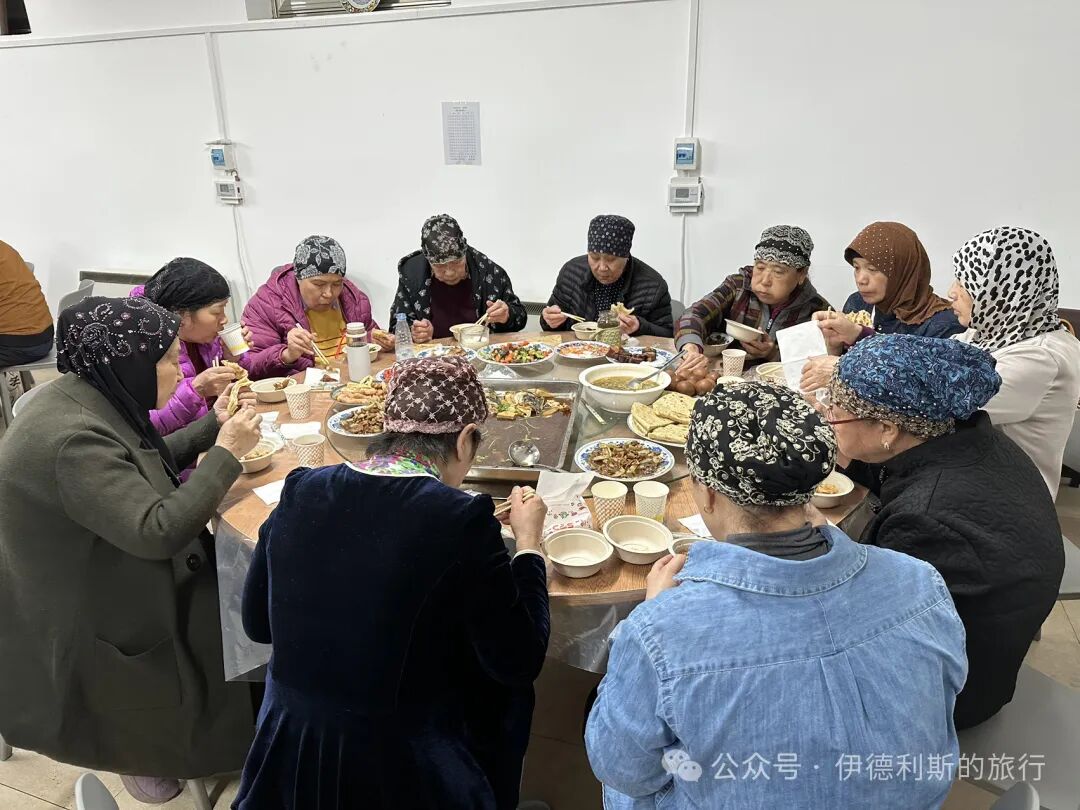
On the sixth day, the Balizhuang Mosque made dumplings. We had fennel filling and cabbage filling, plus spiced beef (jiang niurou) and stir-fried egg with wood ear mushrooms and meat (muxu rou). Fennel dumplings have been my favorite since I was a kid!
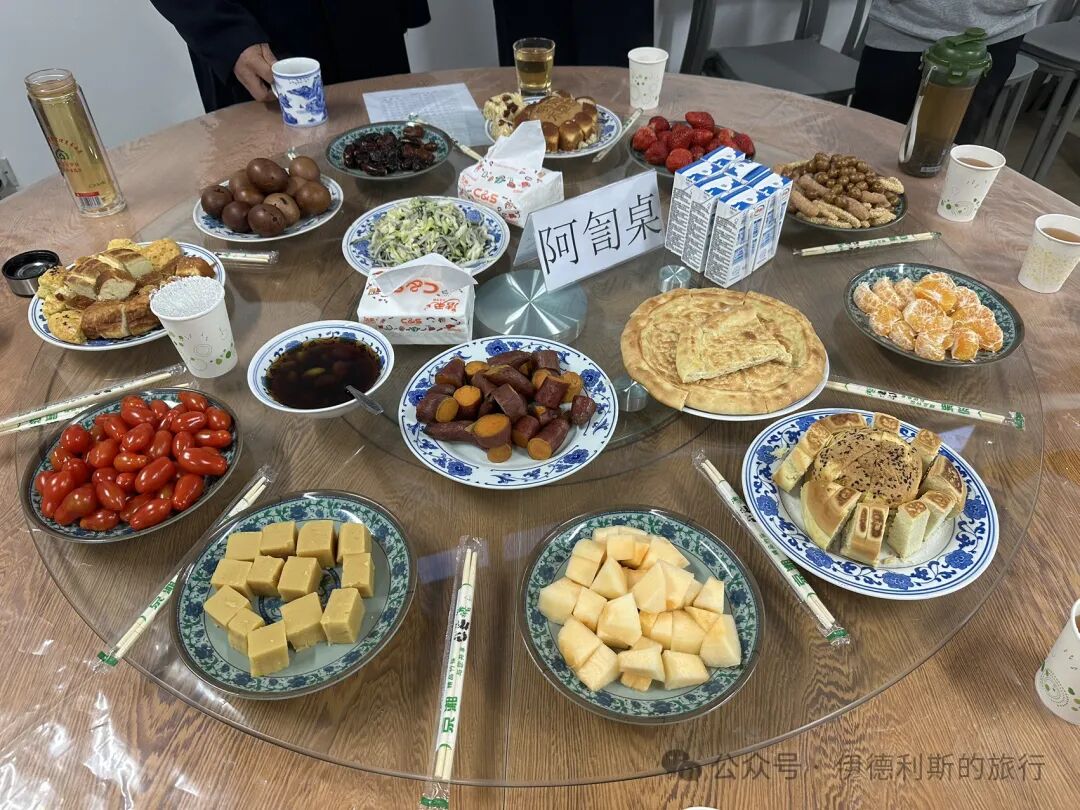
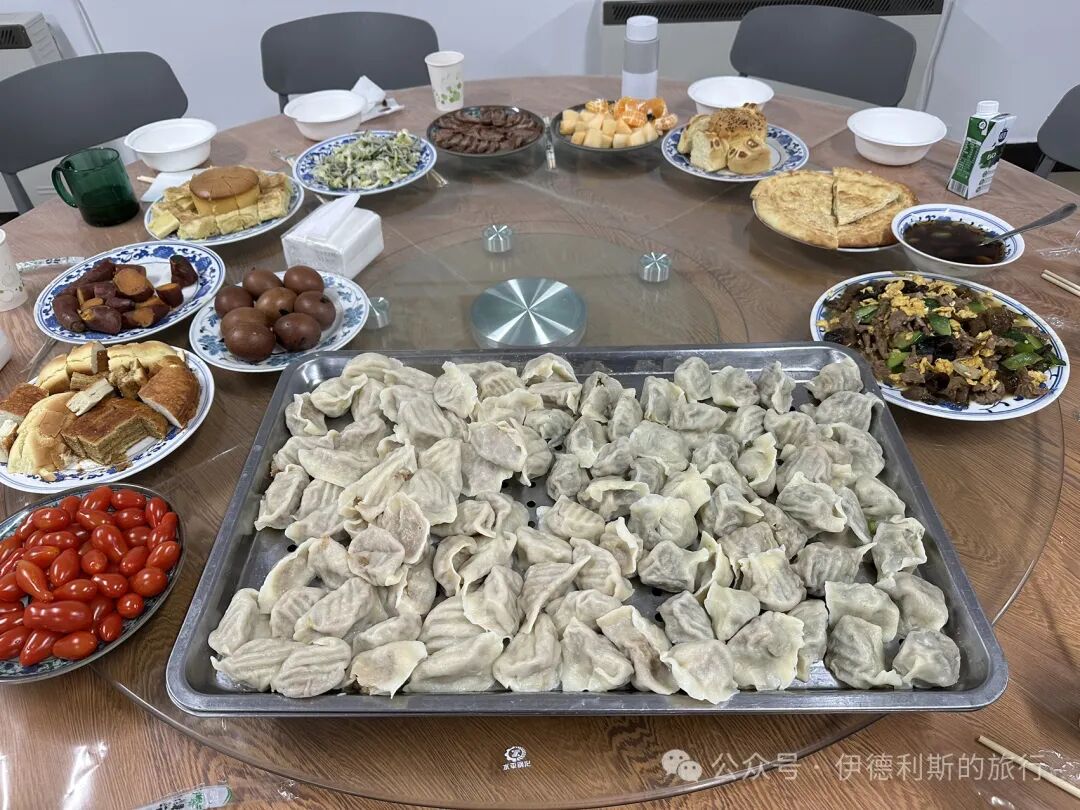
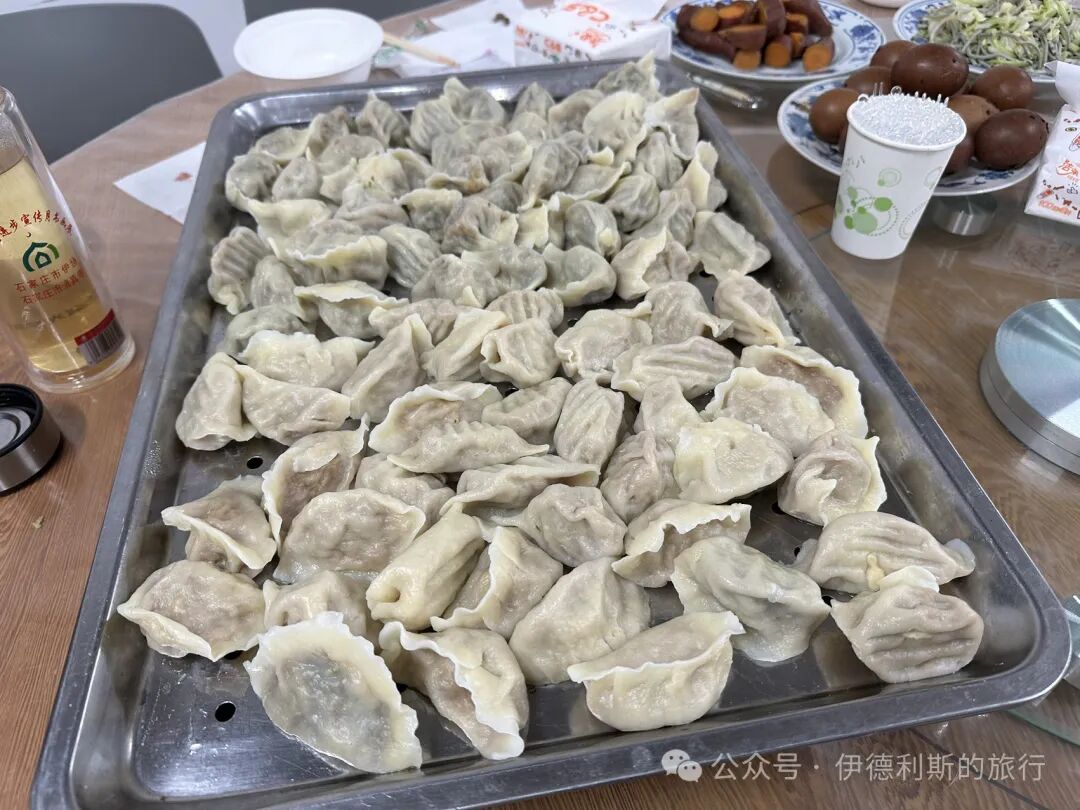
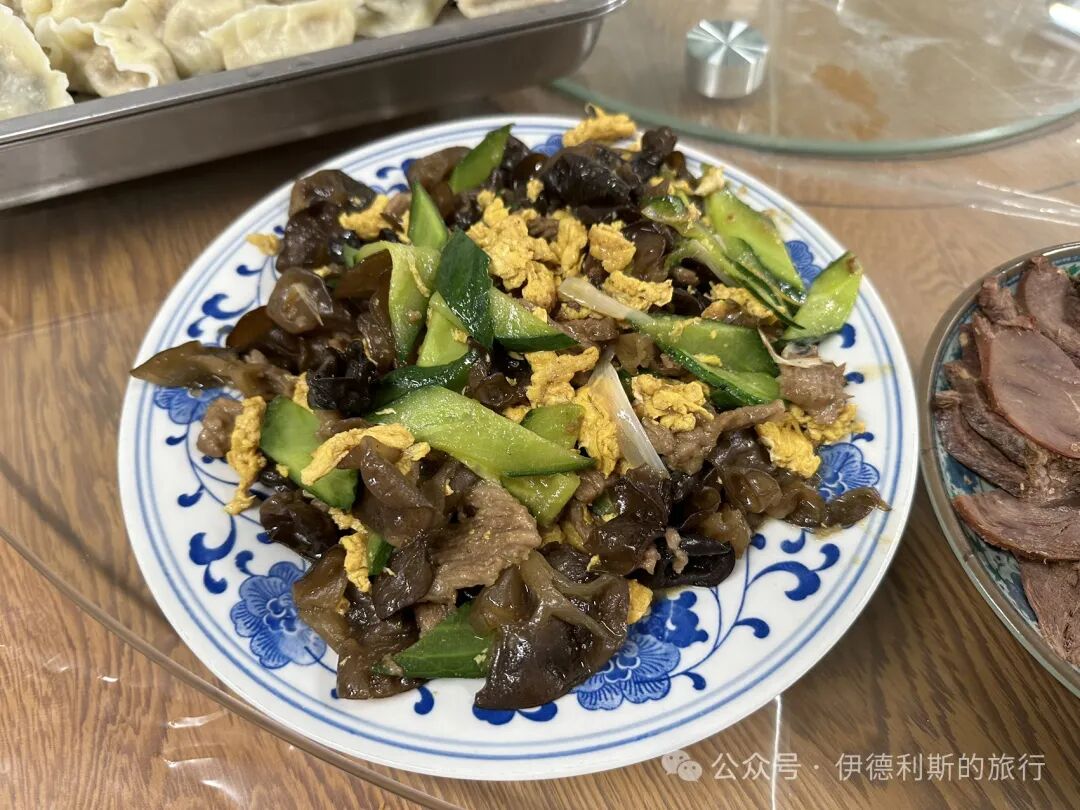
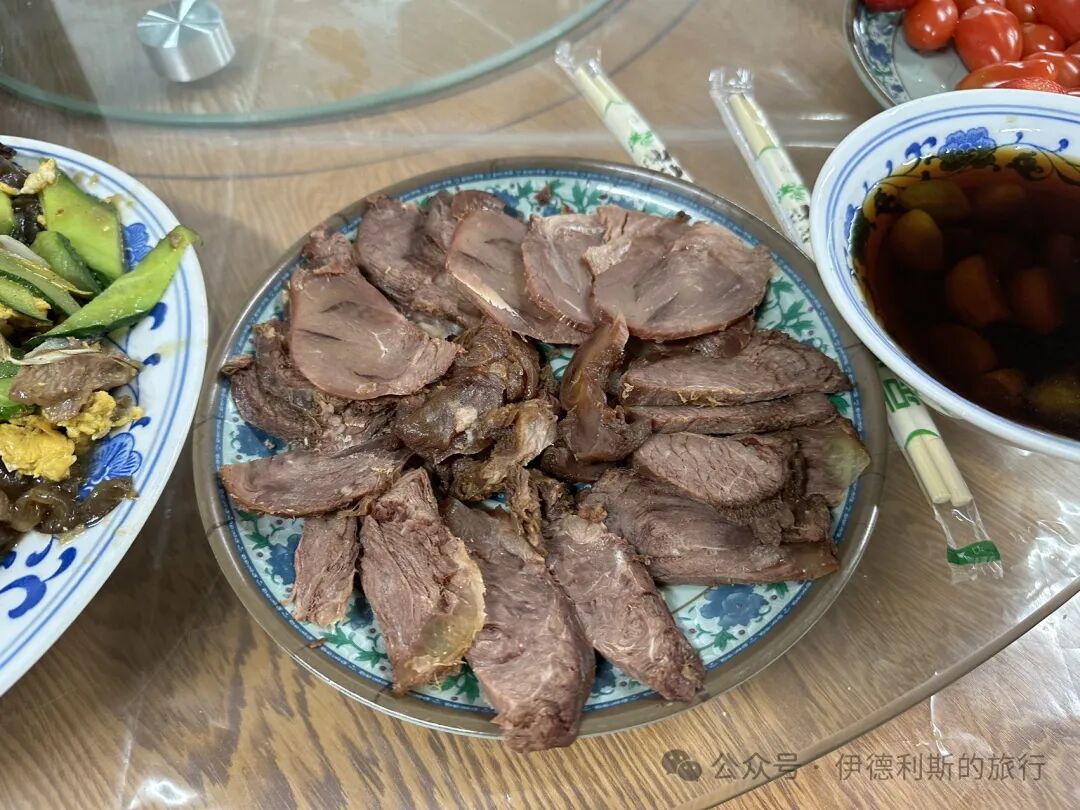
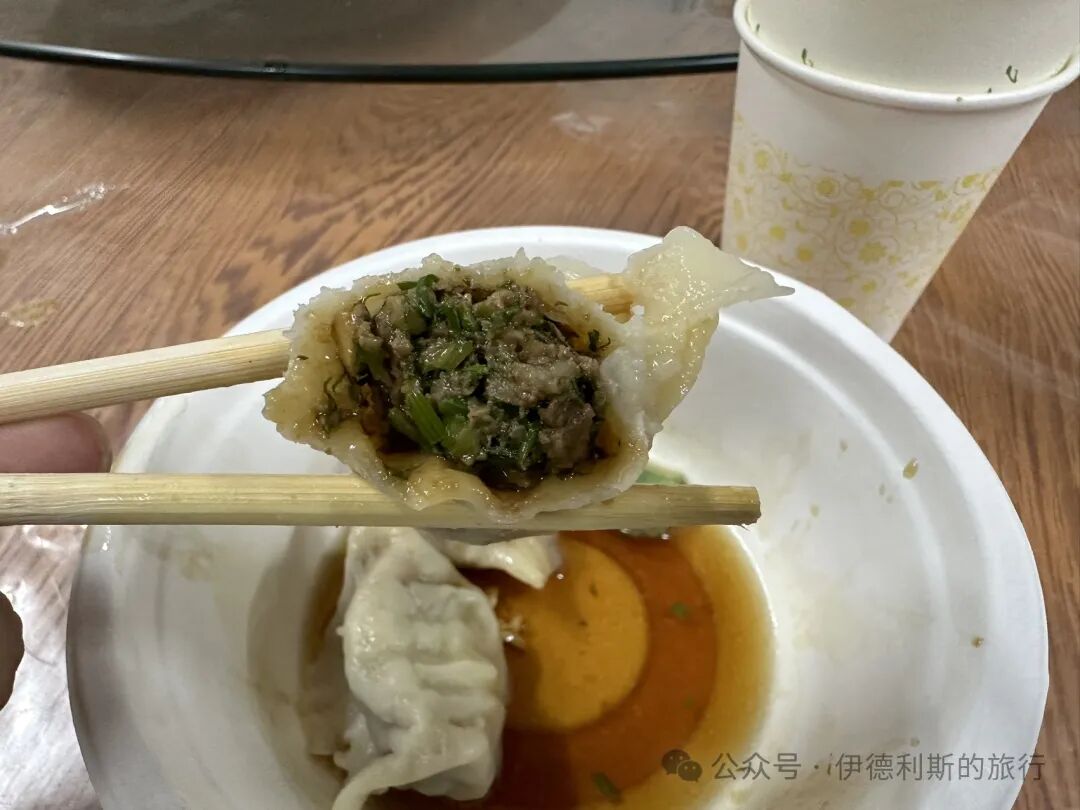
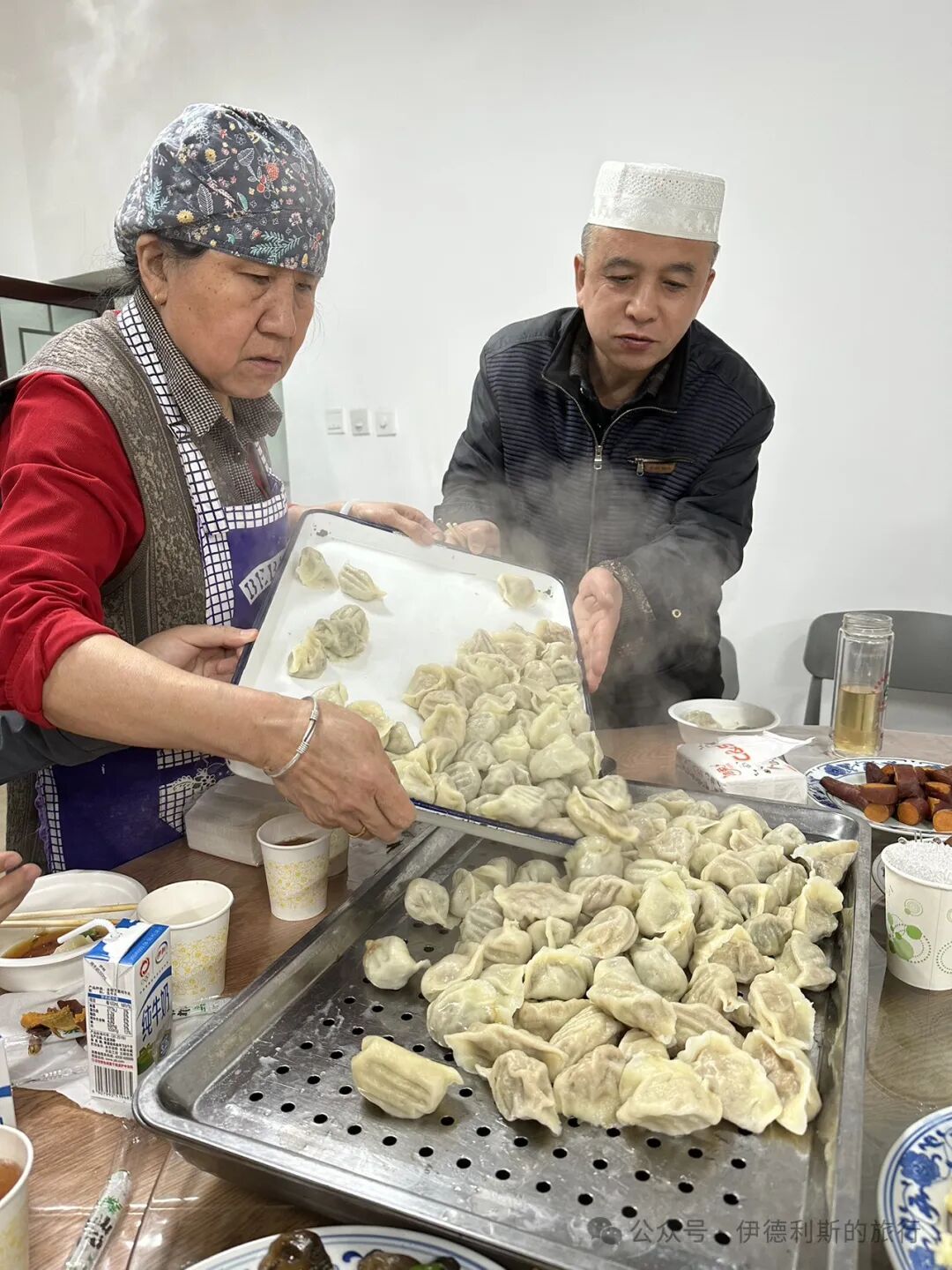
The wild peach blossoms by Erdaogou stream at the entrance of Balizhuang Mosque are in full bloom. During the Qing Dynasty and the Republic of China era, Hui Muslims in Balizhuang used water from Erdaogou to irrigate their crops. The village was full of bean trellises, melon frames, heavy fruit, and lush green trees.
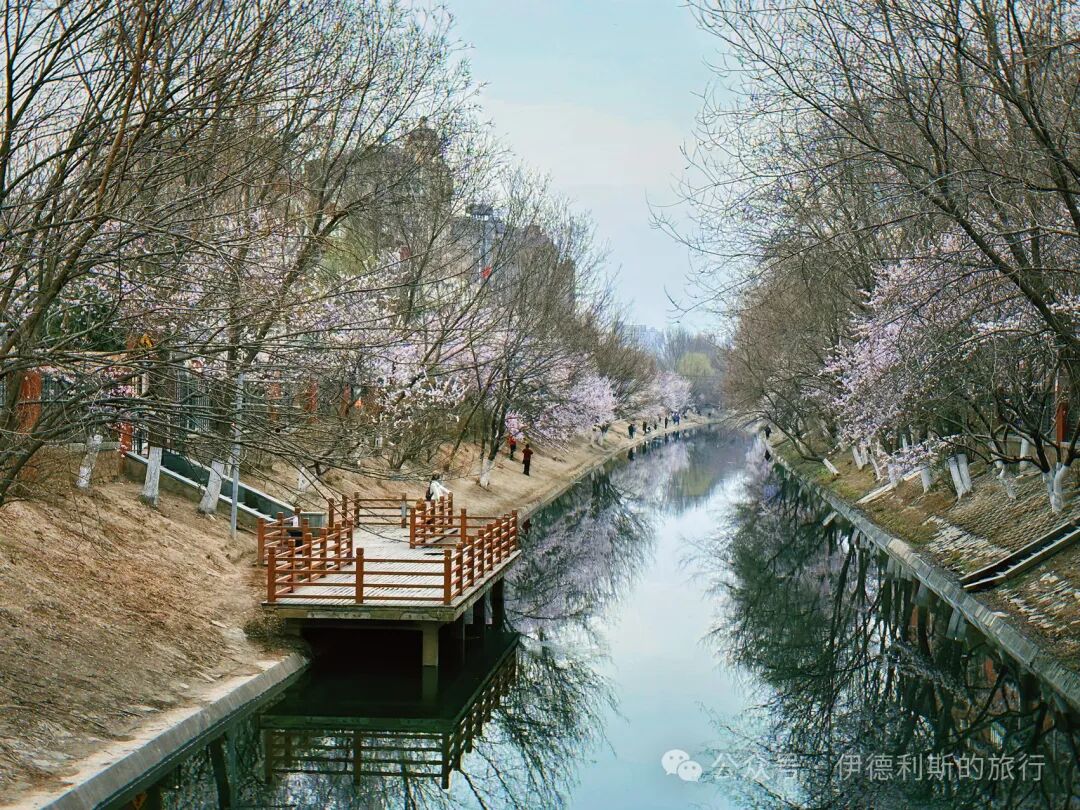
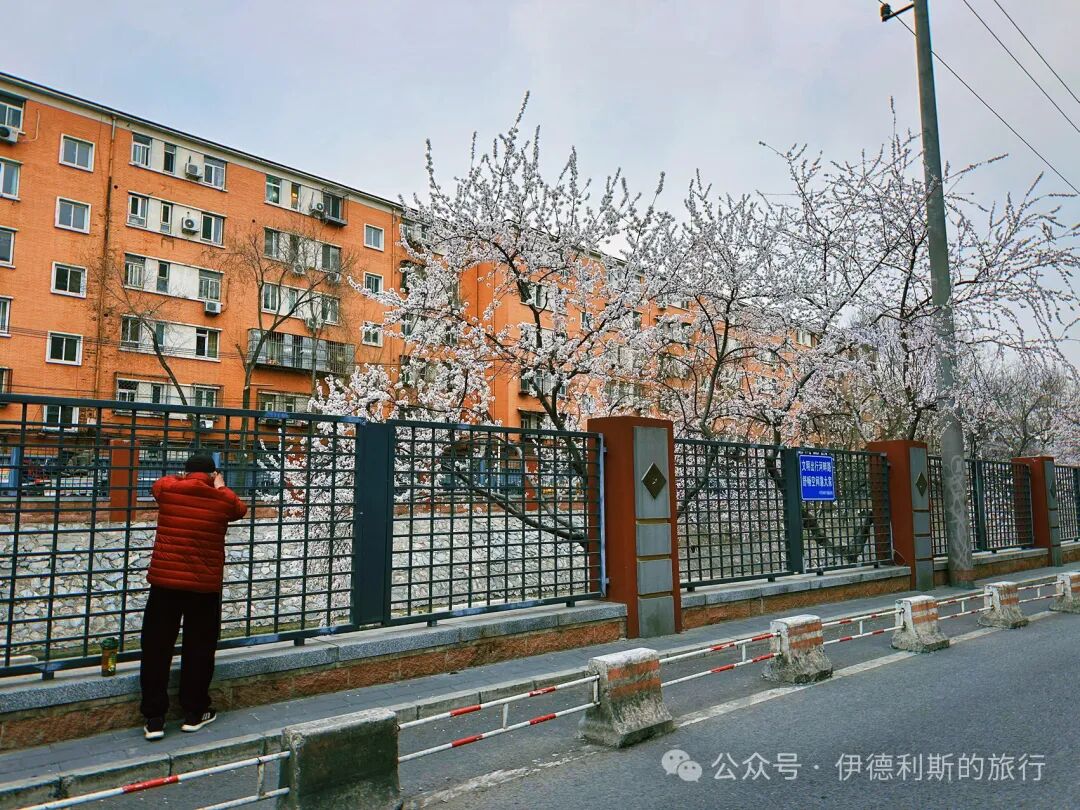
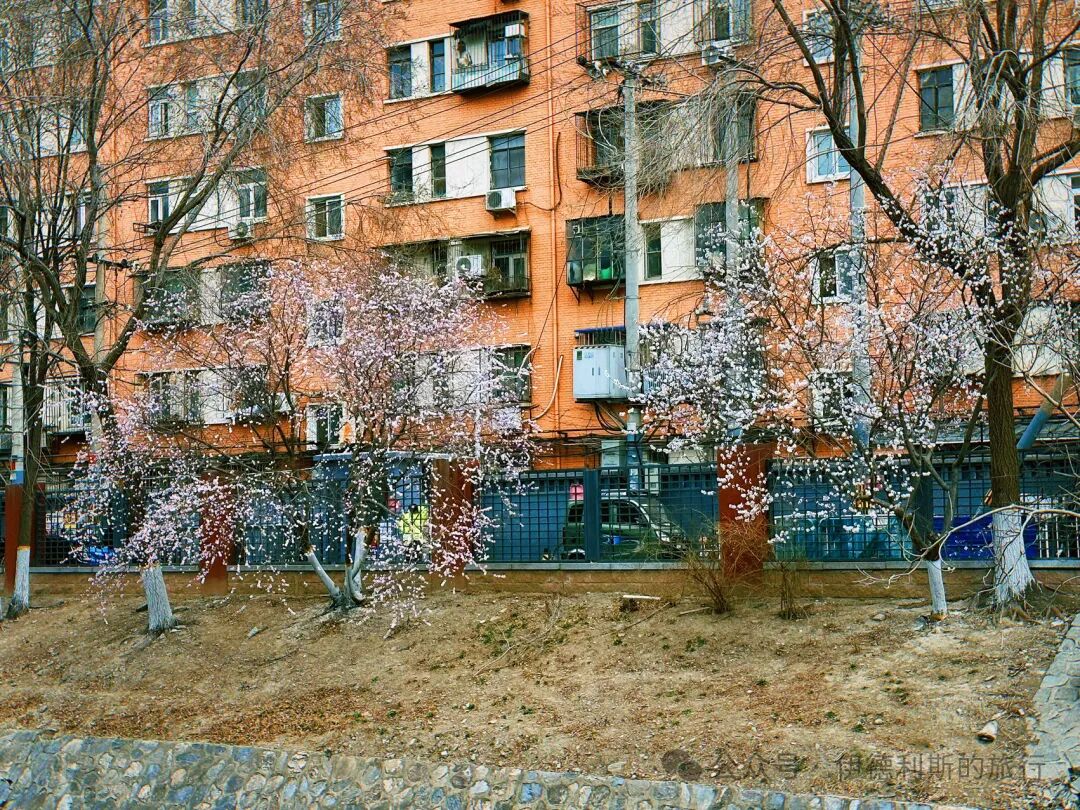
On the seventh day, I got some rice cake (niangao) made by Elder Li at the entrance of Balizhuang Mosque. For the communal meal, we had hot noodle soup, lamb chops, and fried tofu stewed with meatballs. We also had steamed buns (mantou) and griddle-baked flatbread (laobing). I was completely stuffed. After eating, I had tea and chatted with the elders, then went into the prayer hall for the scripture reading and the prayer service.
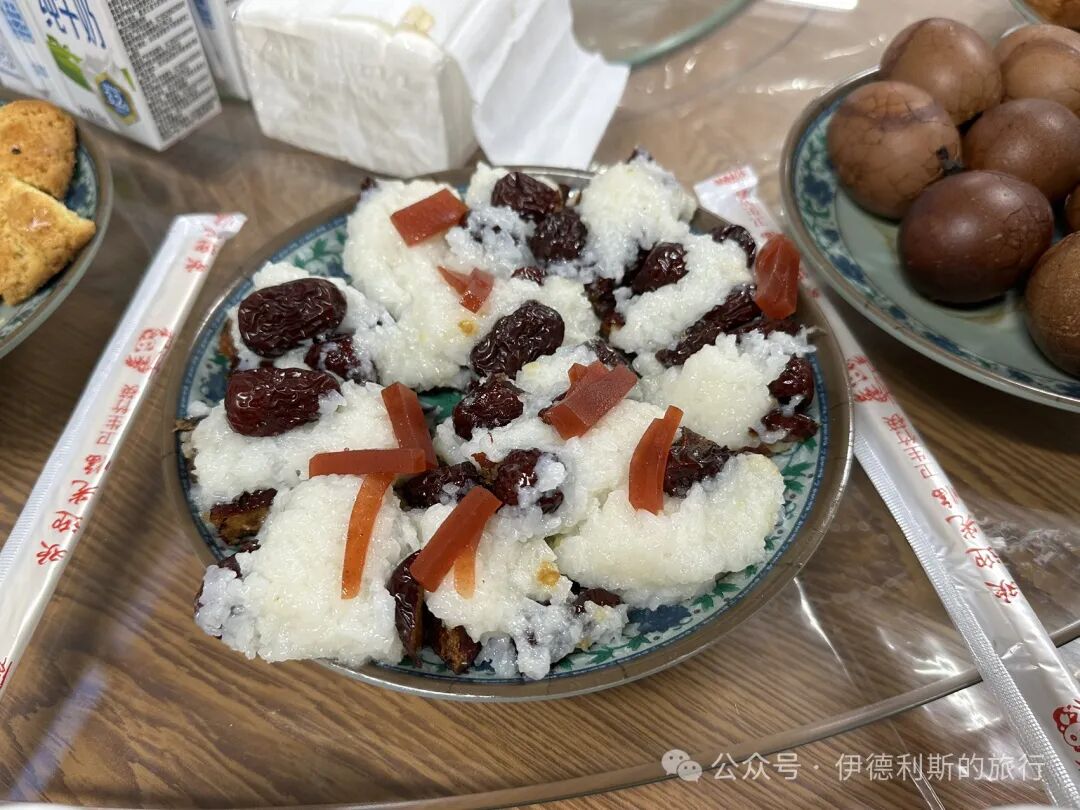
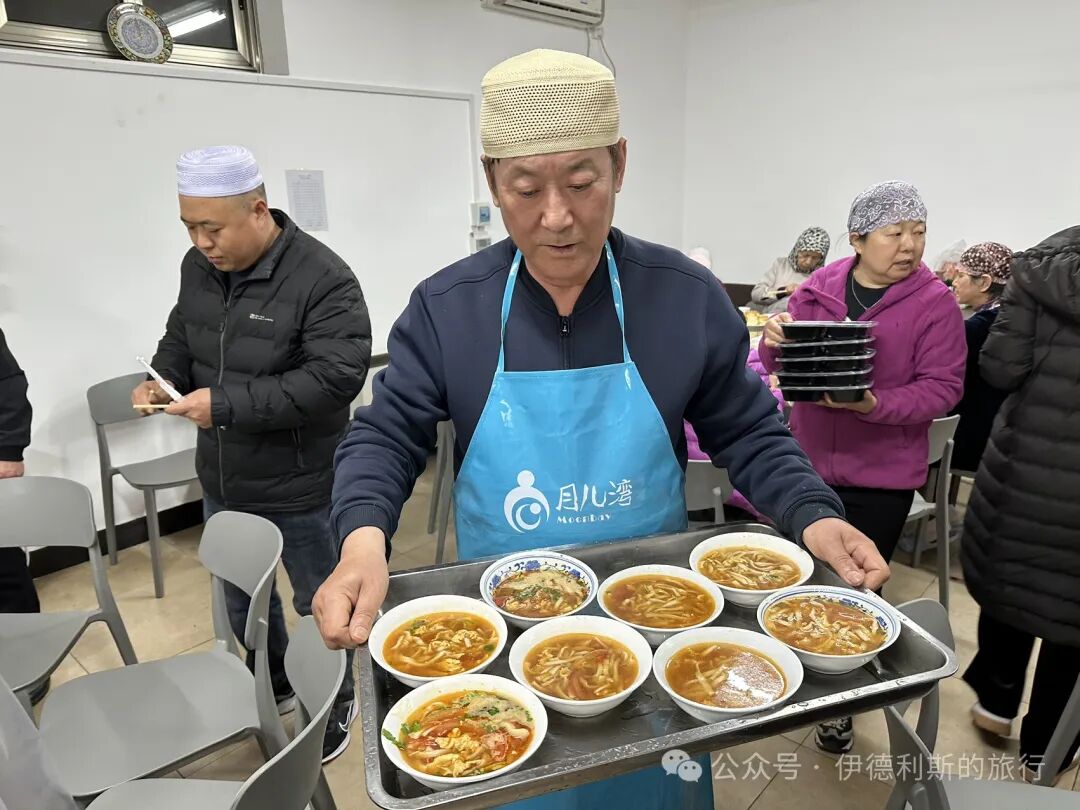
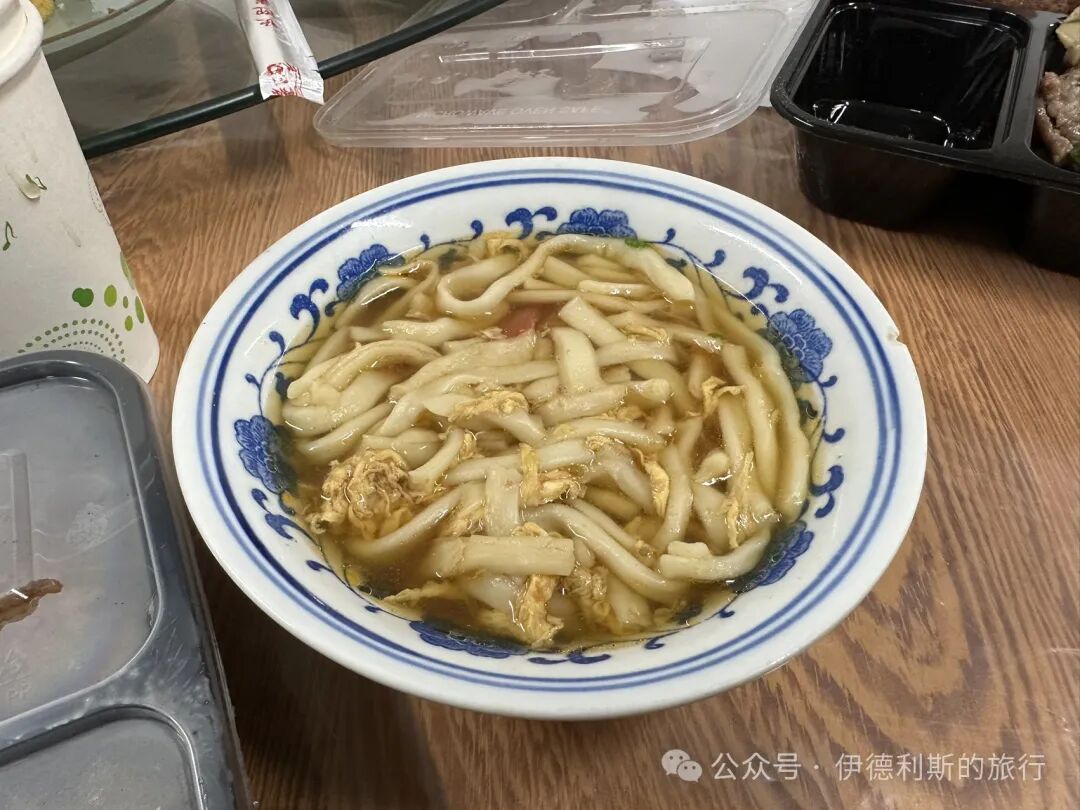
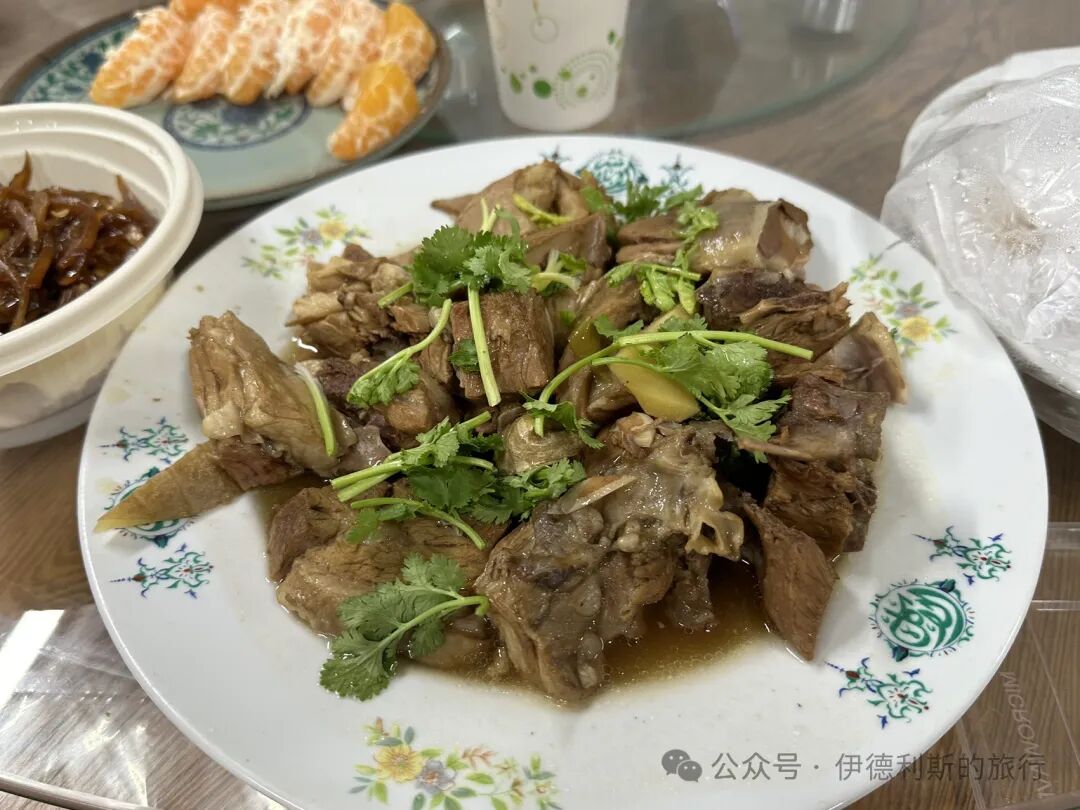
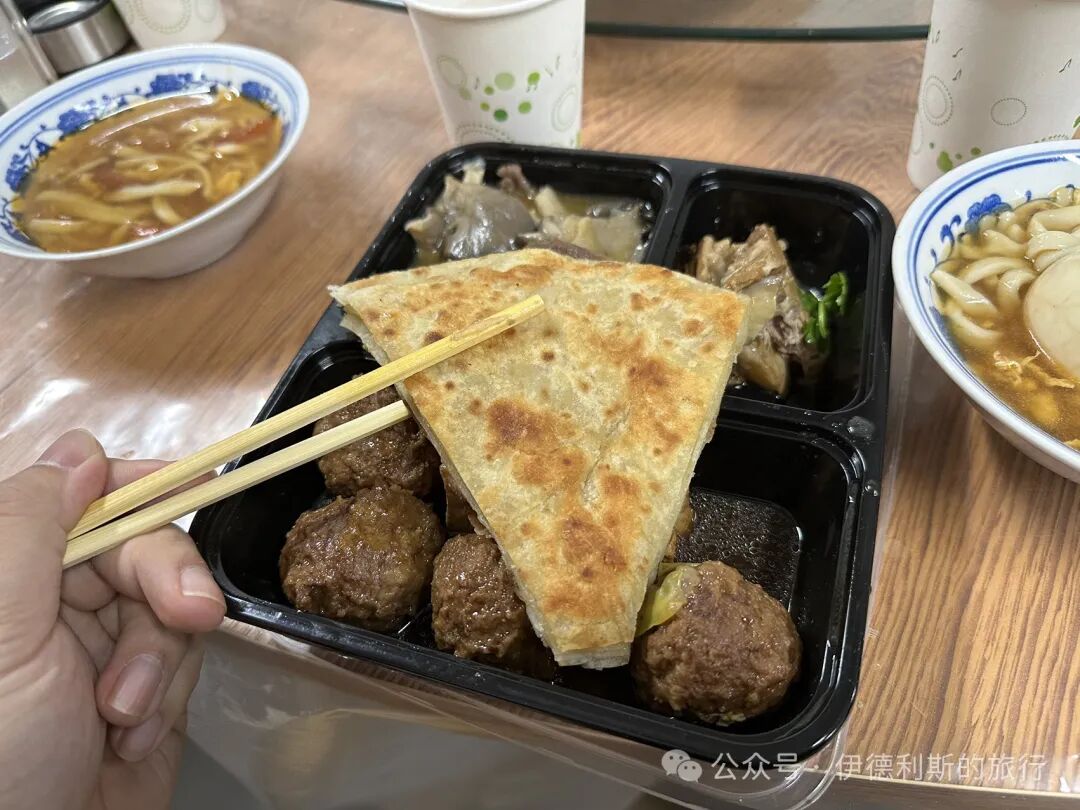
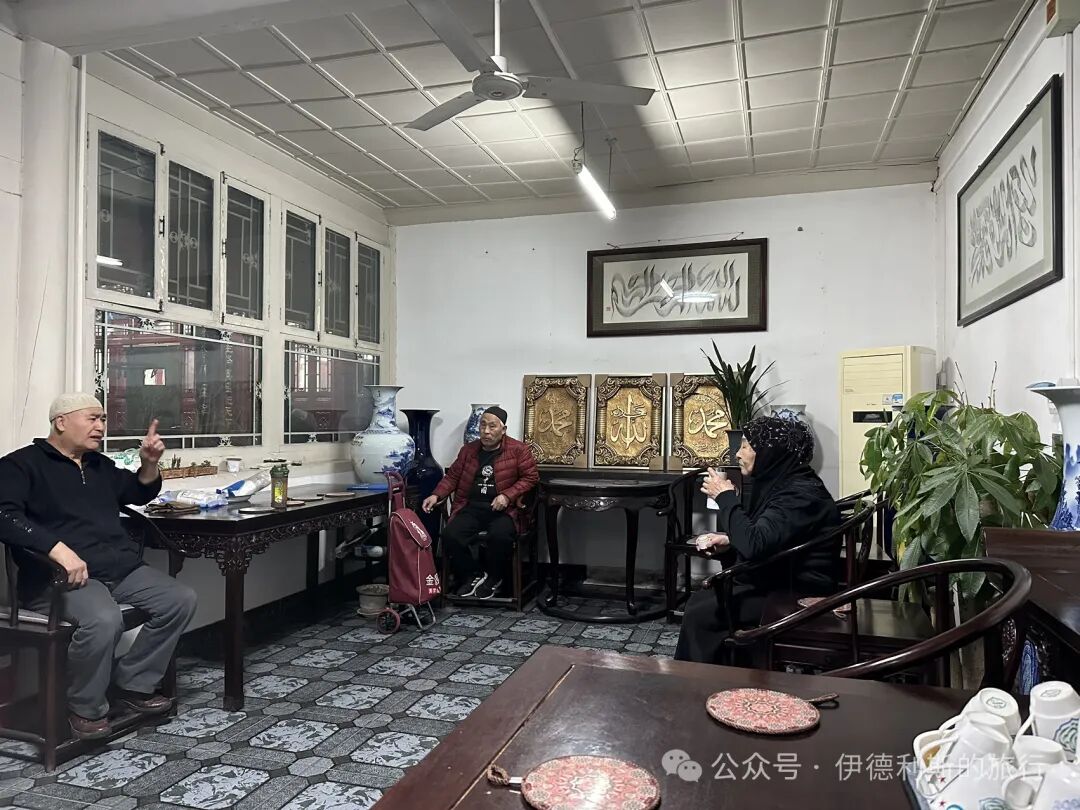
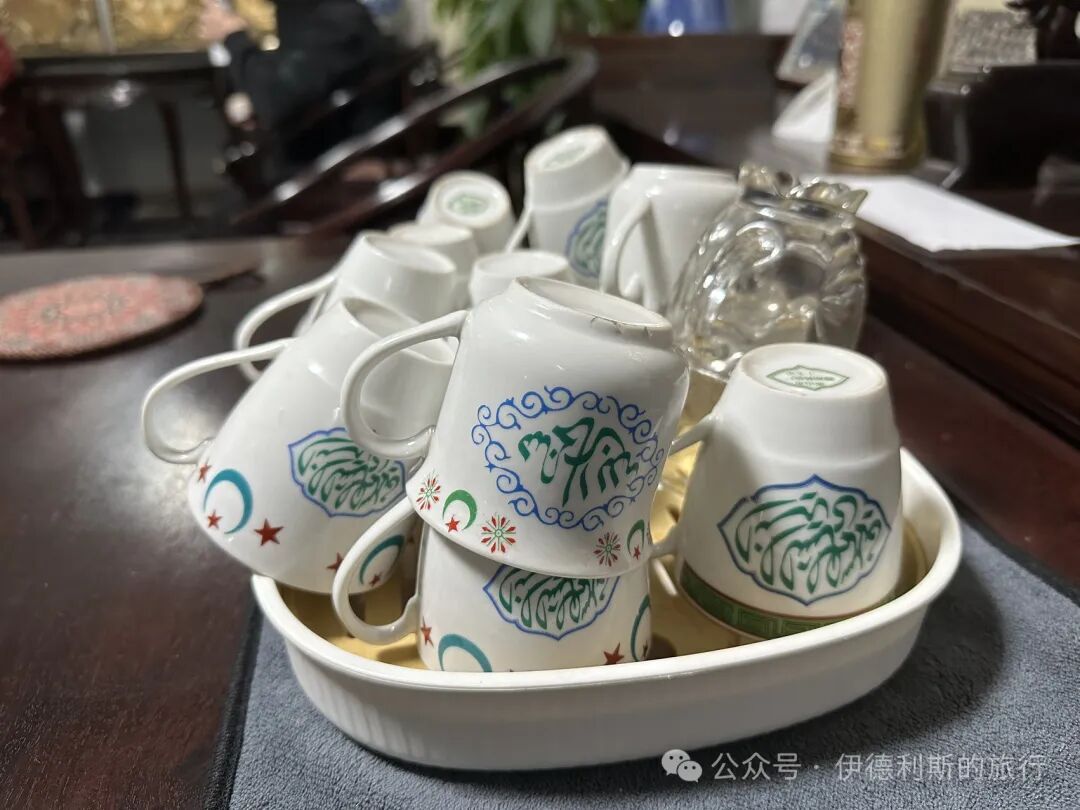
Halal Travel Guide: Beijing Balizhuang Mosque — Ramadan and Community Life
Articles • ali2007fr posted the article • 0 comments • 171 views • 2026-05-18 21:14
Summary: Beijing Balizhuang Mosque — Ramadan and Community Life is presented here as a firsthand travel account in clear English, beginning with this scene: In 2023, I made the intention to break my fast at several different mosques in Beijing during Ramadan to experience the atmosphere. The account keeps its focus on Balizhuang Mosque, Beijing Ramadan, Hui Muslims while preserving the names, places, food, and historical details from the Chinese source.
In 2023, I made the intention to break my fast at several different mosques in Beijing during Ramadan to experience the atmosphere. The Balizhuang Mosque, located along Subway Line 6, was the sixth one I visited. As soon as I entered, I felt a wonderful atmosphere. The imam and the elders were very warm and cheerful, creating a harmonious and cozy environment that truly made passing dosts (friends) feel at home. Because of this, I spent the last few days of Ramadan breaking my fast at Balizhuang Mosque, where I experienced the Night of Power (Laylat al-Qadr) and Eid al-Fitr. I am very grateful that some dosts came to the mosque to break their fast after seeing the photos I posted. May we meet again at Balizhuang Mosque next Ramadan to enjoy this blessing together.
April 11
On my first day at Balizhuang Mosque, I tasted the deep-fried fresh milk, fermented bean curd (madoufu), braised chicken wing tips, and stewed kelp strips with fried tofu puffs (doupo) made by the elders. I am so grateful!
Balizhuang got its name because it is eight li away from Chaoyang Gate. Between the reigns of the Yongzheng and Qianlong emperors, Hui Muslims with the surnames Jing, Li, and Jin lived along the stone road outside Chaoyang Gate. They grew vegetables to supply the capital, gradually forming the Balizhuang area outside the gate. Balizhuang Mosque was first built in the early years of the Qianlong reign. During its peak in the Qing Dynasty, the mosque owned thirteen mu of land. It was rebuilt between 1997 and 2000, reaching its current size.
Master Li, the third person from the left, is very skilled and can make all kinds of snacks.
On the left are Imam Ding and Imam Ma from Balizhuang Mosque, and on the right is the nearly ninety-year-old Elder Imam Yang.
In the evening, I bought walnut naan, rose naan, and spicy skin naan at the Asimu Naan Shop in the Balizhuang Life Plaza next to the mosque. I ate the walnut naan for my pre-dawn meal (suhoor); it wasn't dry, hard, or choking, and it tasted great on its own!
April 13
Today I tasted the donkey rolls (lvdagun), fermented bean curd (madoufu), braised meat strips (songrou), sweet yam rolls (tangjuanguo), and savory yam rolls (xianjuanguo) made by the elders. I listened to the elders talk about how to make braised meat strips, which was very educational. It turns out you need to add fried flour crisps (gezhi) to the meat filling, and it is best to use mung bean starch for the batter, which you can buy from Baoji at Niujie.
Donkey rolls (lvdagun)
Savory yam rolls (xianjuanguo)
Sweet yam rolls (tangjuanguo)
Braised meat strips (songrou)
I took a picture of the Erdao River in Balizhuang on the way. During the Qing Dynasty and the Republic of China, Hui Muslim households in Balizhuang drew water from the Erdao River for irrigation. The village was lush with green vegetables, bean trellises, and melon vines heavy with fruit.
I bought meat naan at the Asimu Naan Shop in Balizhuang Life Plaza and learned this time that they are from Kashgar. The landlady knew we were fasting, so she gave us a bag of naan as charity (niatie). I am very grateful. These naan slices, which are baked and then fried, are great as snacks. They come in both spicy and non-spicy versions.
April 14
It is a blessed Friday (Jumuah). During the sermon (wa'z), I heard the imam talk about the nobility of the Night of Power (Laylat al-Qadr). Today is the fourth Friday of Ramadan, which is sometimes called Jumuat-ul-Wida, meaning the Farewell Friday. In South Asia and some other places, Muslims spend this day reciting the Quran, performing good deeds, giving charity (niatie), helping the poor, and hosting meals for family, relatives, and neighbors.
In the evening, I tasted fried rice and fried steamed bun slices. There were two kinds: those coated in egg and those that were not. The ones with egg were softer, which is better for the older elders to eat.
April 15
Today I ate fish head with flatbread (paobing) made by the elders. The fish came from Miyun Reservoir and the flatbread was freshly griddled. It was delicious.
Two elders gave out sesame flatbread (shaobing) and meat-filled flatbread (huoshao jiarou). These are perfect for eating during the fast.
April 17, Night of Power (Laylat al-Qadr).
Celebrating the Night of Power, everyone gathered at Balizhuang Mosque to perform worship on this noble night. May the rewards be many.
Tonight is the busiest night of Ramadan. The elders made various Beijing snacks like sugar-filled rolls (tangjuanguo), savory rolls (xianjuanguo), pea flour cakes (wandouhuang), rolled soybean flour cakes (lvdagun), and sticky rice cakes (niangao). There were also fruits like cherries, strawberries, apples, papayas, and bananas, plus pastries like date cakes and fried flour crisps (sachima). It was such a feast!
For dinner, we had lamb dumplings (shaomai), stir-fried shrimp, and mashed mung bean curd (ma doufu). All four tables were full. It was lively and blessed. An 85-year-old elder had the intention to make lotus seed porridge for everyone. I am so grateful! After breaking my fast at Balizhuang Mosque for these past few days, I feel like I have joined this big family. I feel the warmth of home every day.
April 19.
Today the elders made a traditional Beijing halal snack together: fried meat-filled flatbread (zha rou huoshao). They used a filling of lamb and green onions with yellow soybean paste (huangjiang). The smell of the meat when fried was amazing. The texture of the scalded dough was unique, a bit like fried dough cakes (zha gaogao), but instead of sugar and fruit, these were filled with meat. Fried meat-filled flatbread and fried meat pockets (zha huitou) were classic Ramadan snacks for Hui Muslims in old Beijing, but they are rare now. I am very grateful to have eaten them at Balizhuang Mosque.
For dinner, we had traditional stir-fried dishes: braised beef tongue (pa koutiao) and braised beef brisket (pa xiongkou). They were perfect with rice, and I kept shoveling the fried rice into my mouth.
April 20.
Today the elders made steamed buns (baozi) and stewed beef with fried tofu. The mosque prepared various fried dough crisps (paicha) to go with the meat porridge for Eid.
Three international students from the University of International Business and Economics visited in the evening. They were from Uzbekistan, Jordan, and Russia. The girl from Russia is not a Muslim. She visited Balizhuang Mosque with her classmates, which I think was very meaningful. I hope everyone has an open and inclusive mindset. We welcome friends interested in our faith to come into the mosque to learn and experience it.
I taught them how to say Eid al-Fitr in Chinese, but I couldn't think of how to translate meat porridge at the time, which was a pity.
April 21.
Today is the 30th day of Ramadan, and the fast-breaking meal at Balizhuang Mosque was the most abundant. The steamed flower rolls (huajuan) made by the elders went so well with the stewed beef with kelp and chicken wings. It was so fragrant.
The mosque stewed a big pot of beef to prepare for the meat porridge for the next day's Eid. After long hours of stewing, the bone marrow from the beef bones melted into the broth, making the porridge extra flavorful.
April 22, Eid al-Fitr.
Eid Mubarak. I am very grateful to have volunteered for the Eid celebration at Balizhuang Mosque. The mosque served meat porridge with fried dough crisps, plus fried dough cakes (youxiang) and pickles. All the friends (dost) loved it. Special holiday food is not just a cultural tradition; it deepens memories of the holiday and attracts more people to the mosque. I think it is very meaningful.
This was the first Eid held at Balizhuang Mosque since it was renovated and reopened. Everyone was very excited. Finally, here are some snapshots of Eid: the director's speech, the imam reciting scripture, inviting the imam, the elders praising the Prophet, and handing out fried dough cakes (youxiang).
May you all be rewarded (thawab). view all
Summary: Beijing Balizhuang Mosque — Ramadan and Community Life is presented here as a firsthand travel account in clear English, beginning with this scene: In 2023, I made the intention to break my fast at several different mosques in Beijing during Ramadan to experience the atmosphere. The account keeps its focus on Balizhuang Mosque, Beijing Ramadan, Hui Muslims while preserving the names, places, food, and historical details from the Chinese source.
In 2023, I made the intention to break my fast at several different mosques in Beijing during Ramadan to experience the atmosphere. The Balizhuang Mosque, located along Subway Line 6, was the sixth one I visited. As soon as I entered, I felt a wonderful atmosphere. The imam and the elders were very warm and cheerful, creating a harmonious and cozy environment that truly made passing dosts (friends) feel at home. Because of this, I spent the last few days of Ramadan breaking my fast at Balizhuang Mosque, where I experienced the Night of Power (Laylat al-Qadr) and Eid al-Fitr. I am very grateful that some dosts came to the mosque to break their fast after seeing the photos I posted. May we meet again at Balizhuang Mosque next Ramadan to enjoy this blessing together.
April 11
On my first day at Balizhuang Mosque, I tasted the deep-fried fresh milk, fermented bean curd (madoufu), braised chicken wing tips, and stewed kelp strips with fried tofu puffs (doupo) made by the elders. I am so grateful!
Balizhuang got its name because it is eight li away from Chaoyang Gate. Between the reigns of the Yongzheng and Qianlong emperors, Hui Muslims with the surnames Jing, Li, and Jin lived along the stone road outside Chaoyang Gate. They grew vegetables to supply the capital, gradually forming the Balizhuang area outside the gate. Balizhuang Mosque was first built in the early years of the Qianlong reign. During its peak in the Qing Dynasty, the mosque owned thirteen mu of land. It was rebuilt between 1997 and 2000, reaching its current size.
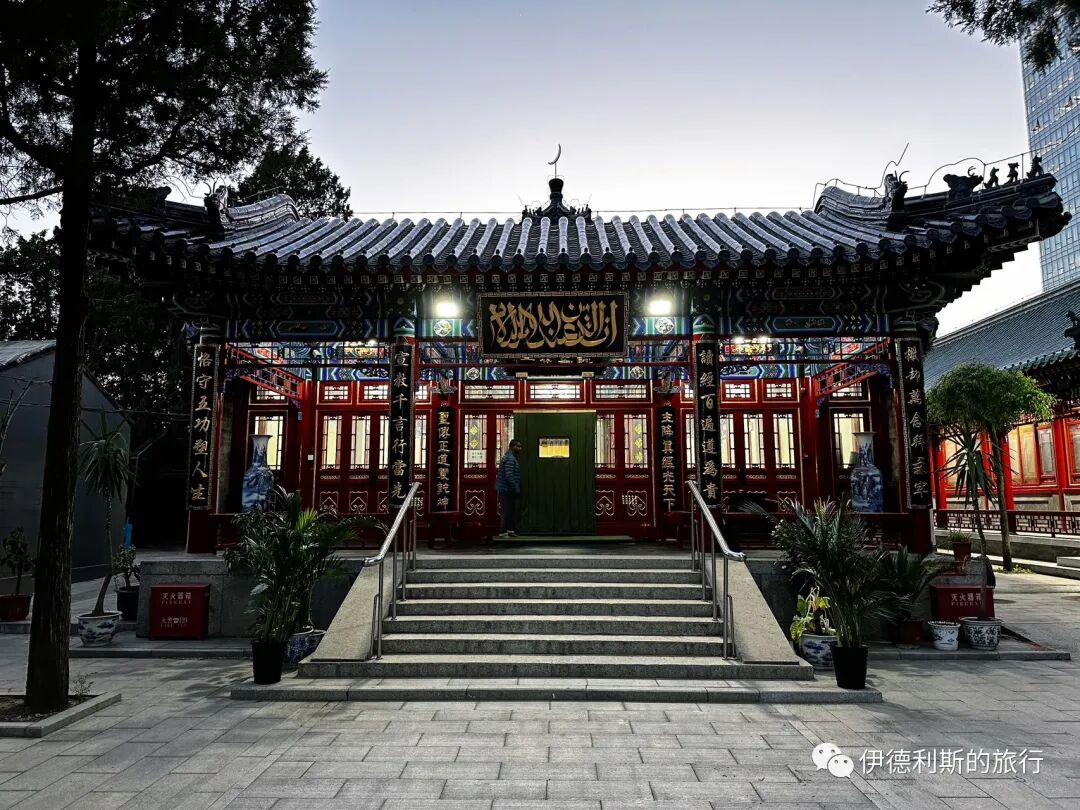
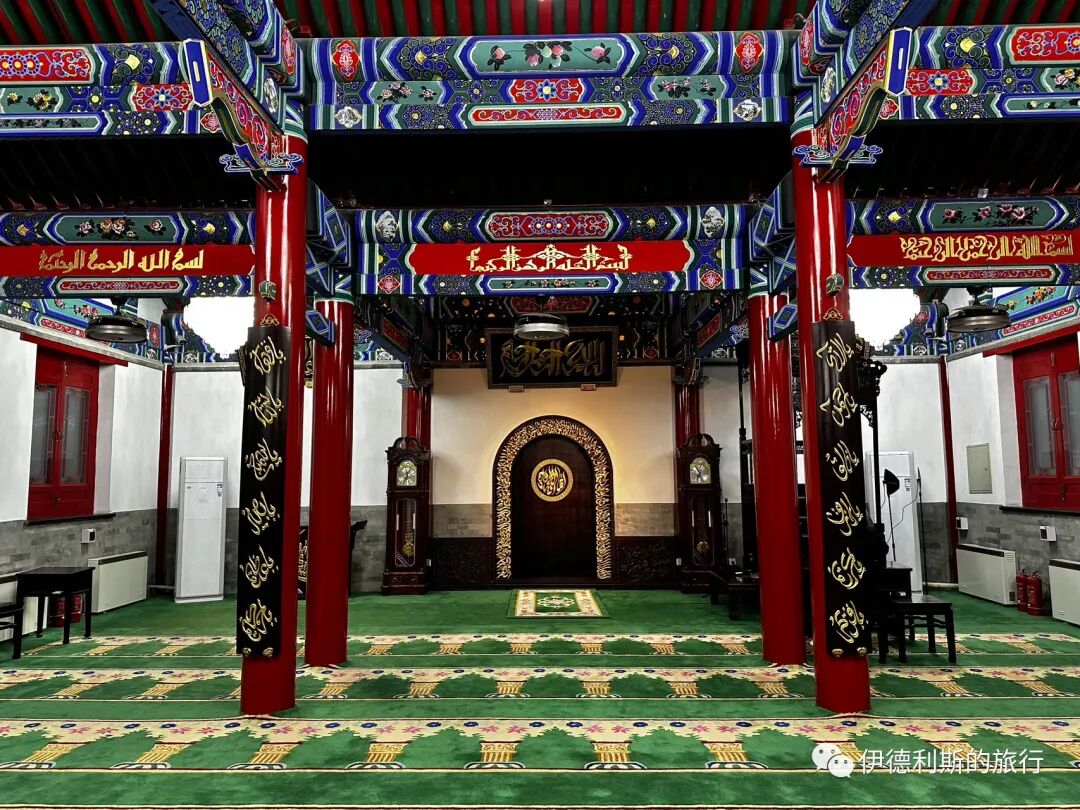
Master Li, the third person from the left, is very skilled and can make all kinds of snacks.
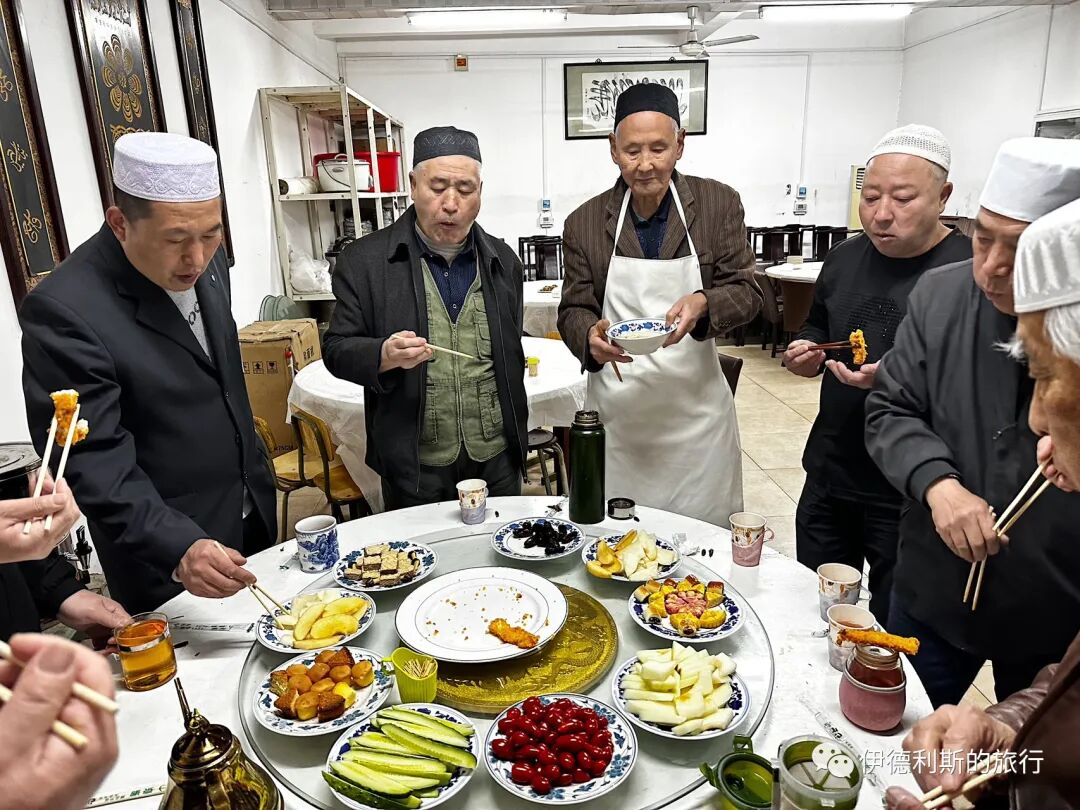
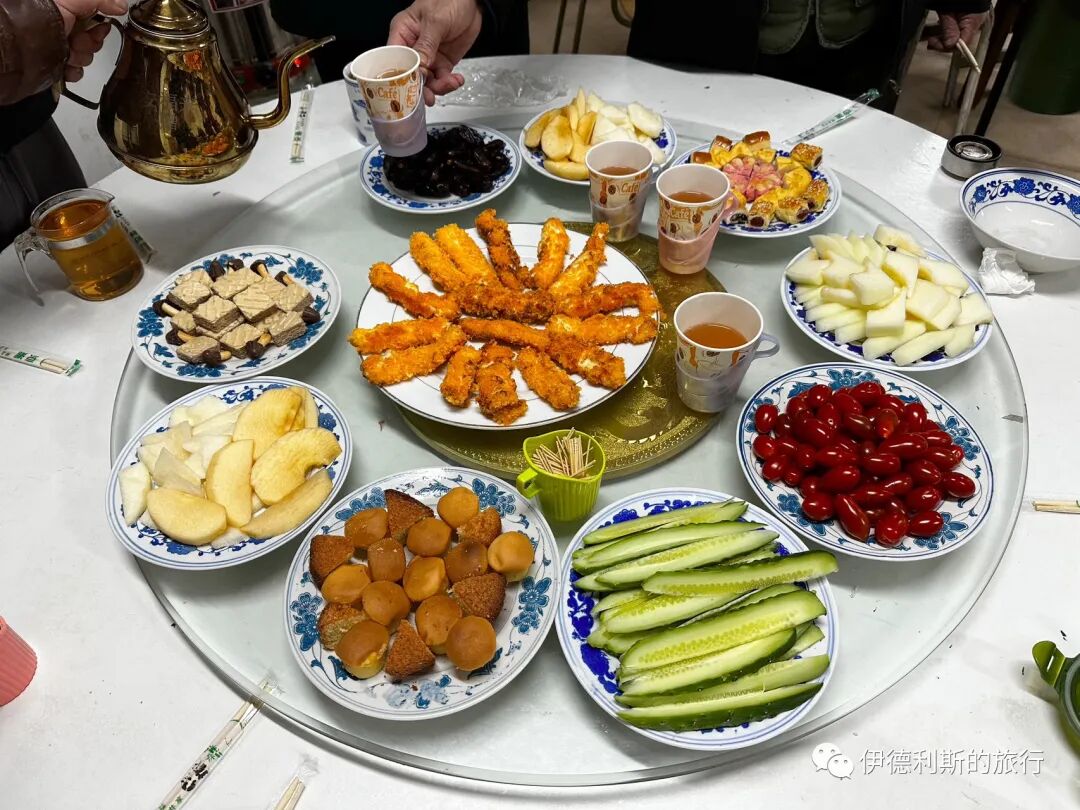
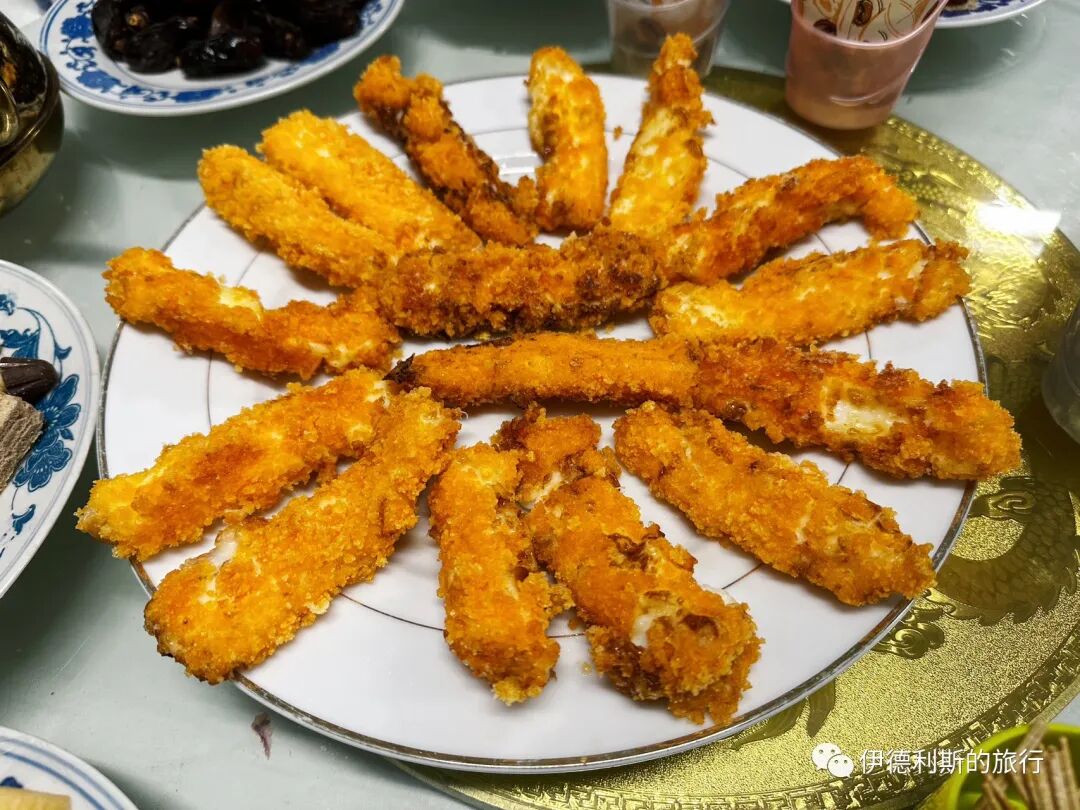
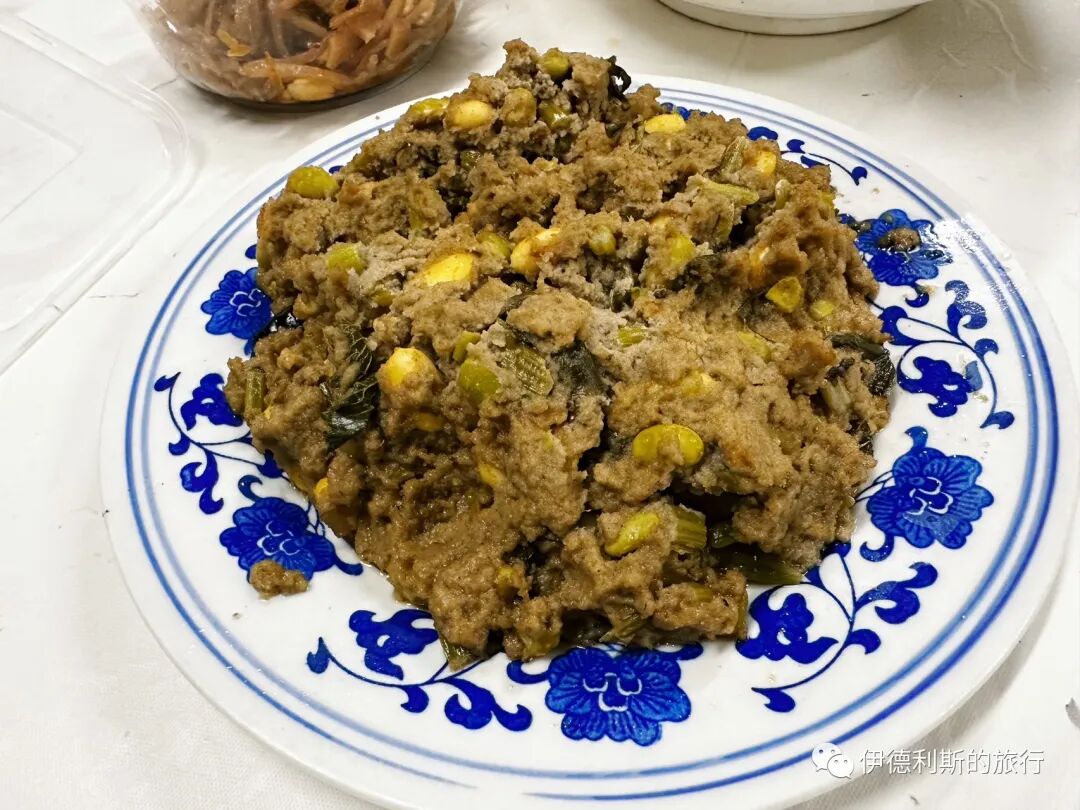
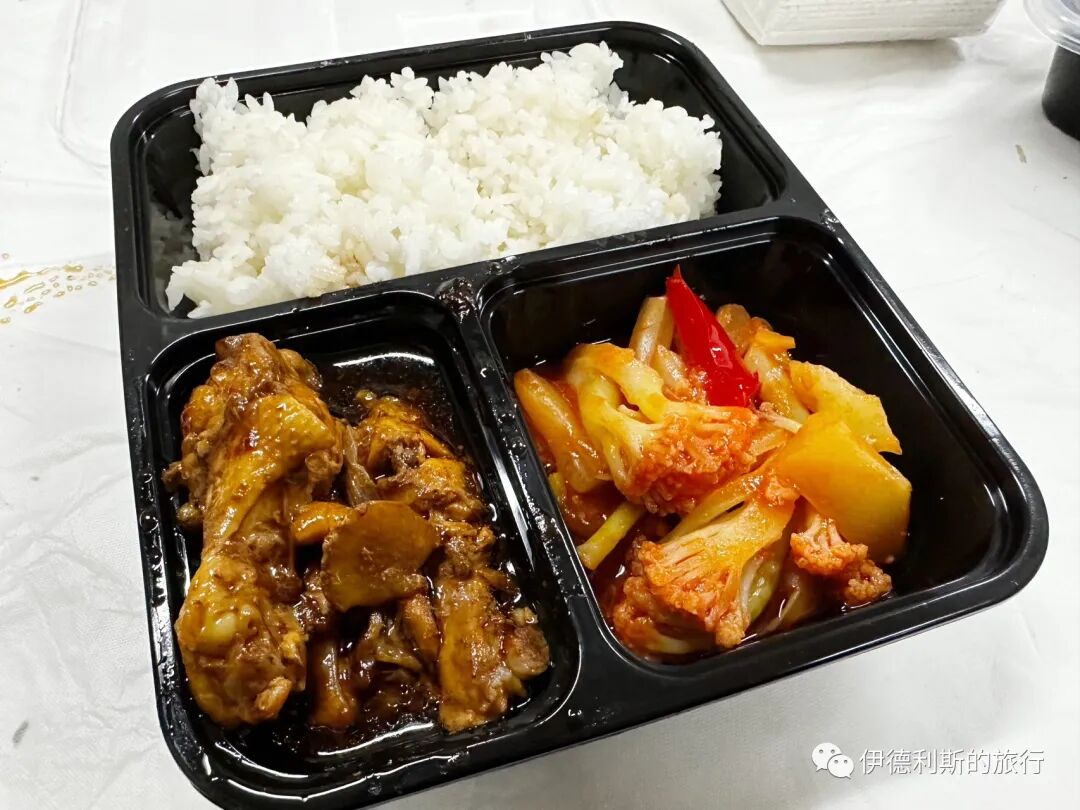
On the left are Imam Ding and Imam Ma from Balizhuang Mosque, and on the right is the nearly ninety-year-old Elder Imam Yang.
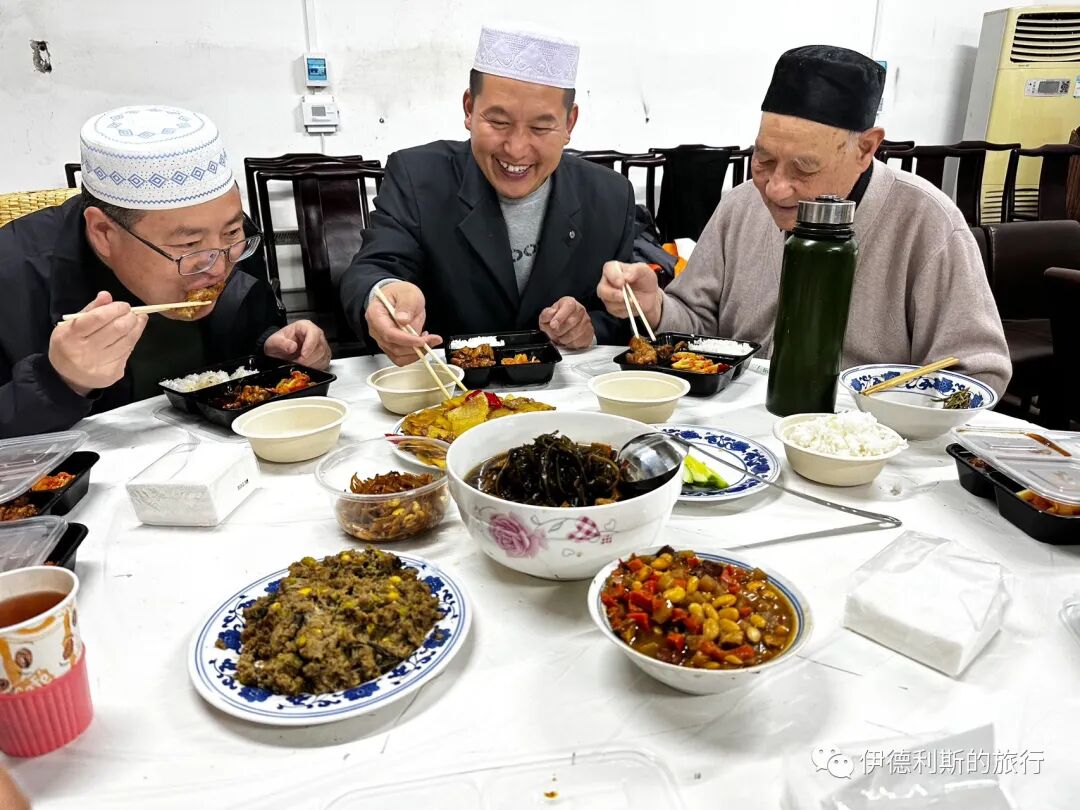
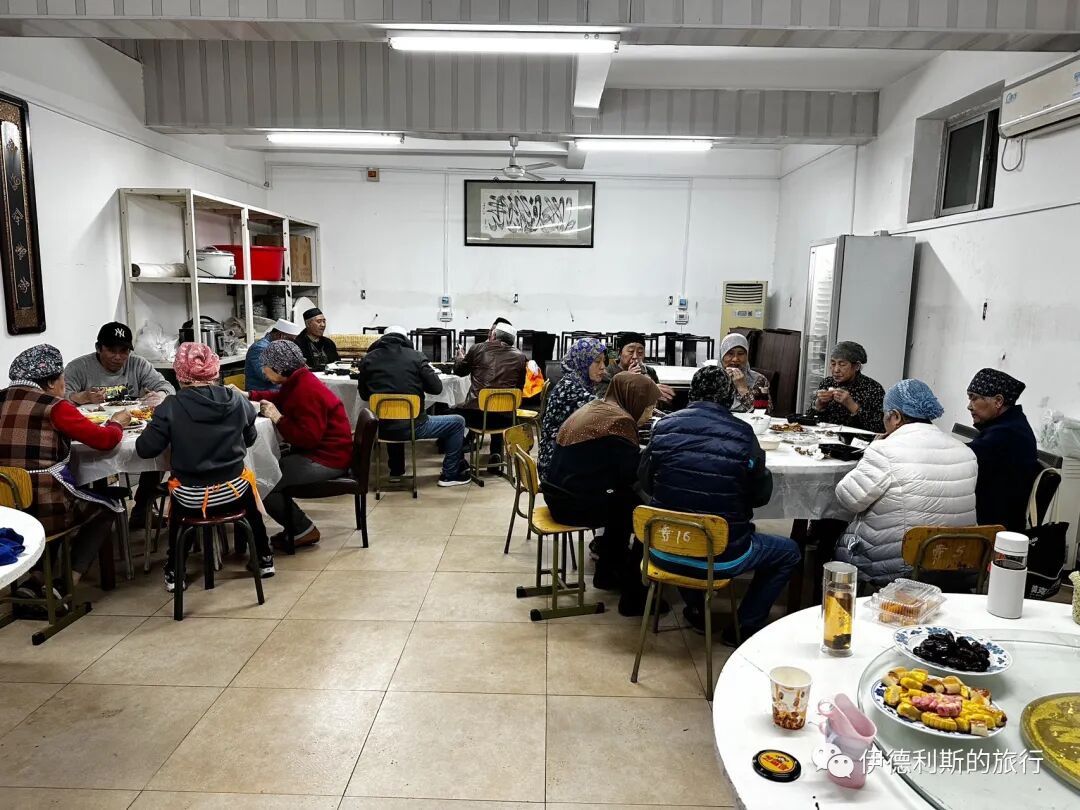
In the evening, I bought walnut naan, rose naan, and spicy skin naan at the Asimu Naan Shop in the Balizhuang Life Plaza next to the mosque. I ate the walnut naan for my pre-dawn meal (suhoor); it wasn't dry, hard, or choking, and it tasted great on its own!
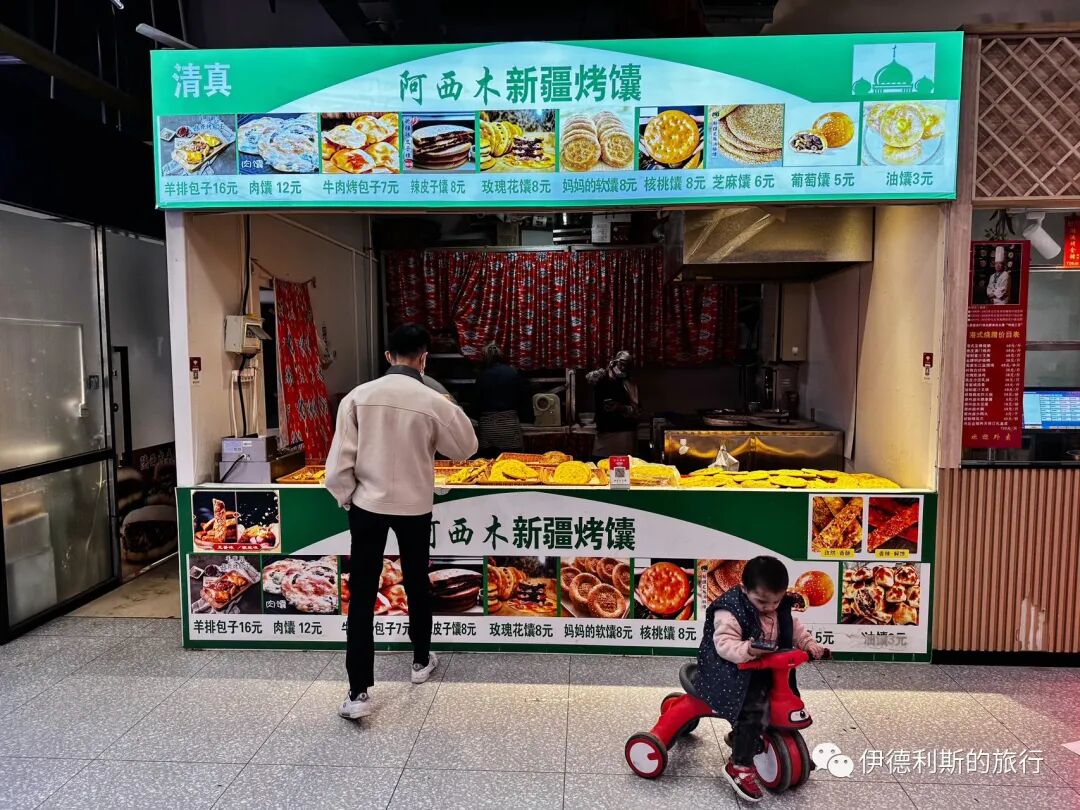
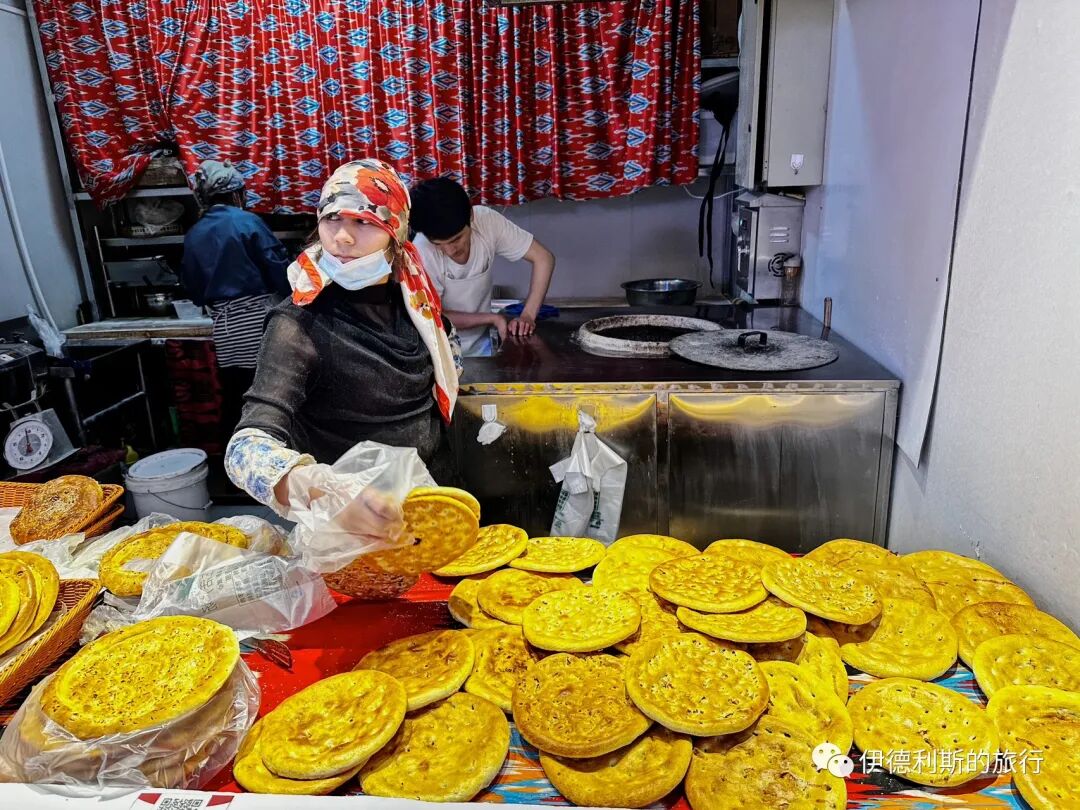
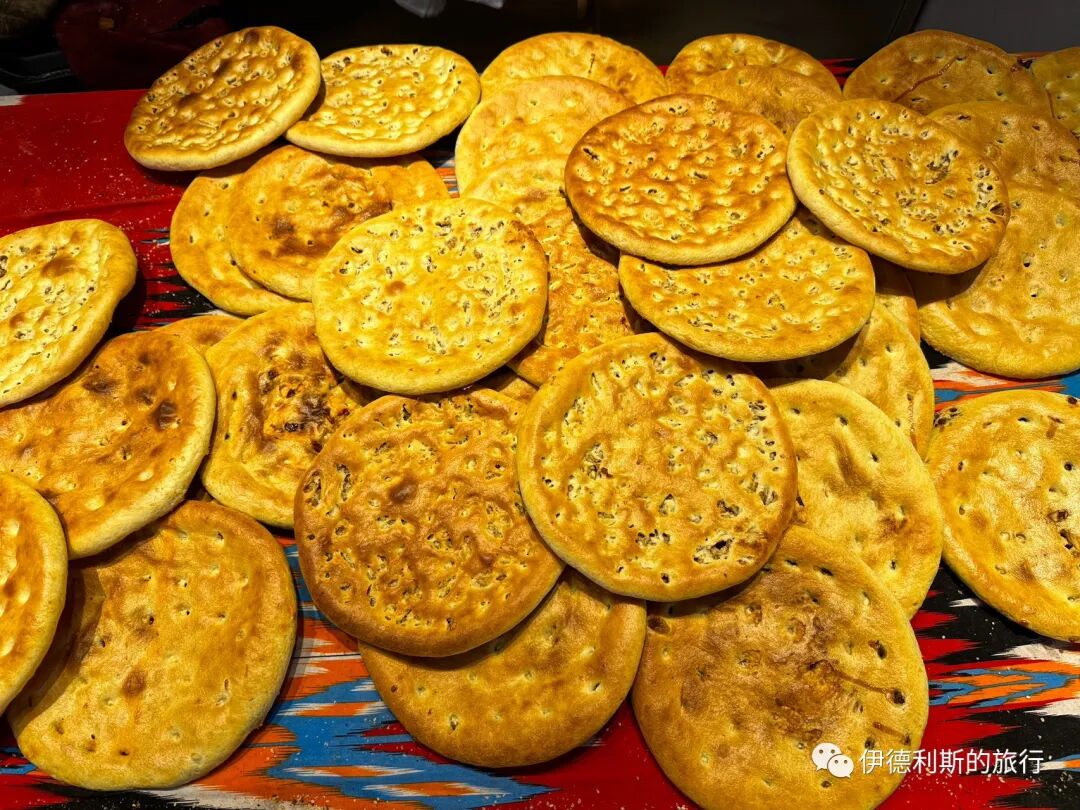
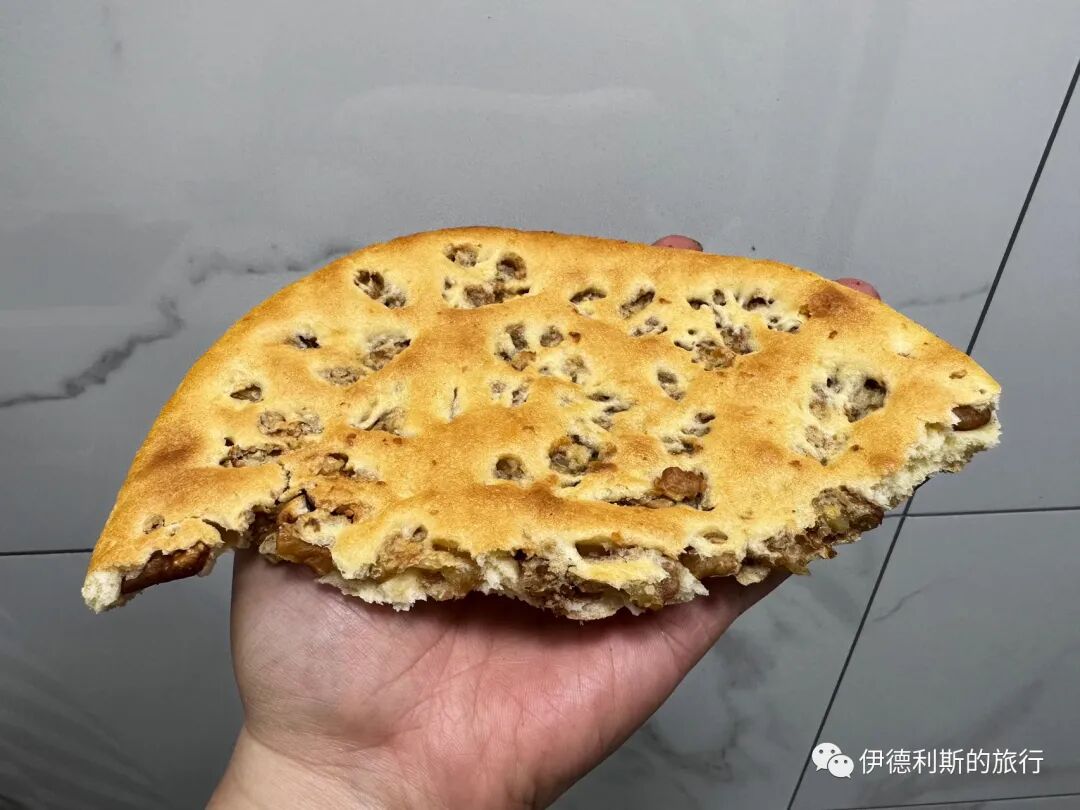
April 13
Today I tasted the donkey rolls (lvdagun), fermented bean curd (madoufu), braised meat strips (songrou), sweet yam rolls (tangjuanguo), and savory yam rolls (xianjuanguo) made by the elders. I listened to the elders talk about how to make braised meat strips, which was very educational. It turns out you need to add fried flour crisps (gezhi) to the meat filling, and it is best to use mung bean starch for the batter, which you can buy from Baoji at Niujie.
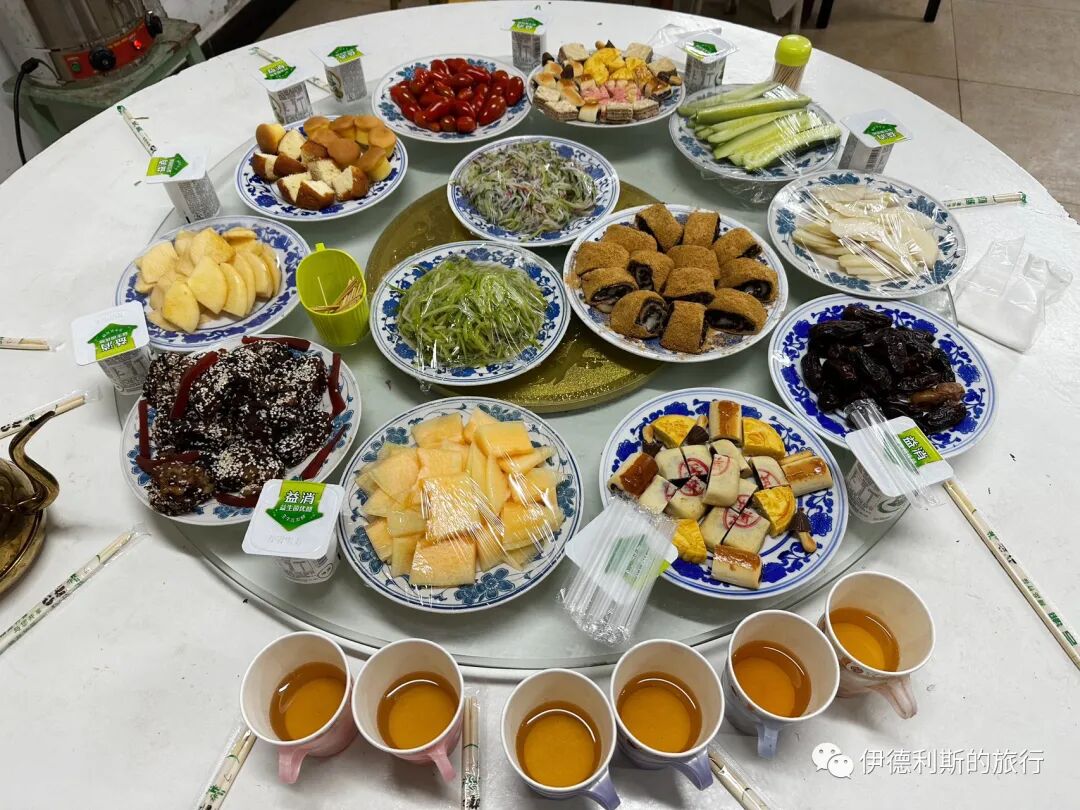
Donkey rolls (lvdagun)
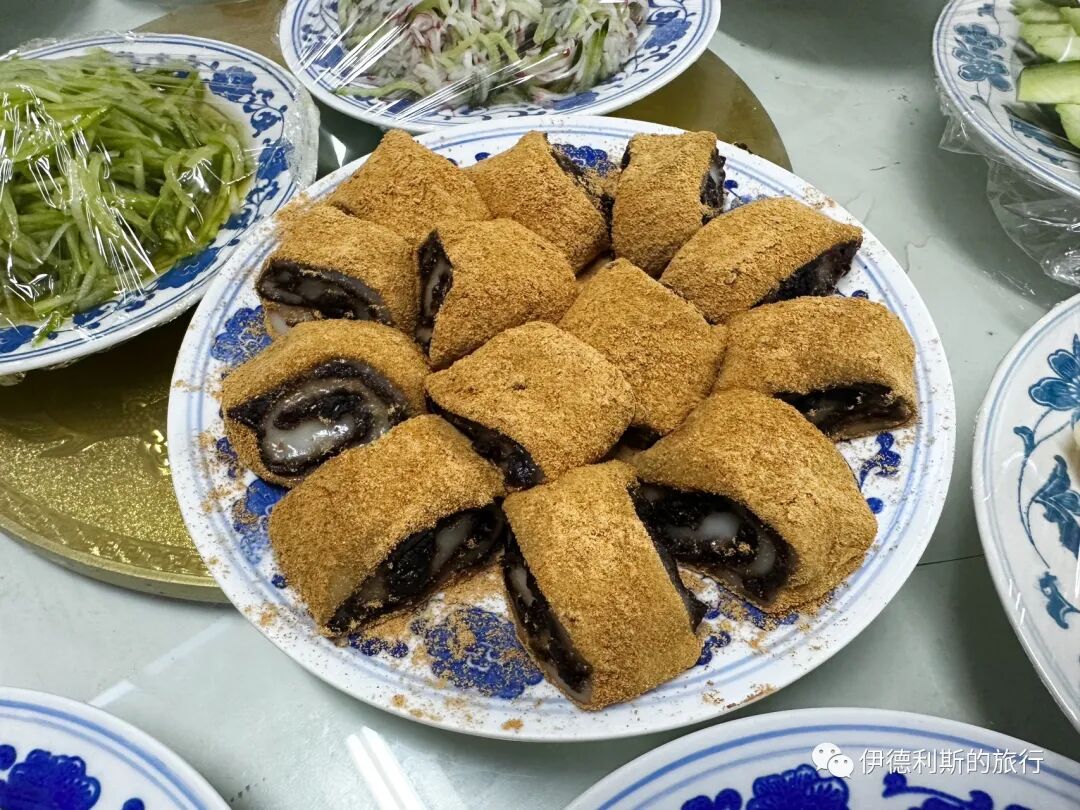
Savory yam rolls (xianjuanguo)
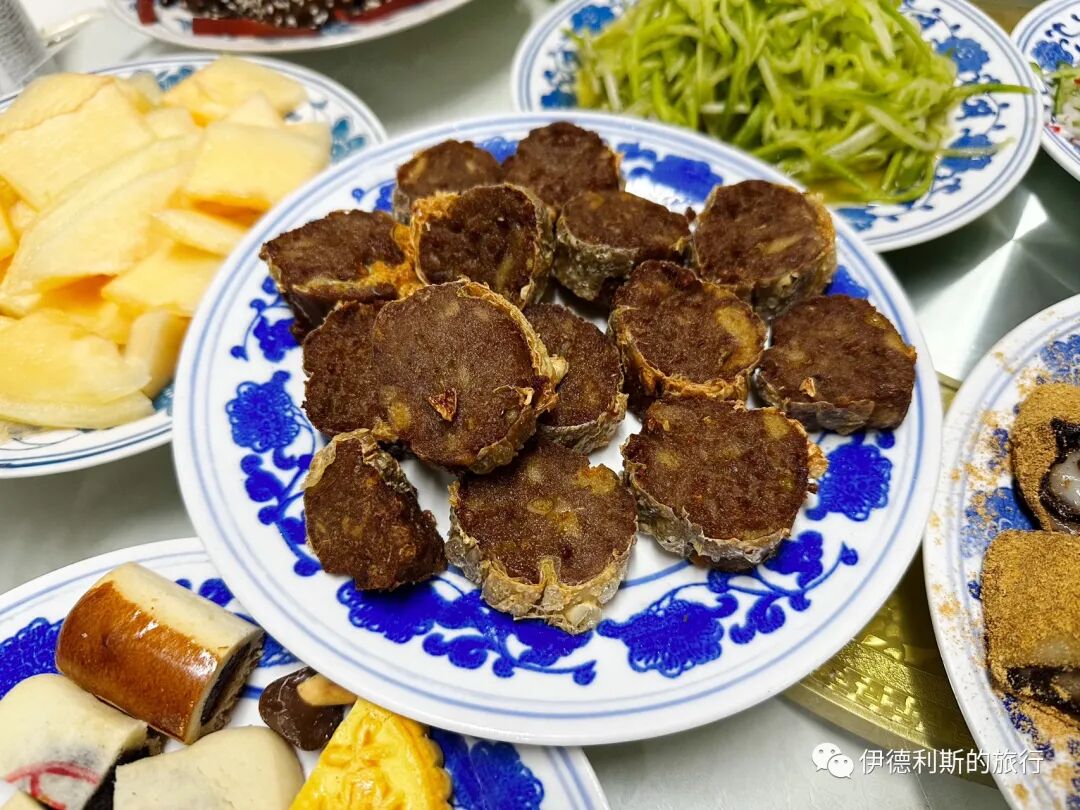
Sweet yam rolls (tangjuanguo)
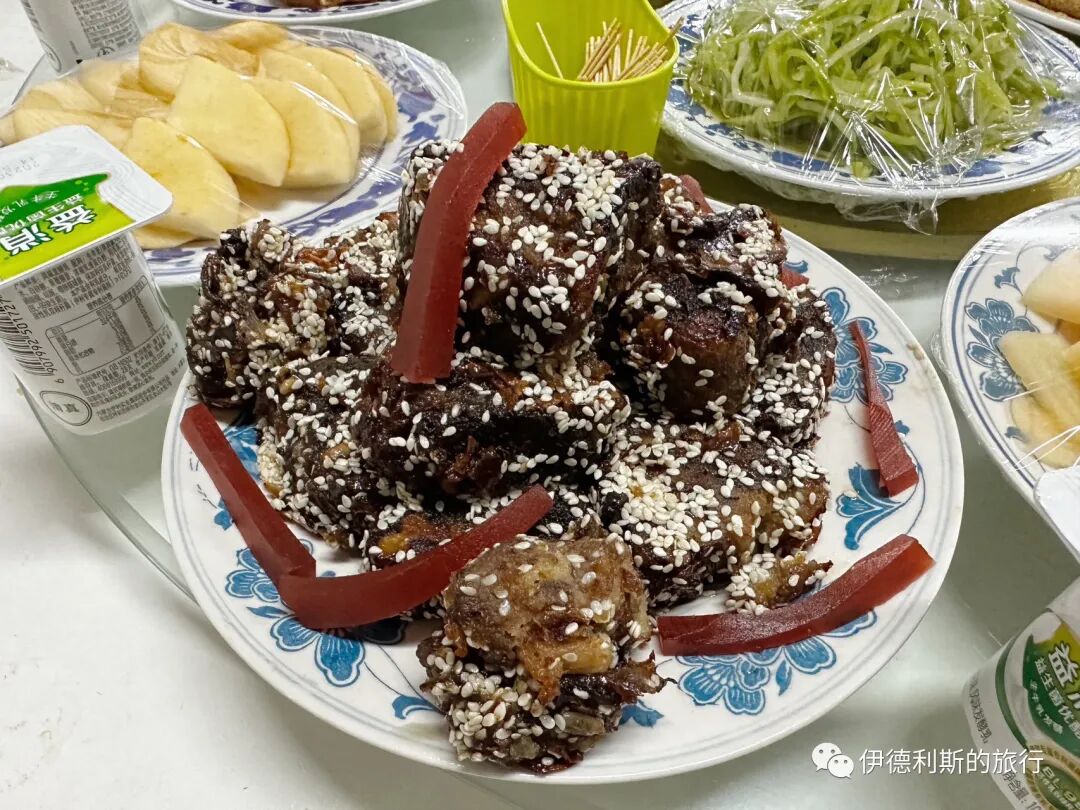
Braised meat strips (songrou)
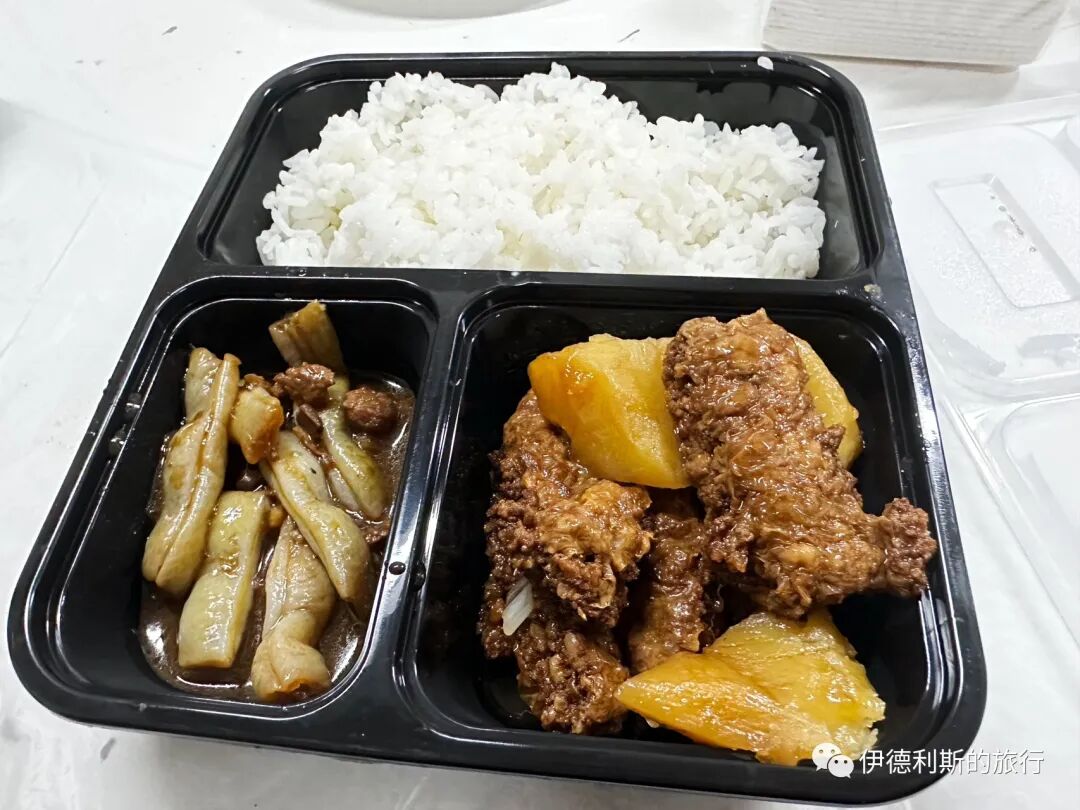
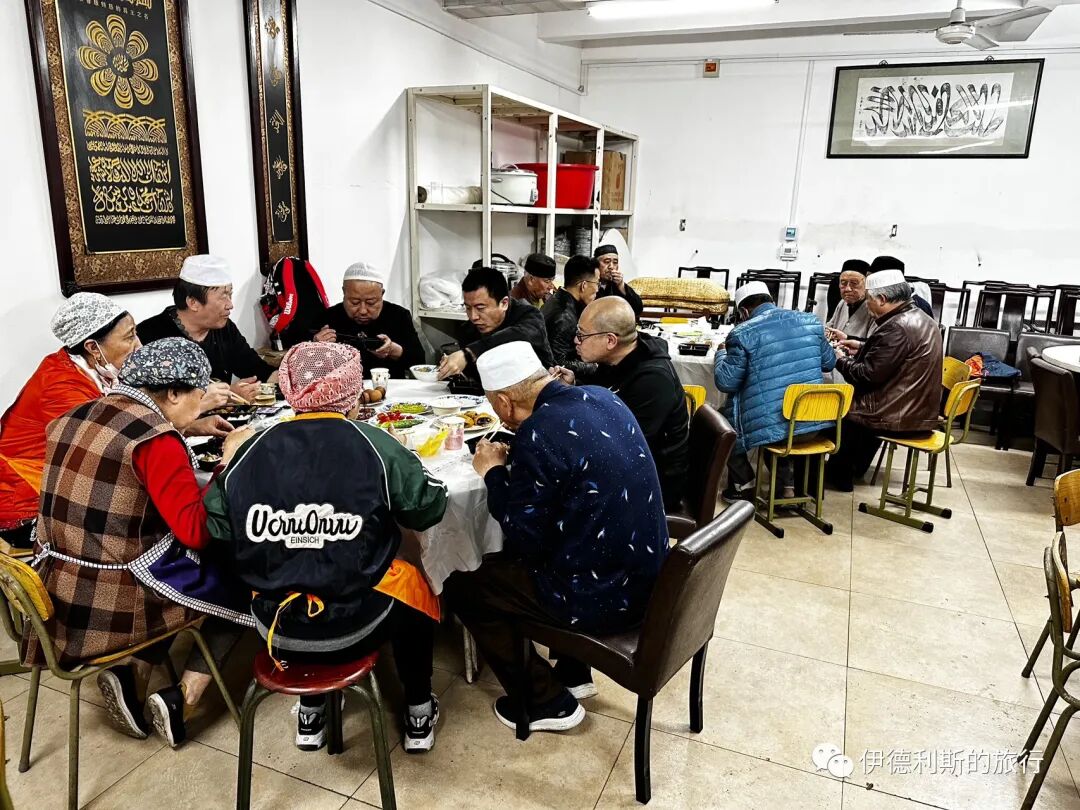
I took a picture of the Erdao River in Balizhuang on the way. During the Qing Dynasty and the Republic of China, Hui Muslim households in Balizhuang drew water from the Erdao River for irrigation. The village was lush with green vegetables, bean trellises, and melon vines heavy with fruit.
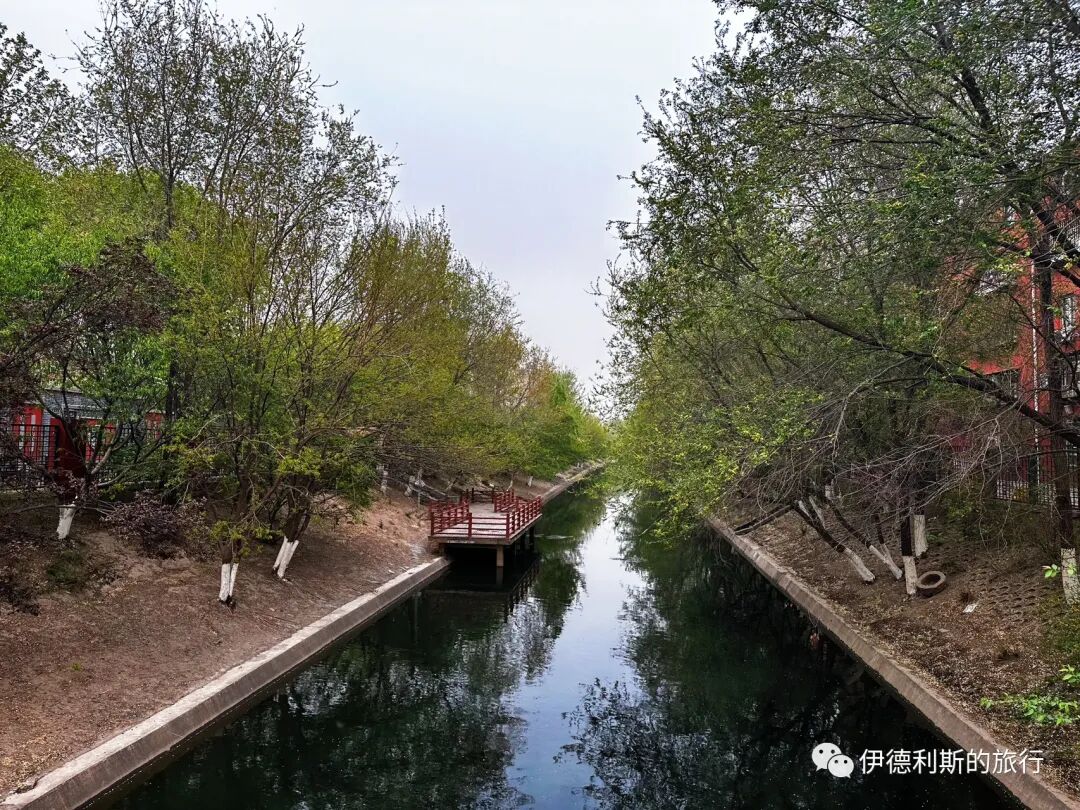
I bought meat naan at the Asimu Naan Shop in Balizhuang Life Plaza and learned this time that they are from Kashgar. The landlady knew we were fasting, so she gave us a bag of naan as charity (niatie). I am very grateful. These naan slices, which are baked and then fried, are great as snacks. They come in both spicy and non-spicy versions.
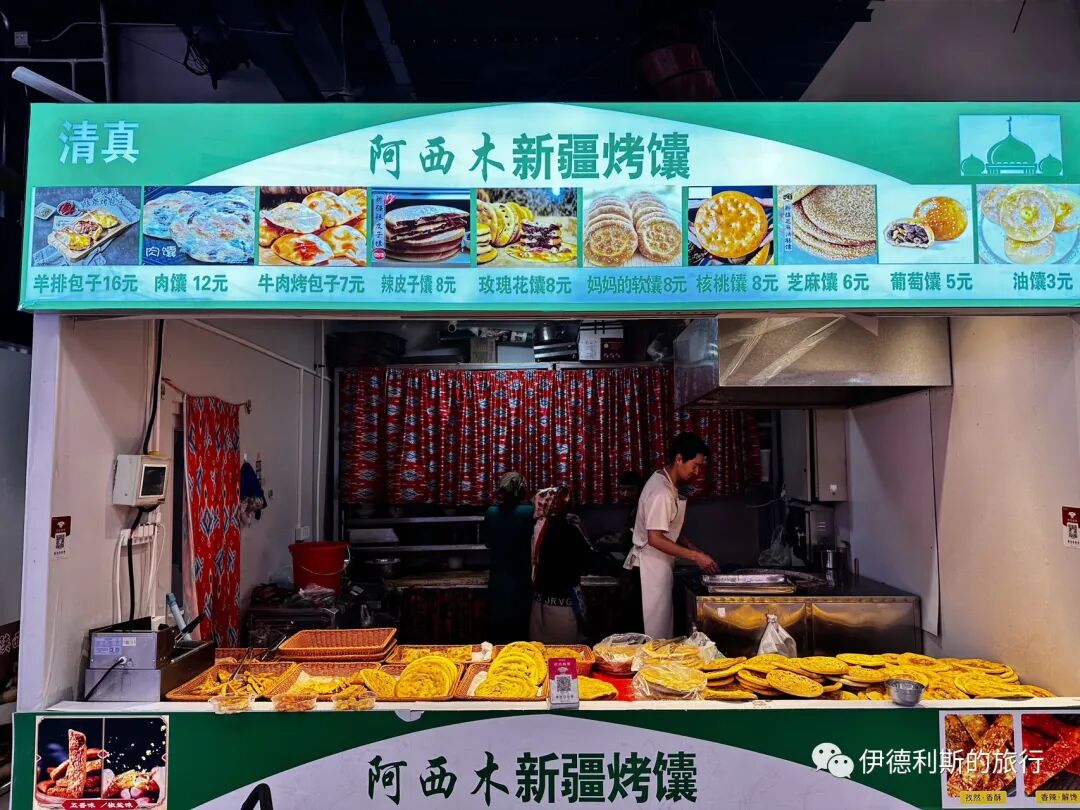
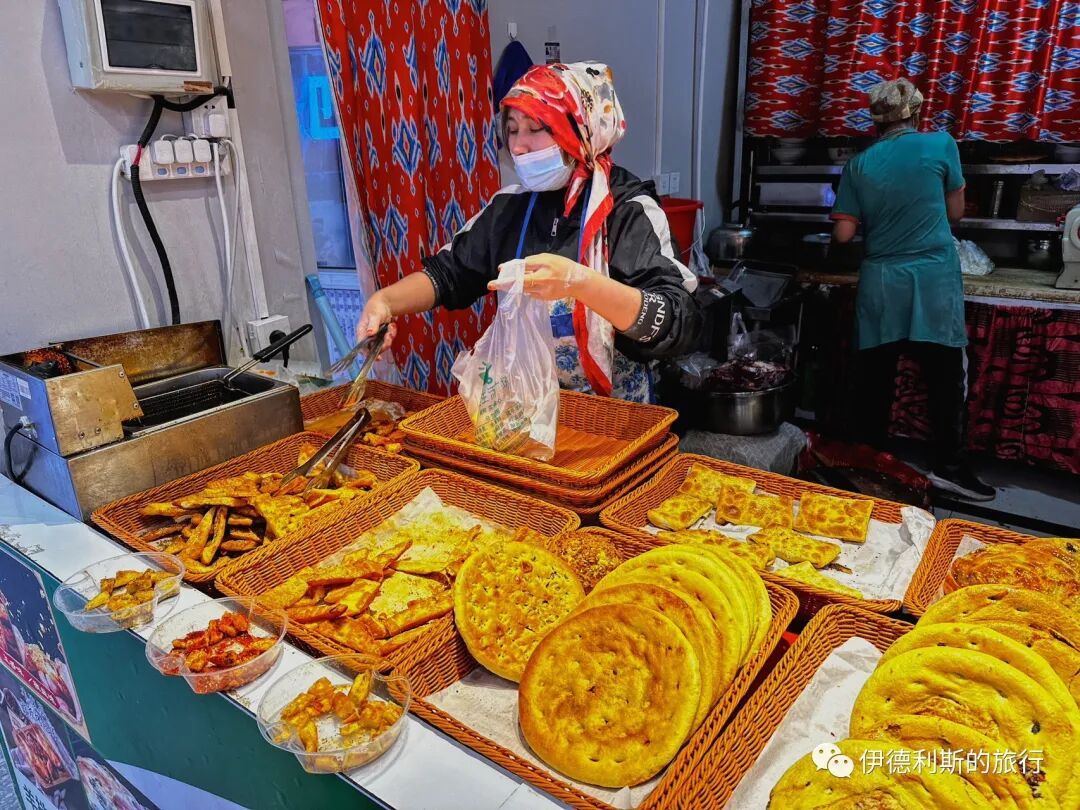
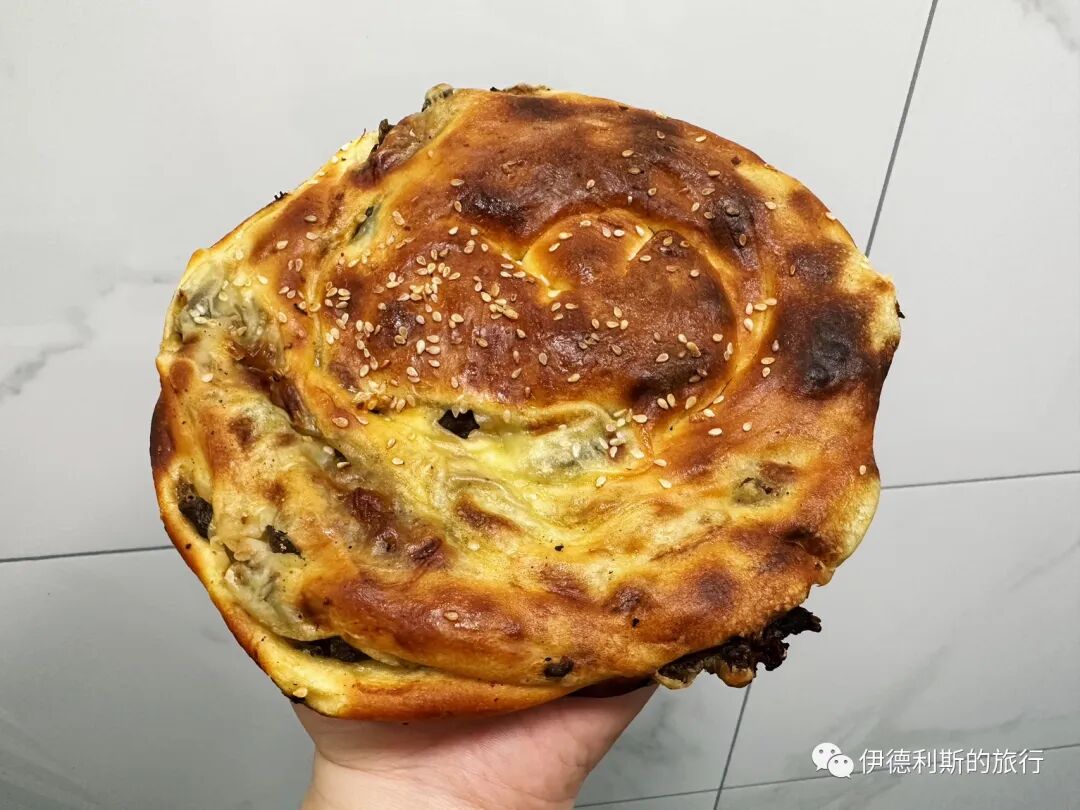
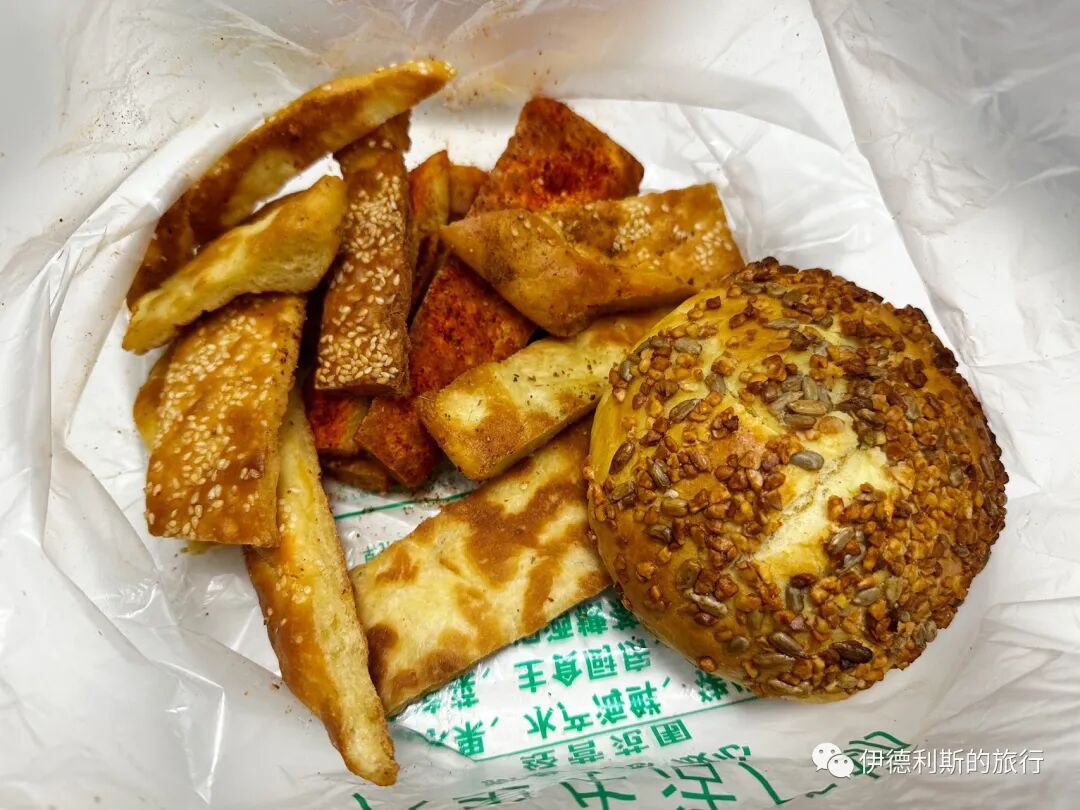
April 14
It is a blessed Friday (Jumuah). During the sermon (wa'z), I heard the imam talk about the nobility of the Night of Power (Laylat al-Qadr). Today is the fourth Friday of Ramadan, which is sometimes called Jumuat-ul-Wida, meaning the Farewell Friday. In South Asia and some other places, Muslims spend this day reciting the Quran, performing good deeds, giving charity (niatie), helping the poor, and hosting meals for family, relatives, and neighbors.
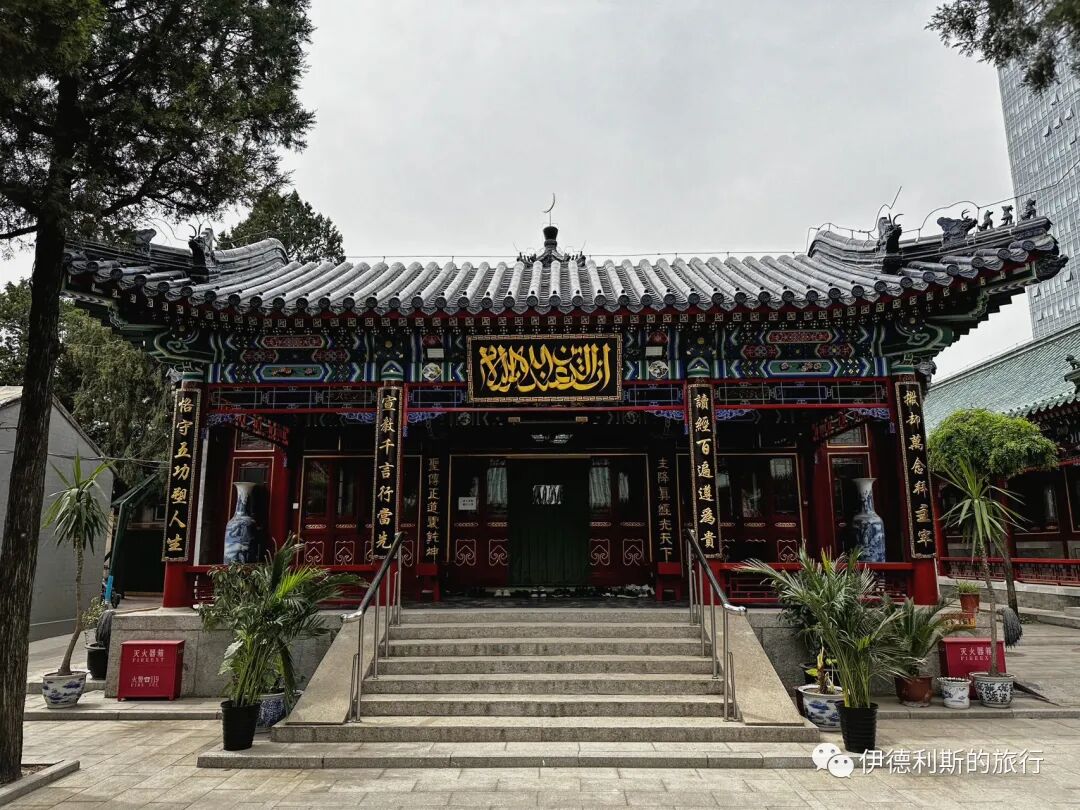
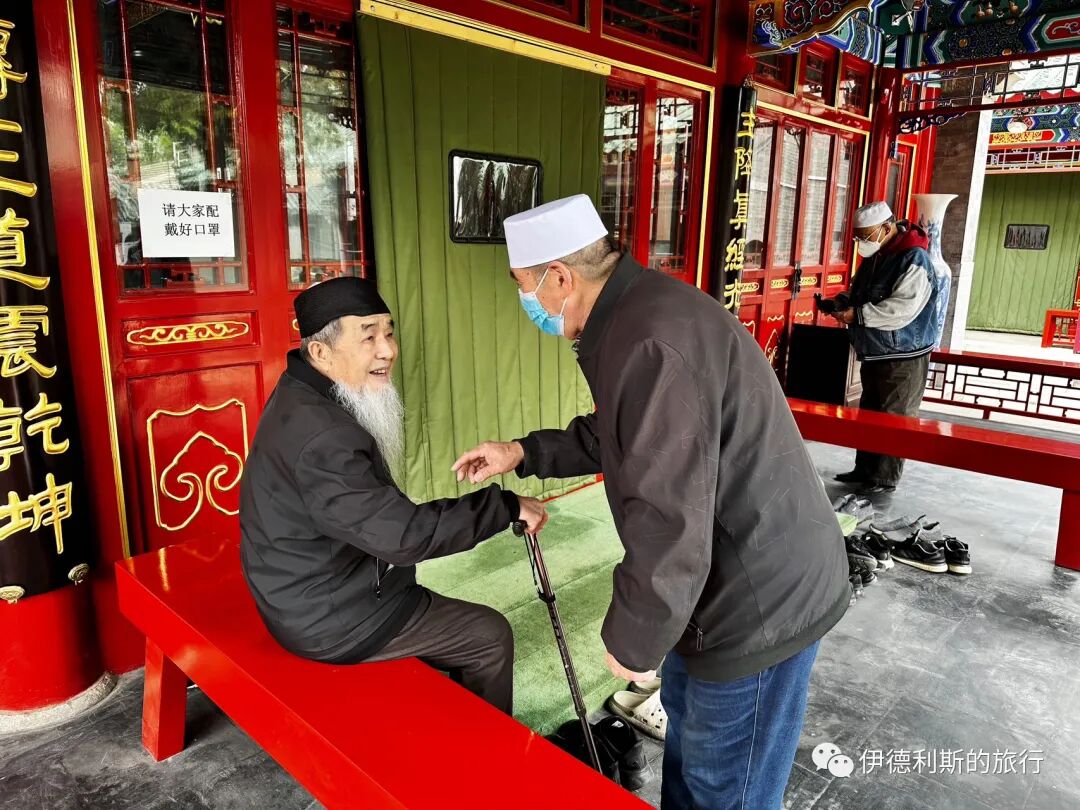
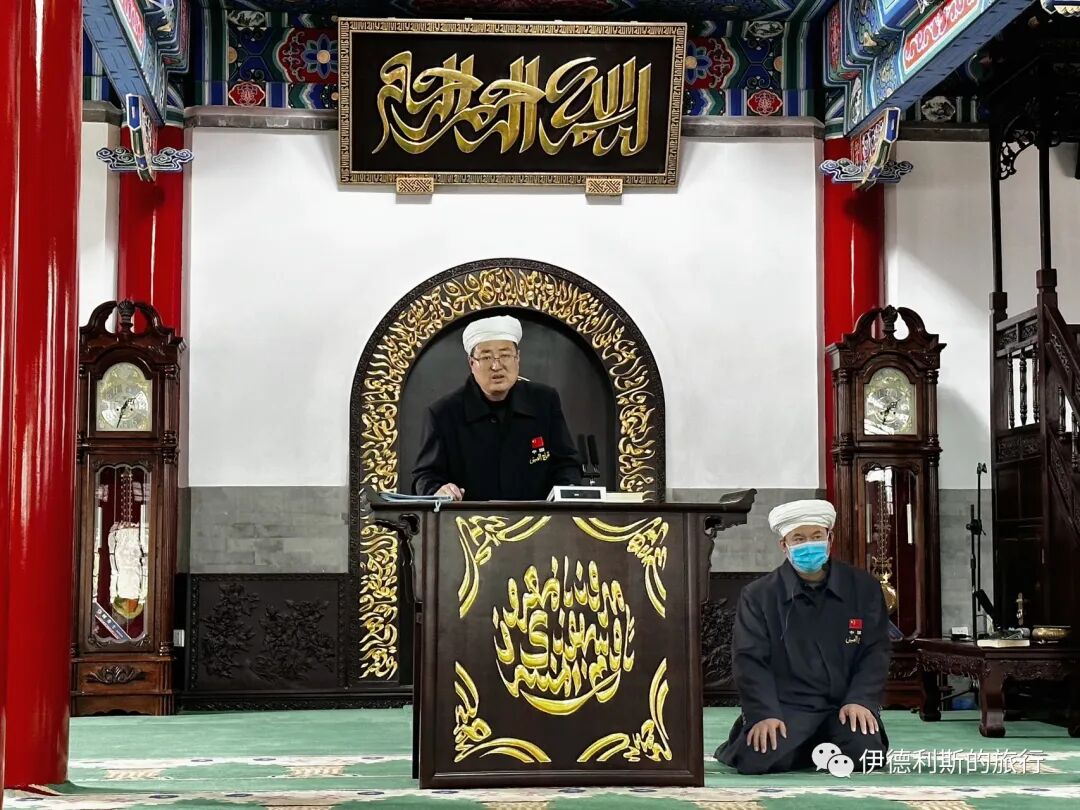
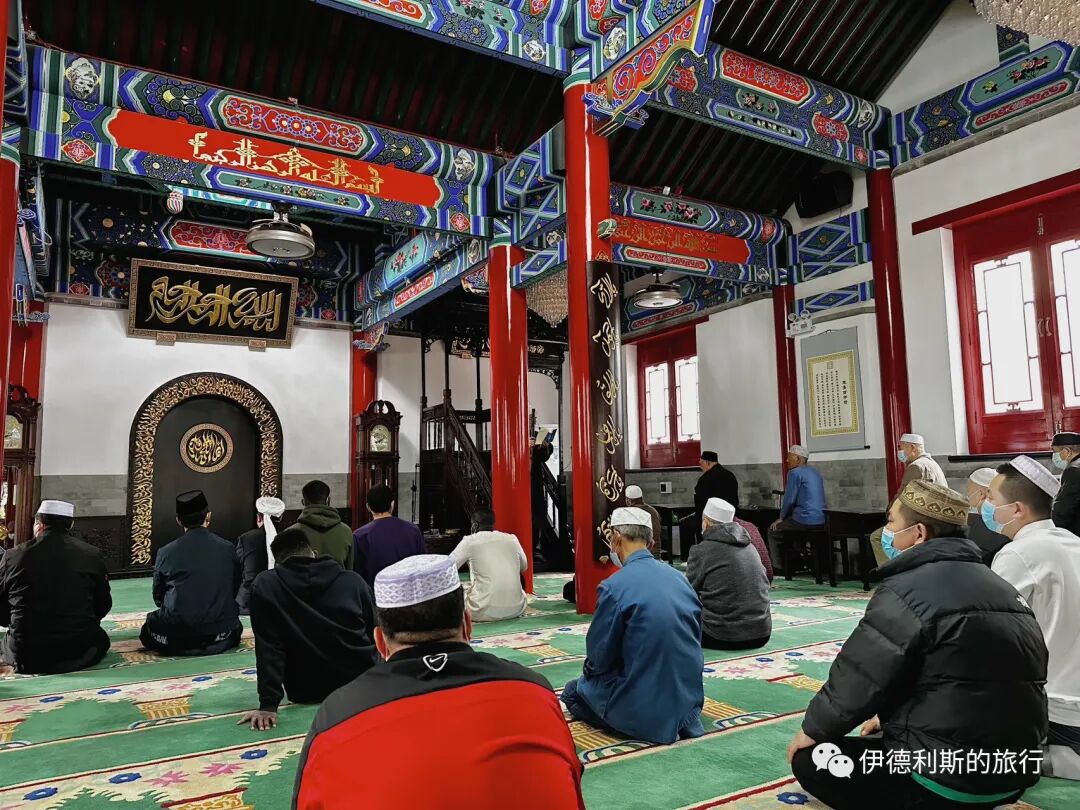
In the evening, I tasted fried rice and fried steamed bun slices. There were two kinds: those coated in egg and those that were not. The ones with egg were softer, which is better for the older elders to eat.
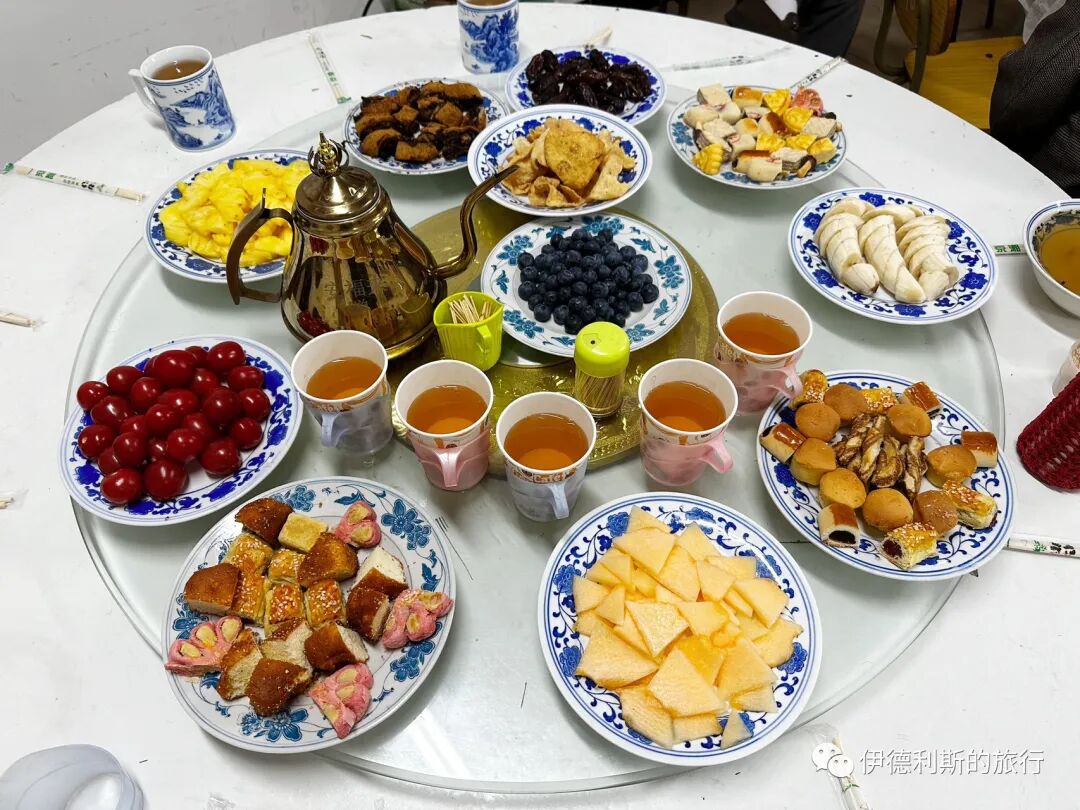
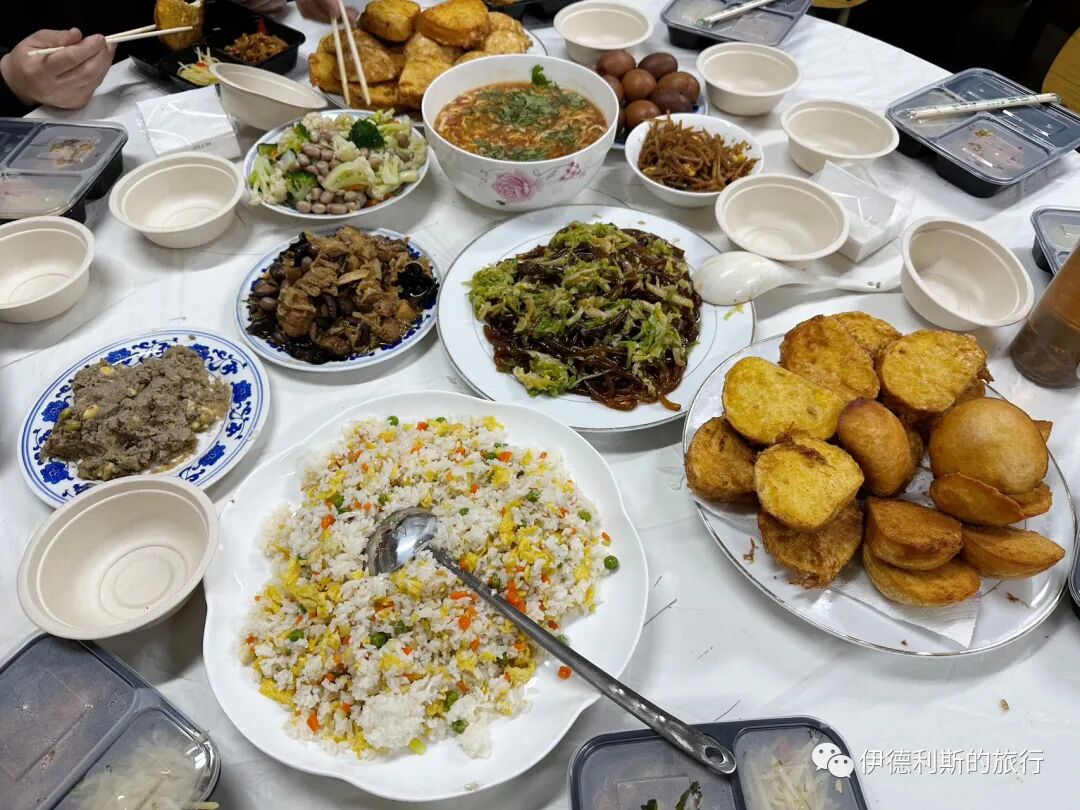
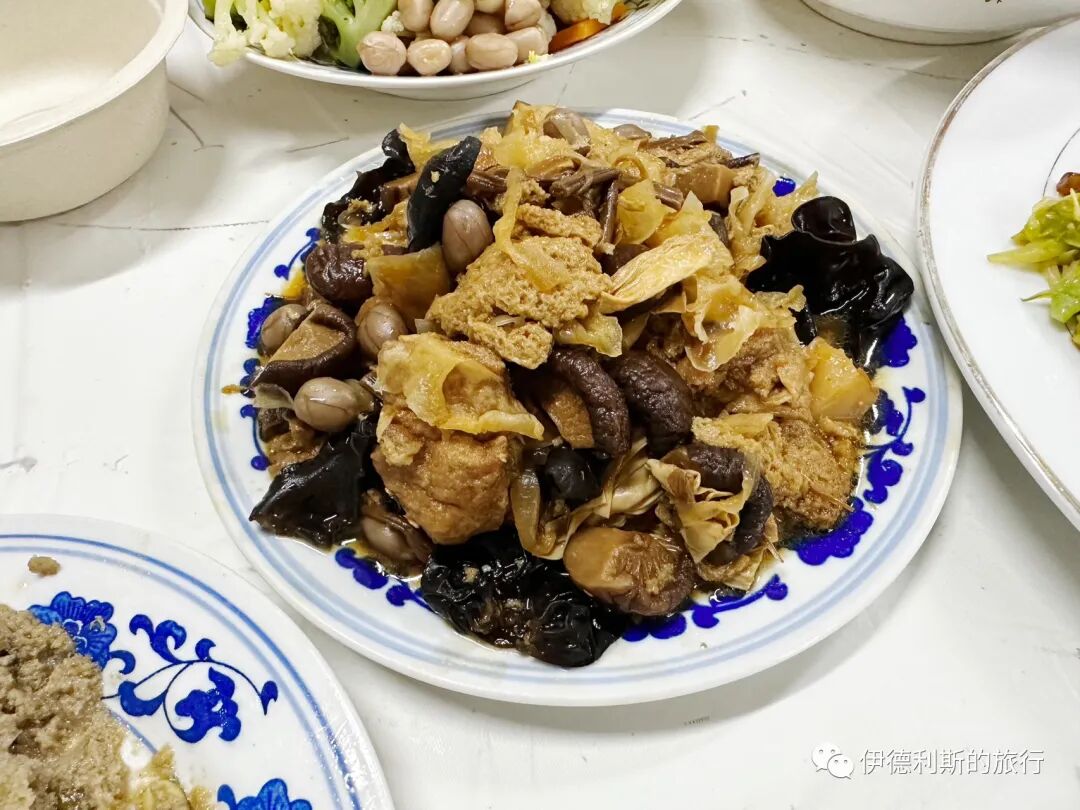
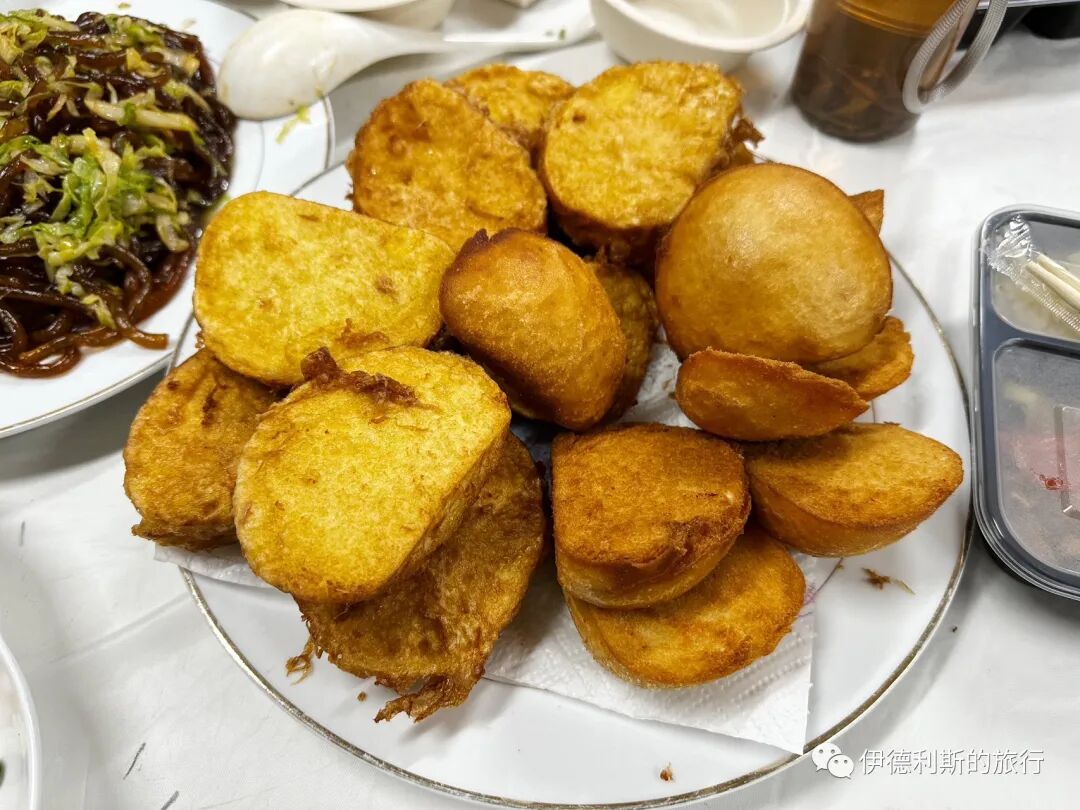
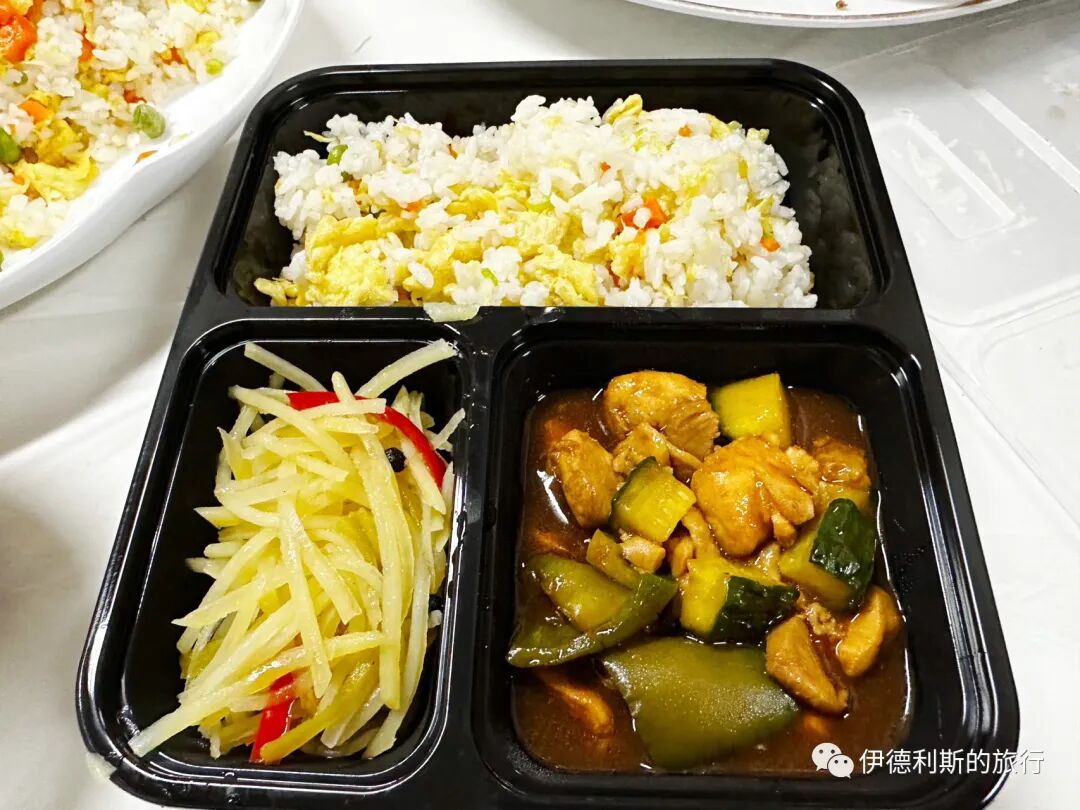
April 15
Today I ate fish head with flatbread (paobing) made by the elders. The fish came from Miyun Reservoir and the flatbread was freshly griddled. It was delicious.
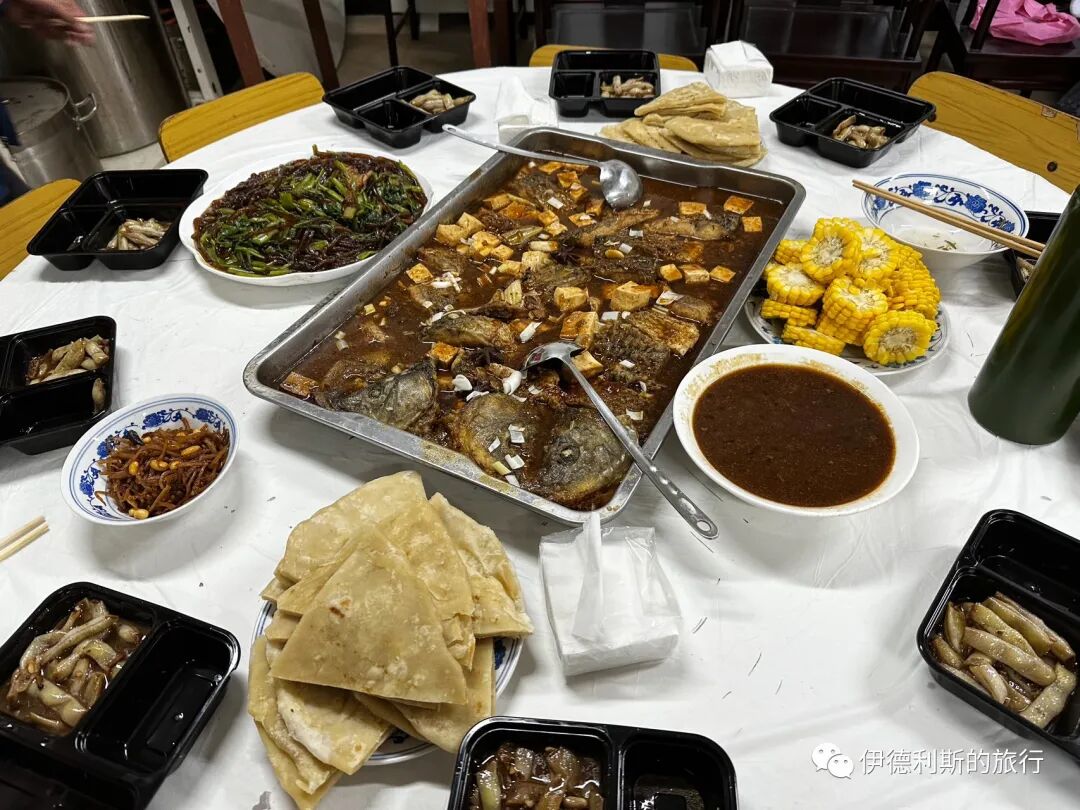
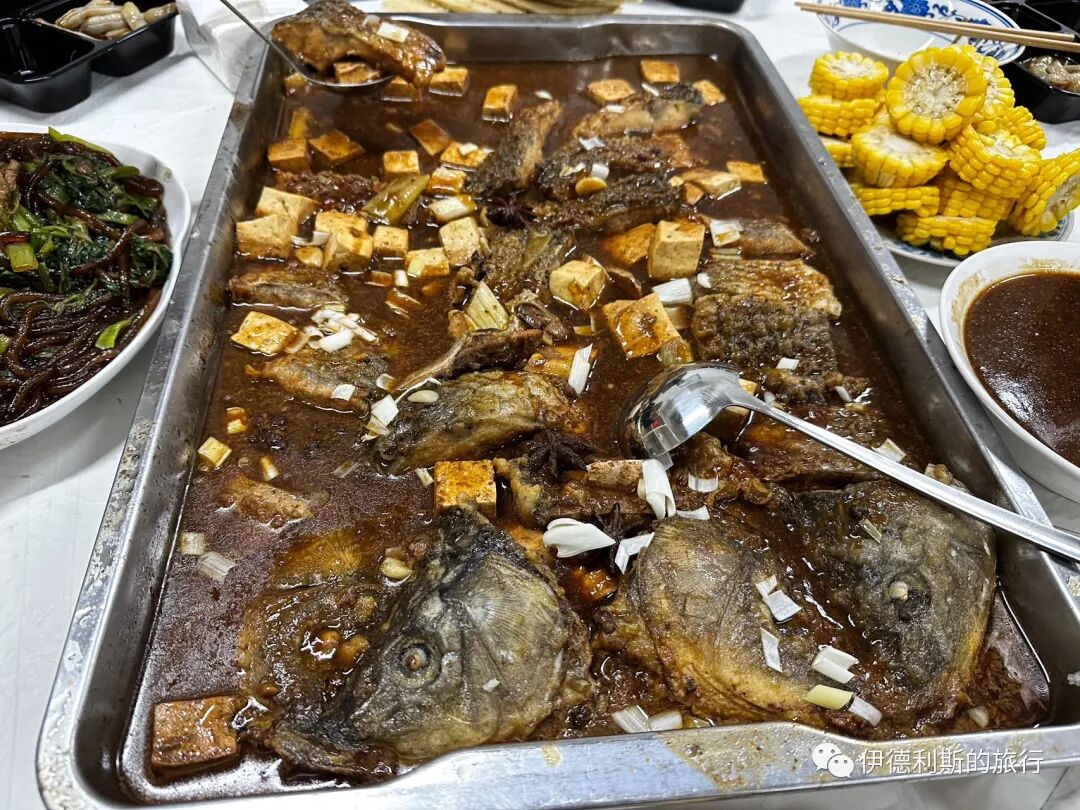
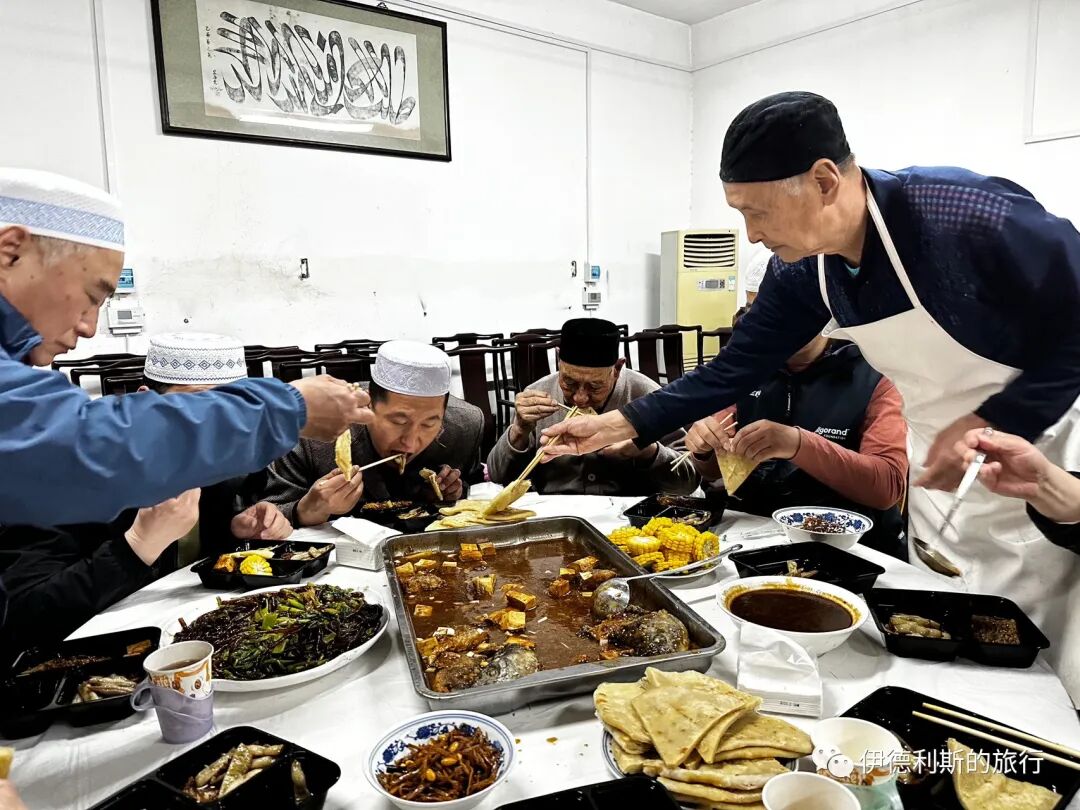
Two elders gave out sesame flatbread (shaobing) and meat-filled flatbread (huoshao jiarou). These are perfect for eating during the fast.
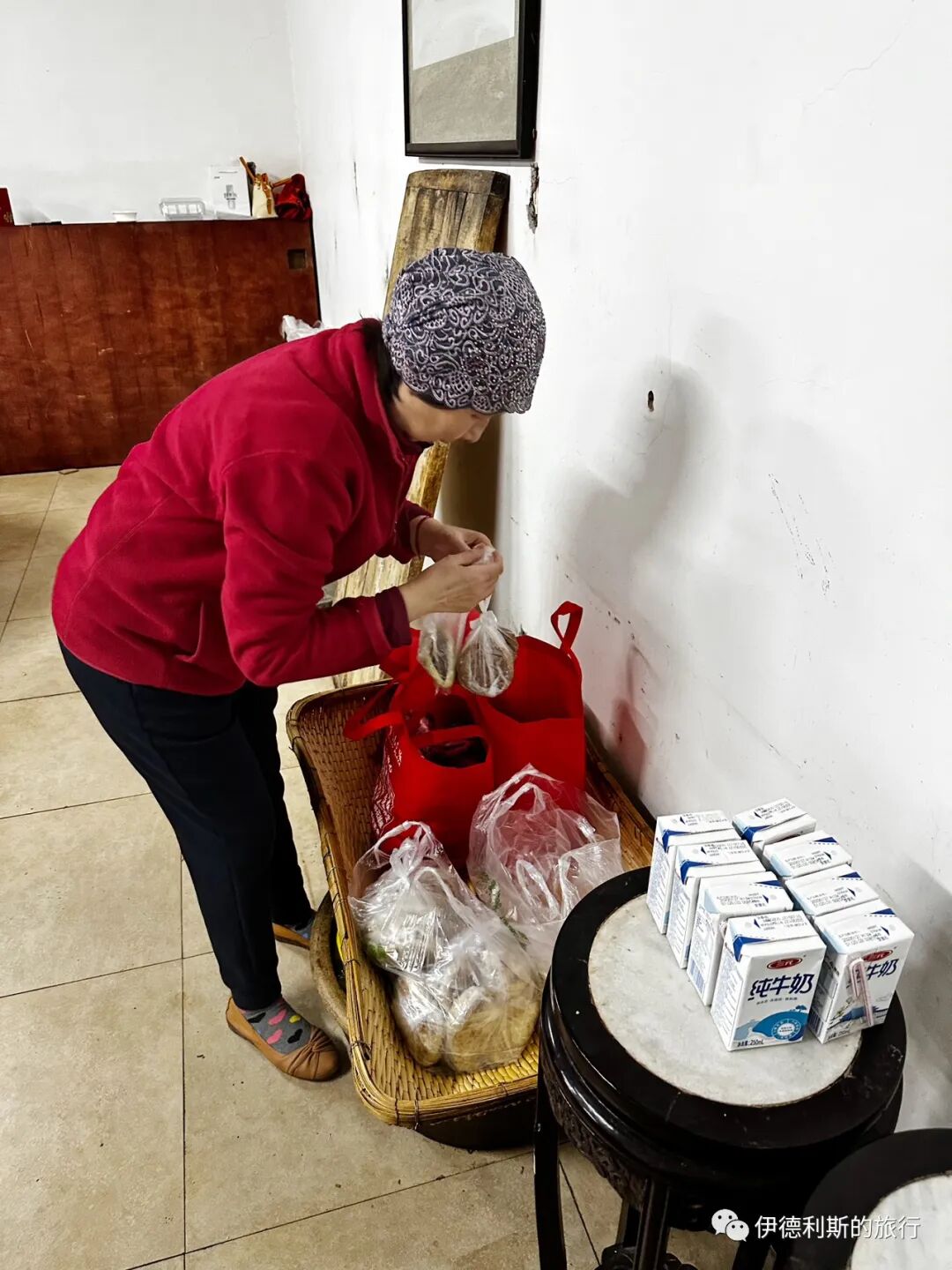
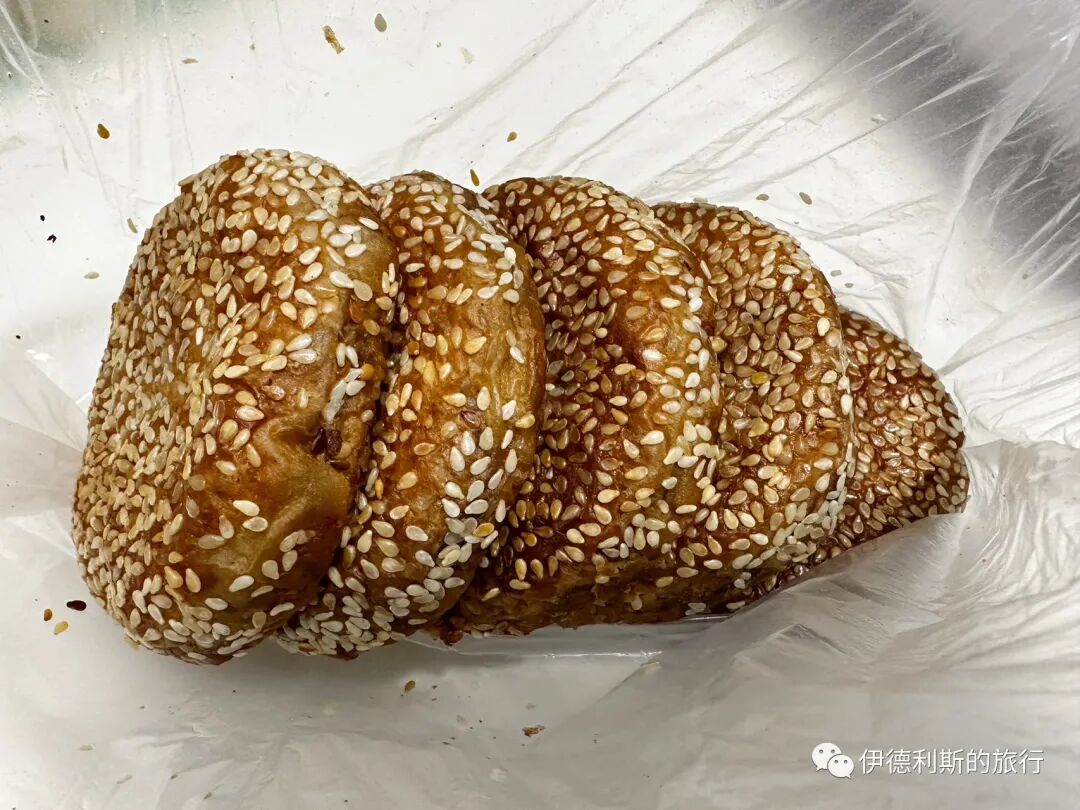
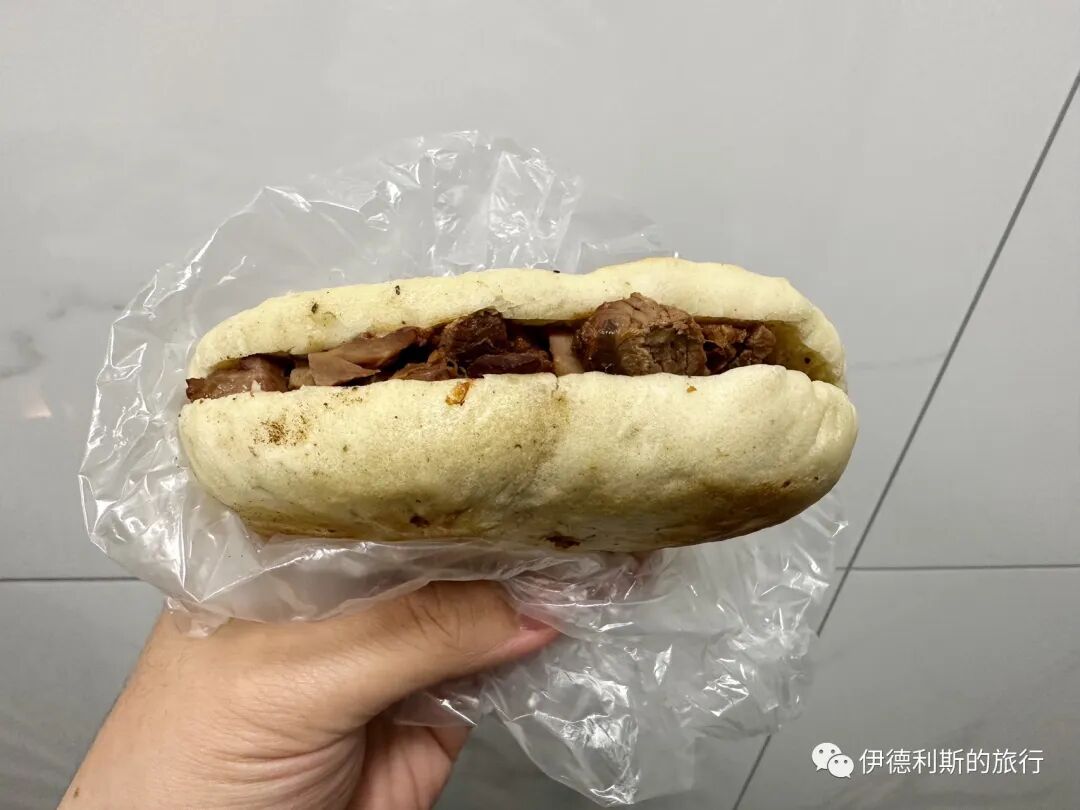
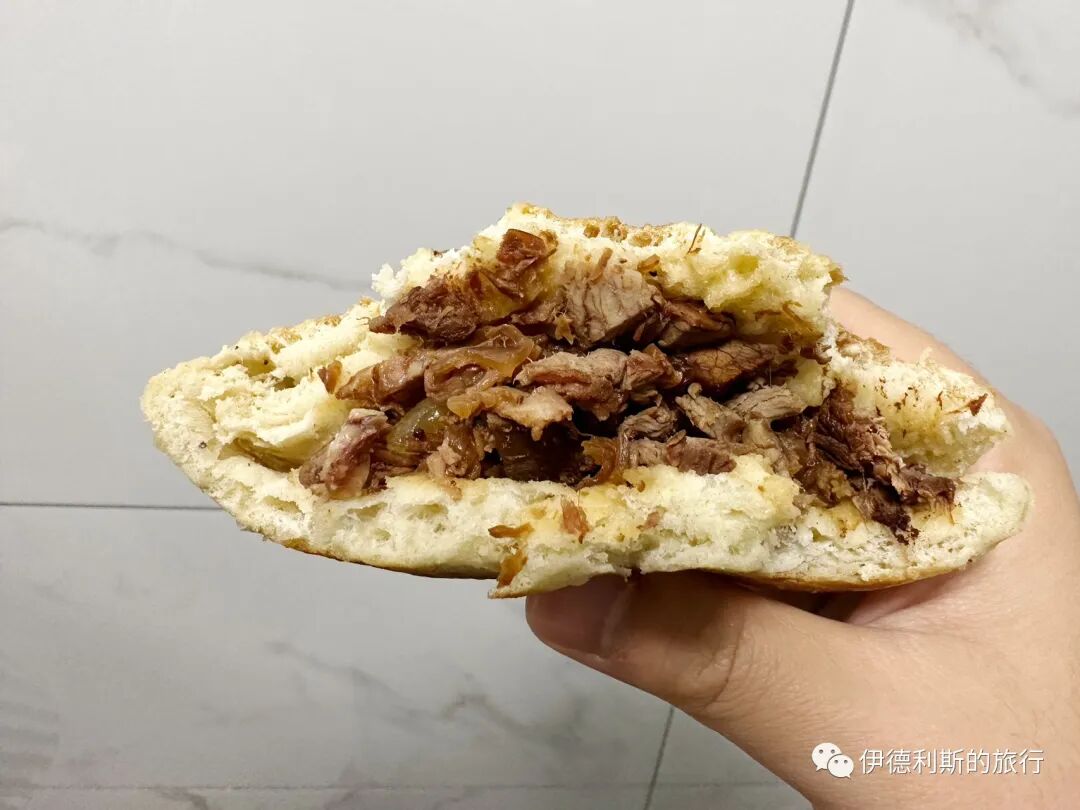
April 17, Night of Power (Laylat al-Qadr).
Celebrating the Night of Power, everyone gathered at Balizhuang Mosque to perform worship on this noble night. May the rewards be many.
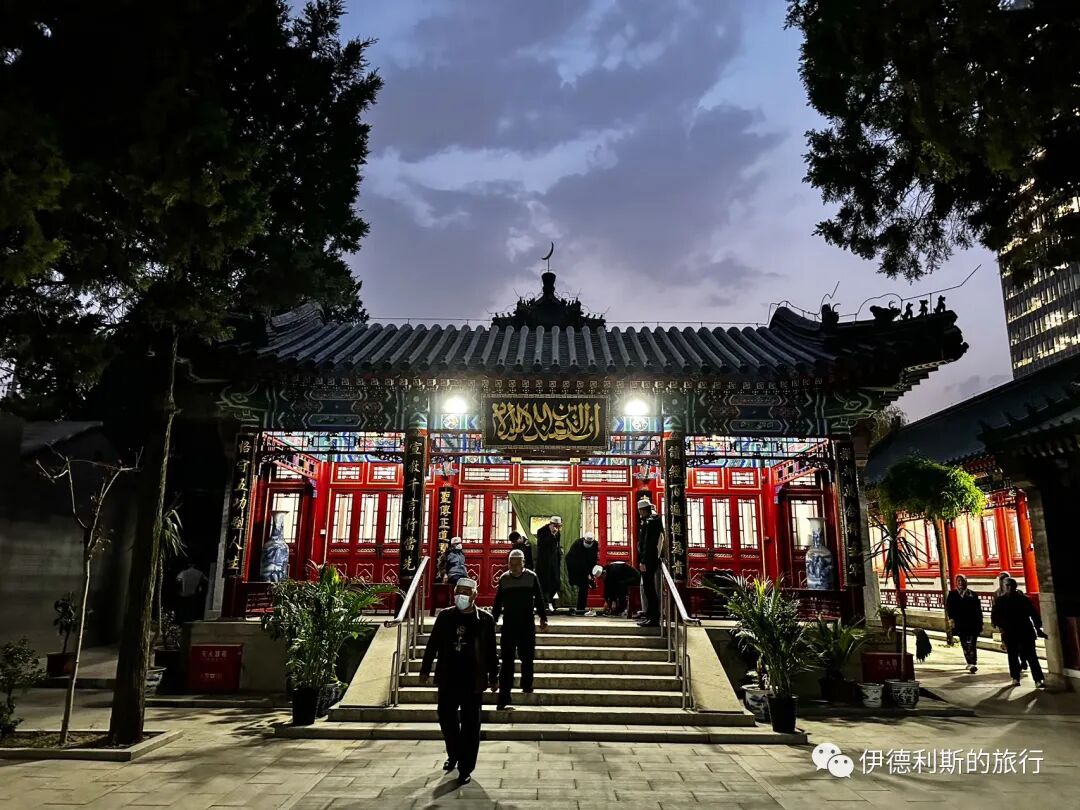
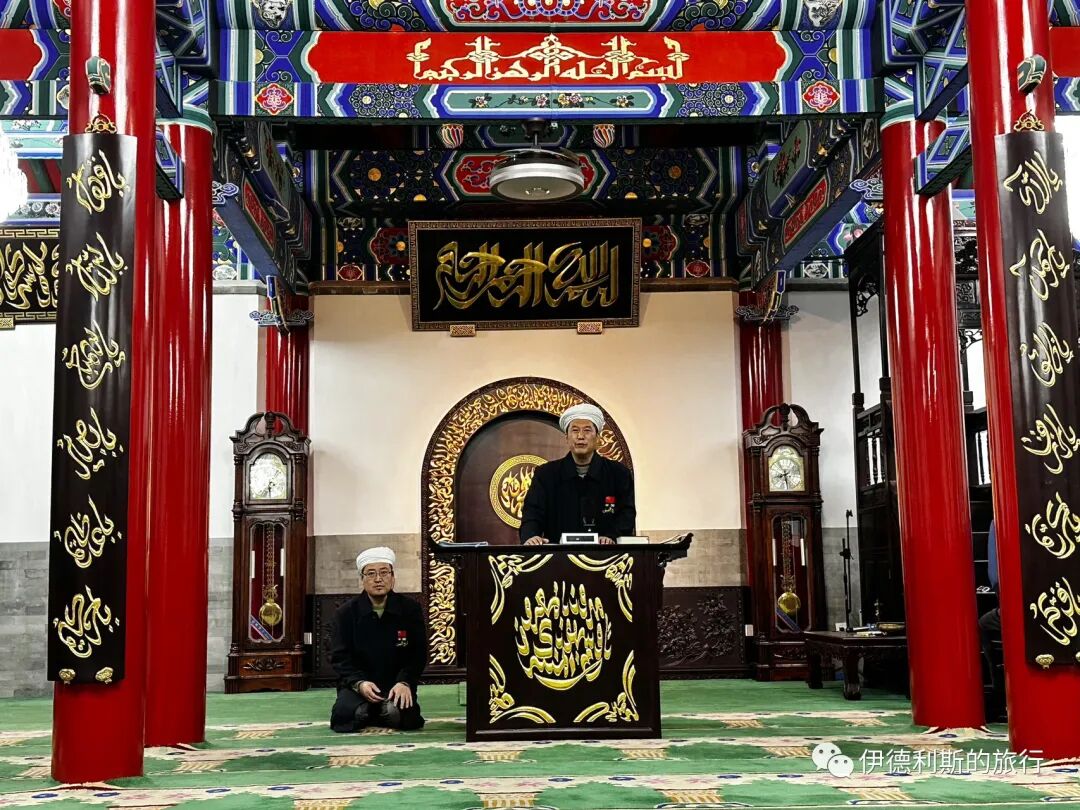
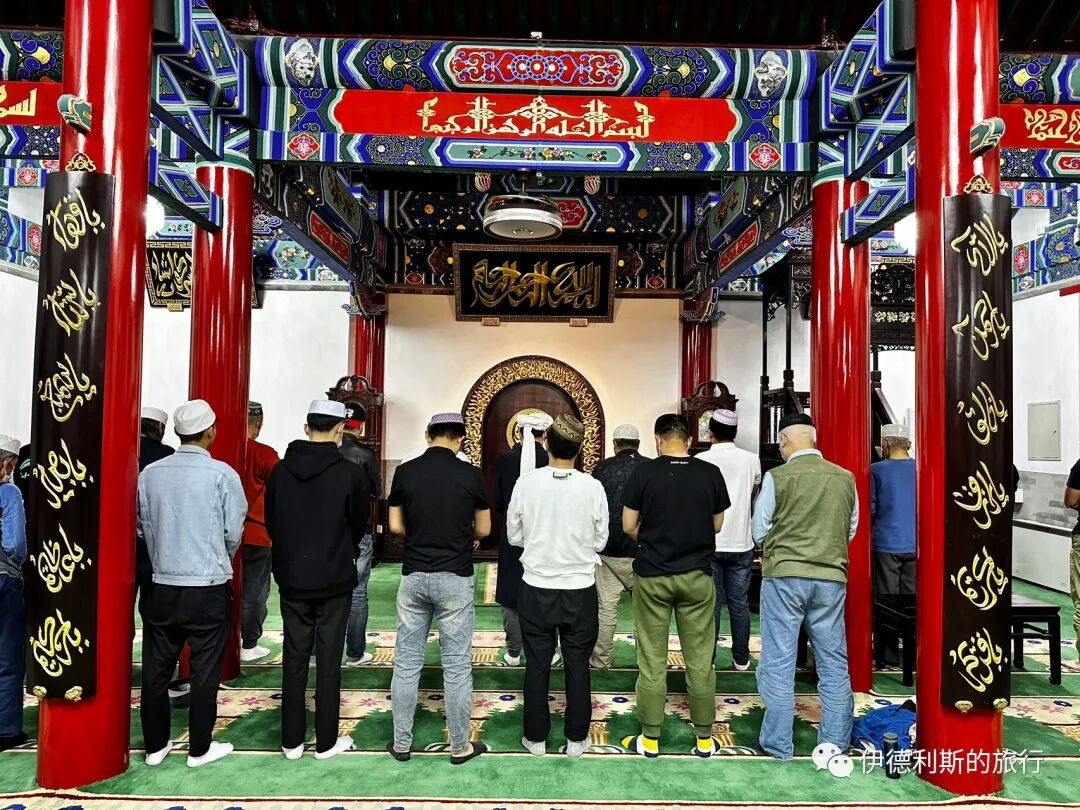
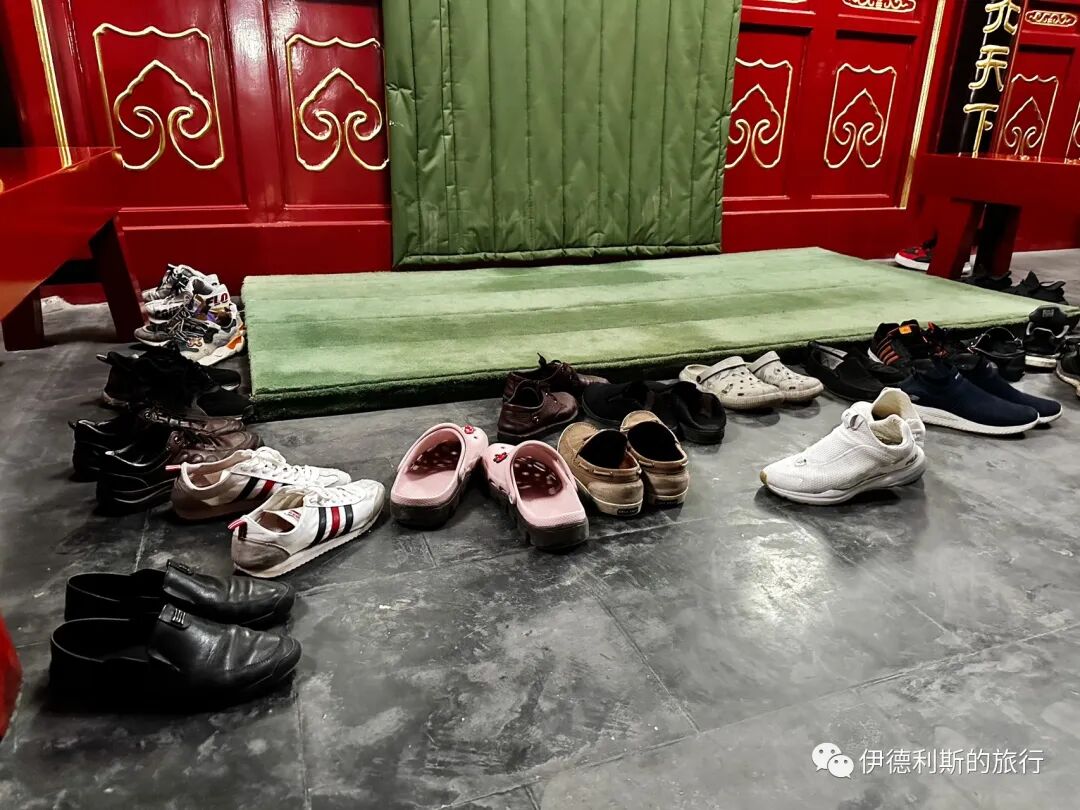
Tonight is the busiest night of Ramadan. The elders made various Beijing snacks like sugar-filled rolls (tangjuanguo), savory rolls (xianjuanguo), pea flour cakes (wandouhuang), rolled soybean flour cakes (lvdagun), and sticky rice cakes (niangao). There were also fruits like cherries, strawberries, apples, papayas, and bananas, plus pastries like date cakes and fried flour crisps (sachima). It was such a feast!
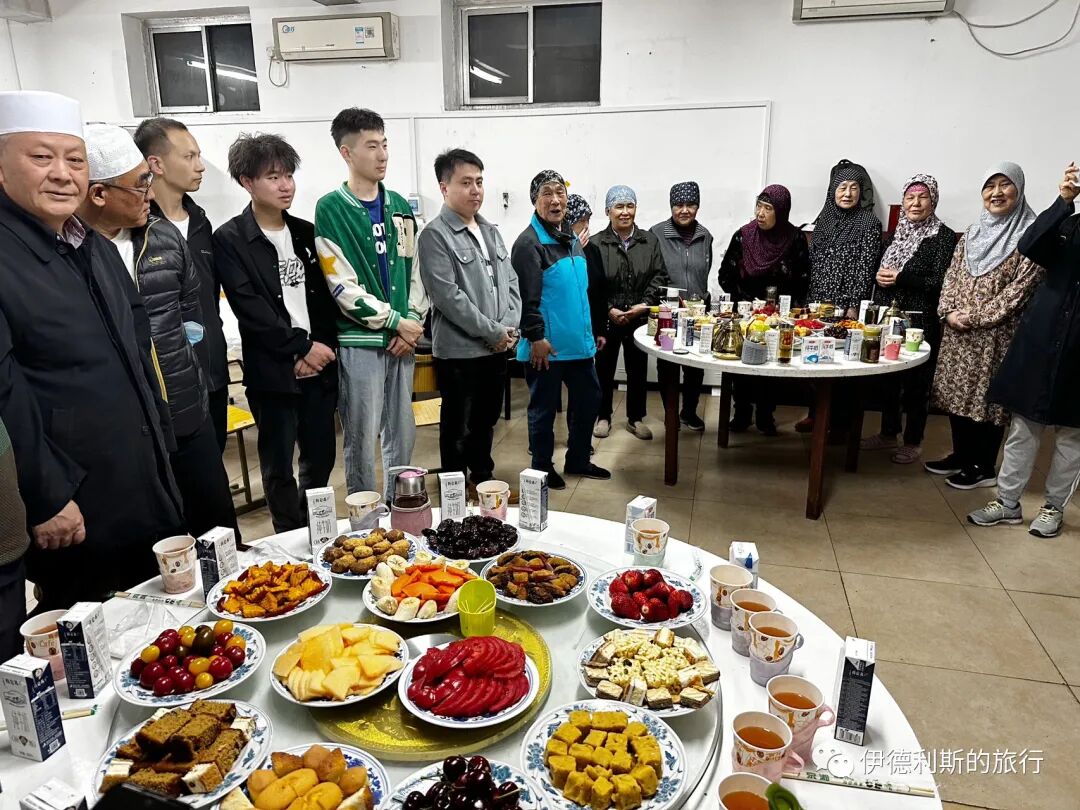
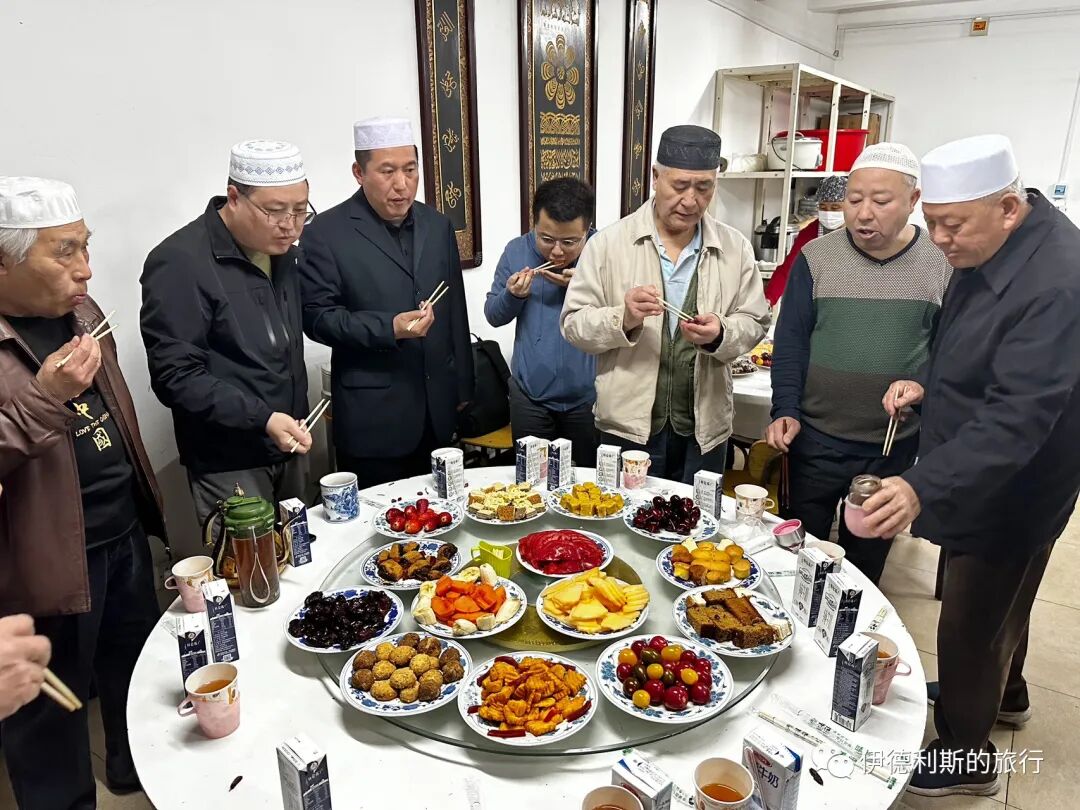
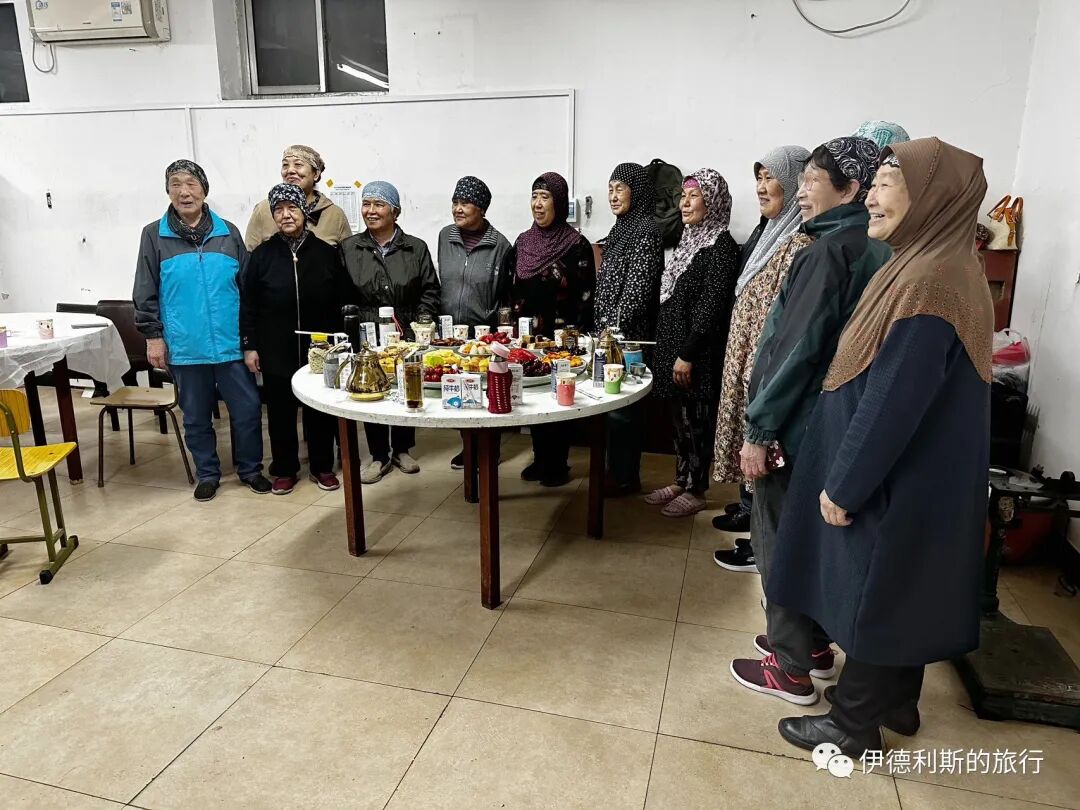
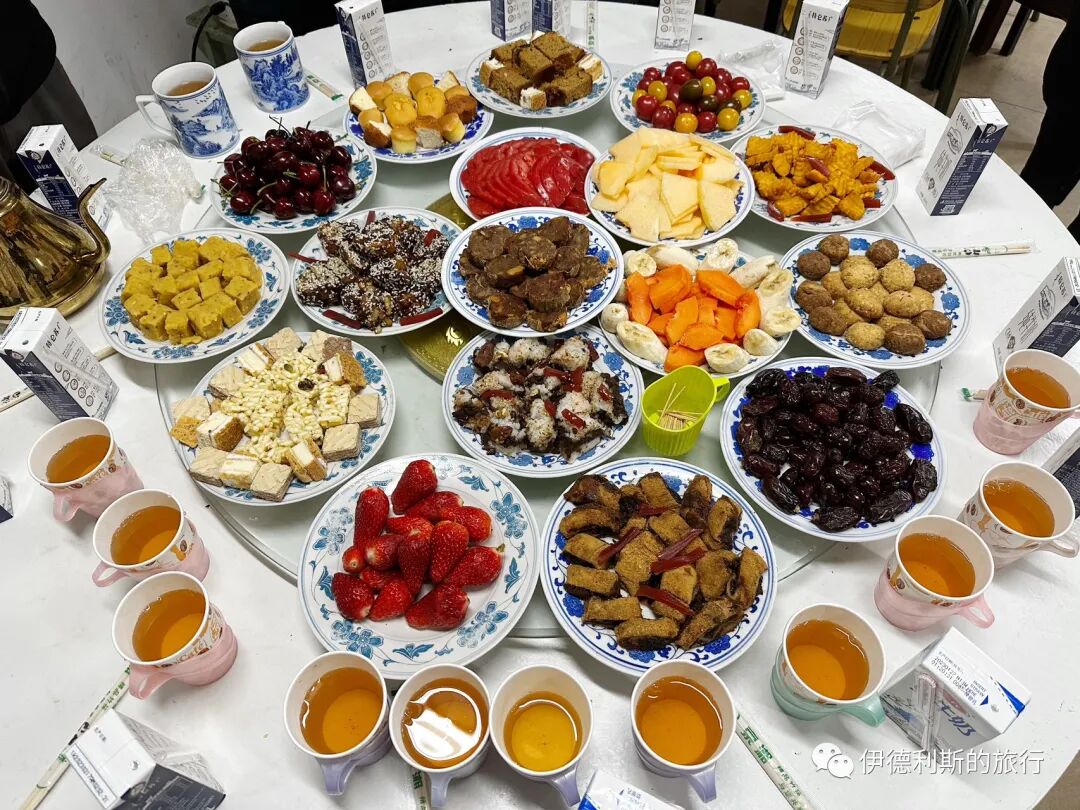
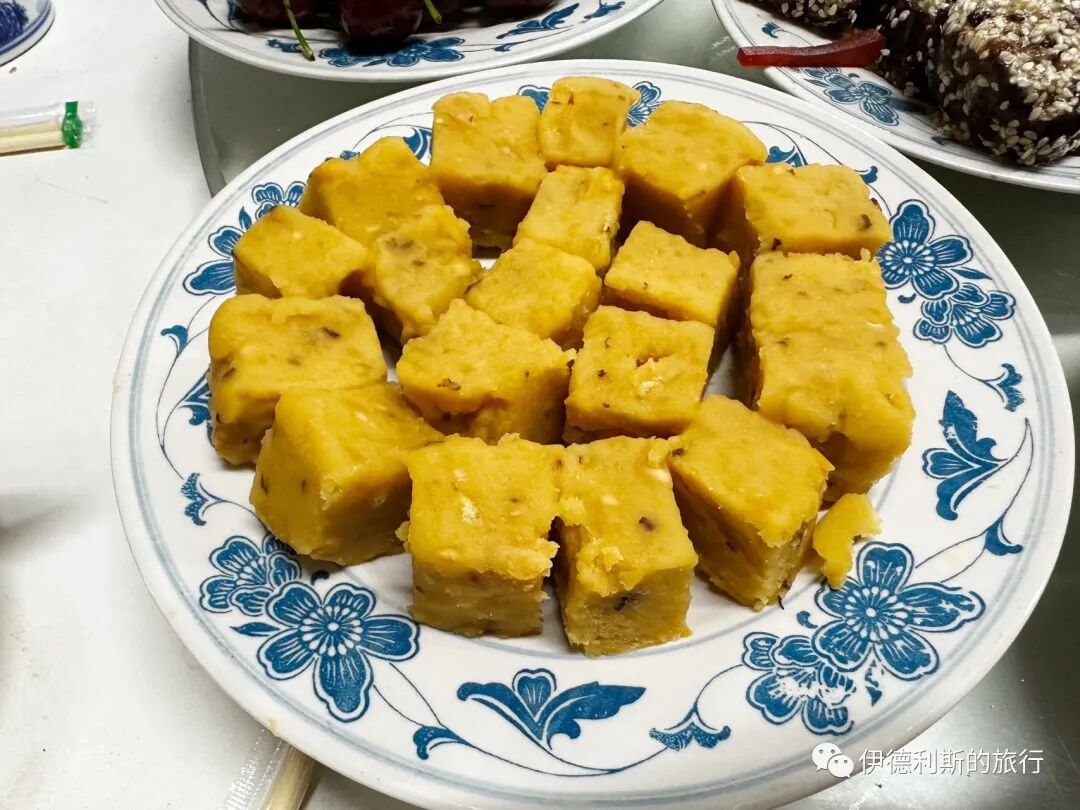
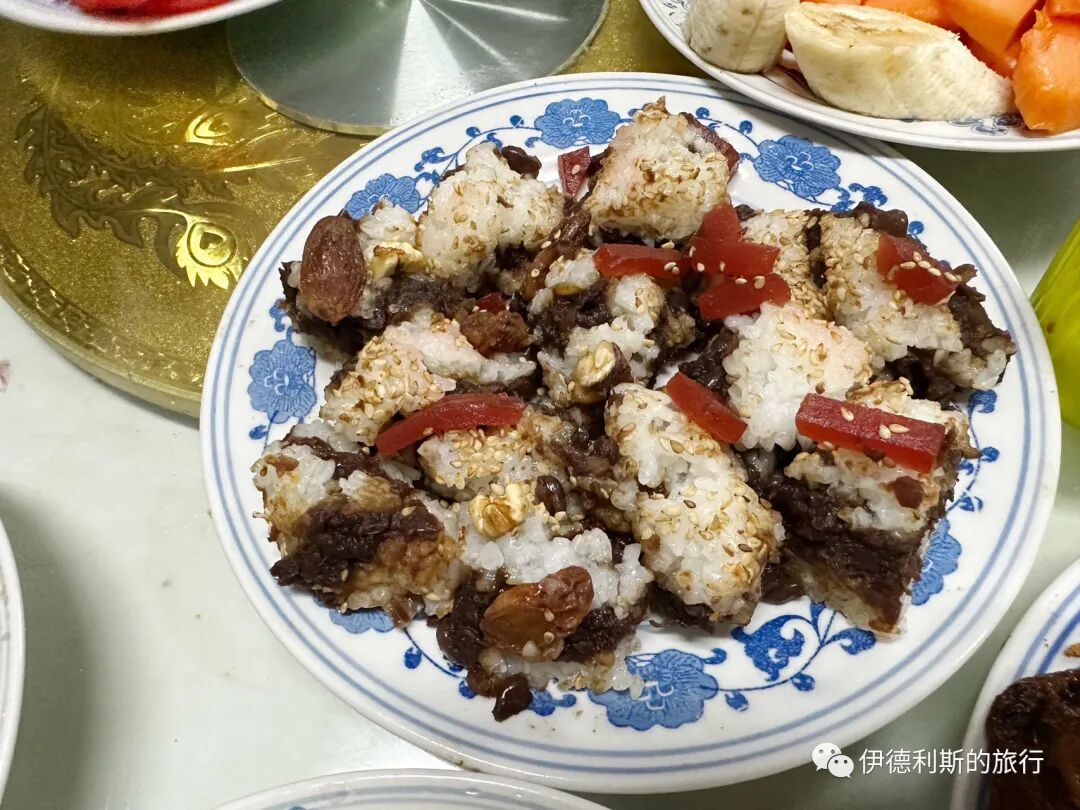
For dinner, we had lamb dumplings (shaomai), stir-fried shrimp, and mashed mung bean curd (ma doufu). All four tables were full. It was lively and blessed. An 85-year-old elder had the intention to make lotus seed porridge for everyone. I am so grateful! After breaking my fast at Balizhuang Mosque for these past few days, I feel like I have joined this big family. I feel the warmth of home every day.
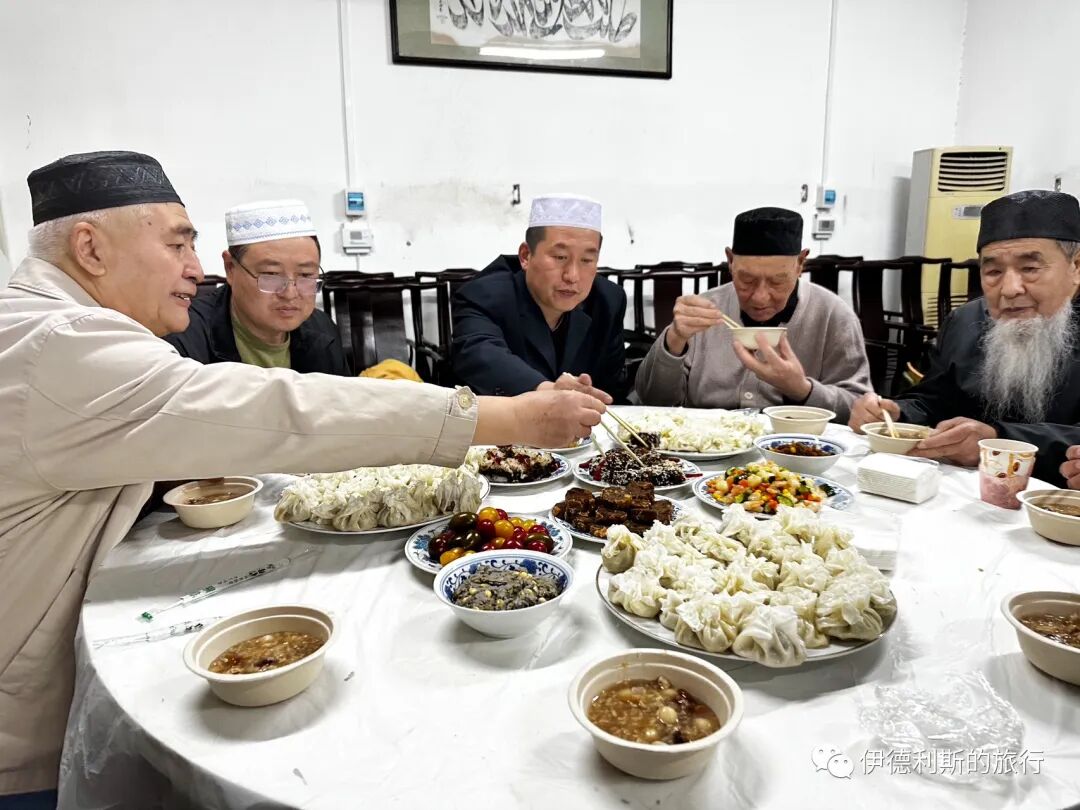
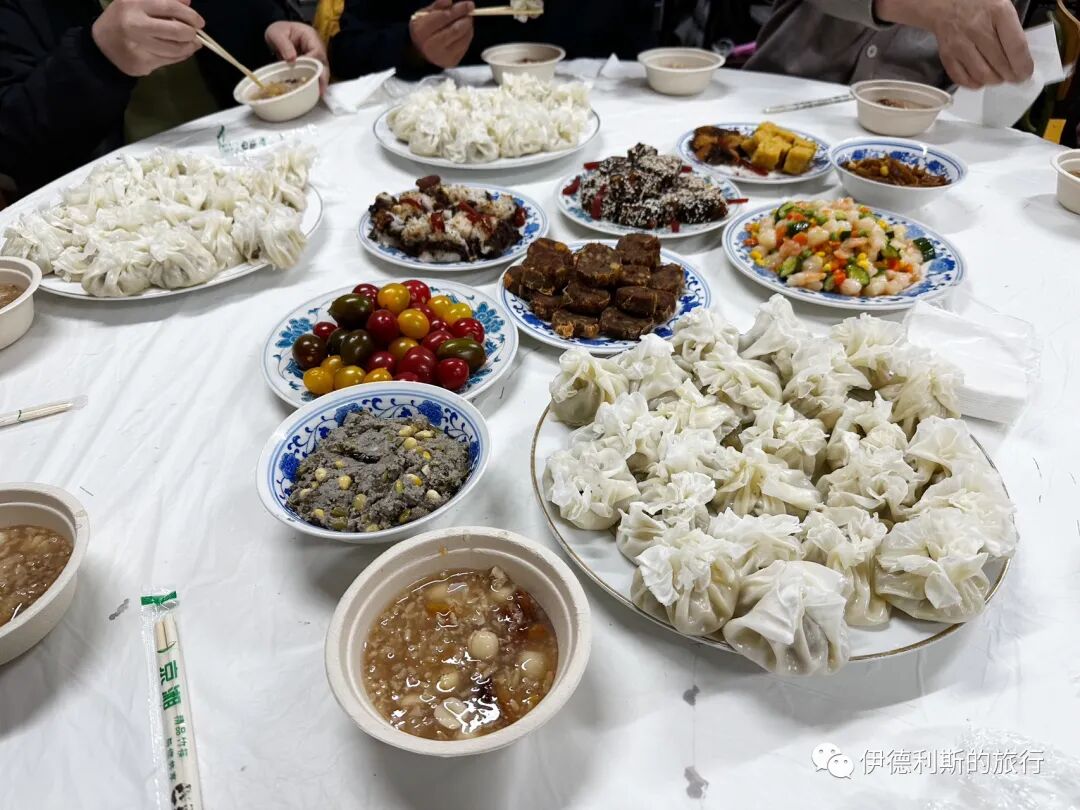
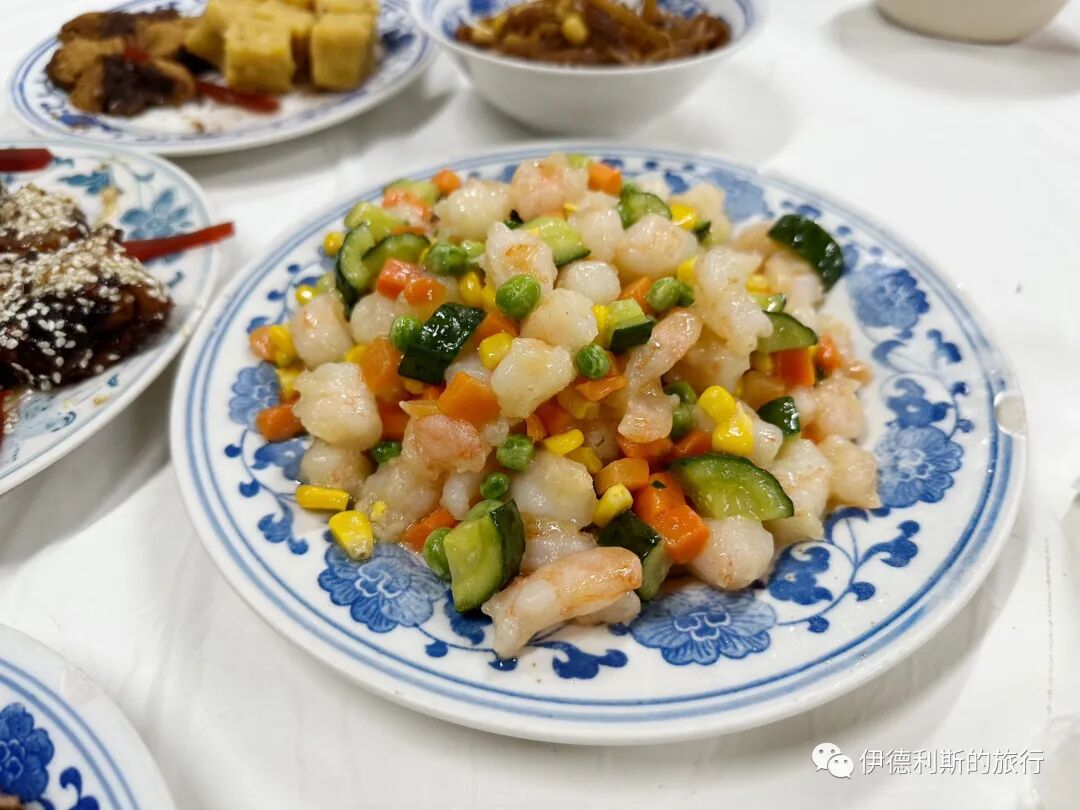
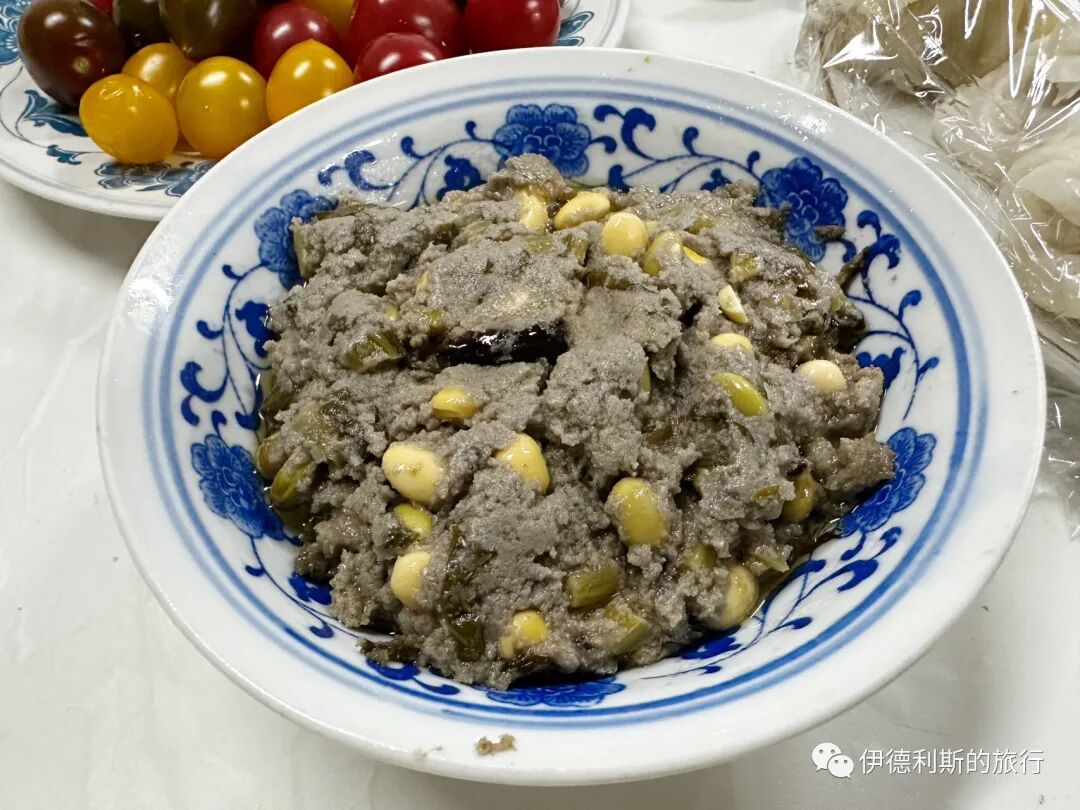
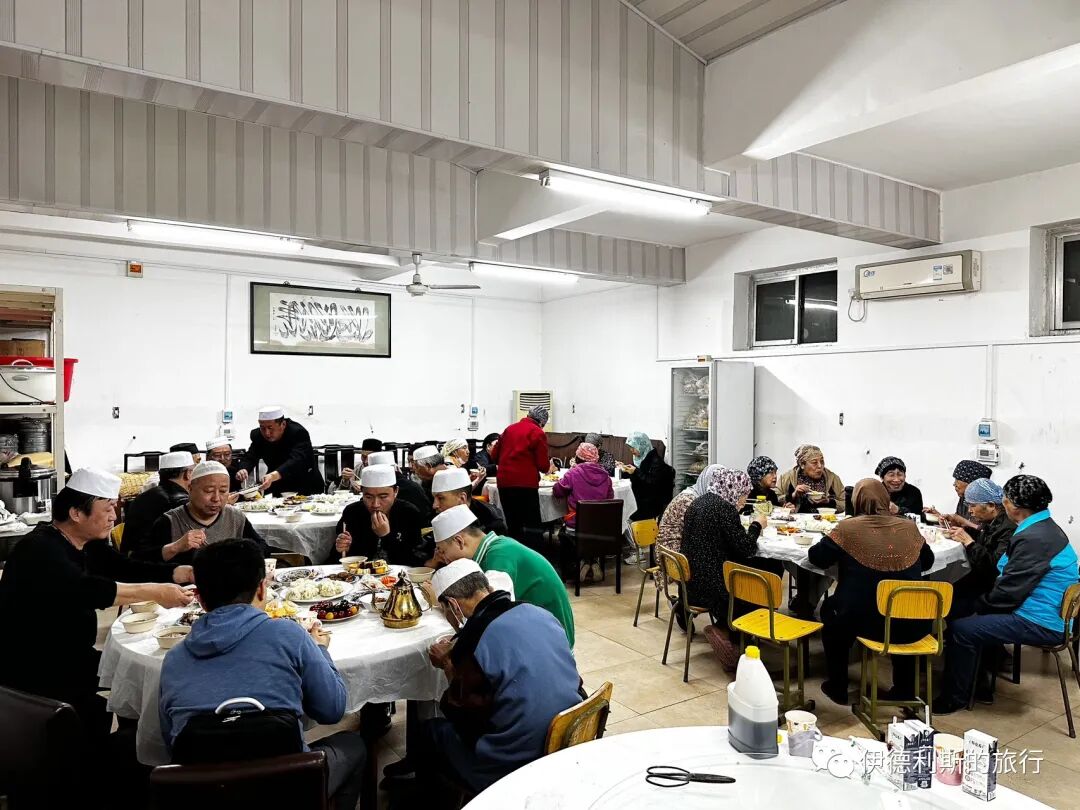
April 19.
Today the elders made a traditional Beijing halal snack together: fried meat-filled flatbread (zha rou huoshao). They used a filling of lamb and green onions with yellow soybean paste (huangjiang). The smell of the meat when fried was amazing. The texture of the scalded dough was unique, a bit like fried dough cakes (zha gaogao), but instead of sugar and fruit, these were filled with meat. Fried meat-filled flatbread and fried meat pockets (zha huitou) were classic Ramadan snacks for Hui Muslims in old Beijing, but they are rare now. I am very grateful to have eaten them at Balizhuang Mosque.
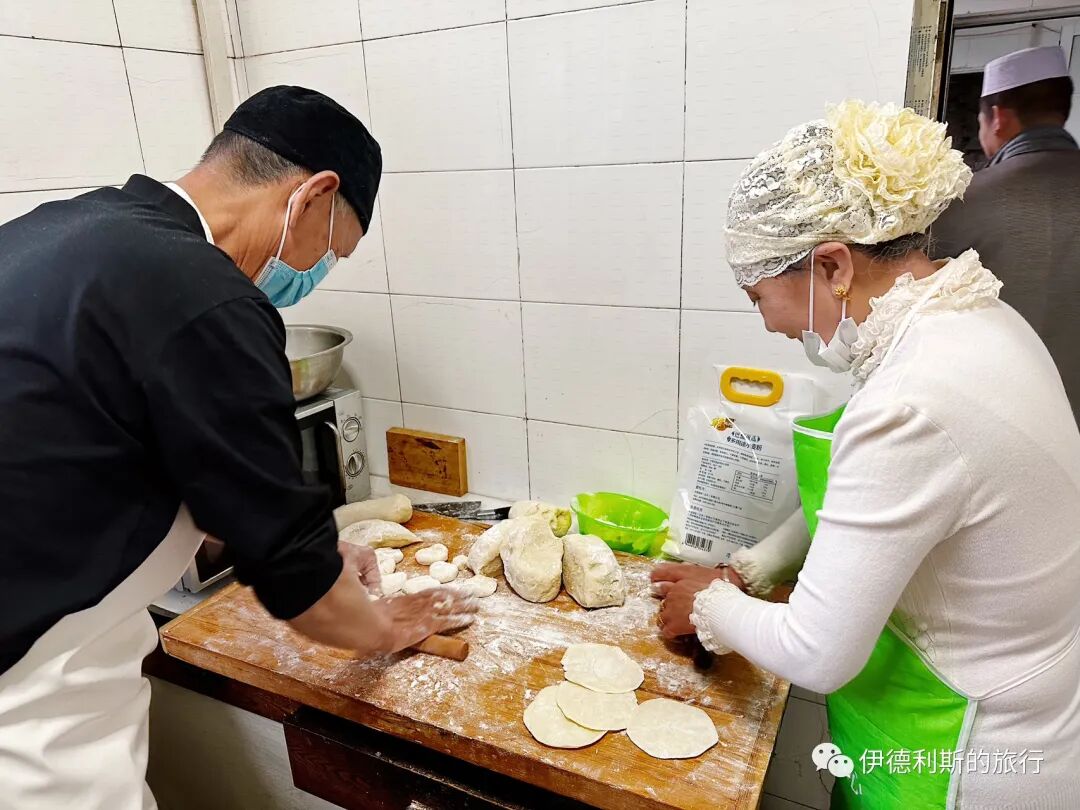
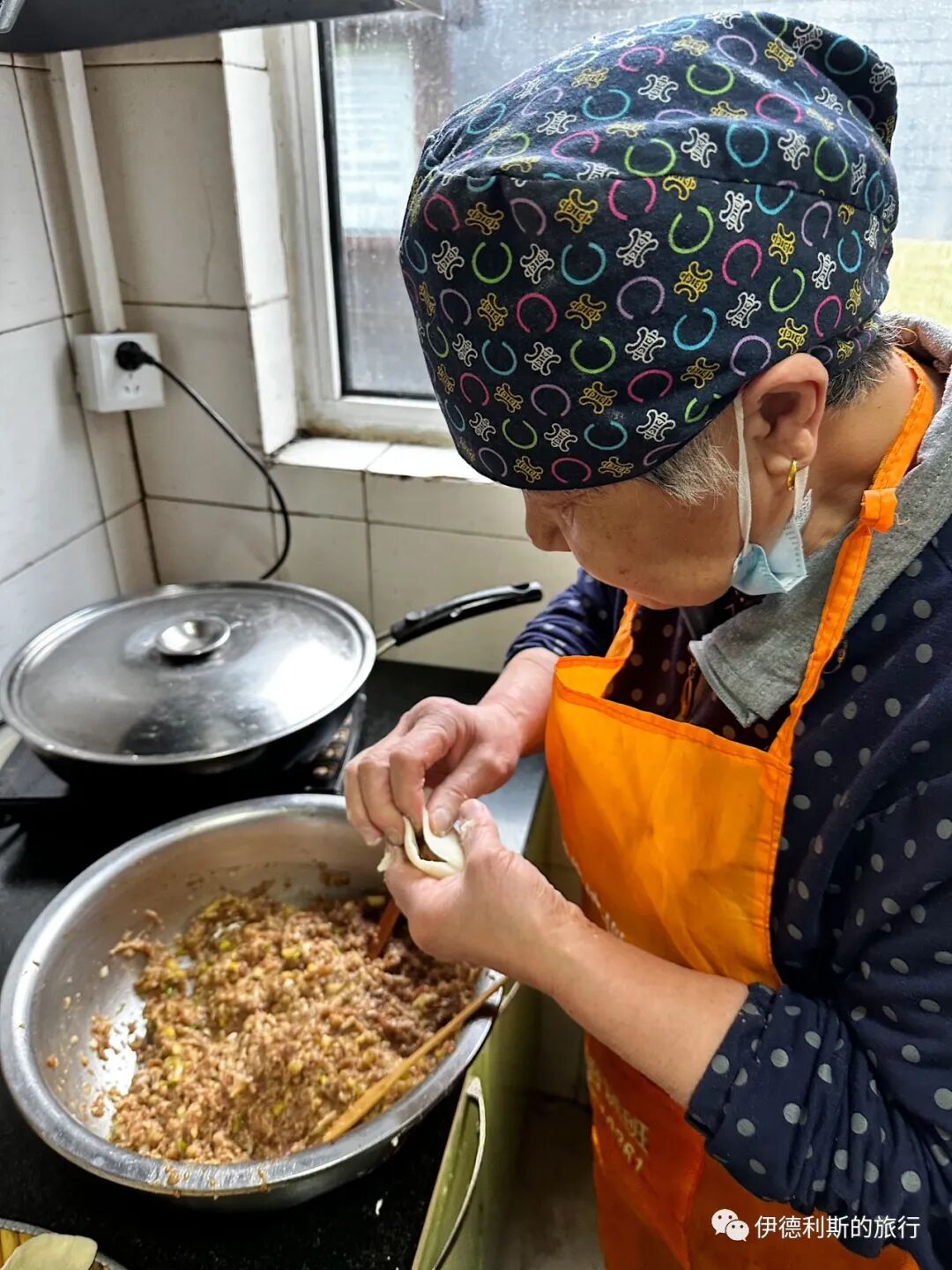
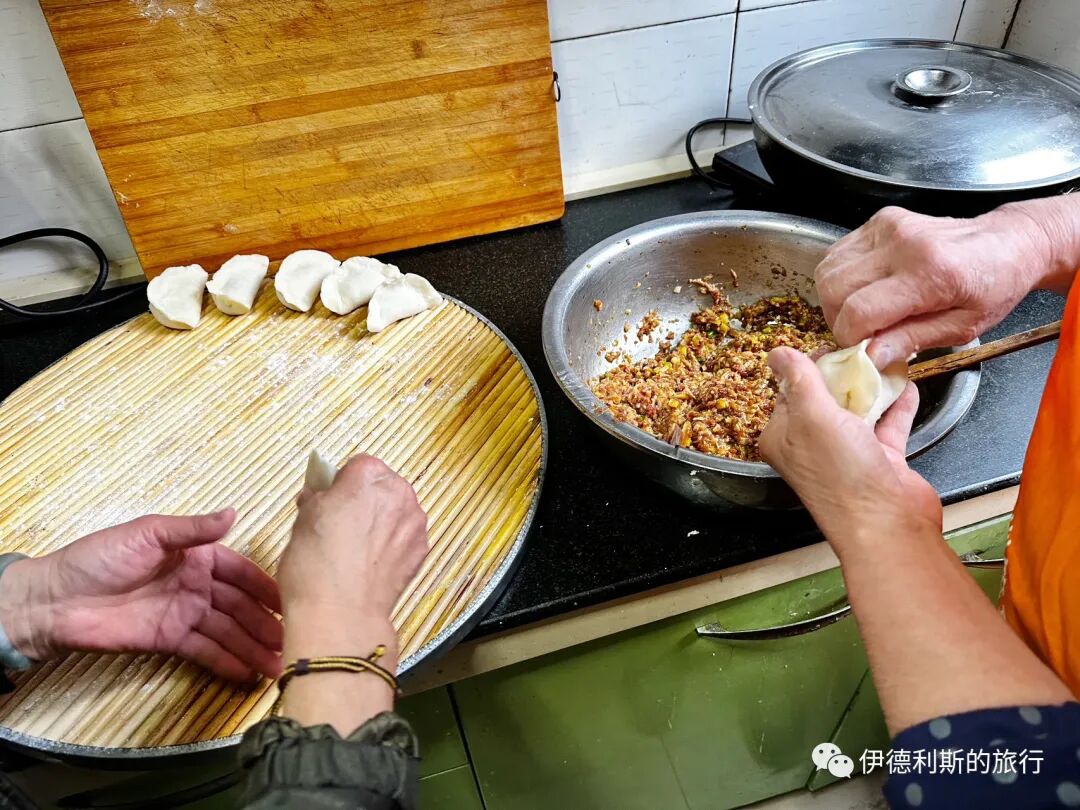
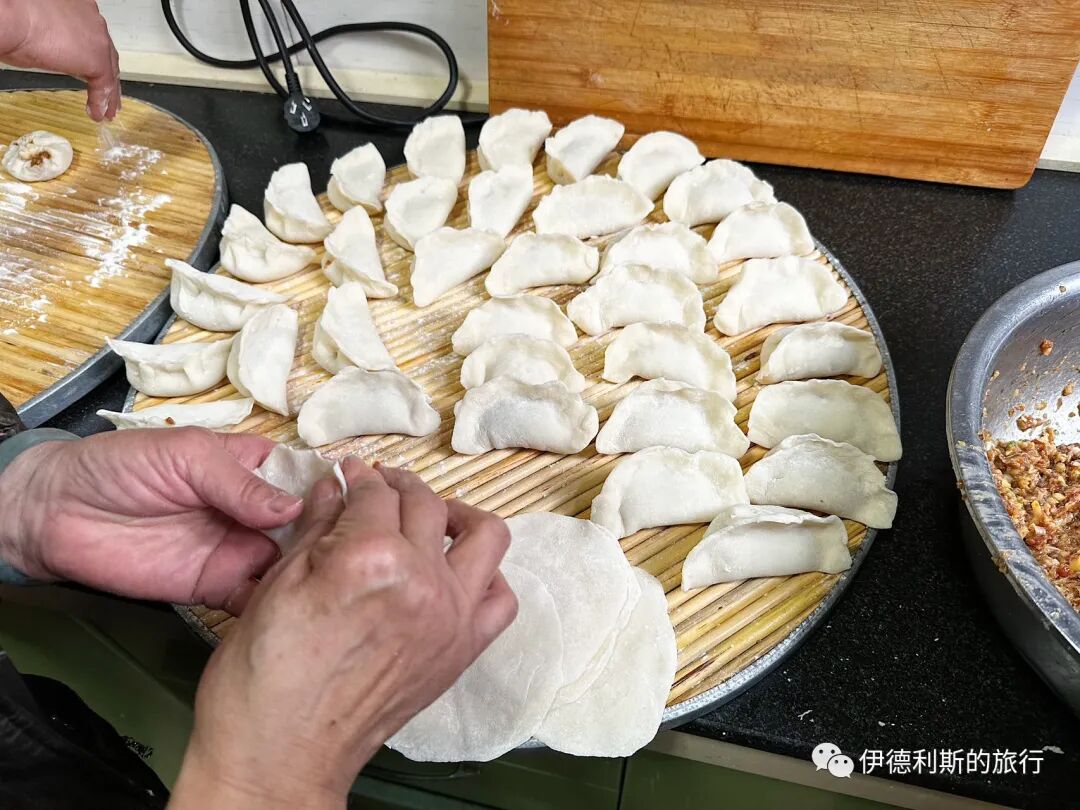
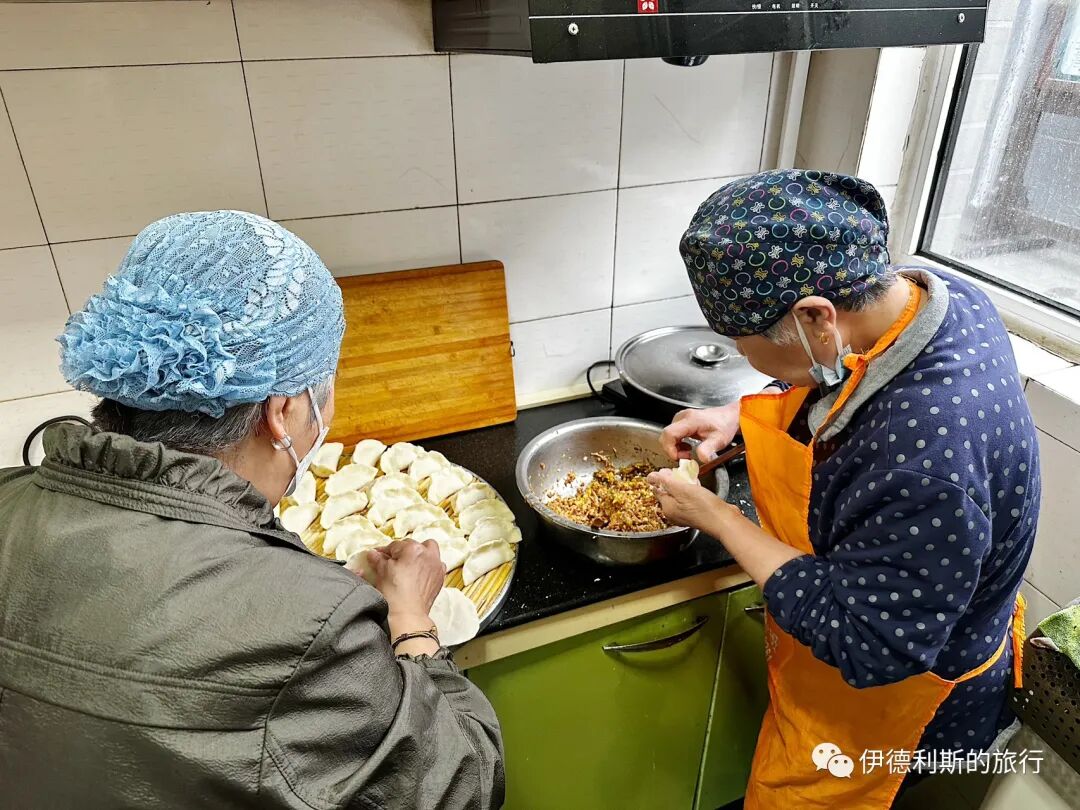
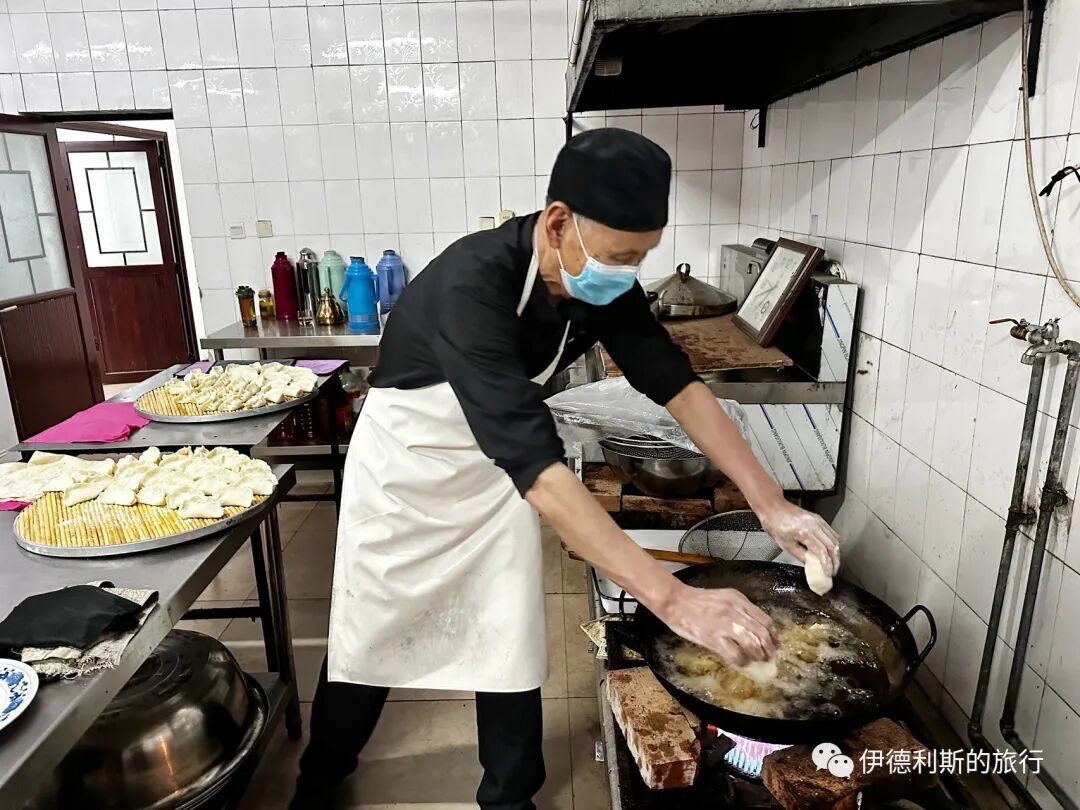
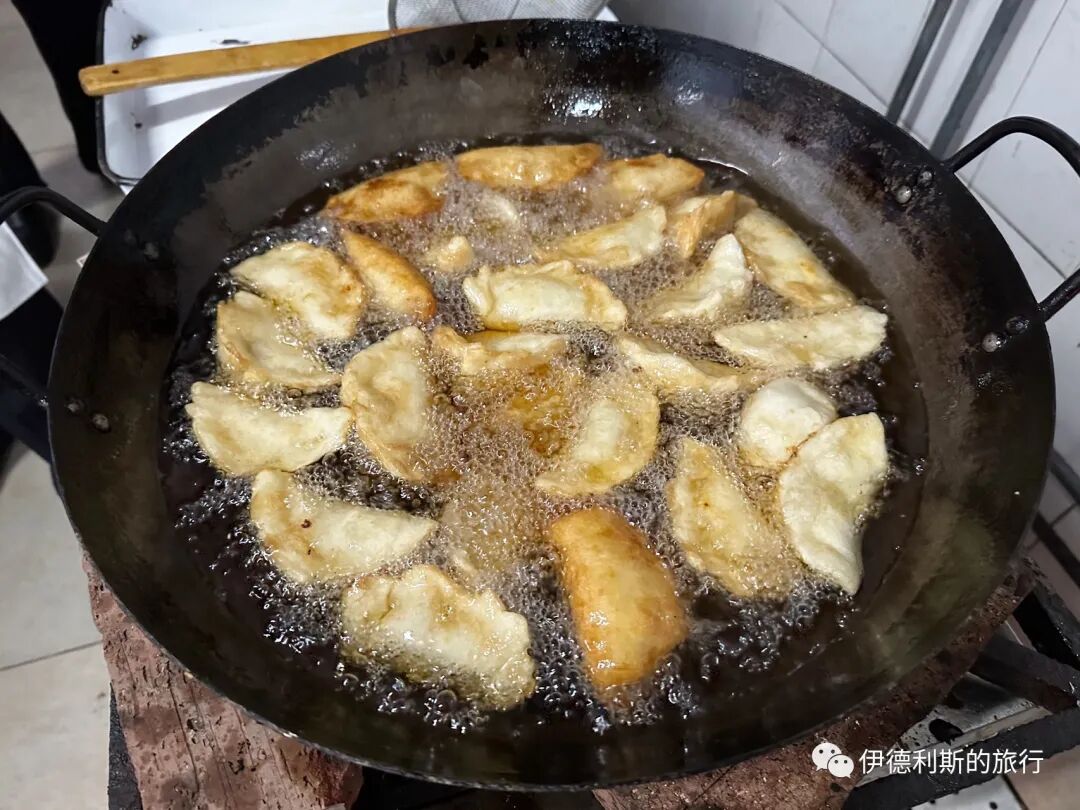
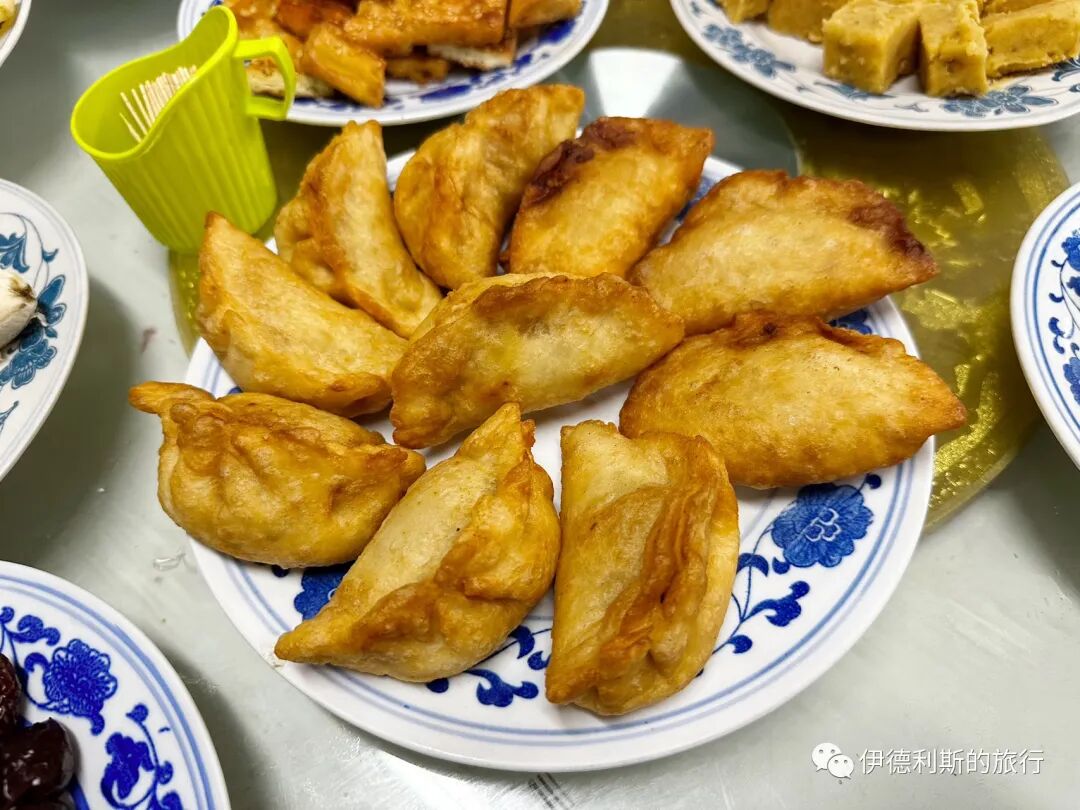
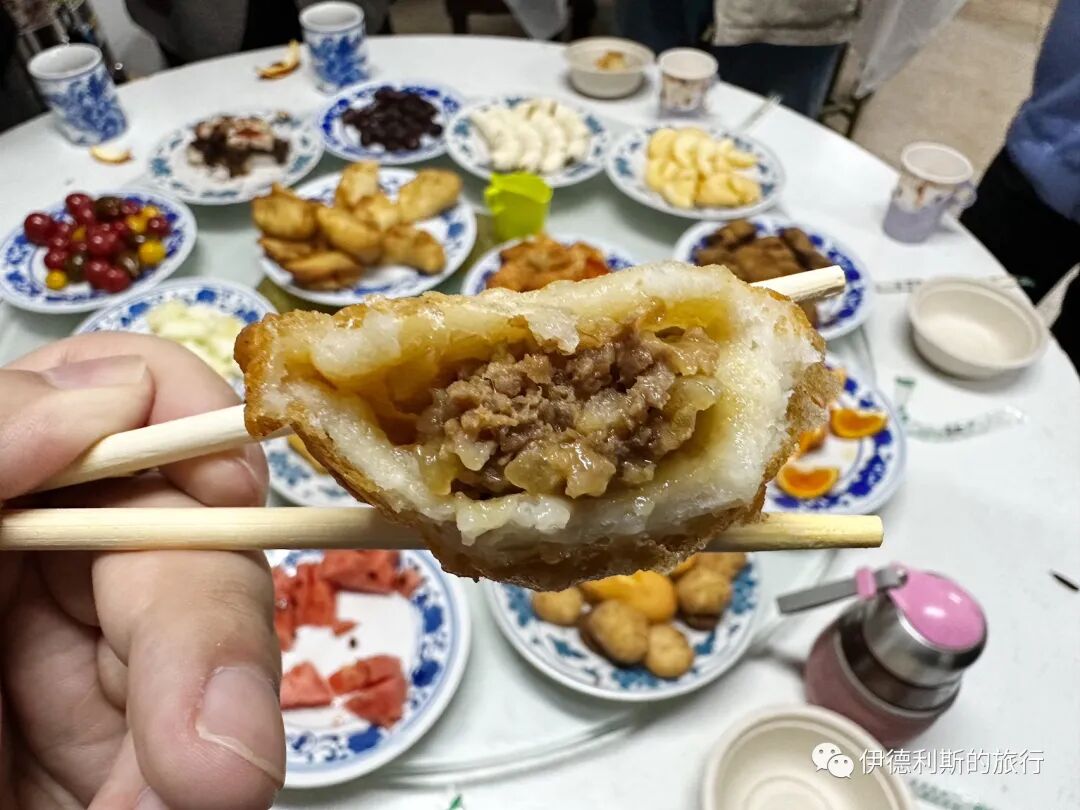
For dinner, we had traditional stir-fried dishes: braised beef tongue (pa koutiao) and braised beef brisket (pa xiongkou). They were perfect with rice, and I kept shoveling the fried rice into my mouth.
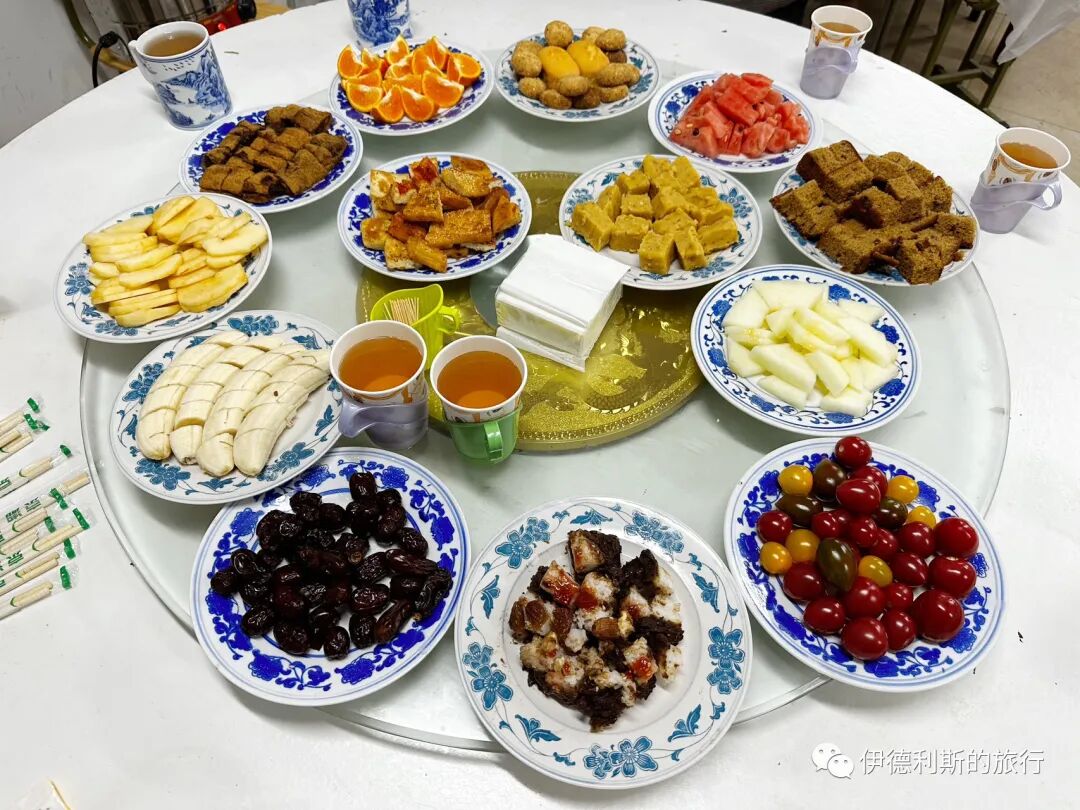
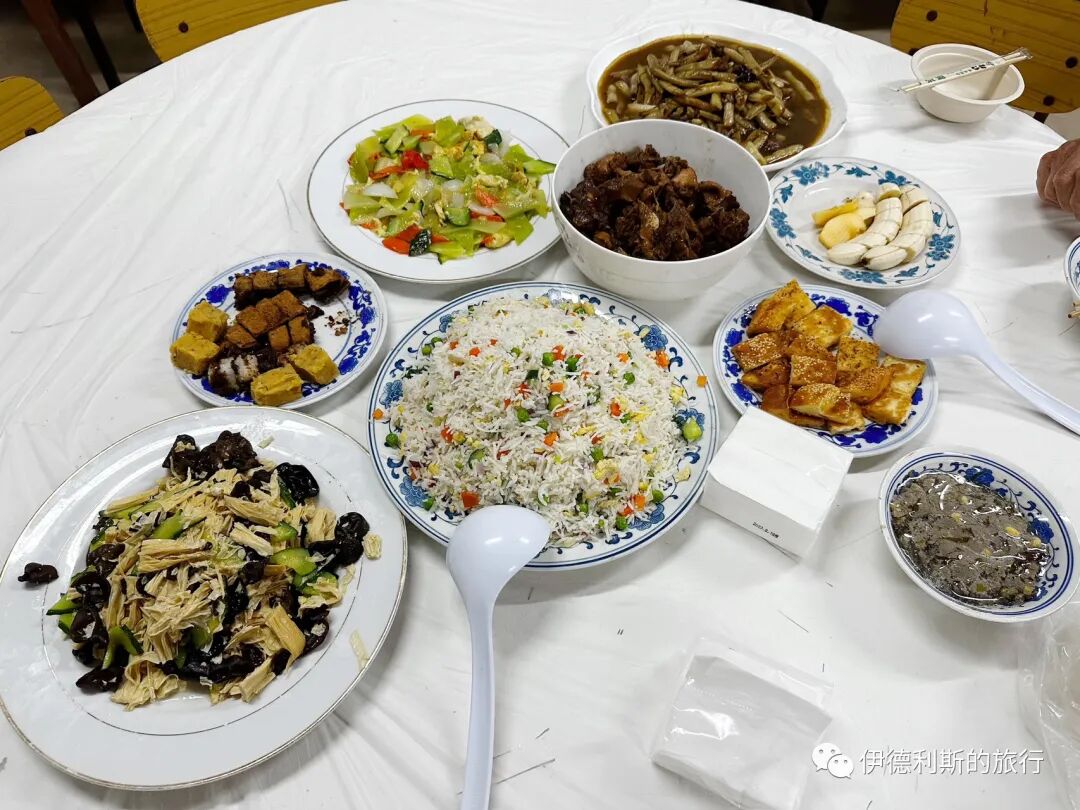
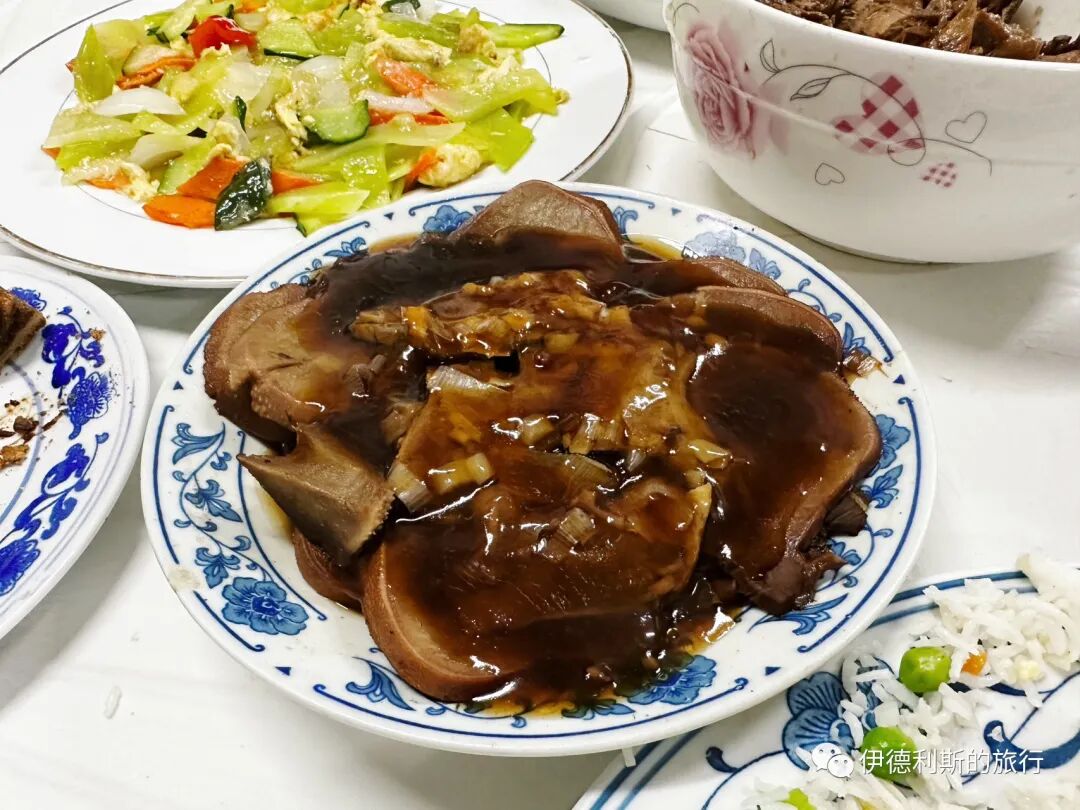
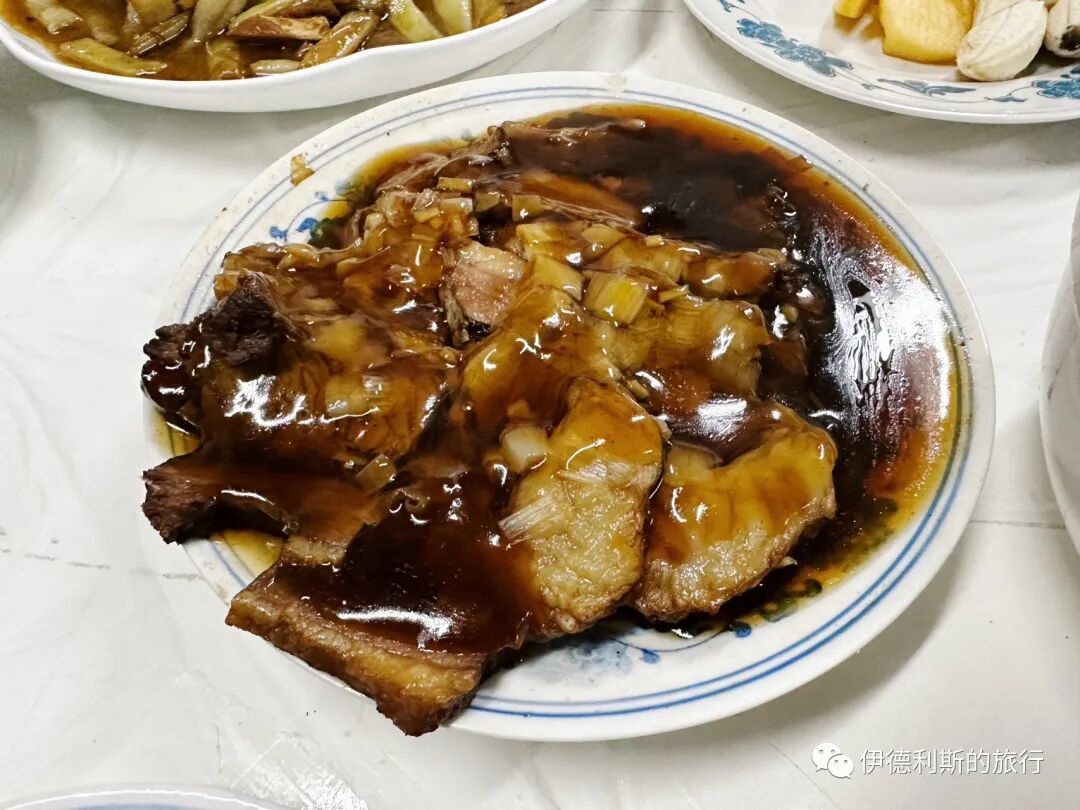
April 20.
Today the elders made steamed buns (baozi) and stewed beef with fried tofu. The mosque prepared various fried dough crisps (paicha) to go with the meat porridge for Eid.
Three international students from the University of International Business and Economics visited in the evening. They were from Uzbekistan, Jordan, and Russia. The girl from Russia is not a Muslim. She visited Balizhuang Mosque with her classmates, which I think was very meaningful. I hope everyone has an open and inclusive mindset. We welcome friends interested in our faith to come into the mosque to learn and experience it.
I taught them how to say Eid al-Fitr in Chinese, but I couldn't think of how to translate meat porridge at the time, which was a pity.
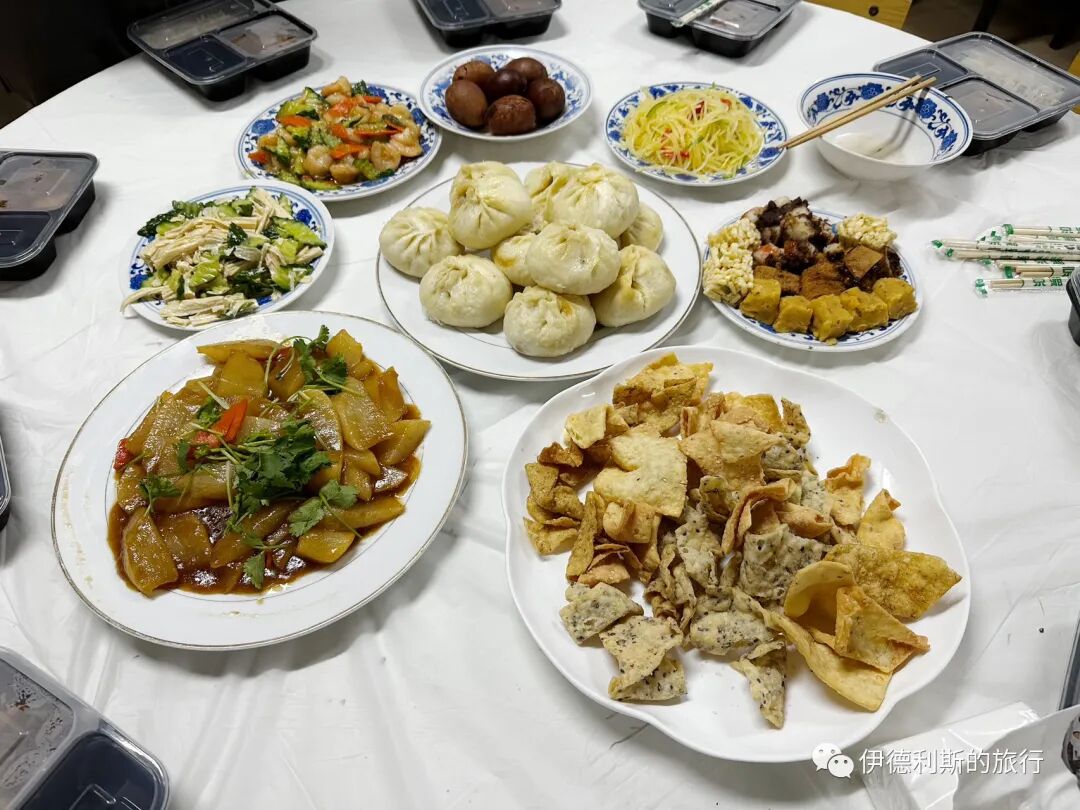
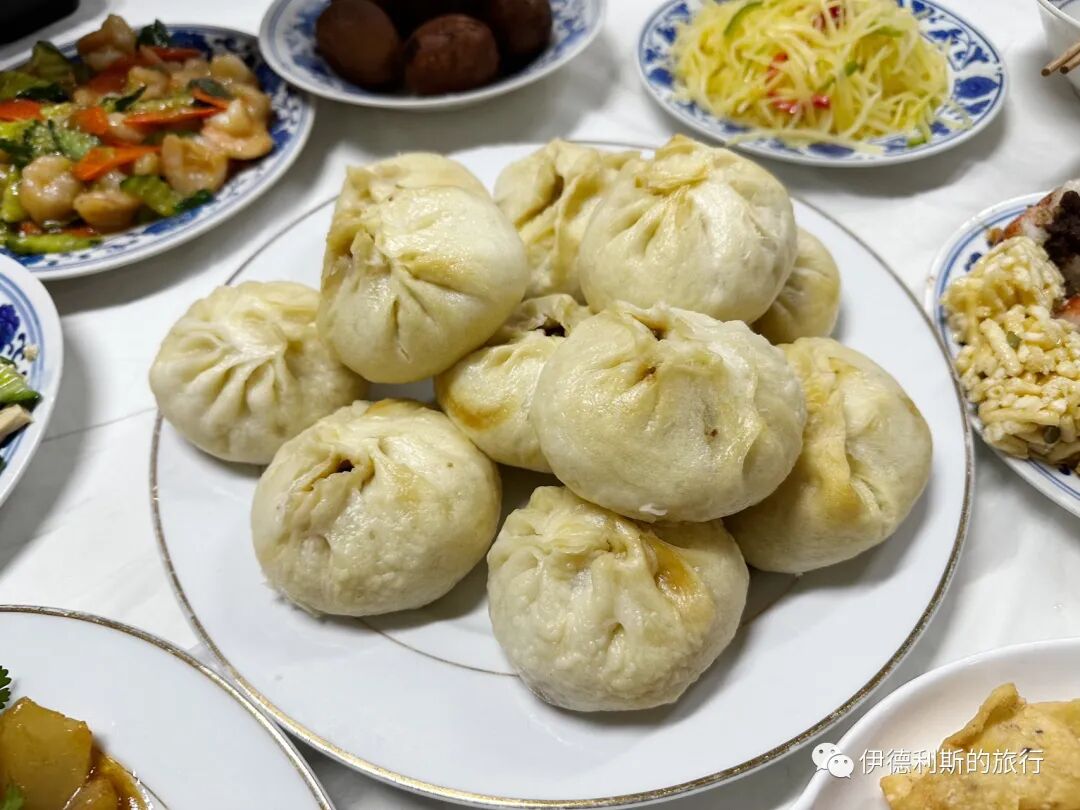
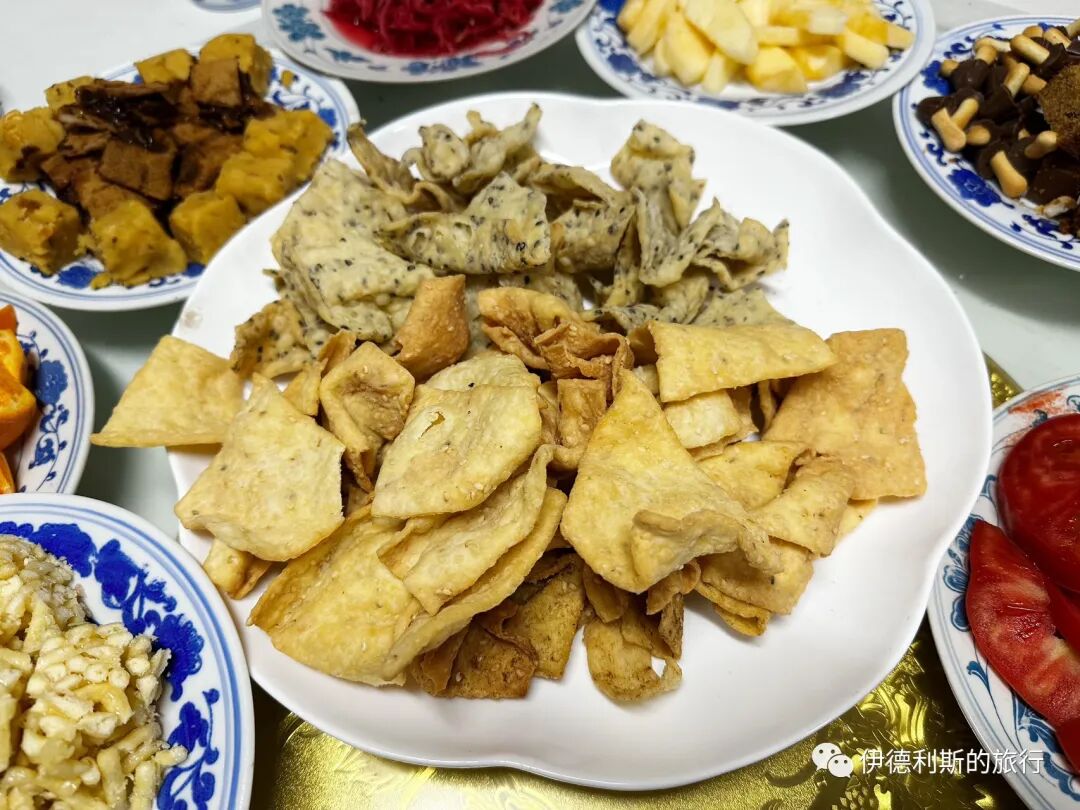
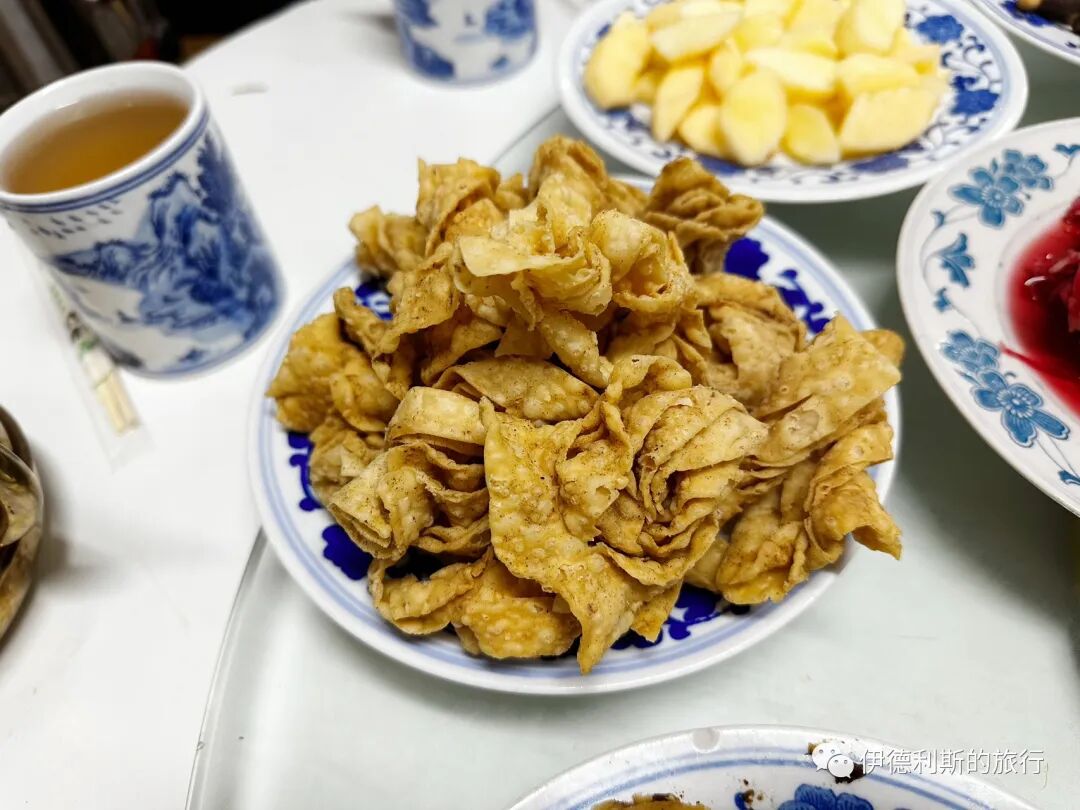
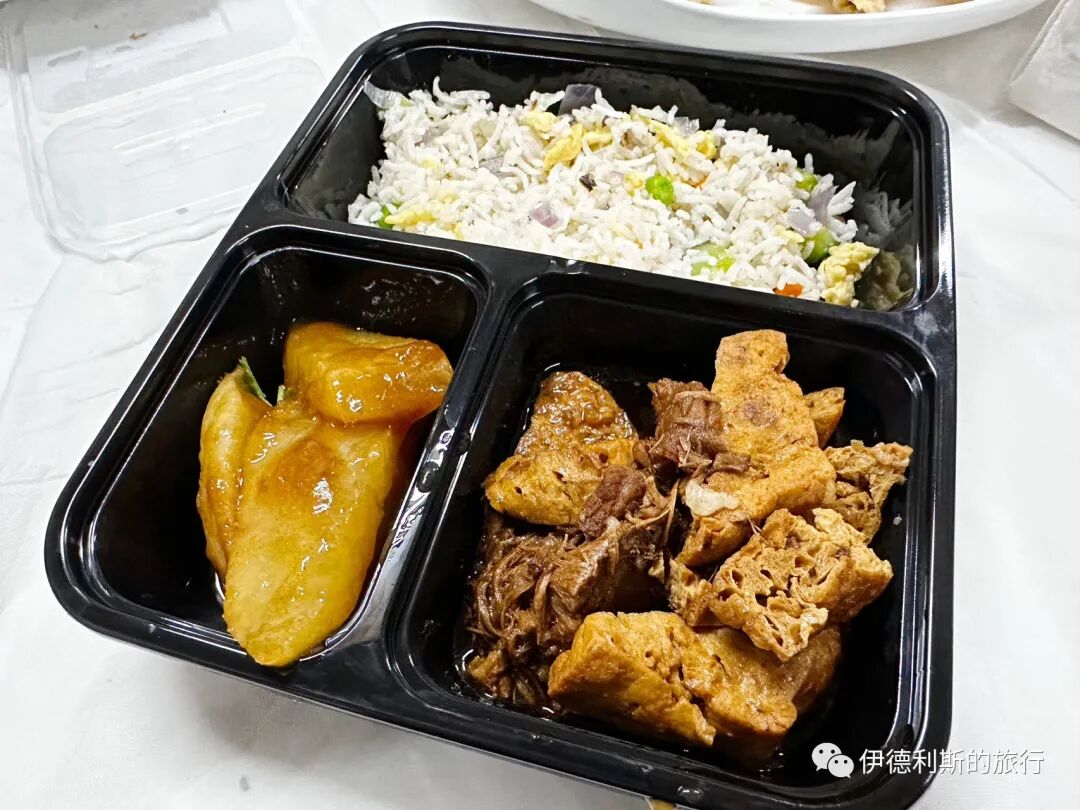
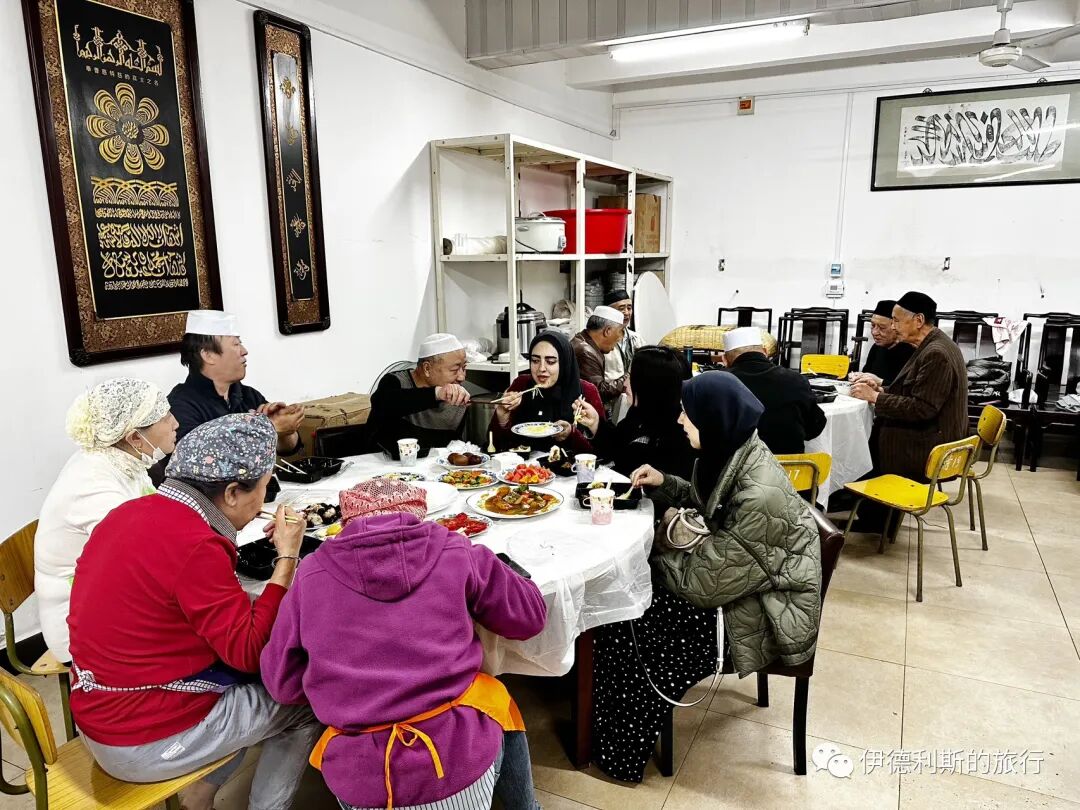
April 21.
Today is the 30th day of Ramadan, and the fast-breaking meal at Balizhuang Mosque was the most abundant. The steamed flower rolls (huajuan) made by the elders went so well with the stewed beef with kelp and chicken wings. It was so fragrant.
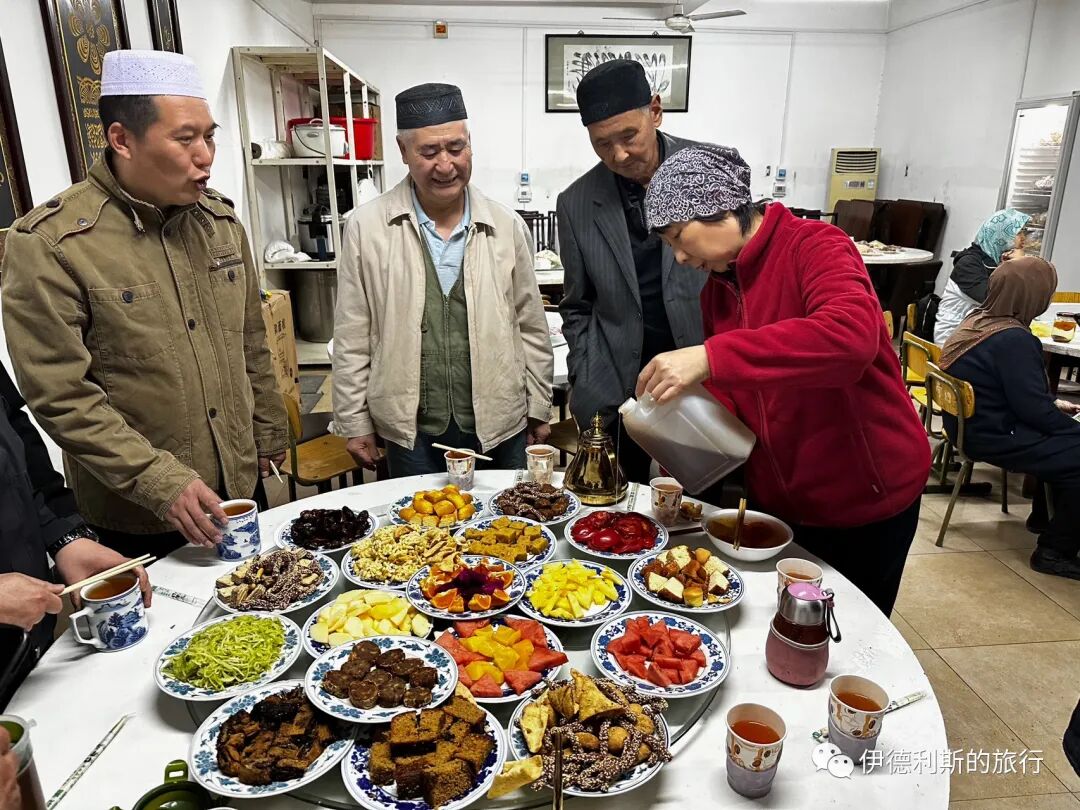
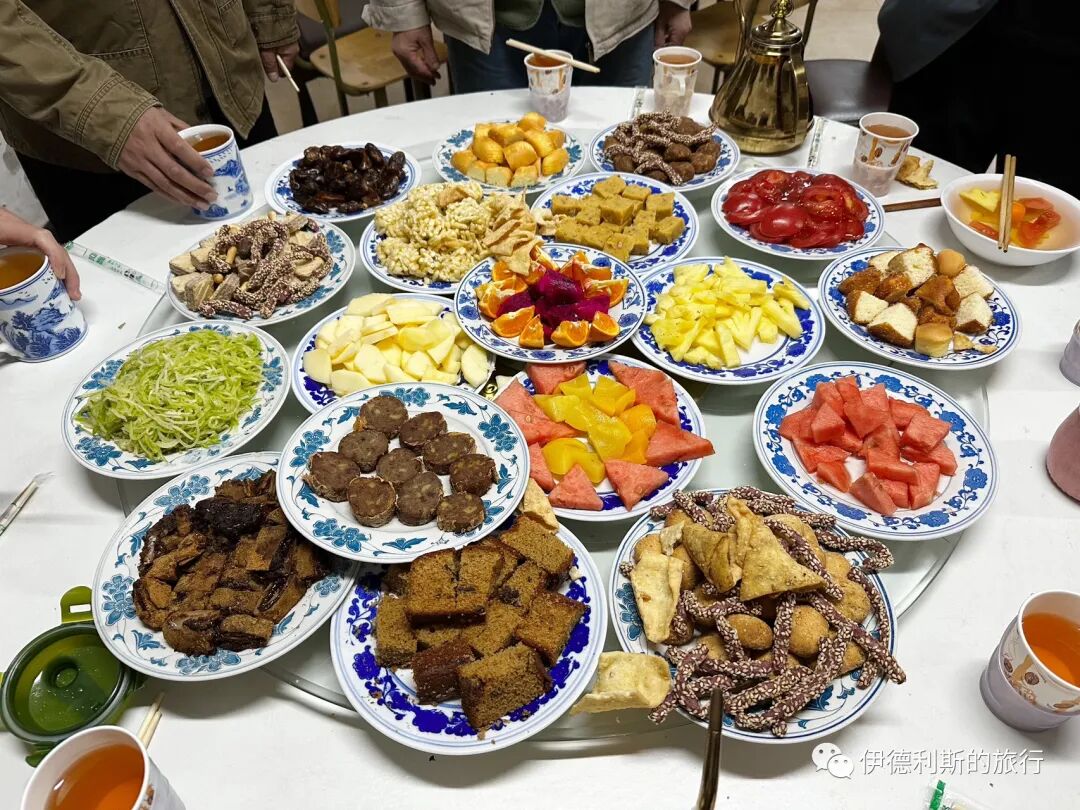
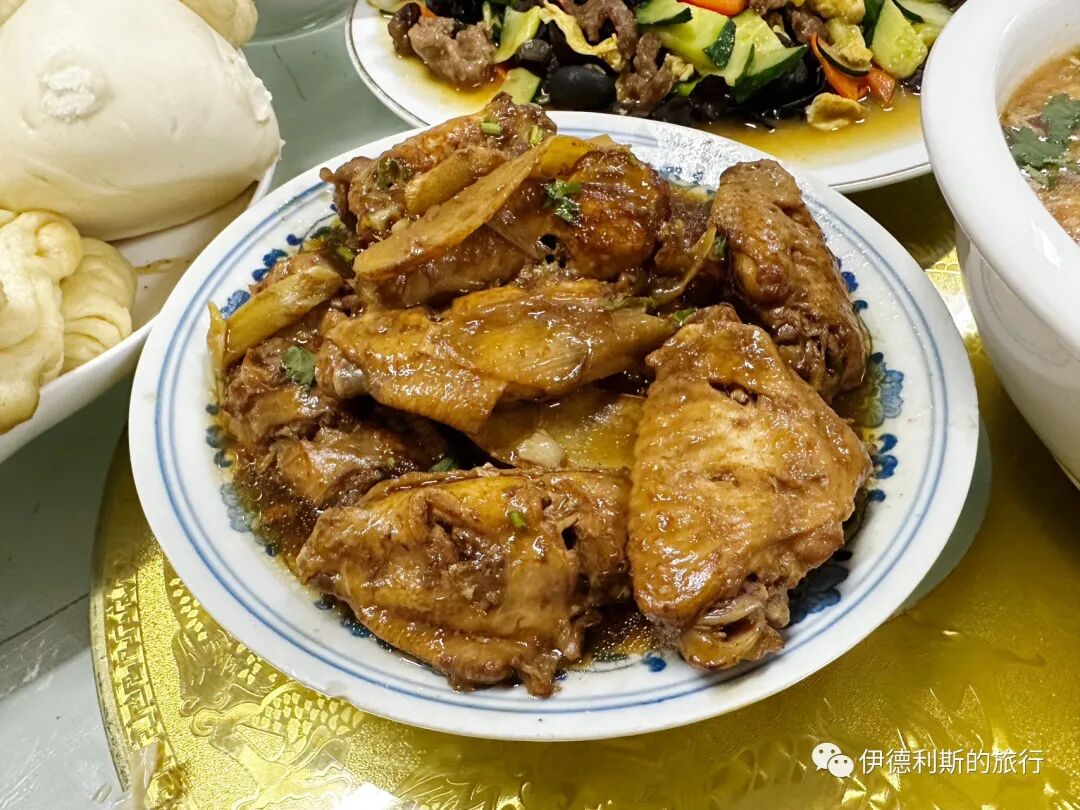
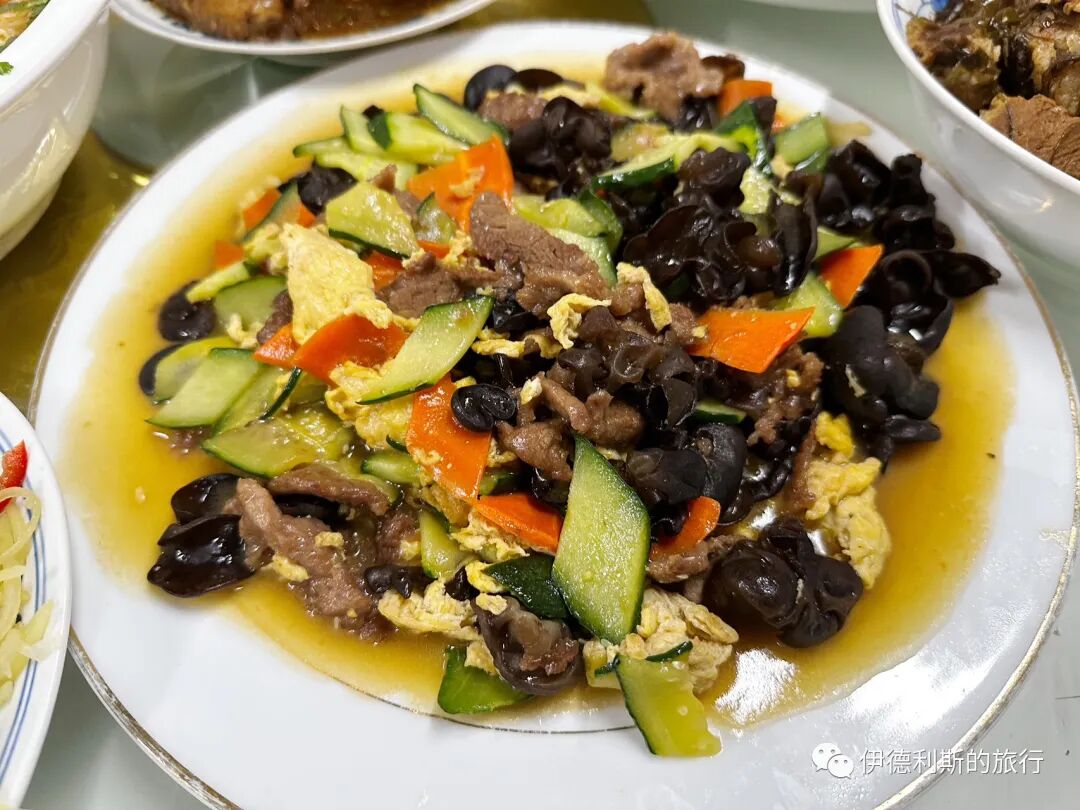
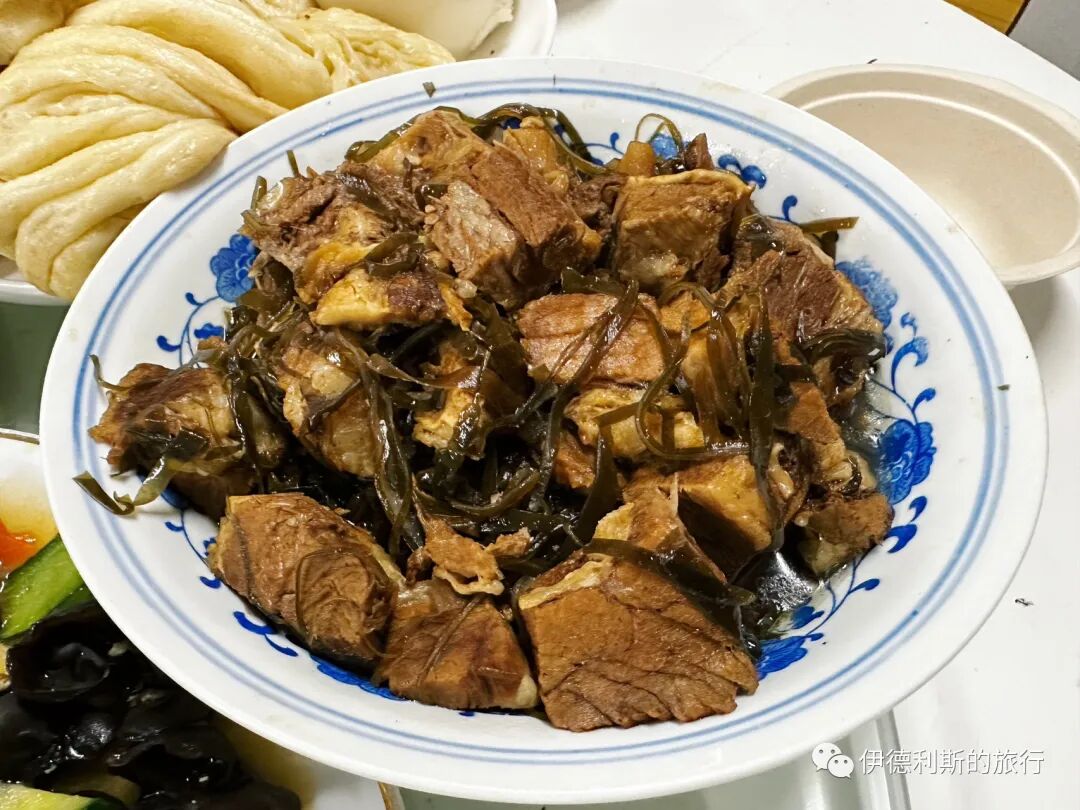
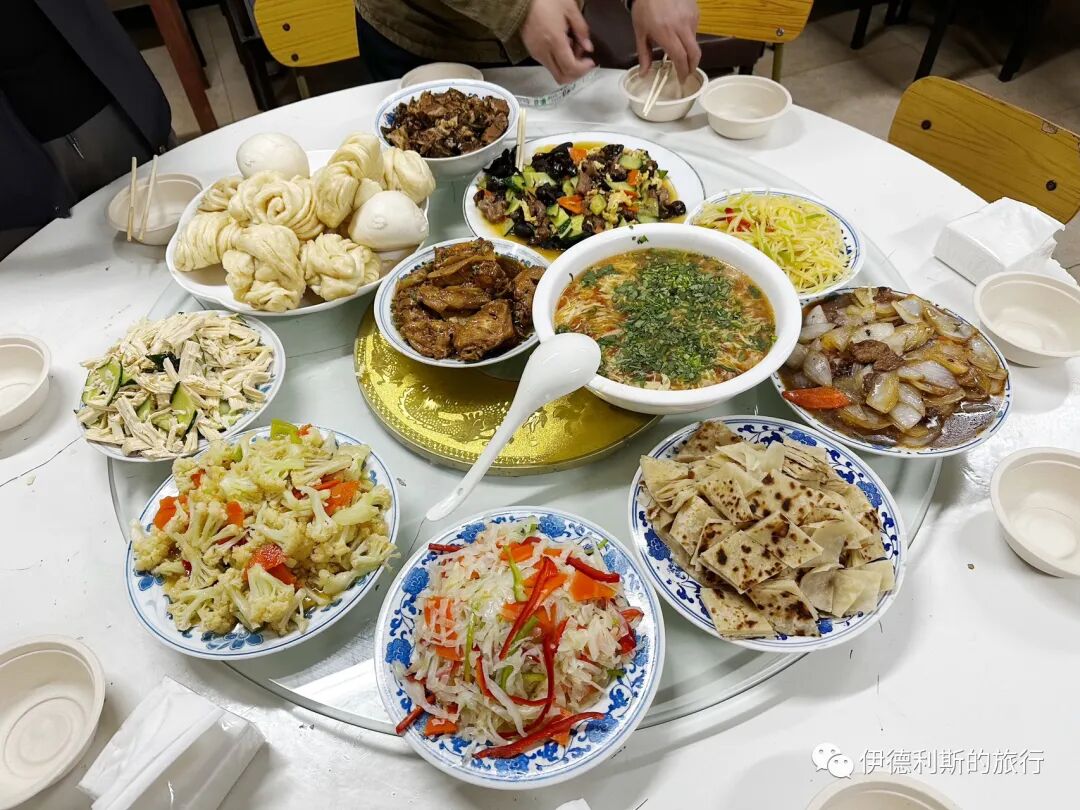
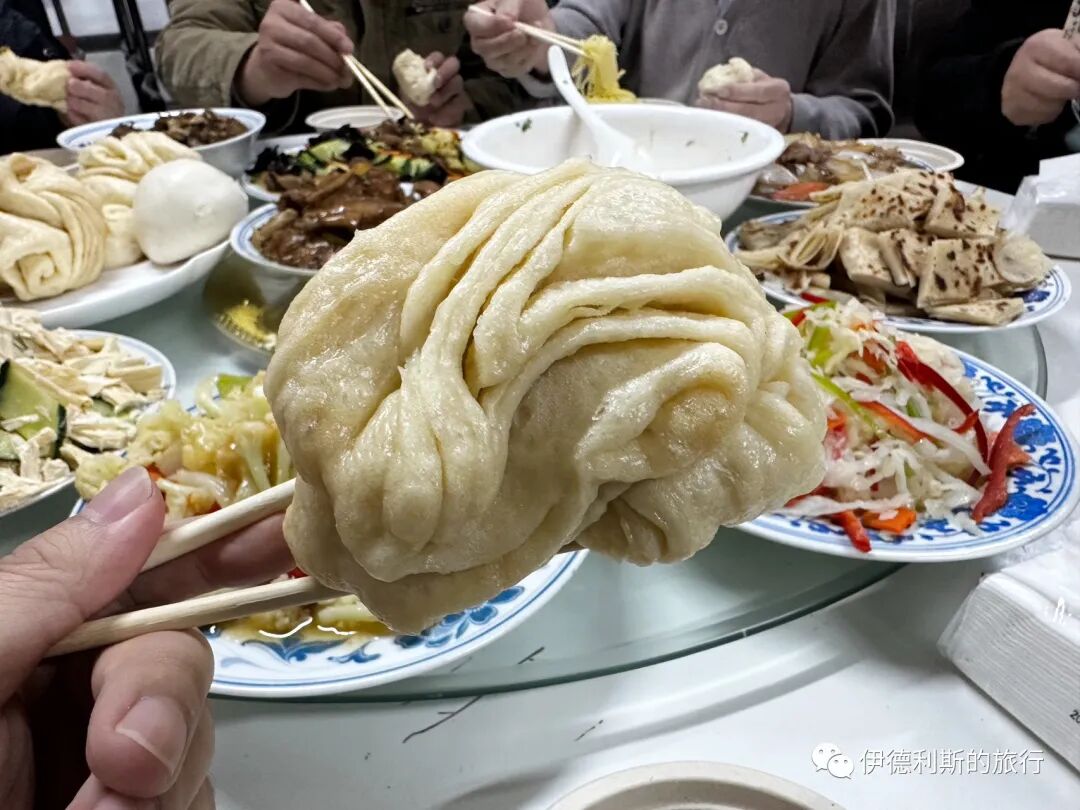
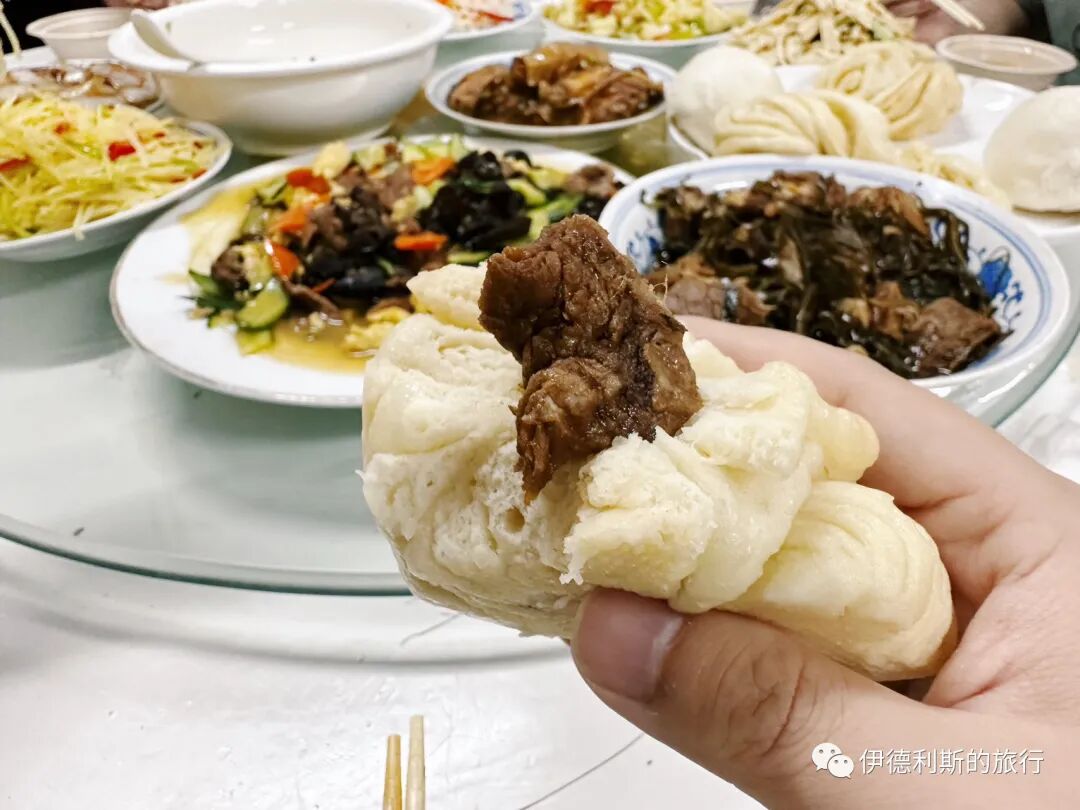
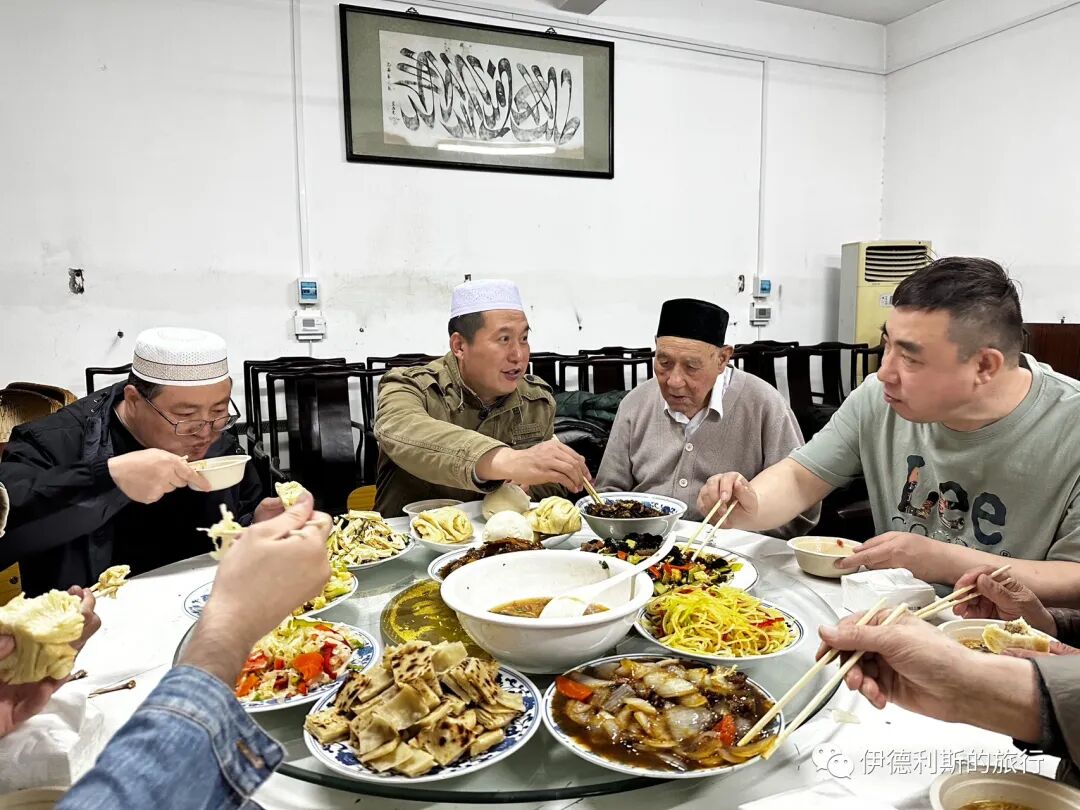
The mosque stewed a big pot of beef to prepare for the meat porridge for the next day's Eid. After long hours of stewing, the bone marrow from the beef bones melted into the broth, making the porridge extra flavorful.
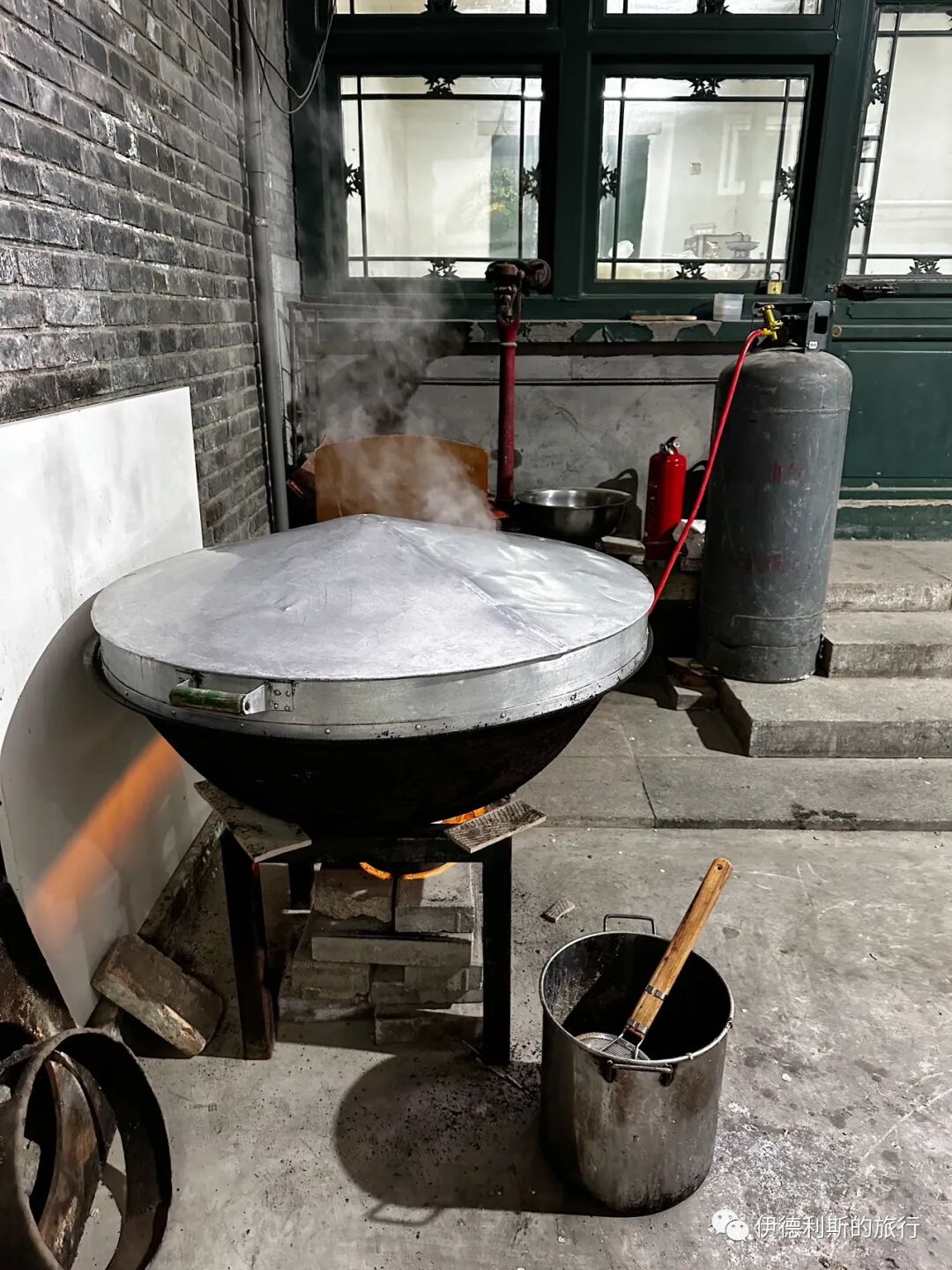
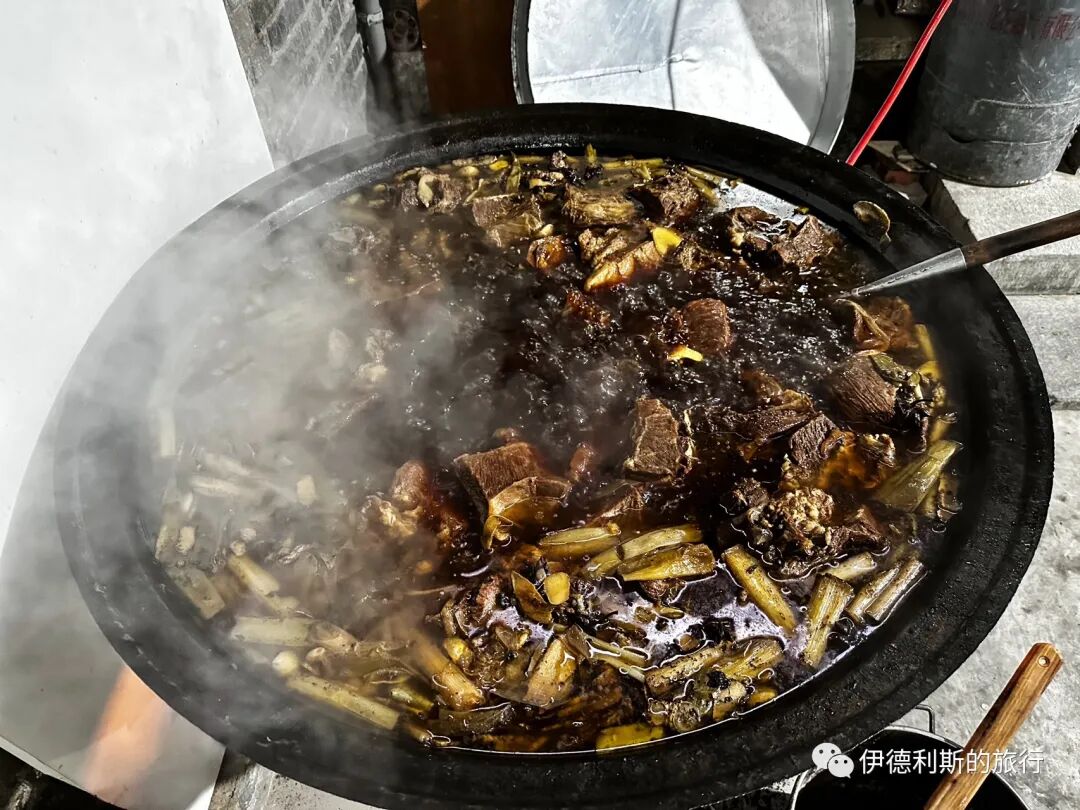
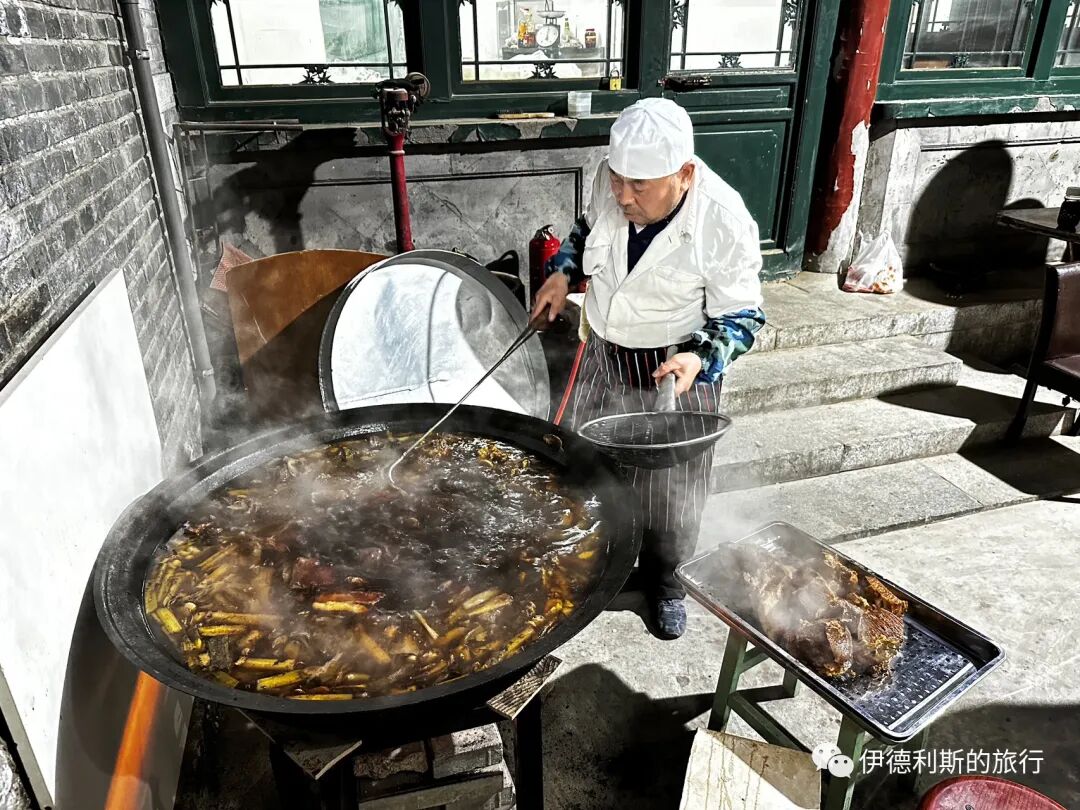
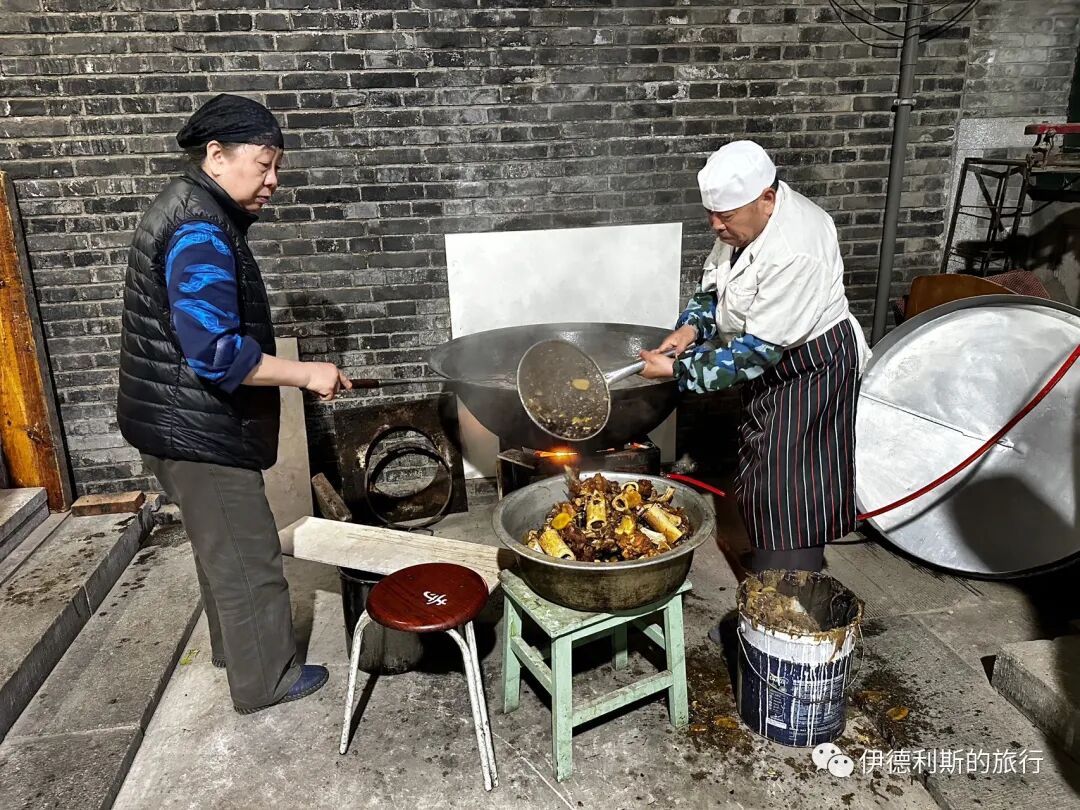
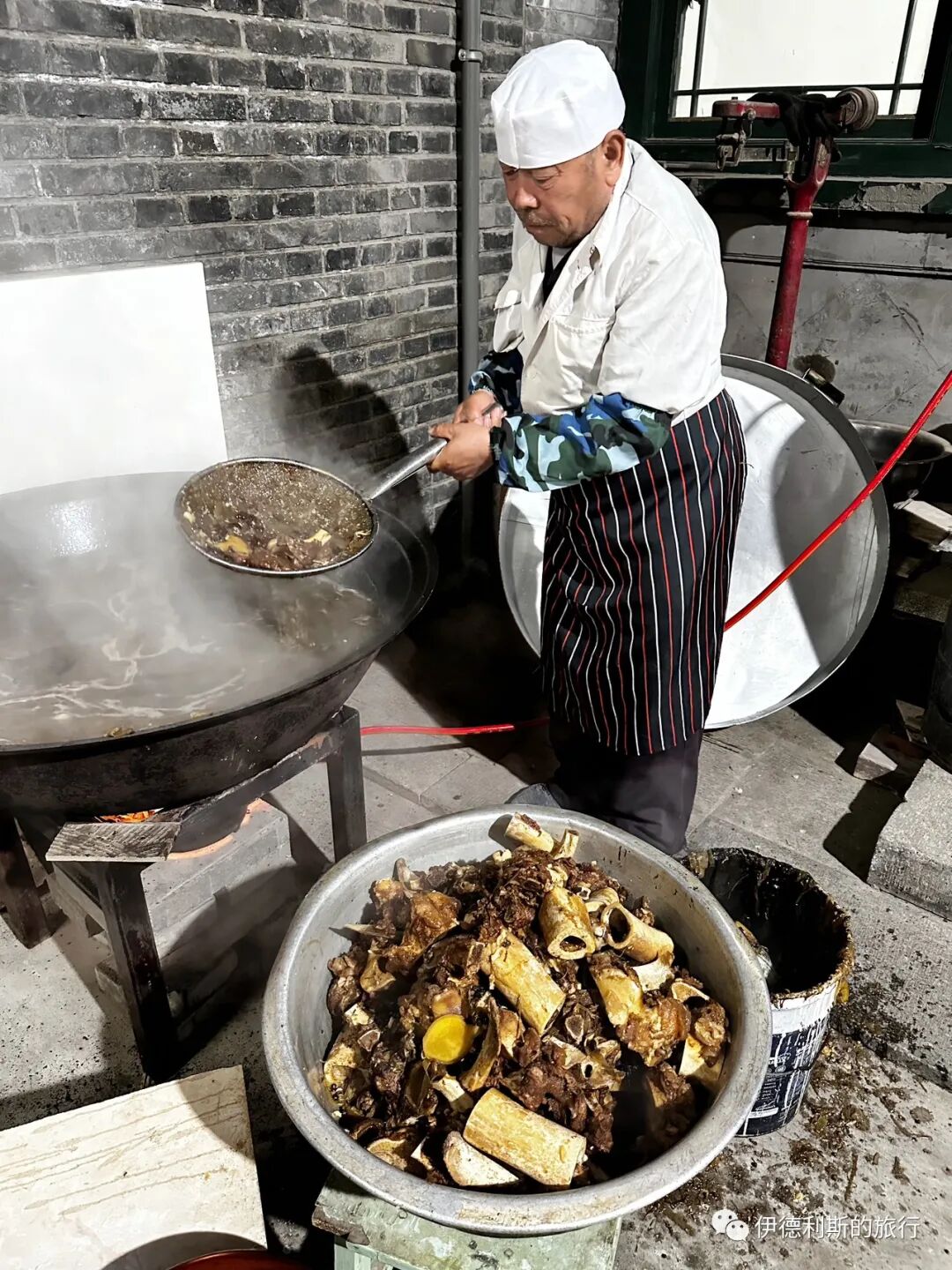
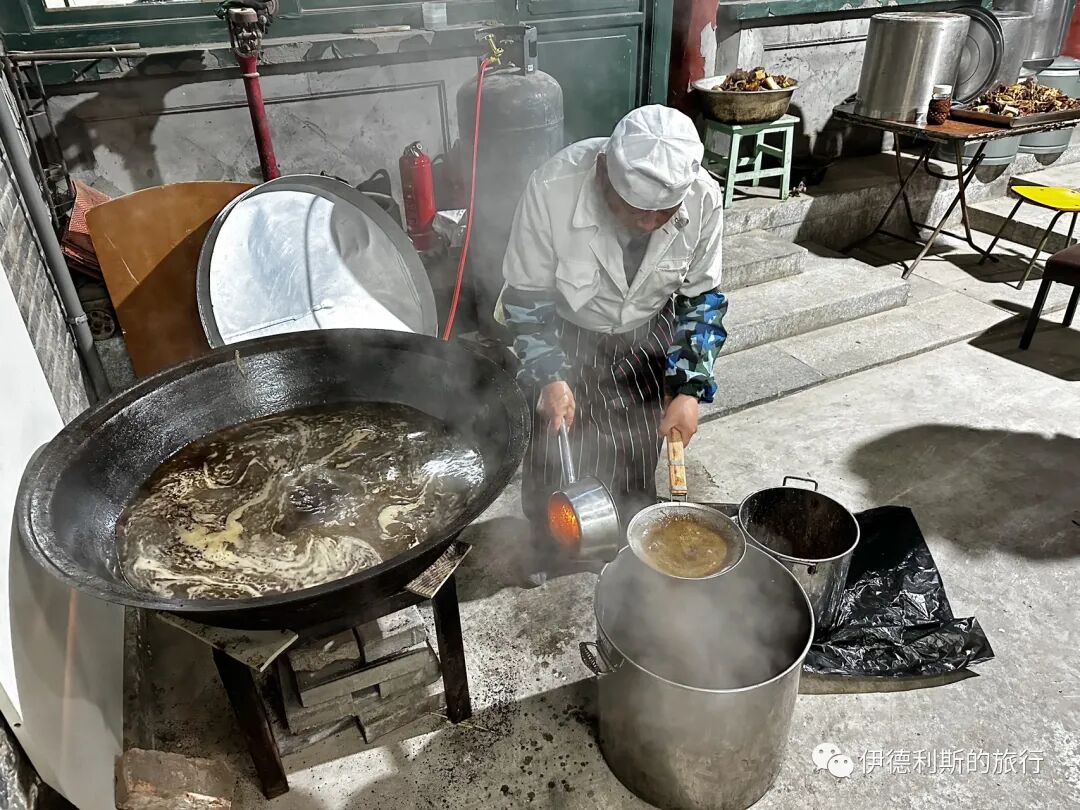
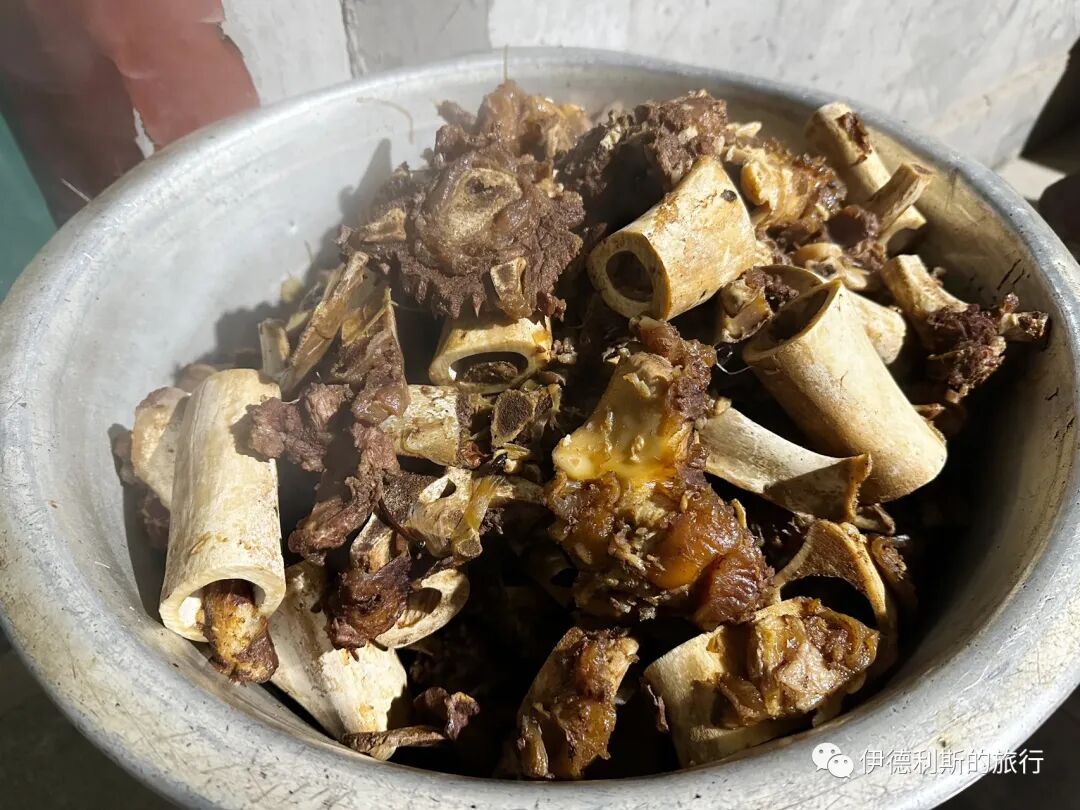
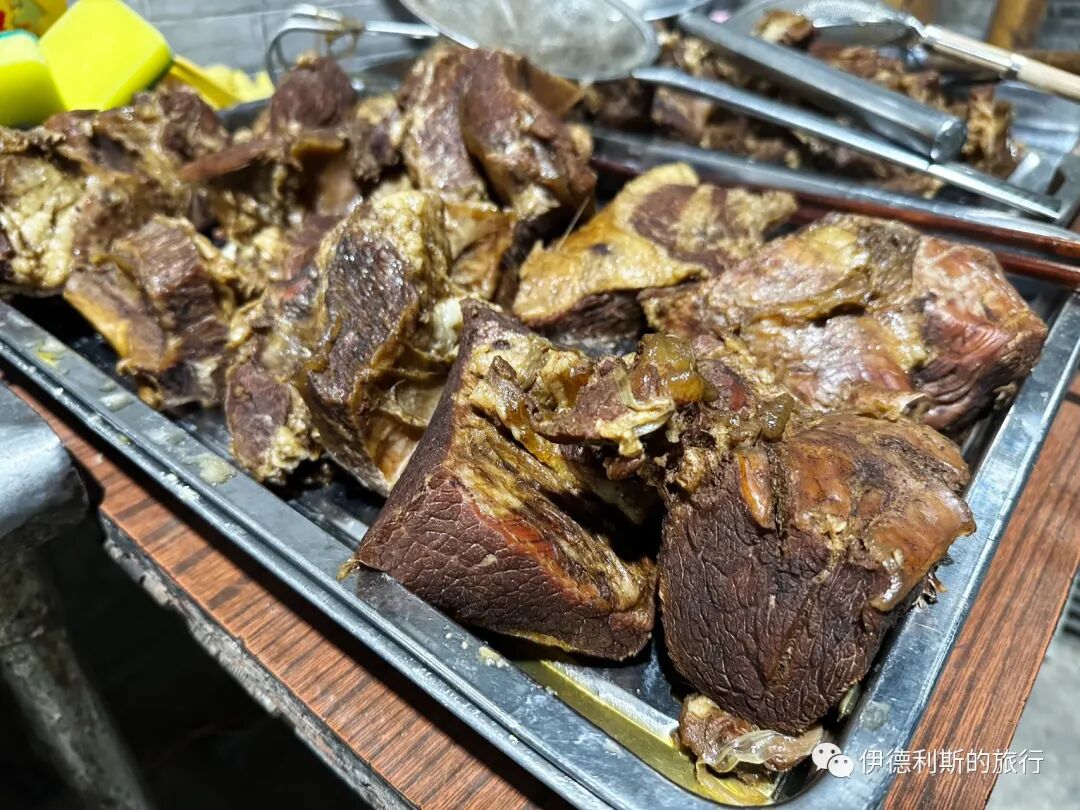
April 22, Eid al-Fitr.
Eid Mubarak. I am very grateful to have volunteered for the Eid celebration at Balizhuang Mosque. The mosque served meat porridge with fried dough crisps, plus fried dough cakes (youxiang) and pickles. All the friends (dost) loved it. Special holiday food is not just a cultural tradition; it deepens memories of the holiday and attracts more people to the mosque. I think it is very meaningful.
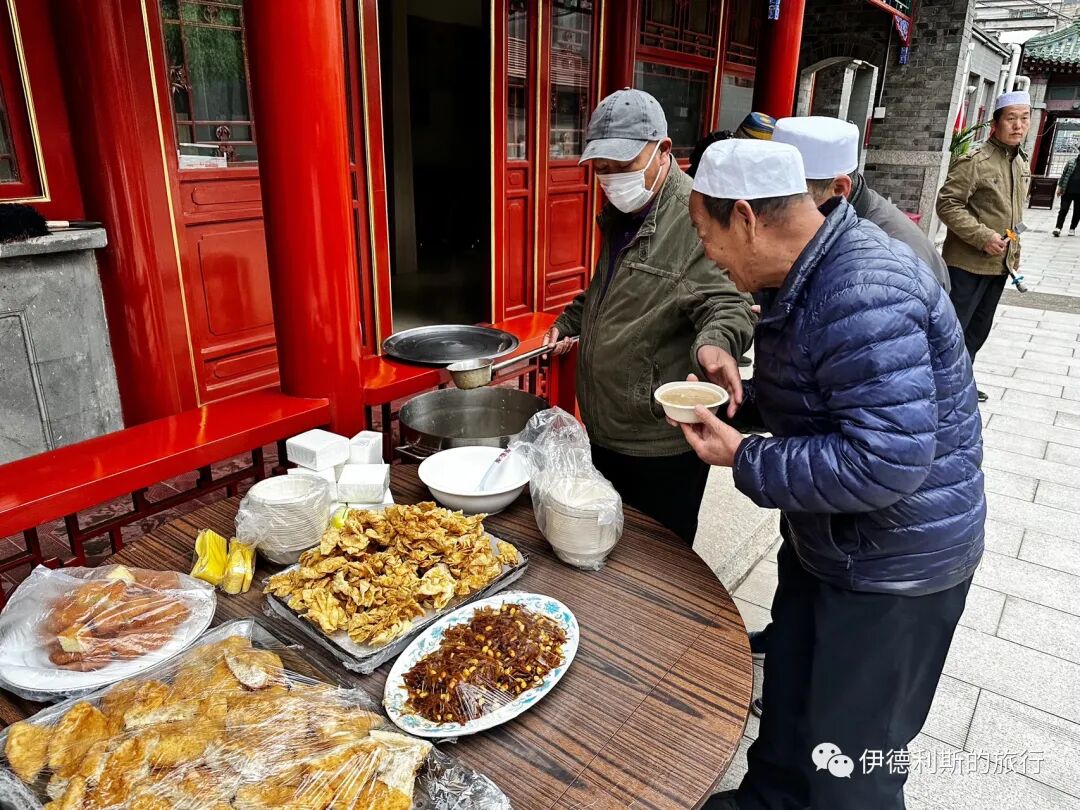
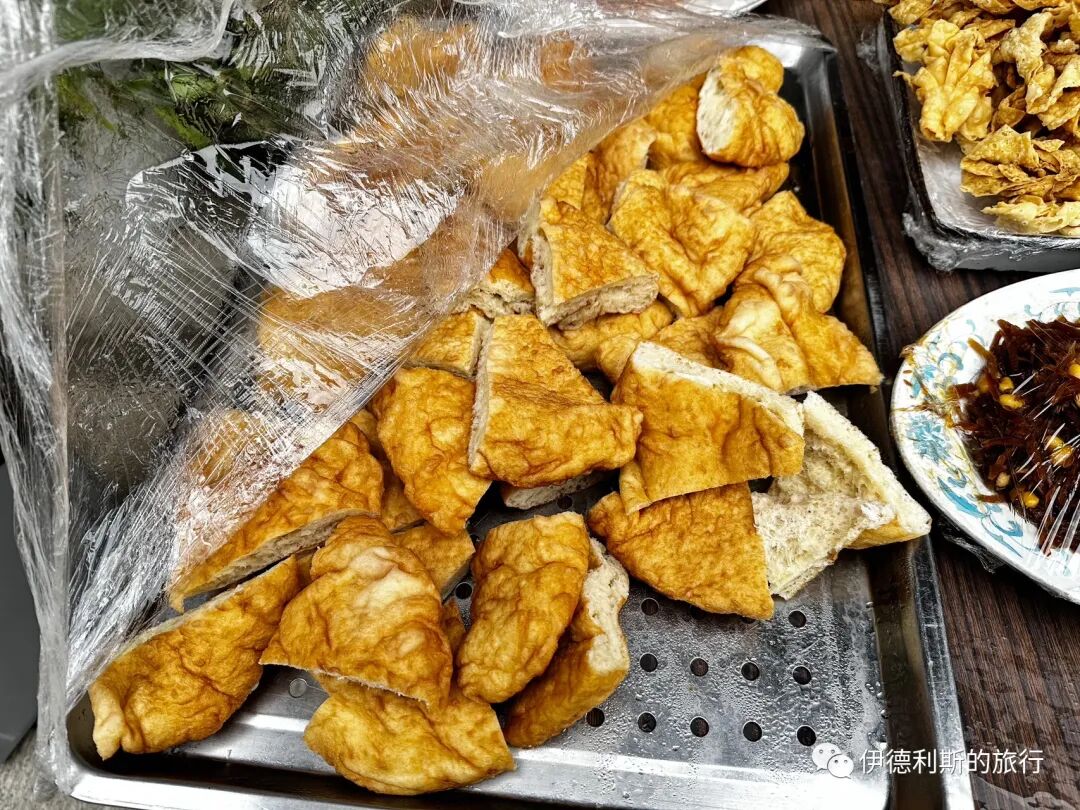
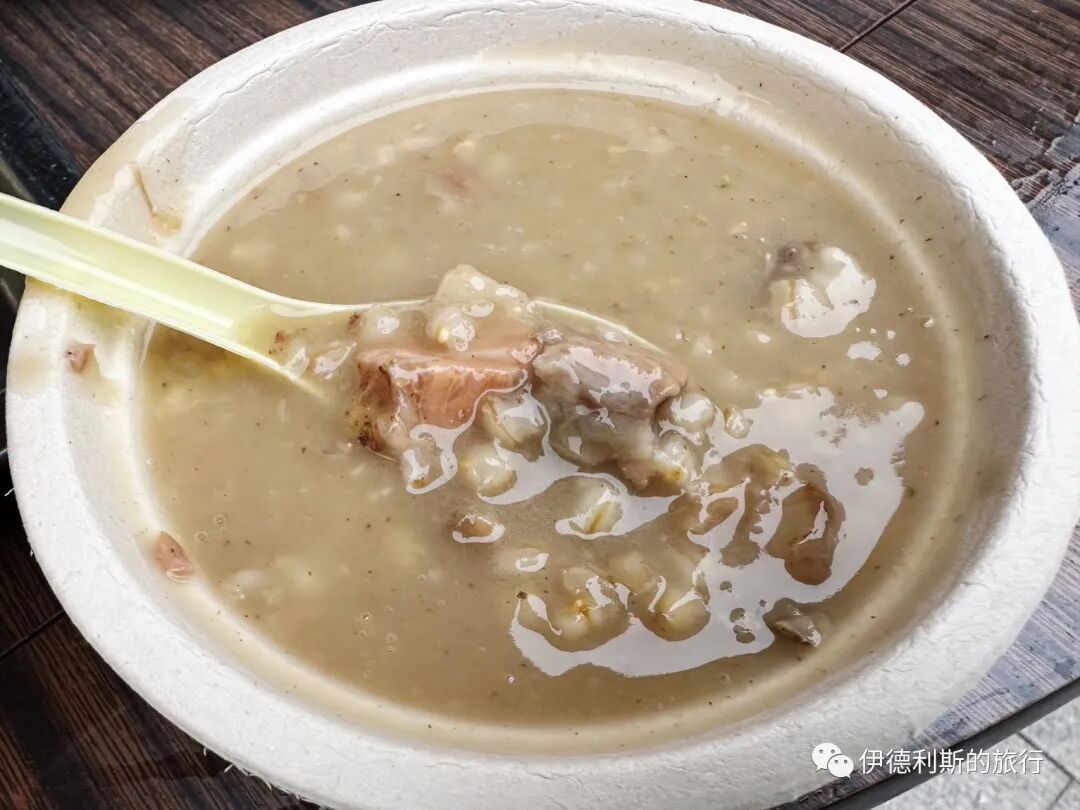
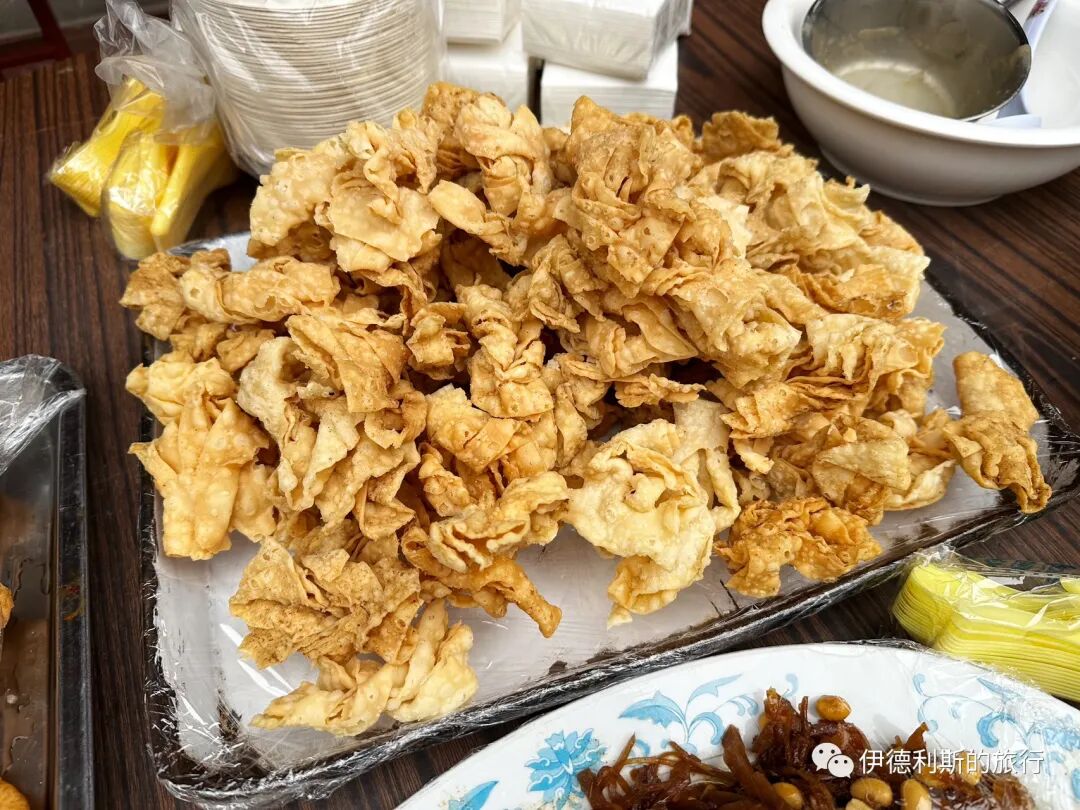
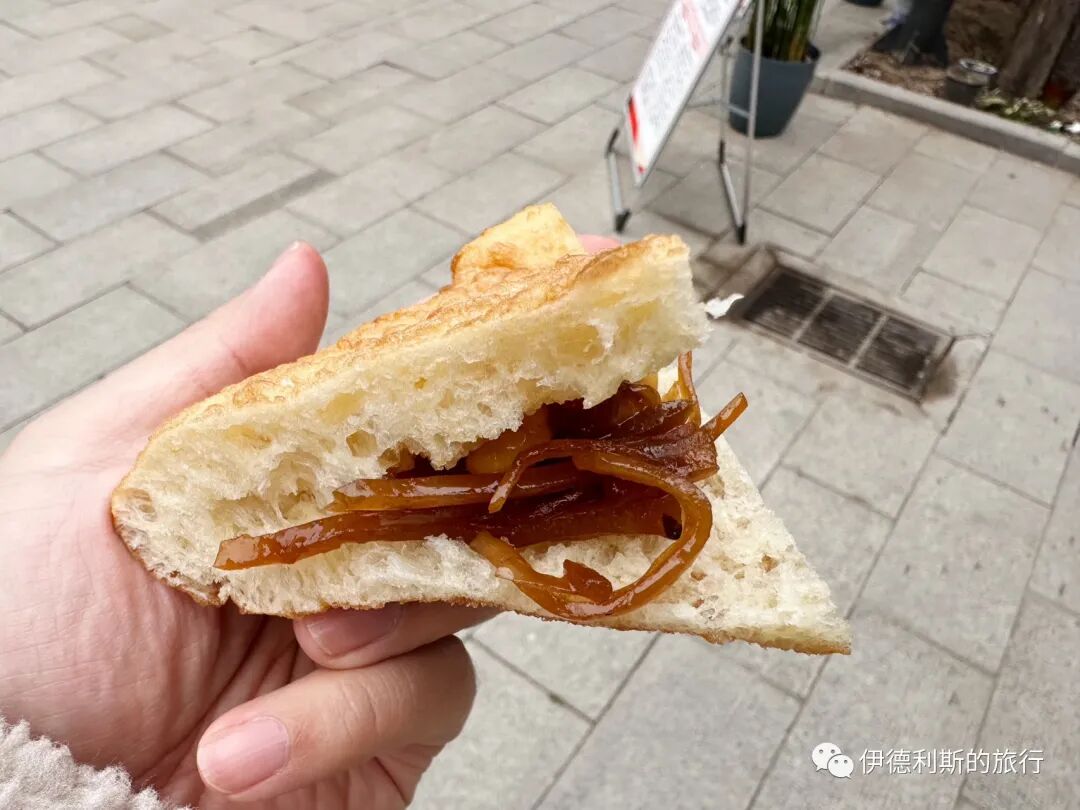
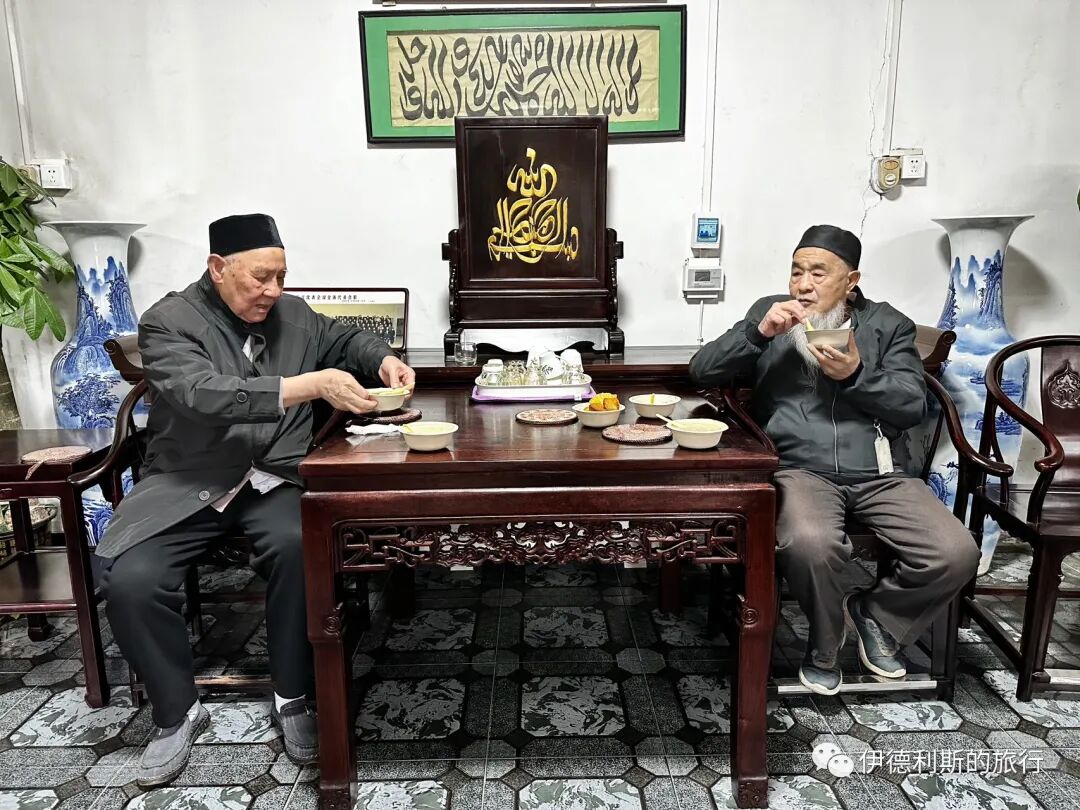
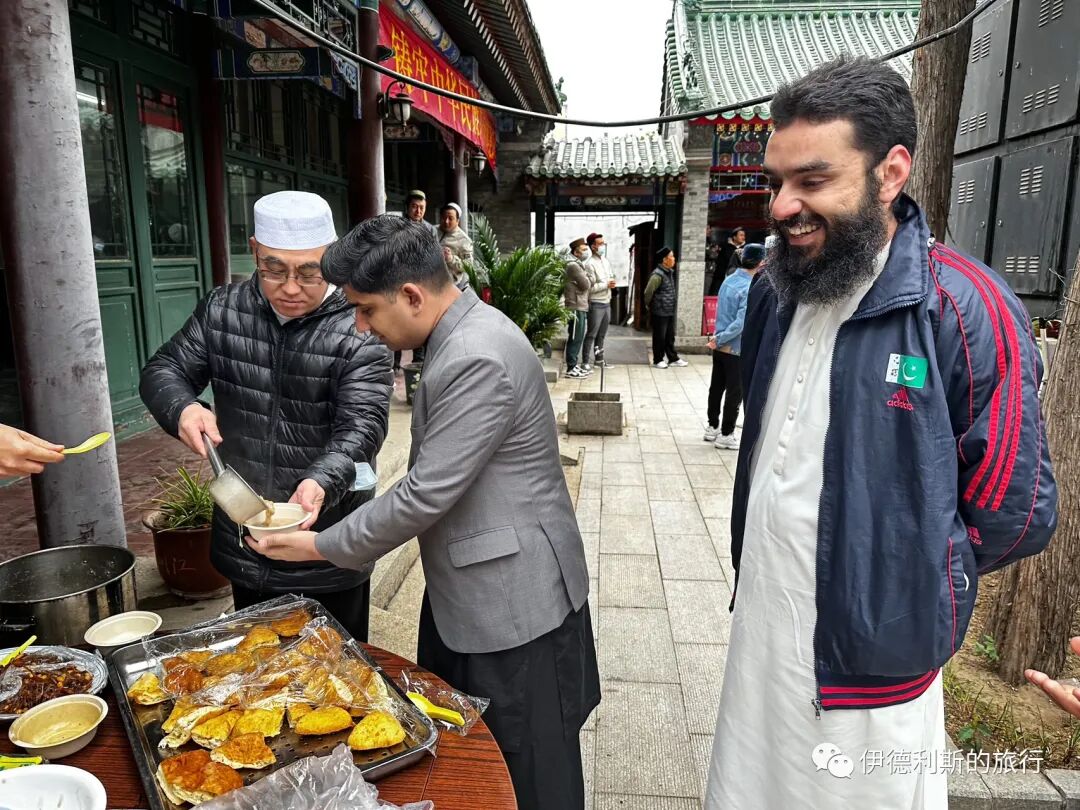
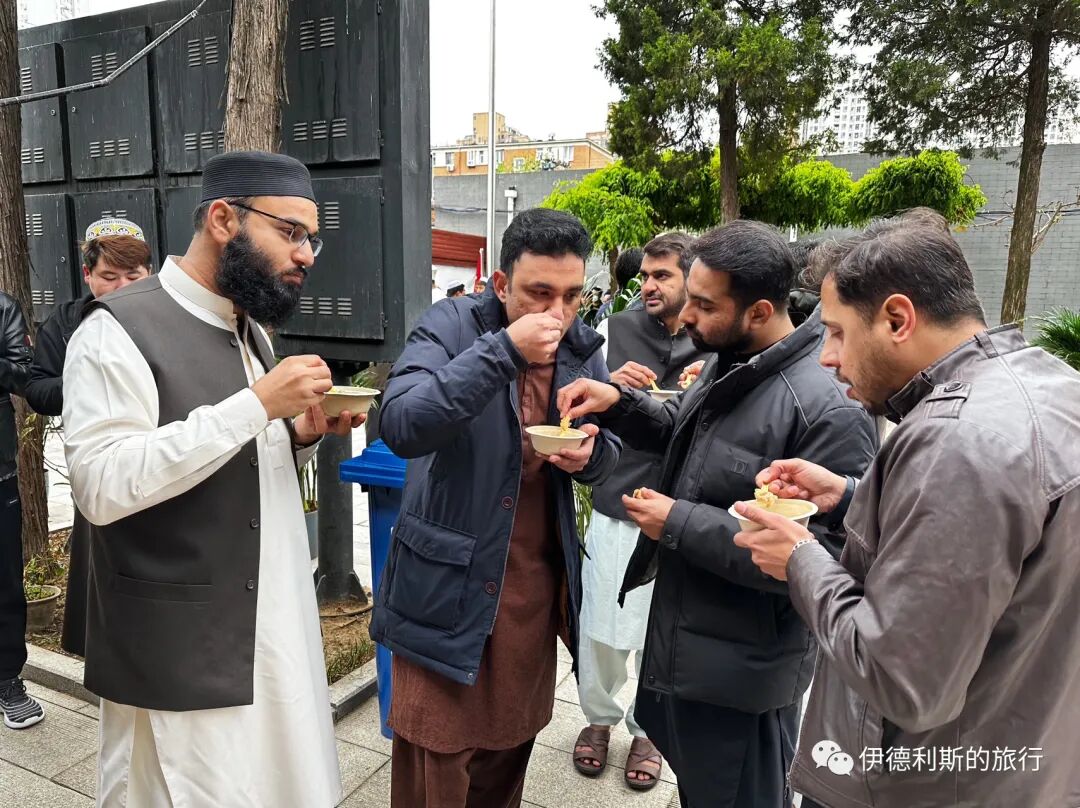
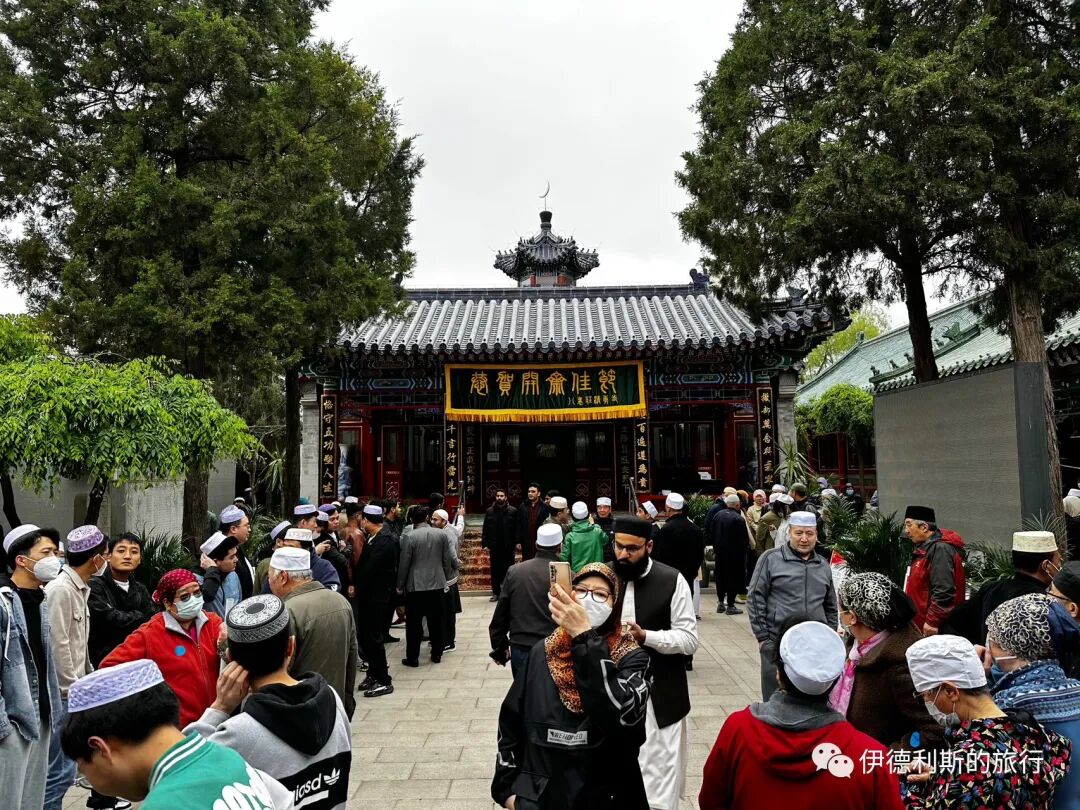
This was the first Eid held at Balizhuang Mosque since it was renovated and reopened. Everyone was very excited. Finally, here are some snapshots of Eid: the director's speech, the imam reciting scripture, inviting the imam, the elders praising the Prophet, and handing out fried dough cakes (youxiang).
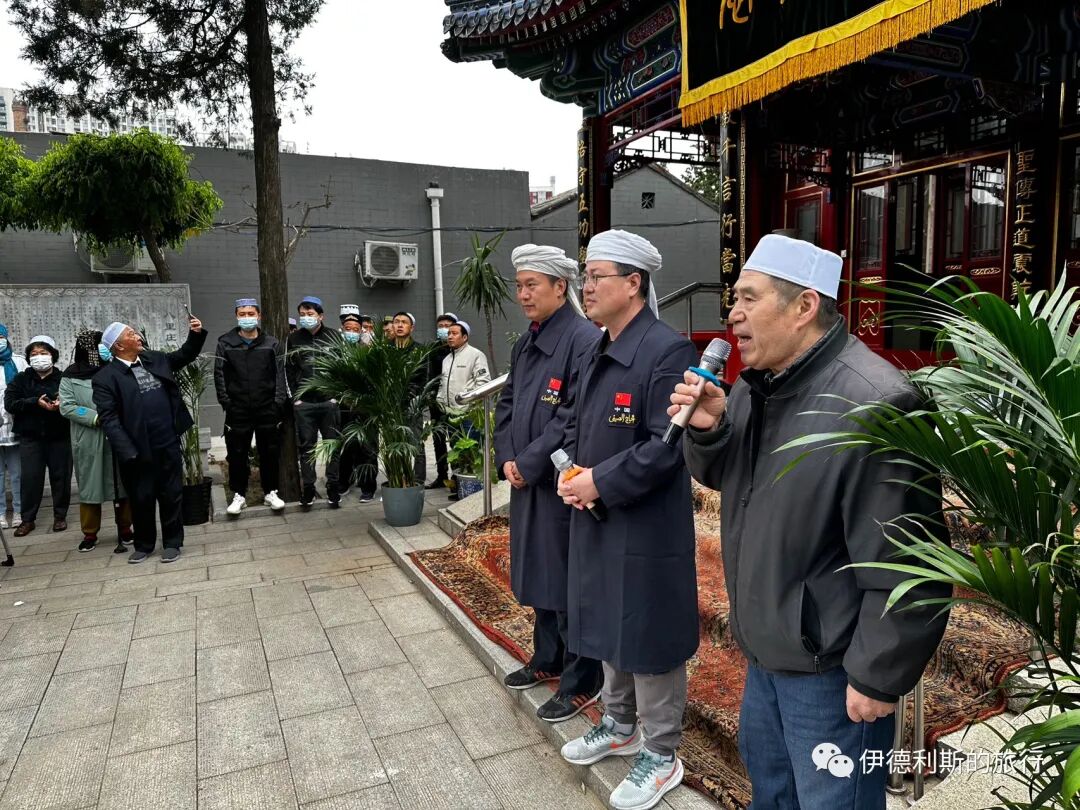
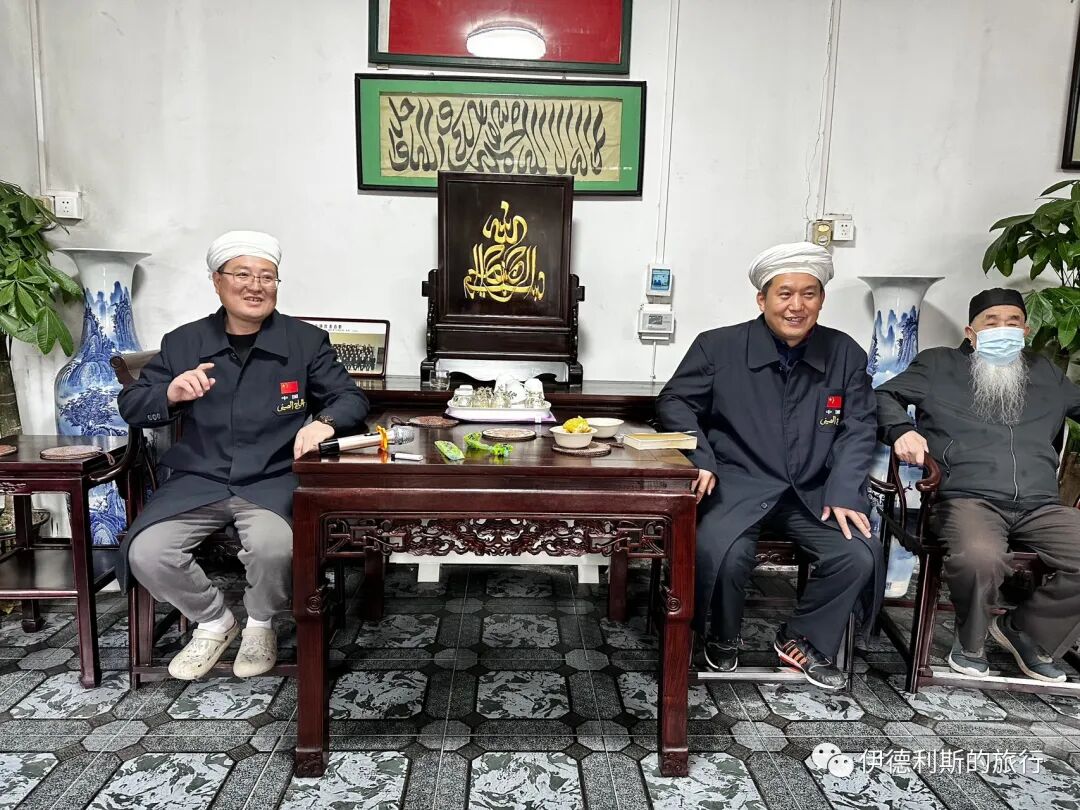
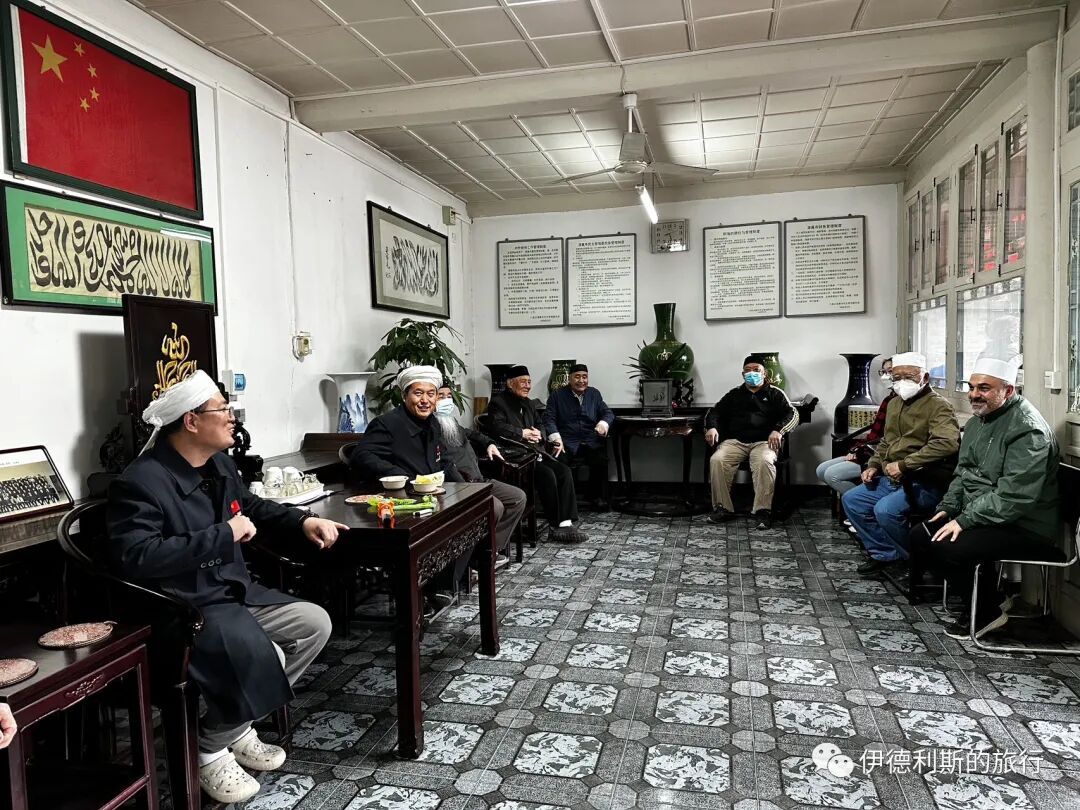
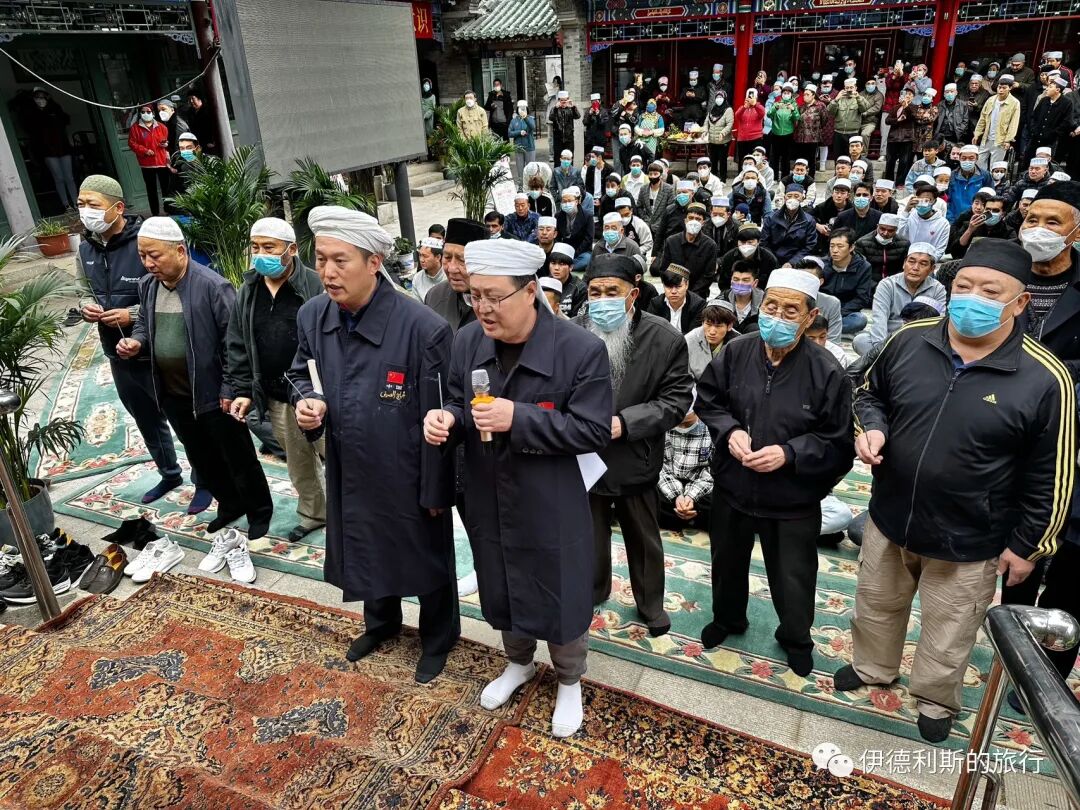
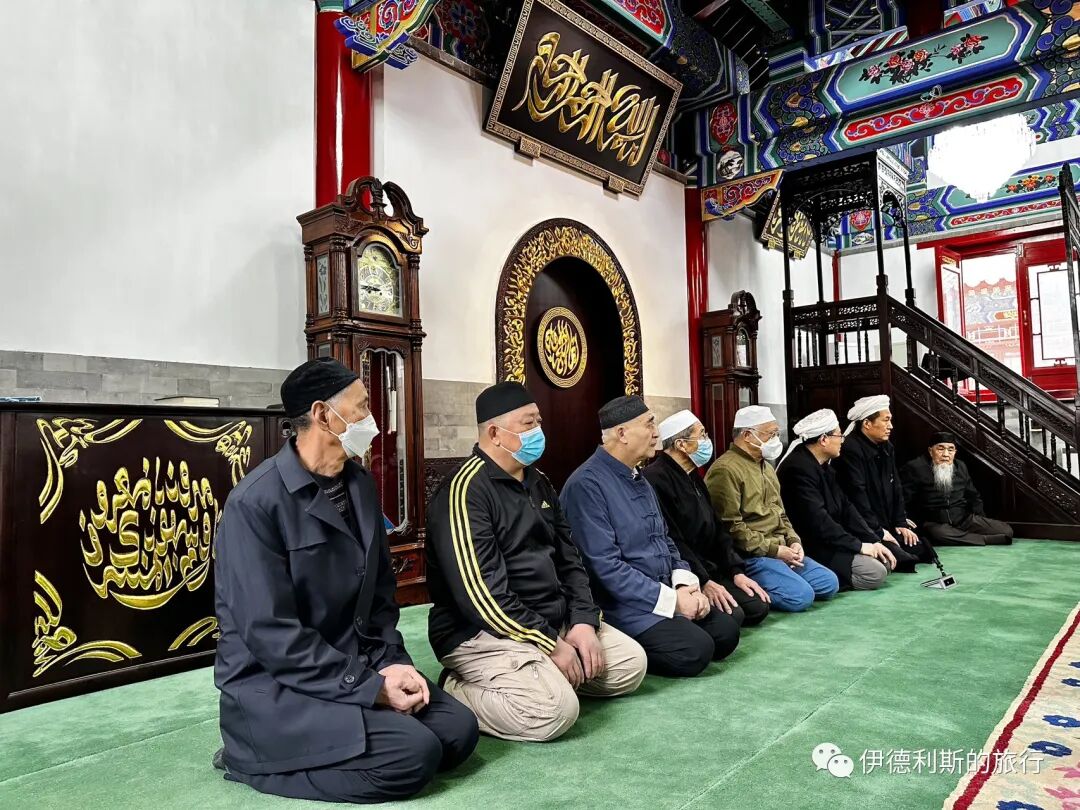
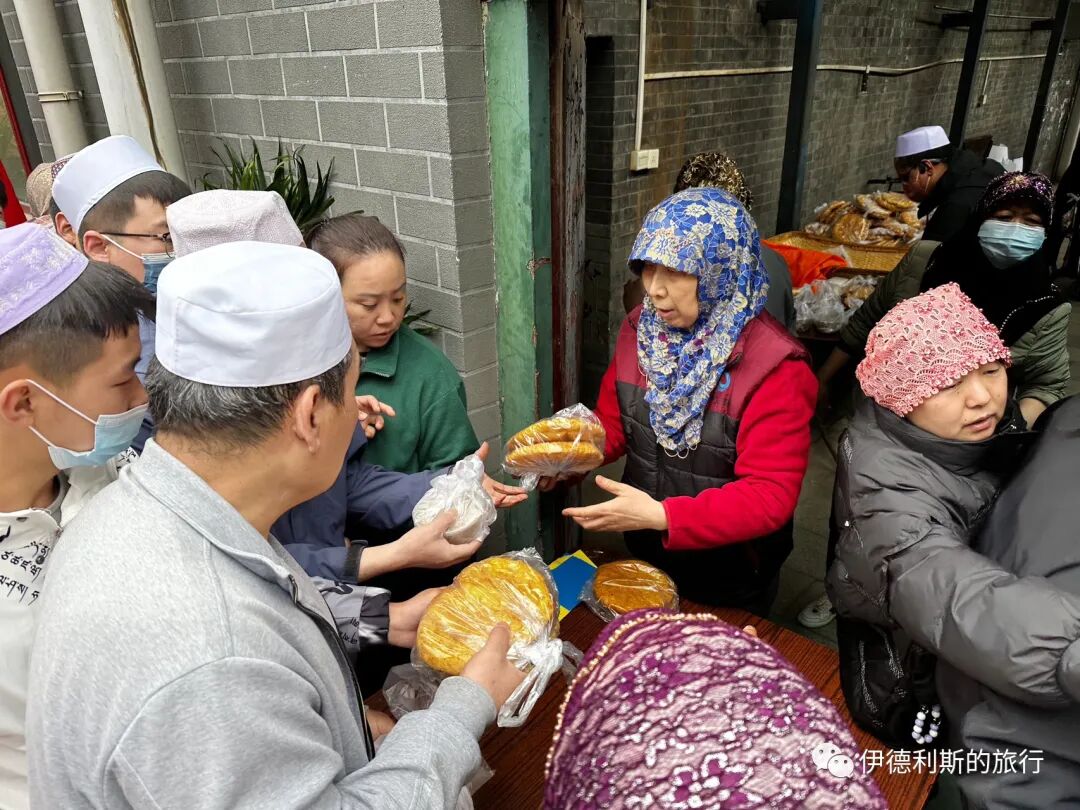
May you all be rewarded (thawab).

Halal Travel Guide: Ramadan in Beijing 2023 — Mosques and Iftar (Part 1)
Articles • ali2007fr posted the article • 0 comments • 140 views • 2026-05-18 21:14
Summary: Ramadan in Beijing 2023 — Mosques and Iftar is presented here as a firsthand travel account in clear English, beginning with this scene: Every year during Ramadan, I make it a habit to visit a few different mosques. Last Ramadan, I visited seven mosques in Beijing: Shahe, Changping Wujie, Heying, Nankou, Chadao, Majuqiao, and Mishi Hutong. The account keeps its focus on Beijing Ramadan, Mosque Travel, Iftar while preserving the names, places, food, and historical details from the Chinese source.
Every year during Ramadan, I make it a habit to visit a few different mosques. Last Ramadan, I visited seven mosques in Beijing: Shahe, Changping Wujie, Heying, Nankou, Chadao, Majuqiao, and Mishi Hutong. I wrote about them in my article, "Visiting Seven Ancient Mosques During Ramadan." This year, I visited eight mosques in Beijing: Dongsi, Nandouyacai, Nanxiapo, Dongzhimenwai, Dewai Fayuan, Madian, Changying, and Balizhuang. I will share these in two separate posts. The first part covers the first seven mosques, and the second part focuses on Balizhuang Mosque.
March 23
On the first day of Ramadan, I received a traditional halal plaque hand-carved by Mu Ningduosi.
I broke my fast in the evening at Nanxiapo Mosque, where I had various traditional pastries and fruits.
Nanxiapo Mosque, also known as the Small Mosque (Xiao Libaisi), was built in the early years of the Kangxi reign. It is the only ancient mosque remaining outside Chaoyangmen in Beijing. According to local elders, during the late Ming and early Qing dynasties, a shed builder lived in Nanxiapo. He used bamboo poles and reed mats to build a large shed, where an imam named Hu Zhonghe led the local Hui Muslims in worship. This was the earliest version of Nanxiapo Mosque. In the early Kangxi period, a Hui Muslim surnamed Ma who sold bows and arrows inside Chaoyangmen heard about the situation in Nanxiapo. He happened to receive payment for a bow and arrow order from some Mongols, so he donated the money to build the Nanxiapo Mosque.
After the 1960s, Nanxiapo stopped its regular activities but continued to serve as a funeral service center for Hui Muslims, helping them with end-of-life arrangements. At that time, more than twenty local elders, including Ma Yulin, Ma Yuhai, and Tuo Jihua, took turns guarding the mosque day and night to protect it from destruction, saving the ancient site from disaster.
After breaking my fast, I had pilaf (zhuafan) at Hetian Restaurant on Ritan Shangjie. The meat was incredibly tender, though the wait for the food was a bit long, which isn't ideal for Ramadan.
I discovered that Hetian Restaurant opened a shop on the street selling yogurt, shaved ice, and sticky rice dumplings (zongzi)—it felt like being back on the streets of Xinjiang! It felt so authentic. Once the weather in Beijing warms up, it will be so pleasant to sit on the street, eating yogurt zongzi and drinking shaved ice.
March 24
Today is the first Jumu'ah of Ramadan. I went to Changying Mosque at noon for the prayer. The magnolia trees in the mosque are in bloom, full of spring spirit.
Changying is located not far from the north side of the Chaoyangmen official road. The "Beijing Chaoyang District Gazetteer" mentions a rhyme from the Republican era about Changying: "Three treasures of the Changying Hui Muslims: pushing carts, selling hay, and pulling rickshaws." Pushing carts meant using wheelbarrows to transport grain from the Tongzhou earth dam to the "Thirteen Granaries" inside and outside Chaoyangmen. Pulling rickshaws meant transporting passengers along the Chaoyangmen official road. Both were directly related to the canal transport system.
Changying Mosque was built during the Ming Zhengde period (1505-1521), renovated in 1796 (the first year of the Jiaqing reign), renovated again in 1986, and underwent large-scale expansion in 2004 to reach its current form.
March 29
I was at Nanxiapo Mosque again today. After breaking the fast, everyone drank tea and ate fruit and pastries. The elders were very welcoming, and the atmosphere was wonderful.
Beijing snack honey-coated fried dough cubes (mishandao).
March 30
Today I was at Nandouyacai Mosque. We had the usual fruit, pastries, and tea. I also received some braised chicken from Jiaoxiao Zhai, a gift from an elder in his eighties. I felt very grateful. Nandouyacai Mosque is surrounded by the Dongsi Olympic Park. The park is full of spring, and the evening breeze felt very comfortable.
People say Nandouyacai Mosque was originally a mosque, bought and converted by Hui Muslims in 1798 (the third year of the Jiaqing reign). In 2002, due to the demolition of Chaonei Small Street, the mosque was moved 20 meters south and rebuilt, with its entrance now facing west toward Douban Hutong.
After breaking my fast, I had dinner at Xinyue Zhai at the entrance of Nandouyacai Mosque. I ordered a few home-style dishes: stir-fried trio (bao sanyang), shredded pork with garlic sprouts, shredded tofu with hot peppers, and hot and sour soup. I have been eating at this place for over ten years, and it is one of the most reliable Beijing-style stir-fry restaurants near my home. Their main selling point is how fast they serve the food! Everything is cooked instantly over a high flame. I especially love the stir-fried trio (bao sanyang)—lamb with scallions, lamb liver, and lamb kidney. The aroma of the scallions and the meat blend perfectly, making it great to eat with rice.
For iftar, I ate some braised chicken (paji) donated by an elder.
March 31
It is the second Jumu'ah of Ramadan, and I am at Changying Mosque again. The sky turned blue today, and I feel great.
In the book 'Narrative of the North China Campaign of 1860' by Swinhoe, it is written that after the Anglo-French forces landed in Tianjin, they passed through Changying on their way to Beijing:
On the afternoon of October 3, we struck our tents, crossed the canal, and marched into a Hui Muslim village in Changying. This village was near the rifle regiment's outpost. Lord Elgin and Sir Hope Grant, along with their staff, stayed in a beautiful mosque, while about six thousand strong soldiers camped in the surrounding fields.
The village was very small, and it was full of mud huts. But this time, not all the houses were empty. The villagers were Hui Muslims who practiced Islam, and you could tell them apart from the other locals by the strange pointed hats they wore on their heads, with their braids tucked inside. Inside the mosque, there were many inscriptions in Arabic and Chinese, and several books and scriptures printed in Arabic were scattered around. Many of the Prophet's Chinese followers could recite a few sentences from these books, but very few could explain what they meant. However, they were very familiar with the prayers and chapters of the Quran and often recited them to the Sikh cavalry (Note: the author mistook Indian Muslims for Sikhs). The villagers recited these prayers repeatedly, which always moved the weary Indian warriors to tears and often made them take silver out of their pockets. The Hui Muslims of the Celestial Empire knew better than to refuse this sympathy.
An ancient tree from the Ming Dynasty Zhengde era inside the mosque.
I continued to break my fast at Nandouya Mosque in the evening. Many university student friends (dosti) came to the mosque, and I am very grateful to be able to visit the mosque more often during Ramadan.
After the Maghrib prayer, I had dinner at Xinyuezhai as usual. The spring breeze was gentle, so we ate at the entrance. We ordered pan-fried lamb (guota yangrou), braised winter bamboo shoots and mushrooms (shao erdong), and dough drop soup (gedatang). I have been eating the pan-fried lamb at this place for over ten years, and it goes so well with rice! The winter bamboo shoots in the braised dish are sweet and delicious, and the dough drop soup is very thick; if you don't want rice, a big bowl of this is enough to fill you up.
April 2
I broke my fast at home over the weekend. Zainab made hand-pulled noodles (latiazi), and I made eggplant with meat and bamboo shoots with meat. Compared to the ones in Xinjiang, they are quite light.
April 3
I broke my fast at Dongsi Mosque today. There were pastries and fruits donated to the mosque by an elder.
Dongsi Mosque is one of the four major official mosques in Beijing from the Ming Dynasty. It was built in 1447 (the 12th year of the Ming Zhengtong era) with funds donated by Chen You, a famous Hui Muslim military officer of the Ming Dynasty. In 1450 (the first year of the Ming Jingtai era), the Jingtai Emperor bestowed the title 'Mosque' upon it.
During the Yongle era, Chen You followed Zhu Di on two northern expeditions against the Mongols and performed meritorious service. During the Xuande era, he was mainly engaged in pacification work along the northern and northwestern borders of the Ming Dynasty. During the Zhengtong era, the tribute trade between the Ming Dynasty and the Mongols entered a prosperous period. In 1436 (the first year of the Zhengtong era), Chen You became an envoy for the mission to the Oirat Mongols. Later, he led Oirat envoys to the capital to present horses many times, and due to his achievements, he was promoted several times to the position of Assistant Commander of the Embroidered Uniform Guard. In 1444 (the ninth year of the Zhengtong era), Chen You was appointed as a Guerrilla General and began patrolling the borders in places like Ningxia. During this time, he defeated the Mongol army and achieved great military success, leading to his promotion to Assistant Commander of the Rear Chief Military Commission, becoming a high-ranking military officer. He donated money to build the Dongsi Mosque during this period.
In 1449 (the 14th year of the Zhengtong reign), war broke out between the Ming Dynasty and the Oirat Mongols. Chen You followed the Ming Emperor Yingzong into battle, but they were defeated and the emperor was captured. During the crucial defense of Beijing, Chen You fought bravely and earned military honors, leading to his promotion to Commander-in-Chief of the Rear Military Commission. In 1450 (the first year of the Jingtai reign), the Jingtai Emperor sent Chen You to the Guizhou and Huguang regions to suppress the Miao uprising, and he was promoted twice for his military achievements. It was during this time that the Jingtai Emperor bestowed the plaque reading "Mosque" (Qingzhensi) upon the Dongsi Mosque.
Because of his outstanding military service, Chen You was granted the title of Count of Wuping in 1457 (the first year of the Tianshun reign), a title his descendants inherited. Later, Chen's descendants often served as officers in the Beijing military camps and funded the repairs of several old mosques, including those in Dingzhou and Yizhou, Hebei.
After Shamu finished, he rode his bike home. He passed a Niujie fried chicken shop on Dongsi North Street and bought a freshly fried chicken leg. When he got home, he ate the stir-fried rapeseed, spring bamboo shoots, carrots, and potatoes I had made earlier, along with the steamed buns (momo) my father-in-law had made for us.
April 4
We went to the mosque outside Dongzhimen to break our fast in the spring rain. There were fried cakes (zhagao) freshly made by the elders; I hadn't eaten them in a long time! Shamu ate dumplings at the mosque. They were fennel and chive, which tasted better than the ones in restaurants and really reminded me of my childhood.
The mosque outside Dongzhimen was originally called the Erlizhuang Mosque. It was first built during the Yuan Dynasty and renovated during the Kangxi reign of the Qing Dynasty. In the late 1980s, Shougang Group and a Danish investor built international apartments in Erlizhuang, so the old mosque was moved one kilometer to the northwest and rebuilt. It was completed in 1991 and reopened in 1993.
After coming out, I bought two milk flatbreads (naizi nang) at the bakery by the mosque gate to eat for the next day's fast.
April 6
In the evening, we broke our fast at the Nanhxiapo Mosque and had some glutinous rice strips (jiangmitiao), which I loved as a child. After Shamu finished, he ate some meat pies (xianbing) given out by the elders, which were delicious.
April 7
It was the third Friday (Jumu'ah) of Ramadan, and we were at the Changying Mosque again. The sky today was as blue as if it had been washed, clear and vast, just like a painting.
Inside the Changying Mosque, there is a 1937 stone tablet titled "Last Words of My Late Mother," which is a precious record of the Changying Women's Mosque. It says, "Sacrificing the family house in the west courtyard, we converted the former girls' school into a women's bathing facility." But the two rooms on the east side were kept as a place for Lin and others to stay when they returned home. "" The "Lin" mentioned here refers to Zhang Zhaolin, a Hui Muslim from Changying who was known as one of the "Five Great Hui Journalists of the Republic of China."
According to the article "With the Zhang Zhaolin Brothers," Zhang Zhaolin, whose courtesy name was Ziqi, was born in Changying in 1865. His grandfather and great-uncle were both military scholars (wujinshi) in the same year during the Daoguang reign. When he was four or five, his family's fortunes declined. He only attended a private village school before becoming an apprentice at a grocery store. In 1909, Zhang Zhaolin founded the "Xingshi Bao" (Awakening Times) in Fengtian, which was the most important vernacular newspaper in Fengtian at the time.
April 8
I spent the weekend at home taking care of Suleiman. I went out in the morning to buy vegetables and meat. I bought fresh lamb at a lamb stall next to Dongzhimen Hospital and made lamb soybean paste noodles (zhajiangmian) for breaking the fast, with noodles pulled by Zainab.
April 9
Today I made tomato sauce noodles (dalumian) at home, which are lighter than the soybean paste noodles.
April 10
I broke my fast at Fayuan Mosque outside Deshengmen. Fayuan Mosque is also called Dewai Guanxiang Mosque. It was originally located on the north slope of Jiaochangkou outside Deshengmen. It was moved and expanded during the Kangxi reign, and the main hall was expanded again during the Republic of China period. It consists of four connected roofs and a four-cornered pavilion with a pointed top.
After the evening prayer (sajdah), I rode my bike home along the North Moat. The breeze felt great.
April 18
I broke my fast at Madian Mosque. I ate noodles with eggplant and tomato-egg sauce. The noodle bowls at Madian Mosque are huge, they feel like small basins, haha.
Madian was once the second-largest residential area for Hui Muslims in Beijing after Niujie, and it was also the center of the sheep trade in Beijing. Since the Qing Dynasty, sheep transported from Mongolia through Zhangjiakou were kept in the sheep pens of various sheep trading firms in Madian after arriving in Beijing, before being sold to mutton stalls inside the city. Madian Mosque was first built during the Kangxi reign. It was rebuilt with donations from 14 local sheep trading firms during the Daoguang reign and was renovated again in the 1980s. It is an important ancient mosque in Beijing. view all
Summary: Ramadan in Beijing 2023 — Mosques and Iftar is presented here as a firsthand travel account in clear English, beginning with this scene: Every year during Ramadan, I make it a habit to visit a few different mosques. Last Ramadan, I visited seven mosques in Beijing: Shahe, Changping Wujie, Heying, Nankou, Chadao, Majuqiao, and Mishi Hutong. The account keeps its focus on Beijing Ramadan, Mosque Travel, Iftar while preserving the names, places, food, and historical details from the Chinese source.
Every year during Ramadan, I make it a habit to visit a few different mosques. Last Ramadan, I visited seven mosques in Beijing: Shahe, Changping Wujie, Heying, Nankou, Chadao, Majuqiao, and Mishi Hutong. I wrote about them in my article, "Visiting Seven Ancient Mosques During Ramadan." This year, I visited eight mosques in Beijing: Dongsi, Nandouyacai, Nanxiapo, Dongzhimenwai, Dewai Fayuan, Madian, Changying, and Balizhuang. I will share these in two separate posts. The first part covers the first seven mosques, and the second part focuses on Balizhuang Mosque.
March 23
On the first day of Ramadan, I received a traditional halal plaque hand-carved by Mu Ningduosi.
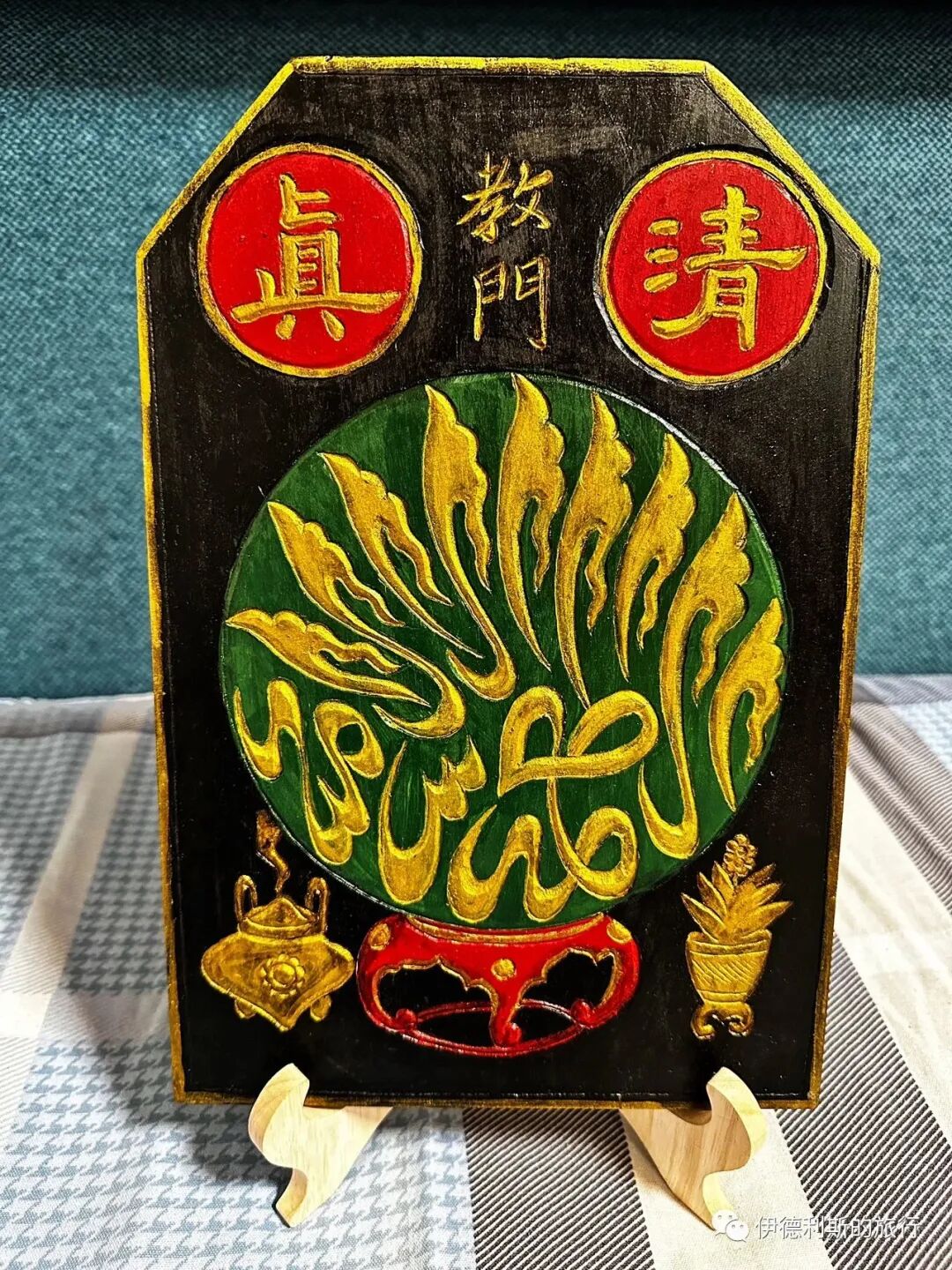
I broke my fast in the evening at Nanxiapo Mosque, where I had various traditional pastries and fruits.
Nanxiapo Mosque, also known as the Small Mosque (Xiao Libaisi), was built in the early years of the Kangxi reign. It is the only ancient mosque remaining outside Chaoyangmen in Beijing. According to local elders, during the late Ming and early Qing dynasties, a shed builder lived in Nanxiapo. He used bamboo poles and reed mats to build a large shed, where an imam named Hu Zhonghe led the local Hui Muslims in worship. This was the earliest version of Nanxiapo Mosque. In the early Kangxi period, a Hui Muslim surnamed Ma who sold bows and arrows inside Chaoyangmen heard about the situation in Nanxiapo. He happened to receive payment for a bow and arrow order from some Mongols, so he donated the money to build the Nanxiapo Mosque.
After the 1960s, Nanxiapo stopped its regular activities but continued to serve as a funeral service center for Hui Muslims, helping them with end-of-life arrangements. At that time, more than twenty local elders, including Ma Yulin, Ma Yuhai, and Tuo Jihua, took turns guarding the mosque day and night to protect it from destruction, saving the ancient site from disaster.
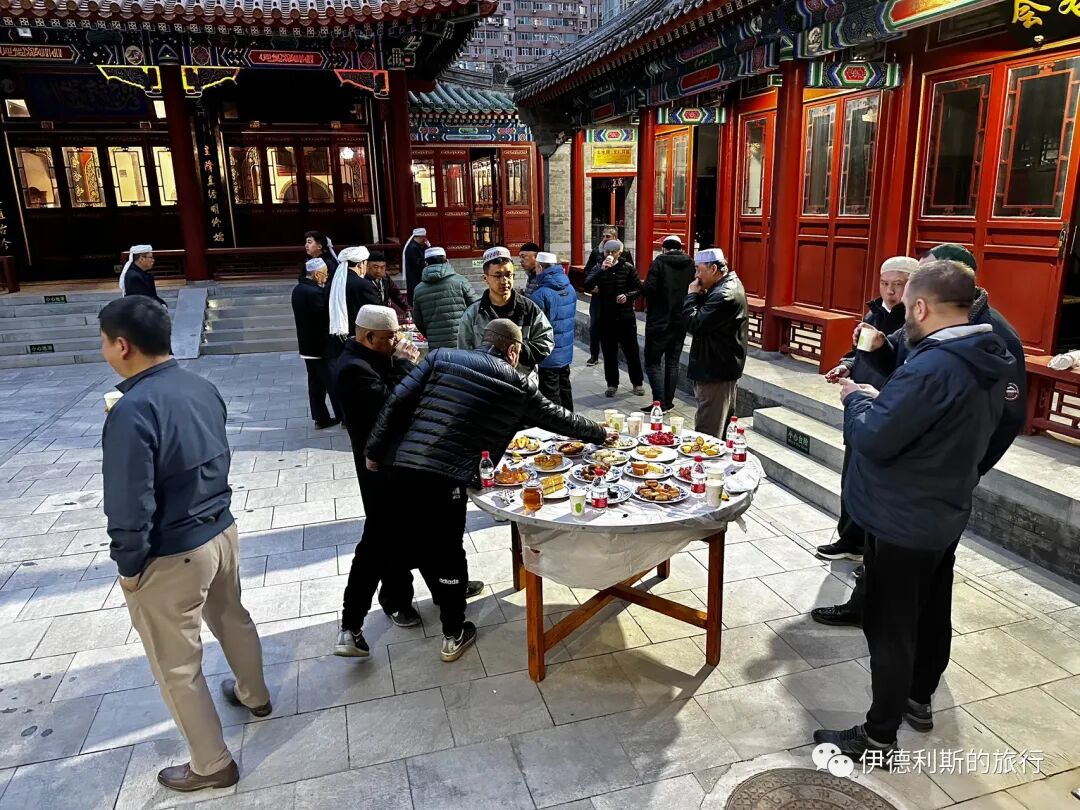
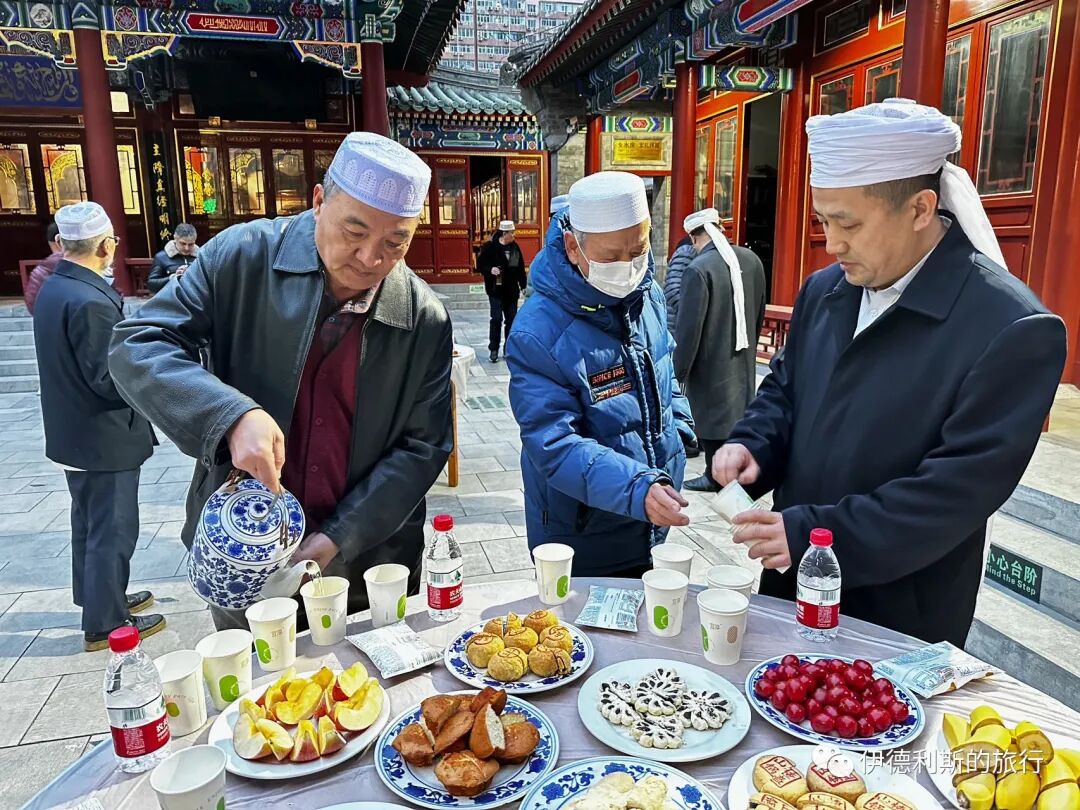
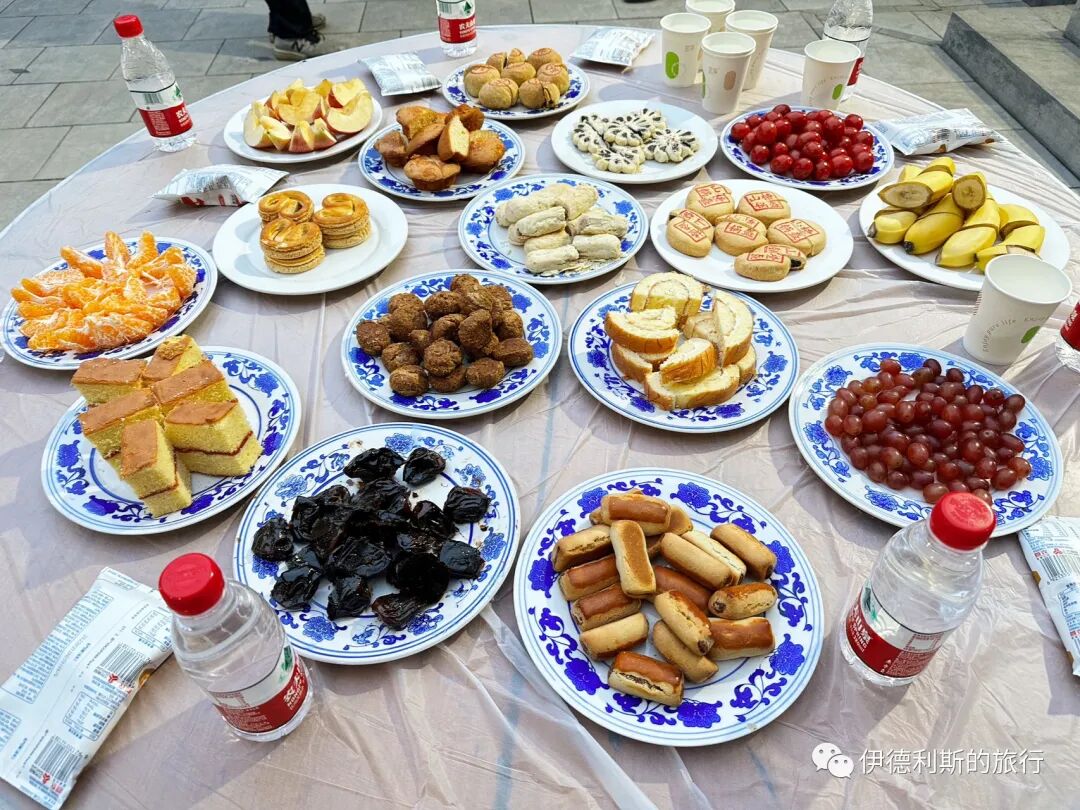
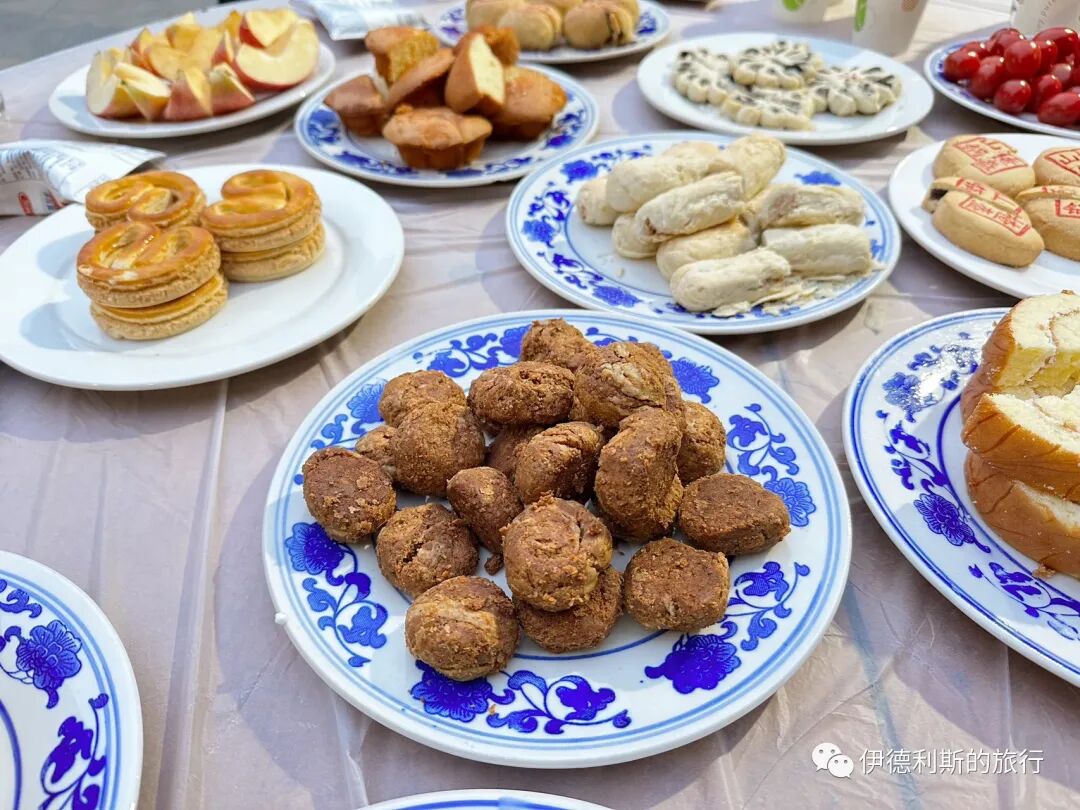
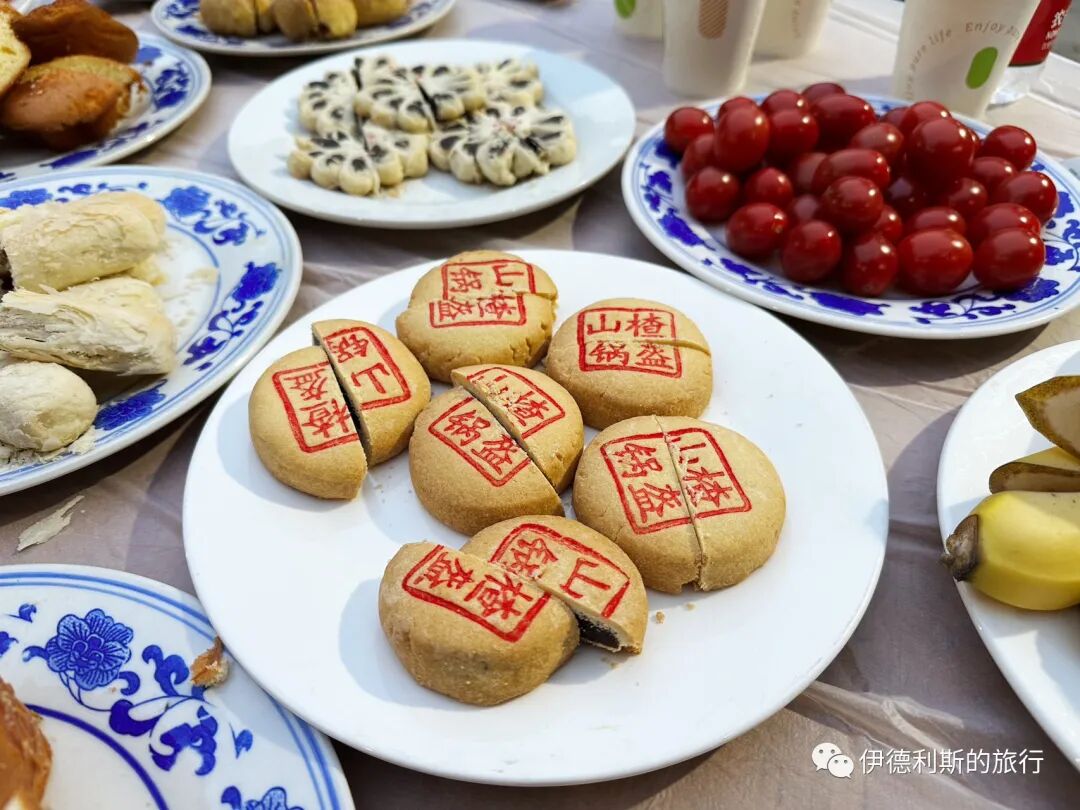
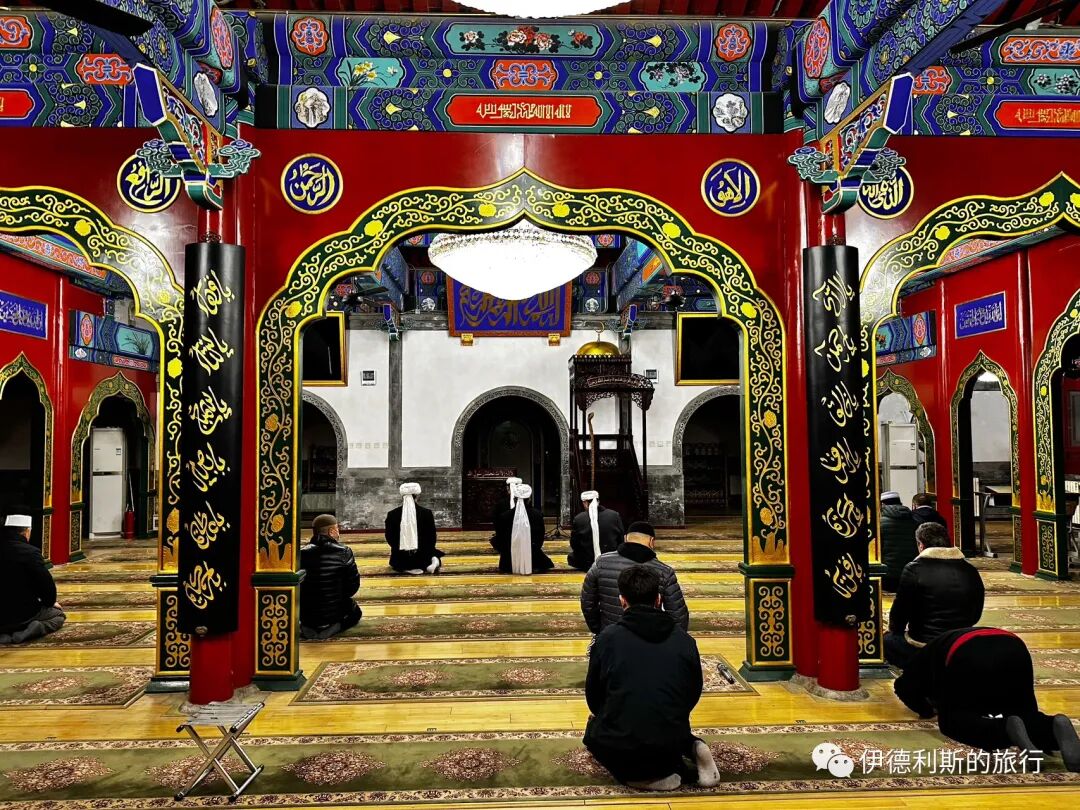
After breaking my fast, I had pilaf (zhuafan) at Hetian Restaurant on Ritan Shangjie. The meat was incredibly tender, though the wait for the food was a bit long, which isn't ideal for Ramadan.
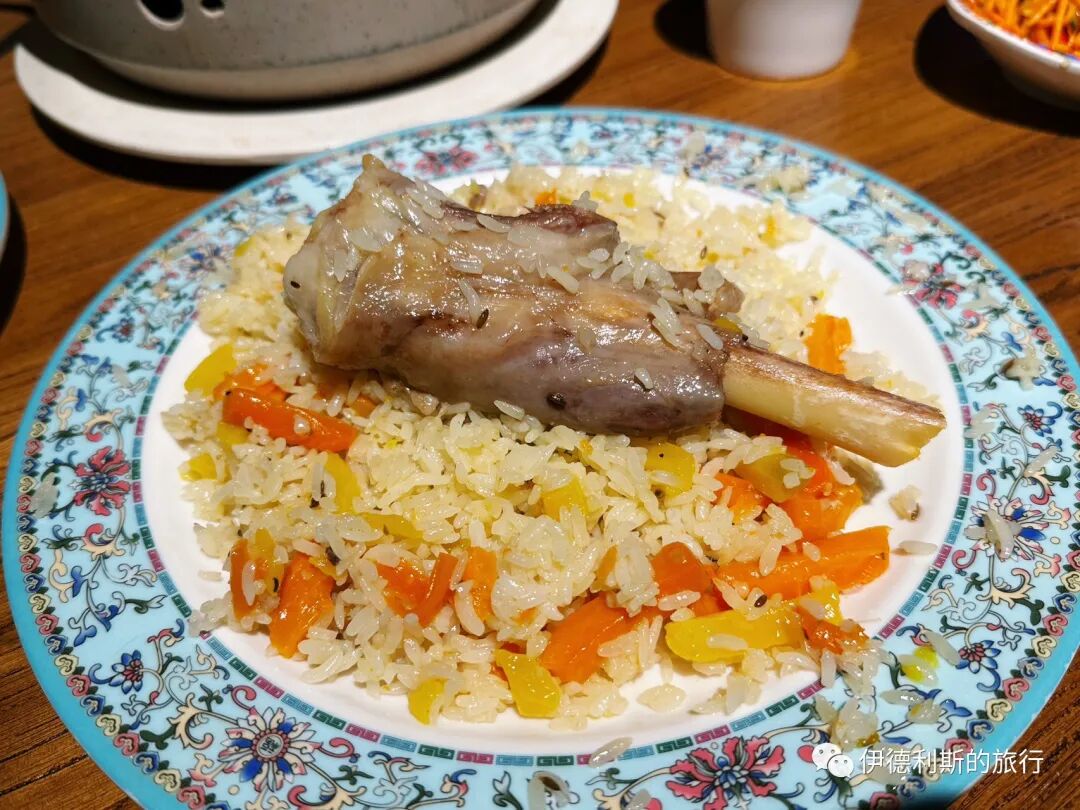
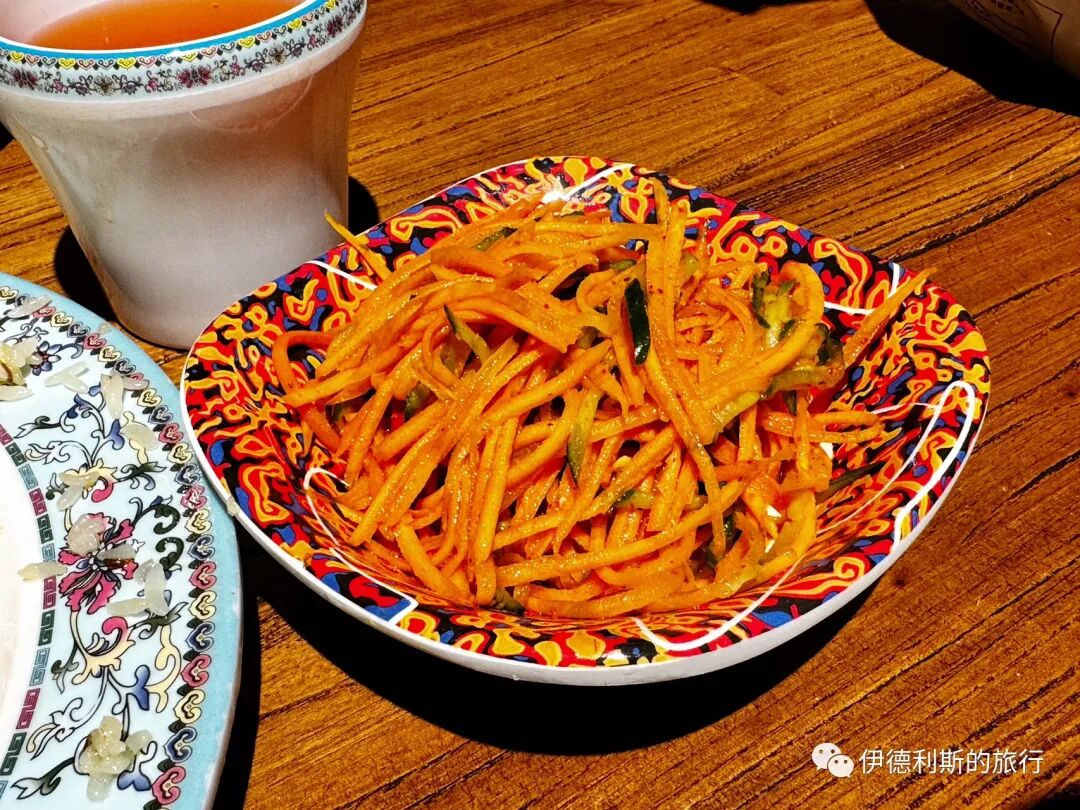
I discovered that Hetian Restaurant opened a shop on the street selling yogurt, shaved ice, and sticky rice dumplings (zongzi)—it felt like being back on the streets of Xinjiang! It felt so authentic. Once the weather in Beijing warms up, it will be so pleasant to sit on the street, eating yogurt zongzi and drinking shaved ice.
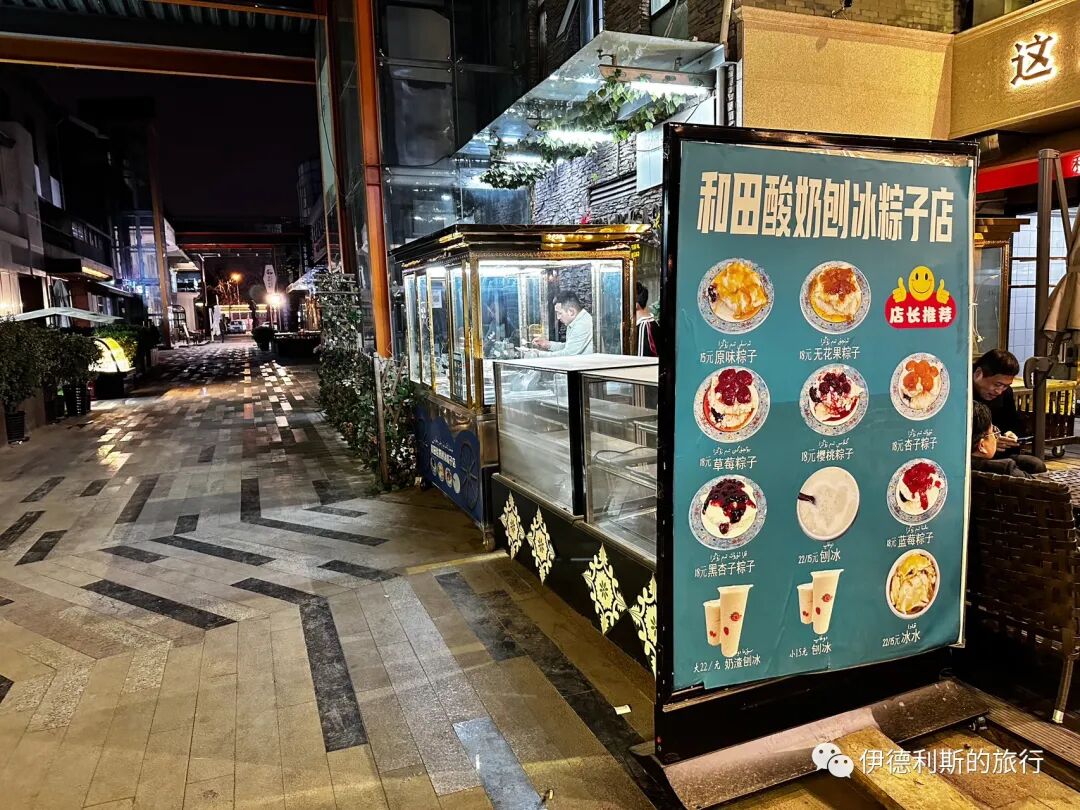
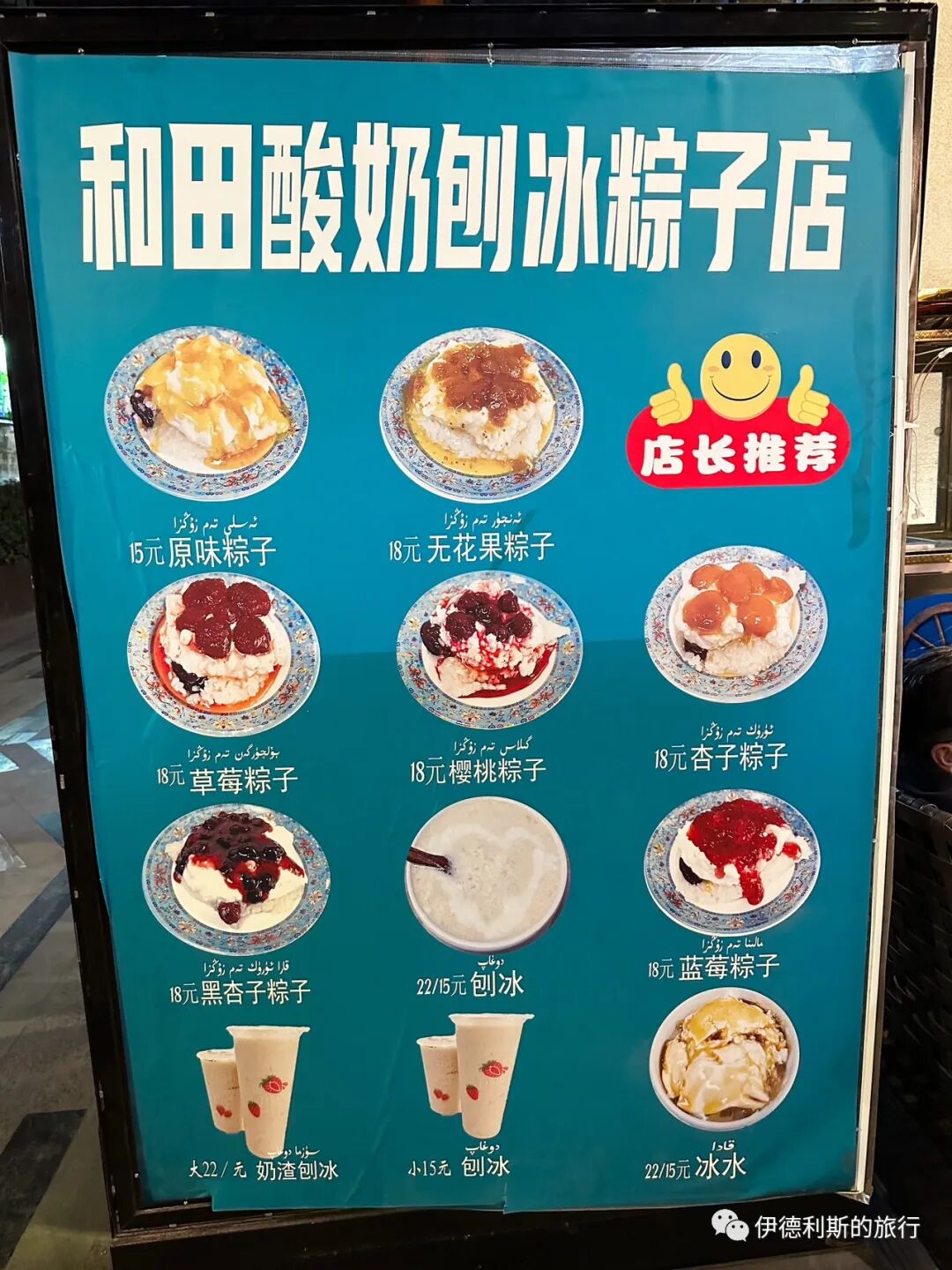
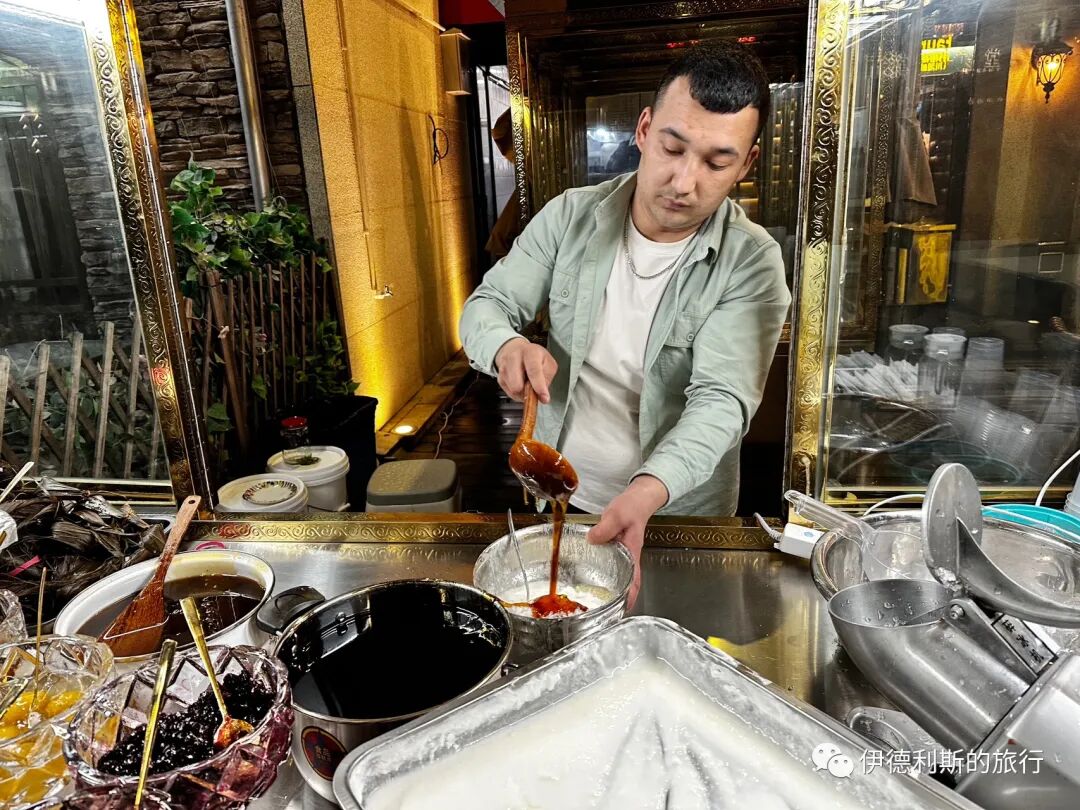
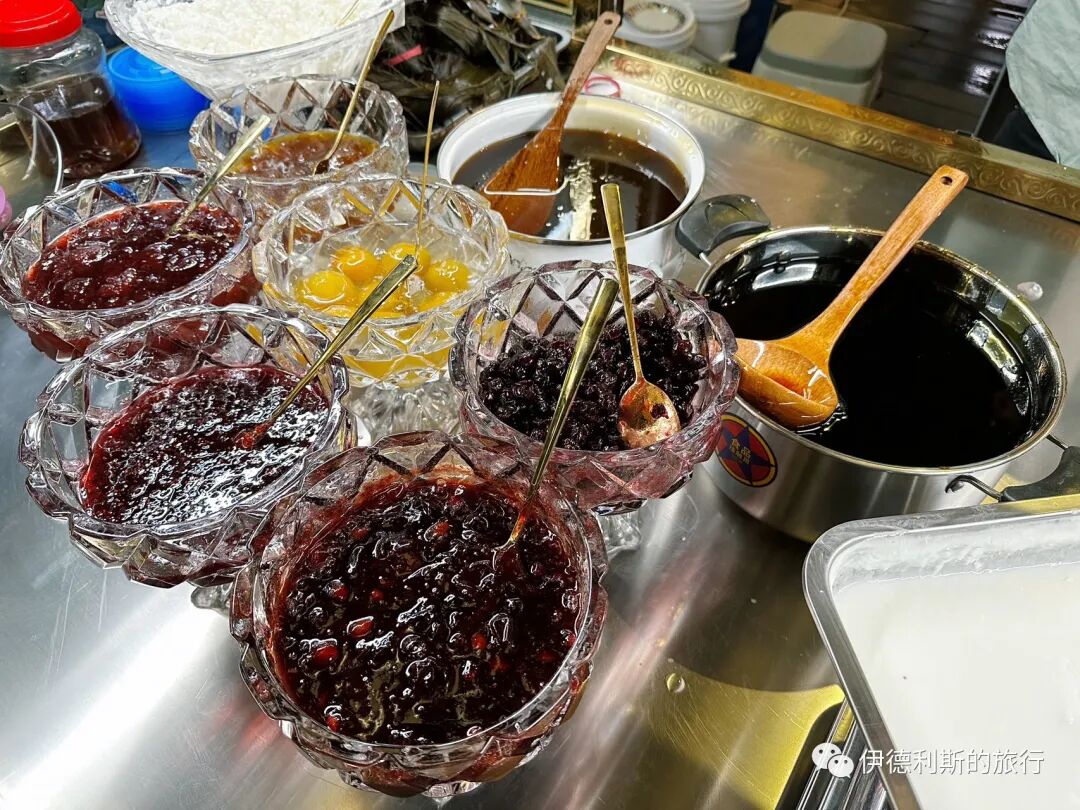
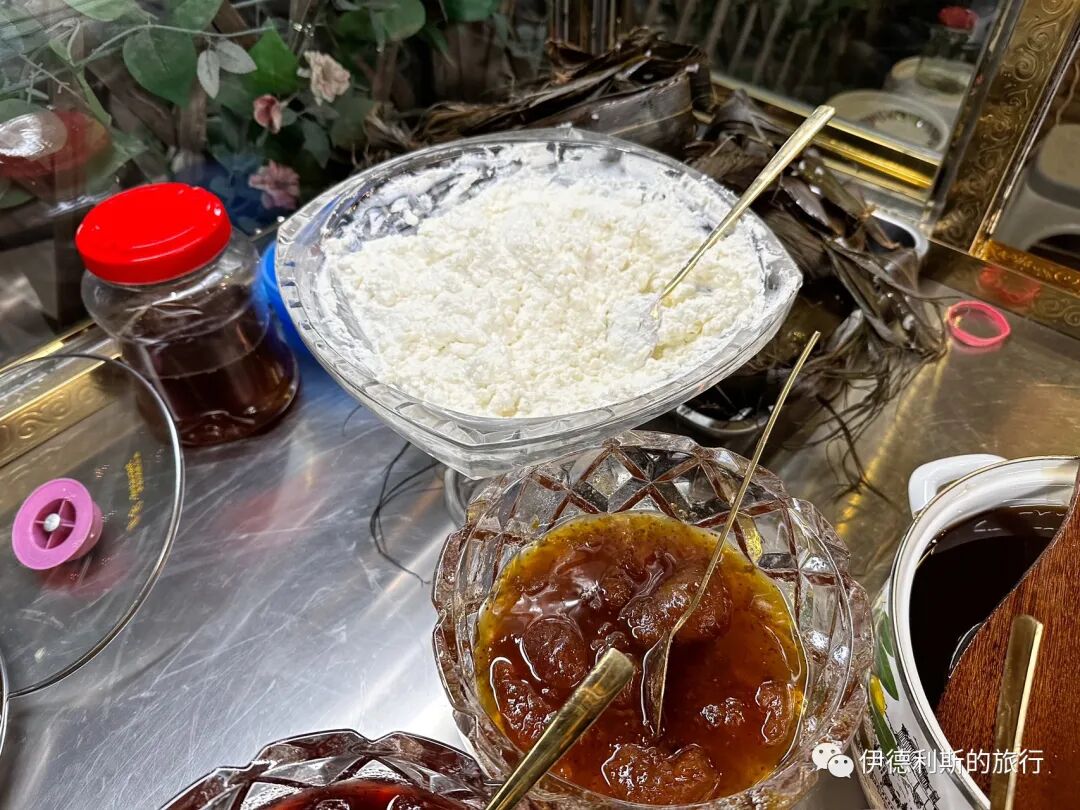
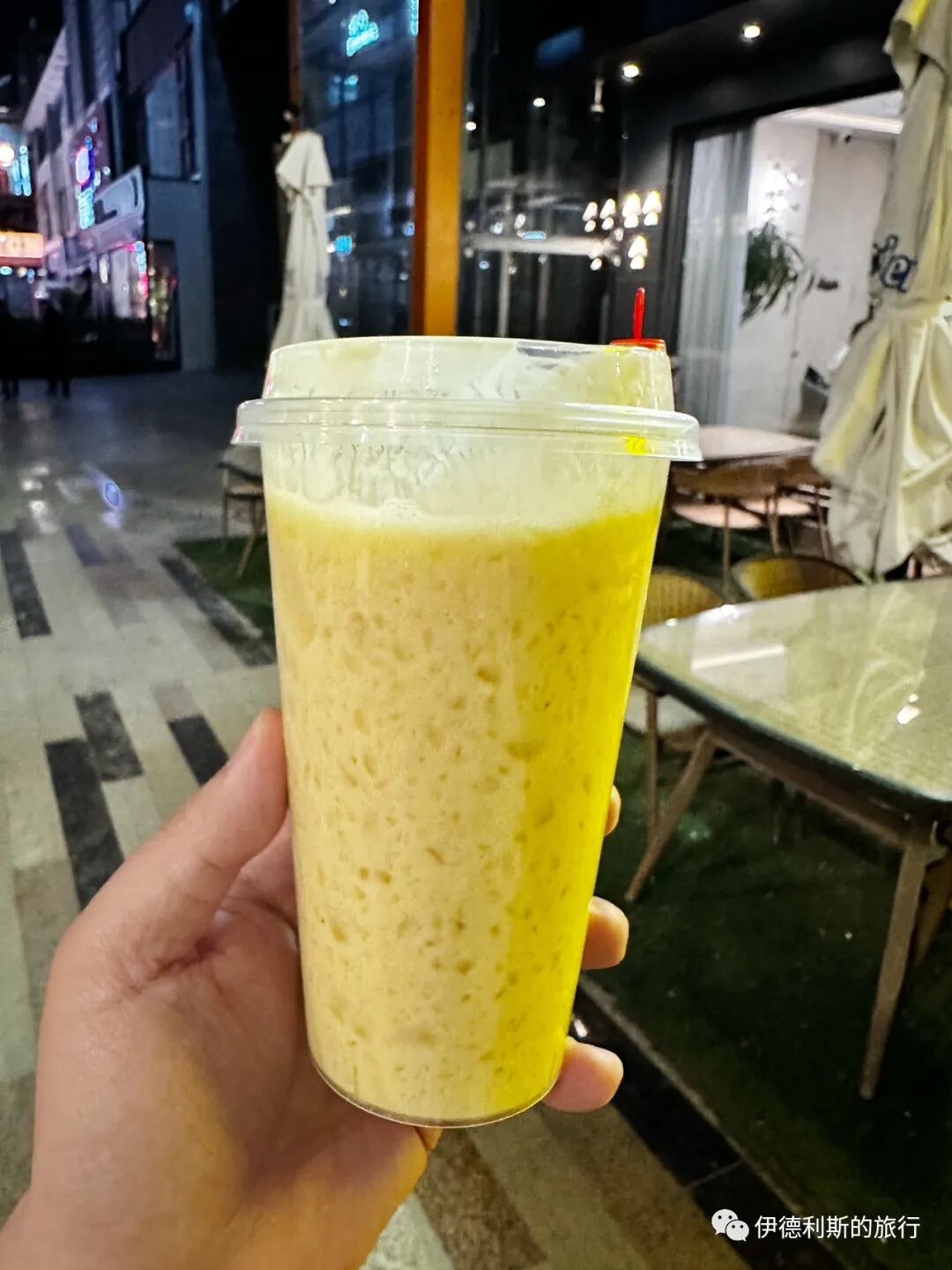
March 24
Today is the first Jumu'ah of Ramadan. I went to Changying Mosque at noon for the prayer. The magnolia trees in the mosque are in bloom, full of spring spirit.
Changying is located not far from the north side of the Chaoyangmen official road. The "Beijing Chaoyang District Gazetteer" mentions a rhyme from the Republican era about Changying: "Three treasures of the Changying Hui Muslims: pushing carts, selling hay, and pulling rickshaws." Pushing carts meant using wheelbarrows to transport grain from the Tongzhou earth dam to the "Thirteen Granaries" inside and outside Chaoyangmen. Pulling rickshaws meant transporting passengers along the Chaoyangmen official road. Both were directly related to the canal transport system.
Changying Mosque was built during the Ming Zhengde period (1505-1521), renovated in 1796 (the first year of the Jiaqing reign), renovated again in 1986, and underwent large-scale expansion in 2004 to reach its current form.
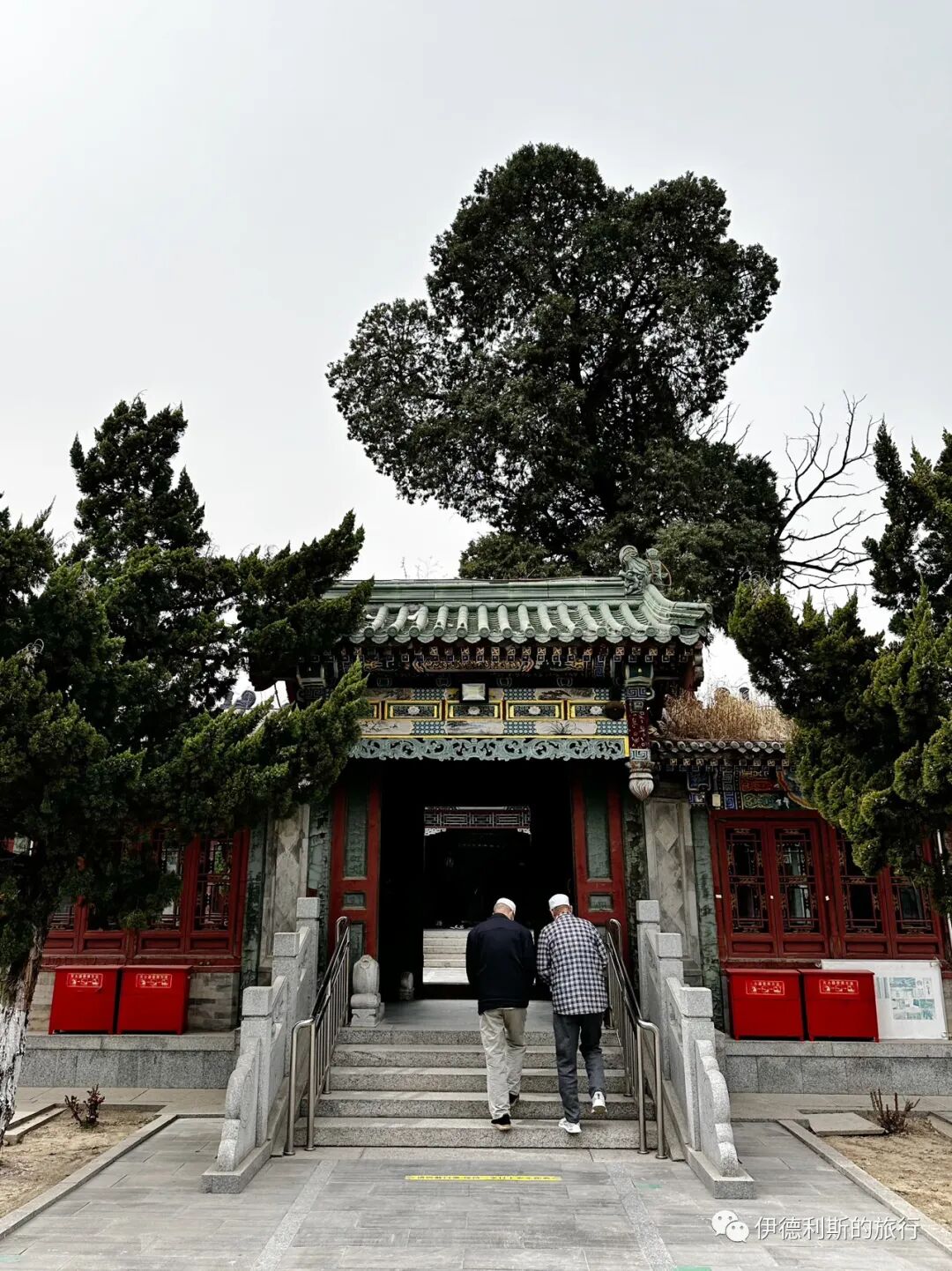
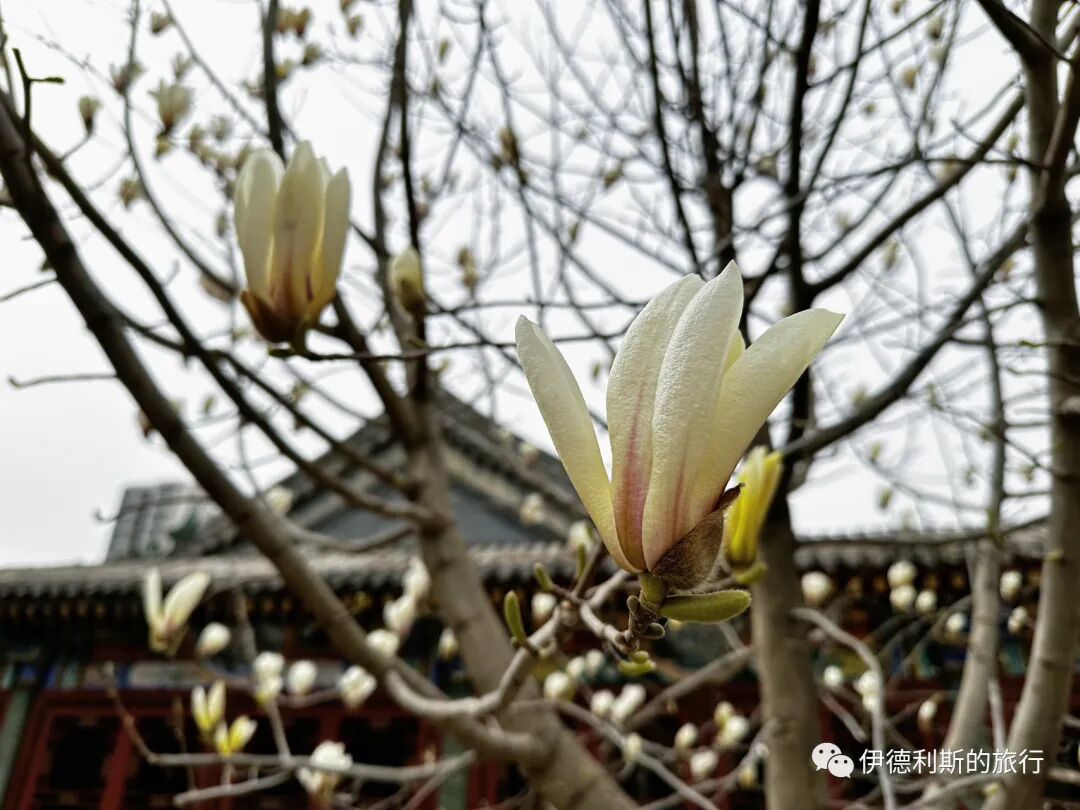
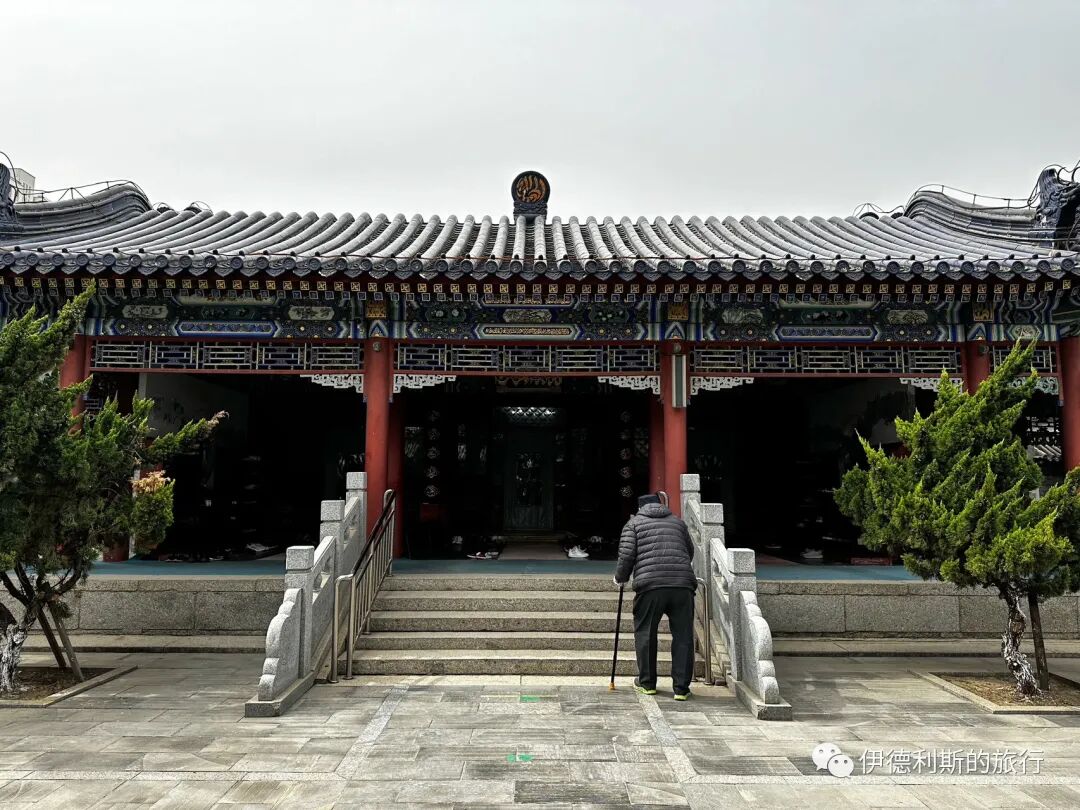
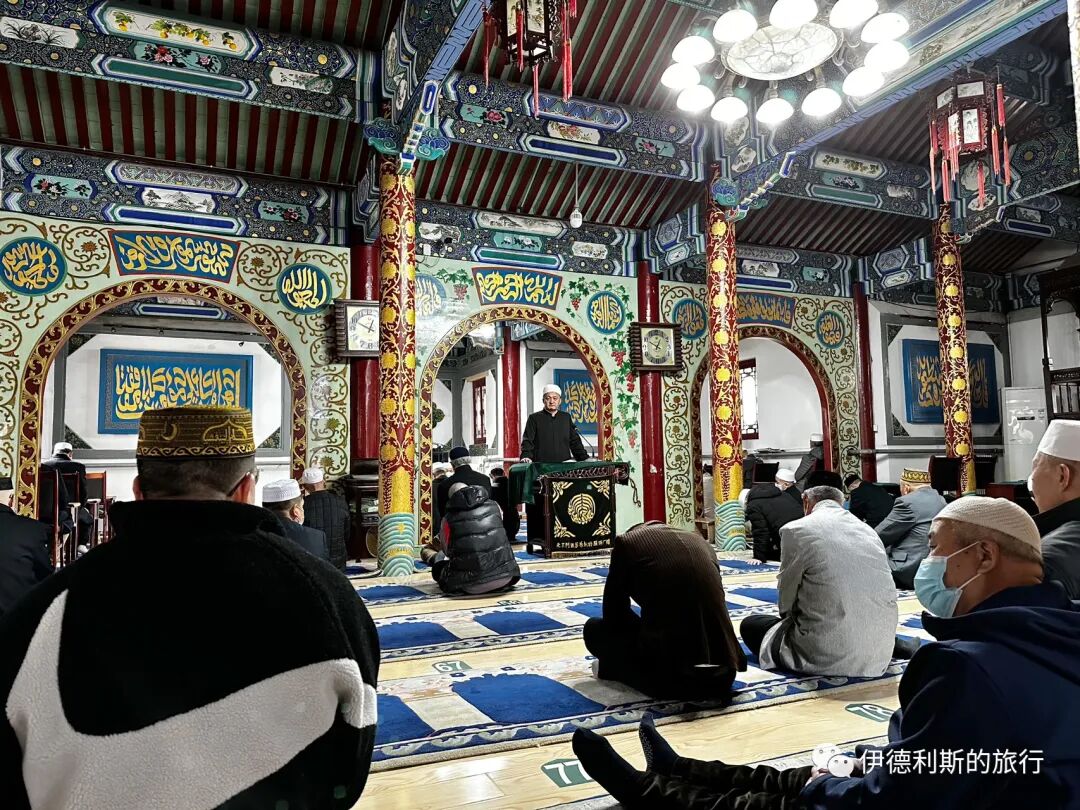
March 29
I was at Nanxiapo Mosque again today. After breaking the fast, everyone drank tea and ate fruit and pastries. The elders were very welcoming, and the atmosphere was wonderful.
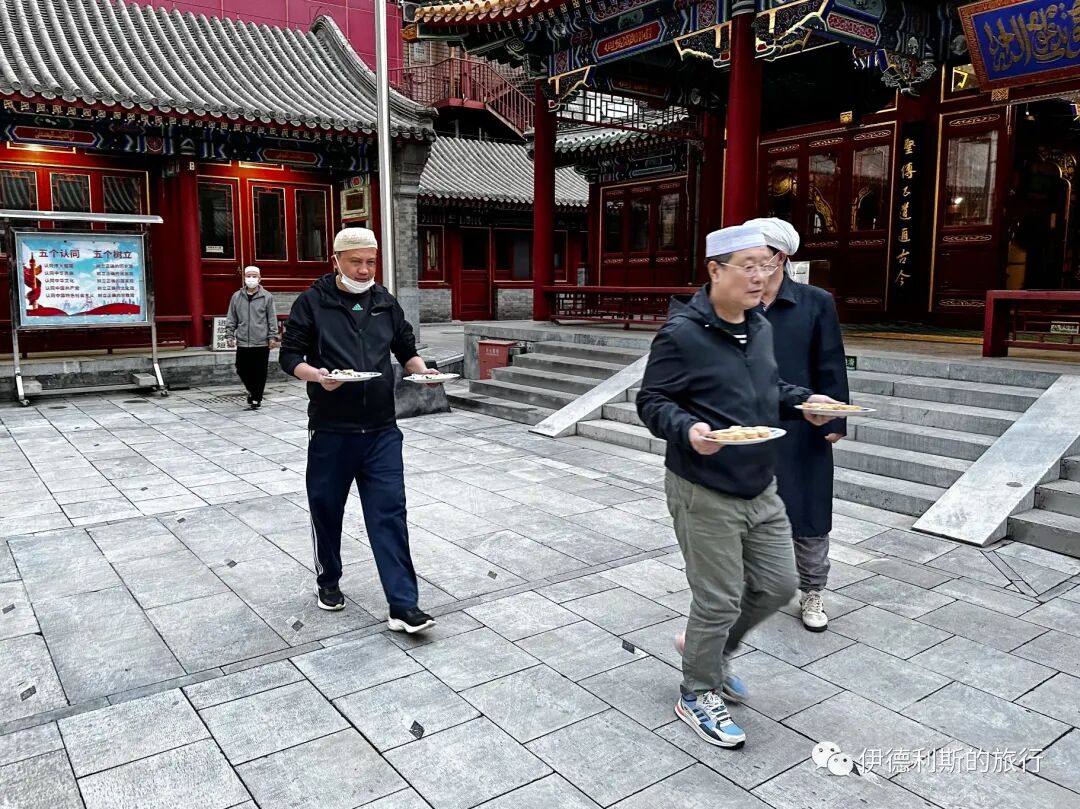
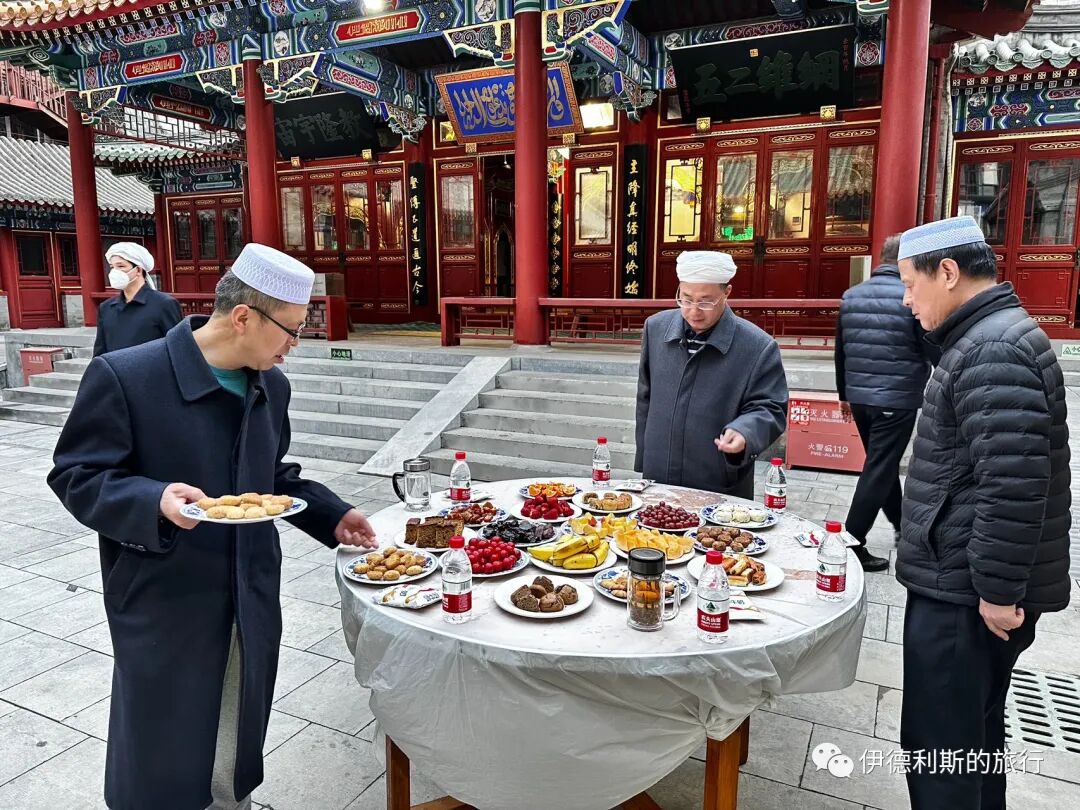
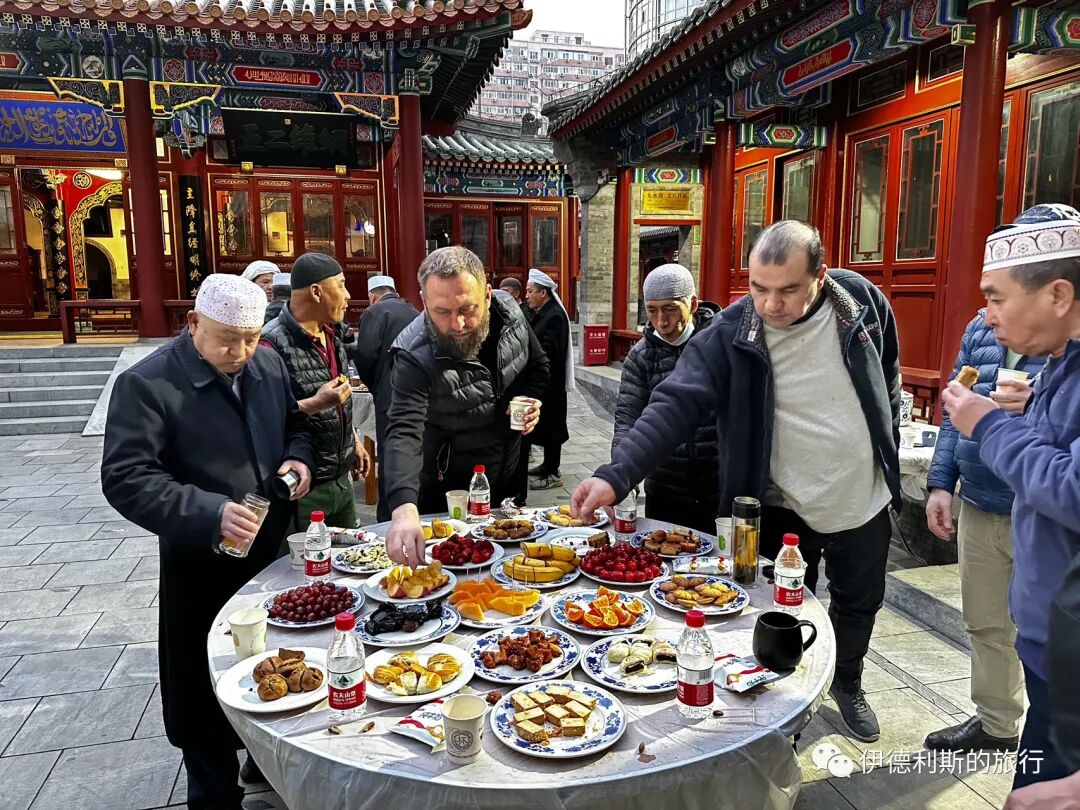
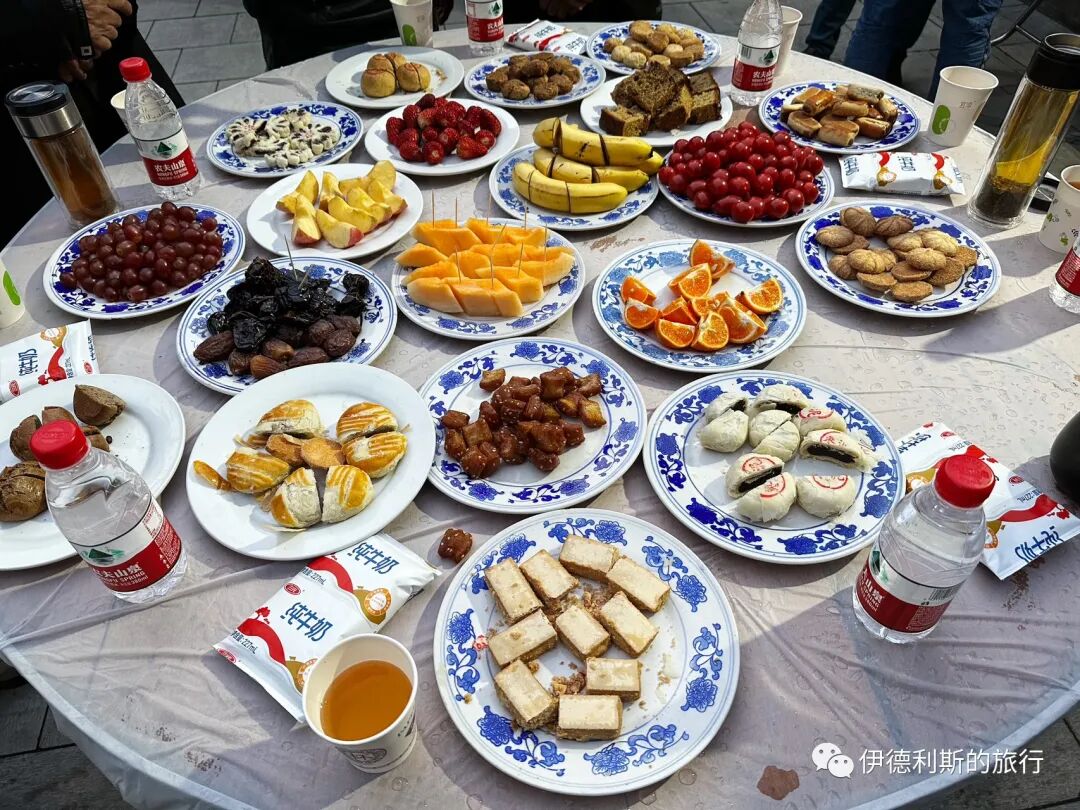
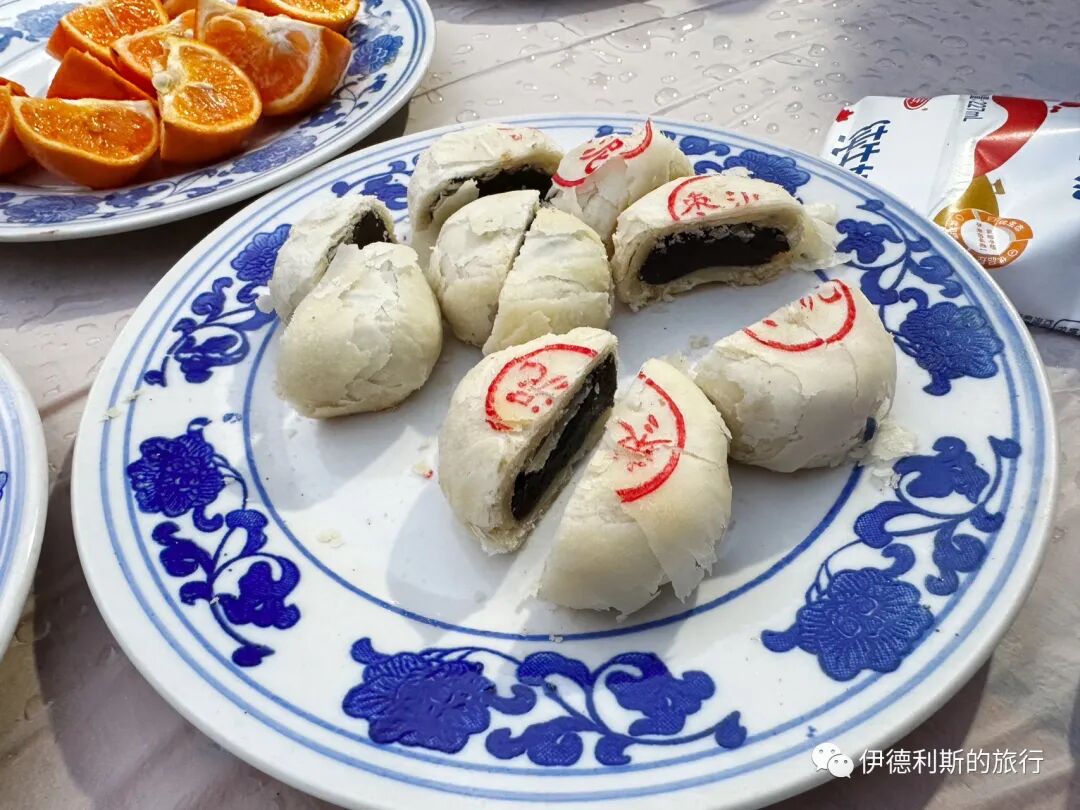
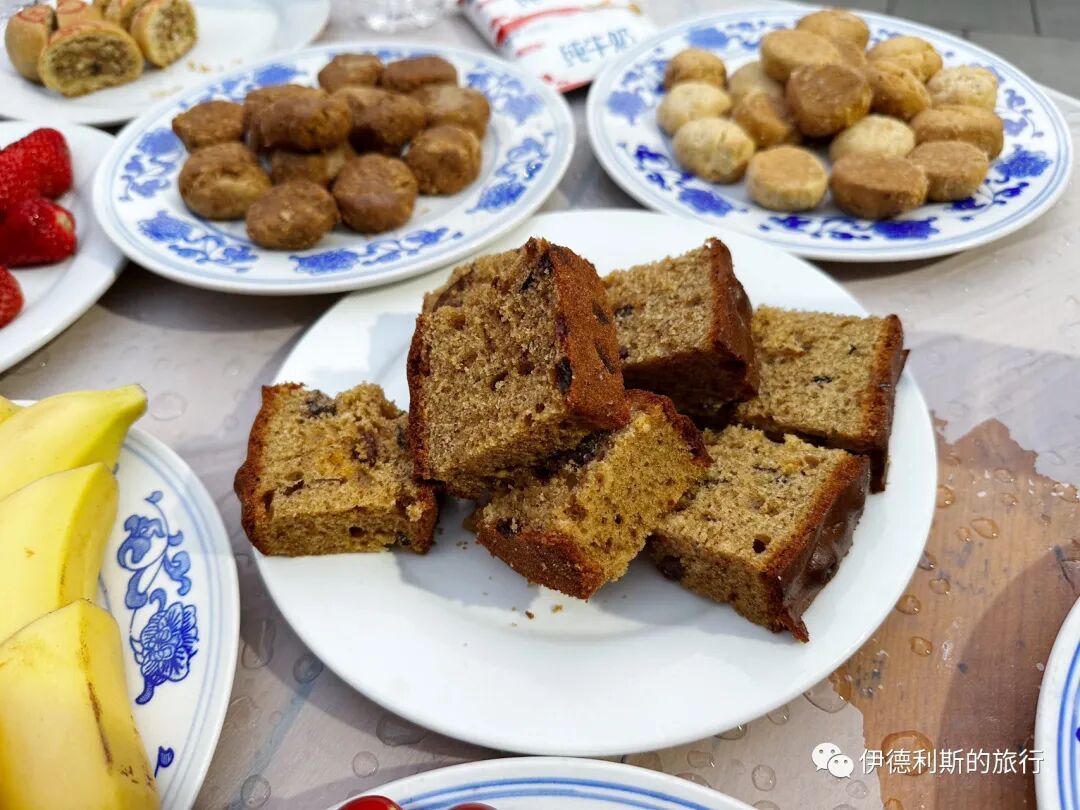
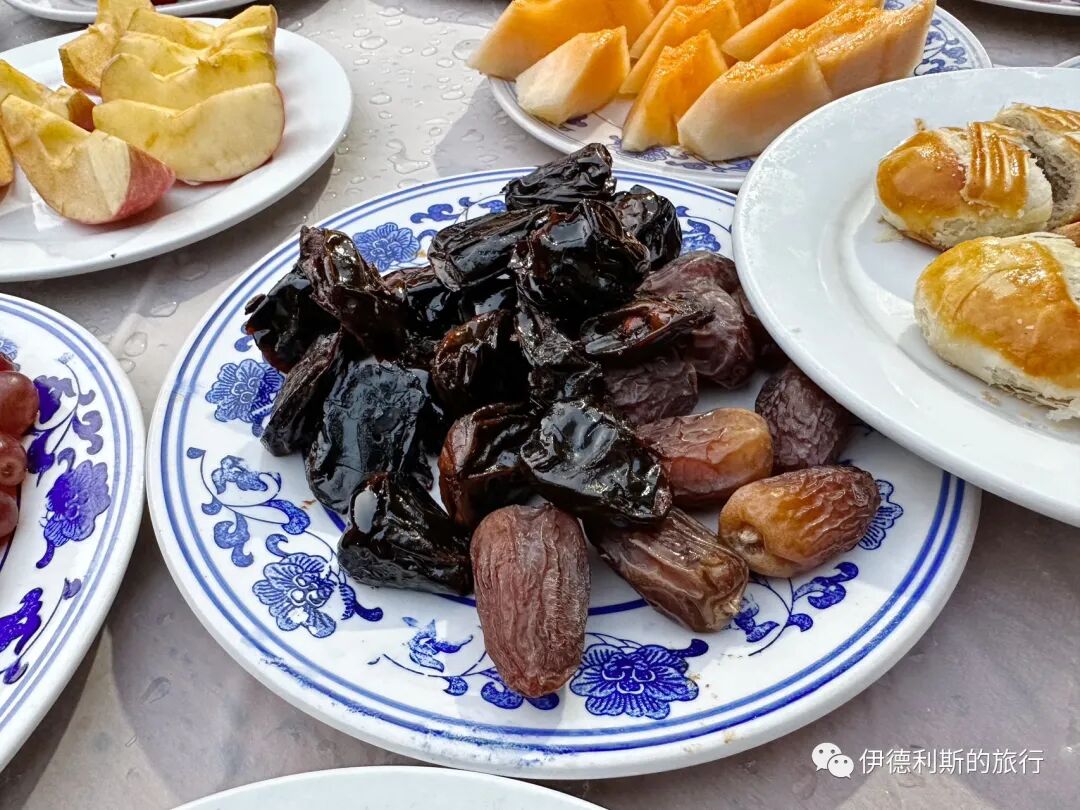
Beijing snack honey-coated fried dough cubes (mishandao).
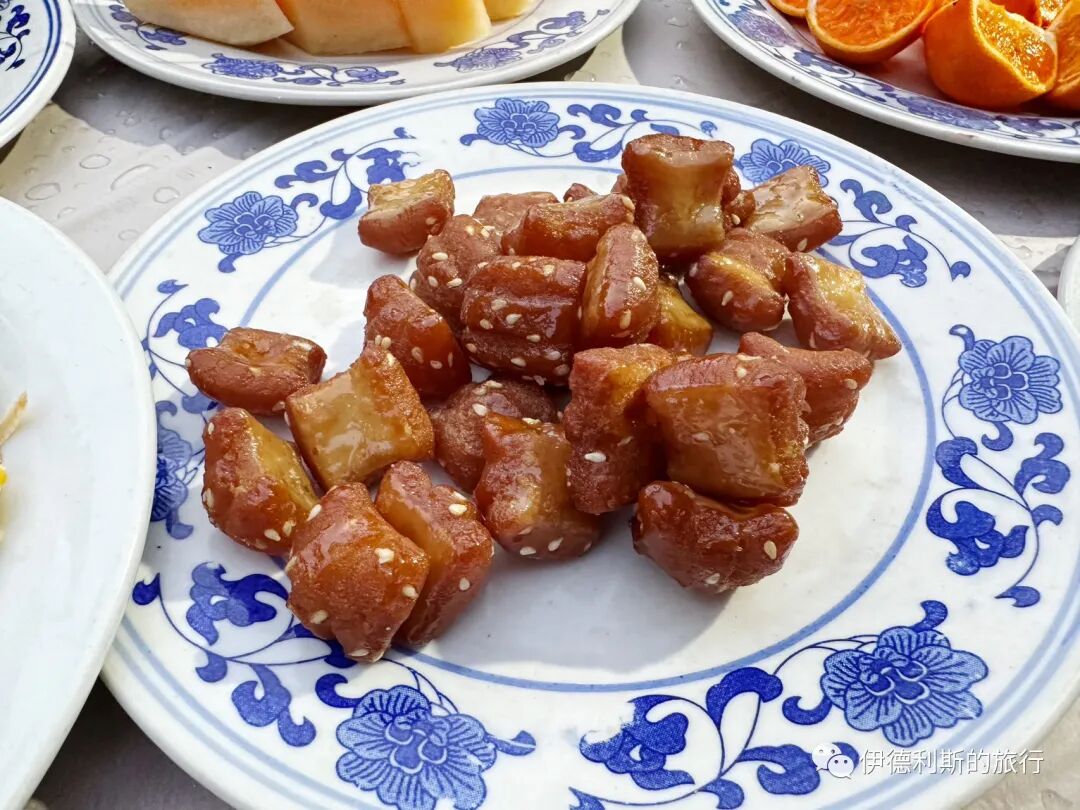
March 30
Today I was at Nandouyacai Mosque. We had the usual fruit, pastries, and tea. I also received some braised chicken from Jiaoxiao Zhai, a gift from an elder in his eighties. I felt very grateful. Nandouyacai Mosque is surrounded by the Dongsi Olympic Park. The park is full of spring, and the evening breeze felt very comfortable.
People say Nandouyacai Mosque was originally a mosque, bought and converted by Hui Muslims in 1798 (the third year of the Jiaqing reign). In 2002, due to the demolition of Chaonei Small Street, the mosque was moved 20 meters south and rebuilt, with its entrance now facing west toward Douban Hutong.
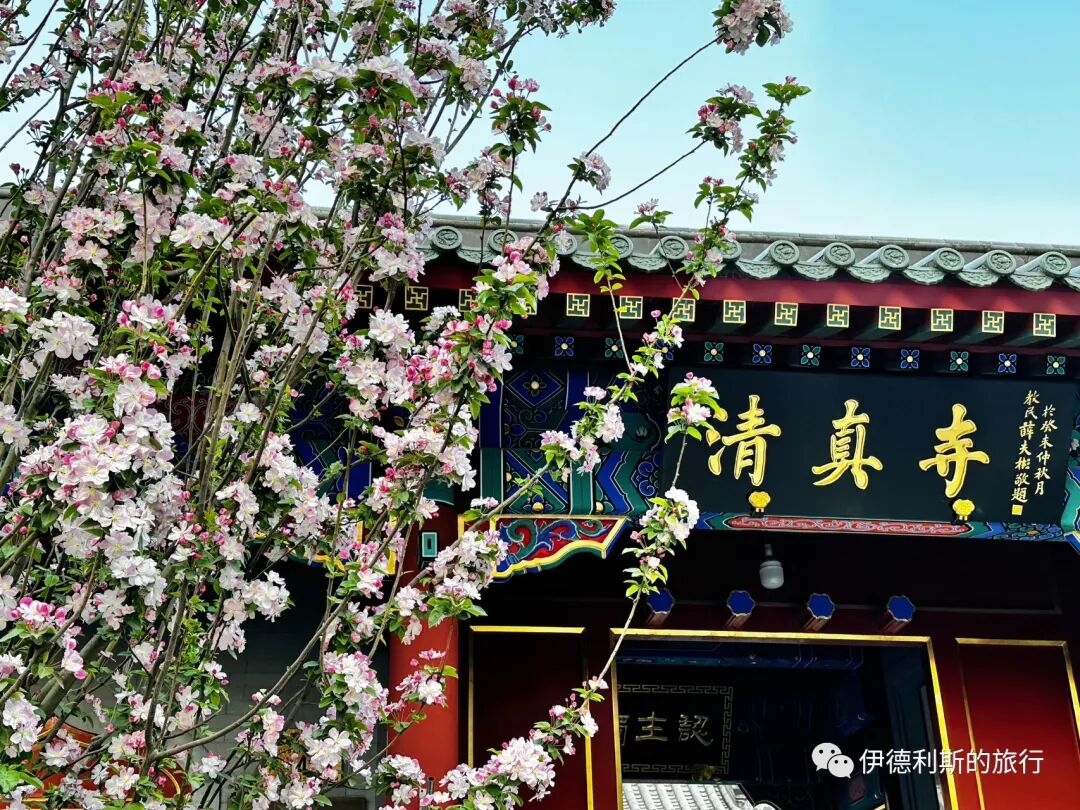
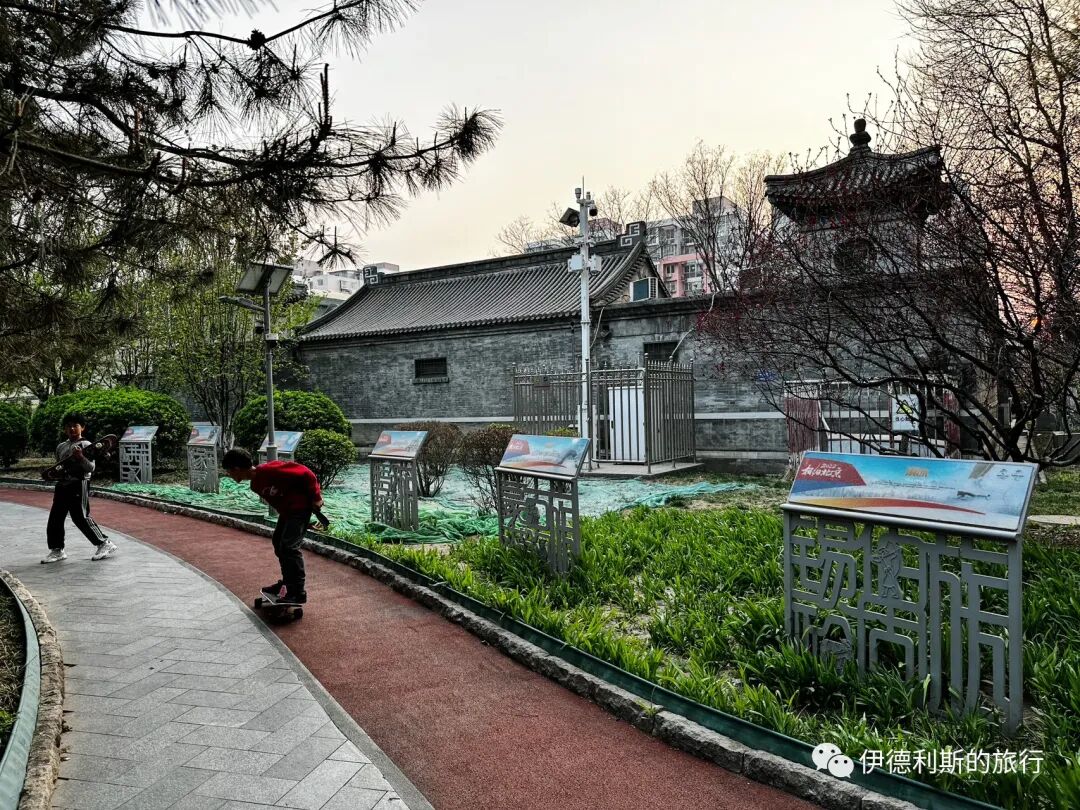
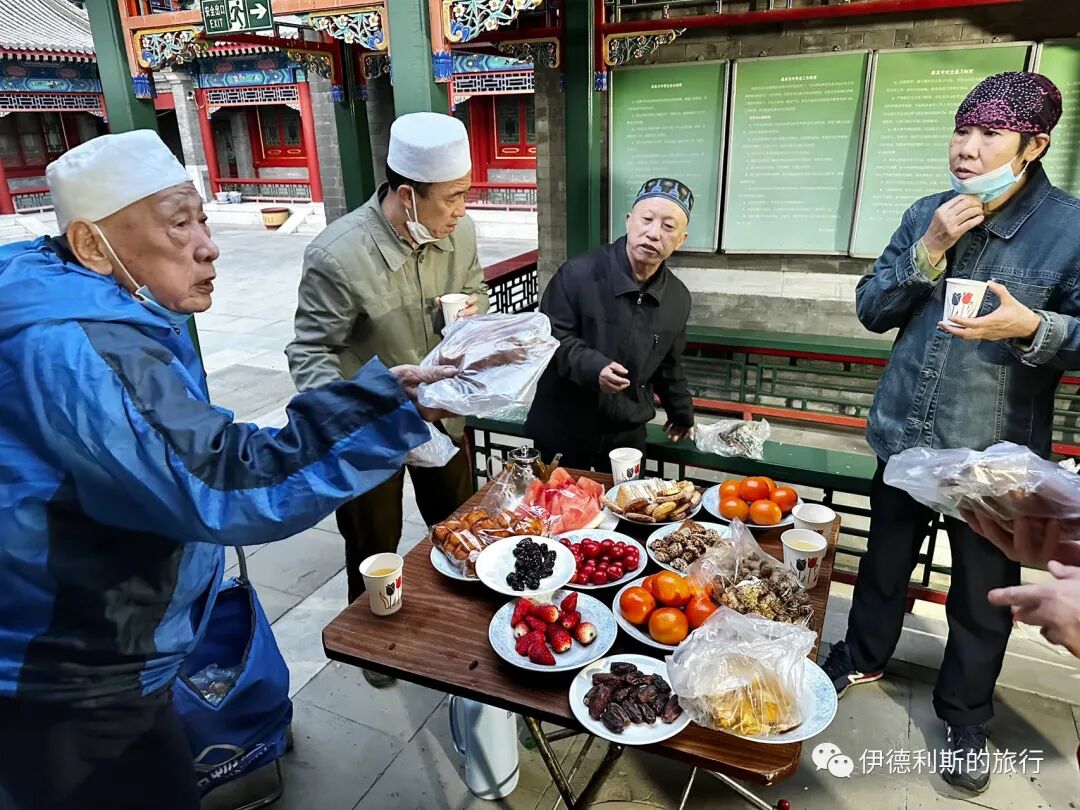
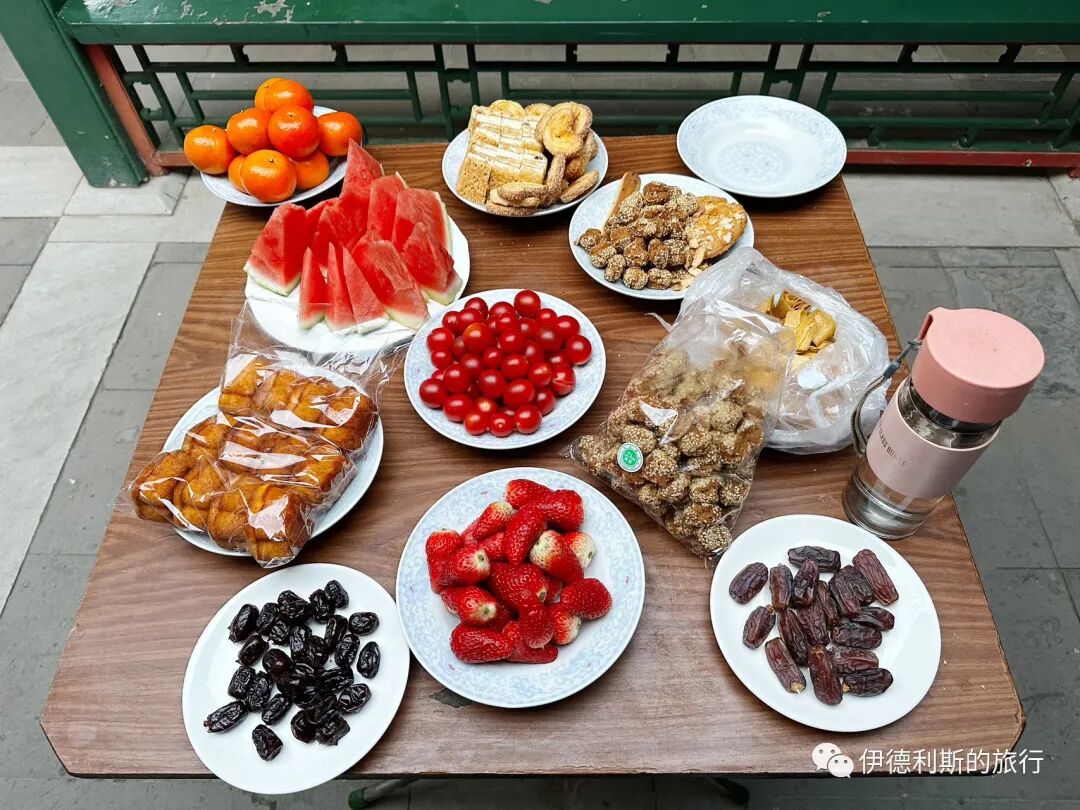
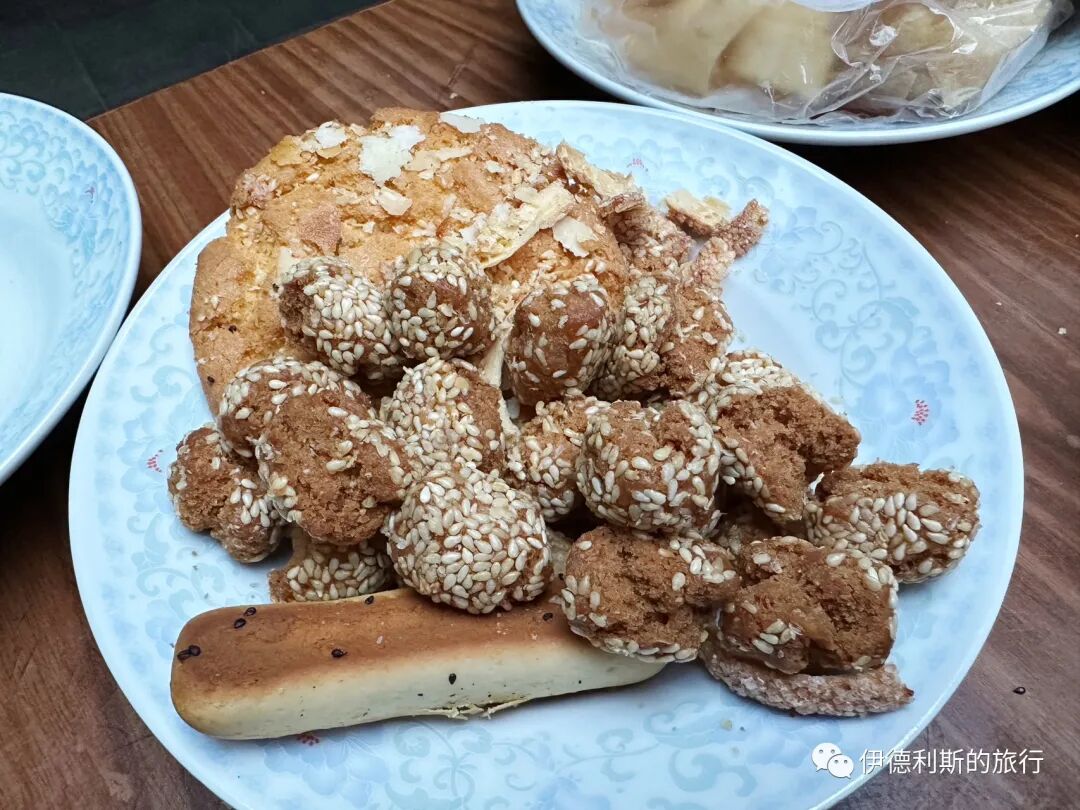
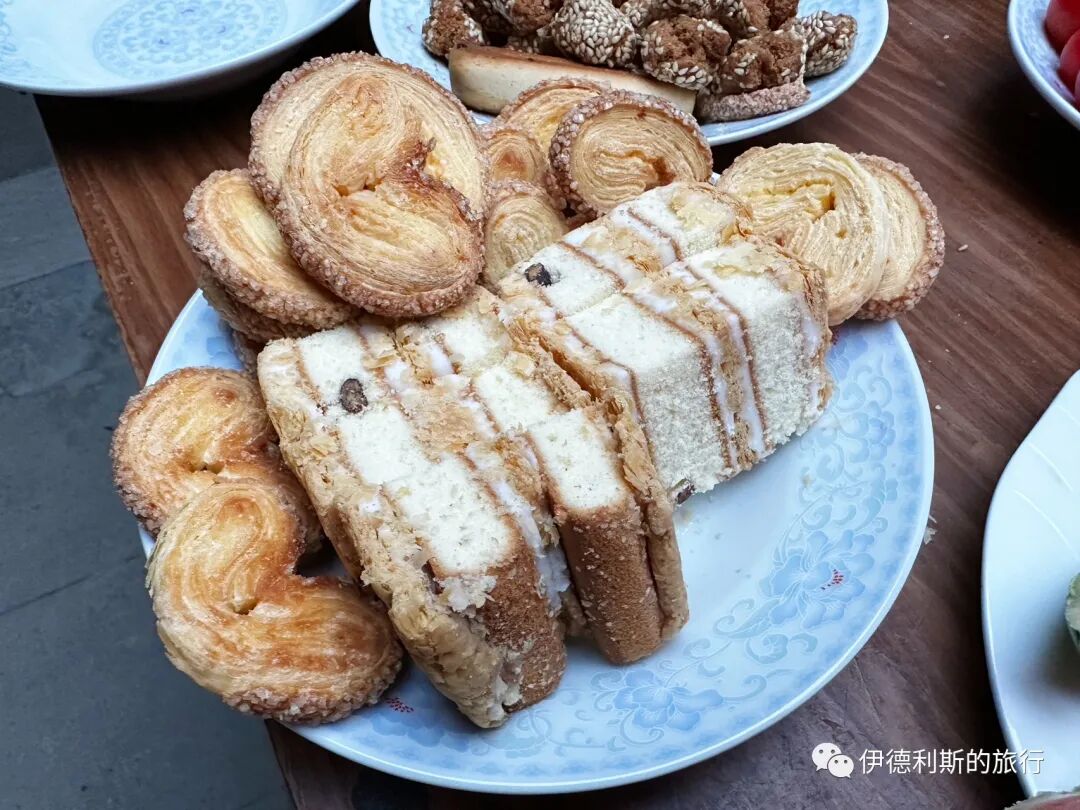
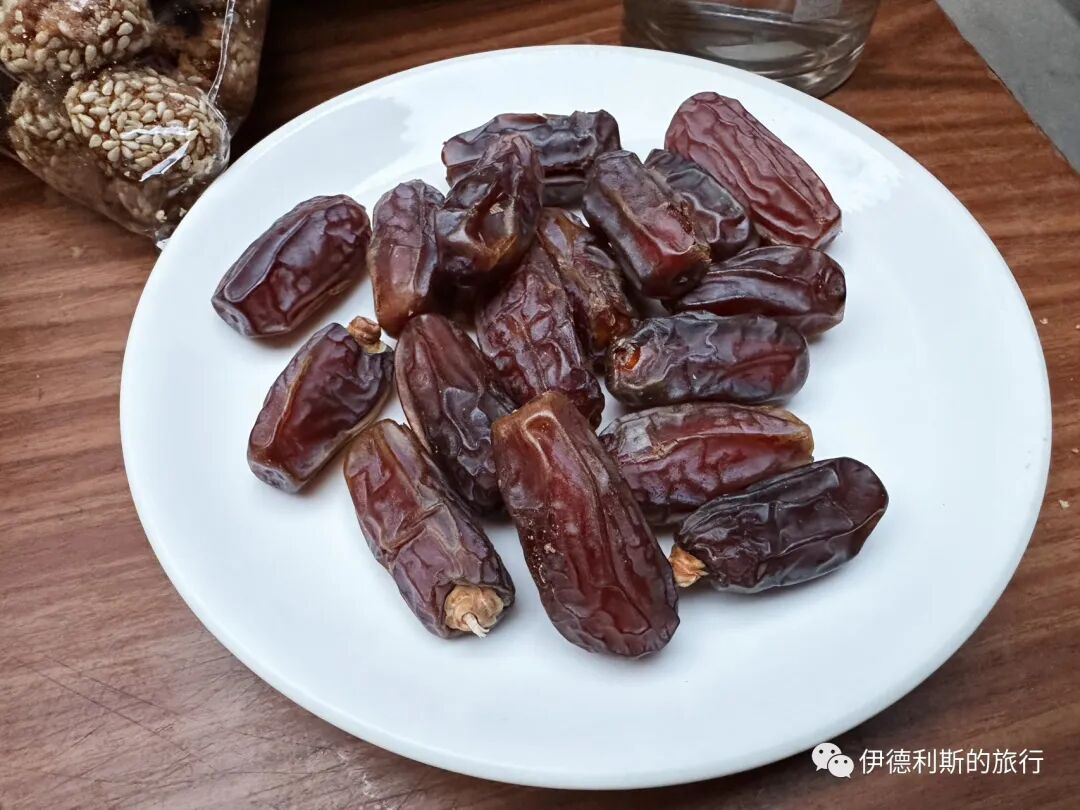
After breaking my fast, I had dinner at Xinyue Zhai at the entrance of Nandouyacai Mosque. I ordered a few home-style dishes: stir-fried trio (bao sanyang), shredded pork with garlic sprouts, shredded tofu with hot peppers, and hot and sour soup. I have been eating at this place for over ten years, and it is one of the most reliable Beijing-style stir-fry restaurants near my home. Their main selling point is how fast they serve the food! Everything is cooked instantly over a high flame. I especially love the stir-fried trio (bao sanyang)—lamb with scallions, lamb liver, and lamb kidney. The aroma of the scallions and the meat blend perfectly, making it great to eat with rice.
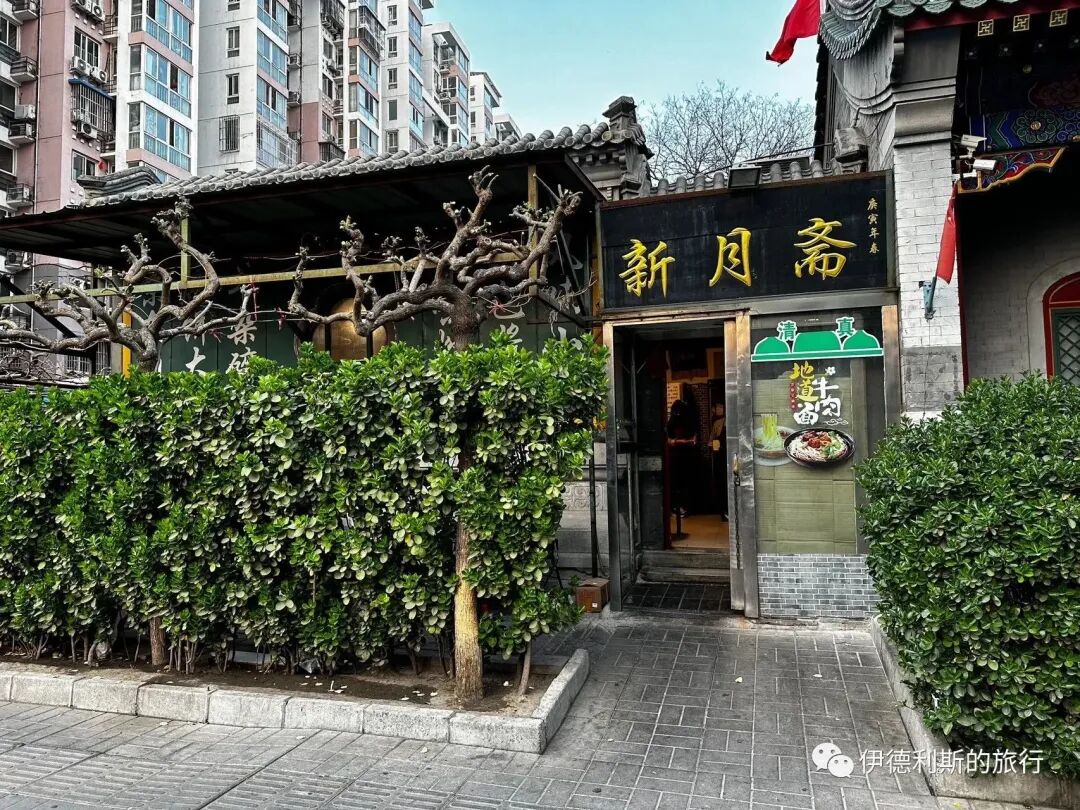
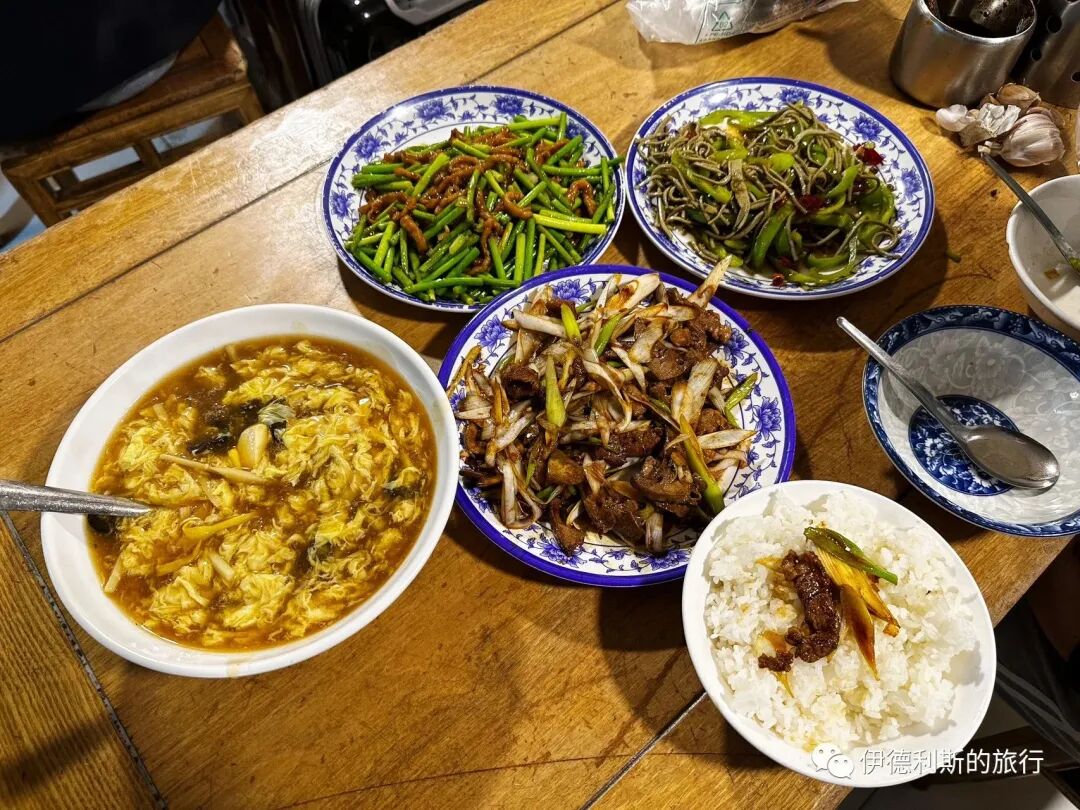
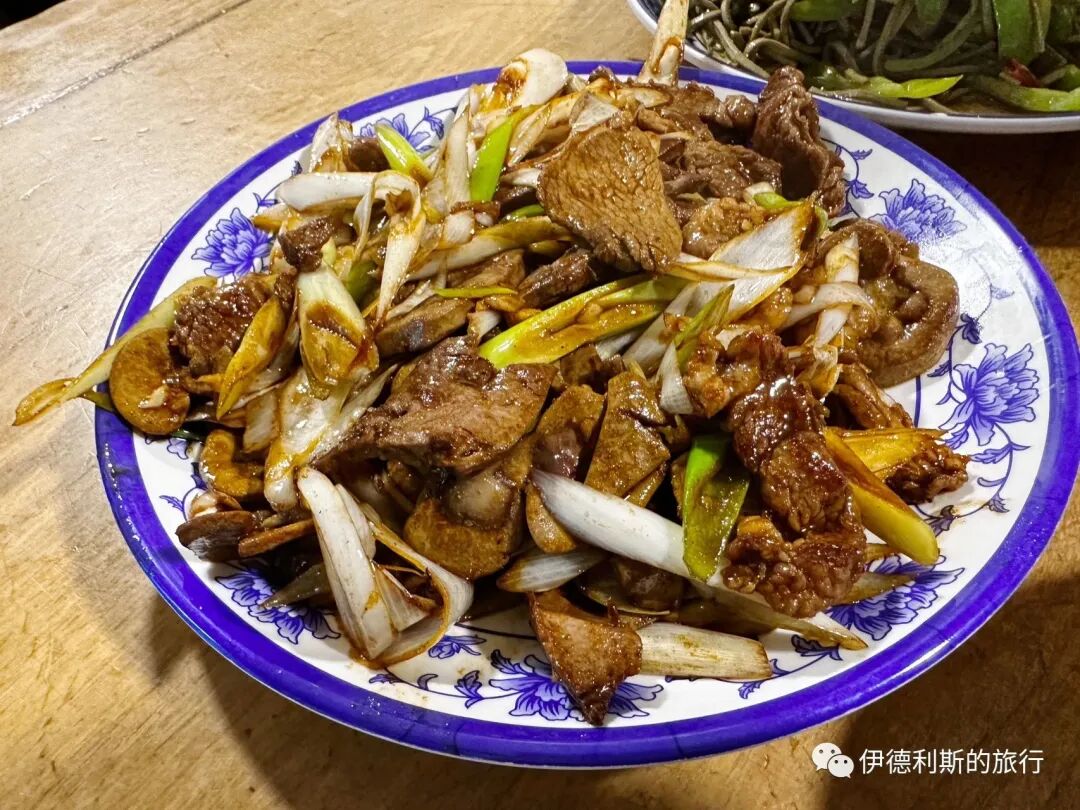
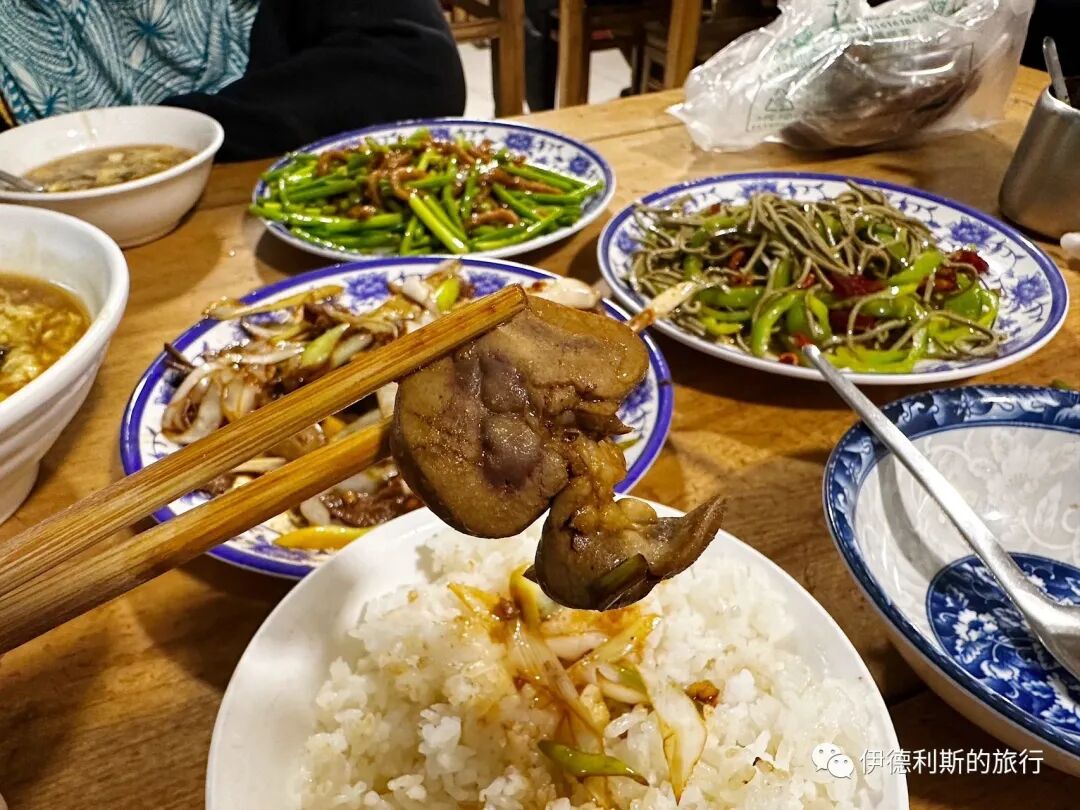
For iftar, I ate some braised chicken (paji) donated by an elder.
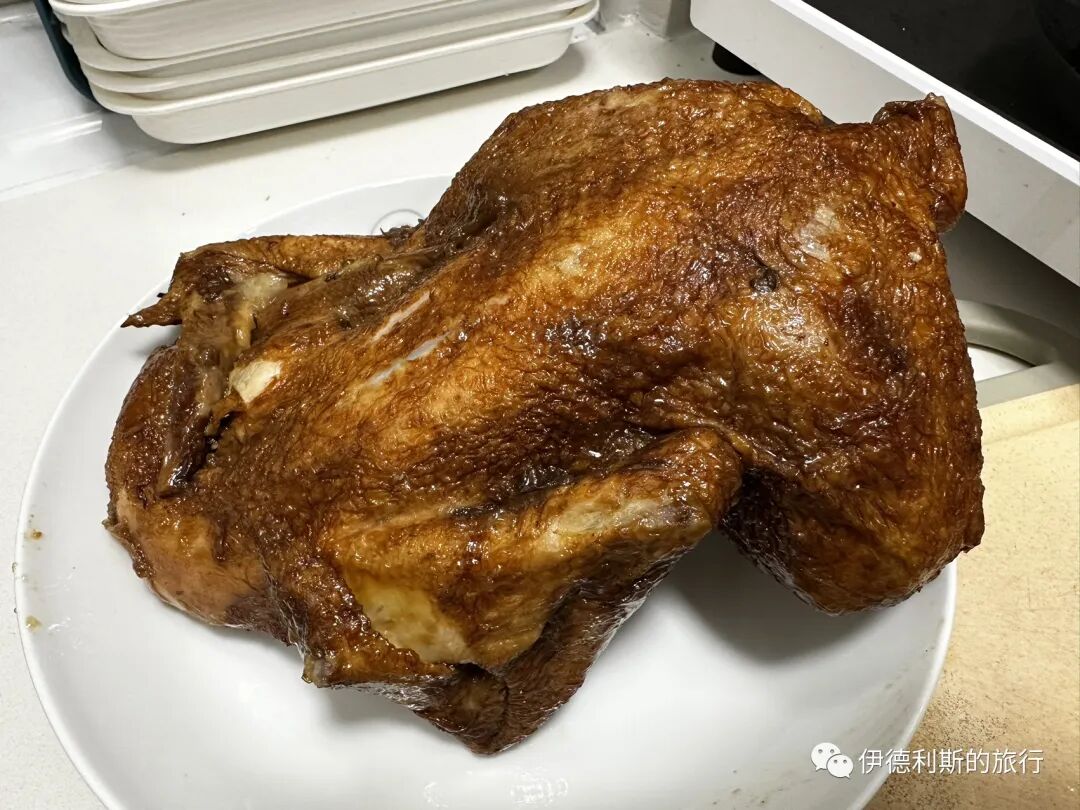
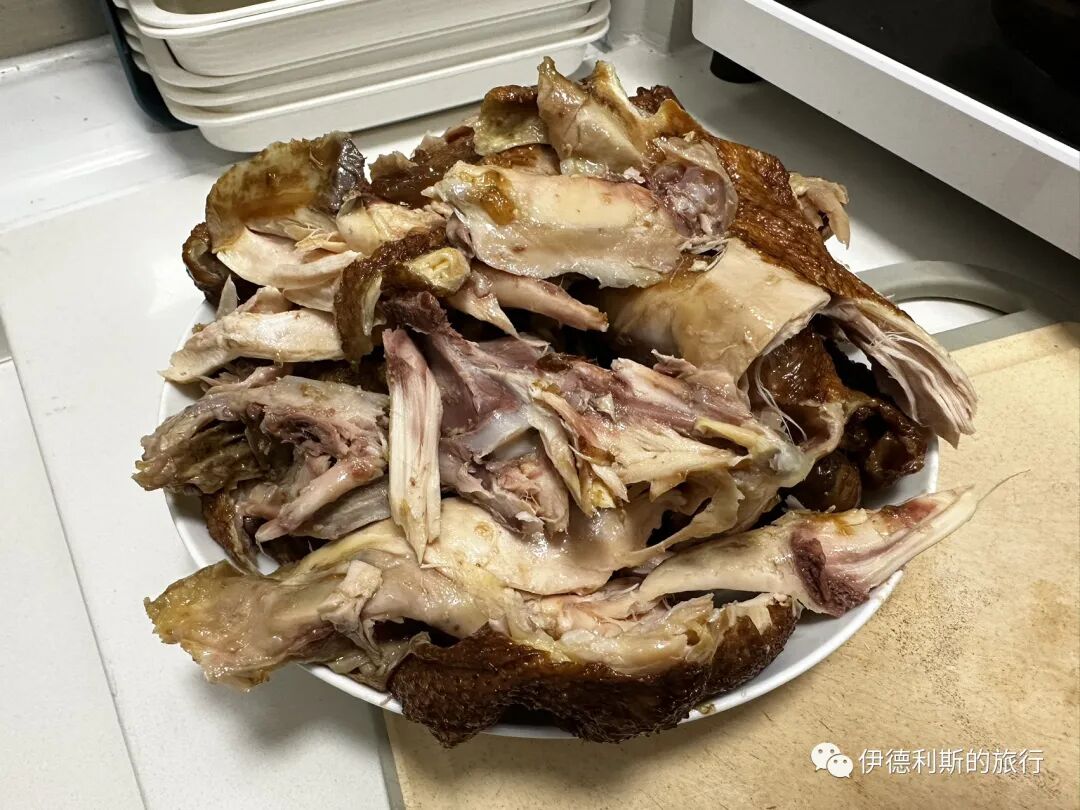
March 31
It is the second Jumu'ah of Ramadan, and I am at Changying Mosque again. The sky turned blue today, and I feel great.
In the book 'Narrative of the North China Campaign of 1860' by Swinhoe, it is written that after the Anglo-French forces landed in Tianjin, they passed through Changying on their way to Beijing:
On the afternoon of October 3, we struck our tents, crossed the canal, and marched into a Hui Muslim village in Changying. This village was near the rifle regiment's outpost. Lord Elgin and Sir Hope Grant, along with their staff, stayed in a beautiful mosque, while about six thousand strong soldiers camped in the surrounding fields.
The village was very small, and it was full of mud huts. But this time, not all the houses were empty. The villagers were Hui Muslims who practiced Islam, and you could tell them apart from the other locals by the strange pointed hats they wore on their heads, with their braids tucked inside. Inside the mosque, there were many inscriptions in Arabic and Chinese, and several books and scriptures printed in Arabic were scattered around. Many of the Prophet's Chinese followers could recite a few sentences from these books, but very few could explain what they meant. However, they were very familiar with the prayers and chapters of the Quran and often recited them to the Sikh cavalry (Note: the author mistook Indian Muslims for Sikhs). The villagers recited these prayers repeatedly, which always moved the weary Indian warriors to tears and often made them take silver out of their pockets. The Hui Muslims of the Celestial Empire knew better than to refuse this sympathy.
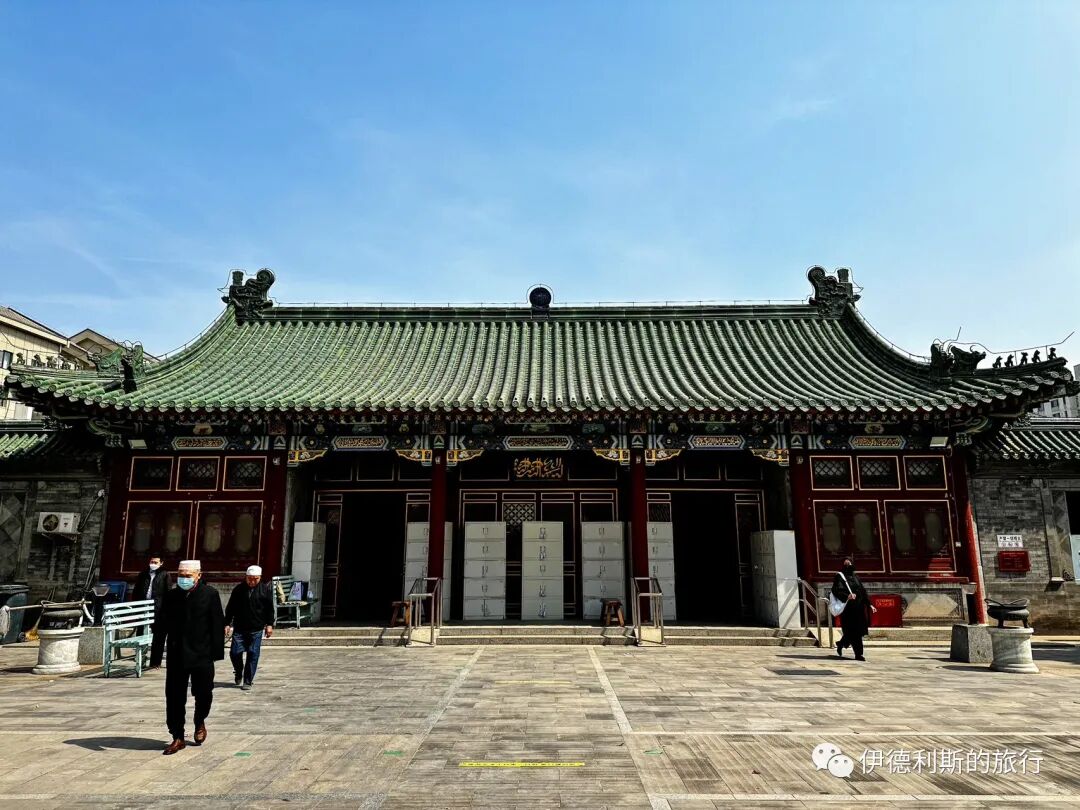
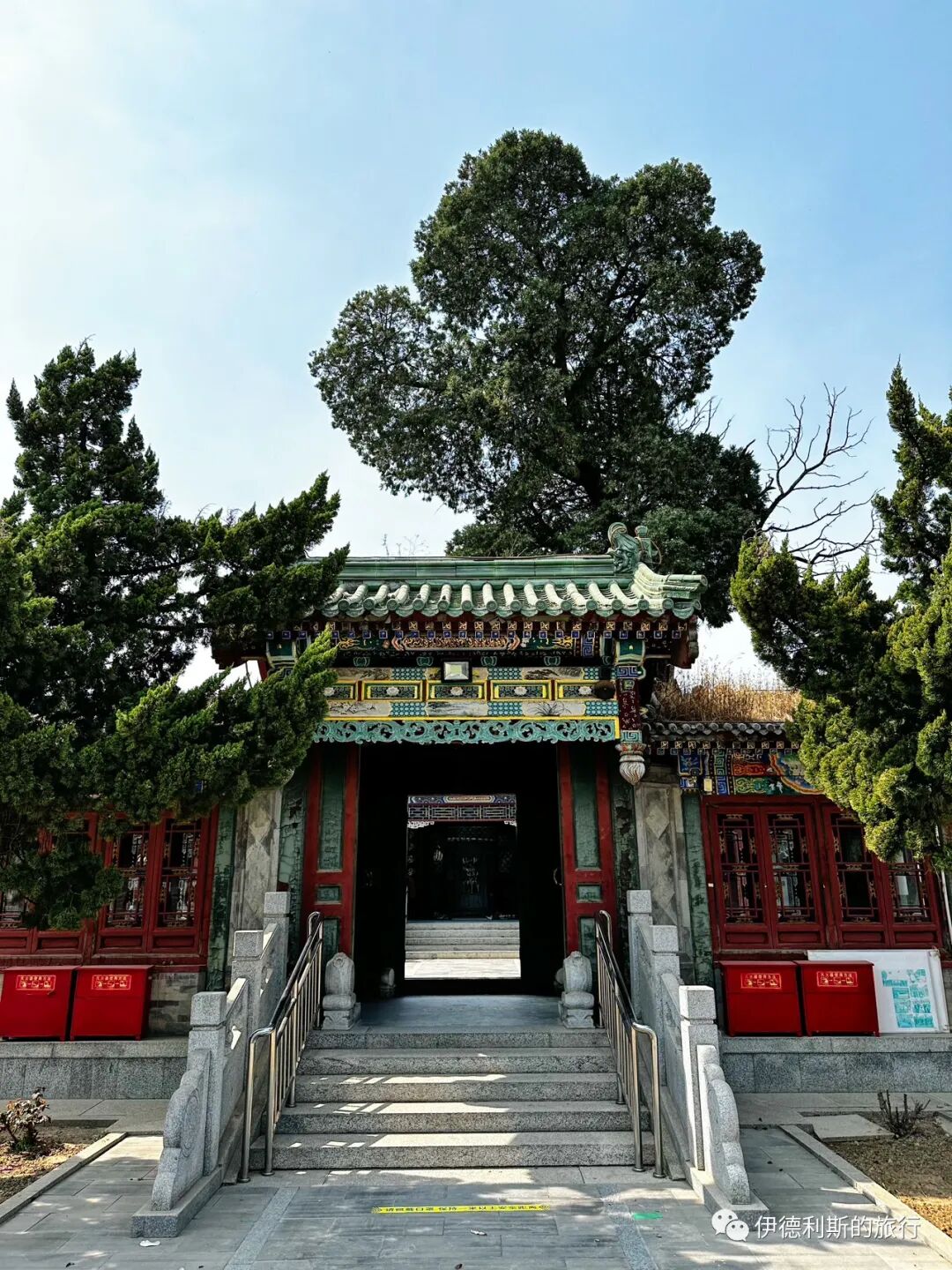
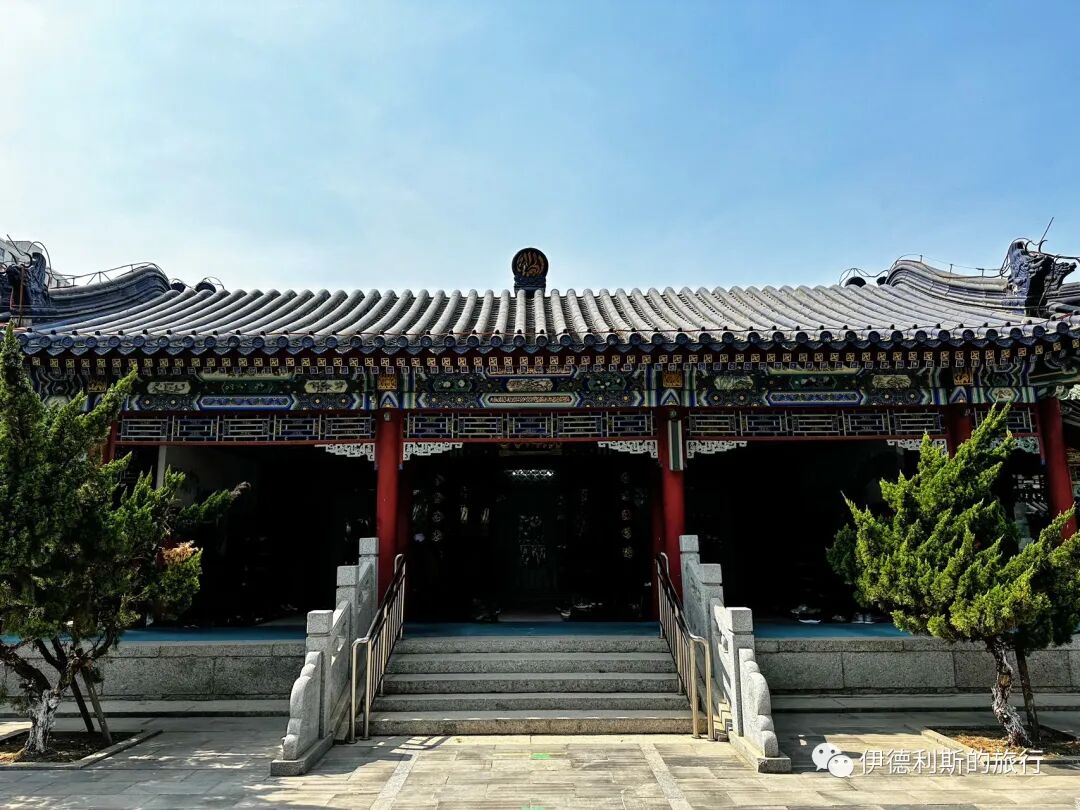
An ancient tree from the Ming Dynasty Zhengde era inside the mosque.
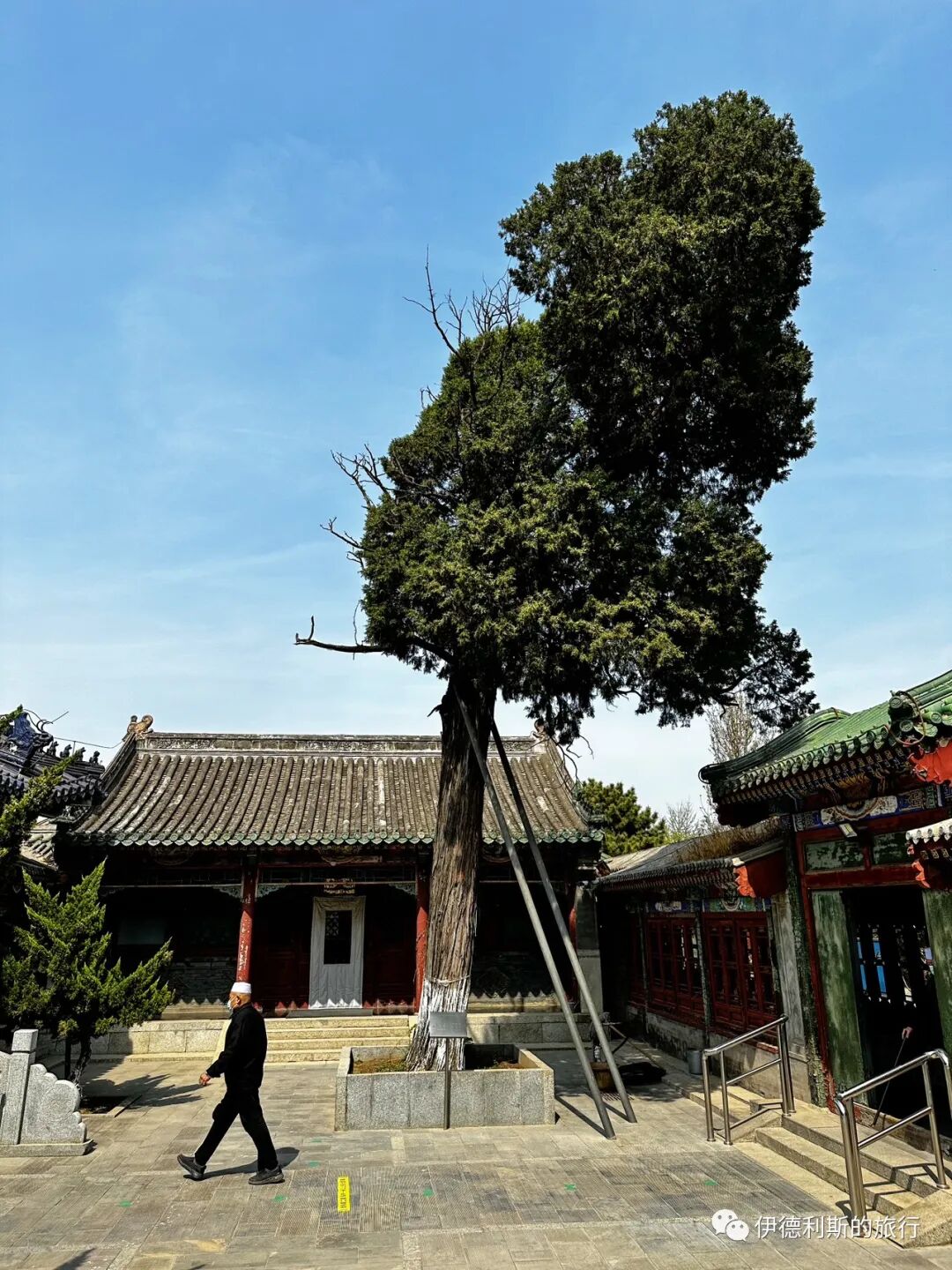
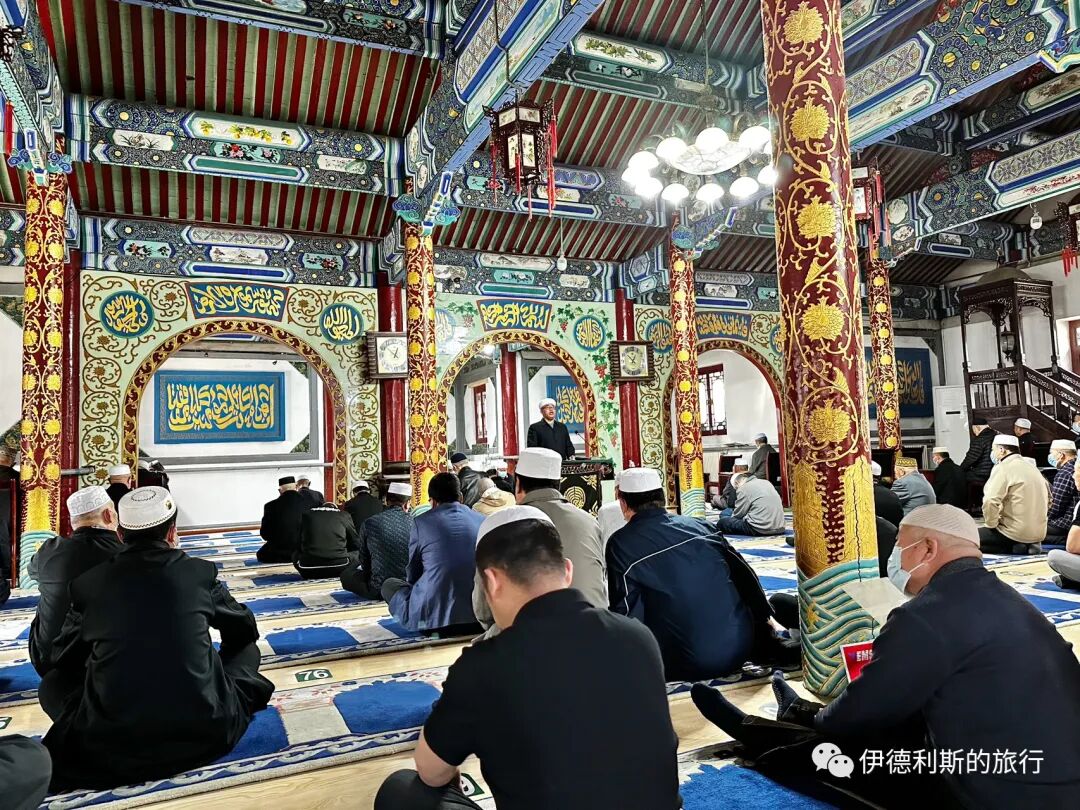
I continued to break my fast at Nandouya Mosque in the evening. Many university student friends (dosti) came to the mosque, and I am very grateful to be able to visit the mosque more often during Ramadan.
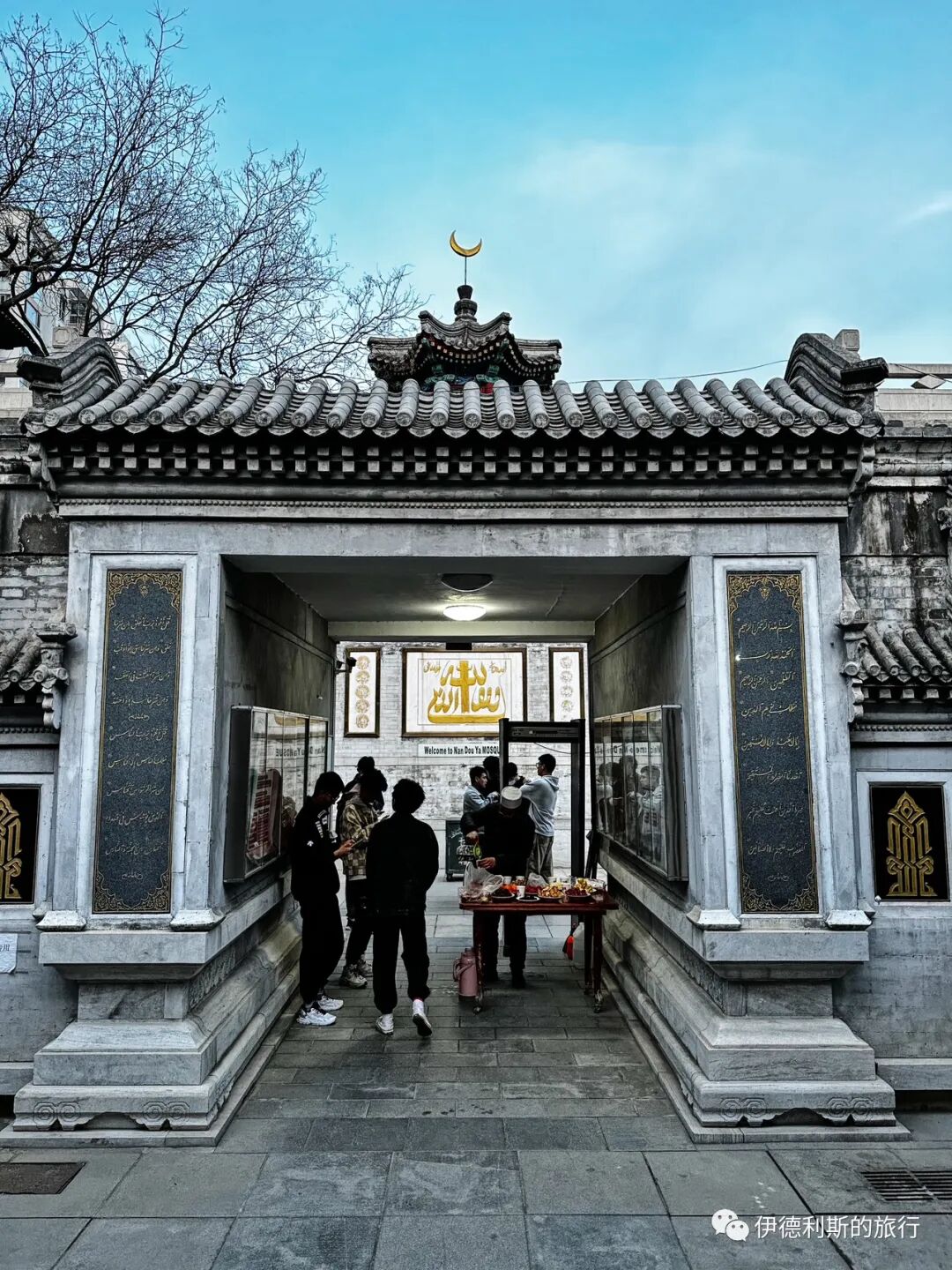
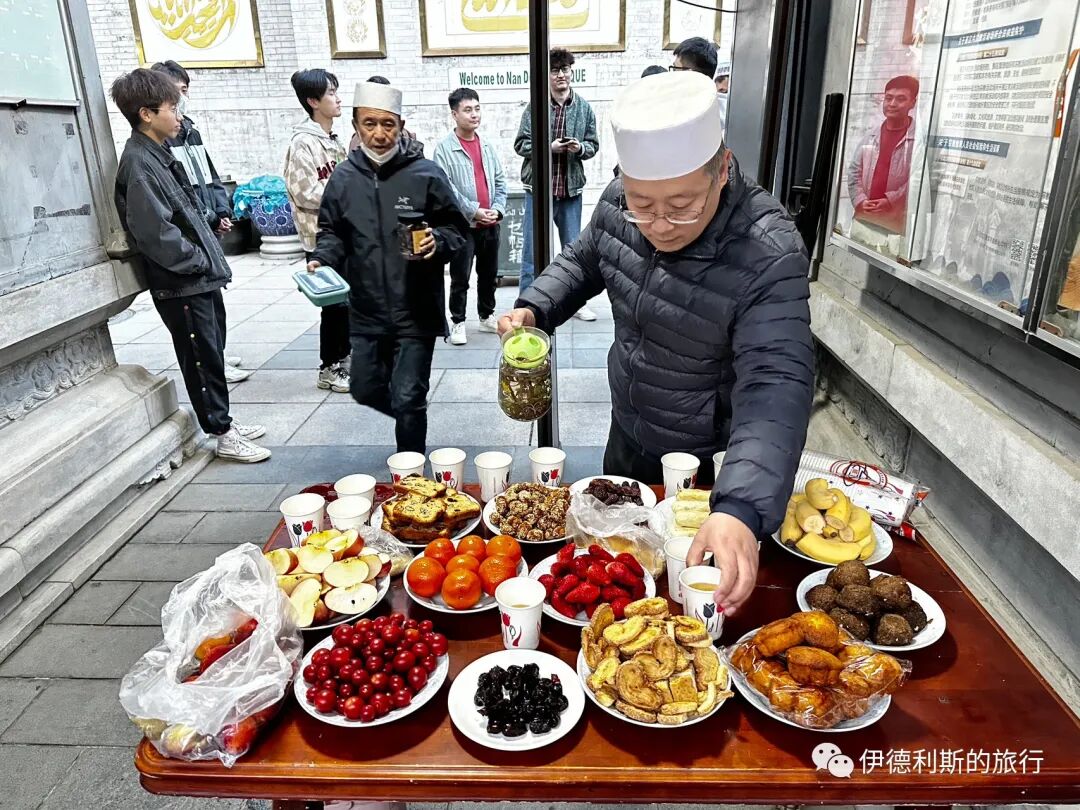
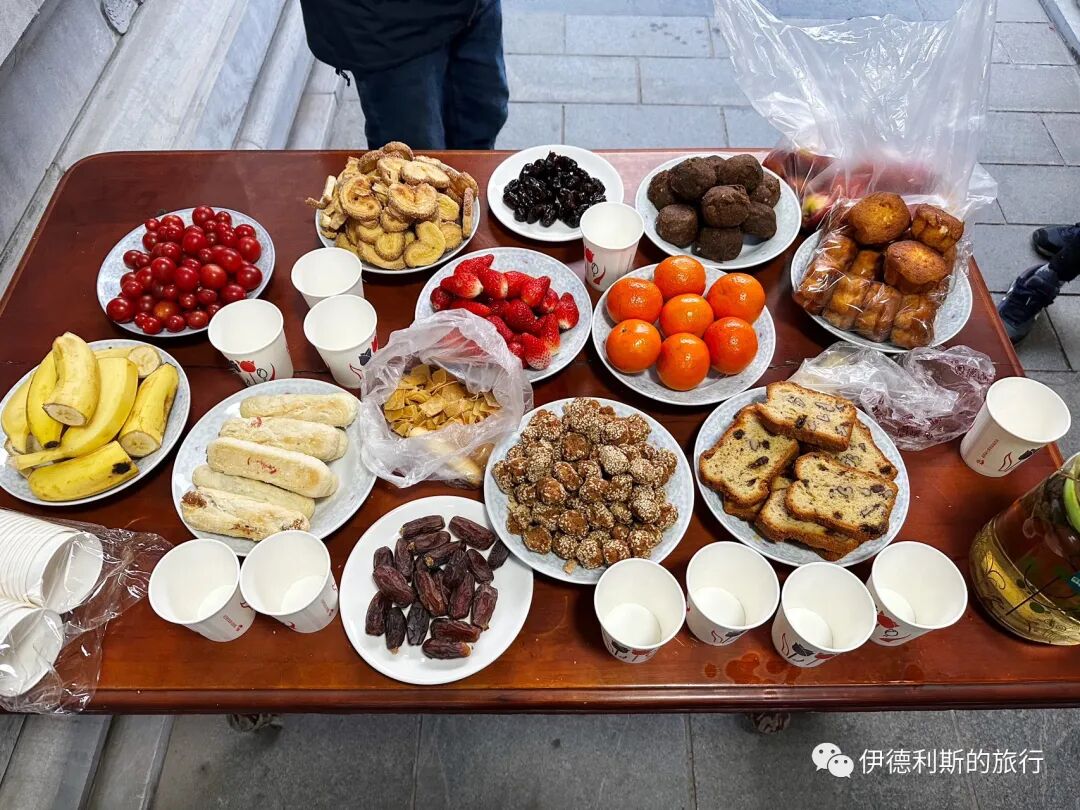
After the Maghrib prayer, I had dinner at Xinyuezhai as usual. The spring breeze was gentle, so we ate at the entrance. We ordered pan-fried lamb (guota yangrou), braised winter bamboo shoots and mushrooms (shao erdong), and dough drop soup (gedatang). I have been eating the pan-fried lamb at this place for over ten years, and it goes so well with rice! The winter bamboo shoots in the braised dish are sweet and delicious, and the dough drop soup is very thick; if you don't want rice, a big bowl of this is enough to fill you up.
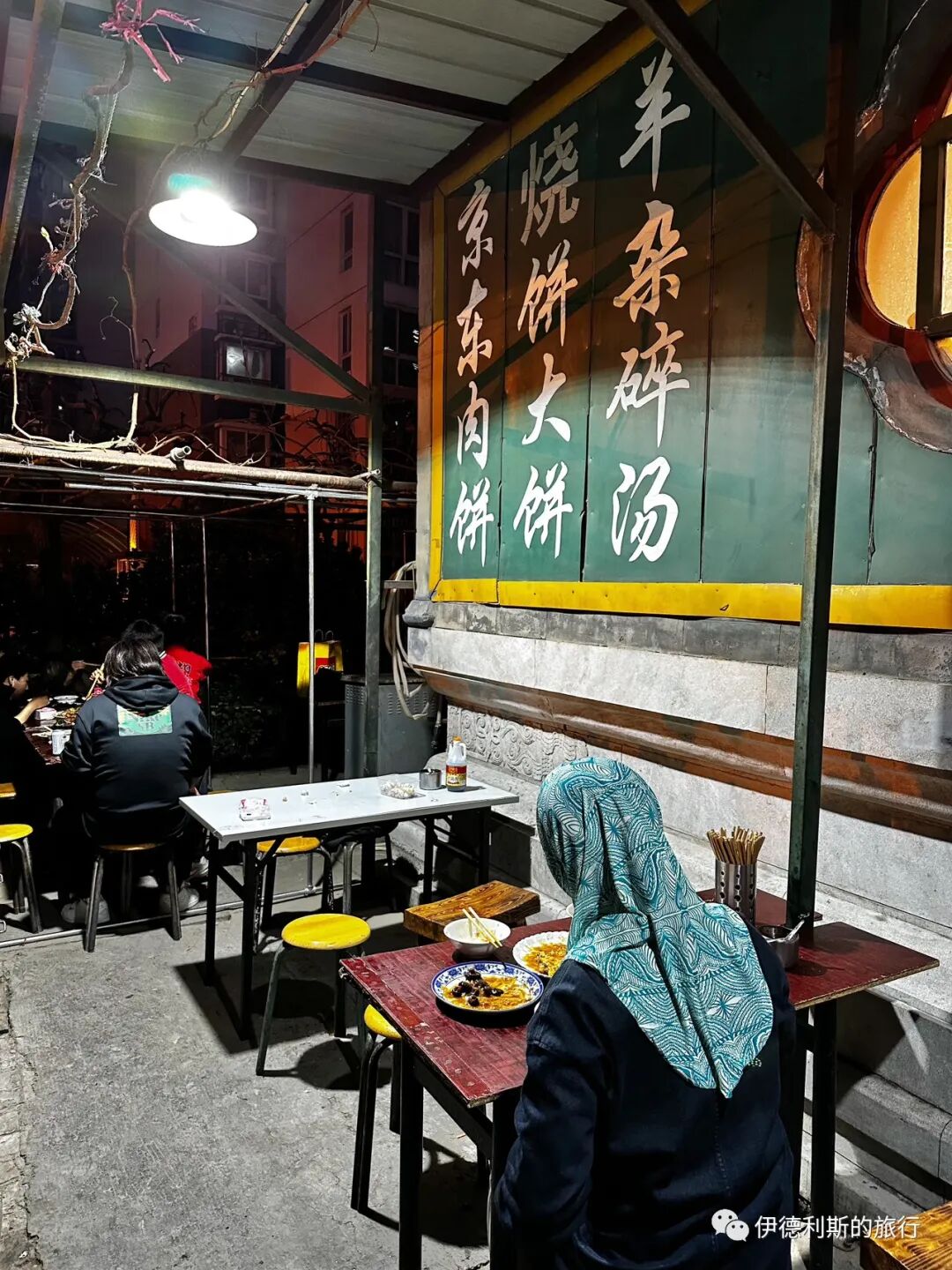
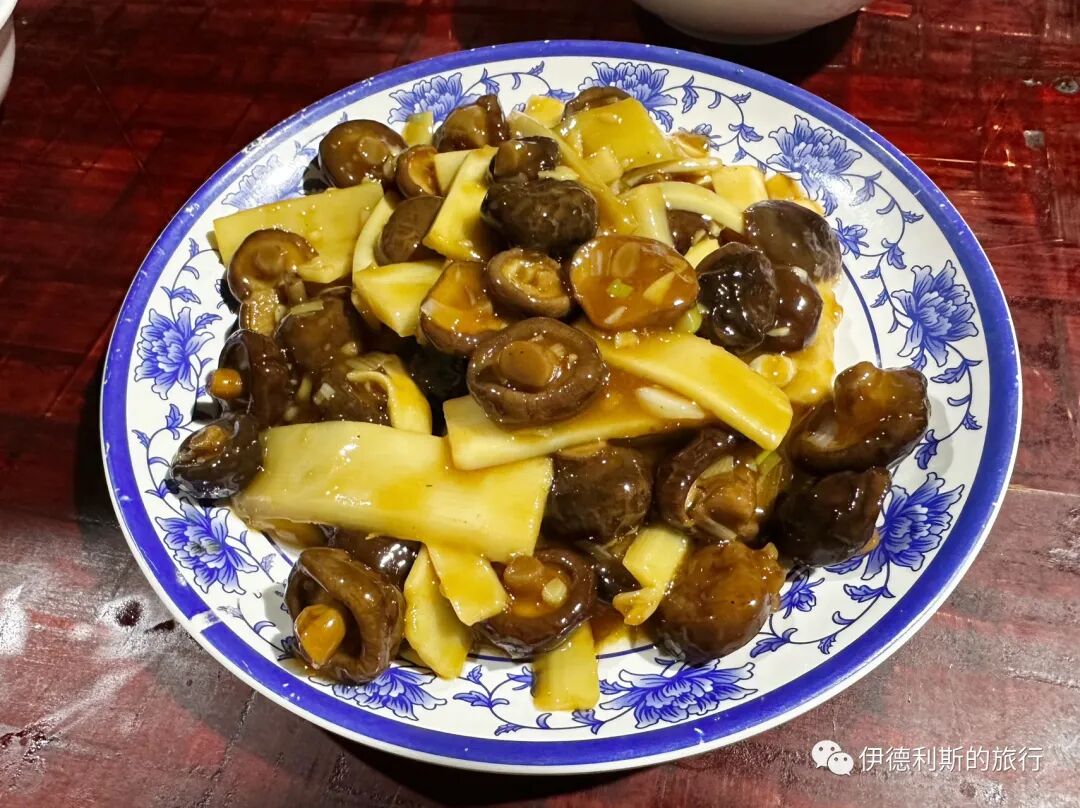
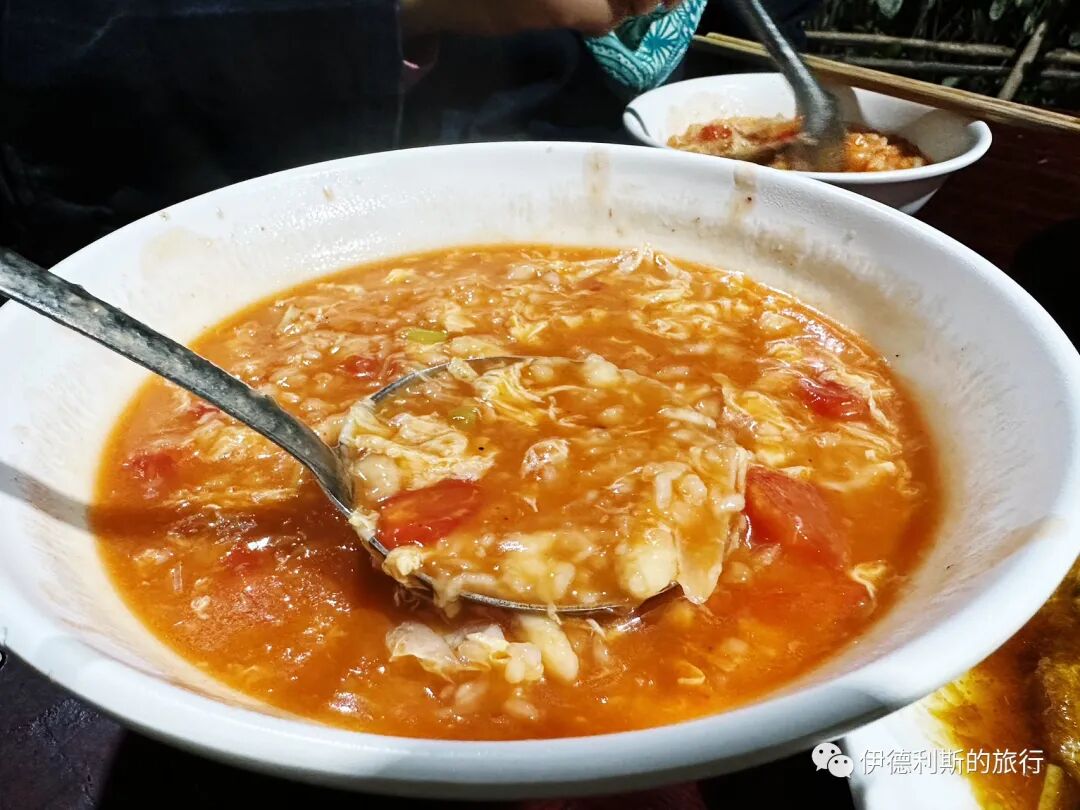
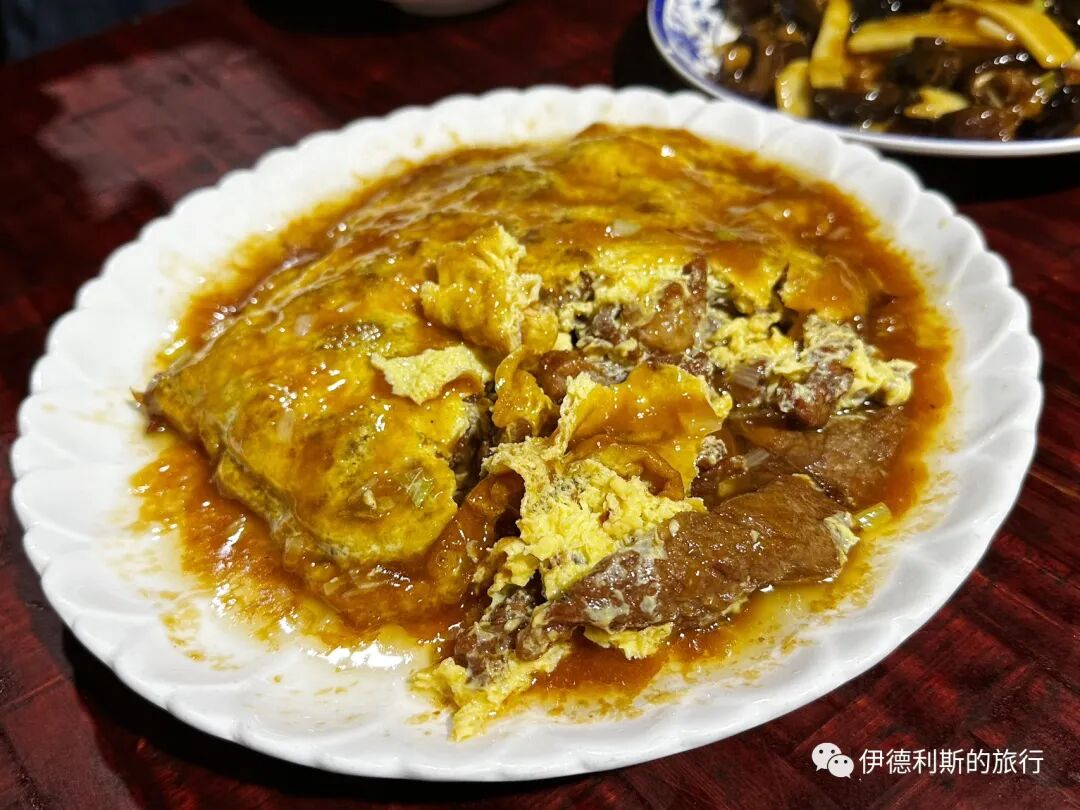
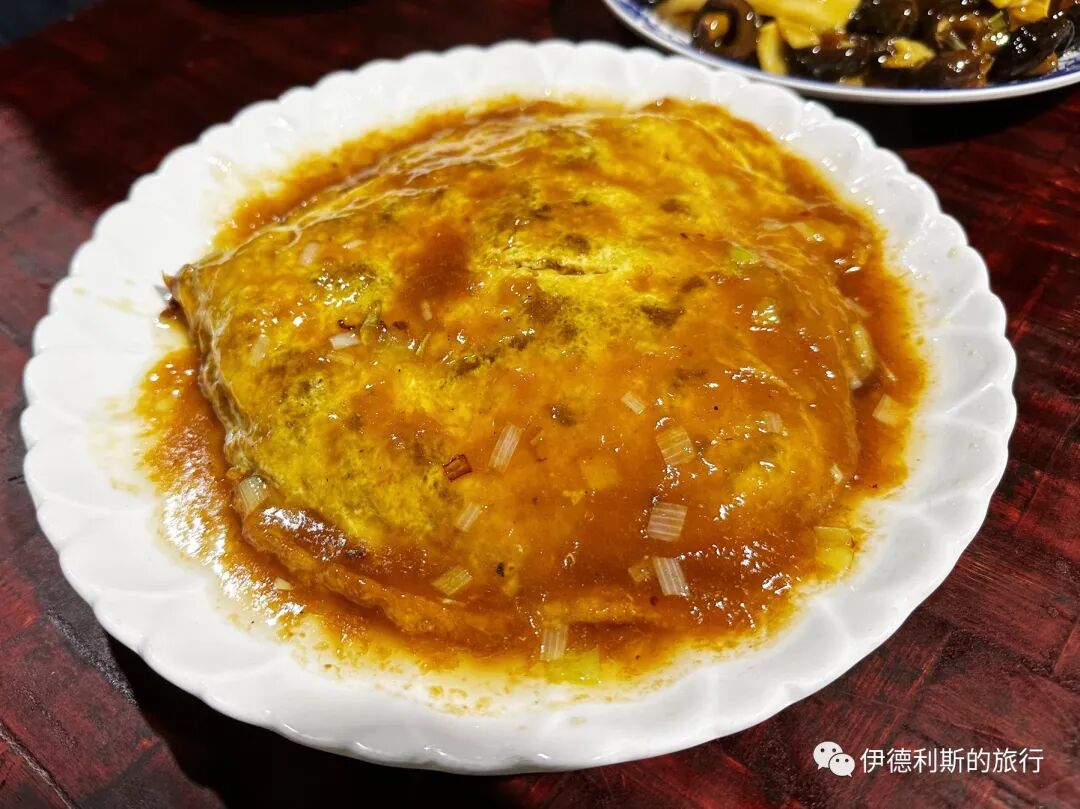
April 2
I broke my fast at home over the weekend. Zainab made hand-pulled noodles (latiazi), and I made eggplant with meat and bamboo shoots with meat. Compared to the ones in Xinjiang, they are quite light.
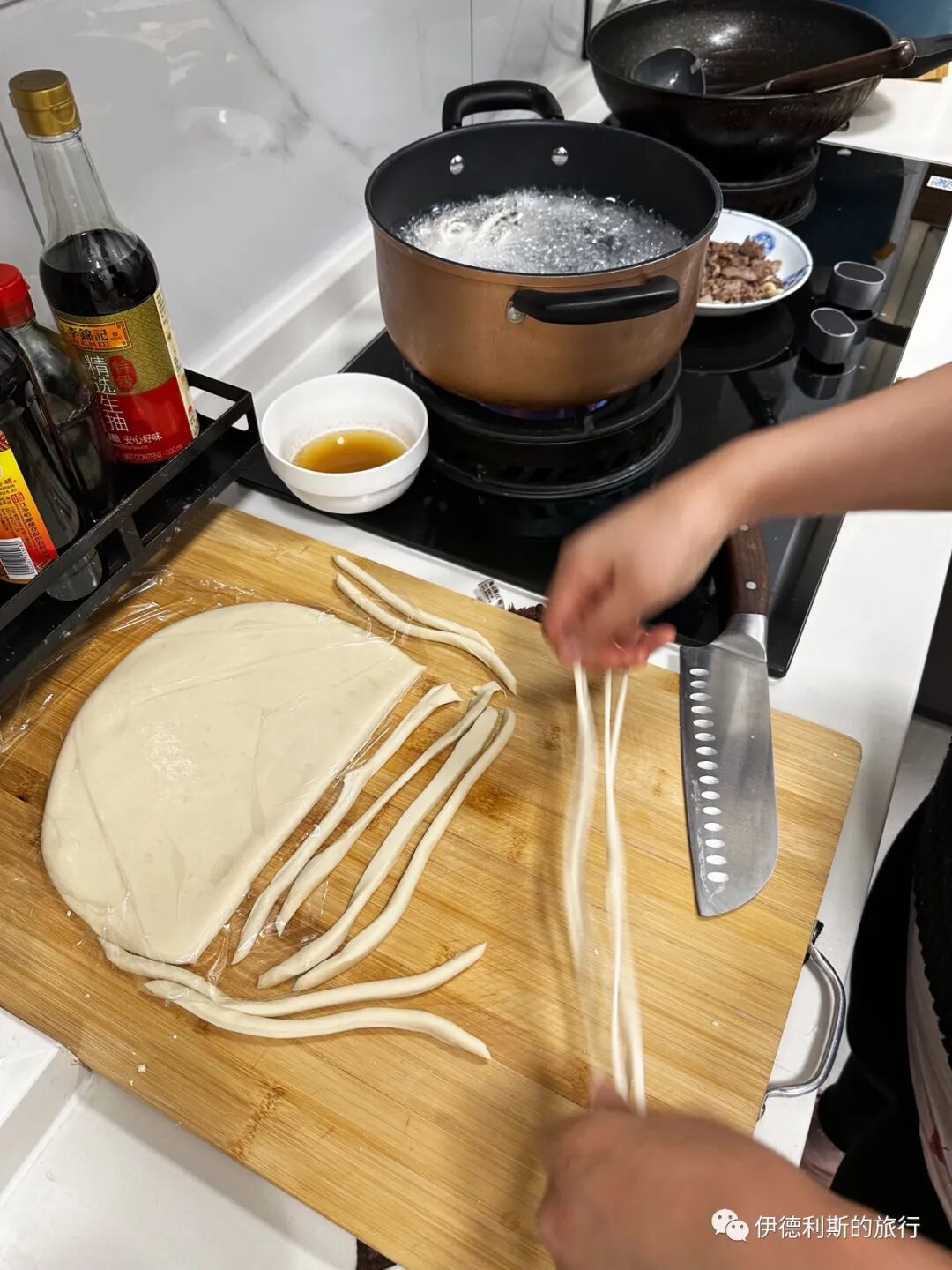
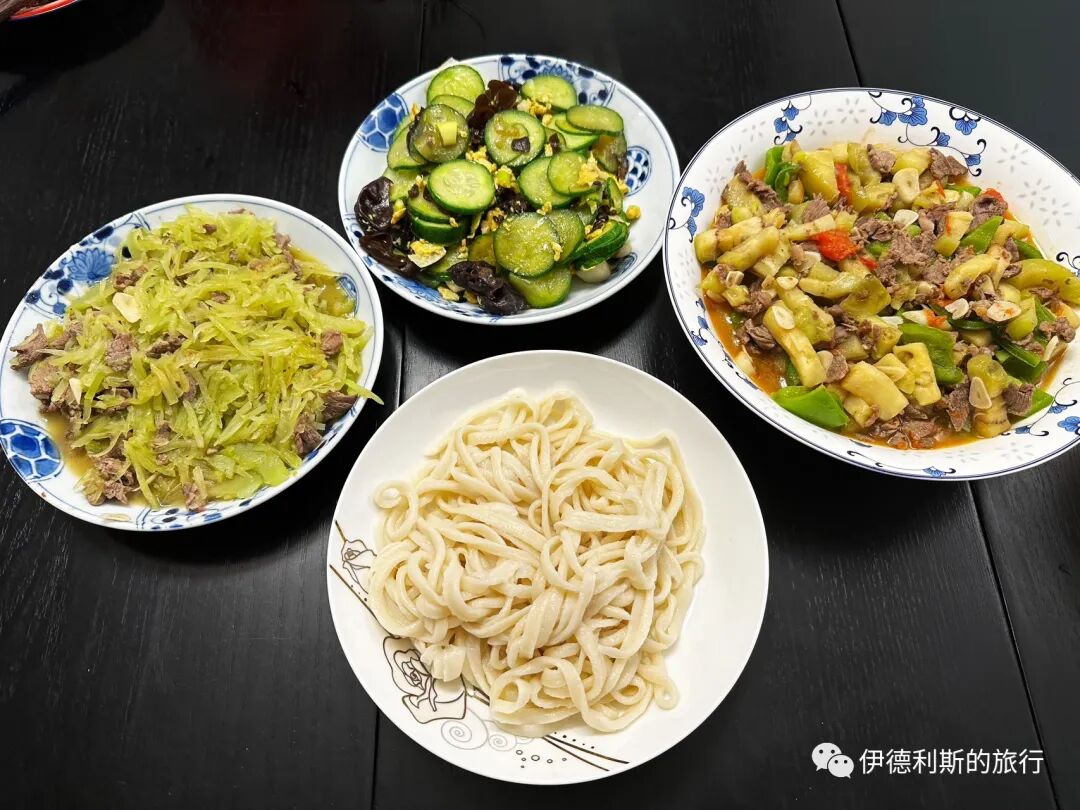
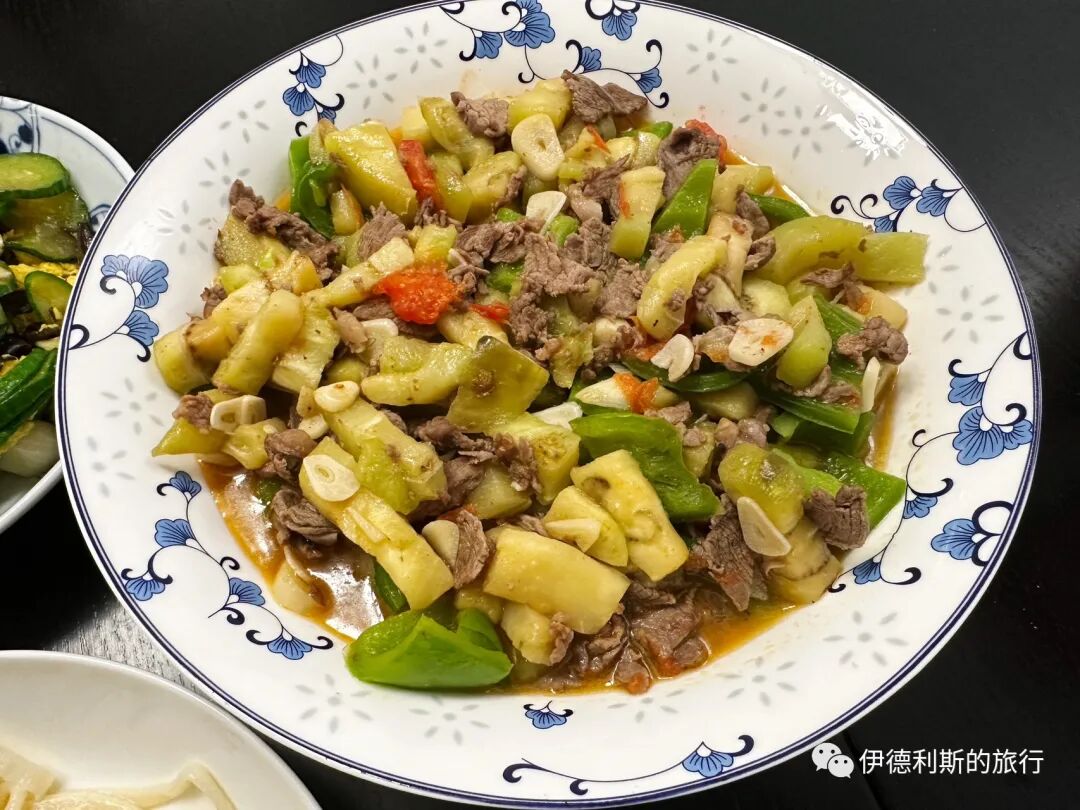
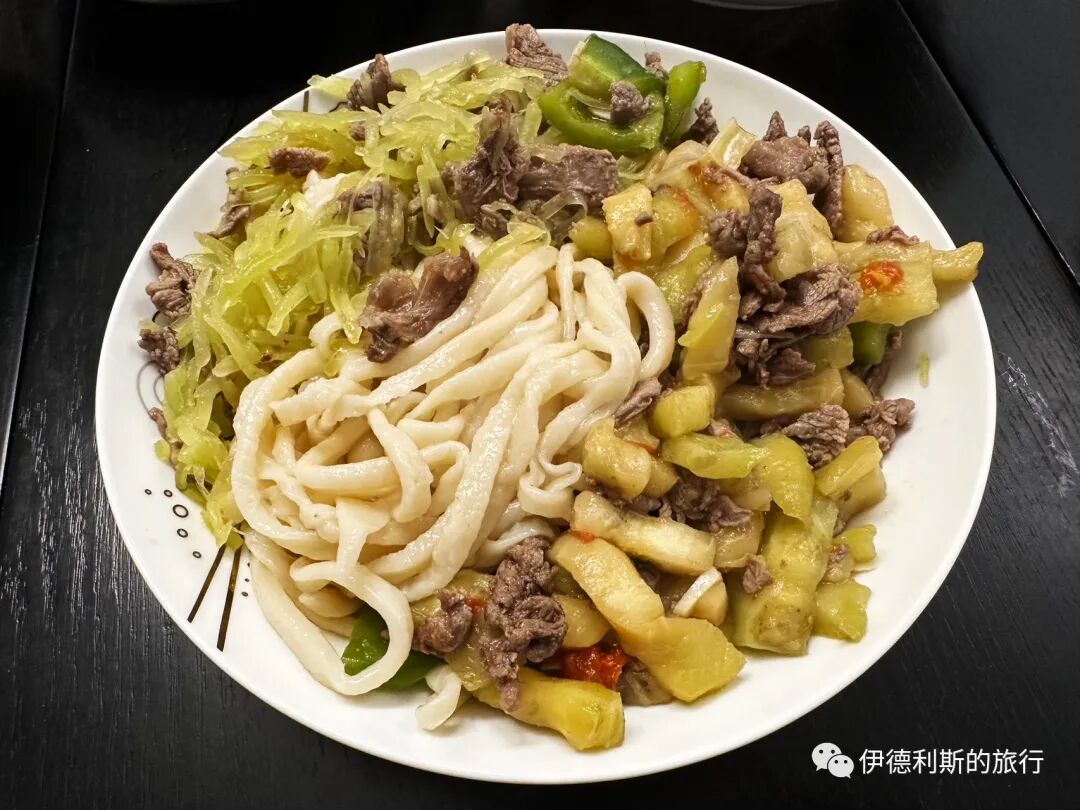
April 3
I broke my fast at Dongsi Mosque today. There were pastries and fruits donated to the mosque by an elder.
Dongsi Mosque is one of the four major official mosques in Beijing from the Ming Dynasty. It was built in 1447 (the 12th year of the Ming Zhengtong era) with funds donated by Chen You, a famous Hui Muslim military officer of the Ming Dynasty. In 1450 (the first year of the Ming Jingtai era), the Jingtai Emperor bestowed the title 'Mosque' upon it.
During the Yongle era, Chen You followed Zhu Di on two northern expeditions against the Mongols and performed meritorious service. During the Xuande era, he was mainly engaged in pacification work along the northern and northwestern borders of the Ming Dynasty. During the Zhengtong era, the tribute trade between the Ming Dynasty and the Mongols entered a prosperous period. In 1436 (the first year of the Zhengtong era), Chen You became an envoy for the mission to the Oirat Mongols. Later, he led Oirat envoys to the capital to present horses many times, and due to his achievements, he was promoted several times to the position of Assistant Commander of the Embroidered Uniform Guard. In 1444 (the ninth year of the Zhengtong era), Chen You was appointed as a Guerrilla General and began patrolling the borders in places like Ningxia. During this time, he defeated the Mongol army and achieved great military success, leading to his promotion to Assistant Commander of the Rear Chief Military Commission, becoming a high-ranking military officer. He donated money to build the Dongsi Mosque during this period.
In 1449 (the 14th year of the Zhengtong reign), war broke out between the Ming Dynasty and the Oirat Mongols. Chen You followed the Ming Emperor Yingzong into battle, but they were defeated and the emperor was captured. During the crucial defense of Beijing, Chen You fought bravely and earned military honors, leading to his promotion to Commander-in-Chief of the Rear Military Commission. In 1450 (the first year of the Jingtai reign), the Jingtai Emperor sent Chen You to the Guizhou and Huguang regions to suppress the Miao uprising, and he was promoted twice for his military achievements. It was during this time that the Jingtai Emperor bestowed the plaque reading "Mosque" (Qingzhensi) upon the Dongsi Mosque.
Because of his outstanding military service, Chen You was granted the title of Count of Wuping in 1457 (the first year of the Tianshun reign), a title his descendants inherited. Later, Chen's descendants often served as officers in the Beijing military camps and funded the repairs of several old mosques, including those in Dingzhou and Yizhou, Hebei.
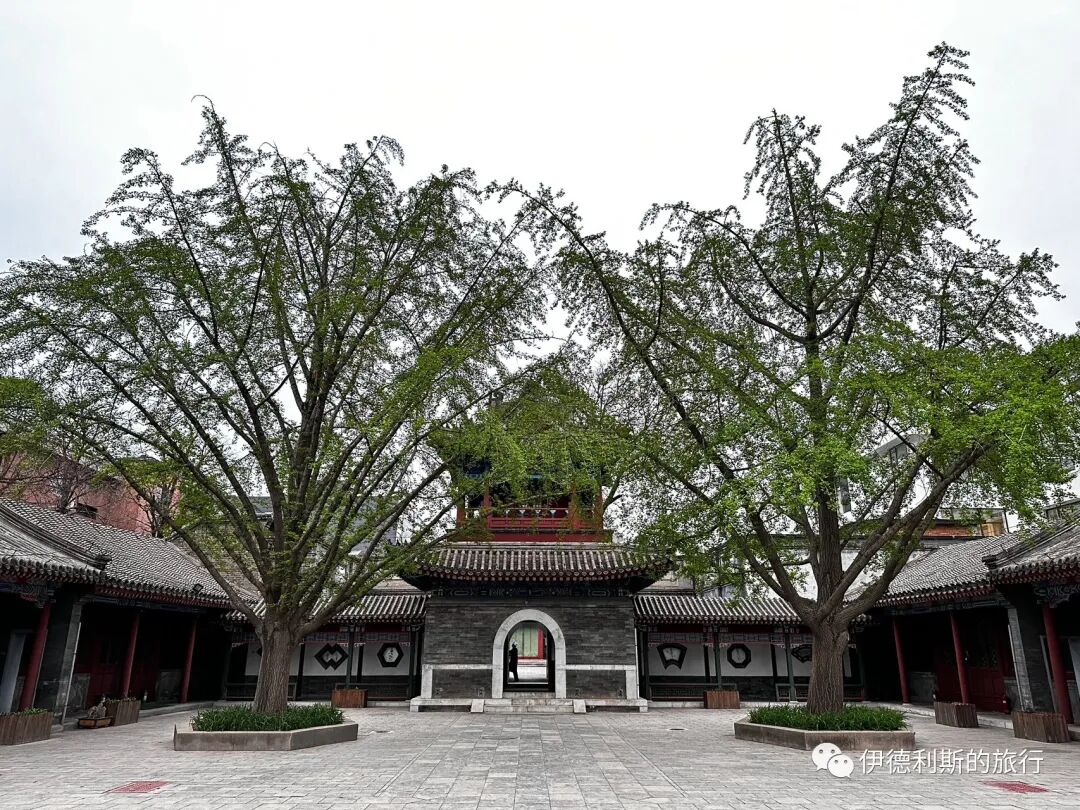
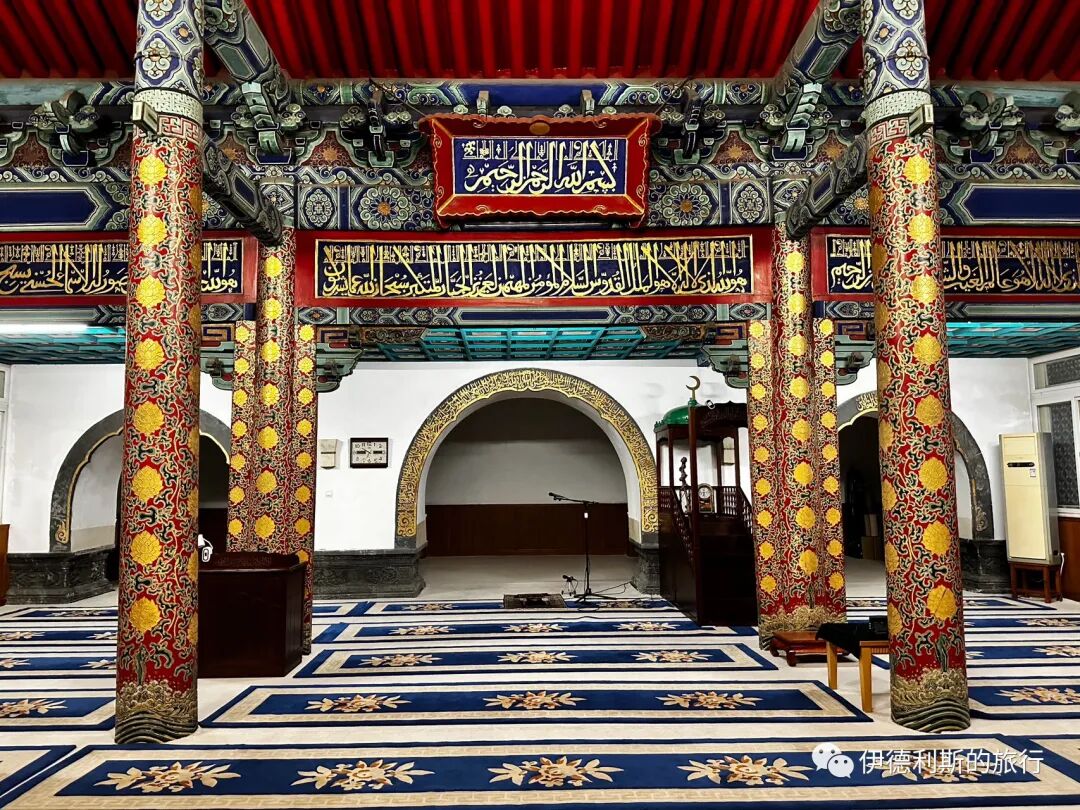
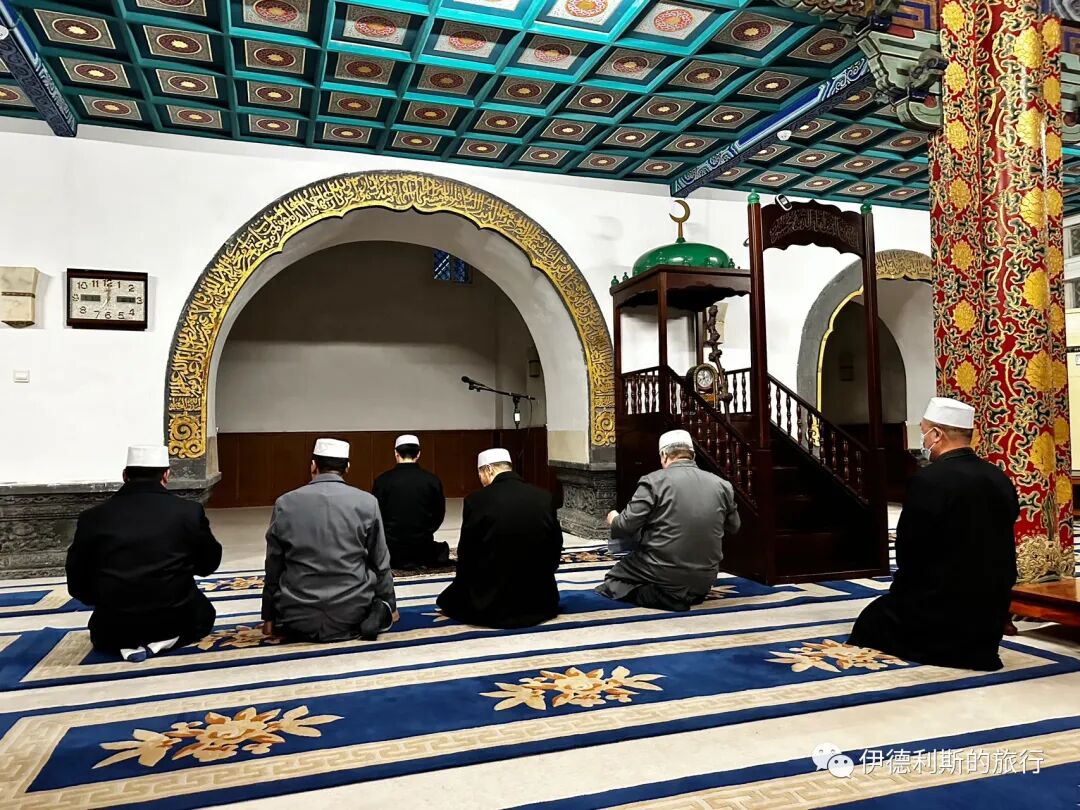
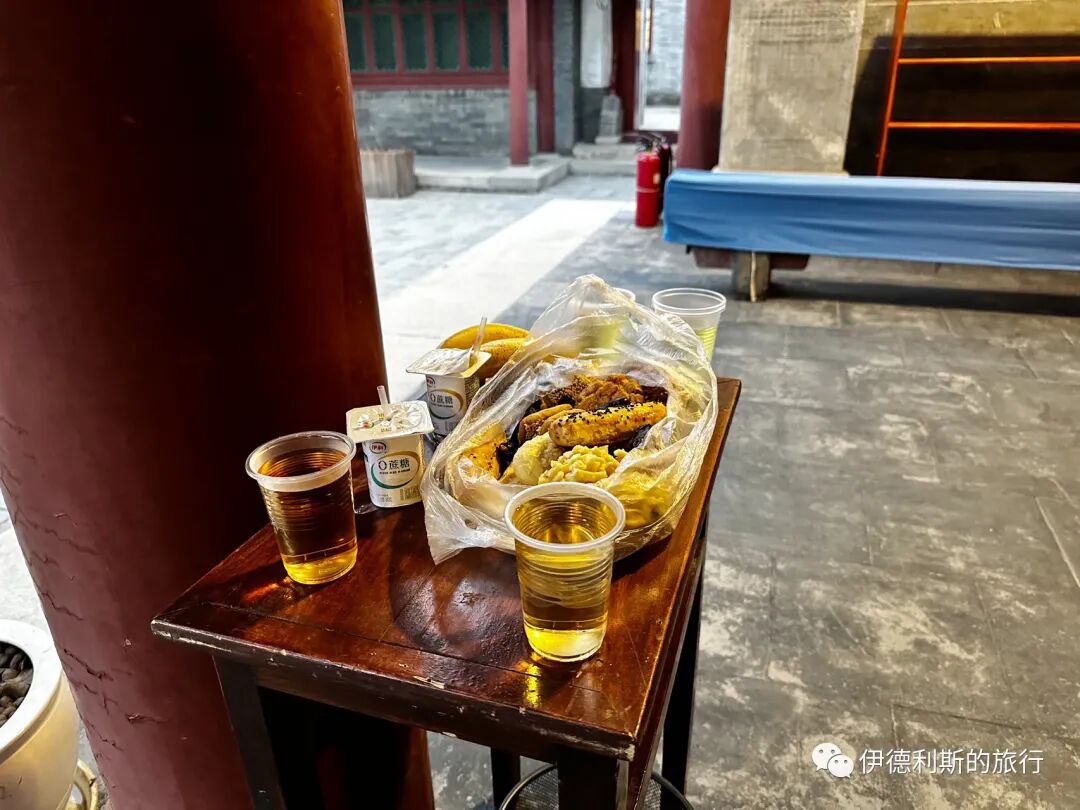
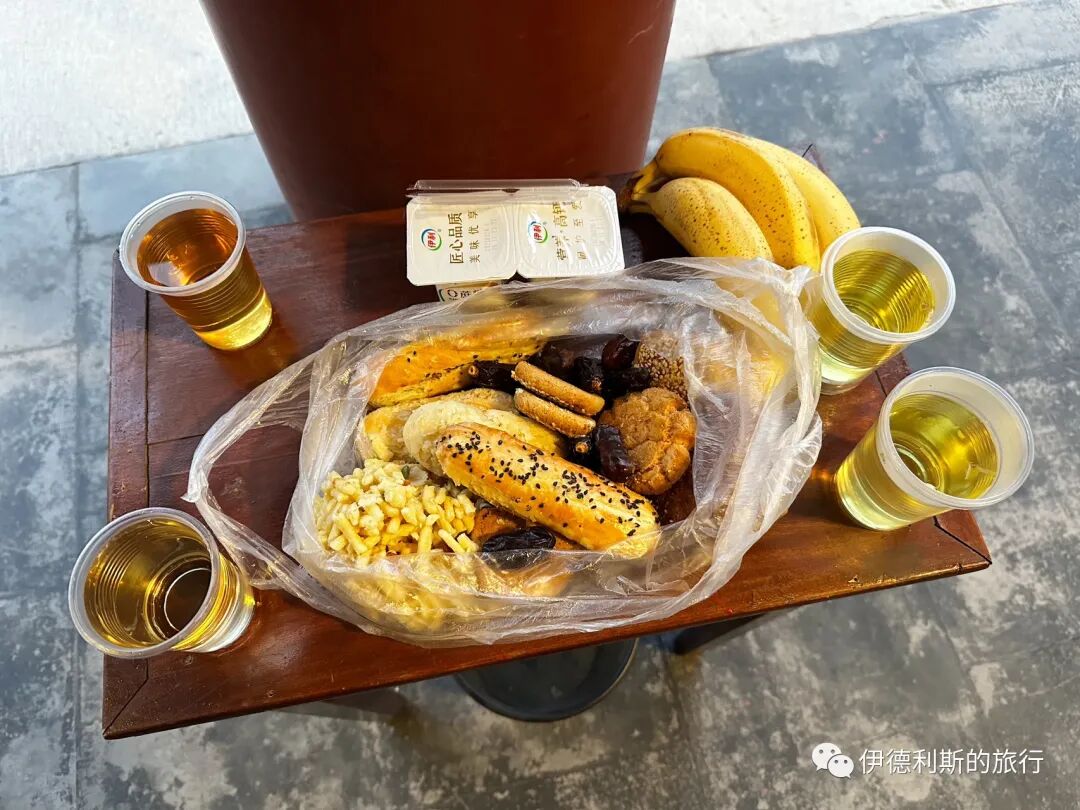
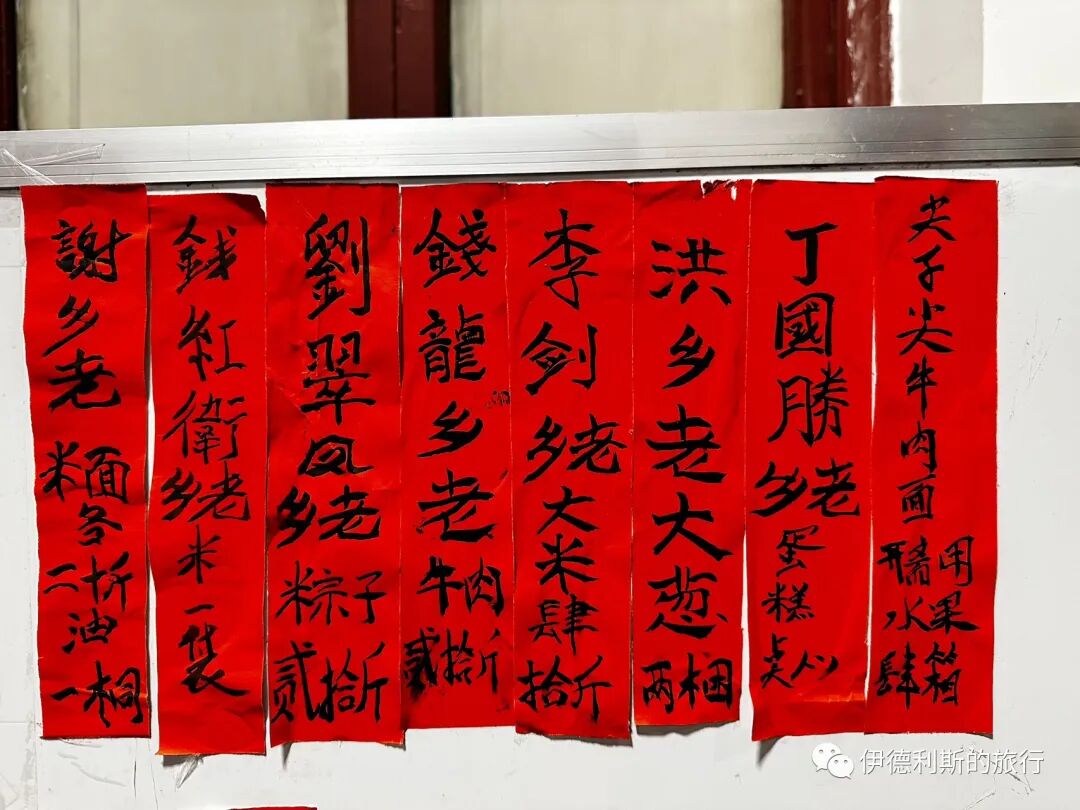
After Shamu finished, he rode his bike home. He passed a Niujie fried chicken shop on Dongsi North Street and bought a freshly fried chicken leg. When he got home, he ate the stir-fried rapeseed, spring bamboo shoots, carrots, and potatoes I had made earlier, along with the steamed buns (momo) my father-in-law had made for us.
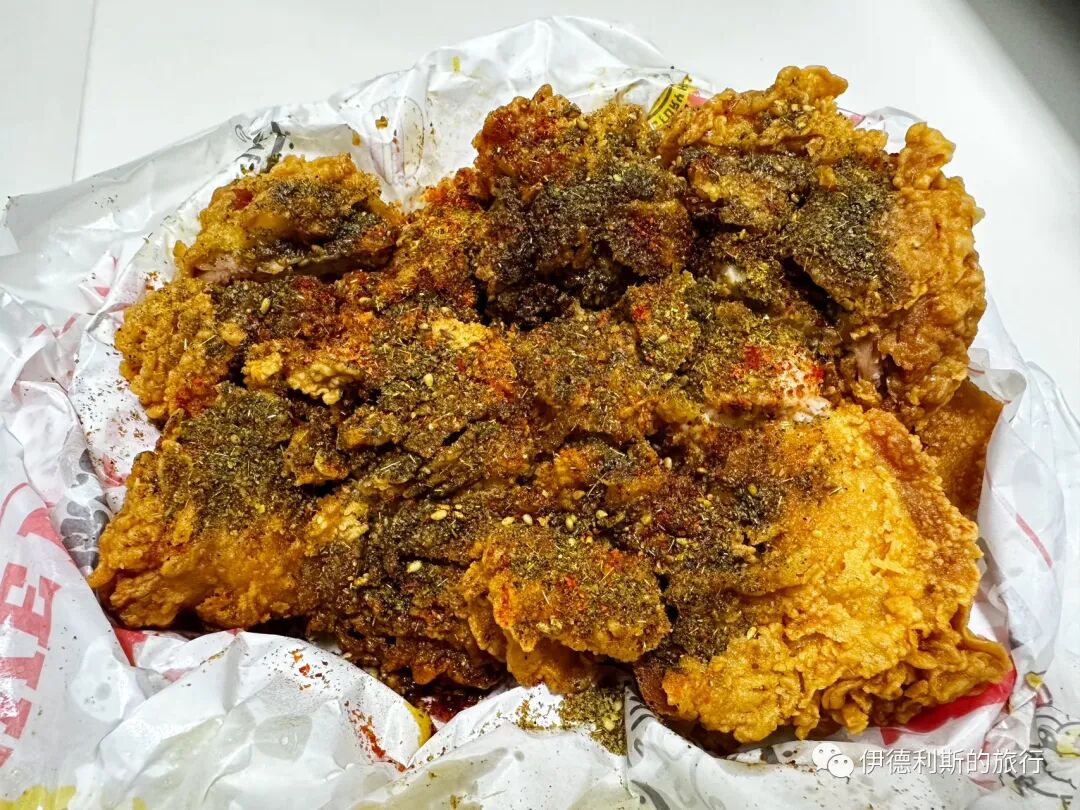
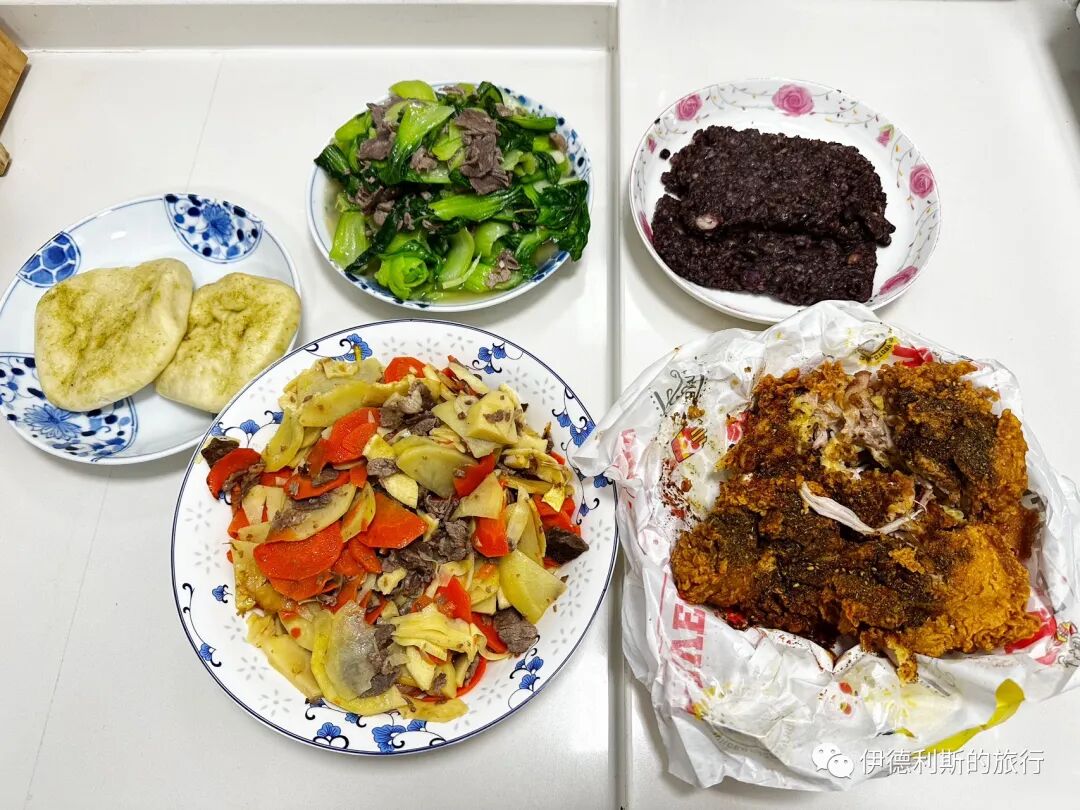
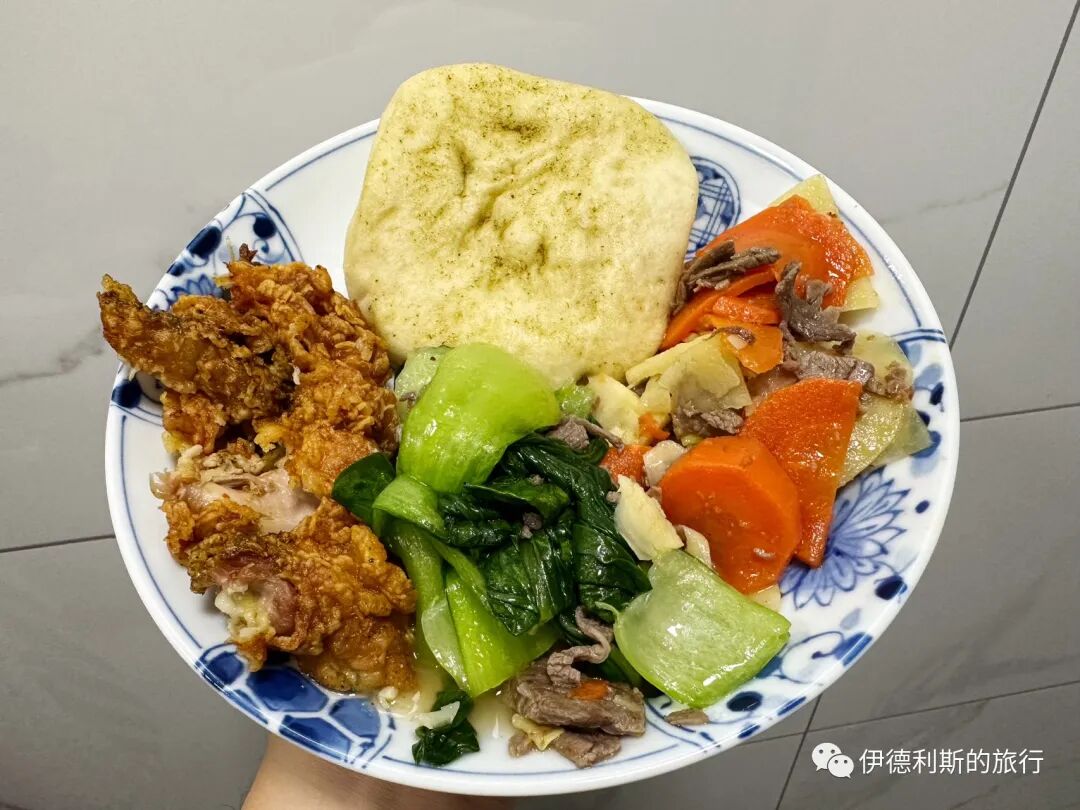
April 4
We went to the mosque outside Dongzhimen to break our fast in the spring rain. There were fried cakes (zhagao) freshly made by the elders; I hadn't eaten them in a long time! Shamu ate dumplings at the mosque. They were fennel and chive, which tasted better than the ones in restaurants and really reminded me of my childhood.
The mosque outside Dongzhimen was originally called the Erlizhuang Mosque. It was first built during the Yuan Dynasty and renovated during the Kangxi reign of the Qing Dynasty. In the late 1980s, Shougang Group and a Danish investor built international apartments in Erlizhuang, so the old mosque was moved one kilometer to the northwest and rebuilt. It was completed in 1991 and reopened in 1993.
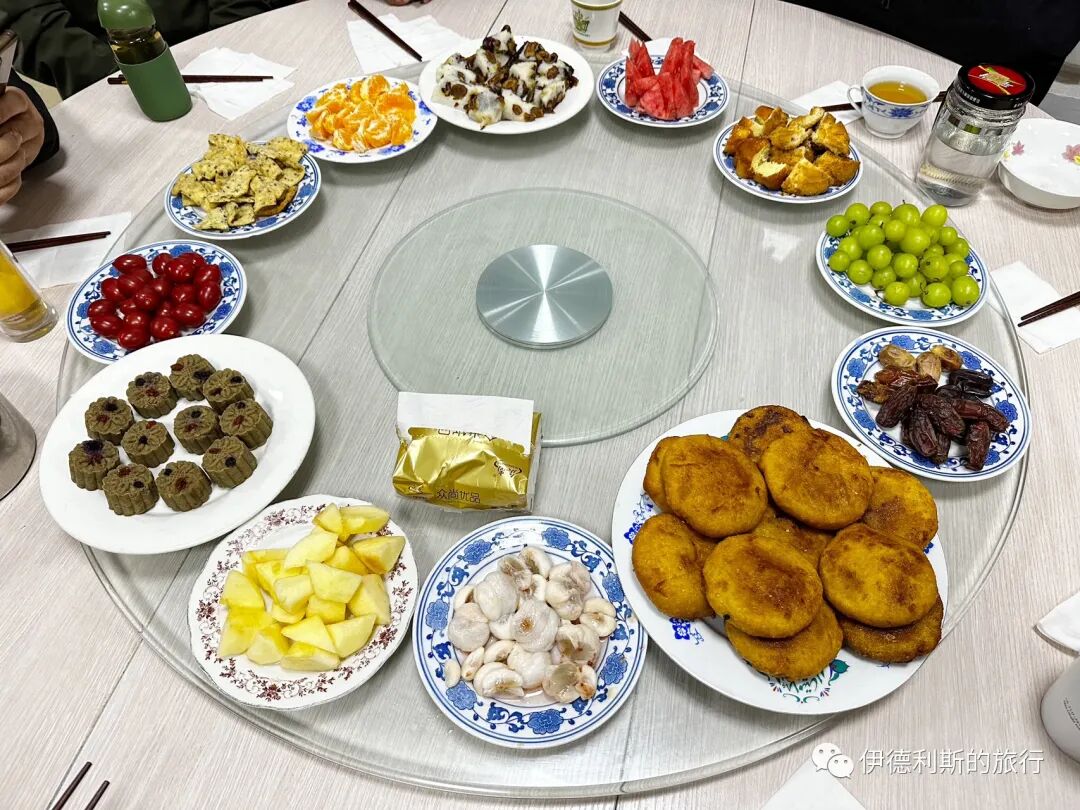
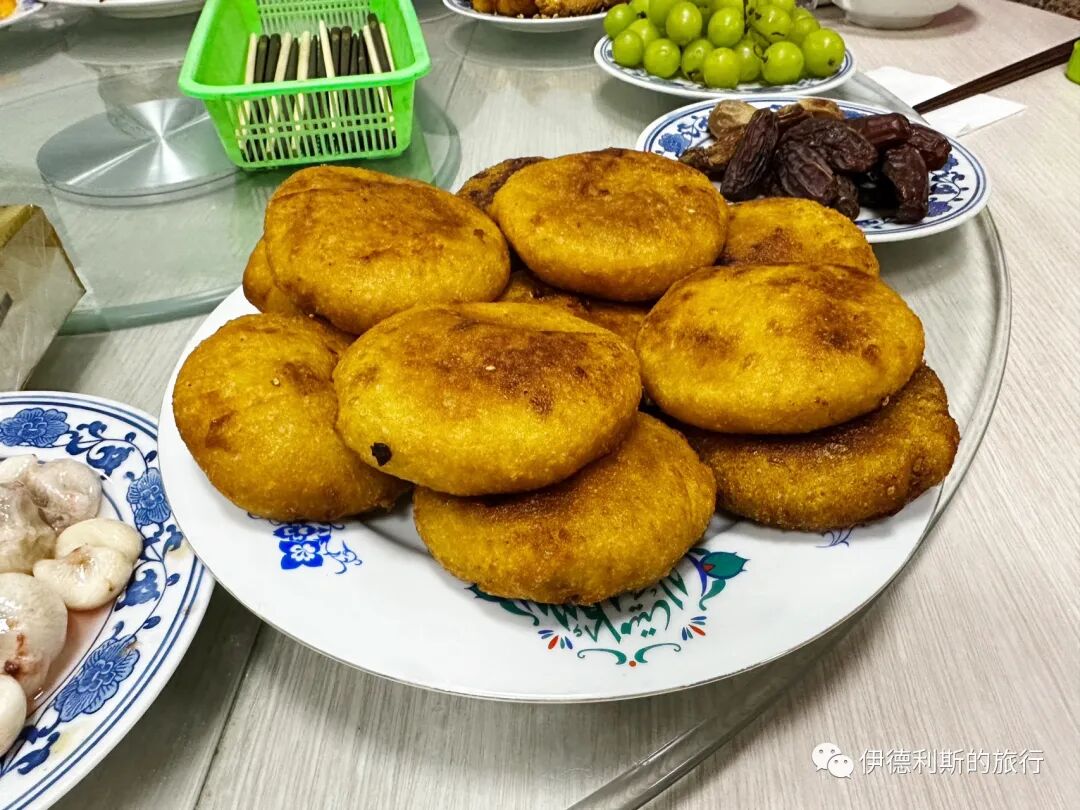
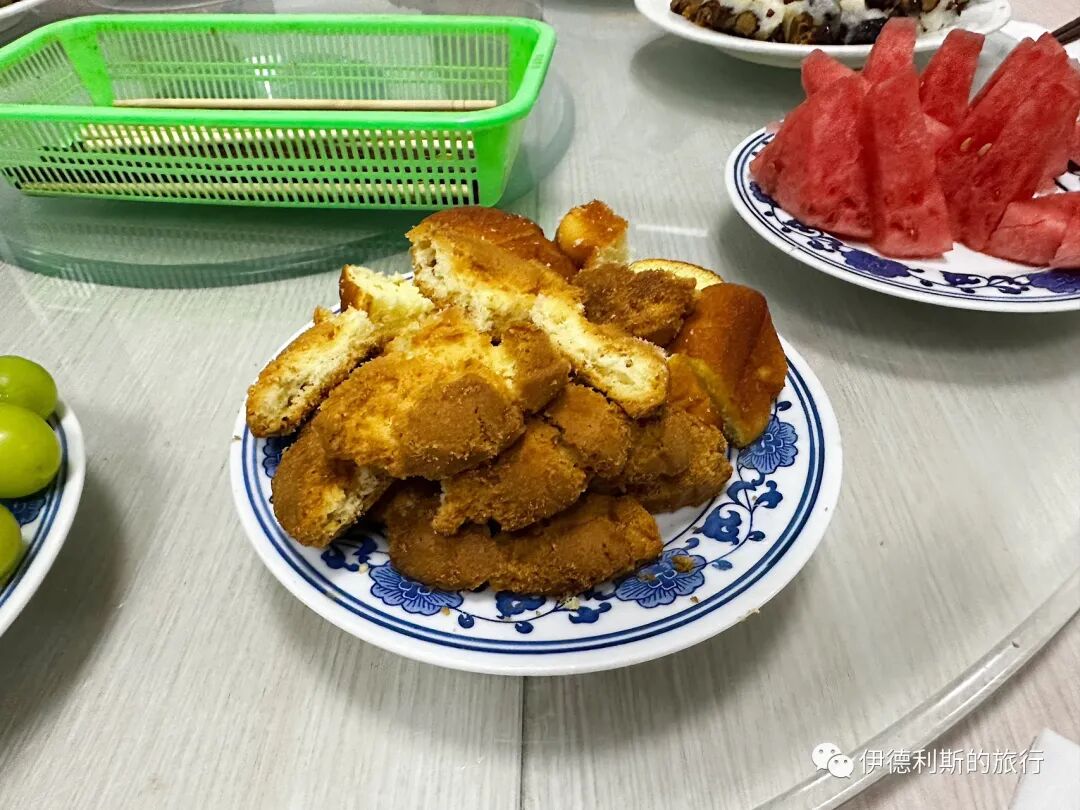
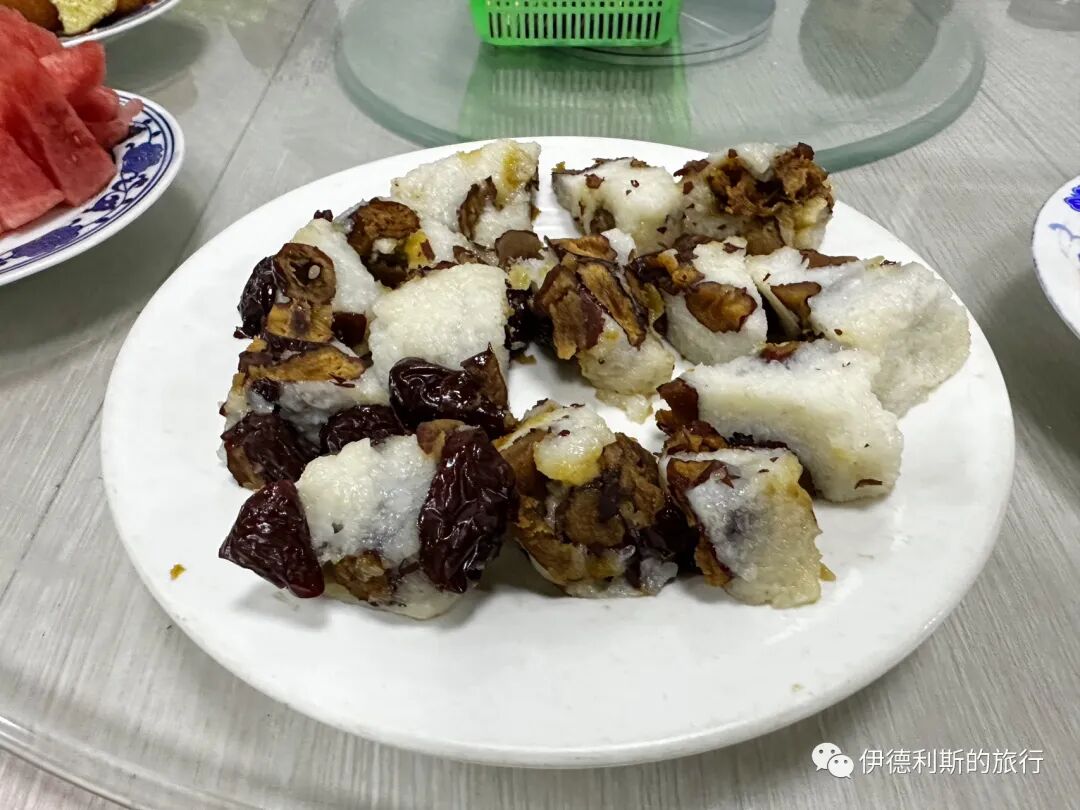
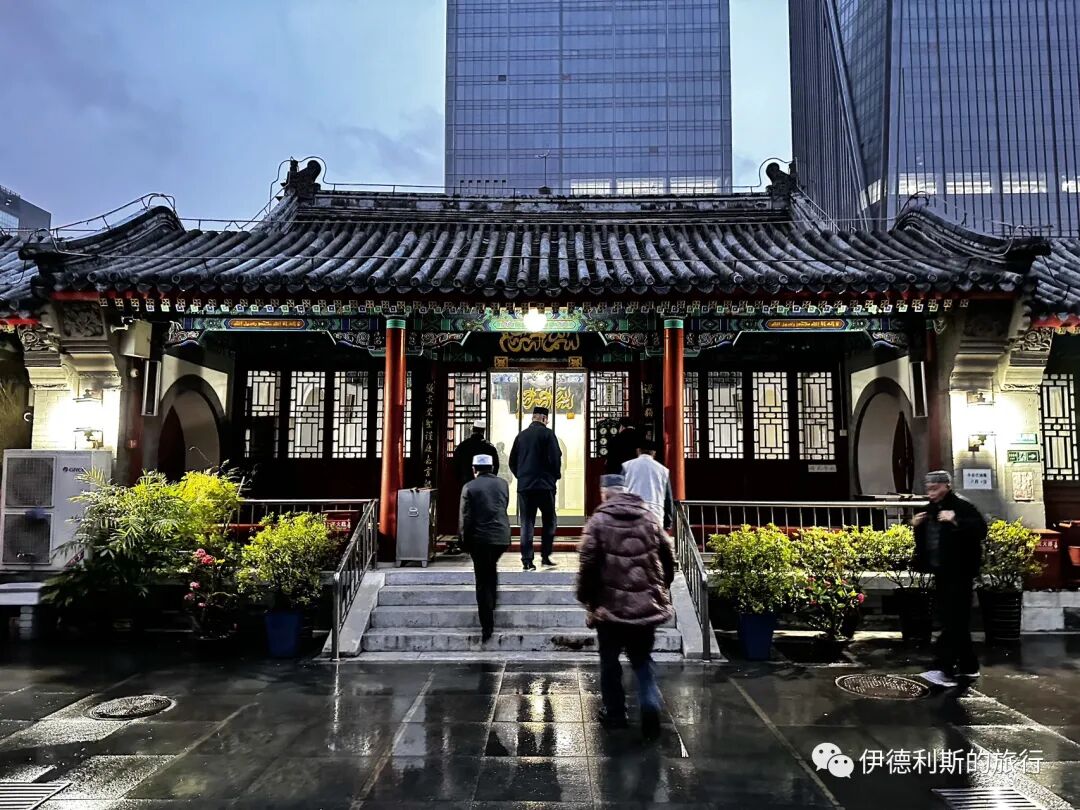
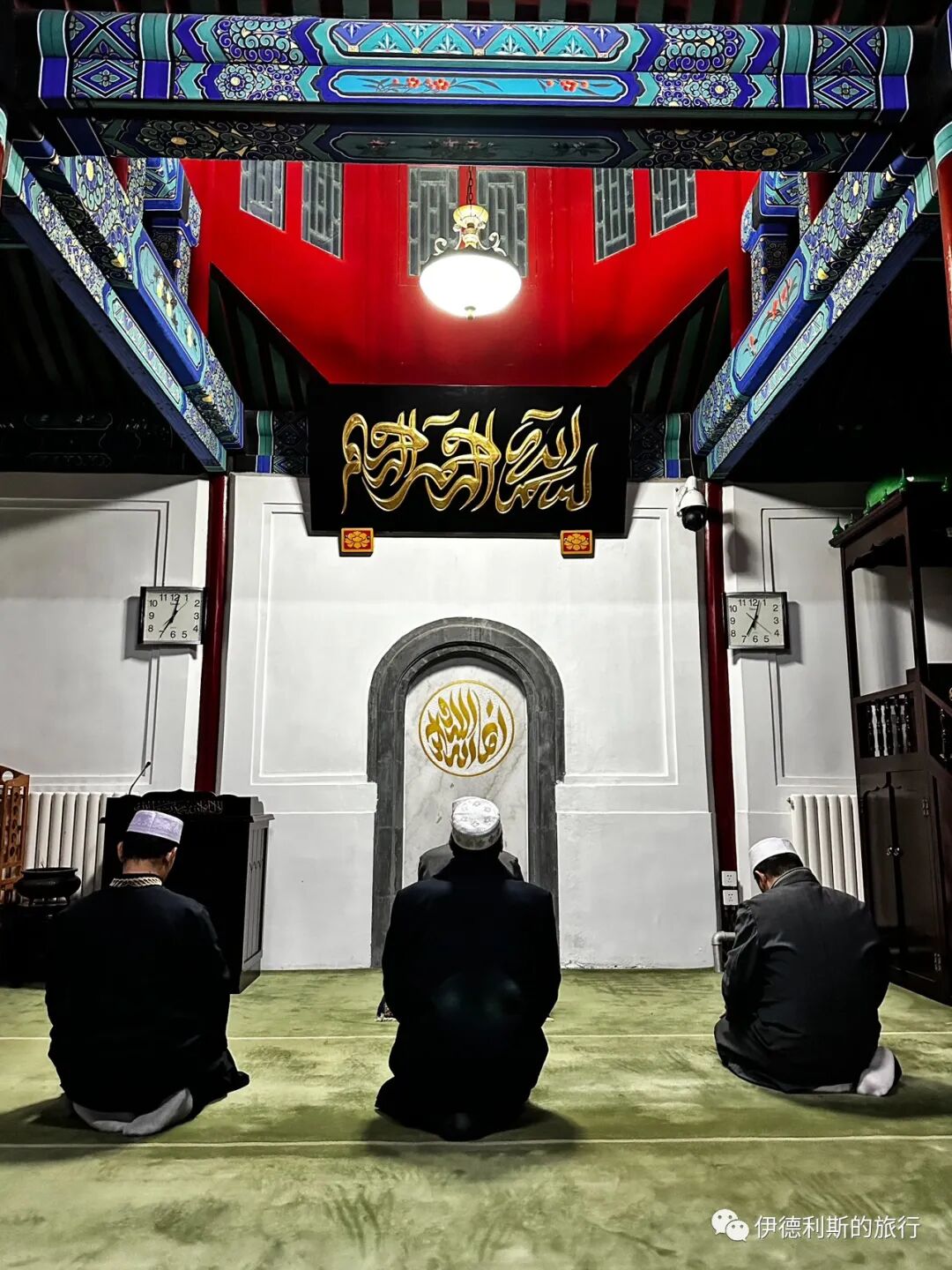
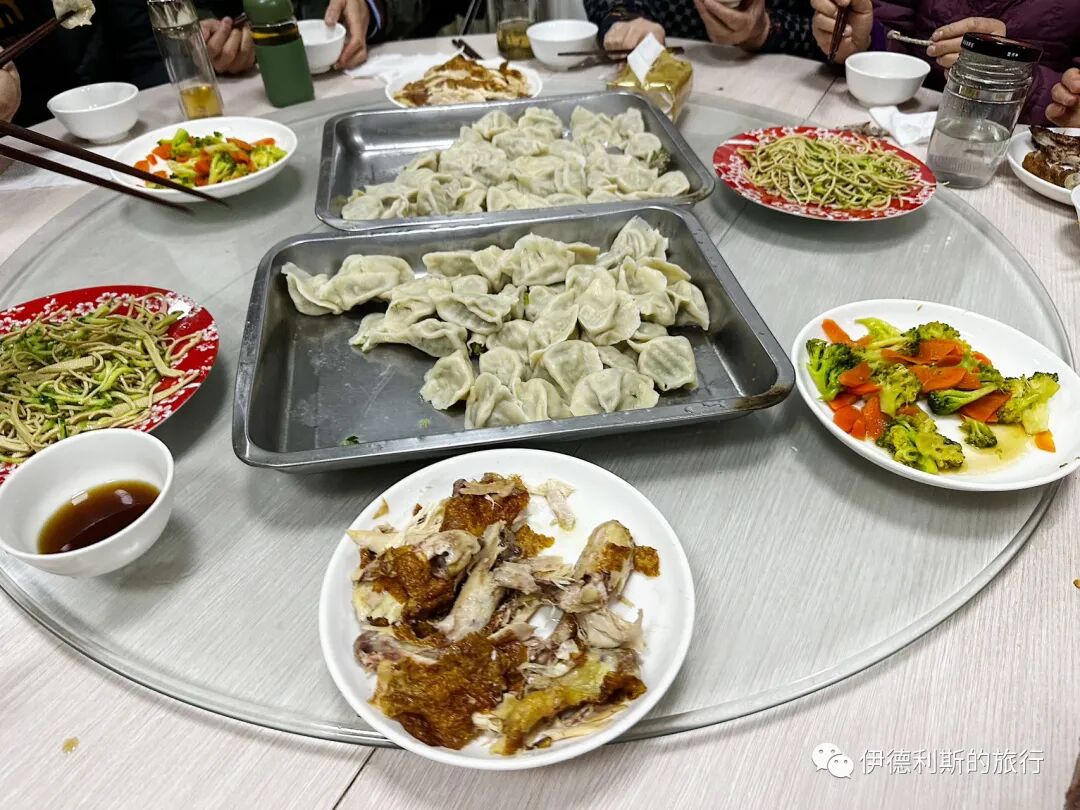
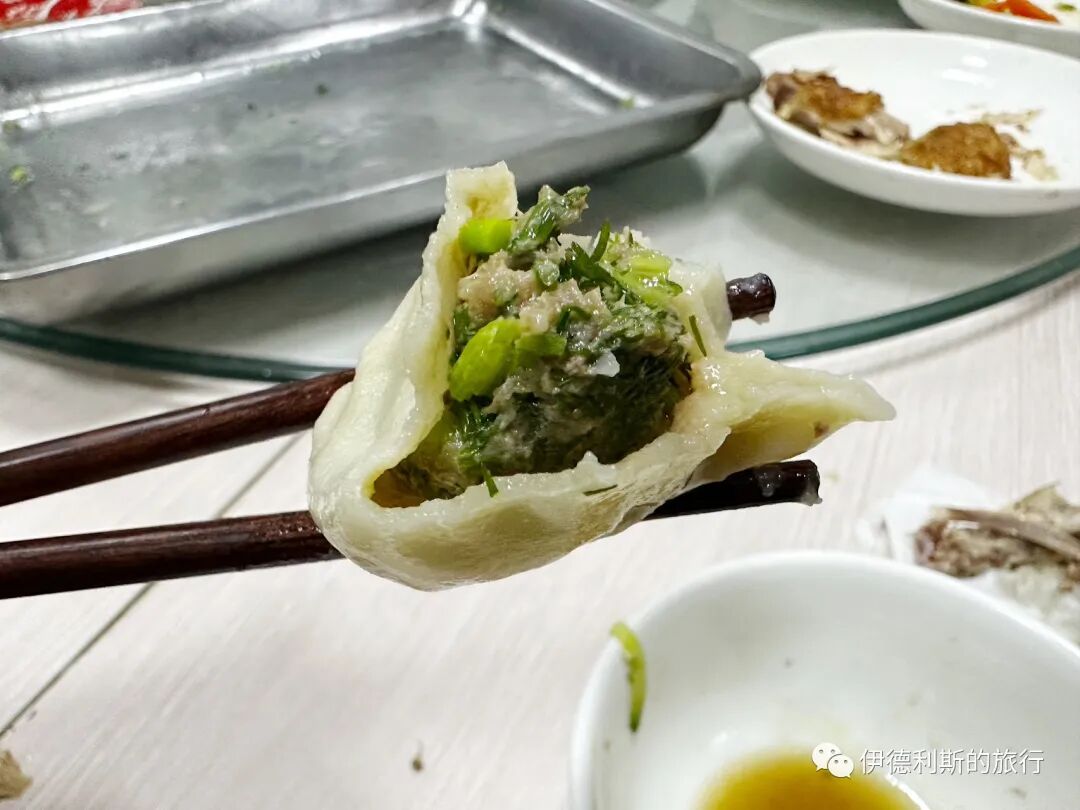
After coming out, I bought two milk flatbreads (naizi nang) at the bakery by the mosque gate to eat for the next day's fast.
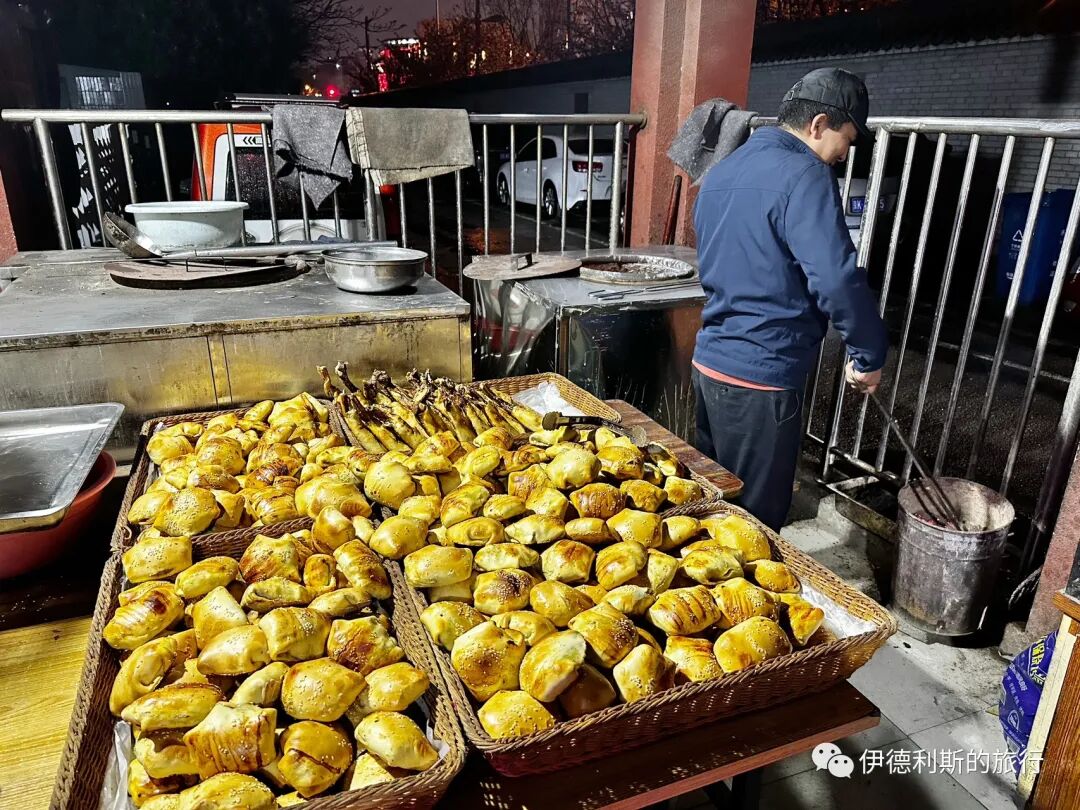
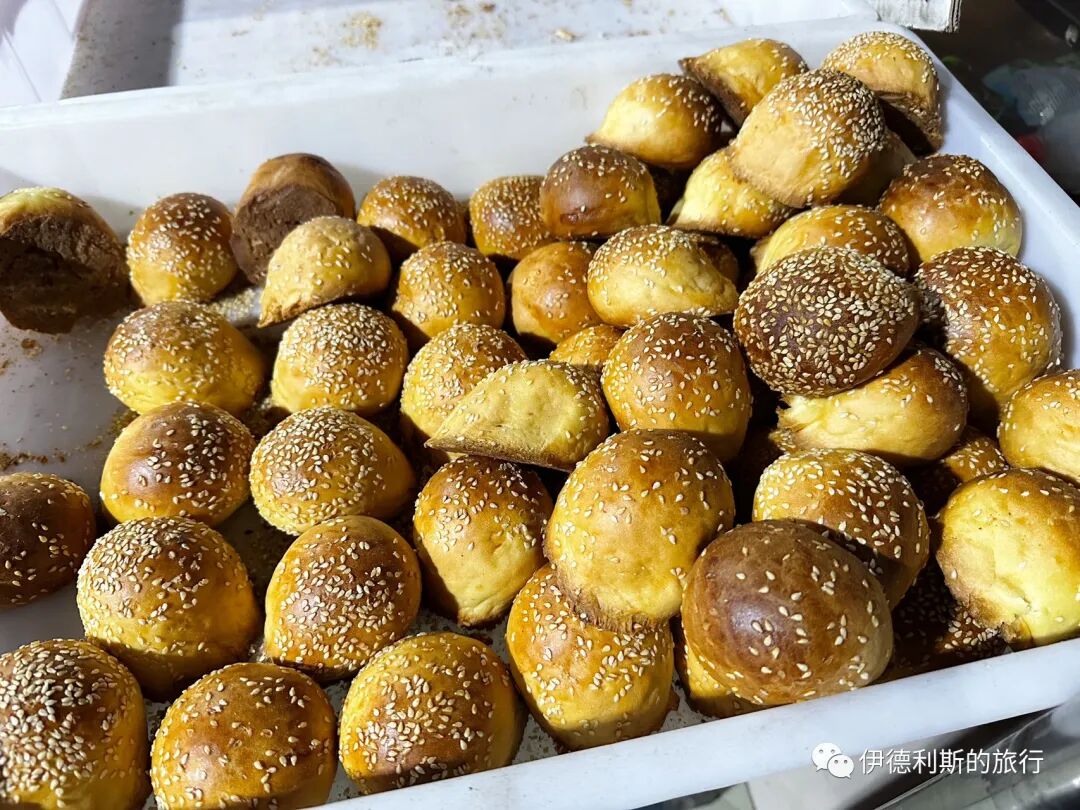
April 6
In the evening, we broke our fast at the Nanhxiapo Mosque and had some glutinous rice strips (jiangmitiao), which I loved as a child. After Shamu finished, he ate some meat pies (xianbing) given out by the elders, which were delicious.
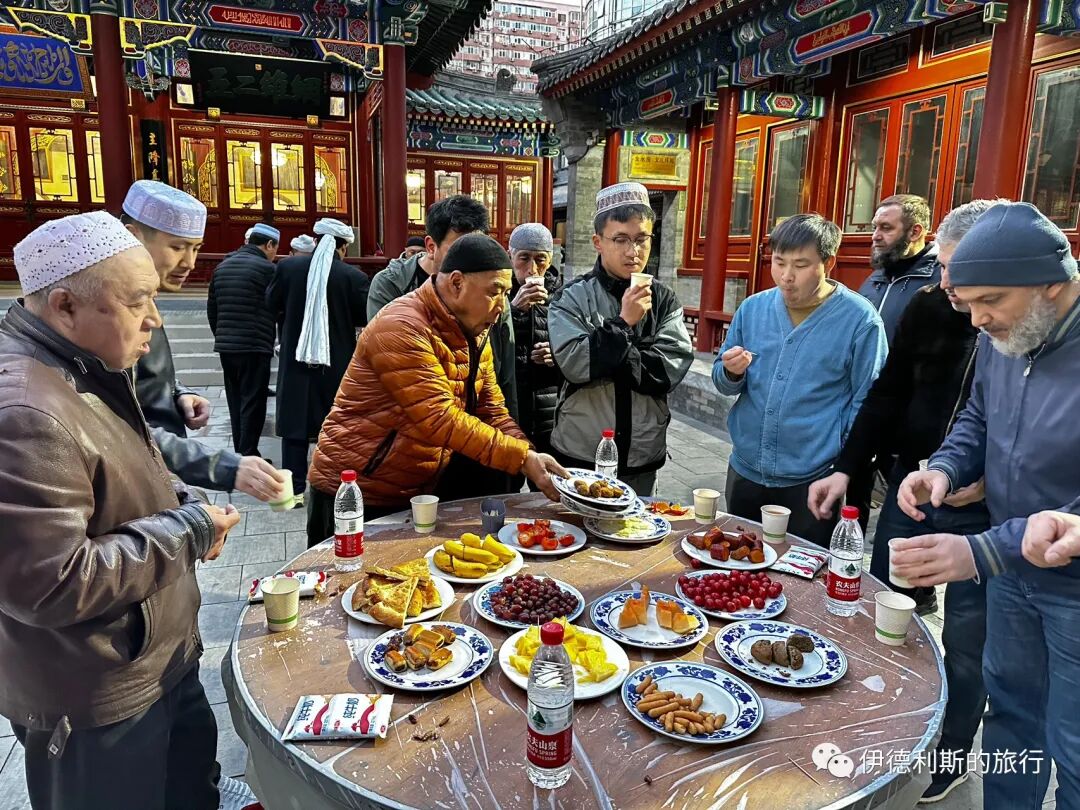
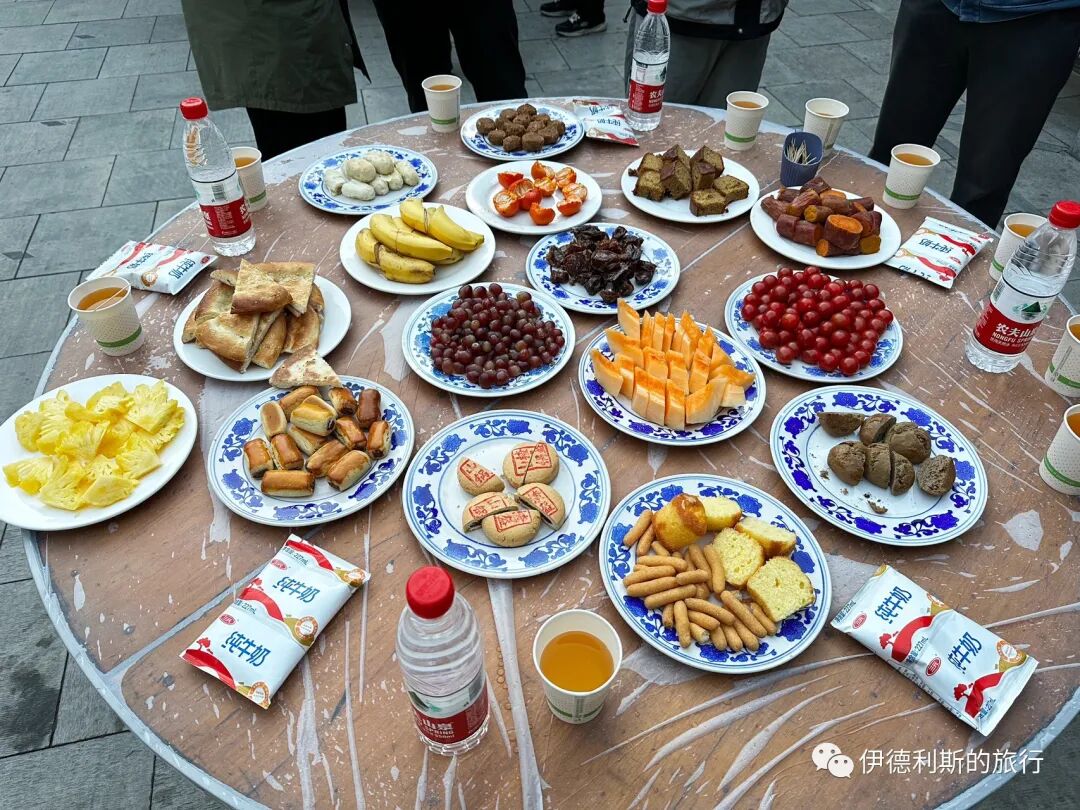
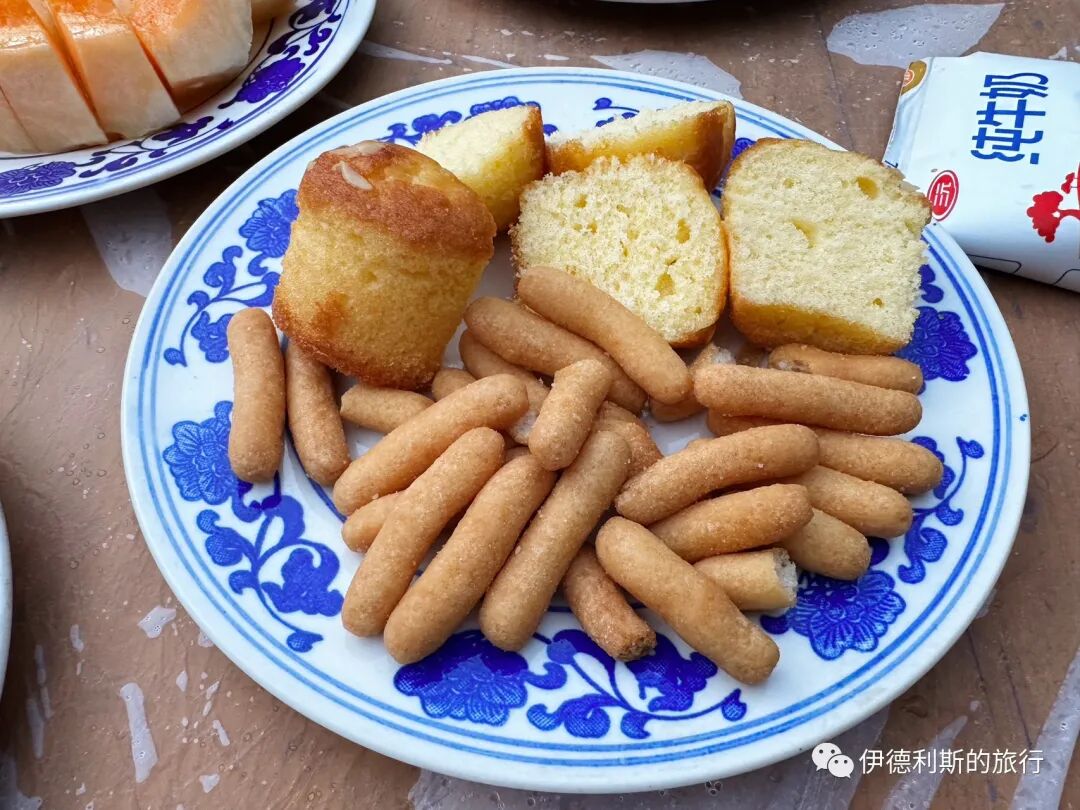
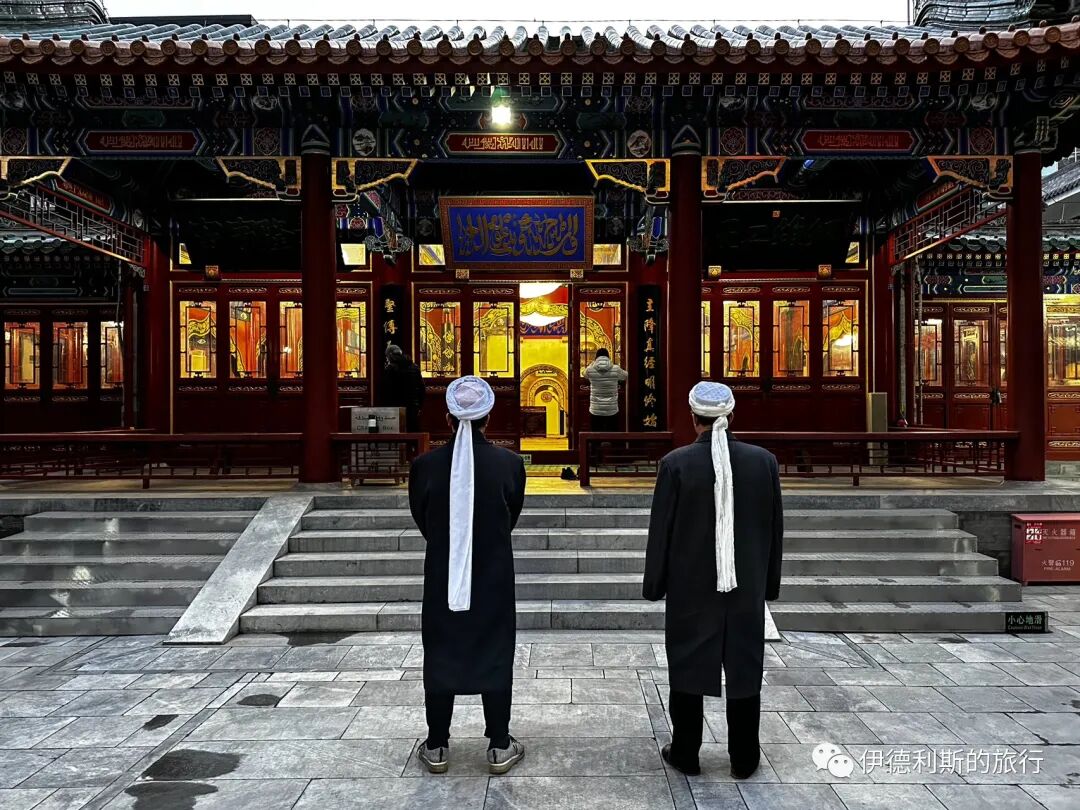
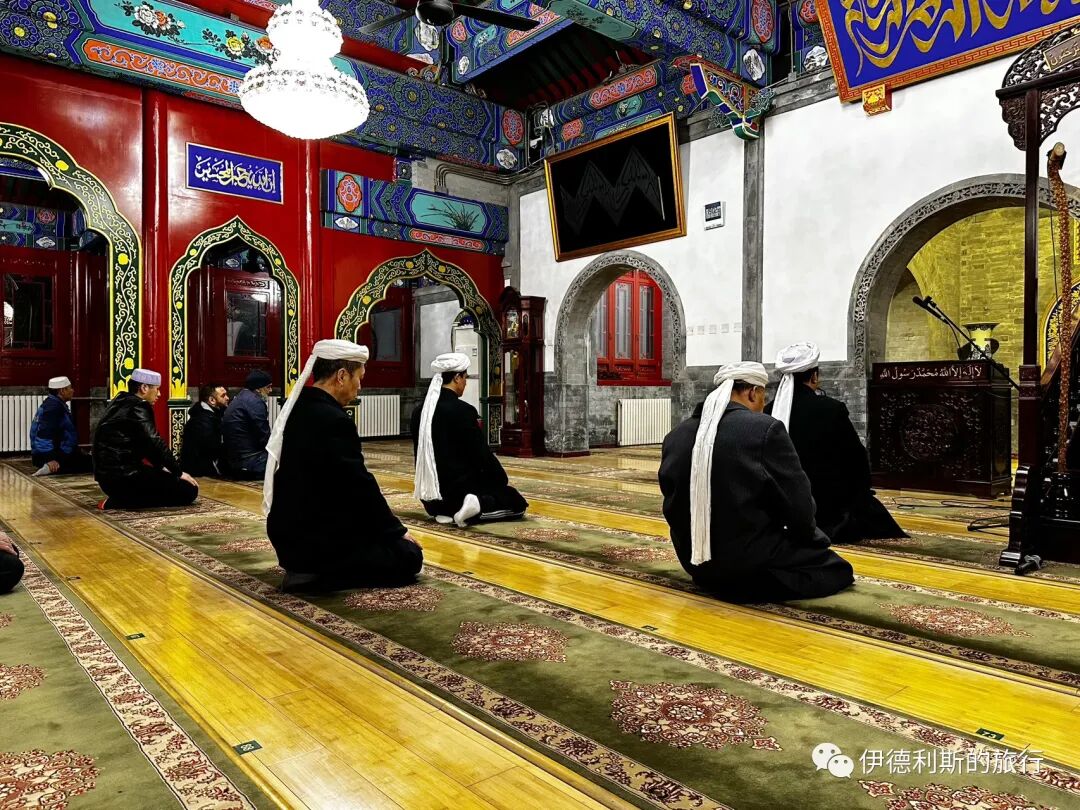
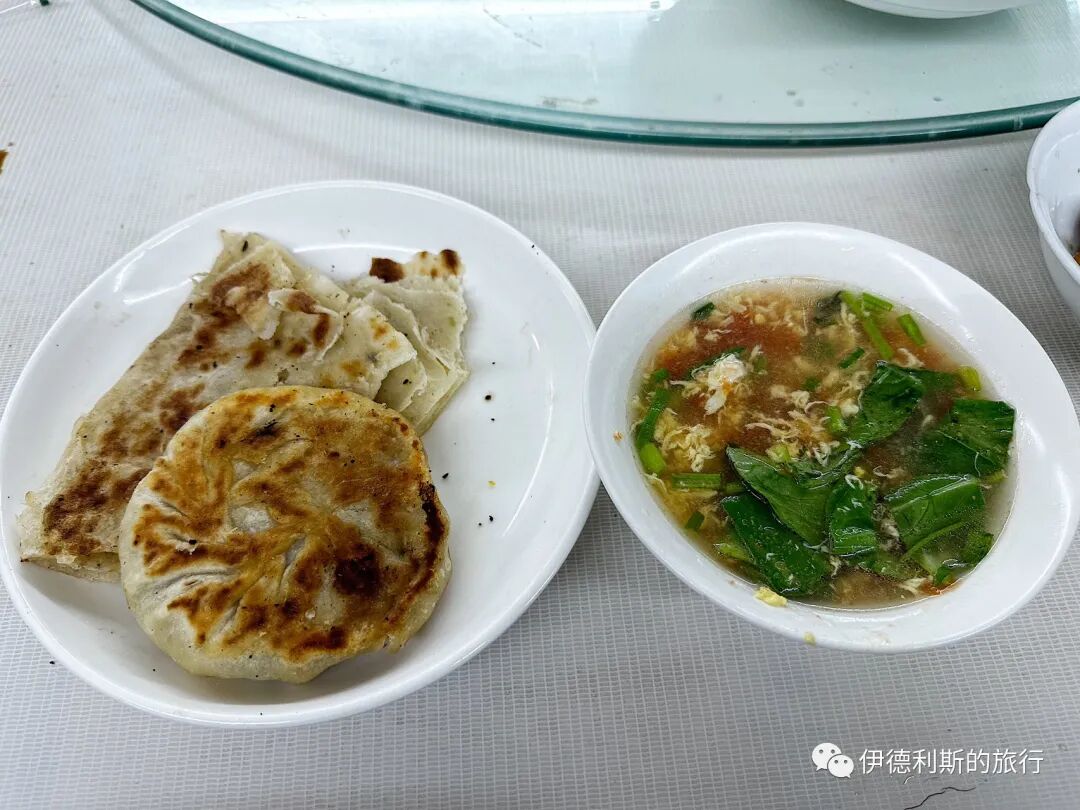
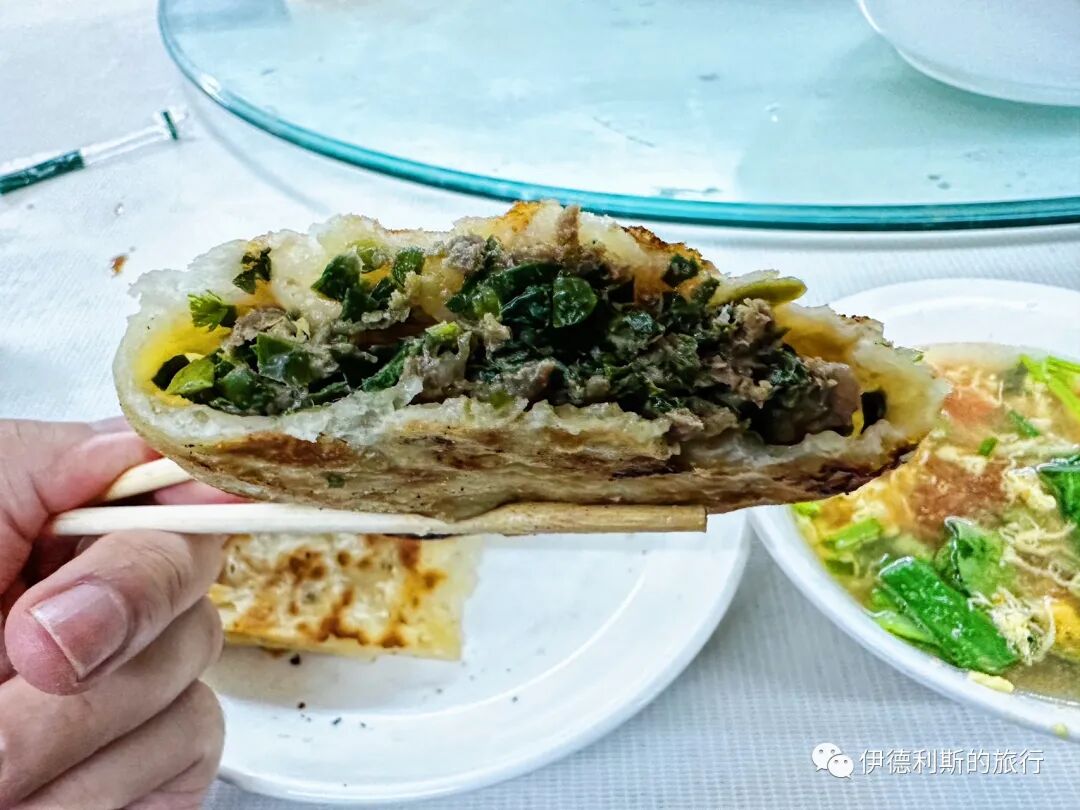
April 7
It was the third Friday (Jumu'ah) of Ramadan, and we were at the Changying Mosque again. The sky today was as blue as if it had been washed, clear and vast, just like a painting.
Inside the Changying Mosque, there is a 1937 stone tablet titled "Last Words of My Late Mother," which is a precious record of the Changying Women's Mosque. It says, "Sacrificing the family house in the west courtyard, we converted the former girls' school into a women's bathing facility." But the two rooms on the east side were kept as a place for Lin and others to stay when they returned home. "" The "Lin" mentioned here refers to Zhang Zhaolin, a Hui Muslim from Changying who was known as one of the "Five Great Hui Journalists of the Republic of China."
According to the article "With the Zhang Zhaolin Brothers," Zhang Zhaolin, whose courtesy name was Ziqi, was born in Changying in 1865. His grandfather and great-uncle were both military scholars (wujinshi) in the same year during the Daoguang reign. When he was four or five, his family's fortunes declined. He only attended a private village school before becoming an apprentice at a grocery store. In 1909, Zhang Zhaolin founded the "Xingshi Bao" (Awakening Times) in Fengtian, which was the most important vernacular newspaper in Fengtian at the time.
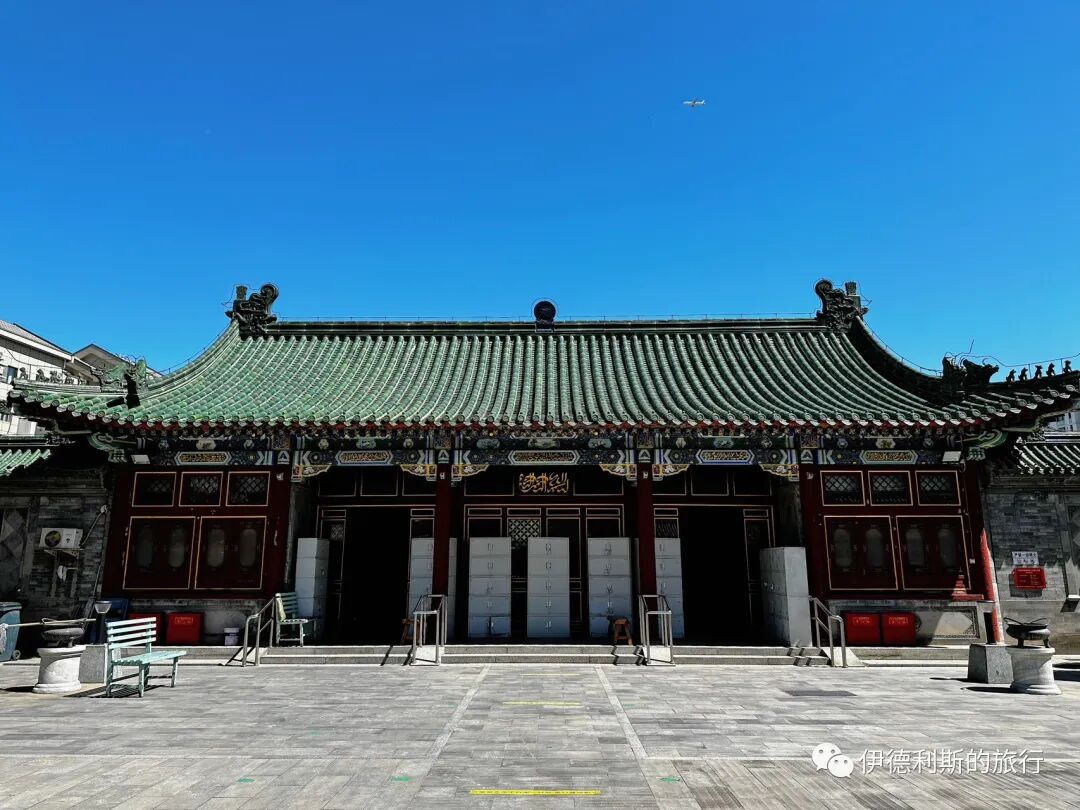
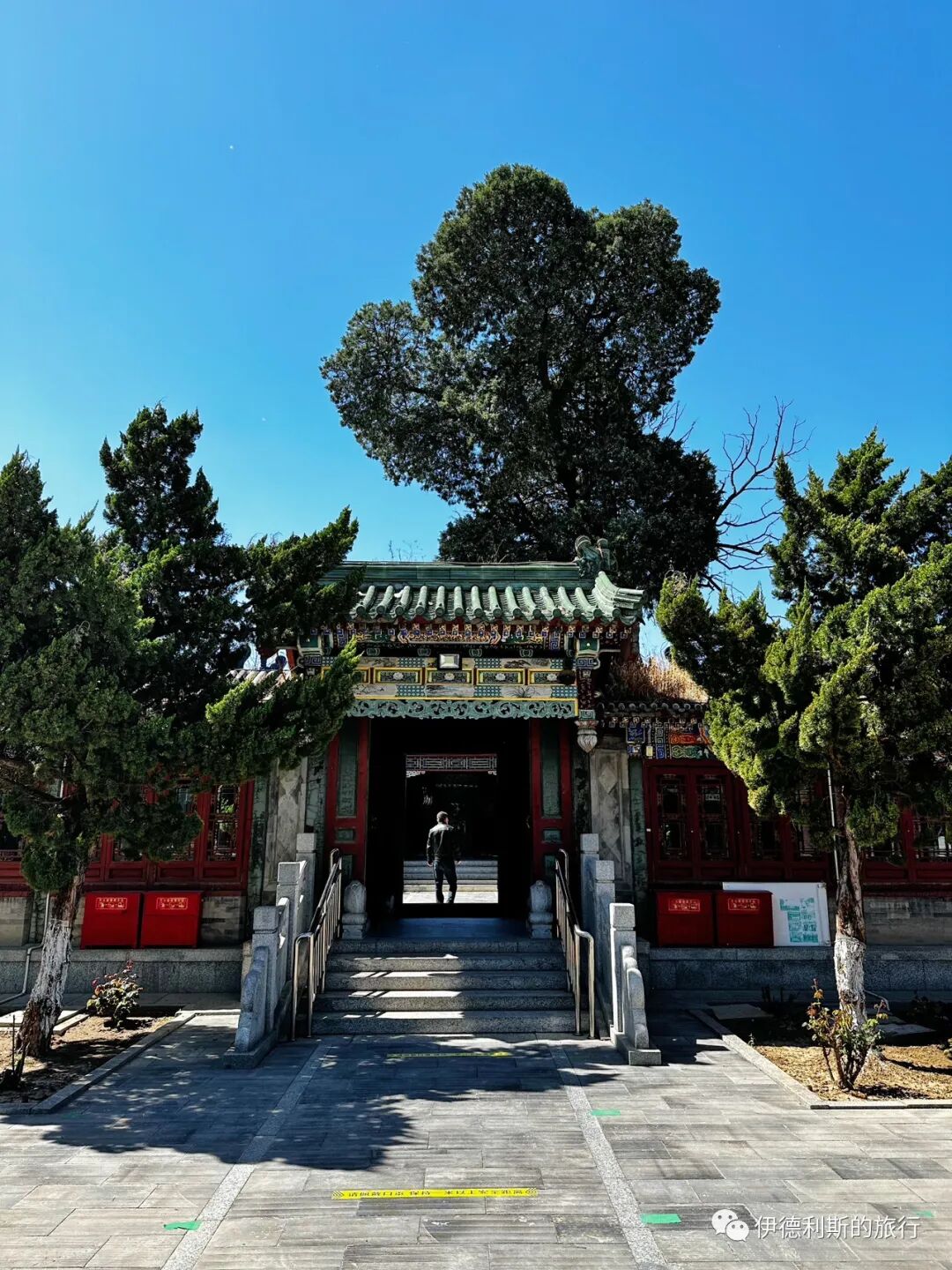
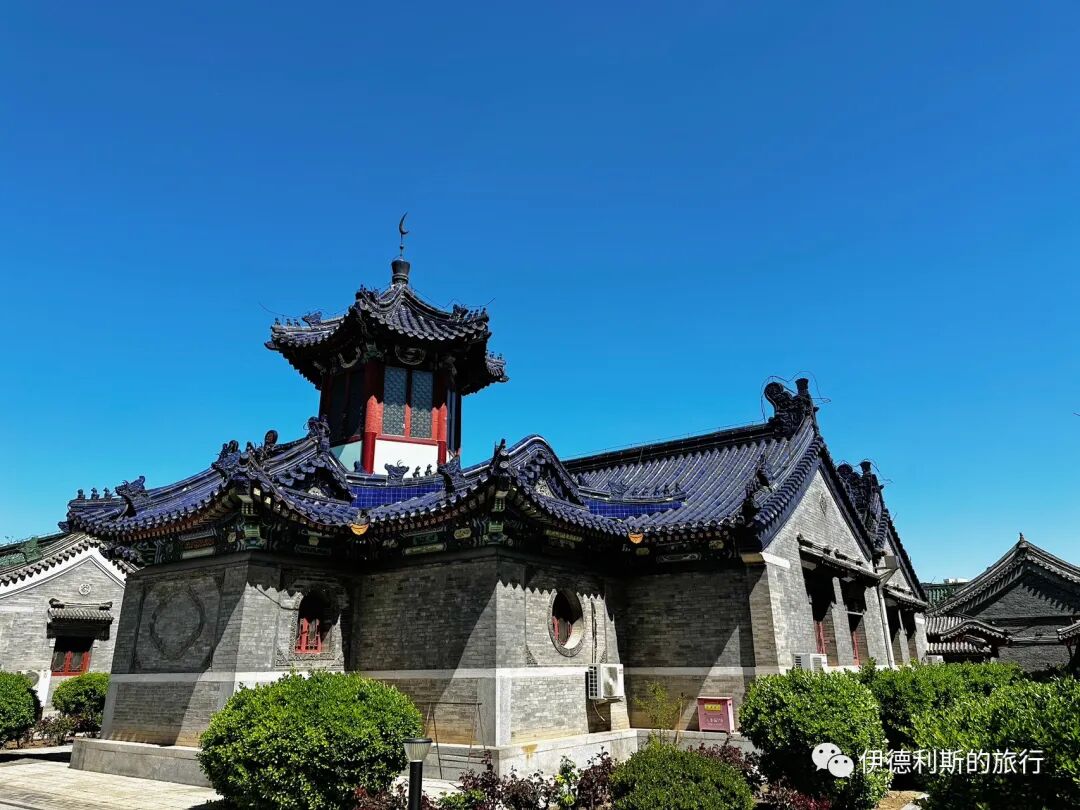
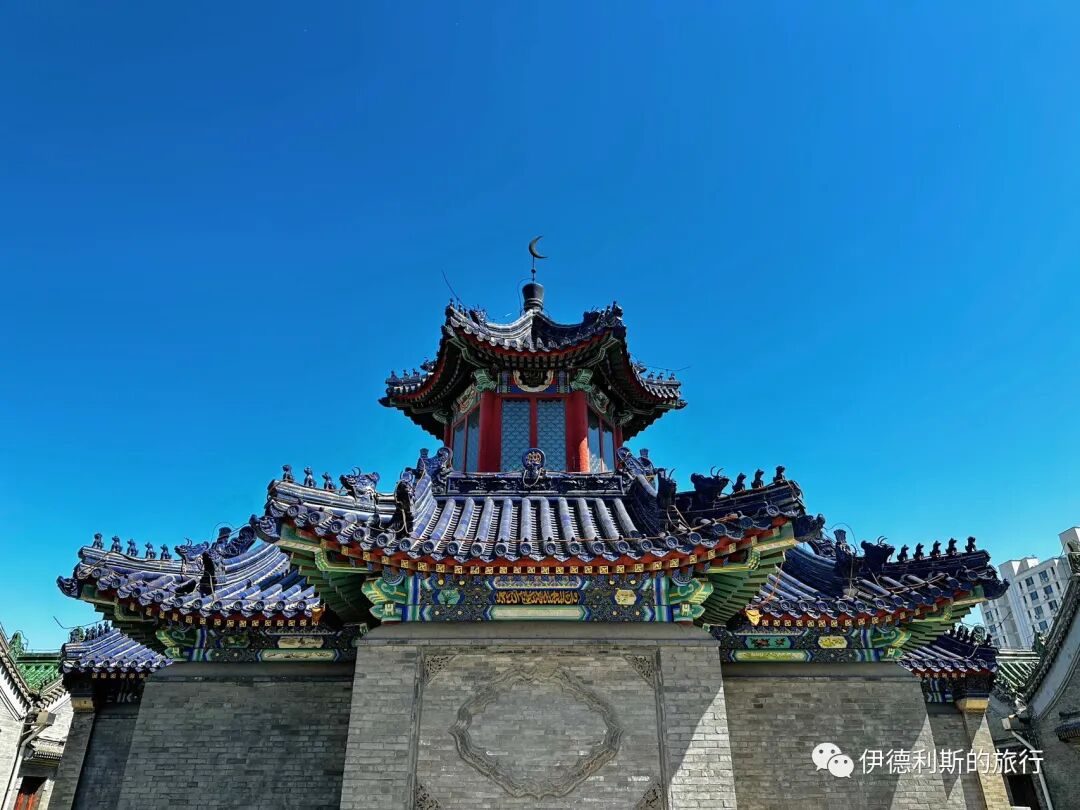
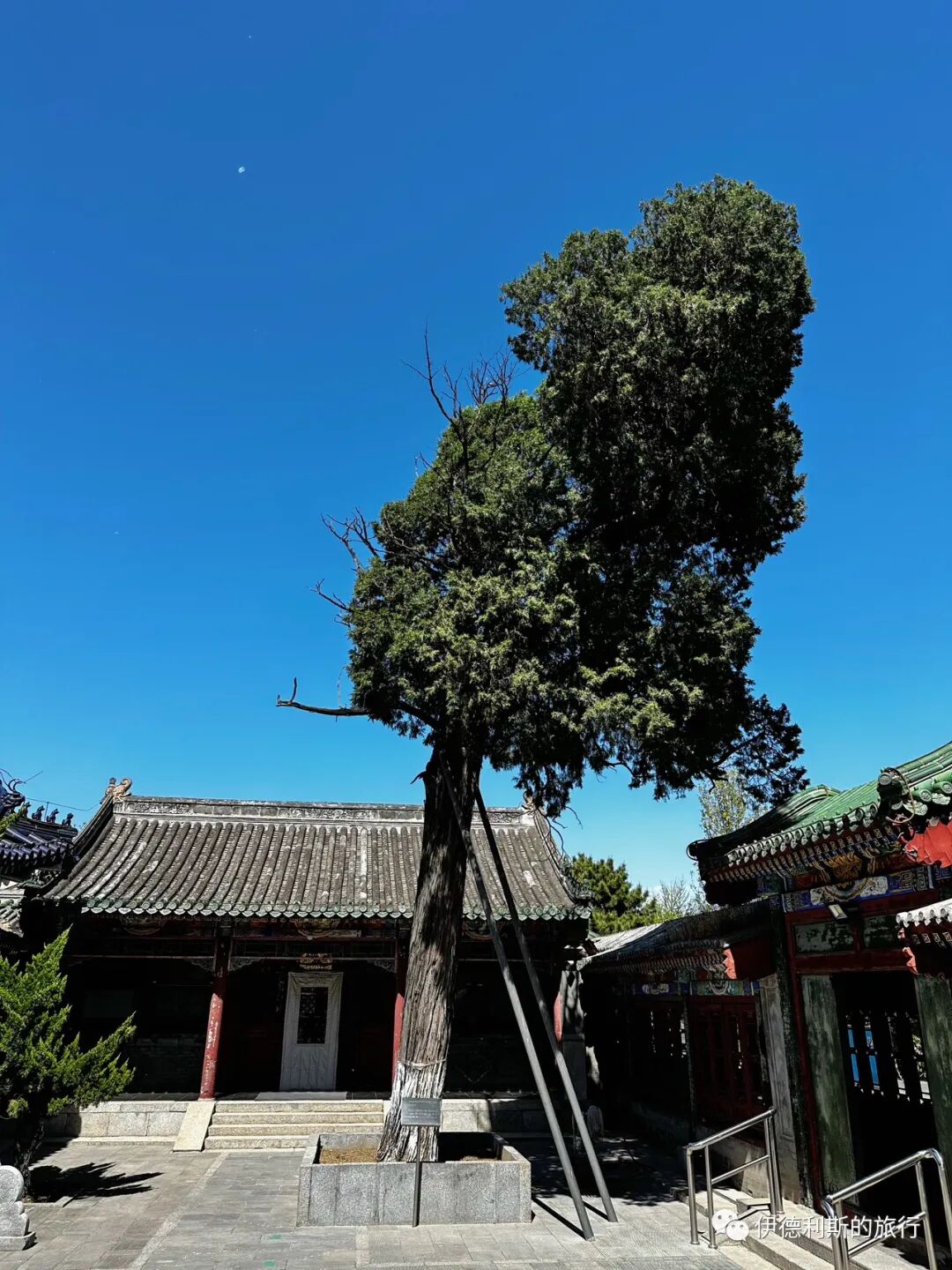
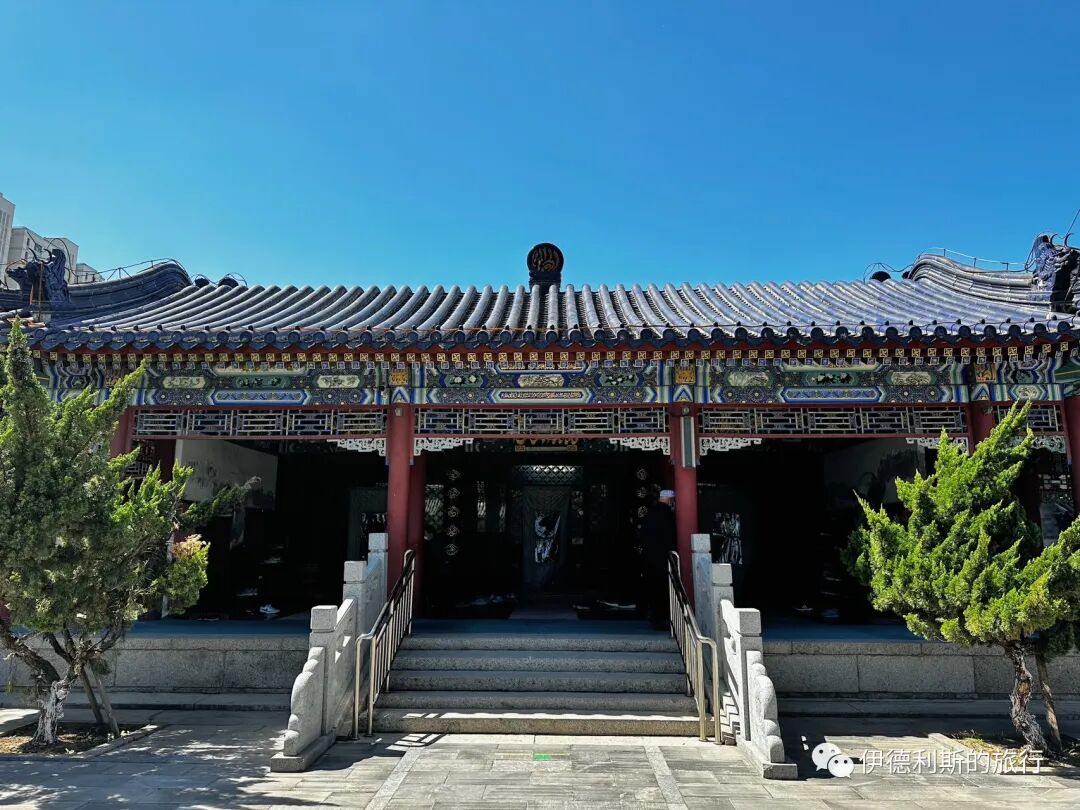
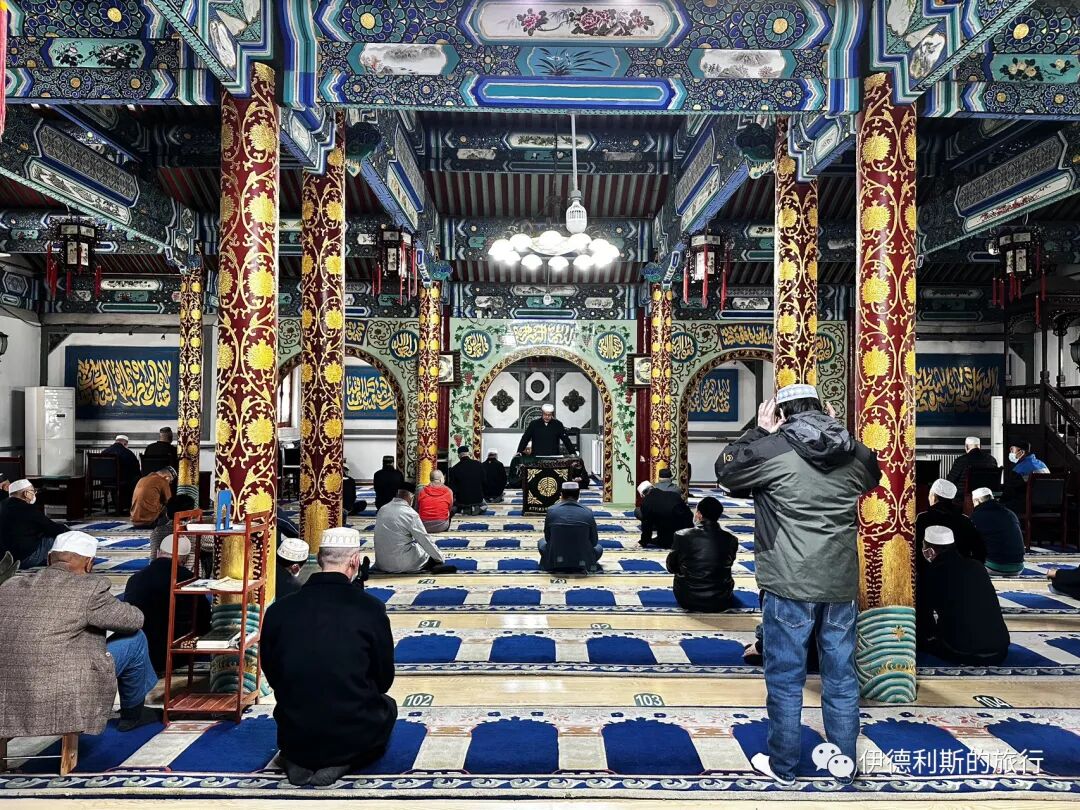
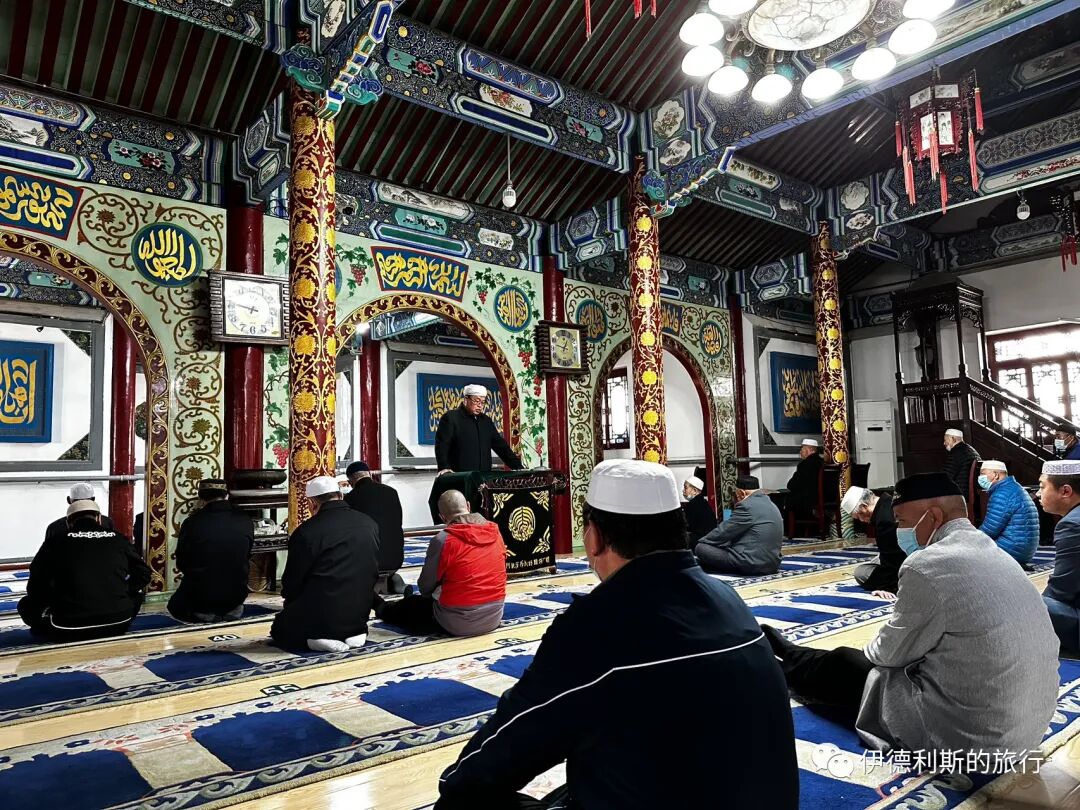
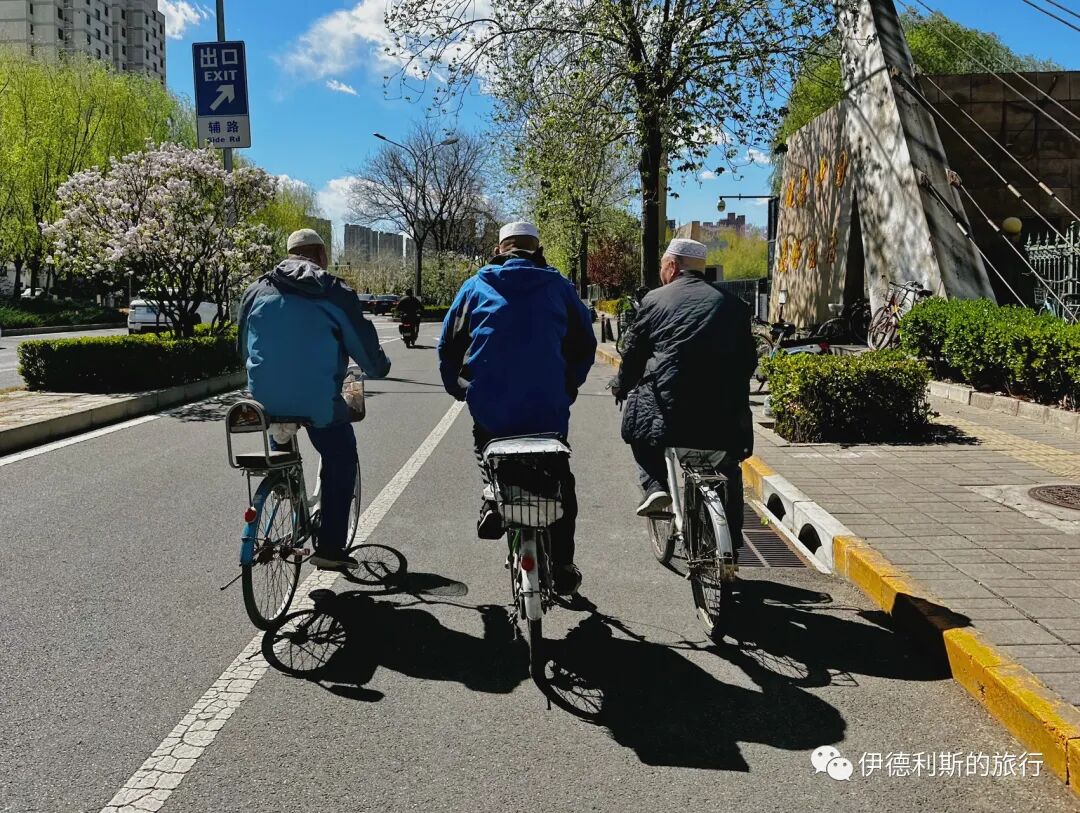
April 8
I spent the weekend at home taking care of Suleiman. I went out in the morning to buy vegetables and meat. I bought fresh lamb at a lamb stall next to Dongzhimen Hospital and made lamb soybean paste noodles (zhajiangmian) for breaking the fast, with noodles pulled by Zainab.
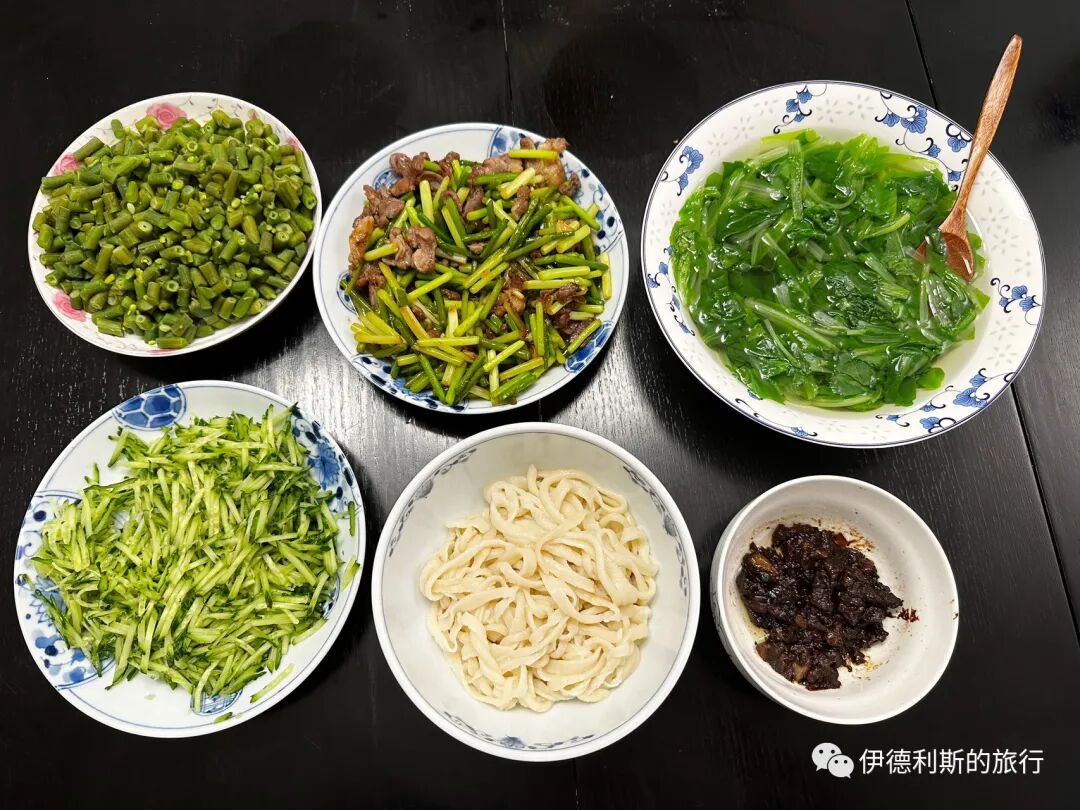
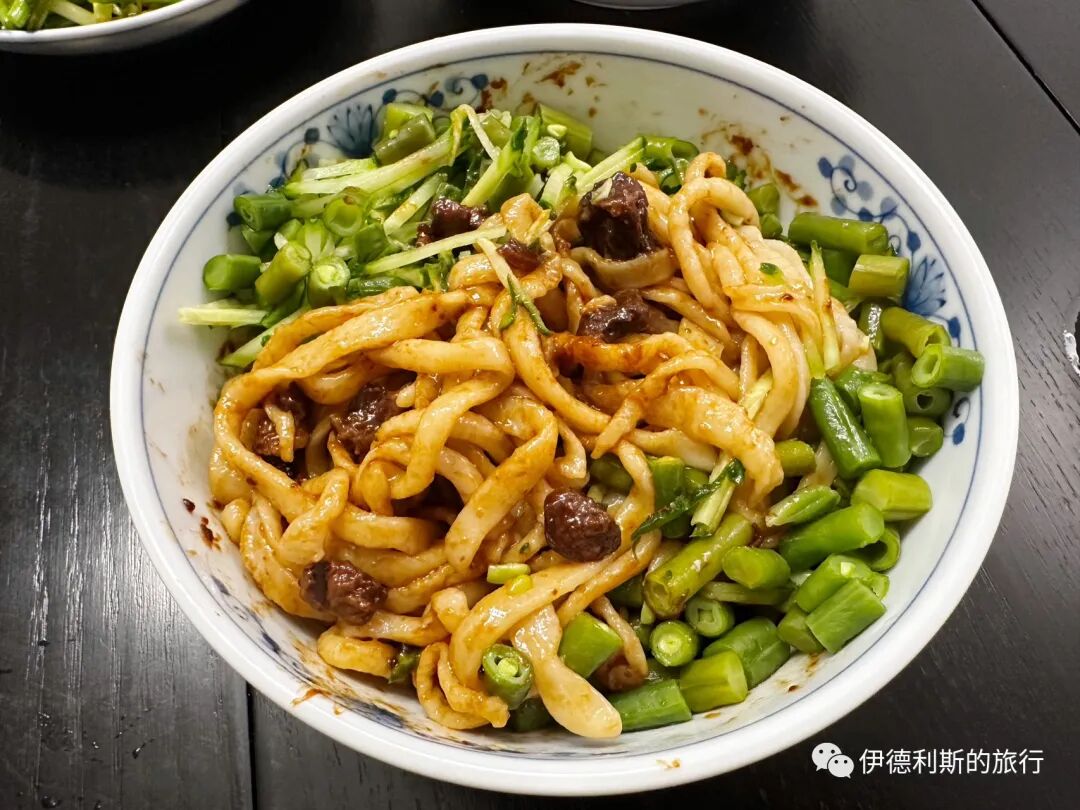
April 9
Today I made tomato sauce noodles (dalumian) at home, which are lighter than the soybean paste noodles.
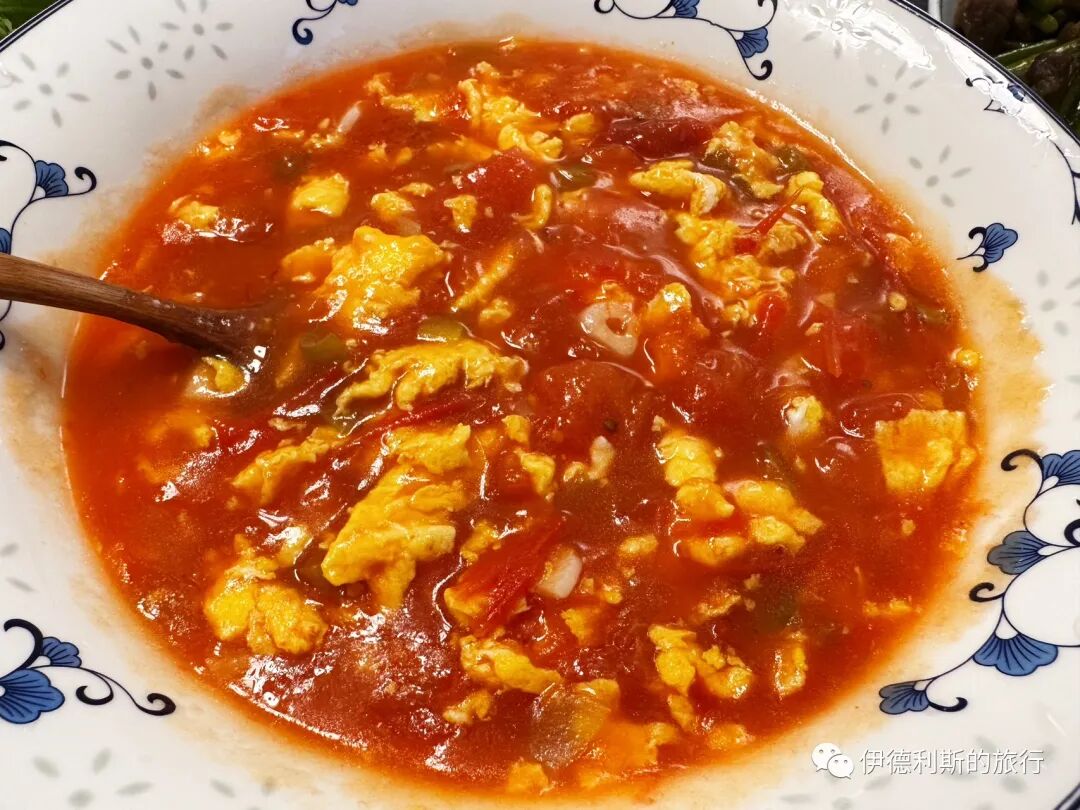
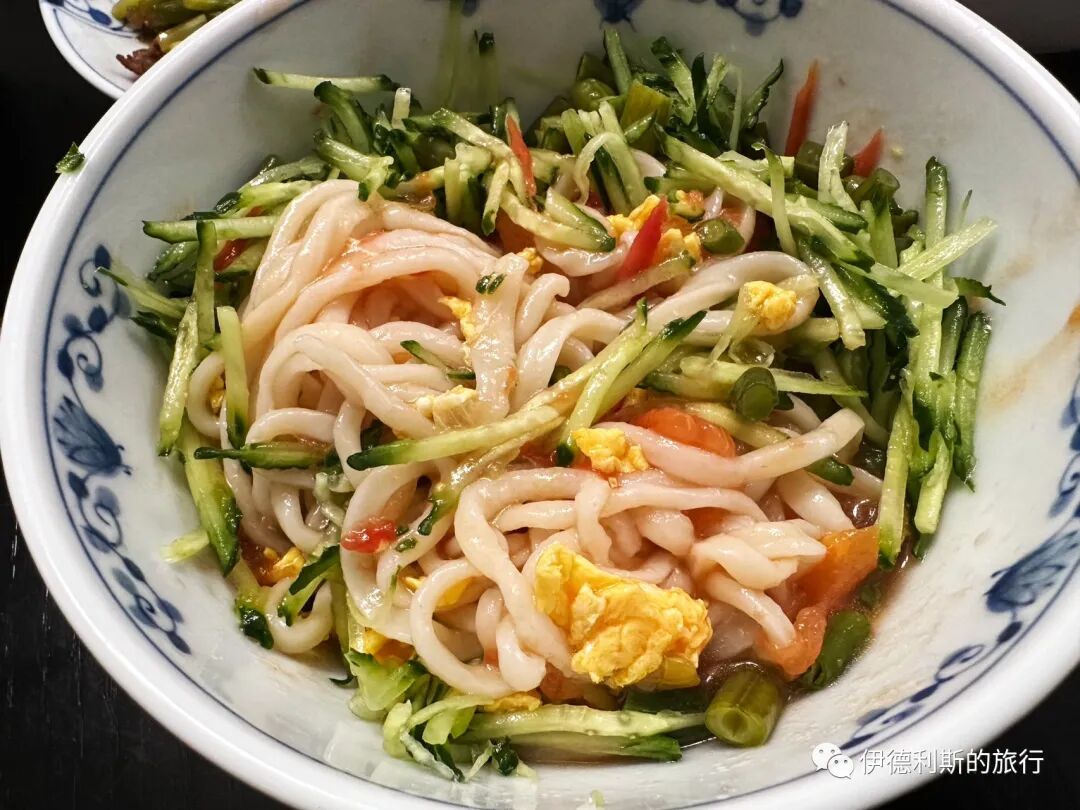
April 10
I broke my fast at Fayuan Mosque outside Deshengmen. Fayuan Mosque is also called Dewai Guanxiang Mosque. It was originally located on the north slope of Jiaochangkou outside Deshengmen. It was moved and expanded during the Kangxi reign, and the main hall was expanded again during the Republic of China period. It consists of four connected roofs and a four-cornered pavilion with a pointed top.
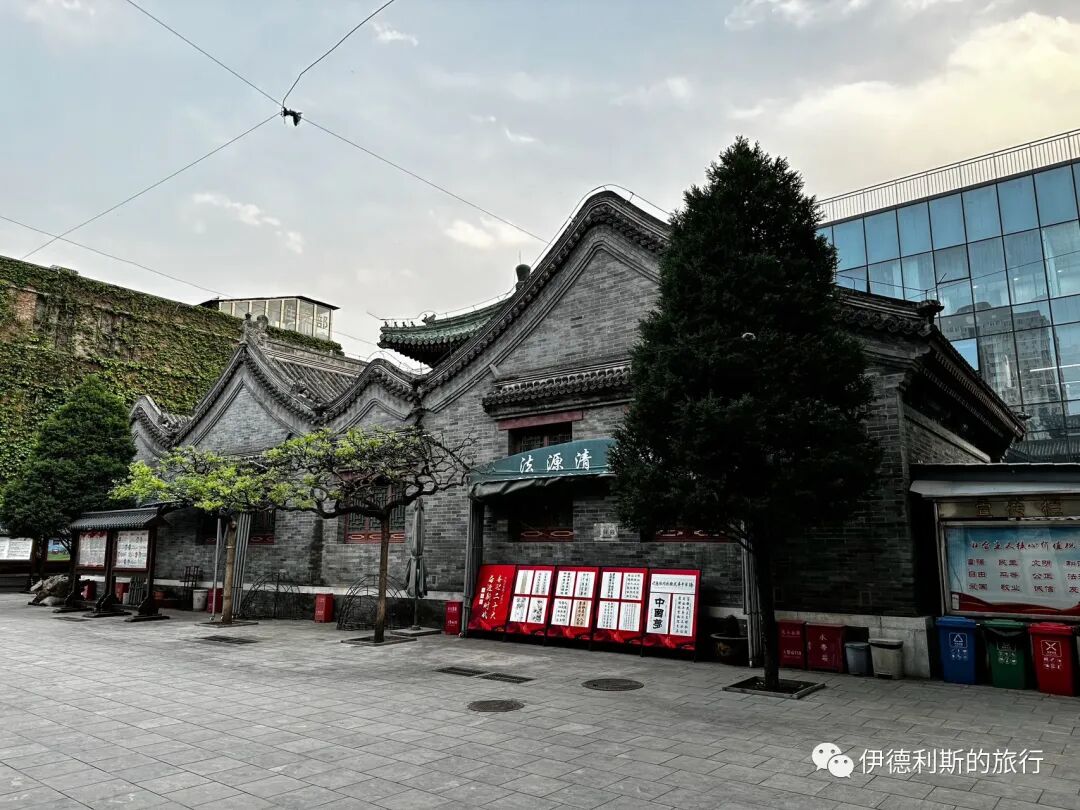
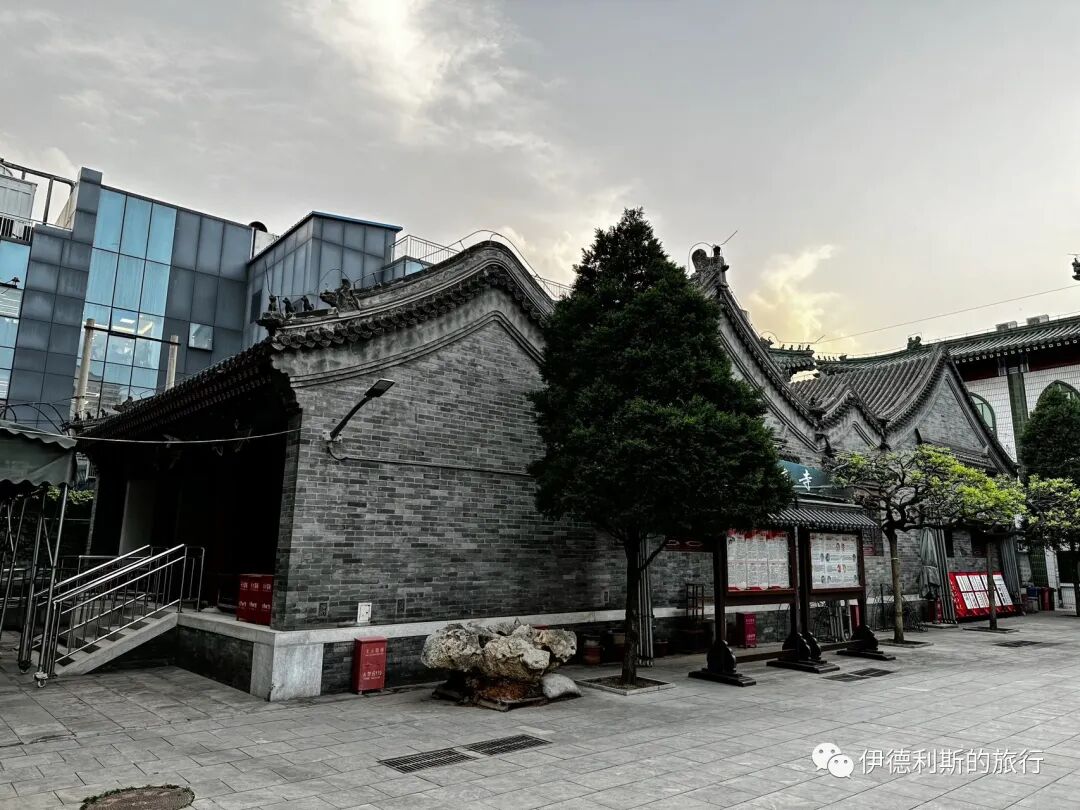
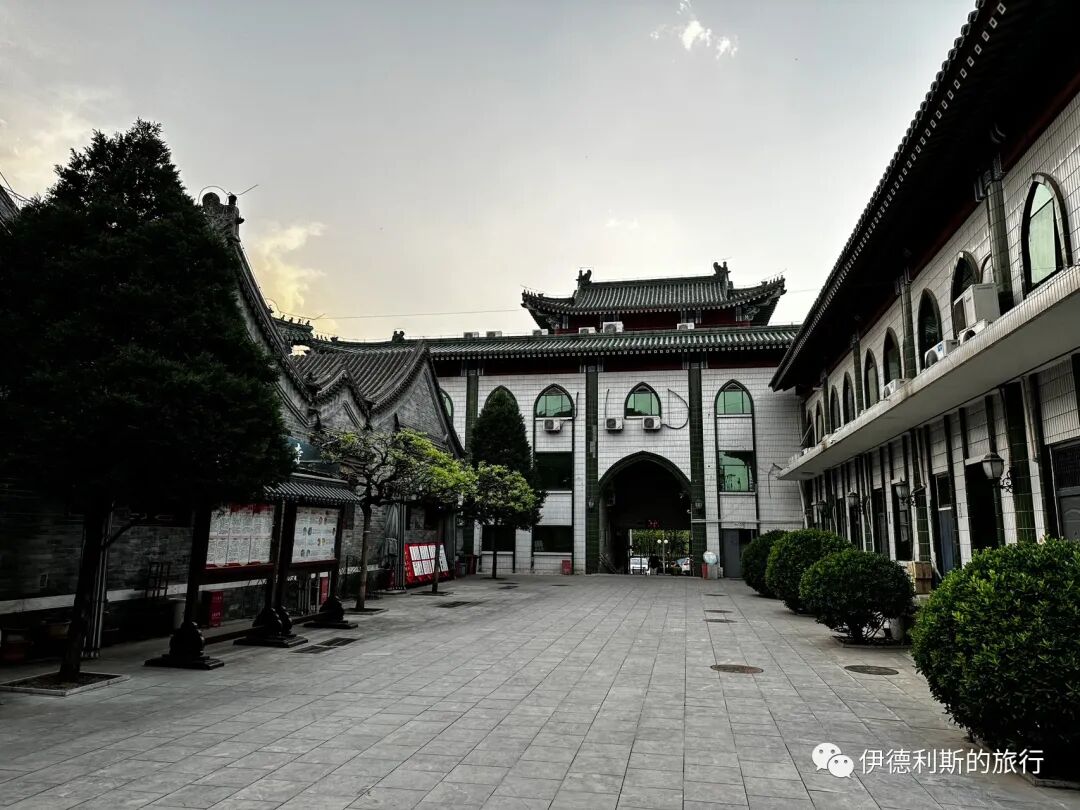
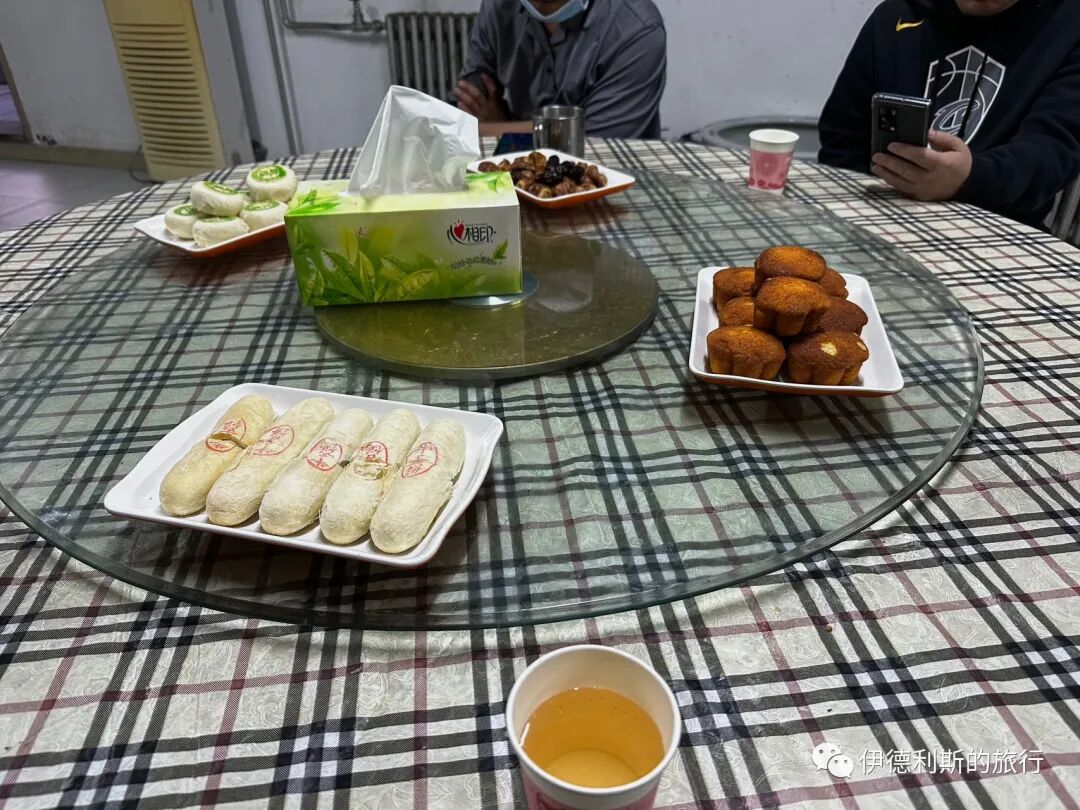
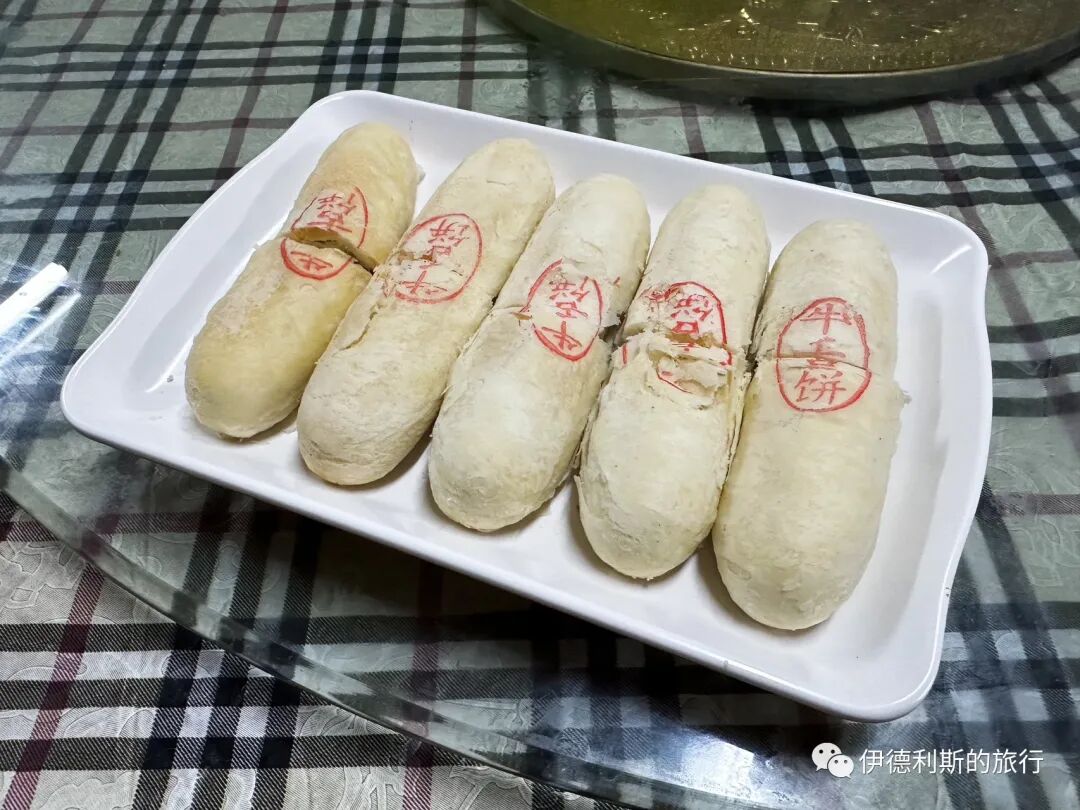
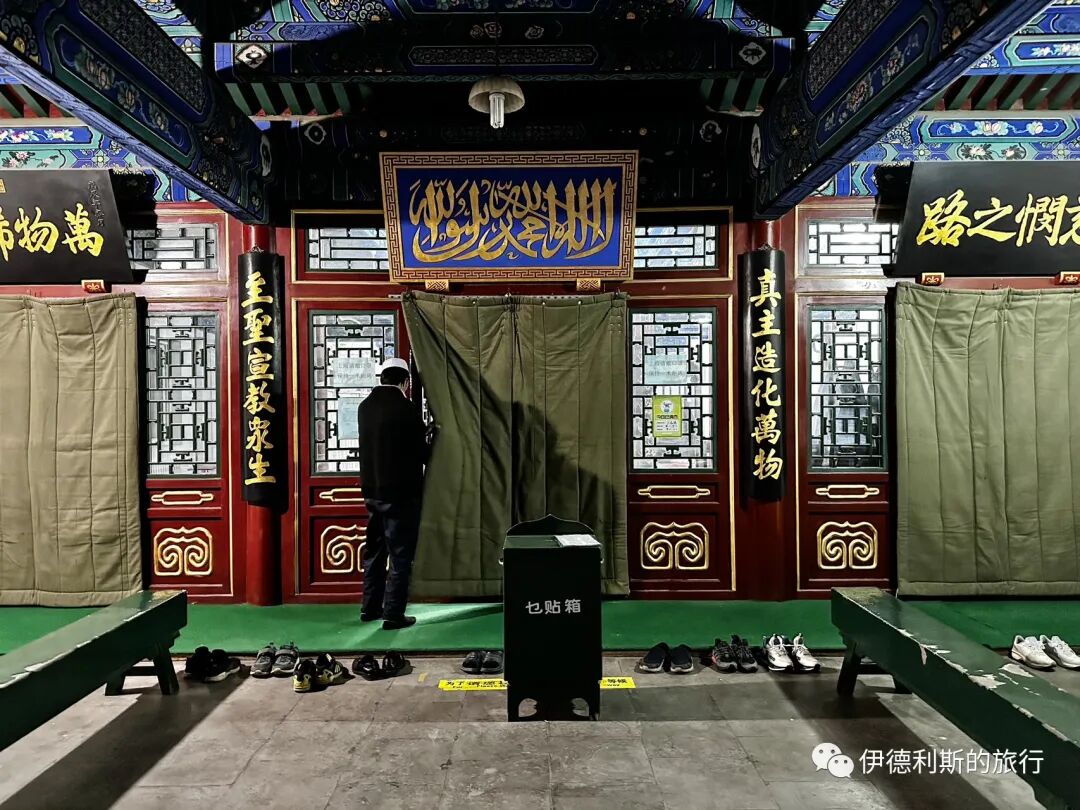
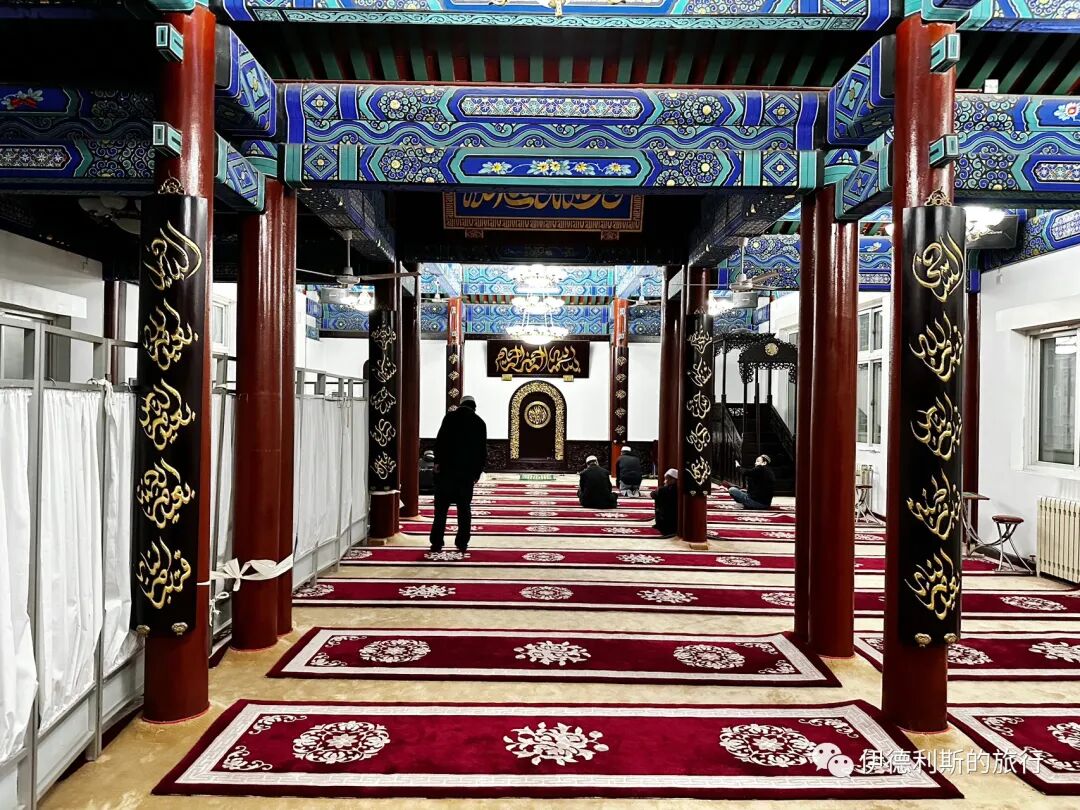
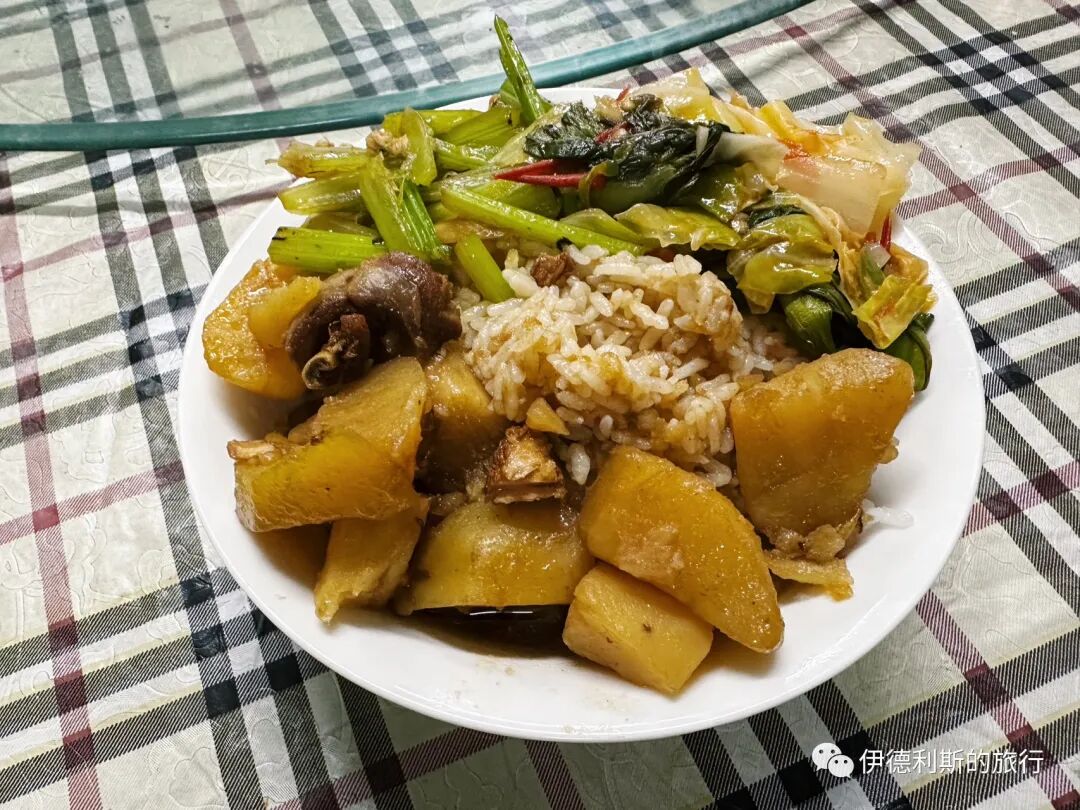
After the evening prayer (sajdah), I rode my bike home along the North Moat. The breeze felt great.
April 18
I broke my fast at Madian Mosque. I ate noodles with eggplant and tomato-egg sauce. The noodle bowls at Madian Mosque are huge, they feel like small basins, haha.
Madian was once the second-largest residential area for Hui Muslims in Beijing after Niujie, and it was also the center of the sheep trade in Beijing. Since the Qing Dynasty, sheep transported from Mongolia through Zhangjiakou were kept in the sheep pens of various sheep trading firms in Madian after arriving in Beijing, before being sold to mutton stalls inside the city. Madian Mosque was first built during the Kangxi reign. It was rebuilt with donations from 14 local sheep trading firms during the Daoguang reign and was renovated again in the 1980s. It is an important ancient mosque in Beijing.
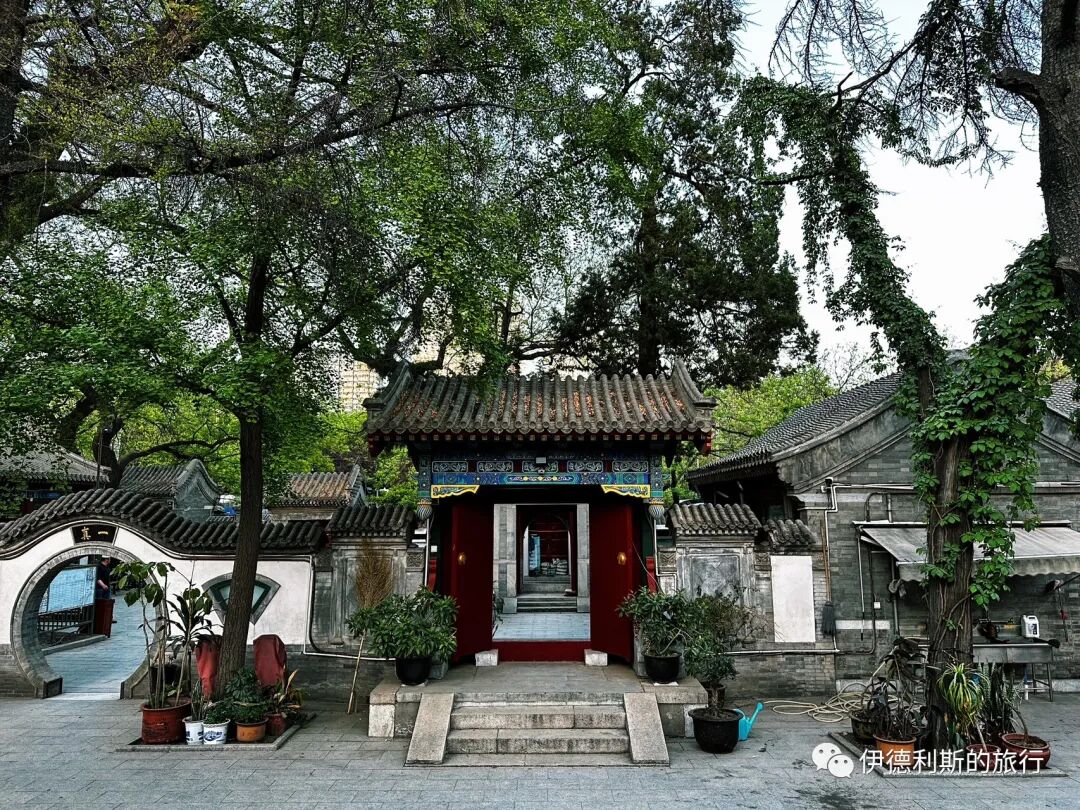
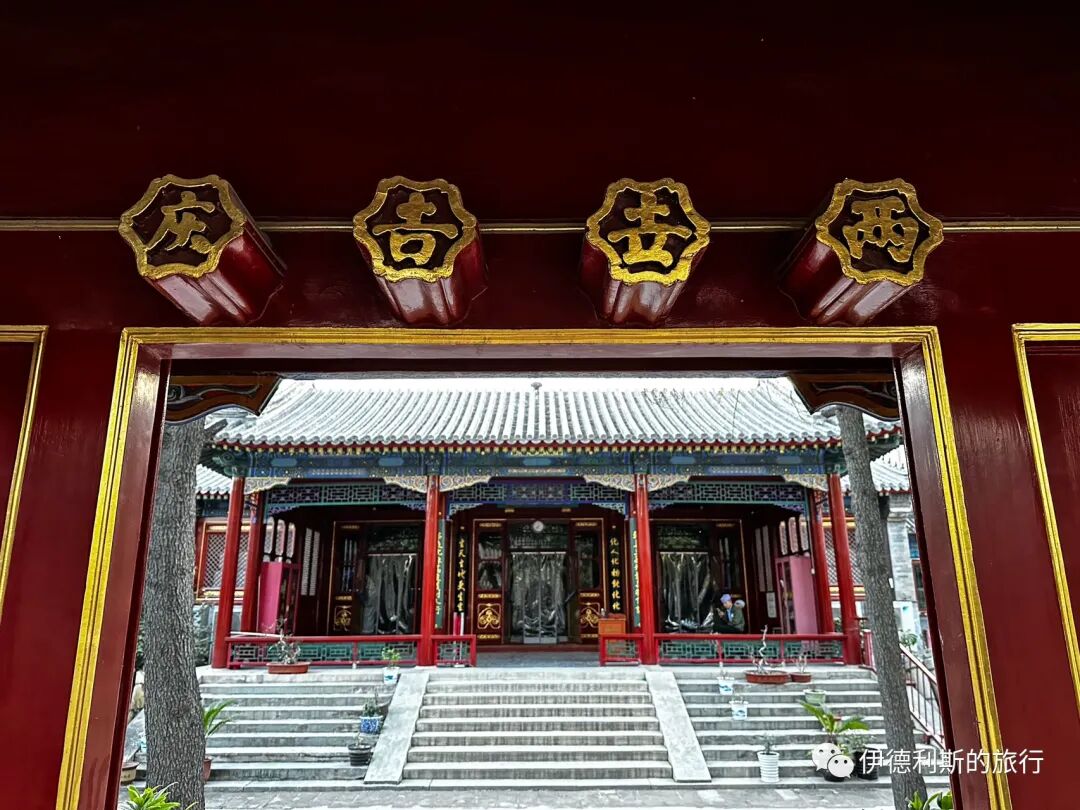
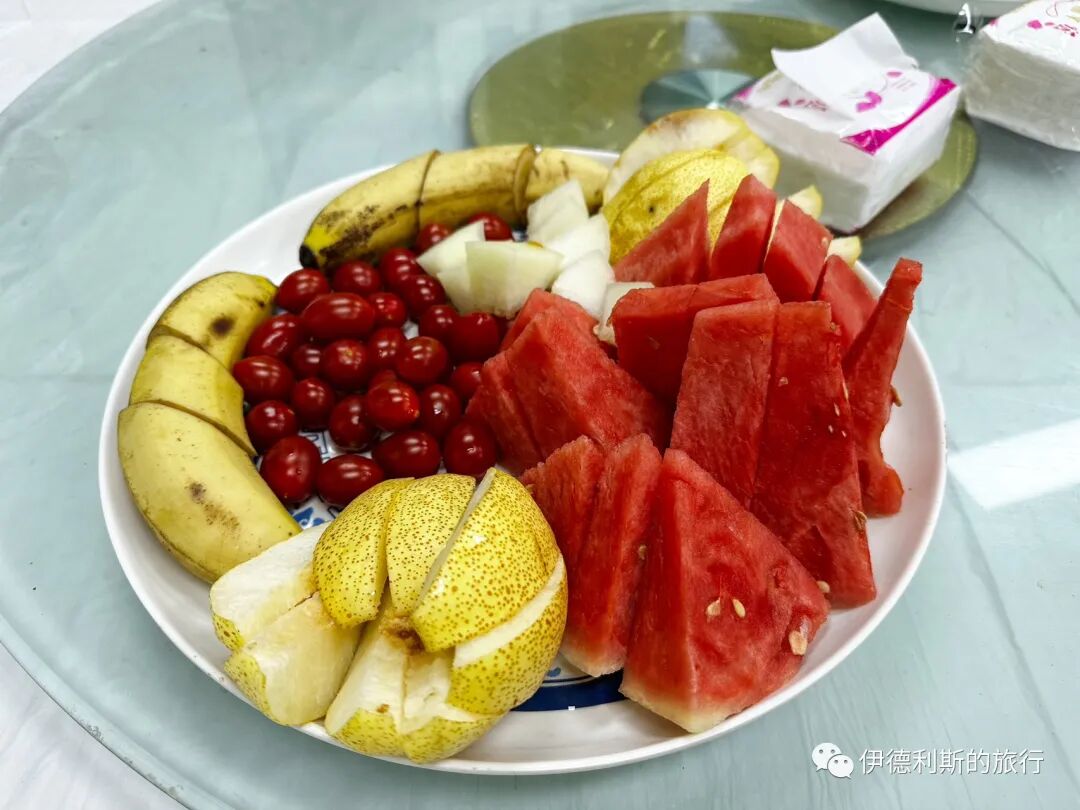
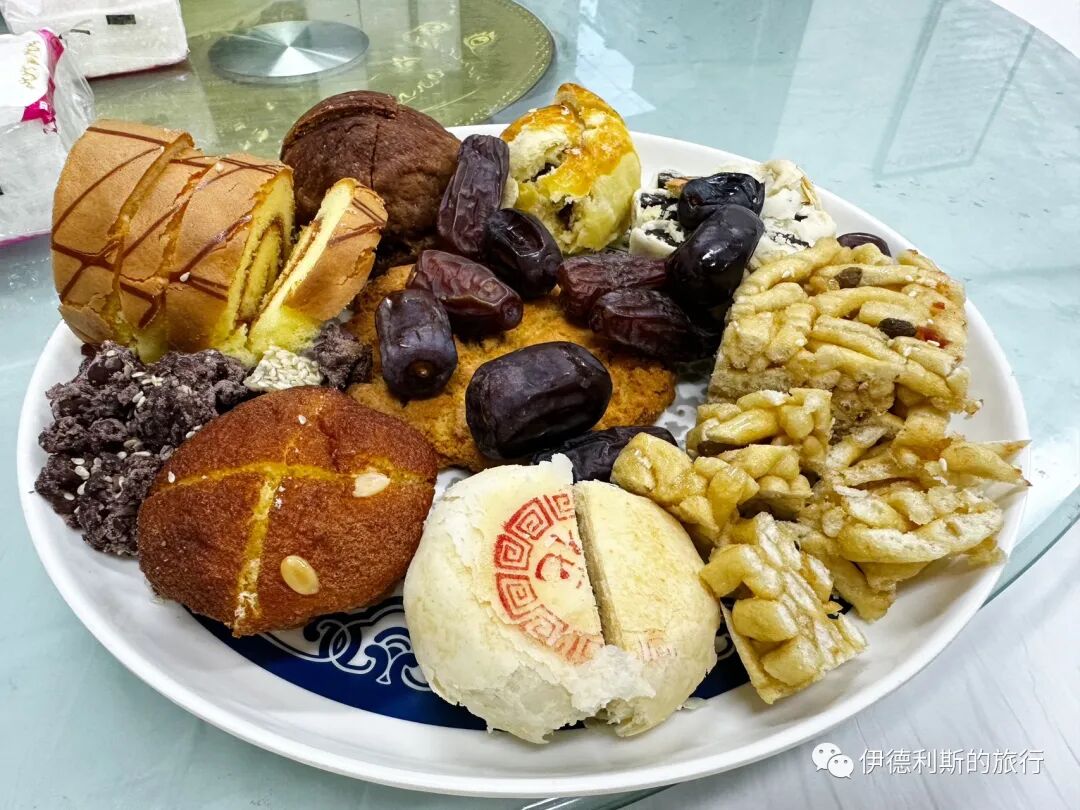
Halal Travel Guide: Ramadan in Beijing 2023 — Mosques and Iftar (Part 2)
Articles • ali2007fr posted the article • 0 comments • 153 views • 2026-05-18 21:14
Summary: Ramadan in Beijing 2023 — Mosques and Iftar is presented here as a firsthand travel account in clear English, beginning with this scene: I had two skewers of red willow lamb (hongliu) and a bowl of yogurt at the entrance of the Madian Mosque at the Kashgar Restaurant. The account keeps its focus on Beijing Ramadan, Mosque Travel, Iftar while preserving the names, places, food, and historical details from the Chinese source.
I had two skewers of red willow lamb (hongliu) and a bowl of yogurt at the entrance of the Madian Mosque at the Kashgar Restaurant. The meat on the red willow skewers was quite tender, and the yogurt had no sugar added, giving it a pure taste of Xinjiang. The Kashgar Restaurant is an old Uyghur eatery that has been around since I was a child, but I rarely visit because it is out of my way. They also sell yellow carrots (huangluobo), which are perfect for friends (dosti) who want to take some home to make pilaf (zhuafan).
April 22
Today is Eid al-Fitr. In the morning, we attended the congregational prayer (namaz) at the Balizhuang Mosque. At noon, we visited Teacher Chen Hui at his Jingyi Farmhouse at the foot of the Western Hills in Beijing. We tasted authentic Xinjiang starch noodle soup (fentang) and pilaf made by his wife. It was my first time eating Eid starch noodle soup (erde fentang) cooked in a large firewood pot!
Every year during Eid (erde), every Hui Muslim household in Xinjiang makes starch noodle soup and fried dough (youxiang). Usually, they stew the meat and mix the pea starch a day in advance, then cook everything together on the morning of the holiday. After the congregational prayer, Hui Muslims in Xinjiang usually visit graves first and then go to see relatives. At each house, they are served a bowl of starch noodle soup. Sometimes they drink five or six bowls in a single day. This is a classic memory of Eid for Hui Muslims in Xinjiang.
After eating the Xinjiang starch noodle soup and fried dough, we sat around the stove to drink tea and chat. We had a barbecue in the orchard with grilled fish, chicken wings, sweet potatoes, corn, and lamb skewers handmade by Hui Muslims from the Xiguanshi Mosque at the foot of the mountain. We also tasted the meat porridge and fried dough distributed (chusang) by the Xiguanshi Mosque. The Xiguanshi Mosque also stewed meat for a whole day before Eid, then used the meat broth to cook wheat porridge (mairen zhou). It was very fulfilling (shukr). view all
Summary: Ramadan in Beijing 2023 — Mosques and Iftar is presented here as a firsthand travel account in clear English, beginning with this scene: I had two skewers of red willow lamb (hongliu) and a bowl of yogurt at the entrance of the Madian Mosque at the Kashgar Restaurant. The account keeps its focus on Beijing Ramadan, Mosque Travel, Iftar while preserving the names, places, food, and historical details from the Chinese source.
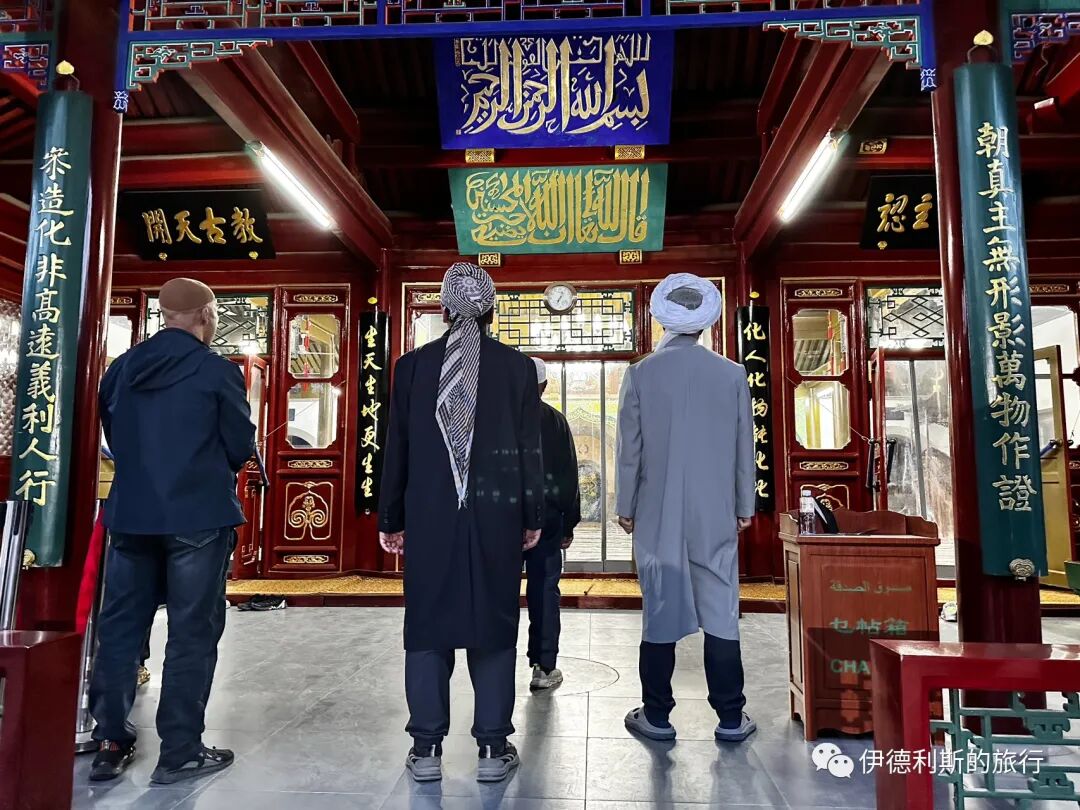
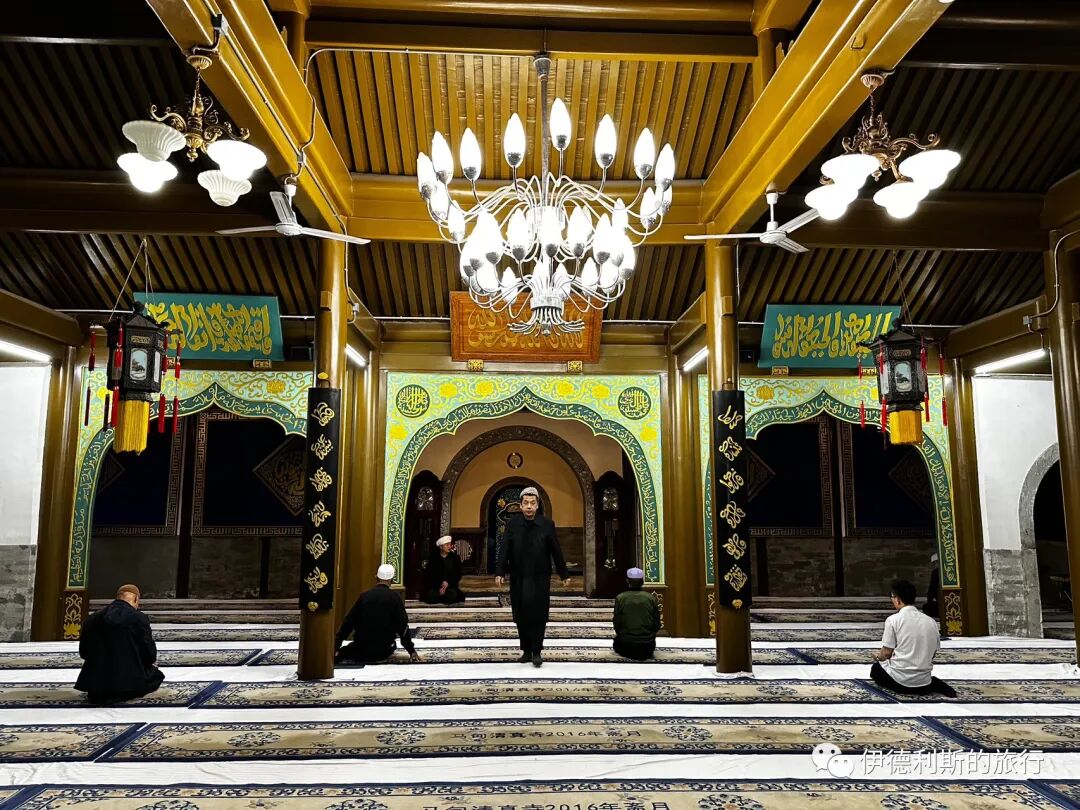
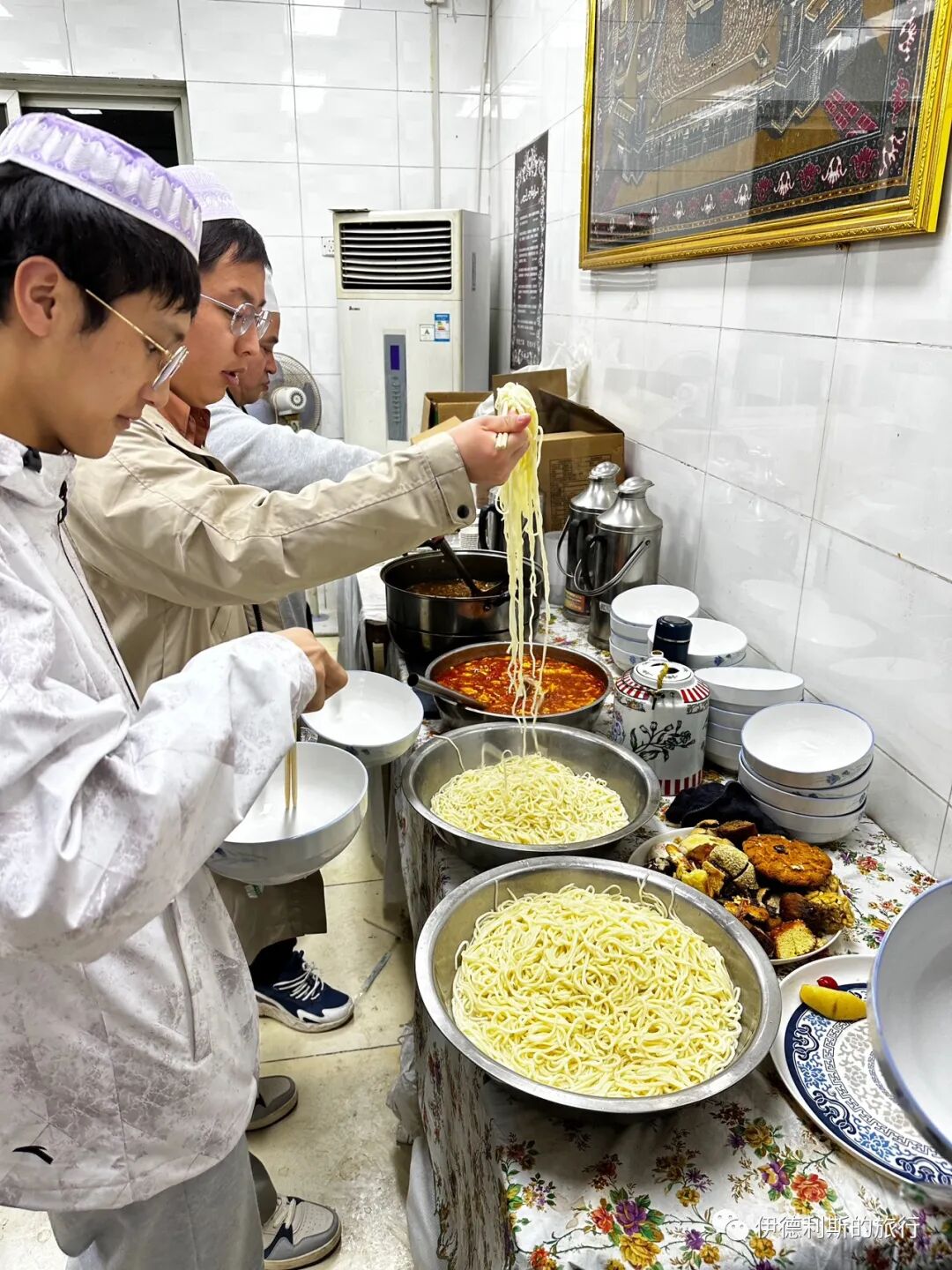
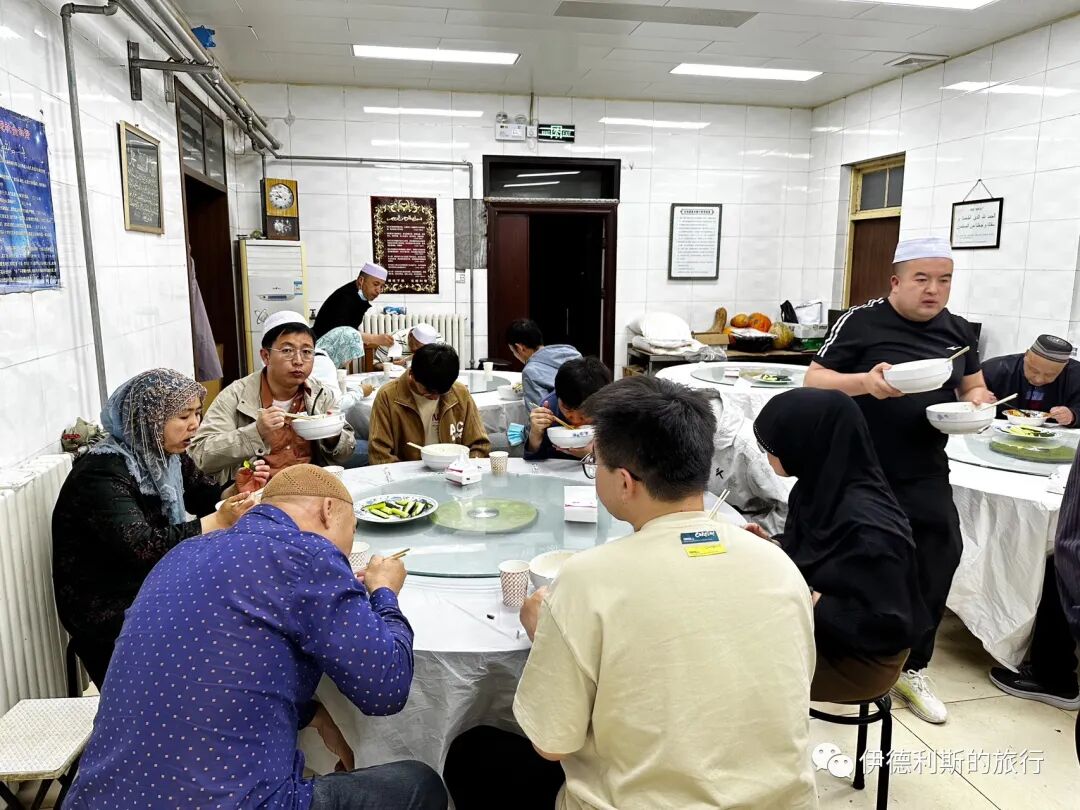
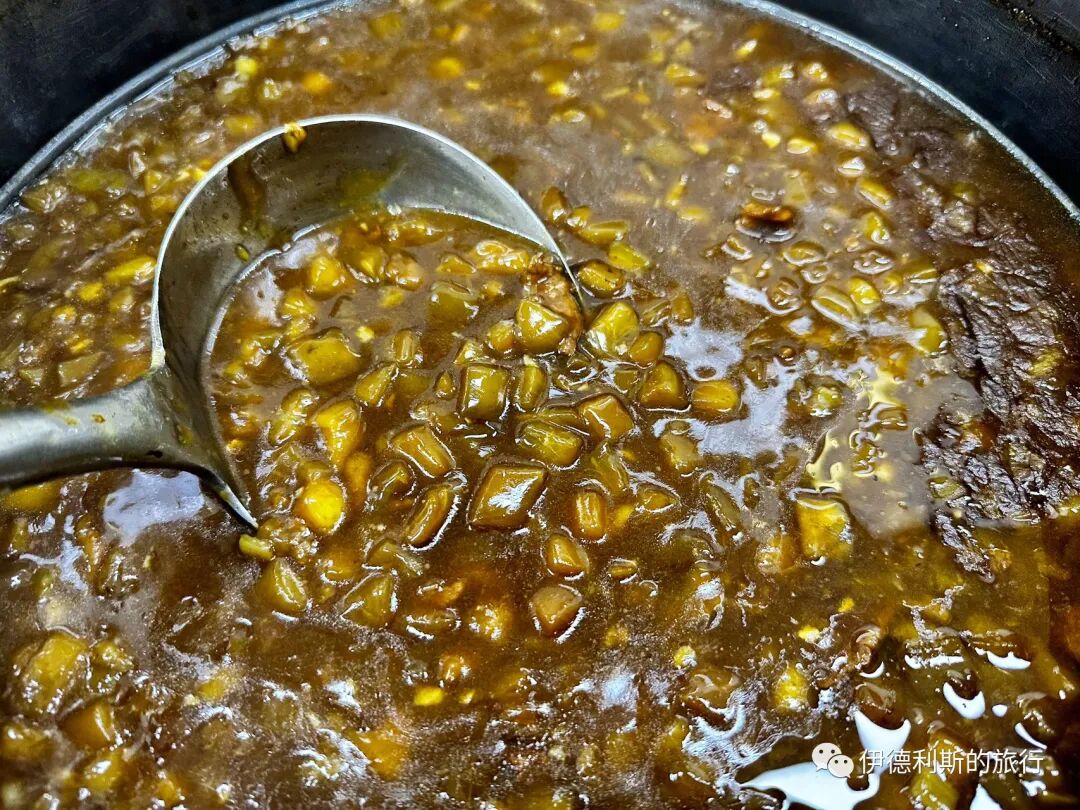
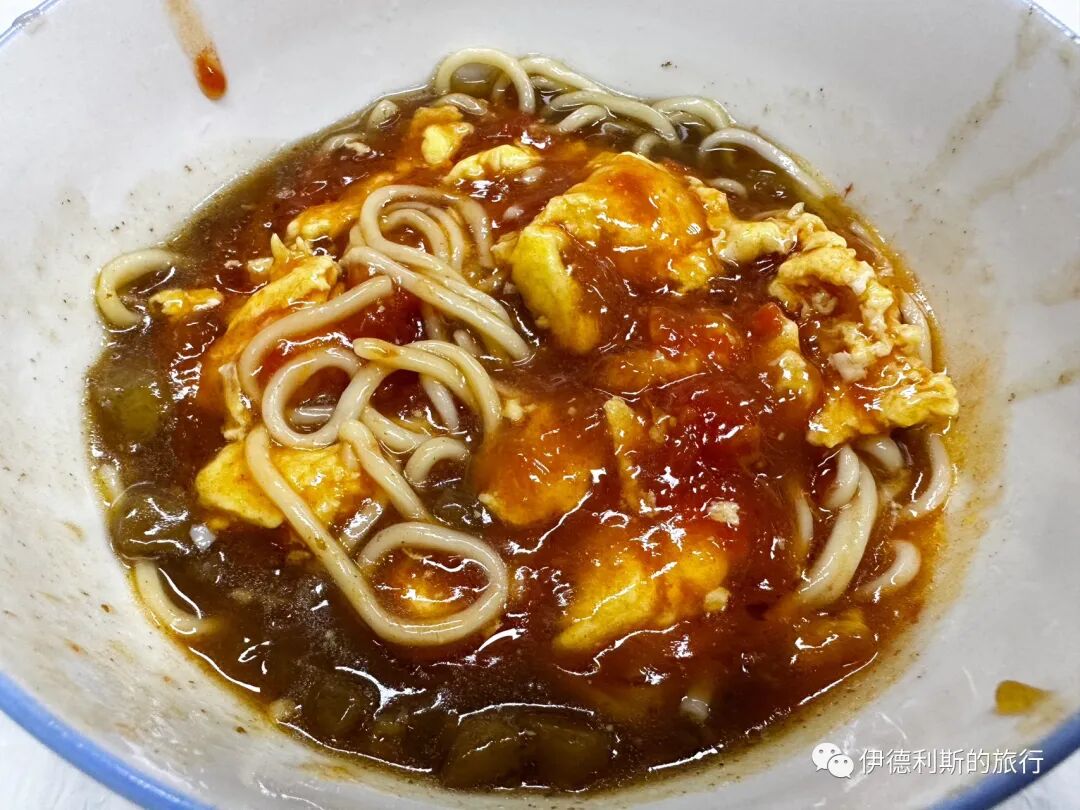
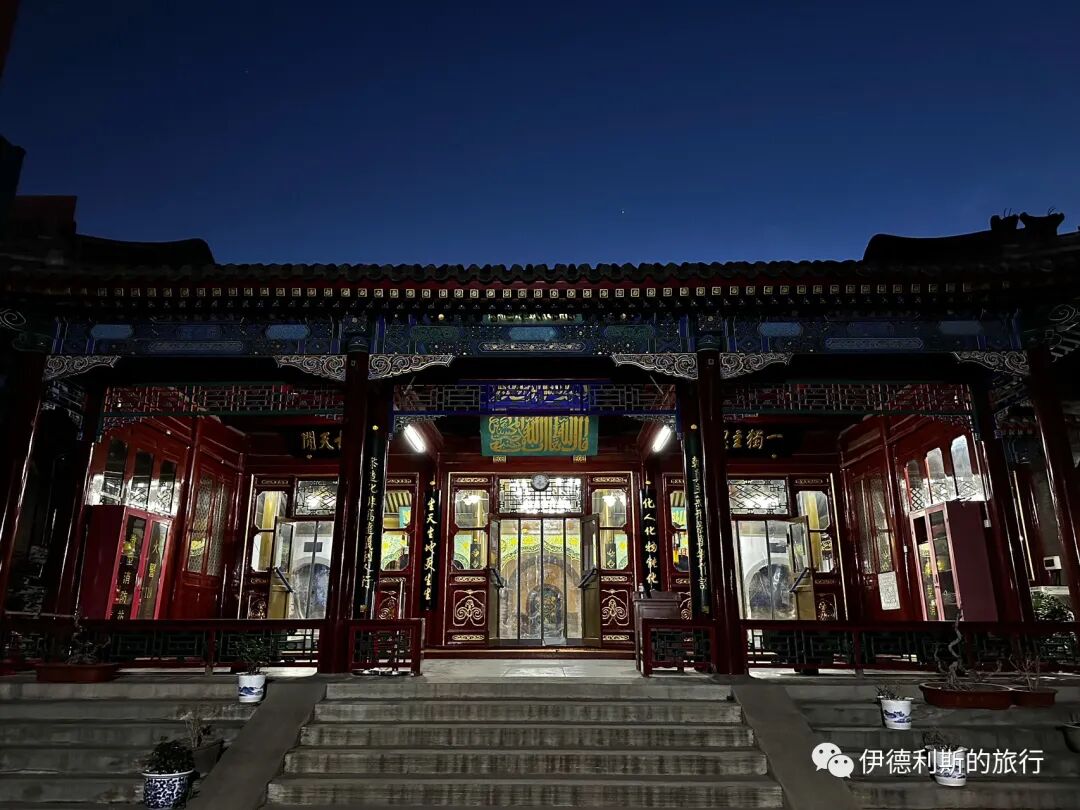
I had two skewers of red willow lamb (hongliu) and a bowl of yogurt at the entrance of the Madian Mosque at the Kashgar Restaurant. The meat on the red willow skewers was quite tender, and the yogurt had no sugar added, giving it a pure taste of Xinjiang. The Kashgar Restaurant is an old Uyghur eatery that has been around since I was a child, but I rarely visit because it is out of my way. They also sell yellow carrots (huangluobo), which are perfect for friends (dosti) who want to take some home to make pilaf (zhuafan).
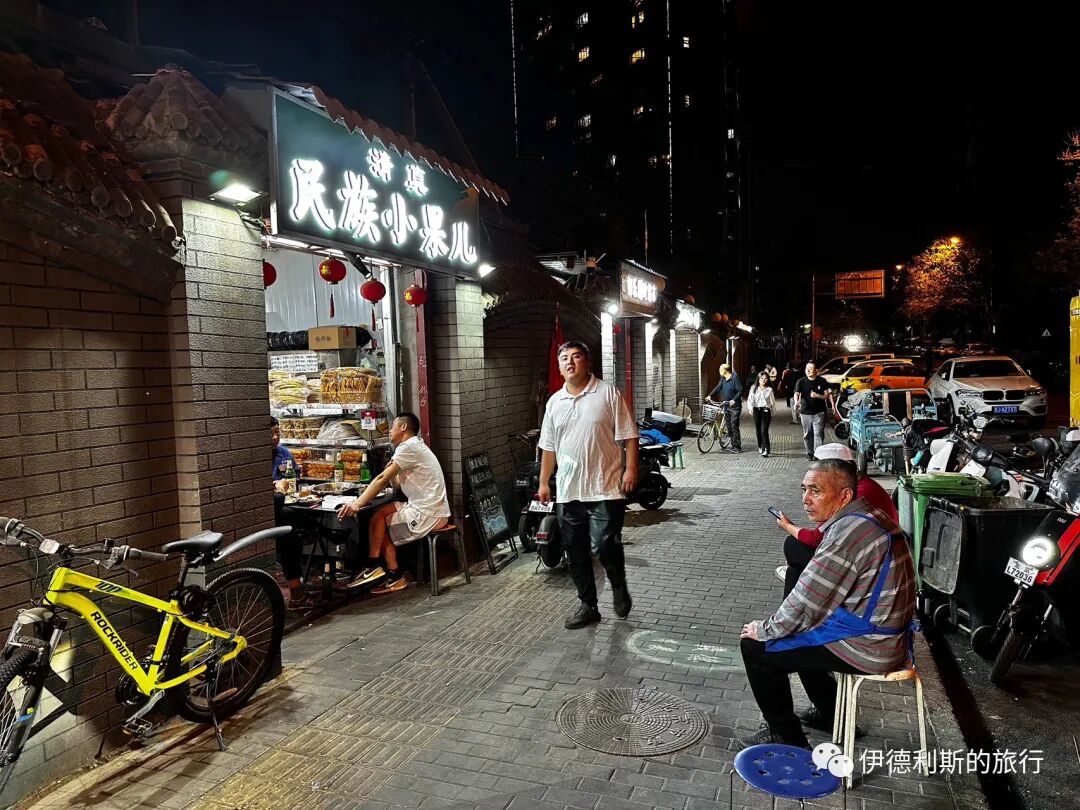
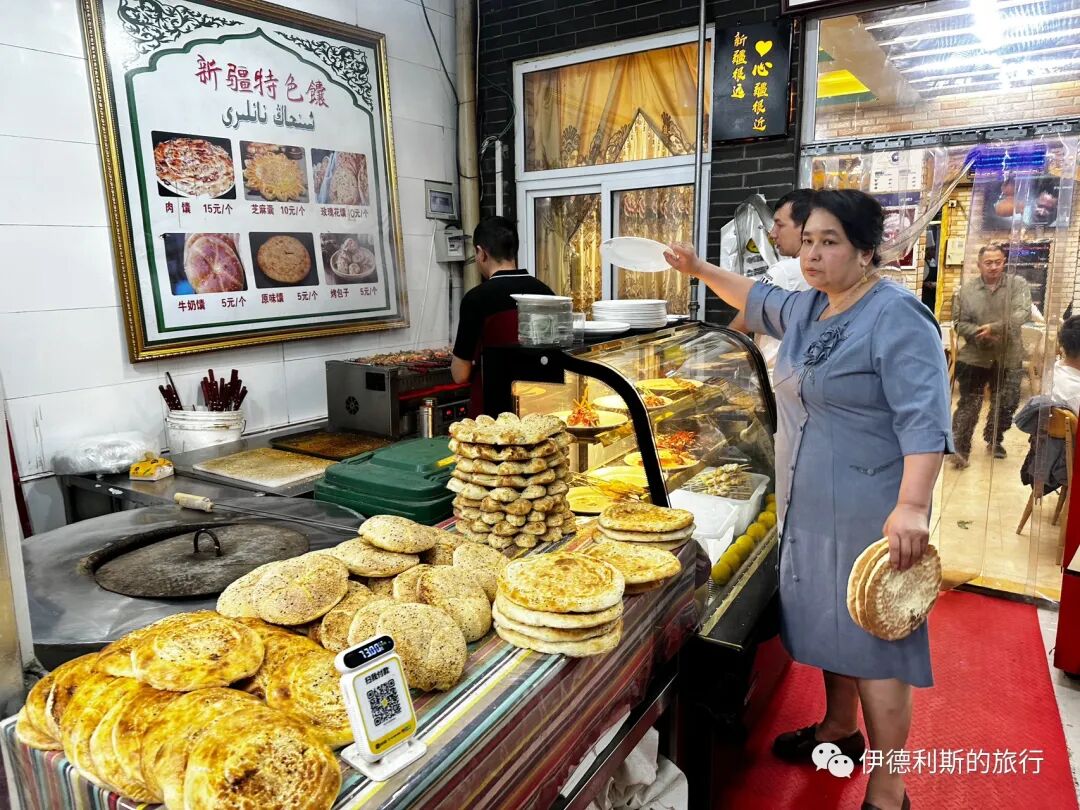
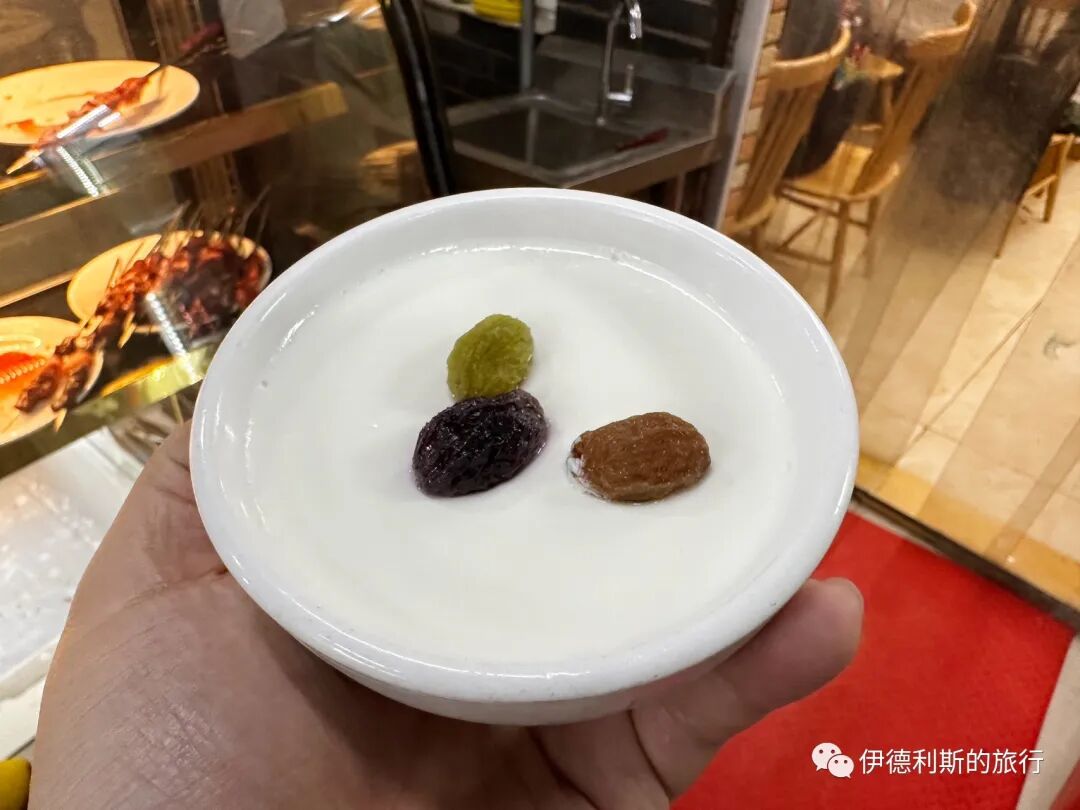
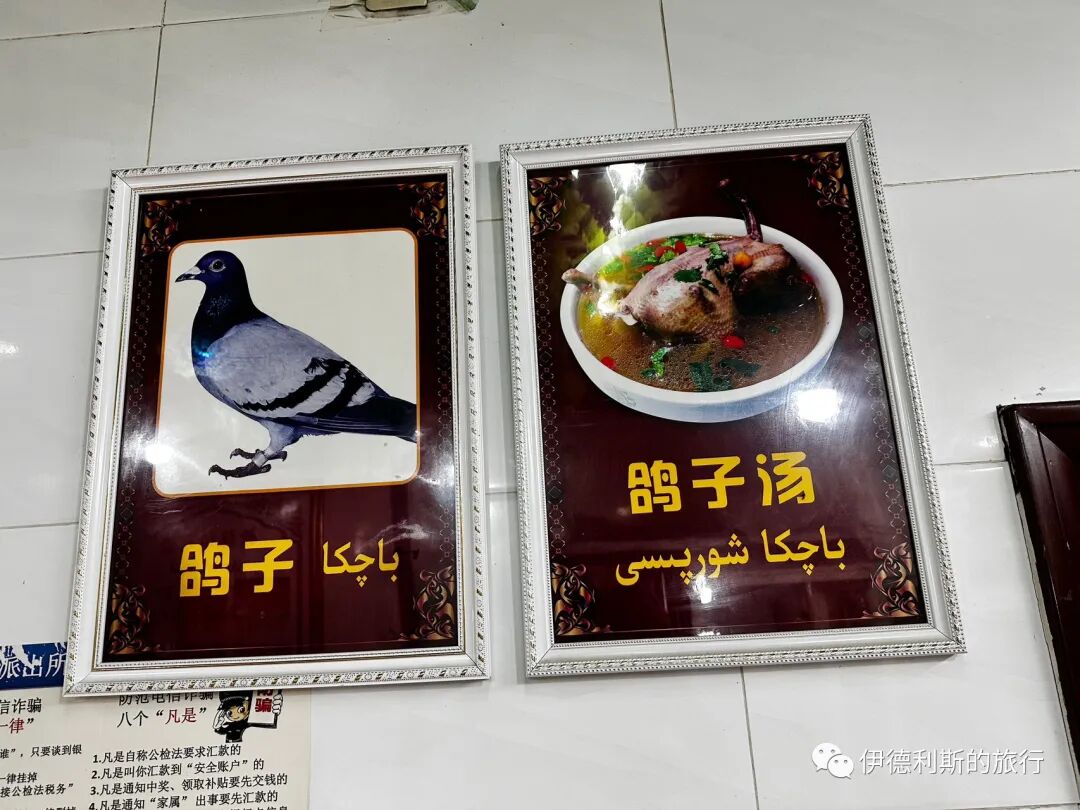
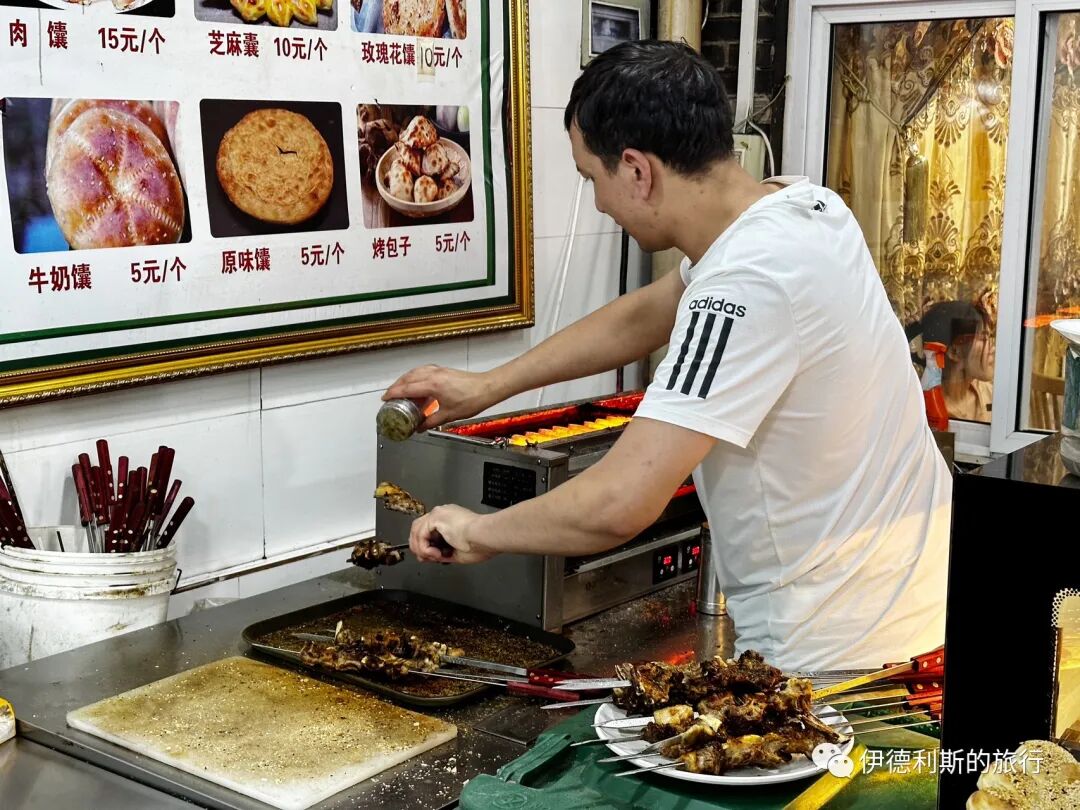
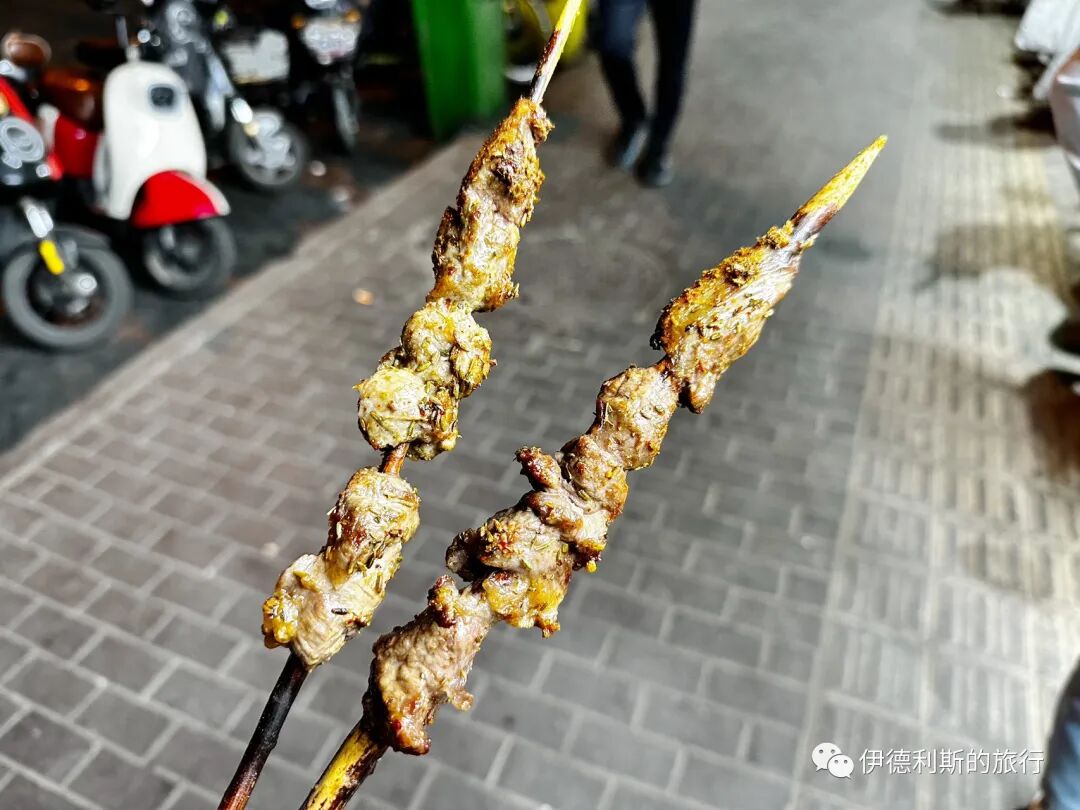
April 22
Today is Eid al-Fitr. In the morning, we attended the congregational prayer (namaz) at the Balizhuang Mosque. At noon, we visited Teacher Chen Hui at his Jingyi Farmhouse at the foot of the Western Hills in Beijing. We tasted authentic Xinjiang starch noodle soup (fentang) and pilaf made by his wife. It was my first time eating Eid starch noodle soup (erde fentang) cooked in a large firewood pot!
Every year during Eid (erde), every Hui Muslim household in Xinjiang makes starch noodle soup and fried dough (youxiang). Usually, they stew the meat and mix the pea starch a day in advance, then cook everything together on the morning of the holiday. After the congregational prayer, Hui Muslims in Xinjiang usually visit graves first and then go to see relatives. At each house, they are served a bowl of starch noodle soup. Sometimes they drink five or six bowls in a single day. This is a classic memory of Eid for Hui Muslims in Xinjiang.
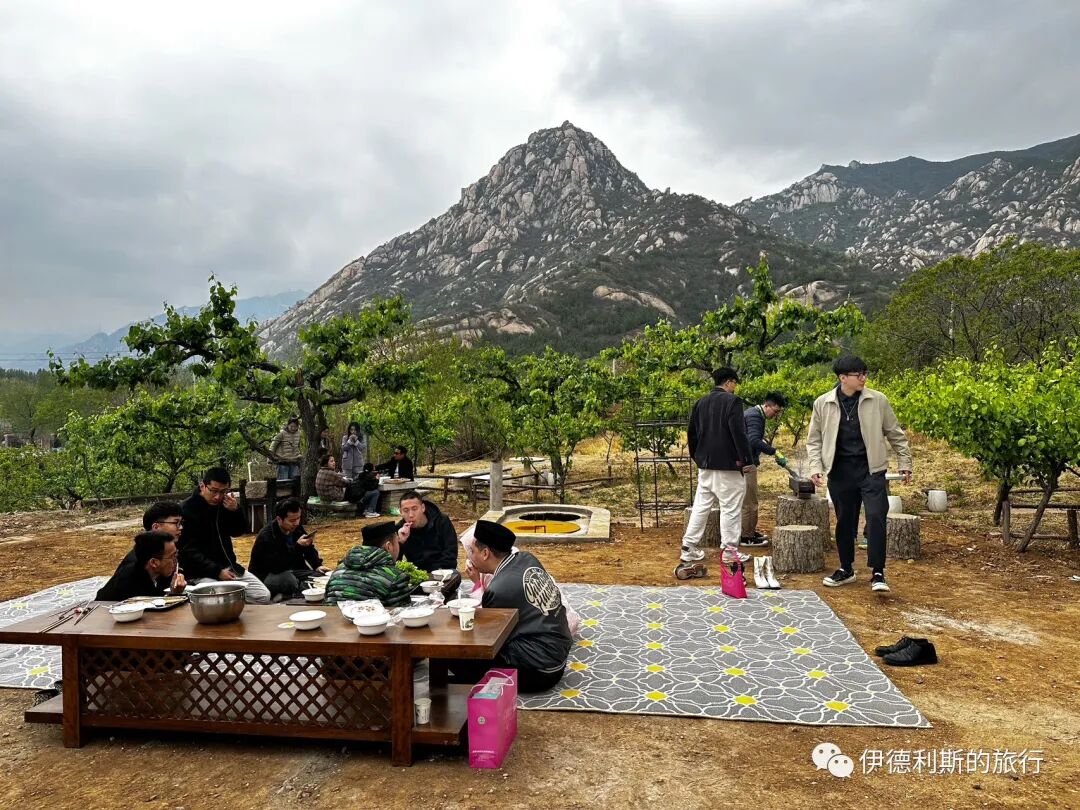
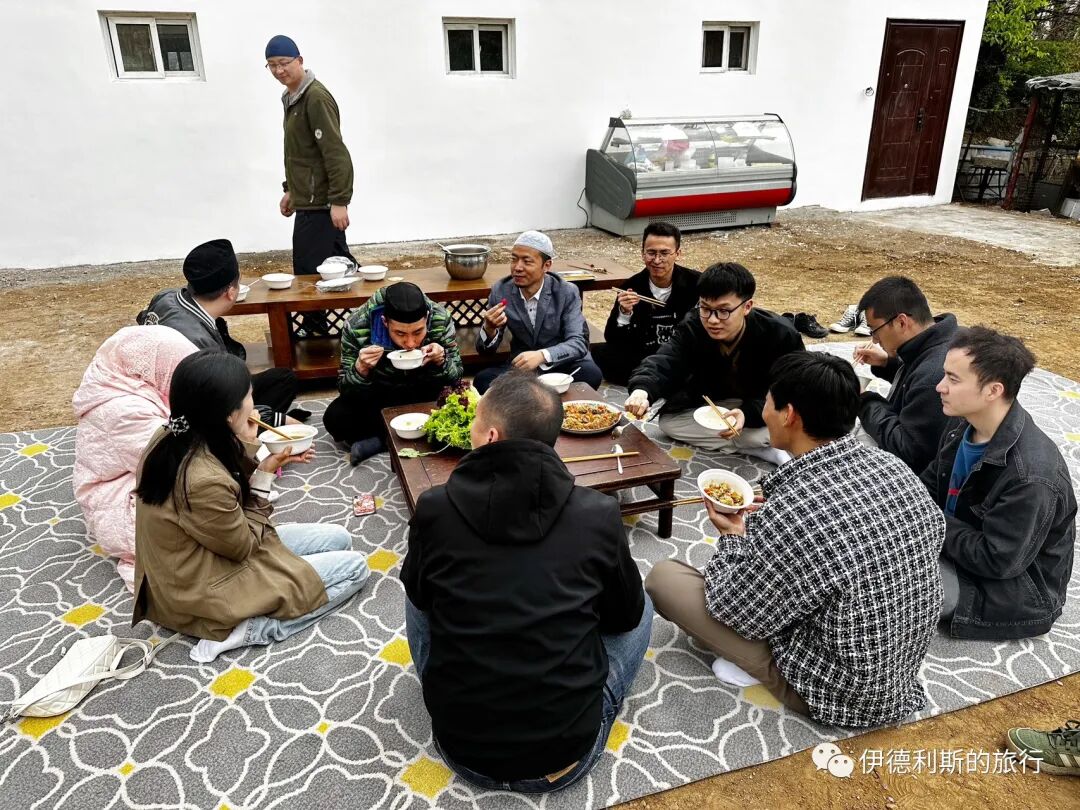
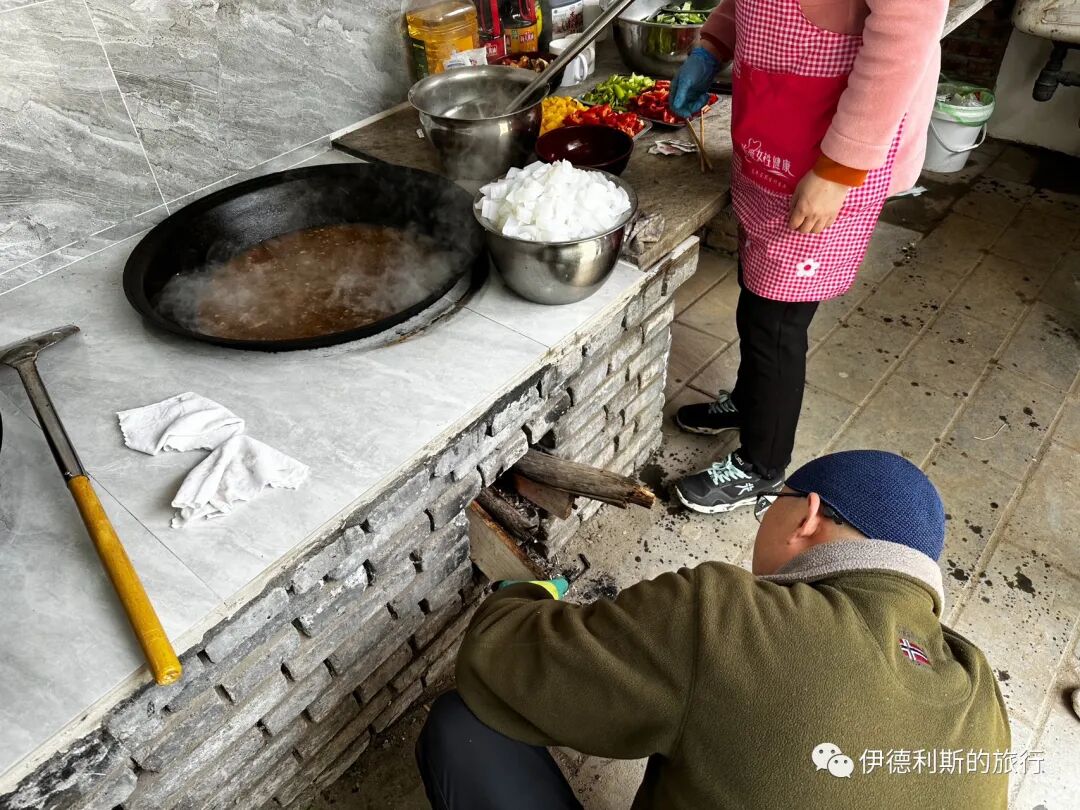
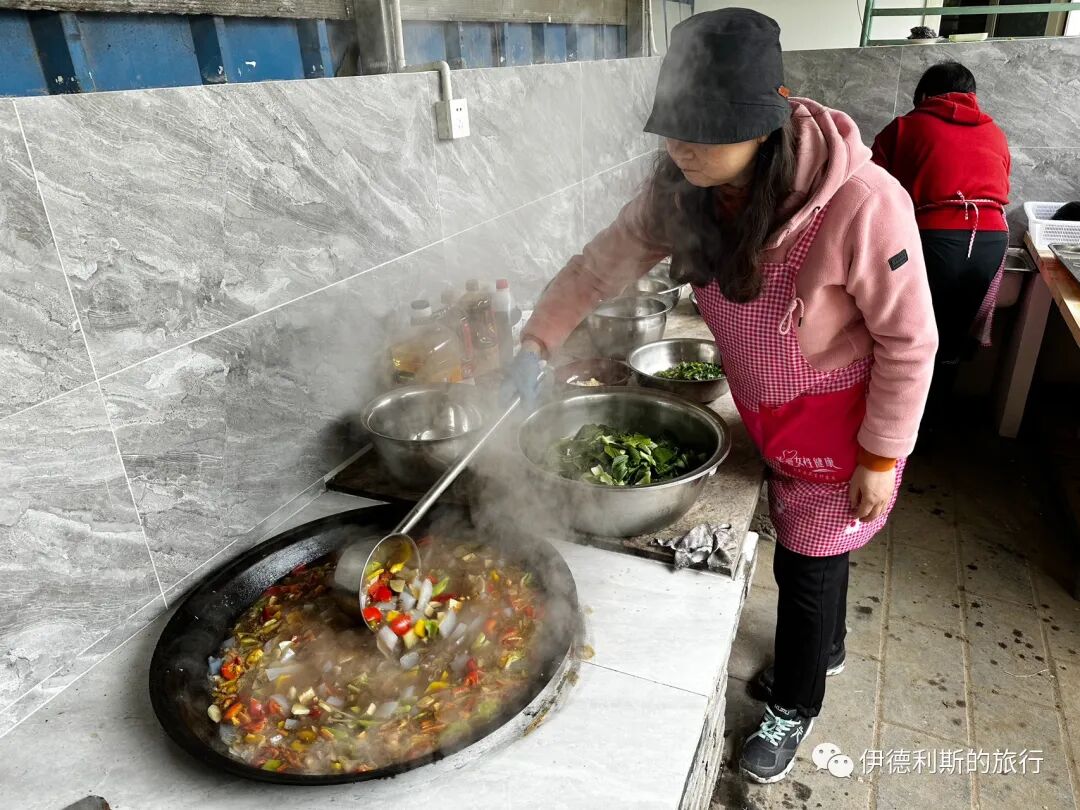
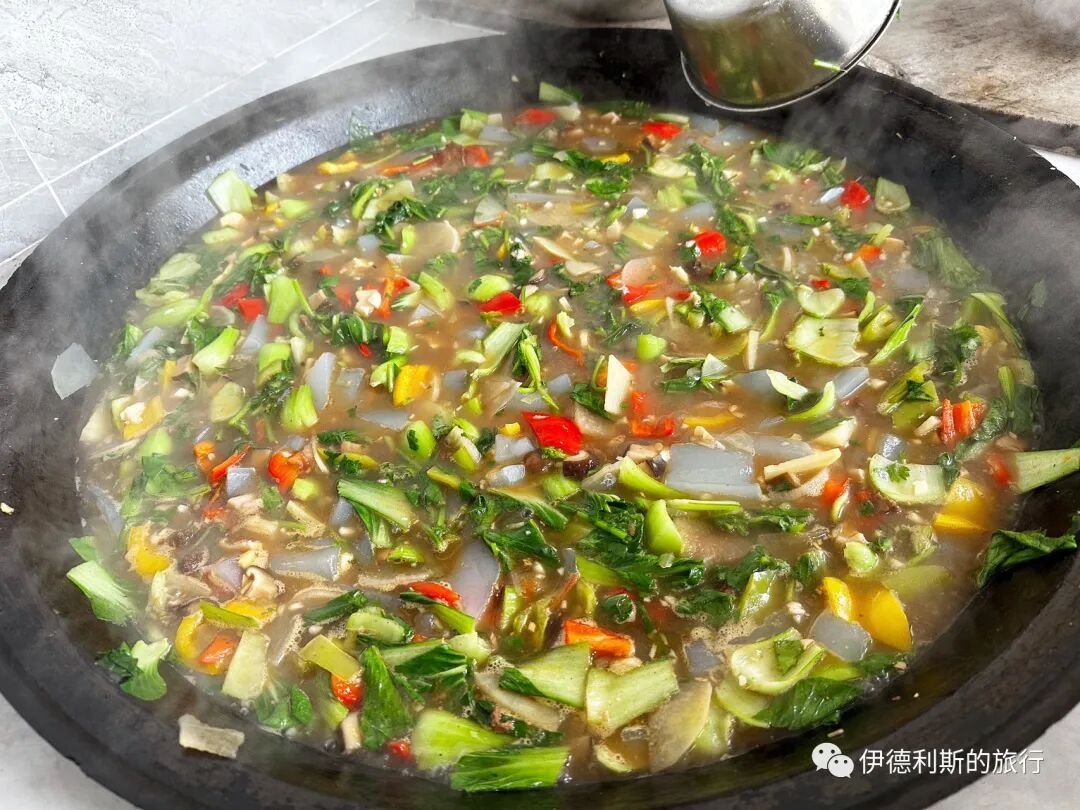
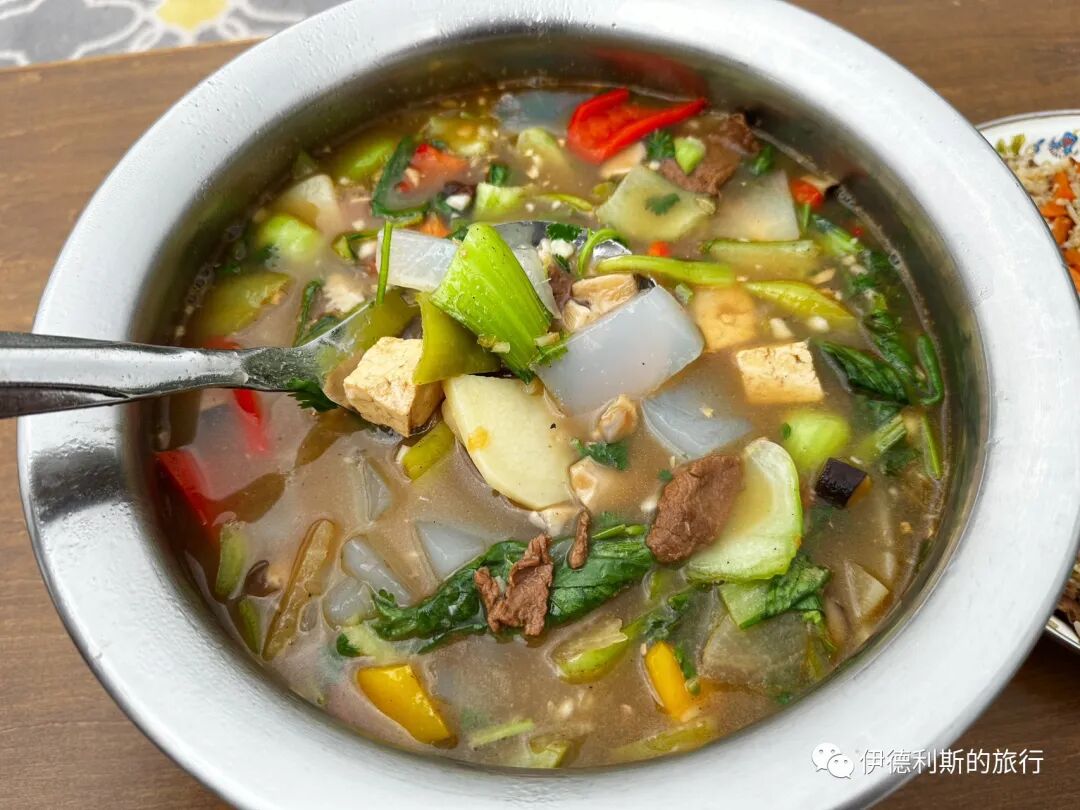
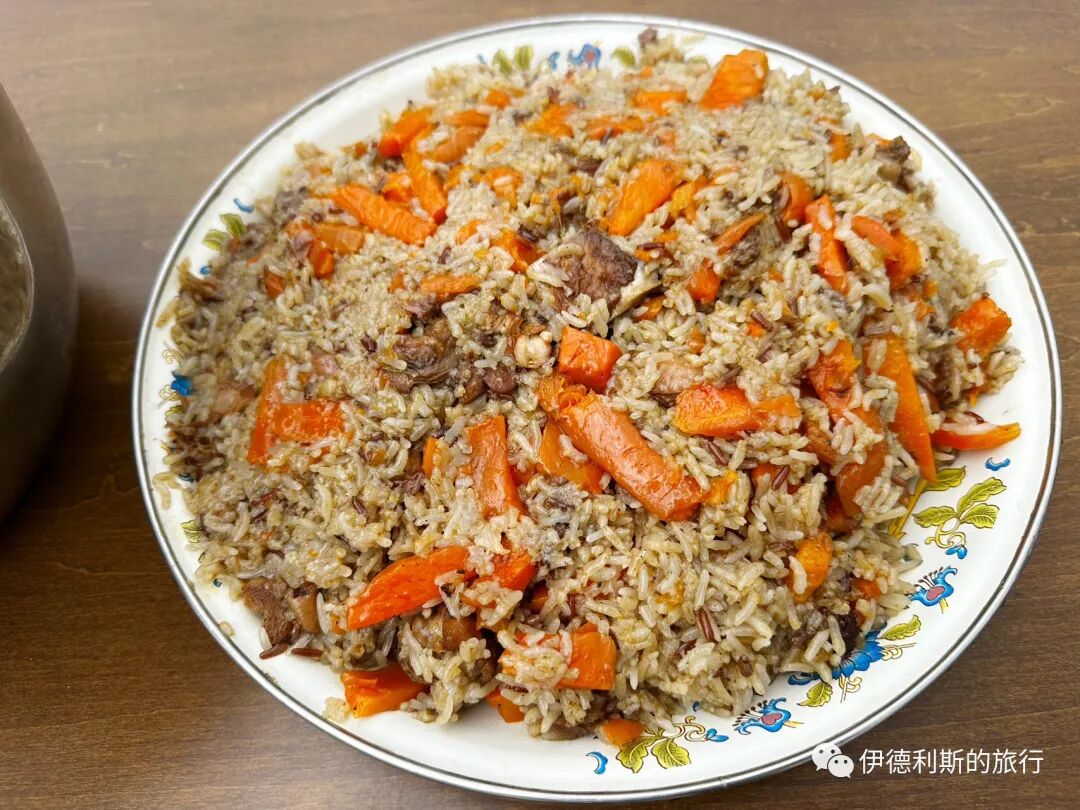
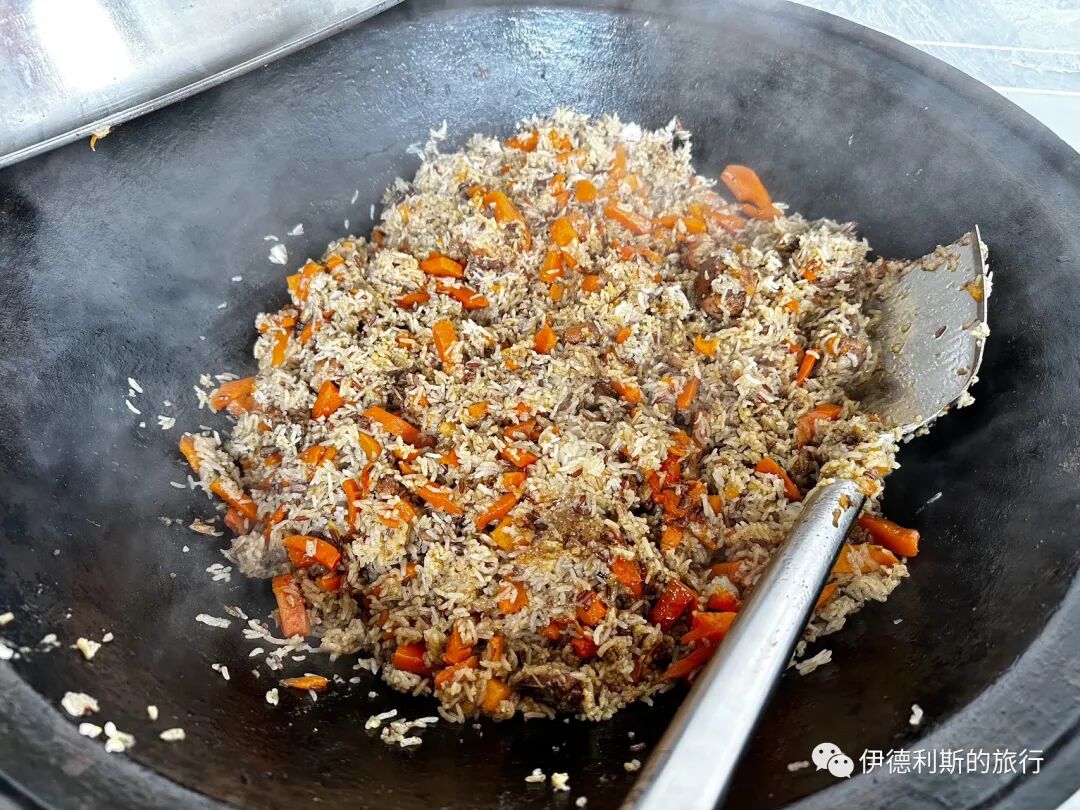
After eating the Xinjiang starch noodle soup and fried dough, we sat around the stove to drink tea and chat. We had a barbecue in the orchard with grilled fish, chicken wings, sweet potatoes, corn, and lamb skewers handmade by Hui Muslims from the Xiguanshi Mosque at the foot of the mountain. We also tasted the meat porridge and fried dough distributed (chusang) by the Xiguanshi Mosque. The Xiguanshi Mosque also stewed meat for a whole day before Eid, then used the meat broth to cook wheat porridge (mairen zhou). It was very fulfilling (shukr).
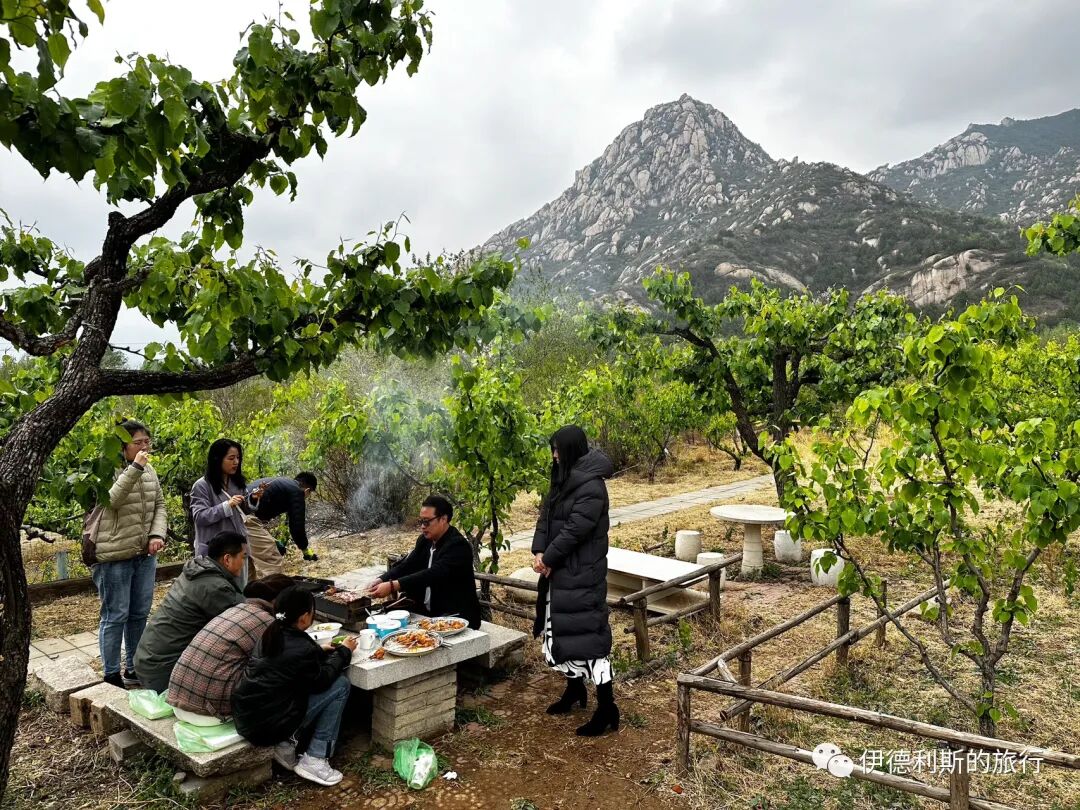
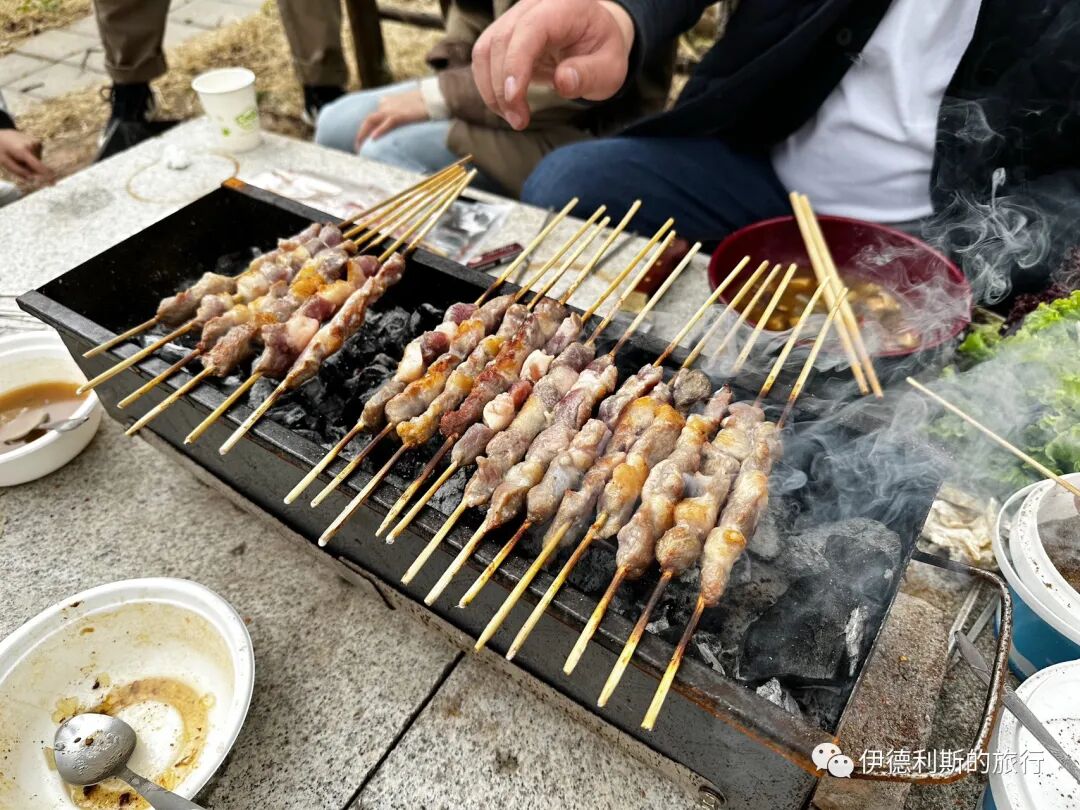
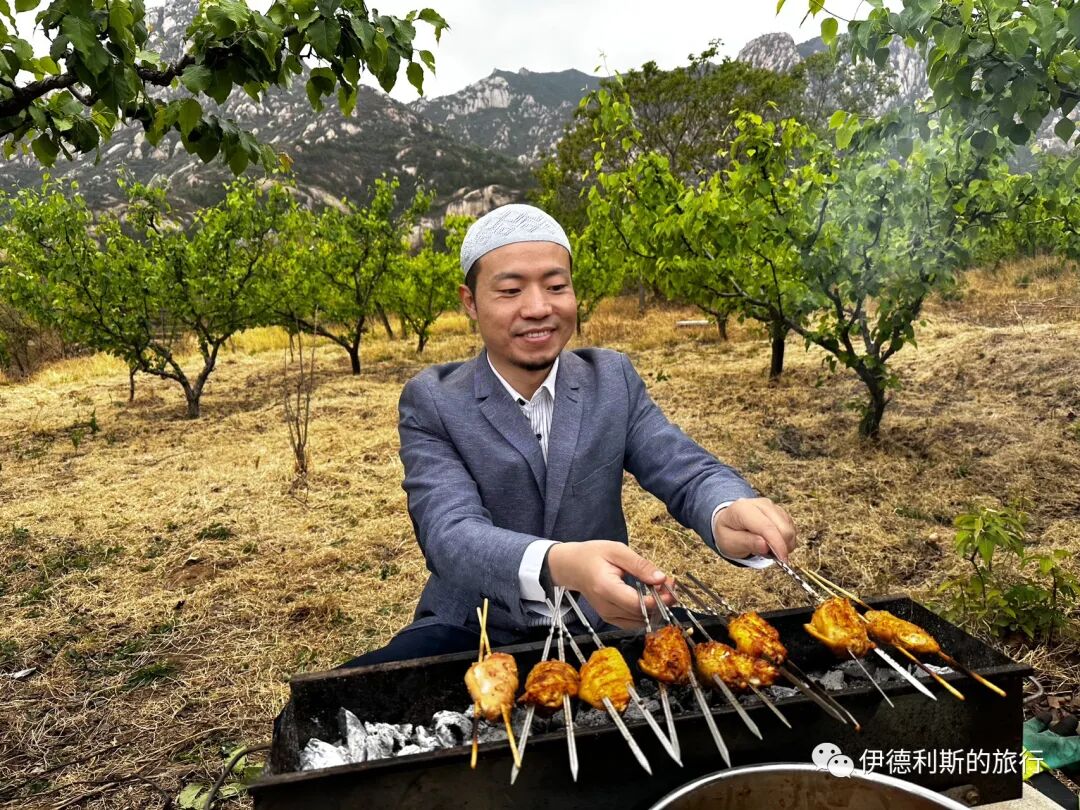
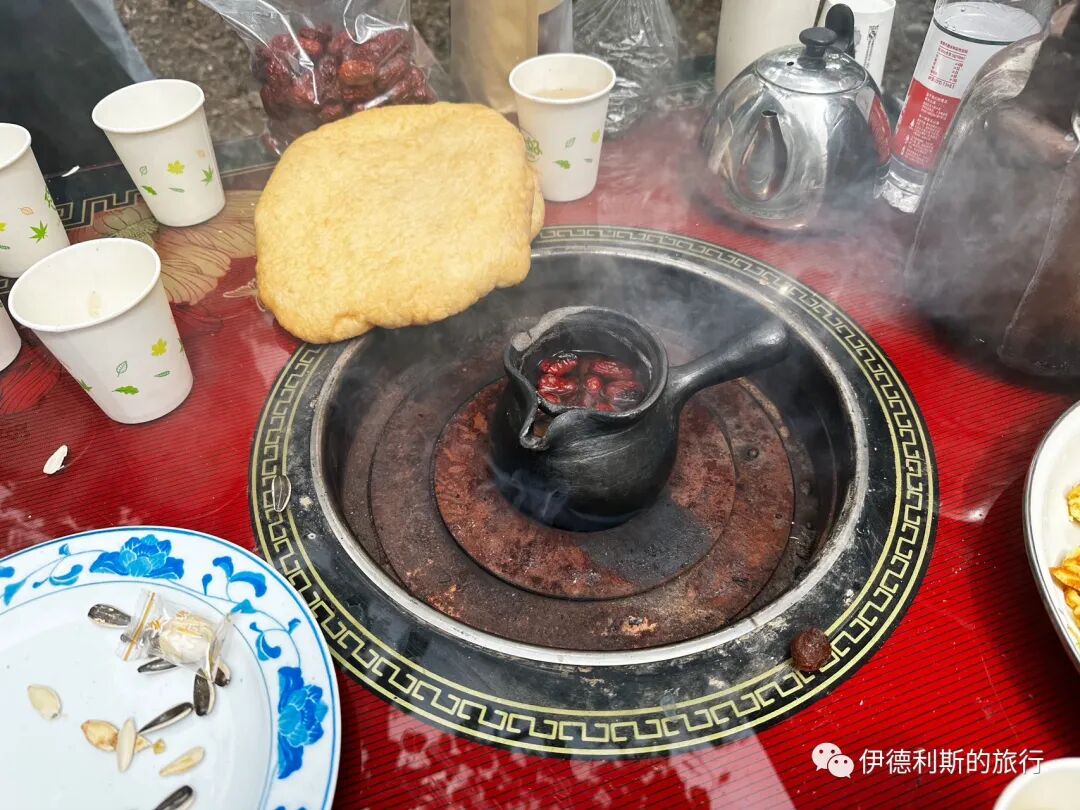
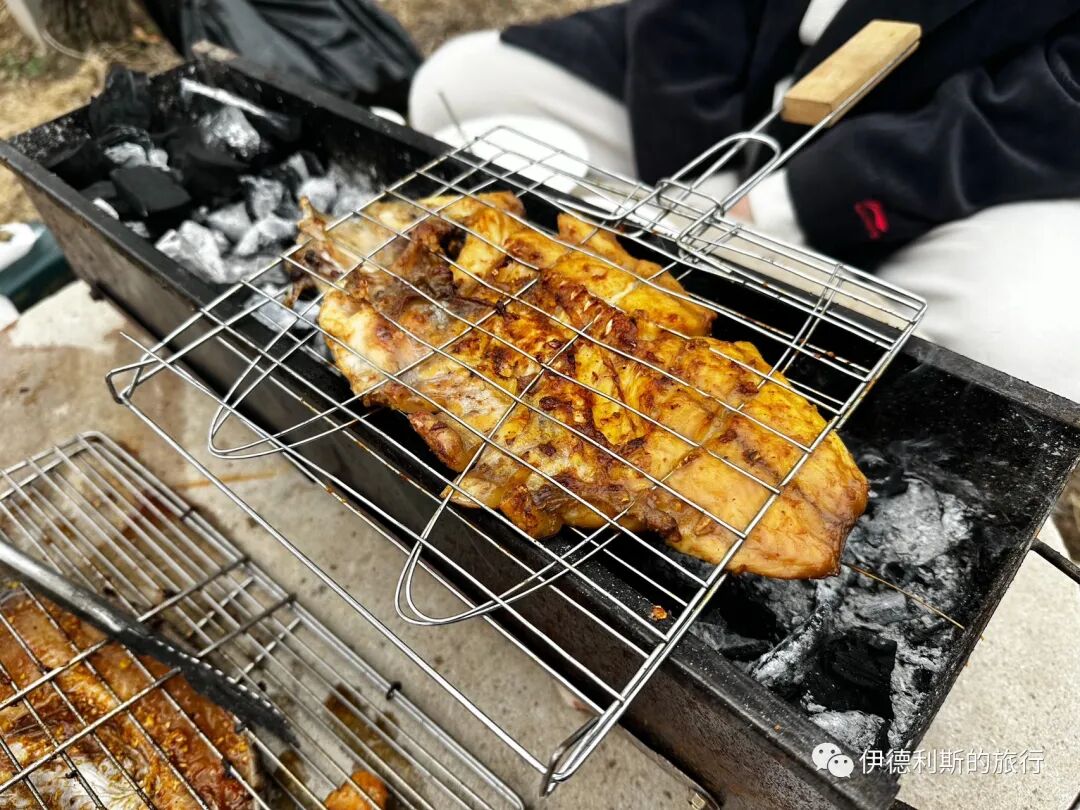
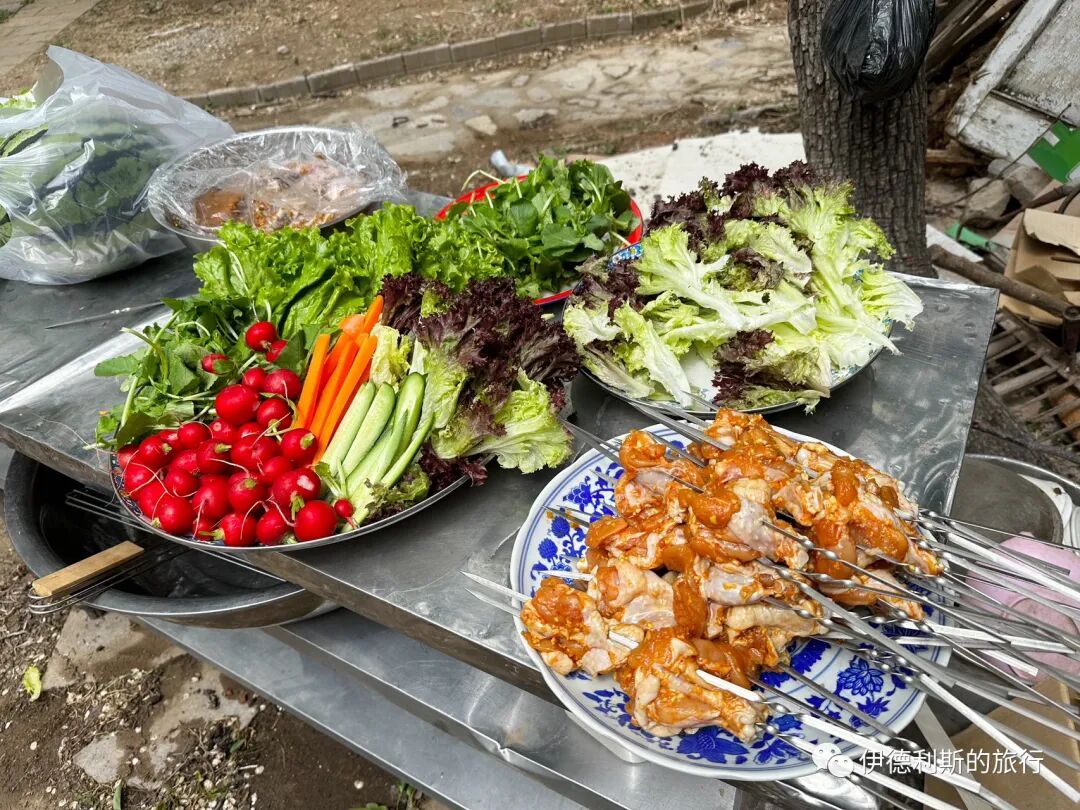
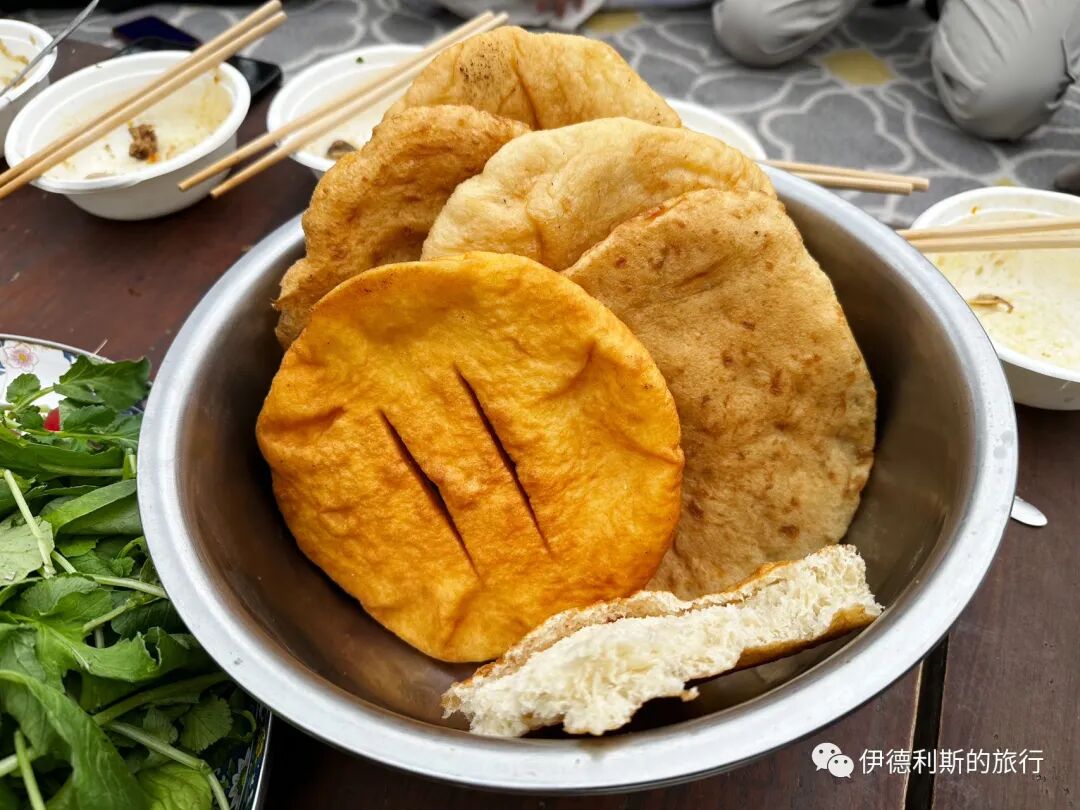
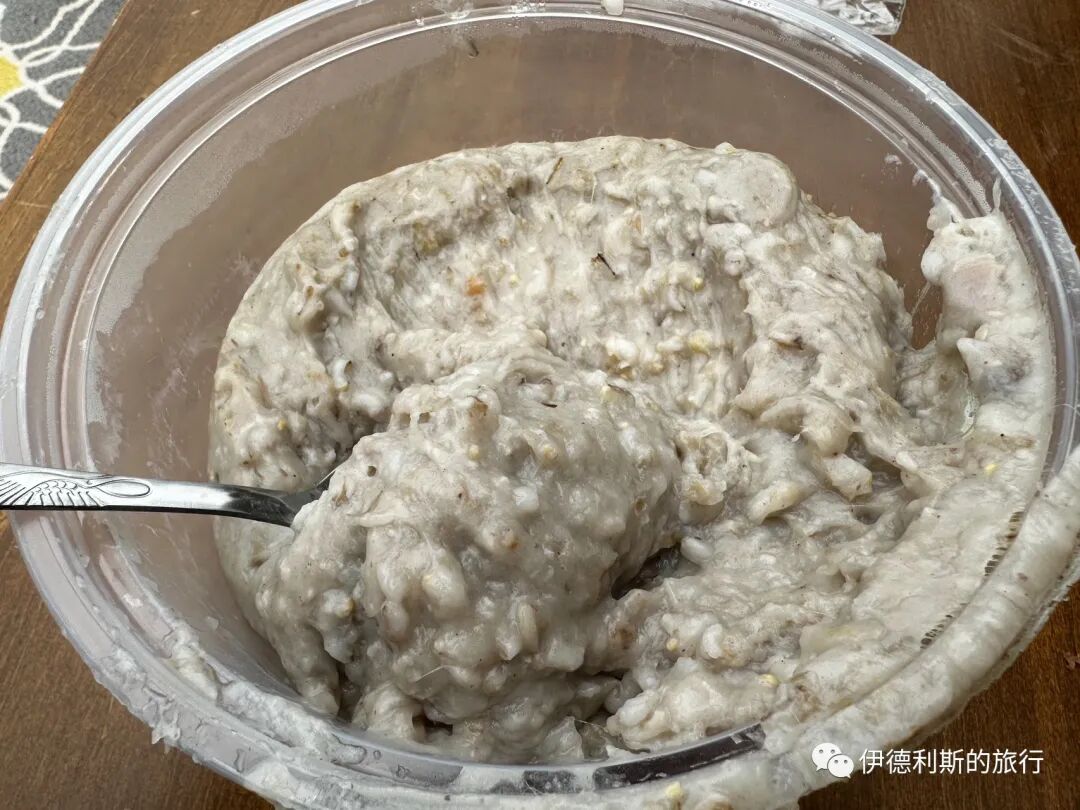
Muslim Travel Guide Beijing Ramadan 2025: Balizhuang Mosque, Iftar and Community Review
Articles • yusuf908 posted the article • 0 comments • 228 views • 2026-05-23 23:23
Summary: This article looks back at Ramadan 2025 at Balizhuang Mosque in Beijing. It keeps the original community scenes, iftar details, prayers, people, and photographs in a clean English layout.
This is my third Ramadan at the Balizhuang mosque in Beijing. The atmosphere at the mosque is great and the food is delicious, so it feels worth it even when I have to squeeze onto the subway during the evening rush hour on workdays.
This year, the mosque put the post-prayer recitations for Taraweeh on a large whiteboard, which helps everyone recite together more smoothly. The benefit of praying Taraweeh at the mosque is that you follow the imam and do not make mistakes, whereas I sometimes lose focus when praying alone. Another benefit is the strong sense of community when we break our fast together, and it is very powerful when we all recite the post-prayer words together.
First, let me share the snacks and fruits for breaking the fast. You can eat various traditional Beijing snacks carefully made by the elders here, such as steamed rice cakes (aiwowo), candied yam rolls (tangjuanguo), glutinous rice rolls with bean flour (lvdagun), fried sweet potato (zha baishu), ginger juice fried dough crisps (jiangzhi paicha), salt and pepper fried dough crisps (jiaoyan paicha), lotus root with glutinous rice (nuomi ou), sticky rice cake (niangao), yellow rice cake (huangmi gao), jujube corn buns (zao wotou), pea flour cake (wandouhuang), and sugar ear pastries (tang erduo).
The dinner after the sunset prayer (maghrib) is also wonderful, featuring rice with stir-fried dishes, noodles with gravy (dalu mian), steamed buns (baozi), and fish head with flatbread (yutou paobing), which rotate daily.
Side dishes for the rice include fried meat (songrou), braised chicken legs (huangmen jitu), minced meat with green beans, braised eggplant, and braised meatballs. For soups and porridge, there is winter melon meatball soup, tofu puff soup, and mung bean porridge. Of course, fermented bean drink (douzhi) with fermented bean curd (ma doufu) is also a major Beijing specialty!
Once a week, we have noodles with gravy (dalu mian) and noodles with eggplant (qieding mian). The vegetable toppings include blanched cabbage, celery, cowpeas, bean sprouts, soybeans, cucumber, and garlic sprouts. The gravy is not too salty, which is perfect for breaking the fast.
The steamed buns (baozi) served once a week come in beef and green onion, beef and cabbage, and beef and fennel fillings. My favorite is the beef and fennel filling. Many shops now only sell fennel and egg steamed buns, so it is not easy to find beef and fennel ones.
Fish head with flatbread (yutou paobing) is also a Beijing specialty. The flatbreads (laobing) are made by the elders themselves and are very dense; they are delicious when dipped in the fish head broth.
After eating the fish head with flatbread, the leftover flatbread can be made into stir-fried flatbread (chaobing), which is also a favorite for Beijingers. view all
Summary: This article looks back at Ramadan 2025 at Balizhuang Mosque in Beijing. It keeps the original community scenes, iftar details, prayers, people, and photographs in a clean English layout.
This is my third Ramadan at the Balizhuang mosque in Beijing. The atmosphere at the mosque is great and the food is delicious, so it feels worth it even when I have to squeeze onto the subway during the evening rush hour on workdays.
This year, the mosque put the post-prayer recitations for Taraweeh on a large whiteboard, which helps everyone recite together more smoothly. The benefit of praying Taraweeh at the mosque is that you follow the imam and do not make mistakes, whereas I sometimes lose focus when praying alone. Another benefit is the strong sense of community when we break our fast together, and it is very powerful when we all recite the post-prayer words together.
First, let me share the snacks and fruits for breaking the fast. You can eat various traditional Beijing snacks carefully made by the elders here, such as steamed rice cakes (aiwowo), candied yam rolls (tangjuanguo), glutinous rice rolls with bean flour (lvdagun), fried sweet potato (zha baishu), ginger juice fried dough crisps (jiangzhi paicha), salt and pepper fried dough crisps (jiaoyan paicha), lotus root with glutinous rice (nuomi ou), sticky rice cake (niangao), yellow rice cake (huangmi gao), jujube corn buns (zao wotou), pea flour cake (wandouhuang), and sugar ear pastries (tang erduo).
The dinner after the sunset prayer (maghrib) is also wonderful, featuring rice with stir-fried dishes, noodles with gravy (dalu mian), steamed buns (baozi), and fish head with flatbread (yutou paobing), which rotate daily.
Side dishes for the rice include fried meat (songrou), braised chicken legs (huangmen jitu), minced meat with green beans, braised eggplant, and braised meatballs. For soups and porridge, there is winter melon meatball soup, tofu puff soup, and mung bean porridge. Of course, fermented bean drink (douzhi) with fermented bean curd (ma doufu) is also a major Beijing specialty!
Once a week, we have noodles with gravy (dalu mian) and noodles with eggplant (qieding mian). The vegetable toppings include blanched cabbage, celery, cowpeas, bean sprouts, soybeans, cucumber, and garlic sprouts. The gravy is not too salty, which is perfect for breaking the fast.
The steamed buns (baozi) served once a week come in beef and green onion, beef and cabbage, and beef and fennel fillings. My favorite is the beef and fennel filling. Many shops now only sell fennel and egg steamed buns, so it is not easy to find beef and fennel ones.
Fish head with flatbread (yutou paobing) is also a Beijing specialty. The flatbreads (laobing) are made by the elders themselves and are very dense; they are delicious when dipped in the fish head broth.
After eating the fish head with flatbread, the leftover flatbread can be made into stir-fried flatbread (chaobing), which is also a favorite for Beijingers.
Muslim Travel Guide Beijing Ramadan: Week Three Mosques, Iftar and Muslim Community
Articles • yusuf908 posted the article • 0 comments • 151 views • 2026-05-23 23:22
Summary: Halal Travel Guide: Beijing Ramadan Diary - Week Three Mosques and Iftar is presented here as a firsthand travel account in clear, natural English. The account focuses on Beijing Ramadan, Mosques, Halal Food while preserving the names, places, food, photos, and historical details from the Chinese source.
Day 15, Ramadan is halfway through! We broke our fast at Balizhuang Mosque with fermented mung bean milk (douzhi) again; it was very sour and refreshing! Many elders (xianglao) went back for a second bowl. The fast-breaking meal (zhaifan) included stir-fried tripe with cilantro (yanbao dusi), yam with meatballs, and braised eggplant. I met more friends (dosti) at Balizhuang today; everyone is welcome to visit the mosque more often during Ramadan.
Day 16, Elder Li at Balizhuang Mosque made yellow rice cake (huangmi qiegao) and Elder Fu made fried vegetable meatballs; both were delicious. Every elder at Balizhuang Mosque has a special hidden talent. For the fast-breaking meal, we had noodles with shredded chicken sauce and noodles with diced eggplant sauce, featuring both wheat noodles and oat noodles (youmian) from Zhangjiakou. The noodle toppings included blanched cabbage, blanched cowpeas, blanched bean sprouts, shredded cucumber, and shredded radish, making for a very rich texture.
Day 17, Balizhuang Mosque continued to break the fast with fermented mung bean milk. The meal included large steamed buns (baozi) with cowpea and fennel fillings, which were impossible to stop eating when paired with rice porridge.
I received camel milk soap given as charity (chusan) by an elder at Balizhuang Mosque; may it bring reward (thawab).
In the evening, I met up with friends (dosti) to pray Tarawih at the Sudanese Embassy. The Sudanese Embassy is right next to Tuanjiehu subway station. We arrived at 7:50 and were able to enter after showing our ID cards at the intersection. The call to prayer (adhan) was at 8:05, and the prayer started at 8:30. There were friends (dosti) from all over the world in the hall, with people of all skin colors standing in rows; it really felt like being abroad. The imam for Tarawih was a young hafiz from Libya whose recitation was melodic, pleasant, and very moving. We prayed eight units (rak'ah) of Tarawih, with a greeting (salam) every four units. The final Witr prayer consisted of two units with a salam, followed by one single unit. This is quite different from the traditional prayer methods of the Gedimu Hui Muslims.
My Ramadan collection includes a teacup fired in Jingdezhen in the 1980s, featuring a traditional calligraphy style common in southern China. The lid is inscribed with gratitude, blessings, mercy, and worship, while the cup body reads, 'Mercy draws near to those who do good' and 'The stingy cannot enter paradise, even if they are people who worship Allah.'
On the 18th day, a friend (dosti) from Hunan invited us to break our fast at Nanxiapo Mosque, where we had a very delicious meal of stewed meat with rice. I met many new friends during this time; Ramadan is truly a great opportunity for everyone to gather together.
On the 19th day, I went to the Carthage Arabic Restaurant on Dongzhimen Outer Street for the iftar buffet. It is a new spot opened by Adel, the head chef of La Medina, in the breakfast area on the first floor of the Atour X Hotel in Sanlitun Taikoo Li, still focusing on Tunisian flavors. Since it has not been open long, it is mostly frequented by foreign friends (dosti) from the nearby embassy district, so there is no need to wait in line.
Because Adel is in charge, the dishes are similar to those at La Medina, though the variety is slightly smaller. Appetizers include chickpea dip (hummus), parsley salad (tabbouleh), and the Tunisian-style roasted eggplant salad (mechouia). Besides roasted eggplant, the roasted eggplant salad (mechouia) contains tomatoes, chili peppers, onions, and olive oil, making it very healthy.
The main course features North African sausage (merguez), made from lamb and beef mixed with cumin, harissa, chili, and various other spices. It appeared as early as the 12th century in Andalusia and later spread throughout North Africa.
They also serve the classic North African Maghreb tomato and chili poached egg dish (shakshouka). The tomato and chili poached egg dish (shakshouka) originated in North Africa under Ottoman rule in the 16th century, when tomatoes and chili peppers were introduced to North Africa from the Americas and then became part of the local diet.
They also have the Arabic version of fried triangular pastries (sambousek), which is a classic Ramadan snack for Arabs. The fried triangular pastry (sambousek) originated in Iran and entered the Arab diet after the 10th century, later spreading to India, China, Indonesia, and Africa. In some parts of eastern China, Hui Muslims still use its Persian name, 'sanmosan'.
On the 20th day, two-thirds of Ramadan has passed. At Balizhuang Mosque, they freshly made sugar-rolled fruit (tangjuanguo) and fried crispy dough (zhagezhi). I continued to break my fast with mung bean milk (douzhi), ate stir-fried green beans with meat and braised meatballs (huisongrou) for the meal, and thirteen elders joined in the opening prayer (kaijing). Breaking the fast at the mosque brings richness to both the spirit and the body.
Ramadan collection. I received a traditional late Qing Dynasty Tianjin-style pine wood dua plaque made by teacher Wang Qifei, which reads, 'O Allah!' Grant Your forgiveness and mercy to those who live in this house and to the believers who enter it!'
On the twenty-first day, the elders at Balizhuang Mosque gathered to make dumplings (jiaozi) with carrot and cabbage fillings. Nothing really beats the taste of dumplings! After eating, I felt full of energy and ready for the Taraweeh prayers. view all
Summary: Halal Travel Guide: Beijing Ramadan Diary - Week Three Mosques and Iftar is presented here as a firsthand travel account in clear, natural English. The account focuses on Beijing Ramadan, Mosques, Halal Food while preserving the names, places, food, photos, and historical details from the Chinese source.
Day 15, Ramadan is halfway through! We broke our fast at Balizhuang Mosque with fermented mung bean milk (douzhi) again; it was very sour and refreshing! Many elders (xianglao) went back for a second bowl. The fast-breaking meal (zhaifan) included stir-fried tripe with cilantro (yanbao dusi), yam with meatballs, and braised eggplant. I met more friends (dosti) at Balizhuang today; everyone is welcome to visit the mosque more often during Ramadan.
Day 16, Elder Li at Balizhuang Mosque made yellow rice cake (huangmi qiegao) and Elder Fu made fried vegetable meatballs; both were delicious. Every elder at Balizhuang Mosque has a special hidden talent. For the fast-breaking meal, we had noodles with shredded chicken sauce and noodles with diced eggplant sauce, featuring both wheat noodles and oat noodles (youmian) from Zhangjiakou. The noodle toppings included blanched cabbage, blanched cowpeas, blanched bean sprouts, shredded cucumber, and shredded radish, making for a very rich texture.
Day 17, Balizhuang Mosque continued to break the fast with fermented mung bean milk. The meal included large steamed buns (baozi) with cowpea and fennel fillings, which were impossible to stop eating when paired with rice porridge.
I received camel milk soap given as charity (chusan) by an elder at Balizhuang Mosque; may it bring reward (thawab).
In the evening, I met up with friends (dosti) to pray Tarawih at the Sudanese Embassy. The Sudanese Embassy is right next to Tuanjiehu subway station. We arrived at 7:50 and were able to enter after showing our ID cards at the intersection. The call to prayer (adhan) was at 8:05, and the prayer started at 8:30. There were friends (dosti) from all over the world in the hall, with people of all skin colors standing in rows; it really felt like being abroad. The imam for Tarawih was a young hafiz from Libya whose recitation was melodic, pleasant, and very moving. We prayed eight units (rak'ah) of Tarawih, with a greeting (salam) every four units. The final Witr prayer consisted of two units with a salam, followed by one single unit. This is quite different from the traditional prayer methods of the Gedimu Hui Muslims.
My Ramadan collection includes a teacup fired in Jingdezhen in the 1980s, featuring a traditional calligraphy style common in southern China. The lid is inscribed with gratitude, blessings, mercy, and worship, while the cup body reads, 'Mercy draws near to those who do good' and 'The stingy cannot enter paradise, even if they are people who worship Allah.'
On the 18th day, a friend (dosti) from Hunan invited us to break our fast at Nanxiapo Mosque, where we had a very delicious meal of stewed meat with rice. I met many new friends during this time; Ramadan is truly a great opportunity for everyone to gather together.
On the 19th day, I went to the Carthage Arabic Restaurant on Dongzhimen Outer Street for the iftar buffet. It is a new spot opened by Adel, the head chef of La Medina, in the breakfast area on the first floor of the Atour X Hotel in Sanlitun Taikoo Li, still focusing on Tunisian flavors. Since it has not been open long, it is mostly frequented by foreign friends (dosti) from the nearby embassy district, so there is no need to wait in line.
Because Adel is in charge, the dishes are similar to those at La Medina, though the variety is slightly smaller. Appetizers include chickpea dip (hummus), parsley salad (tabbouleh), and the Tunisian-style roasted eggplant salad (mechouia). Besides roasted eggplant, the roasted eggplant salad (mechouia) contains tomatoes, chili peppers, onions, and olive oil, making it very healthy.
The main course features North African sausage (merguez), made from lamb and beef mixed with cumin, harissa, chili, and various other spices. It appeared as early as the 12th century in Andalusia and later spread throughout North Africa.
They also serve the classic North African Maghreb tomato and chili poached egg dish (shakshouka). The tomato and chili poached egg dish (shakshouka) originated in North Africa under Ottoman rule in the 16th century, when tomatoes and chili peppers were introduced to North Africa from the Americas and then became part of the local diet.
They also have the Arabic version of fried triangular pastries (sambousek), which is a classic Ramadan snack for Arabs. The fried triangular pastry (sambousek) originated in Iran and entered the Arab diet after the 10th century, later spreading to India, China, Indonesia, and Africa. In some parts of eastern China, Hui Muslims still use its Persian name, 'sanmosan'.
On the 20th day, two-thirds of Ramadan has passed. At Balizhuang Mosque, they freshly made sugar-rolled fruit (tangjuanguo) and fried crispy dough (zhagezhi). I continued to break my fast with mung bean milk (douzhi), ate stir-fried green beans with meat and braised meatballs (huisongrou) for the meal, and thirteen elders joined in the opening prayer (kaijing). Breaking the fast at the mosque brings richness to both the spirit and the body.
Ramadan collection. I received a traditional late Qing Dynasty Tianjin-style pine wood dua plaque made by teacher Wang Qifei, which reads, 'O Allah!' Grant Your forgiveness and mercy to those who live in this house and to the believers who enter it!'
On the twenty-first day, the elders at Balizhuang Mosque gathered to make dumplings (jiaozi) with carrot and cabbage fillings. Nothing really beats the taste of dumplings! After eating, I felt full of energy and ready for the Taraweeh prayers.
Beijing Ramadan 2026 Diary: Laylat al-Qadr, Eid al-Fitr and Hui Muslim Food
Articles • ali2007fr posted the article • 0 comments • 176 views • 2026-05-21 06:45
Summary: This second Beijing Ramadan diary covers Jingzhe, Laylat al-Qadr, Eid al-Fitr, mosque gatherings, Hui Muslim food, and the closing days of Ramadan in clear English.
Awakening of Insects (Jingzhe)
This year, Ramadan falls during the Awakening of Insects, so Hui Muslims in Xinjiang will drink Awakening of Insects soup (jingzhe tang), also known as Awakening of Insects oil tea egg (jingzhe youcha dan). It is made by chopping walnuts, raisins, and red dates, coating them in egg wash, stir-frying them in mutton fat, and then pouring in brewed brick tea. The resulting soup has the aroma of mutton fat, dried fruit, eggs, and tea, which children really love.
The Awakening of Insects is one of the twenty-four solar terms, marking the time when all things wake up. In the past, medical care was limited and tuberculosis (shanglao) was a deadly disease. After the Awakening of Insects, temperatures rise and germs become active, so people used a combination of nutritious eggs, oil, and dried fruit with warm tea to pray for health, shake off winter fatigue, and boost their energy.
Night of Power (Laylat al-Qadr)
The twenty-seventh night of Ramadan is always the busiest day at every mosque, and this year Madian Mosque set up fifteen tables, making it very lively. Before breaking the fast, the imam recites the scripture. After breaking the fast, we are served two plates of fruit and pastries. After the sunset prayer (maghrib), nine dishes are served: braised prawns in oil, stir-fried shrimp with milk, braised flatfish, fried tofu, braised eggplant, stewed beef brisket with radish, stewed lamb with potatoes, stir-fried meat with scallions, and braised meat balls (songrou). I sat at a table with international students from various countries, and everyone really enjoyed the food.
Besides the two Eids (Eid al-Fitr and Eid al-Adha) and the two major gatherings (the Prophet's birthday and the Fatimah gathering), the Night of Power is likely the most important day for Hui Muslims. The Night of Power is also called the "Night Vigil" or "Night Head Festival." People say the scripture was first revealed on this night, which is better than a thousand months, so it is a time to do many good deeds. Everyone bathes, changes into clean clothes, goes to the mosque, greets each other with salaam, listens to the imam's recitation, completes their prayers, and shares a meal. Using the mosque as a gathering place and affection as a bridge, we seek blessings and look out for peace.
In the evening, the whole family celebrated the Night of Power at the Sudanese Embassy. The embassy building was fully lit, and the courtyard was filled with cars from various embassies. Besides coffee and black tea, there were also pastries donated (sadqa) by people from Changying Township.
Today was the busiest night at the embassy, and even the lobby was completely full. By the eighth rak'ah of the Taraweeh prayer, the entire scripture had been completed. During the final rak'ah, a half-hour long dua was made. The imam sounded like he was weeping, his voice was hoarse, and he was once moved to tears, crying "Ya Allah, Ya Allah," which was incredibly moving.
Eid al-Fitr
This year, Eid al-Fitr falls on a Saturday, so no one needs to ask for time off, which is why there are so many people. Our whole family headed straight to the Sudanese Embassy in the morning. Many people wore traditional clothing today, and I also wore a hexagonal cap (gedimu) from North China made by a friend. Today, not only was the building full, but the embassy courtyard was also packed with friends (dosti) from Africa, the Arab world, South Asia, and all over China. It was a very blessed occasion.
After the Eid prayer, some friends (dosti) brought homemade fried triangular pastries (sambusa) and chicken wraps (shawarma) from home, and we all enjoyed the delicious food together.
The fried triangular pastry (sambusa) originated in Iran. After the 10th century, it spread to the Arab region along trade and pilgrimage routes. In countries like Saudi Arabia and Yemen, the sambusa is an essential and iconic food for iftar and Eid al-Fitr. Compared to the South Asian samosa, which also comes from Iran, the Arab sambusa is smaller with a thinner crust. The filling is usually made of minced meat, onions, cilantro, and cinnamon.
After leaving the Sudanese Embassy, we went to Fayuan Mosque in Dewai to experience the atmosphere of a Chinese-style Eid al-Fitr. Fayuan Mosque holds the latest Eid prayer in the Xicheng District, which gives people who missed the prayers at other mosques a chance to attend. The place was very crowded, and those of us who arrived late could not get into the main prayer hall. After the prayer, we enjoyed fried dough (youxiang) and various pastries, but it was a pity that we did not get to have any meat porridge this year. view all
Summary: This second Beijing Ramadan diary covers Jingzhe, Laylat al-Qadr, Eid al-Fitr, mosque gatherings, Hui Muslim food, and the closing days of Ramadan in clear English.
Awakening of Insects (Jingzhe)
This year, Ramadan falls during the Awakening of Insects, so Hui Muslims in Xinjiang will drink Awakening of Insects soup (jingzhe tang), also known as Awakening of Insects oil tea egg (jingzhe youcha dan). It is made by chopping walnuts, raisins, and red dates, coating them in egg wash, stir-frying them in mutton fat, and then pouring in brewed brick tea. The resulting soup has the aroma of mutton fat, dried fruit, eggs, and tea, which children really love.
The Awakening of Insects is one of the twenty-four solar terms, marking the time when all things wake up. In the past, medical care was limited and tuberculosis (shanglao) was a deadly disease. After the Awakening of Insects, temperatures rise and germs become active, so people used a combination of nutritious eggs, oil, and dried fruit with warm tea to pray for health, shake off winter fatigue, and boost their energy.
Night of Power (Laylat al-Qadr)
The twenty-seventh night of Ramadan is always the busiest day at every mosque, and this year Madian Mosque set up fifteen tables, making it very lively. Before breaking the fast, the imam recites the scripture. After breaking the fast, we are served two plates of fruit and pastries. After the sunset prayer (maghrib), nine dishes are served: braised prawns in oil, stir-fried shrimp with milk, braised flatfish, fried tofu, braised eggplant, stewed beef brisket with radish, stewed lamb with potatoes, stir-fried meat with scallions, and braised meat balls (songrou). I sat at a table with international students from various countries, and everyone really enjoyed the food.
Besides the two Eids (Eid al-Fitr and Eid al-Adha) and the two major gatherings (the Prophet's birthday and the Fatimah gathering), the Night of Power is likely the most important day for Hui Muslims. The Night of Power is also called the "Night Vigil" or "Night Head Festival." People say the scripture was first revealed on this night, which is better than a thousand months, so it is a time to do many good deeds. Everyone bathes, changes into clean clothes, goes to the mosque, greets each other with salaam, listens to the imam's recitation, completes their prayers, and shares a meal. Using the mosque as a gathering place and affection as a bridge, we seek blessings and look out for peace.
In the evening, the whole family celebrated the Night of Power at the Sudanese Embassy. The embassy building was fully lit, and the courtyard was filled with cars from various embassies. Besides coffee and black tea, there were also pastries donated (sadqa) by people from Changying Township.
Today was the busiest night at the embassy, and even the lobby was completely full. By the eighth rak'ah of the Taraweeh prayer, the entire scripture had been completed. During the final rak'ah, a half-hour long dua was made. The imam sounded like he was weeping, his voice was hoarse, and he was once moved to tears, crying "Ya Allah, Ya Allah," which was incredibly moving.
Eid al-Fitr
This year, Eid al-Fitr falls on a Saturday, so no one needs to ask for time off, which is why there are so many people. Our whole family headed straight to the Sudanese Embassy in the morning. Many people wore traditional clothing today, and I also wore a hexagonal cap (gedimu) from North China made by a friend. Today, not only was the building full, but the embassy courtyard was also packed with friends (dosti) from Africa, the Arab world, South Asia, and all over China. It was a very blessed occasion.
After the Eid prayer, some friends (dosti) brought homemade fried triangular pastries (sambusa) and chicken wraps (shawarma) from home, and we all enjoyed the delicious food together.
The fried triangular pastry (sambusa) originated in Iran. After the 10th century, it spread to the Arab region along trade and pilgrimage routes. In countries like Saudi Arabia and Yemen, the sambusa is an essential and iconic food for iftar and Eid al-Fitr. Compared to the South Asian samosa, which also comes from Iran, the Arab sambusa is smaller with a thinner crust. The filling is usually made of minced meat, onions, cilantro, and cinnamon.
After leaving the Sudanese Embassy, we went to Fayuan Mosque in Dewai to experience the atmosphere of a Chinese-style Eid al-Fitr. Fayuan Mosque holds the latest Eid prayer in the Xicheng District, which gives people who missed the prayers at other mosques a chance to attend. The place was very crowded, and those of us who arrived late could not get into the main prayer hall. After the prayer, we enjoyed fried dough (youxiang) and various pastries, but it was a pity that we did not get to have any meat porridge this year.
Beijing Ramadan 2026 Diary: Madian Mosque, Fayuan Mosque, Sudan Embassy Iftar and Hui Meals
Articles • ali2007fr posted the article • 0 comments • 209 views • 2026-05-21 06:45
Summary: This Beijing Ramadan 2026 diary follows iftar meals and mosque visits at Madian, Fayuan, Zhengyuan, Nanxiaopo, Dongwai, Houheyan, and the Sudan Embassy, with food and community details kept in full.
I returned to Beijing from Sichuan during the second week of Ramadan. This year, I had to take my son to kindergarten by electric scooter every morning, so I couldn't break my fast at Balizhuang like I did last year (see 'A Wonderful Look Back at Ramadan 2025 in Beijing Balizhuang'). Instead, I mostly went to the mosques near my office and home. I visited seven in total: Madian Mosque, Fayuan Mosque, Zhengyuan Mosque, Nanxiaopo Mosque, Dongwai Mosque, Houheyuan Mosque, and the Sudan Embassy. I will share them with you below.
Madian Mosque
Madian Mosque is the closest mosque to my office, and it is the one I visited the most. The iftar at Madian Mosque is quite generous. Before breaking the fast, there is a plate of fruit and a plate of pastries. After breaking the fast, there are noodles, stir-fried dishes, stir-fried dough bits (chaogeda), steamed buns (baozi), and more. Usually, there are two tables of international students, one table of friends (dosti) from Northwest China, one table of female elders, and one table of male elders at iftar. I met many old friends and made many new ones at Madian Mosque this year, which was very blessed. We set up over a dozen tables in the courtyard for the Night of Power (Laylat al-Qadr), which I will write about in my next post.
Madian is located on the Jingbei Avenue outside Deshengmen in Beijing. After the Ming Dynasty overthrew the Yuan Dynasty, they moved the northern wall of the capital city south. However, the main road from Beijing through Deshengmen to outside the Great Wall still passed through the Jiande Gate gap of the Yuan capital. The trade of horses, cattle, and sheep coming from the north gradually formed a market inside the Jiande Gate gap, attracting a large number of Hui Muslims to settle there. It was said that the number of Hui Muslims there was no less than at Niujie. Since the Qing Dynasty, hundreds of thousands of cattle, sheep, and horses entered Beijing from Mongolia via Zhangjiakou every year. Hui Muslims opened many horse shops and sheep shops in Madian, responsible for feeding and selling the livestock to earn commissions. After the Daoguang era, the horse trade moved to the suburbs outside Deshengmen, and most of the businesses in Madian changed into sheep shops, keeping only a few horse shops. Since it formed in the Qing Dynasty, Madian was called 'Madian' (Horse Shop). It wasn't until the early Republic of China, when place names were made to sound more elegant, that it was changed to 'Madian' (Horse Station), a name that is still used today.
The inscriptions inside Madian Mosque also record the situation of the Hui Muslims in Madian: Madian is located inside the rammed earth walls of the Yuan capital, outside the brick walls of the Ming and Qing Beijing, right on the ancient and modern main road leading north from the capital, connecting to the bustling city in the south and the vast plains stretching for hundreds of miles in the north. Along the Changping Road, there are endless trees. Traveling to Nankou, the Yan Mountains rise one after another, blocking the vast grazing lands of the Bashang plateau. The weather outside the Great Wall is bitterly cold, making it hard to raise sheep. The Hui Muslims of Madian did not avoid the hard work, braving the elements to bring them back, raising and grazing the wild animals until they survived and grew stronger. They earned a meager income, which was their livelihood. This was the sheep trade.
Madian Mosque is located on a terrace on the west side of the ancient road. It was first built during the Kangxi era. In 1850 (the 30th year of the Daoguang reign), it was rebuilt with funds raised by fourteen sheep and horse shops in Madian. It was rebuilt again during the Republic of China and is quite large in scale. In 1930, Ding Ziyu, the principal of Madian Guangyu Primary School, published 'An Investigation of the Madian Mosque Outside Deshengmen, Beiping' in 'Zhengdao' magazine. The article mentioned that more than 300 people attended the Taraweeh prayers at Madian Mosque during Ramadan, 500 to 600 people fasted, and one-third of them fasted for the entire month. According to the memories of the elders in Madian, until the early days after liberation, whenever Ramadan ended and the new moon appeared, people on the front and back streets of Madian would shout, 'The fast is broken!' The fast is broken! ''
The international students who come to Madian Mosque for iftar include friends (dosti) from India and Pakistan, and they are friends with each other.
Fried dough (youxiang) at the mosque.
Stir-fried dough bits (chaogeda) made at the mosque.
Eating steamed buns (baozi) at Madian Mosque, the carrot and fennel fillings are very filling!
I ate the sweet rice balls (yuanxiao) from Yaofengcheng, a Shandong-style restaurant at the mosque gate, for several days during my fast.
Stir-fried dishes at Madian Mosque; international students from nearby countries all love the food at Madian.
Fried tofu (zhadoufu).
Stir-stir-fried meat with oyster mushrooms (pinggu chaorou).
Beef stewed with Chinese cabbage and vermicelli (baicai fentiao dun niurou).
Stir-fried lamb with scallions (congbao yangrou).
Stir-stir-fried meat with celery (qincai chaorou).
Stir-fried potato slices (chao tudoupian).
Braised winter melon with shiitake mushrooms (donggua shao donggu).
Exhibits about the local Muslim community in Haidian at the Madian Mosque gallery.
Hand-pulled noodles (shouganmian) with tomato sauce and eggplant sauce; our international friends all love Beijing hand-pulled noodles, haha.
After eating, I bought food for my fast at Yaofengcheng by the gate, steamed buns (mantou) with spiced beef (jiang niurou); they give out fried dough (youxiang) during Eid al-Fitr.
Nanxiapo Mosque.
As an important hub for water transport, there were historically several mosques and neighborhoods outside Chaoyang Gate, such as Nanzhong Street, Nanxiapo, and Shegutang, but only the Nanxiapo neighborhood remains today. According to the elders, Nanxiapo Mosque dates back to the late Ming and early Qing dynasties. At that time, a shed builder used fir poles and reed mats to build a large shed at Nanxiapo, and an imam named Hu Zhonghe led the local Hui Muslims in prayer there; this was the earliest Nanxiapo Mosque. In the early years of the Kangxi reign of the Qing Dynasty, a Hui Muslim surnamed Ma who sold bows and arrows inside Chaoyang Gate heard about the situation at Nanxiapo. He had just received a payment for bows and arrows that had been owed by some Mongols, so he donated the money to formally build the Nanxiapo Mosque.
Most of the leaders of Nanxiapo Mosque were descendants of the first leader, Hu Zhonghe. Hu Zhonghe's 12th-generation descendant, Hu Degui, was born in 1883 (the ninth year of the Guangxu reign). Because his parents died early, 15-year-old Hu Zichen inherited his father's business in 1898 (the 24th year of the Guangxu reign) and became the second leader (haitui bu) of Nanxiapo Mosque, known as Master Hu the Second. At that time, the imam of Nanxiapo Mosque was Hu Wenzhi, and the third master was Ma Shikuan, known as Master Ma the Third.
In 1900, when Empress Dowager Cixi fled west, bandits were everywhere, and many merchants on Chaowai Street were robbed. Seventeen-year-old Imam Hu Zichen organized a local militia in Nanxiapo. Young Hui Muslims joined eagerly. Some were wrestlers, some were martial artists, some were cart drivers, and the wealthy ones even bought muskets. Every night, everyone gathered at the gate of the Nanxiapo mosque to take turns patrolling the streets and keeping watch, and they finally made it through the crisis.
On February 15, 1928, after the martyr Ma Jun died, his body (maiti) was washed at the Nanxiapo mosque by Imam Hu Wenzhi and Imam Hu Zichen. Then, the village elders and the community (dost) donated burial shroud cloth (kafan), and he was buried in the northwest corner of Ritan.
In 1947, the Nationalist army was rounding up young men for conscription near the South Barracks outside Chaoyang Gate. The young Hui Muslims of Nanxiapo were terrified, so with the help of the imam and the elders, they climbed wooden ladders onto the roof of the main hall of the Nanxiapo mosque. After they were hidden, the imam and the elders immediately hid the ladders. When the Nationalist troops came to the mosque to grab people, the imam persuaded them to leave. Everyone lay on the roof for the whole day and finally escaped the danger.
The second Friday (Jumu'ah) of Ramadan is the day Beijing mosques hold charity events for the holy month.
The Nanxiapo mosque has the most abundant selection of pastries for breaking the fast (iftar).
Haji Li treated everyone to stewed meat, with both beef and lamb available. The iftar at Nanxiapo was held at the nearby Hongqingxuan restaurant with eighteen dishes. Over a hundred people attended, including many young people, and it was a very blessed occasion.
Fayuan Mosque.
Fayuan Mosque is also called Dewai Guanxiang Mosque. It was originally located at the north slope of Xiaochangkou outside Deshengmen. It was relocated and expanded during the Kangxi reign. During the Republic of China era, the main hall was expanded again, featuring four interlocking roofs and a four-cornered pavilion roof.
Fayuan Mosque built a new dining hall, and so many people come to break their fast every day that there are often not enough seats. The iftar meal includes meat, vegetables, shrimp, fruit, pastries, and fried dough cakes (youxiang).
The meat sauce noodles (zhajiangmian) served for iftar at Fayuan Mosque come with seven vegetable toppings: shredded carrots, shredded cucumber, shredded cabbage, shredded radish (xinlimei), diced celery, green garlic, and bean sprouts. It is very hearty! Every Ramadan, I look forward to this bowl of noodles at the mosque.
Silk Road Yilan in Niujie donated small fried dough cakes (youxiang), and Youyishun on Huangsi Street donated boxed meals of kung pao chicken and stir-fried egg with vinegar (culiu muxu). Every Ramadan, many restaurants donate iftar meals to the mosque, which is a very good deed (nietie).
Youyishun is a restaurant founded in 1948 by Ding Deshan, the founder of Donglaishun. There is a saying: 'Donglai goes west and Youyishun follows, north and south, there are only these two.' The original location of Youyishun was at the Xidan intersection. It combined the quick-frying, roasting, and hot-pot styles of Donglaishun with the delicate stir-fries of Xilaishun, bringing the strengths of both together into its own unique style. In the 1950s, Youyishun opened a branch in the Xidan shopping center. Business was booming, and it became an important place for hosting foreign guests. When U. S. President Nixon visited China in 1972, he dined at the restaurant. After Chang'an Avenue was renovated in 1999, Youyishun moved to its current location on Huangsi Street, specializing in traditional famous dishes like stir-fried egg with vinegar (culiu muxu), honey-glazed lamb (tashimi), and deep-fried lamb tails.
Dongzhimenwai Mosque.
Dongzhimenwai Mosque was originally called Erlizhuang Mosque. It was first built in the Yuan Dynasty and renovated during the Kangxi reign of the Qing Dynasty. In the late 1980s, Shougang and a Danish company built international apartments in Erlizhuang, so the mosque was moved one kilometer northwest and rebuilt. It was finished in 1991 and reopened in 1993.
I broke my fast at the mosque outside Dongzhimen. The snacks available after the prayer included pea flour cake (wandouhuang), candied yam rolls (tangjuanguo), and steamed rice cakes (aiwowo), all made by the mosque. After the prayer, there was a mix of meat and vegetable dishes, including stir-stir-fried meat with wood ear mushrooms and eggs (mushurou), yam with wood ear mushrooms, braised eggplant, braised fish chunks, and roast chicken. They also boiled sweet rice balls (yuanxiao) for the occasion. Although there are not many people at the mosque outside Dongzhimen every year, the atmosphere during Ramadan is very good.
Silk Road Legend (Silu Chuanqi) served baked buns (kaobaozi) with millet porridge and various cold dishes. These baked buns were actually invented by Gansu friends (dost), so they are different from Uyghur baked buns, but they still taste good.
At the naan shop by the gate of the mosque outside Dongzhimen, I finished my fast-breaking meal at 6:40, just as the naan and baked buns were coming out of the oven. The skin of the baked bun is very thin but a bit chewy, and there is plenty of meat inside, making it perfect for the pre-dawn meal (suhoor) the next day.
Zhengyuan Mosque
The predecessor of Zhengyuan Mosque was the Beigouyan Mosque inside Xizhimen, which was first built during the Daoguang era. After 1946, Beigouyan was renamed Zhaodengyu Road, so it was also called Zhaodengyu Road Mosque. In 1997, it was demolished and rebuilt at its current location, and renamed Zhengyuan Mosque.
Zhengyuan Mosque is very low-key, and this year was my first time going there to break my fast. I ate steamed buns (baozi) and sesame flatbread (shaobing) with lamb offal soup (yangza) at the mosque, and also had fried toon sprouts and fried meatballs. The mosque said not to post photos of the fast-breaking meal, so I will not post them here.
Sudanese Embassy
For the past few years, I have gone to the Sudanese Embassy every Ramadan to pray Taraweeh. The atmosphere is great, and the whole family can go together.
During the last ten days, it starts at 8:30 and lasts for over an hour. Taraweeh consists of eight rak'ahs, with a sermon (wa'z) after every four. The Witr dua is two rak'ahs followed by one, and during the third rak'ah, we raise our hands for a long dua. In the embassy courtyard, you can brew your own mint black tea and coffee, and after the prayer, there were chickpeas distributed by friends (dost).
Sudan follows the Maliki school of thought, which most of North and West Africa belongs to, and it has many differences from the Hanafi school in China. I think it is a rare opportunity to come here every year to experience a different religious cultural atmosphere.
In the 15th and 16th centuries, Sufi sages began to spread the faith along the upper Nile River toward the Sudan region. In the early 16th century, the Funj Sultanate ruling Sudan had nominally converted to the faith, but it still kept traditions of witchcraft and ritual sacrifice. The Funj Sultanate changed dynasties in 1718, which started a push for a more orthodox faith and the beginning of Arabization. By the 19th century, Sudan had become a region that followed orthodox Sunni Islam and began using Arabic as its common language. Today, the vast majority of Sudanese people follow the Maliki school of Sunni Islam and are deeply influenced by Sufism.
Houheyan Mosque
On the last night of Ramadan, I broke my fast at Houheyan Mosque. There were three tables of elderly people in the mosque, which is hard to find deep in the alleyways. We had steamed buns (baozi), millet porridge (xiaomizhou), sesame flatbread (shaobing), soy sauce fried rice (jiangyouchaofan), and fried dough (youxiang), and everyone also received a bag of Tongxian crispy fried snacks (gezhihe).
Houheyan Mosque sits right on the south bank of the moat. During the Qing Dynasty and the Republic of China era, many transport workers and restaurant owners lived nearby. In 1944, Yang Yuting of the 'Heyan Yang family' and his sons Yang Hongda and Yang Honglai donated their own ice cellar. Then, village elders Yang Zengbin and Yang Zengsen led the fundraising efforts. They received active support from Hui Muslims in Beijing and Dachang, including Peking Opera master Ma Lianliang and Wan Qirui, the owner of the Kaorouwan restaurant, and built the mosque in 1948. Houheyan Mosque originally covered a large area. In the 1970s, part of the land was taken to fill in the moat for the subway, and the current building was rebuilt in 2012. view all
Summary: This Beijing Ramadan 2026 diary follows iftar meals and mosque visits at Madian, Fayuan, Zhengyuan, Nanxiaopo, Dongwai, Houheyan, and the Sudan Embassy, with food and community details kept in full.
I returned to Beijing from Sichuan during the second week of Ramadan. This year, I had to take my son to kindergarten by electric scooter every morning, so I couldn't break my fast at Balizhuang like I did last year (see 'A Wonderful Look Back at Ramadan 2025 in Beijing Balizhuang'). Instead, I mostly went to the mosques near my office and home. I visited seven in total: Madian Mosque, Fayuan Mosque, Zhengyuan Mosque, Nanxiaopo Mosque, Dongwai Mosque, Houheyuan Mosque, and the Sudan Embassy. I will share them with you below.
Madian Mosque
Madian Mosque is the closest mosque to my office, and it is the one I visited the most. The iftar at Madian Mosque is quite generous. Before breaking the fast, there is a plate of fruit and a plate of pastries. After breaking the fast, there are noodles, stir-fried dishes, stir-fried dough bits (chaogeda), steamed buns (baozi), and more. Usually, there are two tables of international students, one table of friends (dosti) from Northwest China, one table of female elders, and one table of male elders at iftar. I met many old friends and made many new ones at Madian Mosque this year, which was very blessed. We set up over a dozen tables in the courtyard for the Night of Power (Laylat al-Qadr), which I will write about in my next post.
Madian is located on the Jingbei Avenue outside Deshengmen in Beijing. After the Ming Dynasty overthrew the Yuan Dynasty, they moved the northern wall of the capital city south. However, the main road from Beijing through Deshengmen to outside the Great Wall still passed through the Jiande Gate gap of the Yuan capital. The trade of horses, cattle, and sheep coming from the north gradually formed a market inside the Jiande Gate gap, attracting a large number of Hui Muslims to settle there. It was said that the number of Hui Muslims there was no less than at Niujie. Since the Qing Dynasty, hundreds of thousands of cattle, sheep, and horses entered Beijing from Mongolia via Zhangjiakou every year. Hui Muslims opened many horse shops and sheep shops in Madian, responsible for feeding and selling the livestock to earn commissions. After the Daoguang era, the horse trade moved to the suburbs outside Deshengmen, and most of the businesses in Madian changed into sheep shops, keeping only a few horse shops. Since it formed in the Qing Dynasty, Madian was called 'Madian' (Horse Shop). It wasn't until the early Republic of China, when place names were made to sound more elegant, that it was changed to 'Madian' (Horse Station), a name that is still used today.
The inscriptions inside Madian Mosque also record the situation of the Hui Muslims in Madian: Madian is located inside the rammed earth walls of the Yuan capital, outside the brick walls of the Ming and Qing Beijing, right on the ancient and modern main road leading north from the capital, connecting to the bustling city in the south and the vast plains stretching for hundreds of miles in the north. Along the Changping Road, there are endless trees. Traveling to Nankou, the Yan Mountains rise one after another, blocking the vast grazing lands of the Bashang plateau. The weather outside the Great Wall is bitterly cold, making it hard to raise sheep. The Hui Muslims of Madian did not avoid the hard work, braving the elements to bring them back, raising and grazing the wild animals until they survived and grew stronger. They earned a meager income, which was their livelihood. This was the sheep trade.
Madian Mosque is located on a terrace on the west side of the ancient road. It was first built during the Kangxi era. In 1850 (the 30th year of the Daoguang reign), it was rebuilt with funds raised by fourteen sheep and horse shops in Madian. It was rebuilt again during the Republic of China and is quite large in scale. In 1930, Ding Ziyu, the principal of Madian Guangyu Primary School, published 'An Investigation of the Madian Mosque Outside Deshengmen, Beiping' in 'Zhengdao' magazine. The article mentioned that more than 300 people attended the Taraweeh prayers at Madian Mosque during Ramadan, 500 to 600 people fasted, and one-third of them fasted for the entire month. According to the memories of the elders in Madian, until the early days after liberation, whenever Ramadan ended and the new moon appeared, people on the front and back streets of Madian would shout, 'The fast is broken!' The fast is broken! ''
The international students who come to Madian Mosque for iftar include friends (dosti) from India and Pakistan, and they are friends with each other.
Fried dough (youxiang) at the mosque.
Stir-fried dough bits (chaogeda) made at the mosque.
Eating steamed buns (baozi) at Madian Mosque, the carrot and fennel fillings are very filling!
I ate the sweet rice balls (yuanxiao) from Yaofengcheng, a Shandong-style restaurant at the mosque gate, for several days during my fast.
Stir-fried dishes at Madian Mosque; international students from nearby countries all love the food at Madian.
Fried tofu (zhadoufu).
Stir-stir-fried meat with oyster mushrooms (pinggu chaorou).
Beef stewed with Chinese cabbage and vermicelli (baicai fentiao dun niurou).
Stir-fried lamb with scallions (congbao yangrou).
Stir-stir-fried meat with celery (qincai chaorou).
Stir-fried potato slices (chao tudoupian).
Braised winter melon with shiitake mushrooms (donggua shao donggu).
Exhibits about the local Muslim community in Haidian at the Madian Mosque gallery.
Hand-pulled noodles (shouganmian) with tomato sauce and eggplant sauce; our international friends all love Beijing hand-pulled noodles, haha.
After eating, I bought food for my fast at Yaofengcheng by the gate, steamed buns (mantou) with spiced beef (jiang niurou); they give out fried dough (youxiang) during Eid al-Fitr.
Nanxiapo Mosque.
As an important hub for water transport, there were historically several mosques and neighborhoods outside Chaoyang Gate, such as Nanzhong Street, Nanxiapo, and Shegutang, but only the Nanxiapo neighborhood remains today. According to the elders, Nanxiapo Mosque dates back to the late Ming and early Qing dynasties. At that time, a shed builder used fir poles and reed mats to build a large shed at Nanxiapo, and an imam named Hu Zhonghe led the local Hui Muslims in prayer there; this was the earliest Nanxiapo Mosque. In the early years of the Kangxi reign of the Qing Dynasty, a Hui Muslim surnamed Ma who sold bows and arrows inside Chaoyang Gate heard about the situation at Nanxiapo. He had just received a payment for bows and arrows that had been owed by some Mongols, so he donated the money to formally build the Nanxiapo Mosque.
Most of the leaders of Nanxiapo Mosque were descendants of the first leader, Hu Zhonghe. Hu Zhonghe's 12th-generation descendant, Hu Degui, was born in 1883 (the ninth year of the Guangxu reign). Because his parents died early, 15-year-old Hu Zichen inherited his father's business in 1898 (the 24th year of the Guangxu reign) and became the second leader (haitui bu) of Nanxiapo Mosque, known as Master Hu the Second. At that time, the imam of Nanxiapo Mosque was Hu Wenzhi, and the third master was Ma Shikuan, known as Master Ma the Third.
In 1900, when Empress Dowager Cixi fled west, bandits were everywhere, and many merchants on Chaowai Street were robbed. Seventeen-year-old Imam Hu Zichen organized a local militia in Nanxiapo. Young Hui Muslims joined eagerly. Some were wrestlers, some were martial artists, some were cart drivers, and the wealthy ones even bought muskets. Every night, everyone gathered at the gate of the Nanxiapo mosque to take turns patrolling the streets and keeping watch, and they finally made it through the crisis.
On February 15, 1928, after the martyr Ma Jun died, his body (maiti) was washed at the Nanxiapo mosque by Imam Hu Wenzhi and Imam Hu Zichen. Then, the village elders and the community (dost) donated burial shroud cloth (kafan), and he was buried in the northwest corner of Ritan.
In 1947, the Nationalist army was rounding up young men for conscription near the South Barracks outside Chaoyang Gate. The young Hui Muslims of Nanxiapo were terrified, so with the help of the imam and the elders, they climbed wooden ladders onto the roof of the main hall of the Nanxiapo mosque. After they were hidden, the imam and the elders immediately hid the ladders. When the Nationalist troops came to the mosque to grab people, the imam persuaded them to leave. Everyone lay on the roof for the whole day and finally escaped the danger.
The second Friday (Jumu'ah) of Ramadan is the day Beijing mosques hold charity events for the holy month.
The Nanxiapo mosque has the most abundant selection of pastries for breaking the fast (iftar).
Haji Li treated everyone to stewed meat, with both beef and lamb available. The iftar at Nanxiapo was held at the nearby Hongqingxuan restaurant with eighteen dishes. Over a hundred people attended, including many young people, and it was a very blessed occasion.
Fayuan Mosque.
Fayuan Mosque is also called Dewai Guanxiang Mosque. It was originally located at the north slope of Xiaochangkou outside Deshengmen. It was relocated and expanded during the Kangxi reign. During the Republic of China era, the main hall was expanded again, featuring four interlocking roofs and a four-cornered pavilion roof.
Fayuan Mosque built a new dining hall, and so many people come to break their fast every day that there are often not enough seats. The iftar meal includes meat, vegetables, shrimp, fruit, pastries, and fried dough cakes (youxiang).
The meat sauce noodles (zhajiangmian) served for iftar at Fayuan Mosque come with seven vegetable toppings: shredded carrots, shredded cucumber, shredded cabbage, shredded radish (xinlimei), diced celery, green garlic, and bean sprouts. It is very hearty! Every Ramadan, I look forward to this bowl of noodles at the mosque.
Silk Road Yilan in Niujie donated small fried dough cakes (youxiang), and Youyishun on Huangsi Street donated boxed meals of kung pao chicken and stir-fried egg with vinegar (culiu muxu). Every Ramadan, many restaurants donate iftar meals to the mosque, which is a very good deed (nietie).
Youyishun is a restaurant founded in 1948 by Ding Deshan, the founder of Donglaishun. There is a saying: 'Donglai goes west and Youyishun follows, north and south, there are only these two.' The original location of Youyishun was at the Xidan intersection. It combined the quick-frying, roasting, and hot-pot styles of Donglaishun with the delicate stir-fries of Xilaishun, bringing the strengths of both together into its own unique style. In the 1950s, Youyishun opened a branch in the Xidan shopping center. Business was booming, and it became an important place for hosting foreign guests. When U. S. President Nixon visited China in 1972, he dined at the restaurant. After Chang'an Avenue was renovated in 1999, Youyishun moved to its current location on Huangsi Street, specializing in traditional famous dishes like stir-fried egg with vinegar (culiu muxu), honey-glazed lamb (tashimi), and deep-fried lamb tails.
Dongzhimenwai Mosque.
Dongzhimenwai Mosque was originally called Erlizhuang Mosque. It was first built in the Yuan Dynasty and renovated during the Kangxi reign of the Qing Dynasty. In the late 1980s, Shougang and a Danish company built international apartments in Erlizhuang, so the mosque was moved one kilometer northwest and rebuilt. It was finished in 1991 and reopened in 1993.
I broke my fast at the mosque outside Dongzhimen. The snacks available after the prayer included pea flour cake (wandouhuang), candied yam rolls (tangjuanguo), and steamed rice cakes (aiwowo), all made by the mosque. After the prayer, there was a mix of meat and vegetable dishes, including stir-stir-fried meat with wood ear mushrooms and eggs (mushurou), yam with wood ear mushrooms, braised eggplant, braised fish chunks, and roast chicken. They also boiled sweet rice balls (yuanxiao) for the occasion. Although there are not many people at the mosque outside Dongzhimen every year, the atmosphere during Ramadan is very good.
Silk Road Legend (Silu Chuanqi) served baked buns (kaobaozi) with millet porridge and various cold dishes. These baked buns were actually invented by Gansu friends (dost), so they are different from Uyghur baked buns, but they still taste good.
At the naan shop by the gate of the mosque outside Dongzhimen, I finished my fast-breaking meal at 6:40, just as the naan and baked buns were coming out of the oven. The skin of the baked bun is very thin but a bit chewy, and there is plenty of meat inside, making it perfect for the pre-dawn meal (suhoor) the next day.
Zhengyuan Mosque
The predecessor of Zhengyuan Mosque was the Beigouyan Mosque inside Xizhimen, which was first built during the Daoguang era. After 1946, Beigouyan was renamed Zhaodengyu Road, so it was also called Zhaodengyu Road Mosque. In 1997, it was demolished and rebuilt at its current location, and renamed Zhengyuan Mosque.
Zhengyuan Mosque is very low-key, and this year was my first time going there to break my fast. I ate steamed buns (baozi) and sesame flatbread (shaobing) with lamb offal soup (yangza) at the mosque, and also had fried toon sprouts and fried meatballs. The mosque said not to post photos of the fast-breaking meal, so I will not post them here.
Sudanese Embassy
For the past few years, I have gone to the Sudanese Embassy every Ramadan to pray Taraweeh. The atmosphere is great, and the whole family can go together.
During the last ten days, it starts at 8:30 and lasts for over an hour. Taraweeh consists of eight rak'ahs, with a sermon (wa'z) after every four. The Witr dua is two rak'ahs followed by one, and during the third rak'ah, we raise our hands for a long dua. In the embassy courtyard, you can brew your own mint black tea and coffee, and after the prayer, there were chickpeas distributed by friends (dost).
Sudan follows the Maliki school of thought, which most of North and West Africa belongs to, and it has many differences from the Hanafi school in China. I think it is a rare opportunity to come here every year to experience a different religious cultural atmosphere.
In the 15th and 16th centuries, Sufi sages began to spread the faith along the upper Nile River toward the Sudan region. In the early 16th century, the Funj Sultanate ruling Sudan had nominally converted to the faith, but it still kept traditions of witchcraft and ritual sacrifice. The Funj Sultanate changed dynasties in 1718, which started a push for a more orthodox faith and the beginning of Arabization. By the 19th century, Sudan had become a region that followed orthodox Sunni Islam and began using Arabic as its common language. Today, the vast majority of Sudanese people follow the Maliki school of Sunni Islam and are deeply influenced by Sufism.
Houheyan Mosque
On the last night of Ramadan, I broke my fast at Houheyan Mosque. There were three tables of elderly people in the mosque, which is hard to find deep in the alleyways. We had steamed buns (baozi), millet porridge (xiaomizhou), sesame flatbread (shaobing), soy sauce fried rice (jiangyouchaofan), and fried dough (youxiang), and everyone also received a bag of Tongxian crispy fried snacks (gezhihe).
Houheyan Mosque sits right on the south bank of the moat. During the Qing Dynasty and the Republic of China era, many transport workers and restaurant owners lived nearby. In 1944, Yang Yuting of the 'Heyan Yang family' and his sons Yang Hongda and Yang Honglai donated their own ice cellar. Then, village elders Yang Zengbin and Yang Zengsen led the fundraising efforts. They received active support from Hui Muslims in Beijing and Dachang, including Peking Opera master Ma Lianliang and Wan Qirui, the owner of the Kaorouwan restaurant, and built the mosque in 1948. Houheyan Mosque originally covered a large area. In the 1970s, part of the land was taken to fill in the moat for the subway, and the current building was rebuilt in 2012.
Halal Travel Guide: Beijing Ramadan Diary - Week Three Mosques and Iftar
Articles • ali2007fr posted the article • 0 comments • 180 views • 2026-05-19 08:54
Summary: Halal Travel Guide: Beijing Ramadan Diary - Week Three Mosques and Iftar is presented here as a firsthand travel account in clear, natural English. The account focuses on Beijing Ramadan, Mosques, Halal Food while preserving the names, places, food, photos, and historical details from the Chinese source.
Day 15, Ramadan is halfway through! We broke our fast at Balizhuang Mosque with fermented mung bean milk (douzhi) again; it was very sour and refreshing! Many elders (xianglao) went back for a second bowl. The fast-breaking meal (zhaifan) included stir-fried tripe with cilantro (yanbao dusi), yam with meatballs, and braised eggplant. I met more friends (dosti) at Balizhuang today; everyone is welcome to visit the mosque more often during Ramadan.
Day 16, Elder Li at Balizhuang Mosque made yellow rice cake (huangmi qiegao) and Elder Fu made fried vegetable meatballs; both were delicious. Every elder at Balizhuang Mosque has a special hidden talent. For the fast-breaking meal, we had noodles with shredded chicken sauce and noodles with diced eggplant sauce, featuring both wheat noodles and oat noodles (youmian) from Zhangjiakou. The noodle toppings included blanched cabbage, blanched cowpeas, blanched bean sprouts, shredded cucumber, and shredded radish, making for a very rich texture.
Day 17, Balizhuang Mosque continued to break the fast with fermented mung bean milk. The meal included large steamed buns (baozi) with cowpea and fennel fillings, which were impossible to stop eating when paired with rice porridge.
I received camel milk soap given as charity (chusan) by an elder at Balizhuang Mosque; may it bring reward (thawab).
In the evening, I met up with friends (dosti) to pray Tarawih at the Sudanese Embassy. The Sudanese Embassy is right next to Tuanjiehu subway station. We arrived at 7:50 and were able to enter after showing our ID cards at the intersection. The call to prayer (adhan) was at 8:05, and the prayer started at 8:30. There were friends (dosti) from all over the world in the hall, with people of all skin colors standing in rows; it really felt like being abroad. The imam for Tarawih was a young hafiz from Libya whose recitation was melodic, pleasant, and very moving. We prayed eight units (rak'ah) of Tarawih, with a greeting (salam) every four units. The final Witr prayer consisted of two units with a salam, followed by one single unit. This is quite different from the traditional prayer methods of the Gedimu Hui Muslims.
My Ramadan collection includes a teacup fired in Jingdezhen in the 1980s, featuring a traditional calligraphy style common in southern China. The lid is inscribed with gratitude, blessings, mercy, and worship, while the cup body reads, 'Mercy draws near to those who do good' and 'The stingy cannot enter paradise, even if they are people who worship Allah.'
On the 18th day, a friend (dosti) from Hunan invited us to break our fast at Nanxiapo Mosque, where we had a very delicious meal of stewed meat with rice. I met many new friends during this time; Ramadan is truly a great opportunity for everyone to gather together.
On the 19th day, I went to the Carthage Arabic Restaurant on Dongzhimen Outer Street for the iftar buffet. It is a new spot opened by Adel, the head chef of La Medina, in the breakfast area on the first floor of the Atour X Hotel in Sanlitun Taikoo Li, still focusing on Tunisian flavors. Since it has not been open long, it is mostly frequented by foreign friends (dosti) from the nearby embassy district, so there is no need to wait in line.
Because Adel is in charge, the dishes are similar to those at La Medina, though the variety is slightly smaller. Appetizers include chickpea dip (hummus), parsley salad (tabbouleh), and the Tunisian-style roasted eggplant salad (mechouia). Besides roasted eggplant, the roasted eggplant salad (mechouia) contains tomatoes, chili peppers, onions, and olive oil, making it very healthy.
The main course features North African sausage (merguez), made from lamb and beef mixed with cumin, harissa, chili, and various other spices. It appeared as early as the 12th century in Andalusia and later spread throughout North Africa.
They also serve the classic North African Maghreb tomato and chili poached egg dish (shakshouka). The tomato and chili poached egg dish (shakshouka) originated in North Africa under Ottoman rule in the 16th century, when tomatoes and chili peppers were introduced to North Africa from the Americas and then became part of the local diet.
They also have the Arabic version of fried triangular pastries (sambousek), which is a classic Ramadan snack for Arabs. The fried triangular pastry (sambousek) originated in Iran and entered the Arab diet after the 10th century, later spreading to India, China, Indonesia, and Africa. In some parts of eastern China, Hui Muslims still use its Persian name, 'sanmosan'.
On the 20th day, two-thirds of Ramadan has passed. At Balizhuang Mosque, they freshly made sugar-rolled fruit (tangjuanguo) and fried crispy dough (zhagezhi). I continued to break my fast with mung bean milk (douzhi), ate stir-fried green beans with meat and braised meatballs (huisongrou) for the meal, and thirteen elders joined in the opening prayer (kaijing). Breaking the fast at the mosque brings richness to both the spirit and the body.
Ramadan collection. I received a traditional late Qing Dynasty Tianjin-style pine wood dua plaque made by teacher Wang Qifei, which reads, 'O Allah!' Grant Your forgiveness and mercy to those who live in this house and to the believers who enter it!'
On the twenty-first day, the elders at Balizhuang Mosque gathered to make dumplings (jiaozi) with carrot and cabbage fillings. Nothing really beats the taste of dumplings! After eating, I felt full of energy and ready for the Taraweeh prayers. view all
Summary: Halal Travel Guide: Beijing Ramadan Diary - Week Three Mosques and Iftar is presented here as a firsthand travel account in clear, natural English. The account focuses on Beijing Ramadan, Mosques, Halal Food while preserving the names, places, food, photos, and historical details from the Chinese source.
Day 15, Ramadan is halfway through! We broke our fast at Balizhuang Mosque with fermented mung bean milk (douzhi) again; it was very sour and refreshing! Many elders (xianglao) went back for a second bowl. The fast-breaking meal (zhaifan) included stir-fried tripe with cilantro (yanbao dusi), yam with meatballs, and braised eggplant. I met more friends (dosti) at Balizhuang today; everyone is welcome to visit the mosque more often during Ramadan.
Day 16, Elder Li at Balizhuang Mosque made yellow rice cake (huangmi qiegao) and Elder Fu made fried vegetable meatballs; both were delicious. Every elder at Balizhuang Mosque has a special hidden talent. For the fast-breaking meal, we had noodles with shredded chicken sauce and noodles with diced eggplant sauce, featuring both wheat noodles and oat noodles (youmian) from Zhangjiakou. The noodle toppings included blanched cabbage, blanched cowpeas, blanched bean sprouts, shredded cucumber, and shredded radish, making for a very rich texture.
Day 17, Balizhuang Mosque continued to break the fast with fermented mung bean milk. The meal included large steamed buns (baozi) with cowpea and fennel fillings, which were impossible to stop eating when paired with rice porridge.
I received camel milk soap given as charity (chusan) by an elder at Balizhuang Mosque; may it bring reward (thawab).
In the evening, I met up with friends (dosti) to pray Tarawih at the Sudanese Embassy. The Sudanese Embassy is right next to Tuanjiehu subway station. We arrived at 7:50 and were able to enter after showing our ID cards at the intersection. The call to prayer (adhan) was at 8:05, and the prayer started at 8:30. There were friends (dosti) from all over the world in the hall, with people of all skin colors standing in rows; it really felt like being abroad. The imam for Tarawih was a young hafiz from Libya whose recitation was melodic, pleasant, and very moving. We prayed eight units (rak'ah) of Tarawih, with a greeting (salam) every four units. The final Witr prayer consisted of two units with a salam, followed by one single unit. This is quite different from the traditional prayer methods of the Gedimu Hui Muslims.
My Ramadan collection includes a teacup fired in Jingdezhen in the 1980s, featuring a traditional calligraphy style common in southern China. The lid is inscribed with gratitude, blessings, mercy, and worship, while the cup body reads, 'Mercy draws near to those who do good' and 'The stingy cannot enter paradise, even if they are people who worship Allah.'
On the 18th day, a friend (dosti) from Hunan invited us to break our fast at Nanxiapo Mosque, where we had a very delicious meal of stewed meat with rice. I met many new friends during this time; Ramadan is truly a great opportunity for everyone to gather together.
On the 19th day, I went to the Carthage Arabic Restaurant on Dongzhimen Outer Street for the iftar buffet. It is a new spot opened by Adel, the head chef of La Medina, in the breakfast area on the first floor of the Atour X Hotel in Sanlitun Taikoo Li, still focusing on Tunisian flavors. Since it has not been open long, it is mostly frequented by foreign friends (dosti) from the nearby embassy district, so there is no need to wait in line.
Because Adel is in charge, the dishes are similar to those at La Medina, though the variety is slightly smaller. Appetizers include chickpea dip (hummus), parsley salad (tabbouleh), and the Tunisian-style roasted eggplant salad (mechouia). Besides roasted eggplant, the roasted eggplant salad (mechouia) contains tomatoes, chili peppers, onions, and olive oil, making it very healthy.
The main course features North African sausage (merguez), made from lamb and beef mixed with cumin, harissa, chili, and various other spices. It appeared as early as the 12th century in Andalusia and later spread throughout North Africa.
They also serve the classic North African Maghreb tomato and chili poached egg dish (shakshouka). The tomato and chili poached egg dish (shakshouka) originated in North Africa under Ottoman rule in the 16th century, when tomatoes and chili peppers were introduced to North Africa from the Americas and then became part of the local diet.
They also have the Arabic version of fried triangular pastries (sambousek), which is a classic Ramadan snack for Arabs. The fried triangular pastry (sambousek) originated in Iran and entered the Arab diet after the 10th century, later spreading to India, China, Indonesia, and Africa. In some parts of eastern China, Hui Muslims still use its Persian name, 'sanmosan'.
On the 20th day, two-thirds of Ramadan has passed. At Balizhuang Mosque, they freshly made sugar-rolled fruit (tangjuanguo) and fried crispy dough (zhagezhi). I continued to break my fast with mung bean milk (douzhi), ate stir-fried green beans with meat and braised meatballs (huisongrou) for the meal, and thirteen elders joined in the opening prayer (kaijing). Breaking the fast at the mosque brings richness to both the spirit and the body.
Ramadan collection. I received a traditional late Qing Dynasty Tianjin-style pine wood dua plaque made by teacher Wang Qifei, which reads, 'O Allah!' Grant Your forgiveness and mercy to those who live in this house and to the believers who enter it!'
On the twenty-first day, the elders at Balizhuang Mosque gathered to make dumplings (jiaozi) with carrot and cabbage fillings. Nothing really beats the taste of dumplings! After eating, I felt full of energy and ready for the Taraweeh prayers.
Halal Travel Guide: Beijing Ramadan - Laylat al-Qadr and Eid al-Fitr
Articles • ali2007fr posted the article • 0 comments • 188 views • 2026-05-19 08:54
Summary: Halal Travel Guide: Beijing Ramadan - Laylat al-Qadr and Eid al-Fitr is presented here as a firsthand travel account in clear, natural English. The account focuses on Beijing Ramadan, Laylat al-Qadr, Eid al-Fitr while preserving the names, places, food, photos, and historical details from the Chinese source.
On the 22nd day, the elder at Balizhuang Mosque made fresh pea flour cake (wandouhuang). It is rare to eat it warm, and it tasted amazing. I broke my fast with the usual fermented mung bean milk (douzhier), paired with crispy fried dough strips (paicha) and fried milk. For the fast-breaking meal, we had braised meatballs with carrots, stir-fried shrimp, and chicken stir-fried in soybean paste. Thanks to the elders who worked hard to cook for us!
I spent the next few days in Xi'an to experience the atmosphere of Ramadan, only returning for the Night of Power (Laylat al-Qadr).
The noble Night of Power, a night of peace. Today was the busiest day at Balizhuang Mosque since the start of Ramadan. Many friends (dost) traveled from far away to be here. We also took a train from Xi'an to Beijing this afternoon and headed straight to the mosque.
To break the fast, we had white fungus and lotus seed porridge. I also got to eat the steamed rice cakes (aiwowo) made by Elder Fu, along with mung bean cakes and flaky pastries that Zainab brought back from the Muslim Quarter (Huifang). The fast-breaking meal was very rich, featuring fried tofu stewed with beef, lamb bone broth (yangtang), and various stir-fried dishes.
On the 27th day, we broke our fast at Balizhuang Mosque with fermented mung bean milk (douzhi) again. For the meal, we had large steamed buns (dabaozi) with carrot or cabbage fillings, made with either leavened or scalded dough. We all agreed that the carrot filling was better. The mix of sweet carrot flavor and savory meat was so appetizing.
On the 28th day, we attended the final Taraweeh prayer of Ramadan. It was hard to say goodbye! Balizhuang Mosque was very lively. The elders were making steamed rice cakes (aiwowo) together, and Elder Li made some sticky rice cake (qiegao). We broke our fast with fermented mung bean milk (douzhi) as usual. The meal was noodle soup with thick sauce (dalu mian), featuring three types of toppings: daylily, tomato, and eggplant, plus various side vegetables. I started with two bowls of fermented mung bean milk and two cups of tea, then ate a big bowl of noodles. I was completely stuffed. I walked around the courtyard several times and only felt comfortable after the Taraweeh prayer finished.
I received charity (sadaqah) from the friends (dosti). May Allah reward you all (thawab)! This Ramadan has been so heartwarming!
It is the last day of Ramadan! The elders at Balizhuang Mosque gathered again to make steamed rice cakes (aiwowo), small sticky rice cakes (xiaoqiegao), and candied yam rolls (tangjuanguo), and everyone felt sad to see Ramadan end. Just like the sermon (wa'erzi) says, we must keep the spirit of Ramadan alive and try to make every month like Ramadan and every night like the Night of Power (Laylat al-Qadr).
The elders at Balizhuang Mosque are busy preparing for Eid al-Fitr tomorrow, getting the meat porridge (rouzhou) simmering and the fried dough (youxiang) ready.
The iftar meal was very rich, with braised fish, braised pork tongue, chicken cubes in bean sauce, stir-fried shrimp, fried tofu stewed with beef, spiced beef, and more. The fish was flavorful, and the beef was stewed until soft and tender. May Allah reward (thawab) everyone for their hard work this month.
Happy Eid! Eid al-Fitr is finally here, and Balizhuang Mosque has prepared meat porridge (rouzhou), fried dough (youxiang), and various pastries for everyone. The wheat grain and meat flavors in the meat porridge (rouzhou) blend perfectly, making it delicious. I met with Imam Saiwabu and the village elders. I not only accepted their greeting but also recited praises with them, and I feel very grateful to Allah.
May we meet again next Ramadan. view all
Summary: Halal Travel Guide: Beijing Ramadan - Laylat al-Qadr and Eid al-Fitr is presented here as a firsthand travel account in clear, natural English. The account focuses on Beijing Ramadan, Laylat al-Qadr, Eid al-Fitr while preserving the names, places, food, photos, and historical details from the Chinese source.
On the 22nd day, the elder at Balizhuang Mosque made fresh pea flour cake (wandouhuang). It is rare to eat it warm, and it tasted amazing. I broke my fast with the usual fermented mung bean milk (douzhier), paired with crispy fried dough strips (paicha) and fried milk. For the fast-breaking meal, we had braised meatballs with carrots, stir-fried shrimp, and chicken stir-fried in soybean paste. Thanks to the elders who worked hard to cook for us!
I spent the next few days in Xi'an to experience the atmosphere of Ramadan, only returning for the Night of Power (Laylat al-Qadr).
The noble Night of Power, a night of peace. Today was the busiest day at Balizhuang Mosque since the start of Ramadan. Many friends (dost) traveled from far away to be here. We also took a train from Xi'an to Beijing this afternoon and headed straight to the mosque.
To break the fast, we had white fungus and lotus seed porridge. I also got to eat the steamed rice cakes (aiwowo) made by Elder Fu, along with mung bean cakes and flaky pastries that Zainab brought back from the Muslim Quarter (Huifang). The fast-breaking meal was very rich, featuring fried tofu stewed with beef, lamb bone broth (yangtang), and various stir-fried dishes.
On the 27th day, we broke our fast at Balizhuang Mosque with fermented mung bean milk (douzhi) again. For the meal, we had large steamed buns (dabaozi) with carrot or cabbage fillings, made with either leavened or scalded dough. We all agreed that the carrot filling was better. The mix of sweet carrot flavor and savory meat was so appetizing.
On the 28th day, we attended the final Taraweeh prayer of Ramadan. It was hard to say goodbye! Balizhuang Mosque was very lively. The elders were making steamed rice cakes (aiwowo) together, and Elder Li made some sticky rice cake (qiegao). We broke our fast with fermented mung bean milk (douzhi) as usual. The meal was noodle soup with thick sauce (dalu mian), featuring three types of toppings: daylily, tomato, and eggplant, plus various side vegetables. I started with two bowls of fermented mung bean milk and two cups of tea, then ate a big bowl of noodles. I was completely stuffed. I walked around the courtyard several times and only felt comfortable after the Taraweeh prayer finished.
I received charity (sadaqah) from the friends (dosti). May Allah reward you all (thawab)! This Ramadan has been so heartwarming!
It is the last day of Ramadan! The elders at Balizhuang Mosque gathered again to make steamed rice cakes (aiwowo), small sticky rice cakes (xiaoqiegao), and candied yam rolls (tangjuanguo), and everyone felt sad to see Ramadan end. Just like the sermon (wa'erzi) says, we must keep the spirit of Ramadan alive and try to make every month like Ramadan and every night like the Night of Power (Laylat al-Qadr).
The elders at Balizhuang Mosque are busy preparing for Eid al-Fitr tomorrow, getting the meat porridge (rouzhou) simmering and the fried dough (youxiang) ready.
The iftar meal was very rich, with braised fish, braised pork tongue, chicken cubes in bean sauce, stir-fried shrimp, fried tofu stewed with beef, spiced beef, and more. The fish was flavorful, and the beef was stewed until soft and tender. May Allah reward (thawab) everyone for their hard work this month.
Happy Eid! Eid al-Fitr is finally here, and Balizhuang Mosque has prepared meat porridge (rouzhou), fried dough (youxiang), and various pastries for everyone. The wheat grain and meat flavors in the meat porridge (rouzhou) blend perfectly, making it delicious. I met with Imam Saiwabu and the village elders. I not only accepted their greeting but also recited praises with them, and I feel very grateful to Allah.
May we meet again next Ramadan.
Halal Travel Guide: Beijing Ramadan Diary - Week Two Mosques and Iftar
Articles • ali2007fr posted the article • 0 comments • 173 views • 2026-05-19 08:53
Summary: Halal Travel Guide: Beijing Ramadan Diary - Week Two Mosques and Iftar is presented here as a firsthand travel account in clear, natural English. The account focuses on Beijing Ramadan, Mosques, Halal Food while preserving the names, places, food, photos, and historical details from the Chinese source.
Continuing from the last post, I will share more about the iftar meals at Balizhuang Mosque.
Day eight, today we are breaking our fast with Balizhuang mung bean milk (douzhi)! This must be the only place in the country that does this. The freshly boiled mung bean milk (douzhi) is thick, and it comes with fermented bean curd residue (ma doufu) made from the same base. It is completely authentic. For the iftar meal, we had shredded chicken noodle soup (dalu mian) and diced eggplant noodle soup (qie ding lu mian) with various vegetable toppings. I ate two bowls.
Day nine, today at Balizhuang Mosque, Elder Li made fried yam and date rolls (tang juan guo) again. They have plenty of dates and are a classic staple of the Balizhuang iftar meals! There were also honey dates and walnuts pickled by the elders. The shredded potatoes, chicken drumettes, and braised eggplant served for iftar were all delicious.
Day ten, today the elders made deep-fried mung bean flour crisps (gezhi), mung bean residue with fermented bean curd (ma doufu), and tofu meatball soup. The main dish was stir-fried meat with flatbread (chao bing), and the soup was lamb offal soup (yangza tang). You cannot buy these deep-fried mung bean flour crisps (gezhi) or the tofu meatball soup anywhere else. Old Hui Muslims use these crisps when they fry meat rolls and meatballs.
Day eleven, a blessed Jumu'ah. Today I attended the charity Ramadan and elder-respecting event at Dongsi Mosque. I met a friend (dosti) who just returned from vacation in Saudi Arabia, and I also ran into the owner of Xiayi Restaurant on Dongsi North Street, where I have been eating lamb skewers since I was a child. Next to the main prayer hall, there is a stone tablet from the Republic of China era. It lists the names of students from the former Chengda Teachers College, many of whom went on to achieve great things.
In the afternoon, the elders at Balizhuang Mosque made steamed dumplings (shaomai) together. The skins were thin, the fillings were large, and the meat was very fragrant. Dipping them in Laba vinegar really brought out the flavor. They also fried chicken strips and boiled rice porridge. Today I met three sisters from Yunnan who came here because of the mosque's reputation. I am very grateful (shukr).
Day twelve, today at Balizhuang Mosque, we had fried tofu stewed with meat, along with stir-fried lamb liver, stir-fried shrimp, and fried yam and date rolls (tang juan guo).
Day thirteen, today the elders at Balizhuang Mosque made nail-head meat pies (mending roubing) together. Elder Ma from the mosque is the very same chef who specializes in making these pies at Jingxiangzhai in Shilipu. The meat buns (mending) made at the mosque are very fragrant, full of savory juices, and the reward (thawab) for preparing food for those fasting is great.
Also, today the elders made sticky rice cake (qiegao) and sweet melon salad (saixianggua). Sweet melon salad (saixianggua) is made with shredded pear, cucumber, and hawthorn jelly (jinggao), making it very refreshing to eat.
On the fourteenth day, two weeks into Ramadan, the elders at Balizhuang Mosque brought donkey roll cakes (lvdagun), fried crispy crackers (zhagezi), honey-glazed pastries (misandao), pea flour cakes (wandouhuang), and fried rice sticks (jiangmitiao). For the fast-breaking meal, we had braised chicken (huangmenji) and sesame flatbread with meat (shaobing jiarou), along with various vegetable dishes and two types of fried steamed bun slices. view all
Summary: Halal Travel Guide: Beijing Ramadan Diary - Week Two Mosques and Iftar is presented here as a firsthand travel account in clear, natural English. The account focuses on Beijing Ramadan, Mosques, Halal Food while preserving the names, places, food, photos, and historical details from the Chinese source.
Continuing from the last post, I will share more about the iftar meals at Balizhuang Mosque.
Day eight, today we are breaking our fast with Balizhuang mung bean milk (douzhi)! This must be the only place in the country that does this. The freshly boiled mung bean milk (douzhi) is thick, and it comes with fermented bean curd residue (ma doufu) made from the same base. It is completely authentic. For the iftar meal, we had shredded chicken noodle soup (dalu mian) and diced eggplant noodle soup (qie ding lu mian) with various vegetable toppings. I ate two bowls.
Day nine, today at Balizhuang Mosque, Elder Li made fried yam and date rolls (tang juan guo) again. They have plenty of dates and are a classic staple of the Balizhuang iftar meals! There were also honey dates and walnuts pickled by the elders. The shredded potatoes, chicken drumettes, and braised eggplant served for iftar were all delicious.
Day ten, today the elders made deep-fried mung bean flour crisps (gezhi), mung bean residue with fermented bean curd (ma doufu), and tofu meatball soup. The main dish was stir-fried meat with flatbread (chao bing), and the soup was lamb offal soup (yangza tang). You cannot buy these deep-fried mung bean flour crisps (gezhi) or the tofu meatball soup anywhere else. Old Hui Muslims use these crisps when they fry meat rolls and meatballs.
Day eleven, a blessed Jumu'ah. Today I attended the charity Ramadan and elder-respecting event at Dongsi Mosque. I met a friend (dosti) who just returned from vacation in Saudi Arabia, and I also ran into the owner of Xiayi Restaurant on Dongsi North Street, where I have been eating lamb skewers since I was a child. Next to the main prayer hall, there is a stone tablet from the Republic of China era. It lists the names of students from the former Chengda Teachers College, many of whom went on to achieve great things.
In the afternoon, the elders at Balizhuang Mosque made steamed dumplings (shaomai) together. The skins were thin, the fillings were large, and the meat was very fragrant. Dipping them in Laba vinegar really brought out the flavor. They also fried chicken strips and boiled rice porridge. Today I met three sisters from Yunnan who came here because of the mosque's reputation. I am very grateful (shukr).
Day twelve, today at Balizhuang Mosque, we had fried tofu stewed with meat, along with stir-fried lamb liver, stir-fried shrimp, and fried yam and date rolls (tang juan guo).
Day thirteen, today the elders at Balizhuang Mosque made nail-head meat pies (mending roubing) together. Elder Ma from the mosque is the very same chef who specializes in making these pies at Jingxiangzhai in Shilipu. The meat buns (mending) made at the mosque are very fragrant, full of savory juices, and the reward (thawab) for preparing food for those fasting is great.
Also, today the elders made sticky rice cake (qiegao) and sweet melon salad (saixianggua). Sweet melon salad (saixianggua) is made with shredded pear, cucumber, and hawthorn jelly (jinggao), making it very refreshing to eat.
On the fourteenth day, two weeks into Ramadan, the elders at Balizhuang Mosque brought donkey roll cakes (lvdagun), fried crispy crackers (zhagezi), honey-glazed pastries (misandao), pea flour cakes (wandouhuang), and fried rice sticks (jiangmitiao). For the fast-breaking meal, we had braised chicken (huangmenji) and sesame flatbread with meat (shaobing jiarou), along with various vegetable dishes and two types of fried steamed bun slices.
Halal Travel Guide: Beijing Ramadan Diary - Week One Mosques and Iftar
Articles • ali2007fr posted the article • 0 comments • 152 views • 2026-05-19 08:53
Summary: Halal Travel Guide: Beijing Ramadan Diary - Week One Mosques and Iftar is presented here as a firsthand travel account in clear, natural English. The account focuses on Beijing Ramadan, Mosques, Halal Food while preserving the names, places, food, photos, and historical details from the Chinese source.
It is the holy month of Ramadan again. I spent a wonderful time at Balizhuang Mosque last year (see "Ramadan in Beijing 2023—The Beautiful Balizhuang Mosque"), and I am spending Ramadan at Balizhuang Mosque again this year.
On the evening of March 11, I performed the first Taraweeh prayer at Balizhuang Mosque. Every year, I enjoy the blessed atmosphere of Ramadan the most, when everyone gathers at the mosque to complete their worship.
On the first day, Balizhuang Mosque had Hohhot pastries and baked flatbreads (beizi) donated by Elder Yang, as well as tea donated by the imam. For iftar, we had braised meat (hui songrou), braised eggplant, stewed radish, and fermented bean curd (ma doufu). It was simple and tasty, and I felt very comfortable after eating.
Looking at the Douyin building from Balizhuang Mosque, I see people praying and people working overtime.
On the second day, I had stewed beef with potatoes, stewed kelp, and cabbage with vermicelli at Balizhuang Mosque. The stewed beef was great with rice, and the kelp and vermicelli were lighter than what you get in restaurants, which is perfect for breaking the fast because it does not make you thirsty.
On the third day, Elder Li made donkey-roll cakes (lvdagun) for everyone at Balizhuang Mosque. I experienced his cooking skills last year. For iftar, we had soybean paste noodles (zhajiangmian) and eggplant sauce noodles. There were various toppings like radish, cabbage, cucumber, and roast chicken. I love soybean paste noodles so much! Soybean paste noodles in restaurants are usually all sauce with very little meat, but the ones at the mosque have plenty of meat.
On the fourth day, for the first Jumu'ah of Ramadan, I went to Dongsi Mosque. The midday sun was warm, and spring in Beijing is in full swing.
In the evening, a friend (dosti) kindly invited everyone to break their fast at Nanxiapo Mosque. We ate delicious stewed beef, and I felt very grateful. Nanxiapo Mosque now hosts charity meals (nietie) and is also open to the public, selling the eight classic bowls (badawan), breakfast, and fast food. You can enter through the hot pot restaurant next to the mosque. If you want to try traditional Beijing Muslim cuisine, you can come and give it a try.
On the fifth day, at Balizhuang Mosque, I had fish head with pancakes (yutou paobing). The elders made the pancakes themselves, along with candied yam rolls (tang juanguo), and there was also grilled fish and pilaf (zhuafan) donated by a foreign friend (dosti). There were many people on the weekend, filling four large tables. For a small mosque, this is not easy at all.
On the sixth day, the Balizhuang Mosque made dumplings. We had fennel filling and cabbage filling, plus spiced beef (jiang niurou) and stir-fried egg with wood ear mushrooms and meat (muxu rou). Fennel dumplings have been my favorite since I was a kid!
The wild peach blossoms by Erdaogou stream at the entrance of Balizhuang Mosque are in full bloom. During the Qing Dynasty and the Republic of China era, Hui Muslims in Balizhuang used water from Erdaogou to irrigate their crops. The village was full of bean trellises, melon frames, heavy fruit, and lush green trees.
On the seventh day, I got some rice cake (niangao) made by Elder Li at the entrance of Balizhuang Mosque. For the communal meal, we had hot noodle soup, lamb chops, and fried tofu stewed with meatballs. We also had steamed buns (mantou) and griddle-baked flatbread (laobing). I was completely stuffed. After eating, I had tea and chatted with the elders, then went into the prayer hall for the scripture reading and the prayer service. view all
Summary: Halal Travel Guide: Beijing Ramadan Diary - Week One Mosques and Iftar is presented here as a firsthand travel account in clear, natural English. The account focuses on Beijing Ramadan, Mosques, Halal Food while preserving the names, places, food, photos, and historical details from the Chinese source.
It is the holy month of Ramadan again. I spent a wonderful time at Balizhuang Mosque last year (see "Ramadan in Beijing 2023—The Beautiful Balizhuang Mosque"), and I am spending Ramadan at Balizhuang Mosque again this year.
On the evening of March 11, I performed the first Taraweeh prayer at Balizhuang Mosque. Every year, I enjoy the blessed atmosphere of Ramadan the most, when everyone gathers at the mosque to complete their worship.
On the first day, Balizhuang Mosque had Hohhot pastries and baked flatbreads (beizi) donated by Elder Yang, as well as tea donated by the imam. For iftar, we had braised meat (hui songrou), braised eggplant, stewed radish, and fermented bean curd (ma doufu). It was simple and tasty, and I felt very comfortable after eating.
Looking at the Douyin building from Balizhuang Mosque, I see people praying and people working overtime.
On the second day, I had stewed beef with potatoes, stewed kelp, and cabbage with vermicelli at Balizhuang Mosque. The stewed beef was great with rice, and the kelp and vermicelli were lighter than what you get in restaurants, which is perfect for breaking the fast because it does not make you thirsty.
On the third day, Elder Li made donkey-roll cakes (lvdagun) for everyone at Balizhuang Mosque. I experienced his cooking skills last year. For iftar, we had soybean paste noodles (zhajiangmian) and eggplant sauce noodles. There were various toppings like radish, cabbage, cucumber, and roast chicken. I love soybean paste noodles so much! Soybean paste noodles in restaurants are usually all sauce with very little meat, but the ones at the mosque have plenty of meat.
On the fourth day, for the first Jumu'ah of Ramadan, I went to Dongsi Mosque. The midday sun was warm, and spring in Beijing is in full swing.
In the evening, a friend (dosti) kindly invited everyone to break their fast at Nanxiapo Mosque. We ate delicious stewed beef, and I felt very grateful. Nanxiapo Mosque now hosts charity meals (nietie) and is also open to the public, selling the eight classic bowls (badawan), breakfast, and fast food. You can enter through the hot pot restaurant next to the mosque. If you want to try traditional Beijing Muslim cuisine, you can come and give it a try.
On the fifth day, at Balizhuang Mosque, I had fish head with pancakes (yutou paobing). The elders made the pancakes themselves, along with candied yam rolls (tang juanguo), and there was also grilled fish and pilaf (zhuafan) donated by a foreign friend (dosti). There were many people on the weekend, filling four large tables. For a small mosque, this is not easy at all.
On the sixth day, the Balizhuang Mosque made dumplings. We had fennel filling and cabbage filling, plus spiced beef (jiang niurou) and stir-fried egg with wood ear mushrooms and meat (muxu rou). Fennel dumplings have been my favorite since I was a kid!
The wild peach blossoms by Erdaogou stream at the entrance of Balizhuang Mosque are in full bloom. During the Qing Dynasty and the Republic of China era, Hui Muslims in Balizhuang used water from Erdaogou to irrigate their crops. The village was full of bean trellises, melon frames, heavy fruit, and lush green trees.
On the seventh day, I got some rice cake (niangao) made by Elder Li at the entrance of Balizhuang Mosque. For the communal meal, we had hot noodle soup, lamb chops, and fried tofu stewed with meatballs. We also had steamed buns (mantou) and griddle-baked flatbread (laobing). I was completely stuffed. After eating, I had tea and chatted with the elders, then went into the prayer hall for the scripture reading and the prayer service.
Halal Travel Guide: Beijing Balizhuang Mosque — Ramadan and Community Life
Articles • ali2007fr posted the article • 0 comments • 171 views • 2026-05-18 21:14
Summary: Beijing Balizhuang Mosque — Ramadan and Community Life is presented here as a firsthand travel account in clear English, beginning with this scene: In 2023, I made the intention to break my fast at several different mosques in Beijing during Ramadan to experience the atmosphere. The account keeps its focus on Balizhuang Mosque, Beijing Ramadan, Hui Muslims while preserving the names, places, food, and historical details from the Chinese source.
In 2023, I made the intention to break my fast at several different mosques in Beijing during Ramadan to experience the atmosphere. The Balizhuang Mosque, located along Subway Line 6, was the sixth one I visited. As soon as I entered, I felt a wonderful atmosphere. The imam and the elders were very warm and cheerful, creating a harmonious and cozy environment that truly made passing dosts (friends) feel at home. Because of this, I spent the last few days of Ramadan breaking my fast at Balizhuang Mosque, where I experienced the Night of Power (Laylat al-Qadr) and Eid al-Fitr. I am very grateful that some dosts came to the mosque to break their fast after seeing the photos I posted. May we meet again at Balizhuang Mosque next Ramadan to enjoy this blessing together.
April 11
On my first day at Balizhuang Mosque, I tasted the deep-fried fresh milk, fermented bean curd (madoufu), braised chicken wing tips, and stewed kelp strips with fried tofu puffs (doupo) made by the elders. I am so grateful!
Balizhuang got its name because it is eight li away from Chaoyang Gate. Between the reigns of the Yongzheng and Qianlong emperors, Hui Muslims with the surnames Jing, Li, and Jin lived along the stone road outside Chaoyang Gate. They grew vegetables to supply the capital, gradually forming the Balizhuang area outside the gate. Balizhuang Mosque was first built in the early years of the Qianlong reign. During its peak in the Qing Dynasty, the mosque owned thirteen mu of land. It was rebuilt between 1997 and 2000, reaching its current size.
Master Li, the third person from the left, is very skilled and can make all kinds of snacks.
On the left are Imam Ding and Imam Ma from Balizhuang Mosque, and on the right is the nearly ninety-year-old Elder Imam Yang.
In the evening, I bought walnut naan, rose naan, and spicy skin naan at the Asimu Naan Shop in the Balizhuang Life Plaza next to the mosque. I ate the walnut naan for my pre-dawn meal (suhoor); it wasn't dry, hard, or choking, and it tasted great on its own!
April 13
Today I tasted the donkey rolls (lvdagun), fermented bean curd (madoufu), braised meat strips (songrou), sweet yam rolls (tangjuanguo), and savory yam rolls (xianjuanguo) made by the elders. I listened to the elders talk about how to make braised meat strips, which was very educational. It turns out you need to add fried flour crisps (gezhi) to the meat filling, and it is best to use mung bean starch for the batter, which you can buy from Baoji at Niujie.
Donkey rolls (lvdagun)
Savory yam rolls (xianjuanguo)
Sweet yam rolls (tangjuanguo)
Braised meat strips (songrou)
I took a picture of the Erdao River in Balizhuang on the way. During the Qing Dynasty and the Republic of China, Hui Muslim households in Balizhuang drew water from the Erdao River for irrigation. The village was lush with green vegetables, bean trellises, and melon vines heavy with fruit.
I bought meat naan at the Asimu Naan Shop in Balizhuang Life Plaza and learned this time that they are from Kashgar. The landlady knew we were fasting, so she gave us a bag of naan as charity (niatie). I am very grateful. These naan slices, which are baked and then fried, are great as snacks. They come in both spicy and non-spicy versions.
April 14
It is a blessed Friday (Jumuah). During the sermon (wa'z), I heard the imam talk about the nobility of the Night of Power (Laylat al-Qadr). Today is the fourth Friday of Ramadan, which is sometimes called Jumuat-ul-Wida, meaning the Farewell Friday. In South Asia and some other places, Muslims spend this day reciting the Quran, performing good deeds, giving charity (niatie), helping the poor, and hosting meals for family, relatives, and neighbors.
In the evening, I tasted fried rice and fried steamed bun slices. There were two kinds: those coated in egg and those that were not. The ones with egg were softer, which is better for the older elders to eat.
April 15
Today I ate fish head with flatbread (paobing) made by the elders. The fish came from Miyun Reservoir and the flatbread was freshly griddled. It was delicious.
Two elders gave out sesame flatbread (shaobing) and meat-filled flatbread (huoshao jiarou). These are perfect for eating during the fast.
April 17, Night of Power (Laylat al-Qadr).
Celebrating the Night of Power, everyone gathered at Balizhuang Mosque to perform worship on this noble night. May the rewards be many.
Tonight is the busiest night of Ramadan. The elders made various Beijing snacks like sugar-filled rolls (tangjuanguo), savory rolls (xianjuanguo), pea flour cakes (wandouhuang), rolled soybean flour cakes (lvdagun), and sticky rice cakes (niangao). There were also fruits like cherries, strawberries, apples, papayas, and bananas, plus pastries like date cakes and fried flour crisps (sachima). It was such a feast!
For dinner, we had lamb dumplings (shaomai), stir-fried shrimp, and mashed mung bean curd (ma doufu). All four tables were full. It was lively and blessed. An 85-year-old elder had the intention to make lotus seed porridge for everyone. I am so grateful! After breaking my fast at Balizhuang Mosque for these past few days, I feel like I have joined this big family. I feel the warmth of home every day.
April 19.
Today the elders made a traditional Beijing halal snack together: fried meat-filled flatbread (zha rou huoshao). They used a filling of lamb and green onions with yellow soybean paste (huangjiang). The smell of the meat when fried was amazing. The texture of the scalded dough was unique, a bit like fried dough cakes (zha gaogao), but instead of sugar and fruit, these were filled with meat. Fried meat-filled flatbread and fried meat pockets (zha huitou) were classic Ramadan snacks for Hui Muslims in old Beijing, but they are rare now. I am very grateful to have eaten them at Balizhuang Mosque.
For dinner, we had traditional stir-fried dishes: braised beef tongue (pa koutiao) and braised beef brisket (pa xiongkou). They were perfect with rice, and I kept shoveling the fried rice into my mouth.
April 20.
Today the elders made steamed buns (baozi) and stewed beef with fried tofu. The mosque prepared various fried dough crisps (paicha) to go with the meat porridge for Eid.
Three international students from the University of International Business and Economics visited in the evening. They were from Uzbekistan, Jordan, and Russia. The girl from Russia is not a Muslim. She visited Balizhuang Mosque with her classmates, which I think was very meaningful. I hope everyone has an open and inclusive mindset. We welcome friends interested in our faith to come into the mosque to learn and experience it.
I taught them how to say Eid al-Fitr in Chinese, but I couldn't think of how to translate meat porridge at the time, which was a pity.
April 21.
Today is the 30th day of Ramadan, and the fast-breaking meal at Balizhuang Mosque was the most abundant. The steamed flower rolls (huajuan) made by the elders went so well with the stewed beef with kelp and chicken wings. It was so fragrant.
The mosque stewed a big pot of beef to prepare for the meat porridge for the next day's Eid. After long hours of stewing, the bone marrow from the beef bones melted into the broth, making the porridge extra flavorful.
April 22, Eid al-Fitr.
Eid Mubarak. I am very grateful to have volunteered for the Eid celebration at Balizhuang Mosque. The mosque served meat porridge with fried dough crisps, plus fried dough cakes (youxiang) and pickles. All the friends (dost) loved it. Special holiday food is not just a cultural tradition; it deepens memories of the holiday and attracts more people to the mosque. I think it is very meaningful.
This was the first Eid held at Balizhuang Mosque since it was renovated and reopened. Everyone was very excited. Finally, here are some snapshots of Eid: the director's speech, the imam reciting scripture, inviting the imam, the elders praising the Prophet, and handing out fried dough cakes (youxiang).
May you all be rewarded (thawab). view all
Summary: Beijing Balizhuang Mosque — Ramadan and Community Life is presented here as a firsthand travel account in clear English, beginning with this scene: In 2023, I made the intention to break my fast at several different mosques in Beijing during Ramadan to experience the atmosphere. The account keeps its focus on Balizhuang Mosque, Beijing Ramadan, Hui Muslims while preserving the names, places, food, and historical details from the Chinese source.
In 2023, I made the intention to break my fast at several different mosques in Beijing during Ramadan to experience the atmosphere. The Balizhuang Mosque, located along Subway Line 6, was the sixth one I visited. As soon as I entered, I felt a wonderful atmosphere. The imam and the elders were very warm and cheerful, creating a harmonious and cozy environment that truly made passing dosts (friends) feel at home. Because of this, I spent the last few days of Ramadan breaking my fast at Balizhuang Mosque, where I experienced the Night of Power (Laylat al-Qadr) and Eid al-Fitr. I am very grateful that some dosts came to the mosque to break their fast after seeing the photos I posted. May we meet again at Balizhuang Mosque next Ramadan to enjoy this blessing together.
April 11
On my first day at Balizhuang Mosque, I tasted the deep-fried fresh milk, fermented bean curd (madoufu), braised chicken wing tips, and stewed kelp strips with fried tofu puffs (doupo) made by the elders. I am so grateful!
Balizhuang got its name because it is eight li away from Chaoyang Gate. Between the reigns of the Yongzheng and Qianlong emperors, Hui Muslims with the surnames Jing, Li, and Jin lived along the stone road outside Chaoyang Gate. They grew vegetables to supply the capital, gradually forming the Balizhuang area outside the gate. Balizhuang Mosque was first built in the early years of the Qianlong reign. During its peak in the Qing Dynasty, the mosque owned thirteen mu of land. It was rebuilt between 1997 and 2000, reaching its current size.
Master Li, the third person from the left, is very skilled and can make all kinds of snacks.
On the left are Imam Ding and Imam Ma from Balizhuang Mosque, and on the right is the nearly ninety-year-old Elder Imam Yang.
In the evening, I bought walnut naan, rose naan, and spicy skin naan at the Asimu Naan Shop in the Balizhuang Life Plaza next to the mosque. I ate the walnut naan for my pre-dawn meal (suhoor); it wasn't dry, hard, or choking, and it tasted great on its own!
April 13
Today I tasted the donkey rolls (lvdagun), fermented bean curd (madoufu), braised meat strips (songrou), sweet yam rolls (tangjuanguo), and savory yam rolls (xianjuanguo) made by the elders. I listened to the elders talk about how to make braised meat strips, which was very educational. It turns out you need to add fried flour crisps (gezhi) to the meat filling, and it is best to use mung bean starch for the batter, which you can buy from Baoji at Niujie.
Donkey rolls (lvdagun)
Savory yam rolls (xianjuanguo)
Sweet yam rolls (tangjuanguo)
Braised meat strips (songrou)
I took a picture of the Erdao River in Balizhuang on the way. During the Qing Dynasty and the Republic of China, Hui Muslim households in Balizhuang drew water from the Erdao River for irrigation. The village was lush with green vegetables, bean trellises, and melon vines heavy with fruit.
I bought meat naan at the Asimu Naan Shop in Balizhuang Life Plaza and learned this time that they are from Kashgar. The landlady knew we were fasting, so she gave us a bag of naan as charity (niatie). I am very grateful. These naan slices, which are baked and then fried, are great as snacks. They come in both spicy and non-spicy versions.
April 14
It is a blessed Friday (Jumuah). During the sermon (wa'z), I heard the imam talk about the nobility of the Night of Power (Laylat al-Qadr). Today is the fourth Friday of Ramadan, which is sometimes called Jumuat-ul-Wida, meaning the Farewell Friday. In South Asia and some other places, Muslims spend this day reciting the Quran, performing good deeds, giving charity (niatie), helping the poor, and hosting meals for family, relatives, and neighbors.
In the evening, I tasted fried rice and fried steamed bun slices. There were two kinds: those coated in egg and those that were not. The ones with egg were softer, which is better for the older elders to eat.
April 15
Today I ate fish head with flatbread (paobing) made by the elders. The fish came from Miyun Reservoir and the flatbread was freshly griddled. It was delicious.
Two elders gave out sesame flatbread (shaobing) and meat-filled flatbread (huoshao jiarou). These are perfect for eating during the fast.
April 17, Night of Power (Laylat al-Qadr).
Celebrating the Night of Power, everyone gathered at Balizhuang Mosque to perform worship on this noble night. May the rewards be many.
Tonight is the busiest night of Ramadan. The elders made various Beijing snacks like sugar-filled rolls (tangjuanguo), savory rolls (xianjuanguo), pea flour cakes (wandouhuang), rolled soybean flour cakes (lvdagun), and sticky rice cakes (niangao). There were also fruits like cherries, strawberries, apples, papayas, and bananas, plus pastries like date cakes and fried flour crisps (sachima). It was such a feast!
For dinner, we had lamb dumplings (shaomai), stir-fried shrimp, and mashed mung bean curd (ma doufu). All four tables were full. It was lively and blessed. An 85-year-old elder had the intention to make lotus seed porridge for everyone. I am so grateful! After breaking my fast at Balizhuang Mosque for these past few days, I feel like I have joined this big family. I feel the warmth of home every day.
April 19.
Today the elders made a traditional Beijing halal snack together: fried meat-filled flatbread (zha rou huoshao). They used a filling of lamb and green onions with yellow soybean paste (huangjiang). The smell of the meat when fried was amazing. The texture of the scalded dough was unique, a bit like fried dough cakes (zha gaogao), but instead of sugar and fruit, these were filled with meat. Fried meat-filled flatbread and fried meat pockets (zha huitou) were classic Ramadan snacks for Hui Muslims in old Beijing, but they are rare now. I am very grateful to have eaten them at Balizhuang Mosque.
For dinner, we had traditional stir-fried dishes: braised beef tongue (pa koutiao) and braised beef brisket (pa xiongkou). They were perfect with rice, and I kept shoveling the fried rice into my mouth.
April 20.
Today the elders made steamed buns (baozi) and stewed beef with fried tofu. The mosque prepared various fried dough crisps (paicha) to go with the meat porridge for Eid.
Three international students from the University of International Business and Economics visited in the evening. They were from Uzbekistan, Jordan, and Russia. The girl from Russia is not a Muslim. She visited Balizhuang Mosque with her classmates, which I think was very meaningful. I hope everyone has an open and inclusive mindset. We welcome friends interested in our faith to come into the mosque to learn and experience it.
I taught them how to say Eid al-Fitr in Chinese, but I couldn't think of how to translate meat porridge at the time, which was a pity.
April 21.
Today is the 30th day of Ramadan, and the fast-breaking meal at Balizhuang Mosque was the most abundant. The steamed flower rolls (huajuan) made by the elders went so well with the stewed beef with kelp and chicken wings. It was so fragrant.
The mosque stewed a big pot of beef to prepare for the meat porridge for the next day's Eid. After long hours of stewing, the bone marrow from the beef bones melted into the broth, making the porridge extra flavorful.
April 22, Eid al-Fitr.
Eid Mubarak. I am very grateful to have volunteered for the Eid celebration at Balizhuang Mosque. The mosque served meat porridge with fried dough crisps, plus fried dough cakes (youxiang) and pickles. All the friends (dost) loved it. Special holiday food is not just a cultural tradition; it deepens memories of the holiday and attracts more people to the mosque. I think it is very meaningful.
This was the first Eid held at Balizhuang Mosque since it was renovated and reopened. Everyone was very excited. Finally, here are some snapshots of Eid: the director's speech, the imam reciting scripture, inviting the imam, the elders praising the Prophet, and handing out fried dough cakes (youxiang).
May you all be rewarded (thawab).
Halal Travel Guide: Ramadan in Beijing 2023 — Mosques and Iftar (Part 1)
Articles • ali2007fr posted the article • 0 comments • 140 views • 2026-05-18 21:14
Summary: Ramadan in Beijing 2023 — Mosques and Iftar is presented here as a firsthand travel account in clear English, beginning with this scene: Every year during Ramadan, I make it a habit to visit a few different mosques. Last Ramadan, I visited seven mosques in Beijing: Shahe, Changping Wujie, Heying, Nankou, Chadao, Majuqiao, and Mishi Hutong. The account keeps its focus on Beijing Ramadan, Mosque Travel, Iftar while preserving the names, places, food, and historical details from the Chinese source.
Every year during Ramadan, I make it a habit to visit a few different mosques. Last Ramadan, I visited seven mosques in Beijing: Shahe, Changping Wujie, Heying, Nankou, Chadao, Majuqiao, and Mishi Hutong. I wrote about them in my article, "Visiting Seven Ancient Mosques During Ramadan." This year, I visited eight mosques in Beijing: Dongsi, Nandouyacai, Nanxiapo, Dongzhimenwai, Dewai Fayuan, Madian, Changying, and Balizhuang. I will share these in two separate posts. The first part covers the first seven mosques, and the second part focuses on Balizhuang Mosque.
March 23
On the first day of Ramadan, I received a traditional halal plaque hand-carved by Mu Ningduosi.
I broke my fast in the evening at Nanxiapo Mosque, where I had various traditional pastries and fruits.
Nanxiapo Mosque, also known as the Small Mosque (Xiao Libaisi), was built in the early years of the Kangxi reign. It is the only ancient mosque remaining outside Chaoyangmen in Beijing. According to local elders, during the late Ming and early Qing dynasties, a shed builder lived in Nanxiapo. He used bamboo poles and reed mats to build a large shed, where an imam named Hu Zhonghe led the local Hui Muslims in worship. This was the earliest version of Nanxiapo Mosque. In the early Kangxi period, a Hui Muslim surnamed Ma who sold bows and arrows inside Chaoyangmen heard about the situation in Nanxiapo. He happened to receive payment for a bow and arrow order from some Mongols, so he donated the money to build the Nanxiapo Mosque.
After the 1960s, Nanxiapo stopped its regular activities but continued to serve as a funeral service center for Hui Muslims, helping them with end-of-life arrangements. At that time, more than twenty local elders, including Ma Yulin, Ma Yuhai, and Tuo Jihua, took turns guarding the mosque day and night to protect it from destruction, saving the ancient site from disaster.
After breaking my fast, I had pilaf (zhuafan) at Hetian Restaurant on Ritan Shangjie. The meat was incredibly tender, though the wait for the food was a bit long, which isn't ideal for Ramadan.
I discovered that Hetian Restaurant opened a shop on the street selling yogurt, shaved ice, and sticky rice dumplings (zongzi)—it felt like being back on the streets of Xinjiang! It felt so authentic. Once the weather in Beijing warms up, it will be so pleasant to sit on the street, eating yogurt zongzi and drinking shaved ice.
March 24
Today is the first Jumu'ah of Ramadan. I went to Changying Mosque at noon for the prayer. The magnolia trees in the mosque are in bloom, full of spring spirit.
Changying is located not far from the north side of the Chaoyangmen official road. The "Beijing Chaoyang District Gazetteer" mentions a rhyme from the Republican era about Changying: "Three treasures of the Changying Hui Muslims: pushing carts, selling hay, and pulling rickshaws." Pushing carts meant using wheelbarrows to transport grain from the Tongzhou earth dam to the "Thirteen Granaries" inside and outside Chaoyangmen. Pulling rickshaws meant transporting passengers along the Chaoyangmen official road. Both were directly related to the canal transport system.
Changying Mosque was built during the Ming Zhengde period (1505-1521), renovated in 1796 (the first year of the Jiaqing reign), renovated again in 1986, and underwent large-scale expansion in 2004 to reach its current form.
March 29
I was at Nanxiapo Mosque again today. After breaking the fast, everyone drank tea and ate fruit and pastries. The elders were very welcoming, and the atmosphere was wonderful.
Beijing snack honey-coated fried dough cubes (mishandao).
March 30
Today I was at Nandouyacai Mosque. We had the usual fruit, pastries, and tea. I also received some braised chicken from Jiaoxiao Zhai, a gift from an elder in his eighties. I felt very grateful. Nandouyacai Mosque is surrounded by the Dongsi Olympic Park. The park is full of spring, and the evening breeze felt very comfortable.
People say Nandouyacai Mosque was originally a mosque, bought and converted by Hui Muslims in 1798 (the third year of the Jiaqing reign). In 2002, due to the demolition of Chaonei Small Street, the mosque was moved 20 meters south and rebuilt, with its entrance now facing west toward Douban Hutong.
After breaking my fast, I had dinner at Xinyue Zhai at the entrance of Nandouyacai Mosque. I ordered a few home-style dishes: stir-fried trio (bao sanyang), shredded pork with garlic sprouts, shredded tofu with hot peppers, and hot and sour soup. I have been eating at this place for over ten years, and it is one of the most reliable Beijing-style stir-fry restaurants near my home. Their main selling point is how fast they serve the food! Everything is cooked instantly over a high flame. I especially love the stir-fried trio (bao sanyang)—lamb with scallions, lamb liver, and lamb kidney. The aroma of the scallions and the meat blend perfectly, making it great to eat with rice.
For iftar, I ate some braised chicken (paji) donated by an elder.
March 31
It is the second Jumu'ah of Ramadan, and I am at Changying Mosque again. The sky turned blue today, and I feel great.
In the book 'Narrative of the North China Campaign of 1860' by Swinhoe, it is written that after the Anglo-French forces landed in Tianjin, they passed through Changying on their way to Beijing:
On the afternoon of October 3, we struck our tents, crossed the canal, and marched into a Hui Muslim village in Changying. This village was near the rifle regiment's outpost. Lord Elgin and Sir Hope Grant, along with their staff, stayed in a beautiful mosque, while about six thousand strong soldiers camped in the surrounding fields.
The village was very small, and it was full of mud huts. But this time, not all the houses were empty. The villagers were Hui Muslims who practiced Islam, and you could tell them apart from the other locals by the strange pointed hats they wore on their heads, with their braids tucked inside. Inside the mosque, there were many inscriptions in Arabic and Chinese, and several books and scriptures printed in Arabic were scattered around. Many of the Prophet's Chinese followers could recite a few sentences from these books, but very few could explain what they meant. However, they were very familiar with the prayers and chapters of the Quran and often recited them to the Sikh cavalry (Note: the author mistook Indian Muslims for Sikhs). The villagers recited these prayers repeatedly, which always moved the weary Indian warriors to tears and often made them take silver out of their pockets. The Hui Muslims of the Celestial Empire knew better than to refuse this sympathy.
An ancient tree from the Ming Dynasty Zhengde era inside the mosque.
I continued to break my fast at Nandouya Mosque in the evening. Many university student friends (dosti) came to the mosque, and I am very grateful to be able to visit the mosque more often during Ramadan.
After the Maghrib prayer, I had dinner at Xinyuezhai as usual. The spring breeze was gentle, so we ate at the entrance. We ordered pan-fried lamb (guota yangrou), braised winter bamboo shoots and mushrooms (shao erdong), and dough drop soup (gedatang). I have been eating the pan-fried lamb at this place for over ten years, and it goes so well with rice! The winter bamboo shoots in the braised dish are sweet and delicious, and the dough drop soup is very thick; if you don't want rice, a big bowl of this is enough to fill you up.
April 2
I broke my fast at home over the weekend. Zainab made hand-pulled noodles (latiazi), and I made eggplant with meat and bamboo shoots with meat. Compared to the ones in Xinjiang, they are quite light.
April 3
I broke my fast at Dongsi Mosque today. There were pastries and fruits donated to the mosque by an elder.
Dongsi Mosque is one of the four major official mosques in Beijing from the Ming Dynasty. It was built in 1447 (the 12th year of the Ming Zhengtong era) with funds donated by Chen You, a famous Hui Muslim military officer of the Ming Dynasty. In 1450 (the first year of the Ming Jingtai era), the Jingtai Emperor bestowed the title 'Mosque' upon it.
During the Yongle era, Chen You followed Zhu Di on two northern expeditions against the Mongols and performed meritorious service. During the Xuande era, he was mainly engaged in pacification work along the northern and northwestern borders of the Ming Dynasty. During the Zhengtong era, the tribute trade between the Ming Dynasty and the Mongols entered a prosperous period. In 1436 (the first year of the Zhengtong era), Chen You became an envoy for the mission to the Oirat Mongols. Later, he led Oirat envoys to the capital to present horses many times, and due to his achievements, he was promoted several times to the position of Assistant Commander of the Embroidered Uniform Guard. In 1444 (the ninth year of the Zhengtong era), Chen You was appointed as a Guerrilla General and began patrolling the borders in places like Ningxia. During this time, he defeated the Mongol army and achieved great military success, leading to his promotion to Assistant Commander of the Rear Chief Military Commission, becoming a high-ranking military officer. He donated money to build the Dongsi Mosque during this period.
In 1449 (the 14th year of the Zhengtong reign), war broke out between the Ming Dynasty and the Oirat Mongols. Chen You followed the Ming Emperor Yingzong into battle, but they were defeated and the emperor was captured. During the crucial defense of Beijing, Chen You fought bravely and earned military honors, leading to his promotion to Commander-in-Chief of the Rear Military Commission. In 1450 (the first year of the Jingtai reign), the Jingtai Emperor sent Chen You to the Guizhou and Huguang regions to suppress the Miao uprising, and he was promoted twice for his military achievements. It was during this time that the Jingtai Emperor bestowed the plaque reading "Mosque" (Qingzhensi) upon the Dongsi Mosque.
Because of his outstanding military service, Chen You was granted the title of Count of Wuping in 1457 (the first year of the Tianshun reign), a title his descendants inherited. Later, Chen's descendants often served as officers in the Beijing military camps and funded the repairs of several old mosques, including those in Dingzhou and Yizhou, Hebei.
After Shamu finished, he rode his bike home. He passed a Niujie fried chicken shop on Dongsi North Street and bought a freshly fried chicken leg. When he got home, he ate the stir-fried rapeseed, spring bamboo shoots, carrots, and potatoes I had made earlier, along with the steamed buns (momo) my father-in-law had made for us.
April 4
We went to the mosque outside Dongzhimen to break our fast in the spring rain. There were fried cakes (zhagao) freshly made by the elders; I hadn't eaten them in a long time! Shamu ate dumplings at the mosque. They were fennel and chive, which tasted better than the ones in restaurants and really reminded me of my childhood.
The mosque outside Dongzhimen was originally called the Erlizhuang Mosque. It was first built during the Yuan Dynasty and renovated during the Kangxi reign of the Qing Dynasty. In the late 1980s, Shougang Group and a Danish investor built international apartments in Erlizhuang, so the old mosque was moved one kilometer to the northwest and rebuilt. It was completed in 1991 and reopened in 1993.
After coming out, I bought two milk flatbreads (naizi nang) at the bakery by the mosque gate to eat for the next day's fast.
April 6
In the evening, we broke our fast at the Nanhxiapo Mosque and had some glutinous rice strips (jiangmitiao), which I loved as a child. After Shamu finished, he ate some meat pies (xianbing) given out by the elders, which were delicious.
April 7
It was the third Friday (Jumu'ah) of Ramadan, and we were at the Changying Mosque again. The sky today was as blue as if it had been washed, clear and vast, just like a painting.
Inside the Changying Mosque, there is a 1937 stone tablet titled "Last Words of My Late Mother," which is a precious record of the Changying Women's Mosque. It says, "Sacrificing the family house in the west courtyard, we converted the former girls' school into a women's bathing facility." But the two rooms on the east side were kept as a place for Lin and others to stay when they returned home. "" The "Lin" mentioned here refers to Zhang Zhaolin, a Hui Muslim from Changying who was known as one of the "Five Great Hui Journalists of the Republic of China."
According to the article "With the Zhang Zhaolin Brothers," Zhang Zhaolin, whose courtesy name was Ziqi, was born in Changying in 1865. His grandfather and great-uncle were both military scholars (wujinshi) in the same year during the Daoguang reign. When he was four or five, his family's fortunes declined. He only attended a private village school before becoming an apprentice at a grocery store. In 1909, Zhang Zhaolin founded the "Xingshi Bao" (Awakening Times) in Fengtian, which was the most important vernacular newspaper in Fengtian at the time.
April 8
I spent the weekend at home taking care of Suleiman. I went out in the morning to buy vegetables and meat. I bought fresh lamb at a lamb stall next to Dongzhimen Hospital and made lamb soybean paste noodles (zhajiangmian) for breaking the fast, with noodles pulled by Zainab.
April 9
Today I made tomato sauce noodles (dalumian) at home, which are lighter than the soybean paste noodles.
April 10
I broke my fast at Fayuan Mosque outside Deshengmen. Fayuan Mosque is also called Dewai Guanxiang Mosque. It was originally located on the north slope of Jiaochangkou outside Deshengmen. It was moved and expanded during the Kangxi reign, and the main hall was expanded again during the Republic of China period. It consists of four connected roofs and a four-cornered pavilion with a pointed top.
After the evening prayer (sajdah), I rode my bike home along the North Moat. The breeze felt great.
April 18
I broke my fast at Madian Mosque. I ate noodles with eggplant and tomato-egg sauce. The noodle bowls at Madian Mosque are huge, they feel like small basins, haha.
Madian was once the second-largest residential area for Hui Muslims in Beijing after Niujie, and it was also the center of the sheep trade in Beijing. Since the Qing Dynasty, sheep transported from Mongolia through Zhangjiakou were kept in the sheep pens of various sheep trading firms in Madian after arriving in Beijing, before being sold to mutton stalls inside the city. Madian Mosque was first built during the Kangxi reign. It was rebuilt with donations from 14 local sheep trading firms during the Daoguang reign and was renovated again in the 1980s. It is an important ancient mosque in Beijing. view all
Summary: Ramadan in Beijing 2023 — Mosques and Iftar is presented here as a firsthand travel account in clear English, beginning with this scene: Every year during Ramadan, I make it a habit to visit a few different mosques. Last Ramadan, I visited seven mosques in Beijing: Shahe, Changping Wujie, Heying, Nankou, Chadao, Majuqiao, and Mishi Hutong. The account keeps its focus on Beijing Ramadan, Mosque Travel, Iftar while preserving the names, places, food, and historical details from the Chinese source.
Every year during Ramadan, I make it a habit to visit a few different mosques. Last Ramadan, I visited seven mosques in Beijing: Shahe, Changping Wujie, Heying, Nankou, Chadao, Majuqiao, and Mishi Hutong. I wrote about them in my article, "Visiting Seven Ancient Mosques During Ramadan." This year, I visited eight mosques in Beijing: Dongsi, Nandouyacai, Nanxiapo, Dongzhimenwai, Dewai Fayuan, Madian, Changying, and Balizhuang. I will share these in two separate posts. The first part covers the first seven mosques, and the second part focuses on Balizhuang Mosque.
March 23
On the first day of Ramadan, I received a traditional halal plaque hand-carved by Mu Ningduosi.
I broke my fast in the evening at Nanxiapo Mosque, where I had various traditional pastries and fruits.
Nanxiapo Mosque, also known as the Small Mosque (Xiao Libaisi), was built in the early years of the Kangxi reign. It is the only ancient mosque remaining outside Chaoyangmen in Beijing. According to local elders, during the late Ming and early Qing dynasties, a shed builder lived in Nanxiapo. He used bamboo poles and reed mats to build a large shed, where an imam named Hu Zhonghe led the local Hui Muslims in worship. This was the earliest version of Nanxiapo Mosque. In the early Kangxi period, a Hui Muslim surnamed Ma who sold bows and arrows inside Chaoyangmen heard about the situation in Nanxiapo. He happened to receive payment for a bow and arrow order from some Mongols, so he donated the money to build the Nanxiapo Mosque.
After the 1960s, Nanxiapo stopped its regular activities but continued to serve as a funeral service center for Hui Muslims, helping them with end-of-life arrangements. At that time, more than twenty local elders, including Ma Yulin, Ma Yuhai, and Tuo Jihua, took turns guarding the mosque day and night to protect it from destruction, saving the ancient site from disaster.
After breaking my fast, I had pilaf (zhuafan) at Hetian Restaurant on Ritan Shangjie. The meat was incredibly tender, though the wait for the food was a bit long, which isn't ideal for Ramadan.
I discovered that Hetian Restaurant opened a shop on the street selling yogurt, shaved ice, and sticky rice dumplings (zongzi)—it felt like being back on the streets of Xinjiang! It felt so authentic. Once the weather in Beijing warms up, it will be so pleasant to sit on the street, eating yogurt zongzi and drinking shaved ice.
March 24
Today is the first Jumu'ah of Ramadan. I went to Changying Mosque at noon for the prayer. The magnolia trees in the mosque are in bloom, full of spring spirit.
Changying is located not far from the north side of the Chaoyangmen official road. The "Beijing Chaoyang District Gazetteer" mentions a rhyme from the Republican era about Changying: "Three treasures of the Changying Hui Muslims: pushing carts, selling hay, and pulling rickshaws." Pushing carts meant using wheelbarrows to transport grain from the Tongzhou earth dam to the "Thirteen Granaries" inside and outside Chaoyangmen. Pulling rickshaws meant transporting passengers along the Chaoyangmen official road. Both were directly related to the canal transport system.
Changying Mosque was built during the Ming Zhengde period (1505-1521), renovated in 1796 (the first year of the Jiaqing reign), renovated again in 1986, and underwent large-scale expansion in 2004 to reach its current form.
March 29
I was at Nanxiapo Mosque again today. After breaking the fast, everyone drank tea and ate fruit and pastries. The elders were very welcoming, and the atmosphere was wonderful.
Beijing snack honey-coated fried dough cubes (mishandao).
March 30
Today I was at Nandouyacai Mosque. We had the usual fruit, pastries, and tea. I also received some braised chicken from Jiaoxiao Zhai, a gift from an elder in his eighties. I felt very grateful. Nandouyacai Mosque is surrounded by the Dongsi Olympic Park. The park is full of spring, and the evening breeze felt very comfortable.
People say Nandouyacai Mosque was originally a mosque, bought and converted by Hui Muslims in 1798 (the third year of the Jiaqing reign). In 2002, due to the demolition of Chaonei Small Street, the mosque was moved 20 meters south and rebuilt, with its entrance now facing west toward Douban Hutong.
After breaking my fast, I had dinner at Xinyue Zhai at the entrance of Nandouyacai Mosque. I ordered a few home-style dishes: stir-fried trio (bao sanyang), shredded pork with garlic sprouts, shredded tofu with hot peppers, and hot and sour soup. I have been eating at this place for over ten years, and it is one of the most reliable Beijing-style stir-fry restaurants near my home. Their main selling point is how fast they serve the food! Everything is cooked instantly over a high flame. I especially love the stir-fried trio (bao sanyang)—lamb with scallions, lamb liver, and lamb kidney. The aroma of the scallions and the meat blend perfectly, making it great to eat with rice.
For iftar, I ate some braised chicken (paji) donated by an elder.
March 31
It is the second Jumu'ah of Ramadan, and I am at Changying Mosque again. The sky turned blue today, and I feel great.
In the book 'Narrative of the North China Campaign of 1860' by Swinhoe, it is written that after the Anglo-French forces landed in Tianjin, they passed through Changying on their way to Beijing:
On the afternoon of October 3, we struck our tents, crossed the canal, and marched into a Hui Muslim village in Changying. This village was near the rifle regiment's outpost. Lord Elgin and Sir Hope Grant, along with their staff, stayed in a beautiful mosque, while about six thousand strong soldiers camped in the surrounding fields.
The village was very small, and it was full of mud huts. But this time, not all the houses were empty. The villagers were Hui Muslims who practiced Islam, and you could tell them apart from the other locals by the strange pointed hats they wore on their heads, with their braids tucked inside. Inside the mosque, there were many inscriptions in Arabic and Chinese, and several books and scriptures printed in Arabic were scattered around. Many of the Prophet's Chinese followers could recite a few sentences from these books, but very few could explain what they meant. However, they were very familiar with the prayers and chapters of the Quran and often recited them to the Sikh cavalry (Note: the author mistook Indian Muslims for Sikhs). The villagers recited these prayers repeatedly, which always moved the weary Indian warriors to tears and often made them take silver out of their pockets. The Hui Muslims of the Celestial Empire knew better than to refuse this sympathy.
An ancient tree from the Ming Dynasty Zhengde era inside the mosque.
I continued to break my fast at Nandouya Mosque in the evening. Many university student friends (dosti) came to the mosque, and I am very grateful to be able to visit the mosque more often during Ramadan.
After the Maghrib prayer, I had dinner at Xinyuezhai as usual. The spring breeze was gentle, so we ate at the entrance. We ordered pan-fried lamb (guota yangrou), braised winter bamboo shoots and mushrooms (shao erdong), and dough drop soup (gedatang). I have been eating the pan-fried lamb at this place for over ten years, and it goes so well with rice! The winter bamboo shoots in the braised dish are sweet and delicious, and the dough drop soup is very thick; if you don't want rice, a big bowl of this is enough to fill you up.
April 2
I broke my fast at home over the weekend. Zainab made hand-pulled noodles (latiazi), and I made eggplant with meat and bamboo shoots with meat. Compared to the ones in Xinjiang, they are quite light.
April 3
I broke my fast at Dongsi Mosque today. There were pastries and fruits donated to the mosque by an elder.
Dongsi Mosque is one of the four major official mosques in Beijing from the Ming Dynasty. It was built in 1447 (the 12th year of the Ming Zhengtong era) with funds donated by Chen You, a famous Hui Muslim military officer of the Ming Dynasty. In 1450 (the first year of the Ming Jingtai era), the Jingtai Emperor bestowed the title 'Mosque' upon it.
During the Yongle era, Chen You followed Zhu Di on two northern expeditions against the Mongols and performed meritorious service. During the Xuande era, he was mainly engaged in pacification work along the northern and northwestern borders of the Ming Dynasty. During the Zhengtong era, the tribute trade between the Ming Dynasty and the Mongols entered a prosperous period. In 1436 (the first year of the Zhengtong era), Chen You became an envoy for the mission to the Oirat Mongols. Later, he led Oirat envoys to the capital to present horses many times, and due to his achievements, he was promoted several times to the position of Assistant Commander of the Embroidered Uniform Guard. In 1444 (the ninth year of the Zhengtong era), Chen You was appointed as a Guerrilla General and began patrolling the borders in places like Ningxia. During this time, he defeated the Mongol army and achieved great military success, leading to his promotion to Assistant Commander of the Rear Chief Military Commission, becoming a high-ranking military officer. He donated money to build the Dongsi Mosque during this period.
In 1449 (the 14th year of the Zhengtong reign), war broke out between the Ming Dynasty and the Oirat Mongols. Chen You followed the Ming Emperor Yingzong into battle, but they were defeated and the emperor was captured. During the crucial defense of Beijing, Chen You fought bravely and earned military honors, leading to his promotion to Commander-in-Chief of the Rear Military Commission. In 1450 (the first year of the Jingtai reign), the Jingtai Emperor sent Chen You to the Guizhou and Huguang regions to suppress the Miao uprising, and he was promoted twice for his military achievements. It was during this time that the Jingtai Emperor bestowed the plaque reading "Mosque" (Qingzhensi) upon the Dongsi Mosque.
Because of his outstanding military service, Chen You was granted the title of Count of Wuping in 1457 (the first year of the Tianshun reign), a title his descendants inherited. Later, Chen's descendants often served as officers in the Beijing military camps and funded the repairs of several old mosques, including those in Dingzhou and Yizhou, Hebei.
After Shamu finished, he rode his bike home. He passed a Niujie fried chicken shop on Dongsi North Street and bought a freshly fried chicken leg. When he got home, he ate the stir-fried rapeseed, spring bamboo shoots, carrots, and potatoes I had made earlier, along with the steamed buns (momo) my father-in-law had made for us.
April 4
We went to the mosque outside Dongzhimen to break our fast in the spring rain. There were fried cakes (zhagao) freshly made by the elders; I hadn't eaten them in a long time! Shamu ate dumplings at the mosque. They were fennel and chive, which tasted better than the ones in restaurants and really reminded me of my childhood.
The mosque outside Dongzhimen was originally called the Erlizhuang Mosque. It was first built during the Yuan Dynasty and renovated during the Kangxi reign of the Qing Dynasty. In the late 1980s, Shougang Group and a Danish investor built international apartments in Erlizhuang, so the old mosque was moved one kilometer to the northwest and rebuilt. It was completed in 1991 and reopened in 1993.
After coming out, I bought two milk flatbreads (naizi nang) at the bakery by the mosque gate to eat for the next day's fast.
April 6
In the evening, we broke our fast at the Nanhxiapo Mosque and had some glutinous rice strips (jiangmitiao), which I loved as a child. After Shamu finished, he ate some meat pies (xianbing) given out by the elders, which were delicious.
April 7
It was the third Friday (Jumu'ah) of Ramadan, and we were at the Changying Mosque again. The sky today was as blue as if it had been washed, clear and vast, just like a painting.
Inside the Changying Mosque, there is a 1937 stone tablet titled "Last Words of My Late Mother," which is a precious record of the Changying Women's Mosque. It says, "Sacrificing the family house in the west courtyard, we converted the former girls' school into a women's bathing facility." But the two rooms on the east side were kept as a place for Lin and others to stay when they returned home. "" The "Lin" mentioned here refers to Zhang Zhaolin, a Hui Muslim from Changying who was known as one of the "Five Great Hui Journalists of the Republic of China."
According to the article "With the Zhang Zhaolin Brothers," Zhang Zhaolin, whose courtesy name was Ziqi, was born in Changying in 1865. His grandfather and great-uncle were both military scholars (wujinshi) in the same year during the Daoguang reign. When he was four or five, his family's fortunes declined. He only attended a private village school before becoming an apprentice at a grocery store. In 1909, Zhang Zhaolin founded the "Xingshi Bao" (Awakening Times) in Fengtian, which was the most important vernacular newspaper in Fengtian at the time.
April 8
I spent the weekend at home taking care of Suleiman. I went out in the morning to buy vegetables and meat. I bought fresh lamb at a lamb stall next to Dongzhimen Hospital and made lamb soybean paste noodles (zhajiangmian) for breaking the fast, with noodles pulled by Zainab.
April 9
Today I made tomato sauce noodles (dalumian) at home, which are lighter than the soybean paste noodles.
April 10
I broke my fast at Fayuan Mosque outside Deshengmen. Fayuan Mosque is also called Dewai Guanxiang Mosque. It was originally located on the north slope of Jiaochangkou outside Deshengmen. It was moved and expanded during the Kangxi reign, and the main hall was expanded again during the Republic of China period. It consists of four connected roofs and a four-cornered pavilion with a pointed top.
After the evening prayer (sajdah), I rode my bike home along the North Moat. The breeze felt great.
April 18
I broke my fast at Madian Mosque. I ate noodles with eggplant and tomato-egg sauce. The noodle bowls at Madian Mosque are huge, they feel like small basins, haha.
Madian was once the second-largest residential area for Hui Muslims in Beijing after Niujie, and it was also the center of the sheep trade in Beijing. Since the Qing Dynasty, sheep transported from Mongolia through Zhangjiakou were kept in the sheep pens of various sheep trading firms in Madian after arriving in Beijing, before being sold to mutton stalls inside the city. Madian Mosque was first built during the Kangxi reign. It was rebuilt with donations from 14 local sheep trading firms during the Daoguang reign and was renovated again in the 1980s. It is an important ancient mosque in Beijing.
Halal Travel Guide: Ramadan in Beijing 2023 — Mosques and Iftar (Part 2)
Articles • ali2007fr posted the article • 0 comments • 153 views • 2026-05-18 21:14
Summary: Ramadan in Beijing 2023 — Mosques and Iftar is presented here as a firsthand travel account in clear English, beginning with this scene: I had two skewers of red willow lamb (hongliu) and a bowl of yogurt at the entrance of the Madian Mosque at the Kashgar Restaurant. The account keeps its focus on Beijing Ramadan, Mosque Travel, Iftar while preserving the names, places, food, and historical details from the Chinese source.
I had two skewers of red willow lamb (hongliu) and a bowl of yogurt at the entrance of the Madian Mosque at the Kashgar Restaurant. The meat on the red willow skewers was quite tender, and the yogurt had no sugar added, giving it a pure taste of Xinjiang. The Kashgar Restaurant is an old Uyghur eatery that has been around since I was a child, but I rarely visit because it is out of my way. They also sell yellow carrots (huangluobo), which are perfect for friends (dosti) who want to take some home to make pilaf (zhuafan).
April 22
Today is Eid al-Fitr. In the morning, we attended the congregational prayer (namaz) at the Balizhuang Mosque. At noon, we visited Teacher Chen Hui at his Jingyi Farmhouse at the foot of the Western Hills in Beijing. We tasted authentic Xinjiang starch noodle soup (fentang) and pilaf made by his wife. It was my first time eating Eid starch noodle soup (erde fentang) cooked in a large firewood pot!
Every year during Eid (erde), every Hui Muslim household in Xinjiang makes starch noodle soup and fried dough (youxiang). Usually, they stew the meat and mix the pea starch a day in advance, then cook everything together on the morning of the holiday. After the congregational prayer, Hui Muslims in Xinjiang usually visit graves first and then go to see relatives. At each house, they are served a bowl of starch noodle soup. Sometimes they drink five or six bowls in a single day. This is a classic memory of Eid for Hui Muslims in Xinjiang.
After eating the Xinjiang starch noodle soup and fried dough, we sat around the stove to drink tea and chat. We had a barbecue in the orchard with grilled fish, chicken wings, sweet potatoes, corn, and lamb skewers handmade by Hui Muslims from the Xiguanshi Mosque at the foot of the mountain. We also tasted the meat porridge and fried dough distributed (chusang) by the Xiguanshi Mosque. The Xiguanshi Mosque also stewed meat for a whole day before Eid, then used the meat broth to cook wheat porridge (mairen zhou). It was very fulfilling (shukr). view all
Summary: Ramadan in Beijing 2023 — Mosques and Iftar is presented here as a firsthand travel account in clear English, beginning with this scene: I had two skewers of red willow lamb (hongliu) and a bowl of yogurt at the entrance of the Madian Mosque at the Kashgar Restaurant. The account keeps its focus on Beijing Ramadan, Mosque Travel, Iftar while preserving the names, places, food, and historical details from the Chinese source.
I had two skewers of red willow lamb (hongliu) and a bowl of yogurt at the entrance of the Madian Mosque at the Kashgar Restaurant. The meat on the red willow skewers was quite tender, and the yogurt had no sugar added, giving it a pure taste of Xinjiang. The Kashgar Restaurant is an old Uyghur eatery that has been around since I was a child, but I rarely visit because it is out of my way. They also sell yellow carrots (huangluobo), which are perfect for friends (dosti) who want to take some home to make pilaf (zhuafan).
April 22
Today is Eid al-Fitr. In the morning, we attended the congregational prayer (namaz) at the Balizhuang Mosque. At noon, we visited Teacher Chen Hui at his Jingyi Farmhouse at the foot of the Western Hills in Beijing. We tasted authentic Xinjiang starch noodle soup (fentang) and pilaf made by his wife. It was my first time eating Eid starch noodle soup (erde fentang) cooked in a large firewood pot!
Every year during Eid (erde), every Hui Muslim household in Xinjiang makes starch noodle soup and fried dough (youxiang). Usually, they stew the meat and mix the pea starch a day in advance, then cook everything together on the morning of the holiday. After the congregational prayer, Hui Muslims in Xinjiang usually visit graves first and then go to see relatives. At each house, they are served a bowl of starch noodle soup. Sometimes they drink five or six bowls in a single day. This is a classic memory of Eid for Hui Muslims in Xinjiang.
After eating the Xinjiang starch noodle soup and fried dough, we sat around the stove to drink tea and chat. We had a barbecue in the orchard with grilled fish, chicken wings, sweet potatoes, corn, and lamb skewers handmade by Hui Muslims from the Xiguanshi Mosque at the foot of the mountain. We also tasted the meat porridge and fried dough distributed (chusang) by the Xiguanshi Mosque. The Xiguanshi Mosque also stewed meat for a whole day before Eid, then used the meat broth to cook wheat porridge (mairen zhou). It was very fulfilling (shukr).