
Halal Travel Guide: Ramadan in Beijing 2023 — Mosques and Iftar (Part 1)
Reposted from the web
Summary: Ramadan in Beijing 2023 — Mosques and Iftar is presented here as a firsthand travel account in clear English, beginning with this scene: Every year during Ramadan, I make it a habit to visit a few different mosques. Last Ramadan, I visited seven mosques in Beijing: Shahe, Changping Wujie, Heying, Nankou, Chadao, Majuqiao, and Mishi Hutong. The account keeps its focus on Beijing Ramadan, Mosque Travel, Iftar while preserving the names, places, food, and historical details from the Chinese source.
Every year during Ramadan, I make it a habit to visit a few different mosques. Last Ramadan, I visited seven mosques in Beijing: Shahe, Changping Wujie, Heying, Nankou, Chadao, Majuqiao, and Mishi Hutong. I wrote about them in my article, "Visiting Seven Ancient Mosques During Ramadan." This year, I visited eight mosques in Beijing: Dongsi, Nandouyacai, Nanxiapo, Dongzhimenwai, Dewai Fayuan, Madian, Changying, and Balizhuang. I will share these in two separate posts. The first part covers the first seven mosques, and the second part focuses on Balizhuang Mosque.
March 23
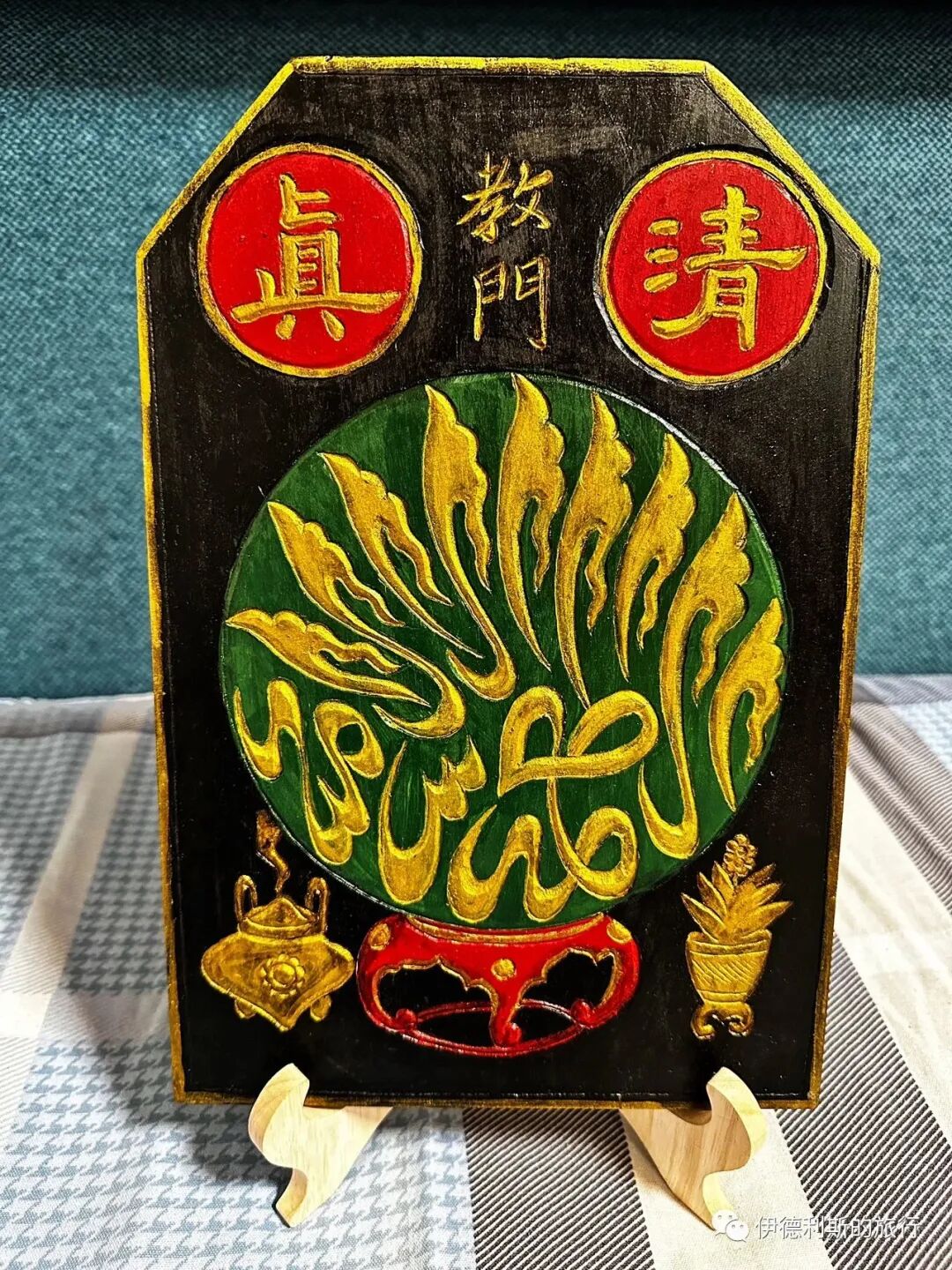
On the first day of Ramadan, I received a traditional halal plaque hand-carved by Mu Ningduosi.
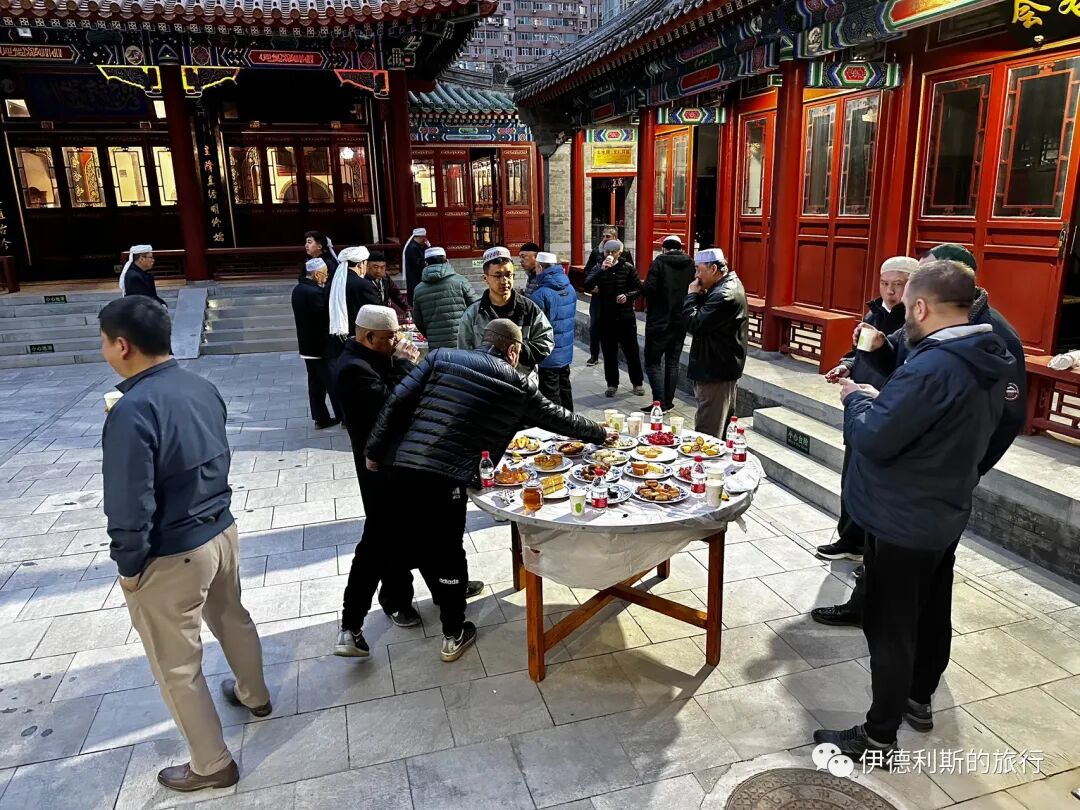
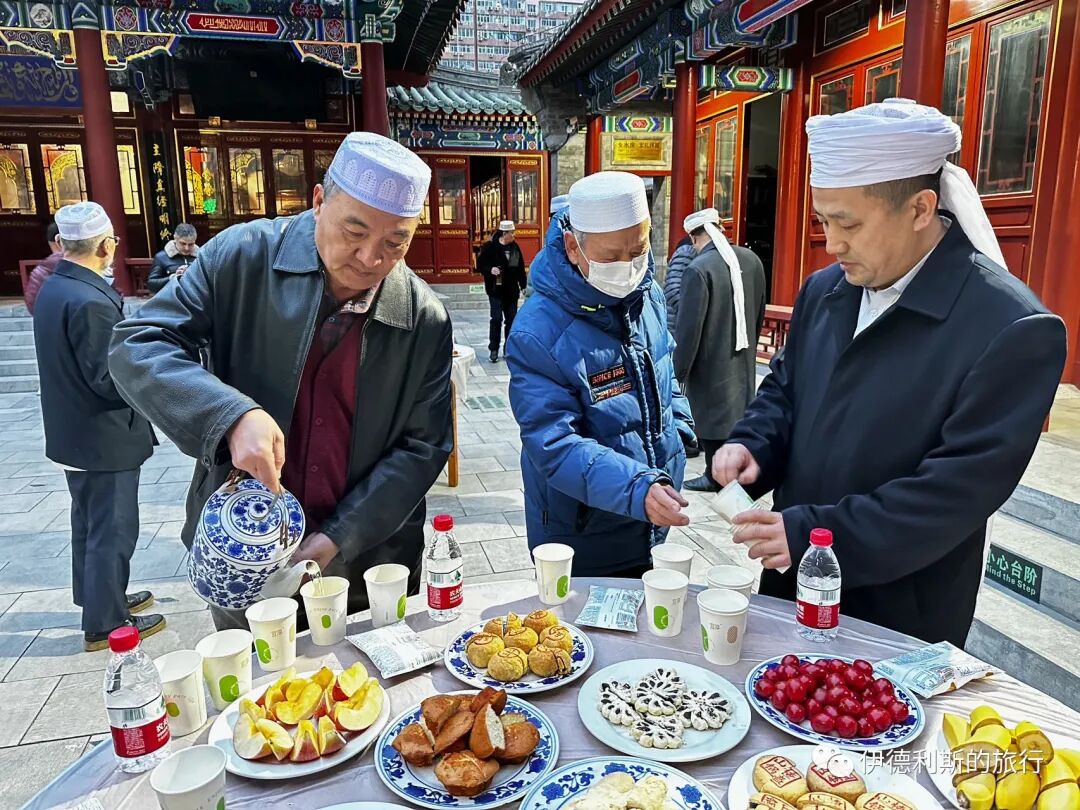
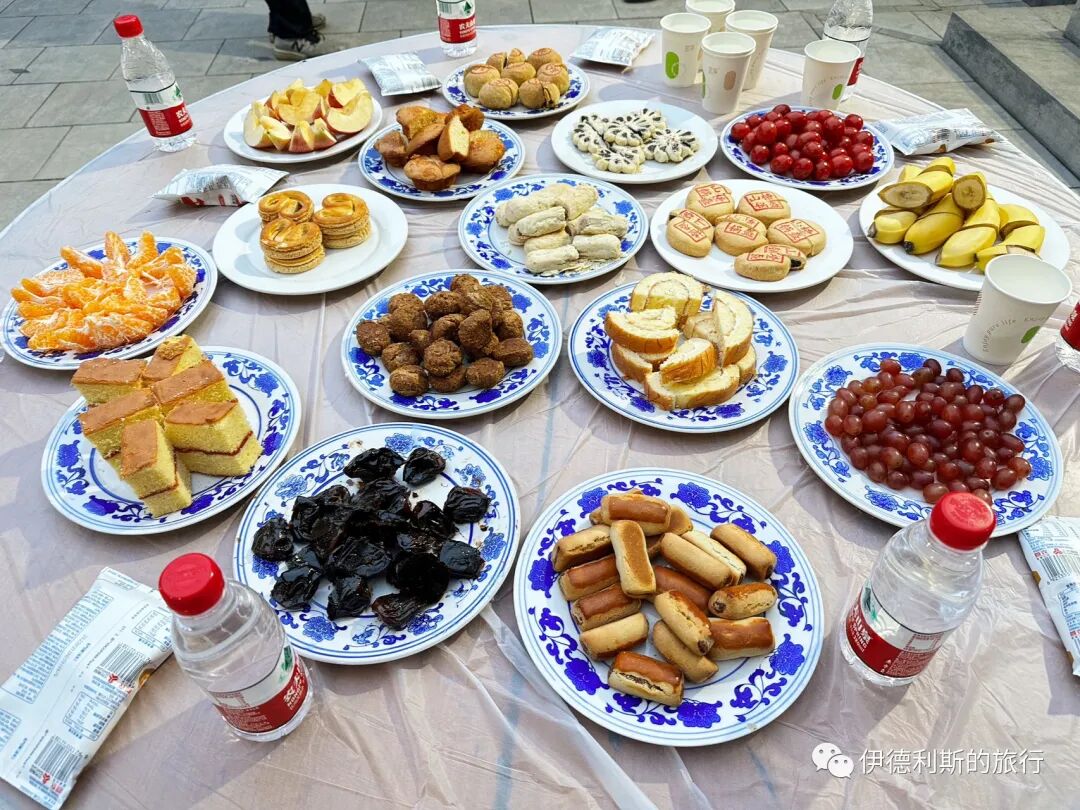
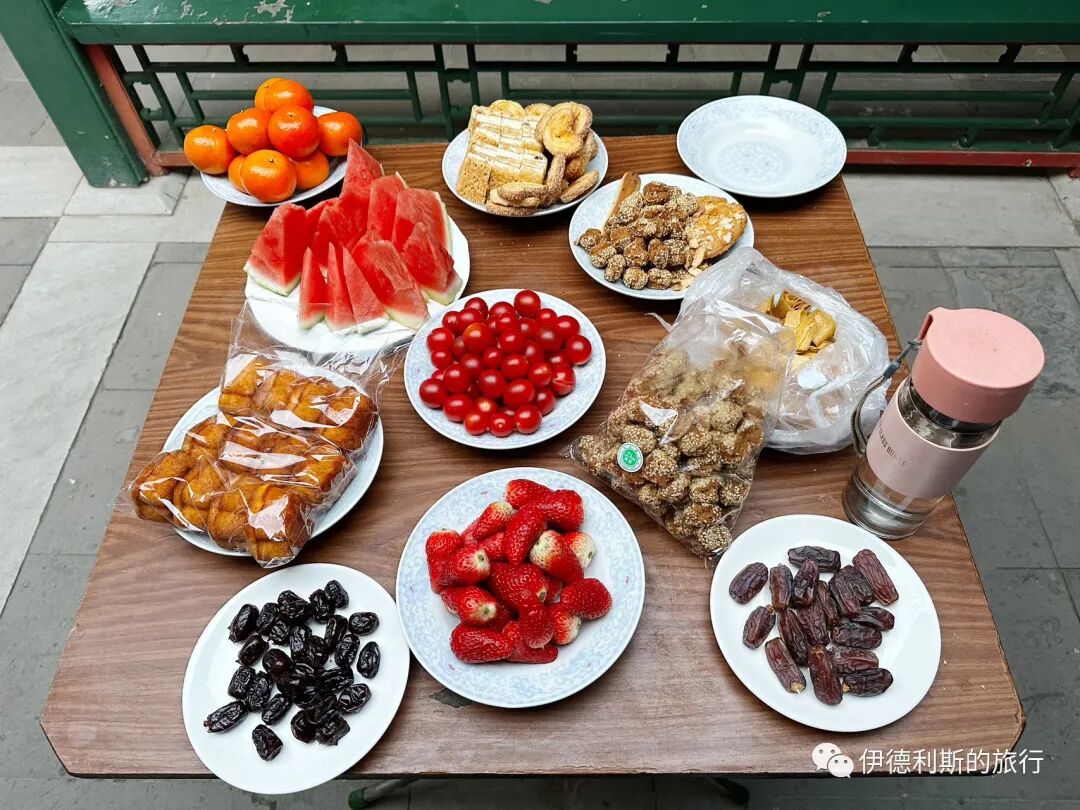
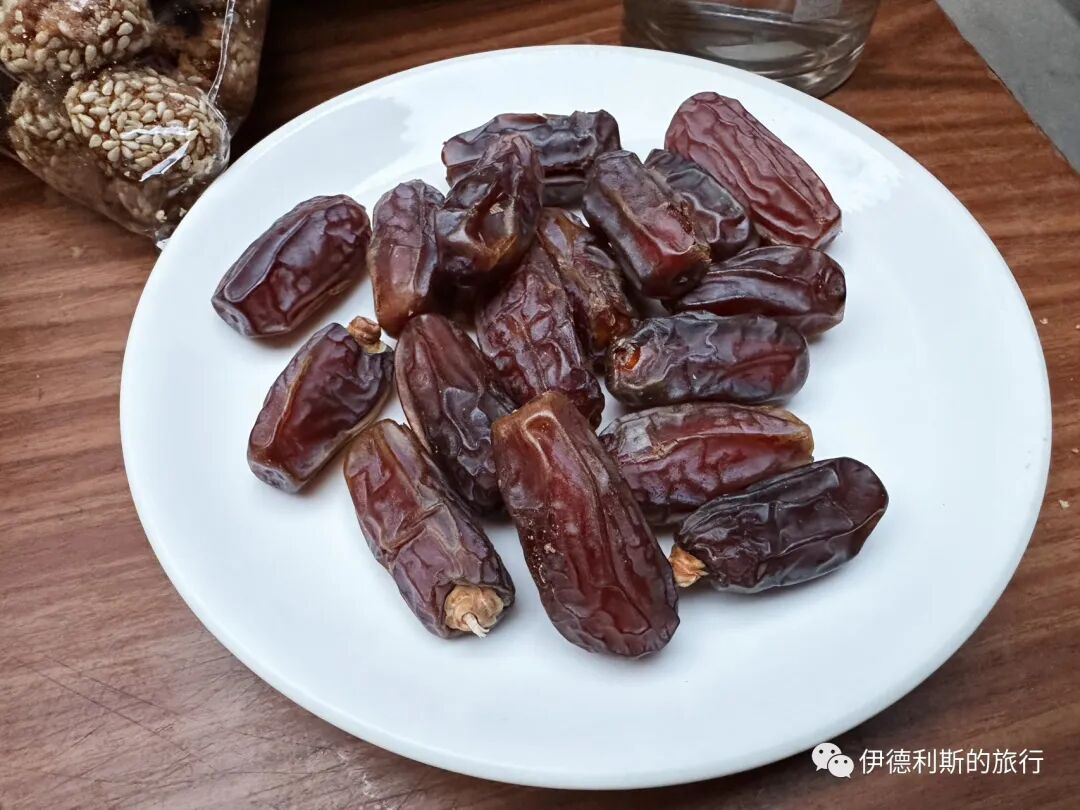
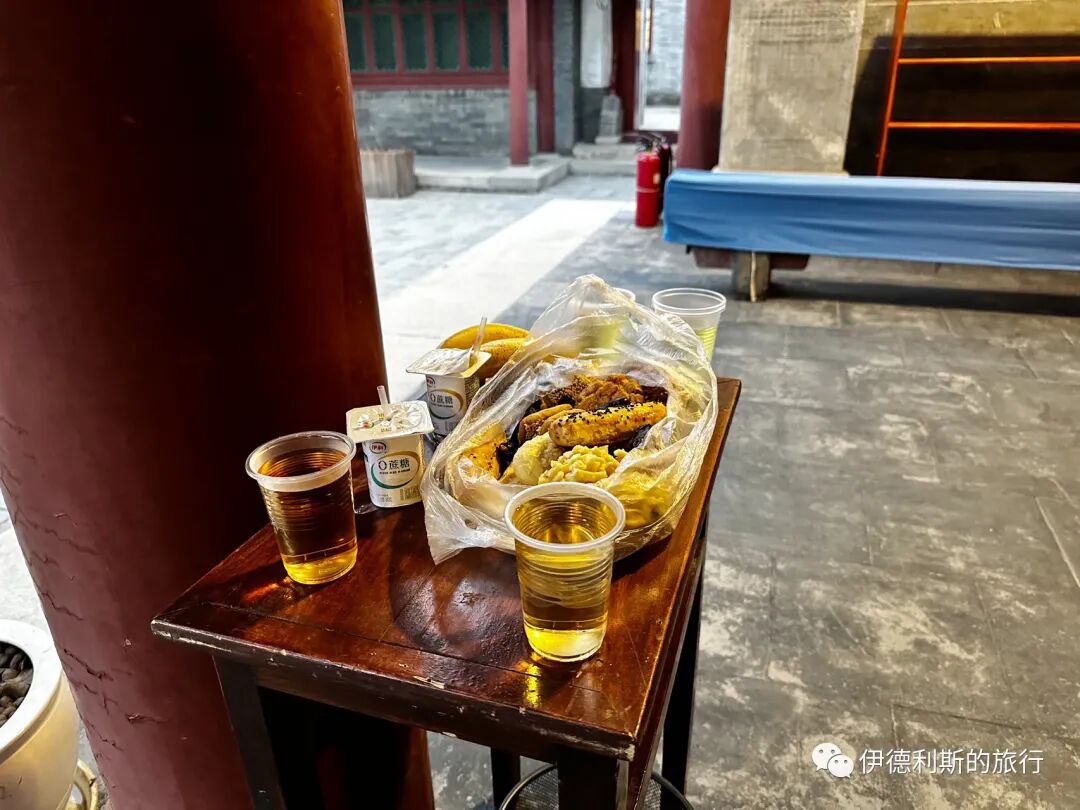
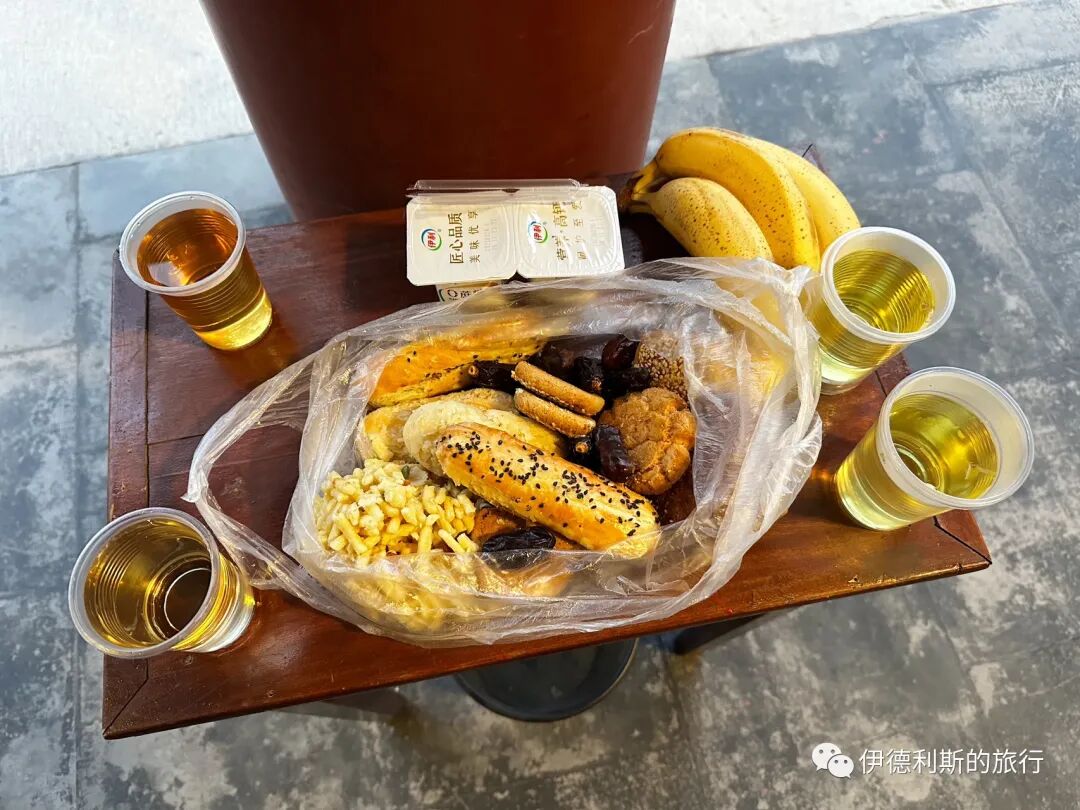
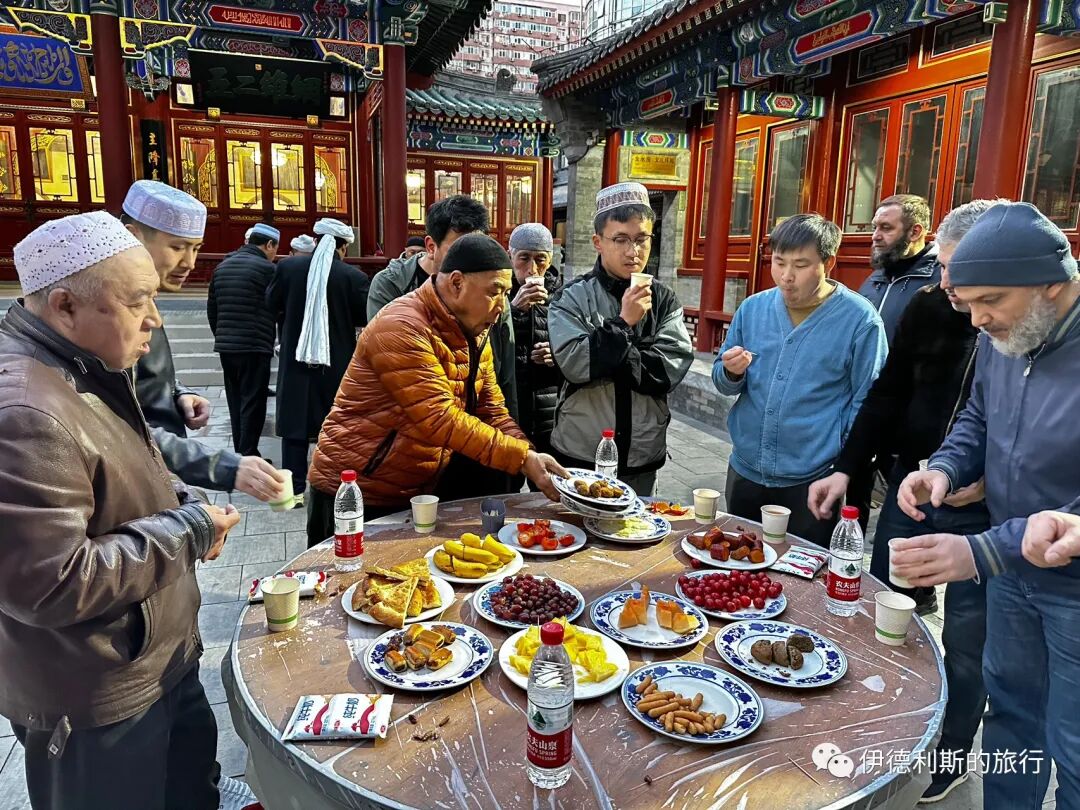
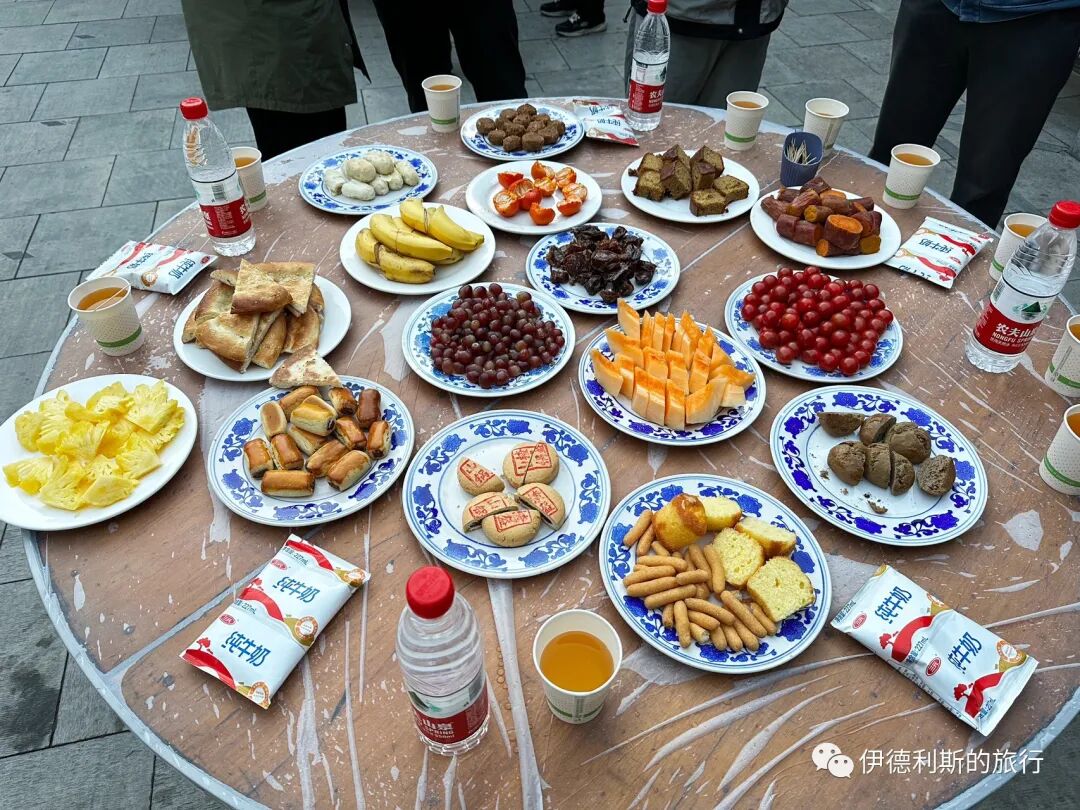
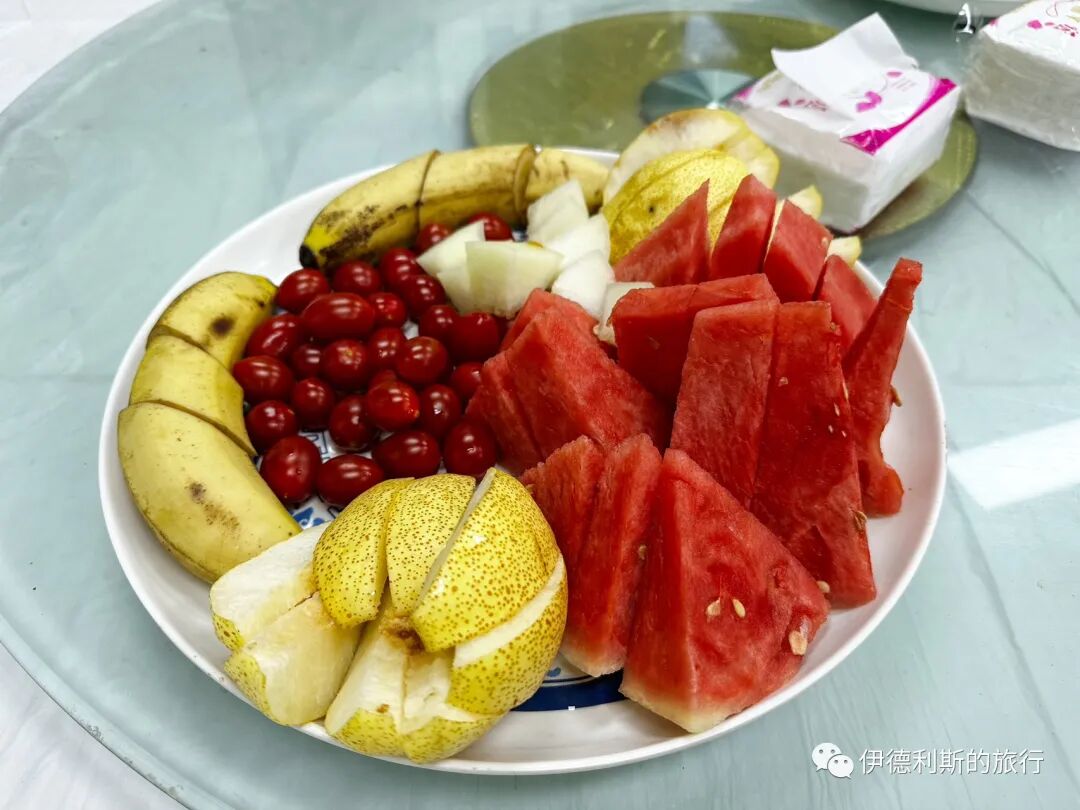
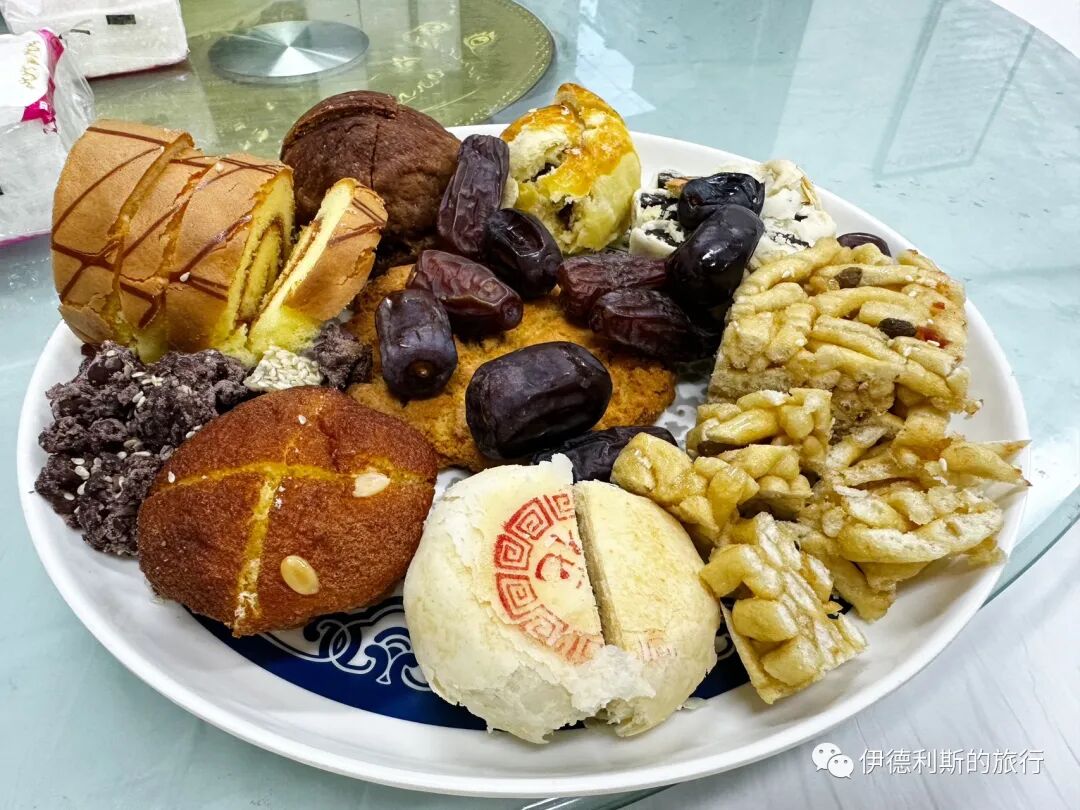
I broke my fast in the evening at Nanxiapo Mosque, where I had various traditional pastries and fruits.
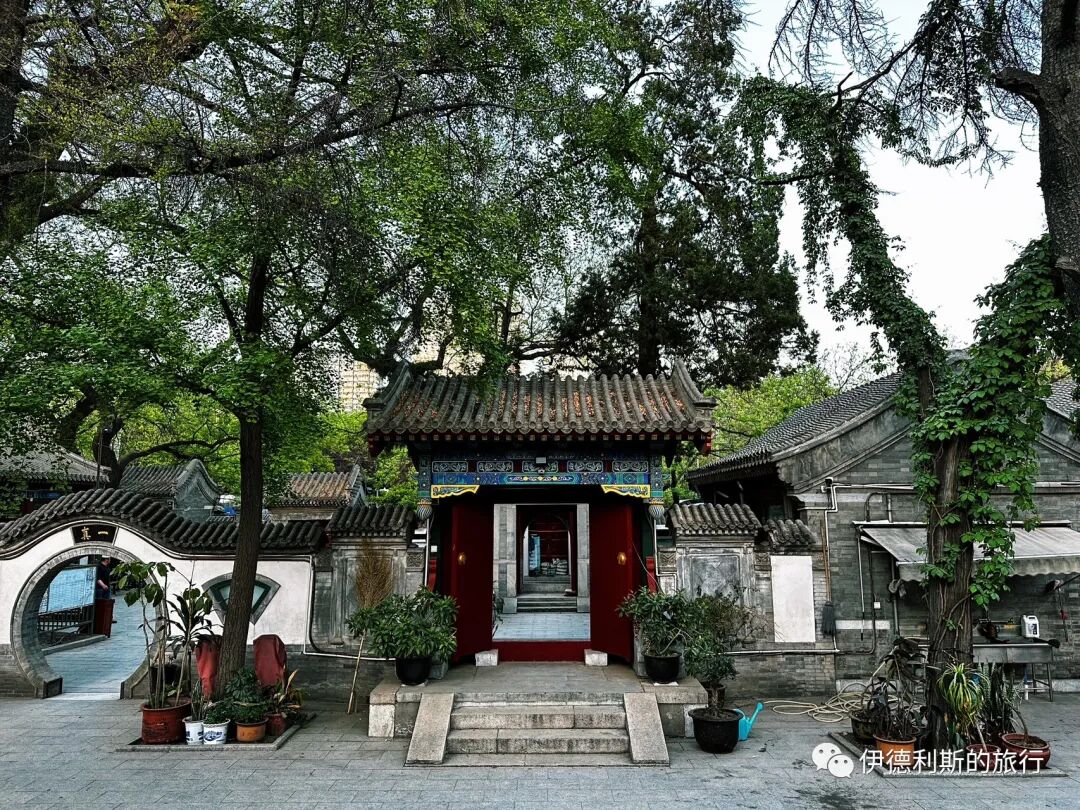
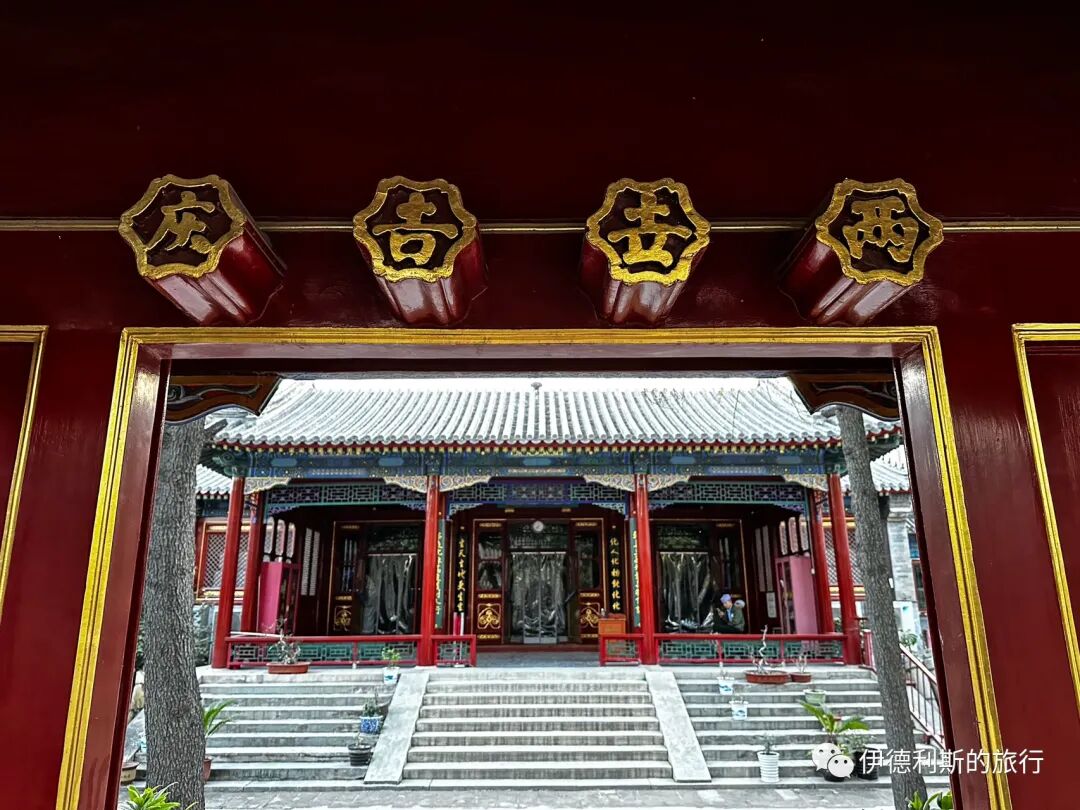
Nanxiapo Mosque, also known as the Small Mosque (Xiao Libaisi), was built in the early years of the Kangxi reign. It is the only ancient mosque remaining outside Chaoyangmen in Beijing. According to local elders, during the late Ming and early Qing dynasties, a shed builder lived in Nanxiapo. He used bamboo poles and reed mats to build a large shed, where an imam named Hu Zhonghe led the local Hui Muslims in worship. This was the earliest version of Nanxiapo Mosque. In the early Kangxi period, a Hui Muslim surnamed Ma who sold bows and arrows inside Chaoyangmen heard about the situation in Nanxiapo. He happened to receive payment for a bow and arrow order from some Mongols, so he donated the money to build the Nanxiapo Mosque.
After the 1960s, Nanxiapo stopped its regular activities but continued to serve as a funeral service center for Hui Muslims, helping them with end-of-life arrangements. At that time, more than twenty local elders, including Ma Yulin, Ma Yuhai, and Tuo Jihua, took turns guarding the mosque day and night to protect it from destruction, saving the ancient site from disaster.
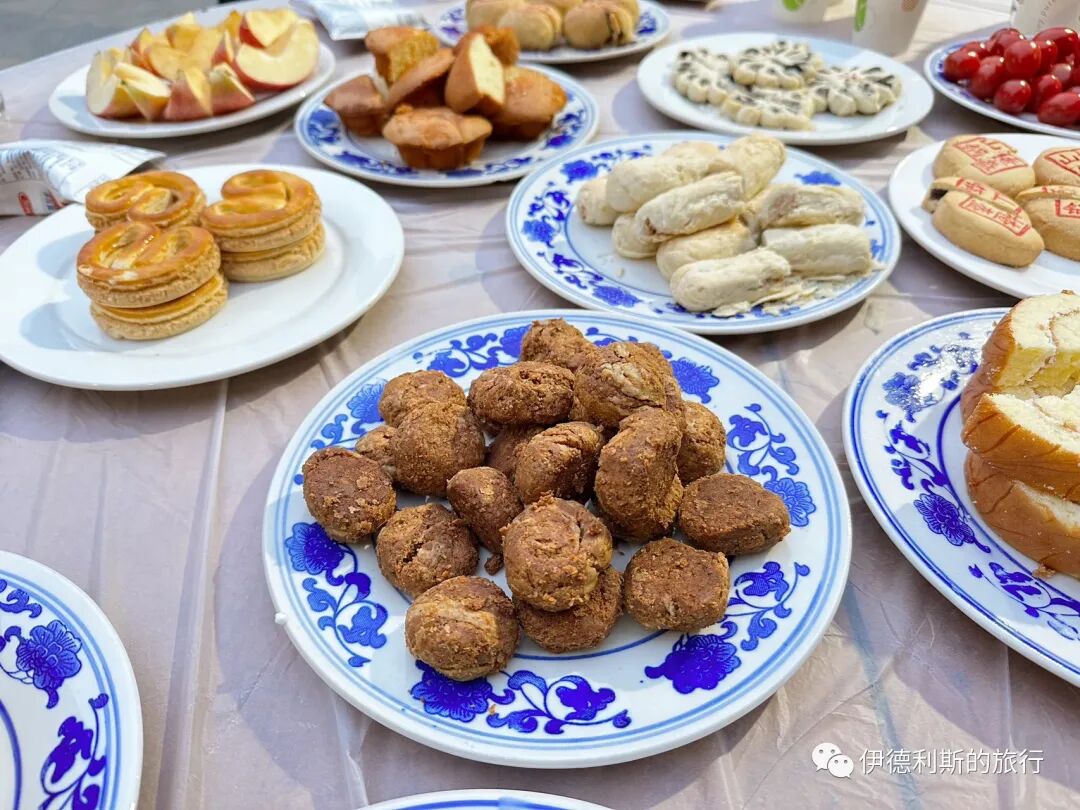
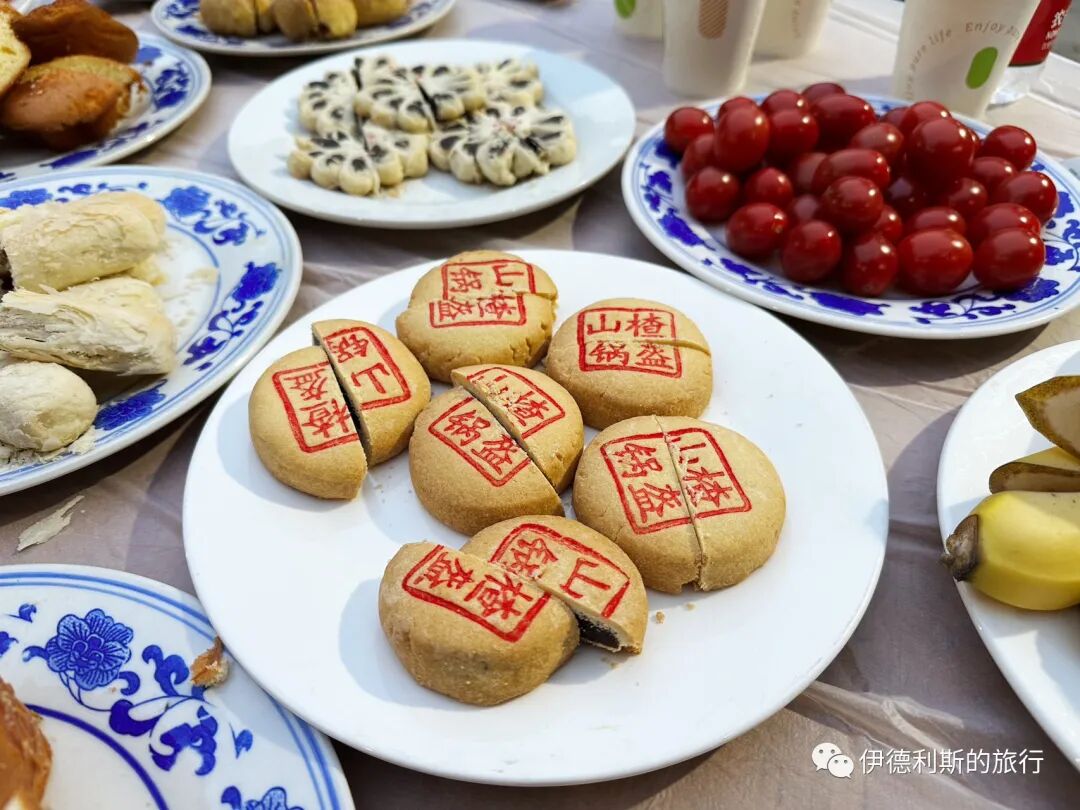
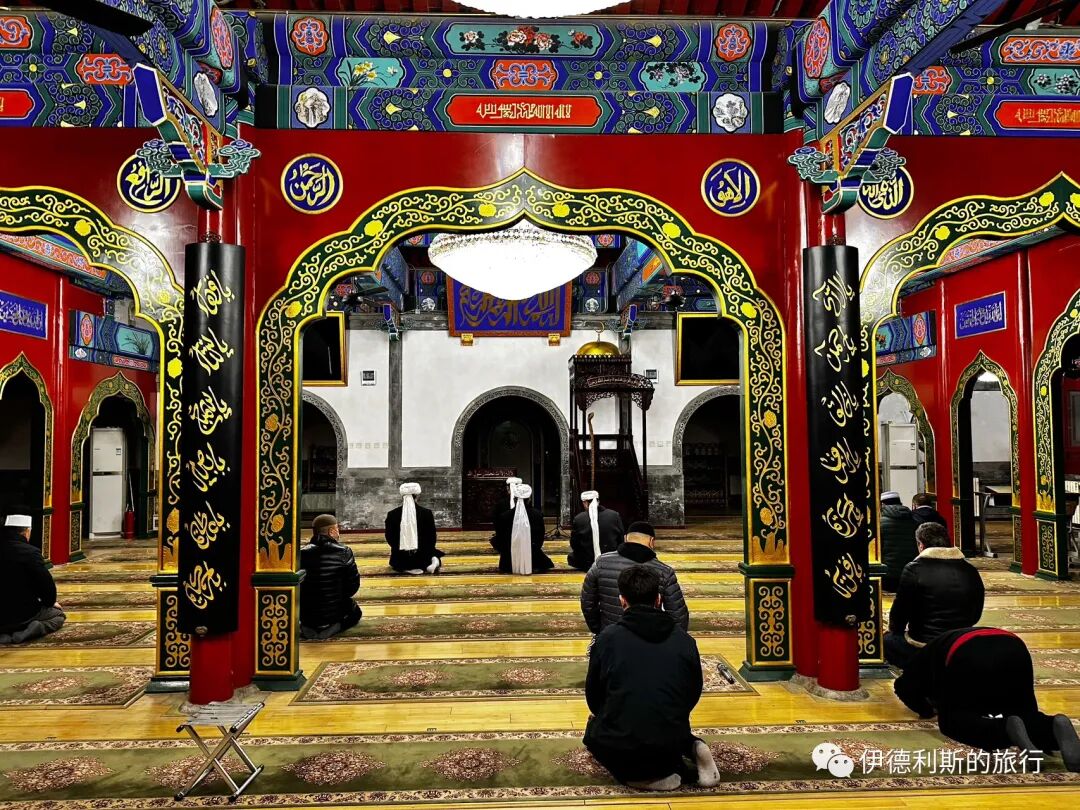
After breaking my fast, I had pilaf (zhuafan) at Hetian Restaurant on Ritan Shangjie. The meat was incredibly tender, though the wait for the food was a bit long, which isn't ideal for Ramadan.
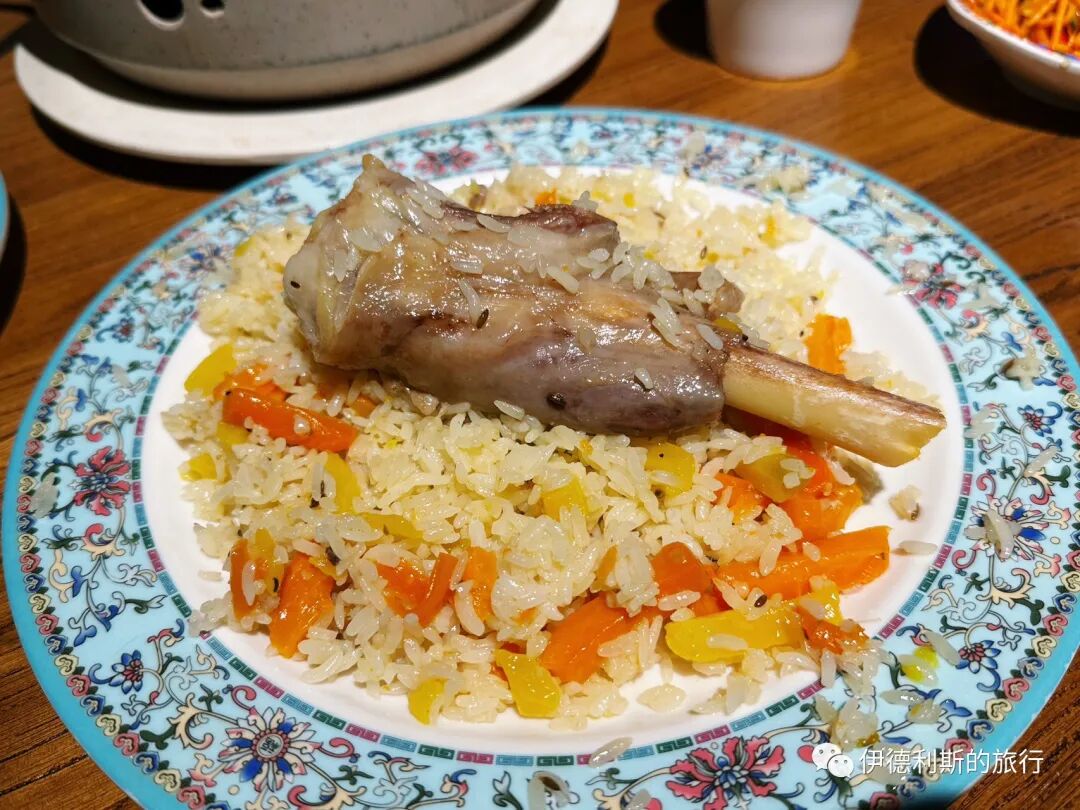
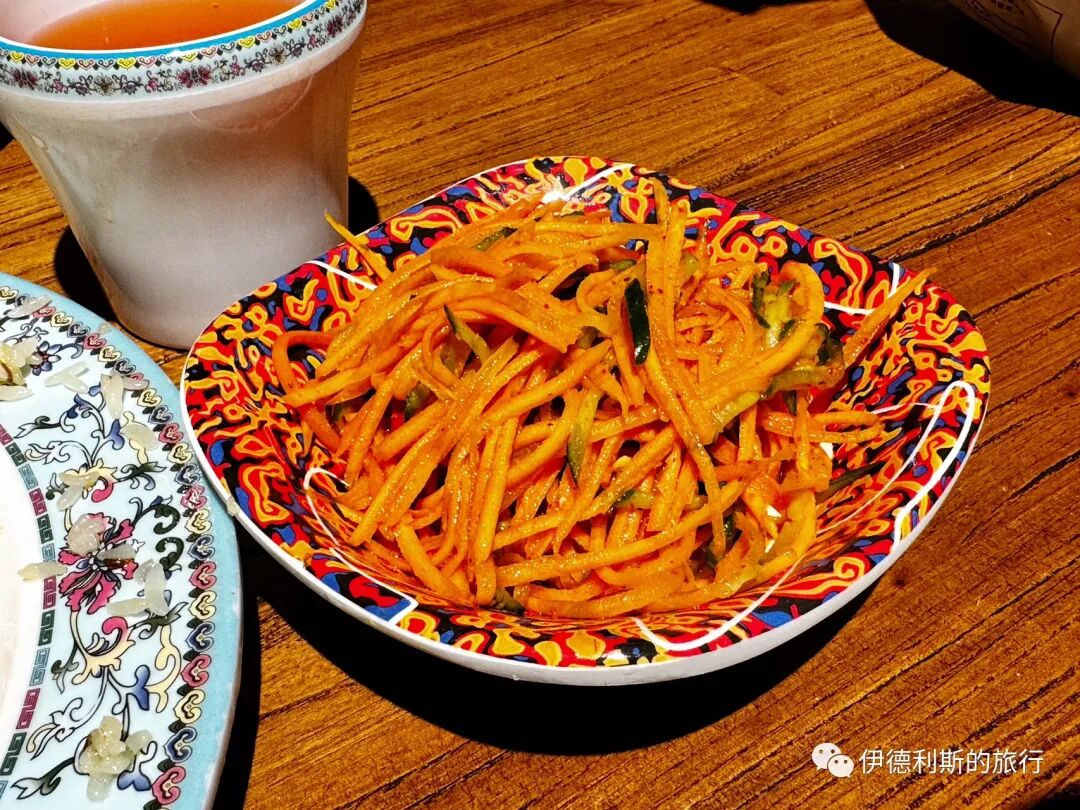
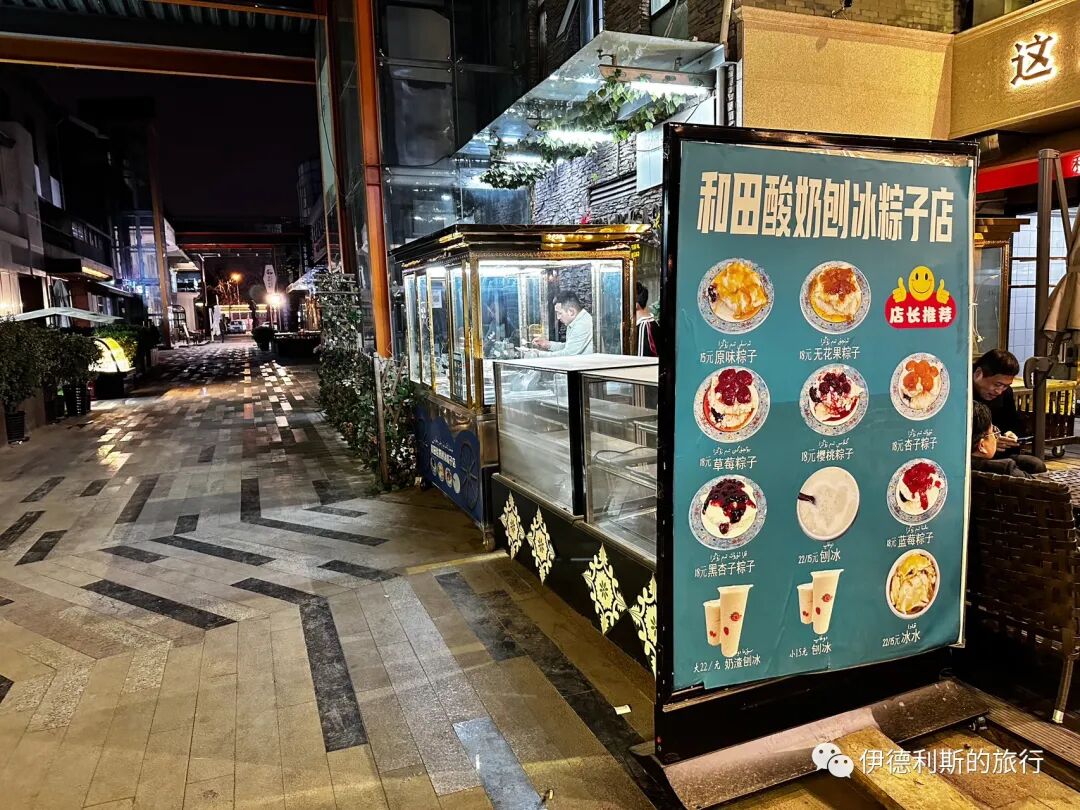
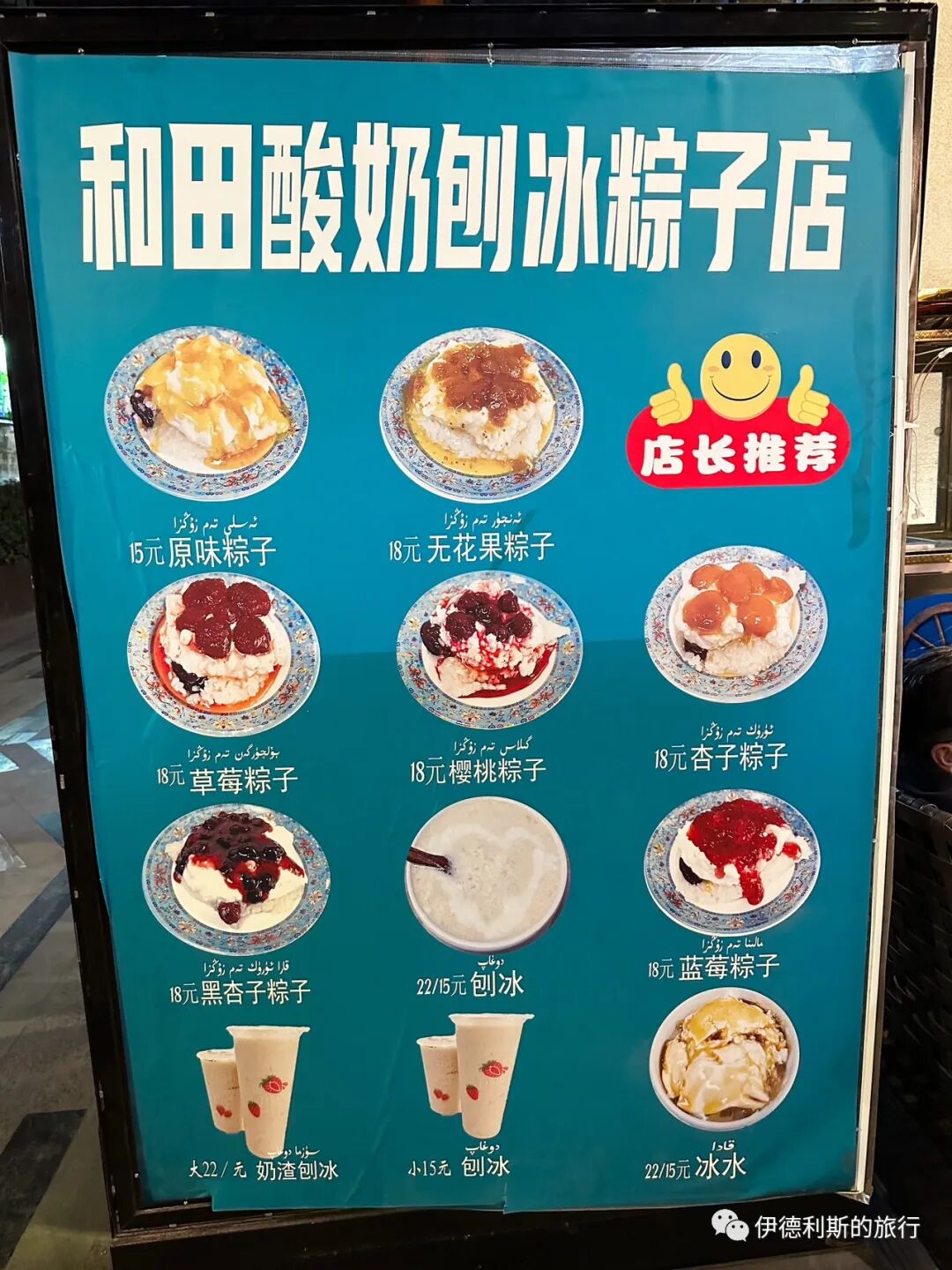
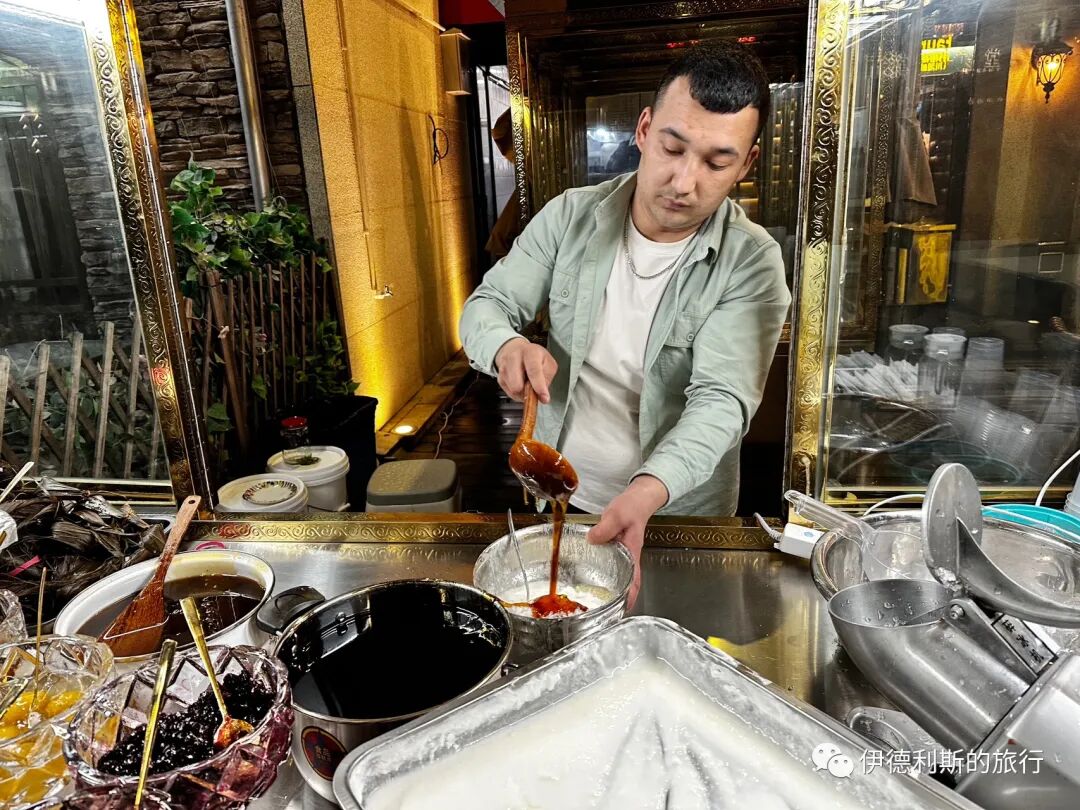
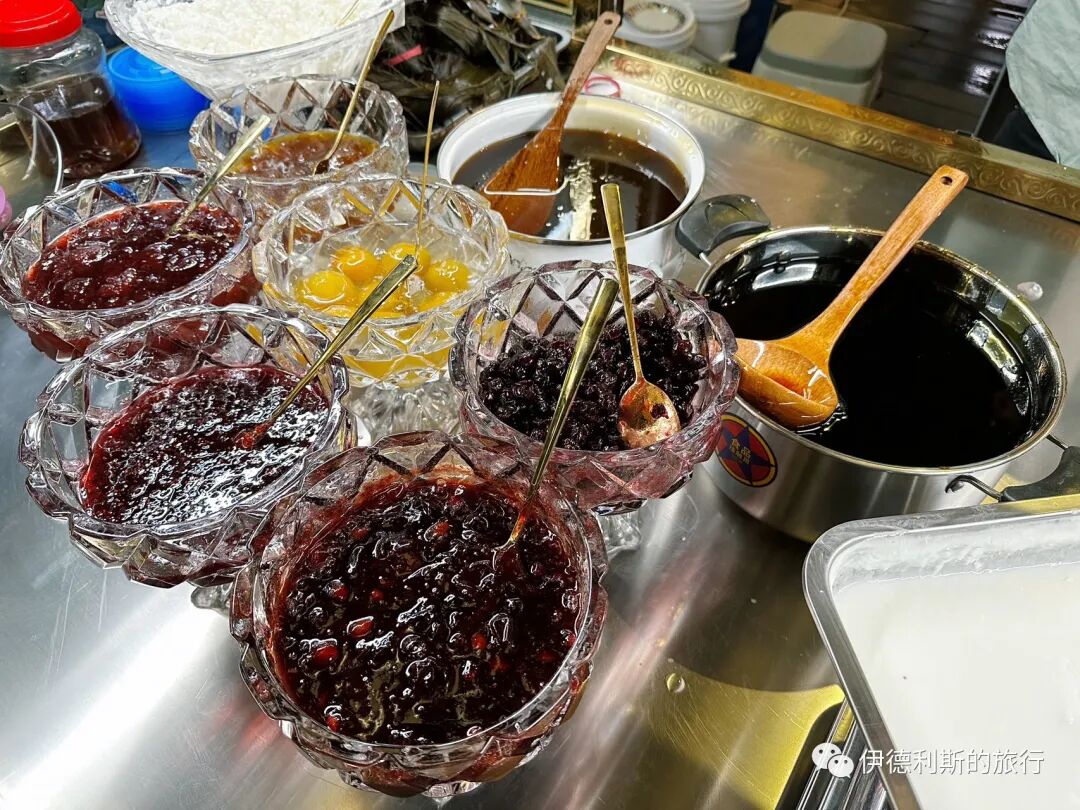
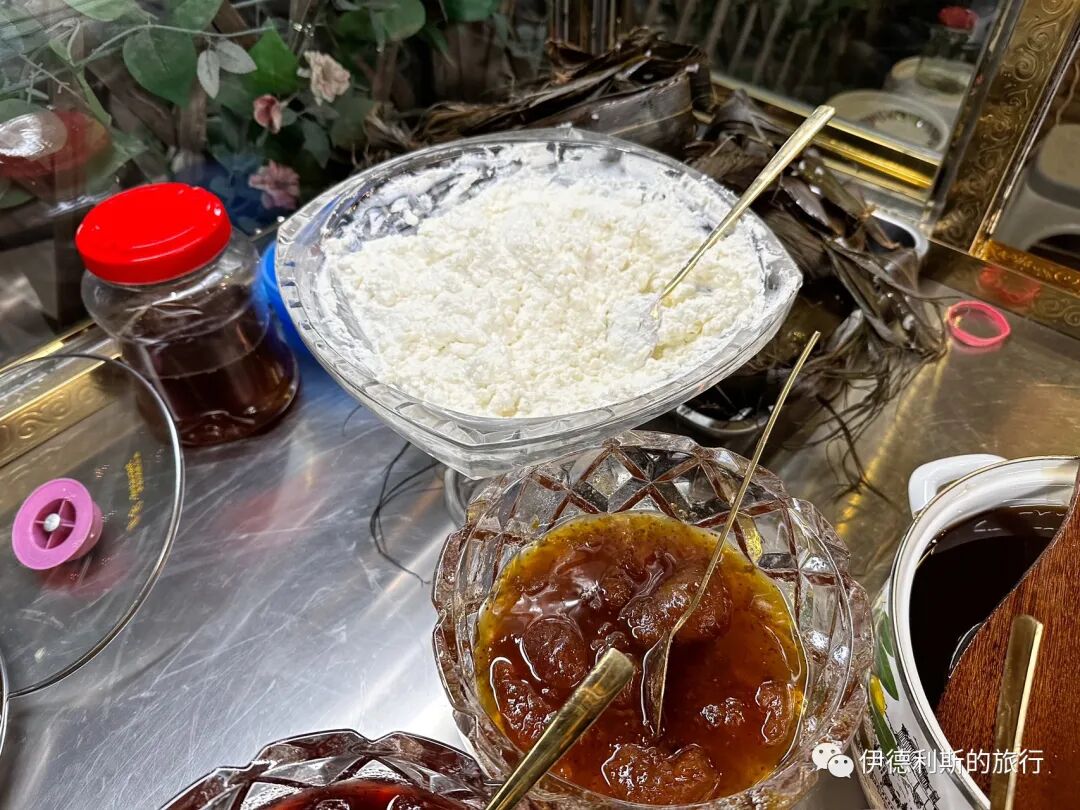
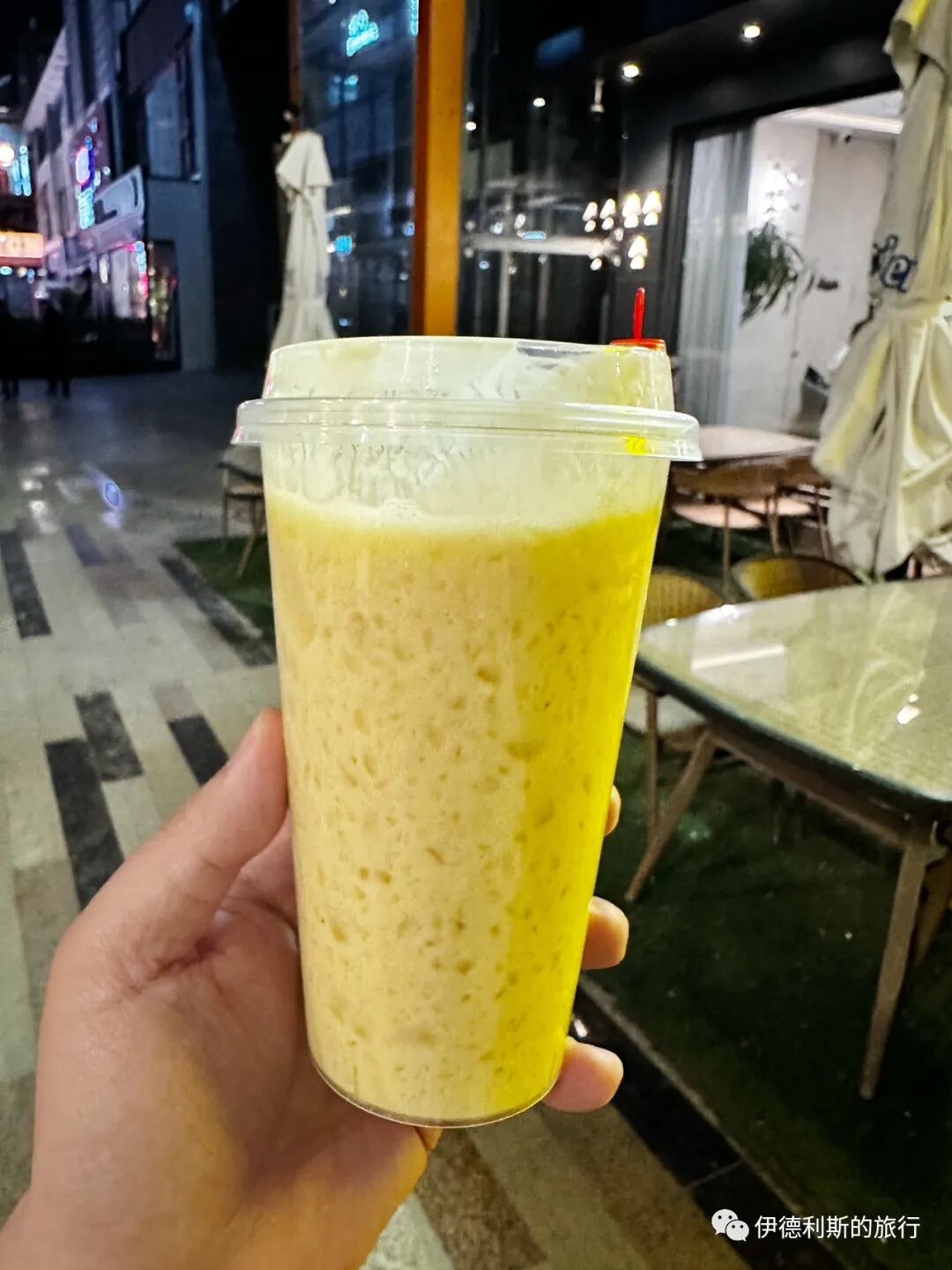
I discovered that Hetian Restaurant opened a shop on the street selling yogurt, shaved ice, and sticky rice dumplings (zongzi)—it felt like being back on the streets of Xinjiang! It felt so authentic. Once the weather in Beijing warms up, it will be so pleasant to sit on the street, eating yogurt zongzi and drinking shaved ice.
March 24
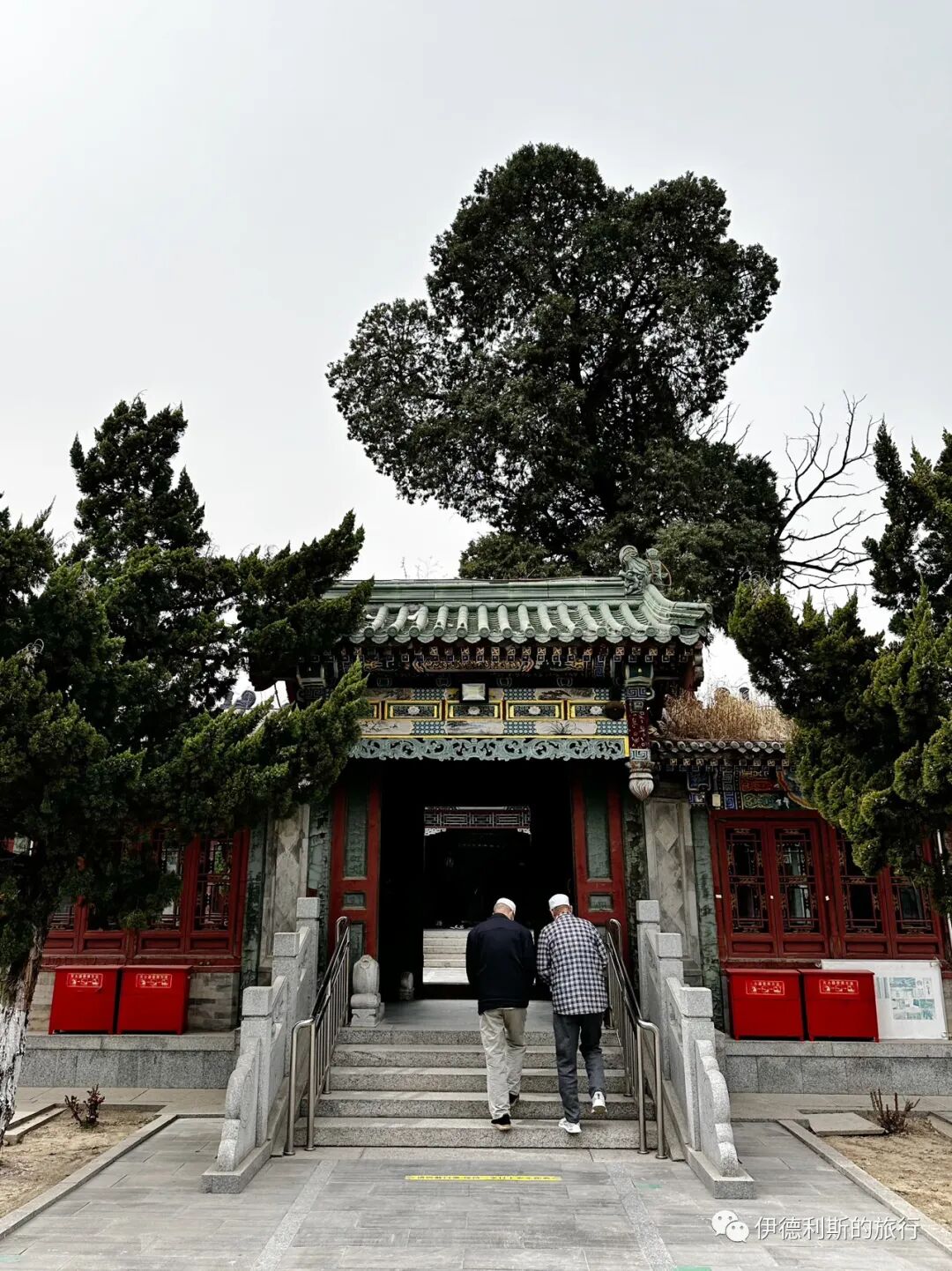
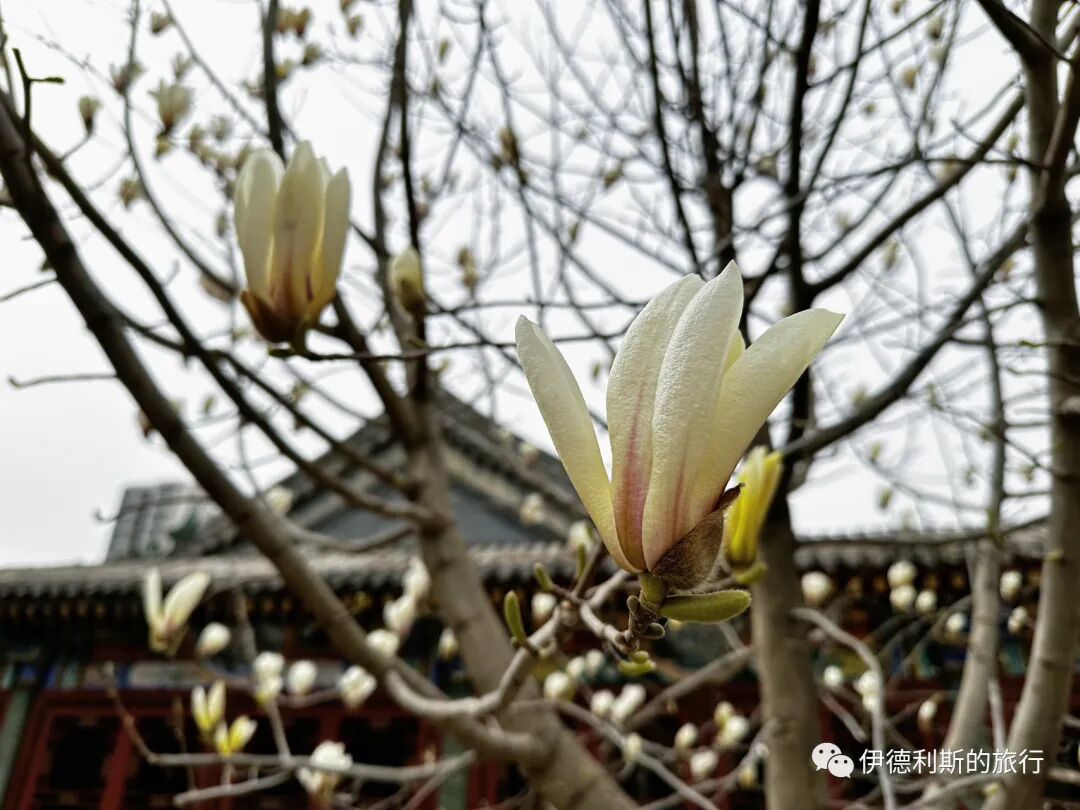
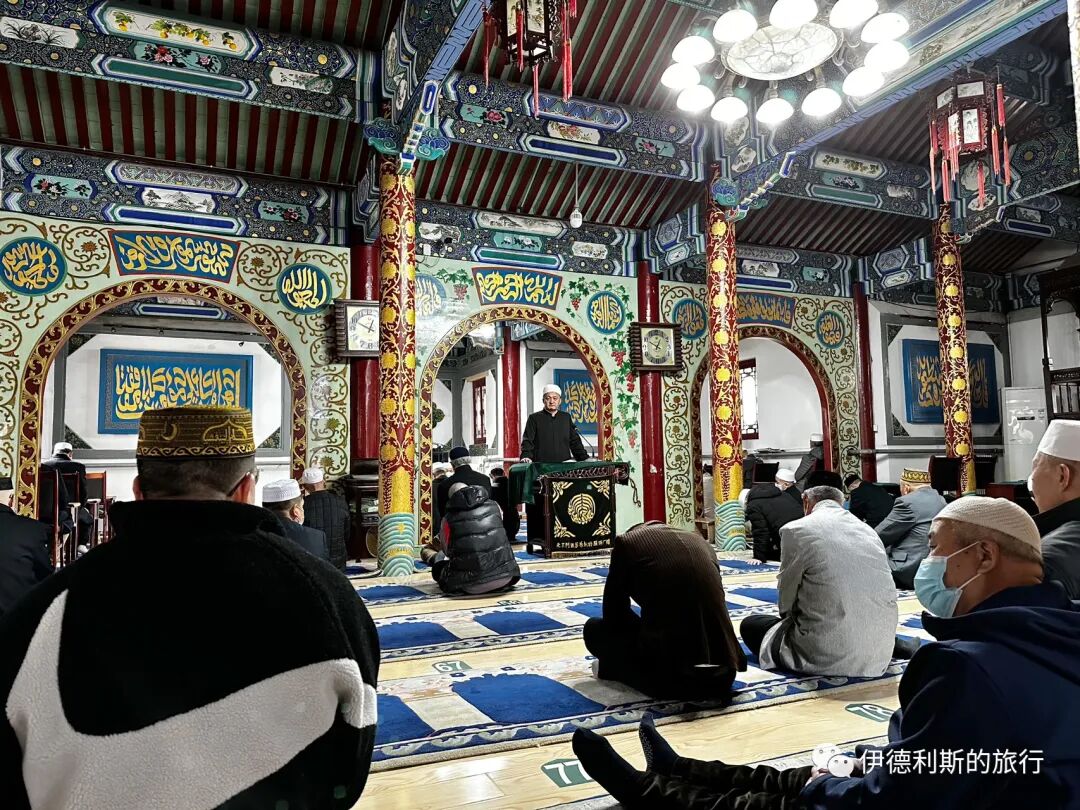
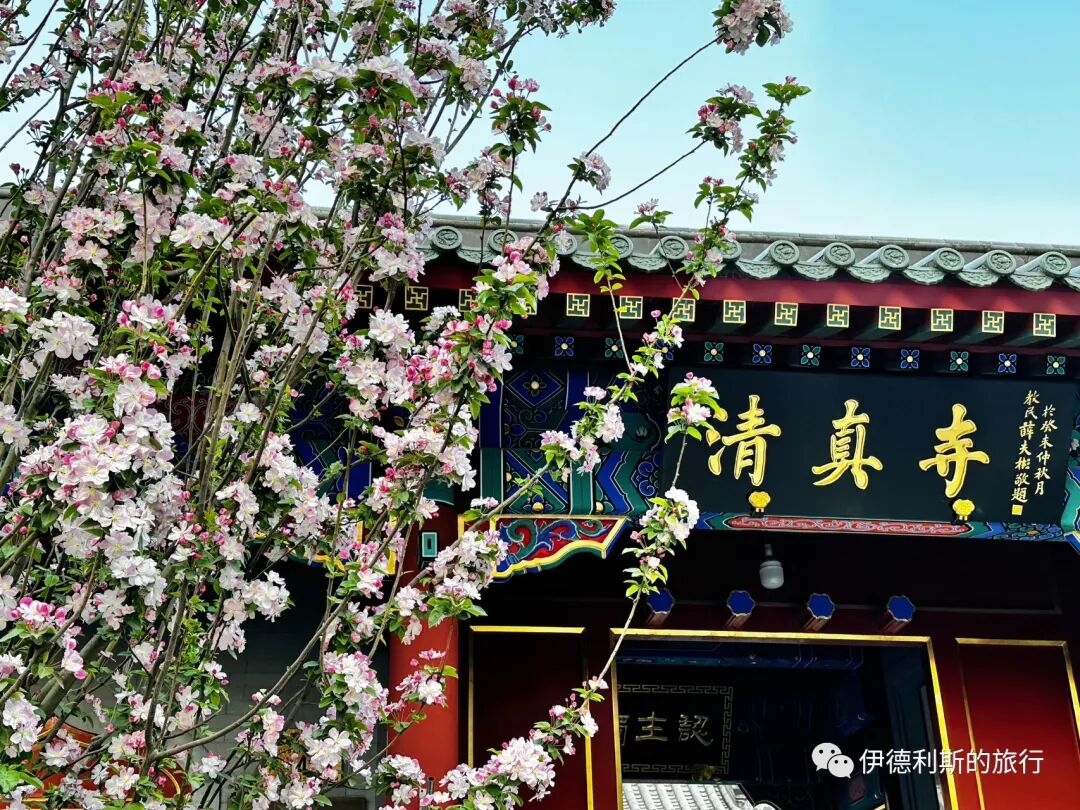
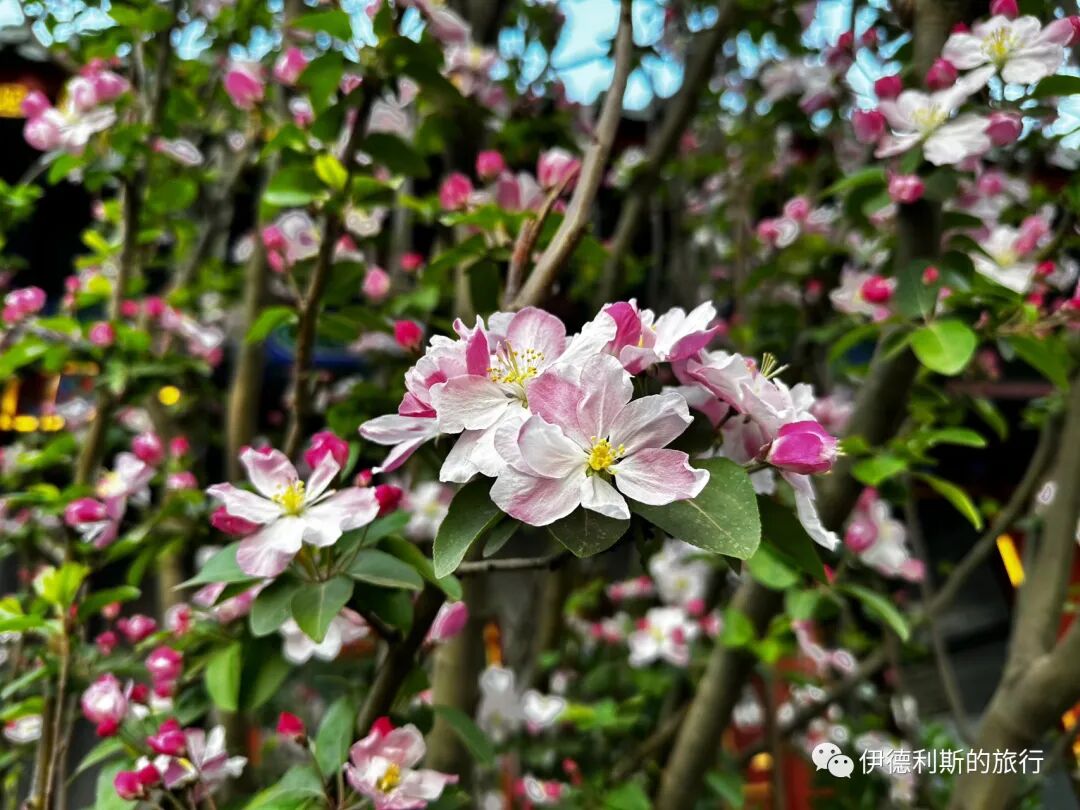
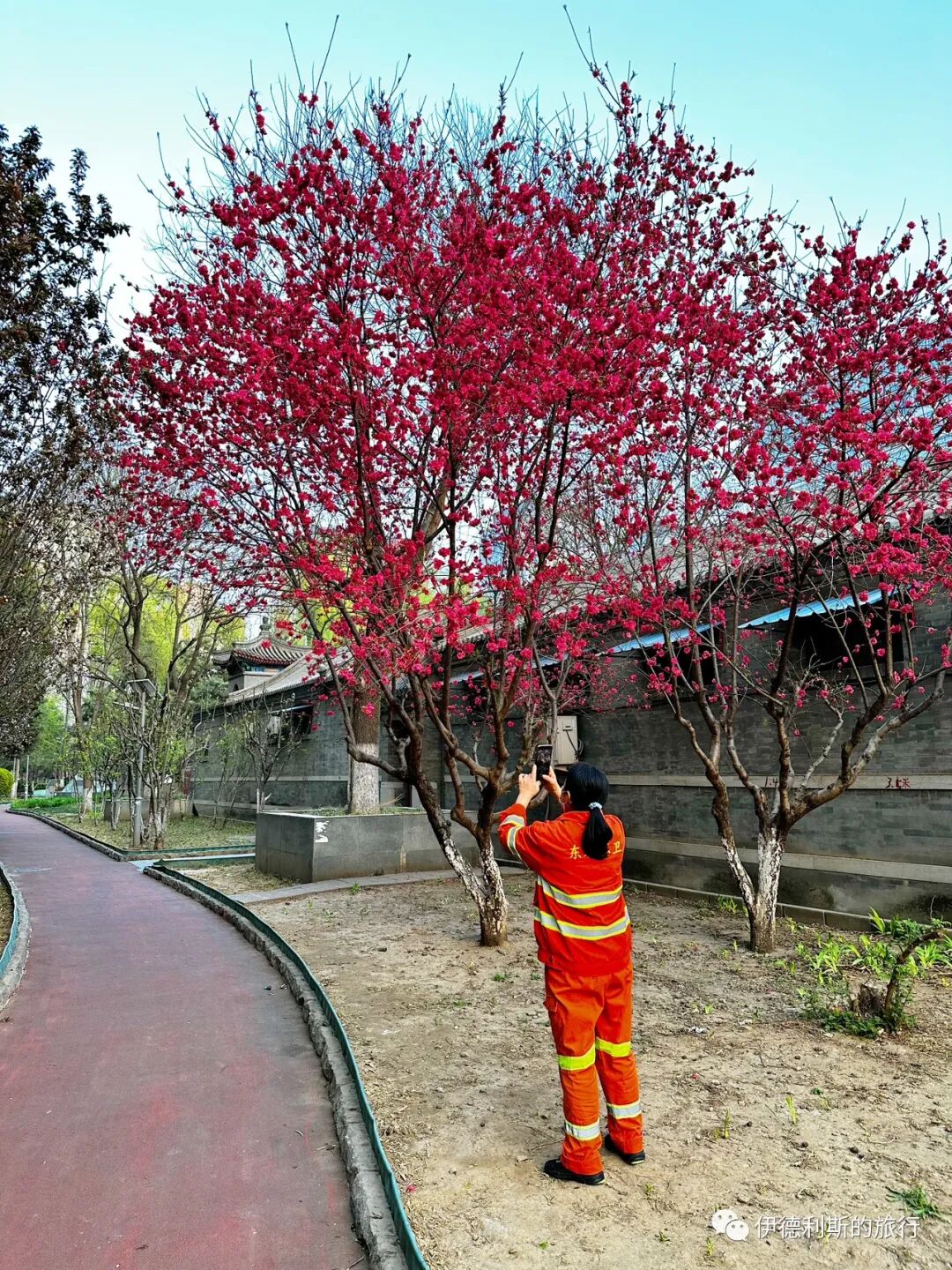
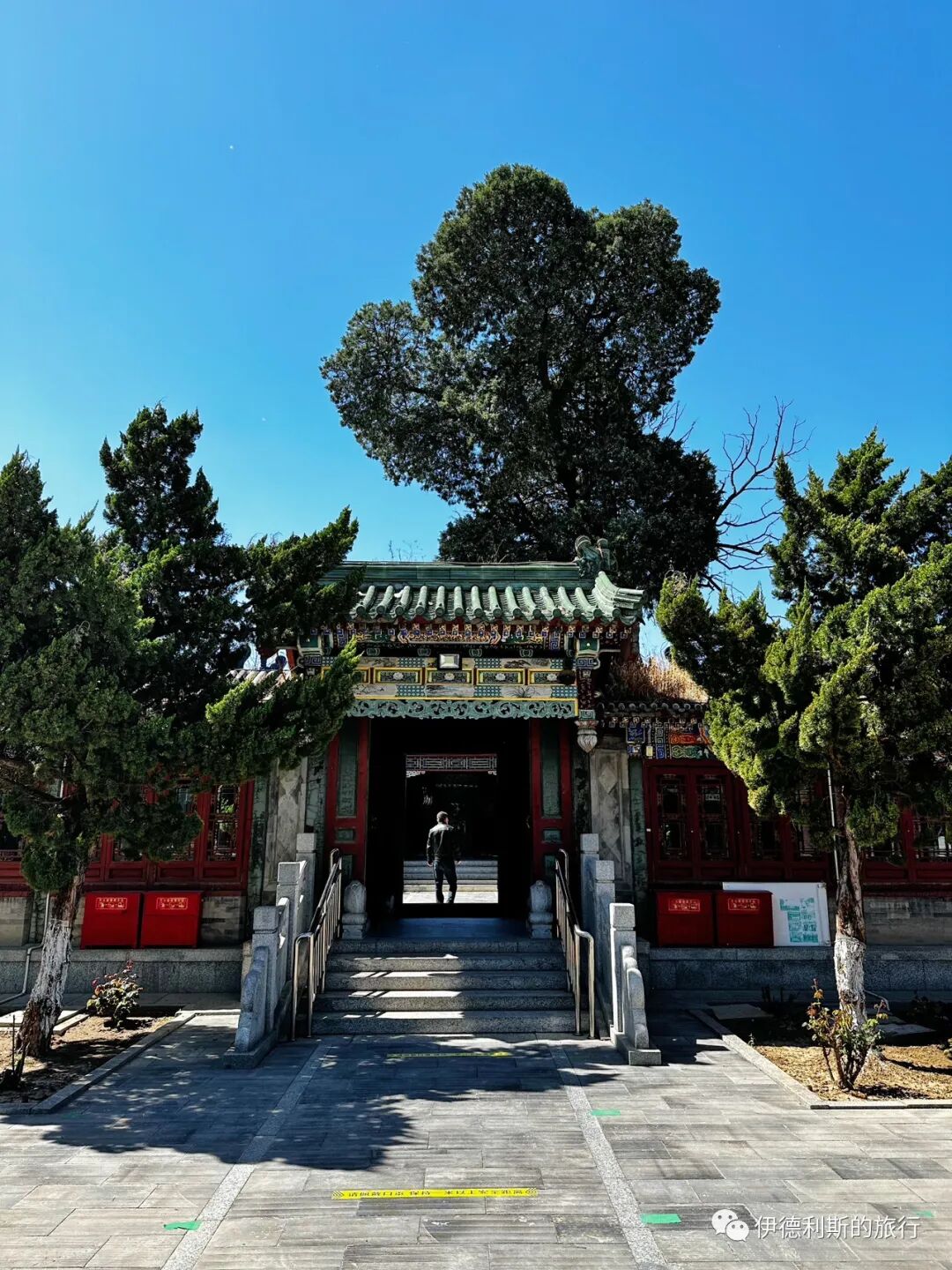
Today is the first Jumu'ah of Ramadan. I went to Changying Mosque at noon for the prayer. The magnolia trees in the mosque are in bloom, full of spring spirit.
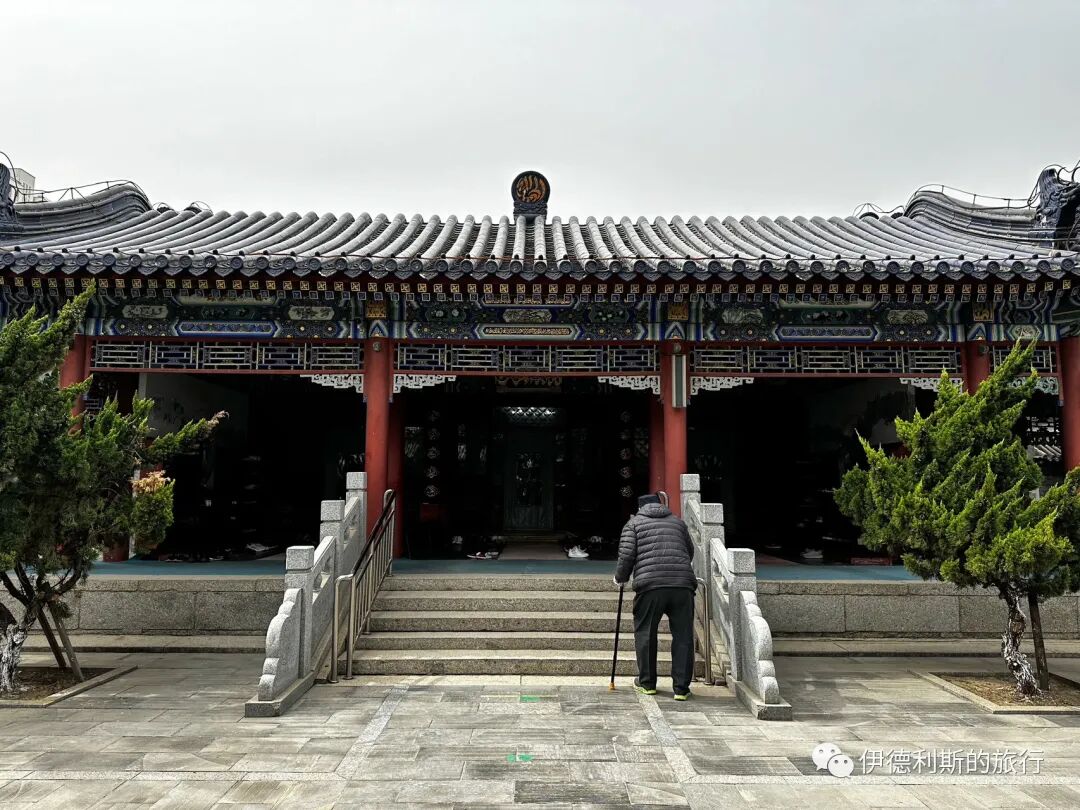
Changying is located not far from the north side of the Chaoyangmen official road. The "Beijing Chaoyang District Gazetteer" mentions a rhyme from the Republican era about Changying: "Three treasures of the Changying Hui Muslims: pushing carts, selling hay, and pulling rickshaws." Pushing carts meant using wheelbarrows to transport grain from the Tongzhou earth dam to the "Thirteen Granaries" inside and outside Chaoyangmen. Pulling rickshaws meant transporting passengers along the Chaoyangmen official road. Both were directly related to the canal transport system.
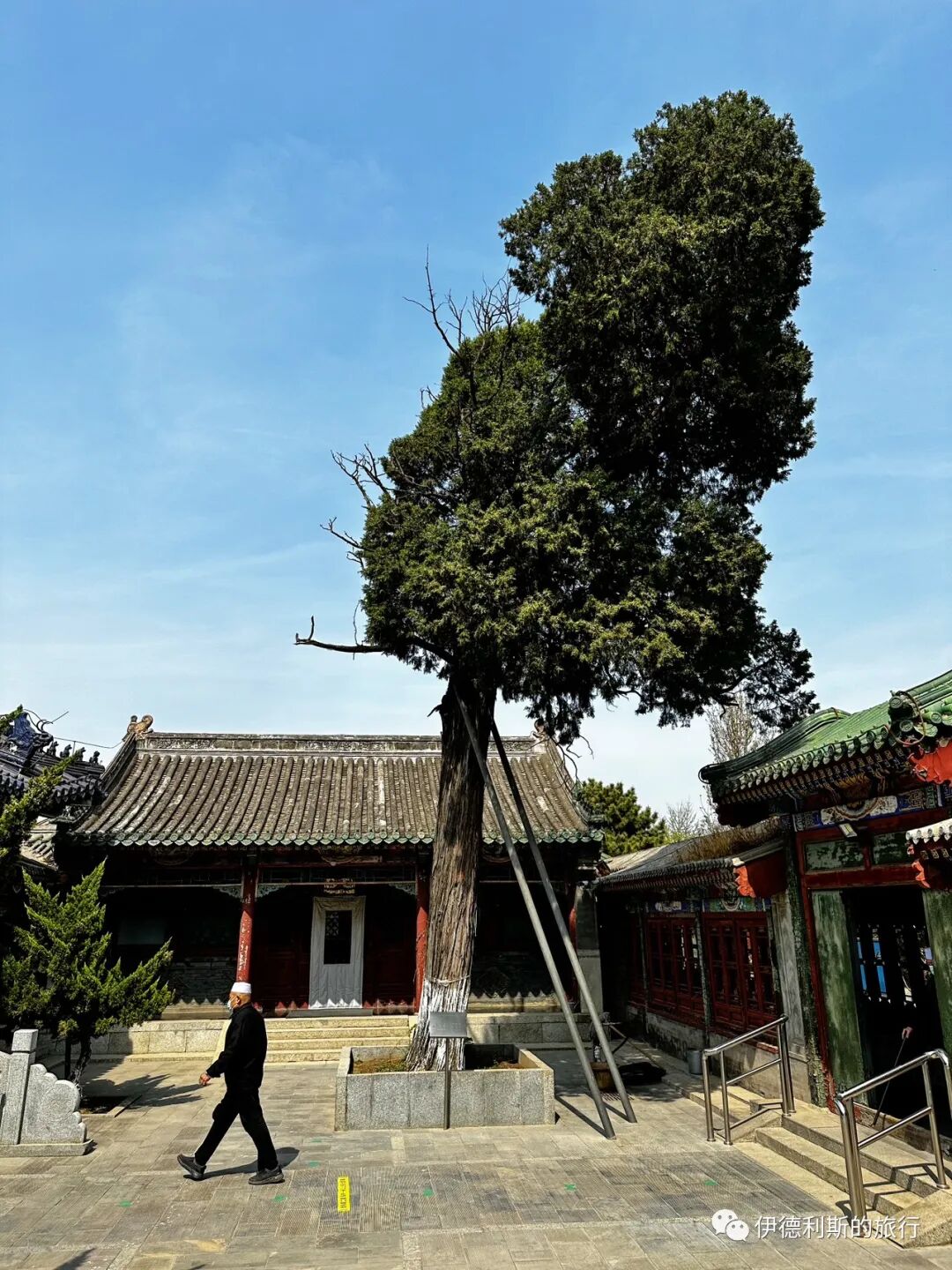
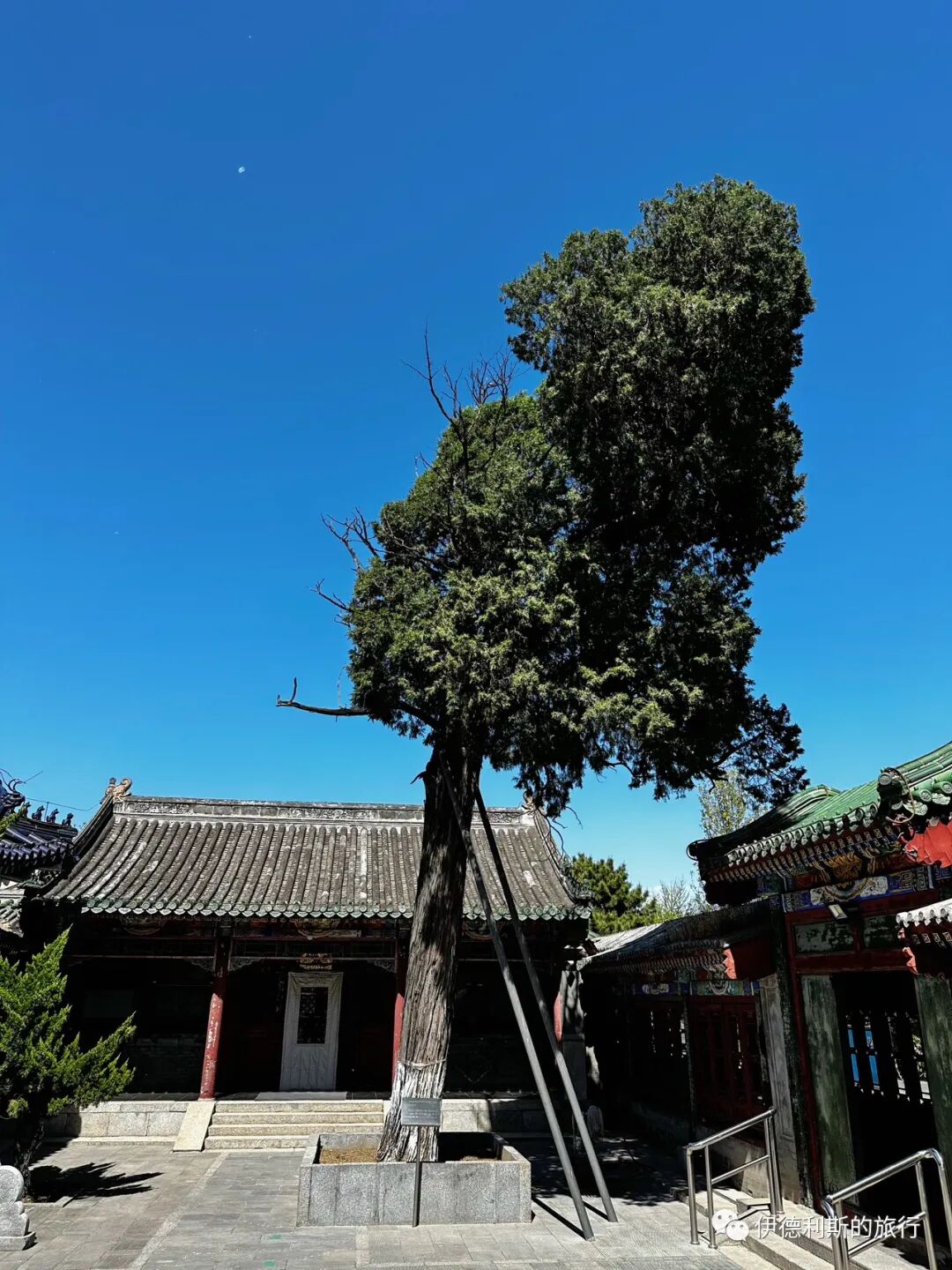
Changying Mosque was built during the Ming Zhengde period (1505-1521), renovated in 1796 (the first year of the Jiaqing reign), renovated again in 1986, and underwent large-scale expansion in 2004 to reach its current form.
March 29
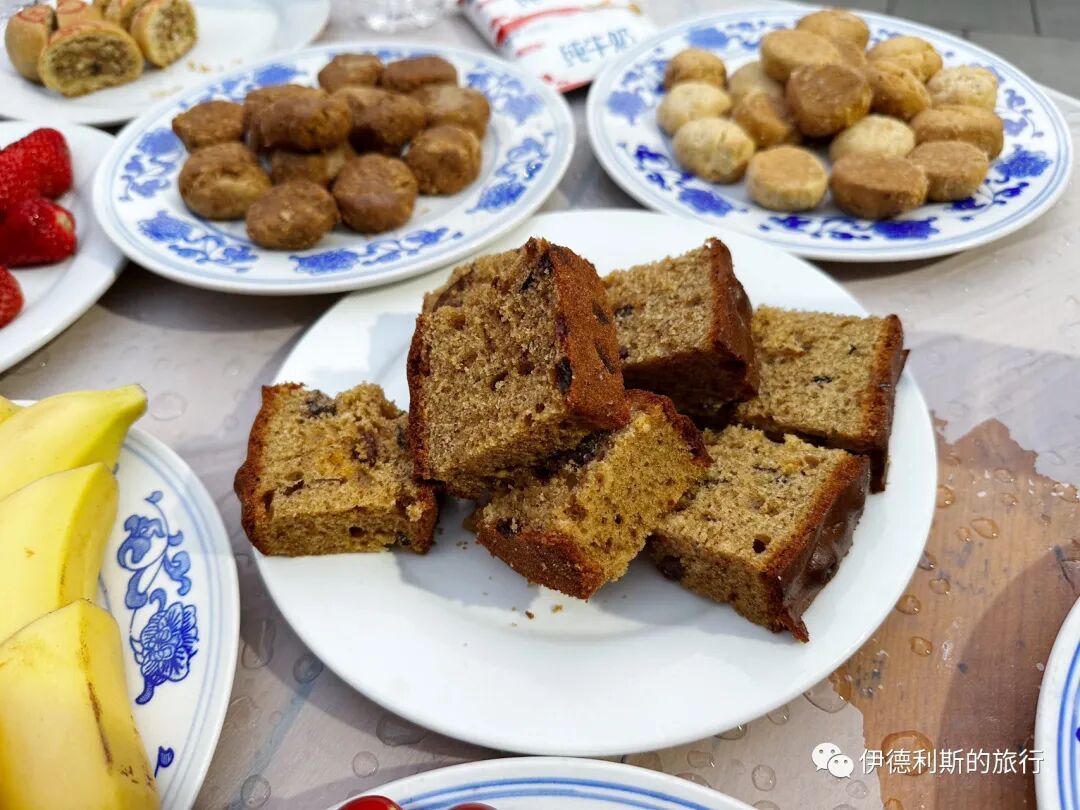
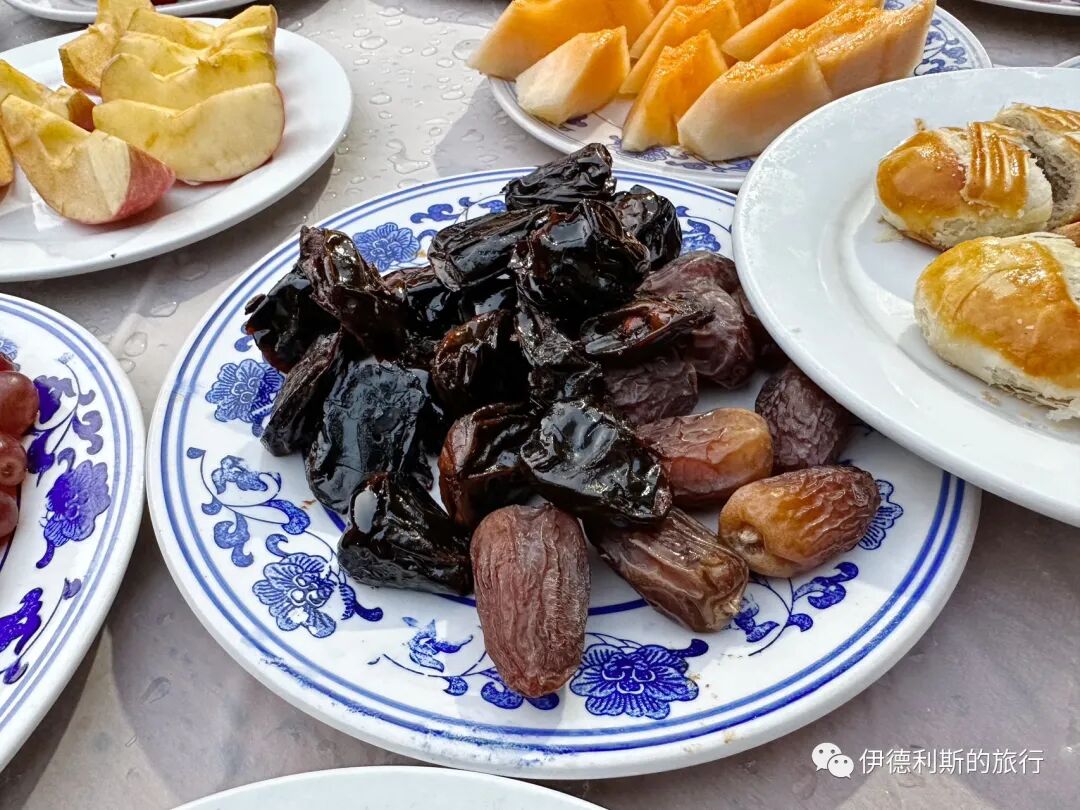
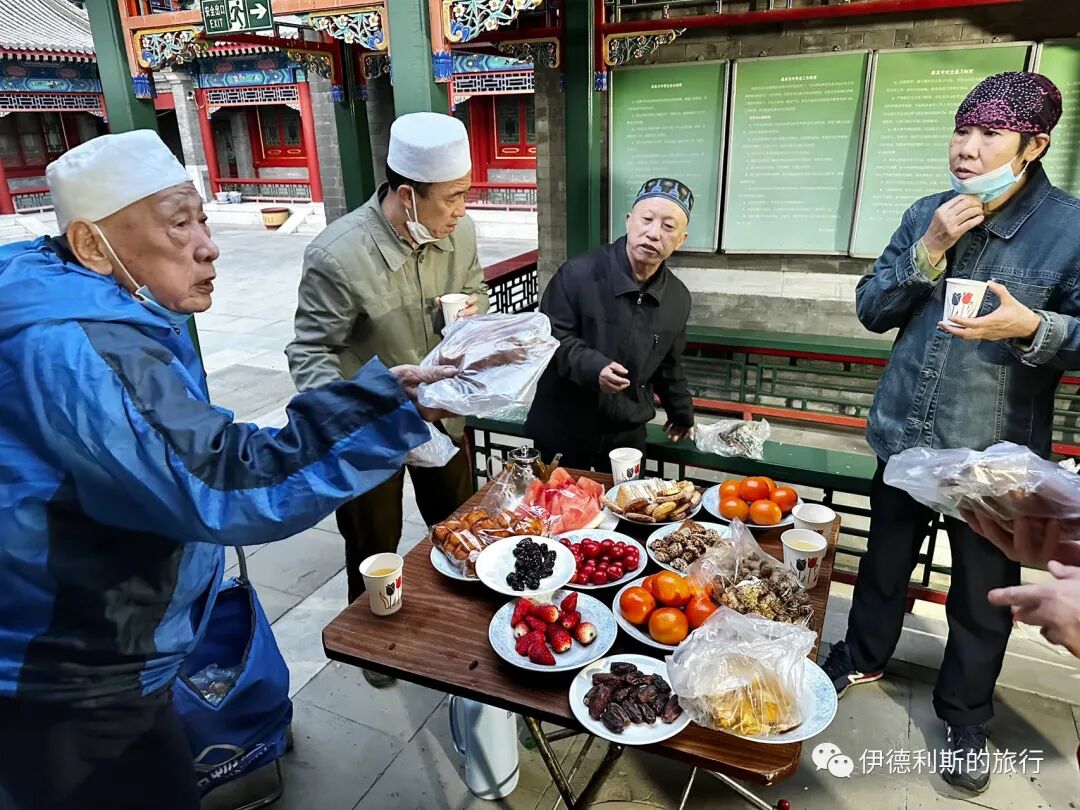
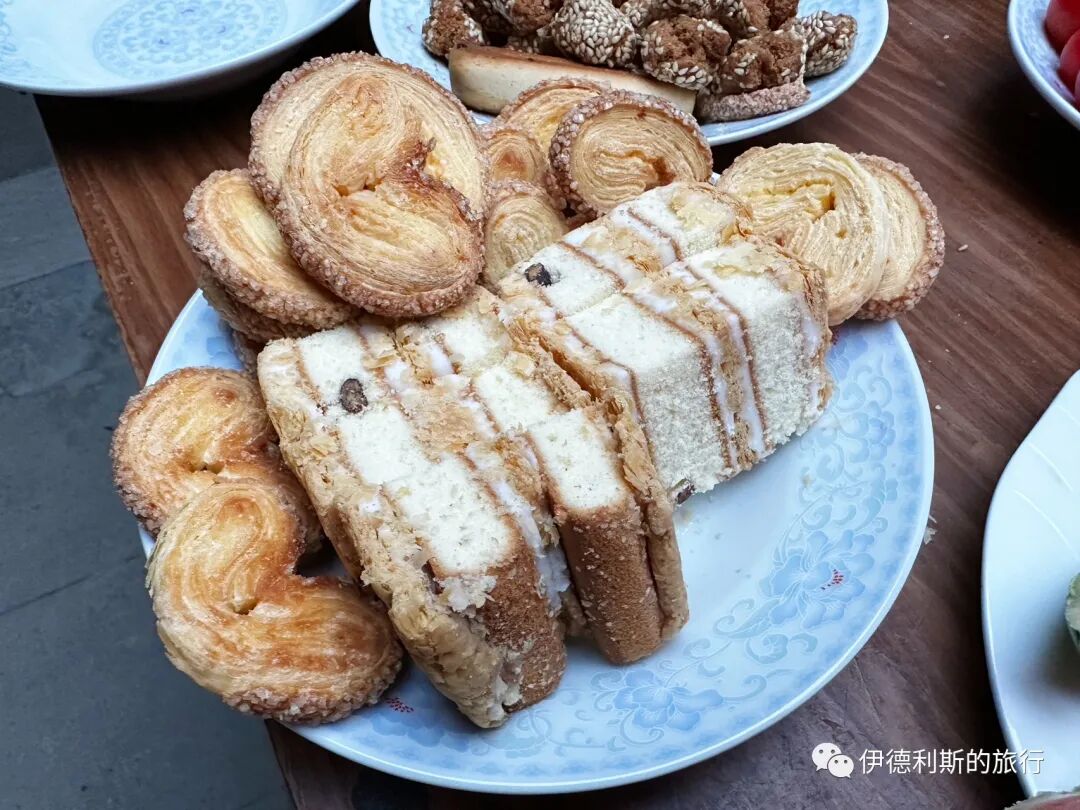
I was at Nanxiapo Mosque again today. After breaking the fast, everyone drank tea and ate fruit and pastries. The elders were very welcoming, and the atmosphere was wonderful.
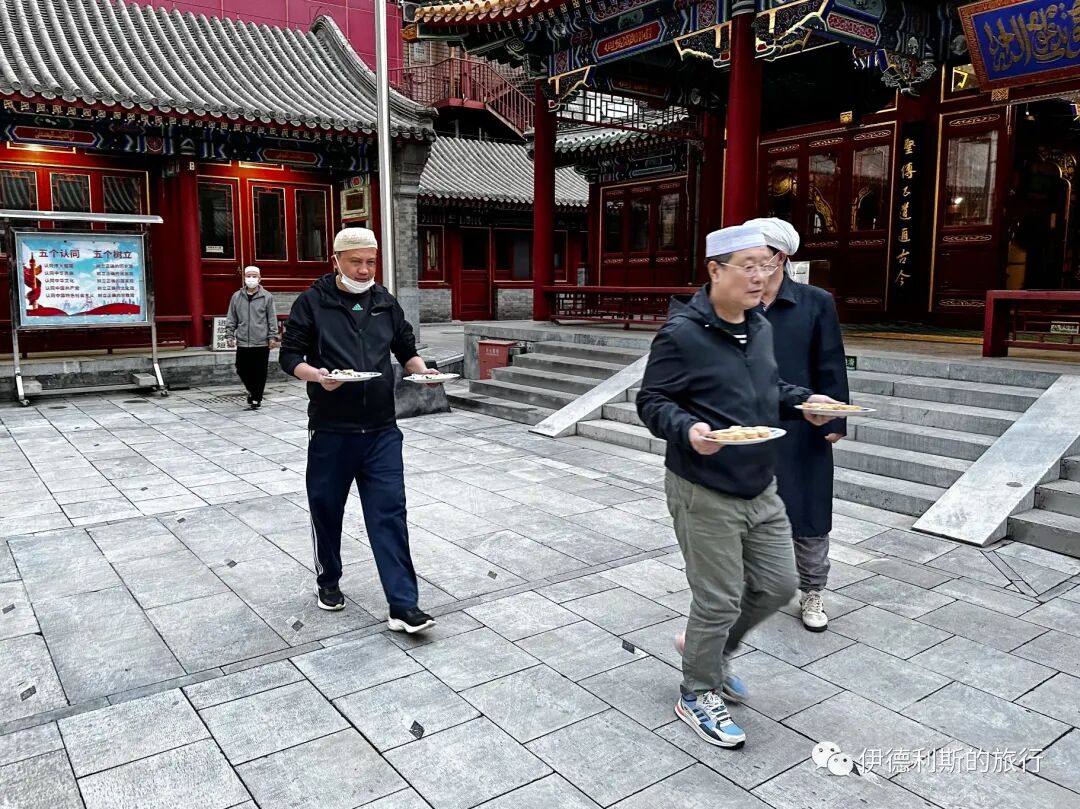
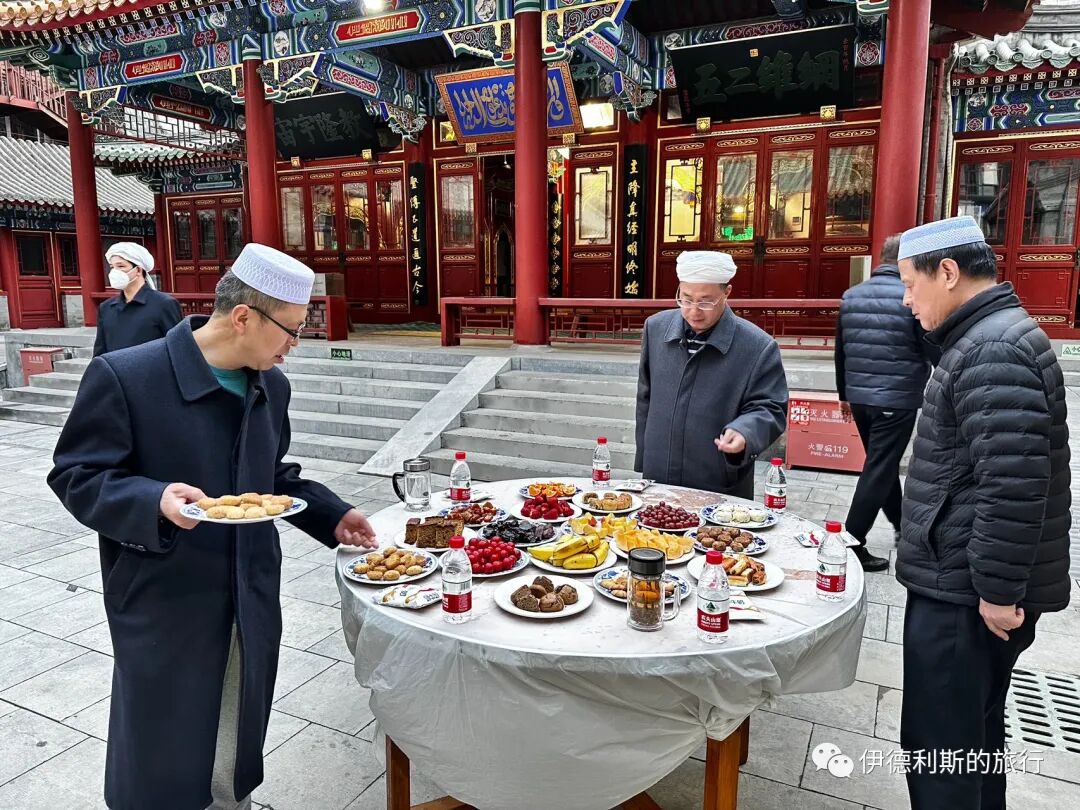
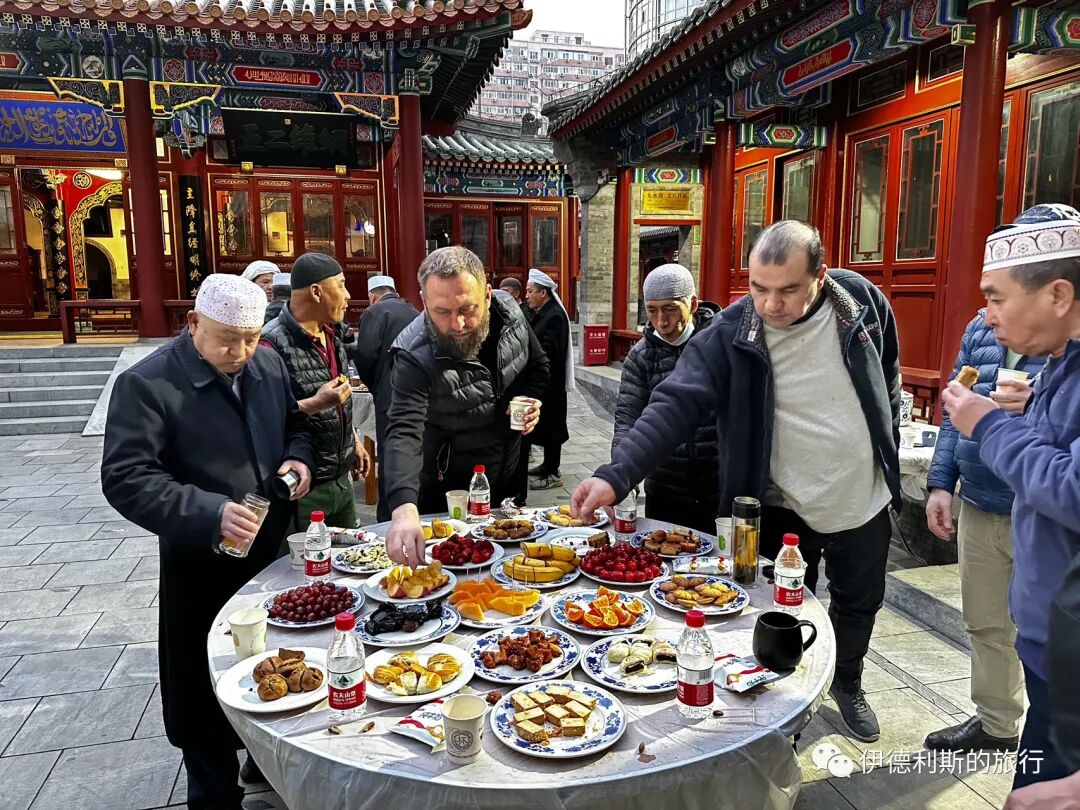
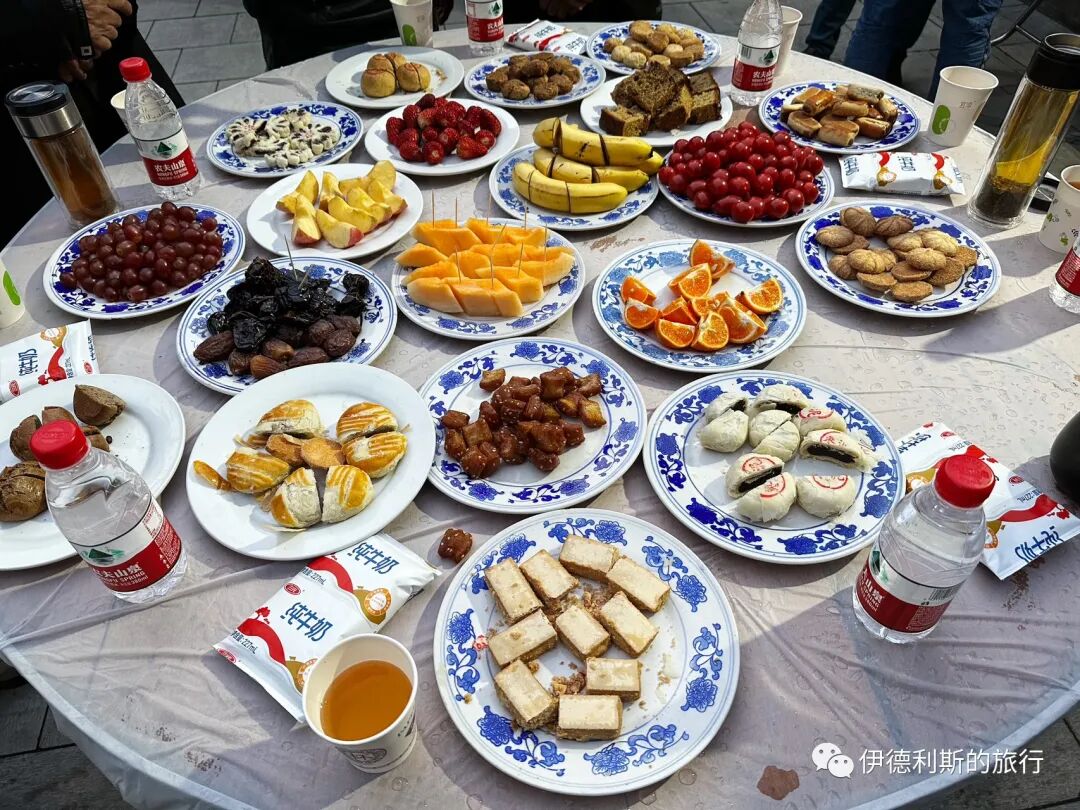
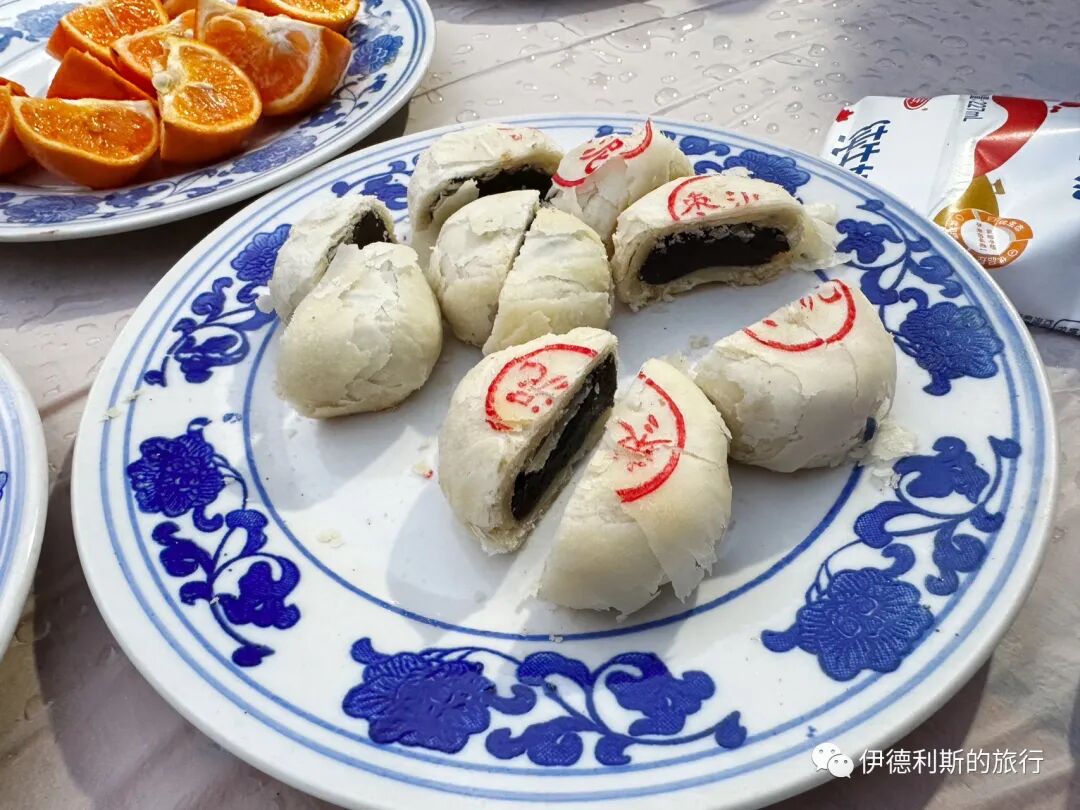
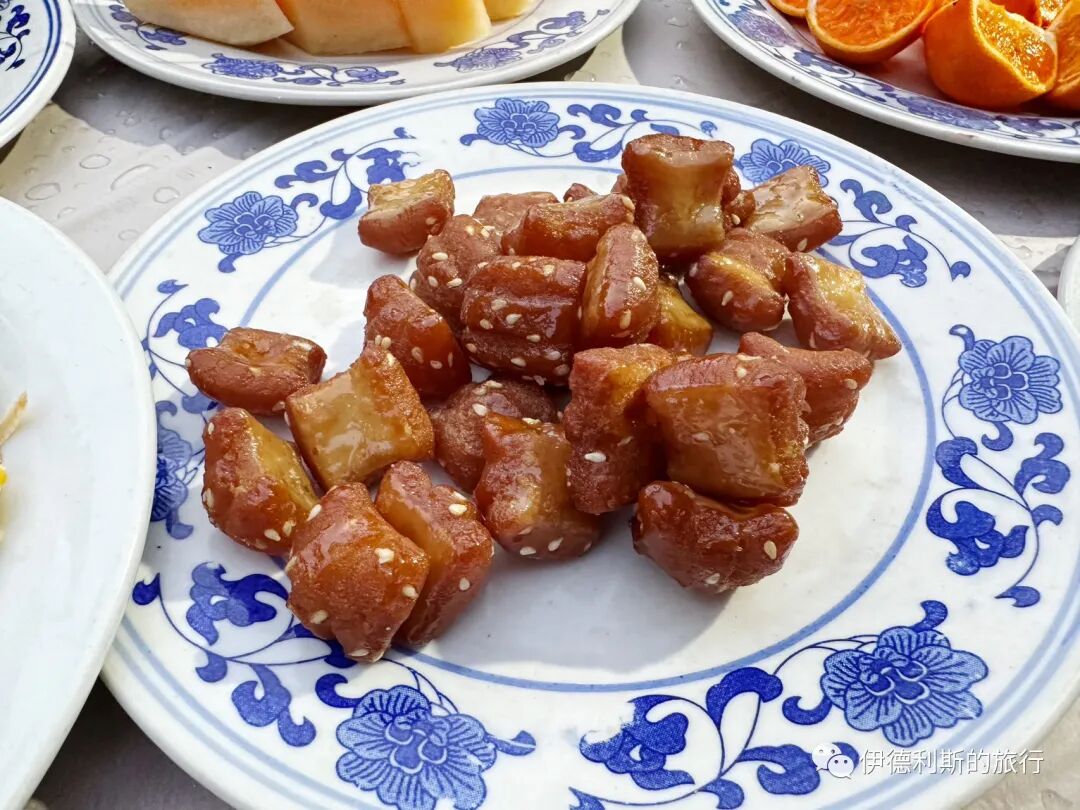
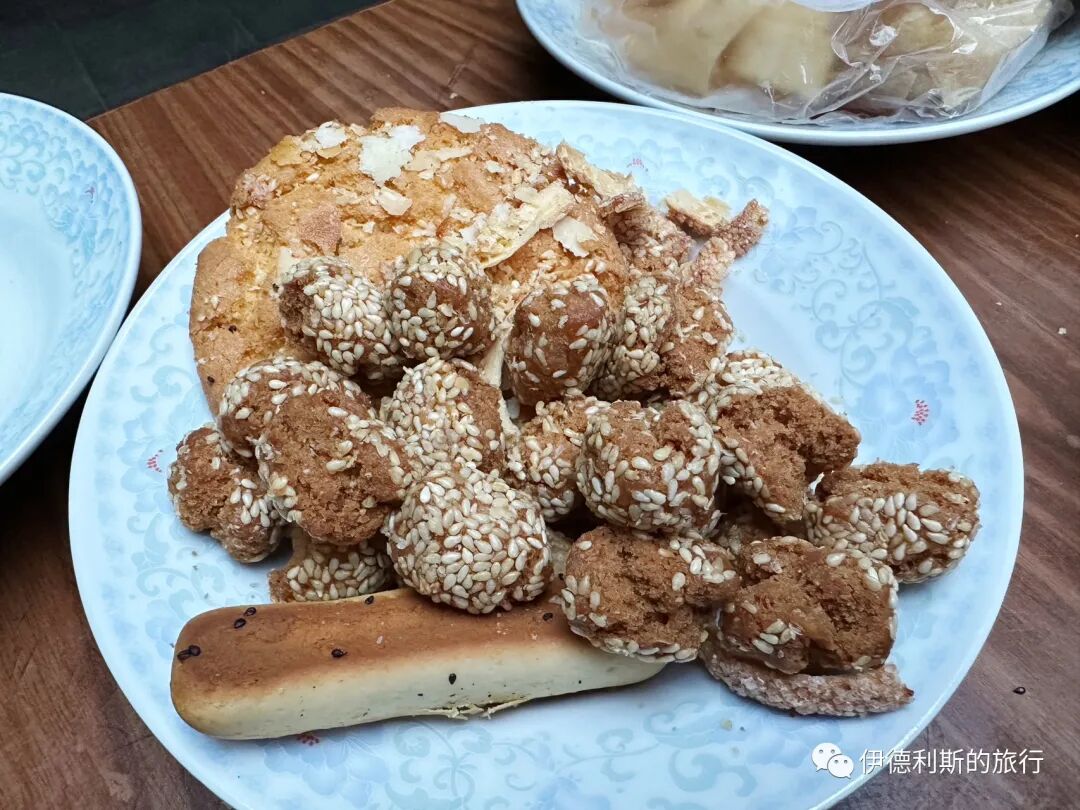
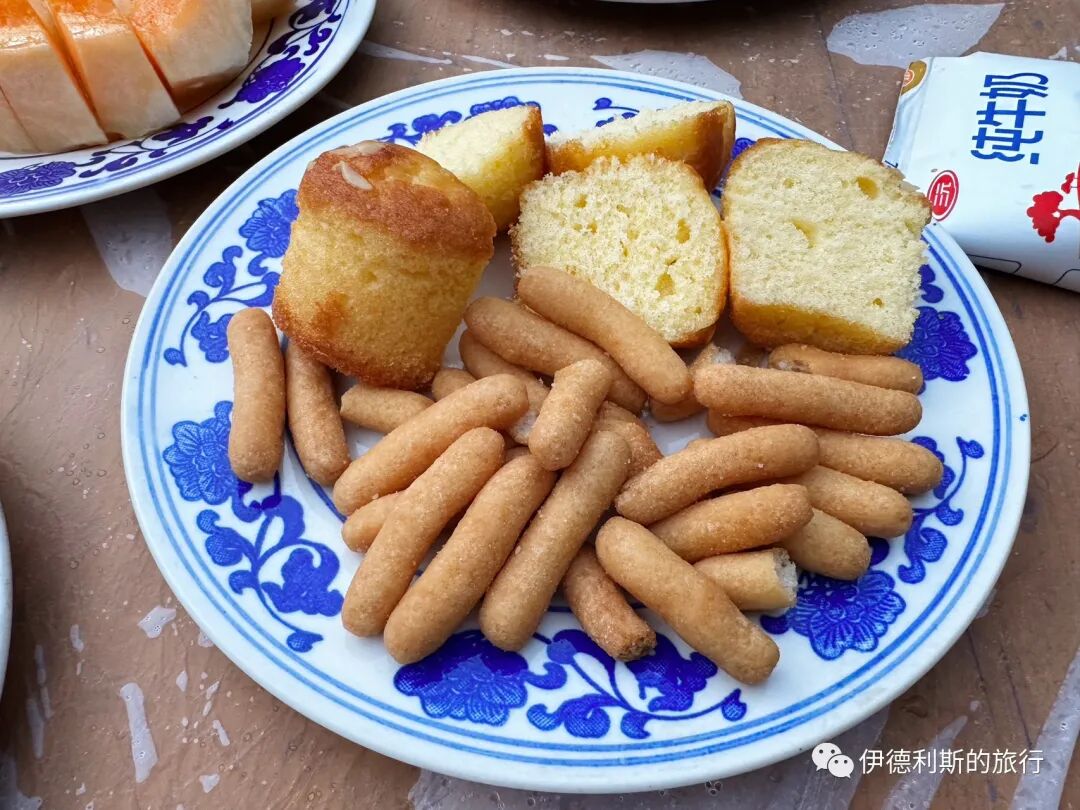
Beijing snack honey-coated fried dough cubes (mishandao).
March 30
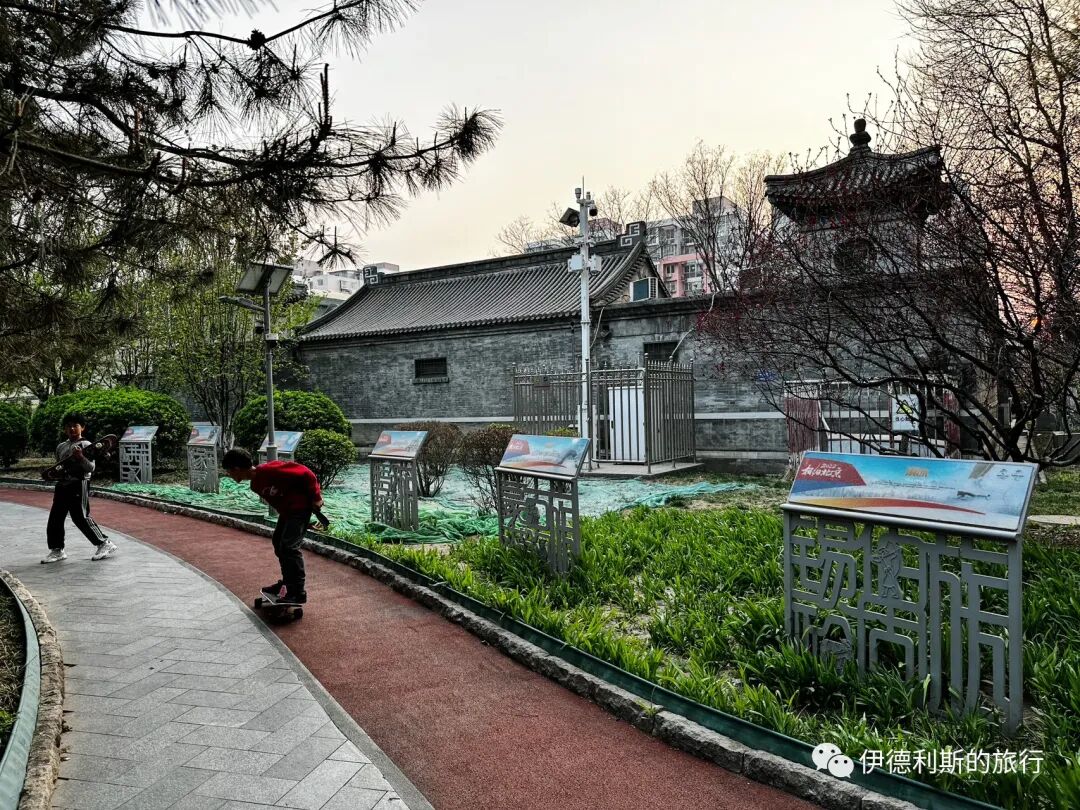
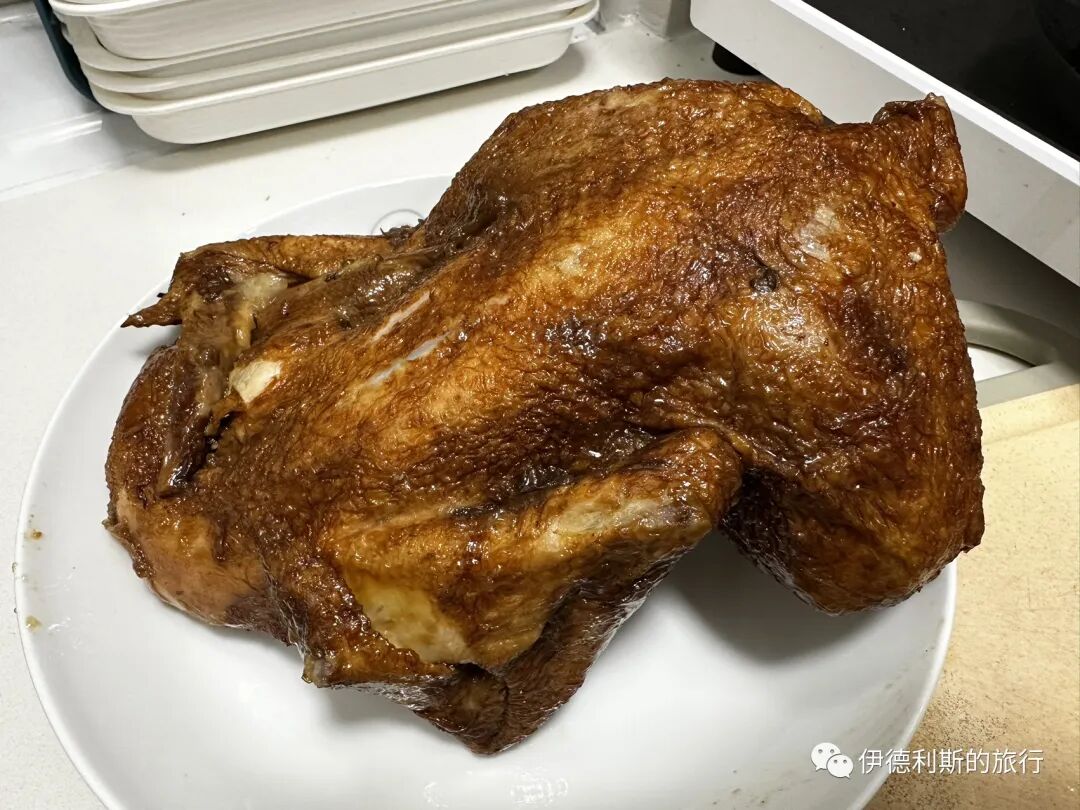
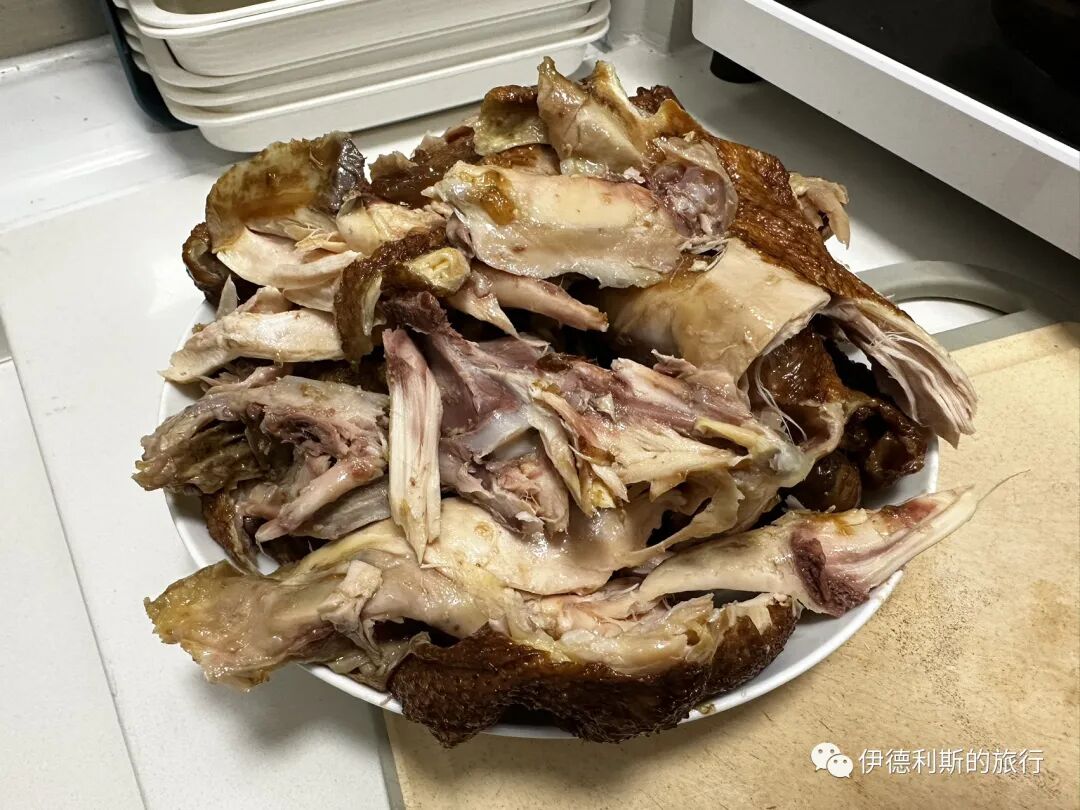
Today I was at Nandouyacai Mosque. We had the usual fruit, pastries, and tea. I also received some braised chicken from Jiaoxiao Zhai, a gift from an elder in his eighties. I felt very grateful. Nandouyacai Mosque is surrounded by the Dongsi Olympic Park. The park is full of spring, and the evening breeze felt very comfortable.
People say Nandouyacai Mosque was originally a mosque, bought and converted by Hui Muslims in 1798 (the third year of the Jiaqing reign). In 2002, due to the demolition of Chaonei Small Street, the mosque was moved 20 meters south and rebuilt, with its entrance now facing west toward Douban Hutong.
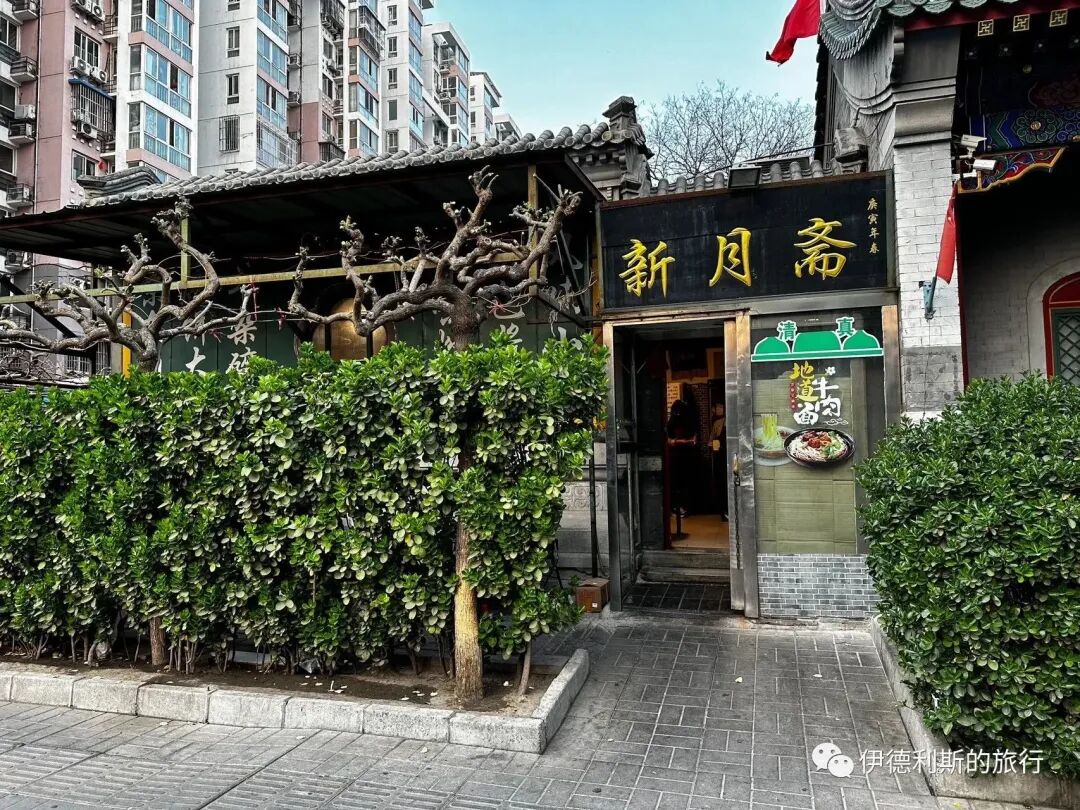
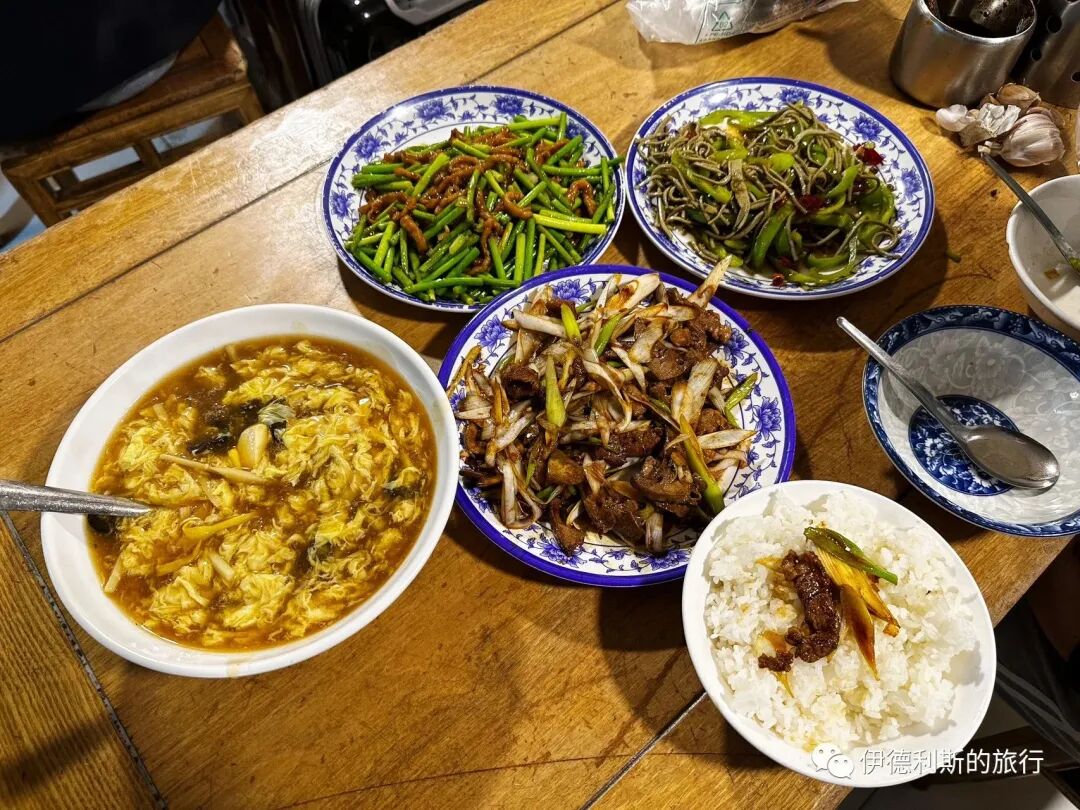
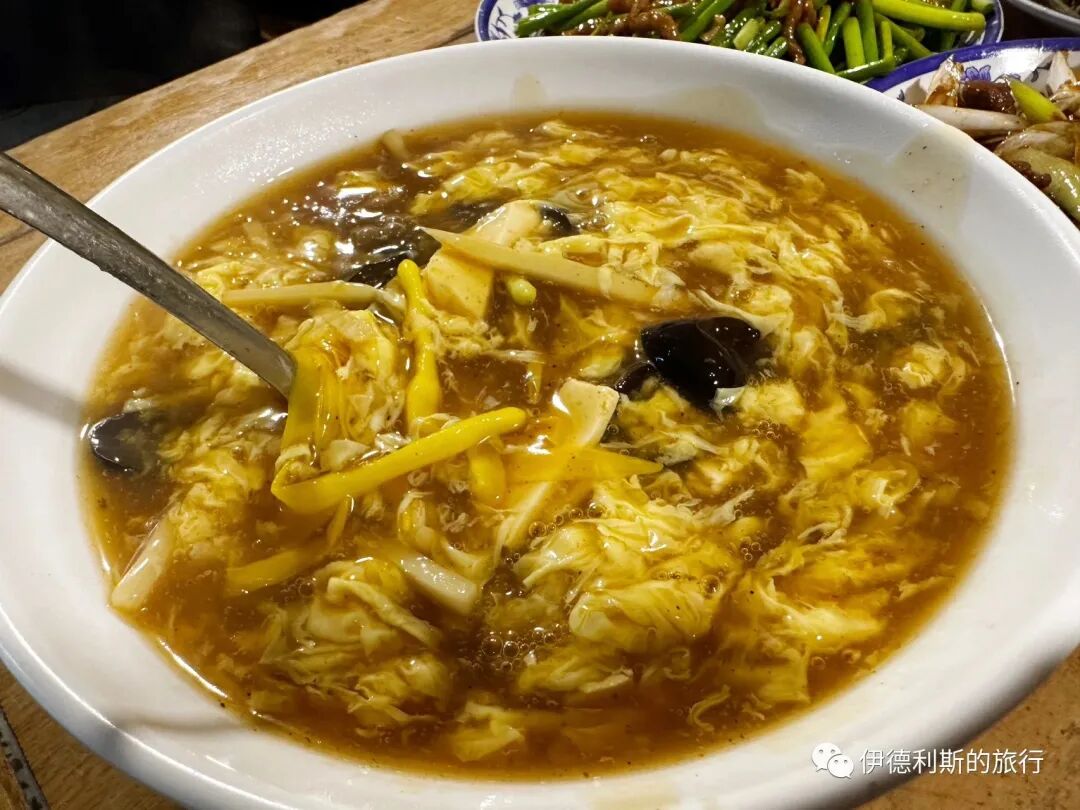
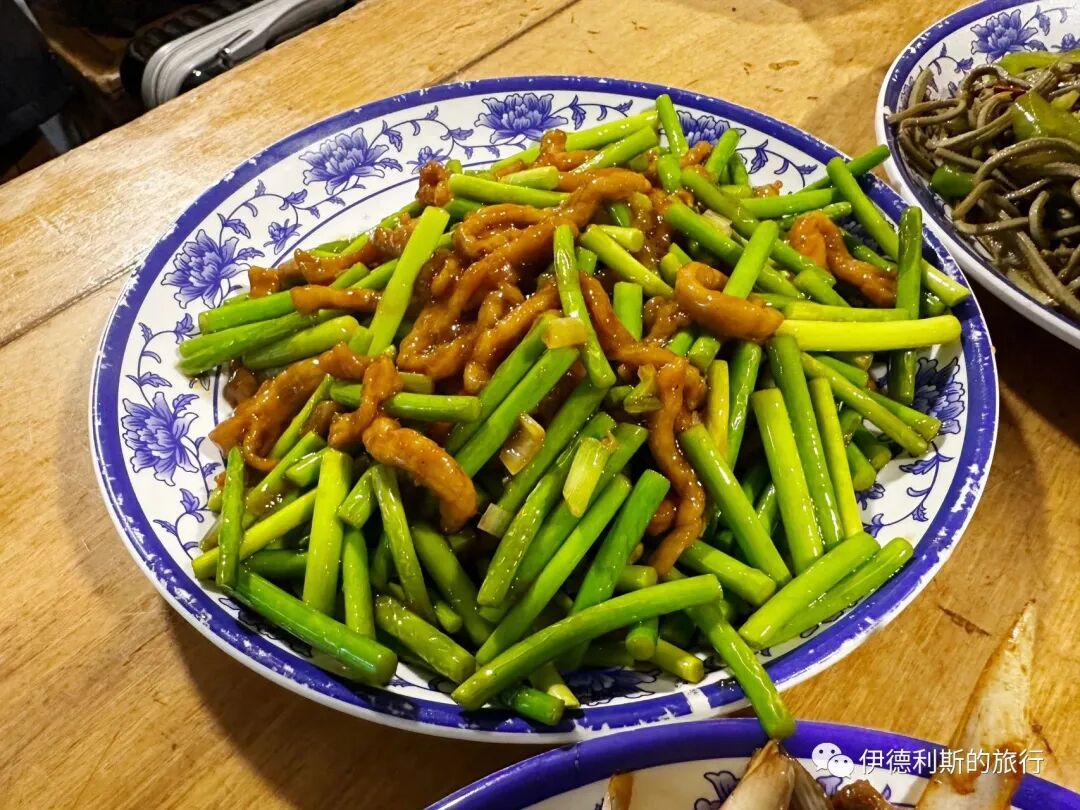
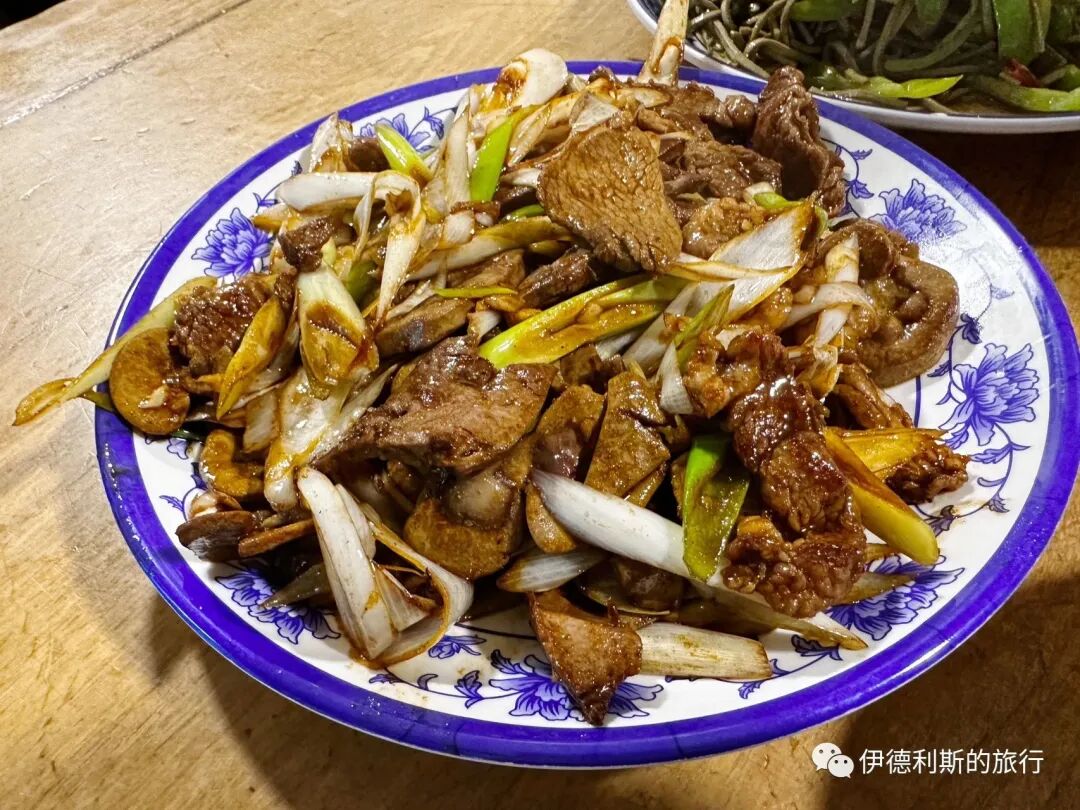
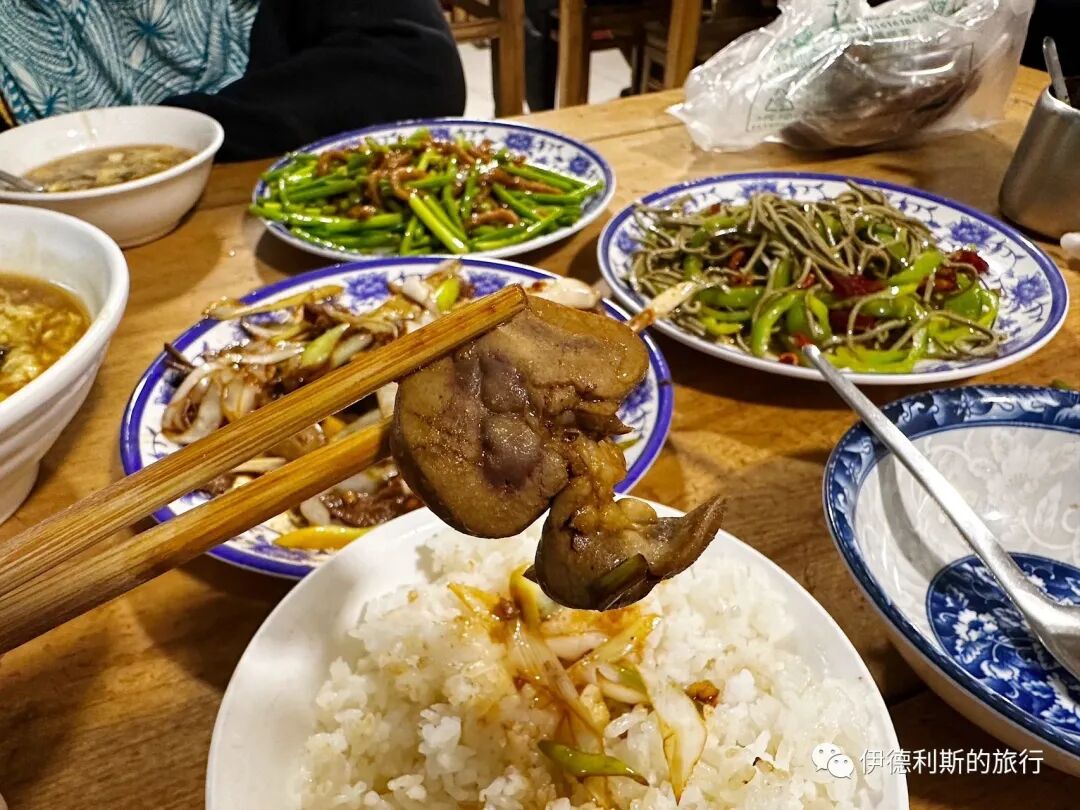
After breaking my fast, I had dinner at Xinyue Zhai at the entrance of Nandouyacai Mosque. I ordered a few home-style dishes: stir-fried trio (bao sanyang), shredded pork with garlic sprouts, shredded tofu with hot peppers, and hot and sour soup. I have been eating at this place for over ten years, and it is one of the most reliable Beijing-style stir-fry restaurants near my home. Their main selling point is how fast they serve the food! Everything is cooked instantly over a high flame. I especially love the stir-fried trio (bao sanyang)—lamb with scallions, lamb liver, and lamb kidney. The aroma of the scallions and the meat blend perfectly, making it great to eat with rice.
For iftar, I ate some braised chicken (paji) donated by an elder.
March 31
It is the second Jumu'ah of Ramadan, and I am at Changying Mosque again. The sky turned blue today, and I feel great.
In the book 'Narrative of the North China Campaign of 1860' by Swinhoe, it is written that after the Anglo-French forces landed in Tianjin, they passed through Changying on their way to Beijing:
On the afternoon of October 3, we struck our tents, crossed the canal, and marched into a Hui Muslim village in Changying. This village was near the rifle regiment's outpost. Lord Elgin and Sir Hope Grant, along with their staff, stayed in a beautiful mosque, while about six thousand strong soldiers camped in the surrounding fields.
The village was very small, and it was full of mud huts. But this time, not all the houses were empty. The villagers were Hui Muslims who practiced Islam, and you could tell them apart from the other locals by the strange pointed hats they wore on their heads, with their braids tucked inside. Inside the mosque, there were many inscriptions in Arabic and Chinese, and several books and scriptures printed in Arabic were scattered around. Many of the Prophet's Chinese followers could recite a few sentences from these books, but very few could explain what they meant. However, they were very familiar with the prayers and chapters of the Quran and often recited them to the Sikh cavalry (Note: the author mistook Indian Muslims for Sikhs). The villagers recited these prayers repeatedly, which always moved the weary Indian warriors to tears and often made them take silver out of their pockets. The Hui Muslims of the Celestial Empire knew better than to refuse this sympathy.
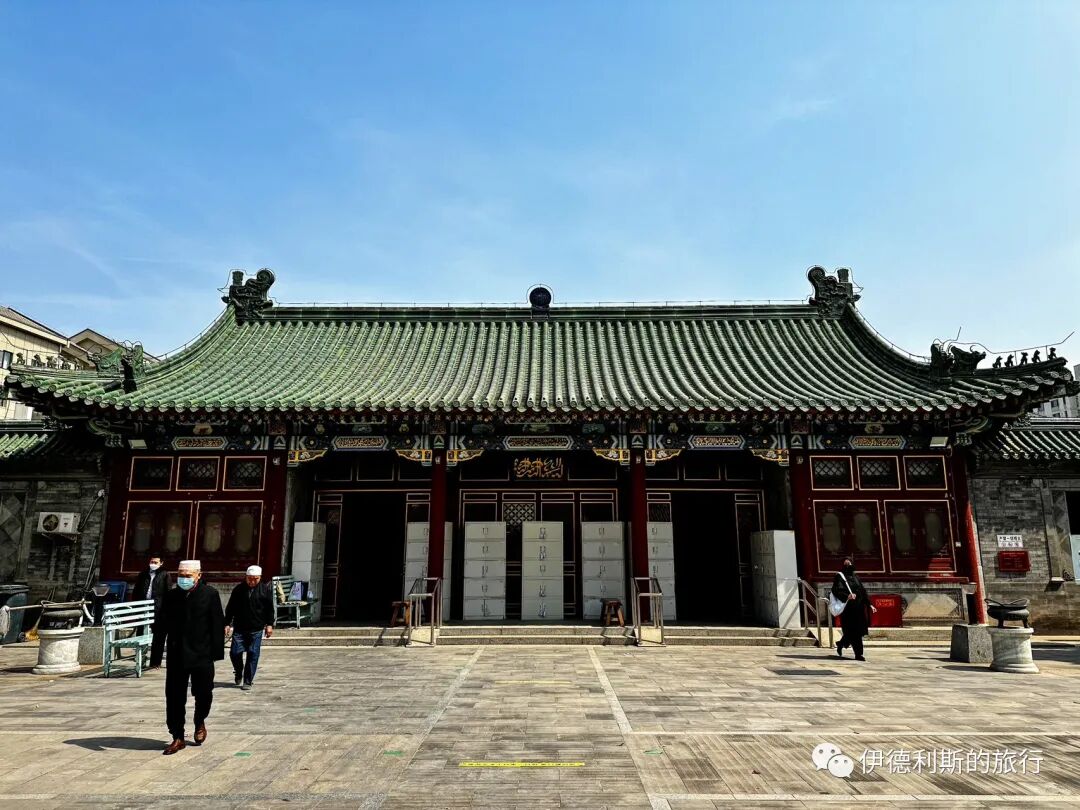
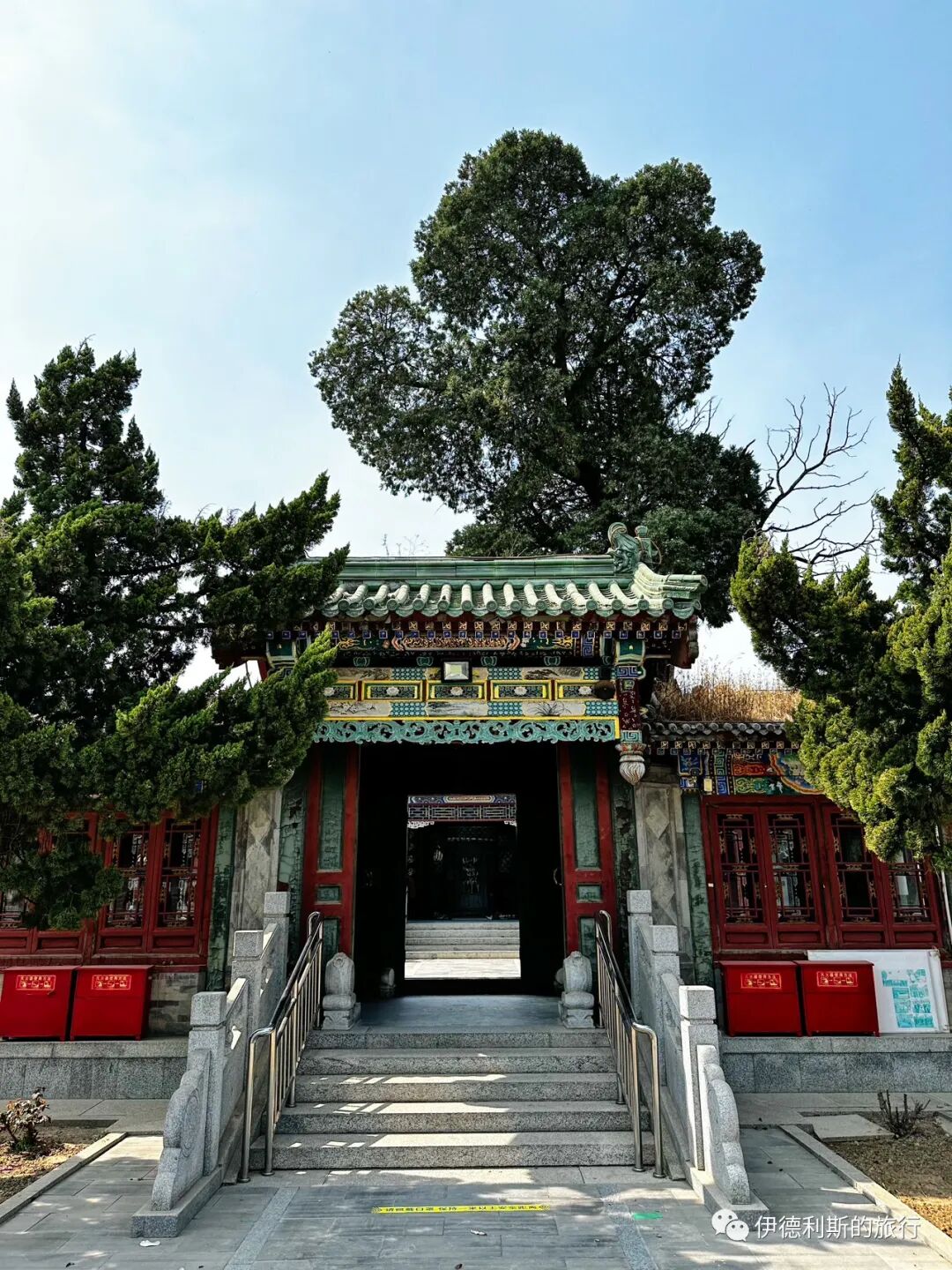
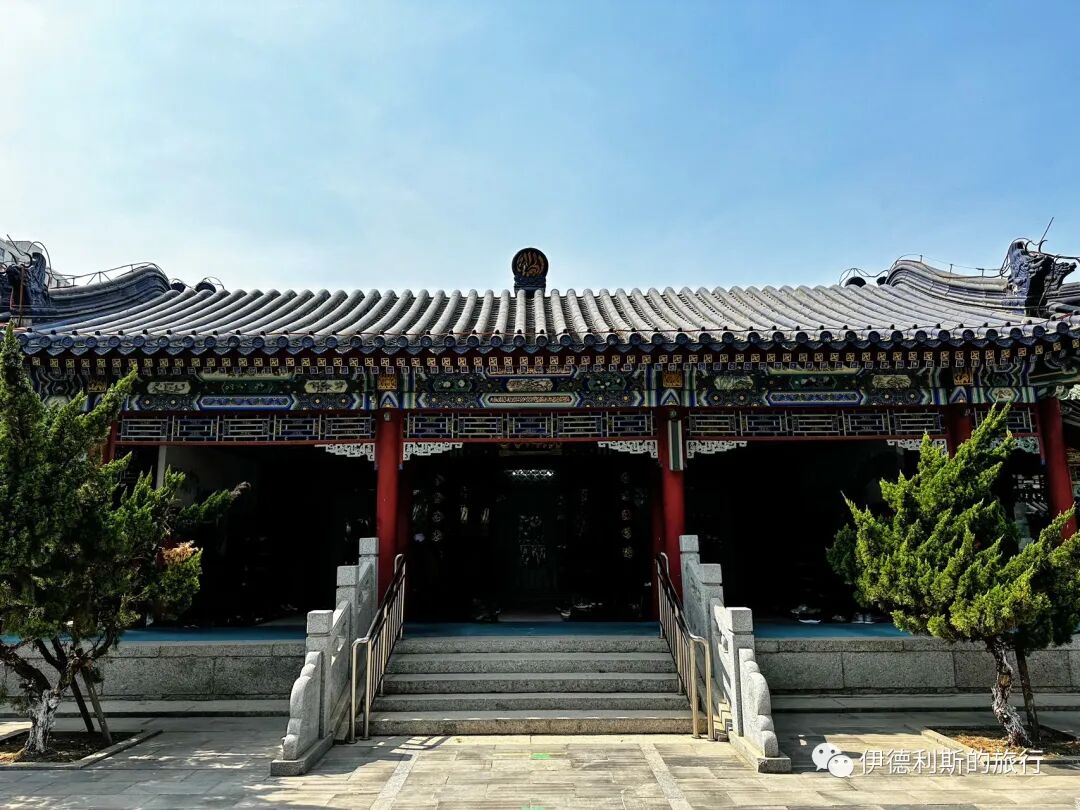
An ancient tree from the Ming Dynasty Zhengde era inside the mosque.
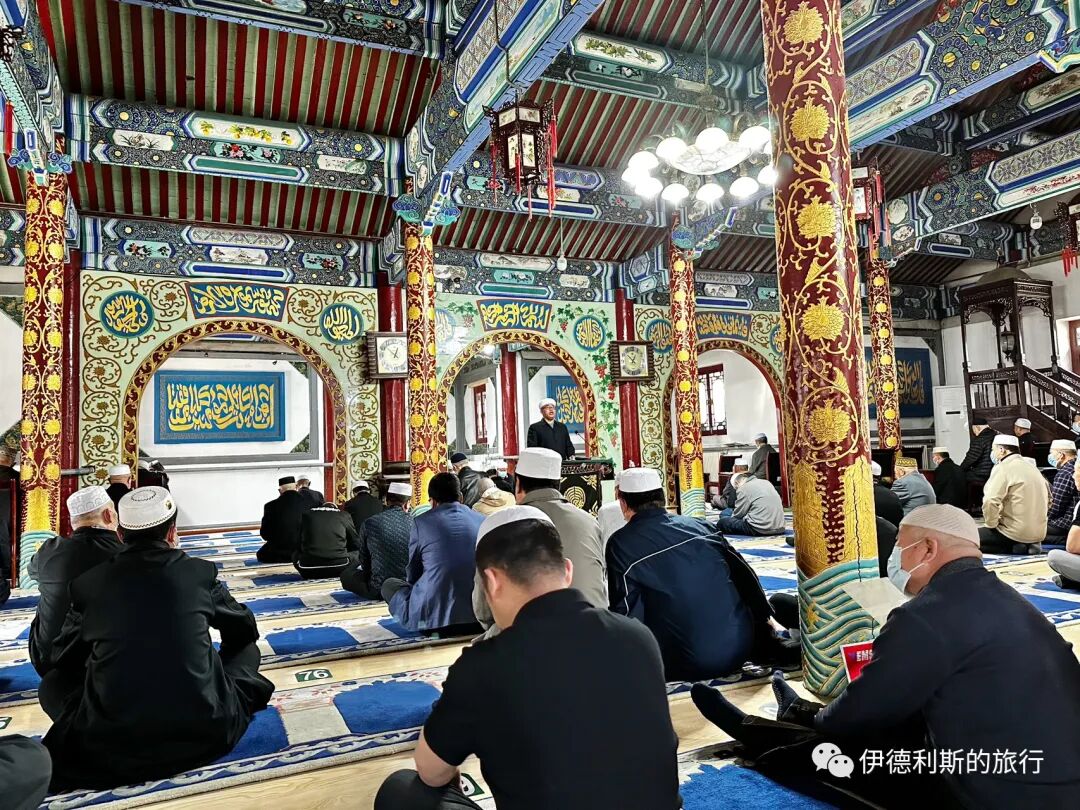
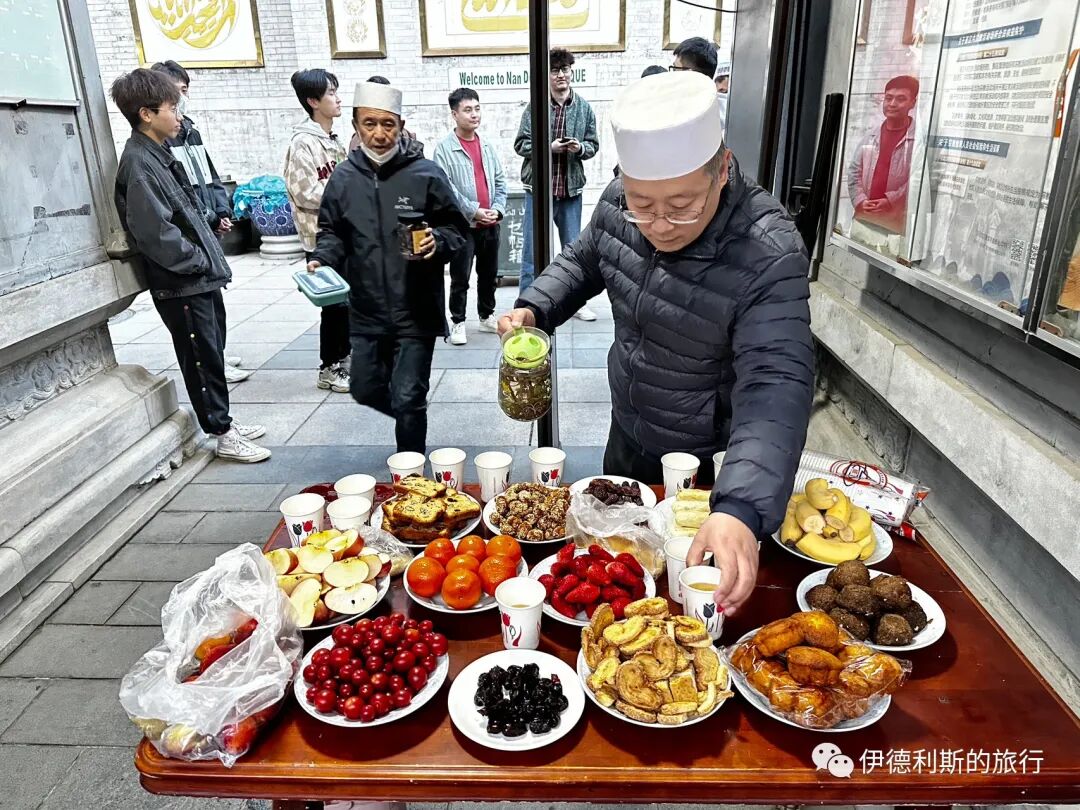
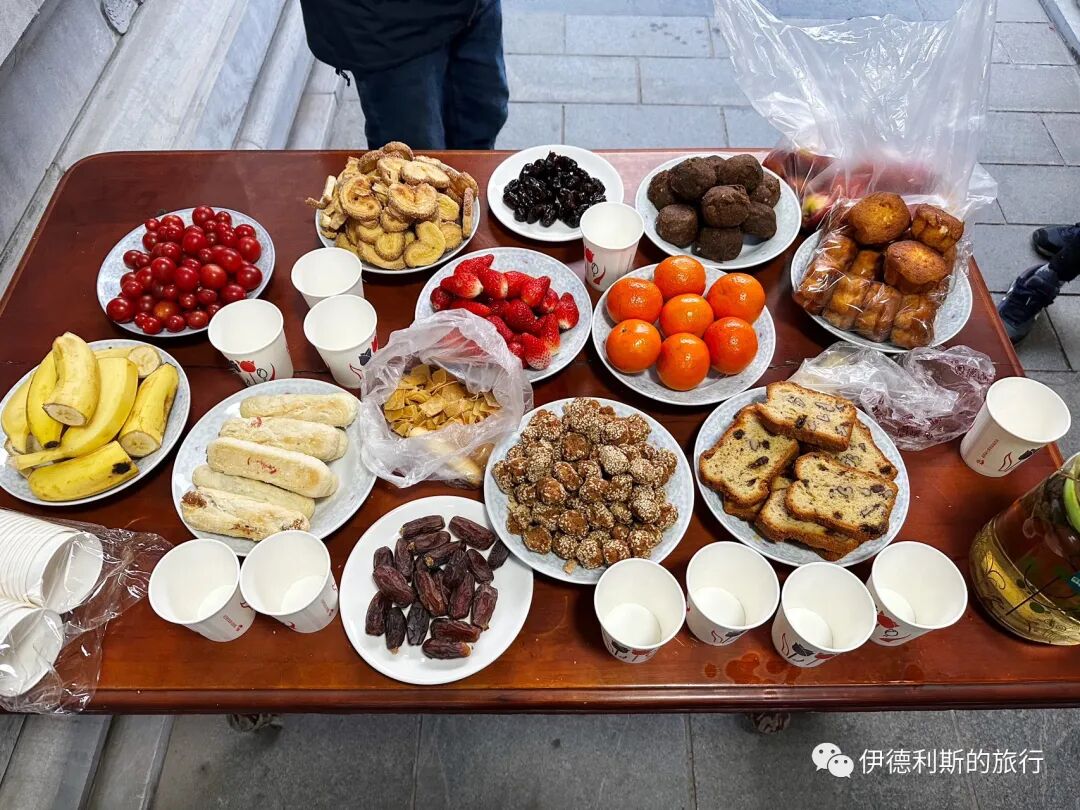
I continued to break my fast at Nandouya Mosque in the evening. Many university student friends (dosti) came to the mosque, and I am very grateful to be able to visit the mosque more often during Ramadan.
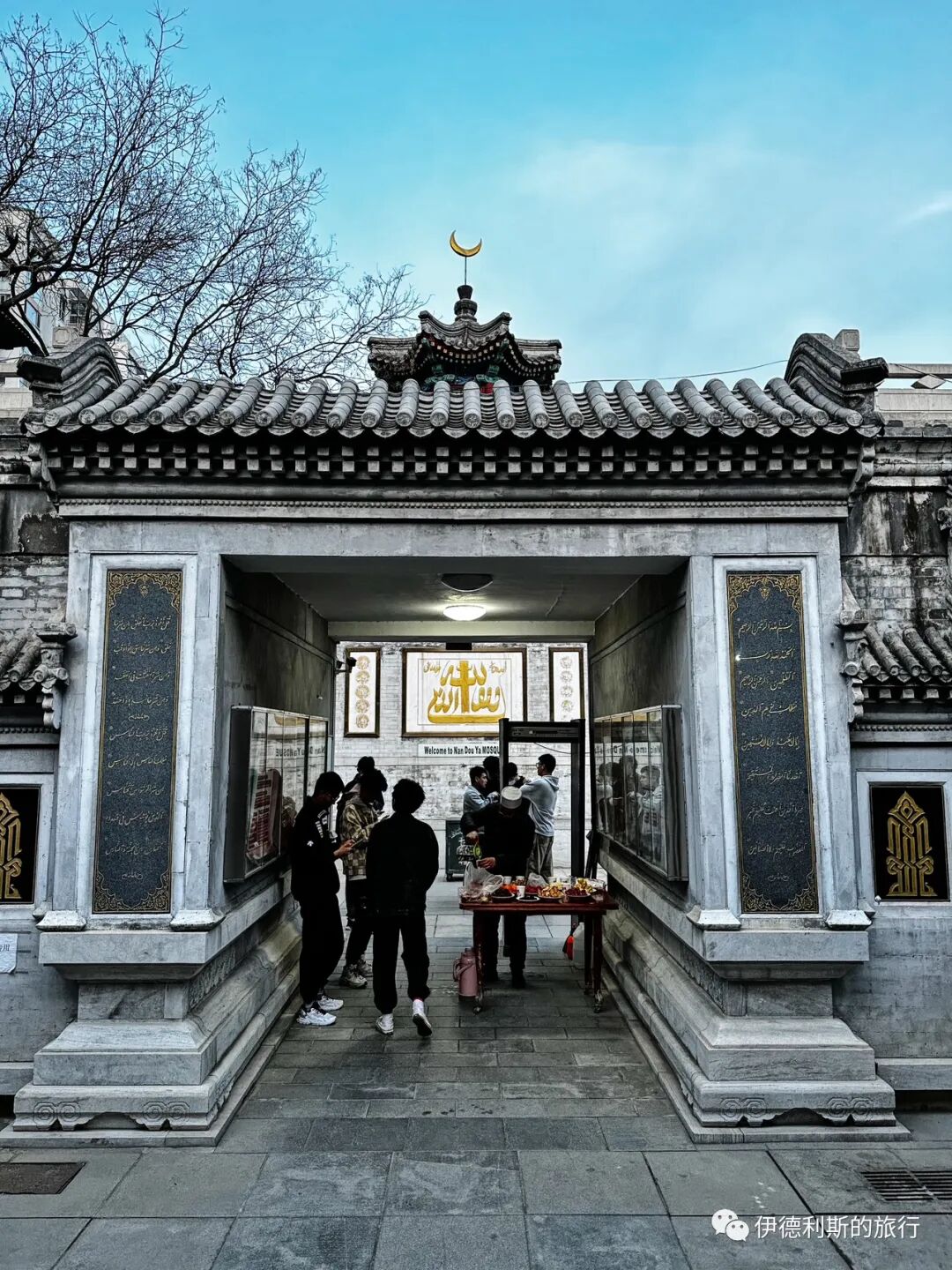
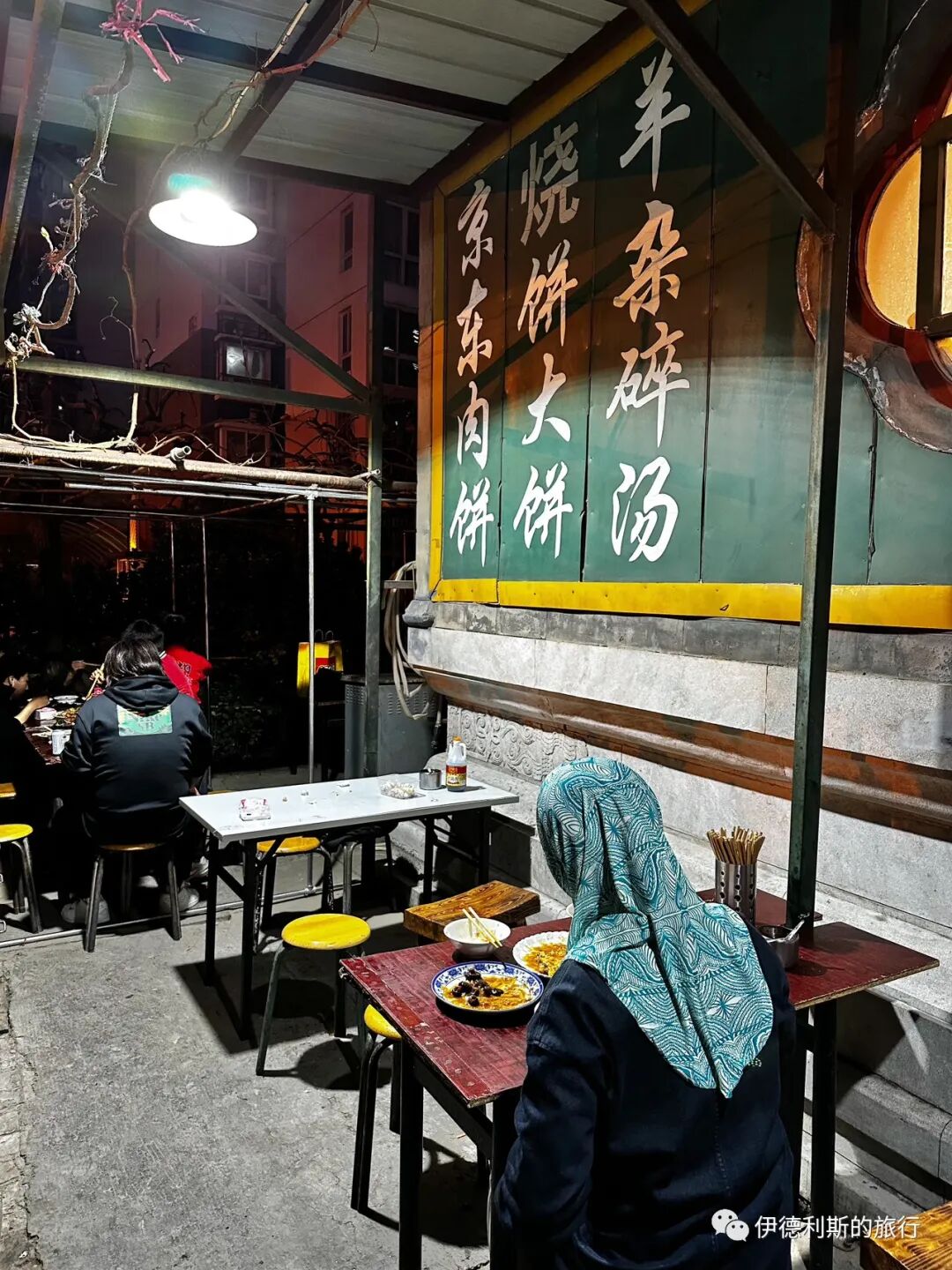
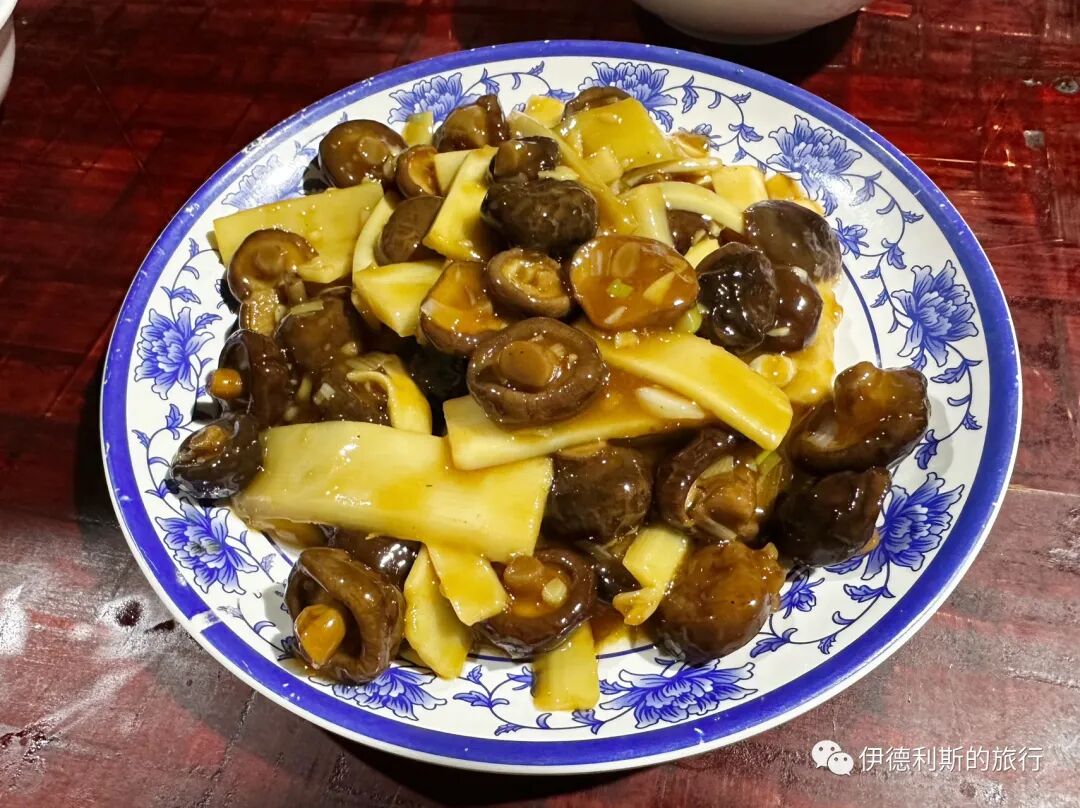
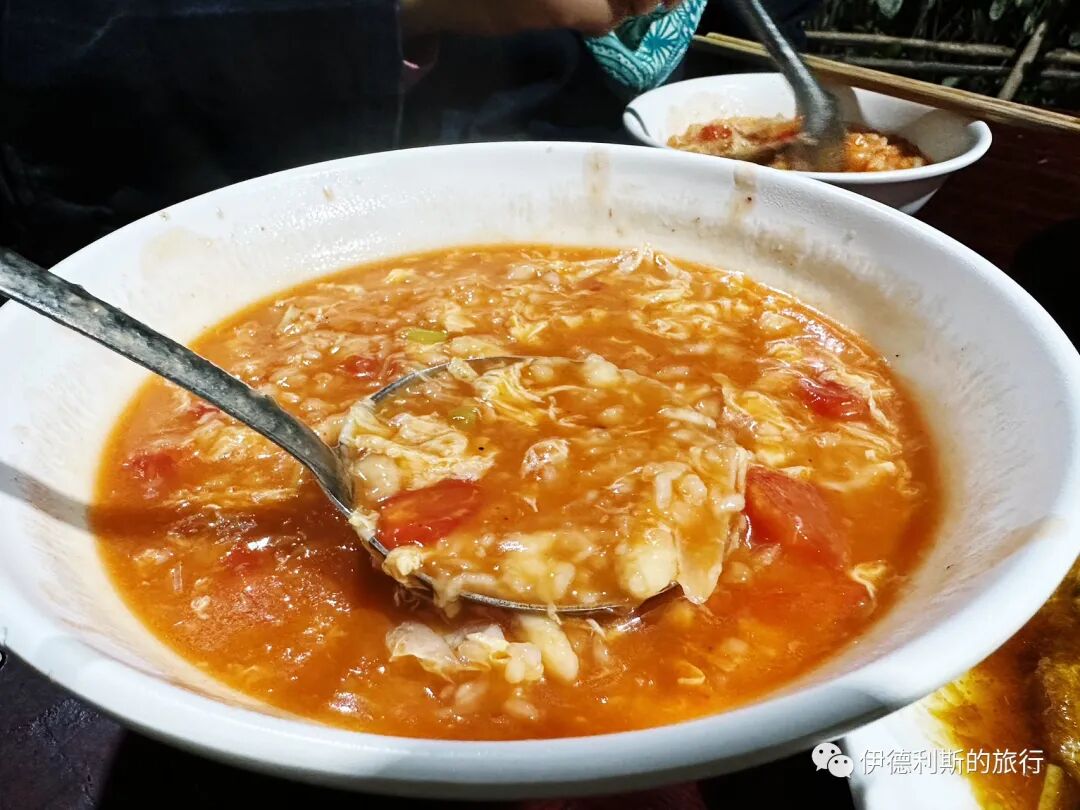
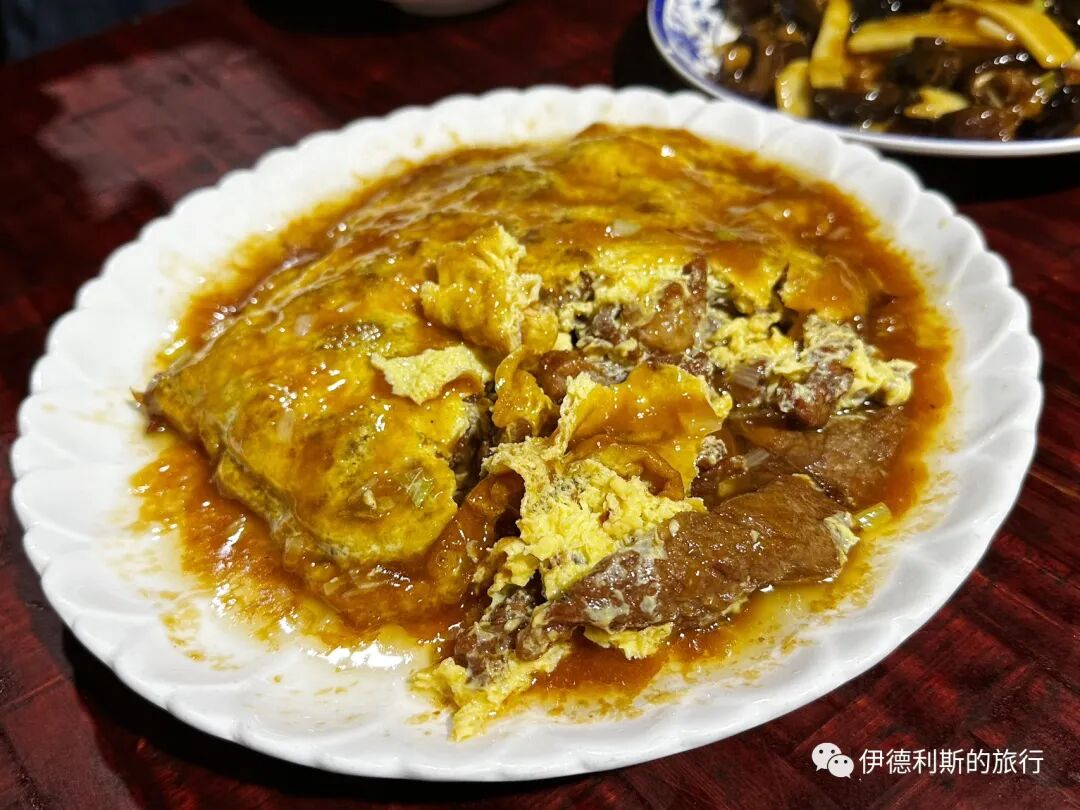
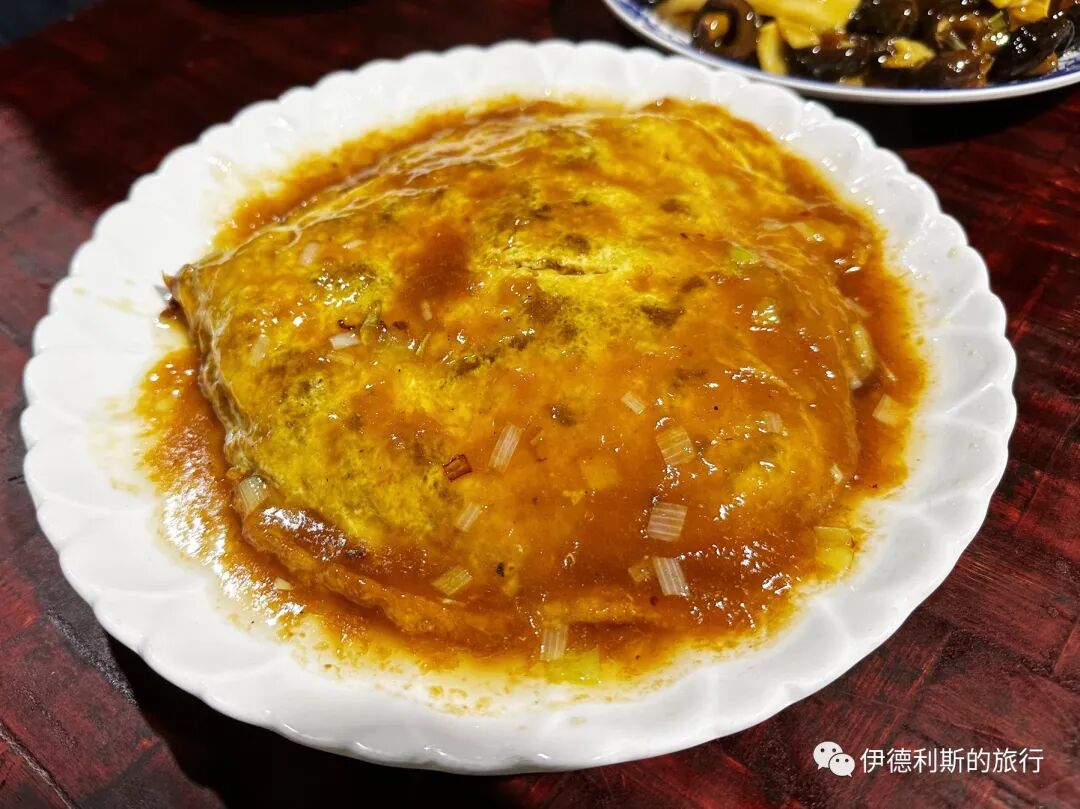
After the Maghrib prayer, I had dinner at Xinyuezhai as usual. The spring breeze was gentle, so we ate at the entrance. We ordered pan-fried lamb (guota yangrou), braised winter bamboo shoots and mushrooms (shao erdong), and dough drop soup (gedatang). I have been eating the pan-fried lamb at this place for over ten years, and it goes so well with rice! The winter bamboo shoots in the braised dish are sweet and delicious, and the dough drop soup is very thick; if you don't want rice, a big bowl of this is enough to fill you up.
April 2
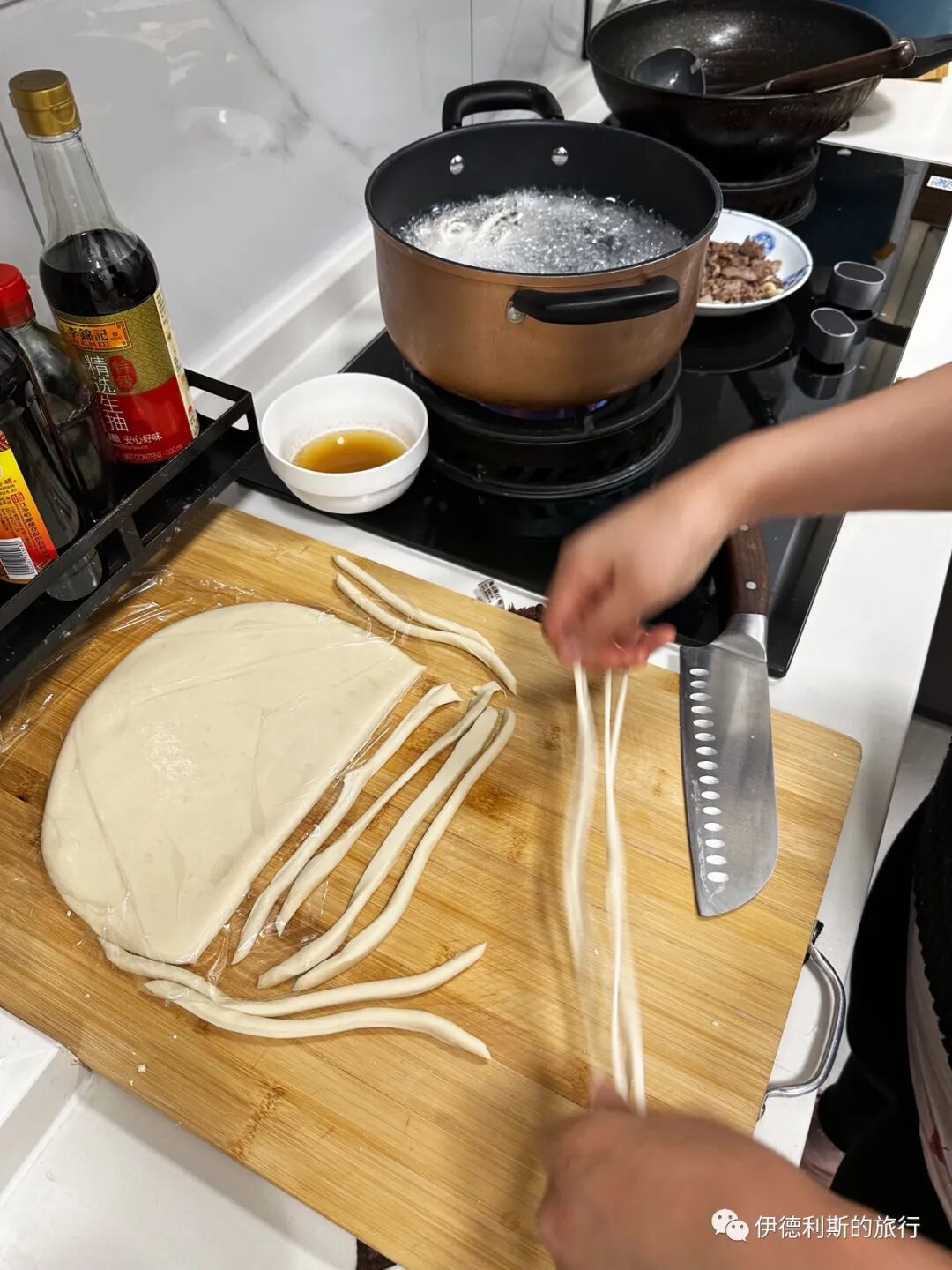
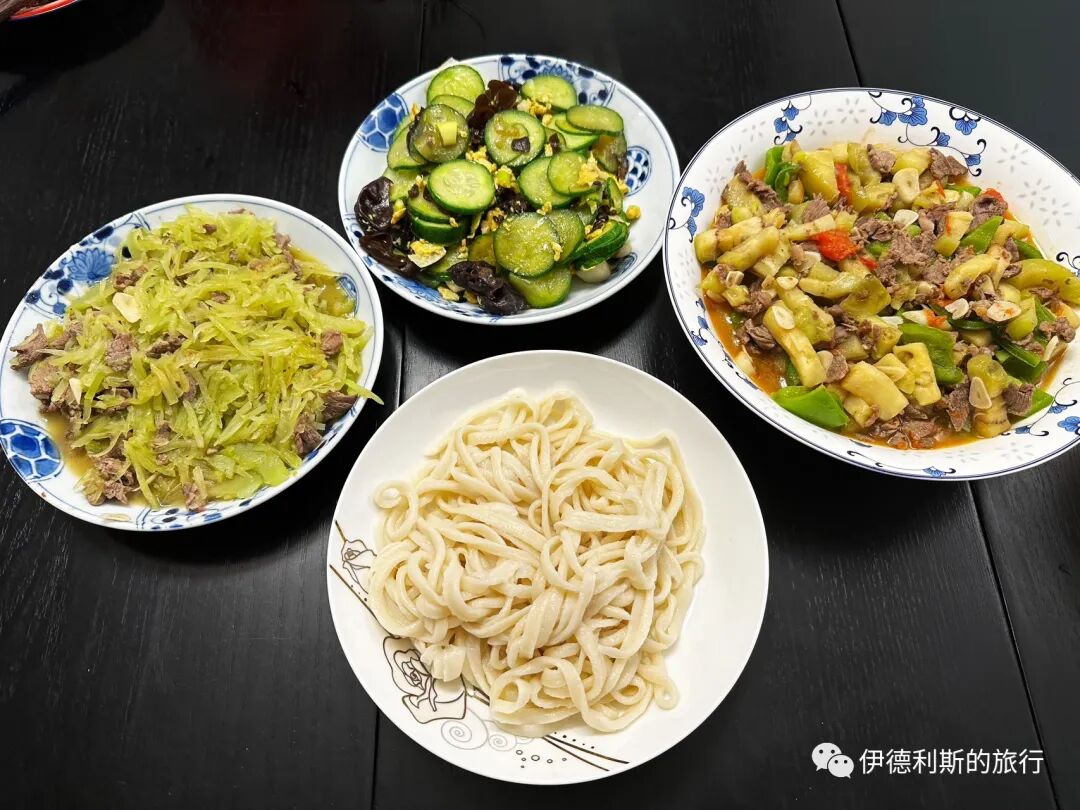
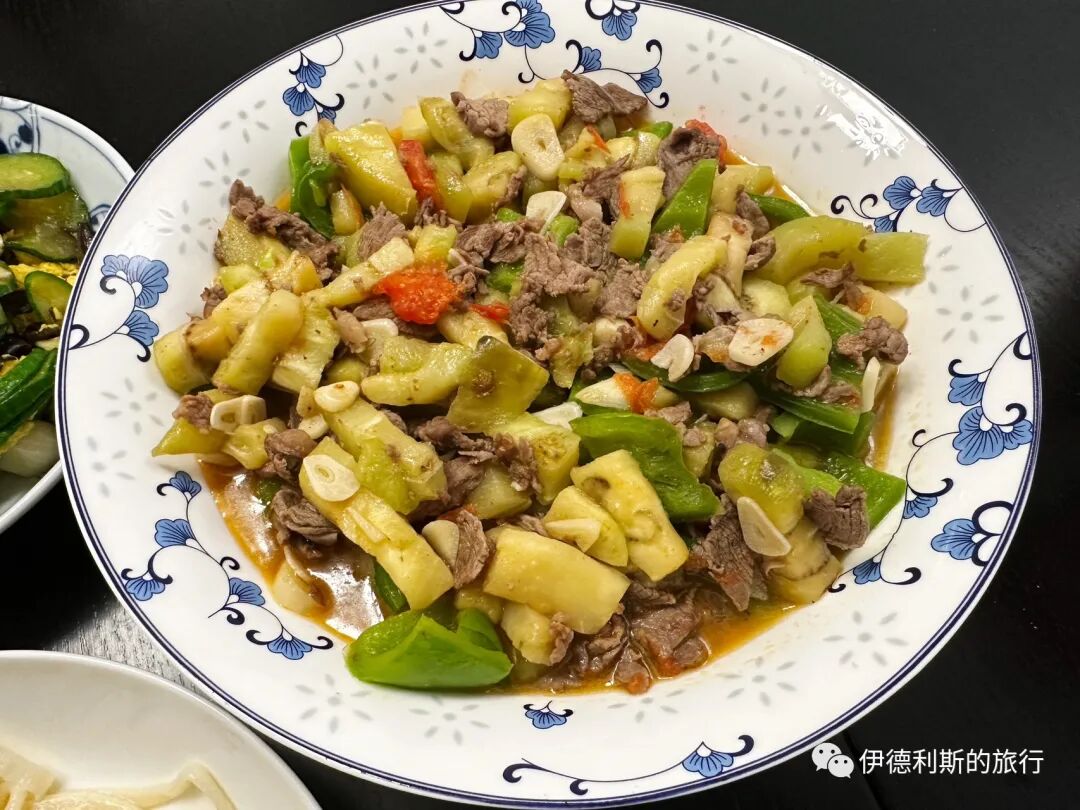
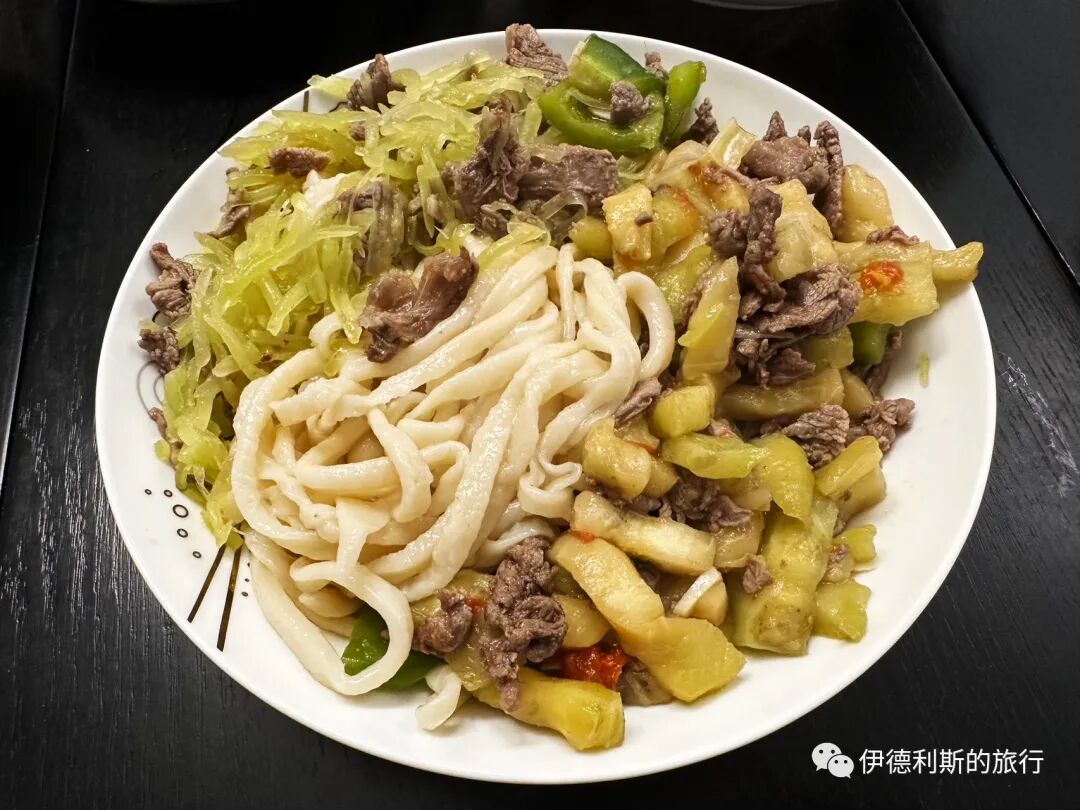
I broke my fast at home over the weekend. Zainab made hand-pulled noodles (latiazi), and I made eggplant with meat and bamboo shoots with meat. Compared to the ones in Xinjiang, they are quite light.
April 3
I broke my fast at Dongsi Mosque today. There were pastries and fruits donated to the mosque by an elder.
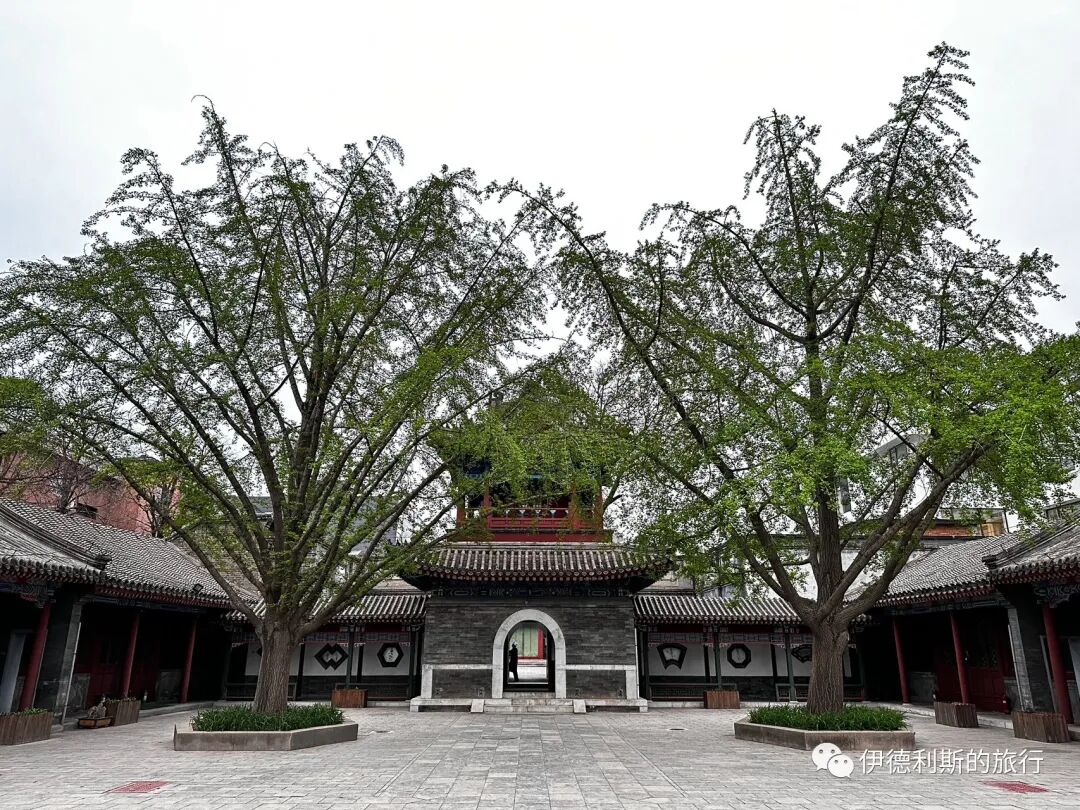
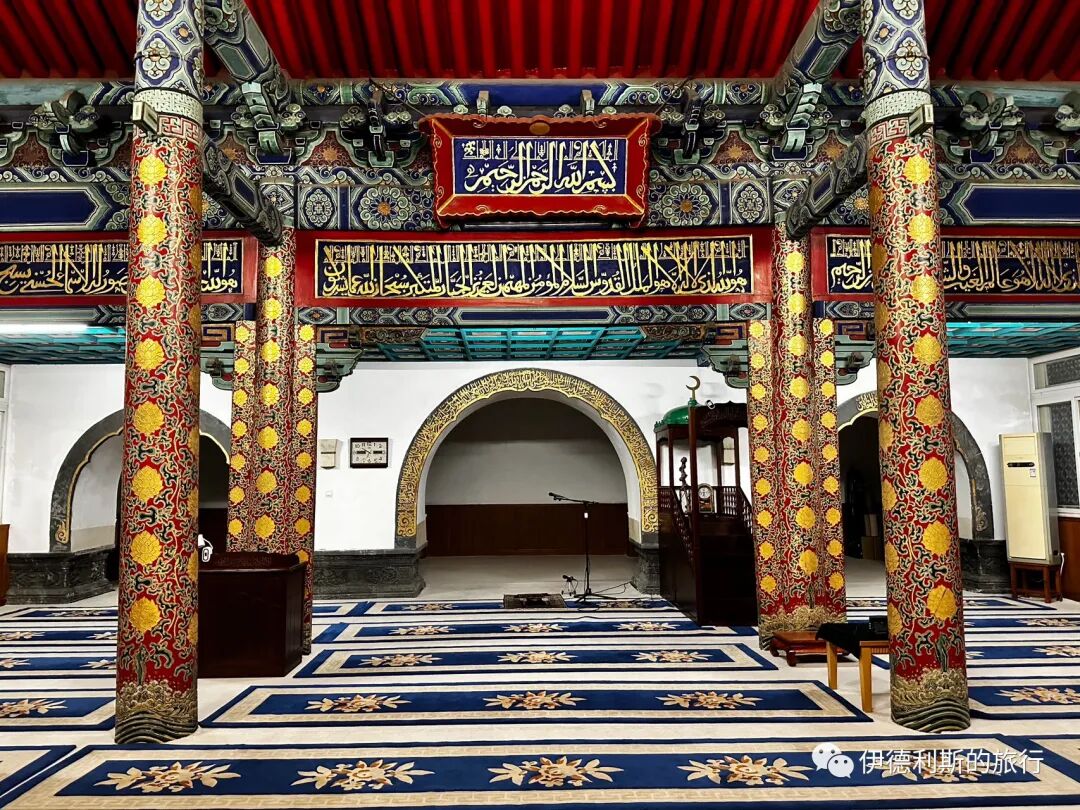
Dongsi Mosque is one of the four major official mosques in Beijing from the Ming Dynasty. It was built in 1447 (the 12th year of the Ming Zhengtong era) with funds donated by Chen You, a famous Hui Muslim military officer of the Ming Dynasty. In 1450 (the first year of the Ming Jingtai era), the Jingtai Emperor bestowed the title 'Mosque' upon it.
During the Yongle era, Chen You followed Zhu Di on two northern expeditions against the Mongols and performed meritorious service. During the Xuande era, he was mainly engaged in pacification work along the northern and northwestern borders of the Ming Dynasty. During the Zhengtong era, the tribute trade between the Ming Dynasty and the Mongols entered a prosperous period. In 1436 (the first year of the Zhengtong era), Chen You became an envoy for the mission to the Oirat Mongols. Later, he led Oirat envoys to the capital to present horses many times, and due to his achievements, he was promoted several times to the position of Assistant Commander of the Embroidered Uniform Guard. In 1444 (the ninth year of the Zhengtong era), Chen You was appointed as a Guerrilla General and began patrolling the borders in places like Ningxia. During this time, he defeated the Mongol army and achieved great military success, leading to his promotion to Assistant Commander of the Rear Chief Military Commission, becoming a high-ranking military officer. He donated money to build the Dongsi Mosque during this period.
In 1449 (the 14th year of the Zhengtong reign), war broke out between the Ming Dynasty and the Oirat Mongols. Chen You followed the Ming Emperor Yingzong into battle, but they were defeated and the emperor was captured. During the crucial defense of Beijing, Chen You fought bravely and earned military honors, leading to his promotion to Commander-in-Chief of the Rear Military Commission. In 1450 (the first year of the Jingtai reign), the Jingtai Emperor sent Chen You to the Guizhou and Huguang regions to suppress the Miao uprising, and he was promoted twice for his military achievements. It was during this time that the Jingtai Emperor bestowed the plaque reading "Mosque" (Qingzhensi) upon the Dongsi Mosque.
Because of his outstanding military service, Chen You was granted the title of Count of Wuping in 1457 (the first year of the Tianshun reign), a title his descendants inherited. Later, Chen's descendants often served as officers in the Beijing military camps and funded the repairs of several old mosques, including those in Dingzhou and Yizhou, Hebei.
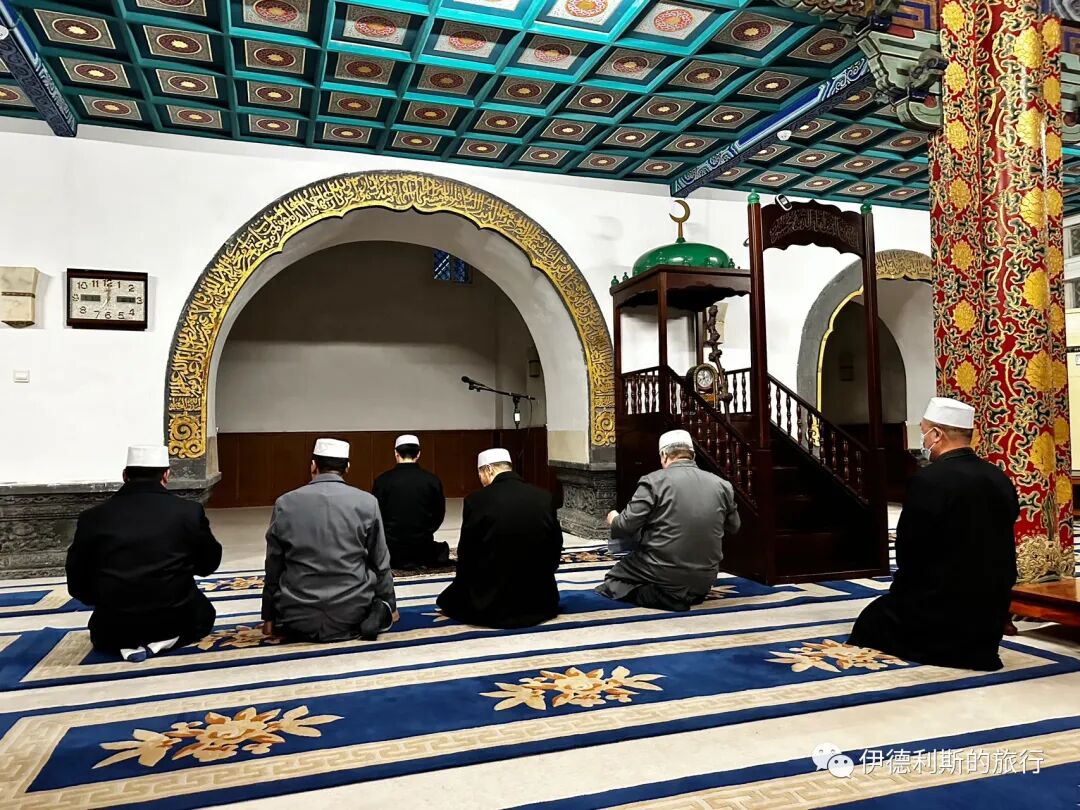
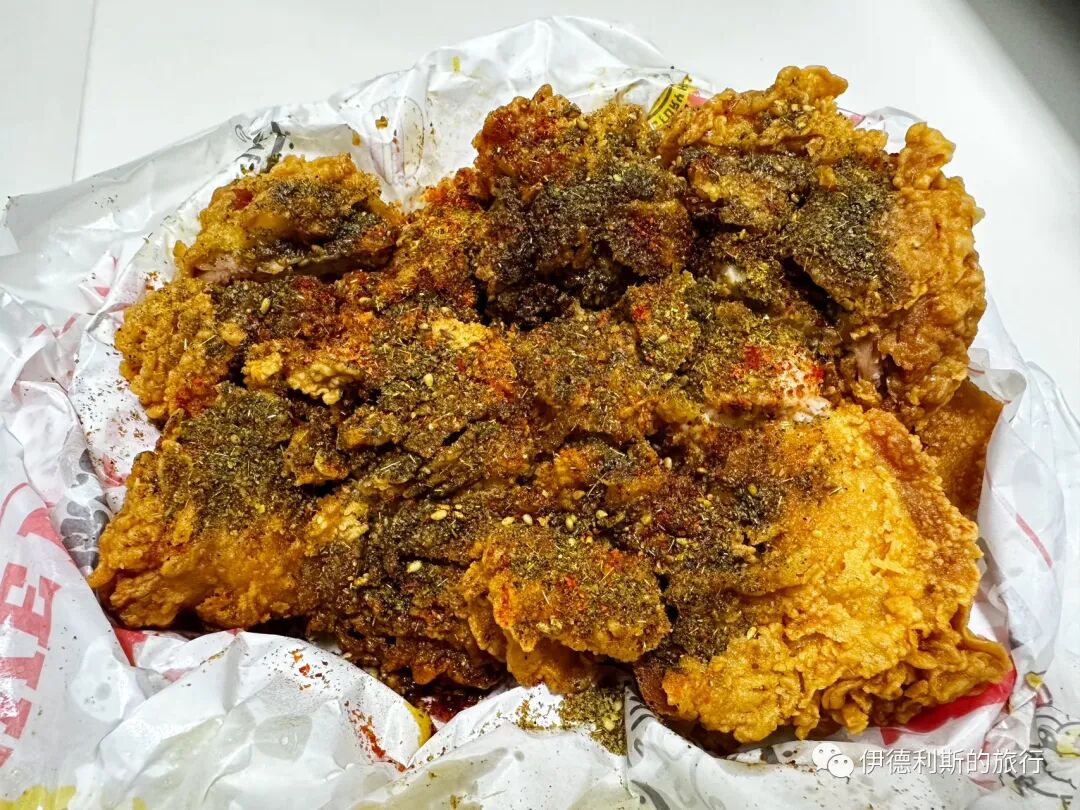
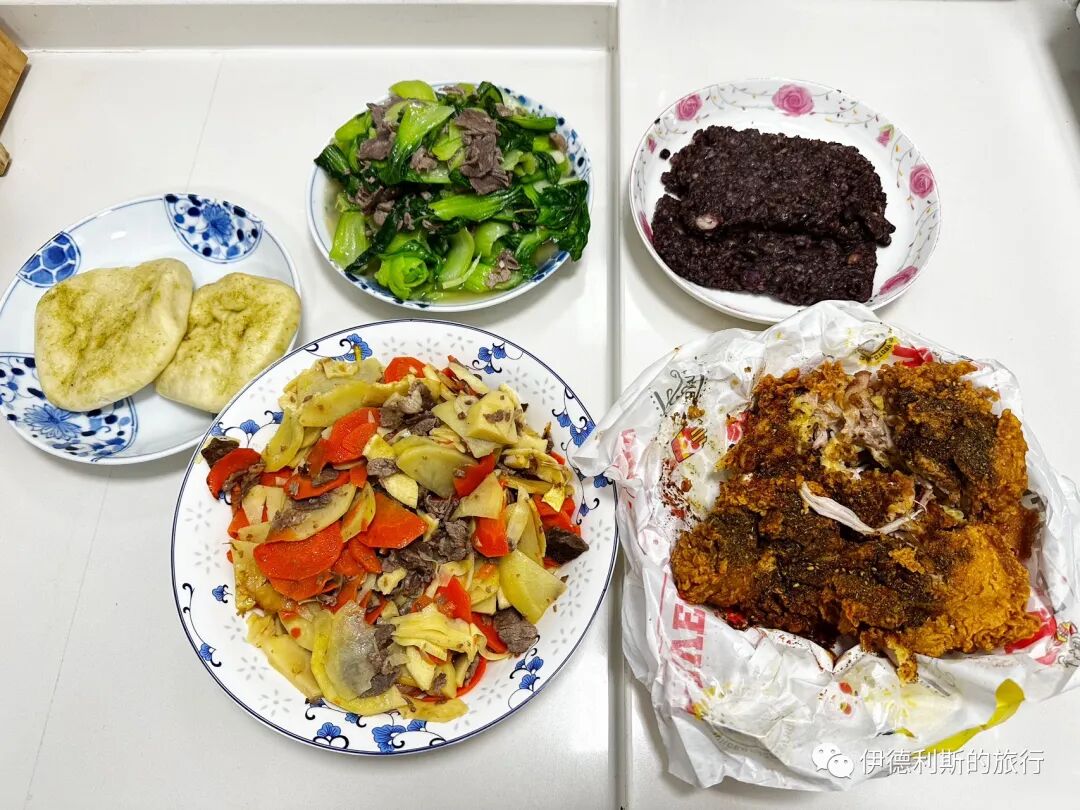
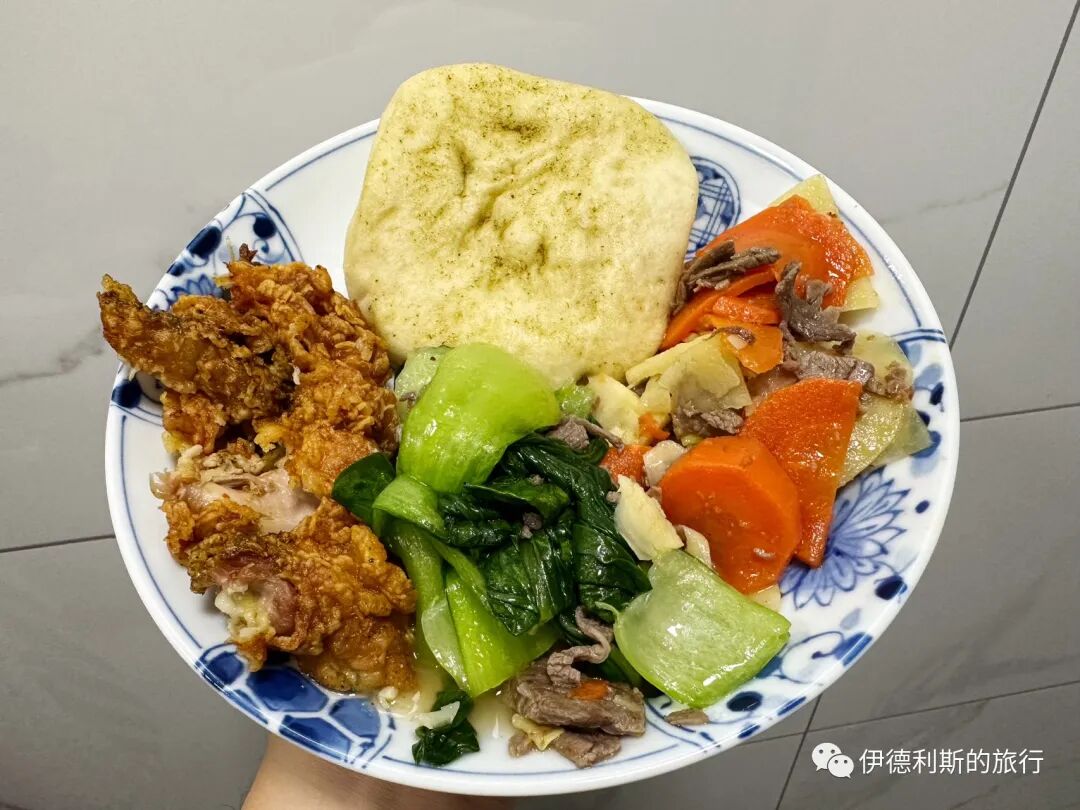
After Shamu finished, he rode his bike home. He passed a Niujie fried chicken shop on Dongsi North Street and bought a freshly fried chicken leg. When he got home, he ate the stir-fried rapeseed, spring bamboo shoots, carrots, and potatoes I had made earlier, along with the steamed buns (momo) my father-in-law had made for us.
April 4
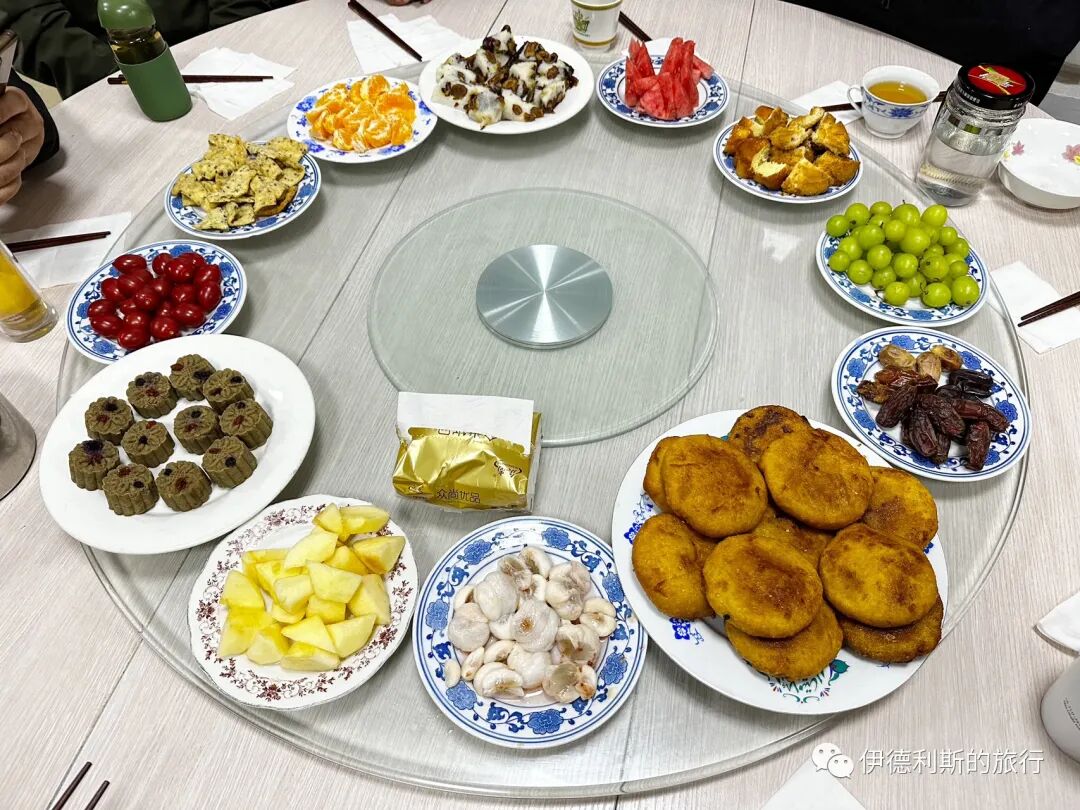
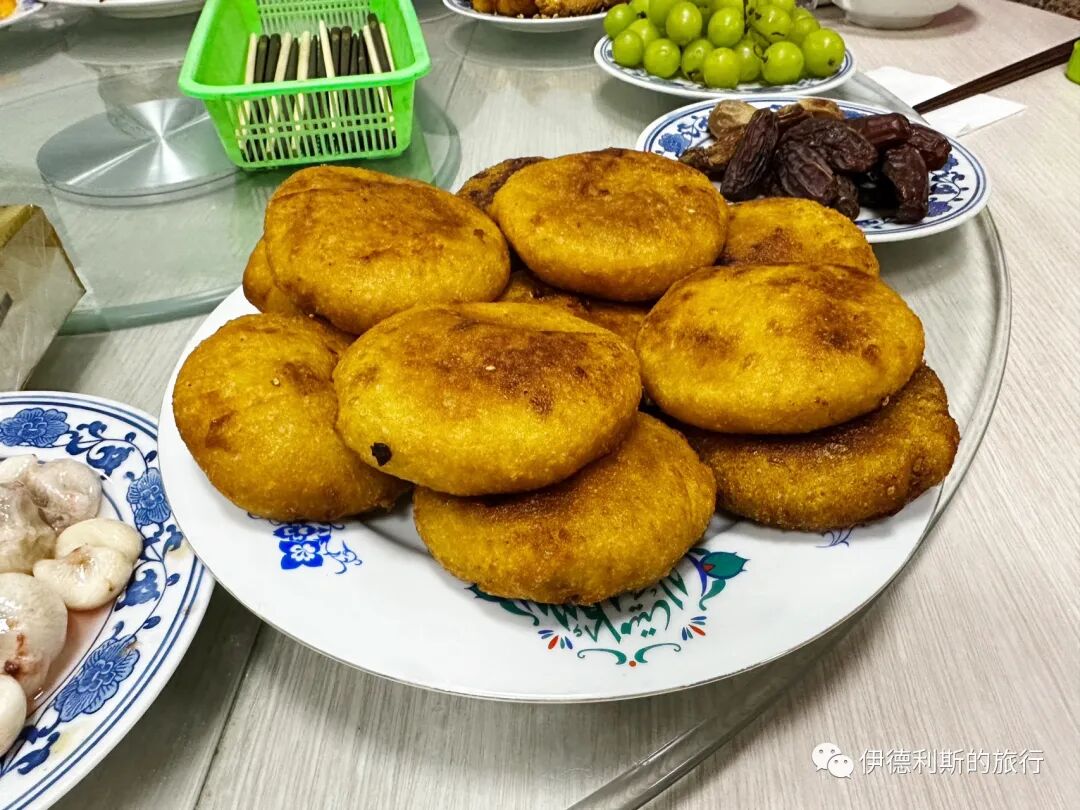
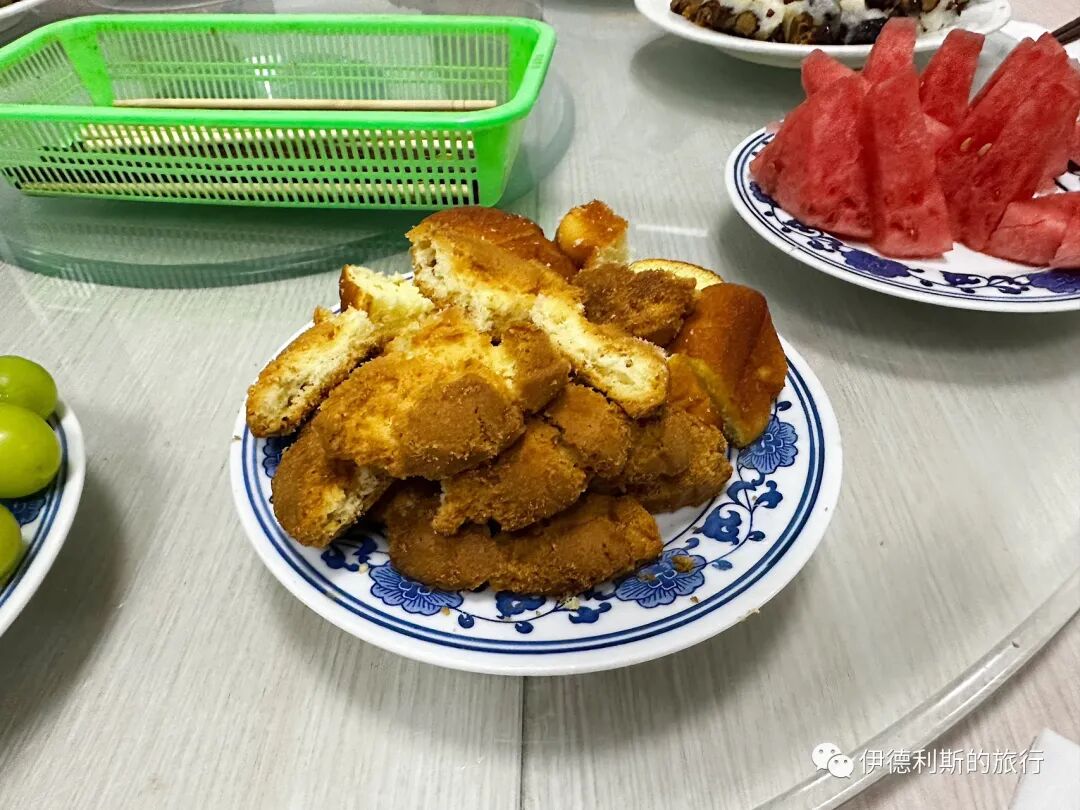
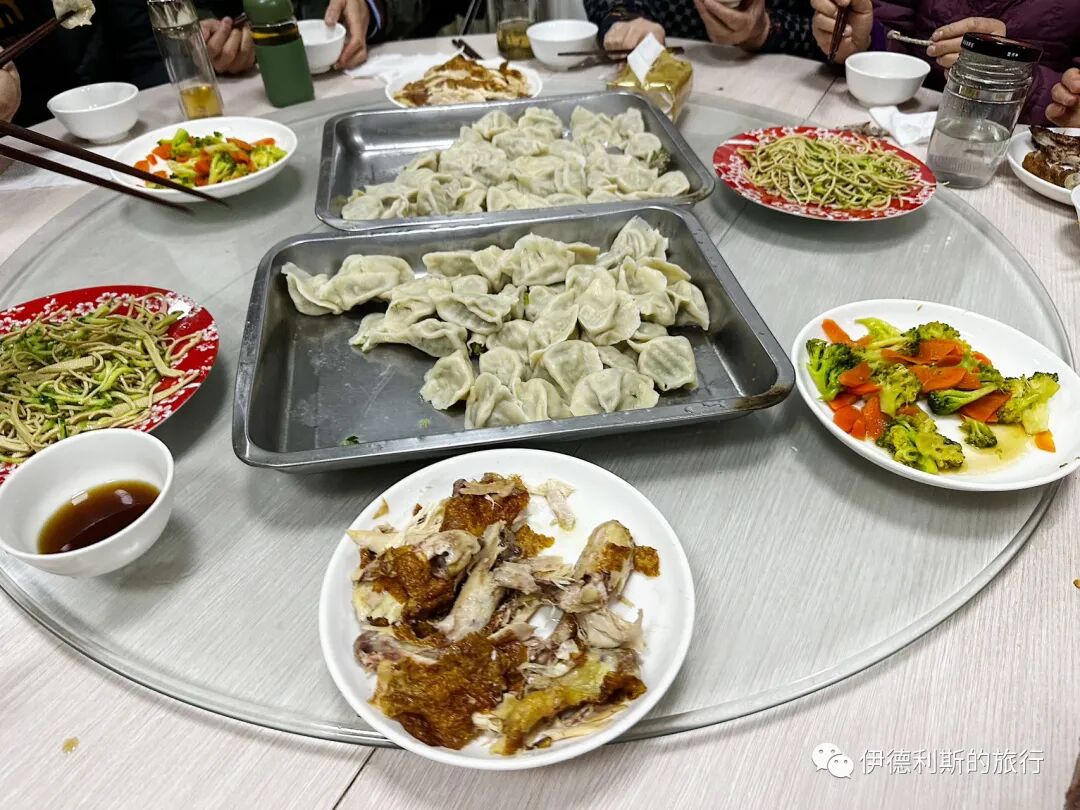
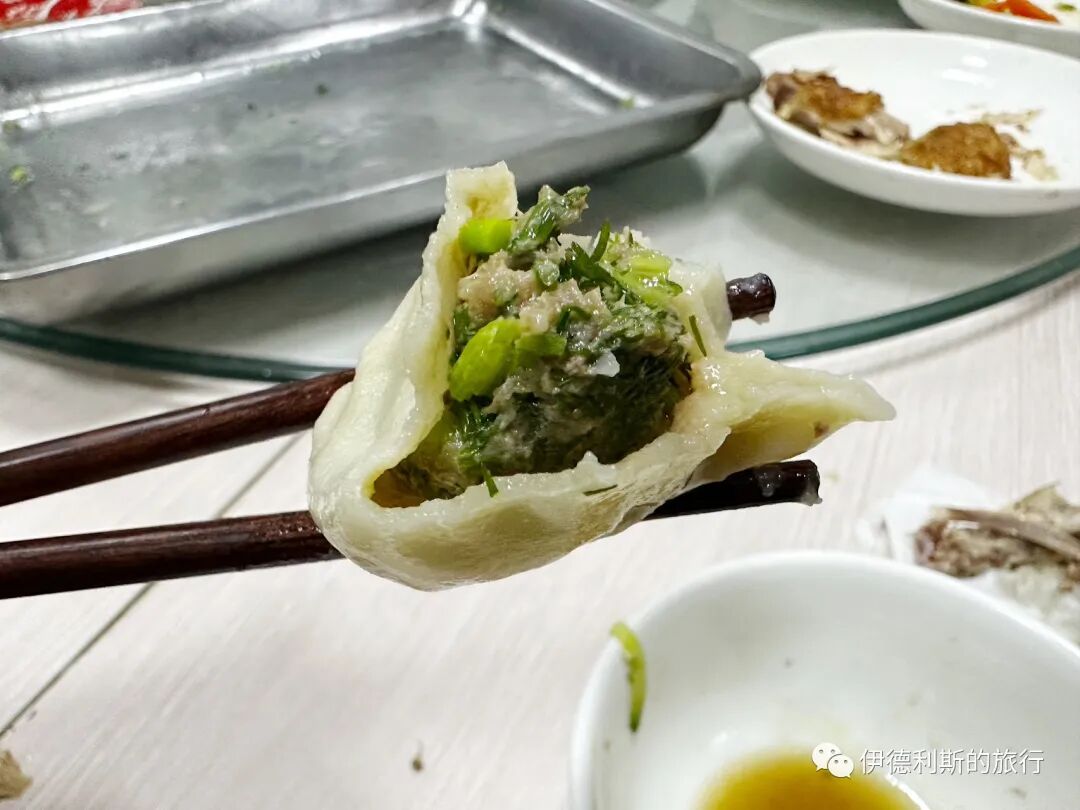
We went to the mosque outside Dongzhimen to break our fast in the spring rain. There were fried cakes (zhagao) freshly made by the elders; I hadn't eaten them in a long time! Shamu ate dumplings at the mosque. They were fennel and chive, which tasted better than the ones in restaurants and really reminded me of my childhood.
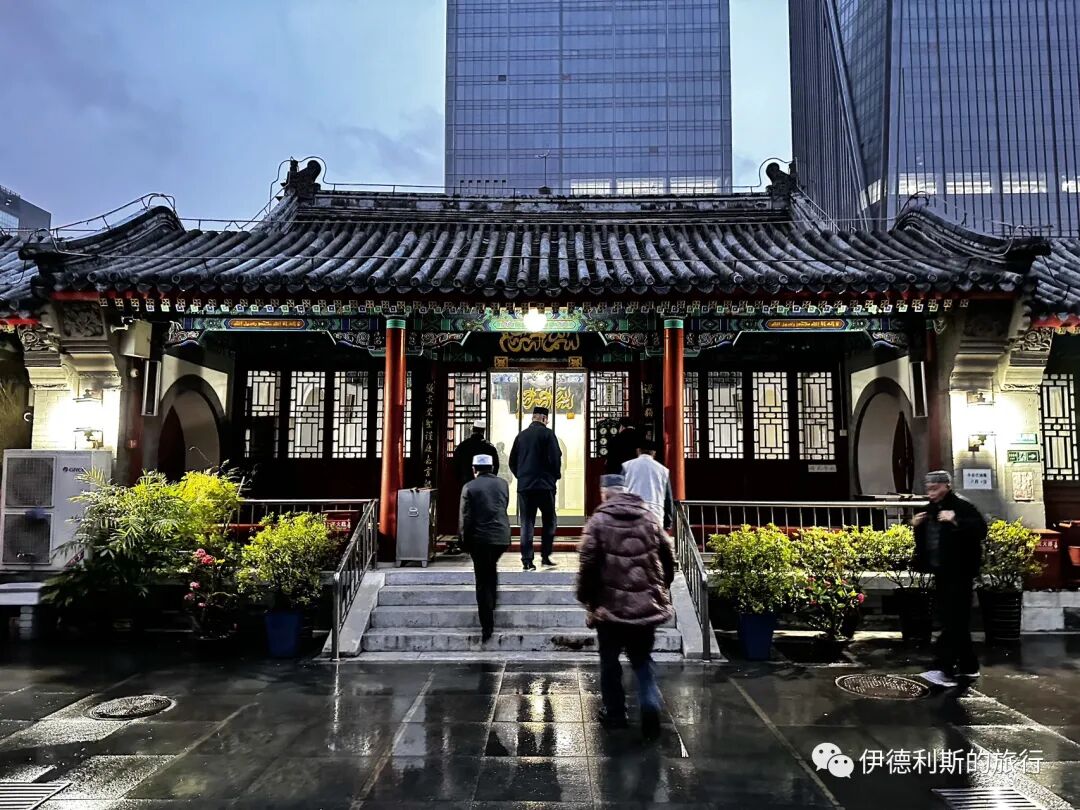
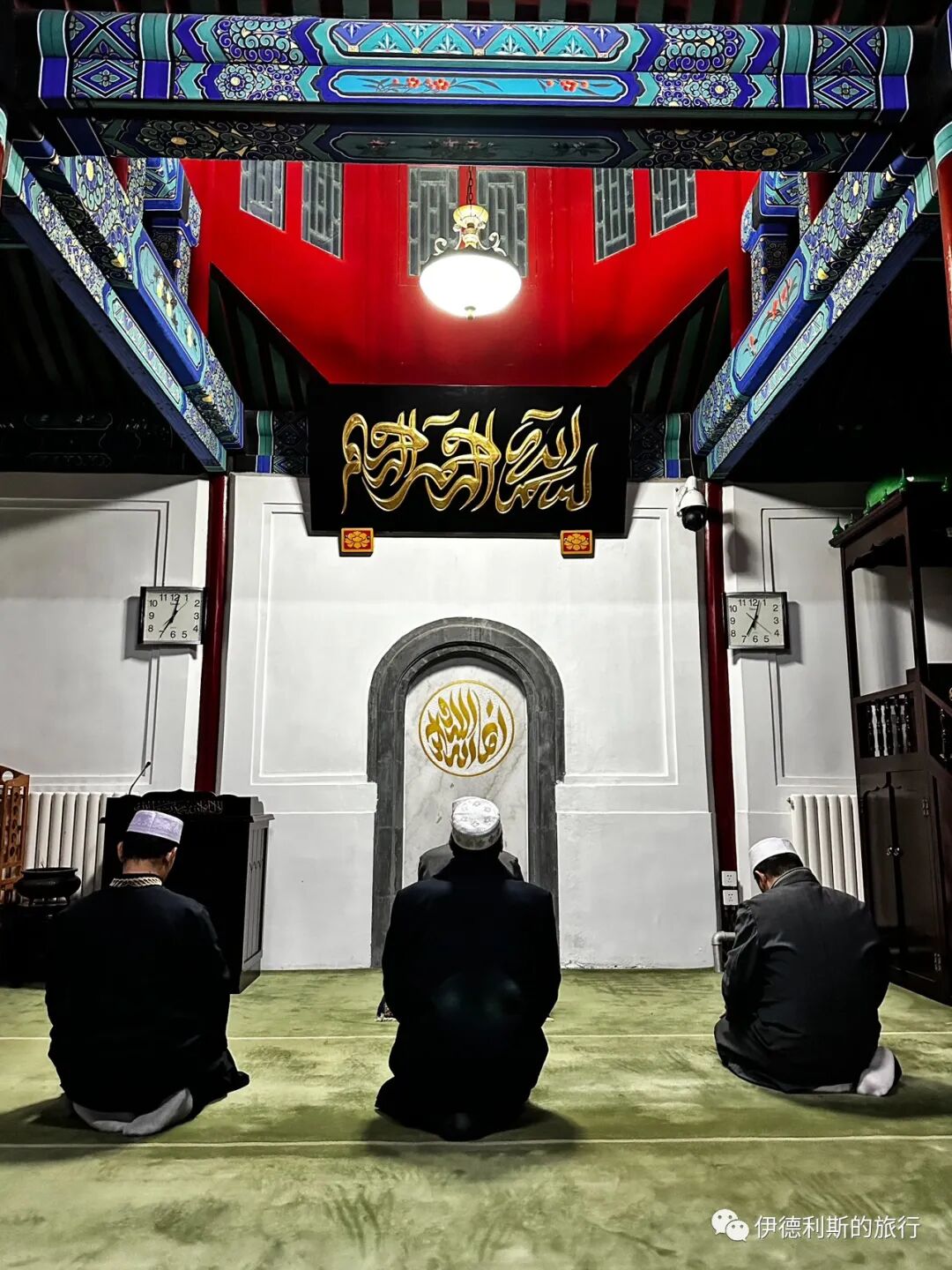
The mosque outside Dongzhimen was originally called the Erlizhuang Mosque. It was first built during the Yuan Dynasty and renovated during the Kangxi reign of the Qing Dynasty. In the late 1980s, Shougang Group and a Danish investor built international apartments in Erlizhuang, so the old mosque was moved one kilometer to the northwest and rebuilt. It was completed in 1991 and reopened in 1993.
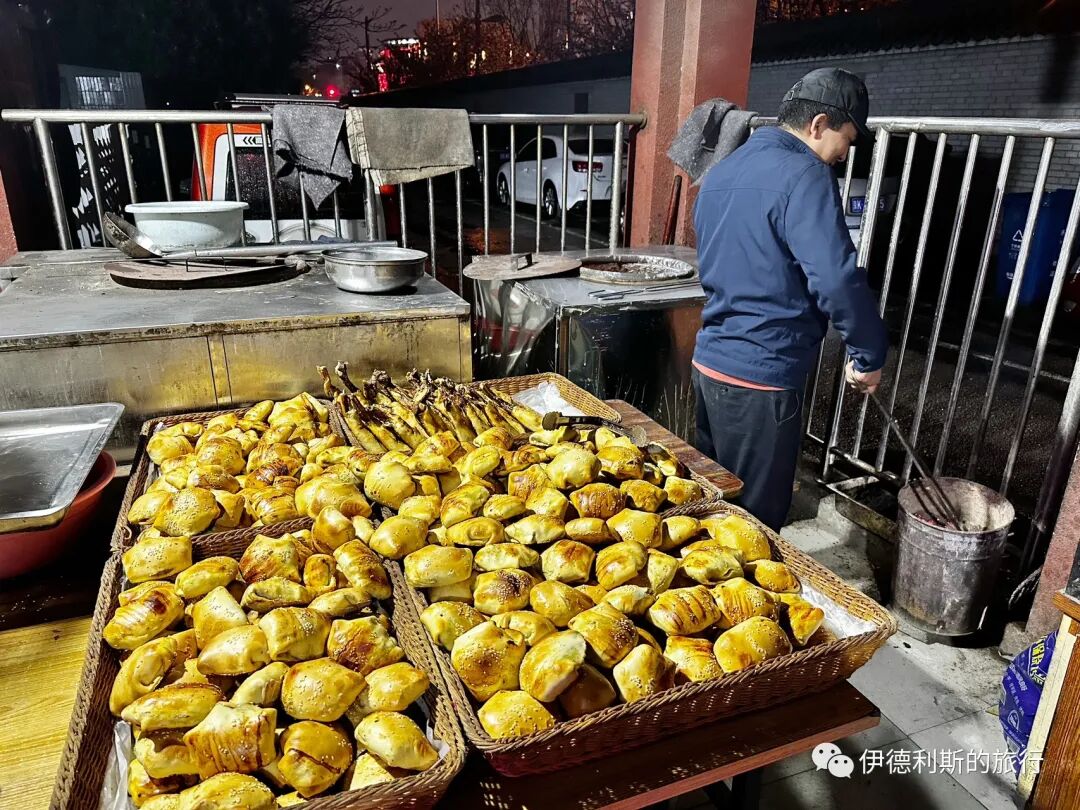
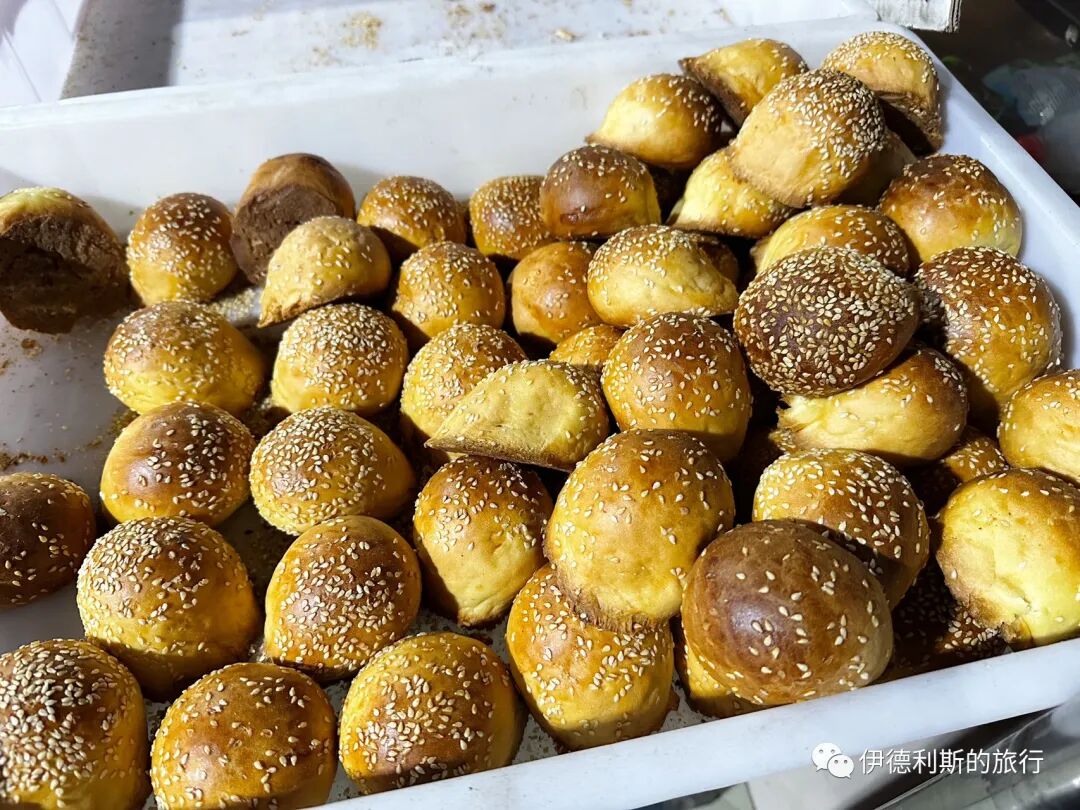
After coming out, I bought two milk flatbreads (naizi nang) at the bakery by the mosque gate to eat for the next day's fast.
April 6
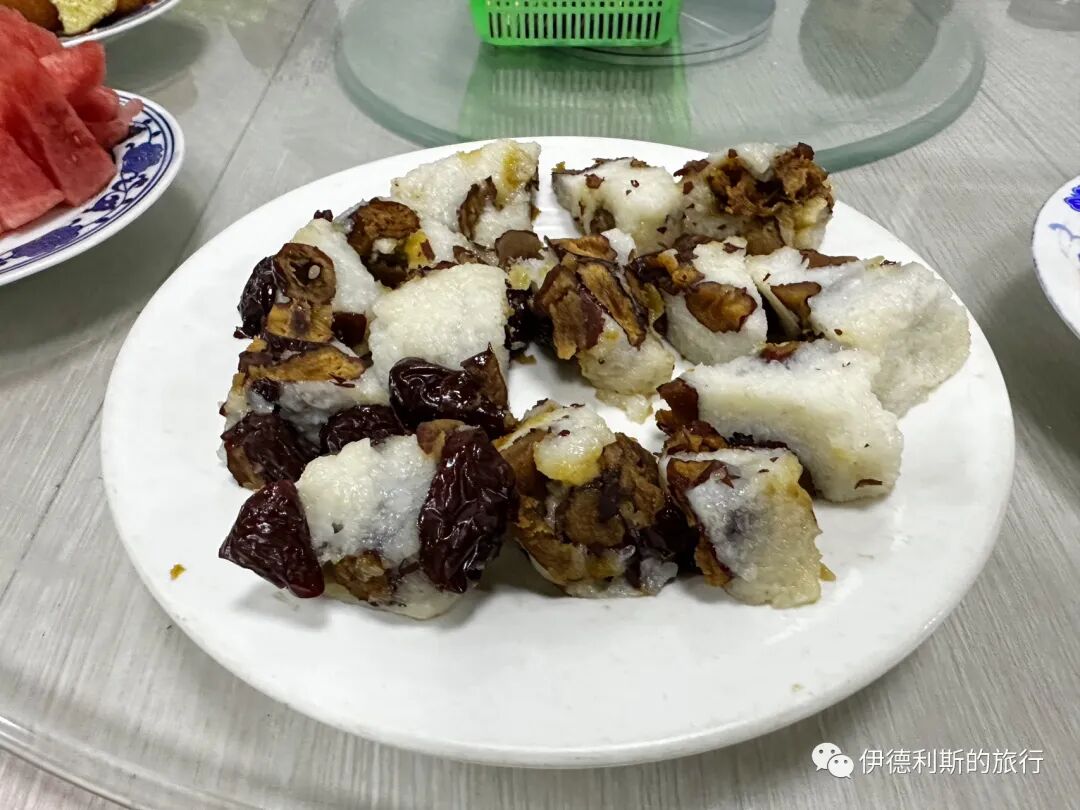
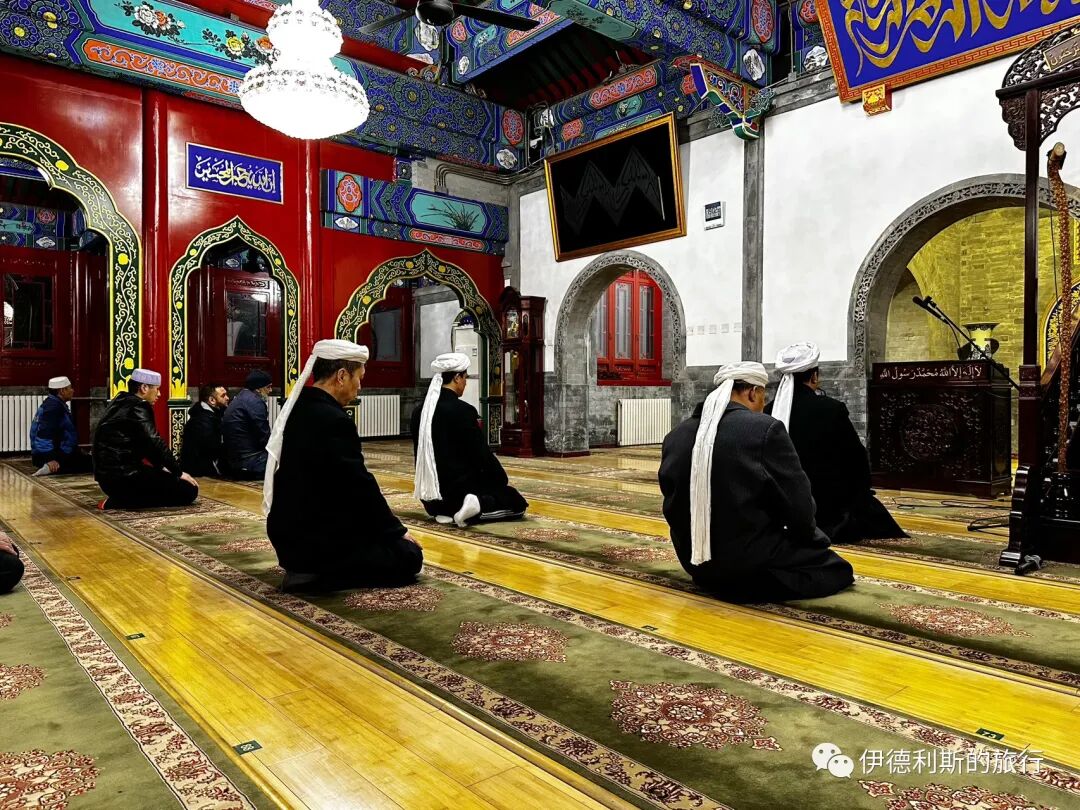
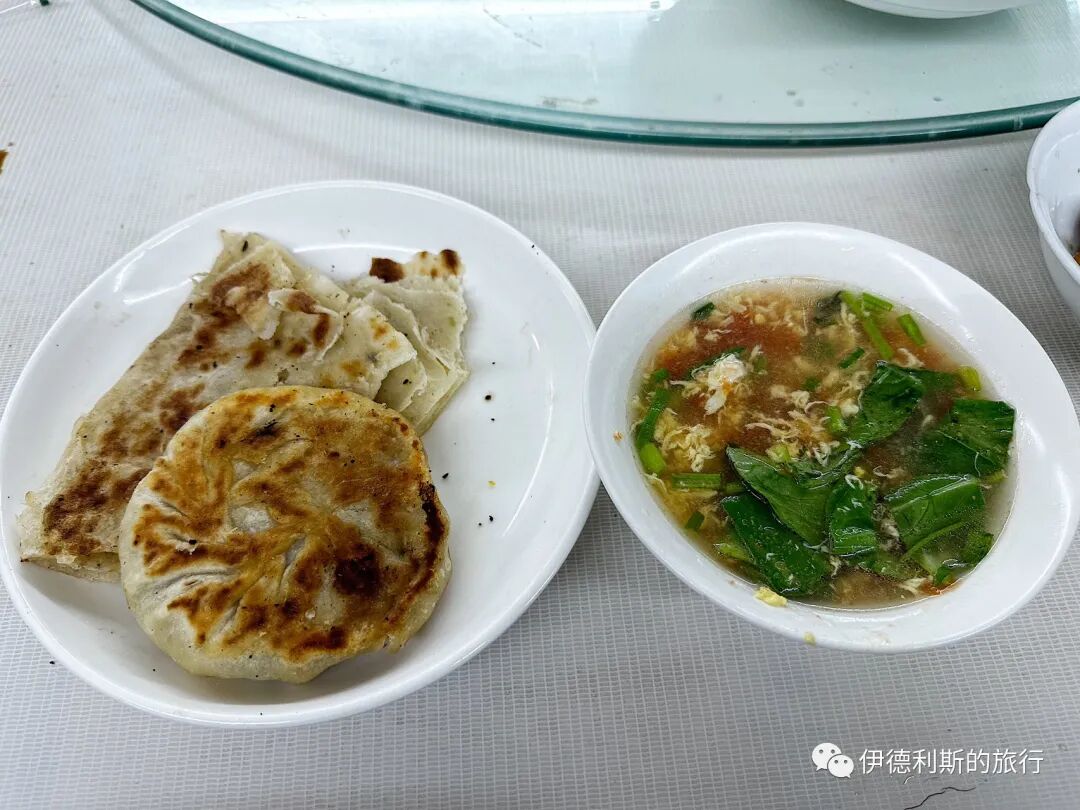
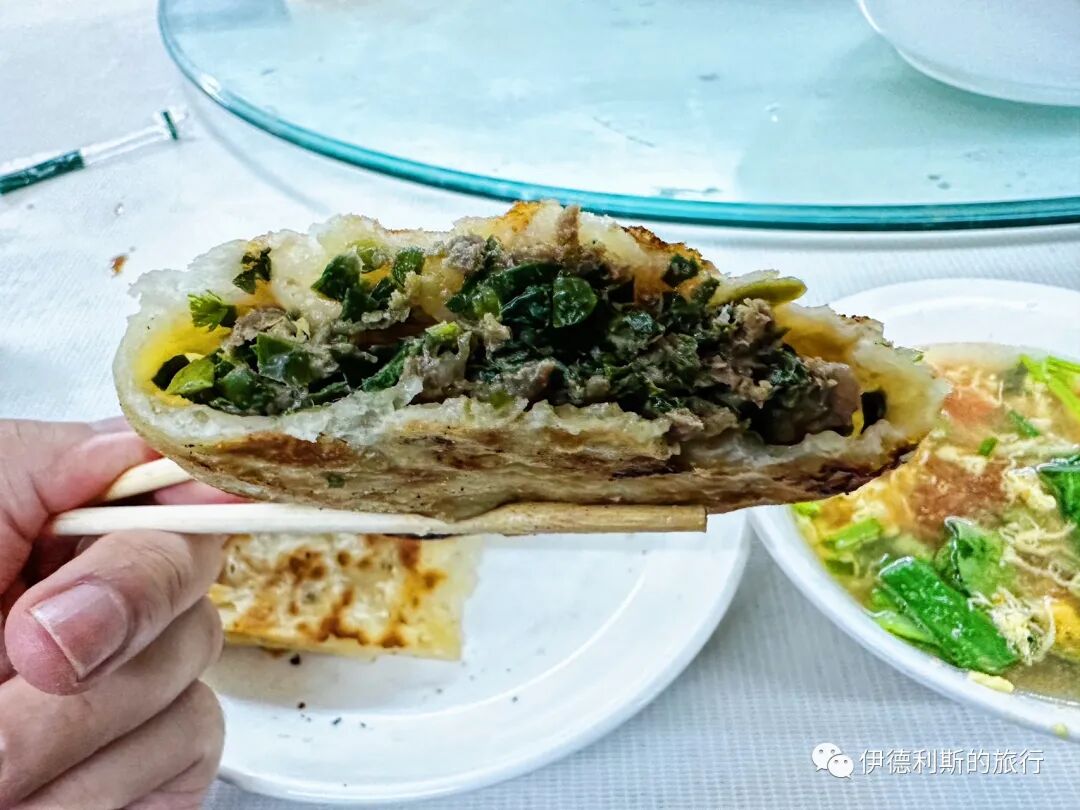
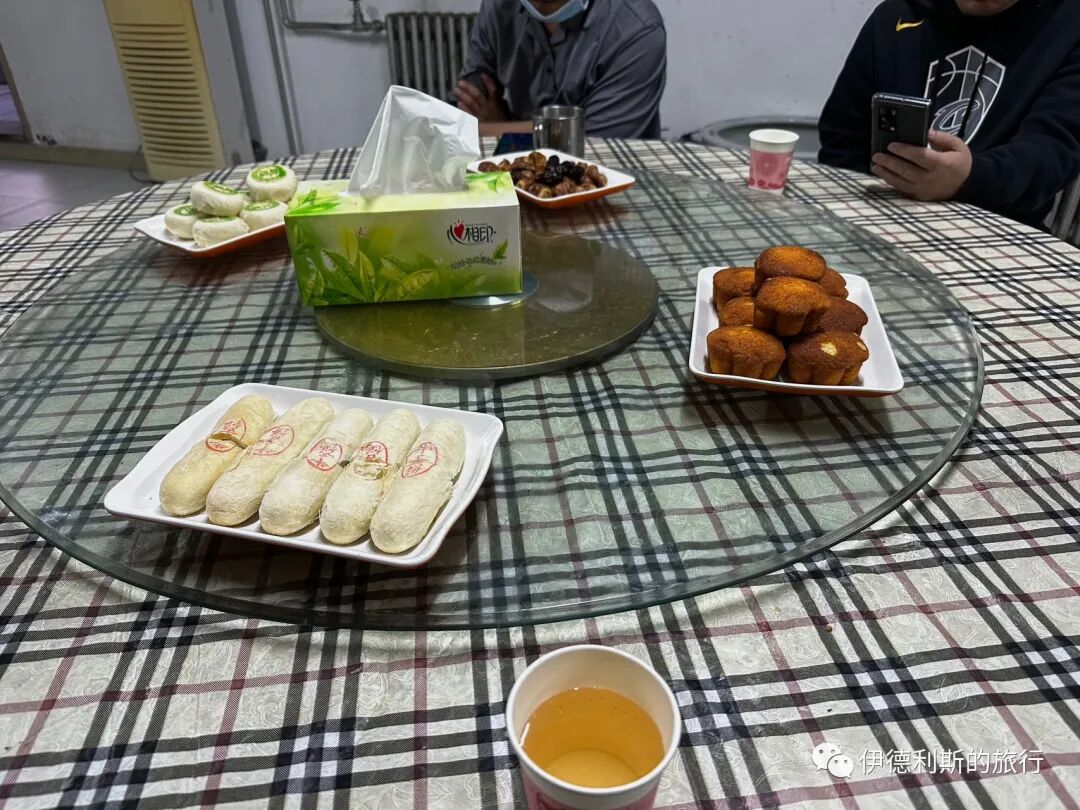
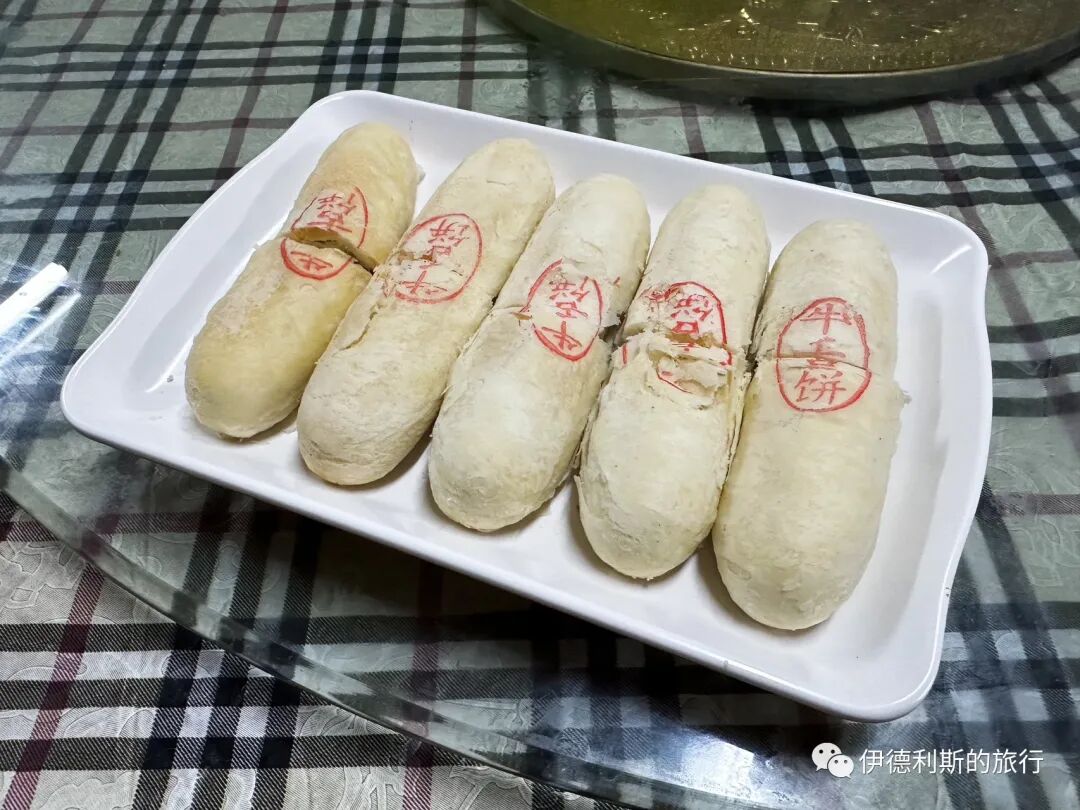
In the evening, we broke our fast at the Nanhxiapo Mosque and had some glutinous rice strips (jiangmitiao), which I loved as a child. After Shamu finished, he ate some meat pies (xianbing) given out by the elders, which were delicious.
April 7
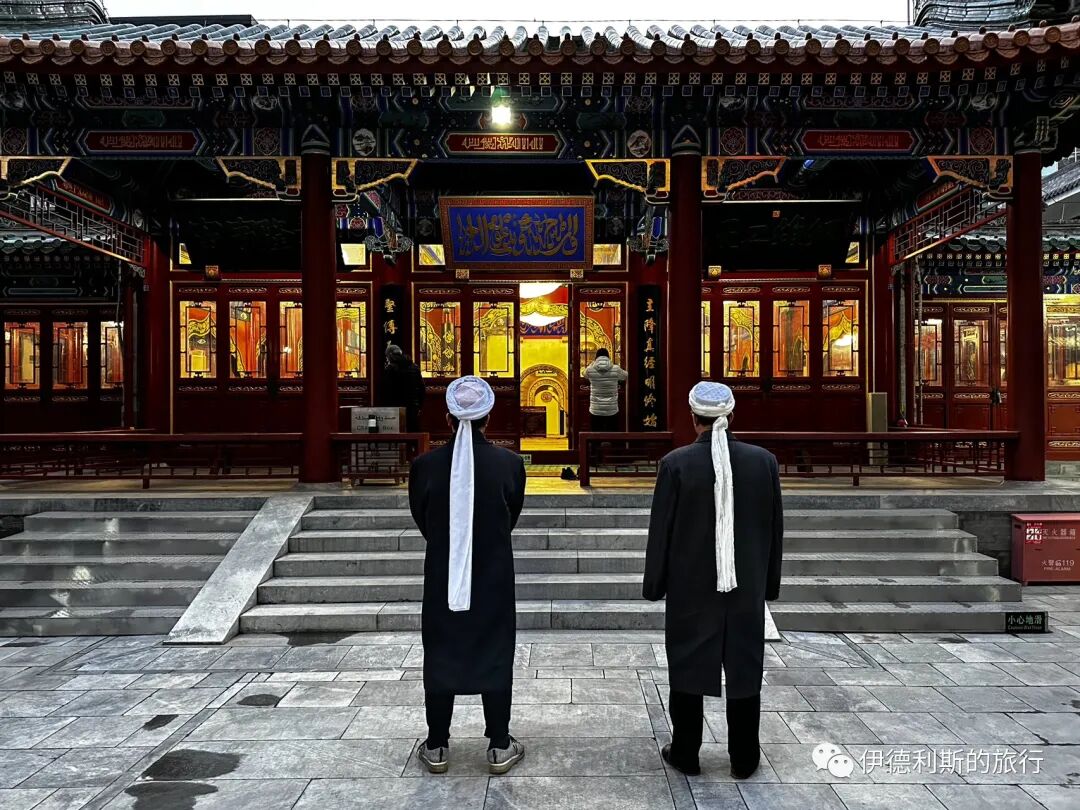
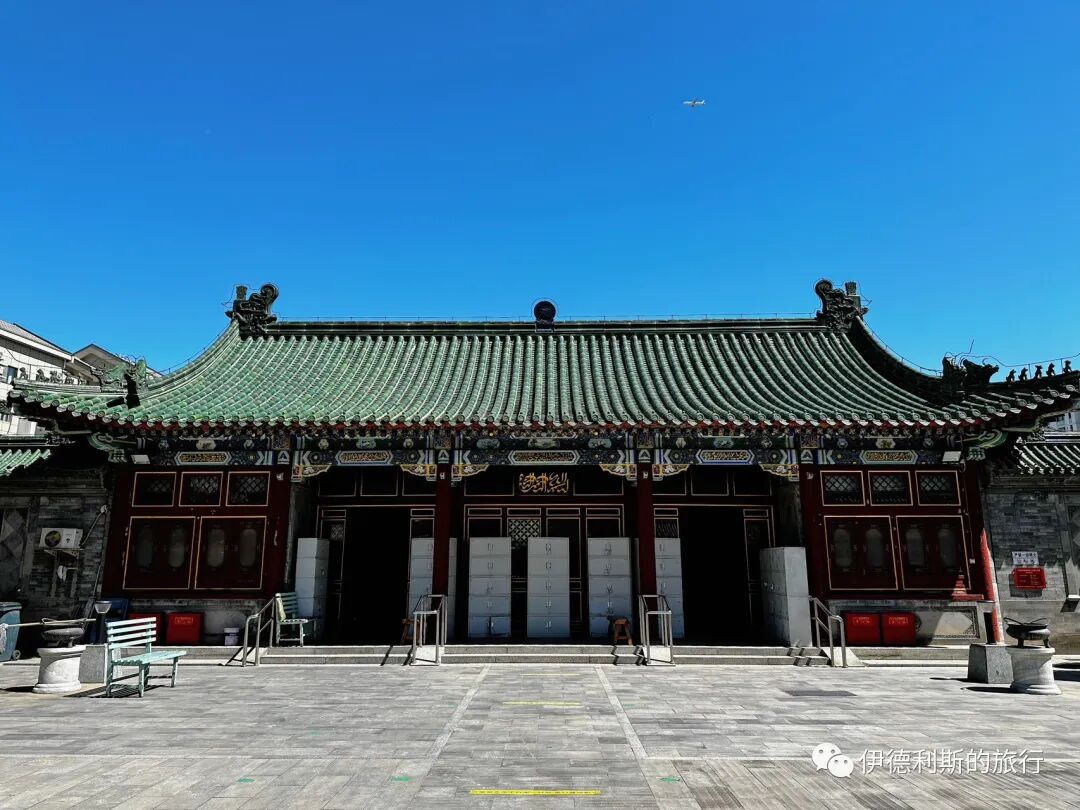
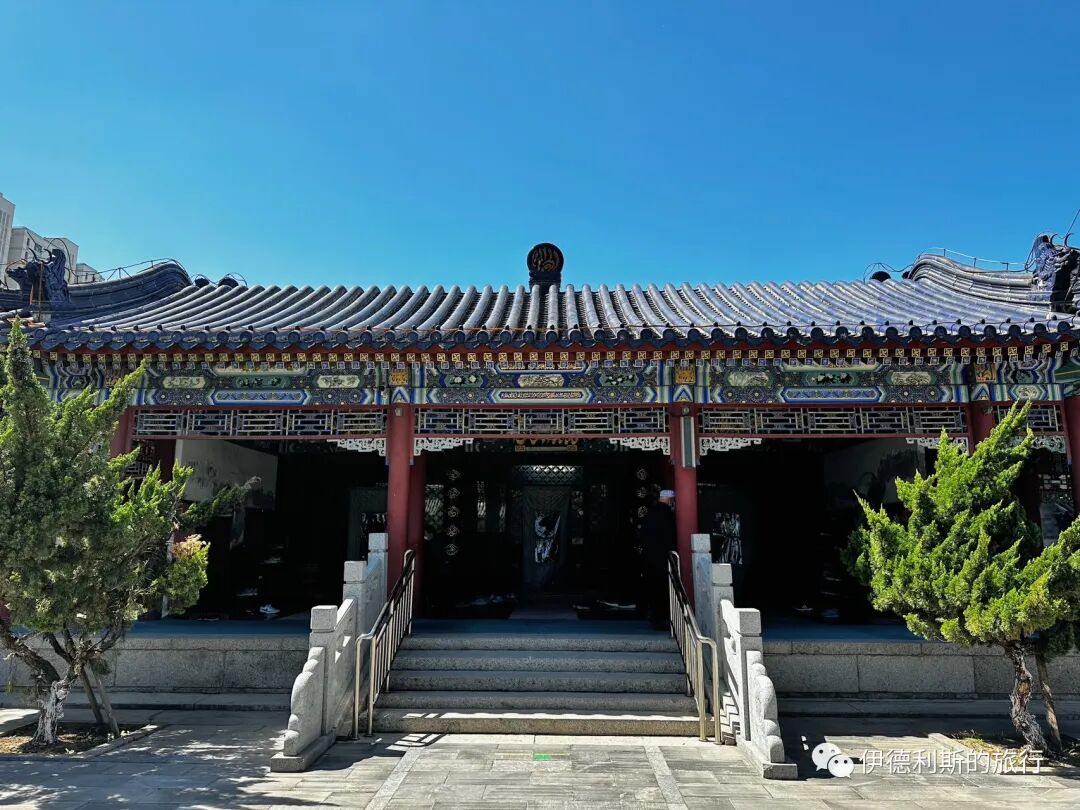
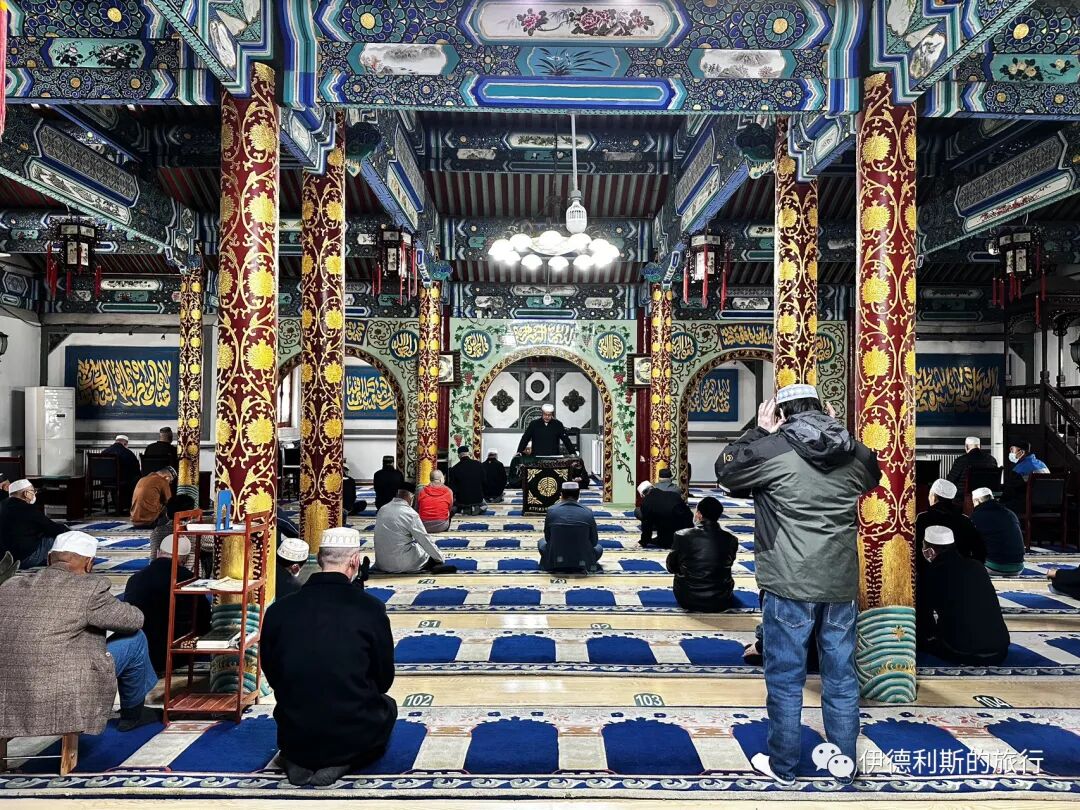
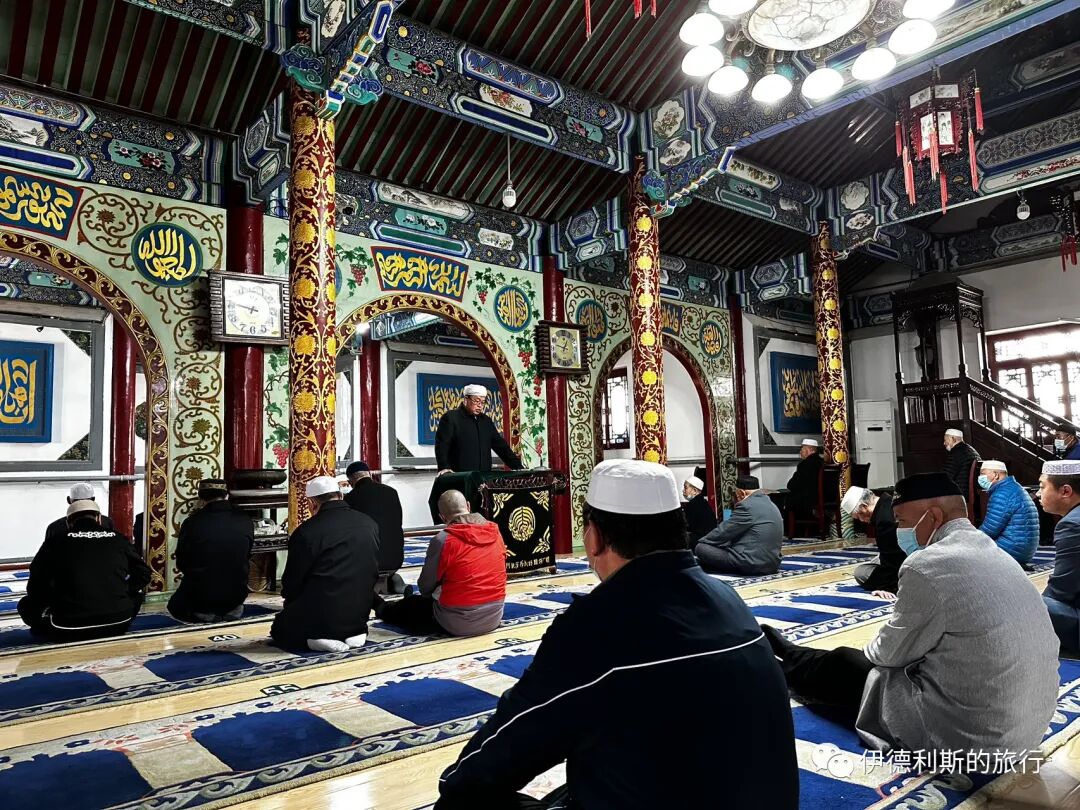
It was the third Friday (Jumu'ah) of Ramadan, and we were at the Changying Mosque again. The sky today was as blue as if it had been washed, clear and vast, just like a painting.
Inside the Changying Mosque, there is a 1937 stone tablet titled "Last Words of My Late Mother," which is a precious record of the Changying Women's Mosque. It says, "Sacrificing the family house in the west courtyard, we converted the former girls' school into a women's bathing facility." But the two rooms on the east side were kept as a place for Lin and others to stay when they returned home. "" The "Lin" mentioned here refers to Zhang Zhaolin, a Hui Muslim from Changying who was known as one of the "Five Great Hui Journalists of the Republic of China."
According to the article "With the Zhang Zhaolin Brothers," Zhang Zhaolin, whose courtesy name was Ziqi, was born in Changying in 1865. His grandfather and great-uncle were both military scholars (wujinshi) in the same year during the Daoguang reign. When he was four or five, his family's fortunes declined. He only attended a private village school before becoming an apprentice at a grocery store. In 1909, Zhang Zhaolin founded the "Xingshi Bao" (Awakening Times) in Fengtian, which was the most important vernacular newspaper in Fengtian at the time.
April 8
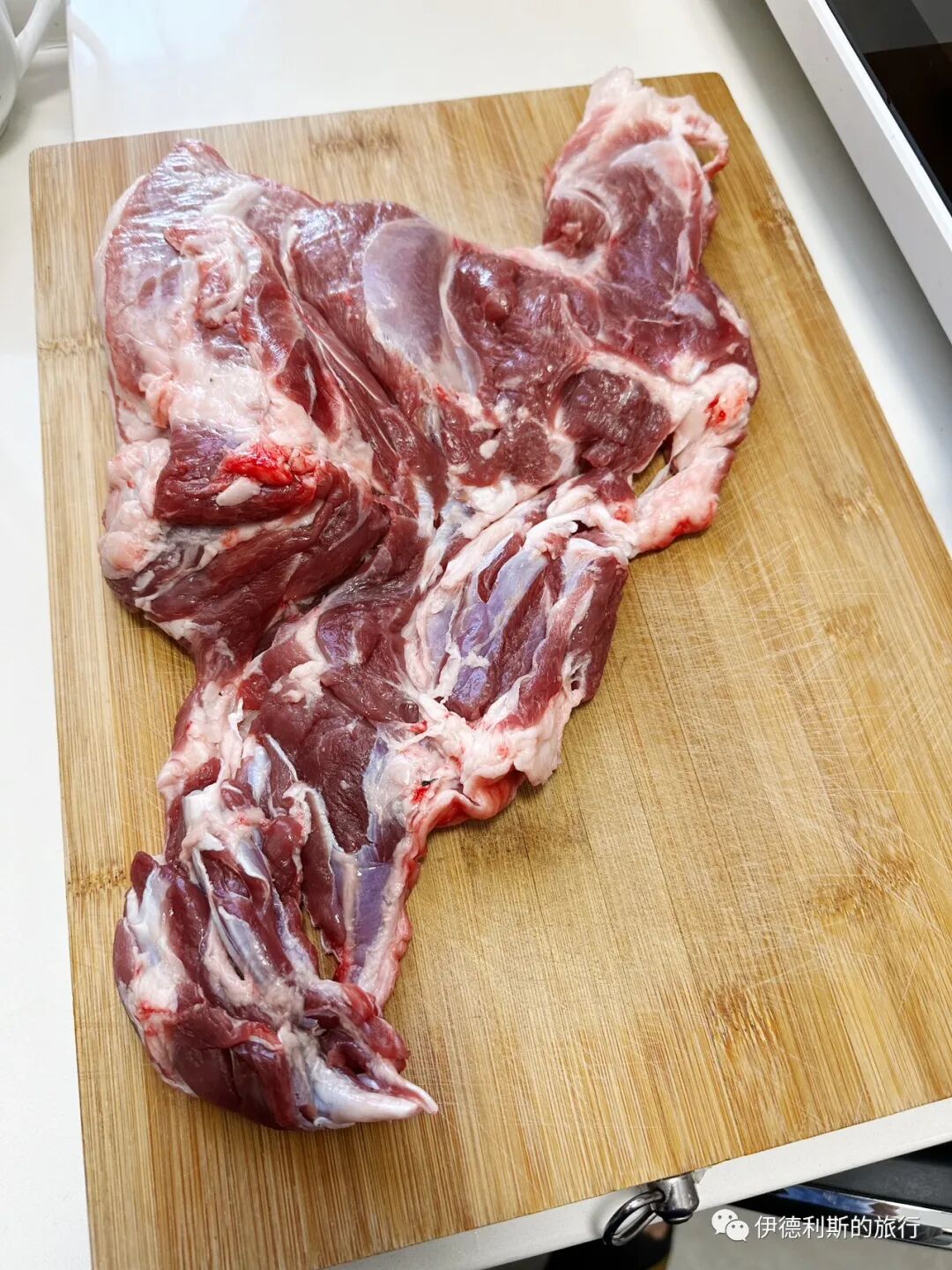
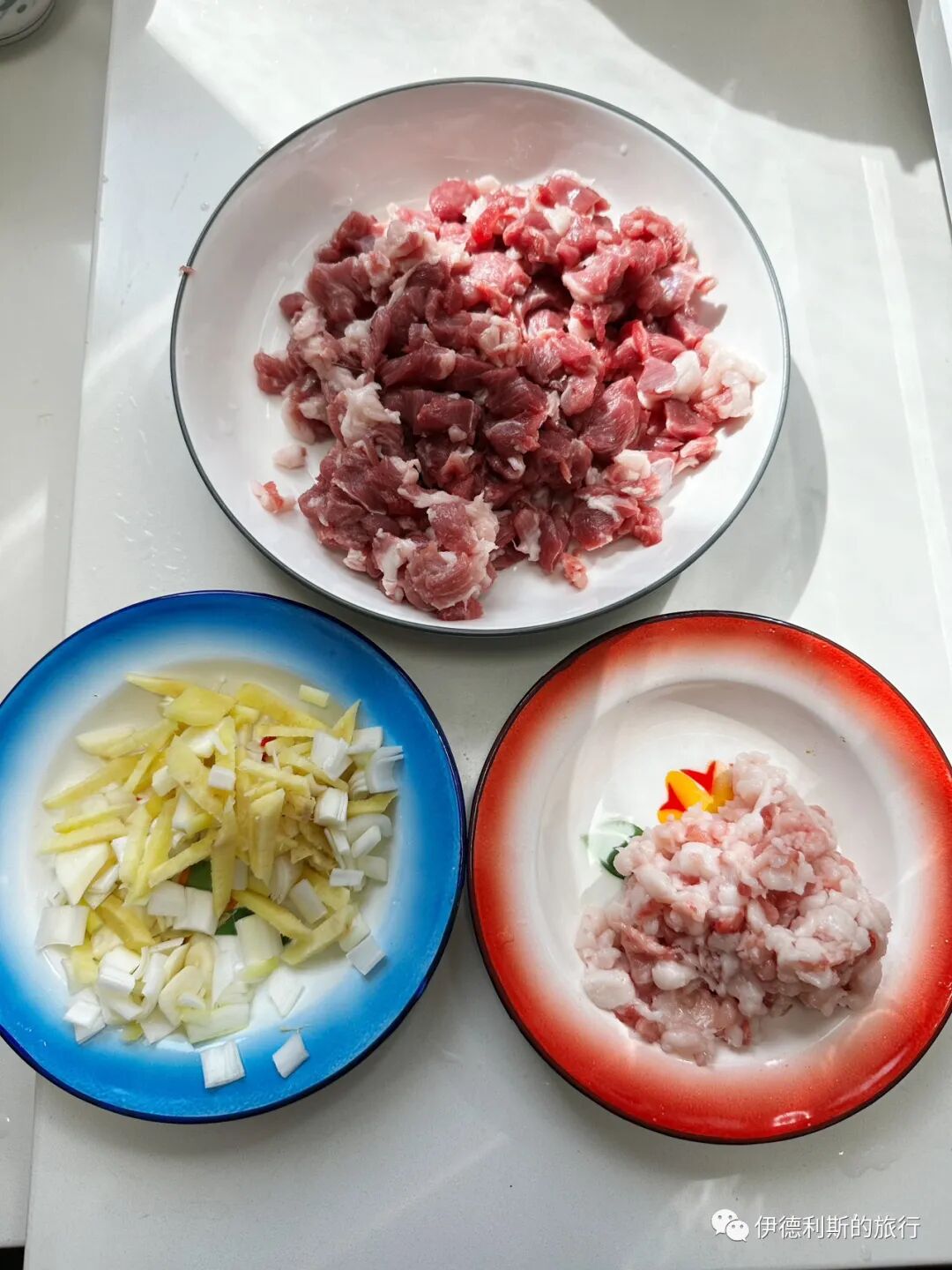
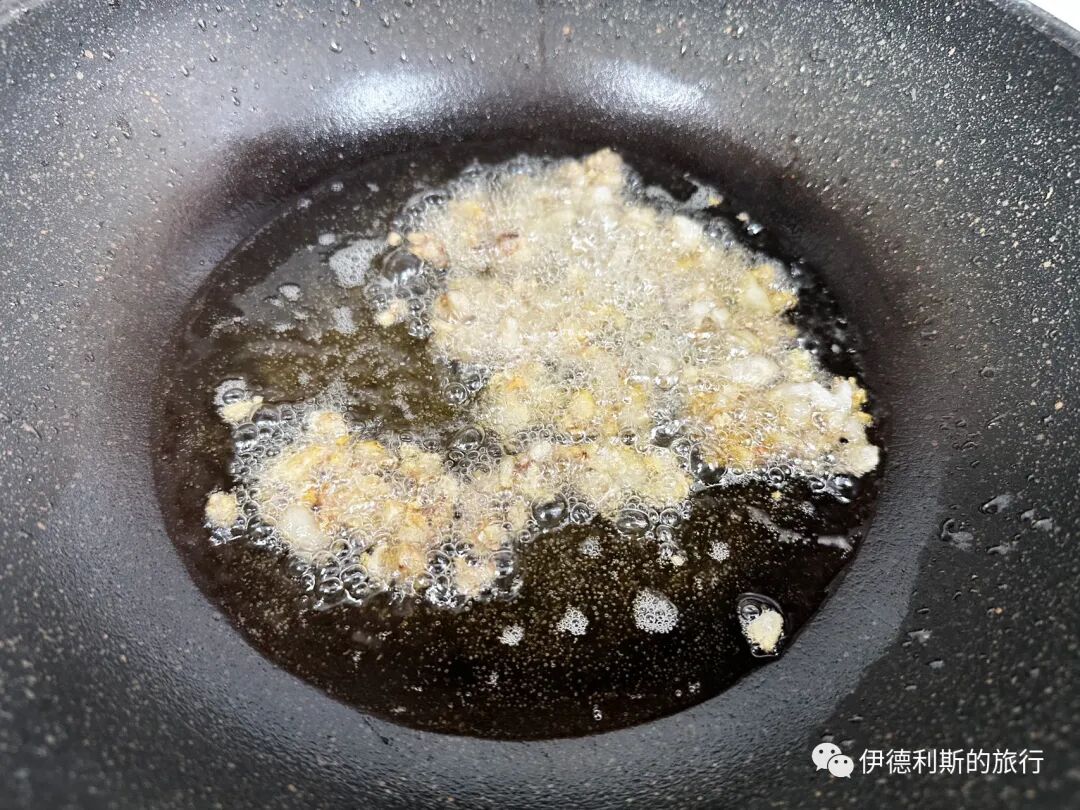
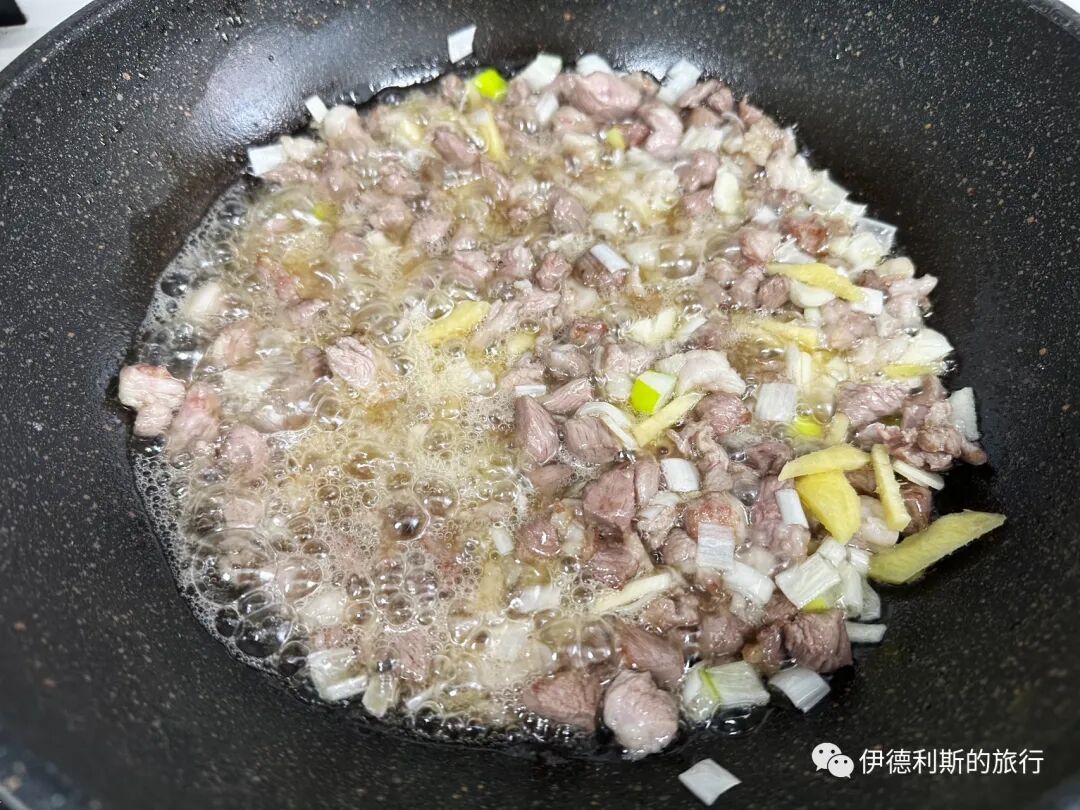
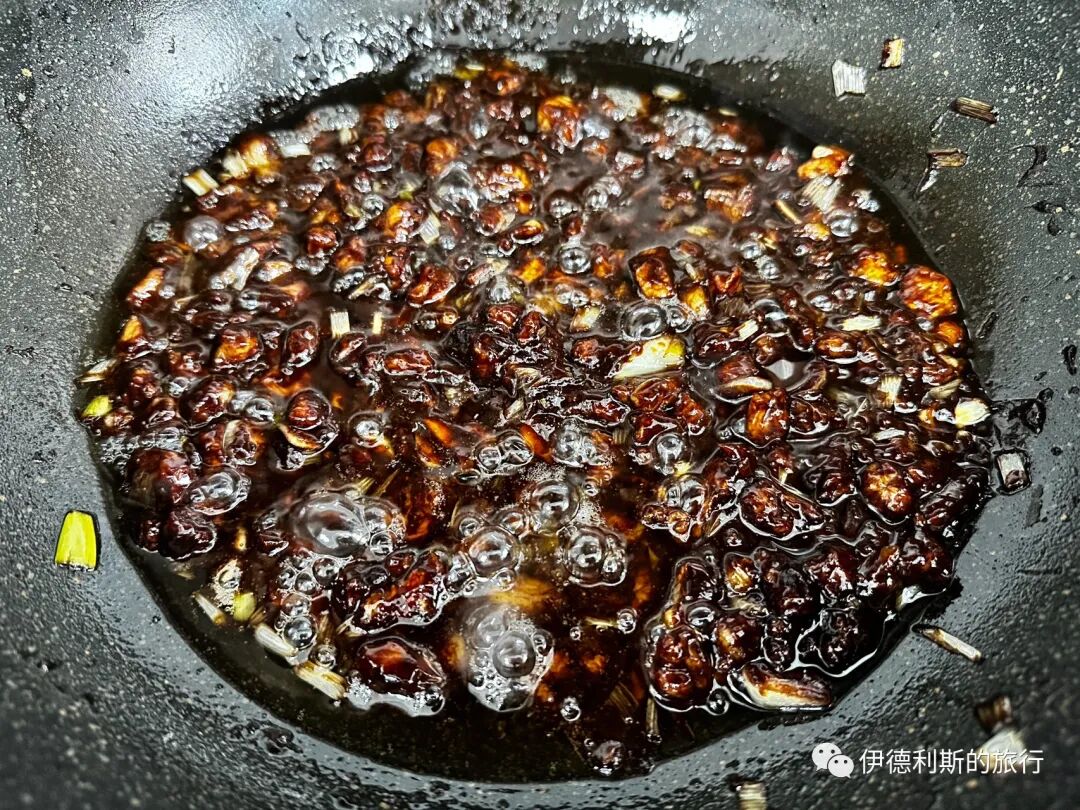
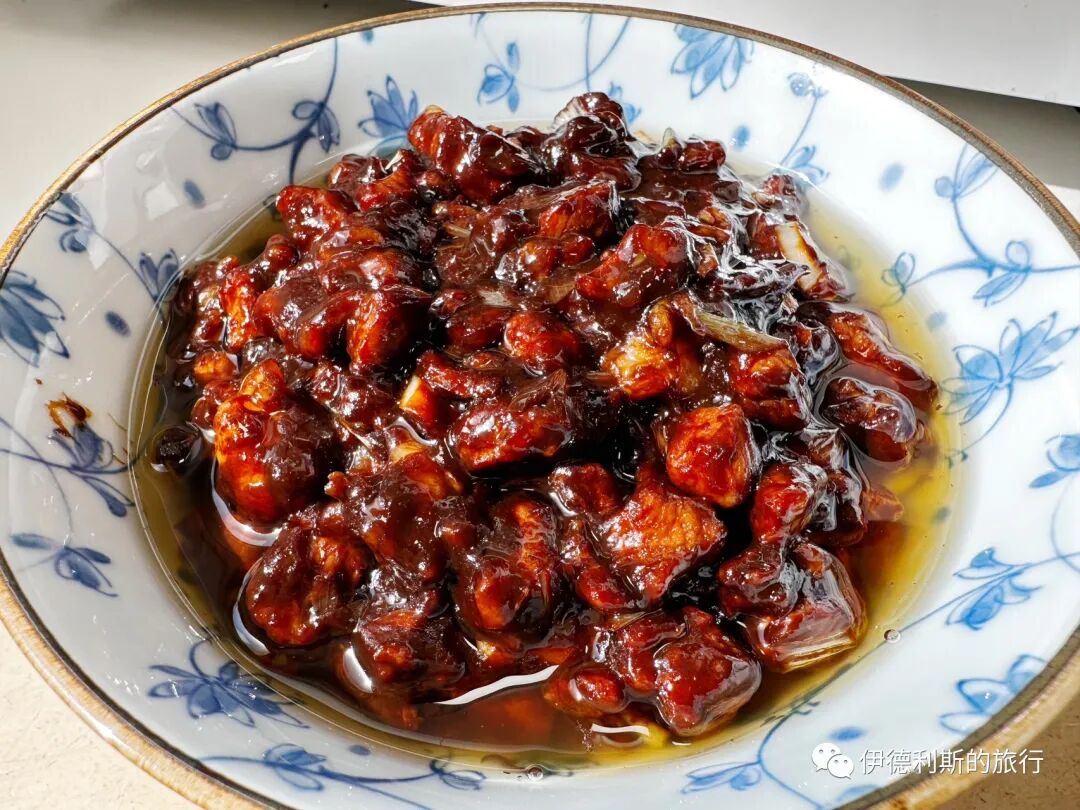
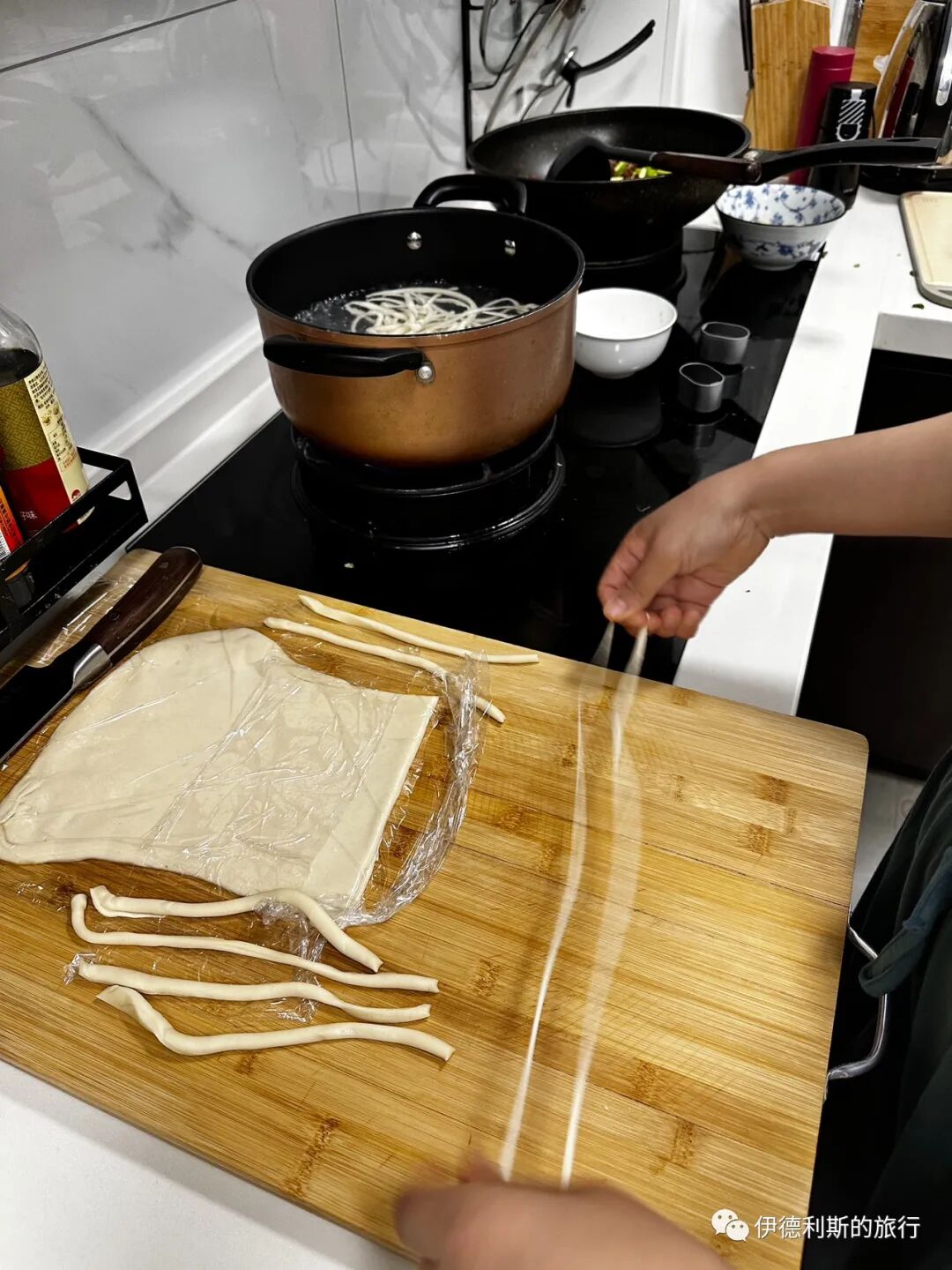
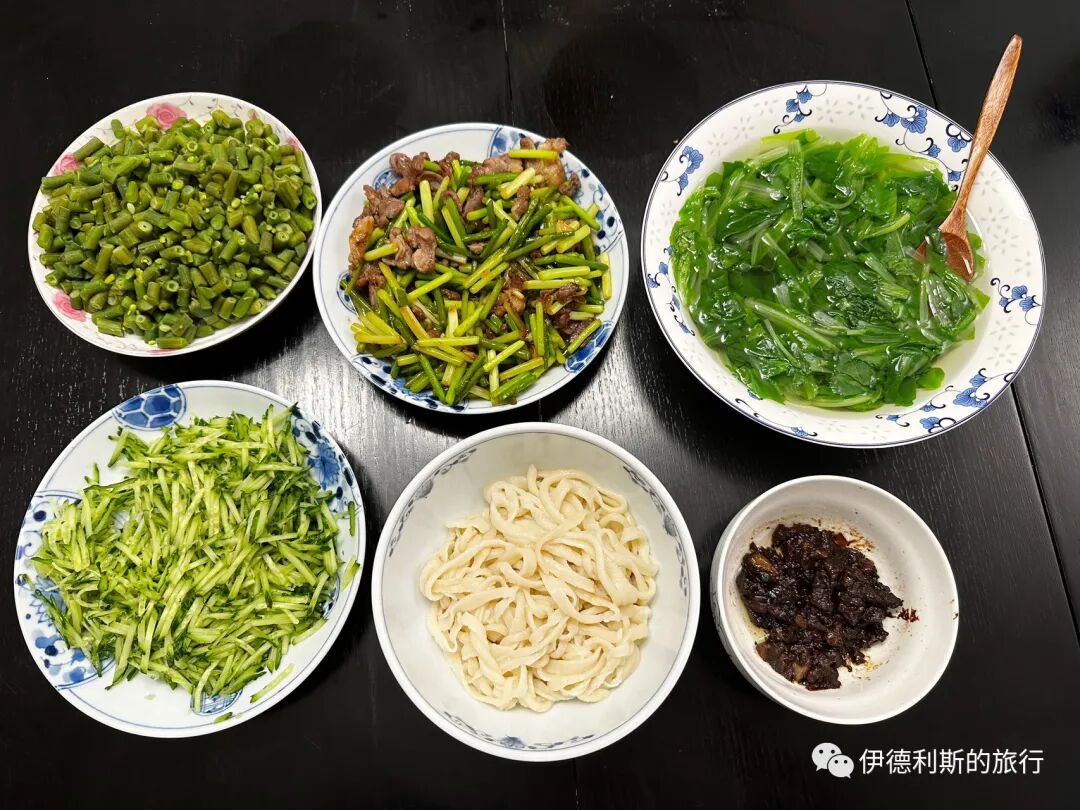
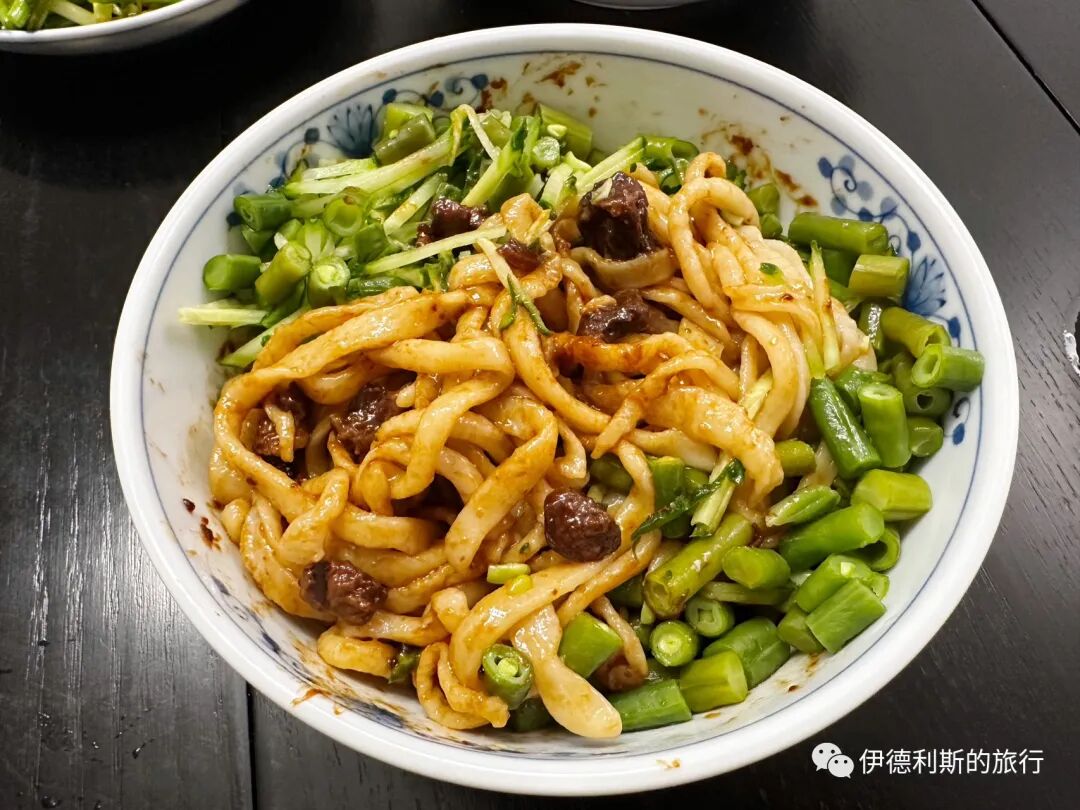
I spent the weekend at home taking care of Suleiman. I went out in the morning to buy vegetables and meat. I bought fresh lamb at a lamb stall next to Dongzhimen Hospital and made lamb soybean paste noodles (zhajiangmian) for breaking the fast, with noodles pulled by Zainab.
April 9
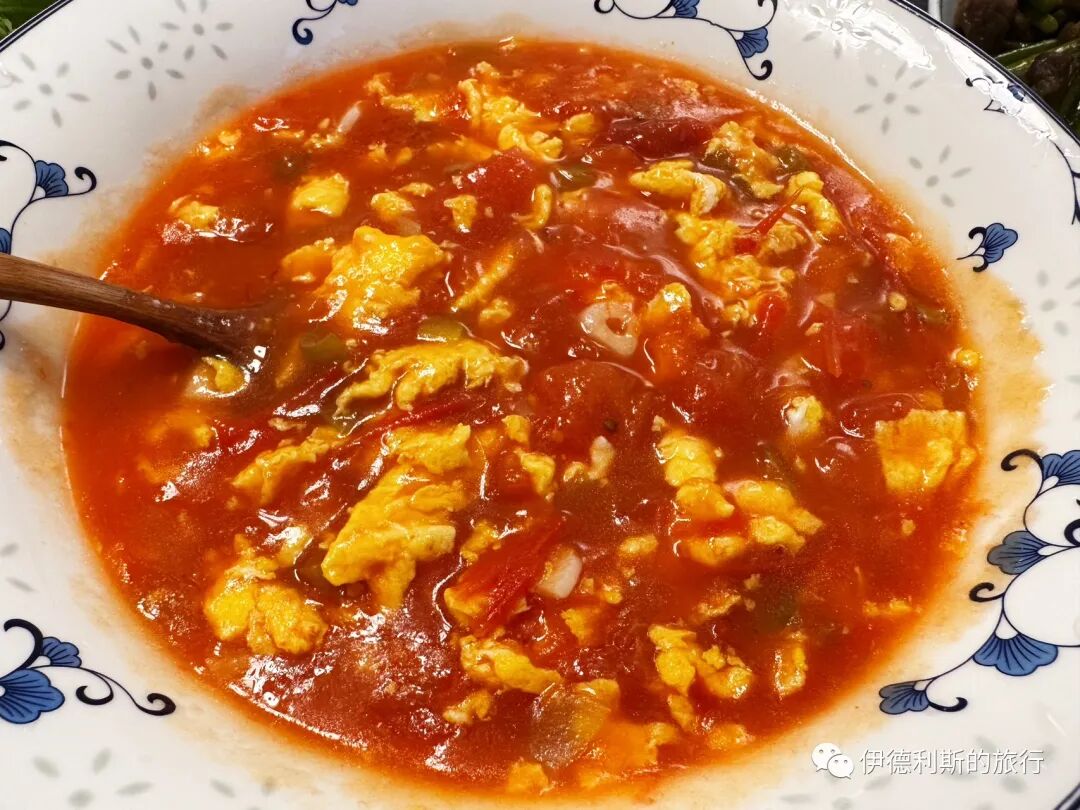
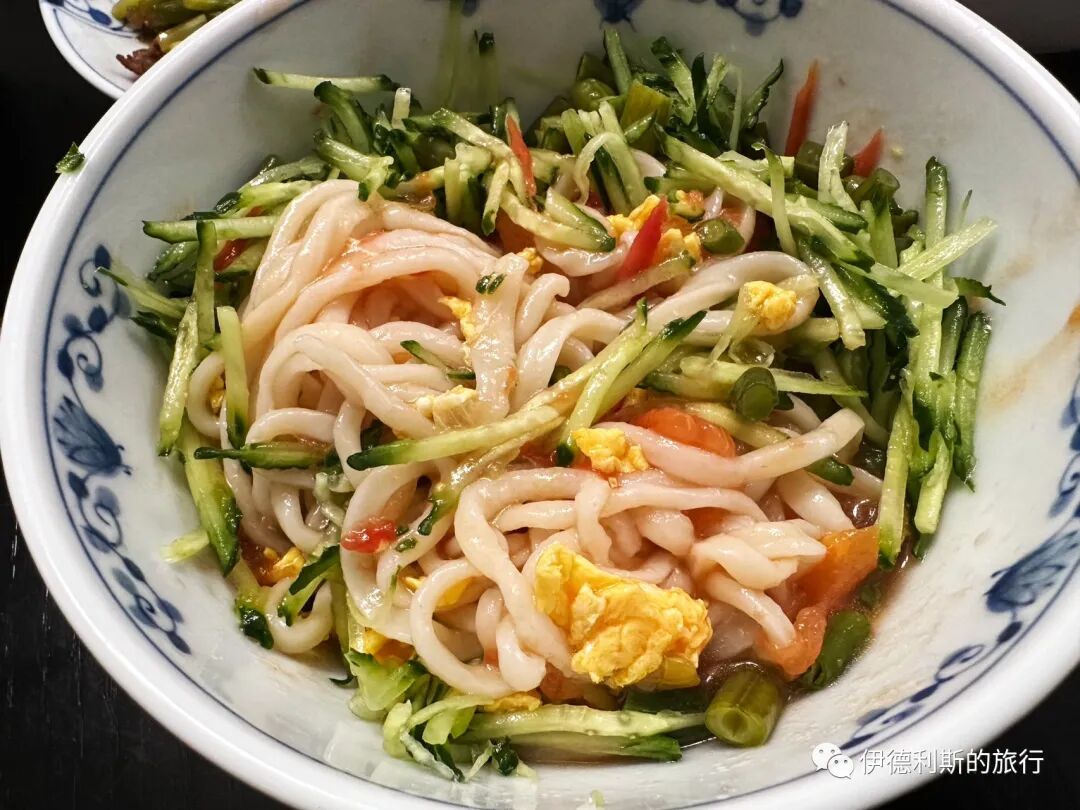
Today I made tomato sauce noodles (dalumian) at home, which are lighter than the soybean paste noodles.
April 10
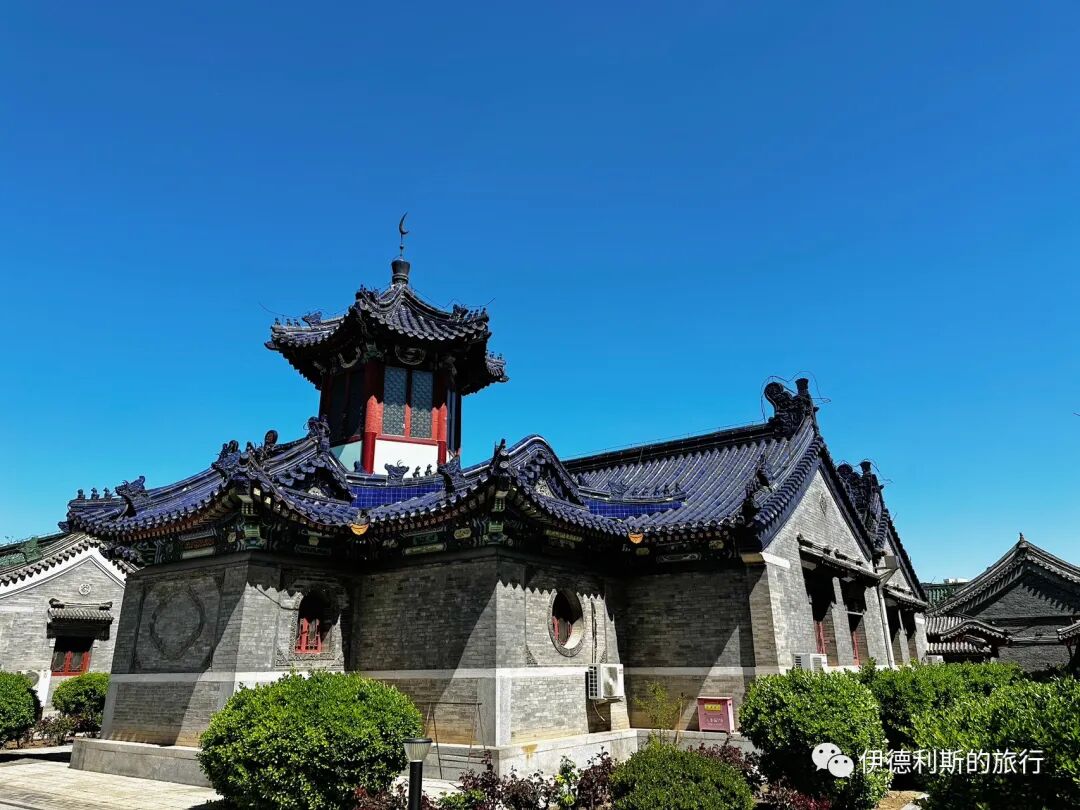
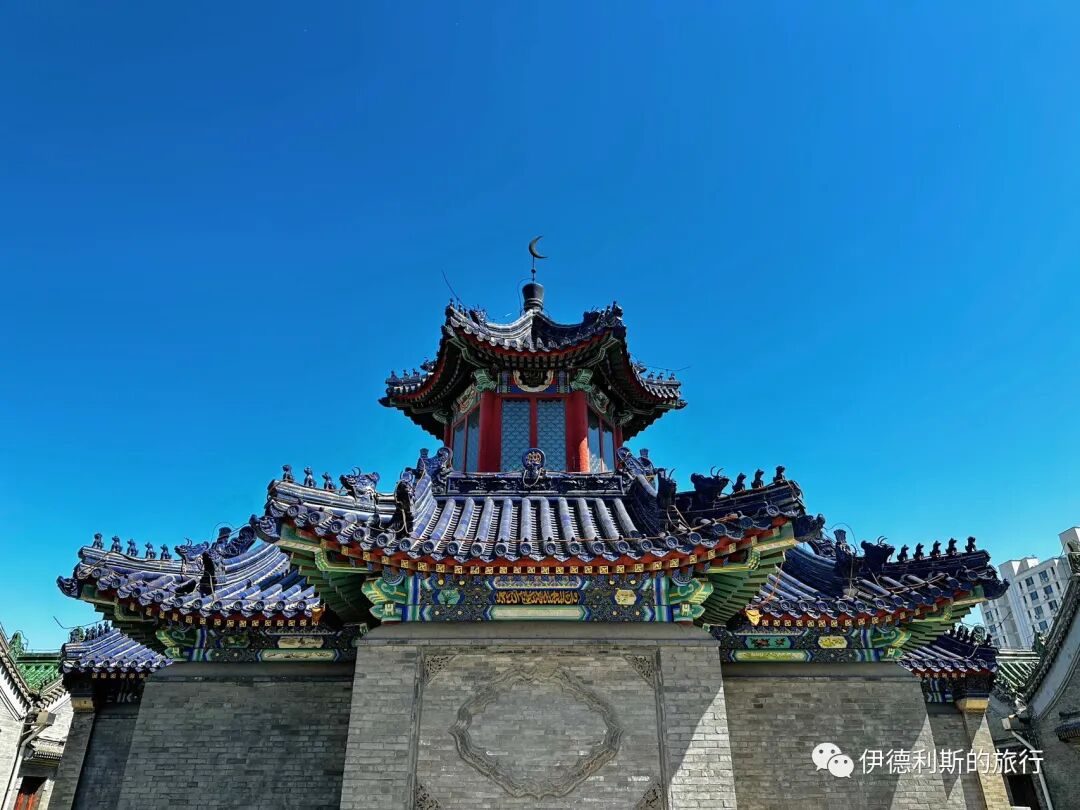
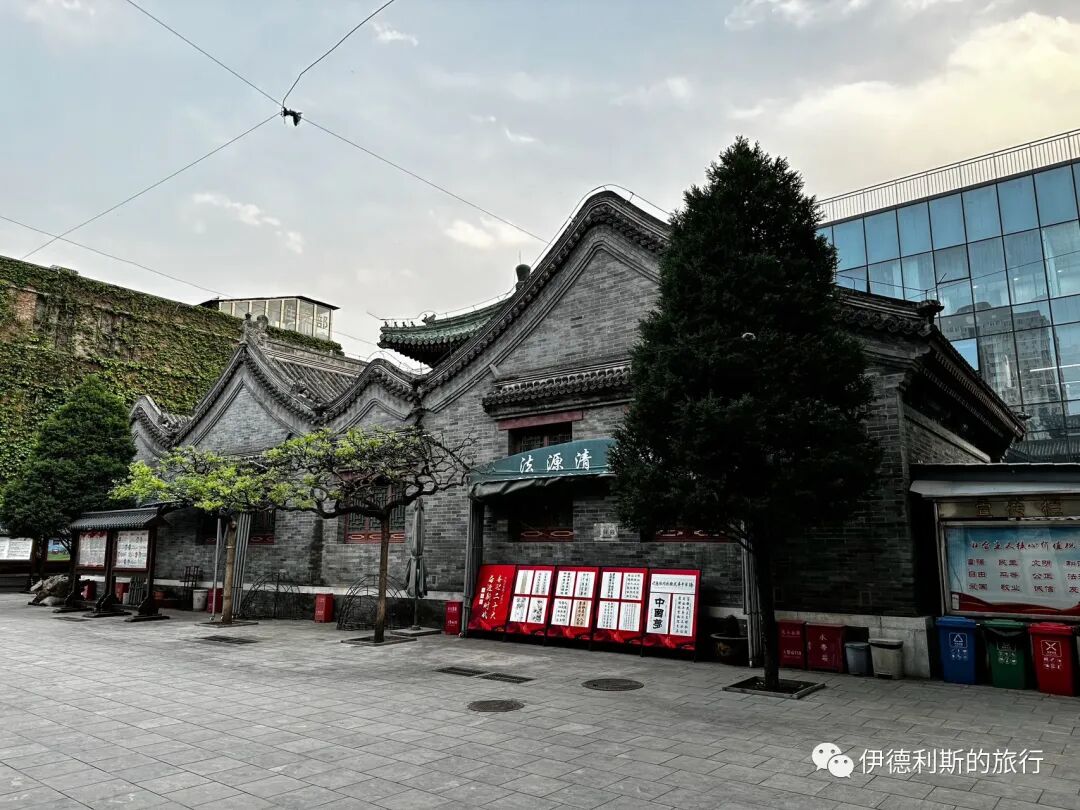
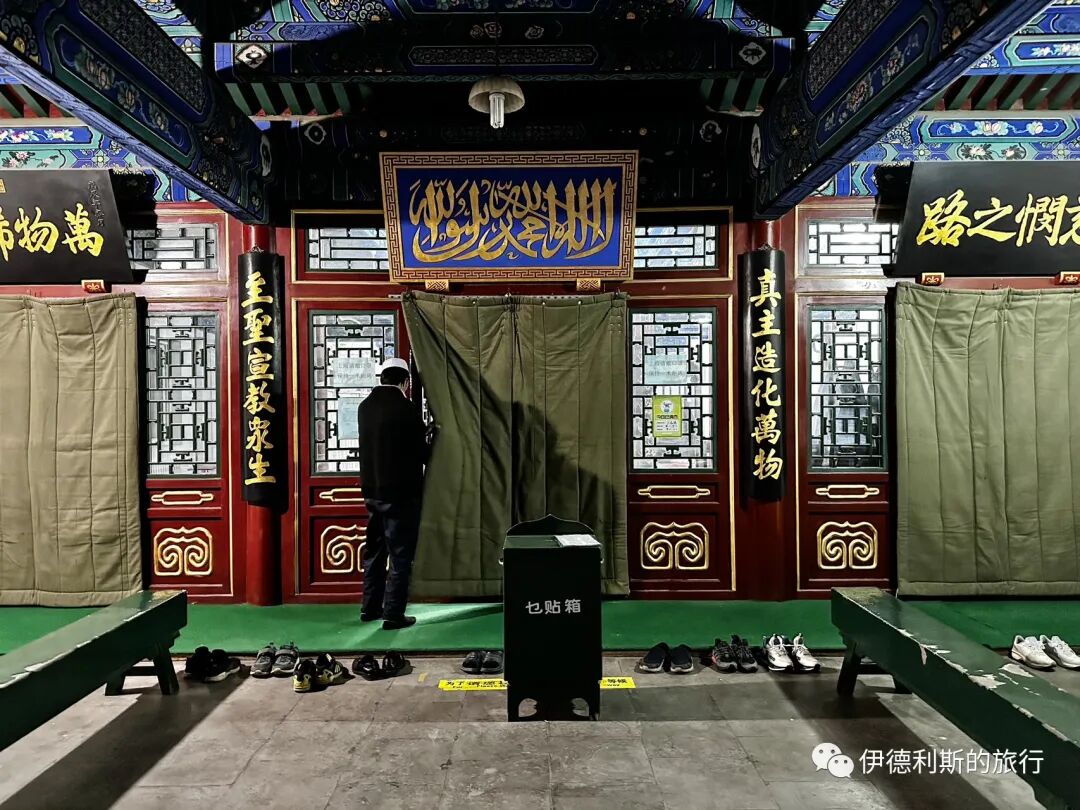
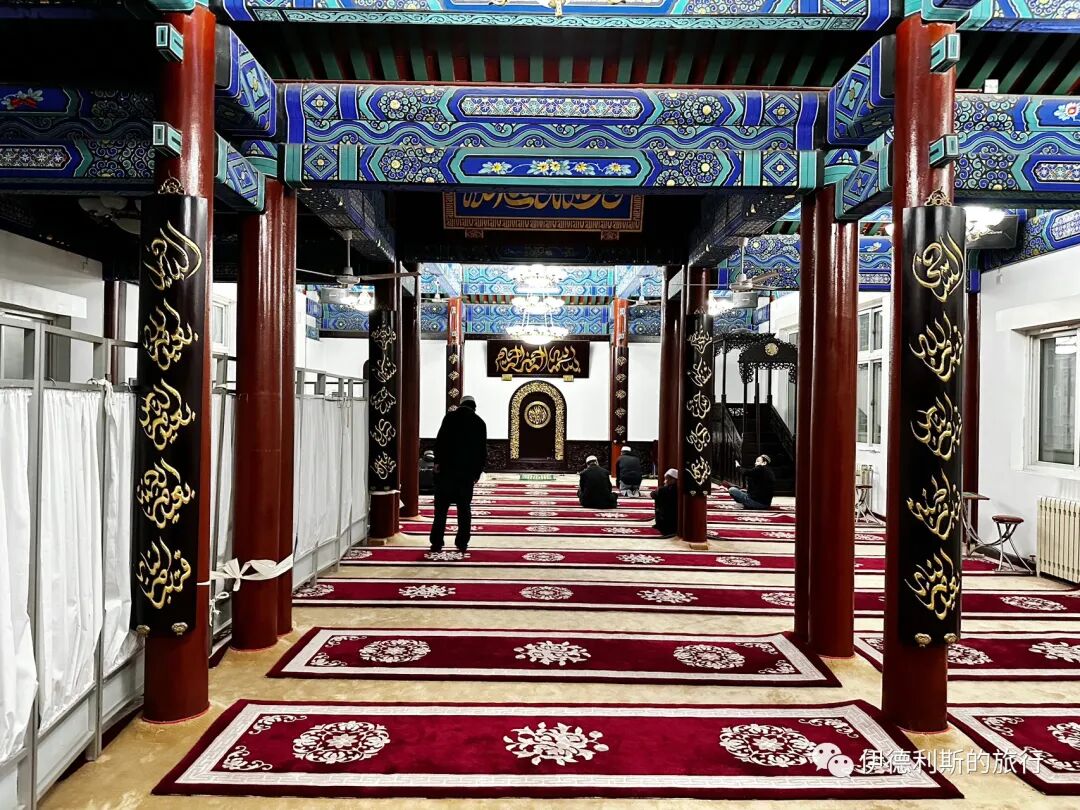
I broke my fast at Fayuan Mosque outside Deshengmen. Fayuan Mosque is also called Dewai Guanxiang Mosque. It was originally located on the north slope of Jiaochangkou outside Deshengmen. It was moved and expanded during the Kangxi reign, and the main hall was expanded again during the Republic of China period. It consists of four connected roofs and a four-cornered pavilion with a pointed top.
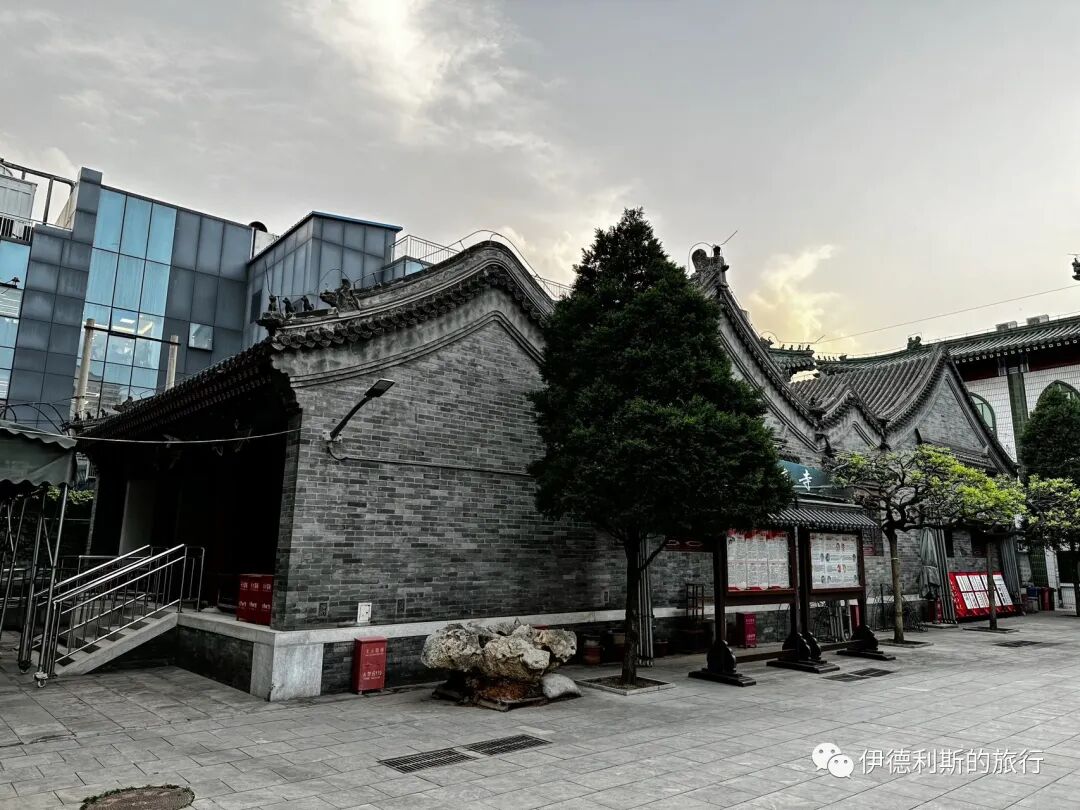
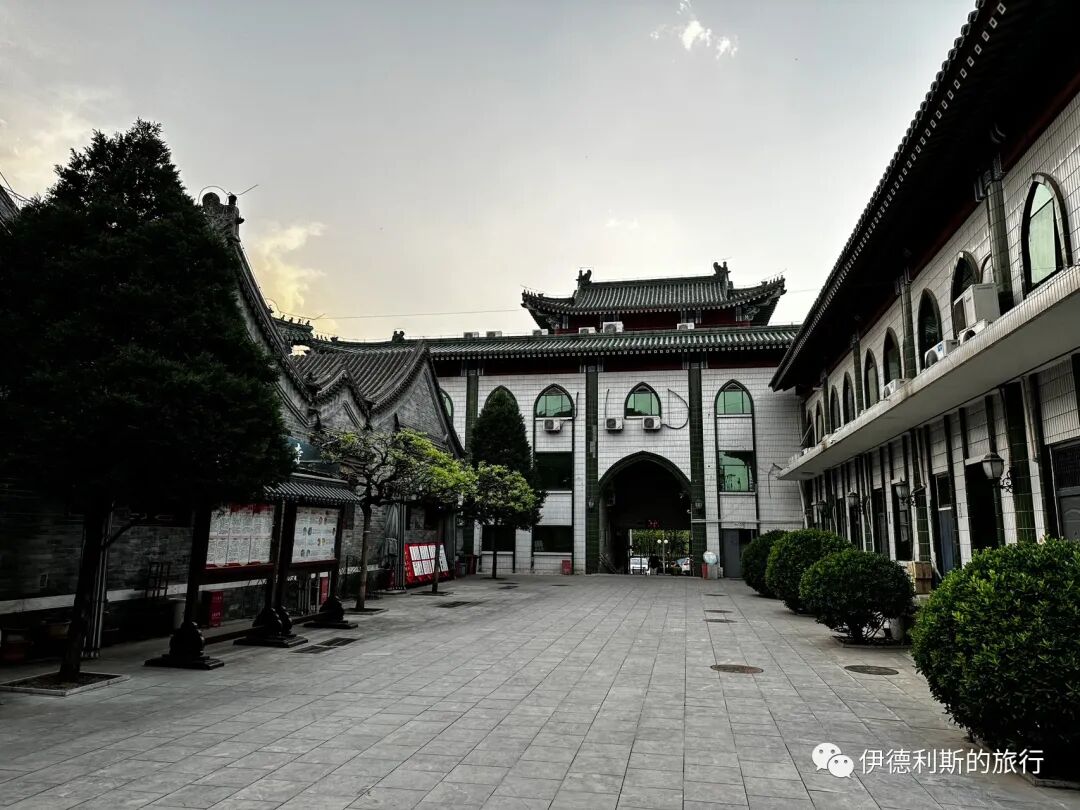
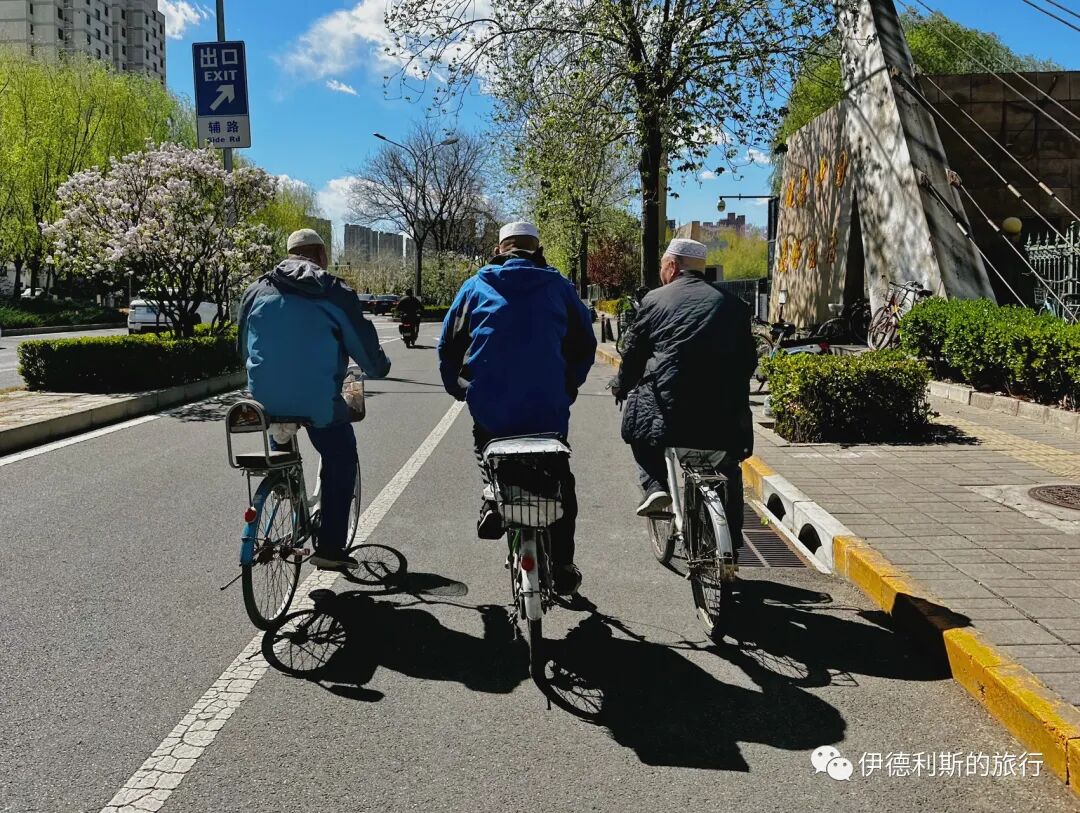
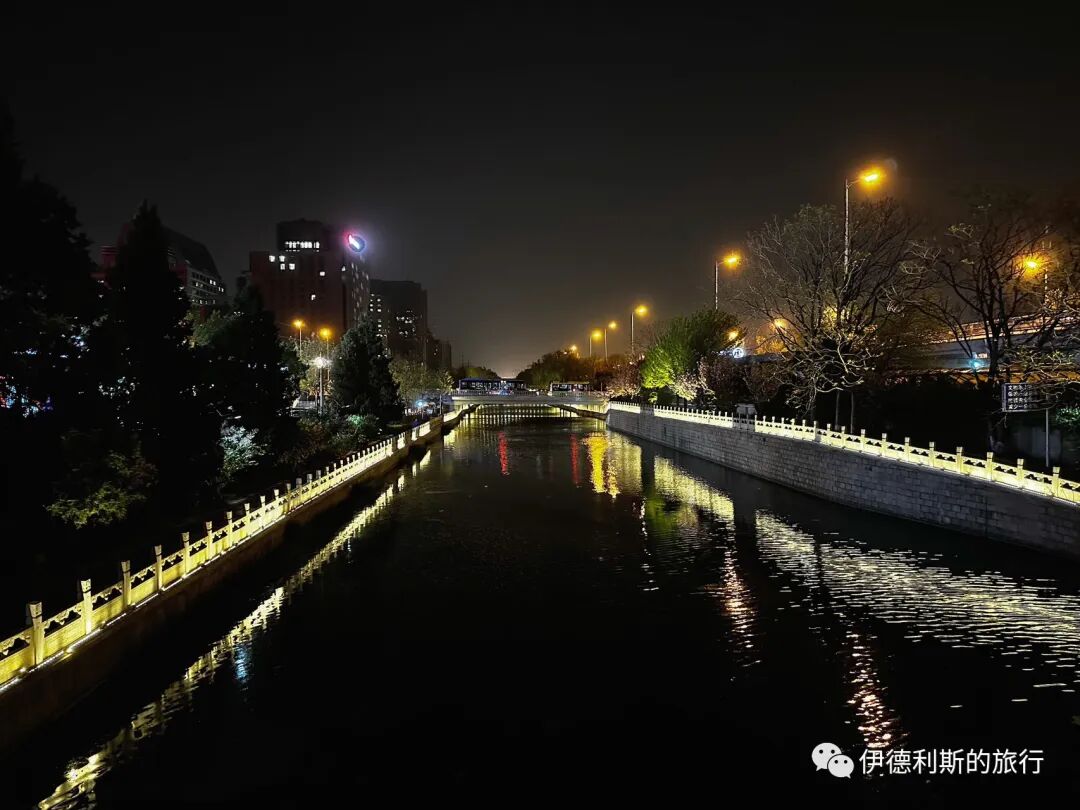
After the evening prayer (sajdah), I rode my bike home along the North Moat. The breeze felt great.
April 18
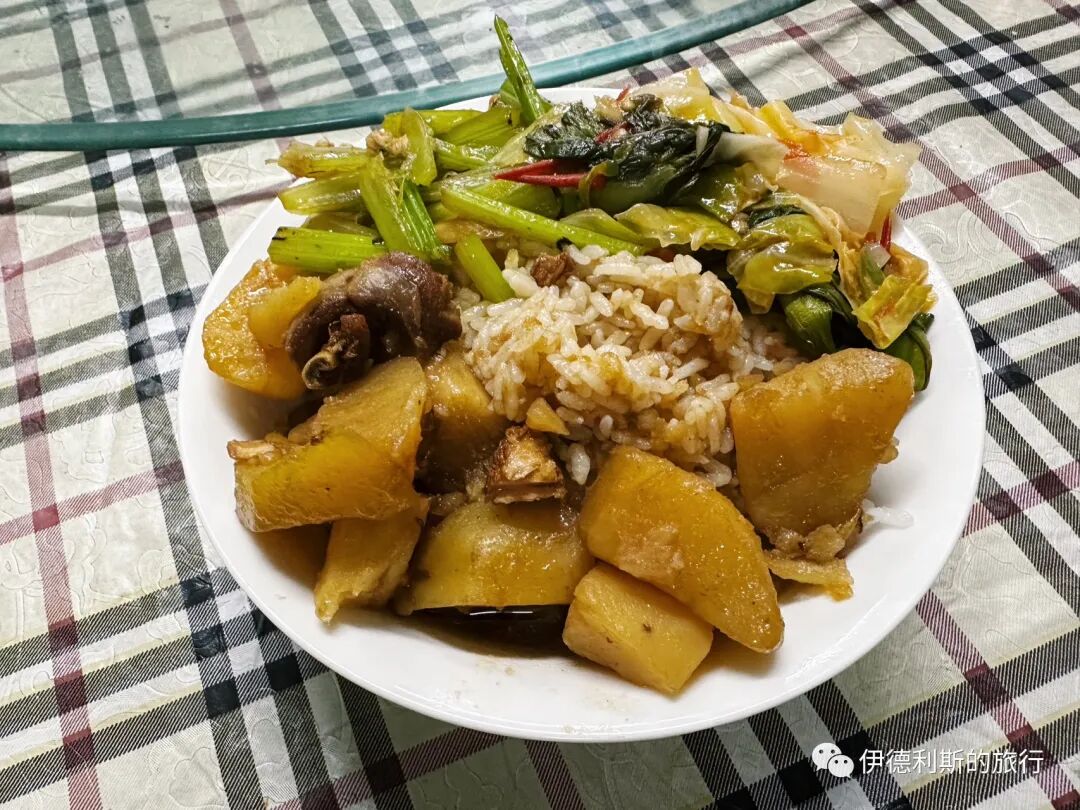
I broke my fast at Madian Mosque. I ate noodles with eggplant and tomato-egg sauce. The noodle bowls at Madian Mosque are huge, they feel like small basins, haha.
Madian was once the second-largest residential area for Hui Muslims in Beijing after Niujie, and it was also the center of the sheep trade in Beijing. Since the Qing Dynasty, sheep transported from Mongolia through Zhangjiakou were kept in the sheep pens of various sheep trading firms in Madian after arriving in Beijing, before being sold to mutton stalls inside the city. Madian Mosque was first built during the Kangxi reign. It was rebuilt with donations from 14 local sheep trading firms during the Daoguang reign and was renovated again in the 1980s. It is an important ancient mosque in Beijing.
Summary: Ramadan in Beijing 2023 — Mosques and Iftar is presented here as a firsthand travel account in clear English, beginning with this scene: Every year during Ramadan, I make it a habit to visit a few different mosques. Last Ramadan, I visited seven mosques in Beijing: Shahe, Changping Wujie, Heying, Nankou, Chadao, Majuqiao, and Mishi Hutong. The account keeps its focus on Beijing Ramadan, Mosque Travel, Iftar while preserving the names, places, food, and historical details from the Chinese source.
Every year during Ramadan, I make it a habit to visit a few different mosques. Last Ramadan, I visited seven mosques in Beijing: Shahe, Changping Wujie, Heying, Nankou, Chadao, Majuqiao, and Mishi Hutong. I wrote about them in my article, "Visiting Seven Ancient Mosques During Ramadan." This year, I visited eight mosques in Beijing: Dongsi, Nandouyacai, Nanxiapo, Dongzhimenwai, Dewai Fayuan, Madian, Changying, and Balizhuang. I will share these in two separate posts. The first part covers the first seven mosques, and the second part focuses on Balizhuang Mosque.
March 23
On the first day of Ramadan, I received a traditional halal plaque hand-carved by Mu Ningduosi.
I broke my fast in the evening at Nanxiapo Mosque, where I had various traditional pastries and fruits.
Nanxiapo Mosque, also known as the Small Mosque (Xiao Libaisi), was built in the early years of the Kangxi reign. It is the only ancient mosque remaining outside Chaoyangmen in Beijing. According to local elders, during the late Ming and early Qing dynasties, a shed builder lived in Nanxiapo. He used bamboo poles and reed mats to build a large shed, where an imam named Hu Zhonghe led the local Hui Muslims in worship. This was the earliest version of Nanxiapo Mosque. In the early Kangxi period, a Hui Muslim surnamed Ma who sold bows and arrows inside Chaoyangmen heard about the situation in Nanxiapo. He happened to receive payment for a bow and arrow order from some Mongols, so he donated the money to build the Nanxiapo Mosque.
After the 1960s, Nanxiapo stopped its regular activities but continued to serve as a funeral service center for Hui Muslims, helping them with end-of-life arrangements. At that time, more than twenty local elders, including Ma Yulin, Ma Yuhai, and Tuo Jihua, took turns guarding the mosque day and night to protect it from destruction, saving the ancient site from disaster.
After breaking my fast, I had pilaf (zhuafan) at Hetian Restaurant on Ritan Shangjie. The meat was incredibly tender, though the wait for the food was a bit long, which isn't ideal for Ramadan.
I discovered that Hetian Restaurant opened a shop on the street selling yogurt, shaved ice, and sticky rice dumplings (zongzi)—it felt like being back on the streets of Xinjiang! It felt so authentic. Once the weather in Beijing warms up, it will be so pleasant to sit on the street, eating yogurt zongzi and drinking shaved ice.
March 24
Today is the first Jumu'ah of Ramadan. I went to Changying Mosque at noon for the prayer. The magnolia trees in the mosque are in bloom, full of spring spirit.
Changying is located not far from the north side of the Chaoyangmen official road. The "Beijing Chaoyang District Gazetteer" mentions a rhyme from the Republican era about Changying: "Three treasures of the Changying Hui Muslims: pushing carts, selling hay, and pulling rickshaws." Pushing carts meant using wheelbarrows to transport grain from the Tongzhou earth dam to the "Thirteen Granaries" inside and outside Chaoyangmen. Pulling rickshaws meant transporting passengers along the Chaoyangmen official road. Both were directly related to the canal transport system.
Changying Mosque was built during the Ming Zhengde period (1505-1521), renovated in 1796 (the first year of the Jiaqing reign), renovated again in 1986, and underwent large-scale expansion in 2004 to reach its current form.
March 29
I was at Nanxiapo Mosque again today. After breaking the fast, everyone drank tea and ate fruit and pastries. The elders were very welcoming, and the atmosphere was wonderful.
Beijing snack honey-coated fried dough cubes (mishandao).
March 30
Today I was at Nandouyacai Mosque. We had the usual fruit, pastries, and tea. I also received some braised chicken from Jiaoxiao Zhai, a gift from an elder in his eighties. I felt very grateful. Nandouyacai Mosque is surrounded by the Dongsi Olympic Park. The park is full of spring, and the evening breeze felt very comfortable.
People say Nandouyacai Mosque was originally a mosque, bought and converted by Hui Muslims in 1798 (the third year of the Jiaqing reign). In 2002, due to the demolition of Chaonei Small Street, the mosque was moved 20 meters south and rebuilt, with its entrance now facing west toward Douban Hutong.
After breaking my fast, I had dinner at Xinyue Zhai at the entrance of Nandouyacai Mosque. I ordered a few home-style dishes: stir-fried trio (bao sanyang), shredded pork with garlic sprouts, shredded tofu with hot peppers, and hot and sour soup. I have been eating at this place for over ten years, and it is one of the most reliable Beijing-style stir-fry restaurants near my home. Their main selling point is how fast they serve the food! Everything is cooked instantly over a high flame. I especially love the stir-fried trio (bao sanyang)—lamb with scallions, lamb liver, and lamb kidney. The aroma of the scallions and the meat blend perfectly, making it great to eat with rice.
For iftar, I ate some braised chicken (paji) donated by an elder.
March 31
It is the second Jumu'ah of Ramadan, and I am at Changying Mosque again. The sky turned blue today, and I feel great.
In the book 'Narrative of the North China Campaign of 1860' by Swinhoe, it is written that after the Anglo-French forces landed in Tianjin, they passed through Changying on their way to Beijing:
On the afternoon of October 3, we struck our tents, crossed the canal, and marched into a Hui Muslim village in Changying. This village was near the rifle regiment's outpost. Lord Elgin and Sir Hope Grant, along with their staff, stayed in a beautiful mosque, while about six thousand strong soldiers camped in the surrounding fields.
The village was very small, and it was full of mud huts. But this time, not all the houses were empty. The villagers were Hui Muslims who practiced Islam, and you could tell them apart from the other locals by the strange pointed hats they wore on their heads, with their braids tucked inside. Inside the mosque, there were many inscriptions in Arabic and Chinese, and several books and scriptures printed in Arabic were scattered around. Many of the Prophet's Chinese followers could recite a few sentences from these books, but very few could explain what they meant. However, they were very familiar with the prayers and chapters of the Quran and often recited them to the Sikh cavalry (Note: the author mistook Indian Muslims for Sikhs). The villagers recited these prayers repeatedly, which always moved the weary Indian warriors to tears and often made them take silver out of their pockets. The Hui Muslims of the Celestial Empire knew better than to refuse this sympathy.
An ancient tree from the Ming Dynasty Zhengde era inside the mosque.
I continued to break my fast at Nandouya Mosque in the evening. Many university student friends (dosti) came to the mosque, and I am very grateful to be able to visit the mosque more often during Ramadan.
After the Maghrib prayer, I had dinner at Xinyuezhai as usual. The spring breeze was gentle, so we ate at the entrance. We ordered pan-fried lamb (guota yangrou), braised winter bamboo shoots and mushrooms (shao erdong), and dough drop soup (gedatang). I have been eating the pan-fried lamb at this place for over ten years, and it goes so well with rice! The winter bamboo shoots in the braised dish are sweet and delicious, and the dough drop soup is very thick; if you don't want rice, a big bowl of this is enough to fill you up.
April 2
I broke my fast at home over the weekend. Zainab made hand-pulled noodles (latiazi), and I made eggplant with meat and bamboo shoots with meat. Compared to the ones in Xinjiang, they are quite light.
April 3
I broke my fast at Dongsi Mosque today. There were pastries and fruits donated to the mosque by an elder.
Dongsi Mosque is one of the four major official mosques in Beijing from the Ming Dynasty. It was built in 1447 (the 12th year of the Ming Zhengtong era) with funds donated by Chen You, a famous Hui Muslim military officer of the Ming Dynasty. In 1450 (the first year of the Ming Jingtai era), the Jingtai Emperor bestowed the title 'Mosque' upon it.
During the Yongle era, Chen You followed Zhu Di on two northern expeditions against the Mongols and performed meritorious service. During the Xuande era, he was mainly engaged in pacification work along the northern and northwestern borders of the Ming Dynasty. During the Zhengtong era, the tribute trade between the Ming Dynasty and the Mongols entered a prosperous period. In 1436 (the first year of the Zhengtong era), Chen You became an envoy for the mission to the Oirat Mongols. Later, he led Oirat envoys to the capital to present horses many times, and due to his achievements, he was promoted several times to the position of Assistant Commander of the Embroidered Uniform Guard. In 1444 (the ninth year of the Zhengtong era), Chen You was appointed as a Guerrilla General and began patrolling the borders in places like Ningxia. During this time, he defeated the Mongol army and achieved great military success, leading to his promotion to Assistant Commander of the Rear Chief Military Commission, becoming a high-ranking military officer. He donated money to build the Dongsi Mosque during this period.
In 1449 (the 14th year of the Zhengtong reign), war broke out between the Ming Dynasty and the Oirat Mongols. Chen You followed the Ming Emperor Yingzong into battle, but they were defeated and the emperor was captured. During the crucial defense of Beijing, Chen You fought bravely and earned military honors, leading to his promotion to Commander-in-Chief of the Rear Military Commission. In 1450 (the first year of the Jingtai reign), the Jingtai Emperor sent Chen You to the Guizhou and Huguang regions to suppress the Miao uprising, and he was promoted twice for his military achievements. It was during this time that the Jingtai Emperor bestowed the plaque reading "Mosque" (Qingzhensi) upon the Dongsi Mosque.
Because of his outstanding military service, Chen You was granted the title of Count of Wuping in 1457 (the first year of the Tianshun reign), a title his descendants inherited. Later, Chen's descendants often served as officers in the Beijing military camps and funded the repairs of several old mosques, including those in Dingzhou and Yizhou, Hebei.
After Shamu finished, he rode his bike home. He passed a Niujie fried chicken shop on Dongsi North Street and bought a freshly fried chicken leg. When he got home, he ate the stir-fried rapeseed, spring bamboo shoots, carrots, and potatoes I had made earlier, along with the steamed buns (momo) my father-in-law had made for us.
April 4
We went to the mosque outside Dongzhimen to break our fast in the spring rain. There were fried cakes (zhagao) freshly made by the elders; I hadn't eaten them in a long time! Shamu ate dumplings at the mosque. They were fennel and chive, which tasted better than the ones in restaurants and really reminded me of my childhood.
The mosque outside Dongzhimen was originally called the Erlizhuang Mosque. It was first built during the Yuan Dynasty and renovated during the Kangxi reign of the Qing Dynasty. In the late 1980s, Shougang Group and a Danish investor built international apartments in Erlizhuang, so the old mosque was moved one kilometer to the northwest and rebuilt. It was completed in 1991 and reopened in 1993.
After coming out, I bought two milk flatbreads (naizi nang) at the bakery by the mosque gate to eat for the next day's fast.
April 6
In the evening, we broke our fast at the Nanhxiapo Mosque and had some glutinous rice strips (jiangmitiao), which I loved as a child. After Shamu finished, he ate some meat pies (xianbing) given out by the elders, which were delicious.
April 7
It was the third Friday (Jumu'ah) of Ramadan, and we were at the Changying Mosque again. The sky today was as blue as if it had been washed, clear and vast, just like a painting.
Inside the Changying Mosque, there is a 1937 stone tablet titled "Last Words of My Late Mother," which is a precious record of the Changying Women's Mosque. It says, "Sacrificing the family house in the west courtyard, we converted the former girls' school into a women's bathing facility." But the two rooms on the east side were kept as a place for Lin and others to stay when they returned home. "" The "Lin" mentioned here refers to Zhang Zhaolin, a Hui Muslim from Changying who was known as one of the "Five Great Hui Journalists of the Republic of China."
According to the article "With the Zhang Zhaolin Brothers," Zhang Zhaolin, whose courtesy name was Ziqi, was born in Changying in 1865. His grandfather and great-uncle were both military scholars (wujinshi) in the same year during the Daoguang reign. When he was four or five, his family's fortunes declined. He only attended a private village school before becoming an apprentice at a grocery store. In 1909, Zhang Zhaolin founded the "Xingshi Bao" (Awakening Times) in Fengtian, which was the most important vernacular newspaper in Fengtian at the time.
April 8
I spent the weekend at home taking care of Suleiman. I went out in the morning to buy vegetables and meat. I bought fresh lamb at a lamb stall next to Dongzhimen Hospital and made lamb soybean paste noodles (zhajiangmian) for breaking the fast, with noodles pulled by Zainab.
April 9
Today I made tomato sauce noodles (dalumian) at home, which are lighter than the soybean paste noodles.
April 10
I broke my fast at Fayuan Mosque outside Deshengmen. Fayuan Mosque is also called Dewai Guanxiang Mosque. It was originally located on the north slope of Jiaochangkou outside Deshengmen. It was moved and expanded during the Kangxi reign, and the main hall was expanded again during the Republic of China period. It consists of four connected roofs and a four-cornered pavilion with a pointed top.
After the evening prayer (sajdah), I rode my bike home along the North Moat. The breeze felt great.
April 18
I broke my fast at Madian Mosque. I ate noodles with eggplant and tomato-egg sauce. The noodle bowls at Madian Mosque are huge, they feel like small basins, haha.
Madian was once the second-largest residential area for Hui Muslims in Beijing after Niujie, and it was also the center of the sheep trade in Beijing. Since the Qing Dynasty, sheep transported from Mongolia through Zhangjiakou were kept in the sheep pens of various sheep trading firms in Madian after arriving in Beijing, before being sold to mutton stalls inside the city. Madian Mosque was first built during the Kangxi reign. It was rebuilt with donations from 14 local sheep trading firms during the Daoguang reign and was renovated again in the 1980s. It is an important ancient mosque in Beijing.
