
Halal Travel Guide: Beijing Balizhuang Mosque — Ramadan and Community Life
Reposted from the web
Summary: Beijing Balizhuang Mosque — Ramadan and Community Life is presented here as a firsthand travel account in clear English, beginning with this scene: In 2023, I made the intention to break my fast at several different mosques in Beijing during Ramadan to experience the atmosphere. The account keeps its focus on Balizhuang Mosque, Beijing Ramadan, Hui Muslims while preserving the names, places, food, and historical details from the Chinese source.
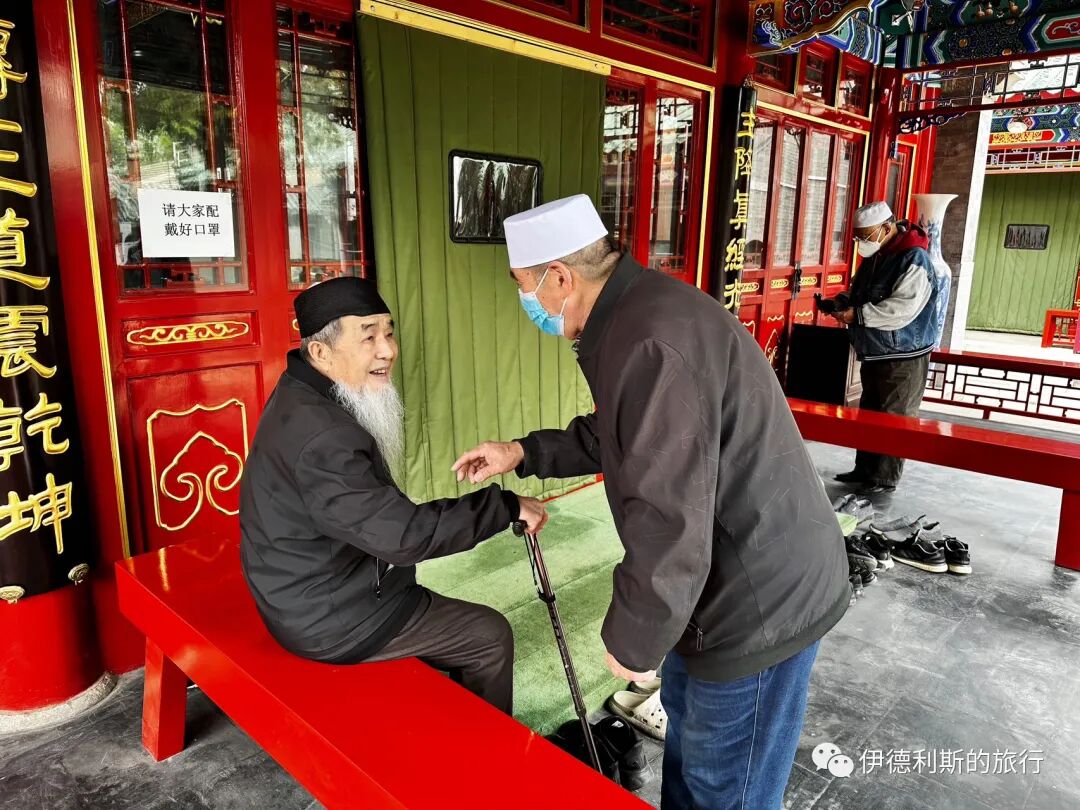
In 2023, I made the intention to break my fast at several different mosques in Beijing during Ramadan to experience the atmosphere. The Balizhuang Mosque, located along Subway Line 6, was the sixth one I visited. As soon as I entered, I felt a wonderful atmosphere. The imam and the elders were very warm and cheerful, creating a harmonious and cozy environment that truly made passing dosts (friends) feel at home. Because of this, I spent the last few days of Ramadan breaking my fast at Balizhuang Mosque, where I experienced the Night of Power (Laylat al-Qadr) and Eid al-Fitr. I am very grateful that some dosts came to the mosque to break their fast after seeing the photos I posted. May we meet again at Balizhuang Mosque next Ramadan to enjoy this blessing together.
April 11
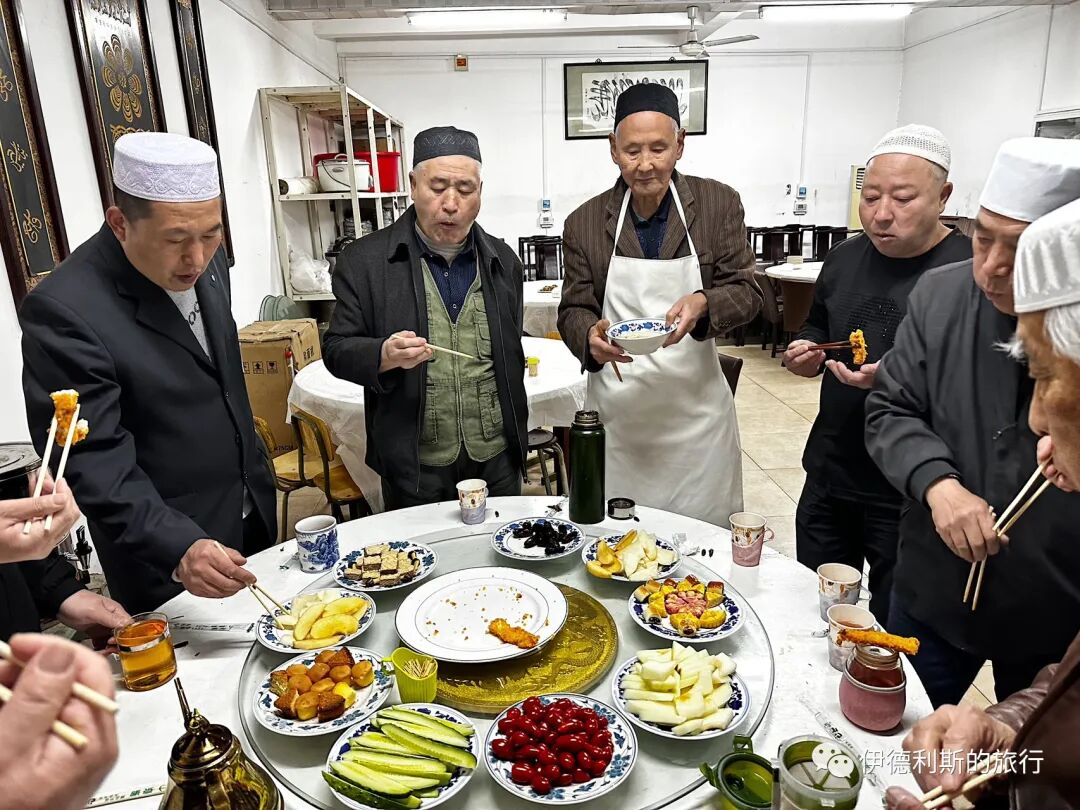
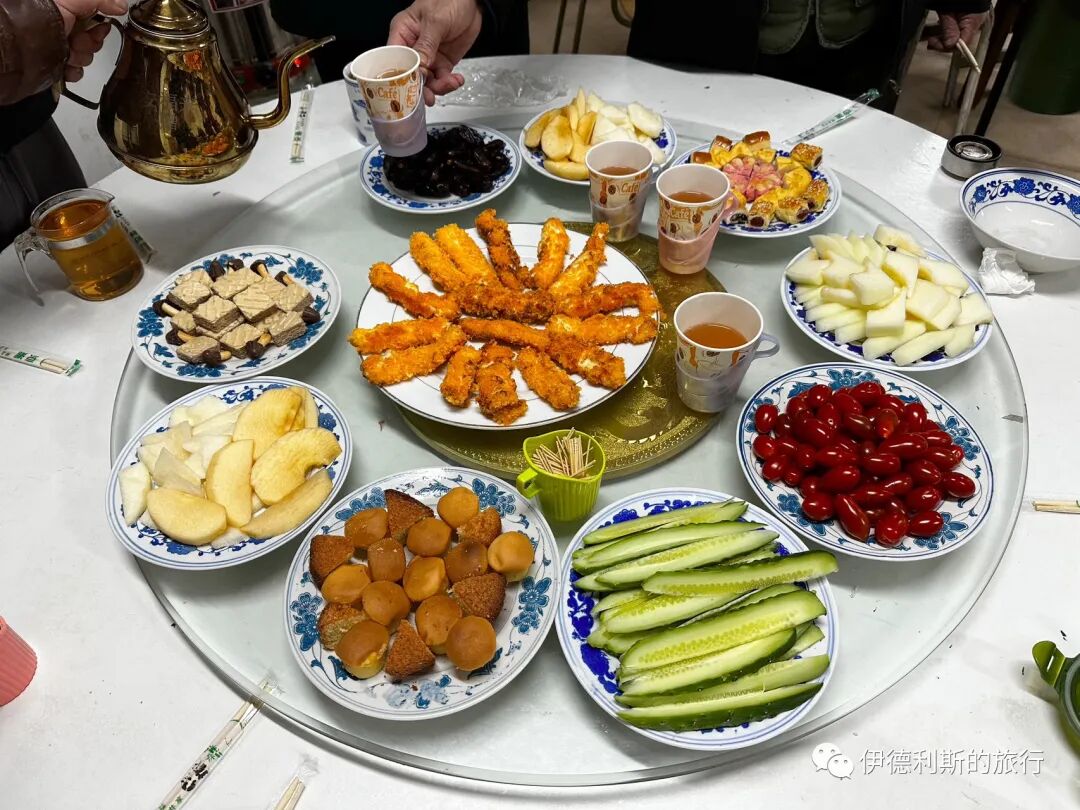
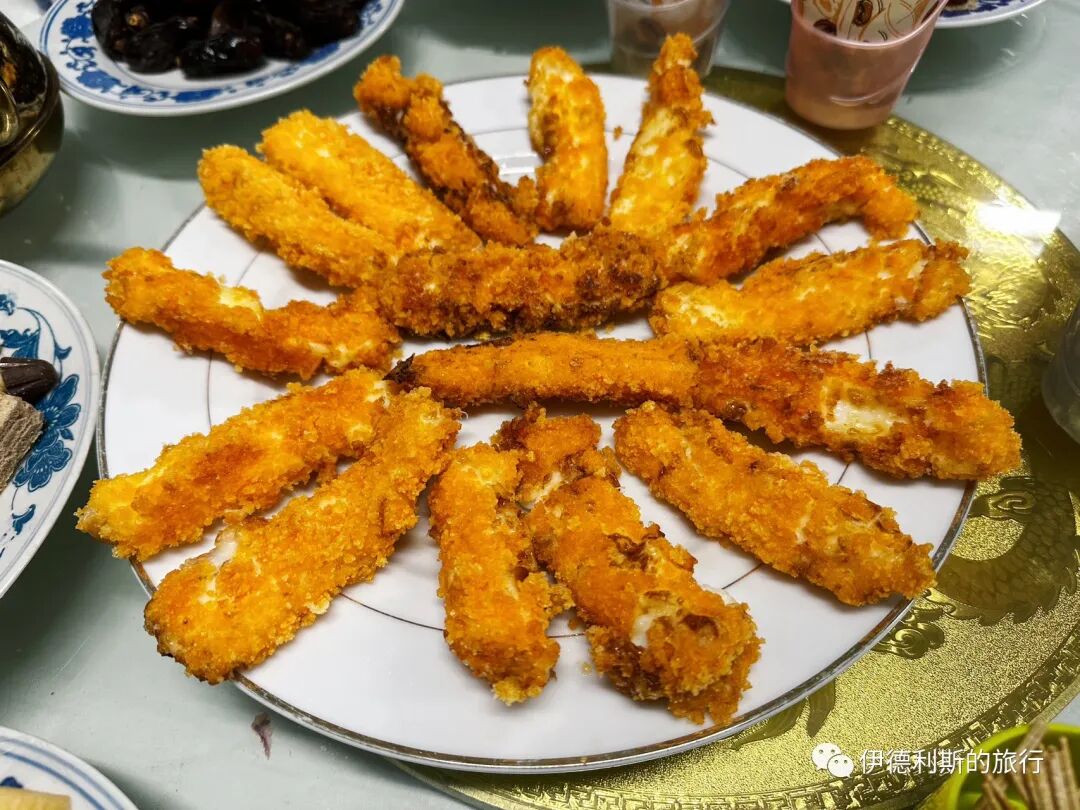
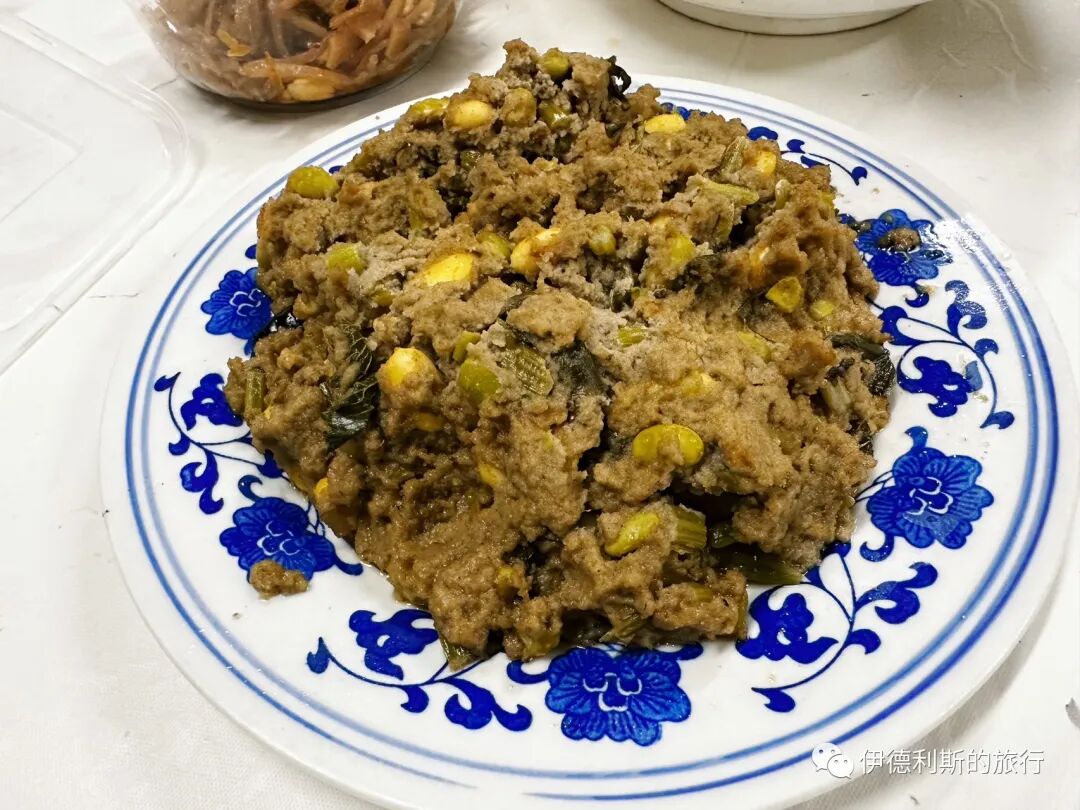
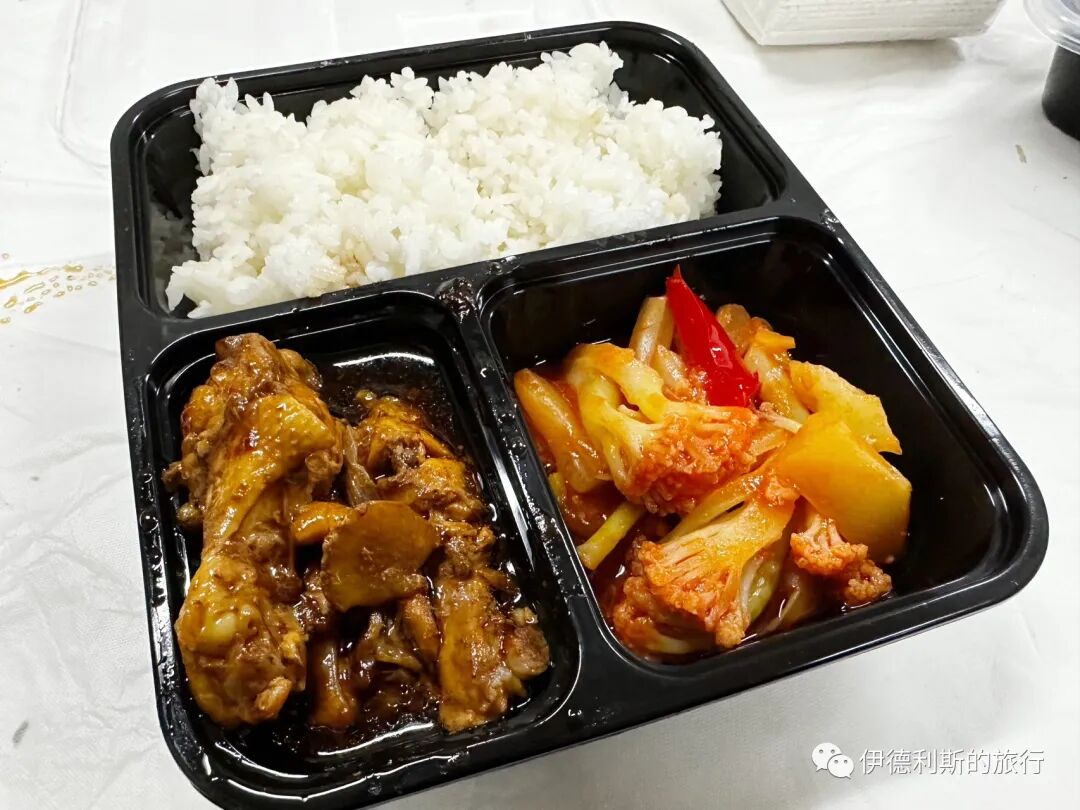
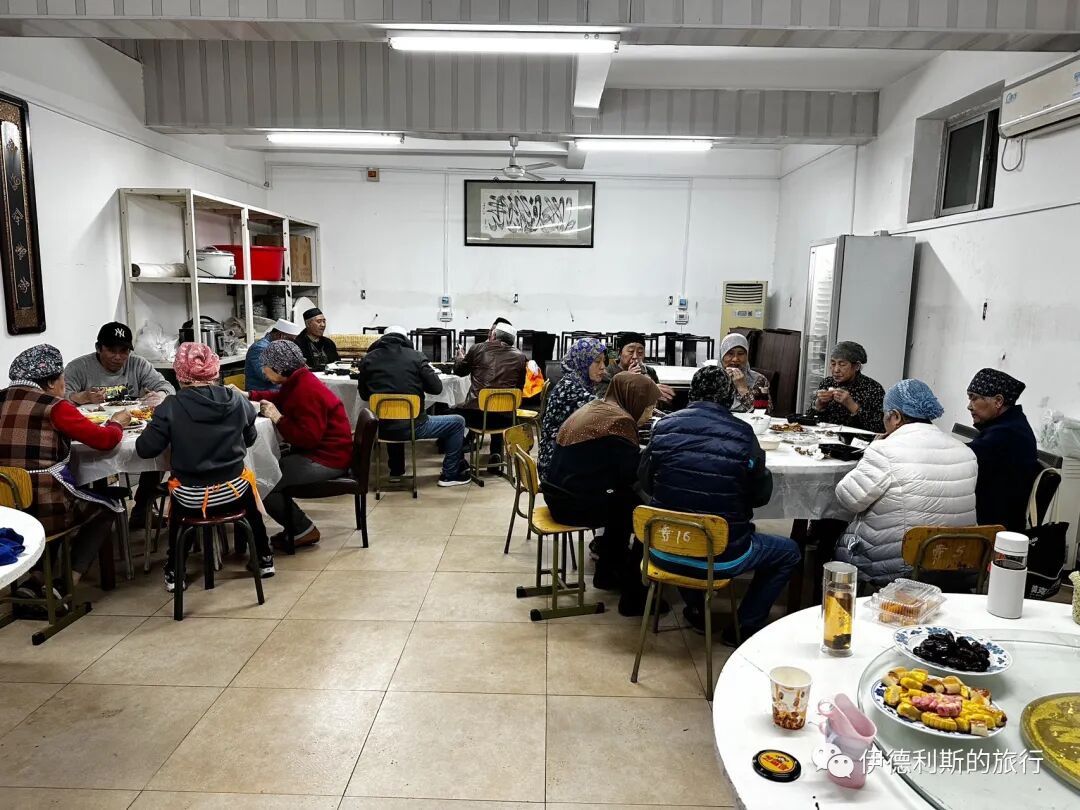
On my first day at Balizhuang Mosque, I tasted the deep-fried fresh milk, fermented bean curd (madoufu), braised chicken wing tips, and stewed kelp strips with fried tofu puffs (doupo) made by the elders. I am so grateful!
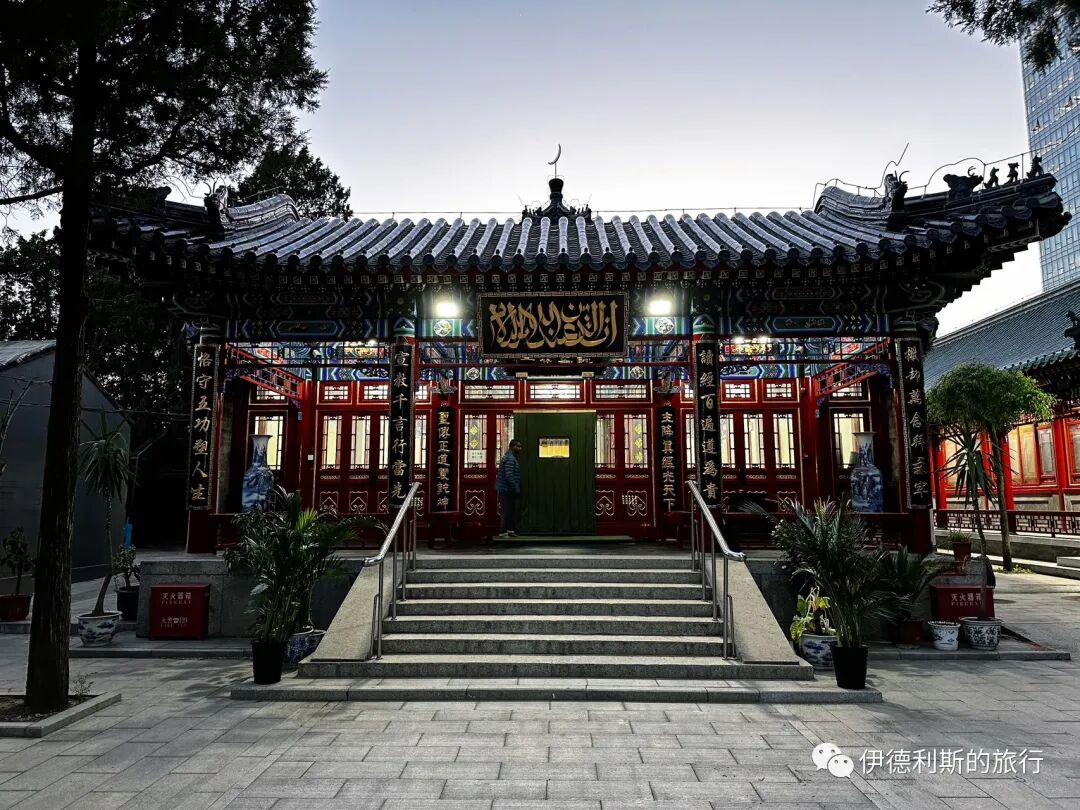
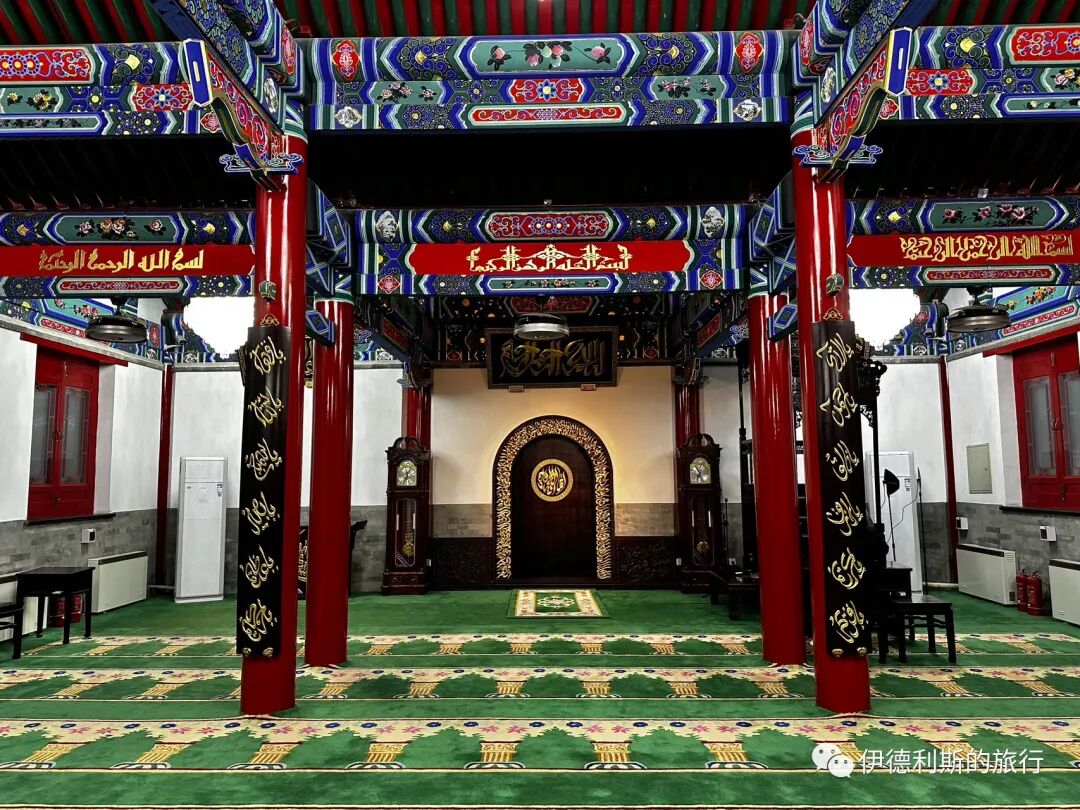
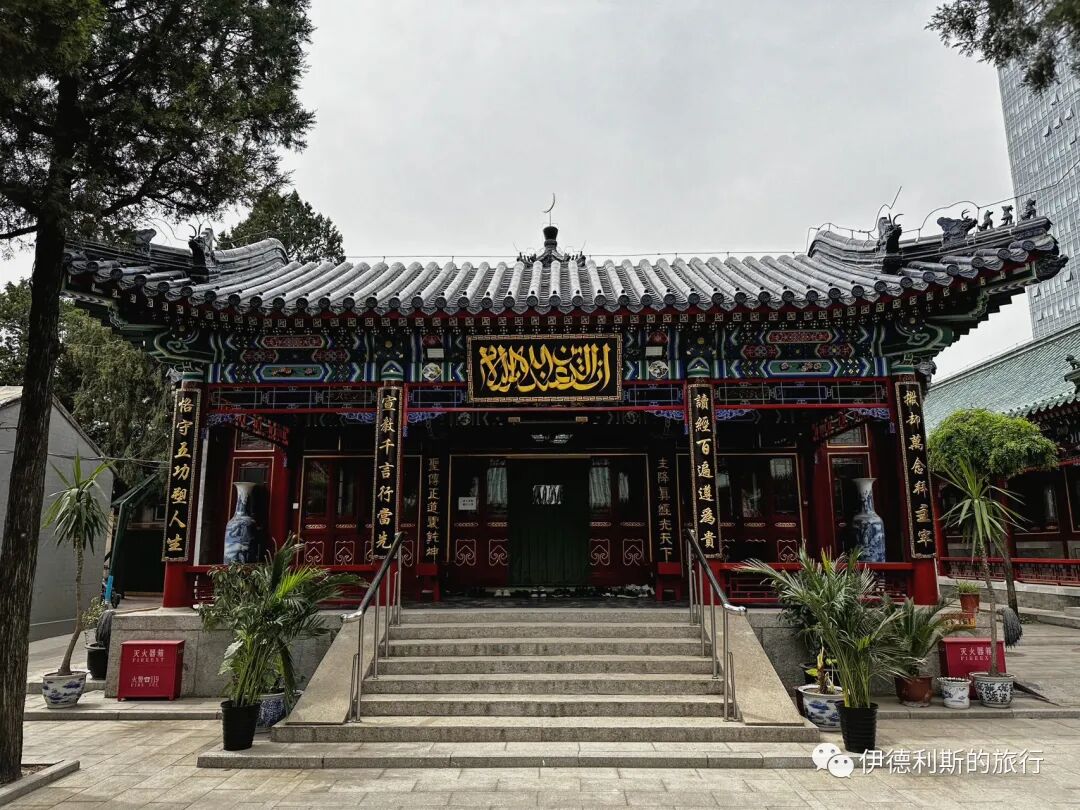
Balizhuang got its name because it is eight li away from Chaoyang Gate. Between the reigns of the Yongzheng and Qianlong emperors, Hui Muslims with the surnames Jing, Li, and Jin lived along the stone road outside Chaoyang Gate. They grew vegetables to supply the capital, gradually forming the Balizhuang area outside the gate. Balizhuang Mosque was first built in the early years of the Qianlong reign. During its peak in the Qing Dynasty, the mosque owned thirteen mu of land. It was rebuilt between 1997 and 2000, reaching its current size.
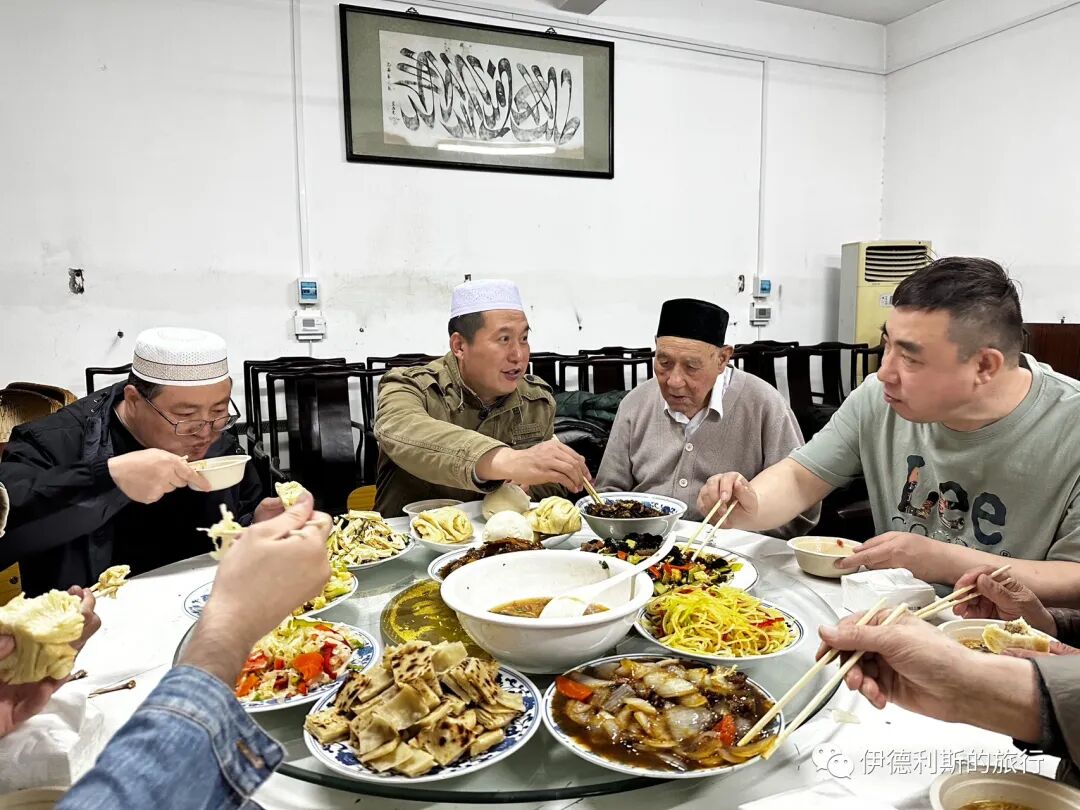
Master Li, the third person from the left, is very skilled and can make all kinds of snacks.
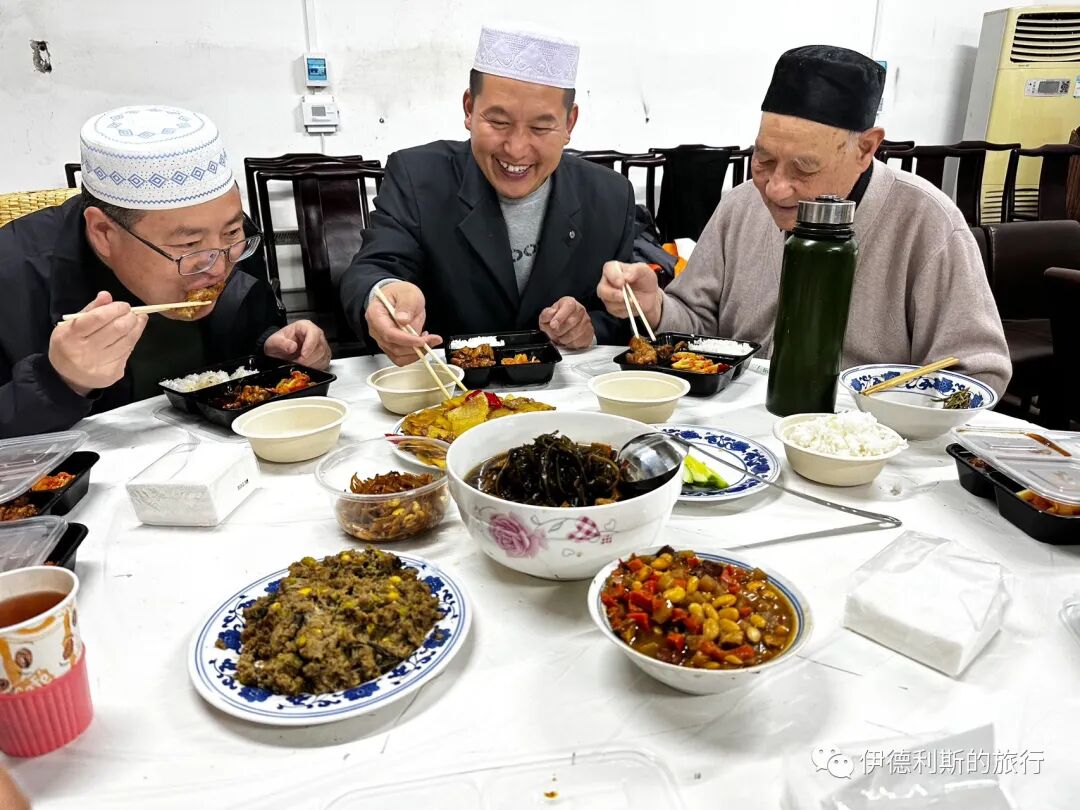
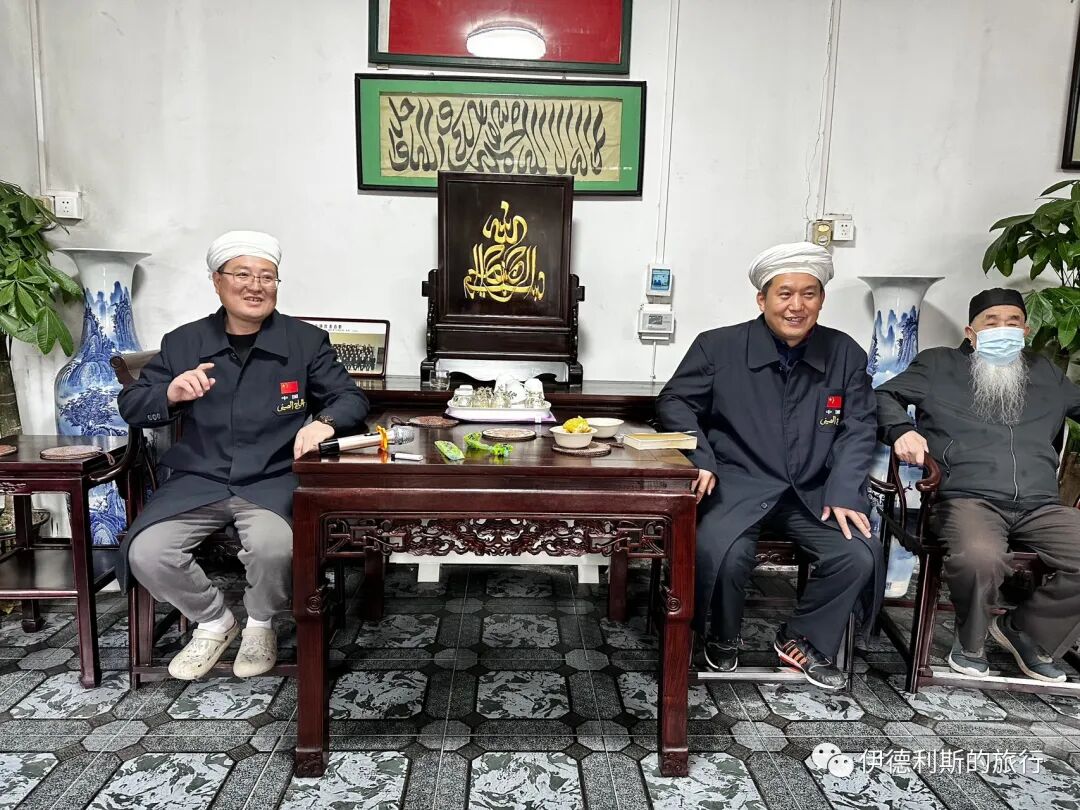
On the left are Imam Ding and Imam Ma from Balizhuang Mosque, and on the right is the nearly ninety-year-old Elder Imam Yang.
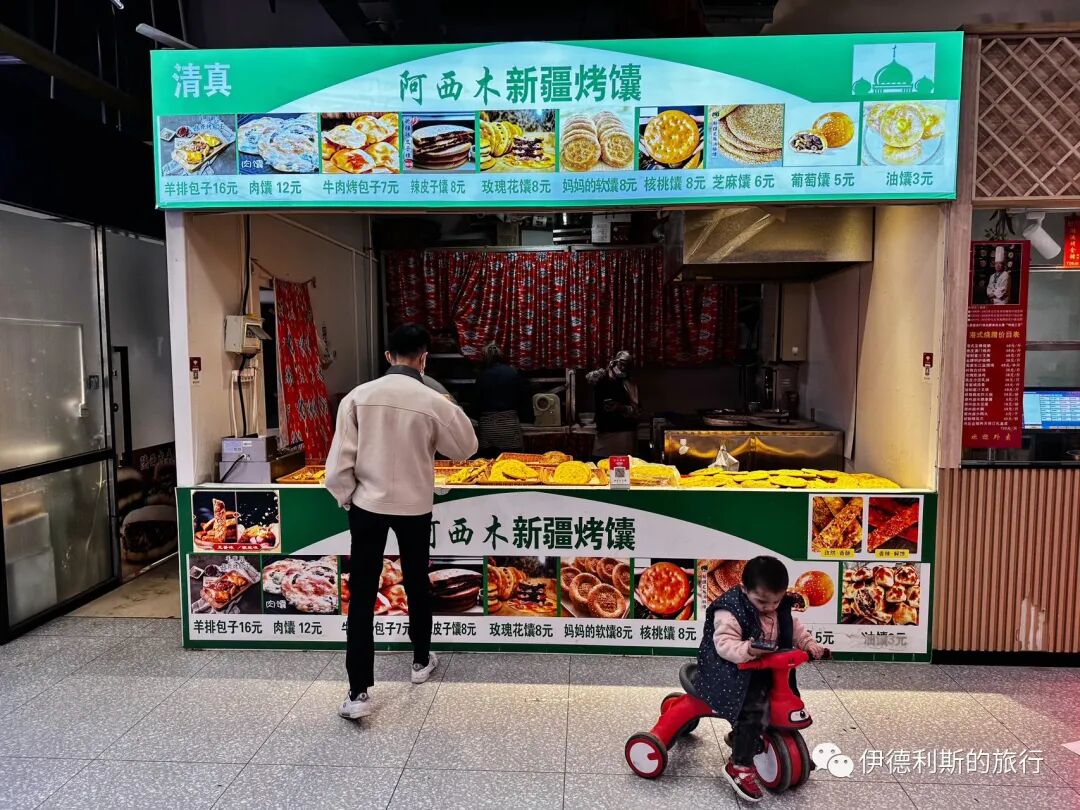
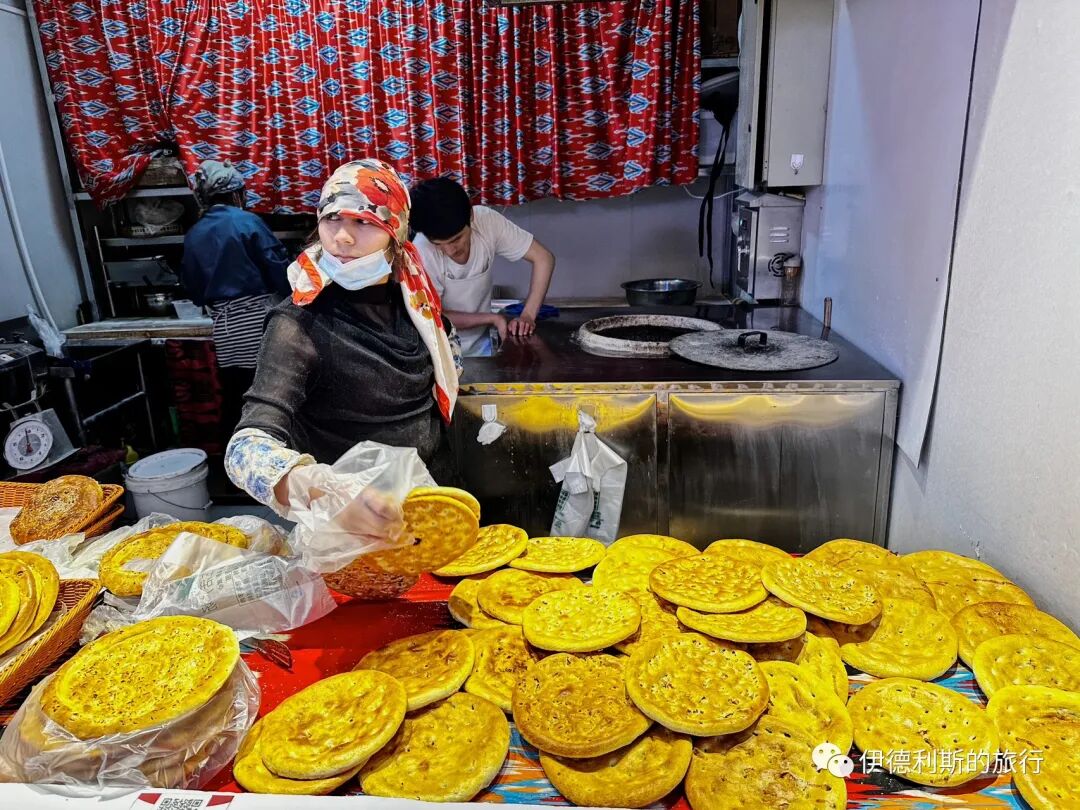
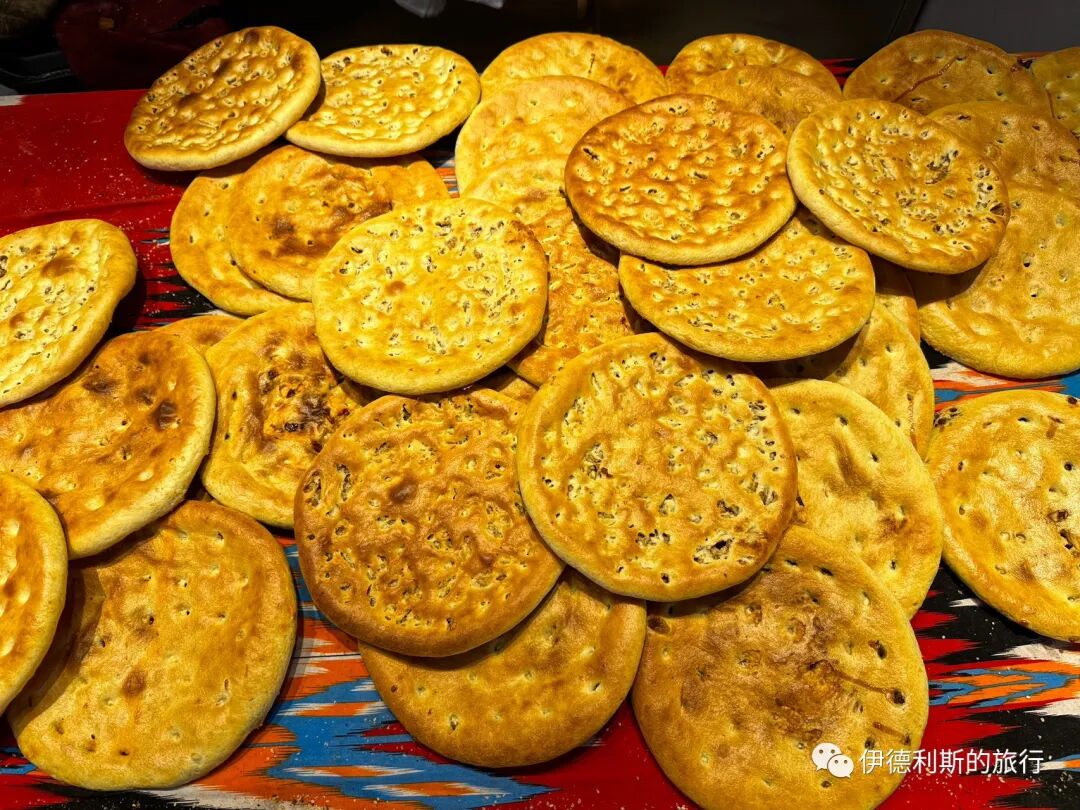
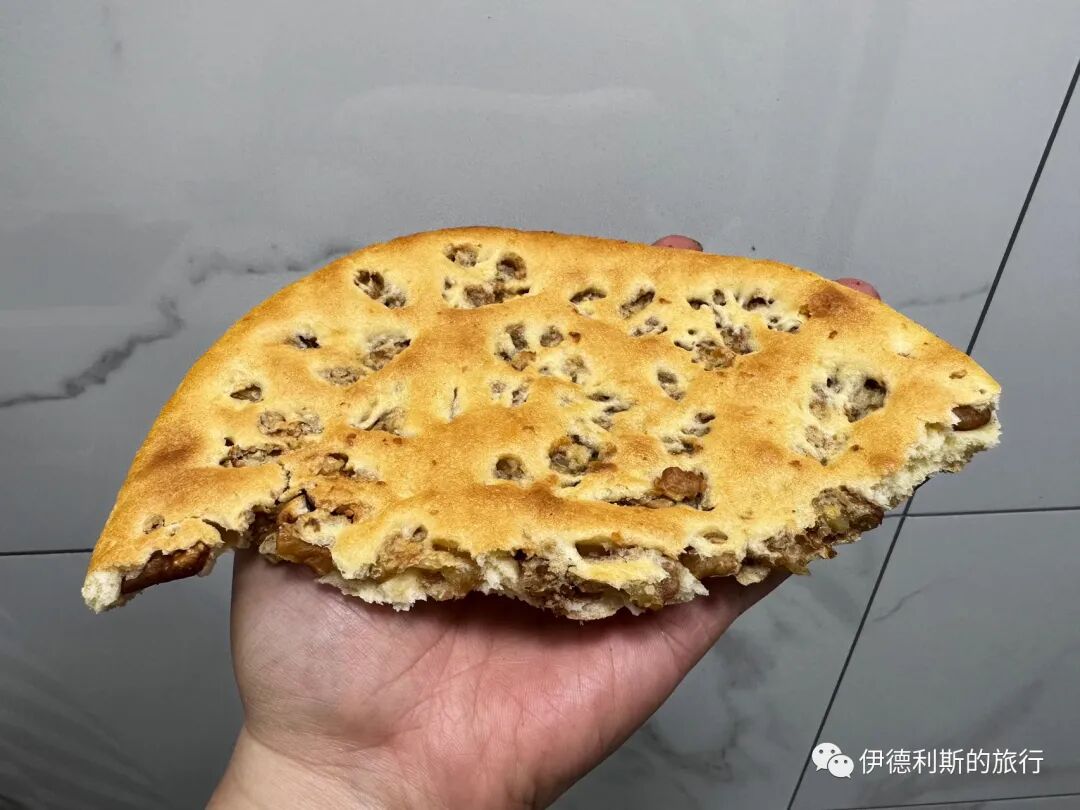
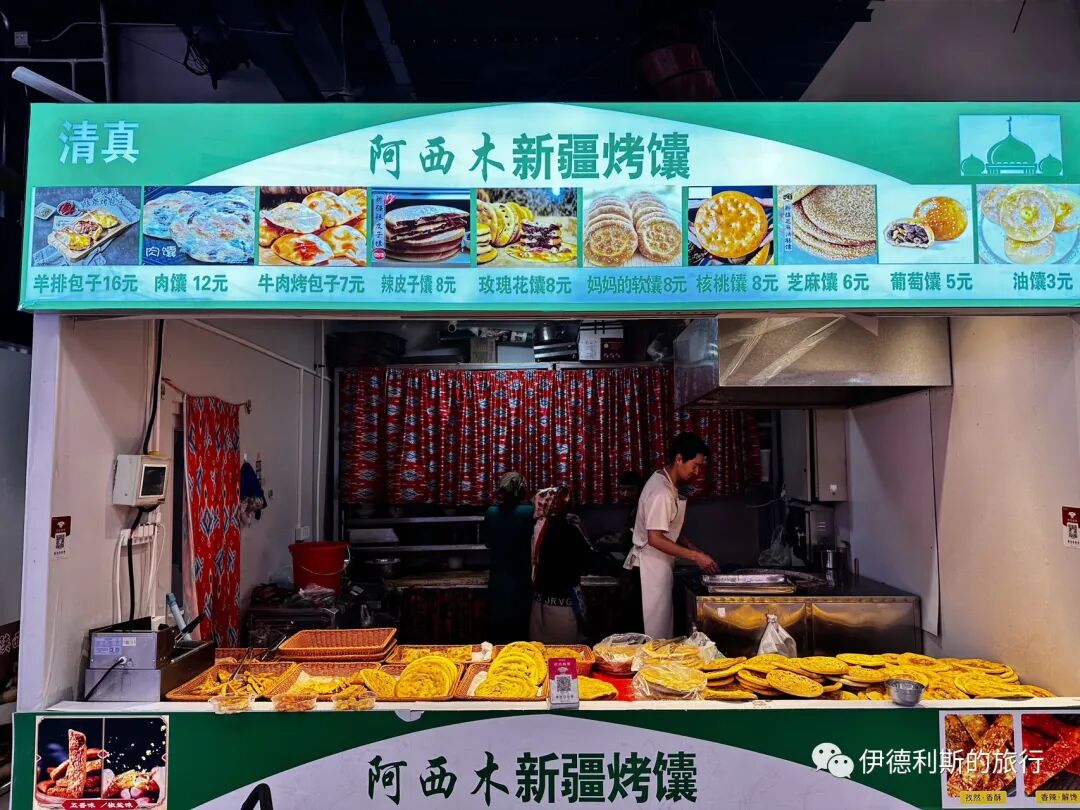
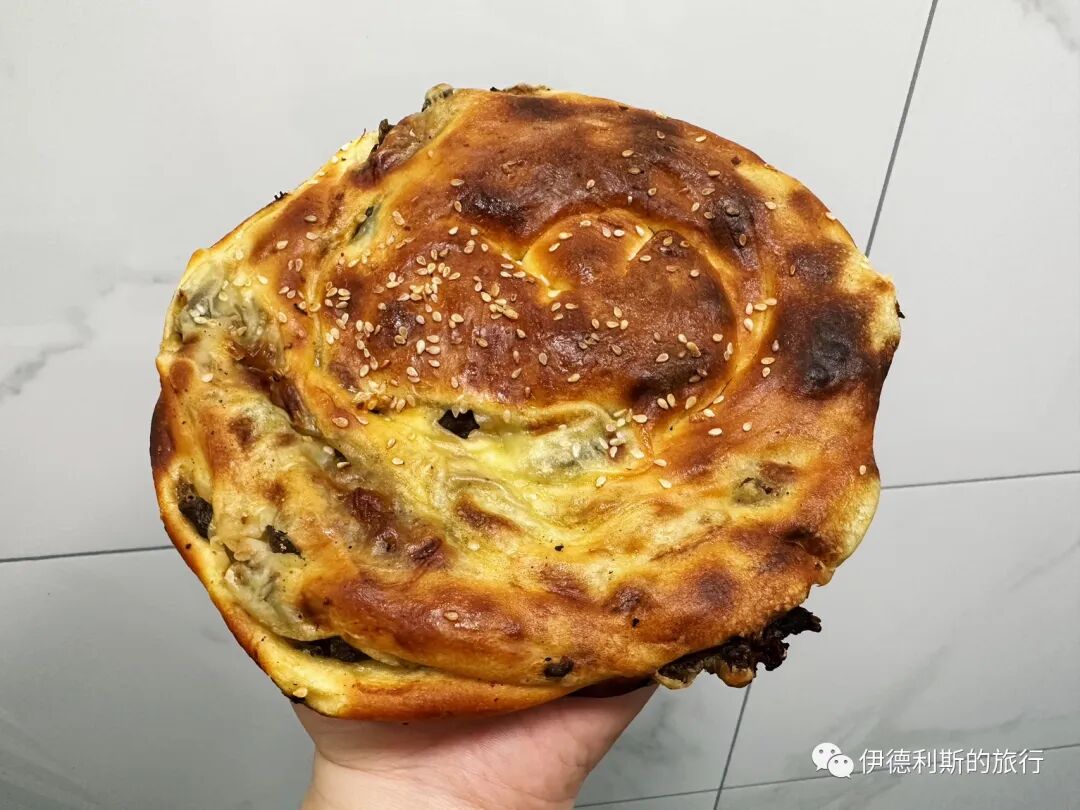
In the evening, I bought walnut naan, rose naan, and spicy skin naan at the Asimu Naan Shop in the Balizhuang Life Plaza next to the mosque. I ate the walnut naan for my pre-dawn meal (suhoor); it wasn't dry, hard, or choking, and it tasted great on its own!
April 13
Today I tasted the donkey rolls (lvdagun), fermented bean curd (madoufu), braised meat strips (songrou), sweet yam rolls (tangjuanguo), and savory yam rolls (xianjuanguo) made by the elders. I listened to the elders talk about how to make braised meat strips, which was very educational. It turns out you need to add fried flour crisps (gezhi) to the meat filling, and it is best to use mung bean starch for the batter, which you can buy from Baoji at Niujie.
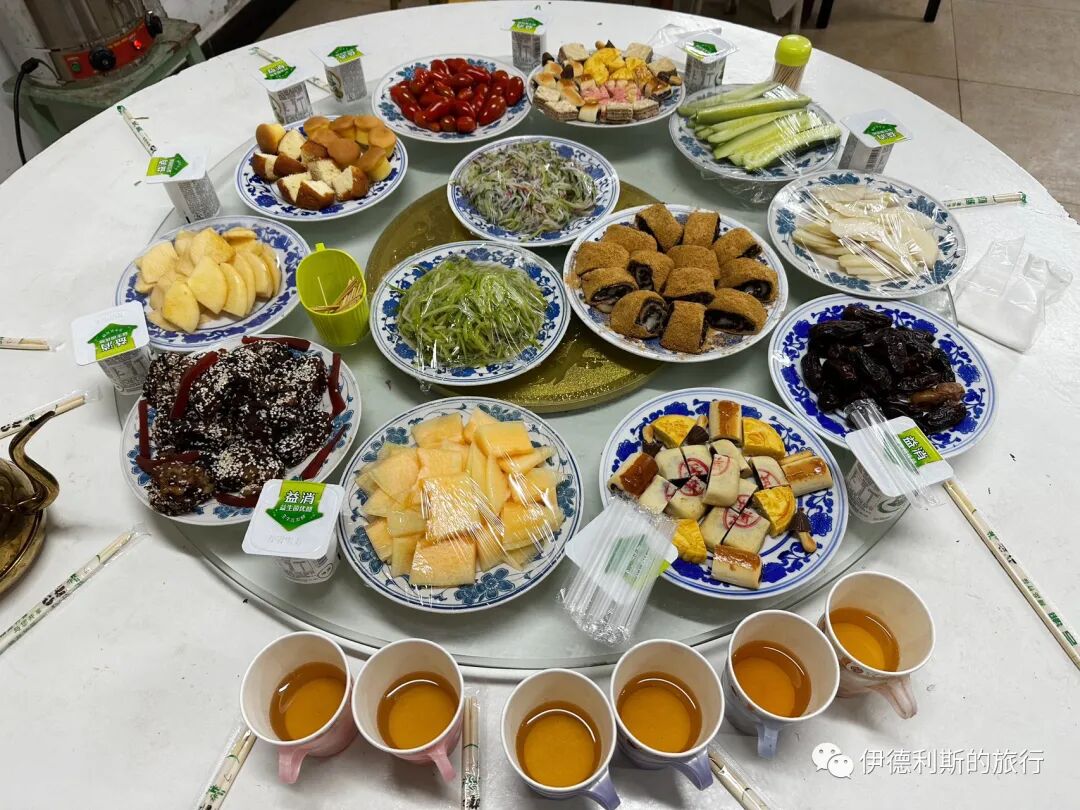
Donkey rolls (lvdagun)
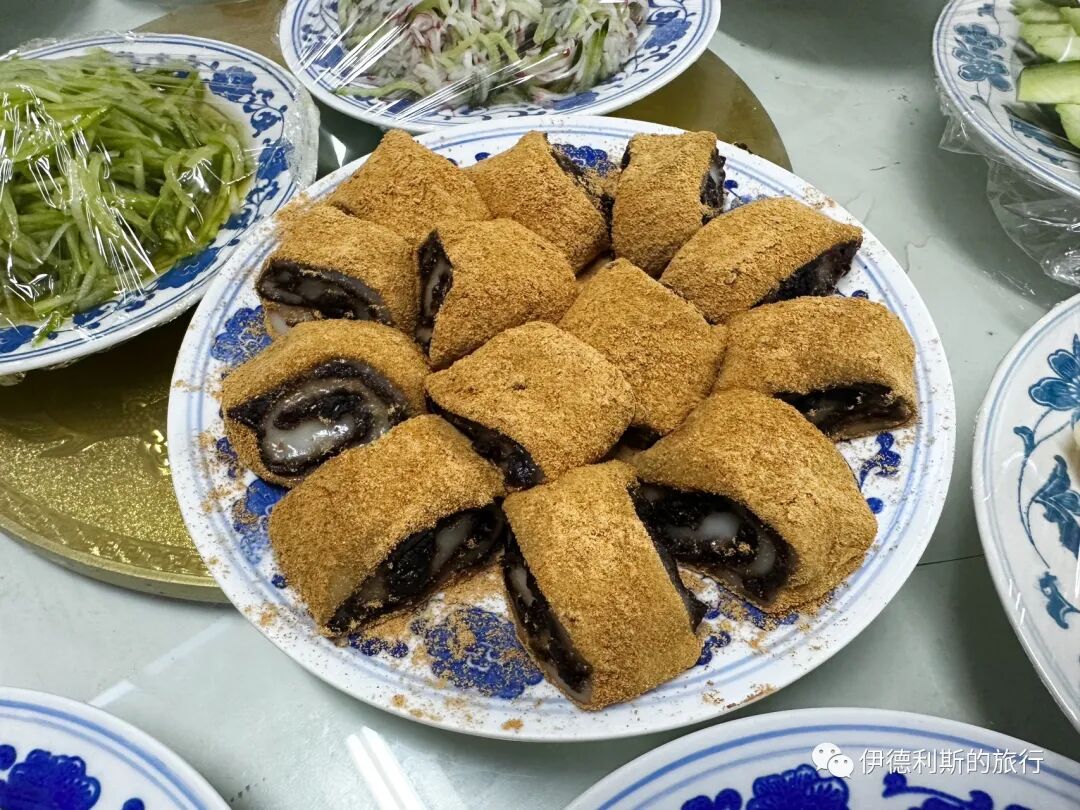
Savory yam rolls (xianjuanguo)
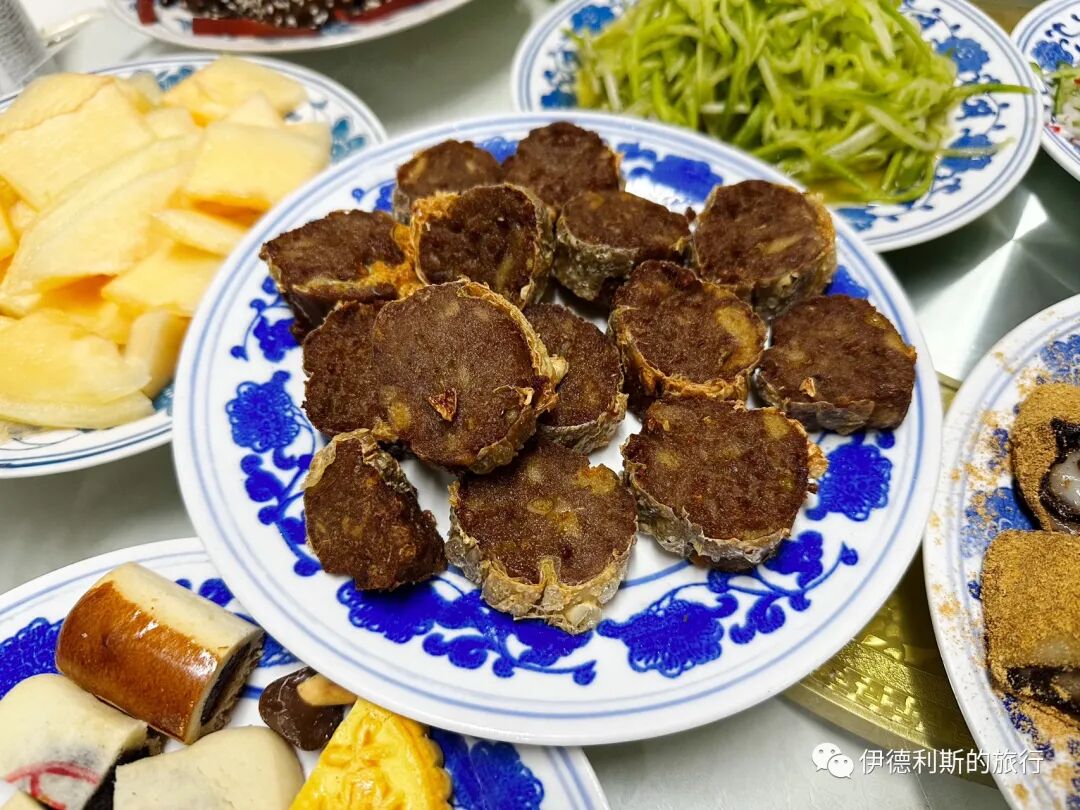
Sweet yam rolls (tangjuanguo)
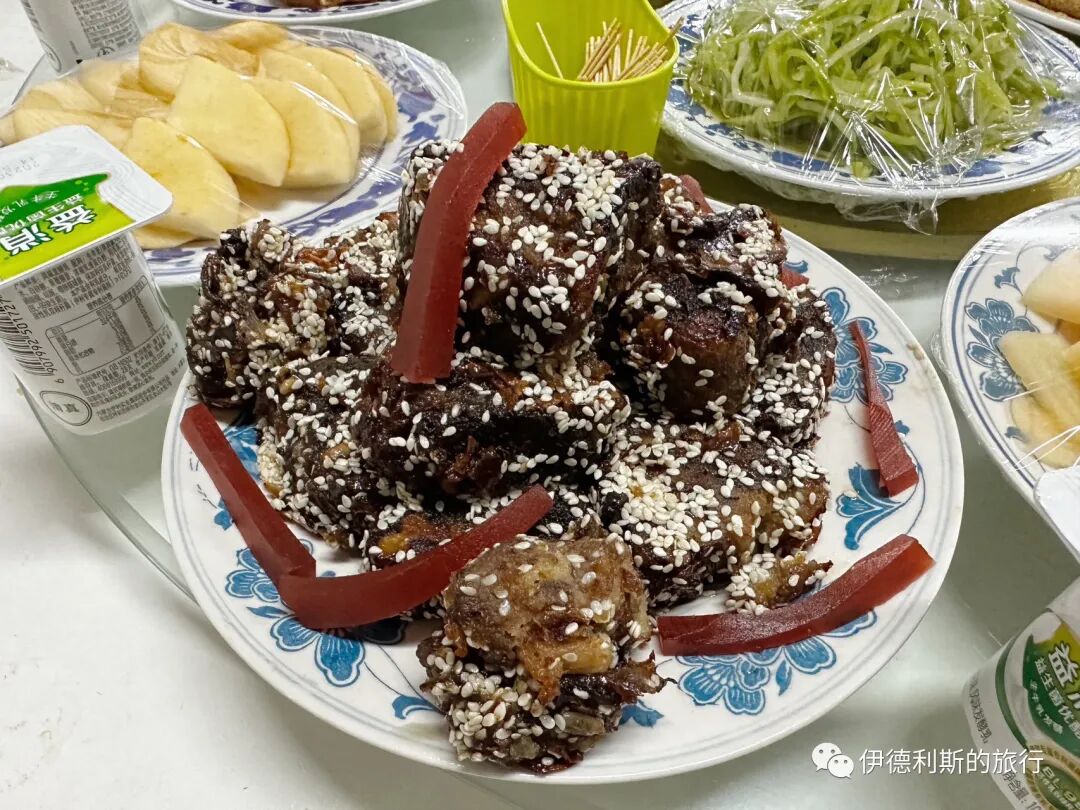
Braised meat strips (songrou)
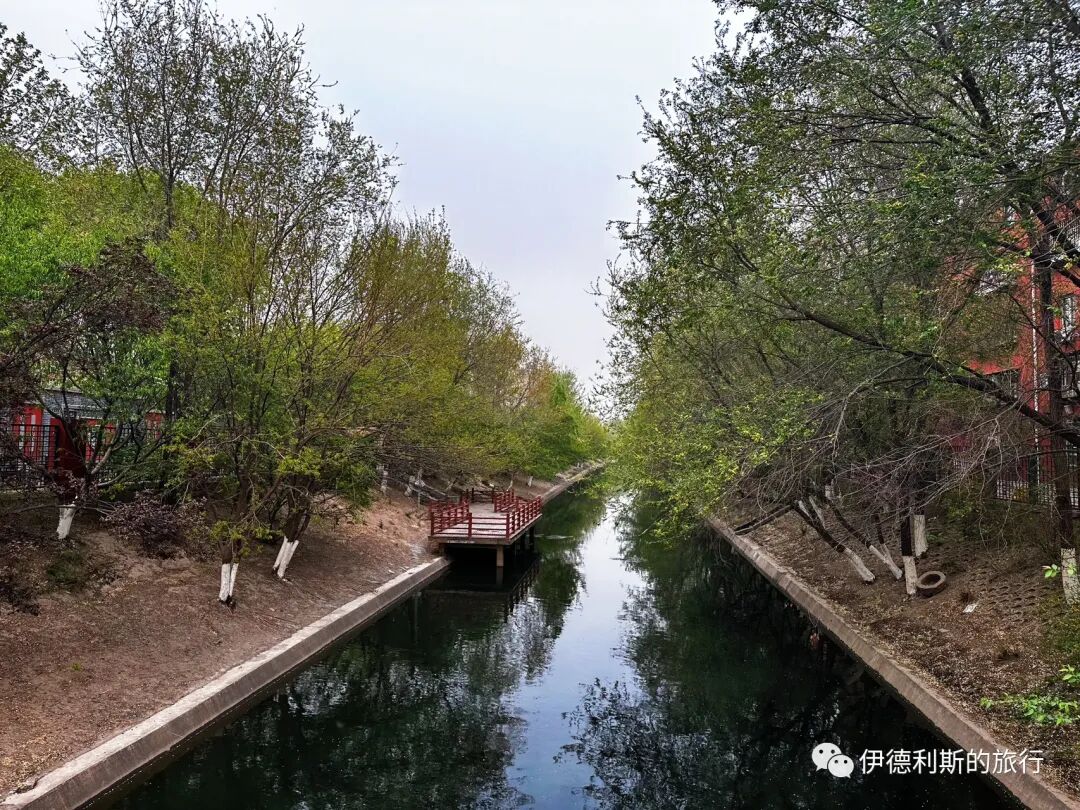
I took a picture of the Erdao River in Balizhuang on the way. During the Qing Dynasty and the Republic of China, Hui Muslim households in Balizhuang drew water from the Erdao River for irrigation. The village was lush with green vegetables, bean trellises, and melon vines heavy with fruit.
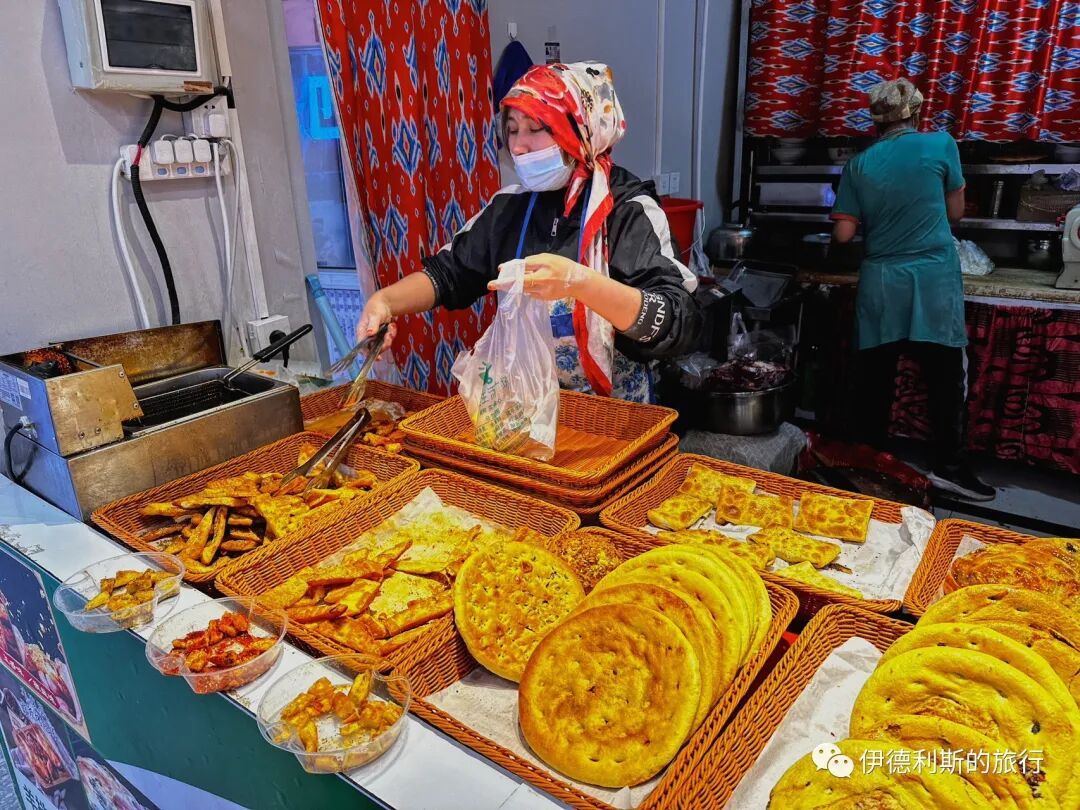
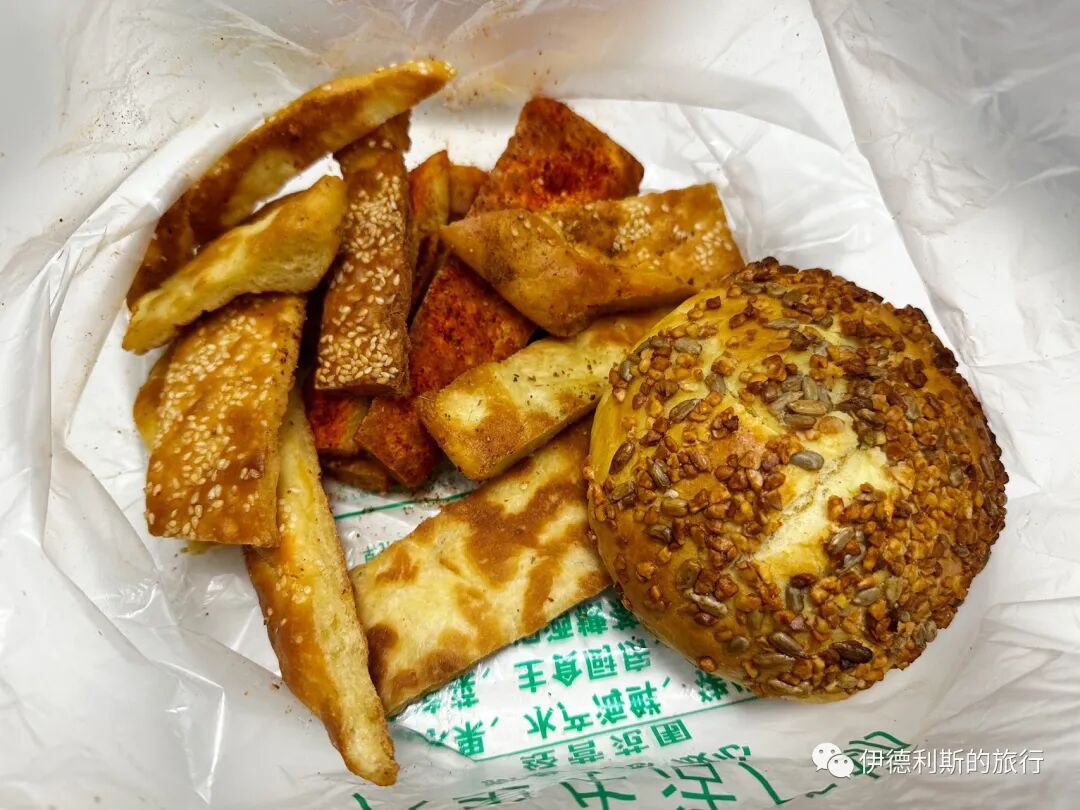
I bought meat naan at the Asimu Naan Shop in Balizhuang Life Plaza and learned this time that they are from Kashgar. The landlady knew we were fasting, so she gave us a bag of naan as charity (niatie). I am very grateful. These naan slices, which are baked and then fried, are great as snacks. They come in both spicy and non-spicy versions.
April 14
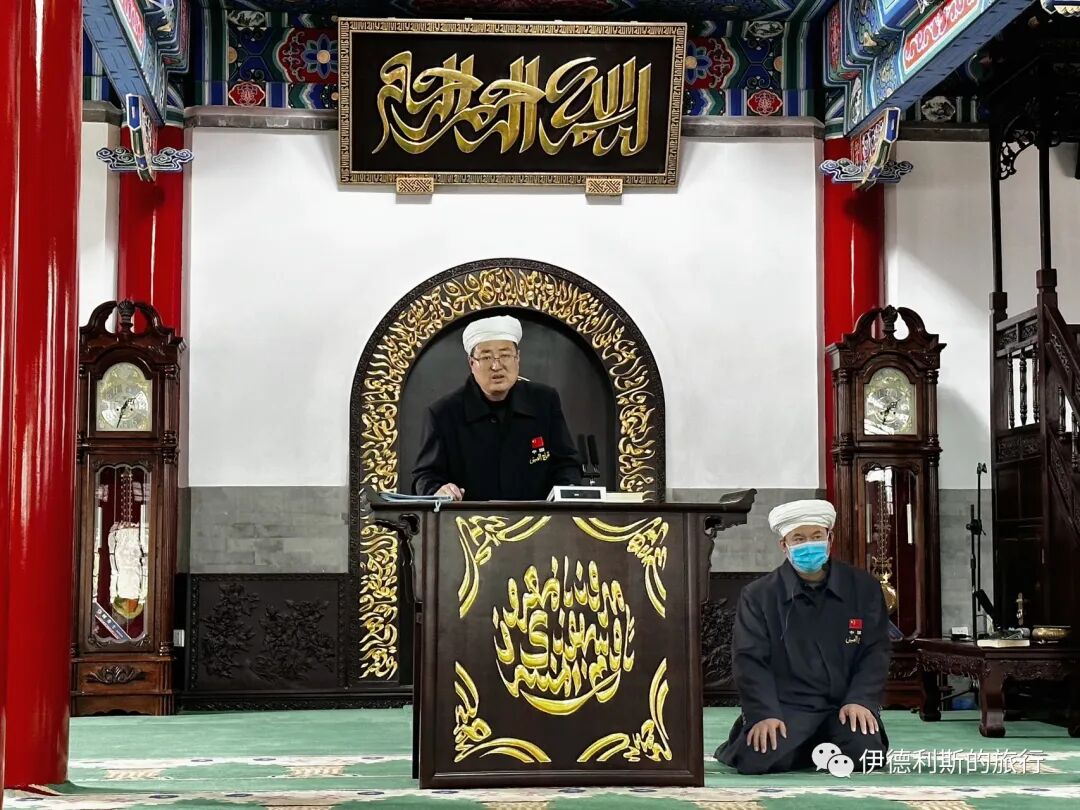
It is a blessed Friday (Jumuah). During the sermon (wa'z), I heard the imam talk about the nobility of the Night of Power (Laylat al-Qadr). Today is the fourth Friday of Ramadan, which is sometimes called Jumuat-ul-Wida, meaning the Farewell Friday. In South Asia and some other places, Muslims spend this day reciting the Quran, performing good deeds, giving charity (niatie), helping the poor, and hosting meals for family, relatives, and neighbors.
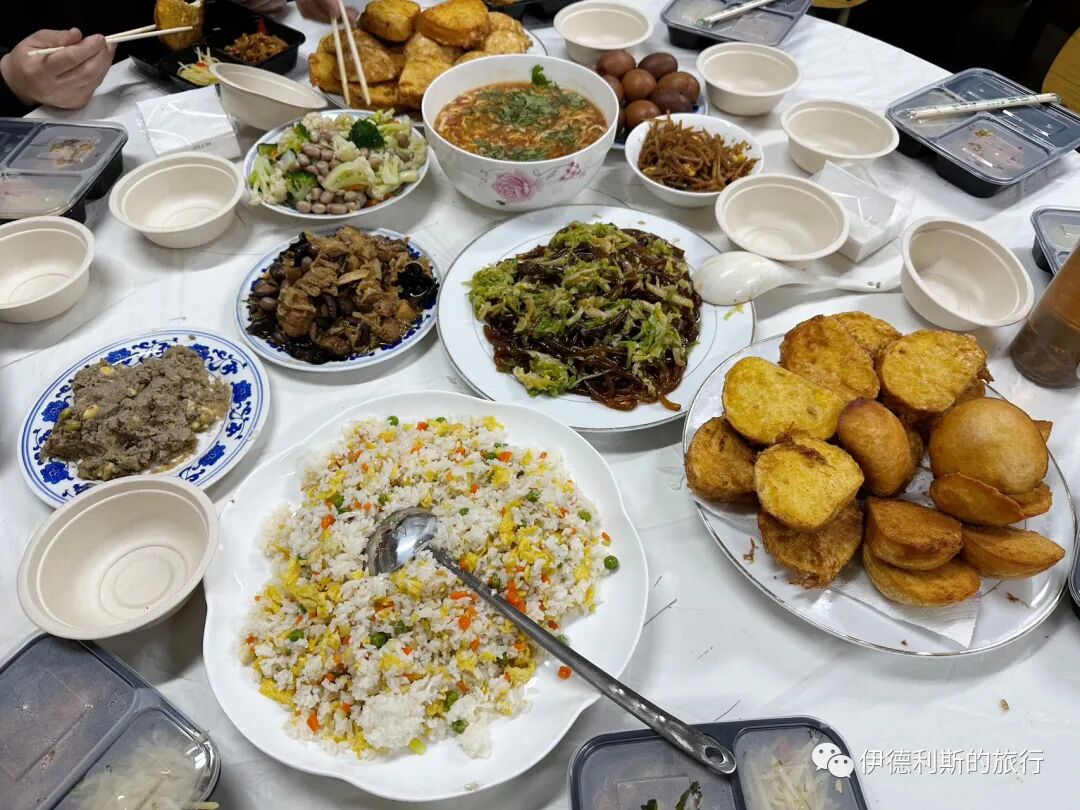
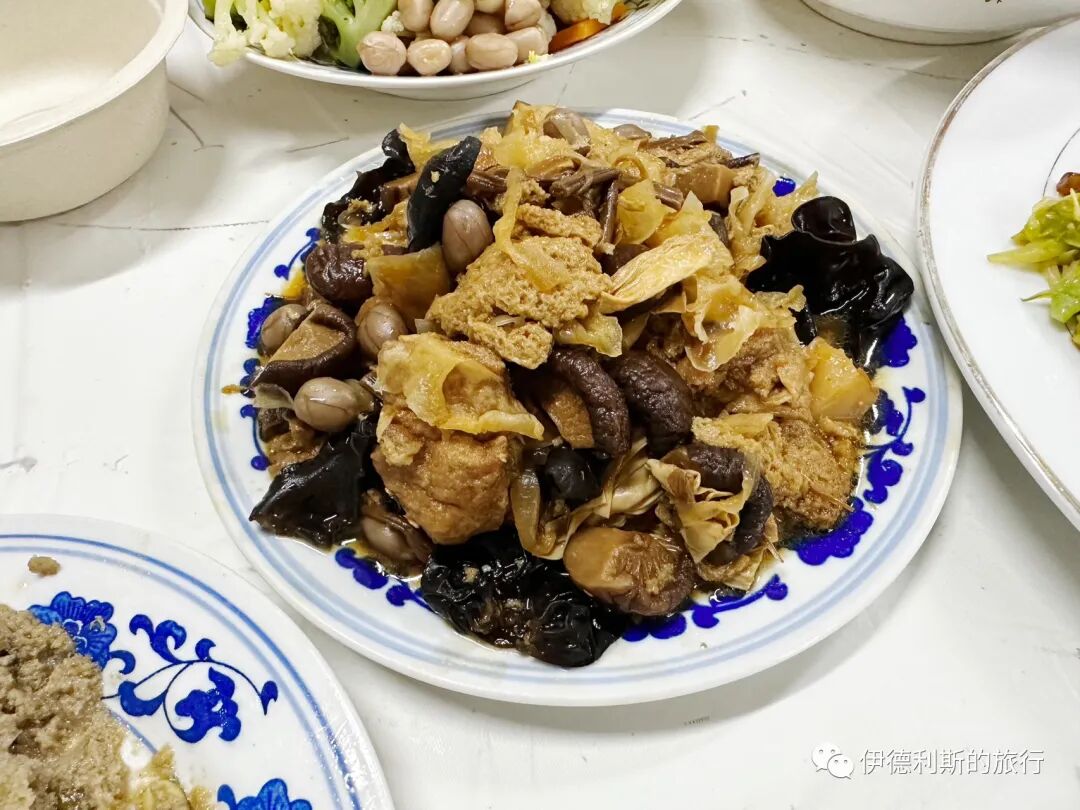
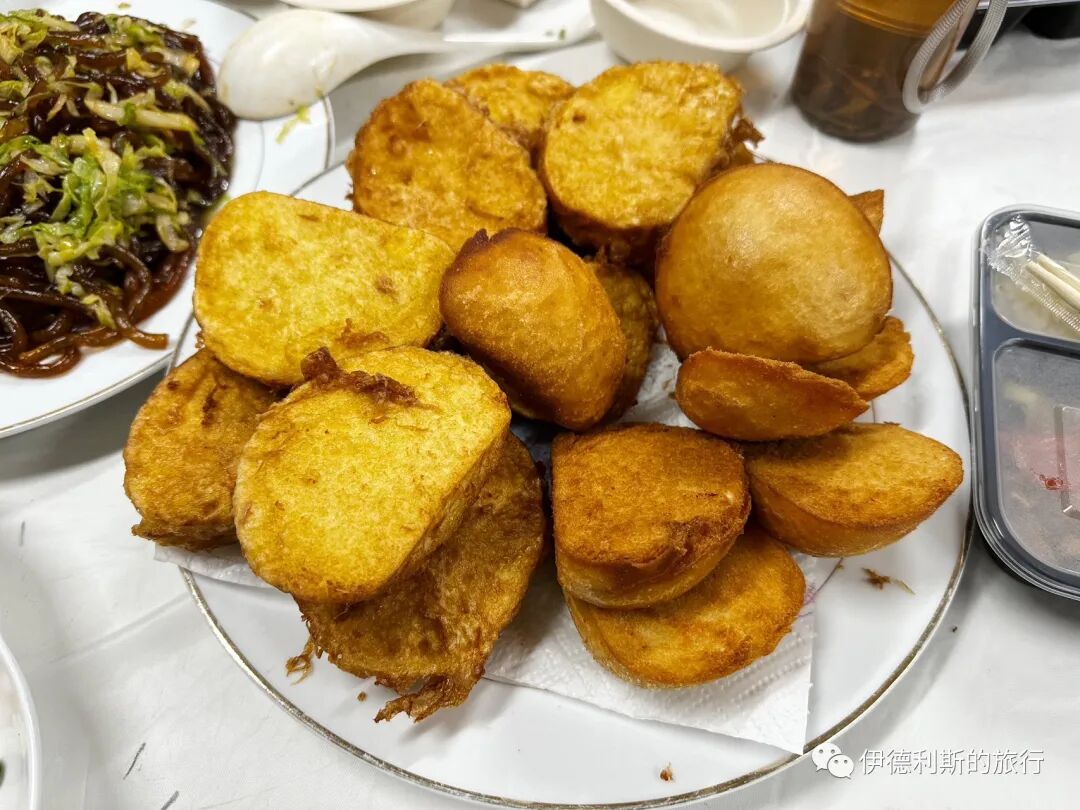
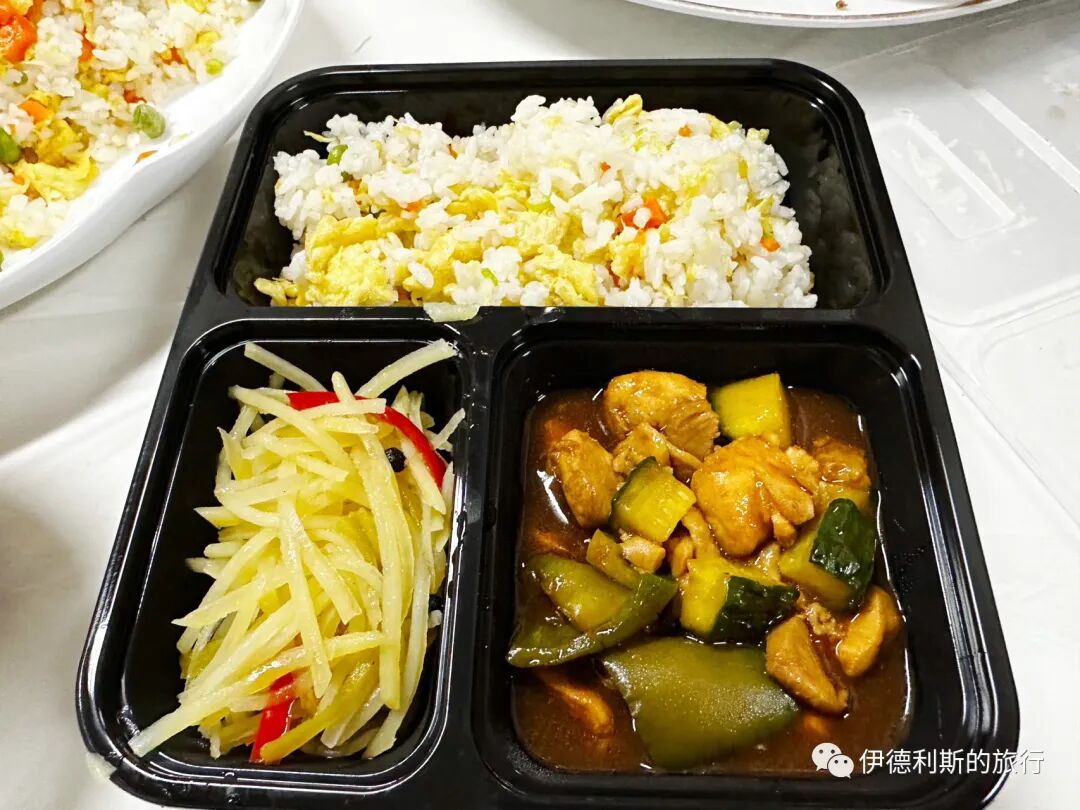
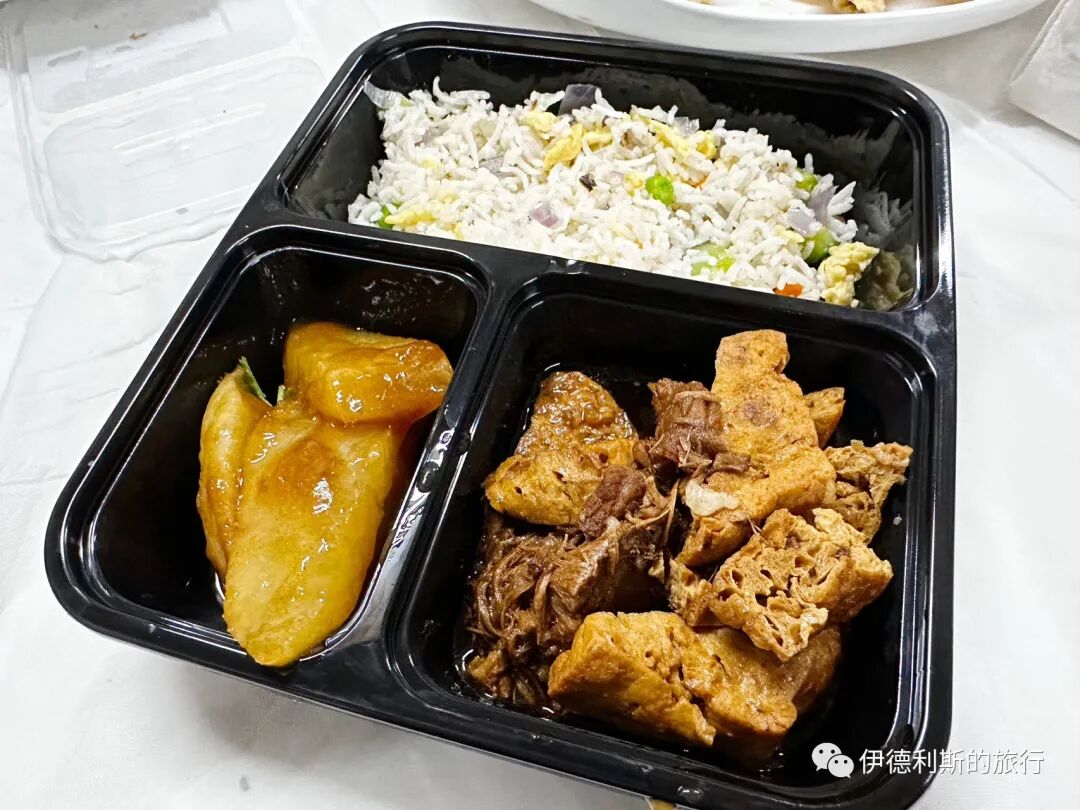
In the evening, I tasted fried rice and fried steamed bun slices. There were two kinds: those coated in egg and those that were not. The ones with egg were softer, which is better for the older elders to eat.
April 15
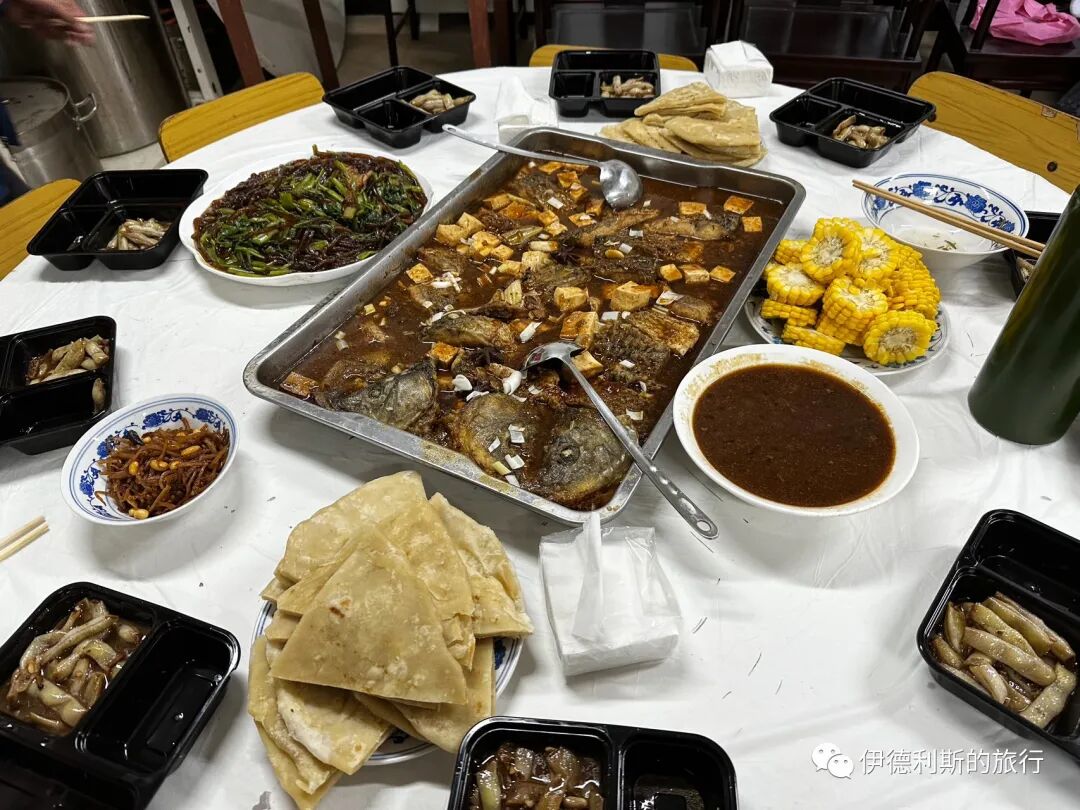
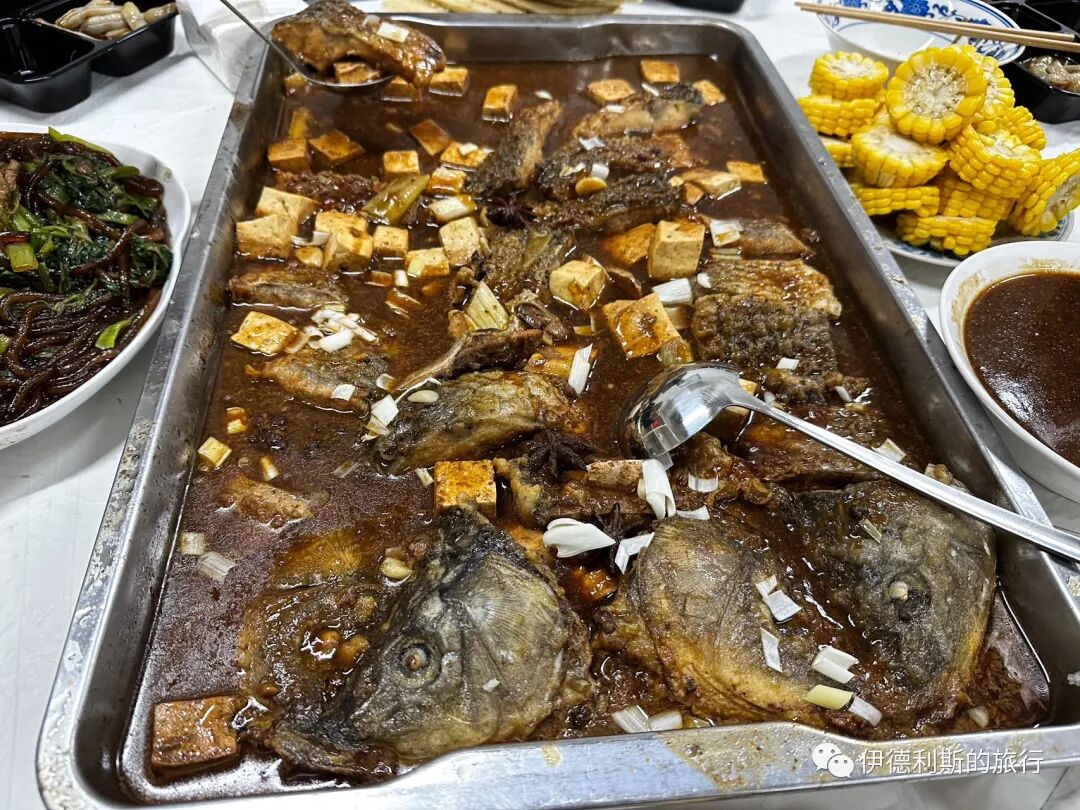
Today I ate fish head with flatbread (paobing) made by the elders. The fish came from Miyun Reservoir and the flatbread was freshly griddled. It was delicious.
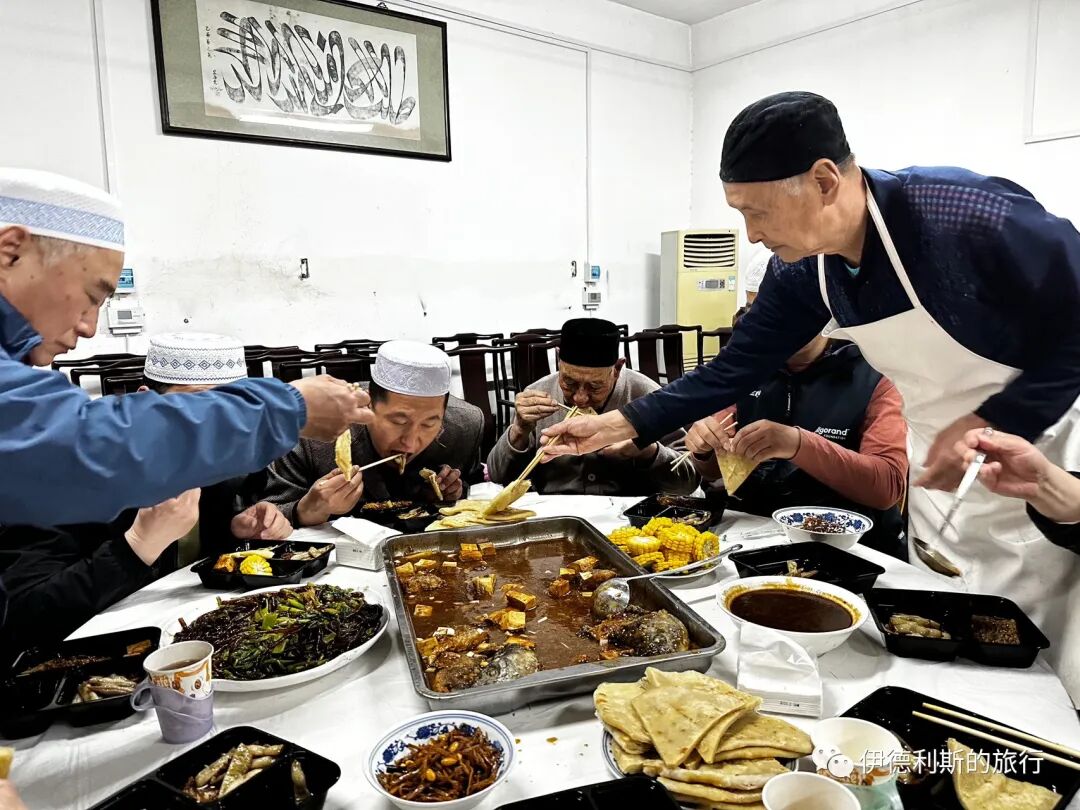
Two elders gave out sesame flatbread (shaobing) and meat-filled flatbread (huoshao jiarou). These are perfect for eating during the fast.
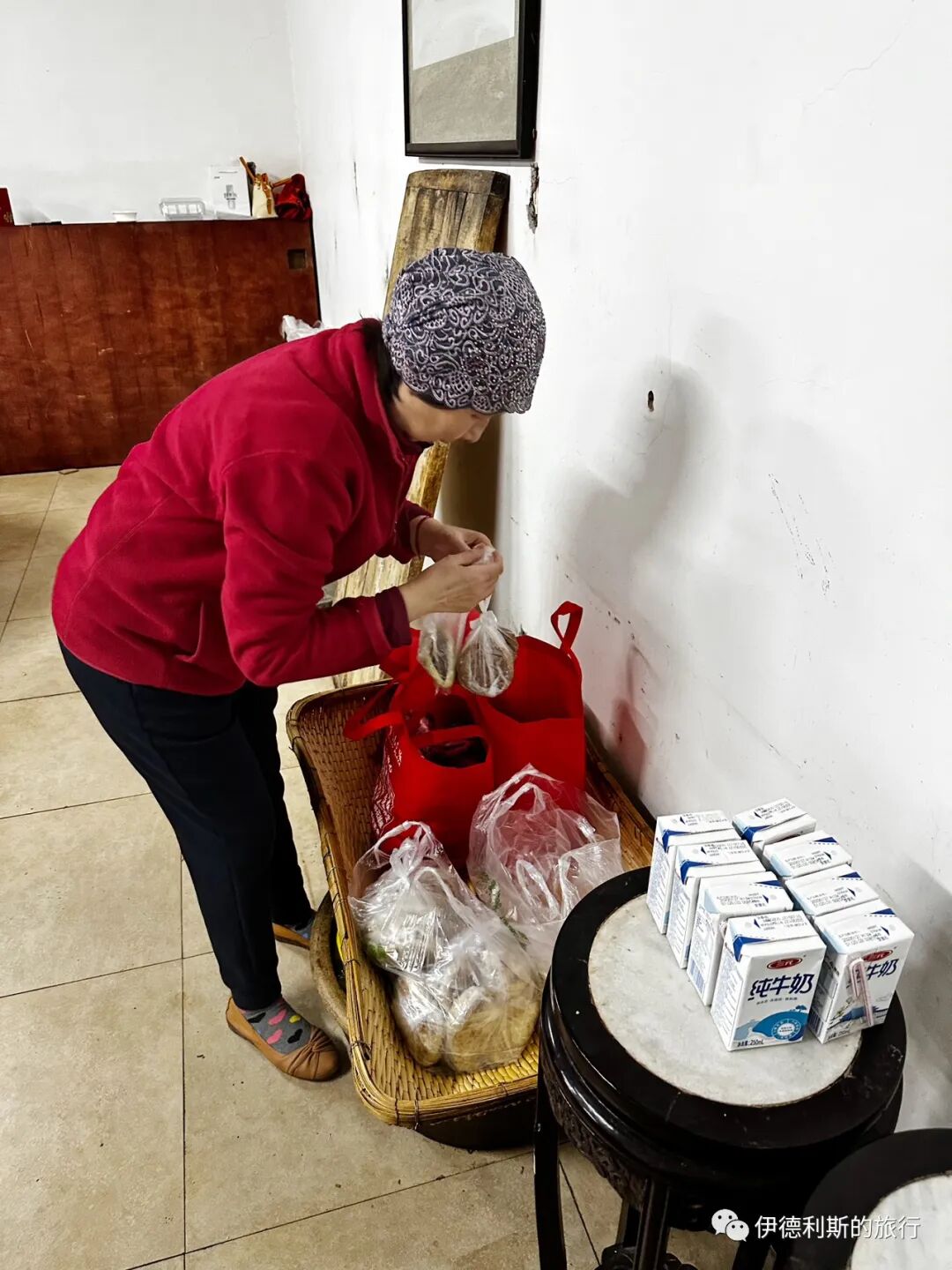
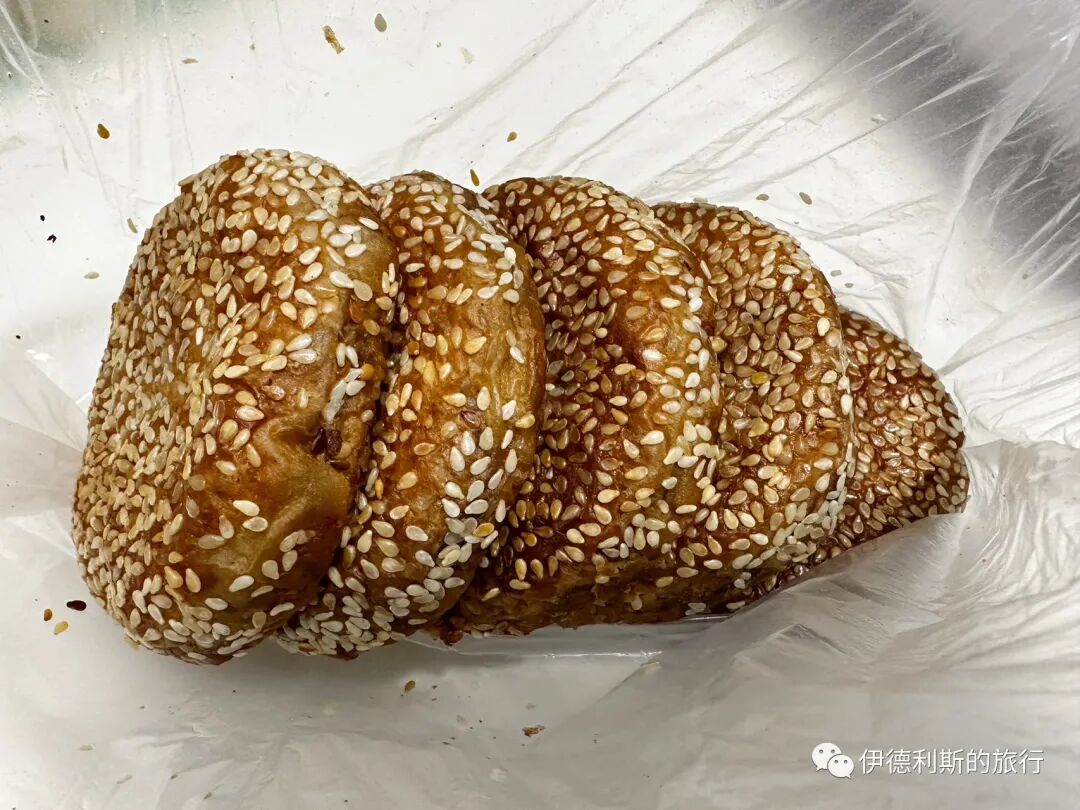
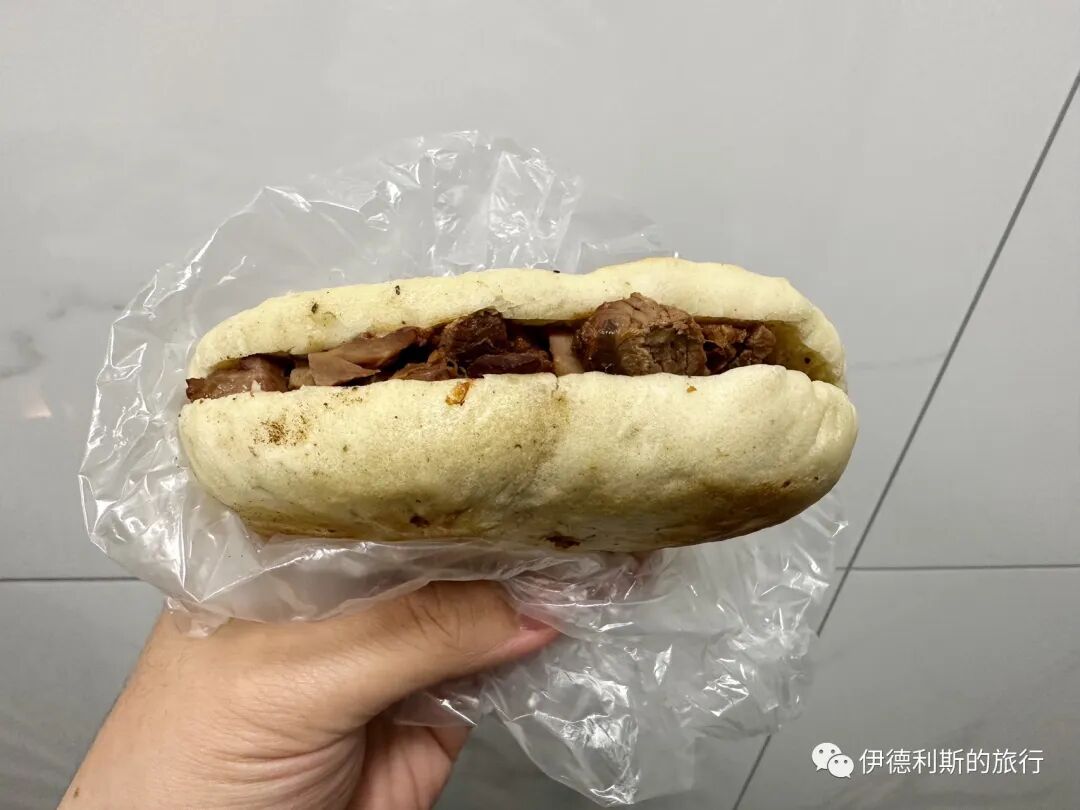
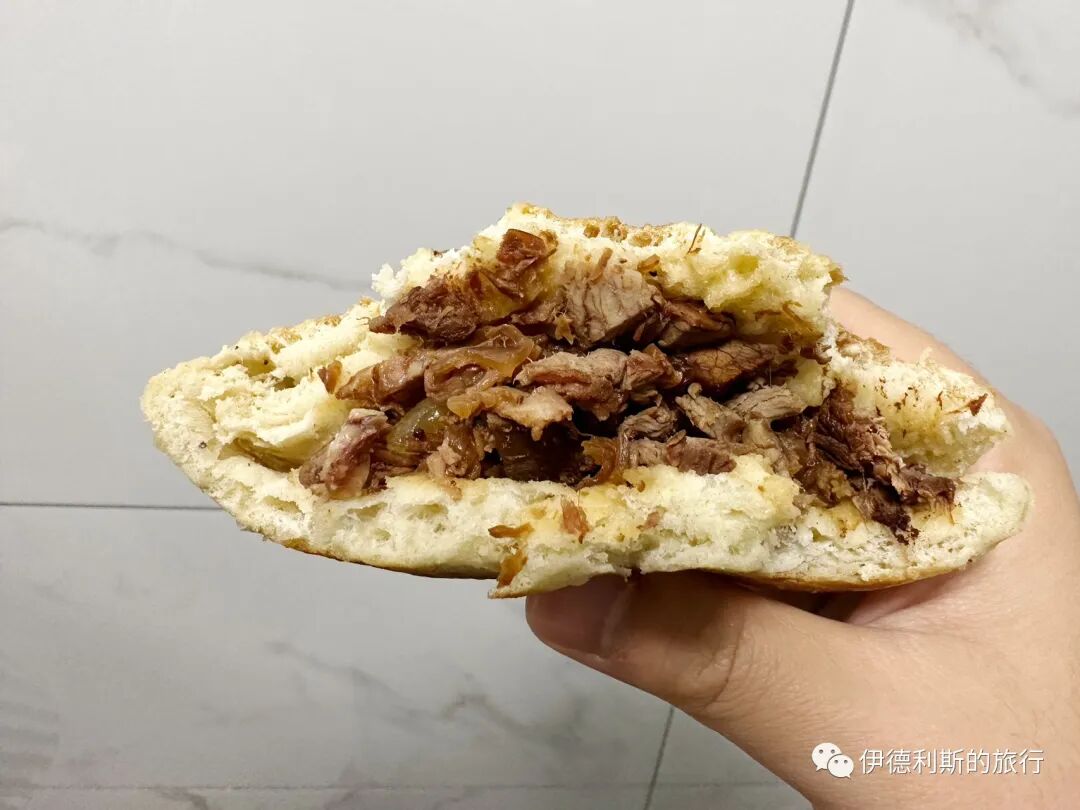
April 17, Night of Power (Laylat al-Qadr).
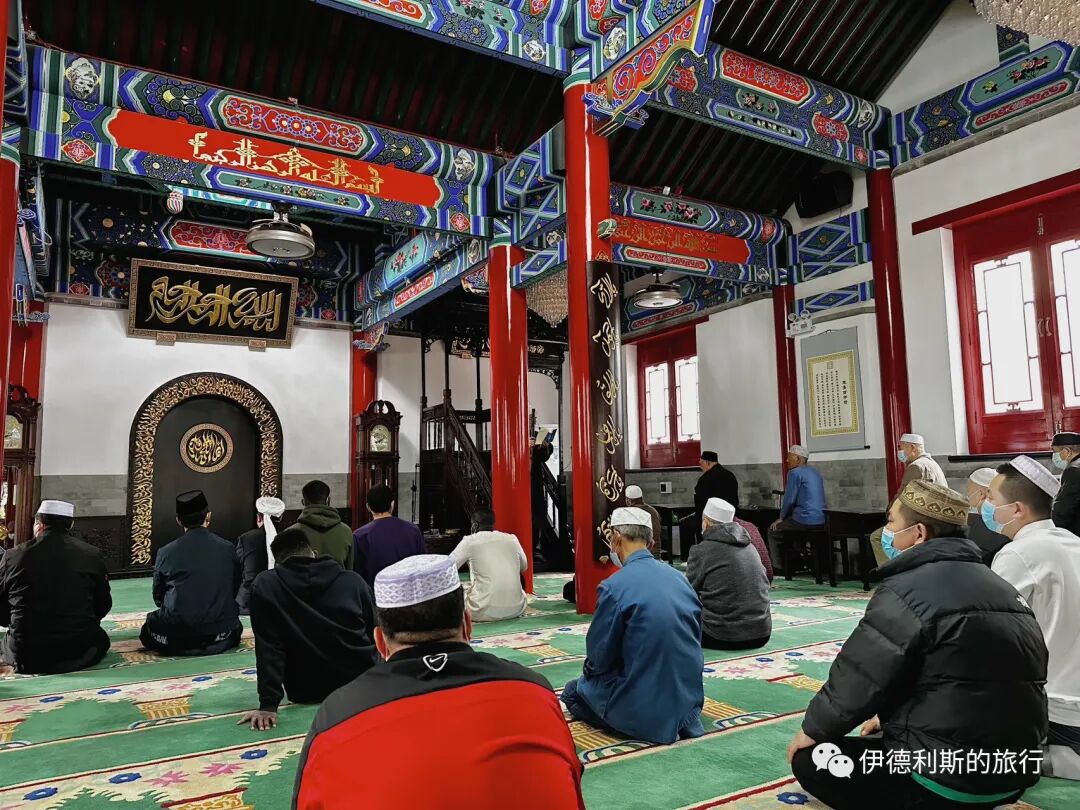
Celebrating the Night of Power, everyone gathered at Balizhuang Mosque to perform worship on this noble night. May the rewards be many.
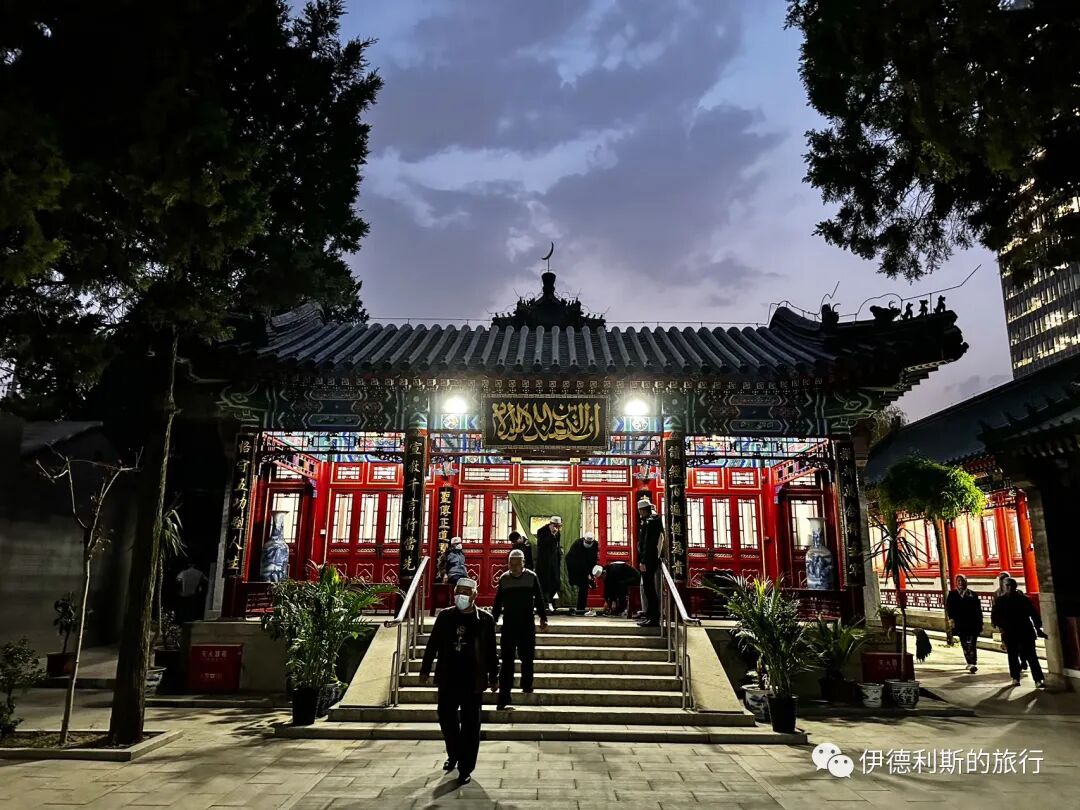
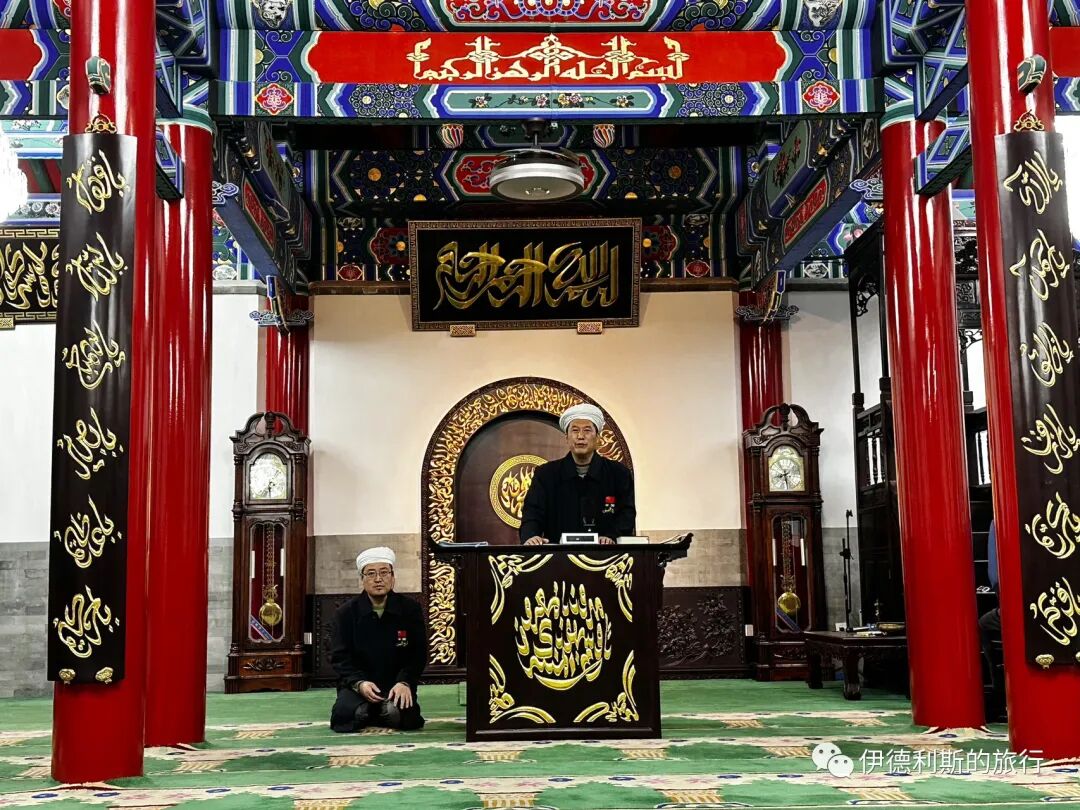
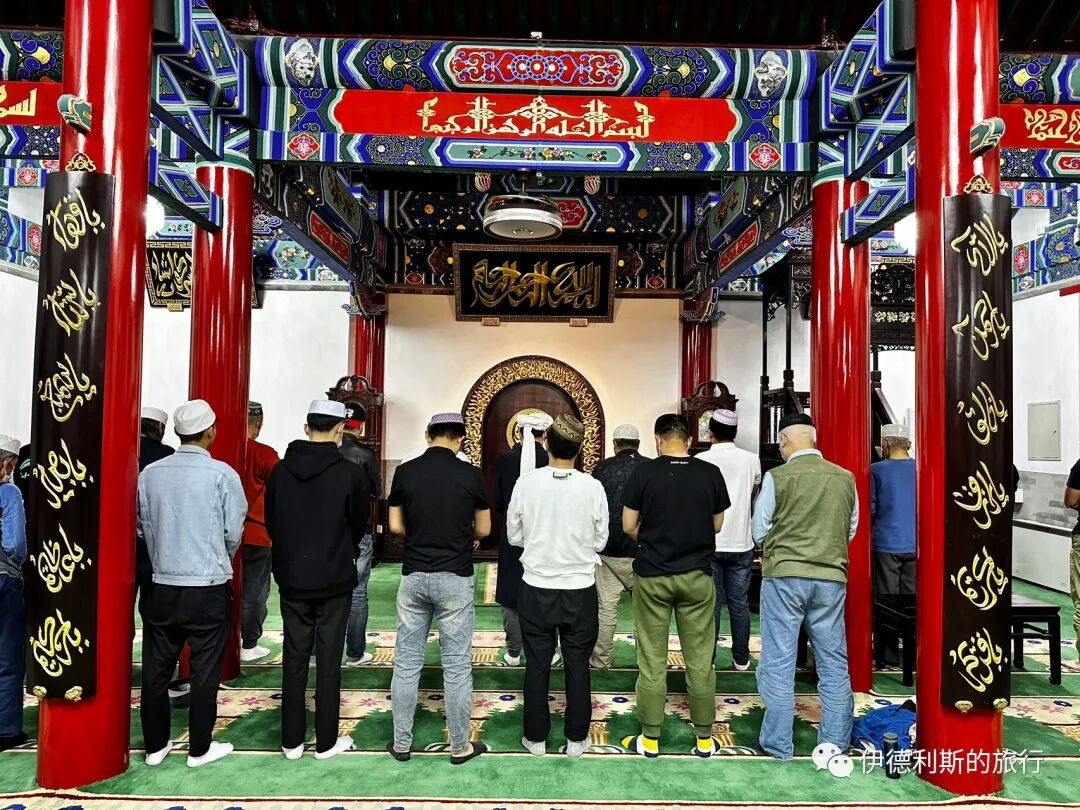
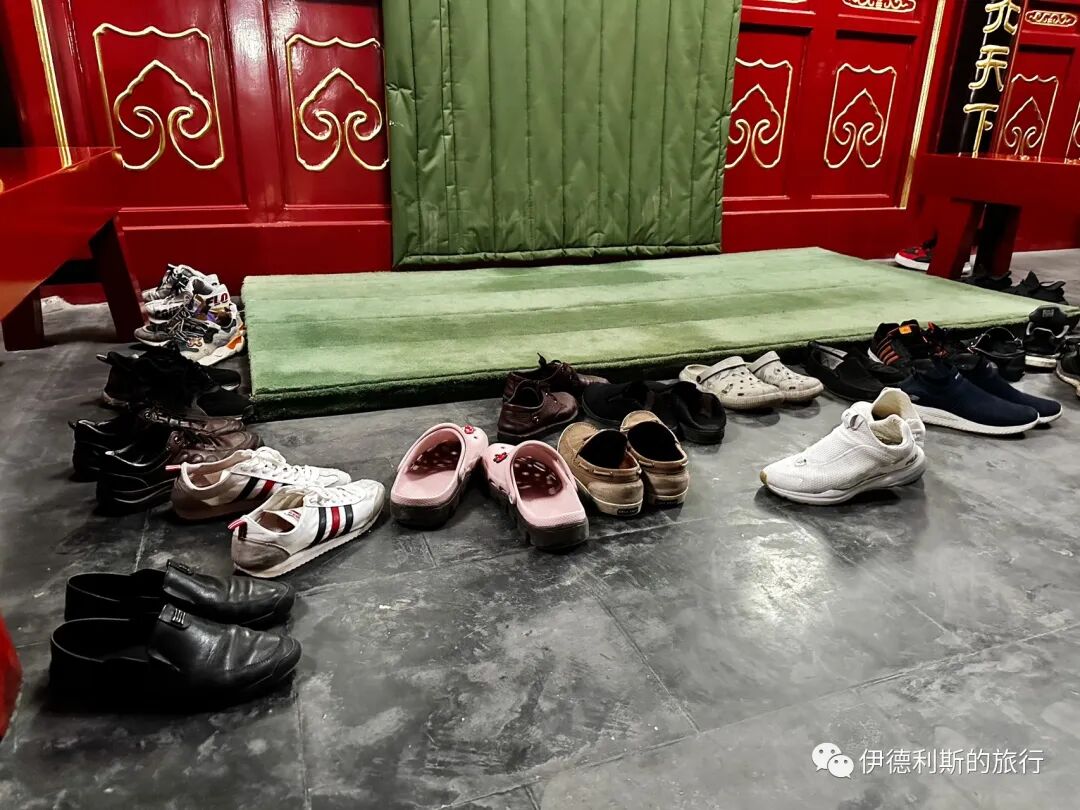
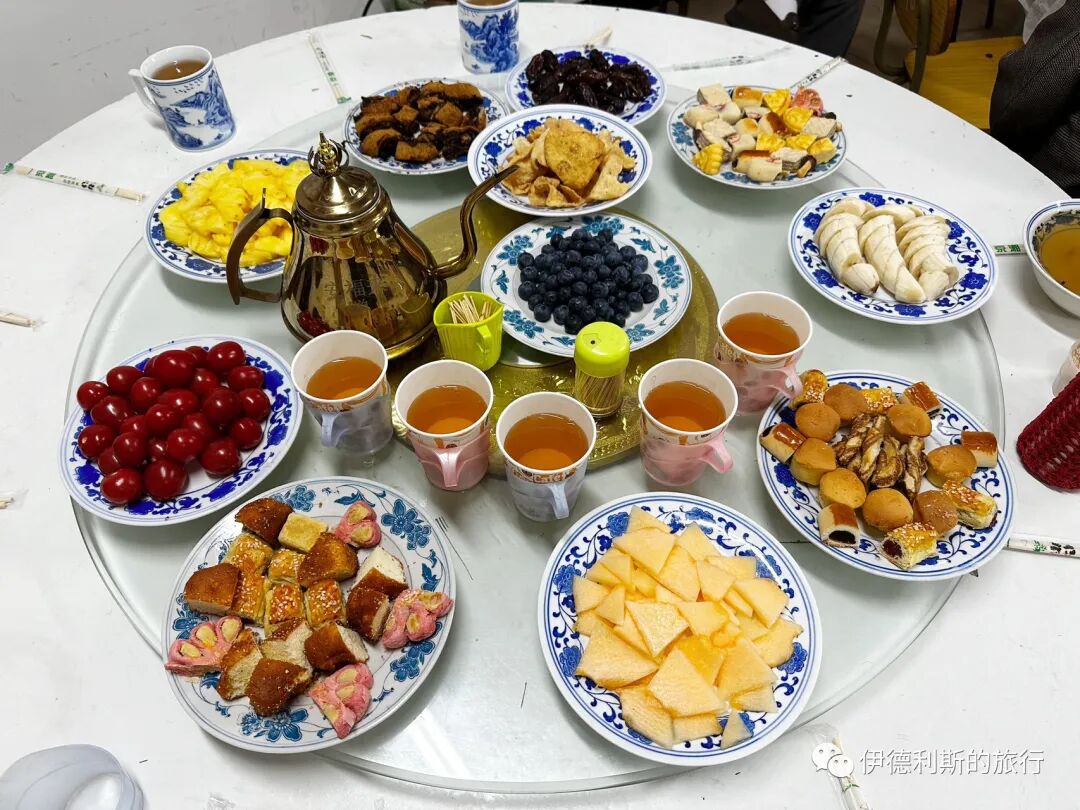
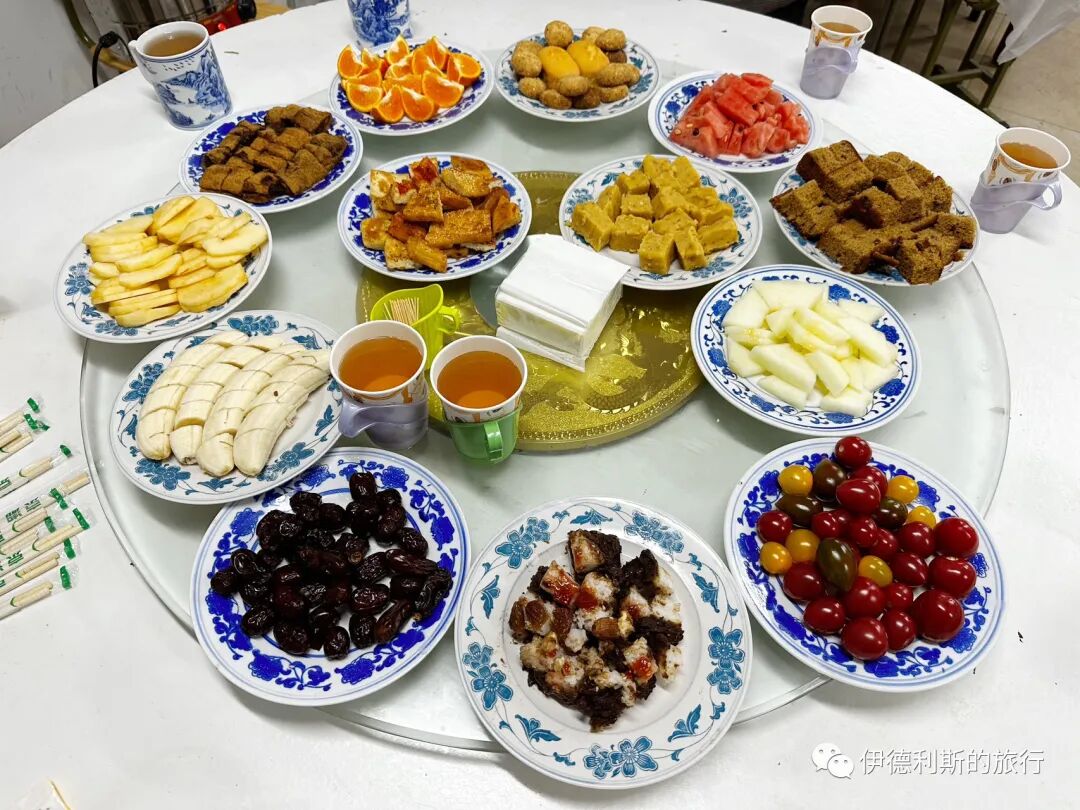
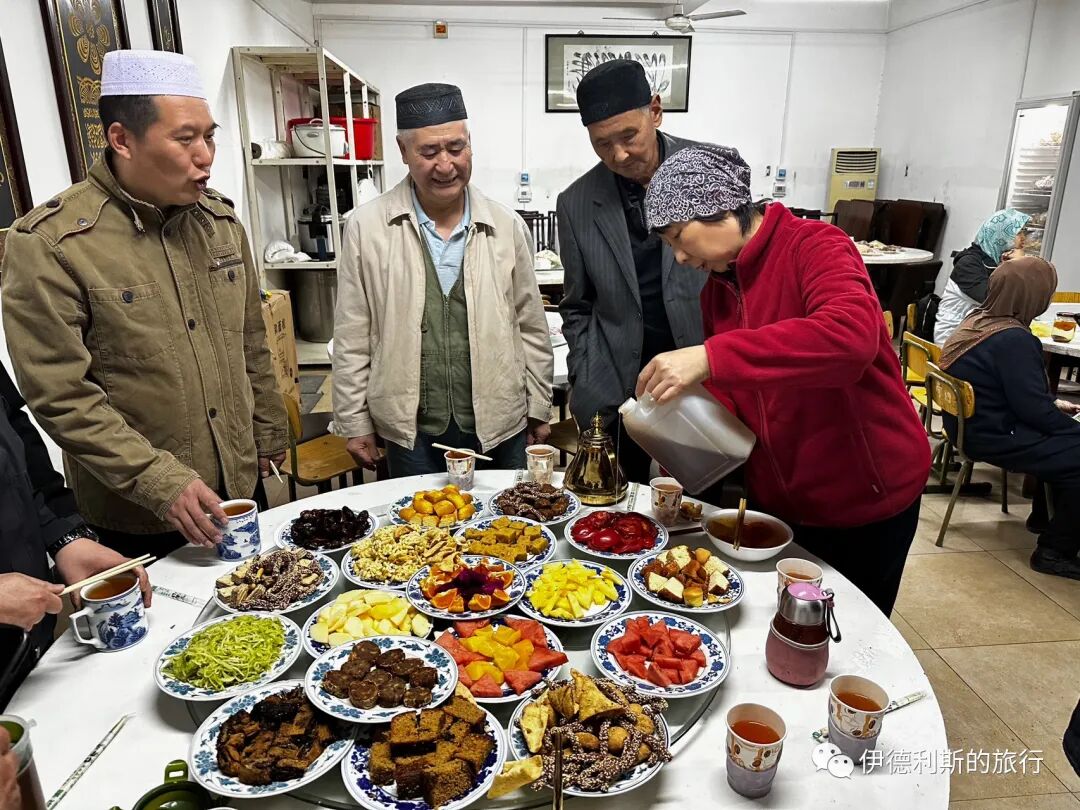
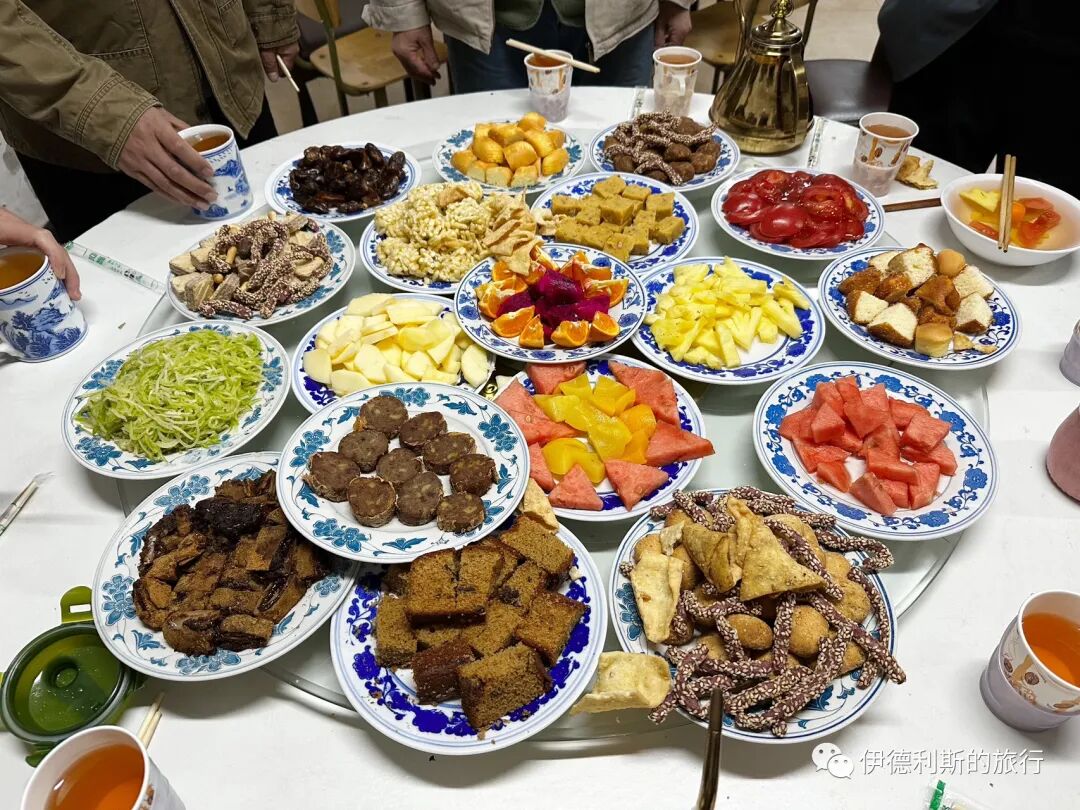
Tonight is the busiest night of Ramadan. The elders made various Beijing snacks like sugar-filled rolls (tangjuanguo), savory rolls (xianjuanguo), pea flour cakes (wandouhuang), rolled soybean flour cakes (lvdagun), and sticky rice cakes (niangao). There were also fruits like cherries, strawberries, apples, papayas, and bananas, plus pastries like date cakes and fried flour crisps (sachima). It was such a feast!
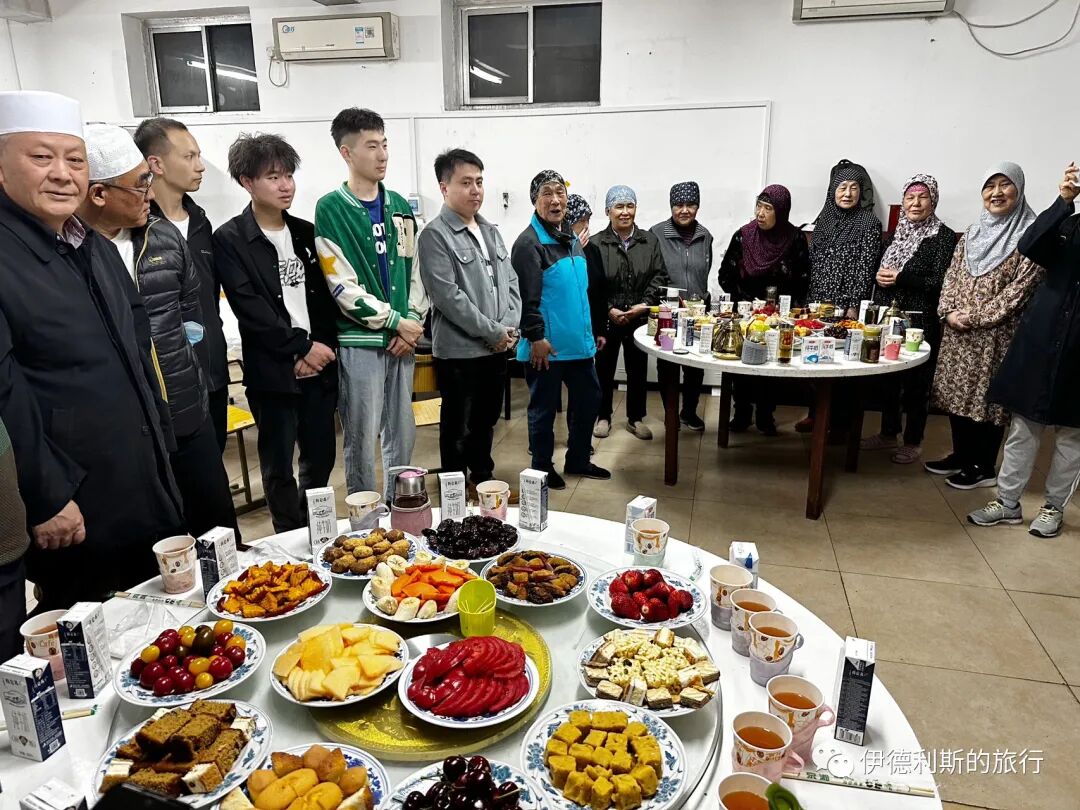
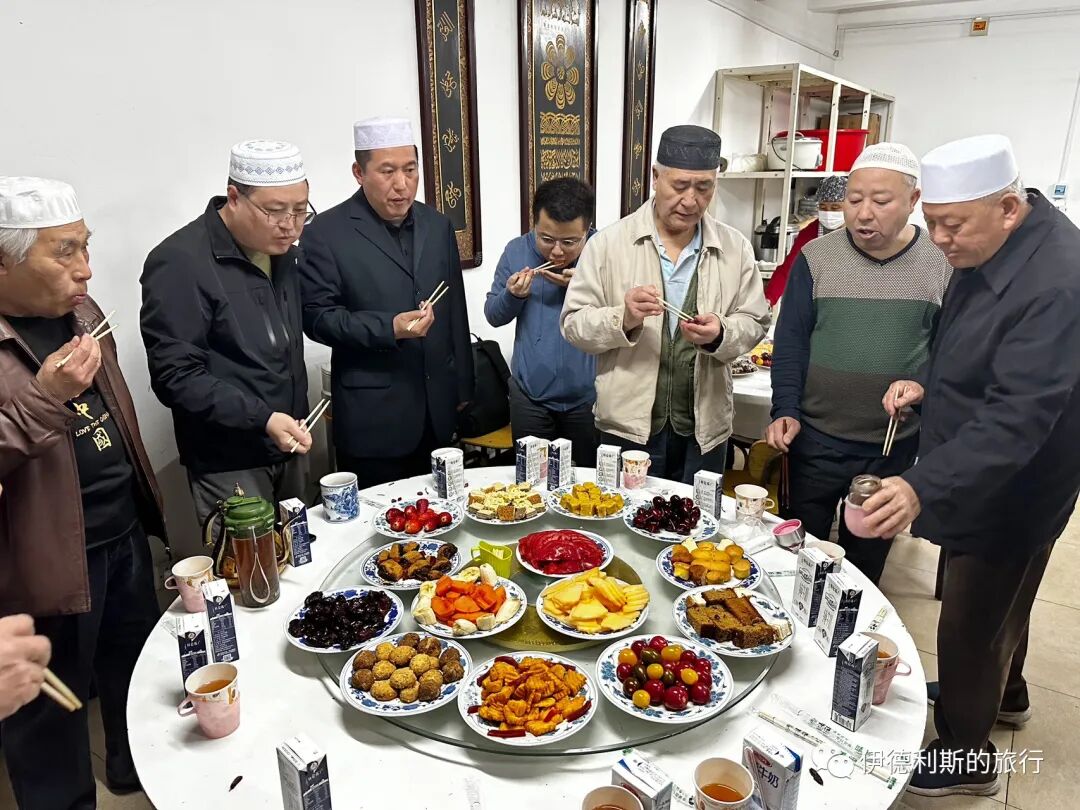
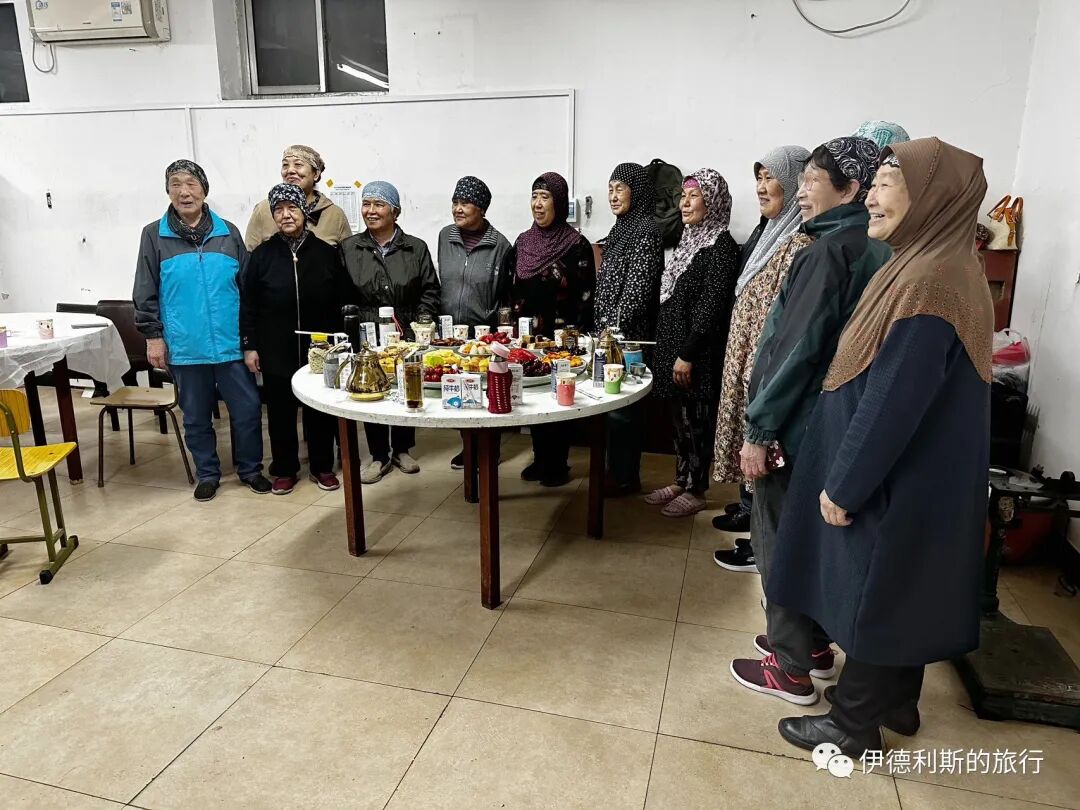
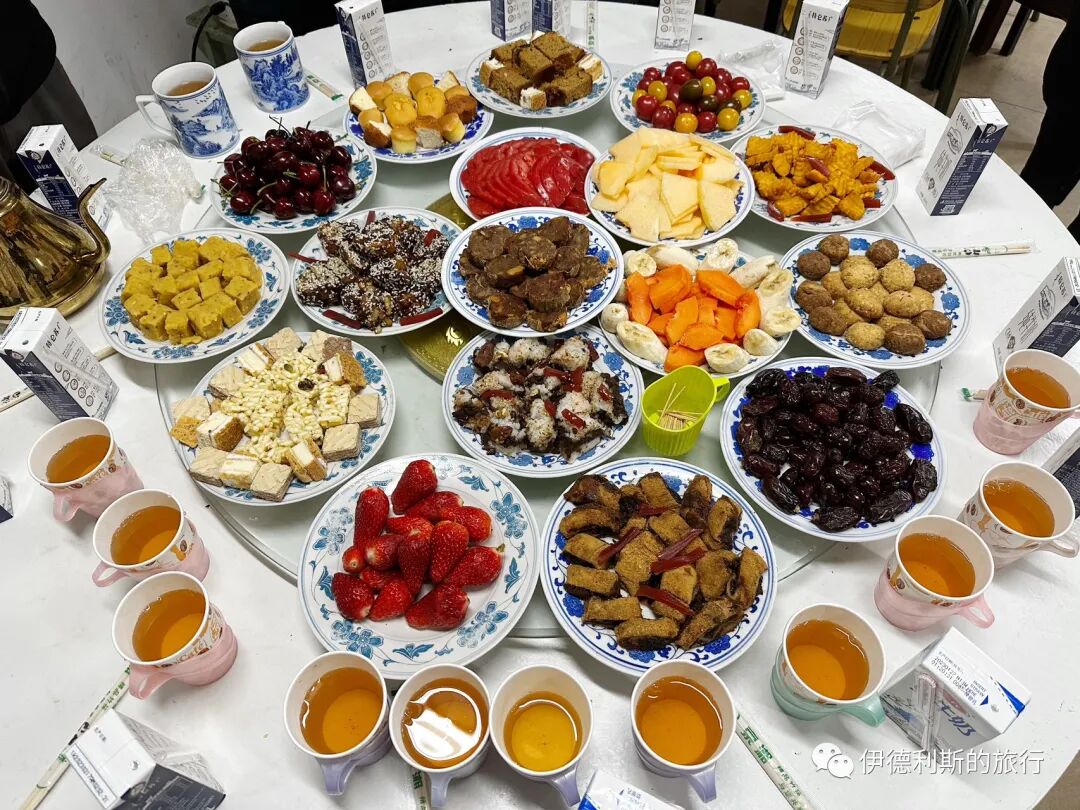
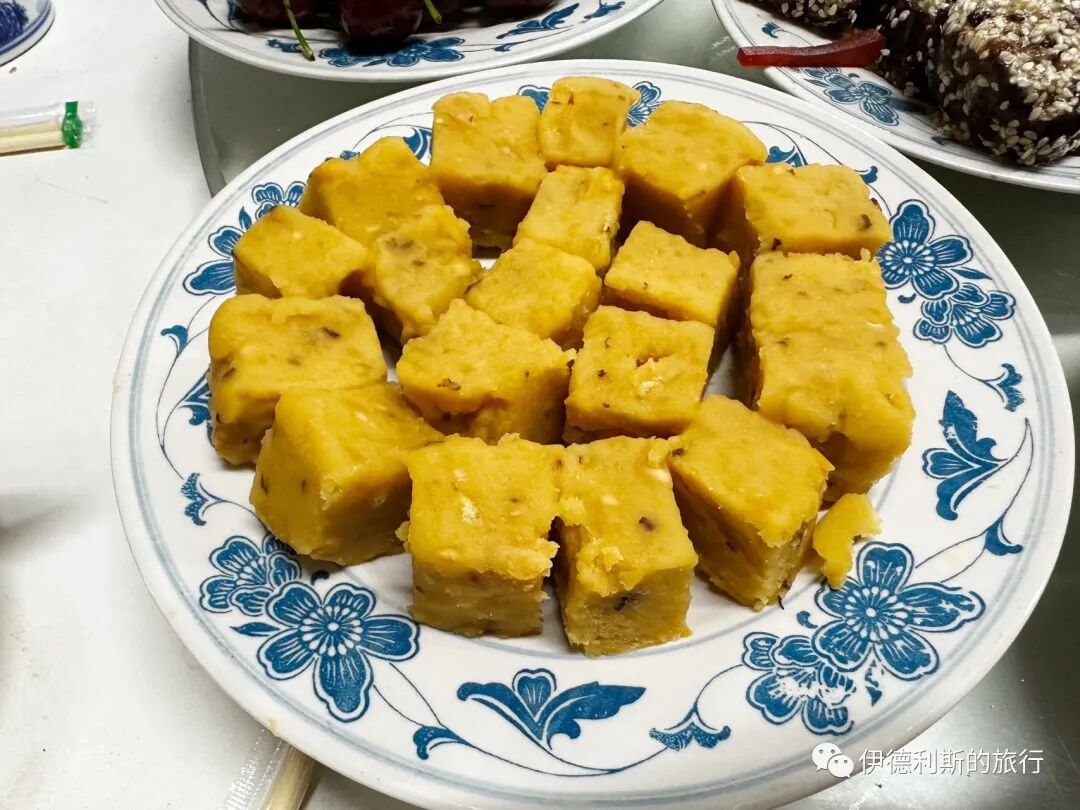
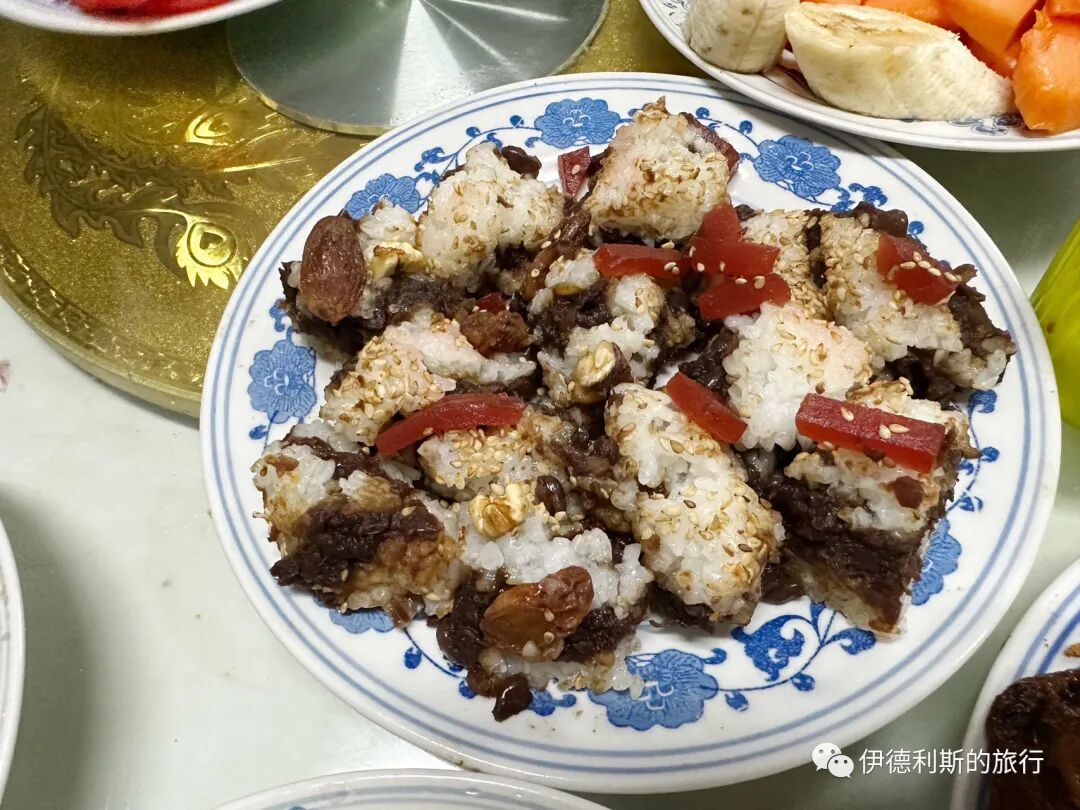
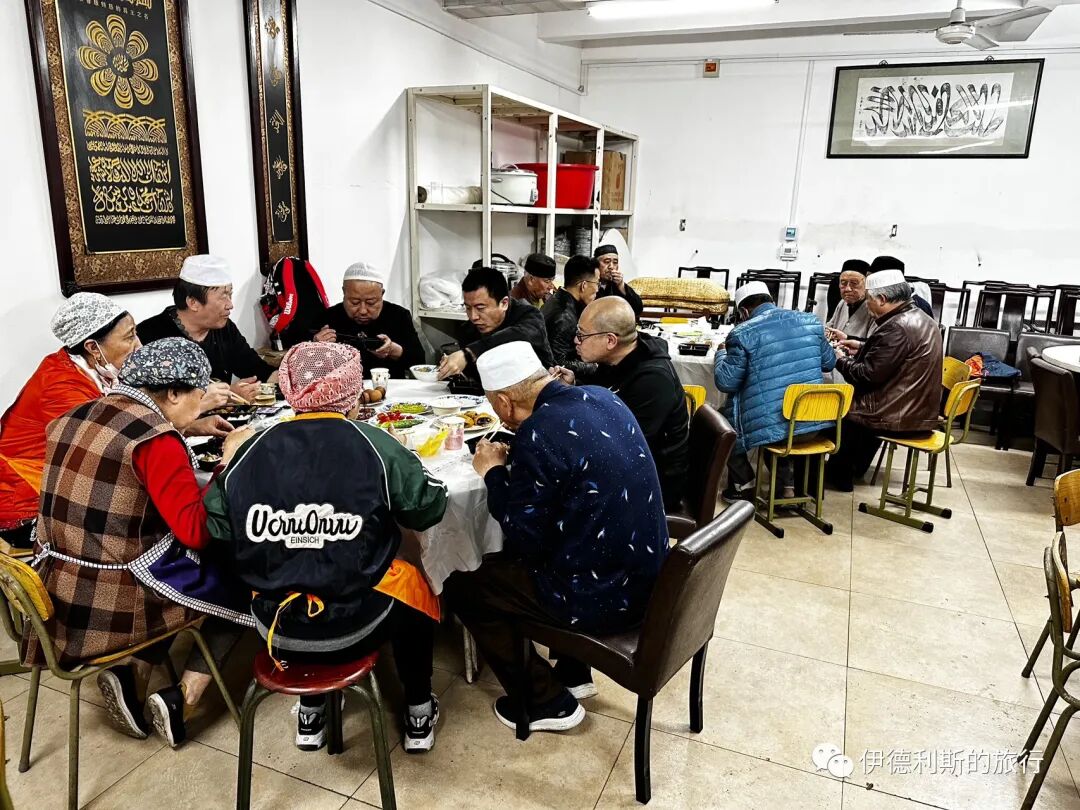
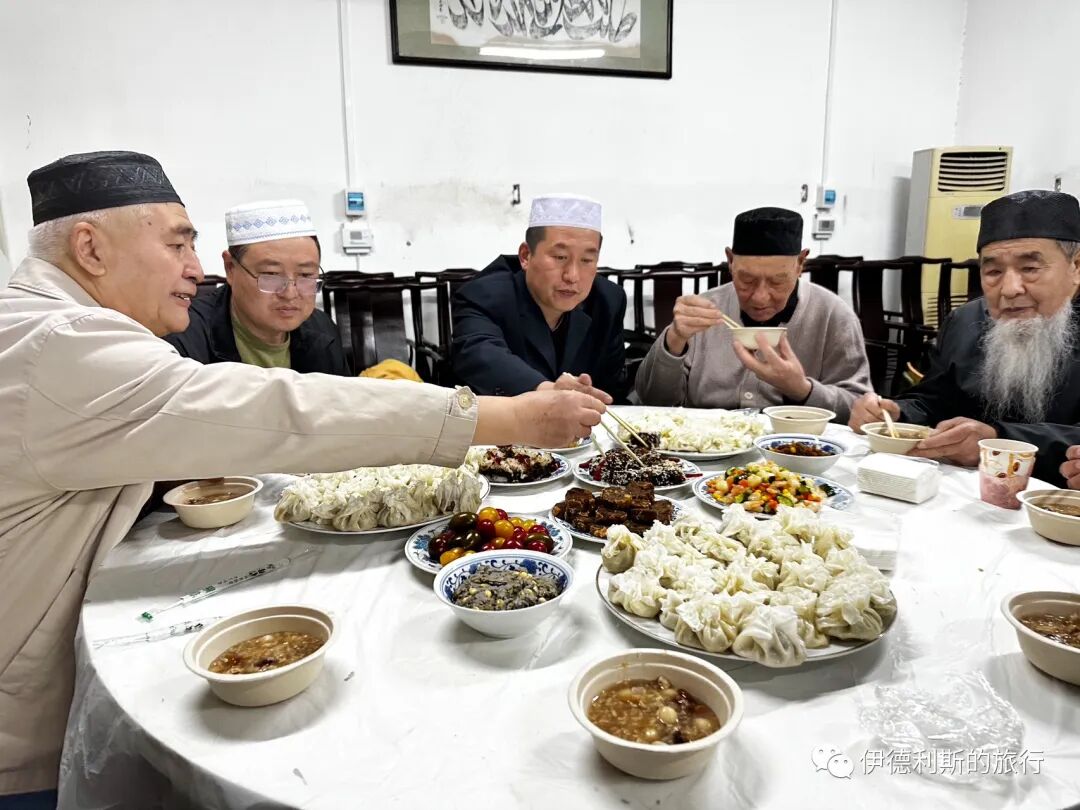
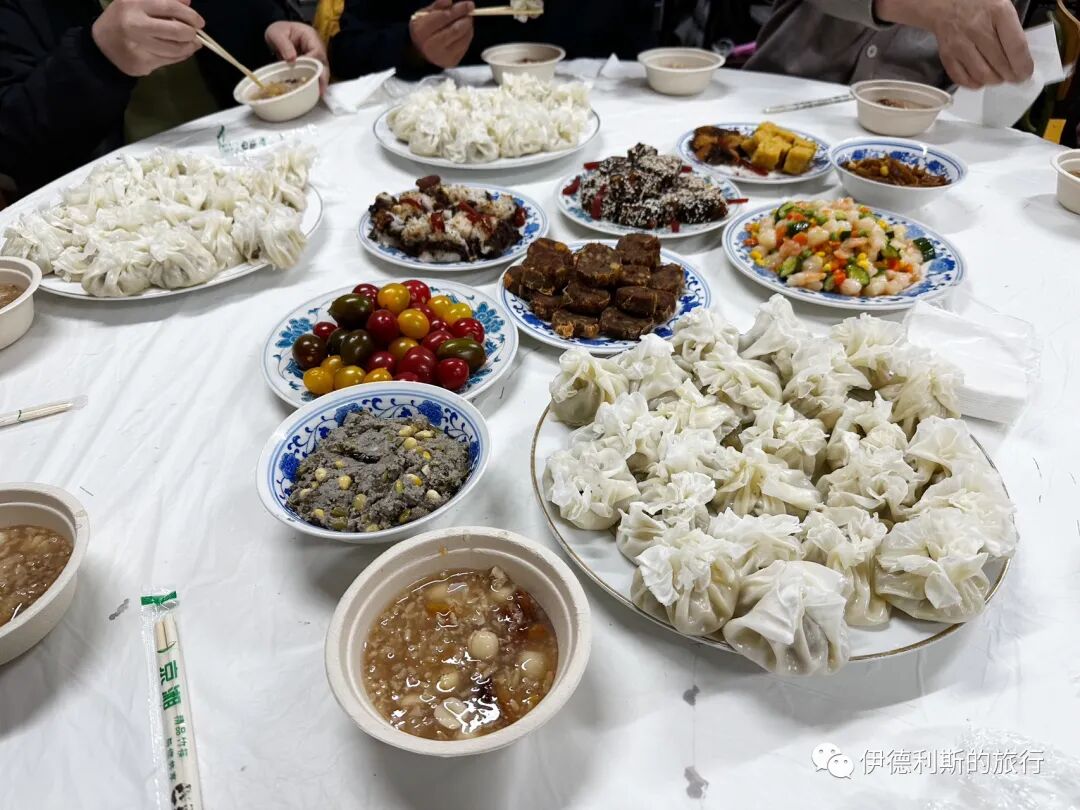
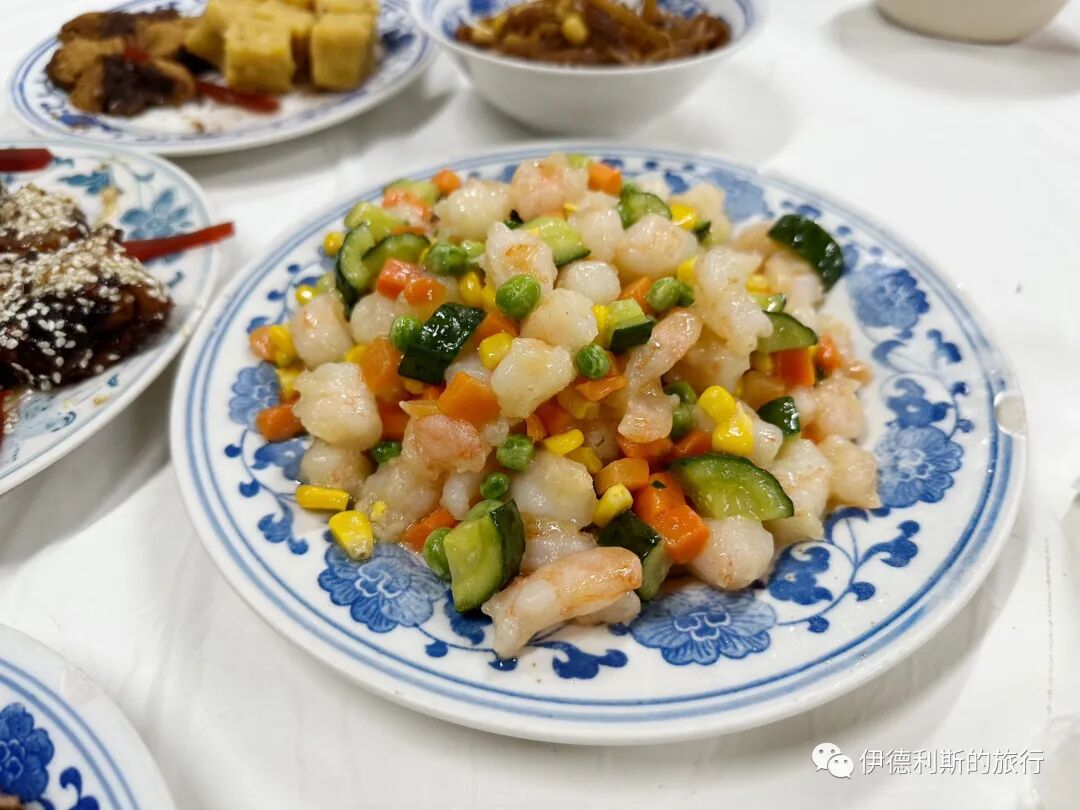
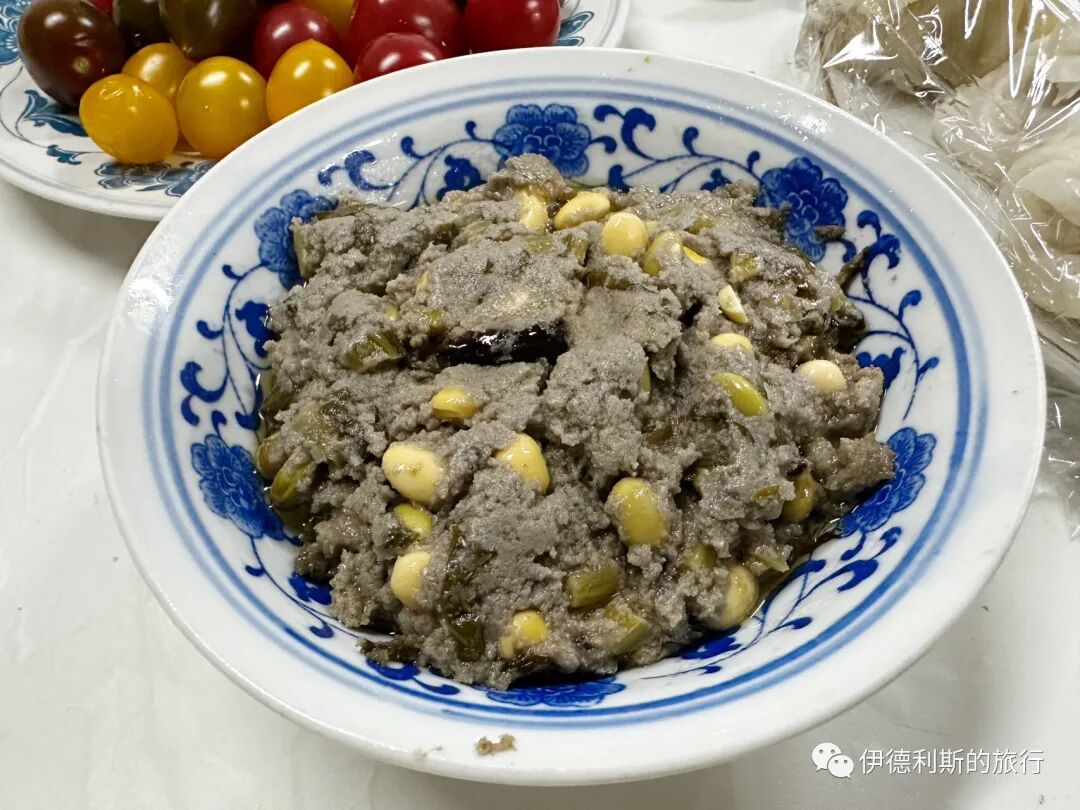
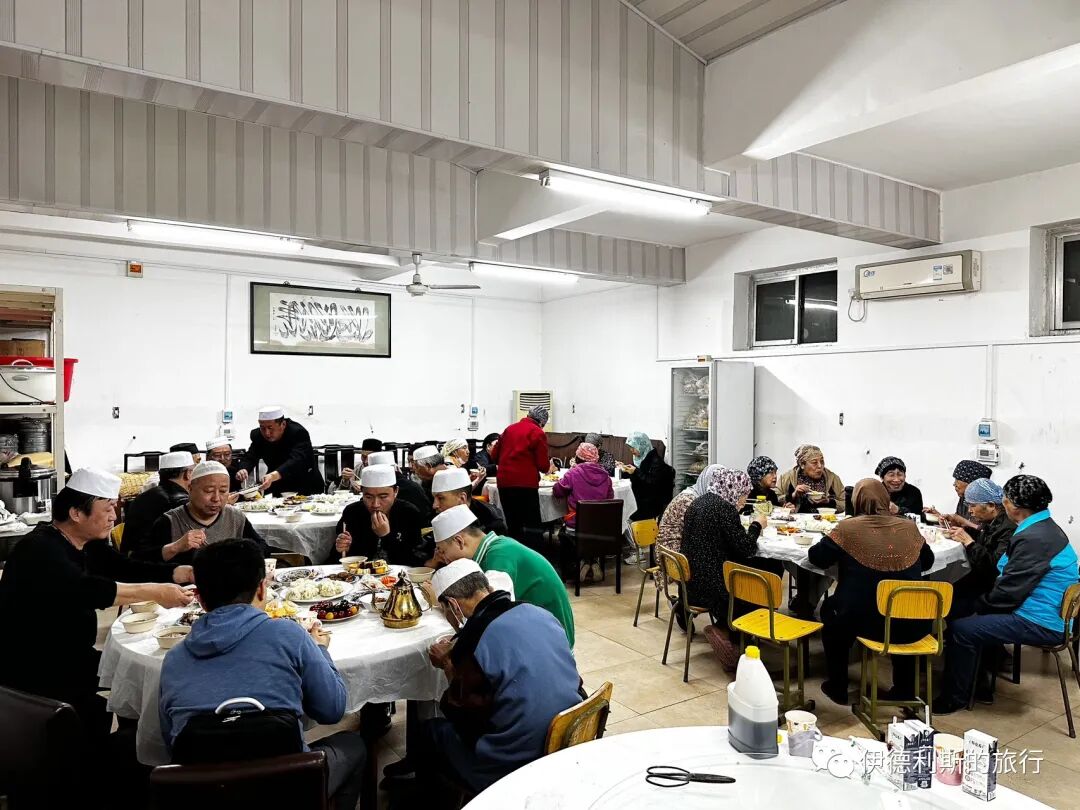
For dinner, we had lamb dumplings (shaomai), stir-fried shrimp, and mashed mung bean curd (ma doufu). All four tables were full. It was lively and blessed. An 85-year-old elder had the intention to make lotus seed porridge for everyone. I am so grateful! After breaking my fast at Balizhuang Mosque for these past few days, I feel like I have joined this big family. I feel the warmth of home every day.
April 19.
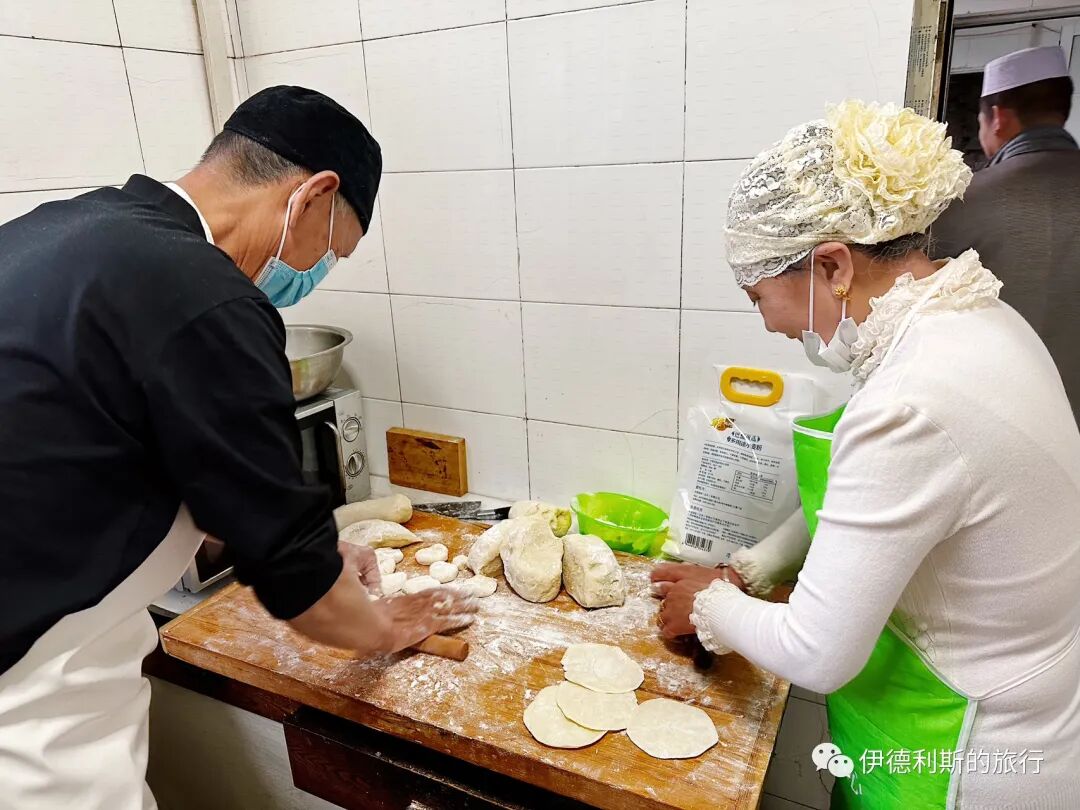
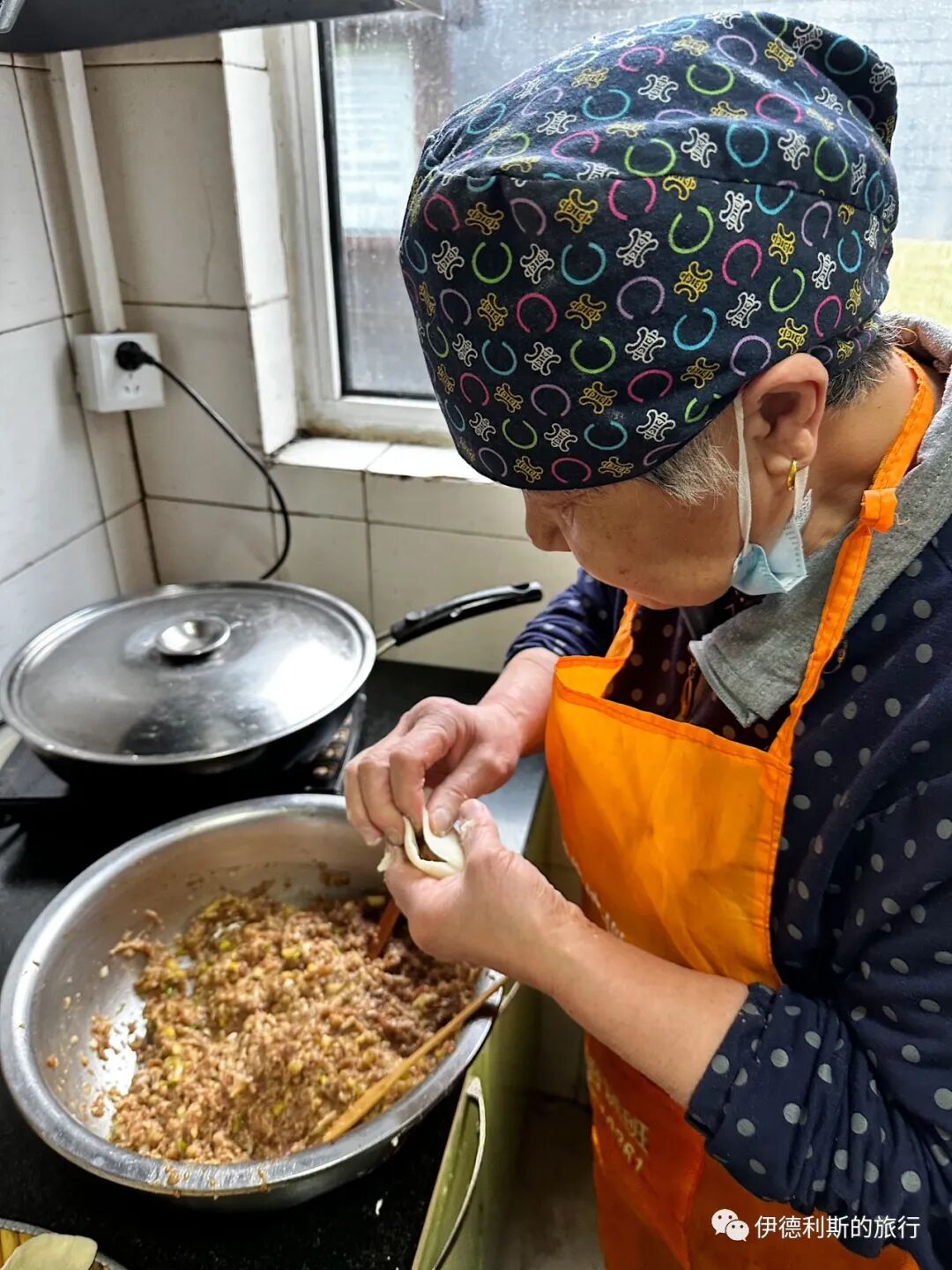
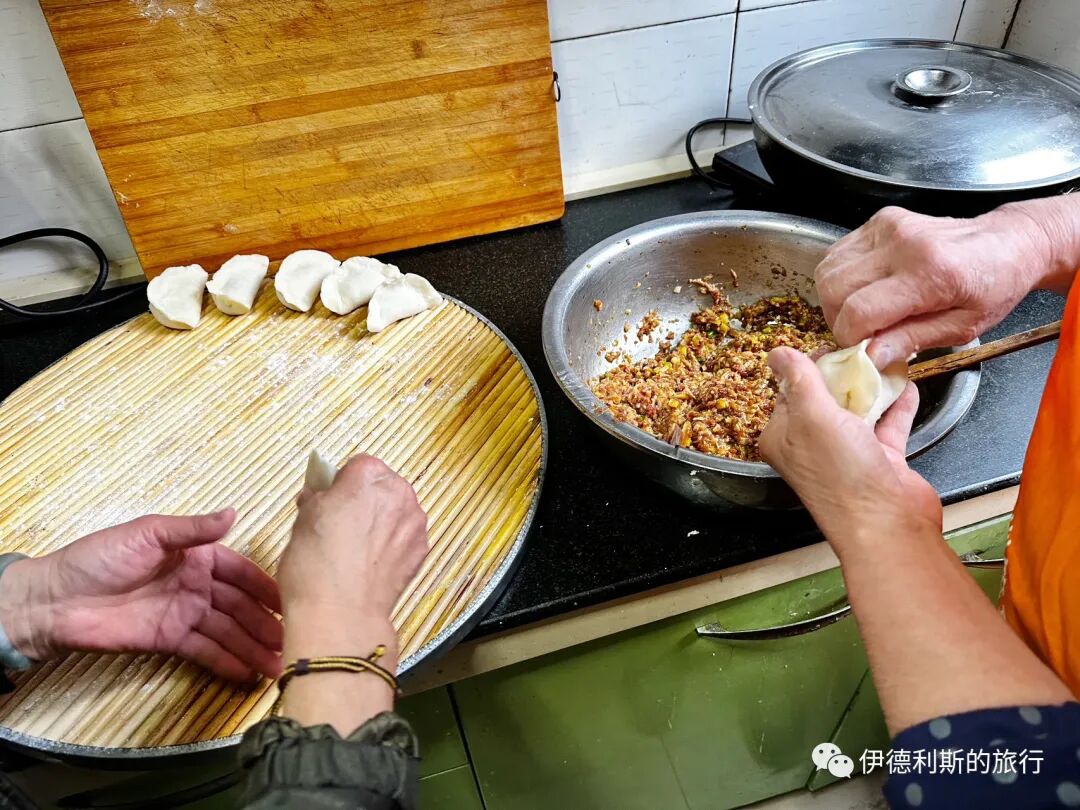
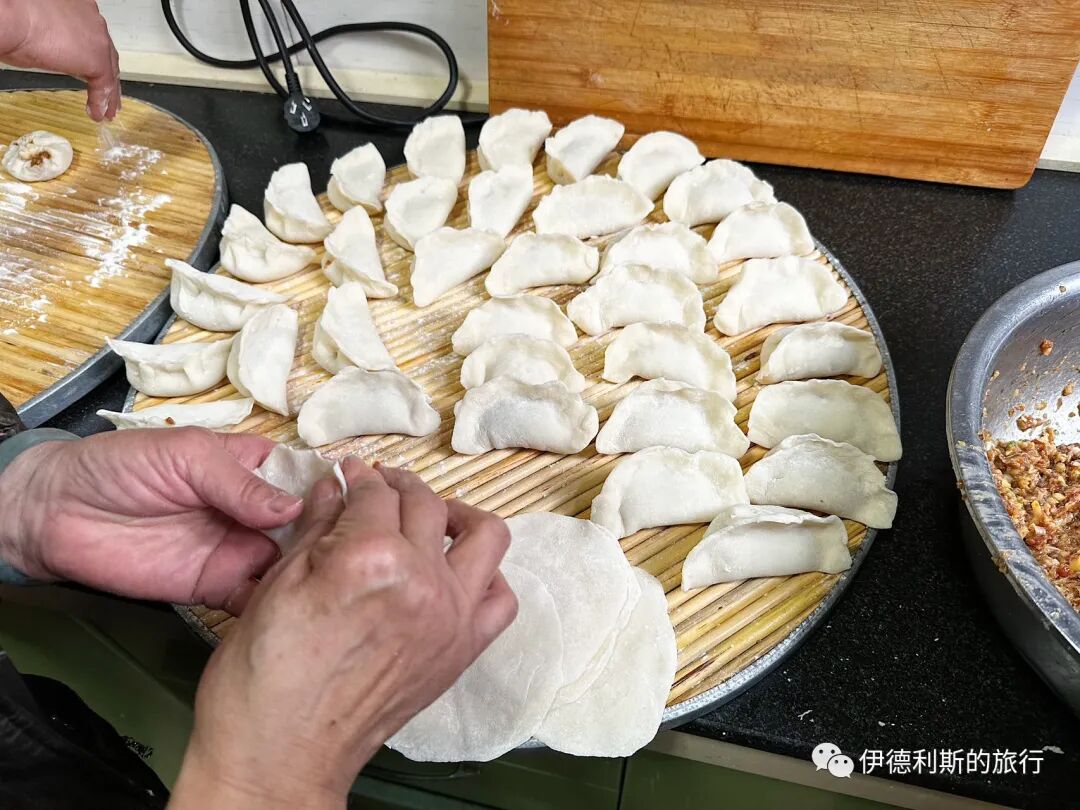
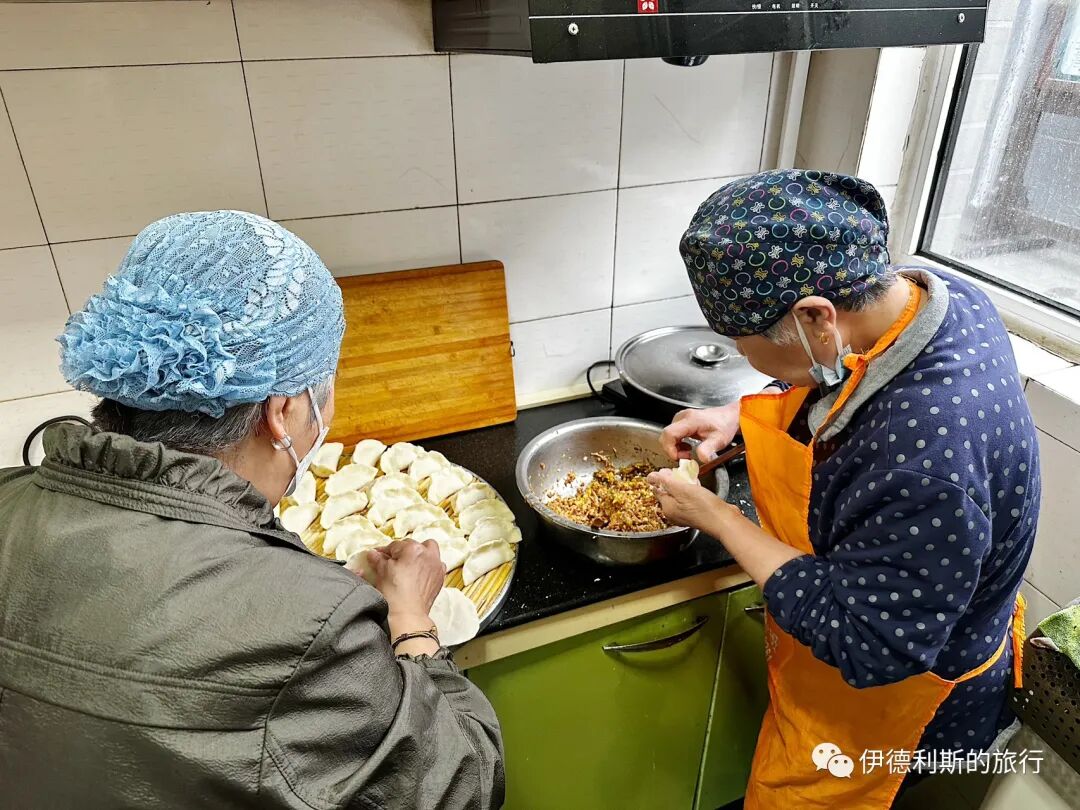
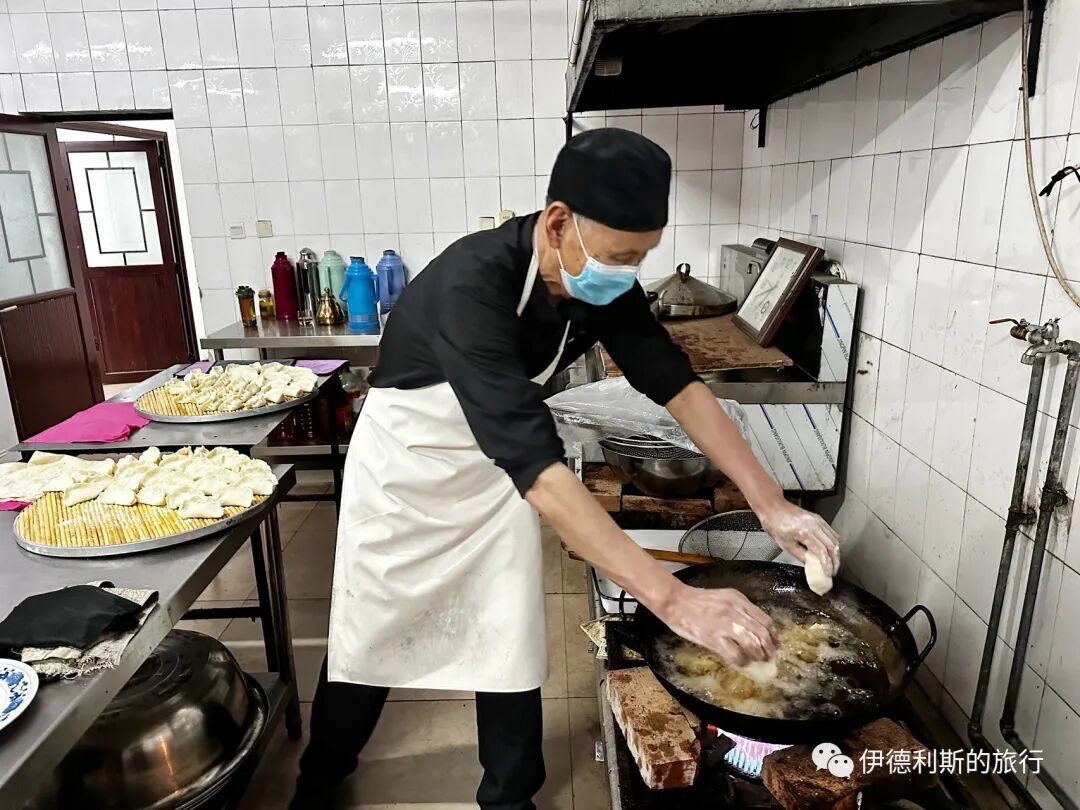
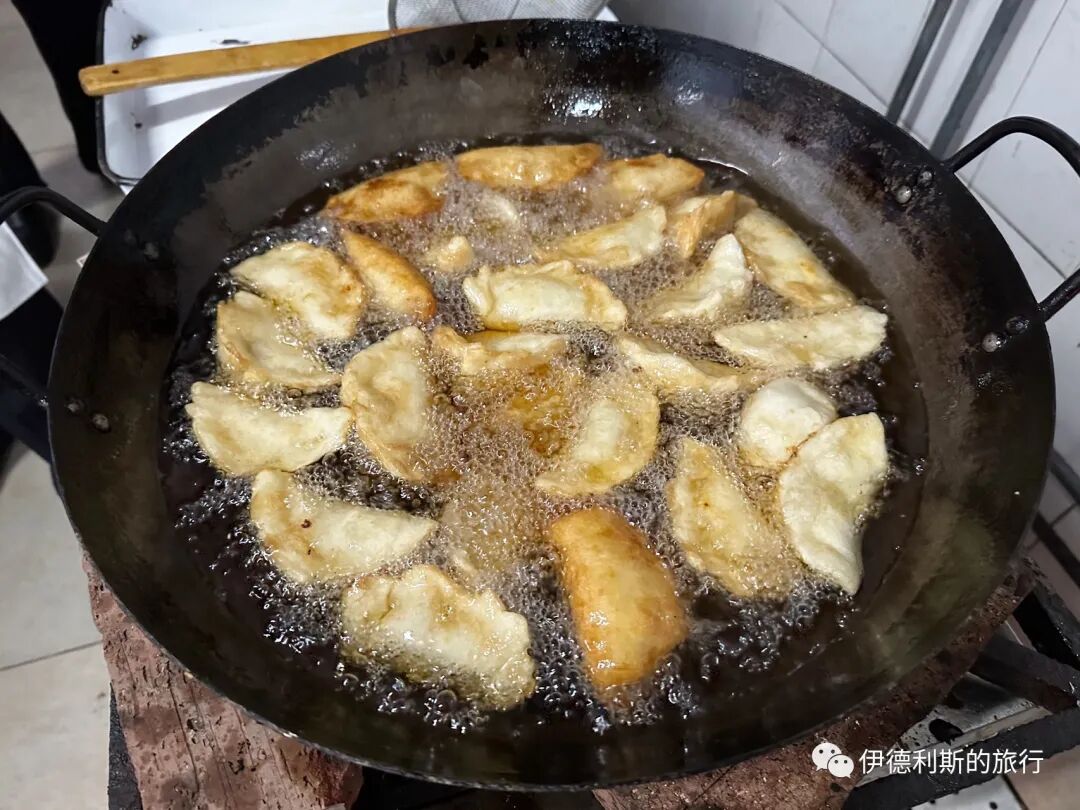
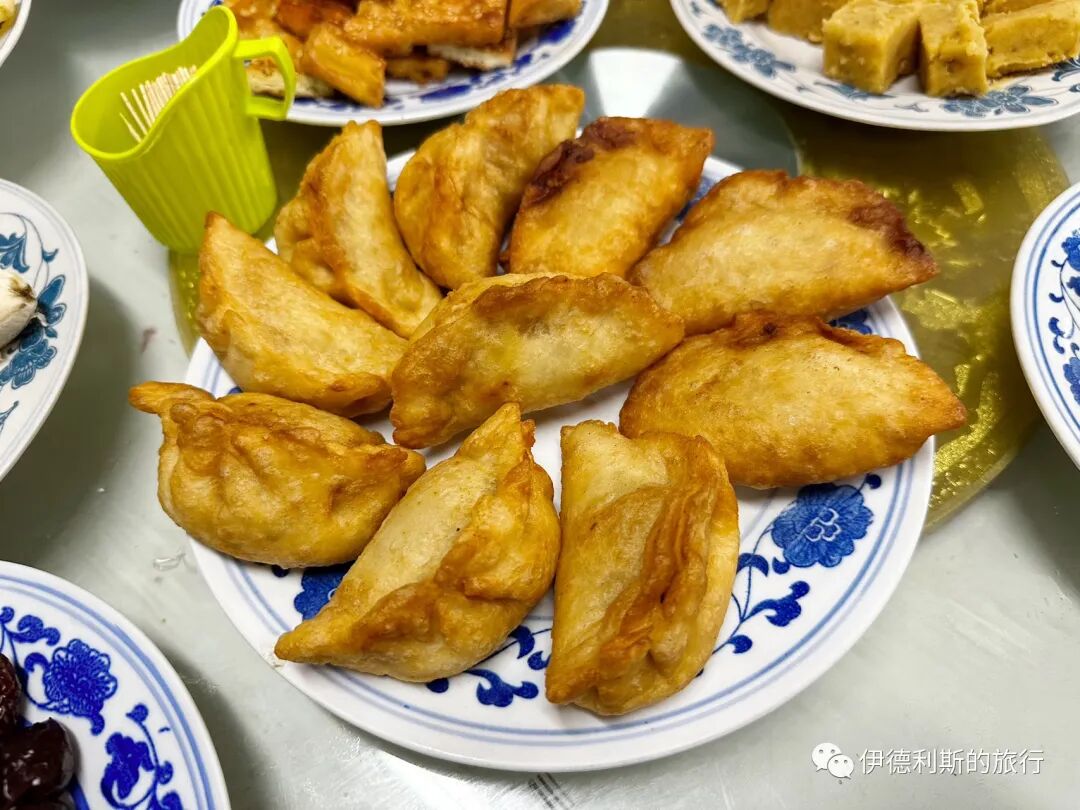
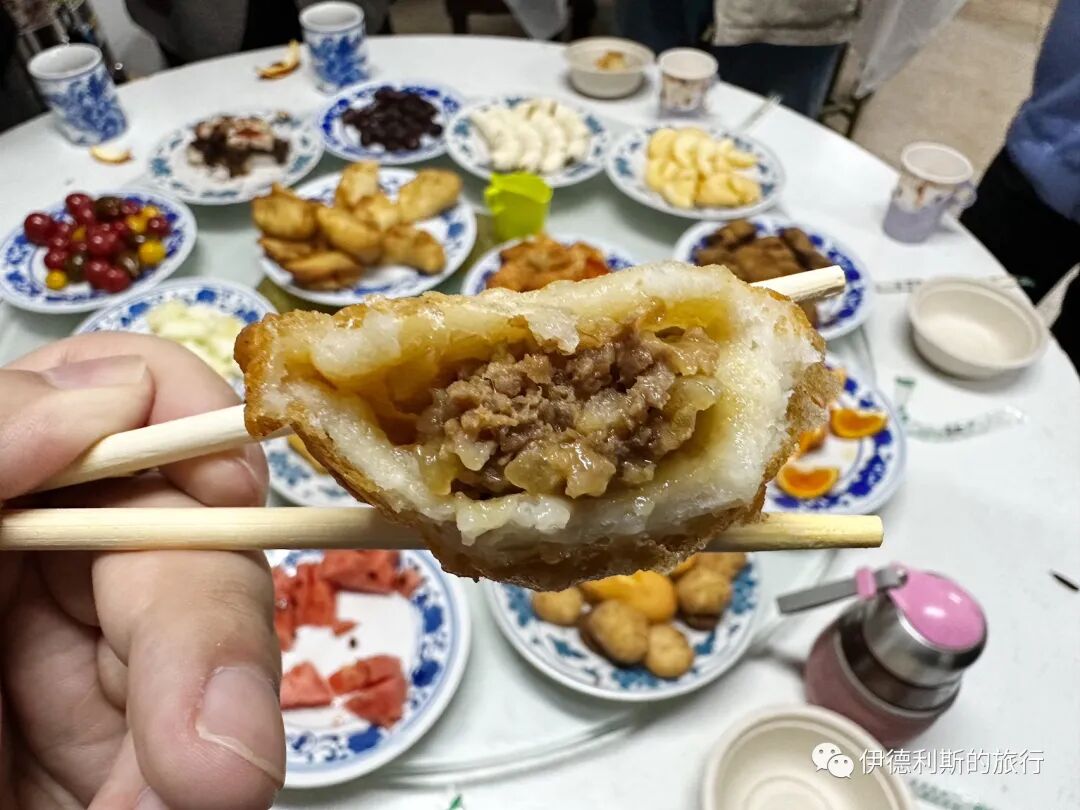
Today the elders made a traditional Beijing halal snack together: fried meat-filled flatbread (zha rou huoshao). They used a filling of lamb and green onions with yellow soybean paste (huangjiang). The smell of the meat when fried was amazing. The texture of the scalded dough was unique, a bit like fried dough cakes (zha gaogao), but instead of sugar and fruit, these were filled with meat. Fried meat-filled flatbread and fried meat pockets (zha huitou) were classic Ramadan snacks for Hui Muslims in old Beijing, but they are rare now. I am very grateful to have eaten them at Balizhuang Mosque.
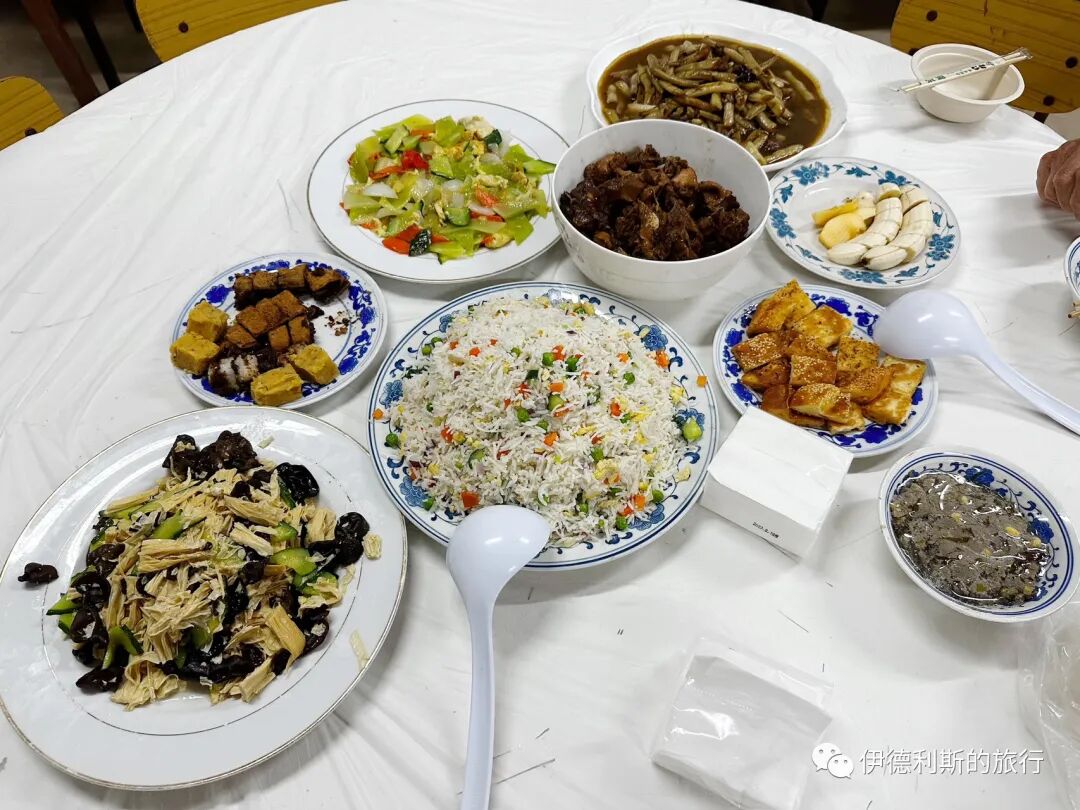
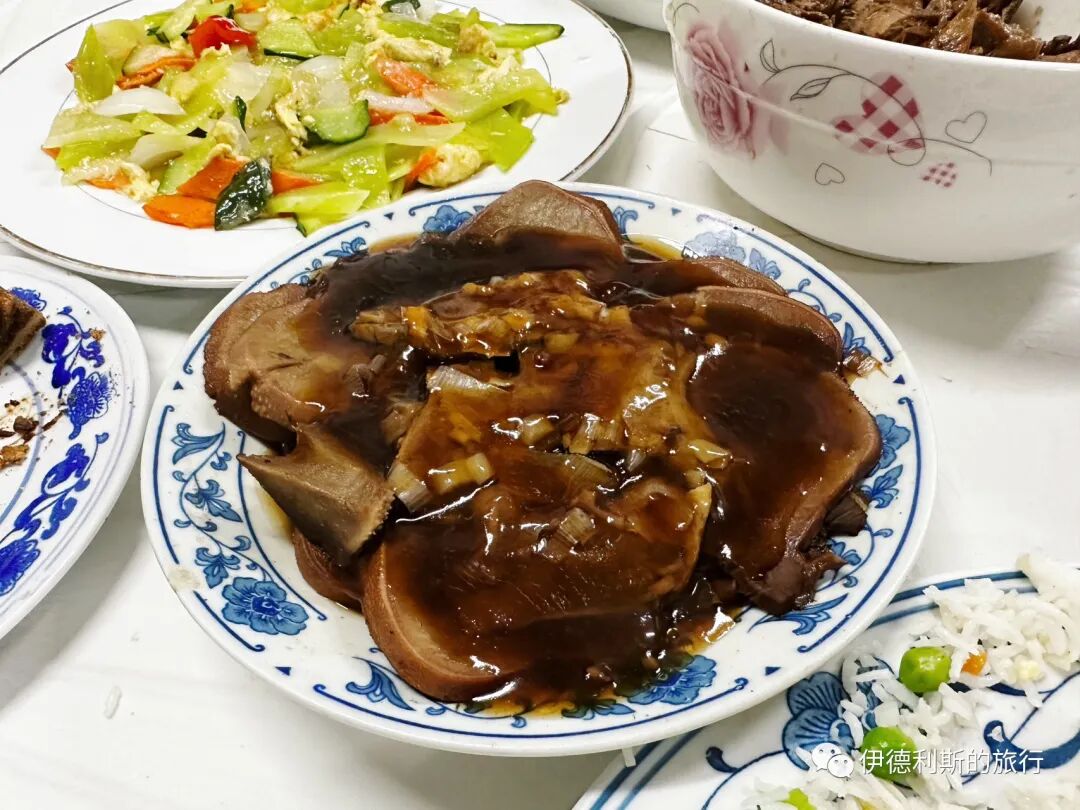
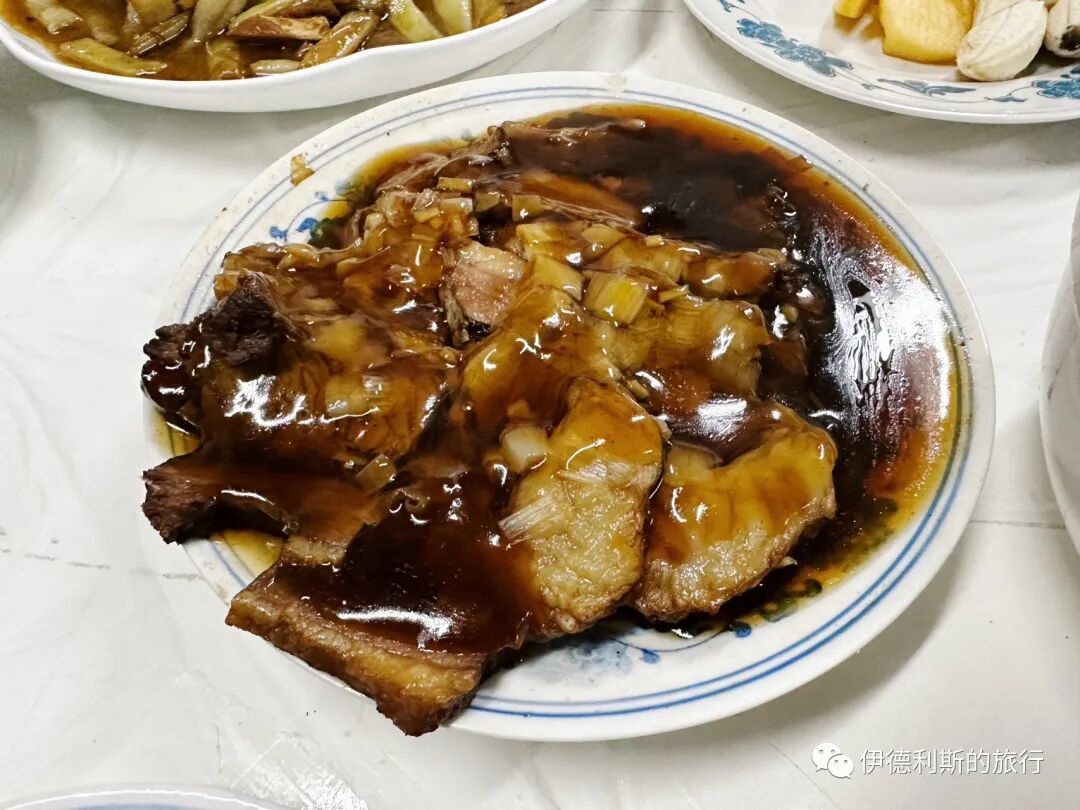
For dinner, we had traditional stir-fried dishes: braised beef tongue (pa koutiao) and braised beef brisket (pa xiongkou). They were perfect with rice, and I kept shoveling the fried rice into my mouth.
April 20.
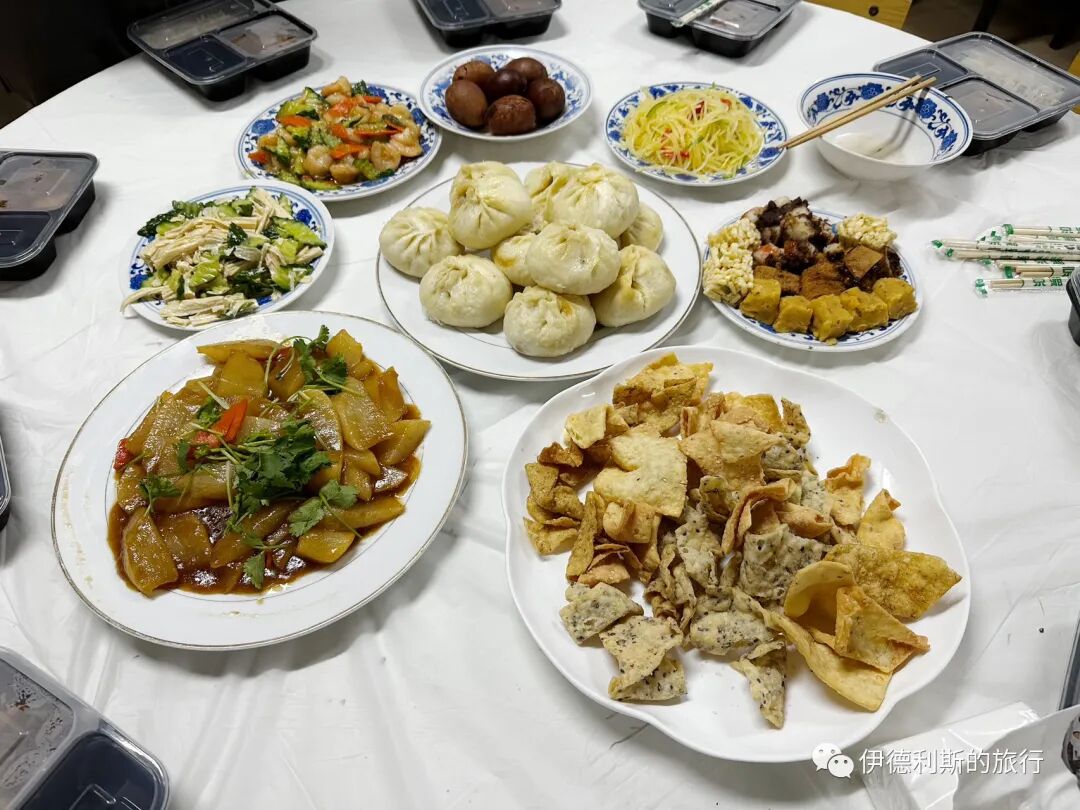
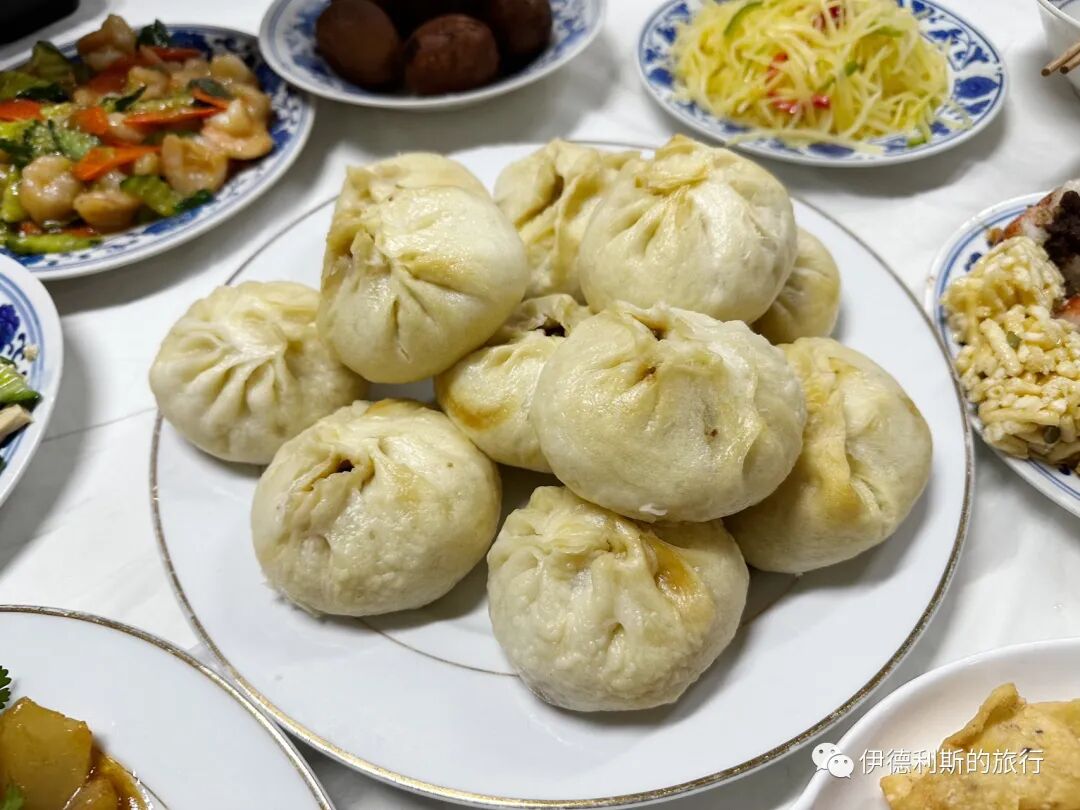
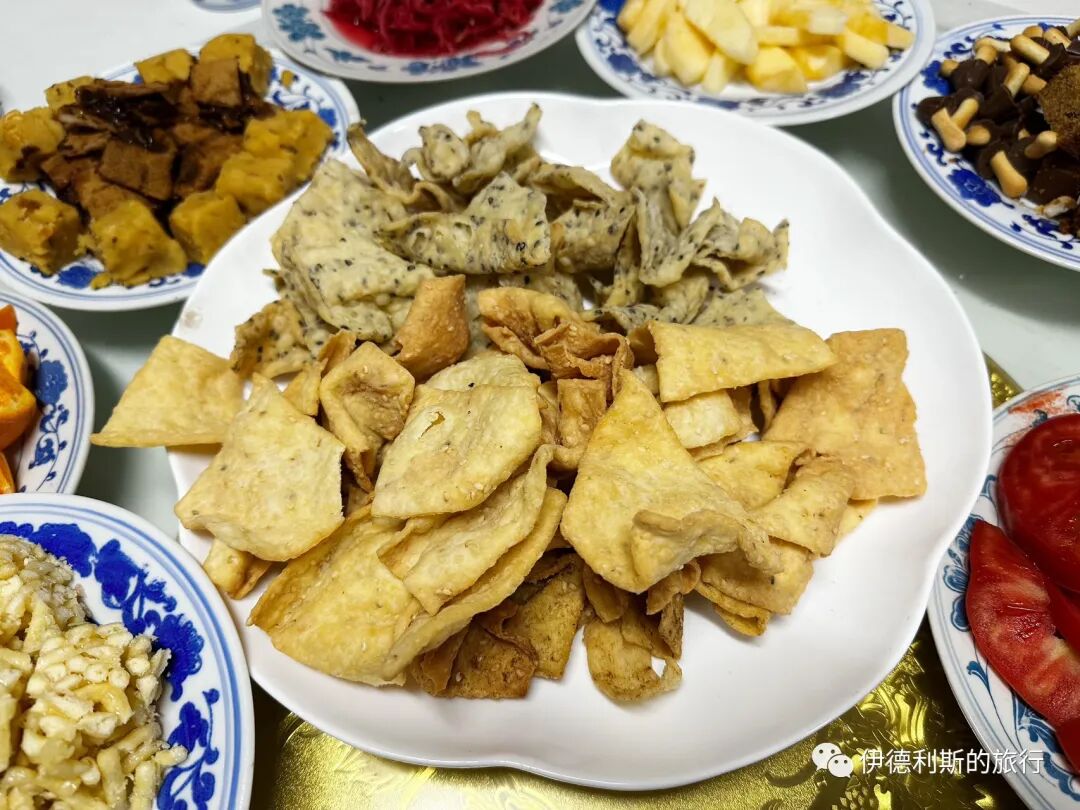
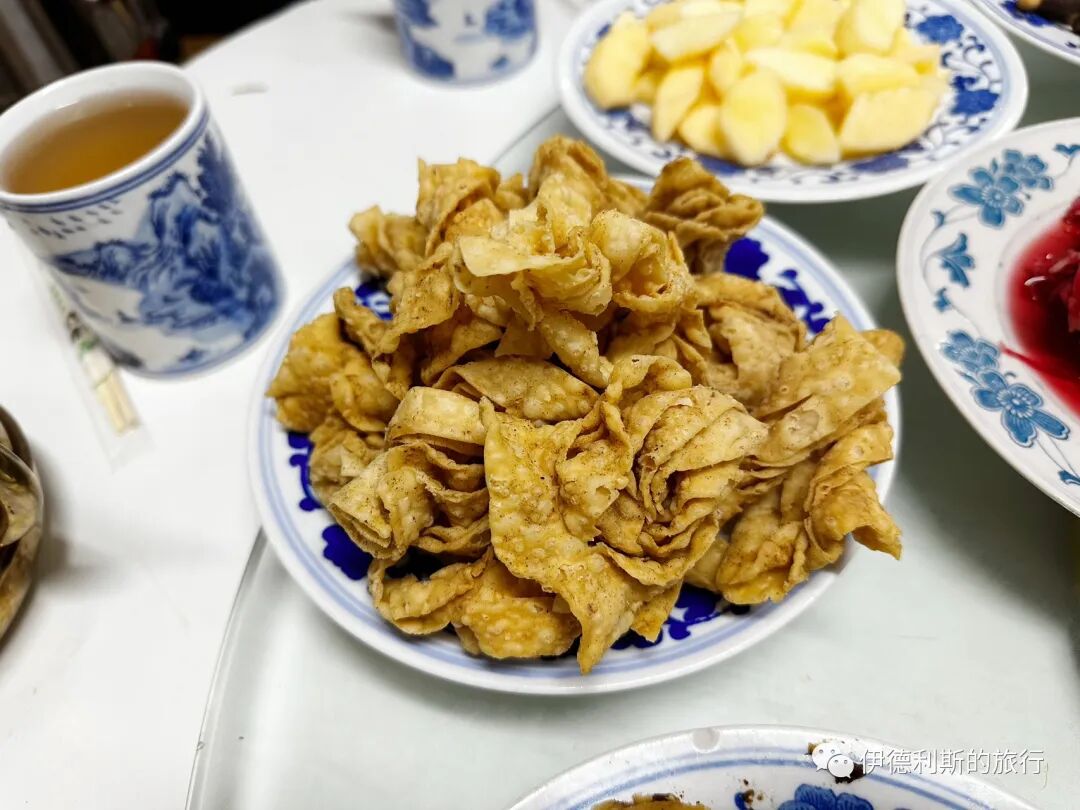
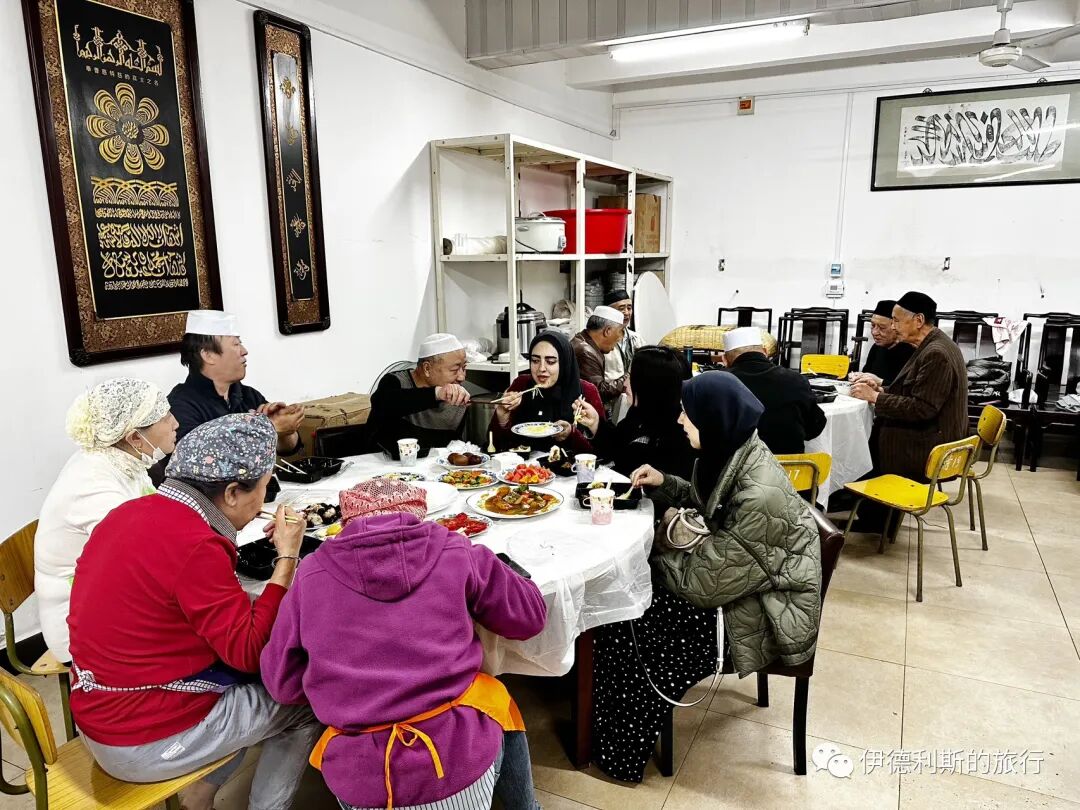
Today the elders made steamed buns (baozi) and stewed beef with fried tofu. The mosque prepared various fried dough crisps (paicha) to go with the meat porridge for Eid.
Three international students from the University of International Business and Economics visited in the evening. They were from Uzbekistan, Jordan, and Russia. The girl from Russia is not a Muslim. She visited Balizhuang Mosque with her classmates, which I think was very meaningful. I hope everyone has an open and inclusive mindset. We welcome friends interested in our faith to come into the mosque to learn and experience it.
I taught them how to say Eid al-Fitr in Chinese, but I couldn't think of how to translate meat porridge at the time, which was a pity.
April 21.
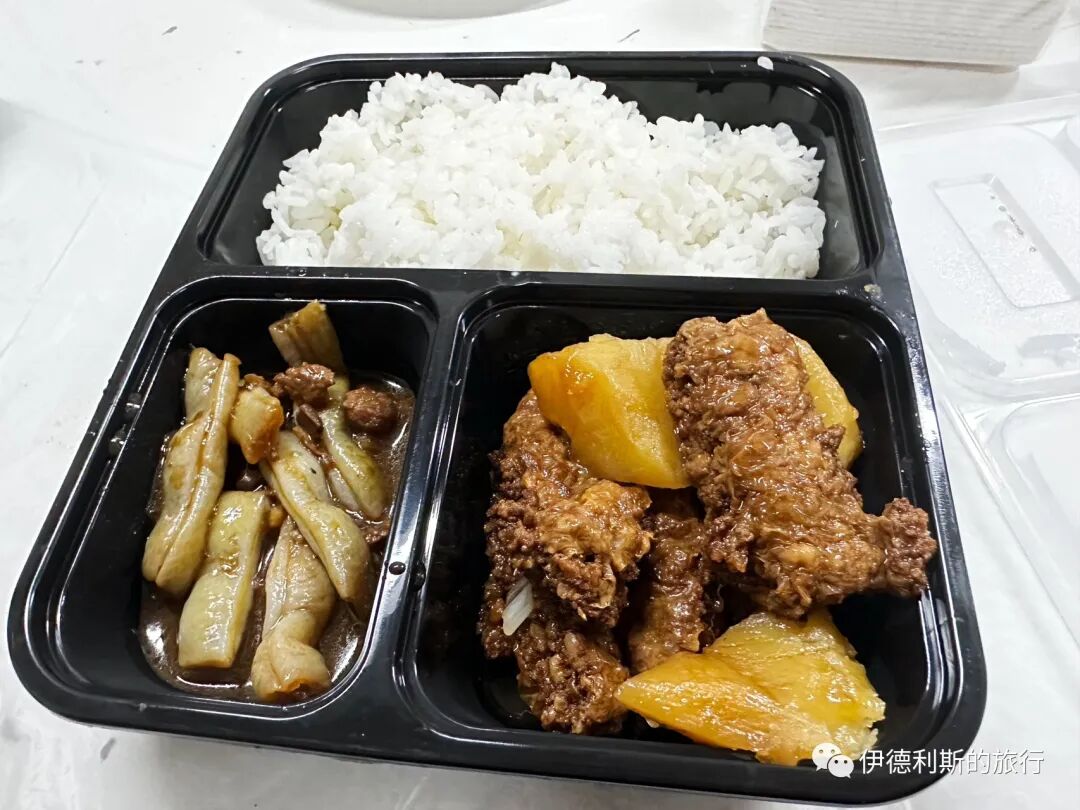
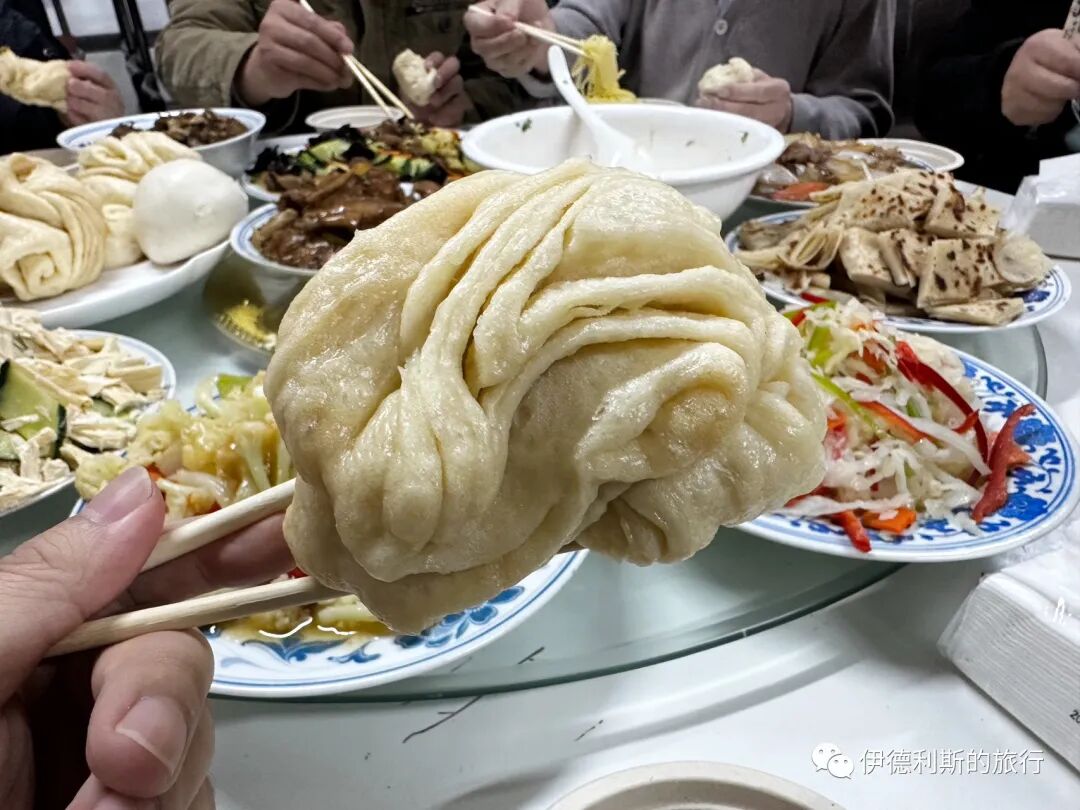
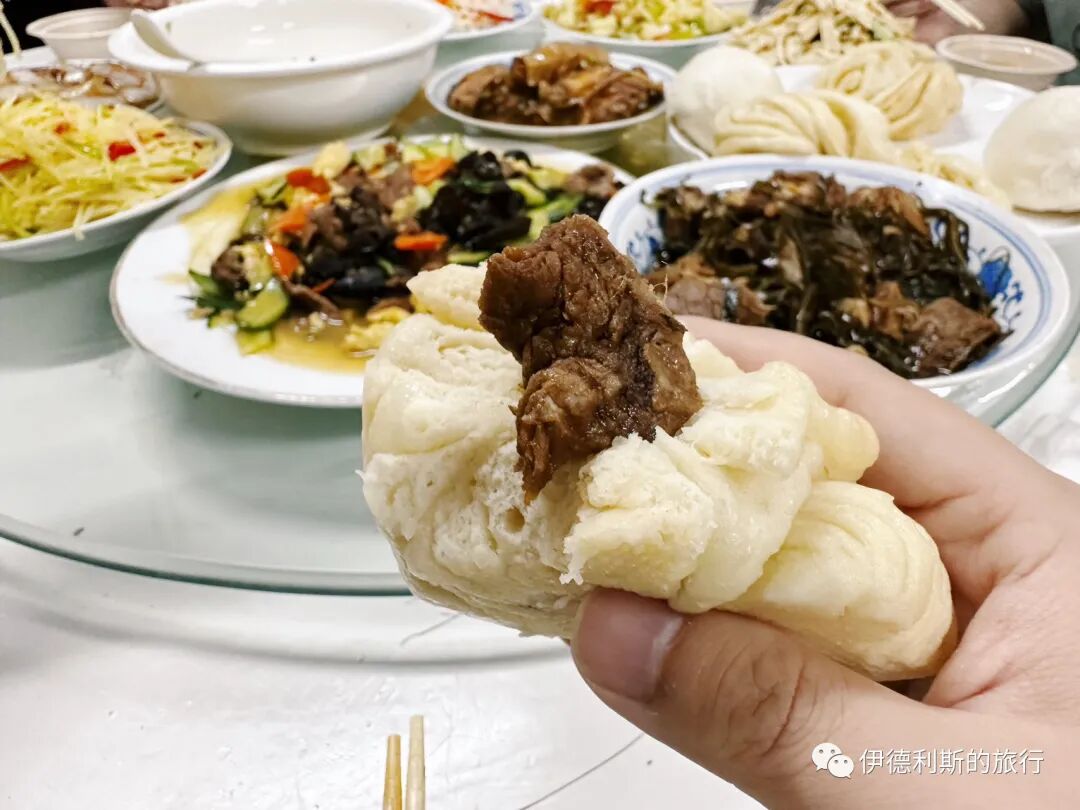
Today is the 30th day of Ramadan, and the fast-breaking meal at Balizhuang Mosque was the most abundant. The steamed flower rolls (huajuan) made by the elders went so well with the stewed beef with kelp and chicken wings. It was so fragrant.
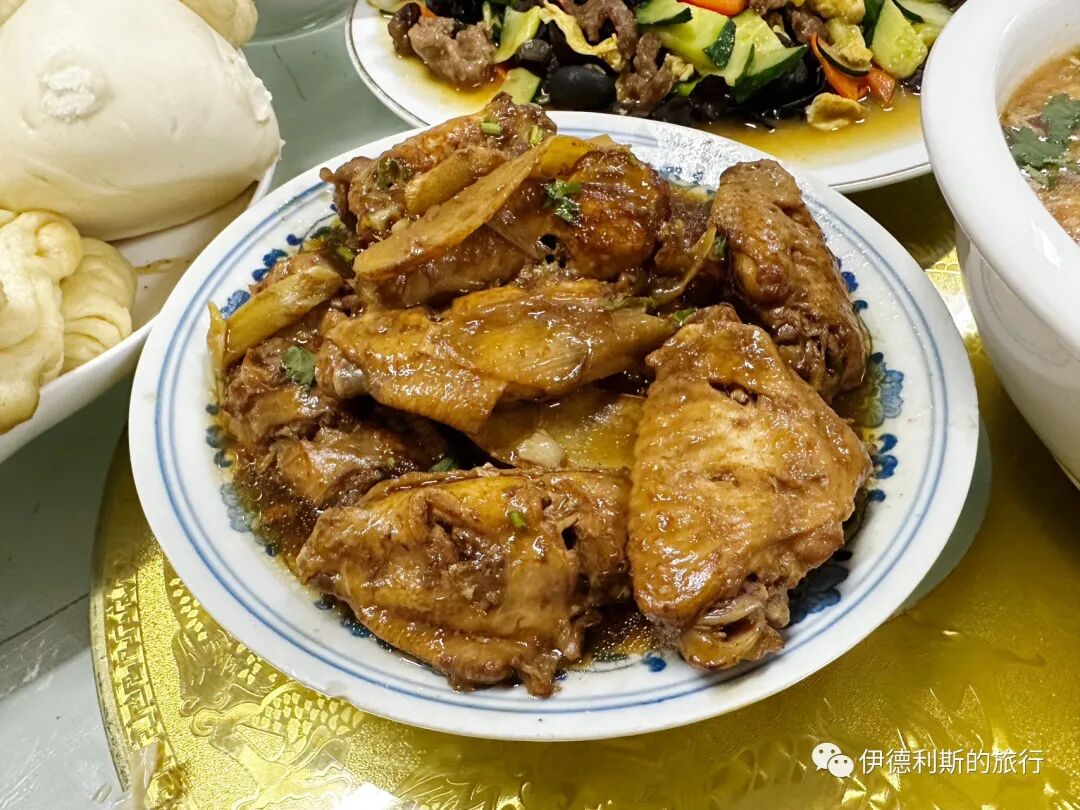
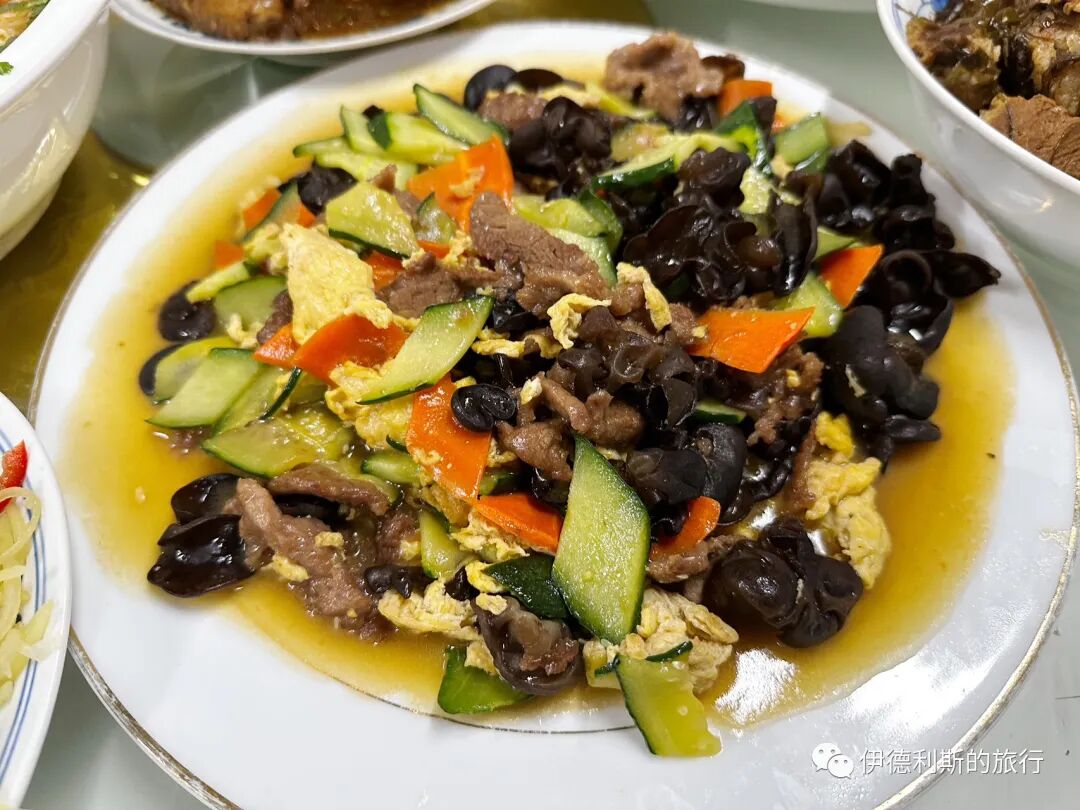
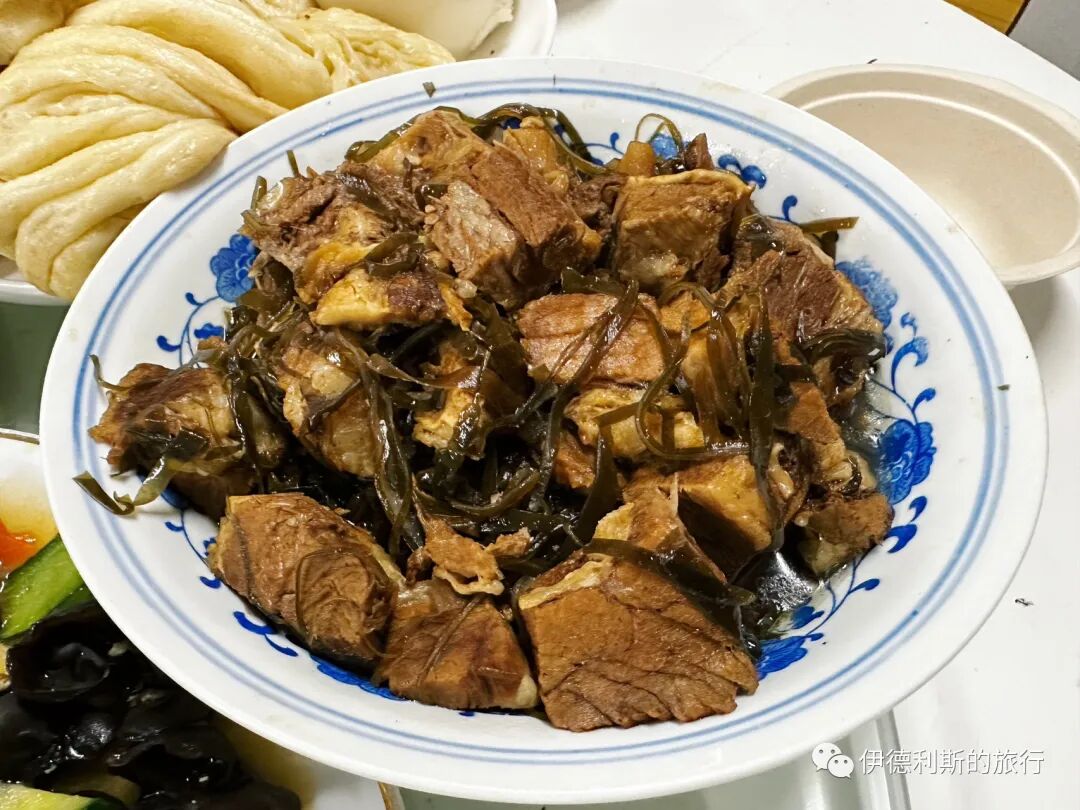
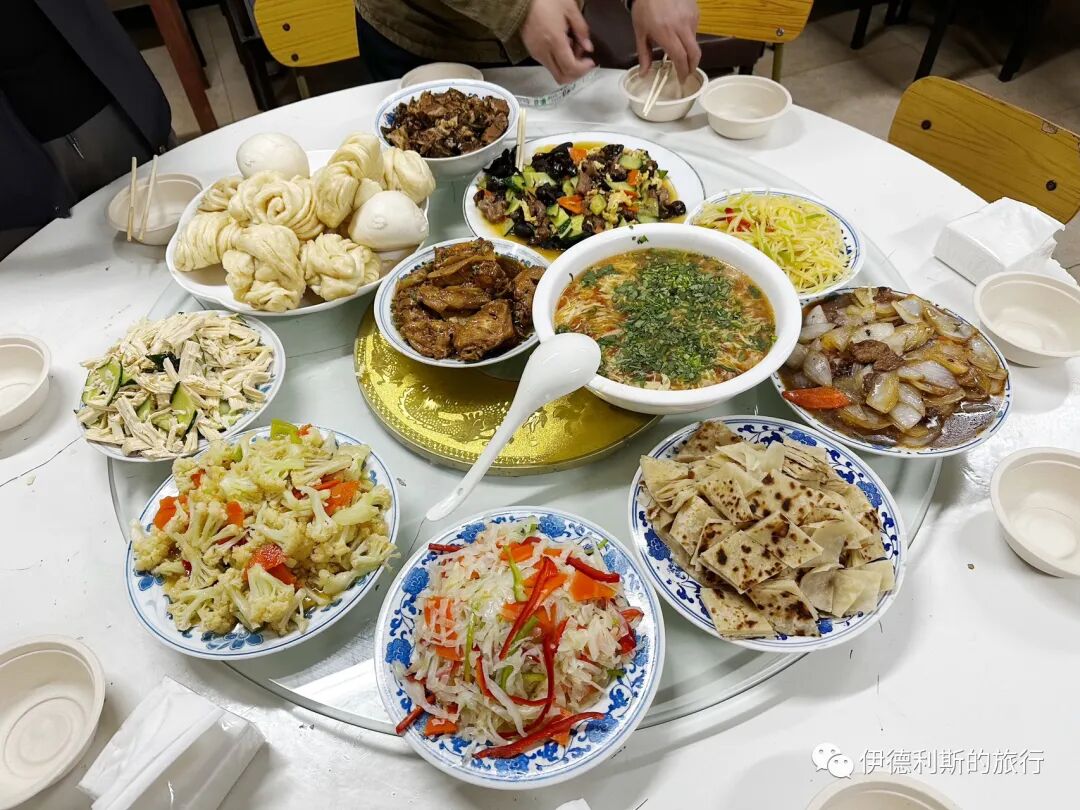
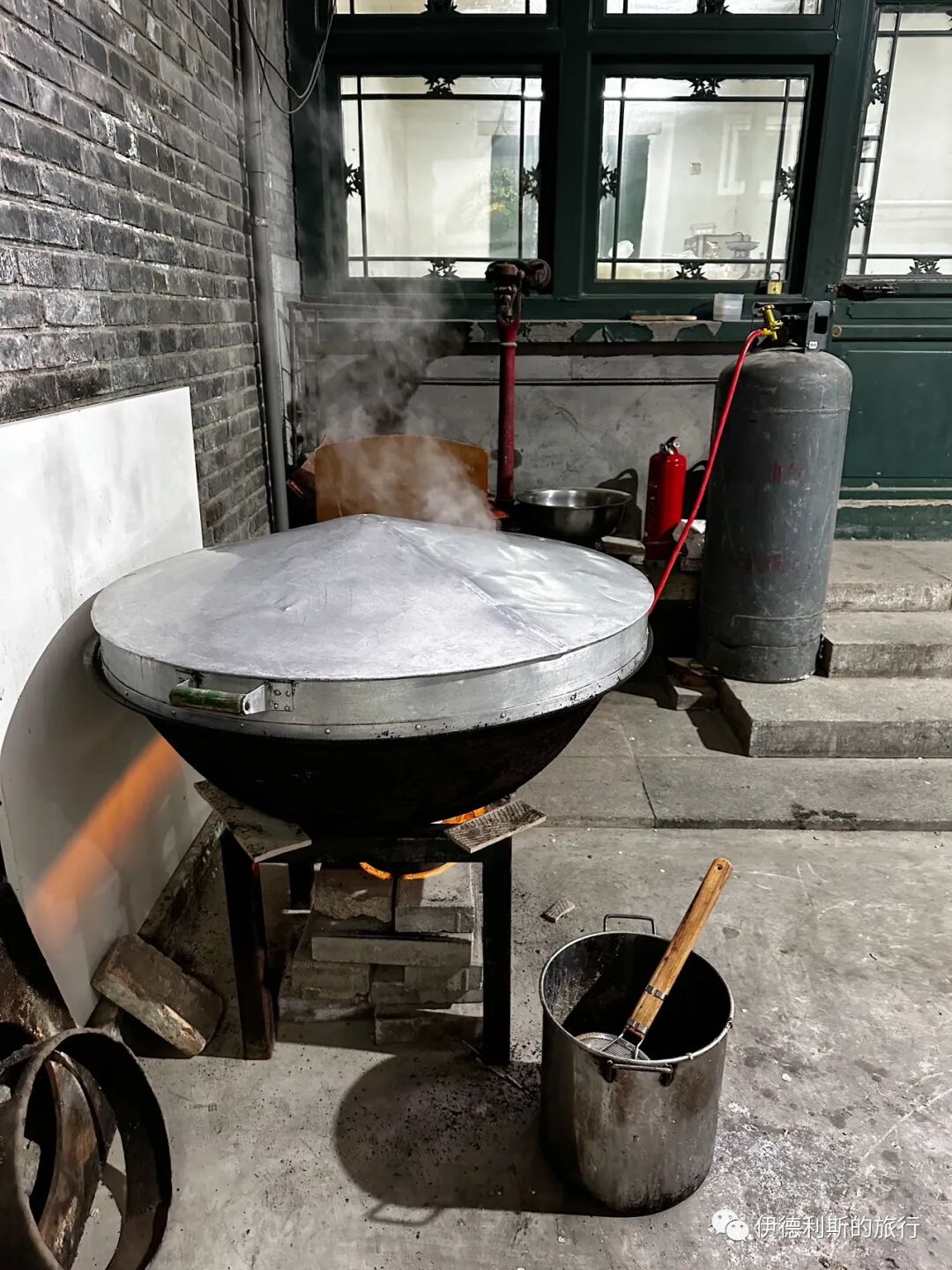
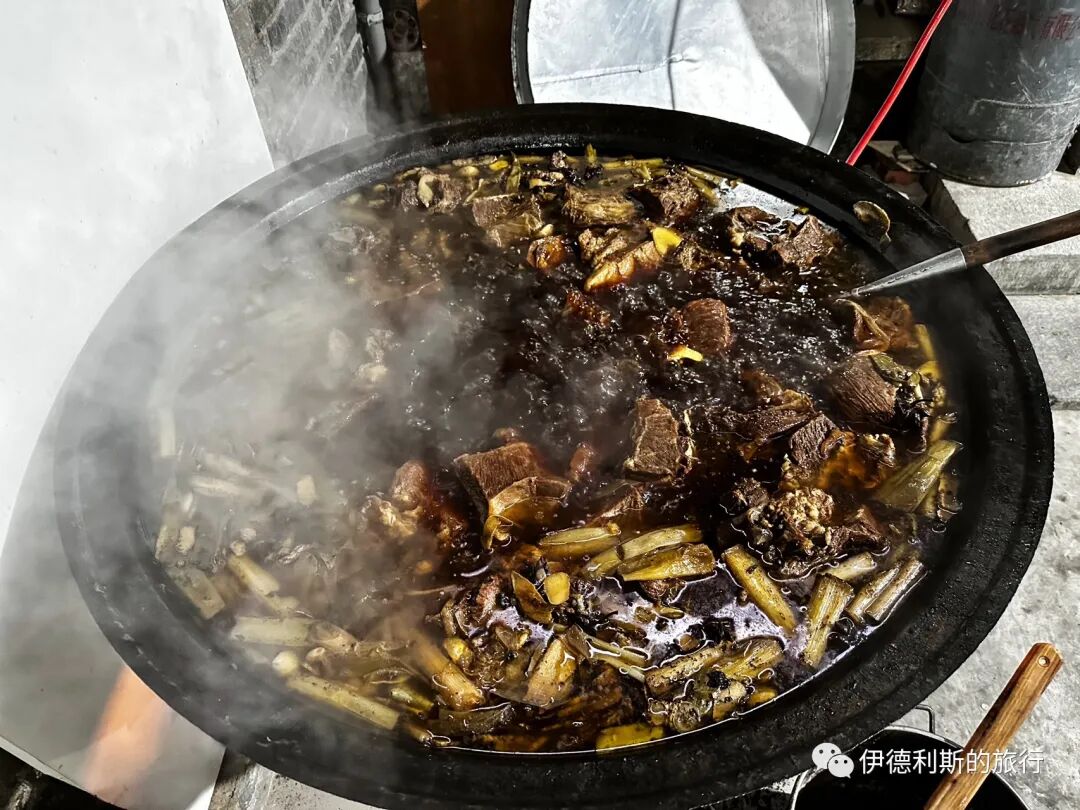
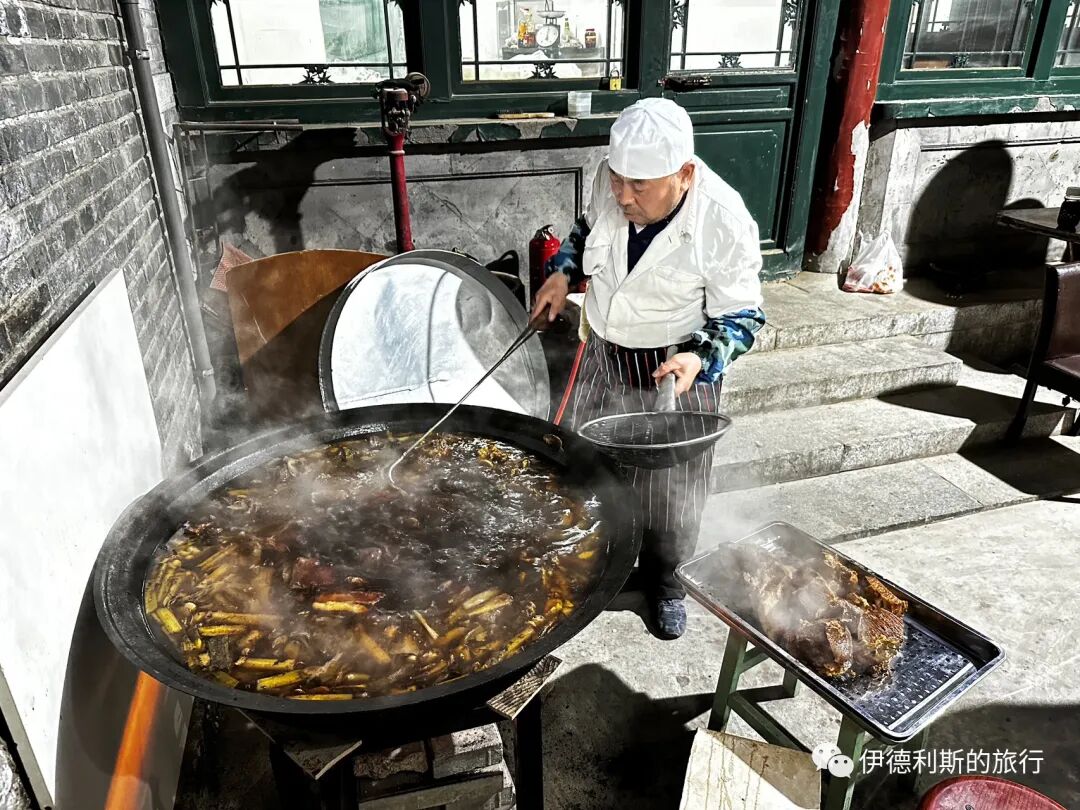
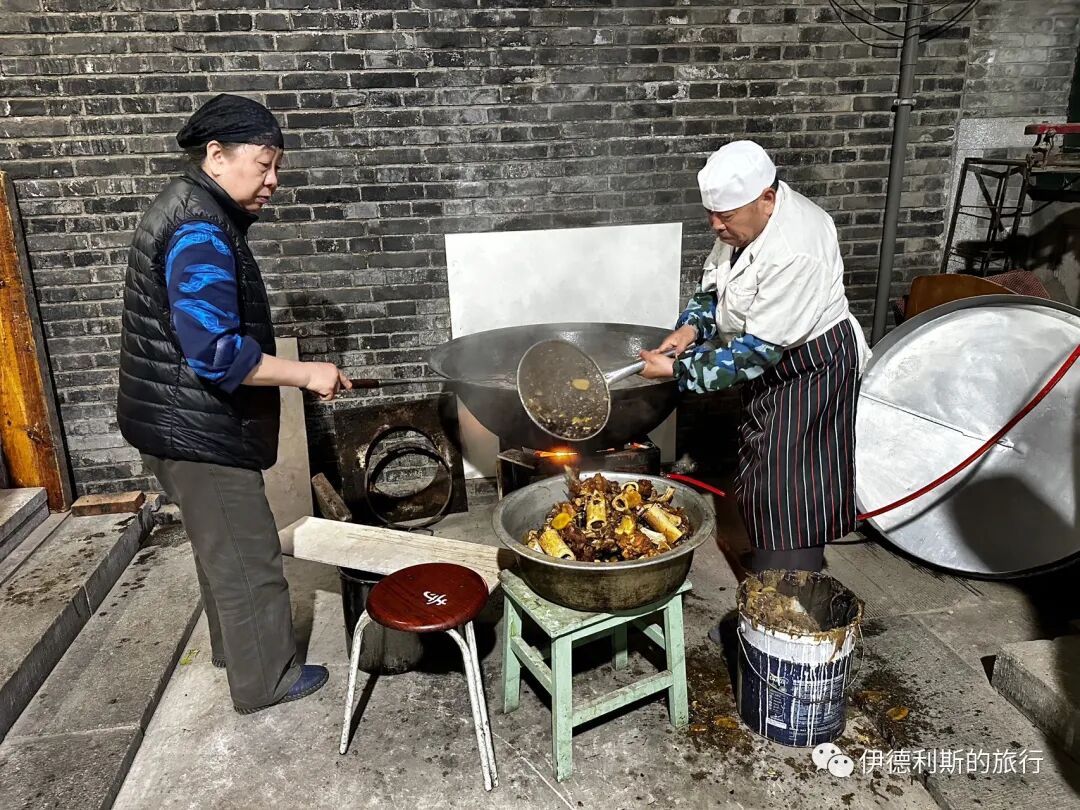
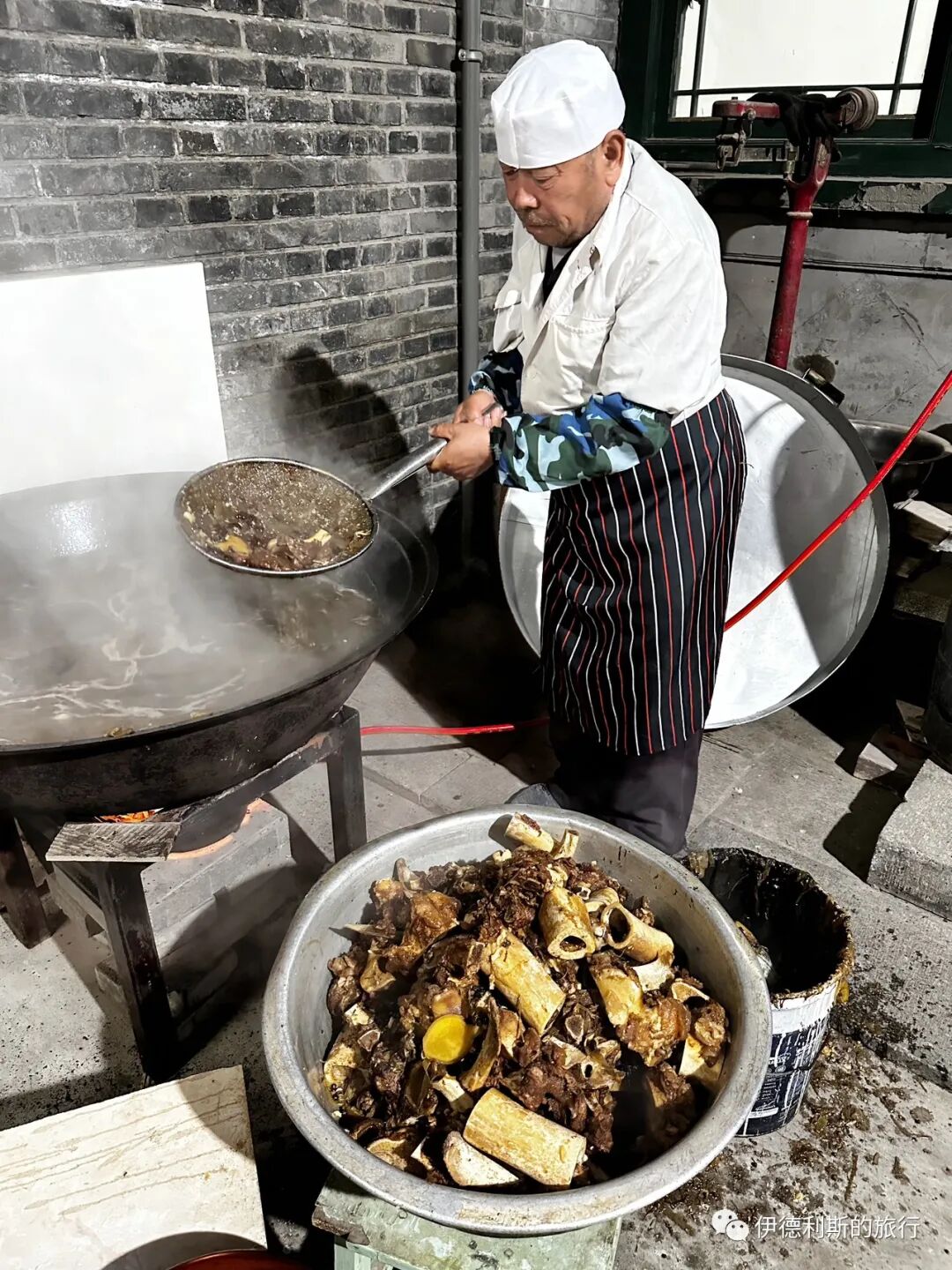
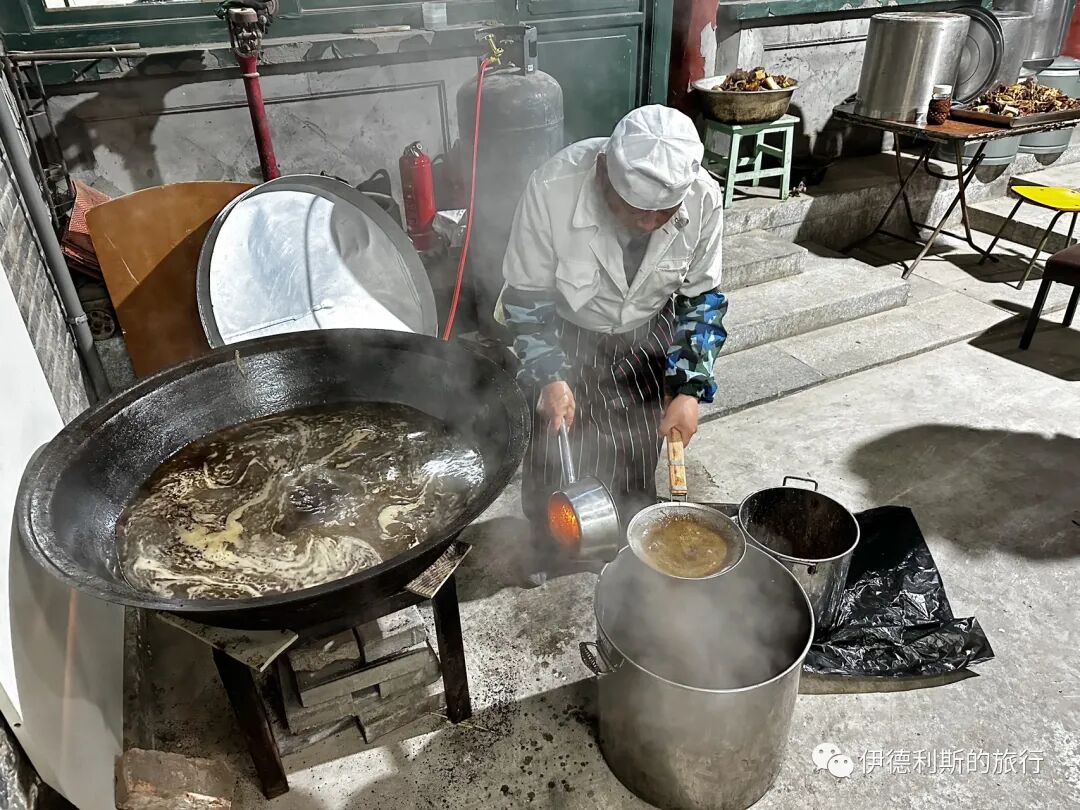
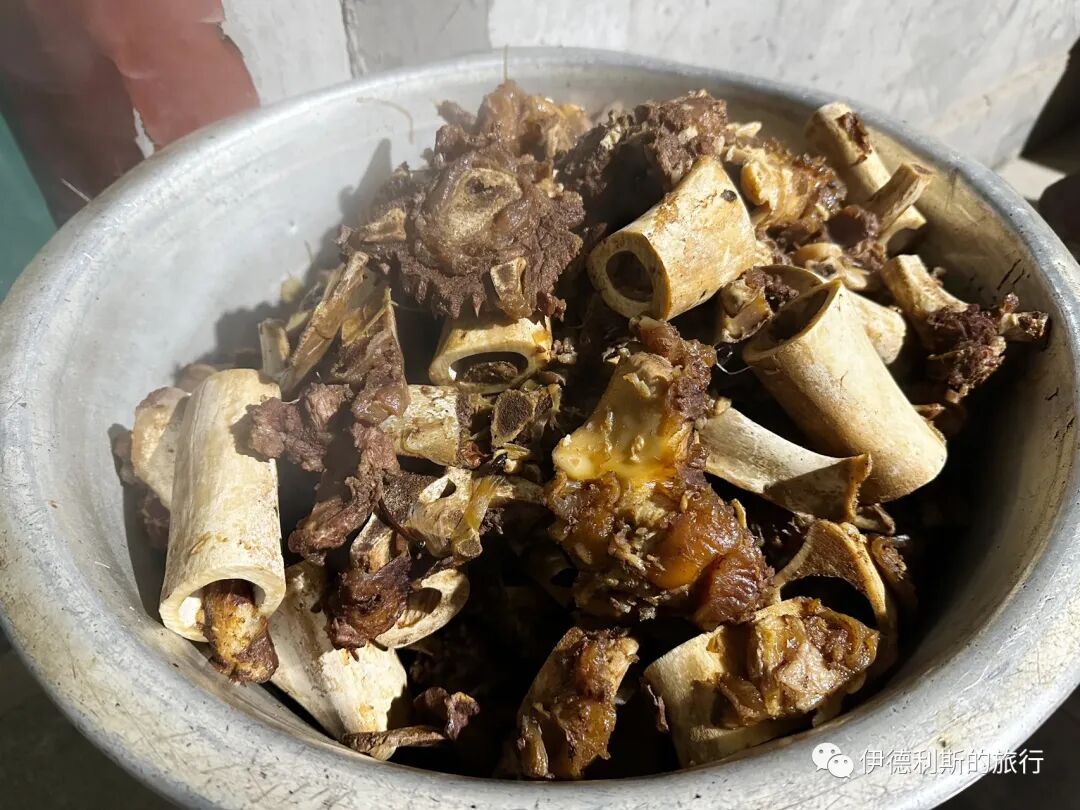
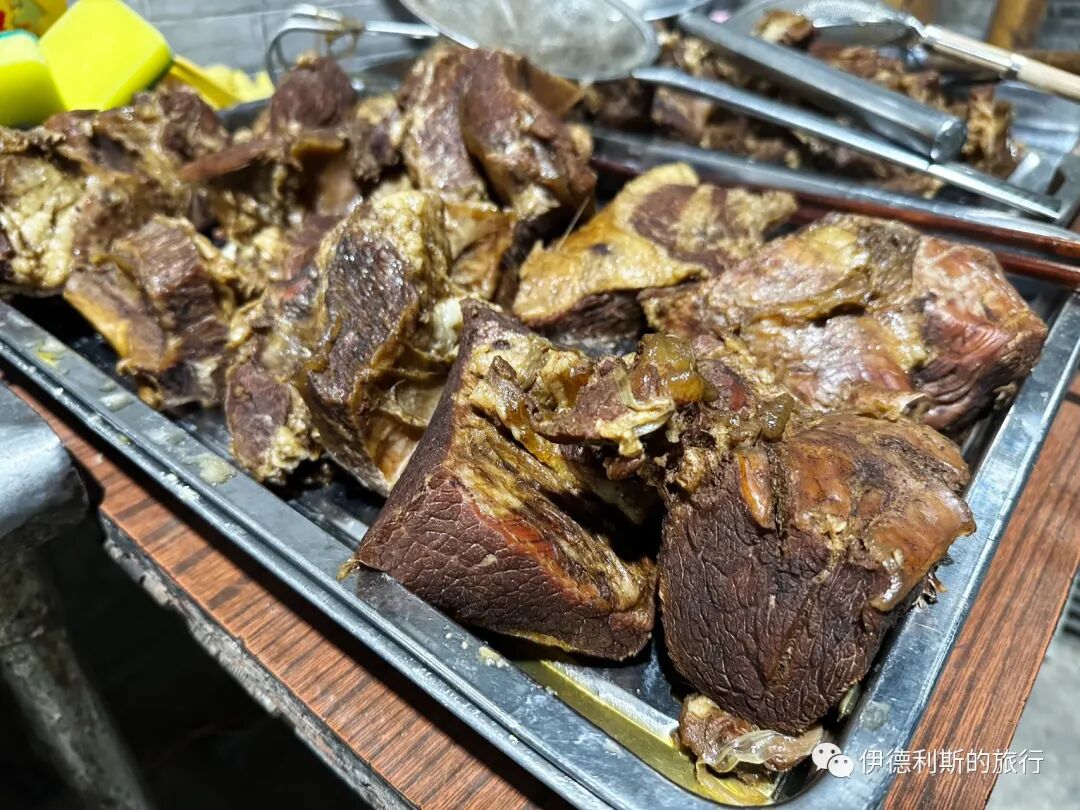
The mosque stewed a big pot of beef to prepare for the meat porridge for the next day's Eid. After long hours of stewing, the bone marrow from the beef bones melted into the broth, making the porridge extra flavorful.
April 22, Eid al-Fitr.
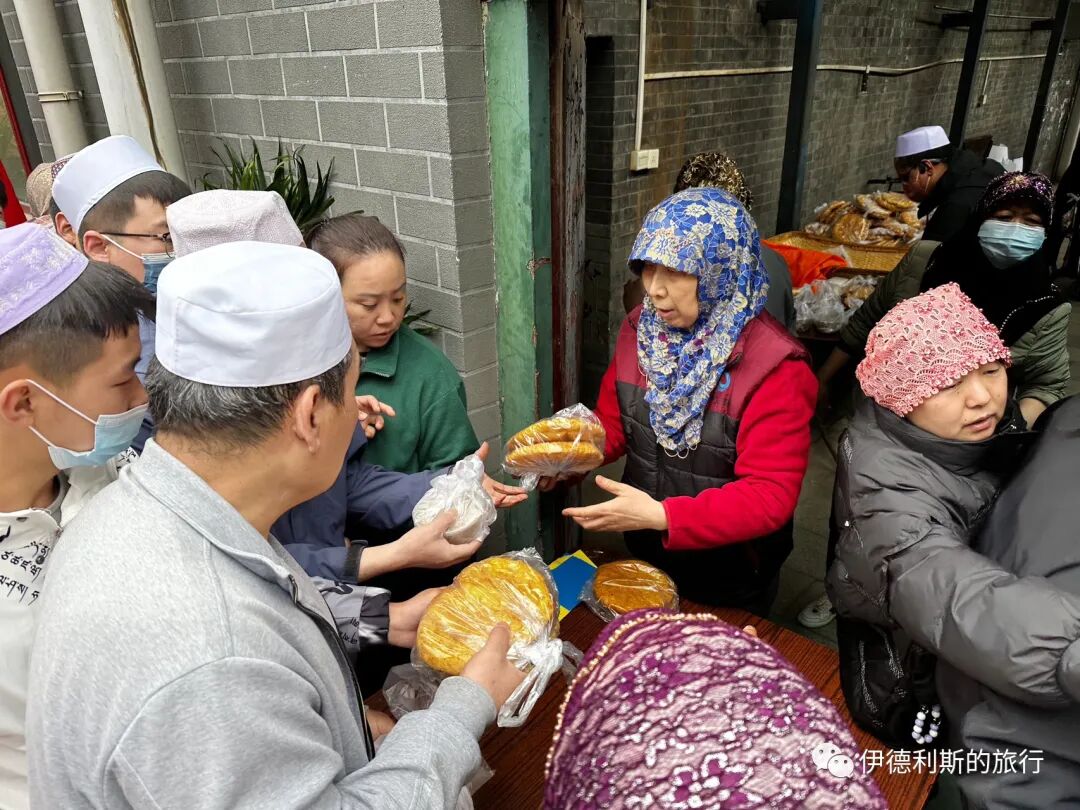
Eid Mubarak. I am very grateful to have volunteered for the Eid celebration at Balizhuang Mosque. The mosque served meat porridge with fried dough crisps, plus fried dough cakes (youxiang) and pickles. All the friends (dost) loved it. Special holiday food is not just a cultural tradition; it deepens memories of the holiday and attracts more people to the mosque. I think it is very meaningful.
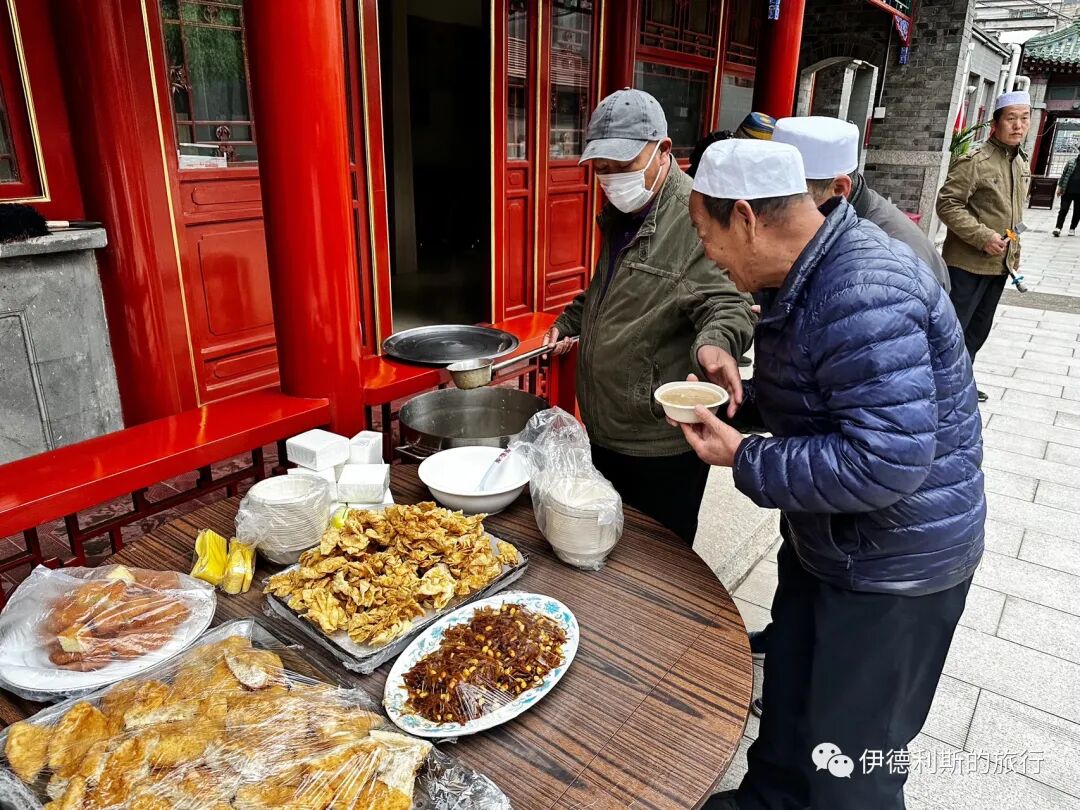
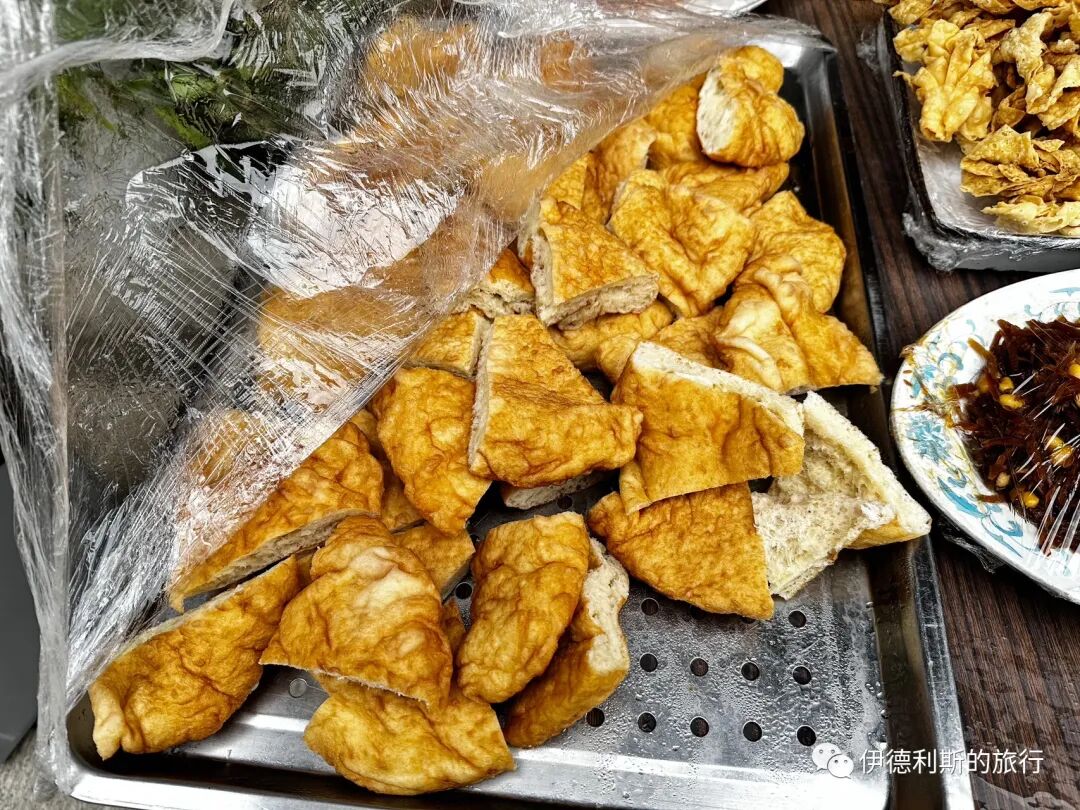
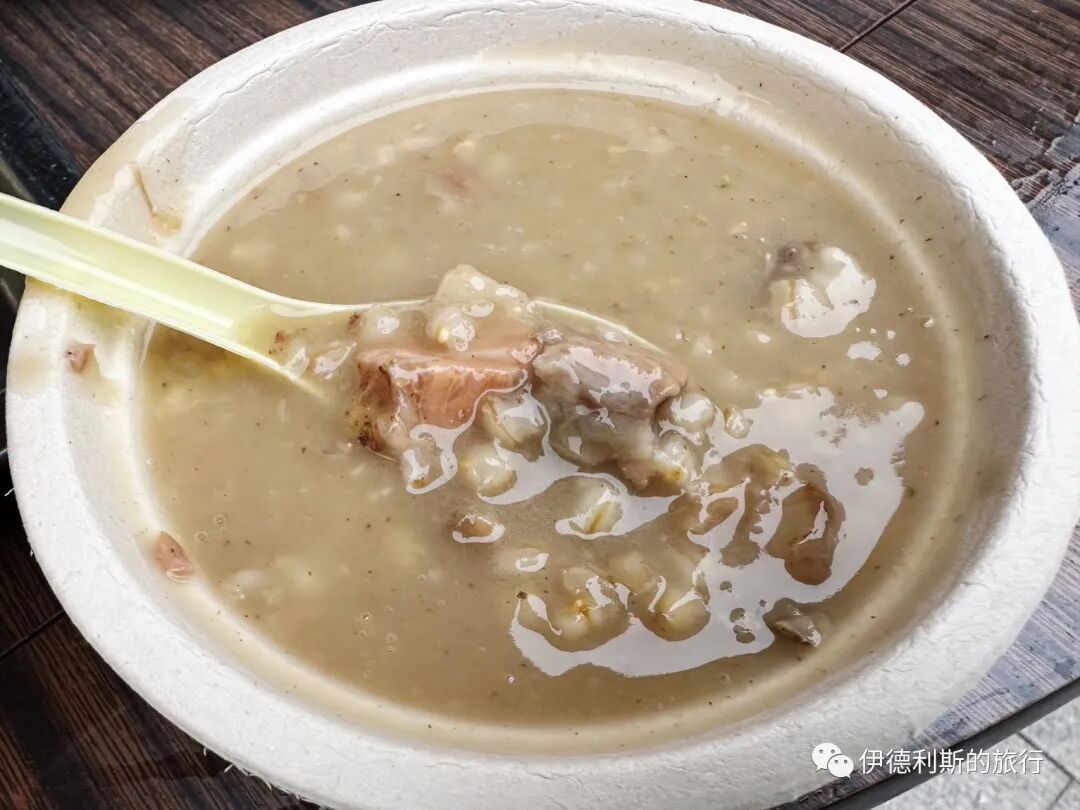
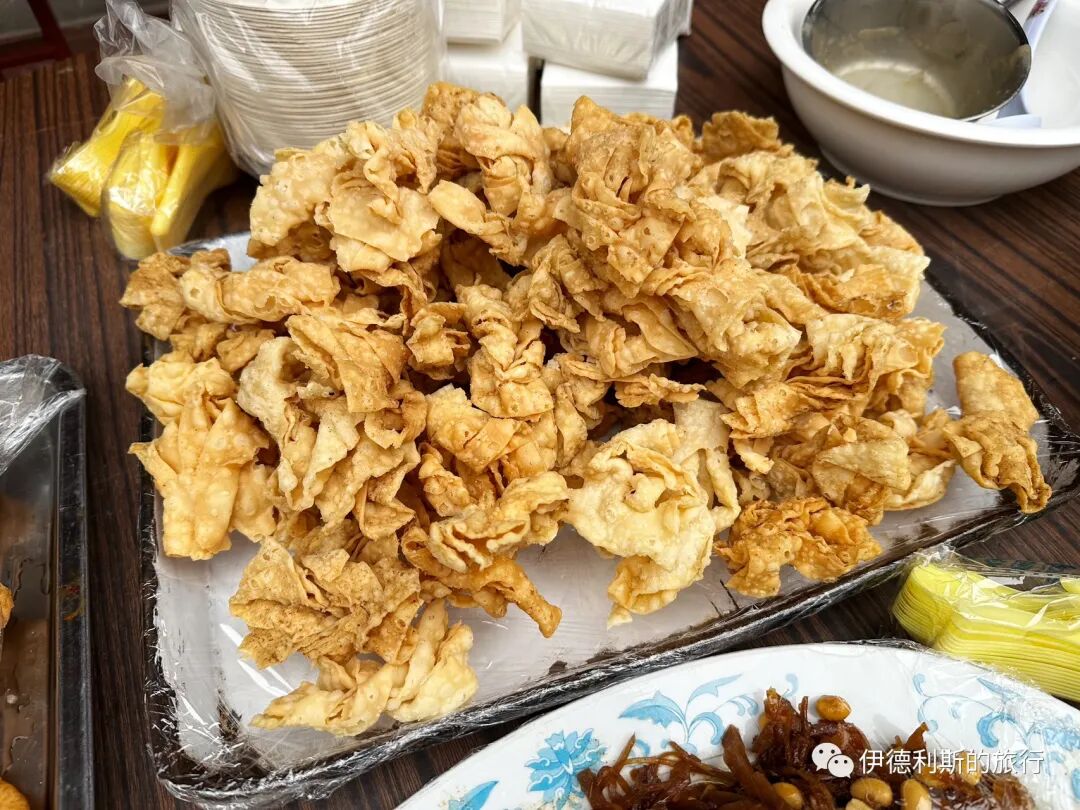
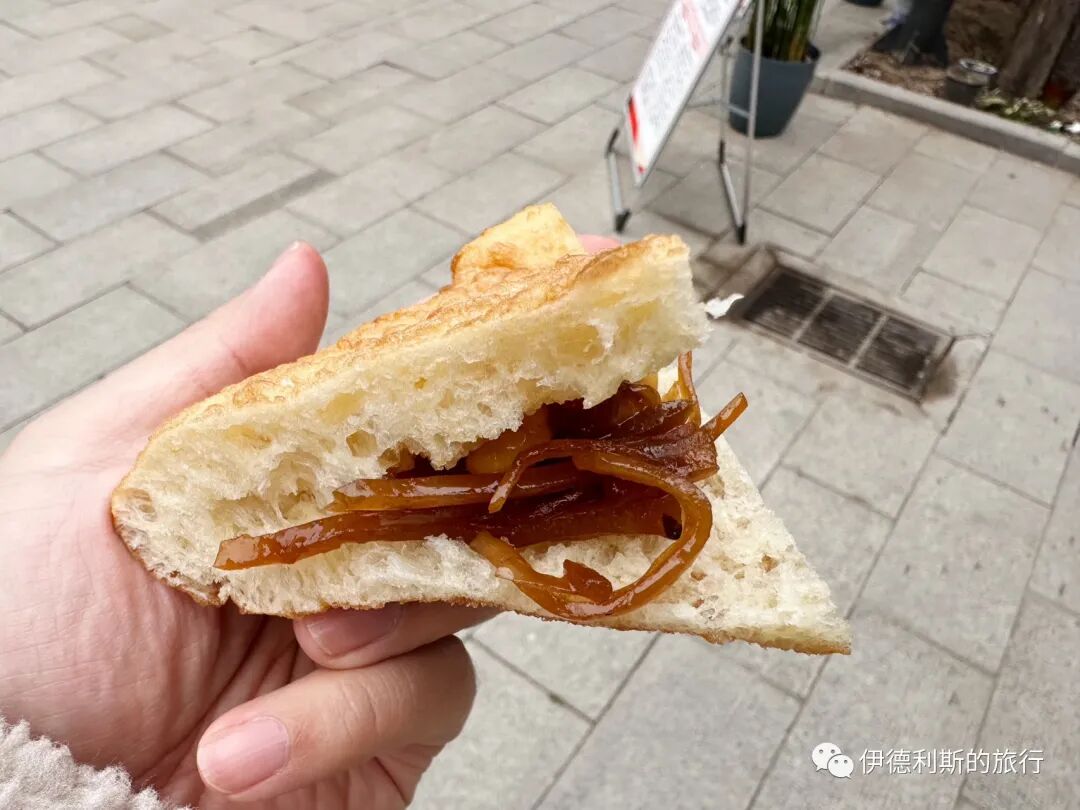
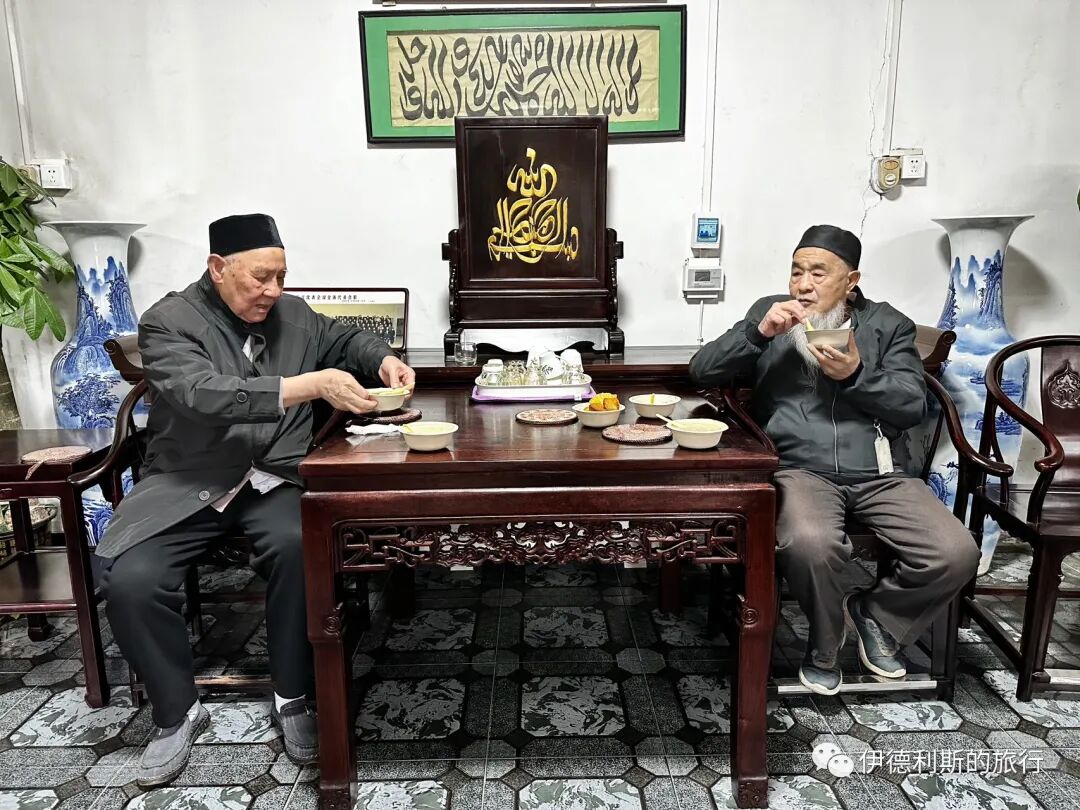
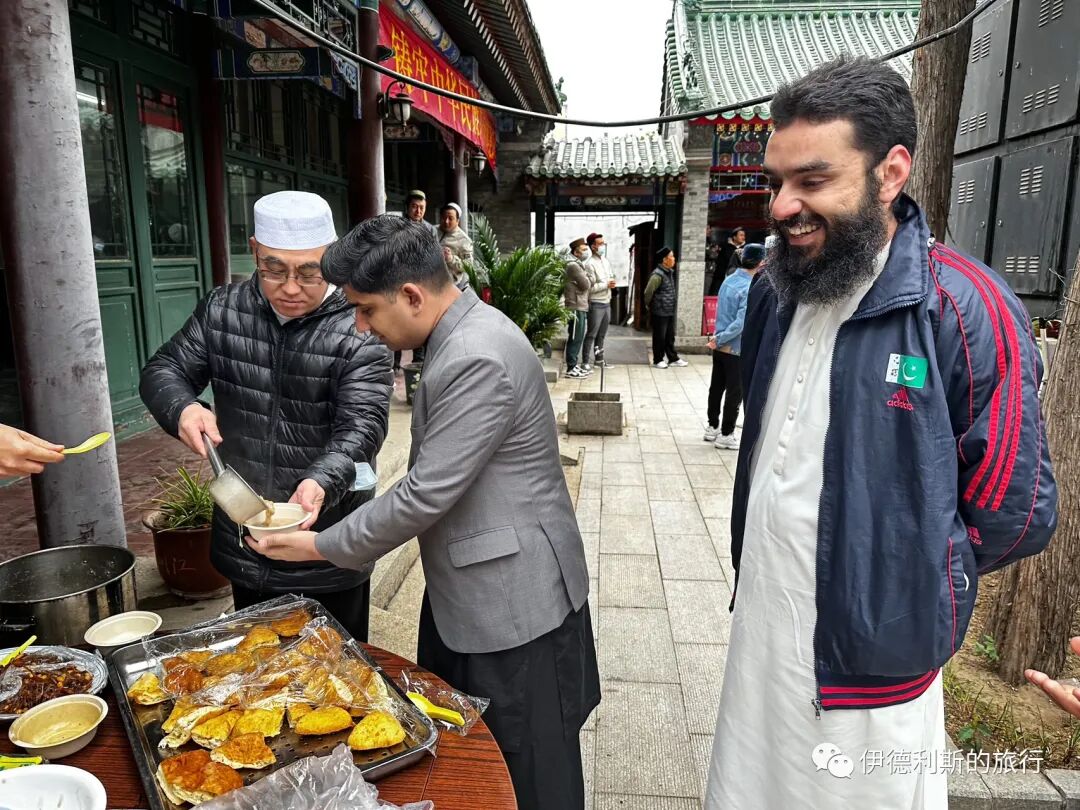
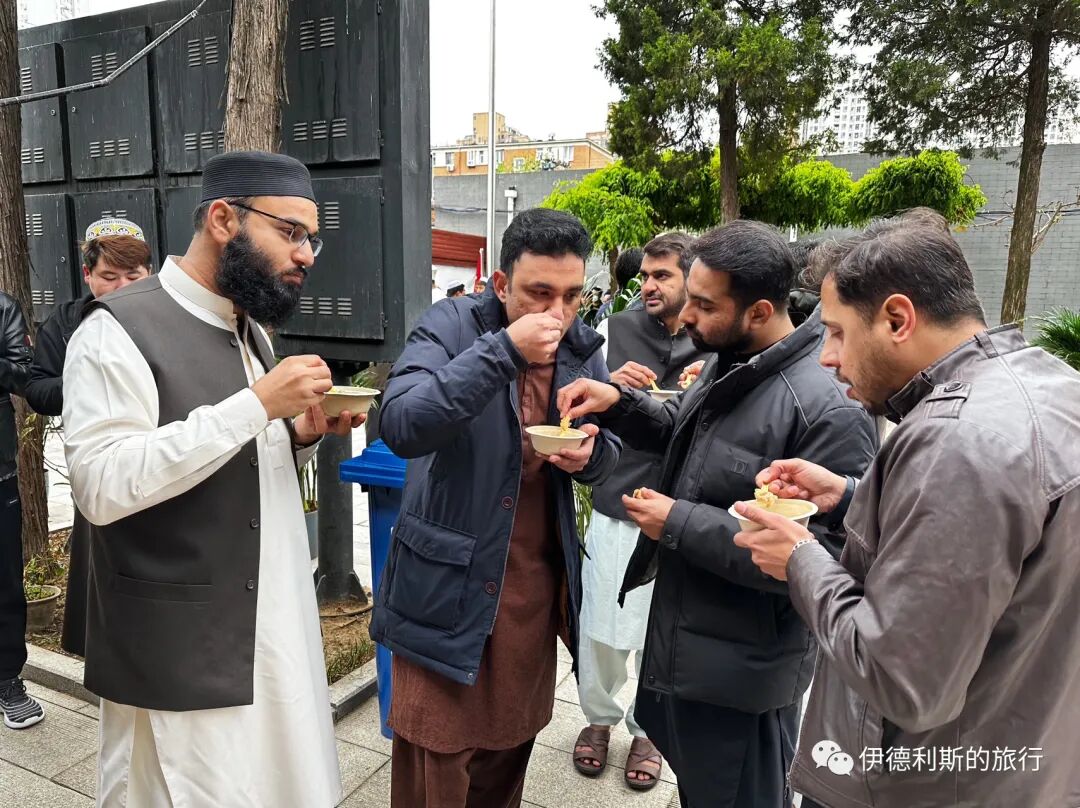
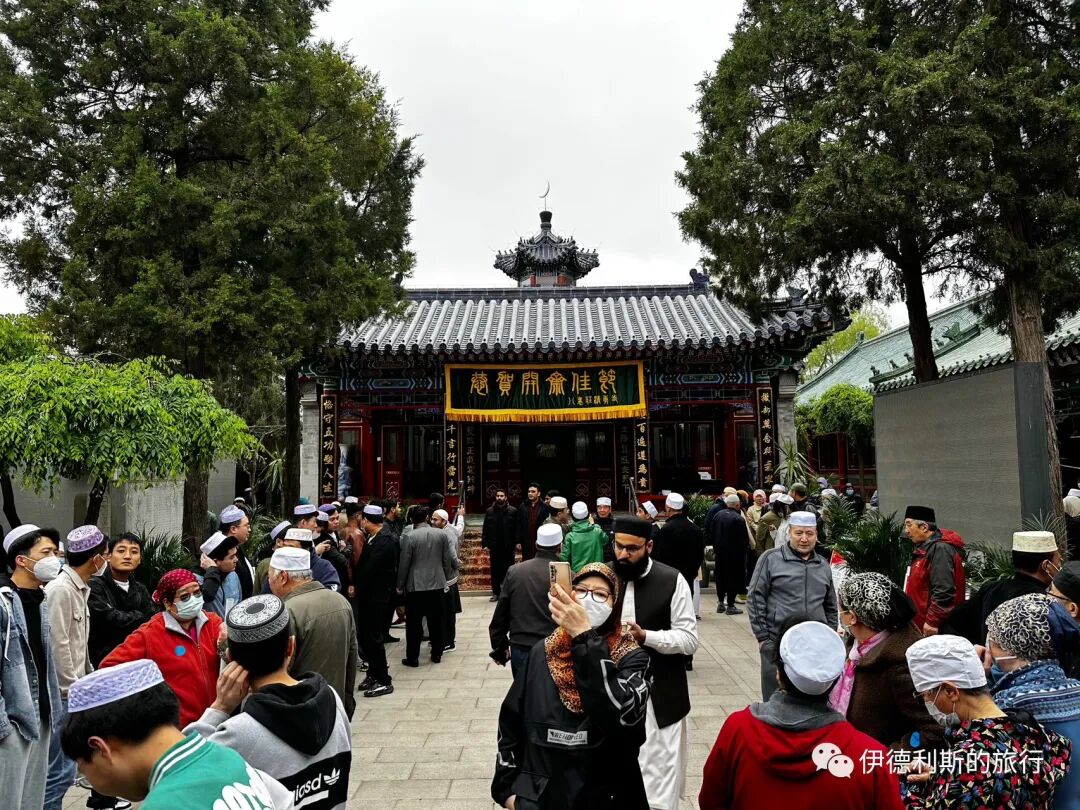
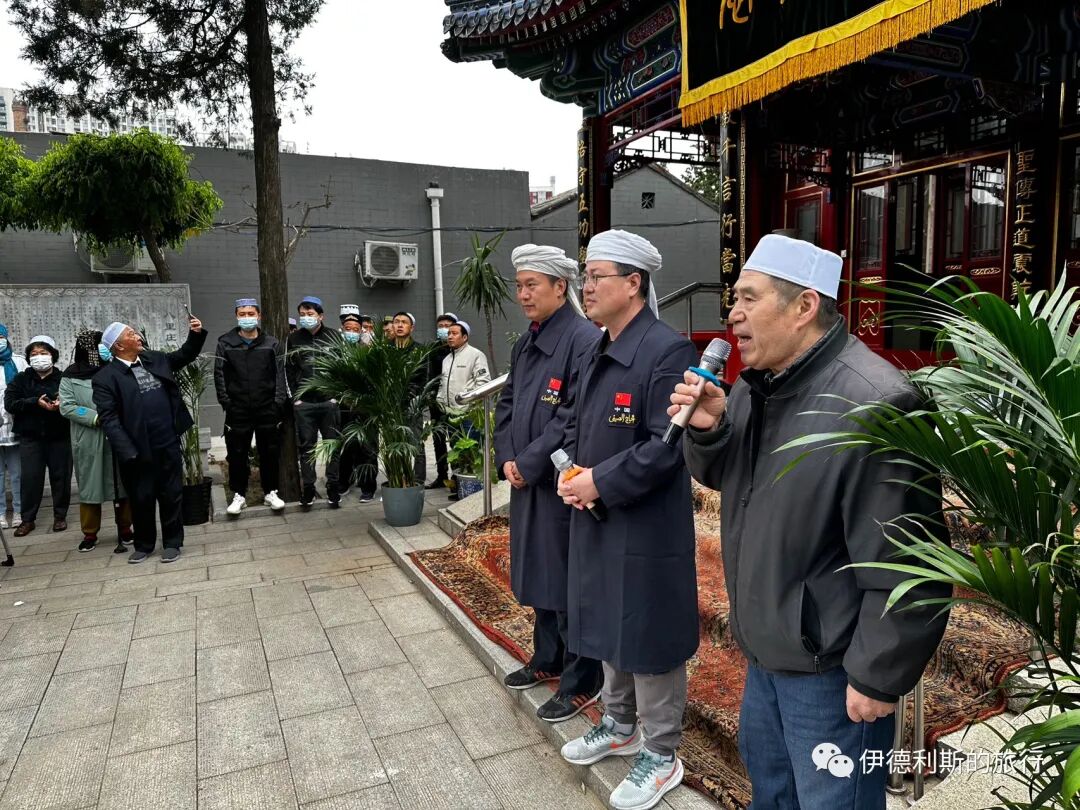
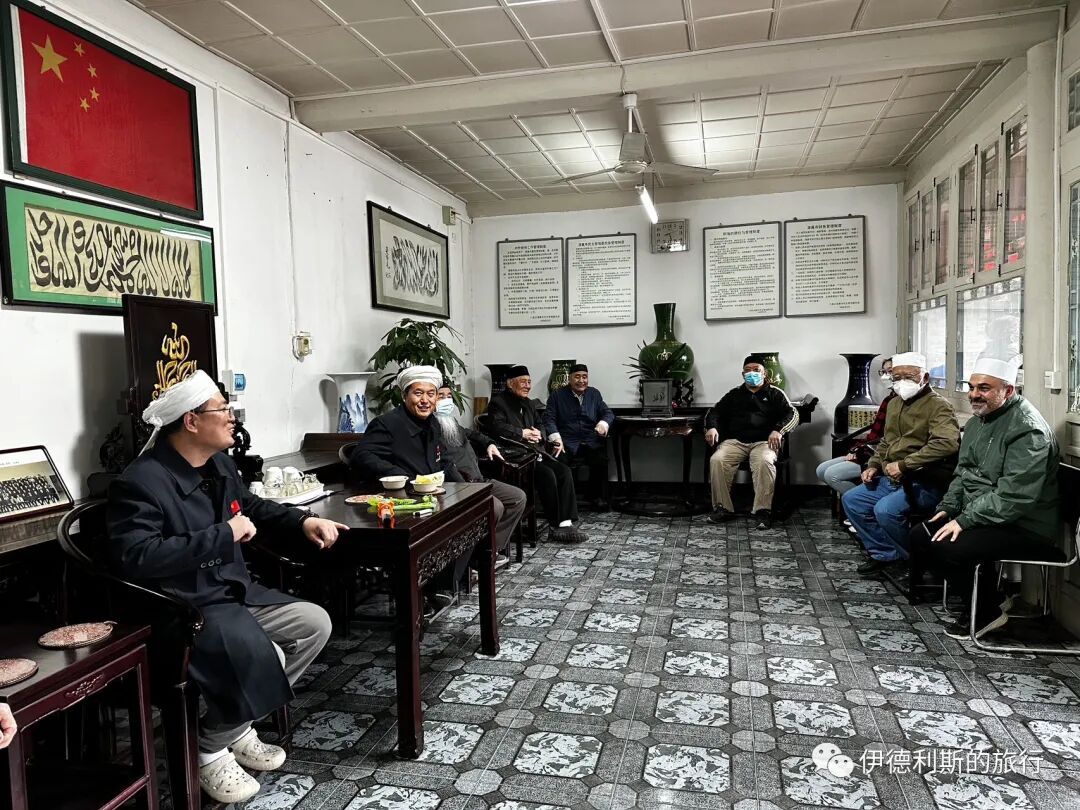
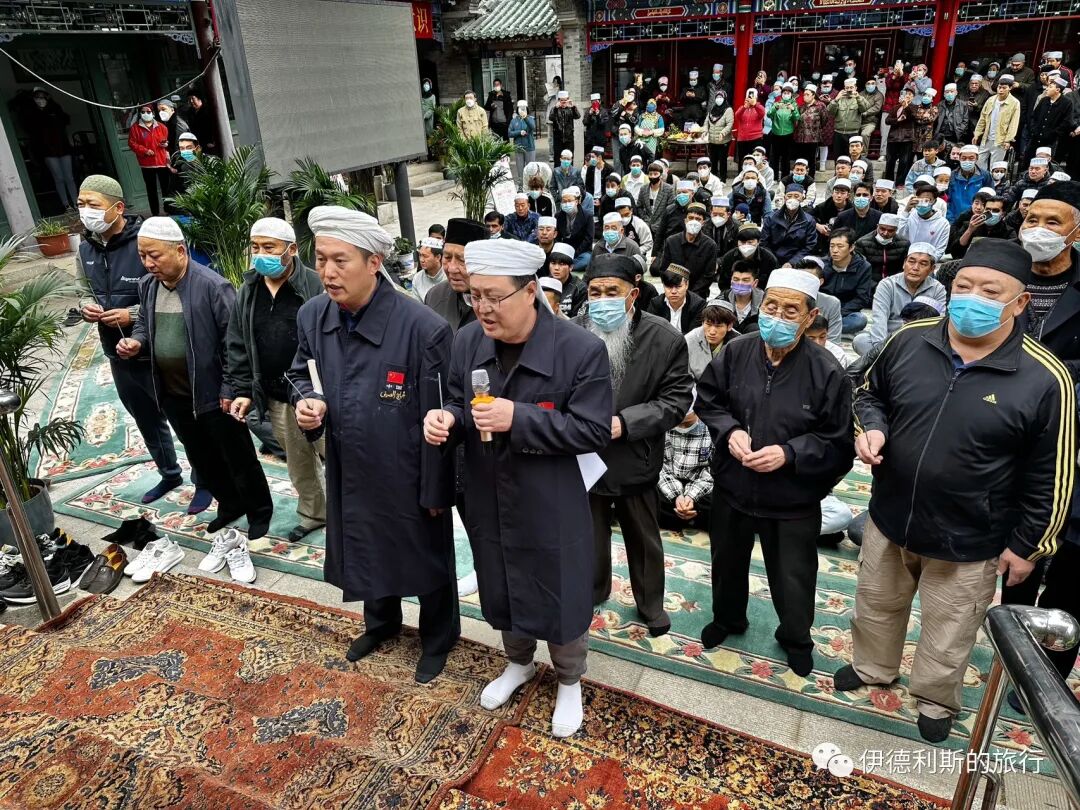
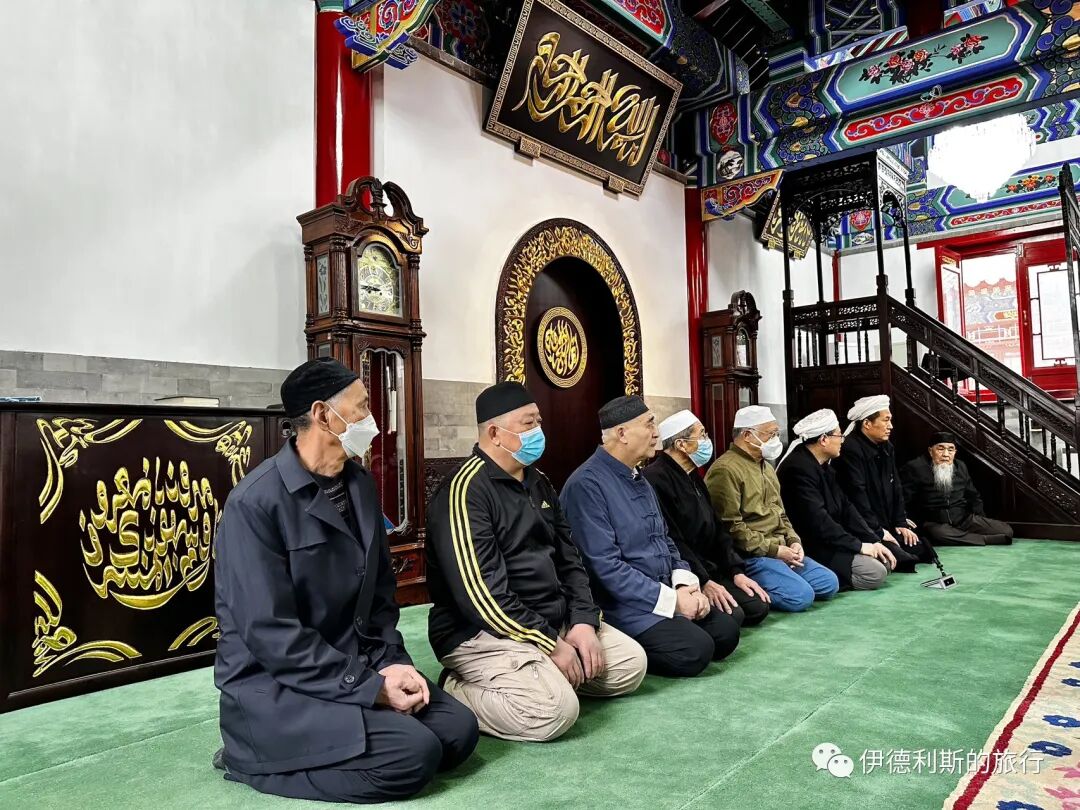
This was the first Eid held at Balizhuang Mosque since it was renovated and reopened. Everyone was very excited. Finally, here are some snapshots of Eid: the director's speech, the imam reciting scripture, inviting the imam, the elders praising the Prophet, and handing out fried dough cakes (youxiang).
May you all be rewarded (thawab).

Summary: Beijing Balizhuang Mosque — Ramadan and Community Life is presented here as a firsthand travel account in clear English, beginning with this scene: In 2023, I made the intention to break my fast at several different mosques in Beijing during Ramadan to experience the atmosphere. The account keeps its focus on Balizhuang Mosque, Beijing Ramadan, Hui Muslims while preserving the names, places, food, and historical details from the Chinese source.
In 2023, I made the intention to break my fast at several different mosques in Beijing during Ramadan to experience the atmosphere. The Balizhuang Mosque, located along Subway Line 6, was the sixth one I visited. As soon as I entered, I felt a wonderful atmosphere. The imam and the elders were very warm and cheerful, creating a harmonious and cozy environment that truly made passing dosts (friends) feel at home. Because of this, I spent the last few days of Ramadan breaking my fast at Balizhuang Mosque, where I experienced the Night of Power (Laylat al-Qadr) and Eid al-Fitr. I am very grateful that some dosts came to the mosque to break their fast after seeing the photos I posted. May we meet again at Balizhuang Mosque next Ramadan to enjoy this blessing together.
April 11
On my first day at Balizhuang Mosque, I tasted the deep-fried fresh milk, fermented bean curd (madoufu), braised chicken wing tips, and stewed kelp strips with fried tofu puffs (doupo) made by the elders. I am so grateful!
Balizhuang got its name because it is eight li away from Chaoyang Gate. Between the reigns of the Yongzheng and Qianlong emperors, Hui Muslims with the surnames Jing, Li, and Jin lived along the stone road outside Chaoyang Gate. They grew vegetables to supply the capital, gradually forming the Balizhuang area outside the gate. Balizhuang Mosque was first built in the early years of the Qianlong reign. During its peak in the Qing Dynasty, the mosque owned thirteen mu of land. It was rebuilt between 1997 and 2000, reaching its current size.
Master Li, the third person from the left, is very skilled and can make all kinds of snacks.
On the left are Imam Ding and Imam Ma from Balizhuang Mosque, and on the right is the nearly ninety-year-old Elder Imam Yang.
In the evening, I bought walnut naan, rose naan, and spicy skin naan at the Asimu Naan Shop in the Balizhuang Life Plaza next to the mosque. I ate the walnut naan for my pre-dawn meal (suhoor); it wasn't dry, hard, or choking, and it tasted great on its own!
April 13
Today I tasted the donkey rolls (lvdagun), fermented bean curd (madoufu), braised meat strips (songrou), sweet yam rolls (tangjuanguo), and savory yam rolls (xianjuanguo) made by the elders. I listened to the elders talk about how to make braised meat strips, which was very educational. It turns out you need to add fried flour crisps (gezhi) to the meat filling, and it is best to use mung bean starch for the batter, which you can buy from Baoji at Niujie.
Donkey rolls (lvdagun)
Savory yam rolls (xianjuanguo)
Sweet yam rolls (tangjuanguo)
Braised meat strips (songrou)
I took a picture of the Erdao River in Balizhuang on the way. During the Qing Dynasty and the Republic of China, Hui Muslim households in Balizhuang drew water from the Erdao River for irrigation. The village was lush with green vegetables, bean trellises, and melon vines heavy with fruit.
I bought meat naan at the Asimu Naan Shop in Balizhuang Life Plaza and learned this time that they are from Kashgar. The landlady knew we were fasting, so she gave us a bag of naan as charity (niatie). I am very grateful. These naan slices, which are baked and then fried, are great as snacks. They come in both spicy and non-spicy versions.
April 14
It is a blessed Friday (Jumuah). During the sermon (wa'z), I heard the imam talk about the nobility of the Night of Power (Laylat al-Qadr). Today is the fourth Friday of Ramadan, which is sometimes called Jumuat-ul-Wida, meaning the Farewell Friday. In South Asia and some other places, Muslims spend this day reciting the Quran, performing good deeds, giving charity (niatie), helping the poor, and hosting meals for family, relatives, and neighbors.
In the evening, I tasted fried rice and fried steamed bun slices. There were two kinds: those coated in egg and those that were not. The ones with egg were softer, which is better for the older elders to eat.
April 15
Today I ate fish head with flatbread (paobing) made by the elders. The fish came from Miyun Reservoir and the flatbread was freshly griddled. It was delicious.
Two elders gave out sesame flatbread (shaobing) and meat-filled flatbread (huoshao jiarou). These are perfect for eating during the fast.
April 17, Night of Power (Laylat al-Qadr).
Celebrating the Night of Power, everyone gathered at Balizhuang Mosque to perform worship on this noble night. May the rewards be many.
Tonight is the busiest night of Ramadan. The elders made various Beijing snacks like sugar-filled rolls (tangjuanguo), savory rolls (xianjuanguo), pea flour cakes (wandouhuang), rolled soybean flour cakes (lvdagun), and sticky rice cakes (niangao). There were also fruits like cherries, strawberries, apples, papayas, and bananas, plus pastries like date cakes and fried flour crisps (sachima). It was such a feast!
For dinner, we had lamb dumplings (shaomai), stir-fried shrimp, and mashed mung bean curd (ma doufu). All four tables were full. It was lively and blessed. An 85-year-old elder had the intention to make lotus seed porridge for everyone. I am so grateful! After breaking my fast at Balizhuang Mosque for these past few days, I feel like I have joined this big family. I feel the warmth of home every day.
April 19.
Today the elders made a traditional Beijing halal snack together: fried meat-filled flatbread (zha rou huoshao). They used a filling of lamb and green onions with yellow soybean paste (huangjiang). The smell of the meat when fried was amazing. The texture of the scalded dough was unique, a bit like fried dough cakes (zha gaogao), but instead of sugar and fruit, these were filled with meat. Fried meat-filled flatbread and fried meat pockets (zha huitou) were classic Ramadan snacks for Hui Muslims in old Beijing, but they are rare now. I am very grateful to have eaten them at Balizhuang Mosque.
For dinner, we had traditional stir-fried dishes: braised beef tongue (pa koutiao) and braised beef brisket (pa xiongkou). They were perfect with rice, and I kept shoveling the fried rice into my mouth.
April 20.
Today the elders made steamed buns (baozi) and stewed beef with fried tofu. The mosque prepared various fried dough crisps (paicha) to go with the meat porridge for Eid.
Three international students from the University of International Business and Economics visited in the evening. They were from Uzbekistan, Jordan, and Russia. The girl from Russia is not a Muslim. She visited Balizhuang Mosque with her classmates, which I think was very meaningful. I hope everyone has an open and inclusive mindset. We welcome friends interested in our faith to come into the mosque to learn and experience it.
I taught them how to say Eid al-Fitr in Chinese, but I couldn't think of how to translate meat porridge at the time, which was a pity.
April 21.
Today is the 30th day of Ramadan, and the fast-breaking meal at Balizhuang Mosque was the most abundant. The steamed flower rolls (huajuan) made by the elders went so well with the stewed beef with kelp and chicken wings. It was so fragrant.
The mosque stewed a big pot of beef to prepare for the meat porridge for the next day's Eid. After long hours of stewing, the bone marrow from the beef bones melted into the broth, making the porridge extra flavorful.
April 22, Eid al-Fitr.
Eid Mubarak. I am very grateful to have volunteered for the Eid celebration at Balizhuang Mosque. The mosque served meat porridge with fried dough crisps, plus fried dough cakes (youxiang) and pickles. All the friends (dost) loved it. Special holiday food is not just a cultural tradition; it deepens memories of the holiday and attracts more people to the mosque. I think it is very meaningful.
This was the first Eid held at Balizhuang Mosque since it was renovated and reopened. Everyone was very excited. Finally, here are some snapshots of Eid: the director's speech, the imam reciting scripture, inviting the imam, the elders praising the Prophet, and handing out fried dough cakes (youxiang).
May you all be rewarded (thawab).
