
Halal Travel Guide: Beijing Ramadan Diary - Week Two Mosques and Iftar
Reposted from the web
Summary: Halal Travel Guide: Beijing Ramadan Diary - Week Two Mosques and Iftar is presented here as a firsthand travel account in clear, natural English. The account focuses on Beijing Ramadan, Mosques, Halal Food while preserving the names, places, food, photos, and historical details from the Chinese source.
Continuing from the last post, I will share more about the iftar meals at Balizhuang Mosque.
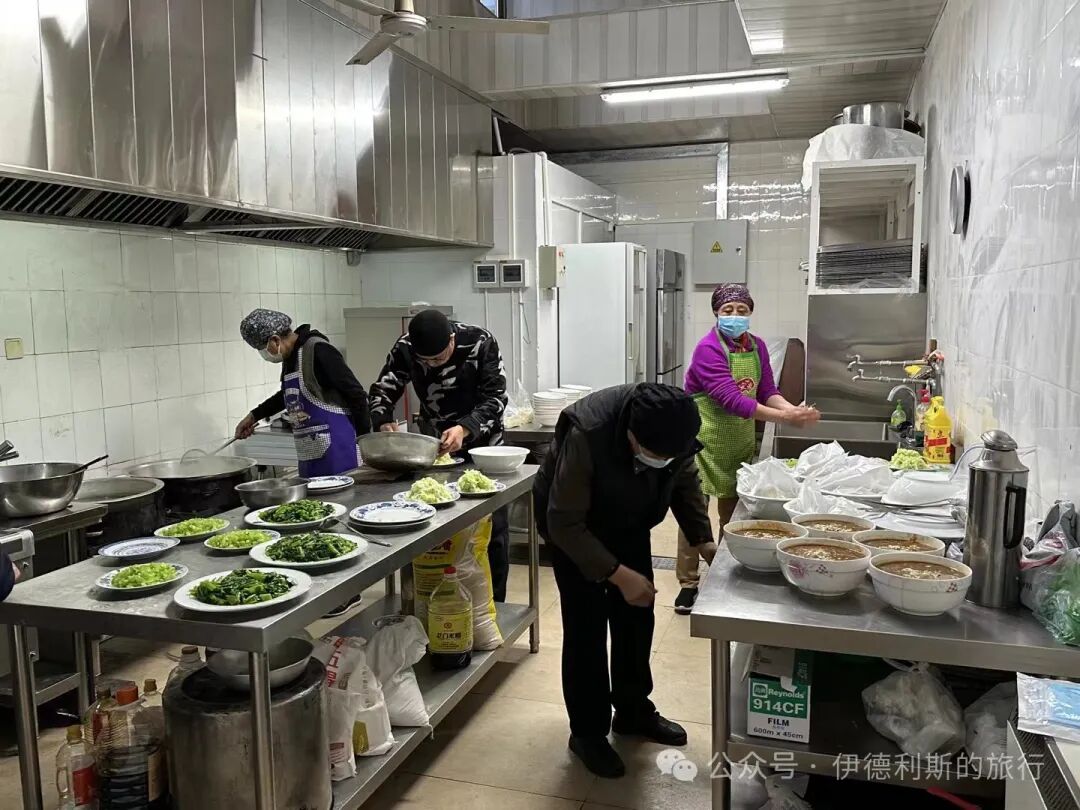
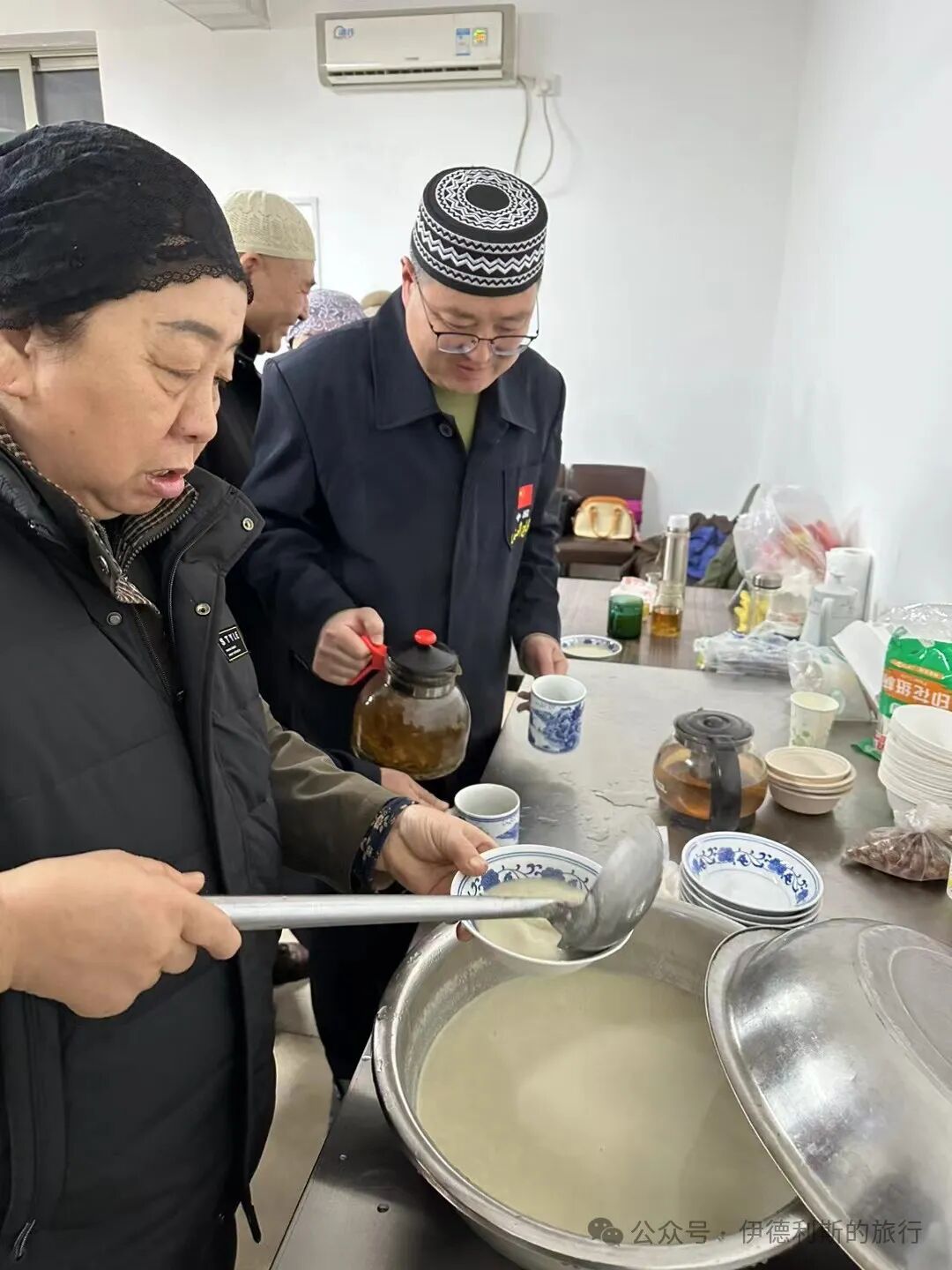
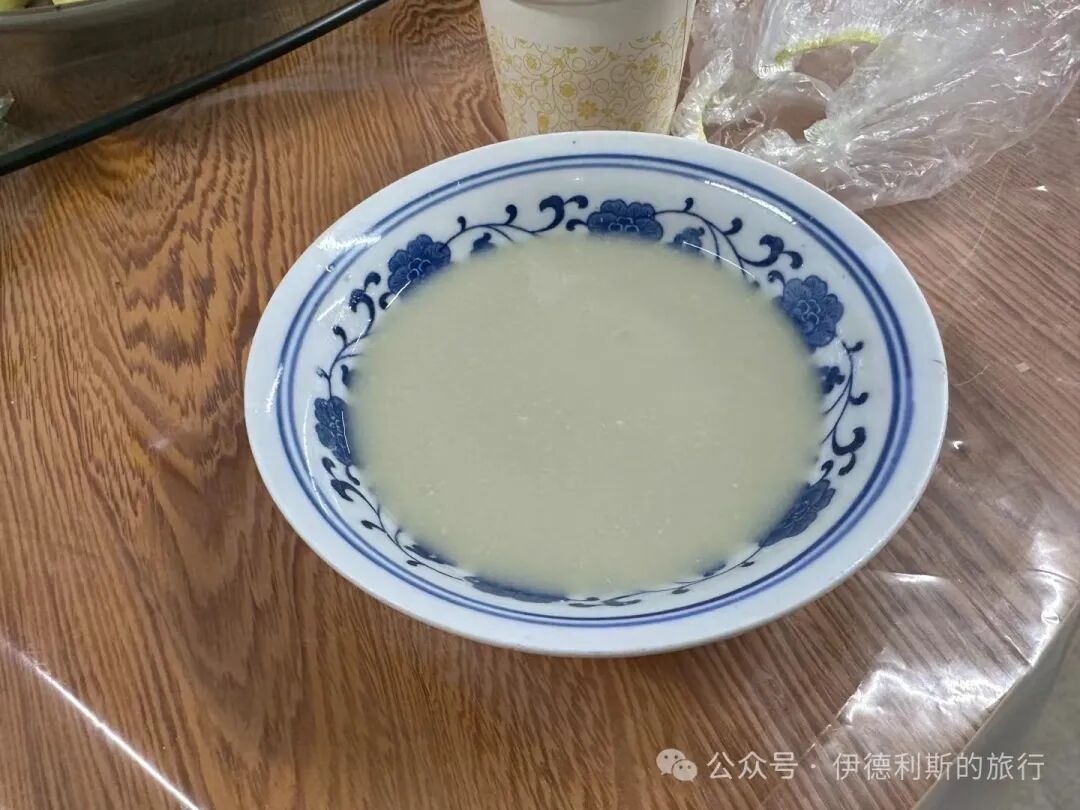
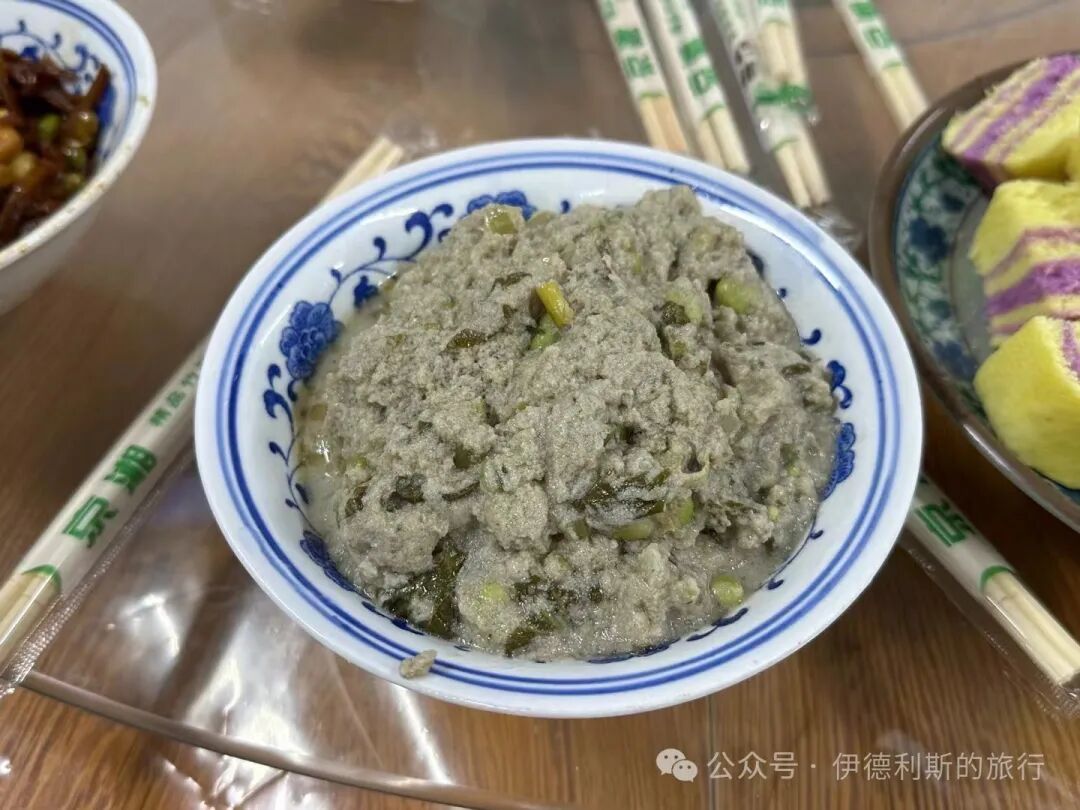
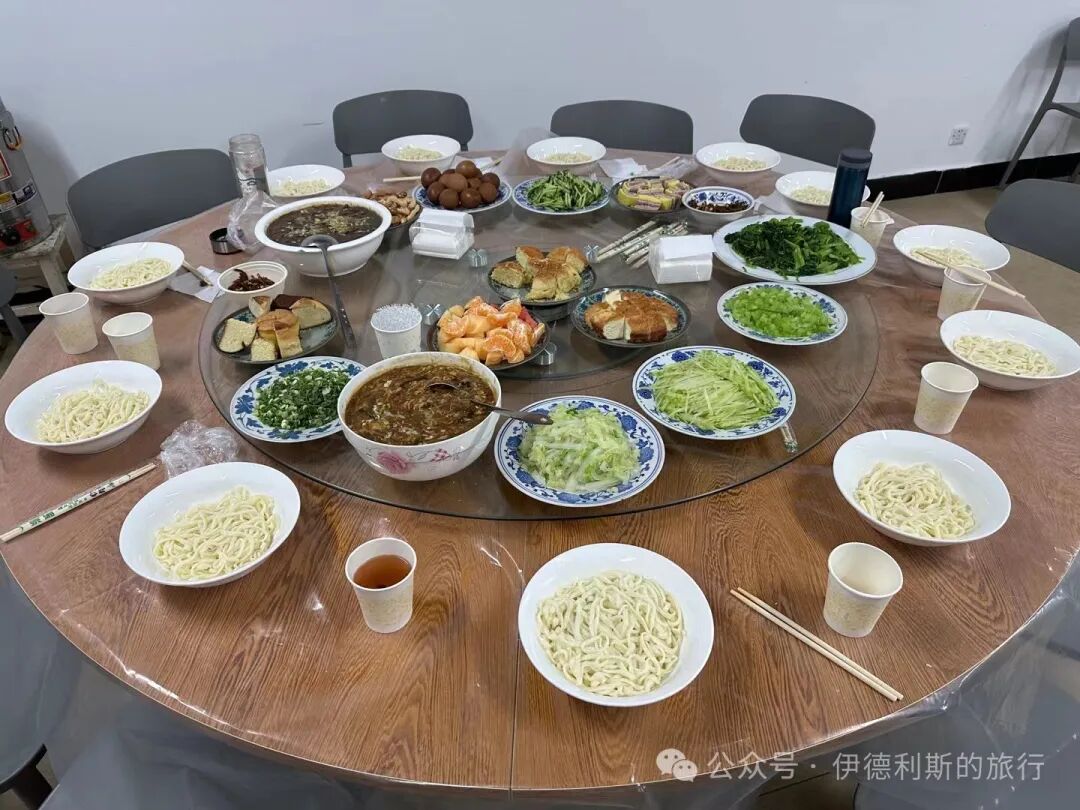
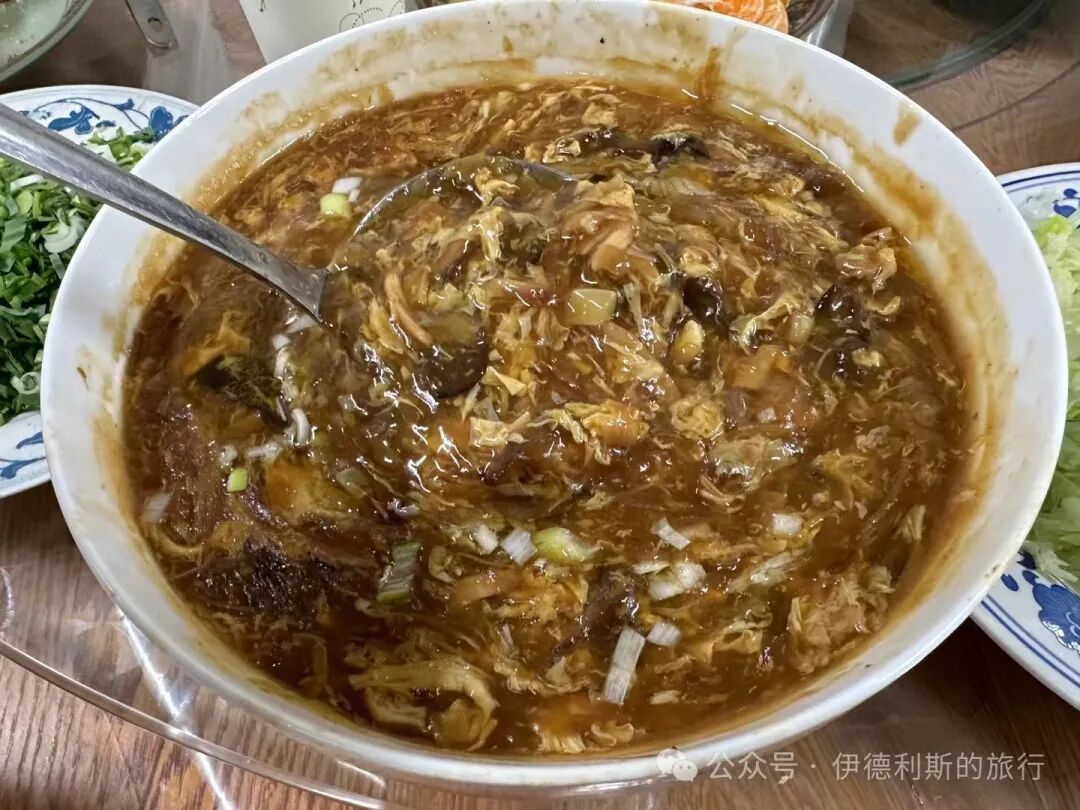
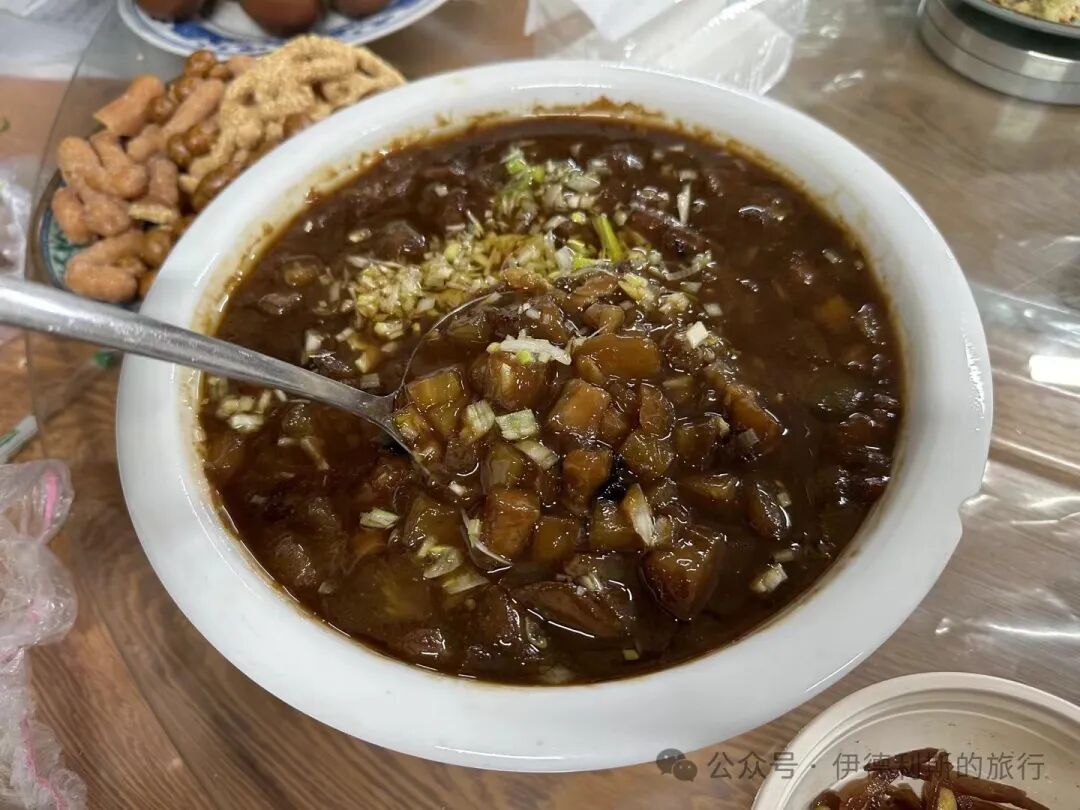
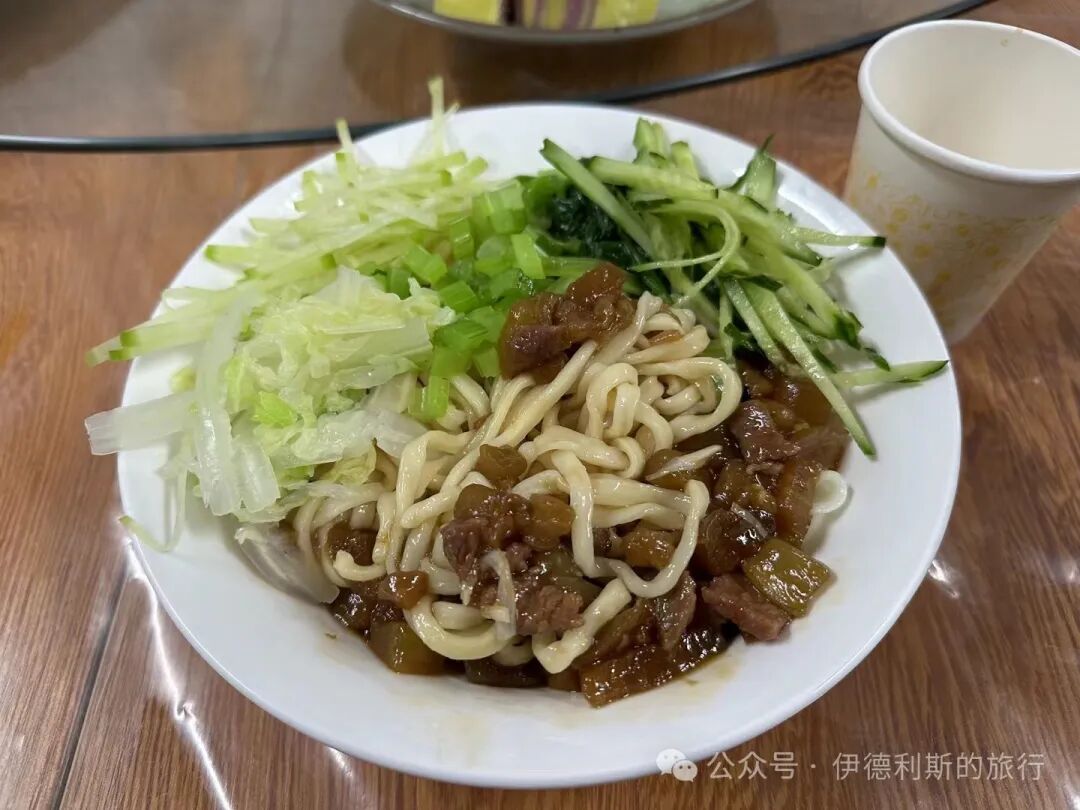
Day eight, today we are breaking our fast with Balizhuang mung bean milk (douzhi)! This must be the only place in the country that does this. The freshly boiled mung bean milk (douzhi) is thick, and it comes with fermented bean curd residue (ma doufu) made from the same base. It is completely authentic. For the iftar meal, we had shredded chicken noodle soup (dalu mian) and diced eggplant noodle soup (qie ding lu mian) with various vegetable toppings. I ate two bowls.
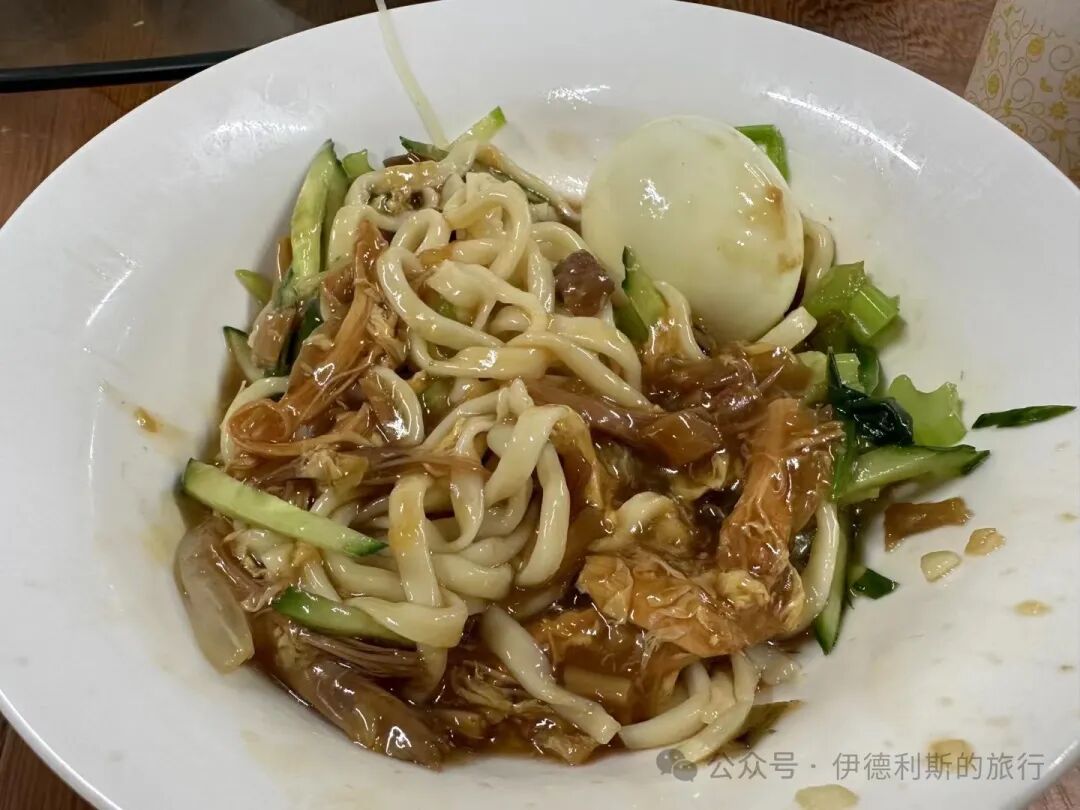
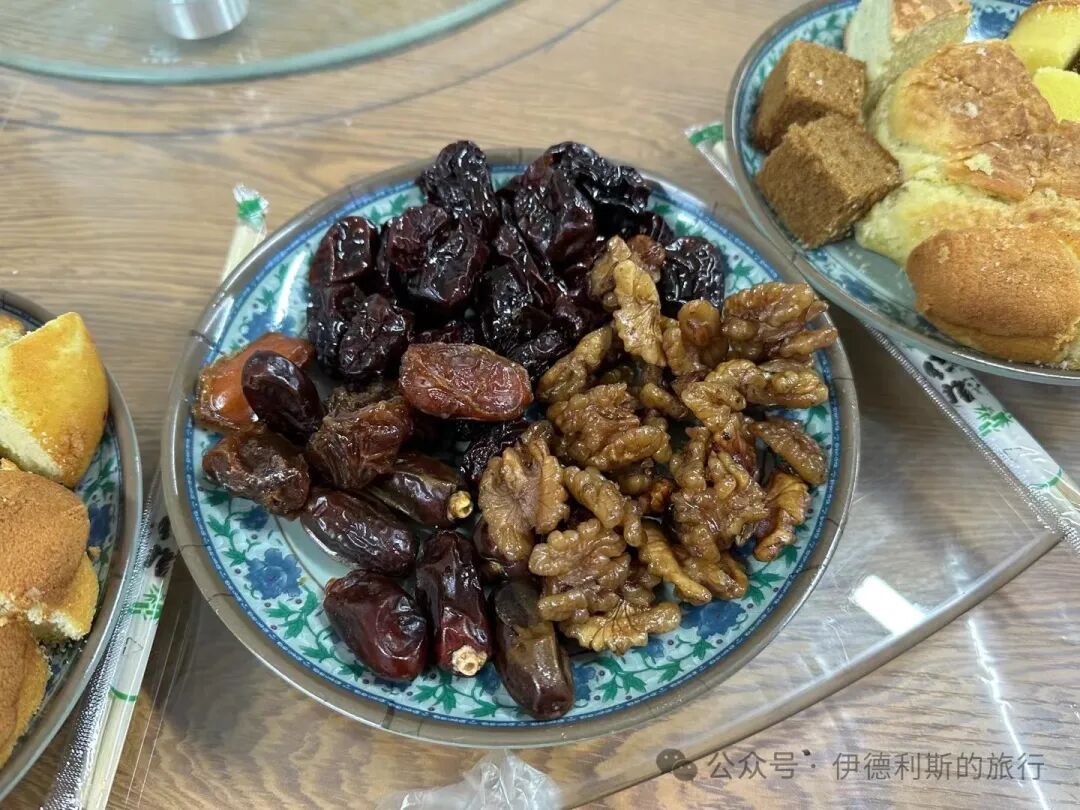
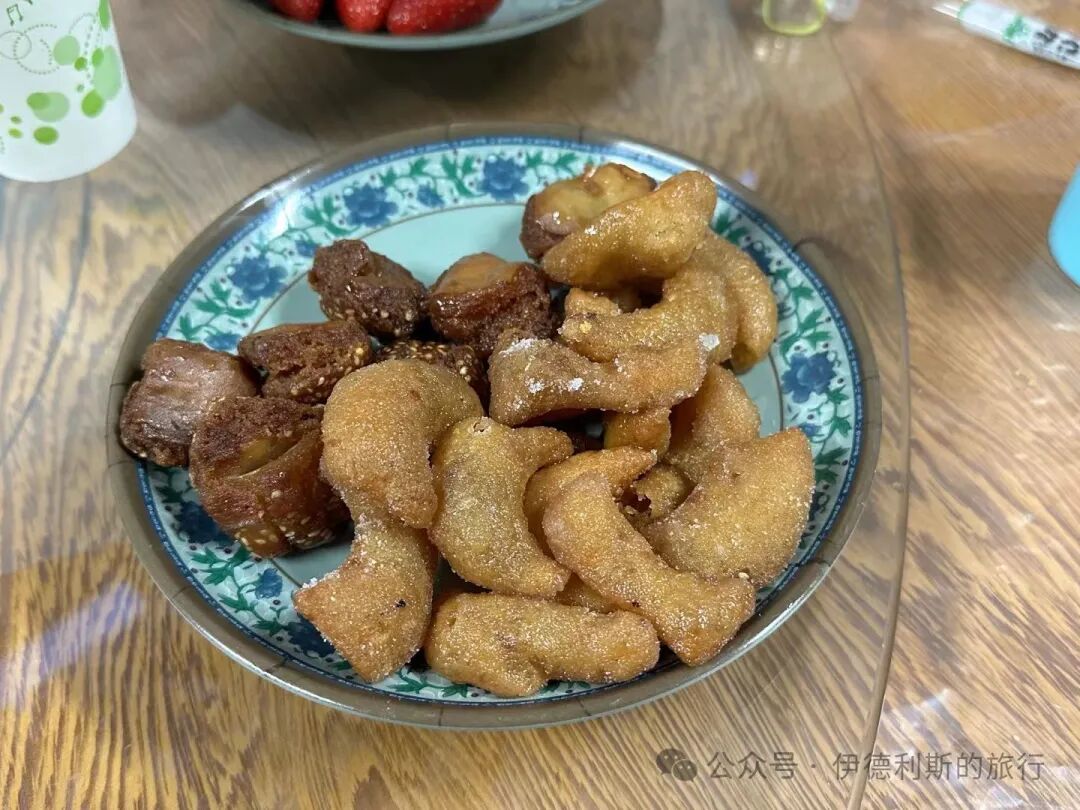
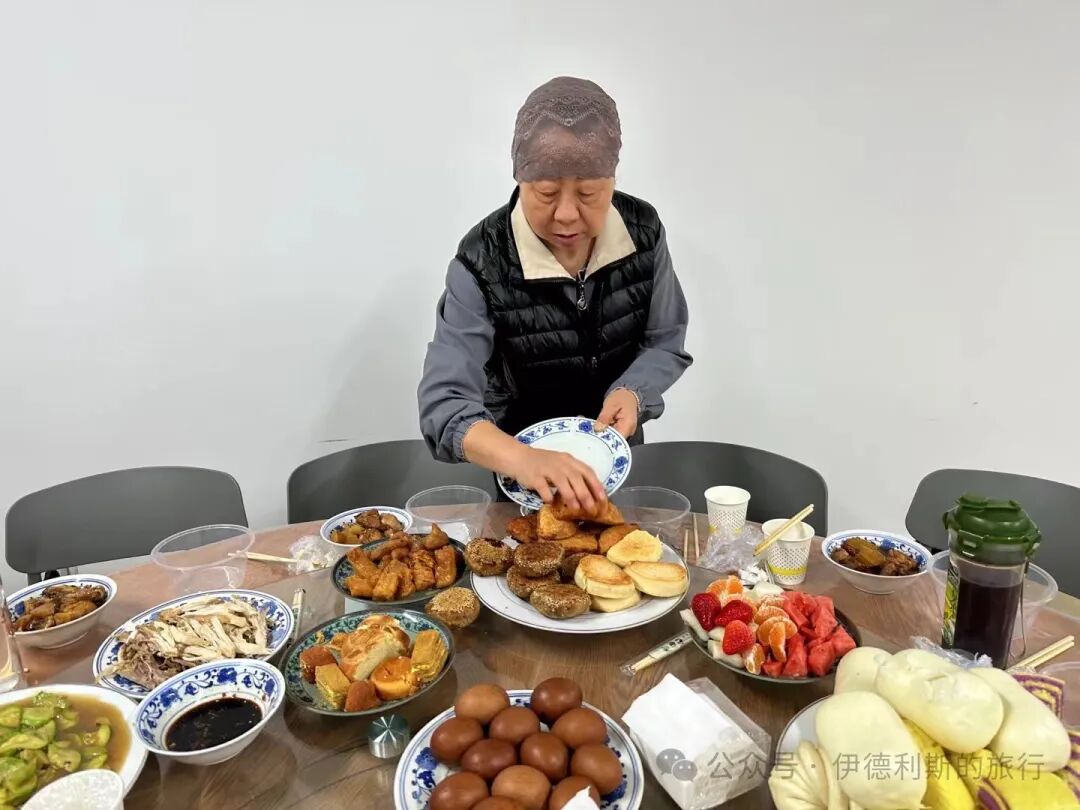
Day nine, today at Balizhuang Mosque, Elder Li made fried yam and date rolls (tang juan guo) again. They have plenty of dates and are a classic staple of the Balizhuang iftar meals! There were also honey dates and walnuts pickled by the elders. The shredded potatoes, chicken drumettes, and braised eggplant served for iftar were all delicious.
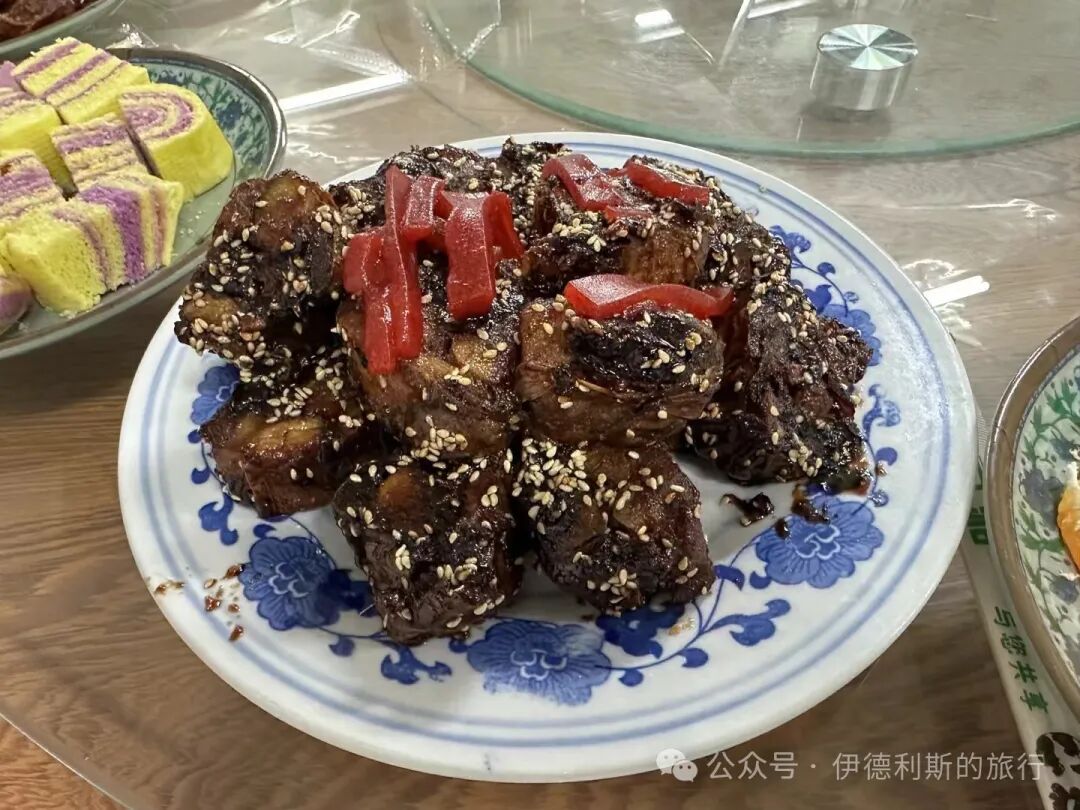
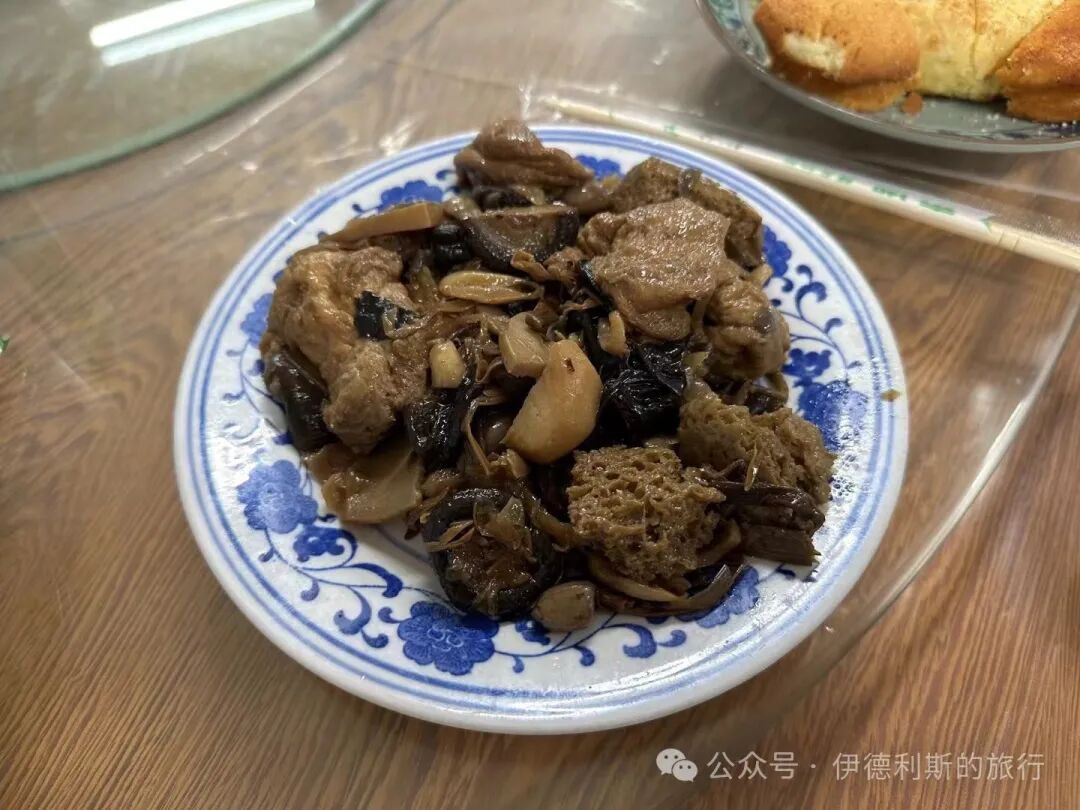
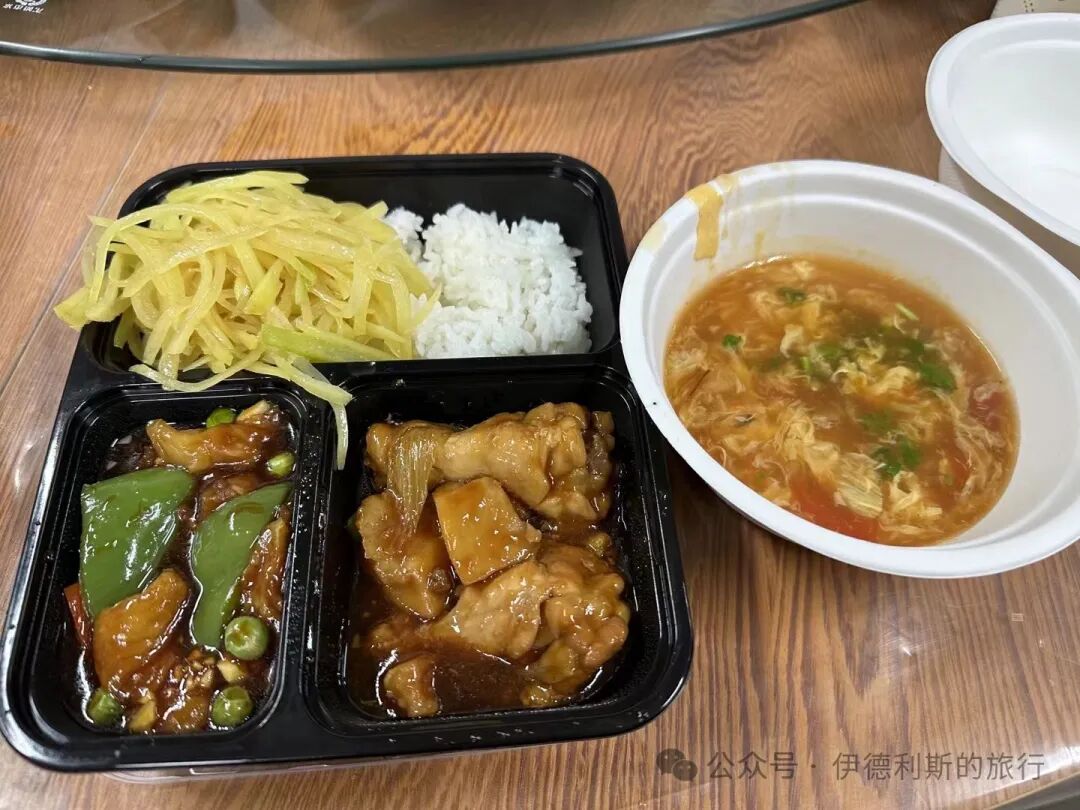
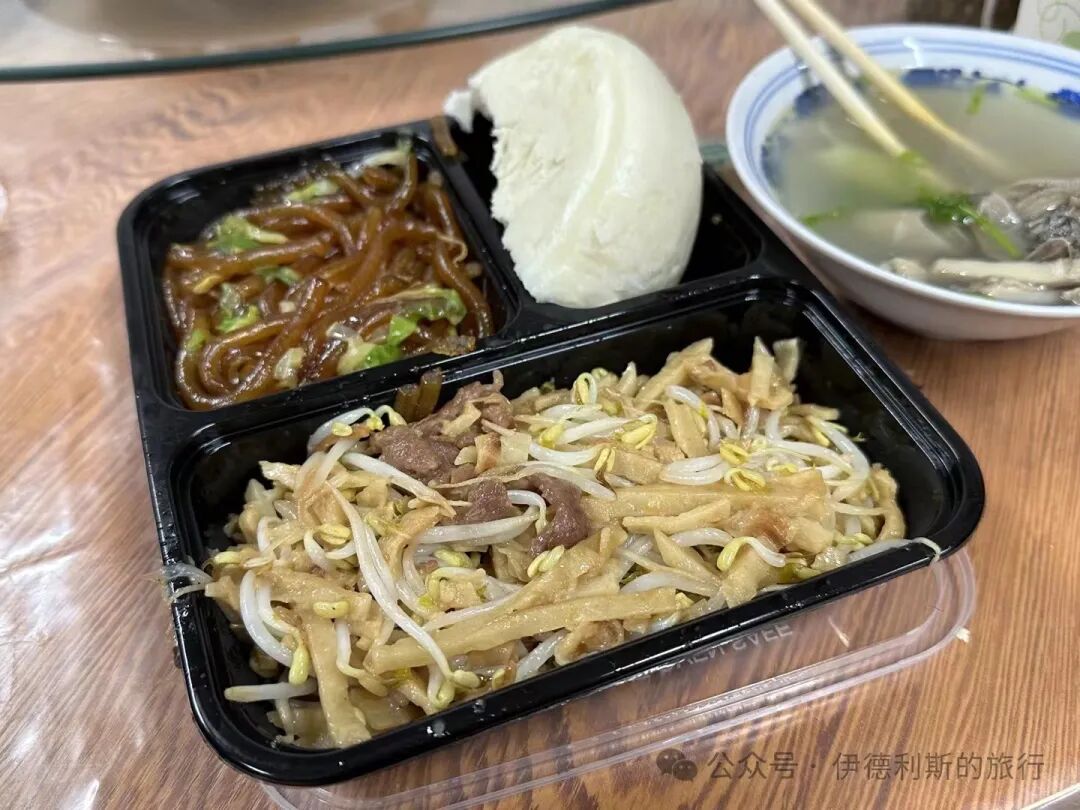
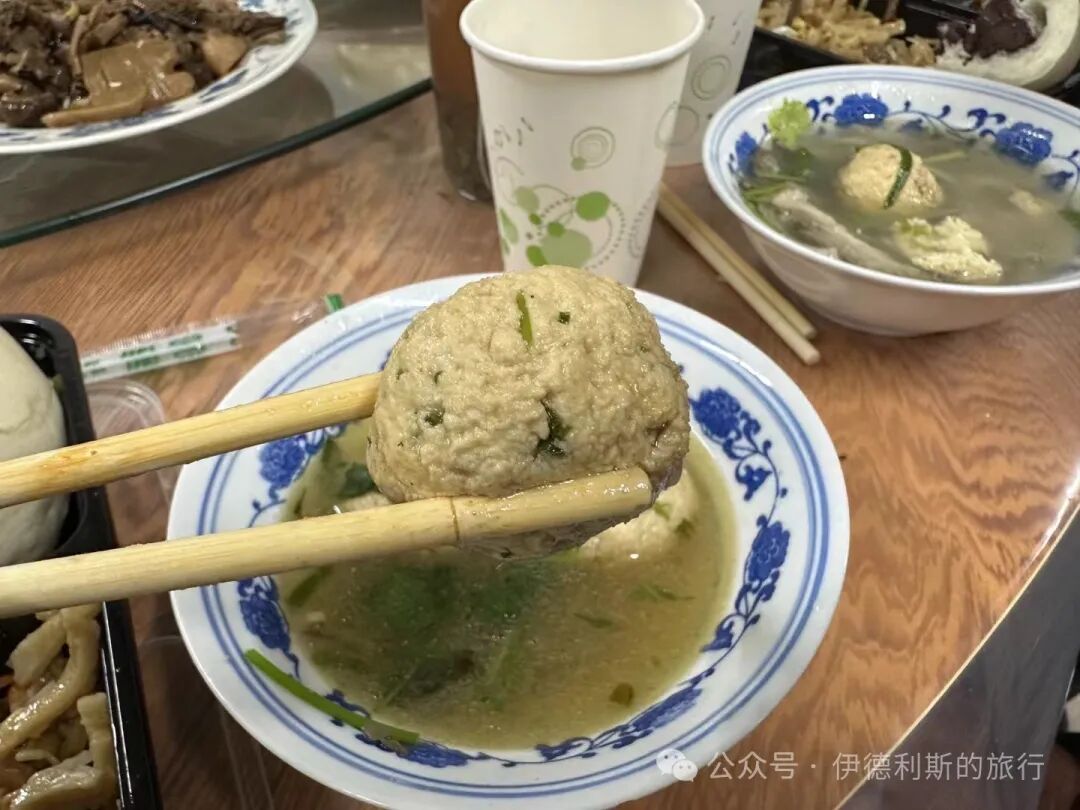
Day ten, today the elders made deep-fried mung bean flour crisps (gezhi), mung bean residue with fermented bean curd (ma doufu), and tofu meatball soup. The main dish was stir-fried meat with flatbread (chao bing), and the soup was lamb offal soup (yangza tang). You cannot buy these deep-fried mung bean flour crisps (gezhi) or the tofu meatball soup anywhere else. Old Hui Muslims use these crisps when they fry meat rolls and meatballs.
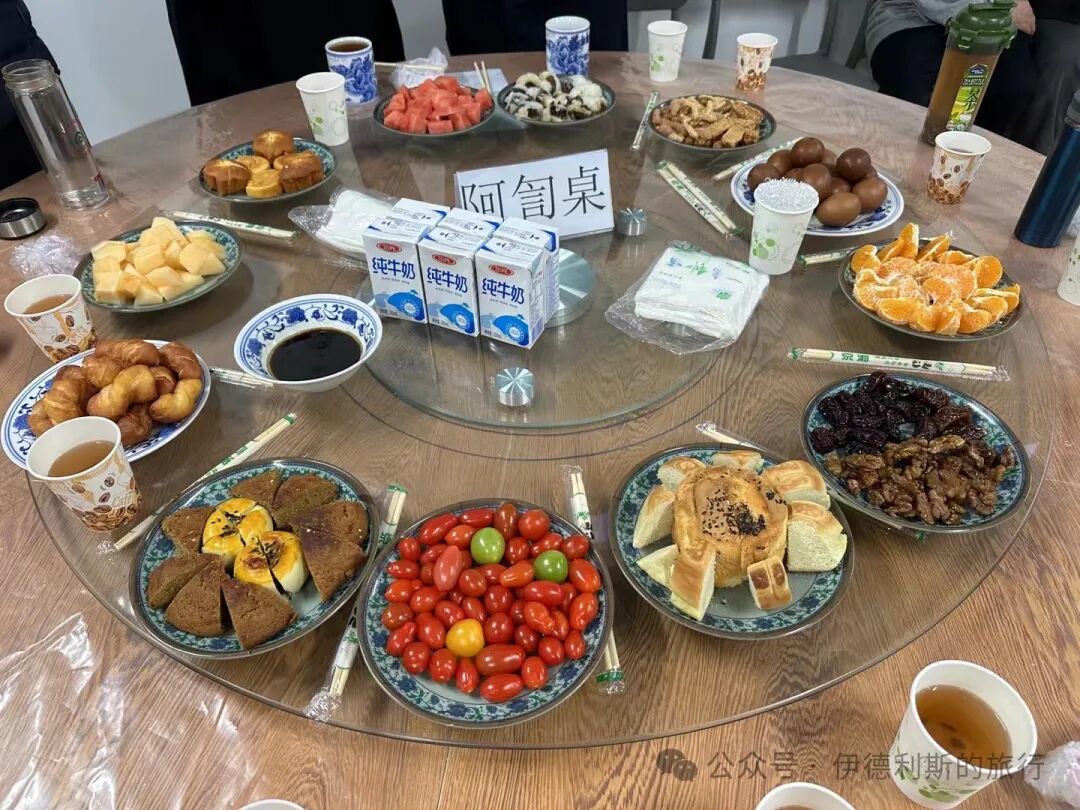
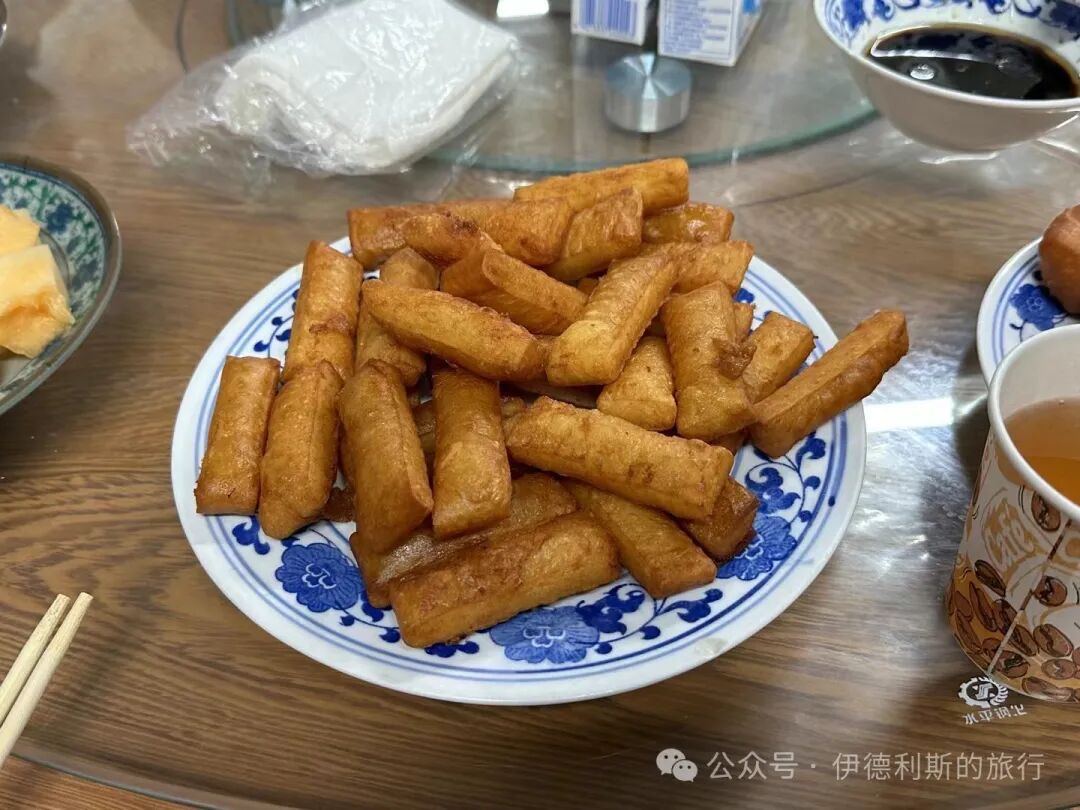
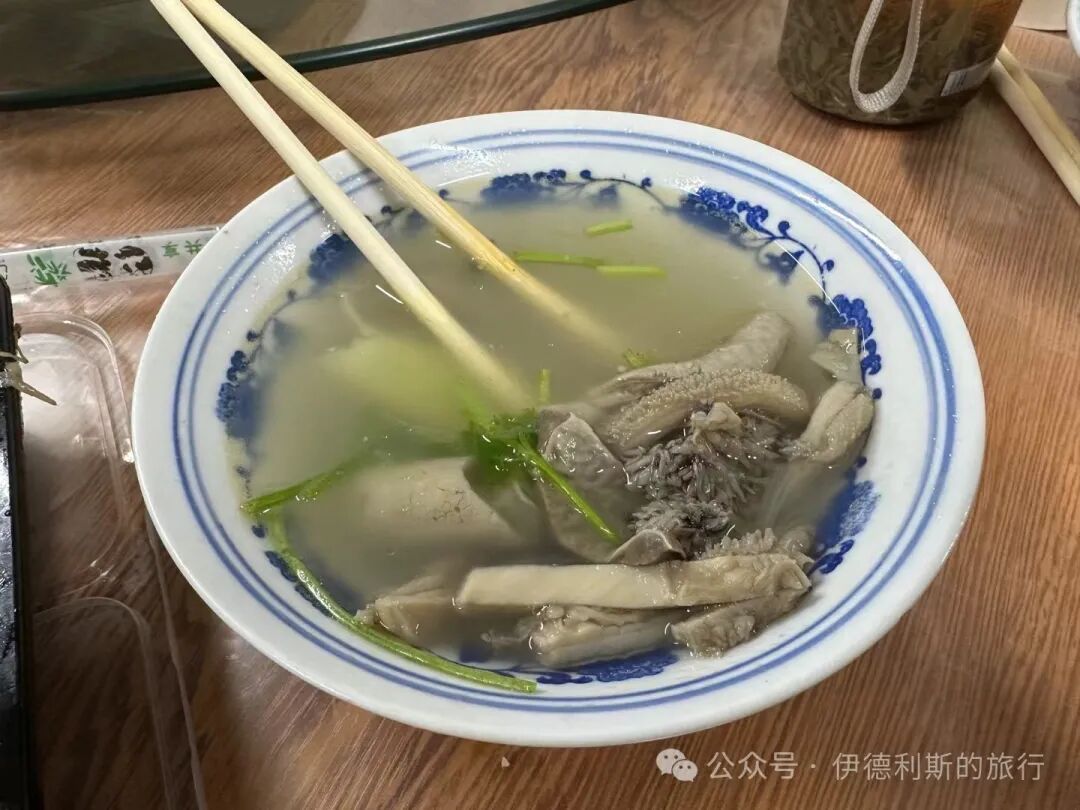
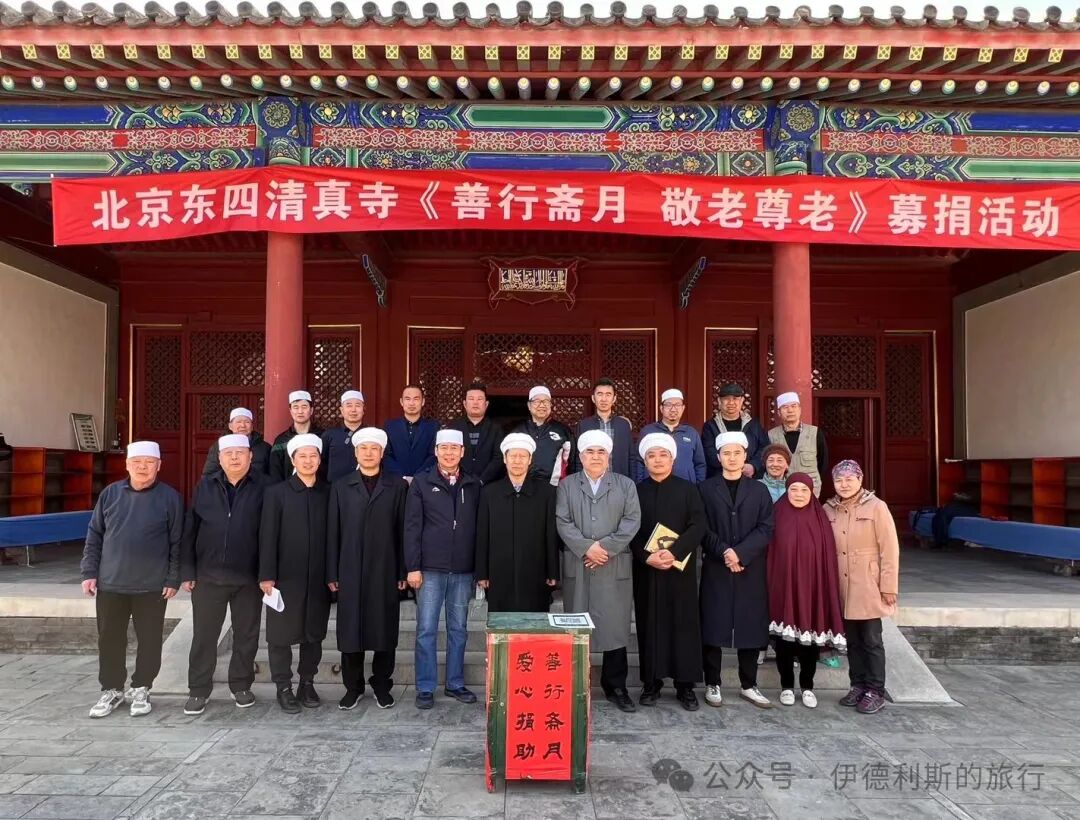
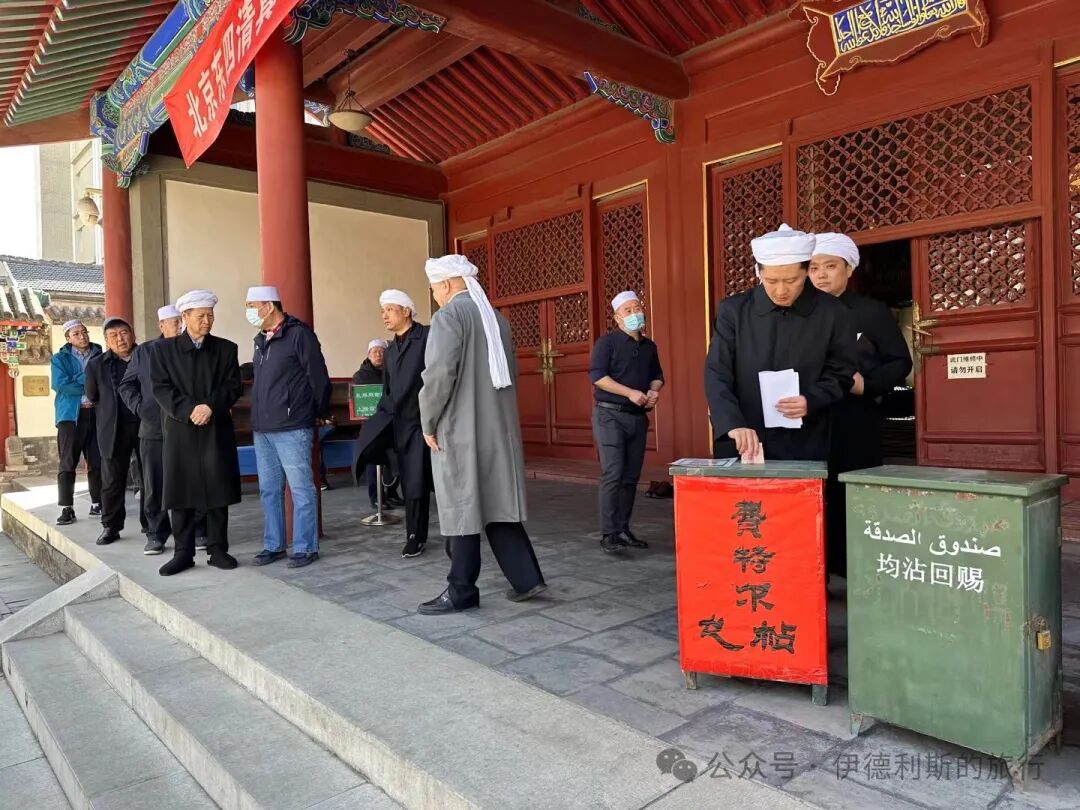
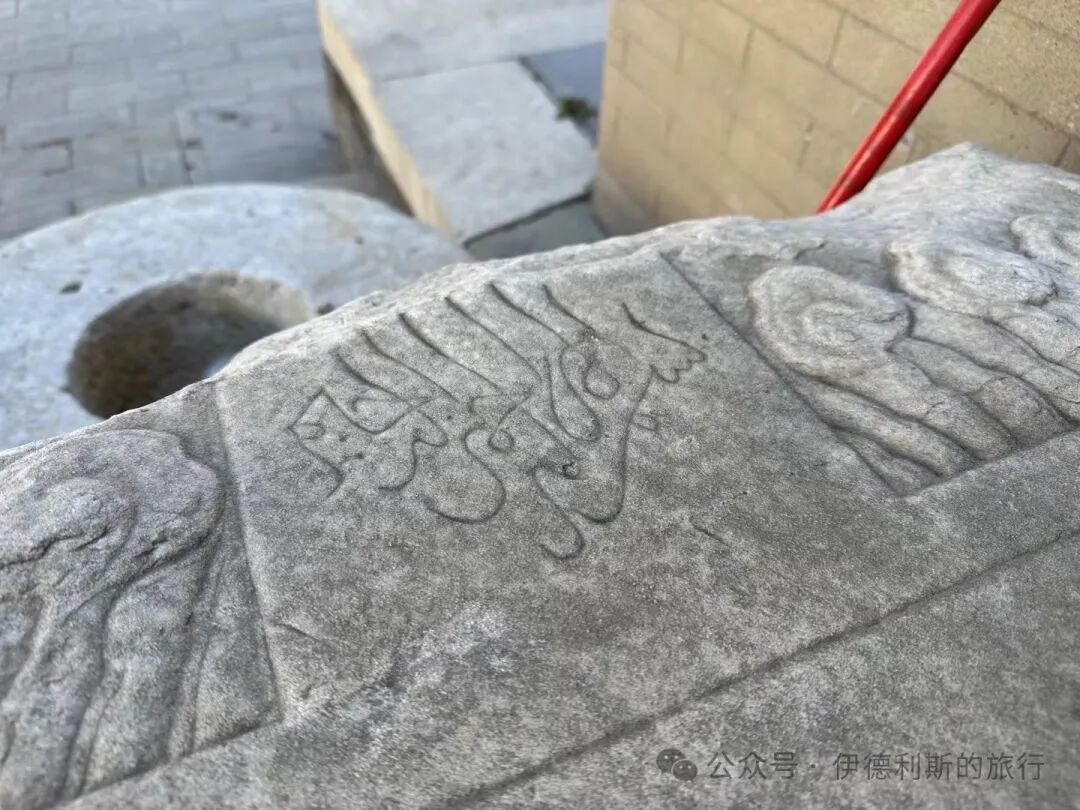
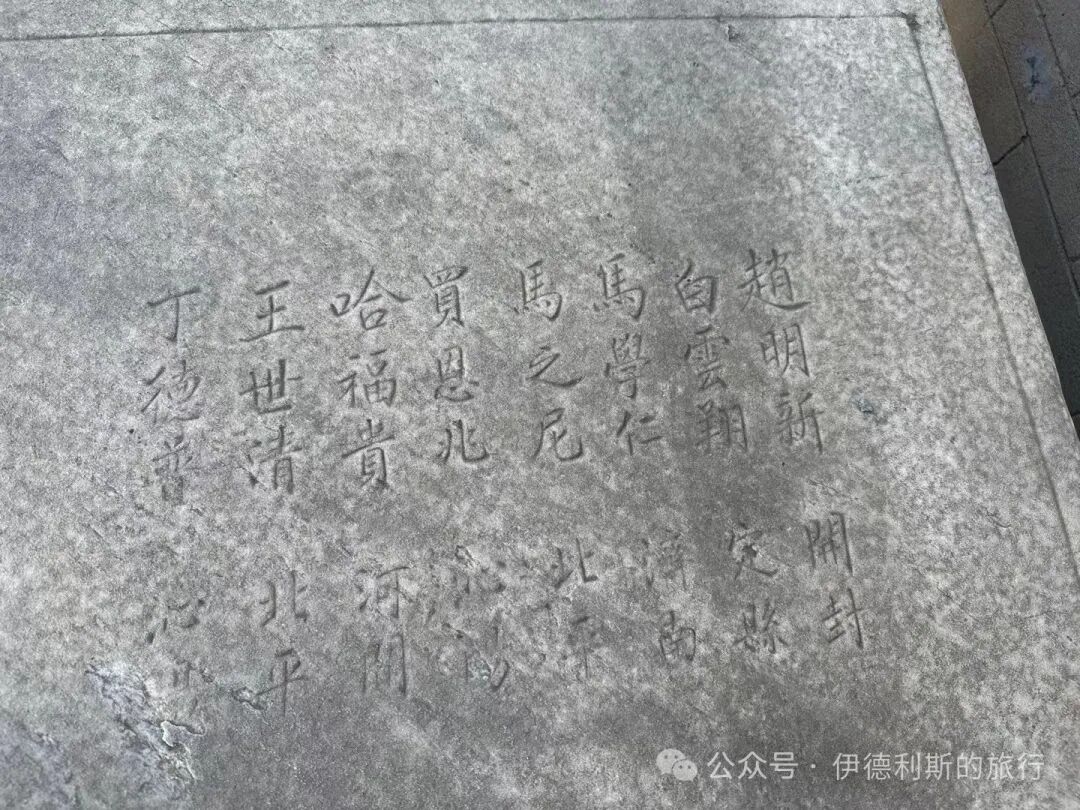
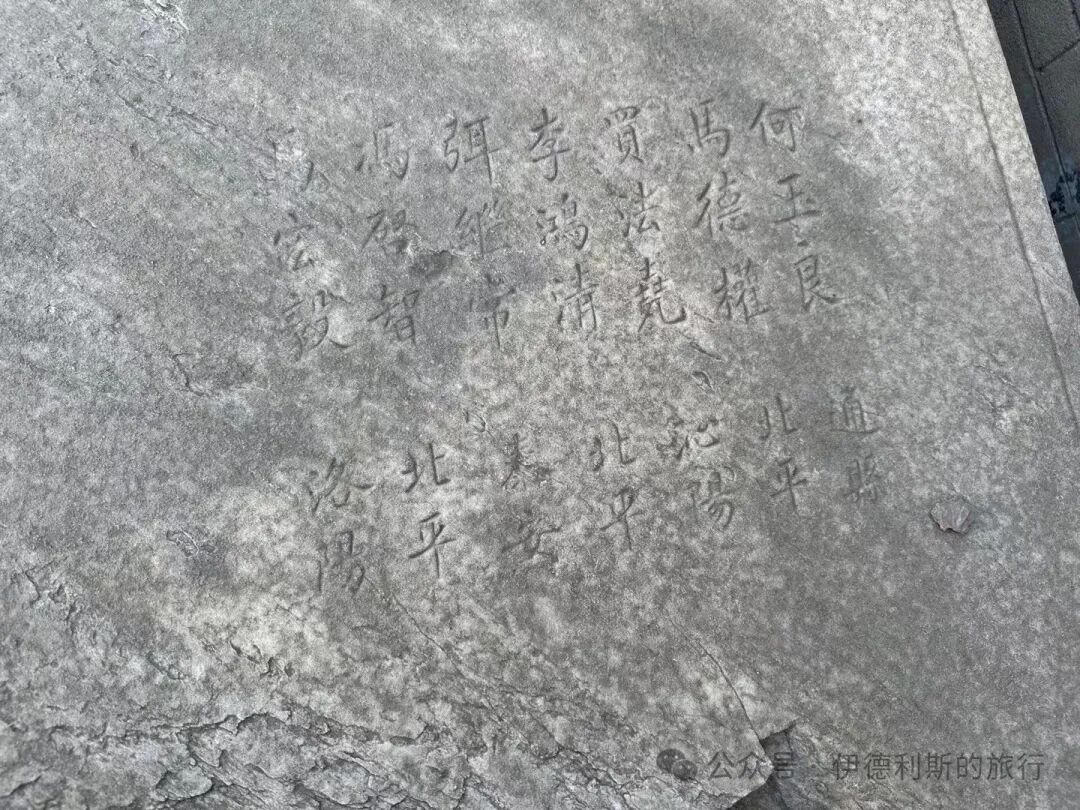
Day eleven, a blessed Jumu'ah. Today I attended the charity Ramadan and elder-respecting event at Dongsi Mosque. I met a friend (dosti) who just returned from vacation in Saudi Arabia, and I also ran into the owner of Xiayi Restaurant on Dongsi North Street, where I have been eating lamb skewers since I was a child. Next to the main prayer hall, there is a stone tablet from the Republic of China era. It lists the names of students from the former Chengda Teachers College, many of whom went on to achieve great things.
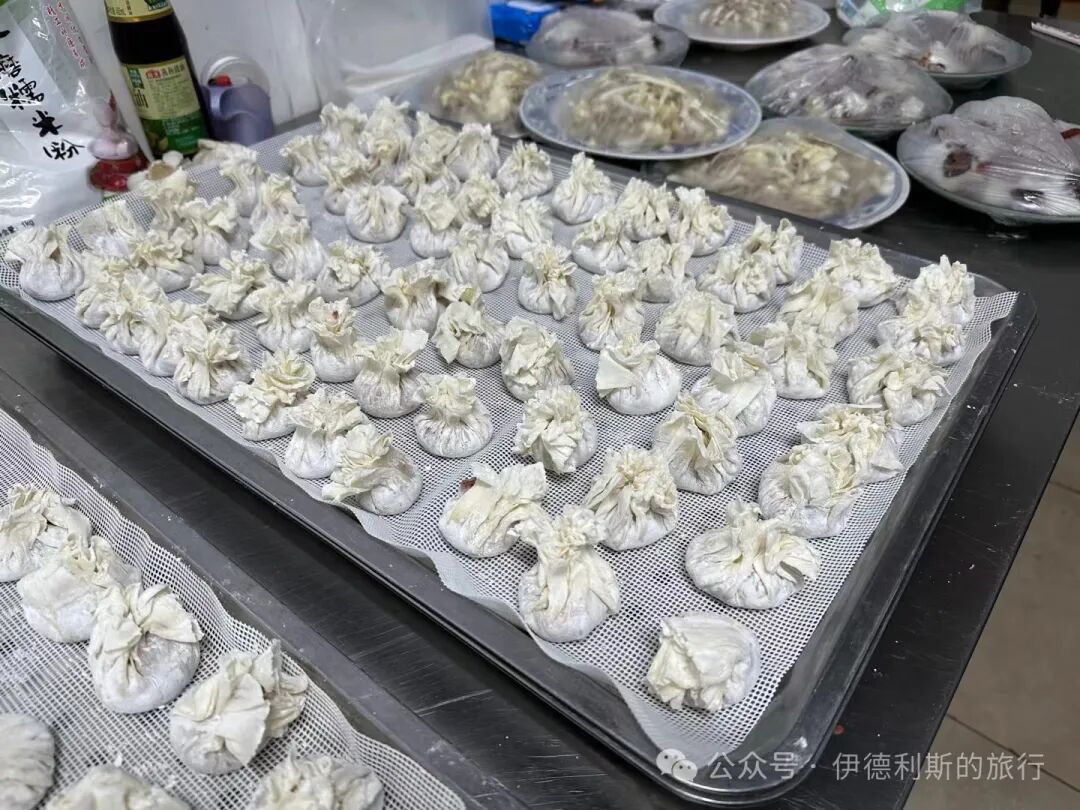
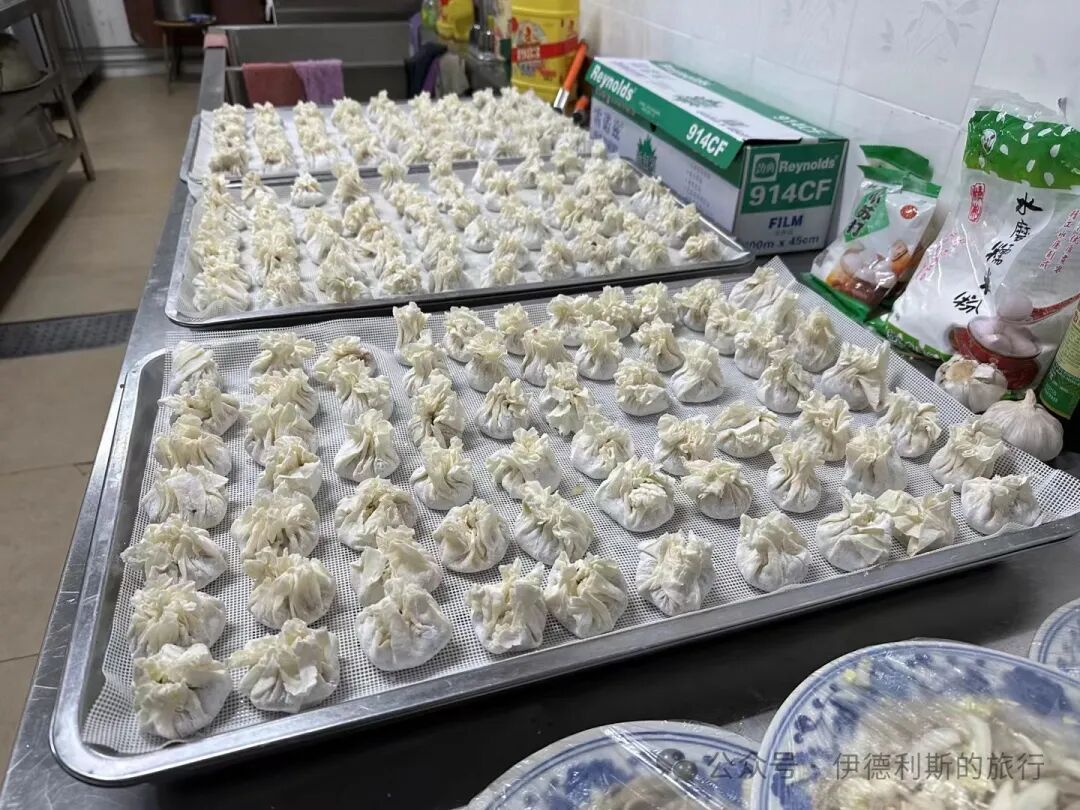
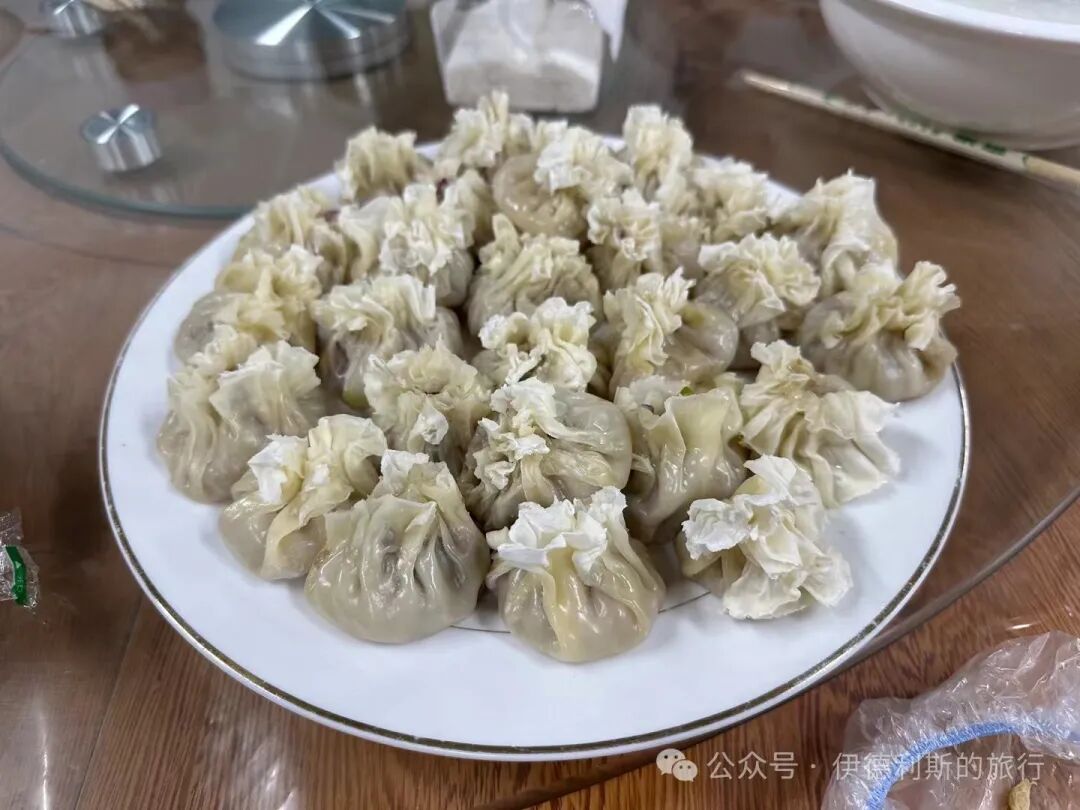
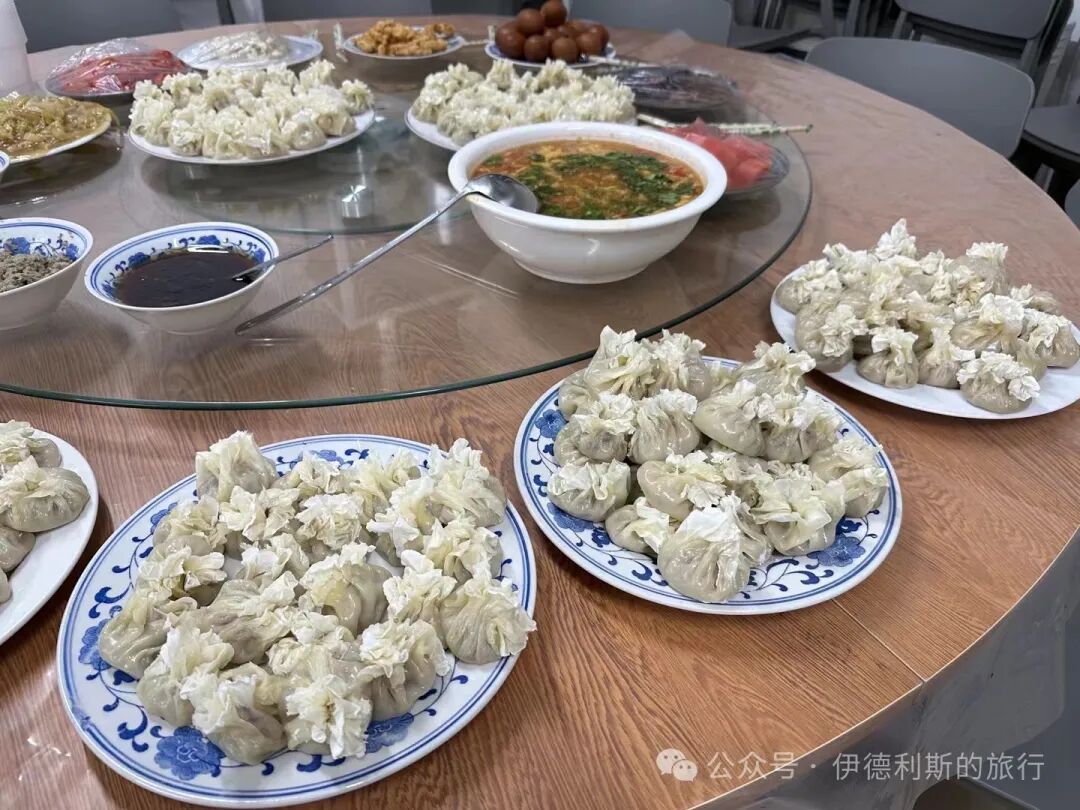
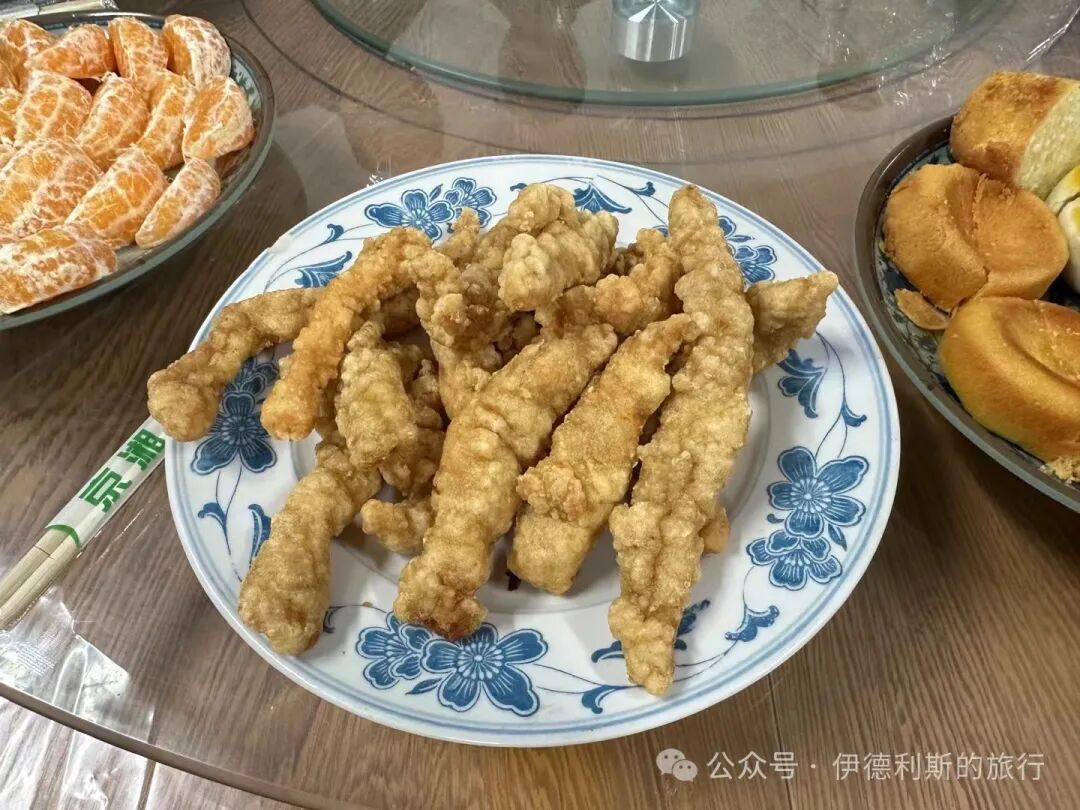
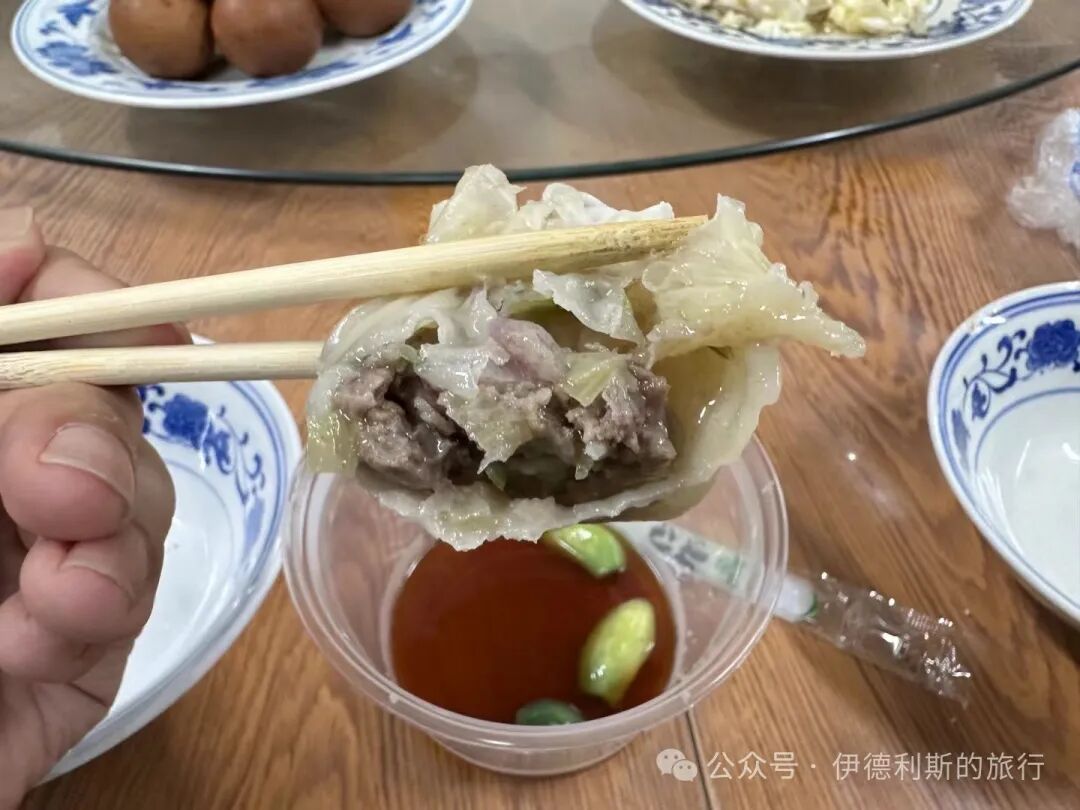
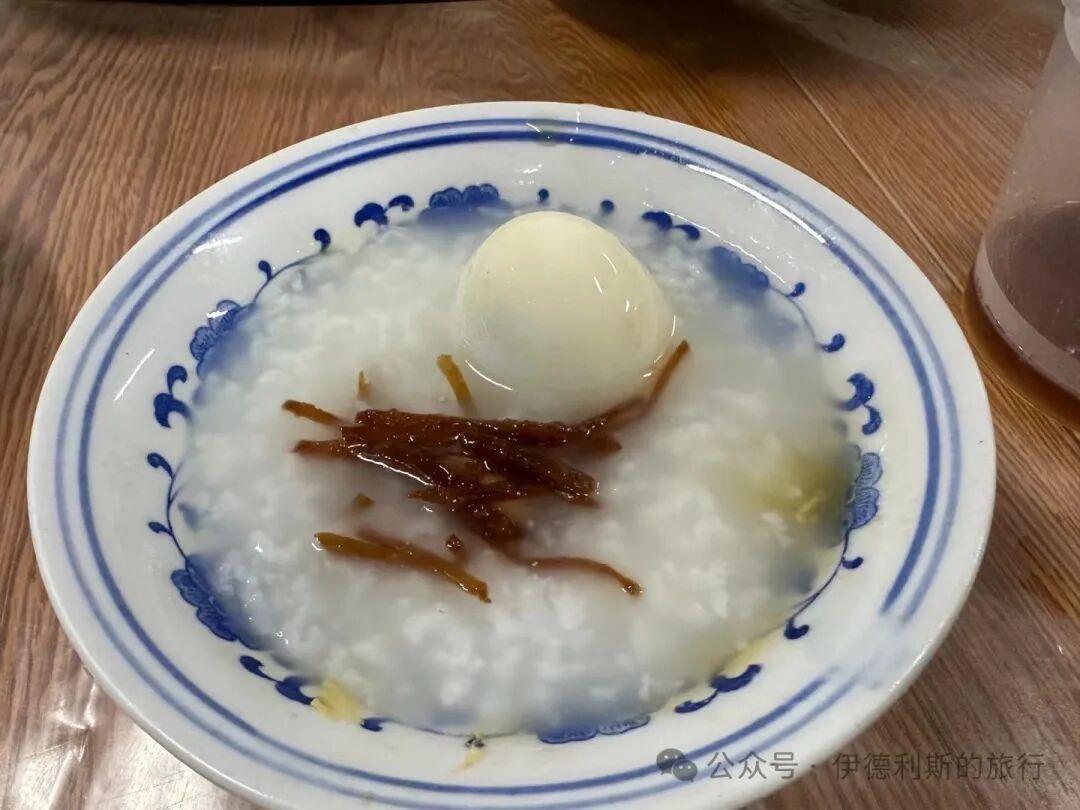
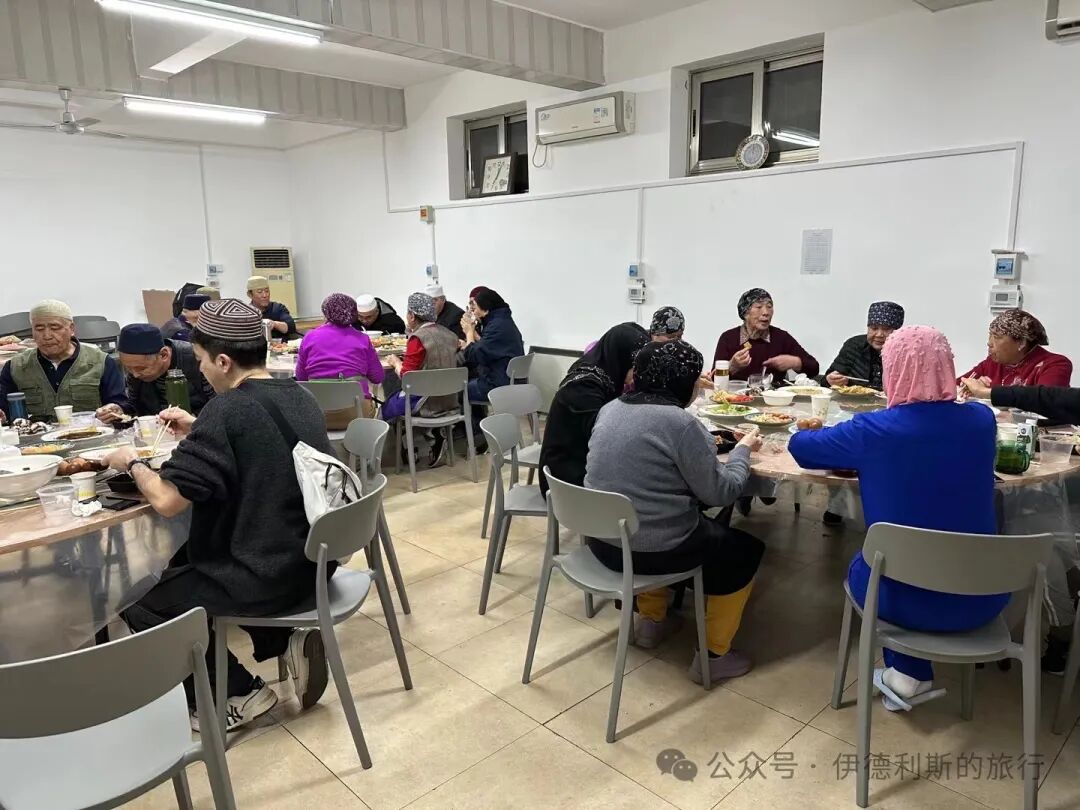
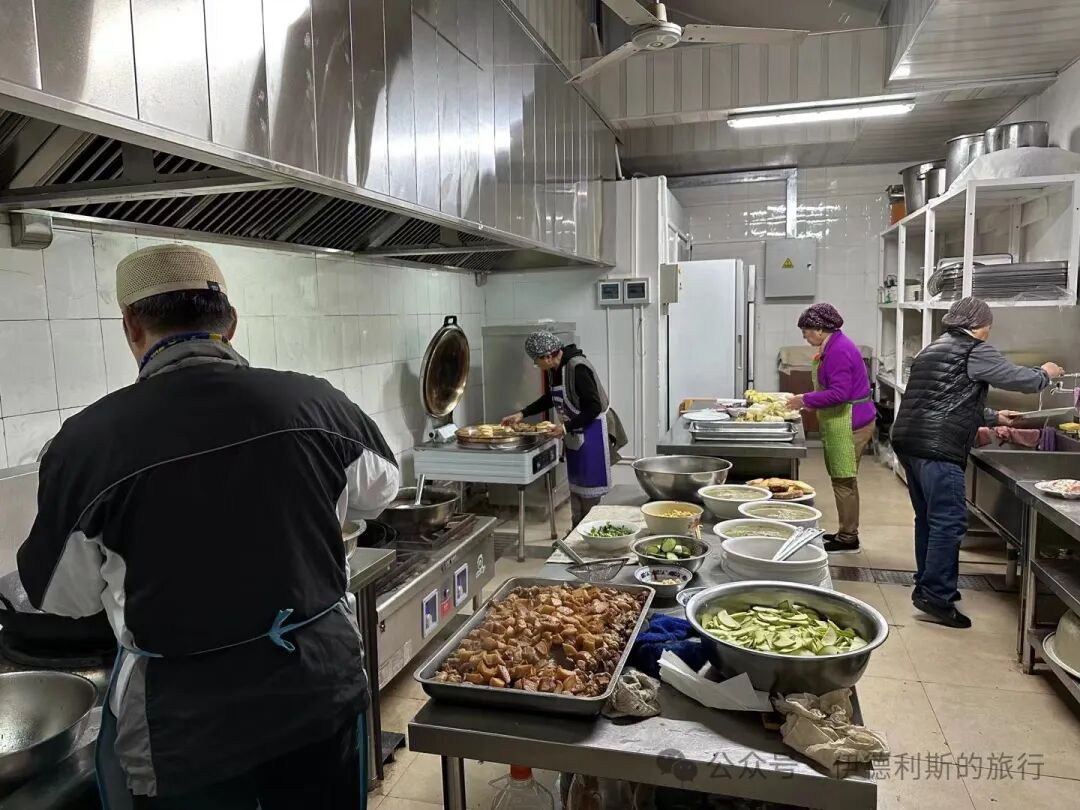
In the afternoon, the elders at Balizhuang Mosque made steamed dumplings (shaomai) together. The skins were thin, the fillings were large, and the meat was very fragrant. Dipping them in Laba vinegar really brought out the flavor. They also fried chicken strips and boiled rice porridge. Today I met three sisters from Yunnan who came here because of the mosque's reputation. I am very grateful (shukr).
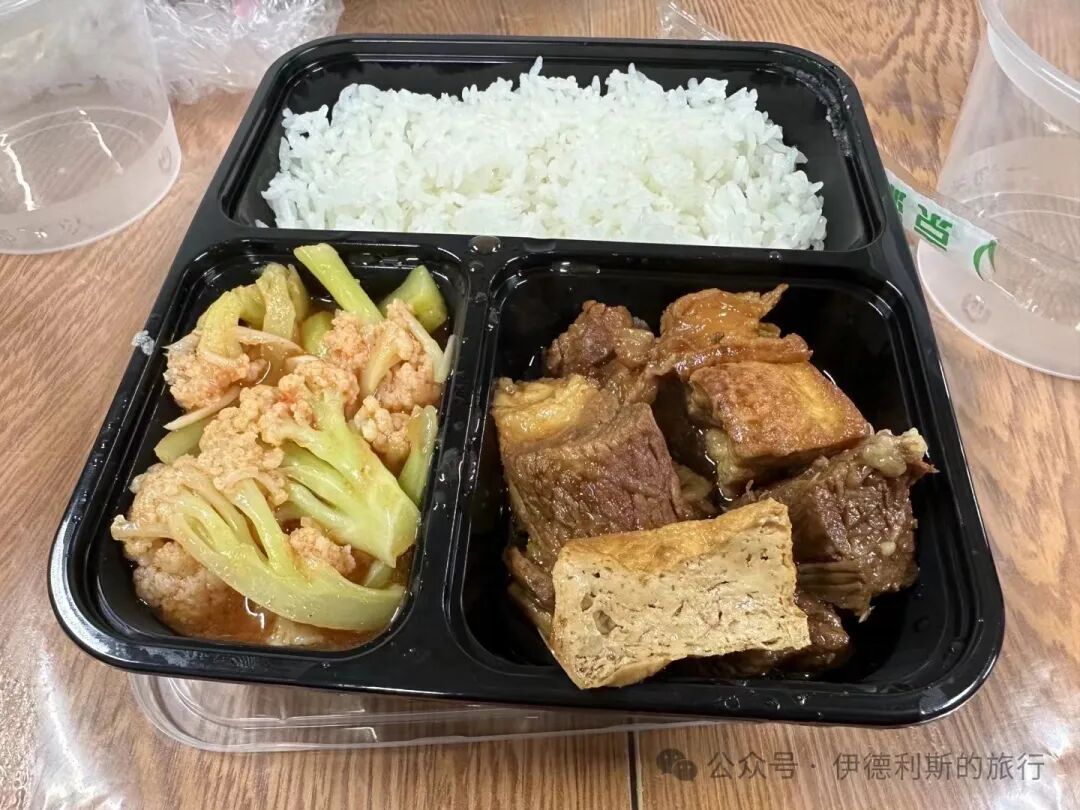
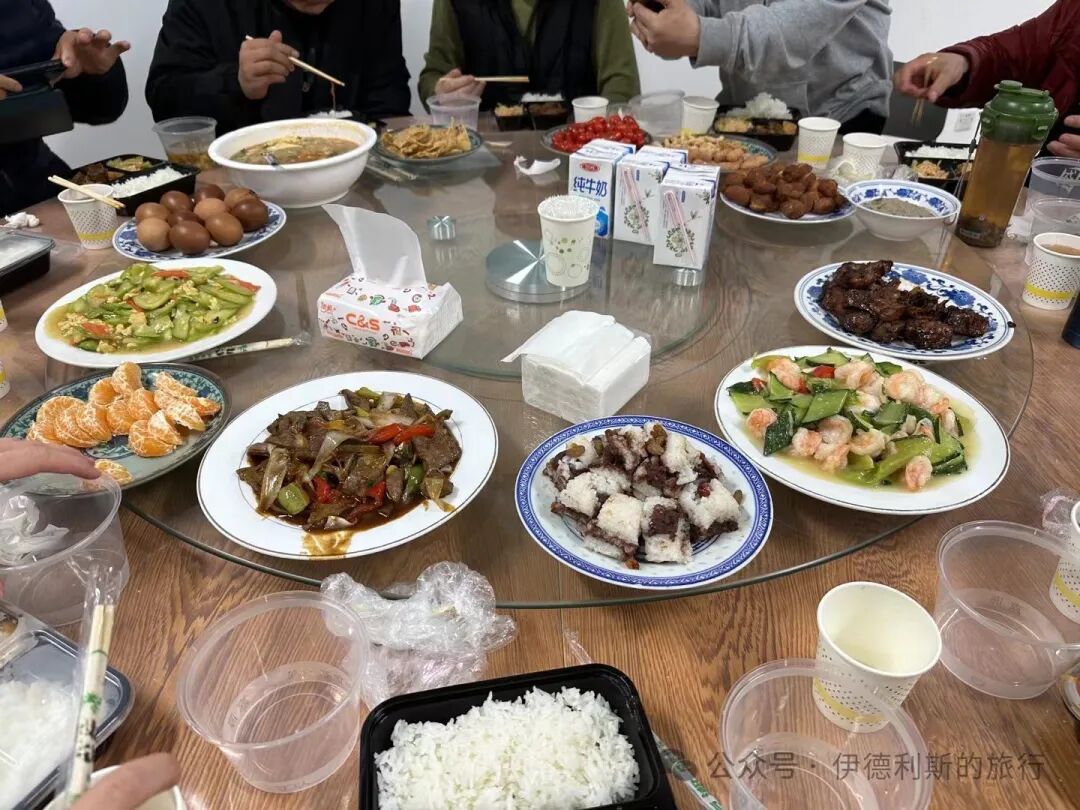
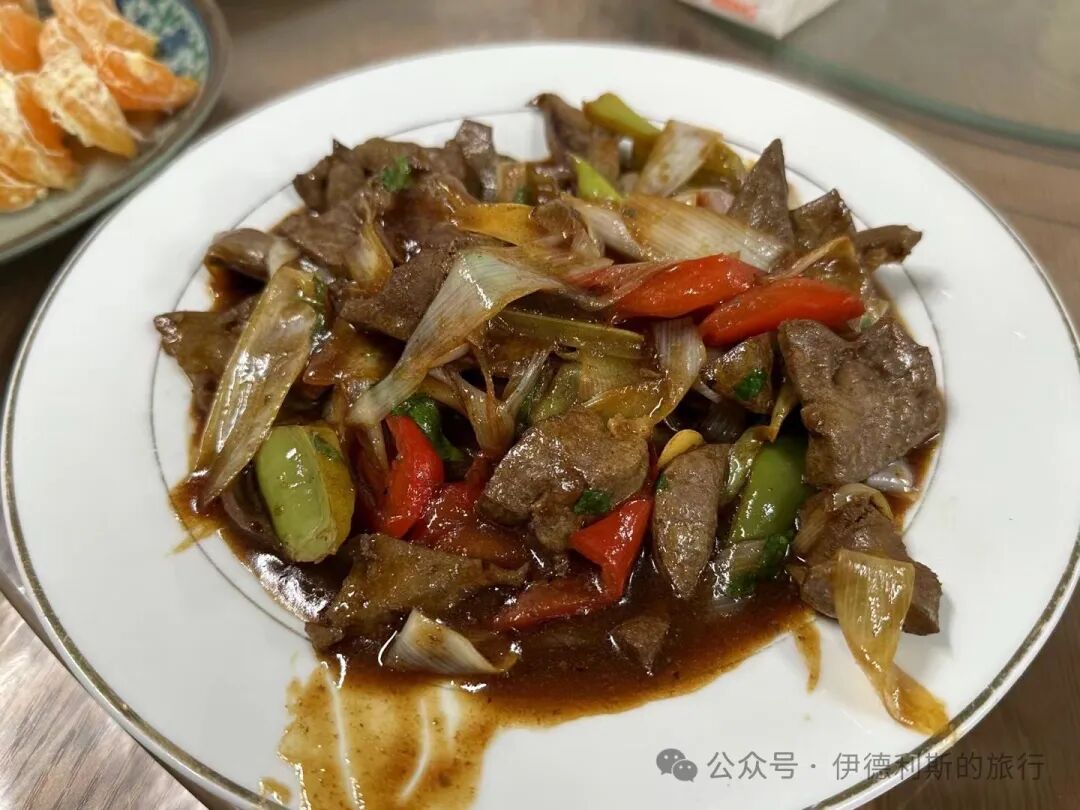
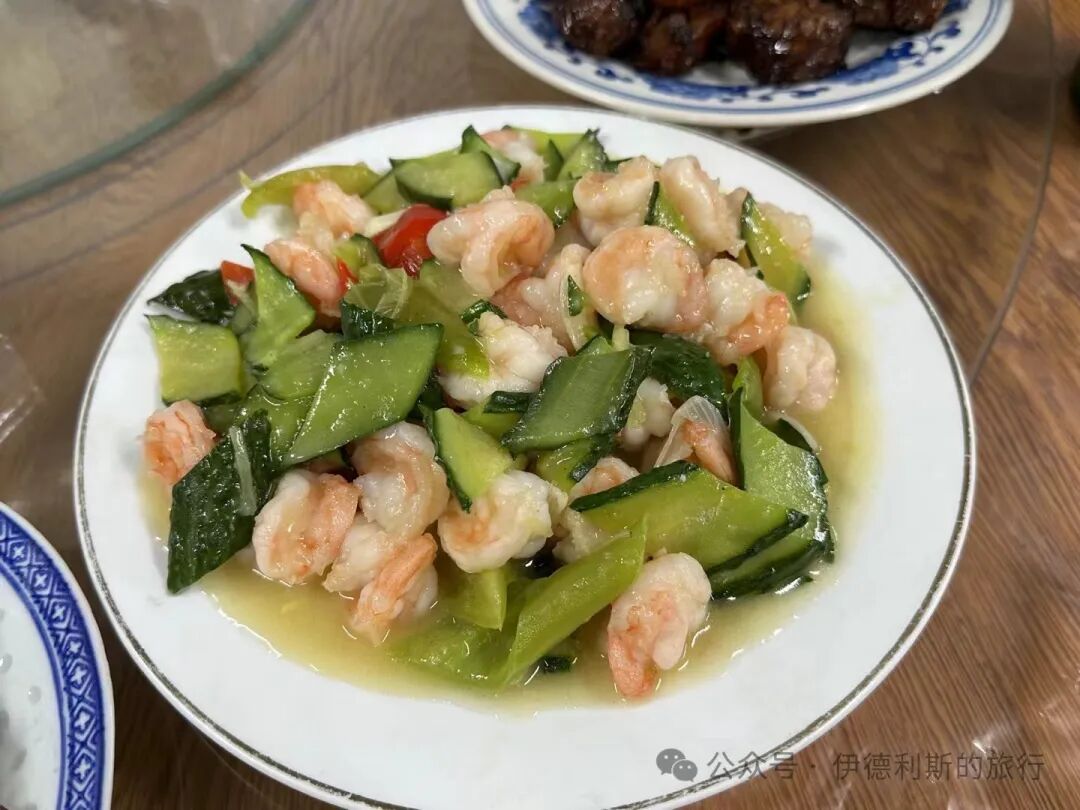
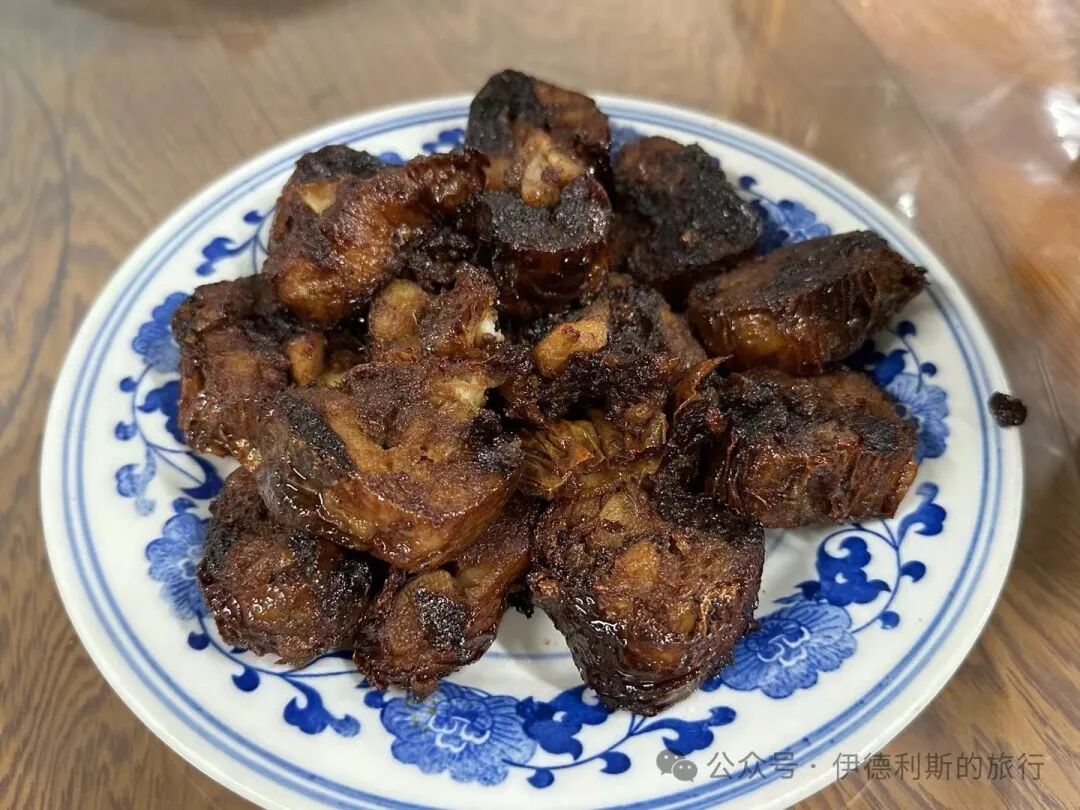
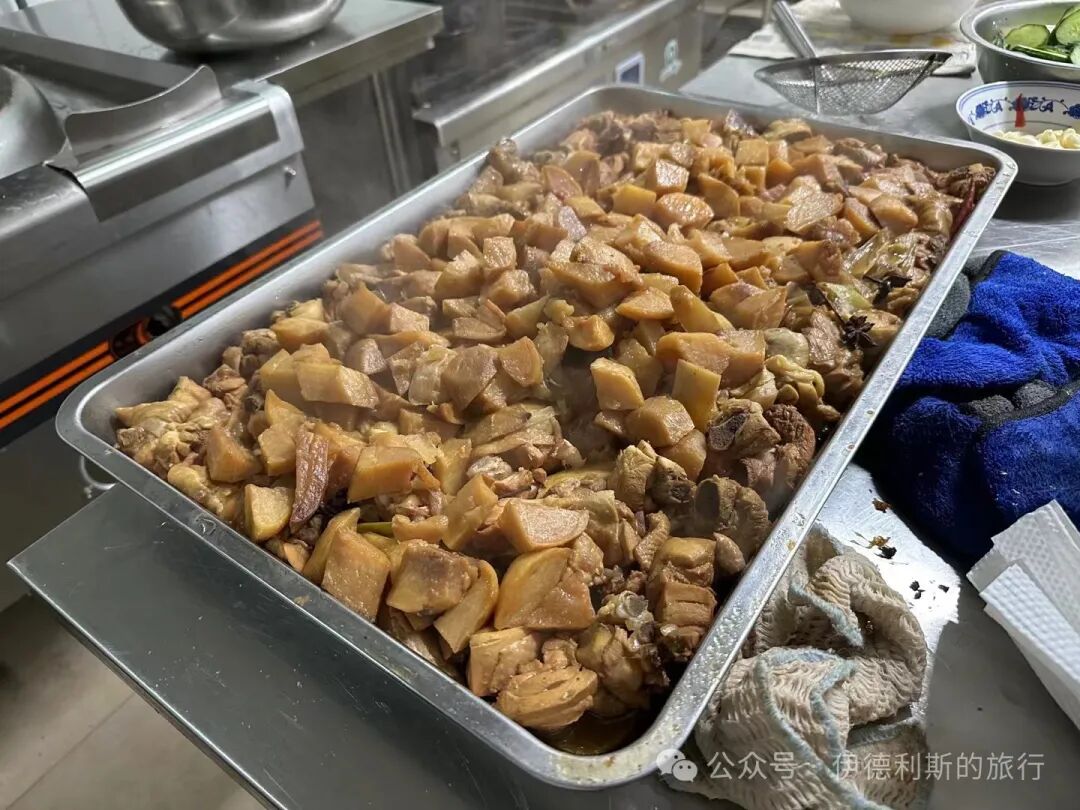
Day twelve, today at Balizhuang Mosque, we had fried tofu stewed with meat, along with stir-fried lamb liver, stir-fried shrimp, and fried yam and date rolls (tang juan guo).
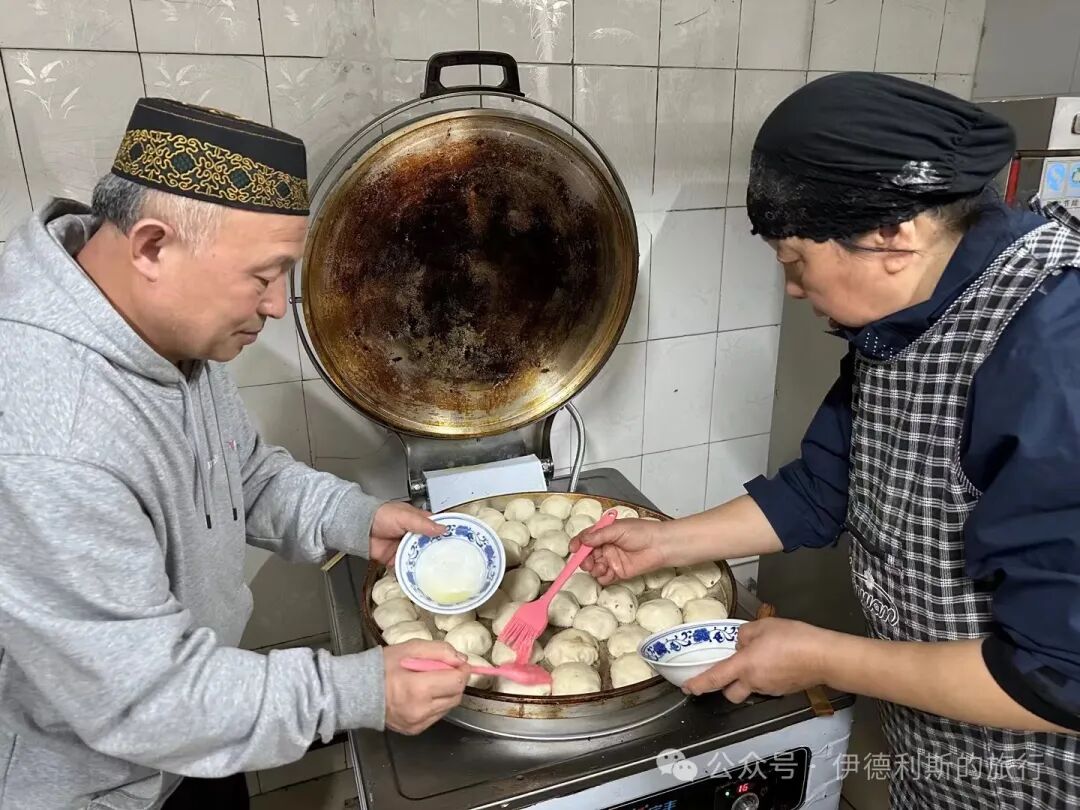
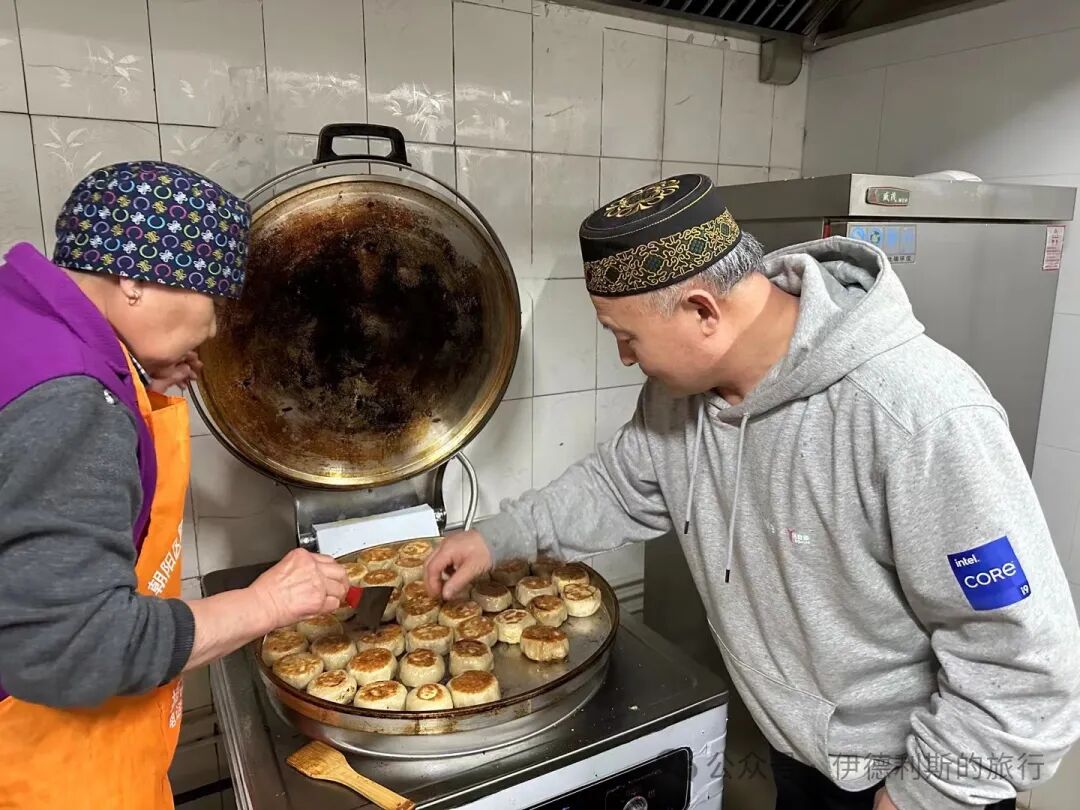
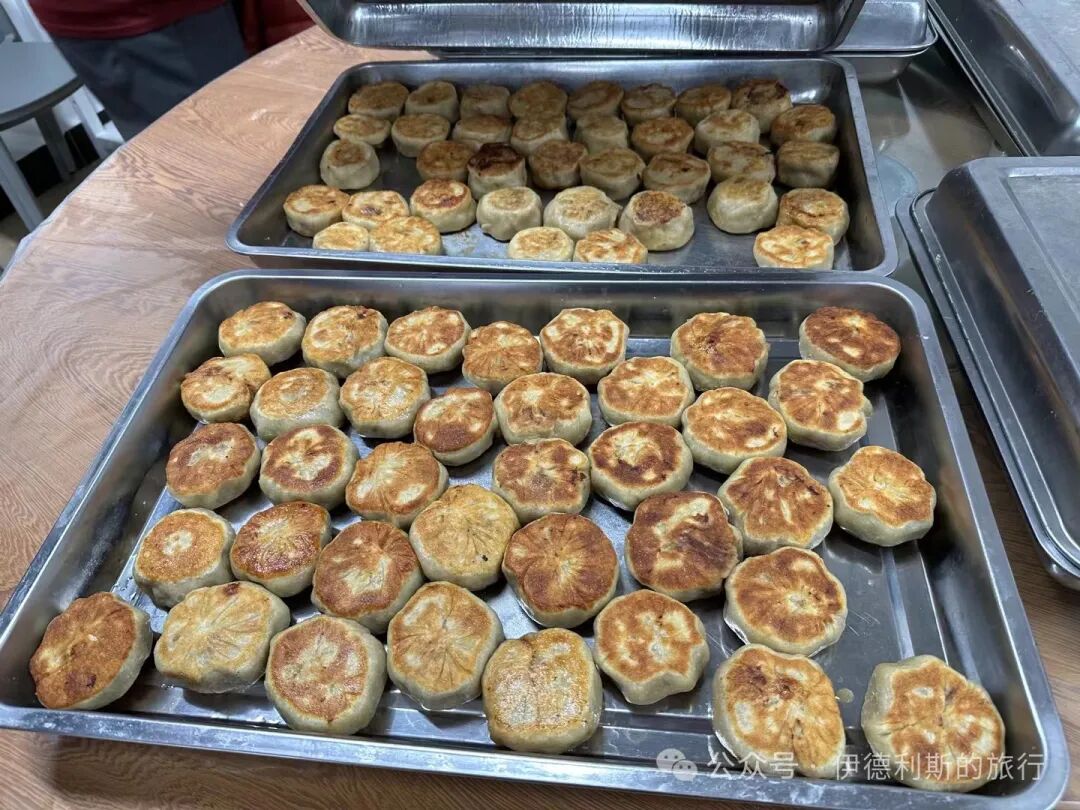
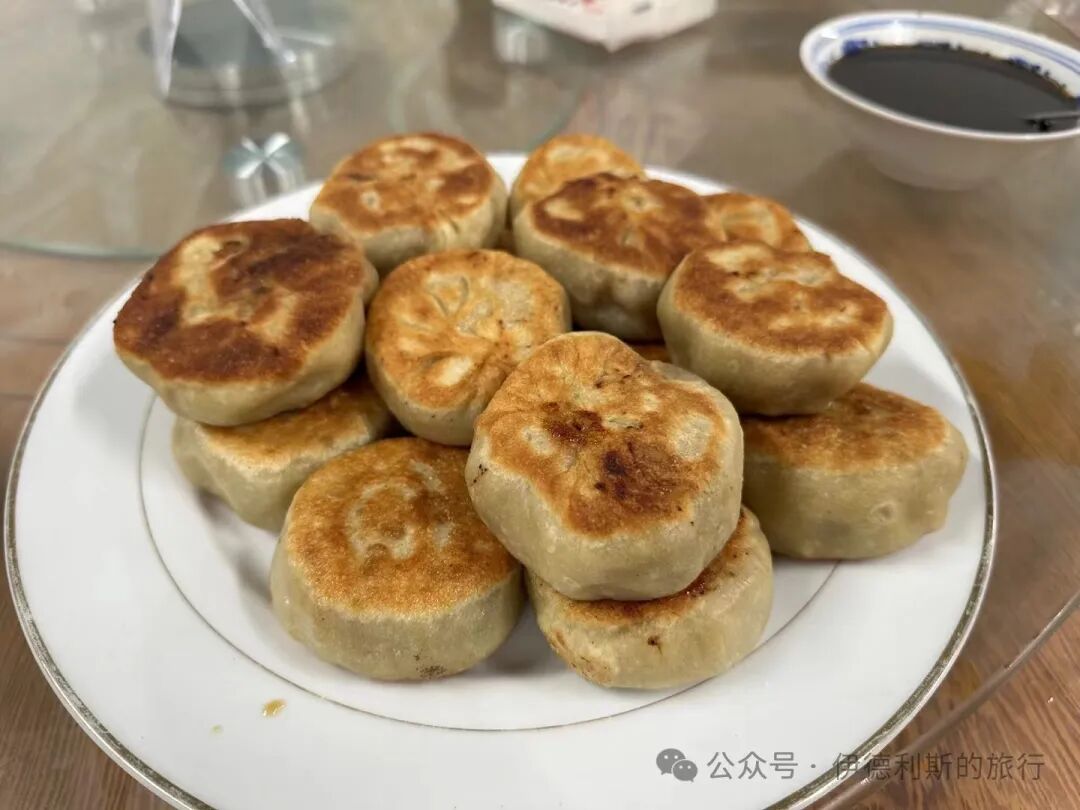
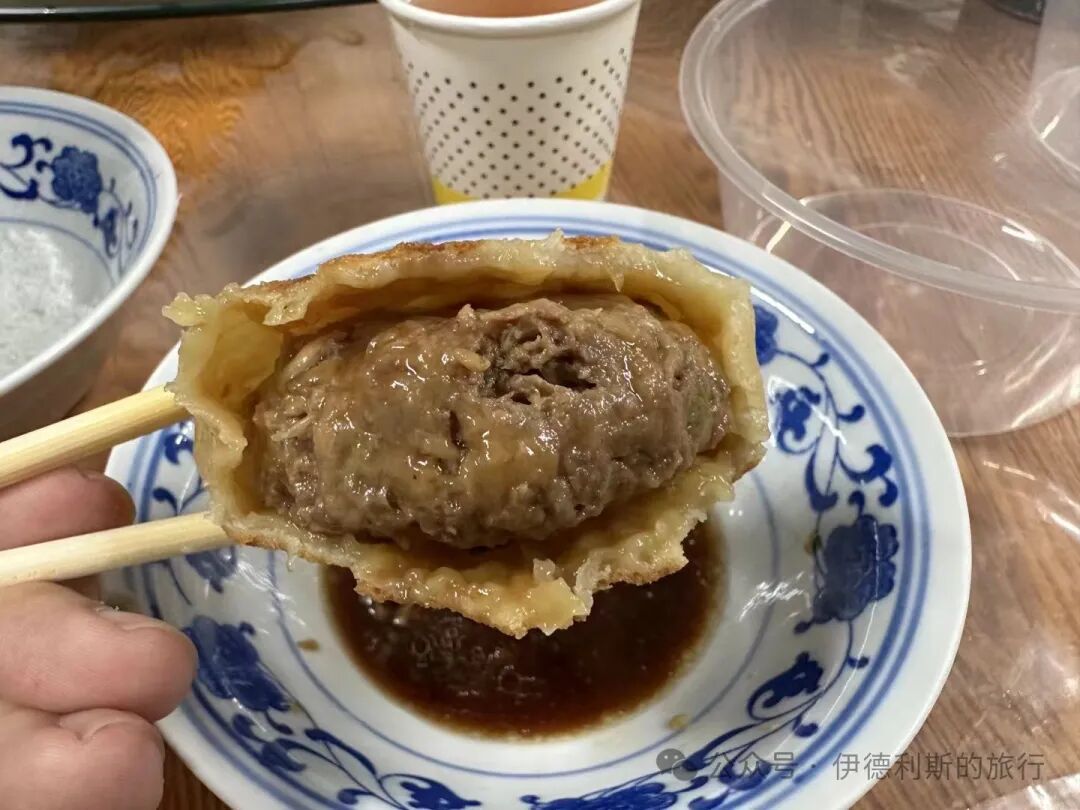
Day thirteen, today the elders at Balizhuang Mosque made nail-head meat pies (mending roubing) together. Elder Ma from the mosque is the very same chef who specializes in making these pies at Jingxiangzhai in Shilipu. The meat buns (mending) made at the mosque are very fragrant, full of savory juices, and the reward (thawab) for preparing food for those fasting is great.
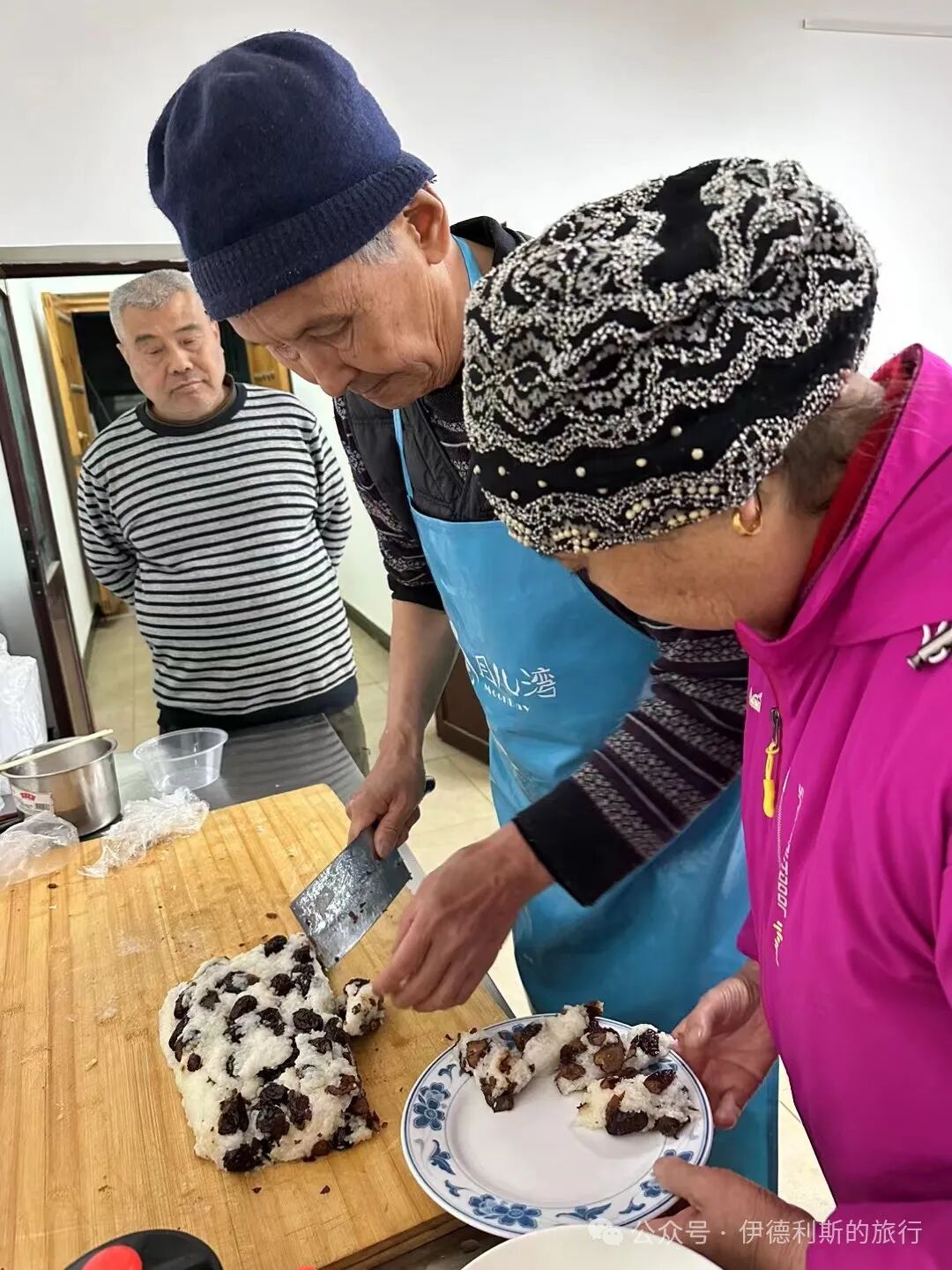
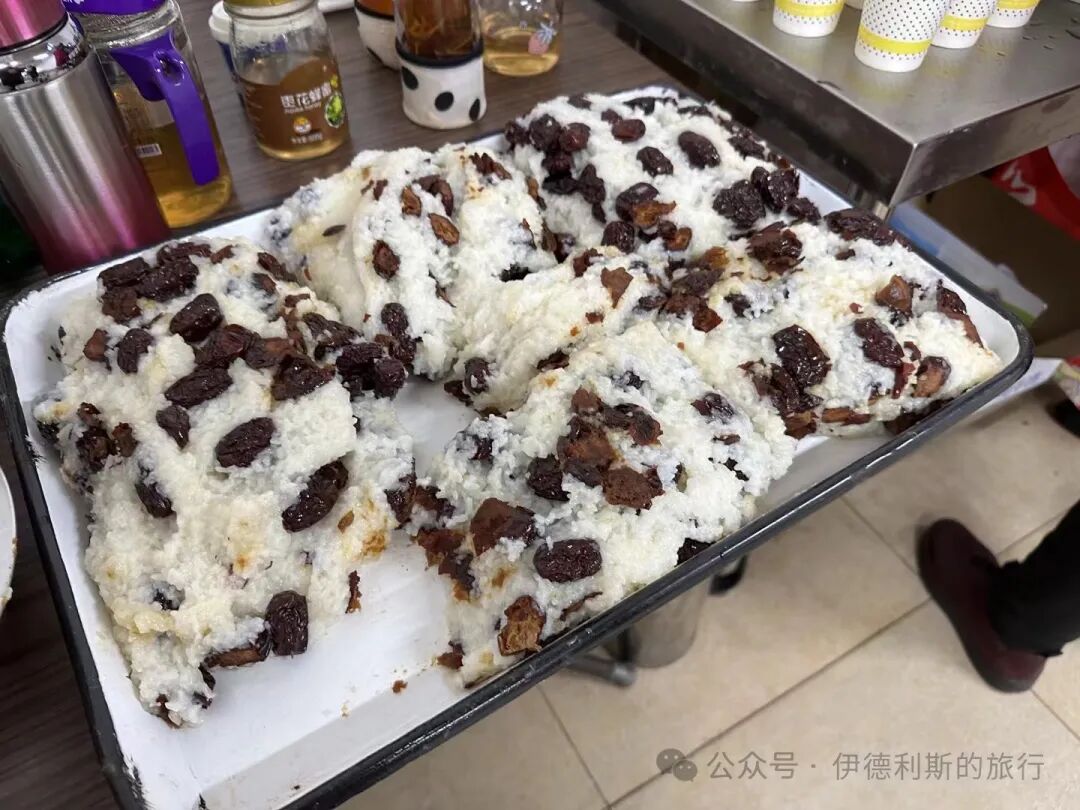
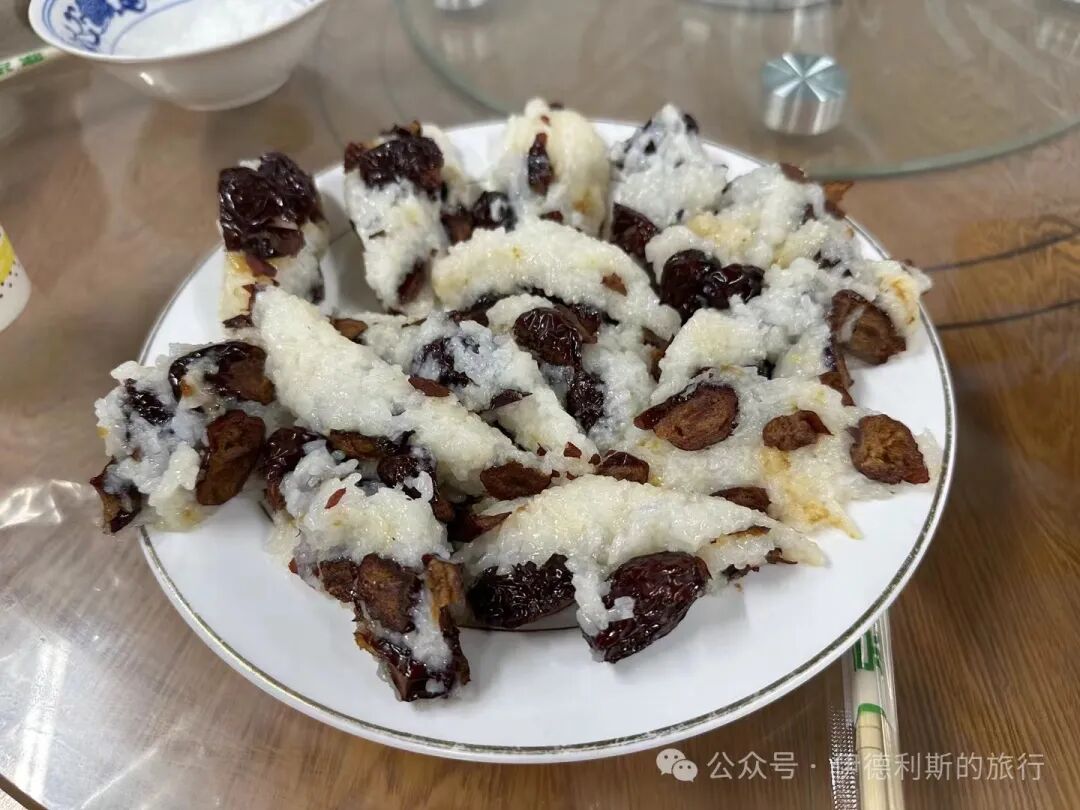
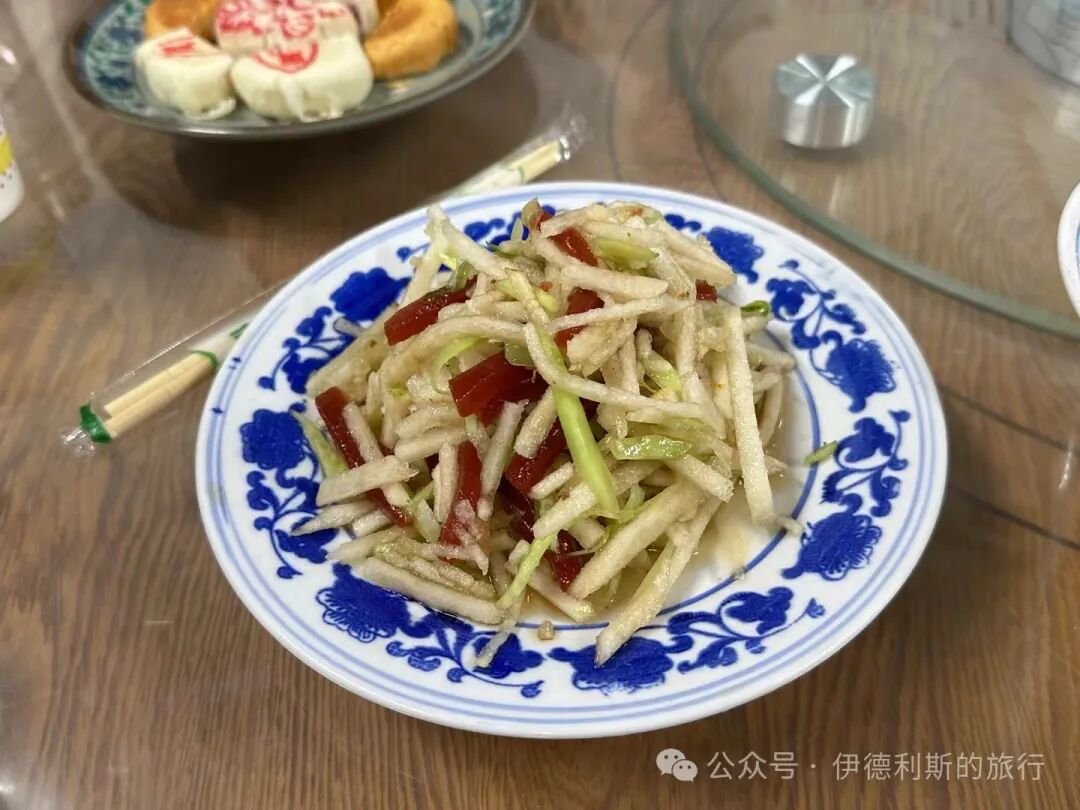
Also, today the elders made sticky rice cake (qiegao) and sweet melon salad (saixianggua). Sweet melon salad (saixianggua) is made with shredded pear, cucumber, and hawthorn jelly (jinggao), making it very refreshing to eat.
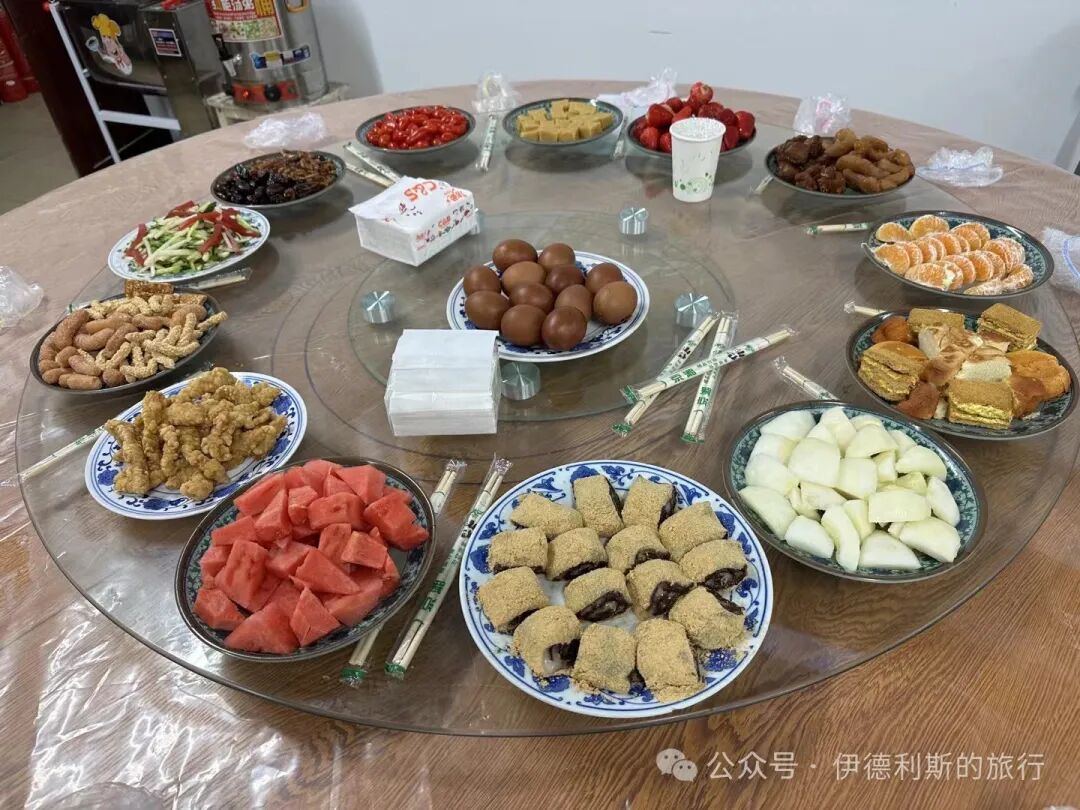
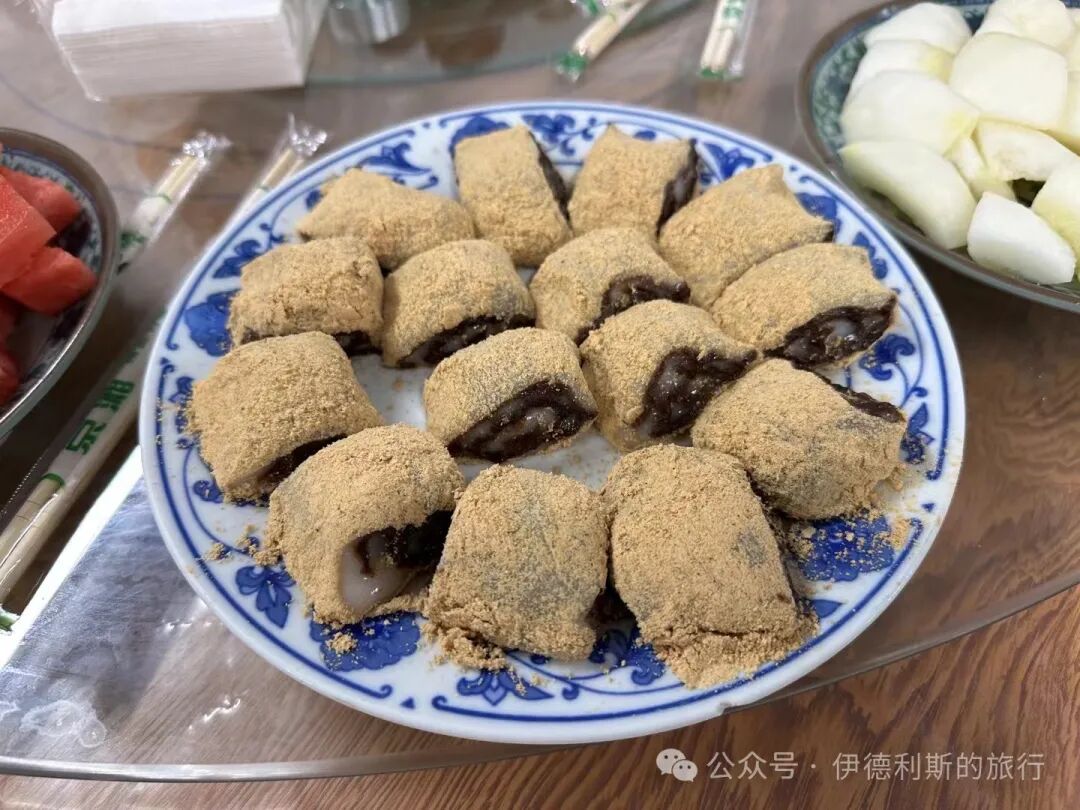
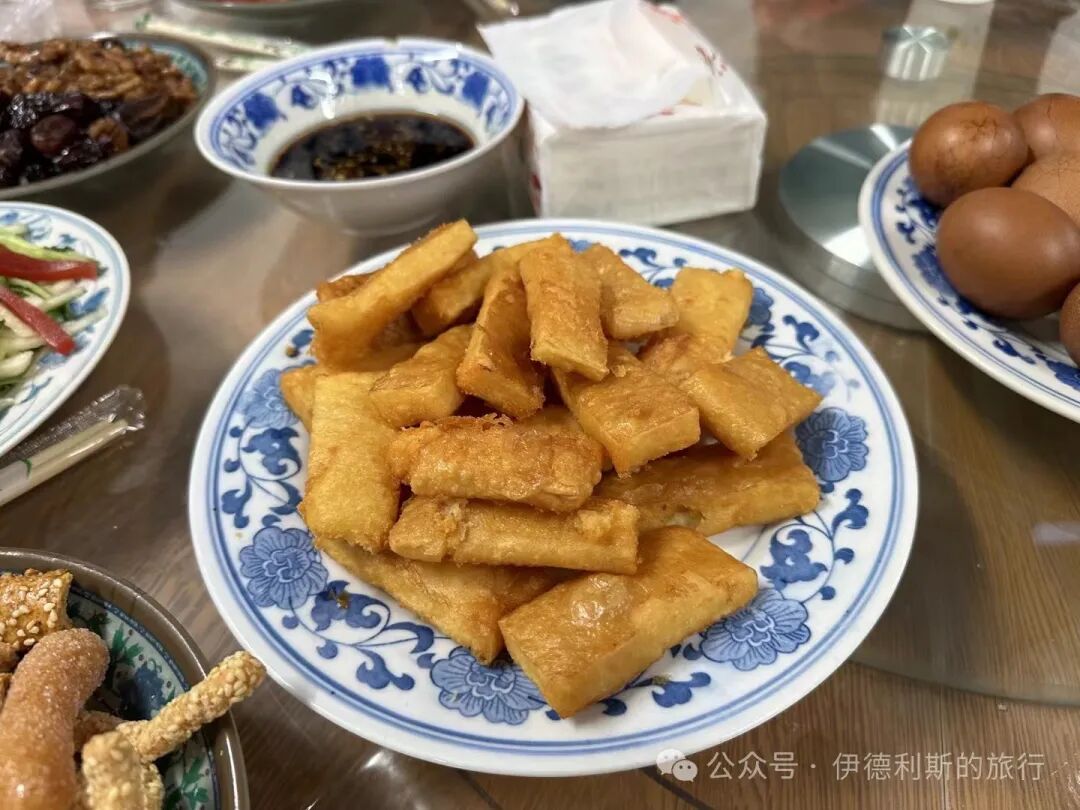
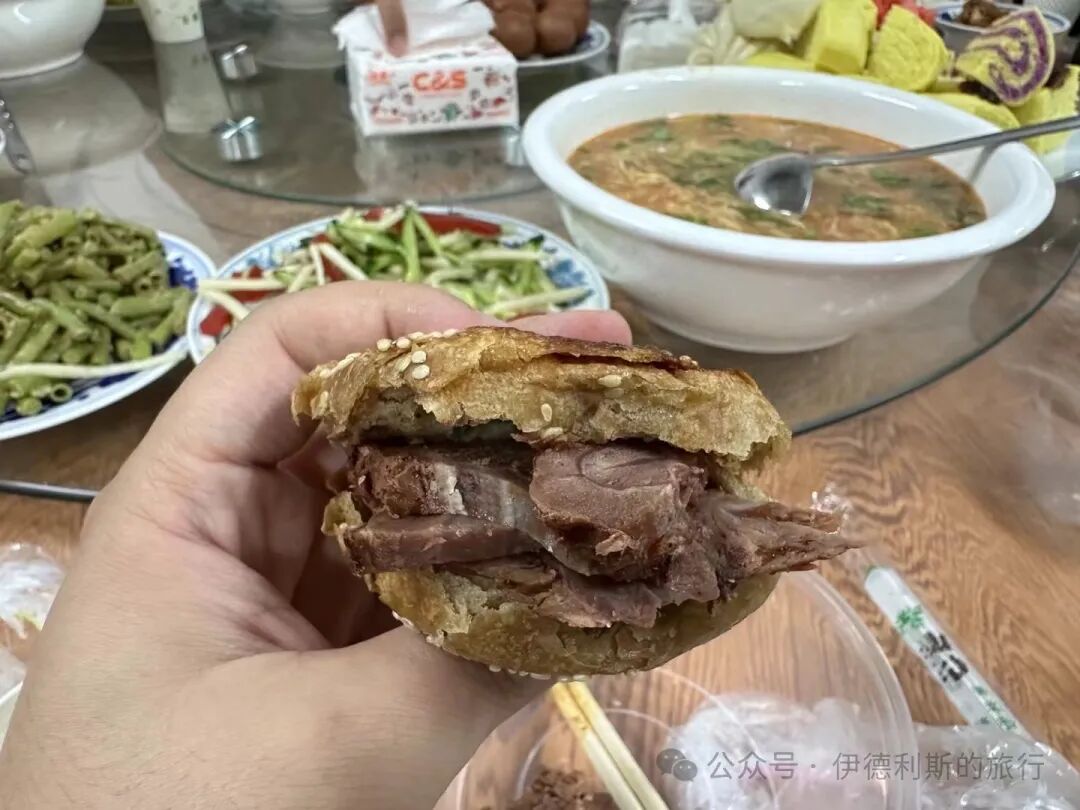
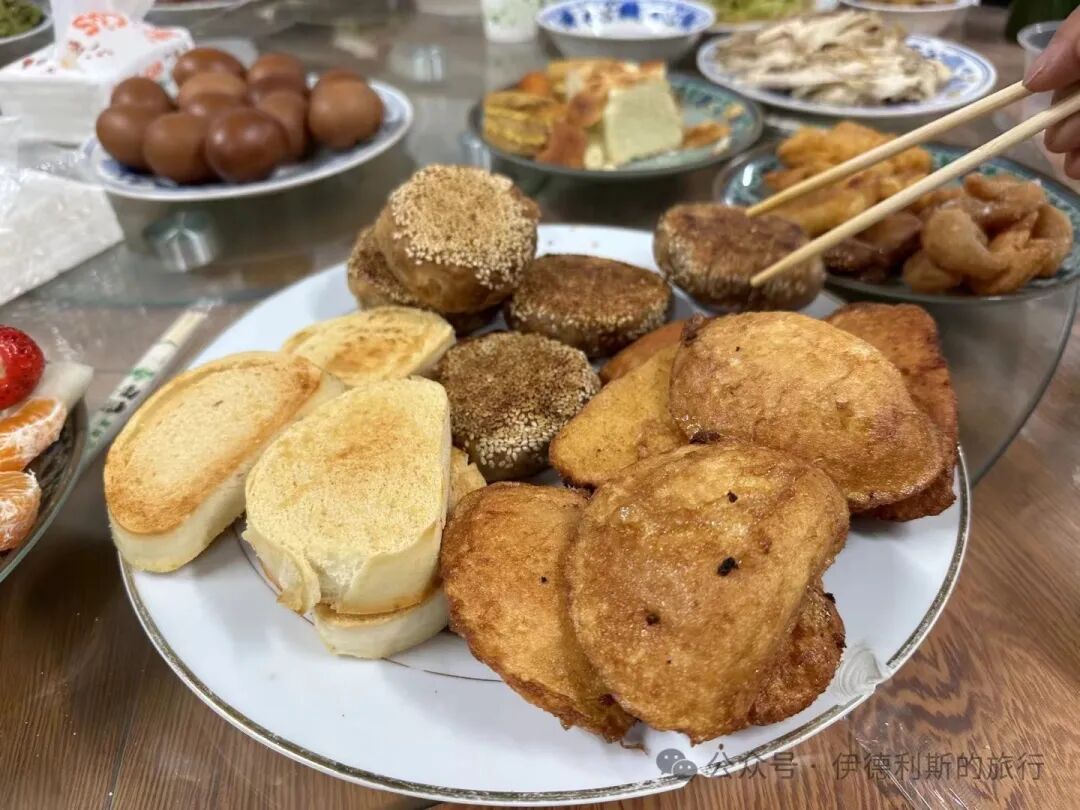
On the fourteenth day, two weeks into Ramadan, the elders at Balizhuang Mosque brought donkey roll cakes (lvdagun), fried crispy crackers (zhagezi), honey-glazed pastries (misandao), pea flour cakes (wandouhuang), and fried rice sticks (jiangmitiao). For the fast-breaking meal, we had braised chicken (huangmenji) and sesame flatbread with meat (shaobing jiarou), along with various vegetable dishes and two types of fried steamed bun slices.
Summary: Halal Travel Guide: Beijing Ramadan Diary - Week Two Mosques and Iftar is presented here as a firsthand travel account in clear, natural English. The account focuses on Beijing Ramadan, Mosques, Halal Food while preserving the names, places, food, photos, and historical details from the Chinese source.
Continuing from the last post, I will share more about the iftar meals at Balizhuang Mosque.
Day eight, today we are breaking our fast with Balizhuang mung bean milk (douzhi)! This must be the only place in the country that does this. The freshly boiled mung bean milk (douzhi) is thick, and it comes with fermented bean curd residue (ma doufu) made from the same base. It is completely authentic. For the iftar meal, we had shredded chicken noodle soup (dalu mian) and diced eggplant noodle soup (qie ding lu mian) with various vegetable toppings. I ate two bowls.
Day nine, today at Balizhuang Mosque, Elder Li made fried yam and date rolls (tang juan guo) again. They have plenty of dates and are a classic staple of the Balizhuang iftar meals! There were also honey dates and walnuts pickled by the elders. The shredded potatoes, chicken drumettes, and braised eggplant served for iftar were all delicious.
Day ten, today the elders made deep-fried mung bean flour crisps (gezhi), mung bean residue with fermented bean curd (ma doufu), and tofu meatball soup. The main dish was stir-fried meat with flatbread (chao bing), and the soup was lamb offal soup (yangza tang). You cannot buy these deep-fried mung bean flour crisps (gezhi) or the tofu meatball soup anywhere else. Old Hui Muslims use these crisps when they fry meat rolls and meatballs.
Day eleven, a blessed Jumu'ah. Today I attended the charity Ramadan and elder-respecting event at Dongsi Mosque. I met a friend (dosti) who just returned from vacation in Saudi Arabia, and I also ran into the owner of Xiayi Restaurant on Dongsi North Street, where I have been eating lamb skewers since I was a child. Next to the main prayer hall, there is a stone tablet from the Republic of China era. It lists the names of students from the former Chengda Teachers College, many of whom went on to achieve great things.
In the afternoon, the elders at Balizhuang Mosque made steamed dumplings (shaomai) together. The skins were thin, the fillings were large, and the meat was very fragrant. Dipping them in Laba vinegar really brought out the flavor. They also fried chicken strips and boiled rice porridge. Today I met three sisters from Yunnan who came here because of the mosque's reputation. I am very grateful (shukr).
Day twelve, today at Balizhuang Mosque, we had fried tofu stewed with meat, along with stir-fried lamb liver, stir-fried shrimp, and fried yam and date rolls (tang juan guo).
Day thirteen, today the elders at Balizhuang Mosque made nail-head meat pies (mending roubing) together. Elder Ma from the mosque is the very same chef who specializes in making these pies at Jingxiangzhai in Shilipu. The meat buns (mending) made at the mosque are very fragrant, full of savory juices, and the reward (thawab) for preparing food for those fasting is great.
Also, today the elders made sticky rice cake (qiegao) and sweet melon salad (saixianggua). Sweet melon salad (saixianggua) is made with shredded pear, cucumber, and hawthorn jelly (jinggao), making it very refreshing to eat.
On the fourteenth day, two weeks into Ramadan, the elders at Balizhuang Mosque brought donkey roll cakes (lvdagun), fried crispy crackers (zhagezi), honey-glazed pastries (misandao), pea flour cakes (wandouhuang), and fried rice sticks (jiangmitiao). For the fast-breaking meal, we had braised chicken (huangmenji) and sesame flatbread with meat (shaobing jiarou), along with various vegetable dishes and two types of fried steamed bun slices.
