
Halal Travel Guide: Beijing Ramadan Diary - Week One Mosques and Iftar
Reposted from the web
Summary: Halal Travel Guide: Beijing Ramadan Diary - Week One Mosques and Iftar is presented here as a firsthand travel account in clear, natural English. The account focuses on Beijing Ramadan, Mosques, Halal Food while preserving the names, places, food, photos, and historical details from the Chinese source.
It is the holy month of Ramadan again. I spent a wonderful time at Balizhuang Mosque last year (see "Ramadan in Beijing 2023—The Beautiful Balizhuang Mosque"), and I am spending Ramadan at Balizhuang Mosque again this year.
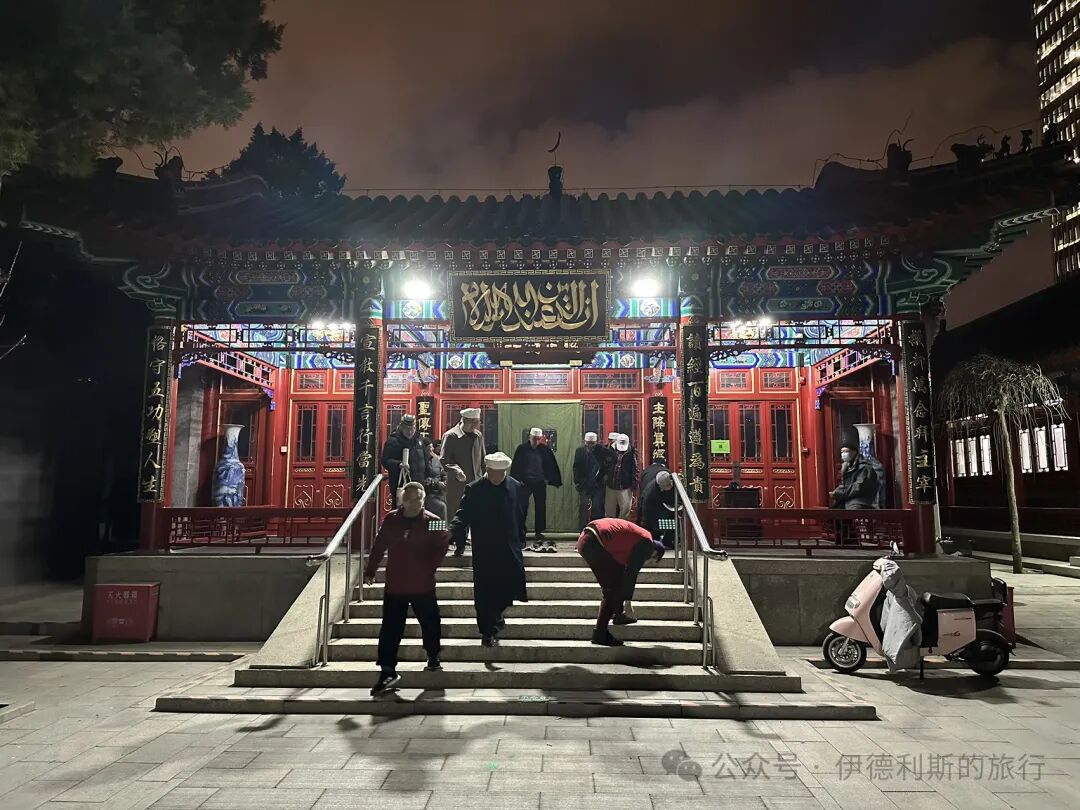
On the evening of March 11, I performed the first Taraweeh prayer at Balizhuang Mosque. Every year, I enjoy the blessed atmosphere of Ramadan the most, when everyone gathers at the mosque to complete their worship.
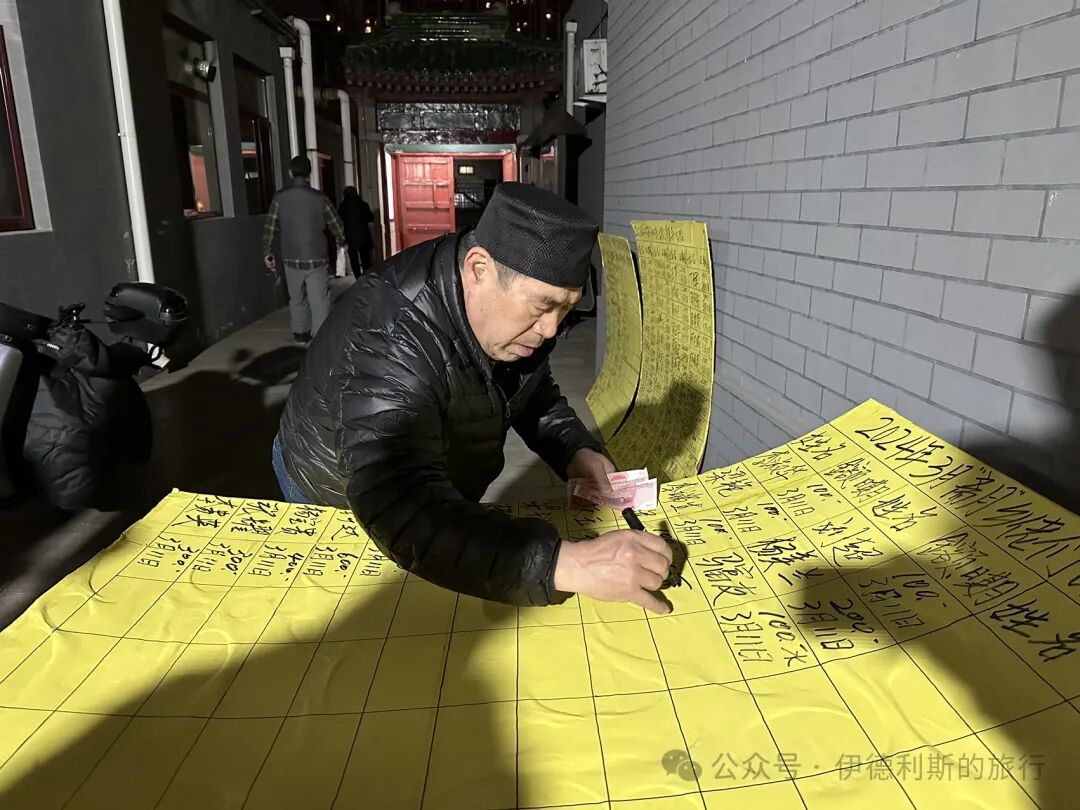
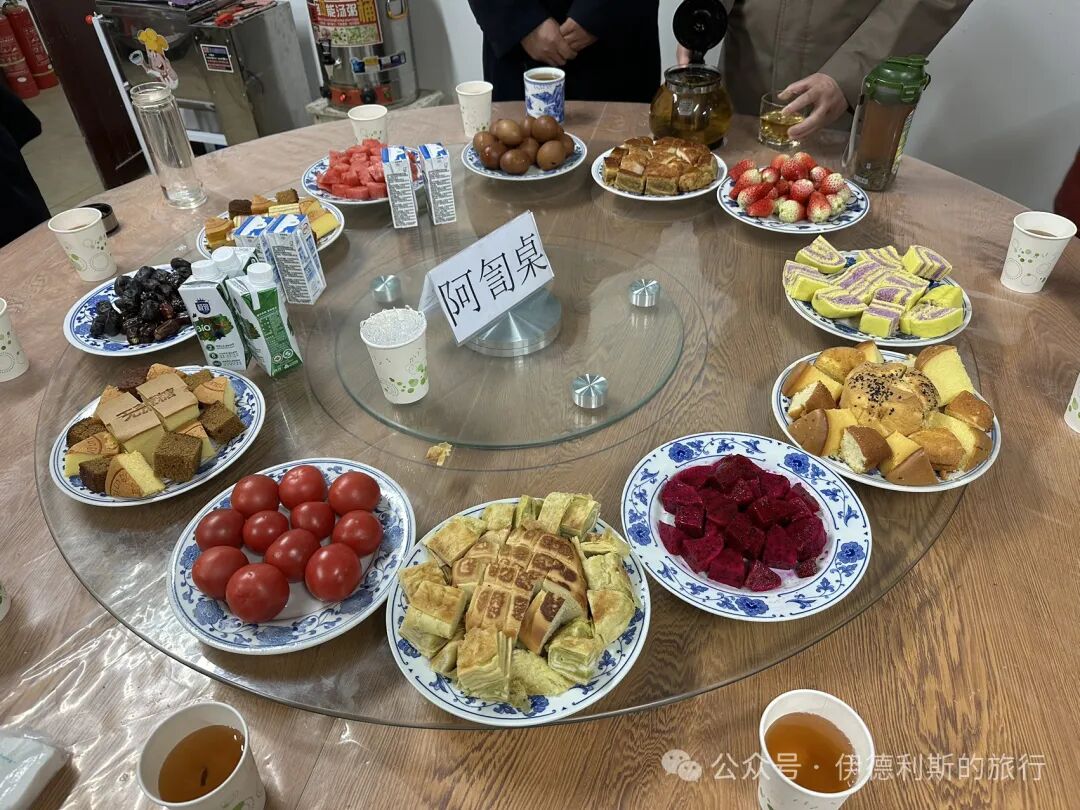
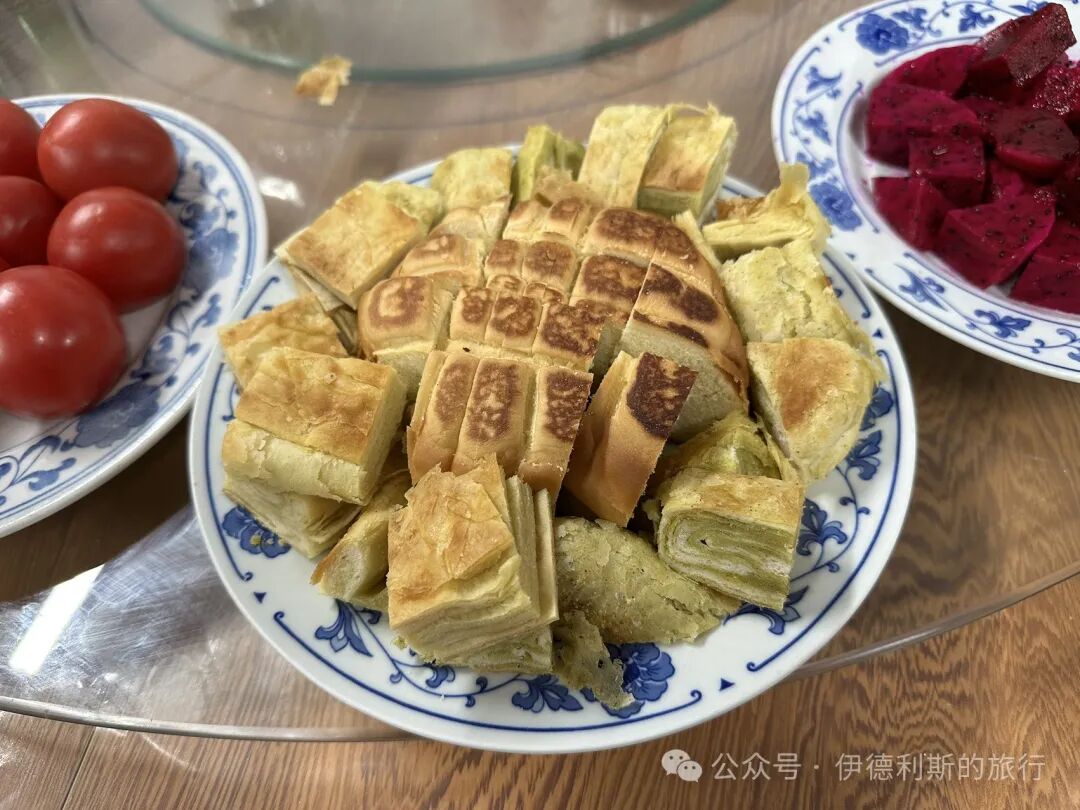
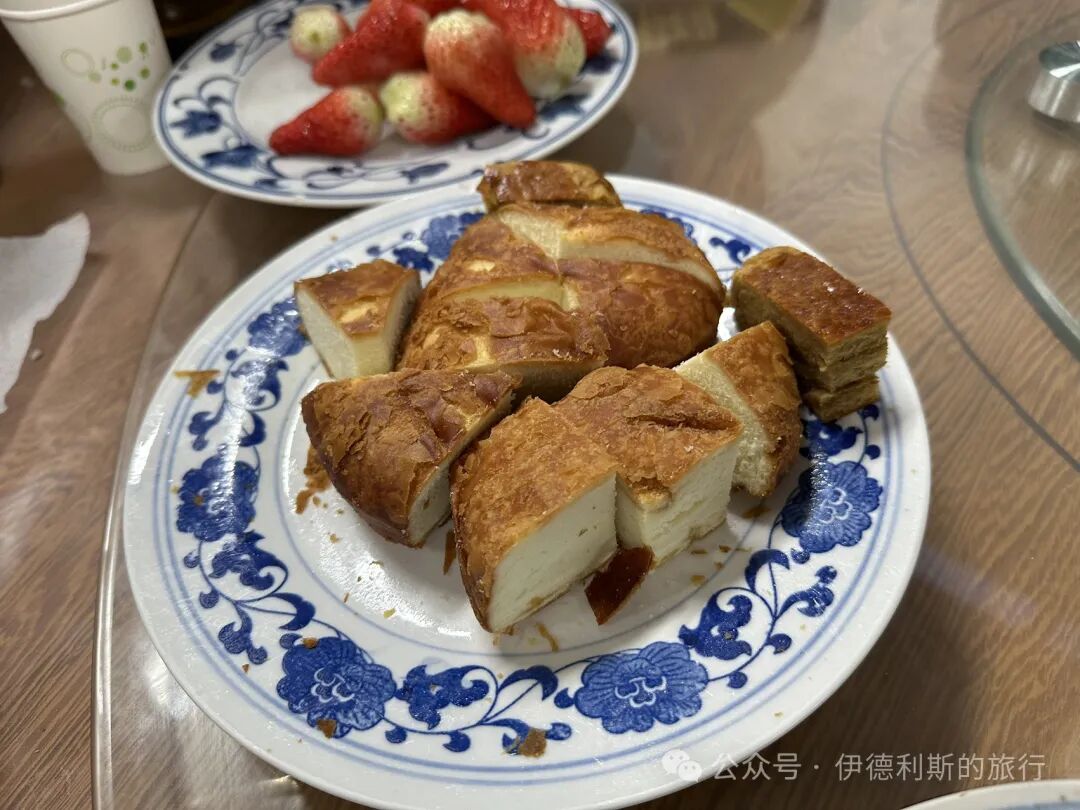
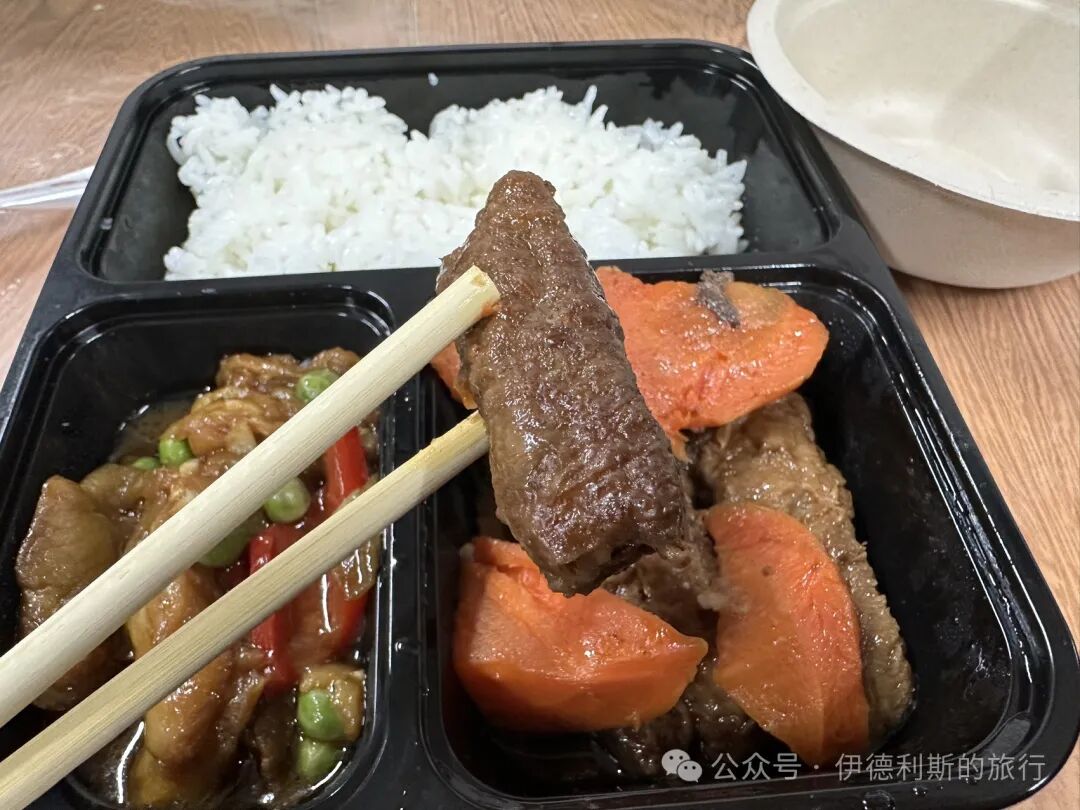
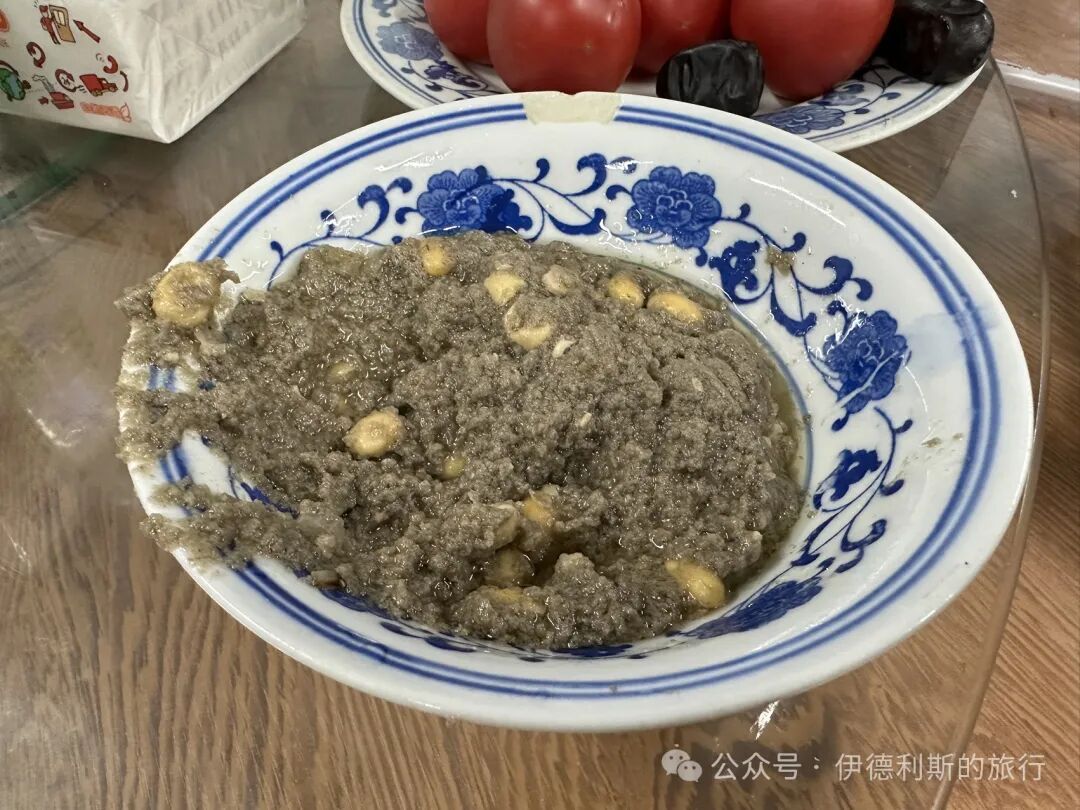
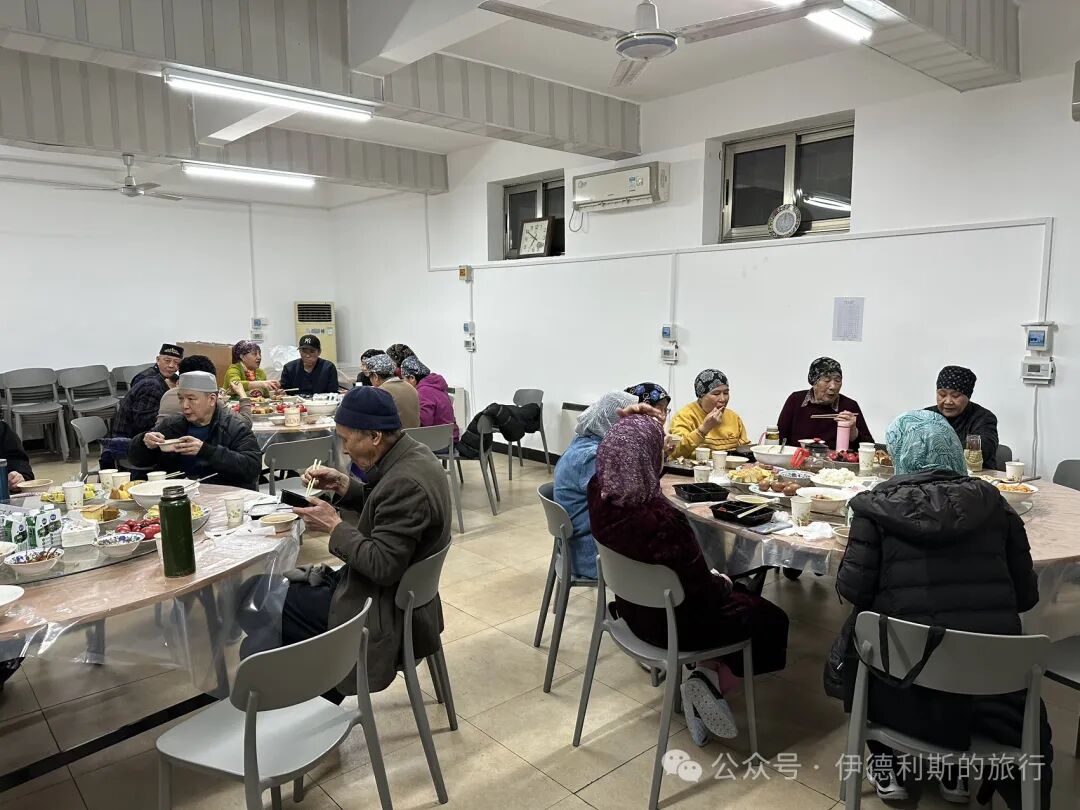
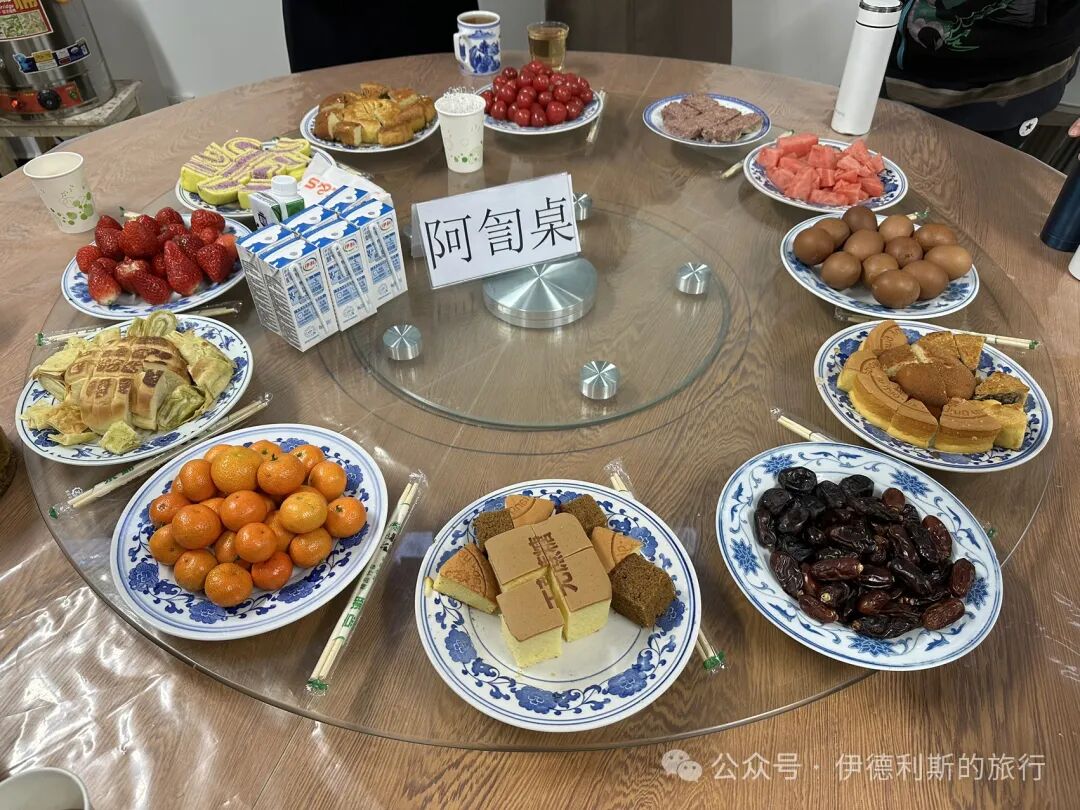
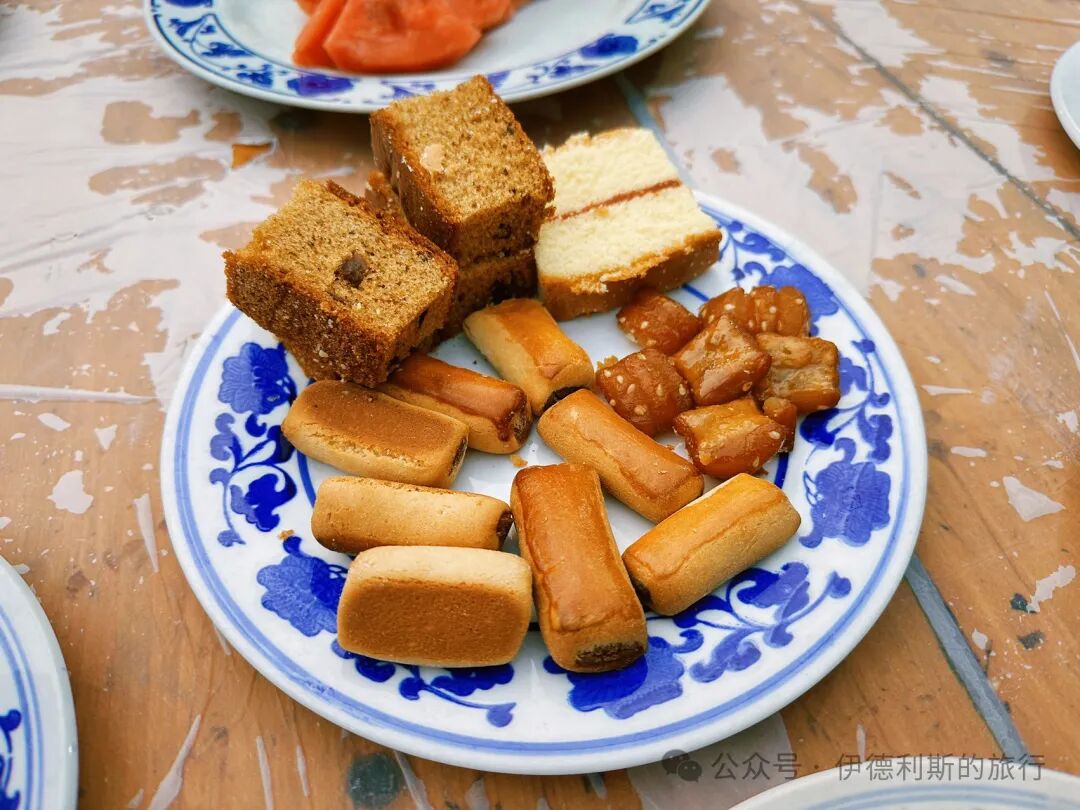
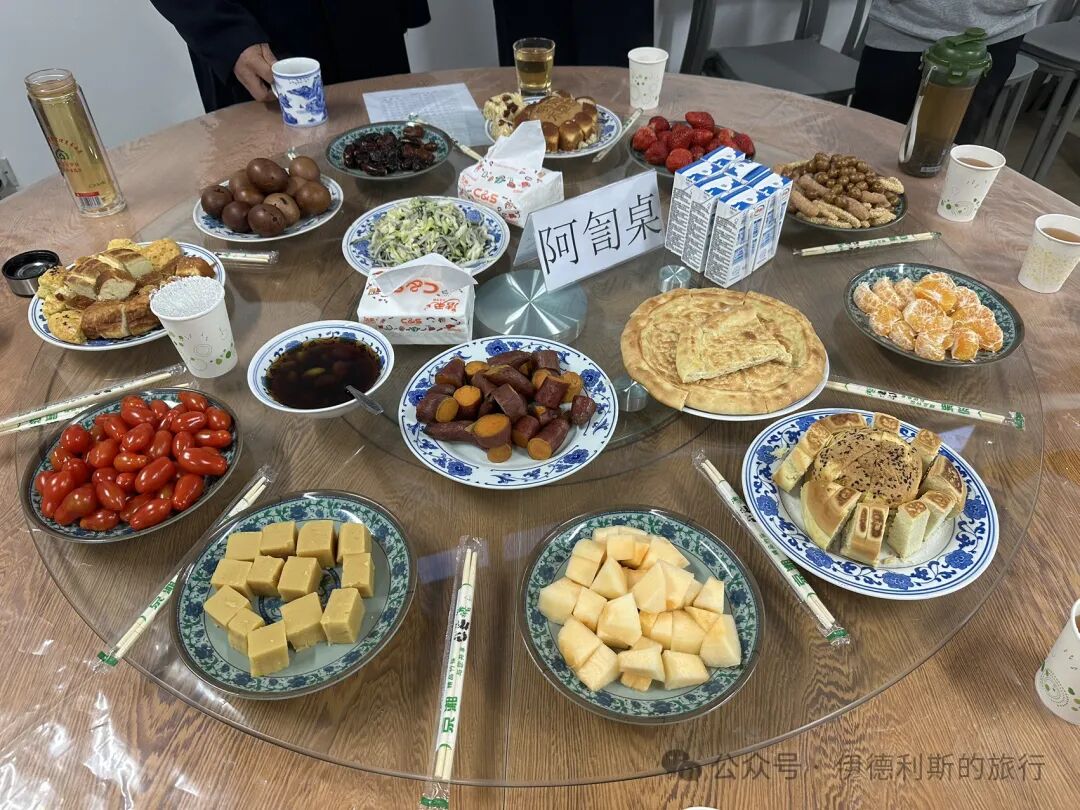
On the first day, Balizhuang Mosque had Hohhot pastries and baked flatbreads (beizi) donated by Elder Yang, as well as tea donated by the imam. For iftar, we had braised meat (hui songrou), braised eggplant, stewed radish, and fermented bean curd (ma doufu). It was simple and tasty, and I felt very comfortable after eating.
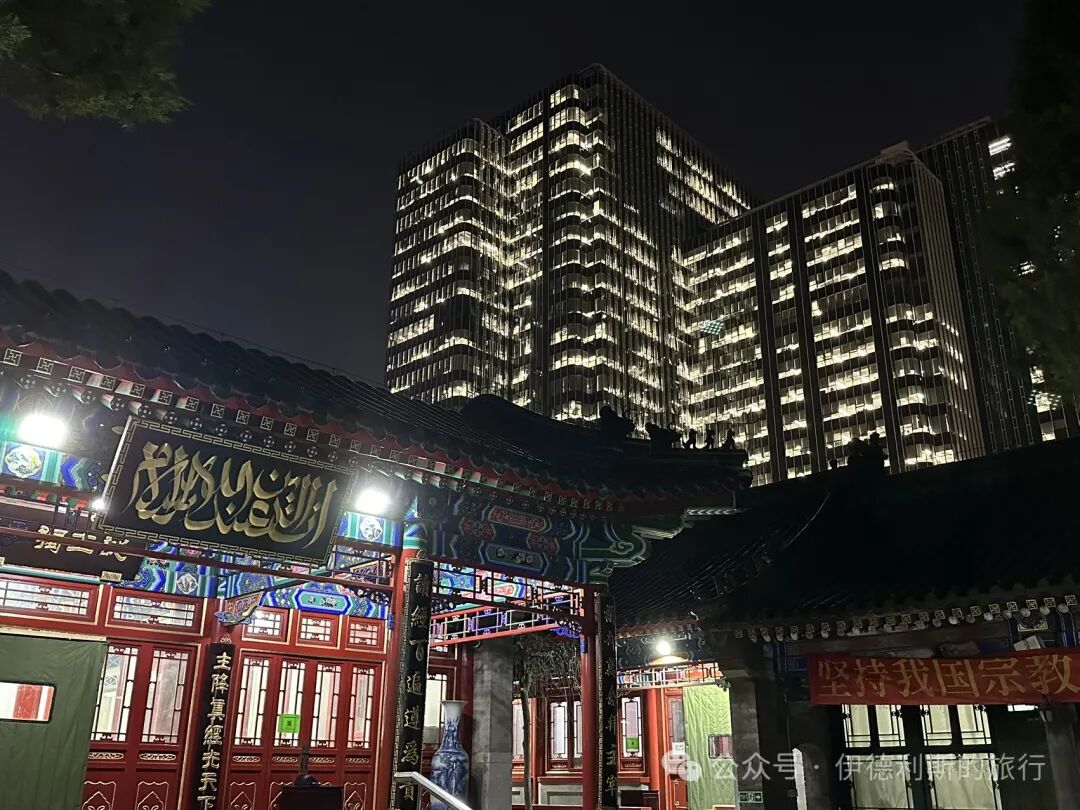
Looking at the Douyin building from Balizhuang Mosque, I see people praying and people working overtime.
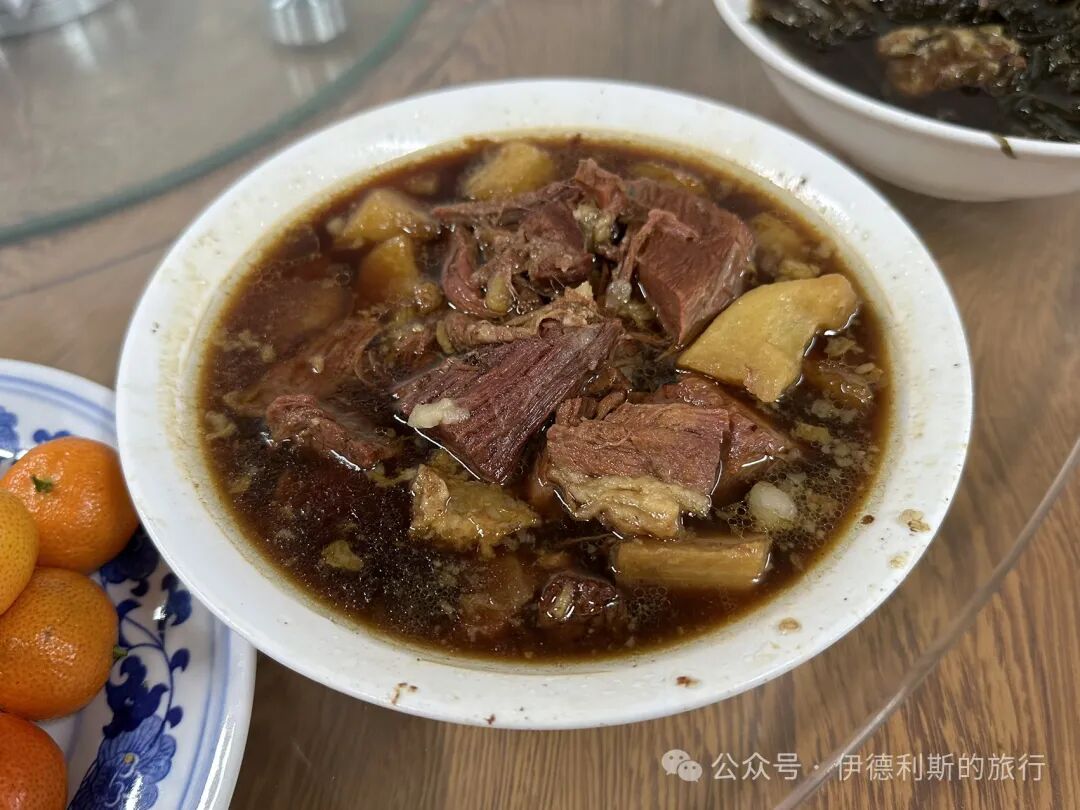
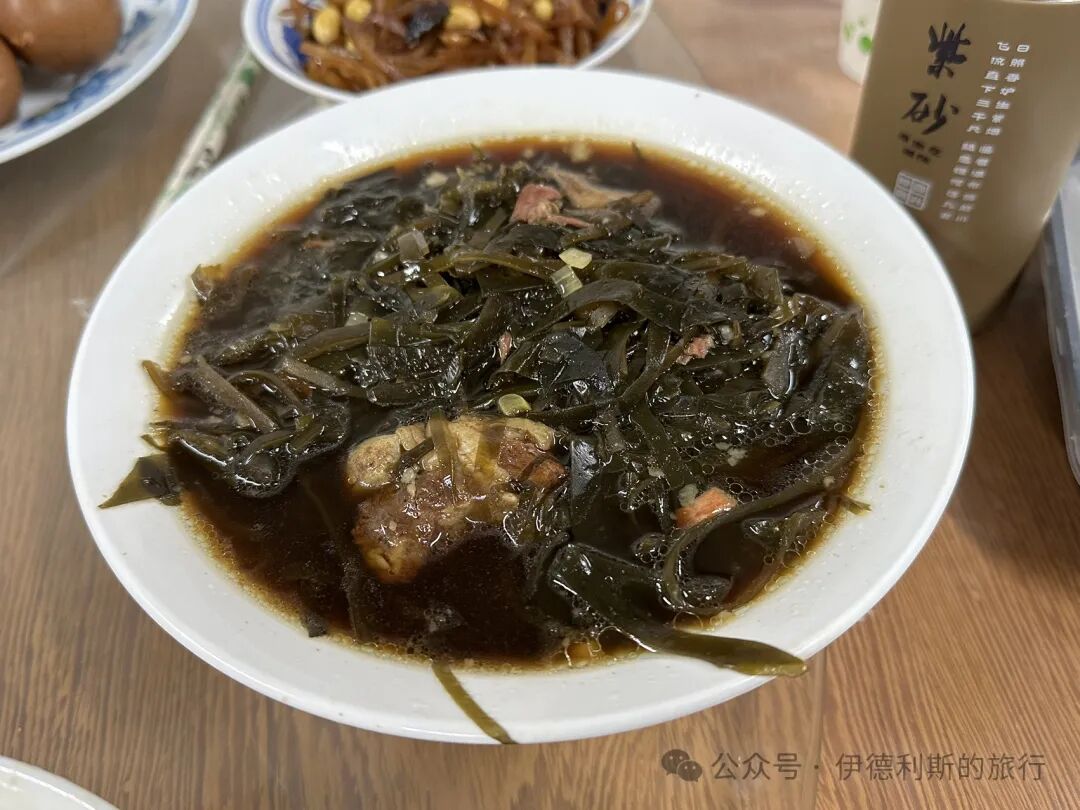
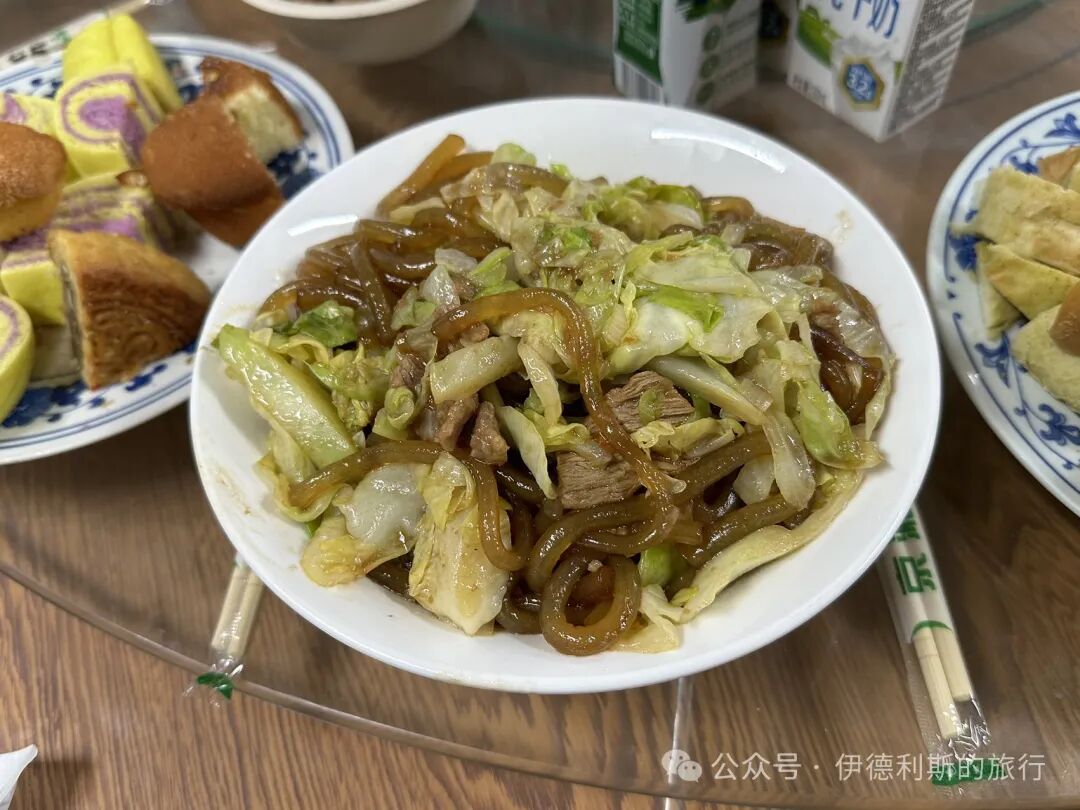
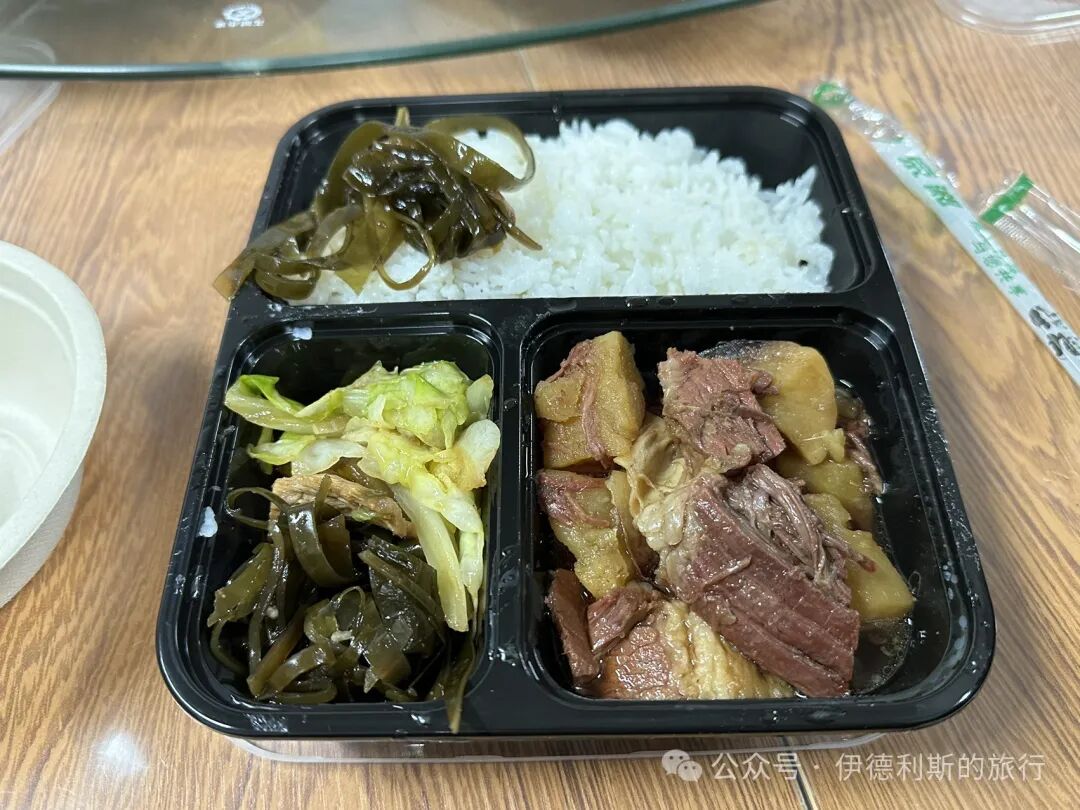
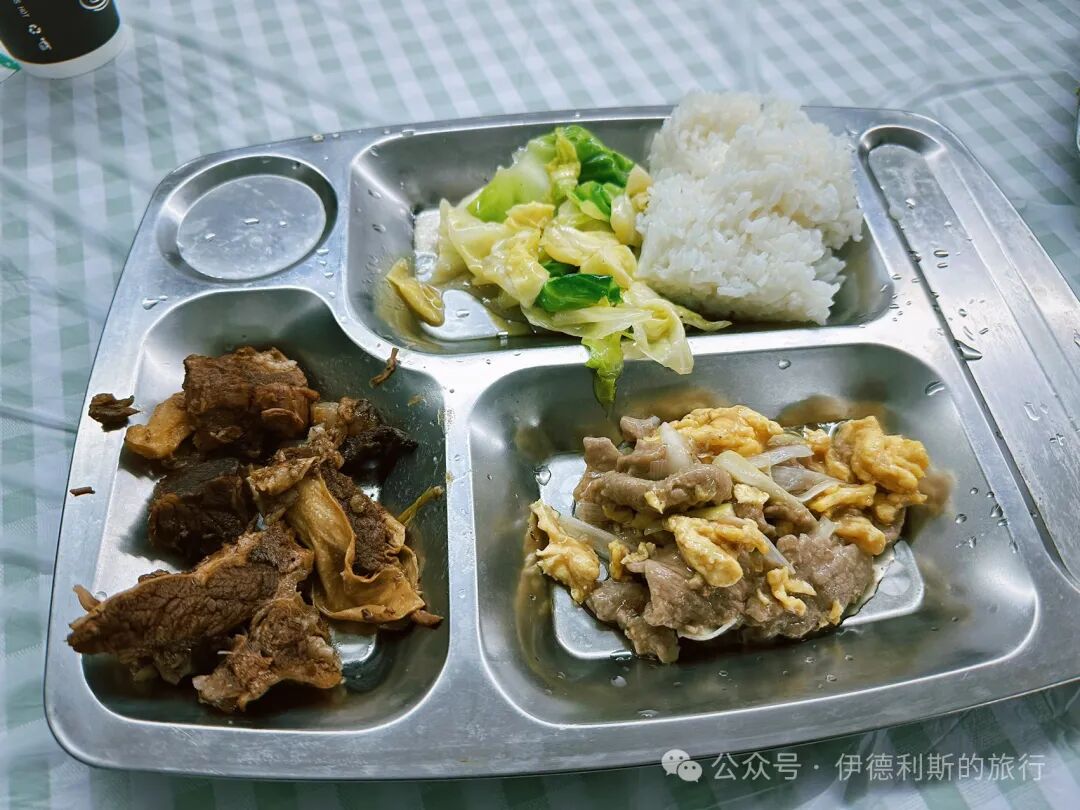
On the second day, I had stewed beef with potatoes, stewed kelp, and cabbage with vermicelli at Balizhuang Mosque. The stewed beef was great with rice, and the kelp and vermicelli were lighter than what you get in restaurants, which is perfect for breaking the fast because it does not make you thirsty.
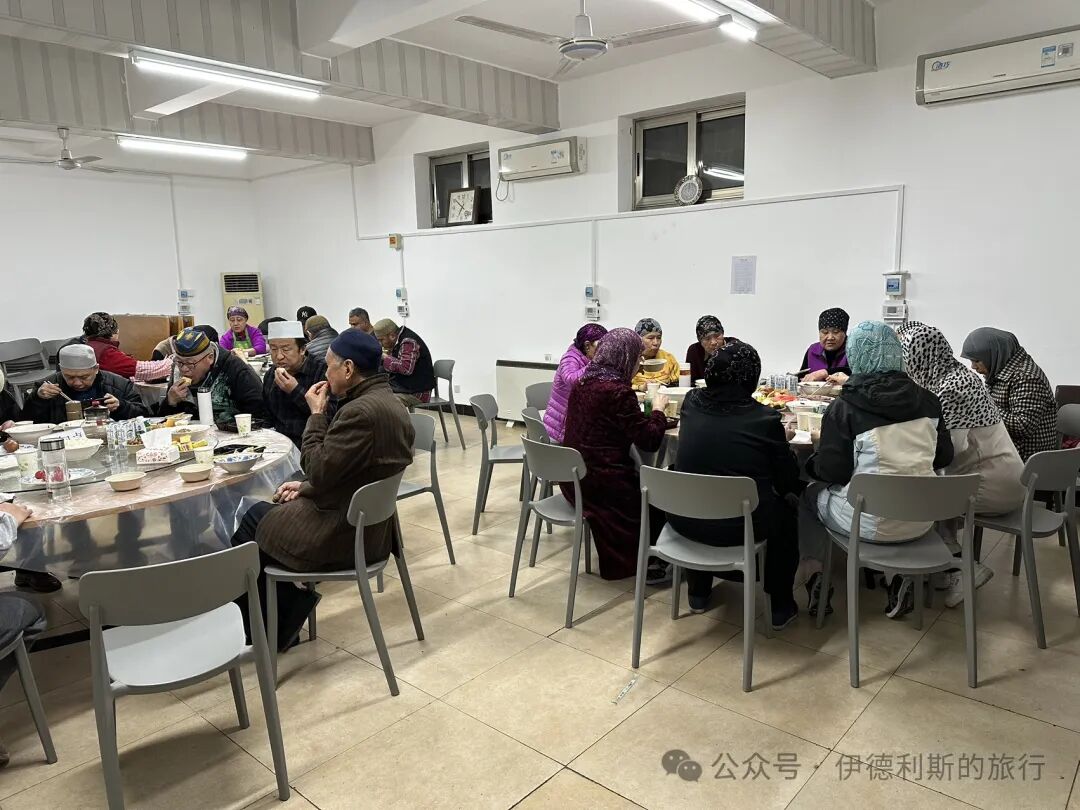
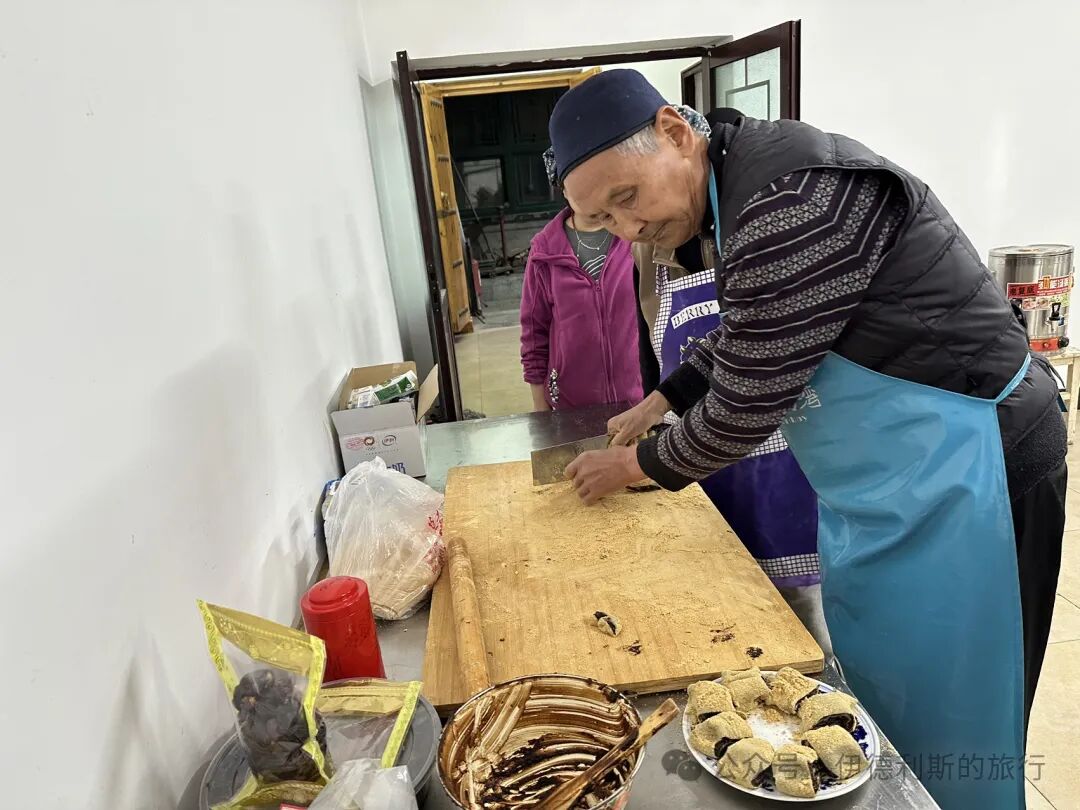
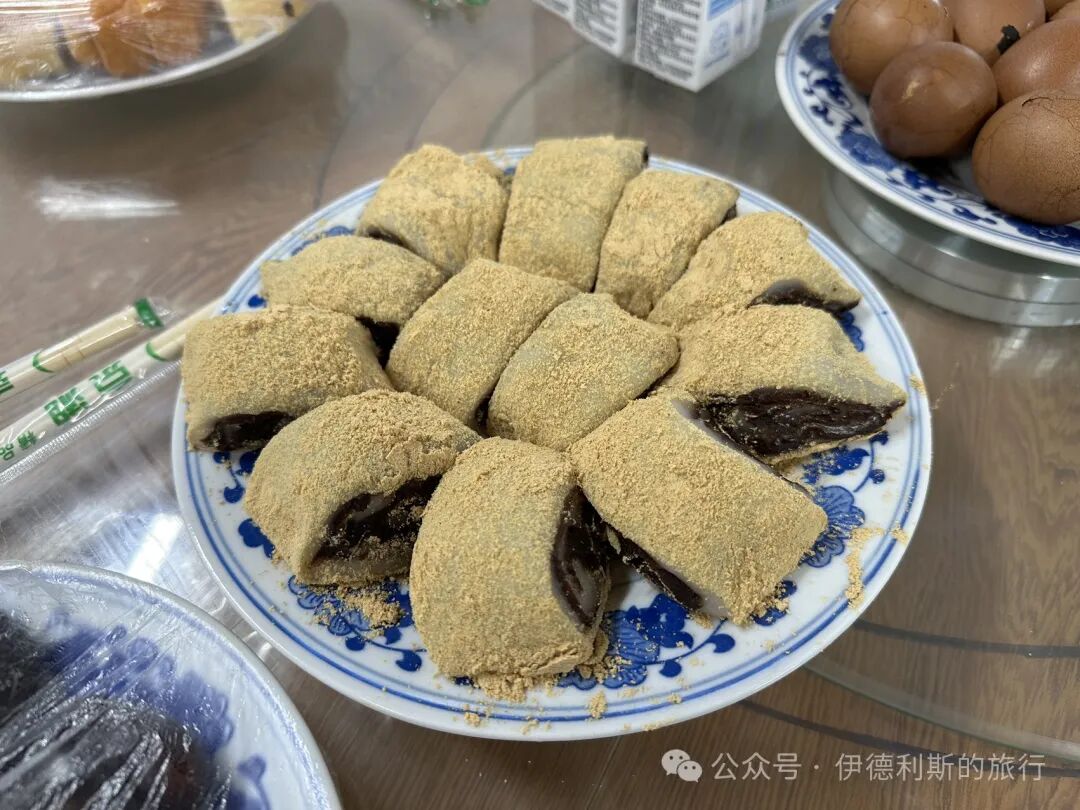
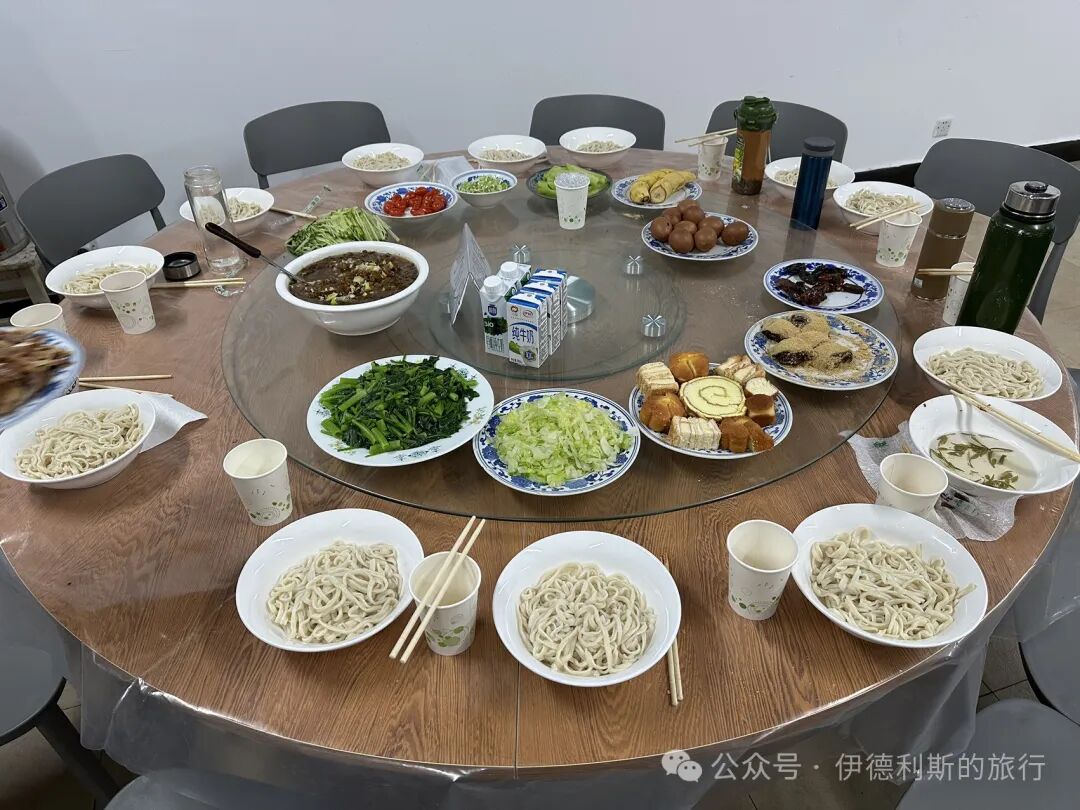
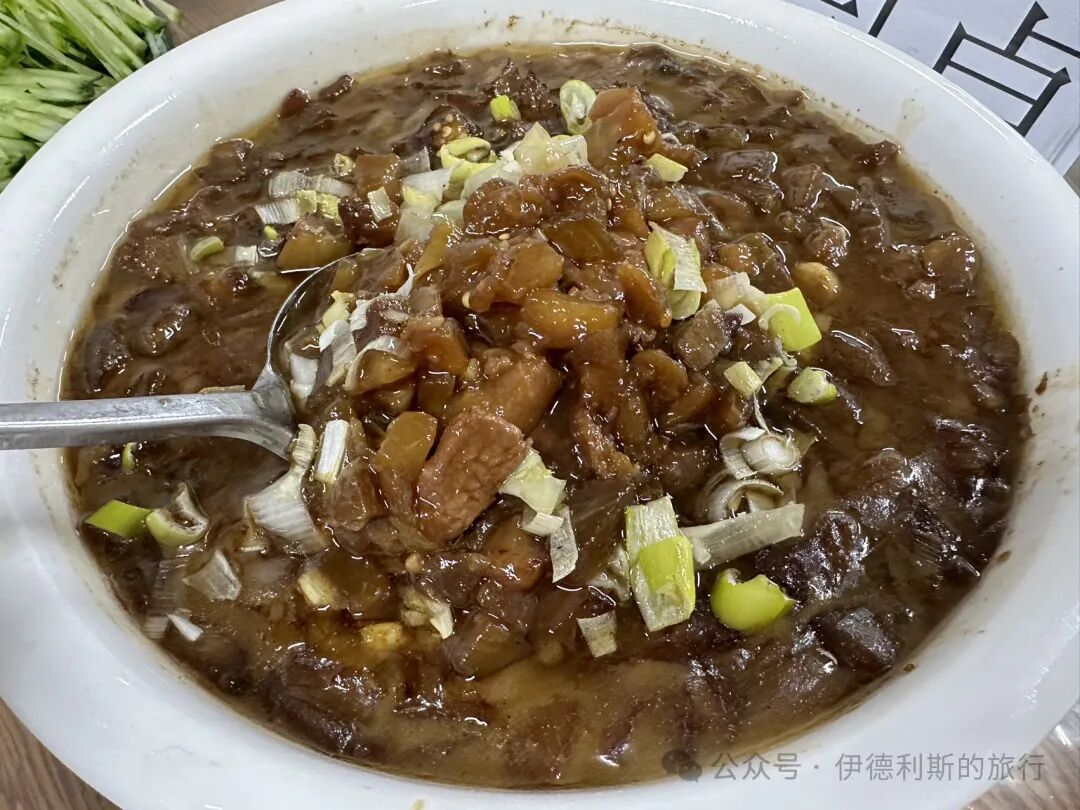
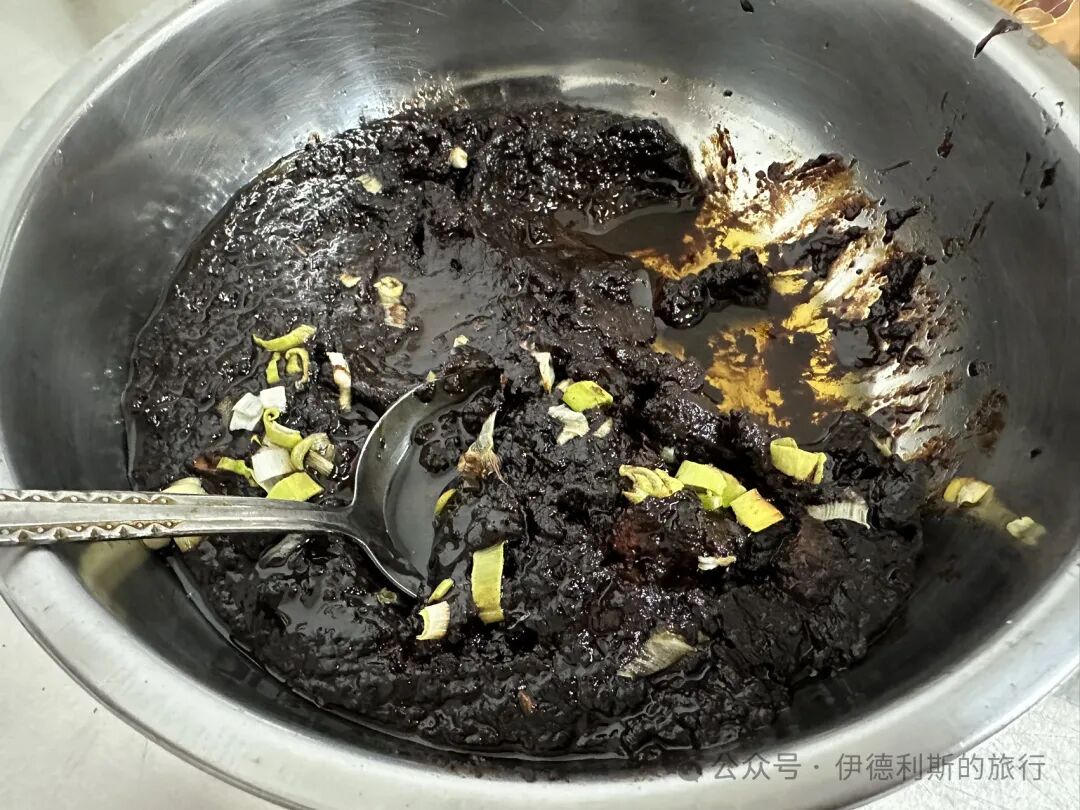
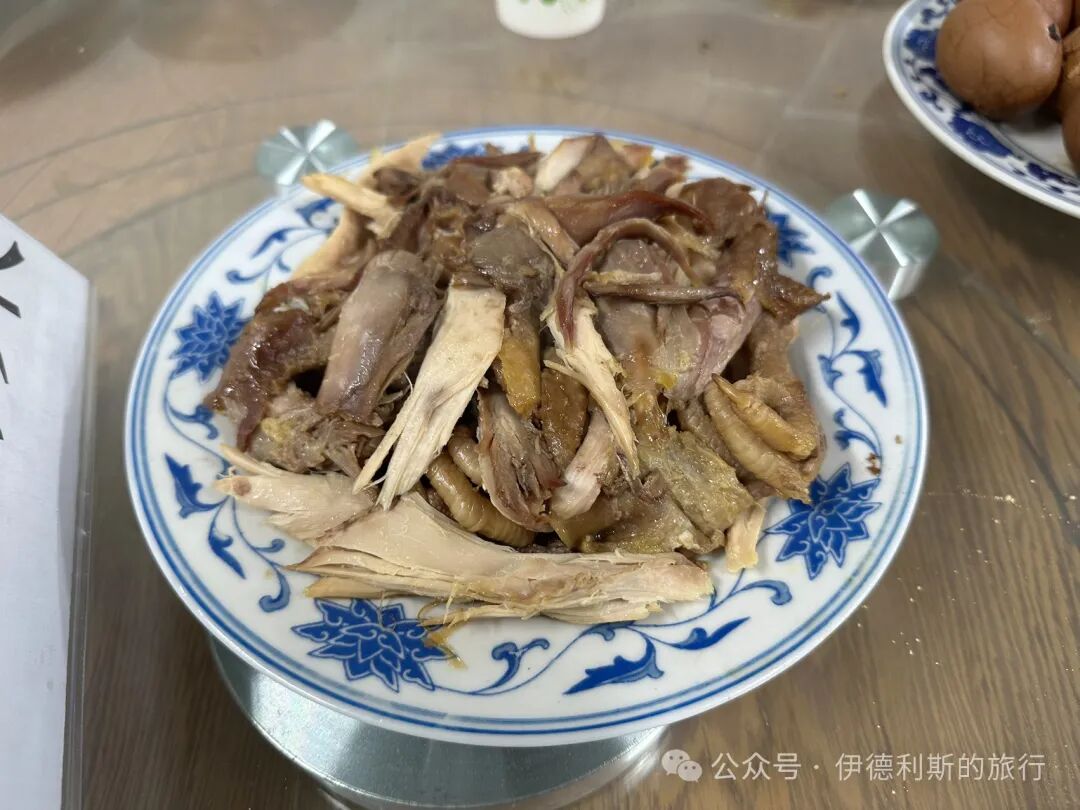
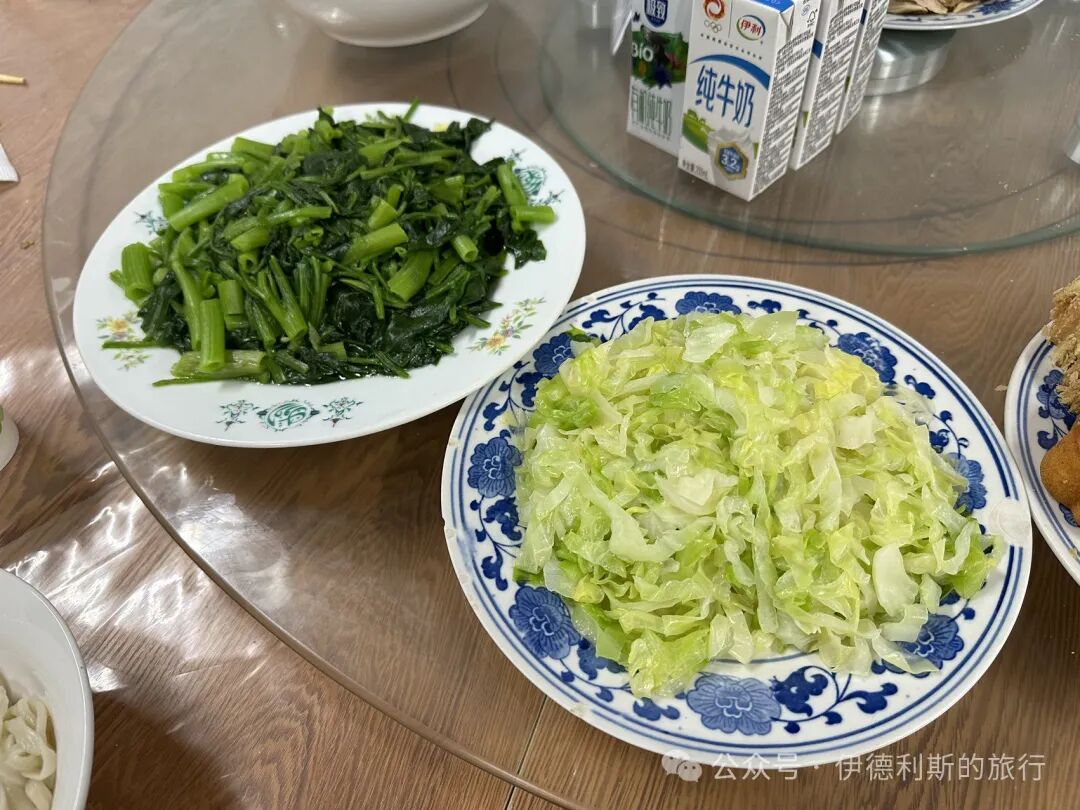
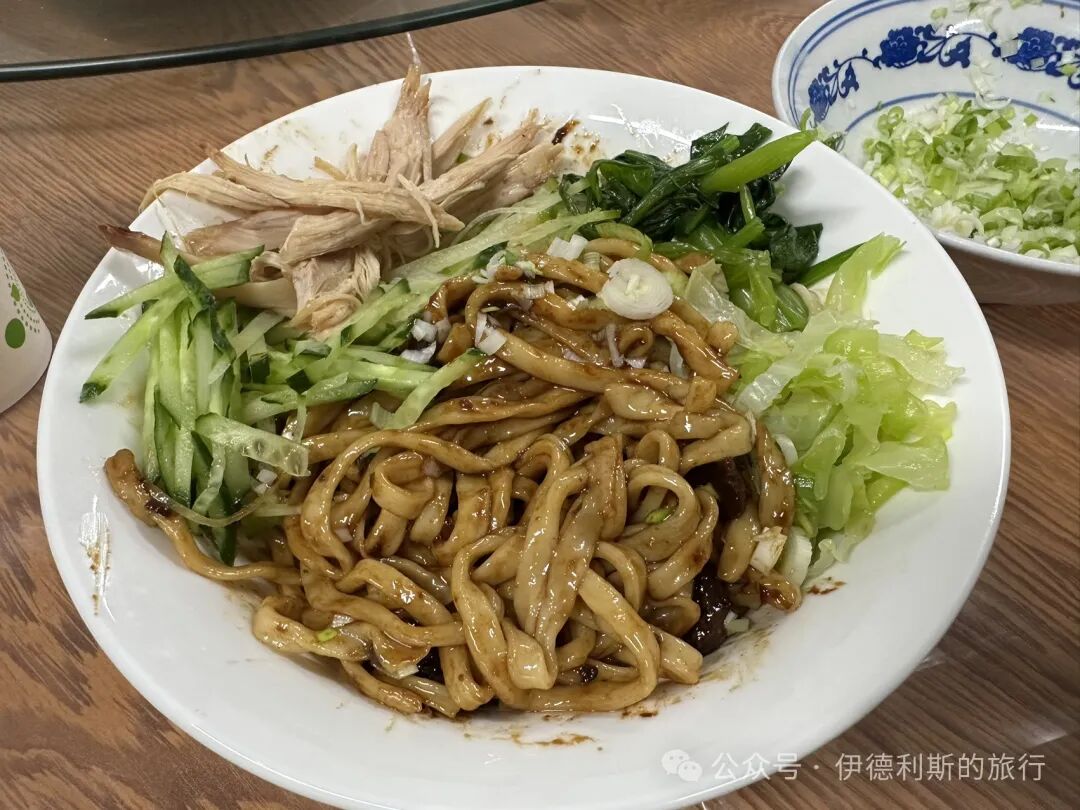
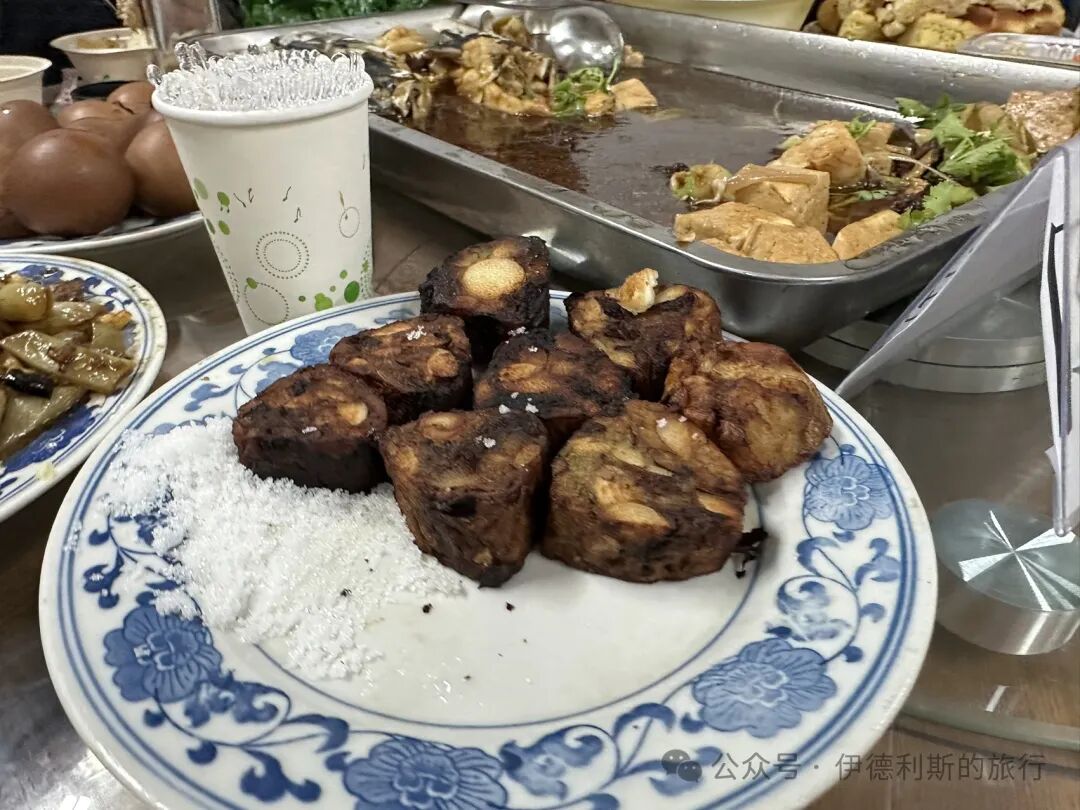
On the third day, Elder Li made donkey-roll cakes (lvdagun) for everyone at Balizhuang Mosque. I experienced his cooking skills last year. For iftar, we had soybean paste noodles (zhajiangmian) and eggplant sauce noodles. There were various toppings like radish, cabbage, cucumber, and roast chicken. I love soybean paste noodles so much! Soybean paste noodles in restaurants are usually all sauce with very little meat, but the ones at the mosque have plenty of meat.
On the fourth day, for the first Jumu'ah of Ramadan, I went to Dongsi Mosque. The midday sun was warm, and spring in Beijing is in full swing.
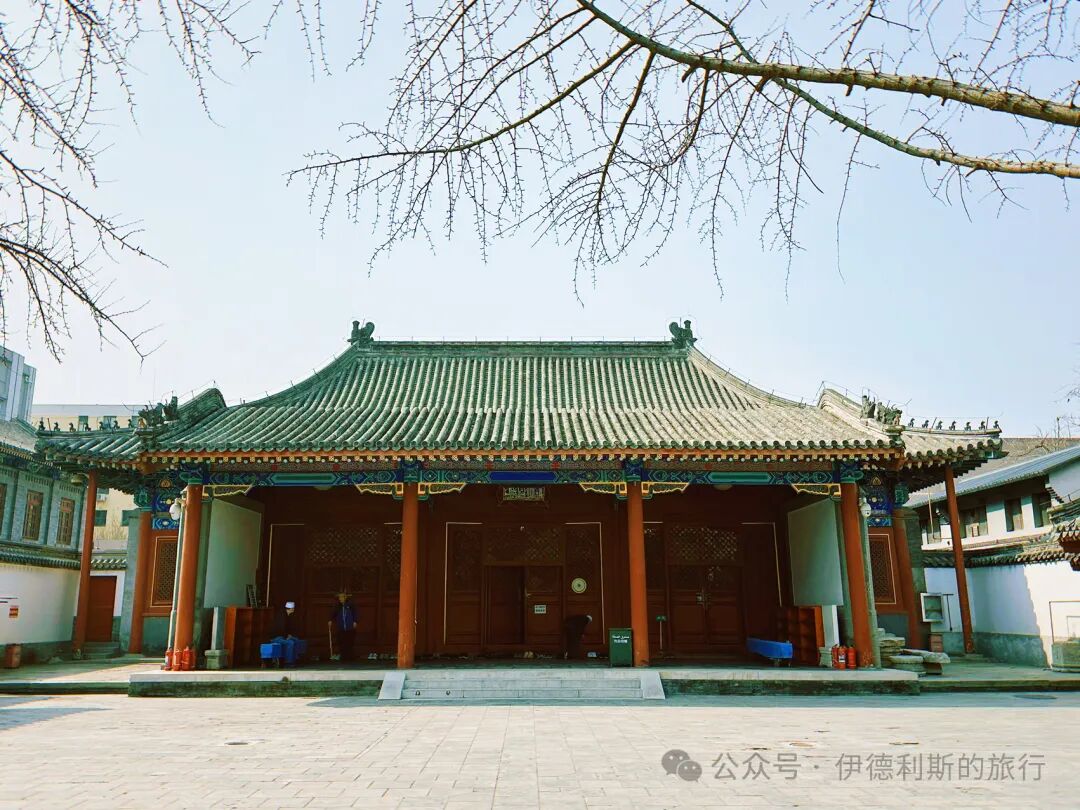
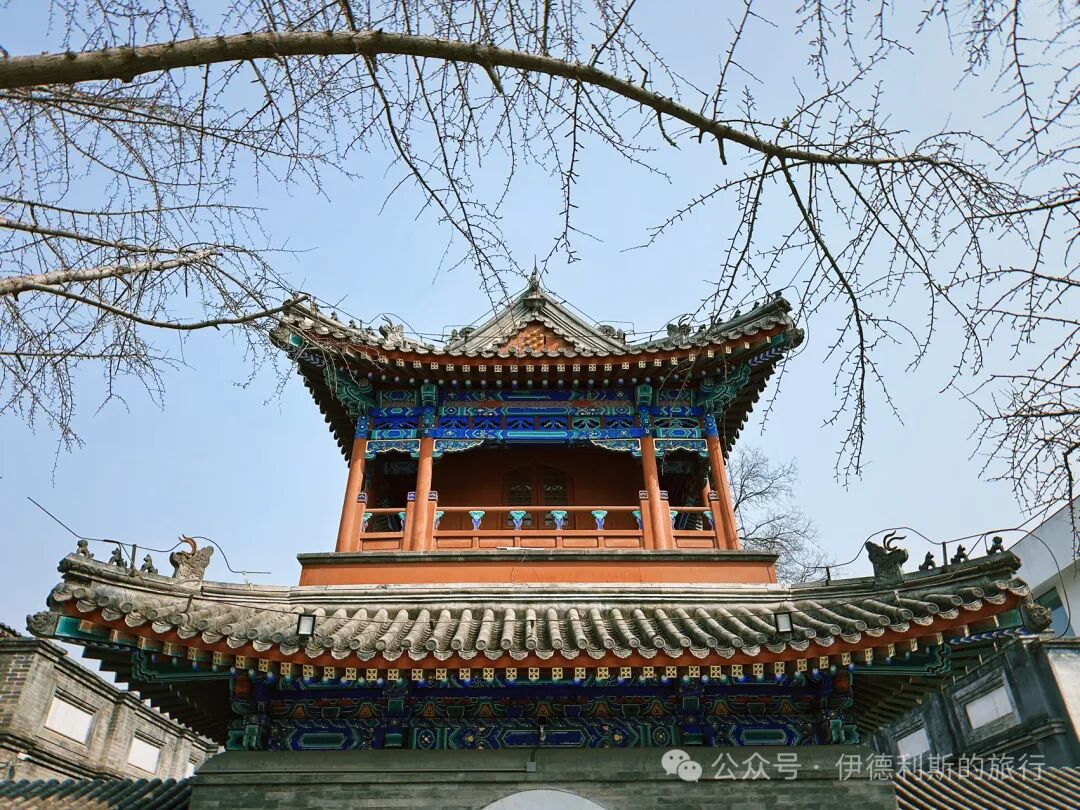
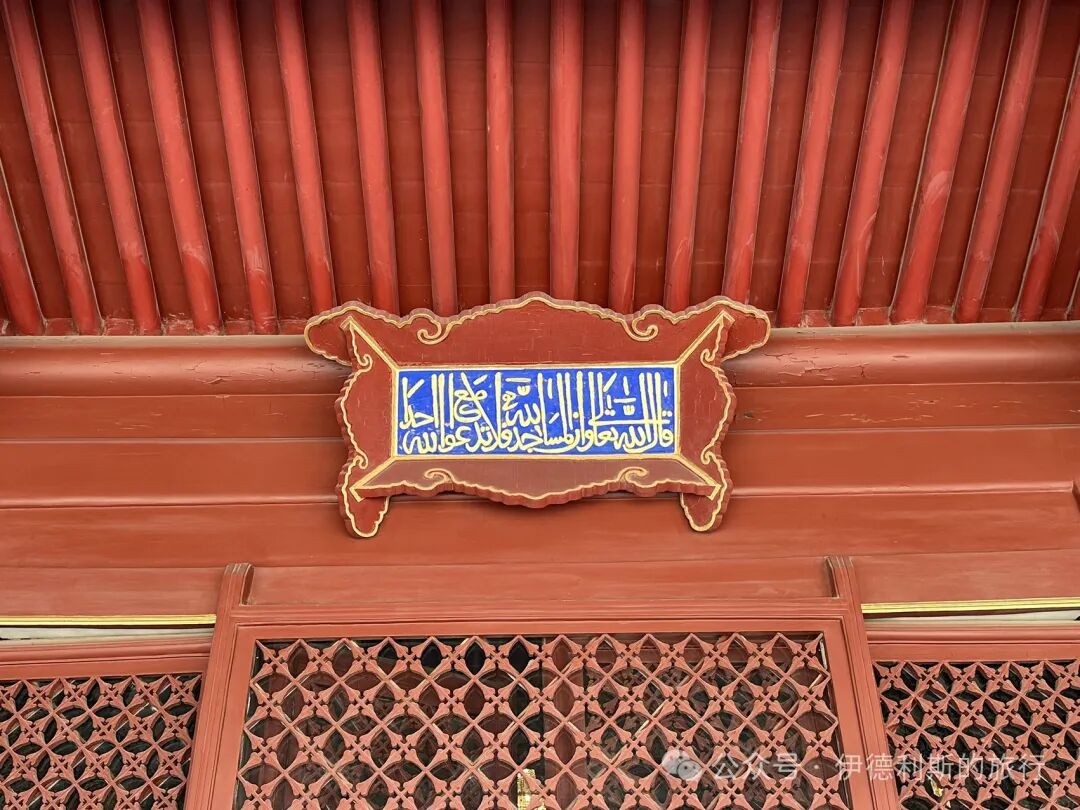
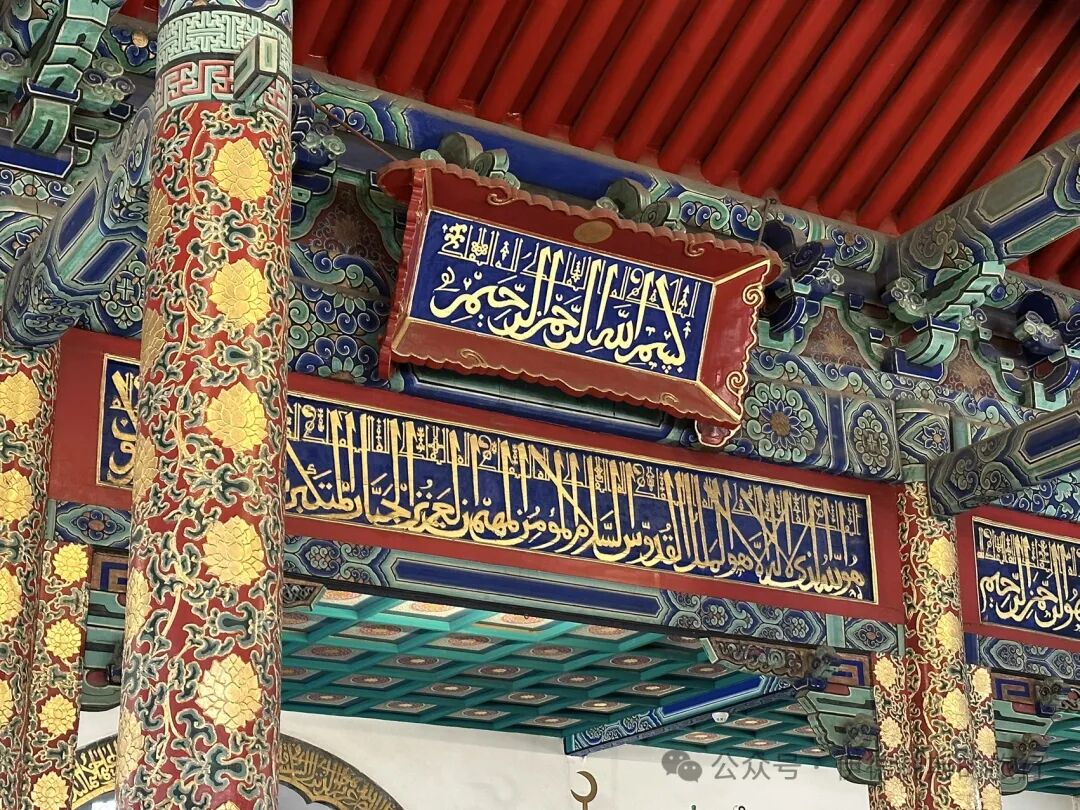
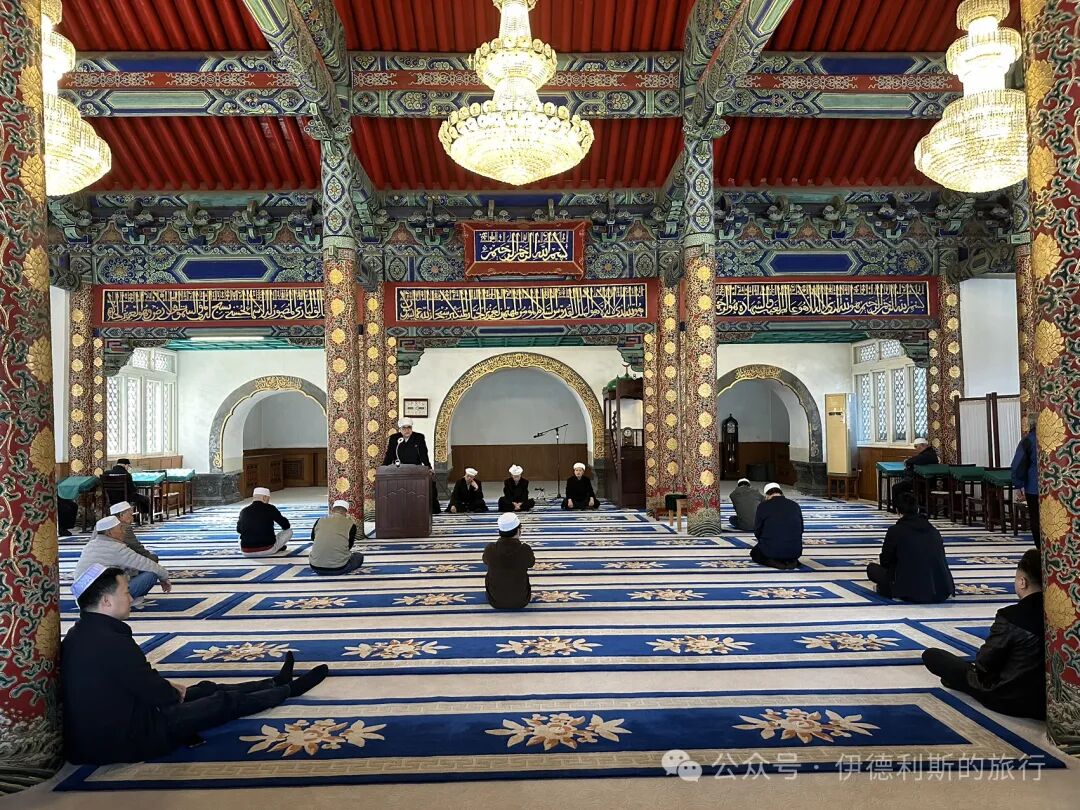
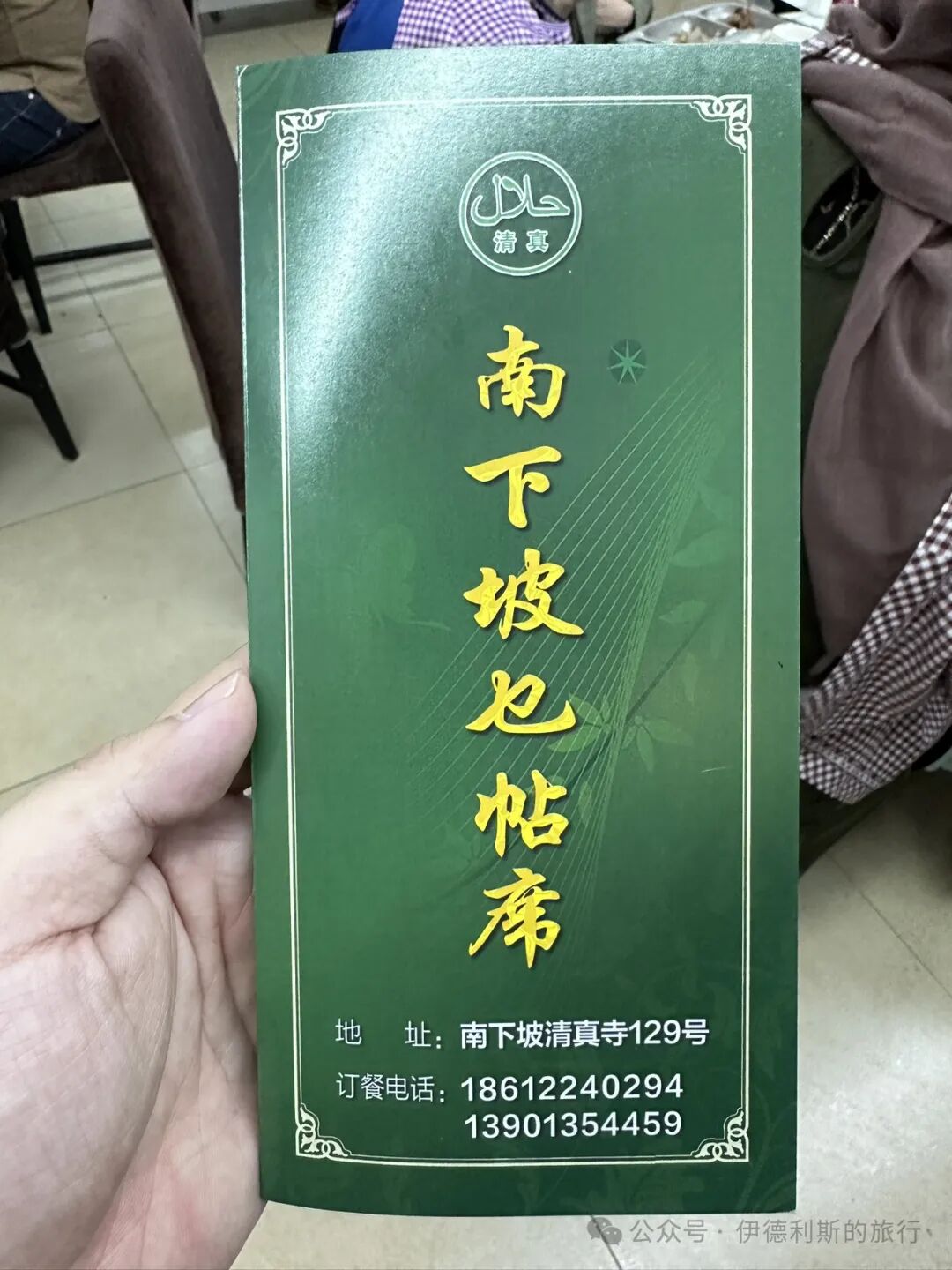
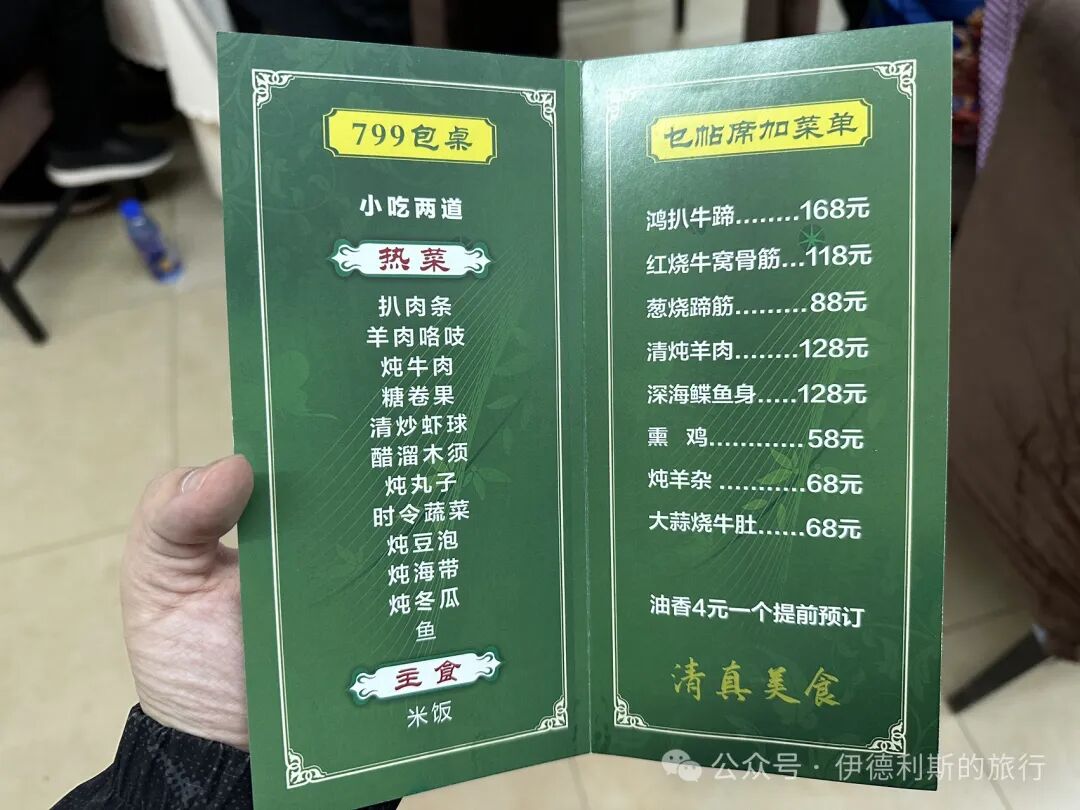
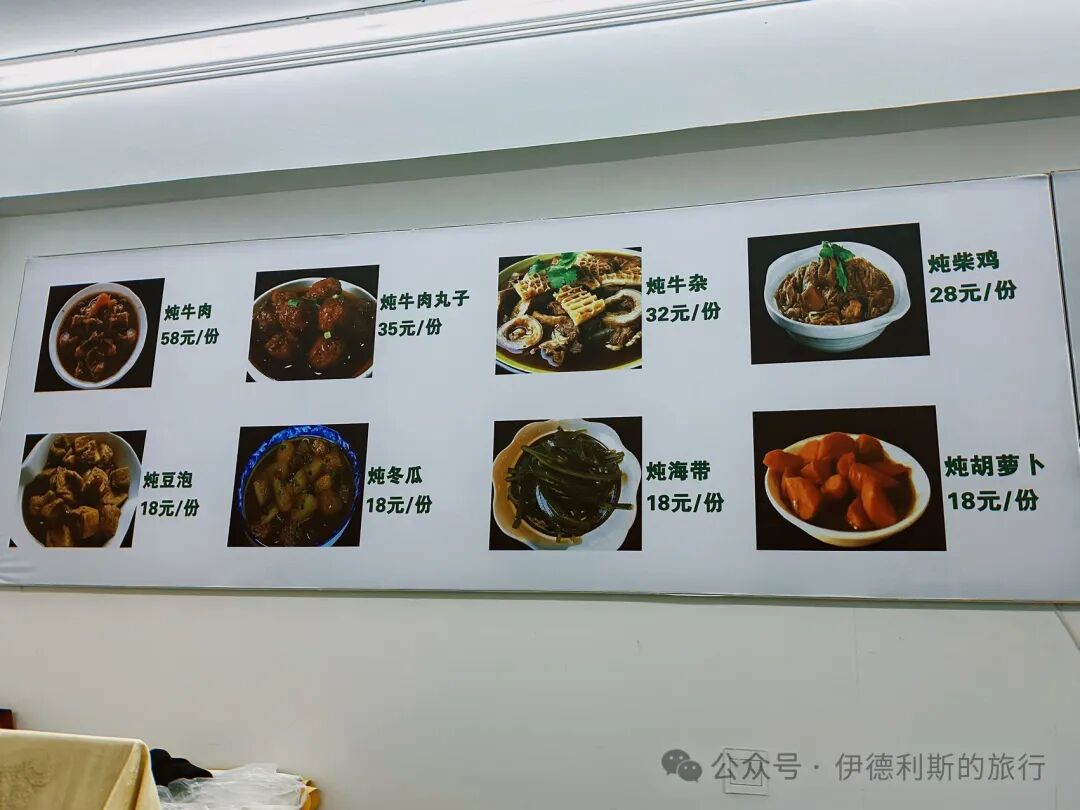
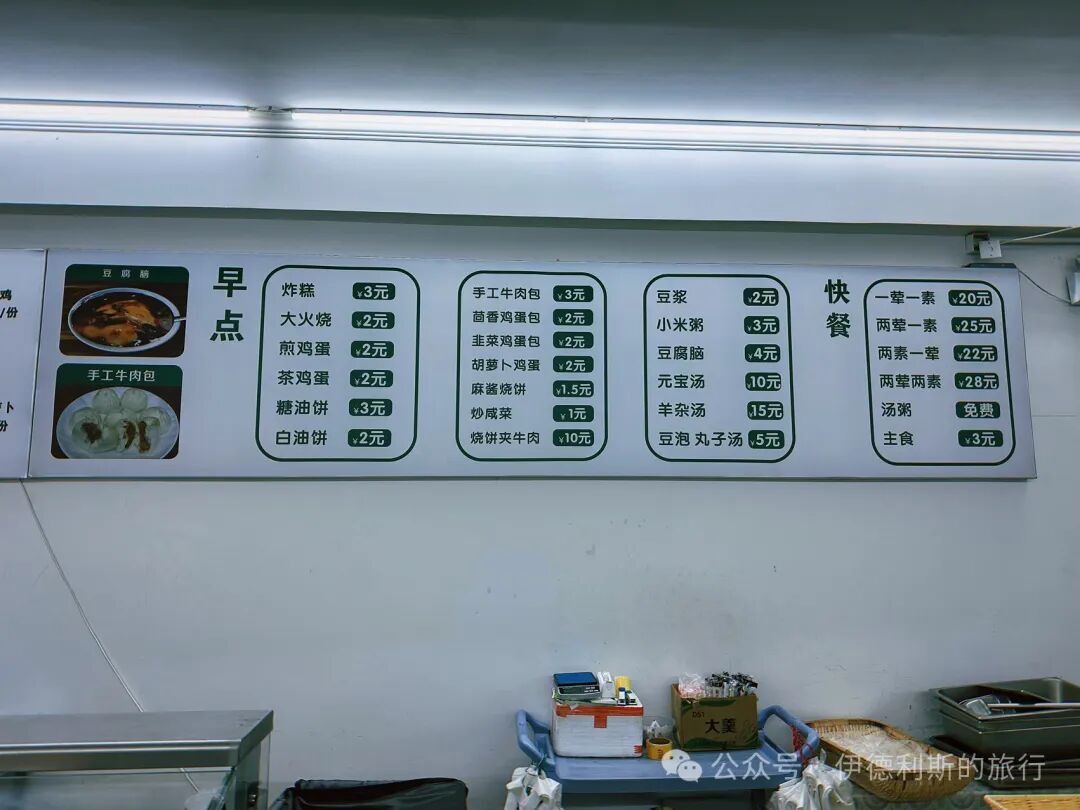
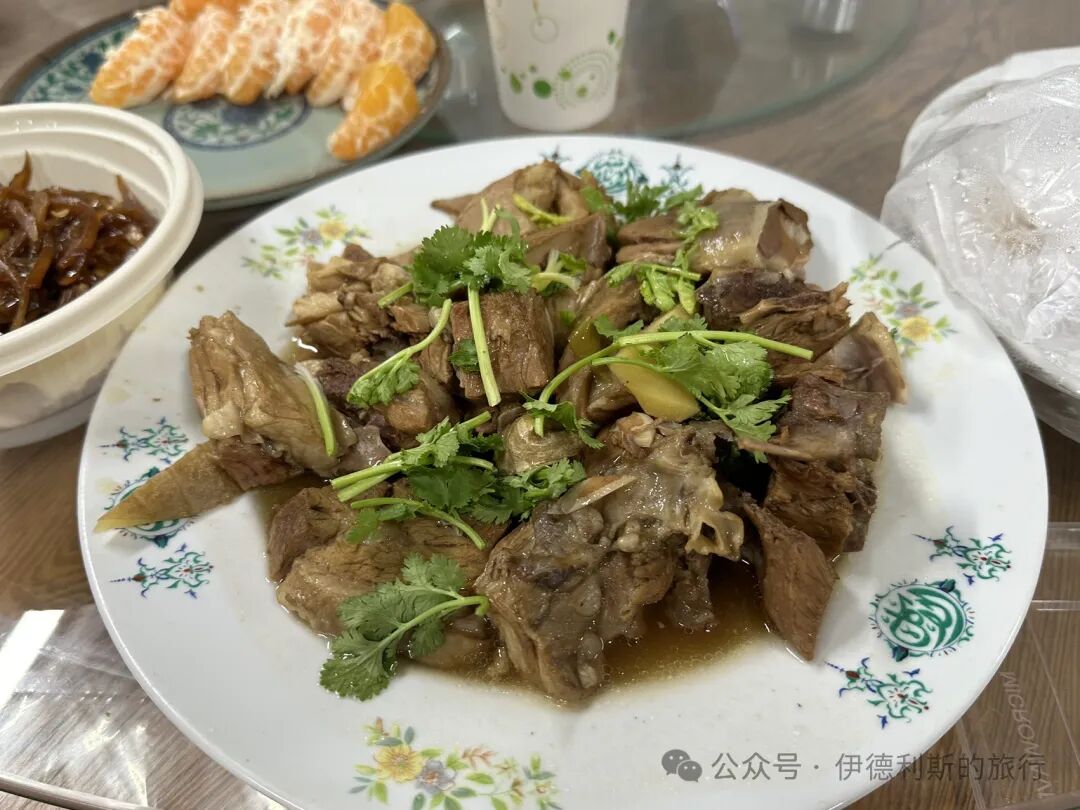
In the evening, a friend (dosti) kindly invited everyone to break their fast at Nanxiapo Mosque. We ate delicious stewed beef, and I felt very grateful. Nanxiapo Mosque now hosts charity meals (nietie) and is also open to the public, selling the eight classic bowls (badawan), breakfast, and fast food. You can enter through the hot pot restaurant next to the mosque. If you want to try traditional Beijing Muslim cuisine, you can come and give it a try.
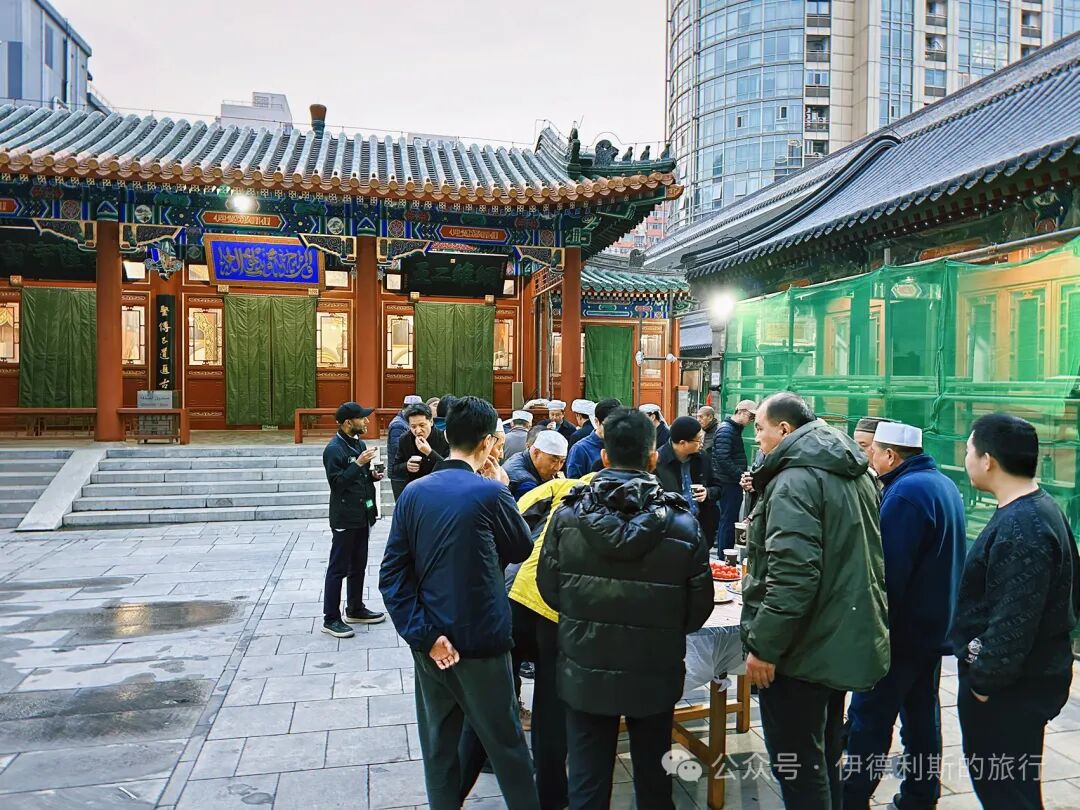
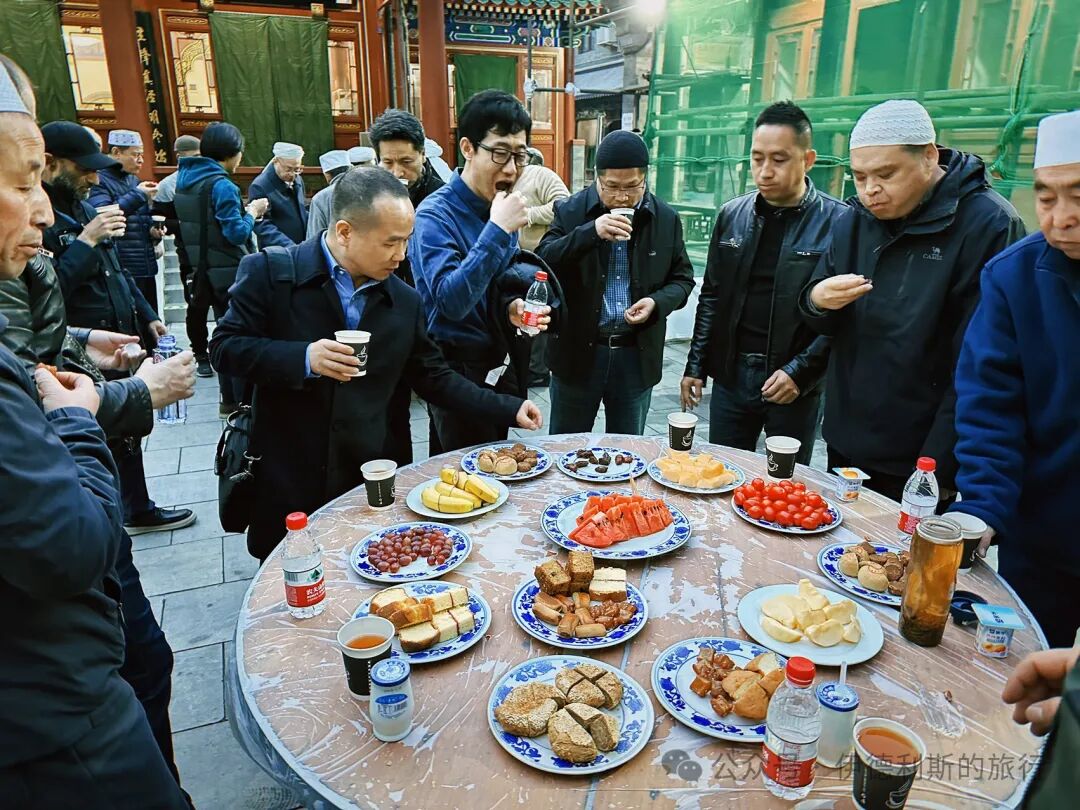
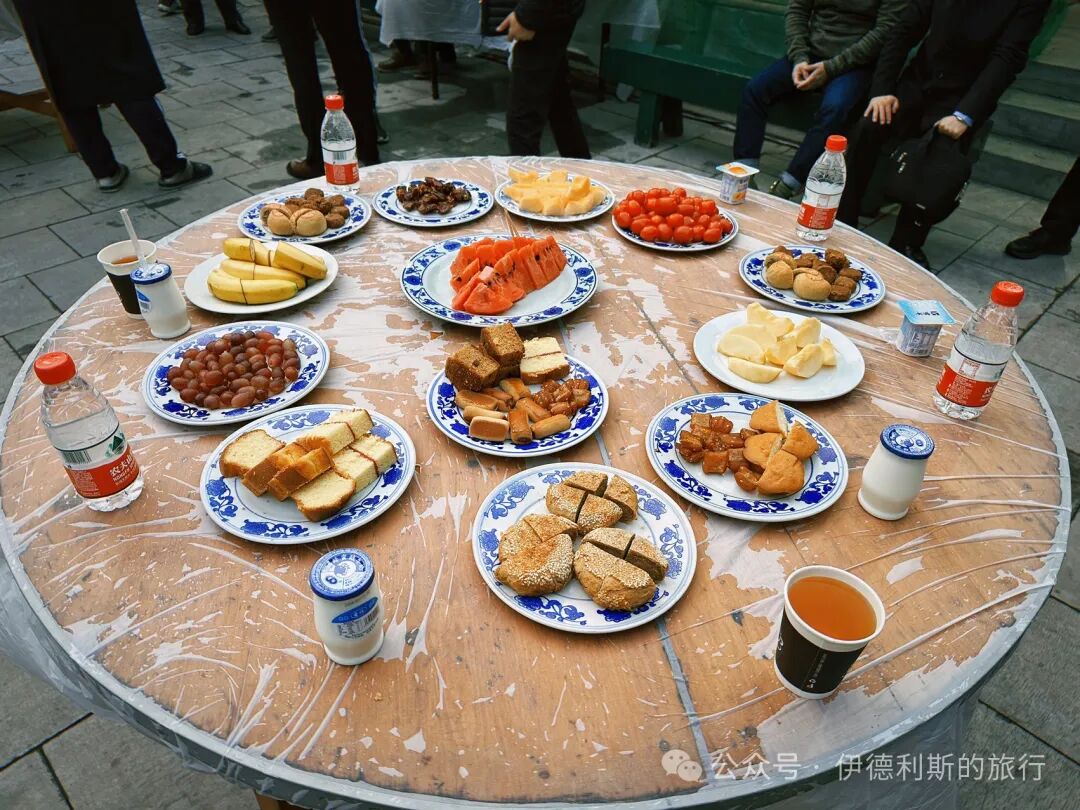
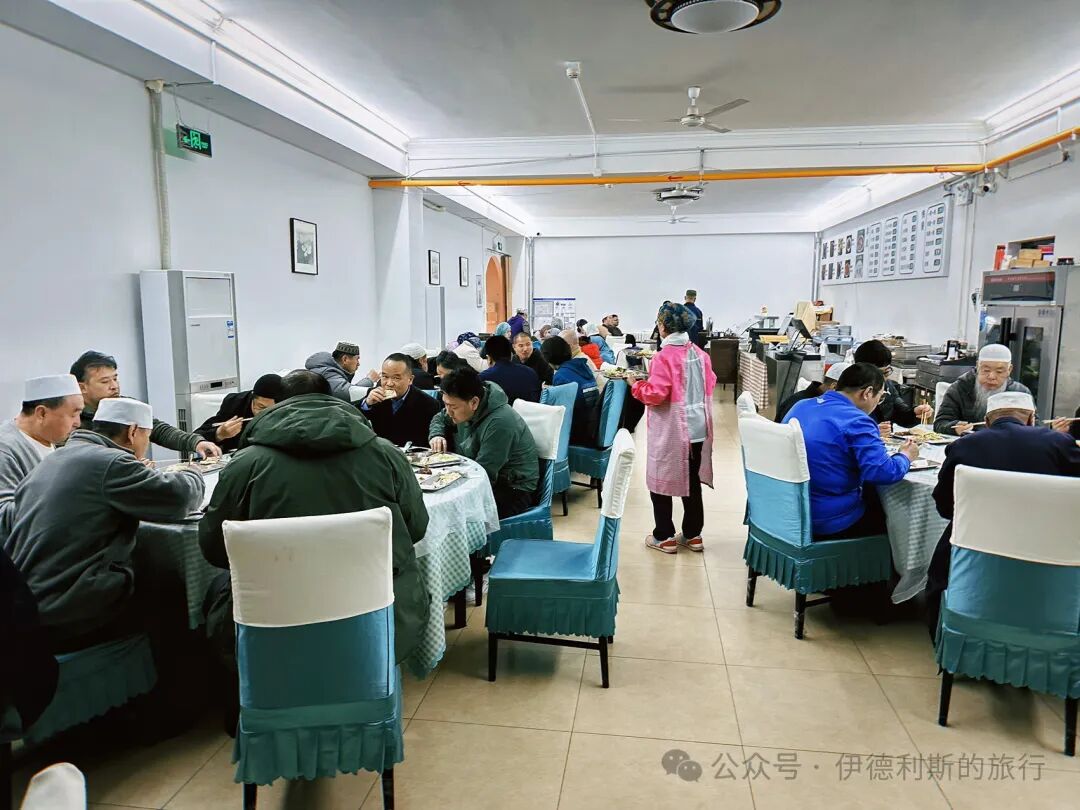
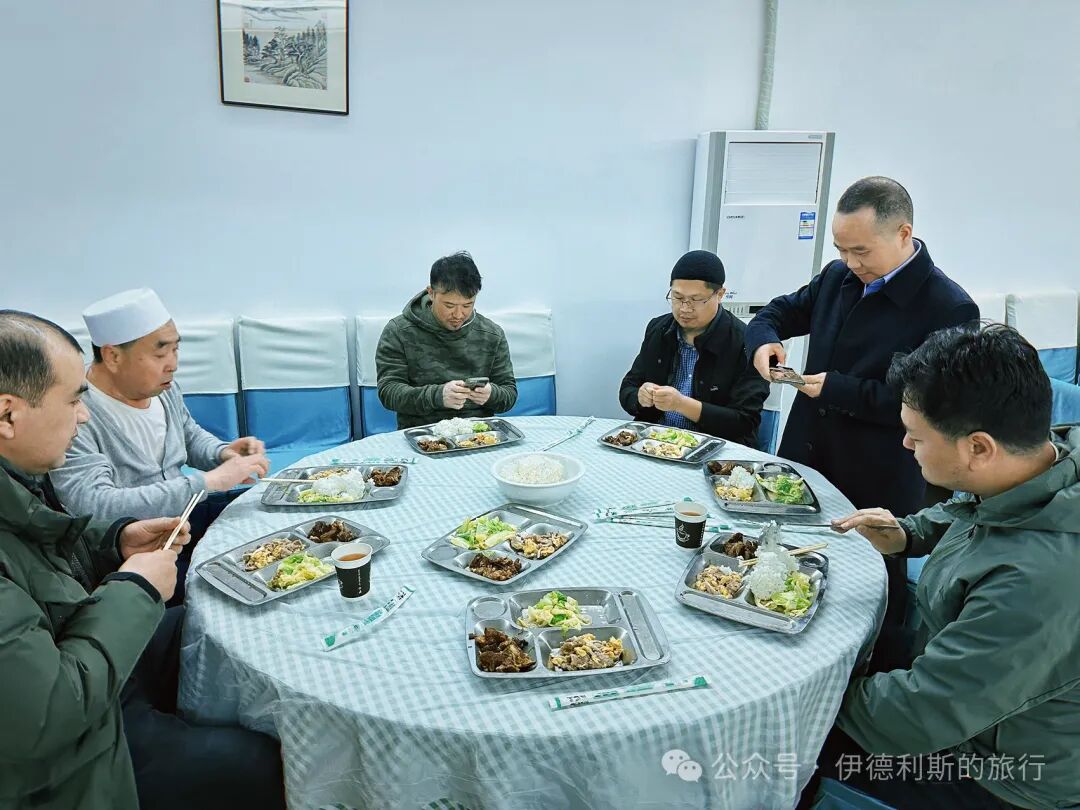
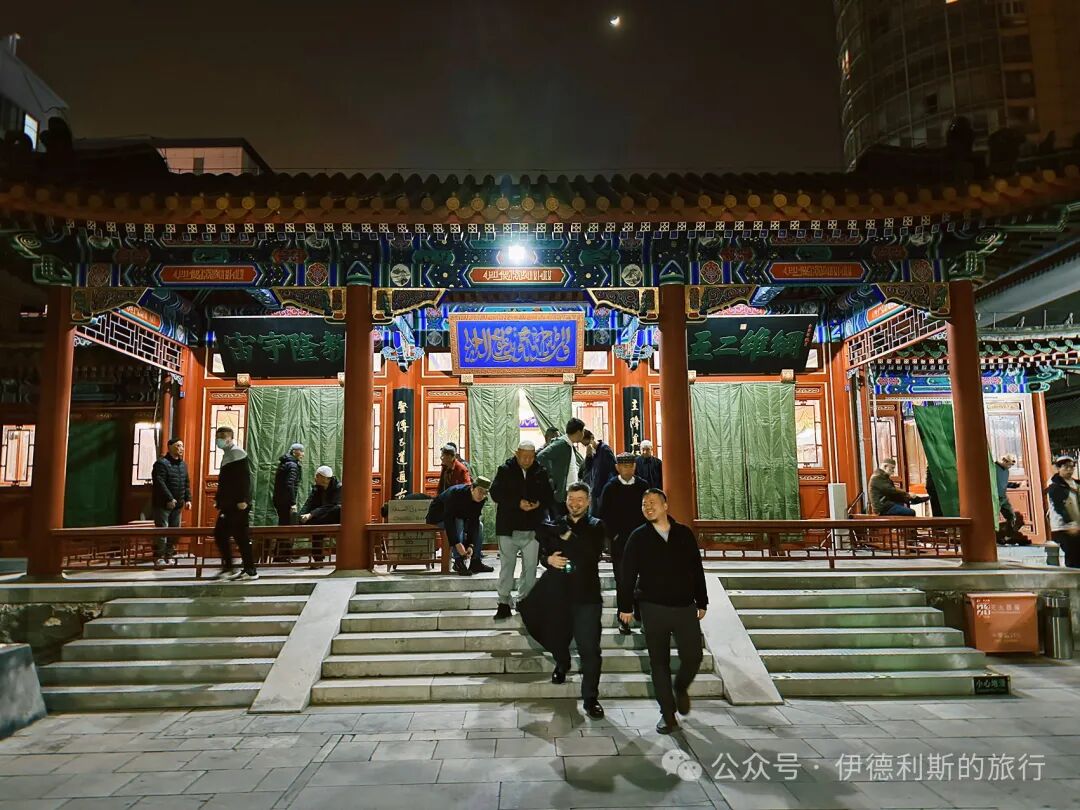
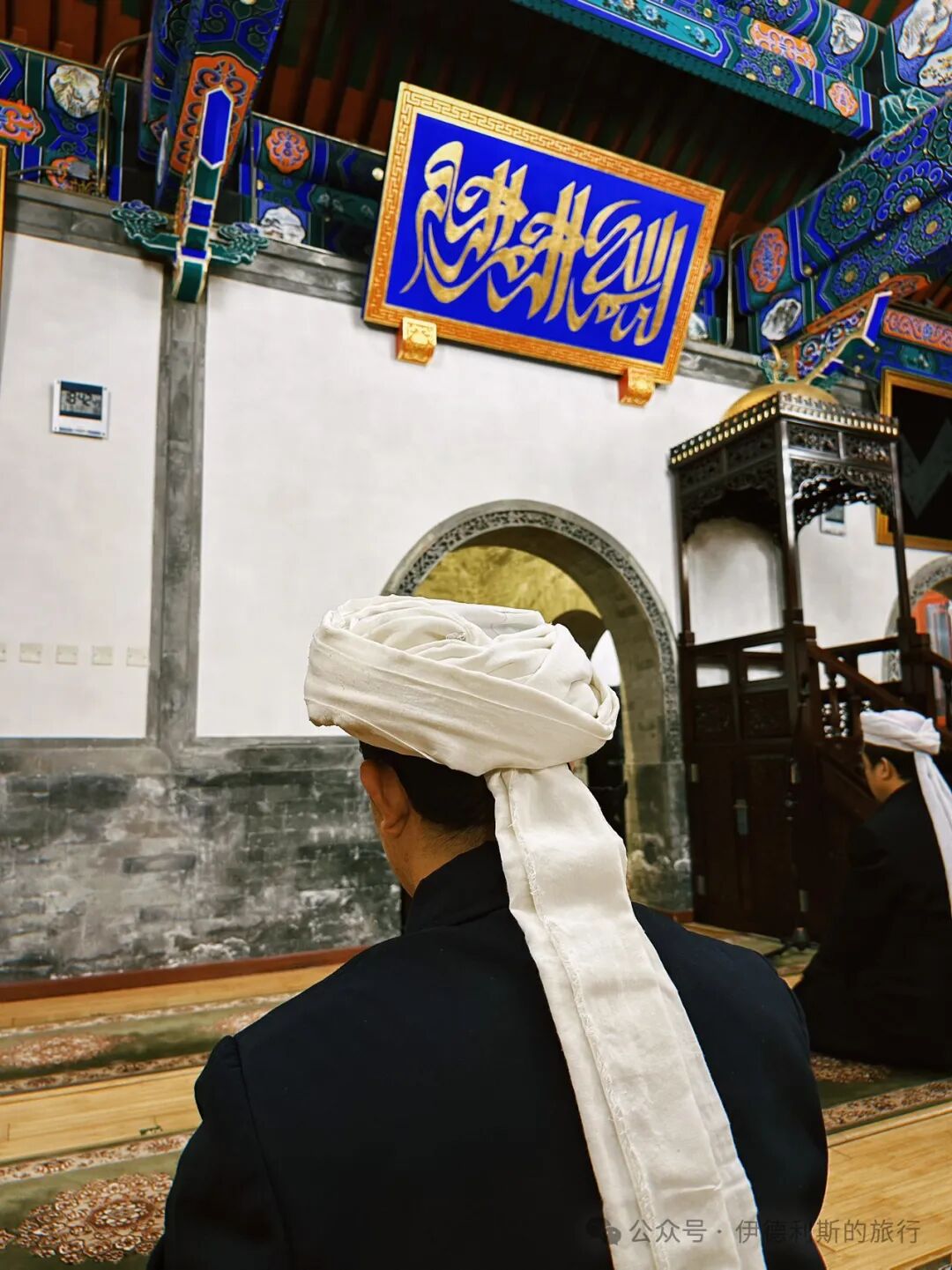
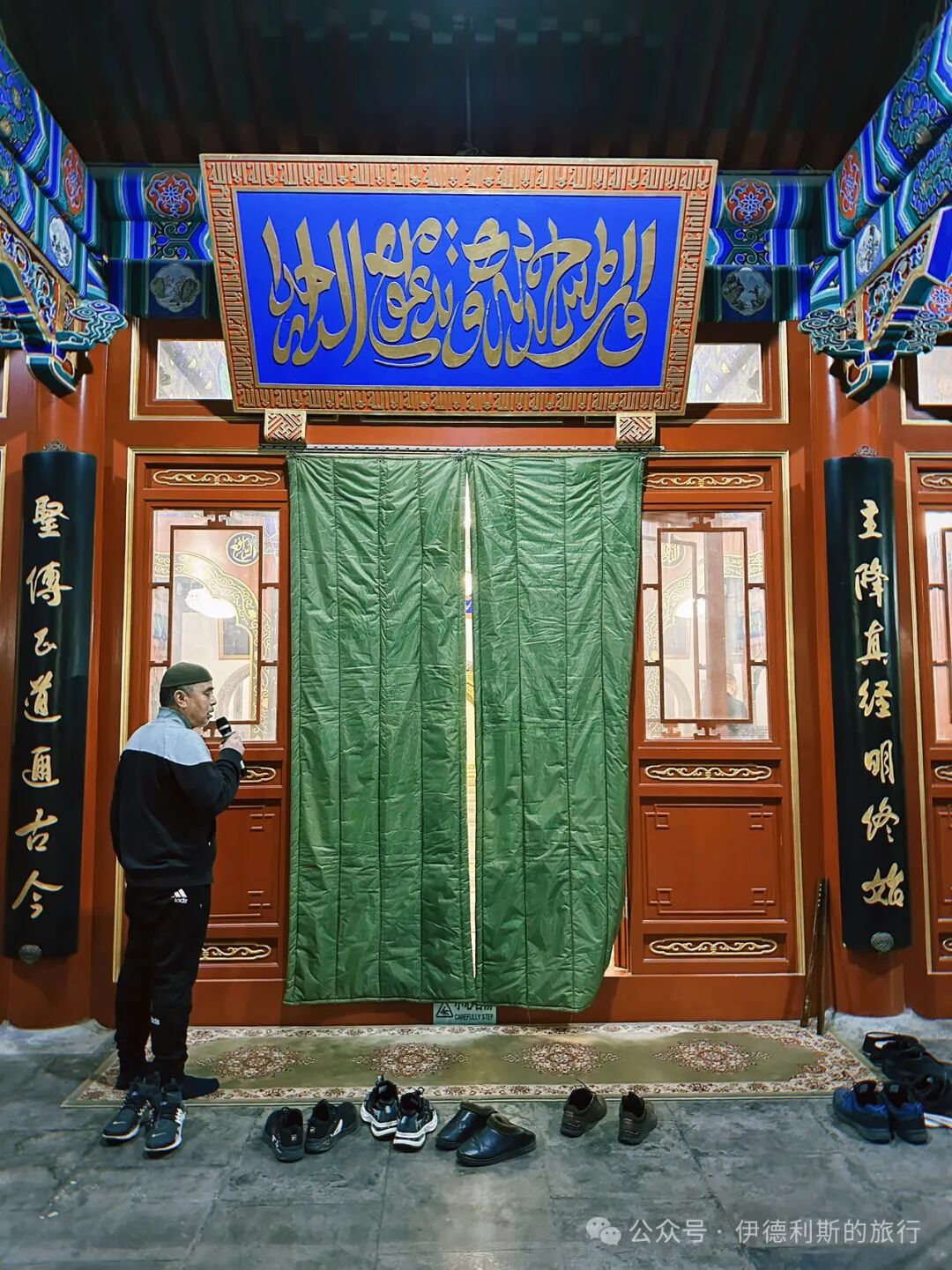
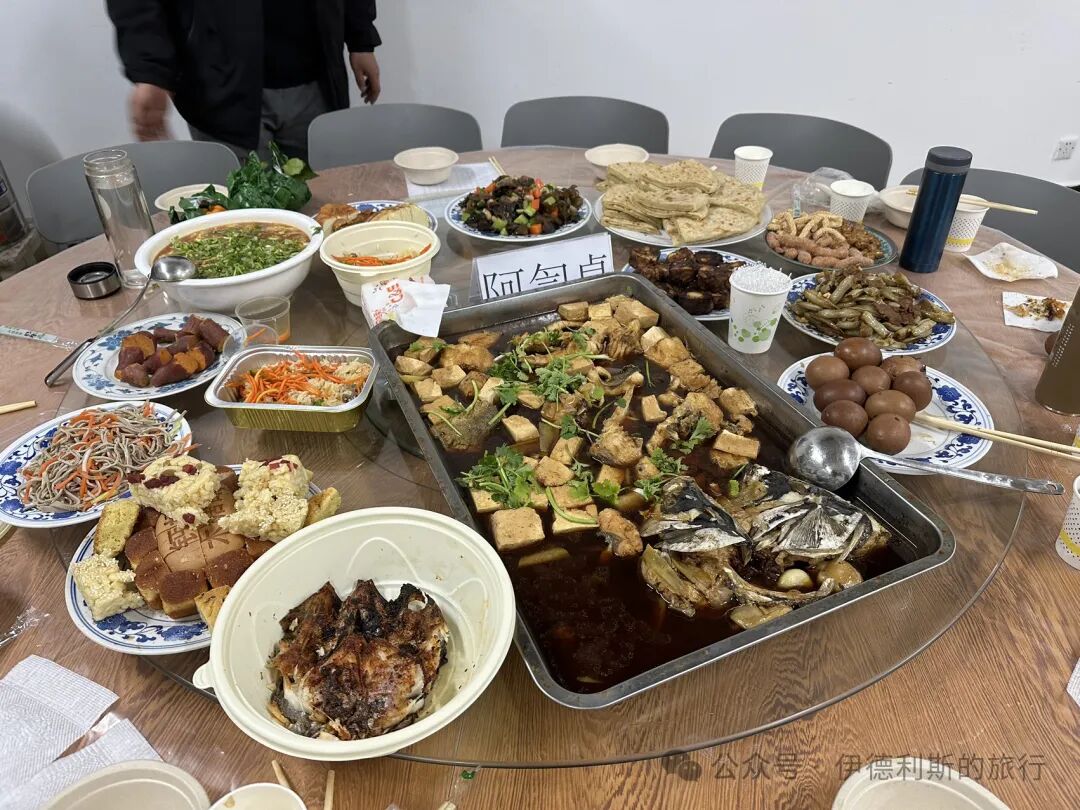
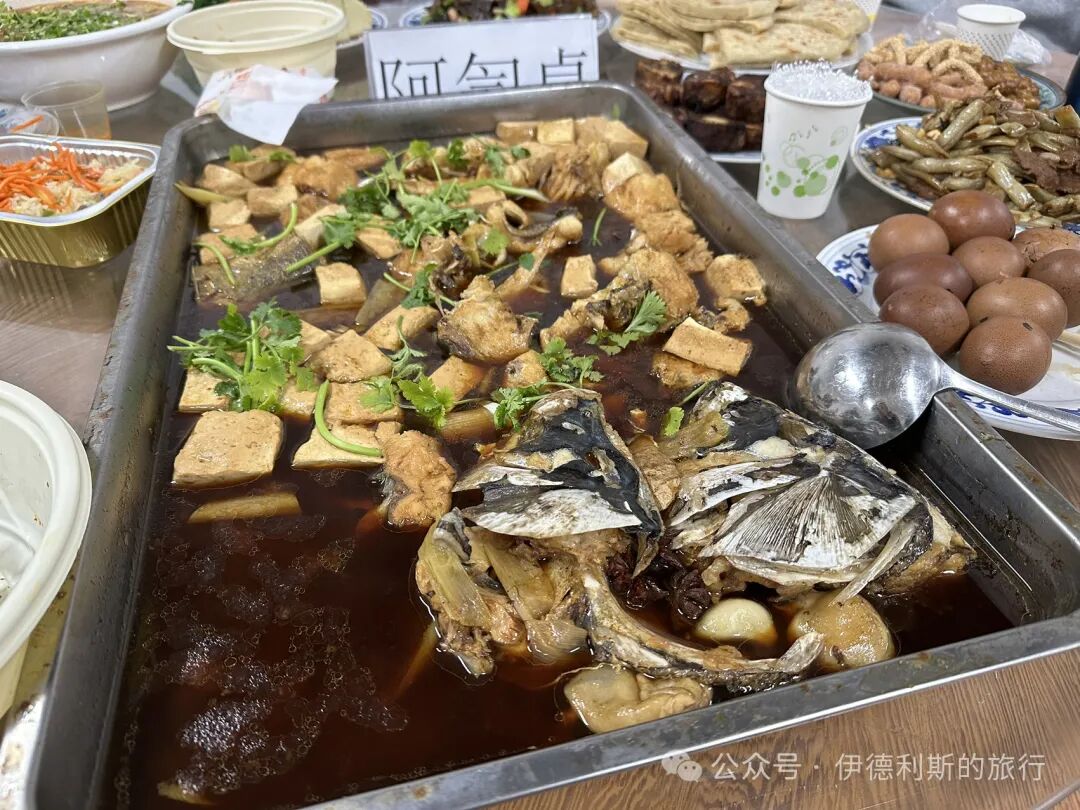
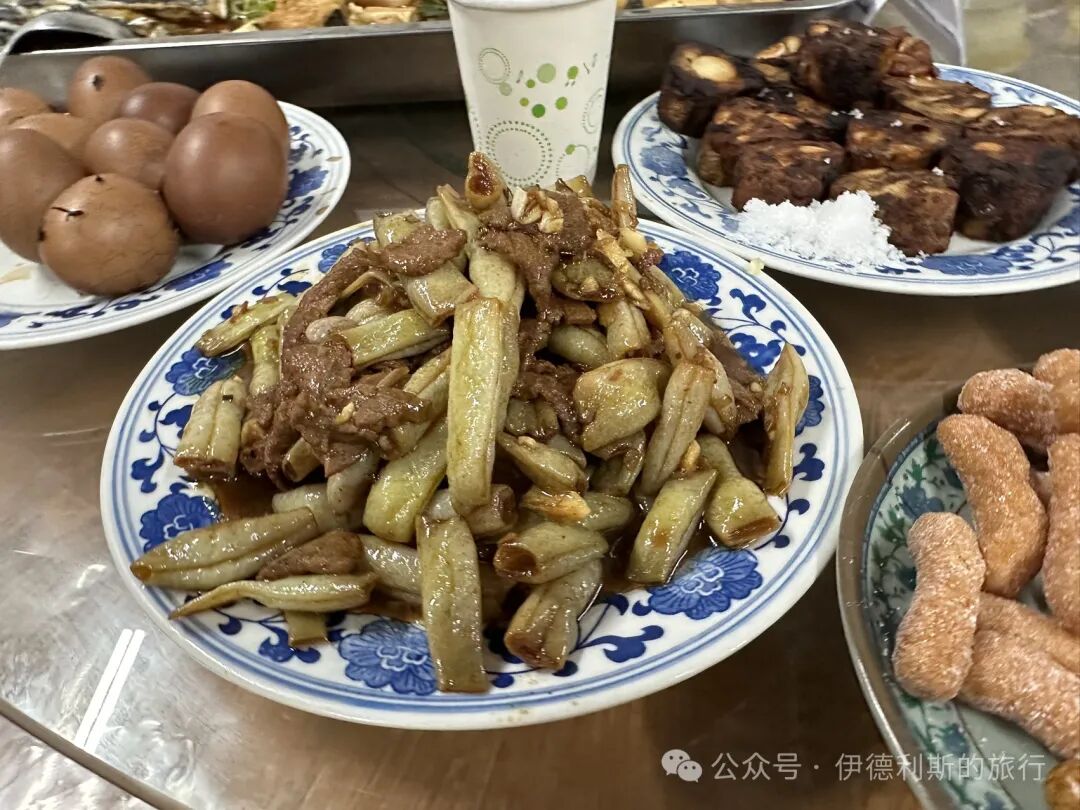
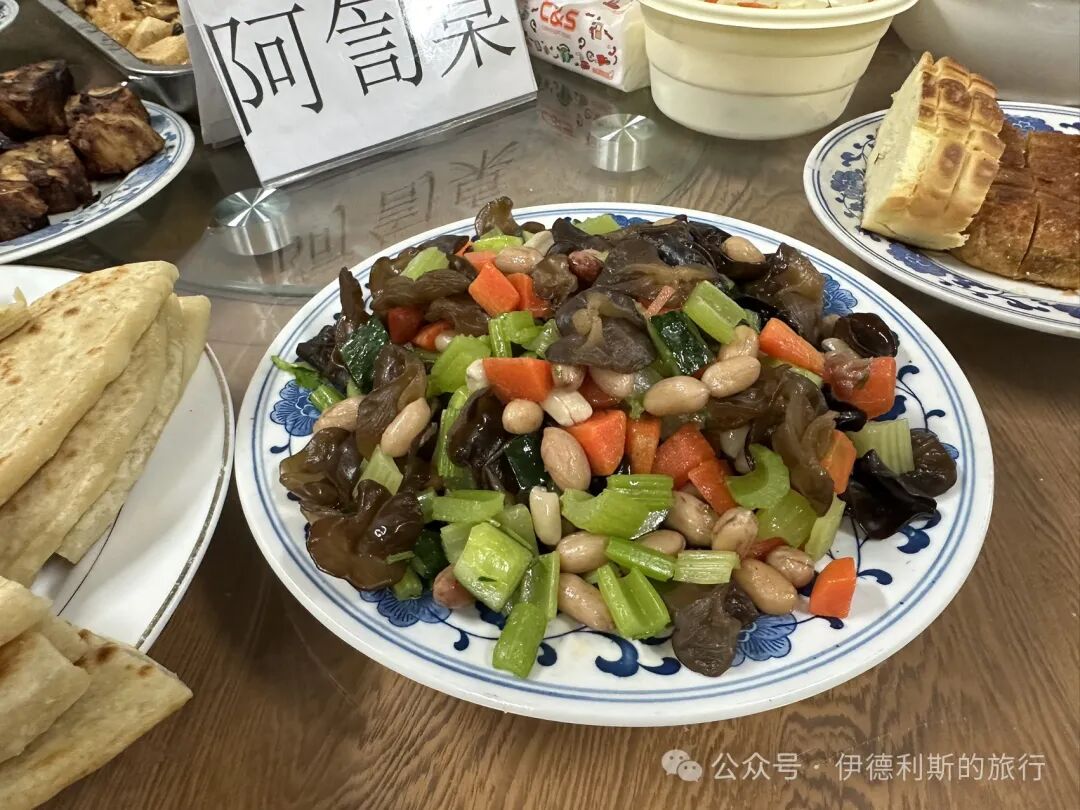
On the fifth day, at Balizhuang Mosque, I had fish head with pancakes (yutou paobing). The elders made the pancakes themselves, along with candied yam rolls (tang juanguo), and there was also grilled fish and pilaf (zhuafan) donated by a foreign friend (dosti). There were many people on the weekend, filling four large tables. For a small mosque, this is not easy at all.
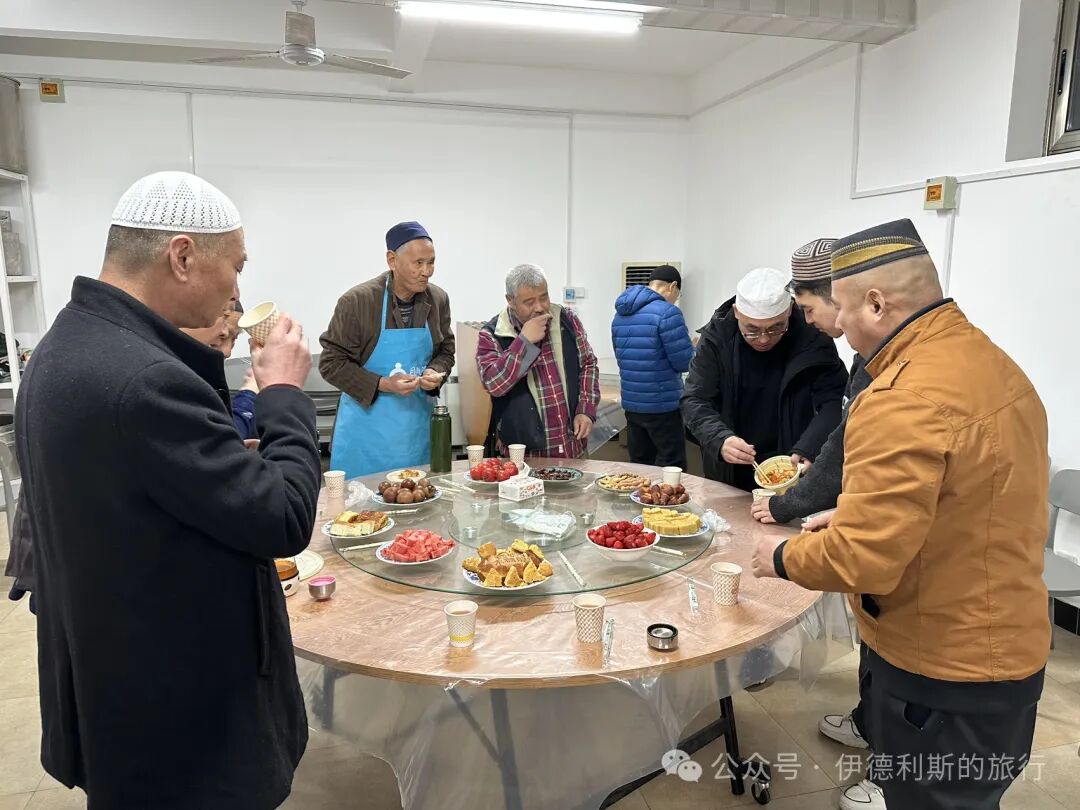
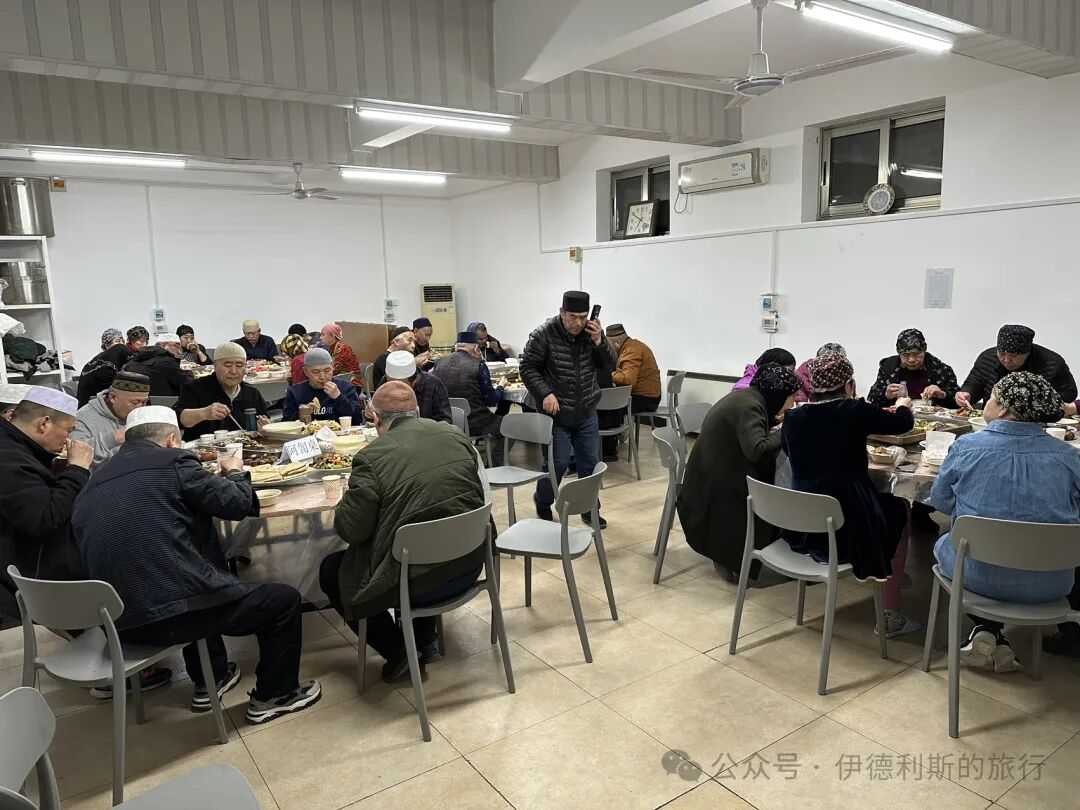
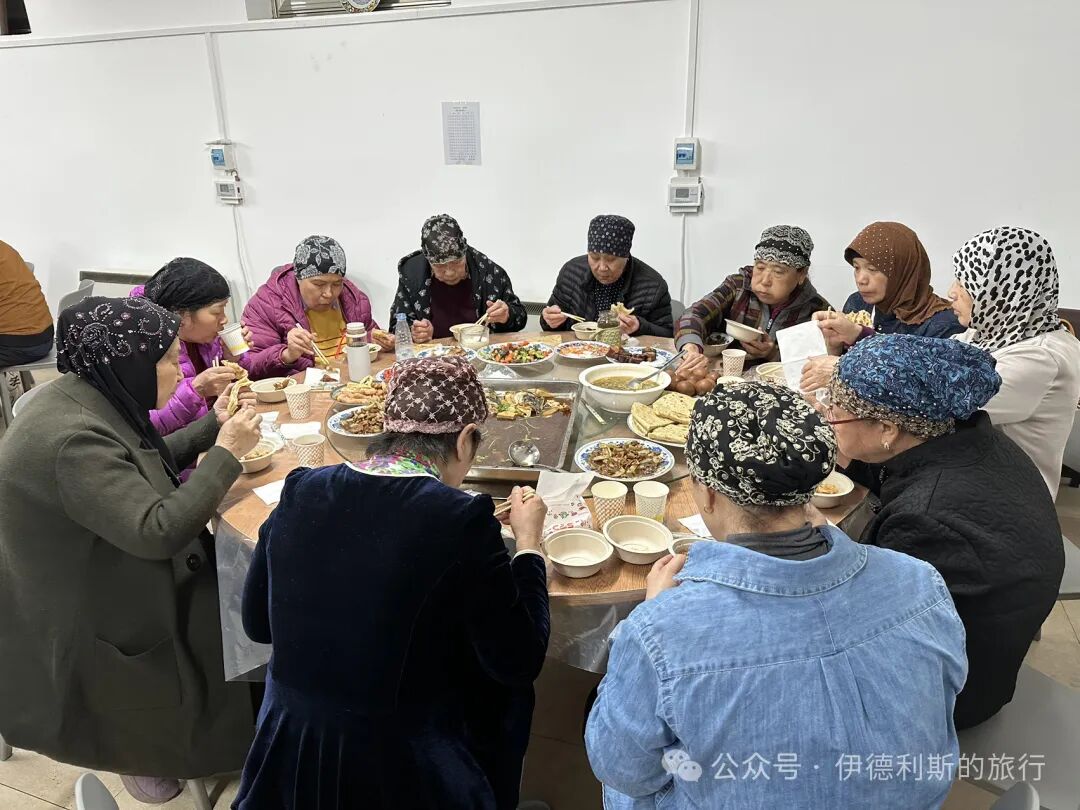
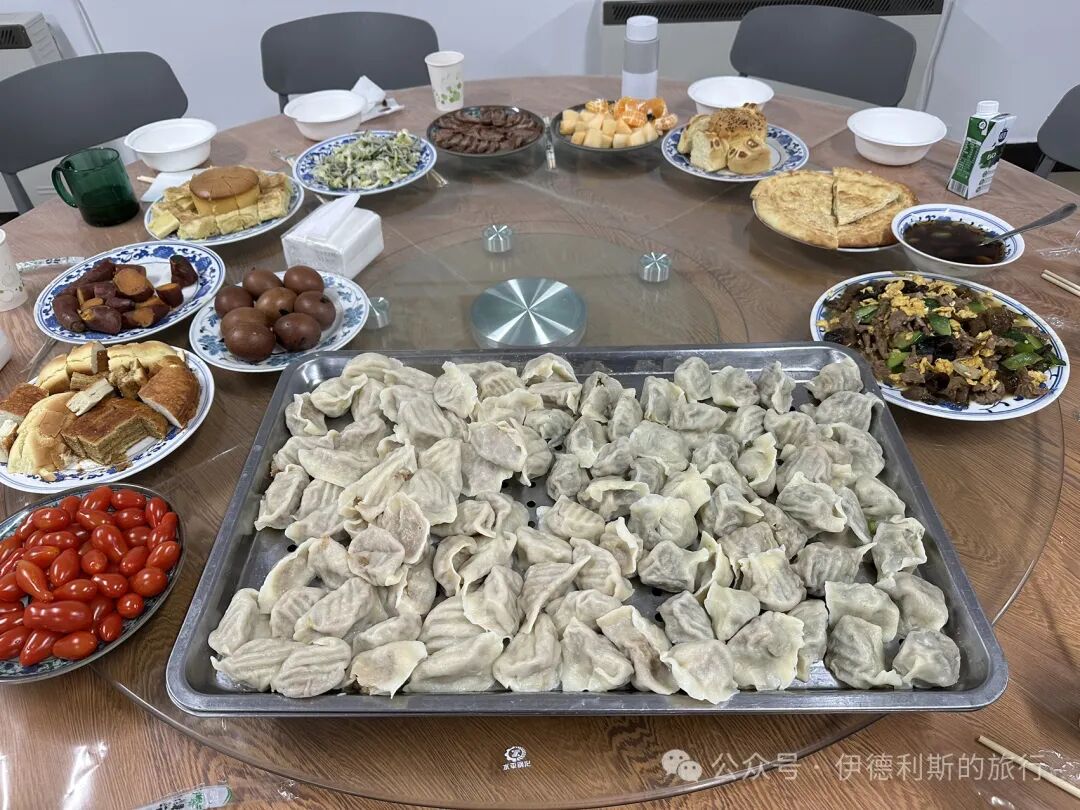
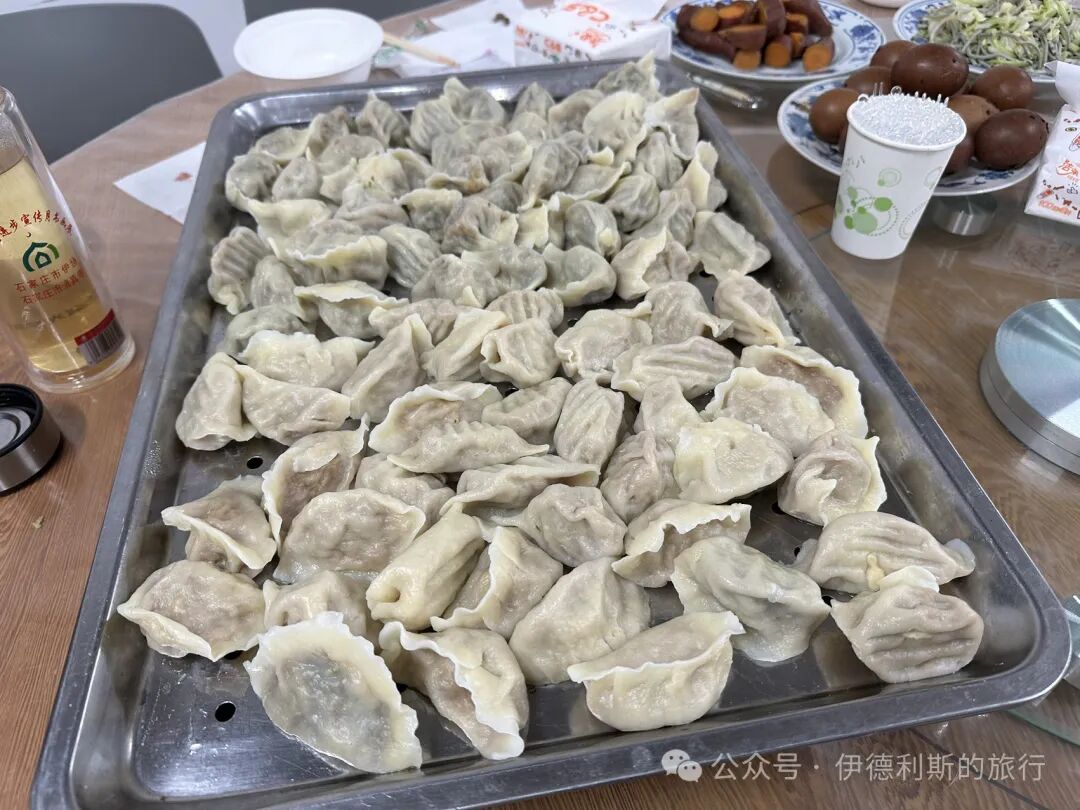
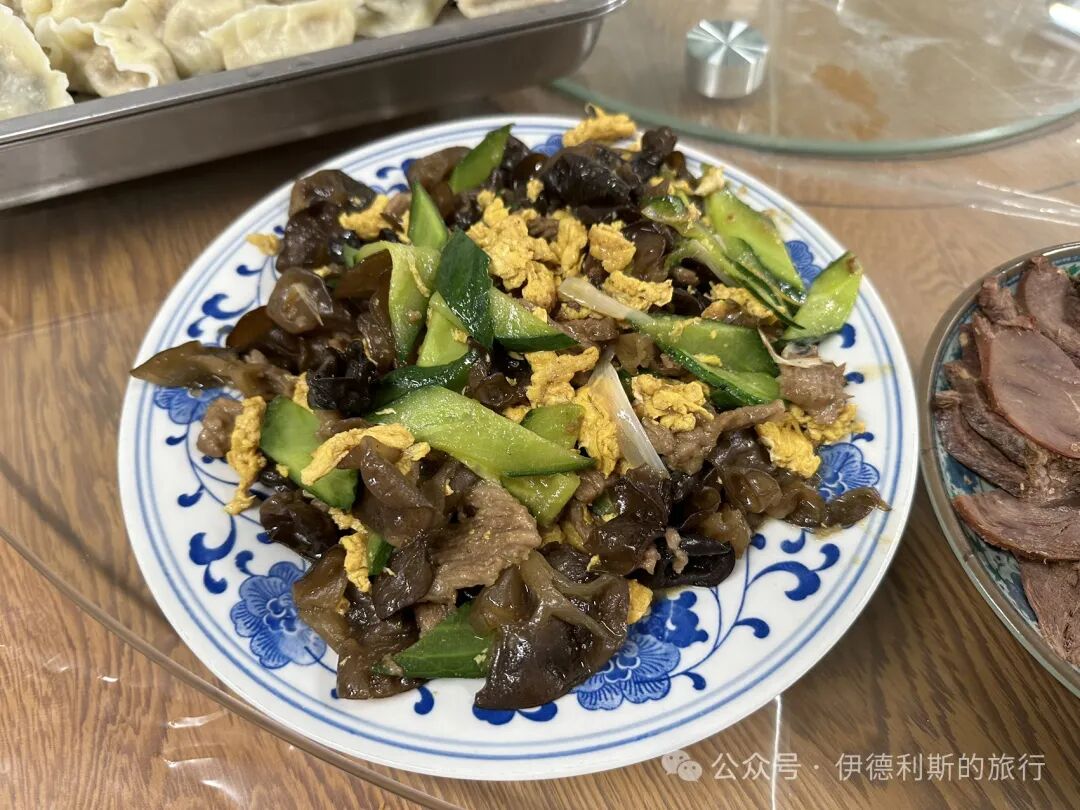
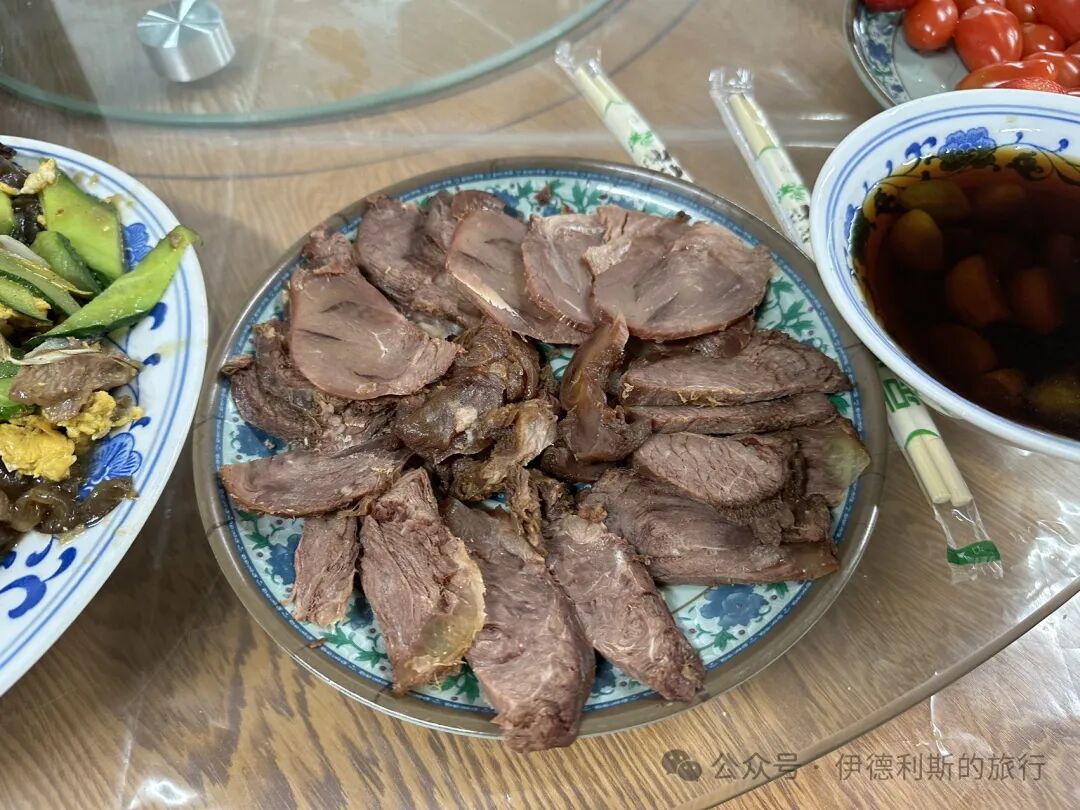
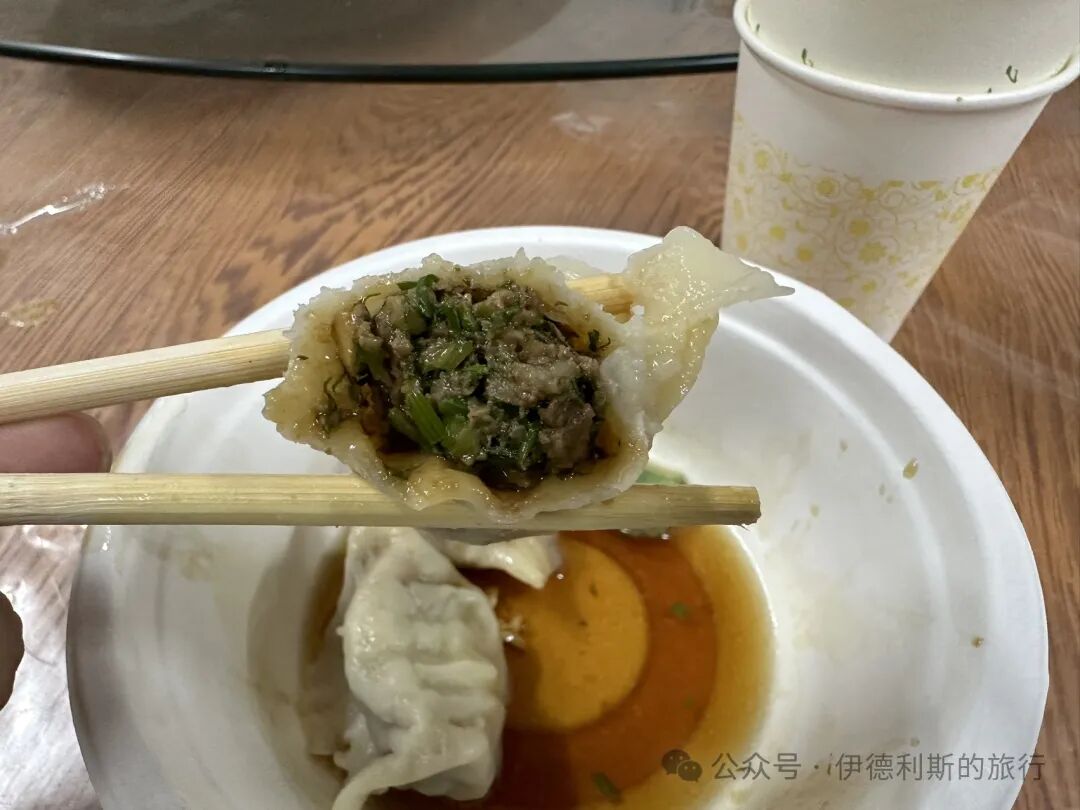
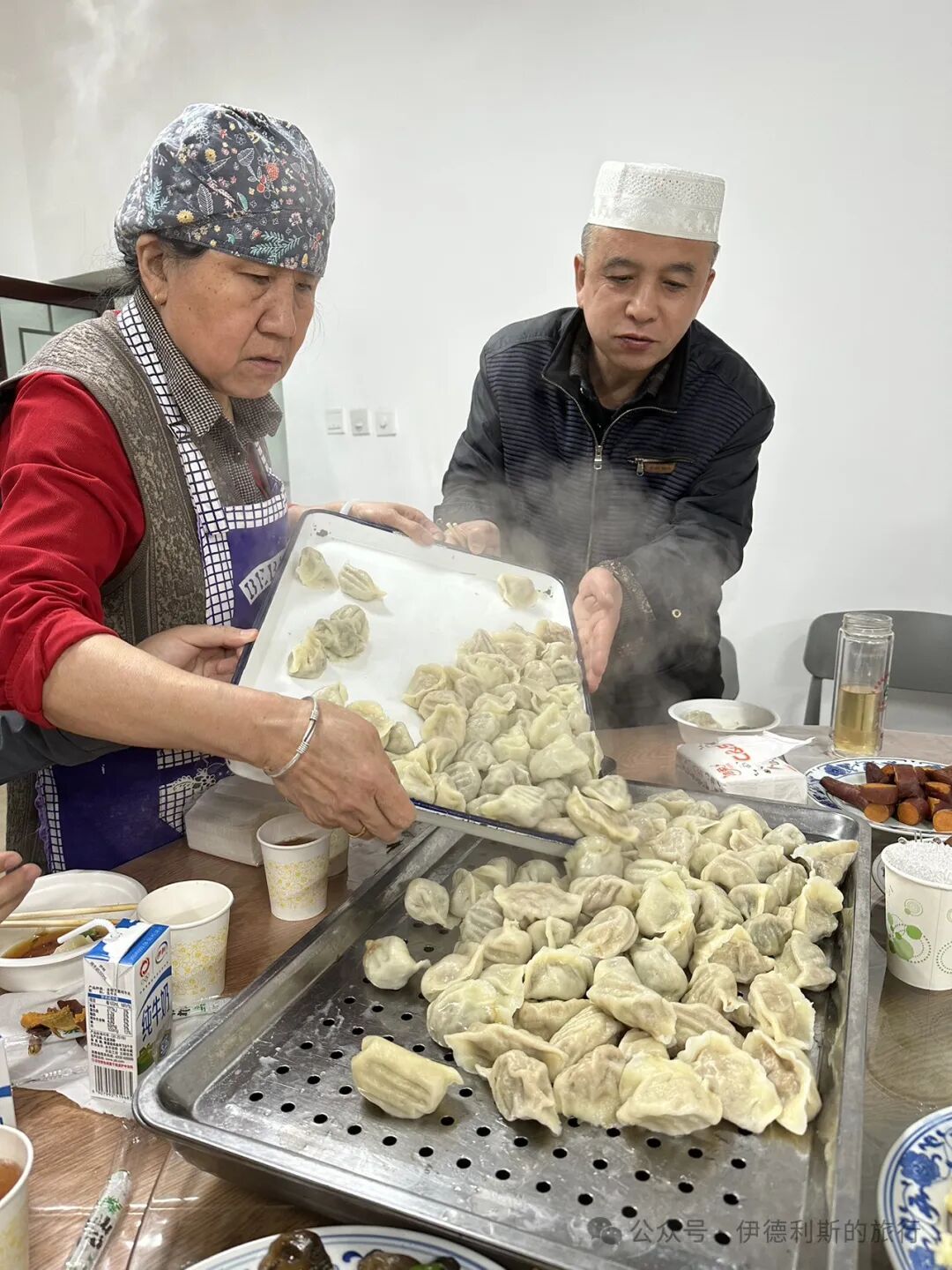
On the sixth day, the Balizhuang Mosque made dumplings. We had fennel filling and cabbage filling, plus spiced beef (jiang niurou) and stir-fried egg with wood ear mushrooms and meat (muxu rou). Fennel dumplings have been my favorite since I was a kid!
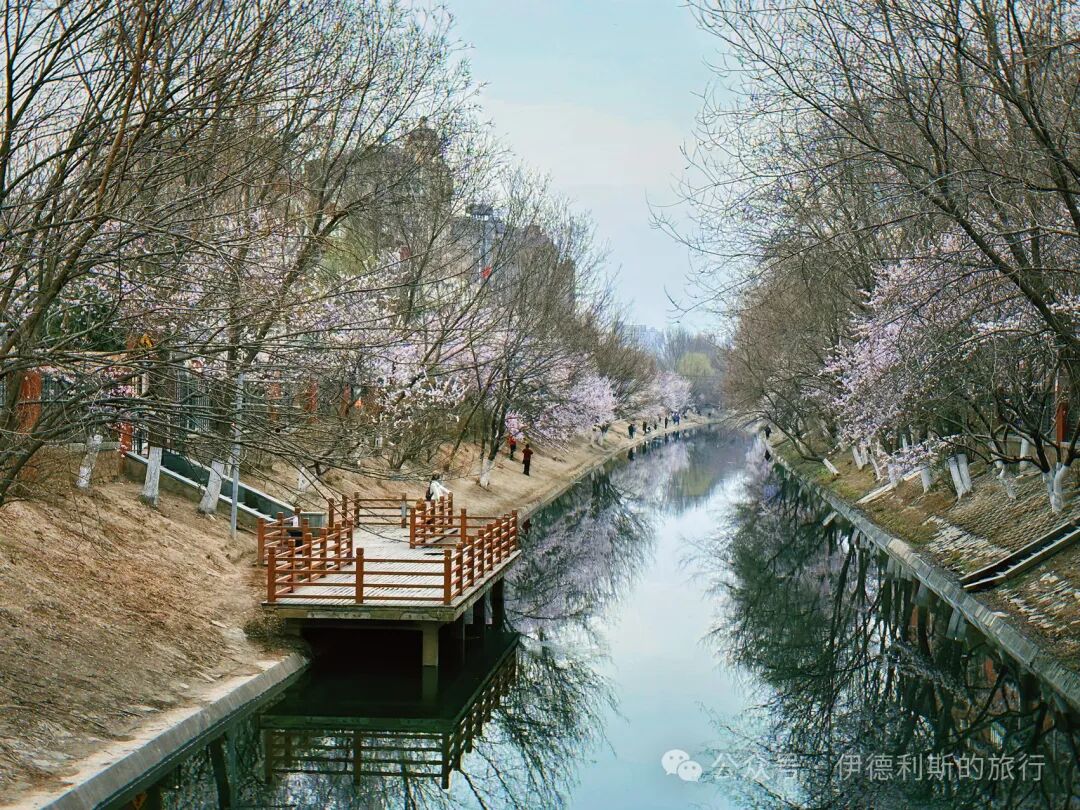
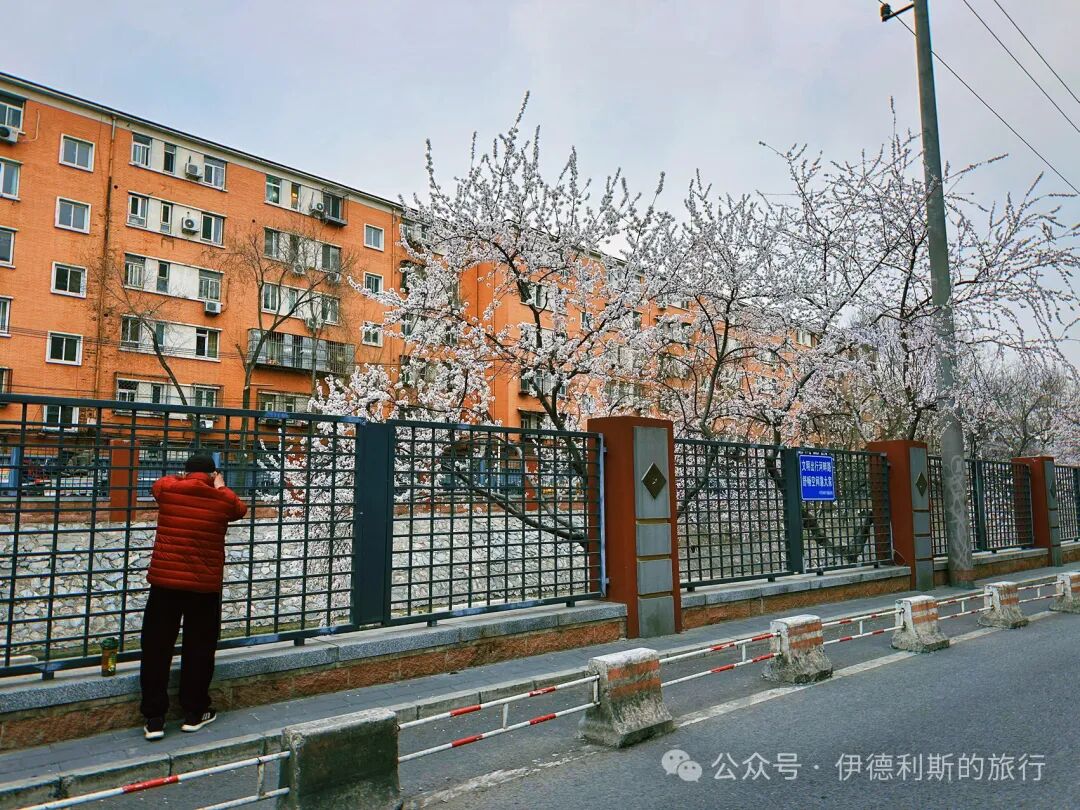
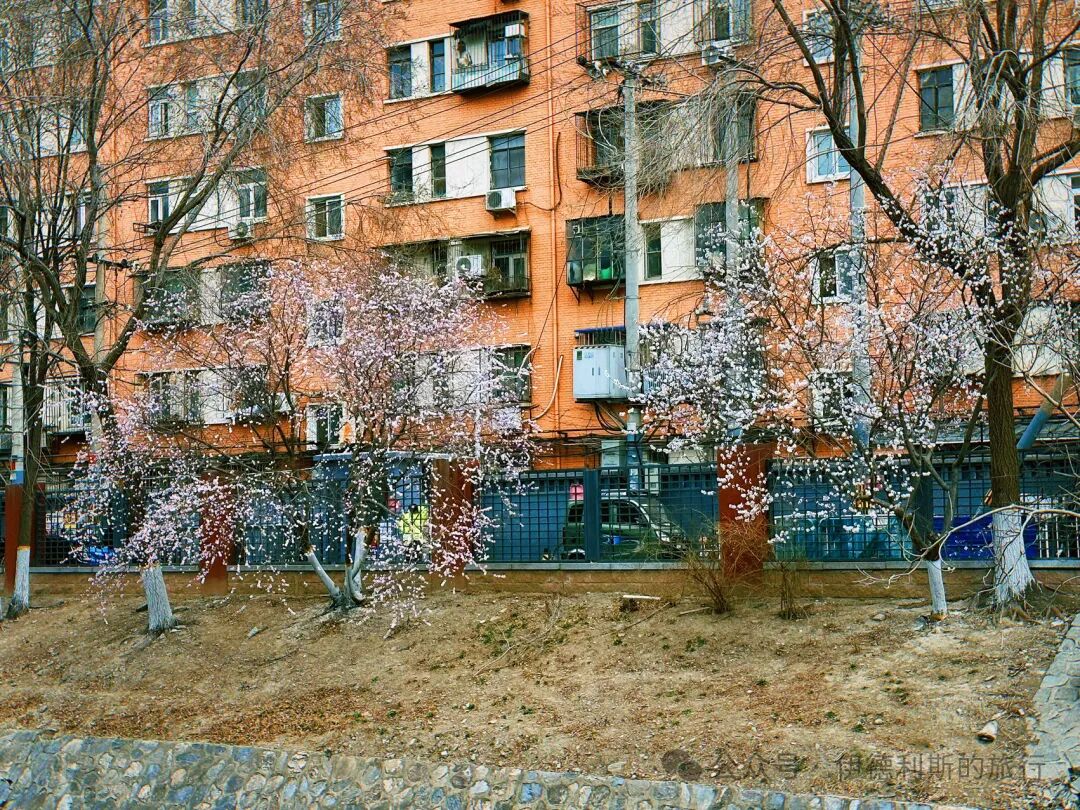
The wild peach blossoms by Erdaogou stream at the entrance of Balizhuang Mosque are in full bloom. During the Qing Dynasty and the Republic of China era, Hui Muslims in Balizhuang used water from Erdaogou to irrigate their crops. The village was full of bean trellises, melon frames, heavy fruit, and lush green trees.
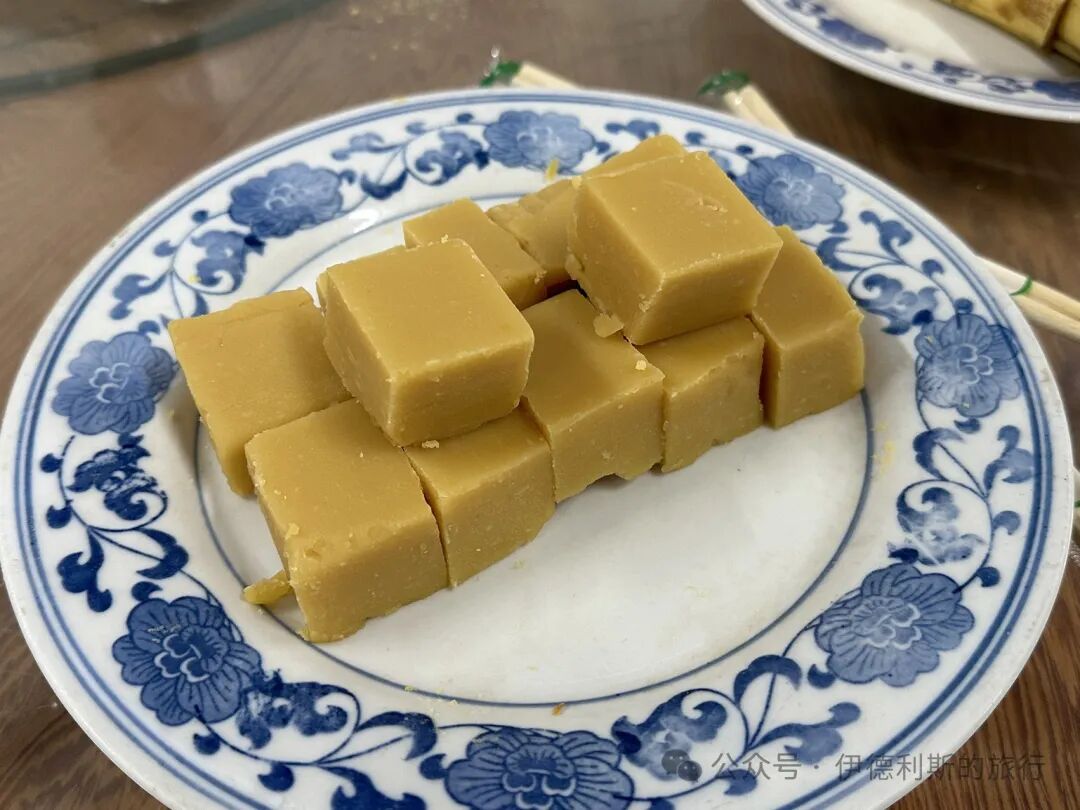
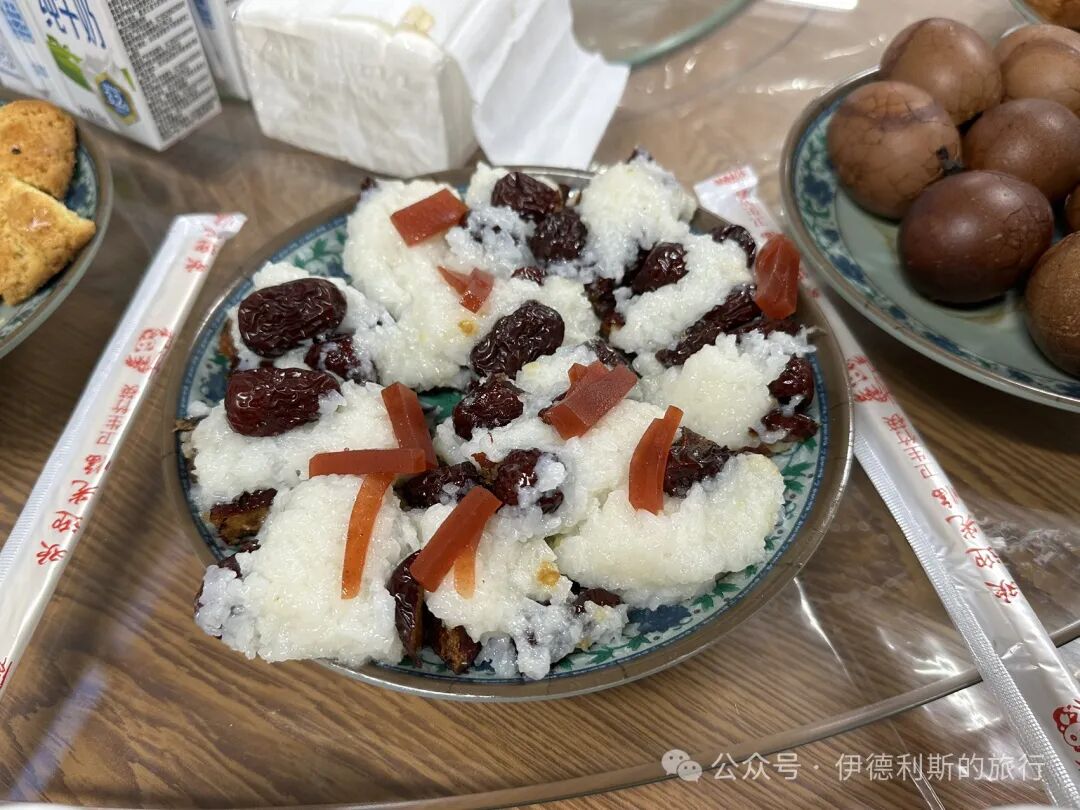
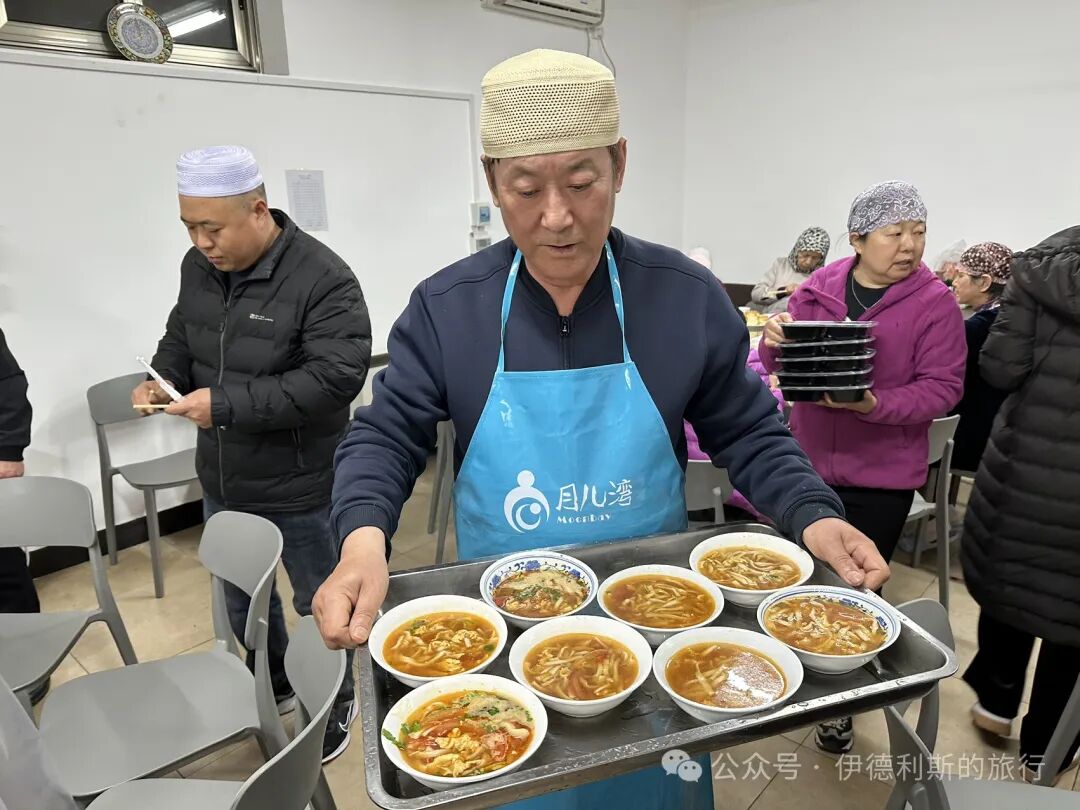
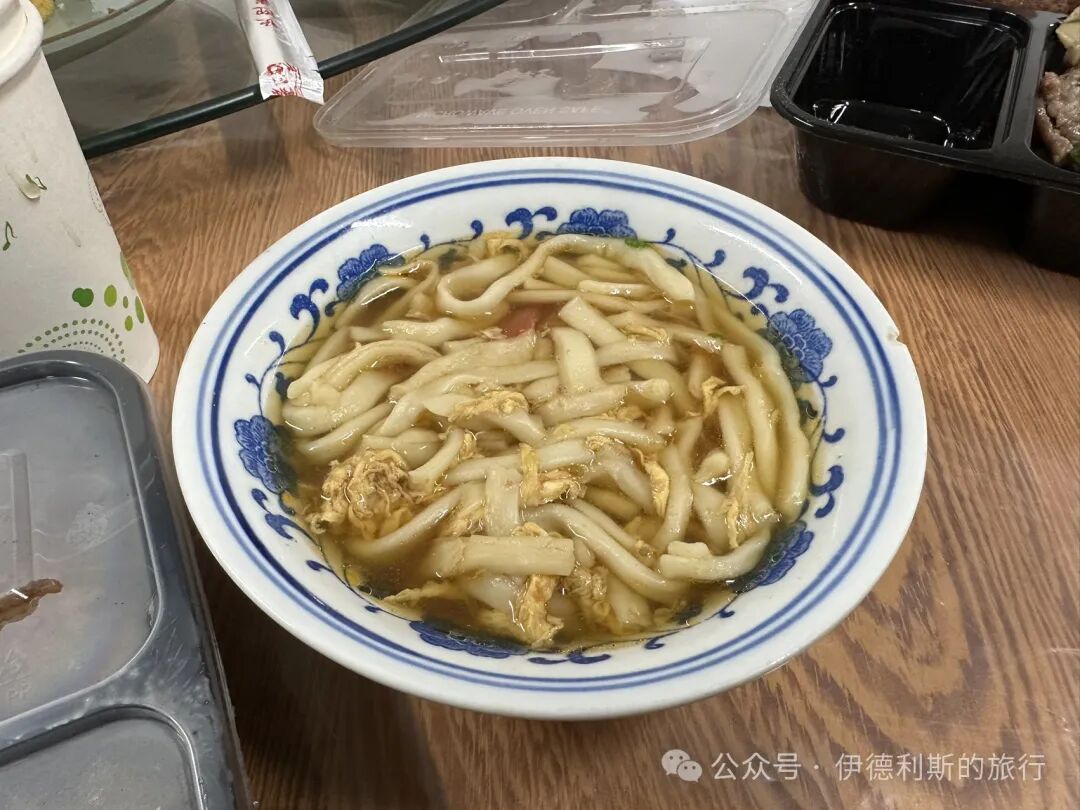
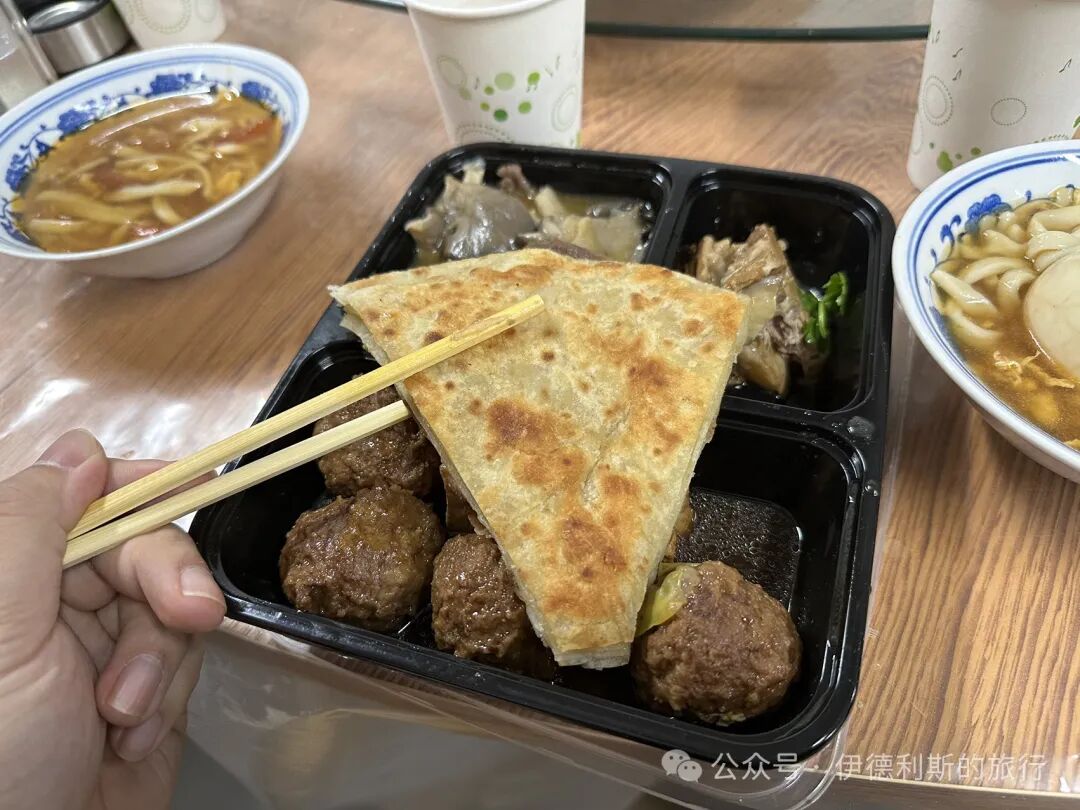
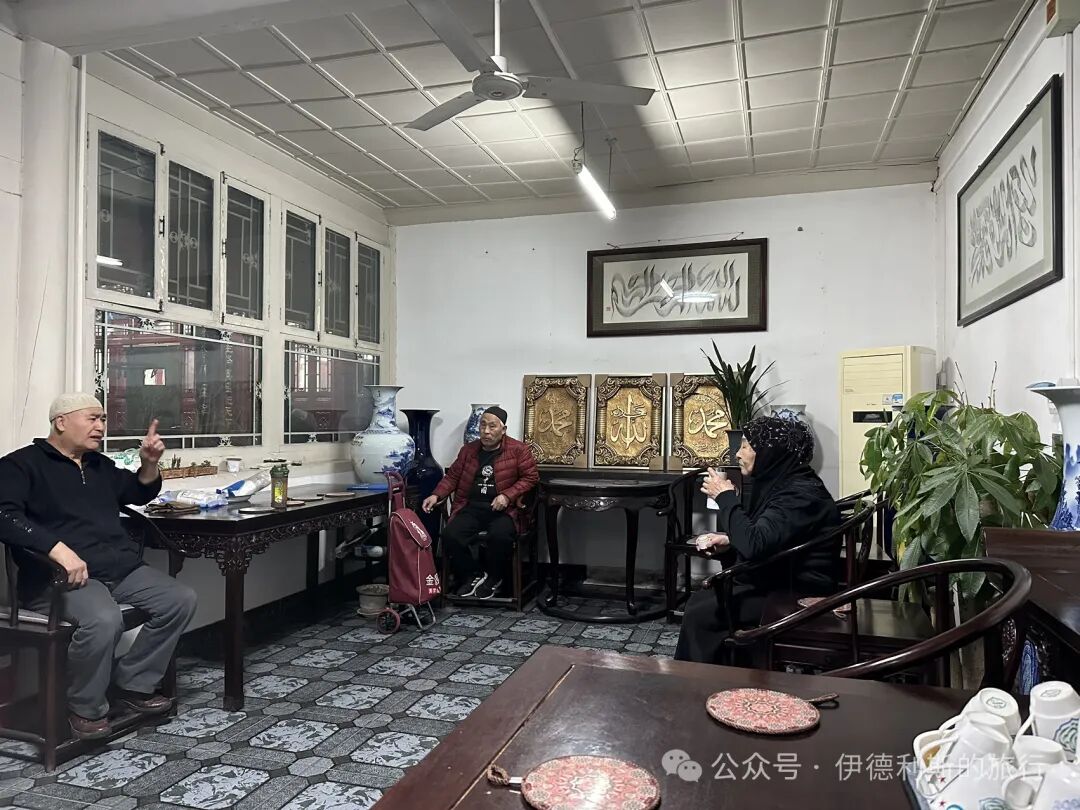
On the seventh day, I got some rice cake (niangao) made by Elder Li at the entrance of Balizhuang Mosque. For the communal meal, we had hot noodle soup, lamb chops, and fried tofu stewed with meatballs. We also had steamed buns (mantou) and griddle-baked flatbread (laobing). I was completely stuffed. After eating, I had tea and chatted with the elders, then went into the prayer hall for the scripture reading and the prayer service.
Summary: Halal Travel Guide: Beijing Ramadan Diary - Week One Mosques and Iftar is presented here as a firsthand travel account in clear, natural English. The account focuses on Beijing Ramadan, Mosques, Halal Food while preserving the names, places, food, photos, and historical details from the Chinese source.
It is the holy month of Ramadan again. I spent a wonderful time at Balizhuang Mosque last year (see "Ramadan in Beijing 2023—The Beautiful Balizhuang Mosque"), and I am spending Ramadan at Balizhuang Mosque again this year.
On the evening of March 11, I performed the first Taraweeh prayer at Balizhuang Mosque. Every year, I enjoy the blessed atmosphere of Ramadan the most, when everyone gathers at the mosque to complete their worship.
On the first day, Balizhuang Mosque had Hohhot pastries and baked flatbreads (beizi) donated by Elder Yang, as well as tea donated by the imam. For iftar, we had braised meat (hui songrou), braised eggplant, stewed radish, and fermented bean curd (ma doufu). It was simple and tasty, and I felt very comfortable after eating.
Looking at the Douyin building from Balizhuang Mosque, I see people praying and people working overtime.
On the second day, I had stewed beef with potatoes, stewed kelp, and cabbage with vermicelli at Balizhuang Mosque. The stewed beef was great with rice, and the kelp and vermicelli were lighter than what you get in restaurants, which is perfect for breaking the fast because it does not make you thirsty.
On the third day, Elder Li made donkey-roll cakes (lvdagun) for everyone at Balizhuang Mosque. I experienced his cooking skills last year. For iftar, we had soybean paste noodles (zhajiangmian) and eggplant sauce noodles. There were various toppings like radish, cabbage, cucumber, and roast chicken. I love soybean paste noodles so much! Soybean paste noodles in restaurants are usually all sauce with very little meat, but the ones at the mosque have plenty of meat.
On the fourth day, for the first Jumu'ah of Ramadan, I went to Dongsi Mosque. The midday sun was warm, and spring in Beijing is in full swing.
In the evening, a friend (dosti) kindly invited everyone to break their fast at Nanxiapo Mosque. We ate delicious stewed beef, and I felt very grateful. Nanxiapo Mosque now hosts charity meals (nietie) and is also open to the public, selling the eight classic bowls (badawan), breakfast, and fast food. You can enter through the hot pot restaurant next to the mosque. If you want to try traditional Beijing Muslim cuisine, you can come and give it a try.
On the fifth day, at Balizhuang Mosque, I had fish head with pancakes (yutou paobing). The elders made the pancakes themselves, along with candied yam rolls (tang juanguo), and there was also grilled fish and pilaf (zhuafan) donated by a foreign friend (dosti). There were many people on the weekend, filling four large tables. For a small mosque, this is not easy at all.
On the sixth day, the Balizhuang Mosque made dumplings. We had fennel filling and cabbage filling, plus spiced beef (jiang niurou) and stir-fried egg with wood ear mushrooms and meat (muxu rou). Fennel dumplings have been my favorite since I was a kid!
The wild peach blossoms by Erdaogou stream at the entrance of Balizhuang Mosque are in full bloom. During the Qing Dynasty and the Republic of China era, Hui Muslims in Balizhuang used water from Erdaogou to irrigate their crops. The village was full of bean trellises, melon frames, heavy fruit, and lush green trees.
On the seventh day, I got some rice cake (niangao) made by Elder Li at the entrance of Balizhuang Mosque. For the communal meal, we had hot noodle soup, lamb chops, and fried tofu stewed with meatballs. We also had steamed buns (mantou) and griddle-baked flatbread (laobing). I was completely stuffed. After eating, I had tea and chatted with the elders, then went into the prayer hall for the scripture reading and the prayer service.
