
Beijing Ramadan 2026 Diary: Laylat al-Qadr, Eid al-Fitr and Hui Muslim Food
Reposted from the web
Summary: This second Beijing Ramadan diary covers Jingzhe, Laylat al-Qadr, Eid al-Fitr, mosque gatherings, Hui Muslim food, and the closing days of Ramadan in clear English.
Awakening of Insects (Jingzhe)
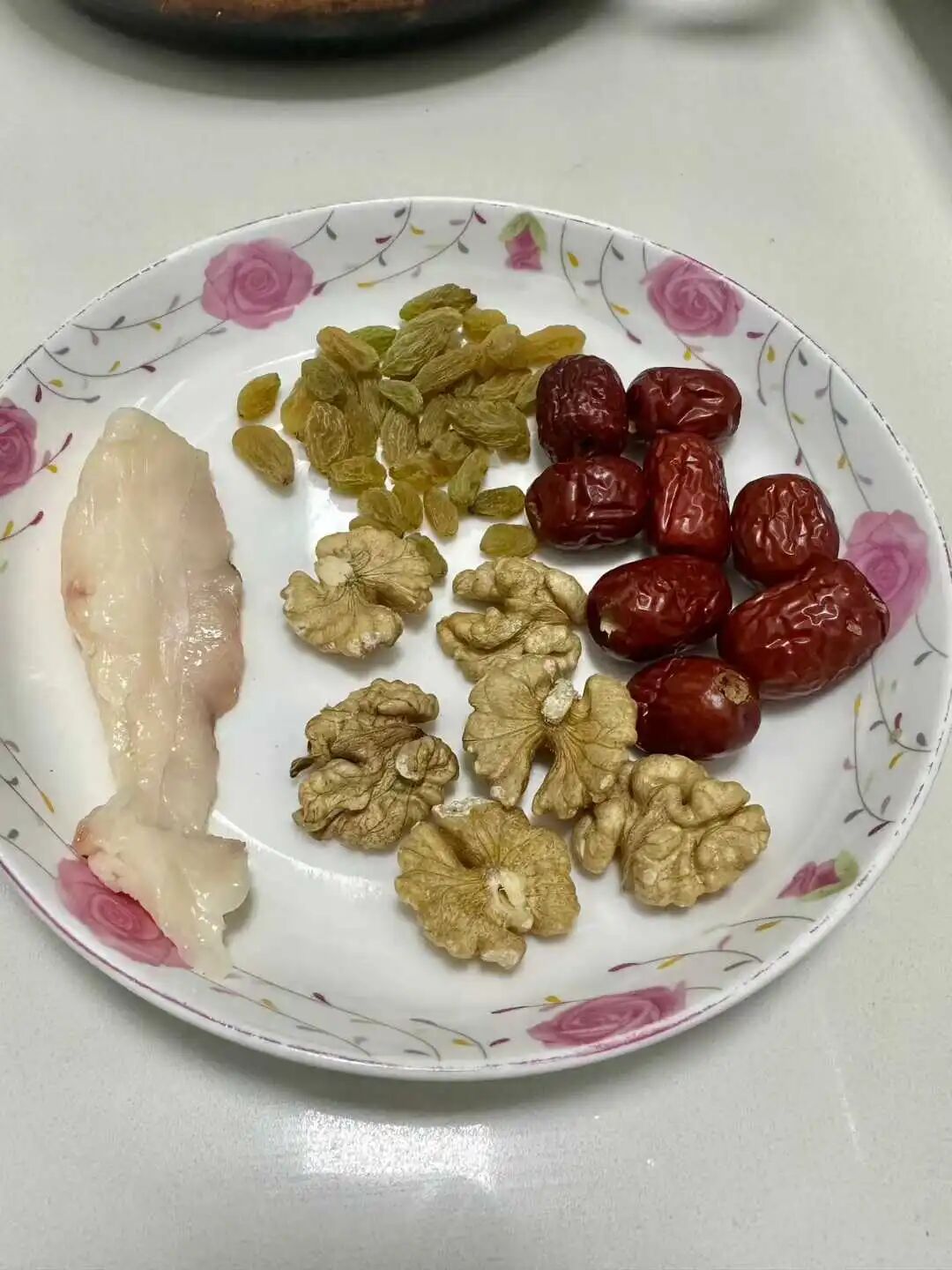
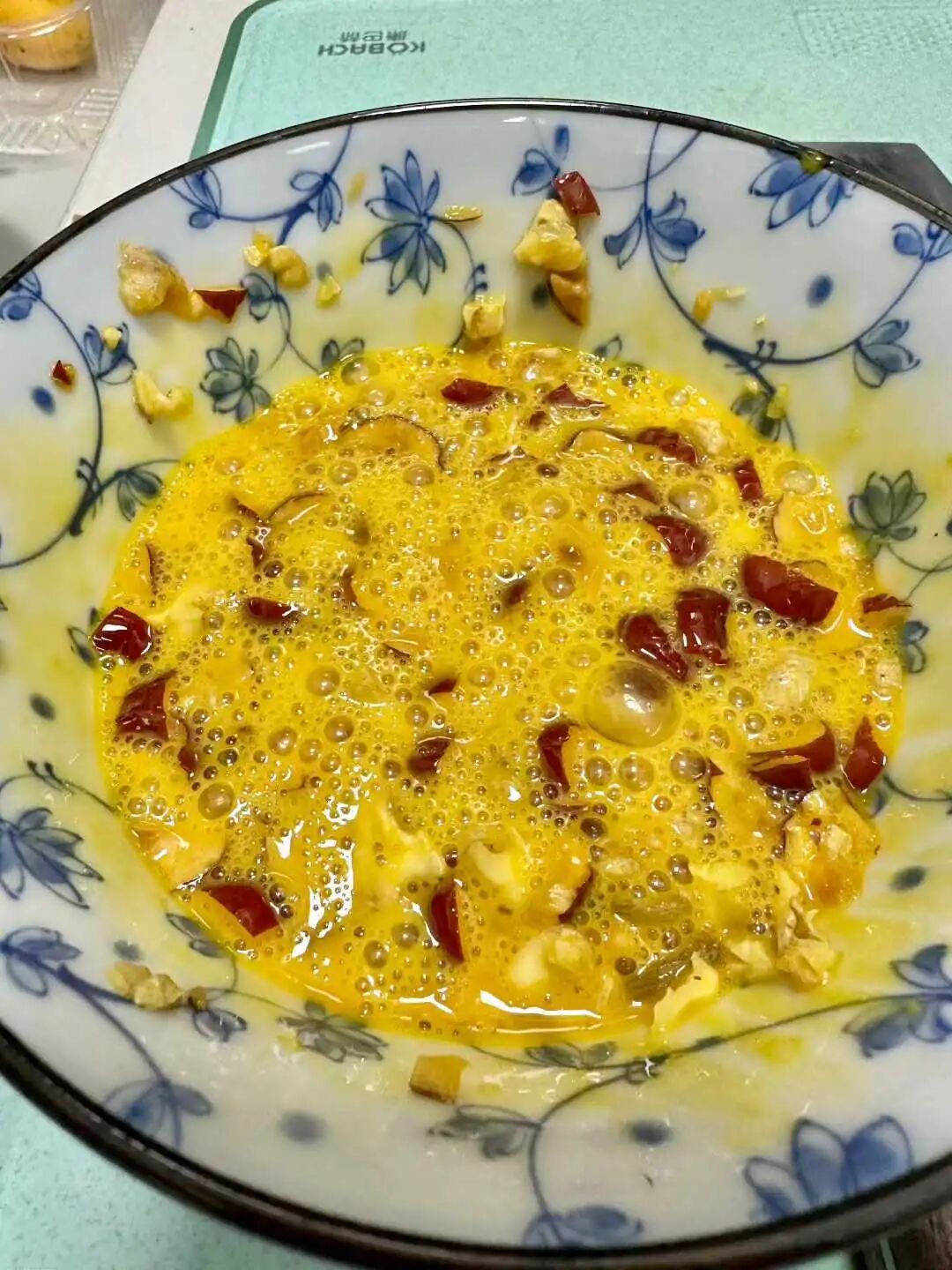
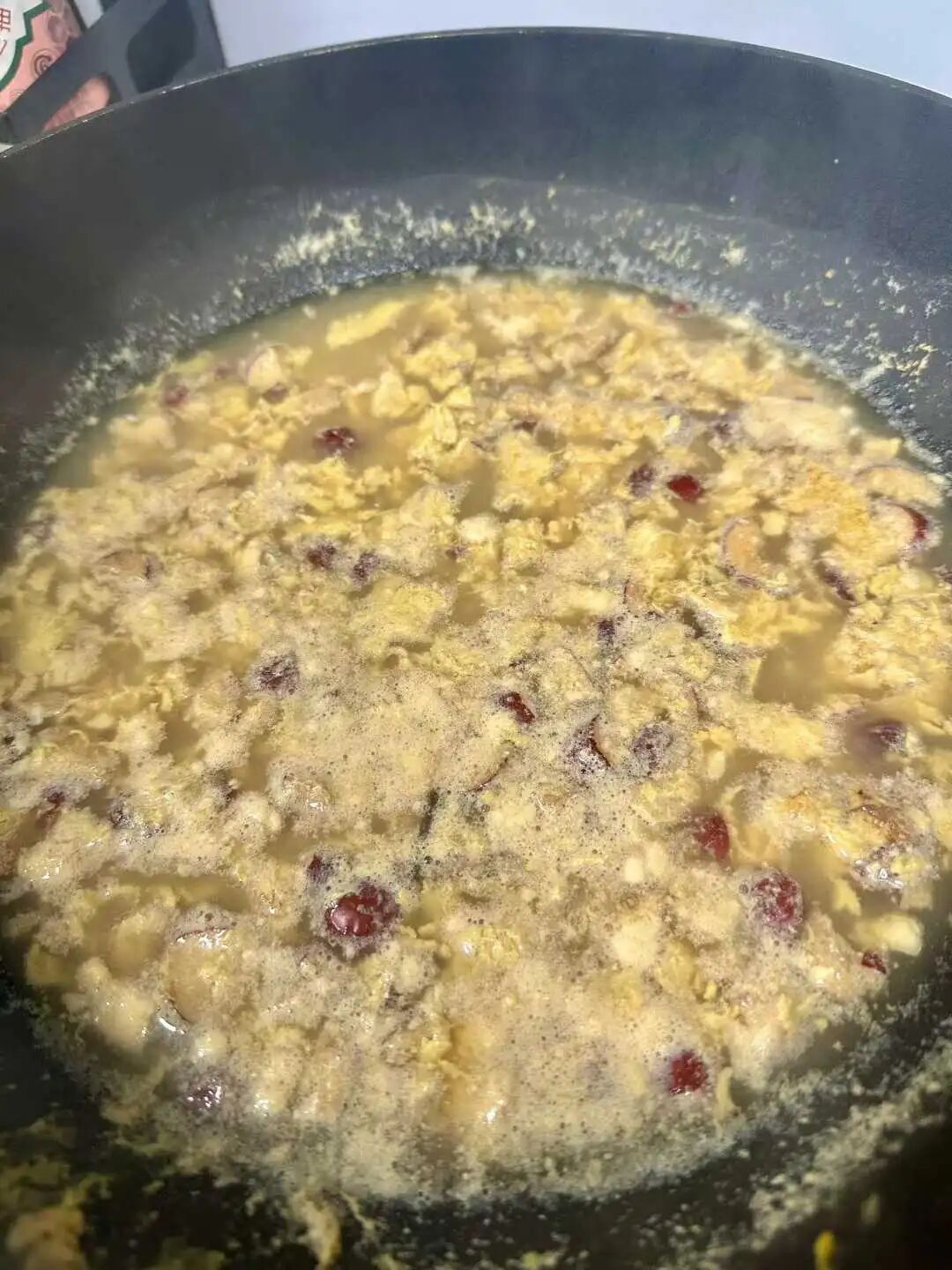
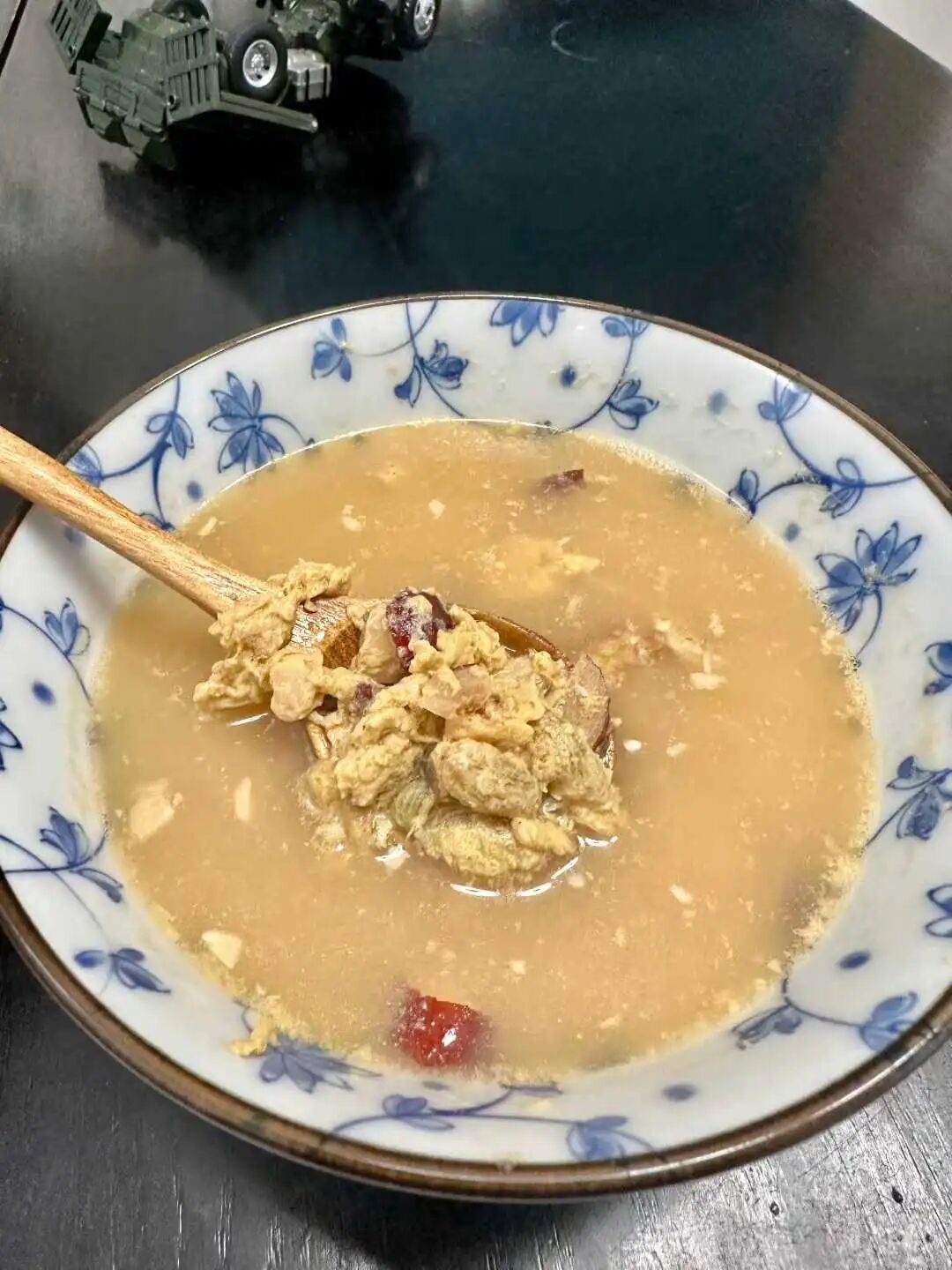
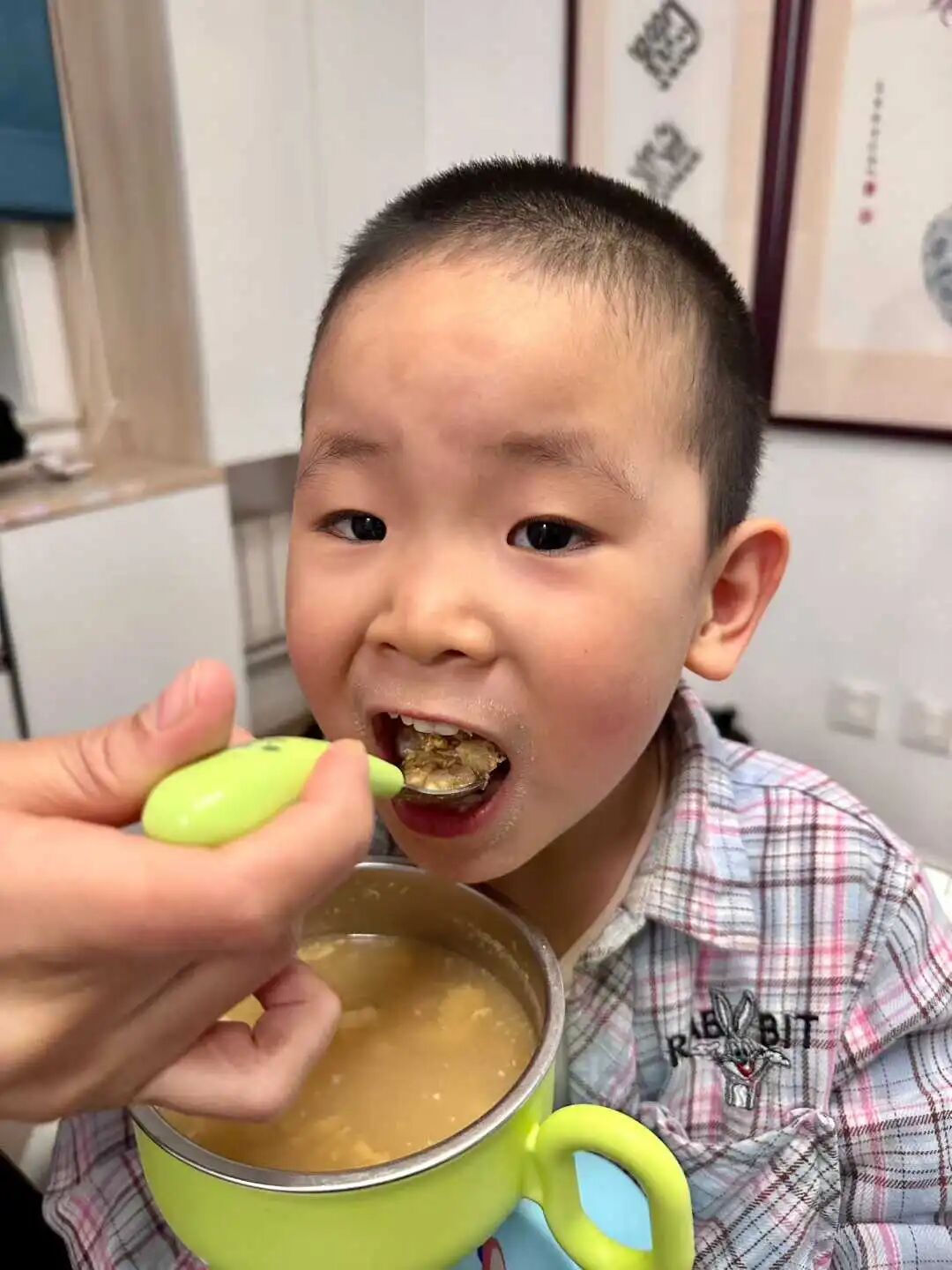
This year, Ramadan falls during the Awakening of Insects, so Hui Muslims in Xinjiang will drink Awakening of Insects soup (jingzhe tang), also known as Awakening of Insects oil tea egg (jingzhe youcha dan). It is made by chopping walnuts, raisins, and red dates, coating them in egg wash, stir-frying them in mutton fat, and then pouring in brewed brick tea. The resulting soup has the aroma of mutton fat, dried fruit, eggs, and tea, which children really love.
The Awakening of Insects is one of the twenty-four solar terms, marking the time when all things wake up. In the past, medical care was limited and tuberculosis (shanglao) was a deadly disease. After the Awakening of Insects, temperatures rise and germs become active, so people used a combination of nutritious eggs, oil, and dried fruit with warm tea to pray for health, shake off winter fatigue, and boost their energy.
Night of Power (Laylat al-Qadr)
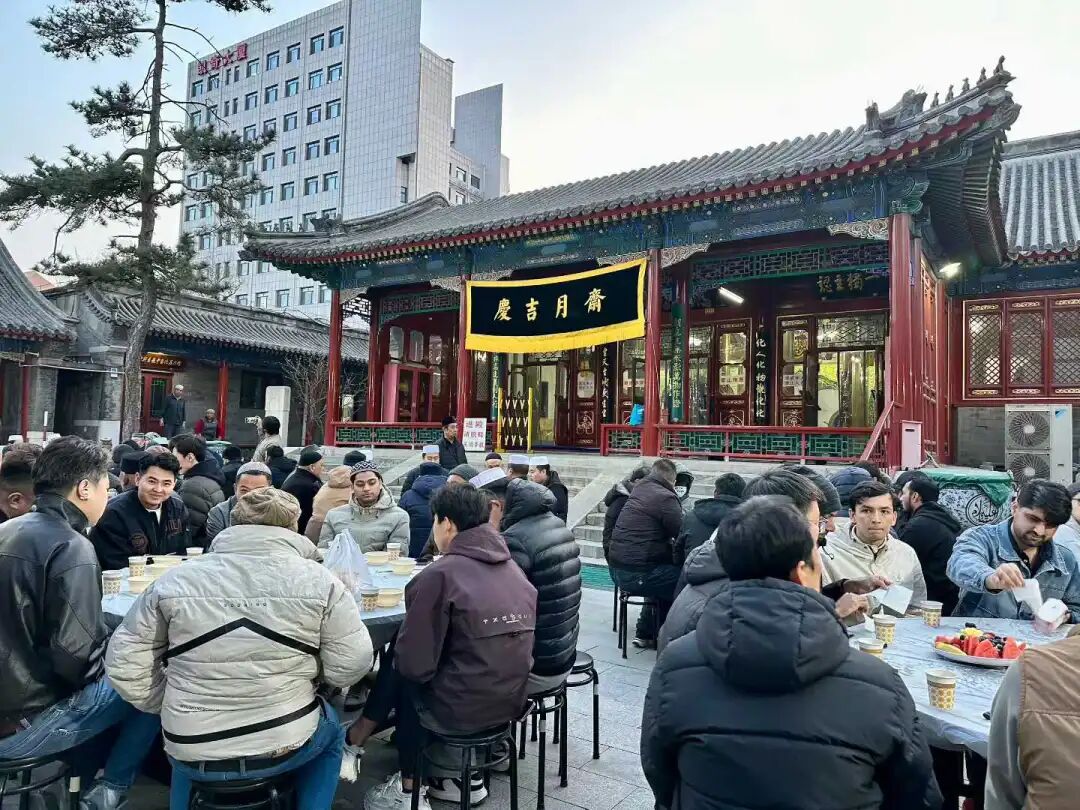
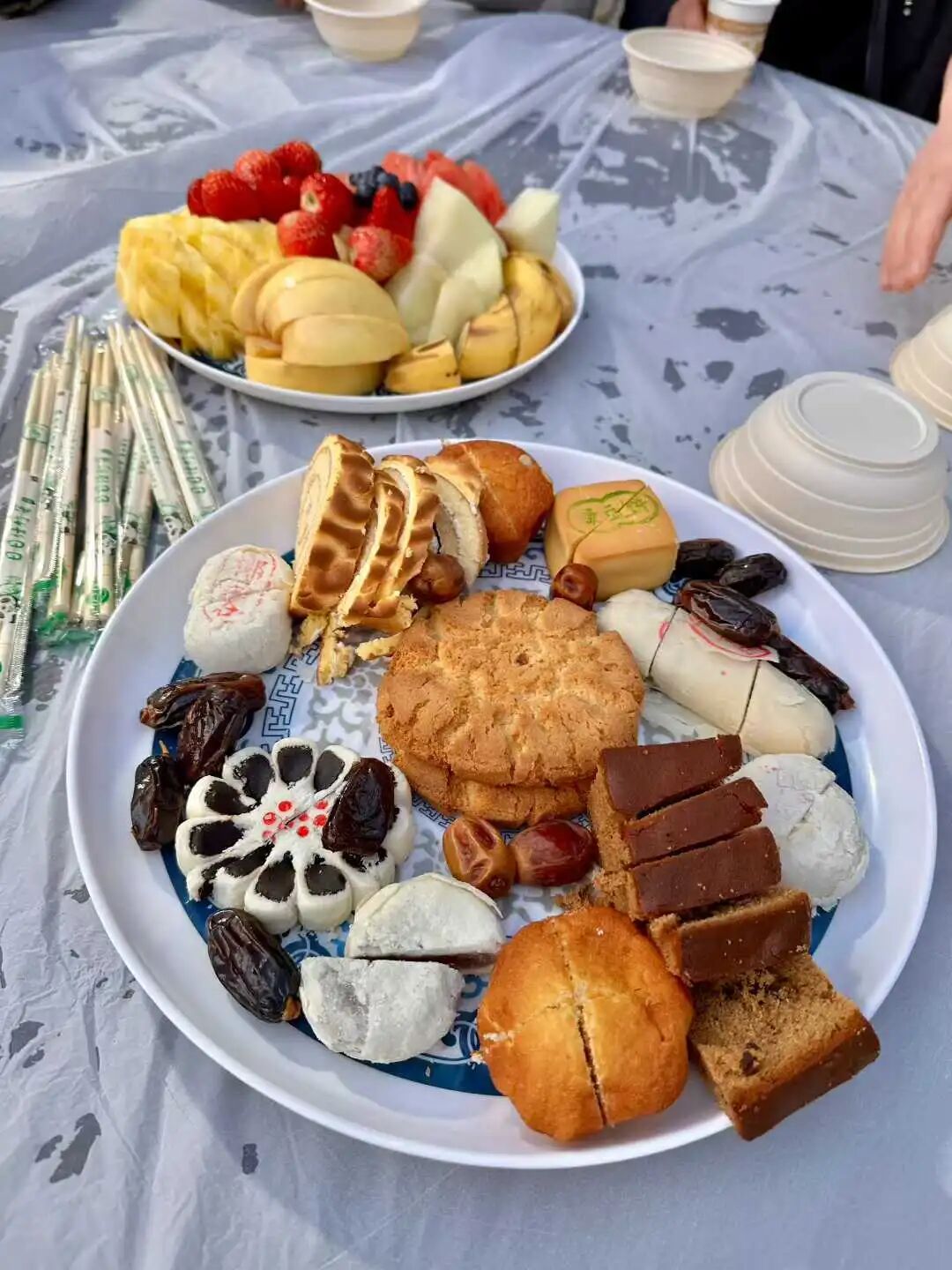
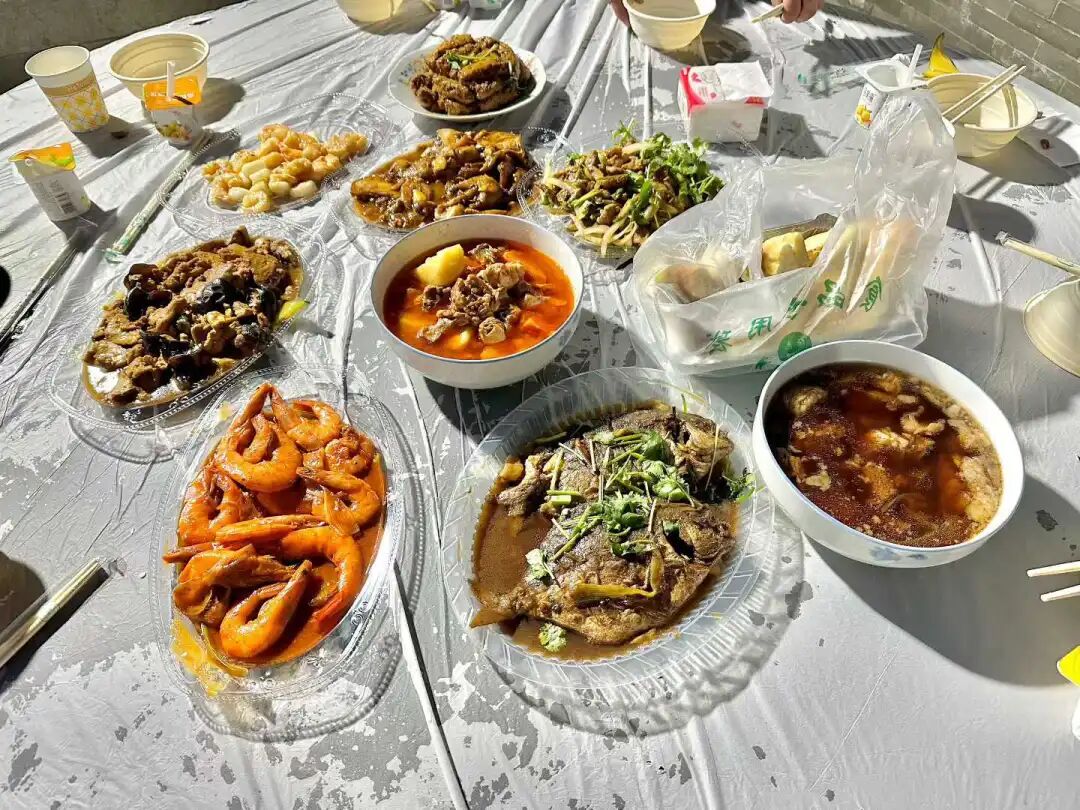
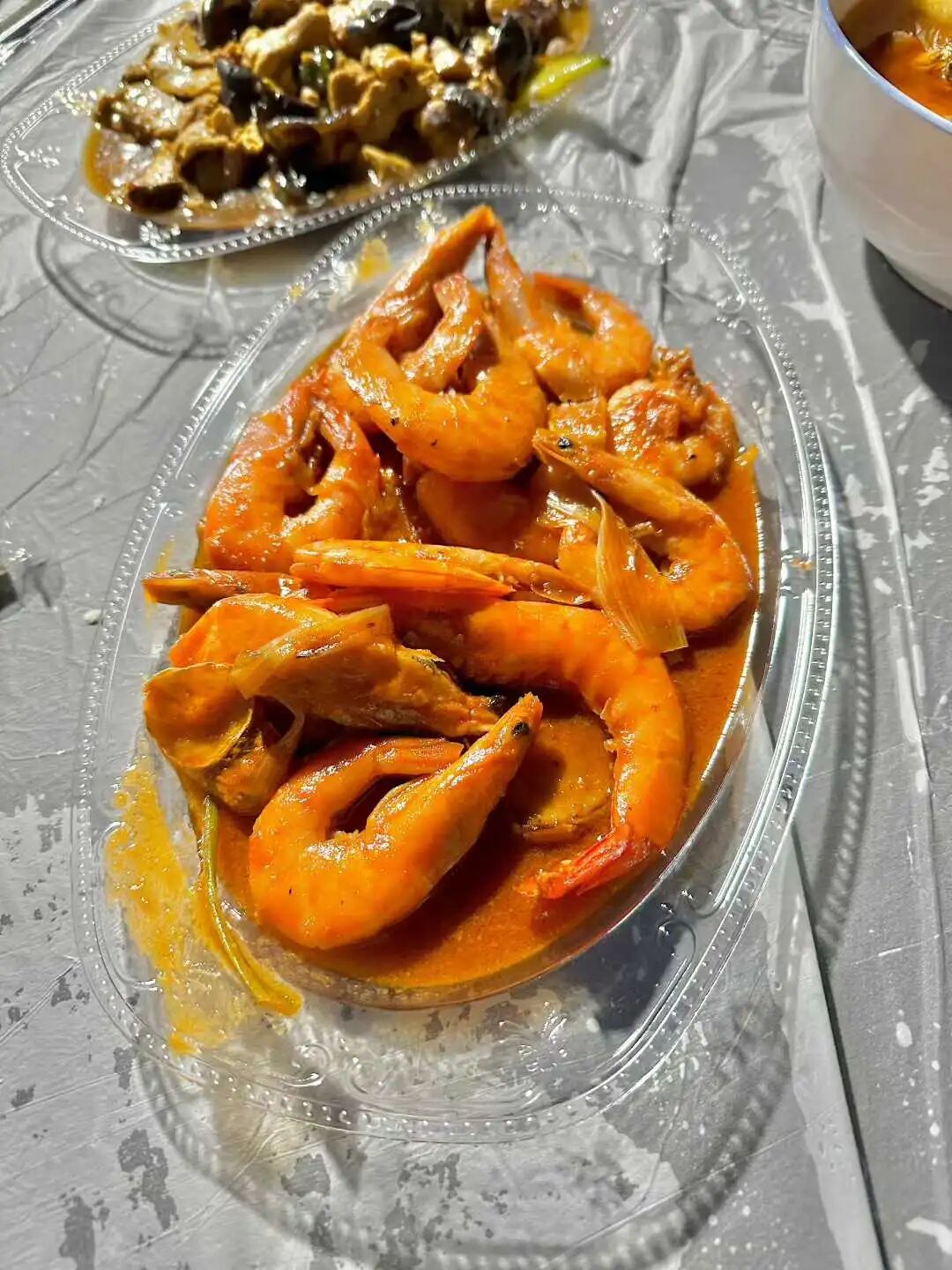
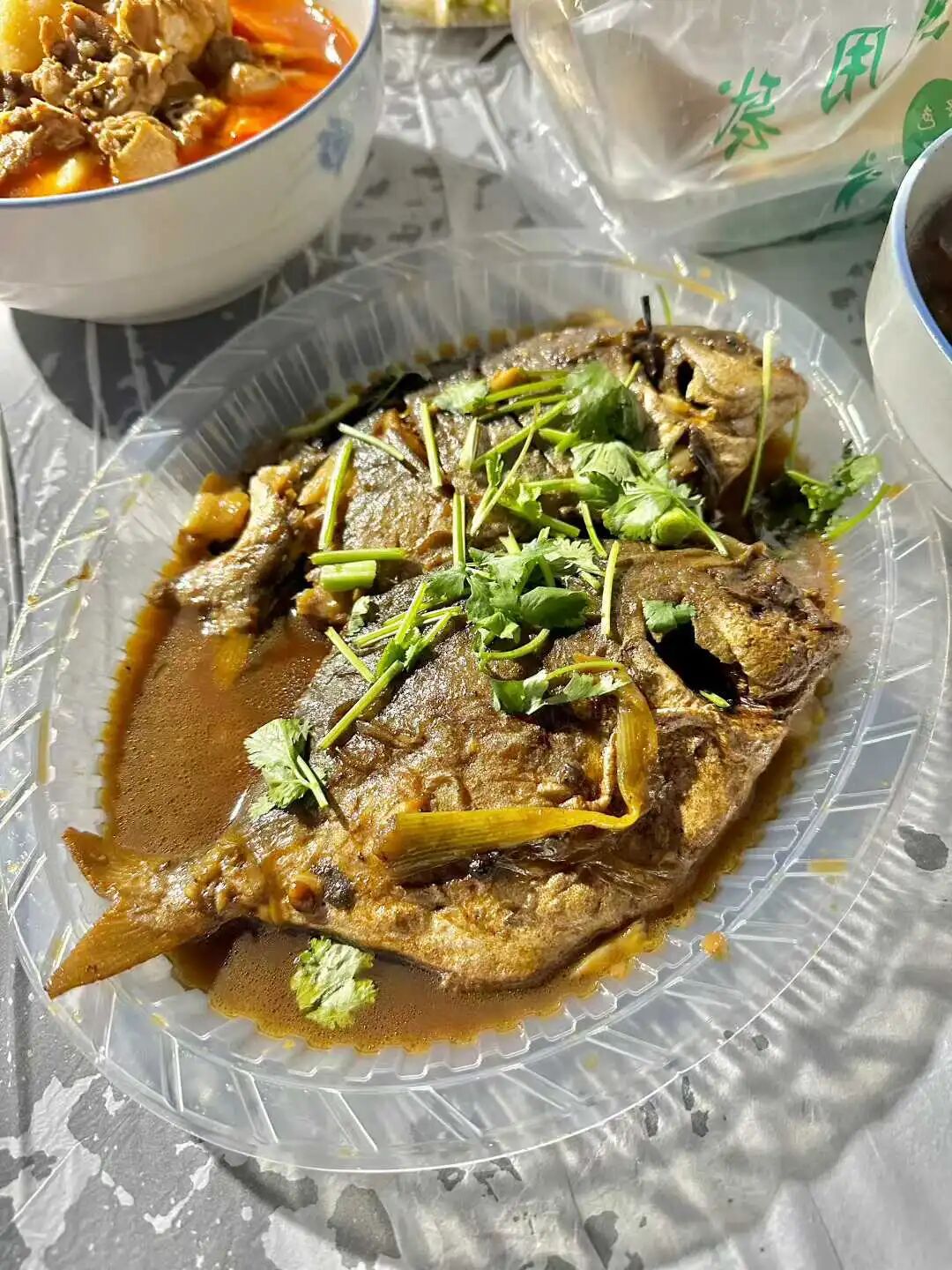
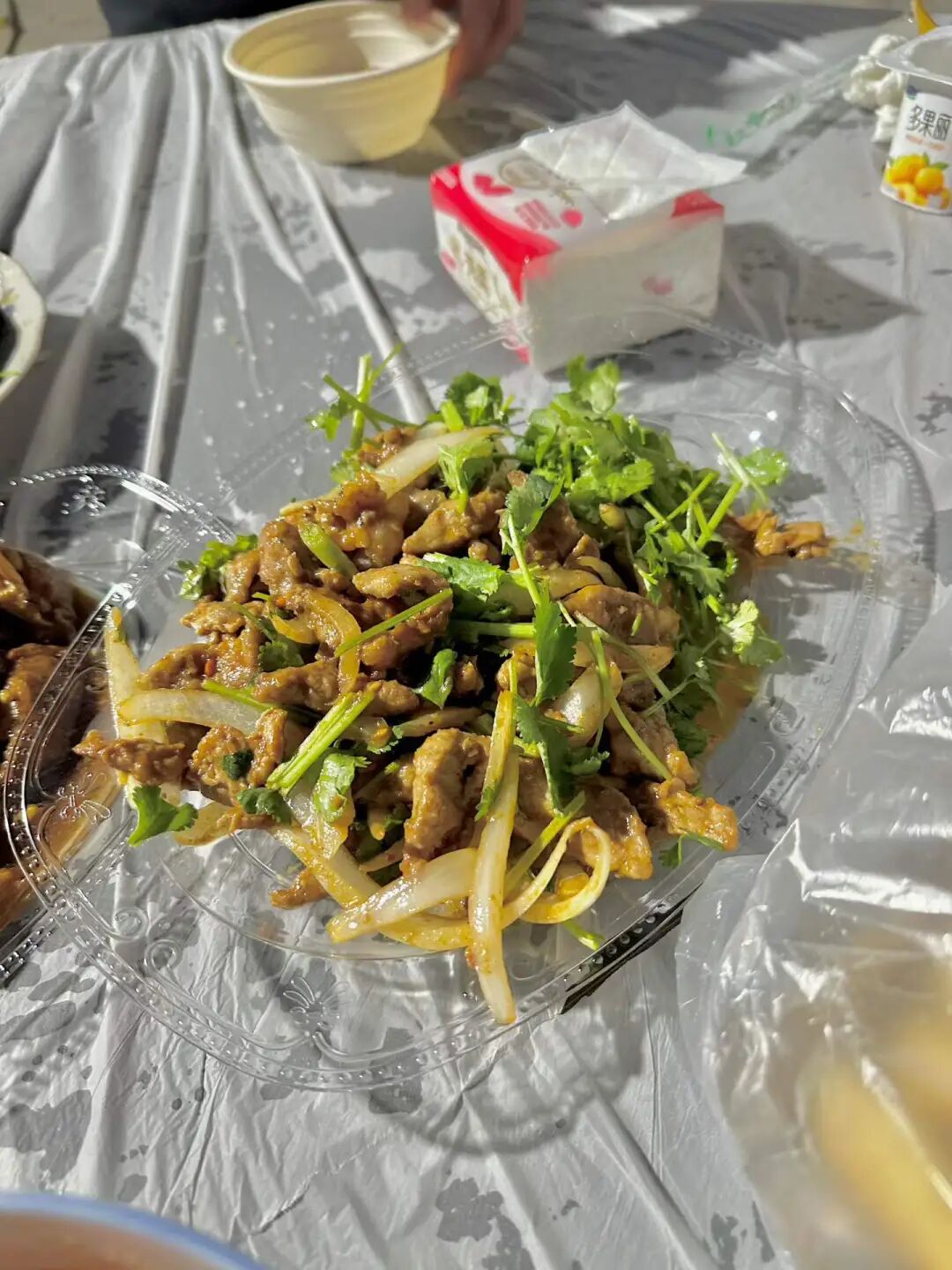
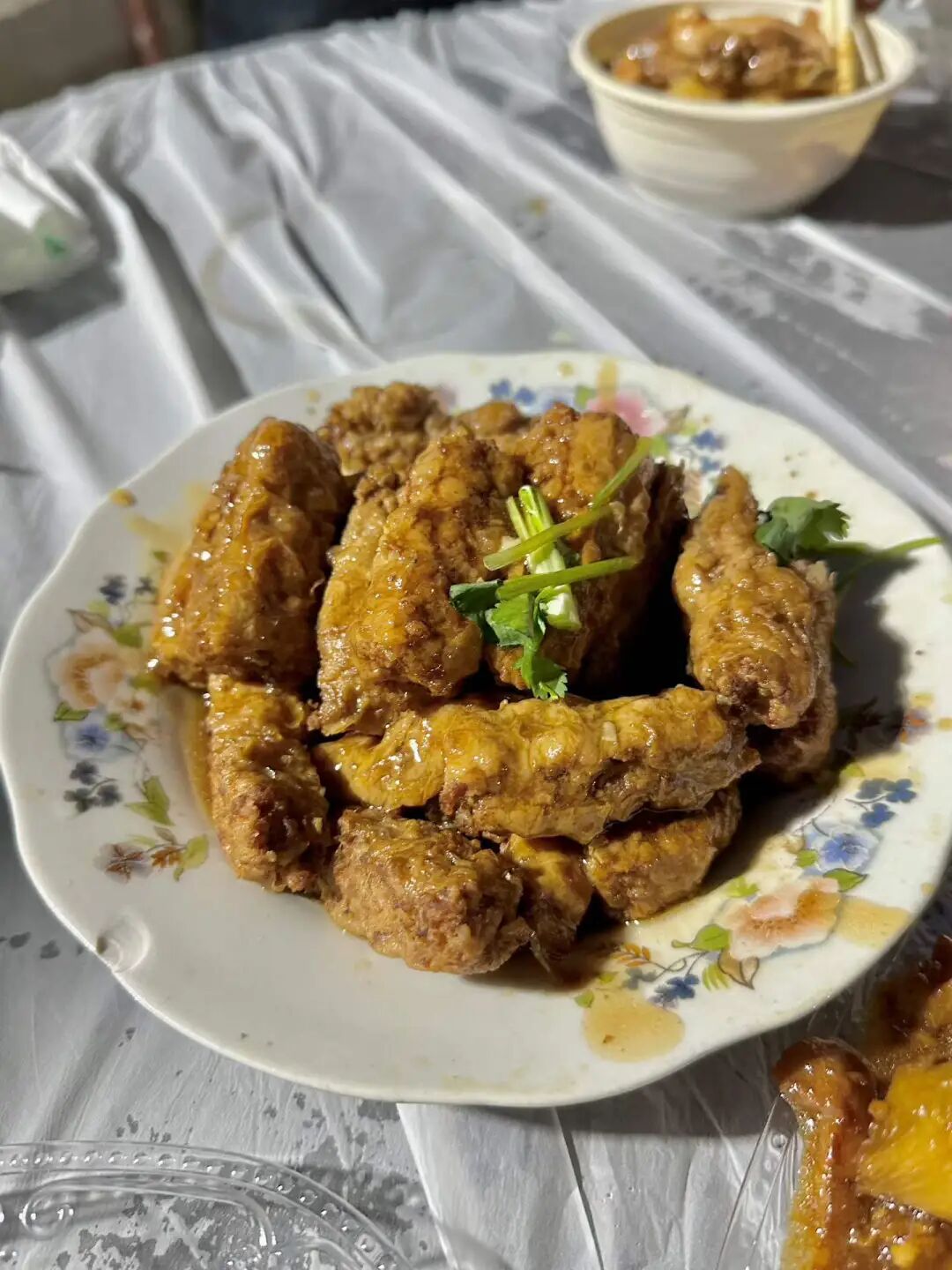
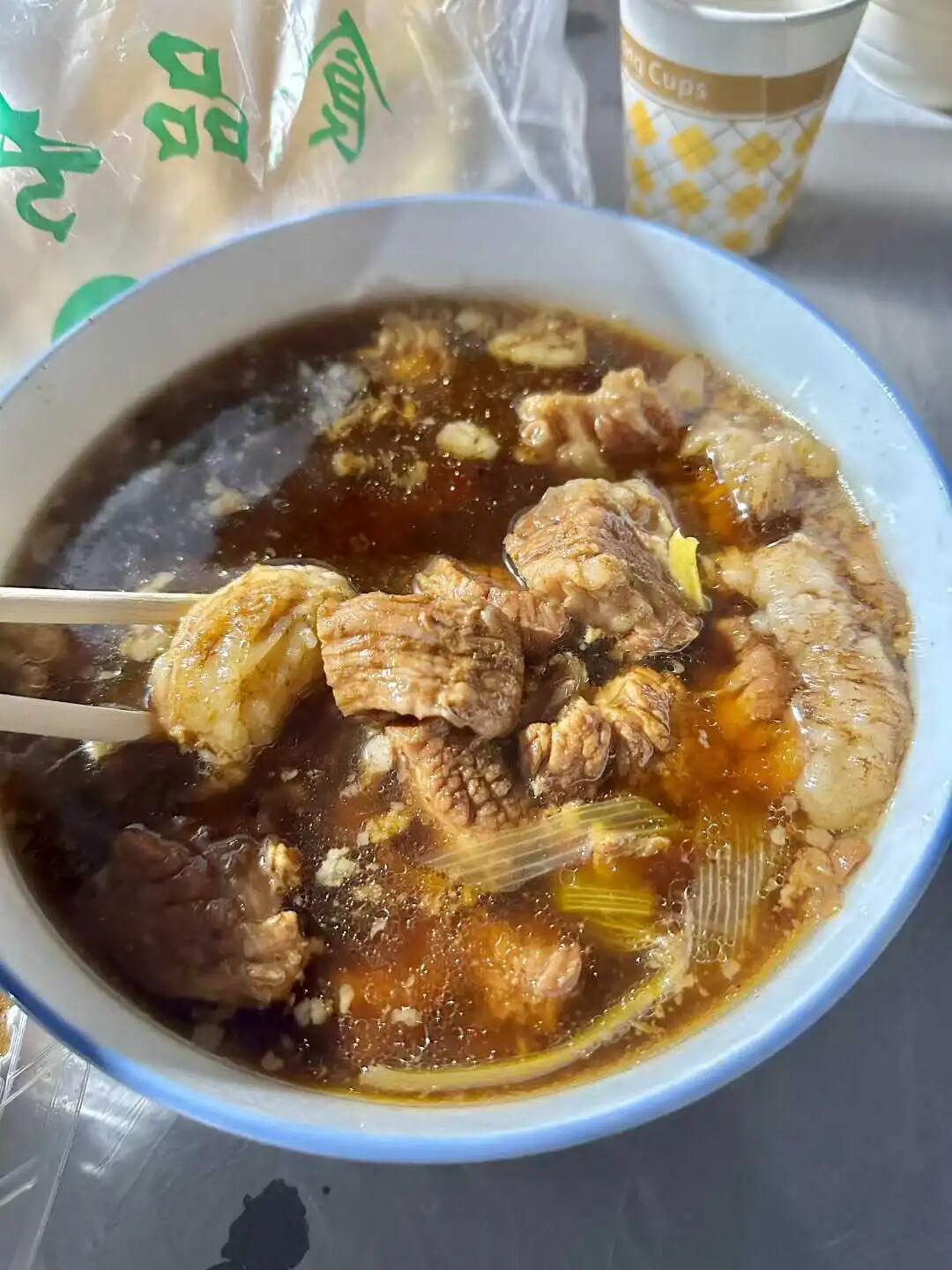
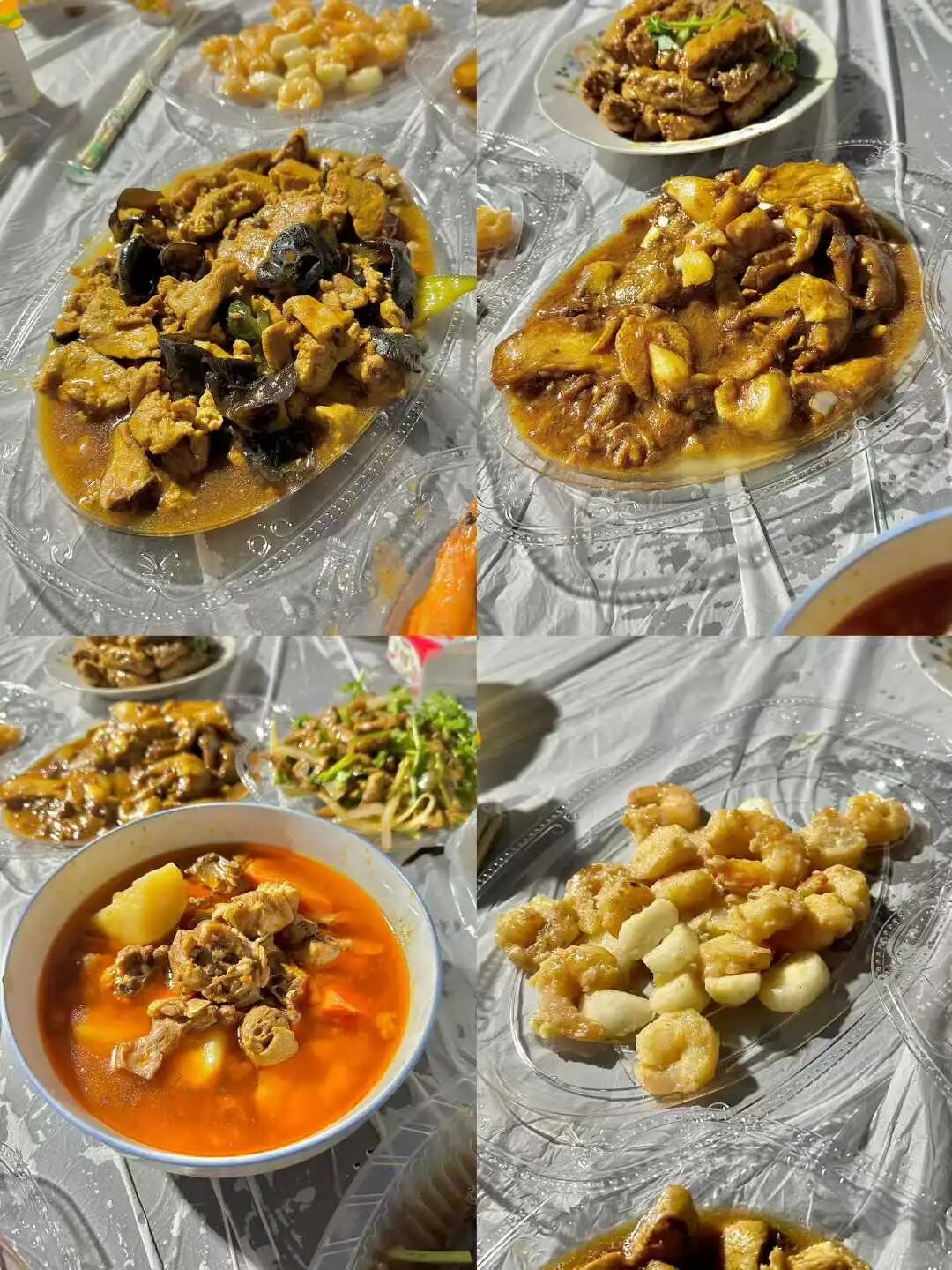
The twenty-seventh night of Ramadan is always the busiest day at every mosque, and this year Madian Mosque set up fifteen tables, making it very lively. Before breaking the fast, the imam recites the scripture. After breaking the fast, we are served two plates of fruit and pastries. After the sunset prayer (maghrib), nine dishes are served: braised prawns in oil, stir-fried shrimp with milk, braised flatfish, fried tofu, braised eggplant, stewed beef brisket with radish, stewed lamb with potatoes, stir-fried meat with scallions, and braised meat balls (songrou). I sat at a table with international students from various countries, and everyone really enjoyed the food.
Besides the two Eids (Eid al-Fitr and Eid al-Adha) and the two major gatherings (the Prophet's birthday and the Fatimah gathering), the Night of Power is likely the most important day for Hui Muslims. The Night of Power is also called the "Night Vigil" or "Night Head Festival." People say the scripture was first revealed on this night, which is better than a thousand months, so it is a time to do many good deeds. Everyone bathes, changes into clean clothes, goes to the mosque, greets each other with salaam, listens to the imam's recitation, completes their prayers, and shares a meal. Using the mosque as a gathering place and affection as a bridge, we seek blessings and look out for peace.
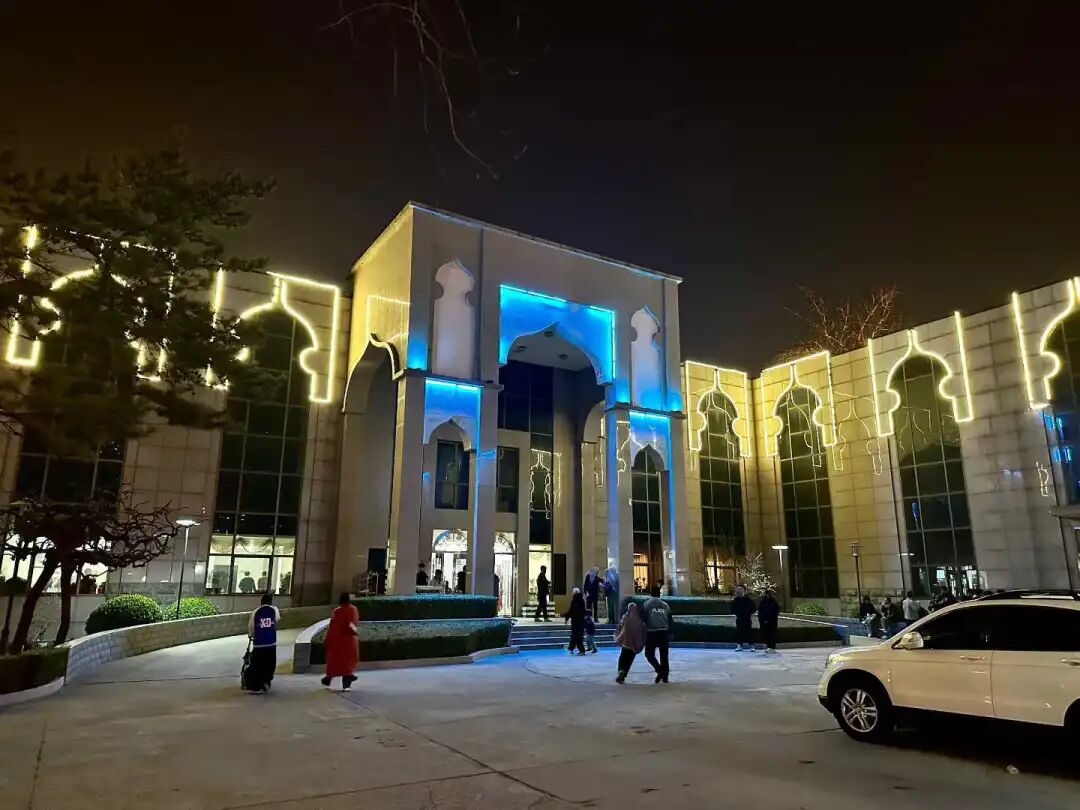
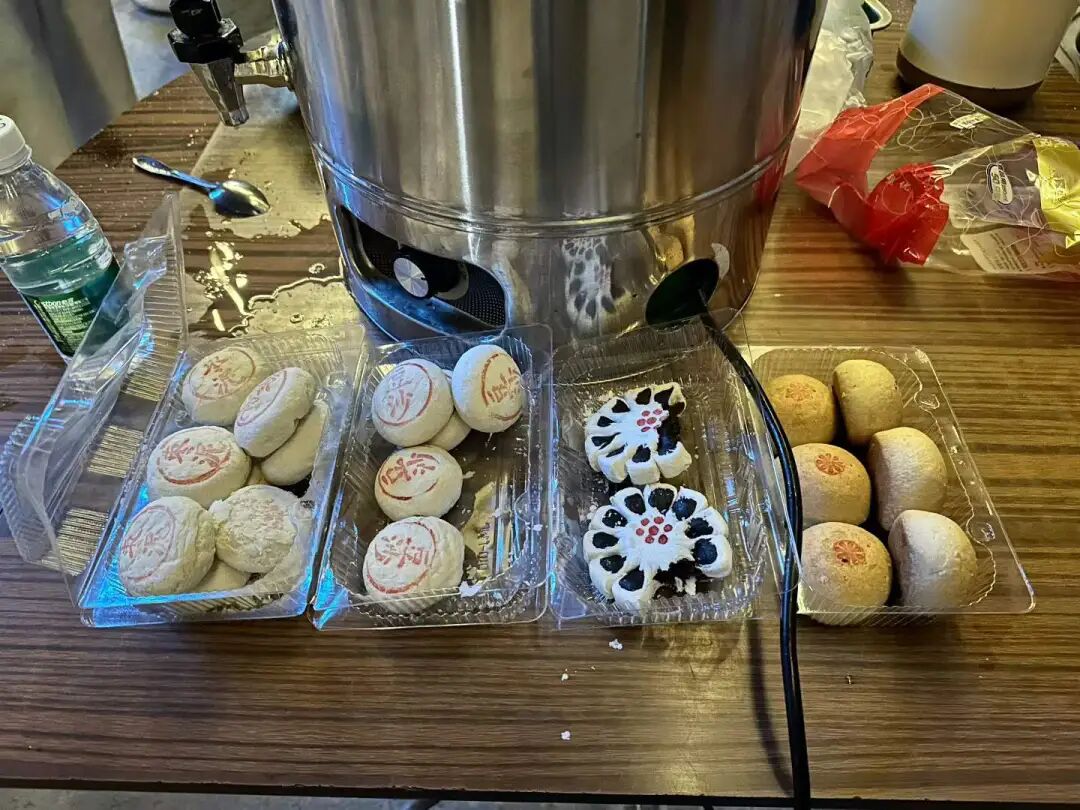
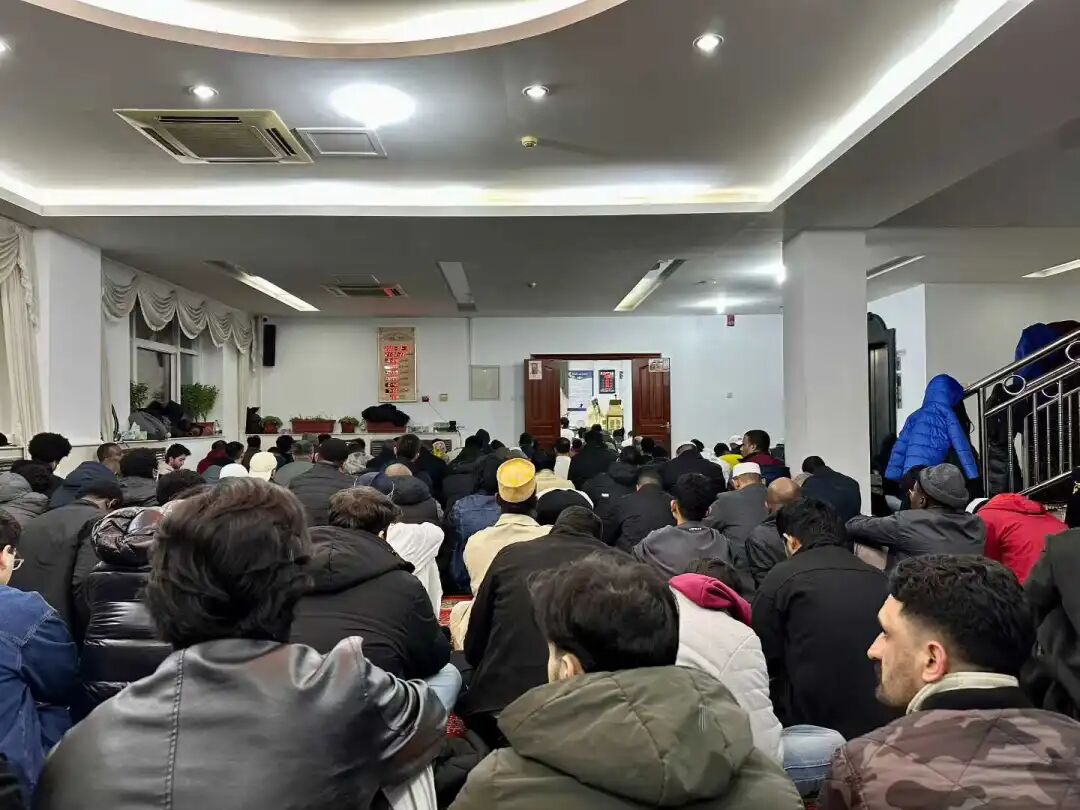
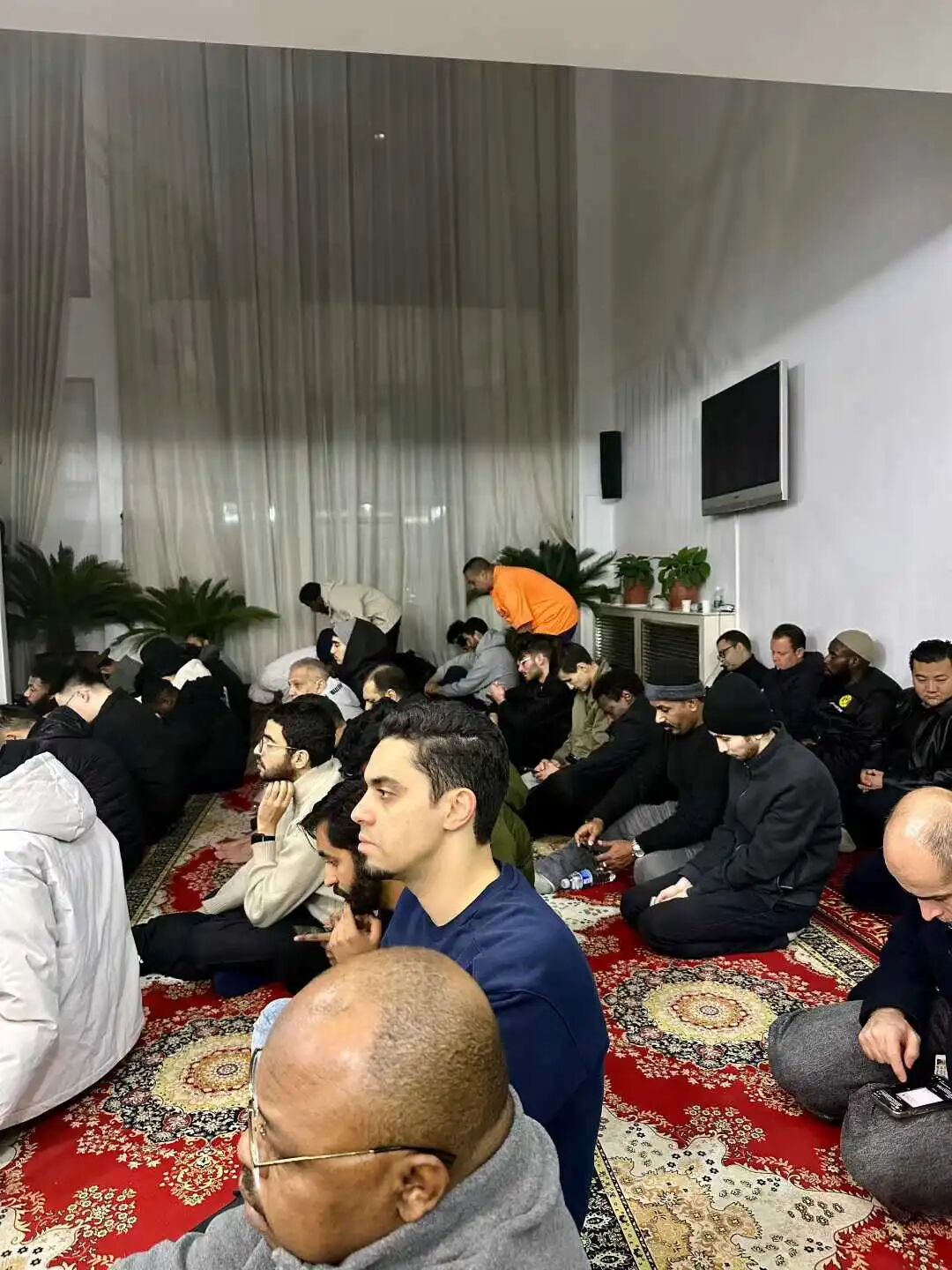
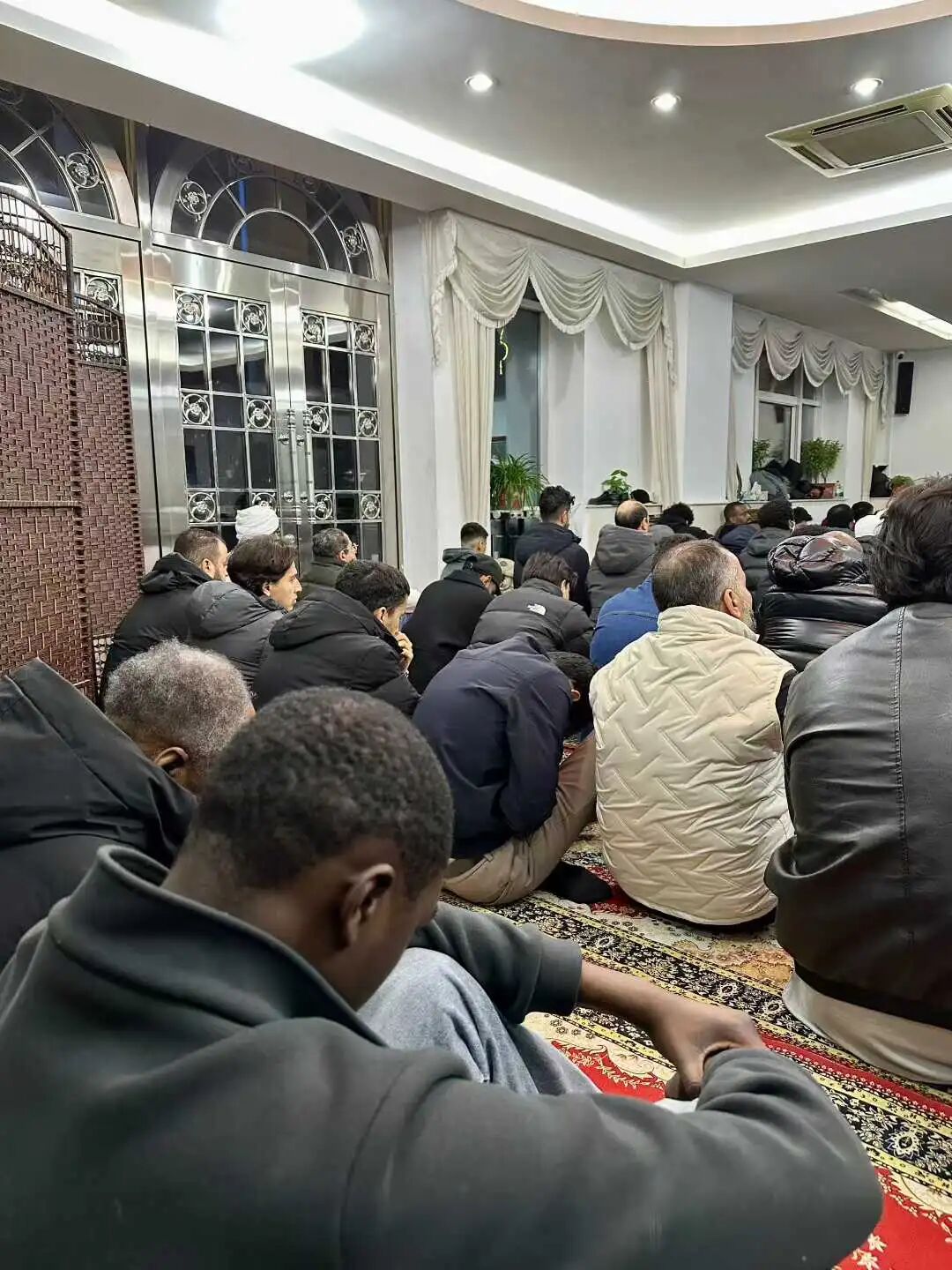
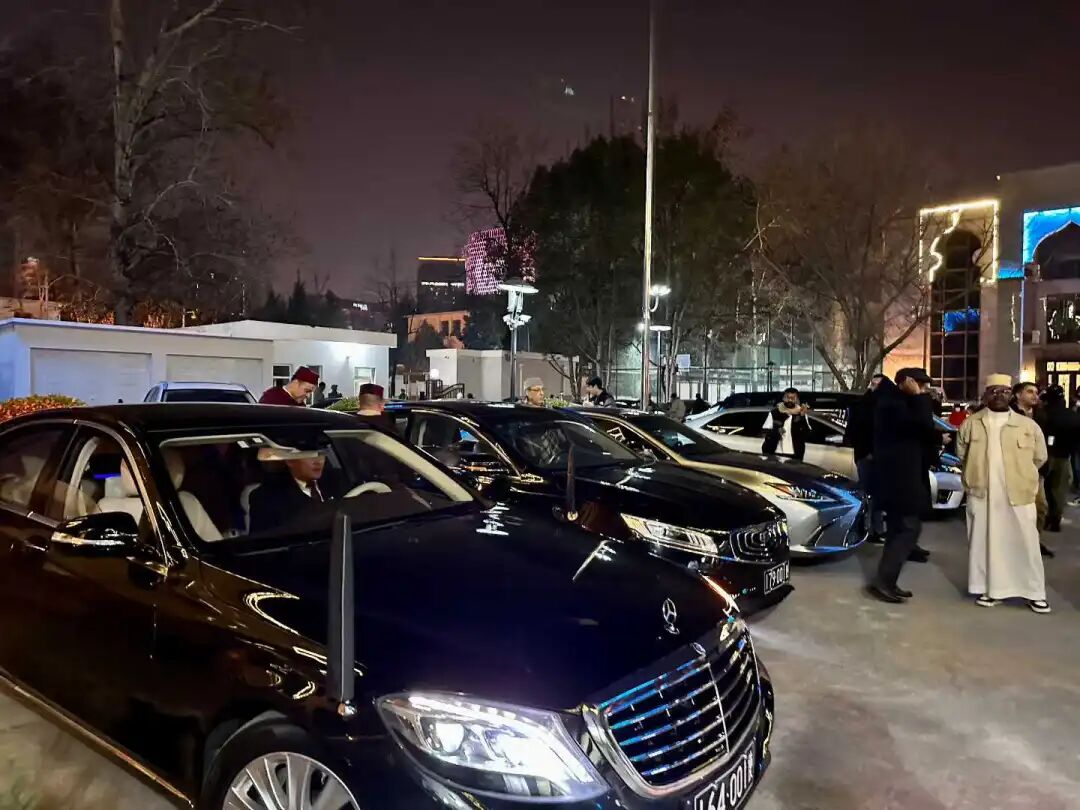
In the evening, the whole family celebrated the Night of Power at the Sudanese Embassy. The embassy building was fully lit, and the courtyard was filled with cars from various embassies. Besides coffee and black tea, there were also pastries donated (sadqa) by people from Changying Township.
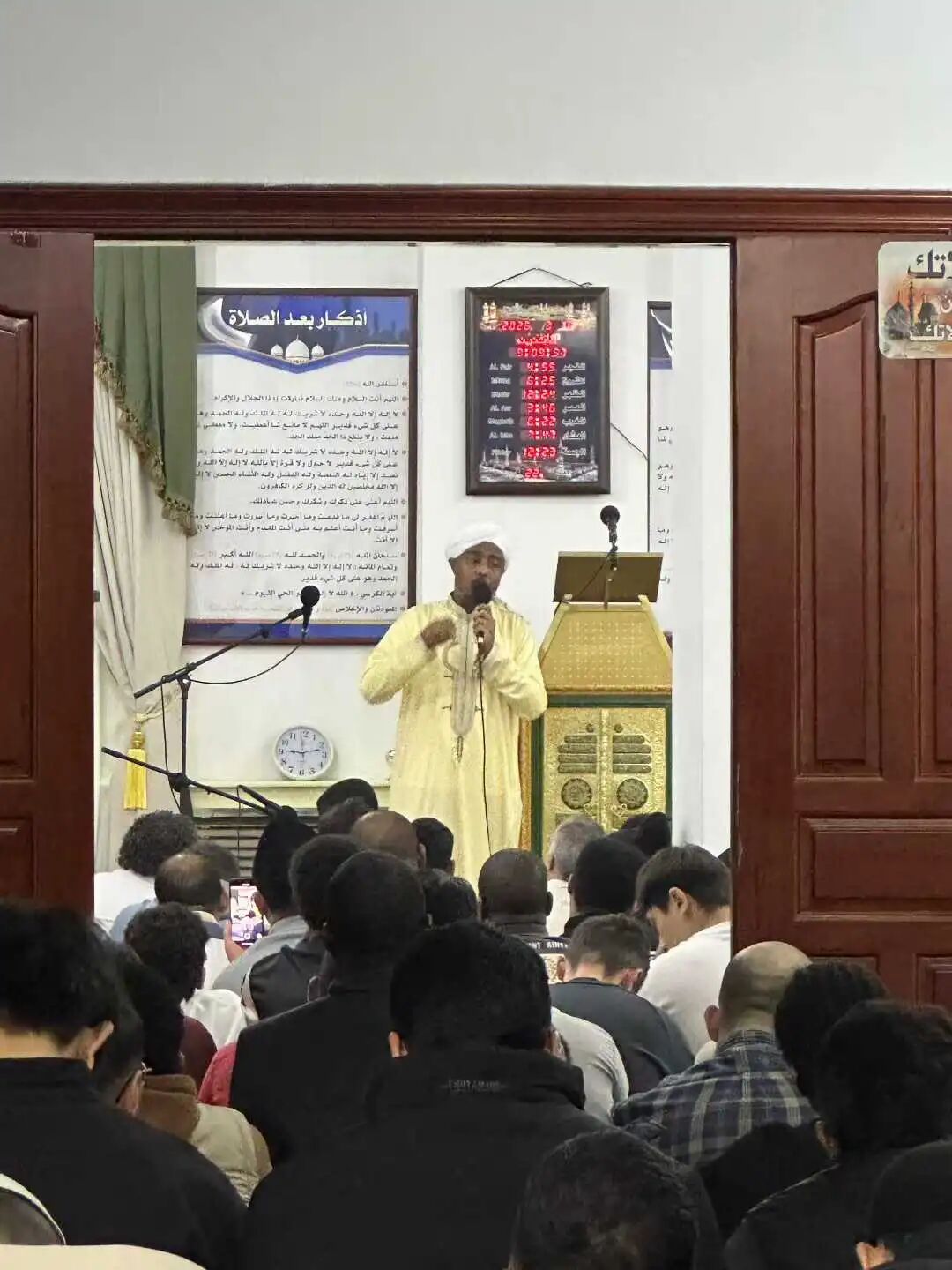
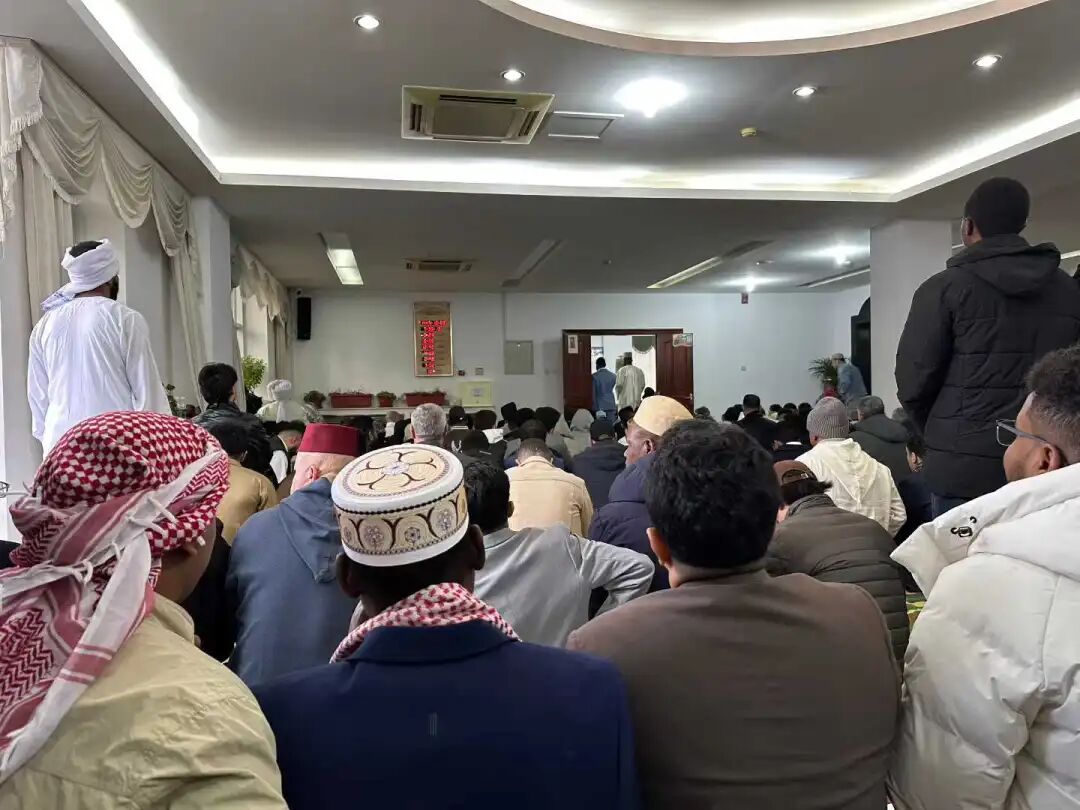
Today was the busiest night at the embassy, and even the lobby was completely full. By the eighth rak'ah of the Taraweeh prayer, the entire scripture had been completed. During the final rak'ah, a half-hour long dua was made. The imam sounded like he was weeping, his voice was hoarse, and he was once moved to tears, crying "Ya Allah, Ya Allah," which was incredibly moving.
Eid al-Fitr
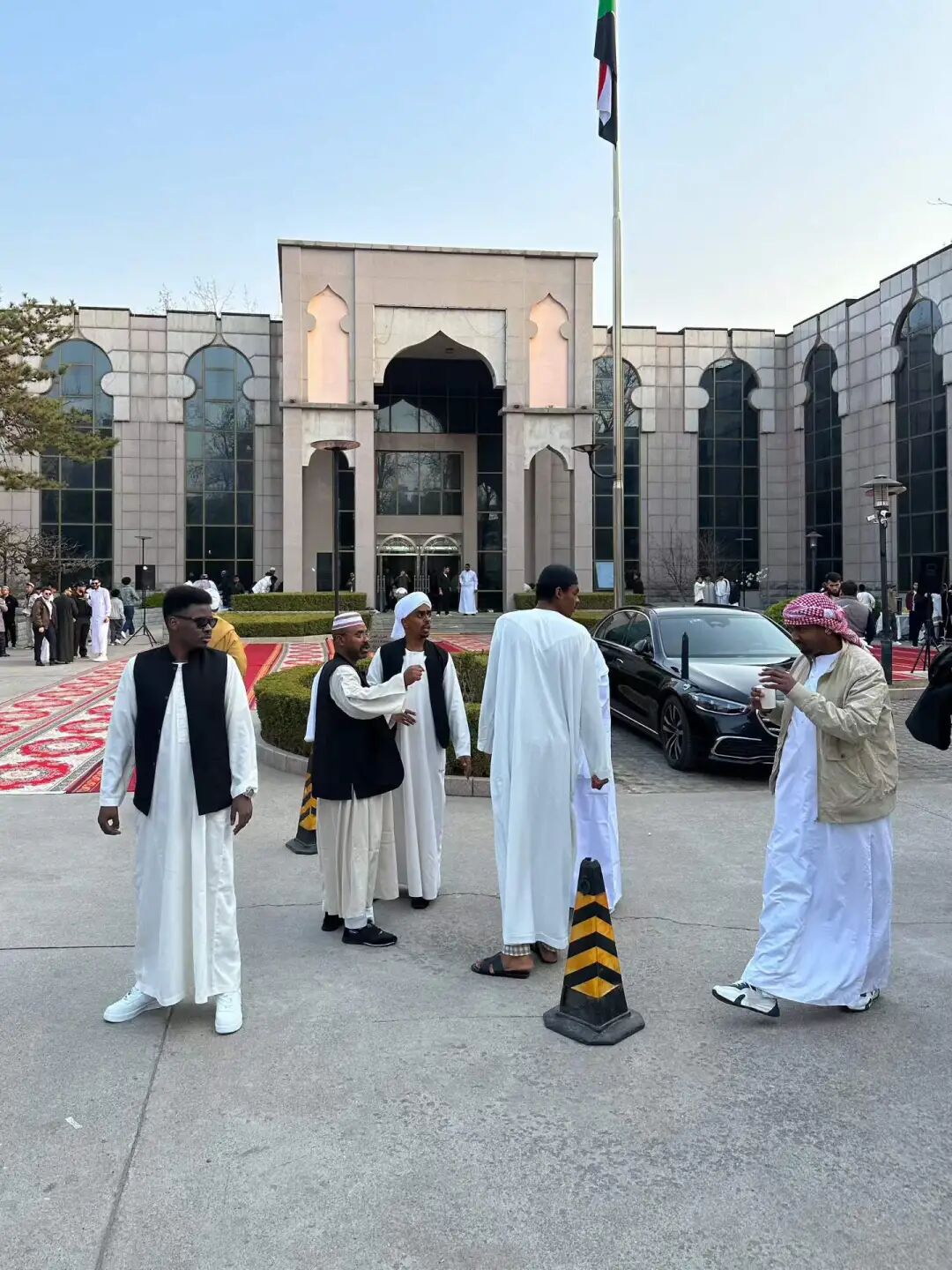
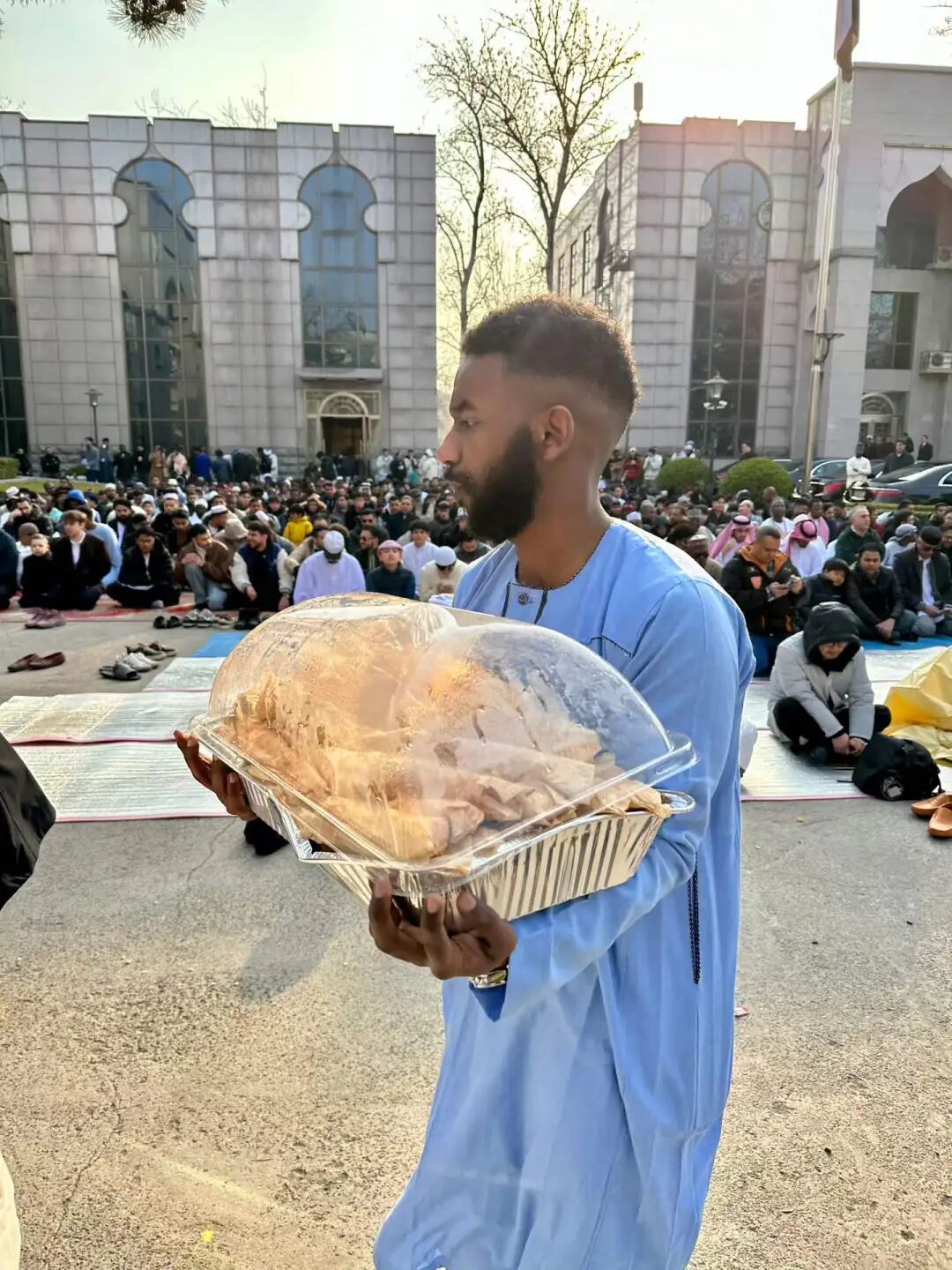
This year, Eid al-Fitr falls on a Saturday, so no one needs to ask for time off, which is why there are so many people. Our whole family headed straight to the Sudanese Embassy in the morning. Many people wore traditional clothing today, and I also wore a hexagonal cap (gedimu) from North China made by a friend. Today, not only was the building full, but the embassy courtyard was also packed with friends (dosti) from Africa, the Arab world, South Asia, and all over China. It was a very blessed occasion.
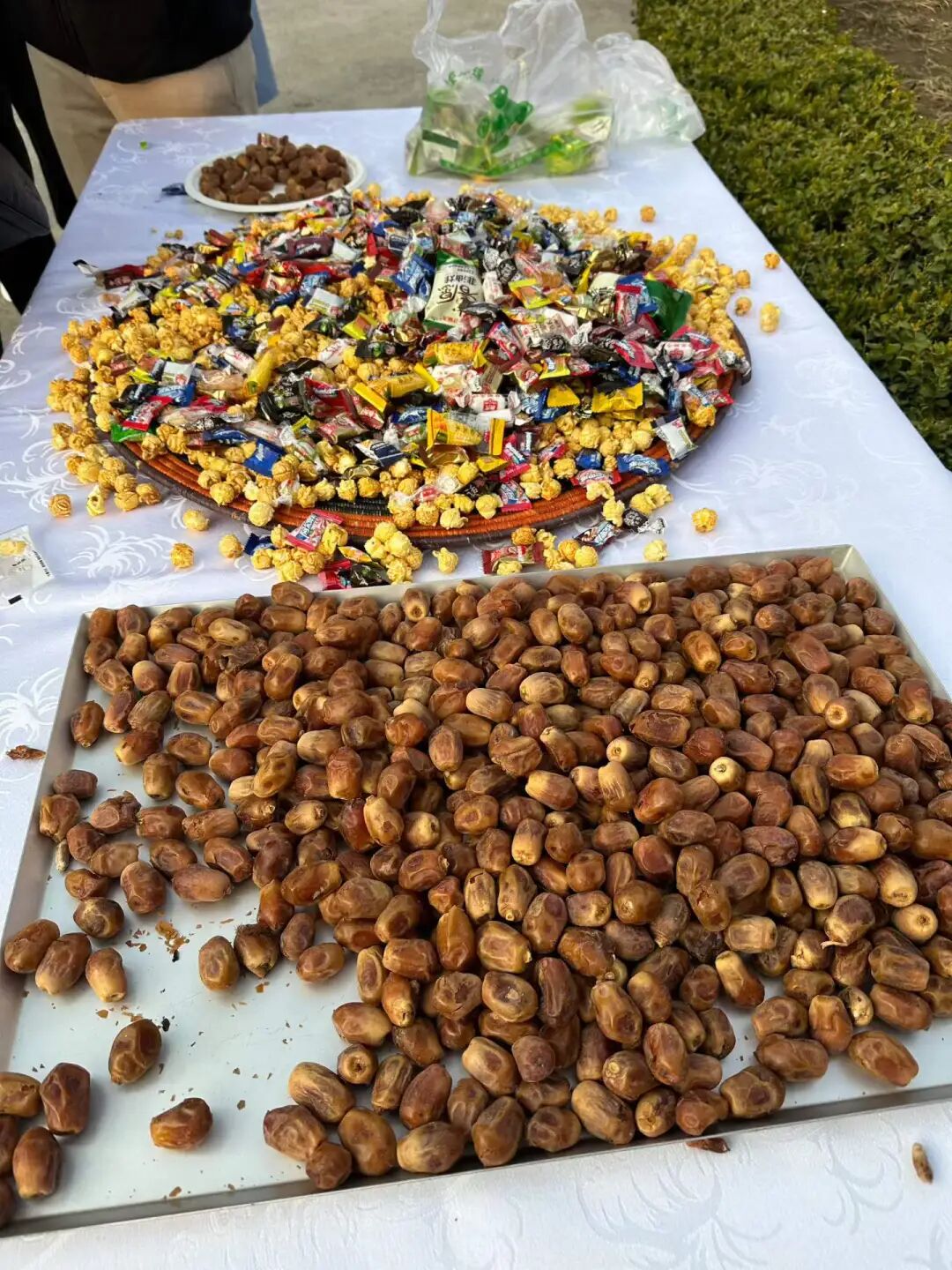
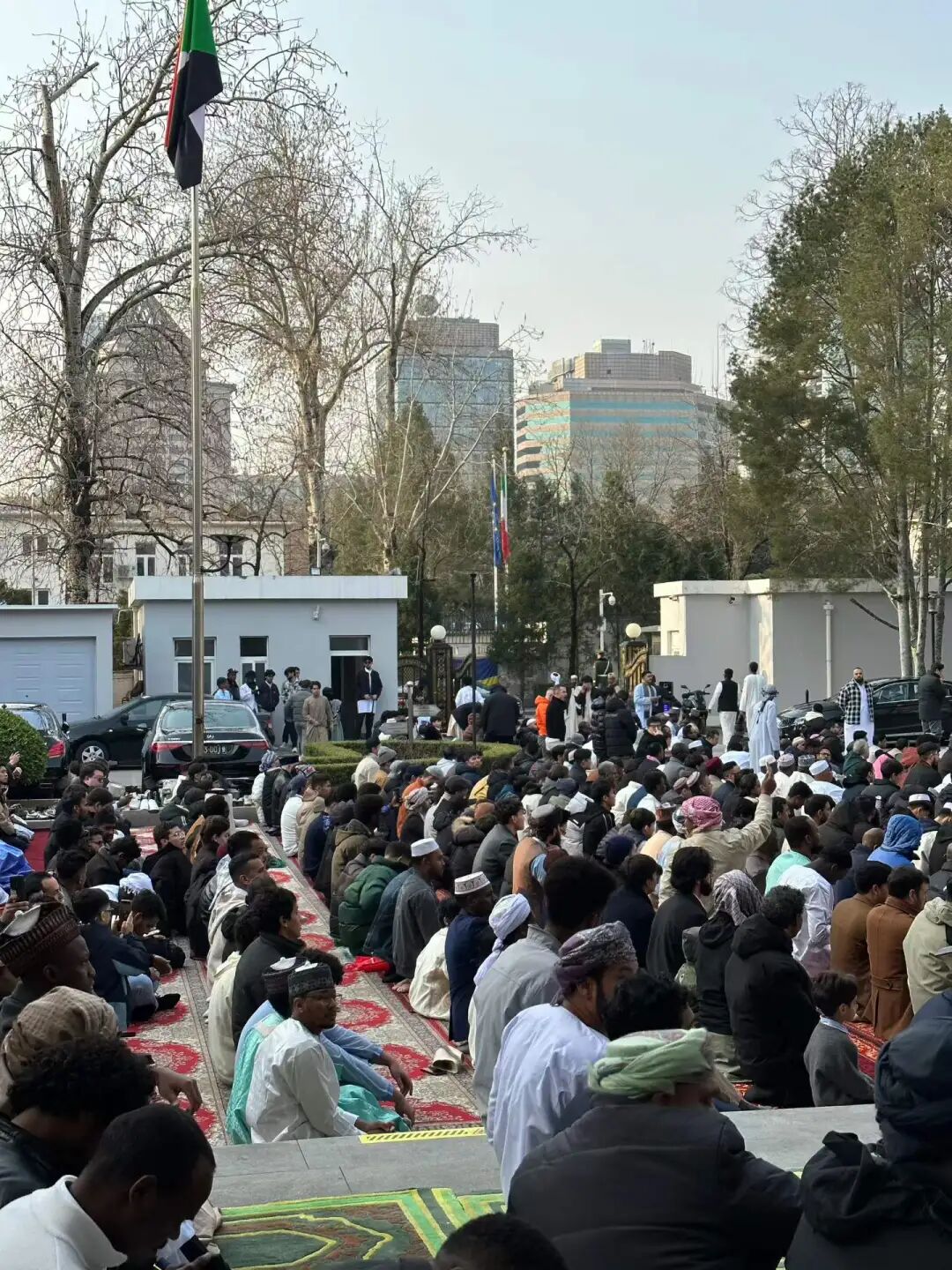
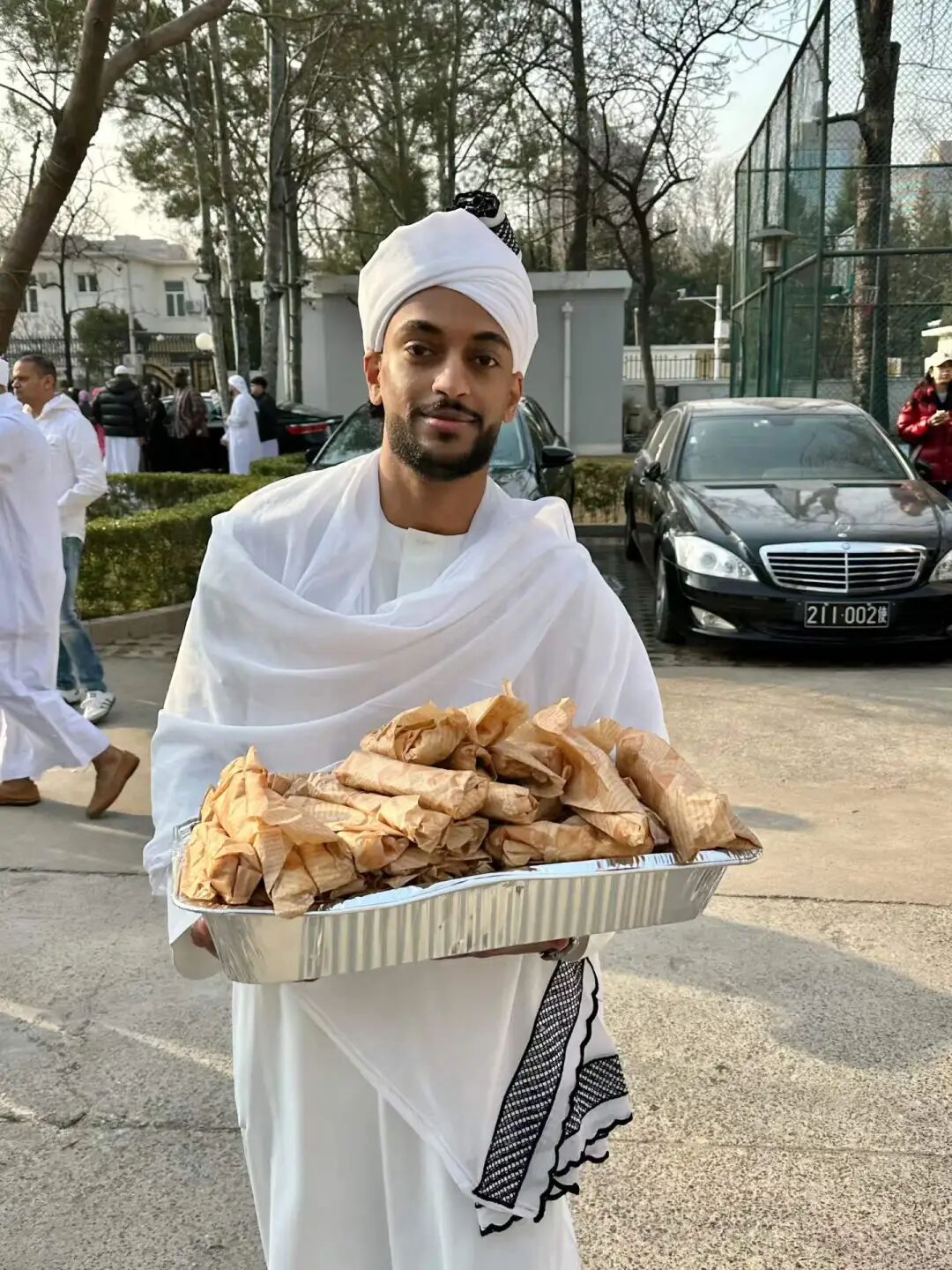
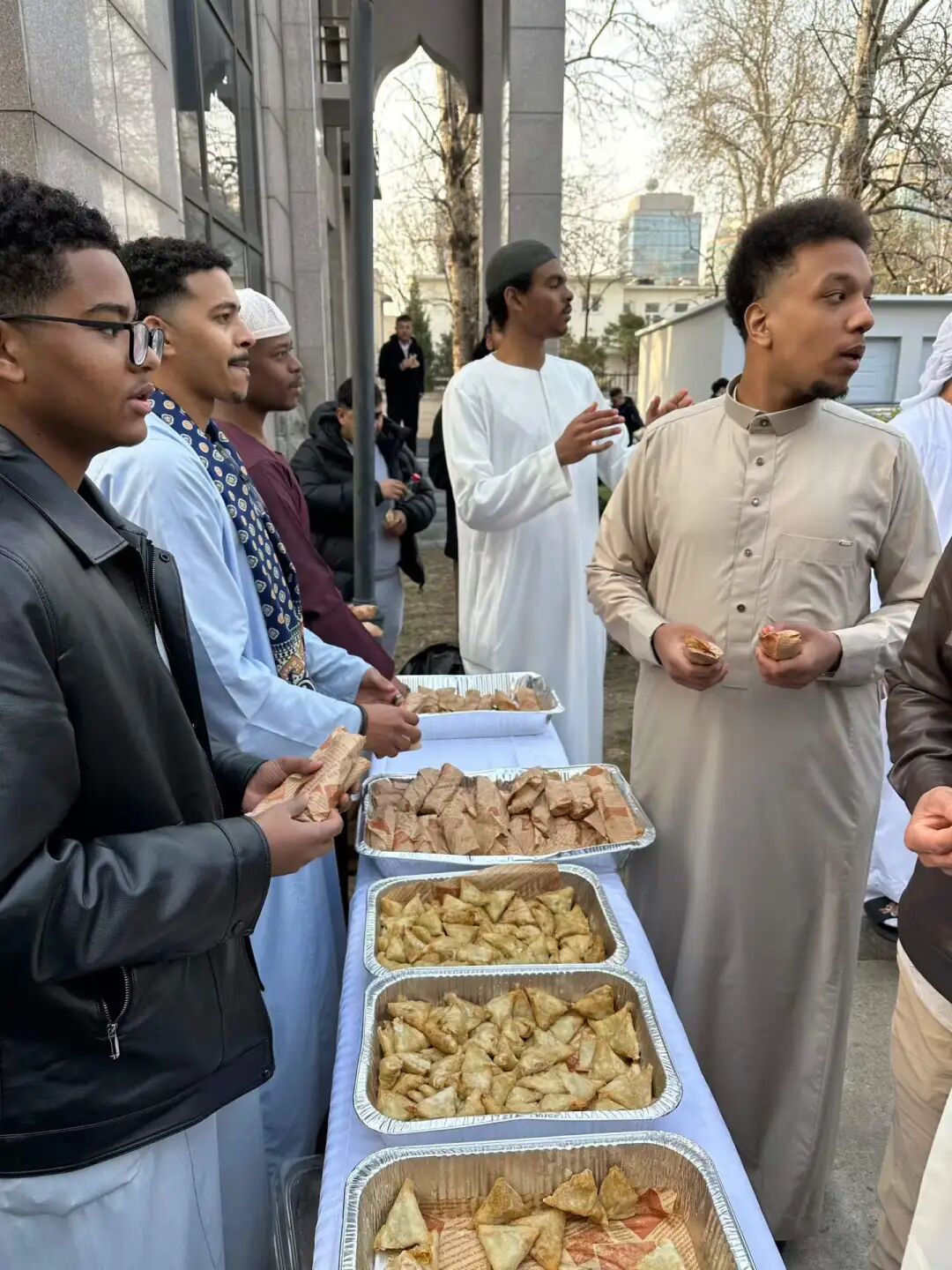
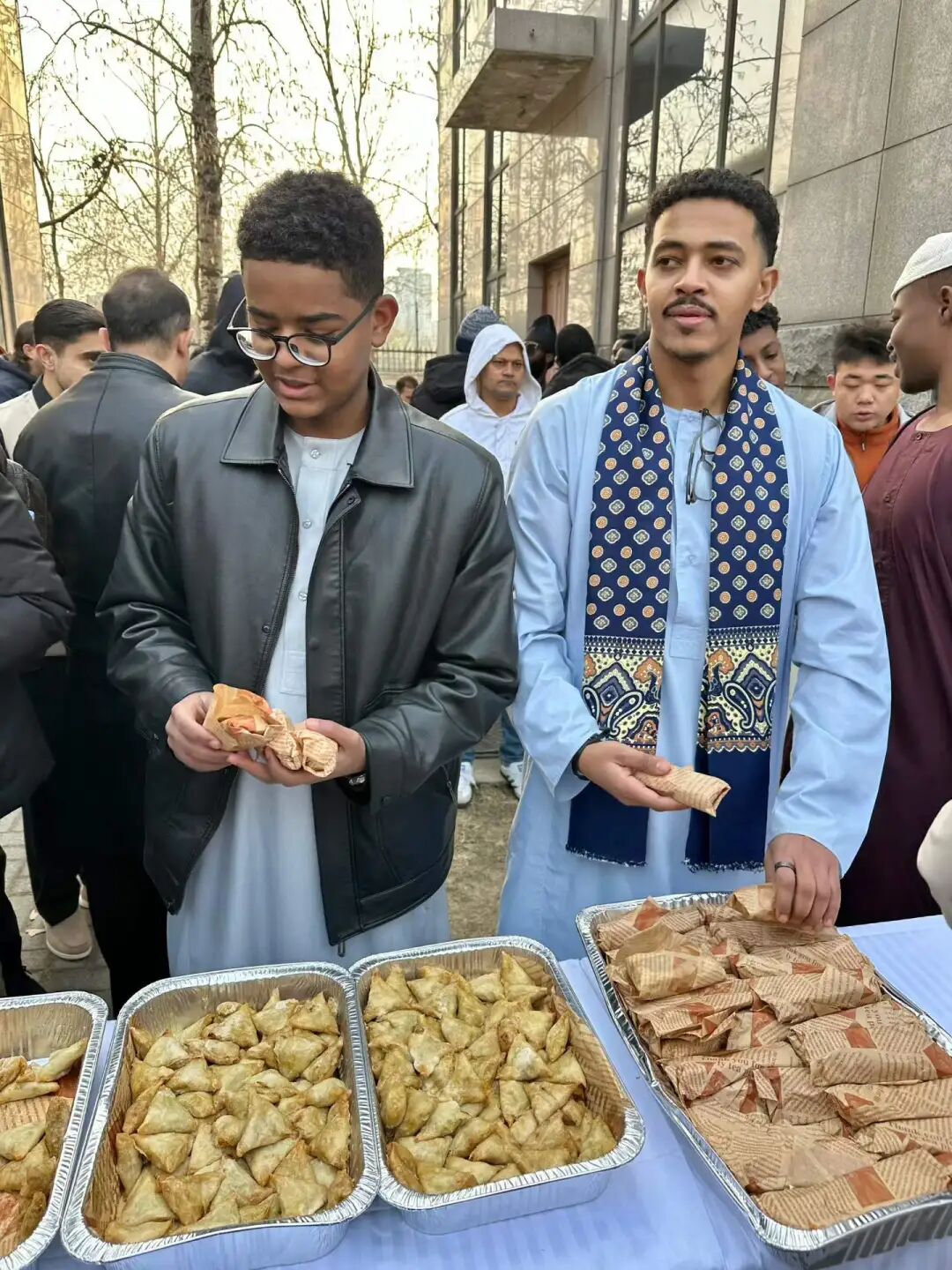
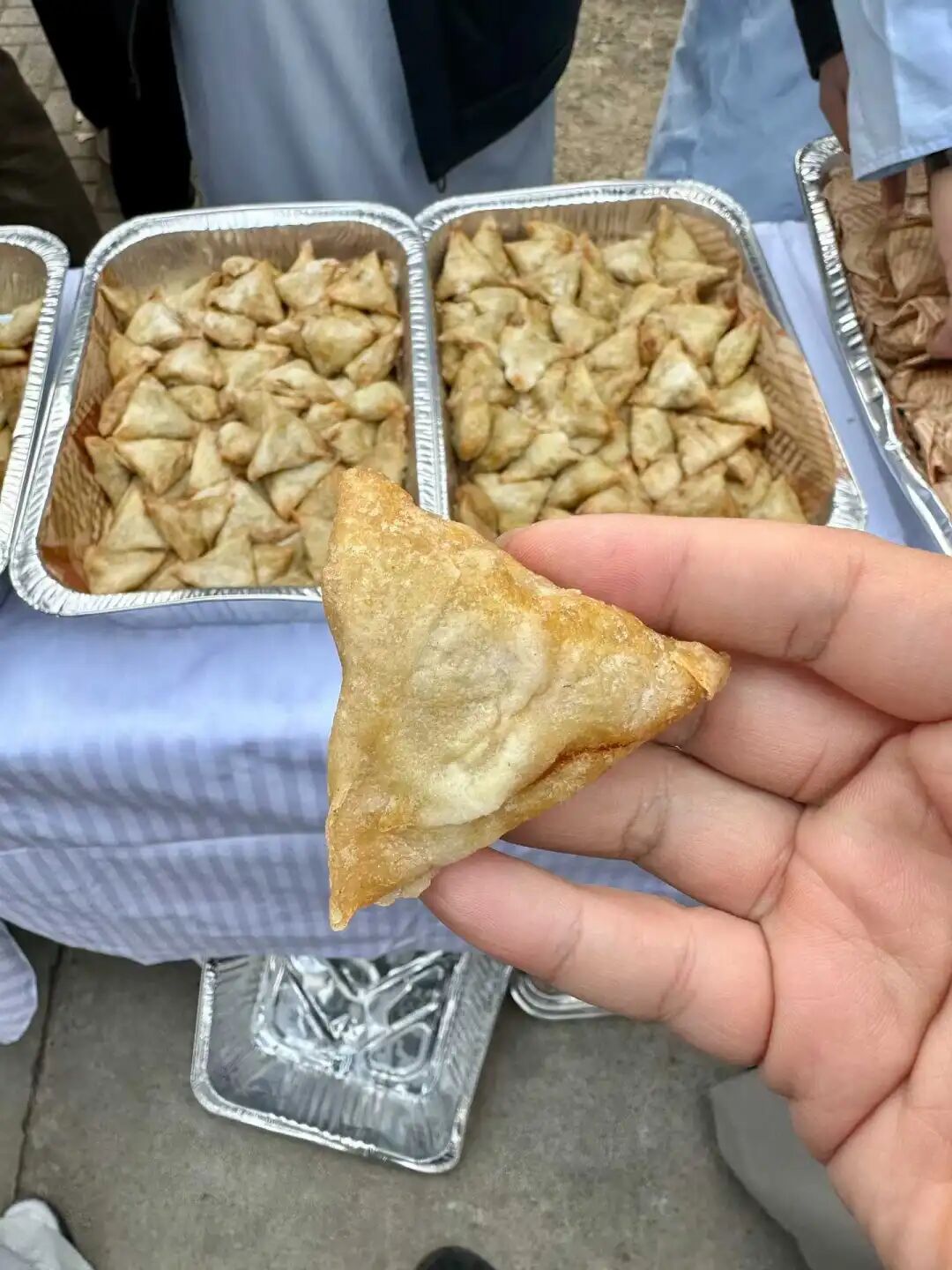
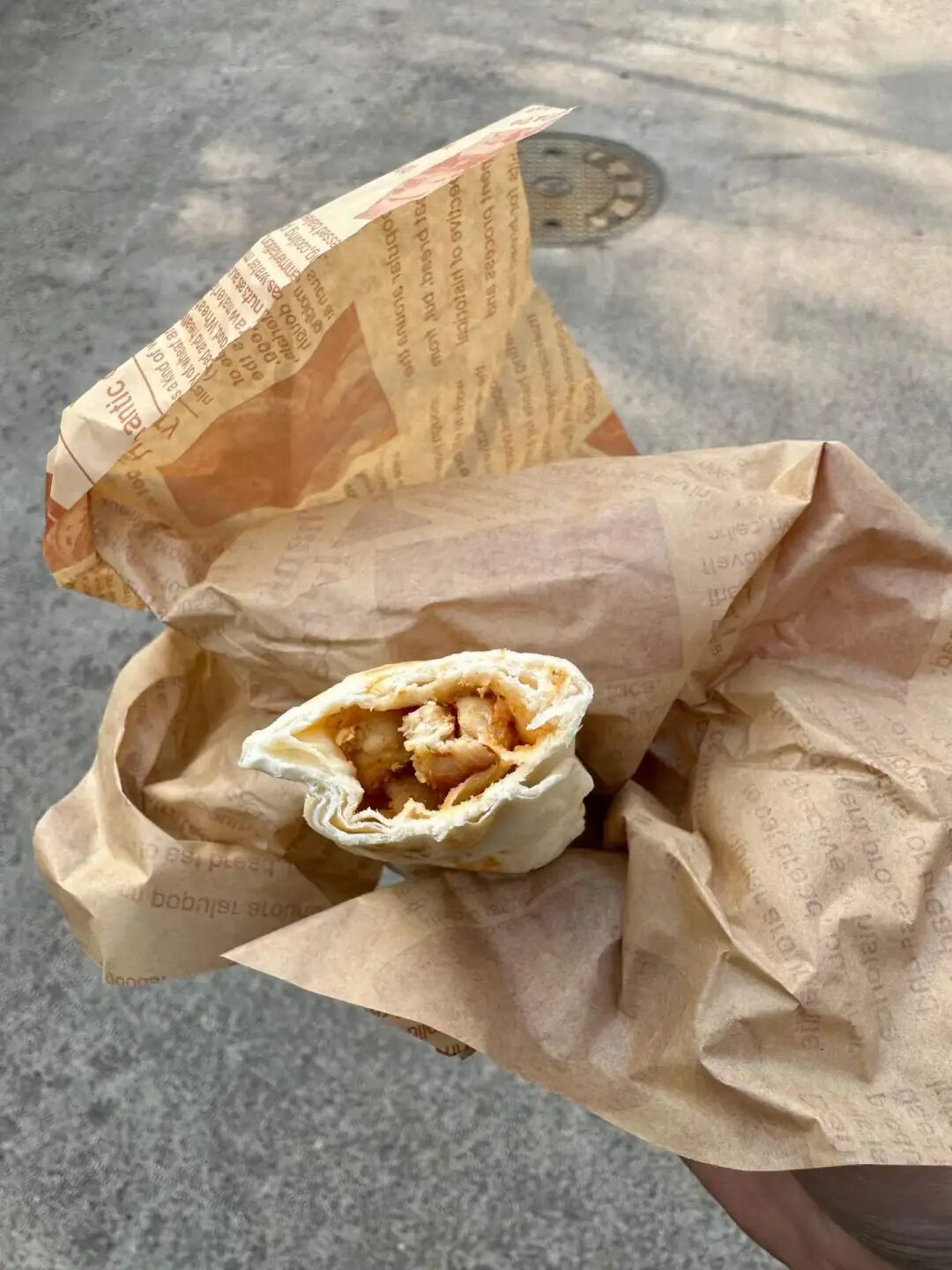
After the Eid prayer, some friends (dosti) brought homemade fried triangular pastries (sambusa) and chicken wraps (shawarma) from home, and we all enjoyed the delicious food together.
The fried triangular pastry (sambusa) originated in Iran. After the 10th century, it spread to the Arab region along trade and pilgrimage routes. In countries like Saudi Arabia and Yemen, the sambusa is an essential and iconic food for iftar and Eid al-Fitr. Compared to the South Asian samosa, which also comes from Iran, the Arab sambusa is smaller with a thinner crust. The filling is usually made of minced meat, onions, cilantro, and cinnamon.
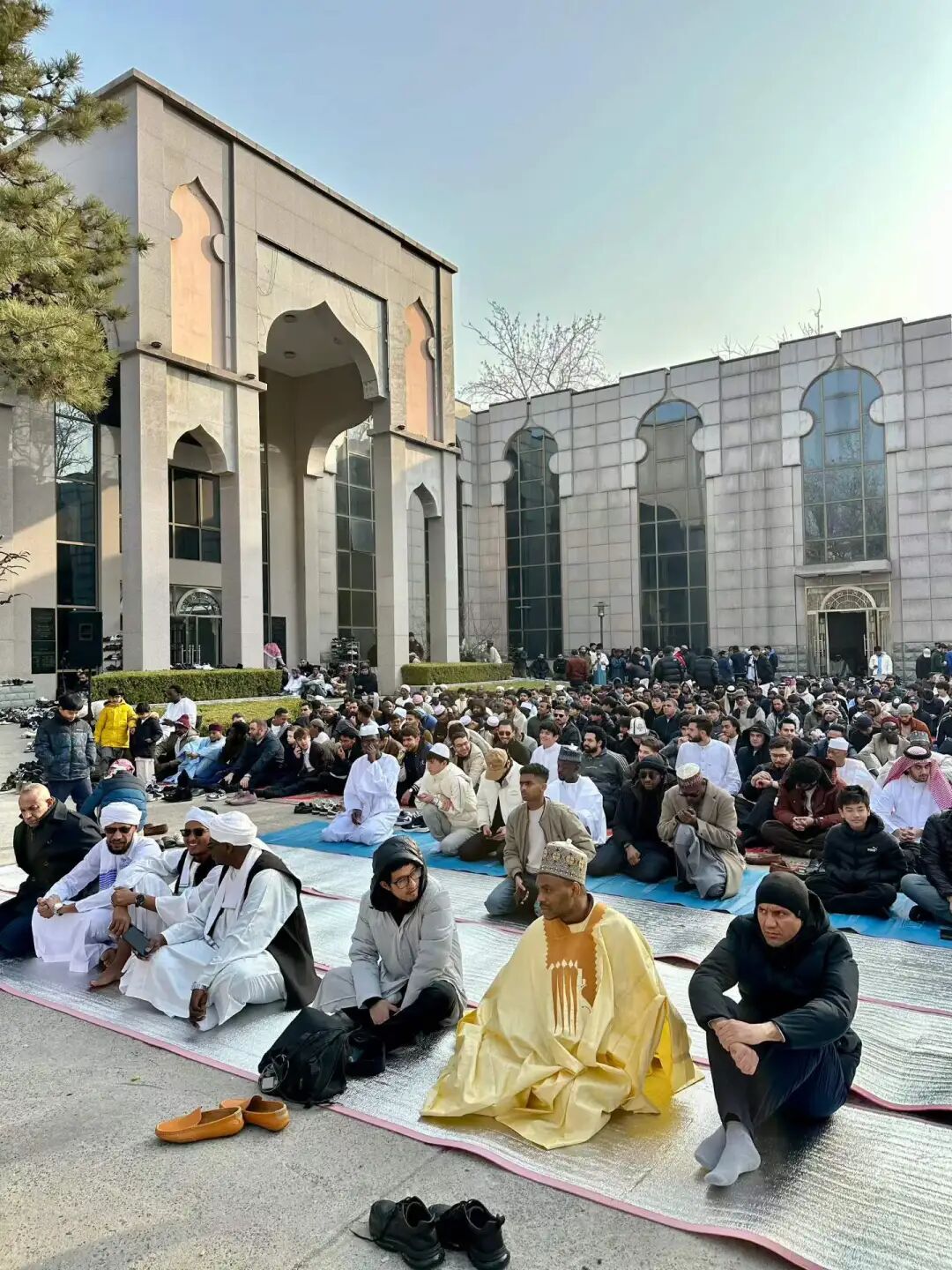
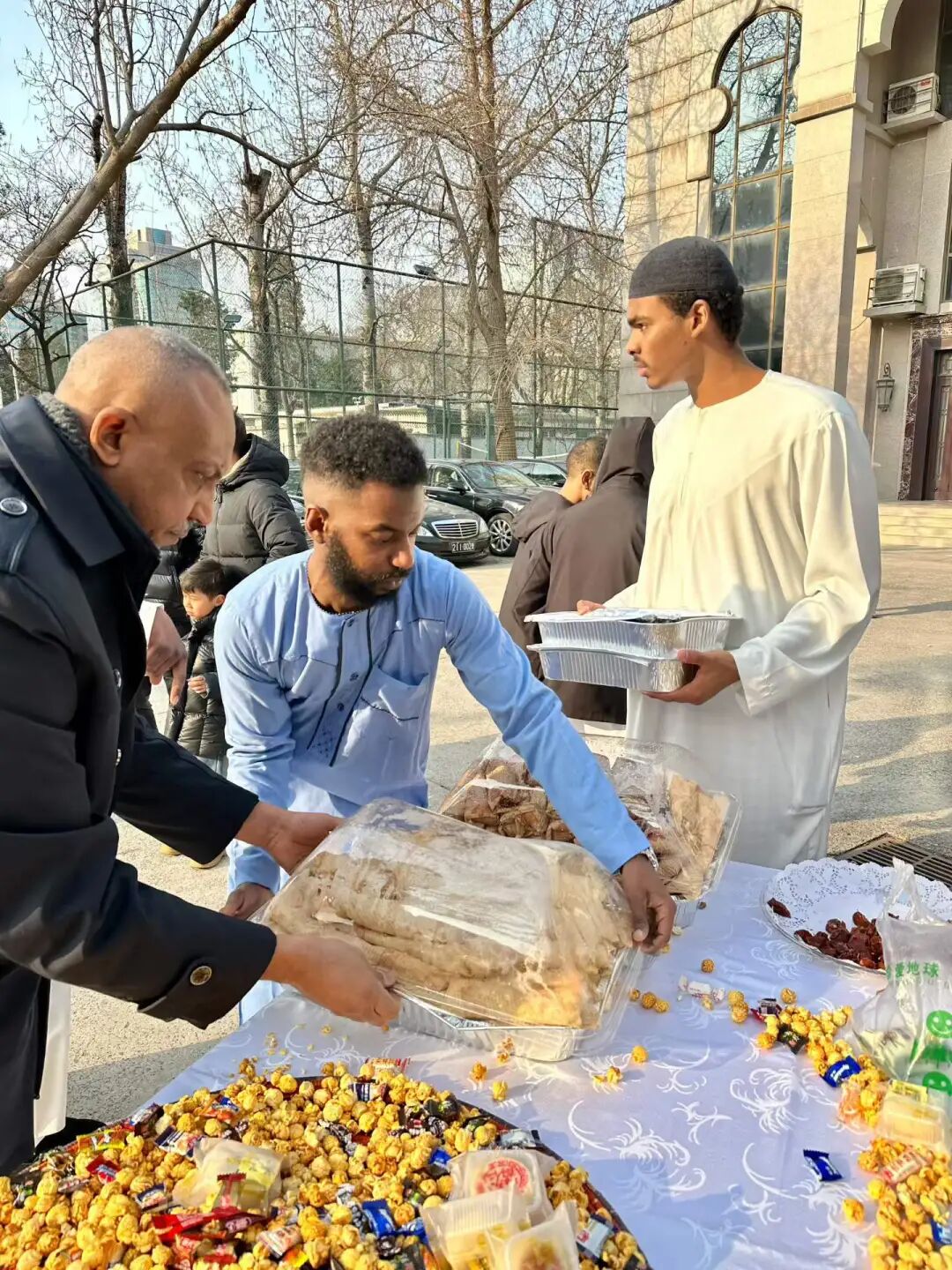
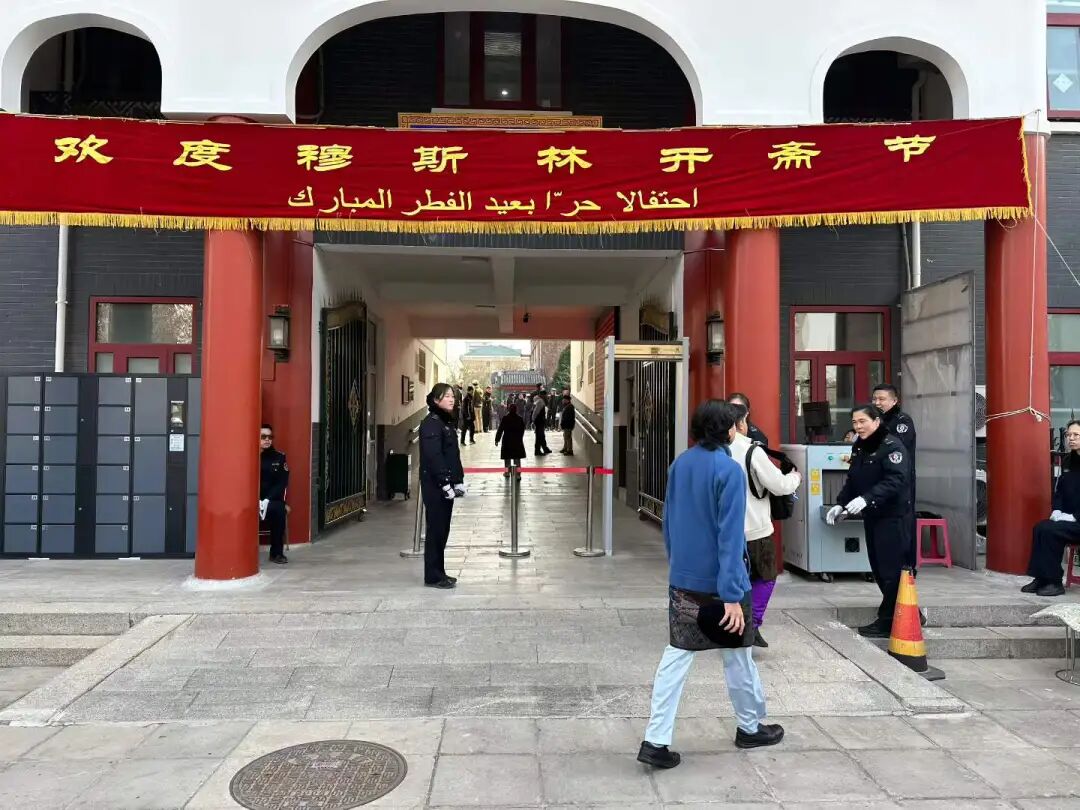
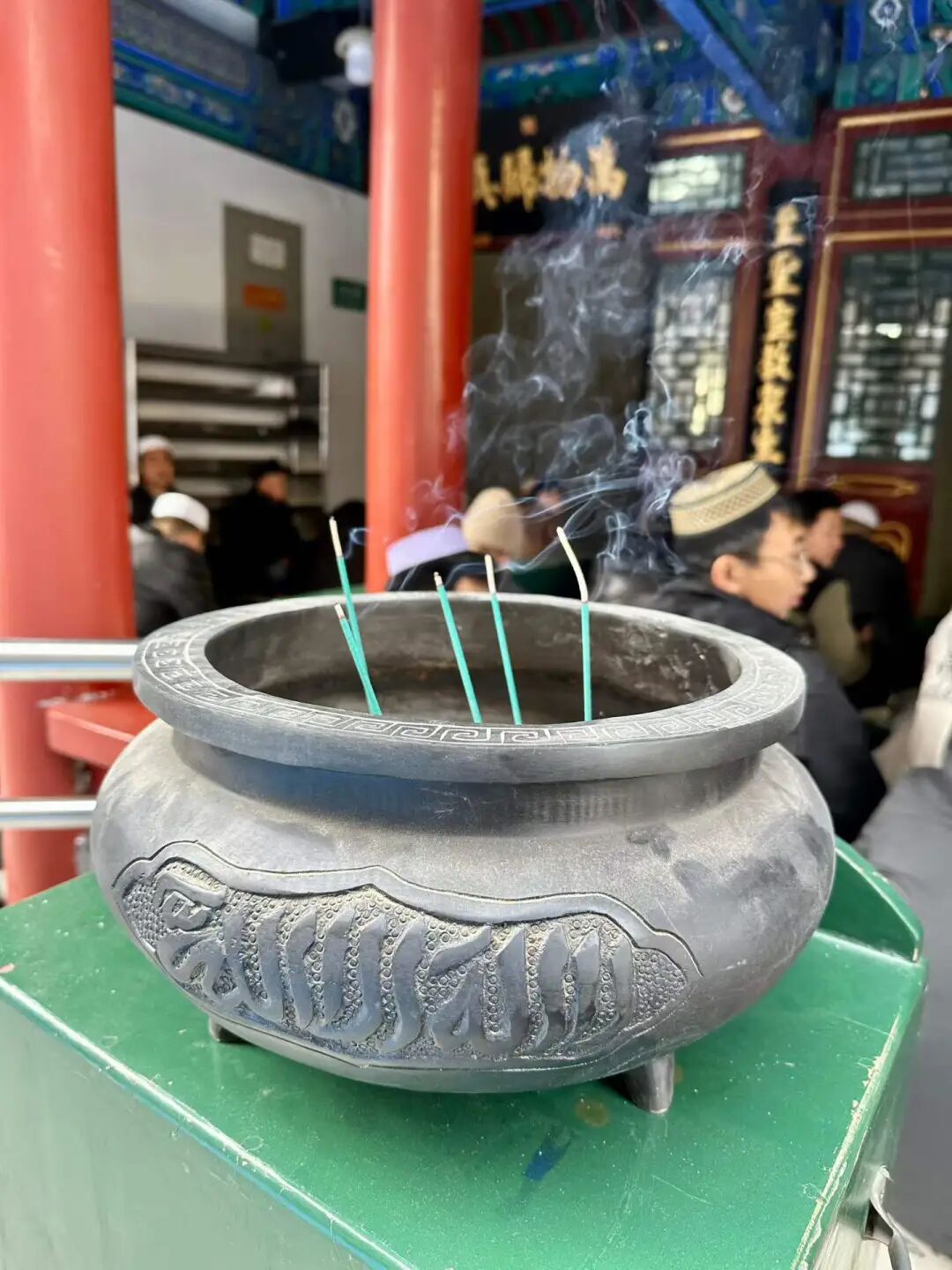
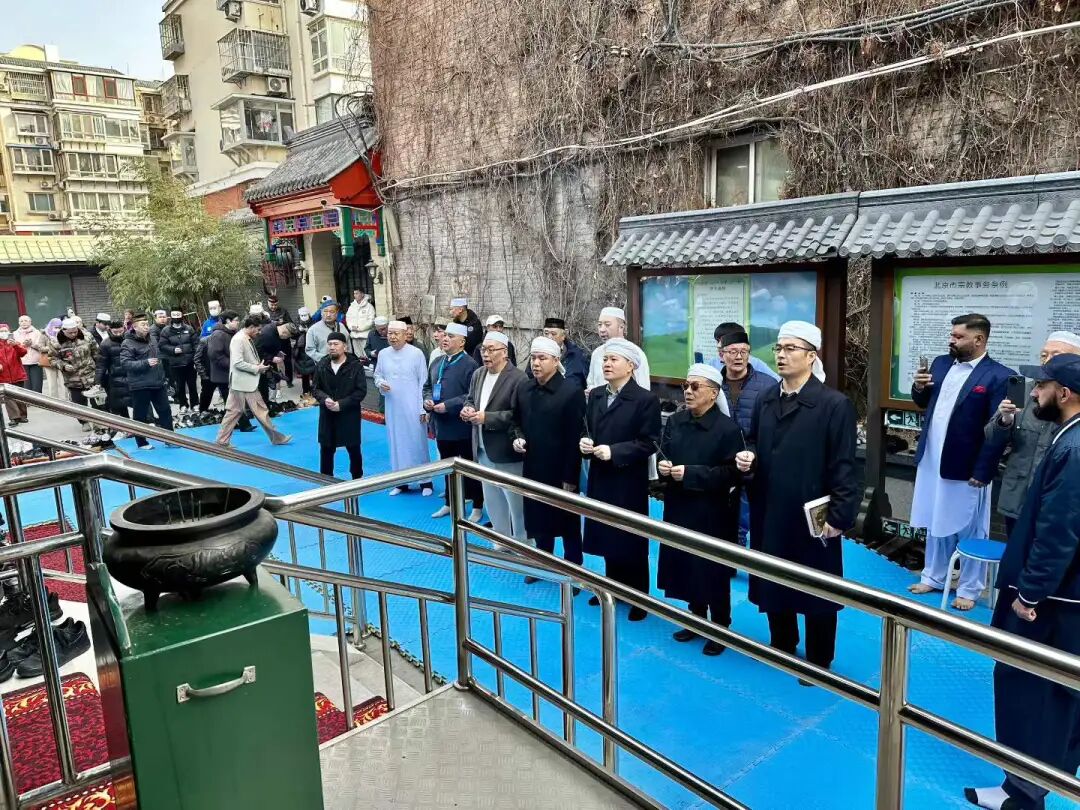
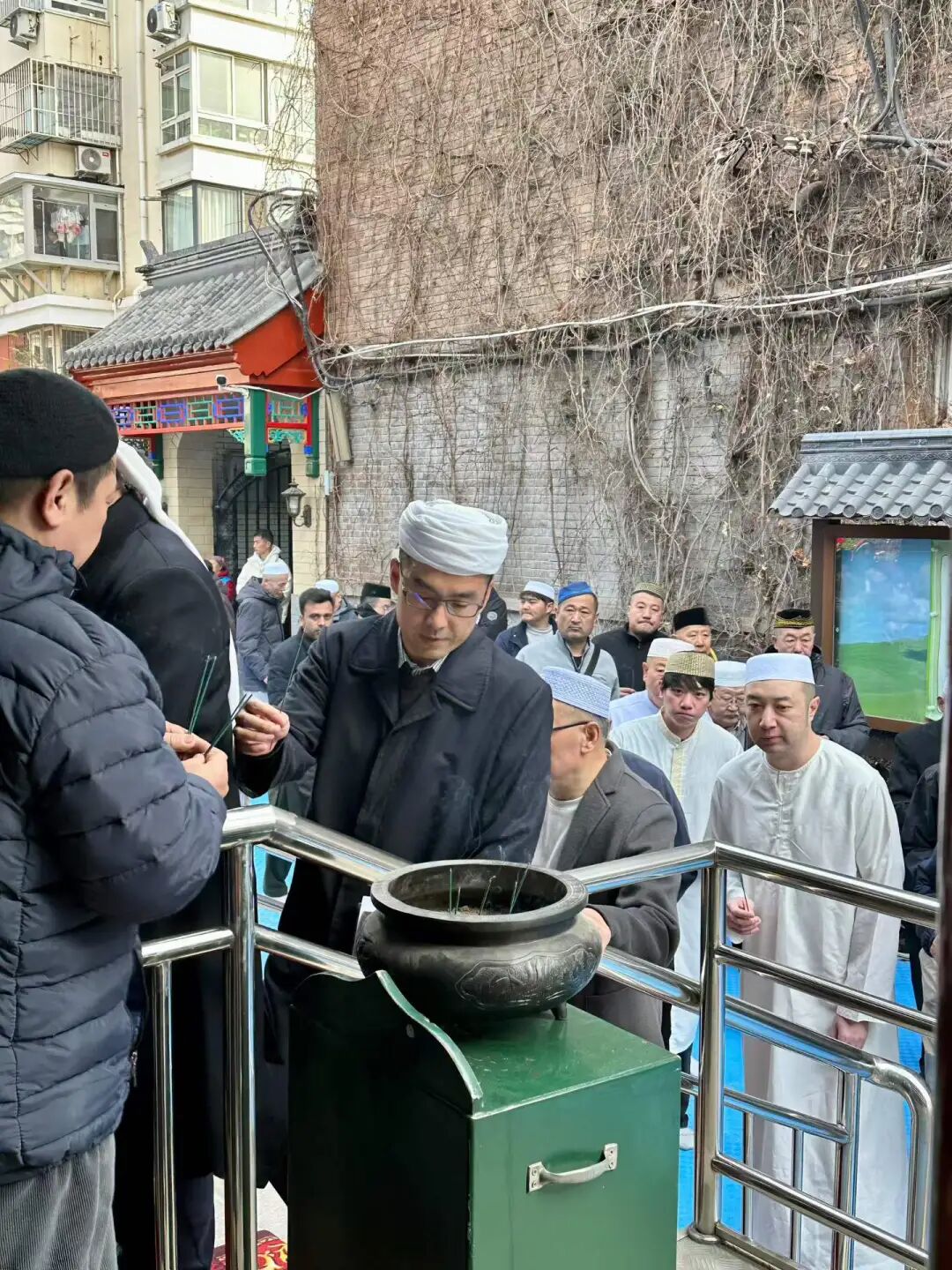
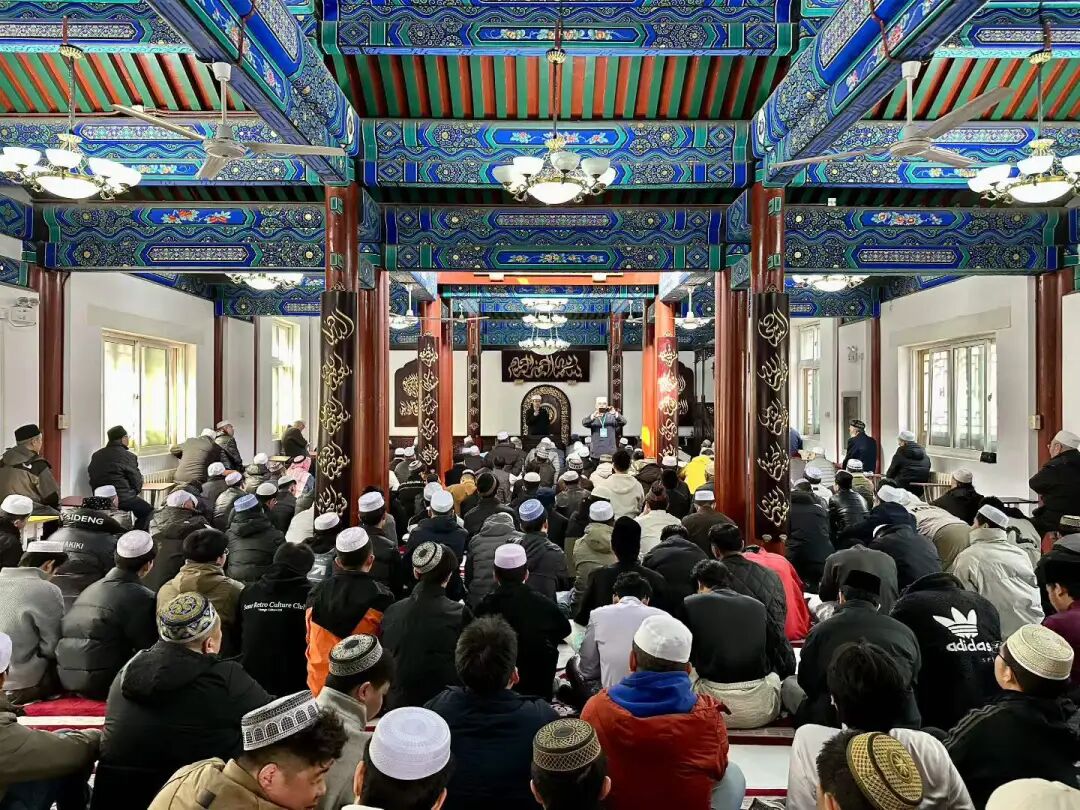
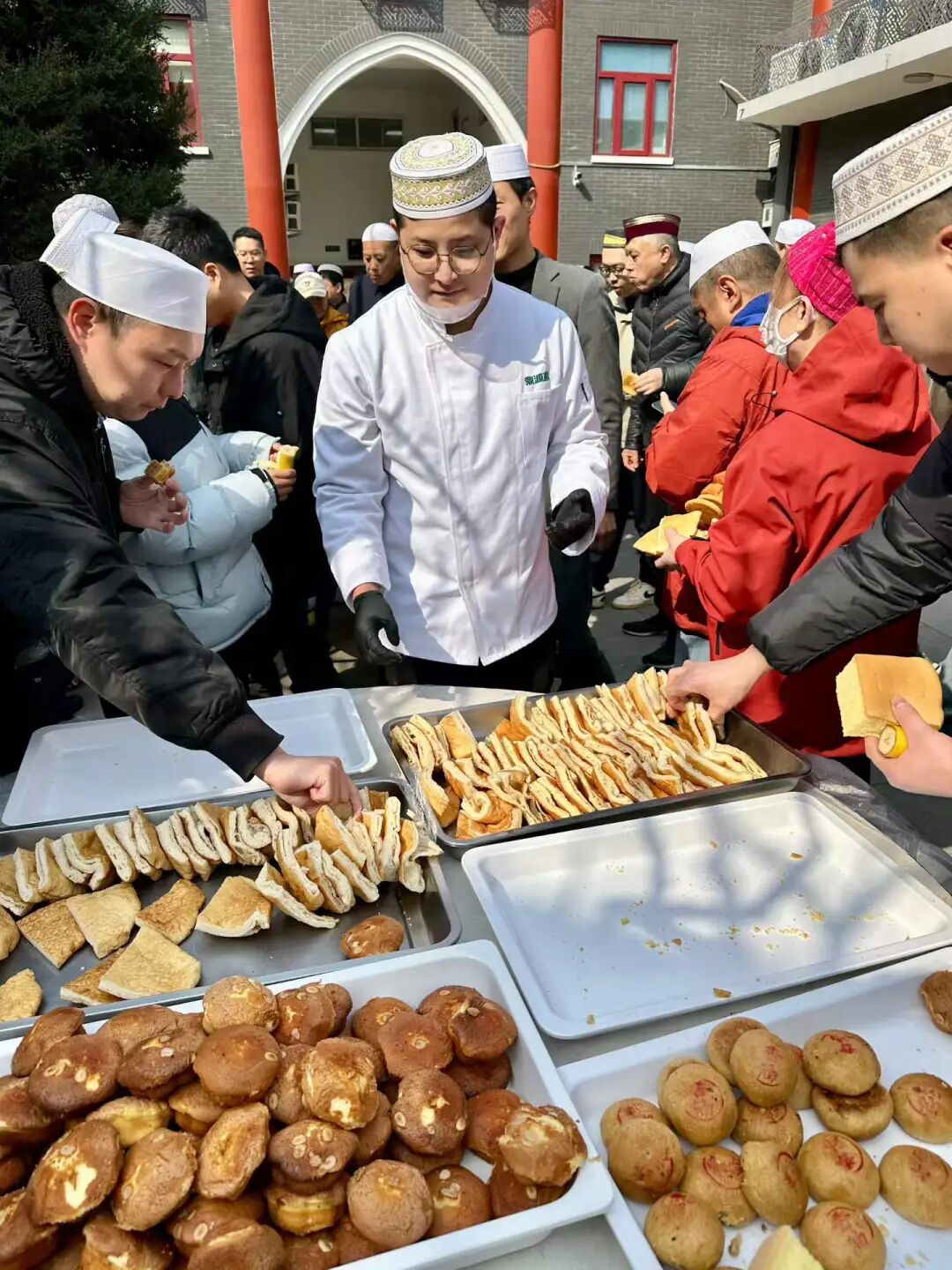
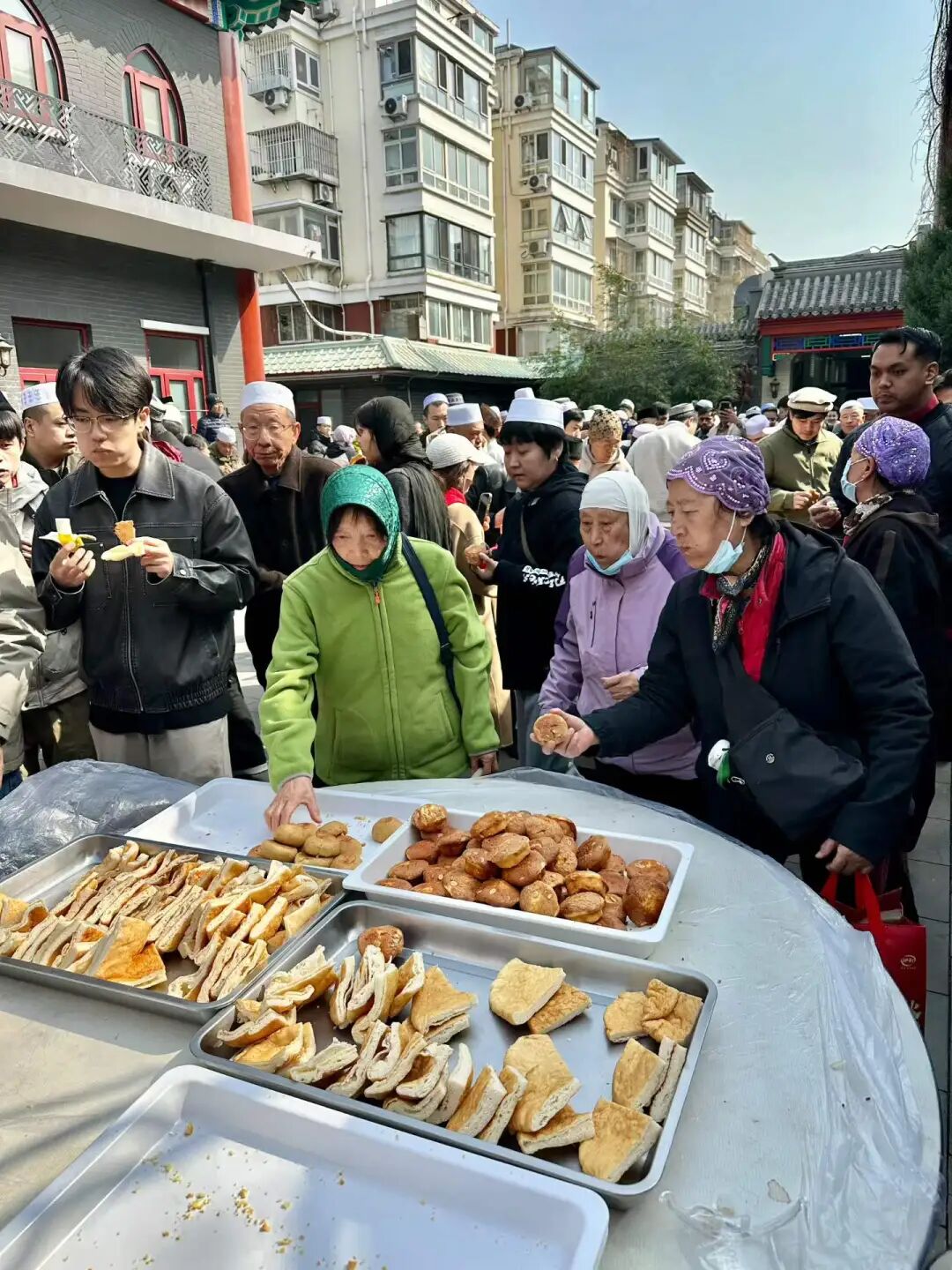
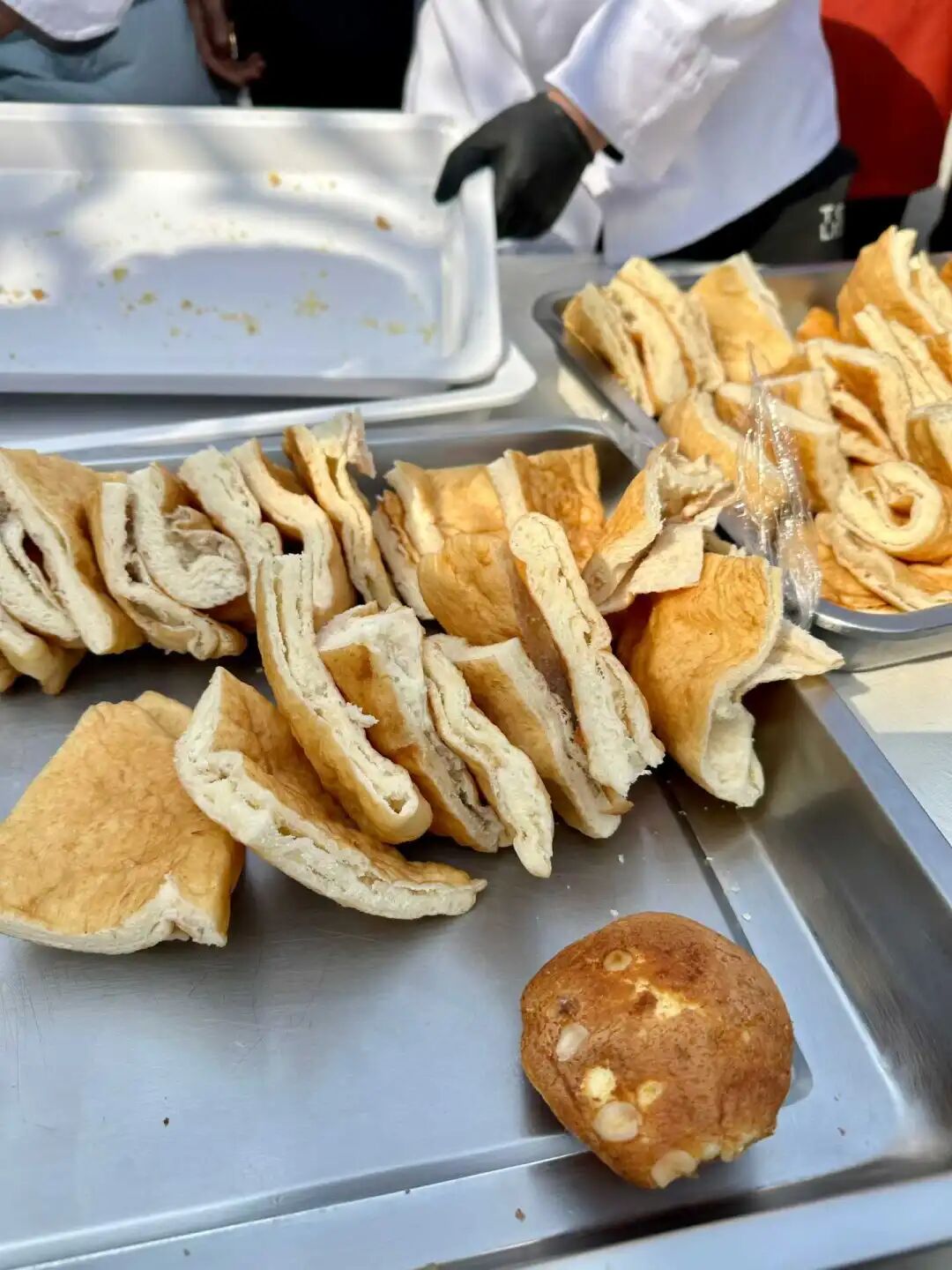
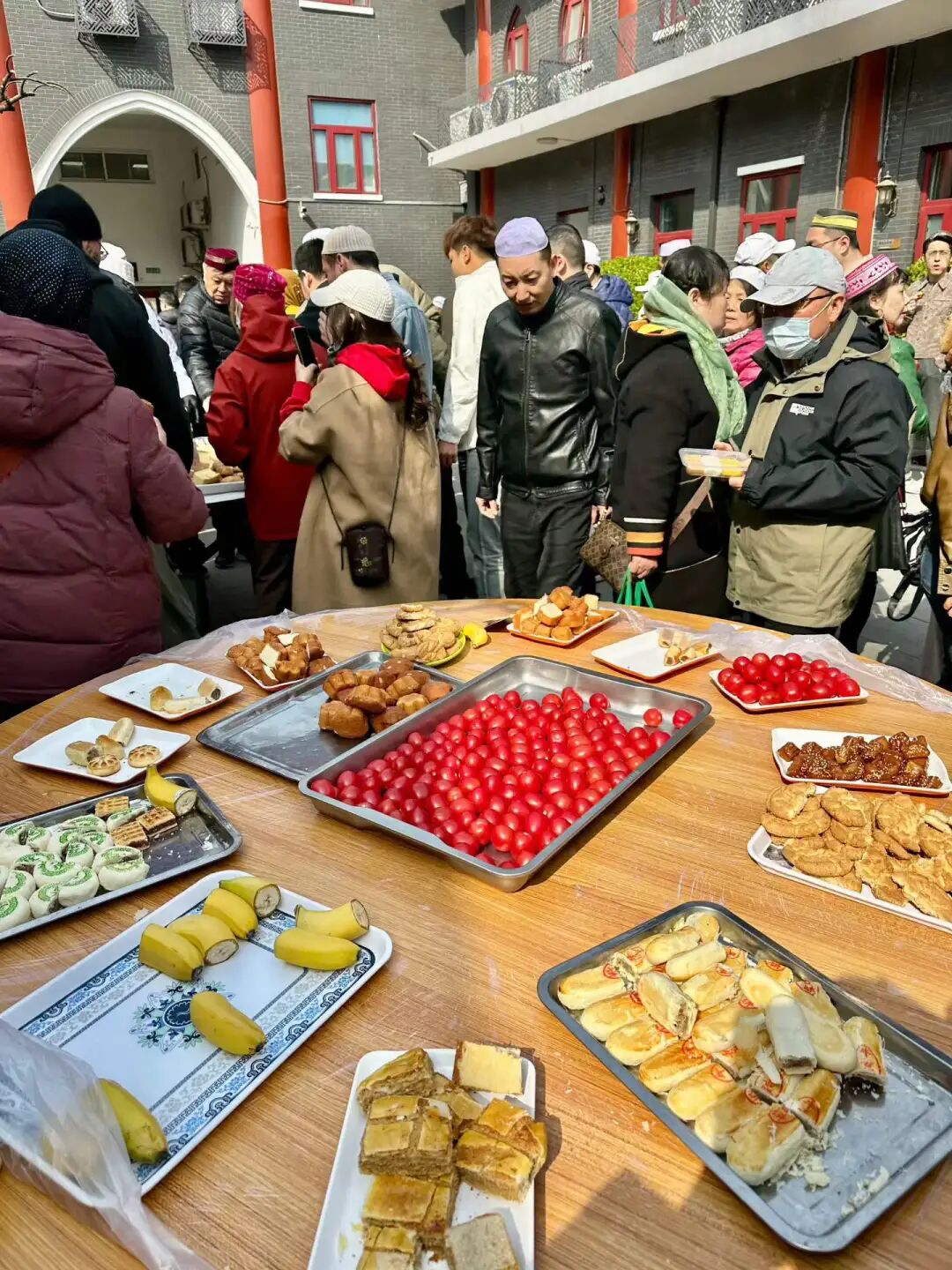
After leaving the Sudanese Embassy, we went to Fayuan Mosque in Dewai to experience the atmosphere of a Chinese-style Eid al-Fitr. Fayuan Mosque holds the latest Eid prayer in the Xicheng District, which gives people who missed the prayers at other mosques a chance to attend. The place was very crowded, and those of us who arrived late could not get into the main prayer hall. After the prayer, we enjoyed fried dough (youxiang) and various pastries, but it was a pity that we did not get to have any meat porridge this year.
Summary: This second Beijing Ramadan diary covers Jingzhe, Laylat al-Qadr, Eid al-Fitr, mosque gatherings, Hui Muslim food, and the closing days of Ramadan in clear English.
Awakening of Insects (Jingzhe)
This year, Ramadan falls during the Awakening of Insects, so Hui Muslims in Xinjiang will drink Awakening of Insects soup (jingzhe tang), also known as Awakening of Insects oil tea egg (jingzhe youcha dan). It is made by chopping walnuts, raisins, and red dates, coating them in egg wash, stir-frying them in mutton fat, and then pouring in brewed brick tea. The resulting soup has the aroma of mutton fat, dried fruit, eggs, and tea, which children really love.
The Awakening of Insects is one of the twenty-four solar terms, marking the time when all things wake up. In the past, medical care was limited and tuberculosis (shanglao) was a deadly disease. After the Awakening of Insects, temperatures rise and germs become active, so people used a combination of nutritious eggs, oil, and dried fruit with warm tea to pray for health, shake off winter fatigue, and boost their energy.
Night of Power (Laylat al-Qadr)
The twenty-seventh night of Ramadan is always the busiest day at every mosque, and this year Madian Mosque set up fifteen tables, making it very lively. Before breaking the fast, the imam recites the scripture. After breaking the fast, we are served two plates of fruit and pastries. After the sunset prayer (maghrib), nine dishes are served: braised prawns in oil, stir-fried shrimp with milk, braised flatfish, fried tofu, braised eggplant, stewed beef brisket with radish, stewed lamb with potatoes, stir-fried meat with scallions, and braised meat balls (songrou). I sat at a table with international students from various countries, and everyone really enjoyed the food.
Besides the two Eids (Eid al-Fitr and Eid al-Adha) and the two major gatherings (the Prophet's birthday and the Fatimah gathering), the Night of Power is likely the most important day for Hui Muslims. The Night of Power is also called the "Night Vigil" or "Night Head Festival." People say the scripture was first revealed on this night, which is better than a thousand months, so it is a time to do many good deeds. Everyone bathes, changes into clean clothes, goes to the mosque, greets each other with salaam, listens to the imam's recitation, completes their prayers, and shares a meal. Using the mosque as a gathering place and affection as a bridge, we seek blessings and look out for peace.
In the evening, the whole family celebrated the Night of Power at the Sudanese Embassy. The embassy building was fully lit, and the courtyard was filled with cars from various embassies. Besides coffee and black tea, there were also pastries donated (sadqa) by people from Changying Township.
Today was the busiest night at the embassy, and even the lobby was completely full. By the eighth rak'ah of the Taraweeh prayer, the entire scripture had been completed. During the final rak'ah, a half-hour long dua was made. The imam sounded like he was weeping, his voice was hoarse, and he was once moved to tears, crying "Ya Allah, Ya Allah," which was incredibly moving.
Eid al-Fitr
This year, Eid al-Fitr falls on a Saturday, so no one needs to ask for time off, which is why there are so many people. Our whole family headed straight to the Sudanese Embassy in the morning. Many people wore traditional clothing today, and I also wore a hexagonal cap (gedimu) from North China made by a friend. Today, not only was the building full, but the embassy courtyard was also packed with friends (dosti) from Africa, the Arab world, South Asia, and all over China. It was a very blessed occasion.
After the Eid prayer, some friends (dosti) brought homemade fried triangular pastries (sambusa) and chicken wraps (shawarma) from home, and we all enjoyed the delicious food together.
The fried triangular pastry (sambusa) originated in Iran. After the 10th century, it spread to the Arab region along trade and pilgrimage routes. In countries like Saudi Arabia and Yemen, the sambusa is an essential and iconic food for iftar and Eid al-Fitr. Compared to the South Asian samosa, which also comes from Iran, the Arab sambusa is smaller with a thinner crust. The filling is usually made of minced meat, onions, cilantro, and cinnamon.
After leaving the Sudanese Embassy, we went to Fayuan Mosque in Dewai to experience the atmosphere of a Chinese-style Eid al-Fitr. Fayuan Mosque holds the latest Eid prayer in the Xicheng District, which gives people who missed the prayers at other mosques a chance to attend. The place was very crowded, and those of us who arrived late could not get into the main prayer hall. After the prayer, we enjoyed fried dough (youxiang) and various pastries, but it was a pity that we did not get to have any meat porridge this year.
