

Eid al_Fitr
China Muslim Travel Tips Ramadan: Hadith, Eid Moon Sighting and Local Imam Unity
Articles • yusuf908 posted the article • 0 comments • 225 views • 2026-05-23 21:31
Summary: This Ramadan reflection discusses recurring disputes about moon sighting, starting and ending the fast, following the local imam, and protecting unity in Muslim communities even when people hold different fiqh views.
This year's Ramadan has mostly passed. Some people have already ended the fast today, and some will end it tomorrow, but the hostile arguments on Moments have not stopped with the end of Ramadan. On the contrary, those who continue to fast today mock those who have already broken their fast today as radicals. In China, they blindly follow the trend of breaking the fast without seeing the moon. Those who continue to fast today mock those who continue to fast today as old-fashioned. Obviously, there is accurate information about the moon sighting abroad, so why not accept a distant moon sighting?
Every year, our group always quarrels and slanders each other over the issue of fasting and breaking fast. The root of all this is the famous hadith: “Fast when you see the new moon, and break your fast when you see the new moon. But if the sky is cloudy, then you have enough for the thirty days of Sha'ban (calculation based on this)! ". [the two Sahih collections], the differences in each Ramadan basically appear here, and there is also the situation of receiving the new moon from a distant place. There is also a hadith: Narrated by Qurayb ibn Abu Muslim Umm al-Fadl bint al-Harith sent me to Sham to meet Mu'awiya. I was in Sham when the crescent moon of Ramadan appeared after I arrived in Sham to complete her mission. We saw the new moon on the Friday night. When I returned to Medina at the end of the month, Ibn Abbas mentioned the new moon when he asked me, "When did you see the new moon?" "I said: "We saw the new moon on the Friday night. He asked: "Did you see it too?" "I said: "Yes, everyone has seen it. They all fasted, and Mu'awiya also fasted. "Ibn Abbas said: "We saw the new moon on Saturday night. So, we will continue to fast until we are thirty days old or until we see the new moon. "I said: "Aren't you satisfied with Mu'awiya's sight of the moon and his fasting? "Ibn Abbas said: "No, this is what the Messenger of Allah ordered us to do. "Muslim Collection of Hadith." Today we are in the era of the "global village" with the explosion of information. People in the Western Hemisphere will know about the new moon one minute after seeing it in the Eastern Hemisphere, so people who see the new moon will naturally start or end the fast. However, those who refuse to accept a distant moon sighting believe that there is a time difference of several hours between the new moon seen by people in the Eastern Hemisphere and those in the Western Hemisphere, and the distance is far away, so they do not need to accept a distant moon sighting, so they delay starting or ending the fast.
Do the above two hadiths contradict each other? Not contradictory at all! On the contrary, there is strong complementarity, and it also reflects the inclusiveness of Islam in seeking common ground while reserving differences, and Islam is a religion that makes it easy for people and not difficult for others. On the contrary, it is our partial understanding or complete misinterpretation of these two hadiths that led to this situation of blaming each other. In the end, we all used these two hadiths to say that the other party was mistaken. In fact, similar and seemingly contradictory hadiths include "My disciples will be divided into seventy-three groups, only one group will enter heaven, and the others will enter hell." This group of saved people are believers who follow me, and they follow my disciples as examples. "Ibn Majah" and another passage "Whoever dies by reciting that there is no god but Allah will surely enter paradise, even if he steals and commits adultery." "[the two Sahih collections], these two hadiths seem to be contradictory and conflicting with each other. In fact, as long as these two hadiths are combined and understood, they encourage everyone to actively do good deeds and work hard to complete various meritorious deeds. Even if you are originally a person who has committed serious sins, as long as you work hard to improve, actively repent to Allah, and promise not to do it again, you will belong to the residents of heaven.
The same is true for the above two hadiths about the new moon. They must be combined to understand each other in order to truly understand their meaning. Otherwise, if we only understand a certain hadith alone, we will end up in today's situation of mutual accusations. If the two hadiths are combined and understood, then we can easily solve this problem. The choice of whether to accept a distant moon sighting from another place depends on the imam of our community. If the imam of our community chooses to accept a distant moon sighting, then we will follow the fast or break the fast. If the imam of our community chooses to not accept the distant moon sighting, then we will follow the imam and choose to postpone the fast or delay the fast. Because the Messenger of Allah said, "Fear Allah and obey the [Imam] among you, even if it is an Abyssinian black servant with a head like a raisin as your Imam." "Ibn Majah". The imam of this community will consider all factors and finally make the most correct choice. We can just follow him. Don't mess up the atmosphere of unity in this community or even surrounding communities for our own reasons. If we do this, we will violate the great mission of "Muslims should unite with each other" commanded by Allah.
Having said so much, I can only say one thing: Those who choose to accept a distant moon sighting and fast or break their fast, or those who choose to not accept a distant moon sighting and delay fasting and break the fast, both are fine. As for whether to choose to accept a distant moon sighting or not, it depends on the imam of the community! As for who is right and who is wrong, we just have to be ourselves. In the days to come, Allah will reward every servant according to their intention. Finally, I would like to end today’s tweet with a Hadith: “All work depends on intention, and everyone has the [reward] of his intention” [the two Sahih collections]! view all
Summary: This Ramadan reflection discusses recurring disputes about moon sighting, starting and ending the fast, following the local imam, and protecting unity in Muslim communities even when people hold different fiqh views.
This year's Ramadan has mostly passed. Some people have already ended the fast today, and some will end it tomorrow, but the hostile arguments on Moments have not stopped with the end of Ramadan. On the contrary, those who continue to fast today mock those who have already broken their fast today as radicals. In China, they blindly follow the trend of breaking the fast without seeing the moon. Those who continue to fast today mock those who continue to fast today as old-fashioned. Obviously, there is accurate information about the moon sighting abroad, so why not accept a distant moon sighting?
Every year, our group always quarrels and slanders each other over the issue of fasting and breaking fast. The root of all this is the famous hadith: “Fast when you see the new moon, and break your fast when you see the new moon. But if the sky is cloudy, then you have enough for the thirty days of Sha'ban (calculation based on this)! ". [the two Sahih collections], the differences in each Ramadan basically appear here, and there is also the situation of receiving the new moon from a distant place. There is also a hadith: Narrated by Qurayb ibn Abu Muslim Umm al-Fadl bint al-Harith sent me to Sham to meet Mu'awiya. I was in Sham when the crescent moon of Ramadan appeared after I arrived in Sham to complete her mission. We saw the new moon on the Friday night. When I returned to Medina at the end of the month, Ibn Abbas mentioned the new moon when he asked me, "When did you see the new moon?" "I said: "We saw the new moon on the Friday night. He asked: "Did you see it too?" "I said: "Yes, everyone has seen it. They all fasted, and Mu'awiya also fasted. "Ibn Abbas said: "We saw the new moon on Saturday night. So, we will continue to fast until we are thirty days old or until we see the new moon. "I said: "Aren't you satisfied with Mu'awiya's sight of the moon and his fasting? "Ibn Abbas said: "No, this is what the Messenger of Allah ordered us to do. "Muslim Collection of Hadith." Today we are in the era of the "global village" with the explosion of information. People in the Western Hemisphere will know about the new moon one minute after seeing it in the Eastern Hemisphere, so people who see the new moon will naturally start or end the fast. However, those who refuse to accept a distant moon sighting believe that there is a time difference of several hours between the new moon seen by people in the Eastern Hemisphere and those in the Western Hemisphere, and the distance is far away, so they do not need to accept a distant moon sighting, so they delay starting or ending the fast.
Do the above two hadiths contradict each other? Not contradictory at all! On the contrary, there is strong complementarity, and it also reflects the inclusiveness of Islam in seeking common ground while reserving differences, and Islam is a religion that makes it easy for people and not difficult for others. On the contrary, it is our partial understanding or complete misinterpretation of these two hadiths that led to this situation of blaming each other. In the end, we all used these two hadiths to say that the other party was mistaken. In fact, similar and seemingly contradictory hadiths include "My disciples will be divided into seventy-three groups, only one group will enter heaven, and the others will enter hell." This group of saved people are believers who follow me, and they follow my disciples as examples. "Ibn Majah" and another passage "Whoever dies by reciting that there is no god but Allah will surely enter paradise, even if he steals and commits adultery." "[the two Sahih collections], these two hadiths seem to be contradictory and conflicting with each other. In fact, as long as these two hadiths are combined and understood, they encourage everyone to actively do good deeds and work hard to complete various meritorious deeds. Even if you are originally a person who has committed serious sins, as long as you work hard to improve, actively repent to Allah, and promise not to do it again, you will belong to the residents of heaven.
The same is true for the above two hadiths about the new moon. They must be combined to understand each other in order to truly understand their meaning. Otherwise, if we only understand a certain hadith alone, we will end up in today's situation of mutual accusations. If the two hadiths are combined and understood, then we can easily solve this problem. The choice of whether to accept a distant moon sighting from another place depends on the imam of our community. If the imam of our community chooses to accept a distant moon sighting, then we will follow the fast or break the fast. If the imam of our community chooses to not accept the distant moon sighting, then we will follow the imam and choose to postpone the fast or delay the fast. Because the Messenger of Allah said, "Fear Allah and obey the [Imam] among you, even if it is an Abyssinian black servant with a head like a raisin as your Imam." "Ibn Majah". The imam of this community will consider all factors and finally make the most correct choice. We can just follow him. Don't mess up the atmosphere of unity in this community or even surrounding communities for our own reasons. If we do this, we will violate the great mission of "Muslims should unite with each other" commanded by Allah.
Having said so much, I can only say one thing: Those who choose to accept a distant moon sighting and fast or break their fast, or those who choose to not accept a distant moon sighting and delay fasting and break the fast, both are fine. As for whether to choose to accept a distant moon sighting or not, it depends on the imam of the community! As for who is right and who is wrong, we just have to be ourselves. In the days to come, Allah will reward every servant according to their intention. Finally, I would like to end today’s tweet with a Hadith: “All work depends on intention, and everyone has the [reward] of his intention” [the two Sahih collections]!
Niujie Beijing Muslim Food Street: Eid al-Fitr Snacks and Hui Muslim Food Map Part 2
Articles • ali2007fr posted the article • 0 comments • 117 views • 2026-05-21 10:01
Summary: A short second part of the Niujie Beijing Muslim food street map for Eid al-Fitr, keeping the original advice and single image exactly where they belong.
P.S. I am posting this before Eid al-Fitr. Take my advice: the snacks sold on the day of the festival are available all year round, but they cost more on the holiday itself. view all
Summary: A short second part of the Niujie Beijing Muslim food street map for Eid al-Fitr, keeping the original advice and single image exactly where they belong.
P.S. I am posting this before Eid al-Fitr. Take my advice: the snacks sold on the day of the festival are available all year round, but they cost more on the holiday itself.
Beijing Ramadan 2026 Diary: Laylat al-Qadr, Eid al-Fitr and Hui Muslim Food
Articles • ali2007fr posted the article • 0 comments • 175 views • 2026-05-21 06:45
Summary: This second Beijing Ramadan diary covers Jingzhe, Laylat al-Qadr, Eid al-Fitr, mosque gatherings, Hui Muslim food, and the closing days of Ramadan in clear English.
Awakening of Insects (Jingzhe)
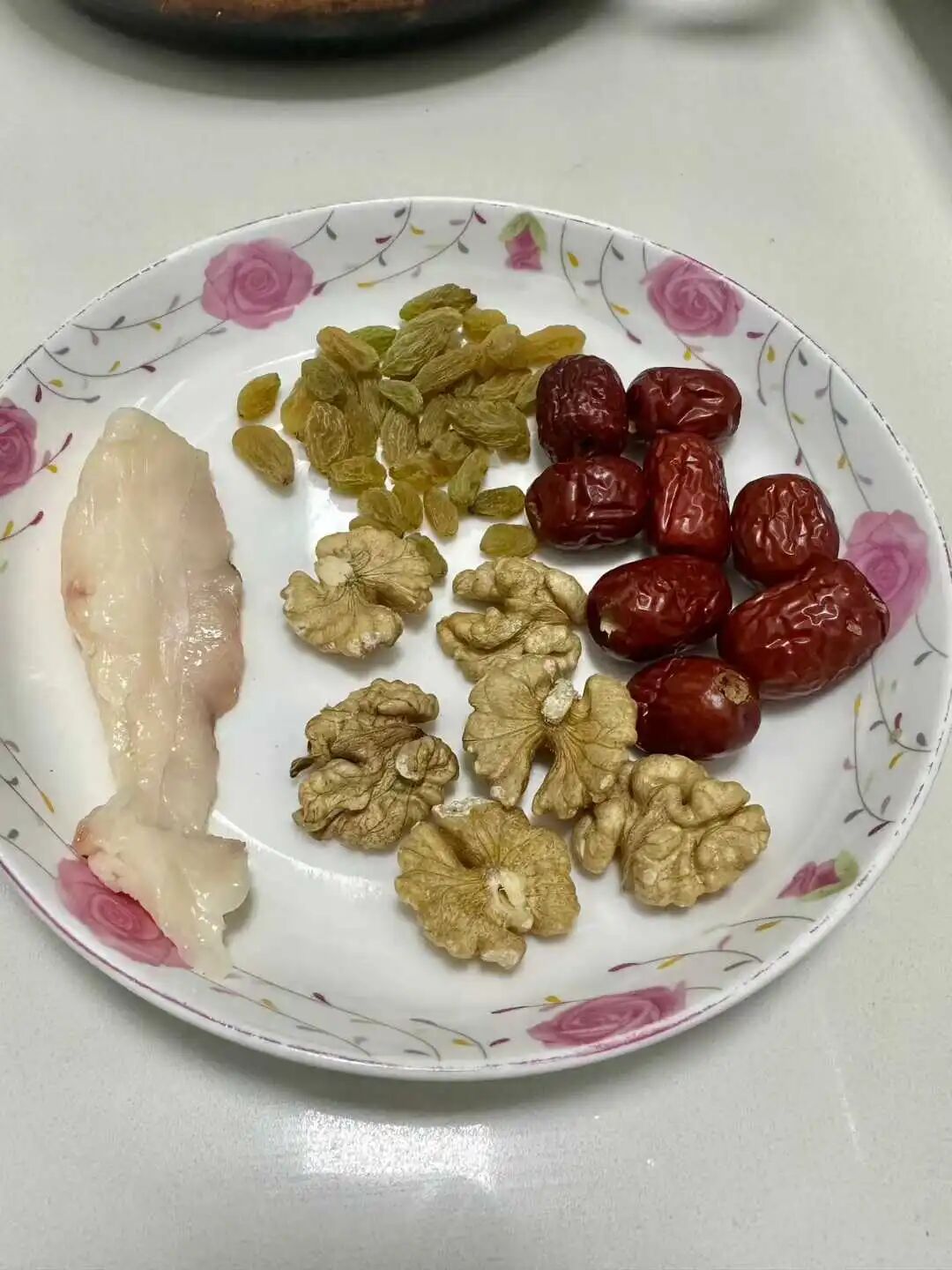
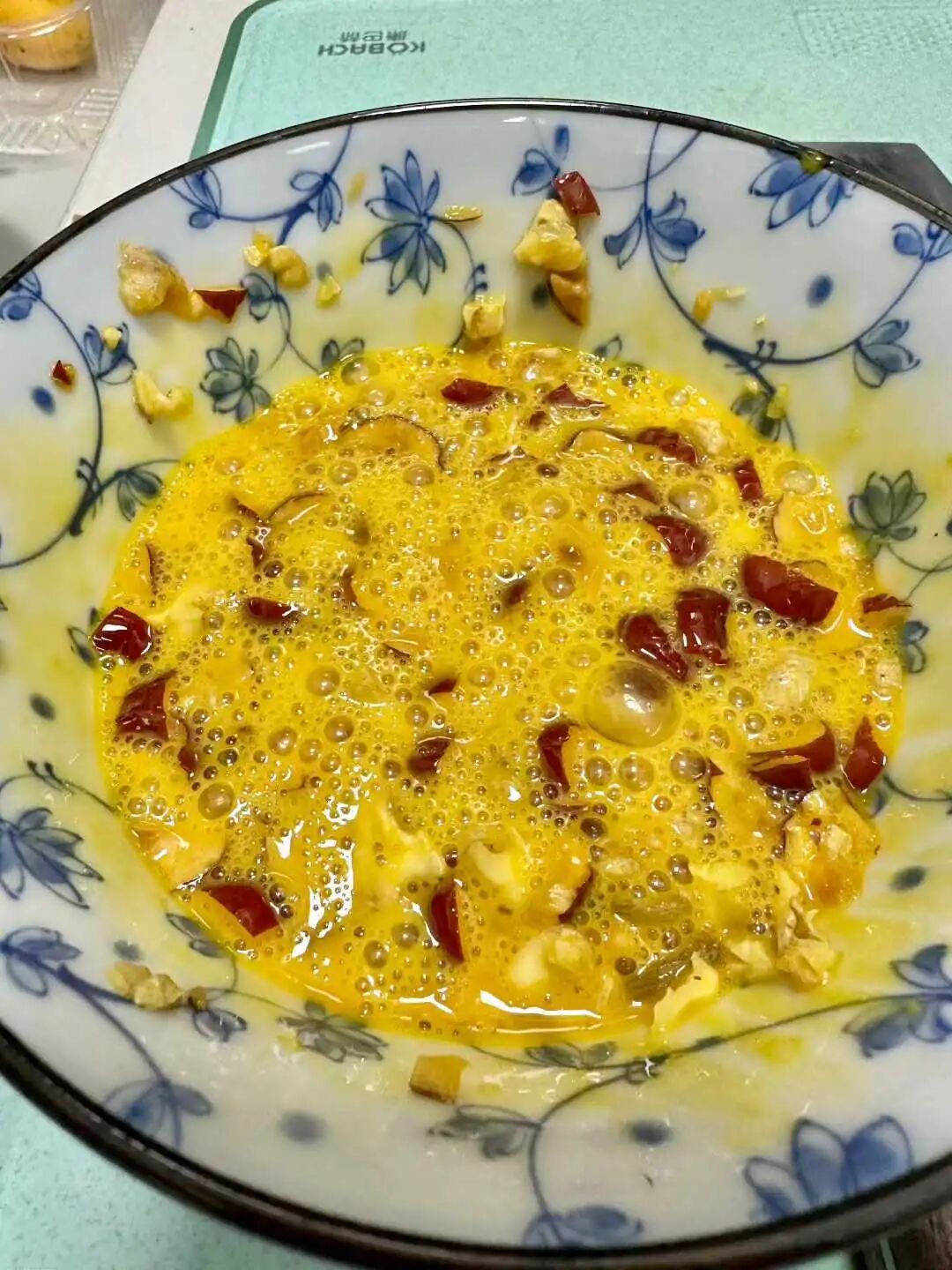
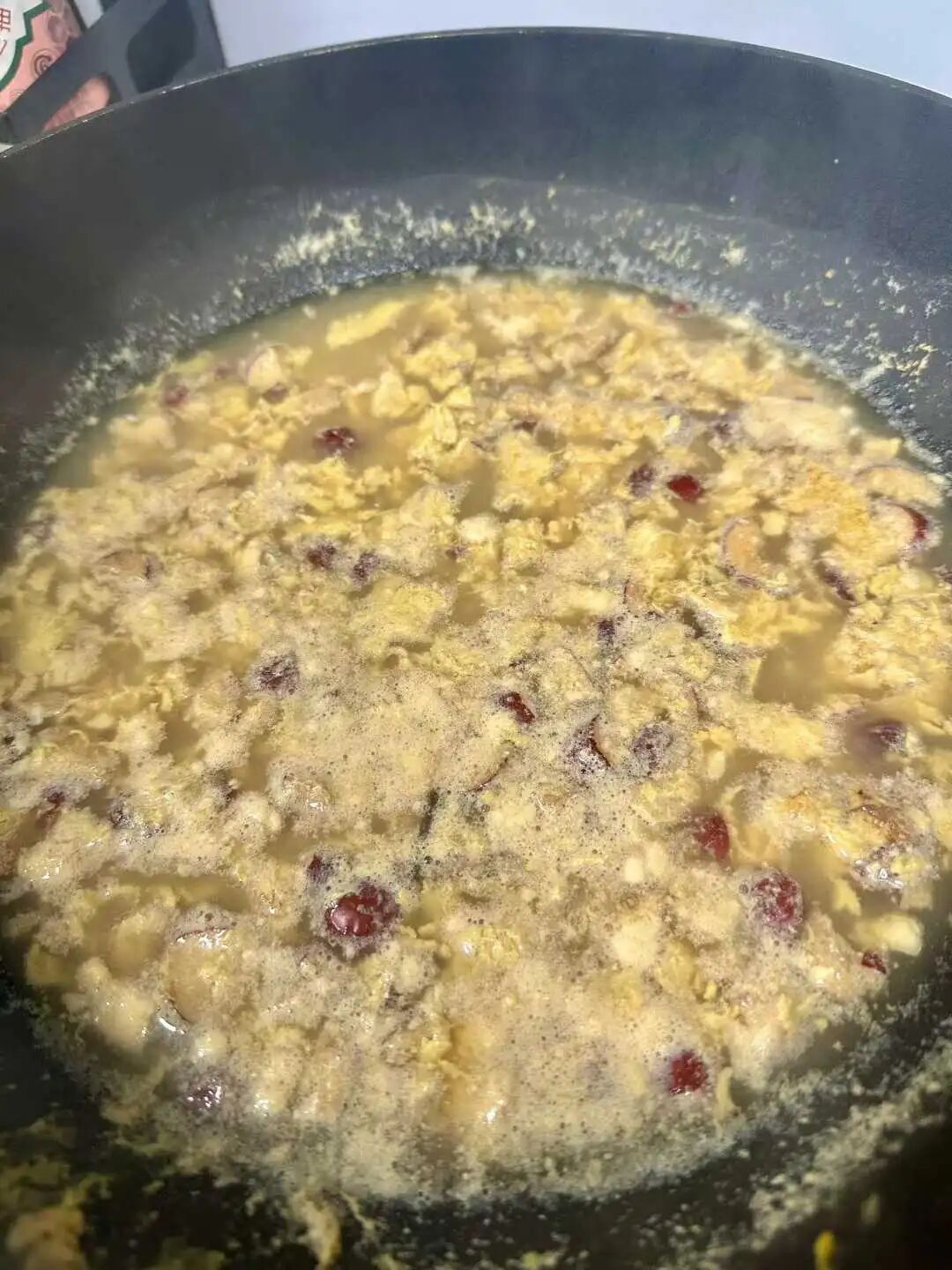
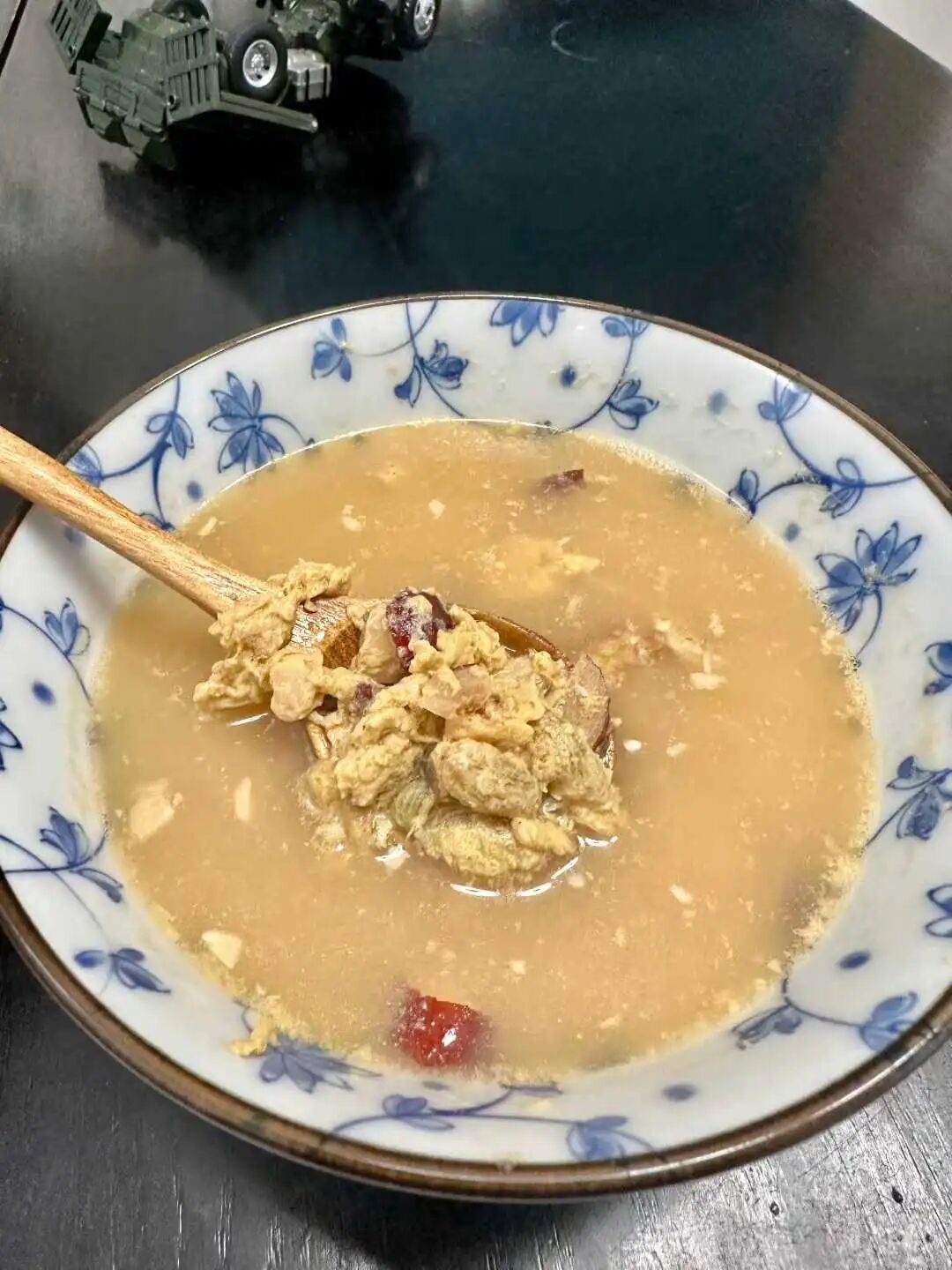
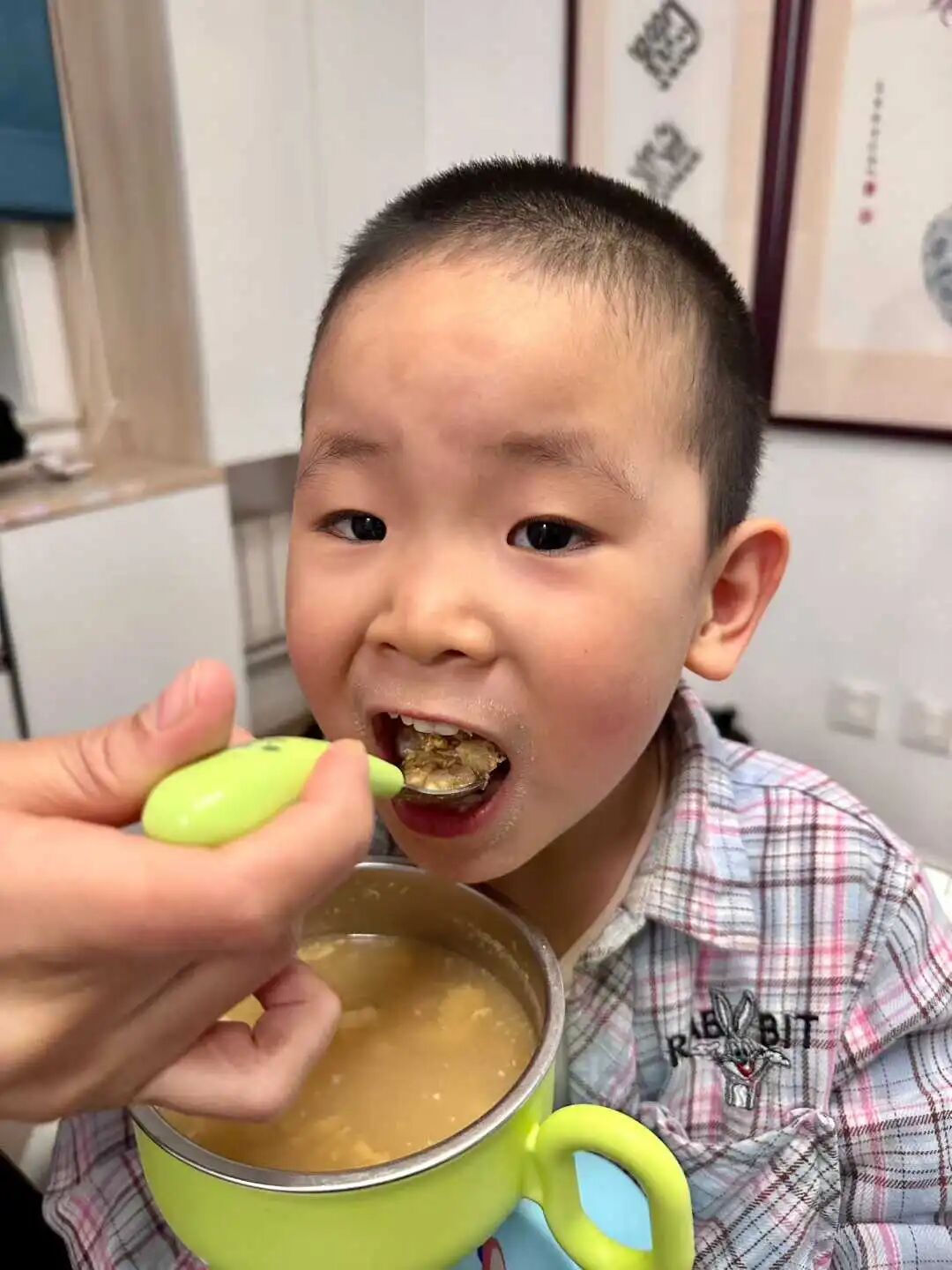
This year, Ramadan falls during the Awakening of Insects, so Hui Muslims in Xinjiang will drink Awakening of Insects soup (jingzhe tang), also known as Awakening of Insects oil tea egg (jingzhe youcha dan). It is made by chopping walnuts, raisins, and red dates, coating them in egg wash, stir-frying them in mutton fat, and then pouring in brewed brick tea. The resulting soup has the aroma of mutton fat, dried fruit, eggs, and tea, which children really love.
The Awakening of Insects is one of the twenty-four solar terms, marking the time when all things wake up. In the past, medical care was limited and tuberculosis (shanglao) was a deadly disease. After the Awakening of Insects, temperatures rise and germs become active, so people used a combination of nutritious eggs, oil, and dried fruit with warm tea to pray for health, shake off winter fatigue, and boost their energy.
Night of Power (Laylat al-Qadr)
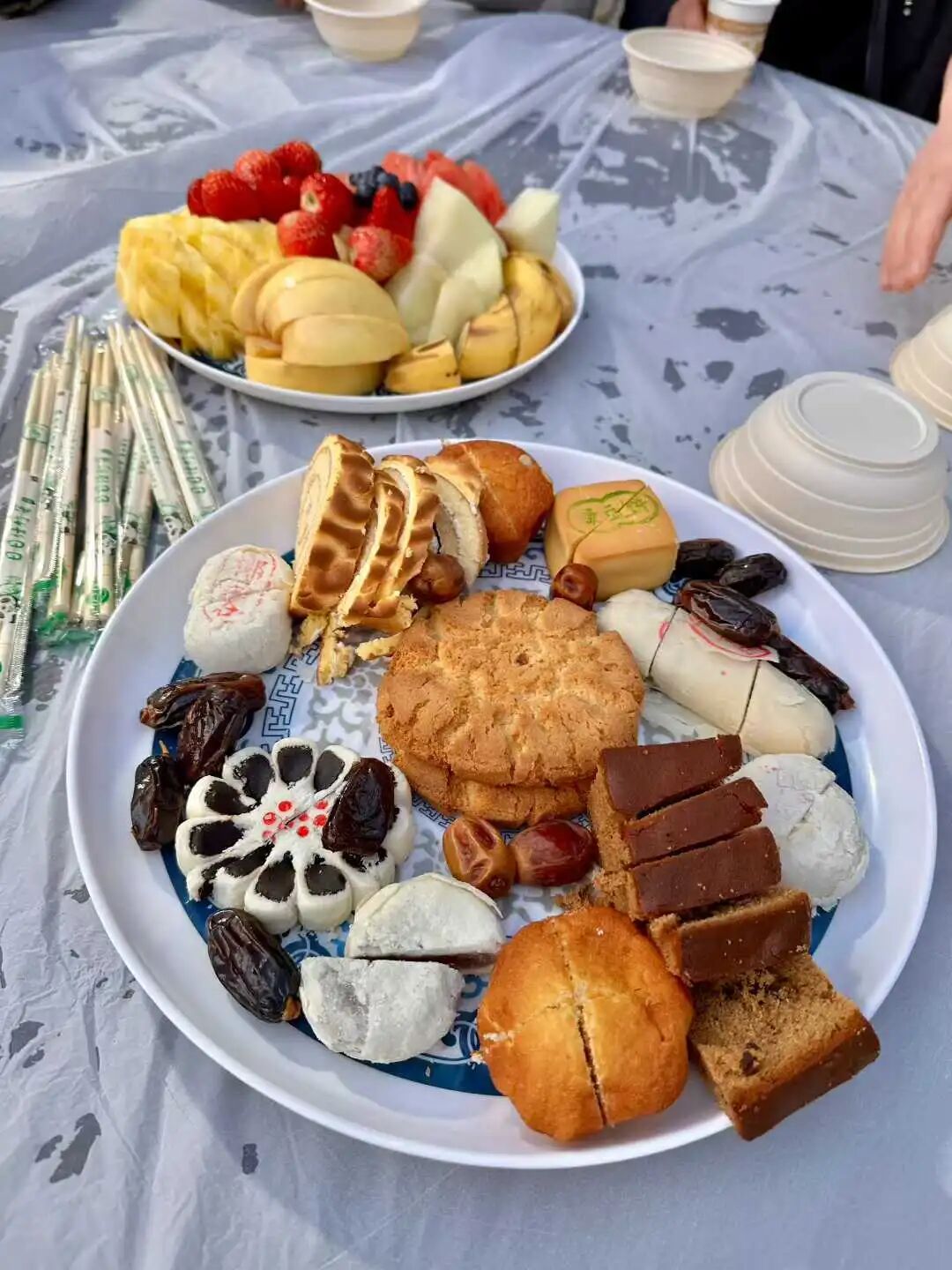
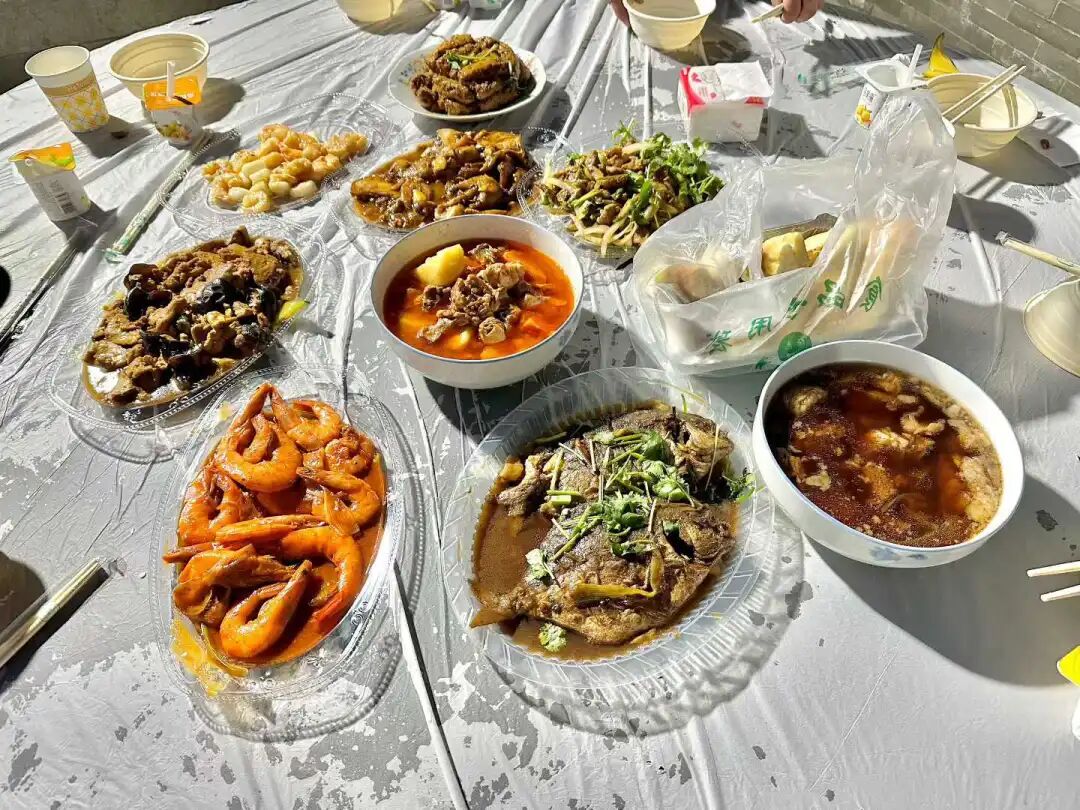
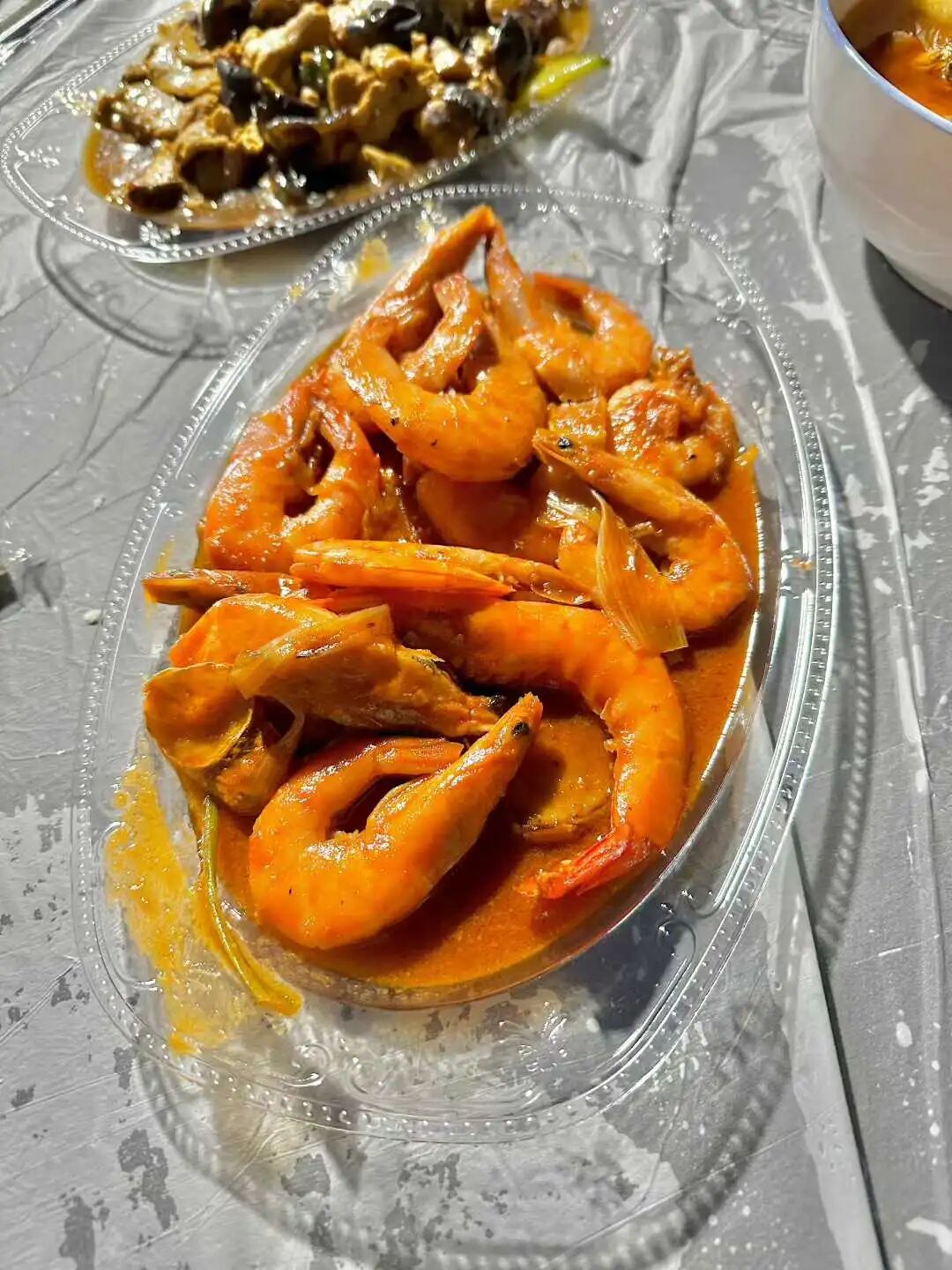
The twenty-seventh night of Ramadan is always the busiest day at every mosque, and this year Madian Mosque set up fifteen tables, making it very lively. Before breaking the fast, the imam recites the scripture. After breaking the fast, we are served two plates of fruit and pastries. After the sunset prayer (maghrib), nine dishes are served: braised prawns in oil, stir-fried shrimp with milk, braised flatfish, fried tofu, braised eggplant, stewed beef brisket with radish, stewed lamb with potatoes, stir-fried meat with scallions, and braised meat balls (songrou). I sat at a table with international students from various countries, and everyone really enjoyed the food.
Besides the two Eids (Eid al-Fitr and Eid al-Adha) and the two major gatherings (the Prophet's birthday and the Fatimah gathering), the Night of Power is likely the most important day for Hui Muslims. The Night of Power is also called the "Night Vigil" or "Night Head Festival." People say the scripture was first revealed on this night, which is better than a thousand months, so it is a time to do many good deeds. Everyone bathes, changes into clean clothes, goes to the mosque, greets each other with salaam, listens to the imam's recitation, completes their prayers, and shares a meal. Using the mosque as a gathering place and affection as a bridge, we seek blessings and look out for peace.
In the evening, the whole family celebrated the Night of Power at the Sudanese Embassy. The embassy building was fully lit, and the courtyard was filled with cars from various embassies. Besides coffee and black tea, there were also pastries donated (sadqa) by people from Changying Township.
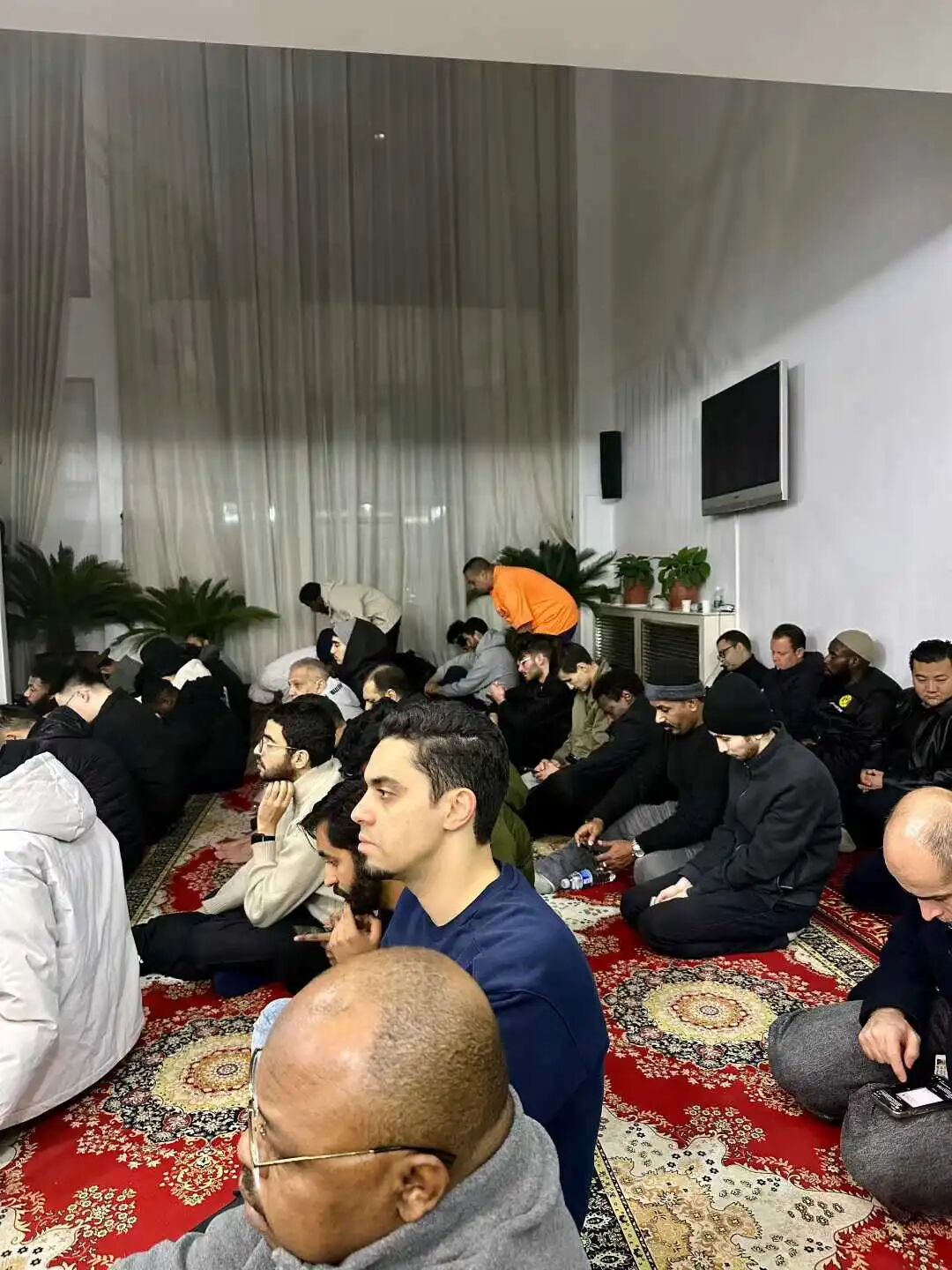
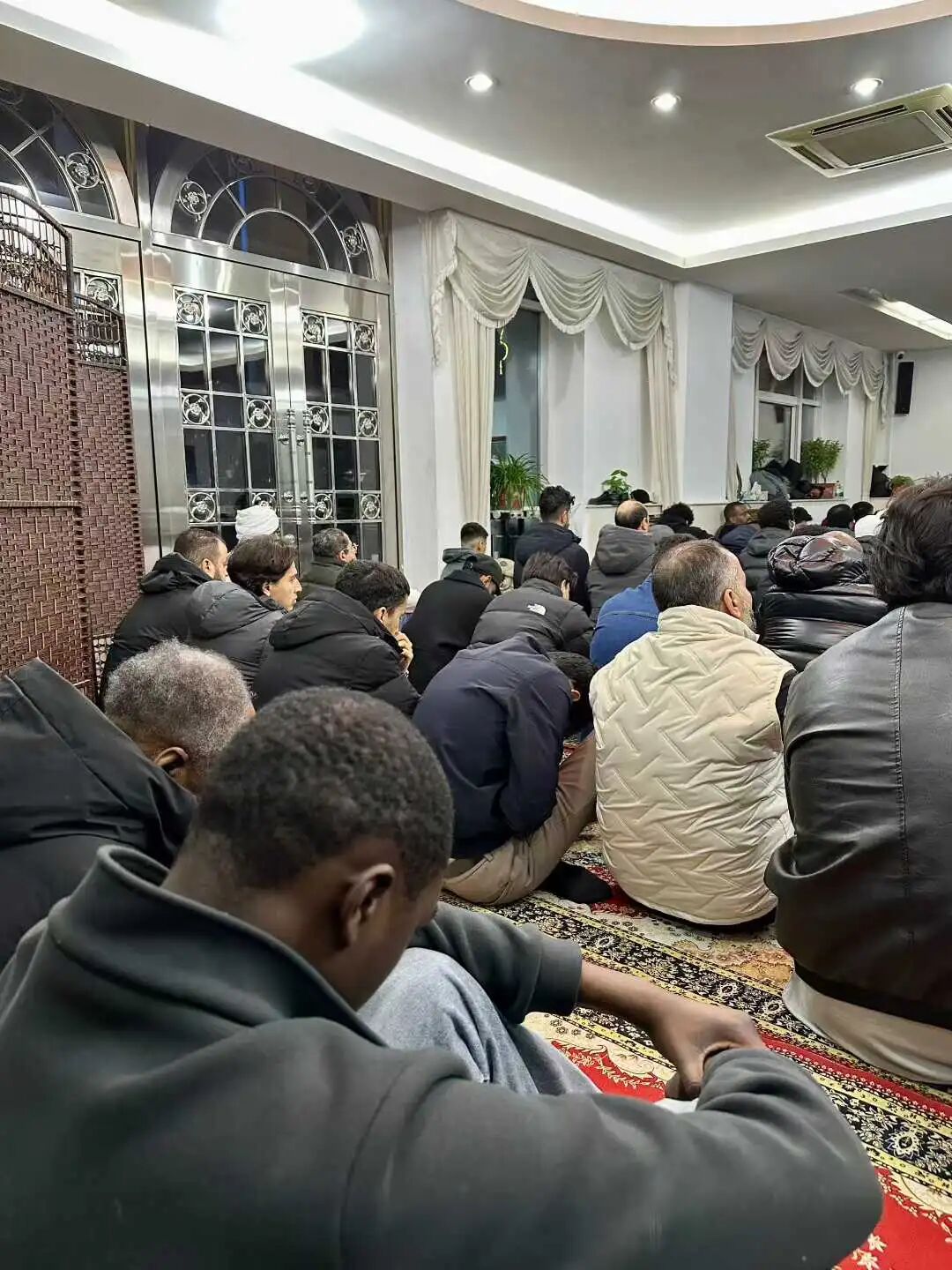
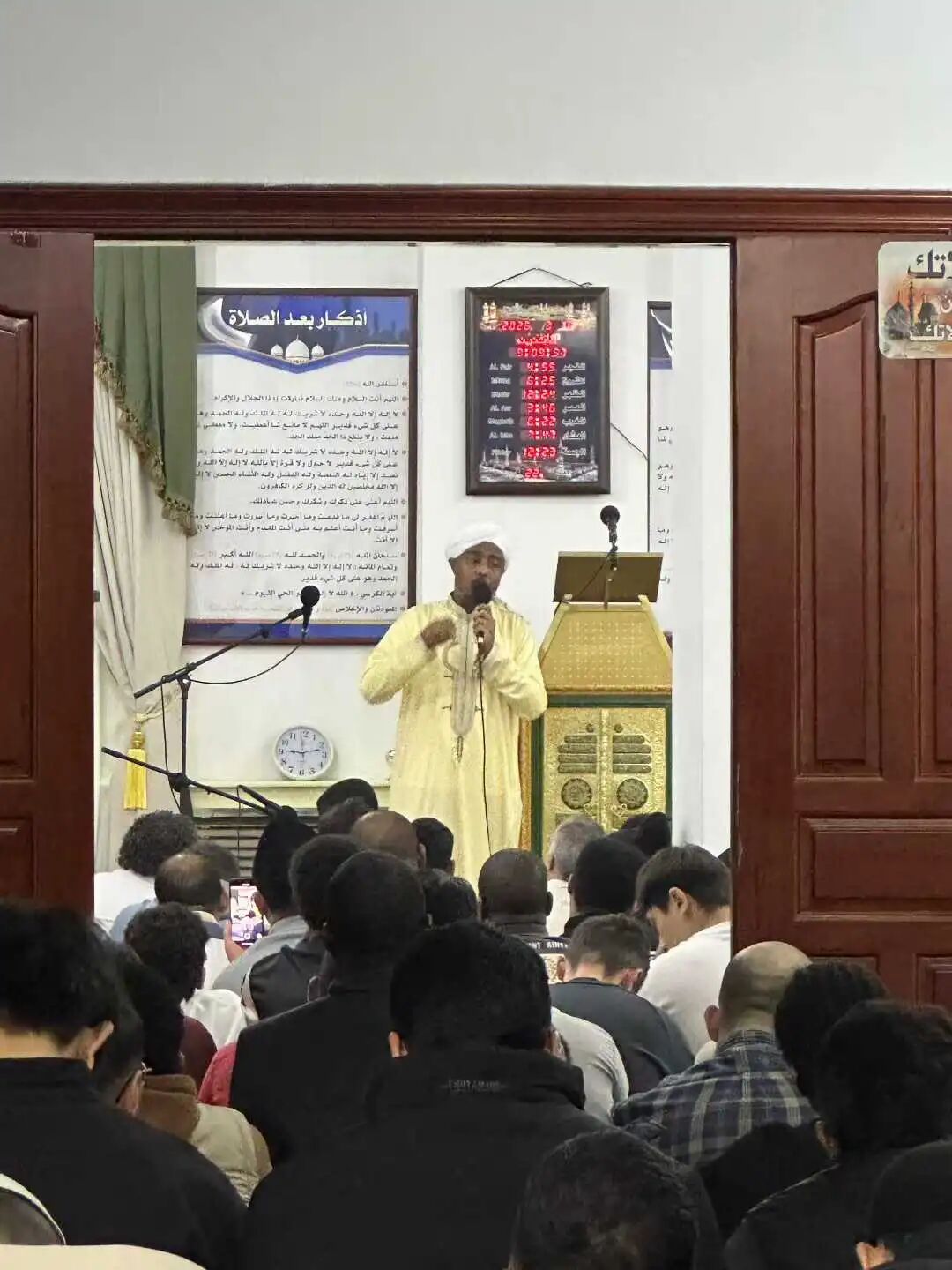
Today was the busiest night at the embassy, and even the lobby was completely full. By the eighth rak'ah of the Taraweeh prayer, the entire scripture had been completed. During the final rak'ah, a half-hour long dua was made. The imam sounded like he was weeping, his voice was hoarse, and he was once moved to tears, crying "Ya Allah, Ya Allah," which was incredibly moving.
Eid al-Fitr
This year, Eid al-Fitr falls on a Saturday, so no one needs to ask for time off, which is why there are so many people. Our whole family headed straight to the Sudanese Embassy in the morning. Many people wore traditional clothing today, and I also wore a hexagonal cap (gedimu) from North China made by a friend. Today, not only was the building full, but the embassy courtyard was also packed with friends (dosti) from Africa, the Arab world, South Asia, and all over China. It was a very blessed occasion.
After the Eid prayer, some friends (dosti) brought homemade fried triangular pastries (sambusa) and chicken wraps (shawarma) from home, and we all enjoyed the delicious food together.
The fried triangular pastry (sambusa) originated in Iran. After the 10th century, it spread to the Arab region along trade and pilgrimage routes. In countries like Saudi Arabia and Yemen, the sambusa is an essential and iconic food for iftar and Eid al-Fitr. Compared to the South Asian samosa, which also comes from Iran, the Arab sambusa is smaller with a thinner crust. The filling is usually made of minced meat, onions, cilantro, and cinnamon.
After leaving the Sudanese Embassy, we went to Fayuan Mosque in Dewai to experience the atmosphere of a Chinese-style Eid al-Fitr. Fayuan Mosque holds the latest Eid prayer in the Xicheng District, which gives people who missed the prayers at other mosques a chance to attend. The place was very crowded, and those of us who arrived late could not get into the main prayer hall. After the prayer, we enjoyed fried dough (youxiang) and various pastries, but it was a pity that we did not get to have any meat porridge this year. view all
Summary: This second Beijing Ramadan diary covers Jingzhe, Laylat al-Qadr, Eid al-Fitr, mosque gatherings, Hui Muslim food, and the closing days of Ramadan in clear English.
Awakening of Insects (Jingzhe)
This year, Ramadan falls during the Awakening of Insects, so Hui Muslims in Xinjiang will drink Awakening of Insects soup (jingzhe tang), also known as Awakening of Insects oil tea egg (jingzhe youcha dan). It is made by chopping walnuts, raisins, and red dates, coating them in egg wash, stir-frying them in mutton fat, and then pouring in brewed brick tea. The resulting soup has the aroma of mutton fat, dried fruit, eggs, and tea, which children really love.
The Awakening of Insects is one of the twenty-four solar terms, marking the time when all things wake up. In the past, medical care was limited and tuberculosis (shanglao) was a deadly disease. After the Awakening of Insects, temperatures rise and germs become active, so people used a combination of nutritious eggs, oil, and dried fruit with warm tea to pray for health, shake off winter fatigue, and boost their energy.
Night of Power (Laylat al-Qadr)
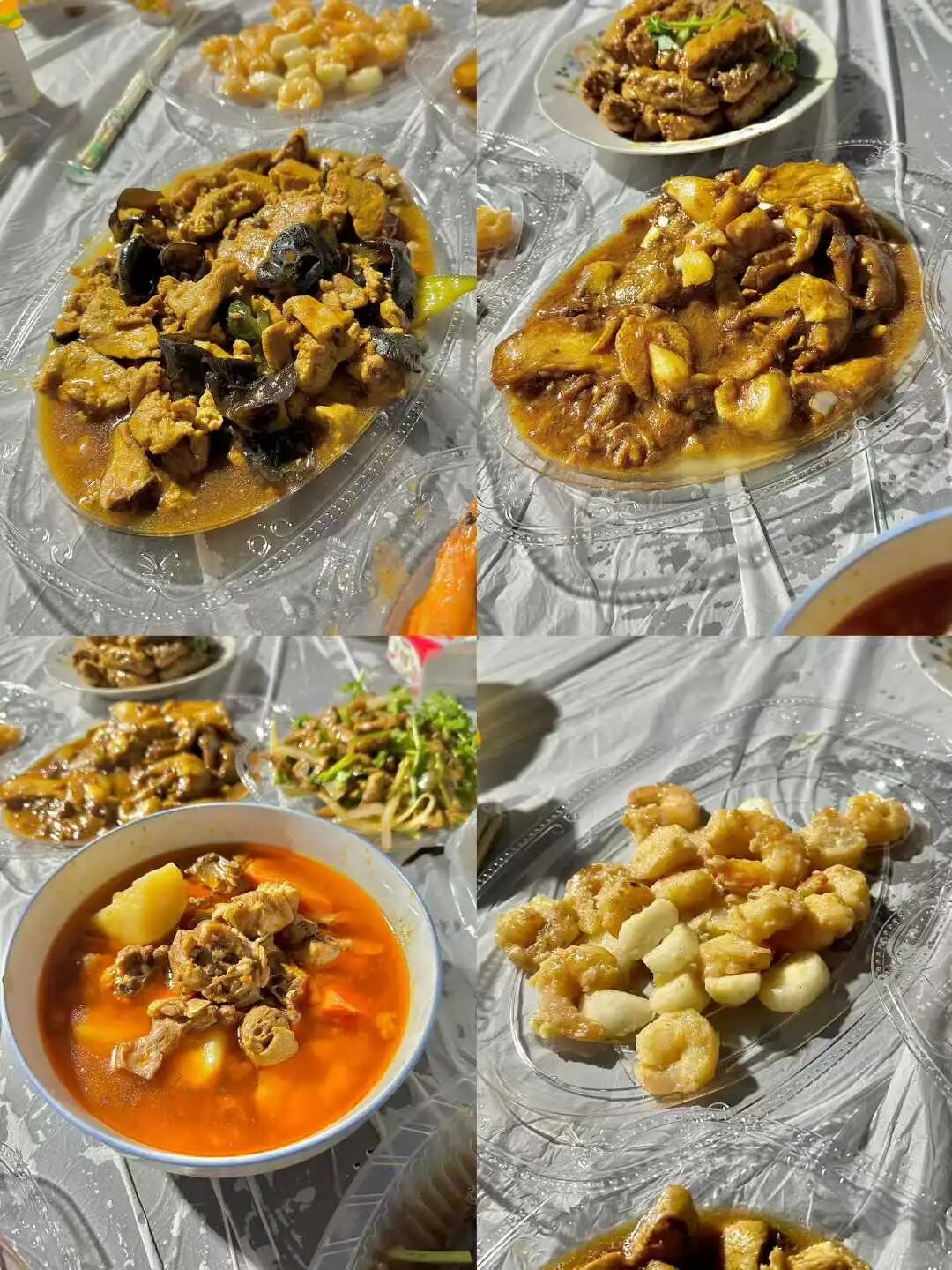
The twenty-seventh night of Ramadan is always the busiest day at every mosque, and this year Madian Mosque set up fifteen tables, making it very lively. Before breaking the fast, the imam recites the scripture. After breaking the fast, we are served two plates of fruit and pastries. After the sunset prayer (maghrib), nine dishes are served: braised prawns in oil, stir-fried shrimp with milk, braised flatfish, fried tofu, braised eggplant, stewed beef brisket with radish, stewed lamb with potatoes, stir-fried meat with scallions, and braised meat balls (songrou). I sat at a table with international students from various countries, and everyone really enjoyed the food.
Besides the two Eids (Eid al-Fitr and Eid al-Adha) and the two major gatherings (the Prophet's birthday and the Fatimah gathering), the Night of Power is likely the most important day for Hui Muslims. The Night of Power is also called the "Night Vigil" or "Night Head Festival." People say the scripture was first revealed on this night, which is better than a thousand months, so it is a time to do many good deeds. Everyone bathes, changes into clean clothes, goes to the mosque, greets each other with salaam, listens to the imam's recitation, completes their prayers, and shares a meal. Using the mosque as a gathering place and affection as a bridge, we seek blessings and look out for peace.
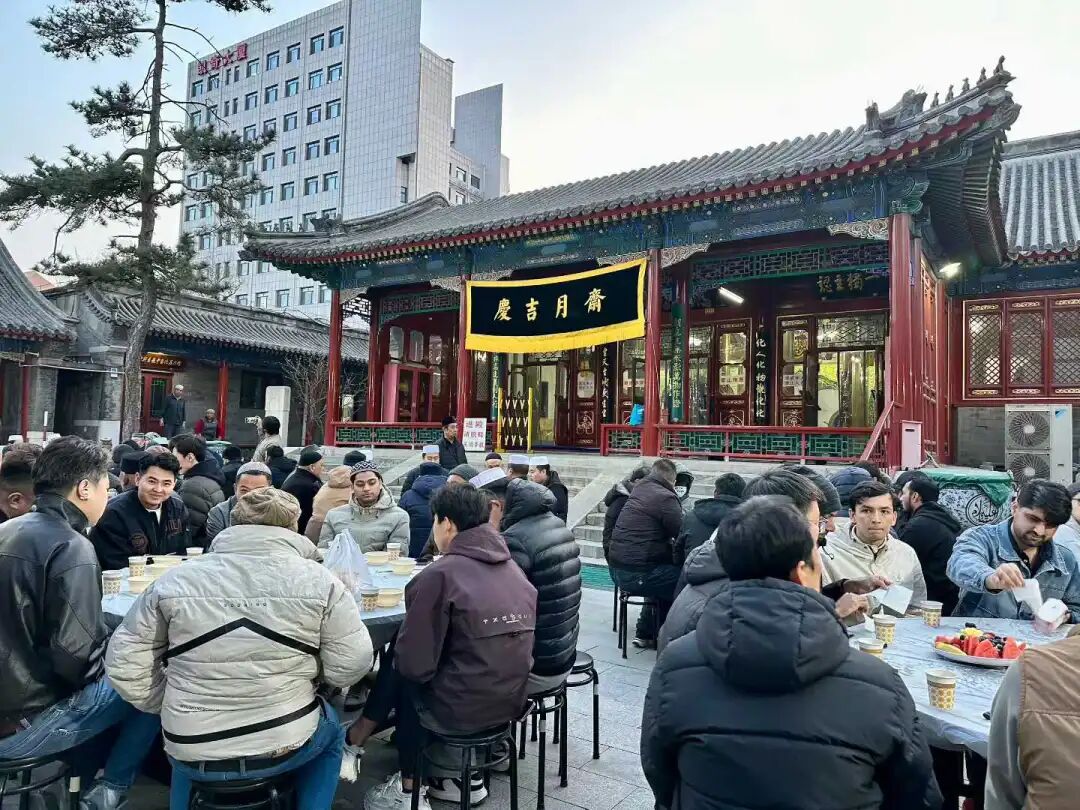
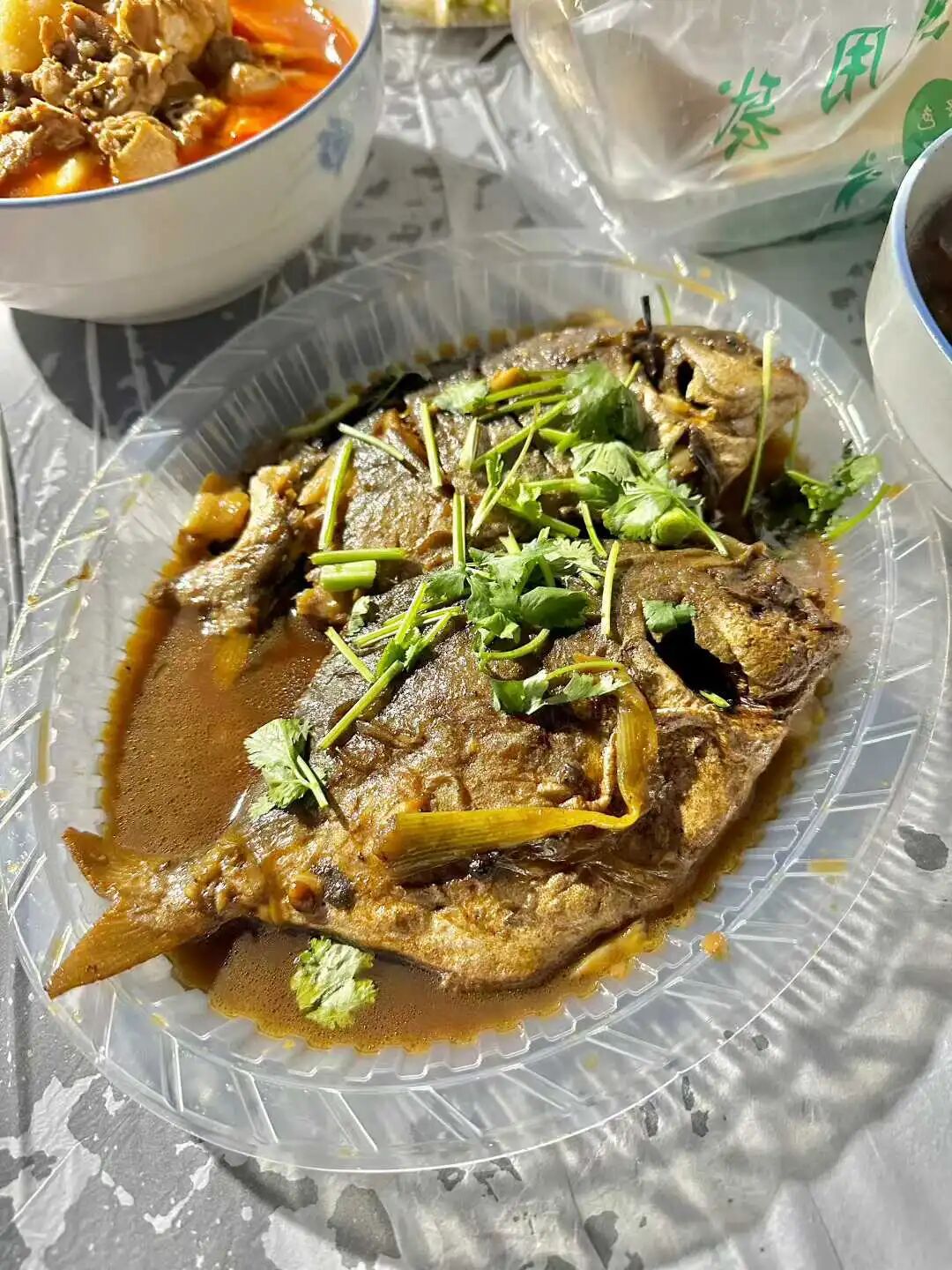
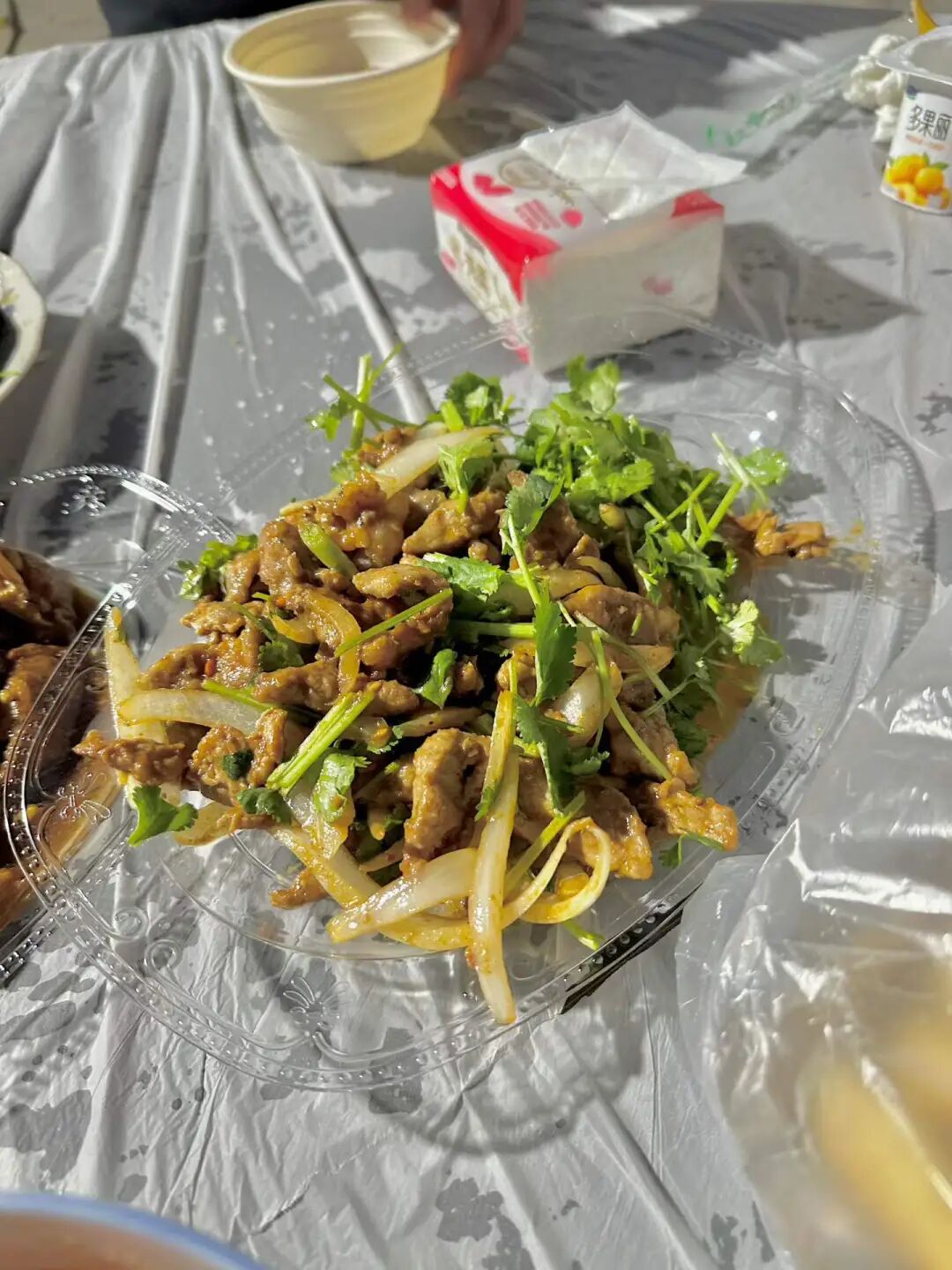
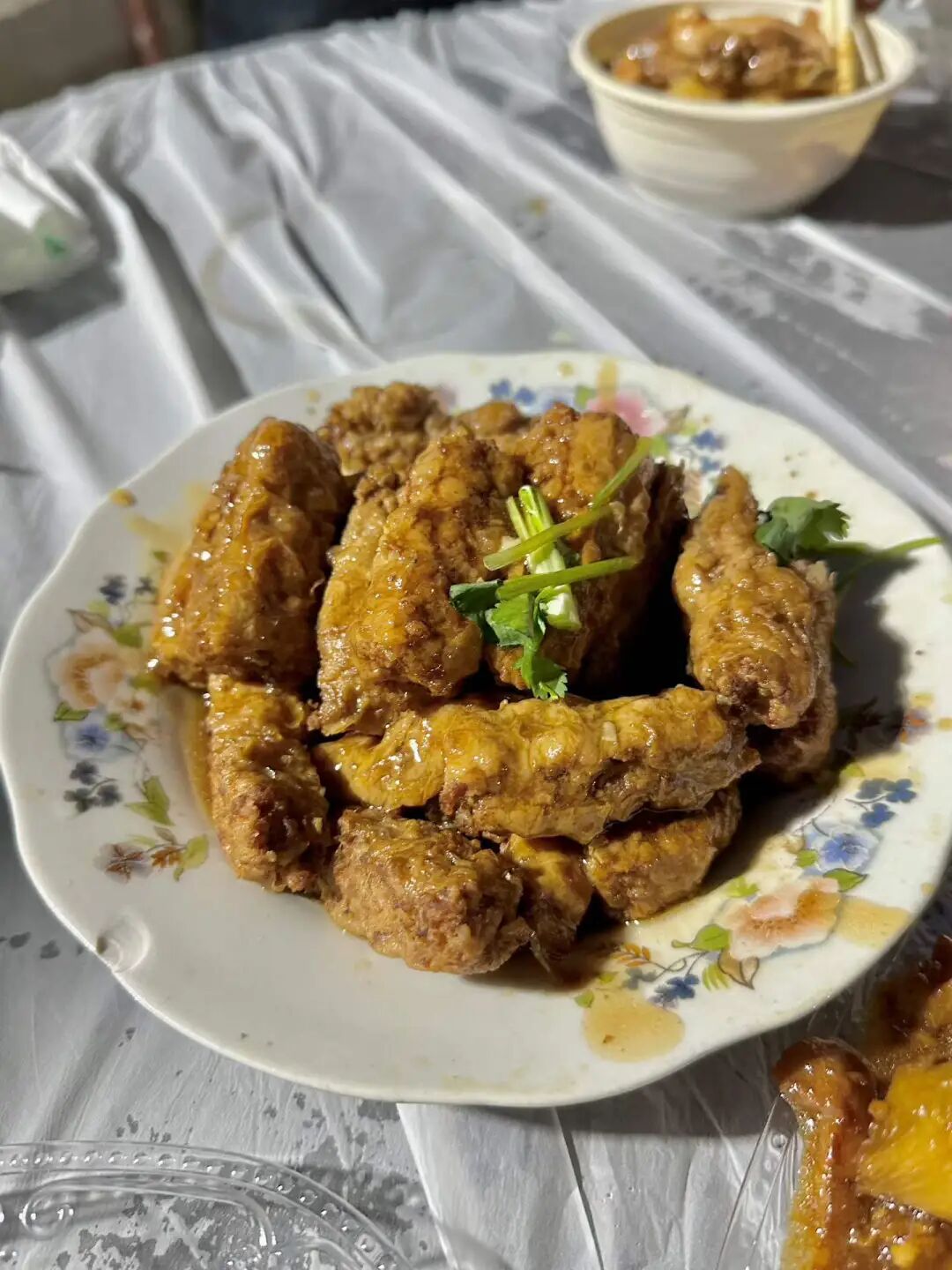
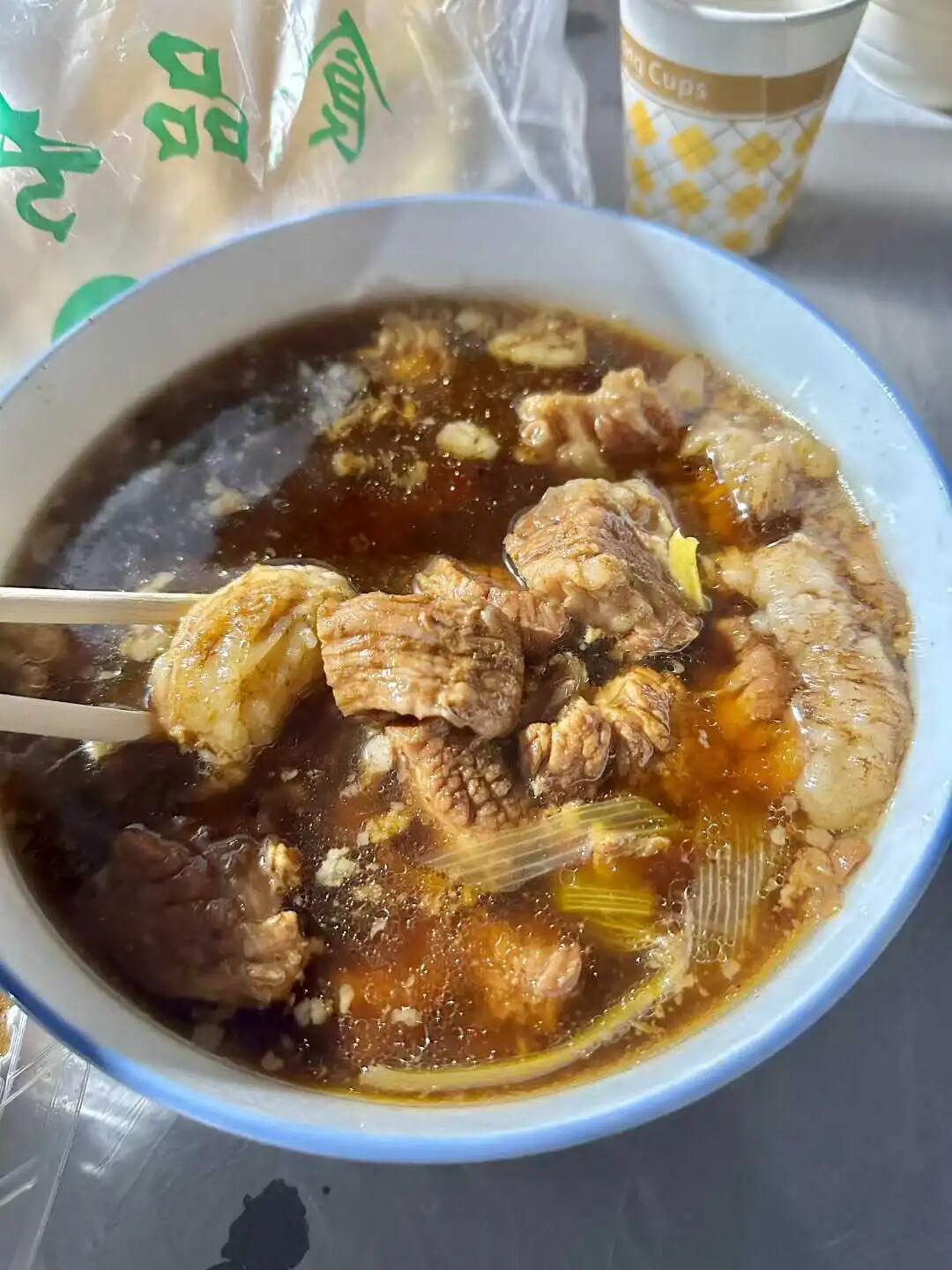
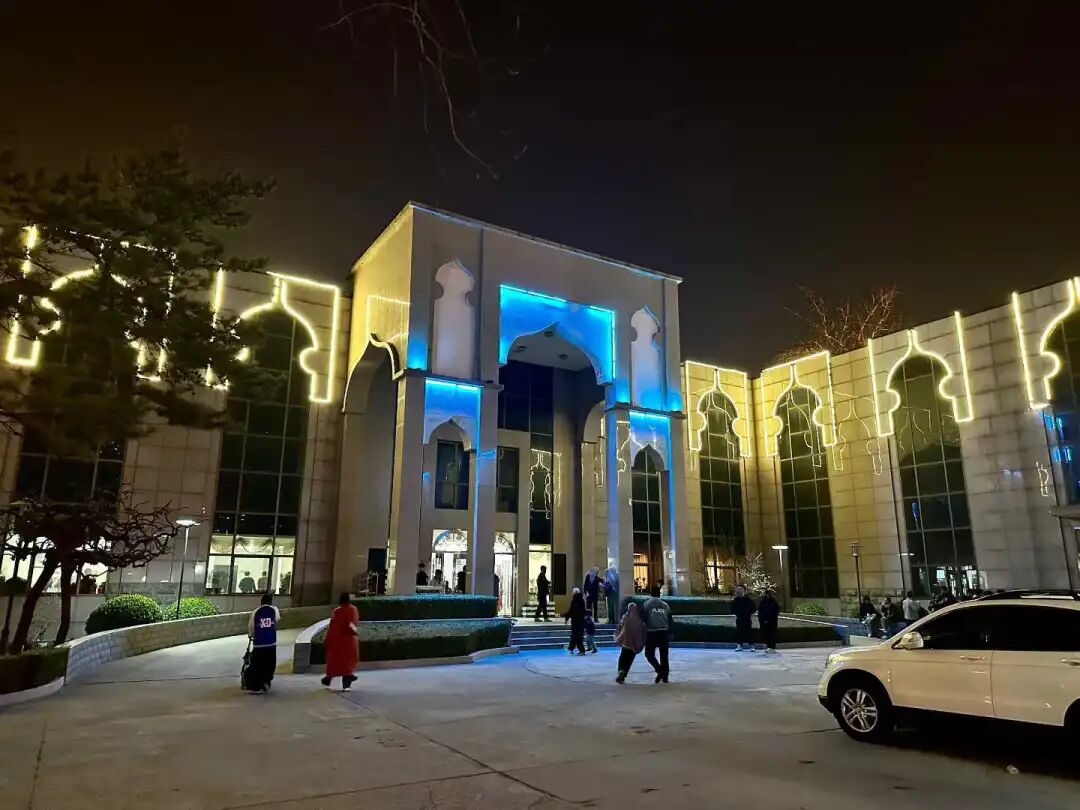
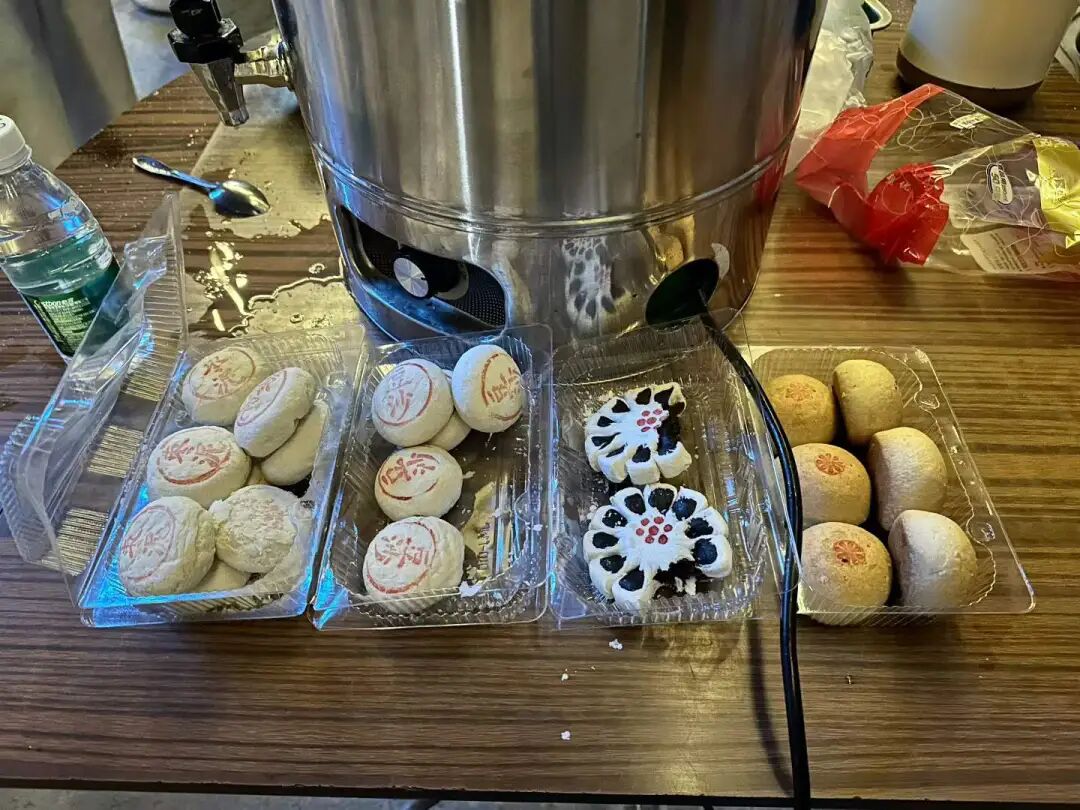
In the evening, the whole family celebrated the Night of Power at the Sudanese Embassy. The embassy building was fully lit, and the courtyard was filled with cars from various embassies. Besides coffee and black tea, there were also pastries donated (sadqa) by people from Changying Township.
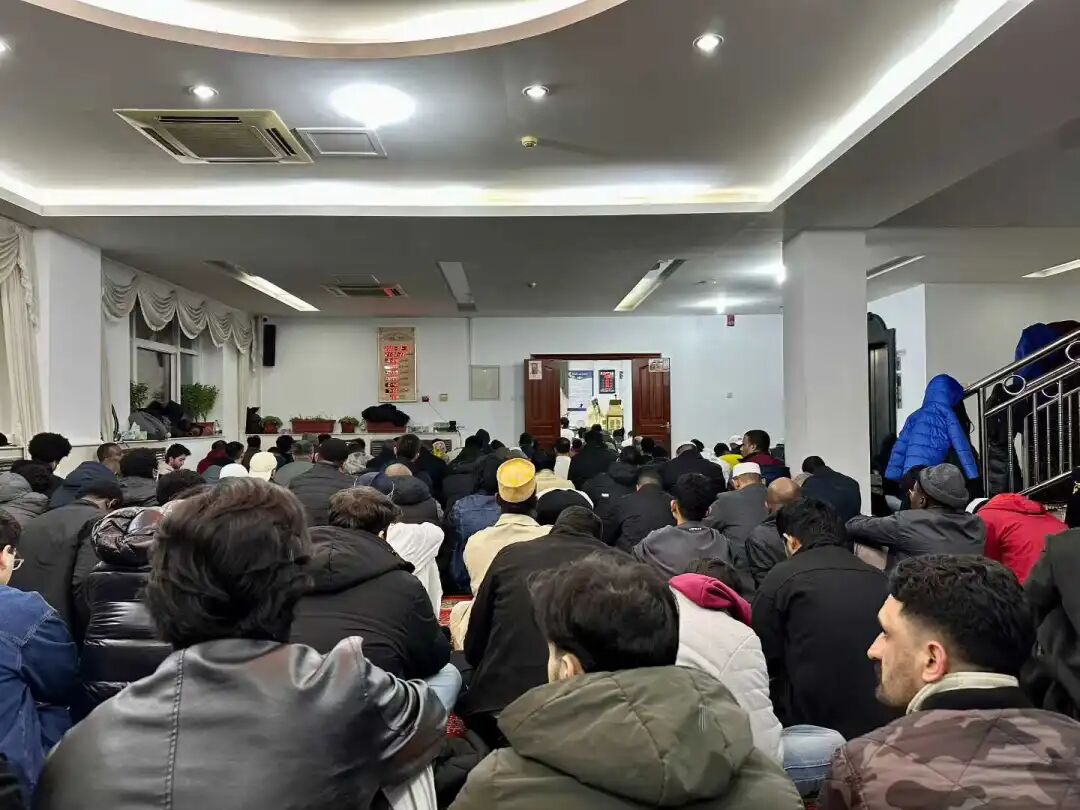
Today was the busiest night at the embassy, and even the lobby was completely full. By the eighth rak'ah of the Taraweeh prayer, the entire scripture had been completed. During the final rak'ah, a half-hour long dua was made. The imam sounded like he was weeping, his voice was hoarse, and he was once moved to tears, crying "Ya Allah, Ya Allah," which was incredibly moving.

Eid al-Fitr
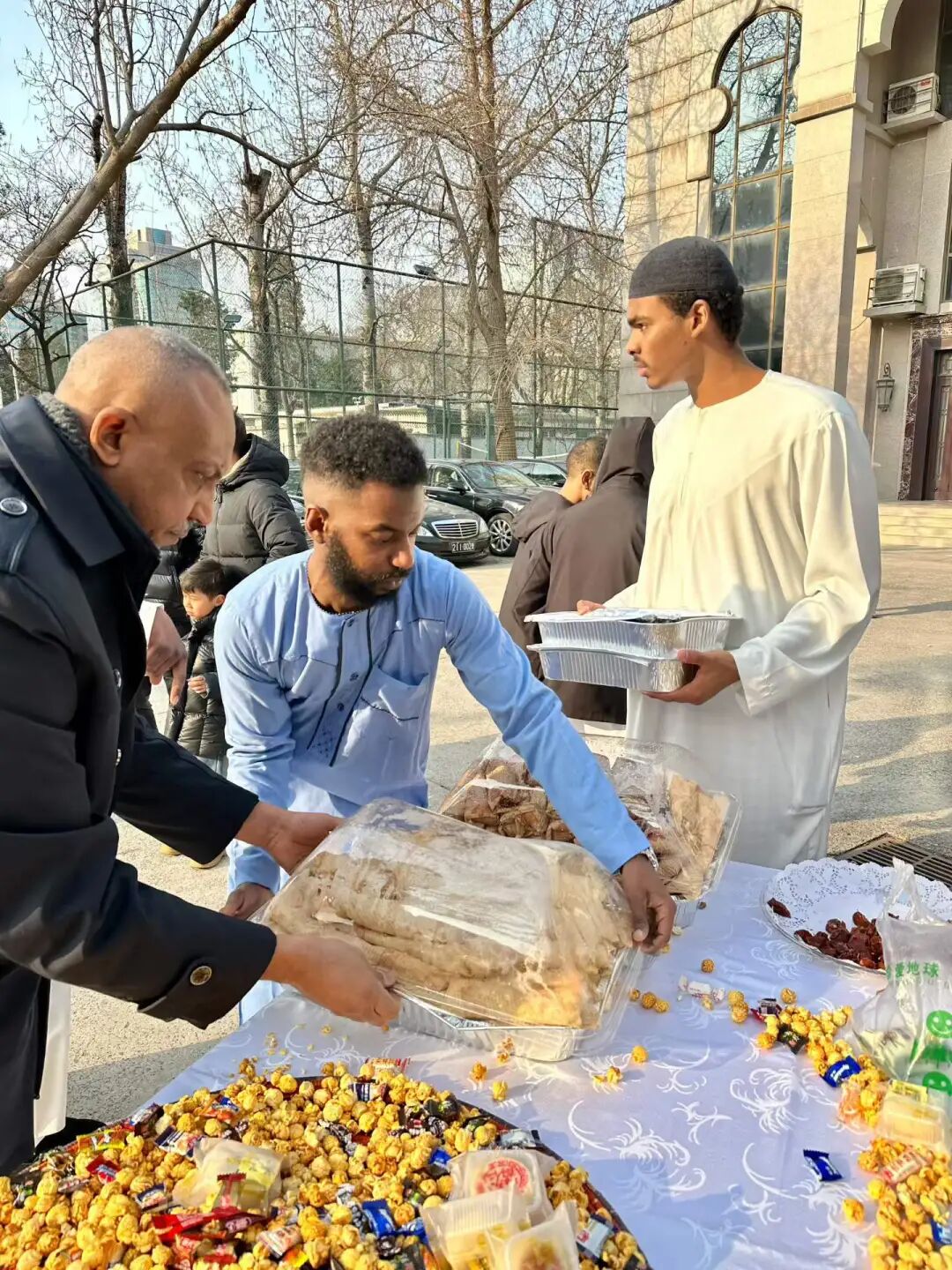
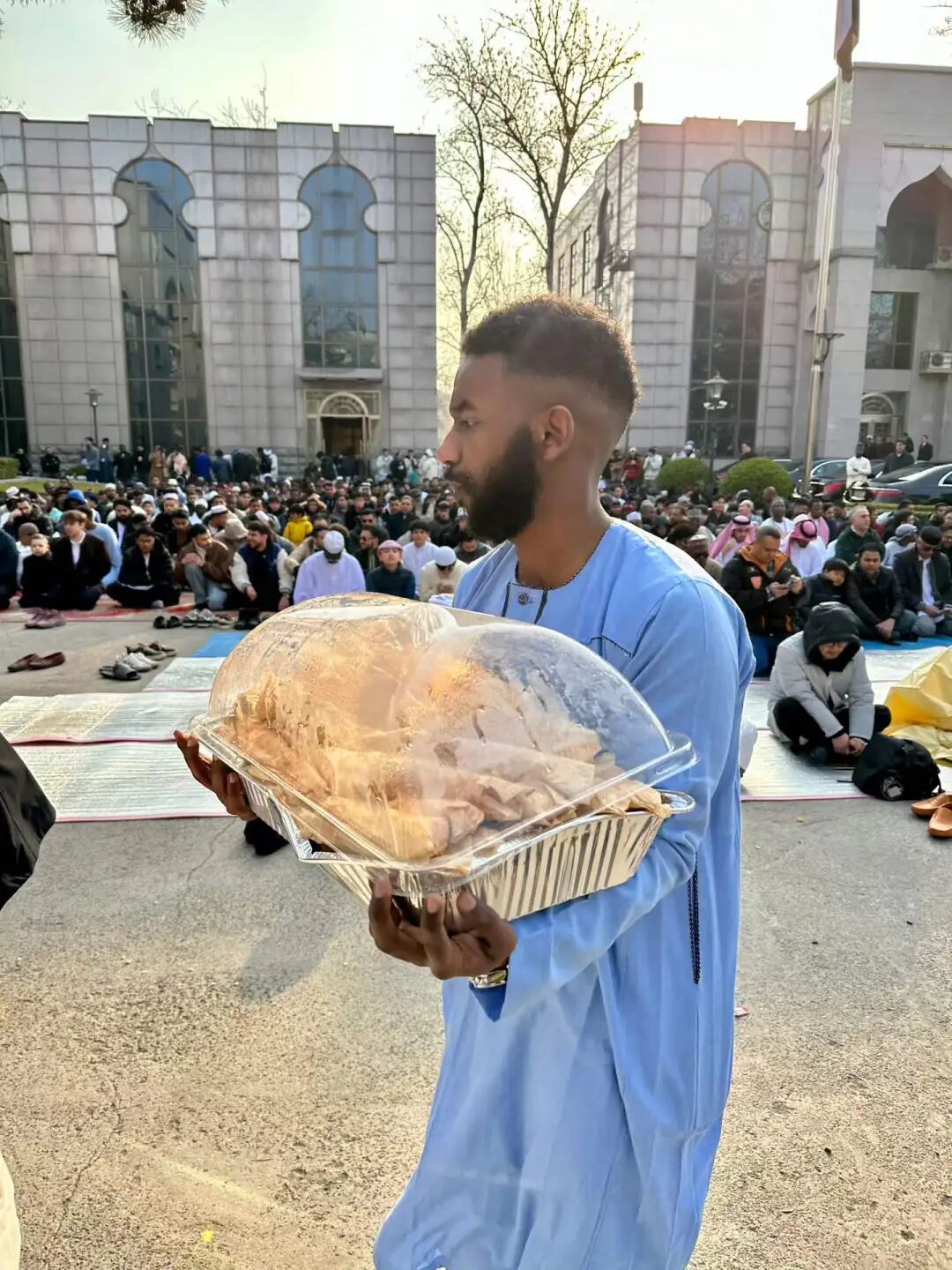
This year, Eid al-Fitr falls on a Saturday, so no one needs to ask for time off, which is why there are so many people. Our whole family headed straight to the Sudanese Embassy in the morning. Many people wore traditional clothing today, and I also wore a hexagonal cap (gedimu) from North China made by a friend. Today, not only was the building full, but the embassy courtyard was also packed with friends (dosti) from Africa, the Arab world, South Asia, and all over China. It was a very blessed occasion.
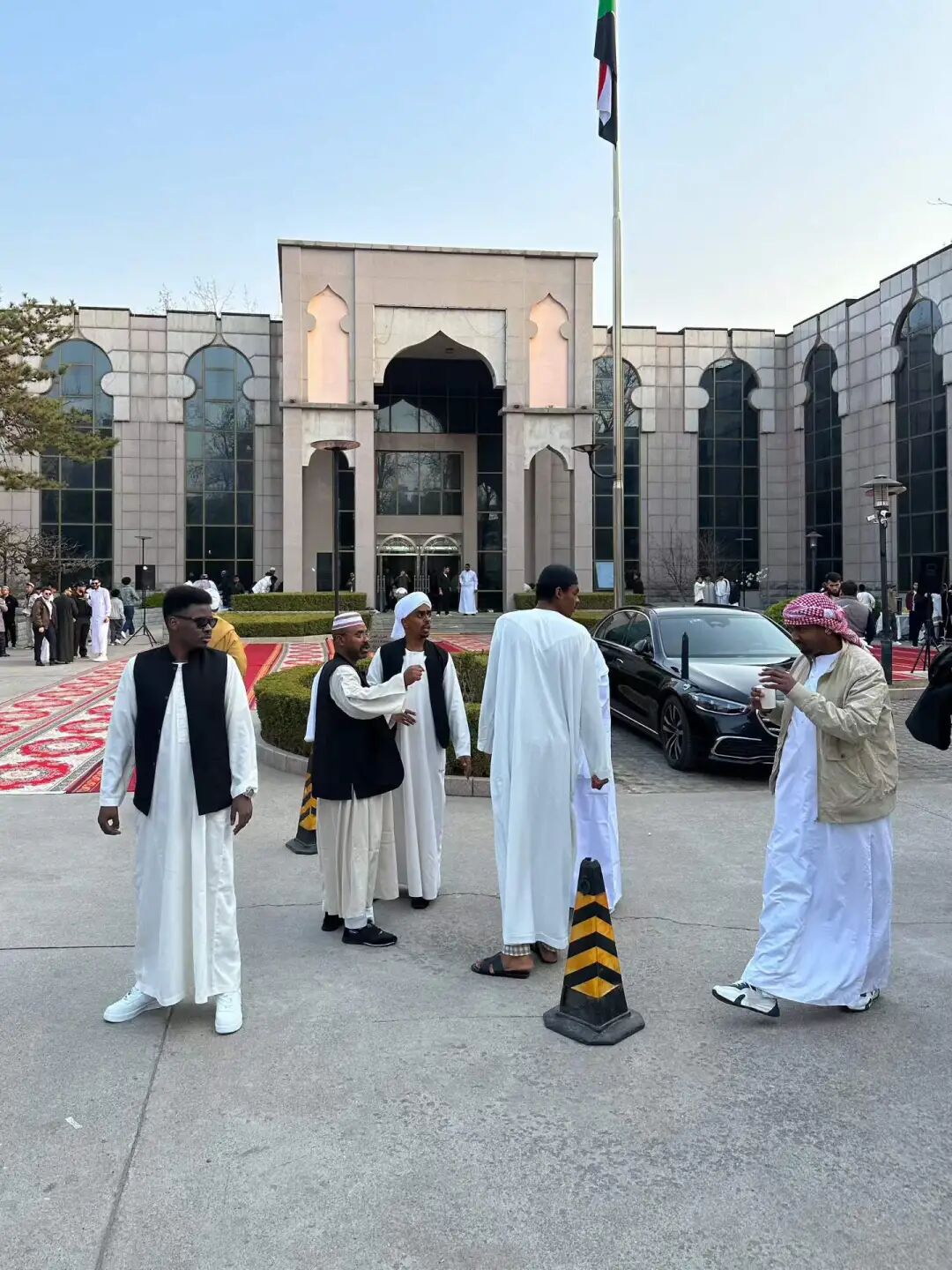
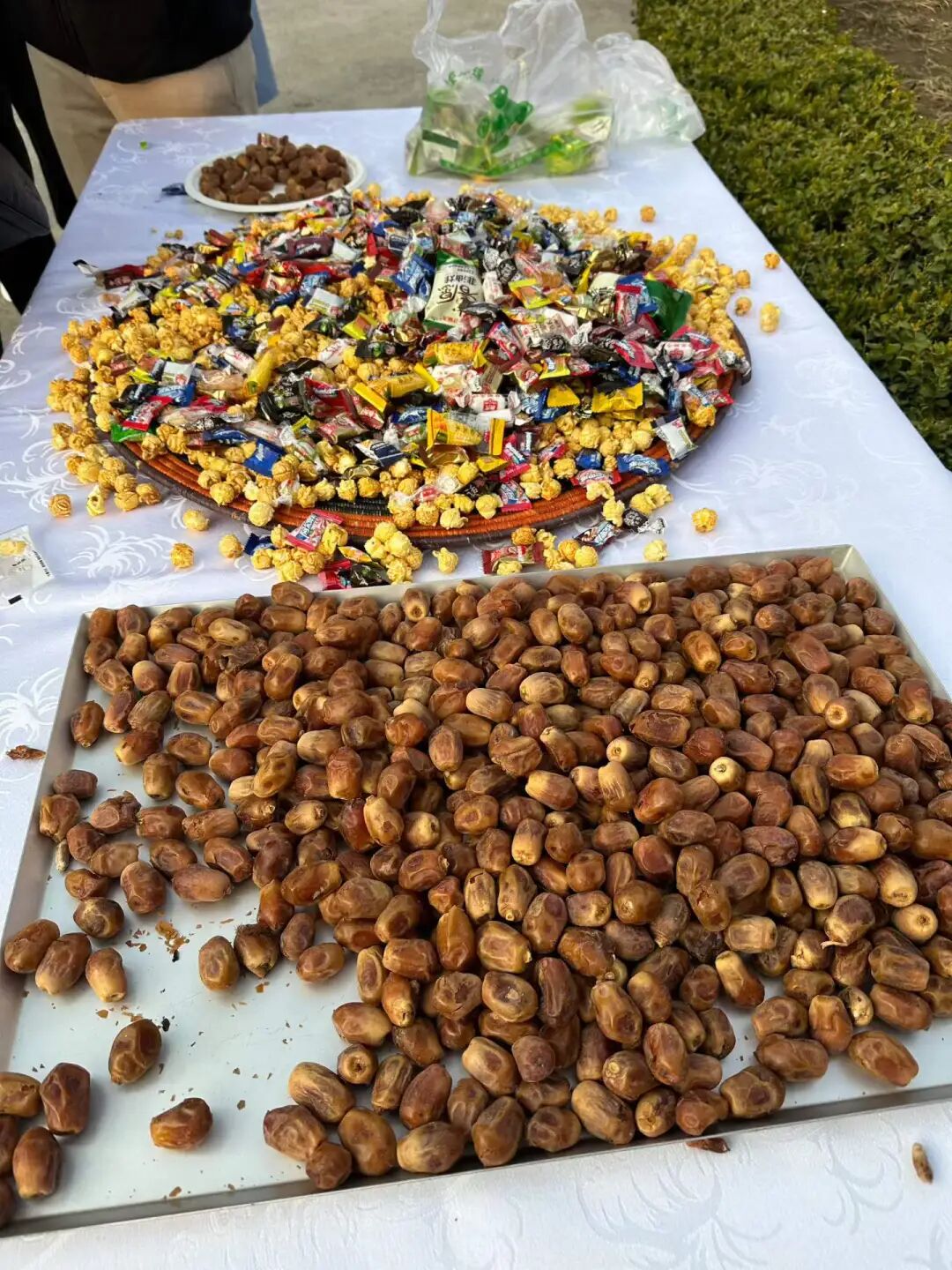
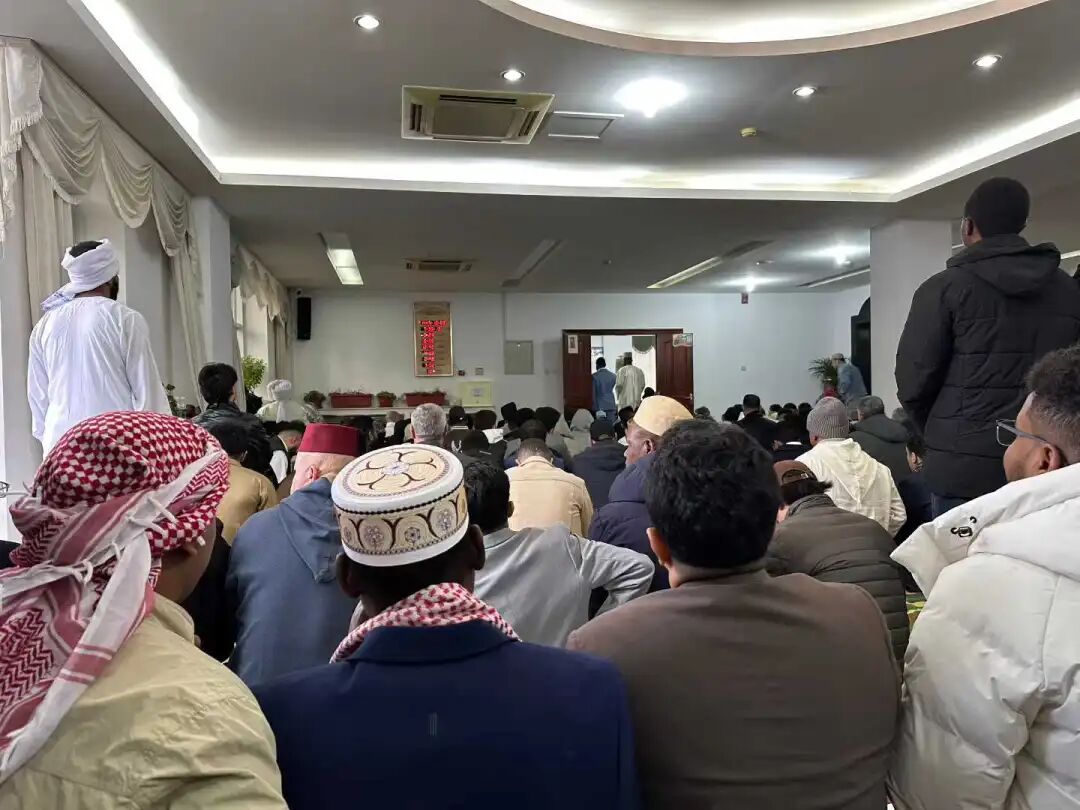
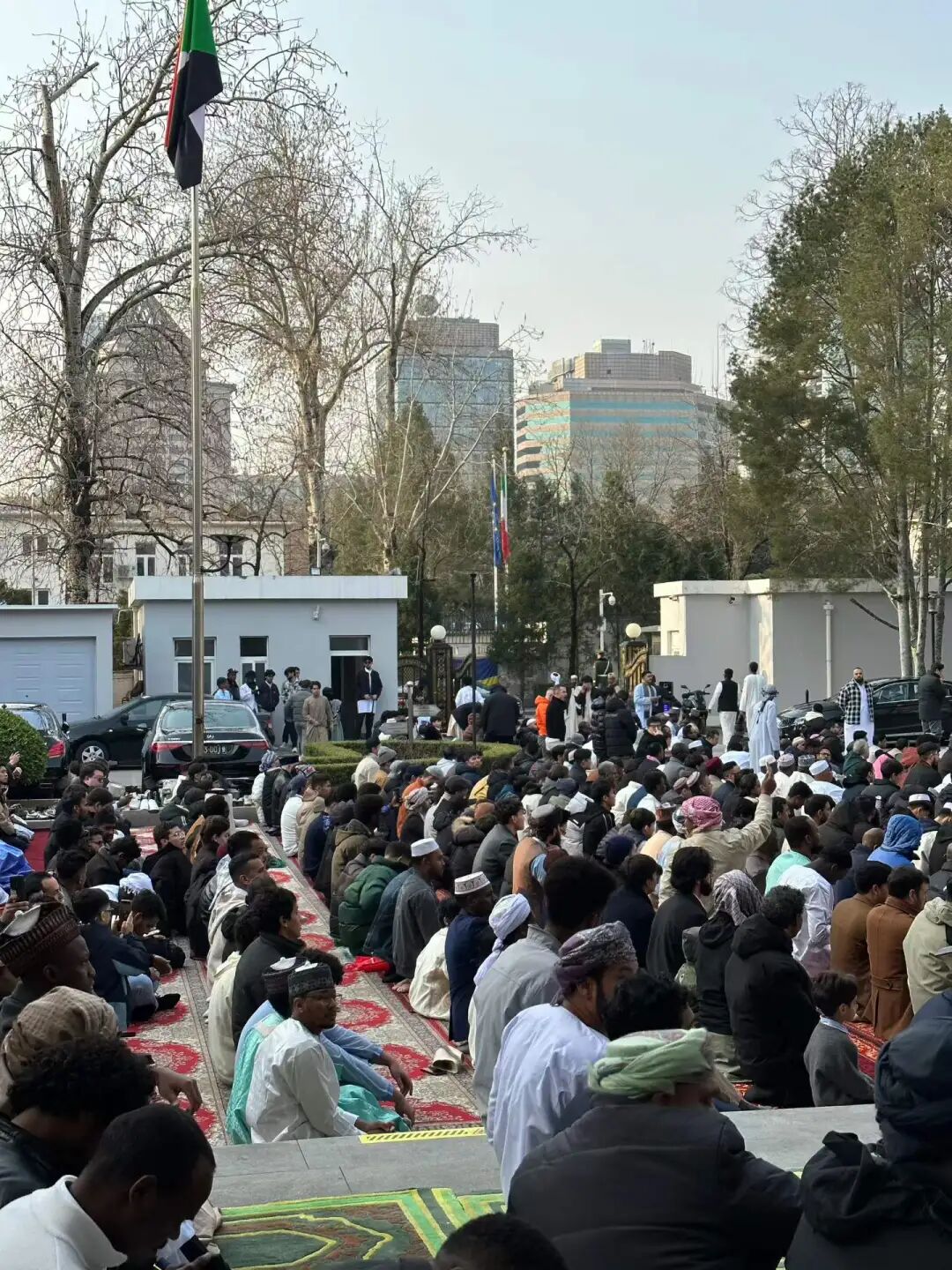
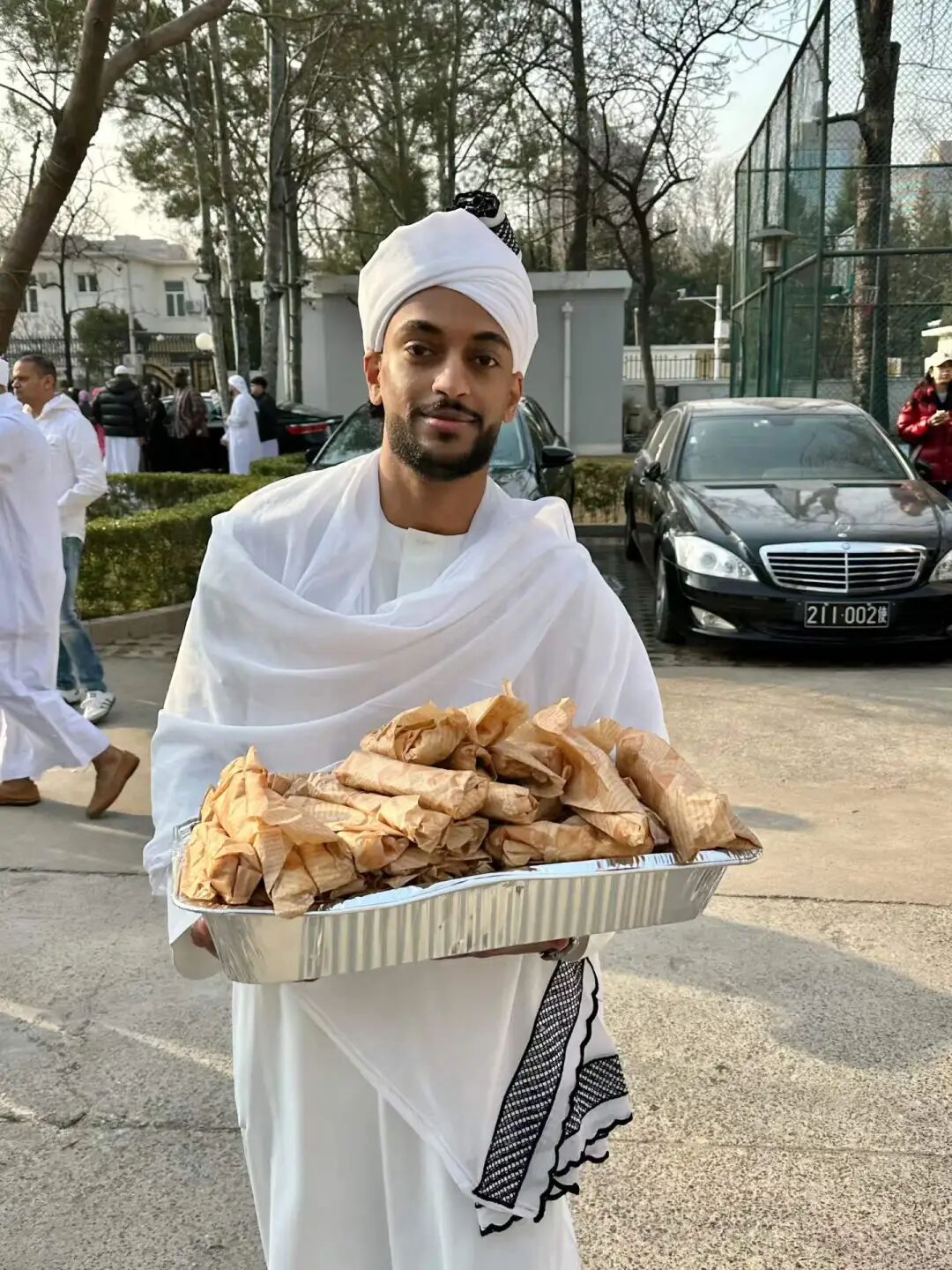
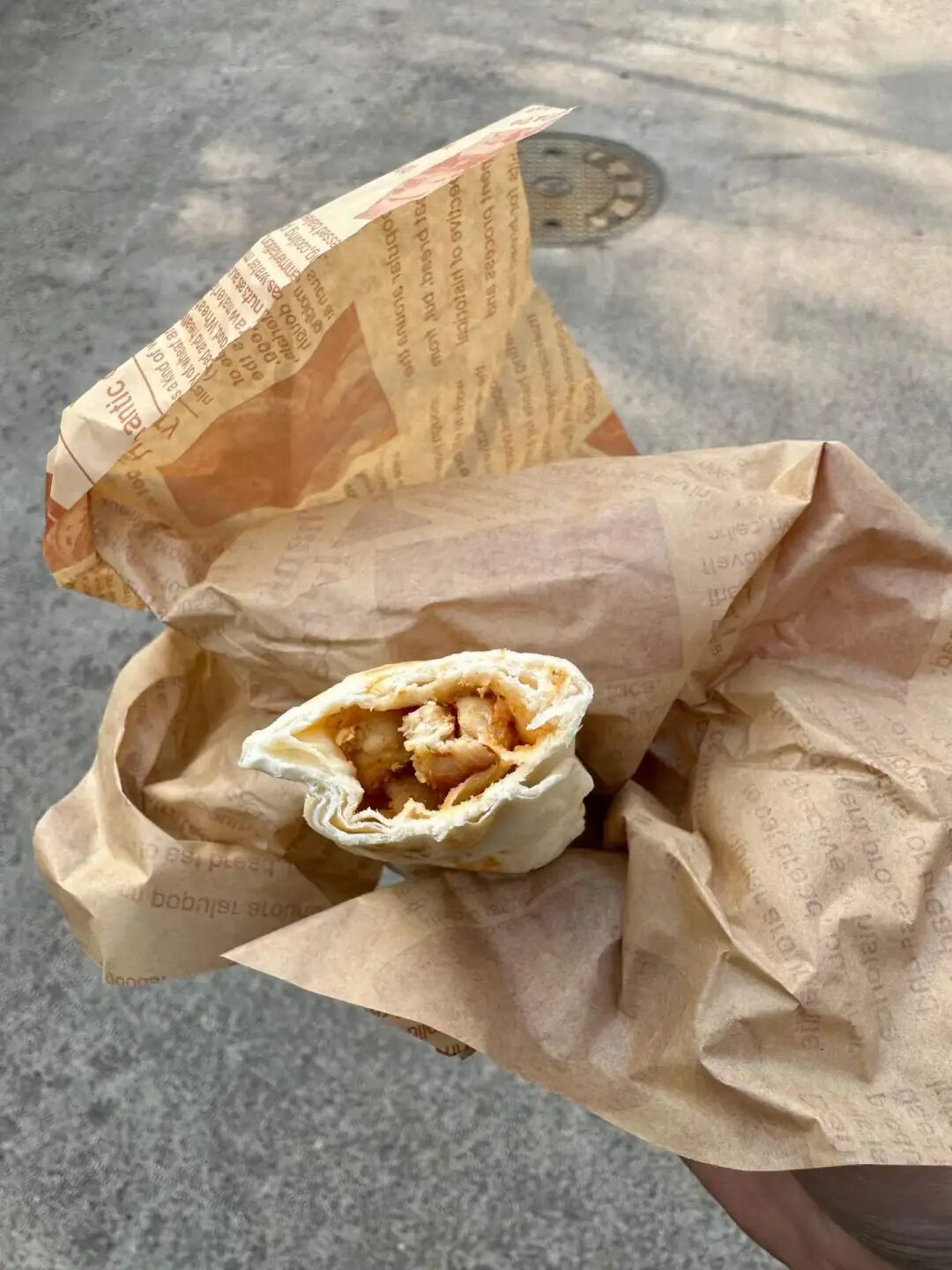
After the Eid prayer, some friends (dosti) brought homemade fried triangular pastries (sambusa) and chicken wraps (shawarma) from home, and we all enjoyed the delicious food together.
The fried triangular pastry (sambusa) originated in Iran. After the 10th century, it spread to the Arab region along trade and pilgrimage routes. In countries like Saudi Arabia and Yemen, the sambusa is an essential and iconic food for iftar and Eid al-Fitr. Compared to the South Asian samosa, which also comes from Iran, the Arab sambusa is smaller with a thinner crust. The filling is usually made of minced meat, onions, cilantro, and cinnamon.
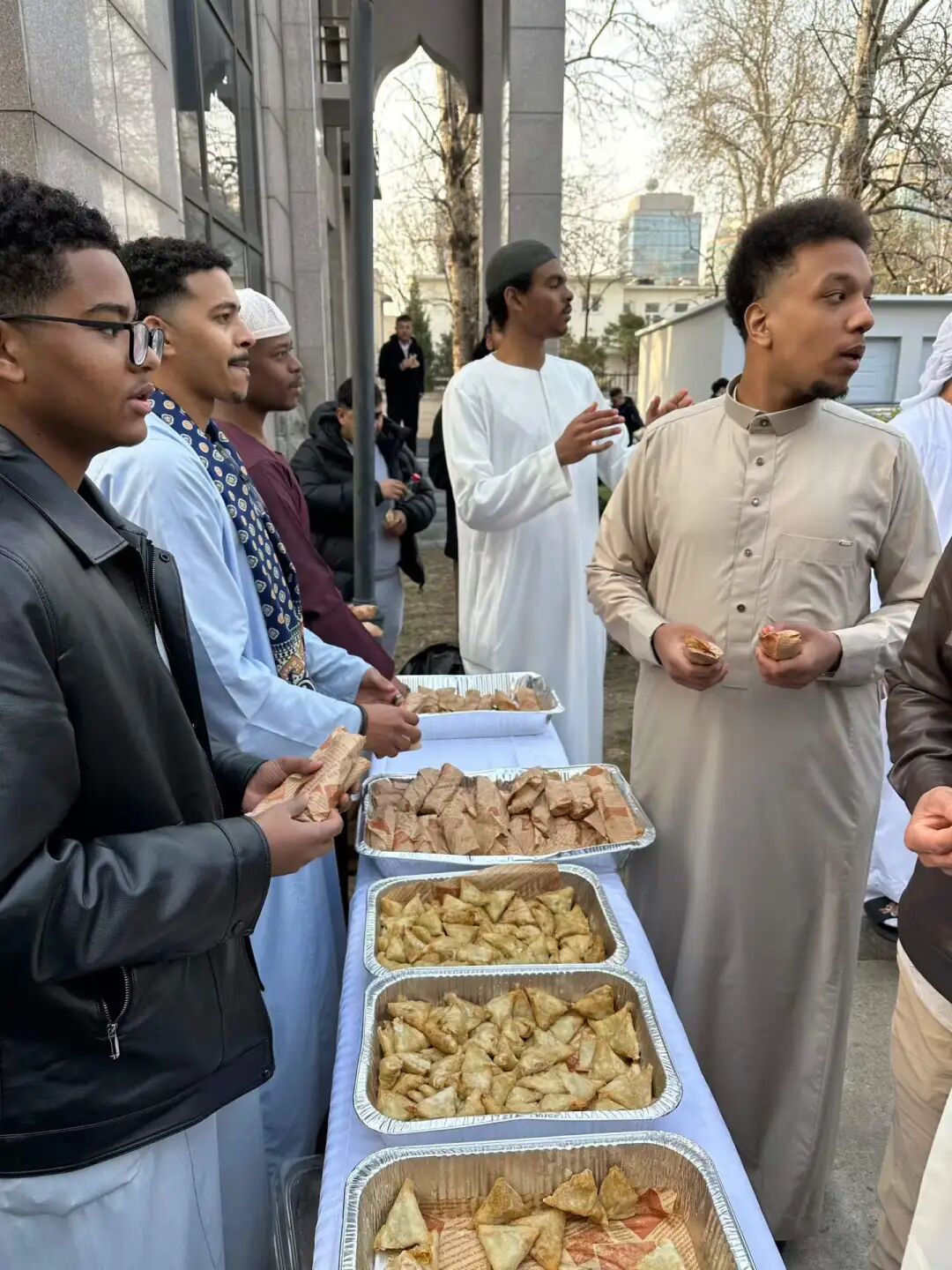
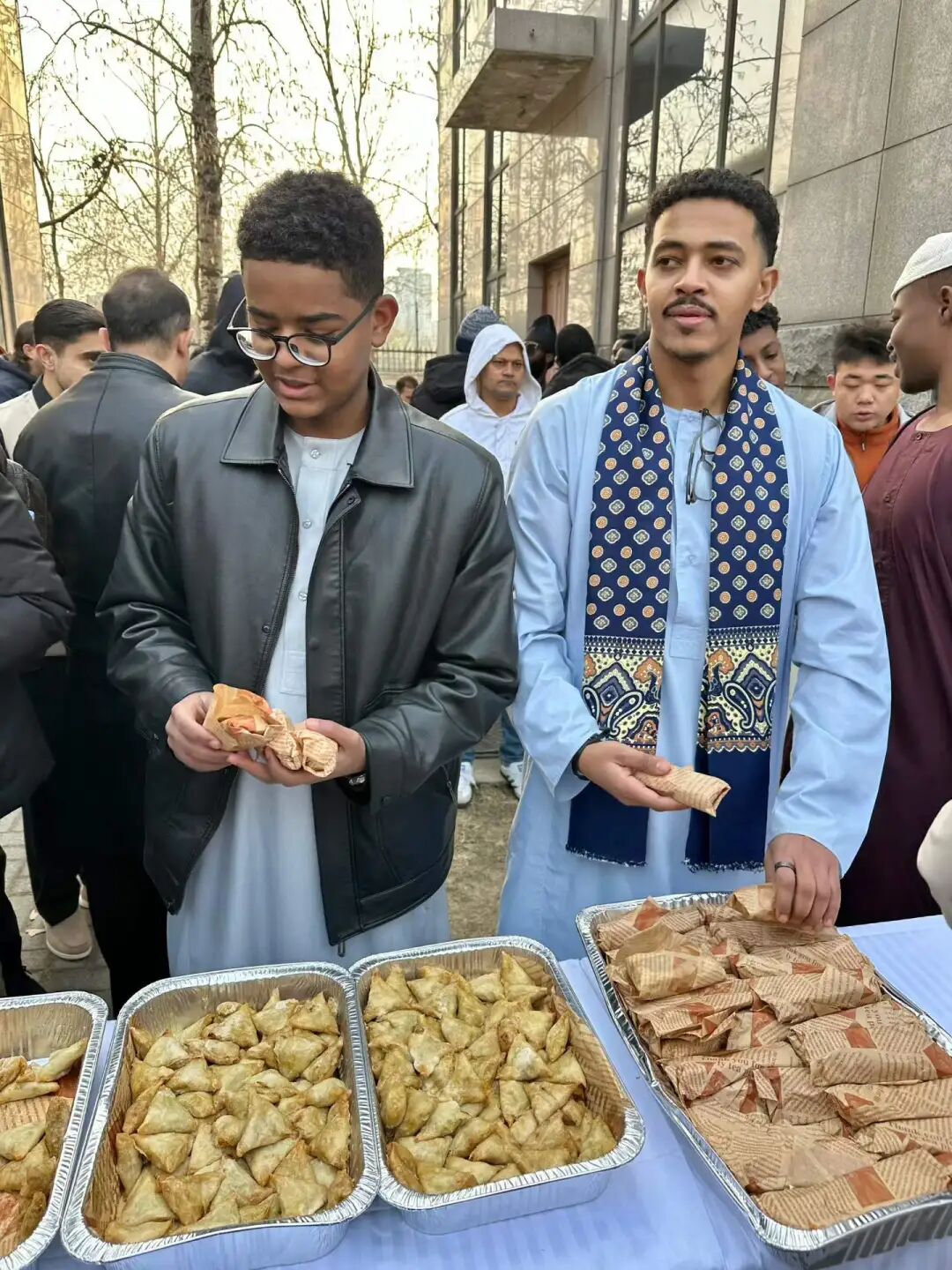
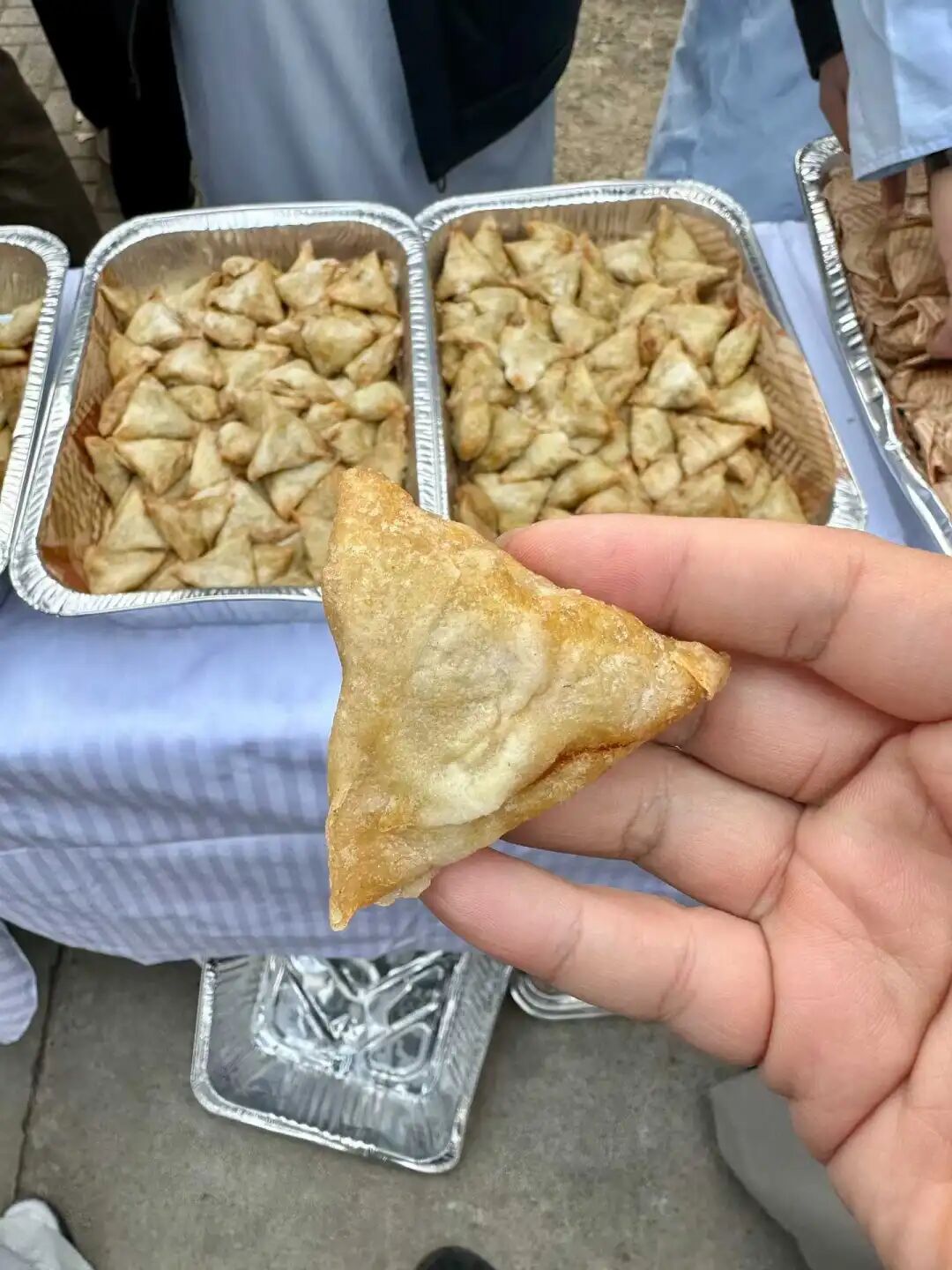
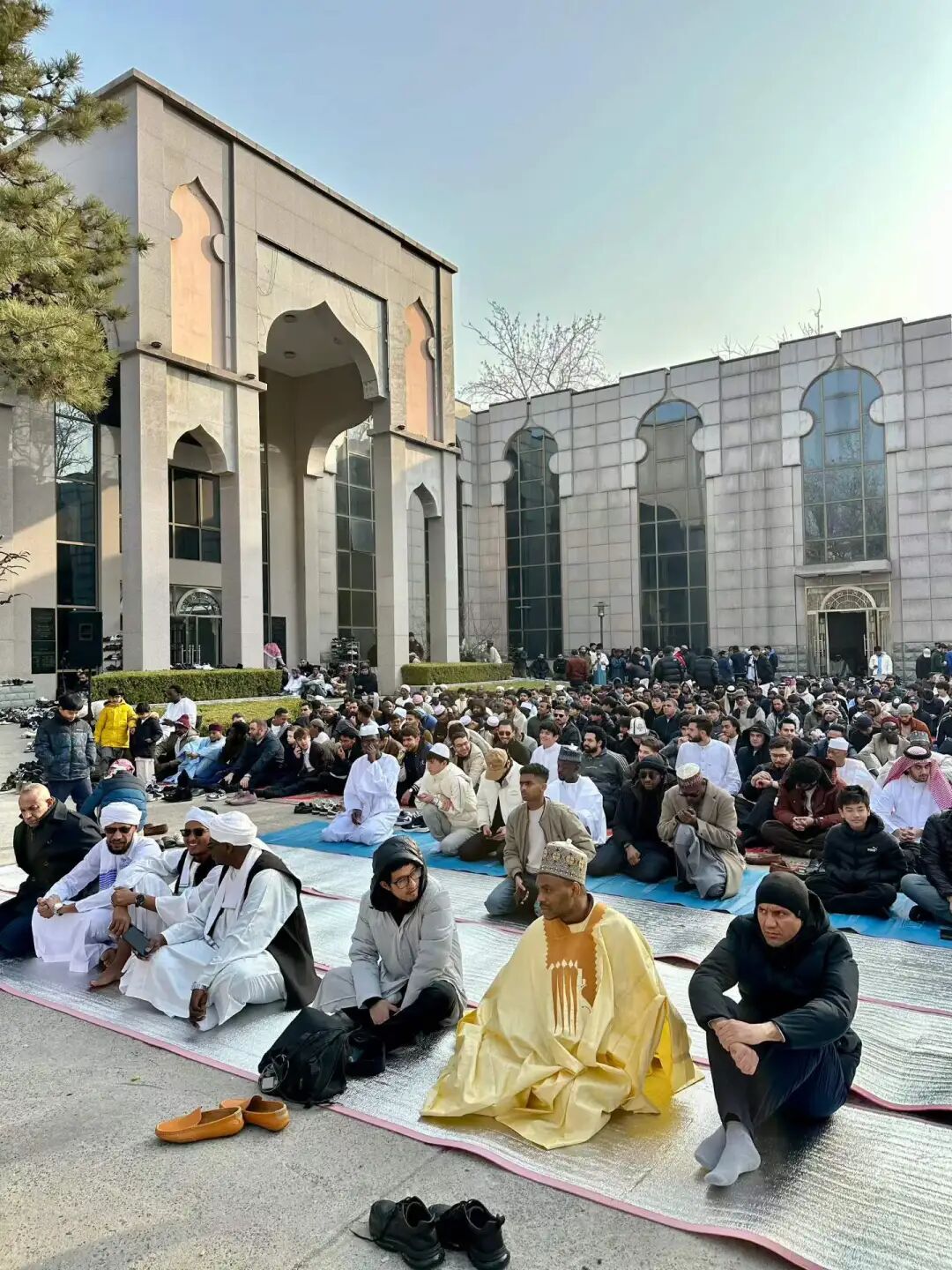
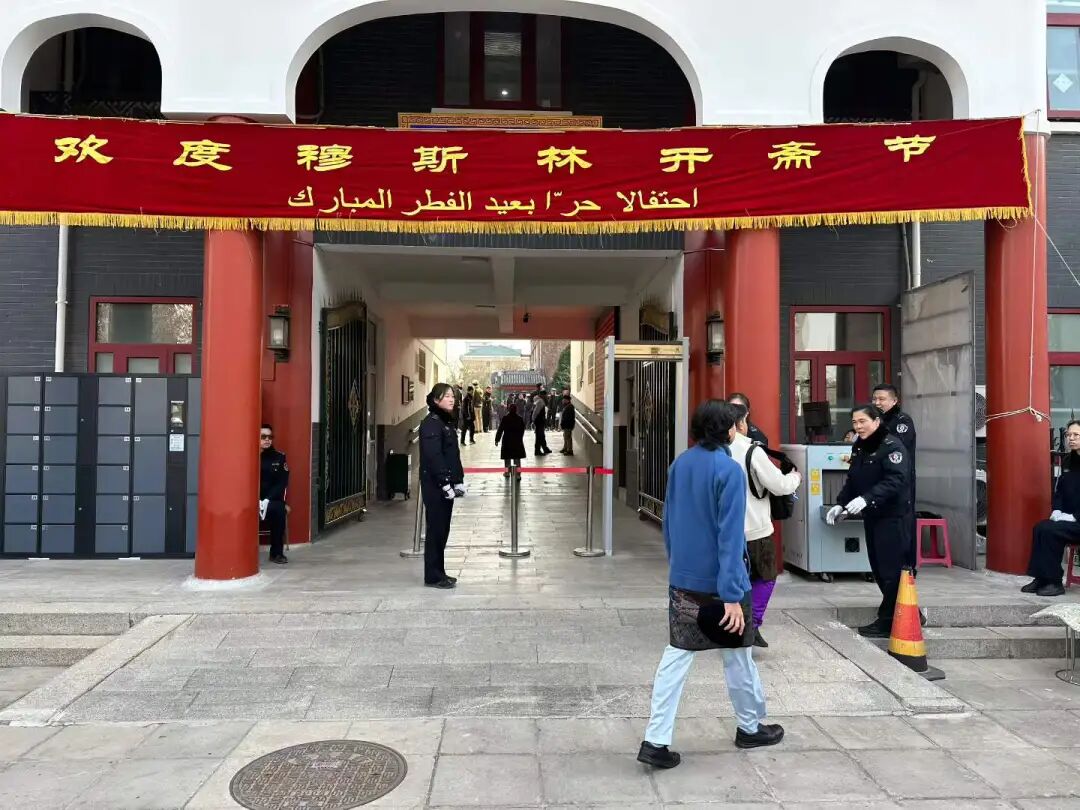
After leaving the Sudanese Embassy, we went to Fayuan Mosque in Dewai to experience the atmosphere of a Chinese-style Eid al-Fitr. Fayuan Mosque holds the latest Eid prayer in the Xicheng District, which gives people who missed the prayers at other mosques a chance to attend. The place was very crowded, and those of us who arrived late could not get into the main prayer hall. After the prayer, we enjoyed fried dough (youxiang) and various pastries, but it was a pity that we did not get to have any meat porridge this year.
Halal Travel Guide: Eid al-Fitr in Beijing
Articles • ali2007fr posted the article • 0 comments • 157 views • 2026-05-20 01:48
Summary: This article records Eid al-Fitr celebrations in Beijing from the viewpoint of a Muslim traveler. It keeps the original scenes, prayers, food, people, and photographs while avoiding extra commentary not found in the Chinese source.
Because of a bad pollen allergy, fasting this year was very difficult. My brain often felt like it was shutting down in the afternoon. After keeping at it, I finally finished my duties and welcomed the noble Eid al-Fitr.
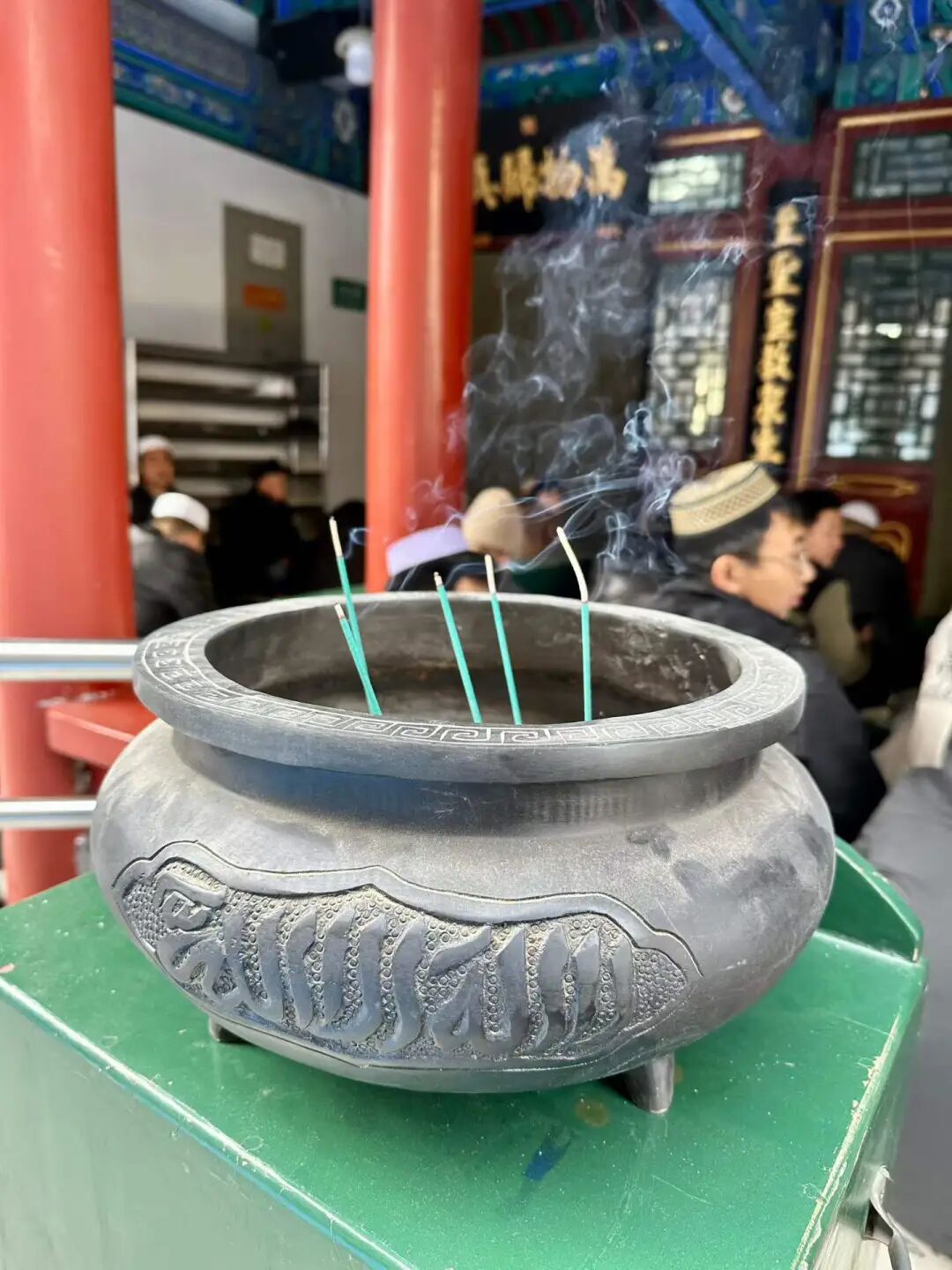
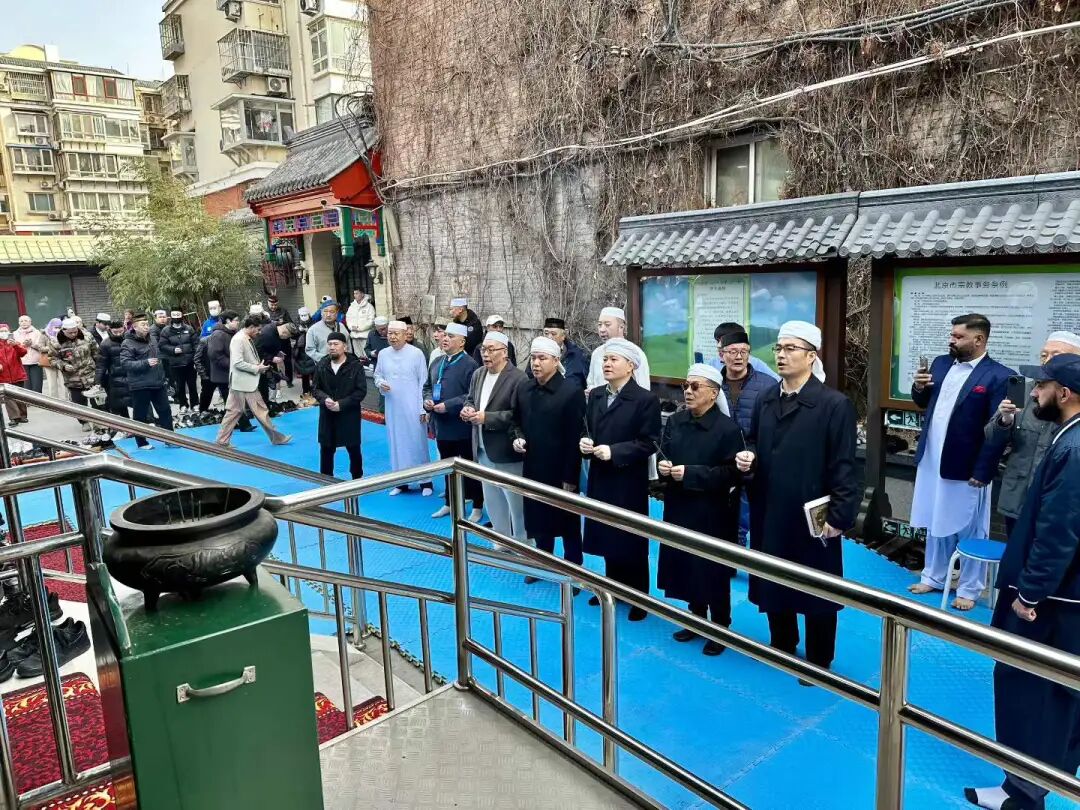
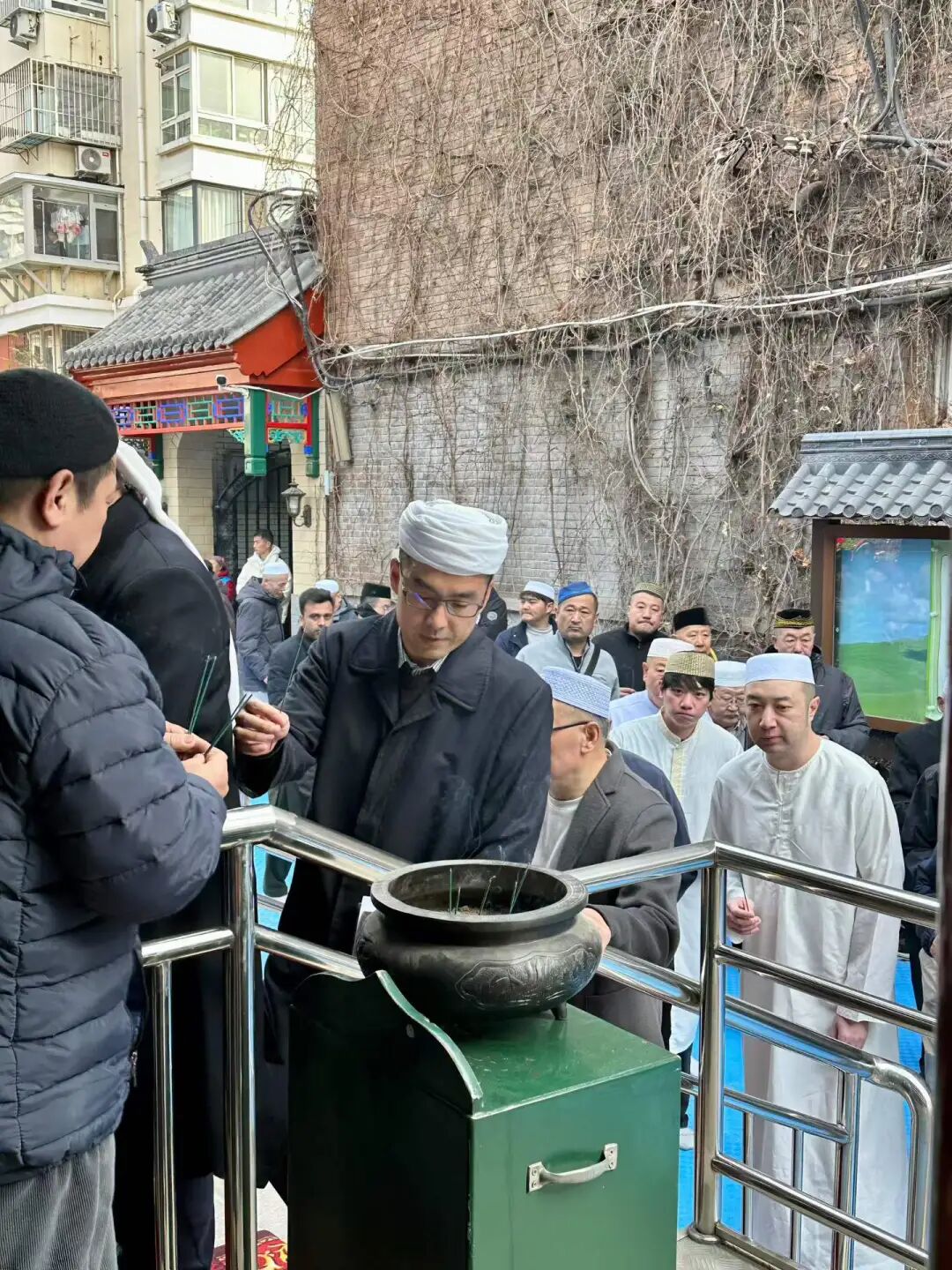
Before the Eid prayer, there are seven recommended acts (mustahabb). At dawn (fajr), I made sure to eat one thing, so I ate a date. I performed the full ritual wash (ghusl), brushed my teeth, put on clean clothes before leaving, lit some incense (balan xiang), recited the takbir quietly on the way to the mosque, and paid my zakat al-fitr upon entering.
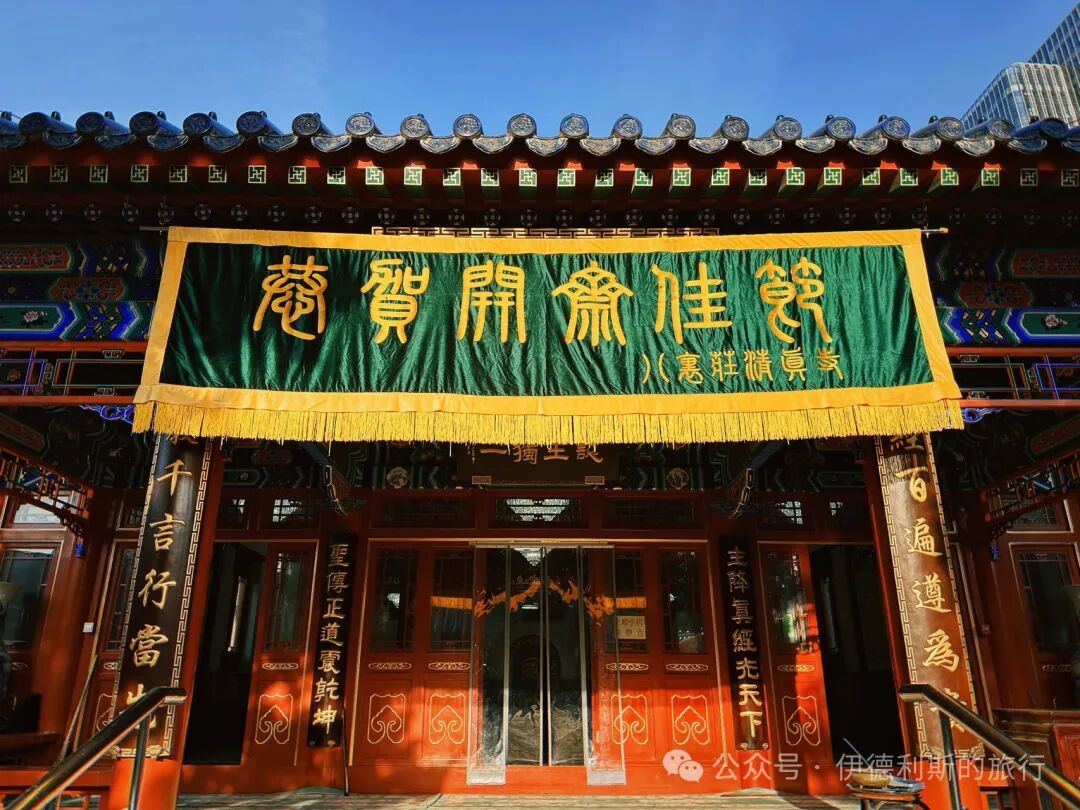
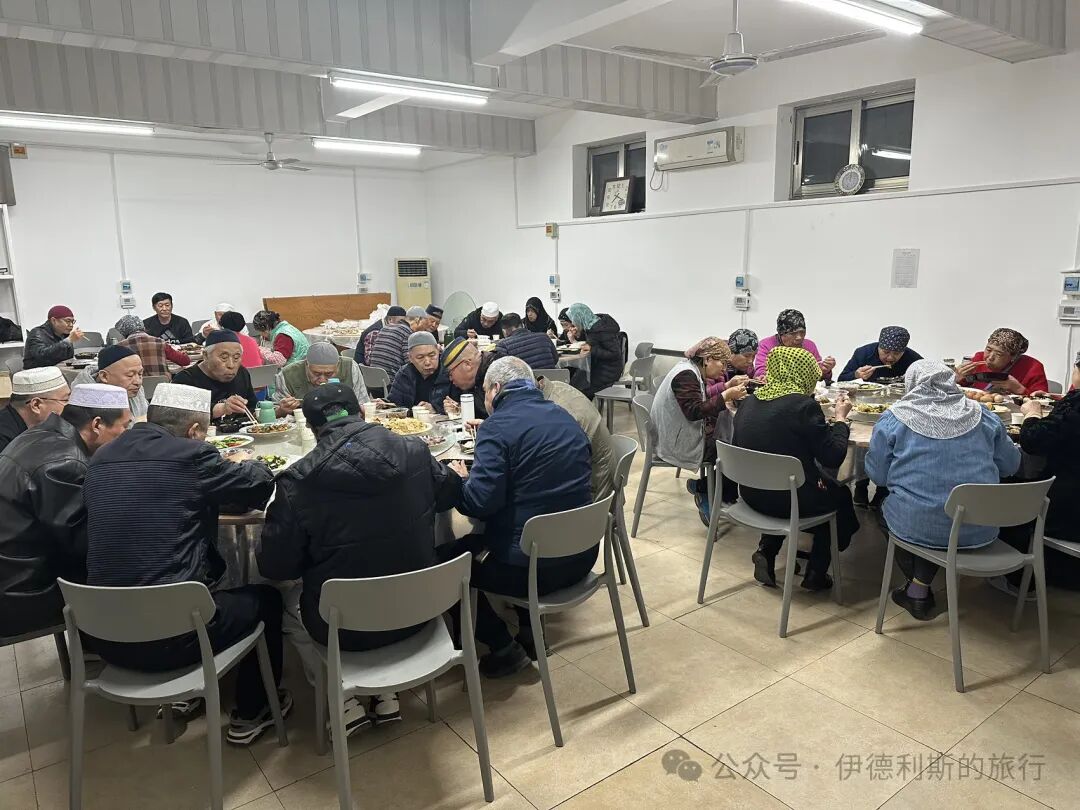
This year, I went to the Balizhuang Mosque just like in previous years. By seven in the morning, the mosque was already full of friends (dosti). There were international friends, brothers visiting Beijing from other places, local residents of Balizhuang, and the elders who broke their fast at the mosque every day during Ramadan.
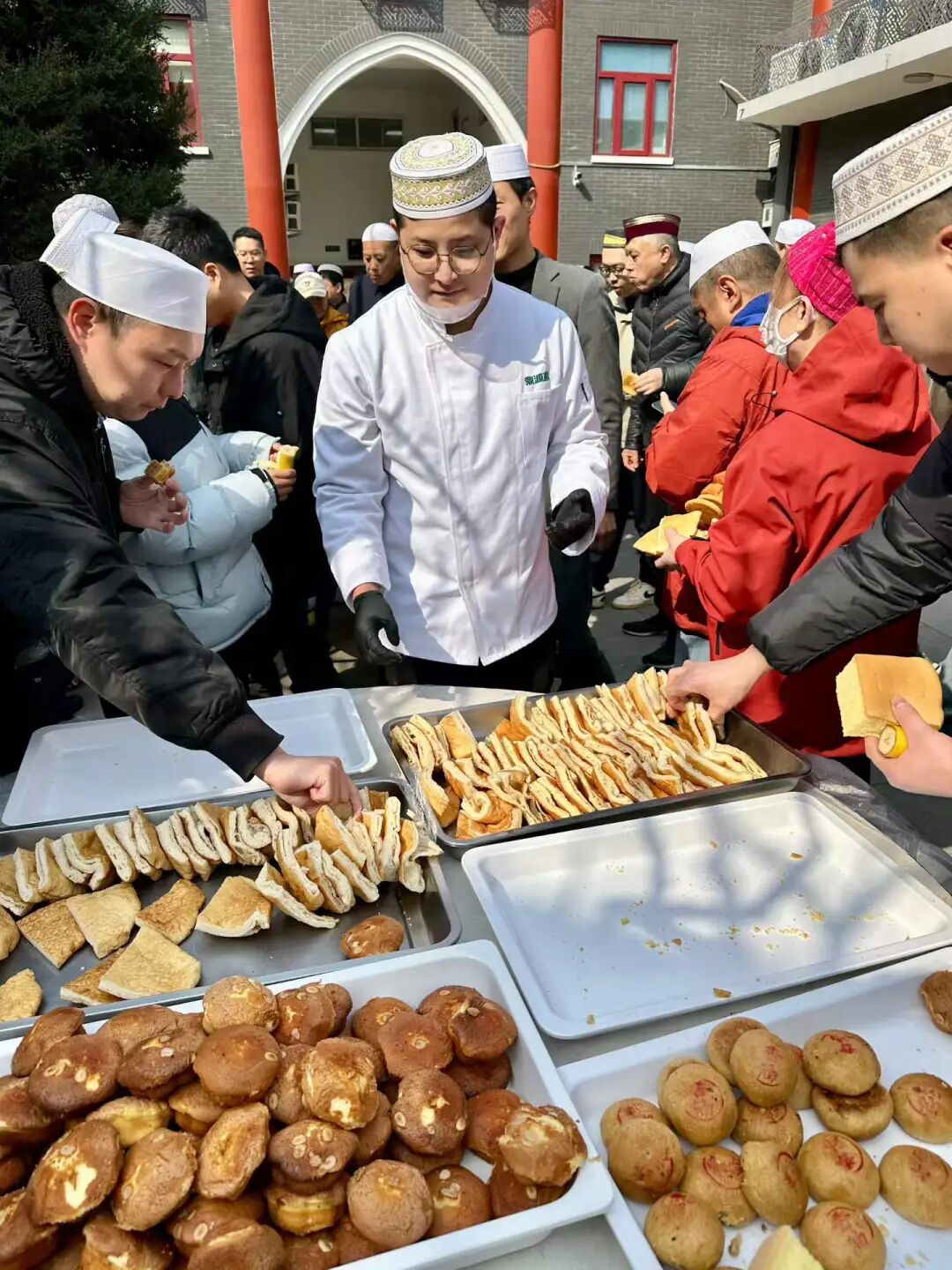
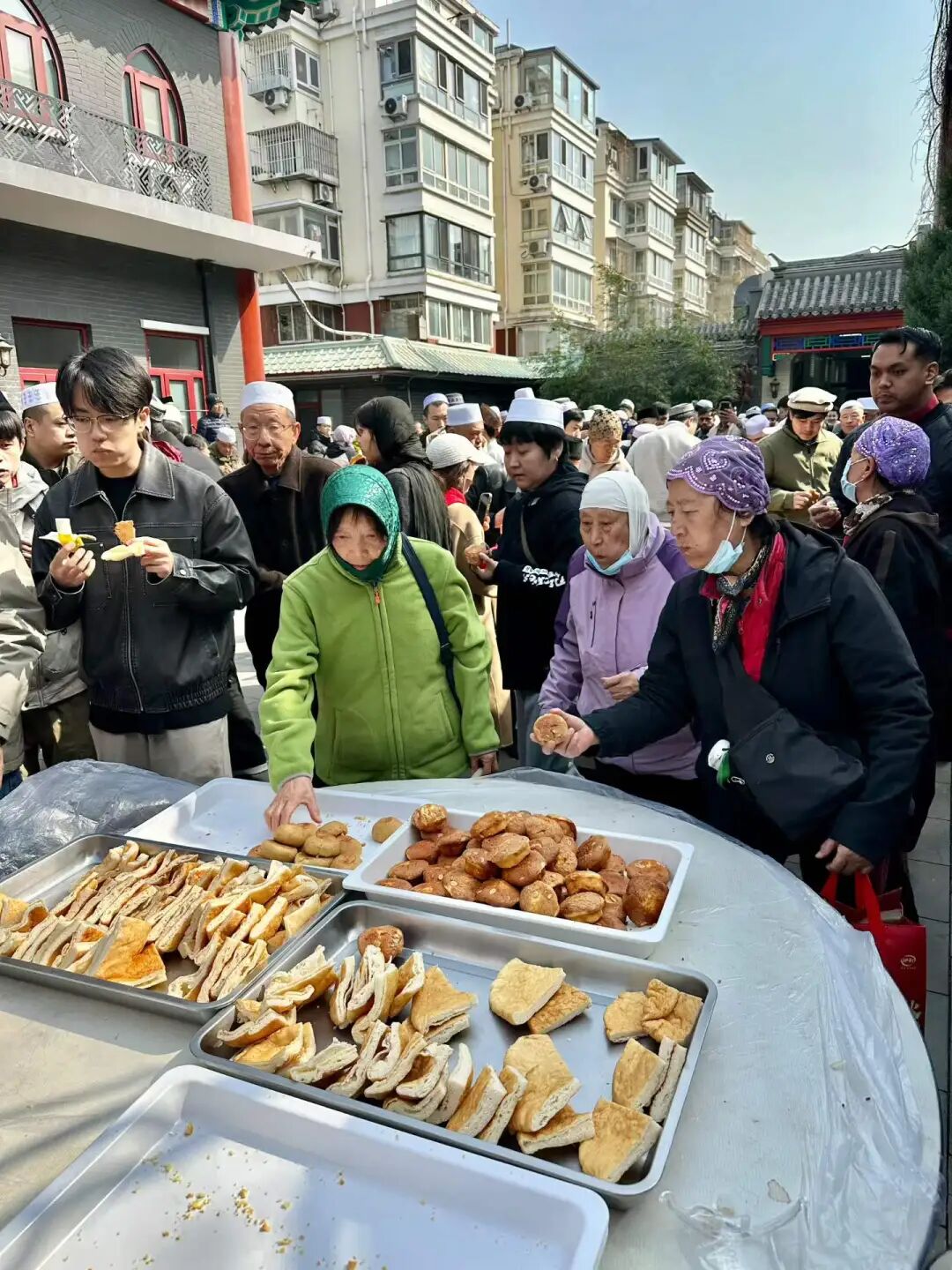
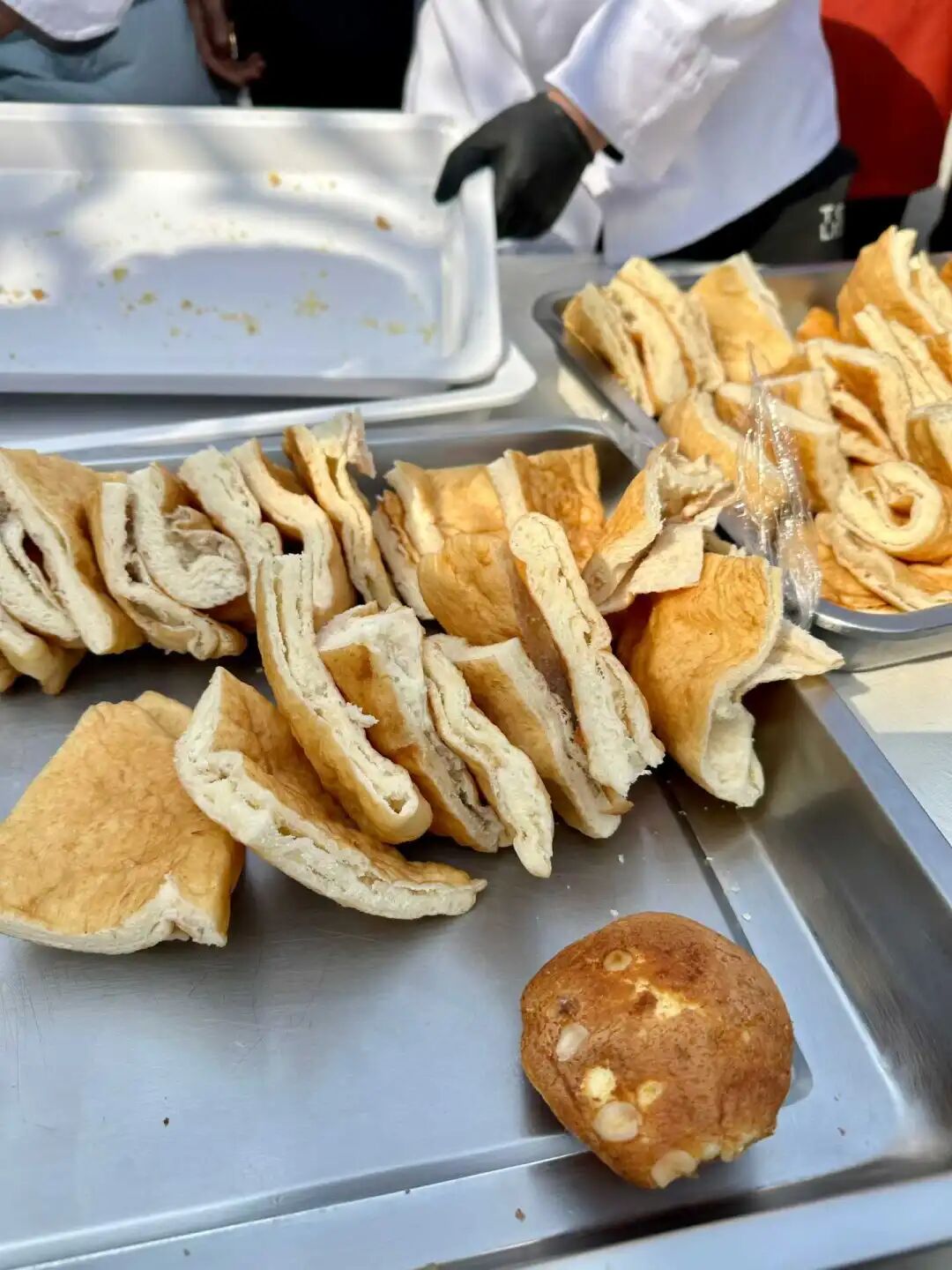
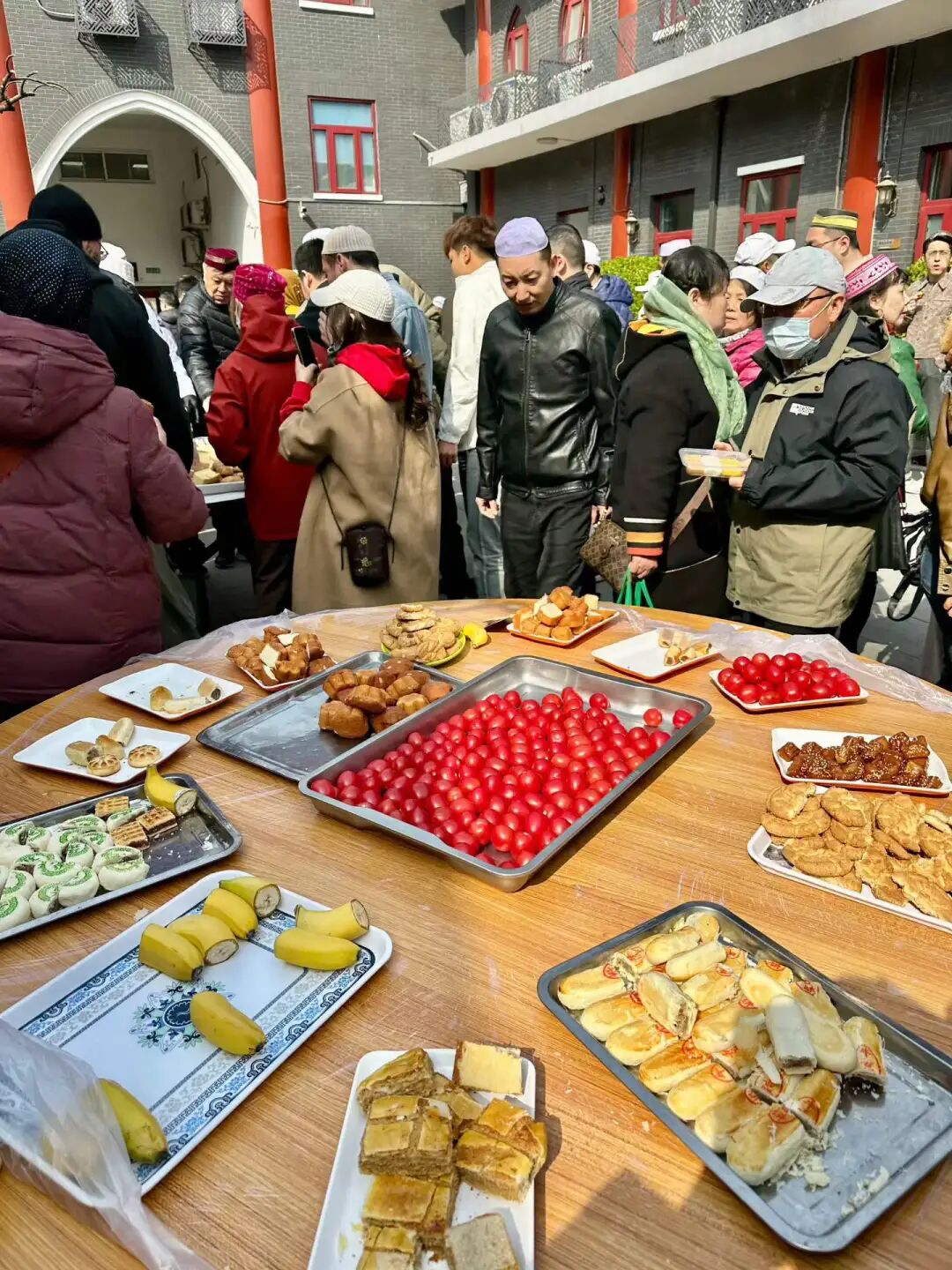
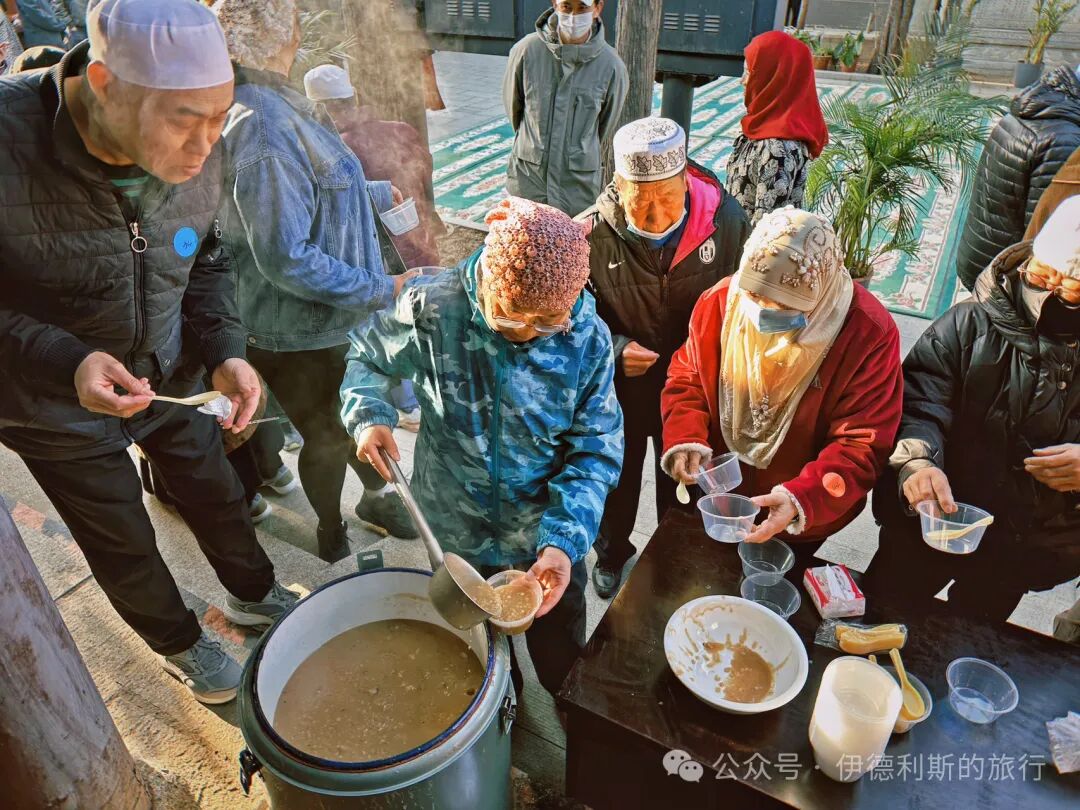
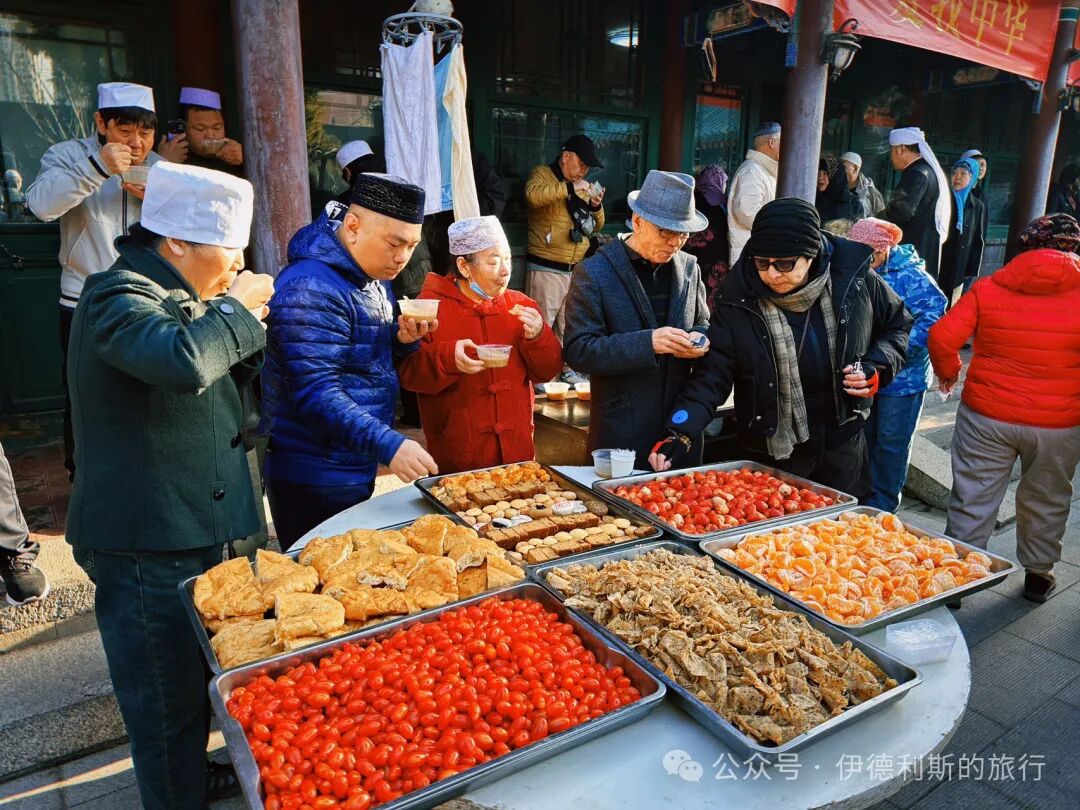
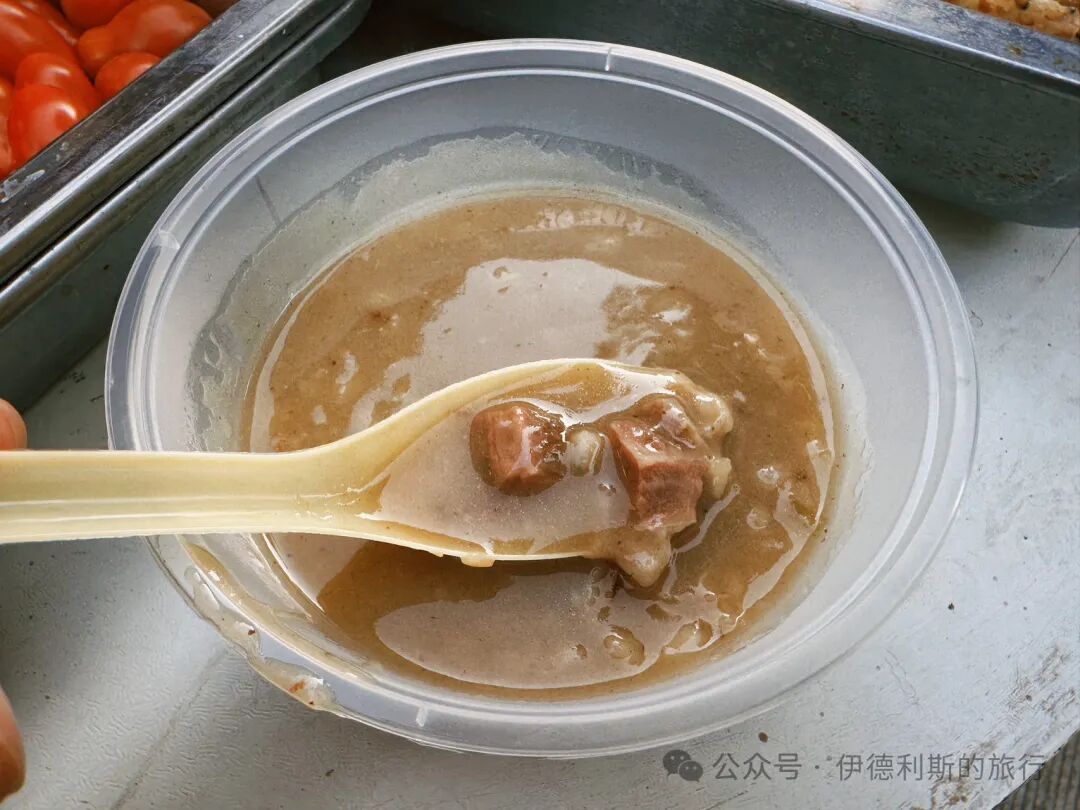
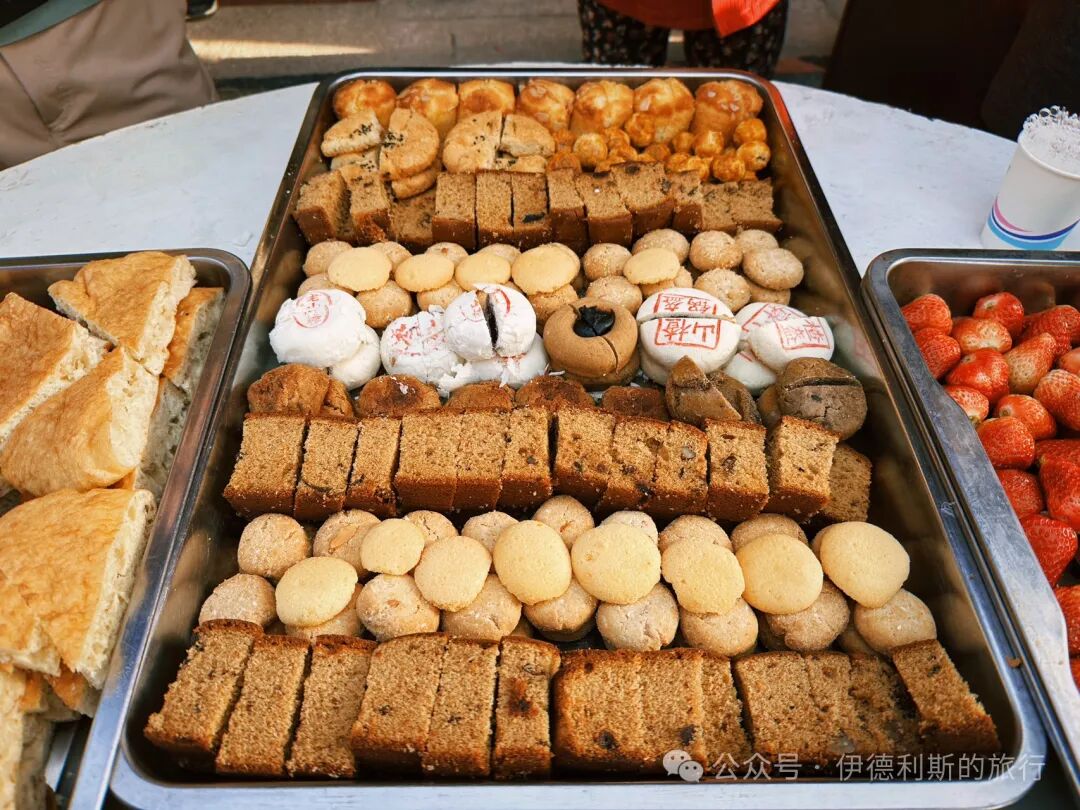
The mosque had already prepared meat porridge, fried dough (youxiang), and various pastries and fruits. To make the meat porridge, you must crush the oil out of beef or lamb bones a day in advance, remove the bone fragments, and then simmer it with barley kernels. Drinking a bowl on the morning of Eid al-Fitr is very comforting for the stomach.
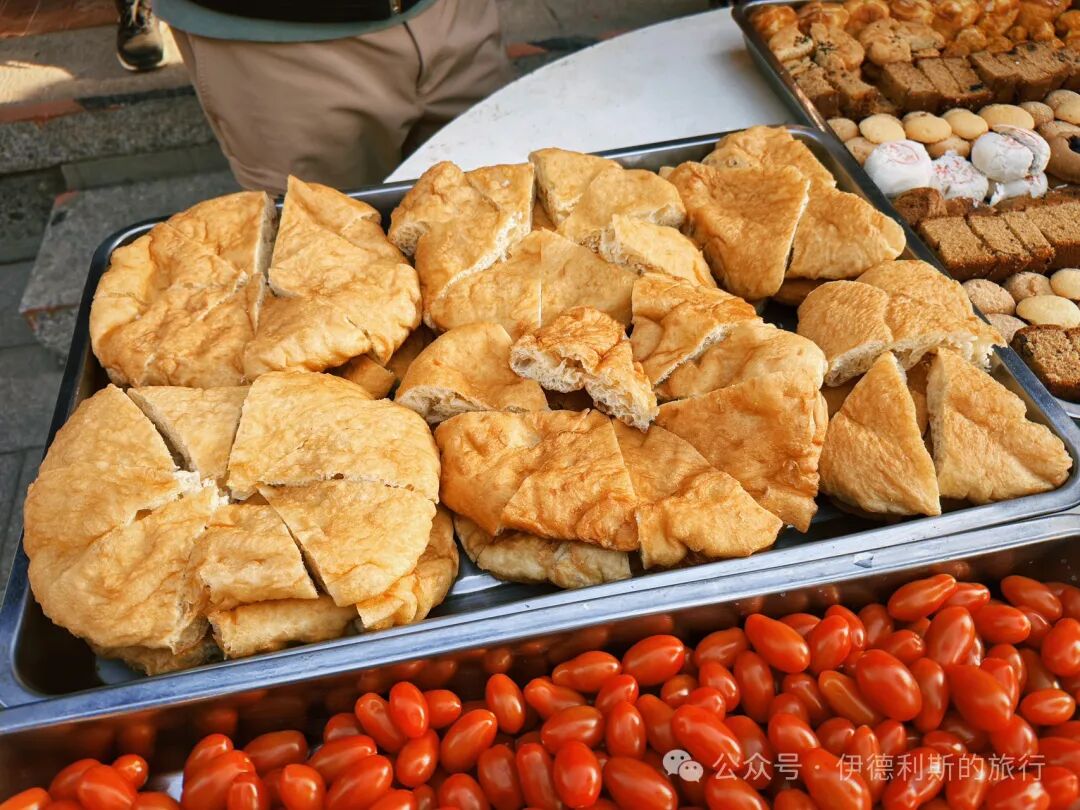
Beijing-style fried dough (youxiang) is made with leavened dough. It puffs up when fried and becomes very fluffy. After draining the oil, you should tear it apart to eat it.
After everyone caught up, chatted, and drank the good meat porridge, it was time for the ceremony of welcoming the imam to the main hall. Everyone held a stick of incense (balan xiang), followed the imam, recited the takbir, and walked slowly into the main hall.
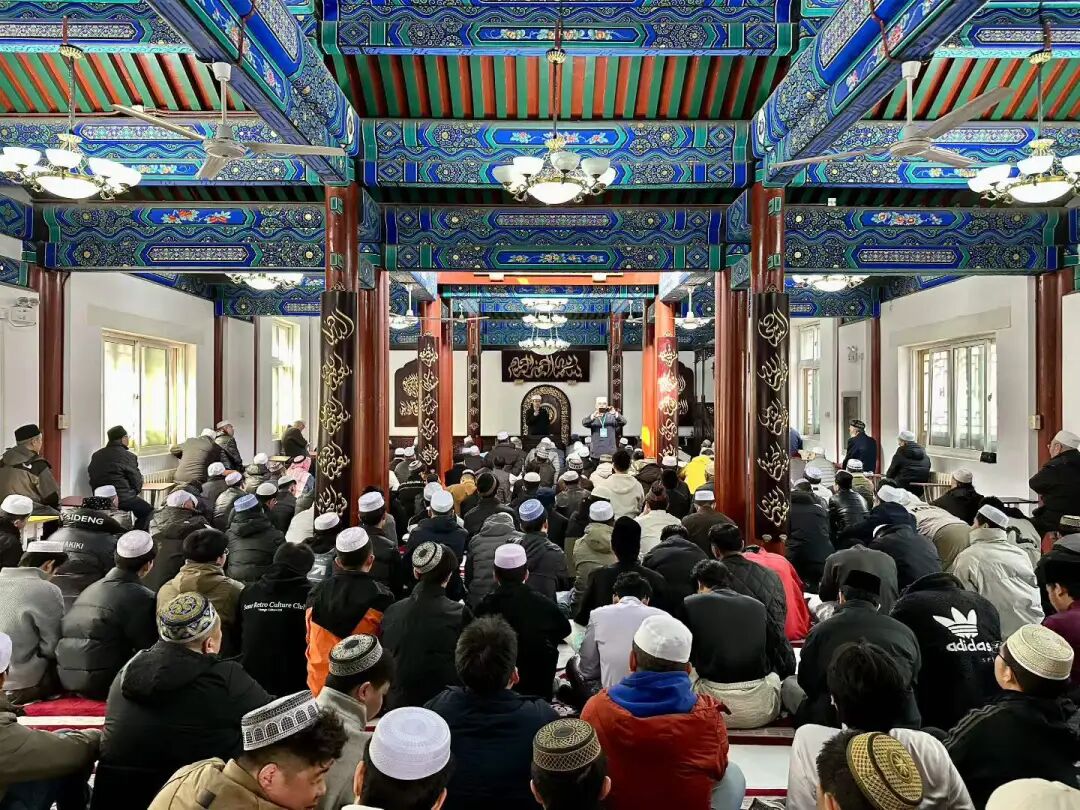
After entering the hall, we began the opening scripture recitation, which consisted of the eighteen traditional surahs (suole) of North China. Each person in the front recited one surah, and the last person recited the Al-Fatiha and the first five verses of Al-Baqarah.
After the scripture reading, Imam Yang gave a sermon (wa'z) about the meaning of Eid al-Fitr, encouraged good deeds, warned against evil, and explained the procedure for the Eid prayer.
Then, we began the two-unit (rak'ah) Eid prayer. After the prayer, Imam Jin stood on the pulpit (minbar), held a wooden staff (al-asa), and recited the sermon (khutbah). Then we prayed four units of voluntary prayer (nafl). After finishing, we recited Al-Fatiha twice, followed by two duas. Finally, everyone gathered in a circle to shake hands. In North China, it is customary to recite blessings upon the Prophet (salawat) while shaking hands, while some friends from other places say 'salam' when shaking hands.
When the prayer ended, everyone lined up at the door to receive meat porridge and fried dough (youxiang). After that, we went out to the vegetable market near the mosque to buy ingredients for making starch noodle soup (fen tang).
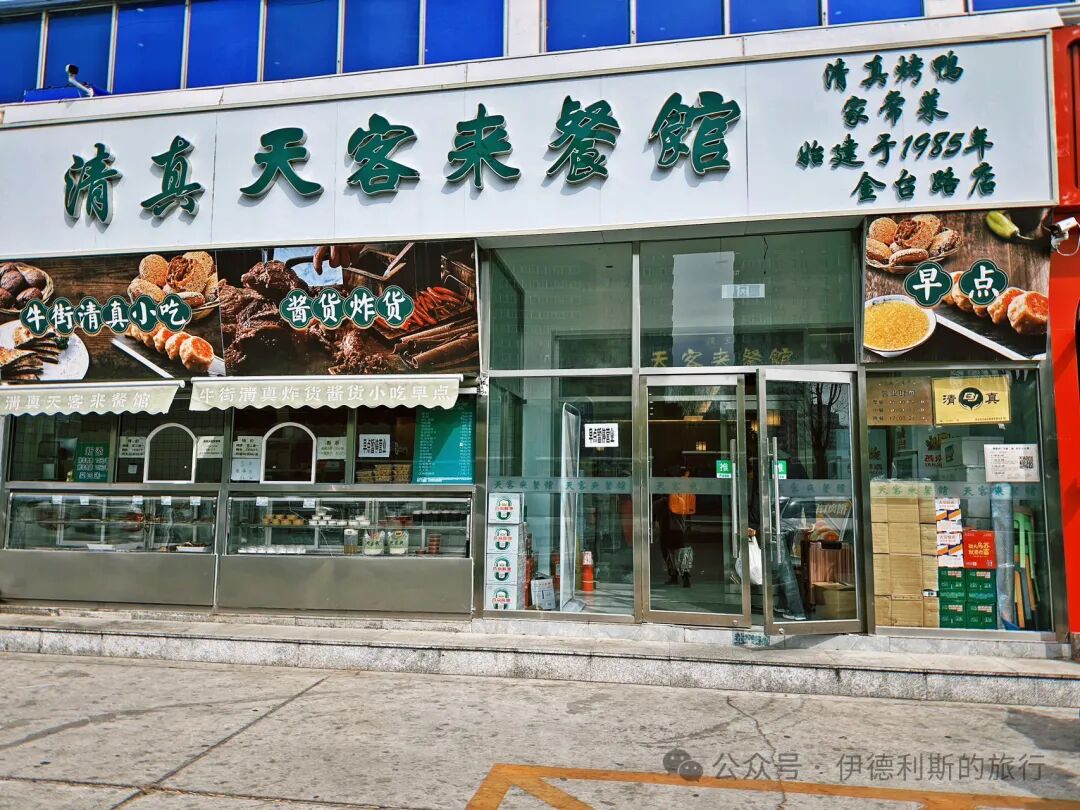
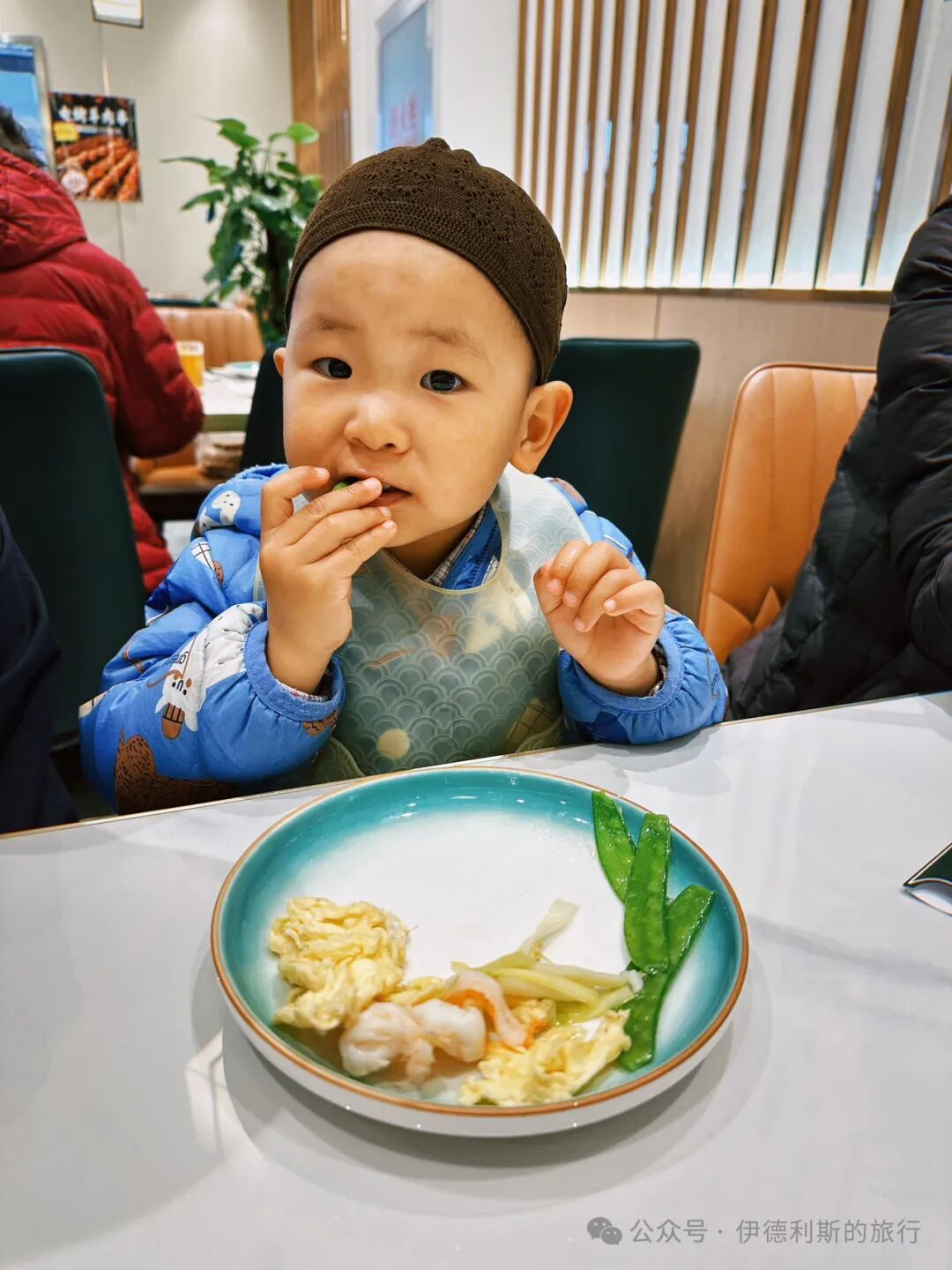
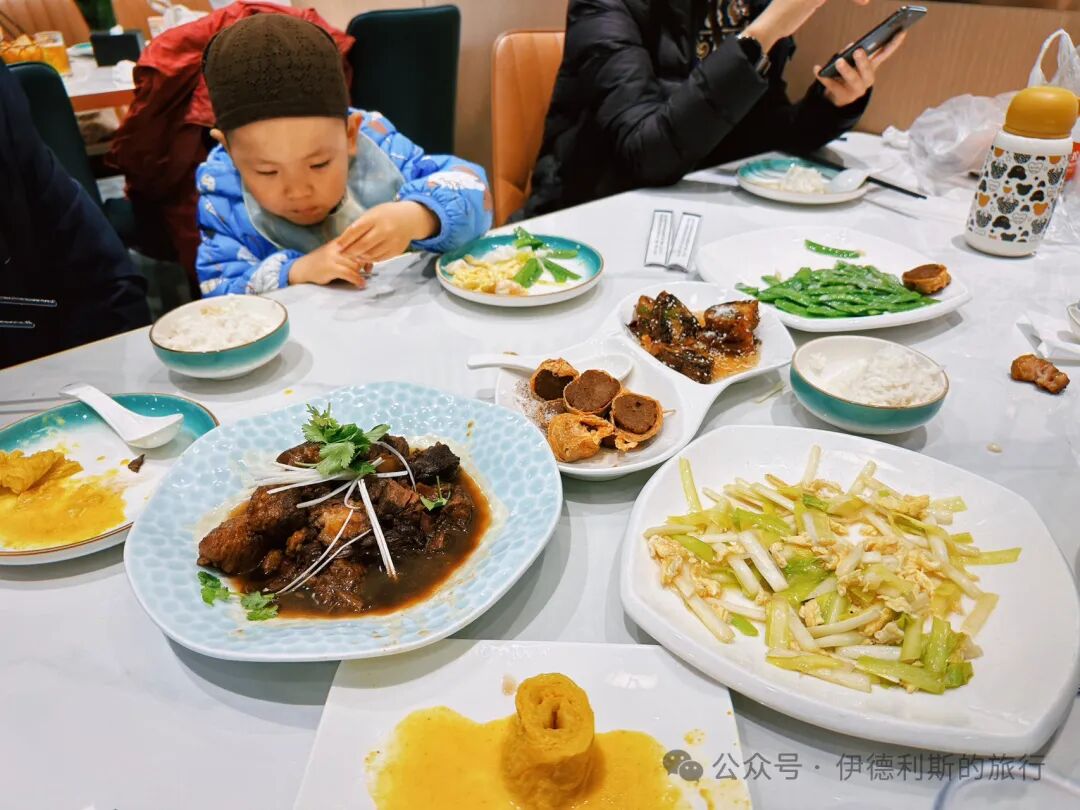
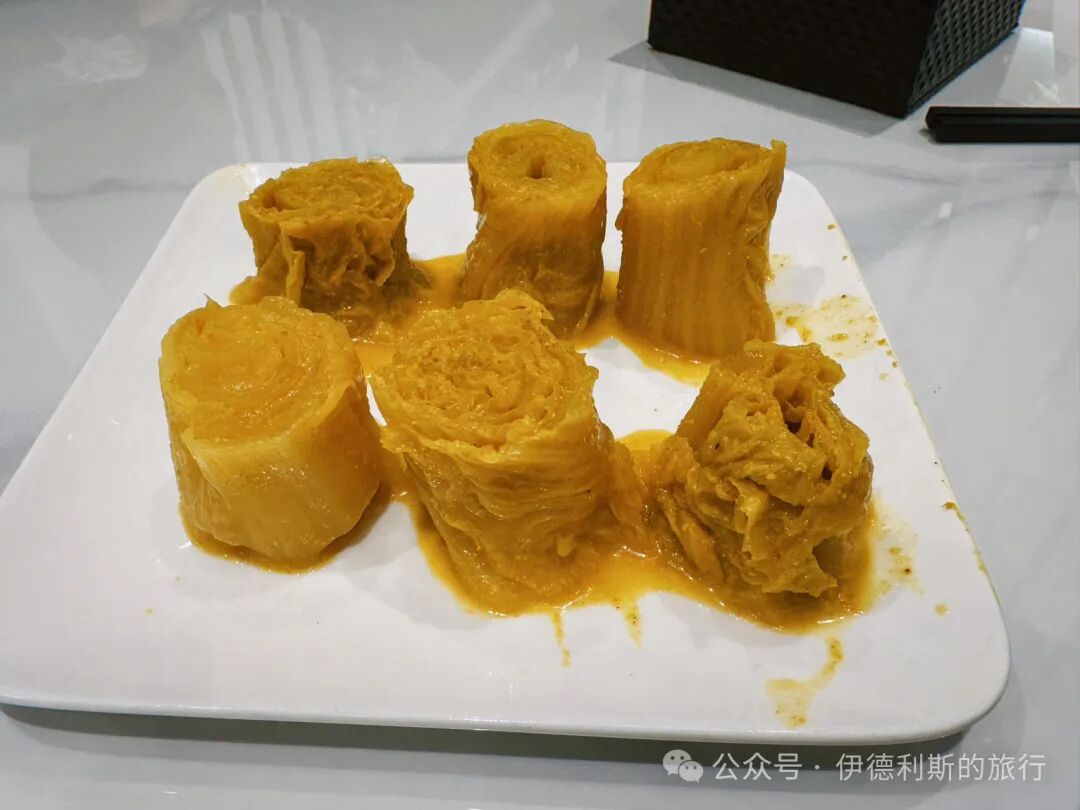
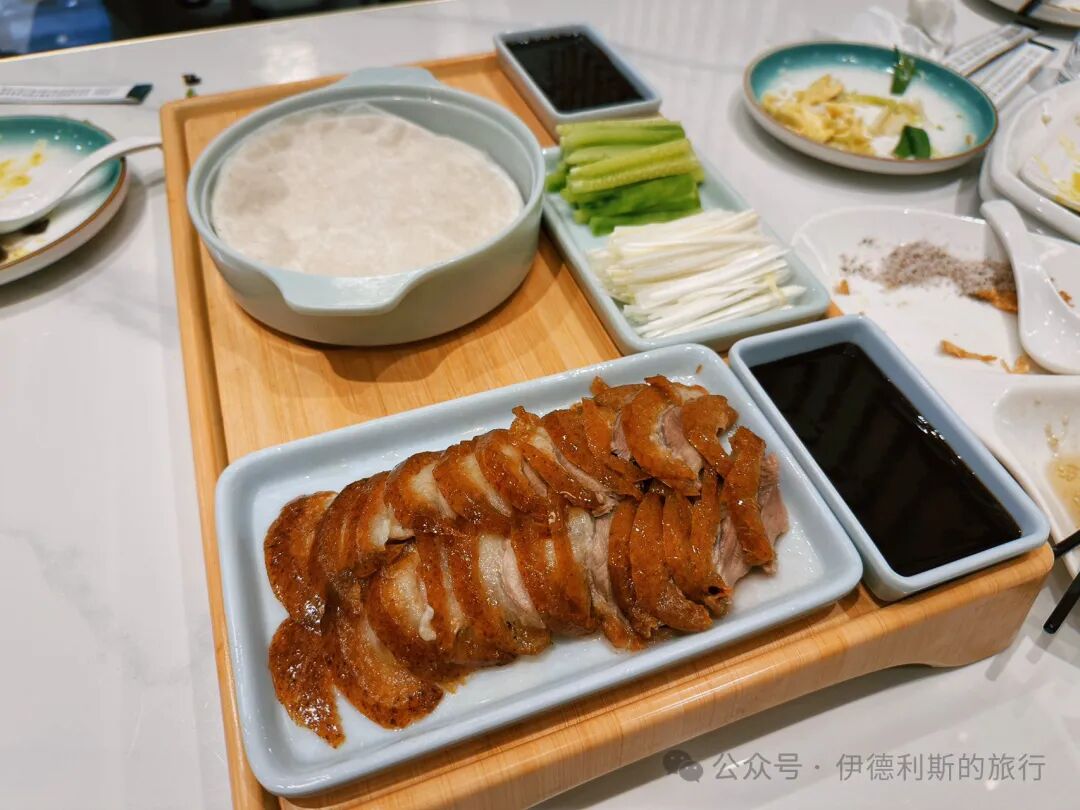
After leaving the mosque, we went to Tiankelai at Jintai Road intersection for a meal. We ordered stir-fried eggs with yellow chives and shrimp, snow peas with garlic, mustard-marinated cabbage (jiemodun), a platter of savory and sweet fried yam rolls (juan-guo), slow-cooked beef (wei niurou), and roast duck. The stir-fried dishes are not pre-made, so you can ask them to leave out sugar or MSG. The slow-cooked beef was very tender, and my family loved it. The mustard-marinated cabbage was very pungent and a great appetizer. The roast duck is roasted to order. We waited an hour for it, but it tasted pretty good.
There are not many traditional Beijing-style stir-fry restaurants around the East Fourth Ring Road, so it is impressive that the old Niujie brand Tiankelai opened a branch here. The restaurant is right next to Jintai Road subway station. It is not crowded on weekday lunchtimes, and the environment is nice. The only regret is that many dishes on the menu were marked as unavailable, perhaps due to the chef, which limited our choices quite a bit.
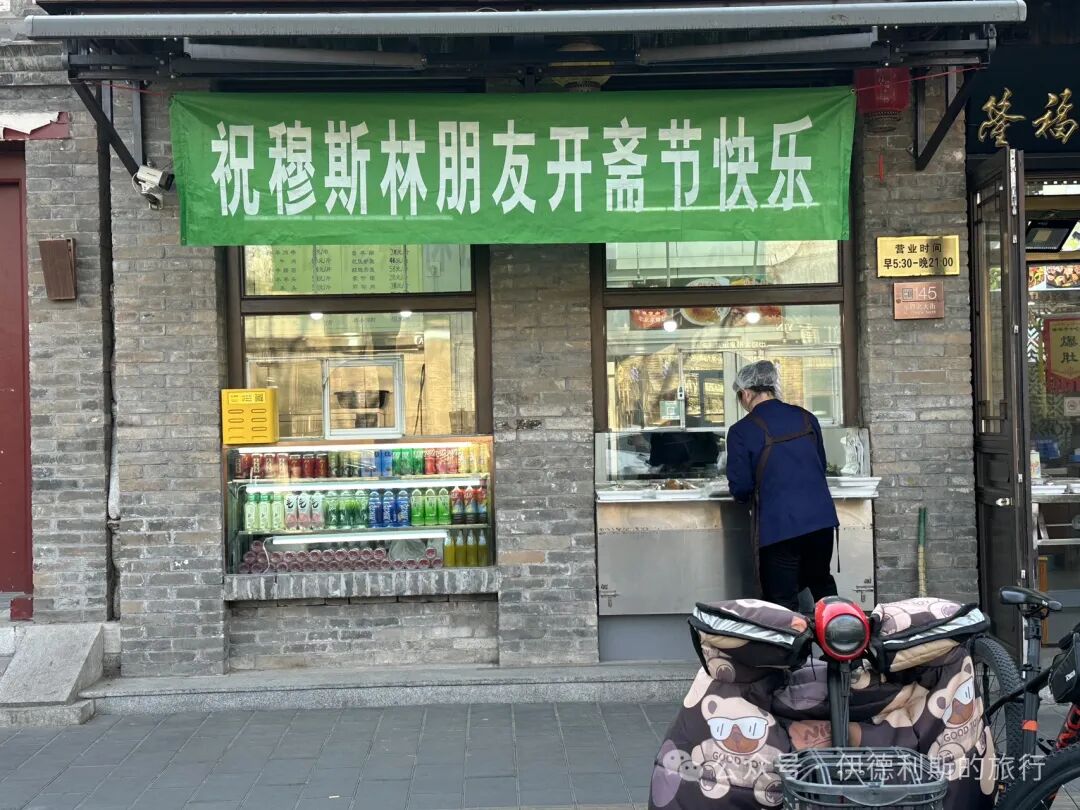
We passed by the Longfu Mosque snack shop on Dongsi North Street.
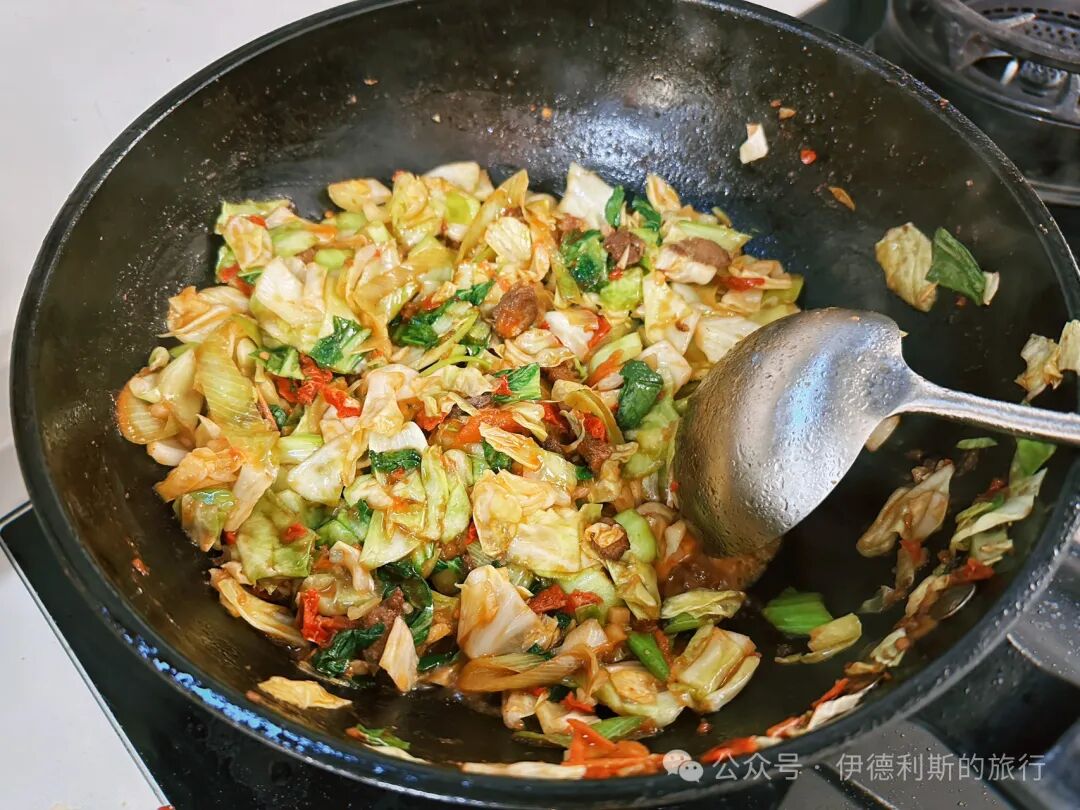
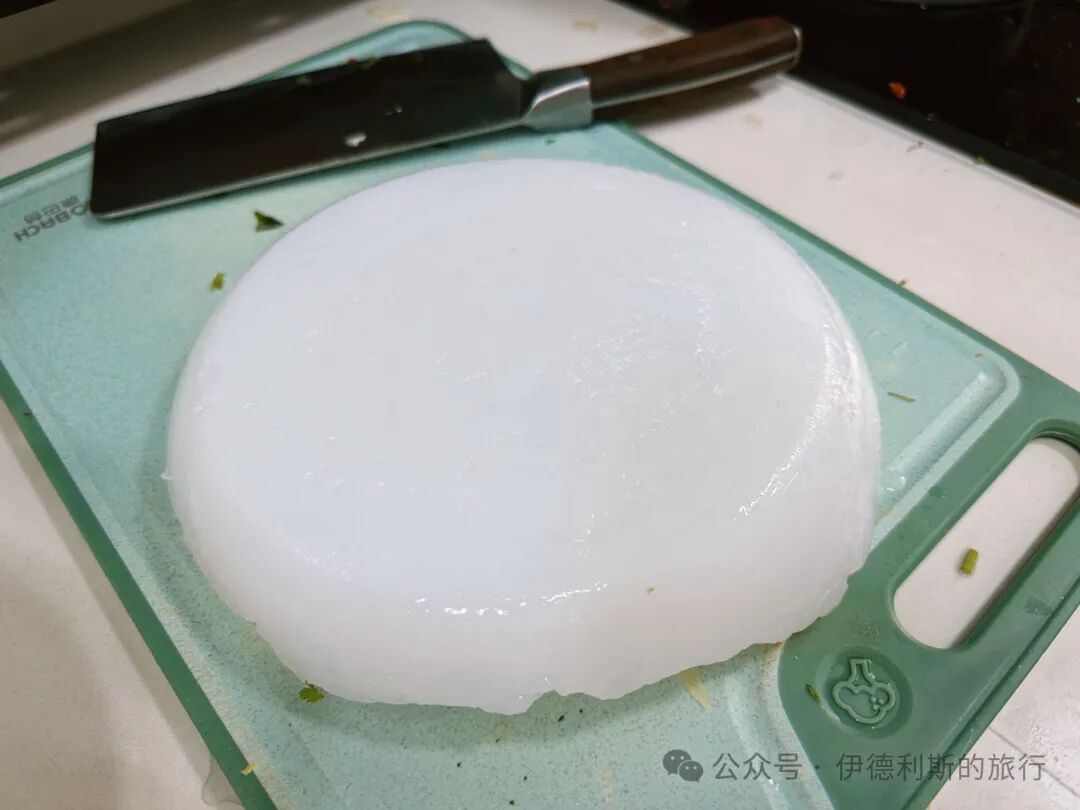
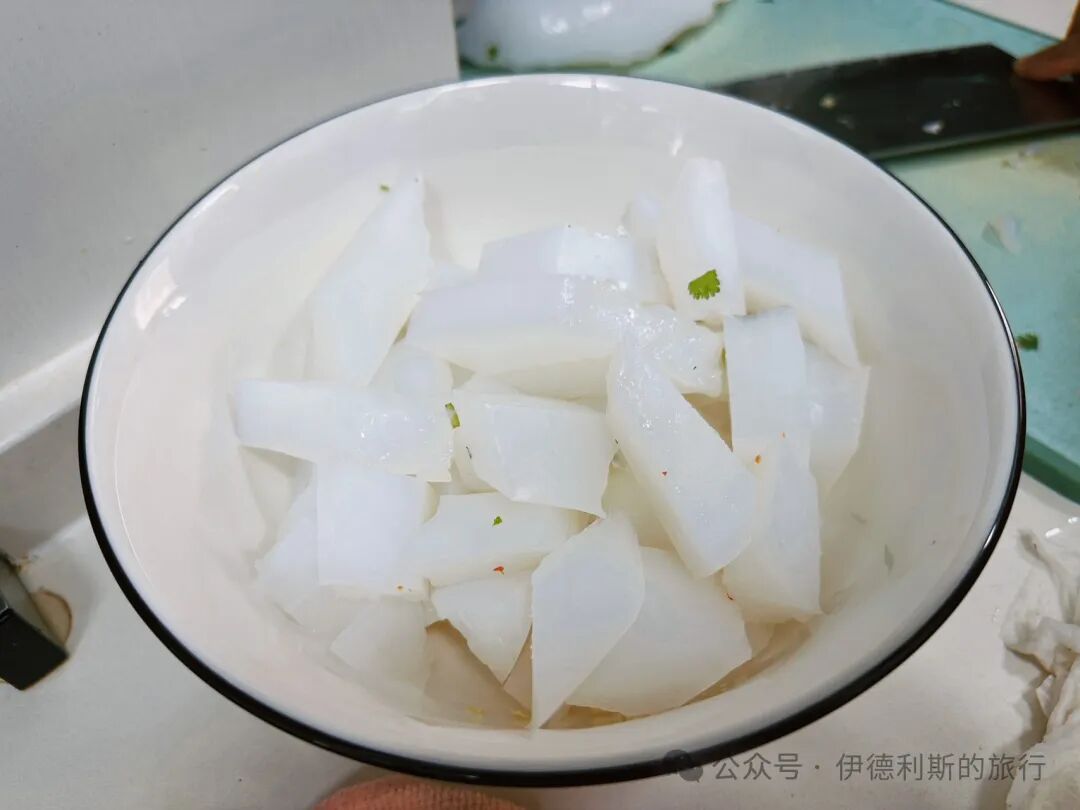
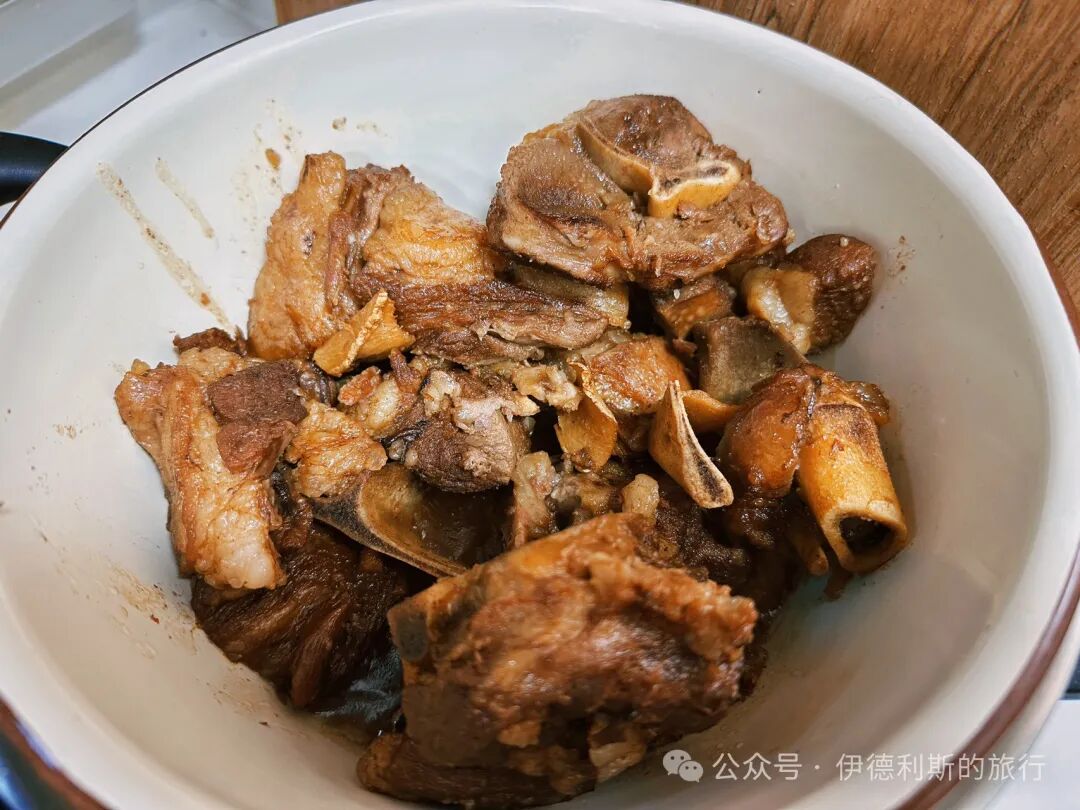
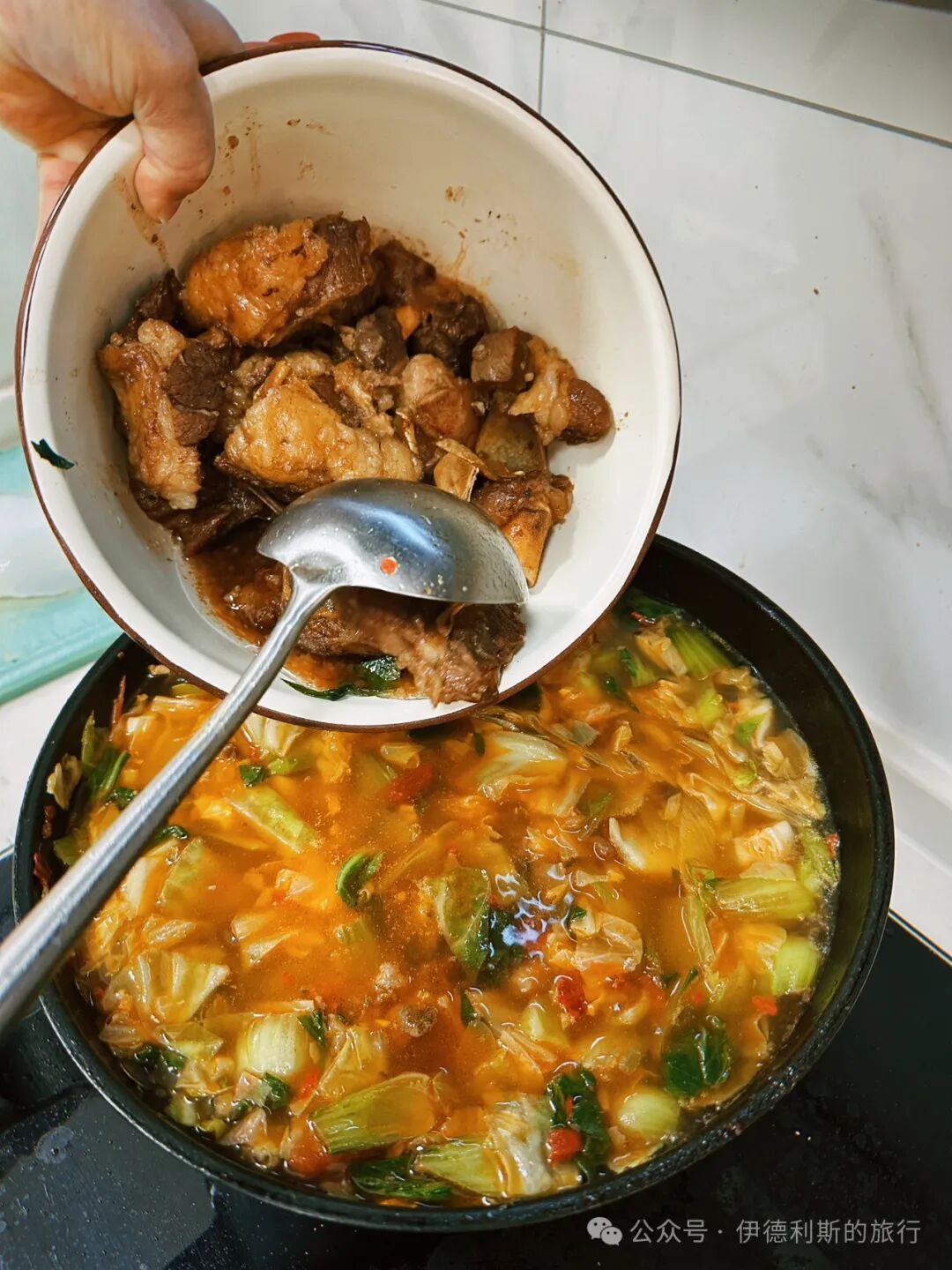
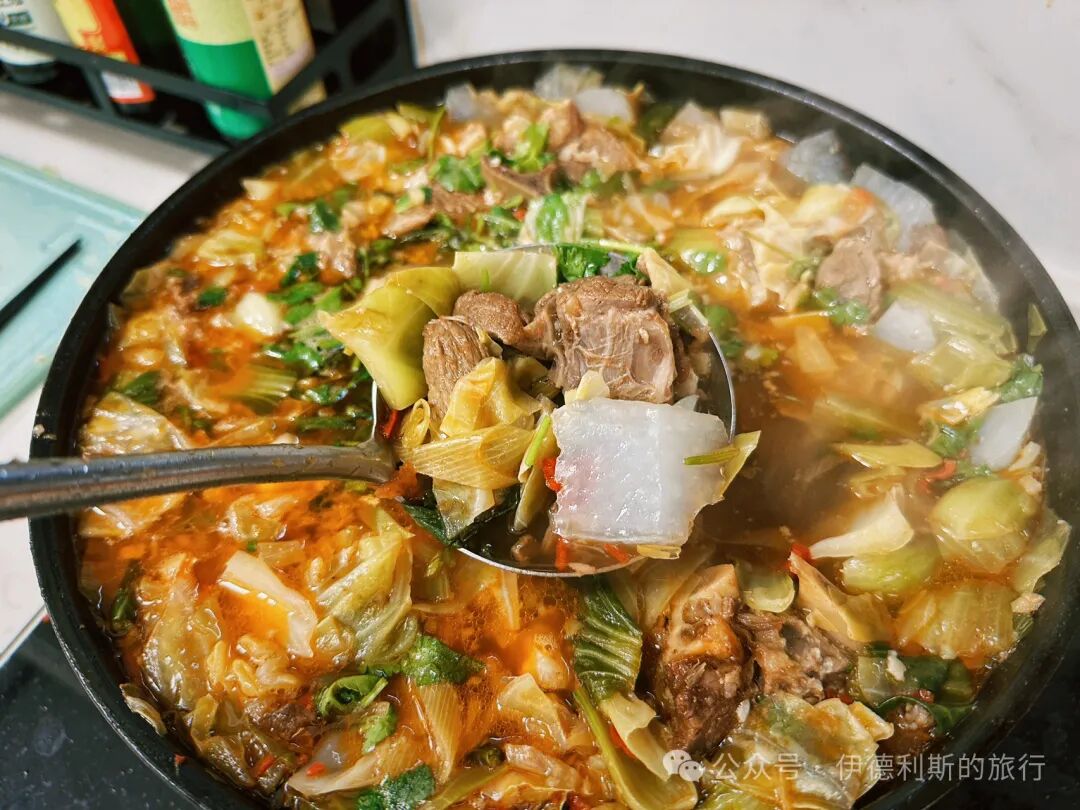
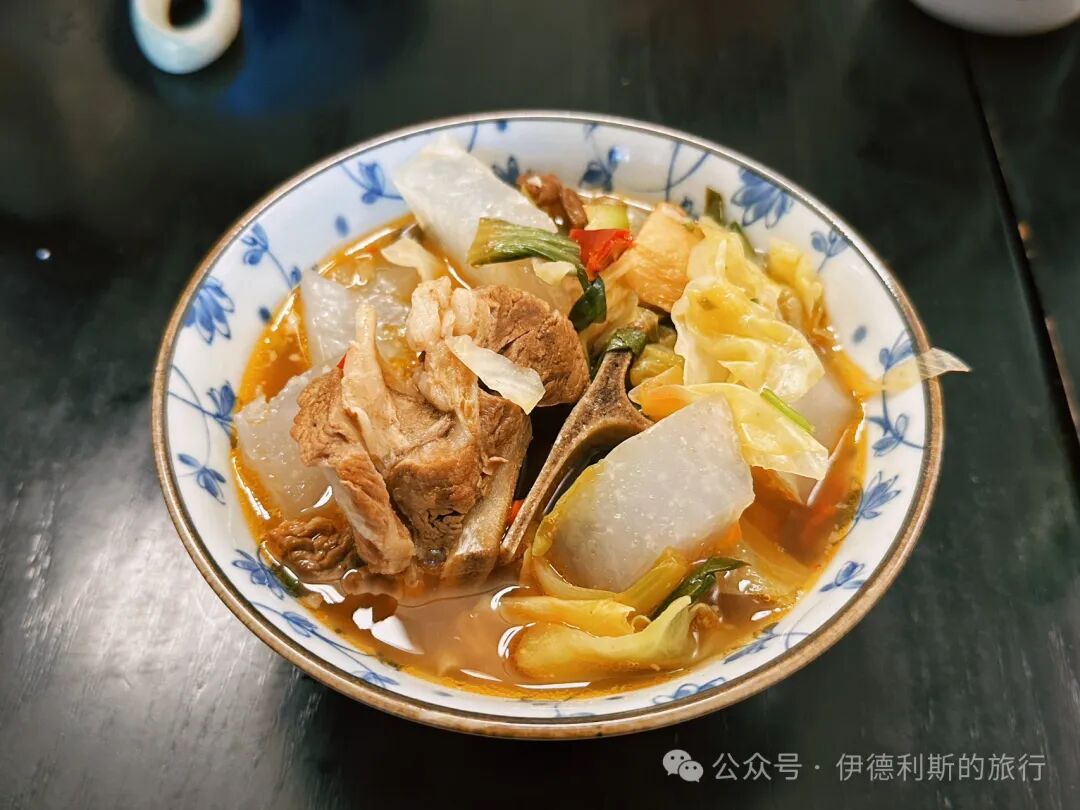
I came home after work and had some noodle soup (fen tang). On this day, all Xinjiang Hui Muslims make festive noodle soup. They prepare pea starch in advance and then cook braised lamb chops. Stir-fry meat slices, cabbage, greens, and tomatoes, add water, then mix in the braised lamb chops and starch cubes to finish. One bowl is simply not enough. It tastes best when served with fried dough (youxiang). view all
Summary: This article records Eid al-Fitr celebrations in Beijing from the viewpoint of a Muslim traveler. It keeps the original scenes, prayers, food, people, and photographs while avoiding extra commentary not found in the Chinese source.
Because of a bad pollen allergy, fasting this year was very difficult. My brain often felt like it was shutting down in the afternoon. After keeping at it, I finally finished my duties and welcomed the noble Eid al-Fitr.
Before the Eid prayer, there are seven recommended acts (mustahabb). At dawn (fajr), I made sure to eat one thing, so I ate a date. I performed the full ritual wash (ghusl), brushed my teeth, put on clean clothes before leaving, lit some incense (balan xiang), recited the takbir quietly on the way to the mosque, and paid my zakat al-fitr upon entering.
This year, I went to the Balizhuang Mosque just like in previous years. By seven in the morning, the mosque was already full of friends (dosti). There were international friends, brothers visiting Beijing from other places, local residents of Balizhuang, and the elders who broke their fast at the mosque every day during Ramadan.
The mosque had already prepared meat porridge, fried dough (youxiang), and various pastries and fruits. To make the meat porridge, you must crush the oil out of beef or lamb bones a day in advance, remove the bone fragments, and then simmer it with barley kernels. Drinking a bowl on the morning of Eid al-Fitr is very comforting for the stomach.
Beijing-style fried dough (youxiang) is made with leavened dough. It puffs up when fried and becomes very fluffy. After draining the oil, you should tear it apart to eat it.
After everyone caught up, chatted, and drank the good meat porridge, it was time for the ceremony of welcoming the imam to the main hall. Everyone held a stick of incense (balan xiang), followed the imam, recited the takbir, and walked slowly into the main hall.
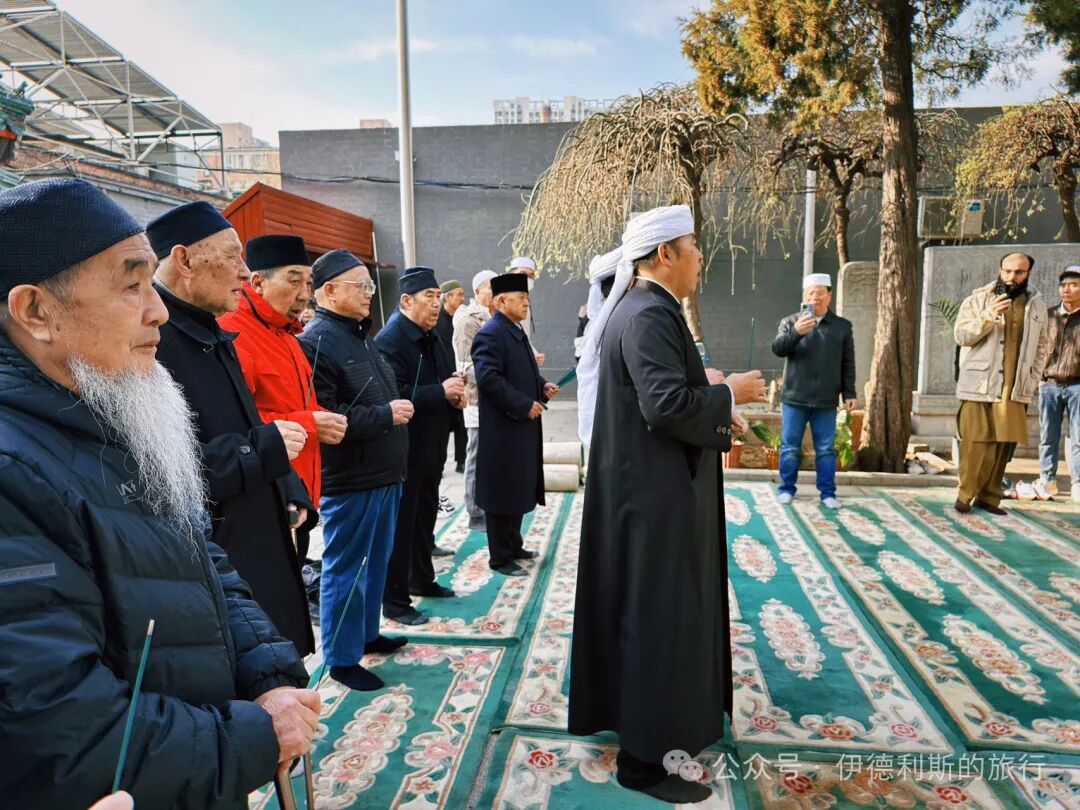
After entering the hall, we began the opening scripture recitation, which consisted of the eighteen traditional surahs (suole) of North China. Each person in the front recited one surah, and the last person recited the Al-Fatiha and the first five verses of Al-Baqarah.
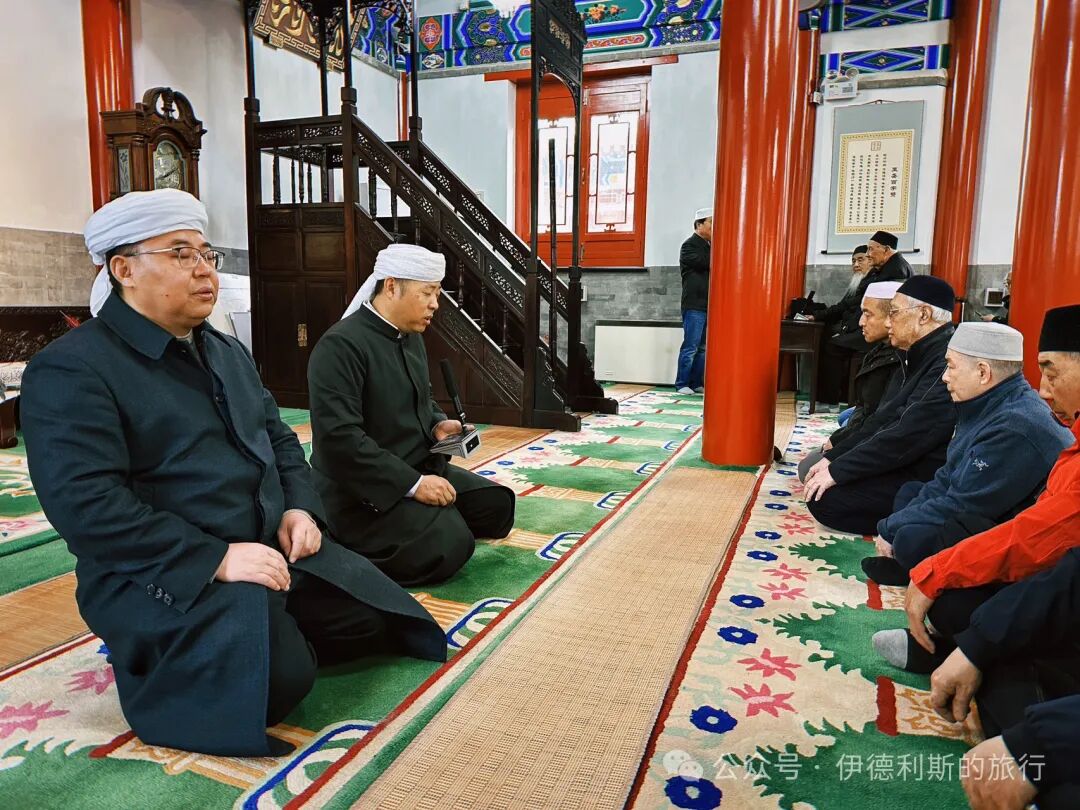
After the scripture reading, Imam Yang gave a sermon (wa'z) about the meaning of Eid al-Fitr, encouraged good deeds, warned against evil, and explained the procedure for the Eid prayer.
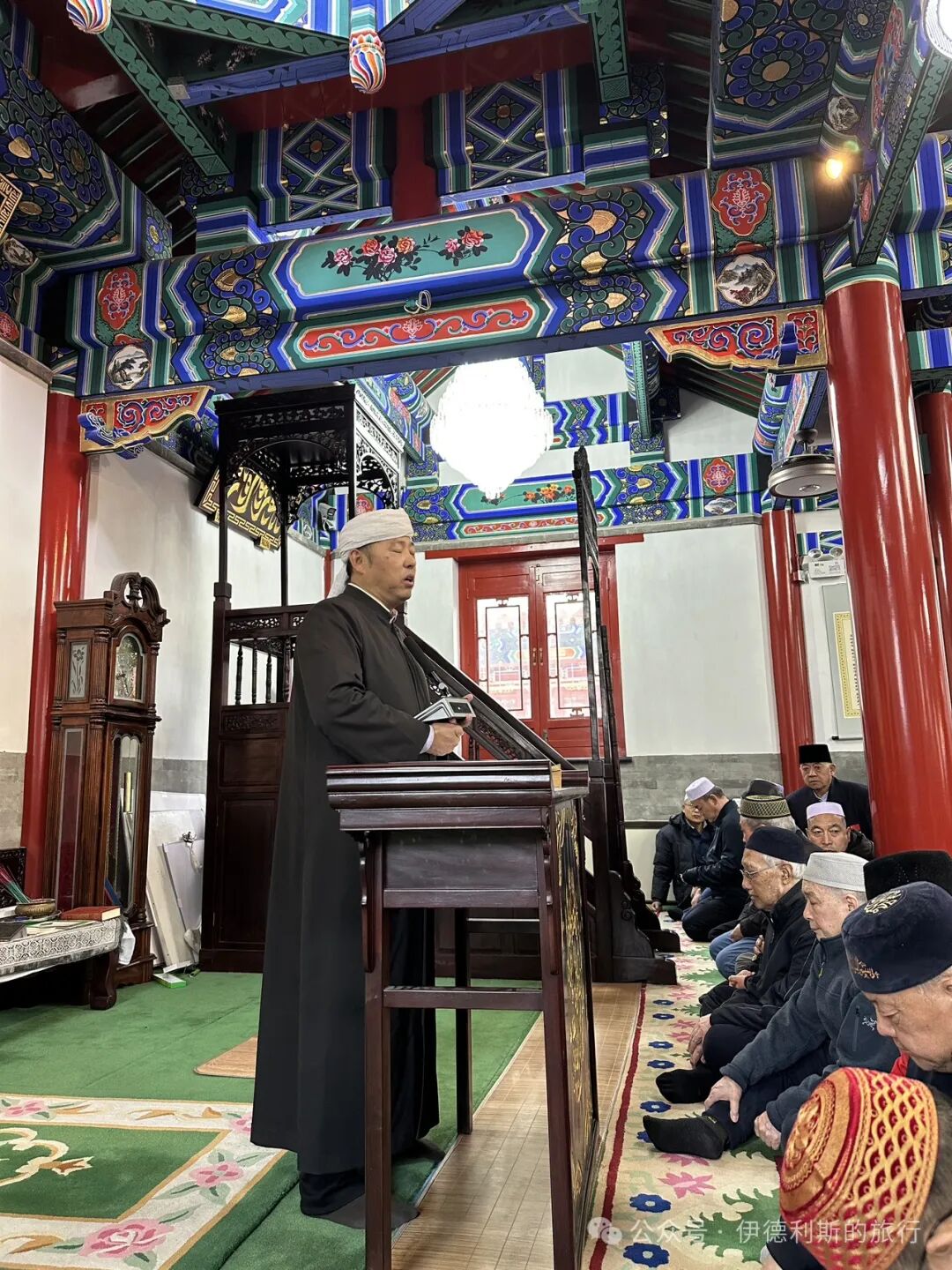
Then, we began the two-unit (rak'ah) Eid prayer. After the prayer, Imam Jin stood on the pulpit (minbar), held a wooden staff (al-asa), and recited the sermon (khutbah). Then we prayed four units of voluntary prayer (nafl). After finishing, we recited Al-Fatiha twice, followed by two duas. Finally, everyone gathered in a circle to shake hands. In North China, it is customary to recite blessings upon the Prophet (salawat) while shaking hands, while some friends from other places say 'salam' when shaking hands.
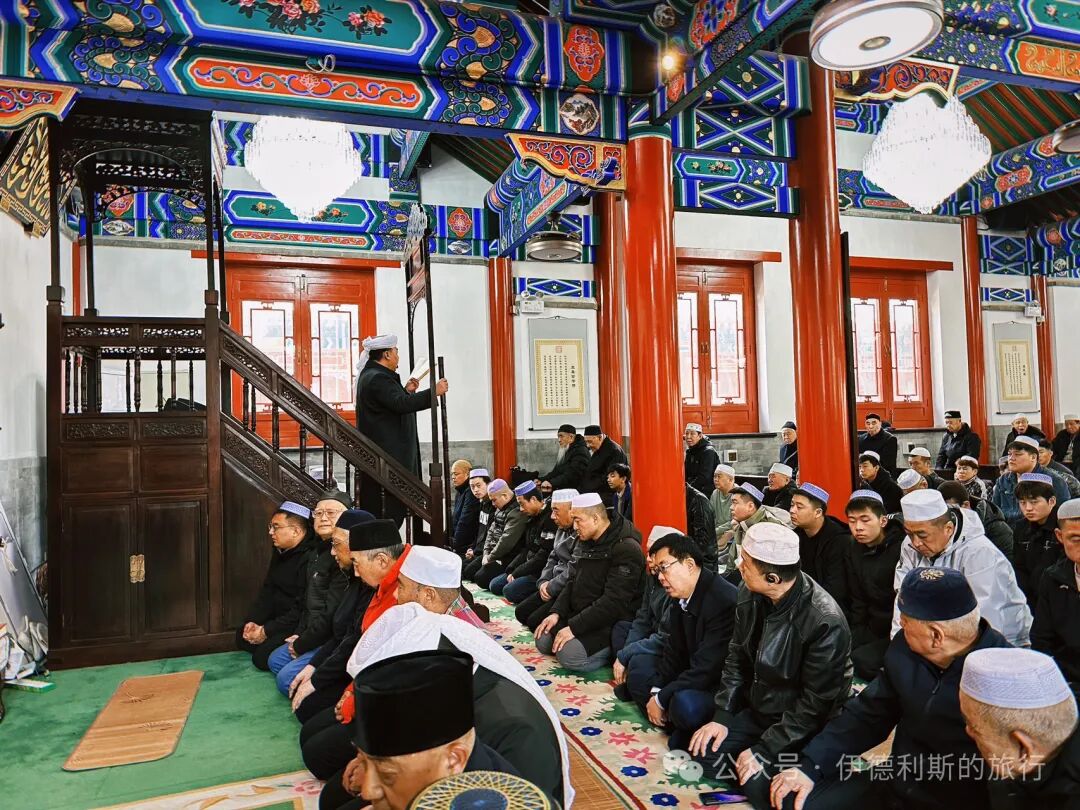
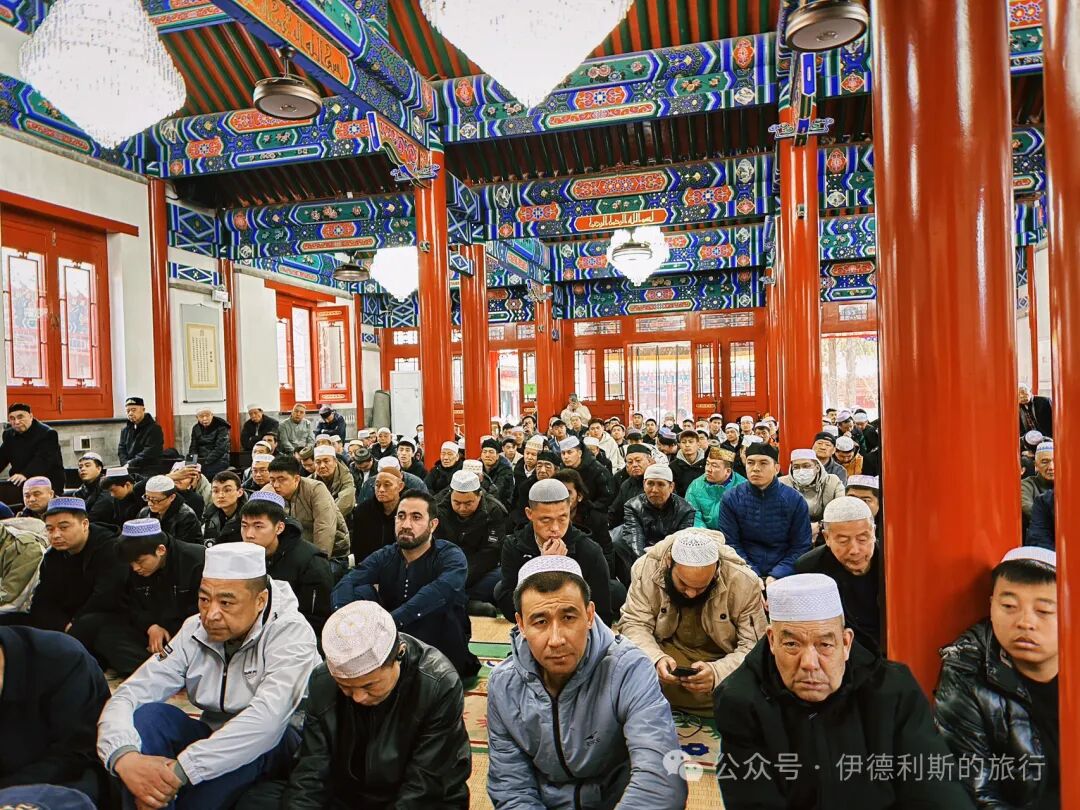
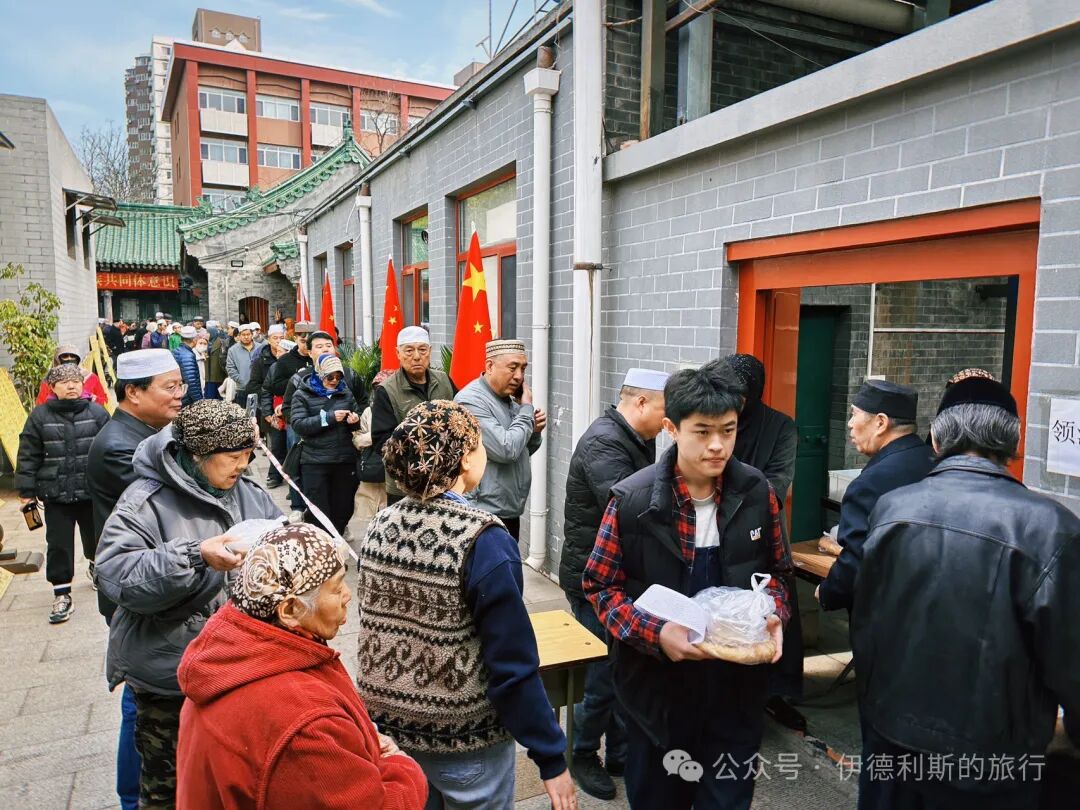
When the prayer ended, everyone lined up at the door to receive meat porridge and fried dough (youxiang). After that, we went out to the vegetable market near the mosque to buy ingredients for making starch noodle soup (fen tang).
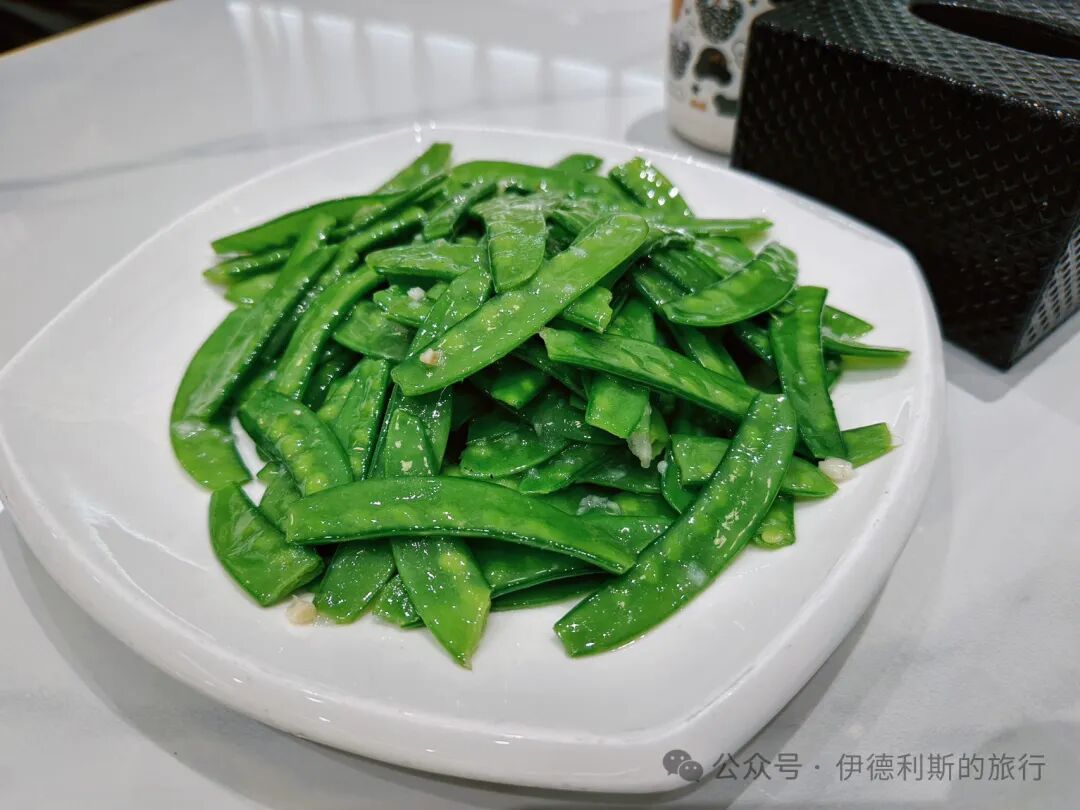
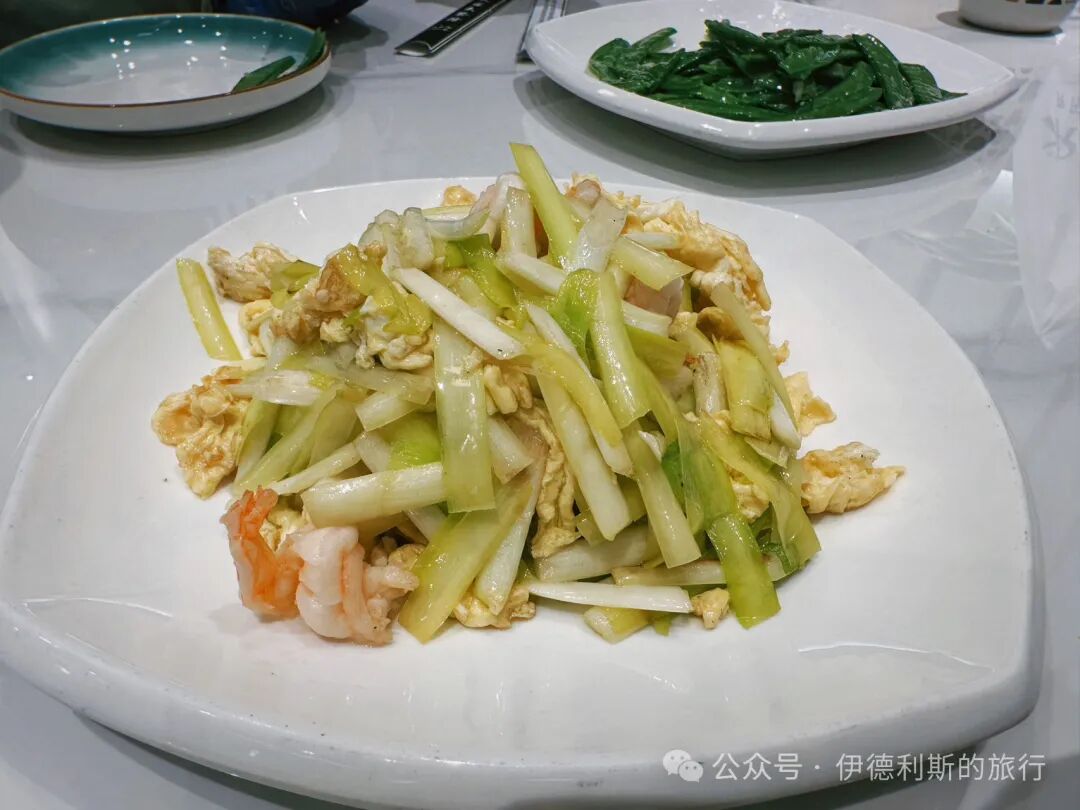
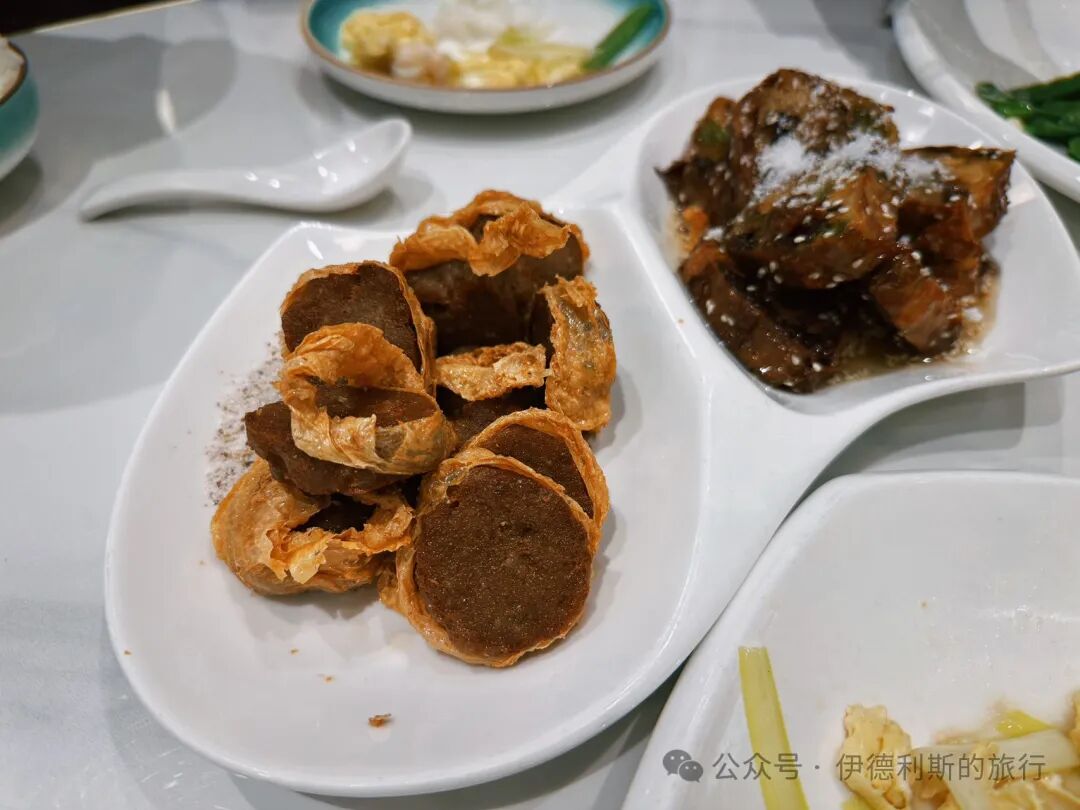
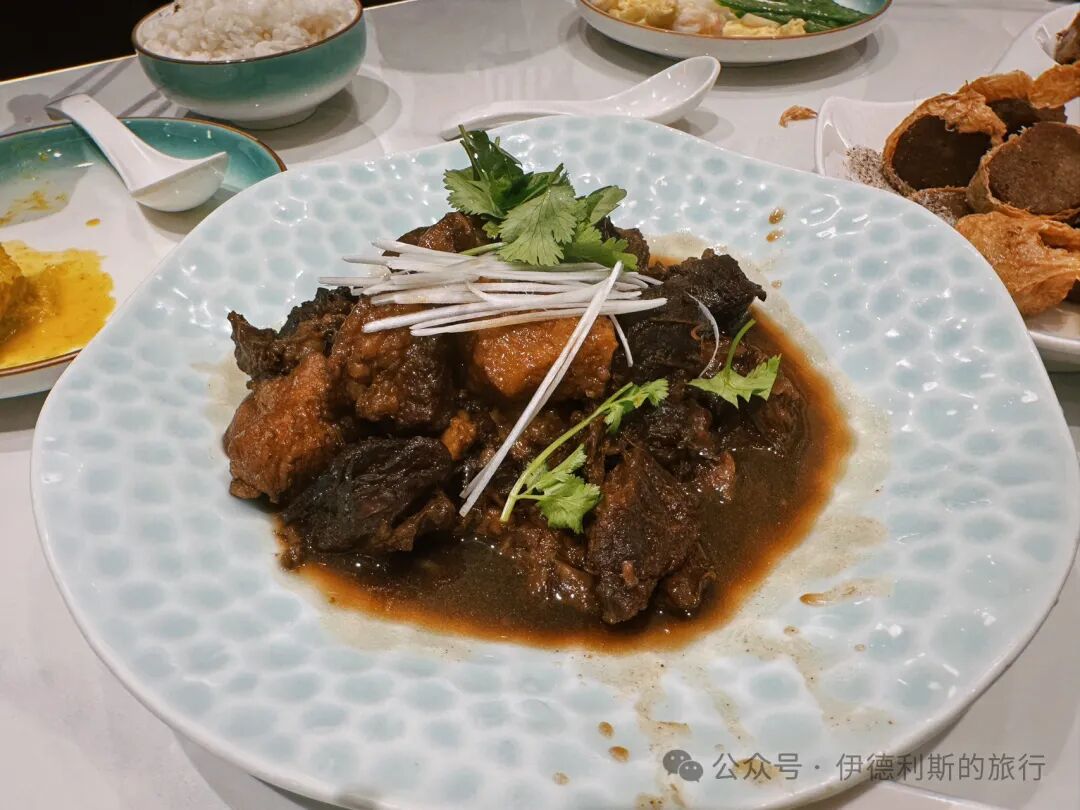
After leaving the mosque, we went to Tiankelai at Jintai Road intersection for a meal. We ordered stir-fried eggs with yellow chives and shrimp, snow peas with garlic, mustard-marinated cabbage (jiemodun), a platter of savory and sweet fried yam rolls (juan-guo), slow-cooked beef (wei niurou), and roast duck. The stir-fried dishes are not pre-made, so you can ask them to leave out sugar or MSG. The slow-cooked beef was very tender, and my family loved it. The mustard-marinated cabbage was very pungent and a great appetizer. The roast duck is roasted to order. We waited an hour for it, but it tasted pretty good.
There are not many traditional Beijing-style stir-fry restaurants around the East Fourth Ring Road, so it is impressive that the old Niujie brand Tiankelai opened a branch here. The restaurant is right next to Jintai Road subway station. It is not crowded on weekday lunchtimes, and the environment is nice. The only regret is that many dishes on the menu were marked as unavailable, perhaps due to the chef, which limited our choices quite a bit.
We passed by the Longfu Mosque snack shop on Dongsi North Street.
I came home after work and had some noodle soup (fen tang). On this day, all Xinjiang Hui Muslims make festive noodle soup. They prepare pea starch in advance and then cook braised lamb chops. Stir-fry meat slices, cabbage, greens, and tomatoes, add water, then mix in the braised lamb chops and starch cubes to finish. One bowl is simply not enough. It tastes best when served with fried dough (youxiang).
Halal Travel Guide: Beijing Ramadan - Laylat al-Qadr and Eid al-Fitr
Articles • ali2007fr posted the article • 0 comments • 187 views • 2026-05-19 08:54
Summary: Halal Travel Guide: Beijing Ramadan - Laylat al-Qadr and Eid al-Fitr is presented here as a firsthand travel account in clear, natural English. The account focuses on Beijing Ramadan, Laylat al-Qadr, Eid al-Fitr while preserving the names, places, food, photos, and historical details from the Chinese source.
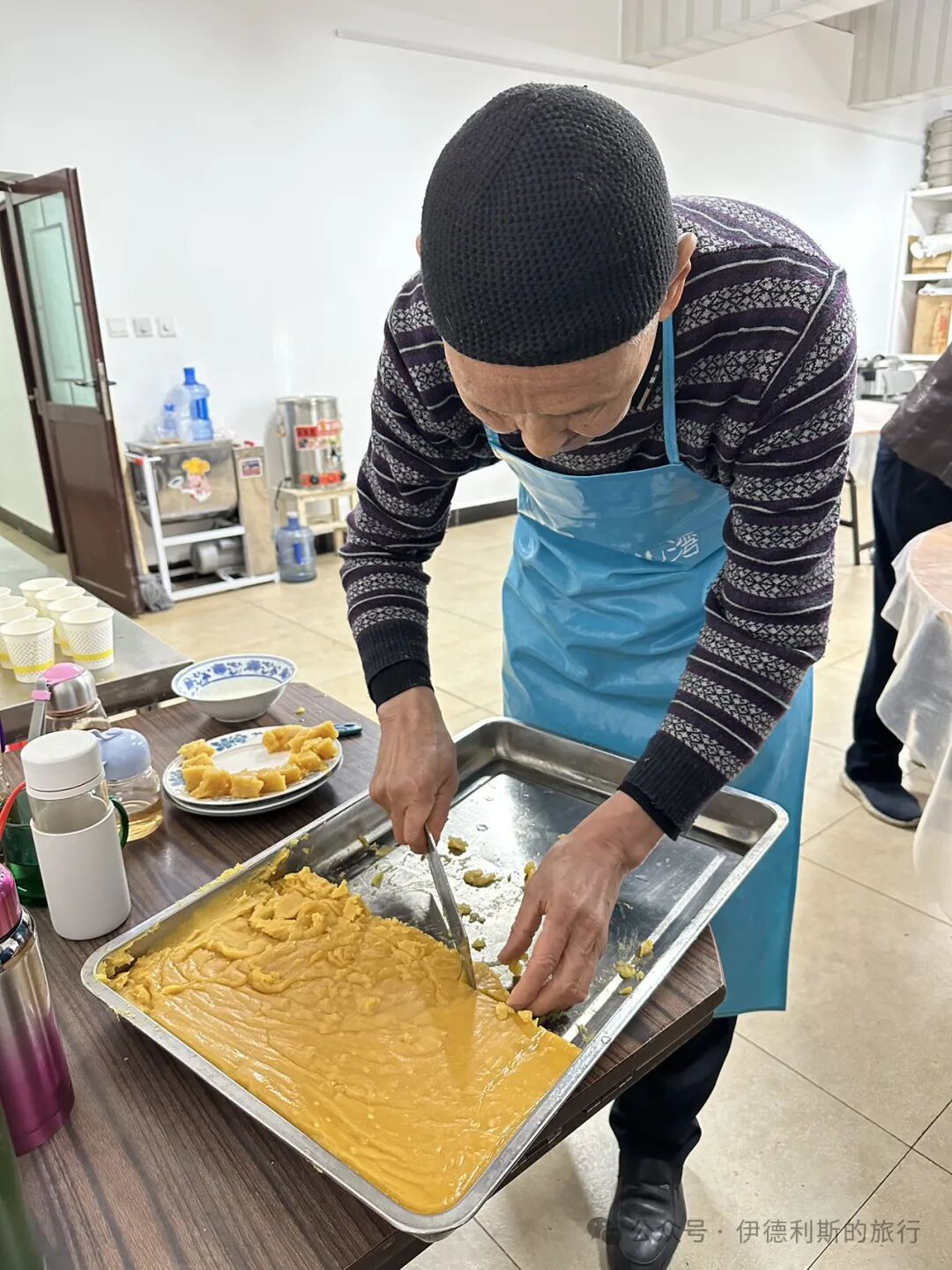
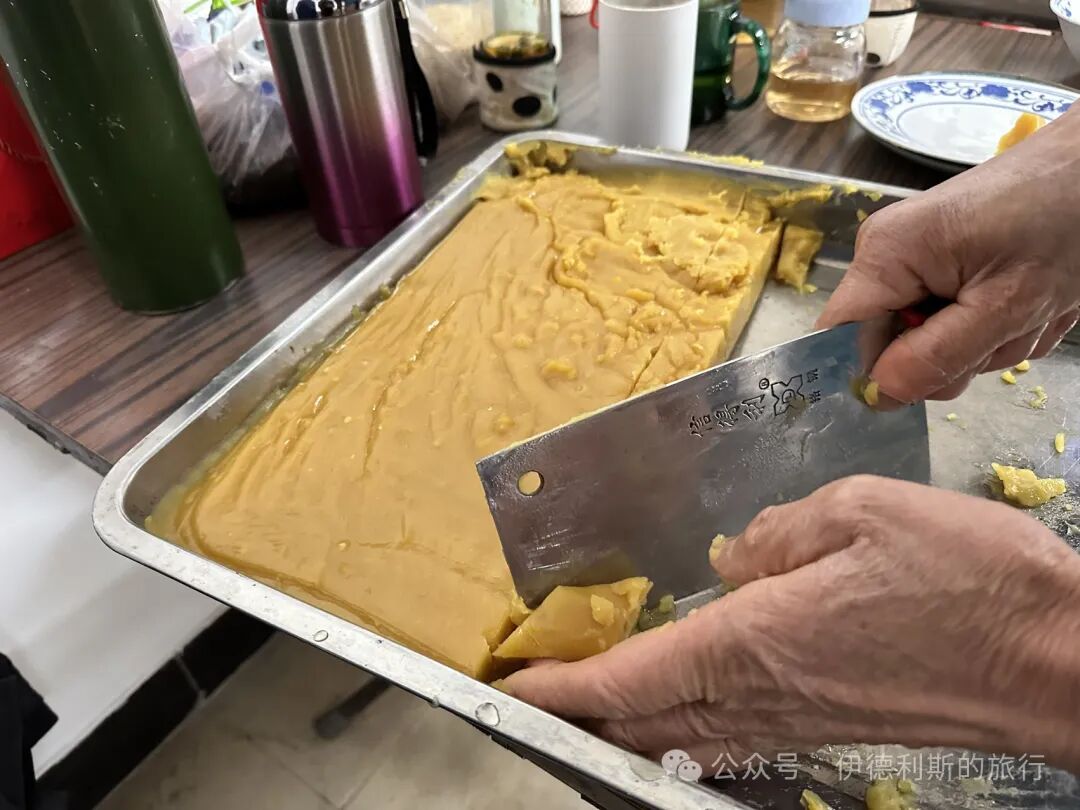
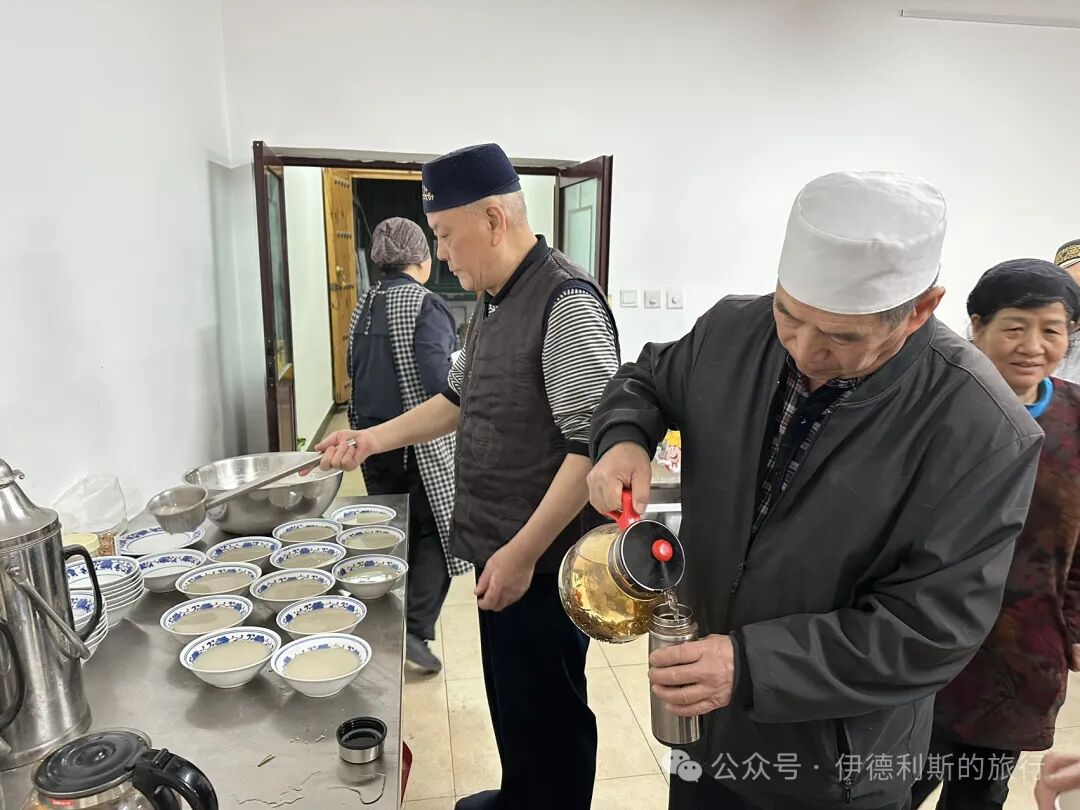
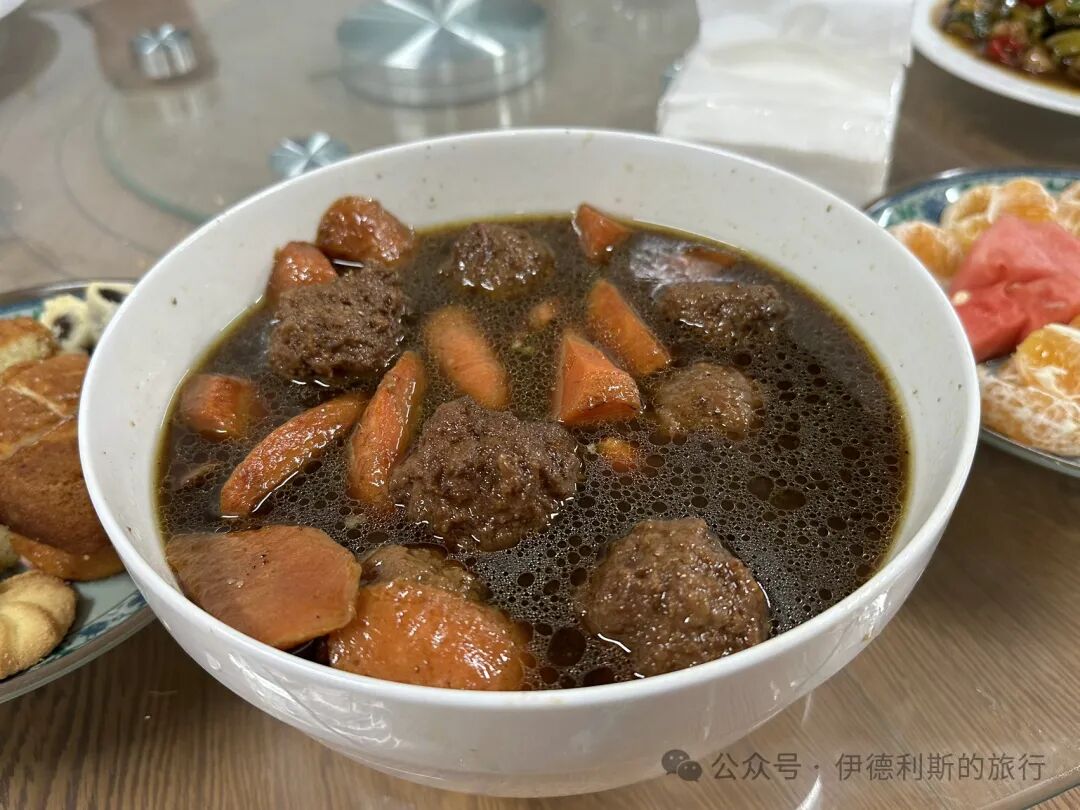
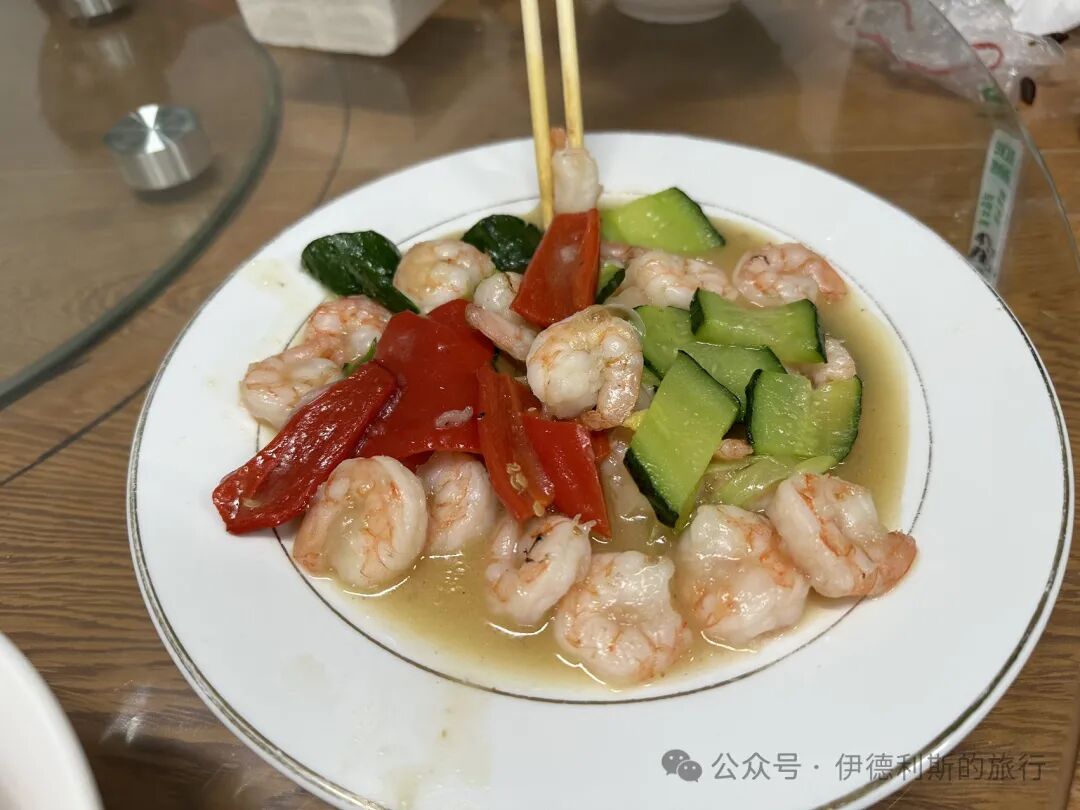
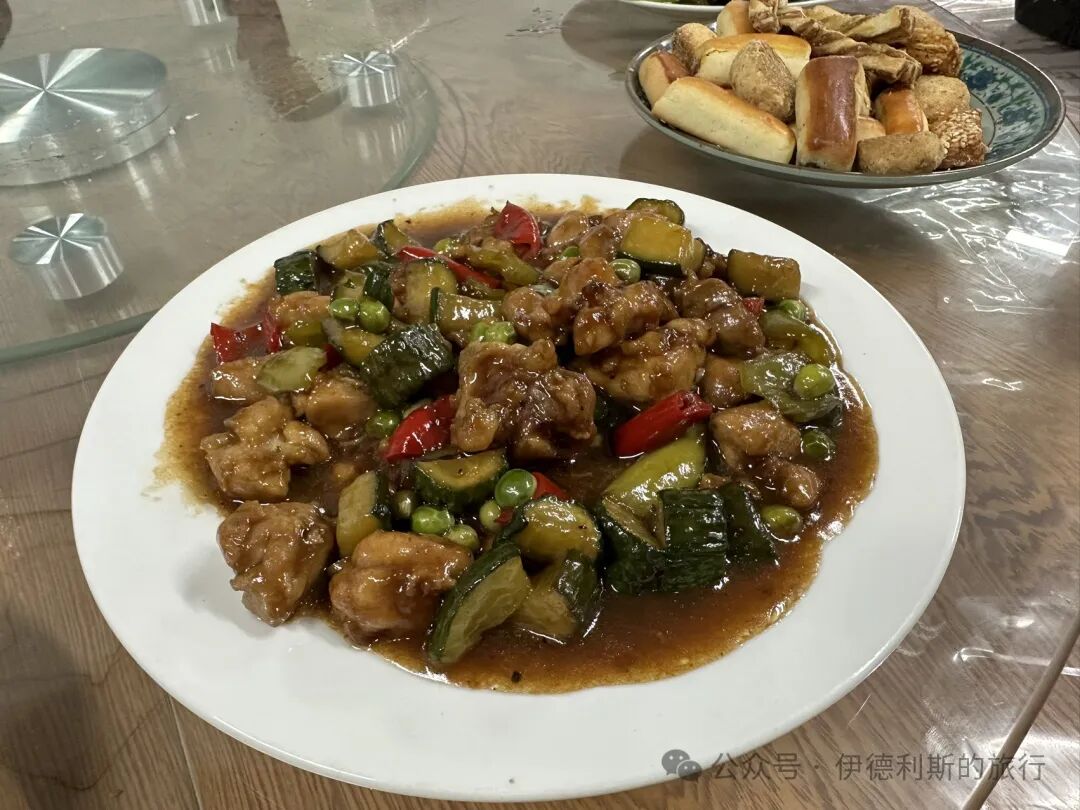
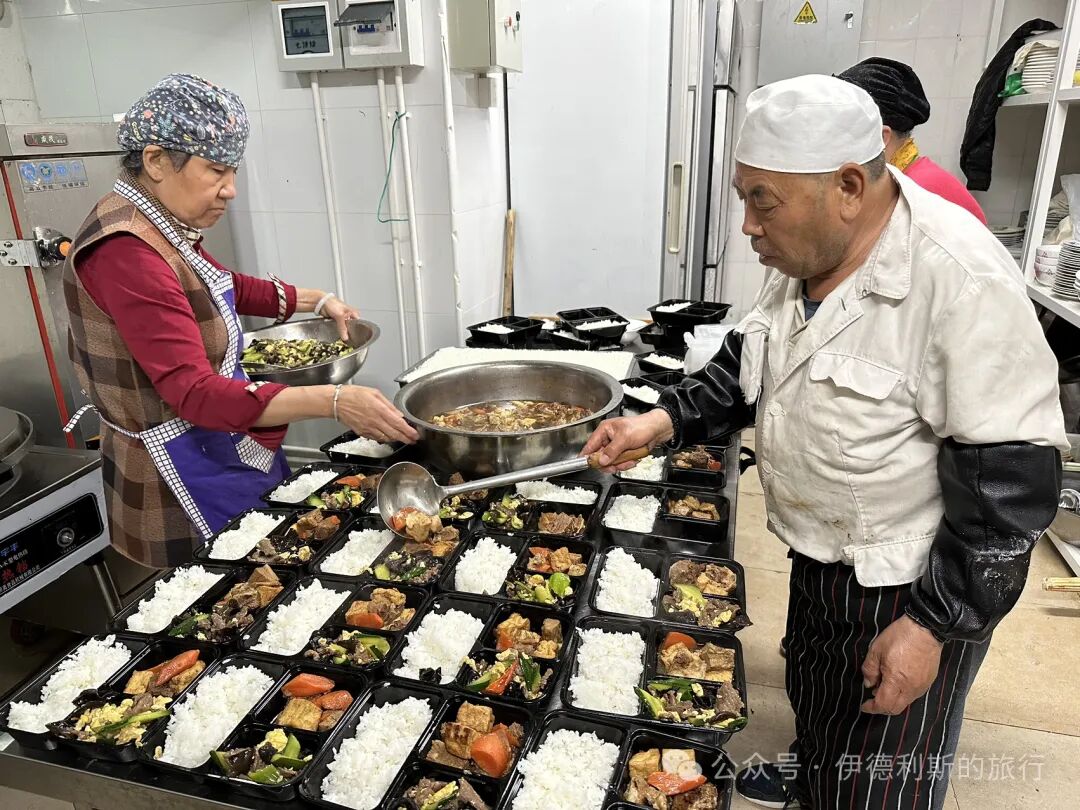
On the 22nd day, the elder at Balizhuang Mosque made fresh pea flour cake (wandouhuang). It is rare to eat it warm, and it tasted amazing. I broke my fast with the usual fermented mung bean milk (douzhier), paired with crispy fried dough strips (paicha) and fried milk. For the fast-breaking meal, we had braised meatballs with carrots, stir-fried shrimp, and chicken stir-fried in soybean paste. Thanks to the elders who worked hard to cook for us!
I spent the next few days in Xi'an to experience the atmosphere of Ramadan, only returning for the Night of Power (Laylat al-Qadr).
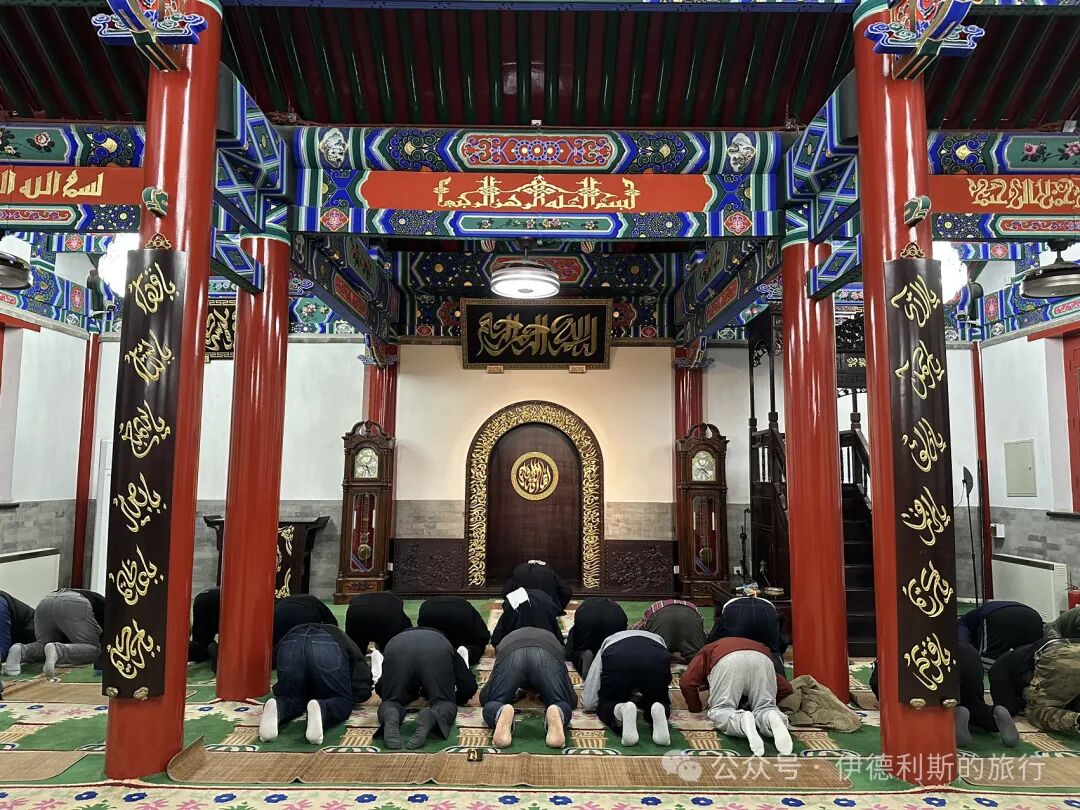
The noble Night of Power, a night of peace. Today was the busiest day at Balizhuang Mosque since the start of Ramadan. Many friends (dost) traveled from far away to be here. We also took a train from Xi'an to Beijing this afternoon and headed straight to the mosque.
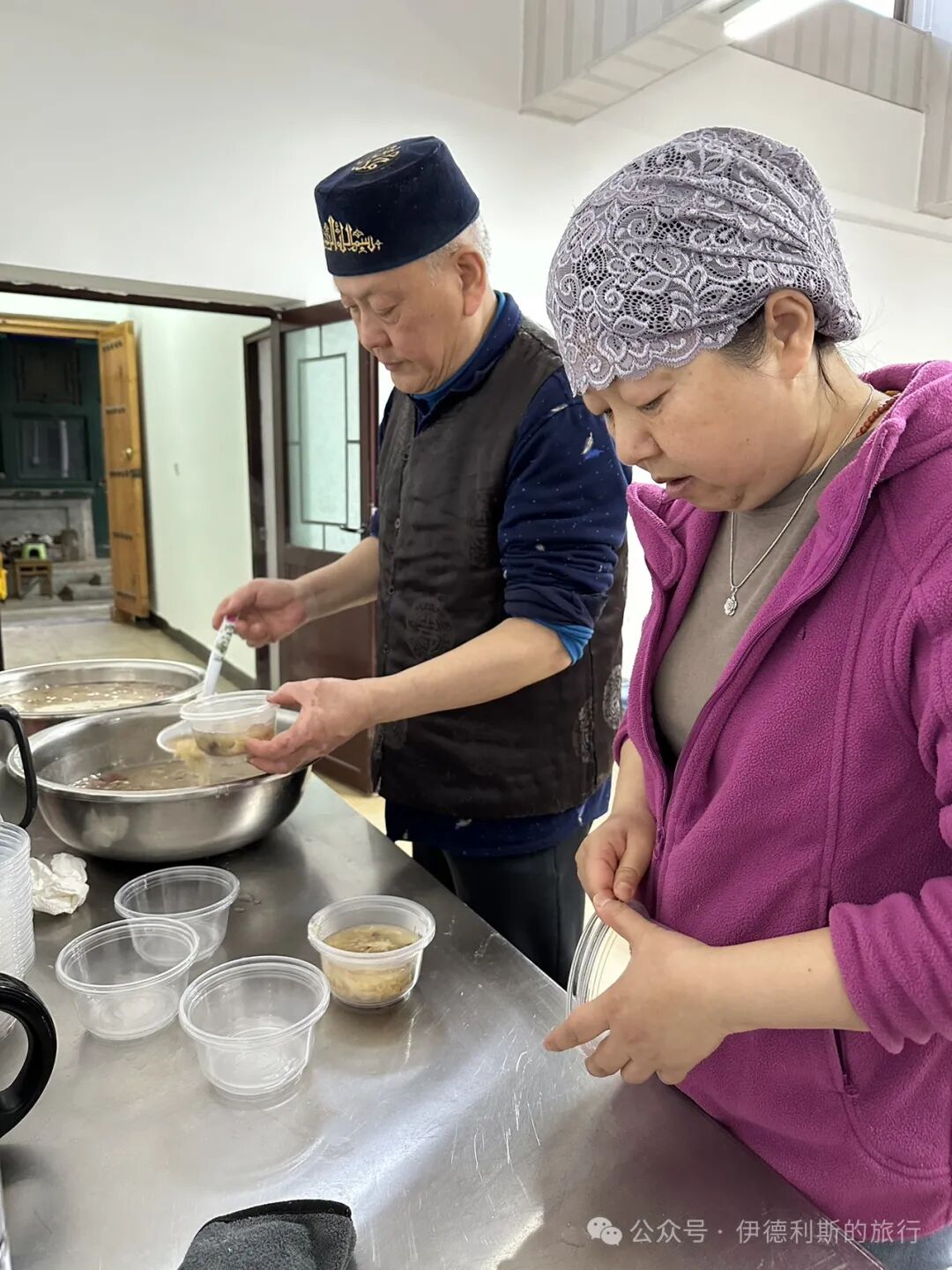
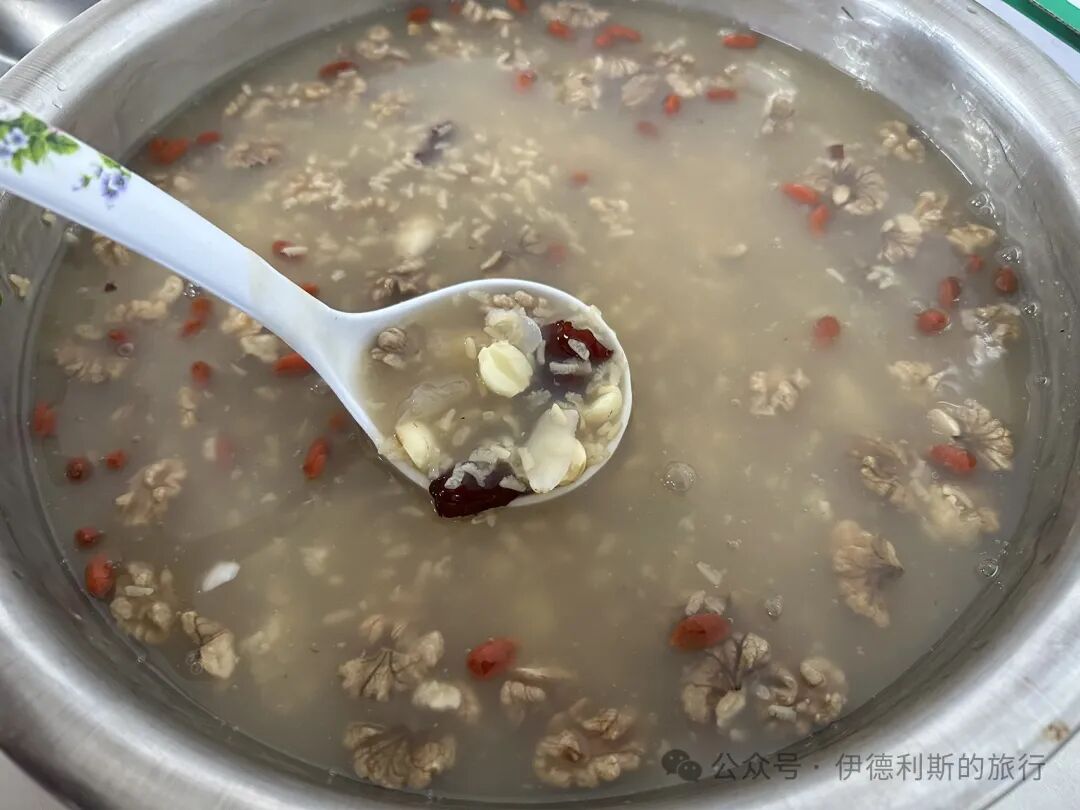
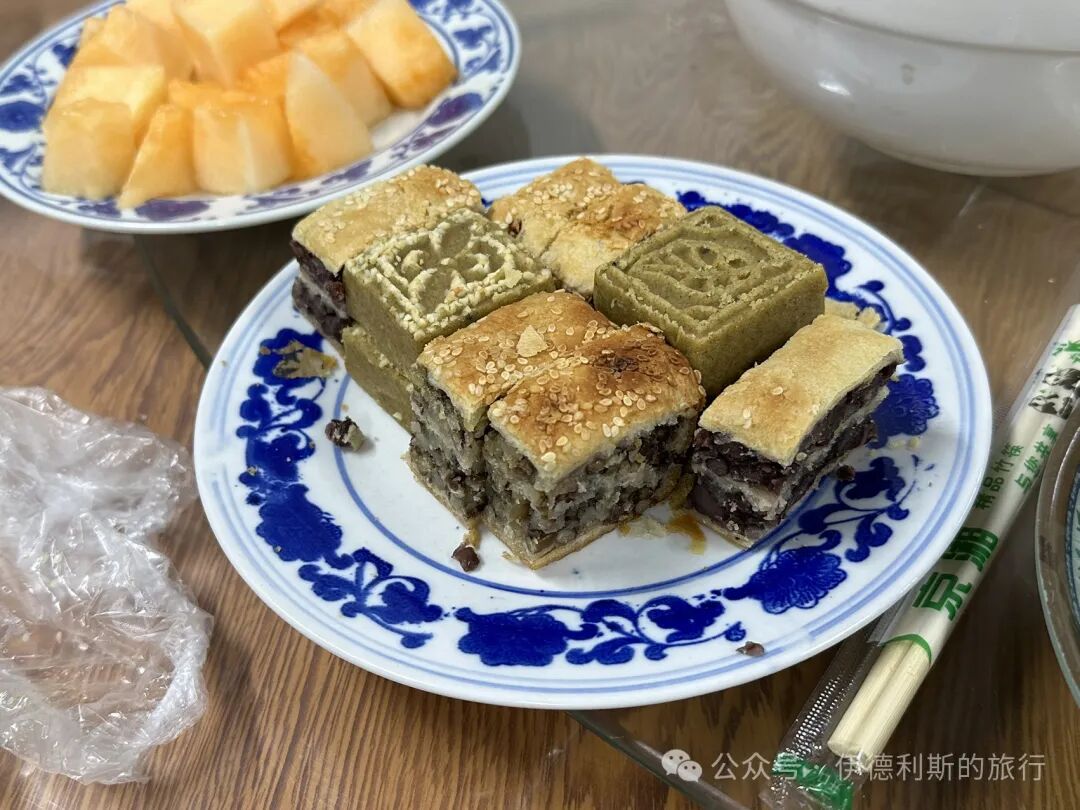
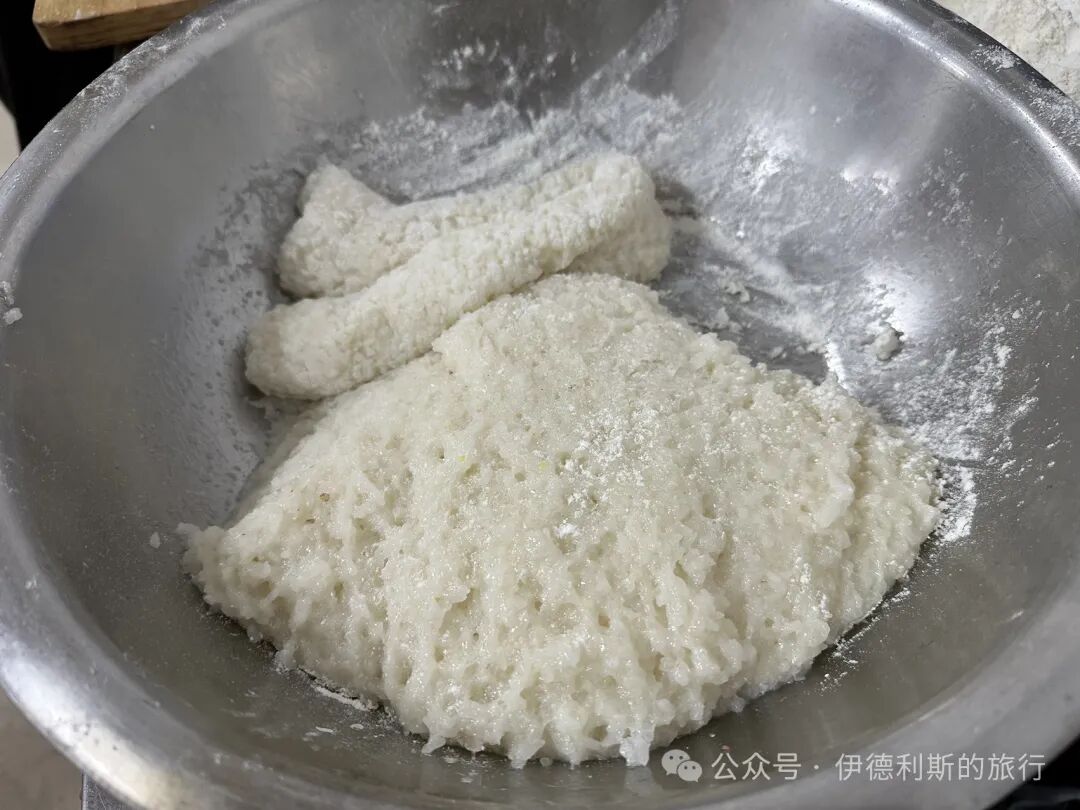
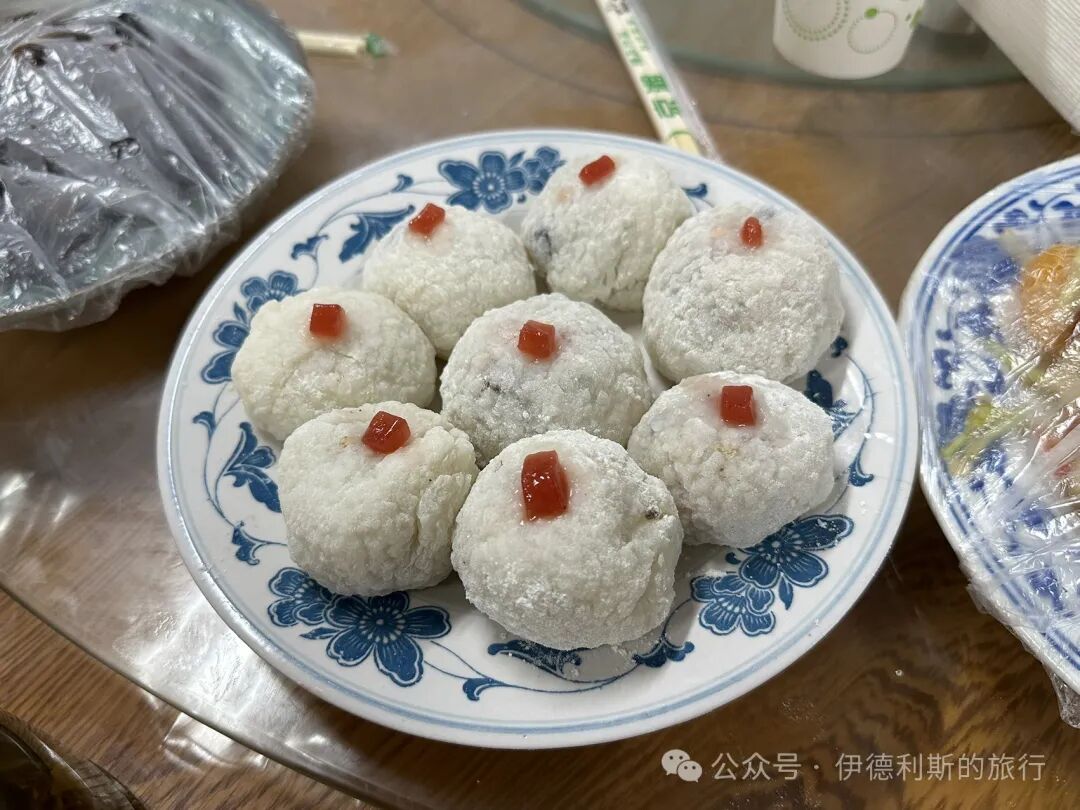
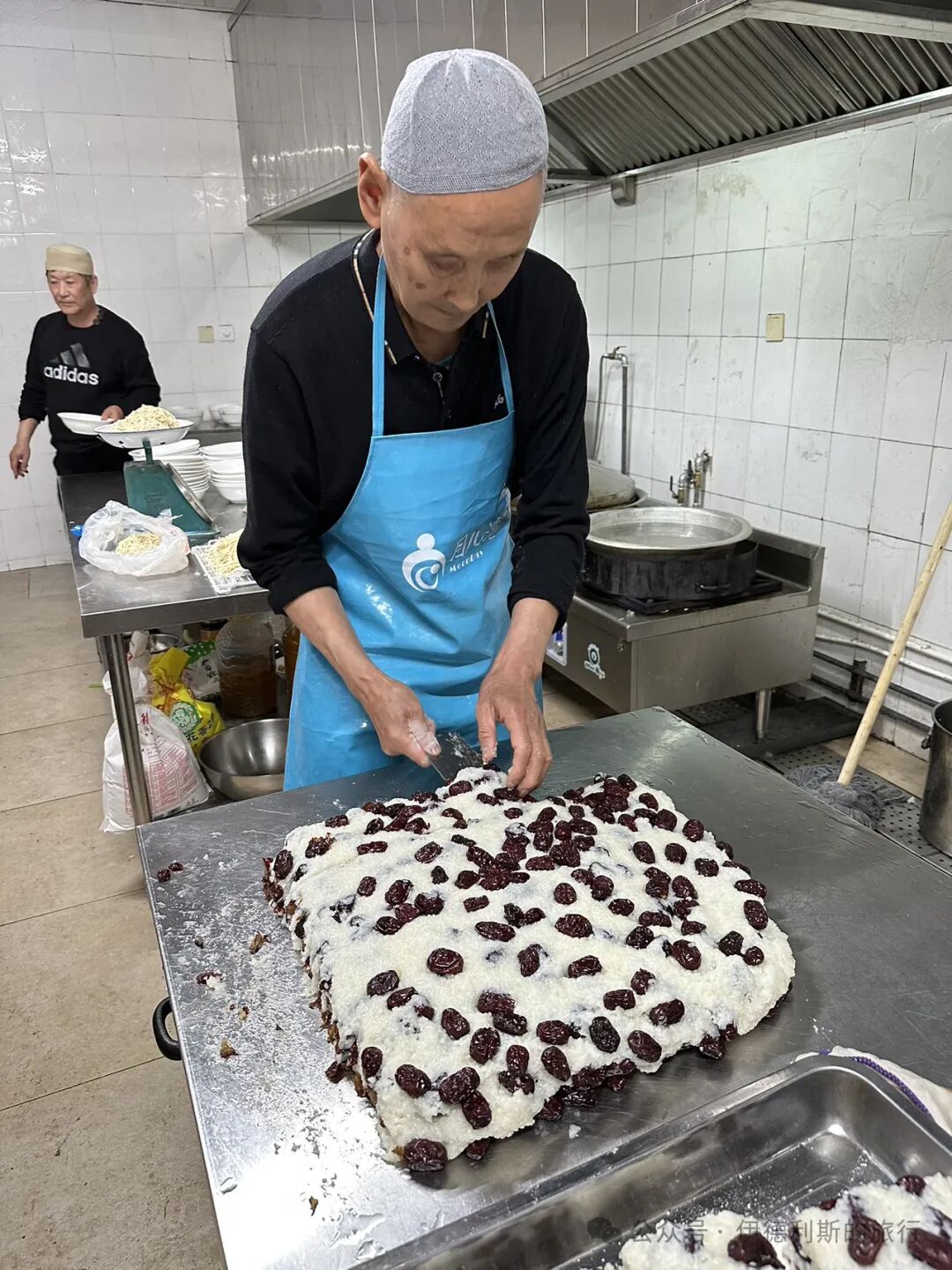
To break the fast, we had white fungus and lotus seed porridge. I also got to eat the steamed rice cakes (aiwowo) made by Elder Fu, along with mung bean cakes and flaky pastries that Zainab brought back from the Muslim Quarter (Huifang). The fast-breaking meal was very rich, featuring fried tofu stewed with beef, lamb bone broth (yangtang), and various stir-fried dishes.
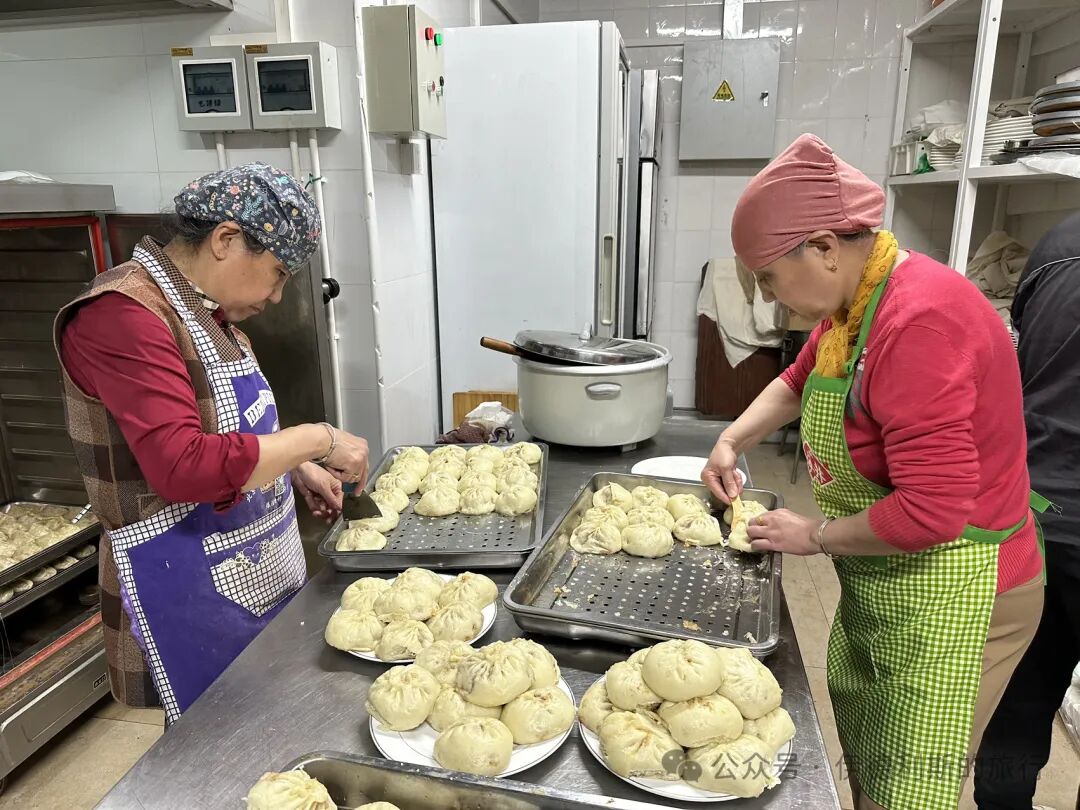
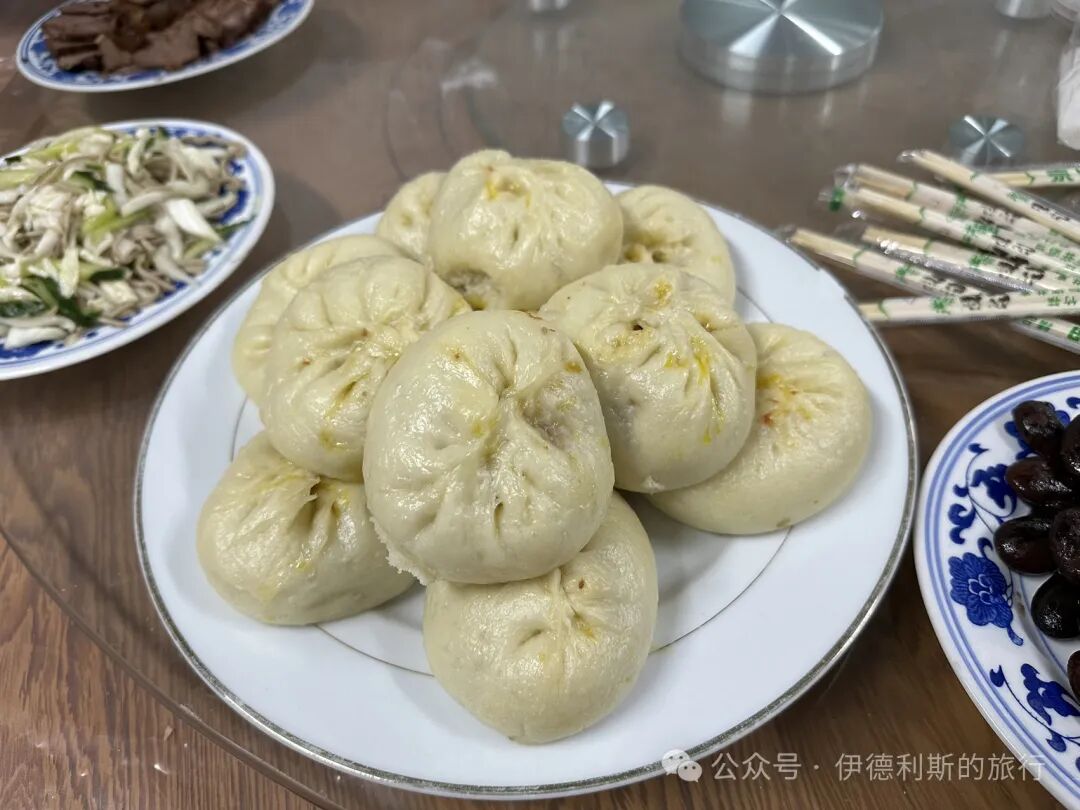
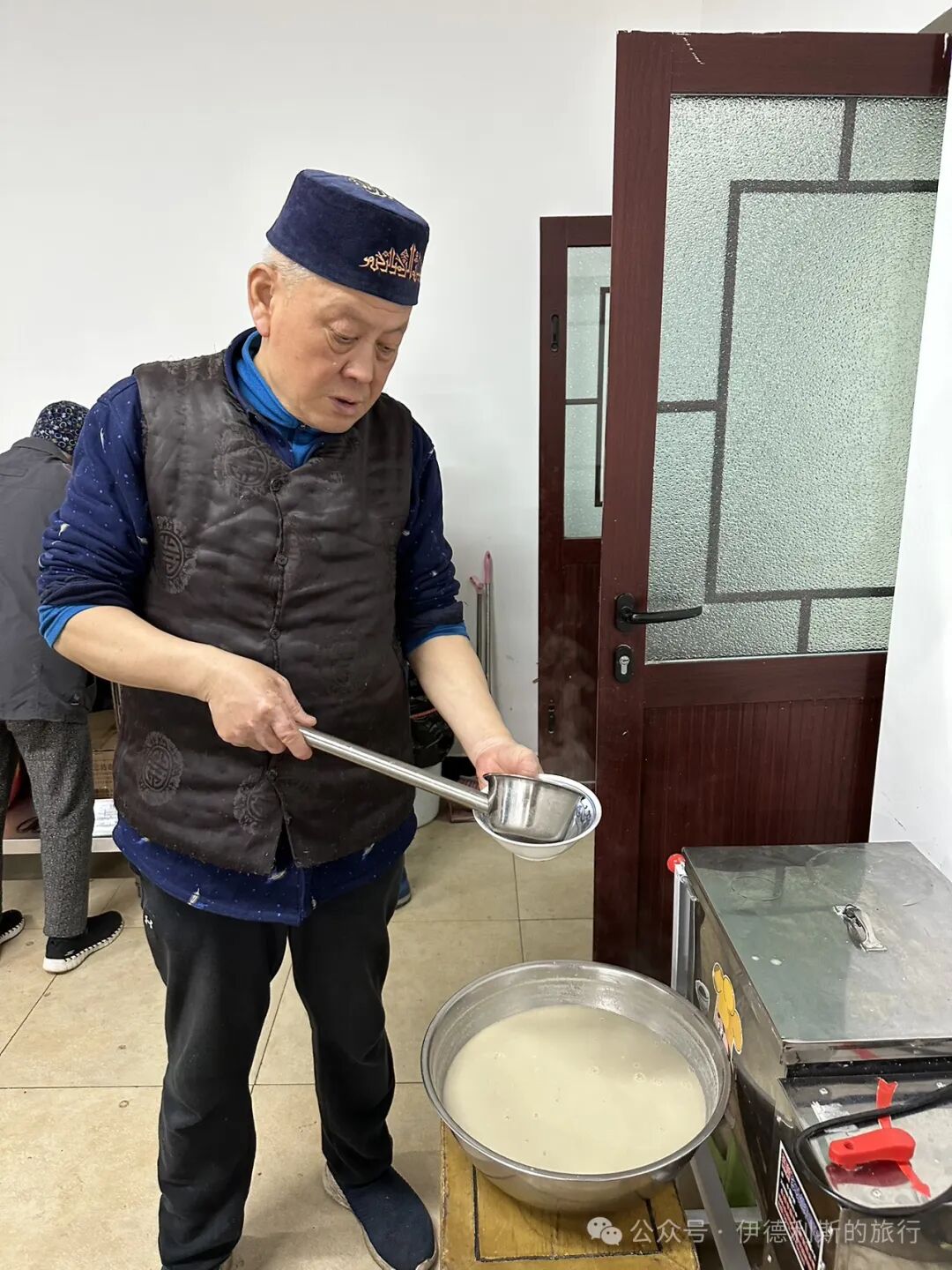
On the 27th day, we broke our fast at Balizhuang Mosque with fermented mung bean milk (douzhi) again. For the meal, we had large steamed buns (dabaozi) with carrot or cabbage fillings, made with either leavened or scalded dough. We all agreed that the carrot filling was better. The mix of sweet carrot flavor and savory meat was so appetizing.
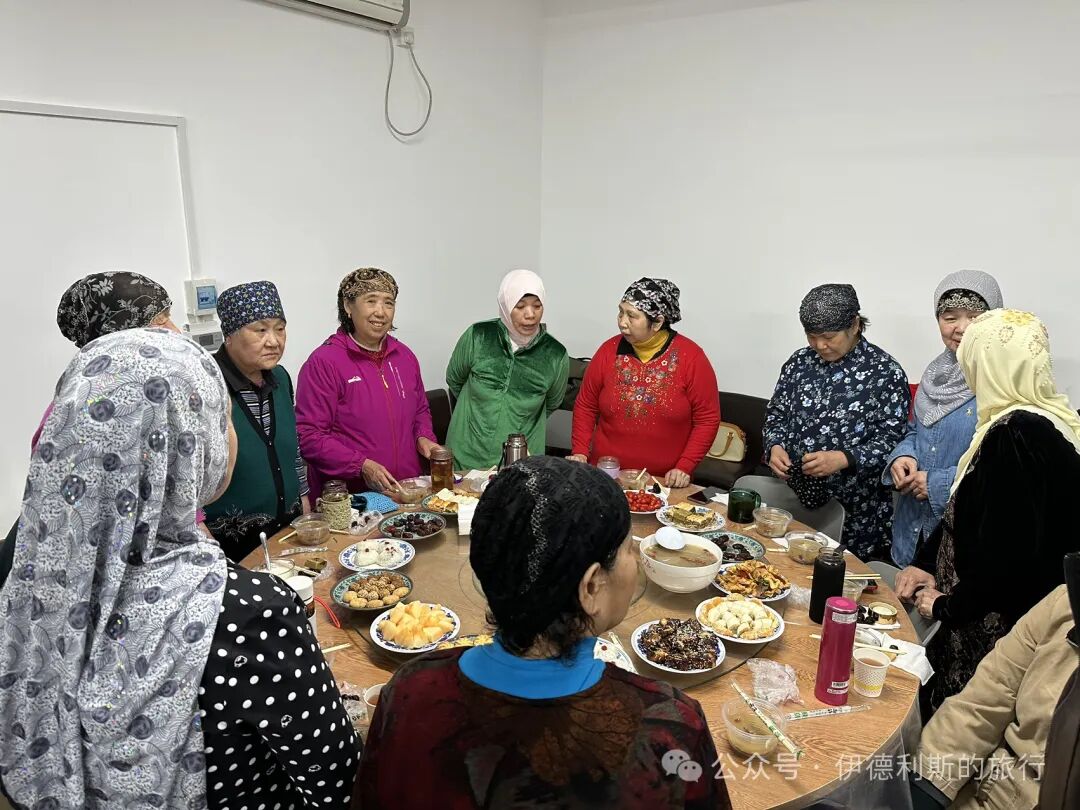
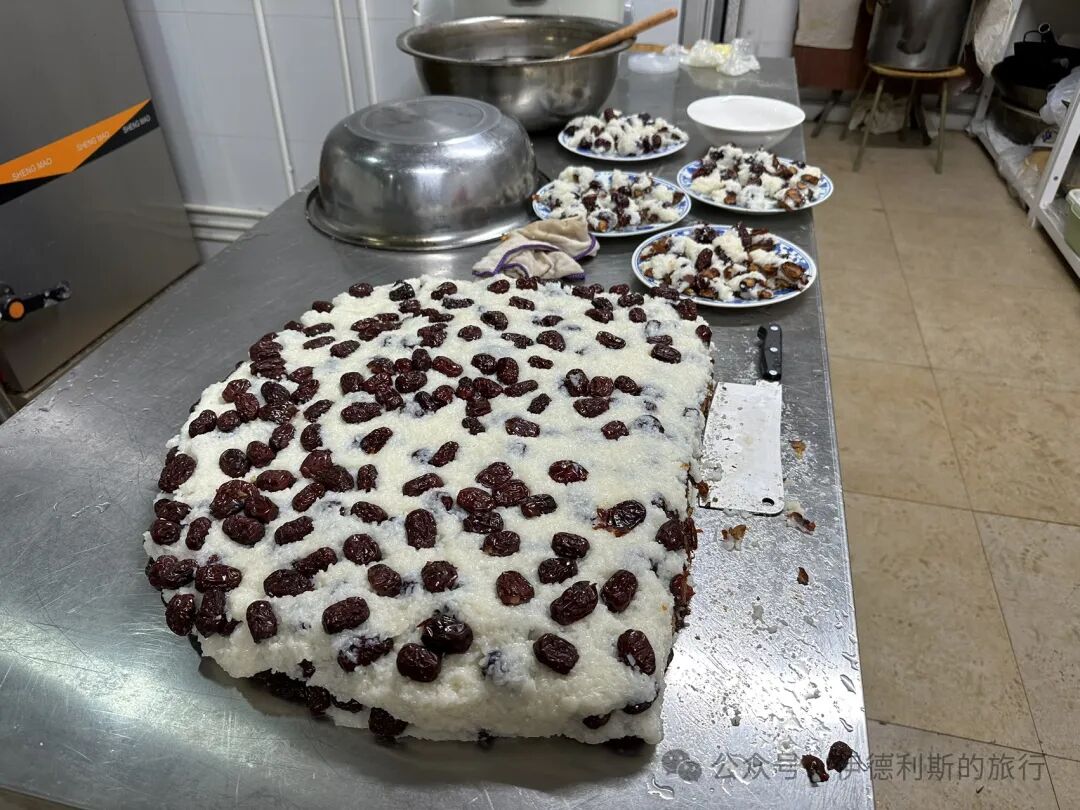
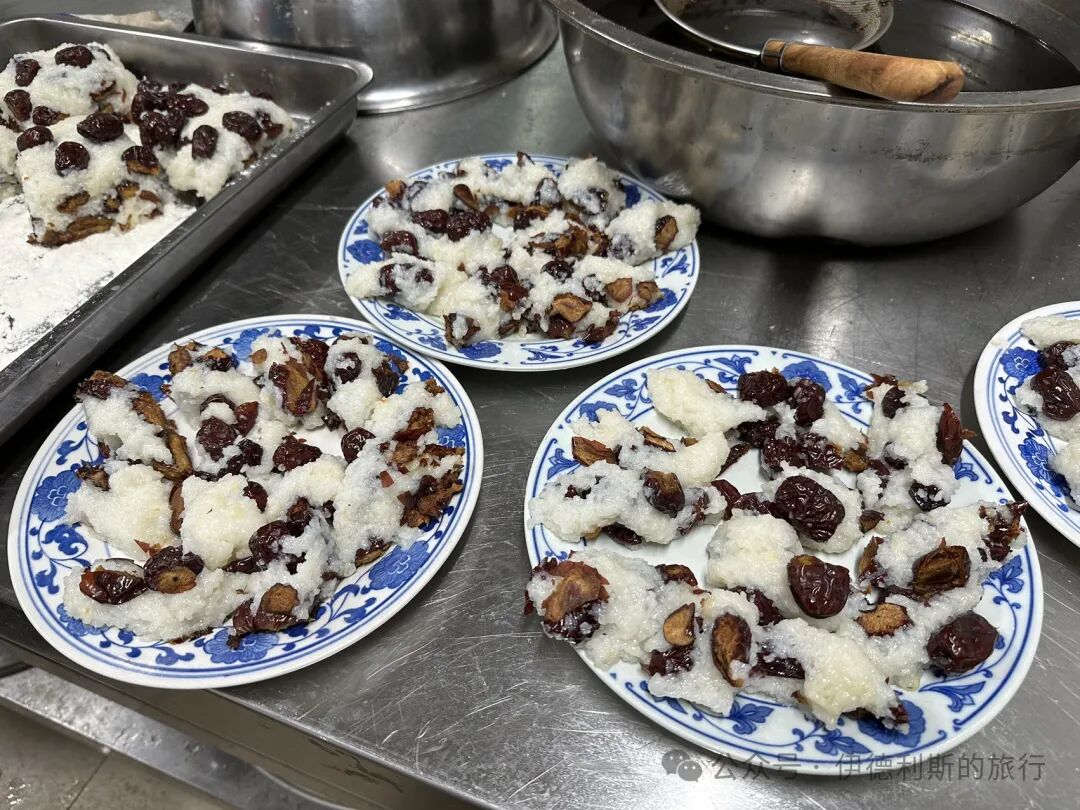
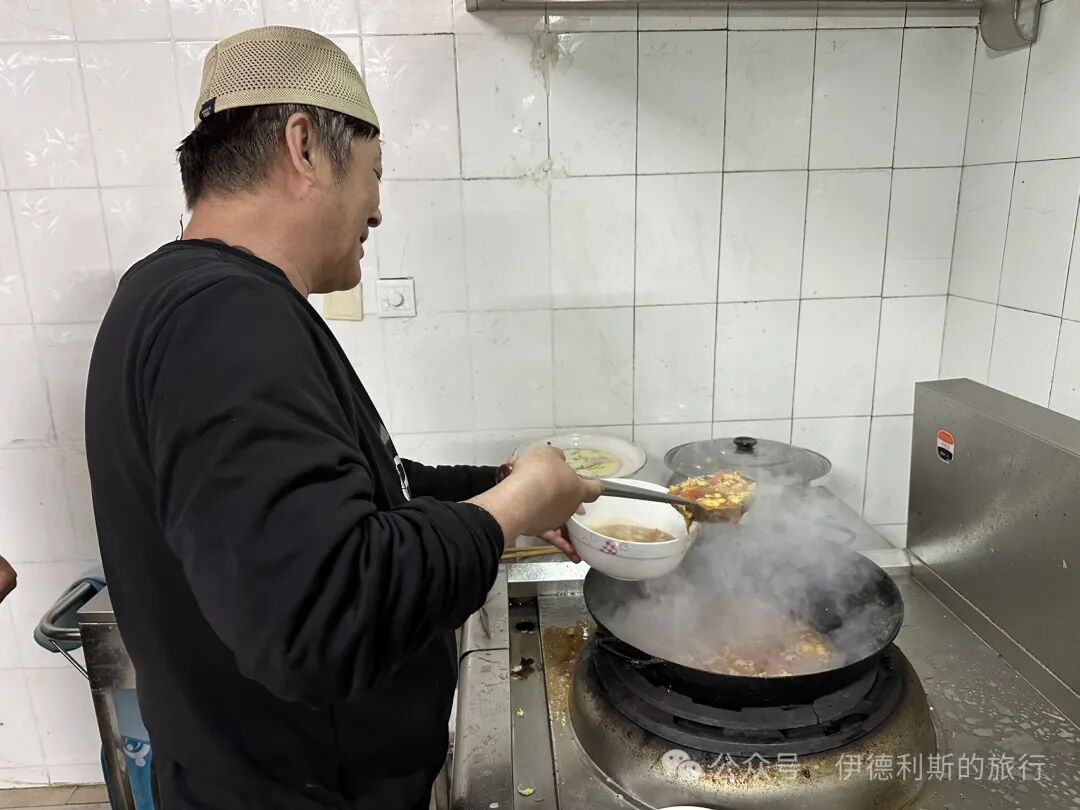
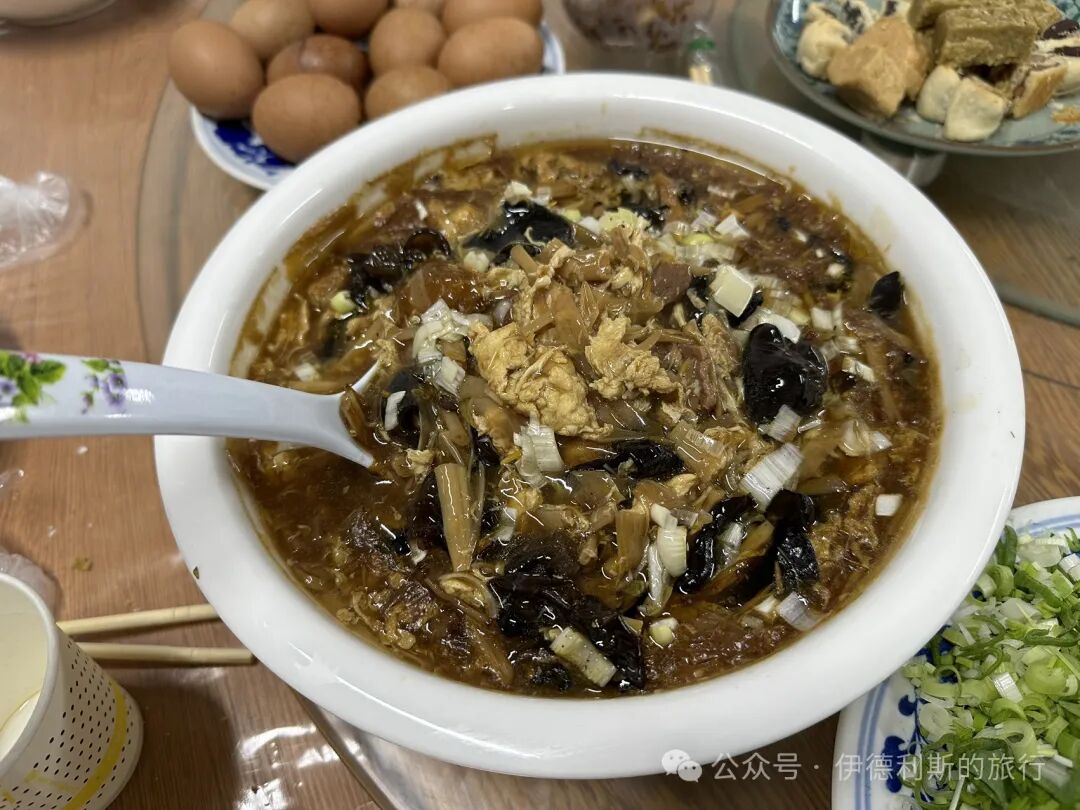
On the 28th day, we attended the final Taraweeh prayer of Ramadan. It was hard to say goodbye! Balizhuang Mosque was very lively. The elders were making steamed rice cakes (aiwowo) together, and Elder Li made some sticky rice cake (qiegao). We broke our fast with fermented mung bean milk (douzhi) as usual. The meal was noodle soup with thick sauce (dalu mian), featuring three types of toppings: daylily, tomato, and eggplant, plus various side vegetables. I started with two bowls of fermented mung bean milk and two cups of tea, then ate a big bowl of noodles. I was completely stuffed. I walked around the courtyard several times and only felt comfortable after the Taraweeh prayer finished.
I received charity (sadaqah) from the friends (dosti). May Allah reward you all (thawab)! This Ramadan has been so heartwarming!
It is the last day of Ramadan! The elders at Balizhuang Mosque gathered again to make steamed rice cakes (aiwowo), small sticky rice cakes (xiaoqiegao), and candied yam rolls (tangjuanguo), and everyone felt sad to see Ramadan end. Just like the sermon (wa'erzi) says, we must keep the spirit of Ramadan alive and try to make every month like Ramadan and every night like the Night of Power (Laylat al-Qadr).
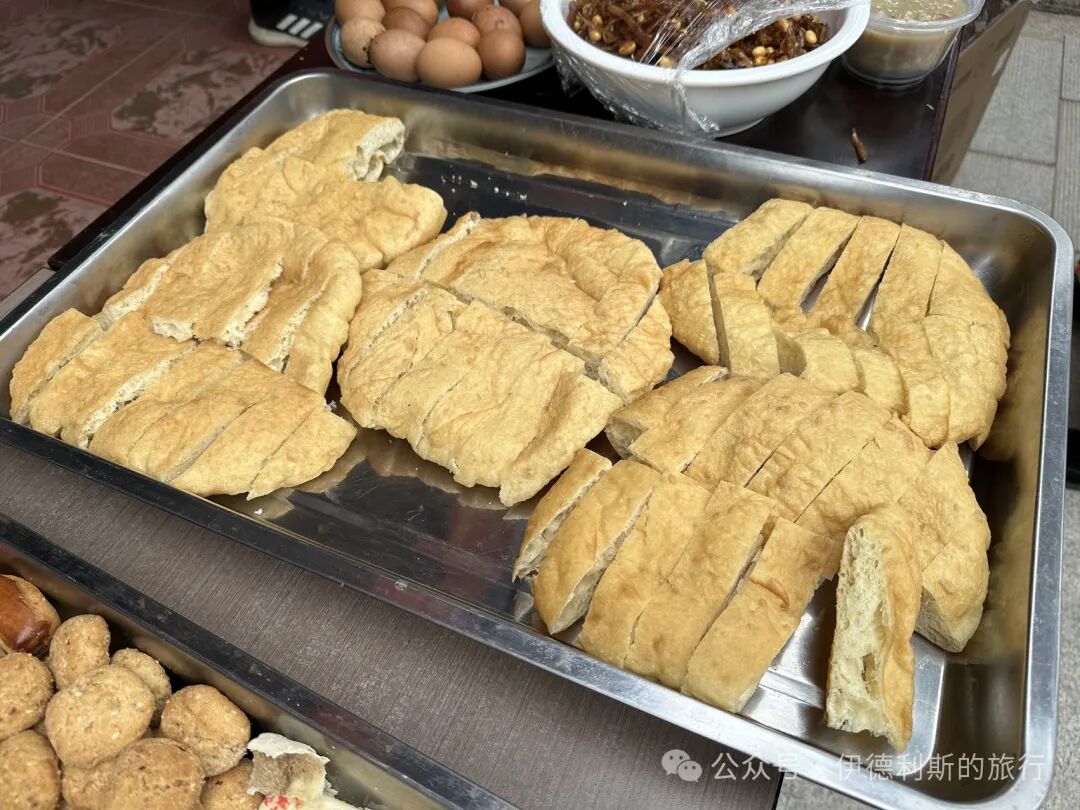
The elders at Balizhuang Mosque are busy preparing for Eid al-Fitr tomorrow, getting the meat porridge (rouzhou) simmering and the fried dough (youxiang) ready.
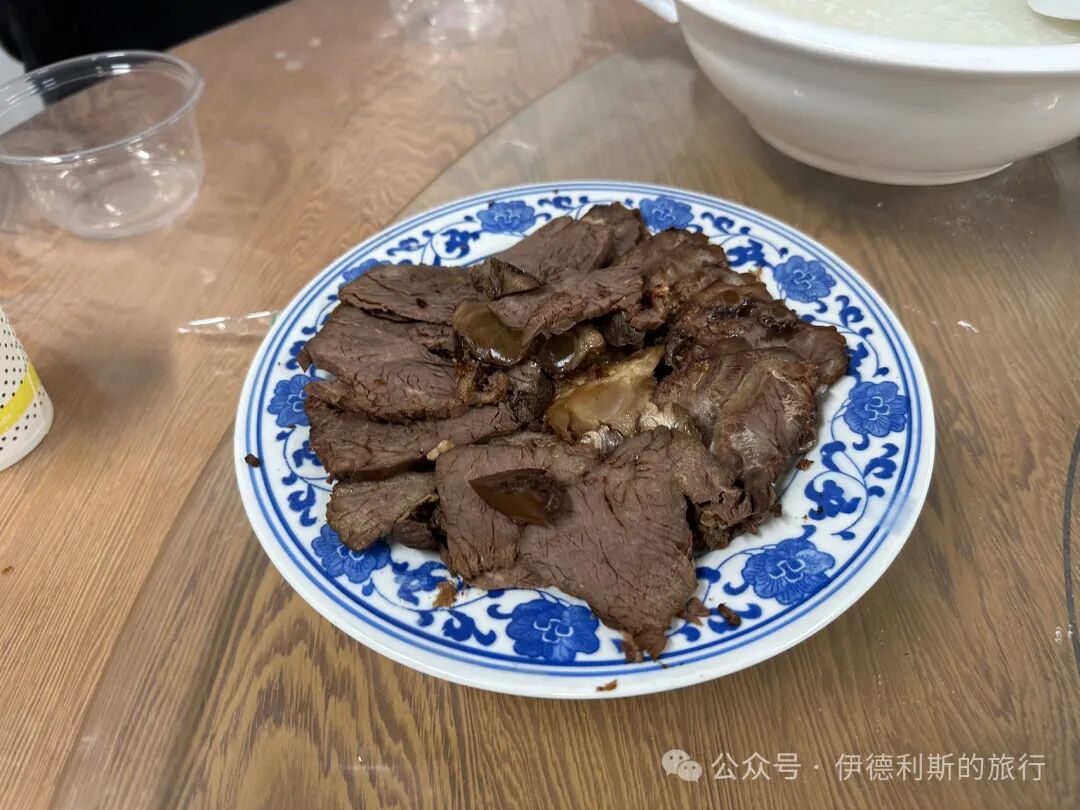
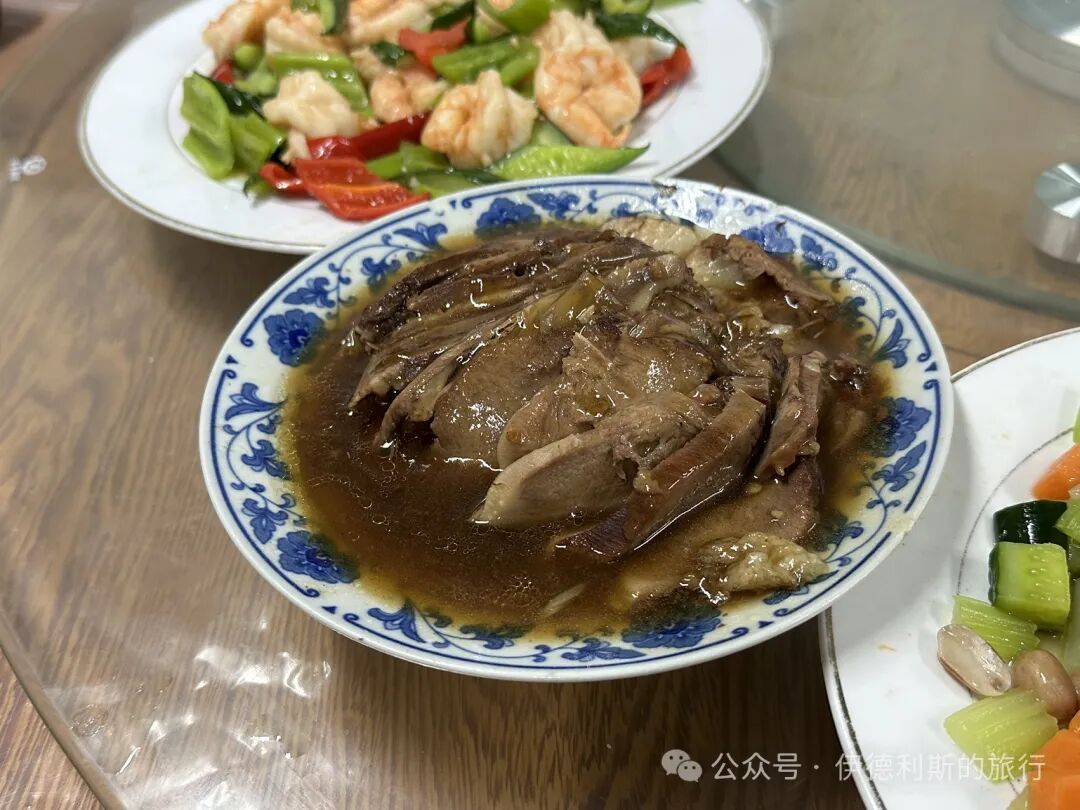
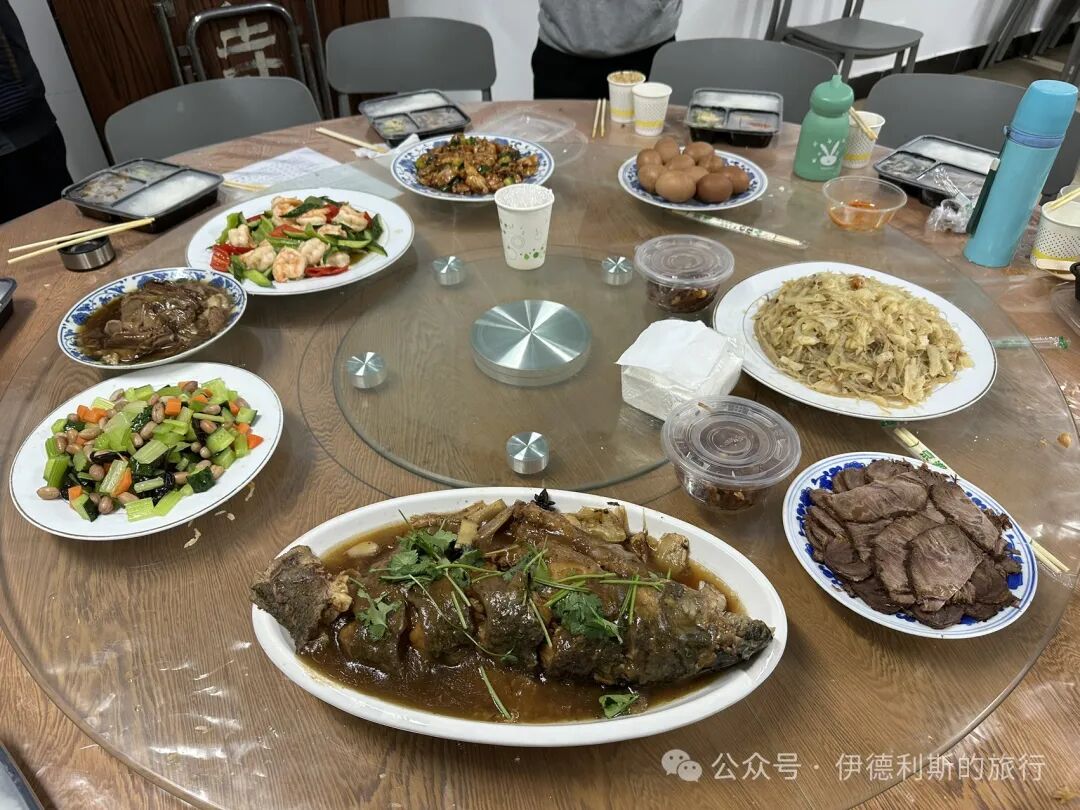
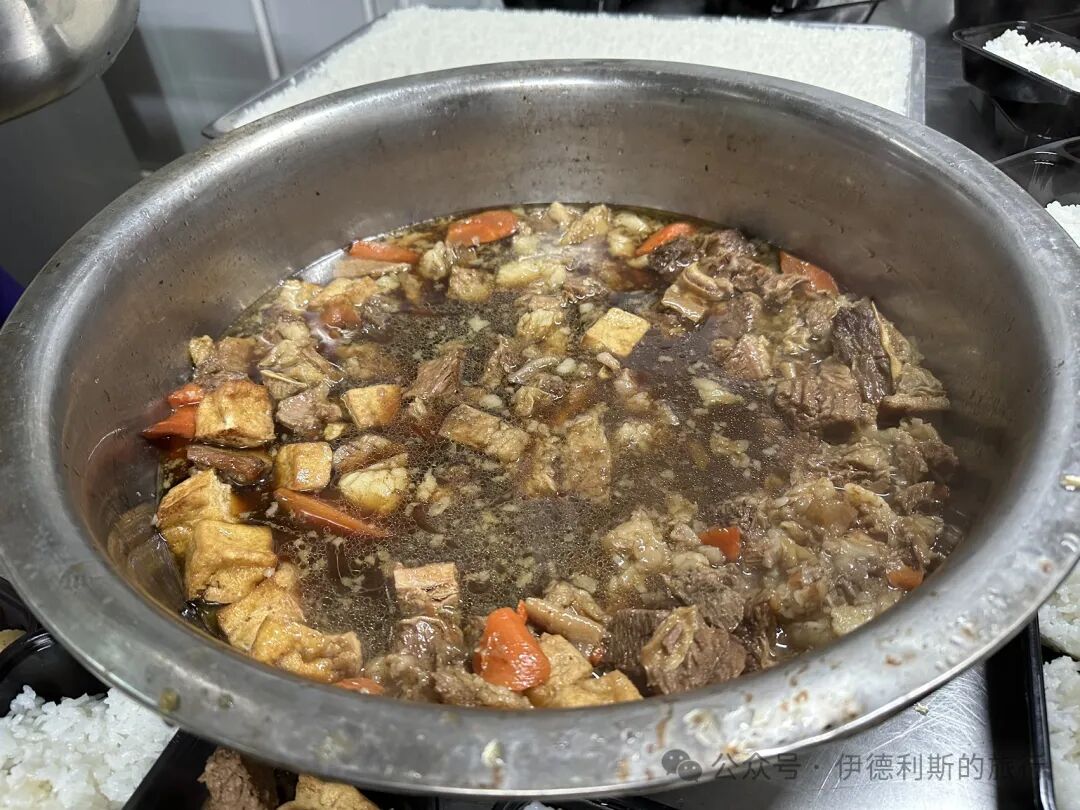
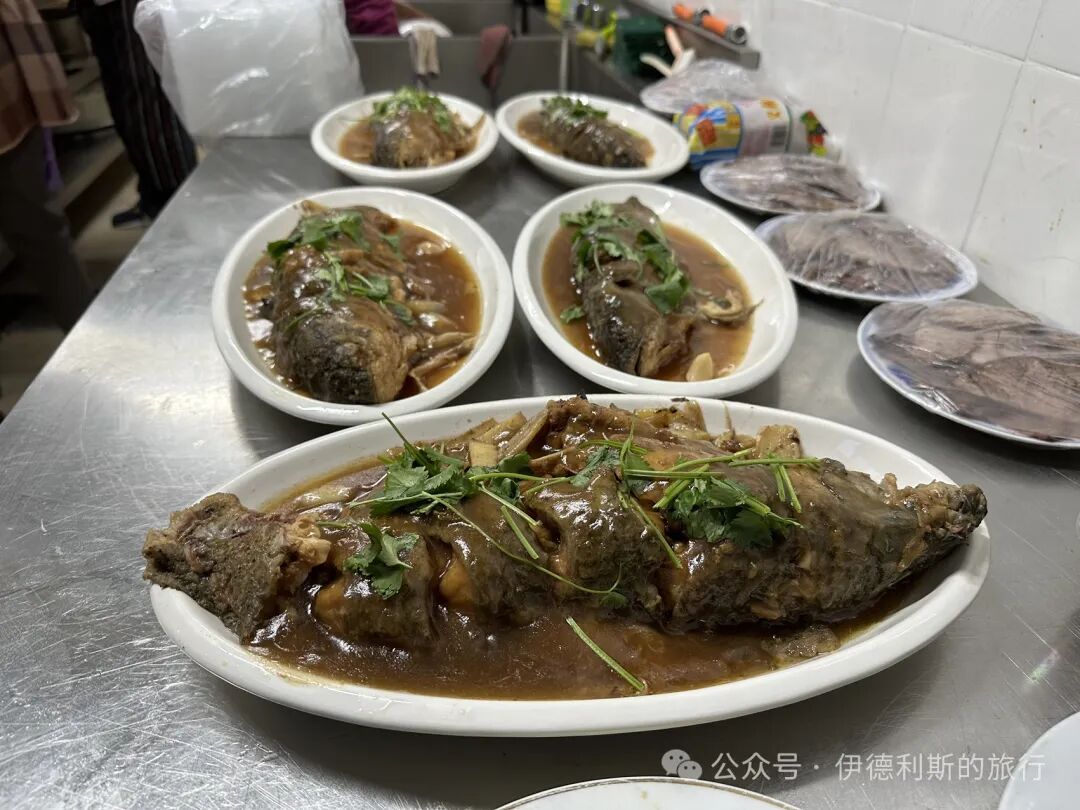
The iftar meal was very rich, with braised fish, braised pork tongue, chicken cubes in bean sauce, stir-fried shrimp, fried tofu stewed with beef, spiced beef, and more. The fish was flavorful, and the beef was stewed until soft and tender. May Allah reward (thawab) everyone for their hard work this month.
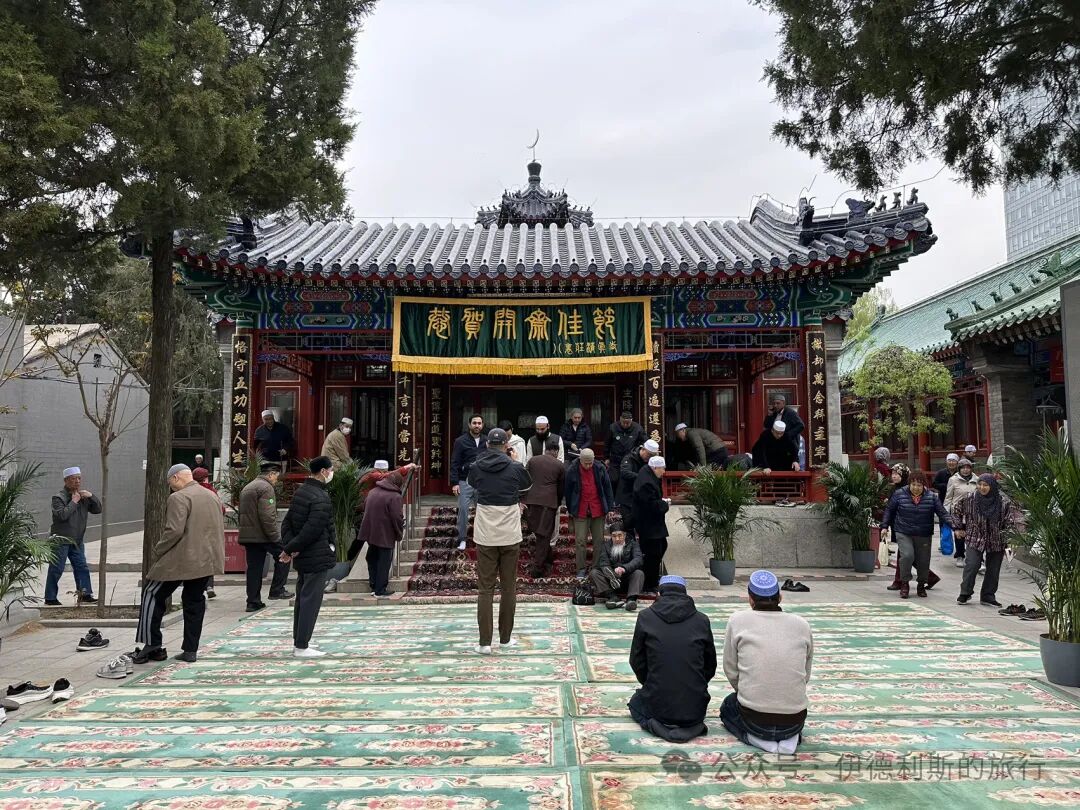
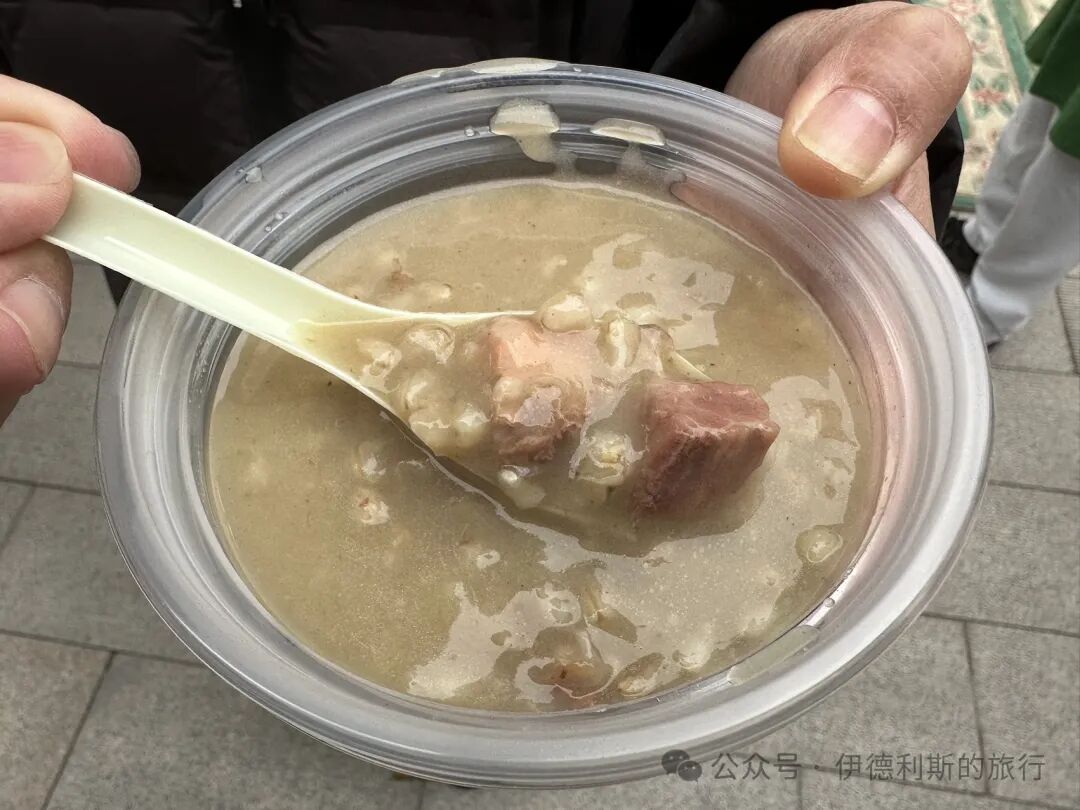
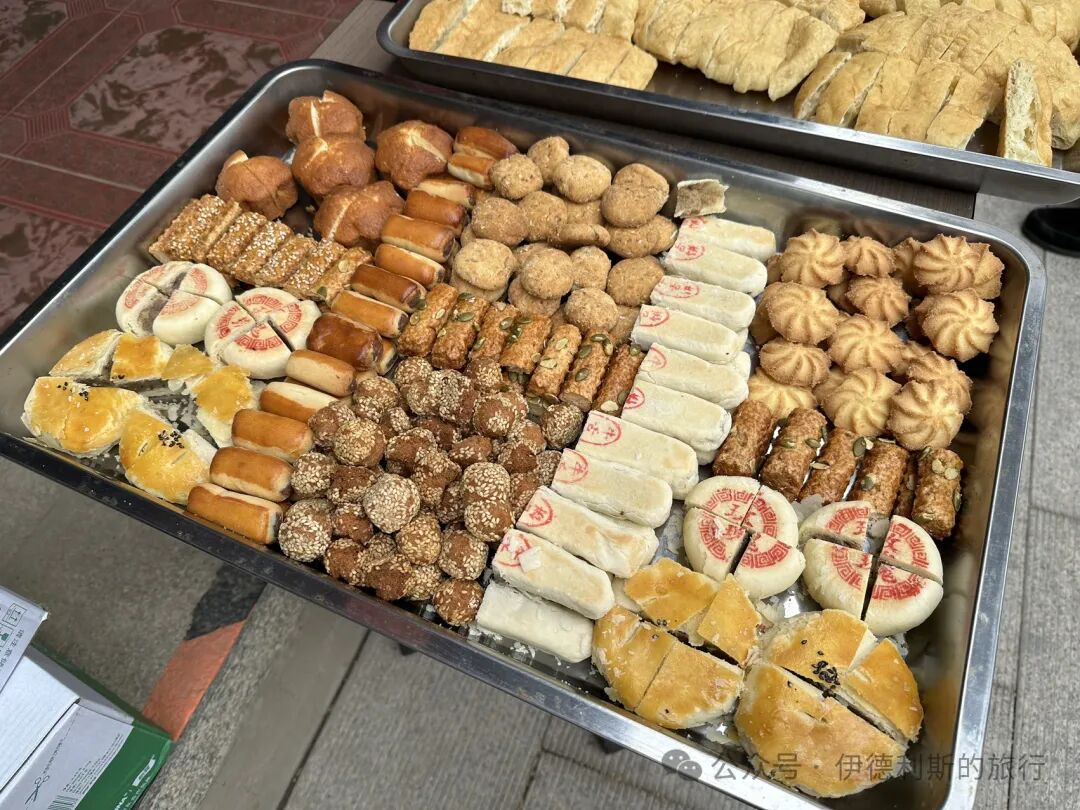
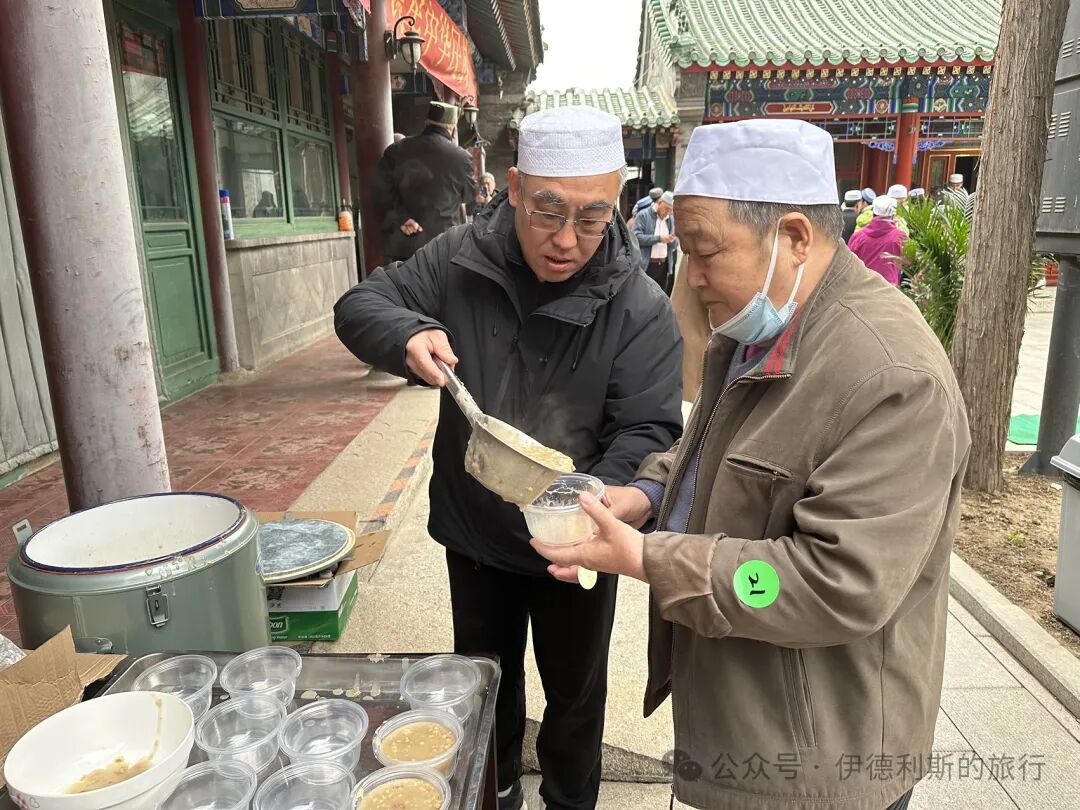
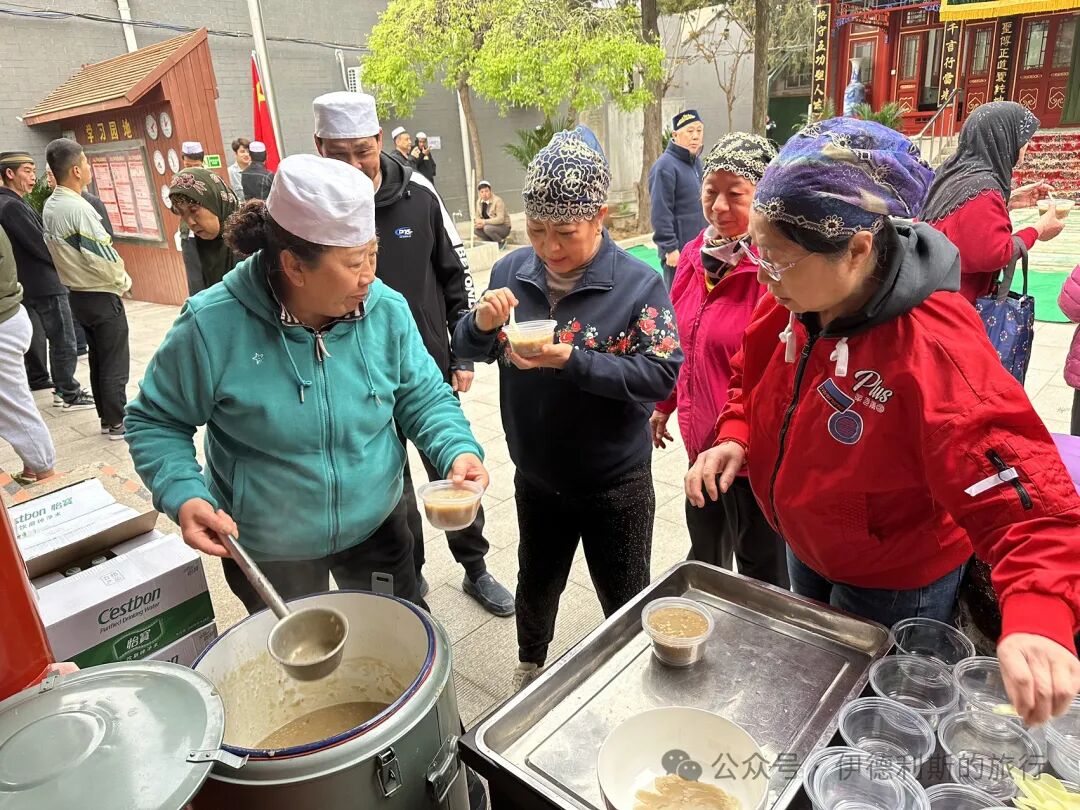
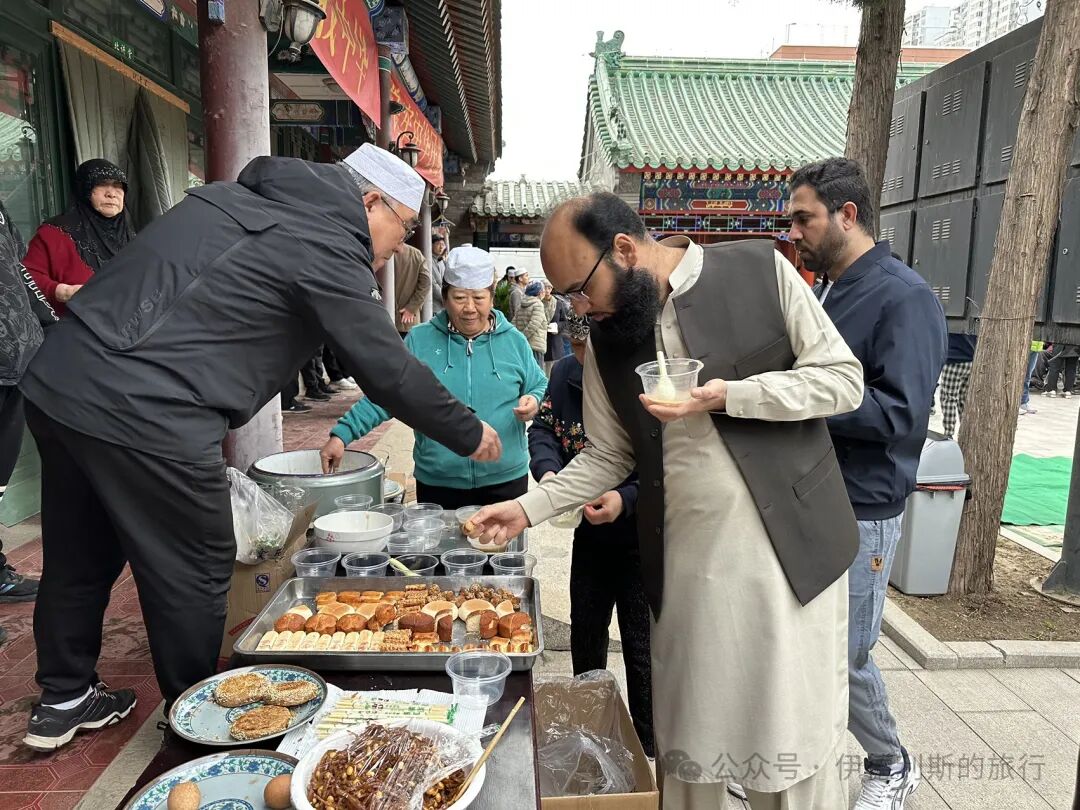
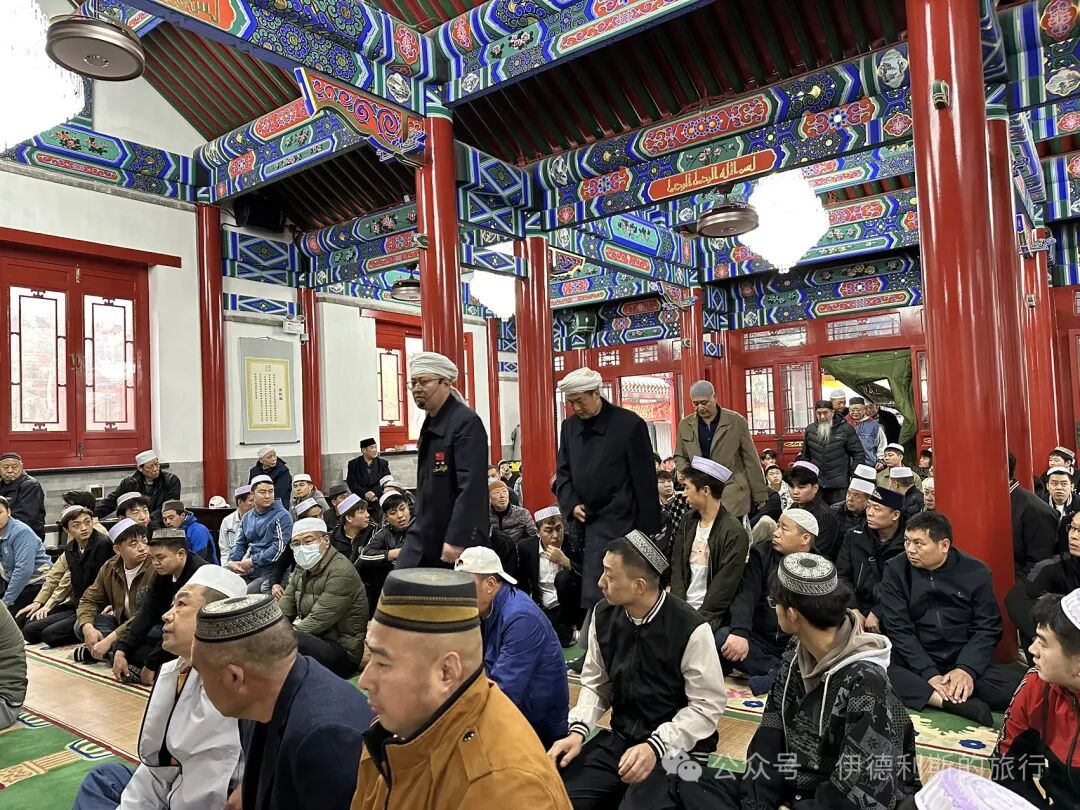
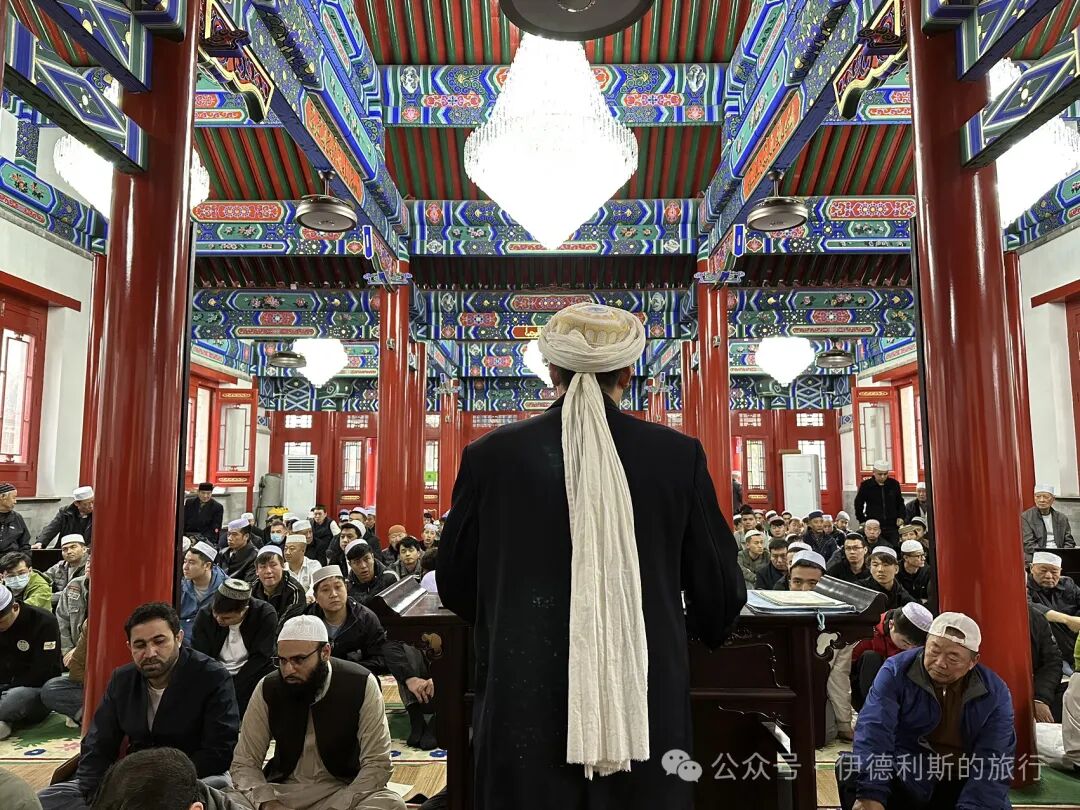
Happy Eid! Eid al-Fitr is finally here, and Balizhuang Mosque has prepared meat porridge (rouzhou), fried dough (youxiang), and various pastries for everyone. The wheat grain and meat flavors in the meat porridge (rouzhou) blend perfectly, making it delicious. I met with Imam Saiwabu and the village elders. I not only accepted their greeting but also recited praises with them, and I feel very grateful to Allah.
May we meet again next Ramadan. view all
Summary: Halal Travel Guide: Beijing Ramadan - Laylat al-Qadr and Eid al-Fitr is presented here as a firsthand travel account in clear, natural English. The account focuses on Beijing Ramadan, Laylat al-Qadr, Eid al-Fitr while preserving the names, places, food, photos, and historical details from the Chinese source.
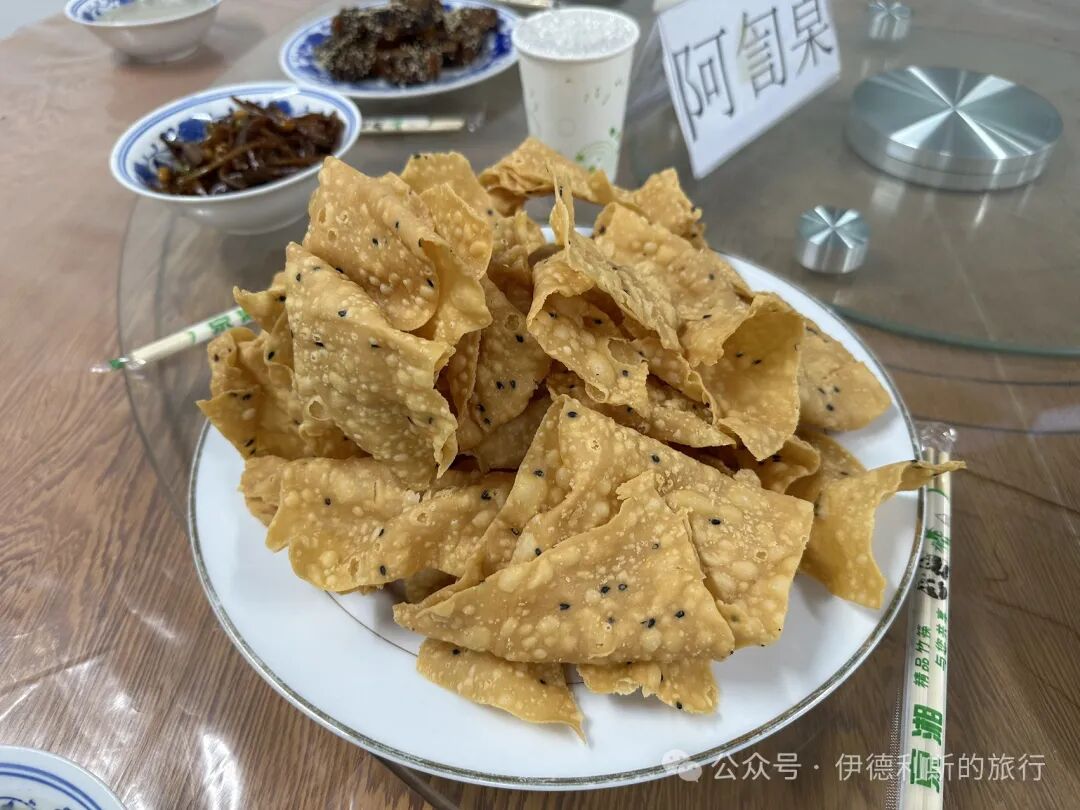
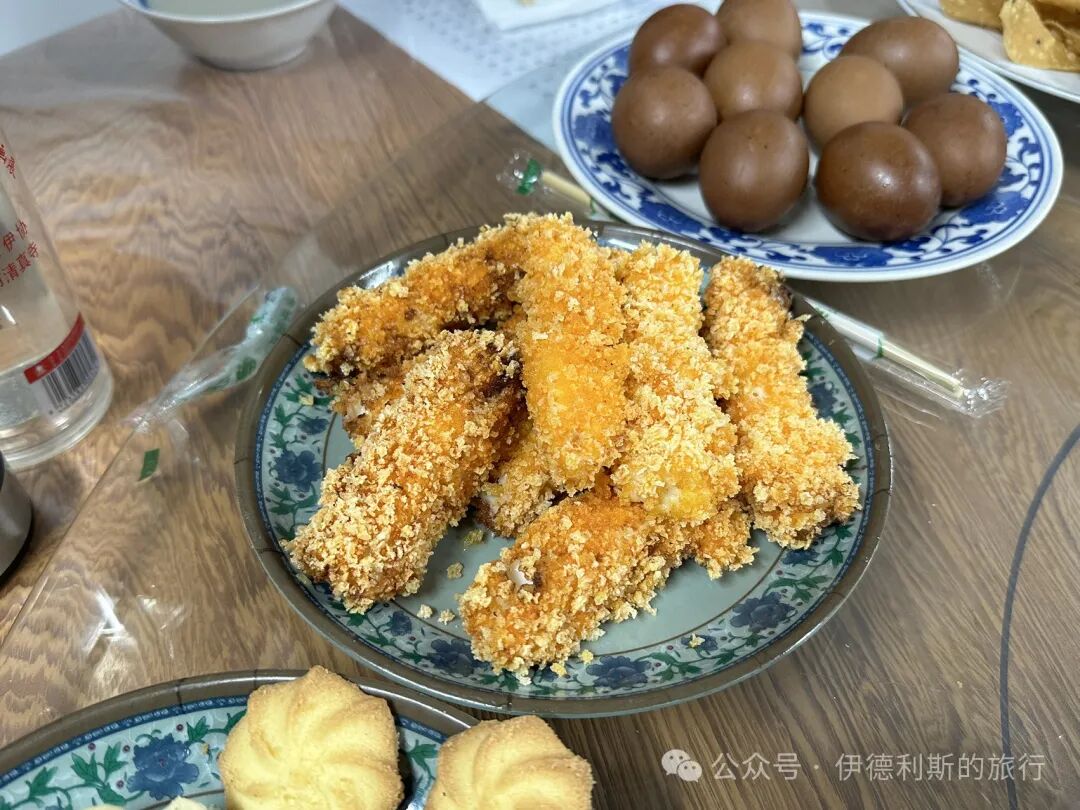
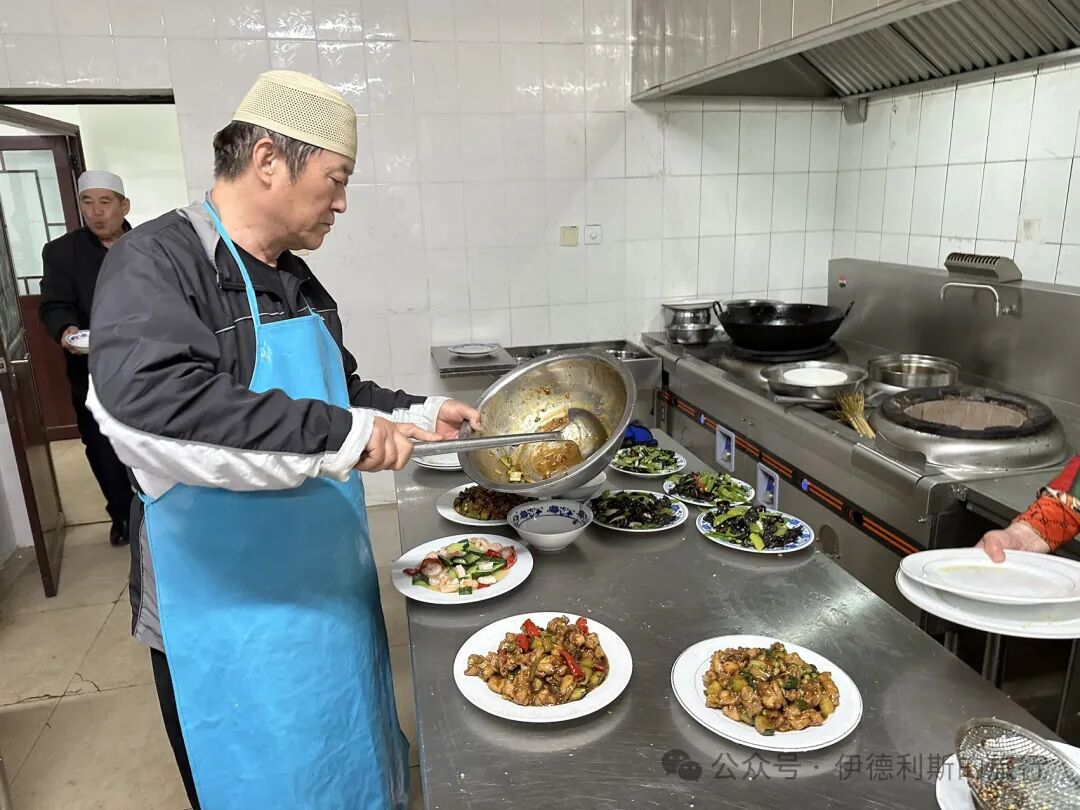
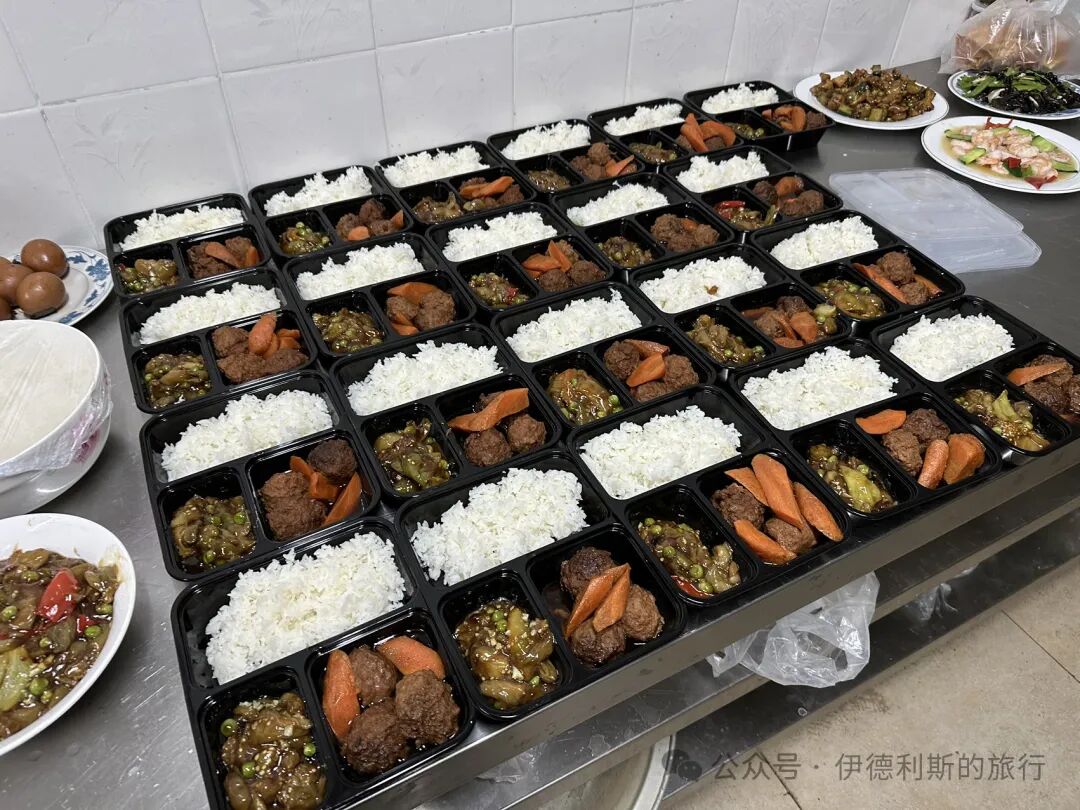
On the 22nd day, the elder at Balizhuang Mosque made fresh pea flour cake (wandouhuang). It is rare to eat it warm, and it tasted amazing. I broke my fast with the usual fermented mung bean milk (douzhier), paired with crispy fried dough strips (paicha) and fried milk. For the fast-breaking meal, we had braised meatballs with carrots, stir-fried shrimp, and chicken stir-fried in soybean paste. Thanks to the elders who worked hard to cook for us!
I spent the next few days in Xi'an to experience the atmosphere of Ramadan, only returning for the Night of Power (Laylat al-Qadr).
The noble Night of Power, a night of peace. Today was the busiest day at Balizhuang Mosque since the start of Ramadan. Many friends (dost) traveled from far away to be here. We also took a train from Xi'an to Beijing this afternoon and headed straight to the mosque.
To break the fast, we had white fungus and lotus seed porridge. I also got to eat the steamed rice cakes (aiwowo) made by Elder Fu, along with mung bean cakes and flaky pastries that Zainab brought back from the Muslim Quarter (Huifang). The fast-breaking meal was very rich, featuring fried tofu stewed with beef, lamb bone broth (yangtang), and various stir-fried dishes.
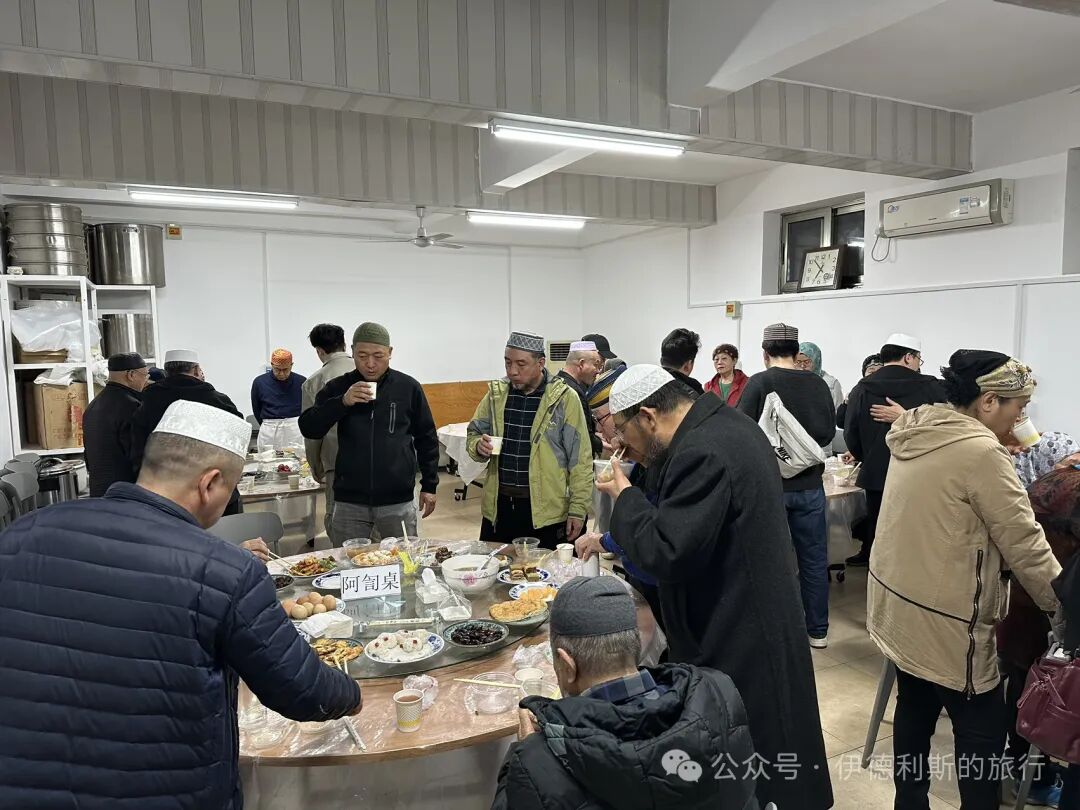
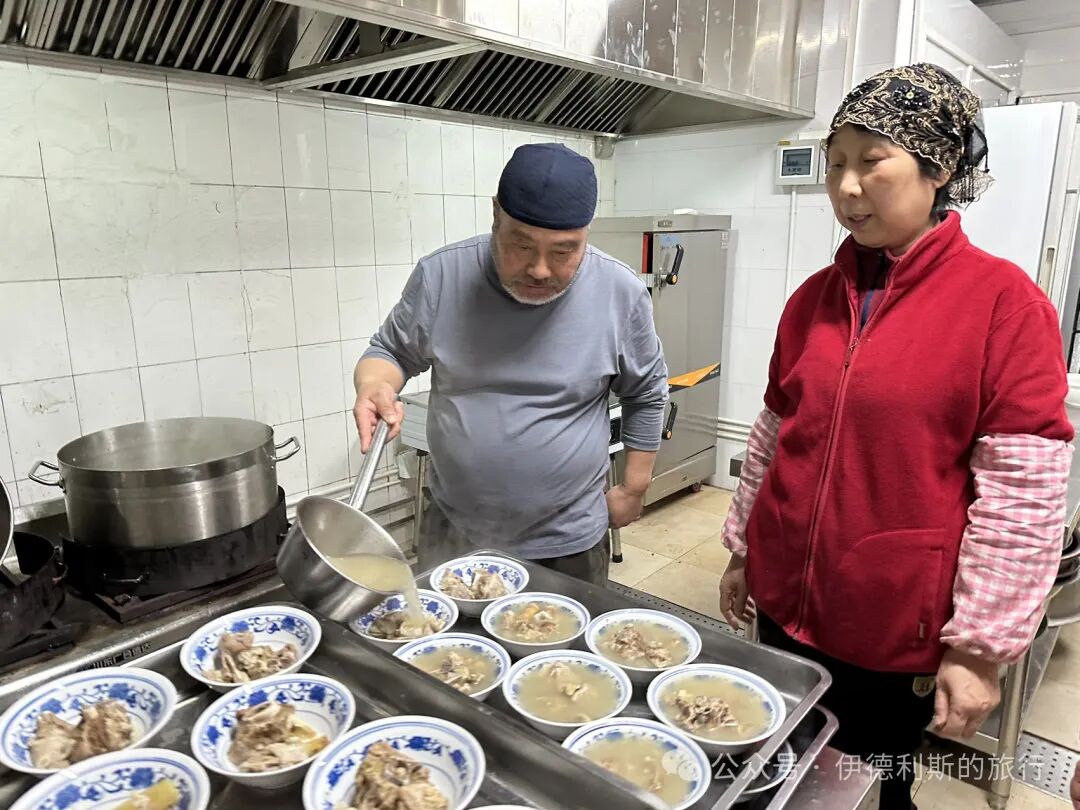
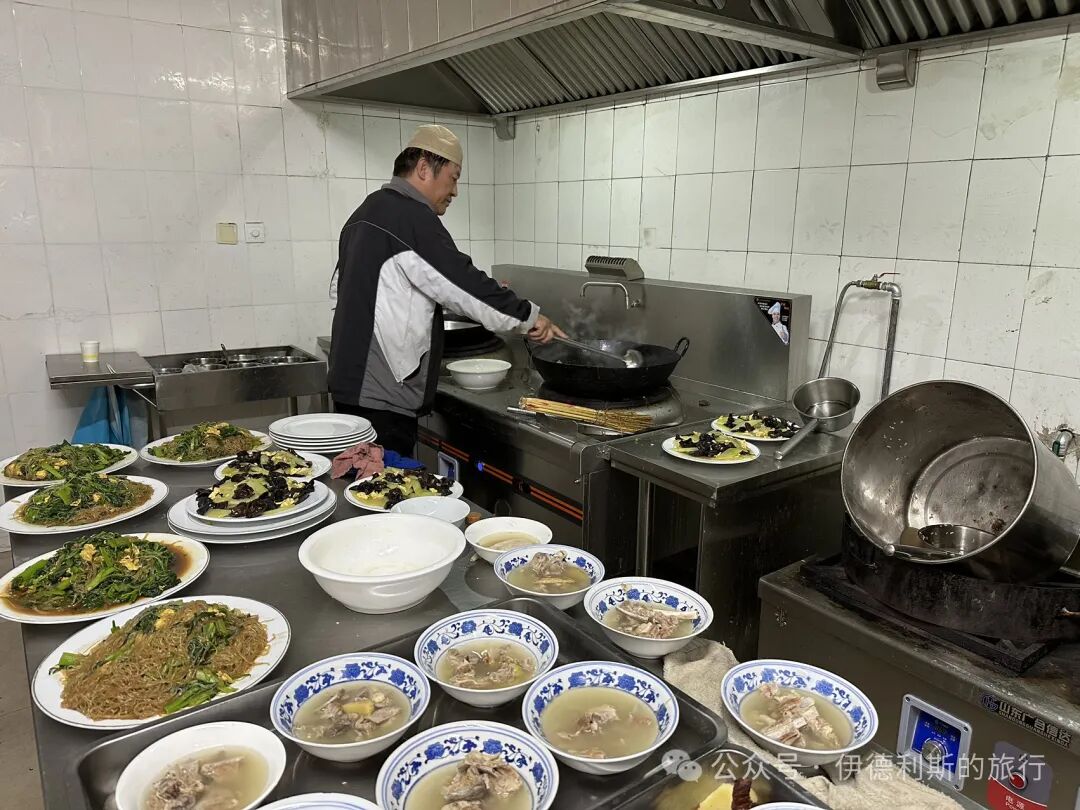
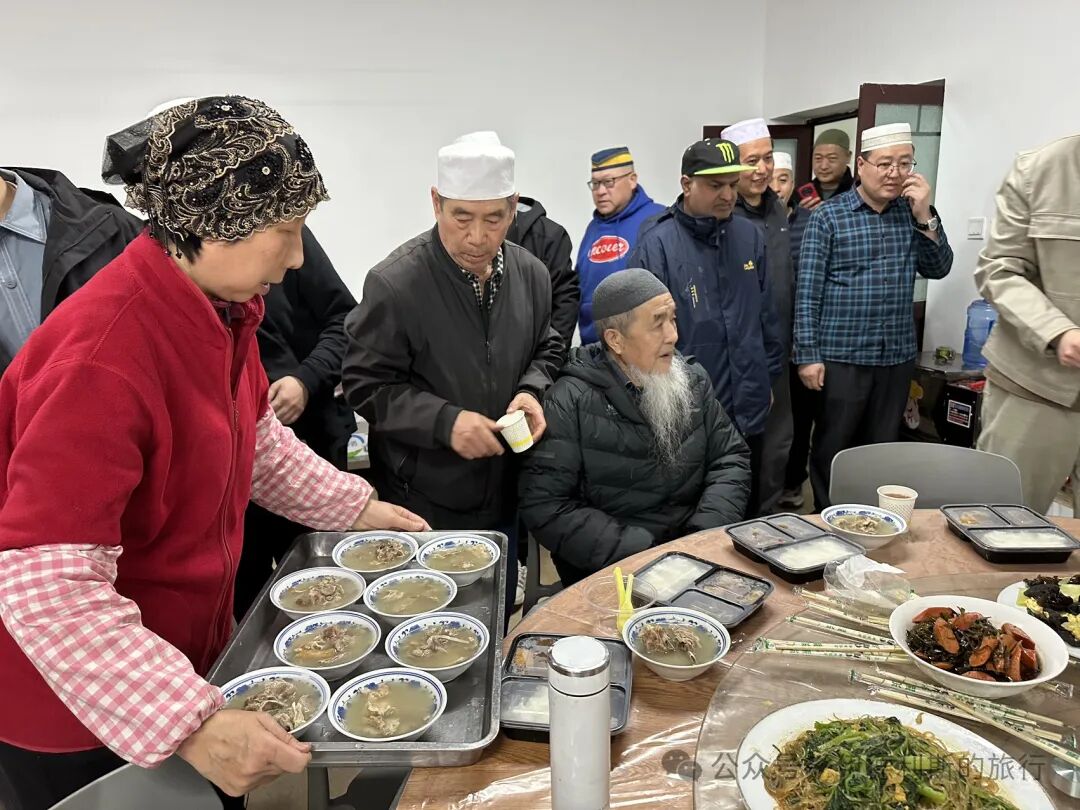
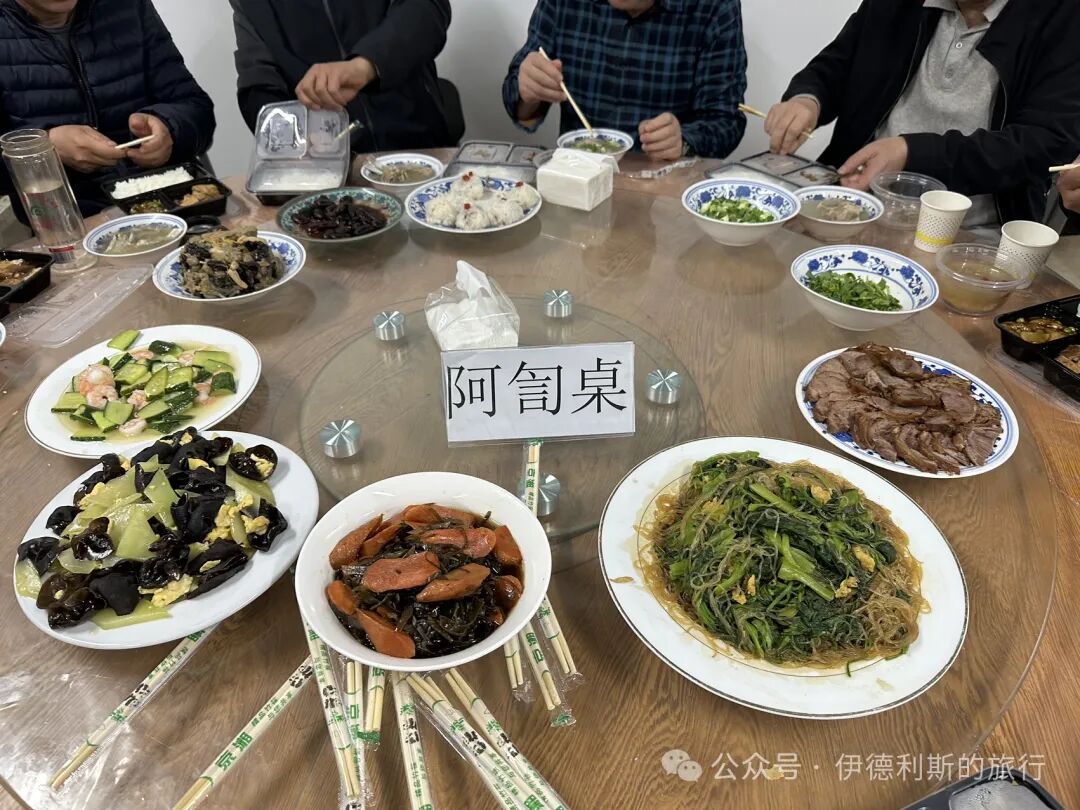
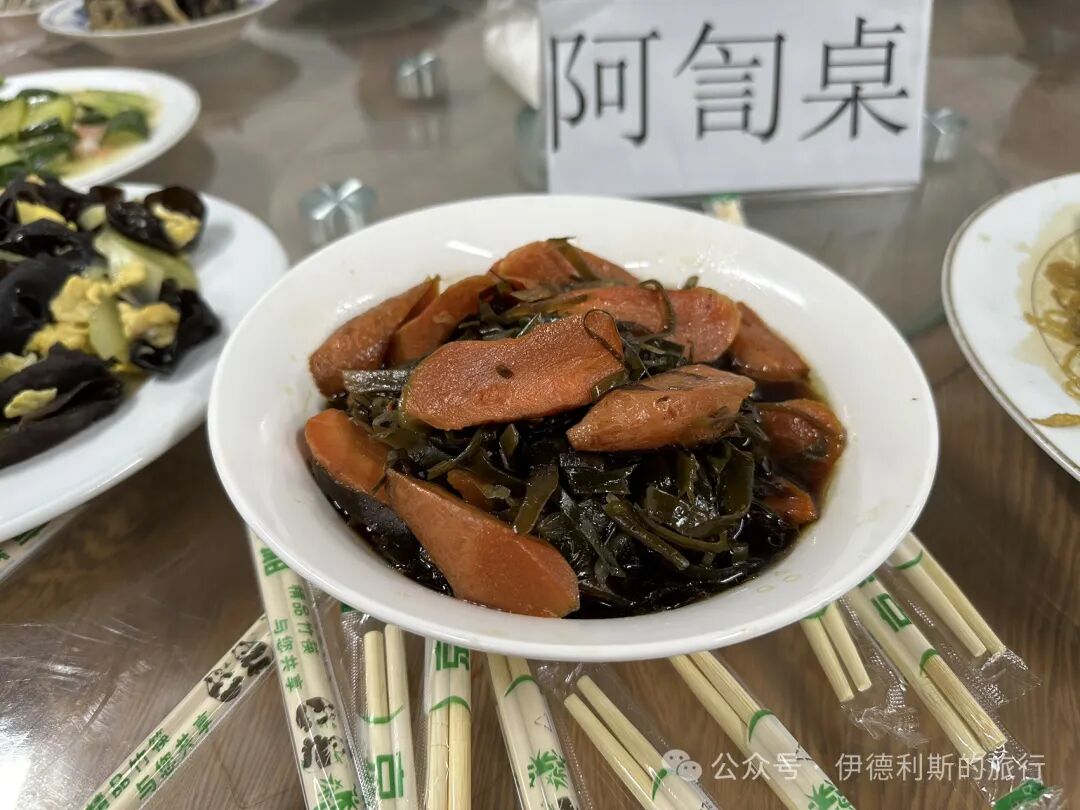
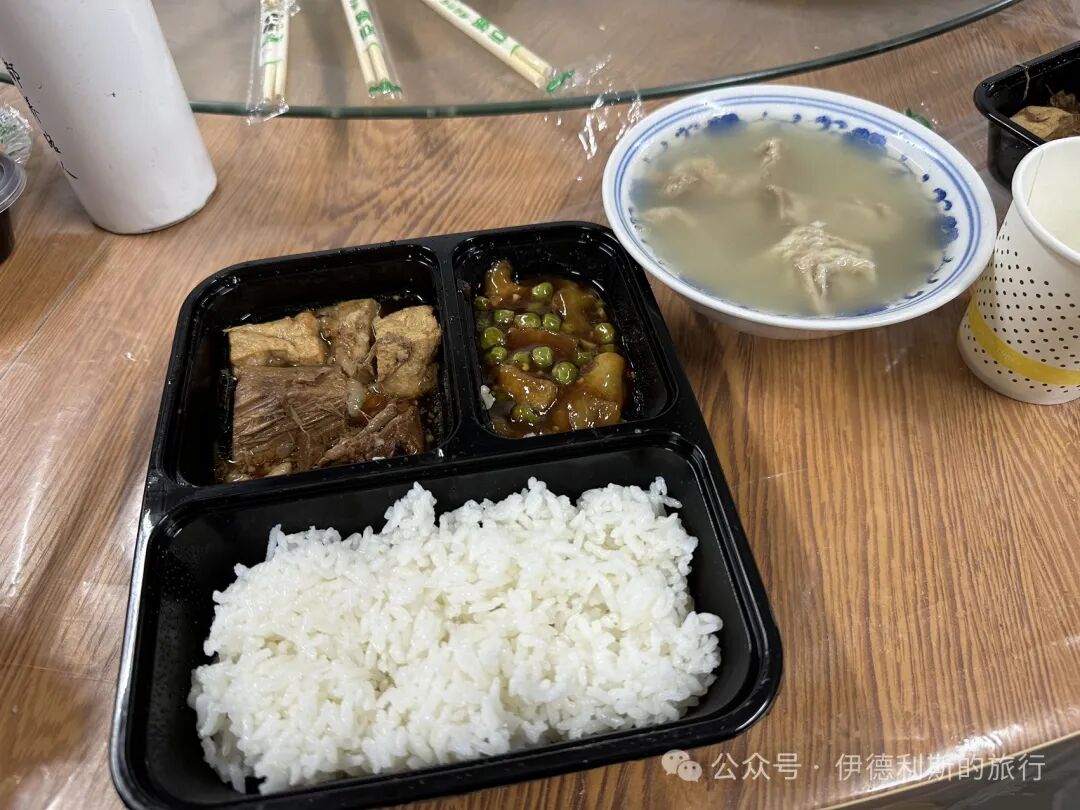
On the 27th day, we broke our fast at Balizhuang Mosque with fermented mung bean milk (douzhi) again. For the meal, we had large steamed buns (dabaozi) with carrot or cabbage fillings, made with either leavened or scalded dough. We all agreed that the carrot filling was better. The mix of sweet carrot flavor and savory meat was so appetizing.
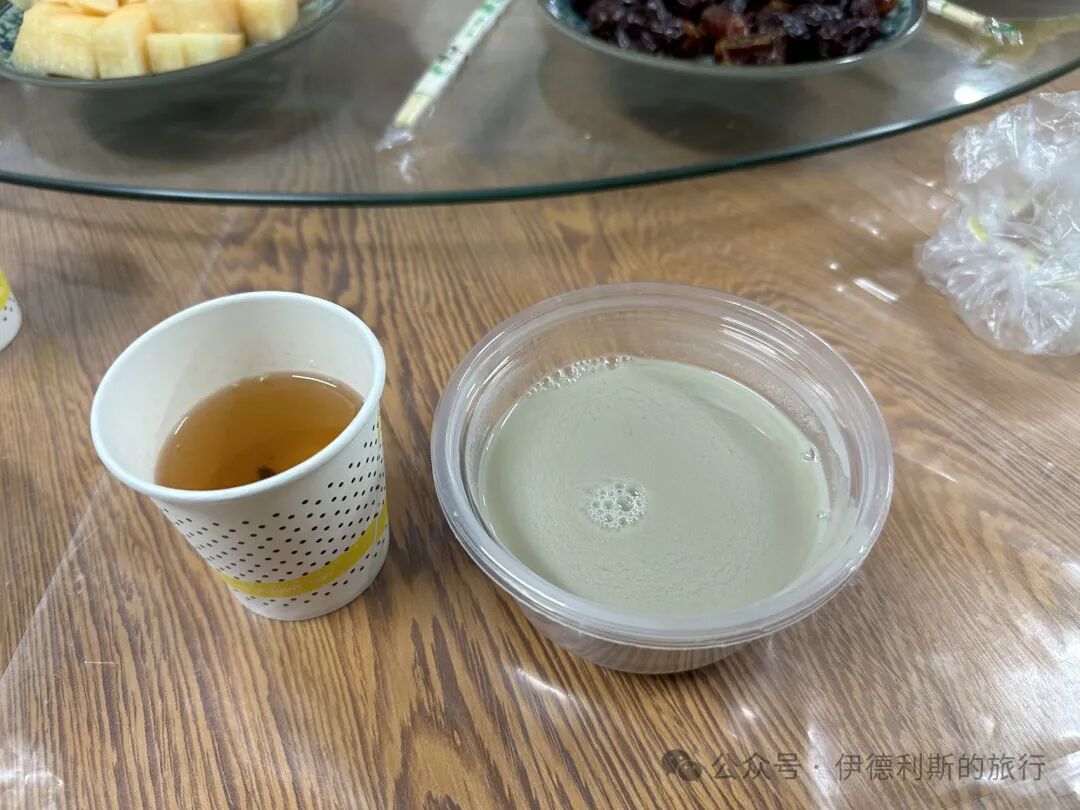
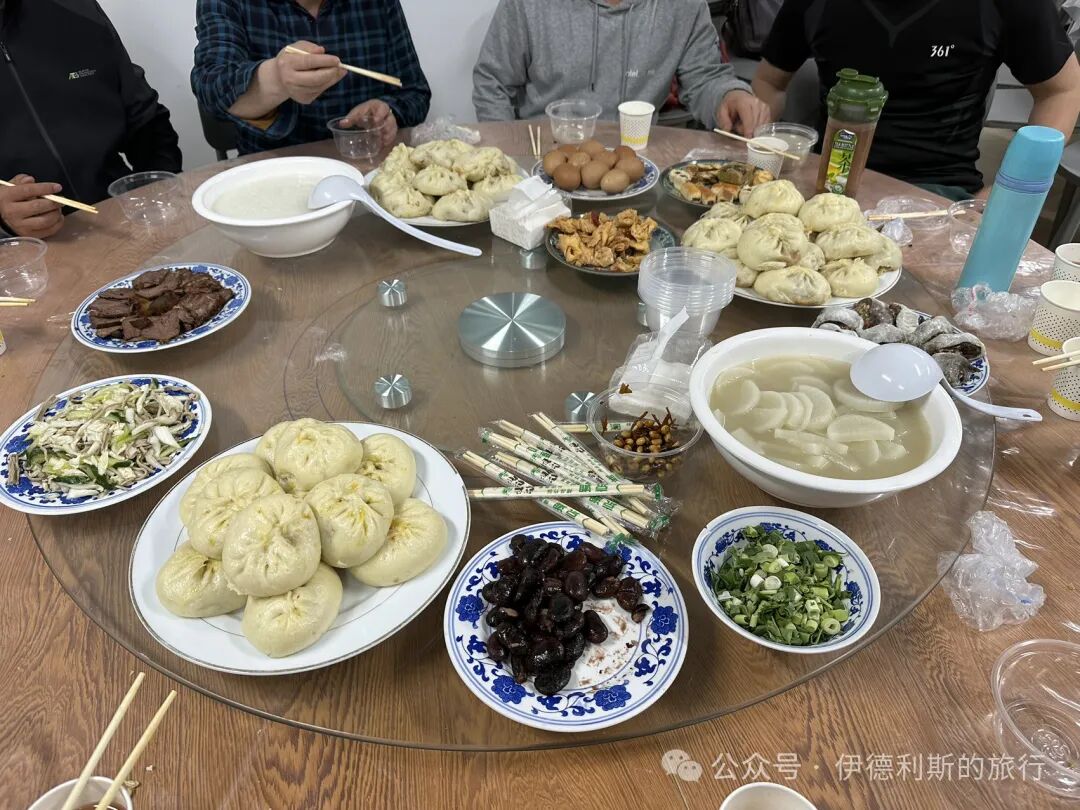
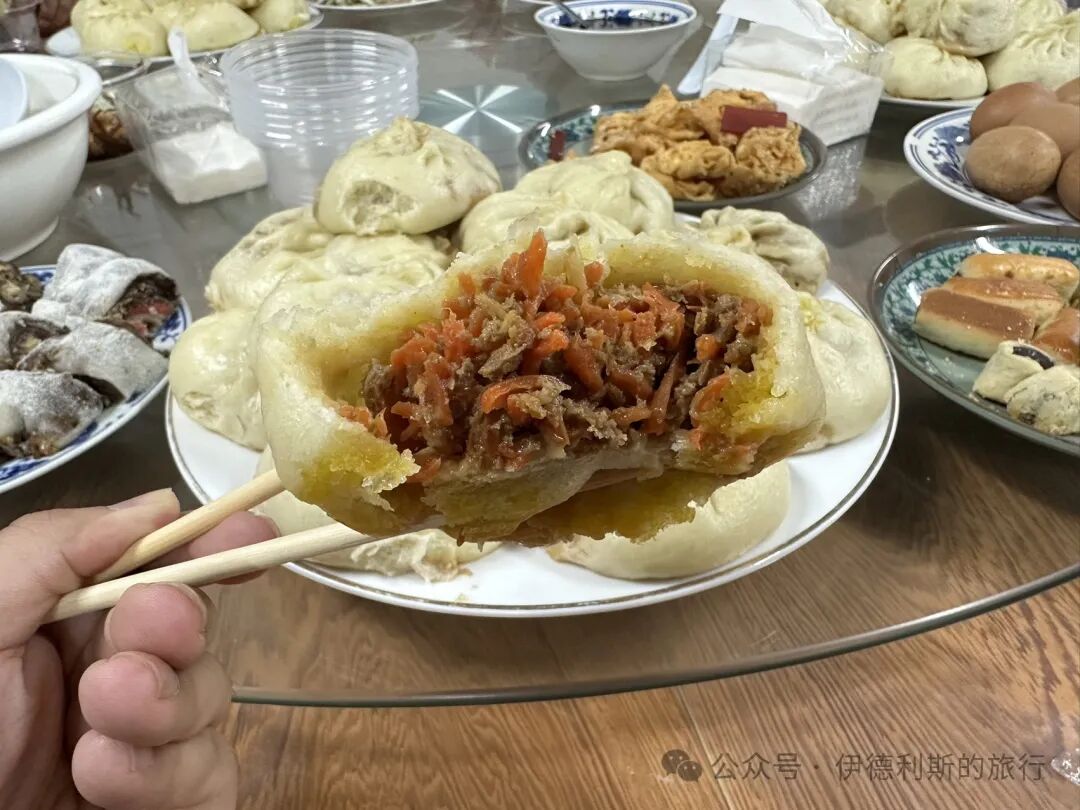
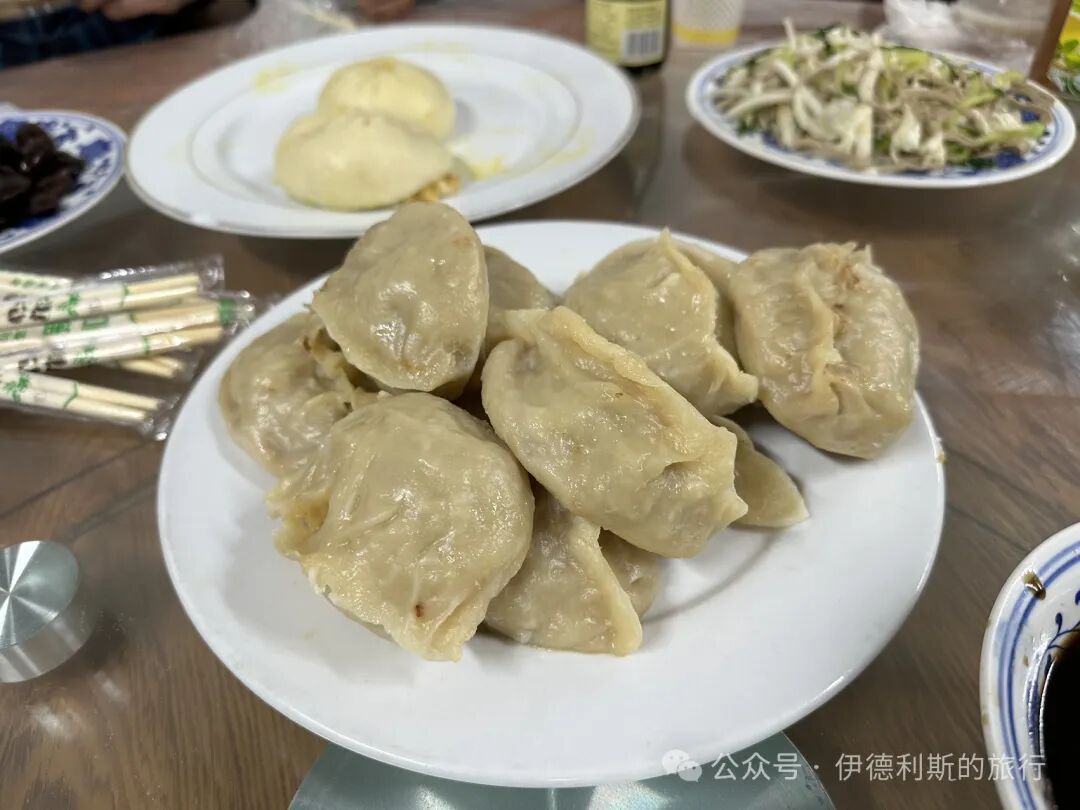
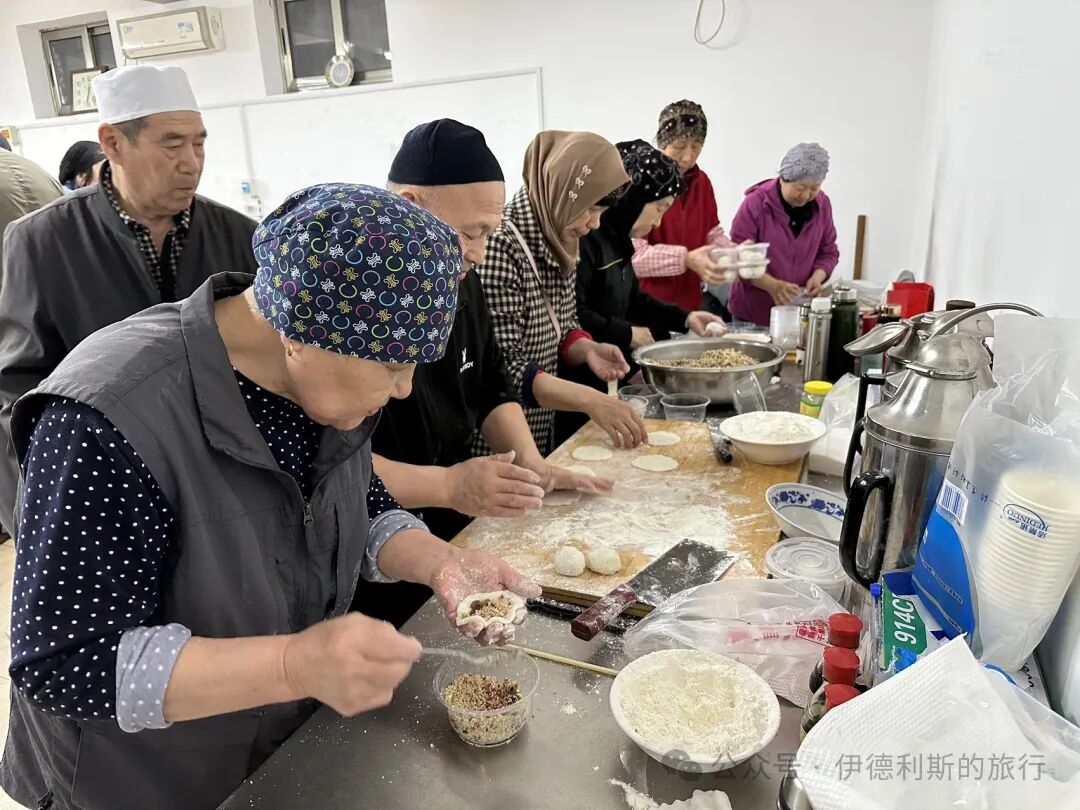
On the 28th day, we attended the final Taraweeh prayer of Ramadan. It was hard to say goodbye! Balizhuang Mosque was very lively. The elders were making steamed rice cakes (aiwowo) together, and Elder Li made some sticky rice cake (qiegao). We broke our fast with fermented mung bean milk (douzhi) as usual. The meal was noodle soup with thick sauce (dalu mian), featuring three types of toppings: daylily, tomato, and eggplant, plus various side vegetables. I started with two bowls of fermented mung bean milk and two cups of tea, then ate a big bowl of noodles. I was completely stuffed. I walked around the courtyard several times and only felt comfortable after the Taraweeh prayer finished.
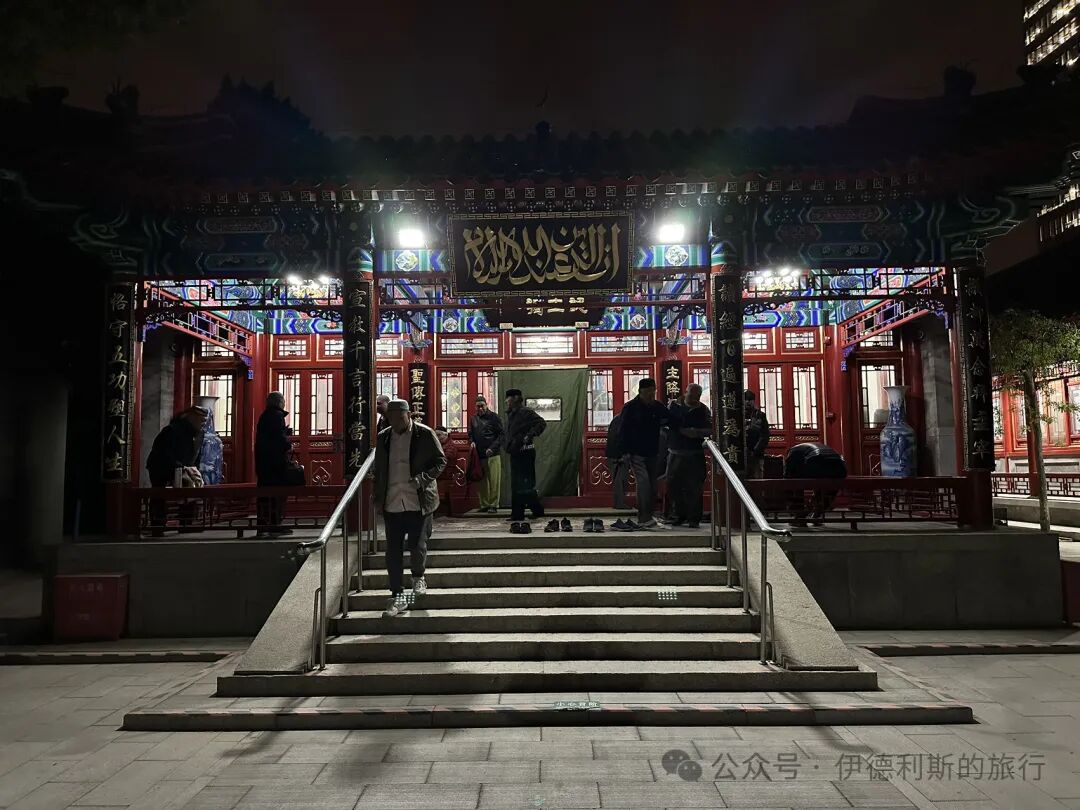
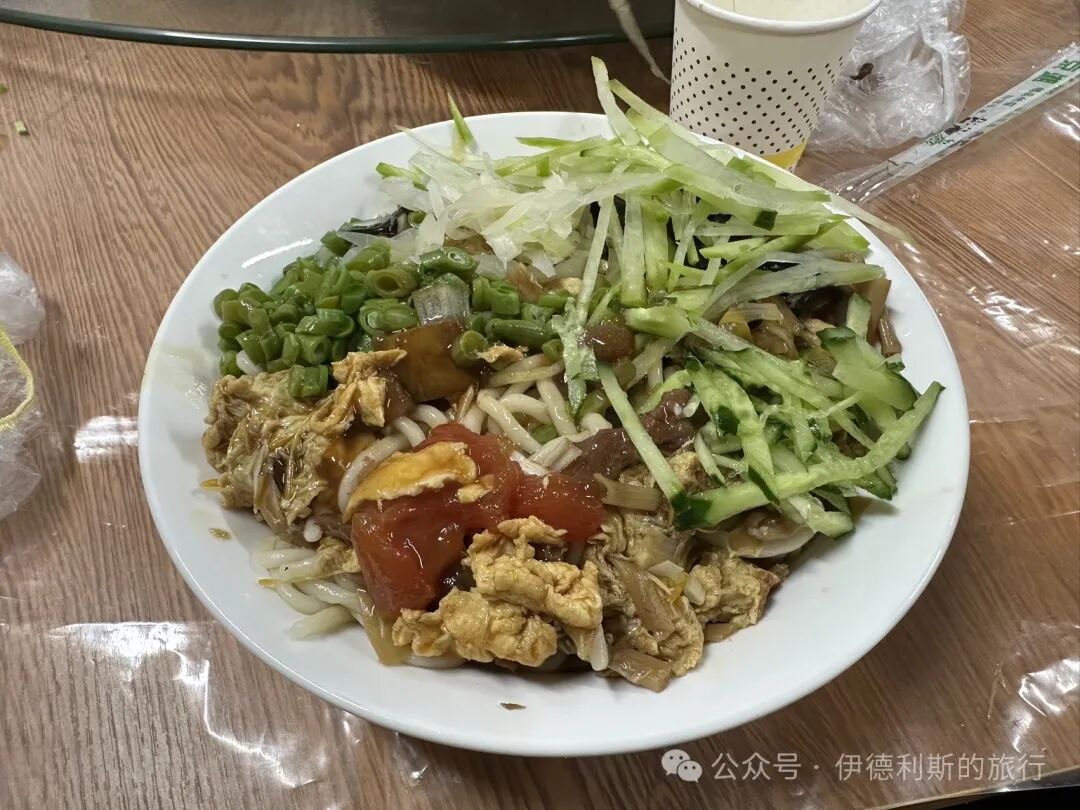
I received charity (sadaqah) from the friends (dosti). May Allah reward you all (thawab)! This Ramadan has been so heartwarming!
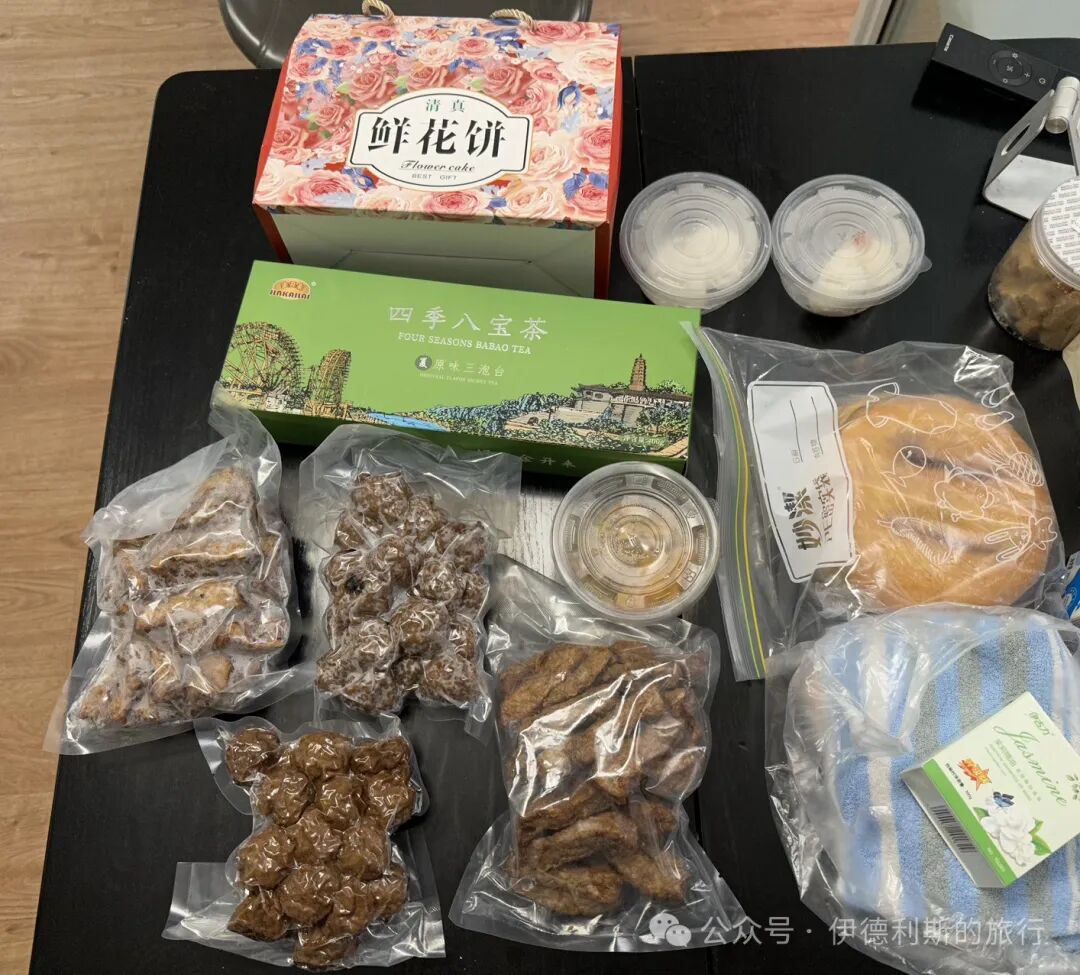
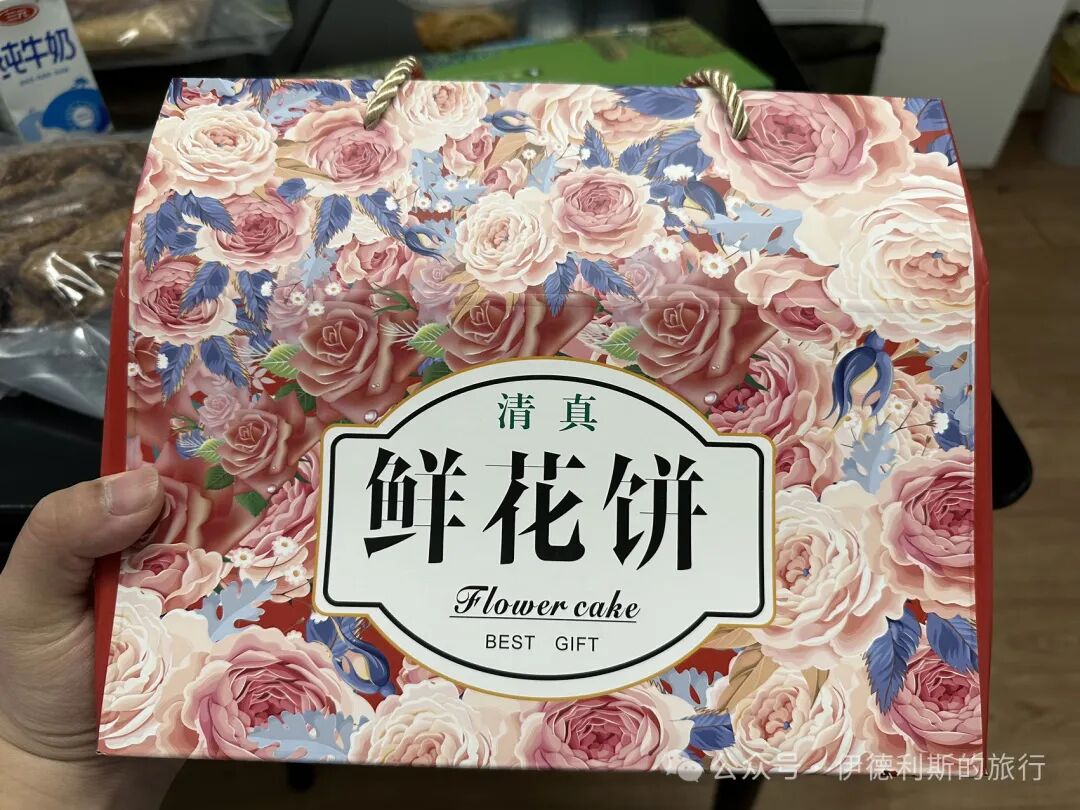
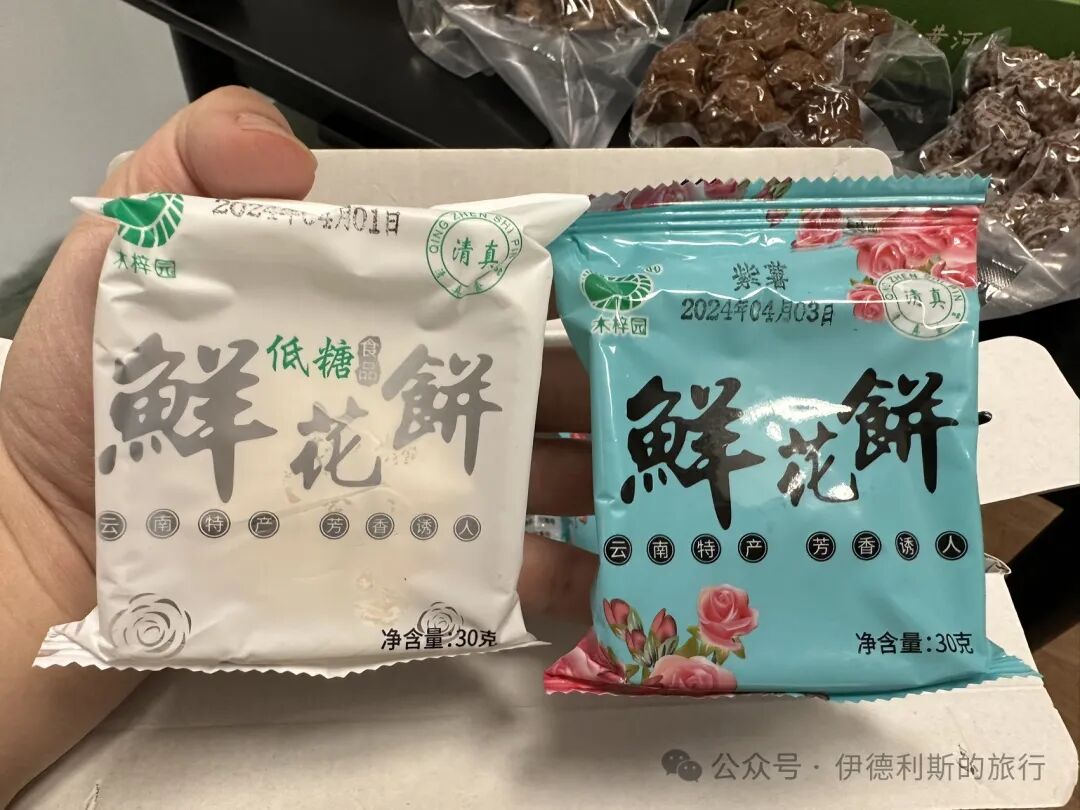
It is the last day of Ramadan! The elders at Balizhuang Mosque gathered again to make steamed rice cakes (aiwowo), small sticky rice cakes (xiaoqiegao), and candied yam rolls (tangjuanguo), and everyone felt sad to see Ramadan end. Just like the sermon (wa'erzi) says, we must keep the spirit of Ramadan alive and try to make every month like Ramadan and every night like the Night of Power (Laylat al-Qadr).
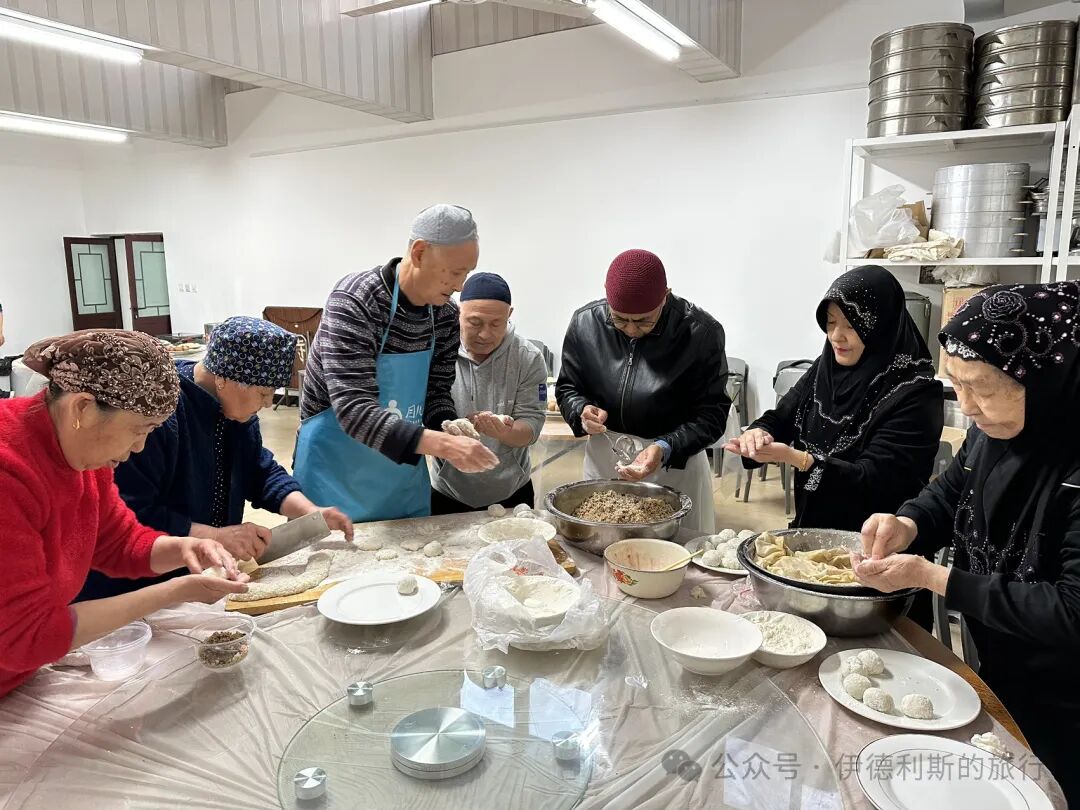
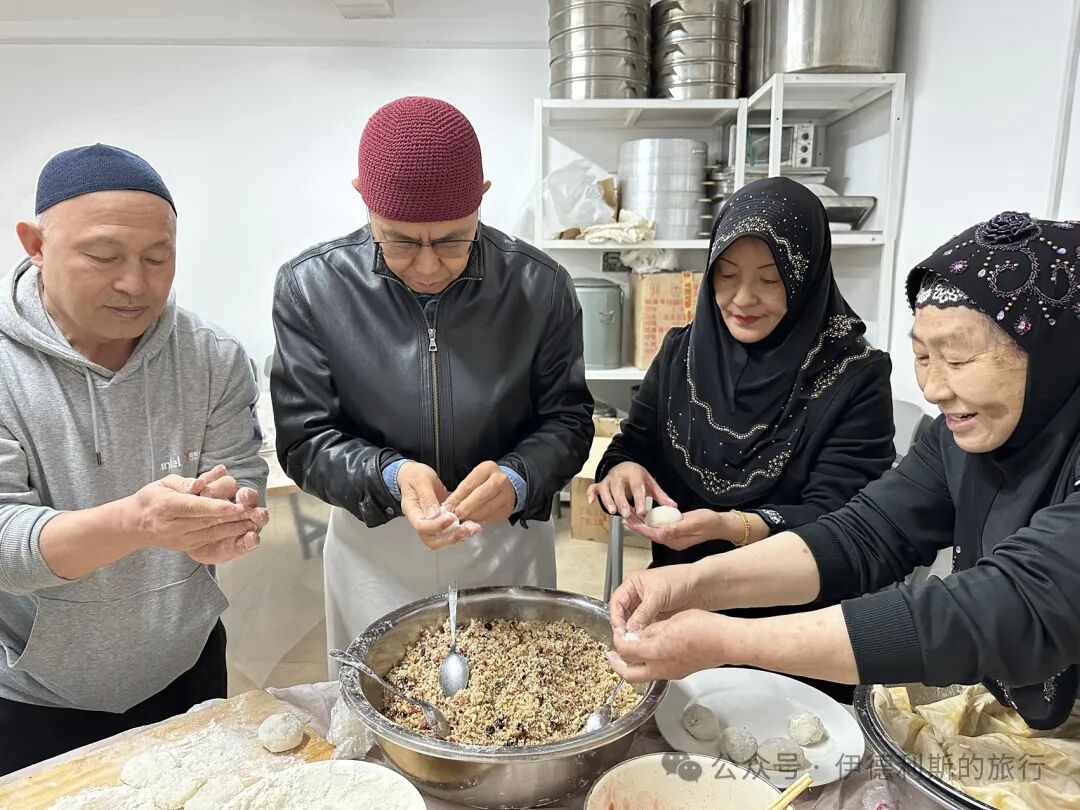
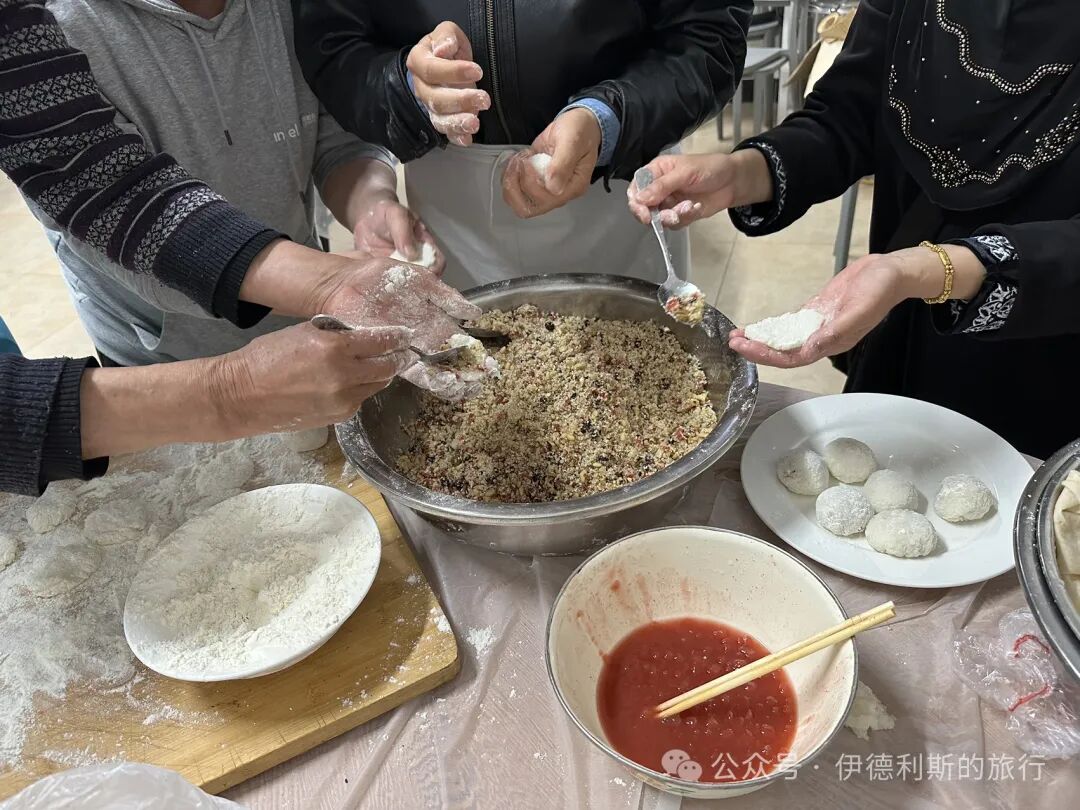
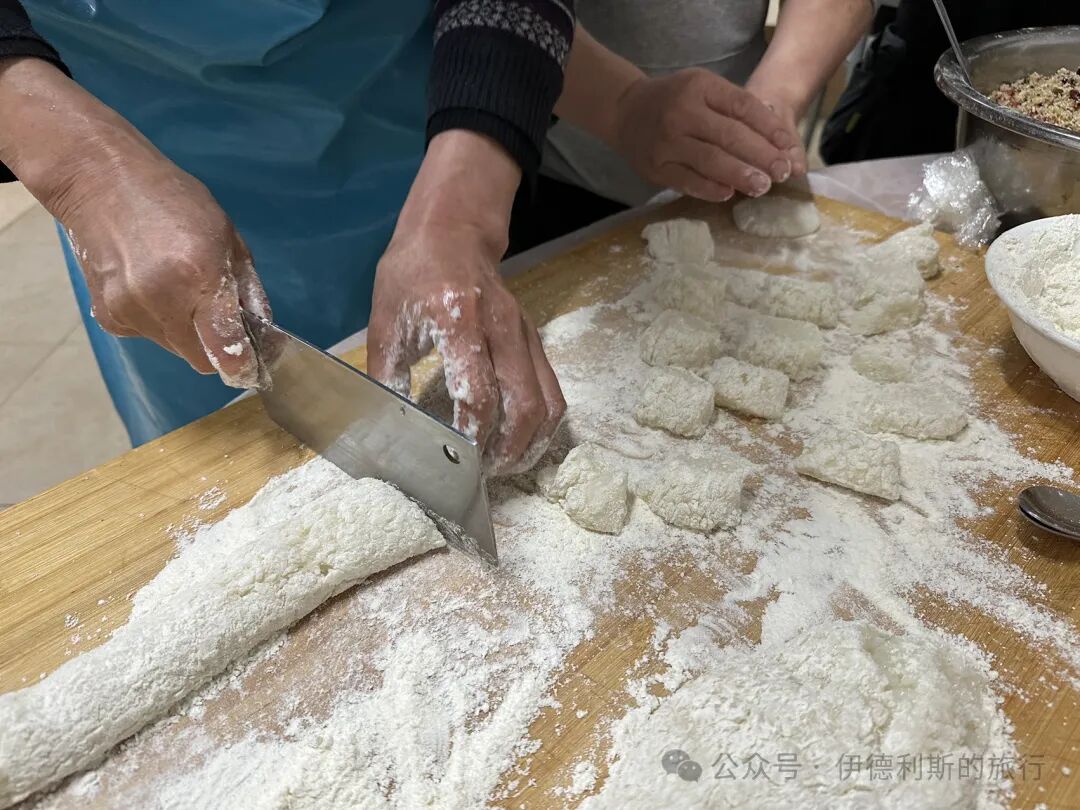
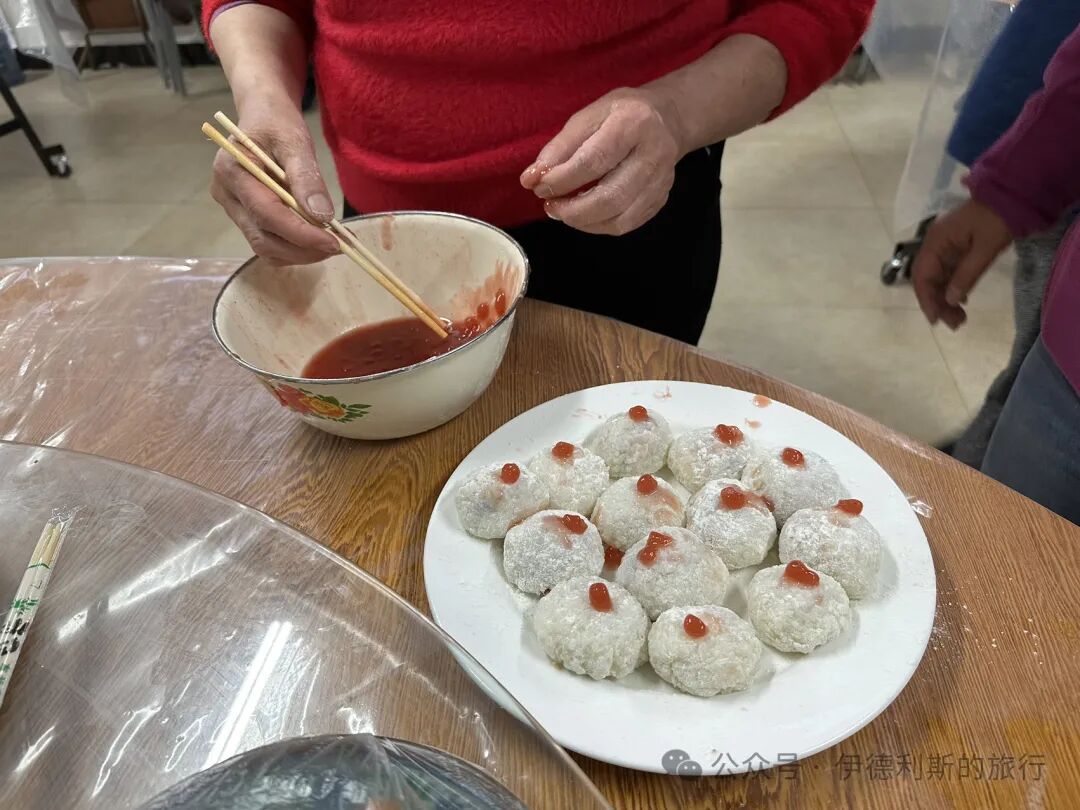
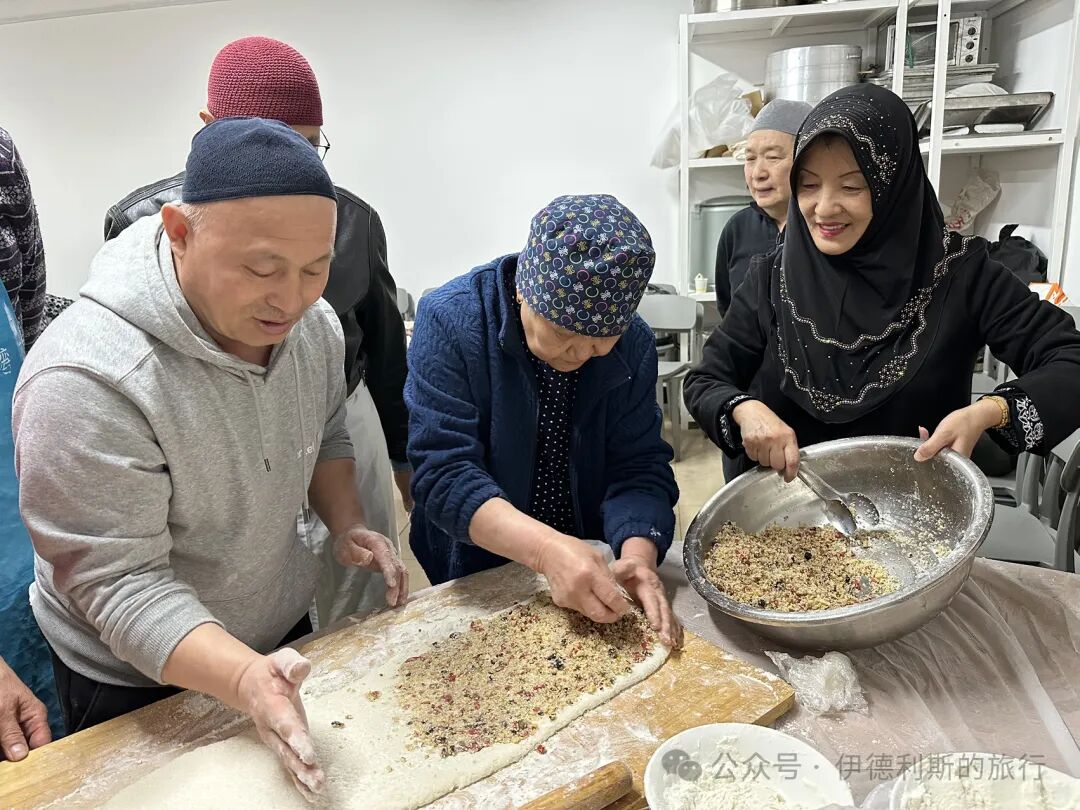
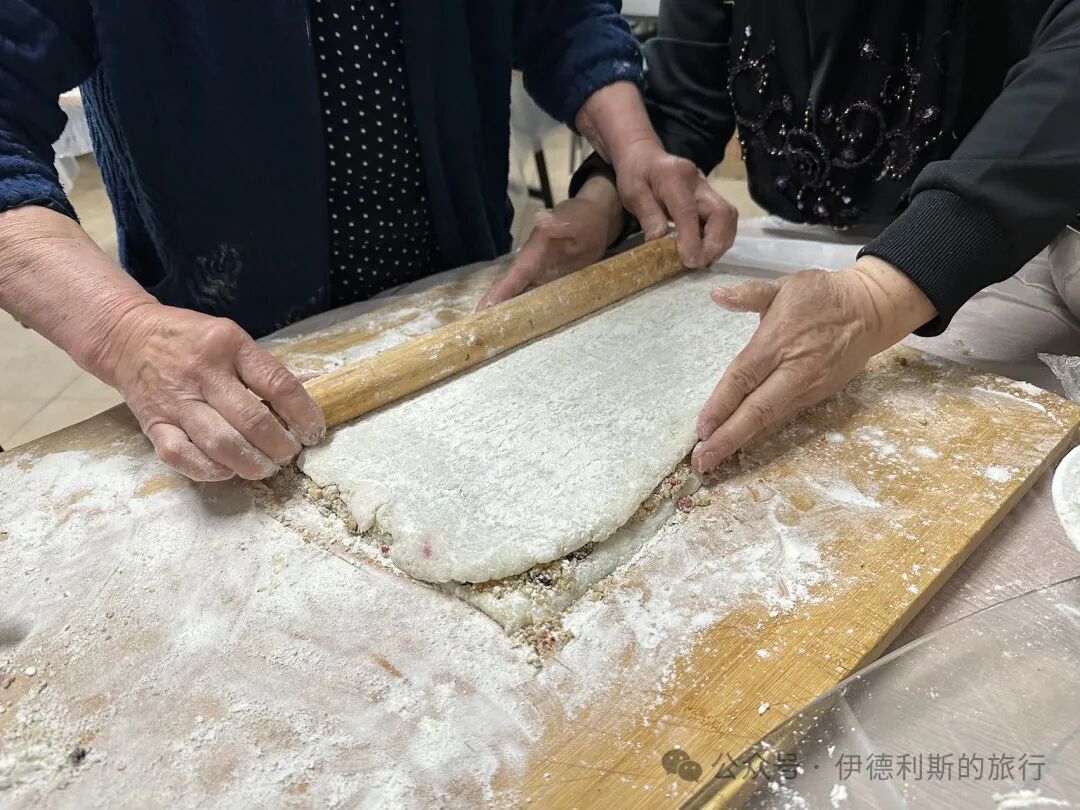
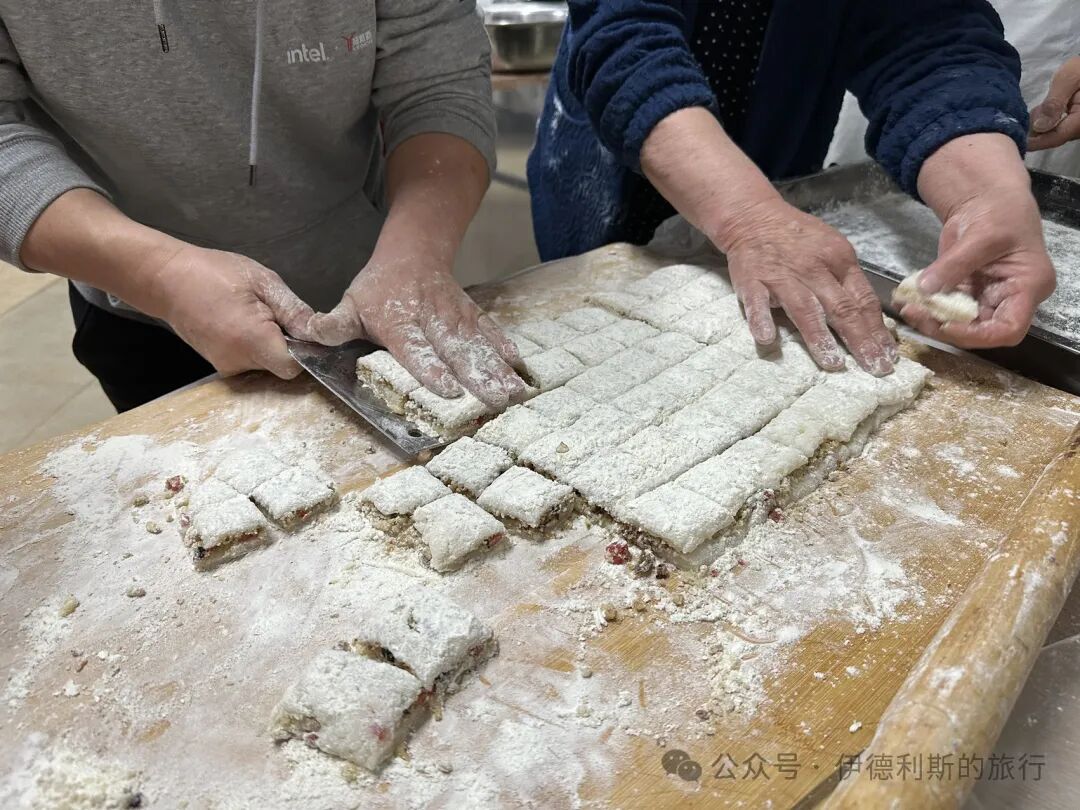
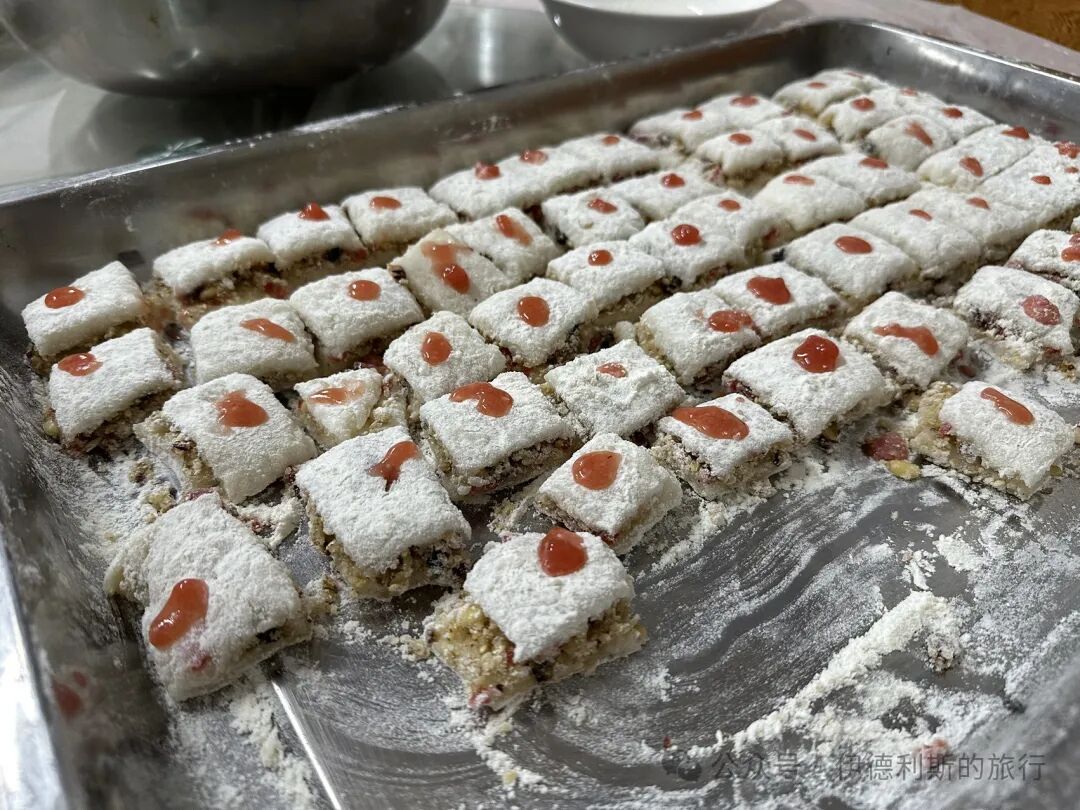
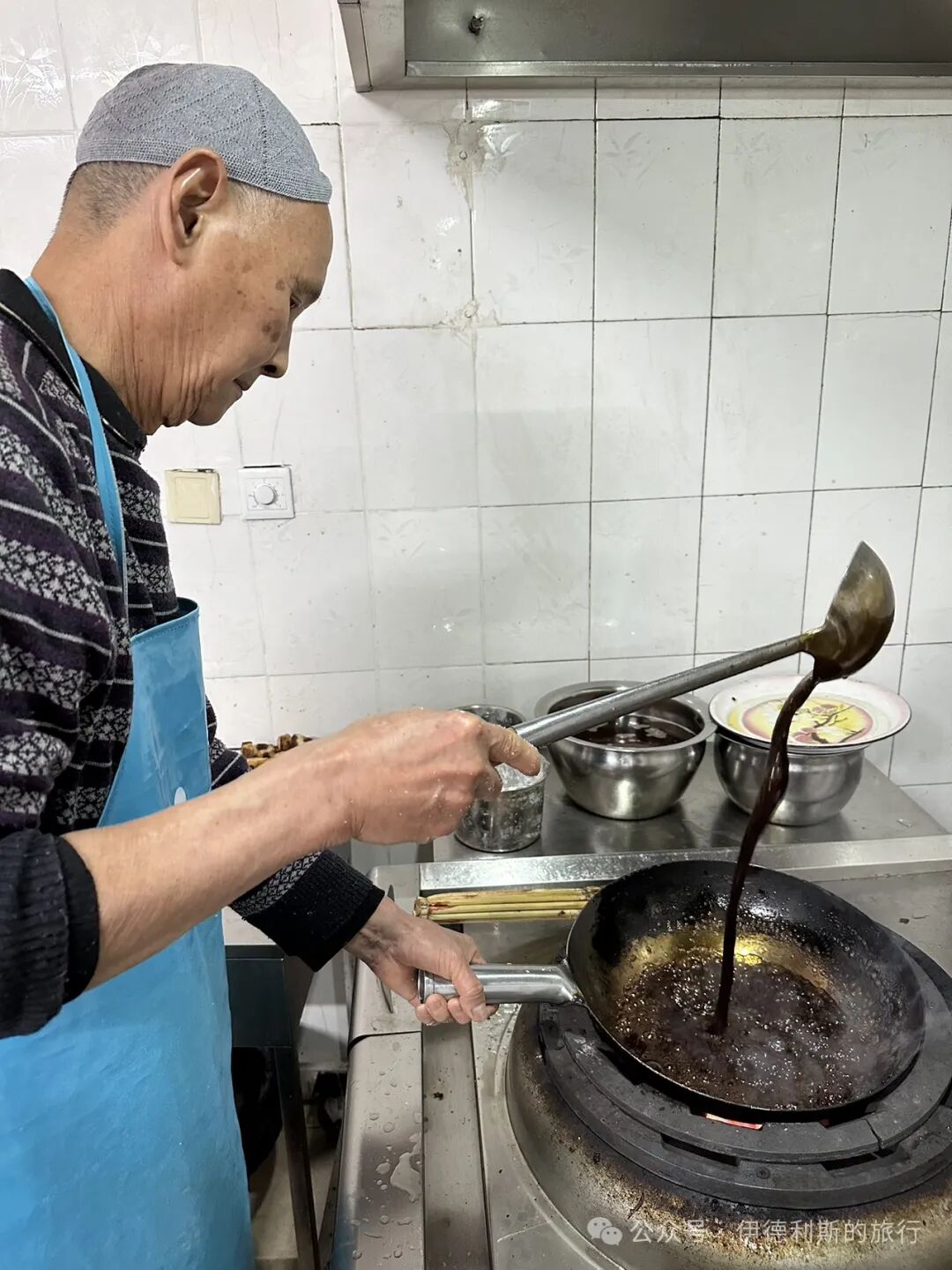
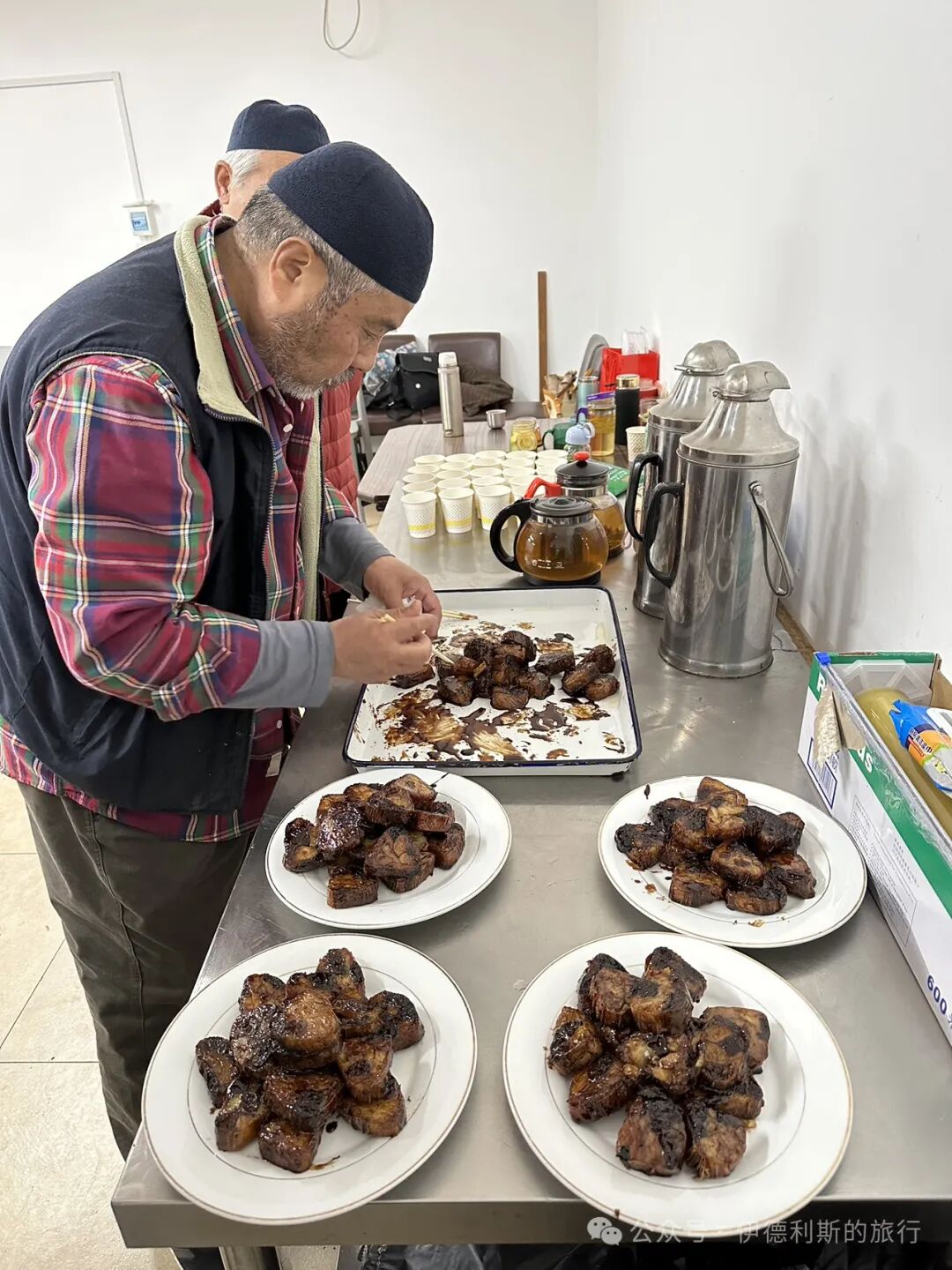
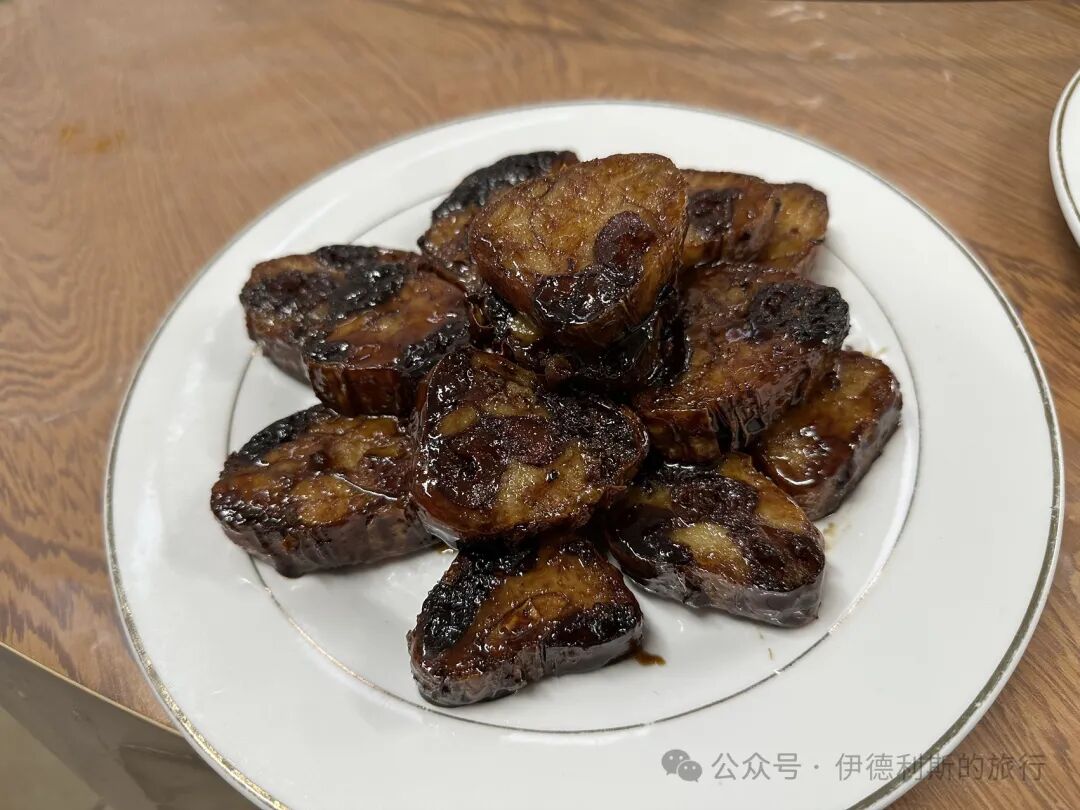
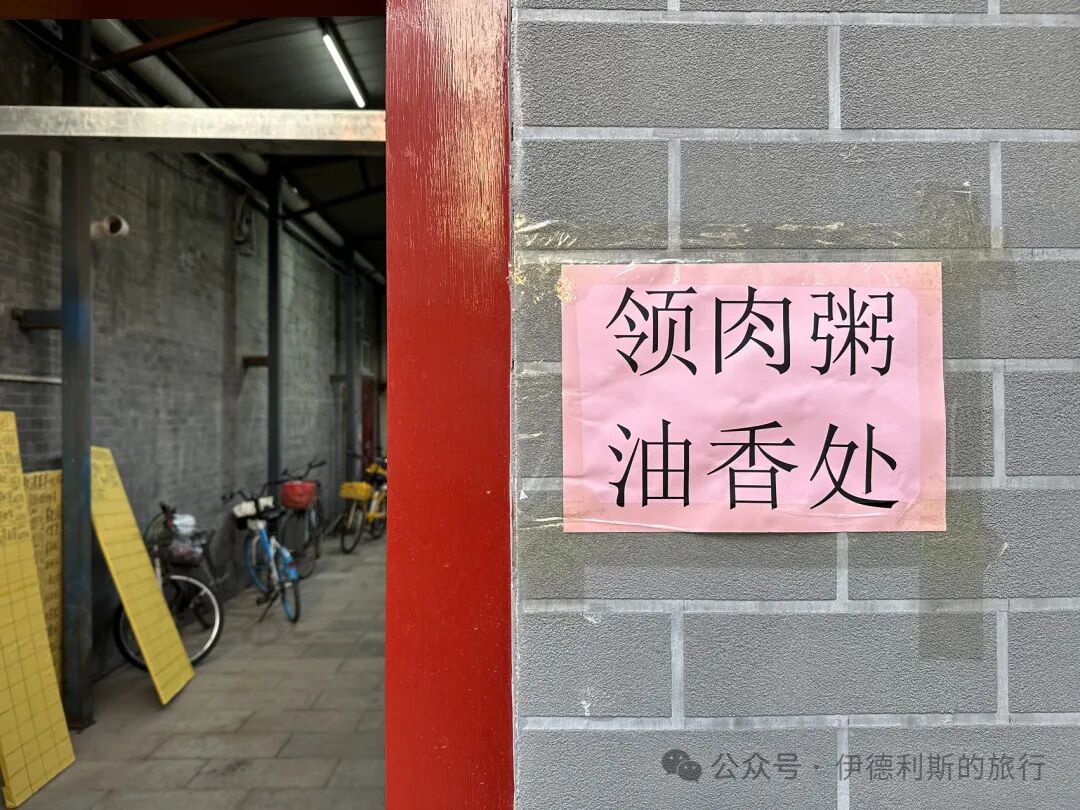
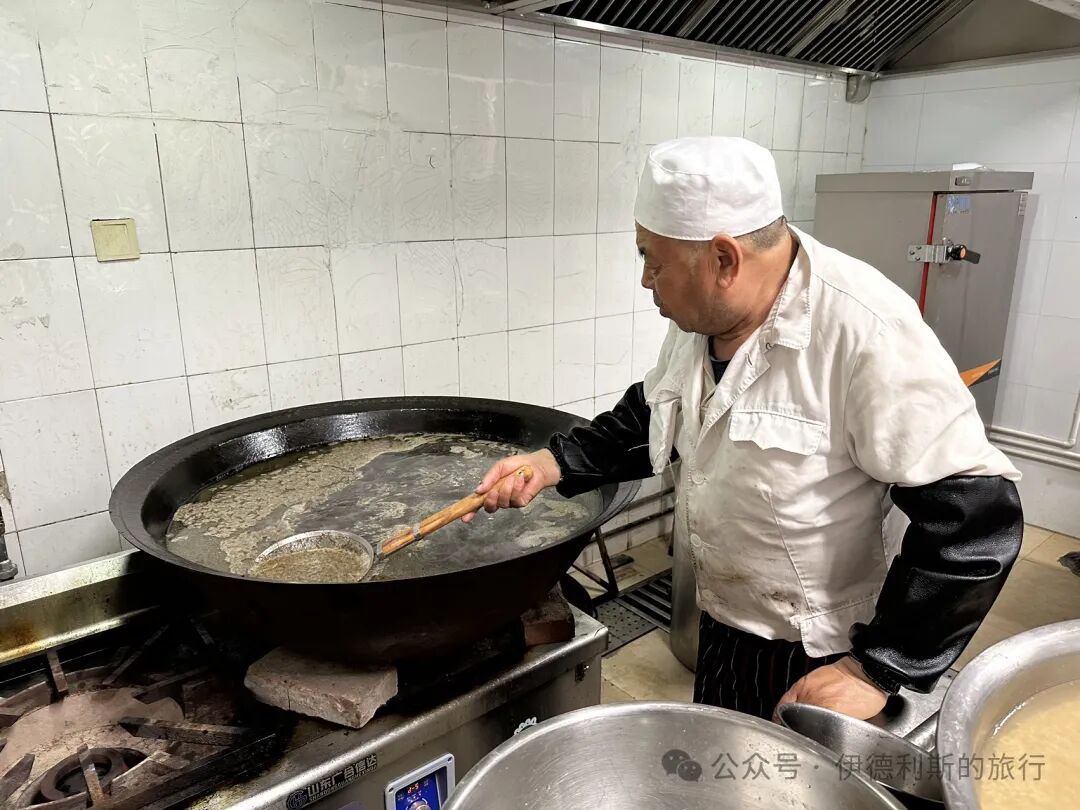
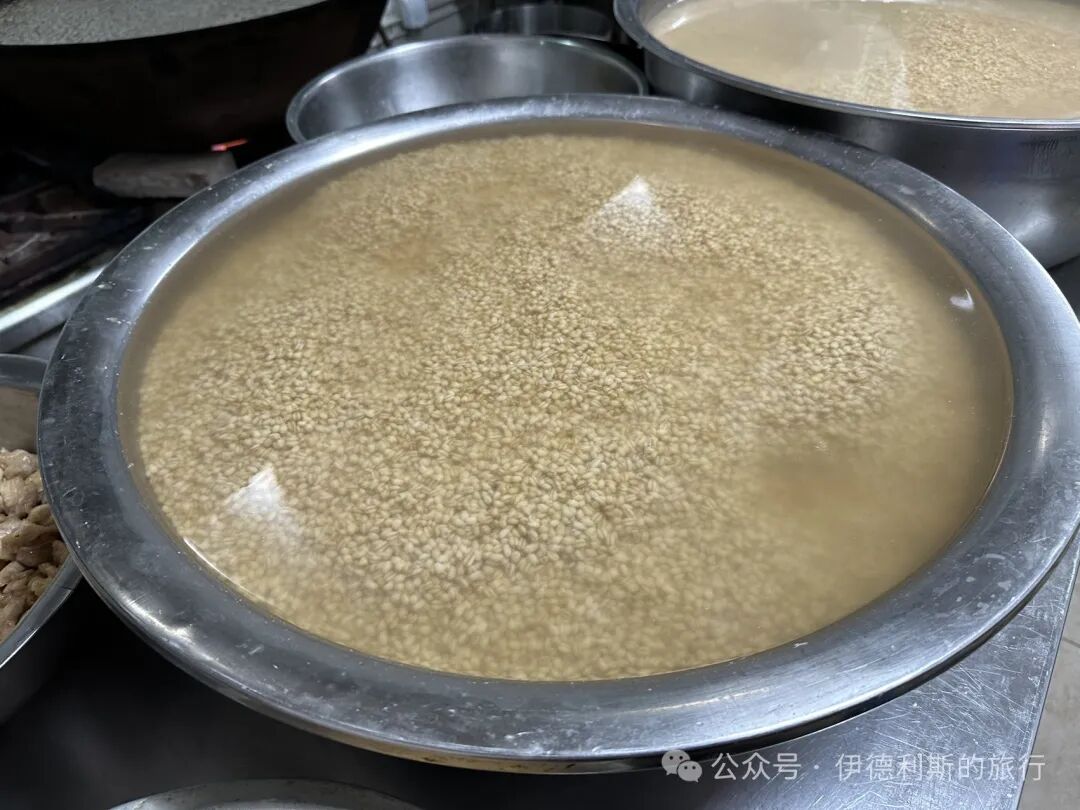
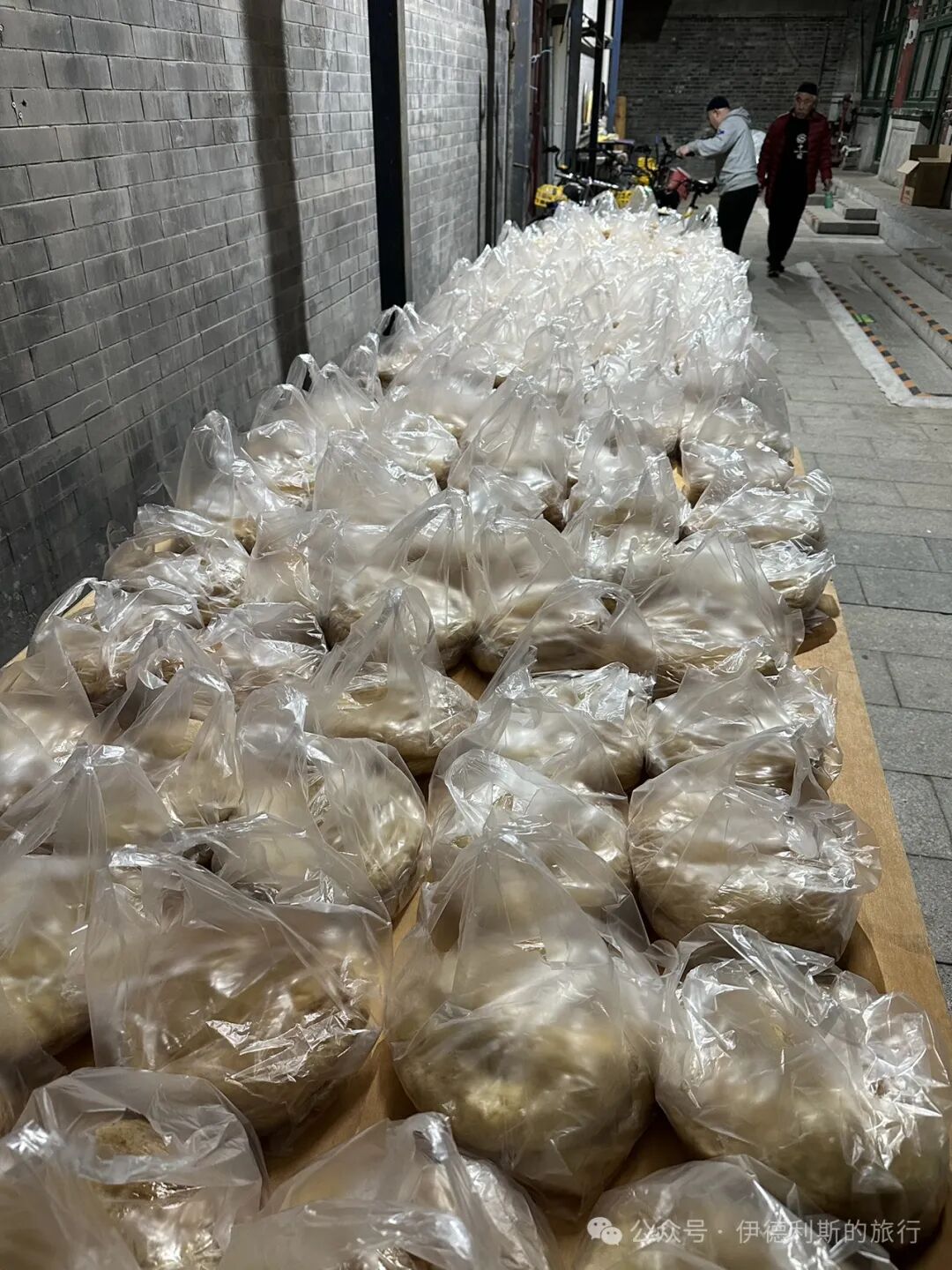
The elders at Balizhuang Mosque are busy preparing for Eid al-Fitr tomorrow, getting the meat porridge (rouzhou) simmering and the fried dough (youxiang) ready.
The iftar meal was very rich, with braised fish, braised pork tongue, chicken cubes in bean sauce, stir-fried shrimp, fried tofu stewed with beef, spiced beef, and more. The fish was flavorful, and the beef was stewed until soft and tender. May Allah reward (thawab) everyone for their hard work this month.
Happy Eid! Eid al-Fitr is finally here, and Balizhuang Mosque has prepared meat porridge (rouzhou), fried dough (youxiang), and various pastries for everyone. The wheat grain and meat flavors in the meat porridge (rouzhou) blend perfectly, making it delicious. I met with Imam Saiwabu and the village elders. I not only accepted their greeting but also recited praises with them, and I feel very grateful to Allah.
May we meet again next Ramadan.
China Muslim Travel Tips Ramadan: Hadith, Eid Moon Sighting and Local Imam Unity
Articles • yusuf908 posted the article • 0 comments • 225 views • 2026-05-23 21:31
Summary: This Ramadan reflection discusses recurring disputes about moon sighting, starting and ending the fast, following the local imam, and protecting unity in Muslim communities even when people hold different fiqh views.
This year's Ramadan has mostly passed. Some people have already ended the fast today, and some will end it tomorrow, but the hostile arguments on Moments have not stopped with the end of Ramadan. On the contrary, those who continue to fast today mock those who have already broken their fast today as radicals. In China, they blindly follow the trend of breaking the fast without seeing the moon. Those who continue to fast today mock those who continue to fast today as old-fashioned. Obviously, there is accurate information about the moon sighting abroad, so why not accept a distant moon sighting?
Every year, our group always quarrels and slanders each other over the issue of fasting and breaking fast. The root of all this is the famous hadith: “Fast when you see the new moon, and break your fast when you see the new moon. But if the sky is cloudy, then you have enough for the thirty days of Sha'ban (calculation based on this)! ". [the two Sahih collections], the differences in each Ramadan basically appear here, and there is also the situation of receiving the new moon from a distant place. There is also a hadith: Narrated by Qurayb ibn Abu Muslim Umm al-Fadl bint al-Harith sent me to Sham to meet Mu'awiya. I was in Sham when the crescent moon of Ramadan appeared after I arrived in Sham to complete her mission. We saw the new moon on the Friday night. When I returned to Medina at the end of the month, Ibn Abbas mentioned the new moon when he asked me, "When did you see the new moon?" "I said: "We saw the new moon on the Friday night. He asked: "Did you see it too?" "I said: "Yes, everyone has seen it. They all fasted, and Mu'awiya also fasted. "Ibn Abbas said: "We saw the new moon on Saturday night. So, we will continue to fast until we are thirty days old or until we see the new moon. "I said: "Aren't you satisfied with Mu'awiya's sight of the moon and his fasting? "Ibn Abbas said: "No, this is what the Messenger of Allah ordered us to do. "Muslim Collection of Hadith." Today we are in the era of the "global village" with the explosion of information. People in the Western Hemisphere will know about the new moon one minute after seeing it in the Eastern Hemisphere, so people who see the new moon will naturally start or end the fast. However, those who refuse to accept a distant moon sighting believe that there is a time difference of several hours between the new moon seen by people in the Eastern Hemisphere and those in the Western Hemisphere, and the distance is far away, so they do not need to accept a distant moon sighting, so they delay starting or ending the fast.
Do the above two hadiths contradict each other? Not contradictory at all! On the contrary, there is strong complementarity, and it also reflects the inclusiveness of Islam in seeking common ground while reserving differences, and Islam is a religion that makes it easy for people and not difficult for others. On the contrary, it is our partial understanding or complete misinterpretation of these two hadiths that led to this situation of blaming each other. In the end, we all used these two hadiths to say that the other party was mistaken. In fact, similar and seemingly contradictory hadiths include "My disciples will be divided into seventy-three groups, only one group will enter heaven, and the others will enter hell." This group of saved people are believers who follow me, and they follow my disciples as examples. "Ibn Majah" and another passage "Whoever dies by reciting that there is no god but Allah will surely enter paradise, even if he steals and commits adultery." "[the two Sahih collections], these two hadiths seem to be contradictory and conflicting with each other. In fact, as long as these two hadiths are combined and understood, they encourage everyone to actively do good deeds and work hard to complete various meritorious deeds. Even if you are originally a person who has committed serious sins, as long as you work hard to improve, actively repent to Allah, and promise not to do it again, you will belong to the residents of heaven.
The same is true for the above two hadiths about the new moon. They must be combined to understand each other in order to truly understand their meaning. Otherwise, if we only understand a certain hadith alone, we will end up in today's situation of mutual accusations. If the two hadiths are combined and understood, then we can easily solve this problem. The choice of whether to accept a distant moon sighting from another place depends on the imam of our community. If the imam of our community chooses to accept a distant moon sighting, then we will follow the fast or break the fast. If the imam of our community chooses to not accept the distant moon sighting, then we will follow the imam and choose to postpone the fast or delay the fast. Because the Messenger of Allah said, "Fear Allah and obey the [Imam] among you, even if it is an Abyssinian black servant with a head like a raisin as your Imam." "Ibn Majah". The imam of this community will consider all factors and finally make the most correct choice. We can just follow him. Don't mess up the atmosphere of unity in this community or even surrounding communities for our own reasons. If we do this, we will violate the great mission of "Muslims should unite with each other" commanded by Allah.
Having said so much, I can only say one thing: Those who choose to accept a distant moon sighting and fast or break their fast, or those who choose to not accept a distant moon sighting and delay fasting and break the fast, both are fine. As for whether to choose to accept a distant moon sighting or not, it depends on the imam of the community! As for who is right and who is wrong, we just have to be ourselves. In the days to come, Allah will reward every servant according to their intention. Finally, I would like to end today’s tweet with a Hadith: “All work depends on intention, and everyone has the [reward] of his intention” [the two Sahih collections]! view all
Summary: This Ramadan reflection discusses recurring disputes about moon sighting, starting and ending the fast, following the local imam, and protecting unity in Muslim communities even when people hold different fiqh views.
This year's Ramadan has mostly passed. Some people have already ended the fast today, and some will end it tomorrow, but the hostile arguments on Moments have not stopped with the end of Ramadan. On the contrary, those who continue to fast today mock those who have already broken their fast today as radicals. In China, they blindly follow the trend of breaking the fast without seeing the moon. Those who continue to fast today mock those who continue to fast today as old-fashioned. Obviously, there is accurate information about the moon sighting abroad, so why not accept a distant moon sighting?
Every year, our group always quarrels and slanders each other over the issue of fasting and breaking fast. The root of all this is the famous hadith: “Fast when you see the new moon, and break your fast when you see the new moon. But if the sky is cloudy, then you have enough for the thirty days of Sha'ban (calculation based on this)! ". [the two Sahih collections], the differences in each Ramadan basically appear here, and there is also the situation of receiving the new moon from a distant place. There is also a hadith: Narrated by Qurayb ibn Abu Muslim Umm al-Fadl bint al-Harith sent me to Sham to meet Mu'awiya. I was in Sham when the crescent moon of Ramadan appeared after I arrived in Sham to complete her mission. We saw the new moon on the Friday night. When I returned to Medina at the end of the month, Ibn Abbas mentioned the new moon when he asked me, "When did you see the new moon?" "I said: "We saw the new moon on the Friday night. He asked: "Did you see it too?" "I said: "Yes, everyone has seen it. They all fasted, and Mu'awiya also fasted. "Ibn Abbas said: "We saw the new moon on Saturday night. So, we will continue to fast until we are thirty days old or until we see the new moon. "I said: "Aren't you satisfied with Mu'awiya's sight of the moon and his fasting? "Ibn Abbas said: "No, this is what the Messenger of Allah ordered us to do. "Muslim Collection of Hadith." Today we are in the era of the "global village" with the explosion of information. People in the Western Hemisphere will know about the new moon one minute after seeing it in the Eastern Hemisphere, so people who see the new moon will naturally start or end the fast. However, those who refuse to accept a distant moon sighting believe that there is a time difference of several hours between the new moon seen by people in the Eastern Hemisphere and those in the Western Hemisphere, and the distance is far away, so they do not need to accept a distant moon sighting, so they delay starting or ending the fast.
Do the above two hadiths contradict each other? Not contradictory at all! On the contrary, there is strong complementarity, and it also reflects the inclusiveness of Islam in seeking common ground while reserving differences, and Islam is a religion that makes it easy for people and not difficult for others. On the contrary, it is our partial understanding or complete misinterpretation of these two hadiths that led to this situation of blaming each other. In the end, we all used these two hadiths to say that the other party was mistaken. In fact, similar and seemingly contradictory hadiths include "My disciples will be divided into seventy-three groups, only one group will enter heaven, and the others will enter hell." This group of saved people are believers who follow me, and they follow my disciples as examples. "Ibn Majah" and another passage "Whoever dies by reciting that there is no god but Allah will surely enter paradise, even if he steals and commits adultery." "[the two Sahih collections], these two hadiths seem to be contradictory and conflicting with each other. In fact, as long as these two hadiths are combined and understood, they encourage everyone to actively do good deeds and work hard to complete various meritorious deeds. Even if you are originally a person who has committed serious sins, as long as you work hard to improve, actively repent to Allah, and promise not to do it again, you will belong to the residents of heaven.
The same is true for the above two hadiths about the new moon. They must be combined to understand each other in order to truly understand their meaning. Otherwise, if we only understand a certain hadith alone, we will end up in today's situation of mutual accusations. If the two hadiths are combined and understood, then we can easily solve this problem. The choice of whether to accept a distant moon sighting from another place depends on the imam of our community. If the imam of our community chooses to accept a distant moon sighting, then we will follow the fast or break the fast. If the imam of our community chooses to not accept the distant moon sighting, then we will follow the imam and choose to postpone the fast or delay the fast. Because the Messenger of Allah said, "Fear Allah and obey the [Imam] among you, even if it is an Abyssinian black servant with a head like a raisin as your Imam." "Ibn Majah". The imam of this community will consider all factors and finally make the most correct choice. We can just follow him. Don't mess up the atmosphere of unity in this community or even surrounding communities for our own reasons. If we do this, we will violate the great mission of "Muslims should unite with each other" commanded by Allah.
Having said so much, I can only say one thing: Those who choose to accept a distant moon sighting and fast or break their fast, or those who choose to not accept a distant moon sighting and delay fasting and break the fast, both are fine. As for whether to choose to accept a distant moon sighting or not, it depends on the imam of the community! As for who is right and who is wrong, we just have to be ourselves. In the days to come, Allah will reward every servant according to their intention. Finally, I would like to end today’s tweet with a Hadith: “All work depends on intention, and everyone has the [reward] of his intention” [the two Sahih collections]!
Niujie Beijing Muslim Food Street: Eid al-Fitr Snacks and Hui Muslim Food Map Part 2
Articles • ali2007fr posted the article • 0 comments • 117 views • 2026-05-21 10:01
Summary: A short second part of the Niujie Beijing Muslim food street map for Eid al-Fitr, keeping the original advice and single image exactly where they belong.
P.S. I am posting this before Eid al-Fitr. Take my advice: the snacks sold on the day of the festival are available all year round, but they cost more on the holiday itself. view all
Summary: A short second part of the Niujie Beijing Muslim food street map for Eid al-Fitr, keeping the original advice and single image exactly where they belong.
P.S. I am posting this before Eid al-Fitr. Take my advice: the snacks sold on the day of the festival are available all year round, but they cost more on the holiday itself.
Beijing Ramadan 2026 Diary: Laylat al-Qadr, Eid al-Fitr and Hui Muslim Food
Articles • ali2007fr posted the article • 0 comments • 175 views • 2026-05-21 06:45
Summary: This second Beijing Ramadan diary covers Jingzhe, Laylat al-Qadr, Eid al-Fitr, mosque gatherings, Hui Muslim food, and the closing days of Ramadan in clear English.
Awakening of Insects (Jingzhe)
This year, Ramadan falls during the Awakening of Insects, so Hui Muslims in Xinjiang will drink Awakening of Insects soup (jingzhe tang), also known as Awakening of Insects oil tea egg (jingzhe youcha dan). It is made by chopping walnuts, raisins, and red dates, coating them in egg wash, stir-frying them in mutton fat, and then pouring in brewed brick tea. The resulting soup has the aroma of mutton fat, dried fruit, eggs, and tea, which children really love.
The Awakening of Insects is one of the twenty-four solar terms, marking the time when all things wake up. In the past, medical care was limited and tuberculosis (shanglao) was a deadly disease. After the Awakening of Insects, temperatures rise and germs become active, so people used a combination of nutritious eggs, oil, and dried fruit with warm tea to pray for health, shake off winter fatigue, and boost their energy.
Night of Power (Laylat al-Qadr)
The twenty-seventh night of Ramadan is always the busiest day at every mosque, and this year Madian Mosque set up fifteen tables, making it very lively. Before breaking the fast, the imam recites the scripture. After breaking the fast, we are served two plates of fruit and pastries. After the sunset prayer (maghrib), nine dishes are served: braised prawns in oil, stir-fried shrimp with milk, braised flatfish, fried tofu, braised eggplant, stewed beef brisket with radish, stewed lamb with potatoes, stir-fried meat with scallions, and braised meat balls (songrou). I sat at a table with international students from various countries, and everyone really enjoyed the food.
Besides the two Eids (Eid al-Fitr and Eid al-Adha) and the two major gatherings (the Prophet's birthday and the Fatimah gathering), the Night of Power is likely the most important day for Hui Muslims. The Night of Power is also called the "Night Vigil" or "Night Head Festival." People say the scripture was first revealed on this night, which is better than a thousand months, so it is a time to do many good deeds. Everyone bathes, changes into clean clothes, goes to the mosque, greets each other with salaam, listens to the imam's recitation, completes their prayers, and shares a meal. Using the mosque as a gathering place and affection as a bridge, we seek blessings and look out for peace.
In the evening, the whole family celebrated the Night of Power at the Sudanese Embassy. The embassy building was fully lit, and the courtyard was filled with cars from various embassies. Besides coffee and black tea, there were also pastries donated (sadqa) by people from Changying Township.
Today was the busiest night at the embassy, and even the lobby was completely full. By the eighth rak'ah of the Taraweeh prayer, the entire scripture had been completed. During the final rak'ah, a half-hour long dua was made. The imam sounded like he was weeping, his voice was hoarse, and he was once moved to tears, crying "Ya Allah, Ya Allah," which was incredibly moving.
Eid al-Fitr
This year, Eid al-Fitr falls on a Saturday, so no one needs to ask for time off, which is why there are so many people. Our whole family headed straight to the Sudanese Embassy in the morning. Many people wore traditional clothing today, and I also wore a hexagonal cap (gedimu) from North China made by a friend. Today, not only was the building full, but the embassy courtyard was also packed with friends (dosti) from Africa, the Arab world, South Asia, and all over China. It was a very blessed occasion.
After the Eid prayer, some friends (dosti) brought homemade fried triangular pastries (sambusa) and chicken wraps (shawarma) from home, and we all enjoyed the delicious food together.
The fried triangular pastry (sambusa) originated in Iran. After the 10th century, it spread to the Arab region along trade and pilgrimage routes. In countries like Saudi Arabia and Yemen, the sambusa is an essential and iconic food for iftar and Eid al-Fitr. Compared to the South Asian samosa, which also comes from Iran, the Arab sambusa is smaller with a thinner crust. The filling is usually made of minced meat, onions, cilantro, and cinnamon.
After leaving the Sudanese Embassy, we went to Fayuan Mosque in Dewai to experience the atmosphere of a Chinese-style Eid al-Fitr. Fayuan Mosque holds the latest Eid prayer in the Xicheng District, which gives people who missed the prayers at other mosques a chance to attend. The place was very crowded, and those of us who arrived late could not get into the main prayer hall. After the prayer, we enjoyed fried dough (youxiang) and various pastries, but it was a pity that we did not get to have any meat porridge this year. view all
Summary: This second Beijing Ramadan diary covers Jingzhe, Laylat al-Qadr, Eid al-Fitr, mosque gatherings, Hui Muslim food, and the closing days of Ramadan in clear English.
Awakening of Insects (Jingzhe)
This year, Ramadan falls during the Awakening of Insects, so Hui Muslims in Xinjiang will drink Awakening of Insects soup (jingzhe tang), also known as Awakening of Insects oil tea egg (jingzhe youcha dan). It is made by chopping walnuts, raisins, and red dates, coating them in egg wash, stir-frying them in mutton fat, and then pouring in brewed brick tea. The resulting soup has the aroma of mutton fat, dried fruit, eggs, and tea, which children really love.
The Awakening of Insects is one of the twenty-four solar terms, marking the time when all things wake up. In the past, medical care was limited and tuberculosis (shanglao) was a deadly disease. After the Awakening of Insects, temperatures rise and germs become active, so people used a combination of nutritious eggs, oil, and dried fruit with warm tea to pray for health, shake off winter fatigue, and boost their energy.
Night of Power (Laylat al-Qadr)
The twenty-seventh night of Ramadan is always the busiest day at every mosque, and this year Madian Mosque set up fifteen tables, making it very lively. Before breaking the fast, the imam recites the scripture. After breaking the fast, we are served two plates of fruit and pastries. After the sunset prayer (maghrib), nine dishes are served: braised prawns in oil, stir-fried shrimp with milk, braised flatfish, fried tofu, braised eggplant, stewed beef brisket with radish, stewed lamb with potatoes, stir-fried meat with scallions, and braised meat balls (songrou). I sat at a table with international students from various countries, and everyone really enjoyed the food.
Besides the two Eids (Eid al-Fitr and Eid al-Adha) and the two major gatherings (the Prophet's birthday and the Fatimah gathering), the Night of Power is likely the most important day for Hui Muslims. The Night of Power is also called the "Night Vigil" or "Night Head Festival." People say the scripture was first revealed on this night, which is better than a thousand months, so it is a time to do many good deeds. Everyone bathes, changes into clean clothes, goes to the mosque, greets each other with salaam, listens to the imam's recitation, completes their prayers, and shares a meal. Using the mosque as a gathering place and affection as a bridge, we seek blessings and look out for peace.
In the evening, the whole family celebrated the Night of Power at the Sudanese Embassy. The embassy building was fully lit, and the courtyard was filled with cars from various embassies. Besides coffee and black tea, there were also pastries donated (sadqa) by people from Changying Township.
Today was the busiest night at the embassy, and even the lobby was completely full. By the eighth rak'ah of the Taraweeh prayer, the entire scripture had been completed. During the final rak'ah, a half-hour long dua was made. The imam sounded like he was weeping, his voice was hoarse, and he was once moved to tears, crying "Ya Allah, Ya Allah," which was incredibly moving.
Eid al-Fitr
This year, Eid al-Fitr falls on a Saturday, so no one needs to ask for time off, which is why there are so many people. Our whole family headed straight to the Sudanese Embassy in the morning. Many people wore traditional clothing today, and I also wore a hexagonal cap (gedimu) from North China made by a friend. Today, not only was the building full, but the embassy courtyard was also packed with friends (dosti) from Africa, the Arab world, South Asia, and all over China. It was a very blessed occasion.
After the Eid prayer, some friends (dosti) brought homemade fried triangular pastries (sambusa) and chicken wraps (shawarma) from home, and we all enjoyed the delicious food together.
The fried triangular pastry (sambusa) originated in Iran. After the 10th century, it spread to the Arab region along trade and pilgrimage routes. In countries like Saudi Arabia and Yemen, the sambusa is an essential and iconic food for iftar and Eid al-Fitr. Compared to the South Asian samosa, which also comes from Iran, the Arab sambusa is smaller with a thinner crust. The filling is usually made of minced meat, onions, cilantro, and cinnamon.
After leaving the Sudanese Embassy, we went to Fayuan Mosque in Dewai to experience the atmosphere of a Chinese-style Eid al-Fitr. Fayuan Mosque holds the latest Eid prayer in the Xicheng District, which gives people who missed the prayers at other mosques a chance to attend. The place was very crowded, and those of us who arrived late could not get into the main prayer hall. After the prayer, we enjoyed fried dough (youxiang) and various pastries, but it was a pity that we did not get to have any meat porridge this year.
Halal Travel Guide: Eid al-Fitr in Beijing
Articles • ali2007fr posted the article • 0 comments • 157 views • 2026-05-20 01:48
Summary: This article records Eid al-Fitr celebrations in Beijing from the viewpoint of a Muslim traveler. It keeps the original scenes, prayers, food, people, and photographs while avoiding extra commentary not found in the Chinese source.
Because of a bad pollen allergy, fasting this year was very difficult. My brain often felt like it was shutting down in the afternoon. After keeping at it, I finally finished my duties and welcomed the noble Eid al-Fitr.
Before the Eid prayer, there are seven recommended acts (mustahabb). At dawn (fajr), I made sure to eat one thing, so I ate a date. I performed the full ritual wash (ghusl), brushed my teeth, put on clean clothes before leaving, lit some incense (balan xiang), recited the takbir quietly on the way to the mosque, and paid my zakat al-fitr upon entering.
This year, I went to the Balizhuang Mosque just like in previous years. By seven in the morning, the mosque was already full of friends (dosti). There were international friends, brothers visiting Beijing from other places, local residents of Balizhuang, and the elders who broke their fast at the mosque every day during Ramadan.
The mosque had already prepared meat porridge, fried dough (youxiang), and various pastries and fruits. To make the meat porridge, you must crush the oil out of beef or lamb bones a day in advance, remove the bone fragments, and then simmer it with barley kernels. Drinking a bowl on the morning of Eid al-Fitr is very comforting for the stomach.
Beijing-style fried dough (youxiang) is made with leavened dough. It puffs up when fried and becomes very fluffy. After draining the oil, you should tear it apart to eat it.
After everyone caught up, chatted, and drank the good meat porridge, it was time for the ceremony of welcoming the imam to the main hall. Everyone held a stick of incense (balan xiang), followed the imam, recited the takbir, and walked slowly into the main hall.
After entering the hall, we began the opening scripture recitation, which consisted of the eighteen traditional surahs (suole) of North China. Each person in the front recited one surah, and the last person recited the Al-Fatiha and the first five verses of Al-Baqarah.
After the scripture reading, Imam Yang gave a sermon (wa'z) about the meaning of Eid al-Fitr, encouraged good deeds, warned against evil, and explained the procedure for the Eid prayer.
Then, we began the two-unit (rak'ah) Eid prayer. After the prayer, Imam Jin stood on the pulpit (minbar), held a wooden staff (al-asa), and recited the sermon (khutbah). Then we prayed four units of voluntary prayer (nafl). After finishing, we recited Al-Fatiha twice, followed by two duas. Finally, everyone gathered in a circle to shake hands. In North China, it is customary to recite blessings upon the Prophet (salawat) while shaking hands, while some friends from other places say 'salam' when shaking hands.
When the prayer ended, everyone lined up at the door to receive meat porridge and fried dough (youxiang). After that, we went out to the vegetable market near the mosque to buy ingredients for making starch noodle soup (fen tang).
After leaving the mosque, we went to Tiankelai at Jintai Road intersection for a meal. We ordered stir-fried eggs with yellow chives and shrimp, snow peas with garlic, mustard-marinated cabbage (jiemodun), a platter of savory and sweet fried yam rolls (juan-guo), slow-cooked beef (wei niurou), and roast duck. The stir-fried dishes are not pre-made, so you can ask them to leave out sugar or MSG. The slow-cooked beef was very tender, and my family loved it. The mustard-marinated cabbage was very pungent and a great appetizer. The roast duck is roasted to order. We waited an hour for it, but it tasted pretty good.
There are not many traditional Beijing-style stir-fry restaurants around the East Fourth Ring Road, so it is impressive that the old Niujie brand Tiankelai opened a branch here. The restaurant is right next to Jintai Road subway station. It is not crowded on weekday lunchtimes, and the environment is nice. The only regret is that many dishes on the menu were marked as unavailable, perhaps due to the chef, which limited our choices quite a bit.
We passed by the Longfu Mosque snack shop on Dongsi North Street.
I came home after work and had some noodle soup (fen tang). On this day, all Xinjiang Hui Muslims make festive noodle soup. They prepare pea starch in advance and then cook braised lamb chops. Stir-fry meat slices, cabbage, greens, and tomatoes, add water, then mix in the braised lamb chops and starch cubes to finish. One bowl is simply not enough. It tastes best when served with fried dough (youxiang). view all
Summary: This article records Eid al-Fitr celebrations in Beijing from the viewpoint of a Muslim traveler. It keeps the original scenes, prayers, food, people, and photographs while avoiding extra commentary not found in the Chinese source.
Because of a bad pollen allergy, fasting this year was very difficult. My brain often felt like it was shutting down in the afternoon. After keeping at it, I finally finished my duties and welcomed the noble Eid al-Fitr.
Before the Eid prayer, there are seven recommended acts (mustahabb). At dawn (fajr), I made sure to eat one thing, so I ate a date. I performed the full ritual wash (ghusl), brushed my teeth, put on clean clothes before leaving, lit some incense (balan xiang), recited the takbir quietly on the way to the mosque, and paid my zakat al-fitr upon entering.
This year, I went to the Balizhuang Mosque just like in previous years. By seven in the morning, the mosque was already full of friends (dosti). There were international friends, brothers visiting Beijing from other places, local residents of Balizhuang, and the elders who broke their fast at the mosque every day during Ramadan.
The mosque had already prepared meat porridge, fried dough (youxiang), and various pastries and fruits. To make the meat porridge, you must crush the oil out of beef or lamb bones a day in advance, remove the bone fragments, and then simmer it with barley kernels. Drinking a bowl on the morning of Eid al-Fitr is very comforting for the stomach.
Beijing-style fried dough (youxiang) is made with leavened dough. It puffs up when fried and becomes very fluffy. After draining the oil, you should tear it apart to eat it.
After everyone caught up, chatted, and drank the good meat porridge, it was time for the ceremony of welcoming the imam to the main hall. Everyone held a stick of incense (balan xiang), followed the imam, recited the takbir, and walked slowly into the main hall.
After entering the hall, we began the opening scripture recitation, which consisted of the eighteen traditional surahs (suole) of North China. Each person in the front recited one surah, and the last person recited the Al-Fatiha and the first five verses of Al-Baqarah.
After the scripture reading, Imam Yang gave a sermon (wa'z) about the meaning of Eid al-Fitr, encouraged good deeds, warned against evil, and explained the procedure for the Eid prayer.
Then, we began the two-unit (rak'ah) Eid prayer. After the prayer, Imam Jin stood on the pulpit (minbar), held a wooden staff (al-asa), and recited the sermon (khutbah). Then we prayed four units of voluntary prayer (nafl). After finishing, we recited Al-Fatiha twice, followed by two duas. Finally, everyone gathered in a circle to shake hands. In North China, it is customary to recite blessings upon the Prophet (salawat) while shaking hands, while some friends from other places say 'salam' when shaking hands.
When the prayer ended, everyone lined up at the door to receive meat porridge and fried dough (youxiang). After that, we went out to the vegetable market near the mosque to buy ingredients for making starch noodle soup (fen tang).
After leaving the mosque, we went to Tiankelai at Jintai Road intersection for a meal. We ordered stir-fried eggs with yellow chives and shrimp, snow peas with garlic, mustard-marinated cabbage (jiemodun), a platter of savory and sweet fried yam rolls (juan-guo), slow-cooked beef (wei niurou), and roast duck. The stir-fried dishes are not pre-made, so you can ask them to leave out sugar or MSG. The slow-cooked beef was very tender, and my family loved it. The mustard-marinated cabbage was very pungent and a great appetizer. The roast duck is roasted to order. We waited an hour for it, but it tasted pretty good.
There are not many traditional Beijing-style stir-fry restaurants around the East Fourth Ring Road, so it is impressive that the old Niujie brand Tiankelai opened a branch here. The restaurant is right next to Jintai Road subway station. It is not crowded on weekday lunchtimes, and the environment is nice. The only regret is that many dishes on the menu were marked as unavailable, perhaps due to the chef, which limited our choices quite a bit.
We passed by the Longfu Mosque snack shop on Dongsi North Street.
I came home after work and had some noodle soup (fen tang). On this day, all Xinjiang Hui Muslims make festive noodle soup. They prepare pea starch in advance and then cook braised lamb chops. Stir-fry meat slices, cabbage, greens, and tomatoes, add water, then mix in the braised lamb chops and starch cubes to finish. One bowl is simply not enough. It tastes best when served with fried dough (youxiang).
Halal Travel Guide: Beijing Ramadan - Laylat al-Qadr and Eid al-Fitr
Articles • ali2007fr posted the article • 0 comments • 187 views • 2026-05-19 08:54
Summary: Halal Travel Guide: Beijing Ramadan - Laylat al-Qadr and Eid al-Fitr is presented here as a firsthand travel account in clear, natural English. The account focuses on Beijing Ramadan, Laylat al-Qadr, Eid al-Fitr while preserving the names, places, food, photos, and historical details from the Chinese source.
On the 22nd day, the elder at Balizhuang Mosque made fresh pea flour cake (wandouhuang). It is rare to eat it warm, and it tasted amazing. I broke my fast with the usual fermented mung bean milk (douzhier), paired with crispy fried dough strips (paicha) and fried milk. For the fast-breaking meal, we had braised meatballs with carrots, stir-fried shrimp, and chicken stir-fried in soybean paste. Thanks to the elders who worked hard to cook for us!
I spent the next few days in Xi'an to experience the atmosphere of Ramadan, only returning for the Night of Power (Laylat al-Qadr).
The noble Night of Power, a night of peace. Today was the busiest day at Balizhuang Mosque since the start of Ramadan. Many friends (dost) traveled from far away to be here. We also took a train from Xi'an to Beijing this afternoon and headed straight to the mosque.
To break the fast, we had white fungus and lotus seed porridge. I also got to eat the steamed rice cakes (aiwowo) made by Elder Fu, along with mung bean cakes and flaky pastries that Zainab brought back from the Muslim Quarter (Huifang). The fast-breaking meal was very rich, featuring fried tofu stewed with beef, lamb bone broth (yangtang), and various stir-fried dishes.
On the 27th day, we broke our fast at Balizhuang Mosque with fermented mung bean milk (douzhi) again. For the meal, we had large steamed buns (dabaozi) with carrot or cabbage fillings, made with either leavened or scalded dough. We all agreed that the carrot filling was better. The mix of sweet carrot flavor and savory meat was so appetizing.
On the 28th day, we attended the final Taraweeh prayer of Ramadan. It was hard to say goodbye! Balizhuang Mosque was very lively. The elders were making steamed rice cakes (aiwowo) together, and Elder Li made some sticky rice cake (qiegao). We broke our fast with fermented mung bean milk (douzhi) as usual. The meal was noodle soup with thick sauce (dalu mian), featuring three types of toppings: daylily, tomato, and eggplant, plus various side vegetables. I started with two bowls of fermented mung bean milk and two cups of tea, then ate a big bowl of noodles. I was completely stuffed. I walked around the courtyard several times and only felt comfortable after the Taraweeh prayer finished.
I received charity (sadaqah) from the friends (dosti). May Allah reward you all (thawab)! This Ramadan has been so heartwarming!
It is the last day of Ramadan! The elders at Balizhuang Mosque gathered again to make steamed rice cakes (aiwowo), small sticky rice cakes (xiaoqiegao), and candied yam rolls (tangjuanguo), and everyone felt sad to see Ramadan end. Just like the sermon (wa'erzi) says, we must keep the spirit of Ramadan alive and try to make every month like Ramadan and every night like the Night of Power (Laylat al-Qadr).
The elders at Balizhuang Mosque are busy preparing for Eid al-Fitr tomorrow, getting the meat porridge (rouzhou) simmering and the fried dough (youxiang) ready.
The iftar meal was very rich, with braised fish, braised pork tongue, chicken cubes in bean sauce, stir-fried shrimp, fried tofu stewed with beef, spiced beef, and more. The fish was flavorful, and the beef was stewed until soft and tender. May Allah reward (thawab) everyone for their hard work this month.
Happy Eid! Eid al-Fitr is finally here, and Balizhuang Mosque has prepared meat porridge (rouzhou), fried dough (youxiang), and various pastries for everyone. The wheat grain and meat flavors in the meat porridge (rouzhou) blend perfectly, making it delicious. I met with Imam Saiwabu and the village elders. I not only accepted their greeting but also recited praises with them, and I feel very grateful to Allah.
May we meet again next Ramadan. view all
Summary: Halal Travel Guide: Beijing Ramadan - Laylat al-Qadr and Eid al-Fitr is presented here as a firsthand travel account in clear, natural English. The account focuses on Beijing Ramadan, Laylat al-Qadr, Eid al-Fitr while preserving the names, places, food, photos, and historical details from the Chinese source.
On the 22nd day, the elder at Balizhuang Mosque made fresh pea flour cake (wandouhuang). It is rare to eat it warm, and it tasted amazing. I broke my fast with the usual fermented mung bean milk (douzhier), paired with crispy fried dough strips (paicha) and fried milk. For the fast-breaking meal, we had braised meatballs with carrots, stir-fried shrimp, and chicken stir-fried in soybean paste. Thanks to the elders who worked hard to cook for us!
I spent the next few days in Xi'an to experience the atmosphere of Ramadan, only returning for the Night of Power (Laylat al-Qadr).
The noble Night of Power, a night of peace. Today was the busiest day at Balizhuang Mosque since the start of Ramadan. Many friends (dost) traveled from far away to be here. We also took a train from Xi'an to Beijing this afternoon and headed straight to the mosque.
To break the fast, we had white fungus and lotus seed porridge. I also got to eat the steamed rice cakes (aiwowo) made by Elder Fu, along with mung bean cakes and flaky pastries that Zainab brought back from the Muslim Quarter (Huifang). The fast-breaking meal was very rich, featuring fried tofu stewed with beef, lamb bone broth (yangtang), and various stir-fried dishes.
On the 27th day, we broke our fast at Balizhuang Mosque with fermented mung bean milk (douzhi) again. For the meal, we had large steamed buns (dabaozi) with carrot or cabbage fillings, made with either leavened or scalded dough. We all agreed that the carrot filling was better. The mix of sweet carrot flavor and savory meat was so appetizing.
On the 28th day, we attended the final Taraweeh prayer of Ramadan. It was hard to say goodbye! Balizhuang Mosque was very lively. The elders were making steamed rice cakes (aiwowo) together, and Elder Li made some sticky rice cake (qiegao). We broke our fast with fermented mung bean milk (douzhi) as usual. The meal was noodle soup with thick sauce (dalu mian), featuring three types of toppings: daylily, tomato, and eggplant, plus various side vegetables. I started with two bowls of fermented mung bean milk and two cups of tea, then ate a big bowl of noodles. I was completely stuffed. I walked around the courtyard several times and only felt comfortable after the Taraweeh prayer finished.
I received charity (sadaqah) from the friends (dosti). May Allah reward you all (thawab)! This Ramadan has been so heartwarming!
It is the last day of Ramadan! The elders at Balizhuang Mosque gathered again to make steamed rice cakes (aiwowo), small sticky rice cakes (xiaoqiegao), and candied yam rolls (tangjuanguo), and everyone felt sad to see Ramadan end. Just like the sermon (wa'erzi) says, we must keep the spirit of Ramadan alive and try to make every month like Ramadan and every night like the Night of Power (Laylat al-Qadr).
The elders at Balizhuang Mosque are busy preparing for Eid al-Fitr tomorrow, getting the meat porridge (rouzhou) simmering and the fried dough (youxiang) ready.
The iftar meal was very rich, with braised fish, braised pork tongue, chicken cubes in bean sauce, stir-fried shrimp, fried tofu stewed with beef, spiced beef, and more. The fish was flavorful, and the beef was stewed until soft and tender. May Allah reward (thawab) everyone for their hard work this month.
Happy Eid! Eid al-Fitr is finally here, and Balizhuang Mosque has prepared meat porridge (rouzhou), fried dough (youxiang), and various pastries for everyone. The wheat grain and meat flavors in the meat porridge (rouzhou) blend perfectly, making it delicious. I met with Imam Saiwabu and the village elders. I not only accepted their greeting but also recited praises with them, and I feel very grateful to Allah.
May we meet again next Ramadan.