
Halal Travel Guide: Eid al-Fitr in Beijing
Reposted from the web
Summary: This article records Eid al-Fitr celebrations in Beijing from the viewpoint of a Muslim traveler. It keeps the original scenes, prayers, food, people, and photographs while avoiding extra commentary not found in the Chinese source.
Because of a bad pollen allergy, fasting this year was very difficult. My brain often felt like it was shutting down in the afternoon. After keeping at it, I finally finished my duties and welcomed the noble Eid al-Fitr.
Before the Eid prayer, there are seven recommended acts (mustahabb). At dawn (fajr), I made sure to eat one thing, so I ate a date. I performed the full ritual wash (ghusl), brushed my teeth, put on clean clothes before leaving, lit some incense (balan xiang), recited the takbir quietly on the way to the mosque, and paid my zakat al-fitr upon entering.
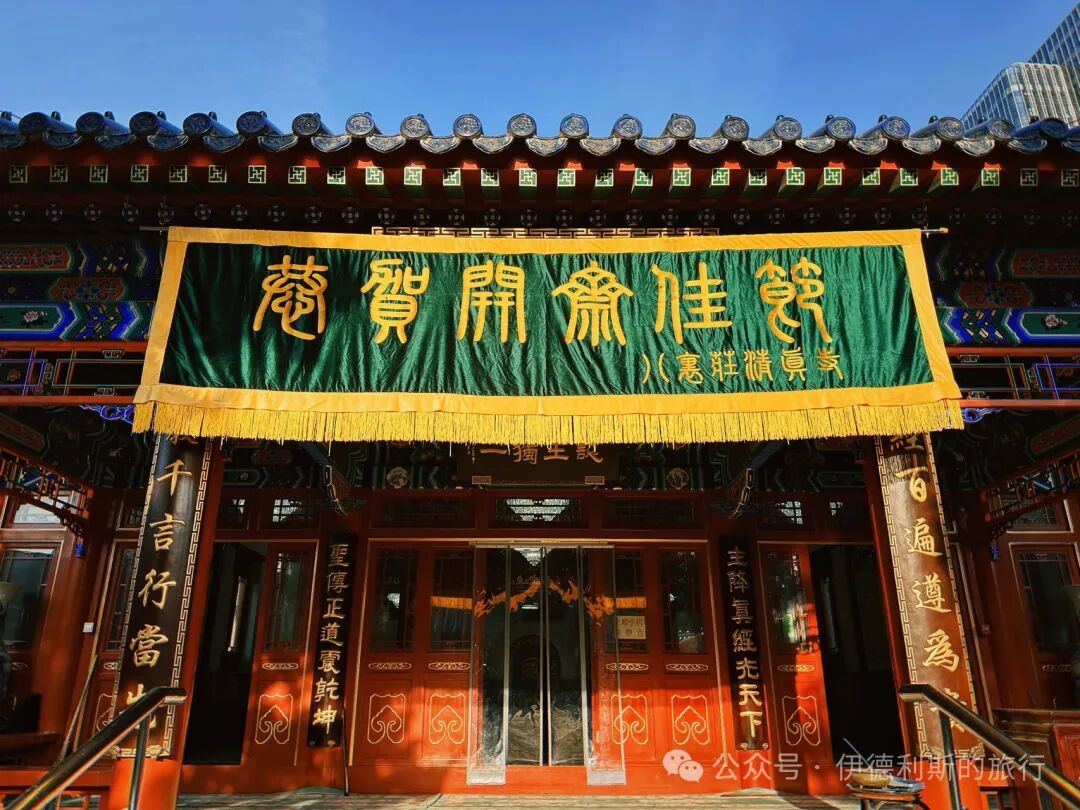
This year, I went to the Balizhuang Mosque just like in previous years. By seven in the morning, the mosque was already full of friends (dosti). There were international friends, brothers visiting Beijing from other places, local residents of Balizhuang, and the elders who broke their fast at the mosque every day during Ramadan.
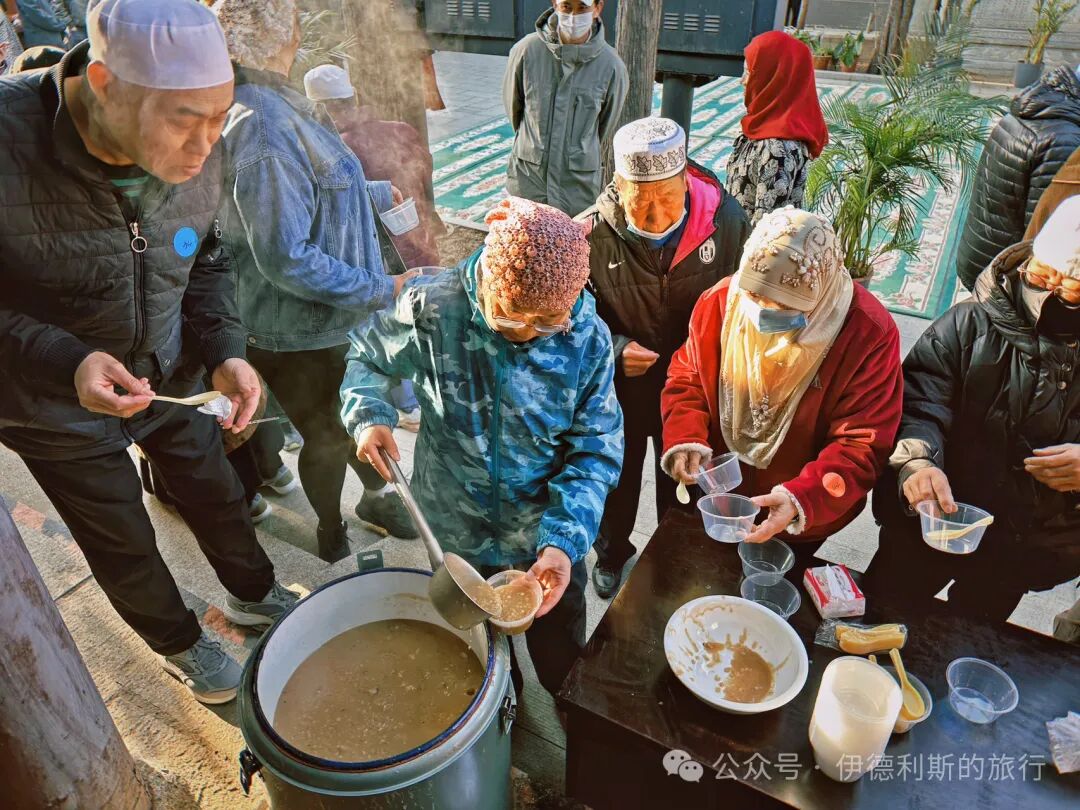
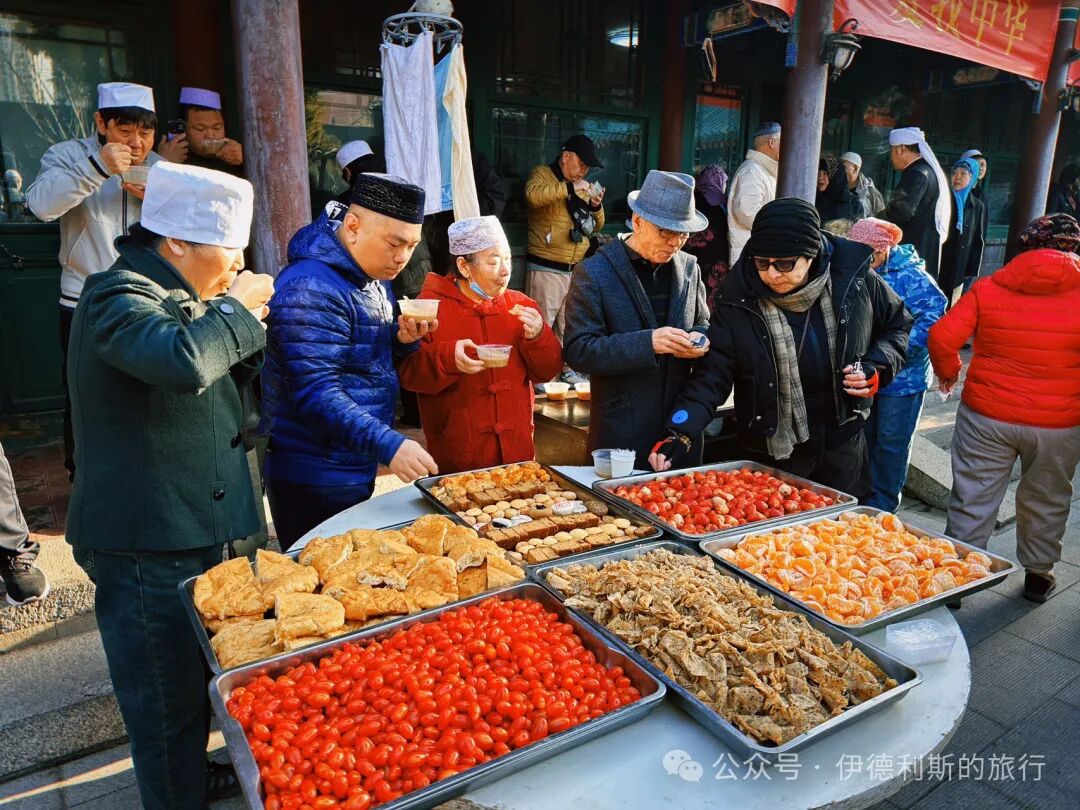
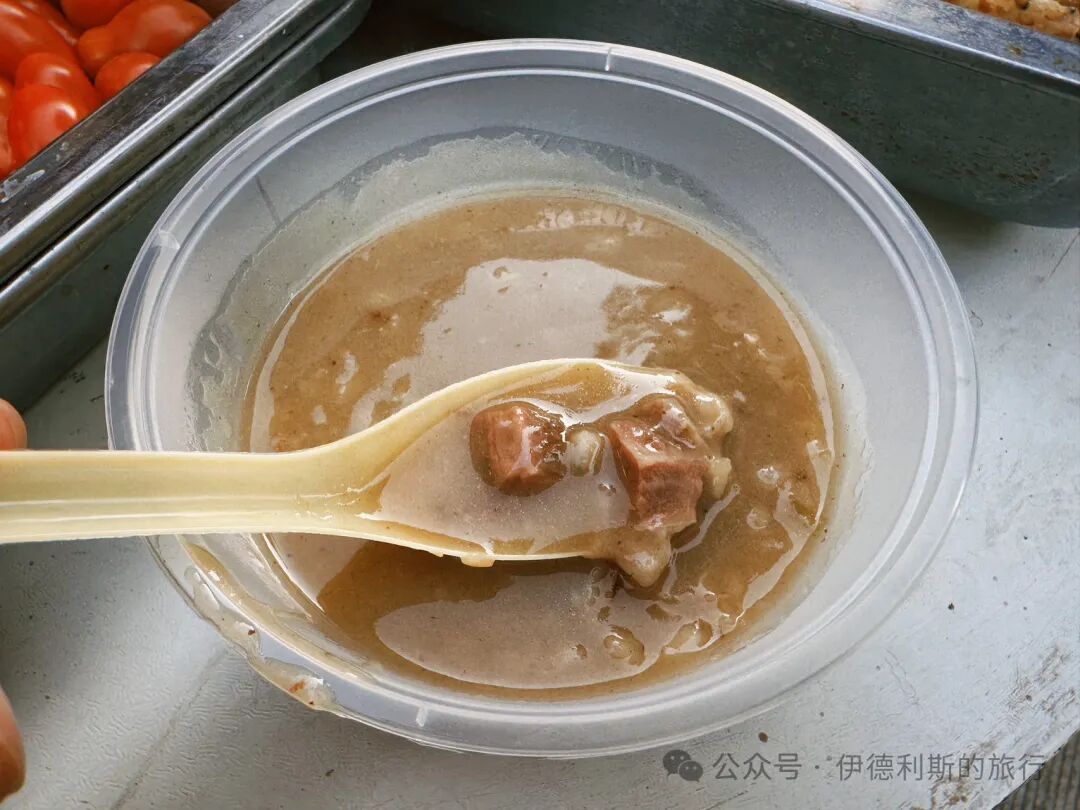
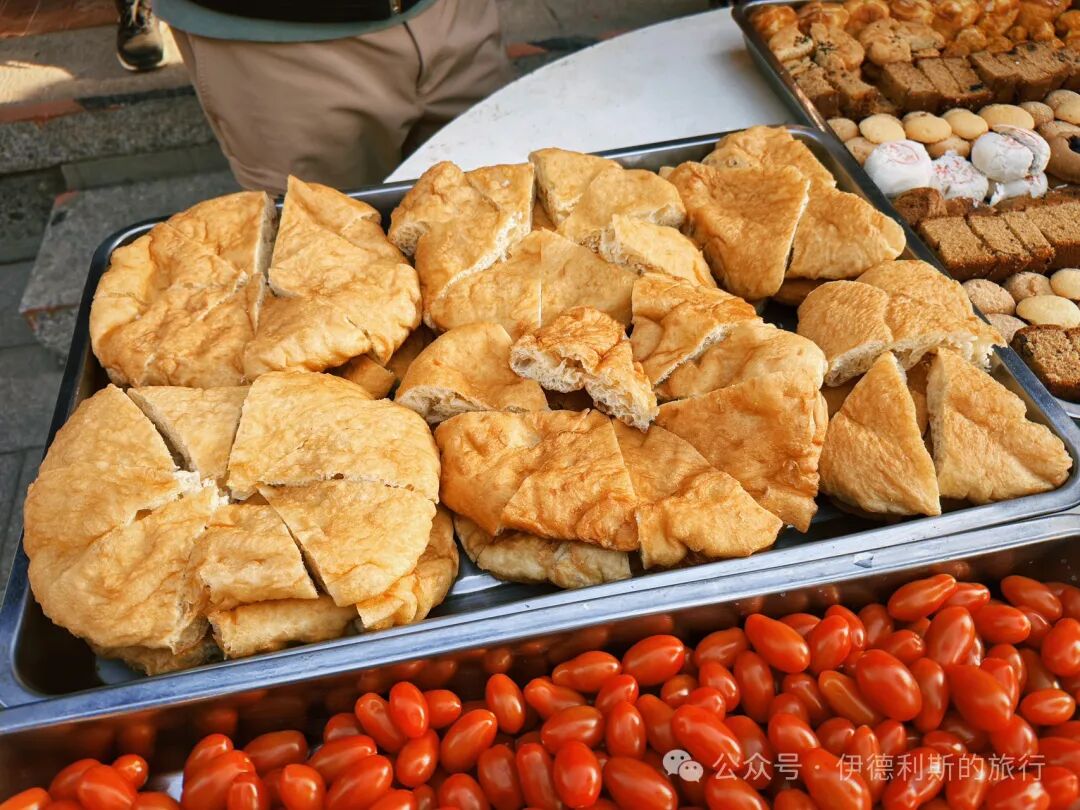
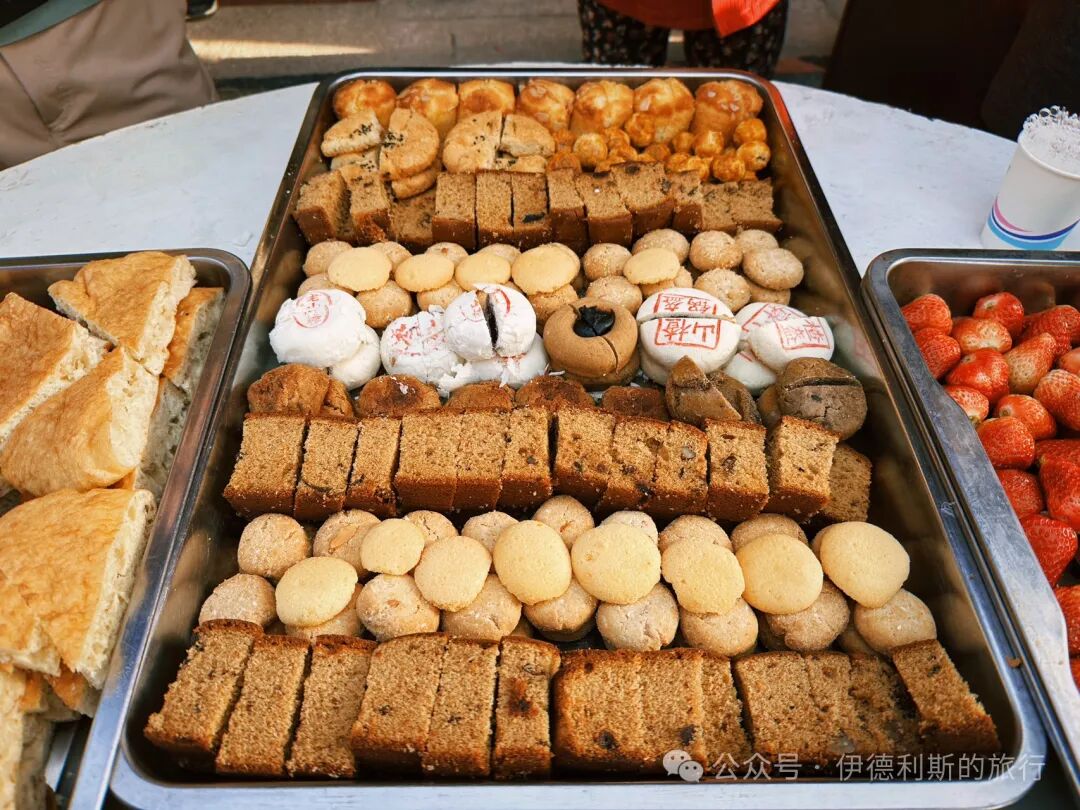
The mosque had already prepared meat porridge, fried dough (youxiang), and various pastries and fruits. To make the meat porridge, you must crush the oil out of beef or lamb bones a day in advance, remove the bone fragments, and then simmer it with barley kernels. Drinking a bowl on the morning of Eid al-Fitr is very comforting for the stomach.
Beijing-style fried dough (youxiang) is made with leavened dough. It puffs up when fried and becomes very fluffy. After draining the oil, you should tear it apart to eat it.
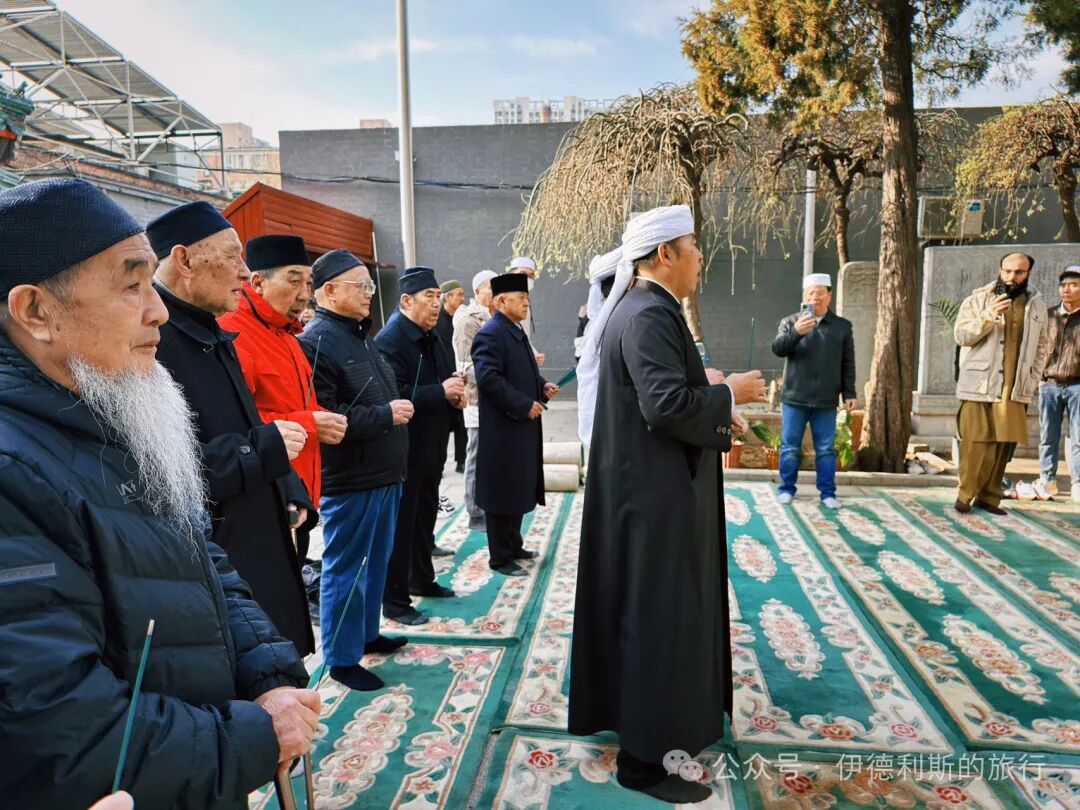
After everyone caught up, chatted, and drank the good meat porridge, it was time for the ceremony of welcoming the imam to the main hall. Everyone held a stick of incense (balan xiang), followed the imam, recited the takbir, and walked slowly into the main hall.
After entering the hall, we began the opening scripture recitation, which consisted of the eighteen traditional surahs (suole) of North China. Each person in the front recited one surah, and the last person recited the Al-Fatiha and the first five verses of Al-Baqarah.
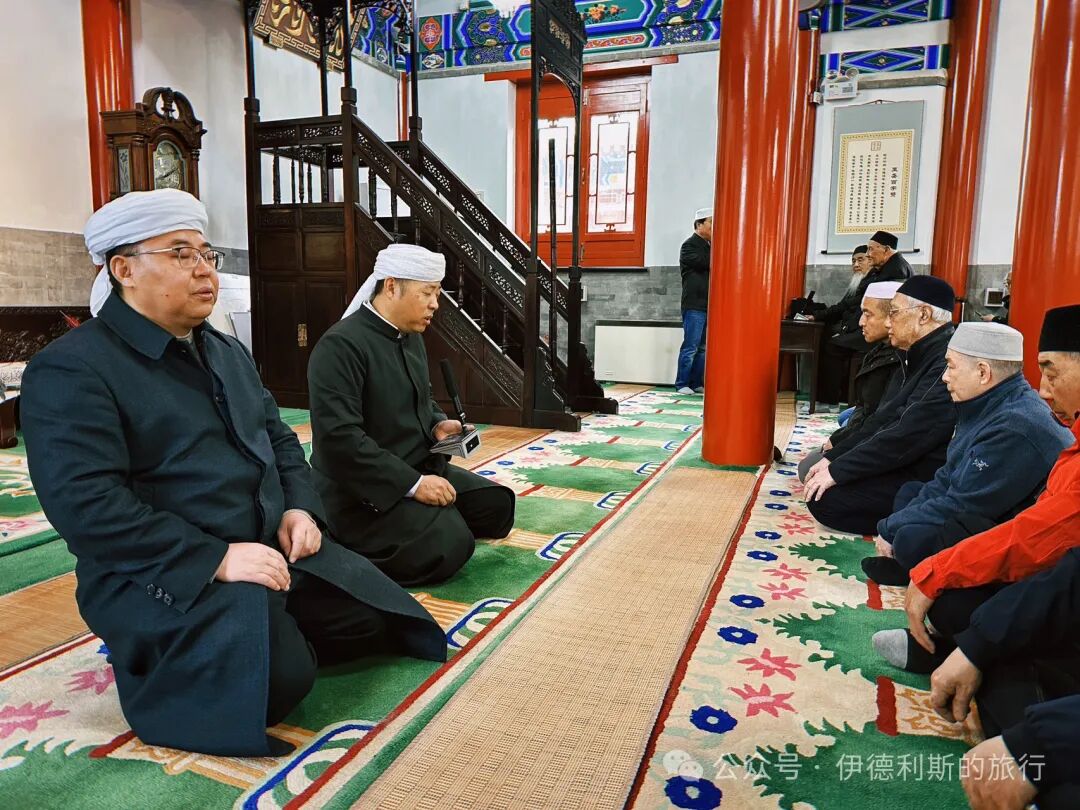
After the scripture reading, Imam Yang gave a sermon (wa'z) about the meaning of Eid al-Fitr, encouraged good deeds, warned against evil, and explained the procedure for the Eid prayer.
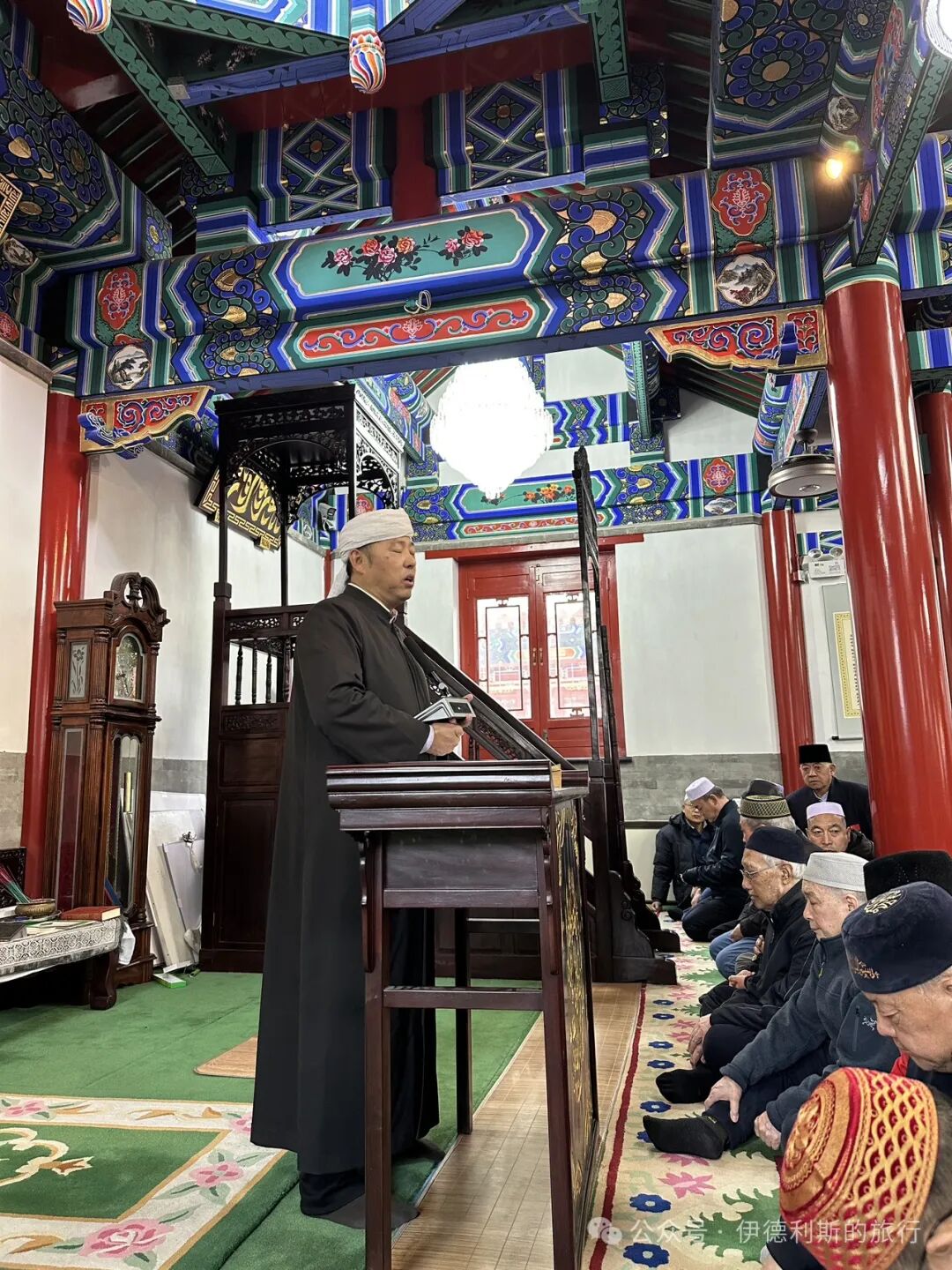
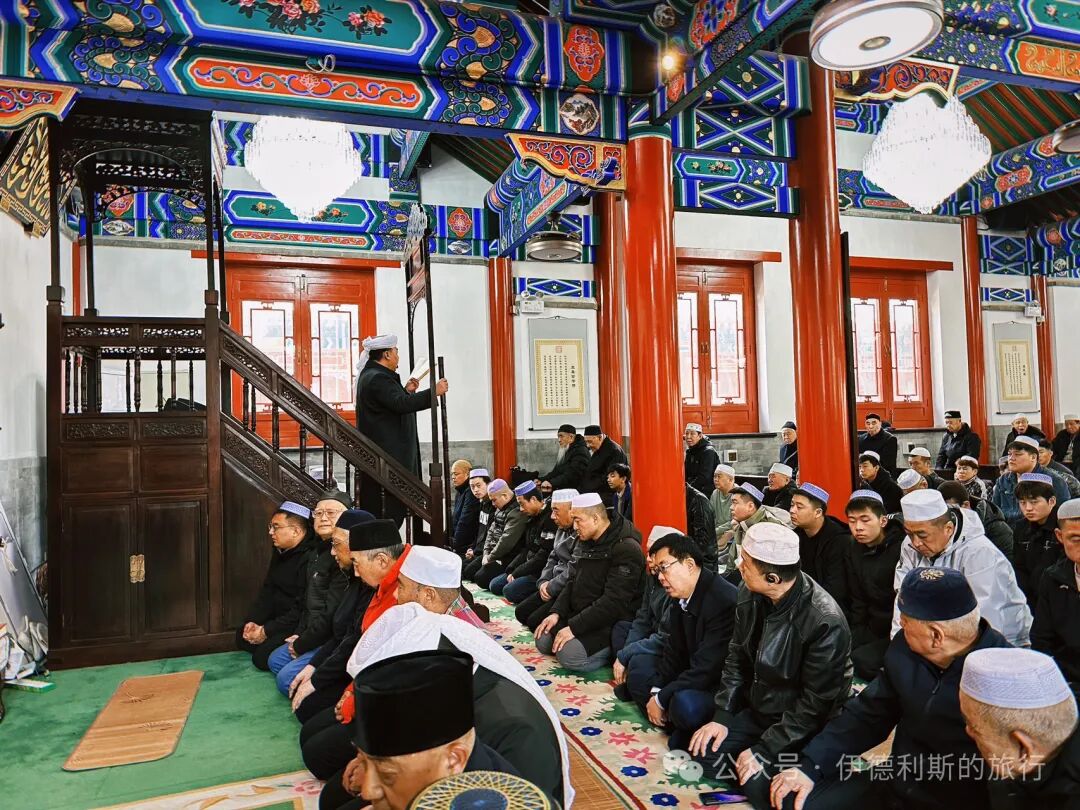
Then, we began the two-unit (rak'ah) Eid prayer. After the prayer, Imam Jin stood on the pulpit (minbar), held a wooden staff (al-asa), and recited the sermon (khutbah). Then we prayed four units of voluntary prayer (nafl). After finishing, we recited Al-Fatiha twice, followed by two duas. Finally, everyone gathered in a circle to shake hands. In North China, it is customary to recite blessings upon the Prophet (salawat) while shaking hands, while some friends from other places say 'salam' when shaking hands.
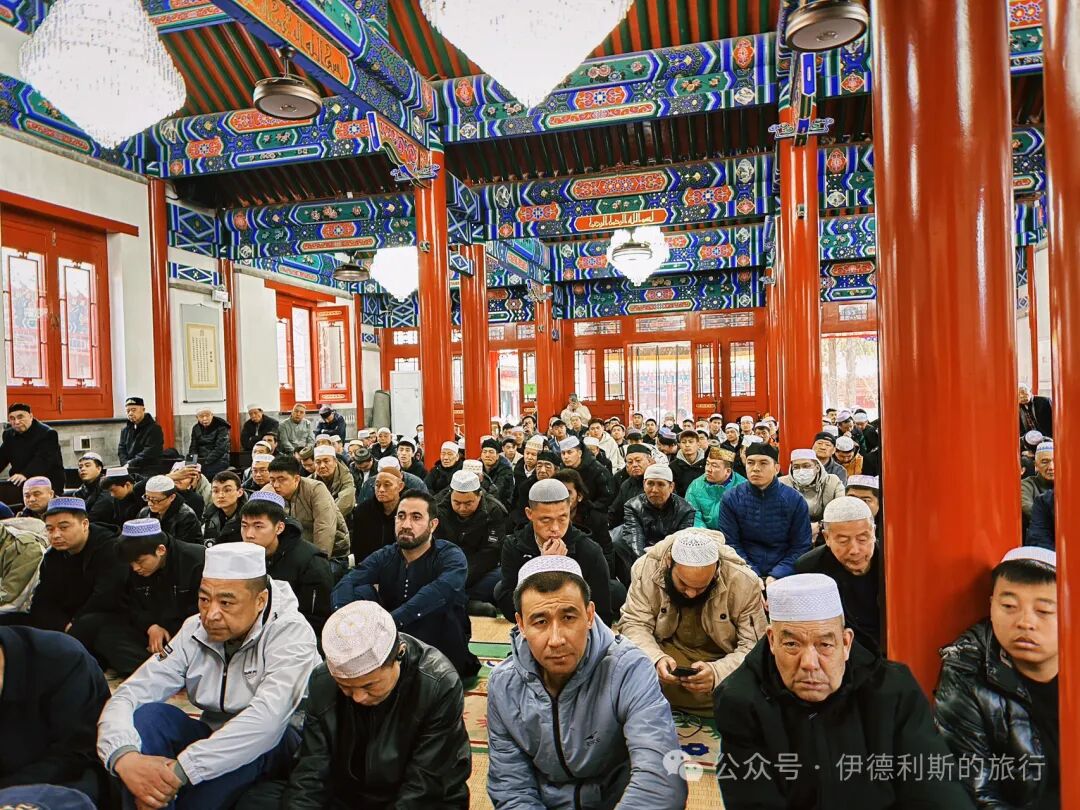
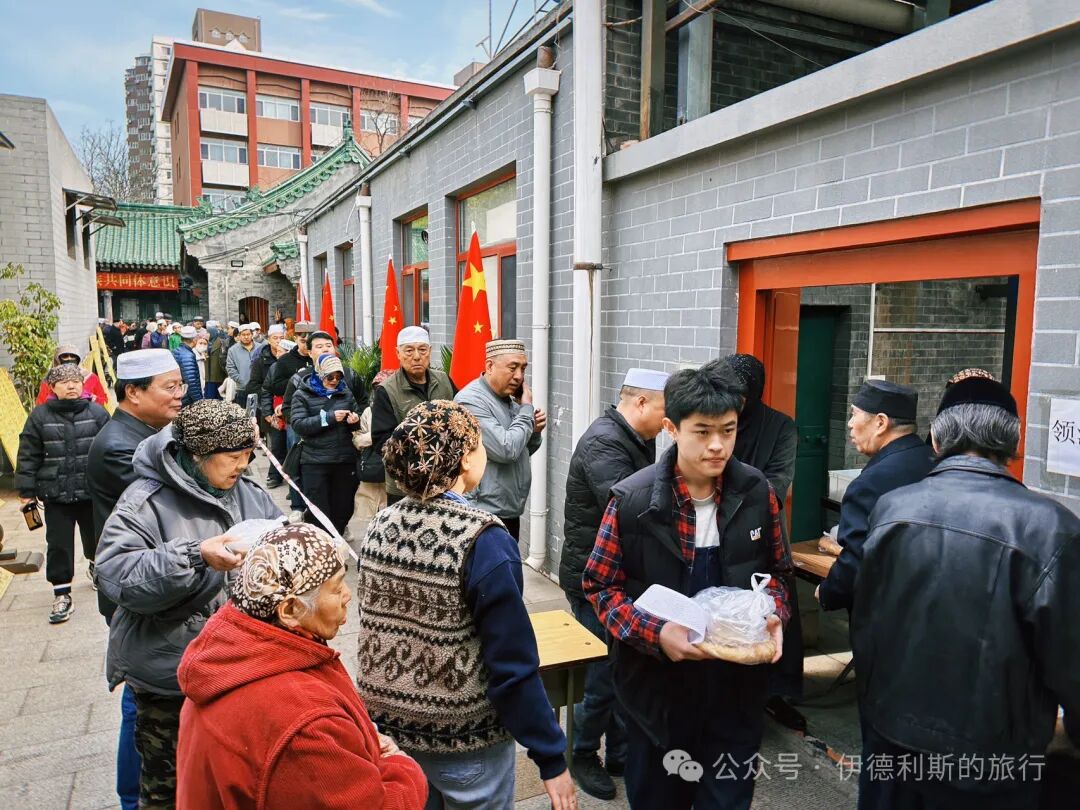
When the prayer ended, everyone lined up at the door to receive meat porridge and fried dough (youxiang). After that, we went out to the vegetable market near the mosque to buy ingredients for making starch noodle soup (fen tang).
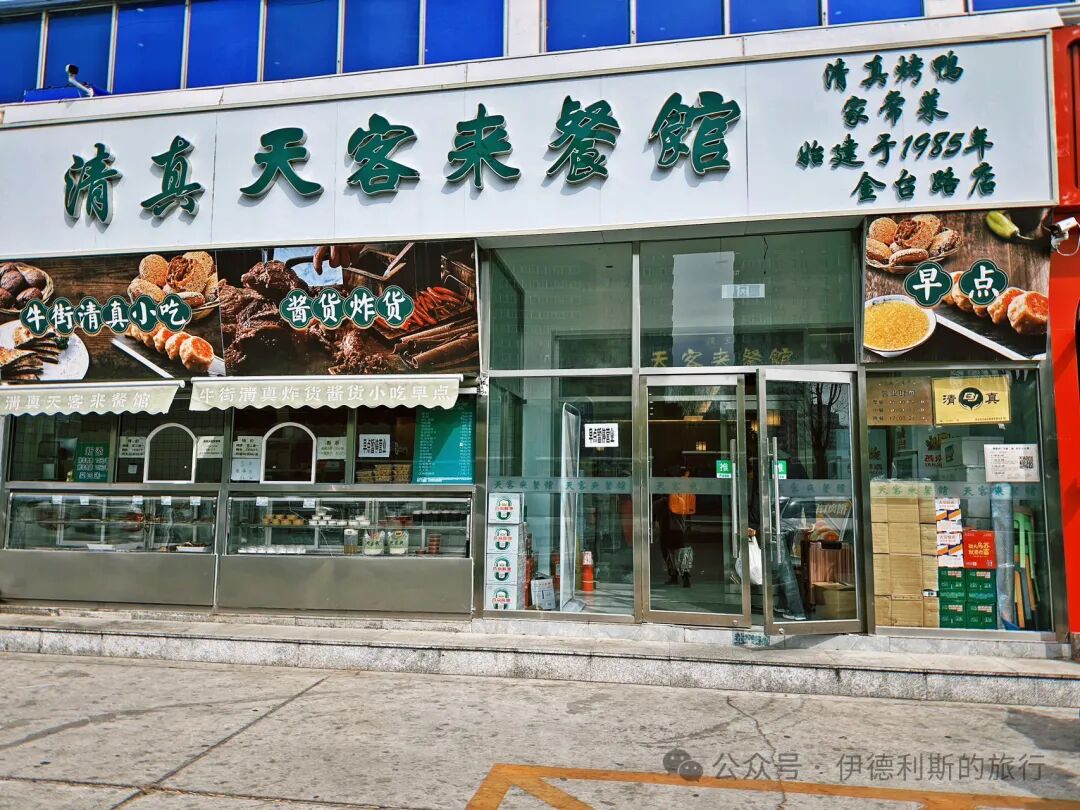
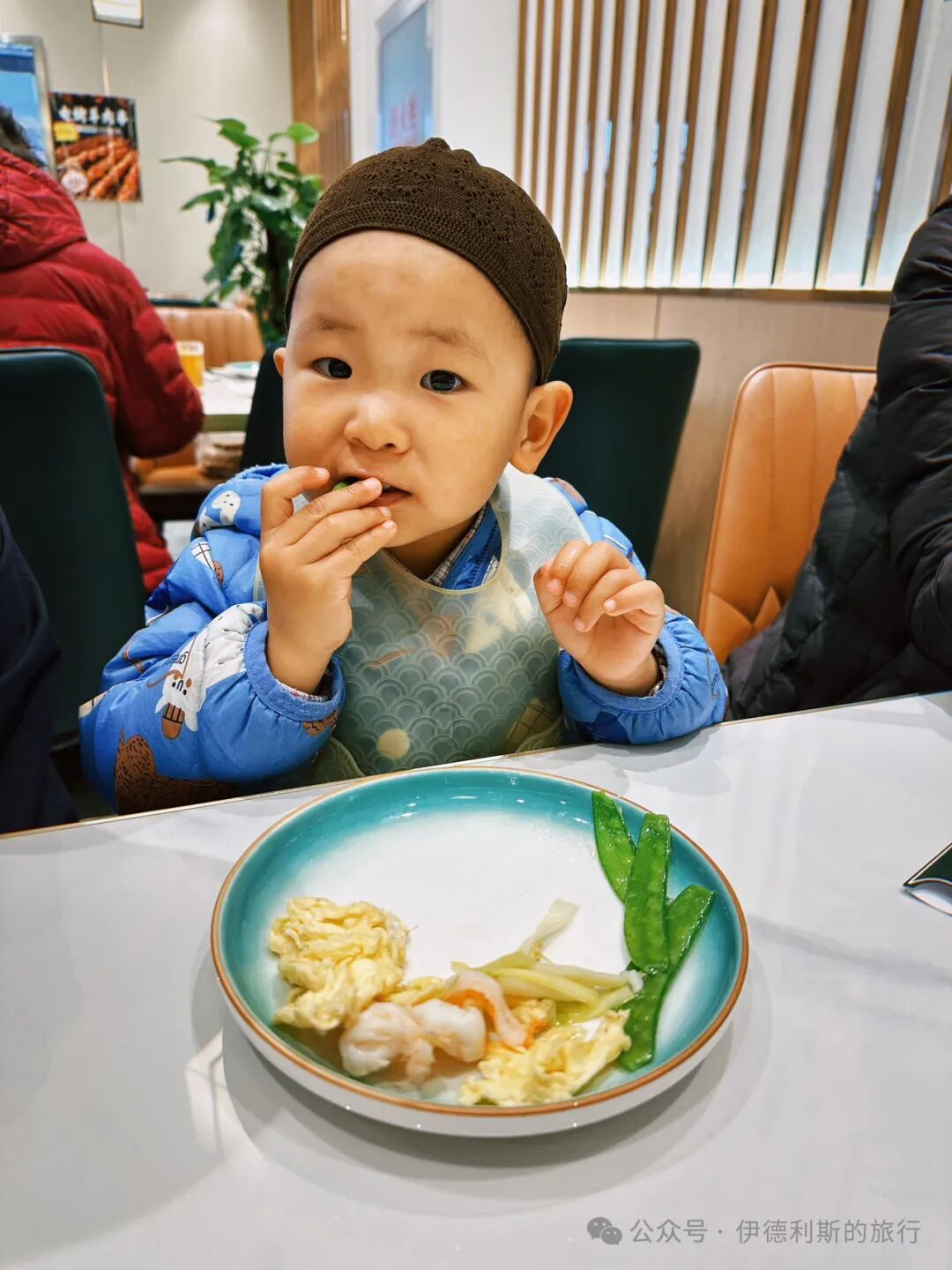
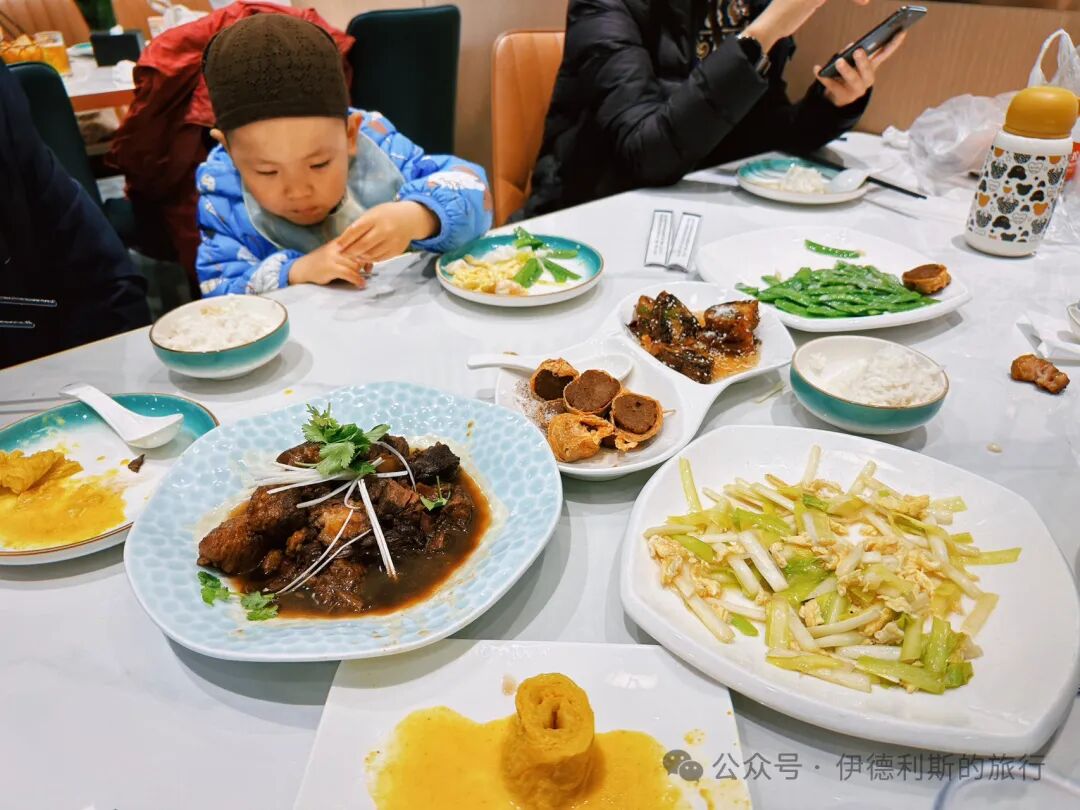
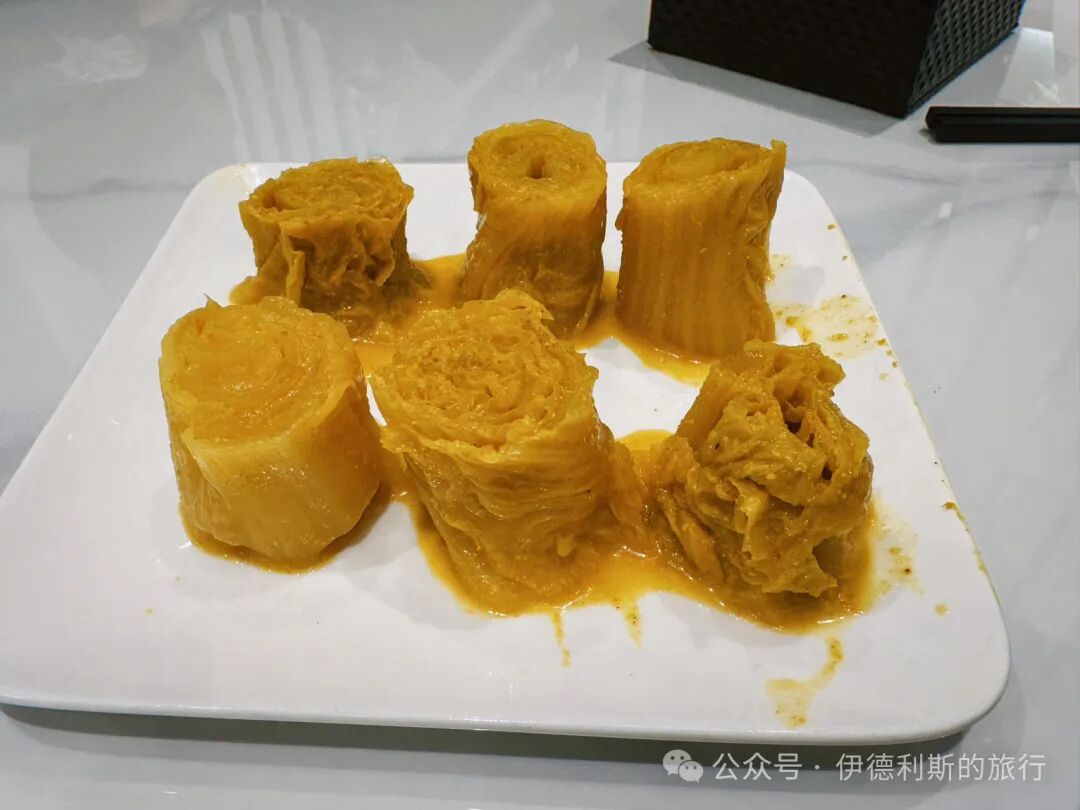
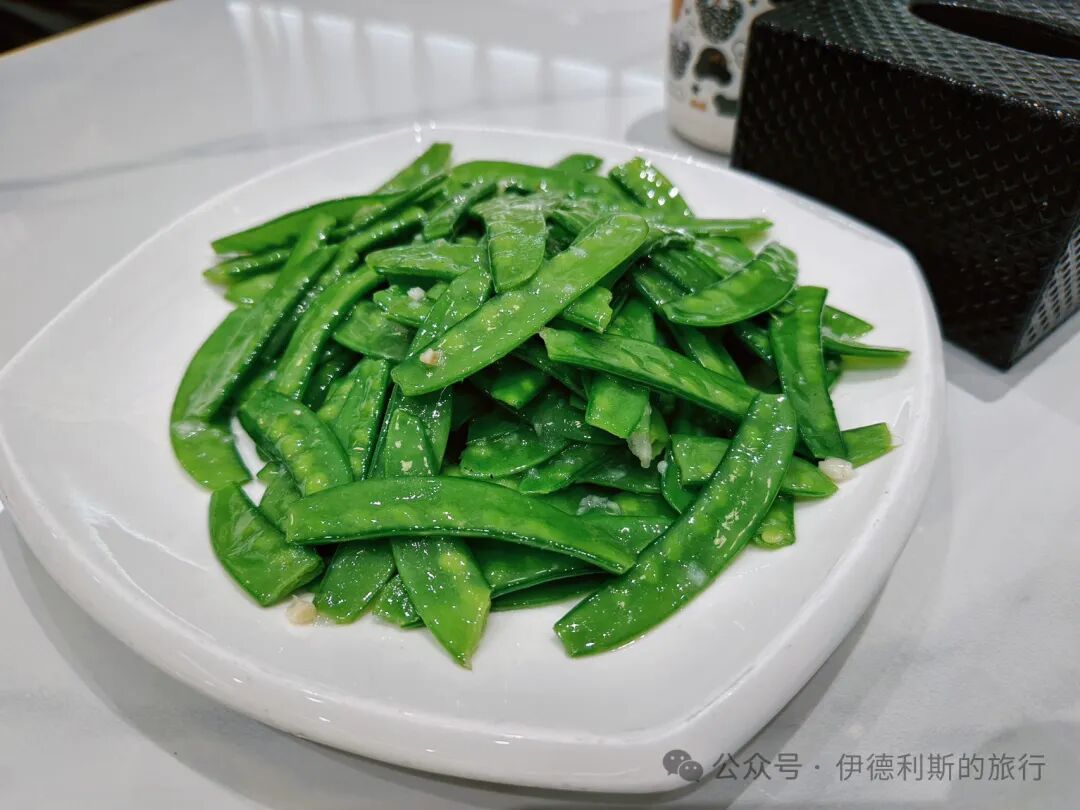
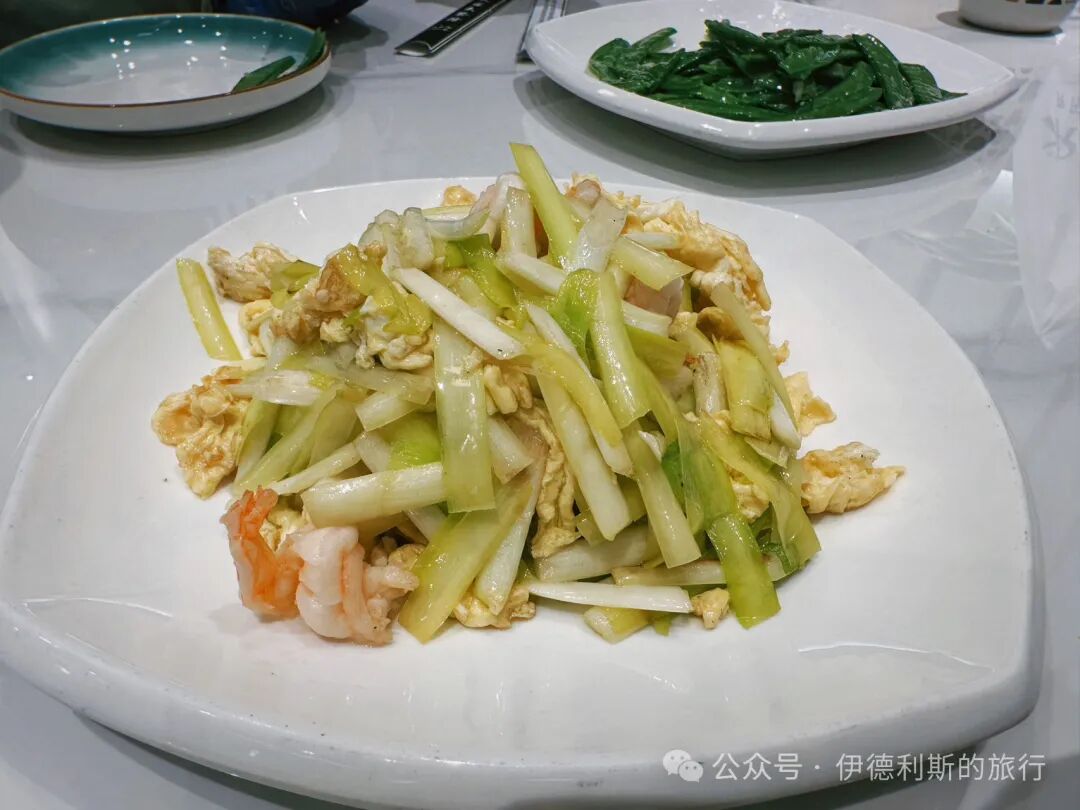
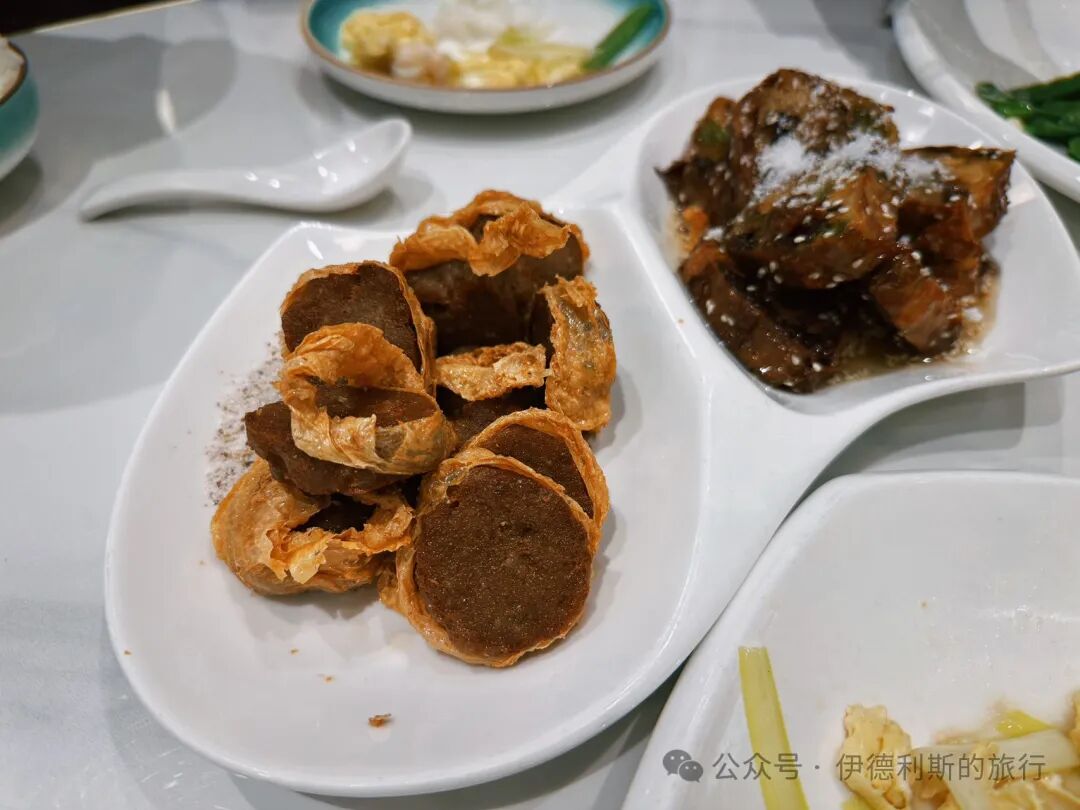
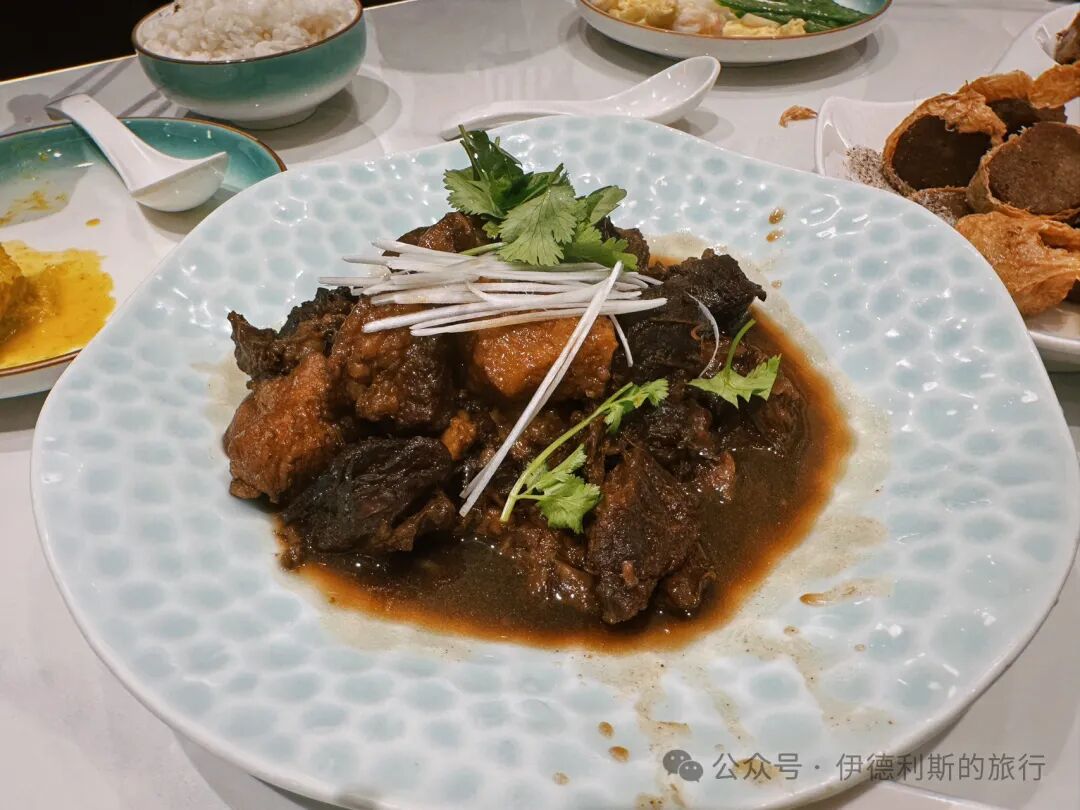
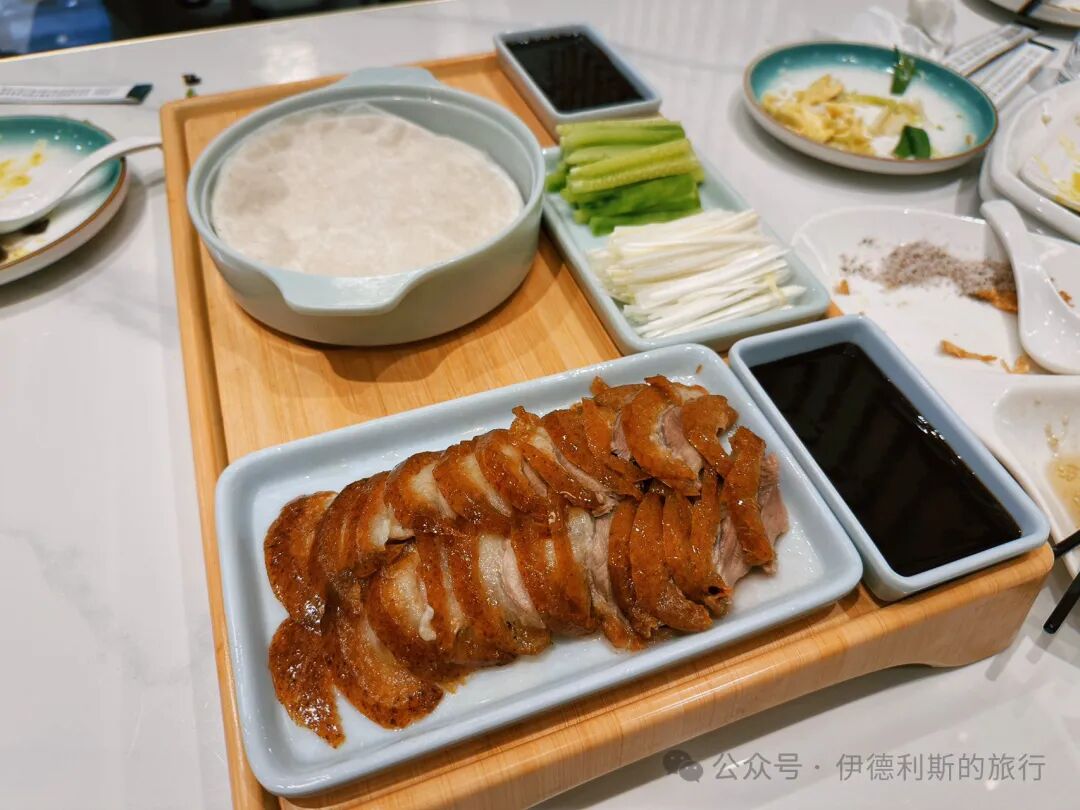
After leaving the mosque, we went to Tiankelai at Jintai Road intersection for a meal. We ordered stir-fried eggs with yellow chives and shrimp, snow peas with garlic, mustard-marinated cabbage (jiemodun), a platter of savory and sweet fried yam rolls (juan-guo), slow-cooked beef (wei niurou), and roast duck. The stir-fried dishes are not pre-made, so you can ask them to leave out sugar or MSG. The slow-cooked beef was very tender, and my family loved it. The mustard-marinated cabbage was very pungent and a great appetizer. The roast duck is roasted to order. We waited an hour for it, but it tasted pretty good.
There are not many traditional Beijing-style stir-fry restaurants around the East Fourth Ring Road, so it is impressive that the old Niujie brand Tiankelai opened a branch here. The restaurant is right next to Jintai Road subway station. It is not crowded on weekday lunchtimes, and the environment is nice. The only regret is that many dishes on the menu were marked as unavailable, perhaps due to the chef, which limited our choices quite a bit.
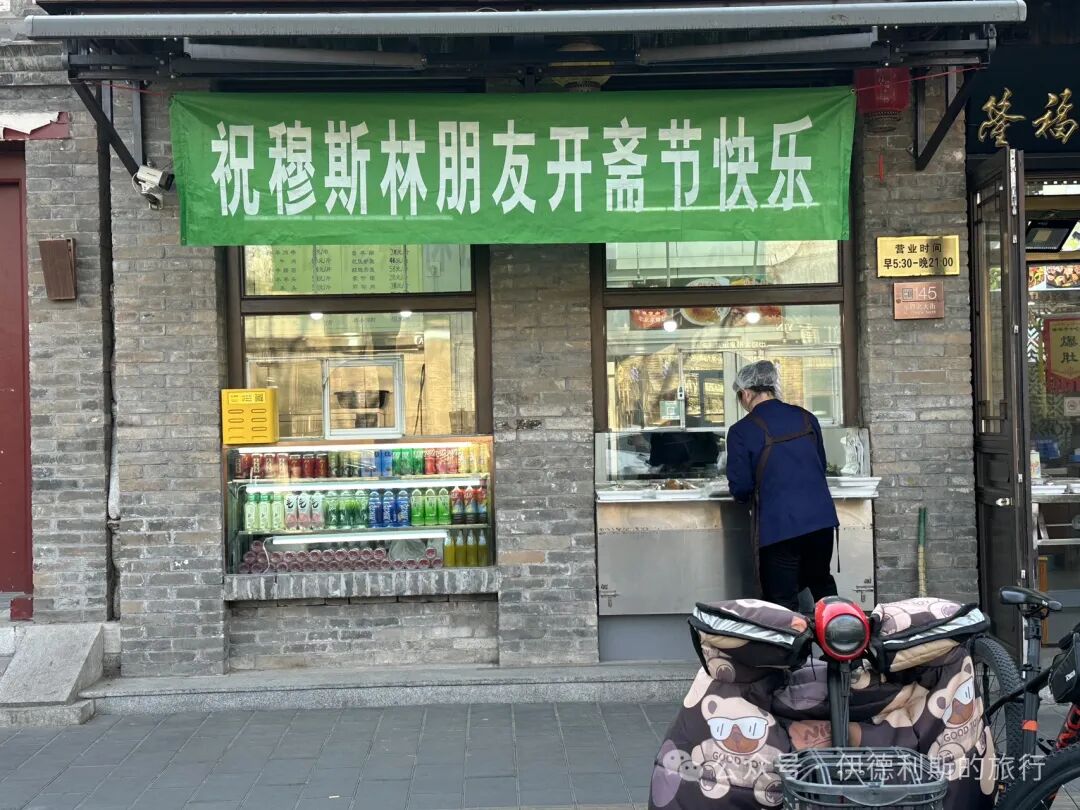
We passed by the Longfu Mosque snack shop on Dongsi North Street.
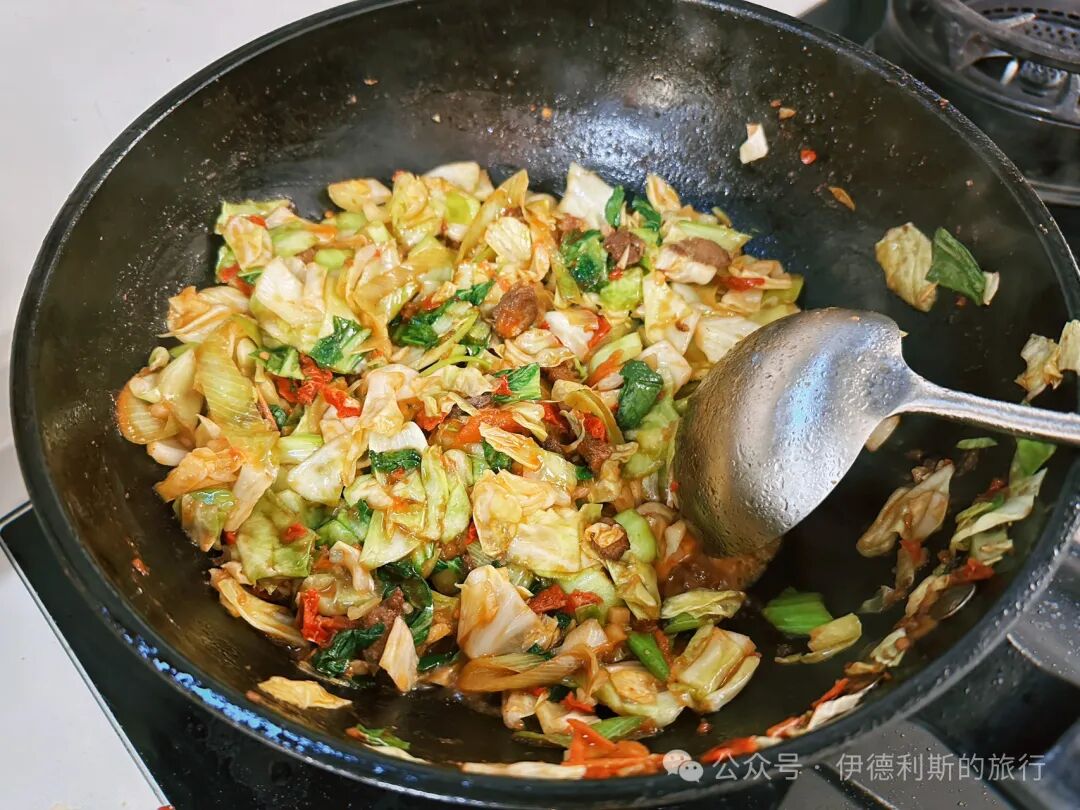
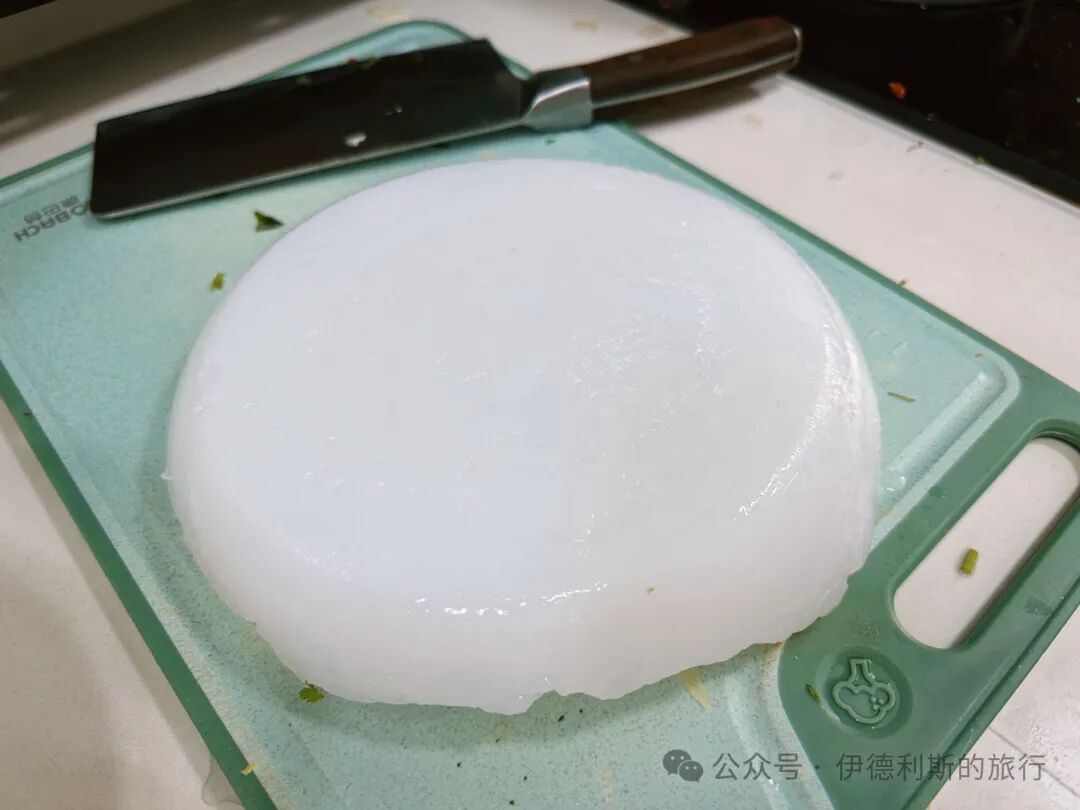
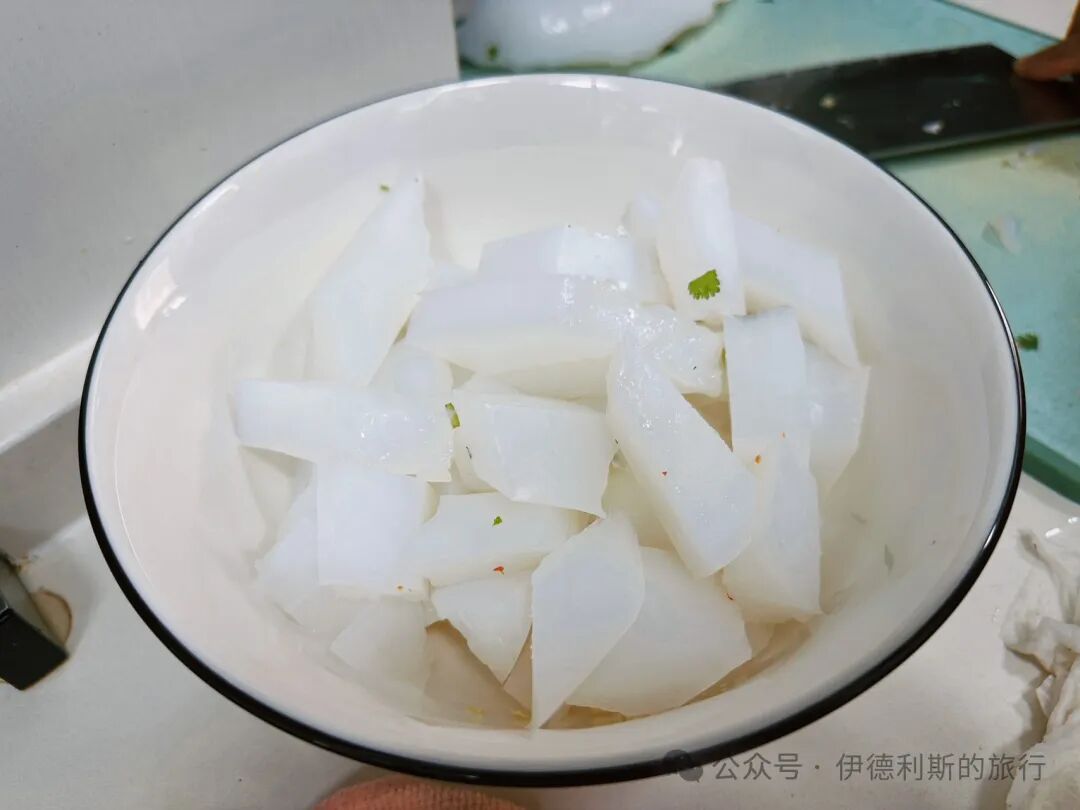
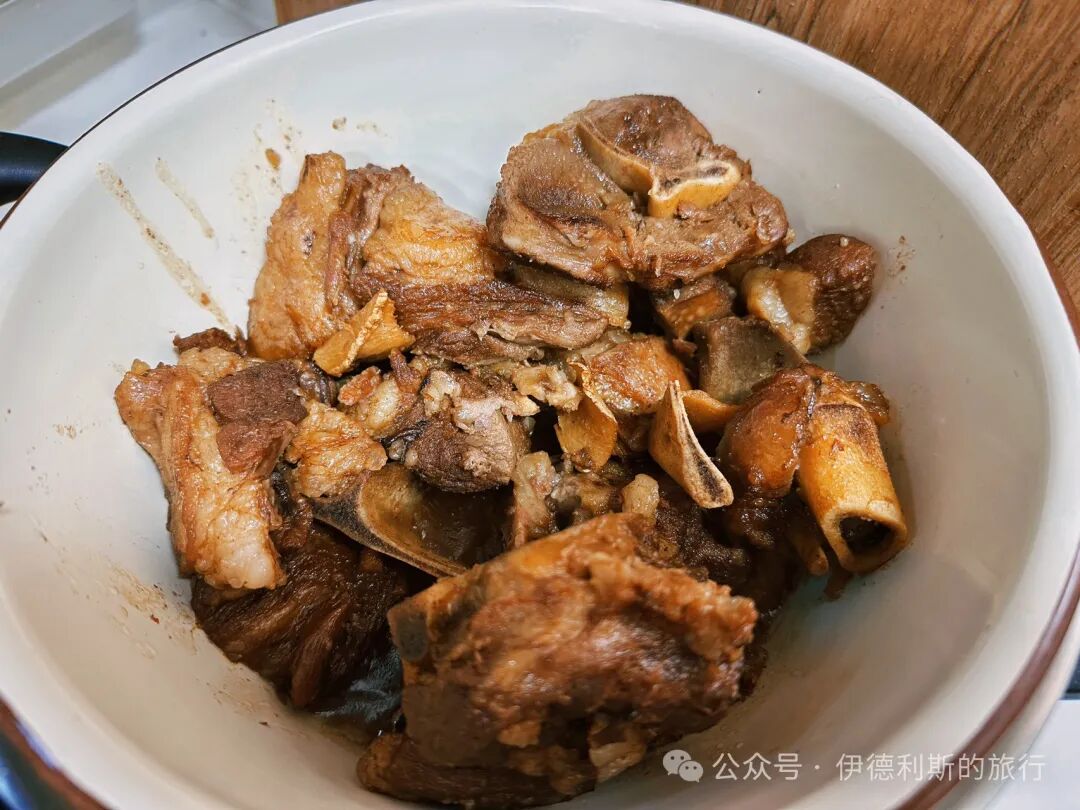
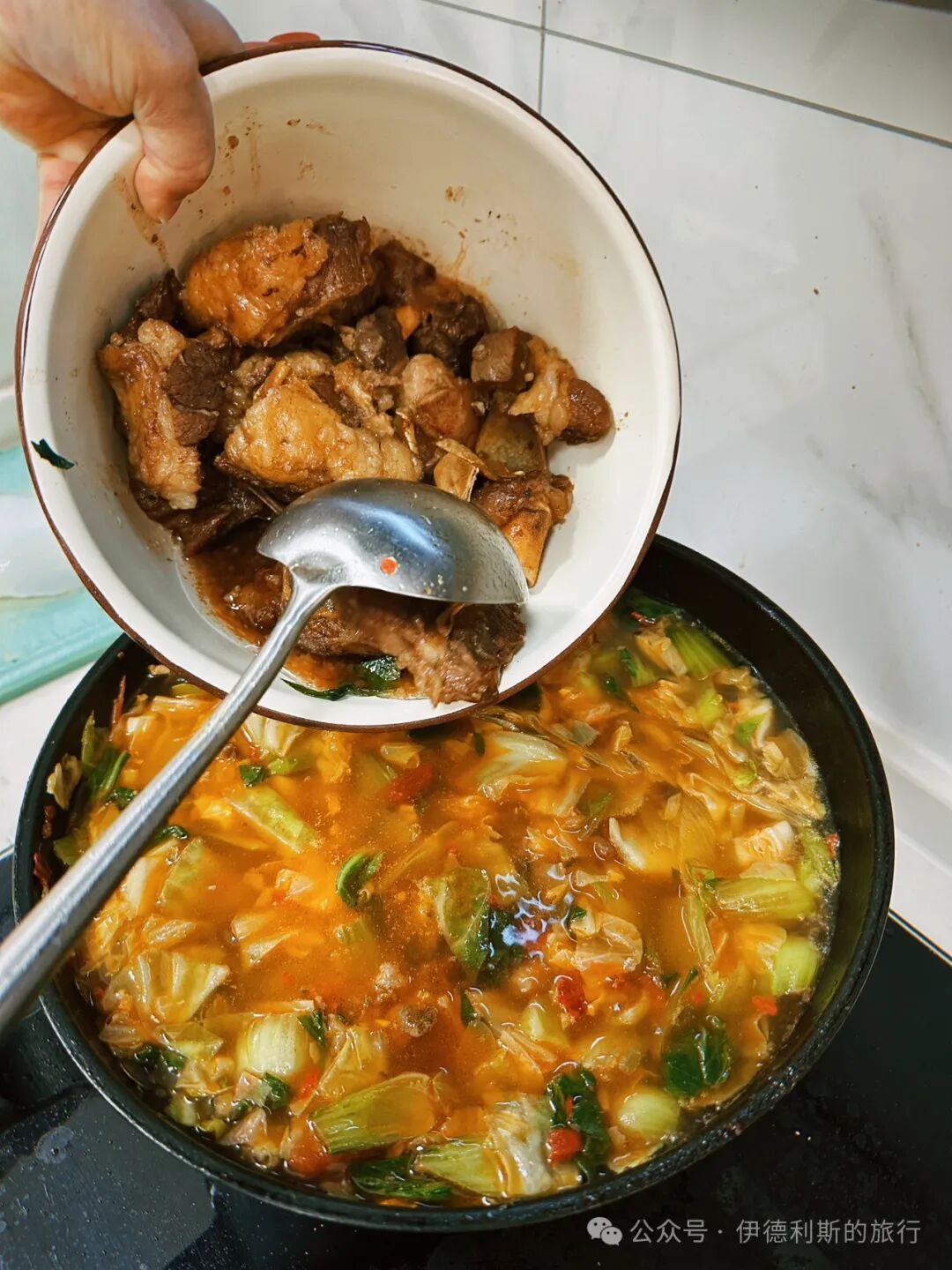
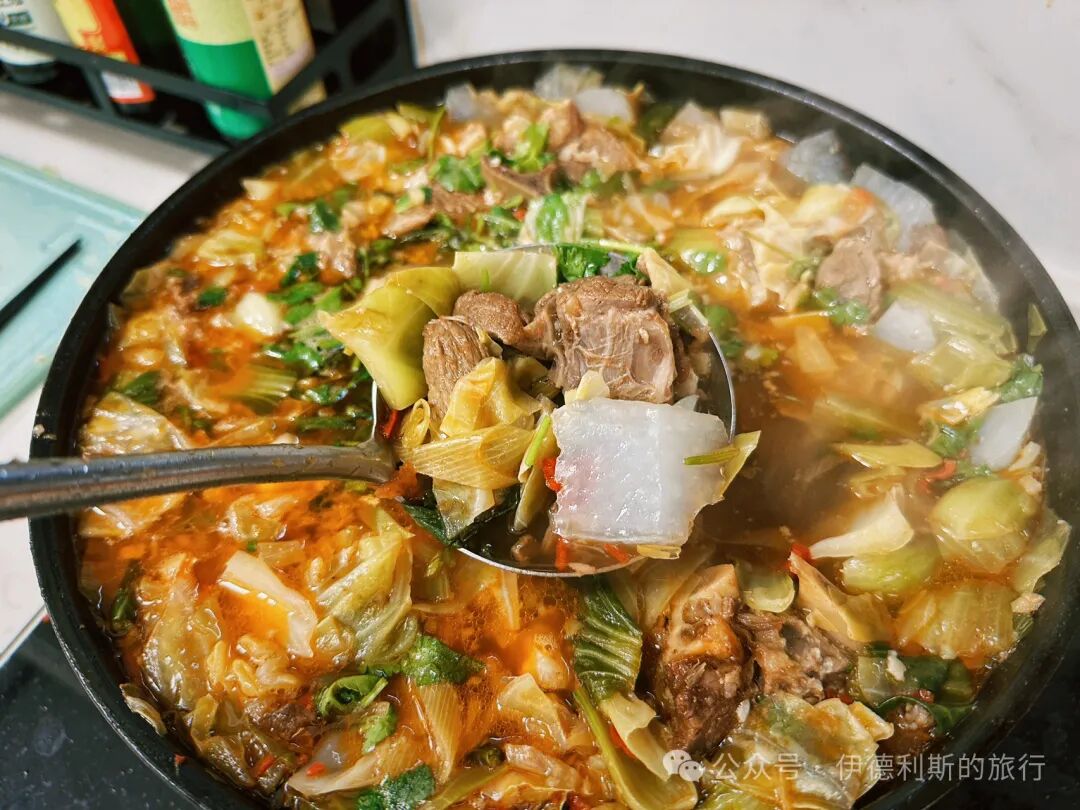
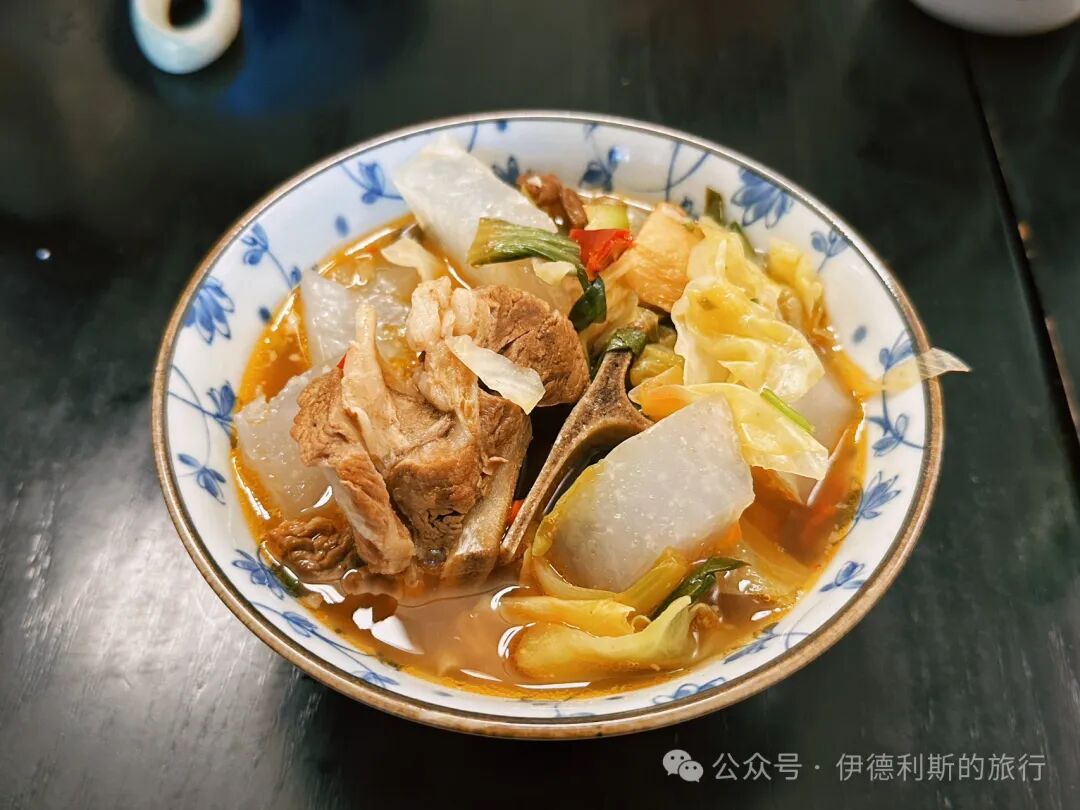
I came home after work and had some noodle soup (fen tang). On this day, all Xinjiang Hui Muslims make festive noodle soup. They prepare pea starch in advance and then cook braised lamb chops. Stir-fry meat slices, cabbage, greens, and tomatoes, add water, then mix in the braised lamb chops and starch cubes to finish. One bowl is simply not enough. It tastes best when served with fried dough (youxiang).
Summary: This article records Eid al-Fitr celebrations in Beijing from the viewpoint of a Muslim traveler. It keeps the original scenes, prayers, food, people, and photographs while avoiding extra commentary not found in the Chinese source.
Because of a bad pollen allergy, fasting this year was very difficult. My brain often felt like it was shutting down in the afternoon. After keeping at it, I finally finished my duties and welcomed the noble Eid al-Fitr.
Before the Eid prayer, there are seven recommended acts (mustahabb). At dawn (fajr), I made sure to eat one thing, so I ate a date. I performed the full ritual wash (ghusl), brushed my teeth, put on clean clothes before leaving, lit some incense (balan xiang), recited the takbir quietly on the way to the mosque, and paid my zakat al-fitr upon entering.
This year, I went to the Balizhuang Mosque just like in previous years. By seven in the morning, the mosque was already full of friends (dosti). There were international friends, brothers visiting Beijing from other places, local residents of Balizhuang, and the elders who broke their fast at the mosque every day during Ramadan.
The mosque had already prepared meat porridge, fried dough (youxiang), and various pastries and fruits. To make the meat porridge, you must crush the oil out of beef or lamb bones a day in advance, remove the bone fragments, and then simmer it with barley kernels. Drinking a bowl on the morning of Eid al-Fitr is very comforting for the stomach.
Beijing-style fried dough (youxiang) is made with leavened dough. It puffs up when fried and becomes very fluffy. After draining the oil, you should tear it apart to eat it.
After everyone caught up, chatted, and drank the good meat porridge, it was time for the ceremony of welcoming the imam to the main hall. Everyone held a stick of incense (balan xiang), followed the imam, recited the takbir, and walked slowly into the main hall.
After entering the hall, we began the opening scripture recitation, which consisted of the eighteen traditional surahs (suole) of North China. Each person in the front recited one surah, and the last person recited the Al-Fatiha and the first five verses of Al-Baqarah.
After the scripture reading, Imam Yang gave a sermon (wa'z) about the meaning of Eid al-Fitr, encouraged good deeds, warned against evil, and explained the procedure for the Eid prayer.
Then, we began the two-unit (rak'ah) Eid prayer. After the prayer, Imam Jin stood on the pulpit (minbar), held a wooden staff (al-asa), and recited the sermon (khutbah). Then we prayed four units of voluntary prayer (nafl). After finishing, we recited Al-Fatiha twice, followed by two duas. Finally, everyone gathered in a circle to shake hands. In North China, it is customary to recite blessings upon the Prophet (salawat) while shaking hands, while some friends from other places say 'salam' when shaking hands.
When the prayer ended, everyone lined up at the door to receive meat porridge and fried dough (youxiang). After that, we went out to the vegetable market near the mosque to buy ingredients for making starch noodle soup (fen tang).
After leaving the mosque, we went to Tiankelai at Jintai Road intersection for a meal. We ordered stir-fried eggs with yellow chives and shrimp, snow peas with garlic, mustard-marinated cabbage (jiemodun), a platter of savory and sweet fried yam rolls (juan-guo), slow-cooked beef (wei niurou), and roast duck. The stir-fried dishes are not pre-made, so you can ask them to leave out sugar or MSG. The slow-cooked beef was very tender, and my family loved it. The mustard-marinated cabbage was very pungent and a great appetizer. The roast duck is roasted to order. We waited an hour for it, but it tasted pretty good.
There are not many traditional Beijing-style stir-fry restaurants around the East Fourth Ring Road, so it is impressive that the old Niujie brand Tiankelai opened a branch here. The restaurant is right next to Jintai Road subway station. It is not crowded on weekday lunchtimes, and the environment is nice. The only regret is that many dishes on the menu were marked as unavailable, perhaps due to the chef, which limited our choices quite a bit.
We passed by the Longfu Mosque snack shop on Dongsi North Street.
I came home after work and had some noodle soup (fen tang). On this day, all Xinjiang Hui Muslims make festive noodle soup. They prepare pea starch in advance and then cook braised lamb chops. Stir-fry meat slices, cabbage, greens, and tomatoes, add water, then mix in the braised lamb chops and starch cubes to finish. One bowl is simply not enough. It tastes best when served with fried dough (youxiang).
