
Halal Travel Guide: Macau — Moorish Barracks, Indonesian Food and Muslim History (Part 5)
Reposted from the web
Summary: Macau — Moorish Barracks, Indonesian Food and Muslim History is presented here as a firsthand travel account in clear English, beginning with this scene: During the 2023 Spring Festival holiday, I finally hit the road again, restarting my plan to visit and eat in Muslim communities after a two-year break. The account keeps its focus on Macau Muslim History, Indonesian Food, Halal Travel while preserving the names, places, food, and historical details from the Chinese source.
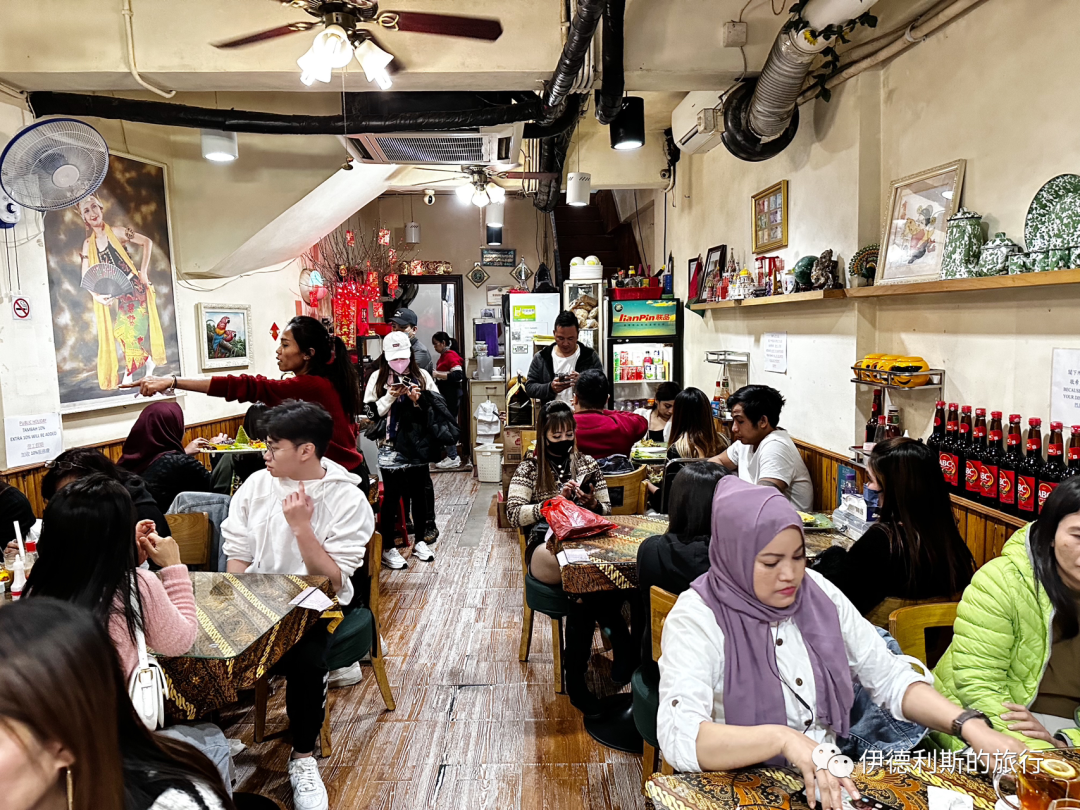
In the afternoon, I went to Macau's most famous Indonesian restaurant, Loly Indonesian Food. It is always packed with people, mostly Indonesian friends (dosti), as well as local Macau residents who come for the reputation.
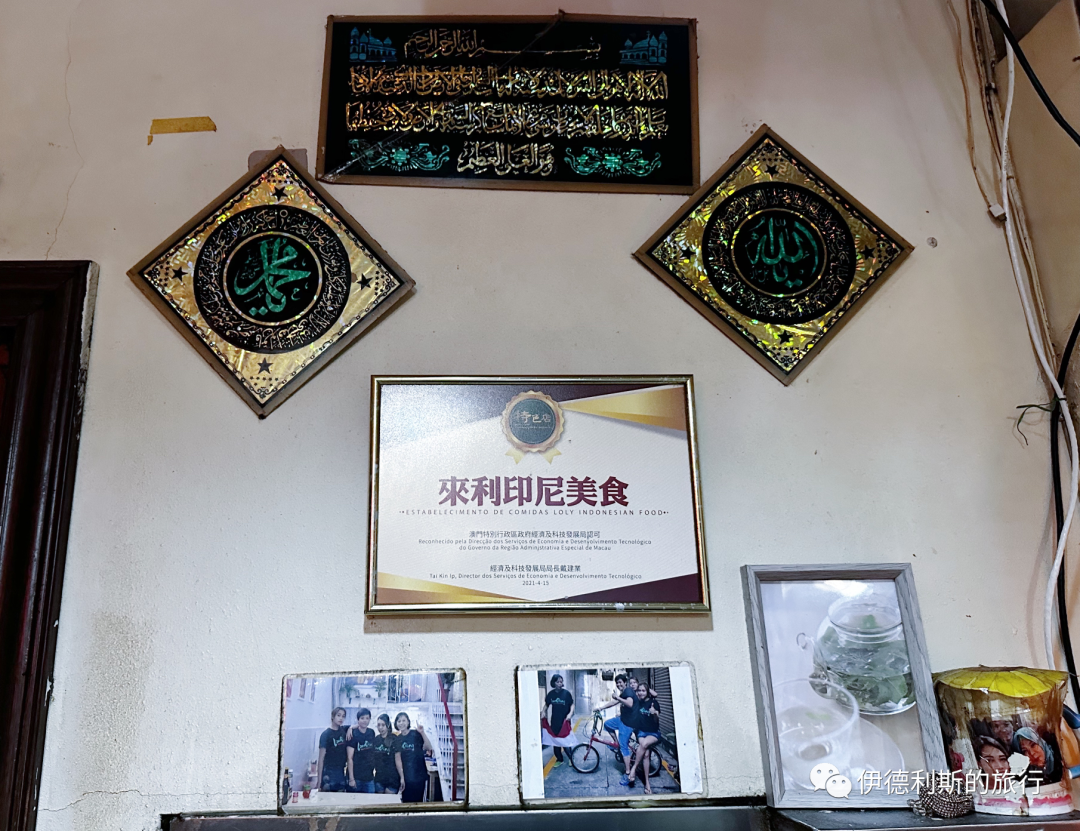
The owner of Loly is Indah Handayani Sunardi, the sister standing in the red shirt in the picture below. She was born in 1984 to a farming family in Banyuwangi, at the easternmost tip of Java. Because her family had little money, she left school at 14 and took a job at a restaurant in Surabaya, the capital of East Java. In 2000, Sunardi went to Hong Kong at 16 to work as a household helper. She moved to Macau in 2003 and met her current husband. In 2013, Sunardi quit her job to focus on making Indonesian food. She started by selling online and finally opened Loly restaurant in 2016. Because it is authentic and delicious, it became the most famous Indonesian restaurant in Macau within a few years. In 2021, it was recognized as a specialty shop by the Macau Economic and Technological Development Bureau.
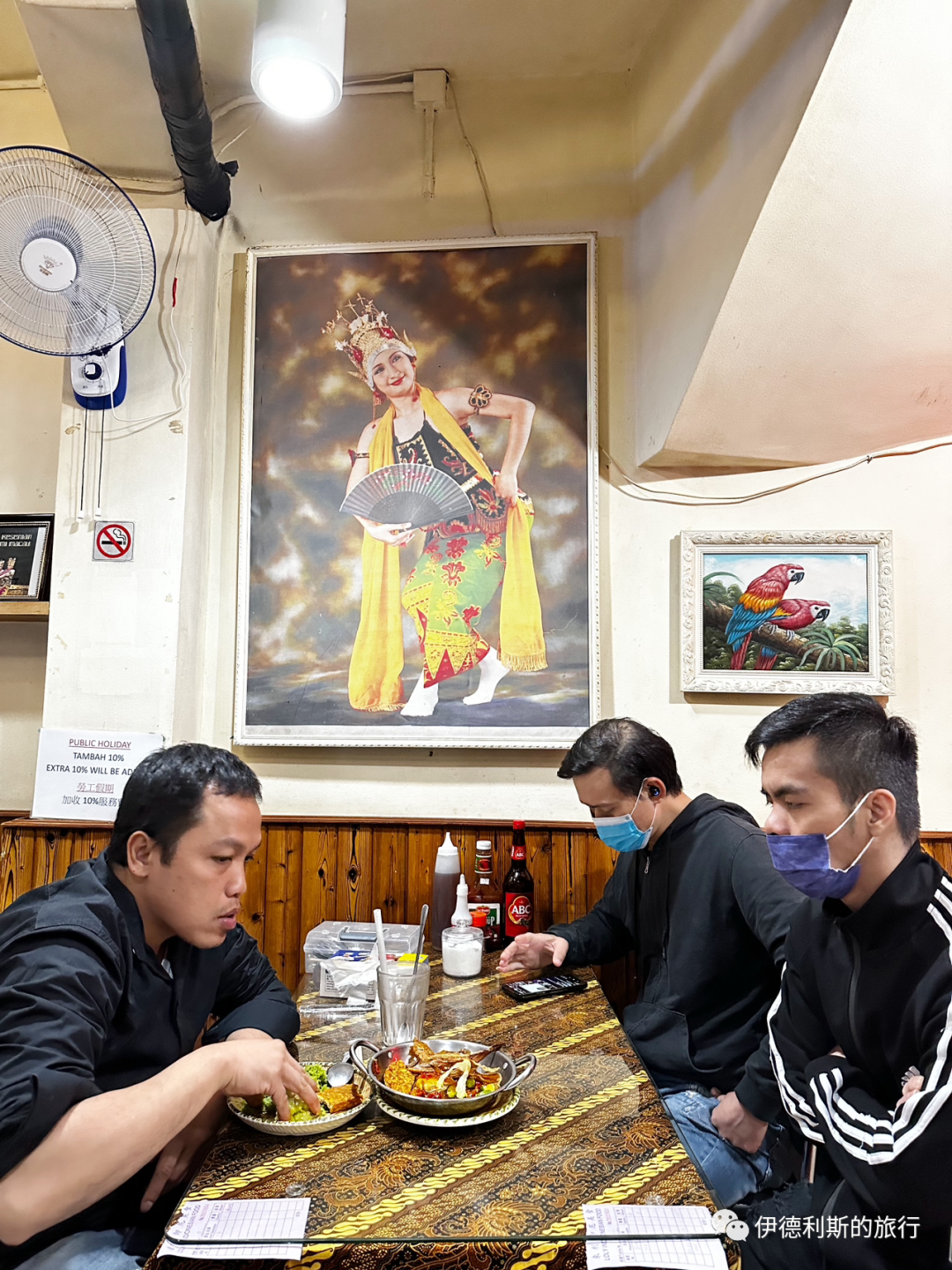
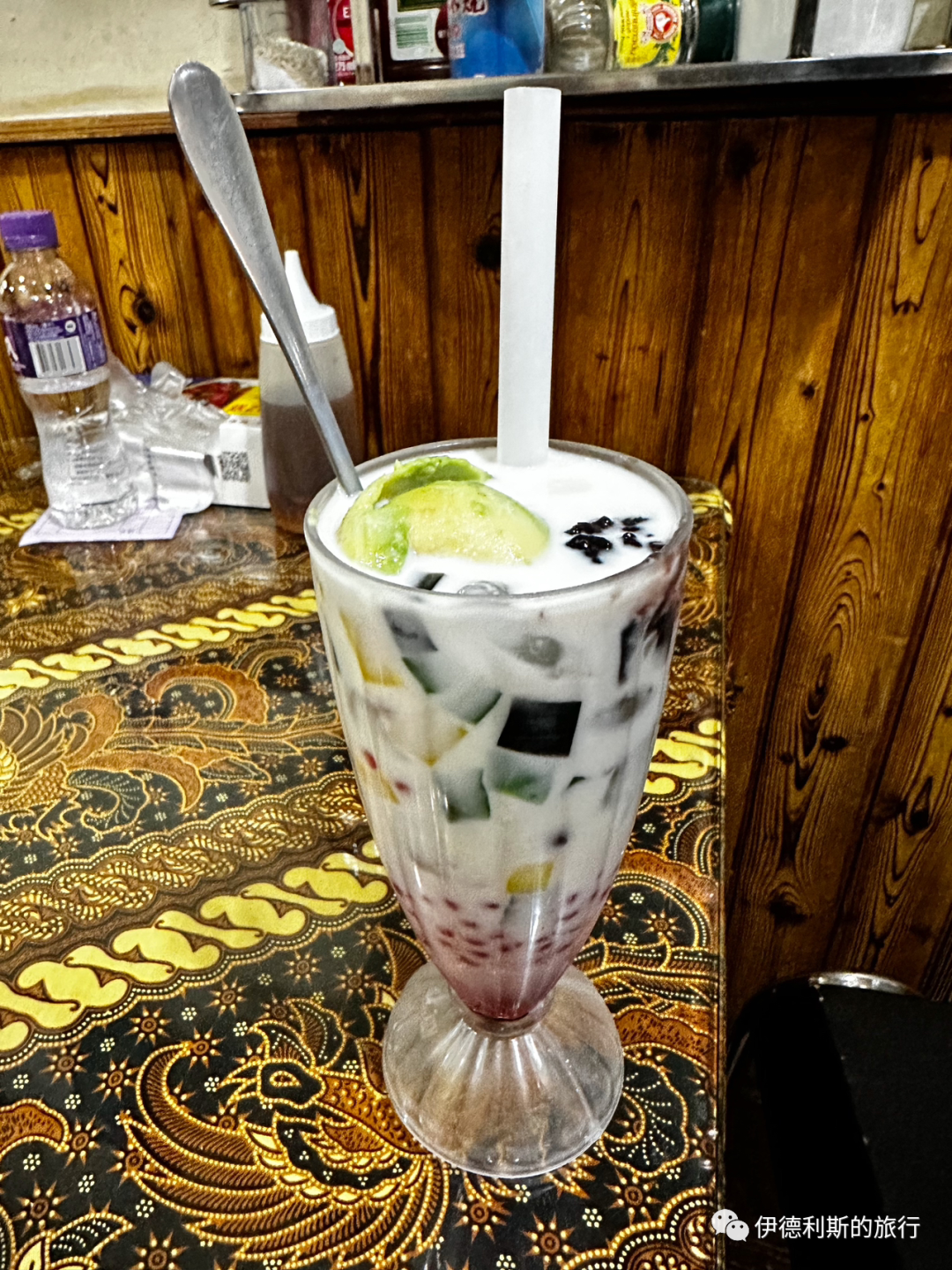
Since it was the first day of work after the holiday, some of their ingredients had not arrived yet. I didn't get to eat the Javanese specialty I wanted most, but I still ordered a few dishes I was happy with. First, I ordered the deluxe version of the Javanese coconut milk iced drink, which has avocado, grass jelly, red beans, syrup, and more. The black grass jelly is called cincau hitam in Java, and it is a classic combination when served with coconut milk, syrup, and ice cubes.
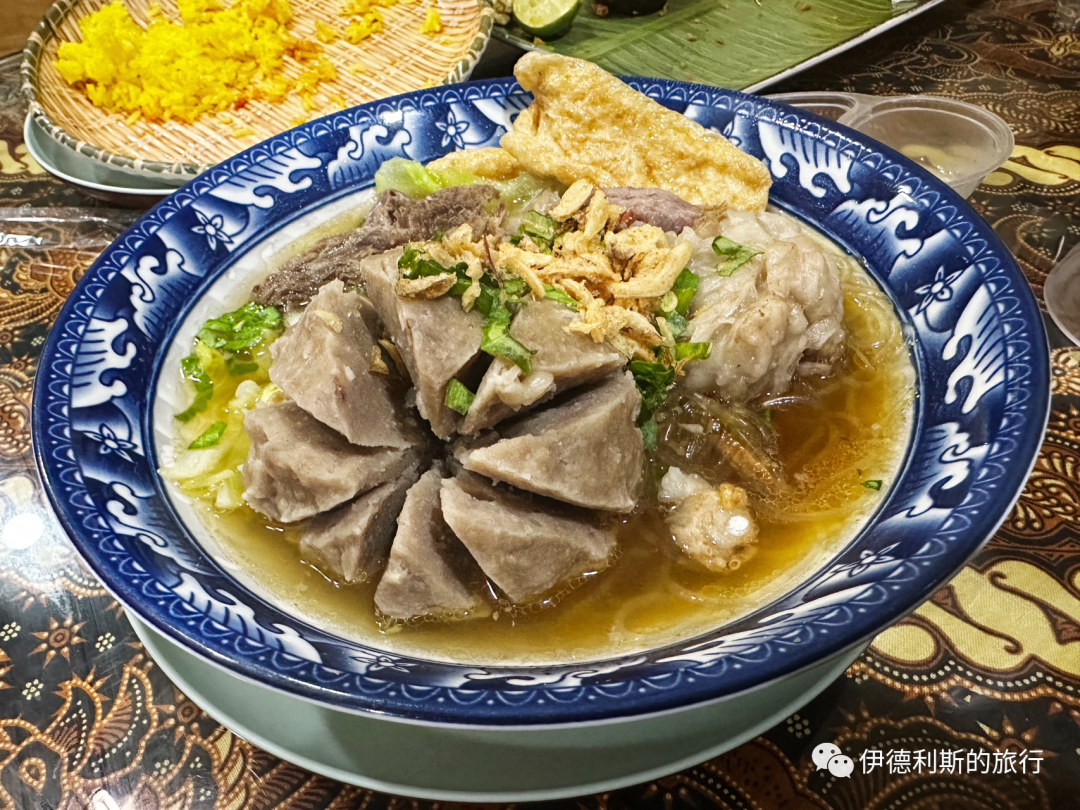
Then I ordered the large Indonesian meatball (bakso besar). The word bakso comes from the Hokkien word for "meat crisp" (rousu). It is a classic Indonesian street food made from beef, fish paste, and a small amount of tapioca flour, making it very firm. Finished meatballs are usually placed in beef broth, served with tofu, glass noodles, and various side dishes.
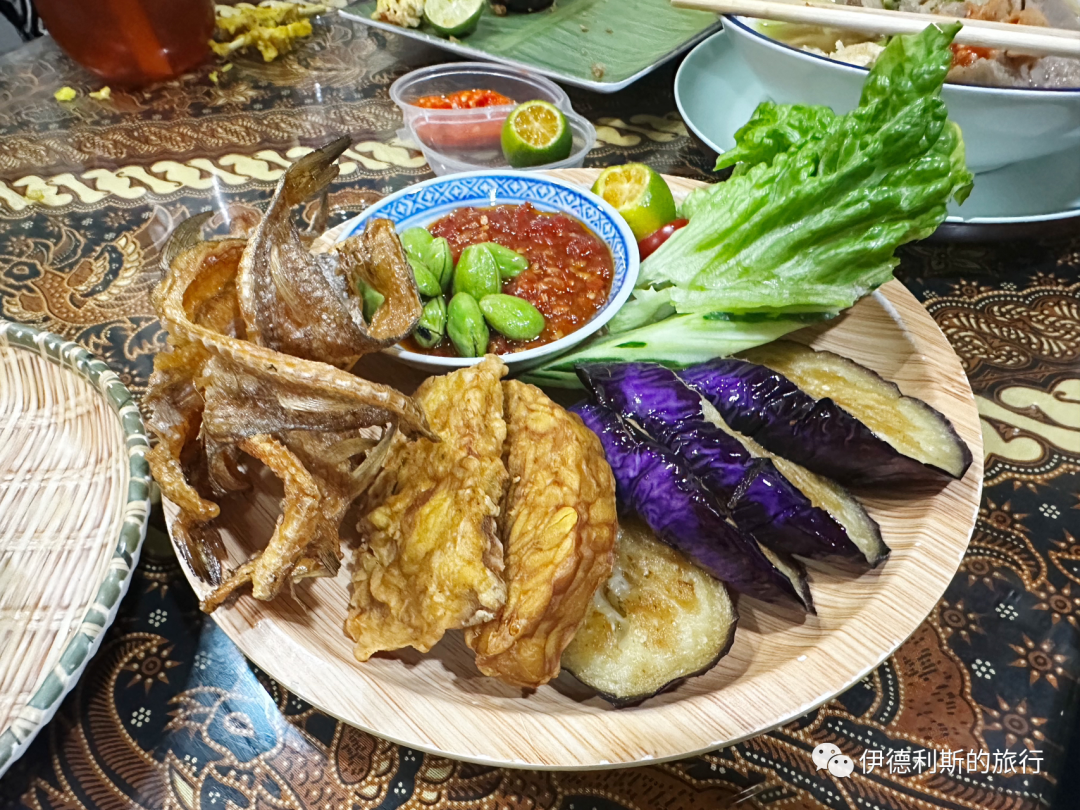
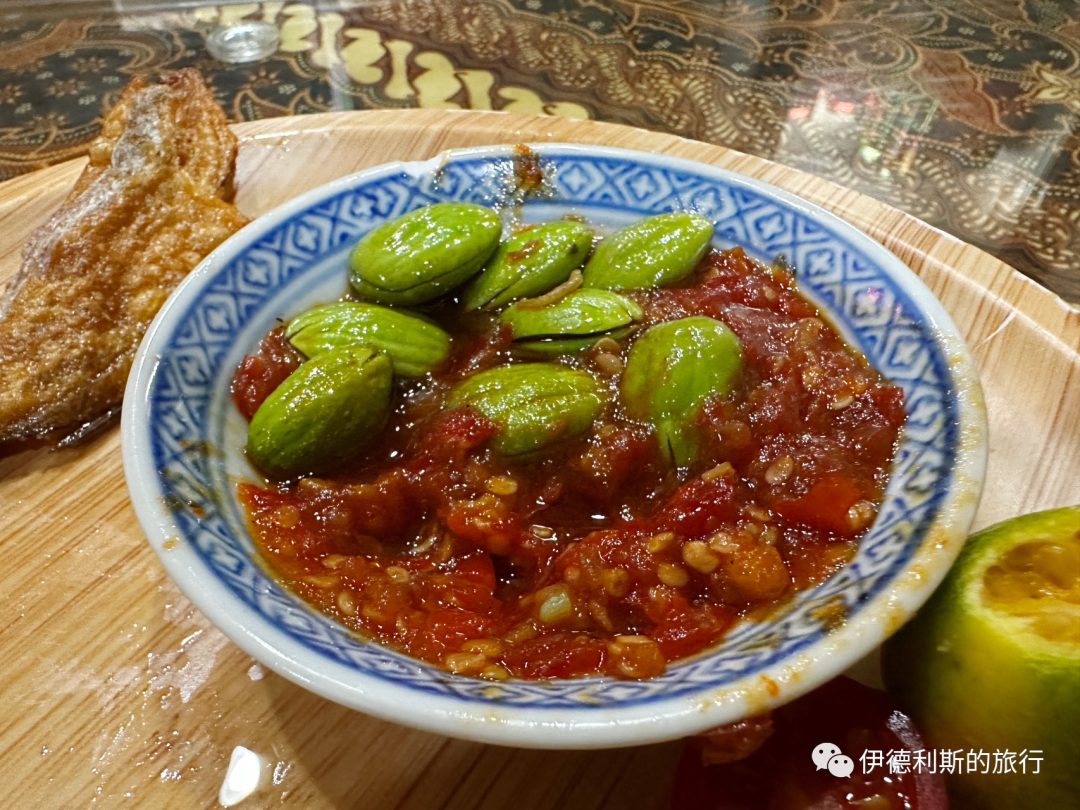
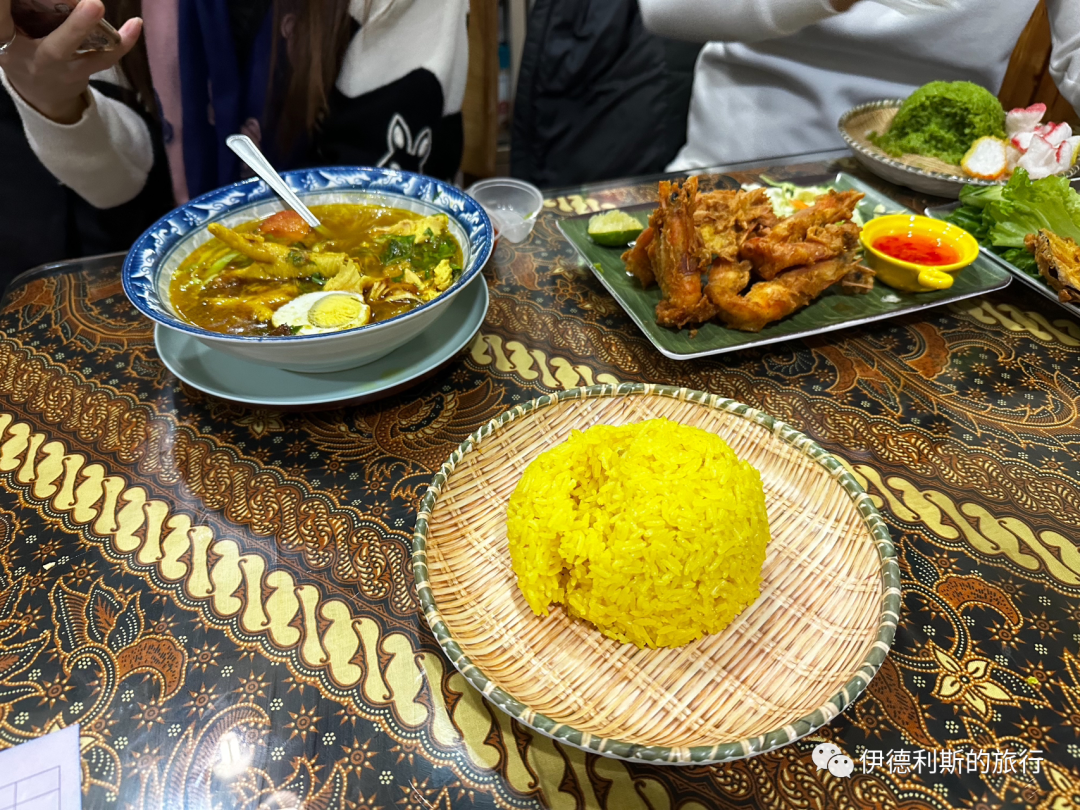
For side dishes, I ordered Terong penyet ikan asin. In this dish, 'terong' means eggplant, and 'penyet ikan asin' is Javanese fried small salted fish, where 'penyet' is the Javanese word for 'pressed'. It also came with Javanese-style fermented soybean cake (tempeh), fried tofu (tahu goreng) brought by Indonesian Chinese, and spicy stink bean paste (sambal petai). Stink beans are a common bean in Southeast Asia. They have a unique smell that might be hard for first-timers to get used to.
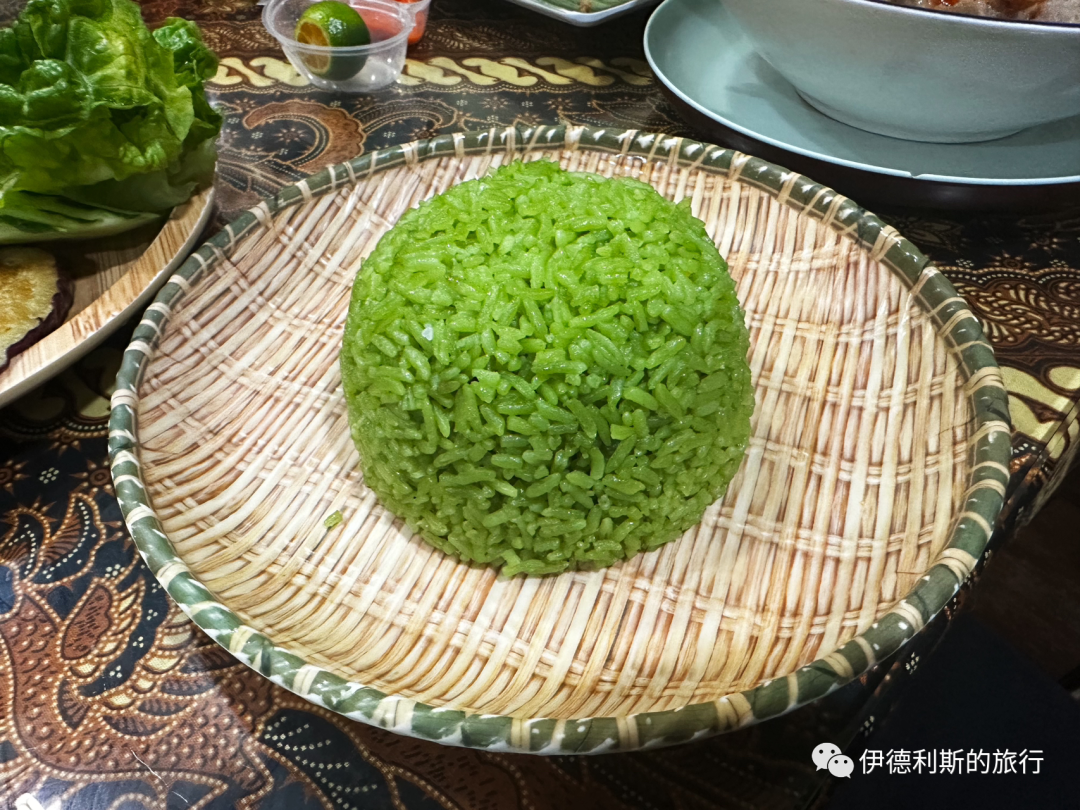
For the main course, I ordered pandan rice (nasi pandan), and my friend Dosti next to me ordered yellow turmeric rice (nasi kuning). Both are classic types of Indonesian coconut rice. Pandan is also called fragrant orchid or seven-leaf orchid. Wild pandan originally came from the Maluku Islands (Spice Islands) in Indonesia. Modern cultivated crops can only be propagated through cuttings or suckers, and they are very common in Southeast and South Asia.
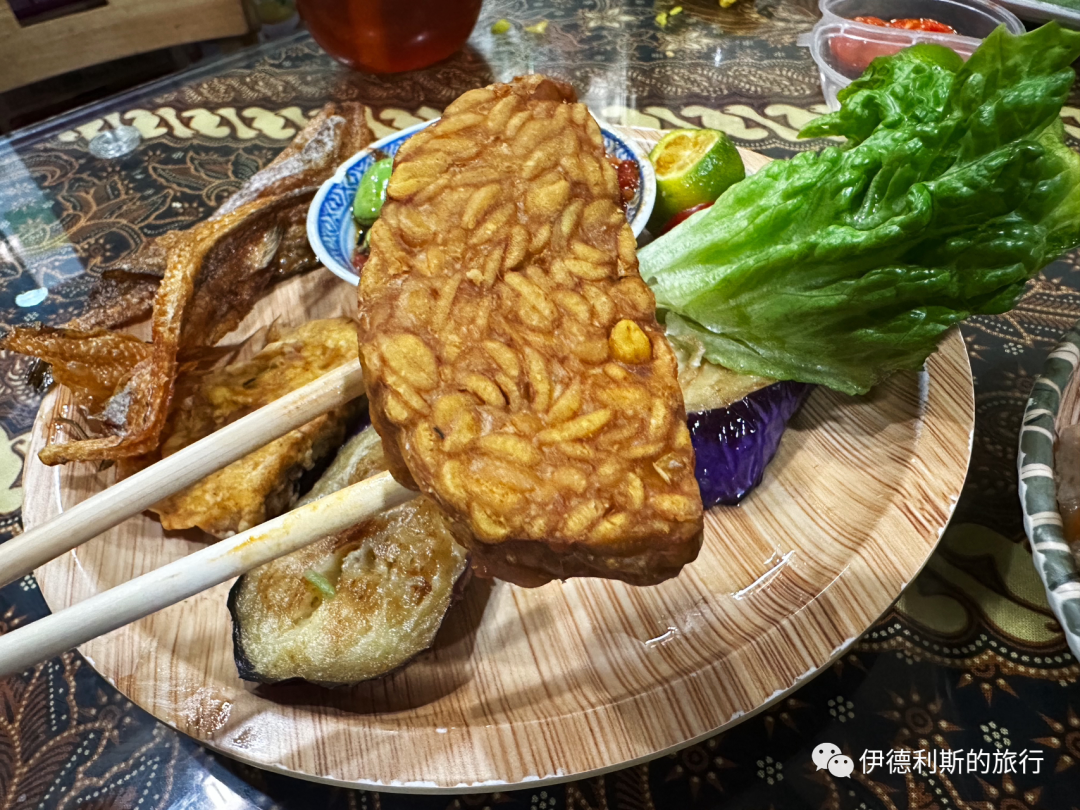
The word for Javanese fermented soybean cake (tempeh) is said to come from the Old Javanese word 'tumpi'. This soybean cake, made by pressing fermented soybeans, originated in central and eastern Java. It is fermented using a type of mycelium that grows on teak and hibiscus leaves. The relationship between tempeh and Chinese tofu is still unclear, as tempeh is rarely mentioned in ancient Javanese texts. This food has always been a staple for ordinary people.
Summary: Macau — Moorish Barracks, Indonesian Food and Muslim History is presented here as a firsthand travel account in clear English, beginning with this scene: During the 2023 Spring Festival holiday, I finally hit the road again, restarting my plan to visit and eat in Muslim communities after a two-year break. The account keeps its focus on Macau Muslim History, Indonesian Food, Halal Travel while preserving the names, places, food, and historical details from the Chinese source.
In the afternoon, I went to Macau's most famous Indonesian restaurant, Loly Indonesian Food. It is always packed with people, mostly Indonesian friends (dosti), as well as local Macau residents who come for the reputation.
The owner of Loly is Indah Handayani Sunardi, the sister standing in the red shirt in the picture below. She was born in 1984 to a farming family in Banyuwangi, at the easternmost tip of Java. Because her family had little money, she left school at 14 and took a job at a restaurant in Surabaya, the capital of East Java. In 2000, Sunardi went to Hong Kong at 16 to work as a household helper. She moved to Macau in 2003 and met her current husband. In 2013, Sunardi quit her job to focus on making Indonesian food. She started by selling online and finally opened Loly restaurant in 2016. Because it is authentic and delicious, it became the most famous Indonesian restaurant in Macau within a few years. In 2021, it was recognized as a specialty shop by the Macau Economic and Technological Development Bureau.
Since it was the first day of work after the holiday, some of their ingredients had not arrived yet. I didn't get to eat the Javanese specialty I wanted most, but I still ordered a few dishes I was happy with. First, I ordered the deluxe version of the Javanese coconut milk iced drink, which has avocado, grass jelly, red beans, syrup, and more. The black grass jelly is called cincau hitam in Java, and it is a classic combination when served with coconut milk, syrup, and ice cubes.
Then I ordered the large Indonesian meatball (bakso besar). The word bakso comes from the Hokkien word for "meat crisp" (rousu). It is a classic Indonesian street food made from beef, fish paste, and a small amount of tapioca flour, making it very firm. Finished meatballs are usually placed in beef broth, served with tofu, glass noodles, and various side dishes.
For side dishes, I ordered Terong penyet ikan asin. In this dish, 'terong' means eggplant, and 'penyet ikan asin' is Javanese fried small salted fish, where 'penyet' is the Javanese word for 'pressed'. It also came with Javanese-style fermented soybean cake (tempeh), fried tofu (tahu goreng) brought by Indonesian Chinese, and spicy stink bean paste (sambal petai). Stink beans are a common bean in Southeast Asia. They have a unique smell that might be hard for first-timers to get used to.
For the main course, I ordered pandan rice (nasi pandan), and my friend Dosti next to me ordered yellow turmeric rice (nasi kuning). Both are classic types of Indonesian coconut rice. Pandan is also called fragrant orchid or seven-leaf orchid. Wild pandan originally came from the Maluku Islands (Spice Islands) in Indonesia. Modern cultivated crops can only be propagated through cuttings or suckers, and they are very common in Southeast and South Asia.
The word for Javanese fermented soybean cake (tempeh) is said to come from the Old Javanese word 'tumpi'. This soybean cake, made by pressing fermented soybeans, originated in central and eastern Java. It is fermented using a type of mycelium that grows on teak and hibiscus leaves. The relationship between tempeh and Chinese tofu is still unclear, as tempeh is rarely mentioned in ancient Javanese texts. This food has always been a staple for ordinary people.
