
Halal Travel Guide: Macau — Moorish Barracks, Indonesian Food and Muslim History (Part 8)
Reposted from the web
Summary: Macau — Moorish Barracks, Indonesian Food and Muslim History is presented here as a firsthand travel account in clear English, beginning with this scene: During the 2023 Spring Festival holiday, I finally hit the road again, restarting my plan to visit and eat in Muslim communities after a two-year break. The account keeps its focus on Macau Muslim History, Indonesian Food, Halal Travel while preserving the names, places, food, and historical details from the Chinese source.
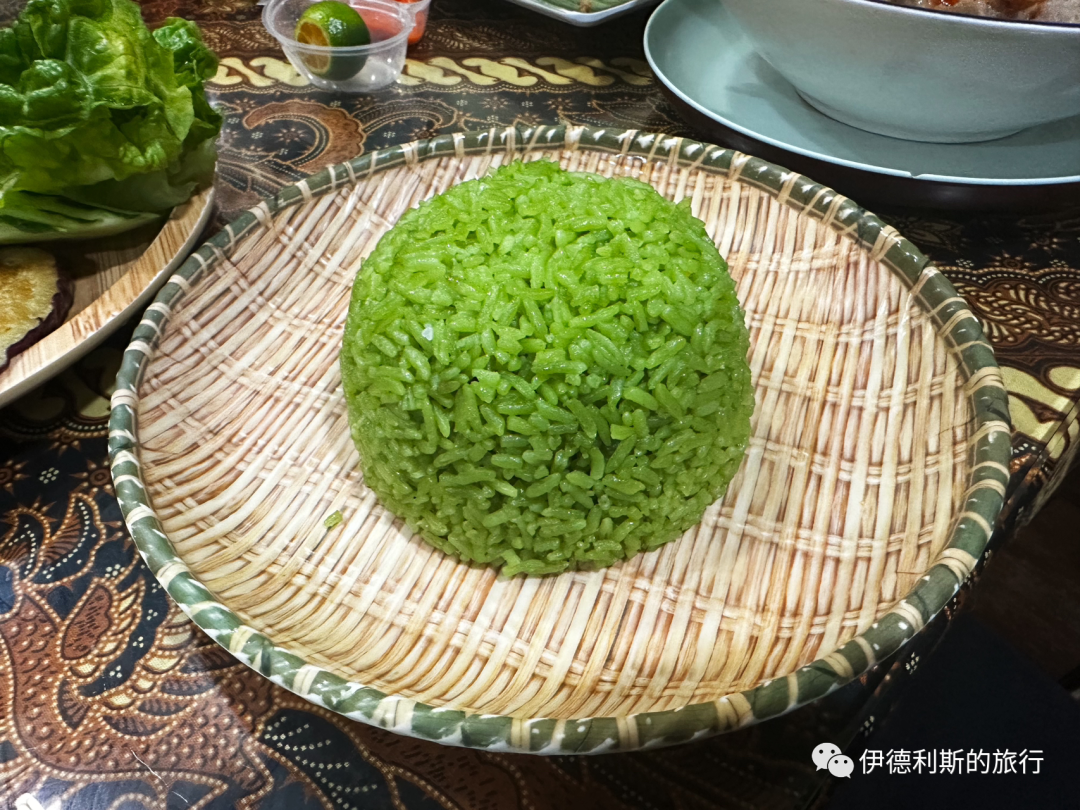
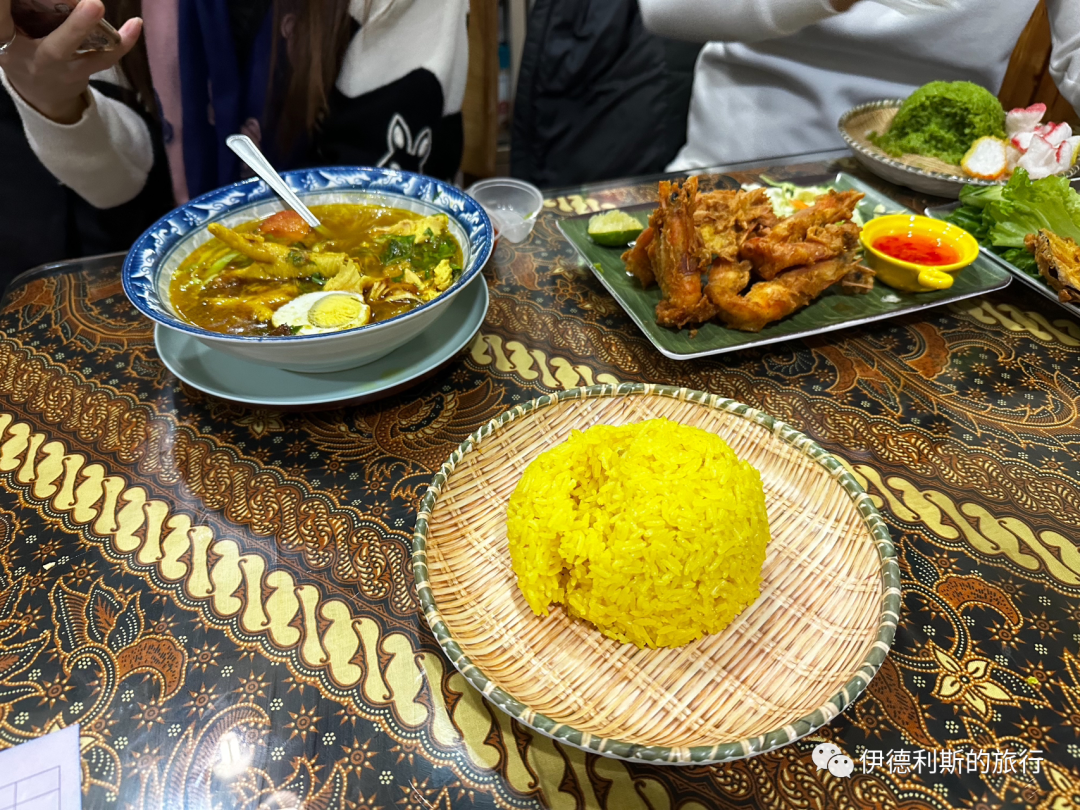
For the main course, I ordered pandan rice (nasi pandan), and my friend Dosti next to me ordered yellow turmeric rice (nasi kuning). Both are classic types of Indonesian coconut rice. Pandan is also called fragrant orchid or seven-leaf orchid. Wild pandan originally came from the Maluku Islands (Spice Islands) in Indonesia. Modern cultivated plants are usually grown from cuttings or young shoots, and they are very common in Southeast and South Asia.
The word for Javanese fermented soybean cake (tempeh) is said to come from the Old Javanese word 'tumpi'. This soybean cake, made by pressing fermented soybeans, originated in central and eastern Java. It is fermented with a natural mold culture that grows on teak and hibiscus leaves. The relationship between tempeh and Chinese tofu is still unclear, as tempeh is rarely mentioned in ancient Javanese texts. This food has always been a staple for ordinary people.
Summary: Macau — Moorish Barracks, Indonesian Food and Muslim History is presented here as a firsthand travel account in clear English, beginning with this scene: During the 2023 Spring Festival holiday, I finally hit the road again, restarting my plan to visit and eat in Muslim communities after a two-year break. The account keeps its focus on Macau Muslim History, Indonesian Food, Halal Travel while preserving the names, places, food, and historical details from the Chinese source.
For the main course, I ordered pandan rice (nasi pandan), and my friend Dosti next to me ordered yellow turmeric rice (nasi kuning). Both are classic types of Indonesian coconut rice. Pandan is also called fragrant orchid or seven-leaf orchid. Wild pandan originally came from the Maluku Islands (Spice Islands) in Indonesia. Modern cultivated plants are usually grown from cuttings or young shoots, and they are very common in Southeast and South Asia.
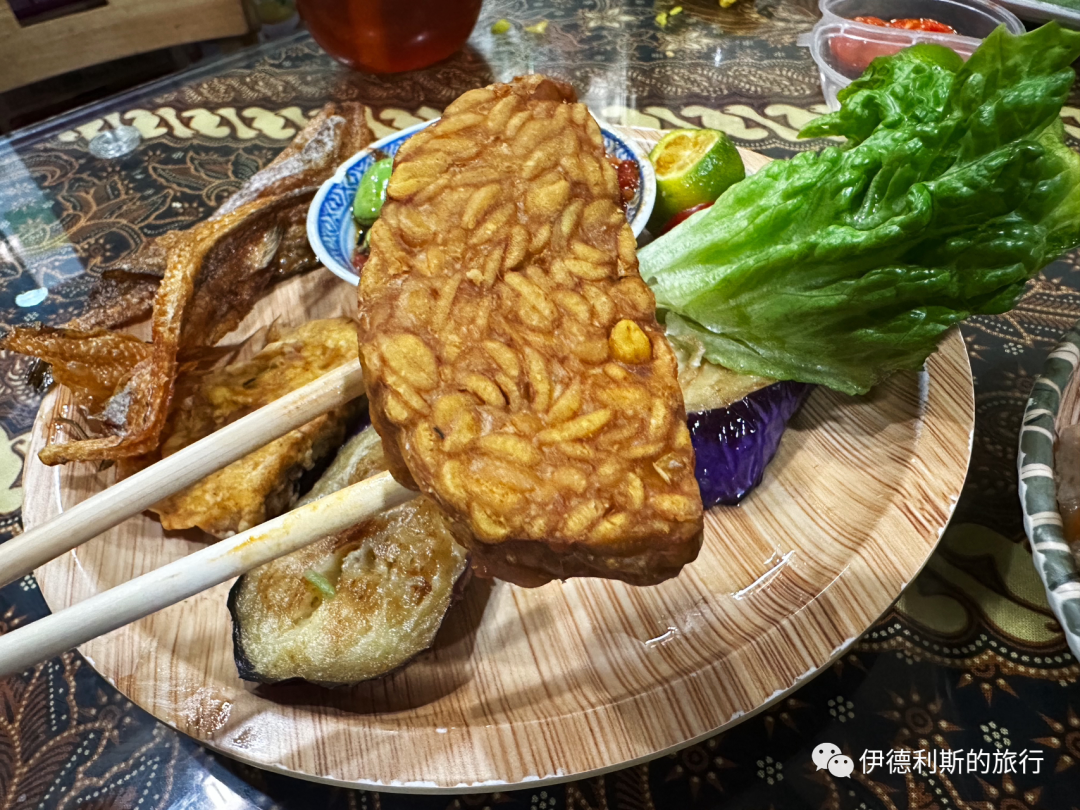
The word for Javanese fermented soybean cake (tempeh) is said to come from the Old Javanese word 'tumpi'. This soybean cake, made by pressing fermented soybeans, originated in central and eastern Java. It is fermented with a natural mold culture that grows on teak and hibiscus leaves. The relationship between tempeh and Chinese tofu is still unclear, as tempeh is rarely mentioned in ancient Javanese texts. This food has always been a staple for ordinary people.
