
Halal Travel Guide: Hong Kong — Hui Muslim History, Mosques and Community
Reposted from the web
Summary: Hong Kong has a long Hui Muslim history shaped by migration, trade, mosques, and community life across more than a century. This account traces the city Muslim community changes through people, streets, mosques, and historical records from the Chinese source.
I traveled to Hong Kong at the end of May 2023. Although I have been to Hong Kong many times, I find something new every time. I previously published an article about eating Indonesian, Pakistani, Iranian, and Tibetan food in Hong Kong, along with notes on some Indonesian sisters in Hong Kong, in my piece titled 2023 Hong Kong Halal Trip (Indonesian Javanese, Pakistani, Iranian, and Tibetan Food).
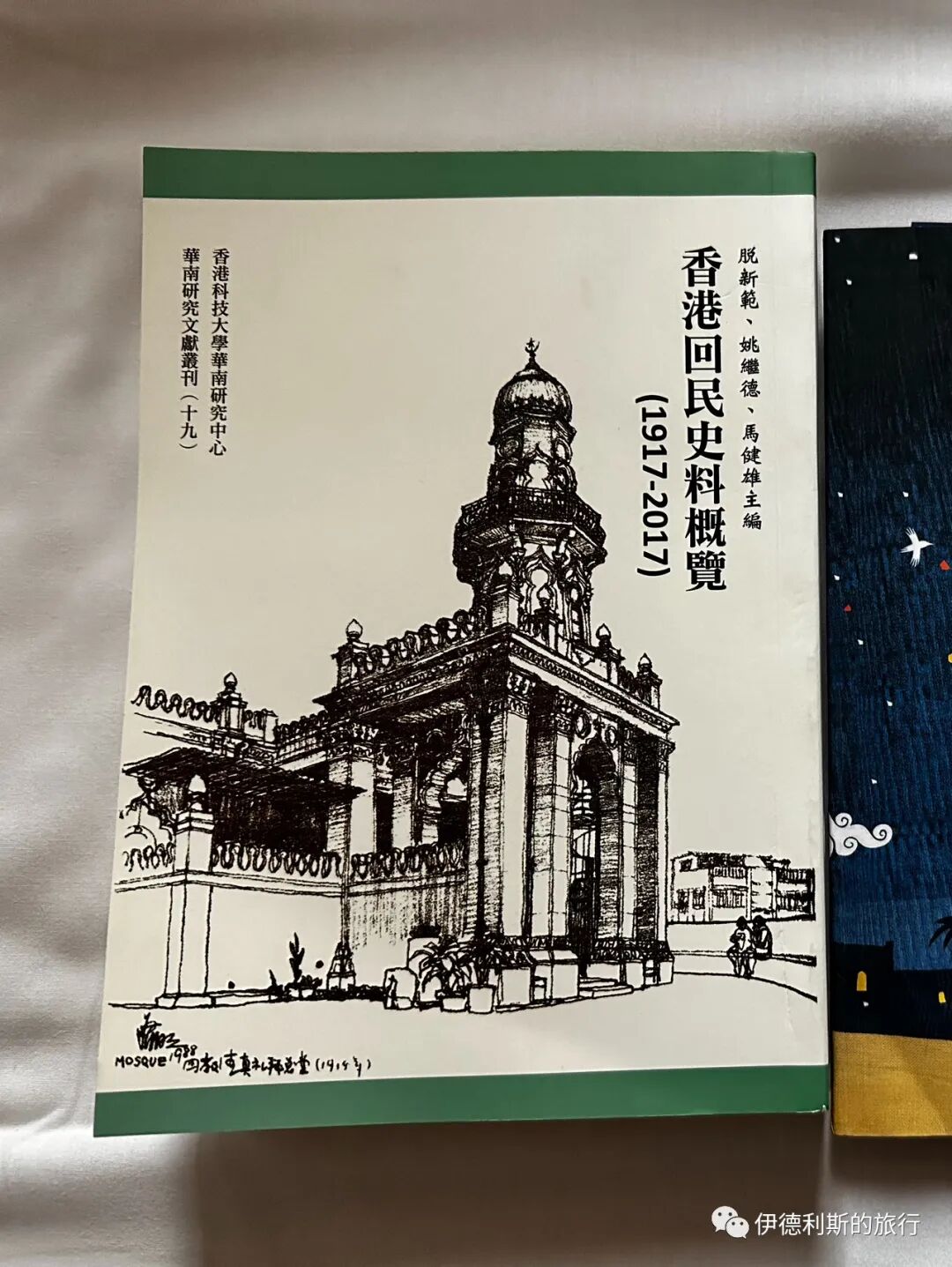
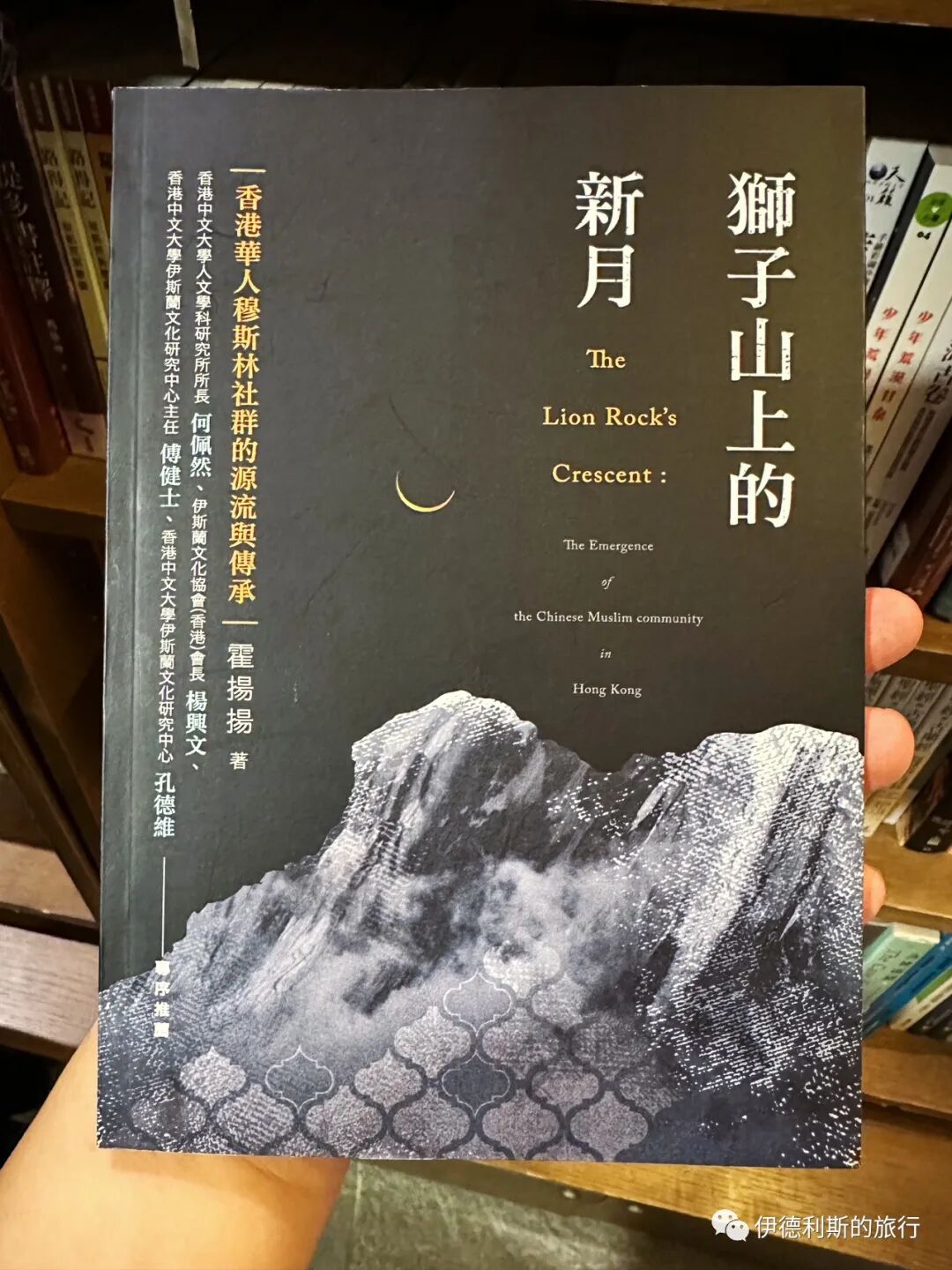
During this trip to Hong Kong, I found two excellent books, A General Overview of Historical Materials on Hui Muslims in Hong Kong (Xianggang Huimin Shiliao Gailan) and The Crescent on Lion Rock (Shizishan Shang de Xinyue), which detail the changes among Hui Muslims in Hong Kong over the past century. I plan to combine the content from these two books with my own personal experiences from this trip to share how Hui Muslims in Hong Kong have progressed step by step from the late 19th century to today.
Jamia Mosque (Shelley Street Mosque)
The records say the first Hui Muslims to arrive in Hong Kong were likely those from Yunnan who came to do business via Myanmar in the late 19th century. Between 1852 and 1886, the British gradually annexed Myanmar from south to north, and Hui Muslims from Yunnan began traveling through Myanmar to Hong Kong for trade. In 1872, Ma Qixiang, a Hui Muslim from Yuxi, Yunnan, opened a branch of his business, Xing Shun He, in Hong Kong, dealing in medicinal herbs, jewelry, cotton yarn, and tin ore. These Yunnan Hui Muslims were known as Panthay people in British-ruled Myanmar, so people in Hong Kong referred to them in Cantonese as Bangdie Lao. However, the Hui Muslims from Yunnan during this period did not choose to settle in Hong Kong, and there are no descendants of them among today's Hui Muslims in Hong Kong.
Starting from the end of the 19th century, Hui Muslims living in Guangzhou and Zhaoqing began to come to Hong Kong to settle. Early Hui Muslims from Guangdong were not numerous in Hong Kong. In the 1911 population census report released by the Hong Kong government, there were 250 Chinese people who practiced Islam. Before 1918, Hui Muslims in Hong Kong did not have their own religious venue, so they performed their religious duties at the Jamia Mosque (Shelley Street Mosque) built by Indian Muslims. According to the 1933 document Plans and Progress of the Hong Kong Islamic Fraternity Association, it is recorded: '... Hong Kong is located in the south, and before the founding of the Republic of China, there were few of our fellow believers living here.' After the revolution, due to war and floods, life became difficult, and many fellow believers from the mainland moved here to make a living. At first, all religious gatherings were held at the 'Moro Temple' (Moro Miao) built by Indian people.
Jamia Mosque (Shelley Street Mosque) is the first mosque in Hong Kong, first built in the 1850s. After the British occupied Hong Kong Island in 1841, they immediately sent Muslim soldiers from British India to be stationed there. As Hong Kong Island was being built up in the 1840s, Indian Muslims arrived to work as police, security guards, and sailors, while a few wealthy merchants also came to open companies. At the request of Indian Muslims, the colonial government leased a piece of land in the Mid-Levels of Central near the barracks to four trustees representing the Muslim community in 1850. They built the first stone prayer hall in 1852, which was called the Mohammedan Mosque. The mosque began expanding in 1870 and was officially completed in 1890. It was rebuilt again in 1915, keeping only the original minaret, and has remained in use ever since. After 1945, the mosque was renamed Jamia Mosque. Its Chinese name is the Islamic Mosque and Prayer Hall, and Chinese locals also call it the Big Mosque or the Moro Mosque. Because it is located on Shelley Street, it is also called the Shelley Street Mosque.
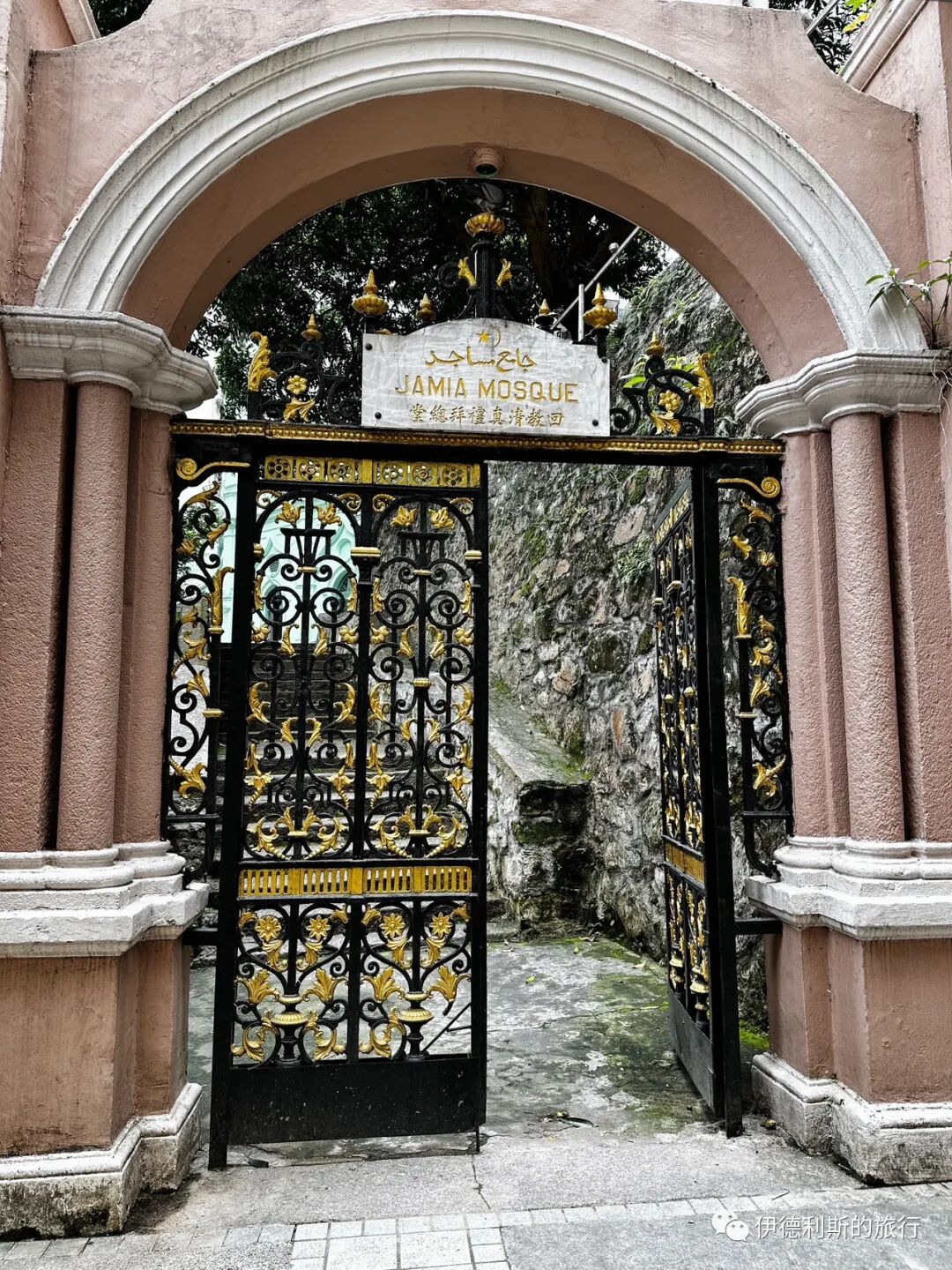
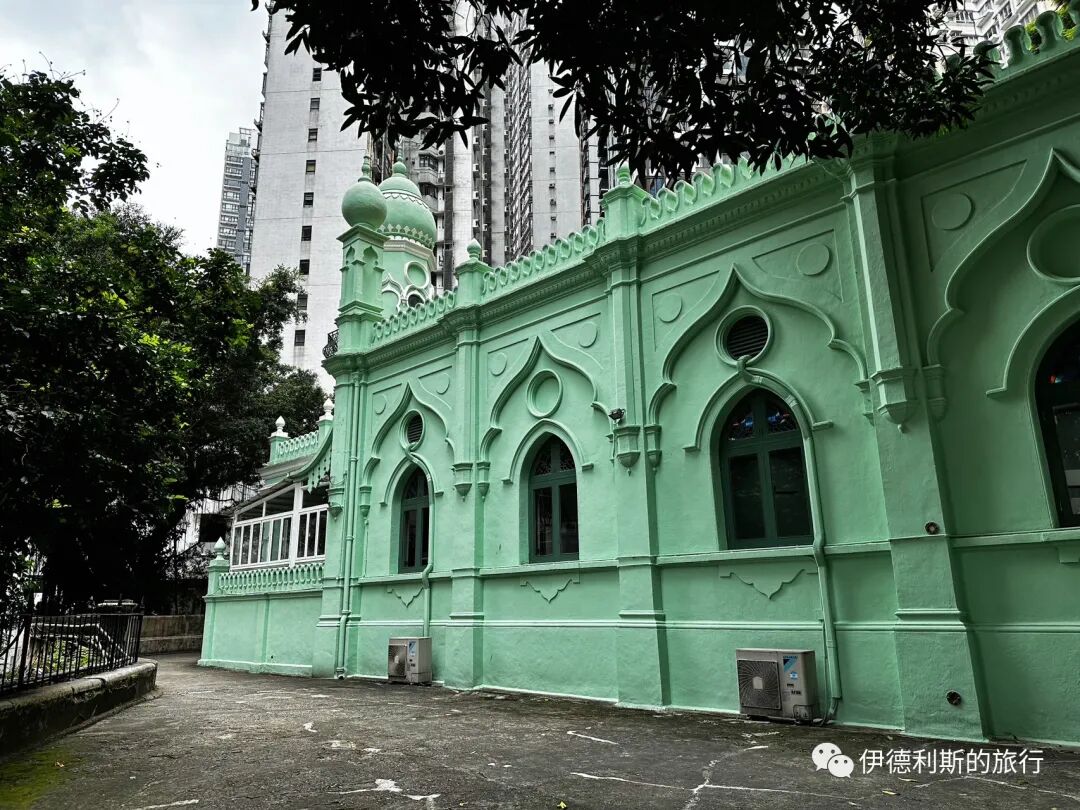
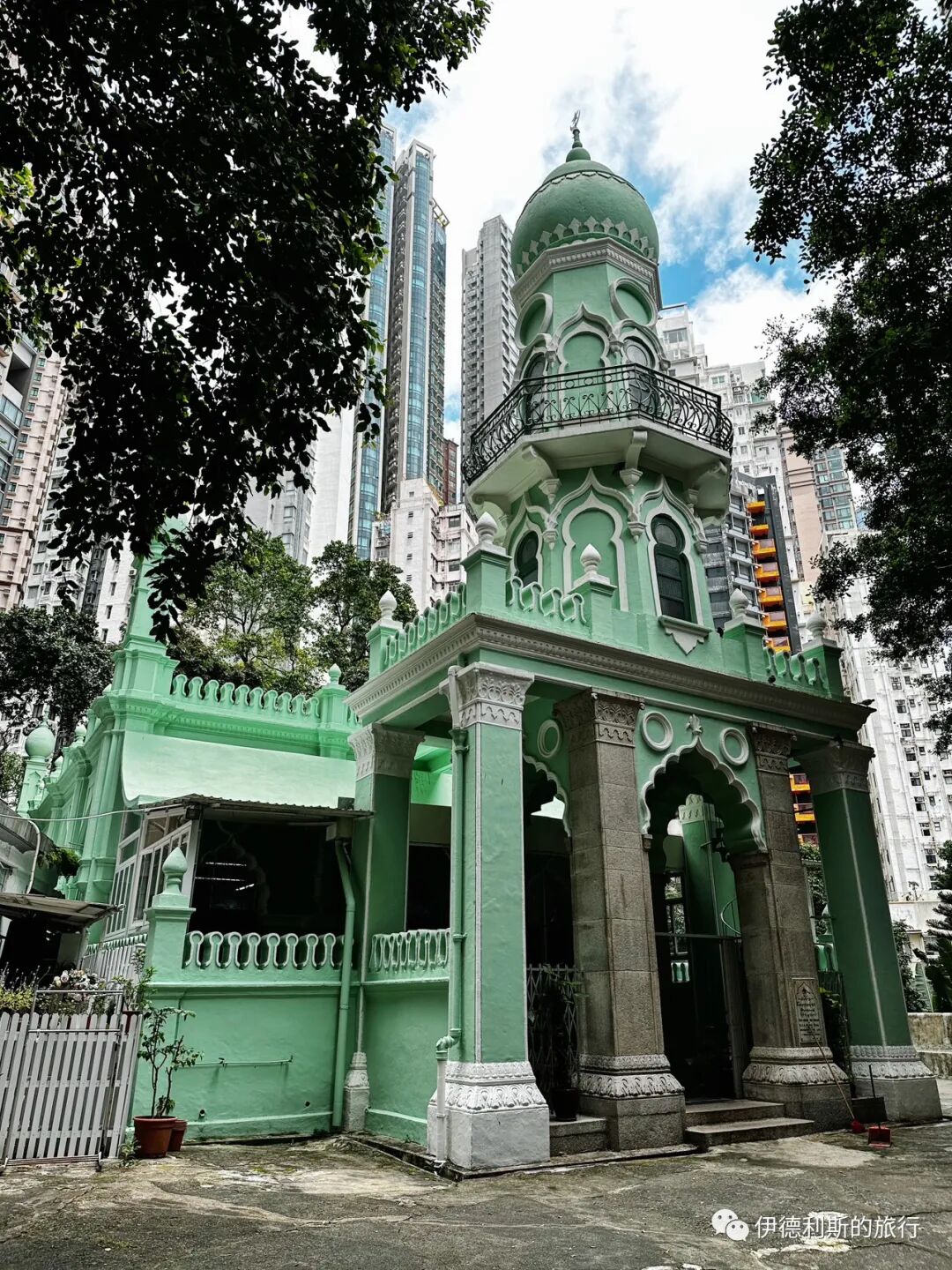
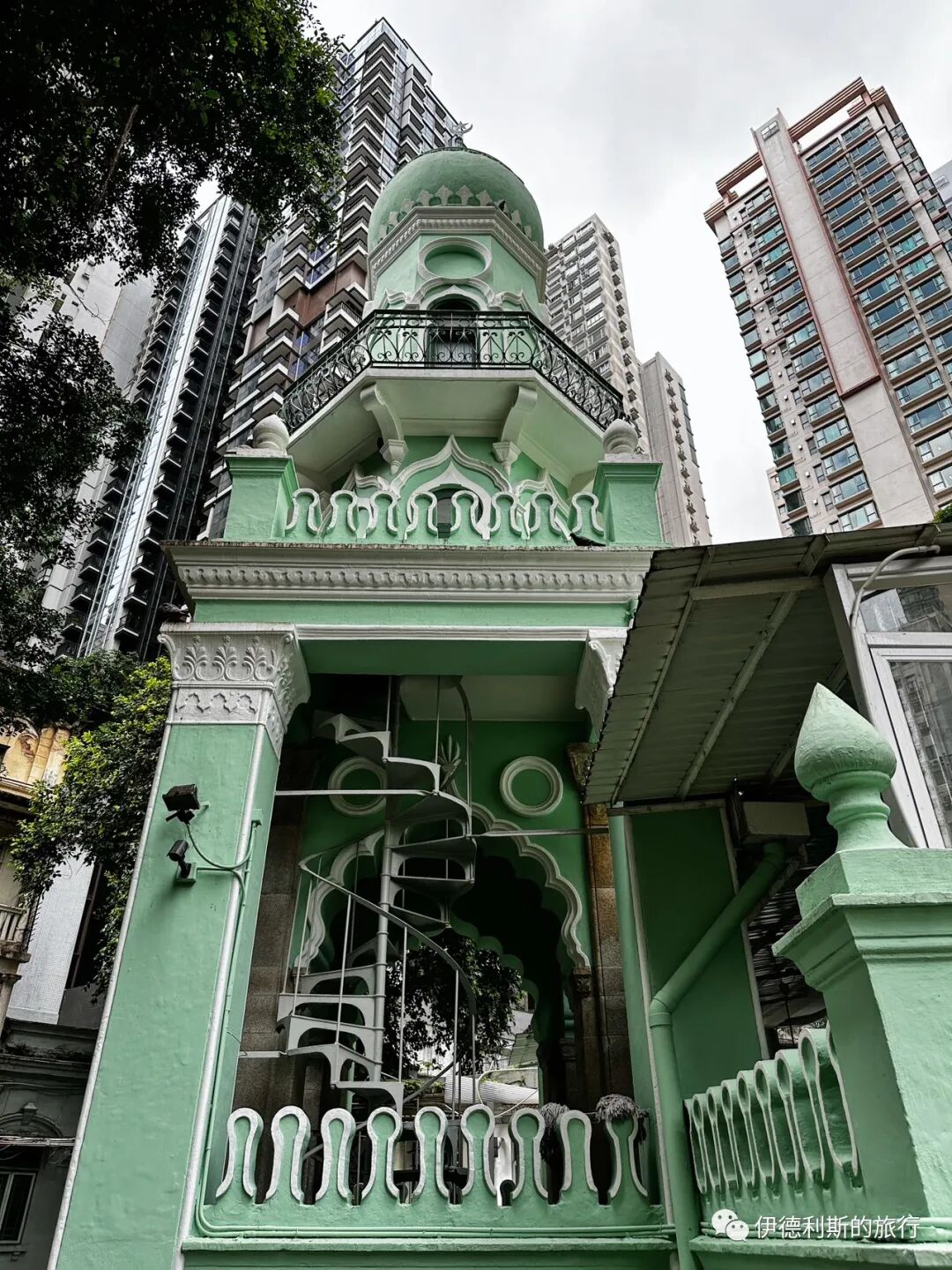
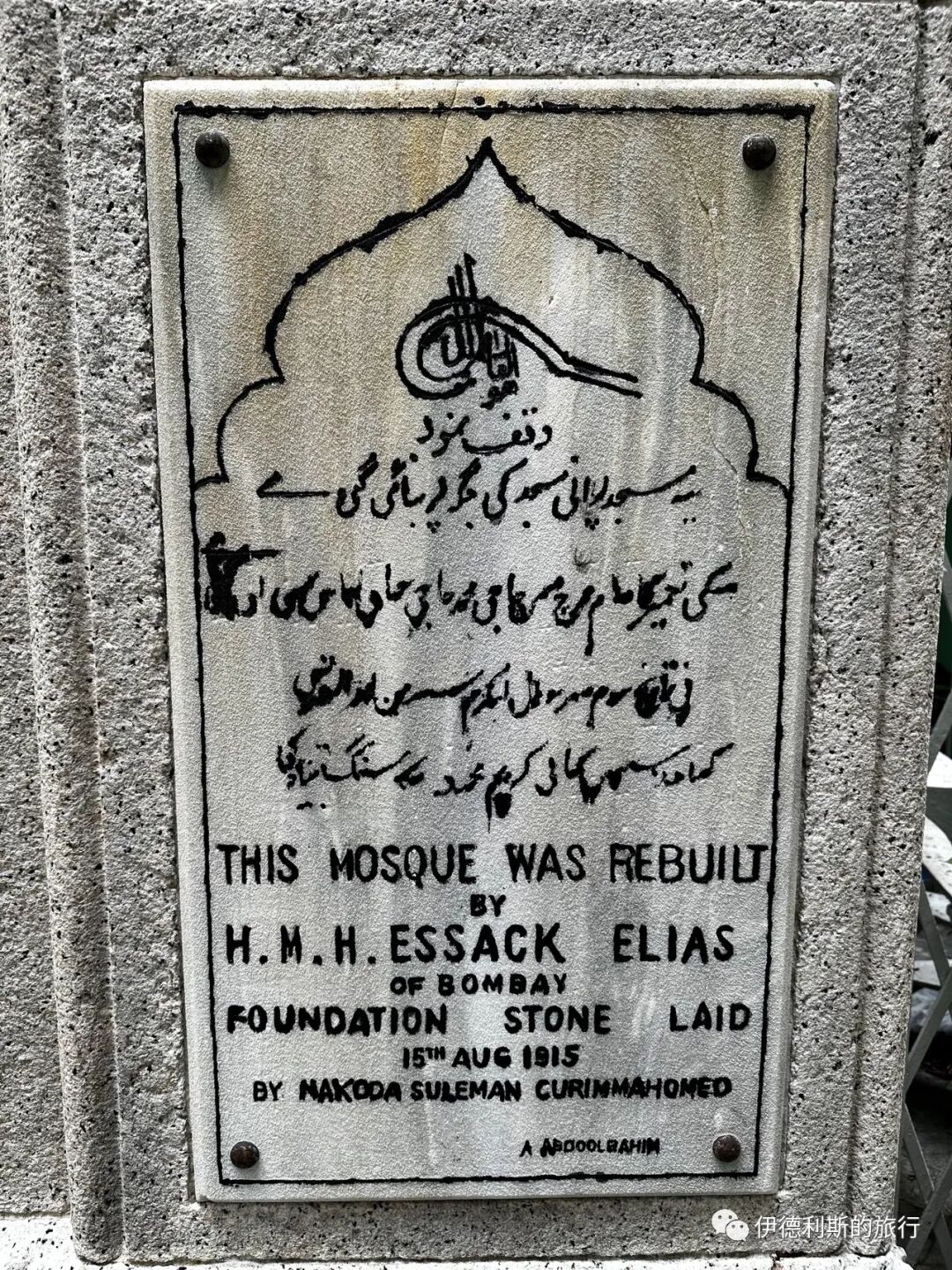
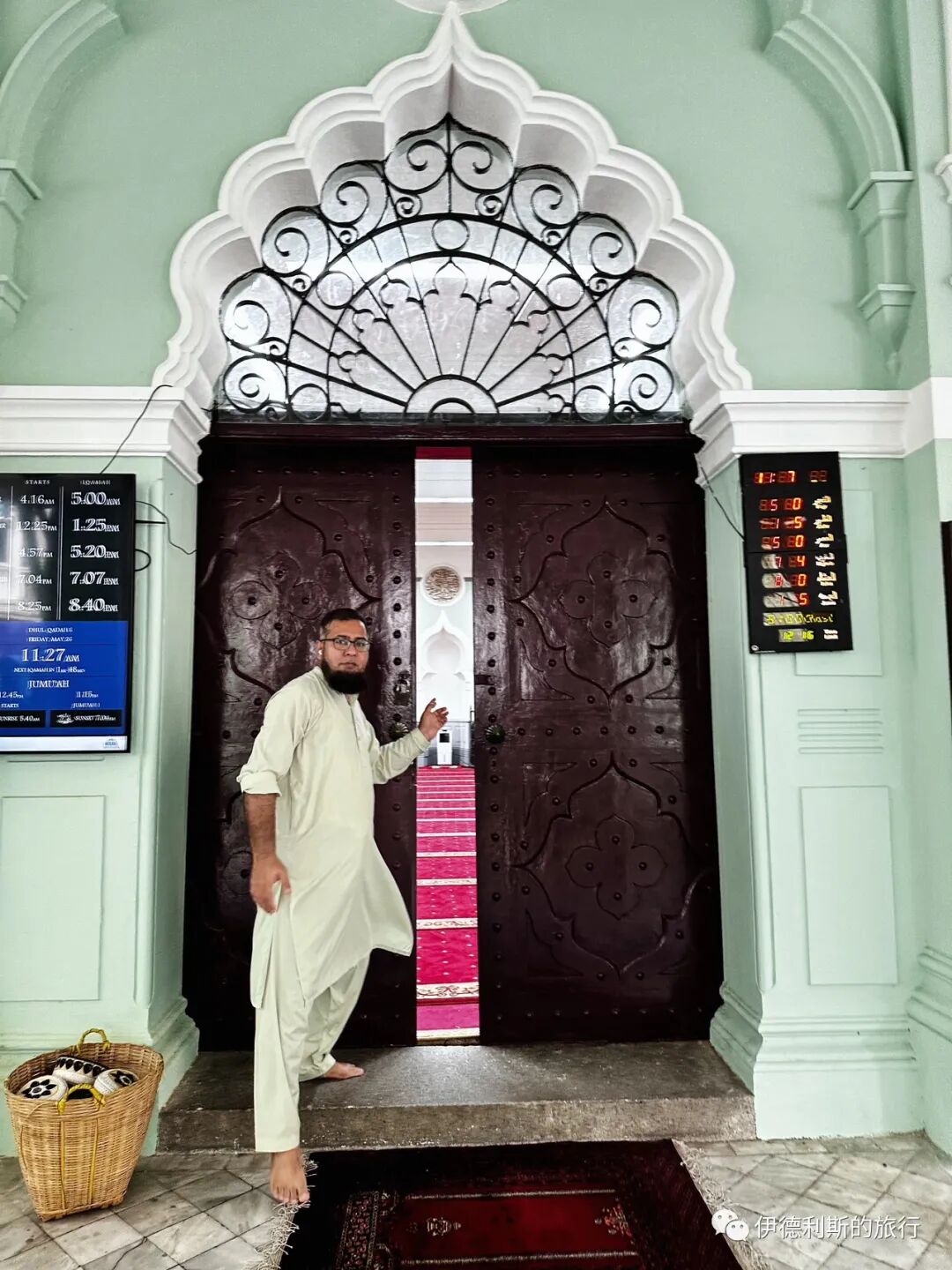
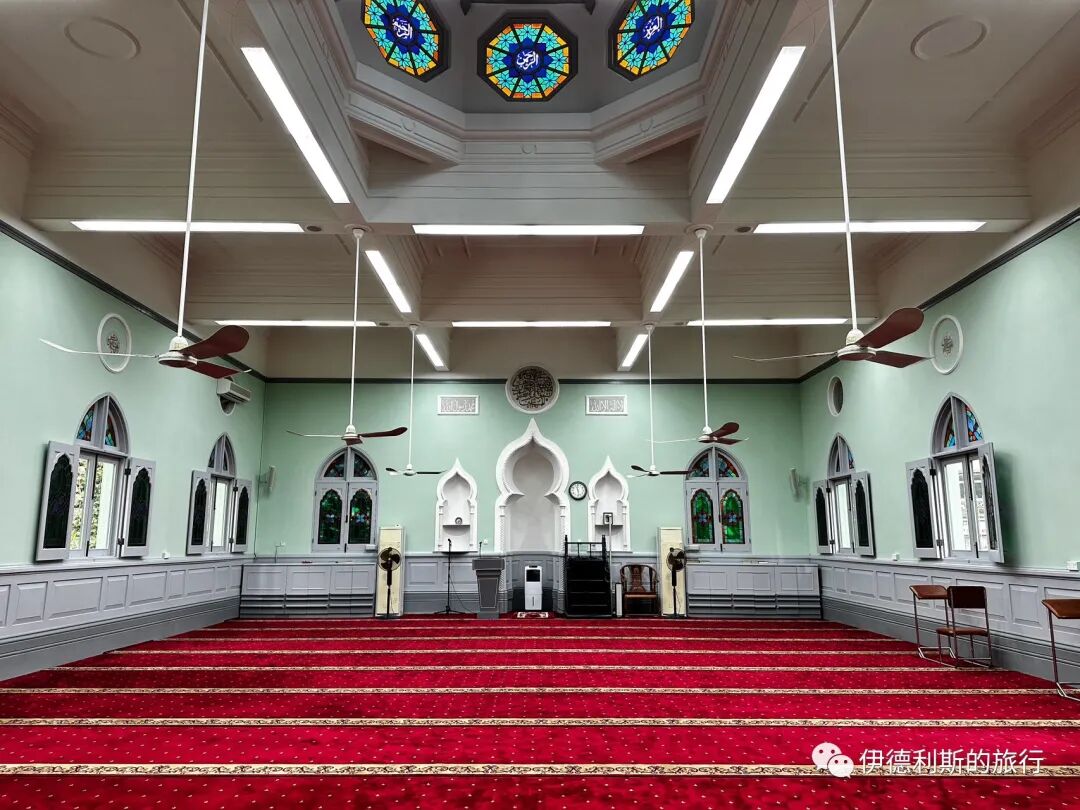
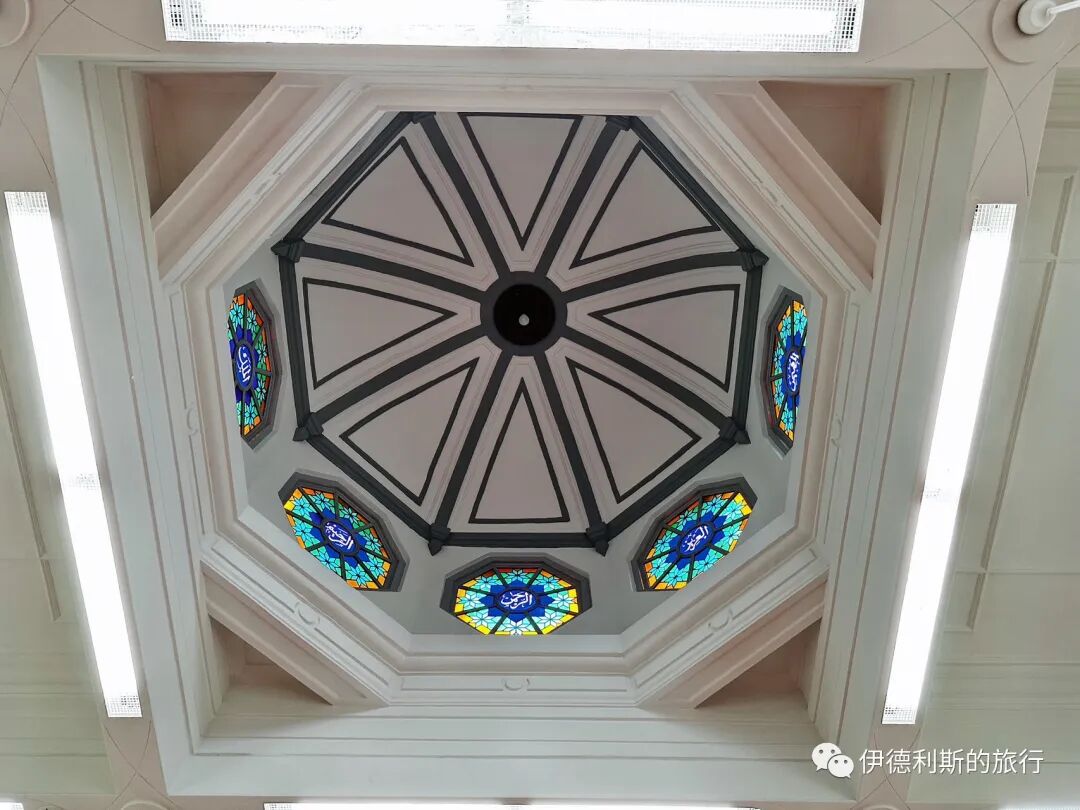
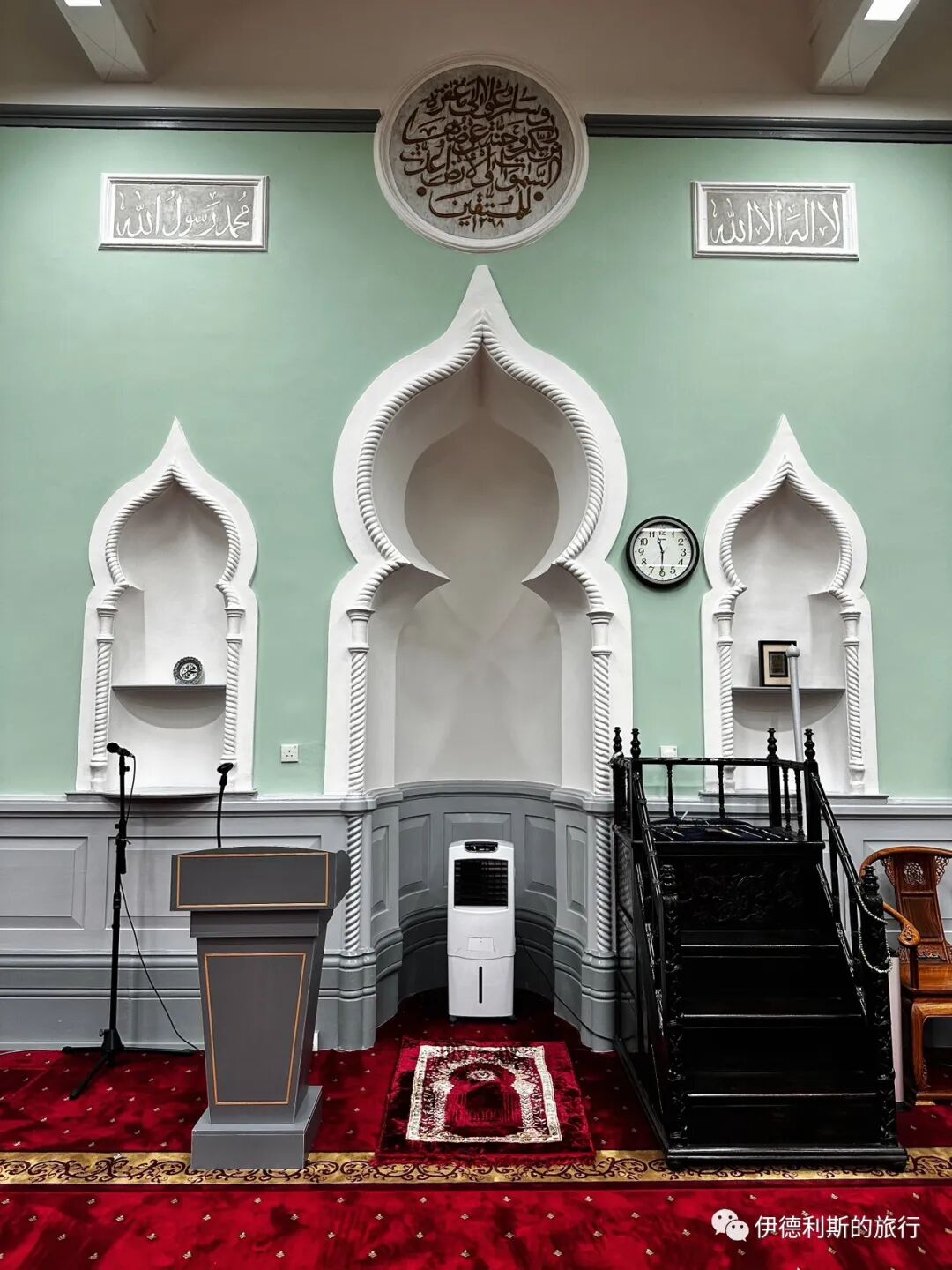
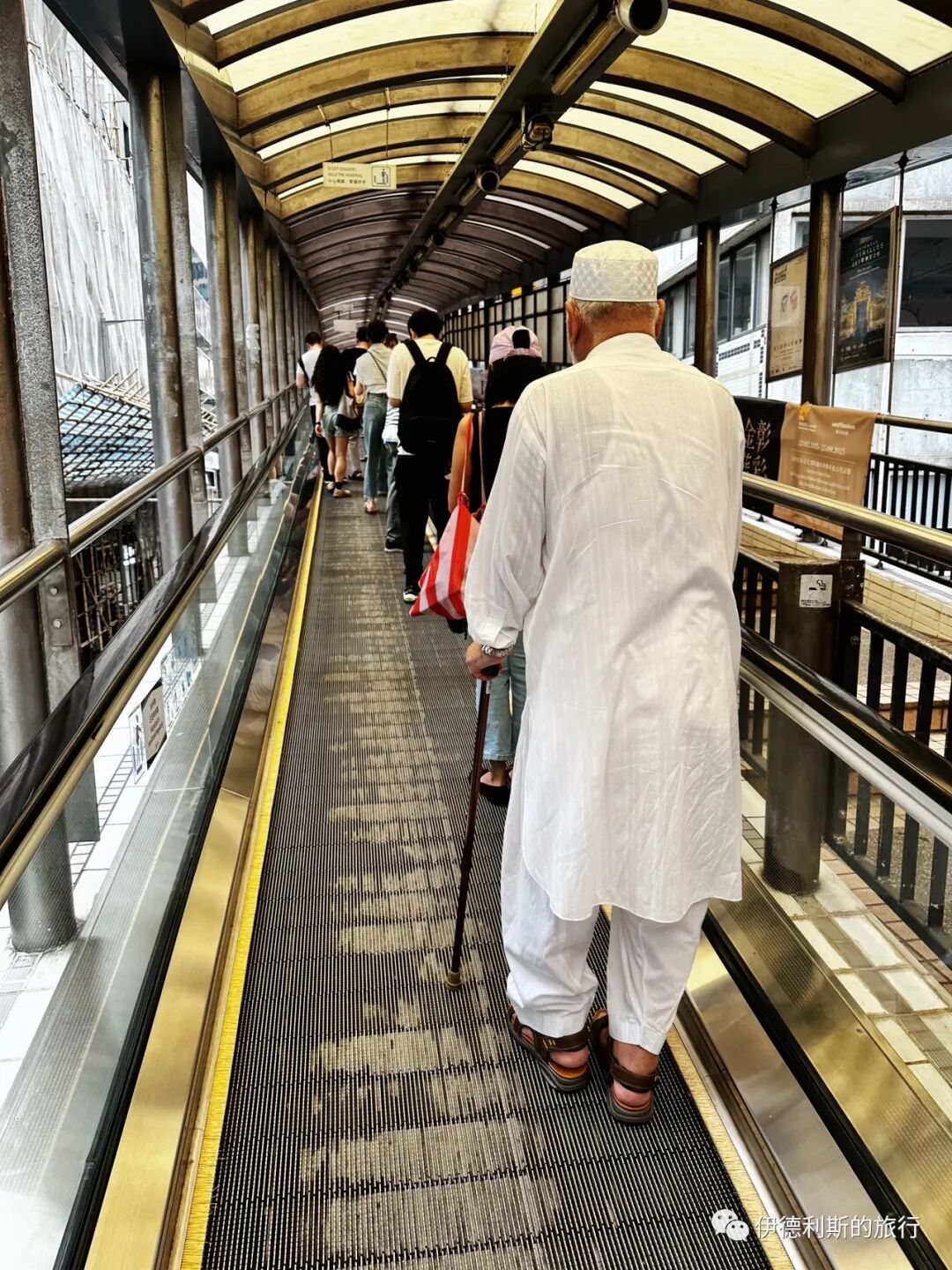
Since the Central-Mid-Levels escalator was built in 1993, it is now very convenient for us to visit the Shelley Street Mosque.
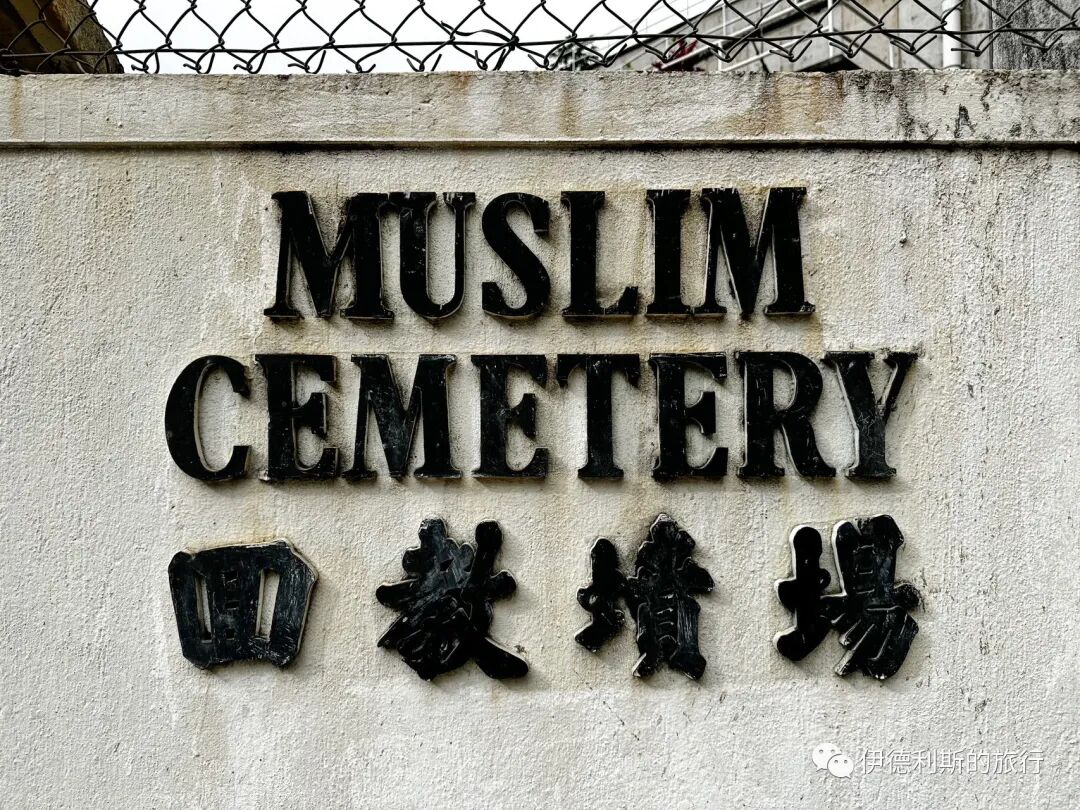
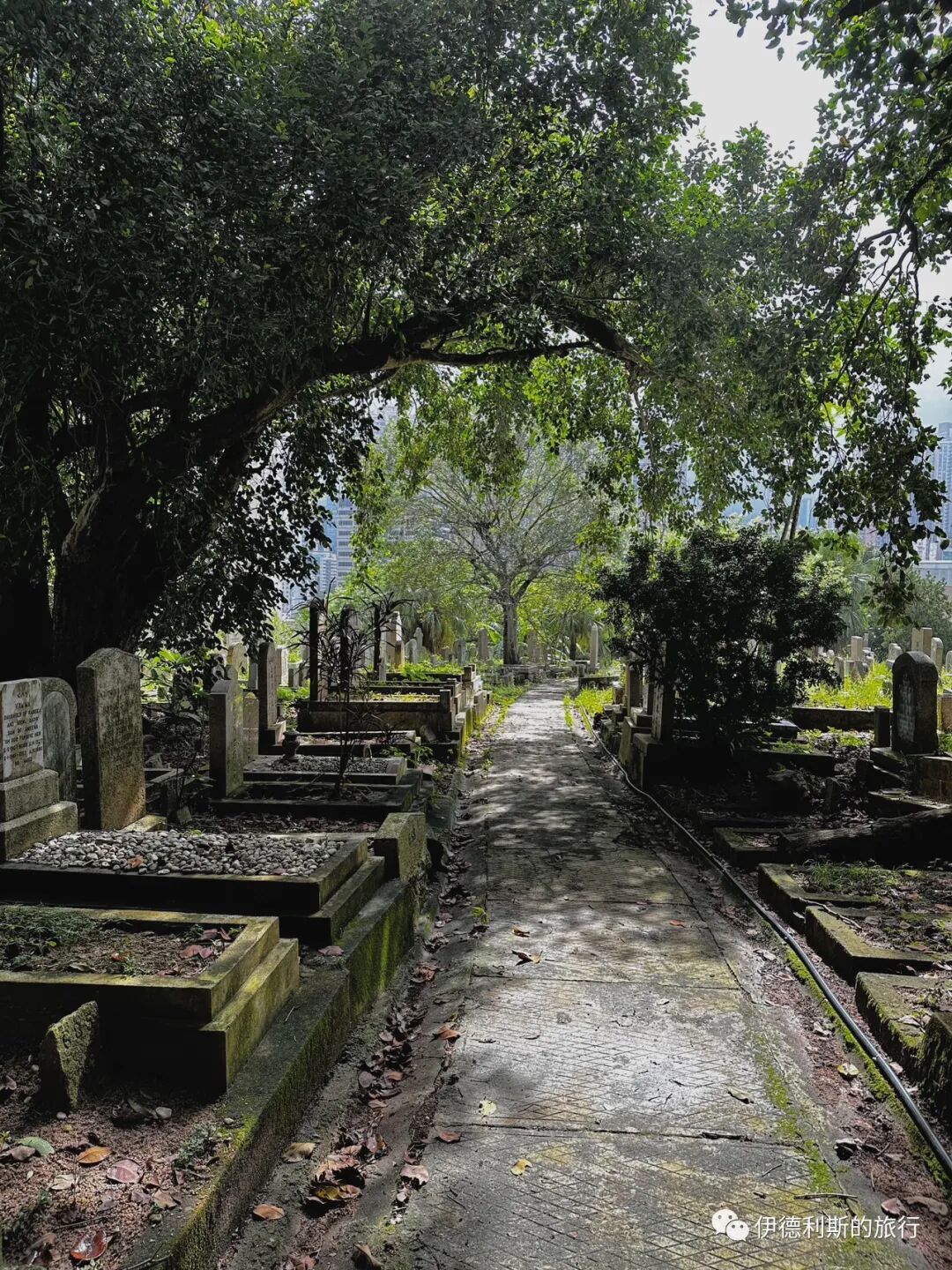
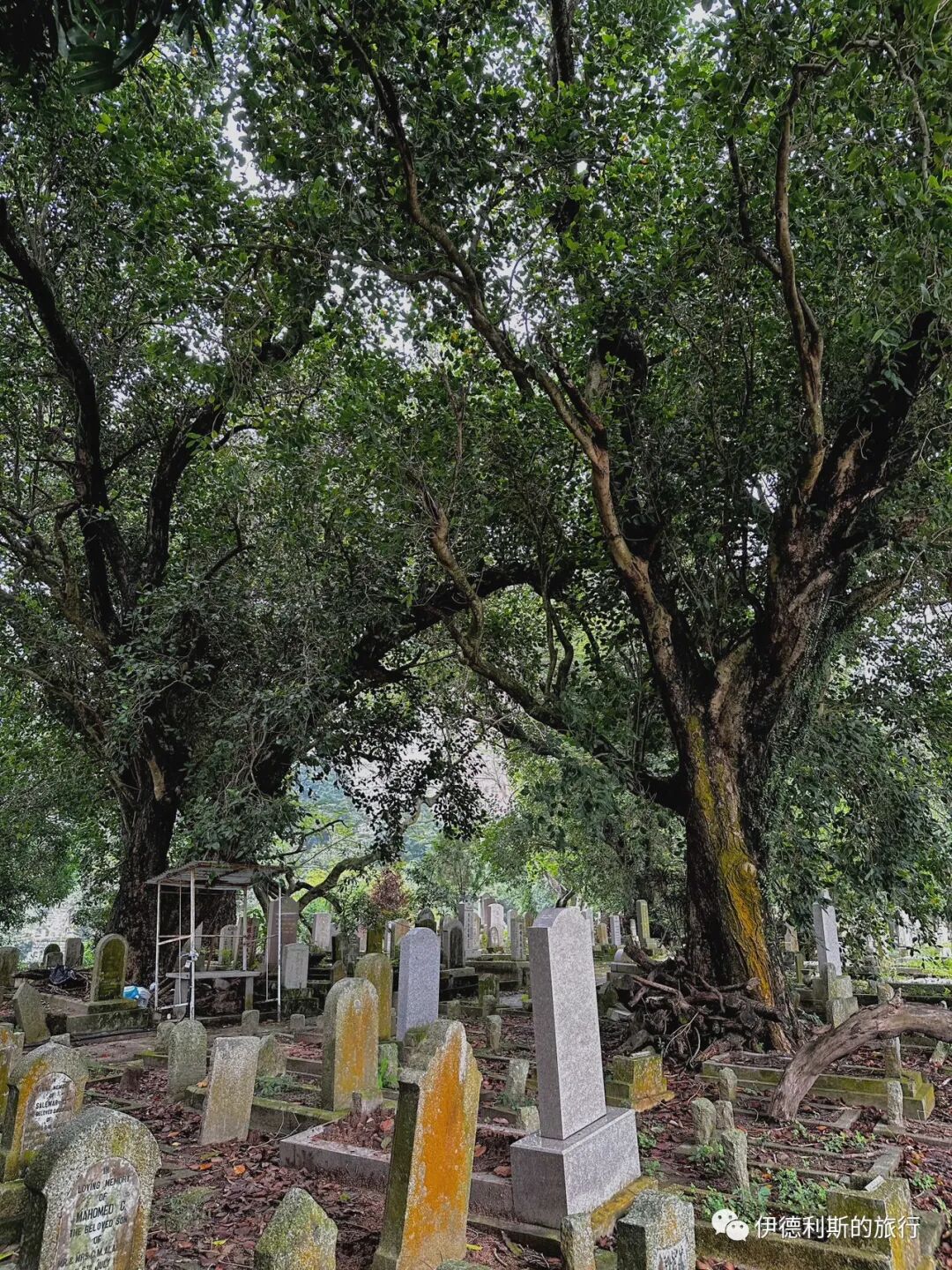
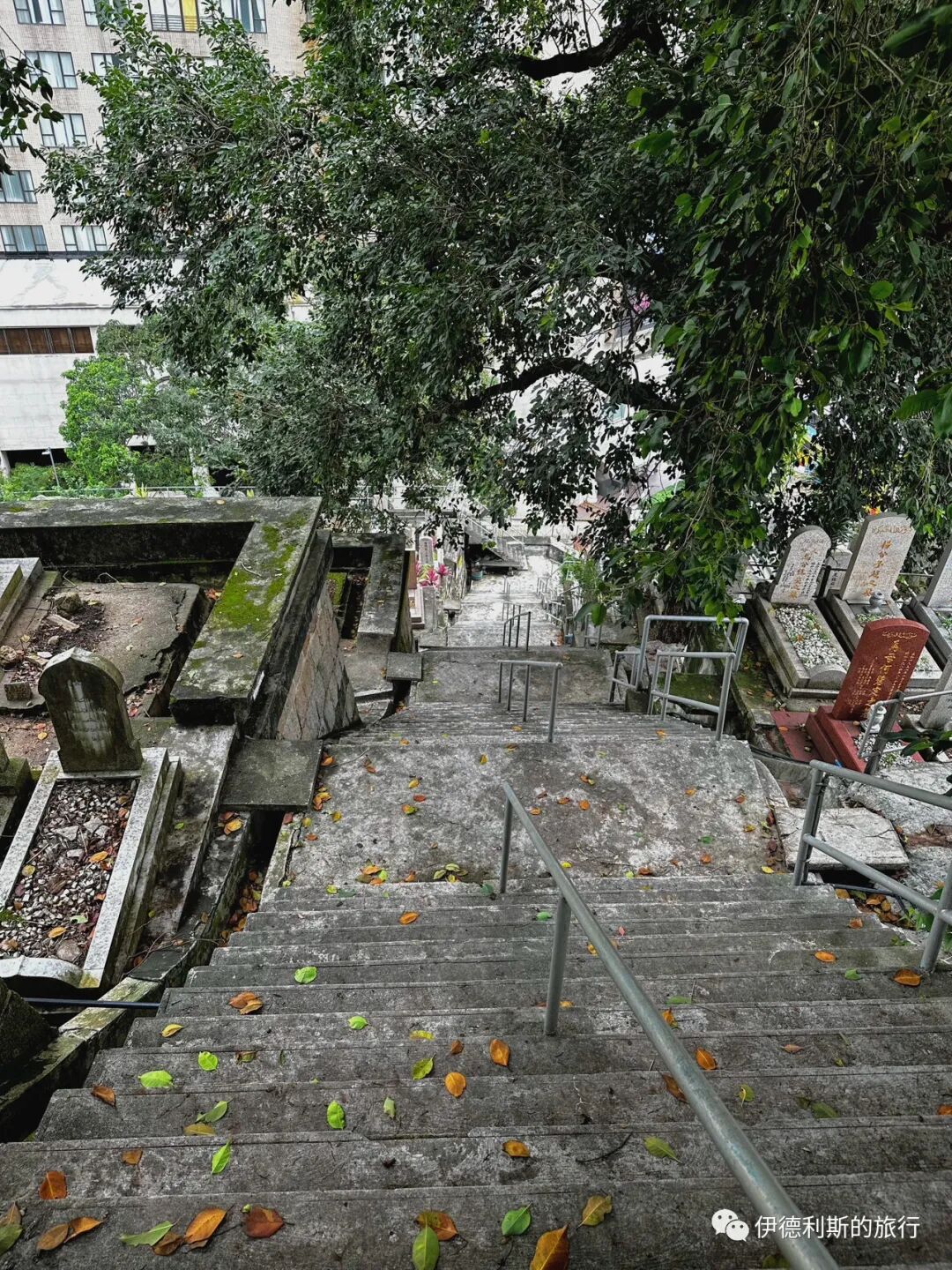
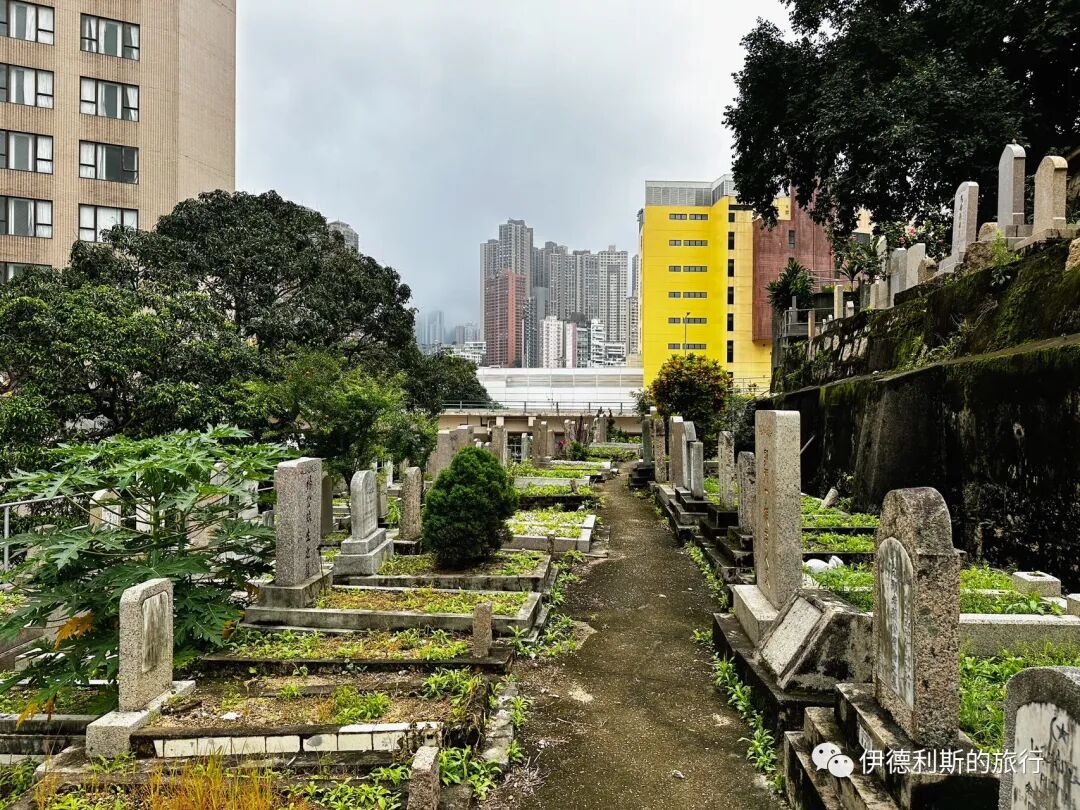
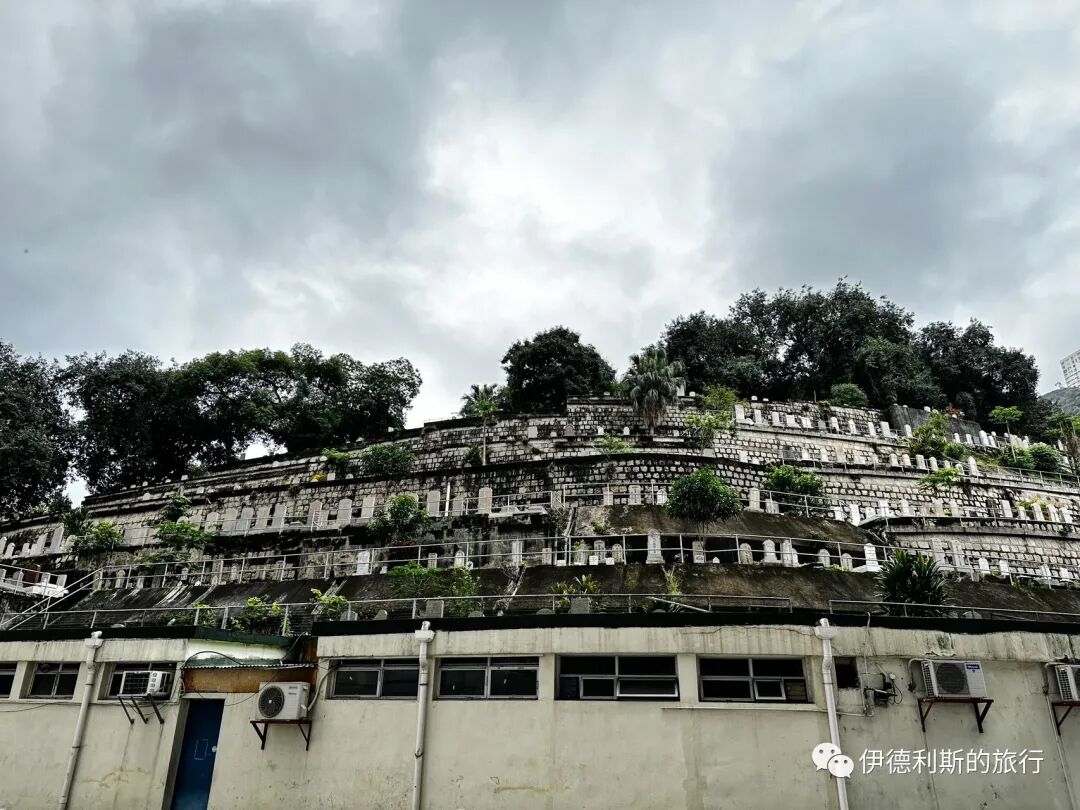
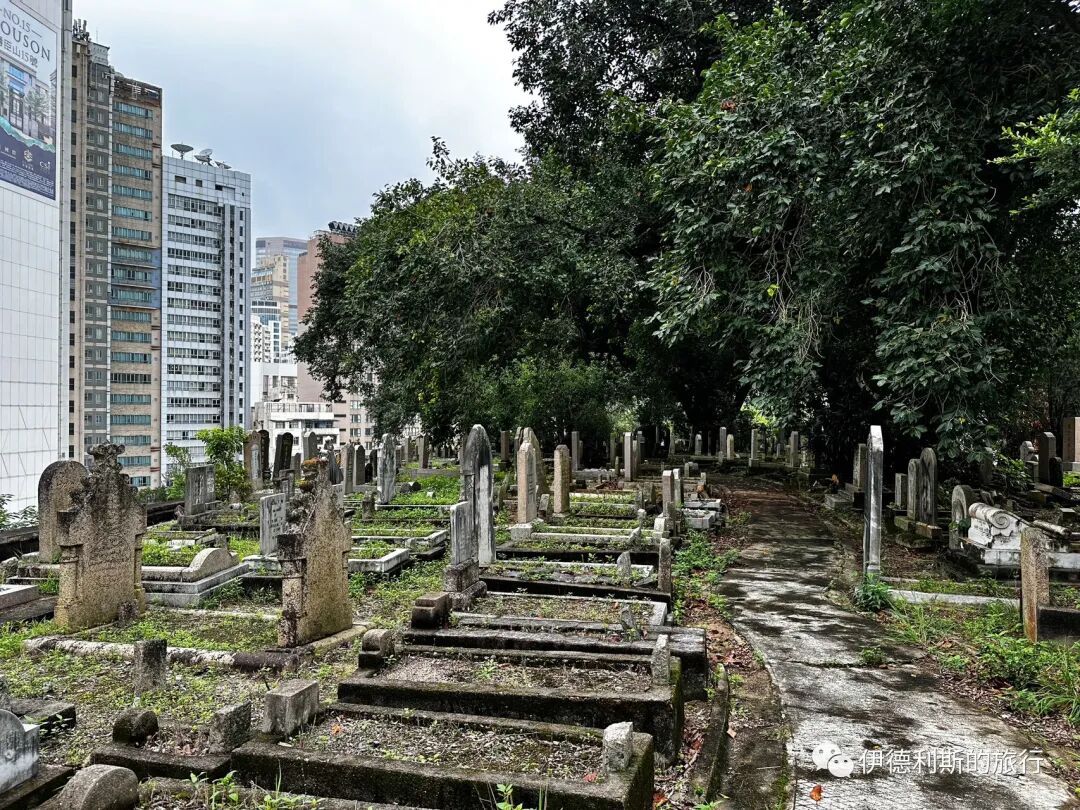
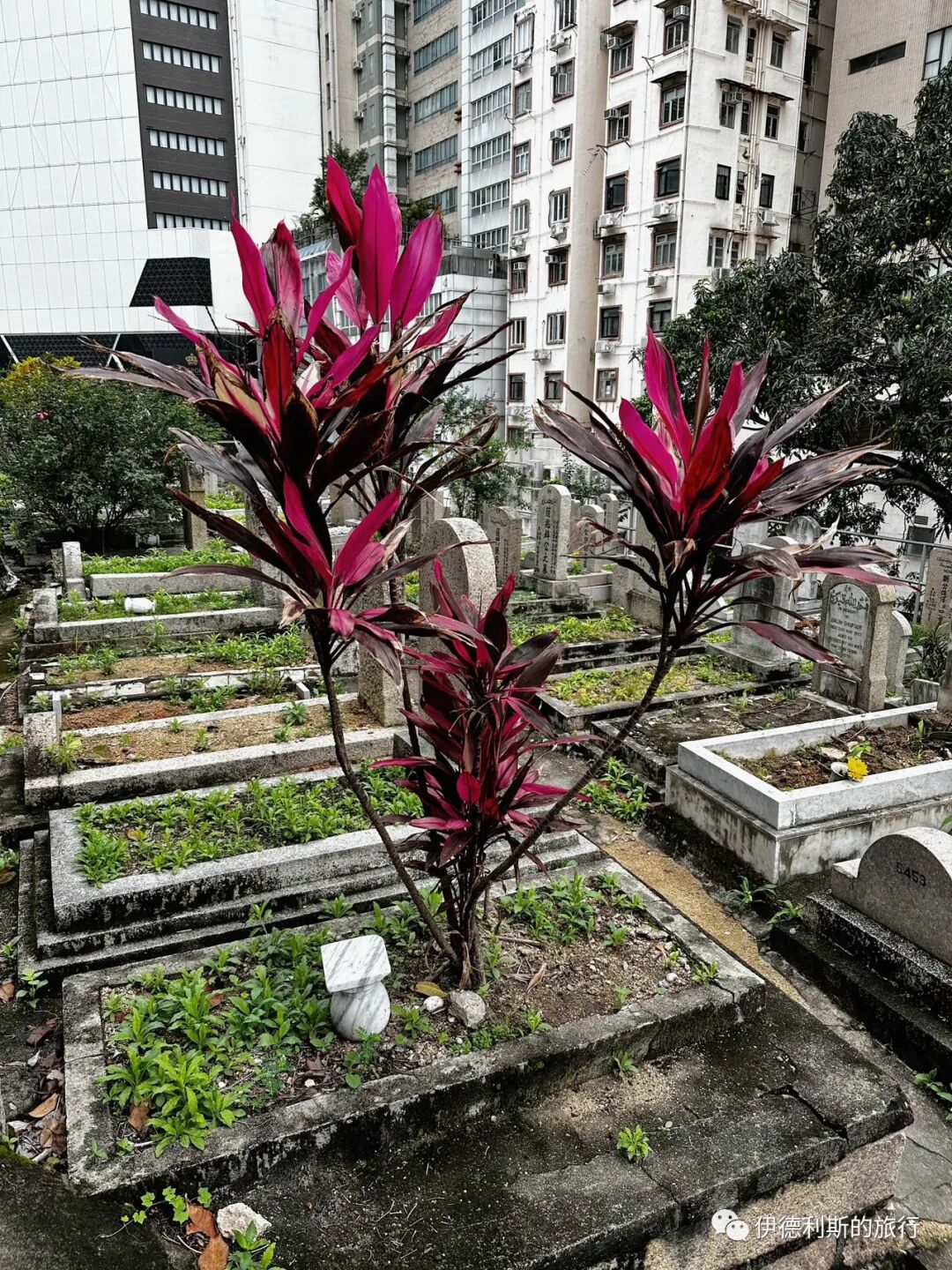
Happy Valley Muslim Cemetery.
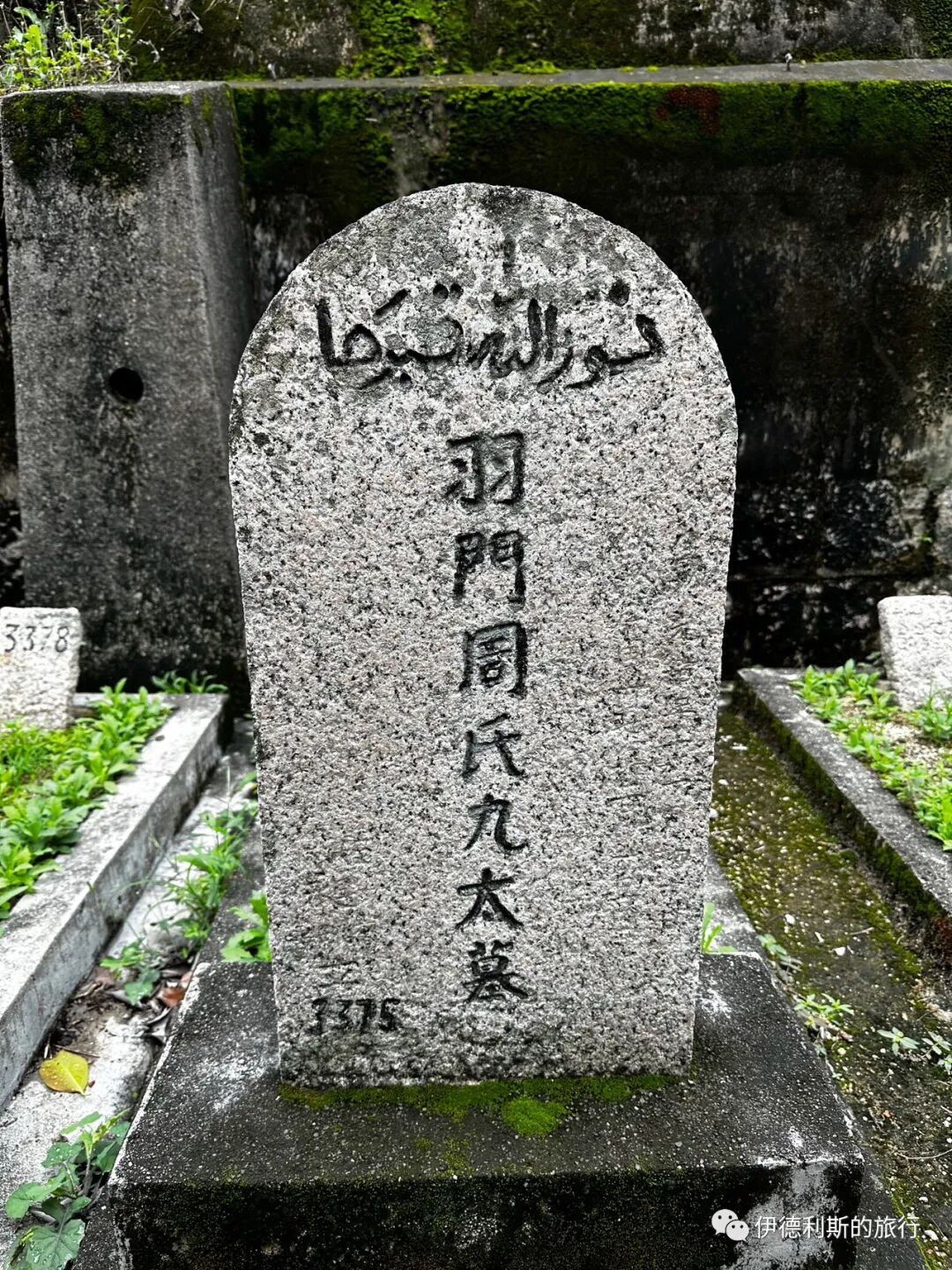
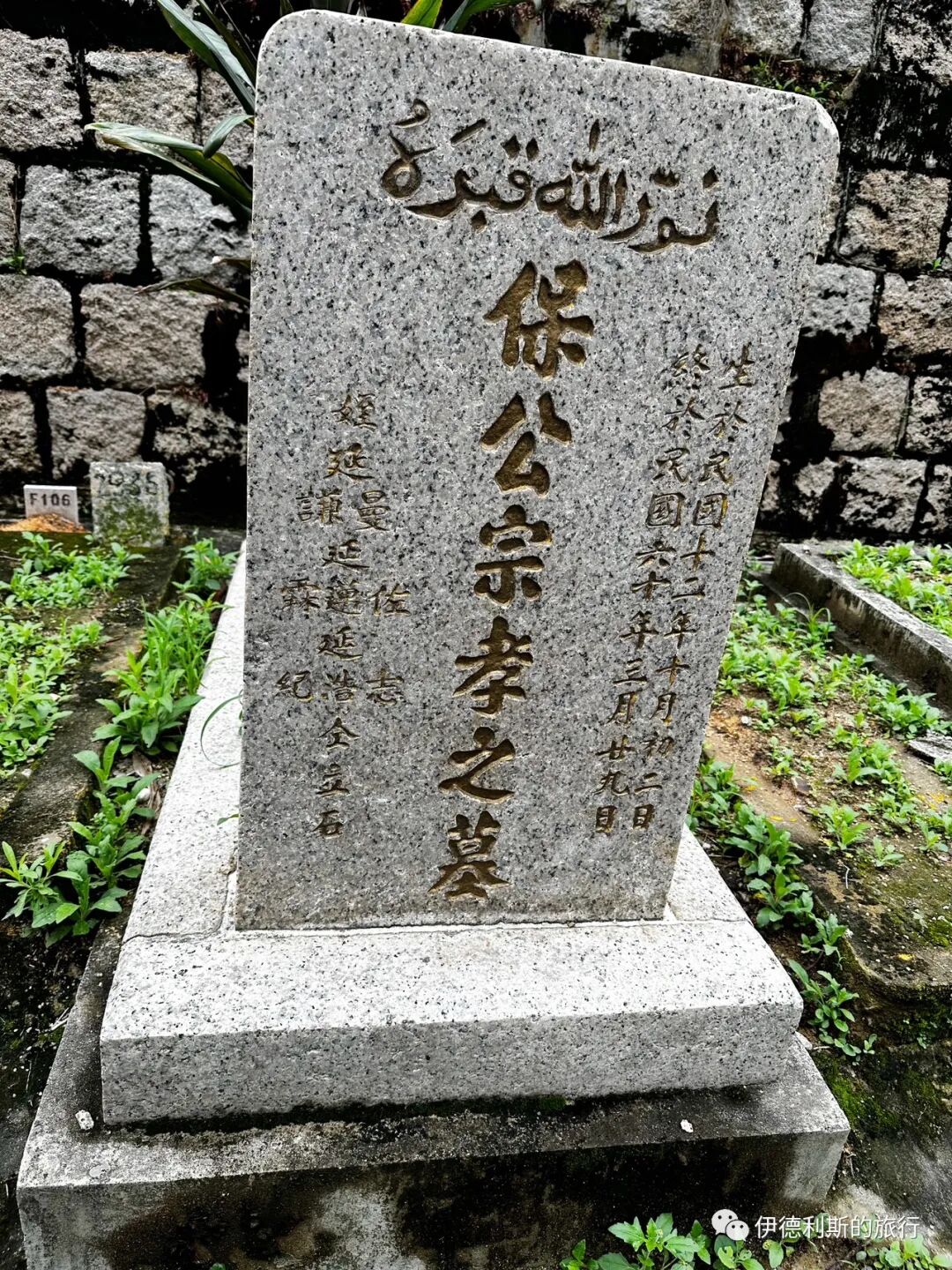
In 1870, the colonial government leased part of the land at Wong Nai Chung Gap in Happy Valley to Muslims for use as a cemetery and allowed the Muslim community to manage it themselves. Since then, many Hui Muslims who passed away in Hong Kong have been buried in the Happy Valley cemetery, and you can see the distribution of surnames among Hong Kong's Hui Muslims from this.
The Yu family is an important Hui Muslim family from Guangzhou that came to settle in Hong Kong in the early 20th century. Today, next to the Ancient Tomb of the Worthies in Guangzhou, there is the Tomb of the Three Loyalists and the Three Loyalists Pavilion. They were built to honor three Hui Muslim generals—Yu Fengqi, Sa Zhifu, and Ma Chengzu—who died heroically defending Guangzhou when the Qing army attacked the city. Yu Fengqi is the ancestor of the Yu family of Hui Muslims. The inscription records that Yu Fengqi was a descendant of the Uyghur people. His distant ancestor, Yu Shifu, was a high-ranking military leader in Nanjing who helped suppress a rebellion in Guangdong and Guangxi during the Chenghua period of the Ming Dynasty, and then settled in the Hui Muslim camp in Guangzhou. In 1650, when Guangzhou was under siege, Yu Fengqi served as a regional commander and was responsible for defending the South Gate. When Guangzhou fell, the governor Du Yonghe led his officers to open the gates and flee. Some people tried to persuade Yu Fengqi to run away, but he scolded them severely. When the Qing army arrived, Yu Fengqi hanged himself at home to die for his country. Over a hundred members of his household were captured and killed. Only his sons, Yu Ying'ao and Yingxiang, survived because they were away studying with their teacher.
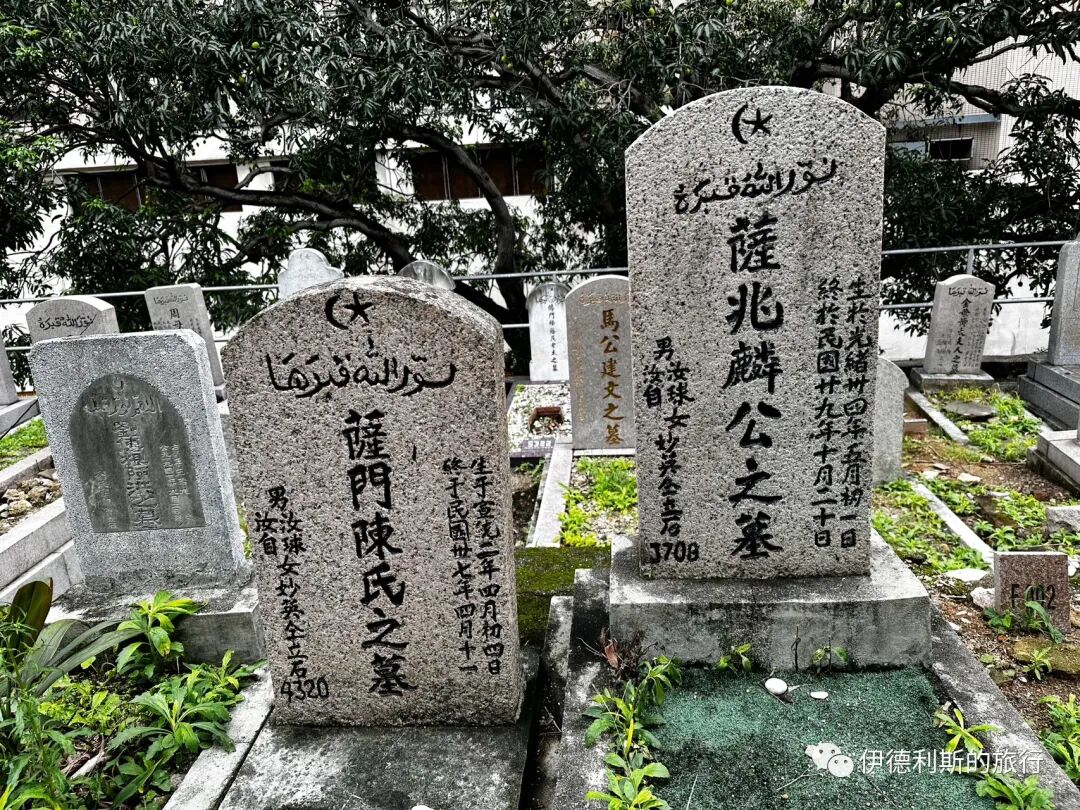
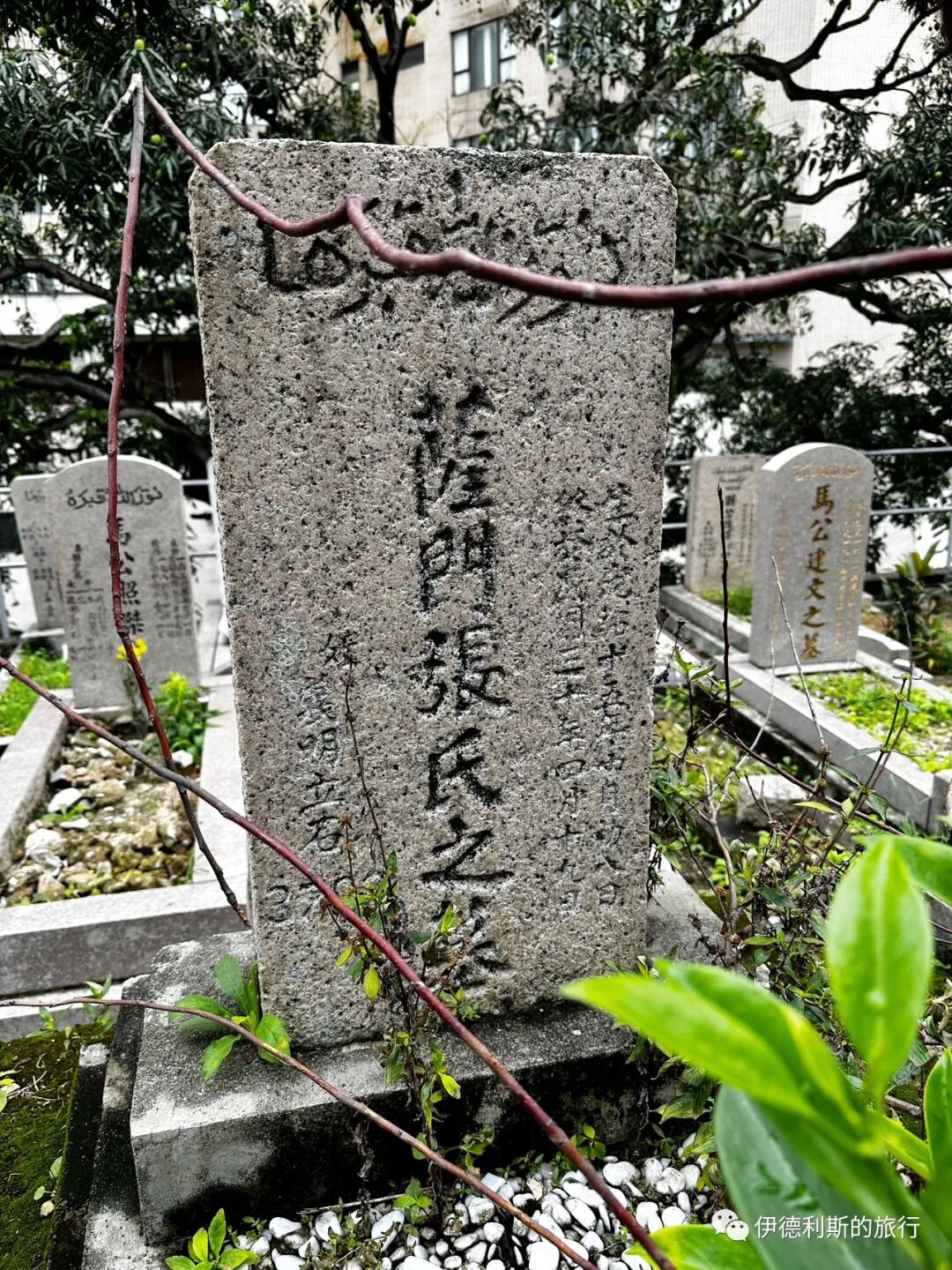
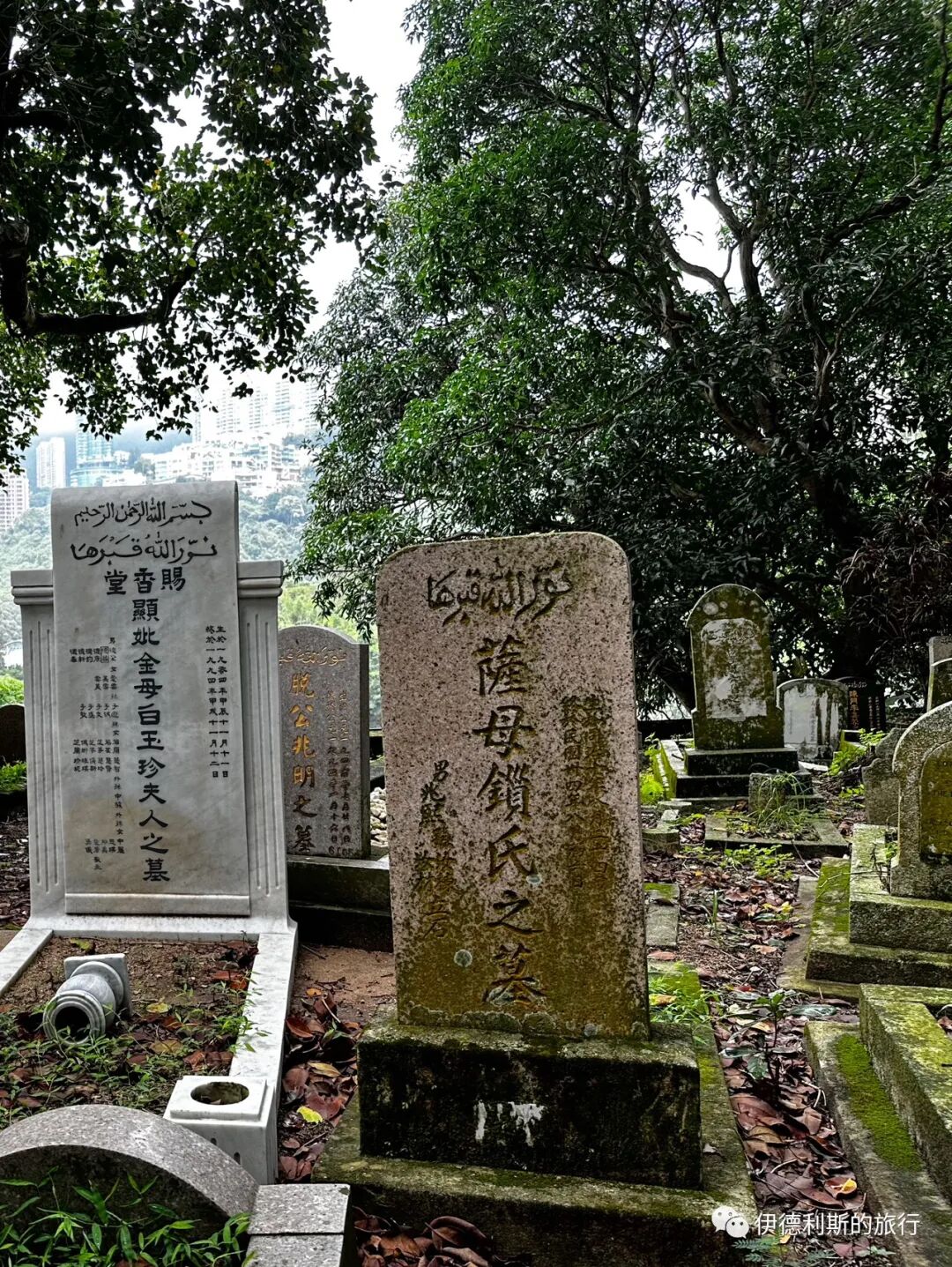
The Sa-surname Hui Muslims are one of the two remaining lineages of Tang and Song dynasty foreign settlers in Guangzhou. They also moved to Hong Kong to settle in the early 20th century. Between 1276 and 1278, the Southern Song and Mongol armies fought for two years, causing devastating damage to Guangzhou. To escape the war, many Muslim foreign settlers left Guangzhou, and many moved to Quanzhou. Today, among the local Hui Muslims in Guangzhou, only the Sa-surname Hui Muslims can be verified as descendants of the Tang and Song dynasty foreign settlers. Additionally, the Pu-surname families who have lived for generations in Zhugang Village and Pu Village in Guangzhou are also descendants of Tang and Song foreign settlers. However, they no longer show any traces of their foreign origins, and their customs are exactly the same as the local Han people.
According to the Genealogy of the Sa Clan in Guangdong and Guangxi, our clan began with Muslim ancestors and established roots in China. It flourished in the Tang, continued to thrive in the Song, rose during the Yuan, branched out in the Ming, and spread across eastern and western Guangdong. According to the Guangzhou Prefecture Records, during the Zhizheng era of the Yuan dynasty, seventeen families led by Sa Dula guarded the Ancient Tombs of the Worthies and the mosque outside the Great North Gate. The Genealogy of the Sa Clan in Guangdong and Guangxi records that Sa Dula was a descendant of the Sa family. when the Qing army attacked Guangzhou at the end of the Ming dynasty, one of the Three Loyalists of Islam who died defending the city was named Sa Zhifu. According to the Sa family genealogy, the surnames Sa and Sa (Sa and Sa) are one family, and he was also a descendant of the Sa clan.
The Xu-surname Hui Muslims were the first Guangzhou Hui Muslim family to settle in Hong Kong. According to family records, the ancestors of the Xu-surname Hui Muslims moved south from the north to Guangdong during the Southern Song dynasty to escape the Jin people, and eventually settled in Guangzhou at the end of the Ming dynasty. Xu Yizhi served as a lieutenant (bazong) in the Left Battalion of the Guangzhou Garrison during the Guangxu era of the Qing dynasty. His children's generation began settling in Hong Kong in the 1880s.
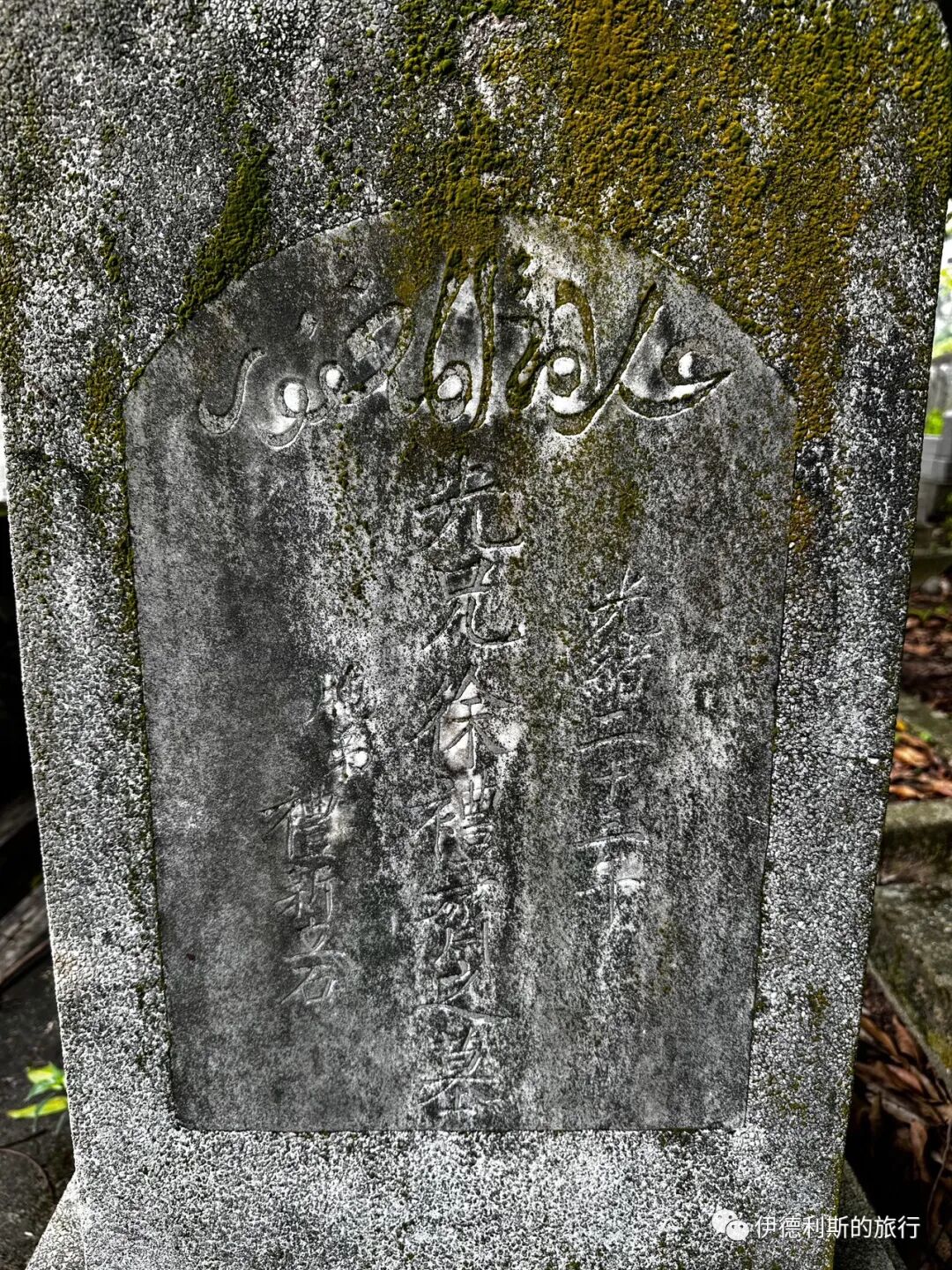
The ancestor of the Fu-surname Hui Muslims, Fu Yunfeng, was originally a Han person from Jinhua, Zhejiang. He went to Guangdong to do business during the Kangxi era. After being saved by the imam of the Haopan Mosque in Guangzhou when he was in danger, he lived in the mosque for a period and converted to Islam. Fu Yunfeng was a timber merchant. After becoming wealthy, he funded the reconstruction of the Haopan Mosque in Guangzhou and renovated the Huaisheng Mosque, Nansheng Mosque, the Ancient Tombs of the Worthies in Guangzhou, and the City East Mosque in Zhaoqing, making a great contribution to the development of the faith in Guangdong.
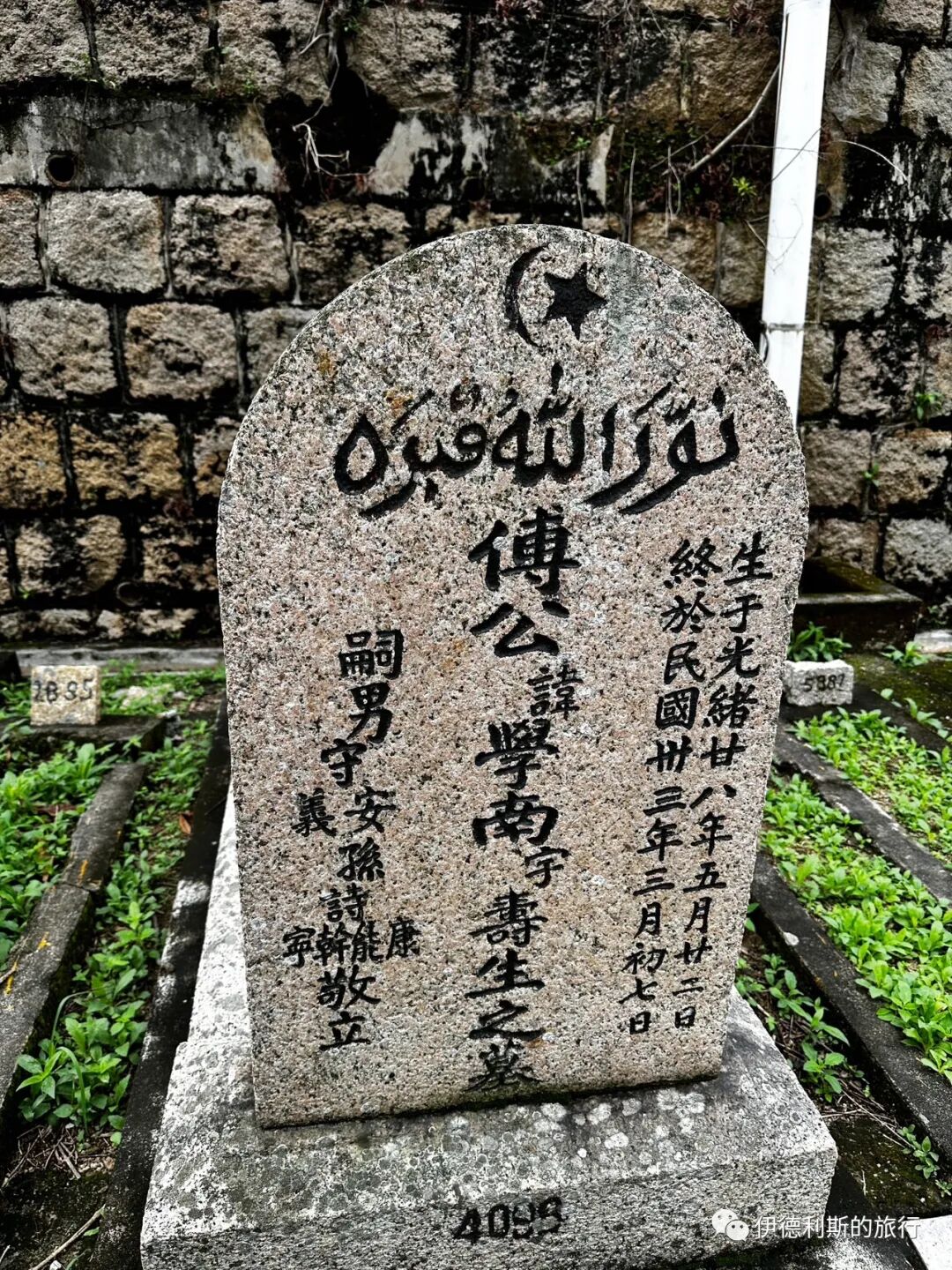
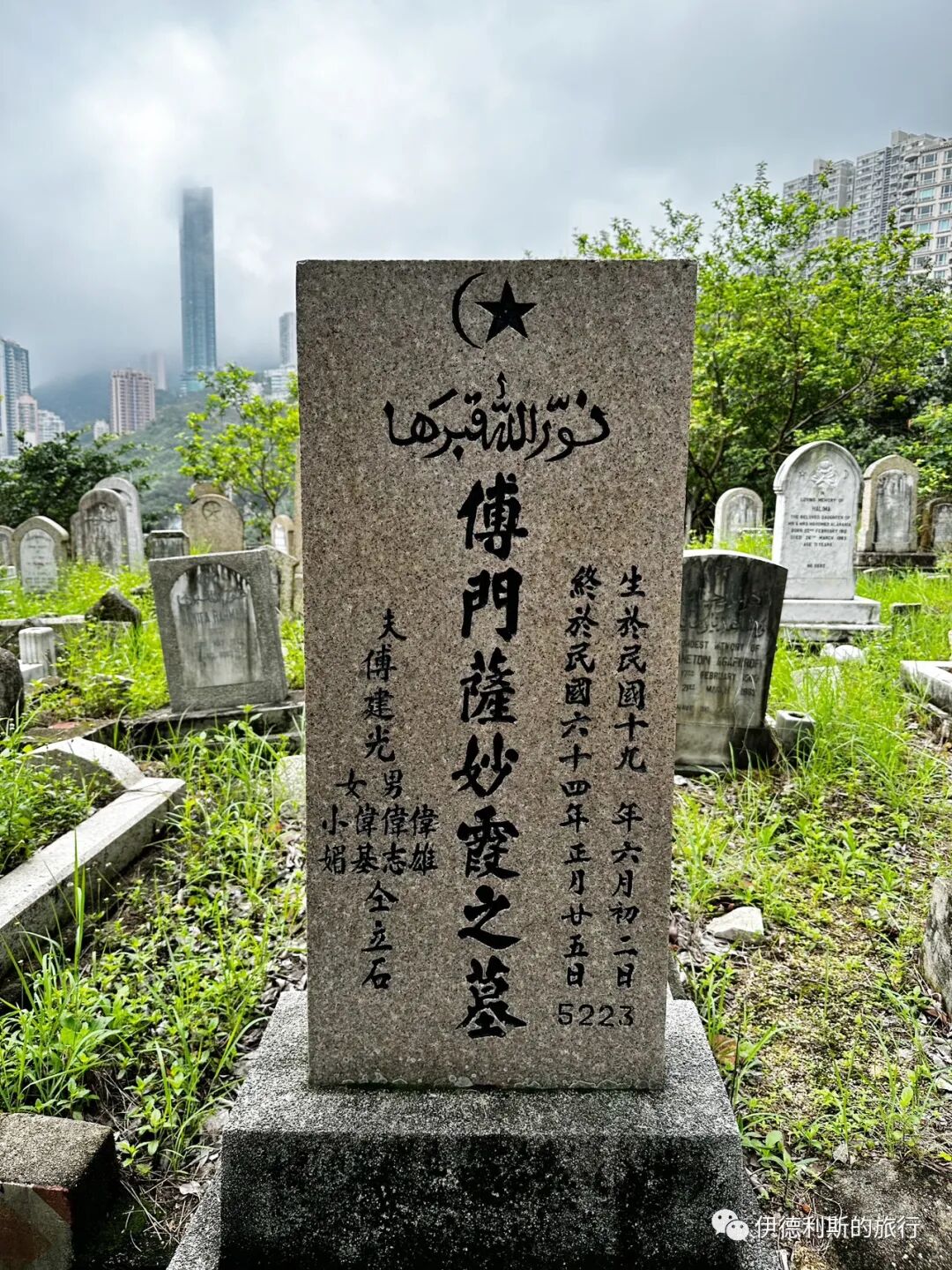
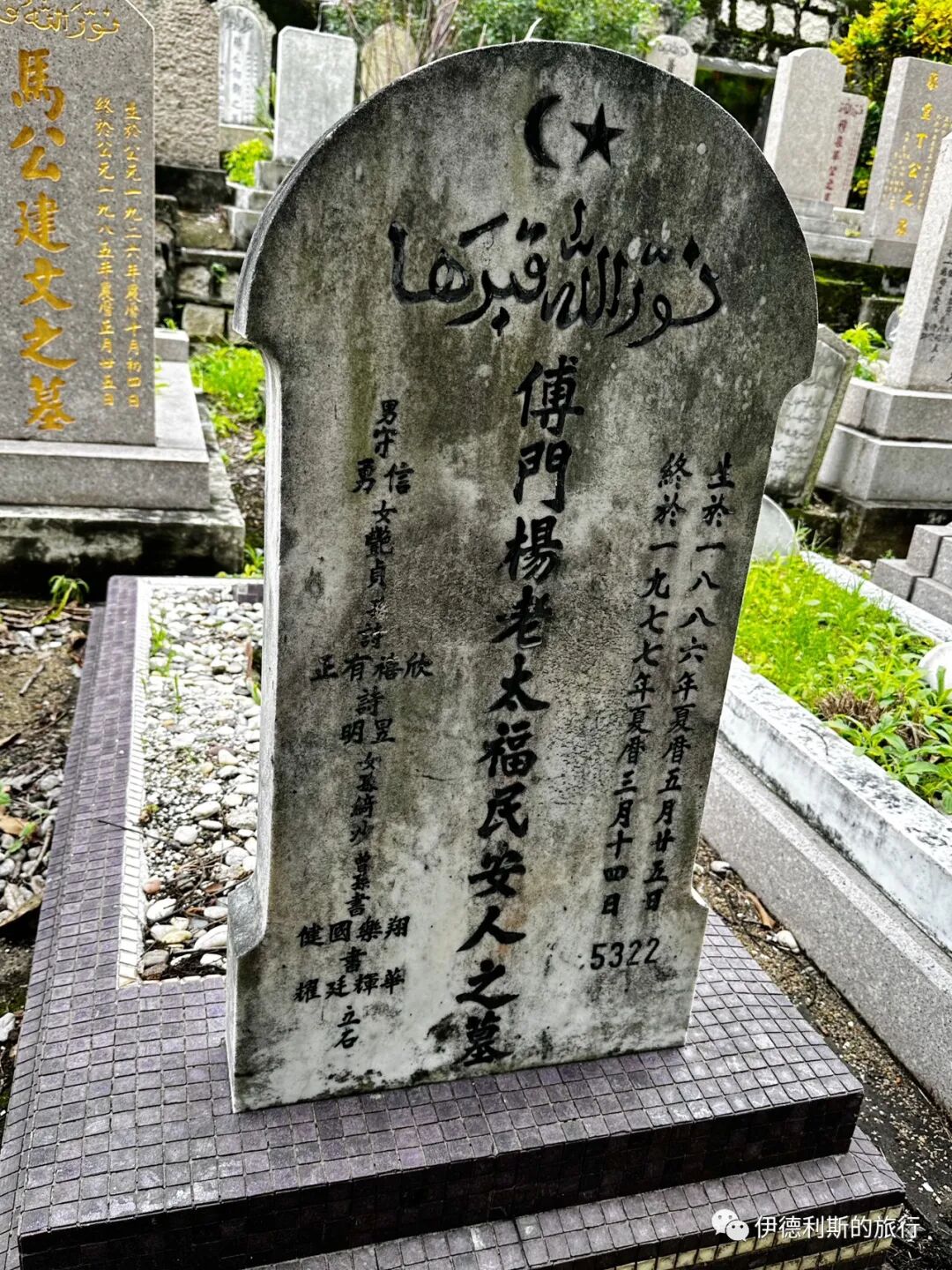
The Liu-surname Hui Muslims moved from Zhaoqing. Their first ancestor, Liu Dichen, was from Xi'an Prefecture, Shaanxi. He came to Guangdong in the early Qing dynasty to suppress rebels and served as a commander in the Luoding Garrison of Guangdong. His descendants lived in Zhaoqing for generations.
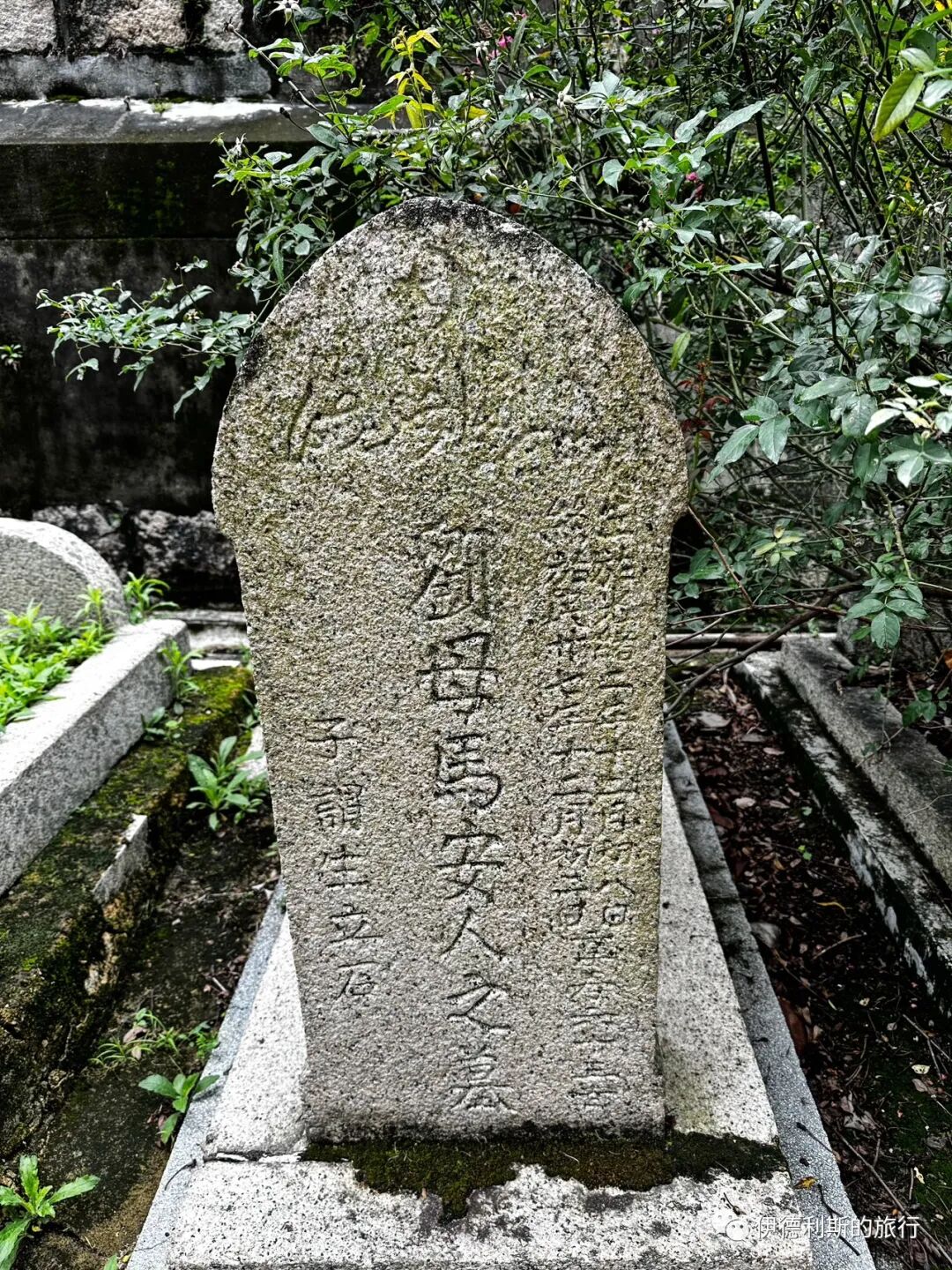
There are mainly two branches of Bao-surname Hui Muslims in Guangdong. The ancestors of the Bao Qingshan Tang family belonged to the Bordered Yellow Banner Han Army. They were transferred to Guangzhou from the capital in 1682 to serve in the garrison and lived for generations inside the West Gate of Guangzhou. The ancestor of the Bao Dunhe Tang family, A Bao Mu'er, came to Kunming Prefecture from Xinjiang. During the Kangxi and Yongzheng reigns of the Qing Dynasty, the second-generation descendant Bao Guowei went to Nanjing for business. Later, he brought his second son, Bao Tingzhi, to Guangzhou for business and settled there.
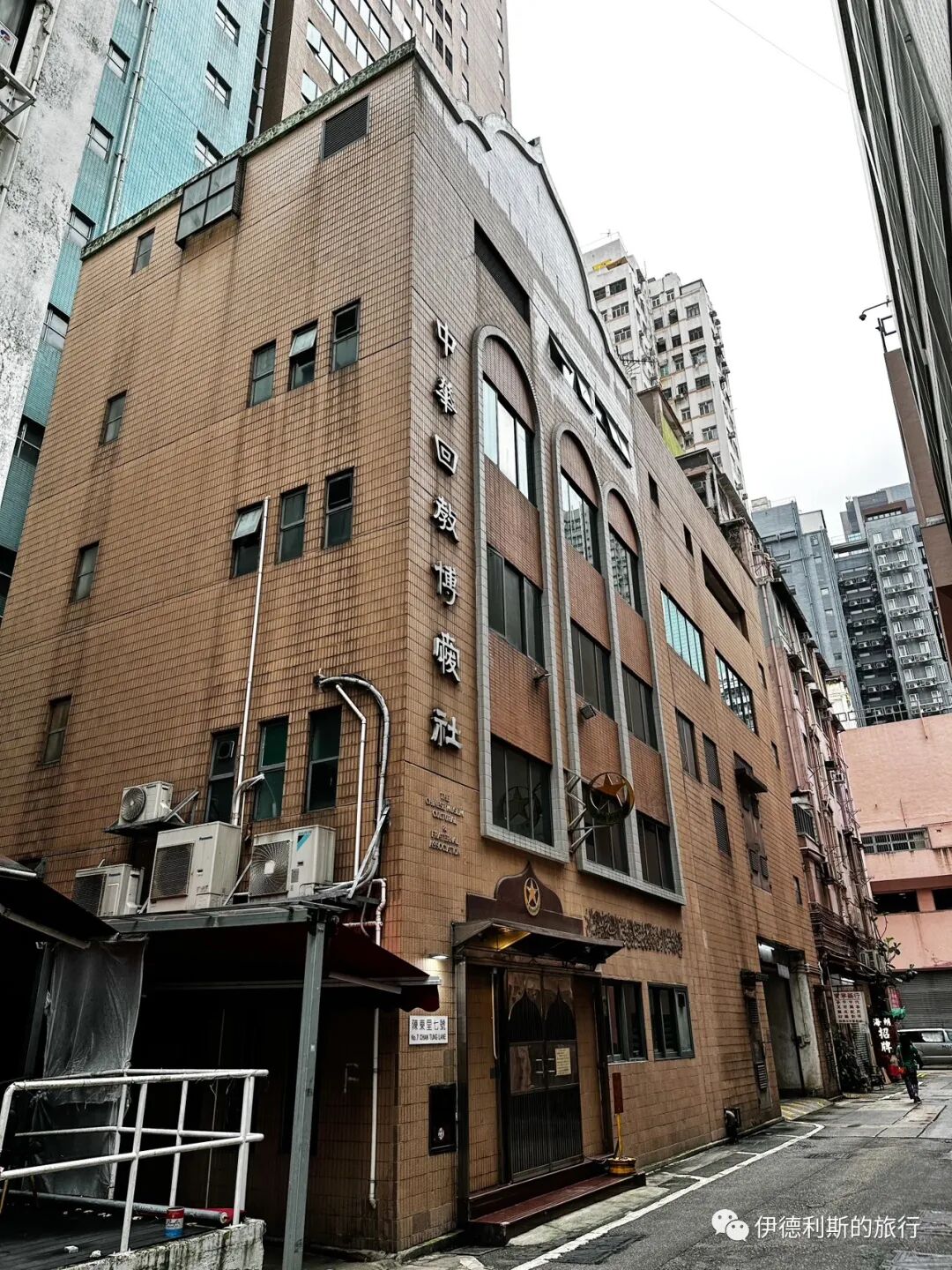
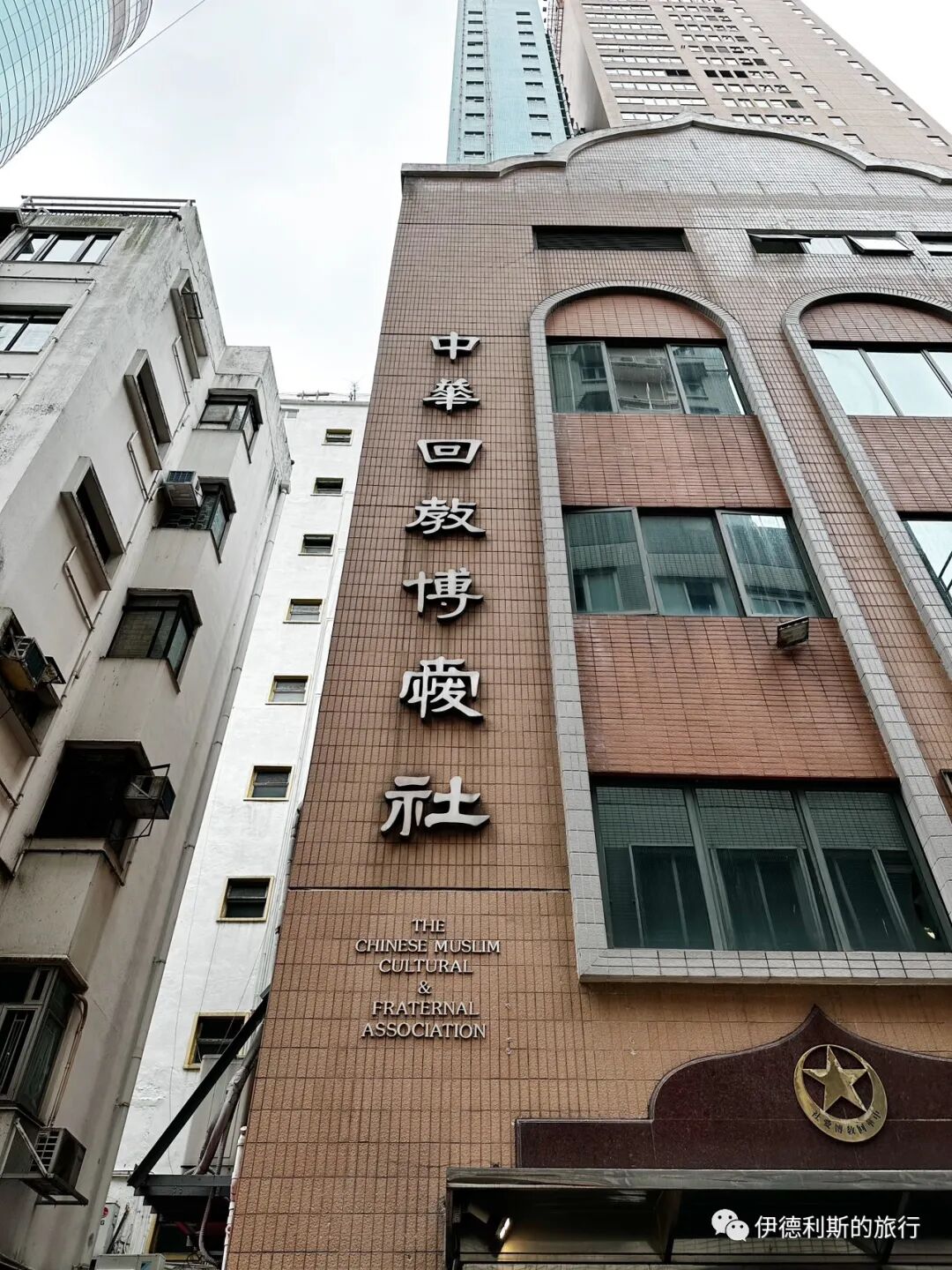
Chinese Muslim Fraternal Association
In the early 20th century, Hui Muslims from Guangzhou and Zhaoqing began moving to Hong Kong. Because they did not know English, most early Hui Muslims in Hong Kong could only work in low-paying jobs, and their influence was far less than that of the British Indian Muslims. Most of them were sailors, small vendors, and laborers, and many chose to live in the area around Canal Road Flyover (Goose Neck Bridge) in Wan Chai. At that time, every Friday for Jumu'ah, Hui Muslims had to climb the mountain to the Jamia Mosque (Shelley Street Mosque) in the Mid-Levels of Central for prayer, which was very inconvenient.
In 1917, an important event affected the Hui Muslims in Hong Kong. The British Hong Kong government and British Indian Muslim representatives jointly formulated the 'Incorporated Trustees of the Islamic Community Fund of Hong Kong and Cemetery Management Regulations.' It stipulated that Hong Kong's mosques and Muslim cemeteries would be managed by the Incorporated Trustees, but the fund excluded Hui Muslims. This action sparked a strong reaction from the Hui Muslims in Hong Kong. To provide a nearby place for worship for Hui Muslims and to improve the education of their children, Ma Ruiqi, Suo Chuncheng, Tuo Shengchu, and others initiated the formation of an association in 1917. With funding from Ma Zijing and Tuo Wenying, they invited Imam Jin Yiqing from the Xiaodongying Mosque in Guangzhou to help with the planning. In 1918, they rented a storefront from businessman Tuo Shengchu on Wan Chai Road as their headquarters and officially established the 'Chinese Muslim Fraternal Association'. The initial Fraternal Association had 17 board members and invited Imam Chen Shaoqing from the Haopan Mosque in Guangzhou to serve as the religious leader. It became a Muslim organization with functions for worship, education, and service, and could accommodate over a hundred people during Jumu'ah.
In 1922, the Fraternal Association purchased a two-story wooden warehouse at 7 Chendong Lane from Mr. Bama as a permanent site. It was officially registered in 1927 and rebuilt and completed in 1929. In 1953, the original site of the Fraternal Association was rebuilt into a four-story building, and it was expanded again in 1998 to its current form. It can be said that until the Islamic Centre on Oi Kwan Road was built in 1981, the Fraternal Association was the center of the Hui Muslim community in Hong Kong.
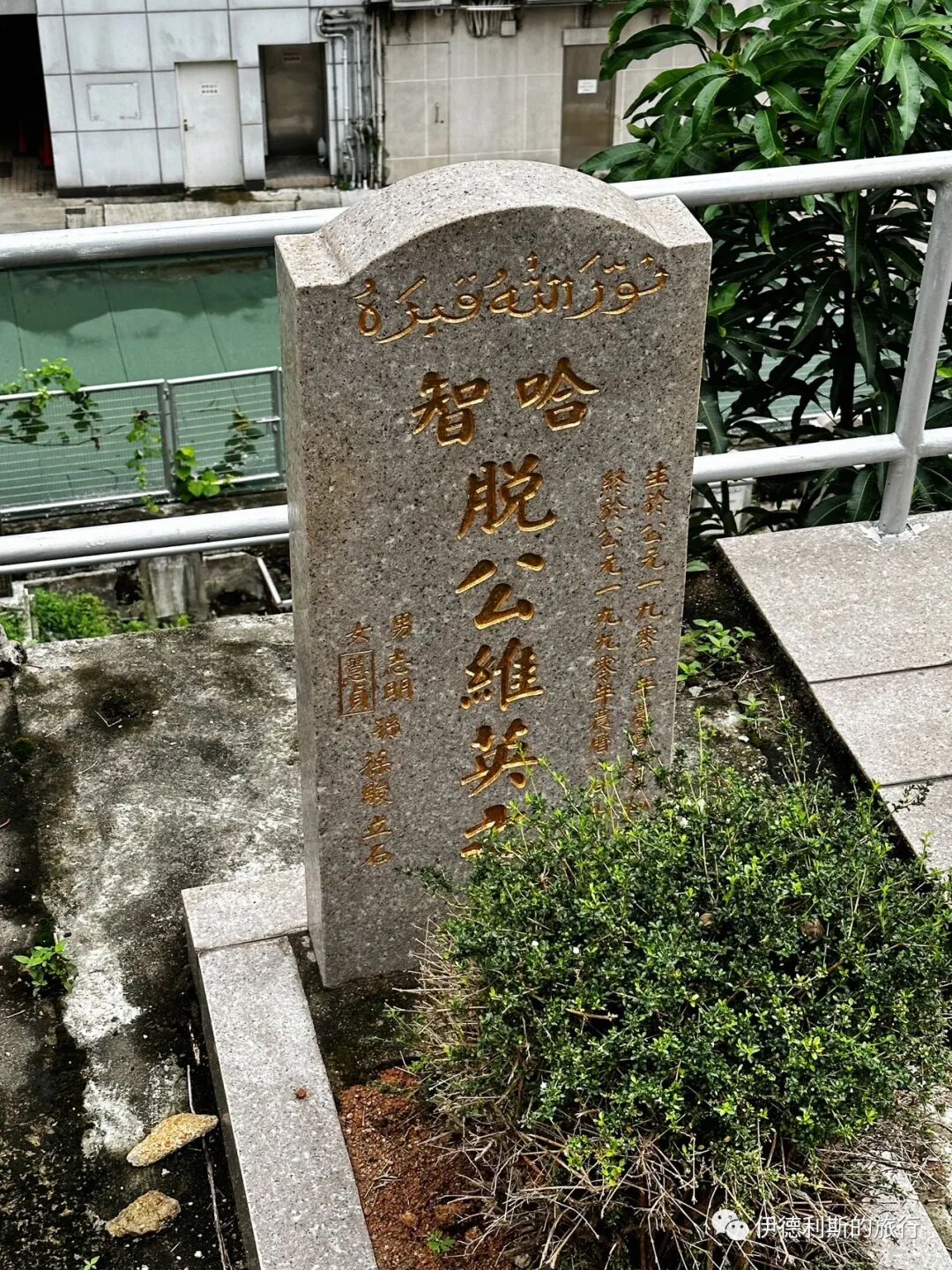
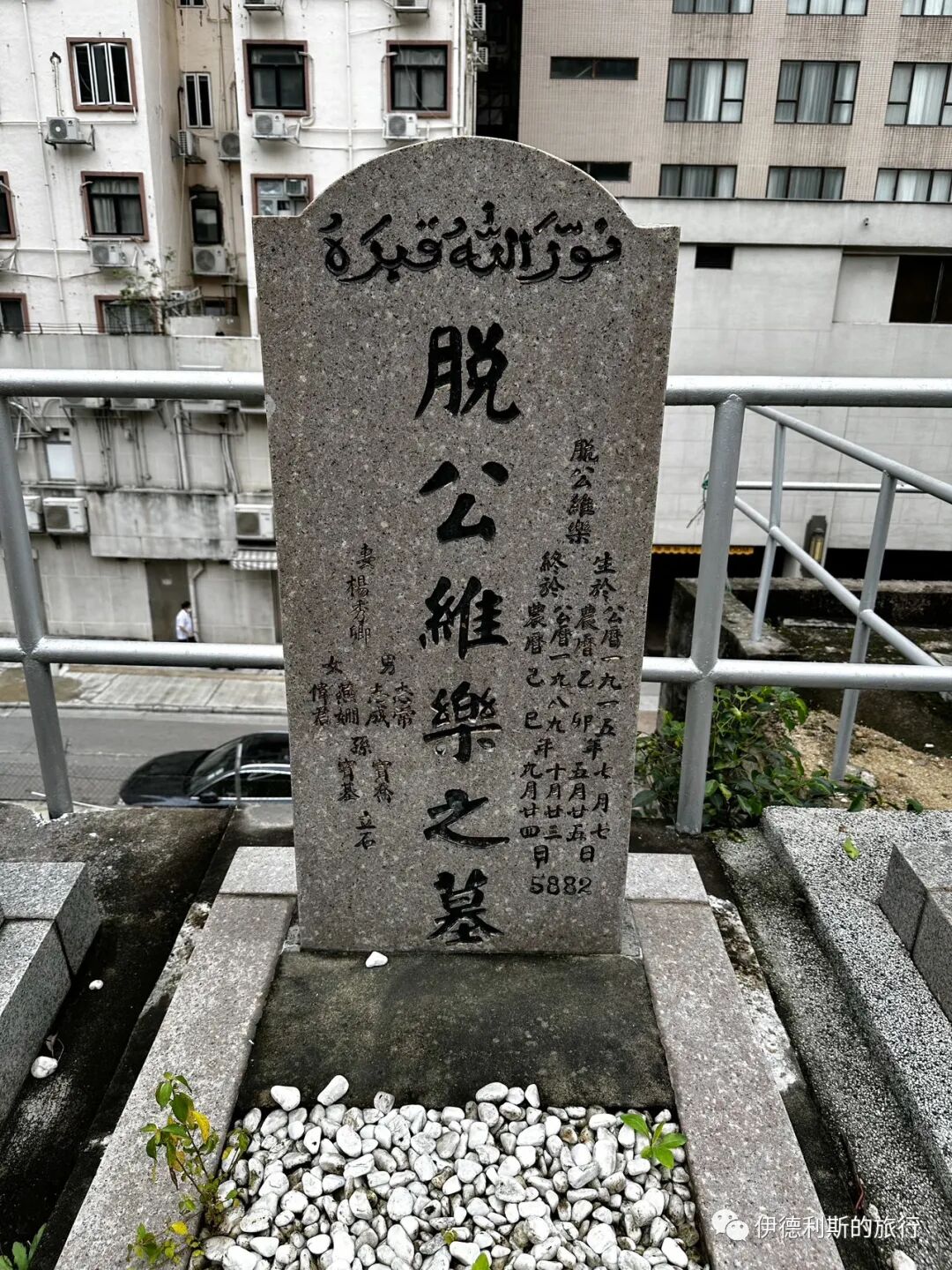
The Tuo family of Hui Muslims moved from Guangzhou to Hong Kong in the early 20th century and was a very influential family among Hong Kong's Hui Muslims. In particular, the three Tuo brothers were highly respected among Hui Muslim workers. Tuo Weiying initially ran a paint shop on Sugar Street in Causeway Bay. Later, he worked as the head of the paint department at the tram company in Wan Chai and introduced many Hui Muslims to work at the tram company and the nearby electric company. In the 1940s and 1950s, Tuo Weiying served as the chairman of the Chinese Muslim Fraternal Association many times. After retirement, he remained enthusiastic about the association's affairs and was deeply respected by his fellow Muslims.
The halal food industry of Hui Muslims in Hong Kong.
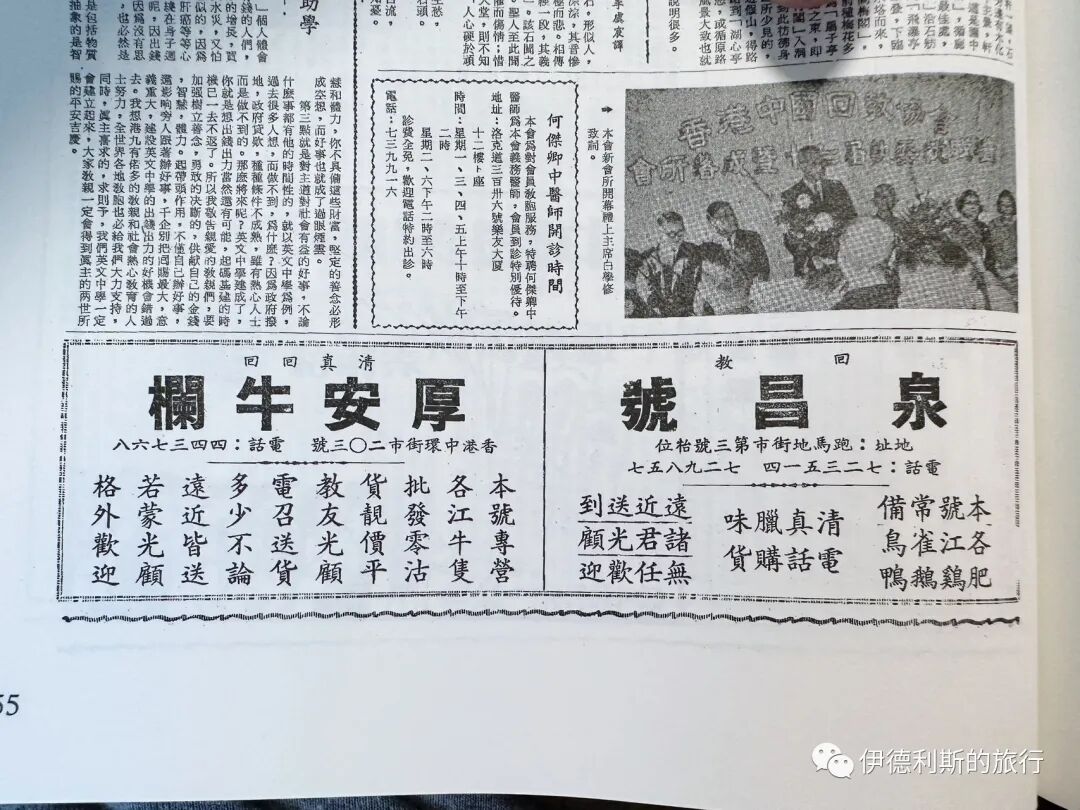
The halal food culture of Hui Muslims in Hong Kong has a history of one hundred years. As early as the beginning of the 20th century, Ma Tingzhi, a founding member of the Bo'ai Society and a Hui Muslim from Guangzhou, began running Cantonese-style halal food businesses in Hong Kong. Another founding member, Ma Ruiqi, was a halal pastry chef. From the 1920s to the 1980s, Hui Muslims in Hong Kong centered their lives in Wan Chai and maintained a complete halal food system. At that time, cattle and sheep were shipped in from Guangzhou, slaughtered at a slaughterhouse in Sai Wan on Hong Kong Island, and then transported to Lianxing Beef Stall and Hou'an Beef Stall in the Central Market for sale. Quanchang Hao in Happy Valley supplied halal poultry and cured meats (lap mei).
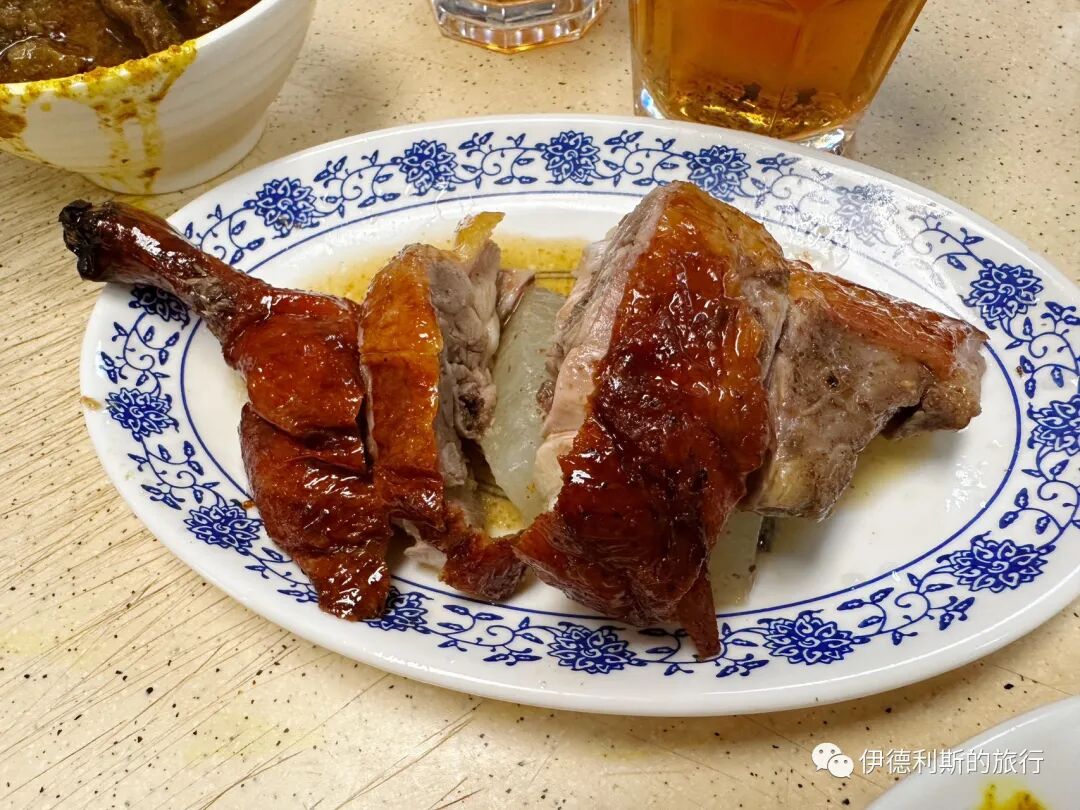
The Xu family of Hui Muslims was an important family in the Hong Kong halal food industry. They operated the Xinxin Halal Restaurant in Wan Chai in the 1930s. After Hong Kong was liberated in 1945, the Xu family began operating Xinchang Chicken and Duck at the Bowrington Market. Their signature dish was hanging-oven roasted duck (gua lu shao ya). Later, they opened the Xinchang Halal Restaurant, which featured white-cut lamb intestines (bai qie yang chang).
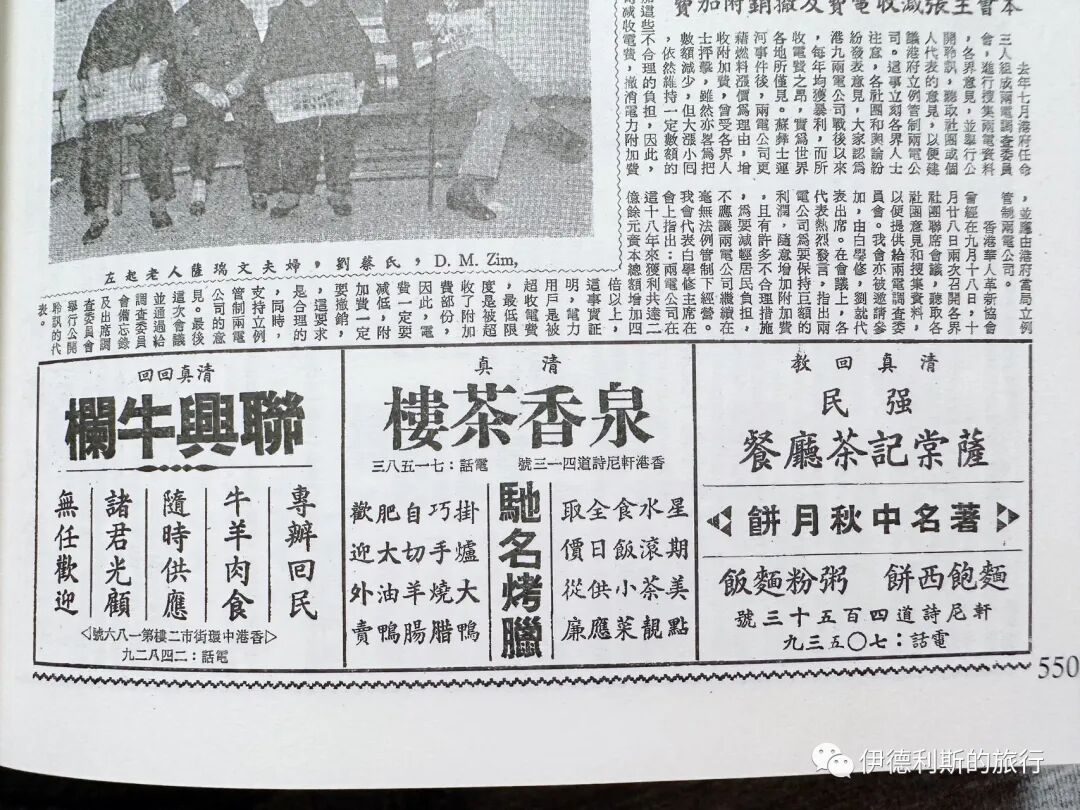
Quanxiang Tea House and Satangji Tea Restaurant on Hennessy Road were important gathering places for Hui Muslims. Quanxiang Tea House was famous for its roasted meats (shao la), including hanging-oven roasted duck and fatty oil-duck. Satangji served both Cantonese and Western food, offering Western pastries and bread as well as congee, noodles, and rice.
The attached images are advertisements from these various shops published in the Hong Kong Islamic Association's "Muslim Newsletter" between the 1950s and 1980s.
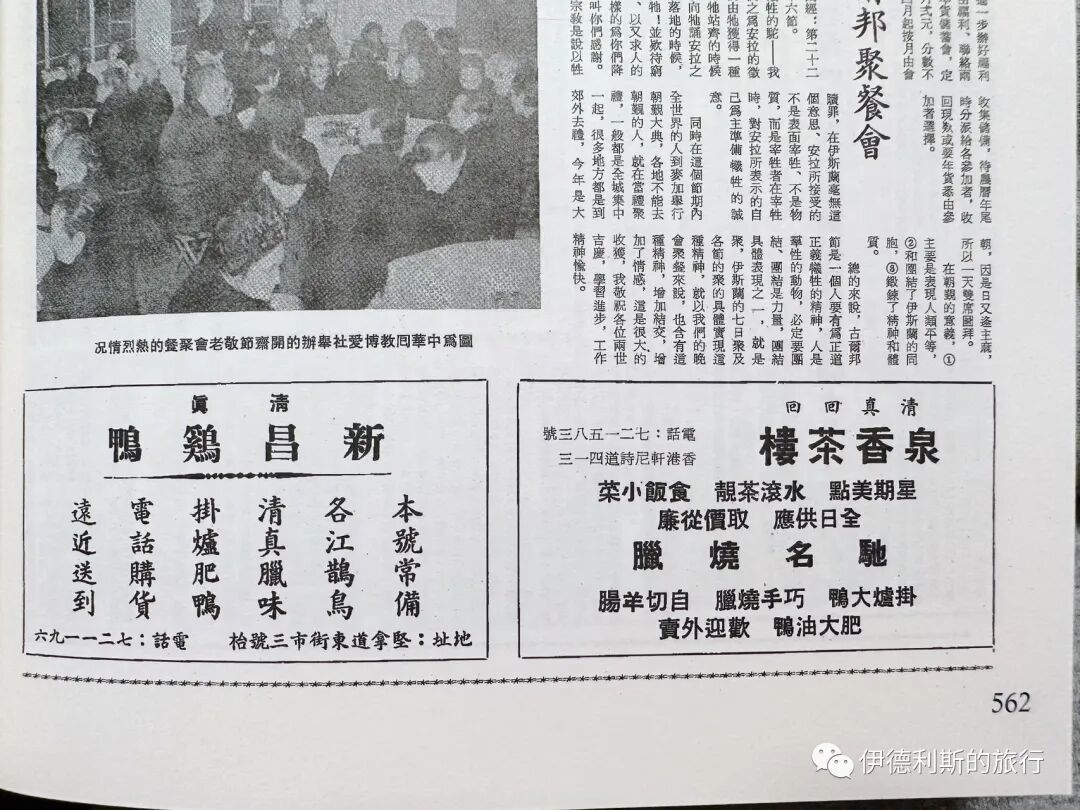
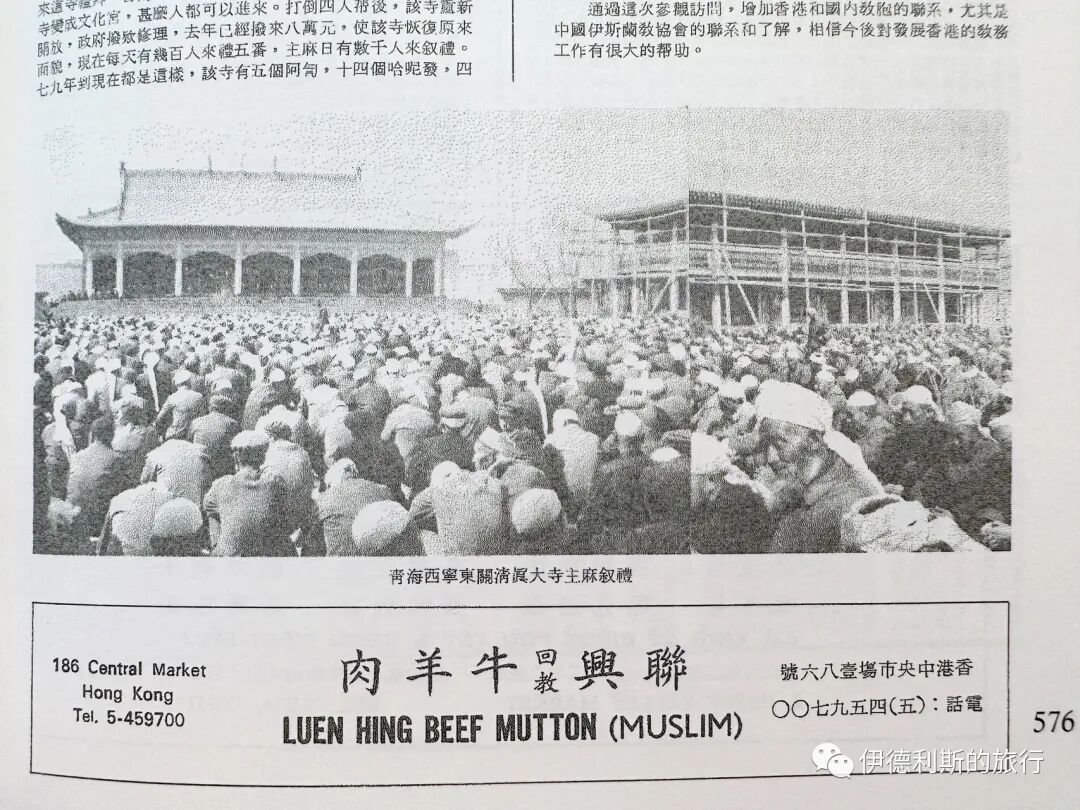
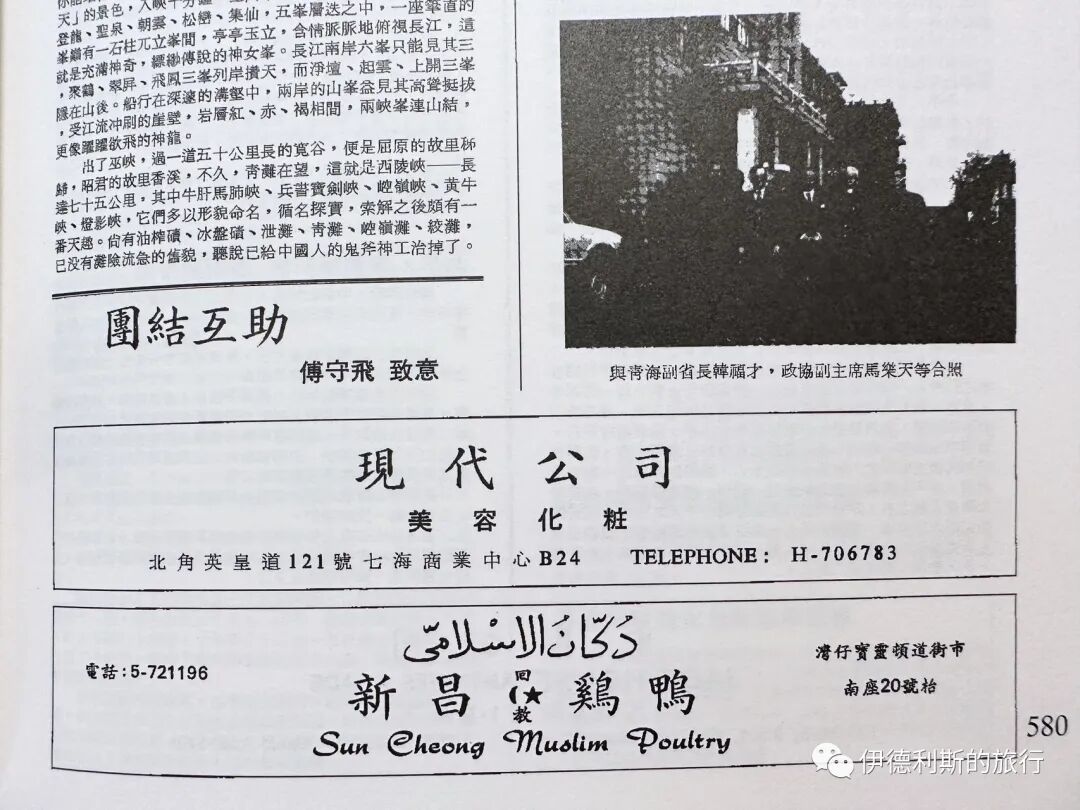
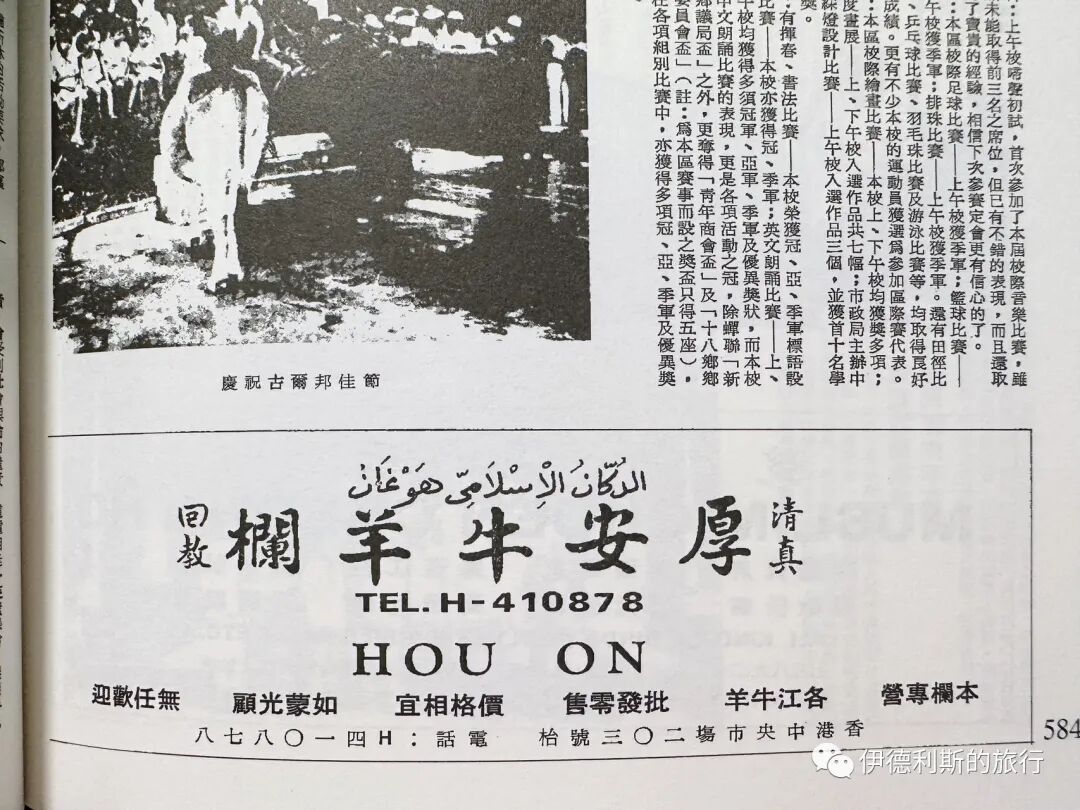
Halal Huiji.
After the 1980s, as Hong Kong's economy took off, urban renewal in the Wan Chai area accelerated. The buildings where Hui Muslims lived and the factories where they worked were gradually converted into shopping malls, and the original Wan Chai Hui Muslim community slowly dissolved. At the same time, as the first generation of Hong Kong Hui Muslims from Guangzhou and Zhaoqing passed away (gui zhen), the second generation failed to provide religious education to their children. This led to a decline in religious awareness among the new generation of Hong Kong Hui Muslims, and the traditional halal food shops were left without successors and closed one after another.
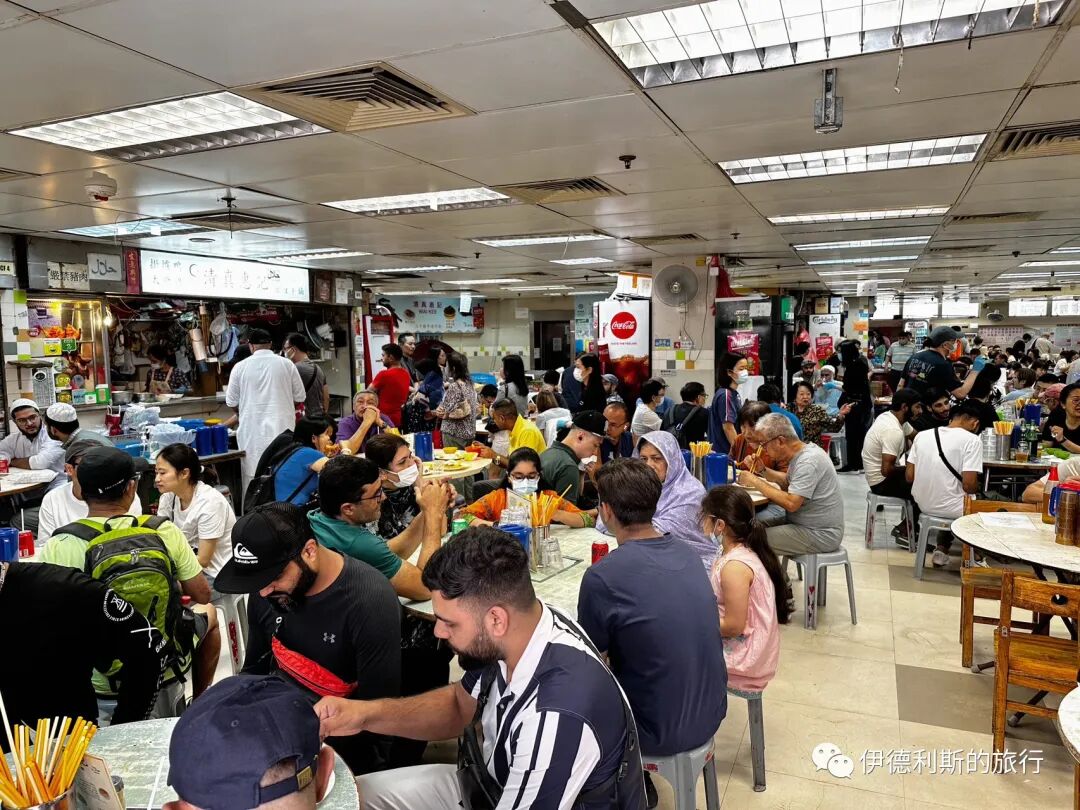
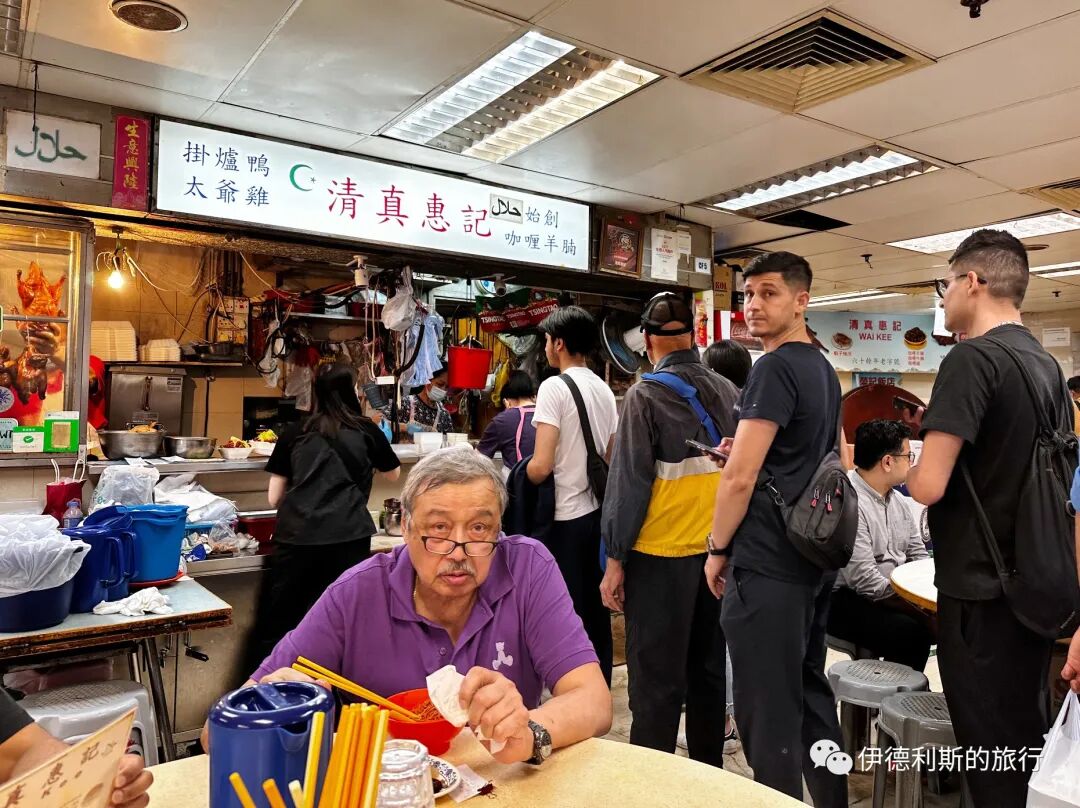
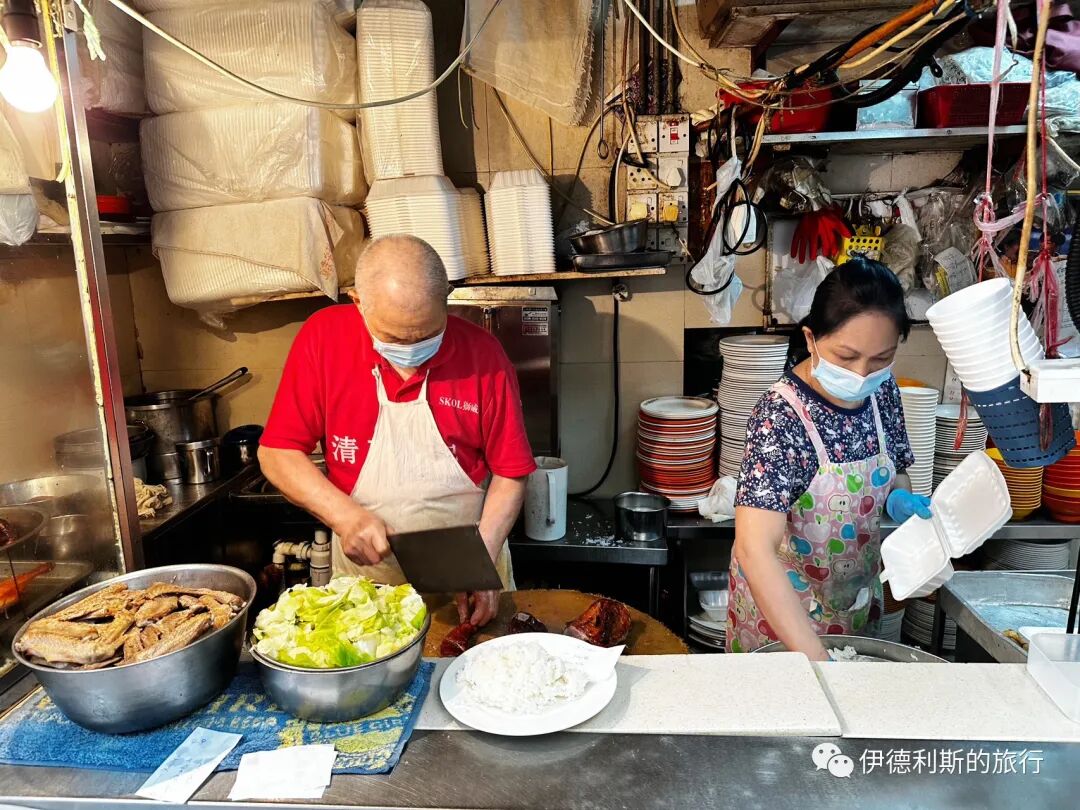
Today, the only remaining old-brand Hong Kong Hui Muslim halal roasted meat shop is Halal Huiji, located in the Bowrington Road Market in Wan Chai. It stands as a witness to the Hong Kong Hui Muslim halal food industry that flourished from the 1920s to the 1980s, and to the entire Wan Chai Hui Muslim community.
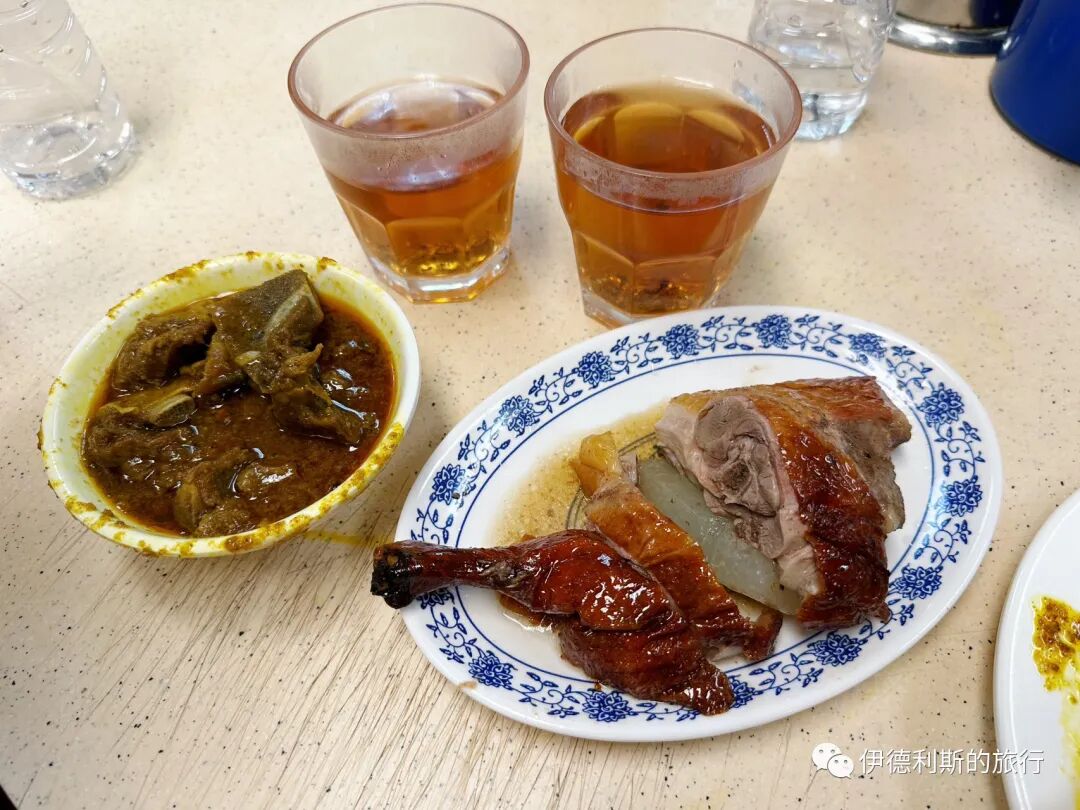
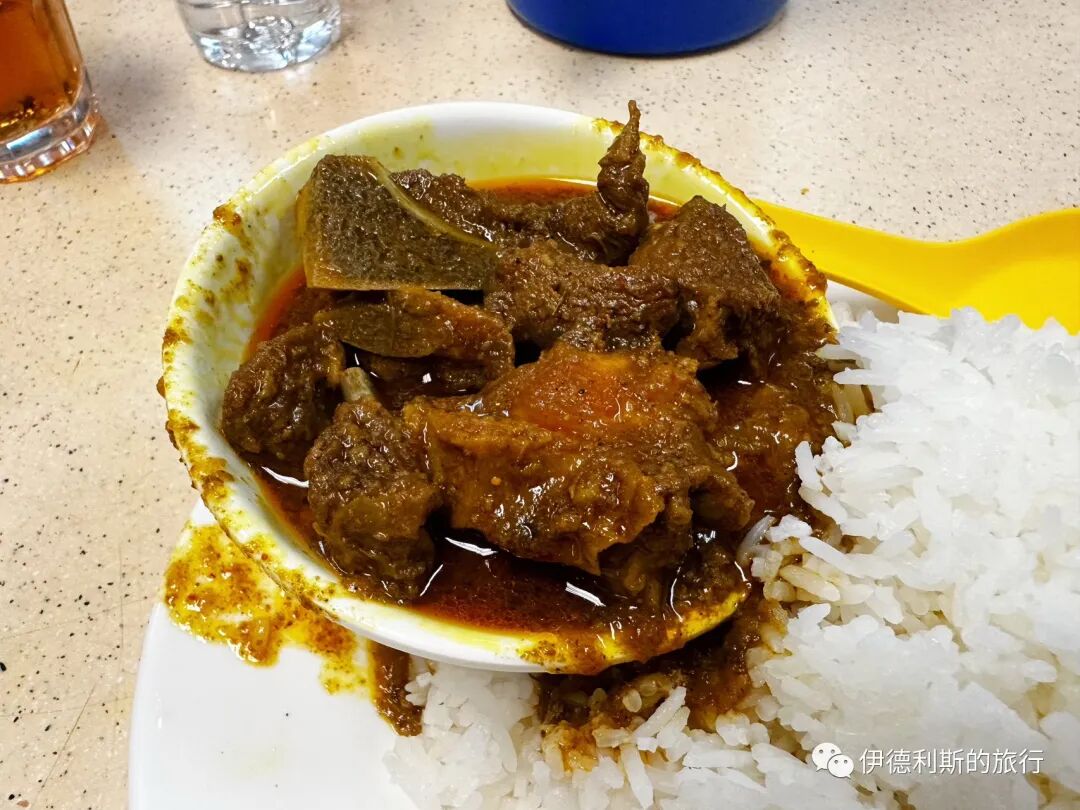
The founder of Huiji was a Hui Muslim from Guangzhou named Zhou Hui, who originally started out making noodles. After World War II, life returned to normal, and in 1946, Zhou Hui moved from Guangzhou to Hong Kong to make a living. He opened the Huiji food stall with his daughter, Wan Chang, and it has now been running for three generations over 77 years. Besides the roast duck that Cantonese people love, Huiji is famous for its curry lamb brisket (gali yangnan). Boss Zhou created this curry recipe by combining Chinese spices to attract South Asian Muslim brothers, and it became popular with both Chinese and South Asian customers. Especially after the Islamic Centre on Oi Kwan Road was built in 1981, friends (dost) from all ethnic groups liked to come to the nearby Huiji for lunch after Friday prayers (Jumu'ah), and the curry lamb brisket became a must-order signature dish.
Kowloon Mosque
Before the 1940s, most Hui Muslims in Hong Kong came from Guangzhou and Zhaoqing, centering around the Bo'ai Society in Wan Chai. After 1949, the antique and jade trade in places like Beijing and Shanghai faced a huge impact, so many antique merchants moved south to Hong Kong to find business opportunities, including many Hui Muslims. In this way, a new northern Hui Muslim community began to form in Hong Kong.
In the early 20th century, antique shops in Hong Kong were mainly concentrated around Hankow Road in Tsim Sha Tsui, Kowloon, and were mostly owned by people from Fujian. From 1949 through the 1950s, northern Hui Muslims opened fifty or sixty antique shops in Tsim Sha Tsui, with over a dozen of them on Hankow Road alone. These Hui Muslim owners bought goods from Beijing, Shanghai, and other places, then resold them to European and American tourists and overseas Chinese, making Hong Kong an important hub for antiques and jade. It wasn't until the mainland's reform and opening up allowed overseas buyers to purchase directly from the mainland, combined with the wave of emigration from Hong Kong after the 1984 Sino-British Joint Declaration, that the northern Hui Muslim antique industry in Tsim Sha Tsui gradually faded away.
Among the northern Hui Muslims in the Tsim Sha Tsui antique business, the most famous were the Jin family from the Lumicang area of Beijing. The Jin family's ancestral home was in Jinan, Shandong. Their ancestor, Jin Yupei, came to Beijing during the Qianlong reign to serve as an imam at the Lumicang Mosque. The family settled in Beijing and later became a famous antique-dealing family. Jin Baolin, Jin Baohe, and Jin Baorui of the Jin family opened the Yihehao shop in Qingdao and Shanghai in the 1940s, and then opened a shop in Tsim Sha Tsui, Hong Kong, in 1949. there was the Great Wall Antique Company opened by the Zhang family, Ruixianghang opened by the Zhou family, Yishenghang opened by the Sha family, and the Tongcheng Trading Company opened by the Ma family.
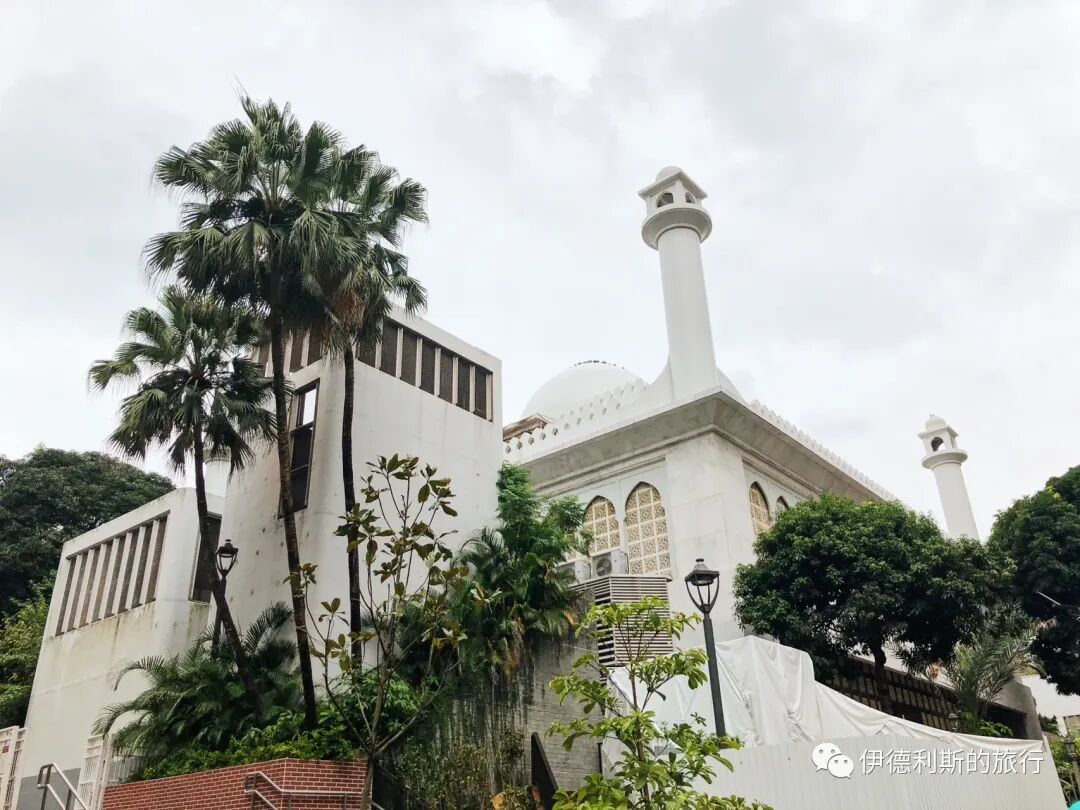
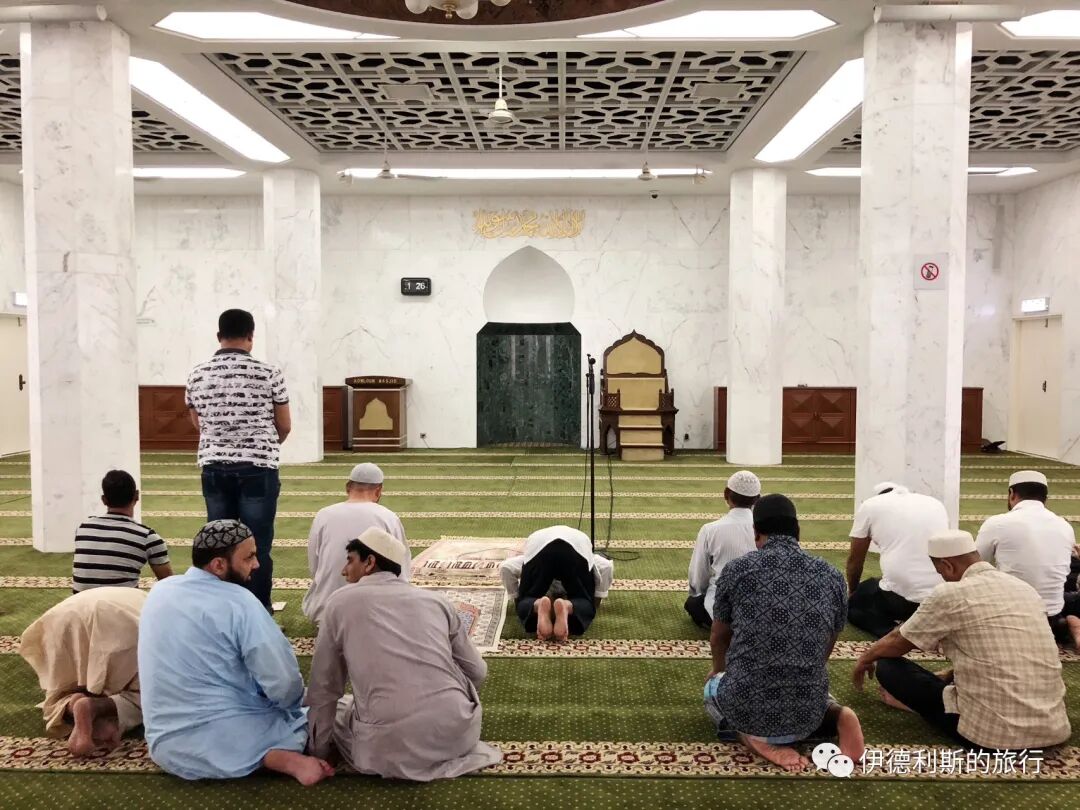
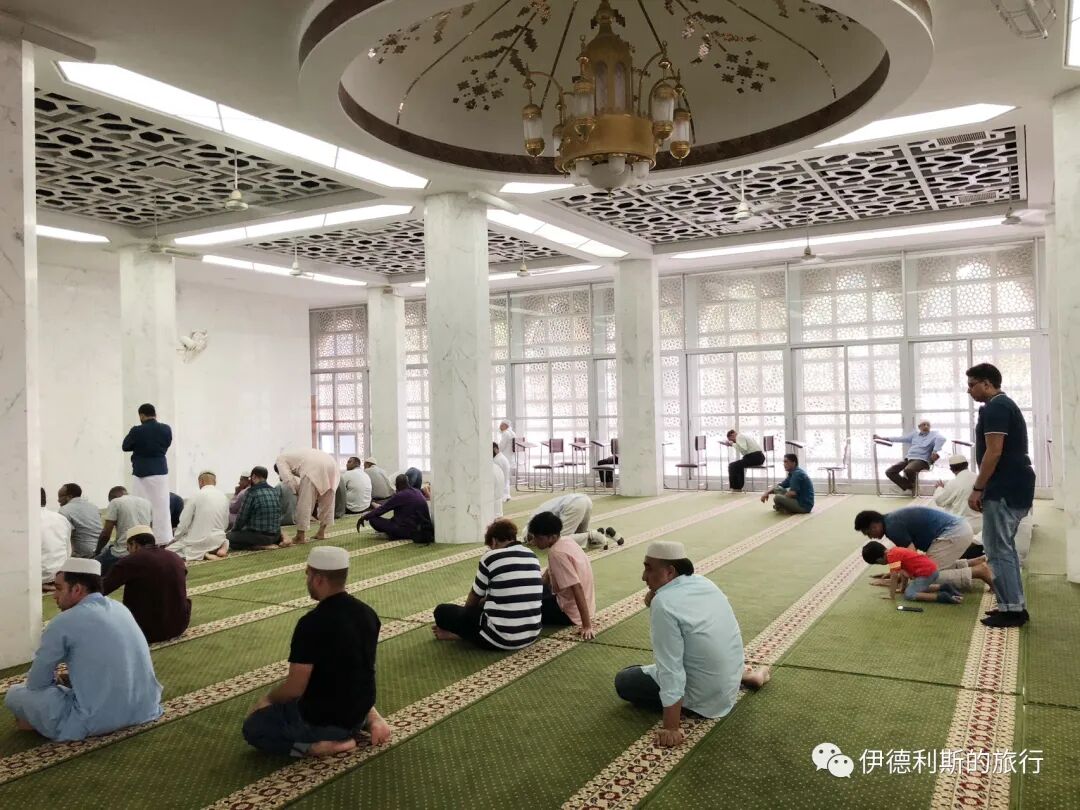
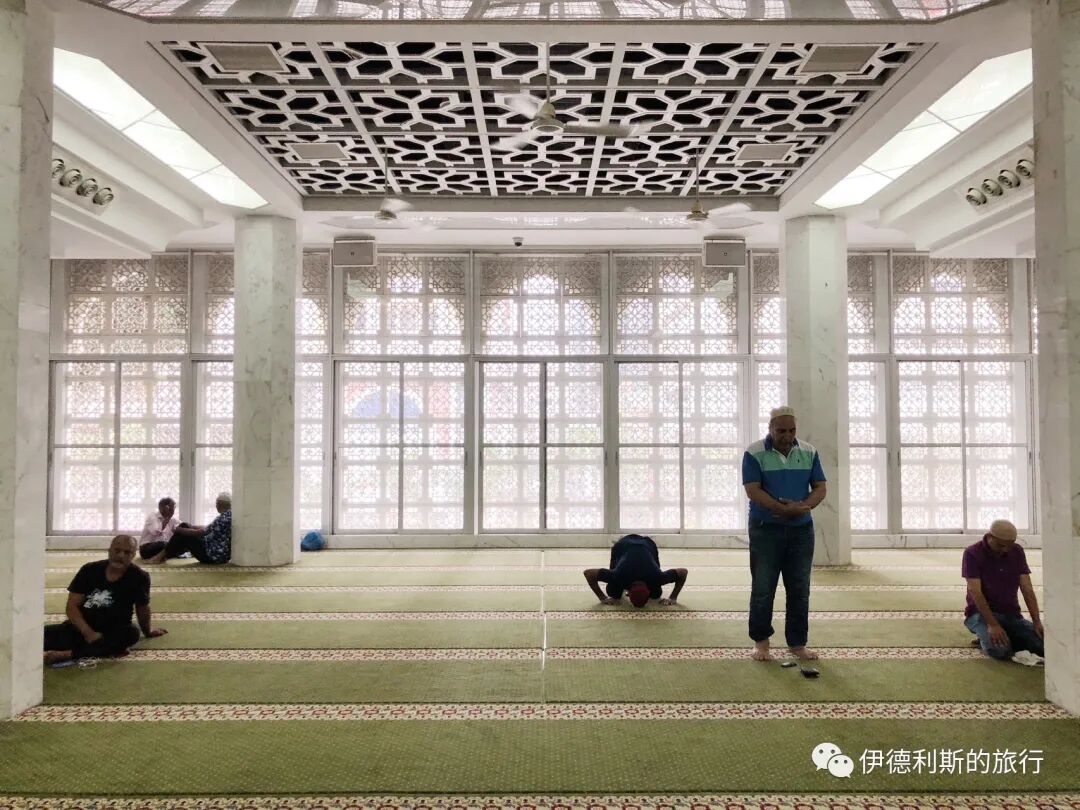
Because it is far from Wan Chai, most northern Hui Muslims in the Tsim Sha Tsui antique trade choose to perform their namaz at the Kowloon Mosque. The Kowloon Mosque was first built in 1896, originally for the British Indian Muslim soldiers stationed at the nearby Whitfield Barracks. After the partition of India and Pakistan in 1947, South Asia was no longer a British colony, and these soldiers returned to their hometowns. Since then, the Kowloon Mosque has become the activity center for all Muslims living on the Kowloon Peninsula. Northern Hui Muslims make up a large part of the Kowloon Mosque, and the first imam after the war was Ma Xinyi, who was from Shandong.
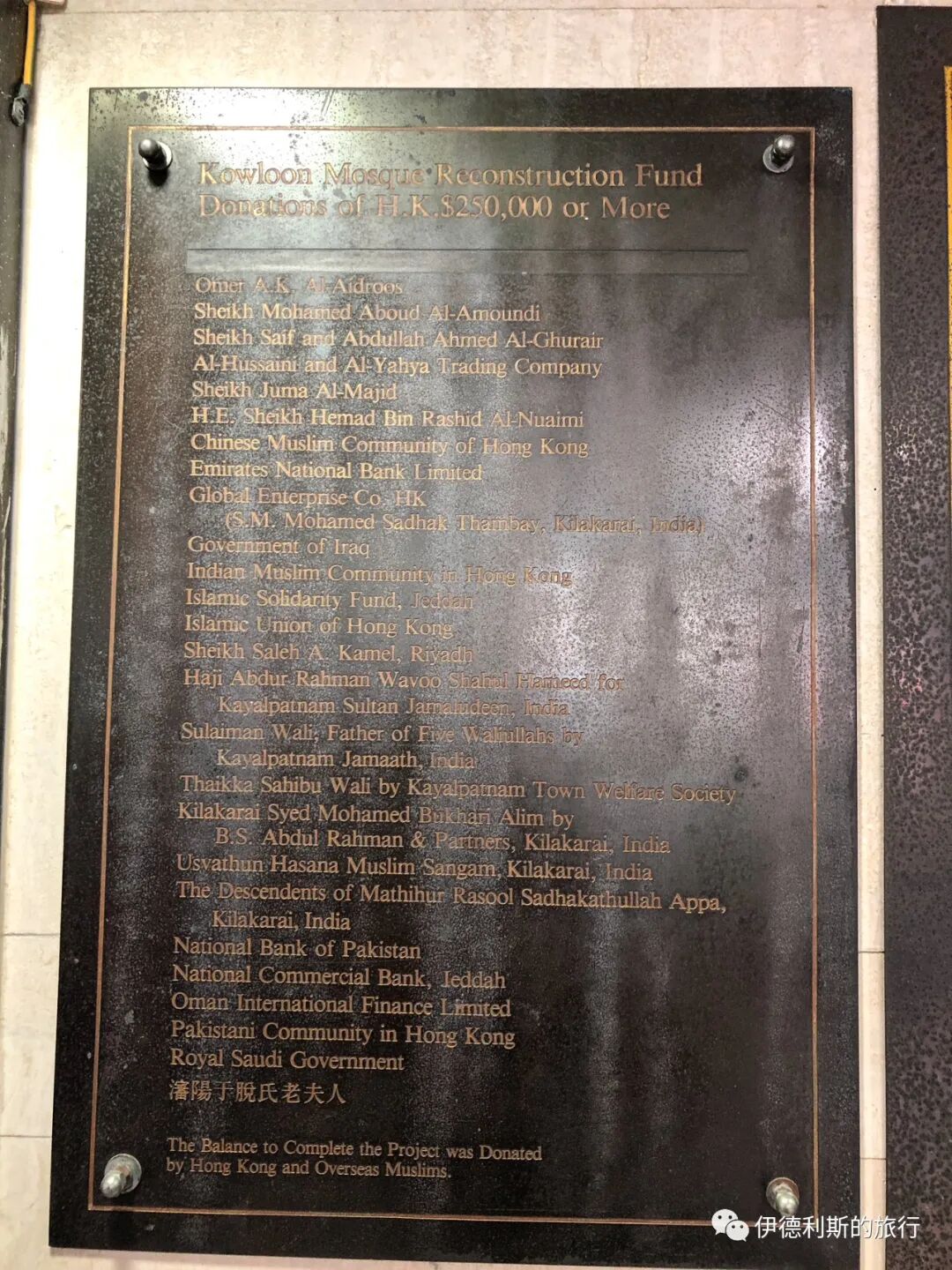
In 1978, when the subway was built in Tsim Sha Tsui, the Kowloon Mosque developed cracks from the construction and became a dangerous building. In this situation, northern Hui Muslims in Tsim Sha Tsui formed a mosque reconstruction committee. While raising funds, they also contacted Beijing to buy marble. They finally rebuilt the Kowloon Mosque in 1980, which is the building we see today.
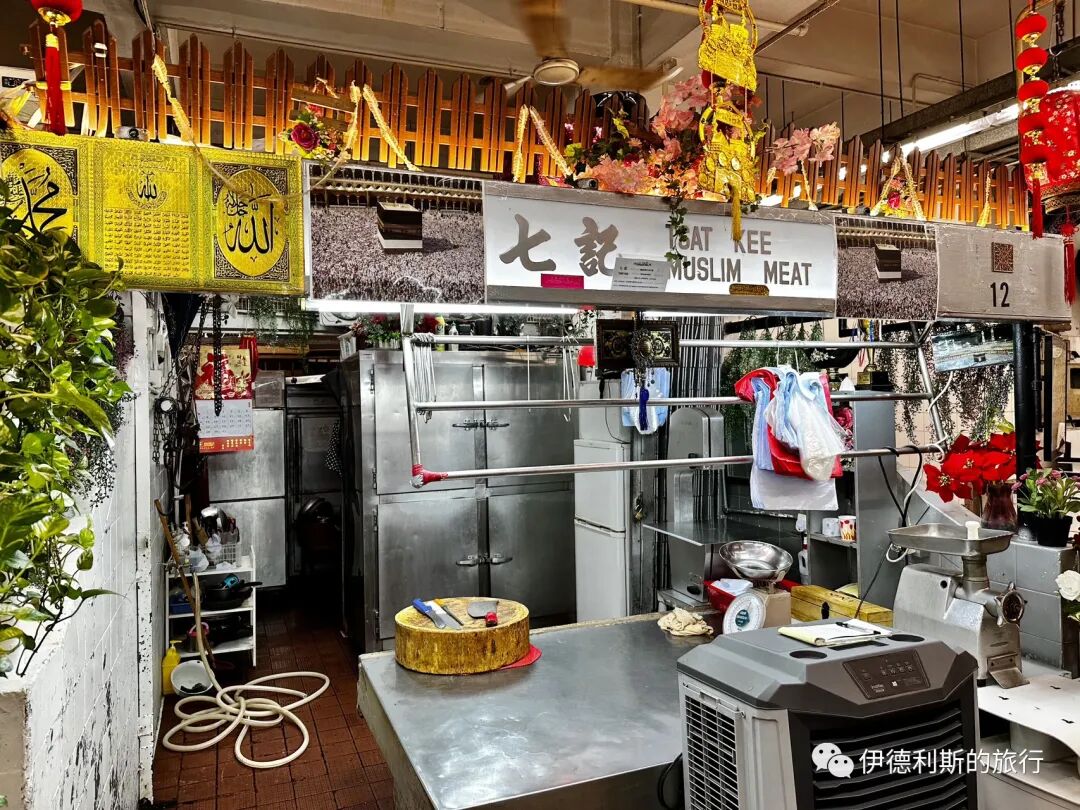
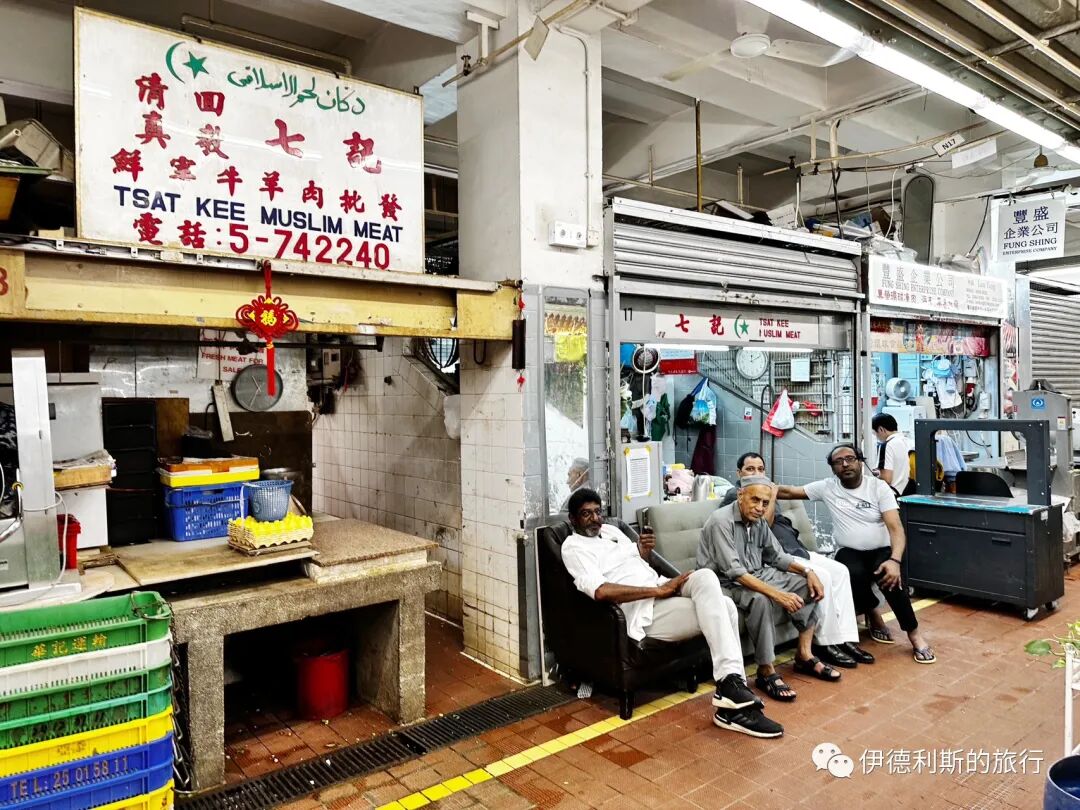
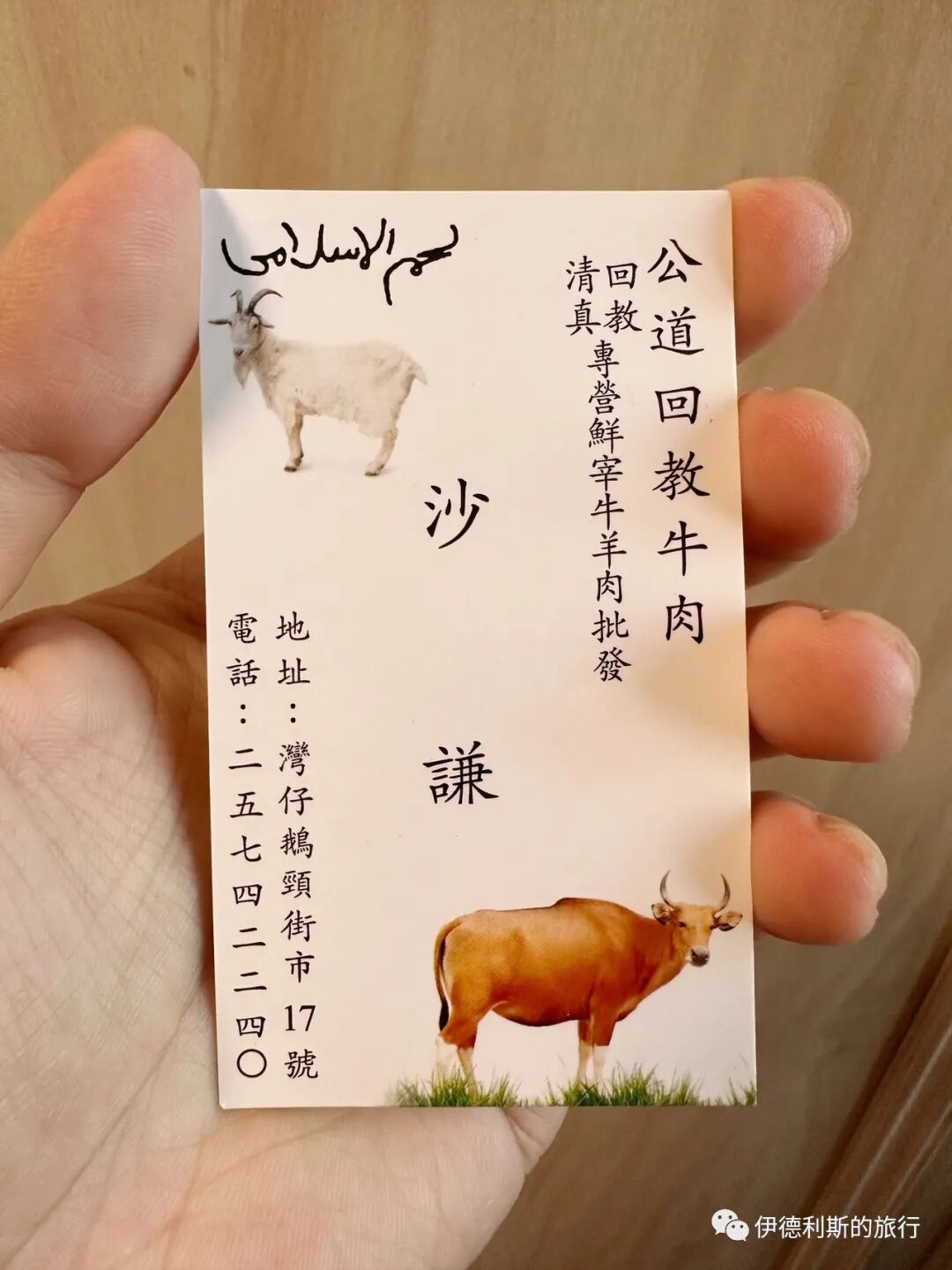
In the Bowrington Road Market (Ejing Jieshi) in Wan Chai, there is a beef and lamb shop called Qiji run by the Sha family. The Sha family is originally from Shandong. During the War of Resistance, they took refuge in Guilin, Guangxi. During this time, Sha Yikun married Ma Qiuqin, the daughter of Imam Ma Xinyi. After the war, Imam Ma Xinyi served as the imam of the Kowloon Mosque. Sha Yikun came to the Kowloon Mosque to join Imam Ma and also became an apprentice at the Yihehao antique shop, which was owned by the Jin family at Luk Mi Chong in Tsim Sha Tsui. In the 1960s, the Sha family started their own business and opened the Yishengxing antique shop in Tsim Sha Tsui.
Ammar Mosque (Aiqun Qingzhensi)
Since the 1980s, the center for Hong Kong Muslims has been the Ammar Mosque in Wan Chai. The Ammar Mosque can be traced back to the mosque built at 7 Seymour Road in 1864, which was rebuilt at the Happy Valley Muslim Cemetery in 1945. In 1976, to build the Aberdeen Tunnel, the British Hong Kong government planned to move some graves in the Happy Valley Muslim Cemetery and demolish the mosque inside the cemetery. After the news was published, Tu Weishan, the then-chairman of the Islamic Union, immediately expressed his opposition. He led Hong Kong Hui Muslims to write letters to the government many times to voice their opinions and started a petition. This made the British Hong Kong government finally give in, stop moving the graves, and grant a piece of land on Oi Kwan Road in Wan Chai to the Incorporated Trustees of the Islamic Community Fund of Hong Kong to build a new mosque. And so, the Ammar Mosque and Osman Ramju Sadick Islamic Centre was officially completed in 1981.
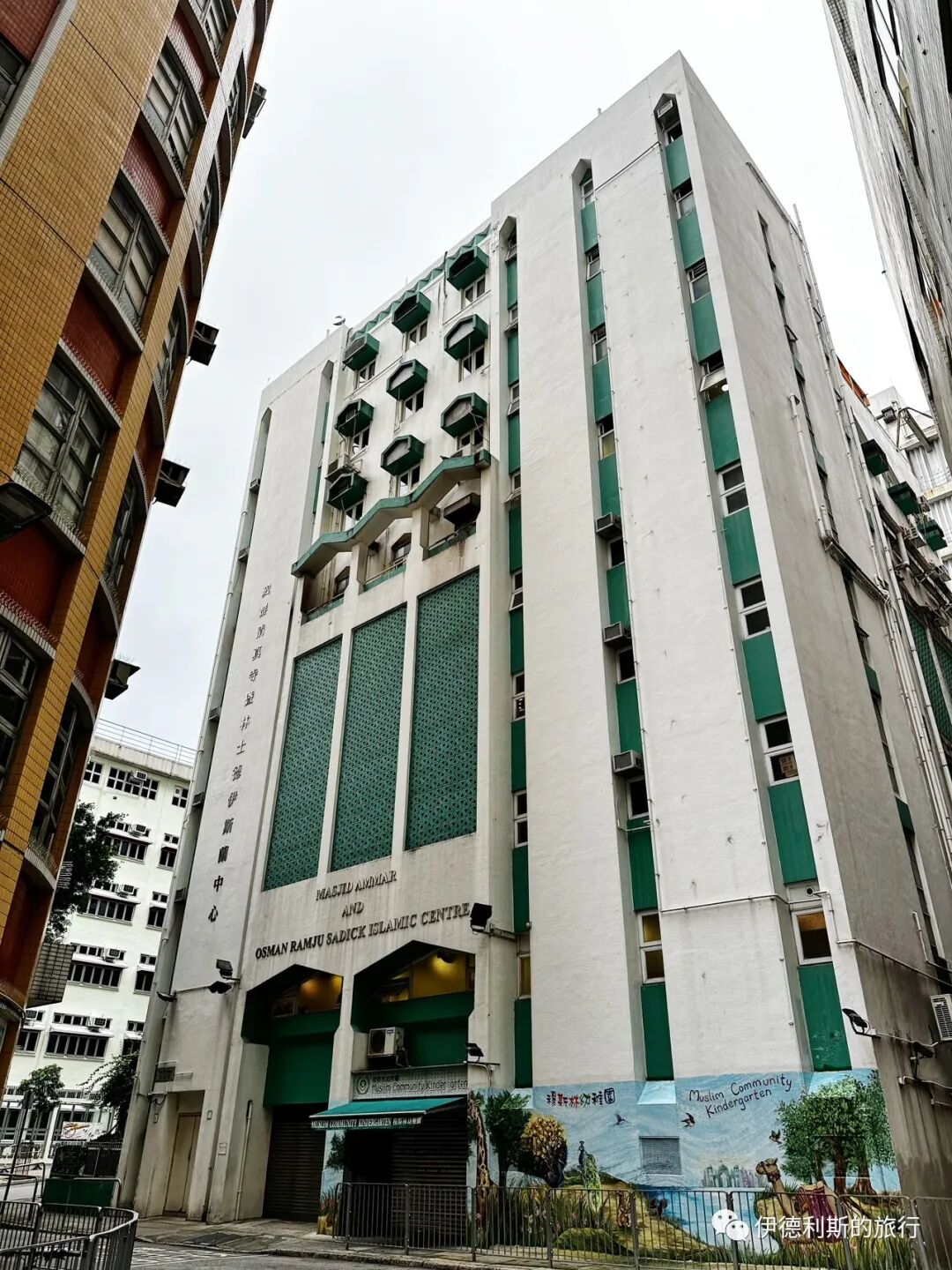
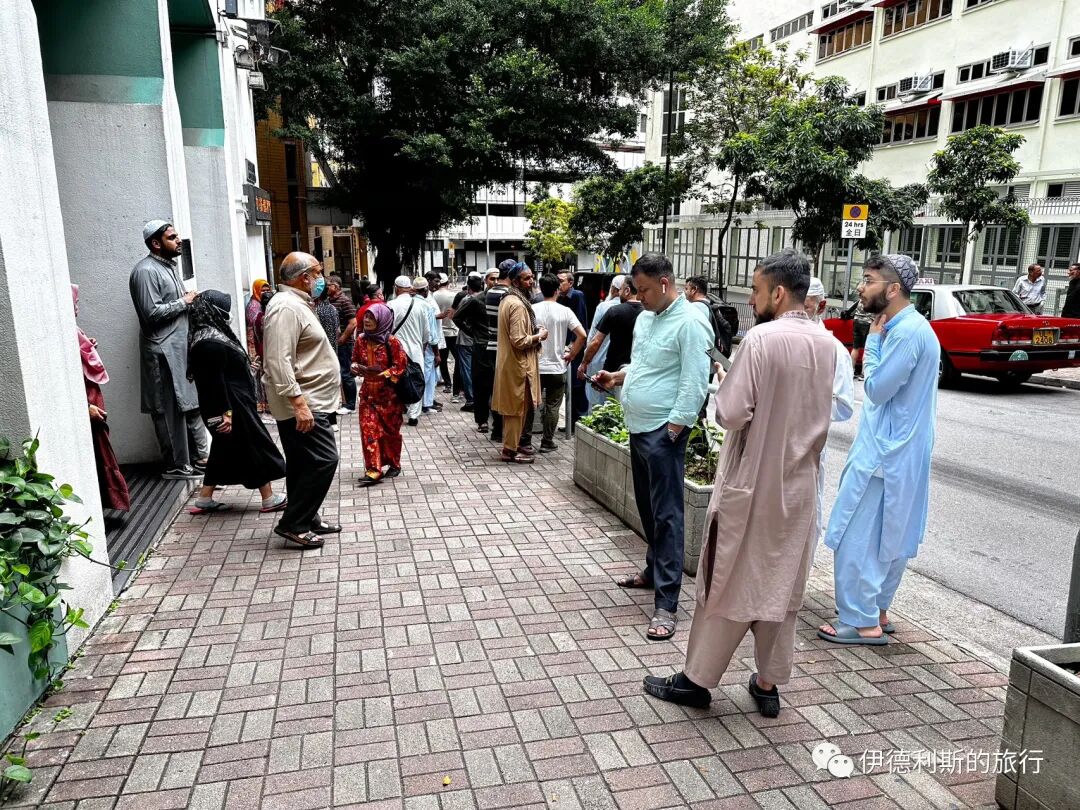
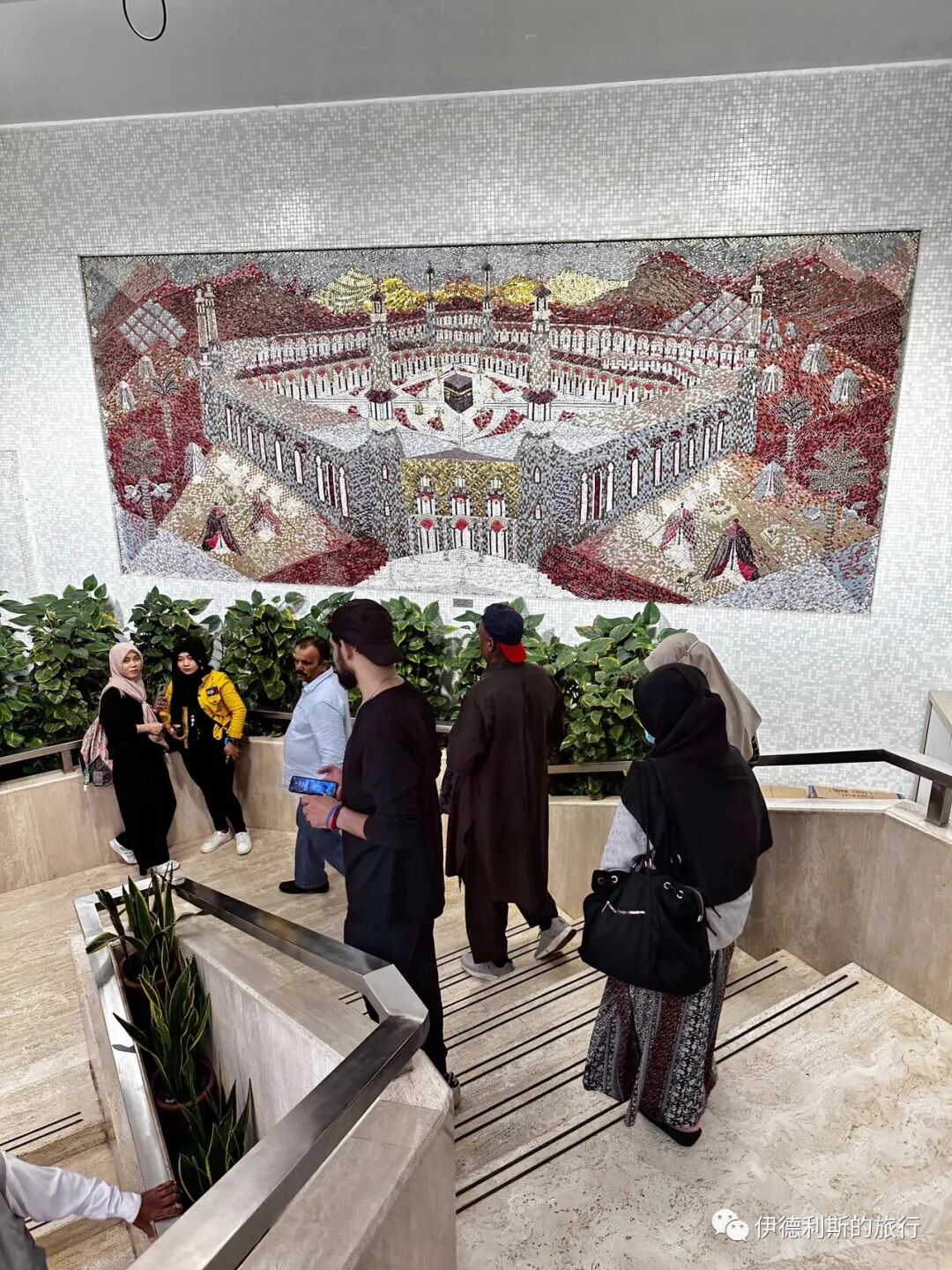
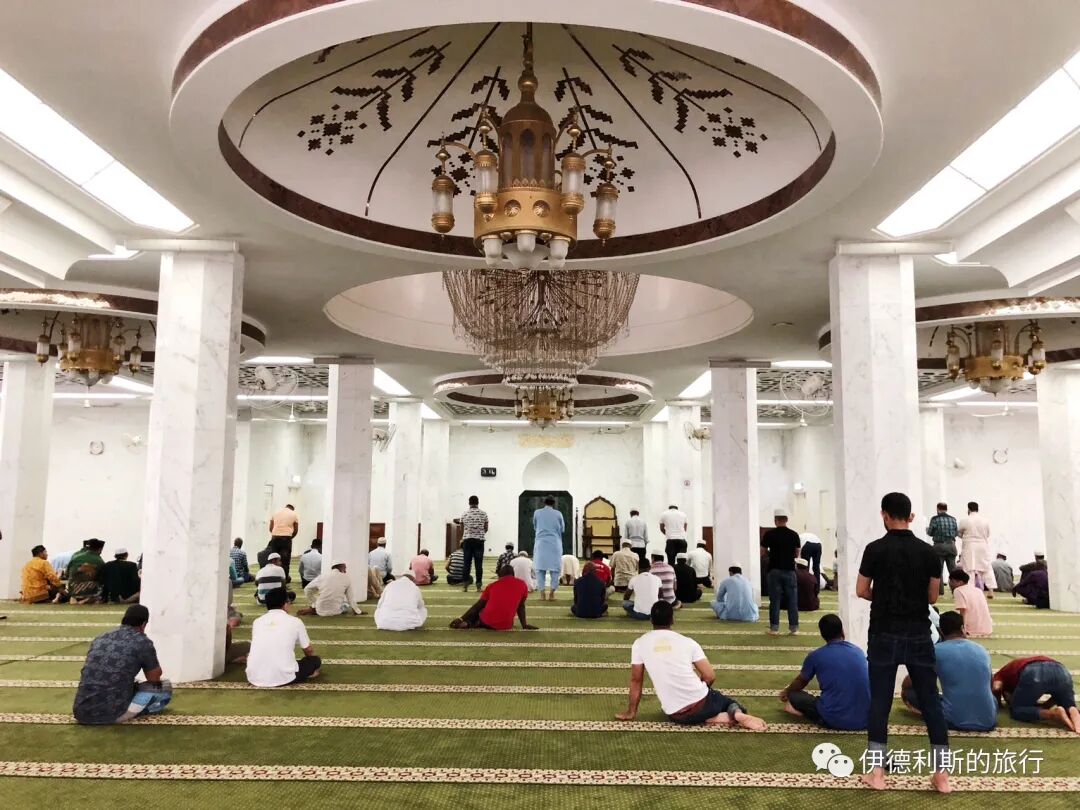
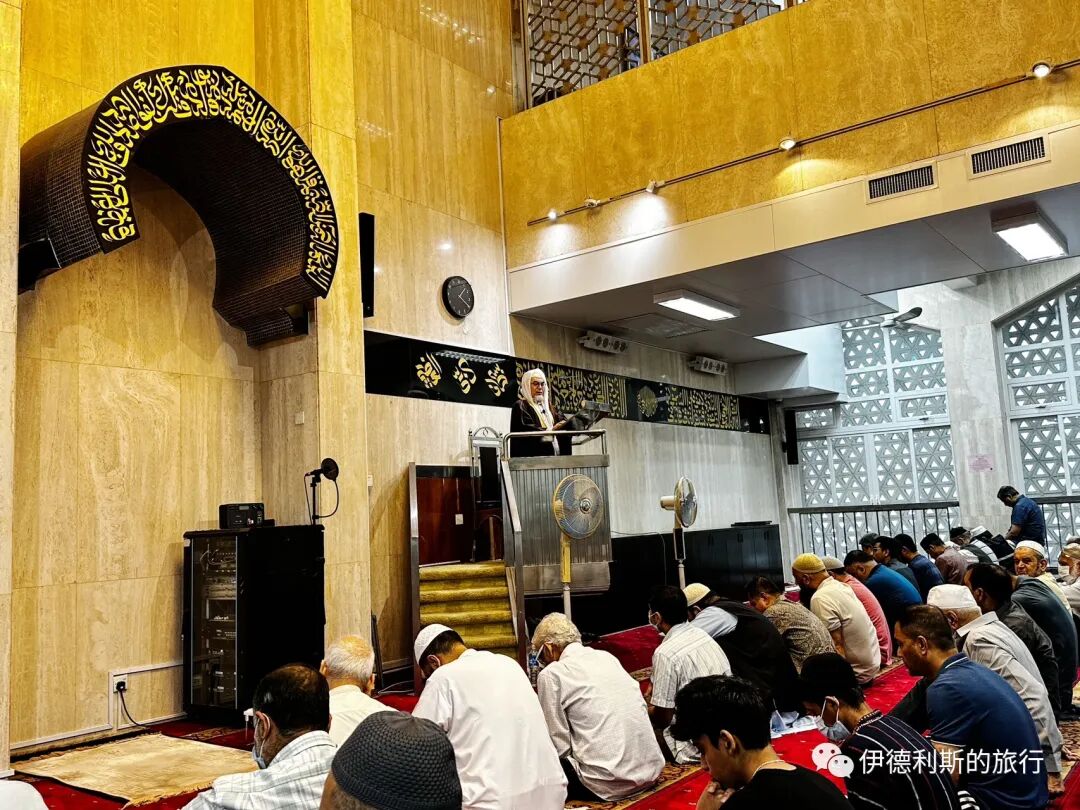
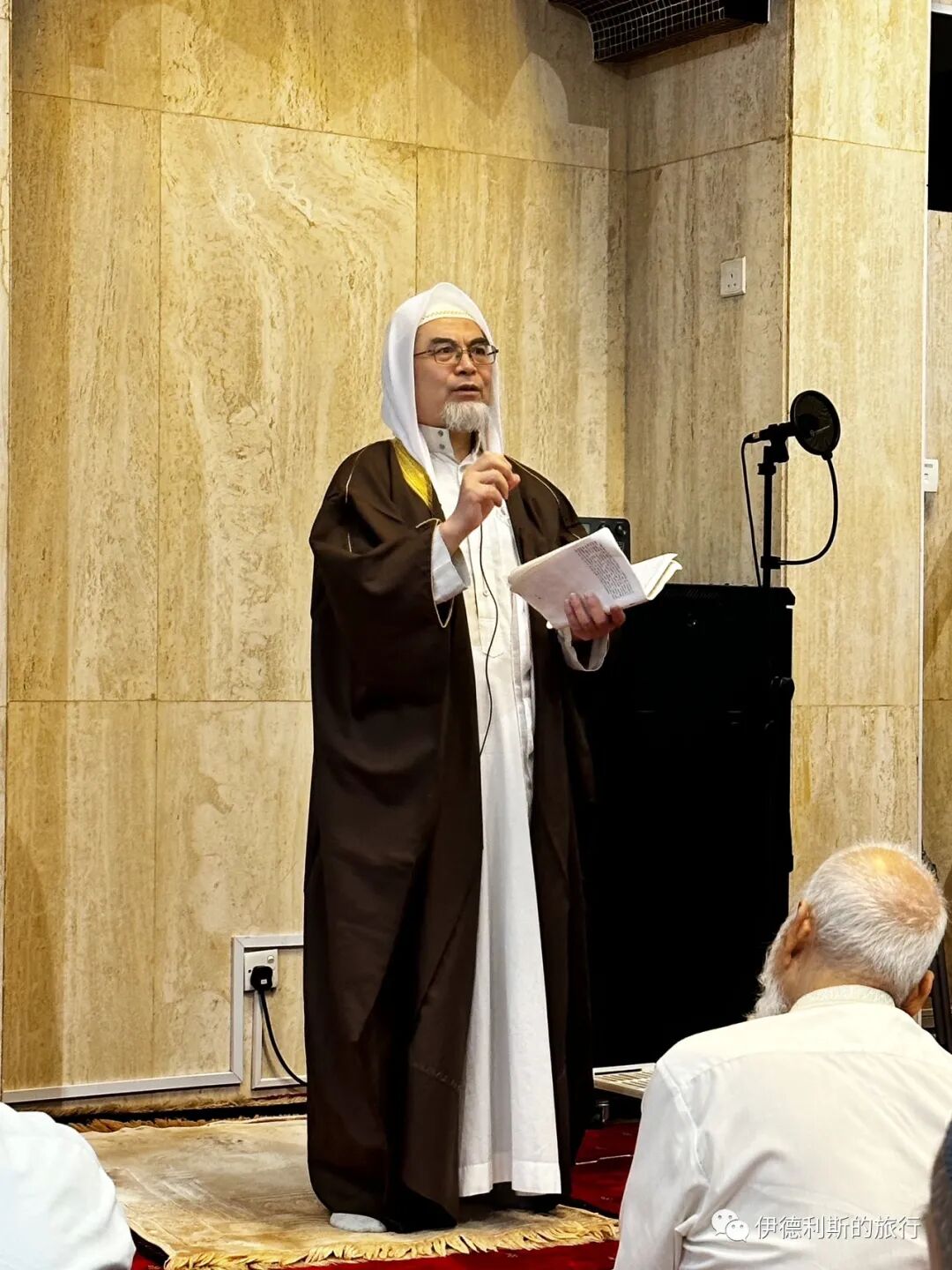
We attended Jumu'ah prayer at Ammar Mosque, where Imam Yang Xingben gave a sermon (waaz) about Qurbani in Cantonese. This was my first time hearing a sermon (waaz) in Cantonese, and I found it very interesting. Imam Yang's ancestral home is Tai'an, Shandong. He studied at the China Islamic Institute and the International Islamic University in Pakistan. After graduating, he taught at the institute before being hired as an imam by the Islamic Union of Hong Kong.
In the main prayer hall, you can see Hui Muslims as well as Muslims of South Asian and Southeast Asian descent. However, the Hui Muslims are mostly elderly, while the young people are mostly friends (dosti) from other ethnic groups. This situation exists not only in Hong Kong but also in Beijing, where the local elders are mostly older, while the young people are mostly friends (dosti) from other regions or countries.
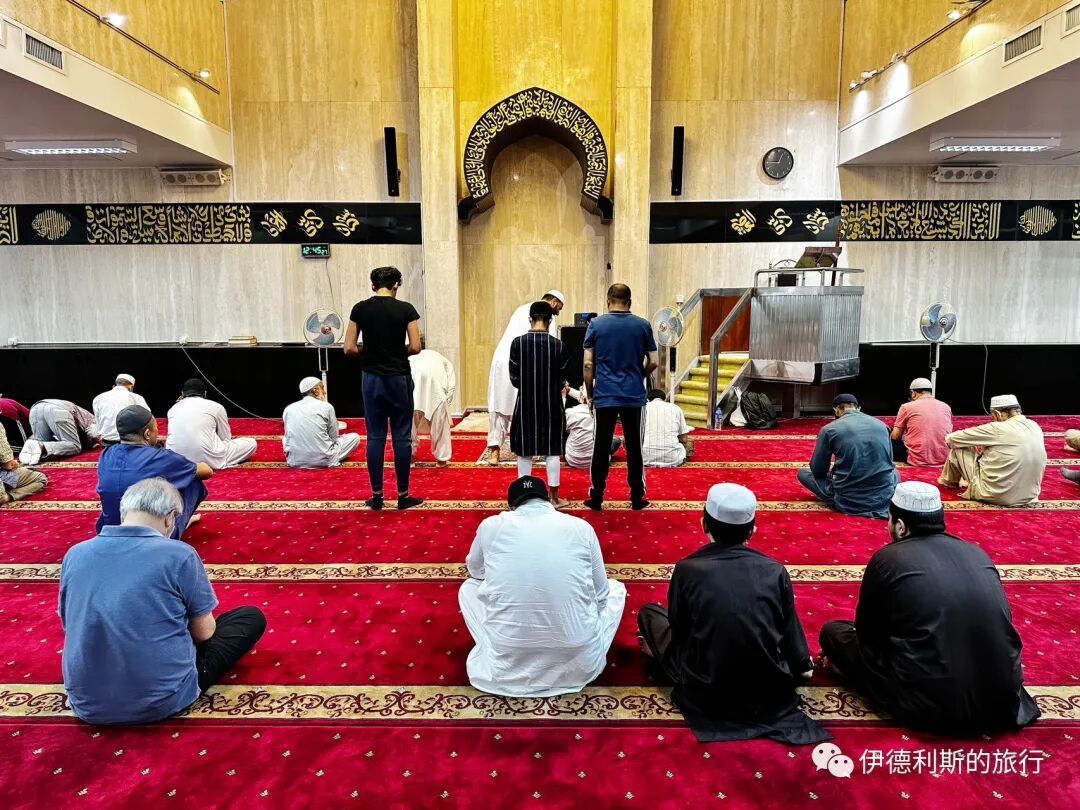
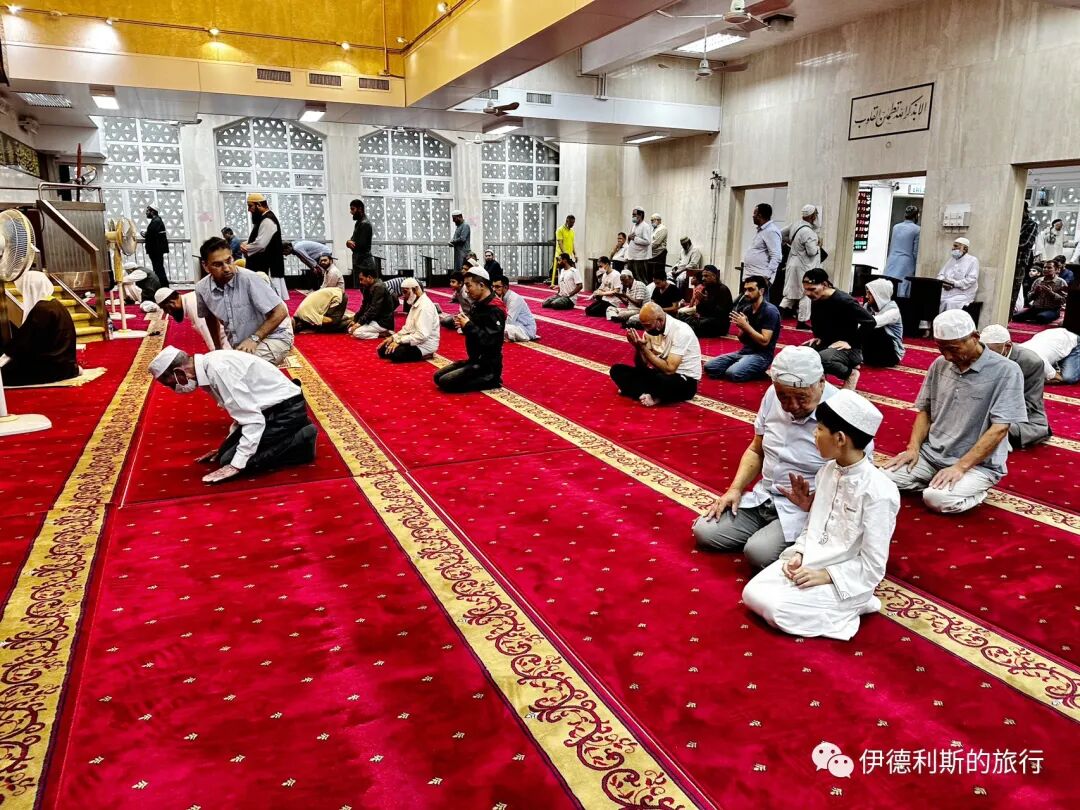
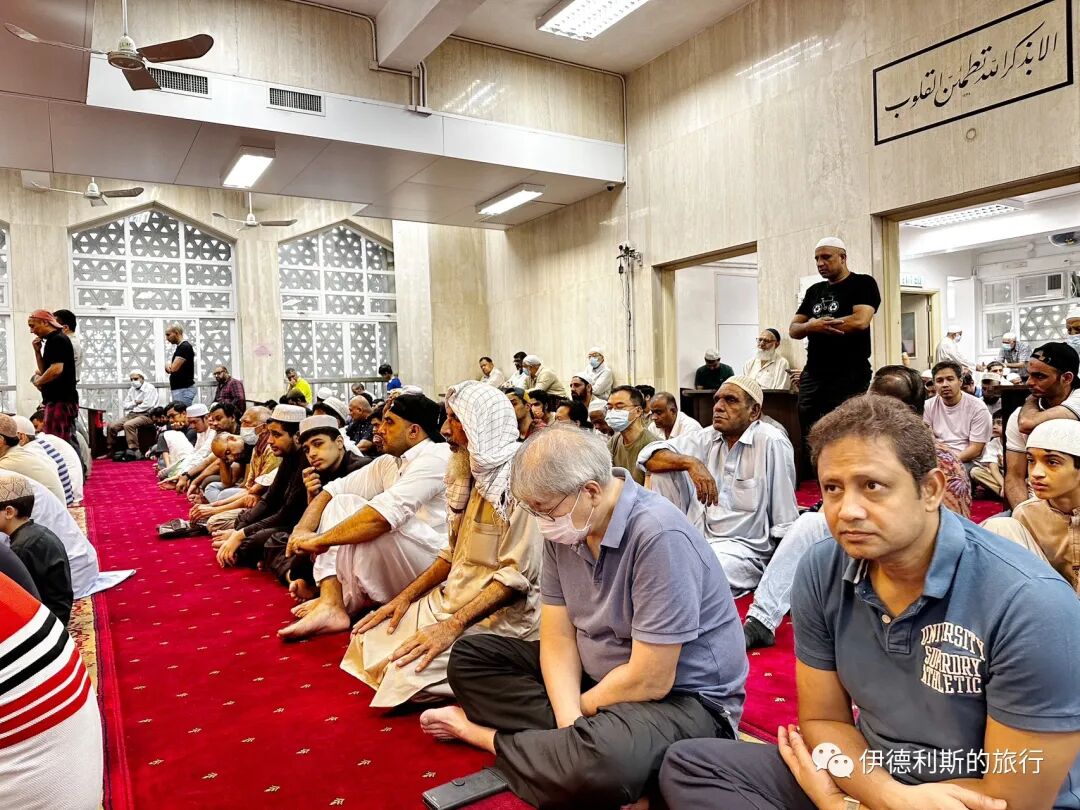
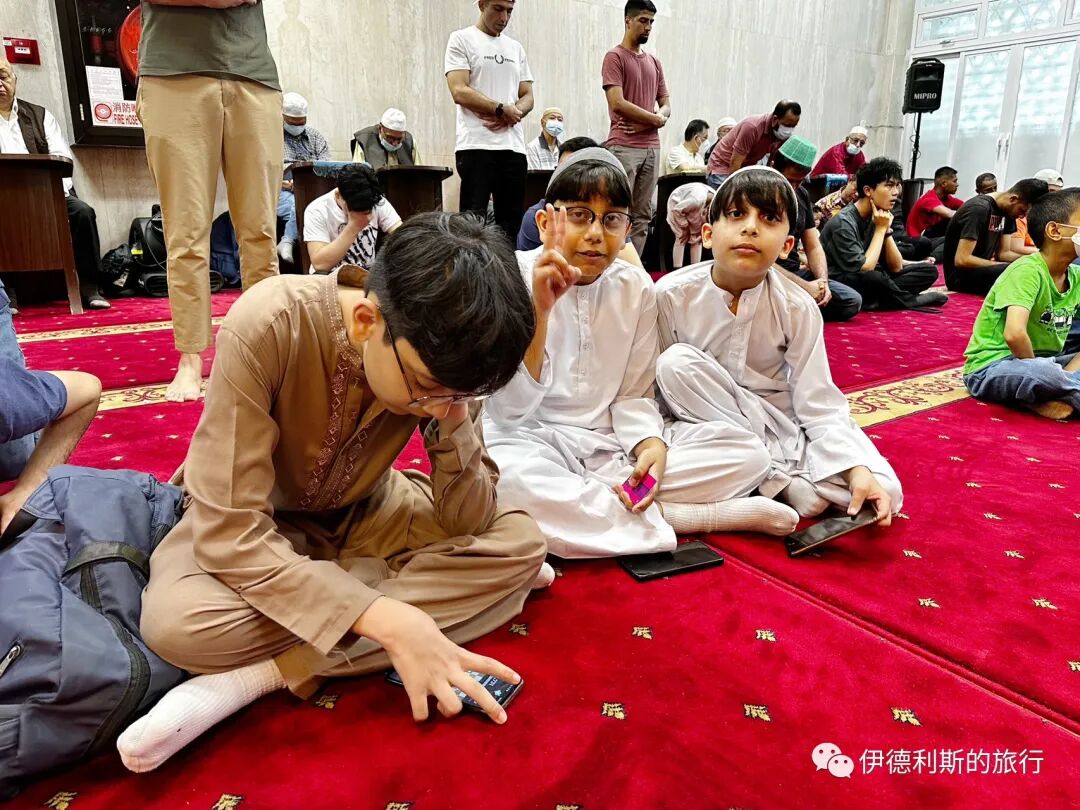
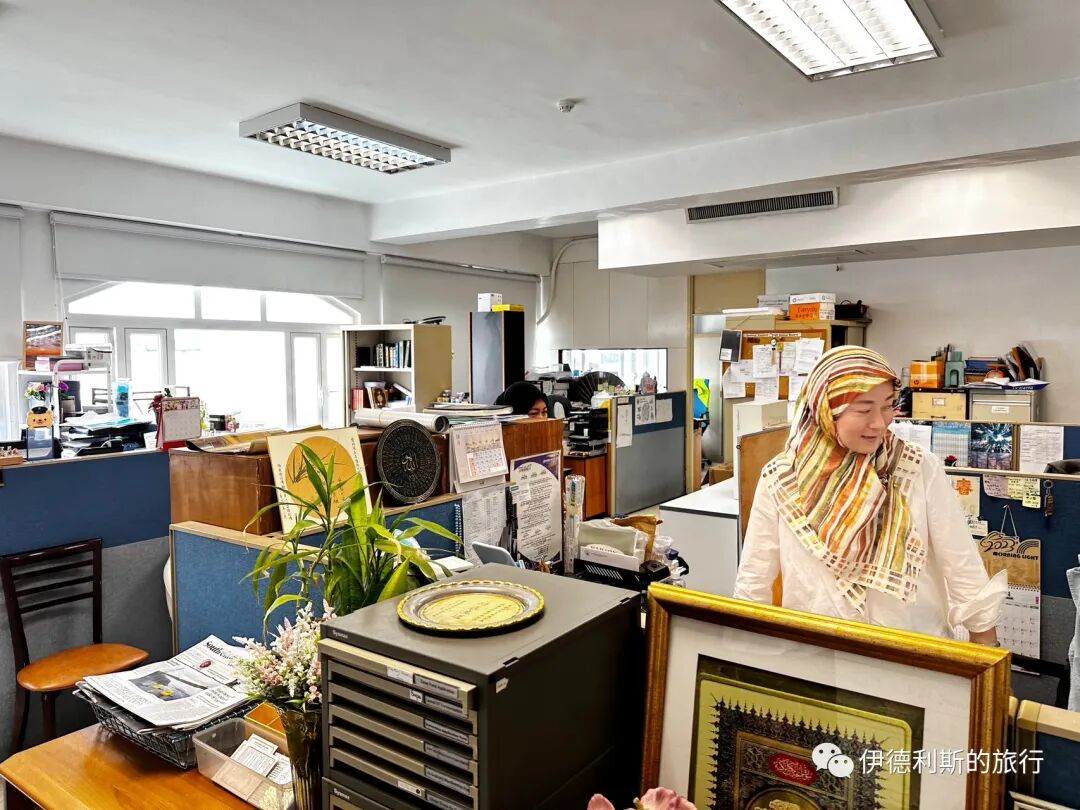
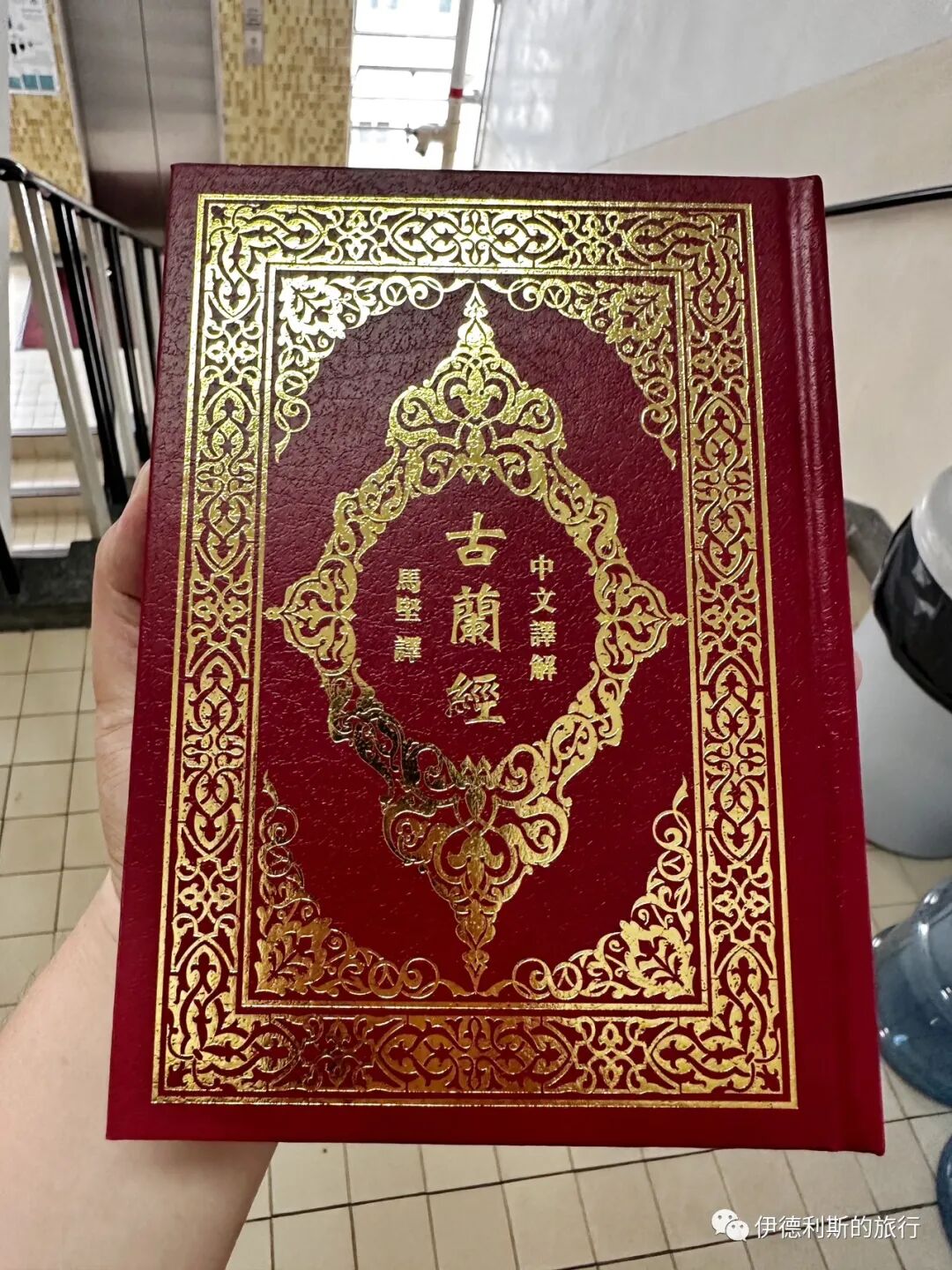
The 7th floor of the Ammar Mosque houses the office of the Islamic Union of Hong Kong, where you can pick up a copy of the Quran (Guran'e) in traditional Chinese characters, sponsored by the Islamic Women's Association of Hong Kong. The Islamic Union of Hong Kong was founded in 1905. It is the second oldest Muslim organization in Hong Kong after the Incorporated Trustees of the Islamic Community Fund of Hong Kong. Authorized by the Trustees, it manages the Ammar Mosque and plays a leading role in promoting communication and cultural activities among Hong Kong's various Muslim communities. Since the main association for Hui Muslims in Hong Kong, the Po Oi Tong, has never joined the Incorporated Trustees, the Islamic Union has become the primary way for Hui Muslims to participate in the affairs of the Trustees.
Islamic Centre Canteen
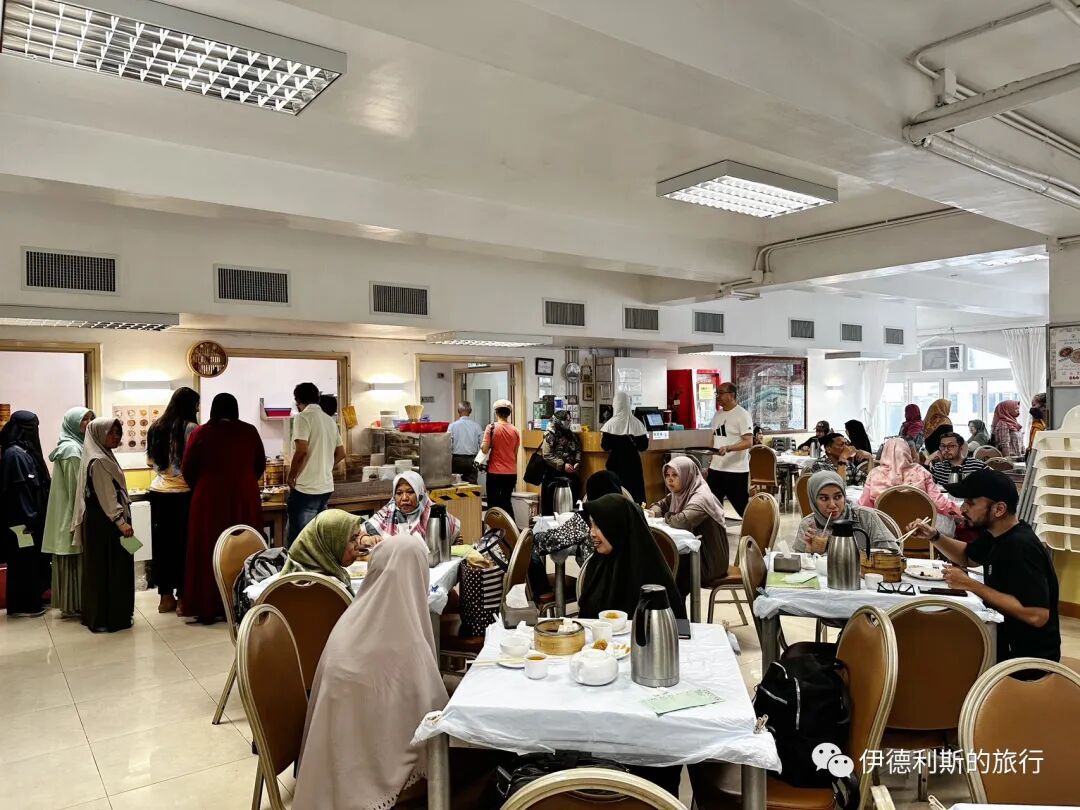
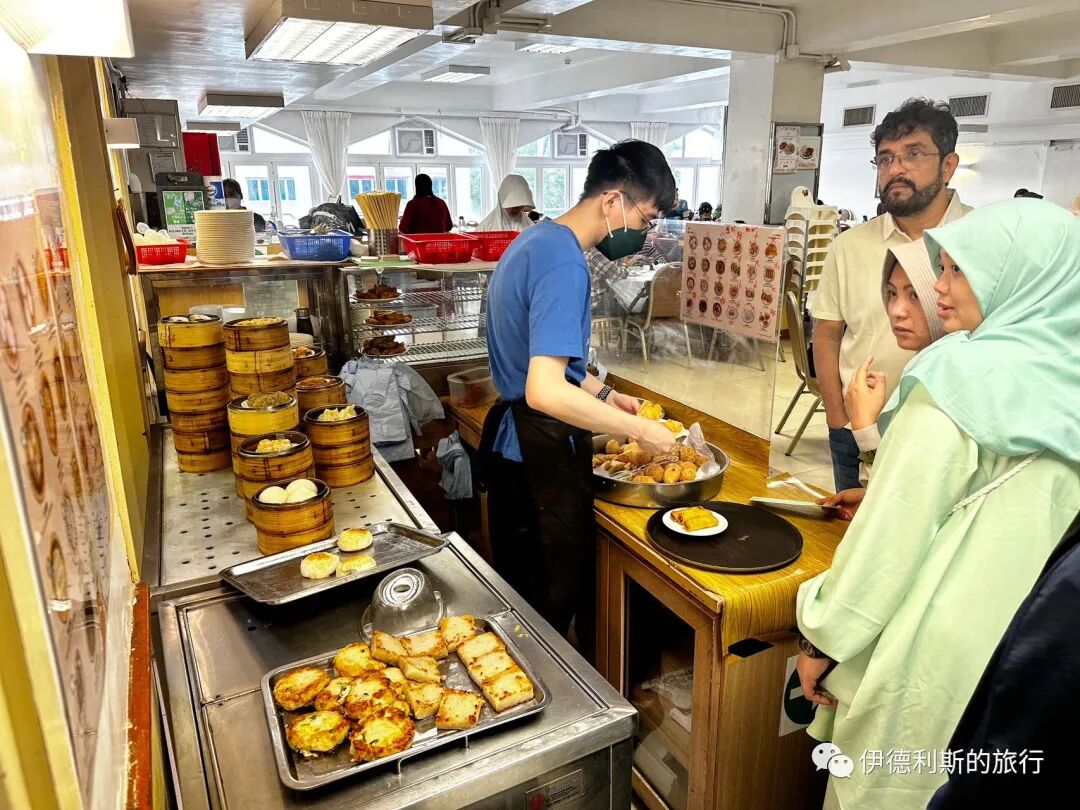
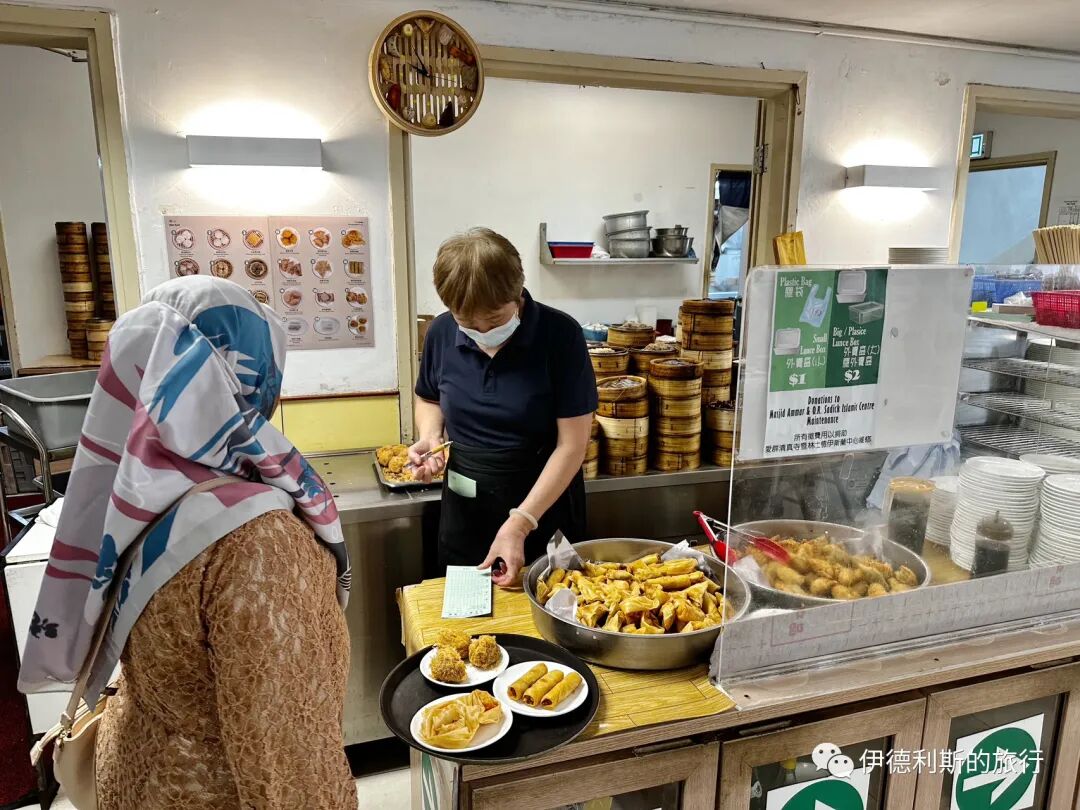
A restaurant opened on the 5th floor of the Ammar Mosque after 2005. It is currently the only halal Hong Kong-style tea restaurant in Hong Kong, and I eat here every time I visit. It is very popular with Muslims of all ethnic groups, not just Hui Muslims, and it is always very busy on Jumu'ah.
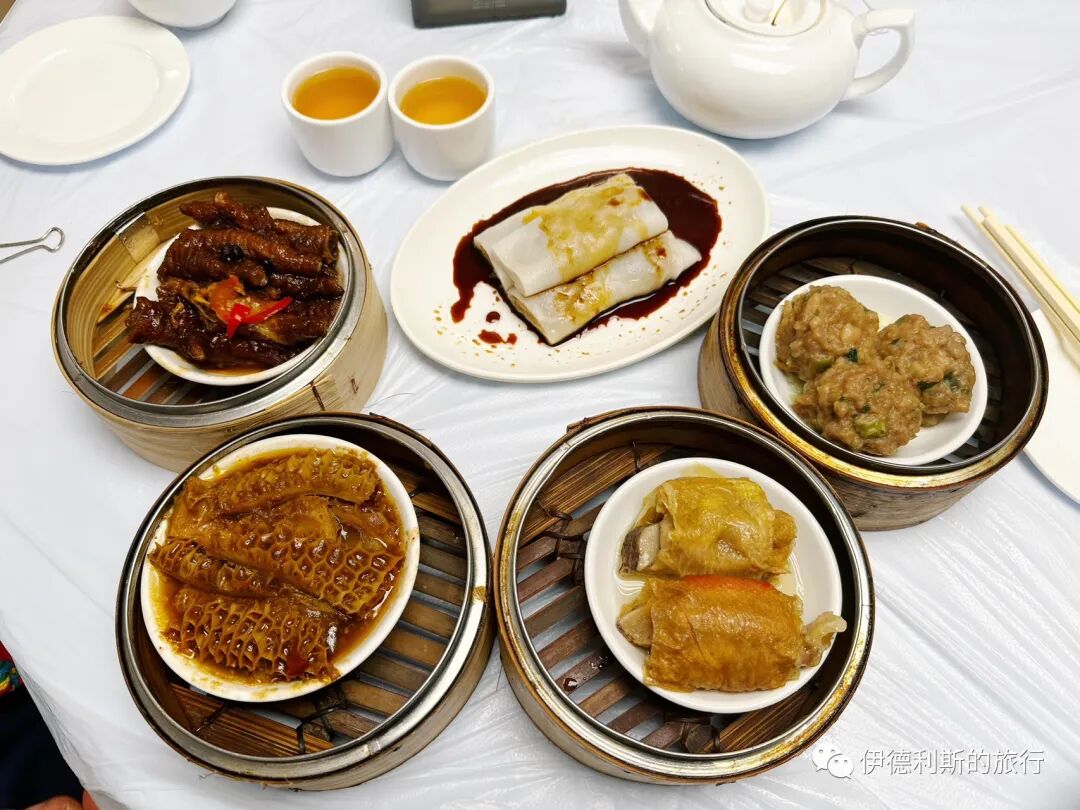
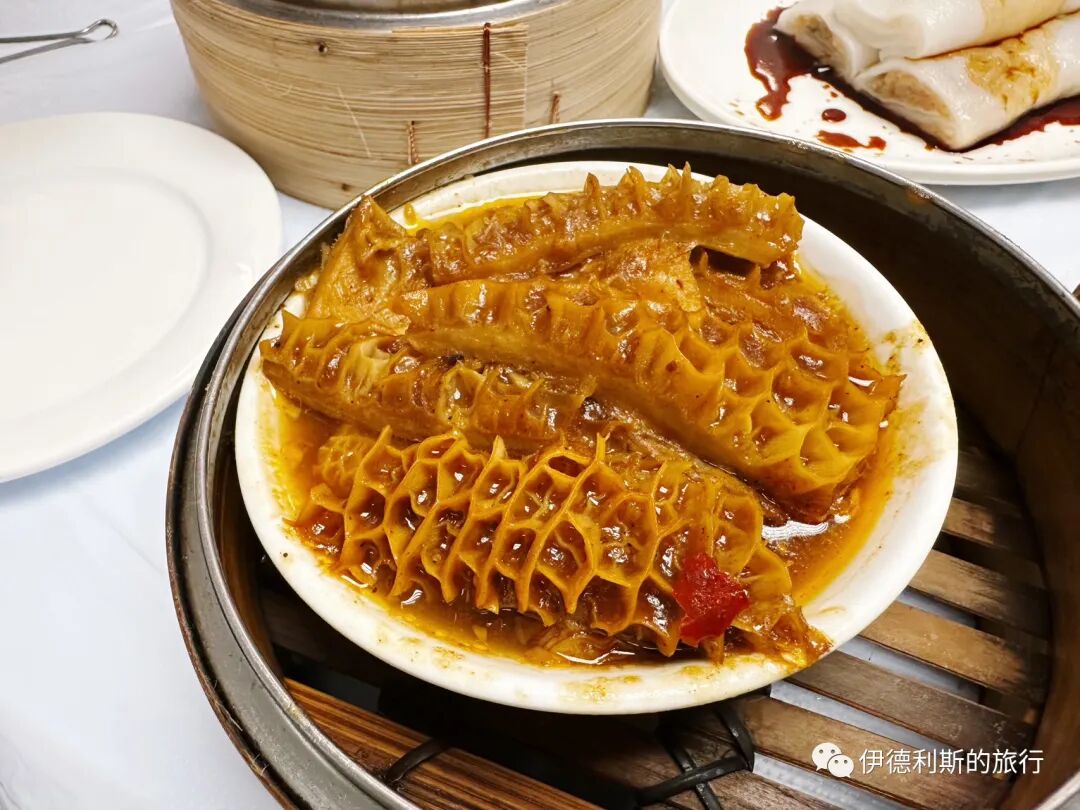
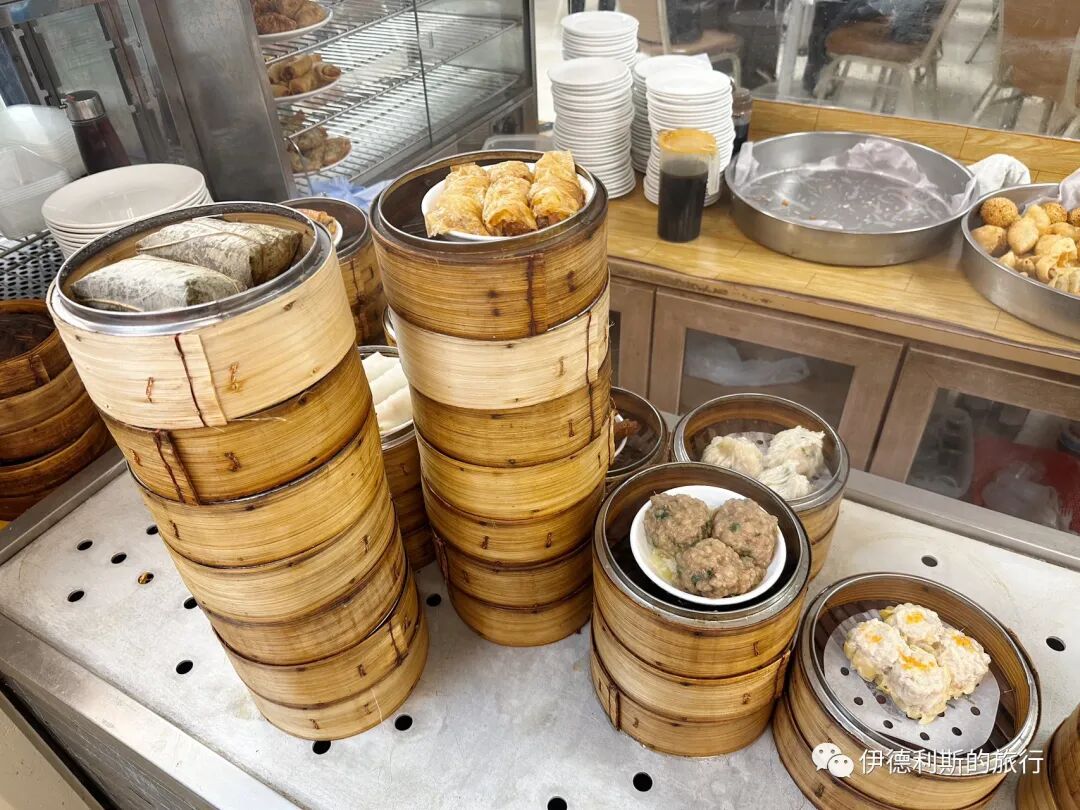
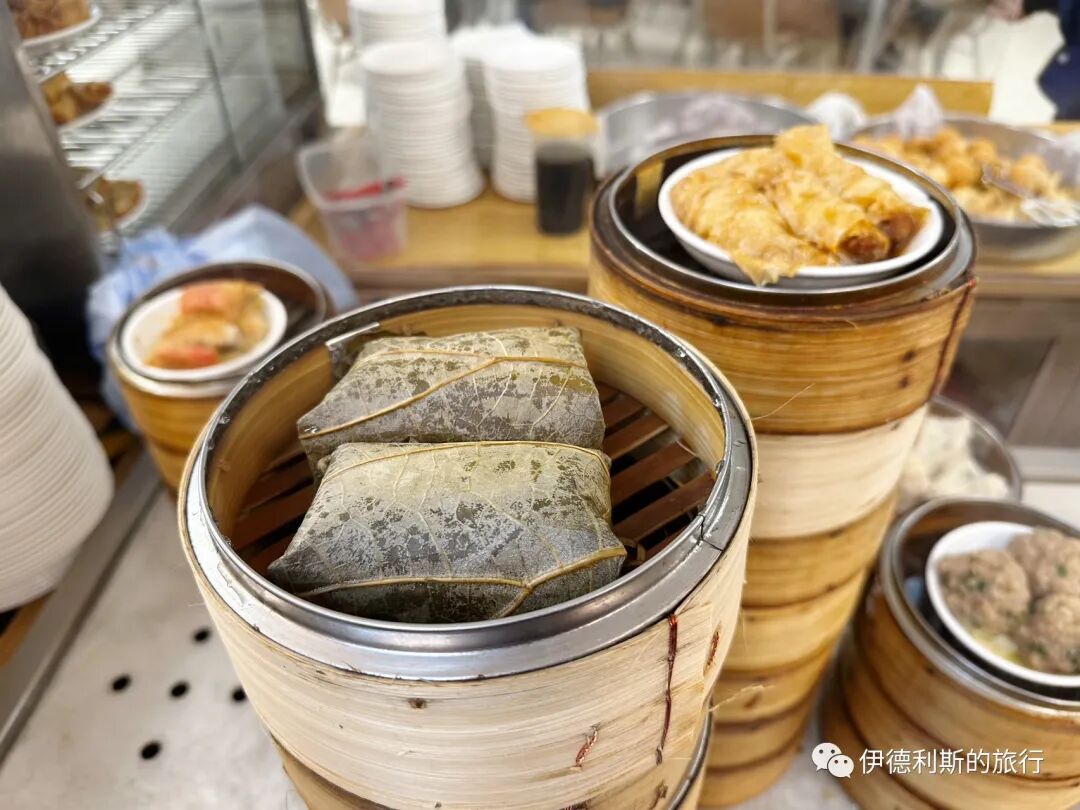
We ordered beef rice noodle rolls (changfen), steamed chicken feet in black bean sauce (chizhi zheng fengzhua), steamed beef balls (shanzhu niurou), braised beef tripe (lu niudu), and four-treasure rolls (sibaozha). The four-treasure rolls are bean curd skin wrapped around chicken, mushrooms, crab sticks, and baby corn. Except for the rice noodle rolls being a bit thick, everything else was delicious. Zainab said it was the best meal she had during this trip to Hong Kong.
Summary: Hong Kong has a long Hui Muslim history shaped by migration, trade, mosques, and community life across more than a century. This account traces the city Muslim community changes through people, streets, mosques, and historical records from the Chinese source.
I traveled to Hong Kong at the end of May 2023. Although I have been to Hong Kong many times, I find something new every time. I previously published an article about eating Indonesian, Pakistani, Iranian, and Tibetan food in Hong Kong, along with notes on some Indonesian sisters in Hong Kong, in my piece titled 2023 Hong Kong Halal Trip (Indonesian Javanese, Pakistani, Iranian, and Tibetan Food).
During this trip to Hong Kong, I found two excellent books, A General Overview of Historical Materials on Hui Muslims in Hong Kong (Xianggang Huimin Shiliao Gailan) and The Crescent on Lion Rock (Shizishan Shang de Xinyue), which detail the changes among Hui Muslims in Hong Kong over the past century. I plan to combine the content from these two books with my own personal experiences from this trip to share how Hui Muslims in Hong Kong have progressed step by step from the late 19th century to today.
Jamia Mosque (Shelley Street Mosque)
The records say the first Hui Muslims to arrive in Hong Kong were likely those from Yunnan who came to do business via Myanmar in the late 19th century. Between 1852 and 1886, the British gradually annexed Myanmar from south to north, and Hui Muslims from Yunnan began traveling through Myanmar to Hong Kong for trade. In 1872, Ma Qixiang, a Hui Muslim from Yuxi, Yunnan, opened a branch of his business, Xing Shun He, in Hong Kong, dealing in medicinal herbs, jewelry, cotton yarn, and tin ore. These Yunnan Hui Muslims were known as Panthay people in British-ruled Myanmar, so people in Hong Kong referred to them in Cantonese as Bangdie Lao. However, the Hui Muslims from Yunnan during this period did not choose to settle in Hong Kong, and there are no descendants of them among today's Hui Muslims in Hong Kong.
Starting from the end of the 19th century, Hui Muslims living in Guangzhou and Zhaoqing began to come to Hong Kong to settle. Early Hui Muslims from Guangdong were not numerous in Hong Kong. In the 1911 population census report released by the Hong Kong government, there were 250 Chinese people who practiced Islam. Before 1918, Hui Muslims in Hong Kong did not have their own religious venue, so they performed their religious duties at the Jamia Mosque (Shelley Street Mosque) built by Indian Muslims. According to the 1933 document Plans and Progress of the Hong Kong Islamic Fraternity Association, it is recorded: '... Hong Kong is located in the south, and before the founding of the Republic of China, there were few of our fellow believers living here.' After the revolution, due to war and floods, life became difficult, and many fellow believers from the mainland moved here to make a living. At first, all religious gatherings were held at the 'Moro Temple' (Moro Miao) built by Indian people.
Jamia Mosque (Shelley Street Mosque) is the first mosque in Hong Kong, first built in the 1850s. After the British occupied Hong Kong Island in 1841, they immediately sent Muslim soldiers from British India to be stationed there. As Hong Kong Island was being built up in the 1840s, Indian Muslims arrived to work as police, security guards, and sailors, while a few wealthy merchants also came to open companies. At the request of Indian Muslims, the colonial government leased a piece of land in the Mid-Levels of Central near the barracks to four trustees representing the Muslim community in 1850. They built the first stone prayer hall in 1852, which was called the Mohammedan Mosque. The mosque began expanding in 1870 and was officially completed in 1890. It was rebuilt again in 1915, keeping only the original minaret, and has remained in use ever since. After 1945, the mosque was renamed Jamia Mosque. Its Chinese name is the Islamic Mosque and Prayer Hall, and Chinese locals also call it the Big Mosque or the Moro Mosque. Because it is located on Shelley Street, it is also called the Shelley Street Mosque.
Since the Central-Mid-Levels escalator was built in 1993, it is now very convenient for us to visit the Shelley Street Mosque.
Happy Valley Muslim Cemetery.
In 1870, the colonial government leased part of the land at Wong Nai Chung Gap in Happy Valley to Muslims for use as a cemetery and allowed the Muslim community to manage it themselves. Since then, many Hui Muslims who passed away in Hong Kong have been buried in the Happy Valley cemetery, and you can see the distribution of surnames among Hong Kong's Hui Muslims from this.
The Yu family is an important Hui Muslim family from Guangzhou that came to settle in Hong Kong in the early 20th century. Today, next to the Ancient Tomb of the Worthies in Guangzhou, there is the Tomb of the Three Loyalists and the Three Loyalists Pavilion. They were built to honor three Hui Muslim generals—Yu Fengqi, Sa Zhifu, and Ma Chengzu—who died heroically defending Guangzhou when the Qing army attacked the city. Yu Fengqi is the ancestor of the Yu family of Hui Muslims. The inscription records that Yu Fengqi was a descendant of the Uyghur people. His distant ancestor, Yu Shifu, was a high-ranking military leader in Nanjing who helped suppress a rebellion in Guangdong and Guangxi during the Chenghua period of the Ming Dynasty, and then settled in the Hui Muslim camp in Guangzhou. In 1650, when Guangzhou was under siege, Yu Fengqi served as a regional commander and was responsible for defending the South Gate. When Guangzhou fell, the governor Du Yonghe led his officers to open the gates and flee. Some people tried to persuade Yu Fengqi to run away, but he scolded them severely. When the Qing army arrived, Yu Fengqi hanged himself at home to die for his country. Over a hundred members of his household were captured and killed. Only his sons, Yu Ying'ao and Yingxiang, survived because they were away studying with their teacher.
The Sa-surname Hui Muslims are one of the two remaining lineages of Tang and Song dynasty foreign settlers in Guangzhou. They also moved to Hong Kong to settle in the early 20th century. Between 1276 and 1278, the Southern Song and Mongol armies fought for two years, causing devastating damage to Guangzhou. To escape the war, many Muslim foreign settlers left Guangzhou, and many moved to Quanzhou. Today, among the local Hui Muslims in Guangzhou, only the Sa-surname Hui Muslims can be verified as descendants of the Tang and Song dynasty foreign settlers. Additionally, the Pu-surname families who have lived for generations in Zhugang Village and Pu Village in Guangzhou are also descendants of Tang and Song foreign settlers. However, they no longer show any traces of their foreign origins, and their customs are exactly the same as the local Han people.
According to the Genealogy of the Sa Clan in Guangdong and Guangxi, our clan began with Muslim ancestors and established roots in China. It flourished in the Tang, continued to thrive in the Song, rose during the Yuan, branched out in the Ming, and spread across eastern and western Guangdong. According to the Guangzhou Prefecture Records, during the Zhizheng era of the Yuan dynasty, seventeen families led by Sa Dula guarded the Ancient Tombs of the Worthies and the mosque outside the Great North Gate. The Genealogy of the Sa Clan in Guangdong and Guangxi records that Sa Dula was a descendant of the Sa family. when the Qing army attacked Guangzhou at the end of the Ming dynasty, one of the Three Loyalists of Islam who died defending the city was named Sa Zhifu. According to the Sa family genealogy, the surnames Sa and Sa (Sa and Sa) are one family, and he was also a descendant of the Sa clan.
The Xu-surname Hui Muslims were the first Guangzhou Hui Muslim family to settle in Hong Kong. According to family records, the ancestors of the Xu-surname Hui Muslims moved south from the north to Guangdong during the Southern Song dynasty to escape the Jin people, and eventually settled in Guangzhou at the end of the Ming dynasty. Xu Yizhi served as a lieutenant (bazong) in the Left Battalion of the Guangzhou Garrison during the Guangxu era of the Qing dynasty. His children's generation began settling in Hong Kong in the 1880s.
The ancestor of the Fu-surname Hui Muslims, Fu Yunfeng, was originally a Han person from Jinhua, Zhejiang. He went to Guangdong to do business during the Kangxi era. After being saved by the imam of the Haopan Mosque in Guangzhou when he was in danger, he lived in the mosque for a period and converted to Islam. Fu Yunfeng was a timber merchant. After becoming wealthy, he funded the reconstruction of the Haopan Mosque in Guangzhou and renovated the Huaisheng Mosque, Nansheng Mosque, the Ancient Tombs of the Worthies in Guangzhou, and the City East Mosque in Zhaoqing, making a great contribution to the development of the faith in Guangdong.
The Liu-surname Hui Muslims moved from Zhaoqing. Their first ancestor, Liu Dichen, was from Xi'an Prefecture, Shaanxi. He came to Guangdong in the early Qing dynasty to suppress rebels and served as a commander in the Luoding Garrison of Guangdong. His descendants lived in Zhaoqing for generations.
There are mainly two branches of Bao-surname Hui Muslims in Guangdong. The ancestors of the Bao Qingshan Tang family belonged to the Bordered Yellow Banner Han Army. They were transferred to Guangzhou from the capital in 1682 to serve in the garrison and lived for generations inside the West Gate of Guangzhou. The ancestor of the Bao Dunhe Tang family, A Bao Mu'er, came to Kunming Prefecture from Xinjiang. During the Kangxi and Yongzheng reigns of the Qing Dynasty, the second-generation descendant Bao Guowei went to Nanjing for business. Later, he brought his second son, Bao Tingzhi, to Guangzhou for business and settled there.
Chinese Muslim Fraternal Association
In the early 20th century, Hui Muslims from Guangzhou and Zhaoqing began moving to Hong Kong. Because they did not know English, most early Hui Muslims in Hong Kong could only work in low-paying jobs, and their influence was far less than that of the British Indian Muslims. Most of them were sailors, small vendors, and laborers, and many chose to live in the area around Canal Road Flyover (Goose Neck Bridge) in Wan Chai. At that time, every Friday for Jumu'ah, Hui Muslims had to climb the mountain to the Jamia Mosque (Shelley Street Mosque) in the Mid-Levels of Central for prayer, which was very inconvenient.
In 1917, an important event affected the Hui Muslims in Hong Kong. The British Hong Kong government and British Indian Muslim representatives jointly formulated the 'Incorporated Trustees of the Islamic Community Fund of Hong Kong and Cemetery Management Regulations.' It stipulated that Hong Kong's mosques and Muslim cemeteries would be managed by the Incorporated Trustees, but the fund excluded Hui Muslims. This action sparked a strong reaction from the Hui Muslims in Hong Kong. To provide a nearby place for worship for Hui Muslims and to improve the education of their children, Ma Ruiqi, Suo Chuncheng, Tuo Shengchu, and others initiated the formation of an association in 1917. With funding from Ma Zijing and Tuo Wenying, they invited Imam Jin Yiqing from the Xiaodongying Mosque in Guangzhou to help with the planning. In 1918, they rented a storefront from businessman Tuo Shengchu on Wan Chai Road as their headquarters and officially established the 'Chinese Muslim Fraternal Association'. The initial Fraternal Association had 17 board members and invited Imam Chen Shaoqing from the Haopan Mosque in Guangzhou to serve as the religious leader. It became a Muslim organization with functions for worship, education, and service, and could accommodate over a hundred people during Jumu'ah.
In 1922, the Fraternal Association purchased a two-story wooden warehouse at 7 Chendong Lane from Mr. Bama as a permanent site. It was officially registered in 1927 and rebuilt and completed in 1929. In 1953, the original site of the Fraternal Association was rebuilt into a four-story building, and it was expanded again in 1998 to its current form. It can be said that until the Islamic Centre on Oi Kwan Road was built in 1981, the Fraternal Association was the center of the Hui Muslim community in Hong Kong.
The Tuo family of Hui Muslims moved from Guangzhou to Hong Kong in the early 20th century and was a very influential family among Hong Kong's Hui Muslims. In particular, the three Tuo brothers were highly respected among Hui Muslim workers. Tuo Weiying initially ran a paint shop on Sugar Street in Causeway Bay. Later, he worked as the head of the paint department at the tram company in Wan Chai and introduced many Hui Muslims to work at the tram company and the nearby electric company. In the 1940s and 1950s, Tuo Weiying served as the chairman of the Chinese Muslim Fraternal Association many times. After retirement, he remained enthusiastic about the association's affairs and was deeply respected by his fellow Muslims.
The halal food industry of Hui Muslims in Hong Kong.
The halal food culture of Hui Muslims in Hong Kong has a history of one hundred years. As early as the beginning of the 20th century, Ma Tingzhi, a founding member of the Bo'ai Society and a Hui Muslim from Guangzhou, began running Cantonese-style halal food businesses in Hong Kong. Another founding member, Ma Ruiqi, was a halal pastry chef. From the 1920s to the 1980s, Hui Muslims in Hong Kong centered their lives in Wan Chai and maintained a complete halal food system. At that time, cattle and sheep were shipped in from Guangzhou, slaughtered at a slaughterhouse in Sai Wan on Hong Kong Island, and then transported to Lianxing Beef Stall and Hou'an Beef Stall in the Central Market for sale. Quanchang Hao in Happy Valley supplied halal poultry and cured meats (lap mei).
The Xu family of Hui Muslims was an important family in the Hong Kong halal food industry. They operated the Xinxin Halal Restaurant in Wan Chai in the 1930s. After Hong Kong was liberated in 1945, the Xu family began operating Xinchang Chicken and Duck at the Bowrington Market. Their signature dish was hanging-oven roasted duck (gua lu shao ya). Later, they opened the Xinchang Halal Restaurant, which featured white-cut lamb intestines (bai qie yang chang).
Quanxiang Tea House and Satangji Tea Restaurant on Hennessy Road were important gathering places for Hui Muslims. Quanxiang Tea House was famous for its roasted meats (shao la), including hanging-oven roasted duck and fatty oil-duck. Satangji served both Cantonese and Western food, offering Western pastries and bread as well as congee, noodles, and rice.
The attached images are advertisements from these various shops published in the Hong Kong Islamic Association's "Muslim Newsletter" between the 1950s and 1980s.
Halal Huiji.
After the 1980s, as Hong Kong's economy took off, urban renewal in the Wan Chai area accelerated. The buildings where Hui Muslims lived and the factories where they worked were gradually converted into shopping malls, and the original Wan Chai Hui Muslim community slowly dissolved. At the same time, as the first generation of Hong Kong Hui Muslims from Guangzhou and Zhaoqing passed away (gui zhen), the second generation failed to provide religious education to their children. This led to a decline in religious awareness among the new generation of Hong Kong Hui Muslims, and the traditional halal food shops were left without successors and closed one after another.
Today, the only remaining old-brand Hong Kong Hui Muslim halal roasted meat shop is Halal Huiji, located in the Bowrington Road Market in Wan Chai. It stands as a witness to the Hong Kong Hui Muslim halal food industry that flourished from the 1920s to the 1980s, and to the entire Wan Chai Hui Muslim community.
The founder of Huiji was a Hui Muslim from Guangzhou named Zhou Hui, who originally started out making noodles. After World War II, life returned to normal, and in 1946, Zhou Hui moved from Guangzhou to Hong Kong to make a living. He opened the Huiji food stall with his daughter, Wan Chang, and it has now been running for three generations over 77 years. Besides the roast duck that Cantonese people love, Huiji is famous for its curry lamb brisket (gali yangnan). Boss Zhou created this curry recipe by combining Chinese spices to attract South Asian Muslim brothers, and it became popular with both Chinese and South Asian customers. Especially after the Islamic Centre on Oi Kwan Road was built in 1981, friends (dost) from all ethnic groups liked to come to the nearby Huiji for lunch after Friday prayers (Jumu'ah), and the curry lamb brisket became a must-order signature dish.
Kowloon Mosque
Before the 1940s, most Hui Muslims in Hong Kong came from Guangzhou and Zhaoqing, centering around the Bo'ai Society in Wan Chai. After 1949, the antique and jade trade in places like Beijing and Shanghai faced a huge impact, so many antique merchants moved south to Hong Kong to find business opportunities, including many Hui Muslims. In this way, a new northern Hui Muslim community began to form in Hong Kong.
In the early 20th century, antique shops in Hong Kong were mainly concentrated around Hankow Road in Tsim Sha Tsui, Kowloon, and were mostly owned by people from Fujian. From 1949 through the 1950s, northern Hui Muslims opened fifty or sixty antique shops in Tsim Sha Tsui, with over a dozen of them on Hankow Road alone. These Hui Muslim owners bought goods from Beijing, Shanghai, and other places, then resold them to European and American tourists and overseas Chinese, making Hong Kong an important hub for antiques and jade. It wasn't until the mainland's reform and opening up allowed overseas buyers to purchase directly from the mainland, combined with the wave of emigration from Hong Kong after the 1984 Sino-British Joint Declaration, that the northern Hui Muslim antique industry in Tsim Sha Tsui gradually faded away.
Among the northern Hui Muslims in the Tsim Sha Tsui antique business, the most famous were the Jin family from the Lumicang area of Beijing. The Jin family's ancestral home was in Jinan, Shandong. Their ancestor, Jin Yupei, came to Beijing during the Qianlong reign to serve as an imam at the Lumicang Mosque. The family settled in Beijing and later became a famous antique-dealing family. Jin Baolin, Jin Baohe, and Jin Baorui of the Jin family opened the Yihehao shop in Qingdao and Shanghai in the 1940s, and then opened a shop in Tsim Sha Tsui, Hong Kong, in 1949. there was the Great Wall Antique Company opened by the Zhang family, Ruixianghang opened by the Zhou family, Yishenghang opened by the Sha family, and the Tongcheng Trading Company opened by the Ma family.
Because it is far from Wan Chai, most northern Hui Muslims in the Tsim Sha Tsui antique trade choose to perform their namaz at the Kowloon Mosque. The Kowloon Mosque was first built in 1896, originally for the British Indian Muslim soldiers stationed at the nearby Whitfield Barracks. After the partition of India and Pakistan in 1947, South Asia was no longer a British colony, and these soldiers returned to their hometowns. Since then, the Kowloon Mosque has become the activity center for all Muslims living on the Kowloon Peninsula. Northern Hui Muslims make up a large part of the Kowloon Mosque, and the first imam after the war was Ma Xinyi, who was from Shandong.
In 1978, when the subway was built in Tsim Sha Tsui, the Kowloon Mosque developed cracks from the construction and became a dangerous building. In this situation, northern Hui Muslims in Tsim Sha Tsui formed a mosque reconstruction committee. While raising funds, they also contacted Beijing to buy marble. They finally rebuilt the Kowloon Mosque in 1980, which is the building we see today.
In the Bowrington Road Market (Ejing Jieshi) in Wan Chai, there is a beef and lamb shop called Qiji run by the Sha family. The Sha family is originally from Shandong. During the War of Resistance, they took refuge in Guilin, Guangxi. During this time, Sha Yikun married Ma Qiuqin, the daughter of Imam Ma Xinyi. After the war, Imam Ma Xinyi served as the imam of the Kowloon Mosque. Sha Yikun came to the Kowloon Mosque to join Imam Ma and also became an apprentice at the Yihehao antique shop, which was owned by the Jin family at Luk Mi Chong in Tsim Sha Tsui. In the 1960s, the Sha family started their own business and opened the Yishengxing antique shop in Tsim Sha Tsui.
Ammar Mosque (Aiqun Qingzhensi)
Since the 1980s, the center for Hong Kong Muslims has been the Ammar Mosque in Wan Chai. The Ammar Mosque can be traced back to the mosque built at 7 Seymour Road in 1864, which was rebuilt at the Happy Valley Muslim Cemetery in 1945. In 1976, to build the Aberdeen Tunnel, the British Hong Kong government planned to move some graves in the Happy Valley Muslim Cemetery and demolish the mosque inside the cemetery. After the news was published, Tu Weishan, the then-chairman of the Islamic Union, immediately expressed his opposition. He led Hong Kong Hui Muslims to write letters to the government many times to voice their opinions and started a petition. This made the British Hong Kong government finally give in, stop moving the graves, and grant a piece of land on Oi Kwan Road in Wan Chai to the Incorporated Trustees of the Islamic Community Fund of Hong Kong to build a new mosque. And so, the Ammar Mosque and Osman Ramju Sadick Islamic Centre was officially completed in 1981.
We attended Jumu'ah prayer at Ammar Mosque, where Imam Yang Xingben gave a sermon (waaz) about Qurbani in Cantonese. This was my first time hearing a sermon (waaz) in Cantonese, and I found it very interesting. Imam Yang's ancestral home is Tai'an, Shandong. He studied at the China Islamic Institute and the International Islamic University in Pakistan. After graduating, he taught at the institute before being hired as an imam by the Islamic Union of Hong Kong.
In the main prayer hall, you can see Hui Muslims as well as Muslims of South Asian and Southeast Asian descent. However, the Hui Muslims are mostly elderly, while the young people are mostly friends (dosti) from other ethnic groups. This situation exists not only in Hong Kong but also in Beijing, where the local elders are mostly older, while the young people are mostly friends (dosti) from other regions or countries.
The 7th floor of the Ammar Mosque houses the office of the Islamic Union of Hong Kong, where you can pick up a copy of the Quran (Guran'e) in traditional Chinese characters, sponsored by the Islamic Women's Association of Hong Kong. The Islamic Union of Hong Kong was founded in 1905. It is the second oldest Muslim organization in Hong Kong after the Incorporated Trustees of the Islamic Community Fund of Hong Kong. Authorized by the Trustees, it manages the Ammar Mosque and plays a leading role in promoting communication and cultural activities among Hong Kong's various Muslim communities. Since the main association for Hui Muslims in Hong Kong, the Po Oi Tong, has never joined the Incorporated Trustees, the Islamic Union has become the primary way for Hui Muslims to participate in the affairs of the Trustees.
Islamic Centre Canteen
A restaurant opened on the 5th floor of the Ammar Mosque after 2005. It is currently the only halal Hong Kong-style tea restaurant in Hong Kong, and I eat here every time I visit. It is very popular with Muslims of all ethnic groups, not just Hui Muslims, and it is always very busy on Jumu'ah.
We ordered beef rice noodle rolls (changfen), steamed chicken feet in black bean sauce (chizhi zheng fengzhua), steamed beef balls (shanzhu niurou), braised beef tripe (lu niudu), and four-treasure rolls (sibaozha). The four-treasure rolls are bean curd skin wrapped around chicken, mushrooms, crab sticks, and baby corn. Except for the rice noodle rolls being a bit thick, everything else was delicious. Zainab said it was the best meal she had during this trip to Hong Kong.
