
Halal Travel Guide: Sarajevo — World War I History and Austro-Hungarian Heritage
Reposted from the web
Summary: Sarajevo holds the memory of the event that helped trigger World War I and of the citys years under Austro-Hungarian rule. This article follows the historical sites, streets, and architecture connected to that period while preserving the source facts.
On the morning of June 28, 1914, Archduke Franz Ferdinand of the Austro-Hungarian Empire and his wife attended a reception at the Sarajevo City Hall, then set off to visit the wounded from a recent explosion at the hospital.
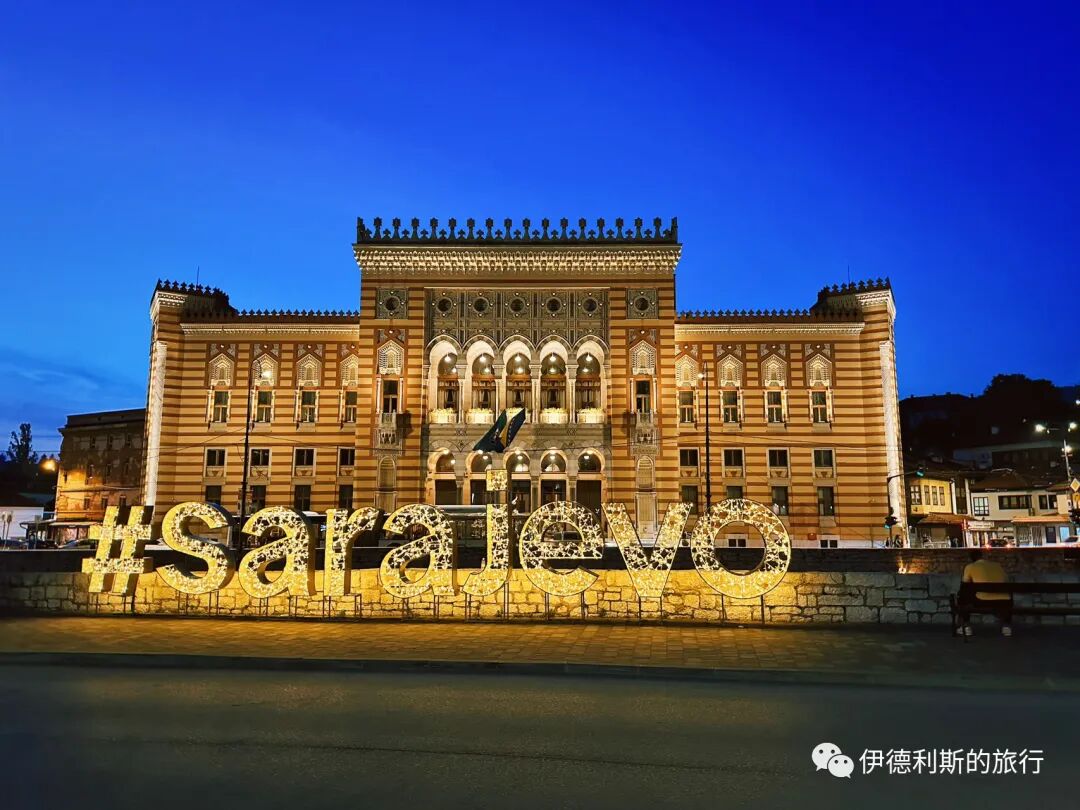
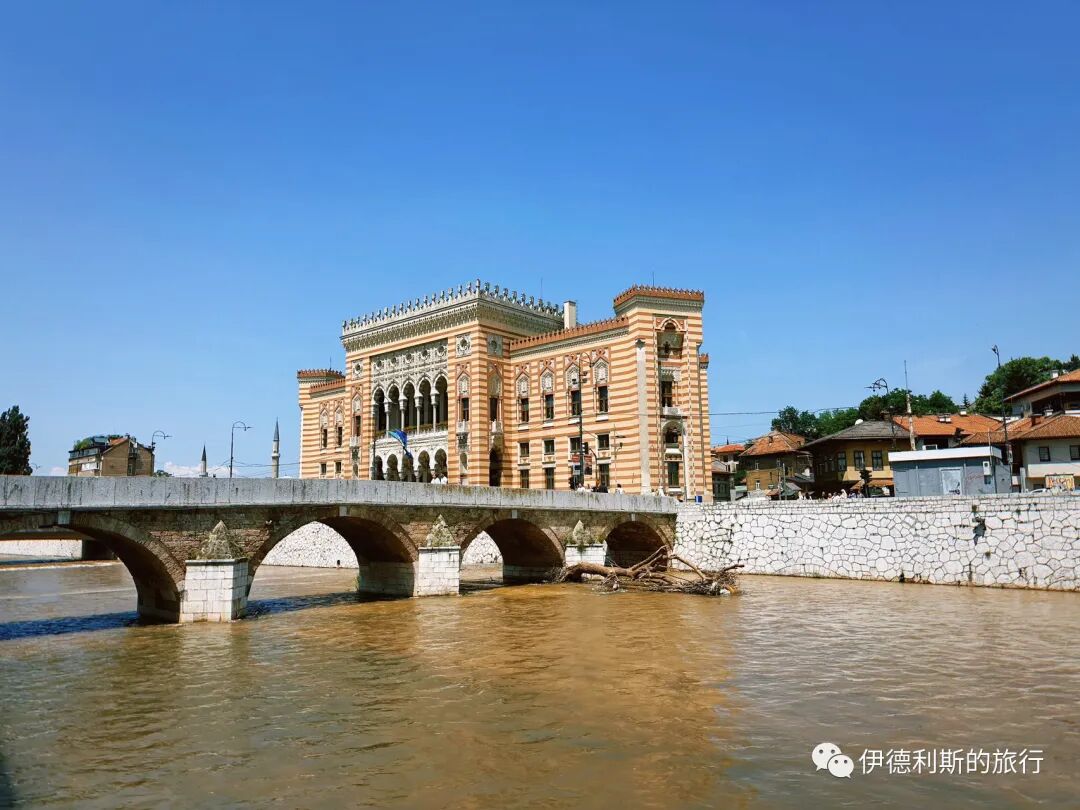
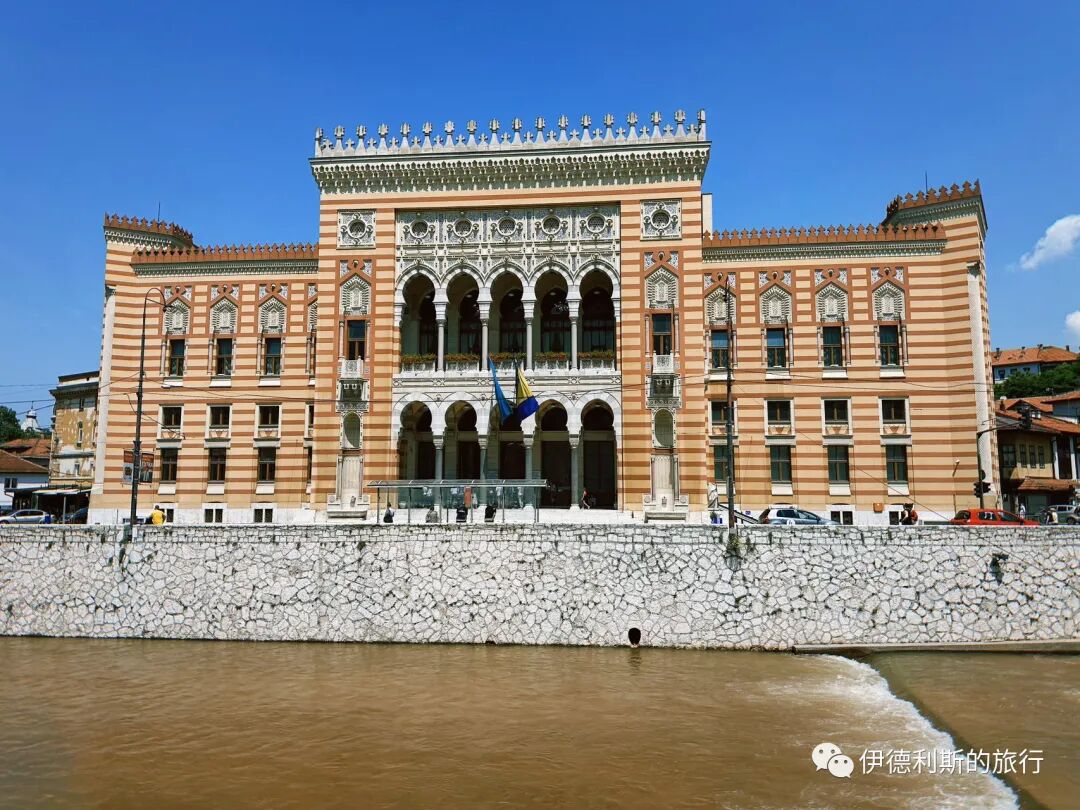
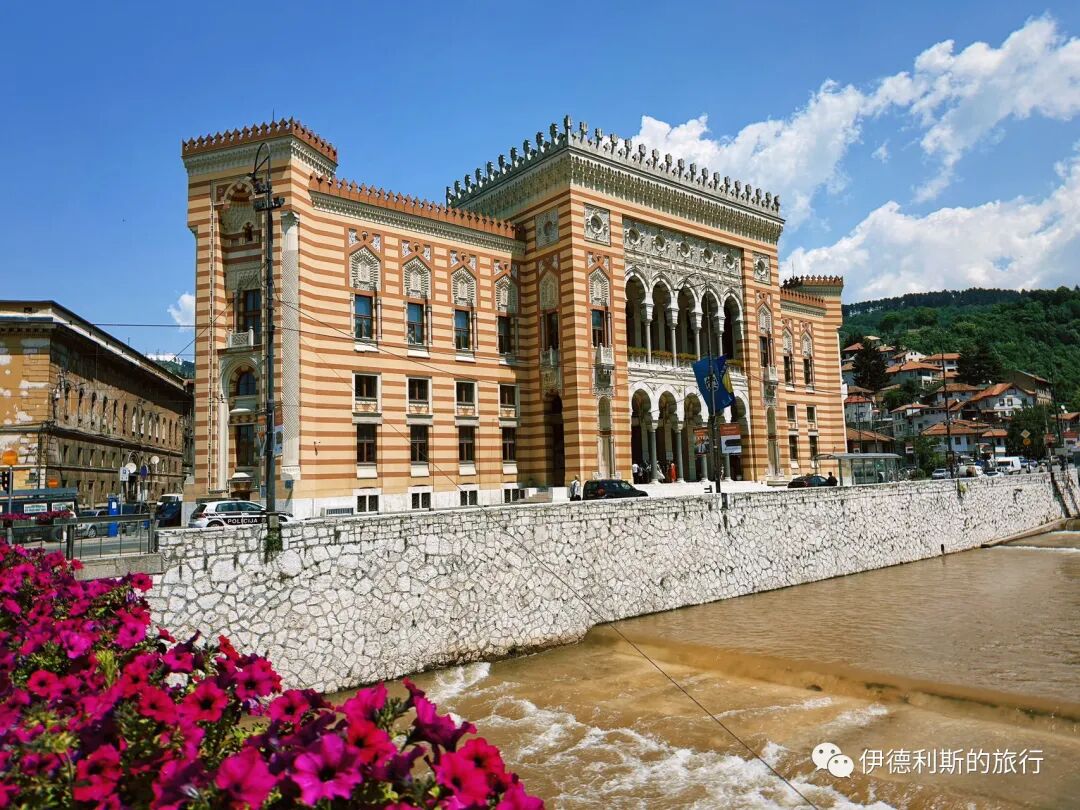
Sarajevo City Hall (Vijećnica) was designed by Czech architect Karel Pařík in 1891 and completed in 1896. It is the most iconic building constructed in Sarajevo during the Austro-Hungarian period.
The building uses the Moorish Revival architectural style, a new style created by European and American architects in the 19th century by drawing inspiration from classic Islamic architecture. After the Austro-Hungarian Empire occupied Bosnia and Herzegovina, they designed a series of buildings with Andalusian, Egyptian, and Syrian-style decorations and arches to promote Bosniak national identity and distinguish them from earlier Ottoman architecture.
After 1949, the Sarajevo City Hall became the National and University Library of Bosnia and Herzegovina. In 1992, during the Bosnian War, it was destroyed by Serbian artillery fire, and a vast number of archives and books were lost. After the war, the site underwent four stages of restoration and was not returned to its pre-war state until 2020.
When Archduke Ferdinand's motorcade drove from the Sarajevo City Hall to the Latin Bridge, the lead car made a wrong turn into an alley. Just as the Archduke's driver realized the mistake and prepared to reverse, an assassin waiting there spotted them. The Archduke was shot and killed, which became the spark for World War I.
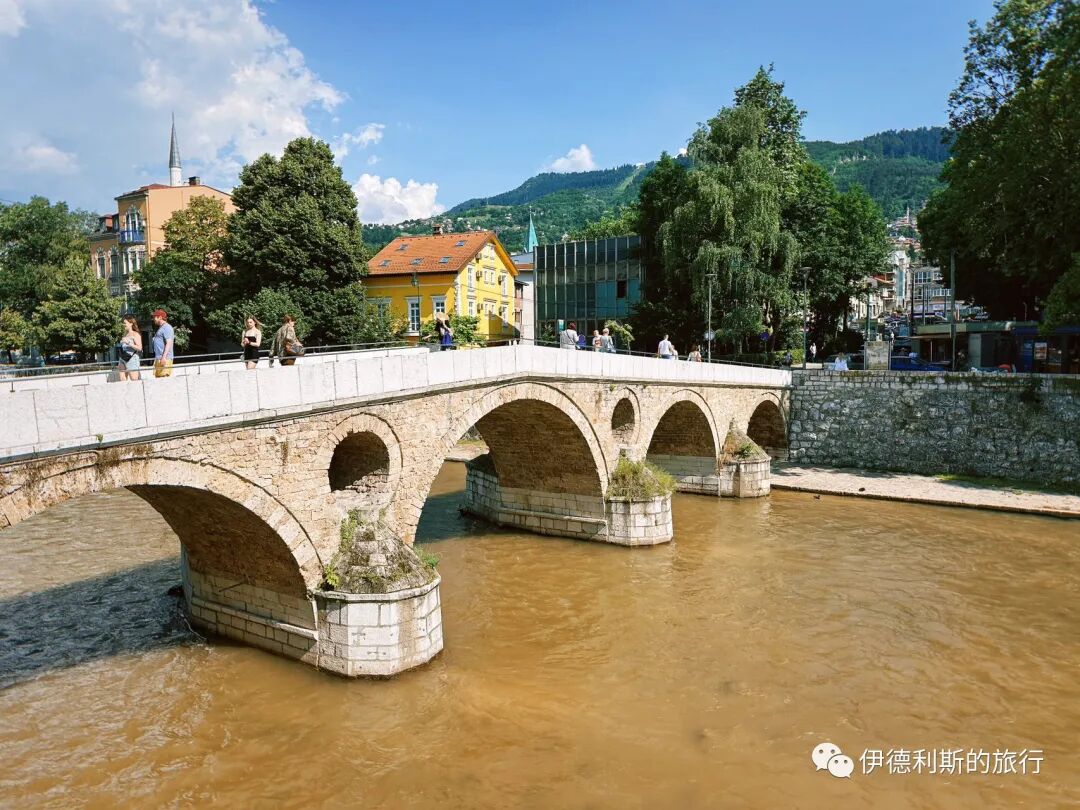
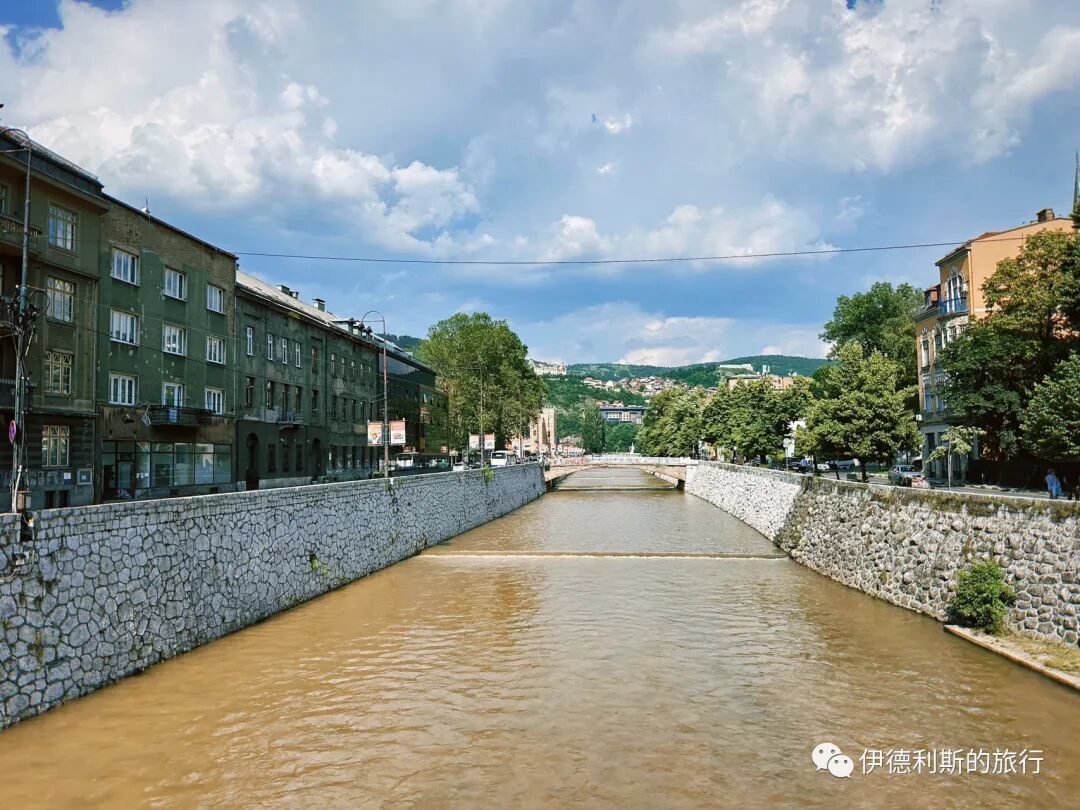
The Latin Bridge (Latinska ćuprija) gets its name because it connected the Latin parish of Sarajevo. This bridge was actually rebuilt in 1798 during the Ottoman era with funding from a Sarajevo Muslim merchant named Abdulah-aga. Today, it has become a popular spot for people to experience history.
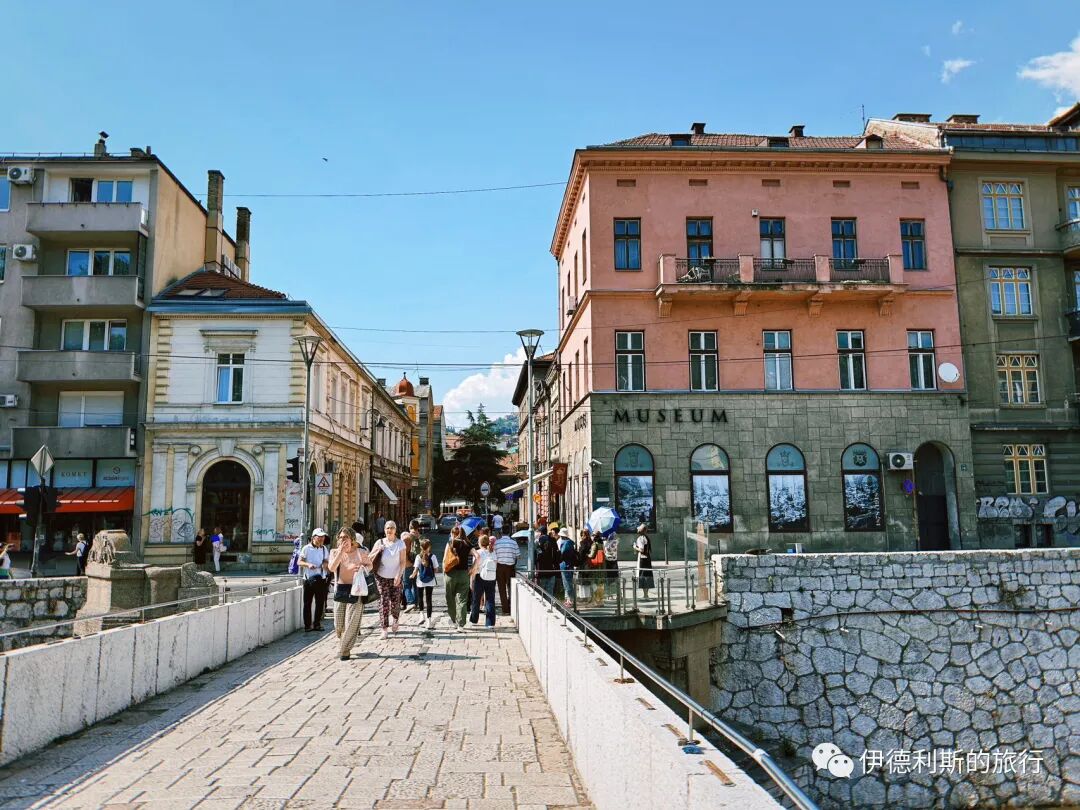
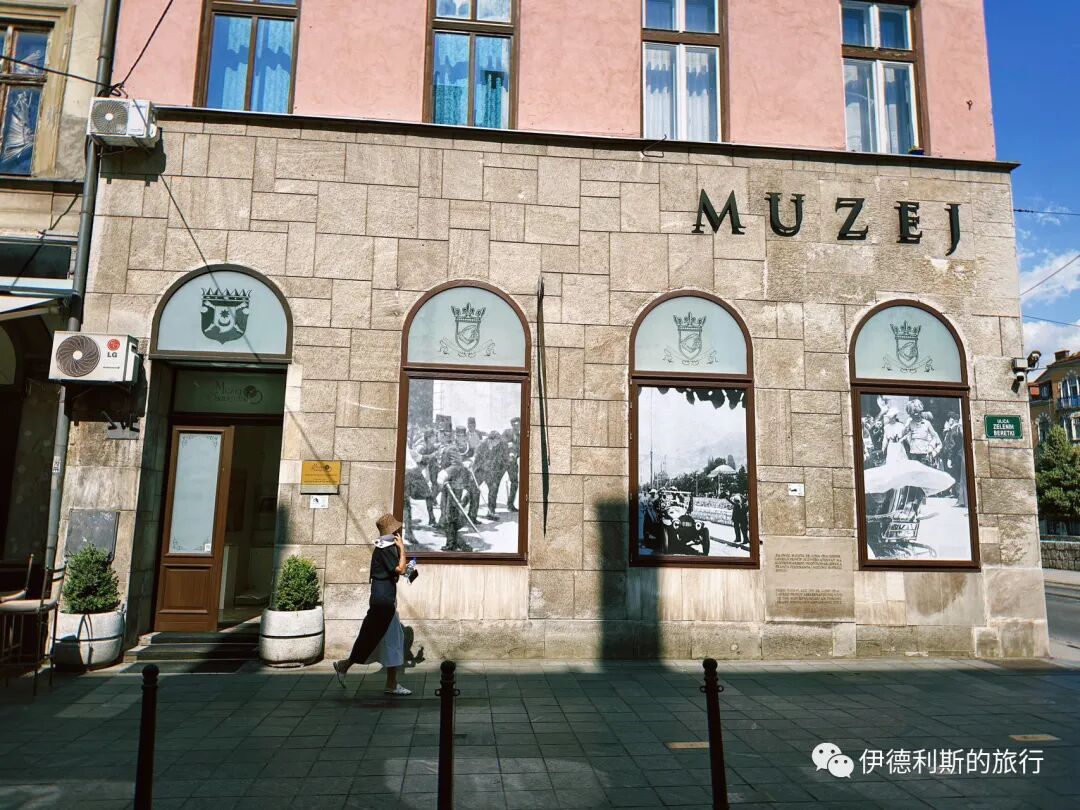
The street corner by the bridge where Archduke Ferdinand was assassinated was originally the site of Schiller's Delicatessen, built in 1908. Today, it is the Sarajevo Museum 1878-1918. Because views on the assassination of Archduke Ferdinand differ greatly between Serbs and Bosniaks, the museum tends to downplay these differences and focuses on the history of Sarajevo during the Austro-Hungarian rule.
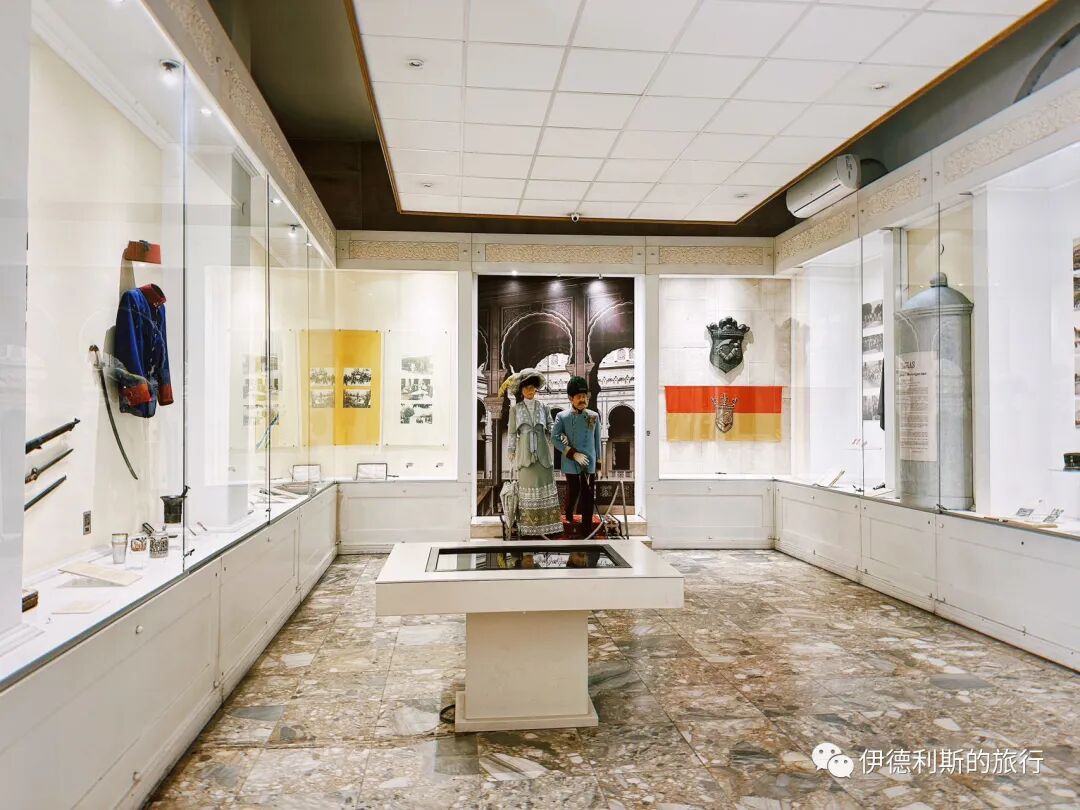
The Bosniak staff member at the ticket office knew we were Muslims and insisted on not charging us for admission. We felt very grateful (dua).

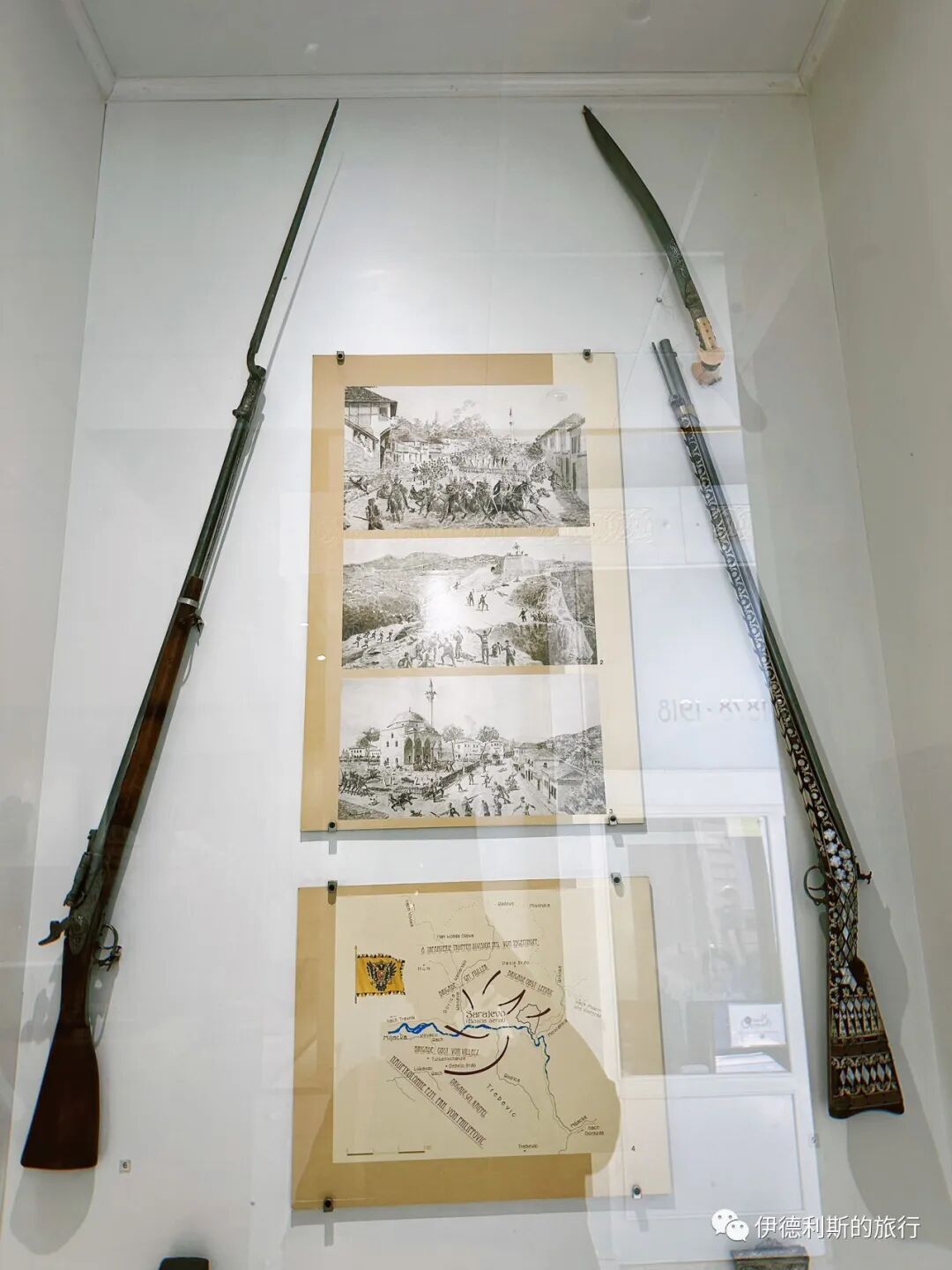
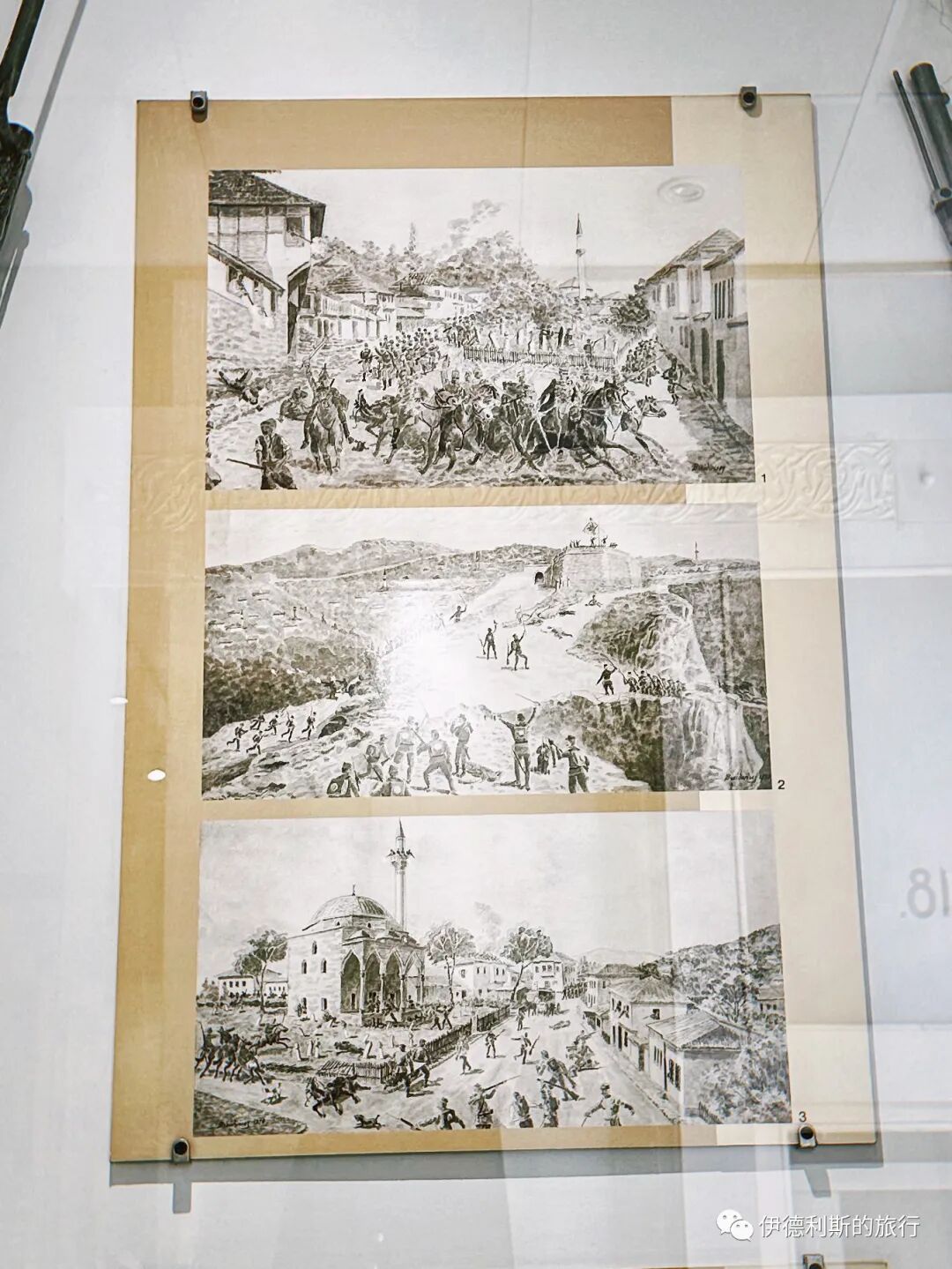
The picture shows equipment used by Austro-Hungarian soldiers and Bosniak soldiers at the end of the 19th century on either side, while the three paintings in the middle depict the scene of the Austro-Hungarian army entering Sarajevo in 1878.
During the Russo-Turkish War of 1877-78, the Ottoman Empire was defeated by a Russian-led coalition. Afterward, the great powers held the Congress of Berlin and agreed to cede Bosnia and Herzegovina to the Austro-Hungarian Empire. The Austro-Hungarian Empire invaded Bosnia and Herzegovina at the end of July 1878. After a series of resistance efforts by Ottoman defenders and local militias, they occupied Sarajevo in October.
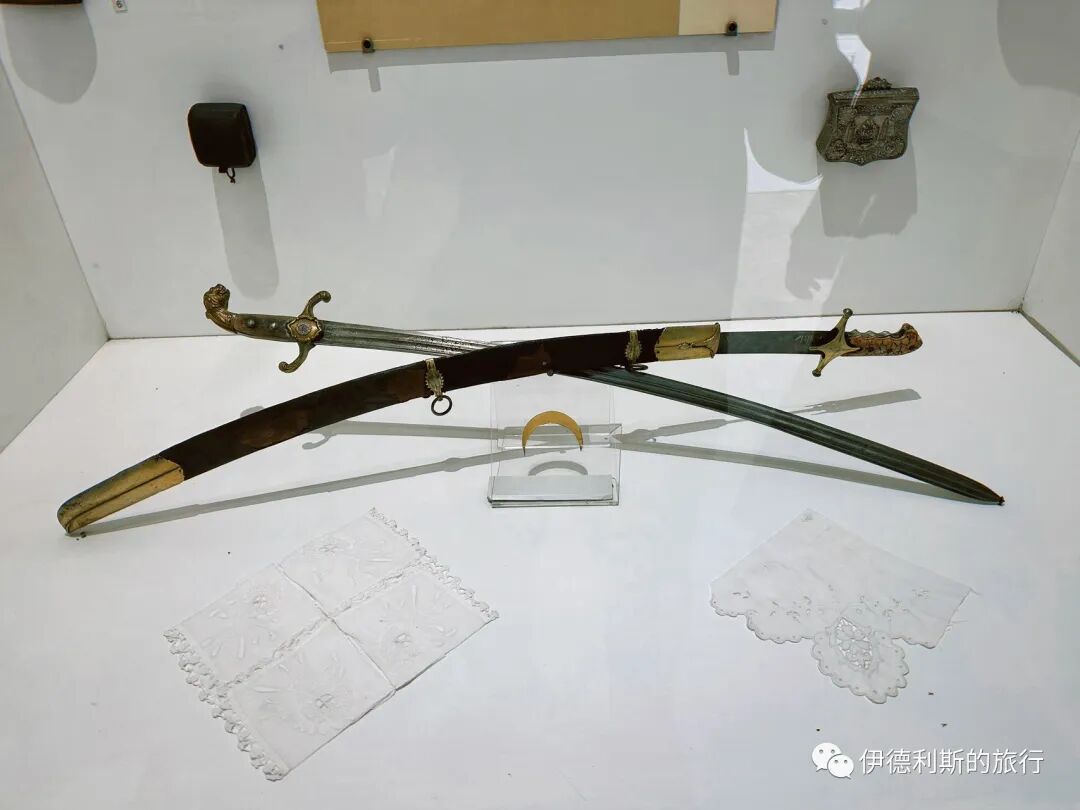
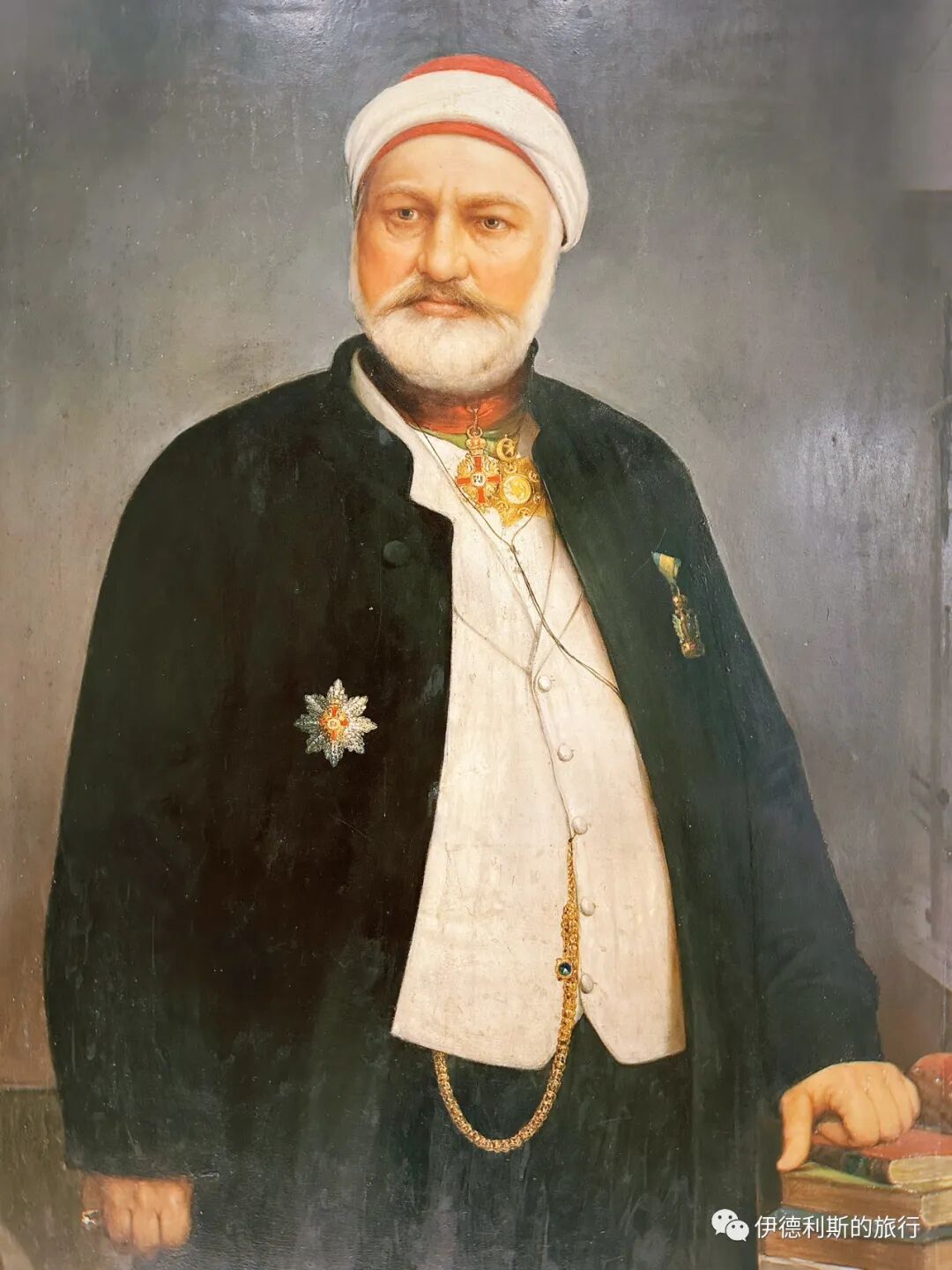
The picture below shows Mustafa Fadilpašić, the first mayor of Sarajevo during the Austro-Hungarian period (in office from 1878 to 1892). His family moved from Turkey to Sarajevo around 1750, and his father was a pasha in Sarajevo during the Ottoman era. Mustafa grew up in Istanbul and did not return to Sarajevo until he was 30, when he married the daughter of the largest landowner in Bosnia and Herzegovina. The Austro-Hungarian Empire occupied Sarajevo in 1878 and immediately appointed Mustafa as mayor. Under his management, the Sarajevo market flourished and municipal facilities began to modernize.
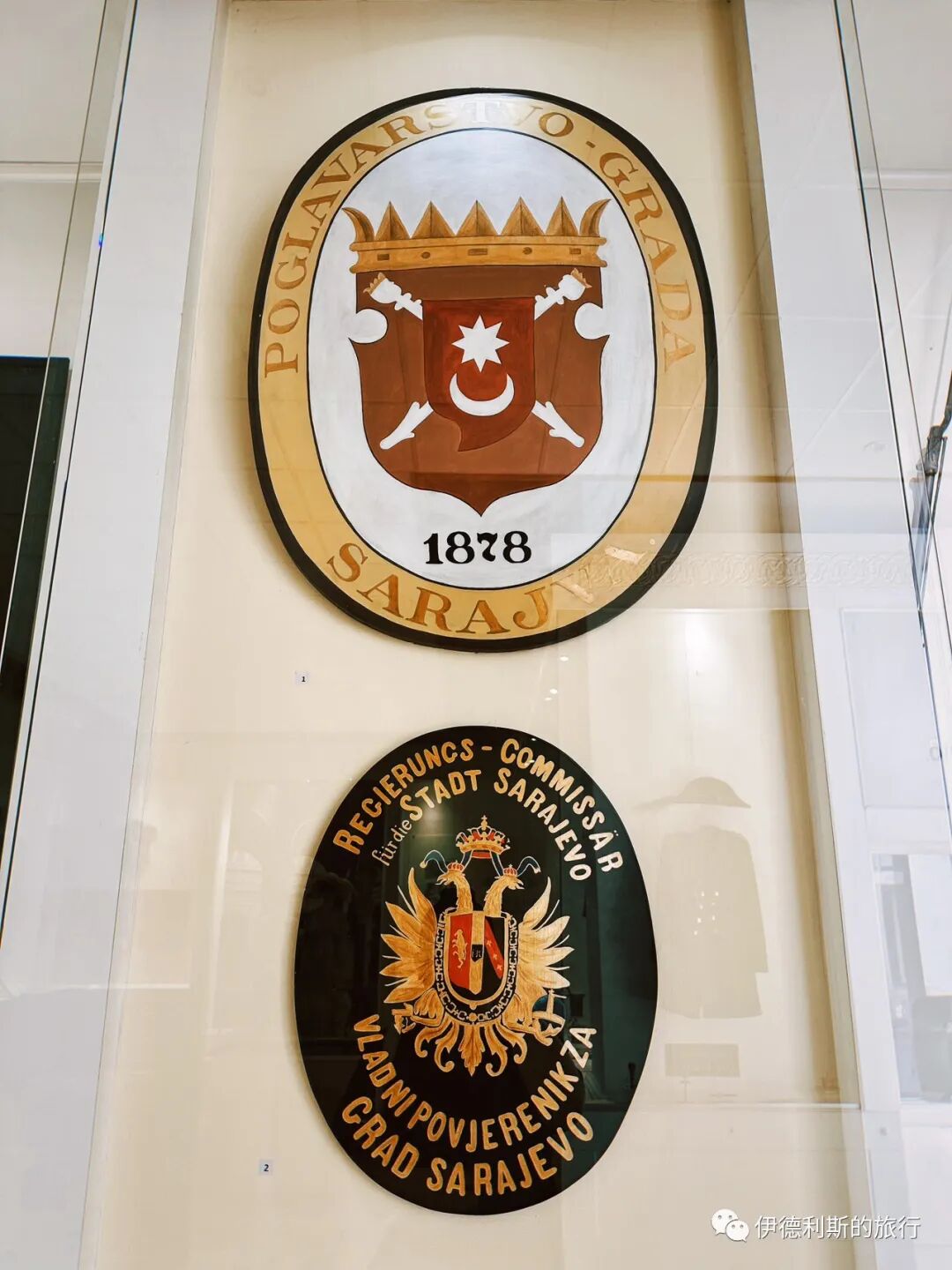
The city emblem of Sarajevo during the Austro-Hungarian period. Because the Austro-Hungarian Empire guaranteed religious freedom in the December Constitution signed in 1867, it did not try to change the religious beliefs of Bosnian Muslims.
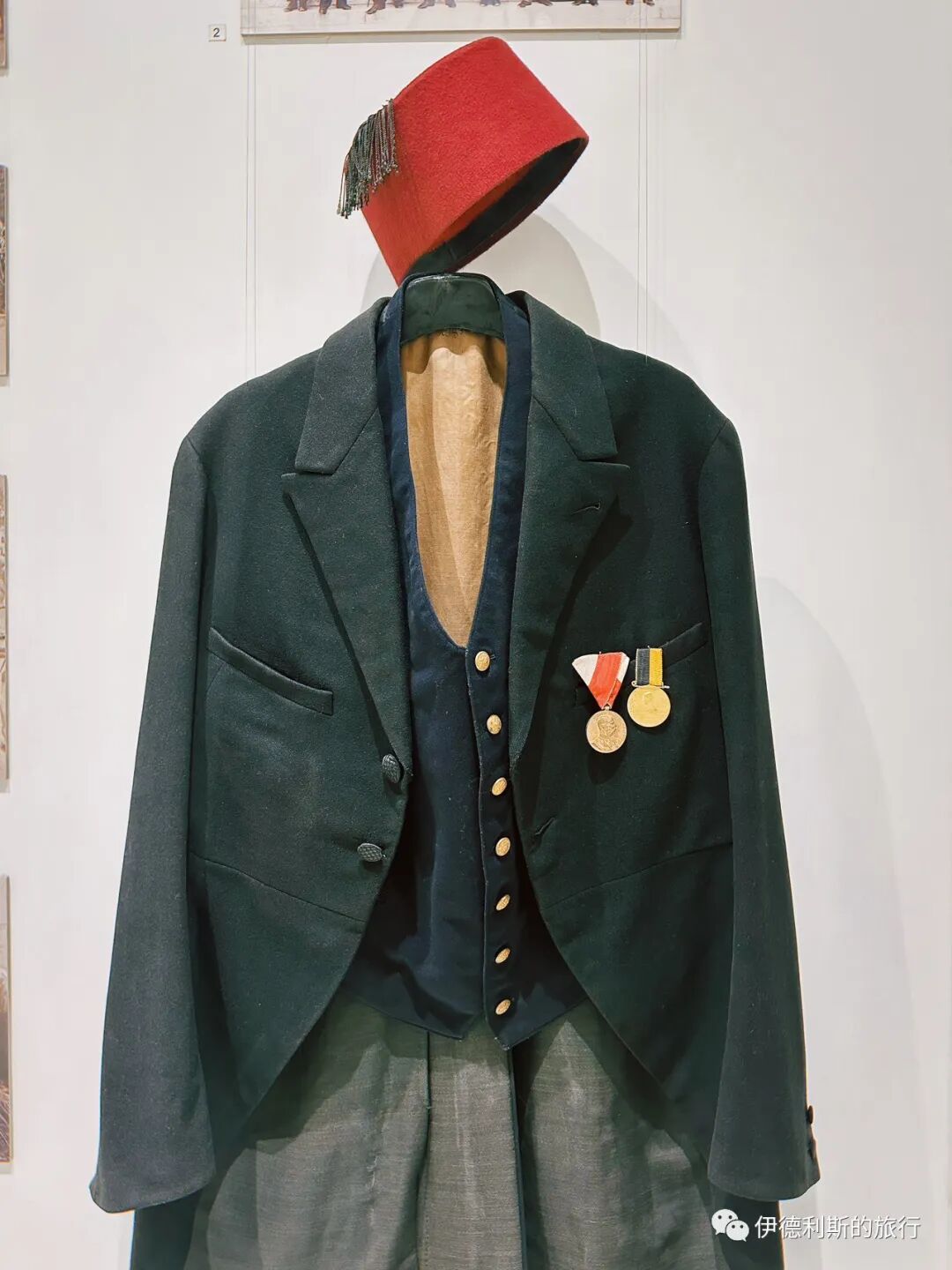
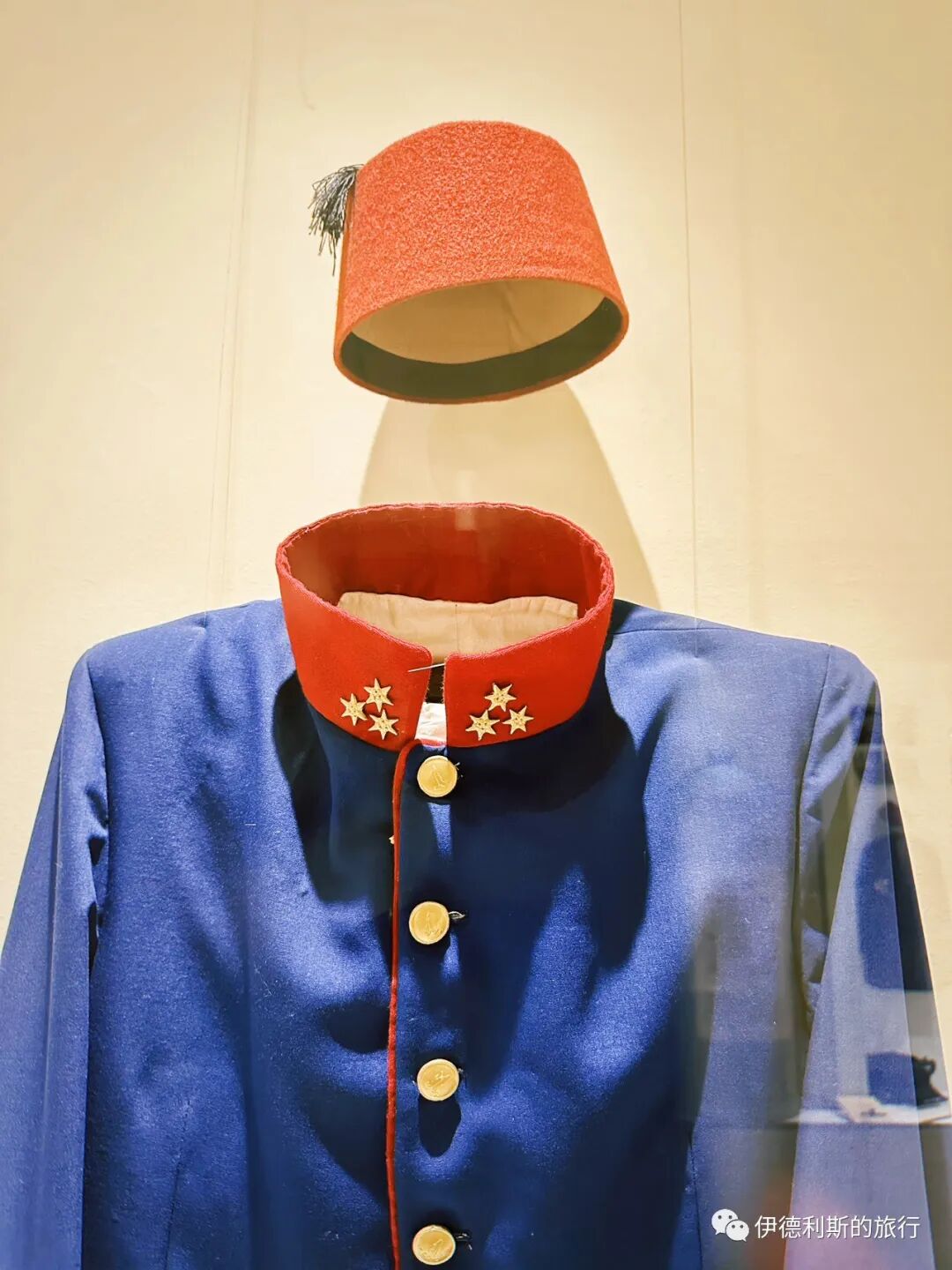
The uniform worn by Sarajevo councilors during the Austro-Hungarian period shows they still used 19th-century Ottoman-style Western clothing paired with a fez hat. In 1829, Ottoman Sultan Mahmud II issued a decree requiring all officials to replace turbans with the fez hat, which remained the official Ottoman headwear for nearly a hundred years. From the 19th century to the early 20th century, wearing a fez hat was popular throughout the Balkan region, though some places added different decorations.
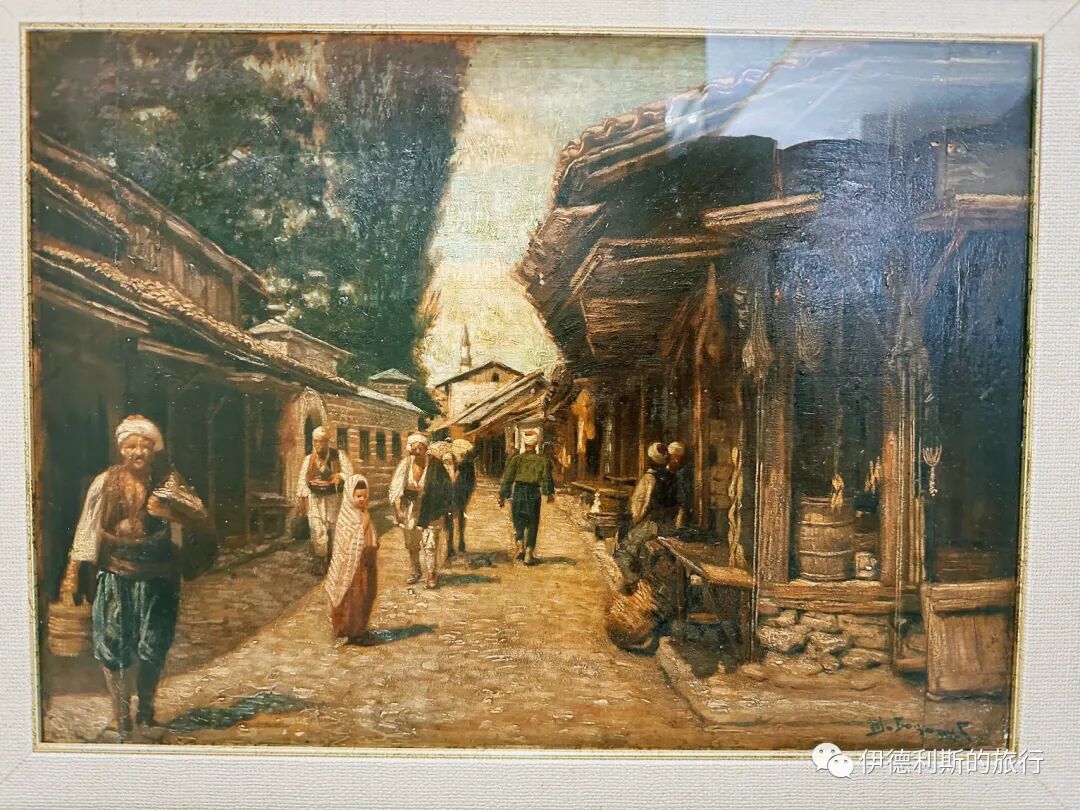
An oil painting of the old city of Sarajevo painted in the early 20th century.
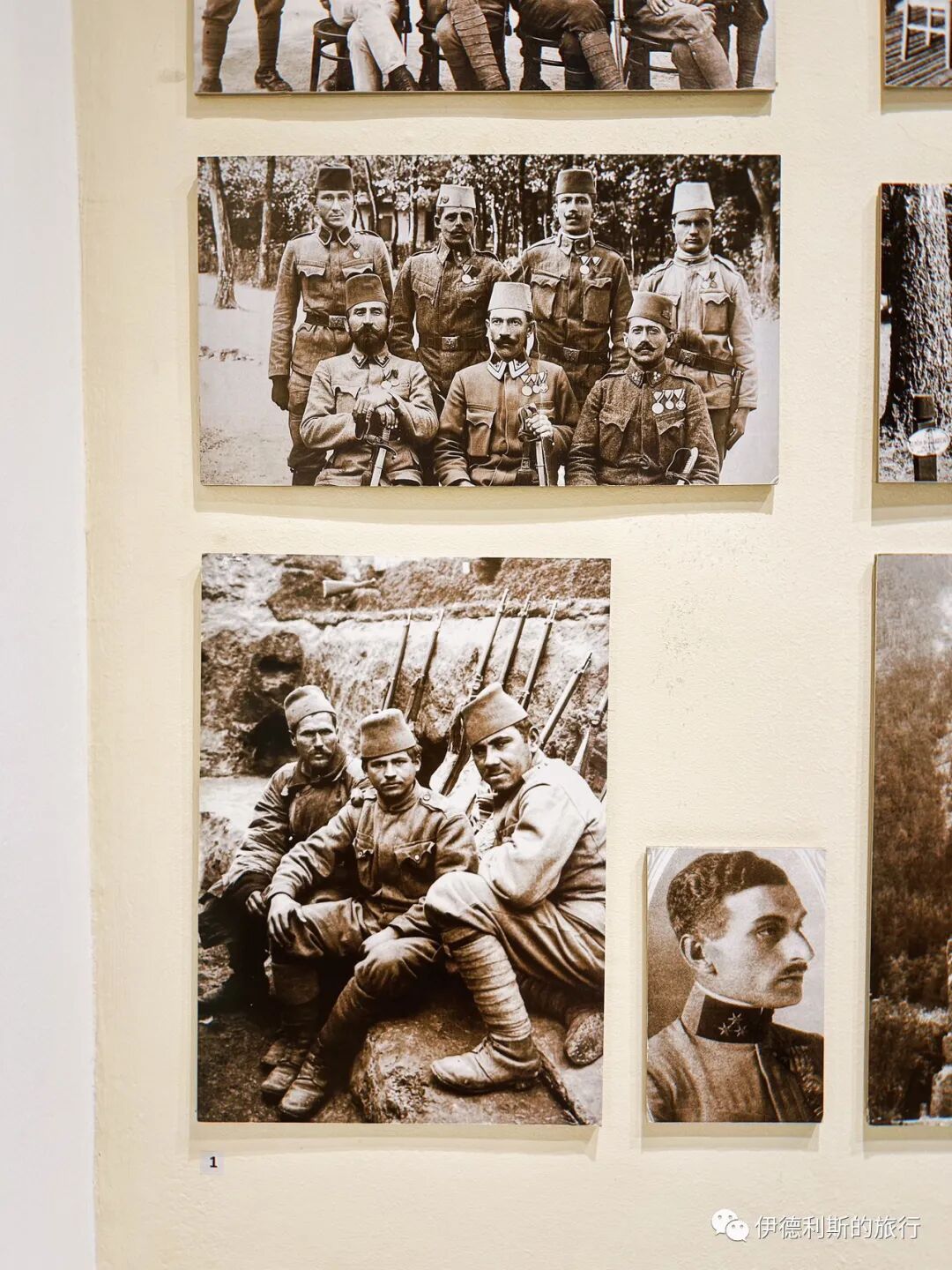
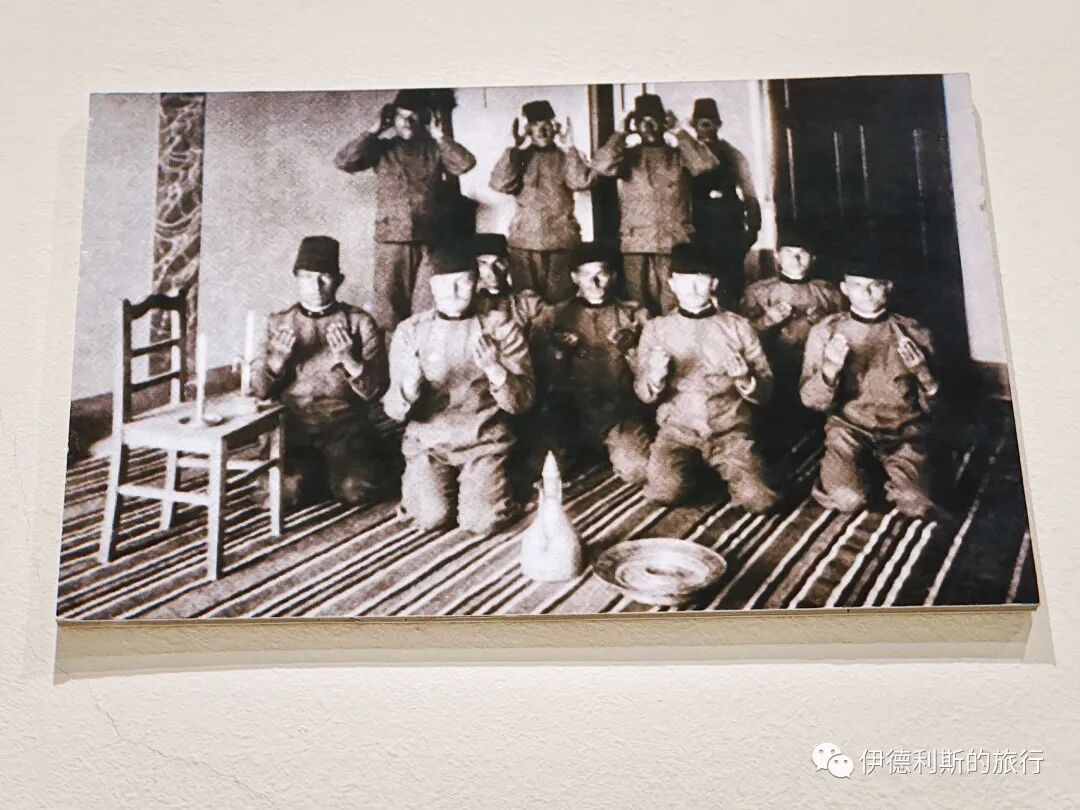
Photos of officer uniforms and soldiers from the First Bosnian-Herzegovinian Infantry Regiment during World War I. The First Bosnian-Herzegovinian Infantry Regiment mainly fought on the Russian front during World War I. Statistics show that more Bosnian soldiers died on the battlefields of World War I than those from any other ethnic group in the Habsburg Empire.
Summary: Sarajevo holds the memory of the event that helped trigger World War I and of the citys years under Austro-Hungarian rule. This article follows the historical sites, streets, and architecture connected to that period while preserving the source facts.
On the morning of June 28, 1914, Archduke Franz Ferdinand of the Austro-Hungarian Empire and his wife attended a reception at the Sarajevo City Hall, then set off to visit the wounded from a recent explosion at the hospital.
Sarajevo City Hall (Vijećnica) was designed by Czech architect Karel Pařík in 1891 and completed in 1896. It is the most iconic building constructed in Sarajevo during the Austro-Hungarian period.
The building uses the Moorish Revival architectural style, a new style created by European and American architects in the 19th century by drawing inspiration from classic Islamic architecture. After the Austro-Hungarian Empire occupied Bosnia and Herzegovina, they designed a series of buildings with Andalusian, Egyptian, and Syrian-style decorations and arches to promote Bosniak national identity and distinguish them from earlier Ottoman architecture.
After 1949, the Sarajevo City Hall became the National and University Library of Bosnia and Herzegovina. In 1992, during the Bosnian War, it was destroyed by Serbian artillery fire, and a vast number of archives and books were lost. After the war, the site underwent four stages of restoration and was not returned to its pre-war state until 2020.
When Archduke Ferdinand's motorcade drove from the Sarajevo City Hall to the Latin Bridge, the lead car made a wrong turn into an alley. Just as the Archduke's driver realized the mistake and prepared to reverse, an assassin waiting there spotted them. The Archduke was shot and killed, which became the spark for World War I.
The Latin Bridge (Latinska ćuprija) gets its name because it connected the Latin parish of Sarajevo. This bridge was actually rebuilt in 1798 during the Ottoman era with funding from a Sarajevo Muslim merchant named Abdulah-aga. Today, it has become a popular spot for people to experience history.
The street corner by the bridge where Archduke Ferdinand was assassinated was originally the site of Schiller's Delicatessen, built in 1908. Today, it is the Sarajevo Museum 1878-1918. Because views on the assassination of Archduke Ferdinand differ greatly between Serbs and Bosniaks, the museum tends to downplay these differences and focuses on the history of Sarajevo during the Austro-Hungarian rule.
The Bosniak staff member at the ticket office knew we were Muslims and insisted on not charging us for admission. We felt very grateful (dua).
The picture shows equipment used by Austro-Hungarian soldiers and Bosniak soldiers at the end of the 19th century on either side, while the three paintings in the middle depict the scene of the Austro-Hungarian army entering Sarajevo in 1878.
During the Russo-Turkish War of 1877-78, the Ottoman Empire was defeated by a Russian-led coalition. Afterward, the great powers held the Congress of Berlin and agreed to cede Bosnia and Herzegovina to the Austro-Hungarian Empire. The Austro-Hungarian Empire invaded Bosnia and Herzegovina at the end of July 1878. After a series of resistance efforts by Ottoman defenders and local militias, they occupied Sarajevo in October.
The picture below shows Mustafa Fadilpašić, the first mayor of Sarajevo during the Austro-Hungarian period (in office from 1878 to 1892). His family moved from Turkey to Sarajevo around 1750, and his father was a pasha in Sarajevo during the Ottoman era. Mustafa grew up in Istanbul and did not return to Sarajevo until he was 30, when he married the daughter of the largest landowner in Bosnia and Herzegovina. The Austro-Hungarian Empire occupied Sarajevo in 1878 and immediately appointed Mustafa as mayor. Under his management, the Sarajevo market flourished and municipal facilities began to modernize.
The city emblem of Sarajevo during the Austro-Hungarian period. Because the Austro-Hungarian Empire guaranteed religious freedom in the December Constitution signed in 1867, it did not try to change the religious beliefs of Bosnian Muslims.
The uniform worn by Sarajevo councilors during the Austro-Hungarian period shows they still used 19th-century Ottoman-style Western clothing paired with a fez hat. In 1829, Ottoman Sultan Mahmud II issued a decree requiring all officials to replace turbans with the fez hat, which remained the official Ottoman headwear for nearly a hundred years. From the 19th century to the early 20th century, wearing a fez hat was popular throughout the Balkan region, though some places added different decorations.
An oil painting of the old city of Sarajevo painted in the early 20th century.
Photos of officer uniforms and soldiers from the First Bosnian-Herzegovinian Infantry Regiment during World War I. The First Bosnian-Herzegovinian Infantry Regiment mainly fought on the Russian front during World War I. Statistics show that more Bosnian soldiers died on the battlefields of World War I than those from any other ethnic group in the Habsburg Empire.
