
Halal Travel Guide: Sarajevo — Bosnian War Memorials and Muslim History
Reposted from the web
Summary: Sarajevo carries visible memories of the Bosnian War through memorials, cemeteries, streets, and sites of loss. This account records those places in a restrained travel voice while preserving the original details and image sequence.
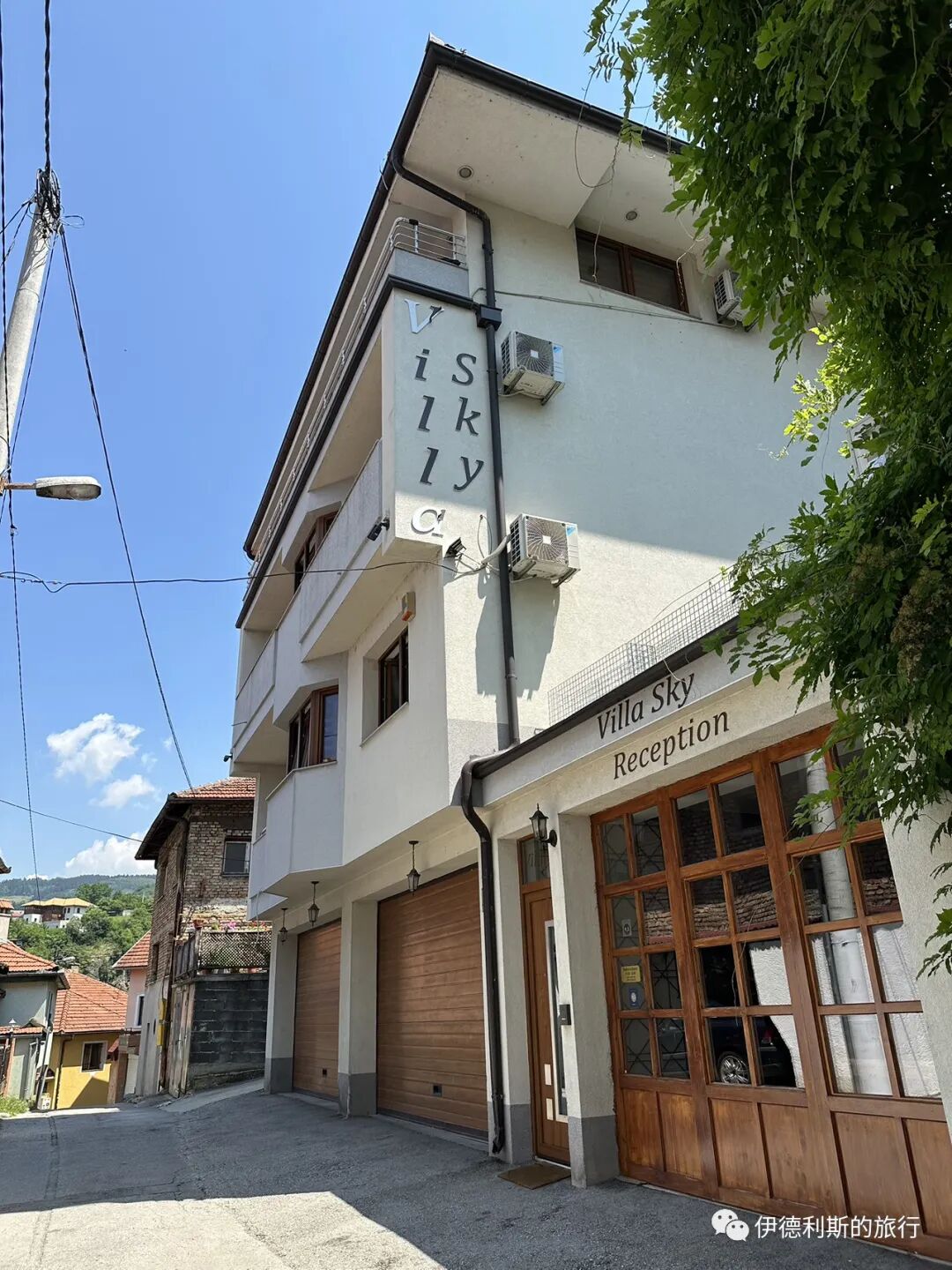
It takes just over an hour to fly from the Asian side airport in Istanbul to Sarajevo. Sarajevo Airport is very small and does not have many daily flights. If you are among the first to get off the plane, you can go through customs without waiting in line, as there is no visa required. We booked a hotel called Villa Sky in the old town of Sarajevo on Agoda and arranged for the owner, Faris, to pick us up at the airport.
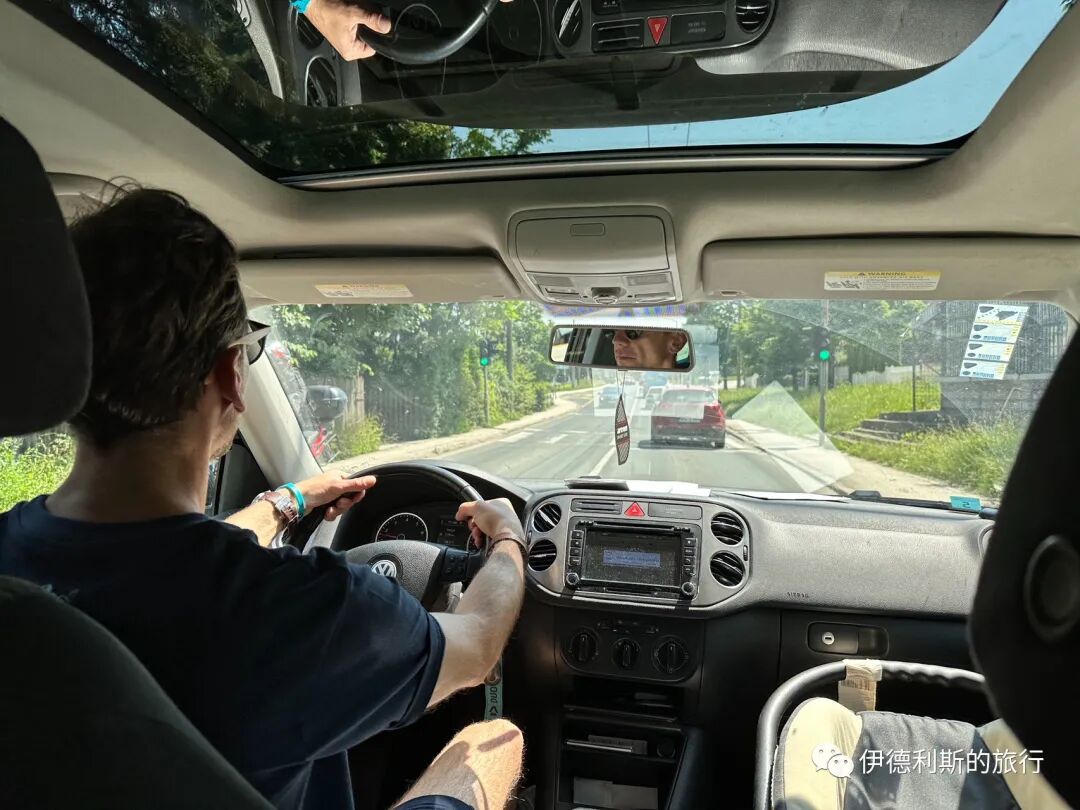
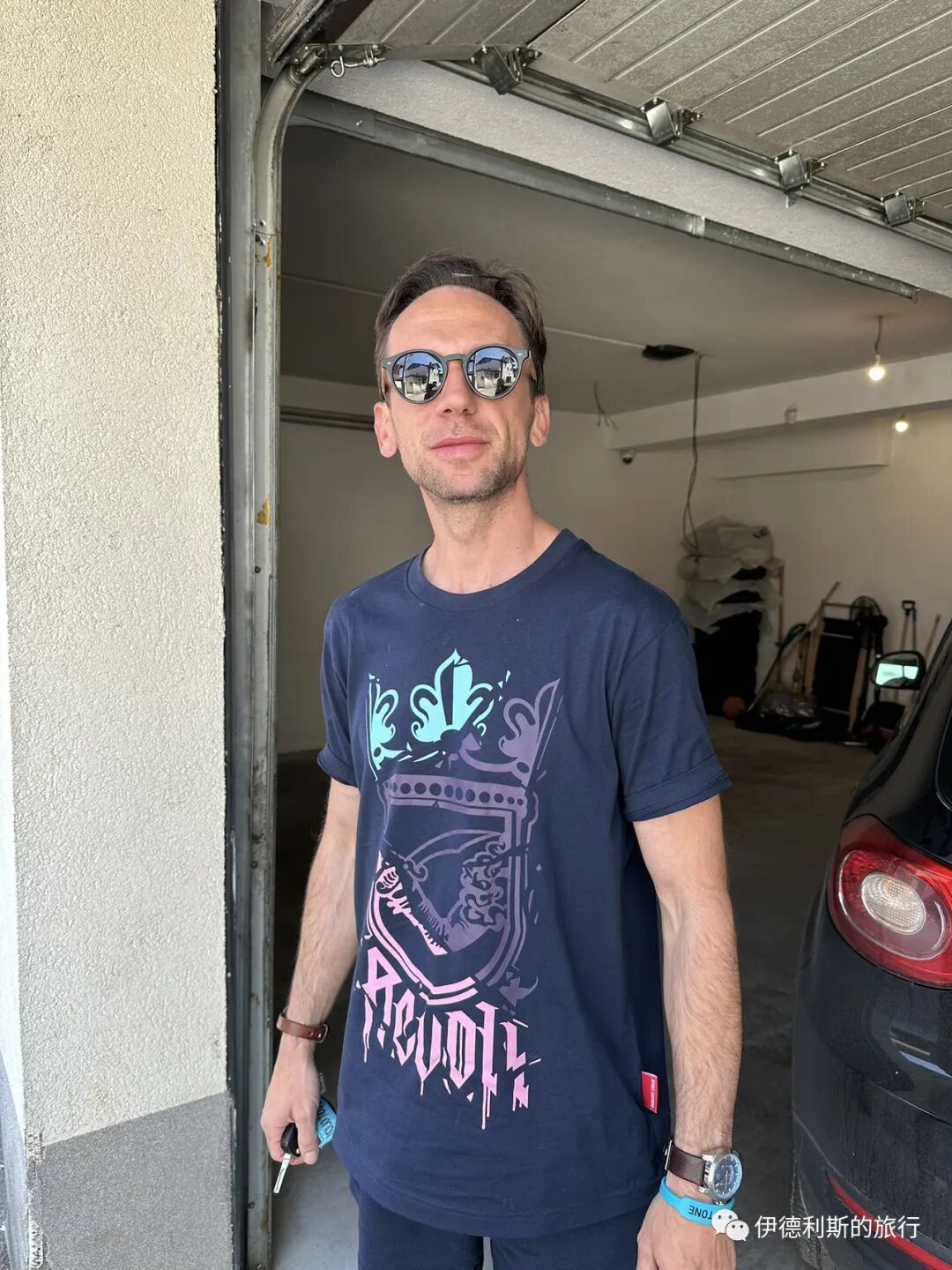
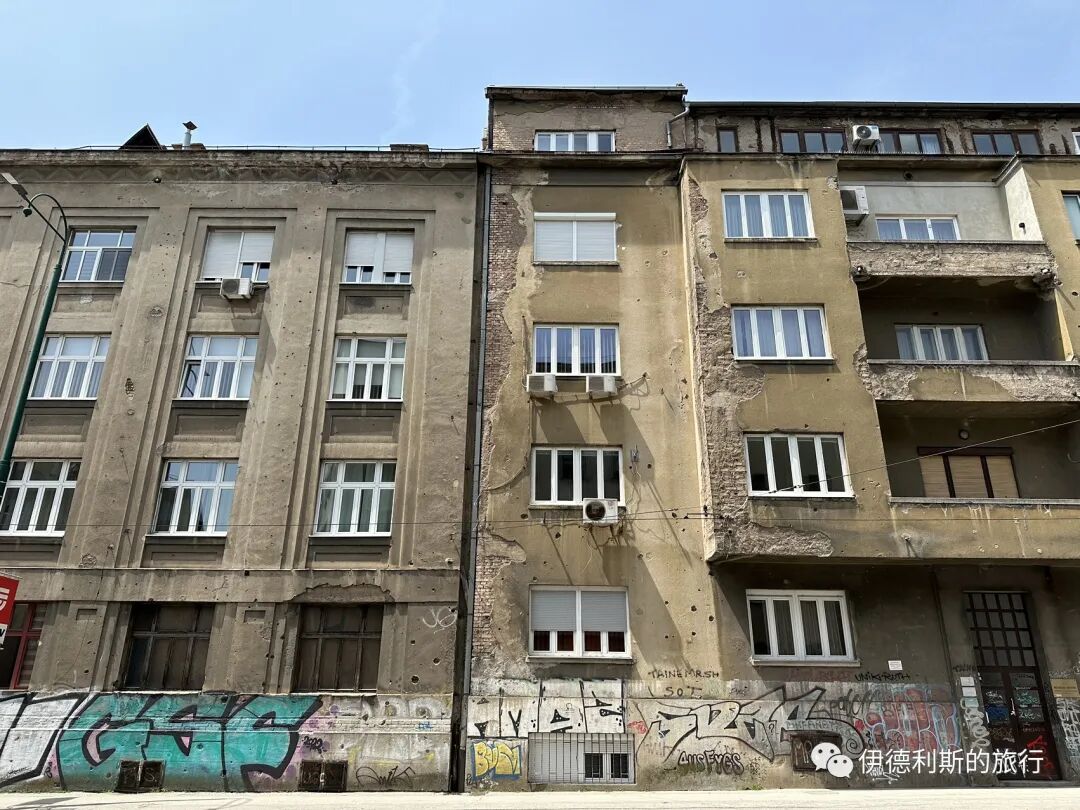
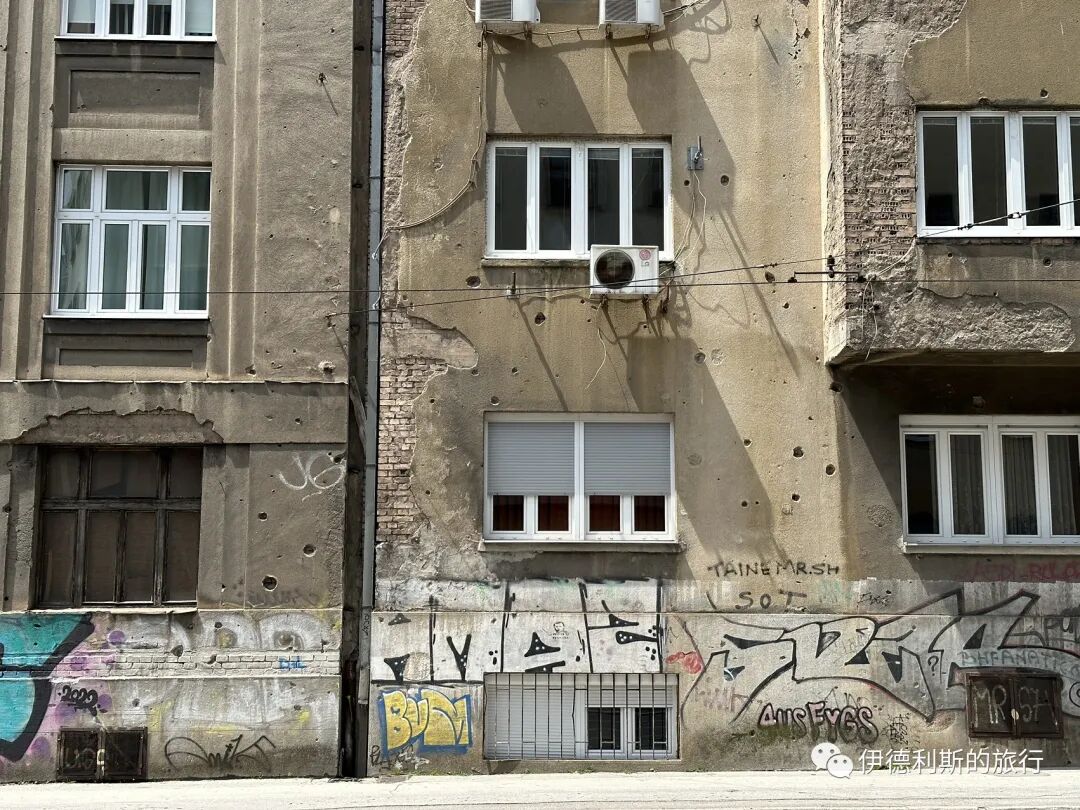
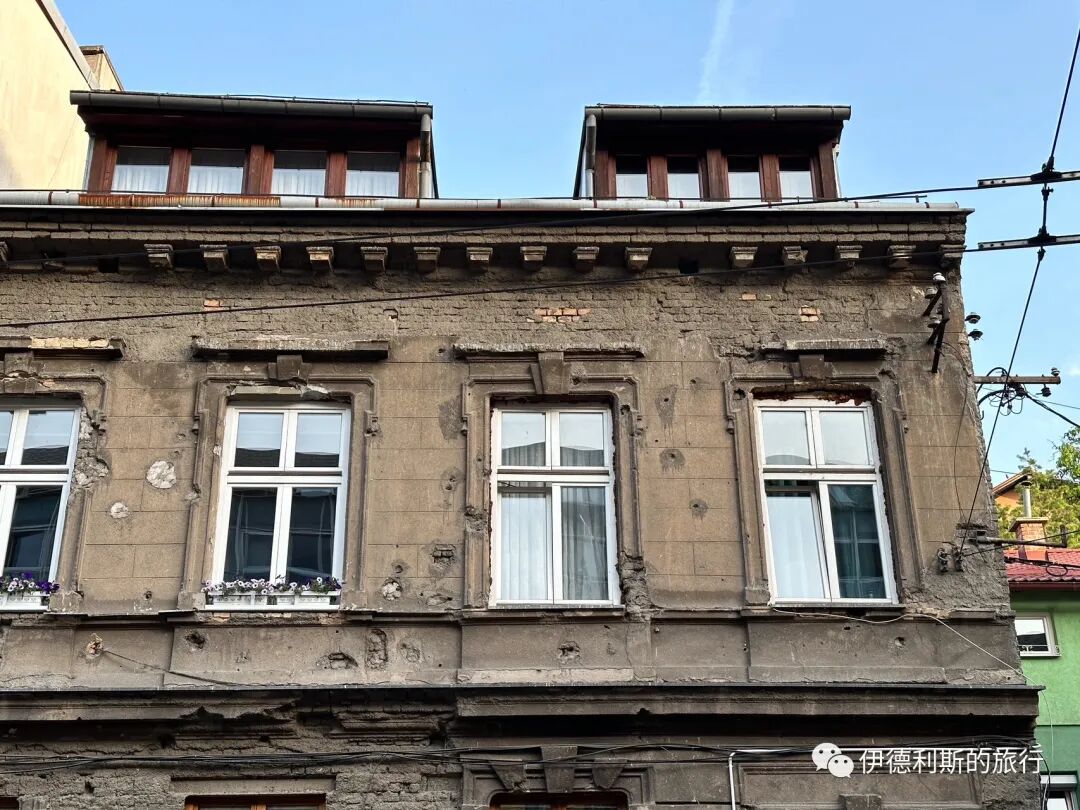
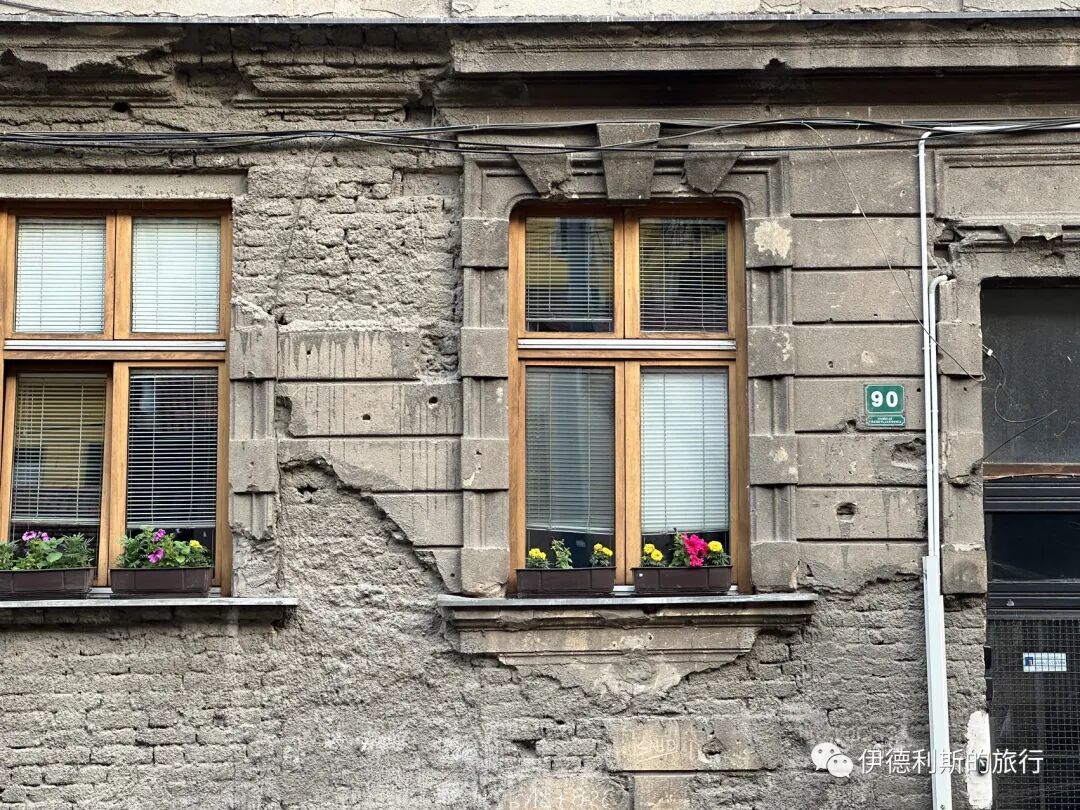
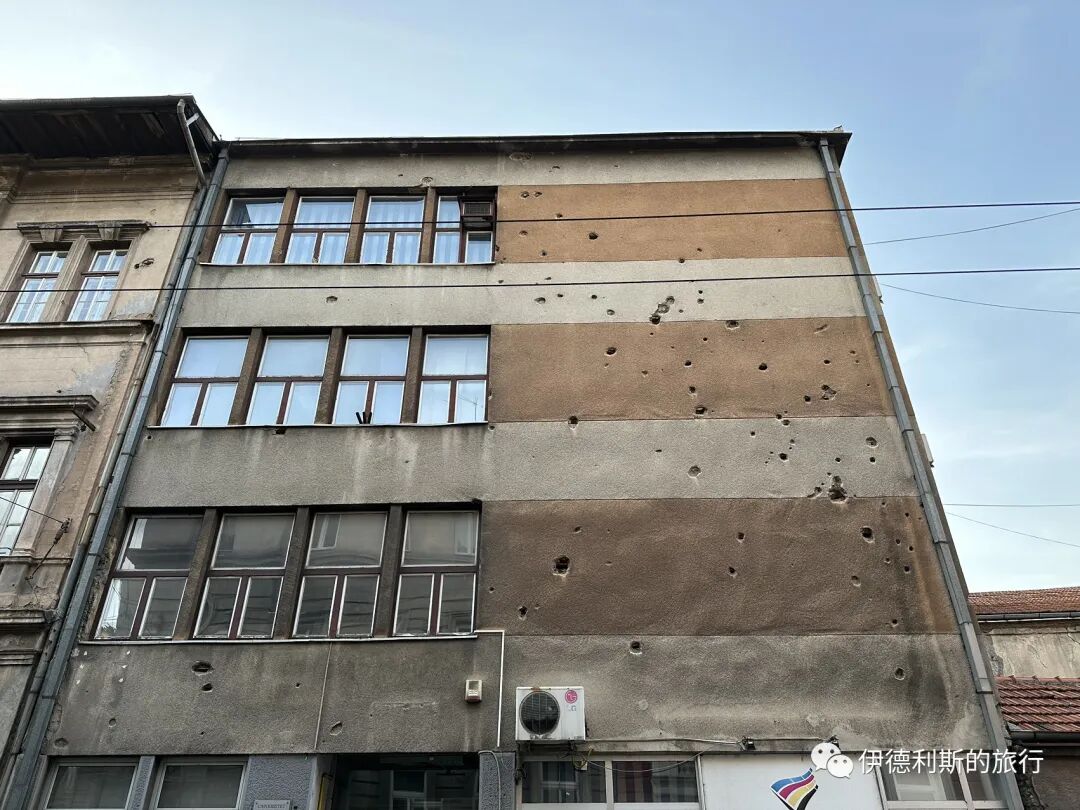
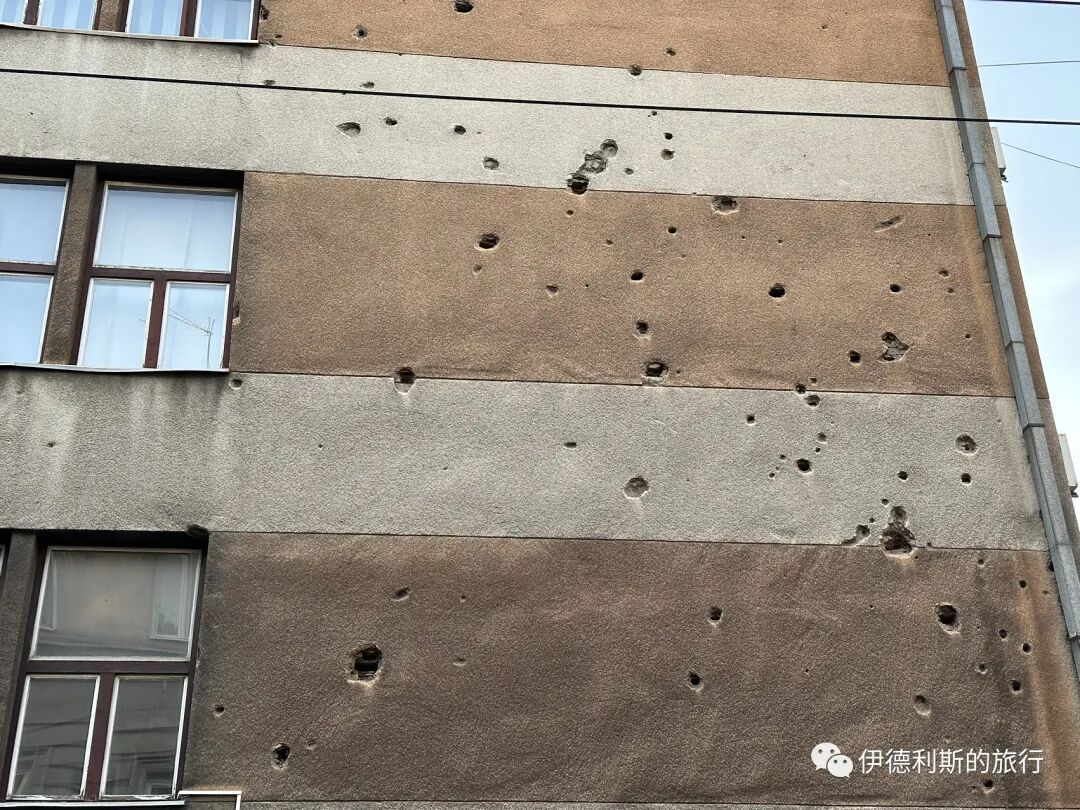
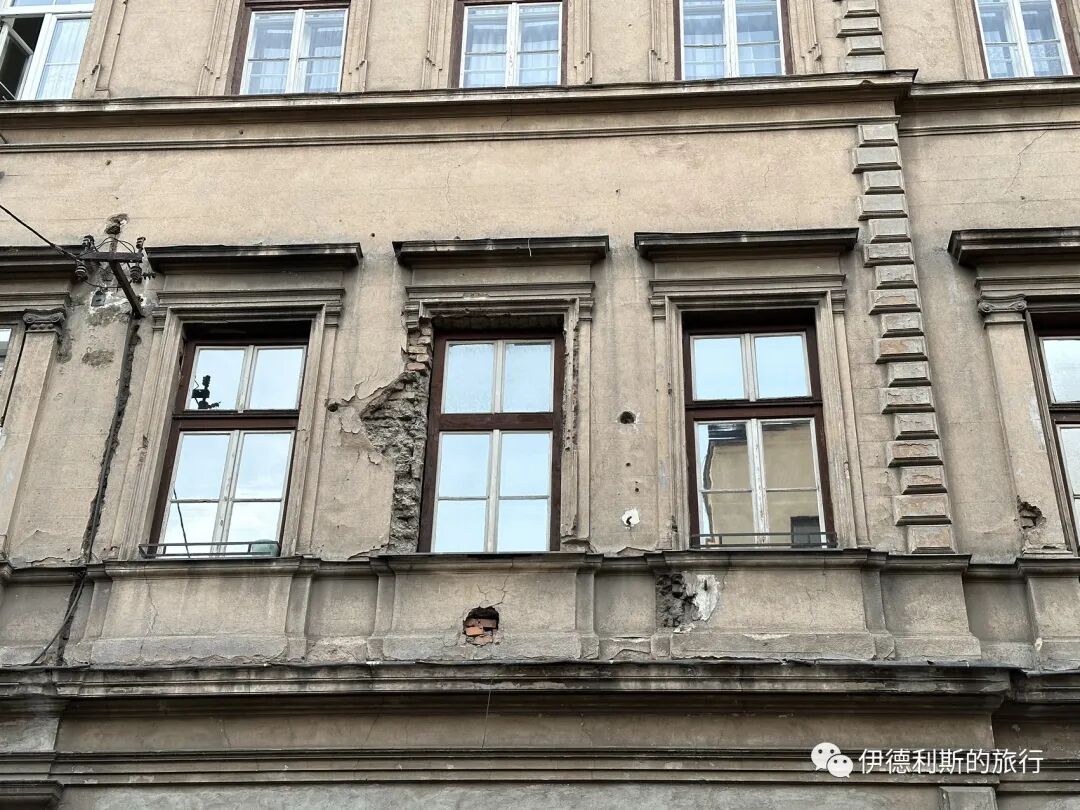
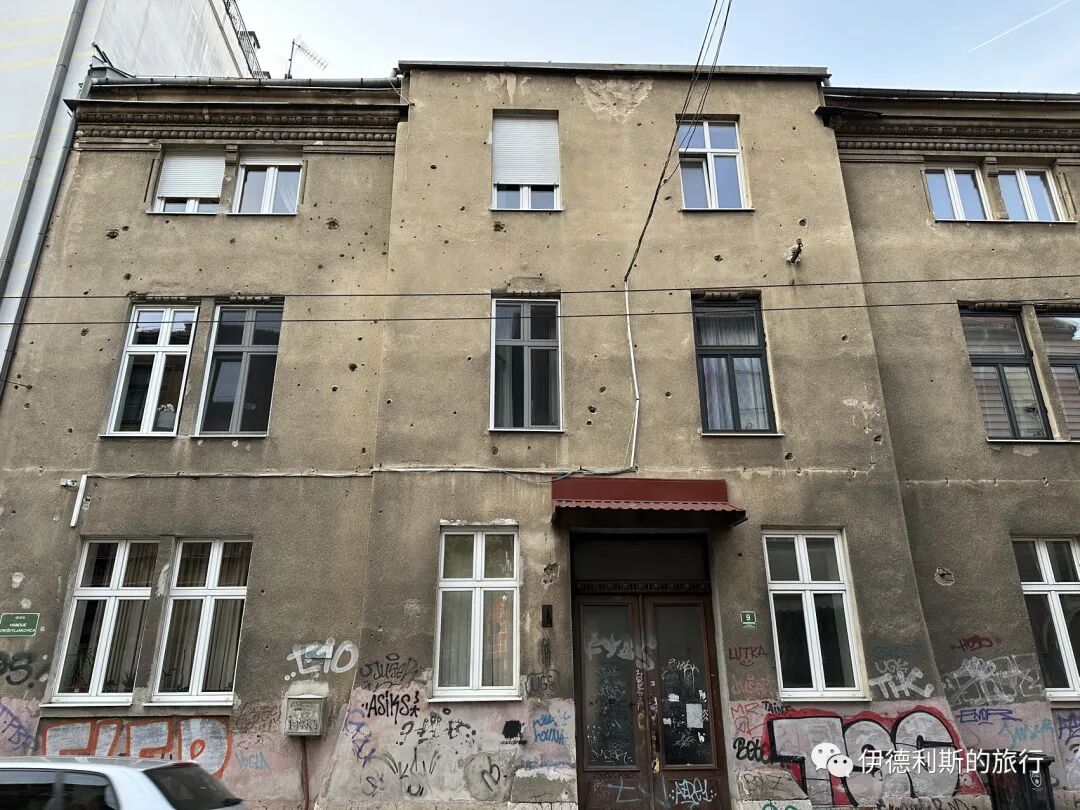
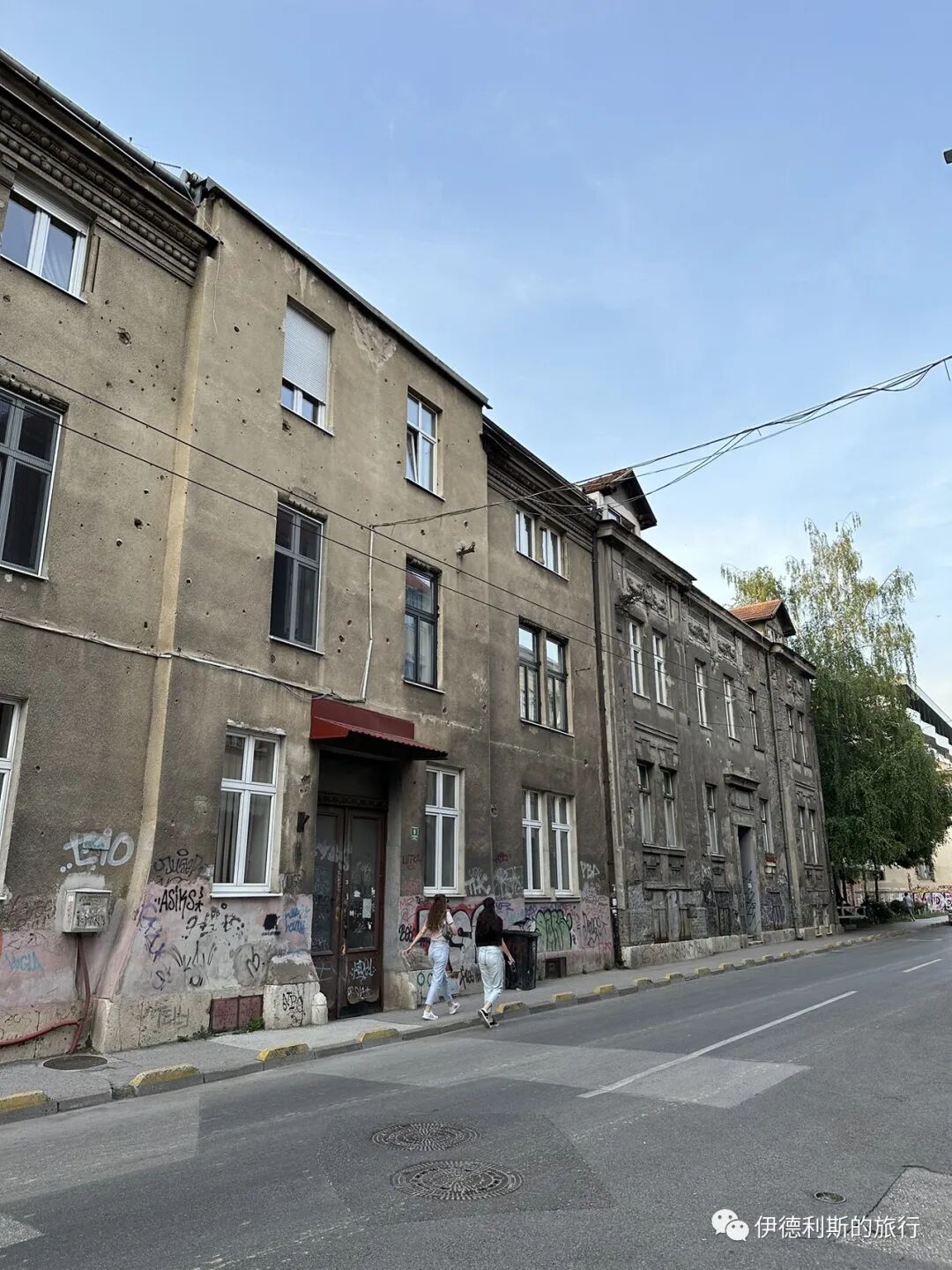
Faris is a local Bosnian, and he speaks fluent English. On the way into the city, he gave us an overview of Sarajevo and pointed out bullet holes left on buildings from the Bosnian War. Later, while walking around the streets of Sarajevo, we found other buildings that still have bullet hole marks. These bullet holes vary in size, and some are very dense. It is easy to imagine the cruelty of the war that happened 20 years ago.
The Siege of Sarajevo lasted nearly four years, from April 5, 1992, to February 29, 1996. During this time, 13,952 people were killed, including 5,434 civilians. The siege reached its peak between the second half of 1992 and the first half of 1993. Bosnian homes were looted and burned, and residents were beaten and sent to prisons and concentration camps, where many were killed. The Serbian army outside the city kept shelling Sarajevo, while Serbian forces inside the city used sniper rifles and grenades to attack people on major streets.
On February 5, 1994, Serbian forces fired a mortar into the Markale market in Sarajevo, killing 67 civilians. This is known as the Markale massacre. On August 28, 1995, the market was shelled again by Serbian forces, killing 37 people. This event led NATO to launch large-scale bombings against Serbia, which eventually brought the war to an end.
Martyr memorial wall (Shehid memorial wall)
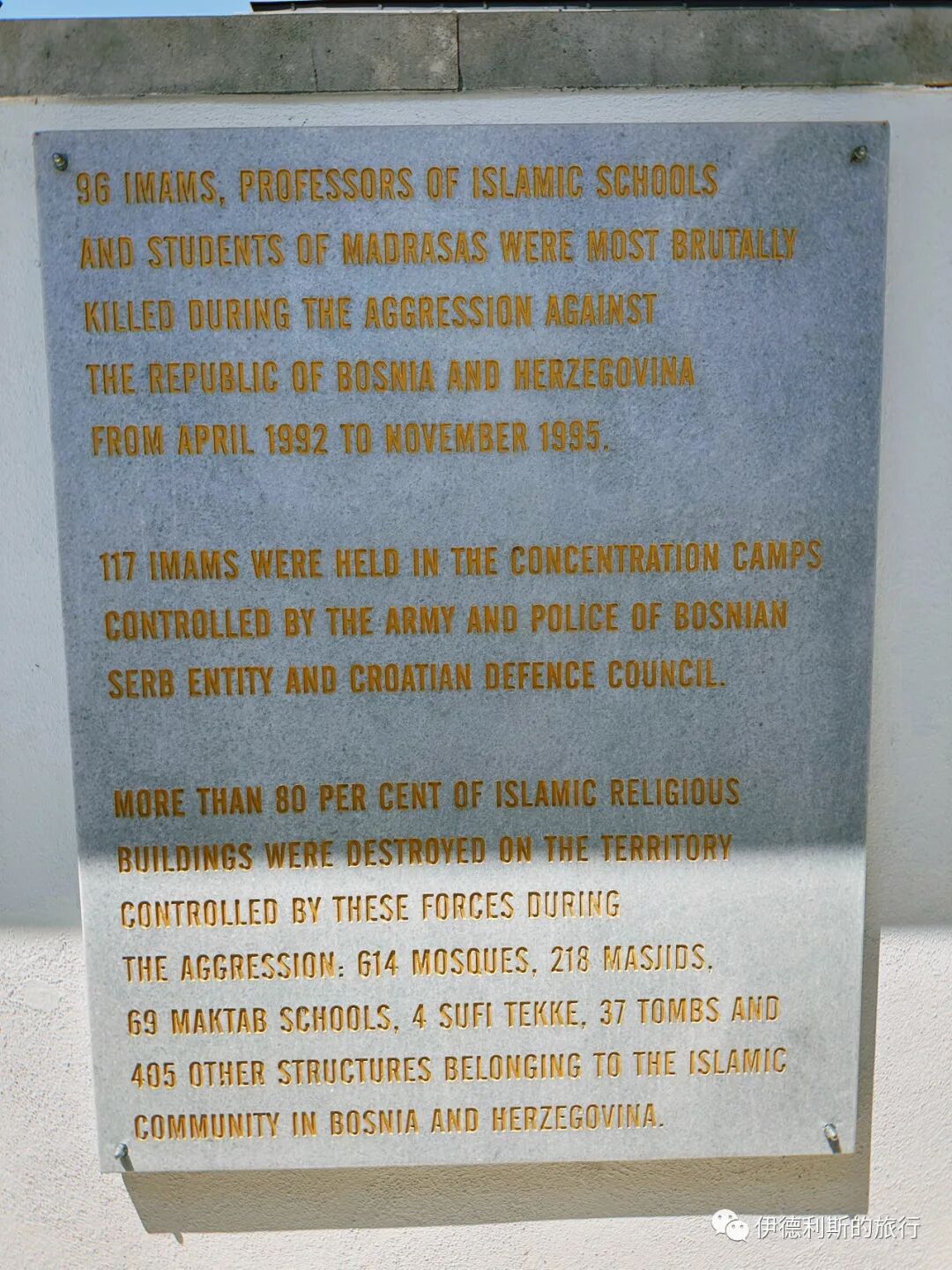
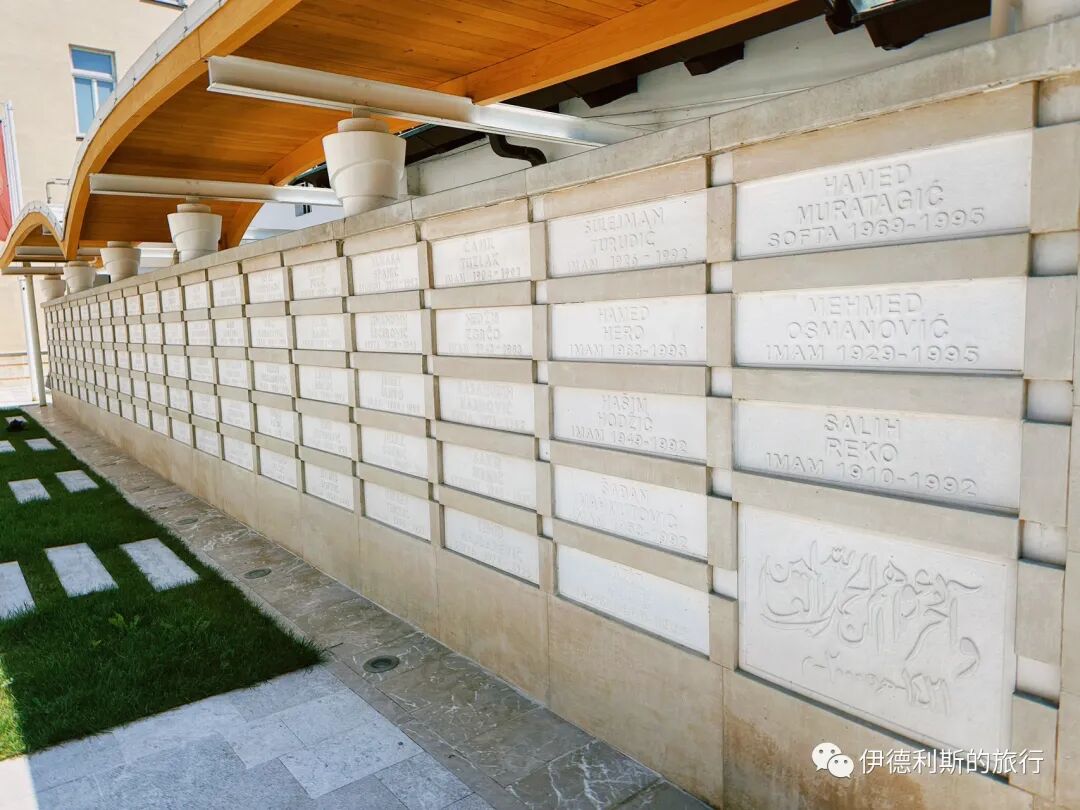
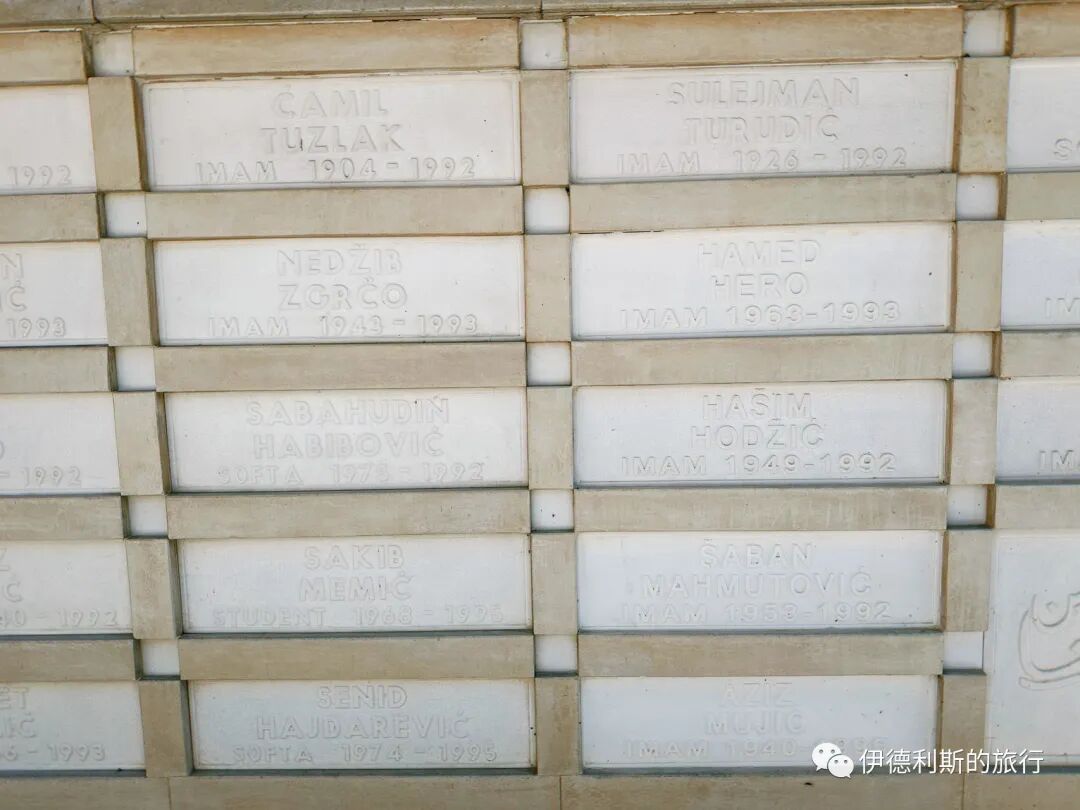
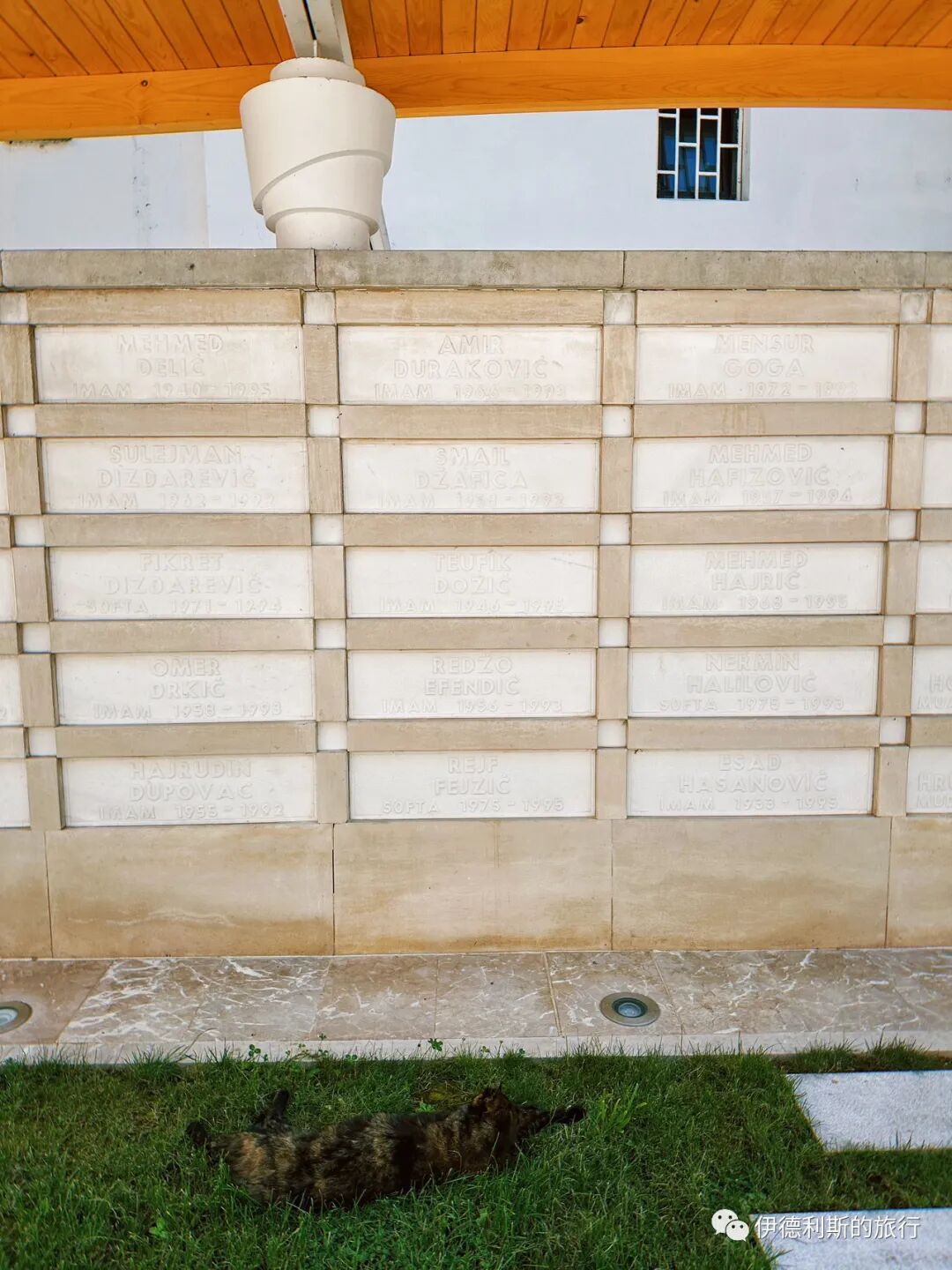
The martyr memorial wall (Shehid memorial wall) is at the entrance of the Gazi Husrev-beg Museum in Sarajevo. It lists the names of imams, Islamic school professors, and madrasa students who died in the Bosnian War. The introduction at the front reads:
Between April 1992 and November 1995, 96 imams, Islamic school professors, and madrasa students were brutally killed during the aggression against the Republic of Bosnia and Herzegovina.
117 imams were held in concentration camps controlled by the military and police of the Republika Srpska and the Croatian Defence Council.
In the lands controlled by these forces, over 80% of Islamic religious buildings were destroyed, including 614 mosques, 218 prayer sites, 69 primary schools, 4 Sufi lodges (tekke), 37 mausoleums (turbe), and 405 other buildings belonging to the Islamic Community of Bosnia and Herzegovina.
Gazi Husrev-beg Library
An introduction at the Gazi Husrev-beg Library: By a decision of the Riyasat, the highest administrative body of the Islamic Community of Bosnia and Herzegovina, May 7th is declared 'Mosque Day.' It commemorates the Ferhadija Mosque in Banja Luka and other religious buildings of the Islamic community destroyed during the Bosnian War on May 7, 1993.
The pictures show the Čaršijska Mosque in Srebrenica destroyed in 1995, the Ferhadija Mosque in Banja Luka destroyed in 1993, the Ahmići Mosque destroyed in 1993, the Hadži-Kurtova Mosque in Mostar destroyed in 1993/4, the Magribija Mosque in Sarajevo destroyed in 1992, and the remains of a mosque destroyed in the Bosnian War discovered in 2020.
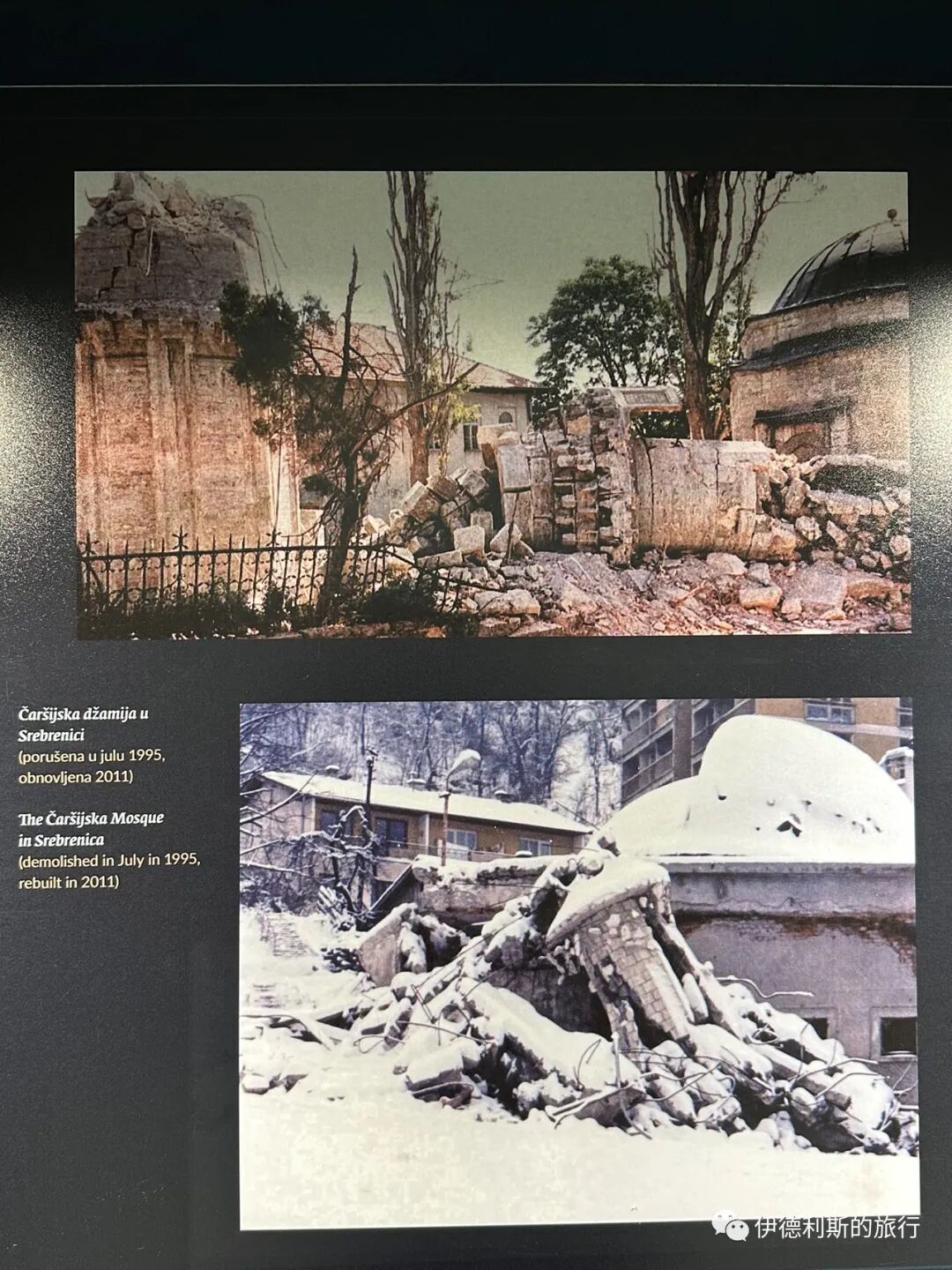
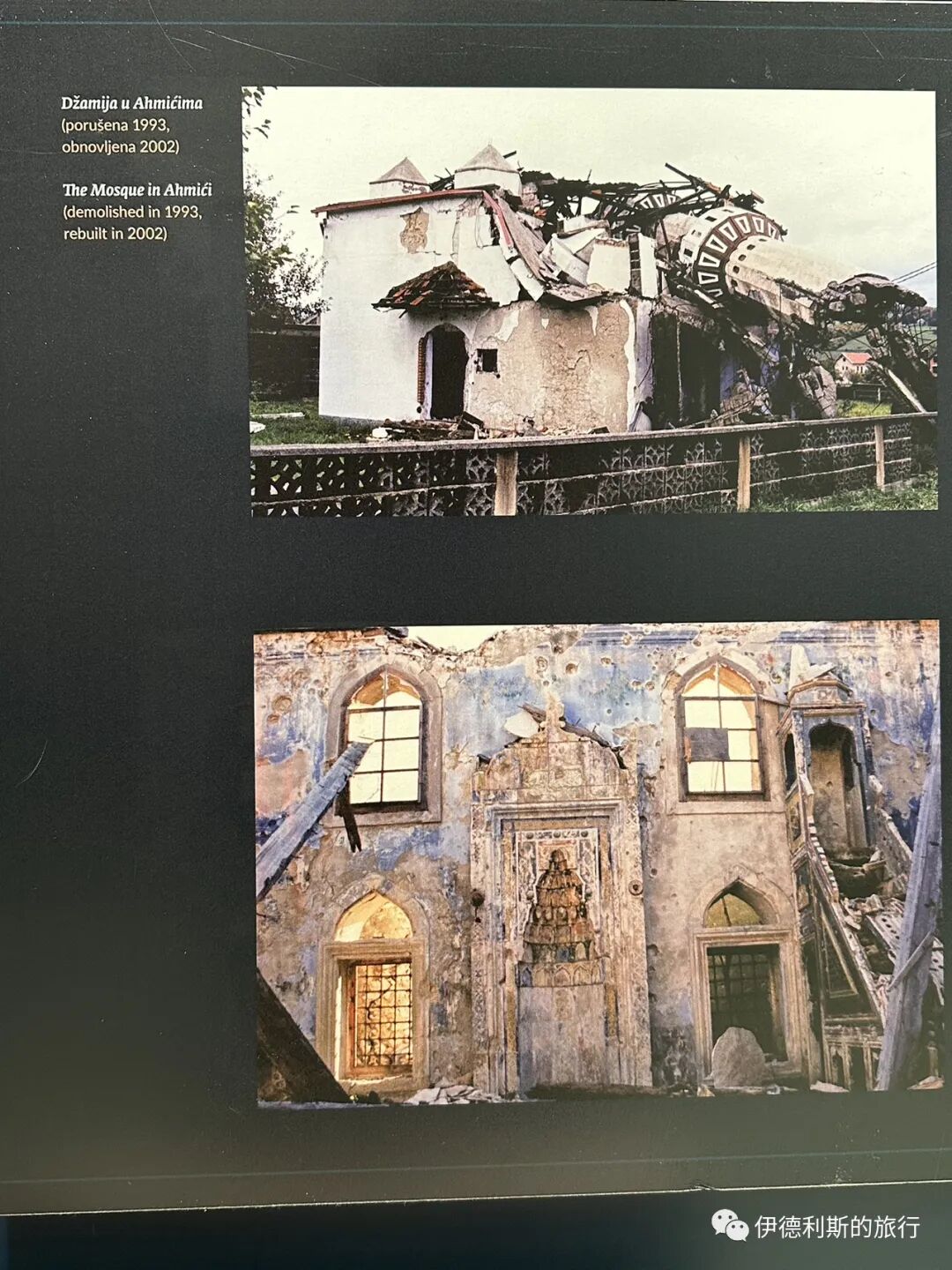
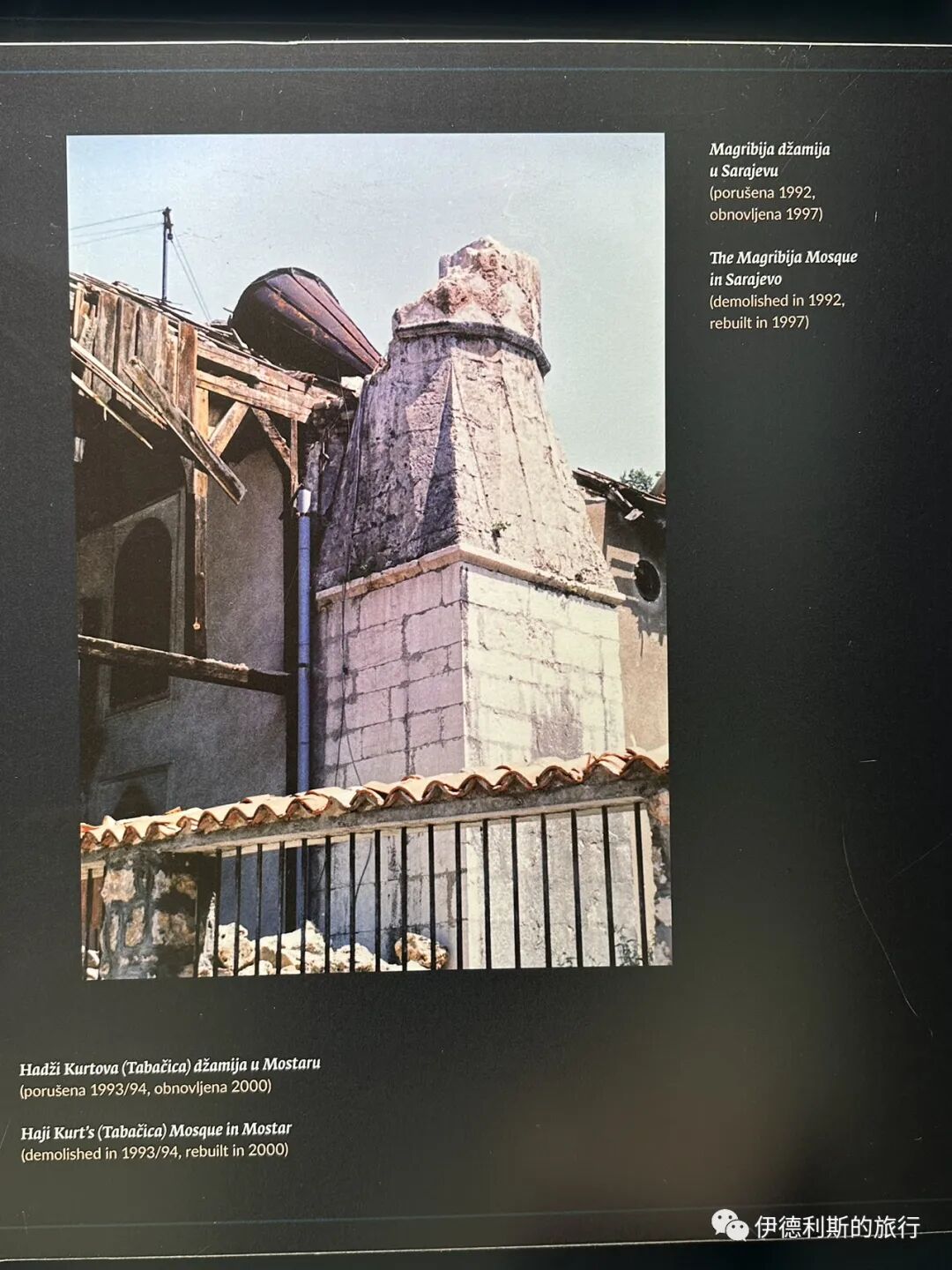
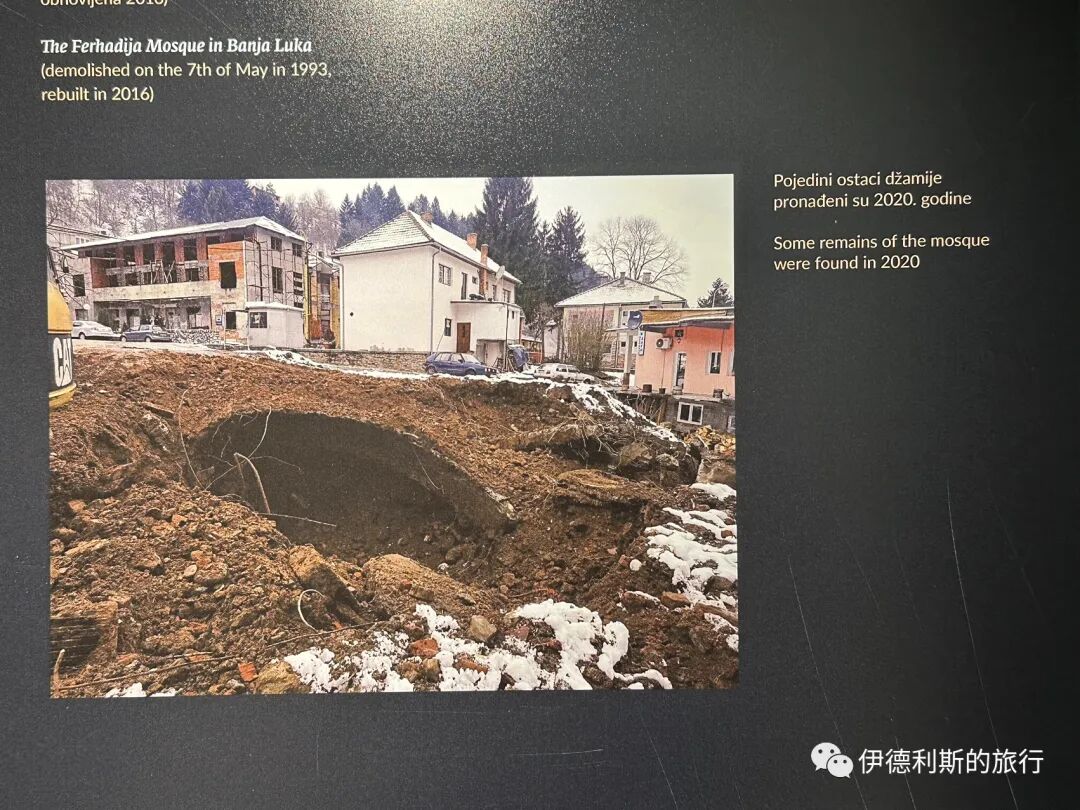
The Gazi Husrev-beg Library has a special exhibition area about the library's experience during the Bosnian War, and a film titled 'The Love of Books: A Sarajevo Story' is playing. Zainab and I stopped to watch for a long time, and we were both moved to tears by the end.
As the library with the richest collection of Islamic books in Bosnia and Herzegovina, the Gazi Husrev-beg Library has faced many trials in its nearly 500 years of operation, but the 1992-95 Bosnian War was undoubtedly the hardest. The aggressors made destroying the historical and cultural heritage of Bosnia and Herzegovina a key goal, especially historical buildings that held written heritage. Staff at the Gazi Husrev-beg Library risked their lives to successfully move tens of thousands of precious Islamic books to safe places, making a huge contribution to saving the history and culture of Bosnia and Herzegovina.
The exhibition hall displays the equipment used to microfilm important books during the war. During the Siege of Sarajevo, this equipment was brought into the city through an underground tunnel, which was the only way in or out of Sarajevo at the time. By the end of 1996, the staff had taken 5,000 microfilm photos.
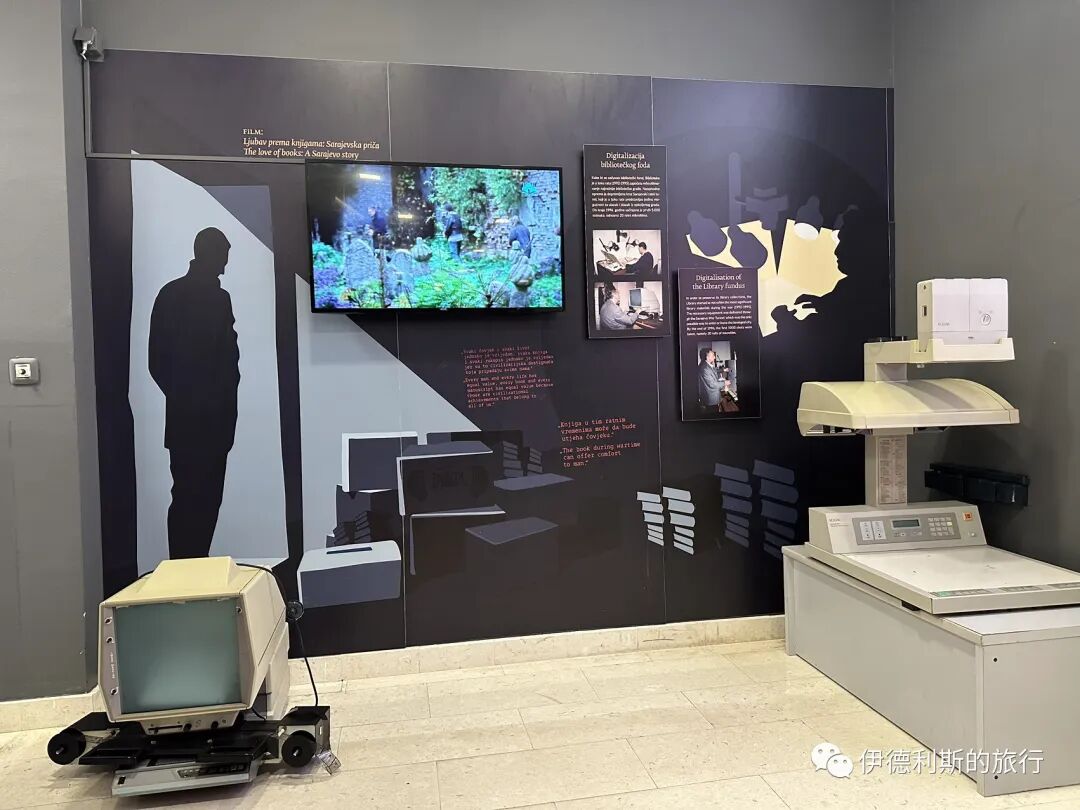
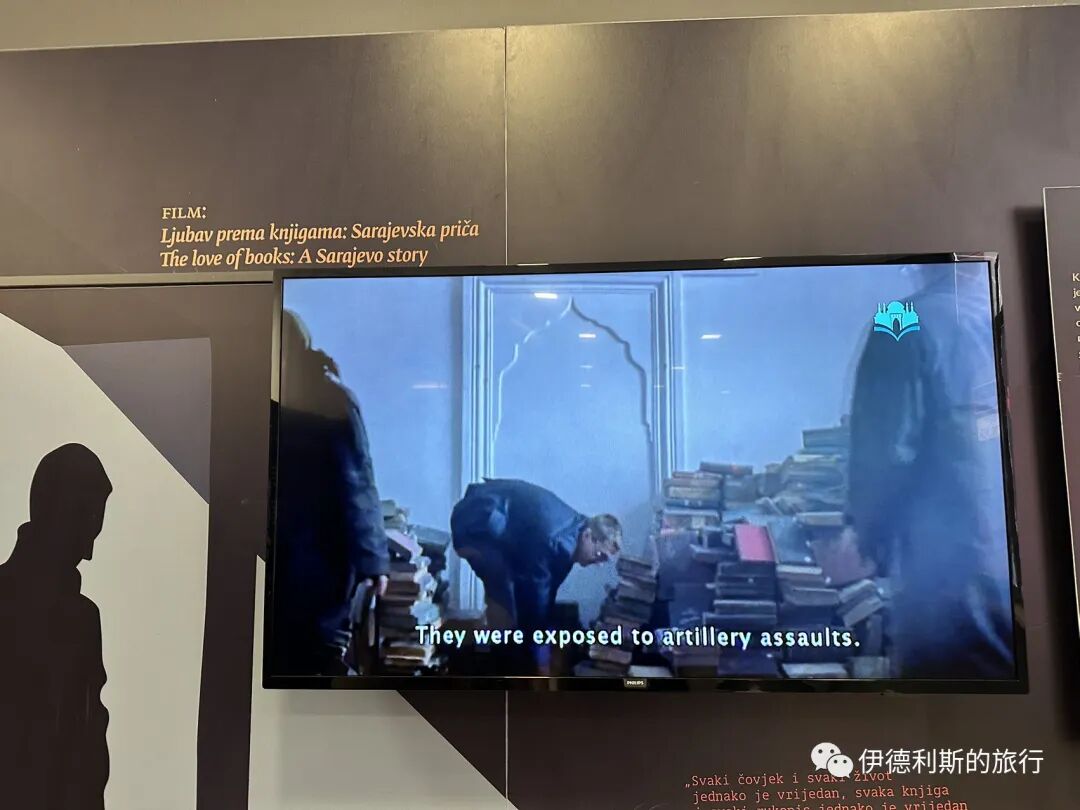
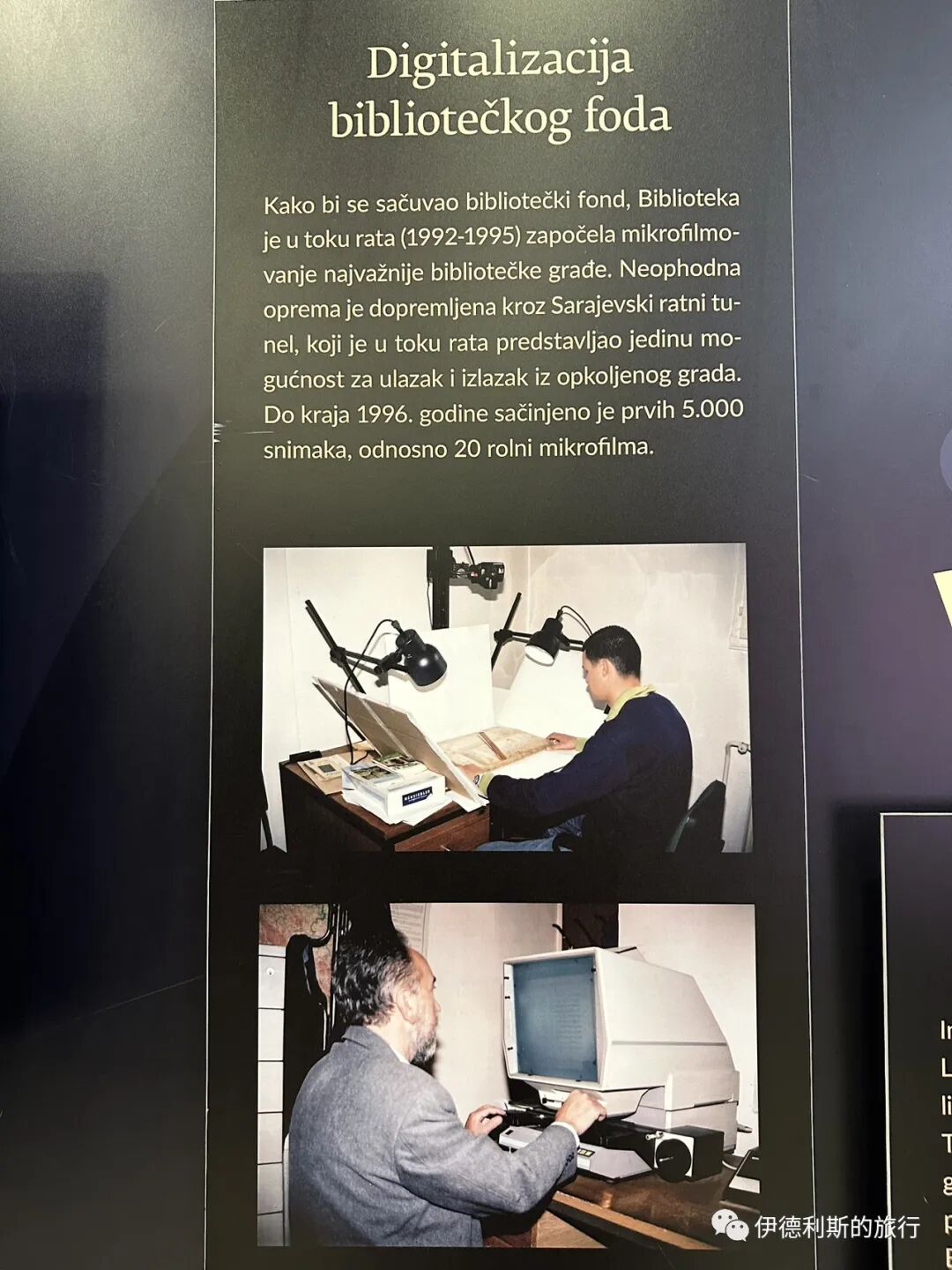
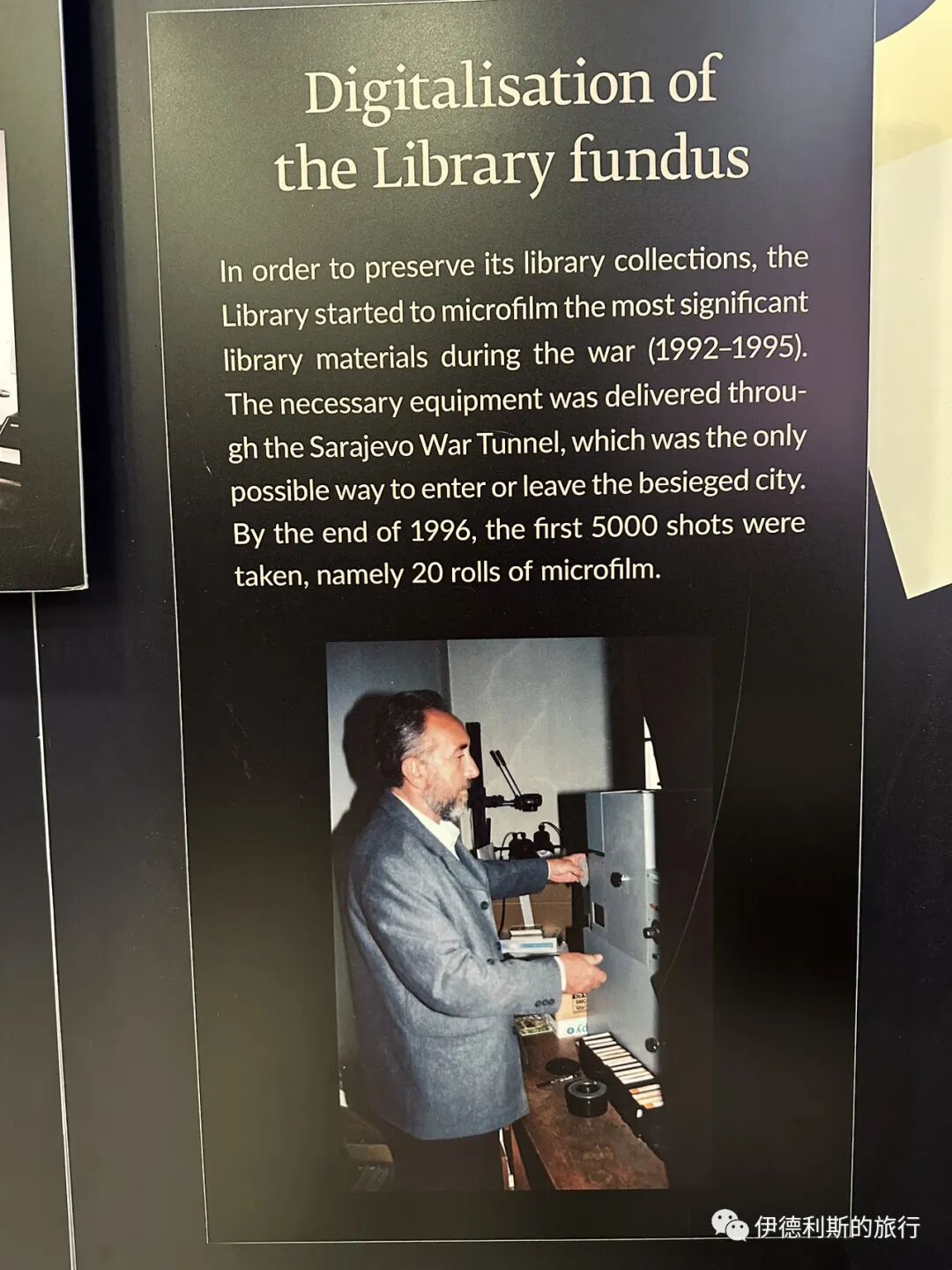
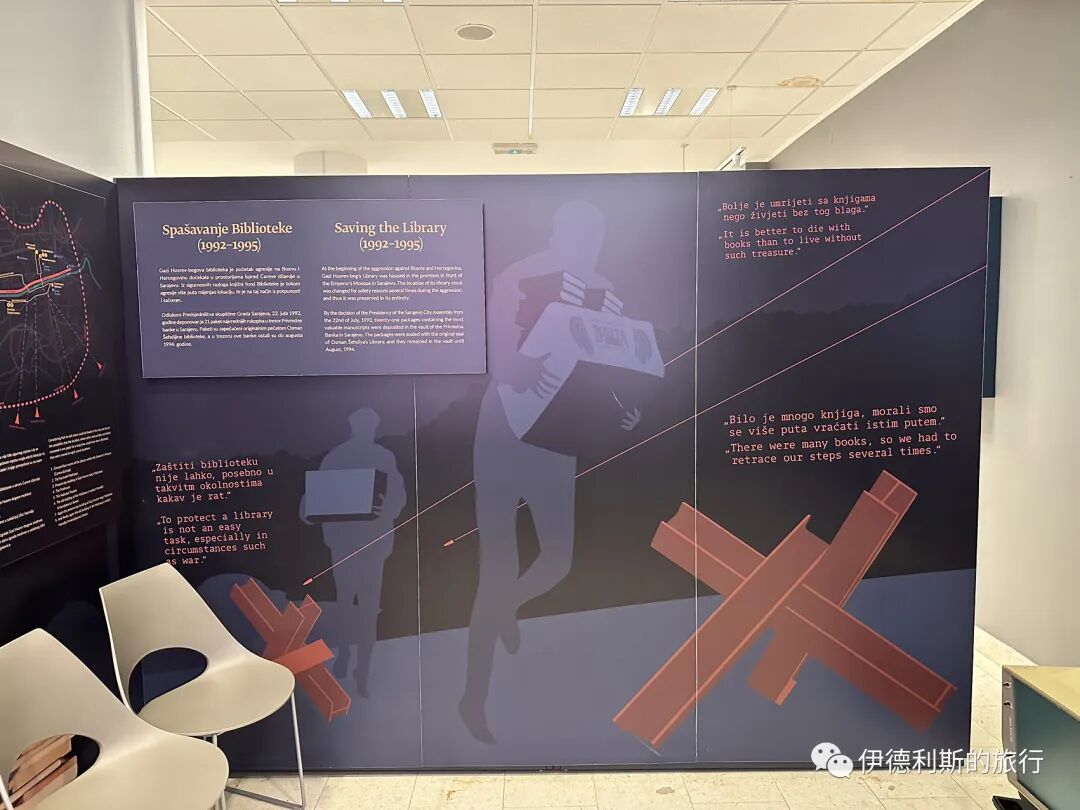
The film 'The Love of Books: A Sarajevo Story' explains that to save the books in the Gazi Husrev-beg Library, the staff moved the book storage area many times. In 1992, the library decided to move 21 packages containing the most precious manuscripts into the vault of the Privredna Bank. To avoid attacks from Serb snipers on the streets, they packed the books in banana boxes, but then they ran into hungry people who robbed them. Fortunately, the hungry people let them go after discovering there were books inside instead of bananas. After going through great hardships, these books were finally saved until the end of the war.
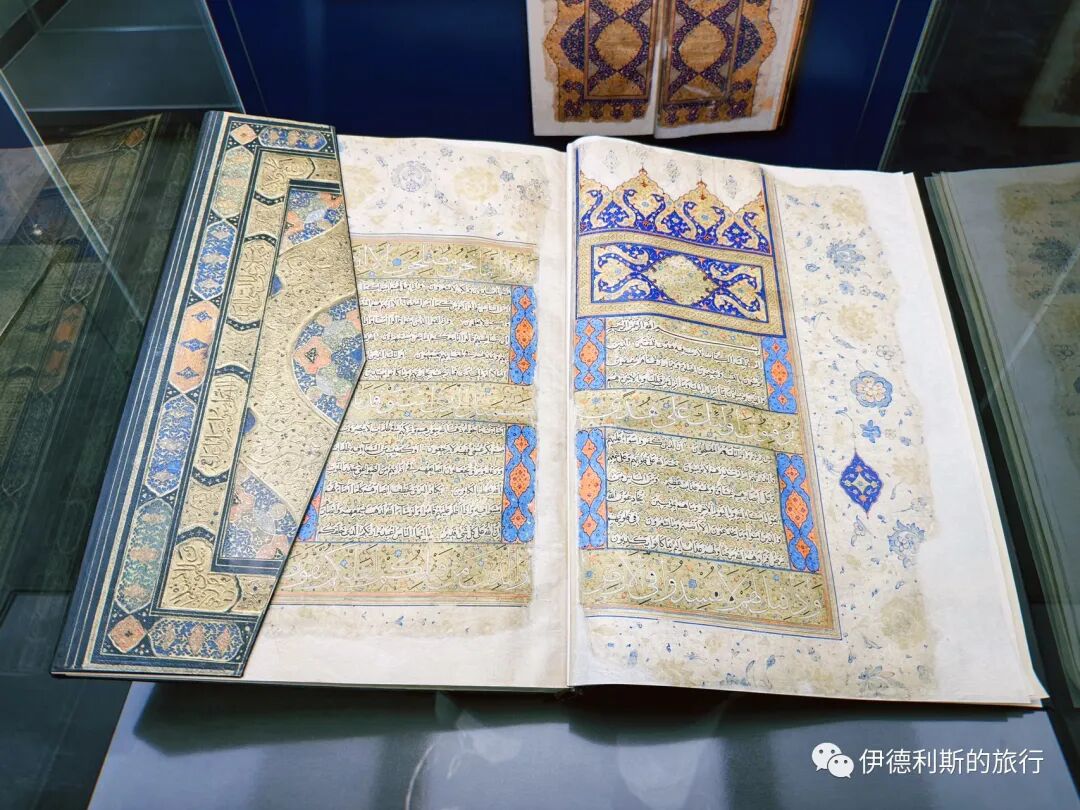
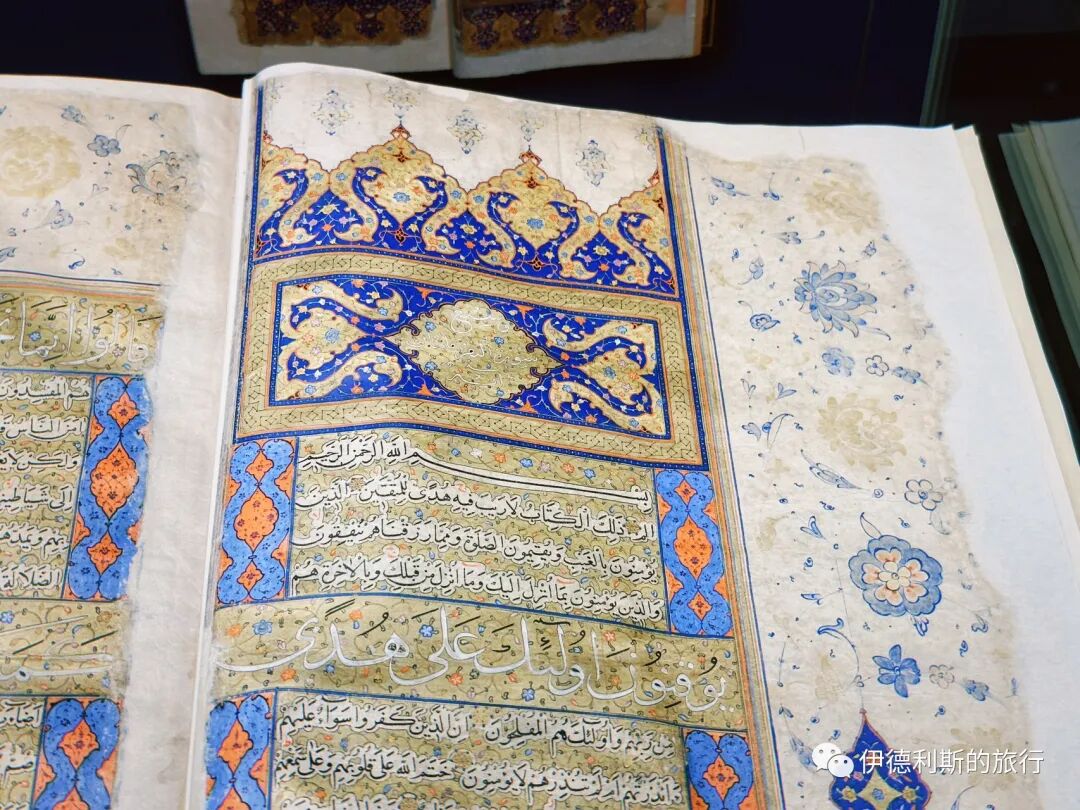
The staff at the Gazi Husrev-beg Library risked their lives to save precious manuscripts during the Bosnian War, and they are now on display again at the library. Here are a few of them.
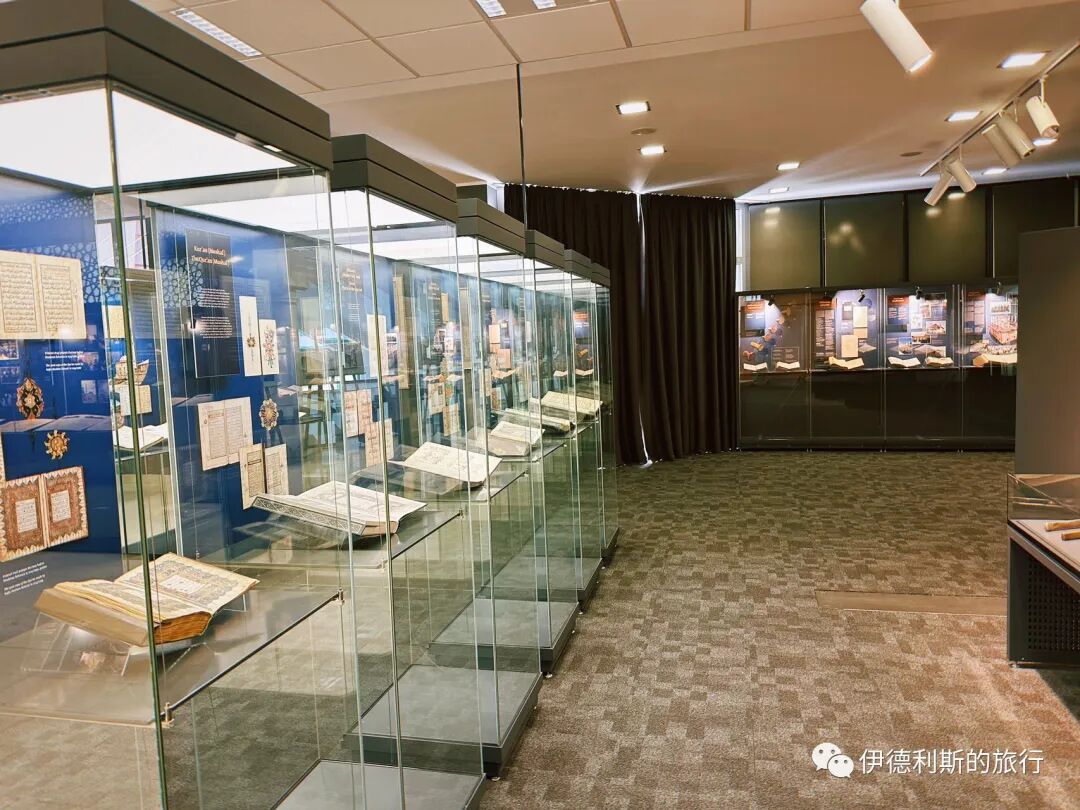
The first one is the Rose Garden (Gulistān), a prose work written in 1258 by the great Persian poet Saadi. This manuscript was annotated by the great 16th-century Bosnian classical literature critic Ahmed Sudi Bosnjak and copied in 1765 by Ahmad b. al-hagg Husayn al-Mostari. Ahmed Sudi was born in eastern Bosnia and later lived in Istanbul for a long time. He was an expert in Persian literature and wrote a series of commentaries on Persian literary classics in Ottoman Turkish. These had a huge influence in the Ottoman Empire and were widely used by later Persian scholars and Western Orientalists.
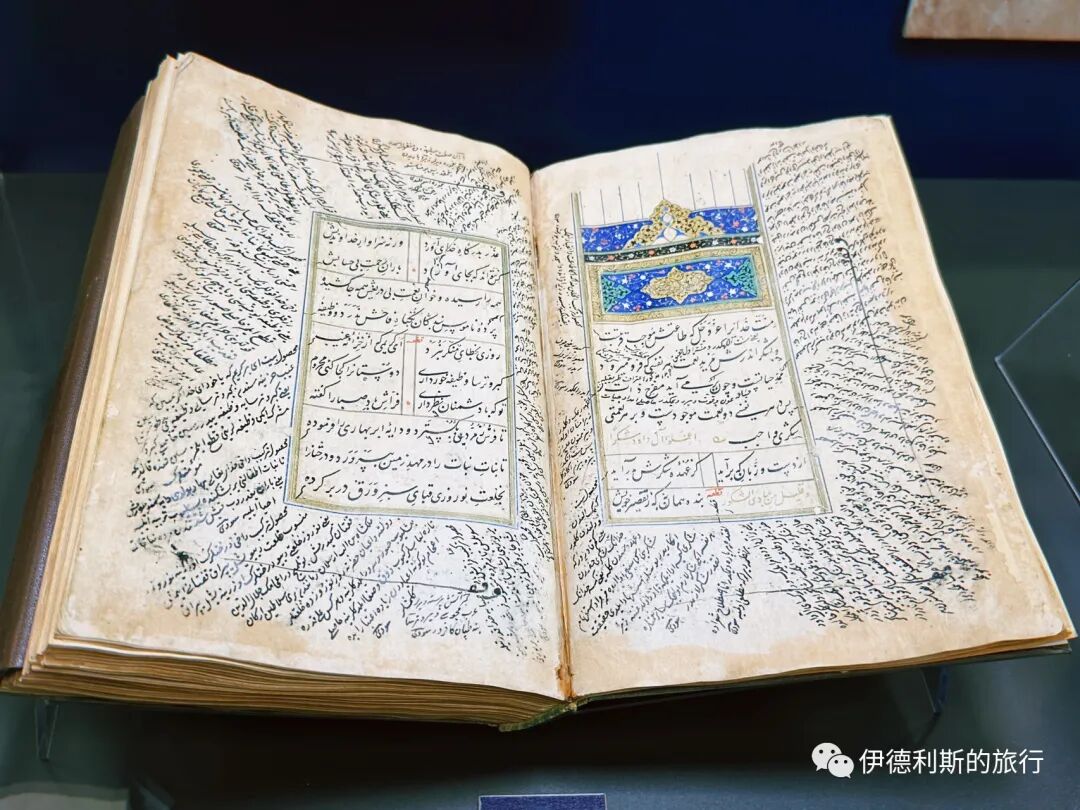
The second one is the 63rd handwritten Quran by hafiz Ibrahim Sehovic, completed in 1807. During his life, hafiz Sehovic copied at least 66 Qurans, and the Gazi Husrev-beg Library holds four of them.
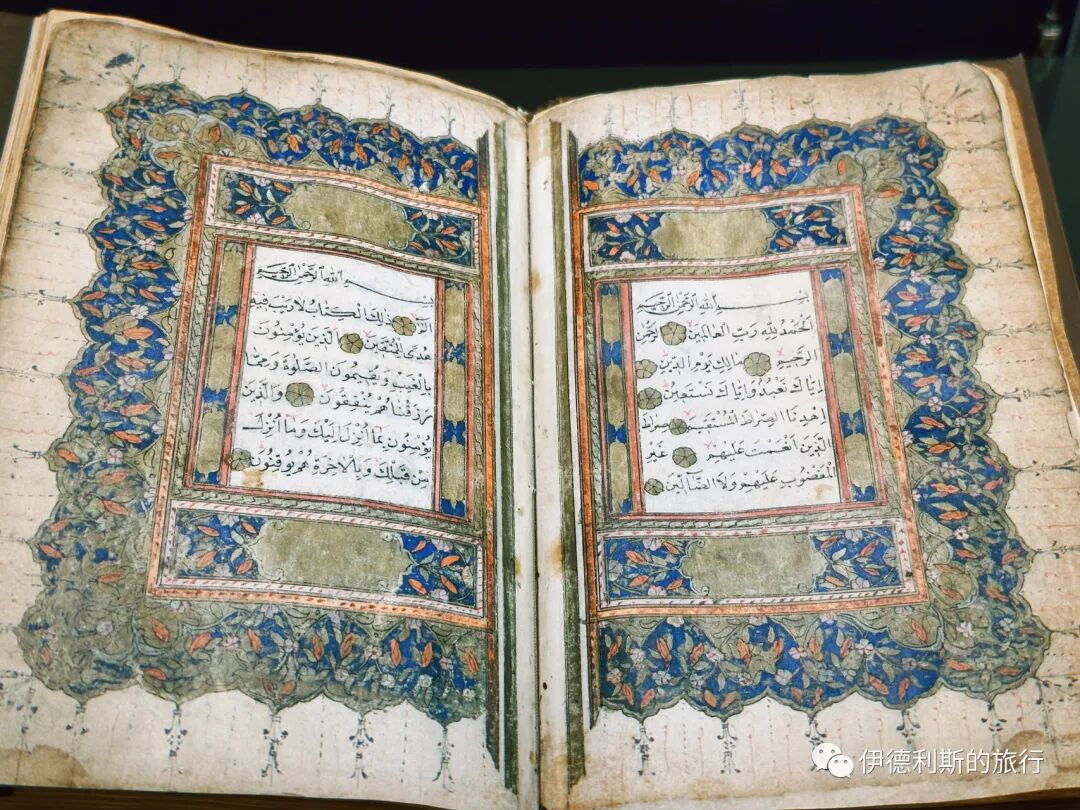
The third one is a handwritten Quran completed in 1849 by Ahmad b. Muhammad al-Muhägir ad-Dagistani al-Makki.
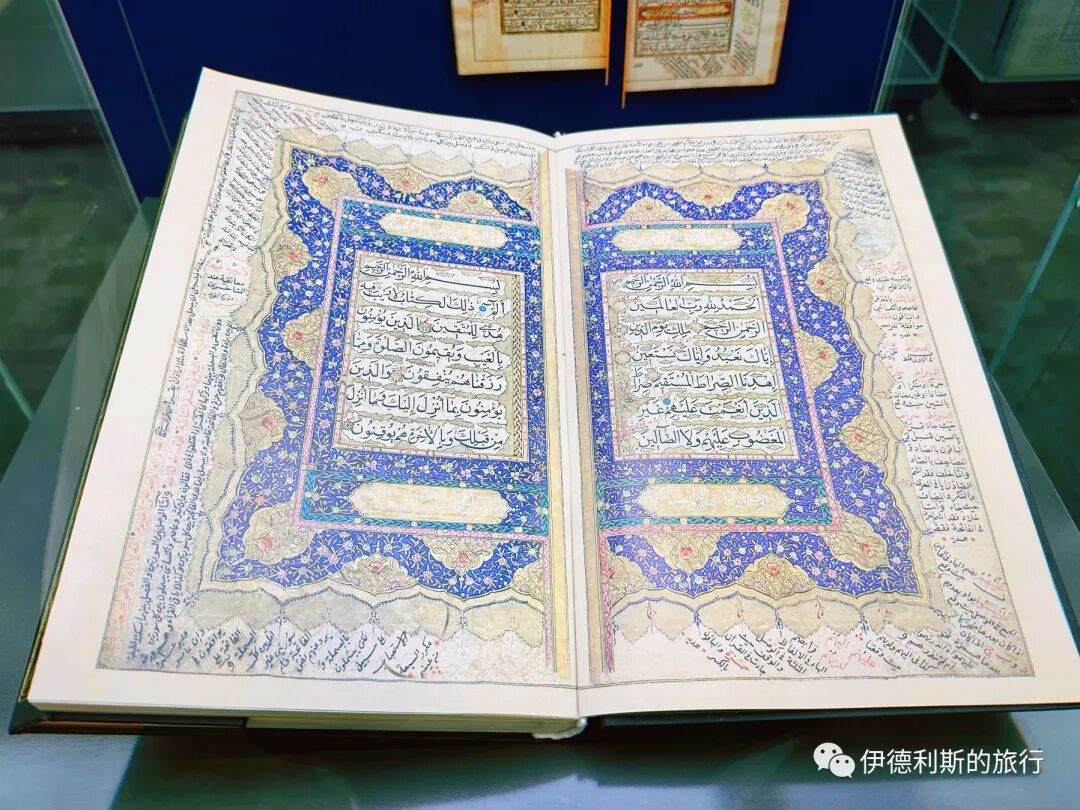
The fourth one is a Quran selection (Juz') gifted by Ferhad-pasha Sokolovic in 1587 to a mosque in the city of Banja Luka in northwestern Bosnia.
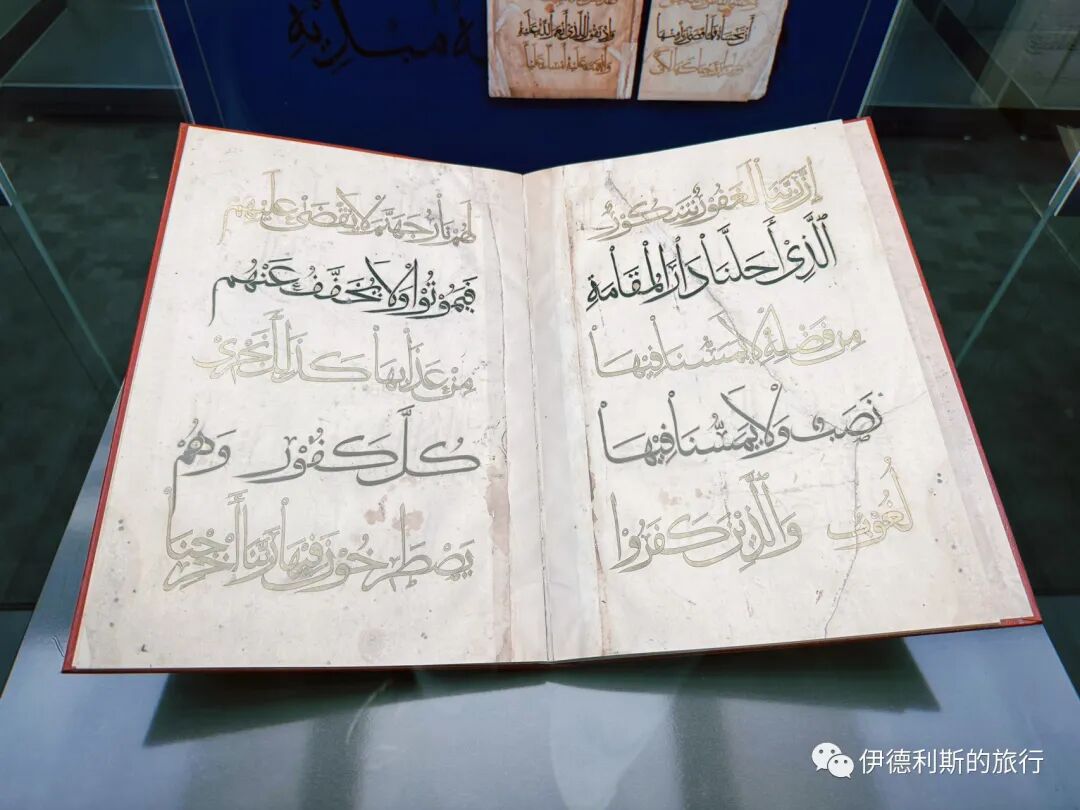
The fifth one is a Quran selection (Juz') gifted by Mehmed-pasha Sokolovic in 1570 to a mosque in his birthplace in eastern Bosnia.
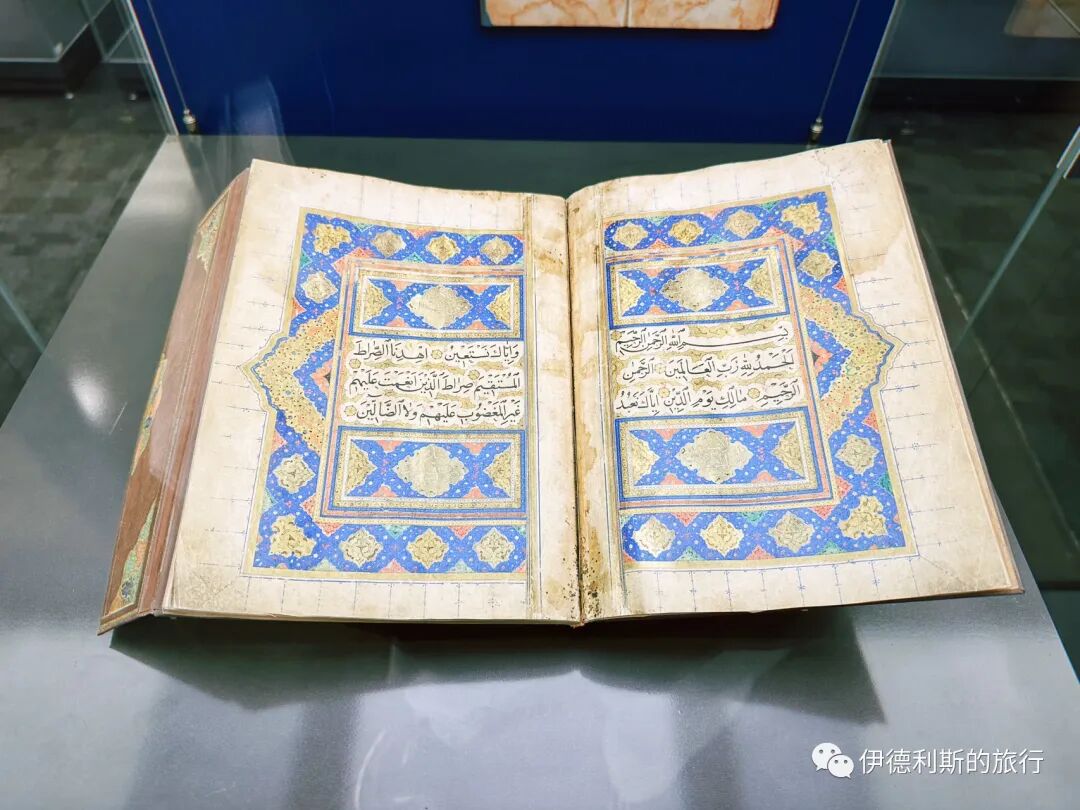
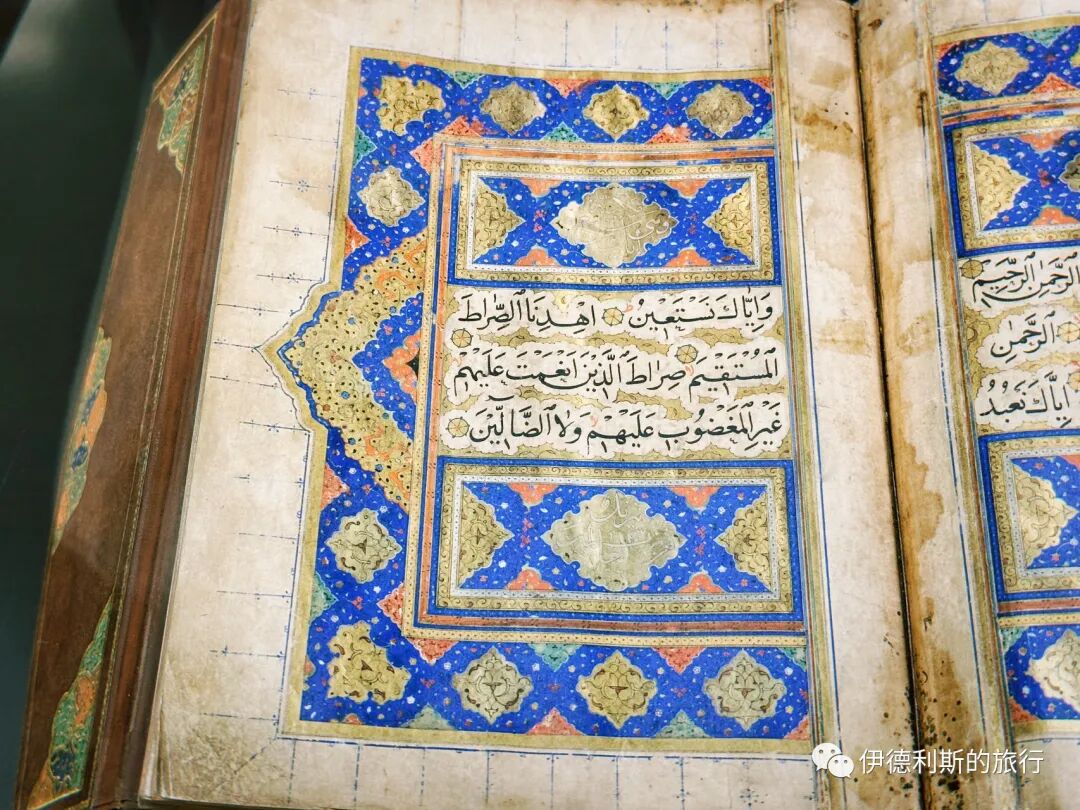
The sixth one is a handwritten Quran created by Abdullah b. Muhammad al-Hafiz as-Sirazi in 1572-73.
Museum of Crimes Against Humanity and Genocide 1992-1995
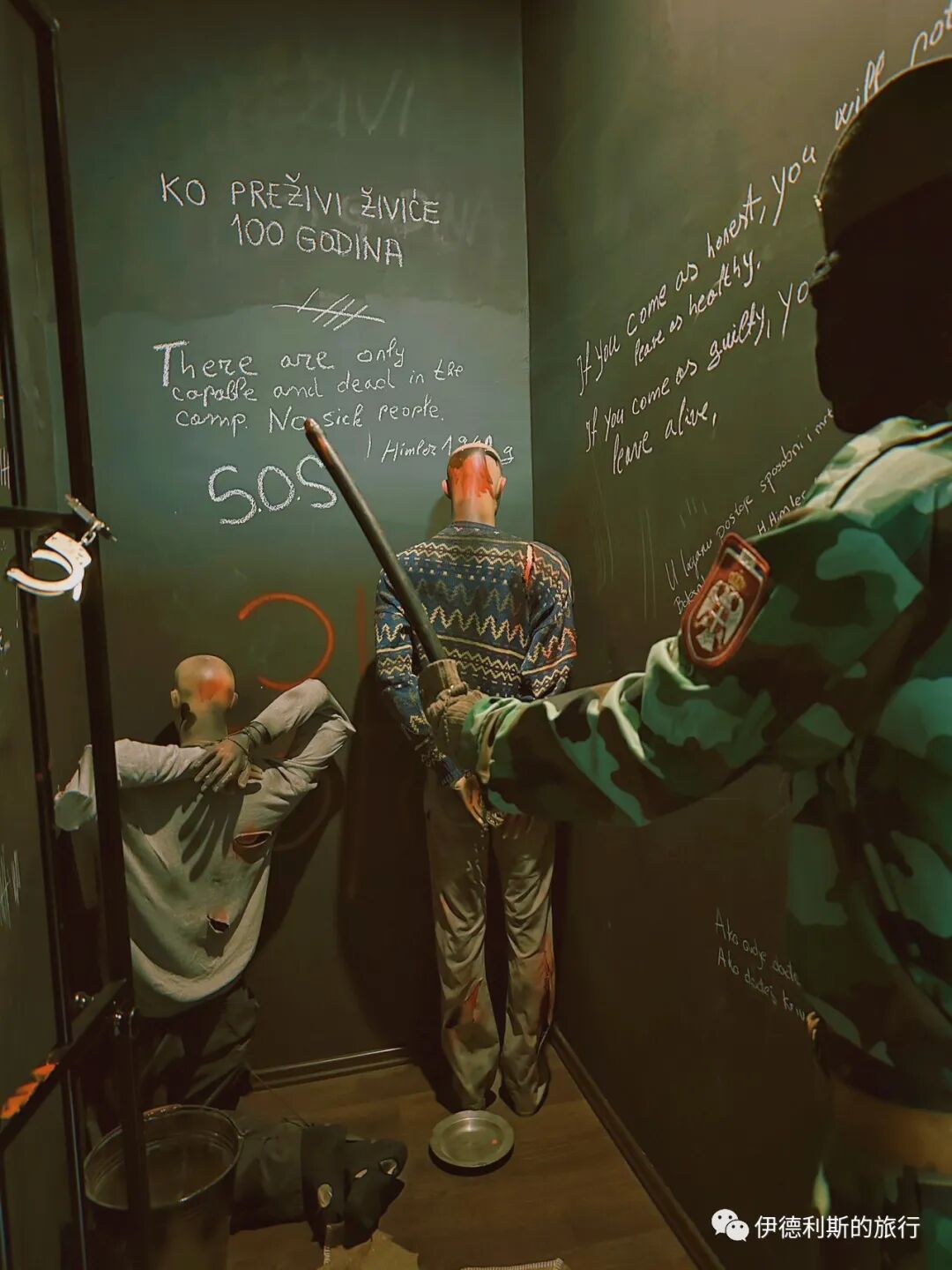
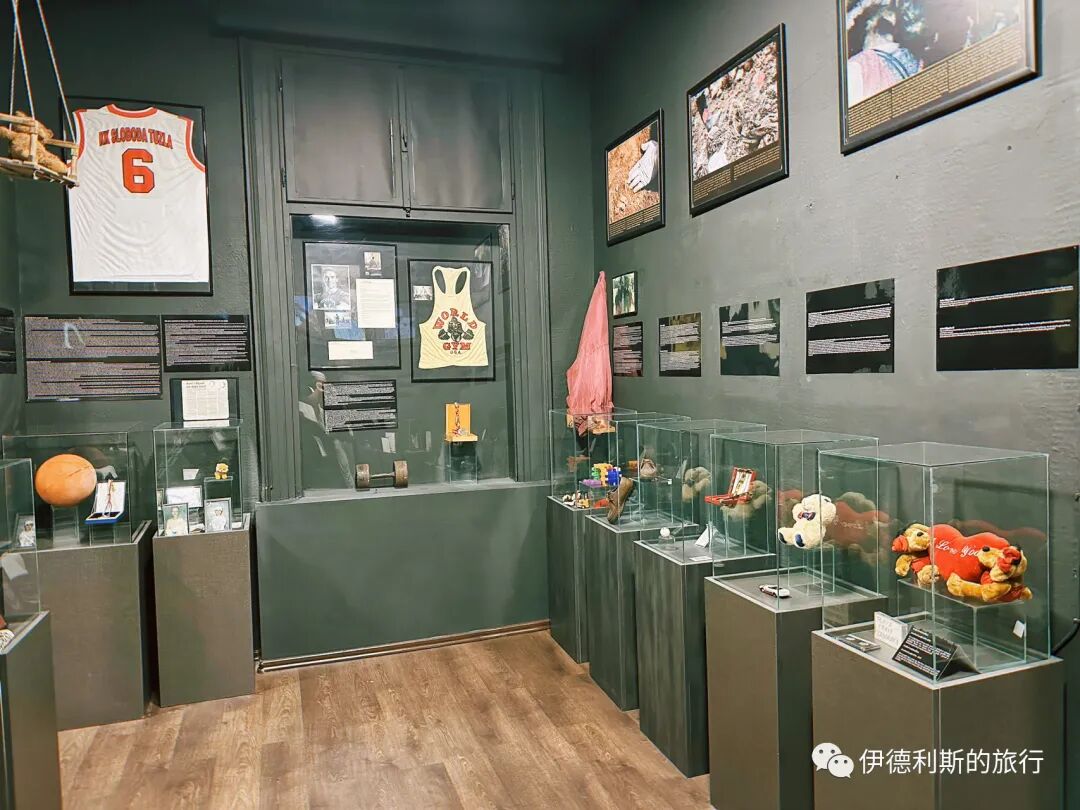
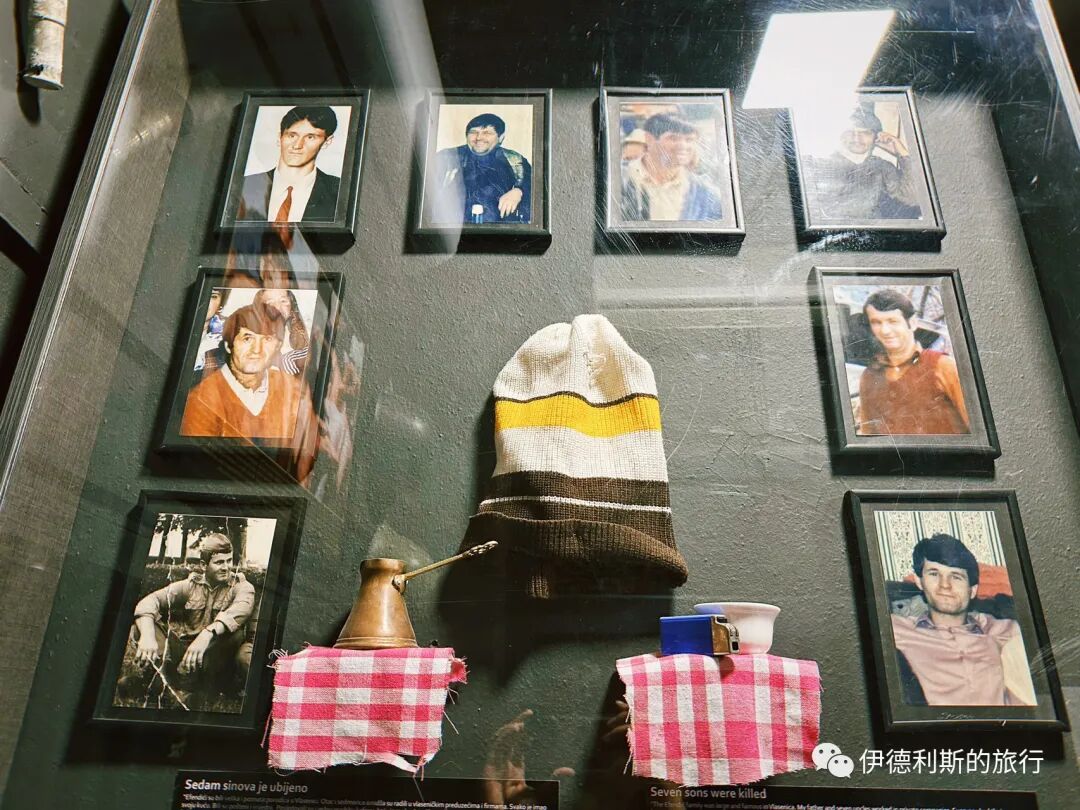
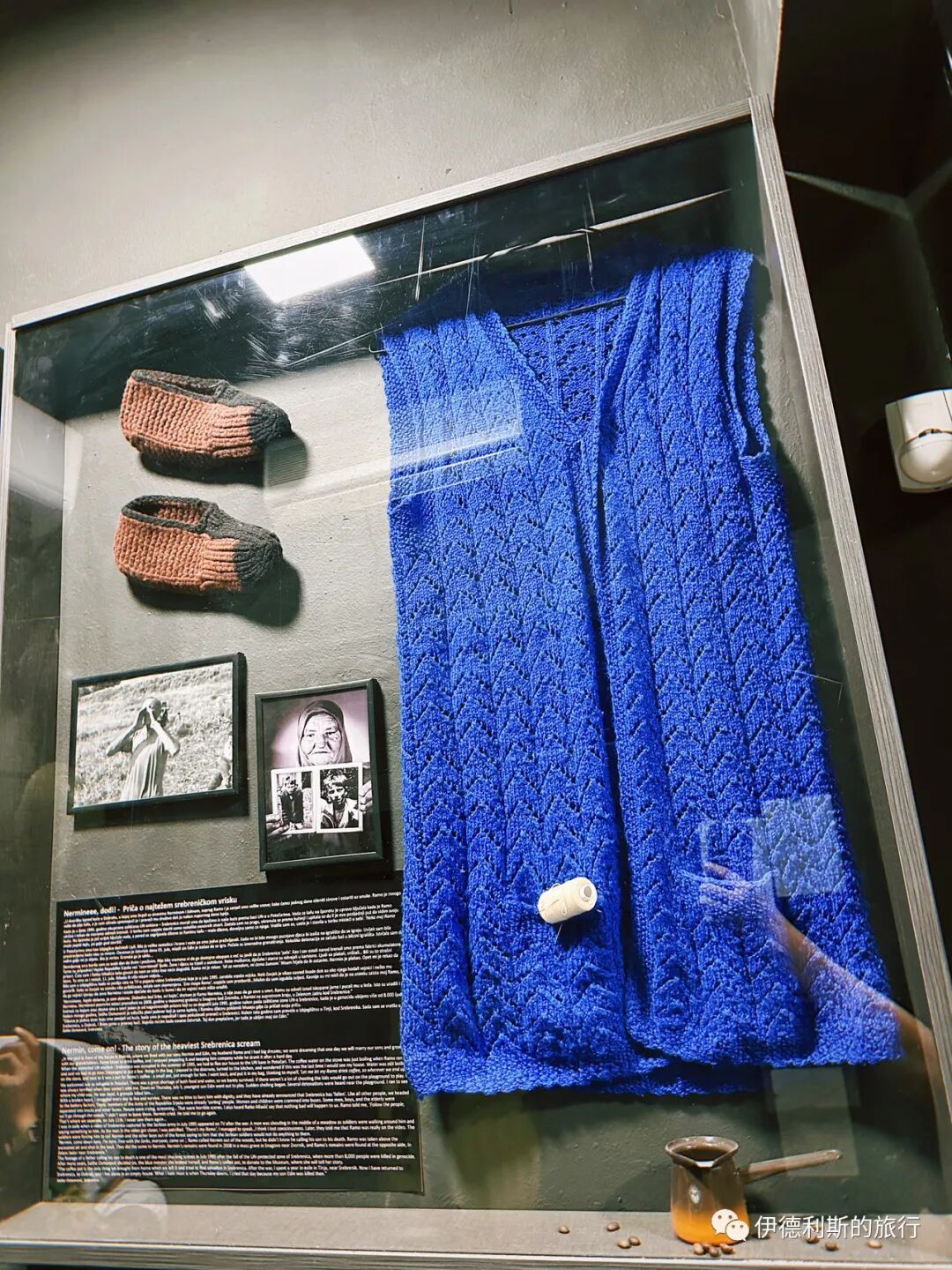
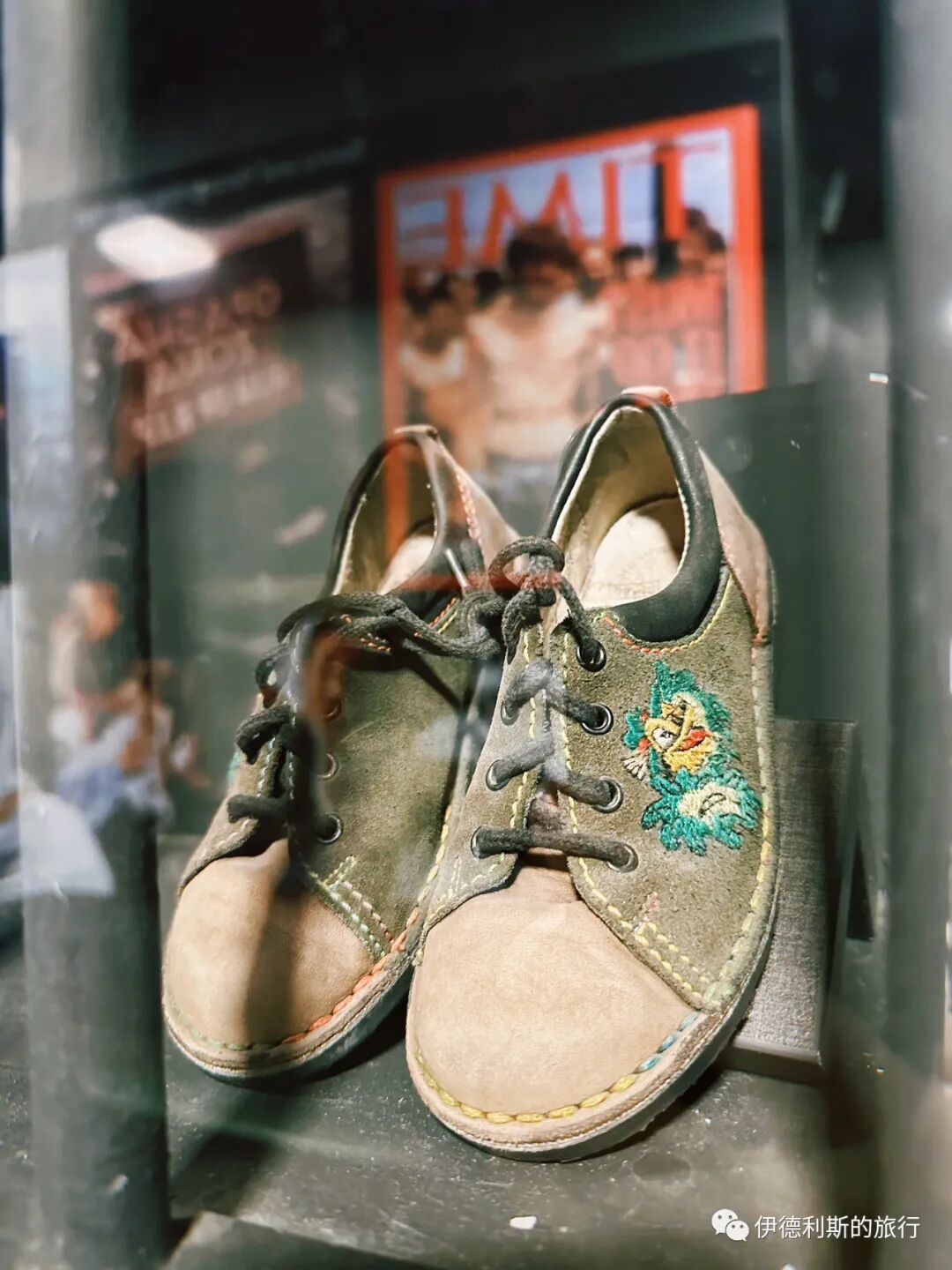
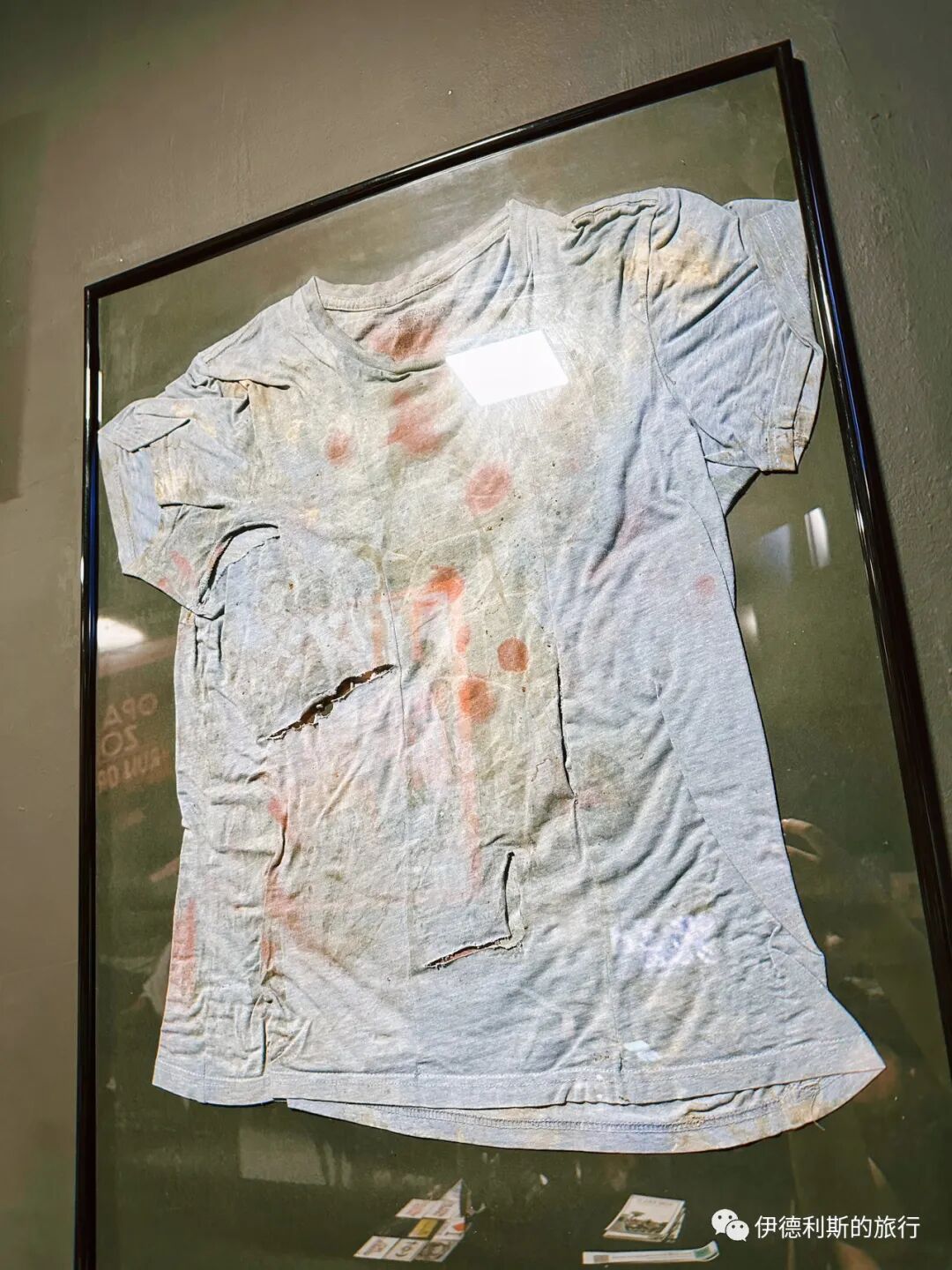
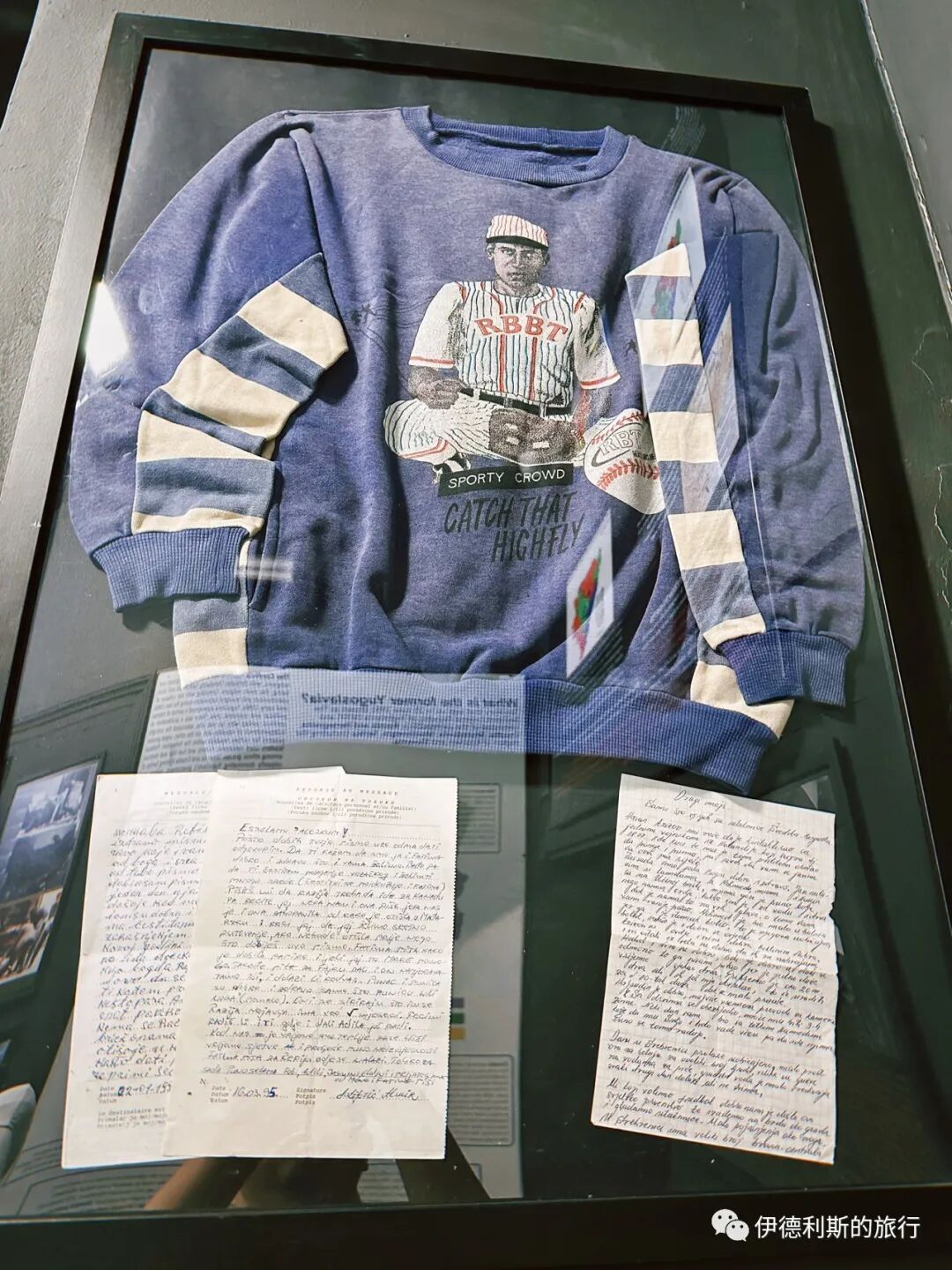
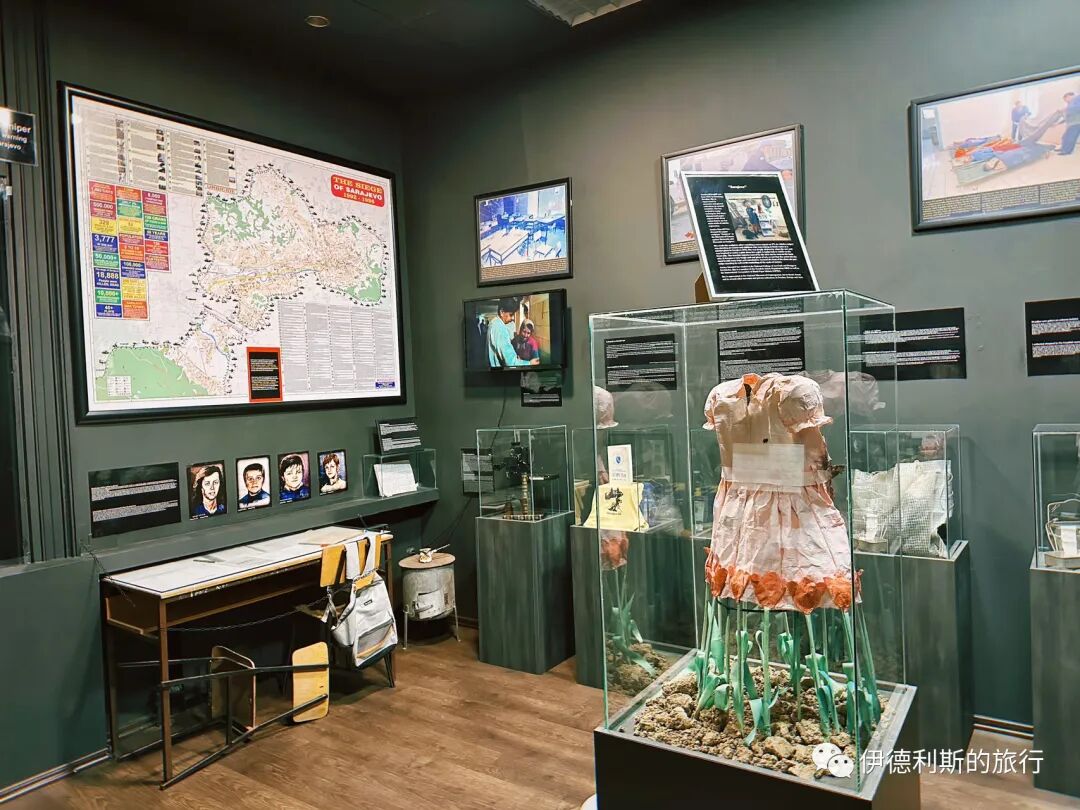
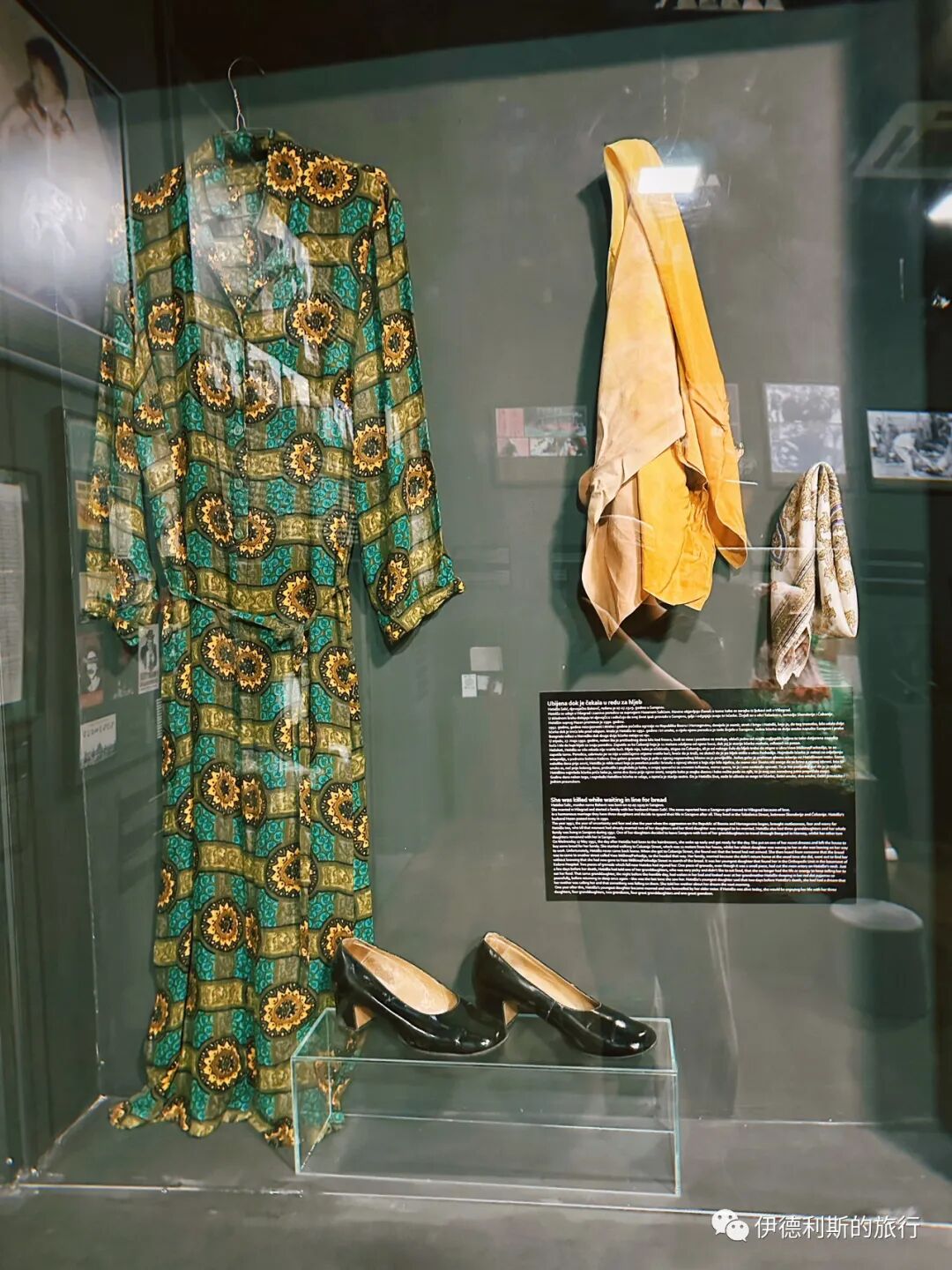
Located in the center of Sarajevo's old town, the Museum of Crimes Against Humanity and Genocide 1992-1995 is a place that requires a strong stomach to visit. It is the second museum to leave me with a deep psychological shadow, the first being the Gulag History Museum in Moscow. When I entered, I happened to see the Bosnian friend (dosti) selling tickets being interviewed. He was talking about his family's life during the Bosnian War, which was the first time I heard firsthand information about this war.
I will share the museum's introduction here: We must remember history! The Bosnian War began in April 1992. It is listed as one of the most brutal wars in human history. Total casualties exceeded 200,000, with over 120,000 deaths, hundreds of thousands injured, 2 million people displaced, 657 concentration camps, over 200,000 people detained, 25,000 raped, and 30,000 missing. The crimes against humanity and genocide committed during the war are among the most heinous crimes known to mankind. This genocide happened in Central Europe at the end of the 20th century. The war ended in November 1995 with the signing of the Dayton Peace Agreement.
Keeping memories alive is an important factor in avoiding new genocides and massacres, especially today as separatism and racism slowly return to the world. This museum displays a sad part of human history. In this museum, people tell many stories and show many crime scenes. The exhibits hold strong emotions and help you understand more about the war experiences of the Bosnian people. Most importantly, this museum is run by victims of the war, those who lived through it.
Understanding the impact of hatred on others is important for everyone. Without this knowledge, hatred will easily happen again.
Martyrs' Cemetery (Šehidi Cemetery)
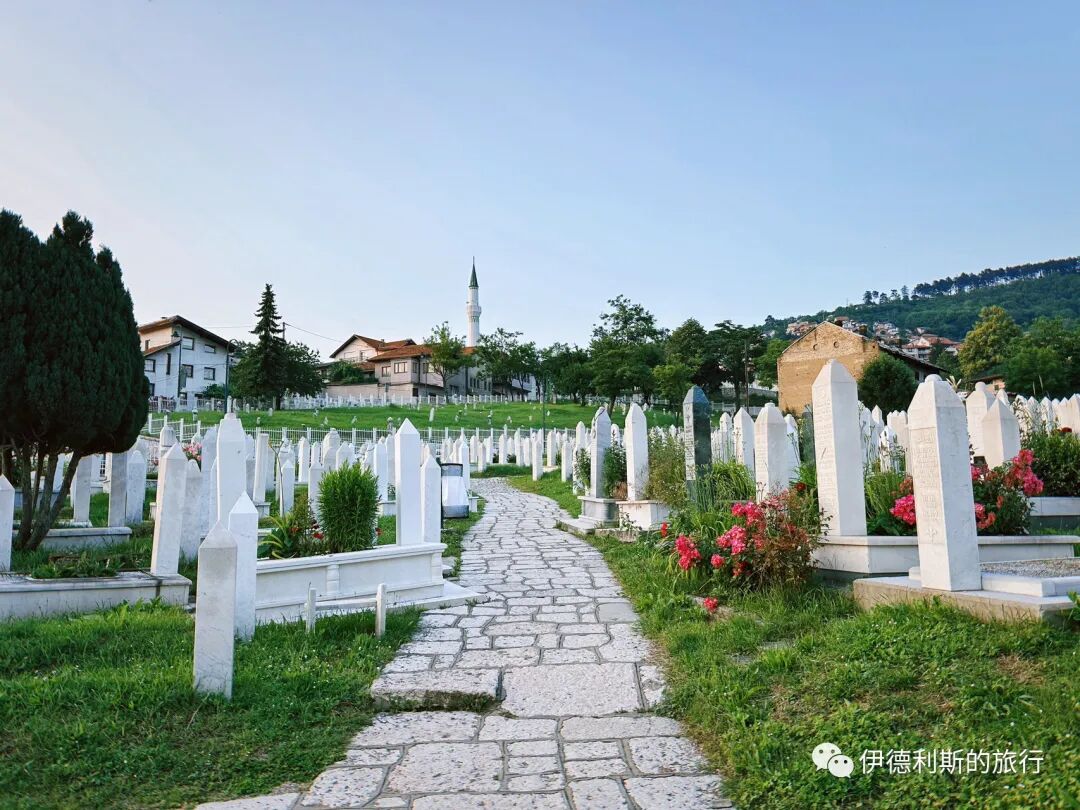
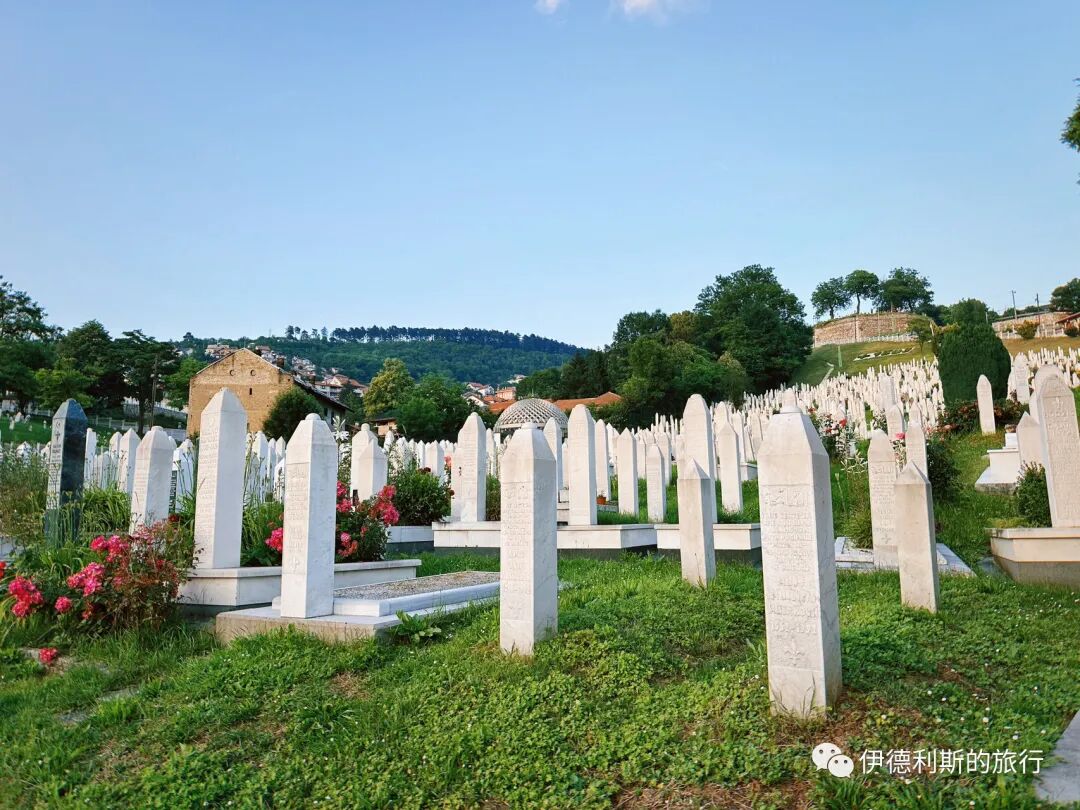
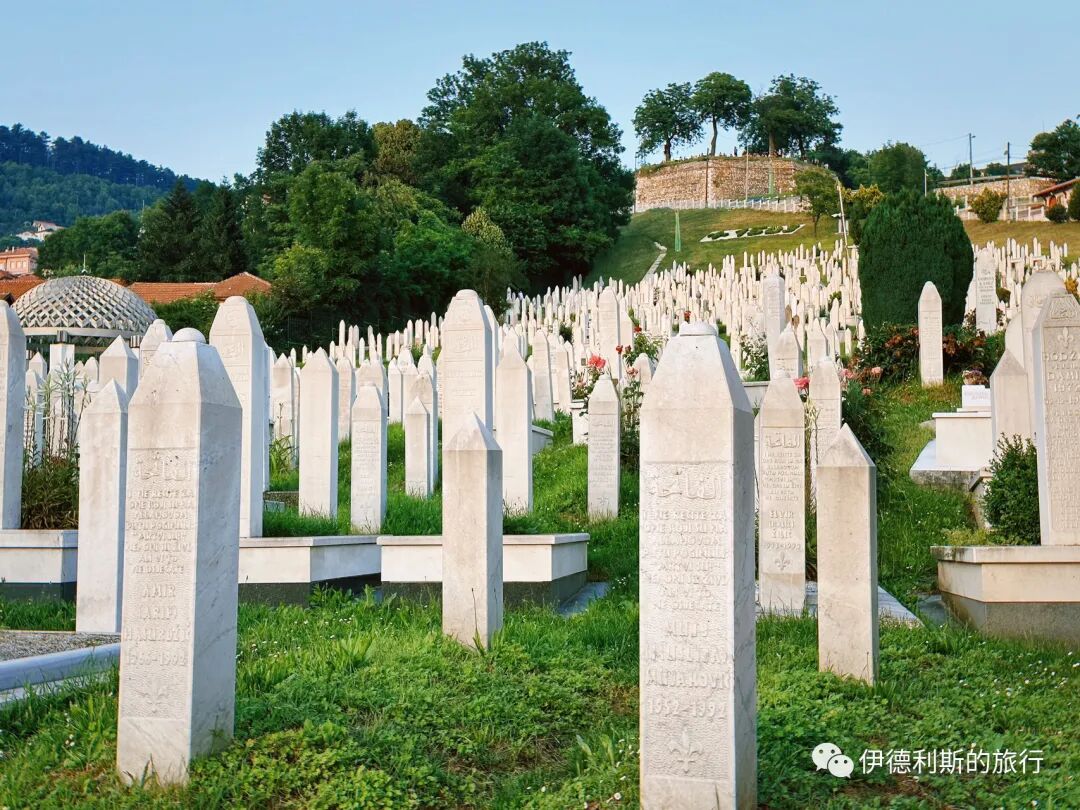
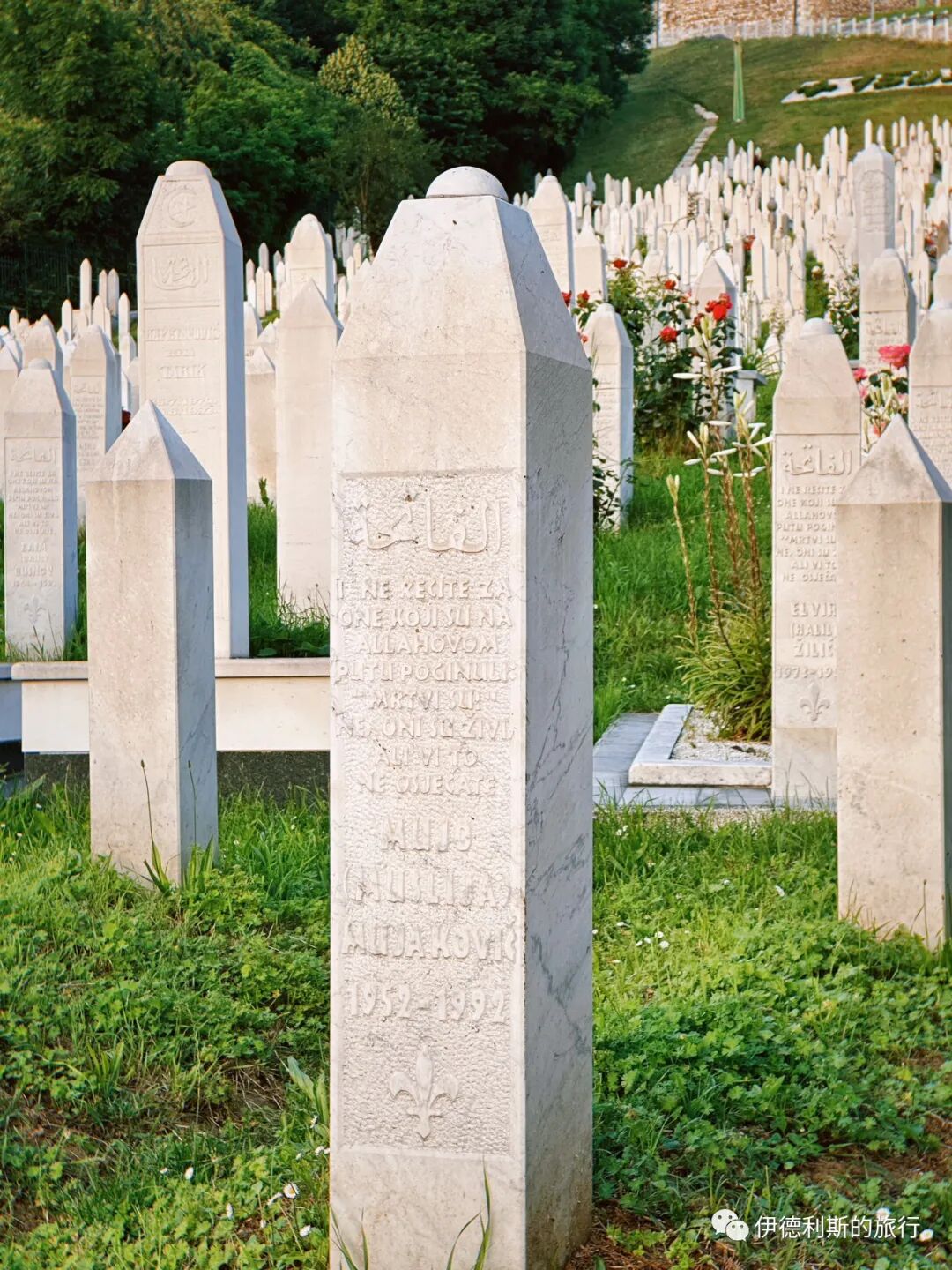
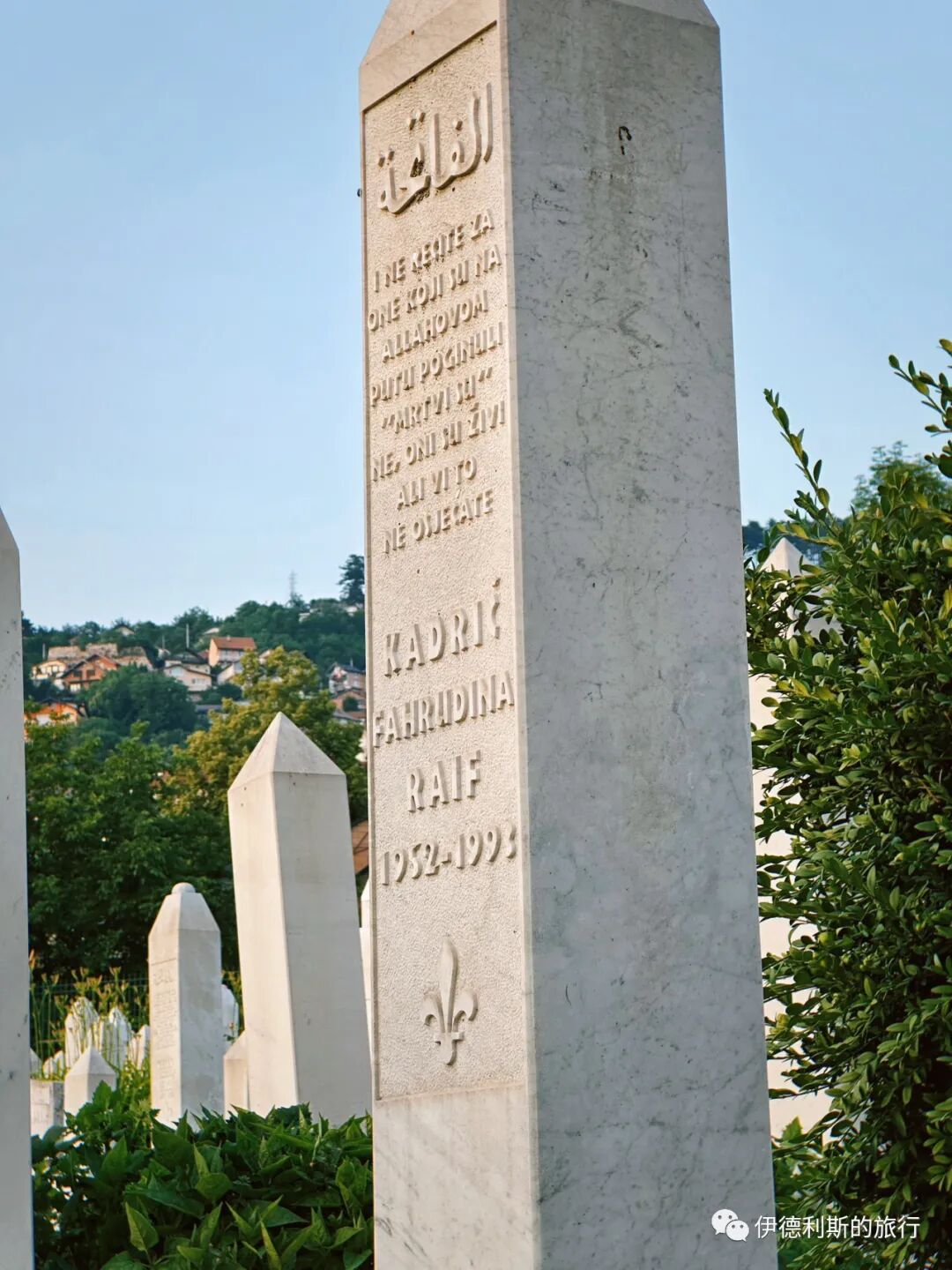
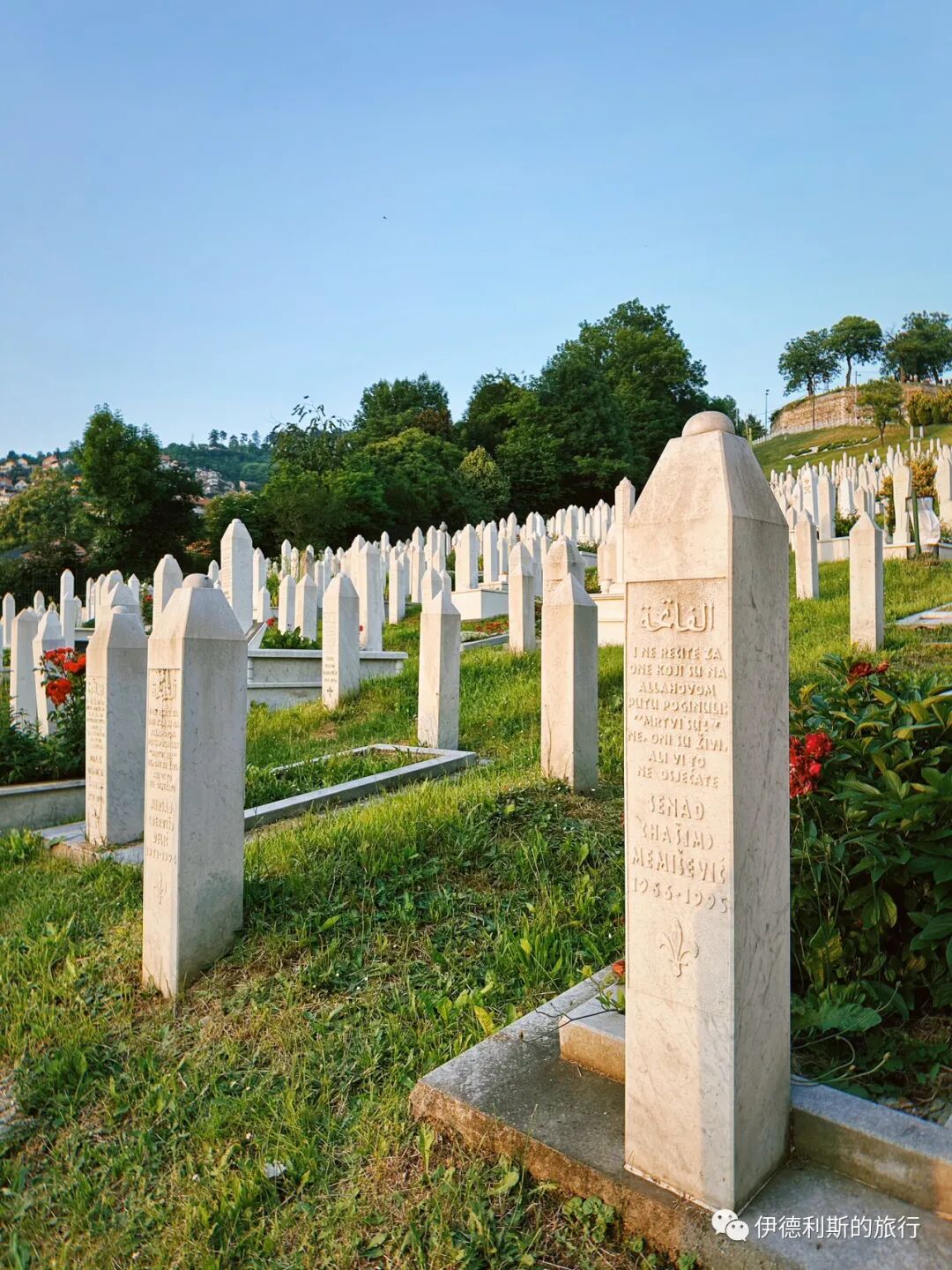
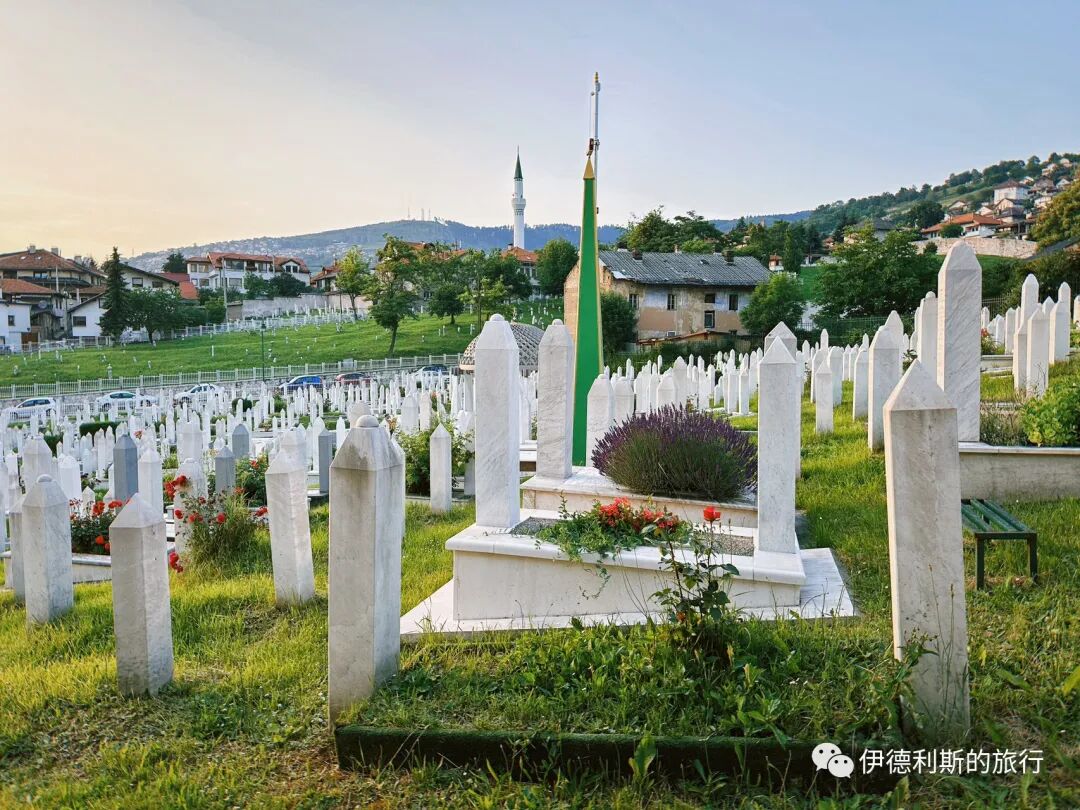
In the afternoon, I went to visit the Kovači Cemetery below the Yellow Fortress on the east side of Sarajevo's old town. Kovači Cemetery is also called the Martyrs' Cemetery (Šehidi Cemetery). Many people who died during the Siege of Sarajevo in the Bosnian War are buried here. Alija Izetbegović, the wartime president of the Republic of Bosnia and Herzegovina, was also buried here after he returned to Allah.
Historical Museum of Bosnia and Herzegovina
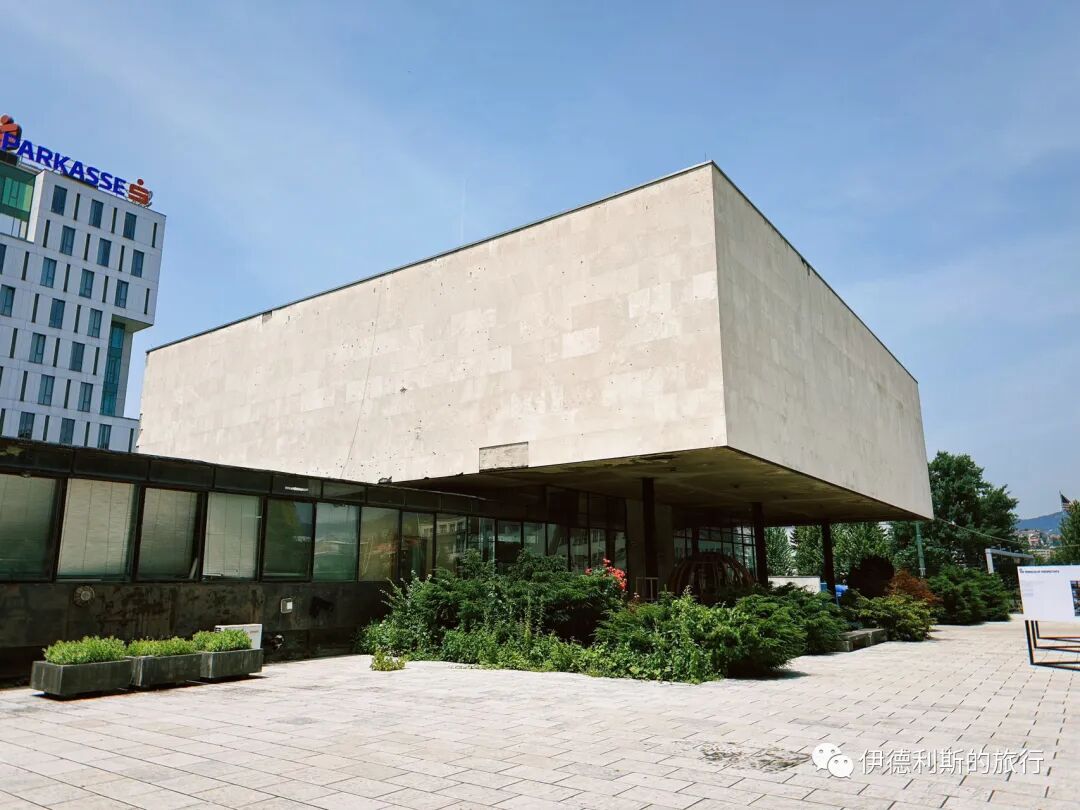
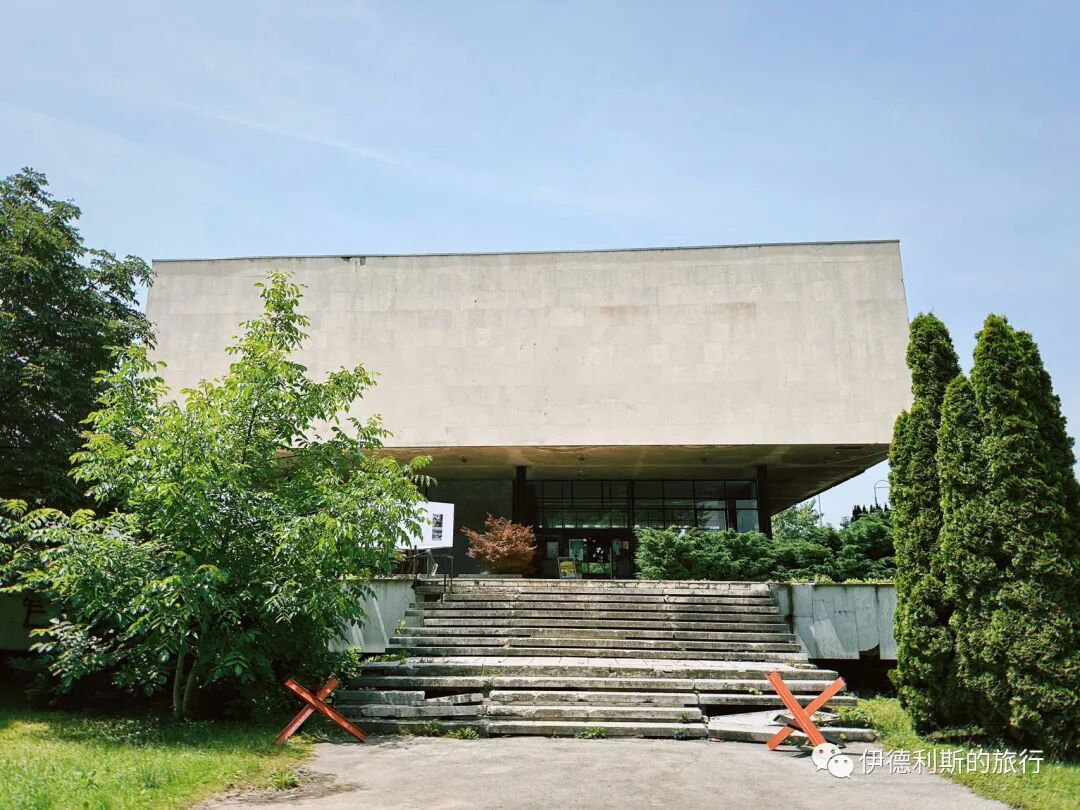
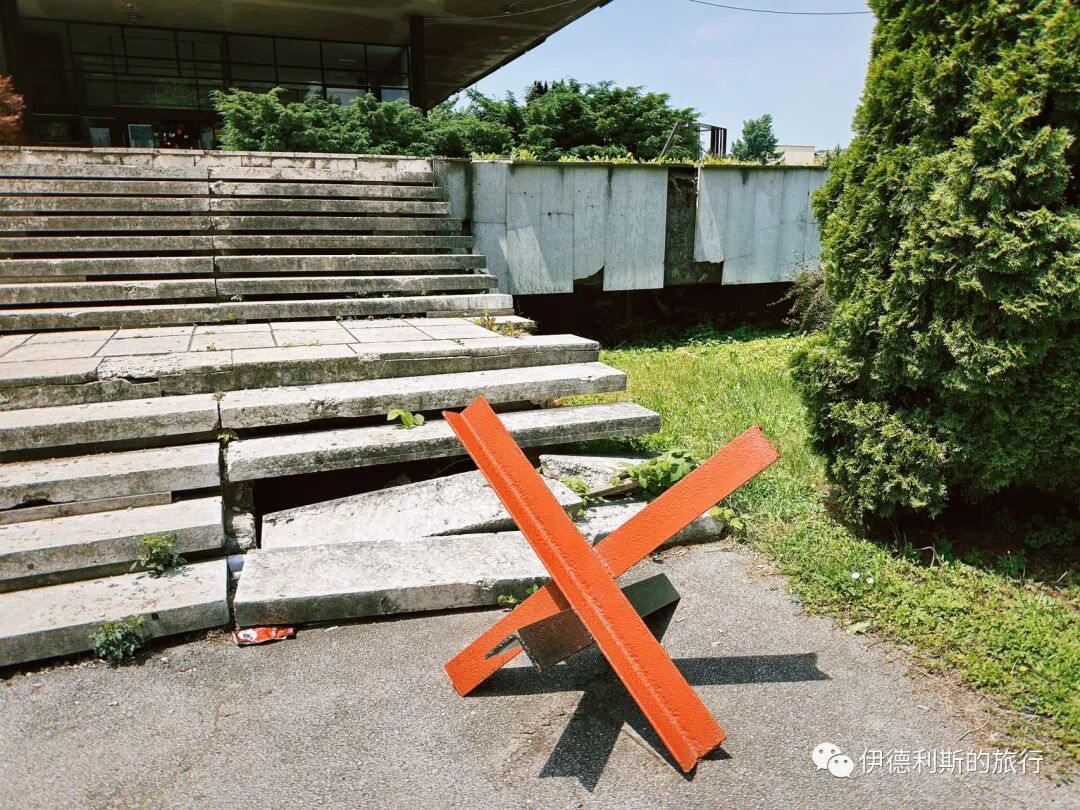
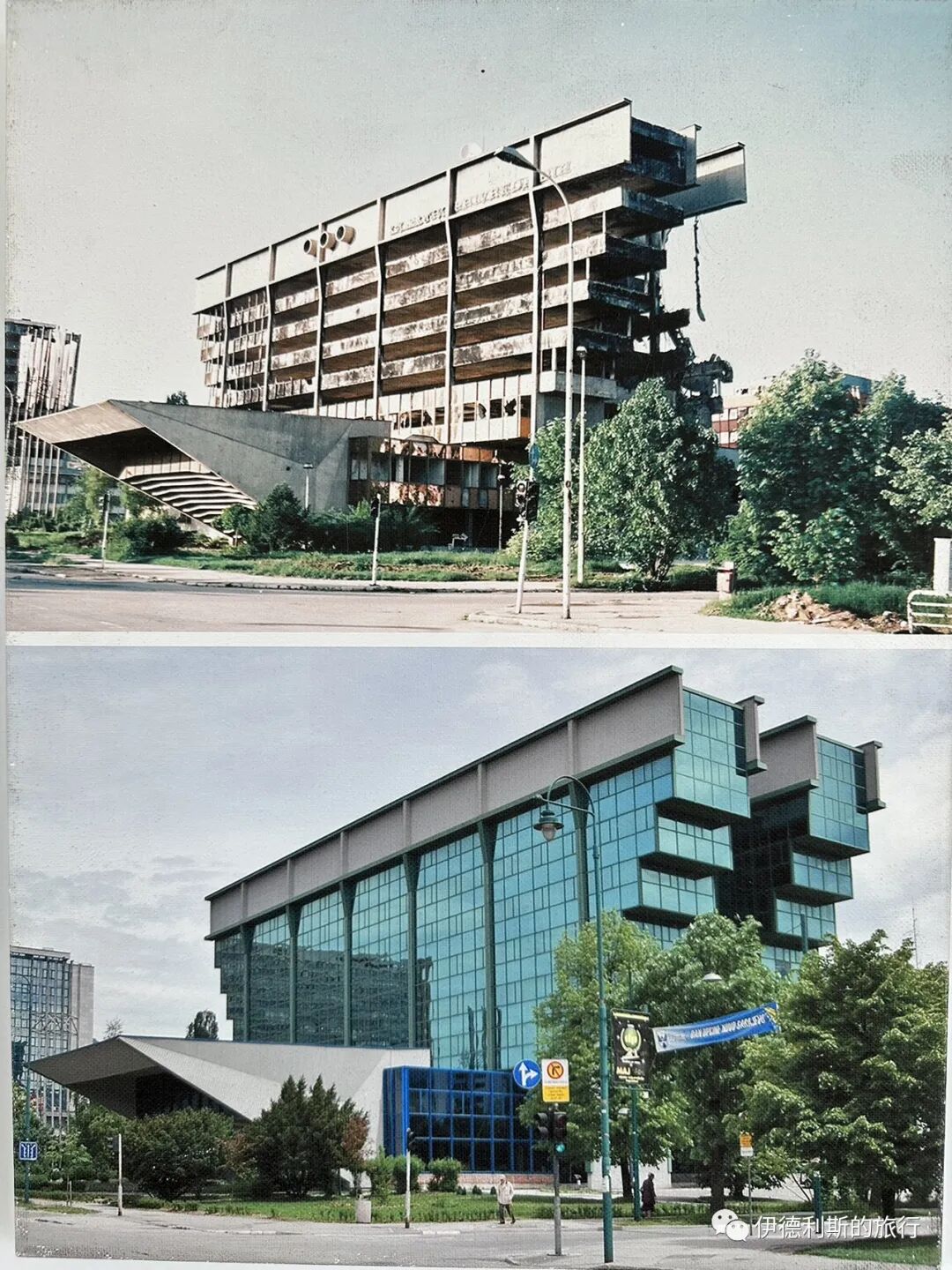
The Historical Museum of Bosnia and Herzegovina was built in 1963 and is one of the representative works of Yugoslav modern architecture. The museum suffered severe damage during the Bosnian War. The staff managed to save most of the collection, and today the building still keeps the marks left by the war.
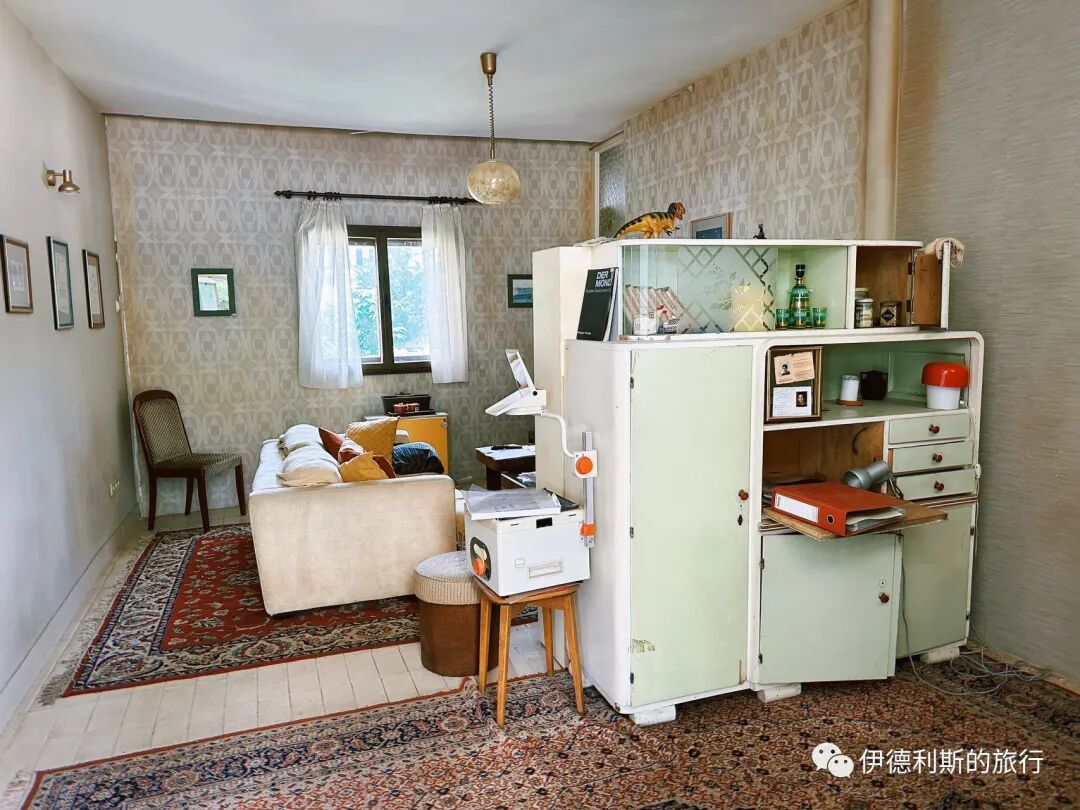
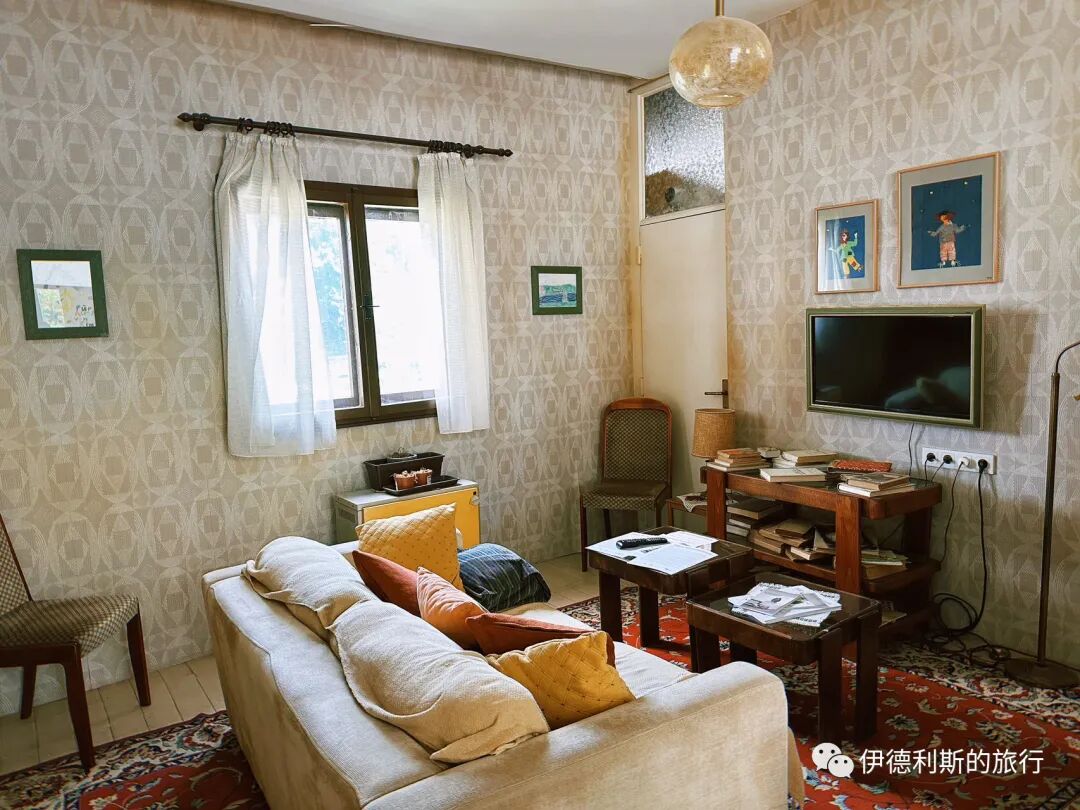
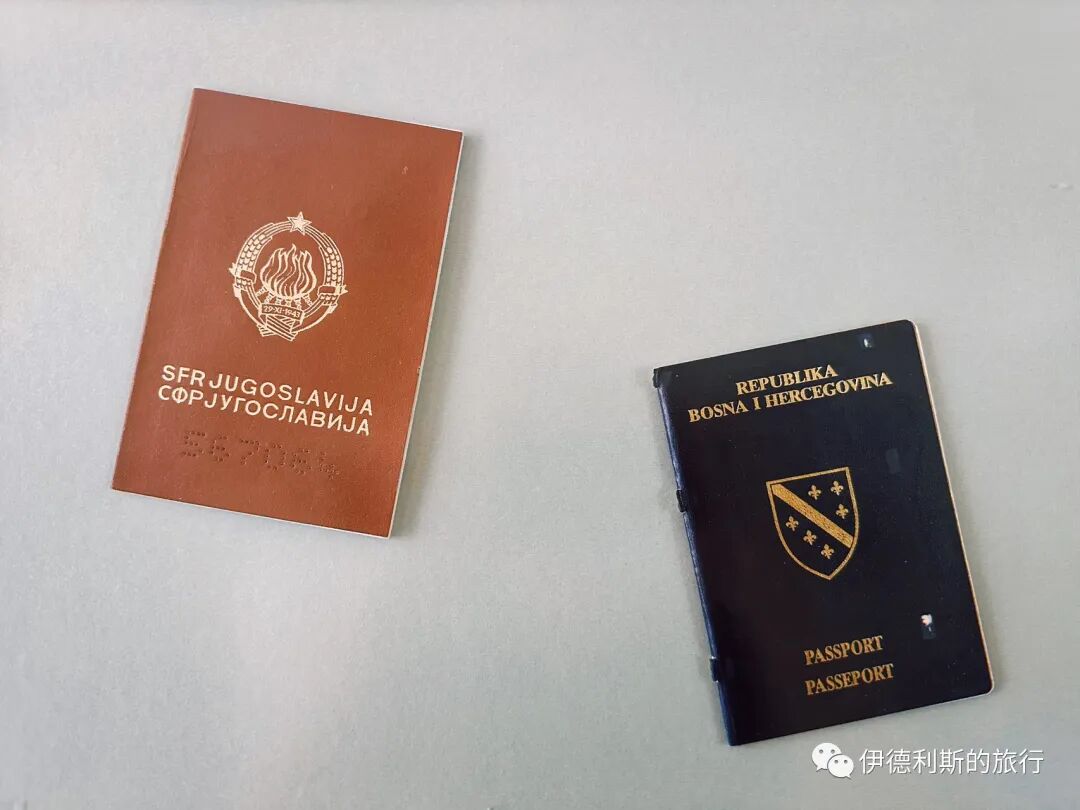
The museum features an exhibition called 'We Refugees'. During the Bosnian War, Germany and Austria took in nearly 500,000 refugees from Bosnia and Herzegovina, and many returned home after the war. The exhibition recreates a private space for refugees, containing personal files from 20 different people. This is the first time they have talked about leaving home for a new country, being separated from family, fearing for their lives, feeling like outsiders, losing their identity, the languages they lost and learned, the challenges of refugee life, new friendships and relationships, and the experience of returning to their homeland. Each person left behind an object, a document, or a photograph in their file. Even today, these items still remind them of that time.
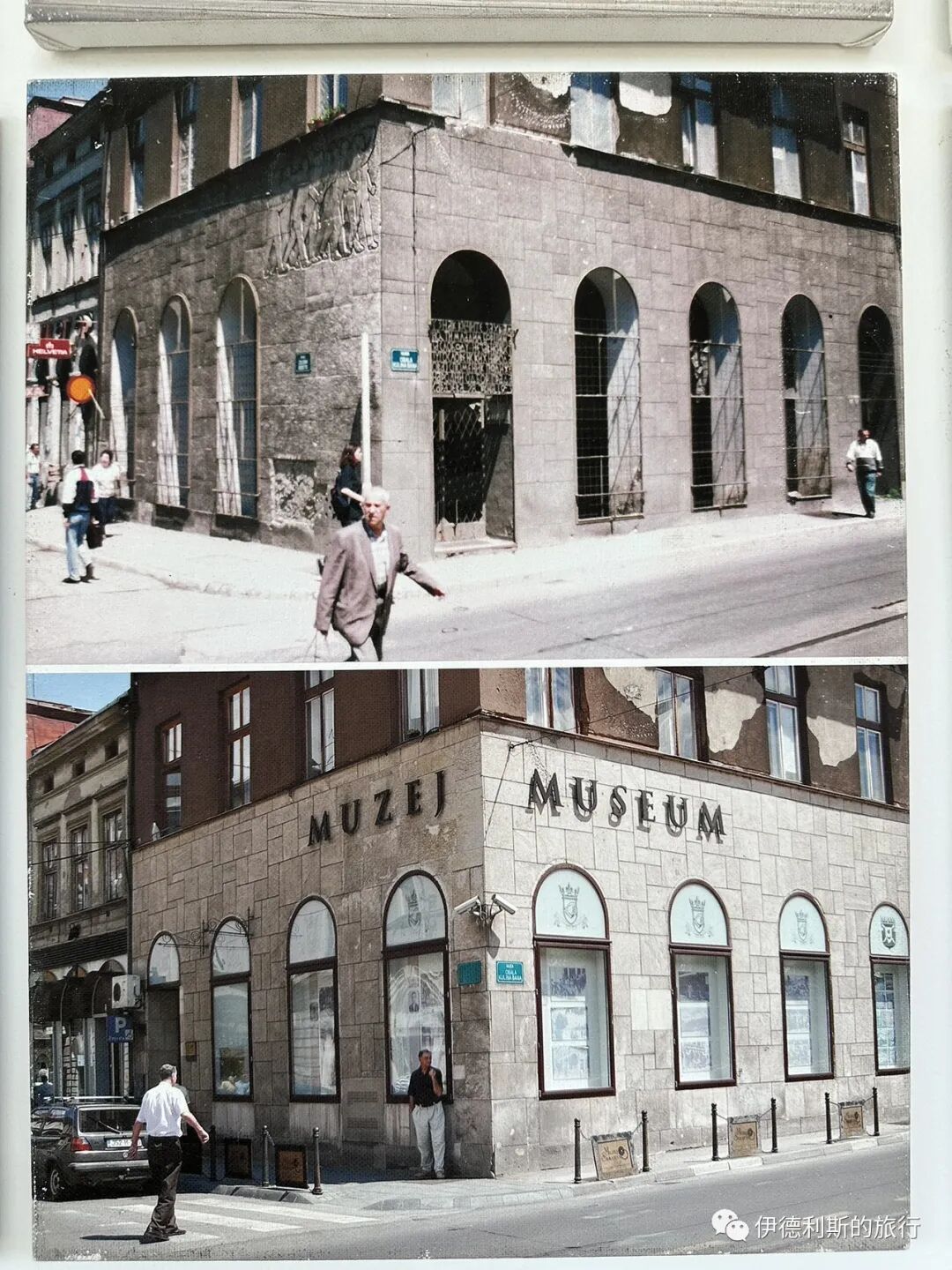
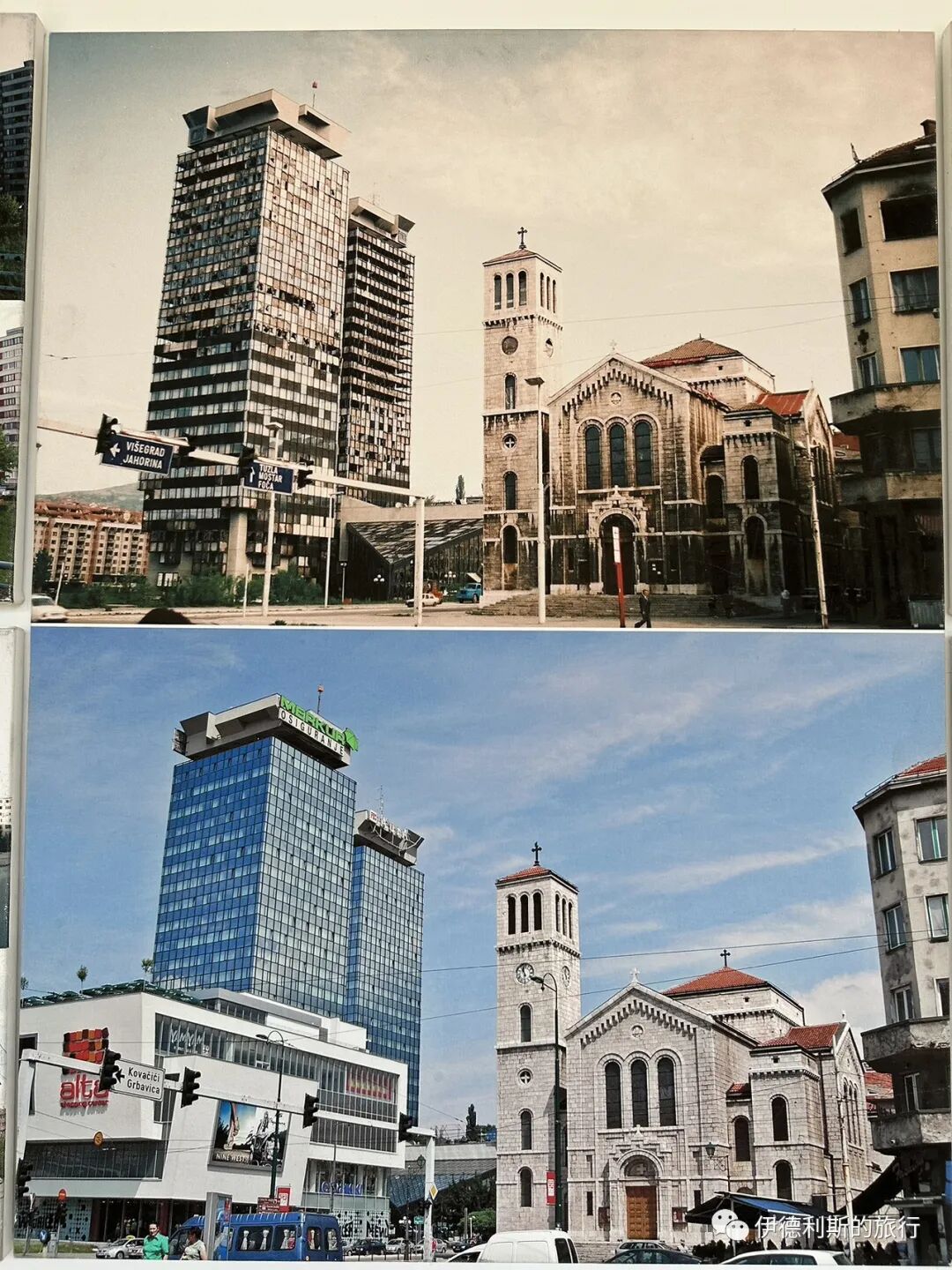
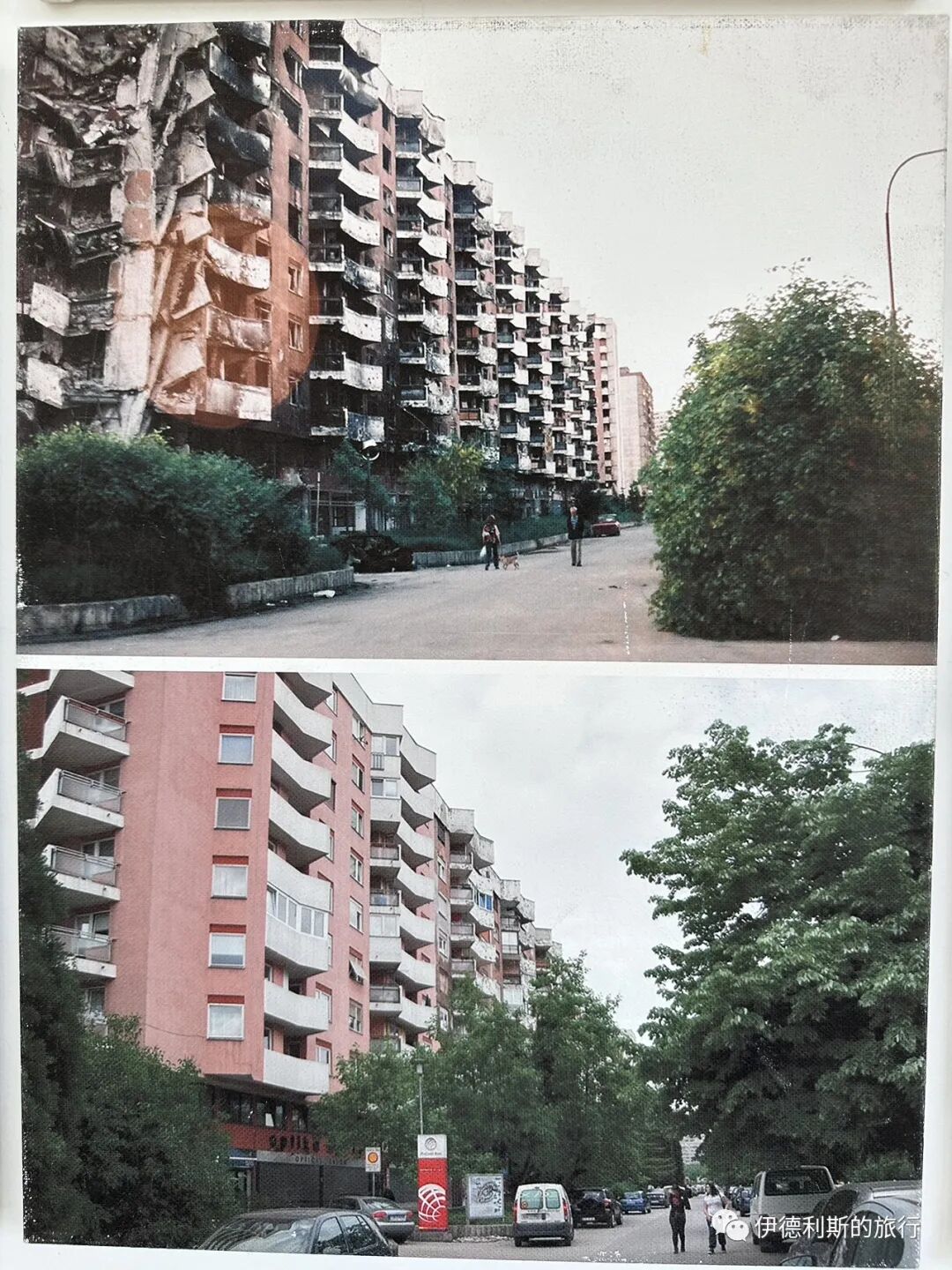
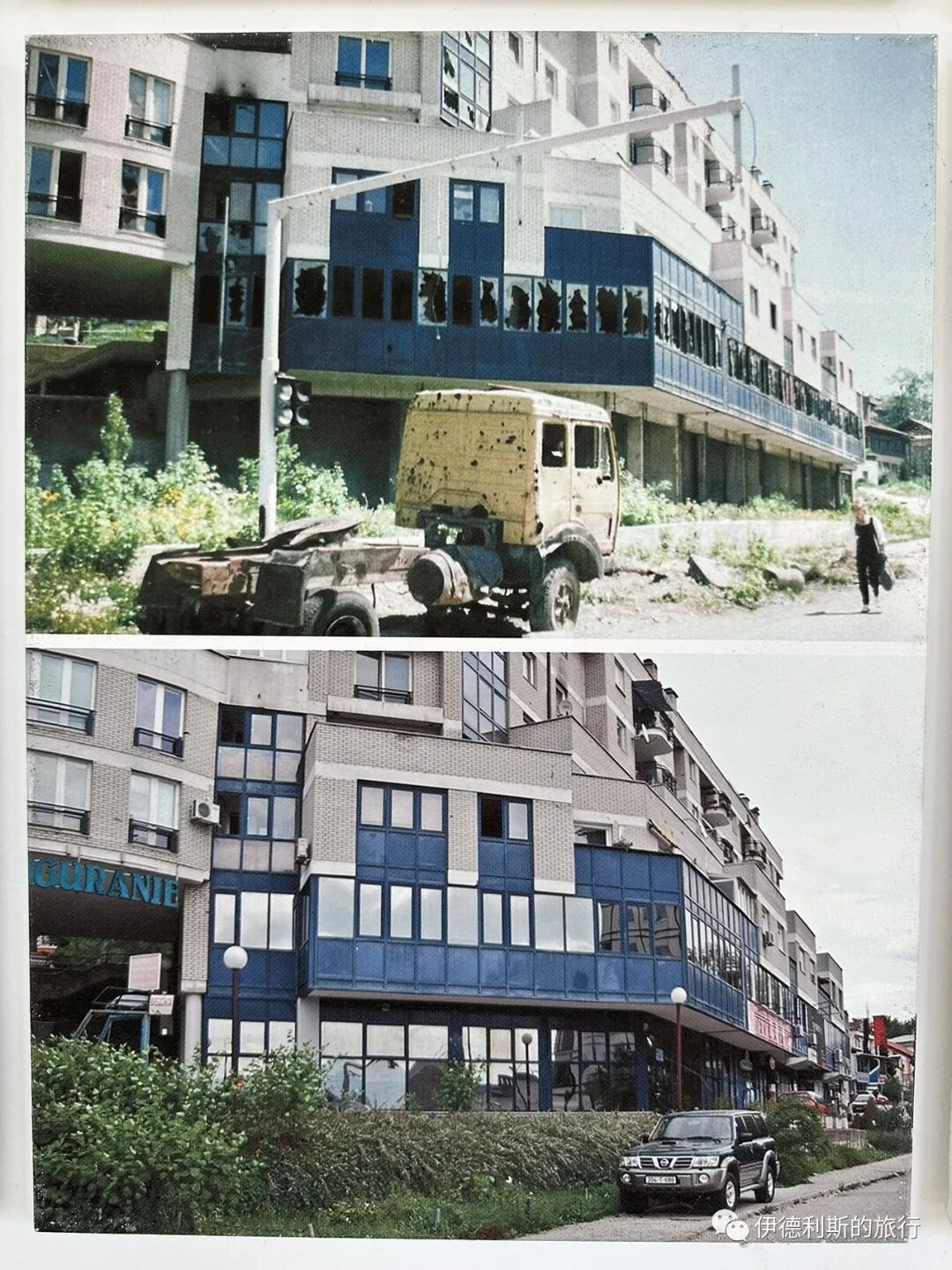
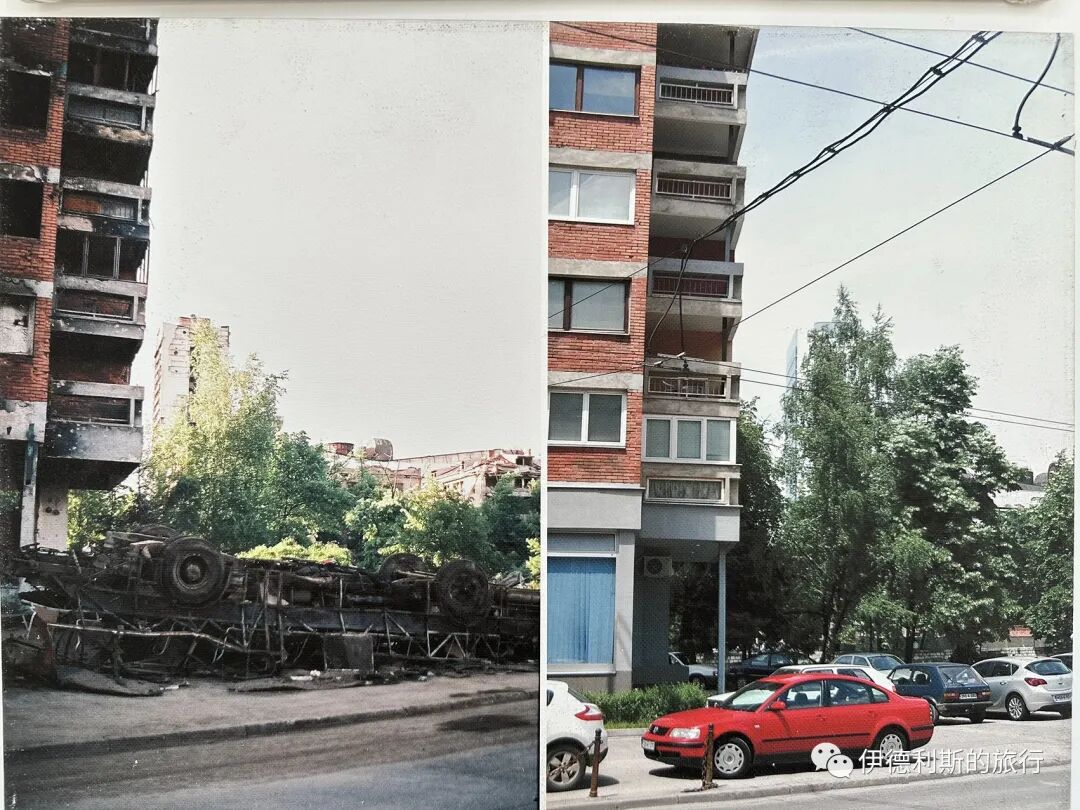
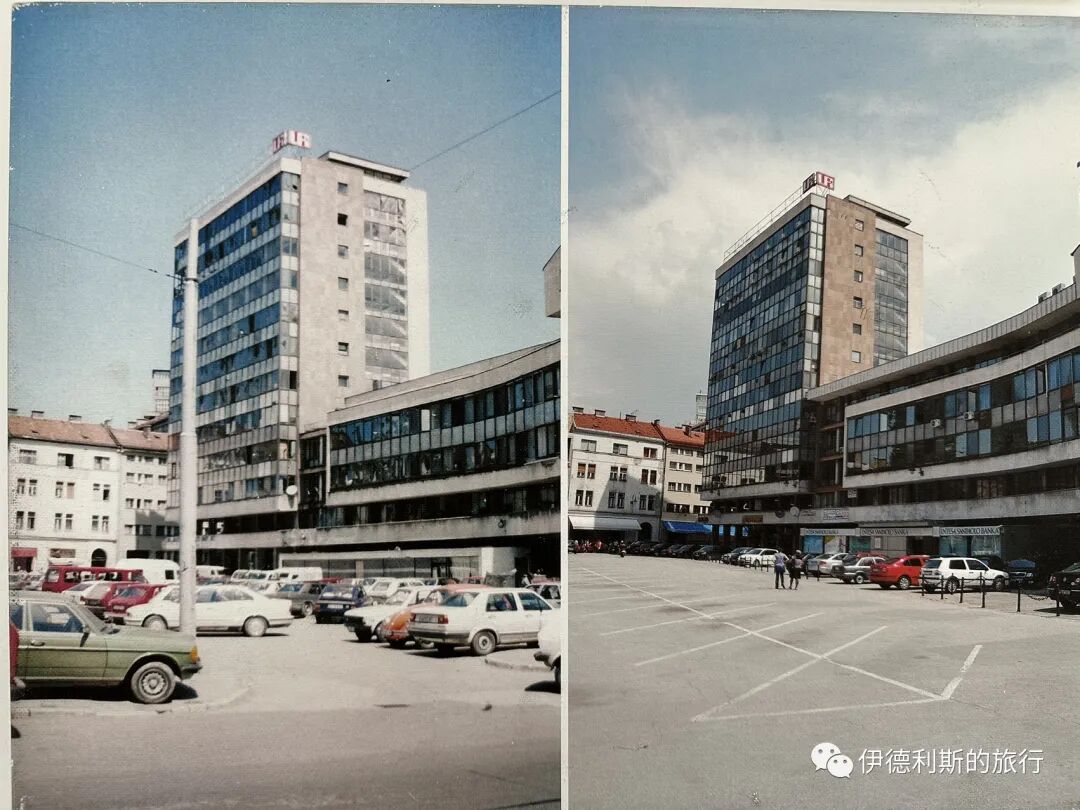
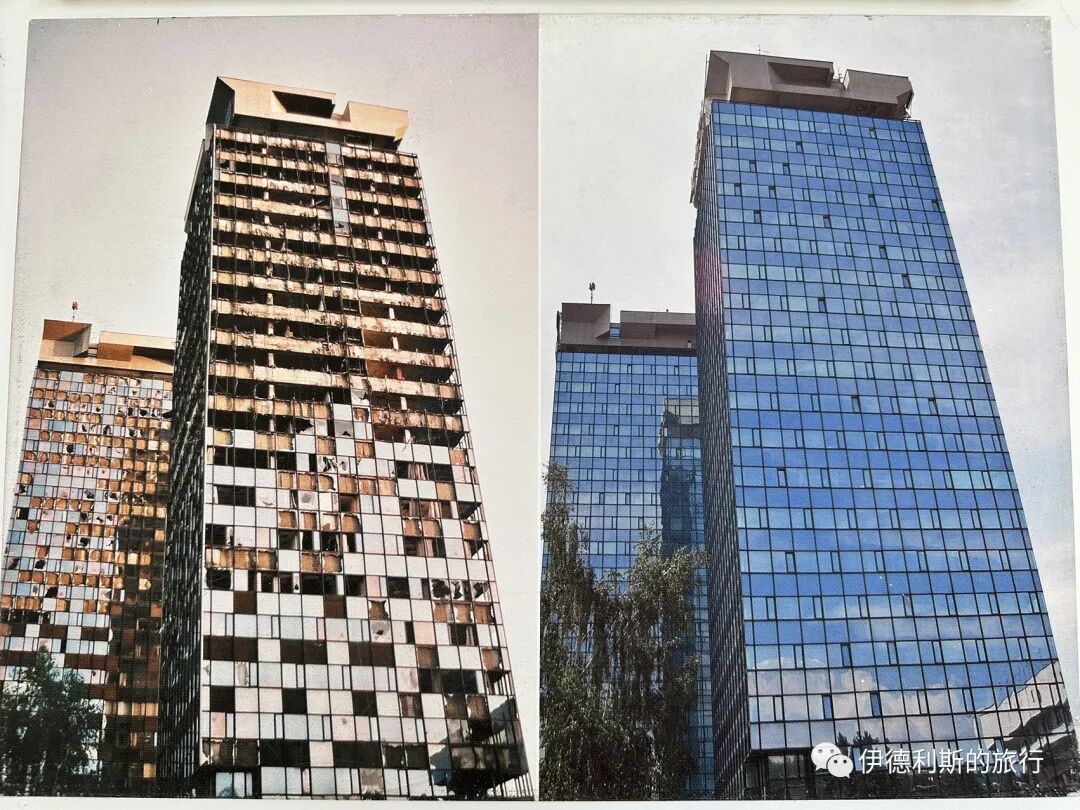
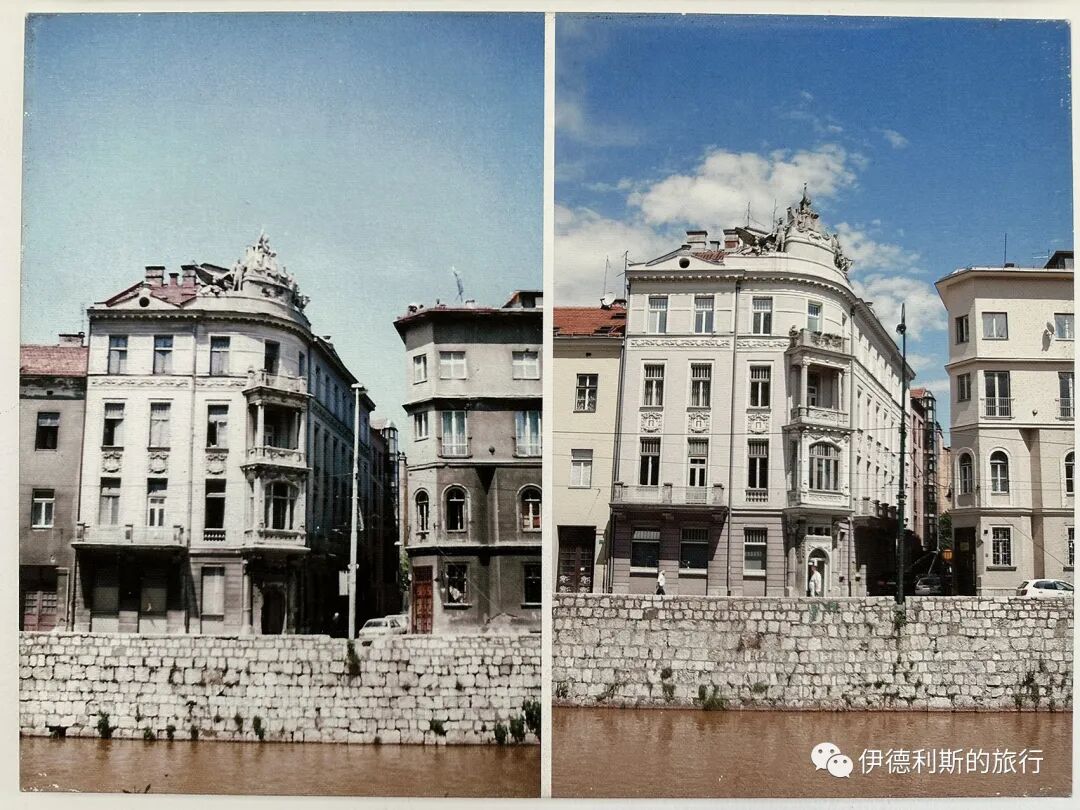
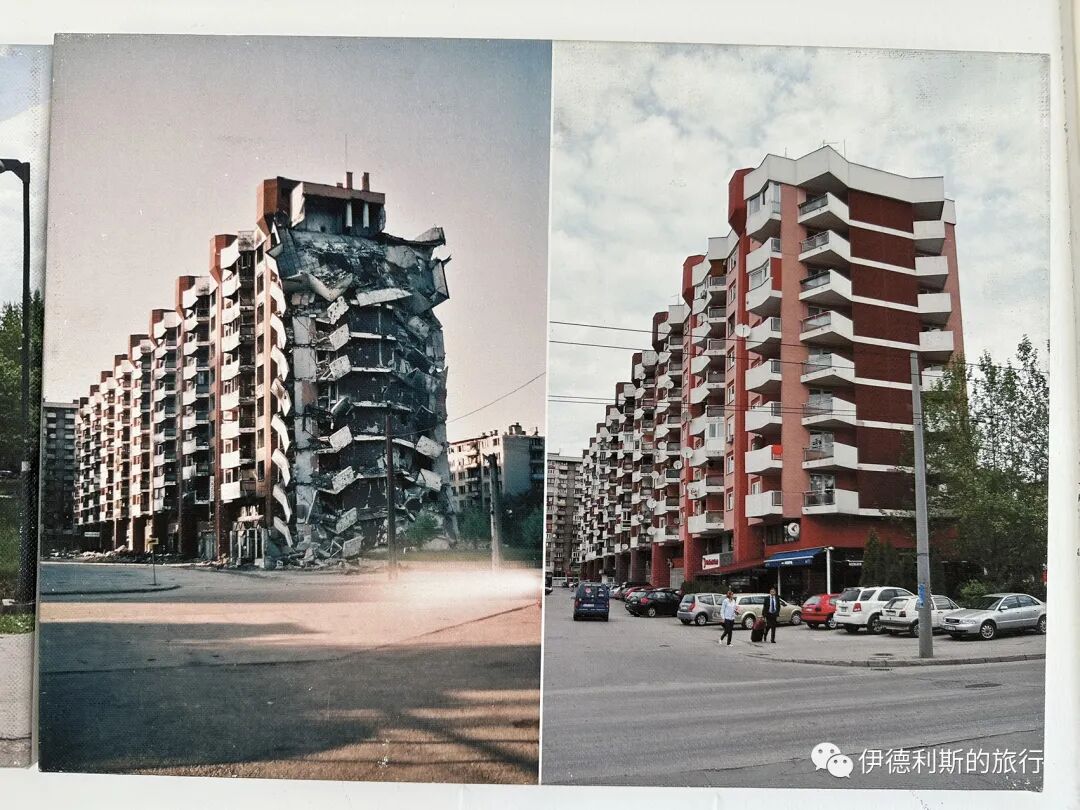
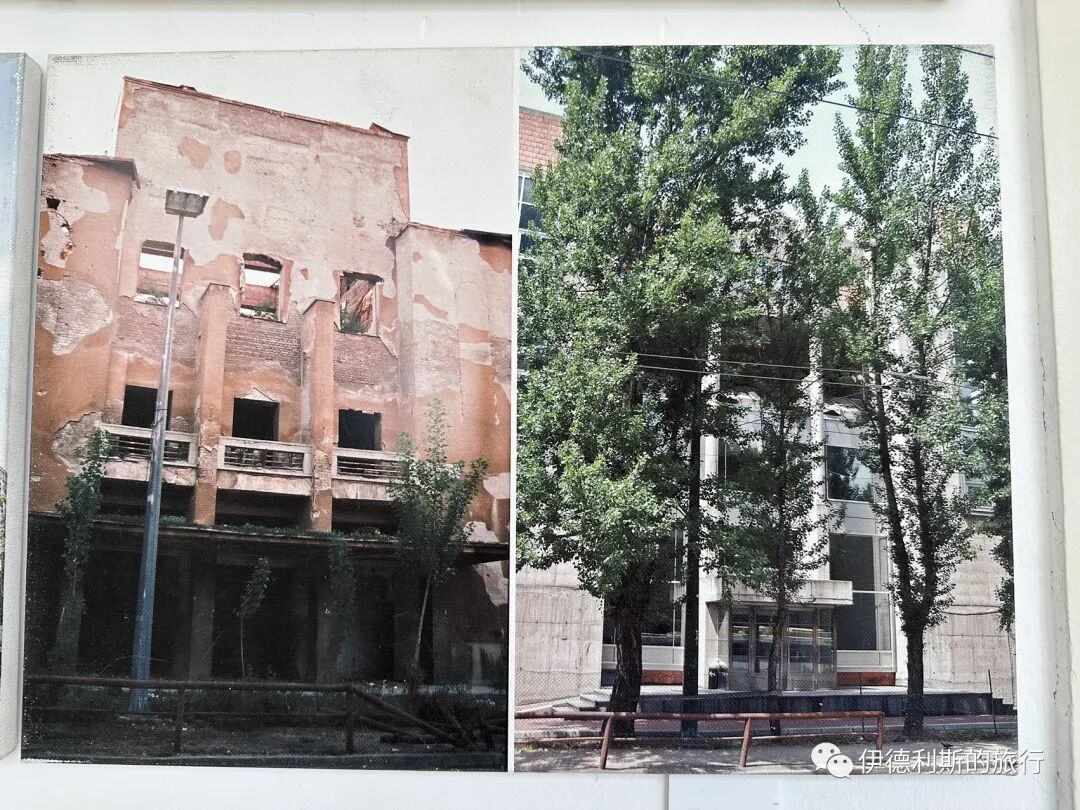
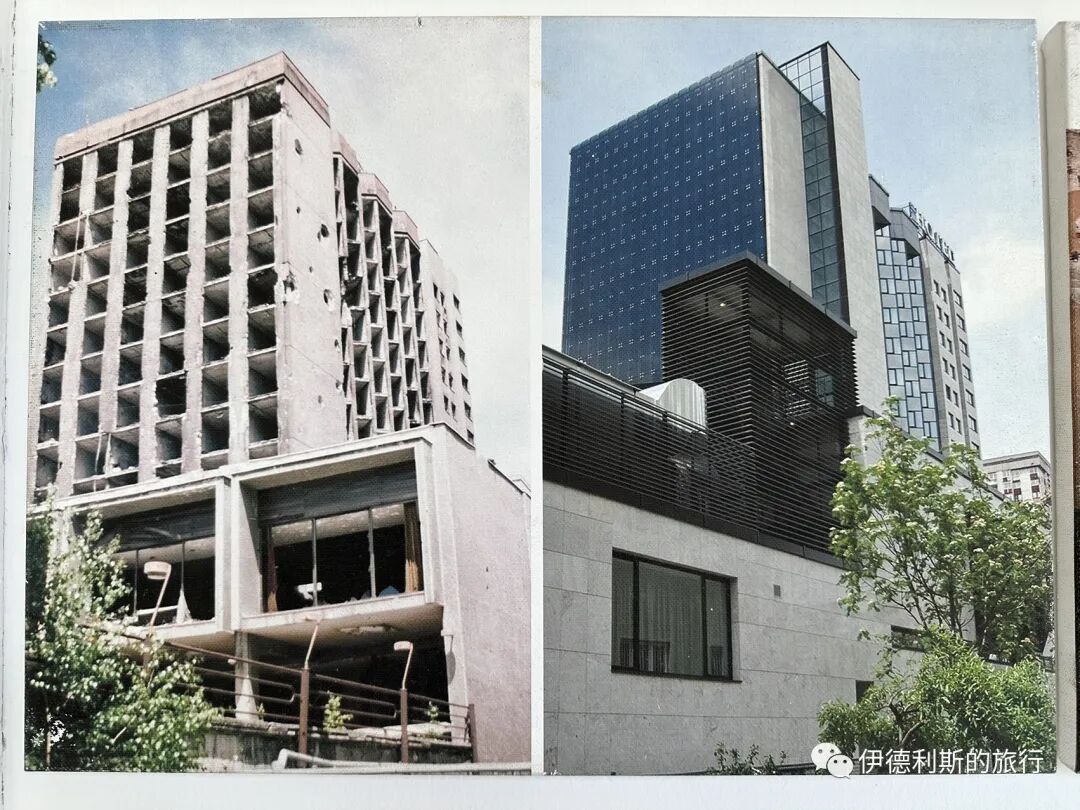
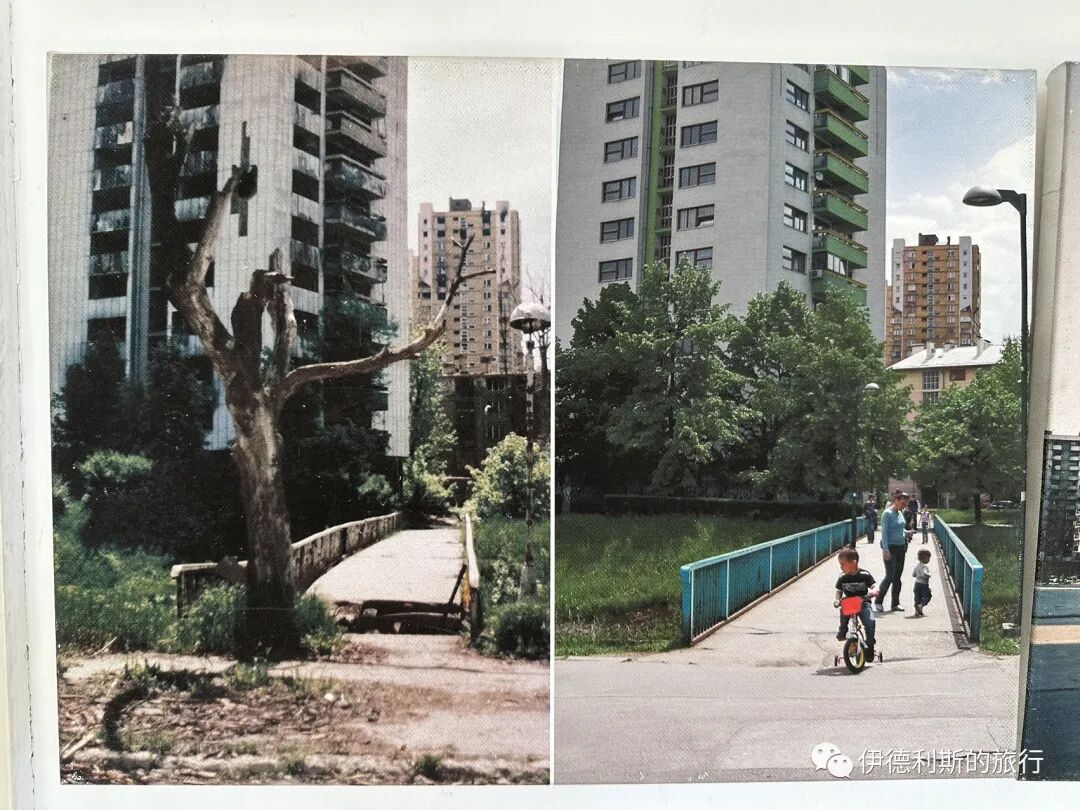
There is a photography exhibition by Scottish photographer Jim Marshall at the Historical Museum of Bosnia and Herzegovina. He began living and working in Bosnia and Herzegovina in 1994, and in 1996 and 2011, he took a series of photos of Sarajevo street scenes from the same angles. The front desk of the Historical Museum of Bosnia and Herzegovina sells postcards of this photo series, which are worth collecting if you are traveling in Sarajevo.
Summary: Sarajevo carries visible memories of the Bosnian War through memorials, cemeteries, streets, and sites of loss. This account records those places in a restrained travel voice while preserving the original details and image sequence.
It takes just over an hour to fly from the Asian side airport in Istanbul to Sarajevo. Sarajevo Airport is very small and does not have many daily flights. If you are among the first to get off the plane, you can go through customs without waiting in line, as there is no visa required. We booked a hotel called Villa Sky in the old town of Sarajevo on Agoda and arranged for the owner, Faris, to pick us up at the airport.
Faris is a local Bosnian, and he speaks fluent English. On the way into the city, he gave us an overview of Sarajevo and pointed out bullet holes left on buildings from the Bosnian War. Later, while walking around the streets of Sarajevo, we found other buildings that still have bullet hole marks. These bullet holes vary in size, and some are very dense. It is easy to imagine the cruelty of the war that happened 20 years ago.
The Siege of Sarajevo lasted nearly four years, from April 5, 1992, to February 29, 1996. During this time, 13,952 people were killed, including 5,434 civilians. The siege reached its peak between the second half of 1992 and the first half of 1993. Bosnian homes were looted and burned, and residents were beaten and sent to prisons and concentration camps, where many were killed. The Serbian army outside the city kept shelling Sarajevo, while Serbian forces inside the city used sniper rifles and grenades to attack people on major streets.
On February 5, 1994, Serbian forces fired a mortar into the Markale market in Sarajevo, killing 67 civilians. This is known as the Markale massacre. On August 28, 1995, the market was shelled again by Serbian forces, killing 37 people. This event led NATO to launch large-scale bombings against Serbia, which eventually brought the war to an end.
Martyr memorial wall (Shehid memorial wall)
The martyr memorial wall (Shehid memorial wall) is at the entrance of the Gazi Husrev-beg Museum in Sarajevo. It lists the names of imams, Islamic school professors, and madrasa students who died in the Bosnian War. The introduction at the front reads:
Between April 1992 and November 1995, 96 imams, Islamic school professors, and madrasa students were brutally killed during the aggression against the Republic of Bosnia and Herzegovina.
117 imams were held in concentration camps controlled by the military and police of the Republika Srpska and the Croatian Defence Council.
In the lands controlled by these forces, over 80% of Islamic religious buildings were destroyed, including 614 mosques, 218 prayer sites, 69 primary schools, 4 Sufi lodges (tekke), 37 mausoleums (turbe), and 405 other buildings belonging to the Islamic Community of Bosnia and Herzegovina.
Gazi Husrev-beg Library
An introduction at the Gazi Husrev-beg Library: By a decision of the Riyasat, the highest administrative body of the Islamic Community of Bosnia and Herzegovina, May 7th is declared 'Mosque Day.' It commemorates the Ferhadija Mosque in Banja Luka and other religious buildings of the Islamic community destroyed during the Bosnian War on May 7, 1993.
The pictures show the Čaršijska Mosque in Srebrenica destroyed in 1995, the Ferhadija Mosque in Banja Luka destroyed in 1993, the Ahmići Mosque destroyed in 1993, the Hadži-Kurtova Mosque in Mostar destroyed in 1993/4, the Magribija Mosque in Sarajevo destroyed in 1992, and the remains of a mosque destroyed in the Bosnian War discovered in 2020.
The Gazi Husrev-beg Library has a special exhibition area about the library's experience during the Bosnian War, and a film titled 'The Love of Books: A Sarajevo Story' is playing. Zainab and I stopped to watch for a long time, and we were both moved to tears by the end.
As the library with the richest collection of Islamic books in Bosnia and Herzegovina, the Gazi Husrev-beg Library has faced many trials in its nearly 500 years of operation, but the 1992-95 Bosnian War was undoubtedly the hardest. The aggressors made destroying the historical and cultural heritage of Bosnia and Herzegovina a key goal, especially historical buildings that held written heritage. Staff at the Gazi Husrev-beg Library risked their lives to successfully move tens of thousands of precious Islamic books to safe places, making a huge contribution to saving the history and culture of Bosnia and Herzegovina.
The exhibition hall displays the equipment used to microfilm important books during the war. During the Siege of Sarajevo, this equipment was brought into the city through an underground tunnel, which was the only way in or out of Sarajevo at the time. By the end of 1996, the staff had taken 5,000 microfilm photos.
The film 'The Love of Books: A Sarajevo Story' explains that to save the books in the Gazi Husrev-beg Library, the staff moved the book storage area many times. In 1992, the library decided to move 21 packages containing the most precious manuscripts into the vault of the Privredna Bank. To avoid attacks from Serb snipers on the streets, they packed the books in banana boxes, but then they ran into hungry people who robbed them. Fortunately, the hungry people let them go after discovering there were books inside instead of bananas. After going through great hardships, these books were finally saved until the end of the war.
The staff at the Gazi Husrev-beg Library risked their lives to save precious manuscripts during the Bosnian War, and they are now on display again at the library. Here are a few of them.
The first one is the Rose Garden (Gulistān), a prose work written in 1258 by the great Persian poet Saadi. This manuscript was annotated by the great 16th-century Bosnian classical literature critic Ahmed Sudi Bosnjak and copied in 1765 by Ahmad b. al-hagg Husayn al-Mostari. Ahmed Sudi was born in eastern Bosnia and later lived in Istanbul for a long time. He was an expert in Persian literature and wrote a series of commentaries on Persian literary classics in Ottoman Turkish. These had a huge influence in the Ottoman Empire and were widely used by later Persian scholars and Western Orientalists.
The second one is the 63rd handwritten Quran by hafiz Ibrahim Sehovic, completed in 1807. During his life, hafiz Sehovic copied at least 66 Qurans, and the Gazi Husrev-beg Library holds four of them.
The third one is a handwritten Quran completed in 1849 by Ahmad b. Muhammad al-Muhägir ad-Dagistani al-Makki.
The fourth one is a Quran selection (Juz') gifted by Ferhad-pasha Sokolovic in 1587 to a mosque in the city of Banja Luka in northwestern Bosnia.
The fifth one is a Quran selection (Juz') gifted by Mehmed-pasha Sokolovic in 1570 to a mosque in his birthplace in eastern Bosnia.
The sixth one is a handwritten Quran created by Abdullah b. Muhammad al-Hafiz as-Sirazi in 1572-73.
Museum of Crimes Against Humanity and Genocide 1992-1995
Located in the center of Sarajevo's old town, the Museum of Crimes Against Humanity and Genocide 1992-1995 is a place that requires a strong stomach to visit. It is the second museum to leave me with a deep psychological shadow, the first being the Gulag History Museum in Moscow. When I entered, I happened to see the Bosnian friend (dosti) selling tickets being interviewed. He was talking about his family's life during the Bosnian War, which was the first time I heard firsthand information about this war.
I will share the museum's introduction here: We must remember history! The Bosnian War began in April 1992. It is listed as one of the most brutal wars in human history. Total casualties exceeded 200,000, with over 120,000 deaths, hundreds of thousands injured, 2 million people displaced, 657 concentration camps, over 200,000 people detained, 25,000 raped, and 30,000 missing. The crimes against humanity and genocide committed during the war are among the most heinous crimes known to mankind. This genocide happened in Central Europe at the end of the 20th century. The war ended in November 1995 with the signing of the Dayton Peace Agreement.
Keeping memories alive is an important factor in avoiding new genocides and massacres, especially today as separatism and racism slowly return to the world. This museum displays a sad part of human history. In this museum, people tell many stories and show many crime scenes. The exhibits hold strong emotions and help you understand more about the war experiences of the Bosnian people. Most importantly, this museum is run by victims of the war, those who lived through it.
Understanding the impact of hatred on others is important for everyone. Without this knowledge, hatred will easily happen again.
Martyrs' Cemetery (Šehidi Cemetery)
In the afternoon, I went to visit the Kovači Cemetery below the Yellow Fortress on the east side of Sarajevo's old town. Kovači Cemetery is also called the Martyrs' Cemetery (Šehidi Cemetery). Many people who died during the Siege of Sarajevo in the Bosnian War are buried here. Alija Izetbegović, the wartime president of the Republic of Bosnia and Herzegovina, was also buried here after he returned to Allah.
Historical Museum of Bosnia and Herzegovina
The Historical Museum of Bosnia and Herzegovina was built in 1963 and is one of the representative works of Yugoslav modern architecture. The museum suffered severe damage during the Bosnian War. The staff managed to save most of the collection, and today the building still keeps the marks left by the war.
The museum features an exhibition called 'We Refugees'. During the Bosnian War, Germany and Austria took in nearly 500,000 refugees from Bosnia and Herzegovina, and many returned home after the war. The exhibition recreates a private space for refugees, containing personal files from 20 different people. This is the first time they have talked about leaving home for a new country, being separated from family, fearing for their lives, feeling like outsiders, losing their identity, the languages they lost and learned, the challenges of refugee life, new friendships and relationships, and the experience of returning to their homeland. Each person left behind an object, a document, or a photograph in their file. Even today, these items still remind them of that time.
There is a photography exhibition by Scottish photographer Jim Marshall at the Historical Museum of Bosnia and Herzegovina. He began living and working in Bosnia and Herzegovina in 1994, and in 1996 and 2011, he took a series of photos of Sarajevo street scenes from the same angles. The front desk of the Historical Museum of Bosnia and Herzegovina sells postcards of this photo series, which are worth collecting if you are traveling in Sarajevo.
