
Halal Travel Guide: Cairo - National Museum of Egyptian Civilization
Reposted from the web
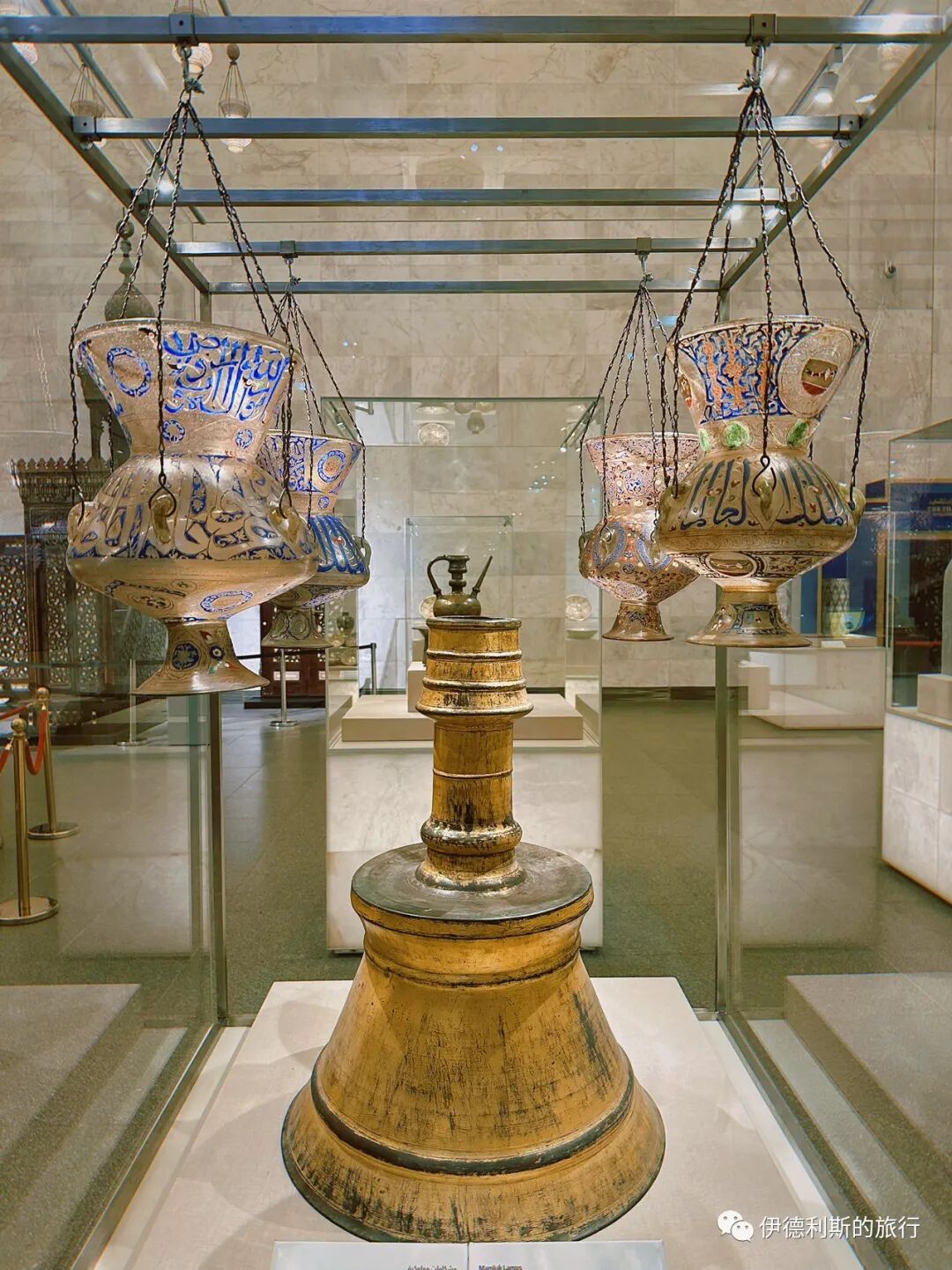
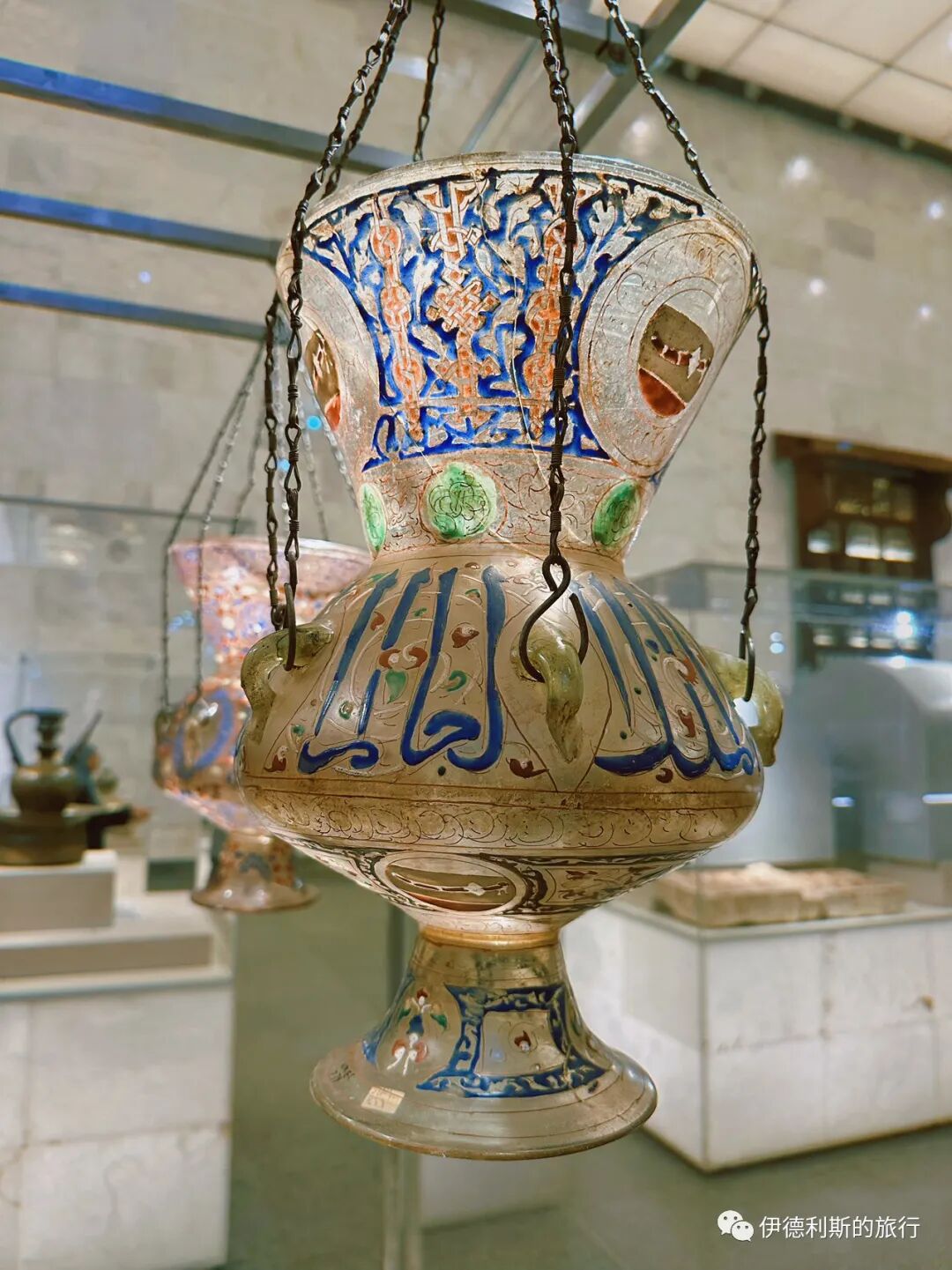
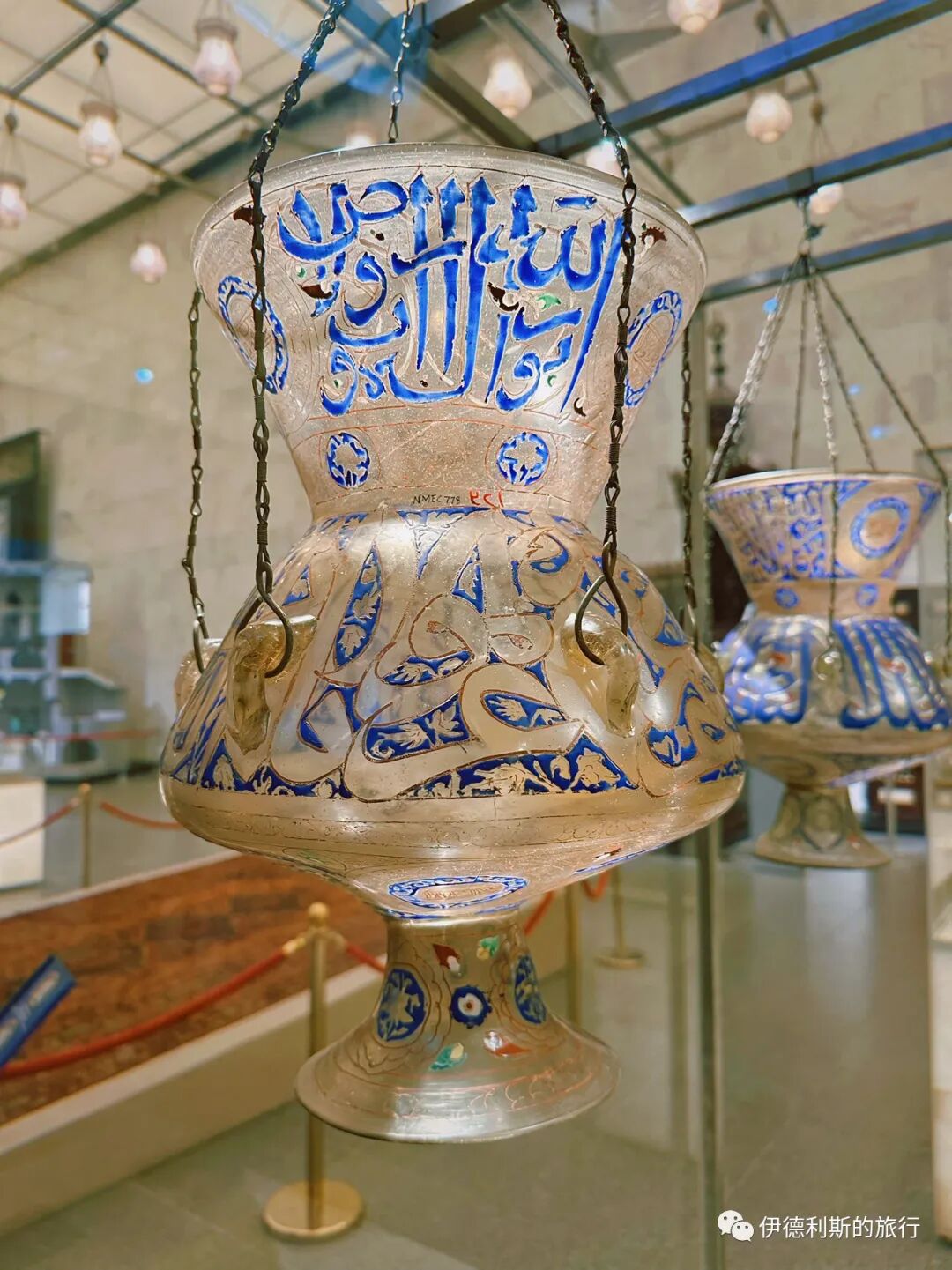
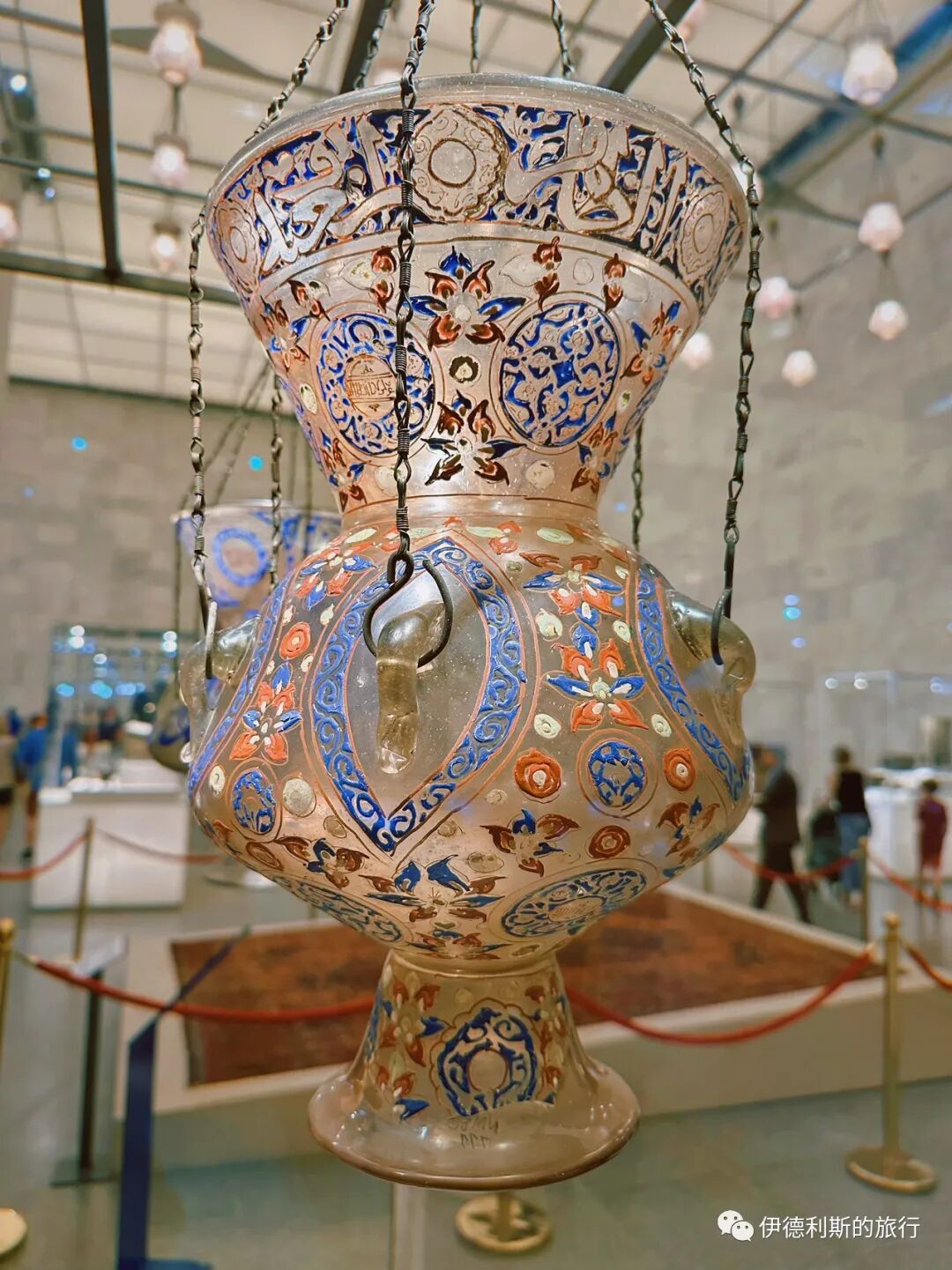
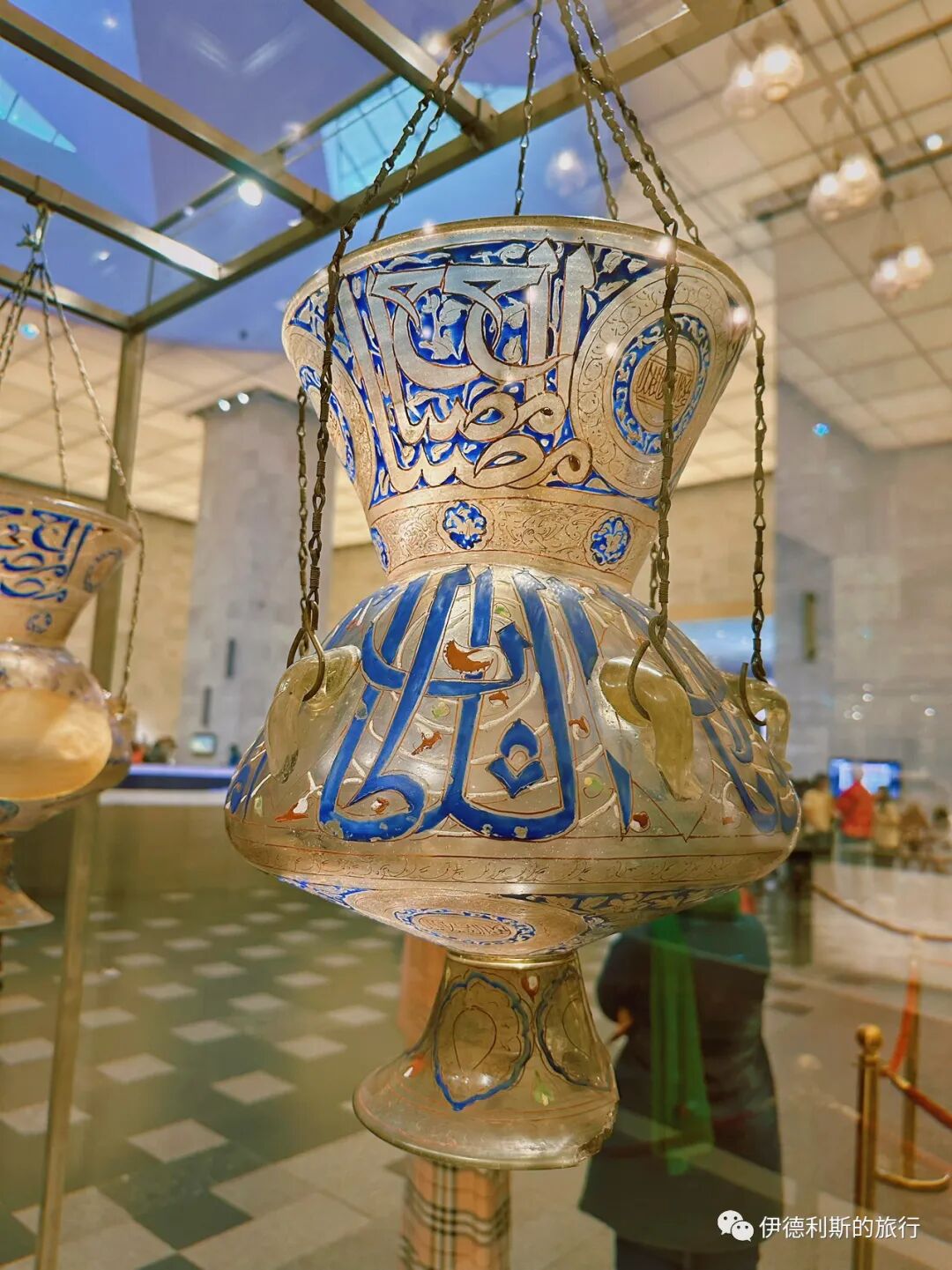
Four 14th-century stained glass oil lamps from the Mamluk era usually hang from the prayer hall ceiling by iron chains and feature beautiful Thuluth Arabic calligraphy. These four lamps come from the Sultan Hassan Madrasa, the Qalawun Madrasa, and the Al-Zahir Barquq Madrasa in Cairo. In the middle sits a Mamluk-era copper candlestick, which was typically placed on both sides of the mihrab prayer niche.
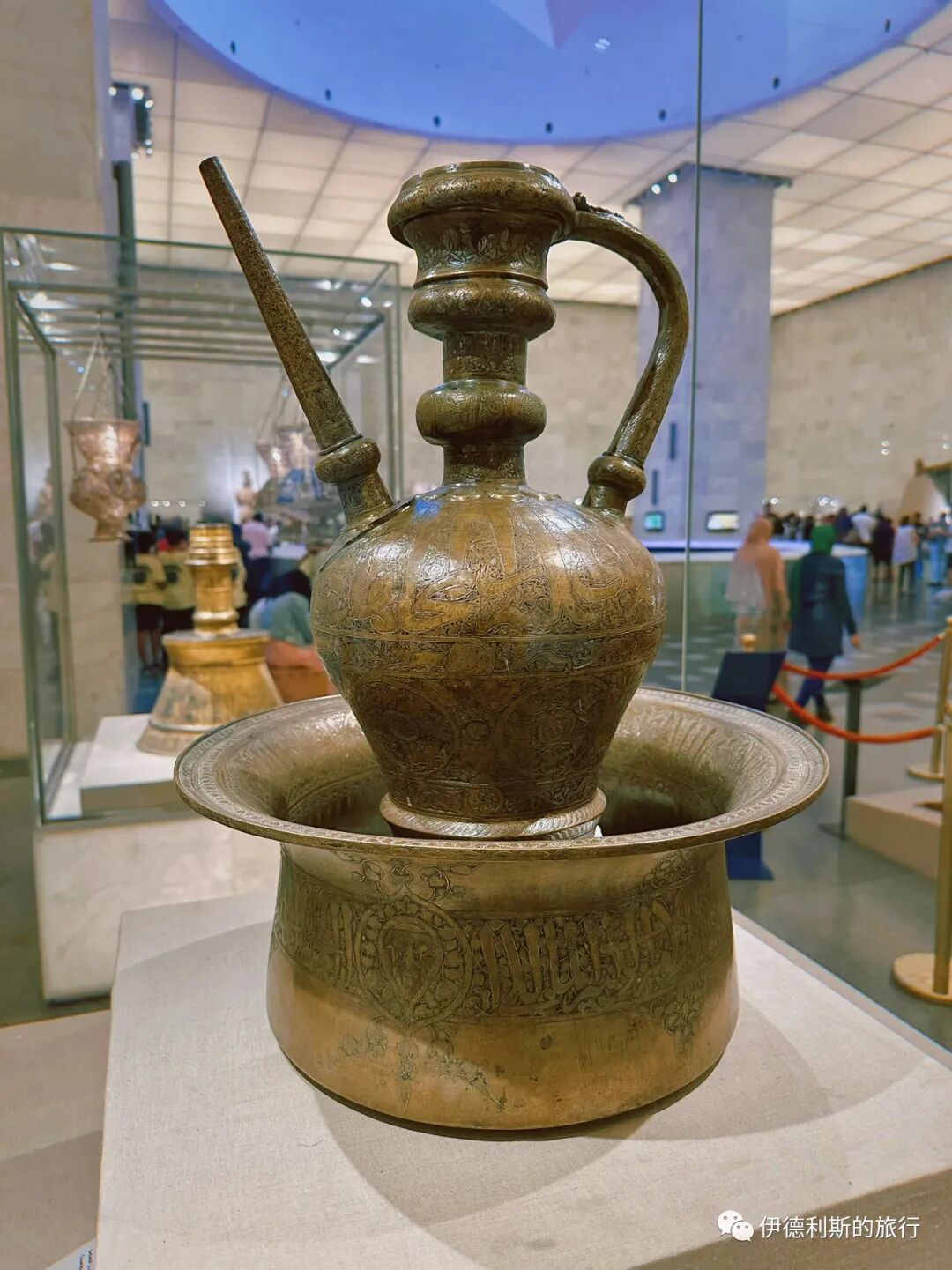
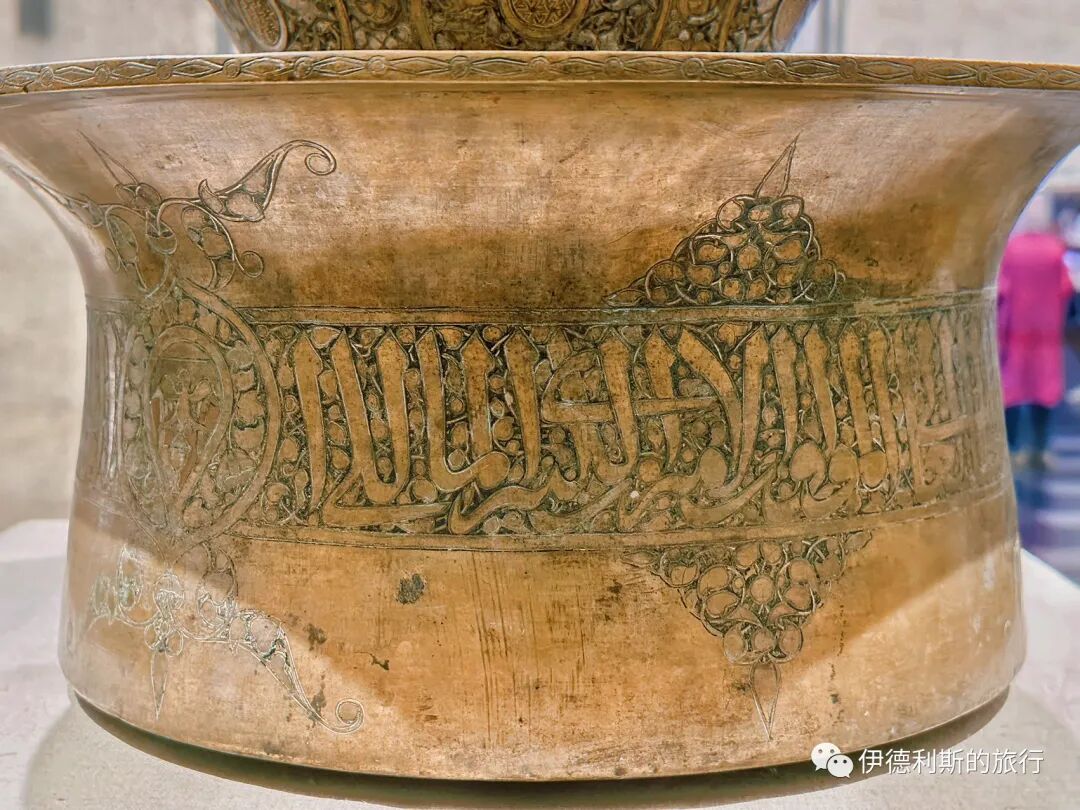
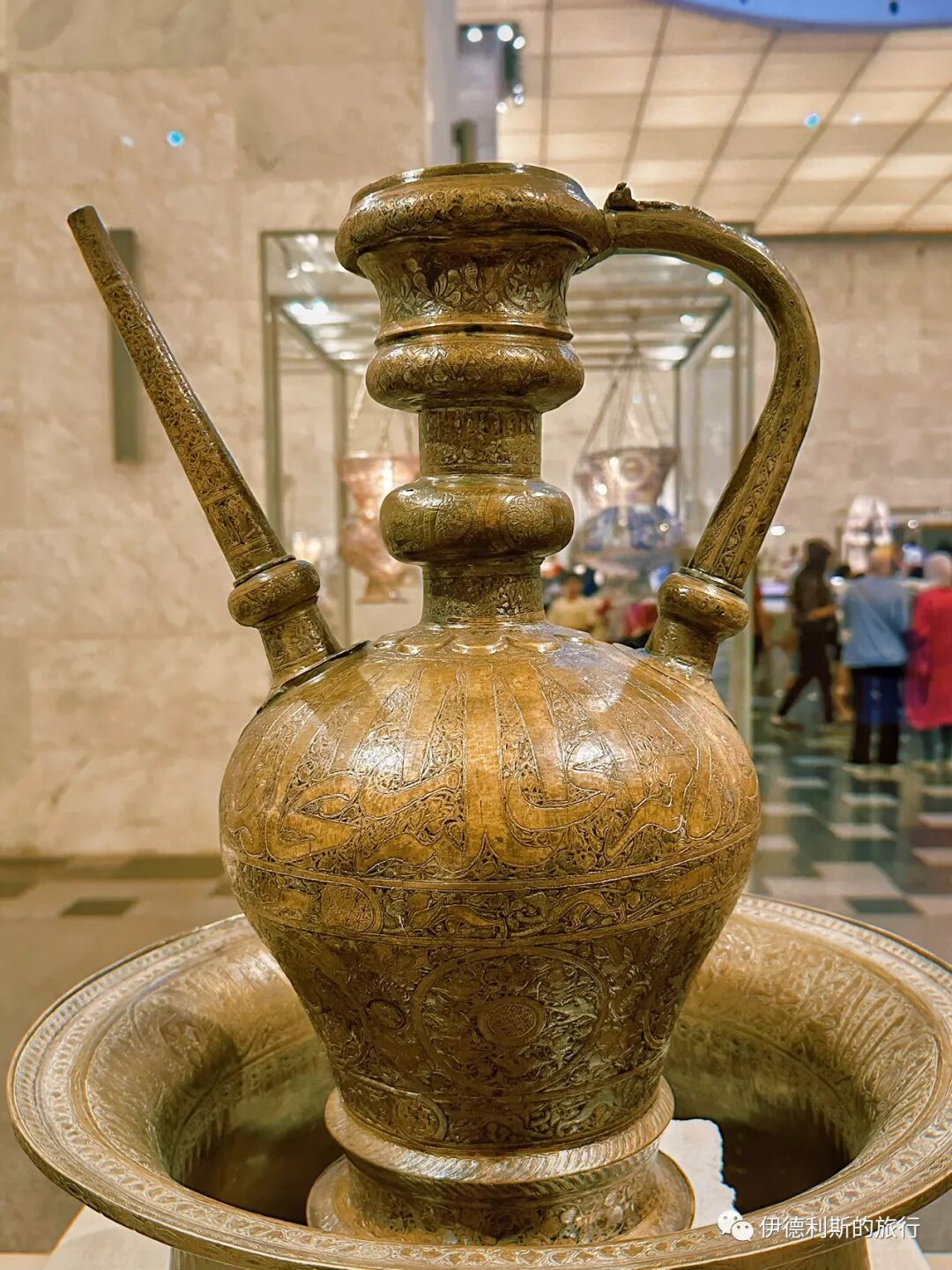
Copper basins and ewers with silver inlay from the Mamluk period (1250-1517) represent a cleaning tradition that has continued in Egypt since the time of the Pharaohs.
Wood carving and inlay craftsmanship from the Mamluk period.
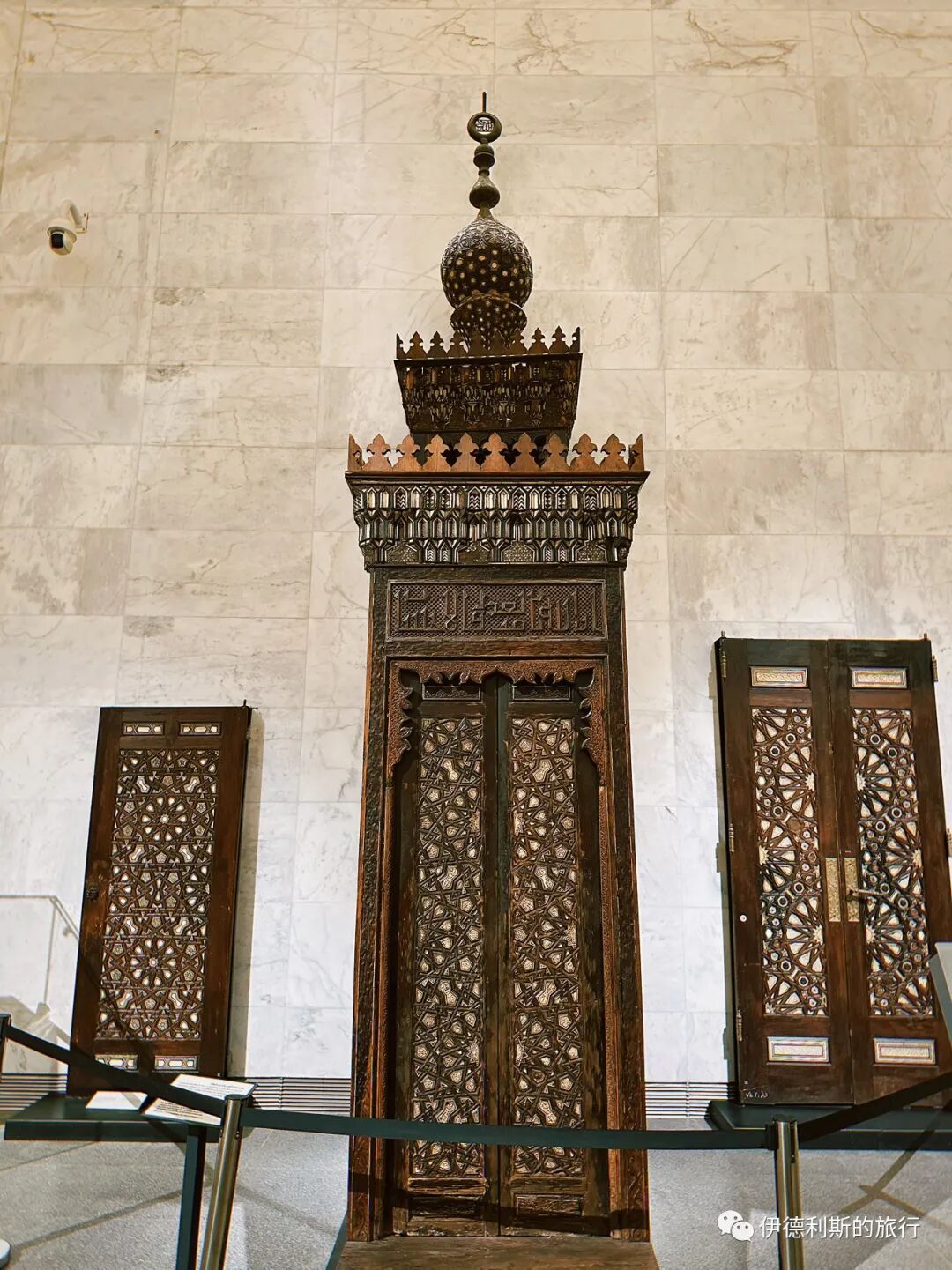
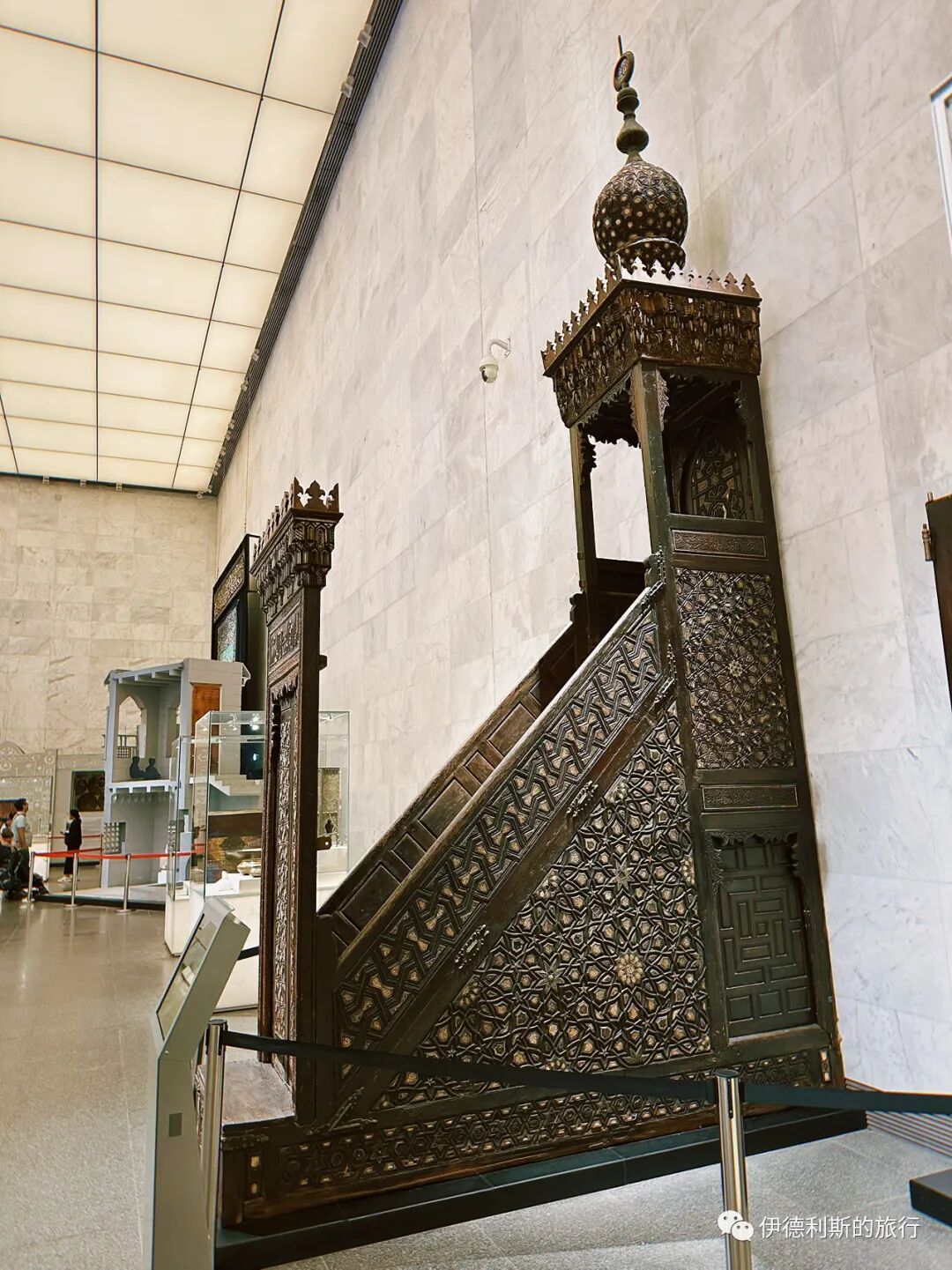
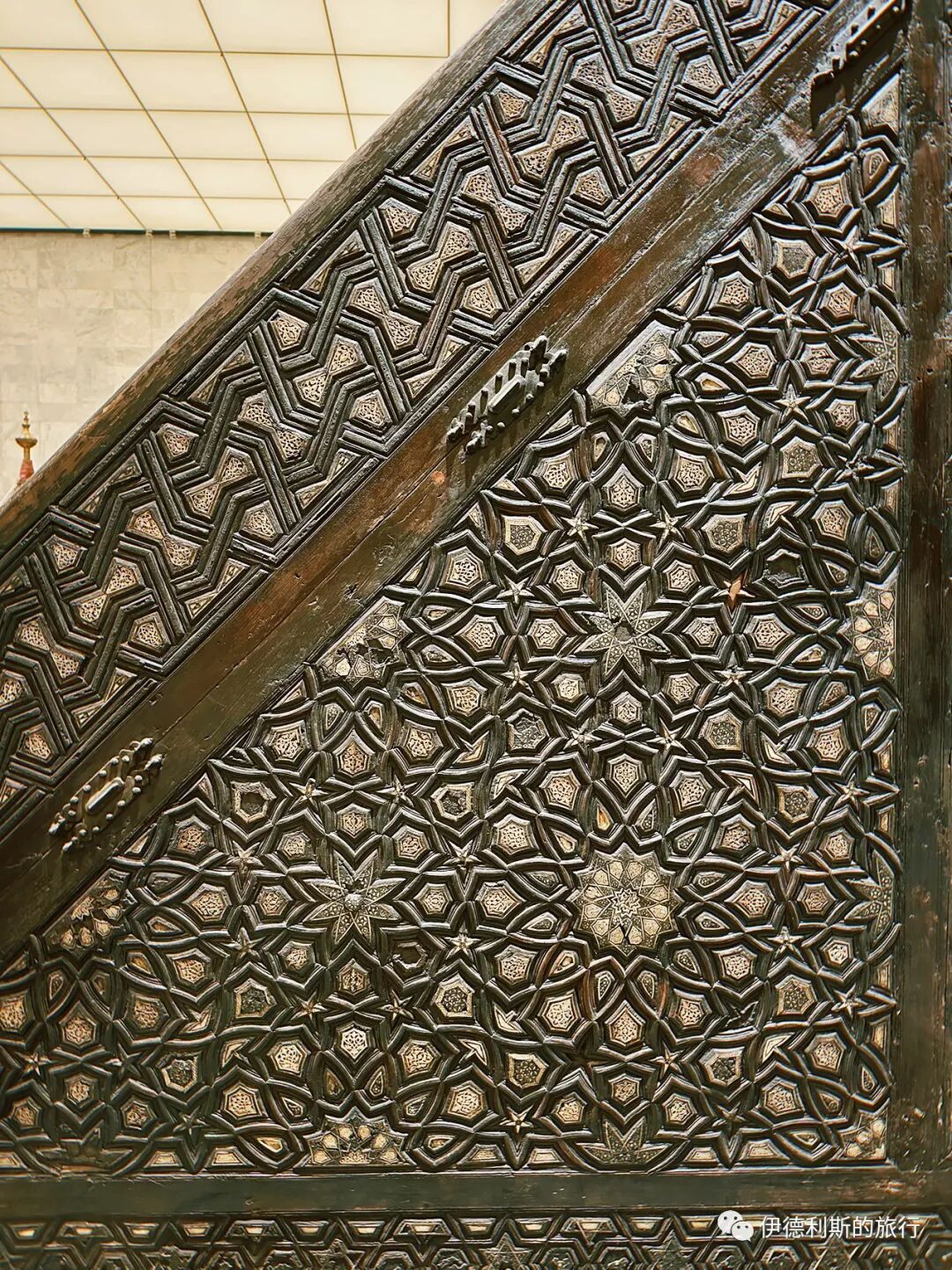
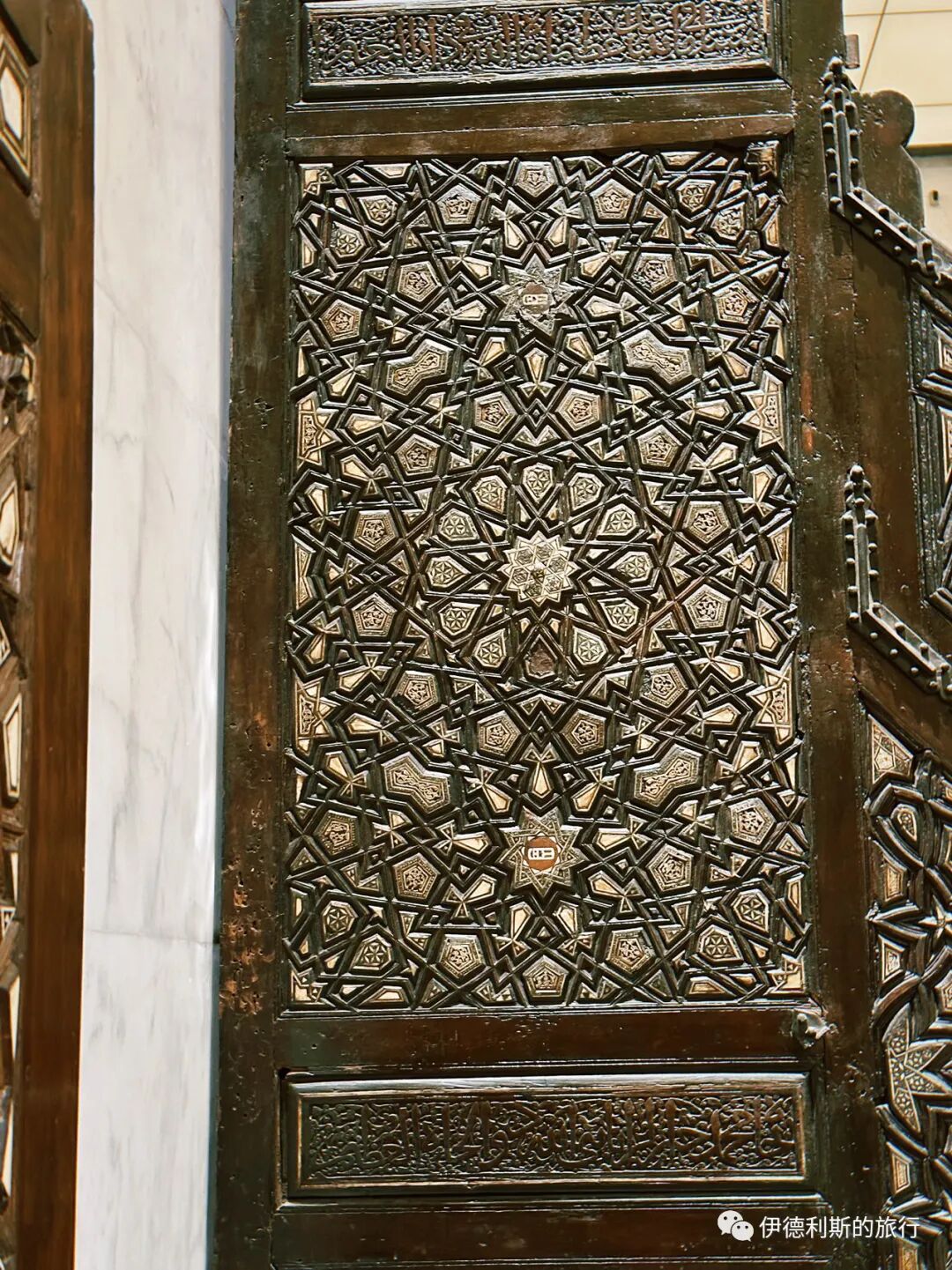
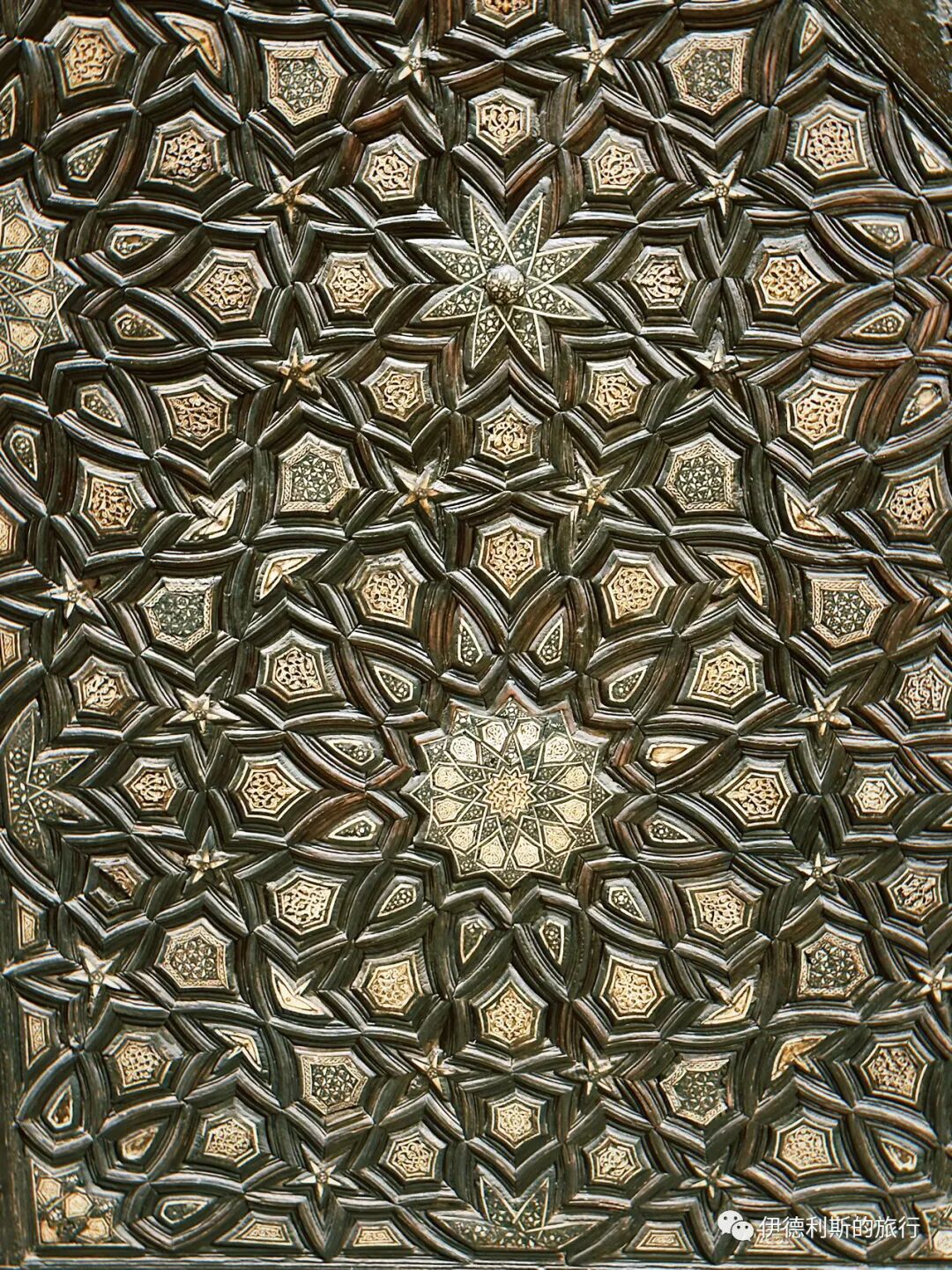
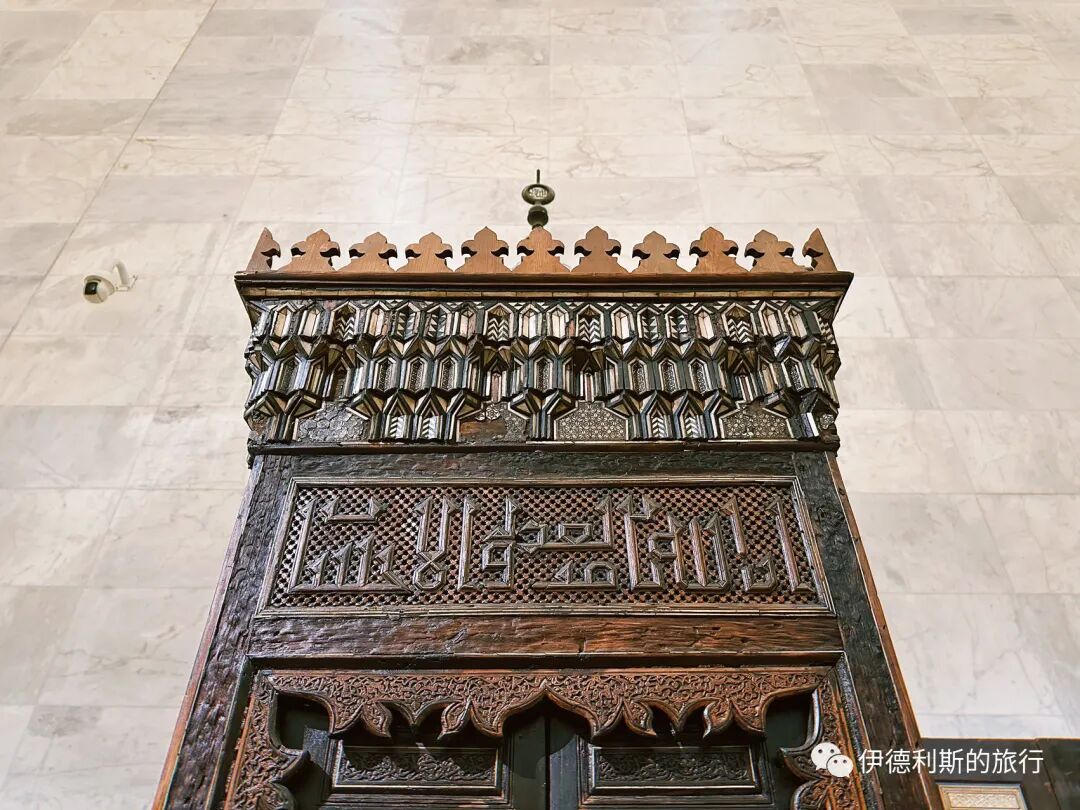
The Abu Bakr bin Mazhar mosque is located in El Gamaliya in northeastern Egypt and was built in 1479 by the Mamluk vizier Abu Bakr bin Mazhar. In 2018, the National Museum of Egyptian Civilization moved the mosque's exquisite minbar pulpit inside for display, representing the craft heritage of the Mamluk dynasty. The entire minbar is made of ebony and peach wood, inlaid with ivory and mother-of-pearl, and carved with floral, star, and geometric patterns, as well as Kufic calligraphy.
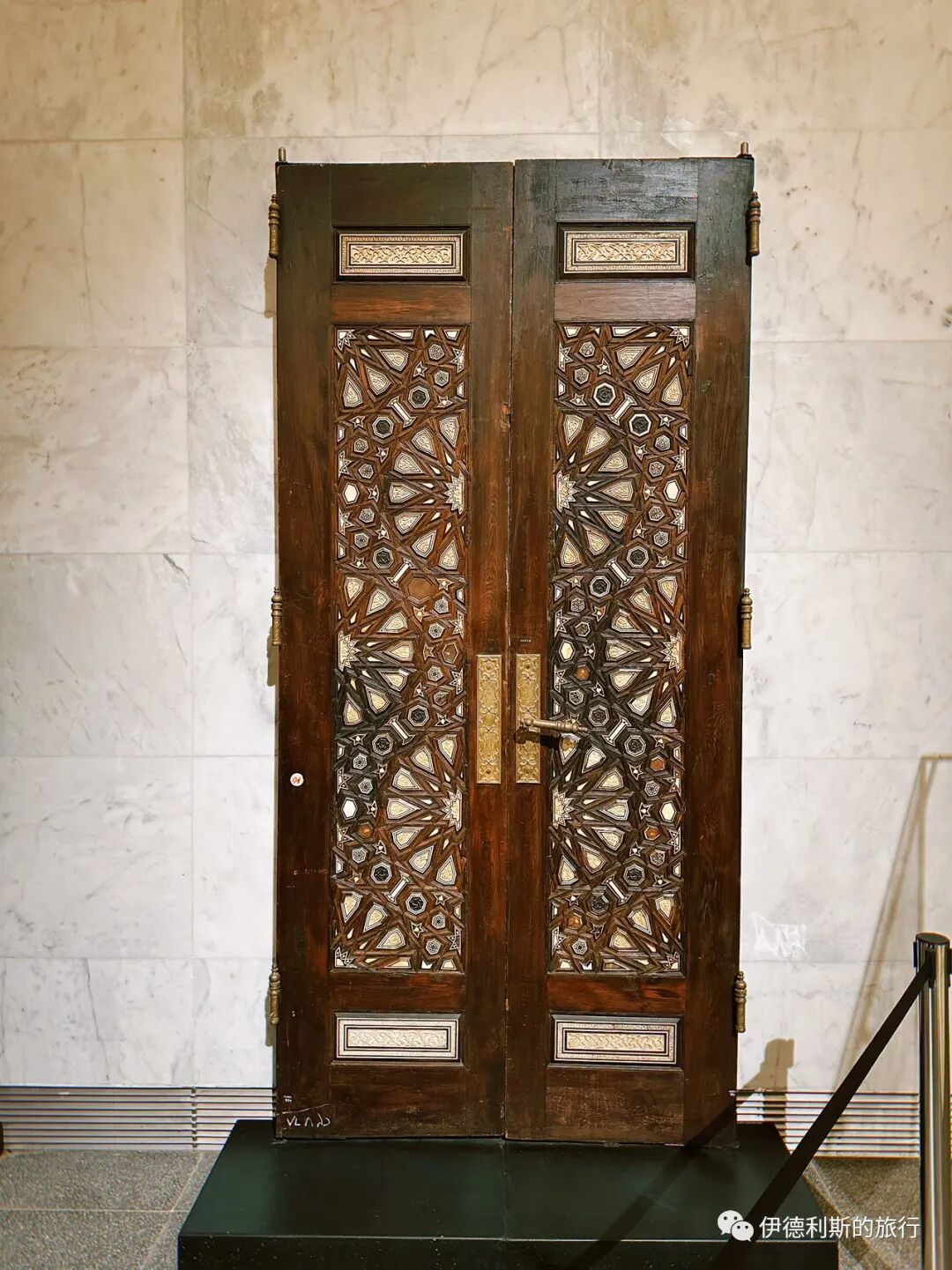
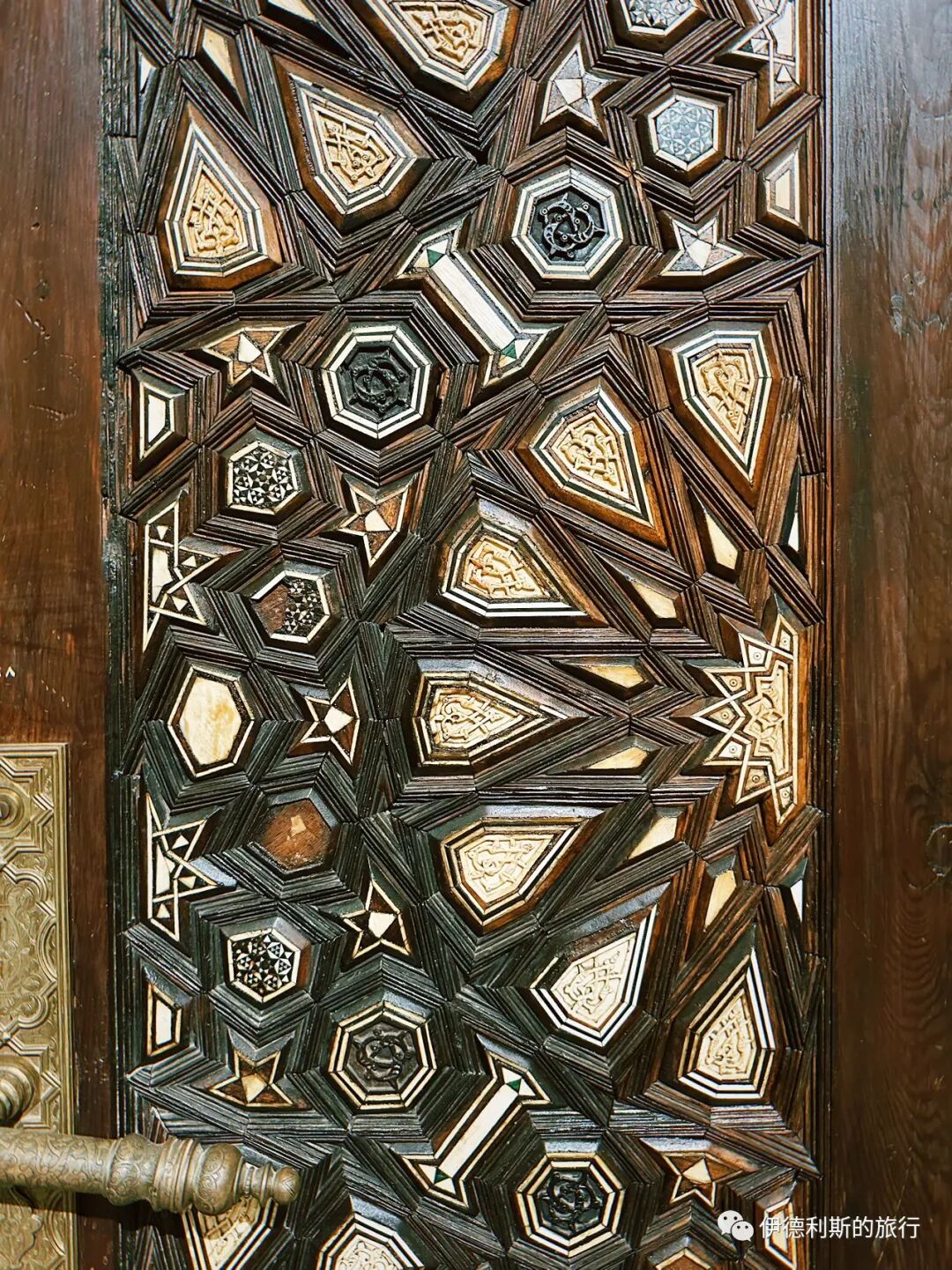
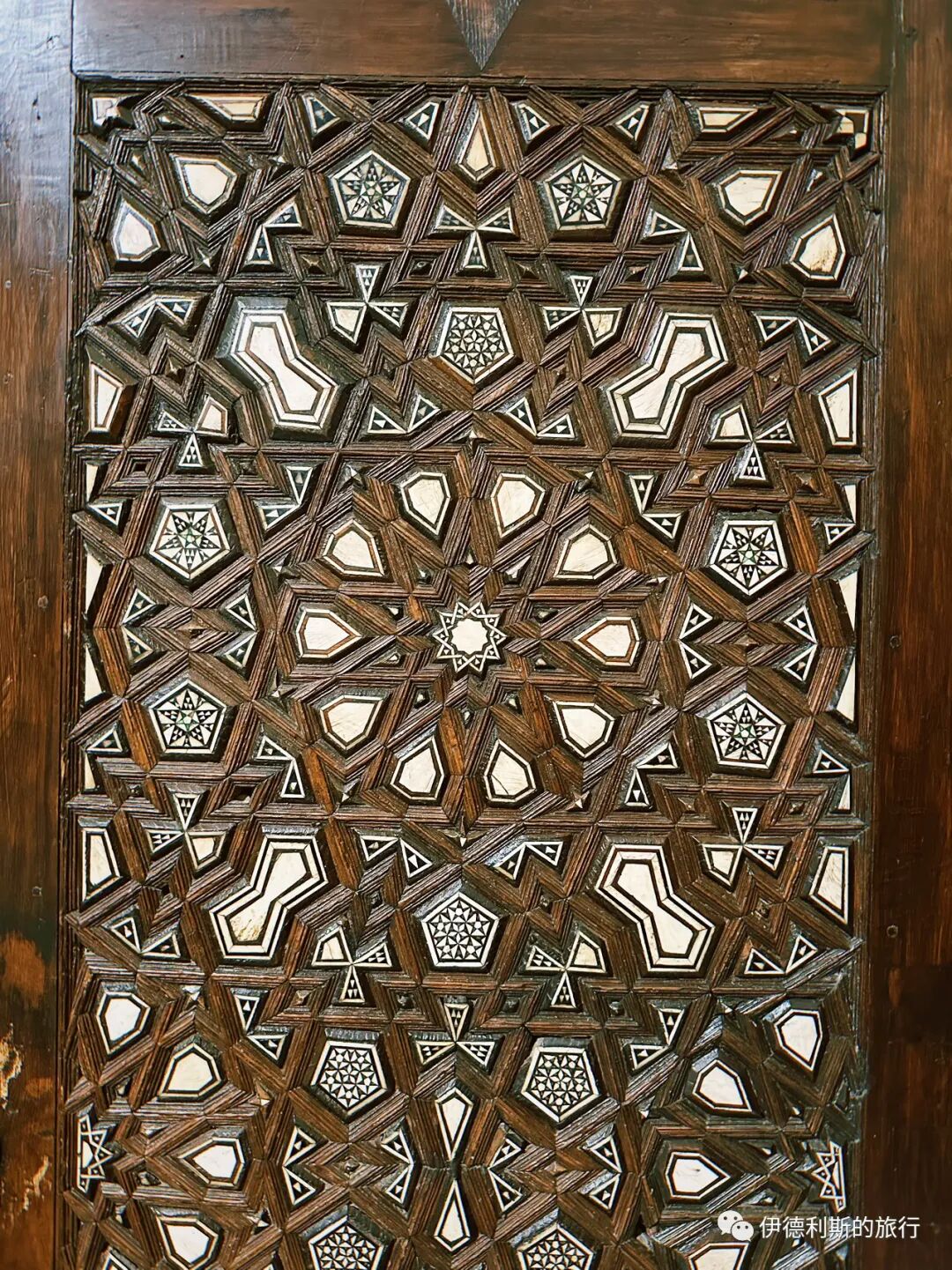
13th to 14th-century ivory-inlaid wooden doors featuring complex geometric decorations.
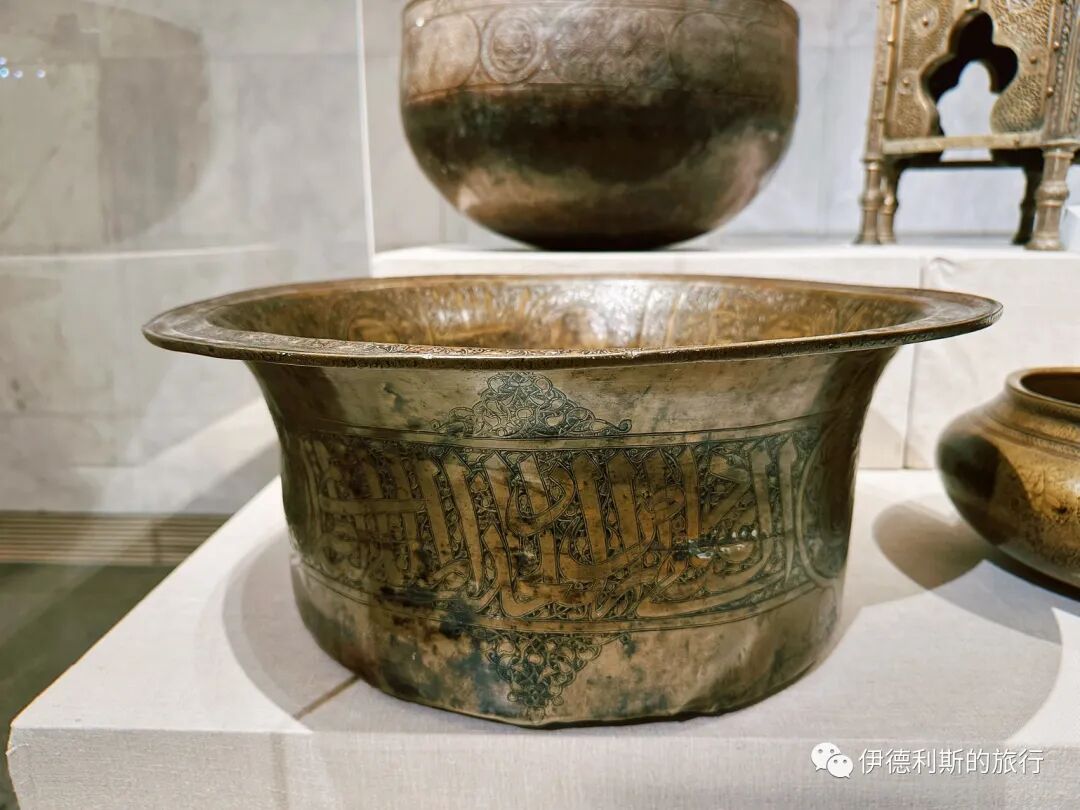
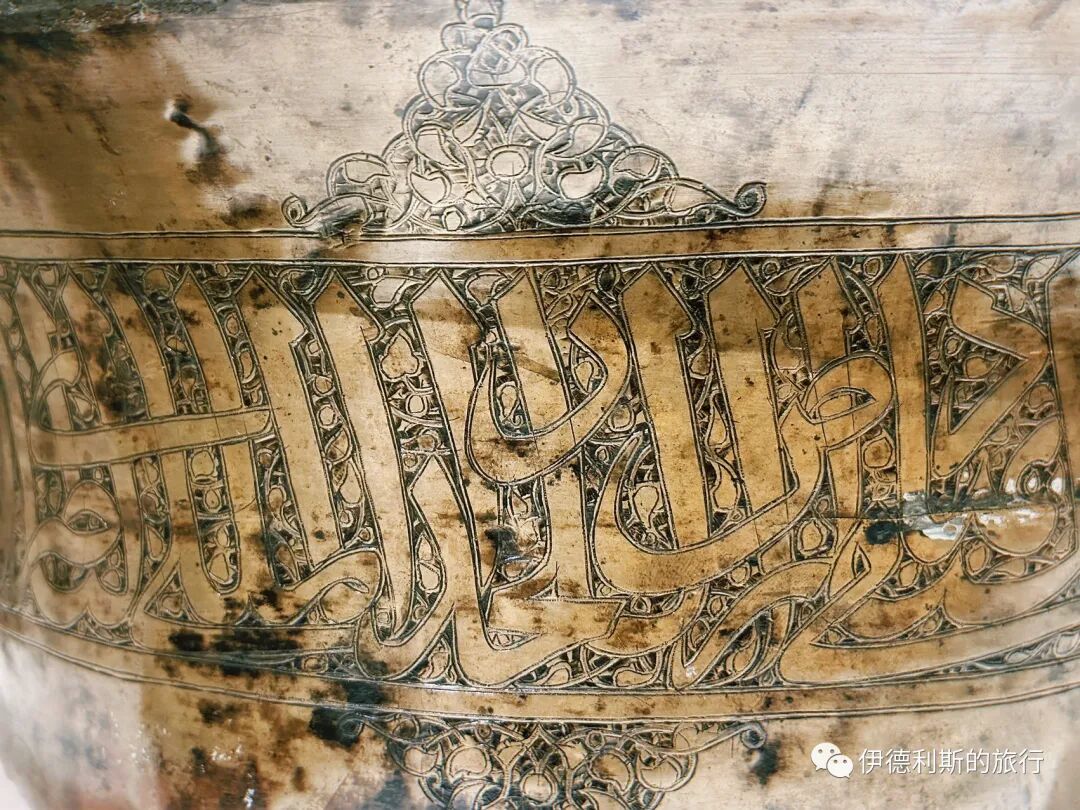
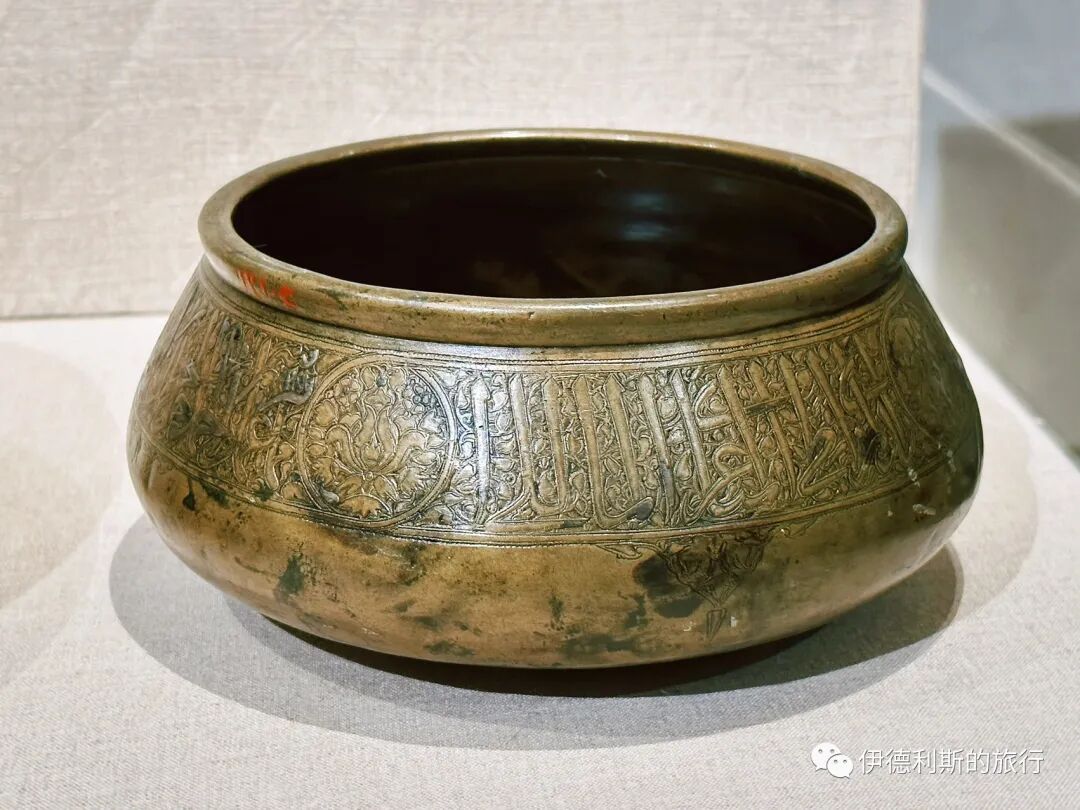
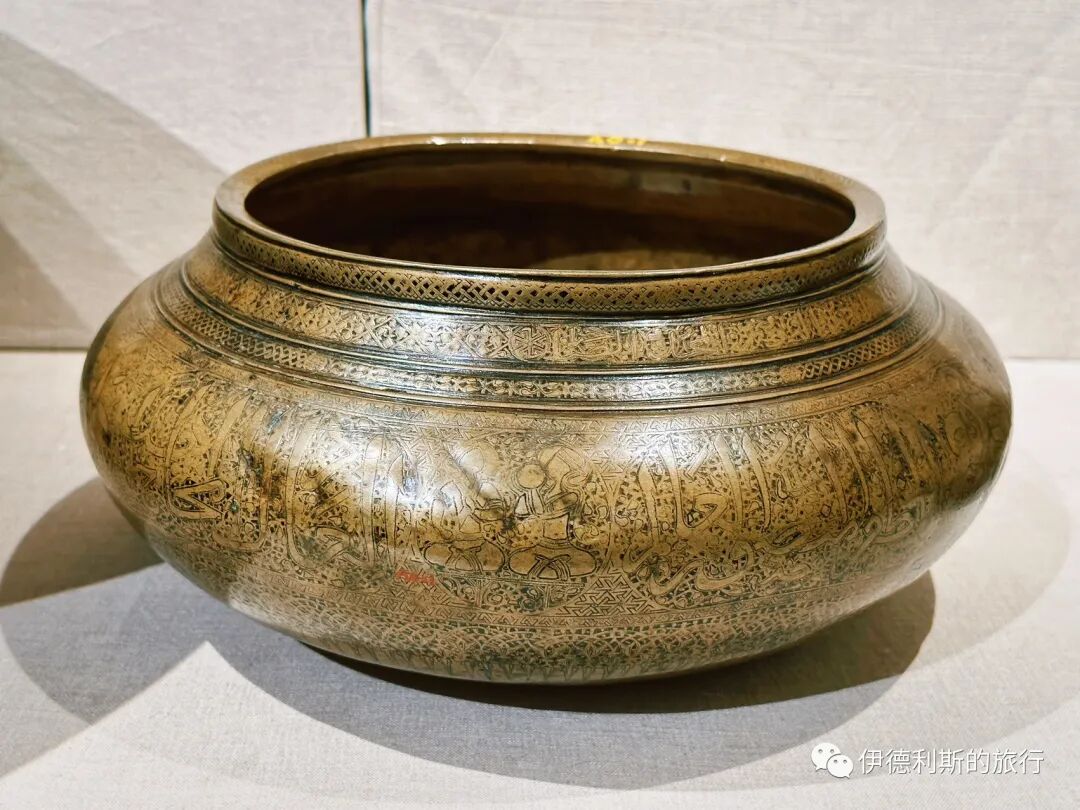
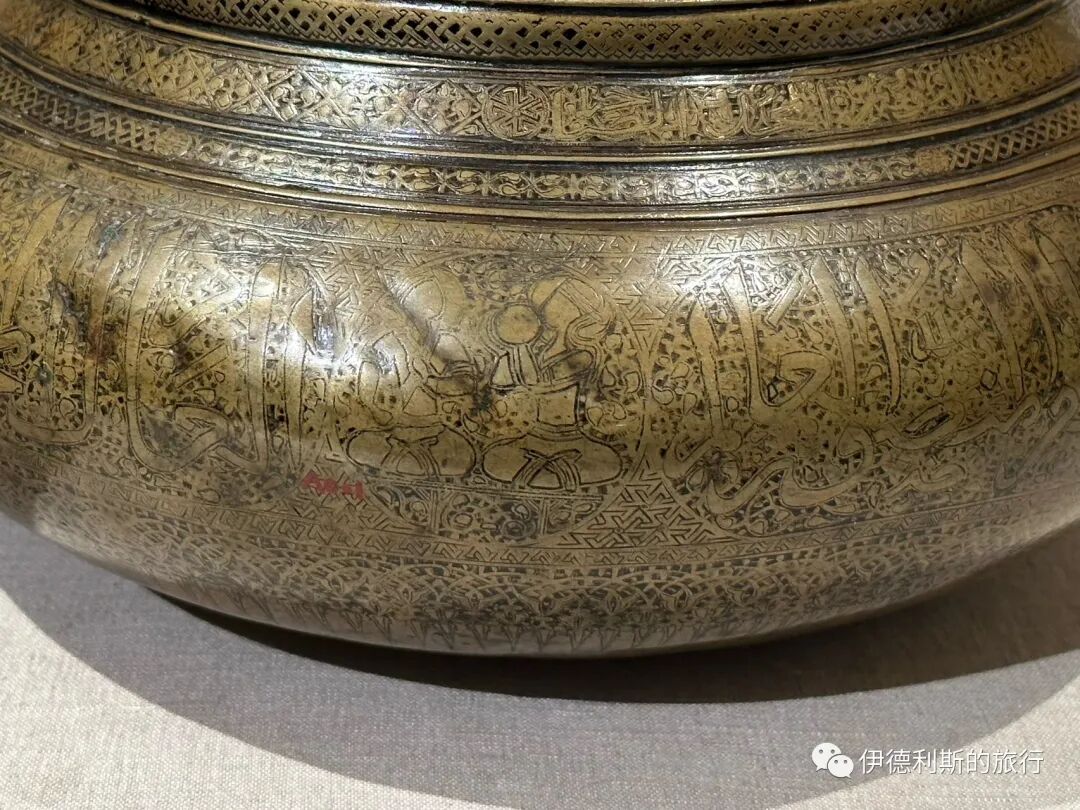
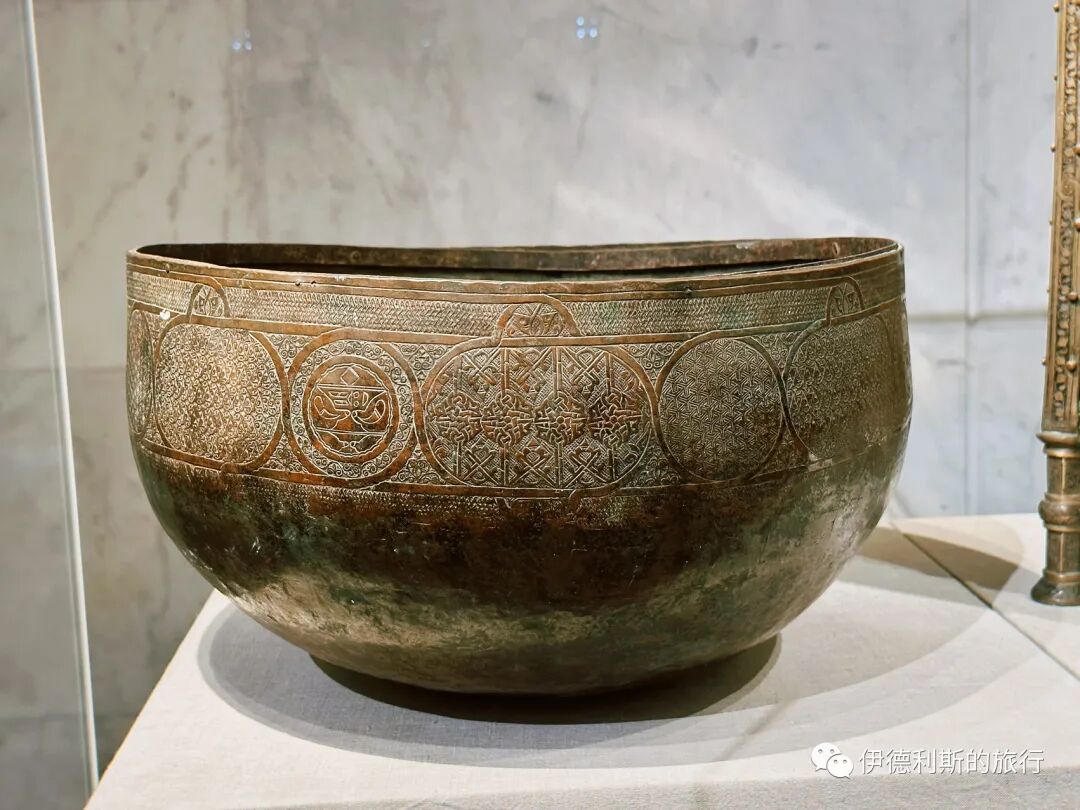
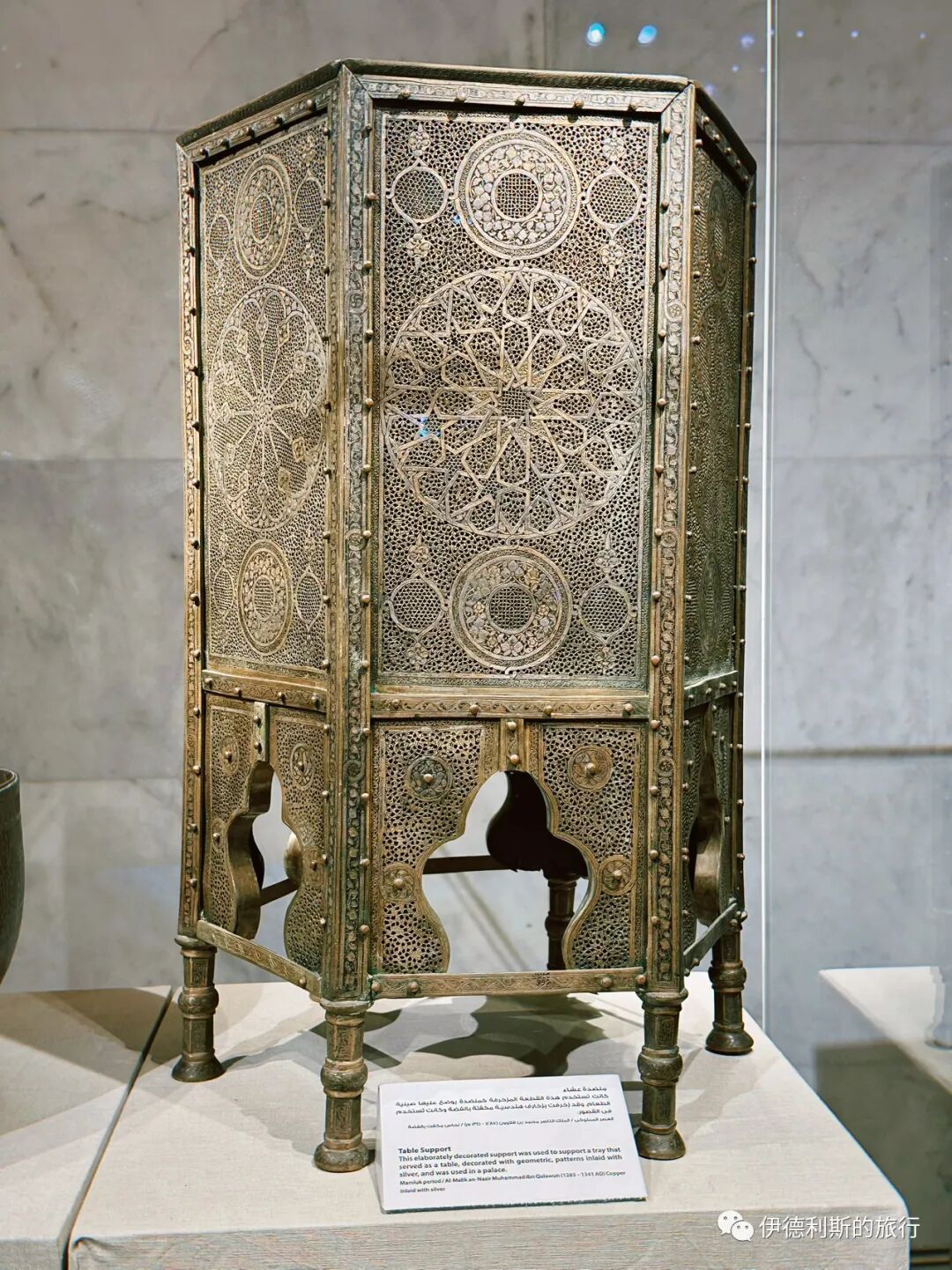
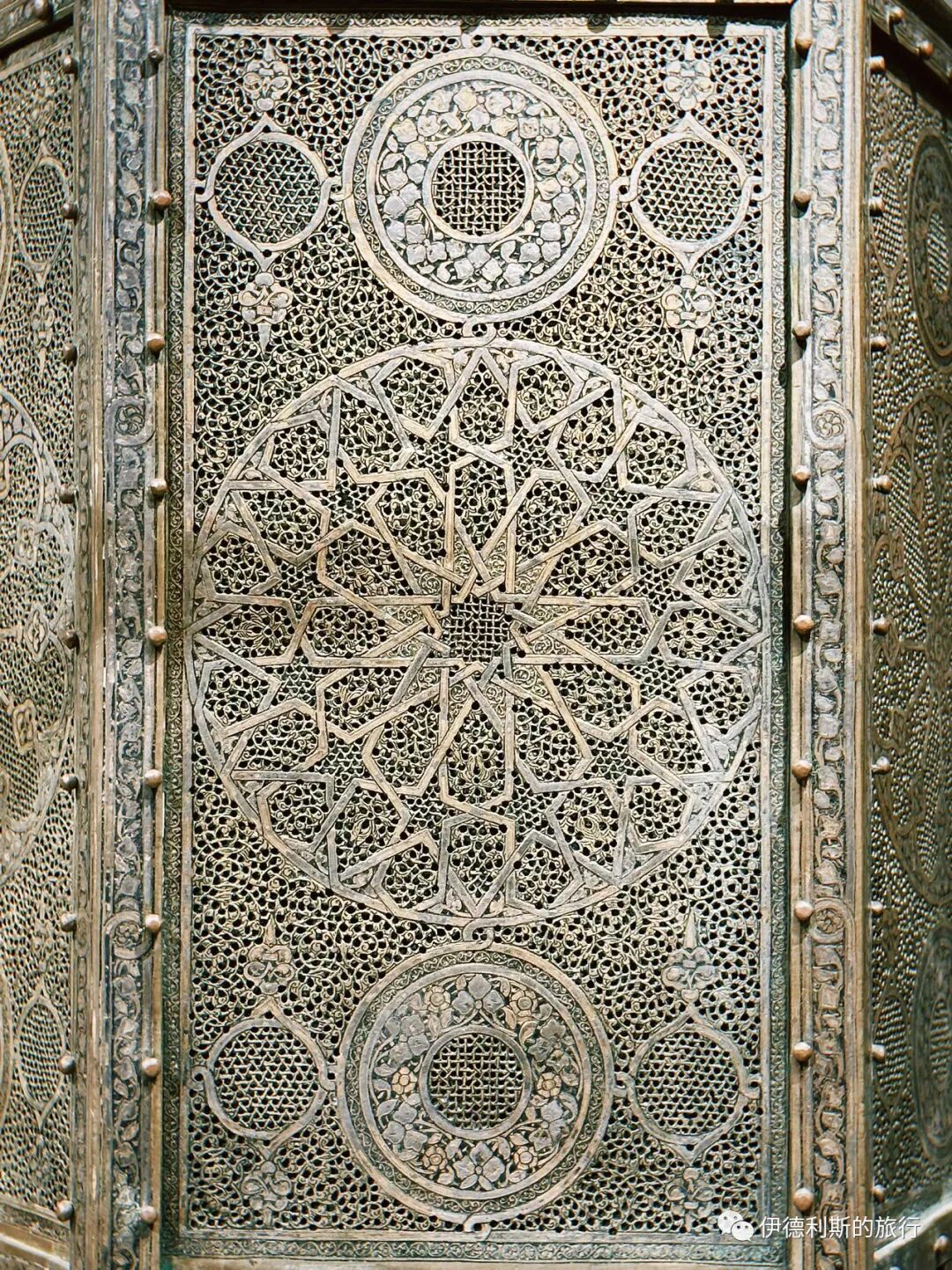
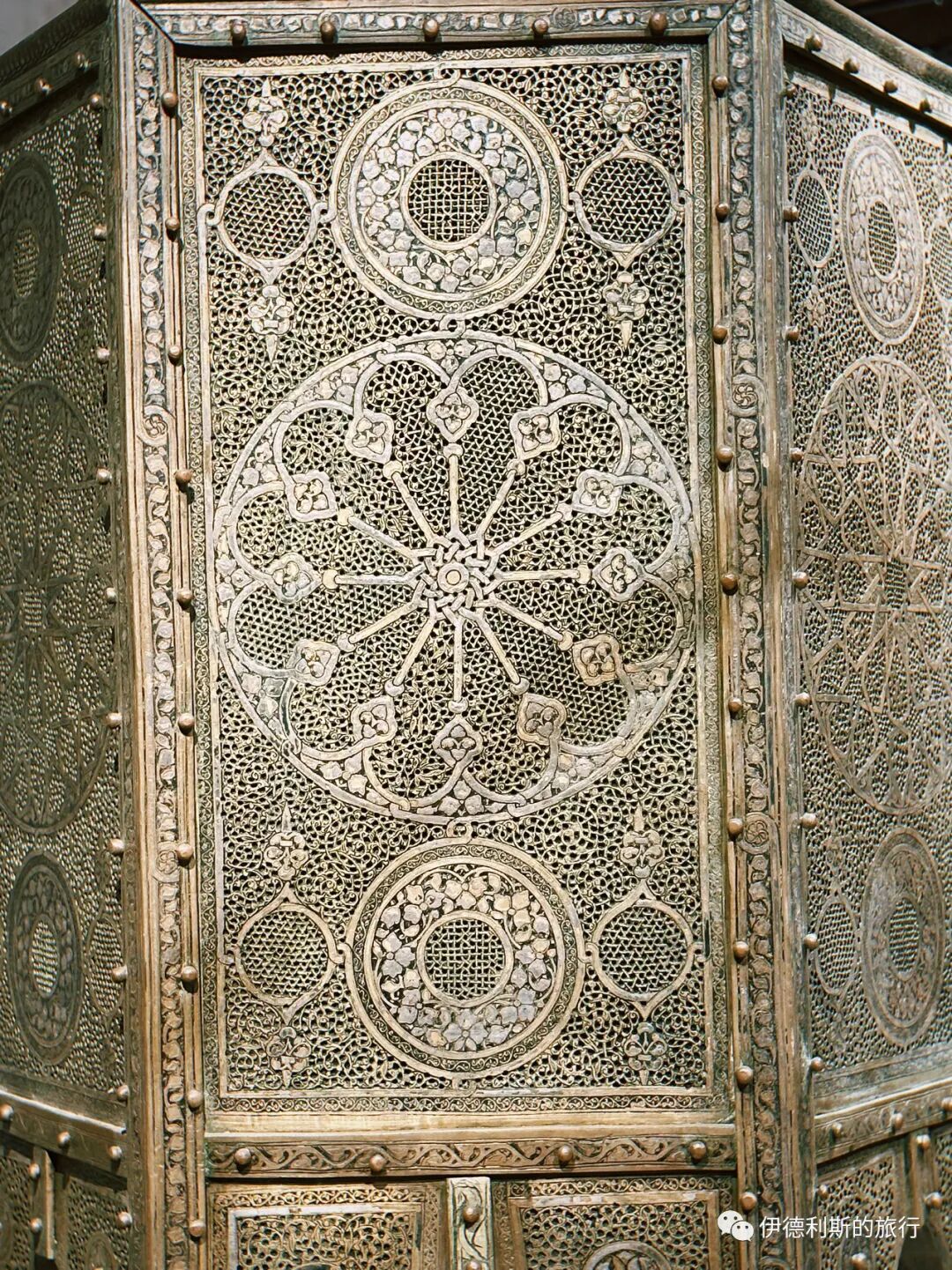
Mamluk-era copper carving includes 14th-century copper basins and bowls, as well as a copper table with silver inlay from the time of Sultan Al-Nasir Muhammad (1285-1341), which features beautiful floral vine patterns, star-shaped geometric designs, and Thuluth calligraphy carvings.
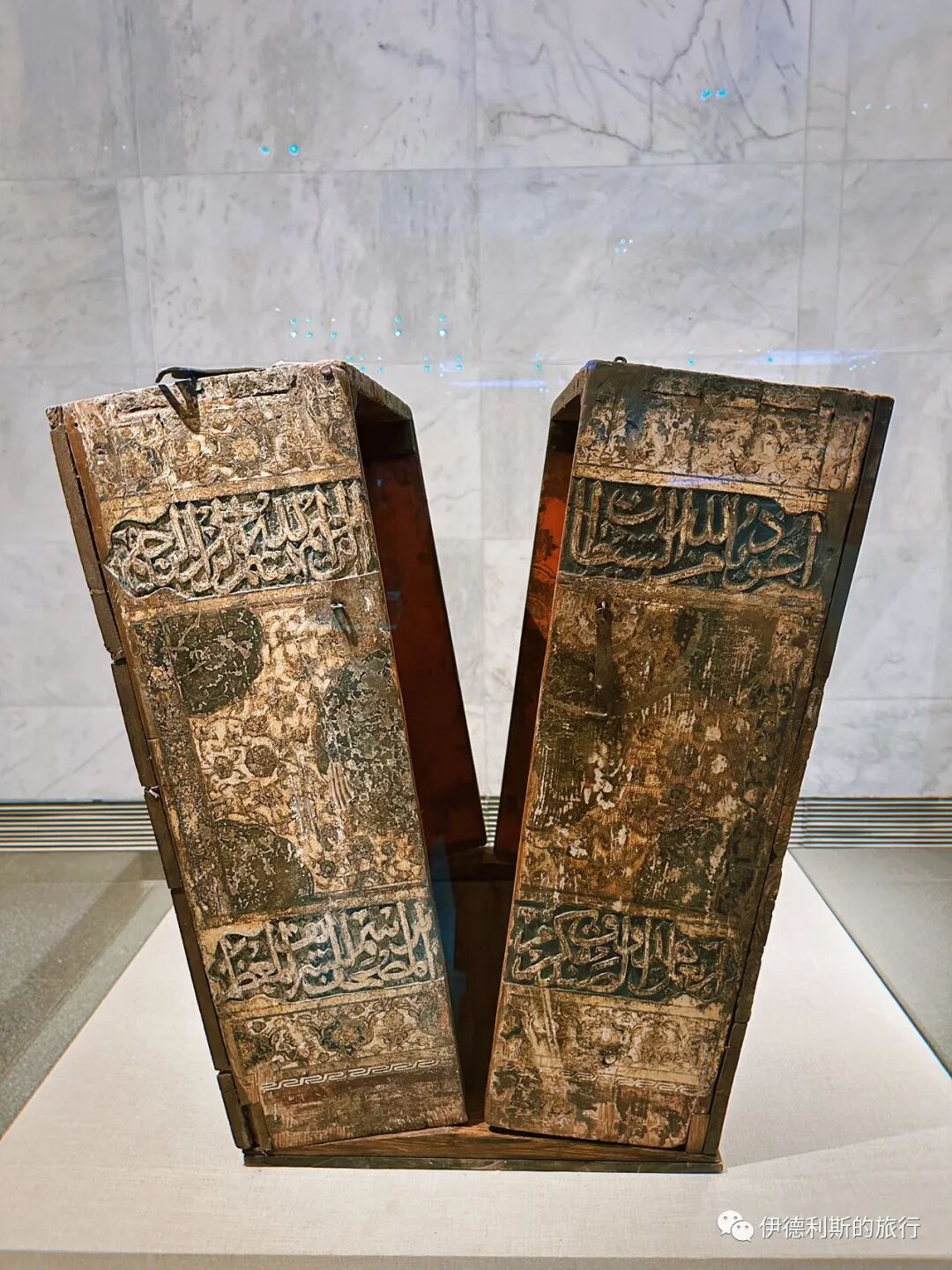
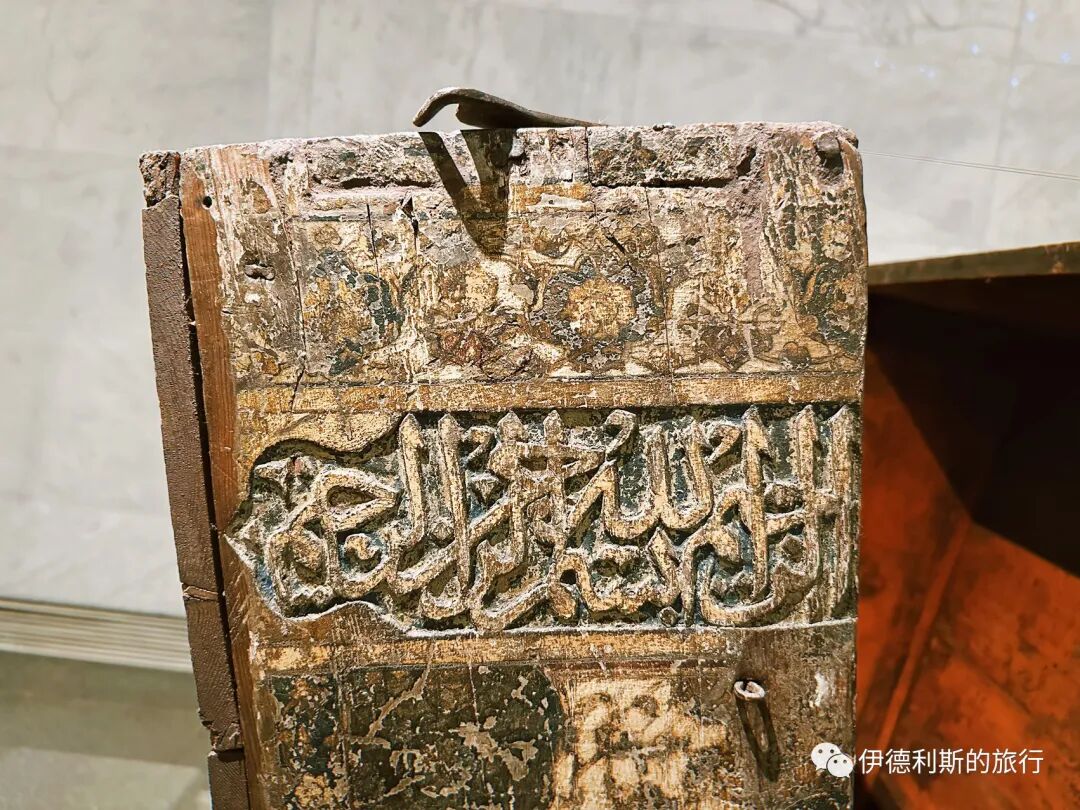
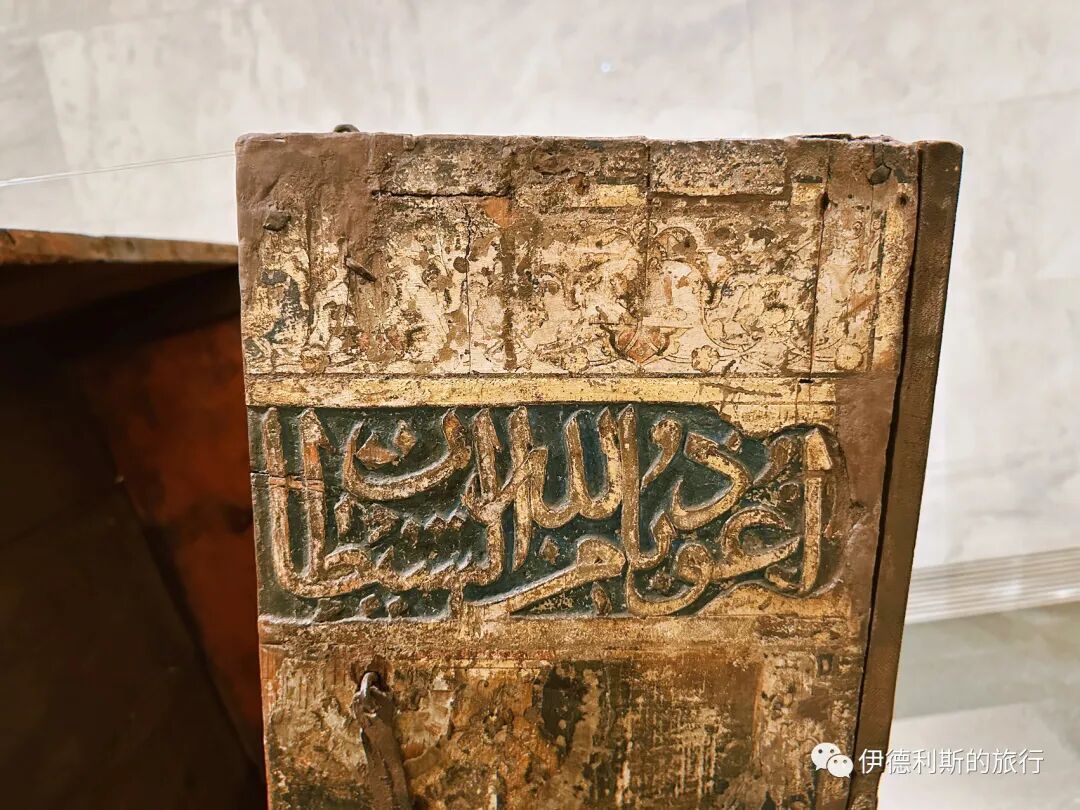
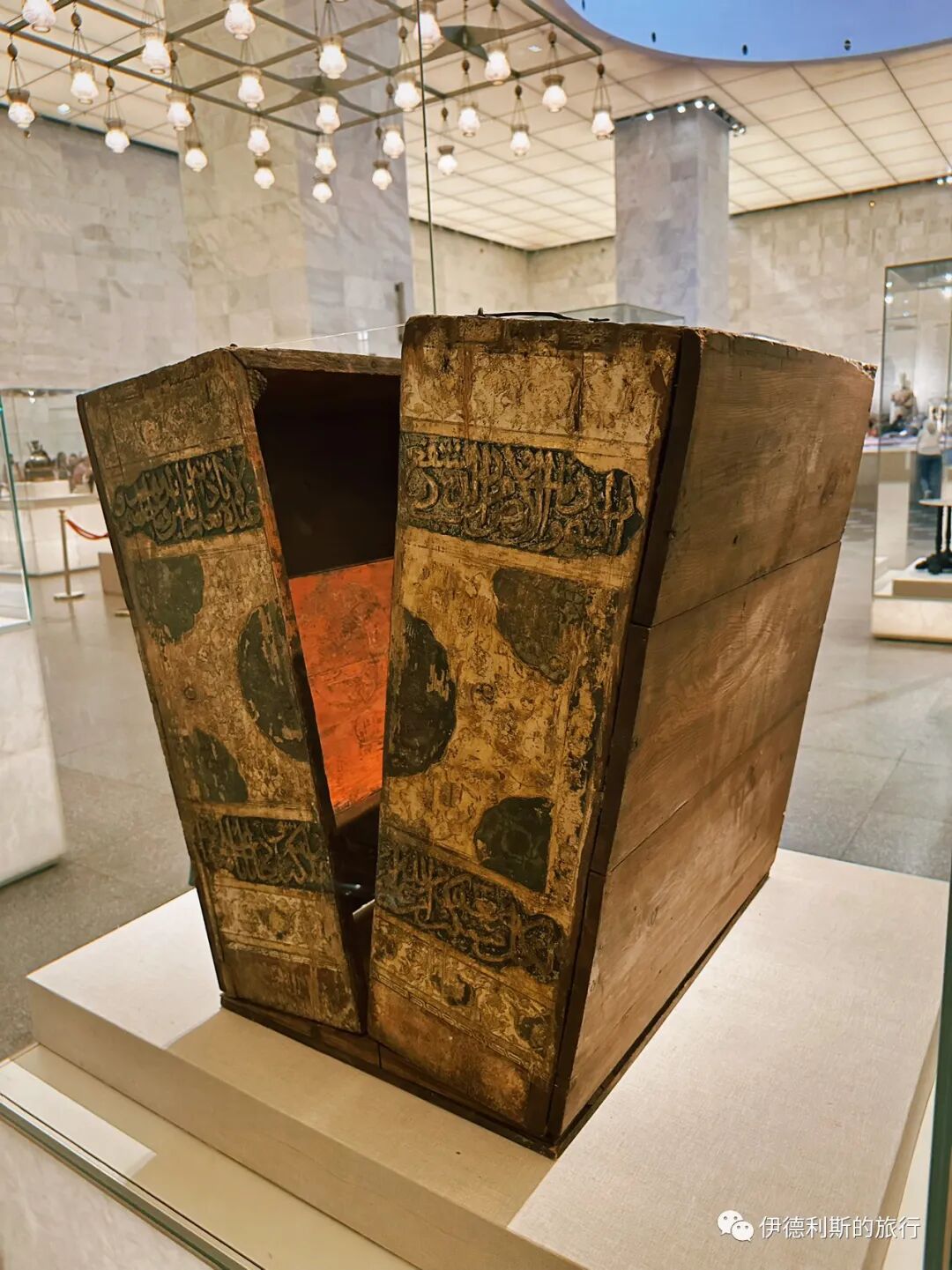
Quran cases from the Mamluk dynasty.
The first Quran case is made of wood wrapped in copper with gold and silver inlay, carved with both Thuluth and Kufic calligraphy, and is said to have belonged to the Mamluk Sultan Al-Nasir Muhammad (1285-1341).
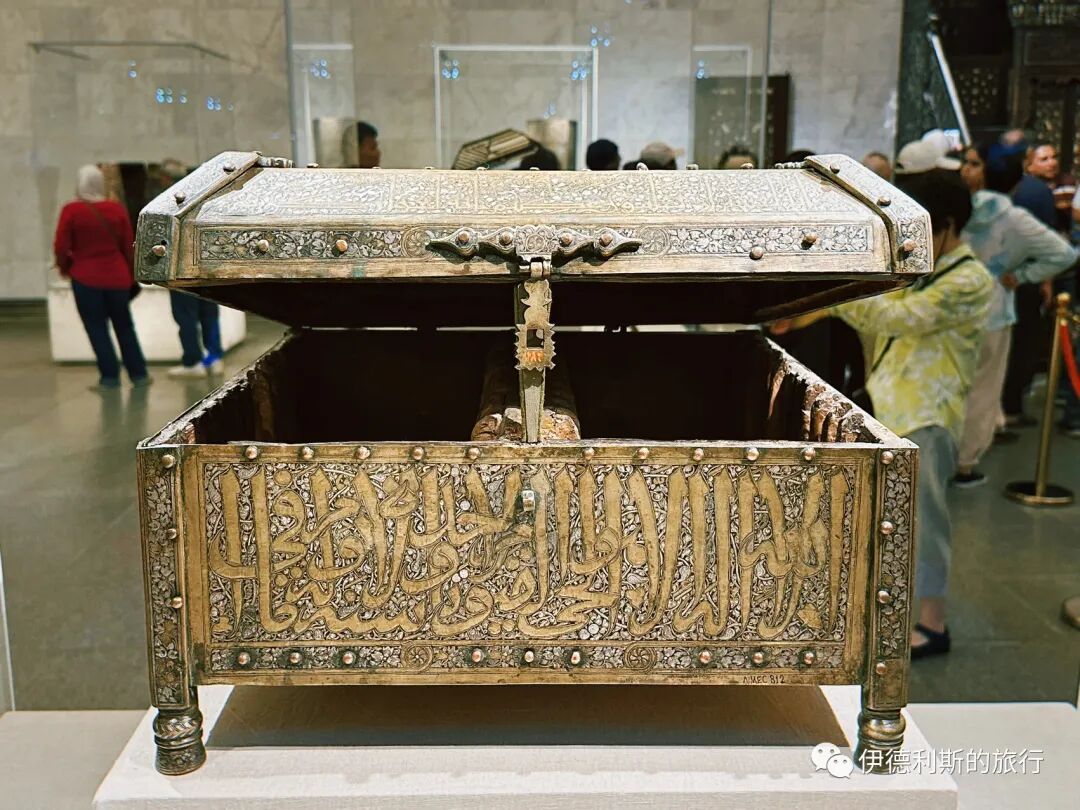
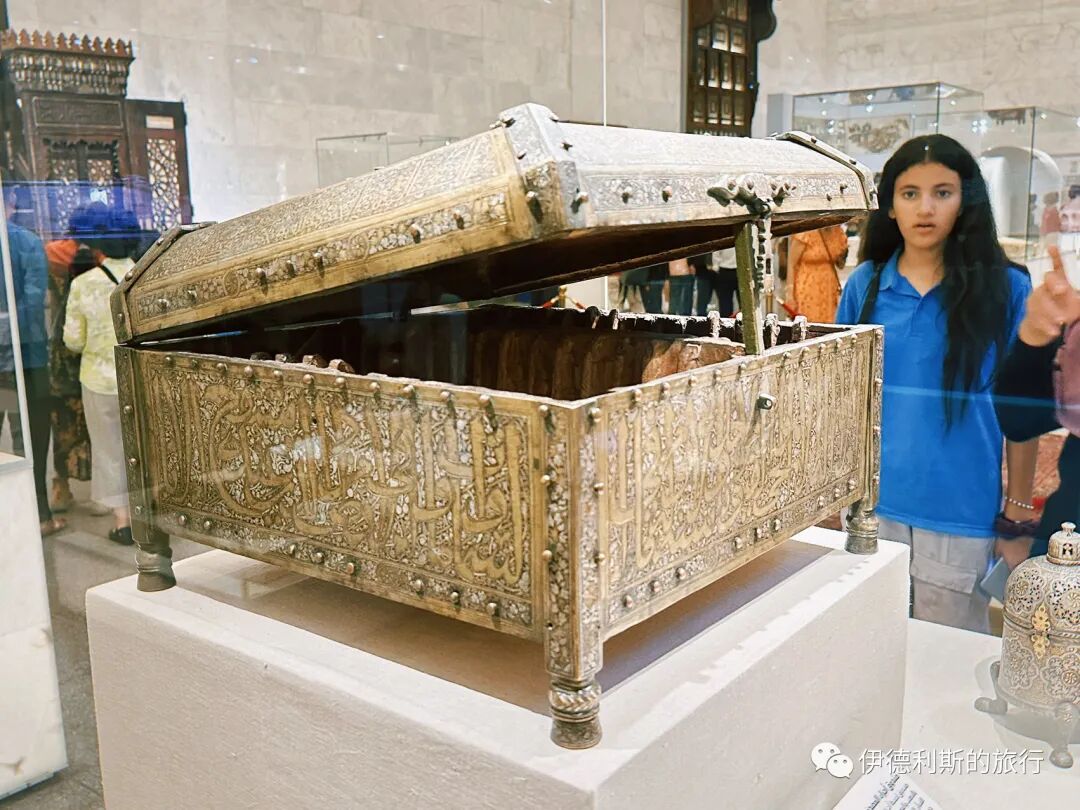
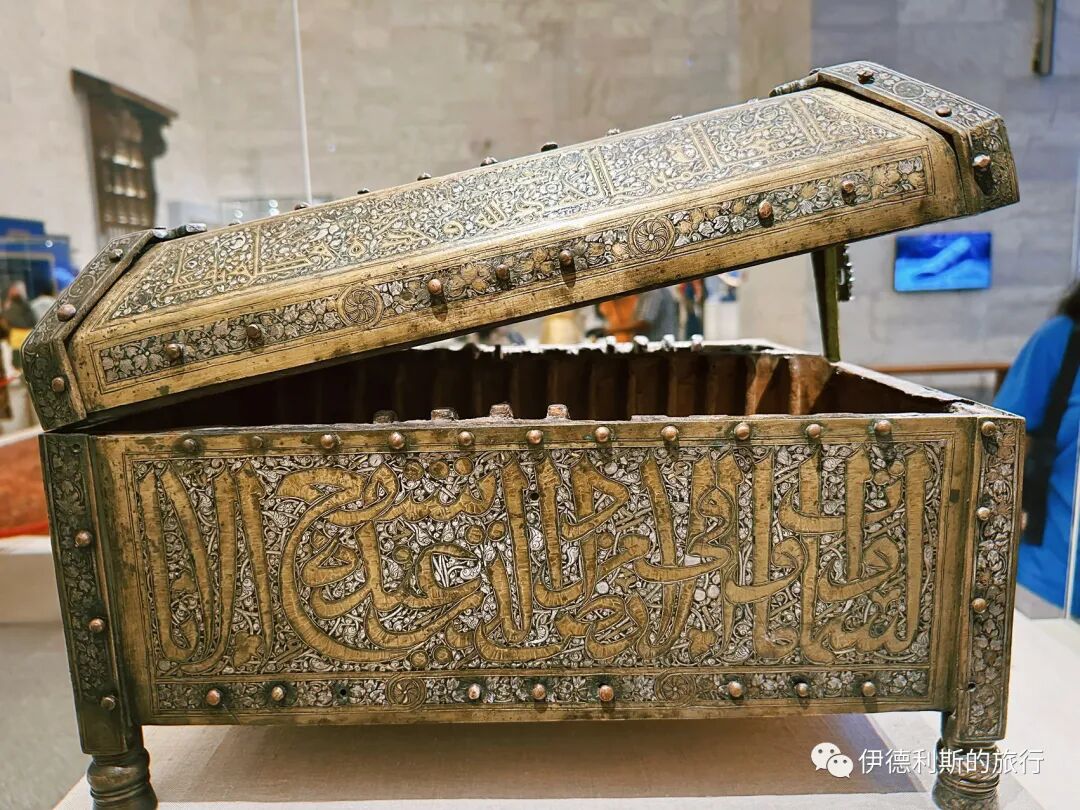
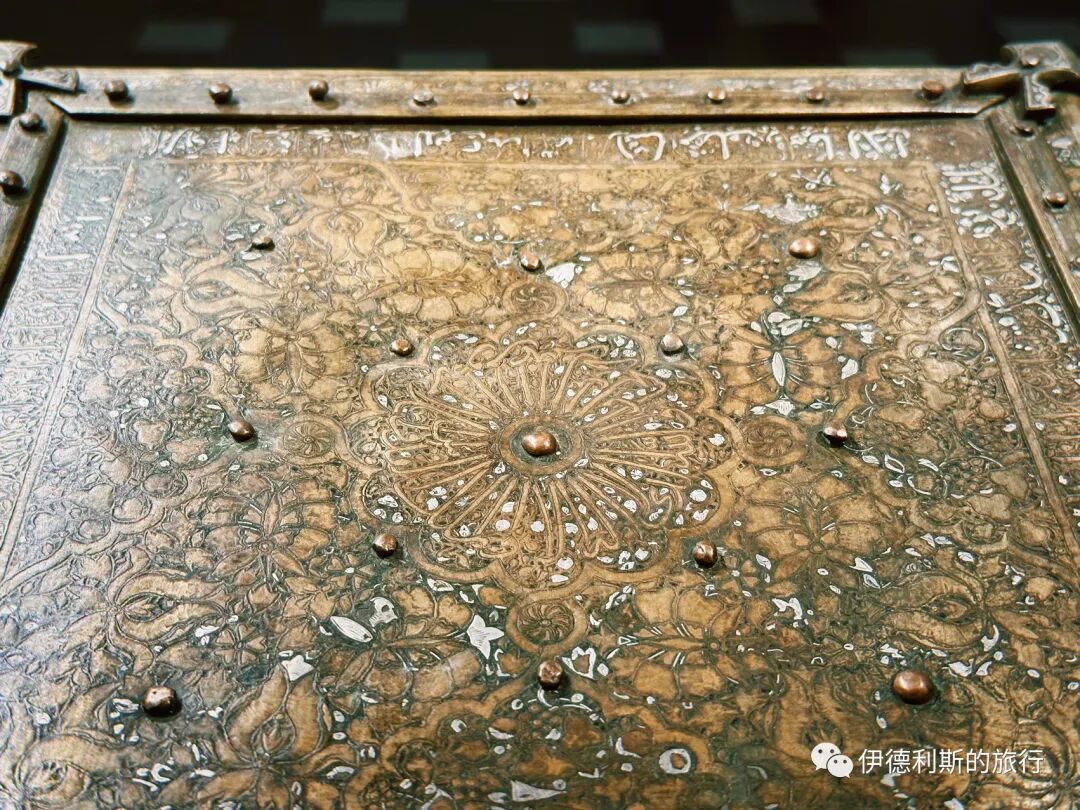
The second Quran case is made of wood and carved with Thuluth calligraphy that mentions the name of the Mamluk Sultan Qansuh al-Ghuri (1501-1516), so it was likely made between 1503 and 1504 during the construction of the al-Ghuri mosque and madrasa in Cairo.
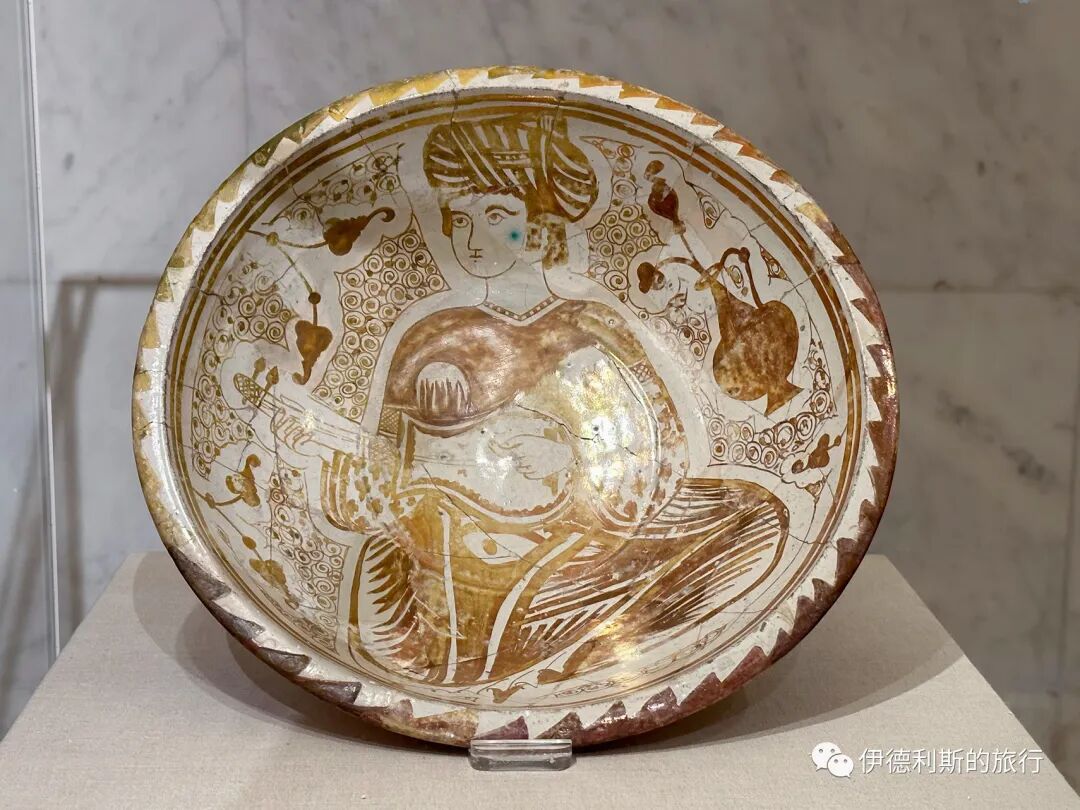
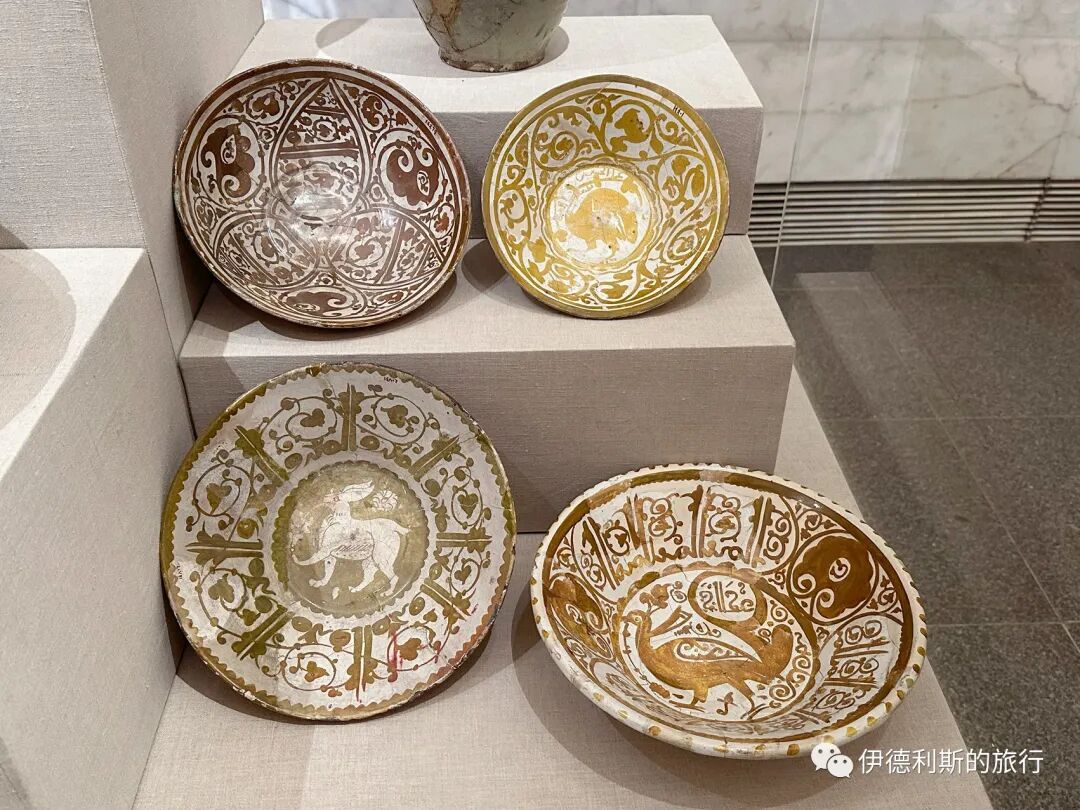
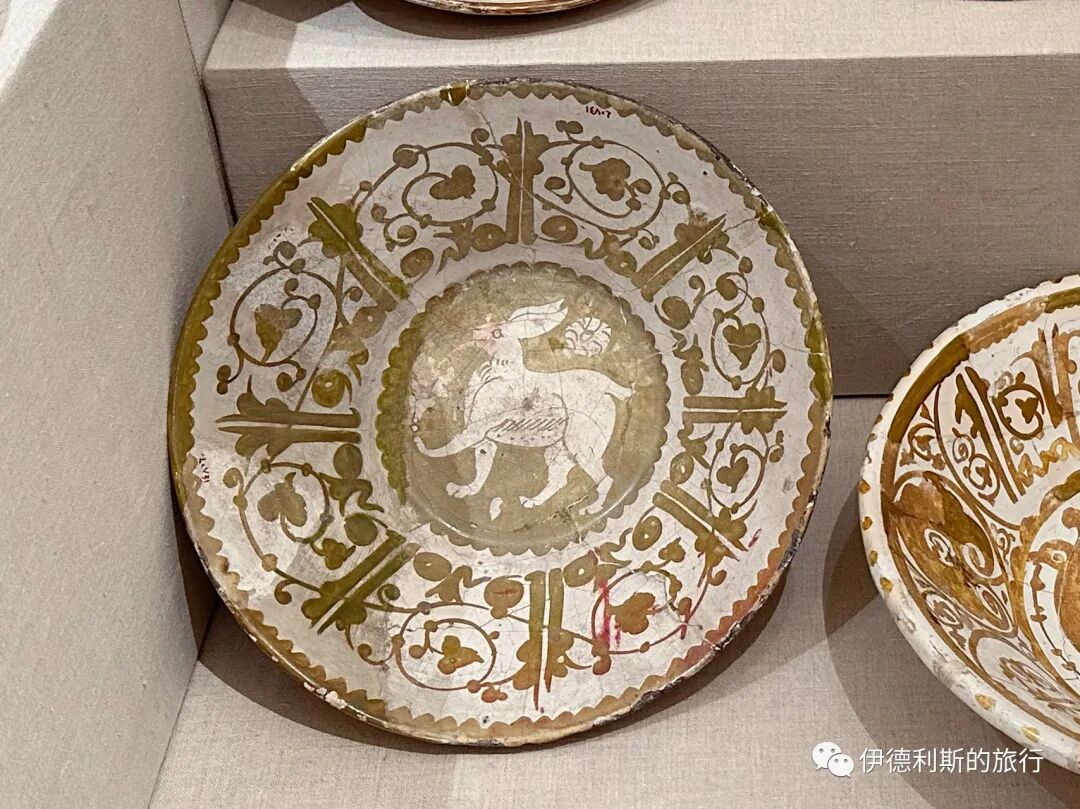
An 11th-century Fatimid dynasty lusterware plate, which is a pottery technique where a white glaze is applied and fired, then painted with a mixture of copper and silver oxides and fired a second time. The pottery center in Egypt at that time was in the old city of Fustat, where the National Museum of Egyptian Civilization is now located.
Compared to the Abbasid dynasty, which had Baghdad as its pottery center, the figures on Fatimid lusterware are more vivid and the decorative patterns are more diverse, especially the floral Kufic Arabic calligraphy featuring vine motifs.
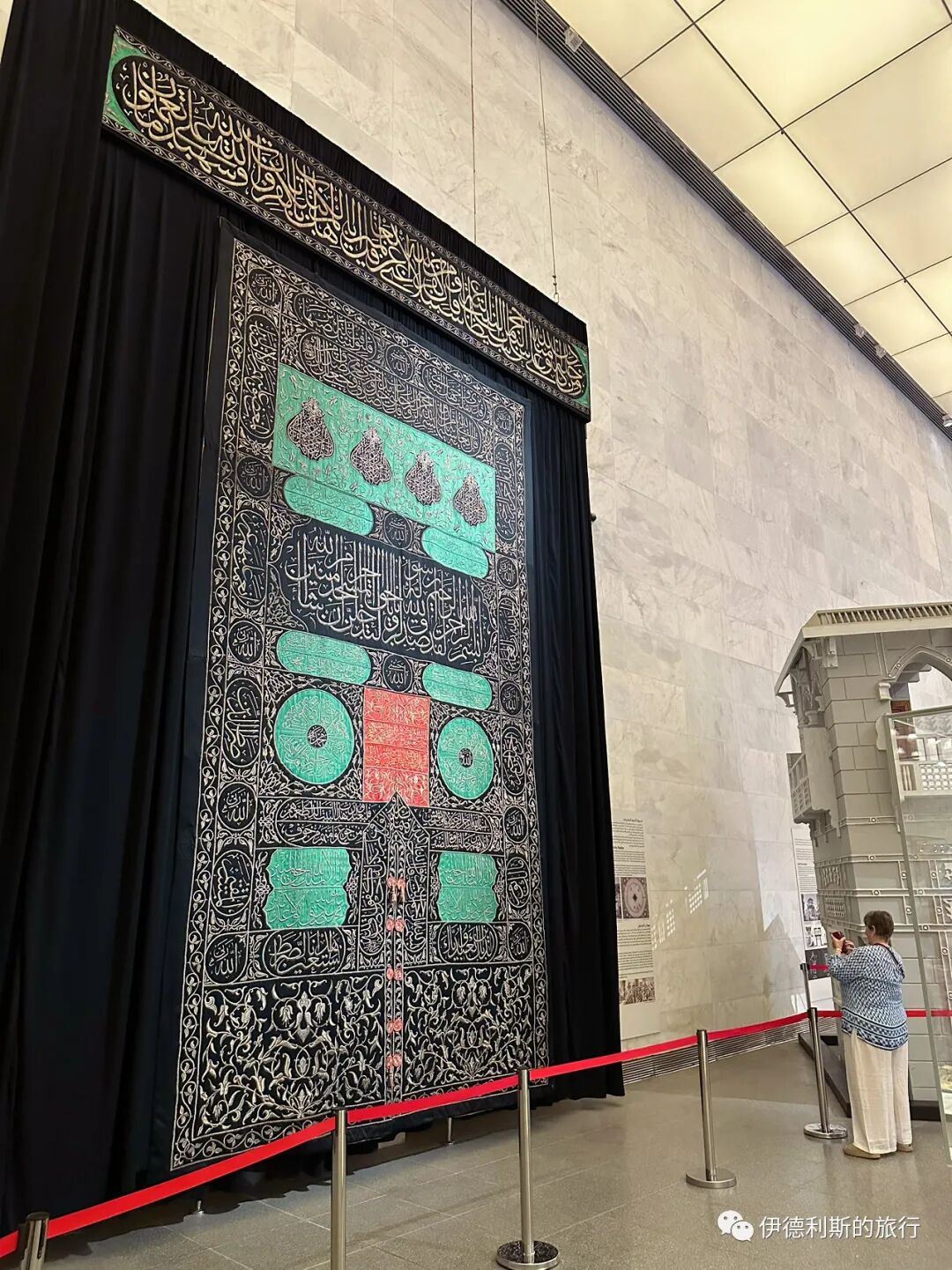
Starting with the Mamluk dynasty in the 13th century, Egyptian rulers had a tradition of sending a ceremonial palanquin (Mahmal) and the Kaaba cover (Kiswa) to the Sacred Mosque in Mecca before the annual Hajj. This ceremony was known as al-Mahmal. Camels carried the Mahmal, which featured intricate embroidery including Quranic verses and the Sultan's monogram. Inside, it held two silver-plated cases containing the Quran. A grand Hajj procession followed the Mahmal, with the Kaaba cover also carried by camels and guarded by heavily armed soldiers. When the procession arrived in Mecca, crowds gathered to watch. Mahmal palanquins from various Muslim countries would compete for the best spots in front of the Kaaba. After the Hajj ended, the Mahmal returned home carrying blessings. Parents would bring their children to touch the Mahmal to seek these blessings. The Mahmal palanquin finally retired from history after the Republic of Egypt was established in 1952.
The tradition of covering the Kaaba began in the pre-Islamic era. The Prophet Muhammad first covered the Kaaba with a cloth in 630. Starting in the era of Caliph Umar, Egypt provided the Kaaba cover. At first, it was placed directly over the old cover each year. Beginning in 777 during the Abbasid dynasty, the old cover was removed before the new one was put on. On the 9th day of the month of Hajj each year, the Prince of Mecca covers the Kaaba. The old cover is cut into small pieces and given away as gifts.
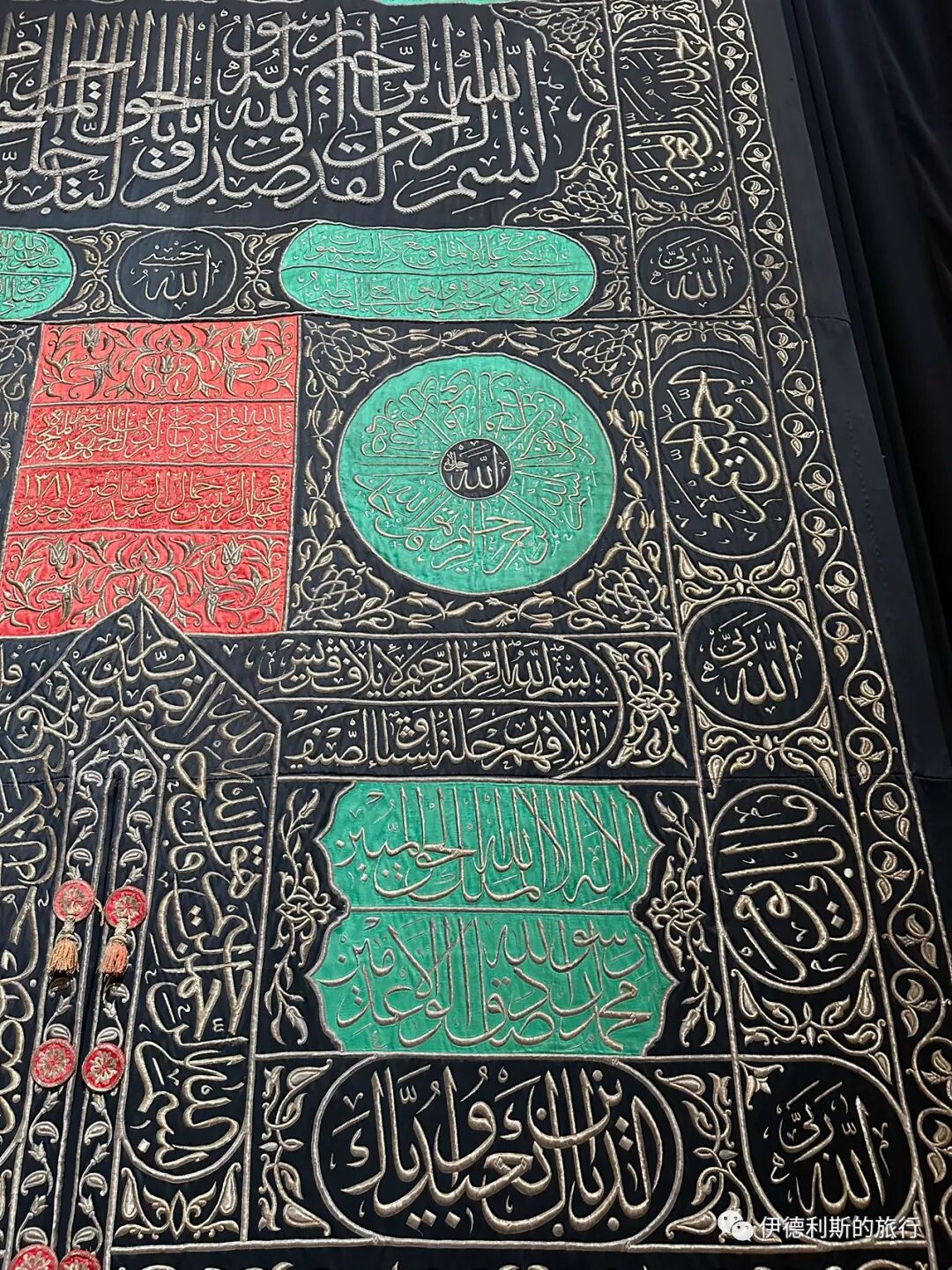
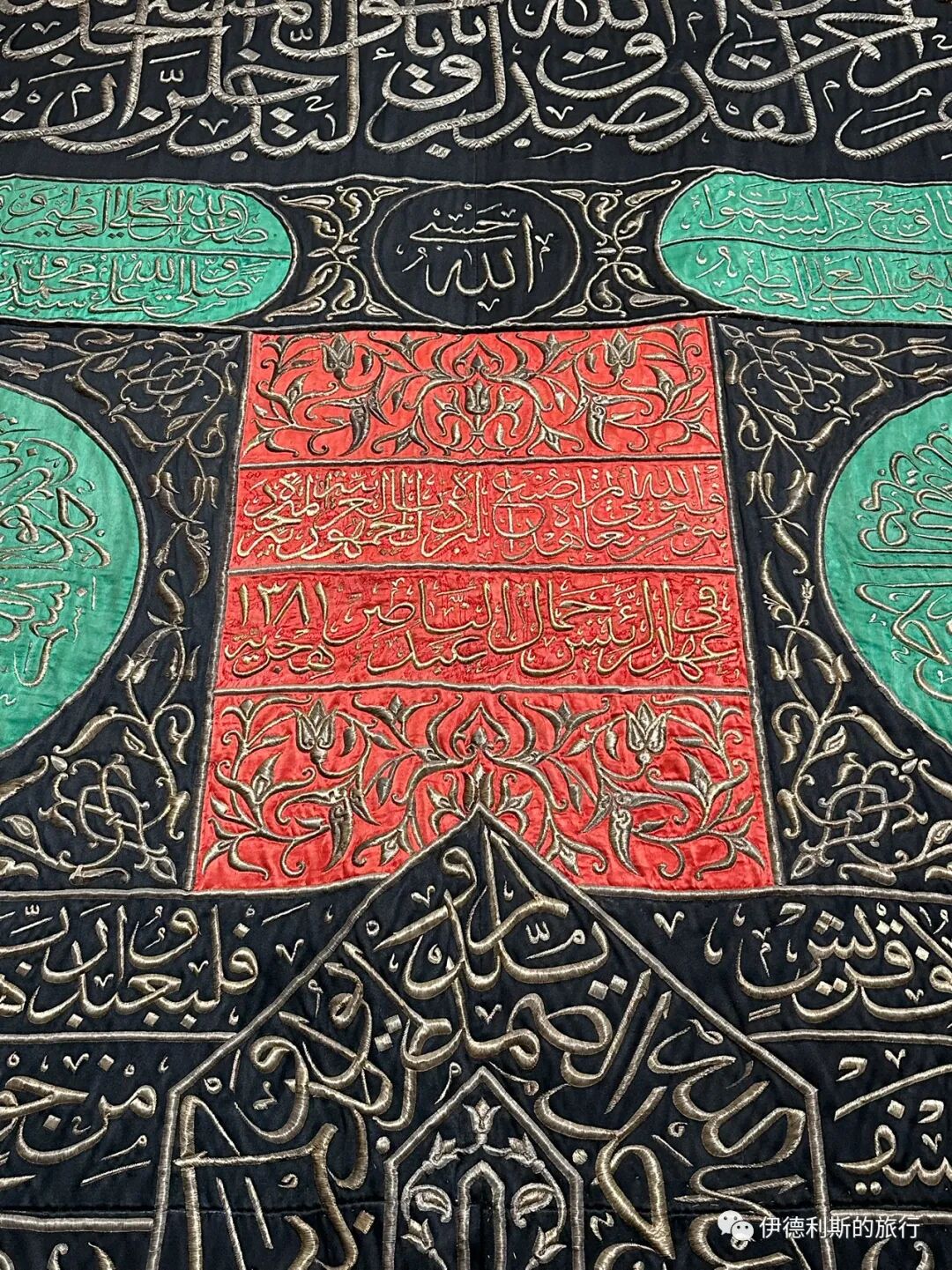
For over a century starting in 1817, the Mahmal and the Kaaba cover were produced at the Dar al-Kiswa textile workshop in Cairo, founded by Ottoman governor Muhammad Ali. In 1962, tensions between Egypt and Saudi Arabia over the North Yemen Civil War led Mecca to return a Kaaba cover made in Cairo. Since then, the covers have all been produced in Mecca. According to memories, craftsmen at Dar al-Kiswa would bathe and wash their hands with rose water before starting work. They would then recite the Al-Fatiha chapter. The entire production process took a full year.
The first one is the Mahmal sent by King Farouk I of Egypt in 1936.
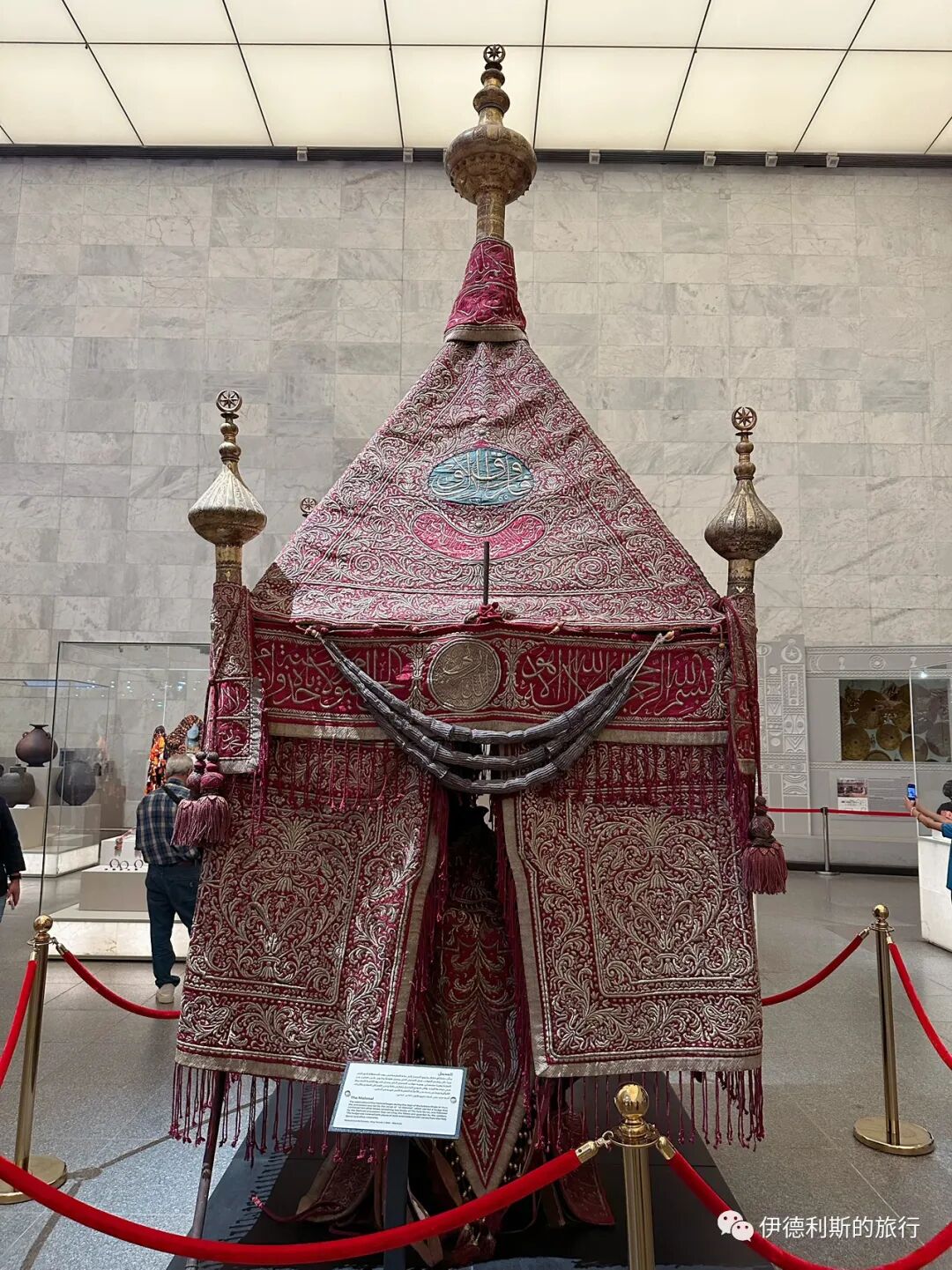
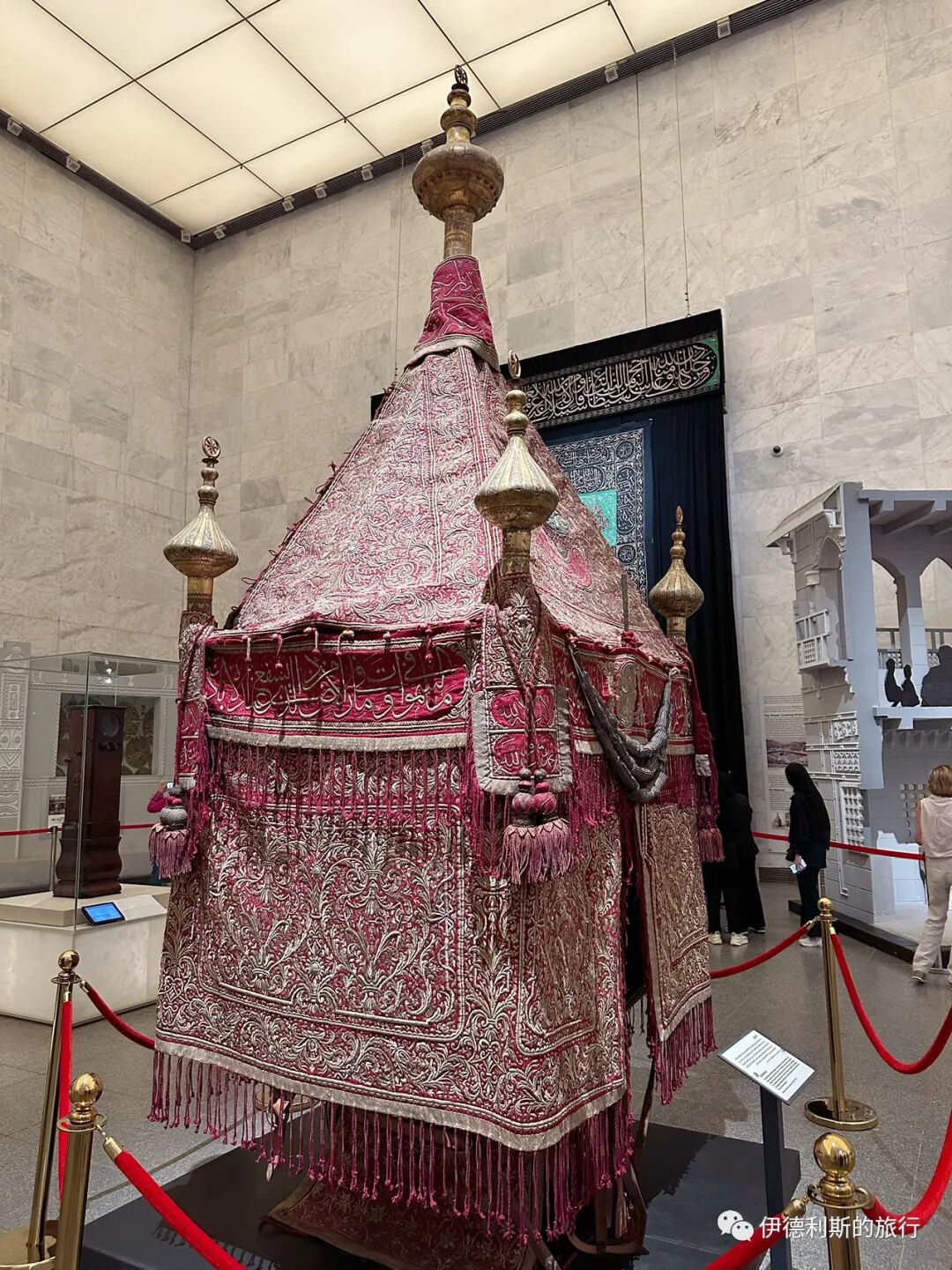
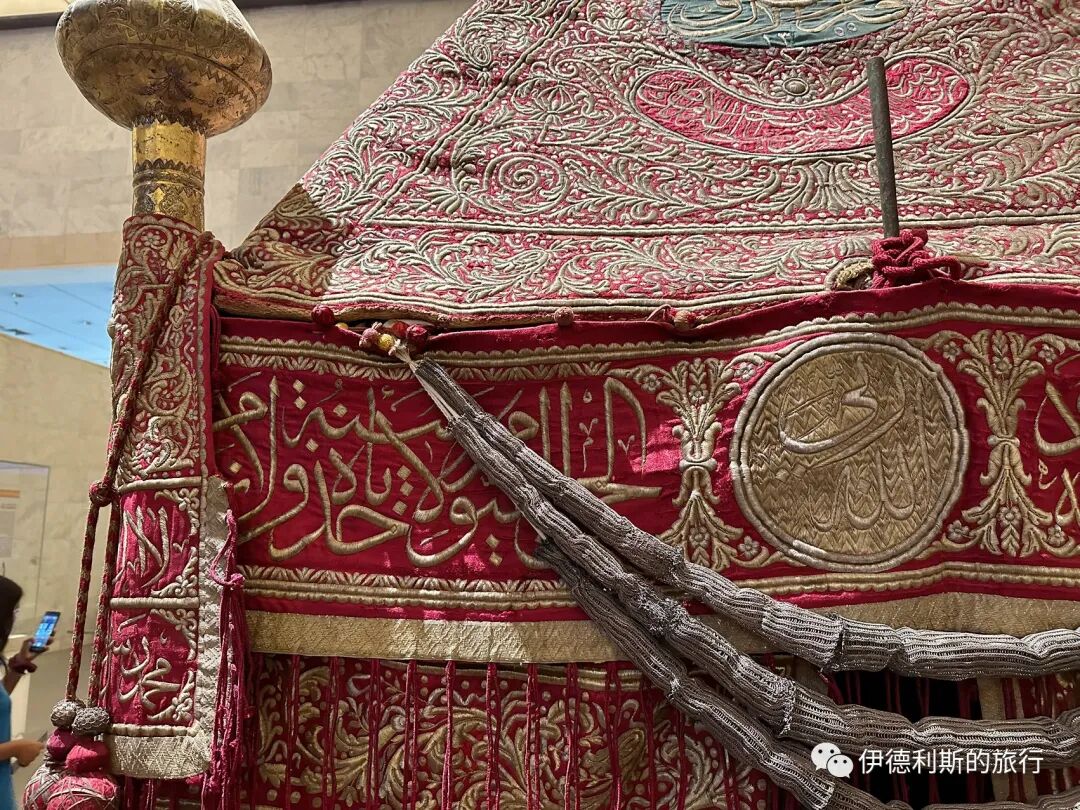
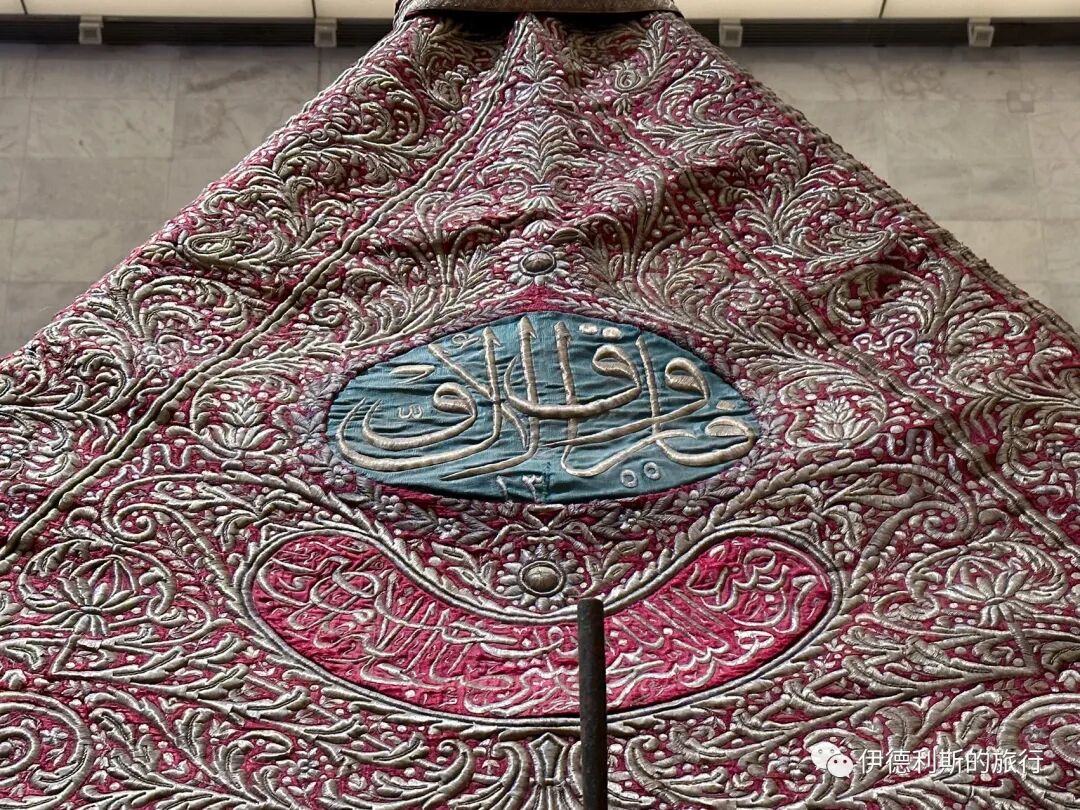
The second one is the Mahmal and Kaaba cover sent by King Farouk I in 1940.
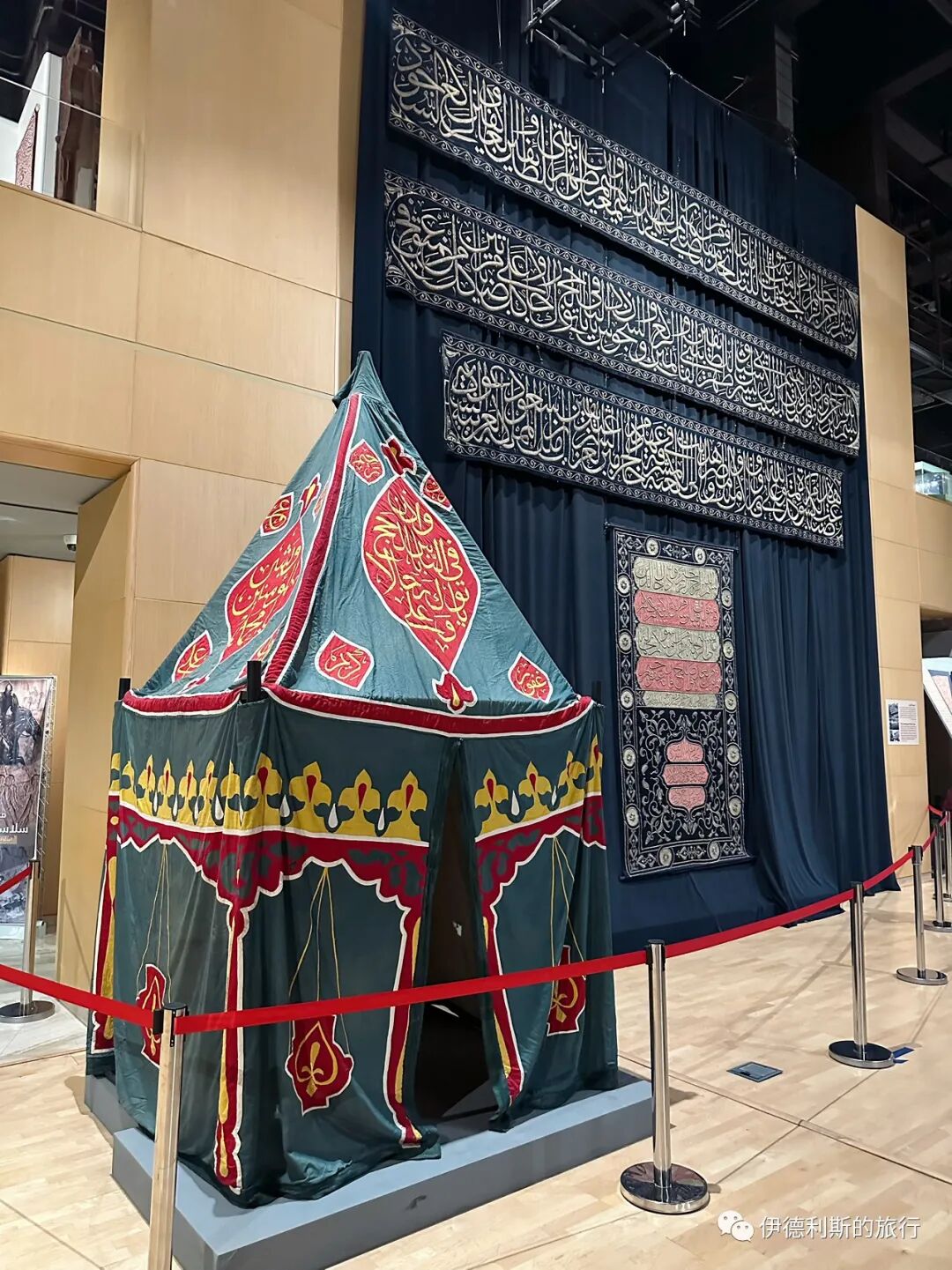
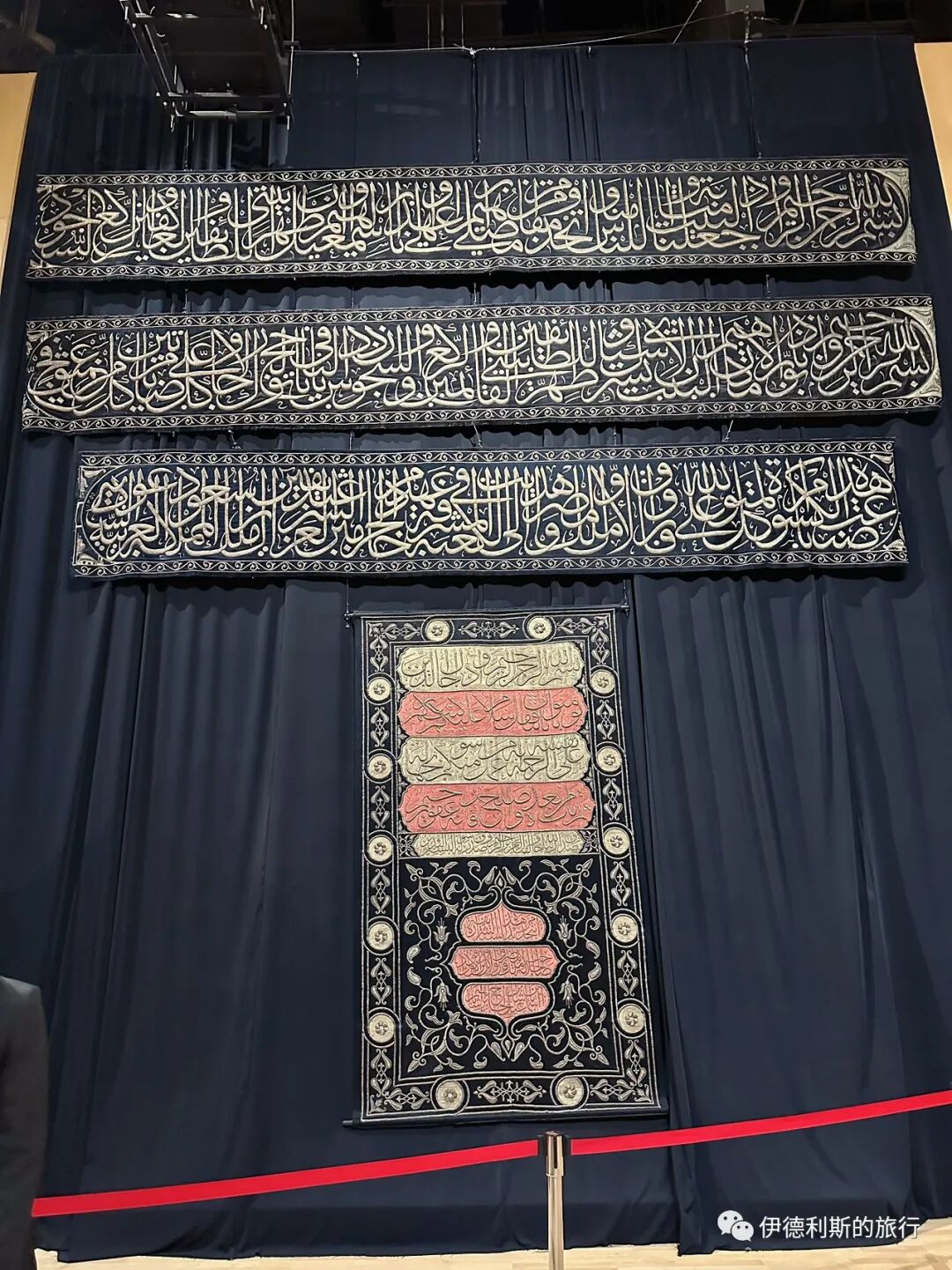
The third one is the last Kaaba cover sent by Egypt to Mecca in 1961.
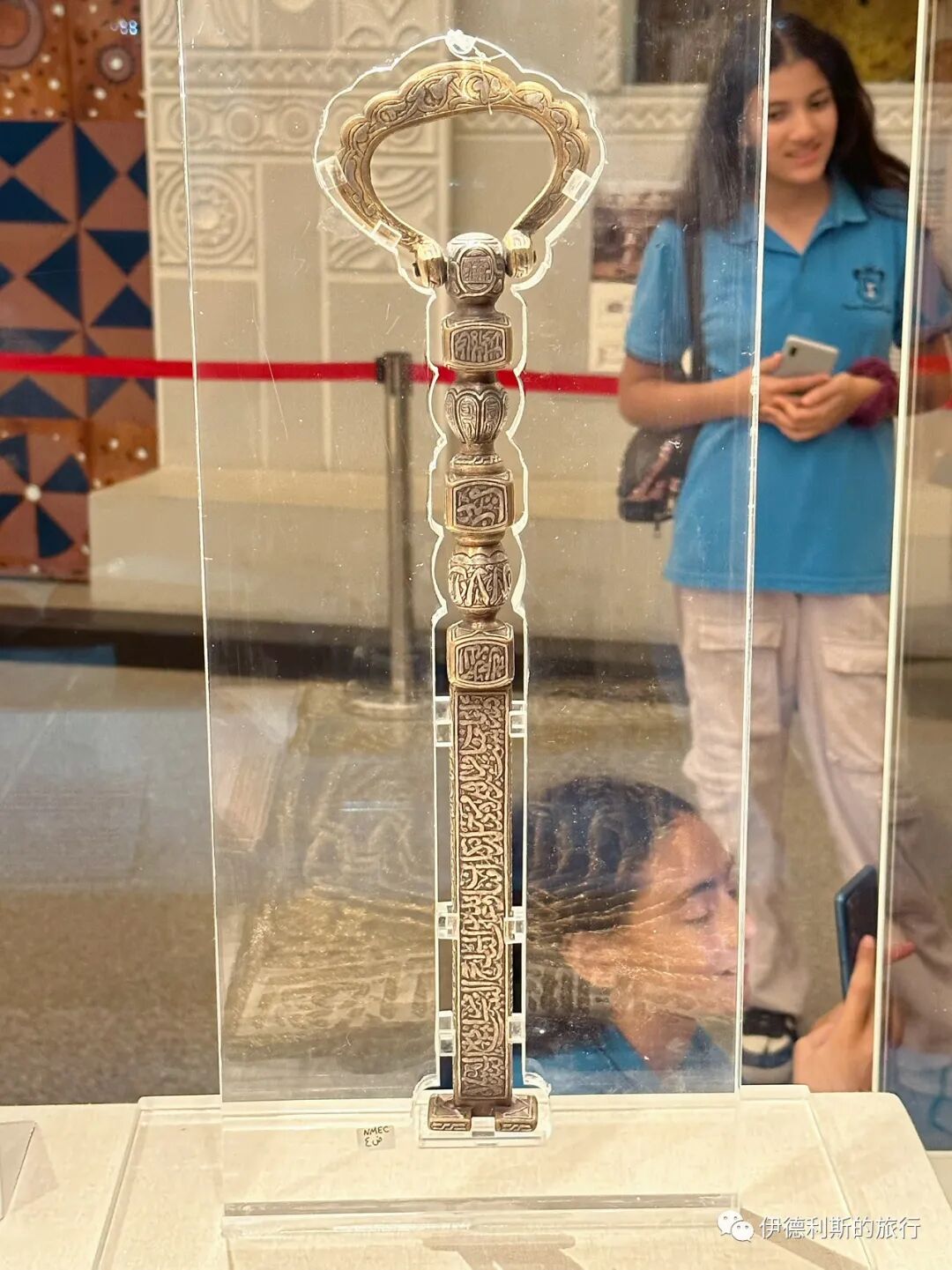
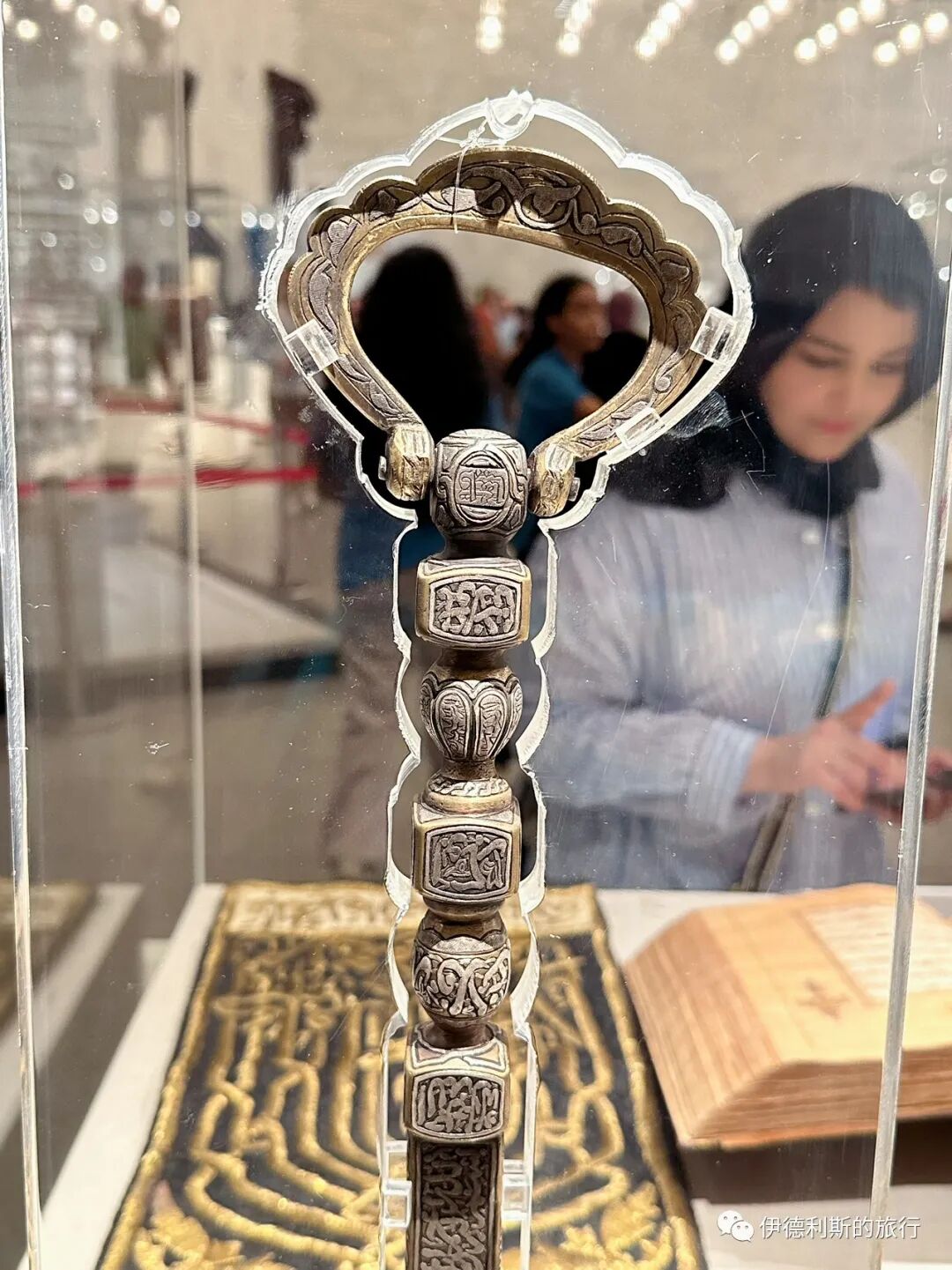
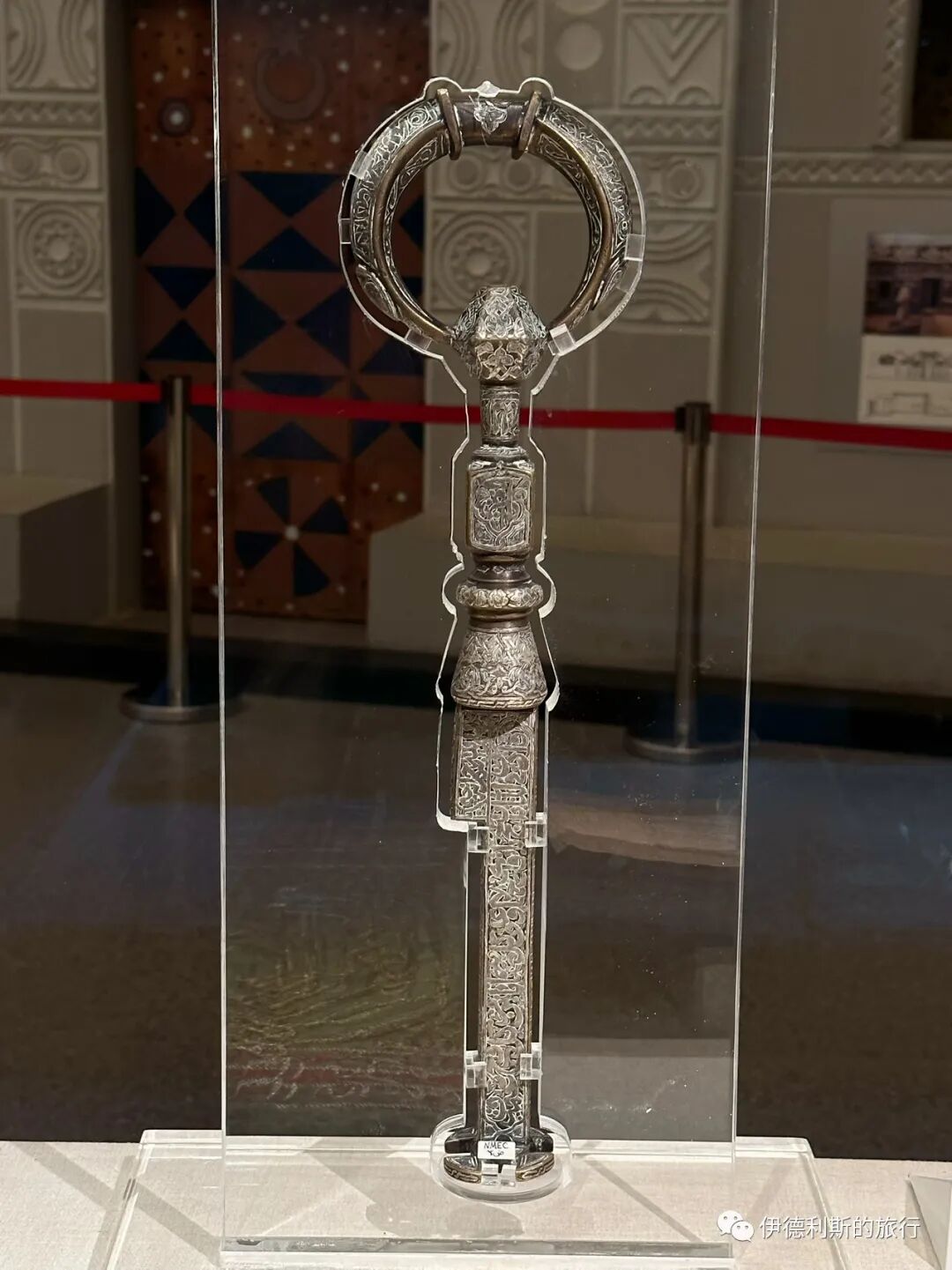
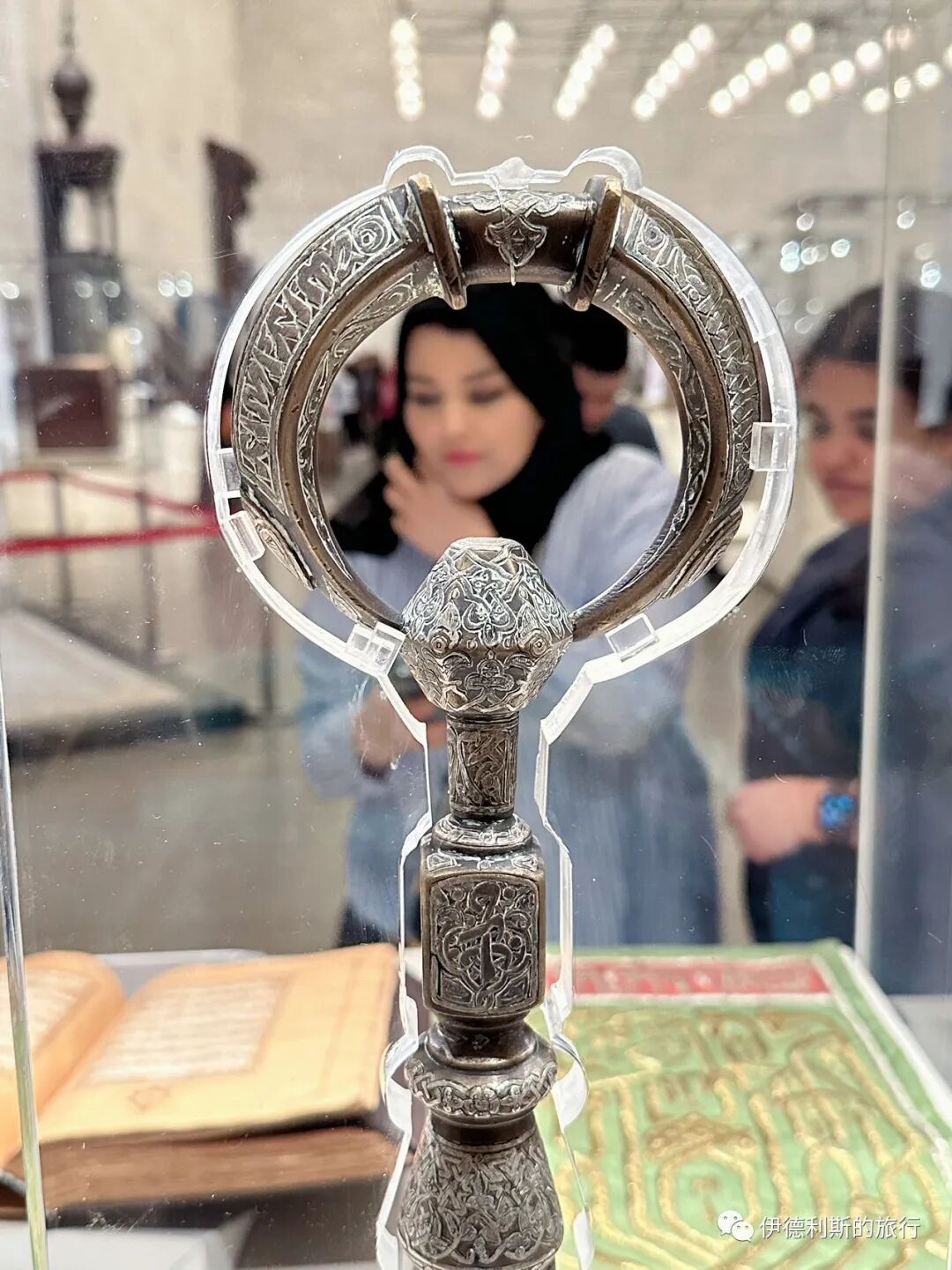
This is the key to the Kaaba and its silk storage bag from the 19th-century Ottoman period, featuring Arabic embroidery in gold and silver thread.
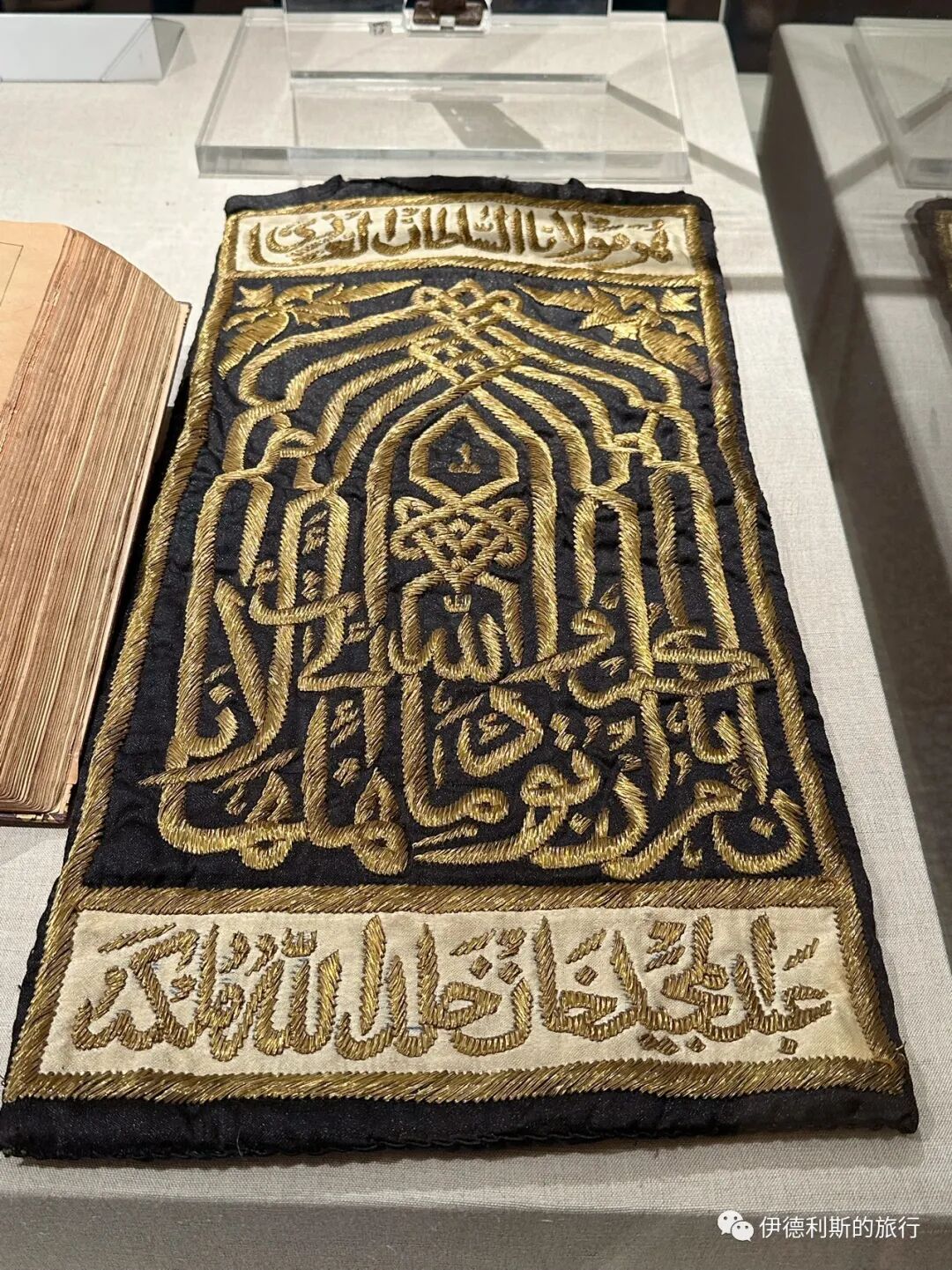
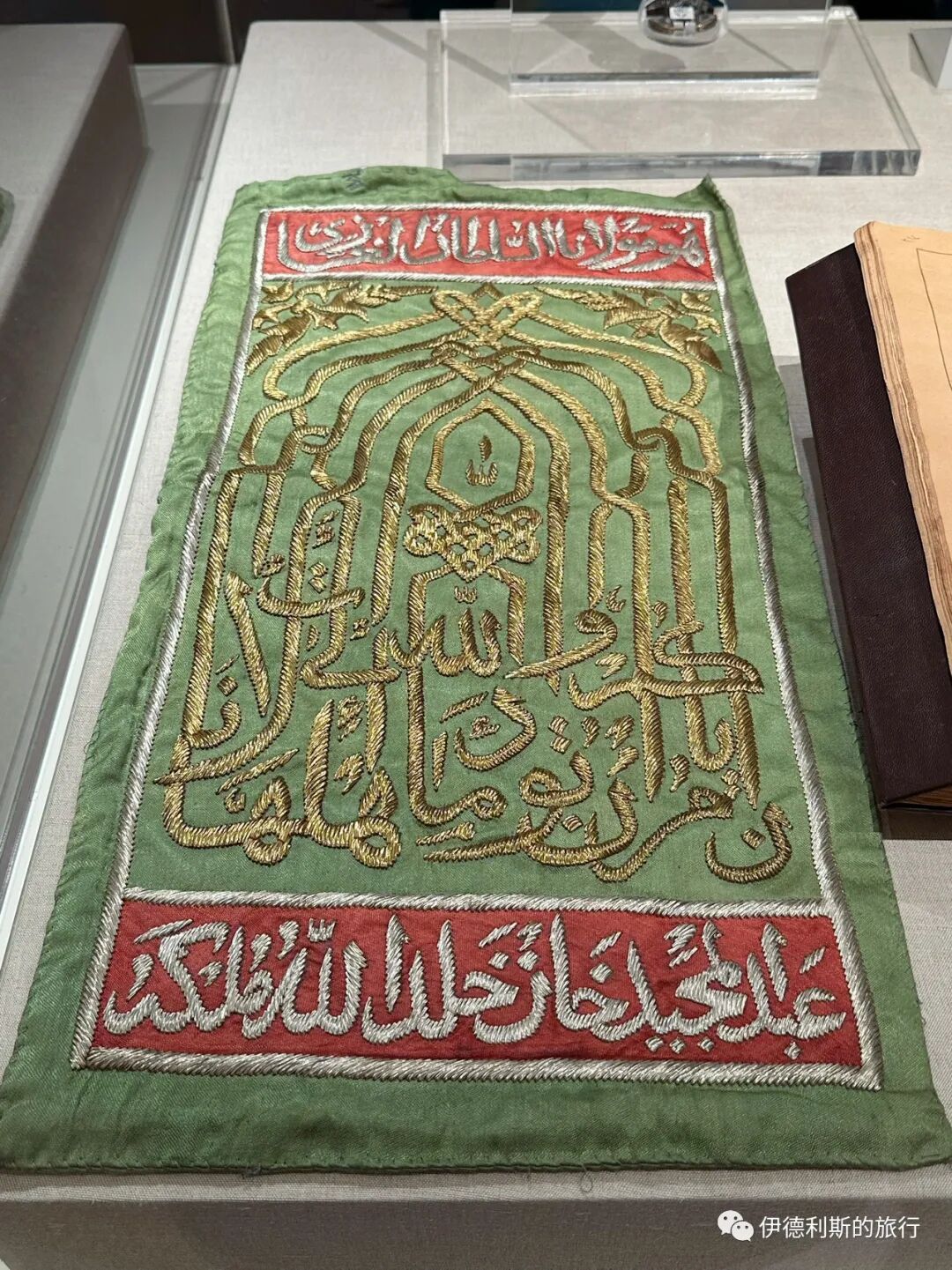
Because Egypt's textile industry was very famous even in the pre-Islamic era, the Kaaba cover has been provided by Egypt since the time of Caliph Umar. The earliest Kaaba covers were embroidered white linen woven by Coptic Christians in Egypt, known as qubati. During the Umayyad and Abbasid dynasties, both silk and linen were used to make the Kaaba covers.
During the Umayyad and Abbasid dynasties, the Caliphs funded many textile workshops across Egypt. Besides making Kaaba covers, many workshops produced goods for the public, known as Al-Tiraz. The earliest recorded Al-Tiraz workshop dates back to the reign of the fifth Umayyad Caliph, Abd al-Malik ibn Marwan (reigned 685-705). This was when Arabic calligraphy first appeared in textile decorations. Textile decorations from this period were mostly simple and used dark colors, influenced by Byzantine, Sassanid, and Egyptian Coptic art.
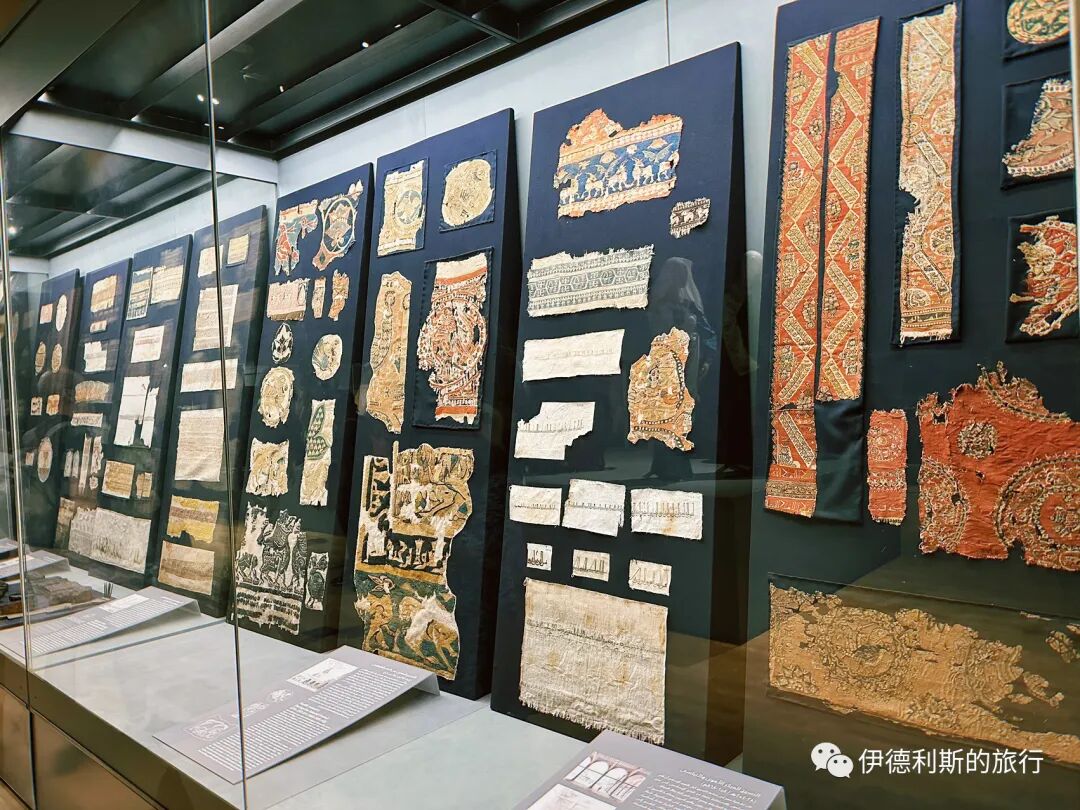
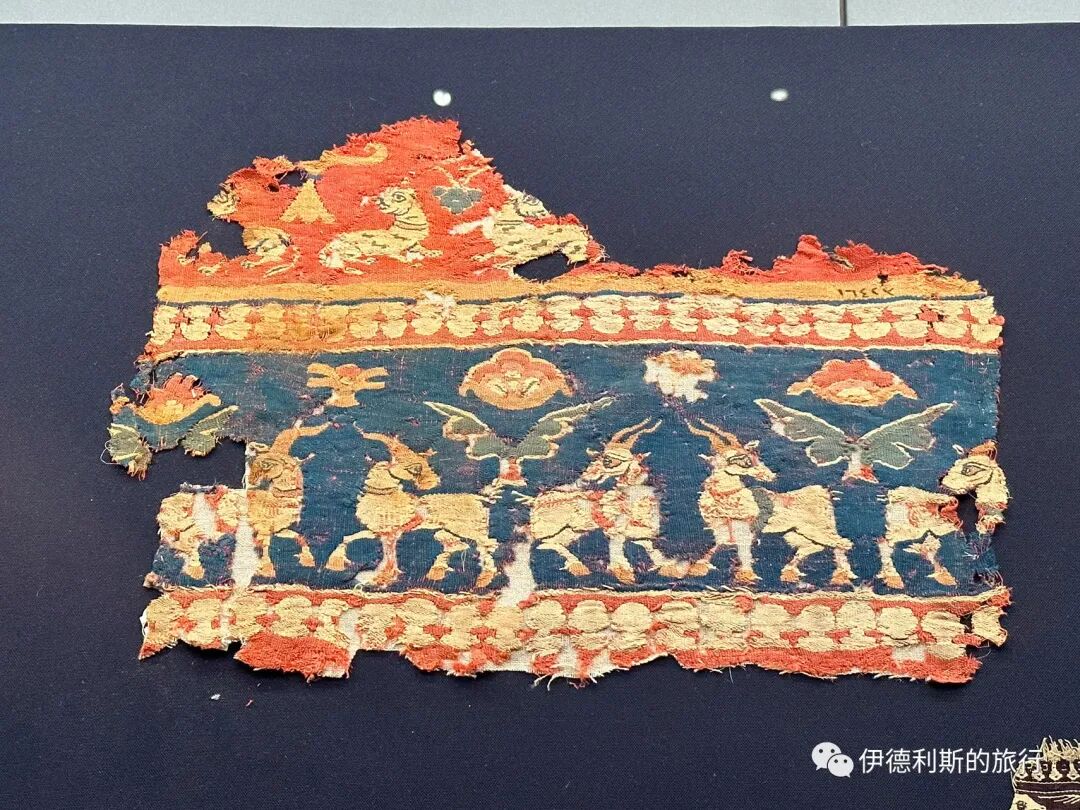
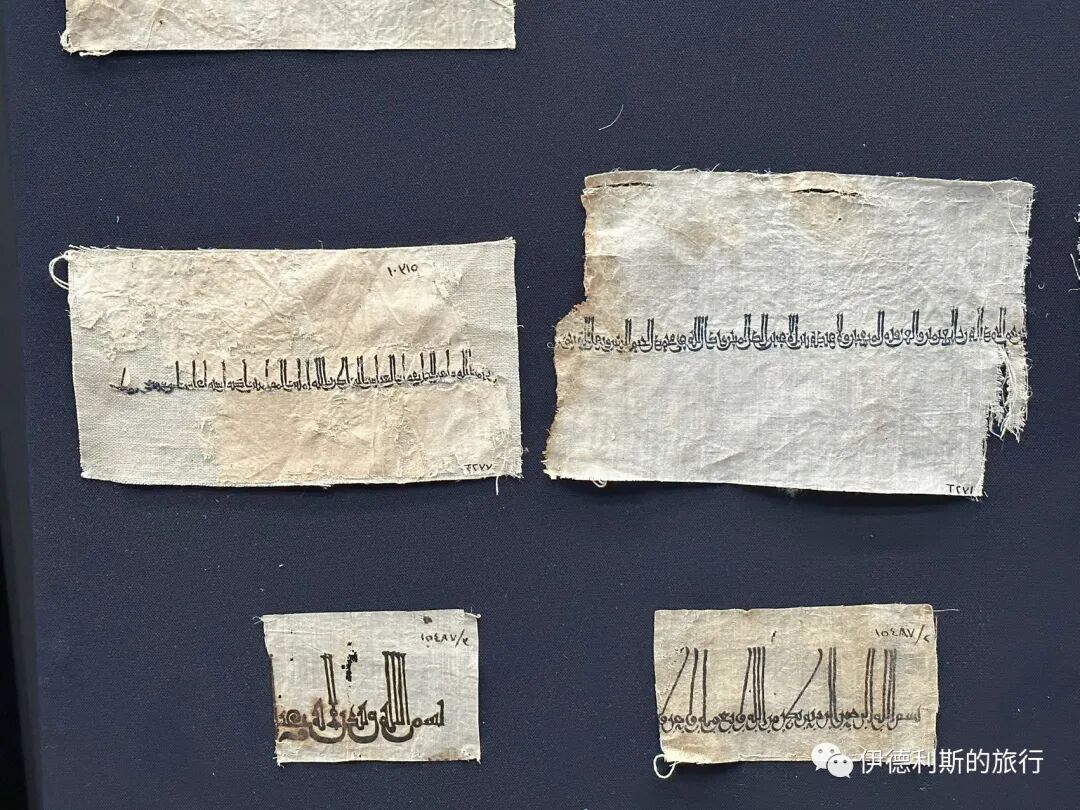
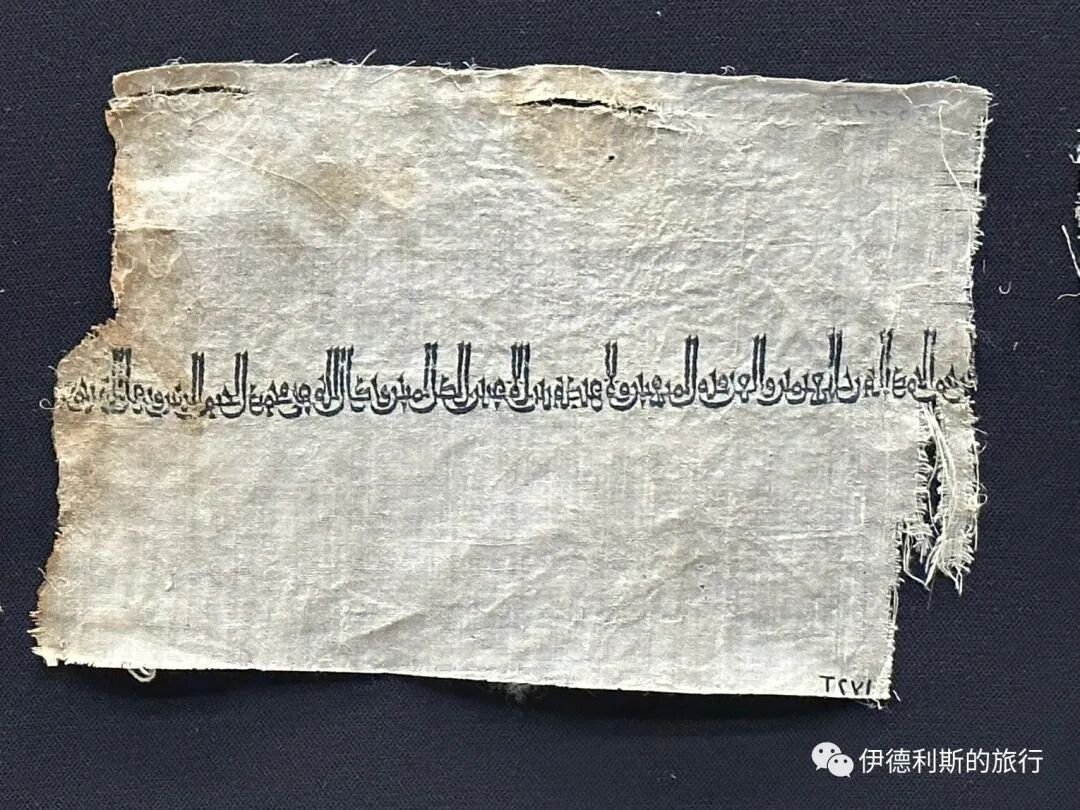
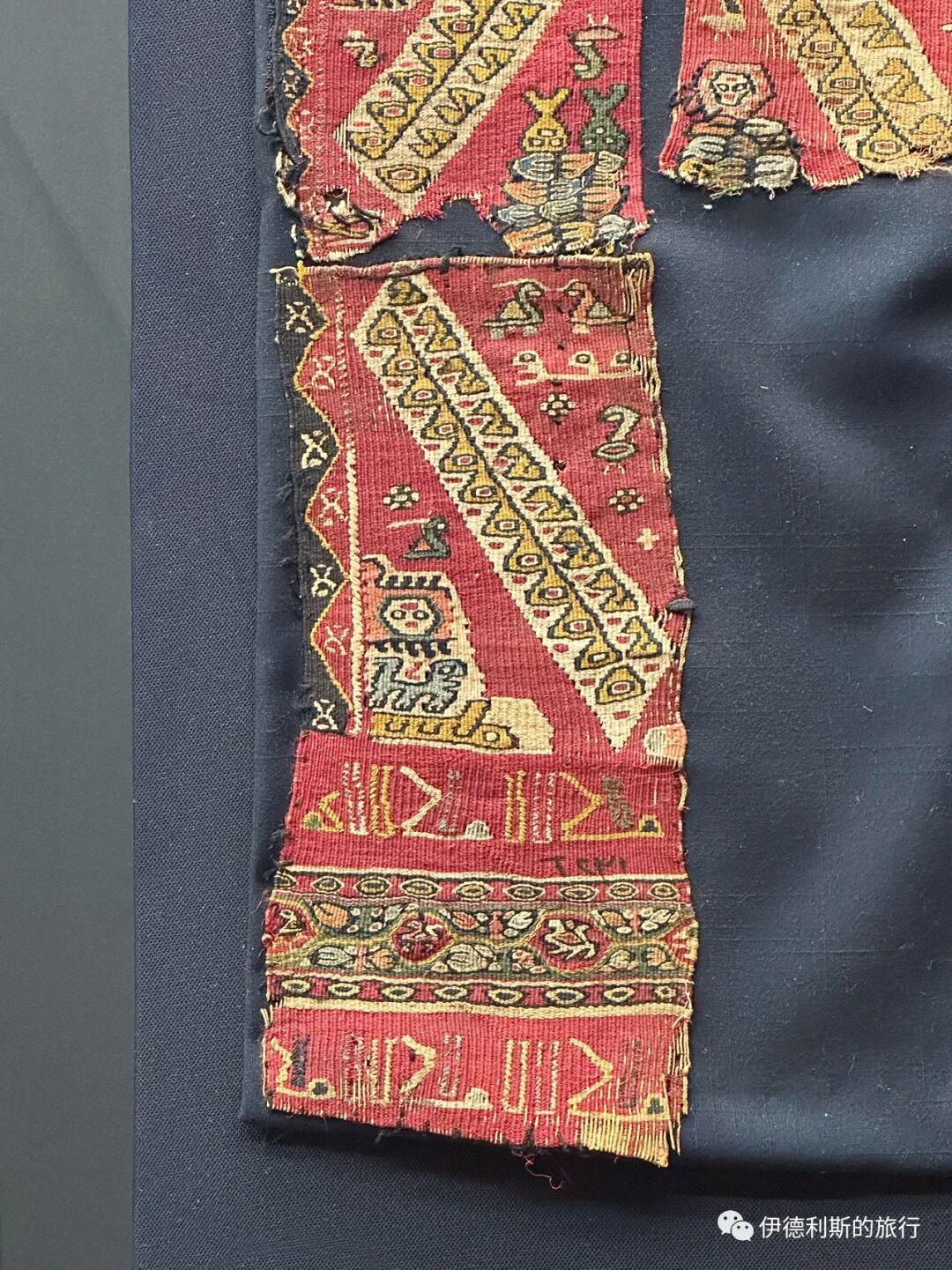
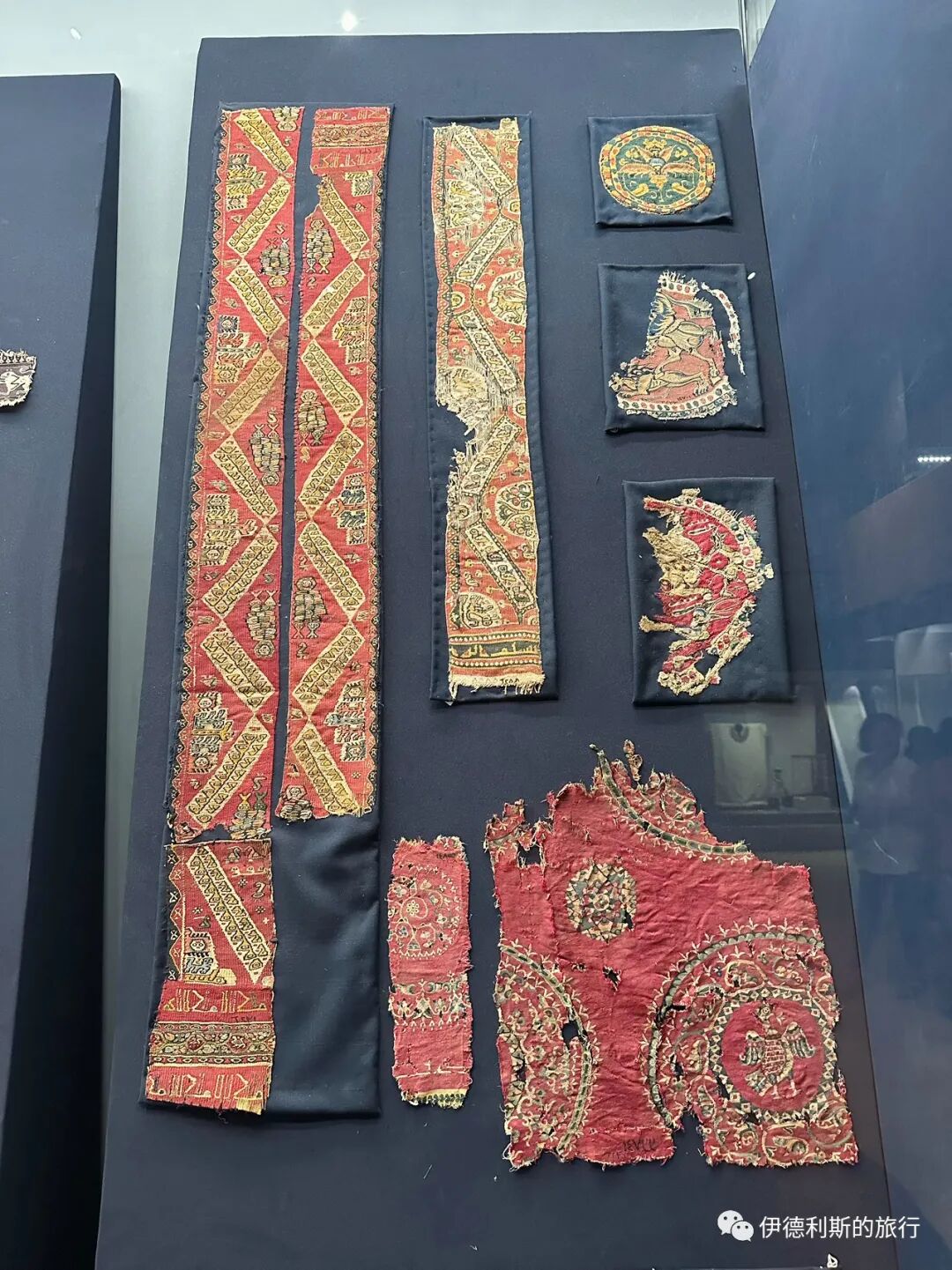
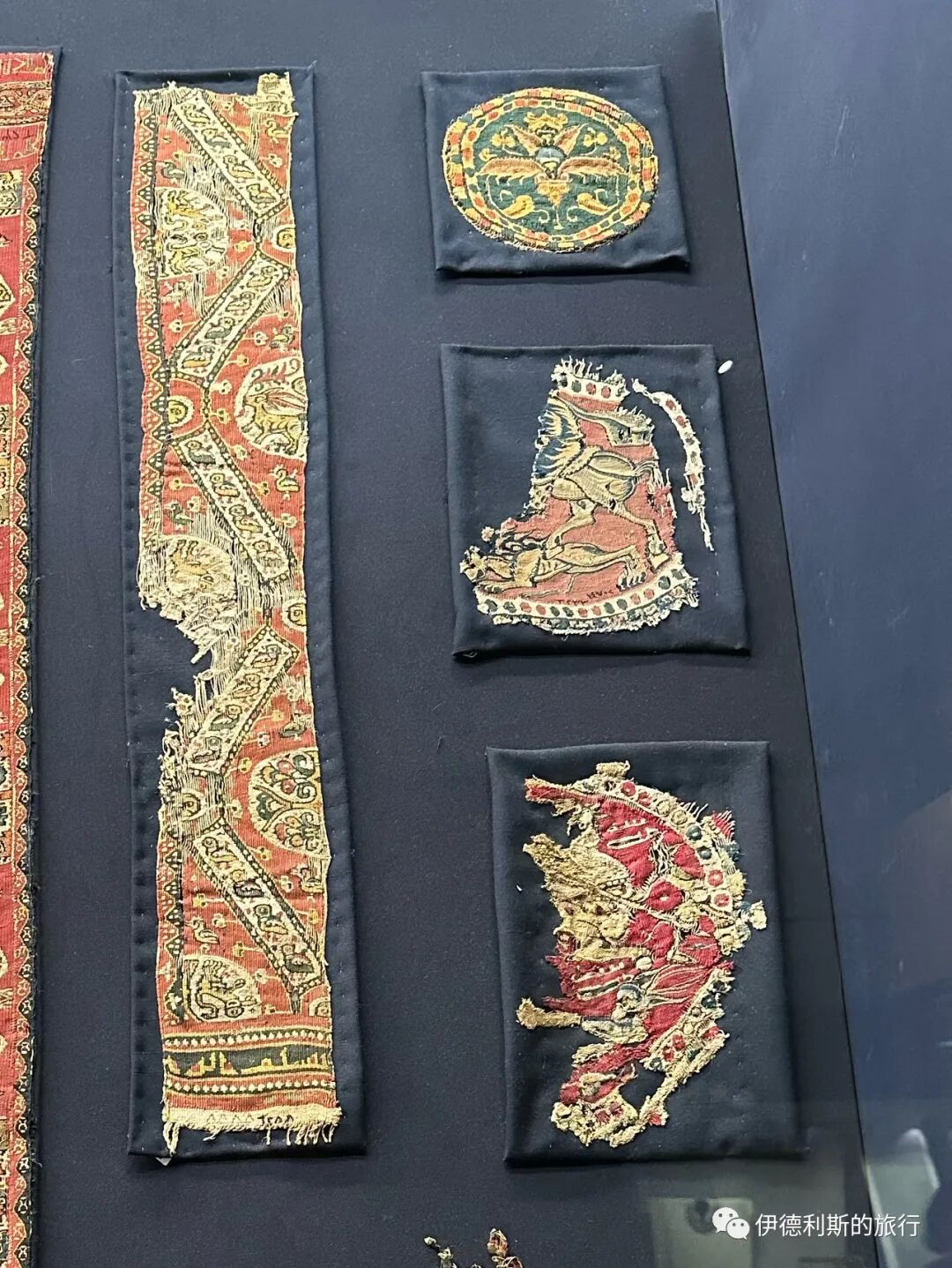
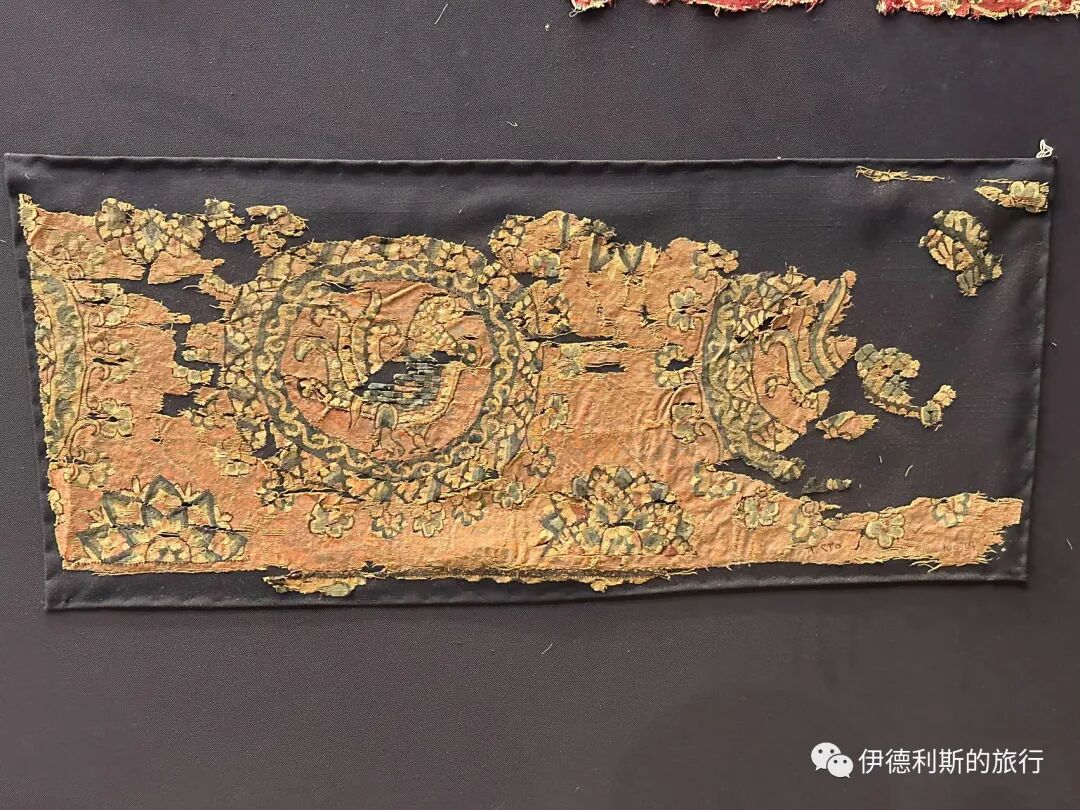
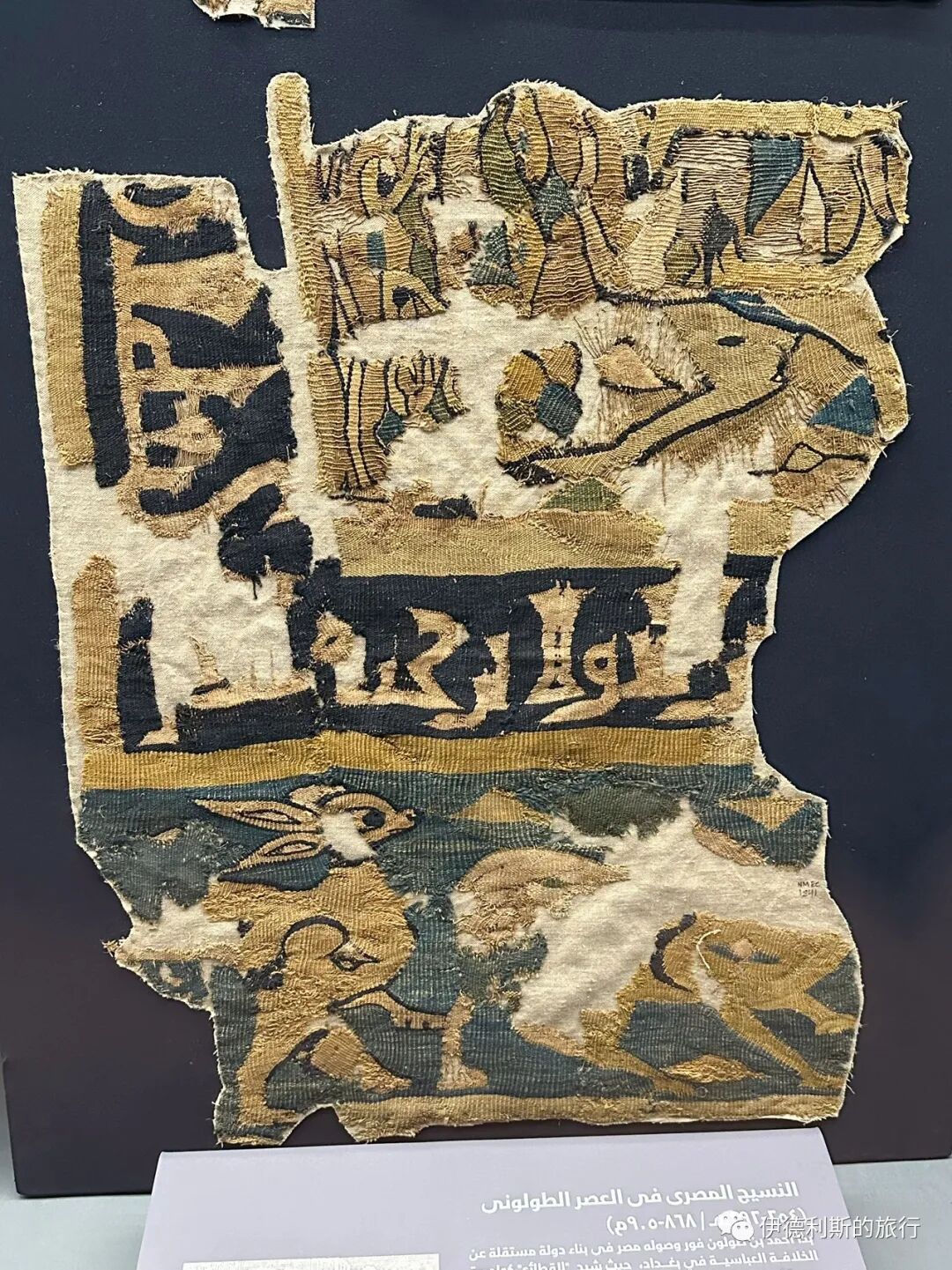
Between 868 and 905, Ahmad ibn Tulun, a Turkic governor of Egypt under the Abbasid dynasty, established the Tulunid dynasty (Tulunids) in Egypt and Syria. Ibn Tulun carried out major economic reforms that helped the linen and wool textile industries thrive. During this time, Egypt competed fiercely as a textile hub with Baghdad, the Abbasid capital. Egypt often produced higher quality and better craftsmanship, which showed in the precious fabrics like mattresses and curtains used by Tulunid rulers and nobles.
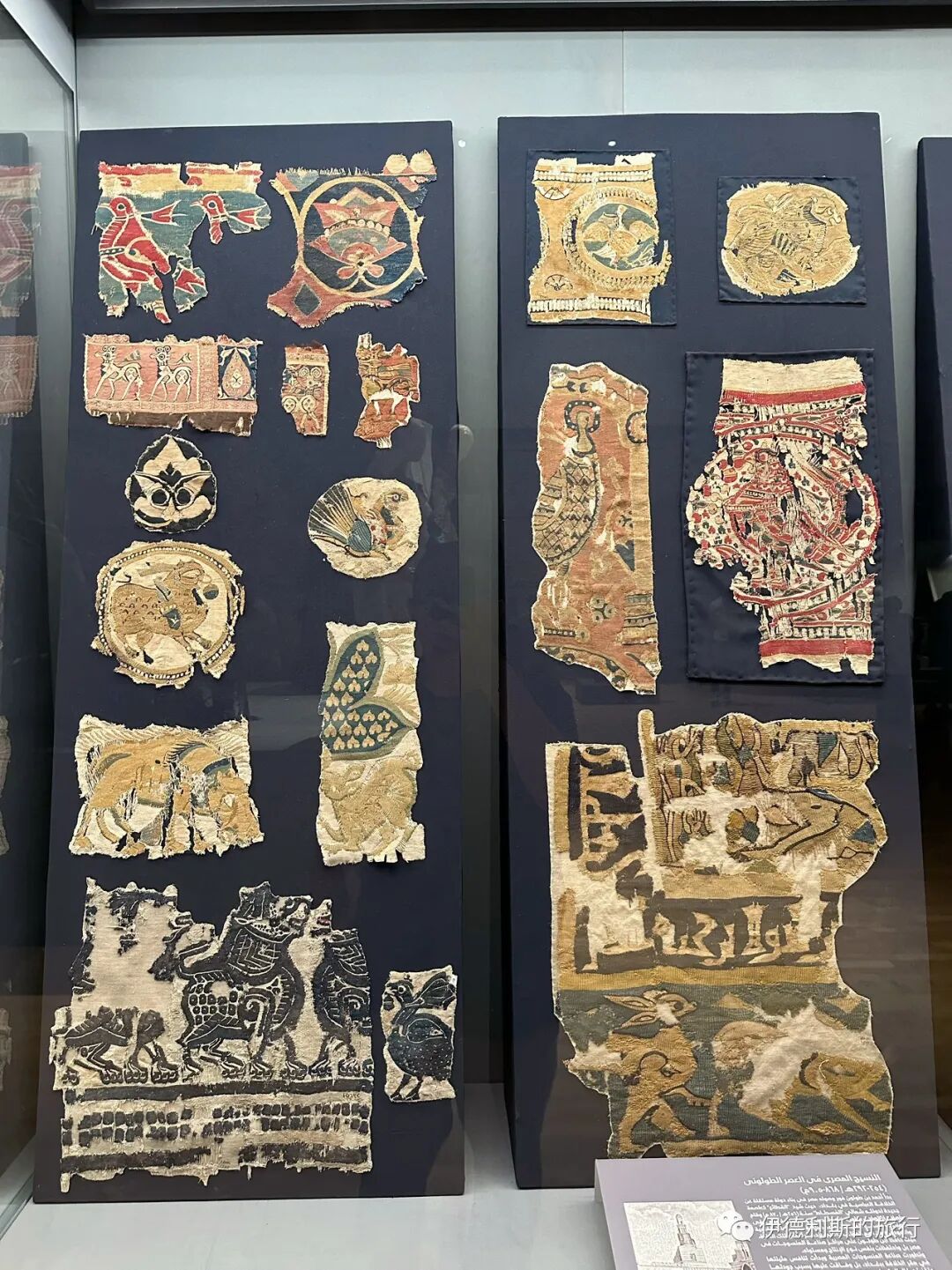
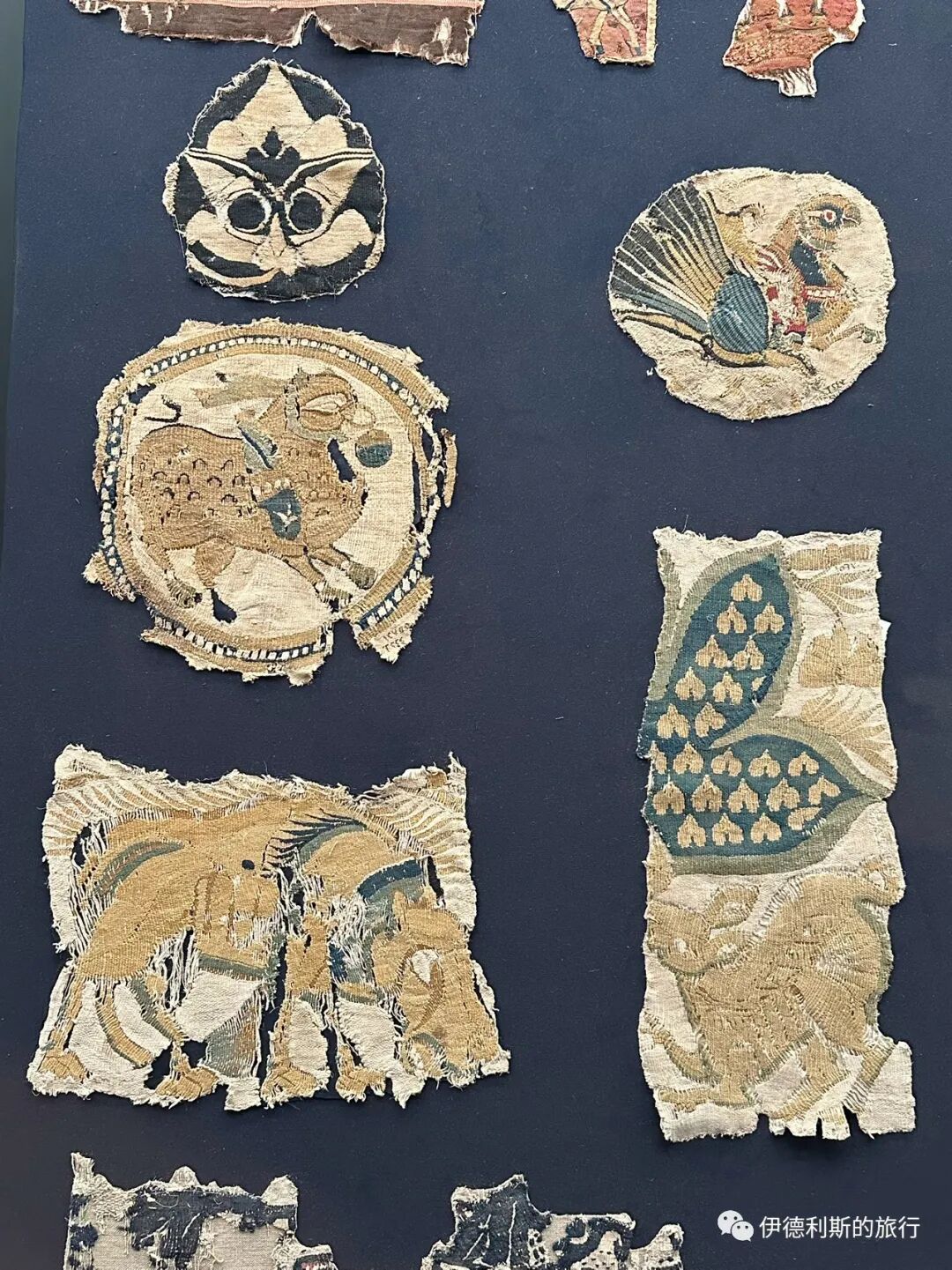
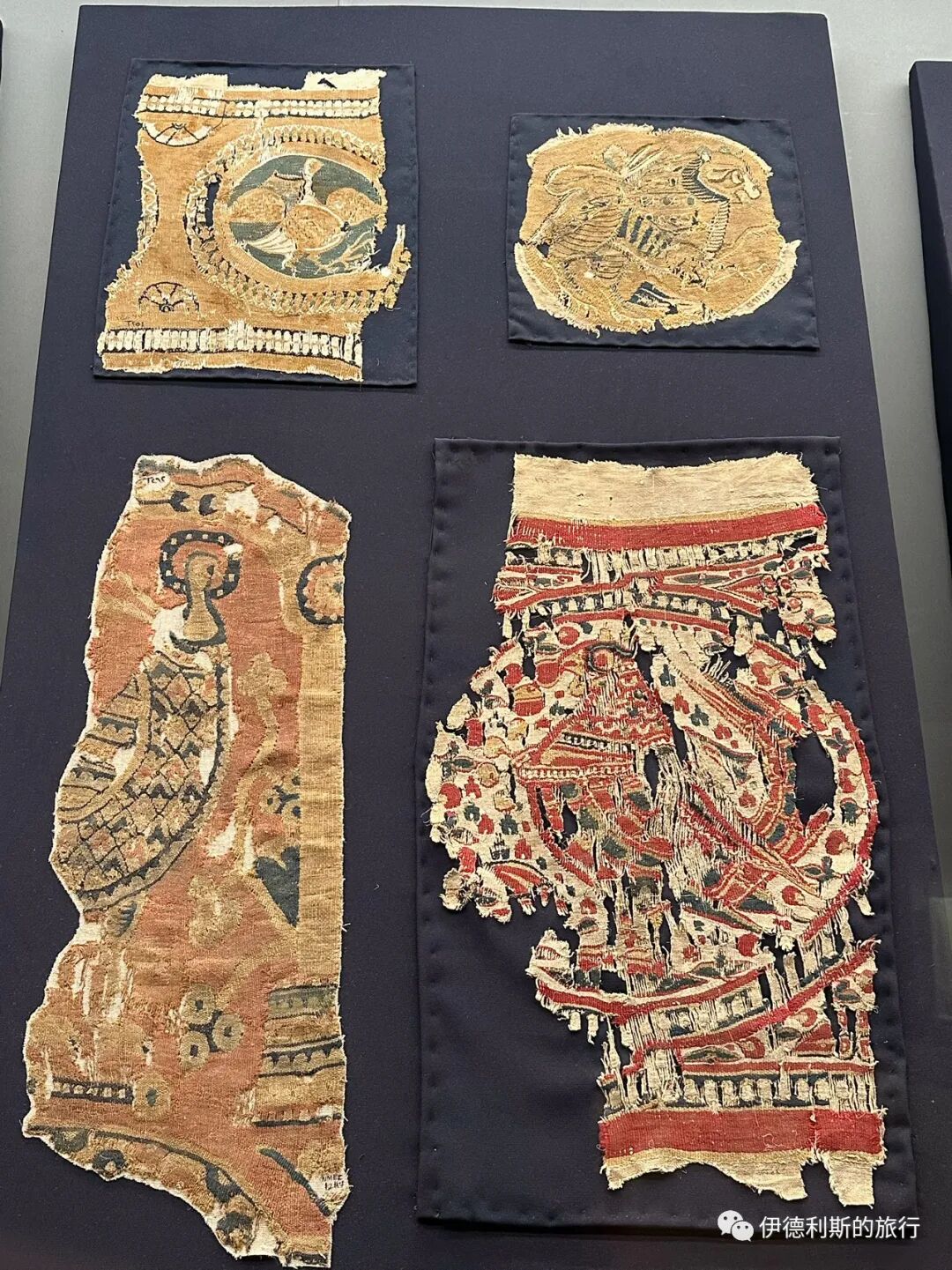
Textiles from the Fatimid dynasty (969-1171) were popular for their high quality, delicate designs, and rich decorations. The most precious silks were used to decorate the Caliph's palace, while other fine fabrics were used to make turbans, hats, and belts. The most striking feature of Fatimid textiles was the use of Kufic Arabic calligraphy, which featured the Caliph's name and titles in repeating and alternating floral patterns. Various plant, animal, and geometric patterns also saw significant development.
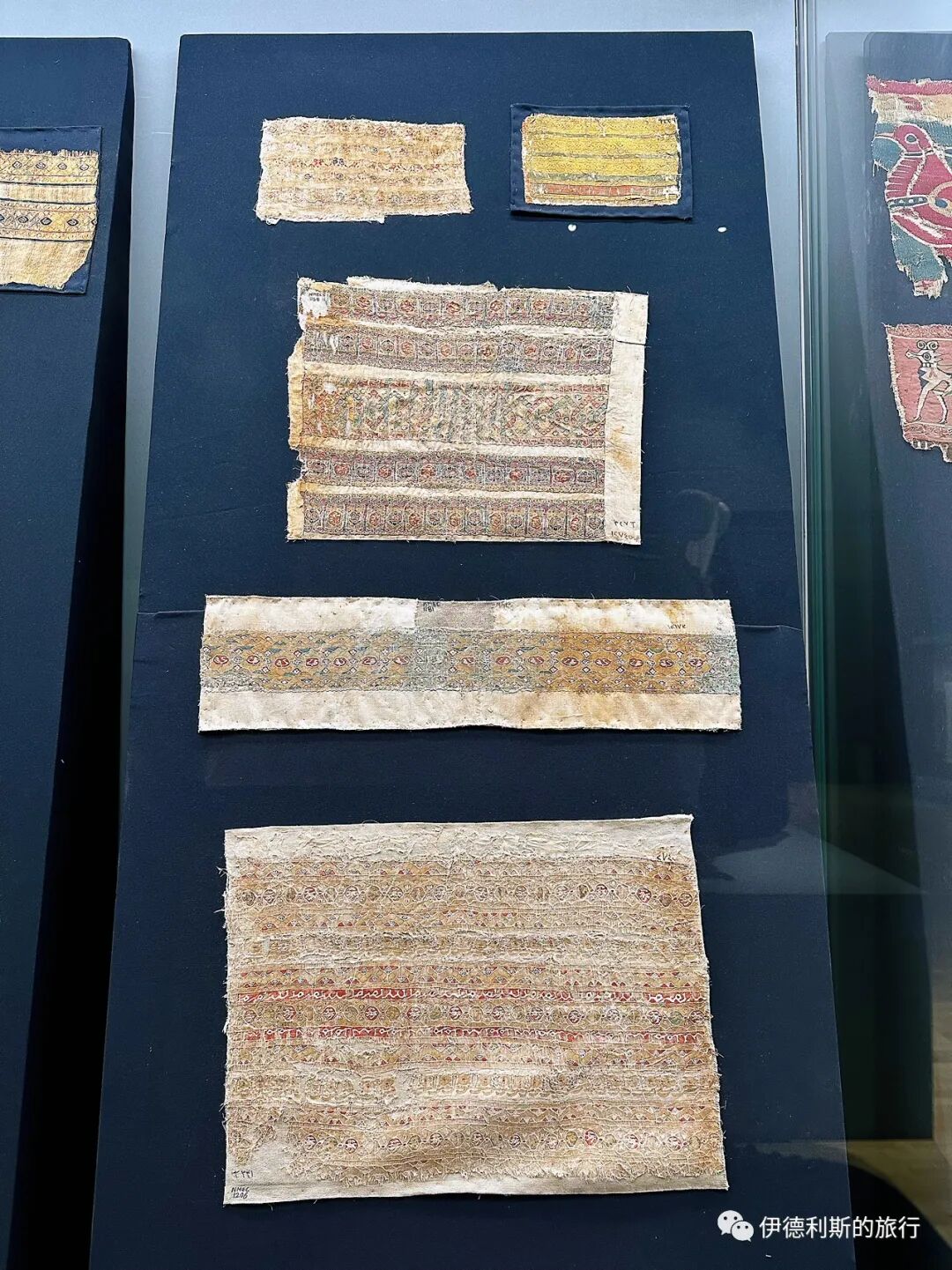
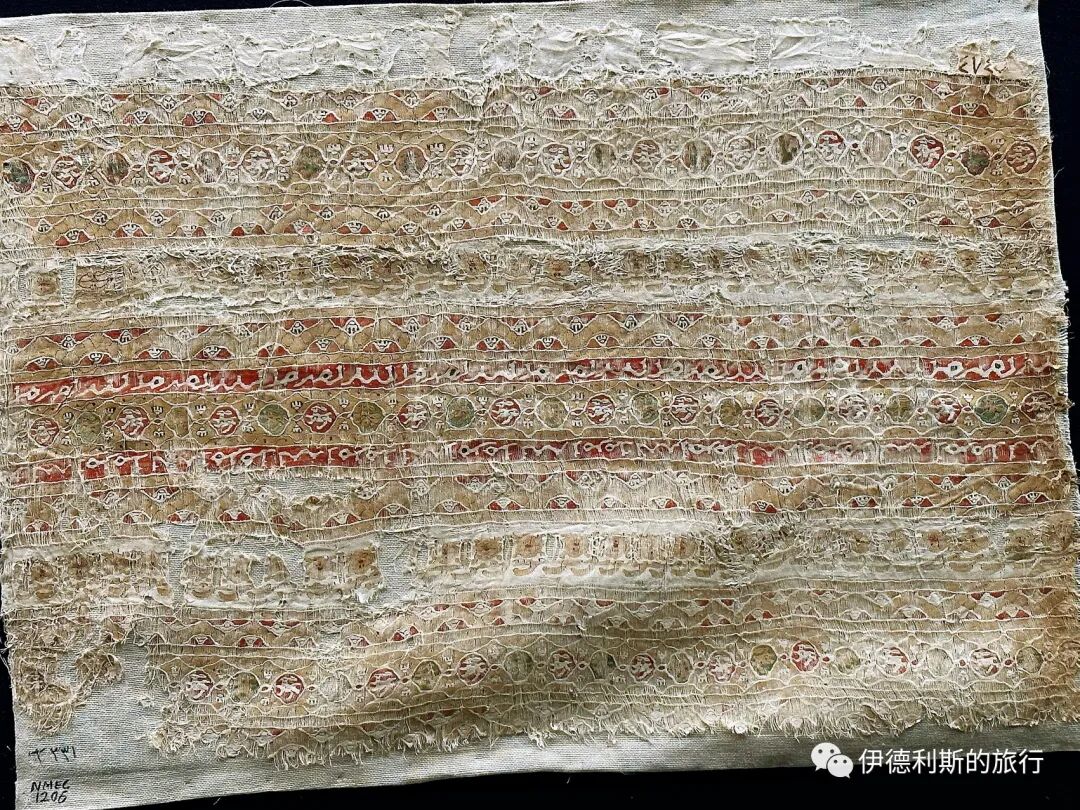
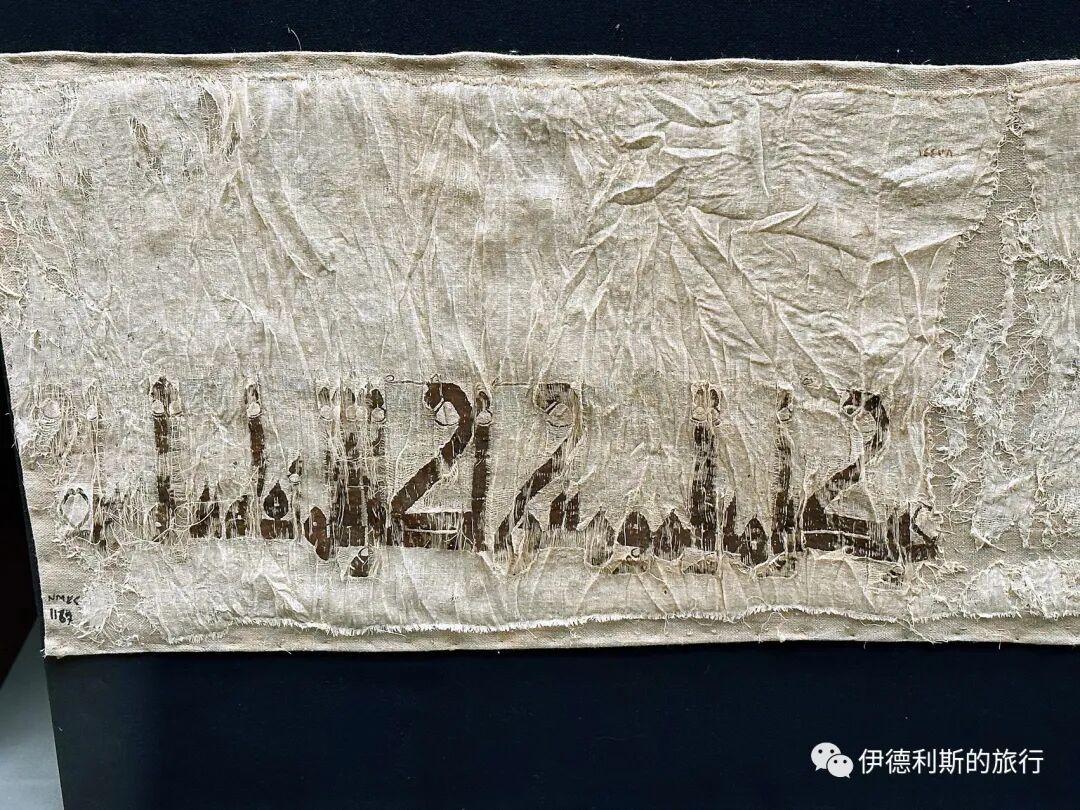
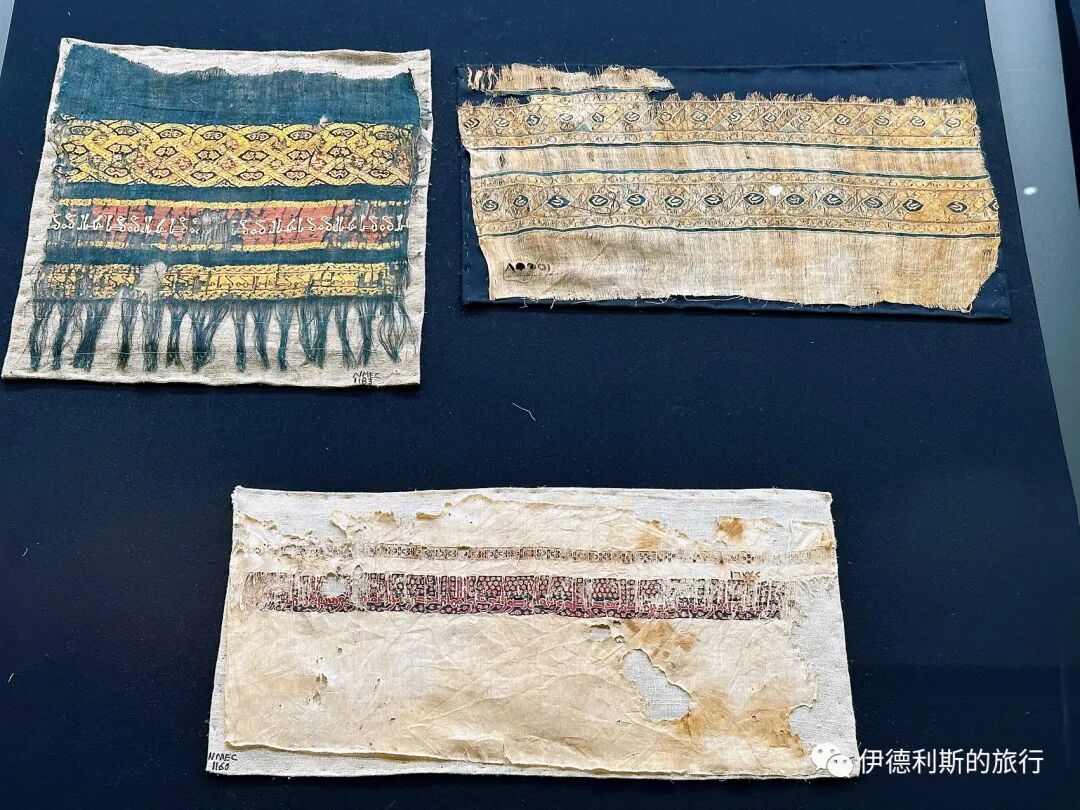
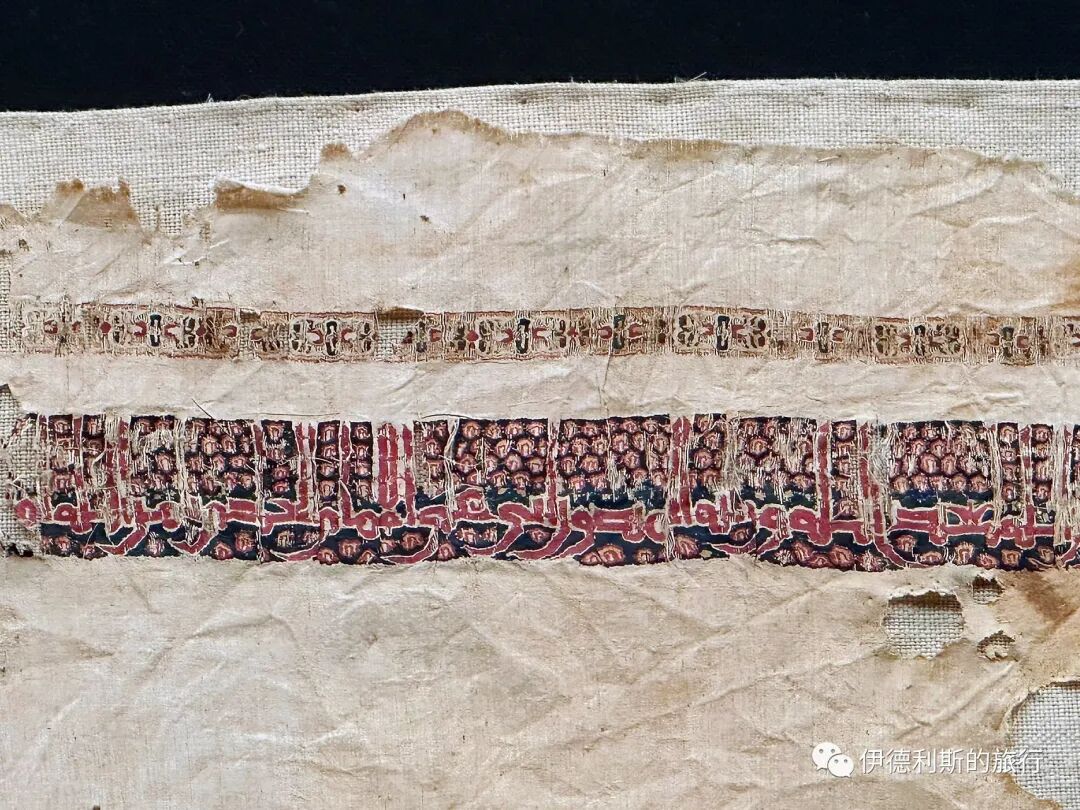
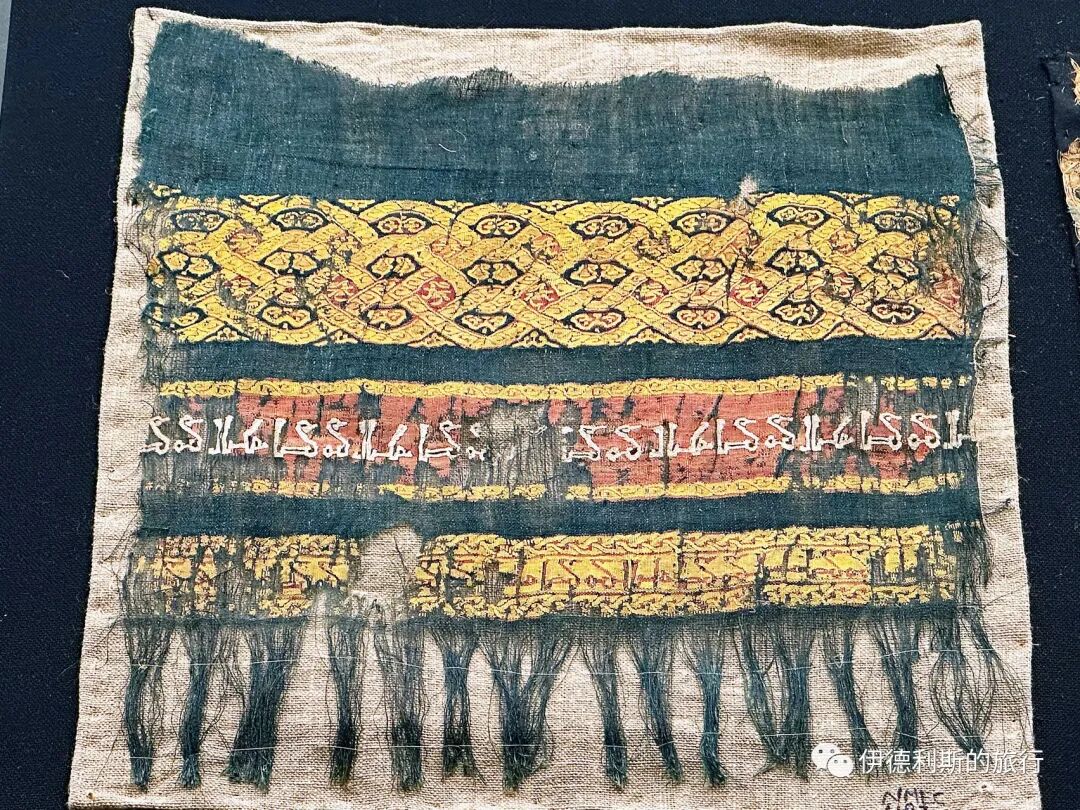
Although the Ayyubid dynasty (1171-1250) was short, Egypt's textile industry continued to grow. It was especially famous for soft and thin linen called al-Shoroub, produced in Tinnis and Alexandria. With mass production, new techniques were introduced, including weaving gold, silver, and colored silk threads into the warp and weft, layering wool or cotton between two layers of fabric, and embroidering on silk threads. Ayyubid textile decorations continued to use Arabic calligraphy, geometric shapes, and floral and animal patterns, usually in black and blue.
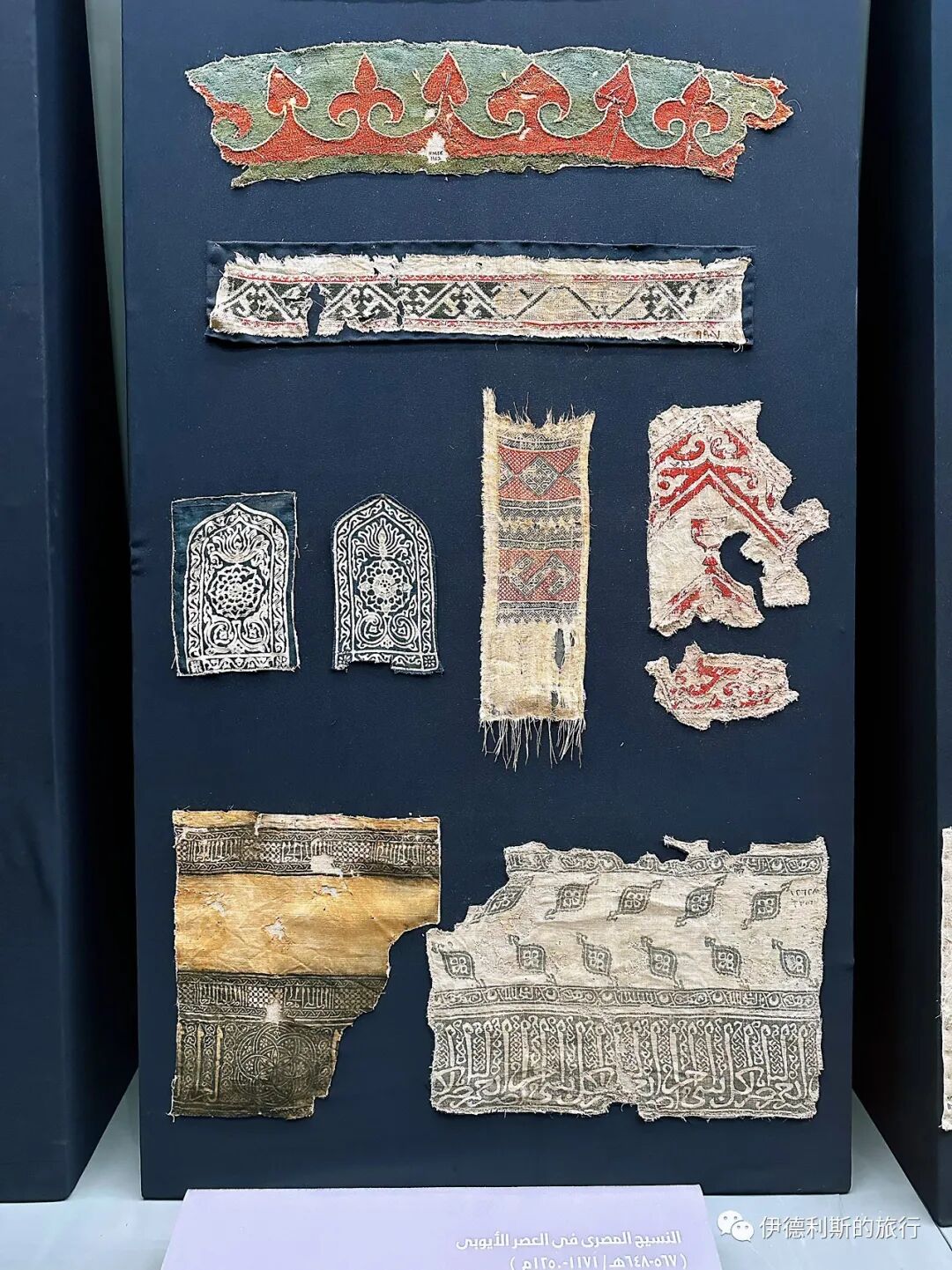
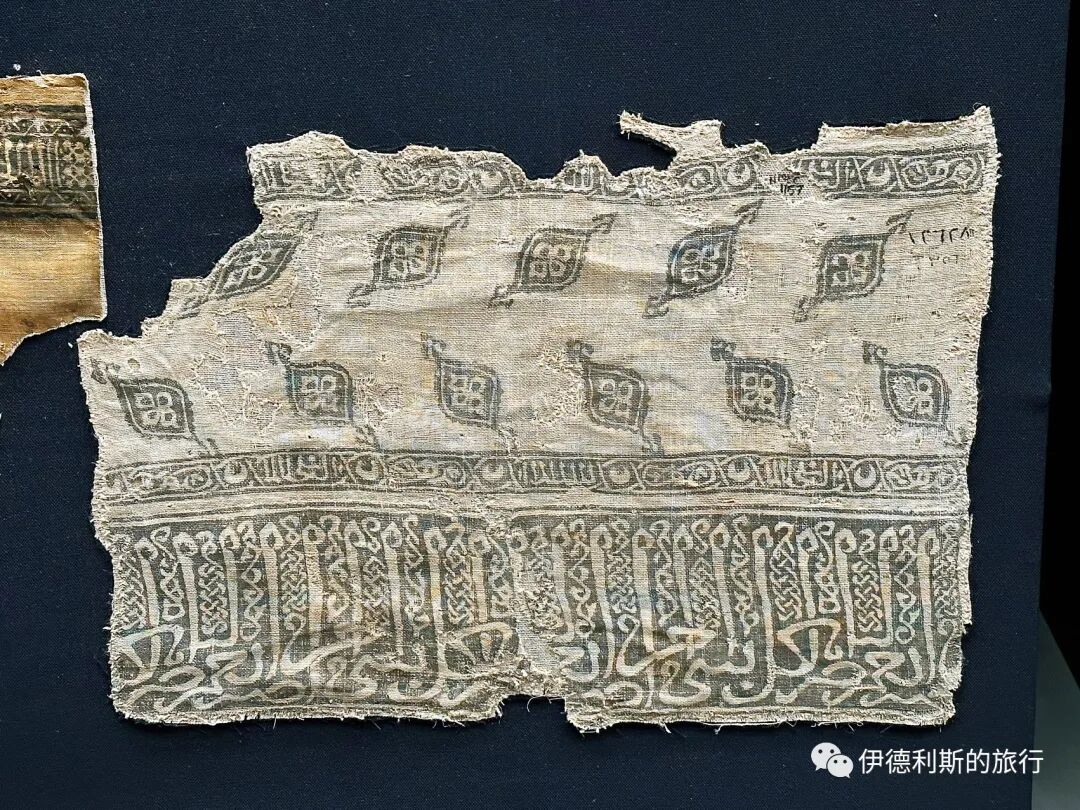
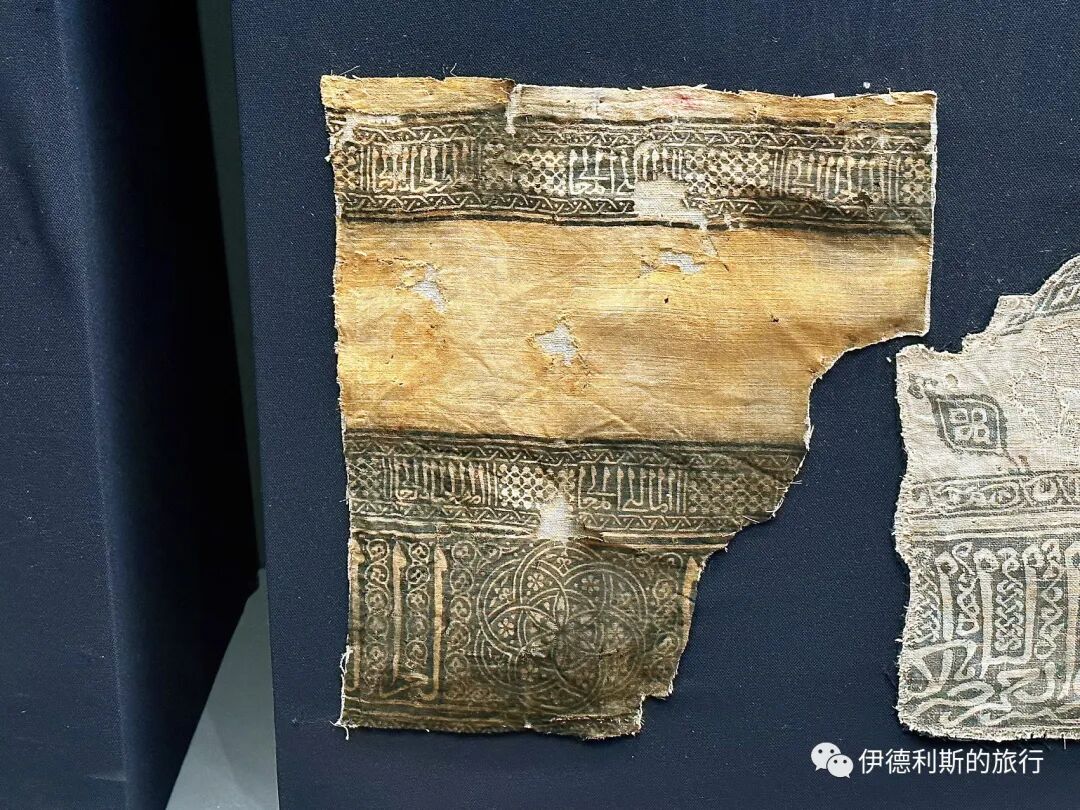
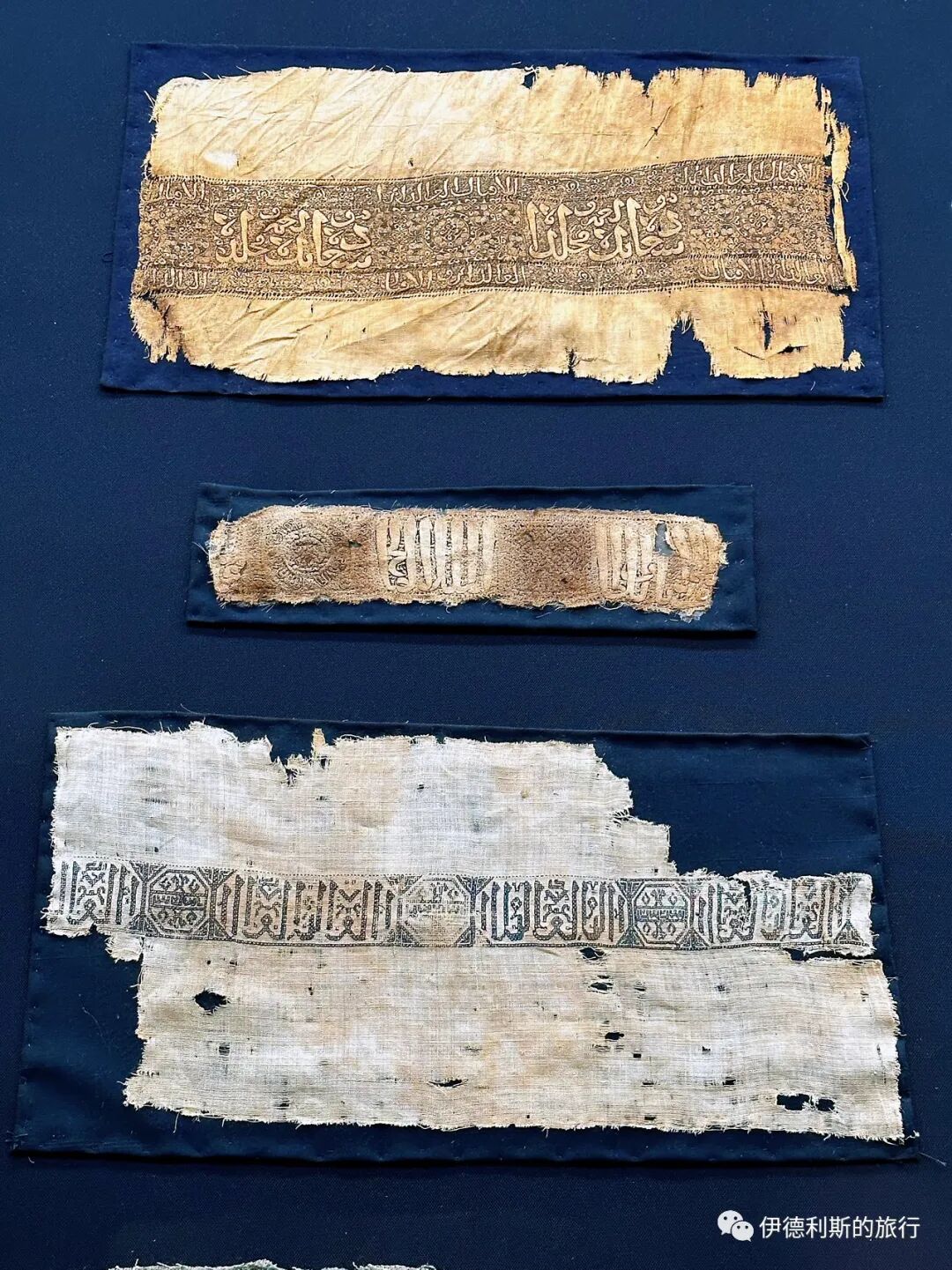
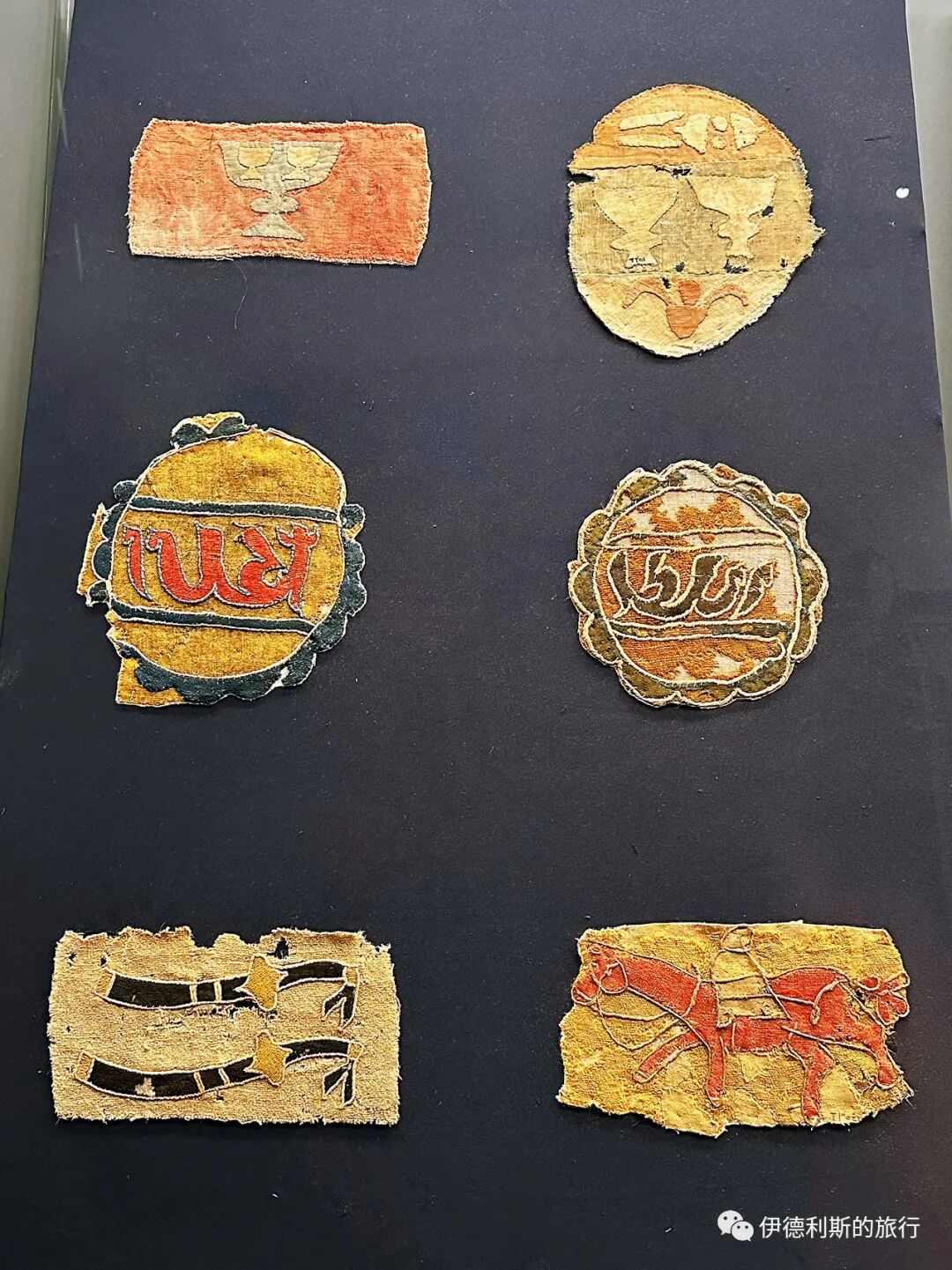
During the Mamluk dynasty (1250-1517), the Sultan's court had a huge demand for textiles, which further boosted the industry. During this period, Egypt finally mastered wax-resist dyeing. Wax prevented dye from soaking into the fabric, and after boiling to remove the wax, it created complex, multi-colored patterns. Another technique of layering fabric to create bright, colorful appliqué is still used today.
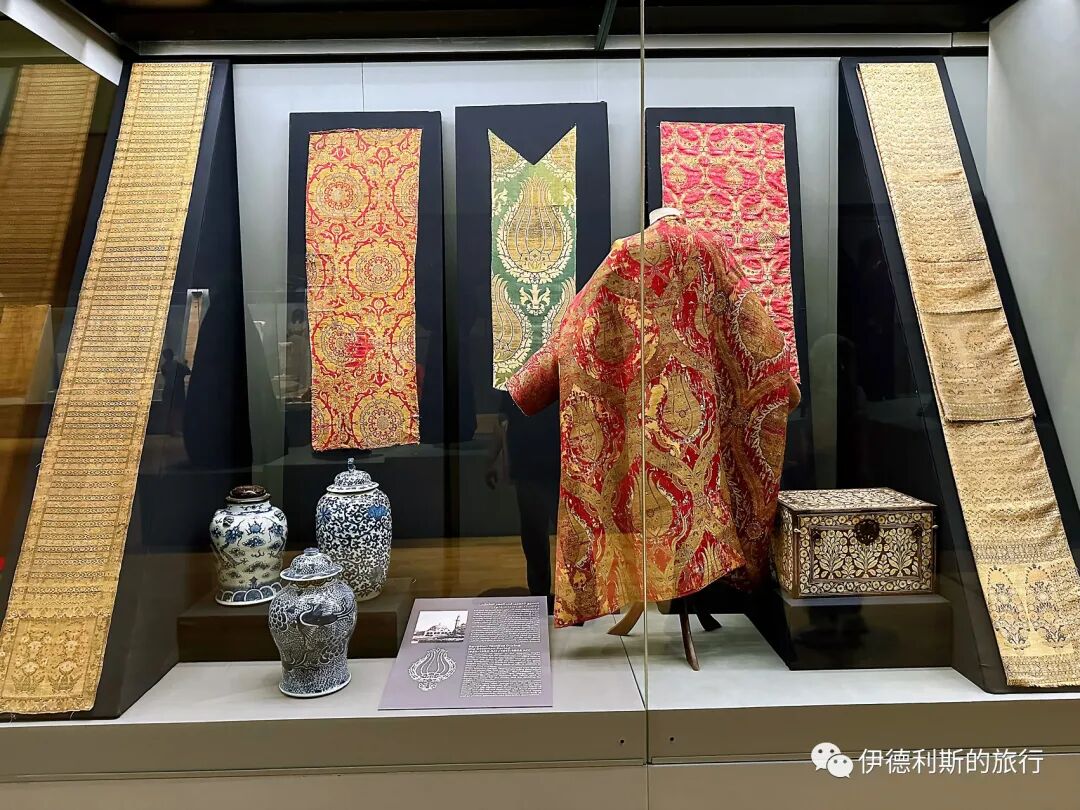
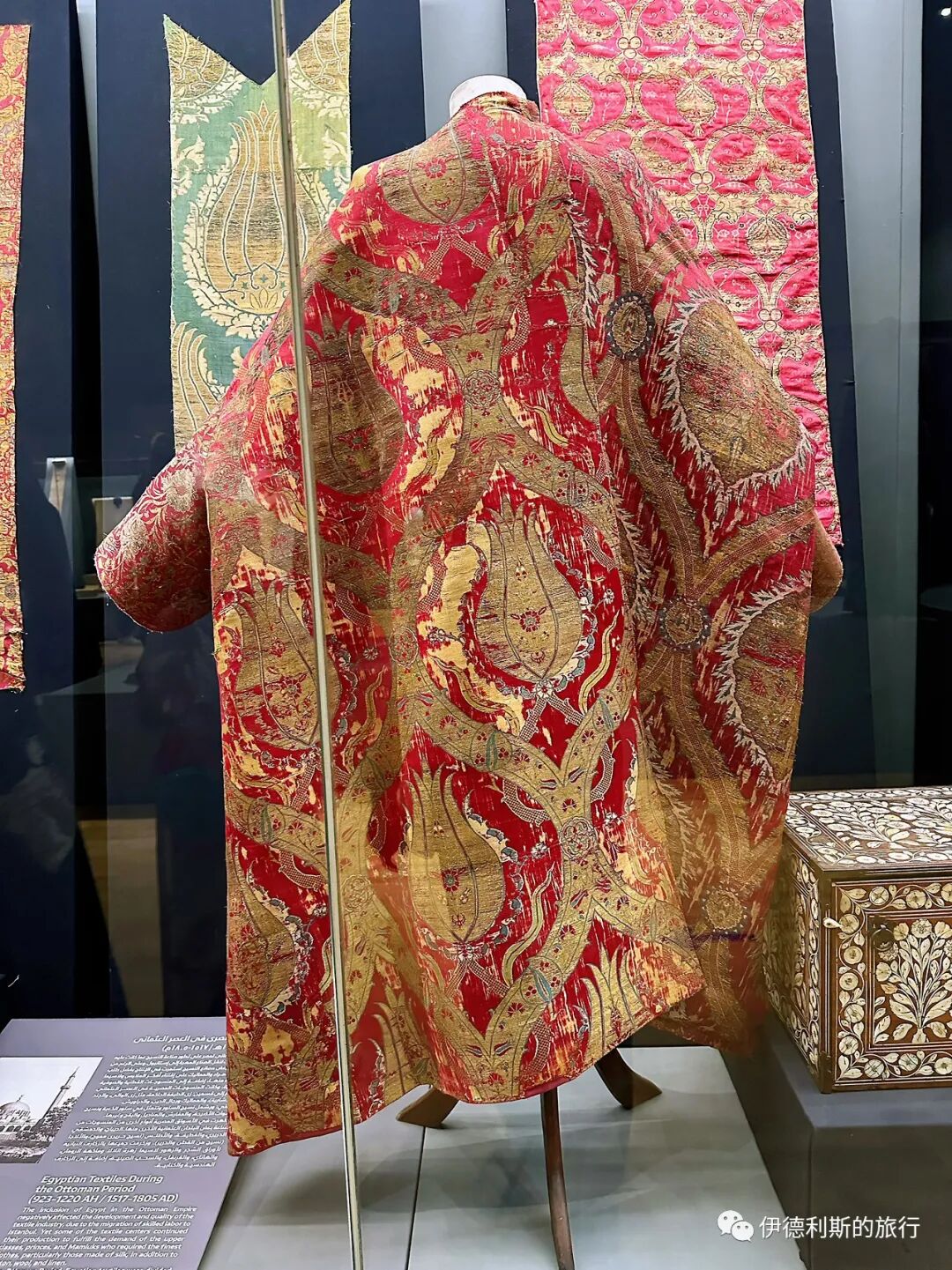
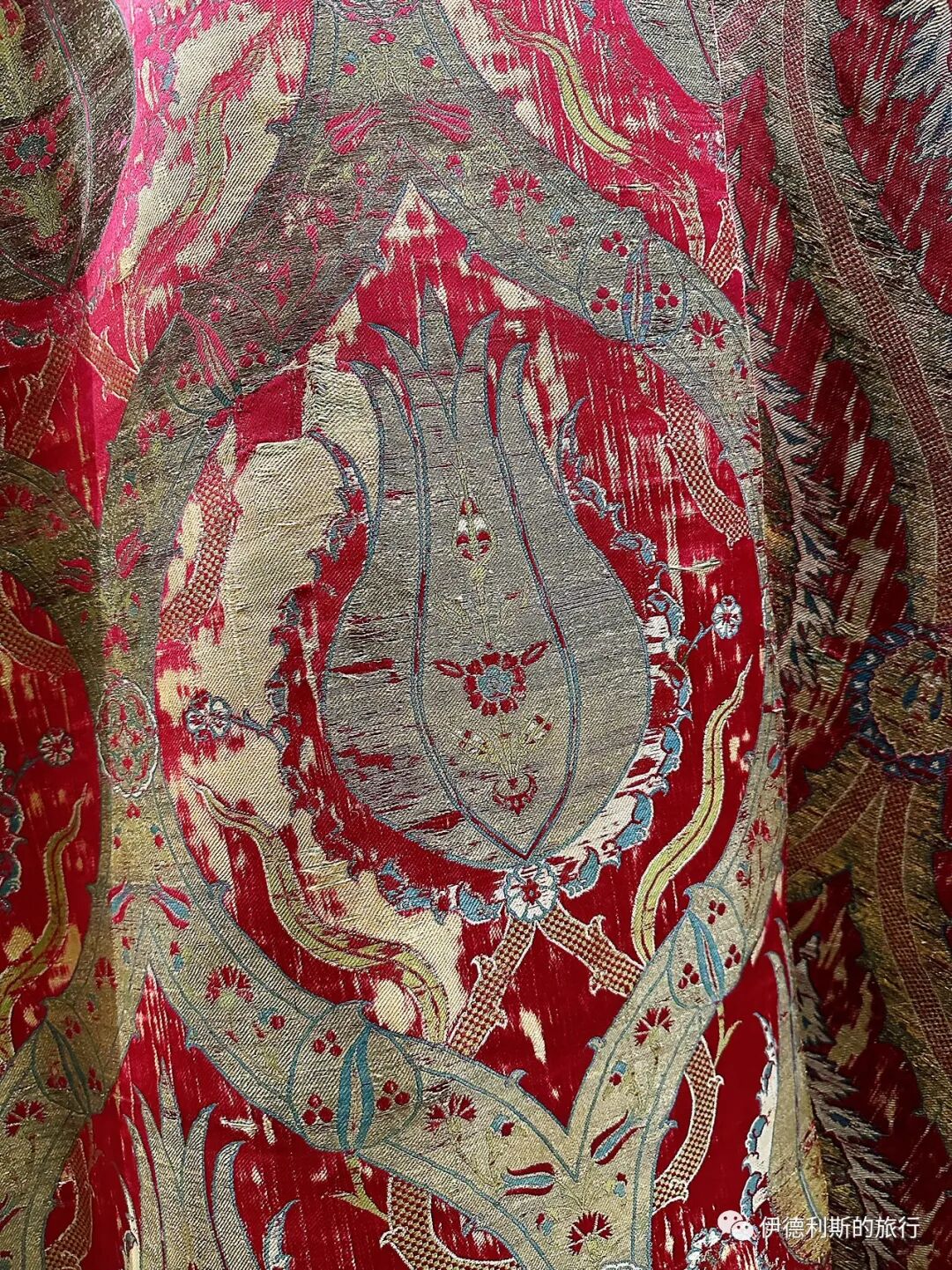
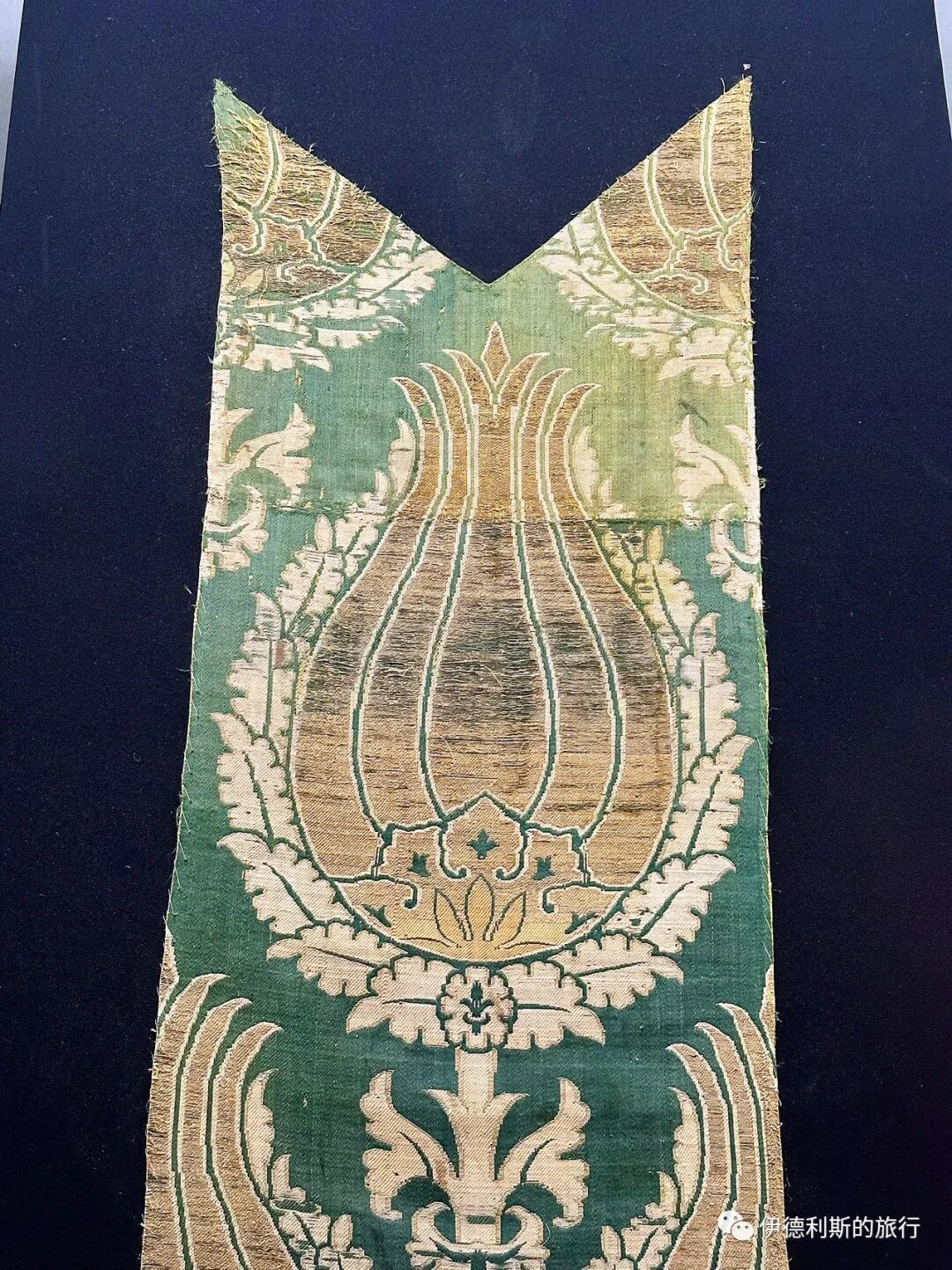
During the Ottoman period (1517-1805), the textile industry suffered because Egypt was no longer the center of the empire. At the same time, textiles from other parts of the Ottoman Empire began to appear in Egyptian markets, including brocade (jin), satin brocade (duanjin), and velvet, all decorated with floral patterns in the Ottoman style.
Four 14th-century stained glass oil lamps from the Mamluk era usually hang from the prayer hall ceiling by iron chains and feature beautiful Thuluth Arabic calligraphy. These four lamps come from the Sultan Hassan Madrasa, the Qalawun Madrasa, and the Al-Zahir Barquq Madrasa in Cairo. In the middle sits a Mamluk-era copper candlestick, which was typically placed on both sides of the mihrab prayer niche.
Copper basins and ewers with silver inlay from the Mamluk period (1250-1517) represent a cleaning tradition that has continued in Egypt since the time of the Pharaohs.
Wood carving and inlay craftsmanship from the Mamluk period.
The Abu Bakr bin Mazhar mosque is located in El Gamaliya in northeastern Egypt and was built in 1479 by the Mamluk vizier Abu Bakr bin Mazhar. In 2018, the National Museum of Egyptian Civilization moved the mosque's exquisite minbar pulpit inside for display, representing the craft heritage of the Mamluk dynasty. The entire minbar is made of ebony and peach wood, inlaid with ivory and mother-of-pearl, and carved with floral, star, and geometric patterns, as well as Kufic calligraphy.
13th to 14th-century ivory-inlaid wooden doors featuring complex geometric decorations.
Mamluk-era copper carving includes 14th-century copper basins and bowls, as well as a copper table with silver inlay from the time of Sultan Al-Nasir Muhammad (1285-1341), which features beautiful floral vine patterns, star-shaped geometric designs, and Thuluth calligraphy carvings.
Quran cases from the Mamluk dynasty.
The first Quran case is made of wood wrapped in copper with gold and silver inlay, carved with both Thuluth and Kufic calligraphy, and is said to have belonged to the Mamluk Sultan Al-Nasir Muhammad (1285-1341).
The second Quran case is made of wood and carved with Thuluth calligraphy that mentions the name of the Mamluk Sultan Qansuh al-Ghuri (1501-1516), so it was likely made between 1503 and 1504 during the construction of the al-Ghuri mosque and madrasa in Cairo.
An 11th-century Fatimid dynasty lusterware plate, which is a pottery technique where a white glaze is applied and fired, then painted with a mixture of copper and silver oxides and fired a second time. The pottery center in Egypt at that time was in the old city of Fustat, where the National Museum of Egyptian Civilization is now located.
Compared to the Abbasid dynasty, which had Baghdad as its pottery center, the figures on Fatimid lusterware are more vivid and the decorative patterns are more diverse, especially the floral Kufic Arabic calligraphy featuring vine motifs.
Starting with the Mamluk dynasty in the 13th century, Egyptian rulers had a tradition of sending a ceremonial palanquin (Mahmal) and the Kaaba cover (Kiswa) to the Sacred Mosque in Mecca before the annual Hajj. This ceremony was known as al-Mahmal. Camels carried the Mahmal, which featured intricate embroidery including Quranic verses and the Sultan's monogram. Inside, it held two silver-plated cases containing the Quran. A grand Hajj procession followed the Mahmal, with the Kaaba cover also carried by camels and guarded by heavily armed soldiers. When the procession arrived in Mecca, crowds gathered to watch. Mahmal palanquins from various Muslim countries would compete for the best spots in front of the Kaaba. After the Hajj ended, the Mahmal returned home carrying blessings. Parents would bring their children to touch the Mahmal to seek these blessings. The Mahmal palanquin finally retired from history after the Republic of Egypt was established in 1952.
The tradition of covering the Kaaba began in the pre-Islamic era. The Prophet Muhammad first covered the Kaaba with a cloth in 630. Starting in the era of Caliph Umar, Egypt provided the Kaaba cover. At first, it was placed directly over the old cover each year. Beginning in 777 during the Abbasid dynasty, the old cover was removed before the new one was put on. On the 9th day of the month of Hajj each year, the Prince of Mecca covers the Kaaba. The old cover is cut into small pieces and given away as gifts.
For over a century starting in 1817, the Mahmal and the Kaaba cover were produced at the Dar al-Kiswa textile workshop in Cairo, founded by Ottoman governor Muhammad Ali. In 1962, tensions between Egypt and Saudi Arabia over the North Yemen Civil War led Mecca to return a Kaaba cover made in Cairo. Since then, the covers have all been produced in Mecca. According to memories, craftsmen at Dar al-Kiswa would bathe and wash their hands with rose water before starting work. They would then recite the Al-Fatiha chapter. The entire production process took a full year.
The first one is the Mahmal sent by King Farouk I of Egypt in 1936.
The second one is the Mahmal and Kaaba cover sent by King Farouk I in 1940.
The third one is the last Kaaba cover sent by Egypt to Mecca in 1961.
This is the key to the Kaaba and its silk storage bag from the 19th-century Ottoman period, featuring Arabic embroidery in gold and silver thread.
Because Egypt's textile industry was very famous even in the pre-Islamic era, the Kaaba cover has been provided by Egypt since the time of Caliph Umar. The earliest Kaaba covers were embroidered white linen woven by Coptic Christians in Egypt, known as qubati. During the Umayyad and Abbasid dynasties, both silk and linen were used to make the Kaaba covers.
During the Umayyad and Abbasid dynasties, the Caliphs funded many textile workshops across Egypt. Besides making Kaaba covers, many workshops produced goods for the public, known as Al-Tiraz. The earliest recorded Al-Tiraz workshop dates back to the reign of the fifth Umayyad Caliph, Abd al-Malik ibn Marwan (reigned 685-705). This was when Arabic calligraphy first appeared in textile decorations. Textile decorations from this period were mostly simple and used dark colors, influenced by Byzantine, Sassanid, and Egyptian Coptic art.
Between 868 and 905, Ahmad ibn Tulun, a Turkic governor of Egypt under the Abbasid dynasty, established the Tulunid dynasty (Tulunids) in Egypt and Syria. Ibn Tulun carried out major economic reforms that helped the linen and wool textile industries thrive. During this time, Egypt competed fiercely as a textile hub with Baghdad, the Abbasid capital. Egypt often produced higher quality and better craftsmanship, which showed in the precious fabrics like mattresses and curtains used by Tulunid rulers and nobles.
Textiles from the Fatimid dynasty (969-1171) were popular for their high quality, delicate designs, and rich decorations. The most precious silks were used to decorate the Caliph's palace, while other fine fabrics were used to make turbans, hats, and belts. The most striking feature of Fatimid textiles was the use of Kufic Arabic calligraphy, which featured the Caliph's name and titles in repeating and alternating floral patterns. Various plant, animal, and geometric patterns also saw significant development.
Although the Ayyubid dynasty (1171-1250) was short, Egypt's textile industry continued to grow. It was especially famous for soft and thin linen called al-Shoroub, produced in Tinnis and Alexandria. With mass production, new techniques were introduced, including weaving gold, silver, and colored silk threads into the warp and weft, layering wool or cotton between two layers of fabric, and embroidering on silk threads. Ayyubid textile decorations continued to use Arabic calligraphy, geometric shapes, and floral and animal patterns, usually in black and blue.
During the Mamluk dynasty (1250-1517), the Sultan's court had a huge demand for textiles, which further boosted the industry. During this period, Egypt finally mastered wax-resist dyeing. Wax prevented dye from soaking into the fabric, and after boiling to remove the wax, it created complex, multi-colored patterns. Another technique of layering fabric to create bright, colorful appliqué is still used today.
During the Ottoman period (1517-1805), the textile industry suffered because Egypt was no longer the center of the empire. At the same time, textiles from other parts of the Ottoman Empire began to appear in Egyptian markets, including brocade (jin), satin brocade (duanjin), and velvet, all decorated with floral patterns in the Ottoman style.
