
Halal Travel Guide: Medina - Sending Salam to the Prophet (Part 2)
Reposted from the web
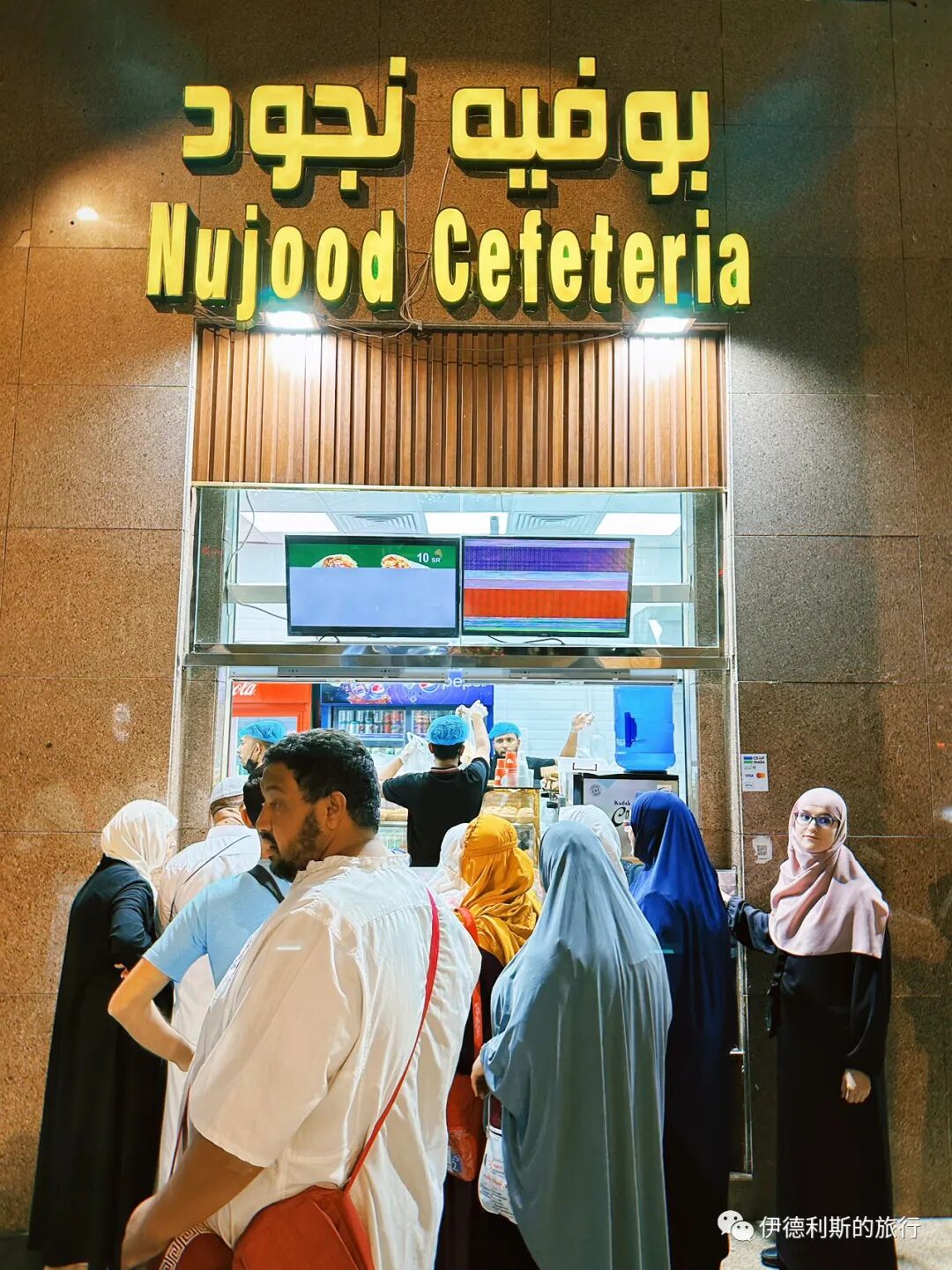
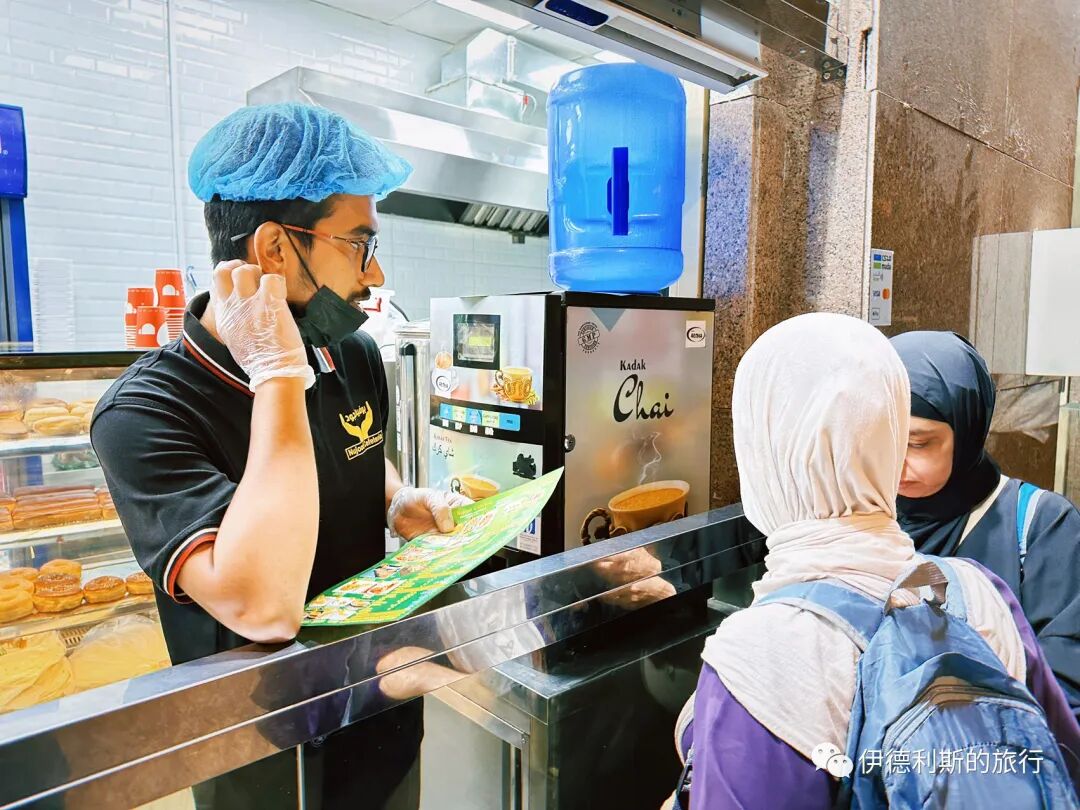
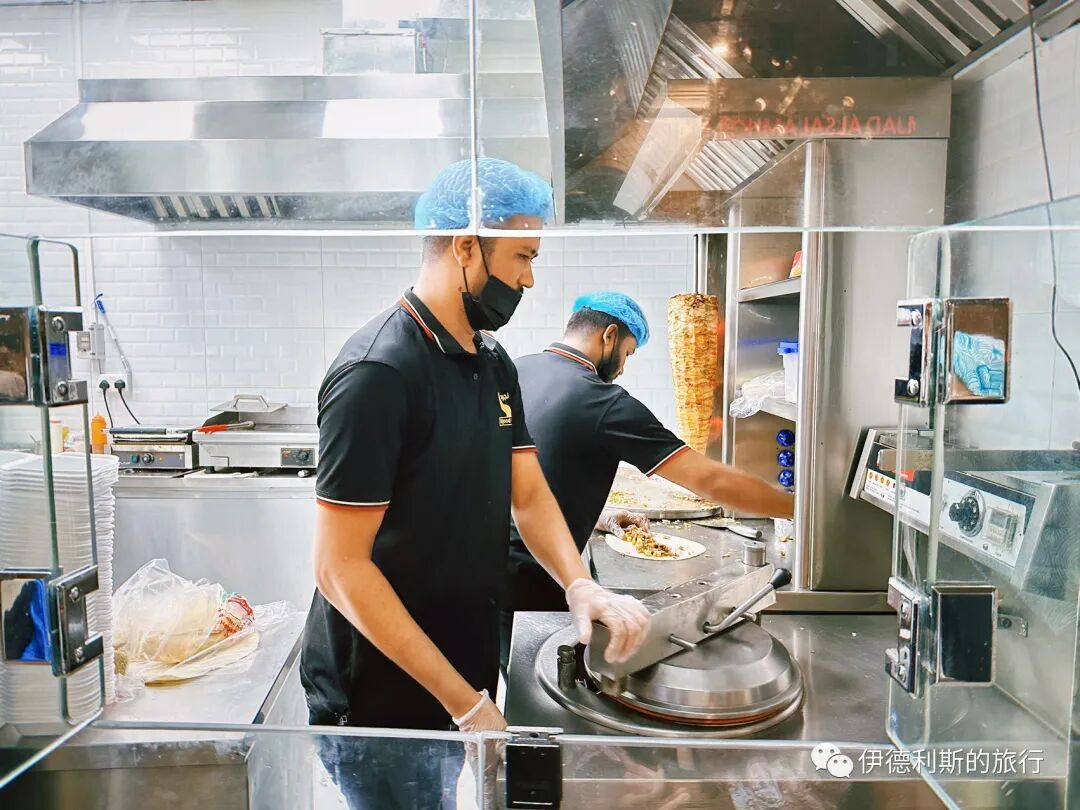
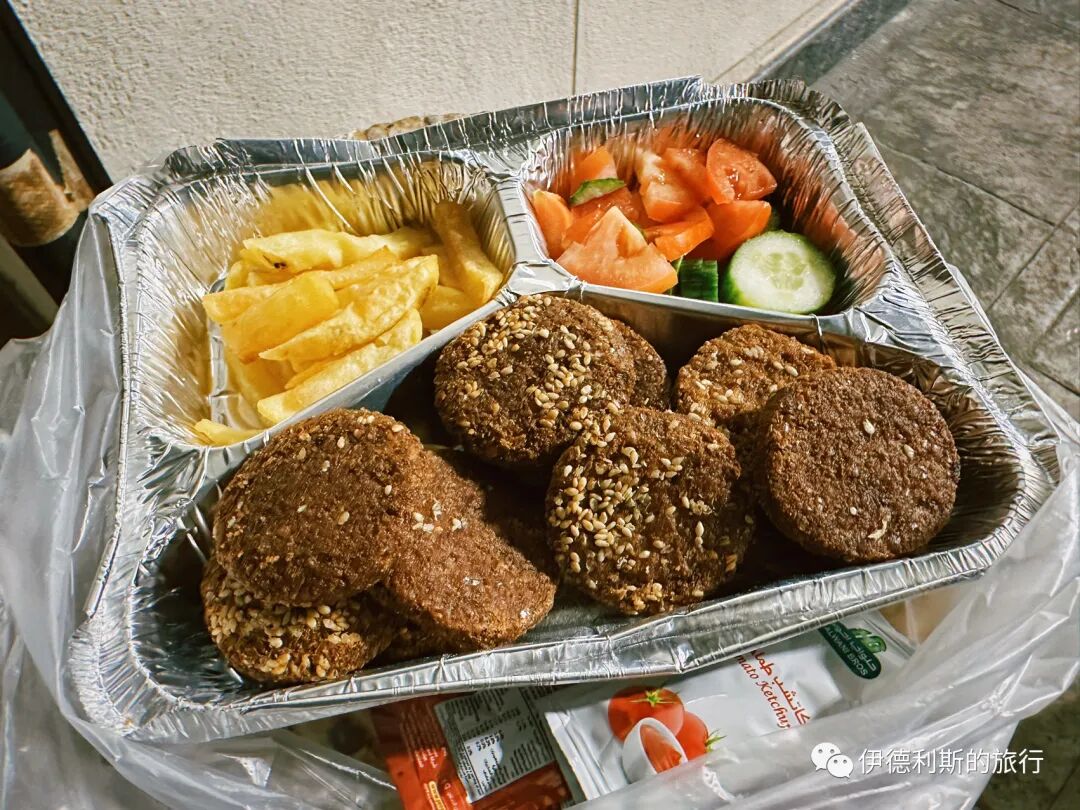
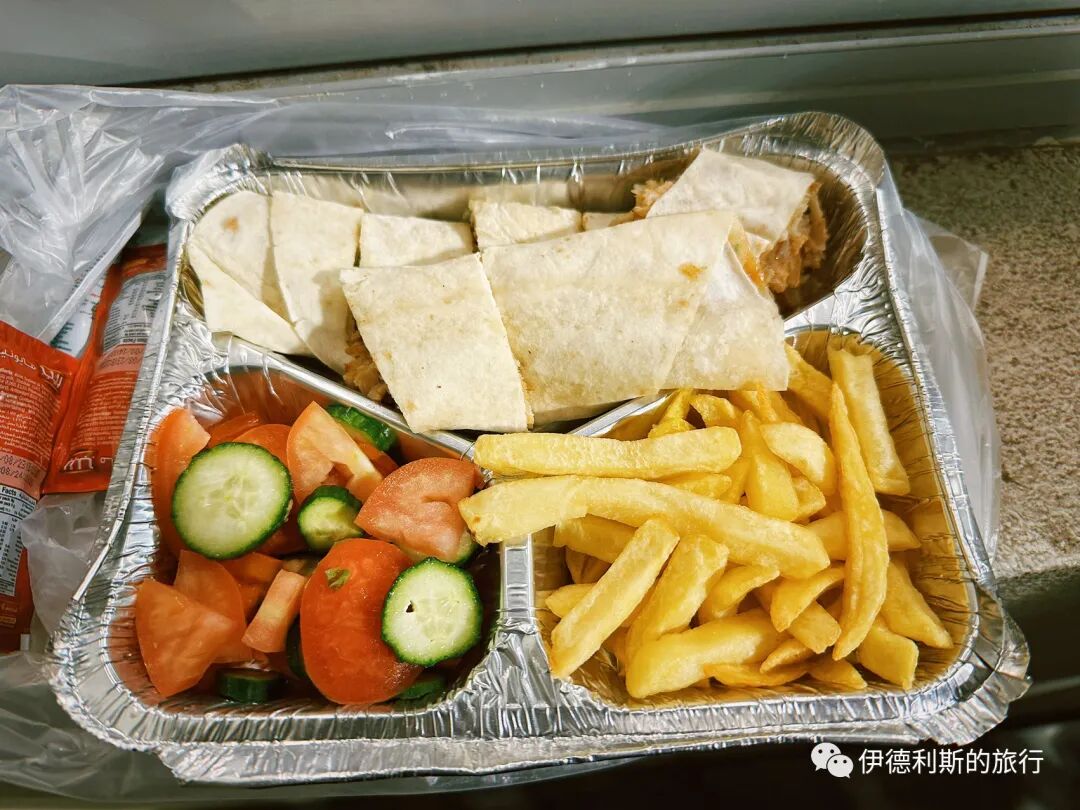
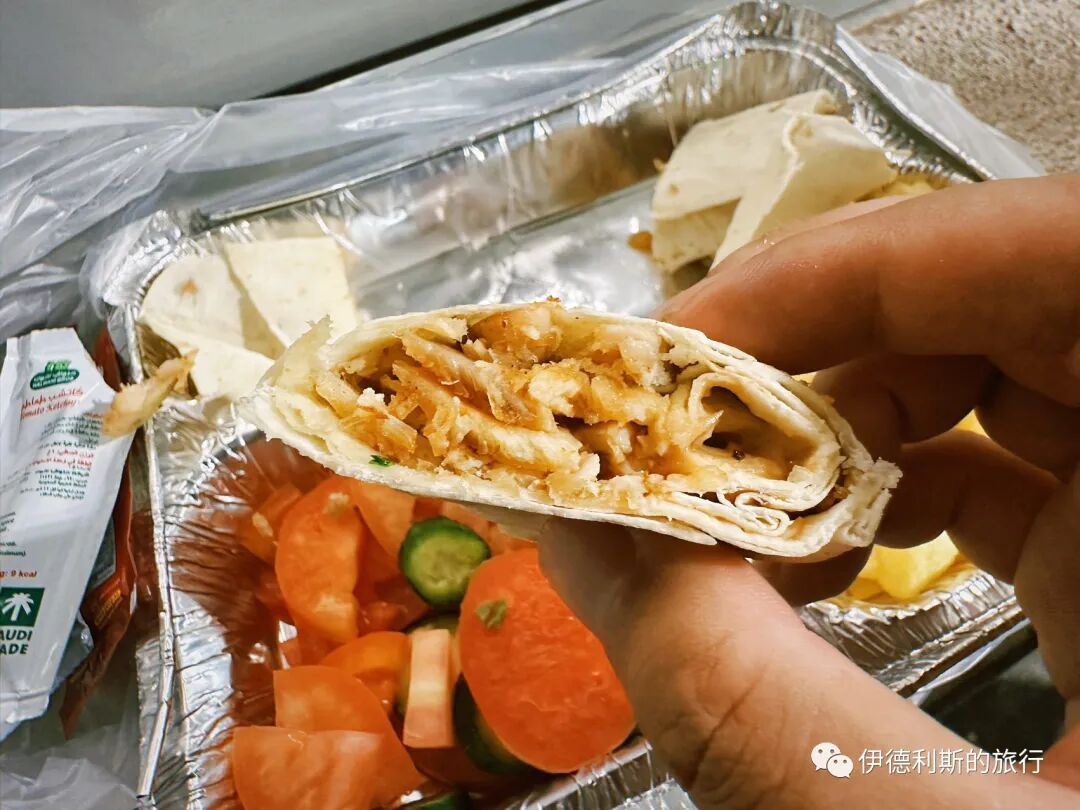
I was busy doing my religious studies and visiting the sites of the Prophet in Medina, so I didn't look for many restaurants and mostly ate fast food. This is a street food stall west of the Prophet's Mosque. I bought chickpea fritters (falafel) and meat wraps (shawarma), which are classic Middle Eastern fast foods. Middle Eastern falafel comes in two types. The Egyptian version is made from fried fava beans, while those in the Levant are mostly made from fried chickpeas. In places like Lebanon and Syria, they sometimes use both fava beans and chickpeas. Sometimes falafel is green inside because parsley and green onions were added during the grinding process.
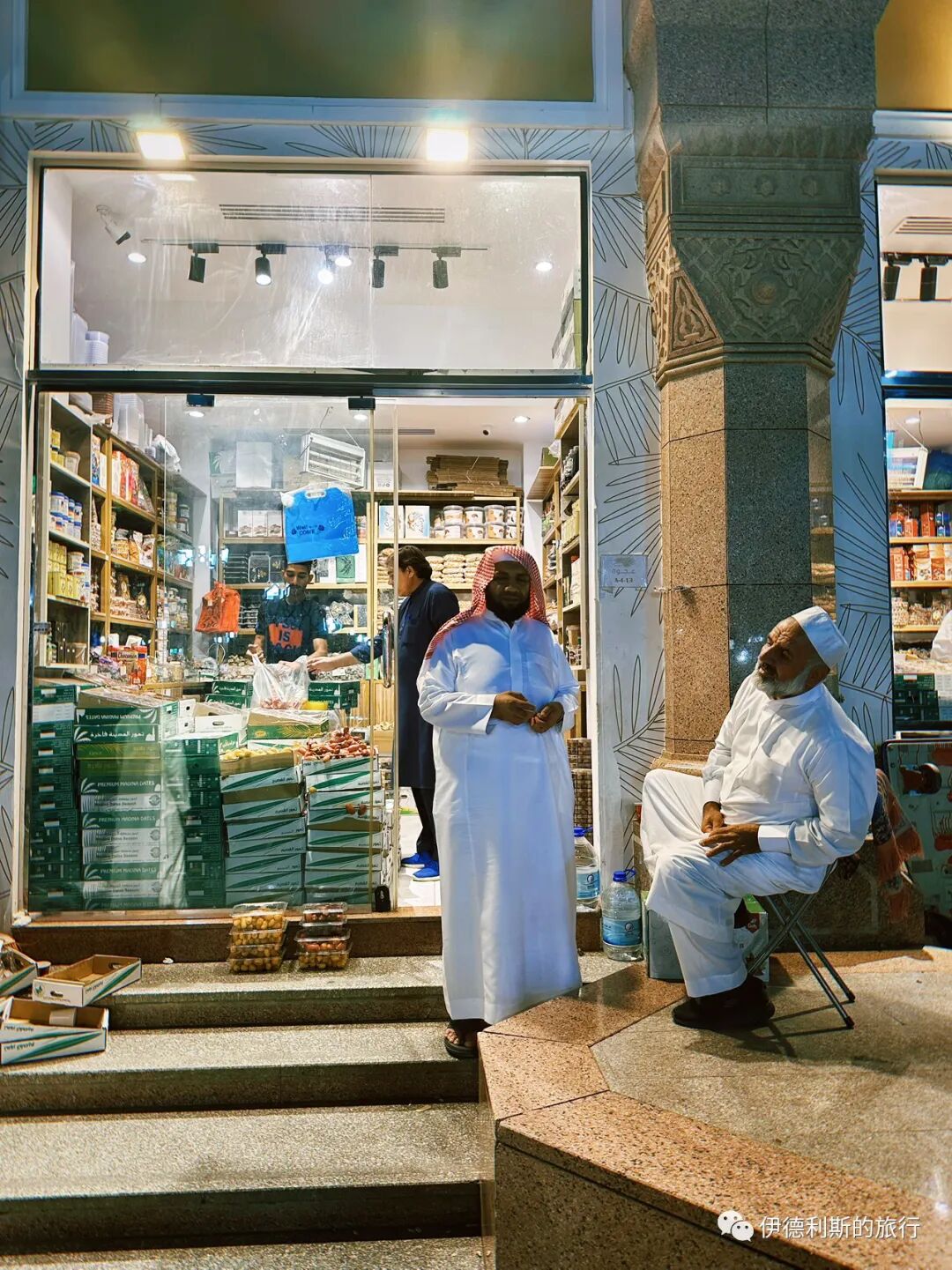
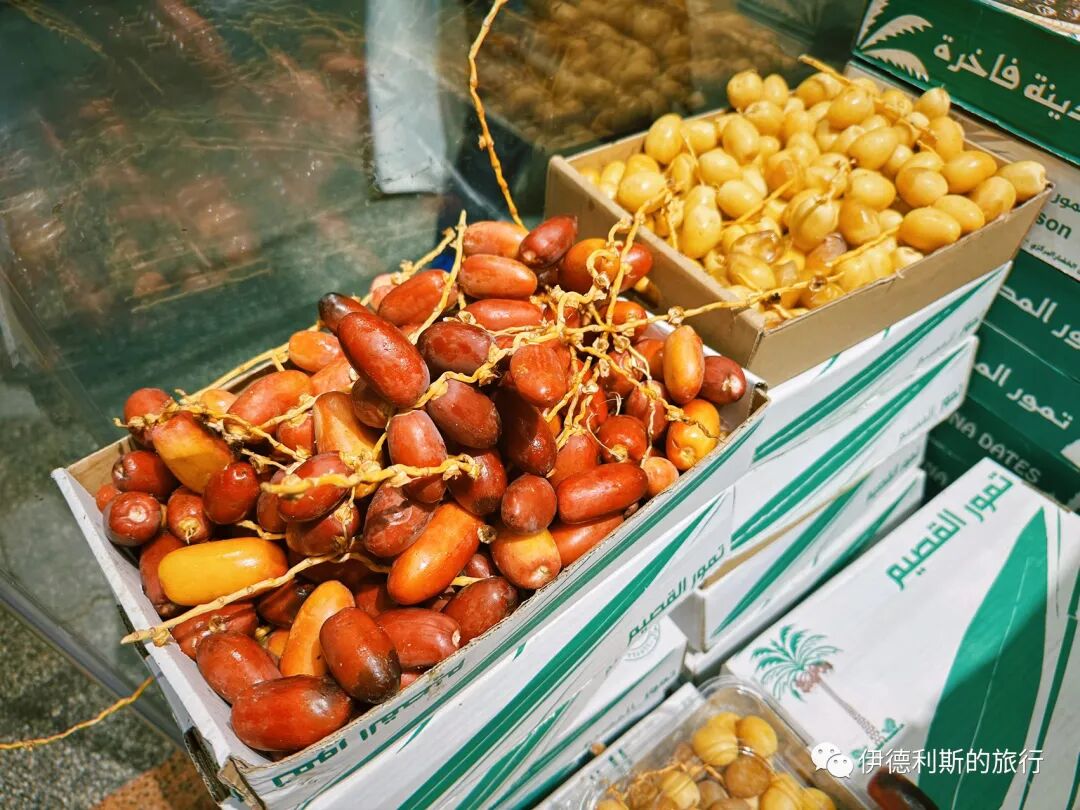
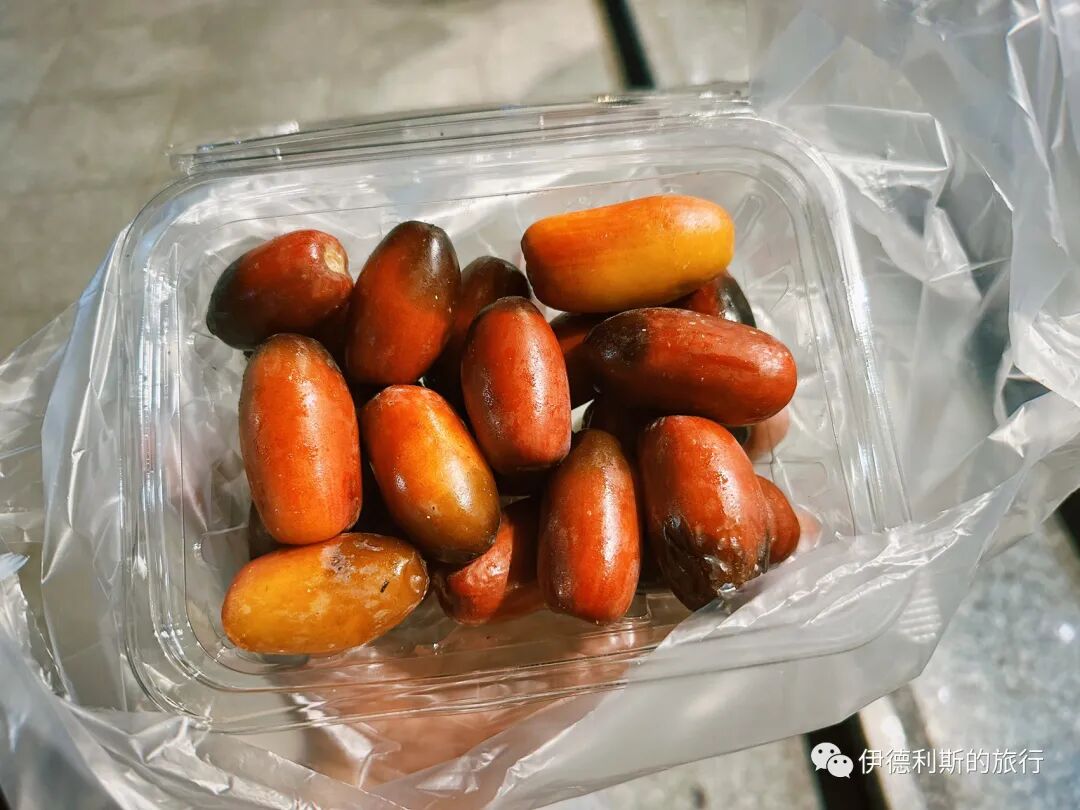
Also, there are many people selling dates on the streets of Medina. This was my first time eating fresh Medina dates. The bright red ones are a bit astringent. They taste best after they sit and turn a darker color with wrinkled skin, which makes them taste just like honey.
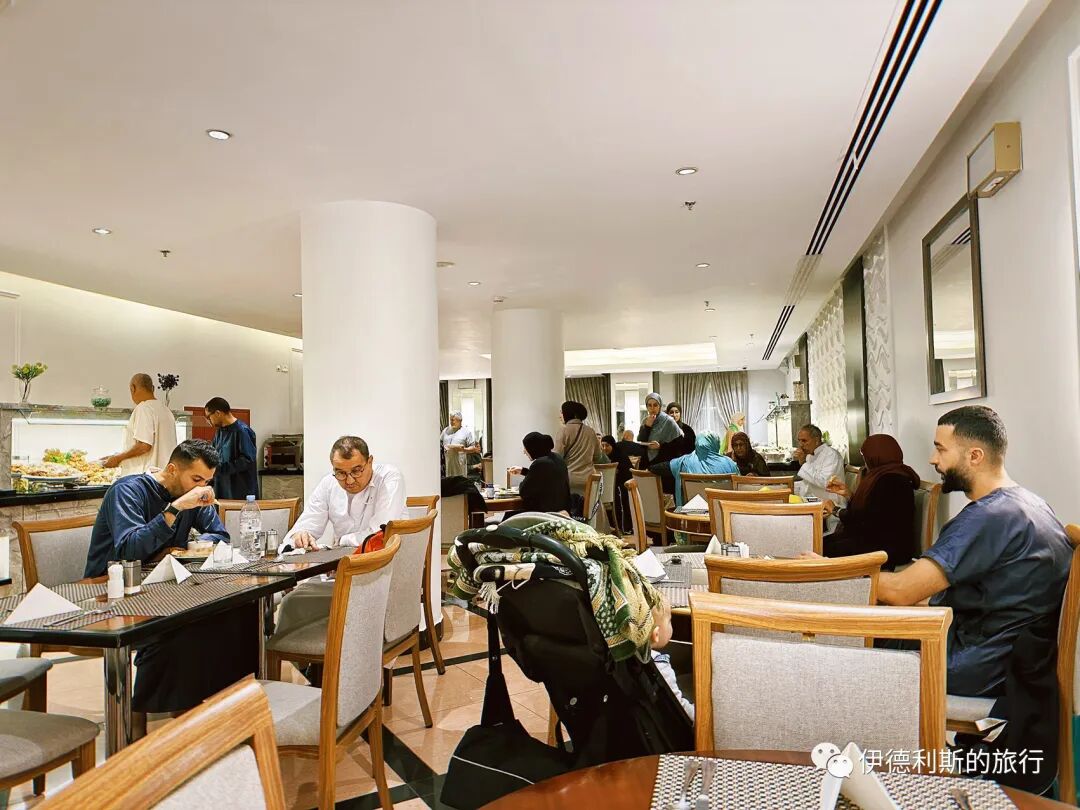
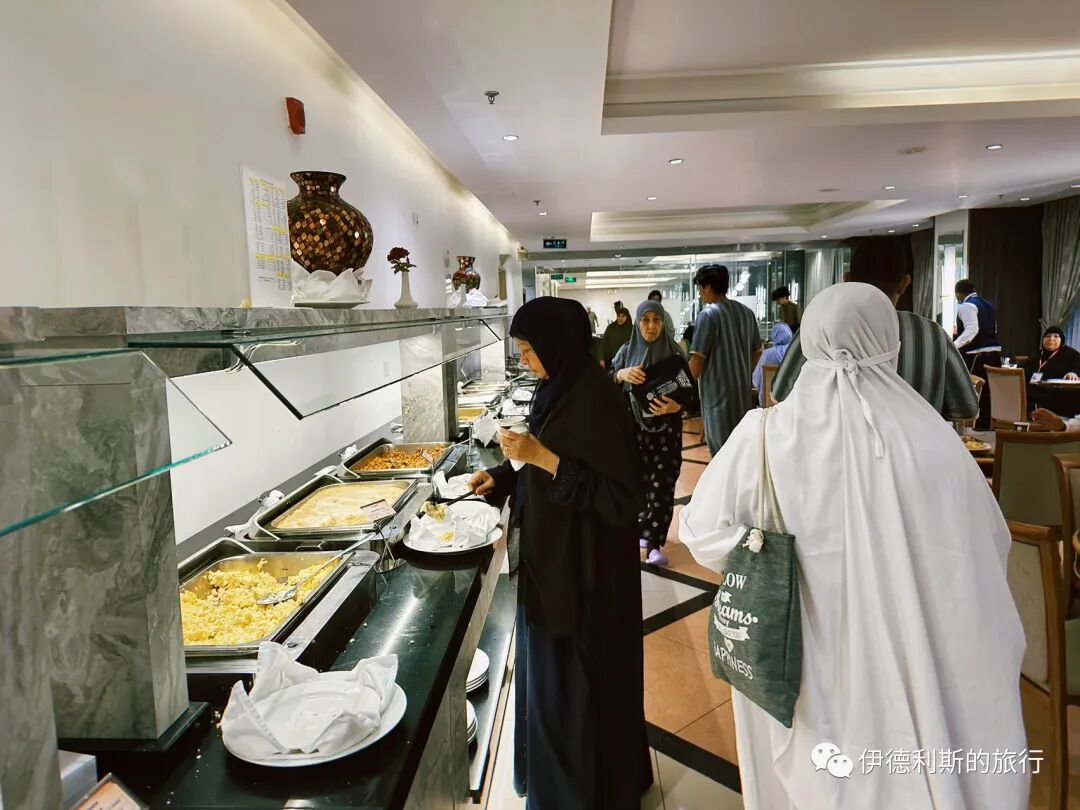
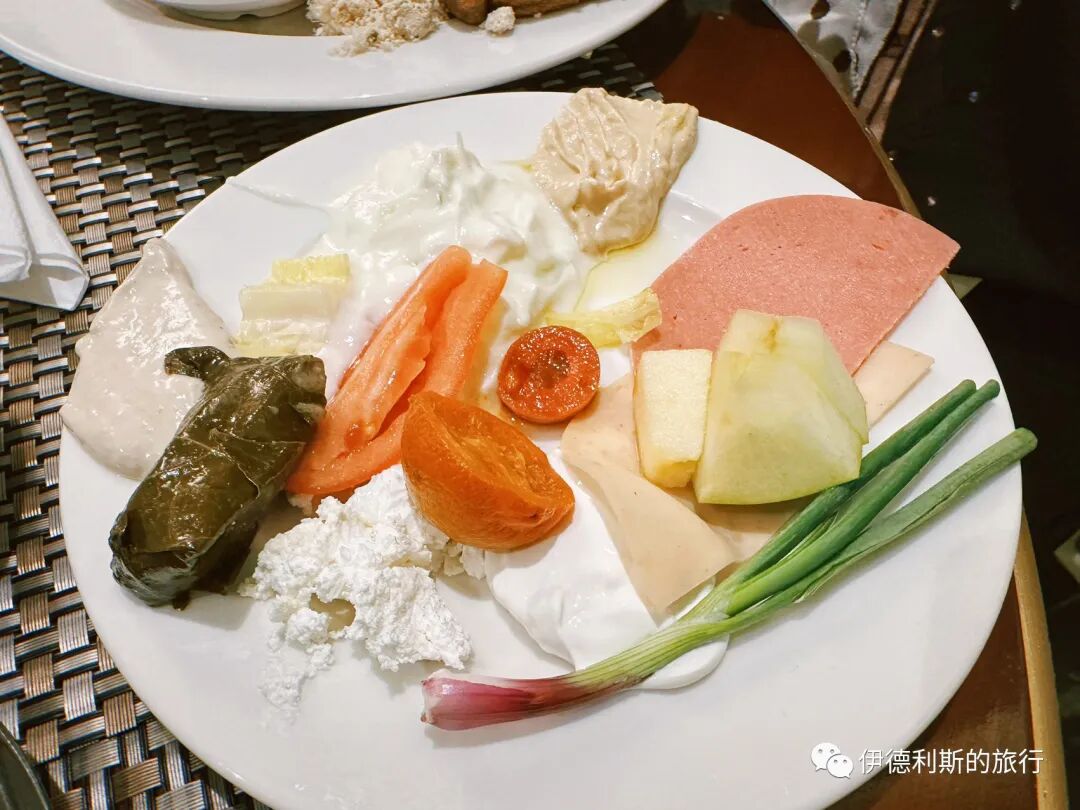
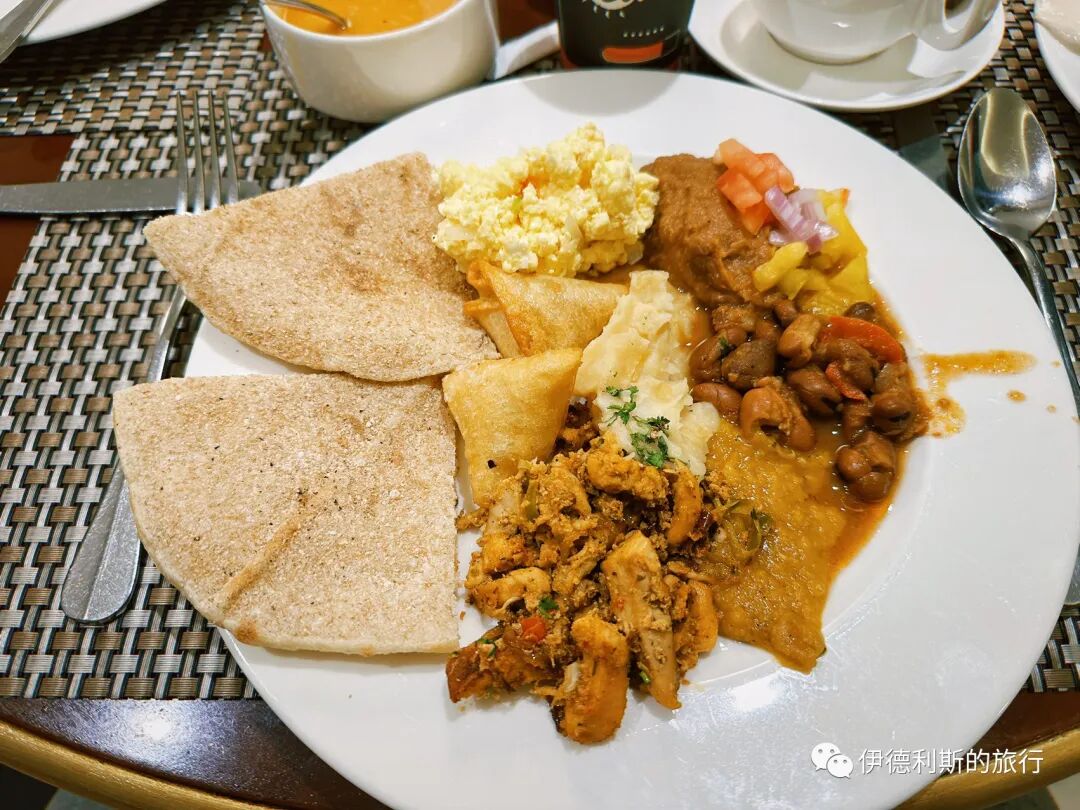
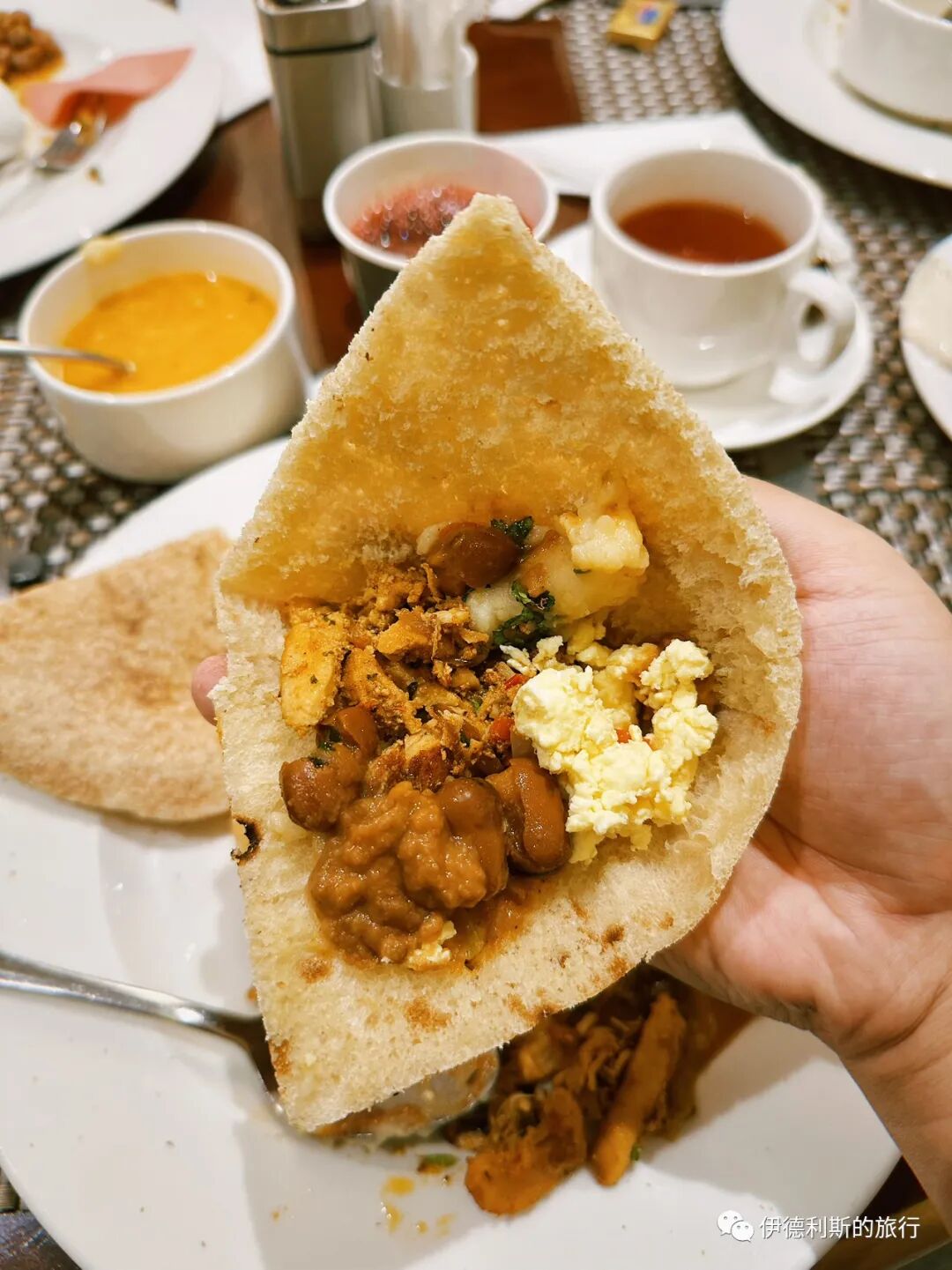
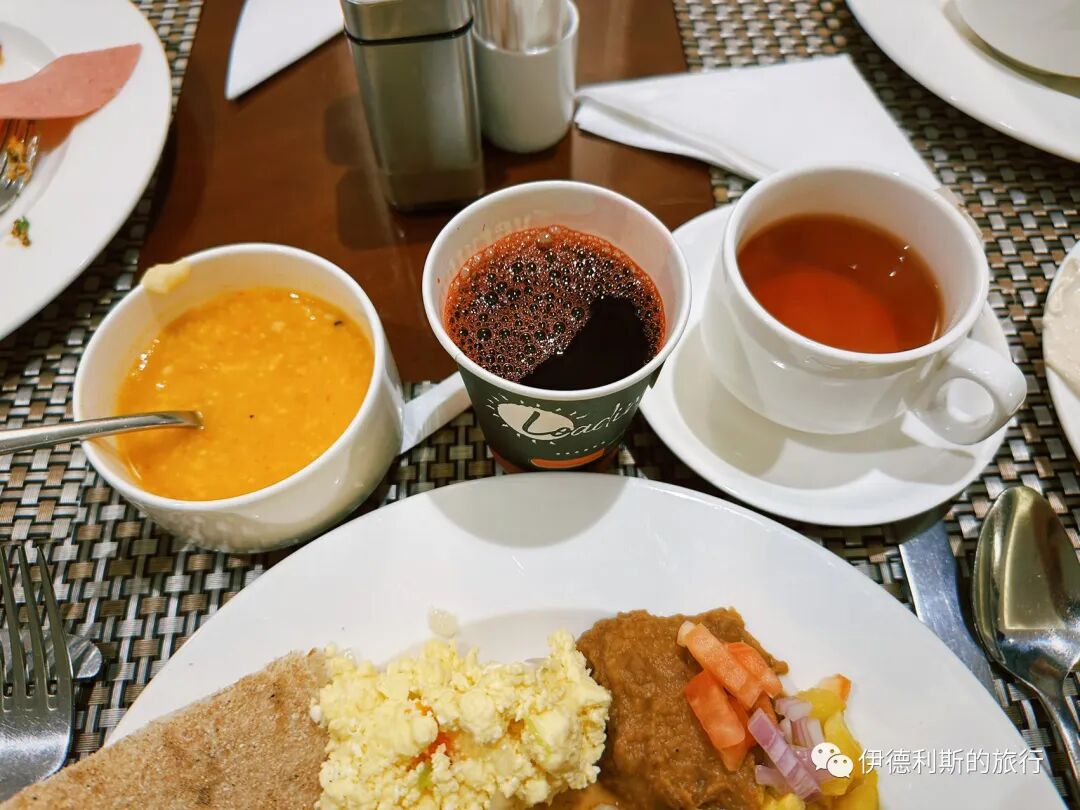
I had breakfast at the Mias Hotel on the west side of the Prophet's Mosque, and it was very crowded after the dawn prayer (fajr). Breakfast in Saudi Arabia mainly features flatbread (pita) served with various dishes. A special one is fava bean stew (ful medames), a dish dating back to ancient Egypt. It is made with olive oil and cumin, and served with side dishes like parsley, garlic, onions, lemon juice, and chili peppers that you can add yourself.
Dar Al-Madina Museum
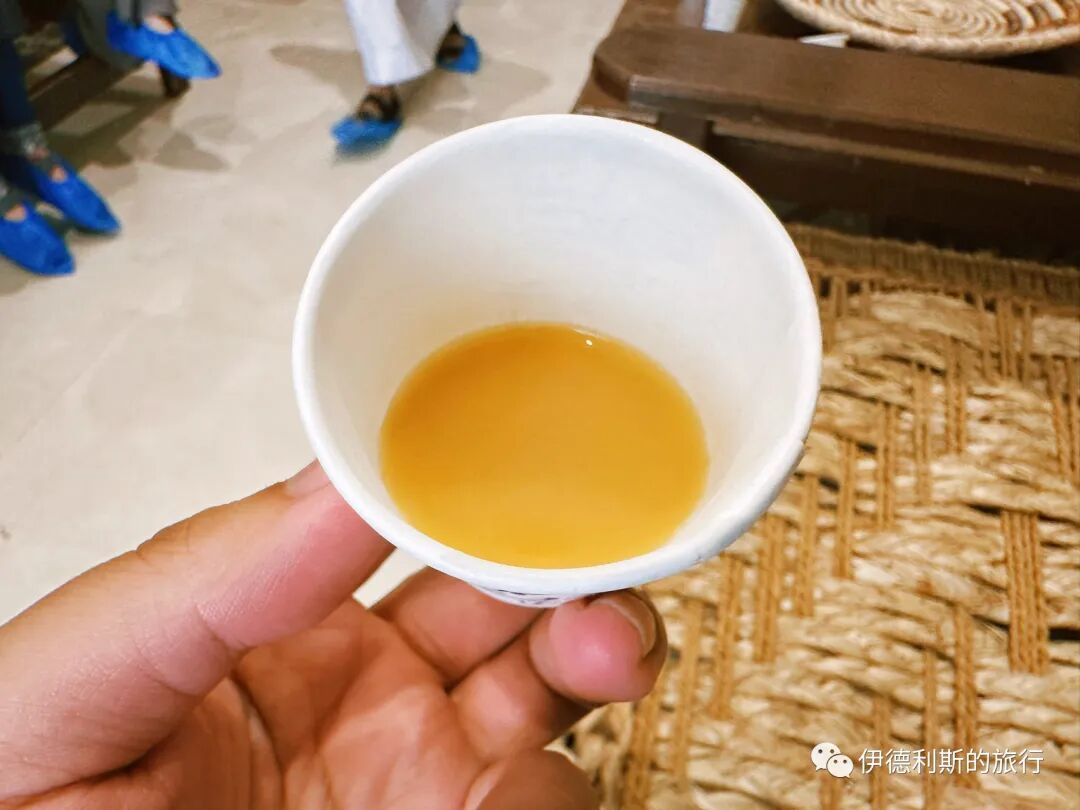
Located in the eastern suburbs of Medina, the Dar Al-Madina Museum displays the historical changes of the two holy cities and houses many artifacts from Medina's past. The staff inside the museum will pour you some Arabic coffee.
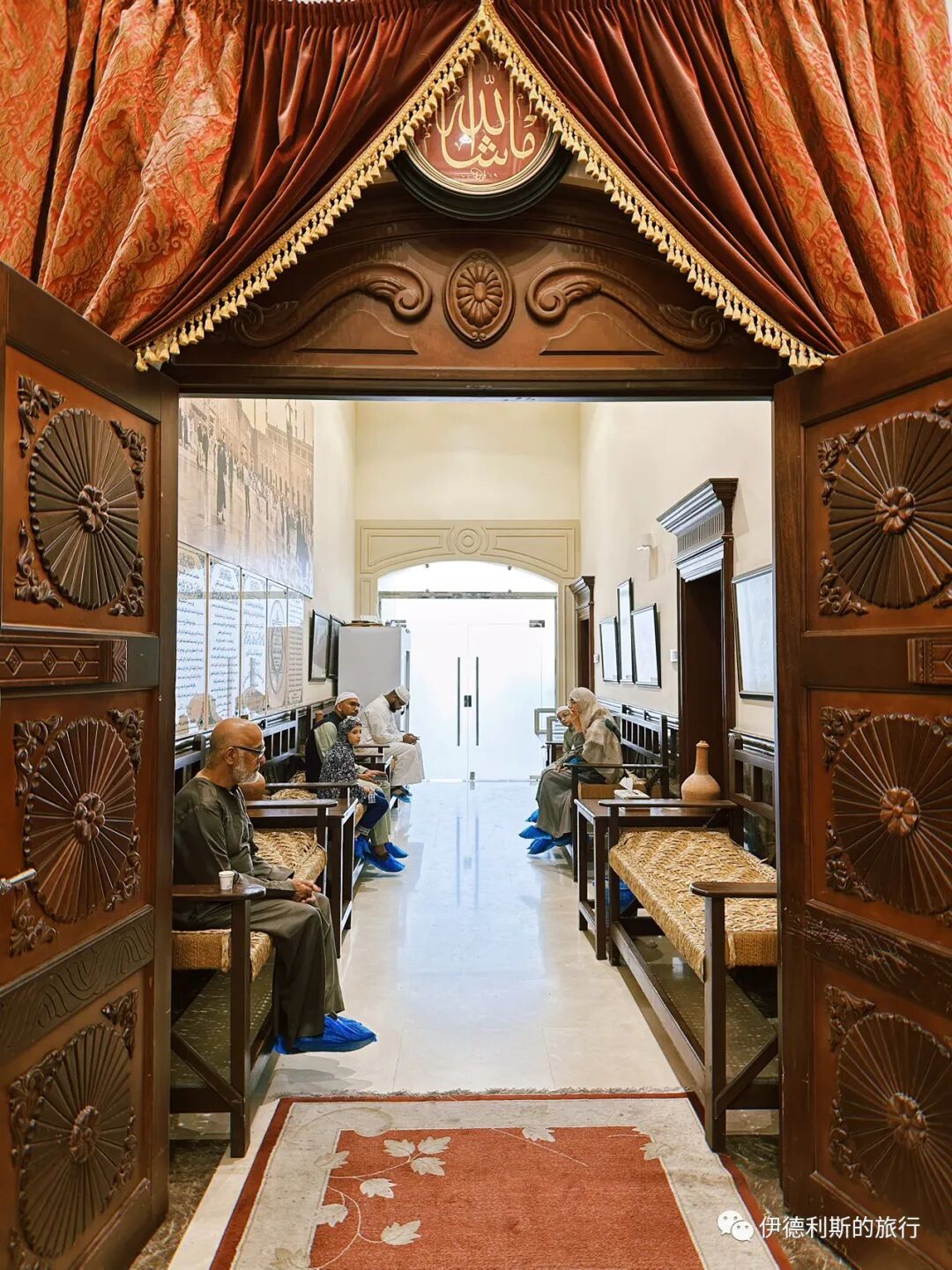
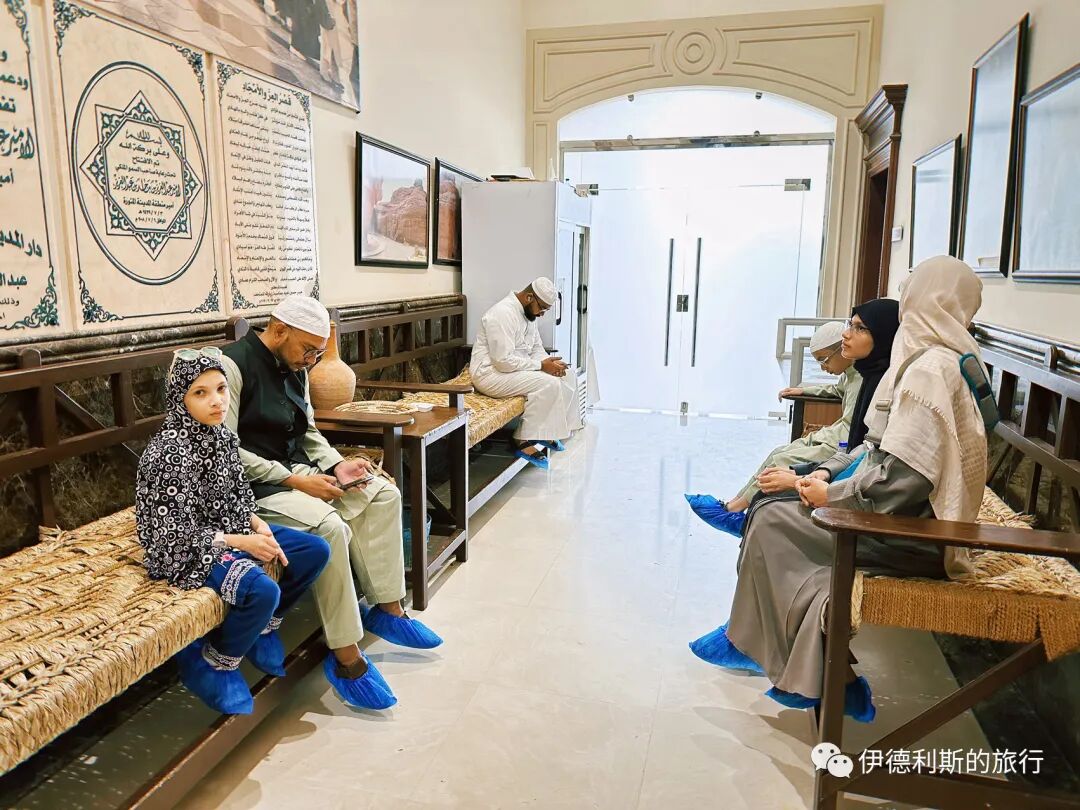
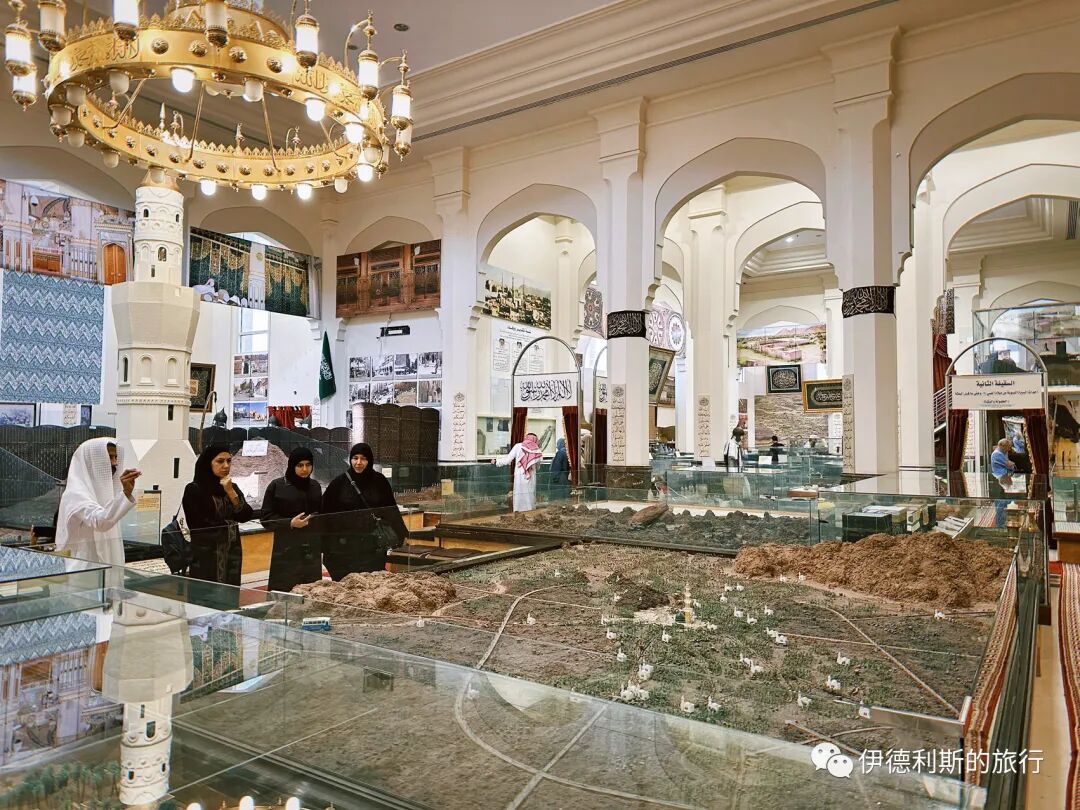
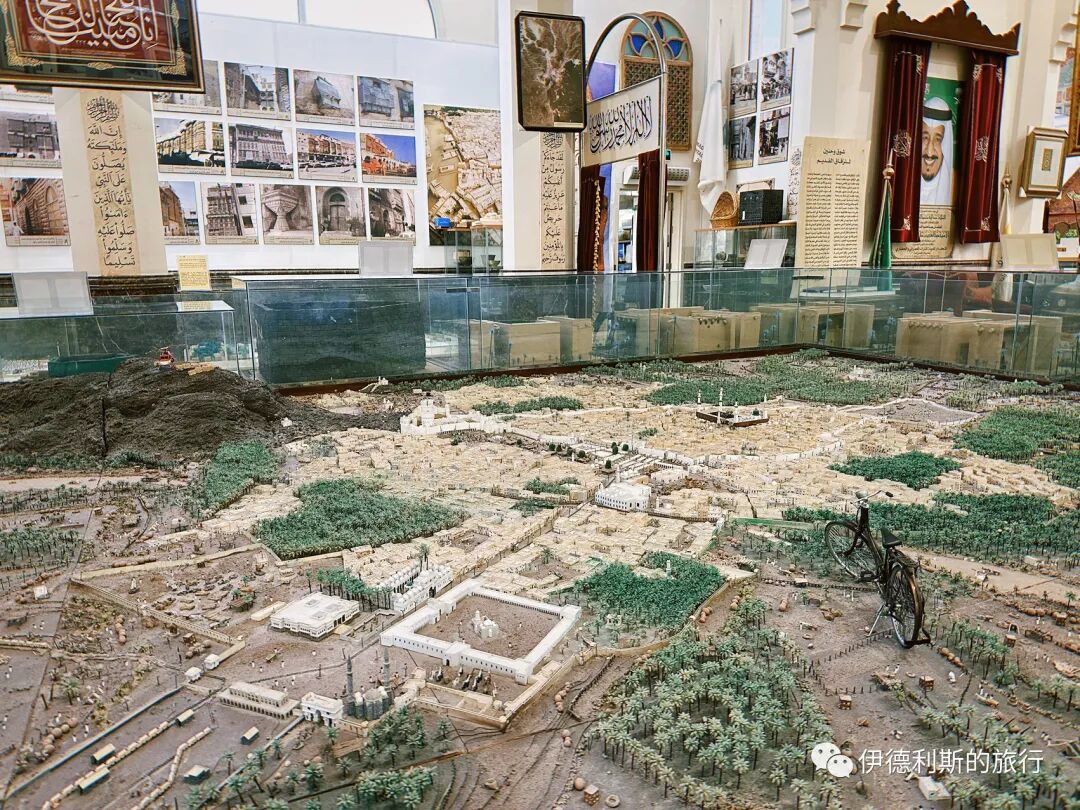
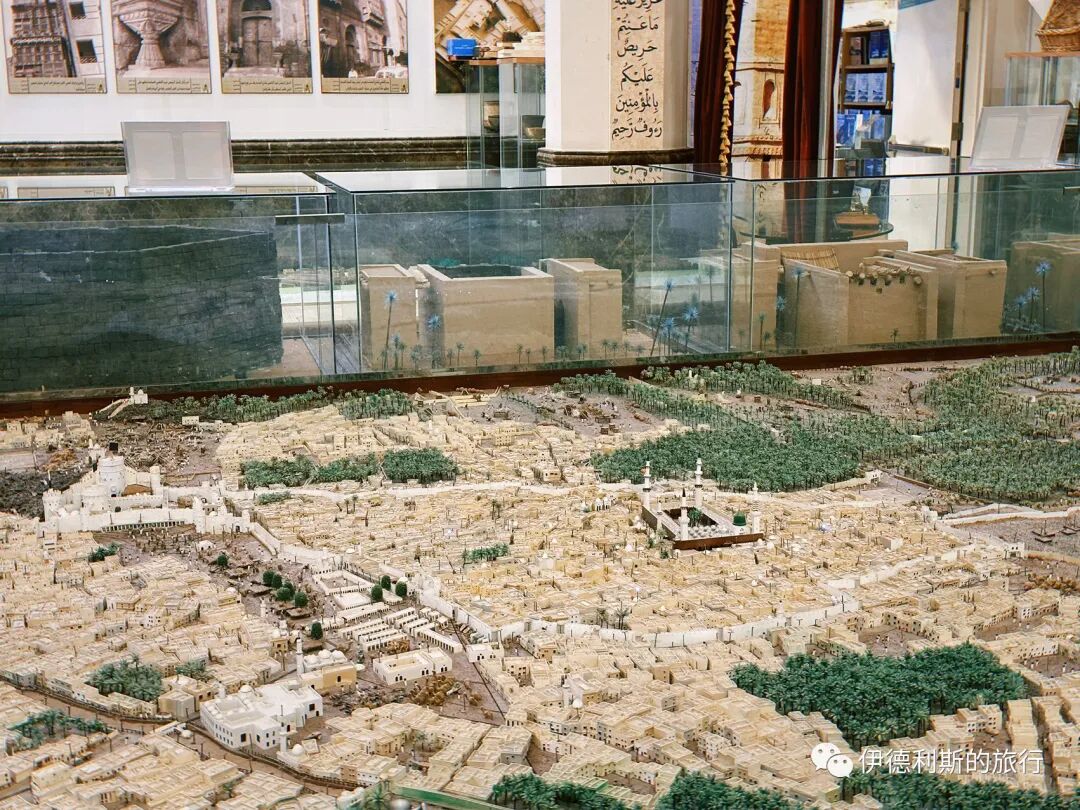
There is a huge sand table in the museum showing what Medina looked like 100 years ago. The historical districts of Medina have now completely disappeared.
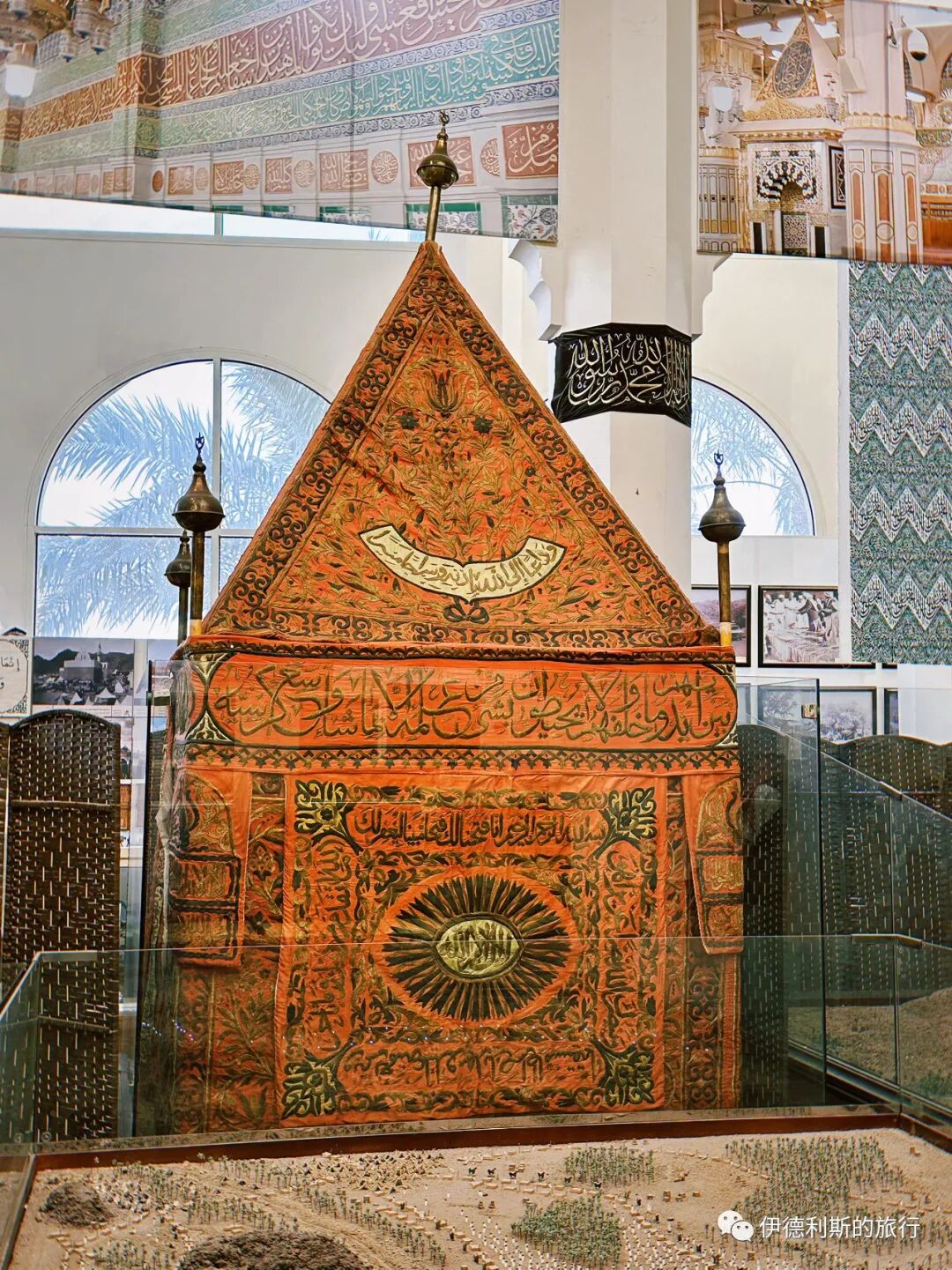
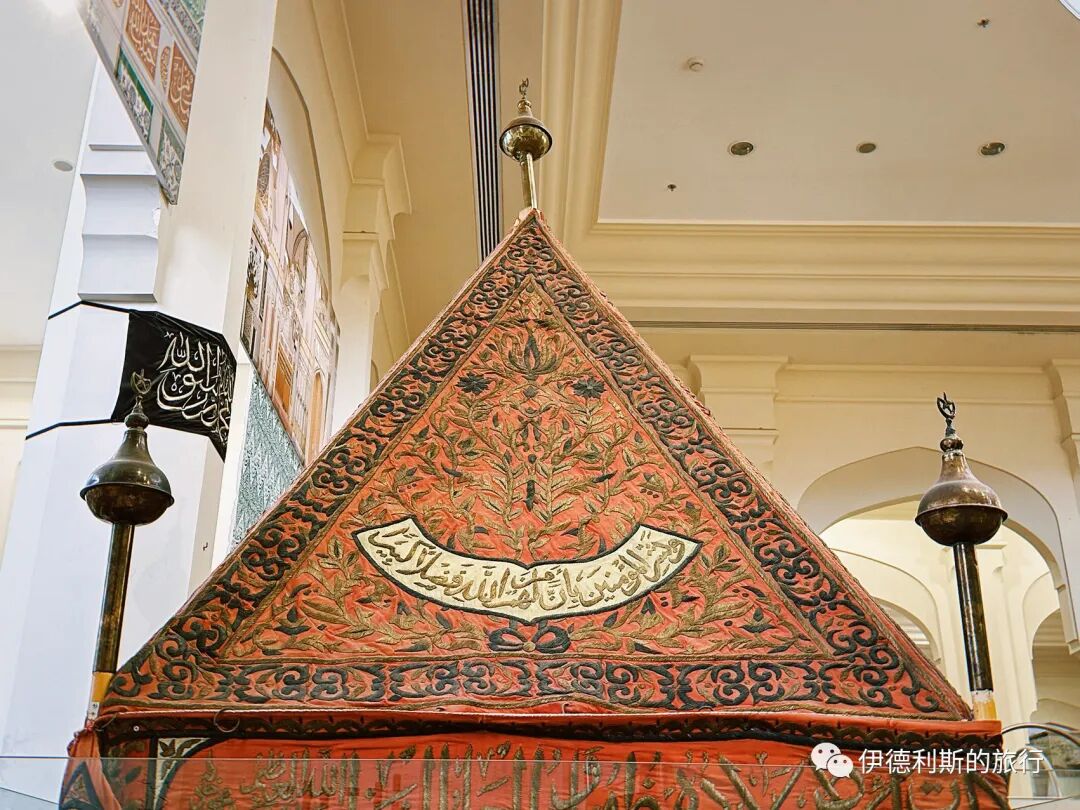
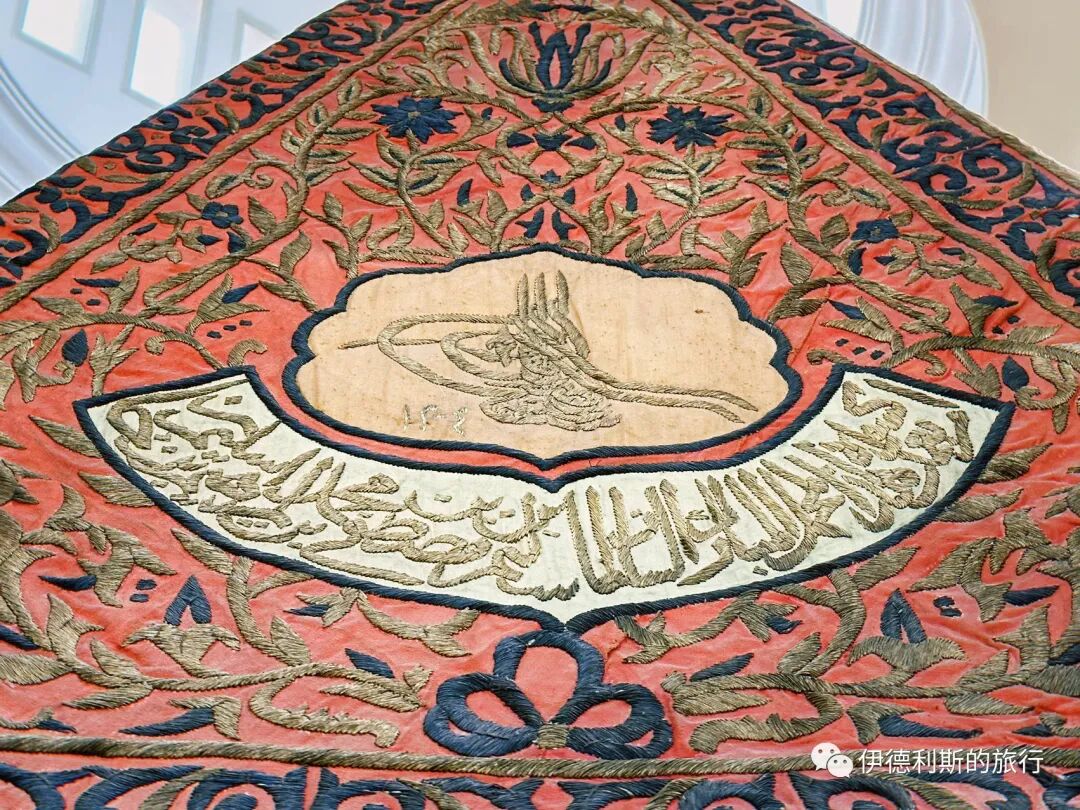
The museum houses a ceremonial palanquin (mahmal) that the Ottoman Empire sent to Mecca during the month of Hajj in 1789. The mahmal was carried by a camel and featured intricate embroidery, including Quranic verses and the Sultan's monogram. Behind the mahmal was a grand Hajj procession, which included the Kaaba cover (kiswa) guarded by heavily armed soldiers.
Models of the Prophet's Mosque (Al-Masjid an-Nabawi) from different periods.
When the Prophet first built the mosque in 623, it had a roof made of palm leaves supported by palm trunks, and it faced north toward Jerusalem.
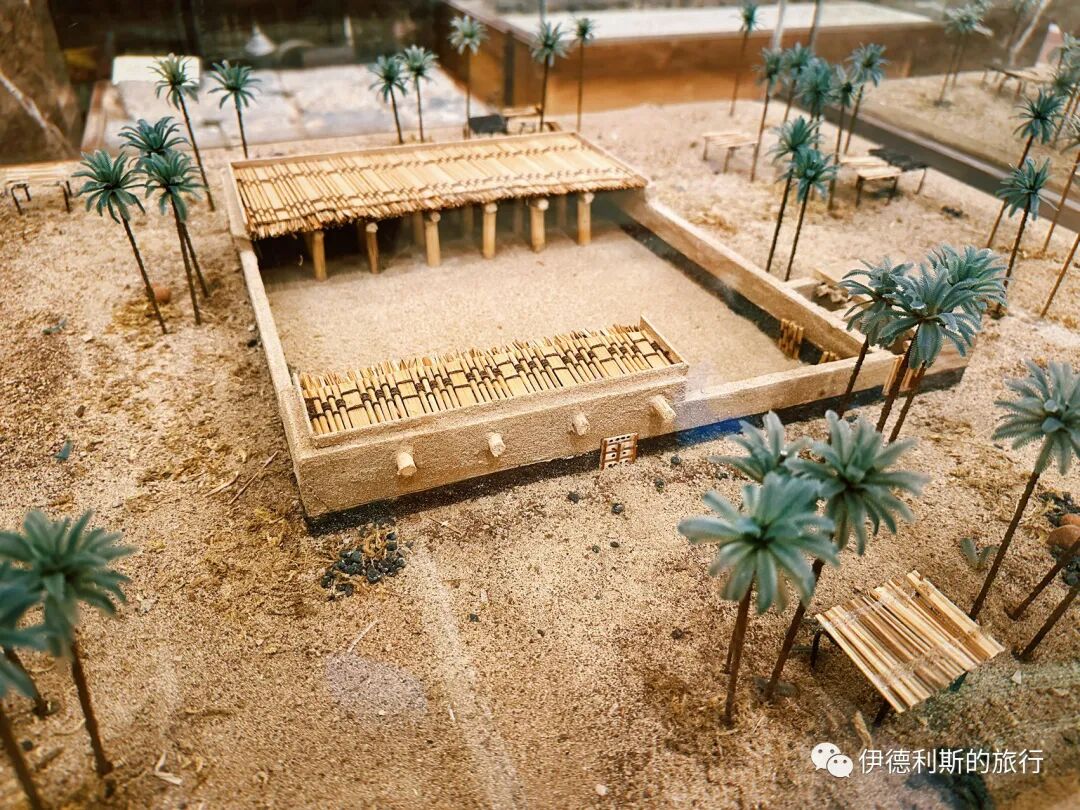
In 624, the Prophet received a revelation to change the direction of prayer to face the Kaaba, so the mosque was rebuilt to face south.
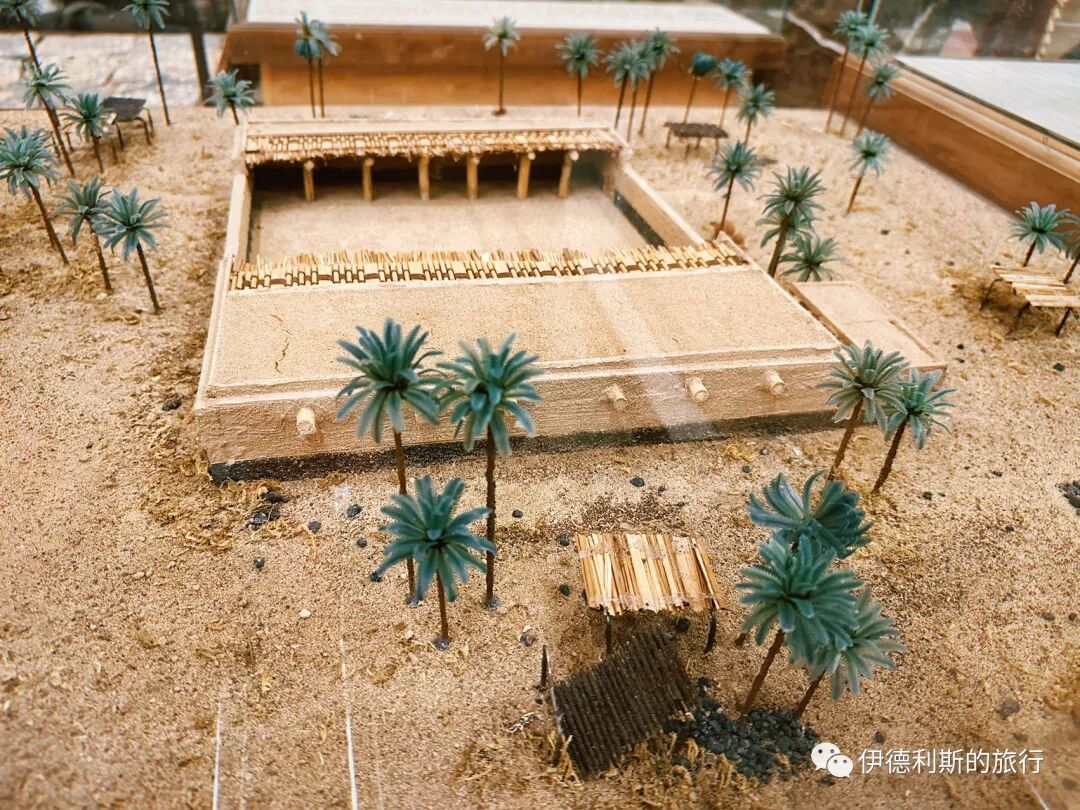
After the Battle of Khaybar in 628, the Prophet expanded the mosque, but its design stayed the same.
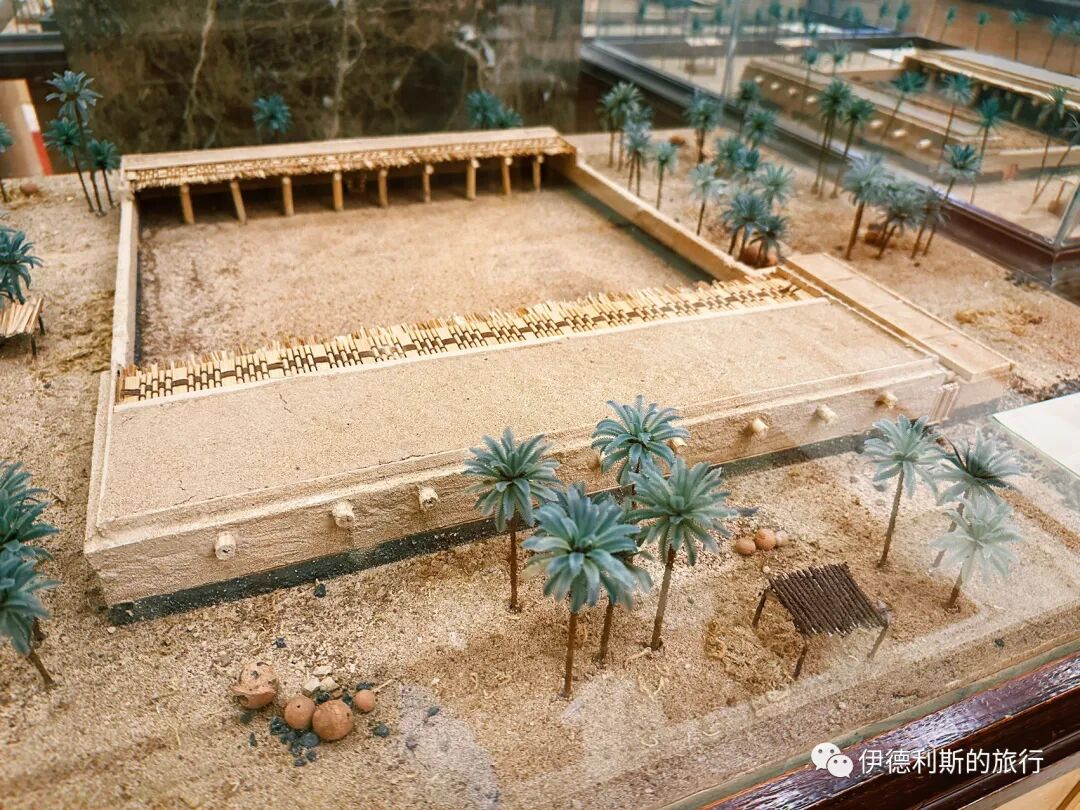
The era of Caliph Umar in 638. To expand the mosque, Caliph Umar tore down several houses around it, including the homes of the Prophet's wives. During this time, the mosque had walls made of sun-dried mud bricks and a floor covered with pebbles.
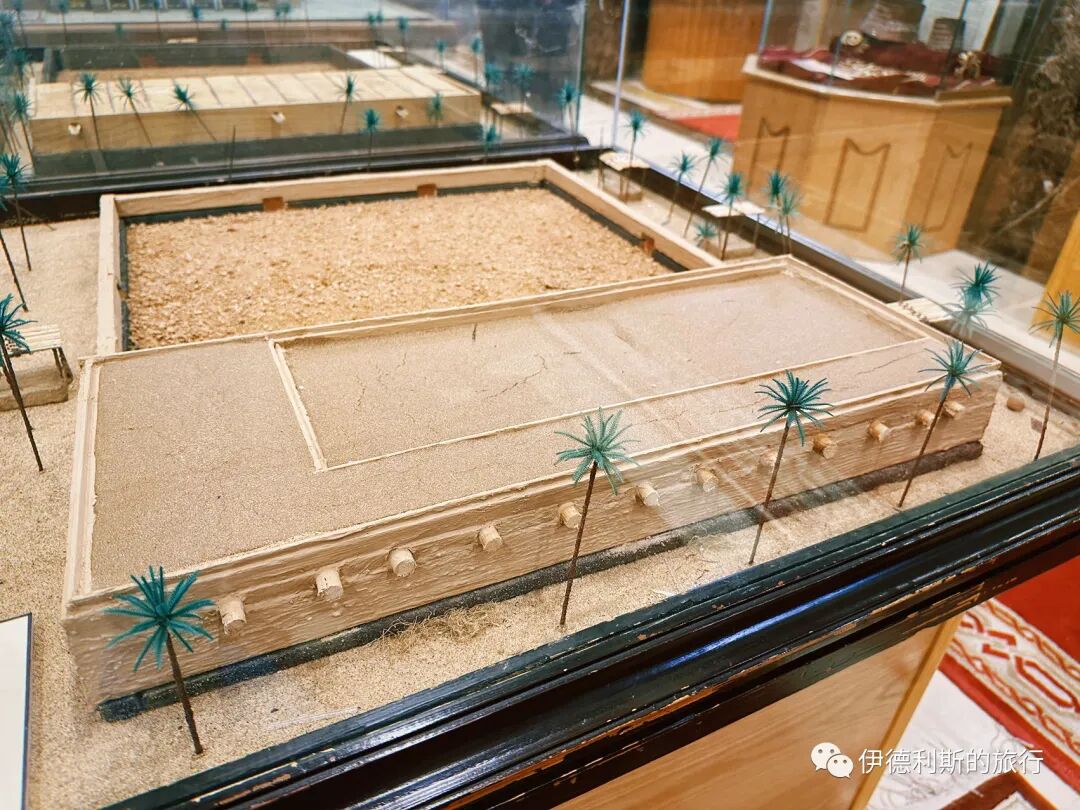
The era of Caliph Uthman from 649 to 650. Uthman spent 10 months rebuilding the mosque, using stone and mortar for the walls, replacing palm trunks with stone pillars, and using teak wood for the ceiling.
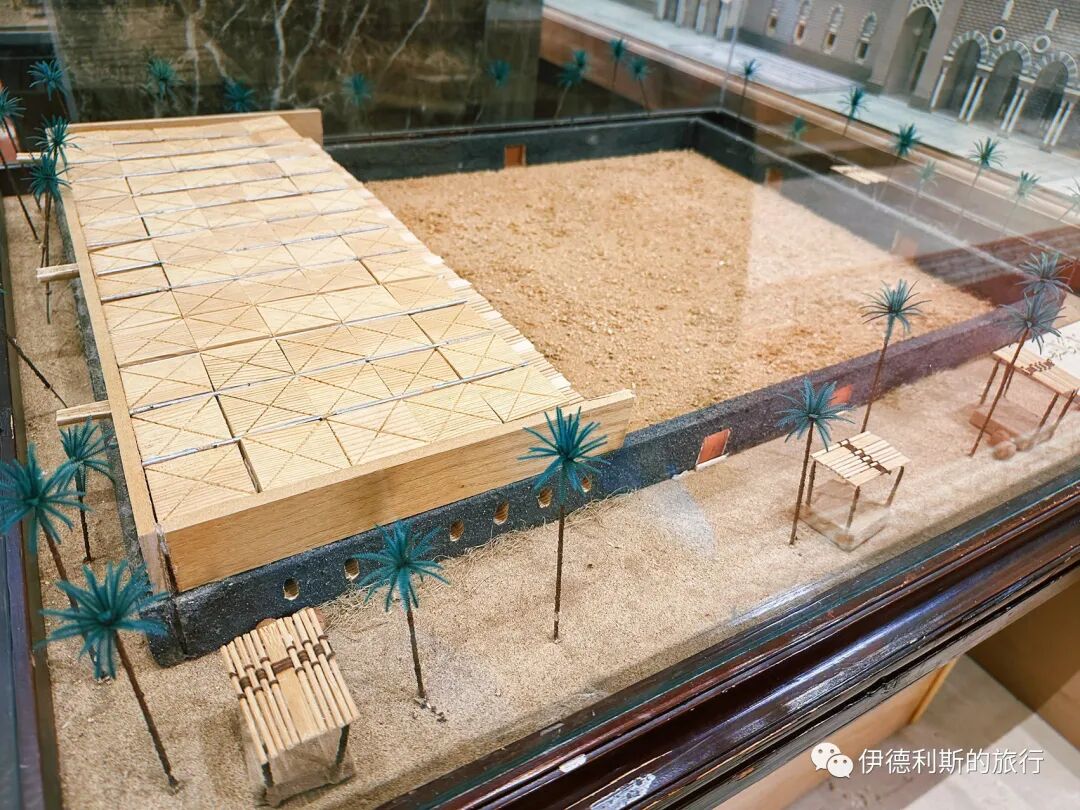
The era of the Umayyad Caliph Al-Walid I from 707 to 710. Al-Walid I ordered a massive three-year reconstruction of the mosque, sourcing materials from the Byzantine Empire and hiring Greek and Coptic Christian craftsmen. The expanded mosque enclosed the graves of the Prophet, Caliph Abu Bakr, and Umar, changed from a rectangle to a trapezoid, and added porticos and four minarets.
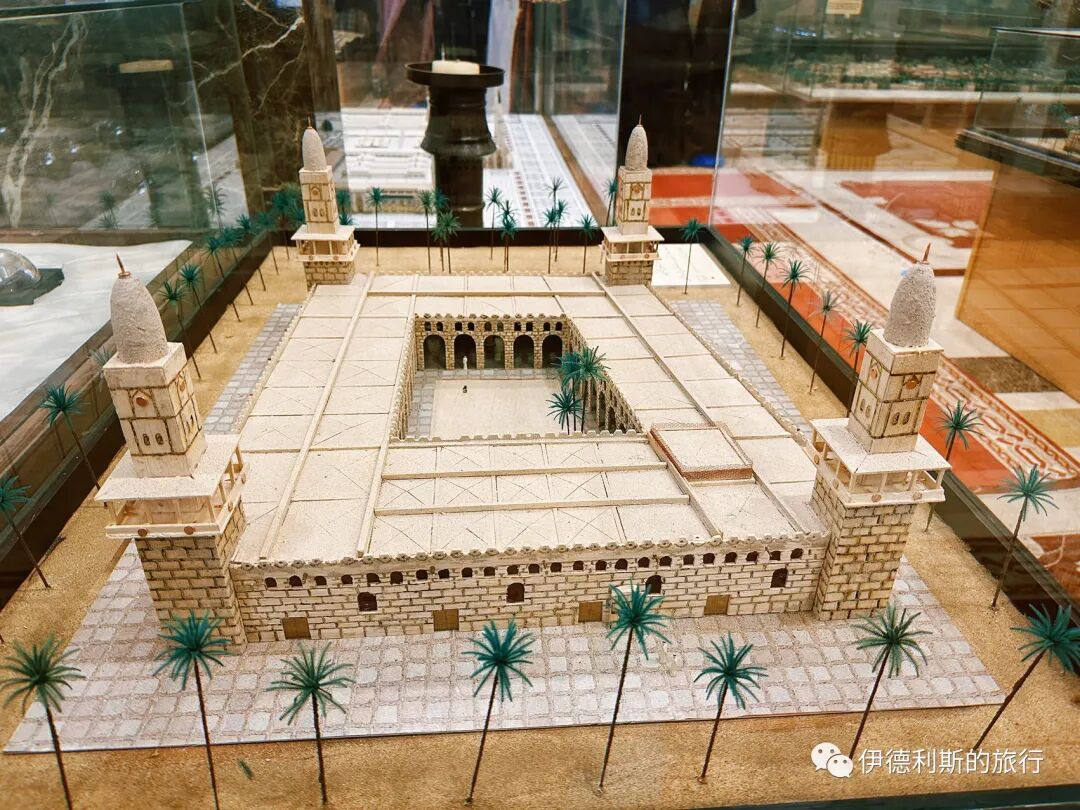
During the era of the Abbasid Caliph Al-Mahdi from 779 to 782, the mosque was expanded 50 meters to the north.
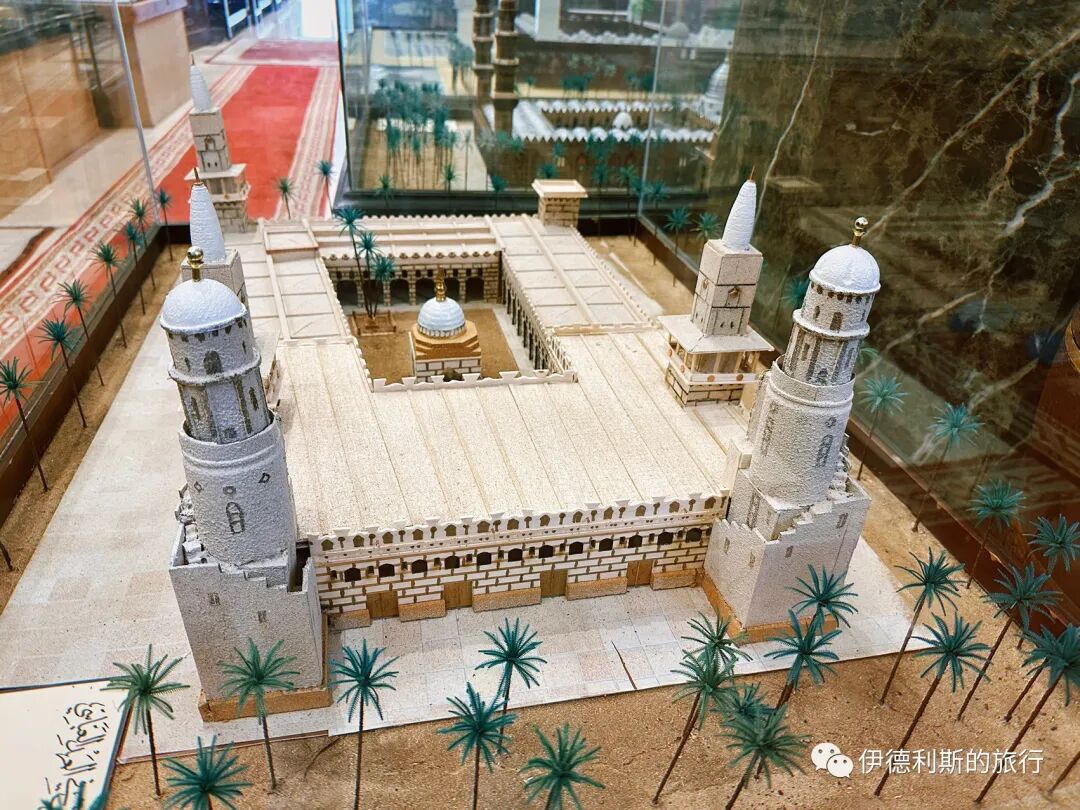
The era of Sultan Qaitbay of the Mamluk Sultanate in 1481. A fire broke out in the mosque that year, so the Sultan rebuilt the Prophet's tomb from a wooden structure into a brick one and built a dome over it. No one has entered the interior of the Prophet's tomb in the 500 years since.
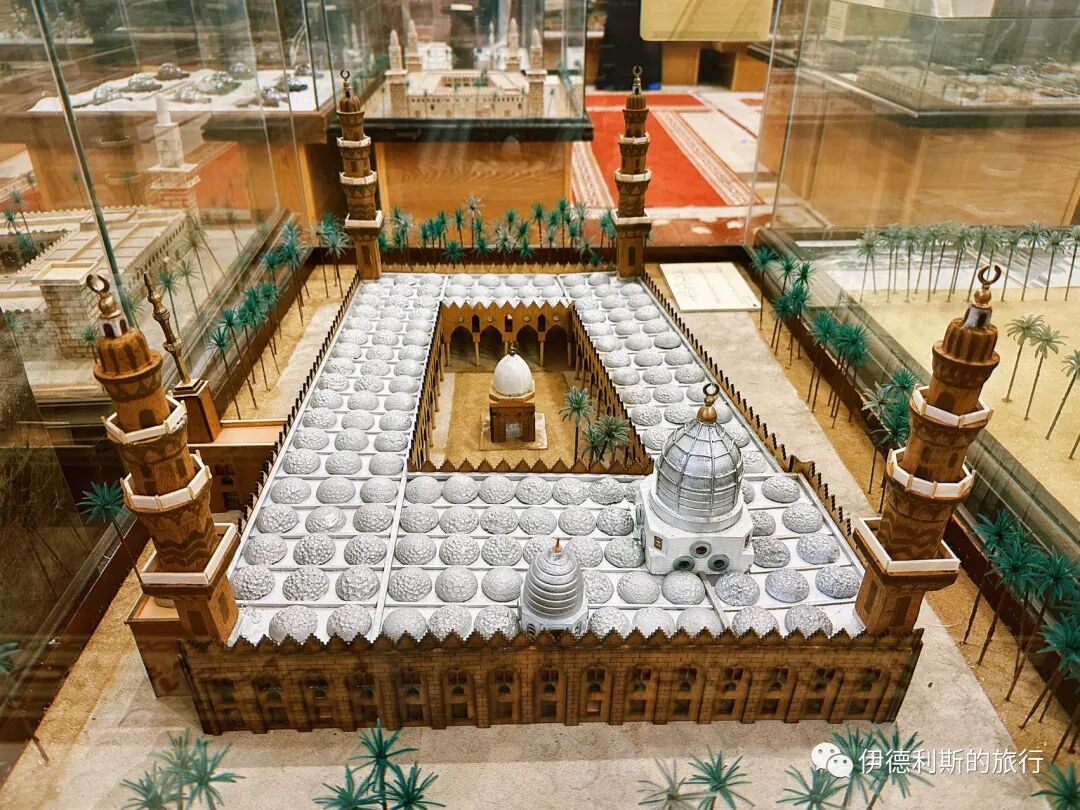
This was during the reign of Sultan Abdulmejid I of the Ottoman Empire from 1848 to 1860. The Sultan spent 12 years rebuilding the mosque. He used red bricks for everything except the core area of the Garden of Paradise (Rawdah), and carved verses from the Quran into the walls. He added a religious school (madrasa) and a water room on the north side of the mosque. He also doubled the width of the main hall on the south side and covered it with small domes. The courtyard was paved with marble and red stone, and a fifth minaret was built on the west side.
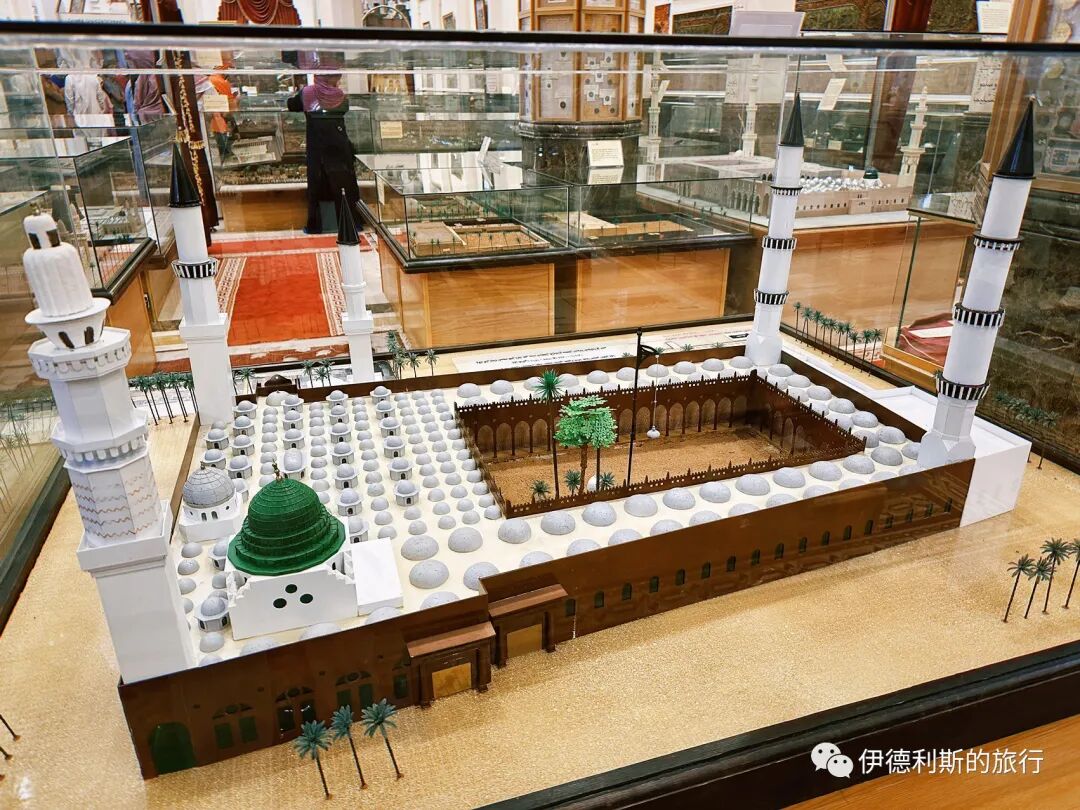
Artifacts from Medina housed in the Dar Al-Madina Museum.
Floor tiles from a palace built in the 8th century by Hisham ibn Isma'il al-Makhzumi, the governor of Medina, in the Valley of the Blessed (Wadi al-Aqeeq) west of the city. This palace was restored in recent years, but it does not seem to be open to the public yet.
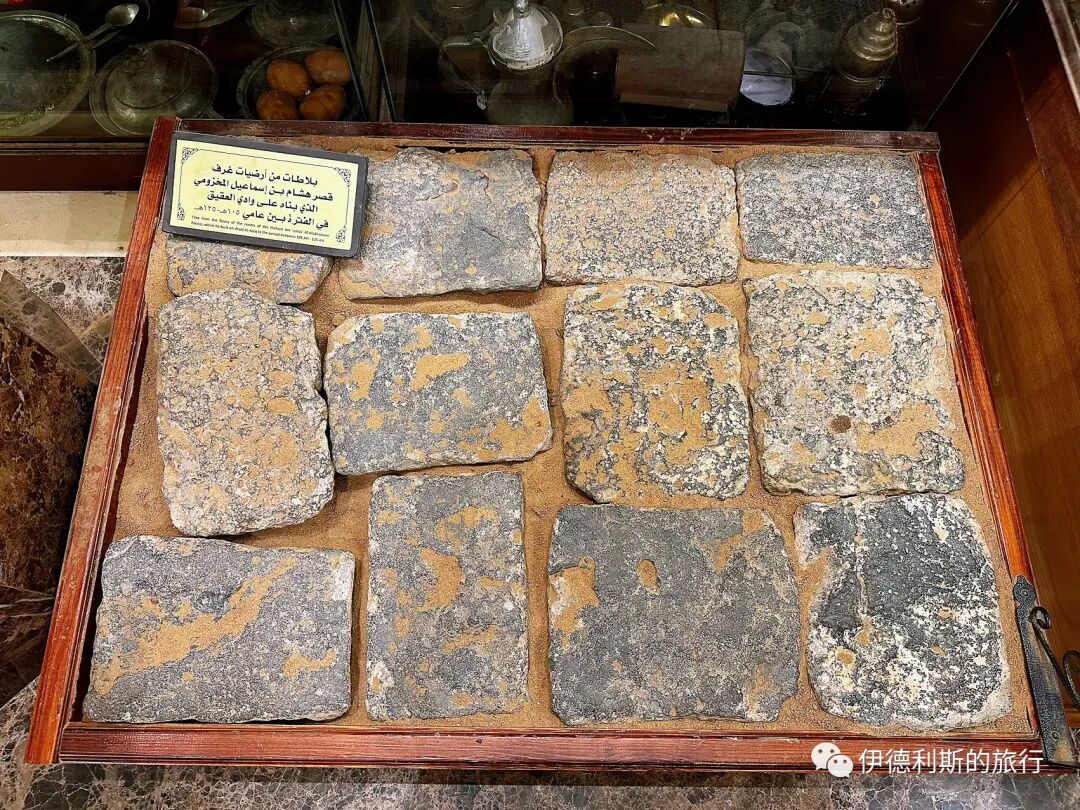
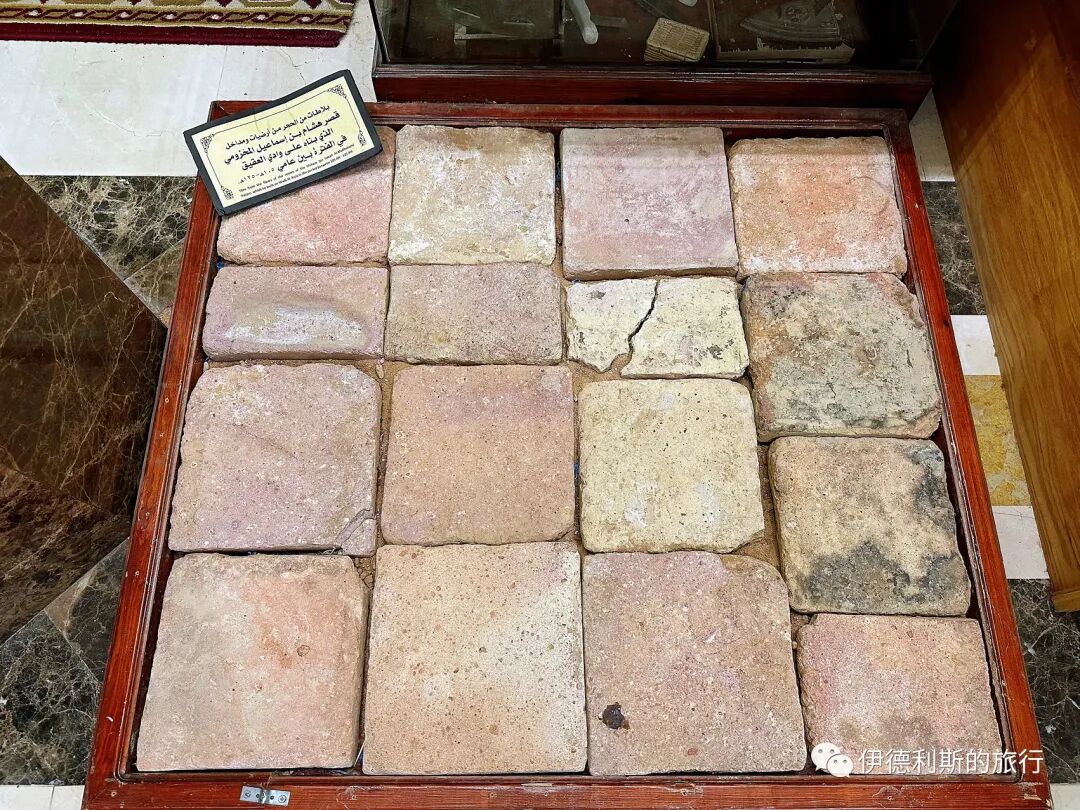
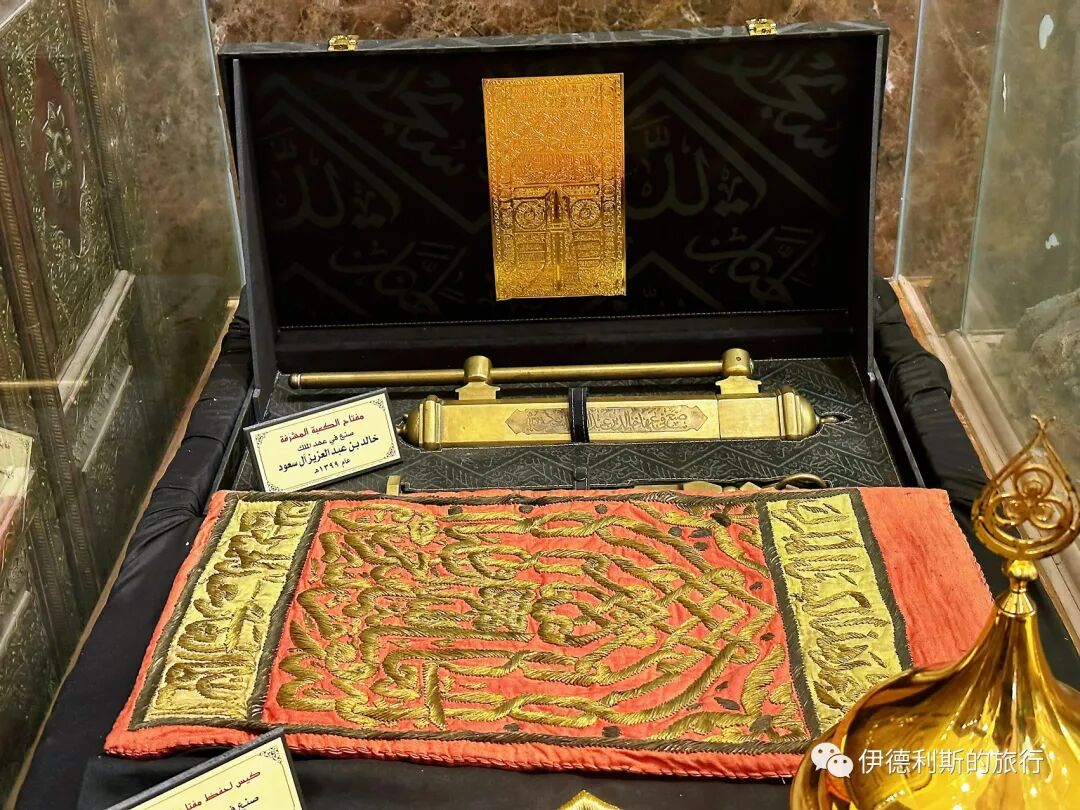
The key and lock for the golden door of the Kaaba from the reign of King Khalid of Saudi Arabia (1975-1982).
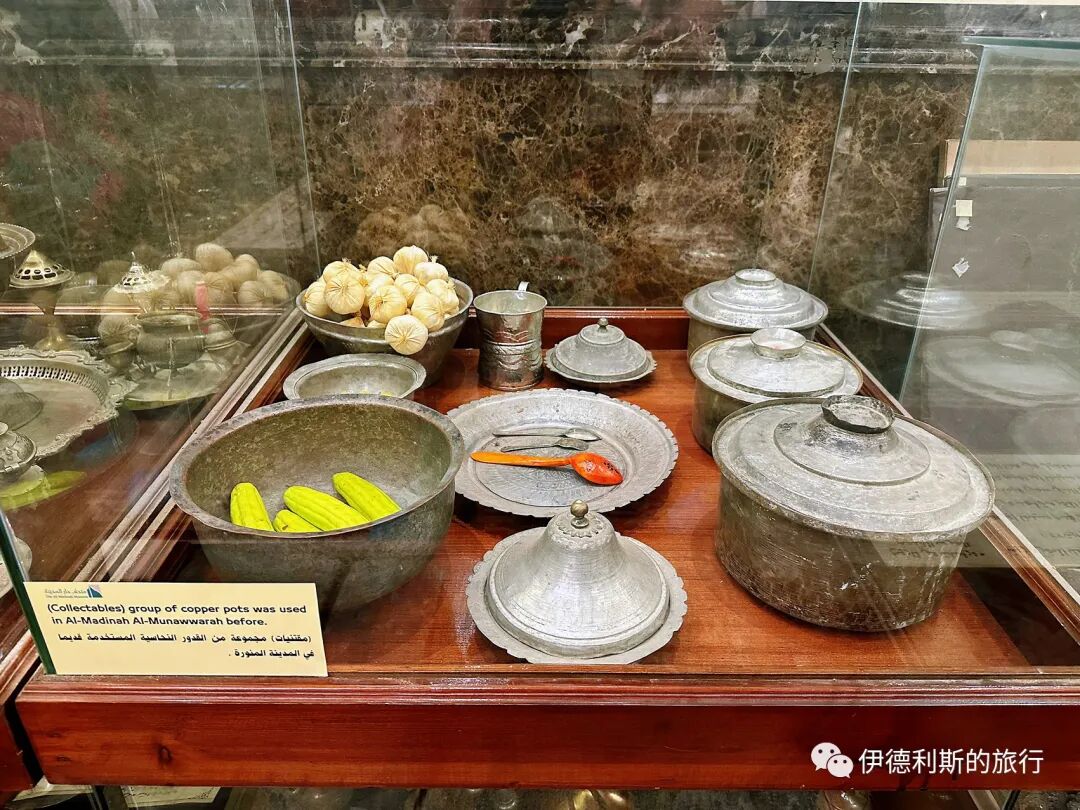
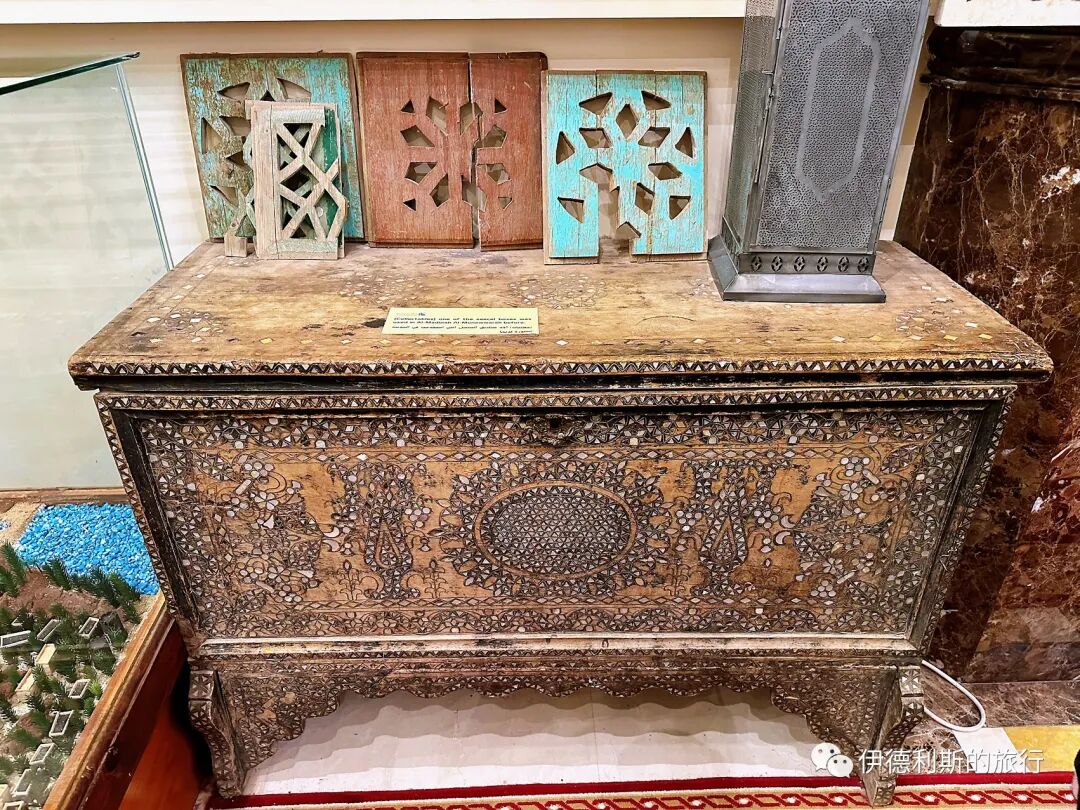
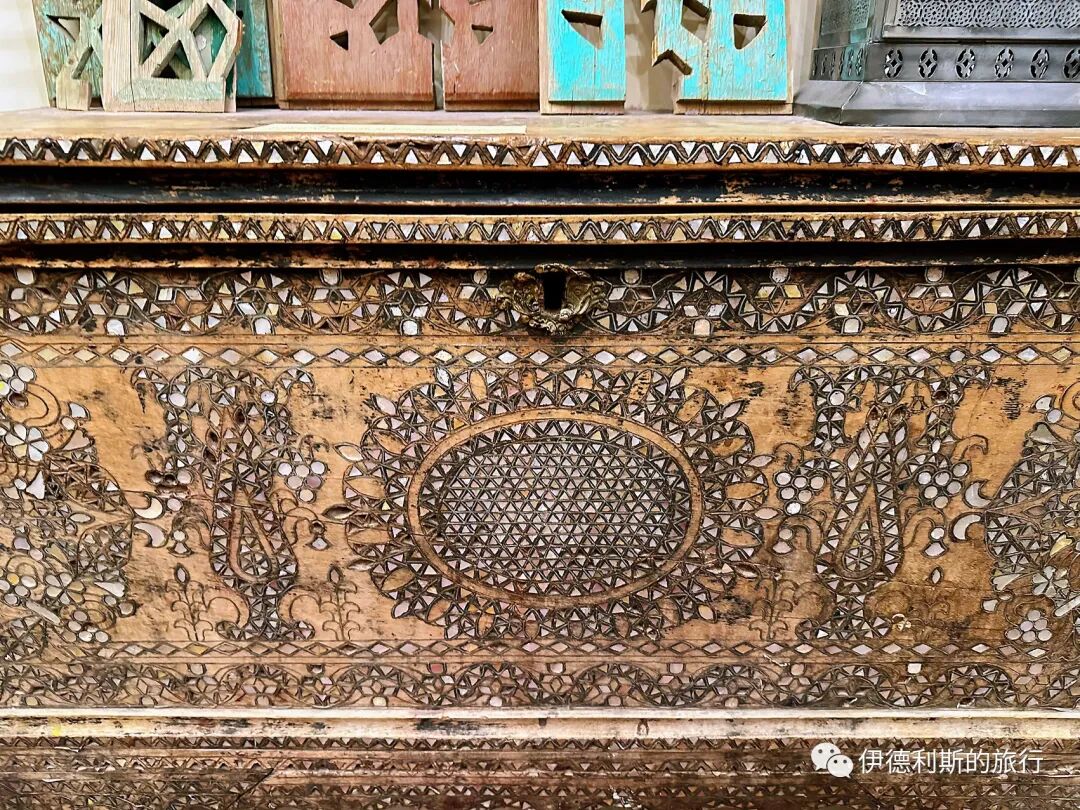
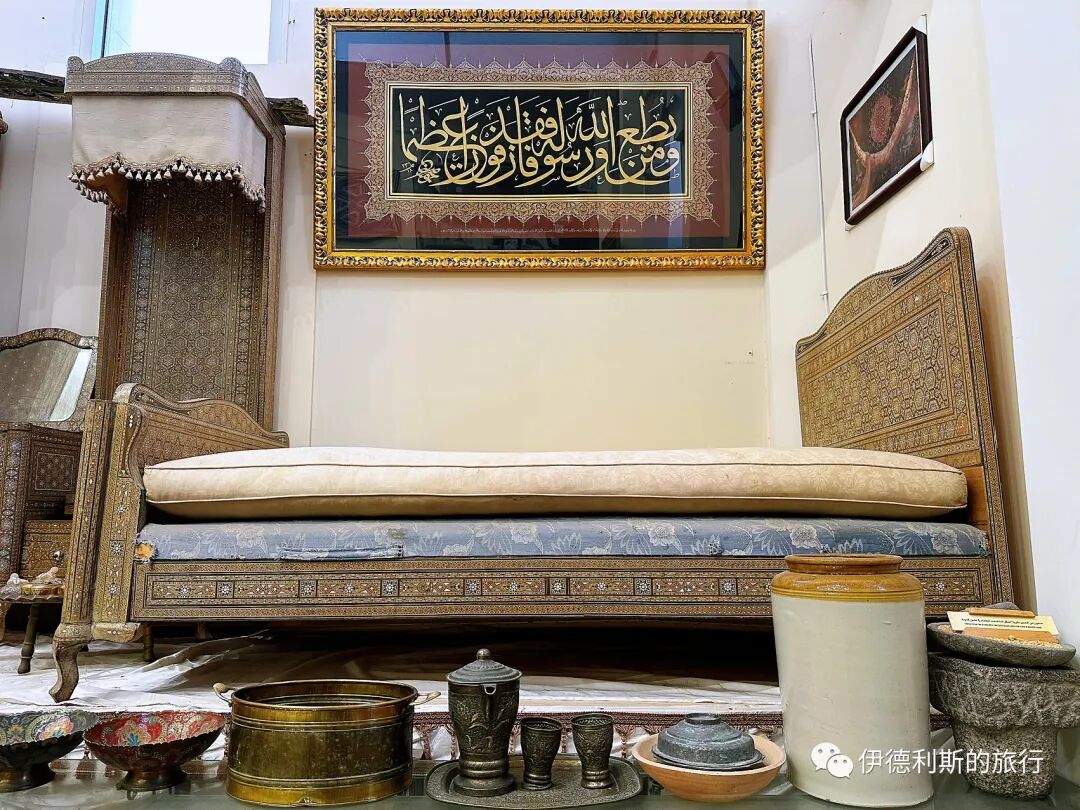
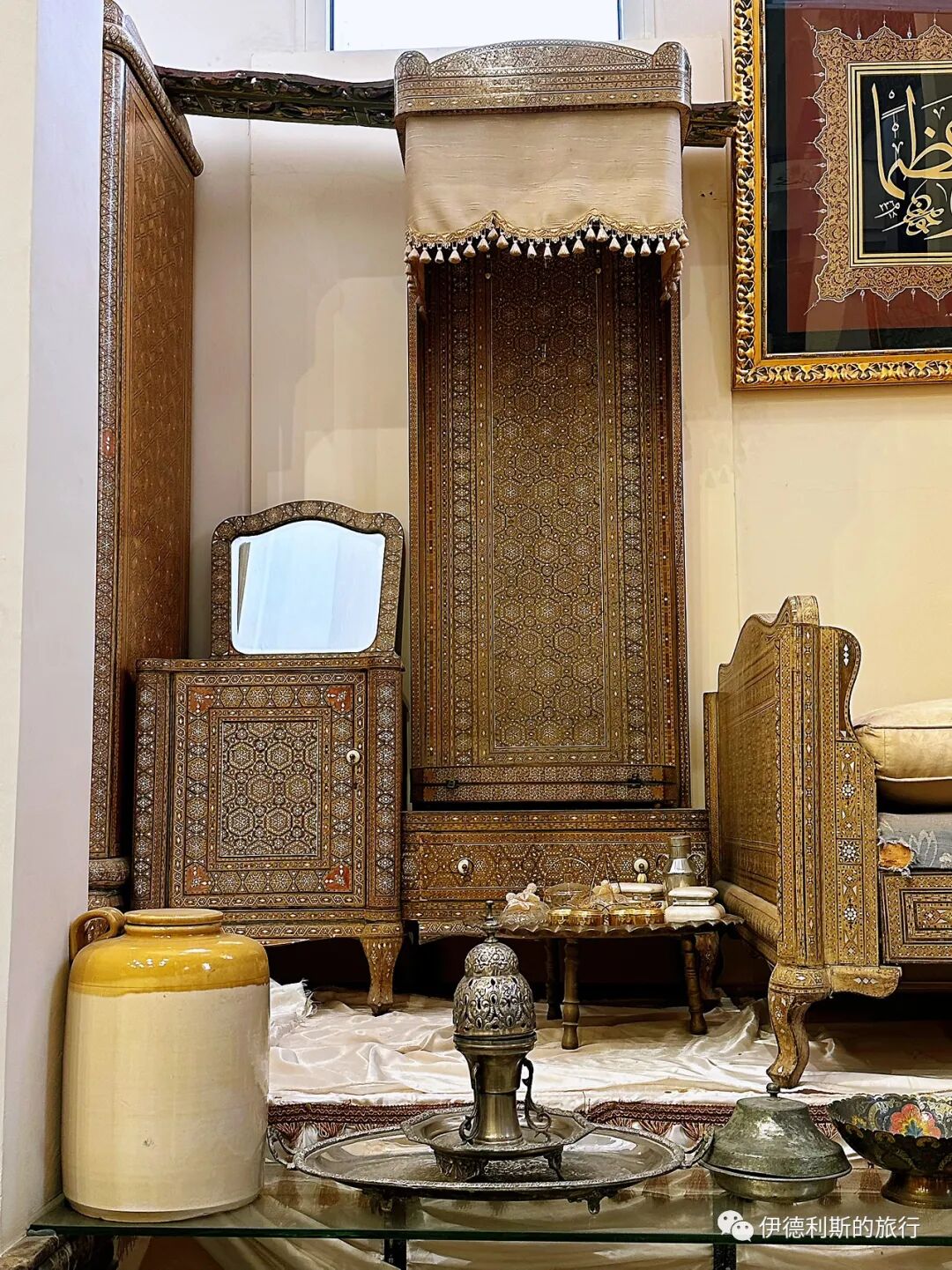
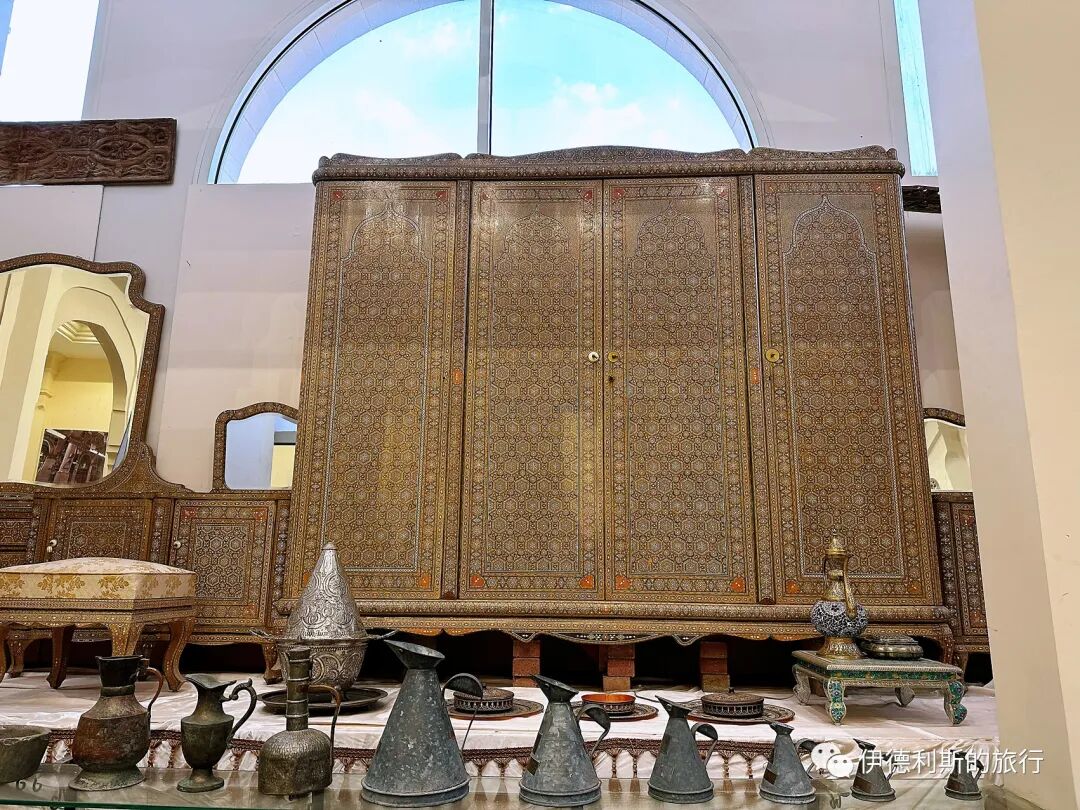
Cooking utensils and furniture once used by the people of Medina.
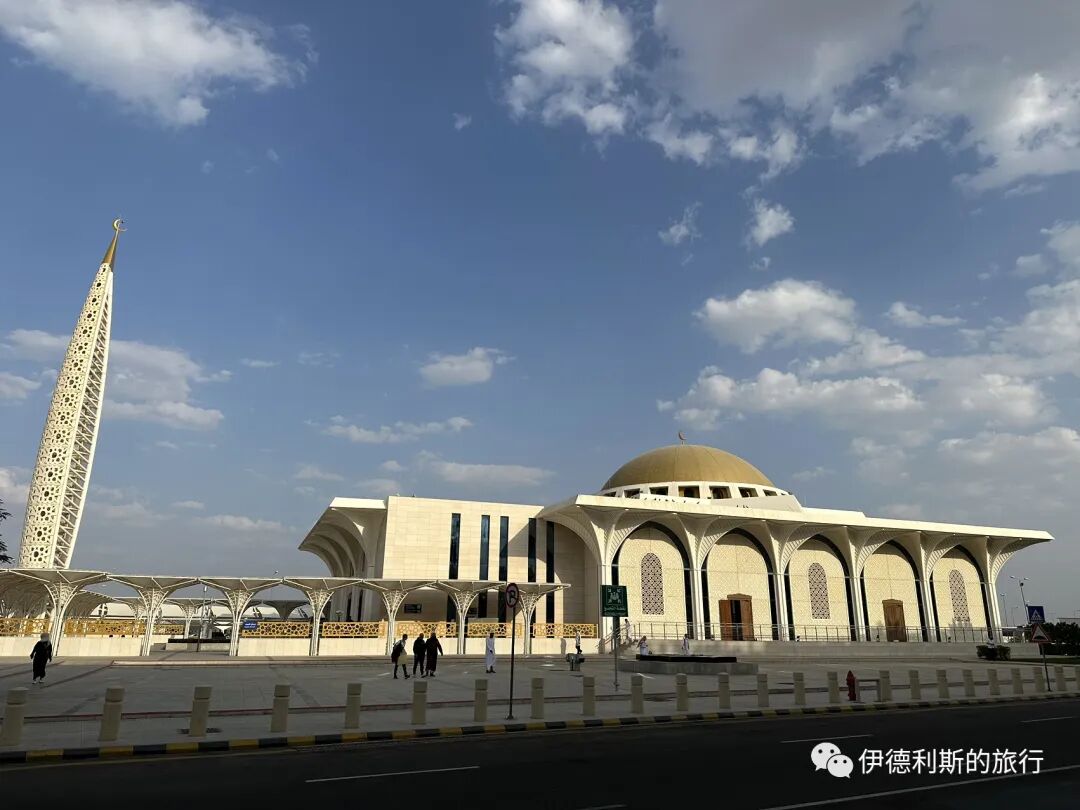
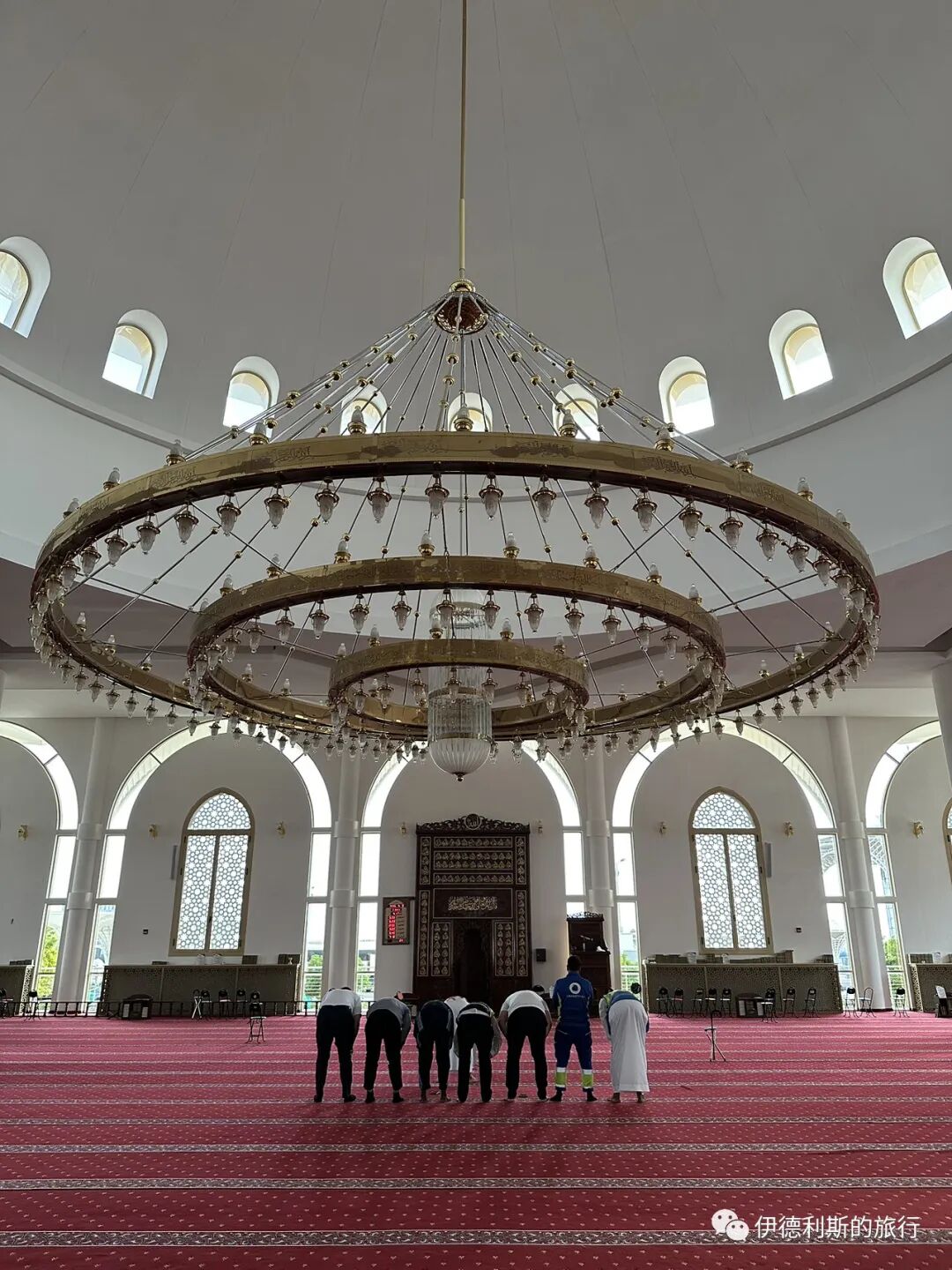
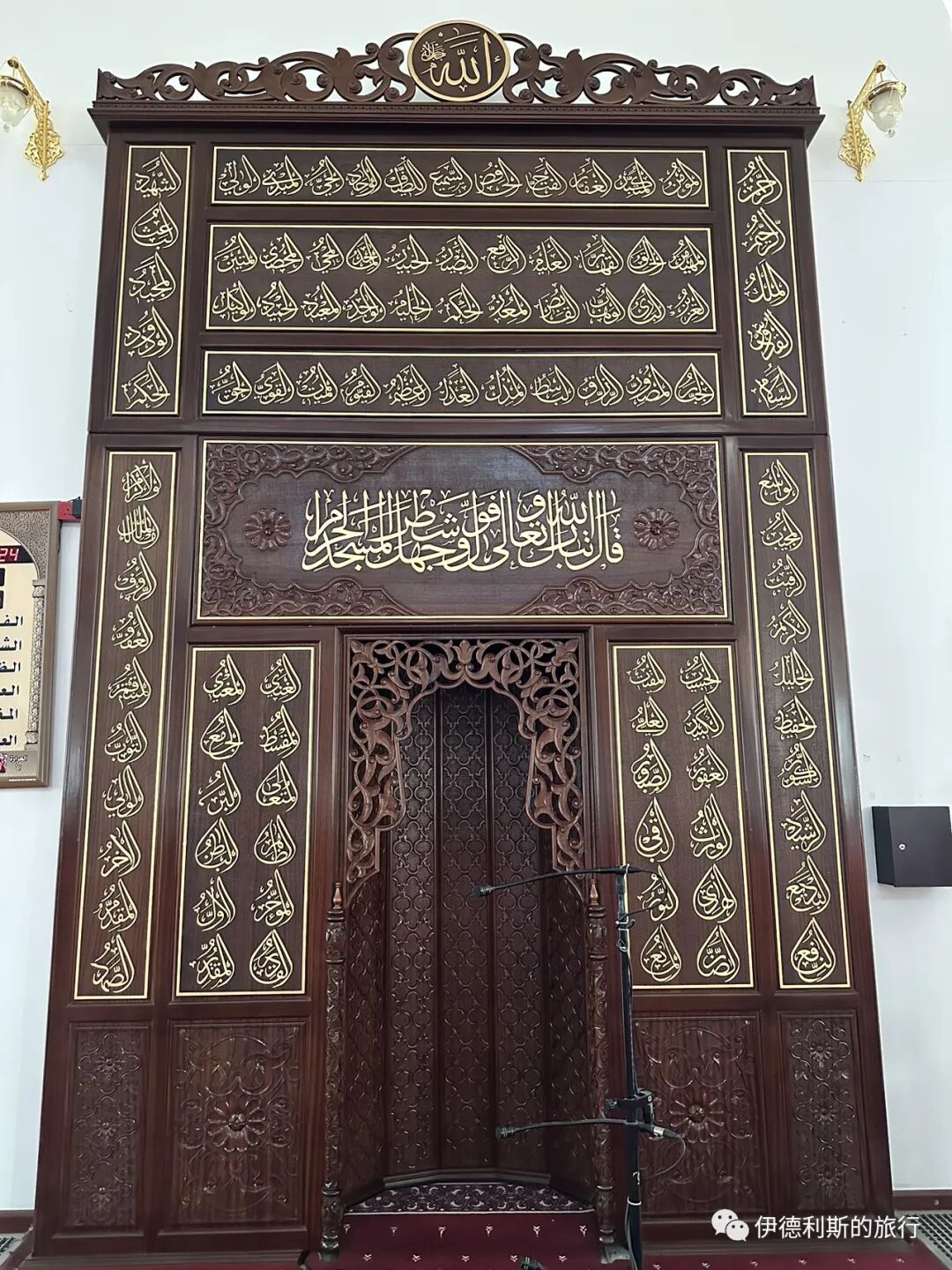
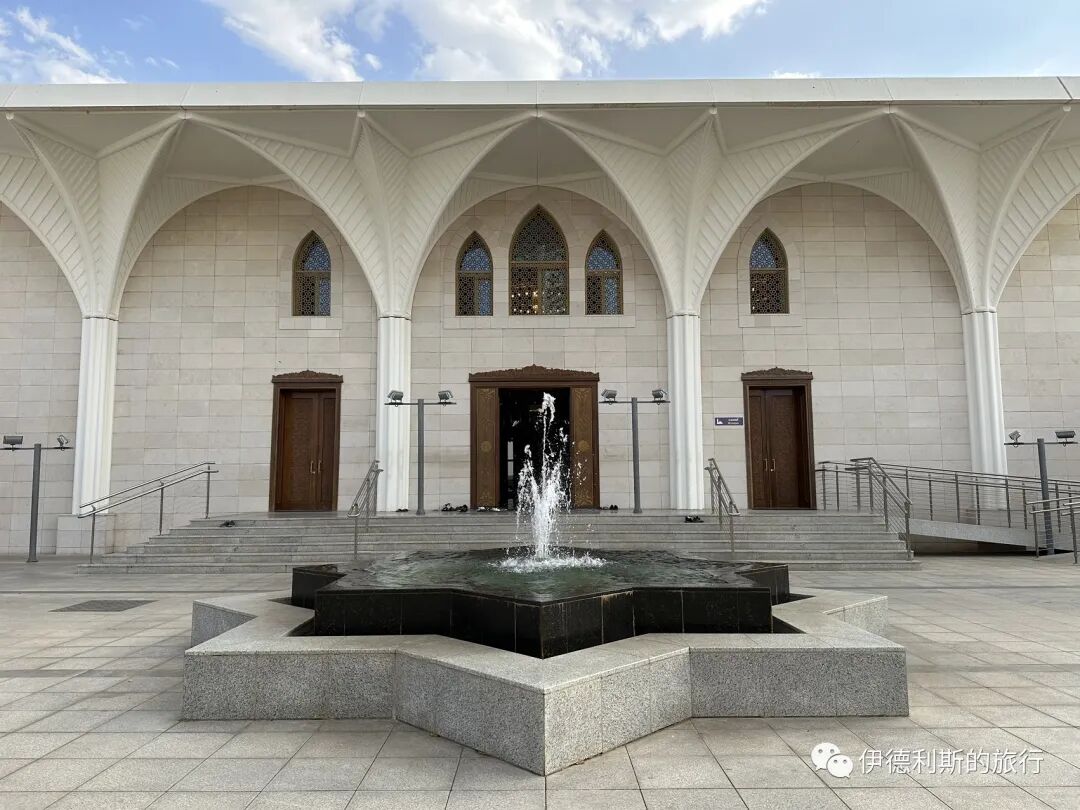
Praying at the mosque near the airport entrance before leaving Medina.
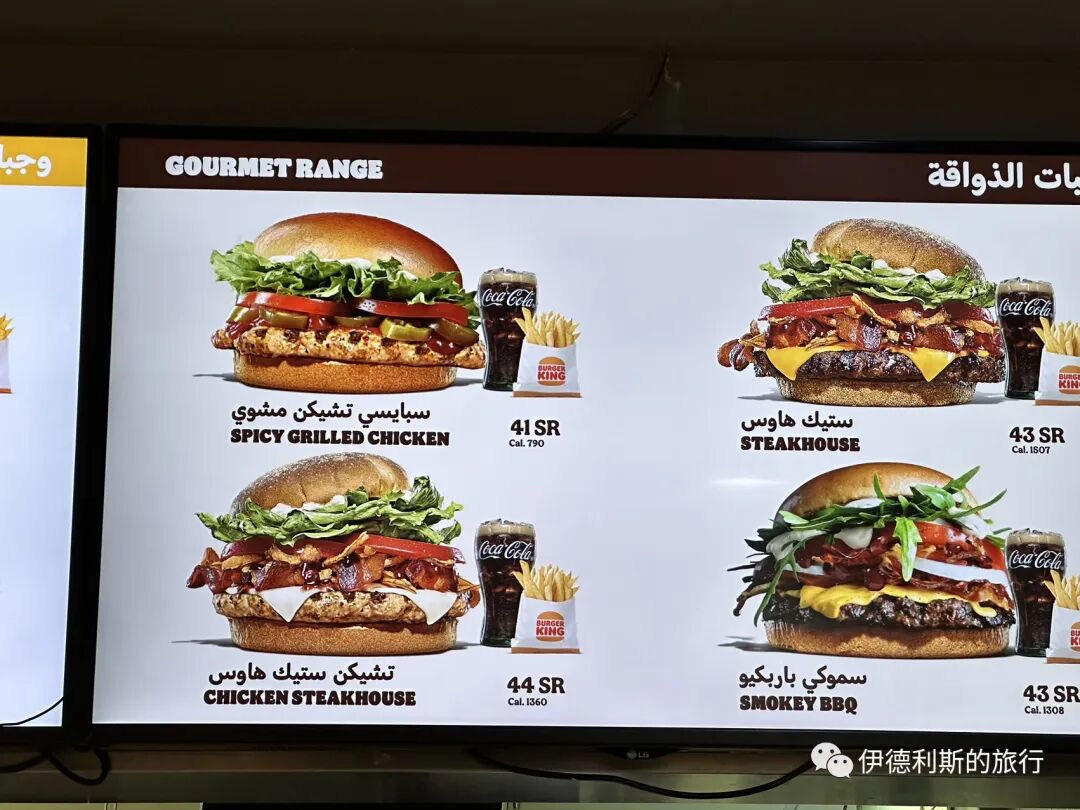
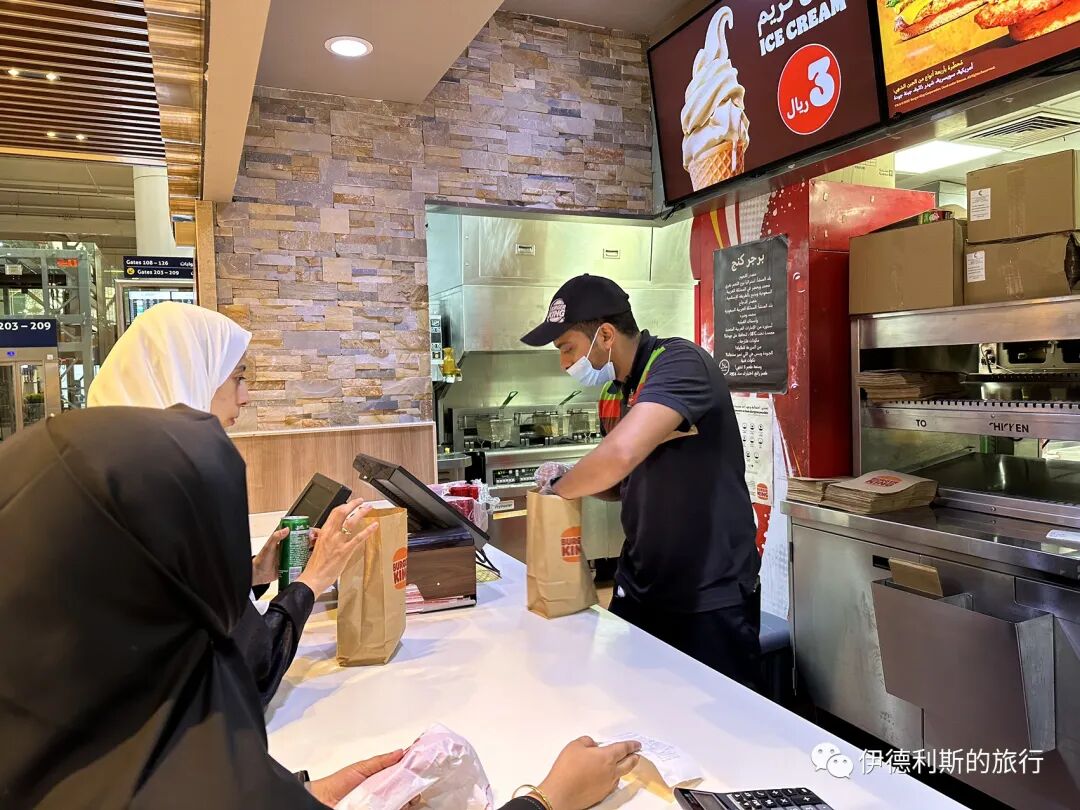
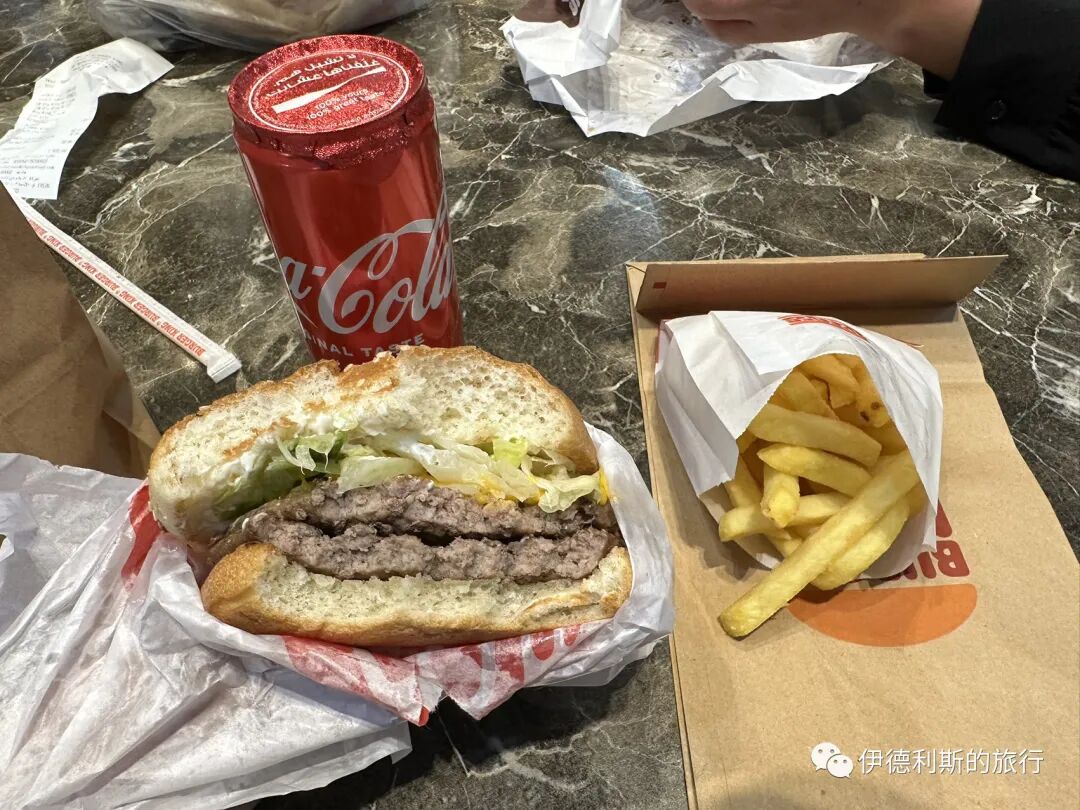
The Burger King inside Medina Airport. The taste is not as good as the one at Istanbul Airport, but the price is reasonable.
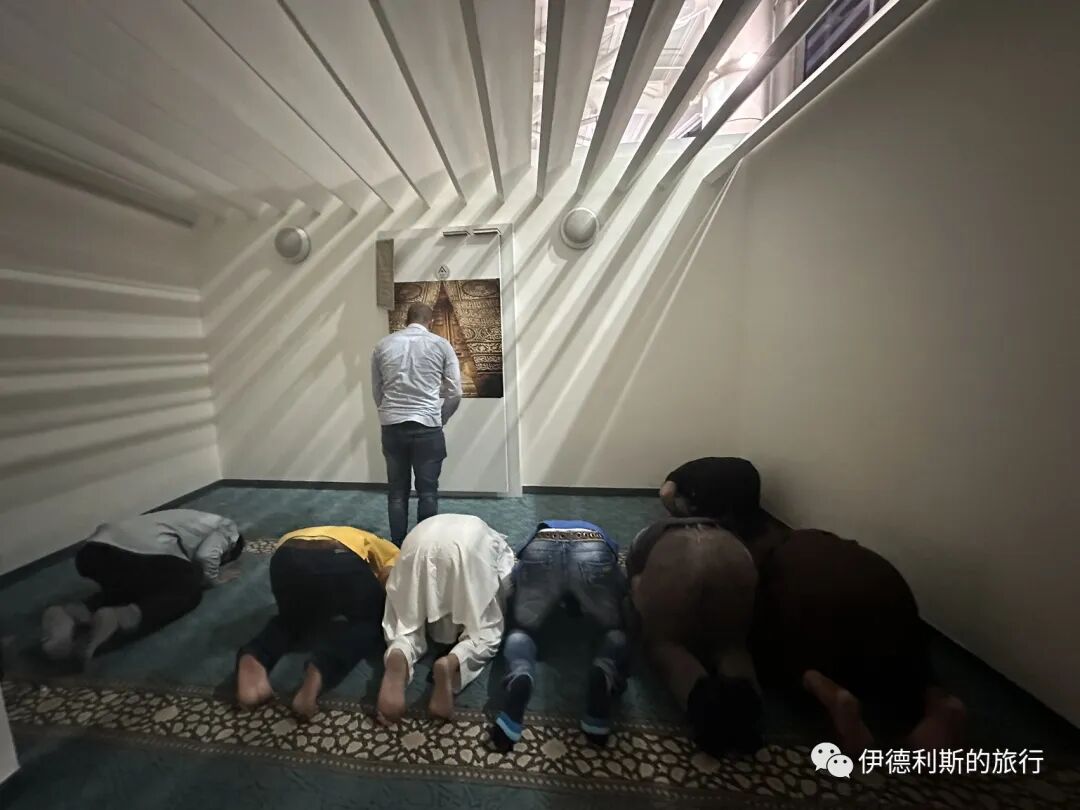
The prayer room at the boarding gate of Medina Airport. Because there were so many people for the evening prayer (Isha), one group (jama'ah) would finish and another would immediately take their place.
I was busy doing my religious studies and visiting the sites of the Prophet in Medina, so I didn't look for many restaurants and mostly ate fast food. This is a street food stall west of the Prophet's Mosque. I bought chickpea fritters (falafel) and meat wraps (shawarma), which are classic Middle Eastern fast foods. Middle Eastern falafel comes in two types. The Egyptian version is made from fried fava beans, while those in the Levant are mostly made from fried chickpeas. In places like Lebanon and Syria, they sometimes use both fava beans and chickpeas. Sometimes falafel is green inside because parsley and green onions were added during the grinding process.
Also, there are many people selling dates on the streets of Medina. This was my first time eating fresh Medina dates. The bright red ones are a bit astringent. They taste best after they sit and turn a darker color with wrinkled skin, which makes them taste just like honey.
I had breakfast at the Mias Hotel on the west side of the Prophet's Mosque, and it was very crowded after the dawn prayer (fajr). Breakfast in Saudi Arabia mainly features flatbread (pita) served with various dishes. A special one is fava bean stew (ful medames), a dish dating back to ancient Egypt. It is made with olive oil and cumin, and served with side dishes like parsley, garlic, onions, lemon juice, and chili peppers that you can add yourself.
Dar Al-Madina Museum
Located in the eastern suburbs of Medina, the Dar Al-Madina Museum displays the historical changes of the two holy cities and houses many artifacts from Medina's past. The staff inside the museum will pour you some Arabic coffee.
There is a huge sand table in the museum showing what Medina looked like 100 years ago. The historical districts of Medina have now completely disappeared.
The museum houses a ceremonial palanquin (mahmal) that the Ottoman Empire sent to Mecca during the month of Hajj in 1789. The mahmal was carried by a camel and featured intricate embroidery, including Quranic verses and the Sultan's monogram. Behind the mahmal was a grand Hajj procession, which included the Kaaba cover (kiswa) guarded by heavily armed soldiers.
Models of the Prophet's Mosque (Al-Masjid an-Nabawi) from different periods.
When the Prophet first built the mosque in 623, it had a roof made of palm leaves supported by palm trunks, and it faced north toward Jerusalem.
In 624, the Prophet received a revelation to change the direction of prayer to face the Kaaba, so the mosque was rebuilt to face south.
After the Battle of Khaybar in 628, the Prophet expanded the mosque, but its design stayed the same.
The era of Caliph Umar in 638. To expand the mosque, Caliph Umar tore down several houses around it, including the homes of the Prophet's wives. During this time, the mosque had walls made of sun-dried mud bricks and a floor covered with pebbles.
The era of Caliph Uthman from 649 to 650. Uthman spent 10 months rebuilding the mosque, using stone and mortar for the walls, replacing palm trunks with stone pillars, and using teak wood for the ceiling.
The era of the Umayyad Caliph Al-Walid I from 707 to 710. Al-Walid I ordered a massive three-year reconstruction of the mosque, sourcing materials from the Byzantine Empire and hiring Greek and Coptic Christian craftsmen. The expanded mosque enclosed the graves of the Prophet, Caliph Abu Bakr, and Umar, changed from a rectangle to a trapezoid, and added porticos and four minarets.
During the era of the Abbasid Caliph Al-Mahdi from 779 to 782, the mosque was expanded 50 meters to the north.
The era of Sultan Qaitbay of the Mamluk Sultanate in 1481. A fire broke out in the mosque that year, so the Sultan rebuilt the Prophet's tomb from a wooden structure into a brick one and built a dome over it. No one has entered the interior of the Prophet's tomb in the 500 years since.
This was during the reign of Sultan Abdulmejid I of the Ottoman Empire from 1848 to 1860. The Sultan spent 12 years rebuilding the mosque. He used red bricks for everything except the core area of the Garden of Paradise (Rawdah), and carved verses from the Quran into the walls. He added a religious school (madrasa) and a water room on the north side of the mosque. He also doubled the width of the main hall on the south side and covered it with small domes. The courtyard was paved with marble and red stone, and a fifth minaret was built on the west side.
Artifacts from Medina housed in the Dar Al-Madina Museum.
Floor tiles from a palace built in the 8th century by Hisham ibn Isma'il al-Makhzumi, the governor of Medina, in the Valley of the Blessed (Wadi al-Aqeeq) west of the city. This palace was restored in recent years, but it does not seem to be open to the public yet.
The key and lock for the golden door of the Kaaba from the reign of King Khalid of Saudi Arabia (1975-1982).
Cooking utensils and furniture once used by the people of Medina.
Praying at the mosque near the airport entrance before leaving Medina.
The Burger King inside Medina Airport. The taste is not as good as the one at Istanbul Airport, but the price is reasonable.
The prayer room at the boarding gate of Medina Airport. Because there were so many people for the evening prayer (Isha), one group (jama'ah) would finish and another would immediately take their place.
