
Halal Food Guide: Old Cairo - Markets, Street Food and Muslim Travel (Part 2)
Reposted from the web
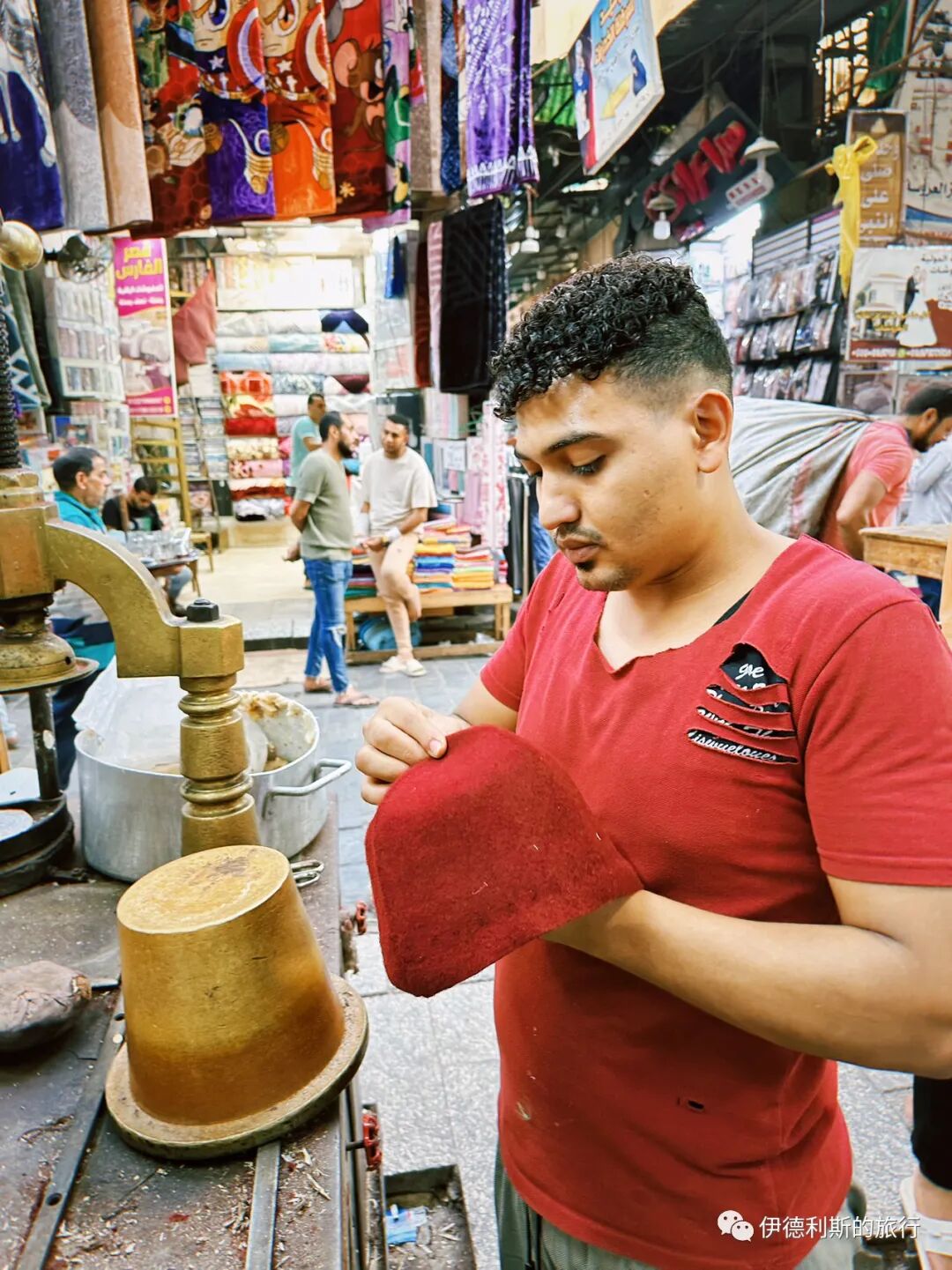
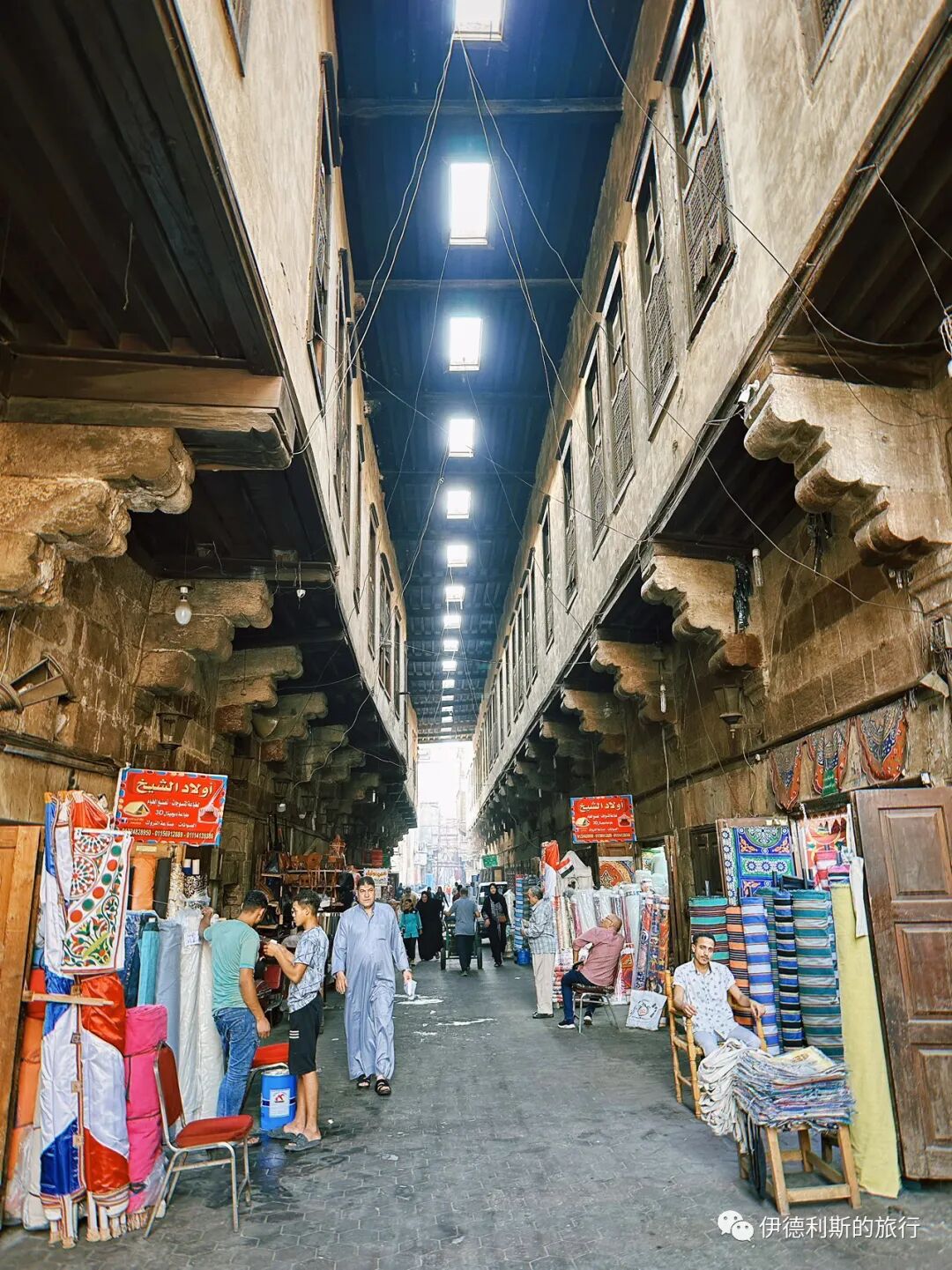
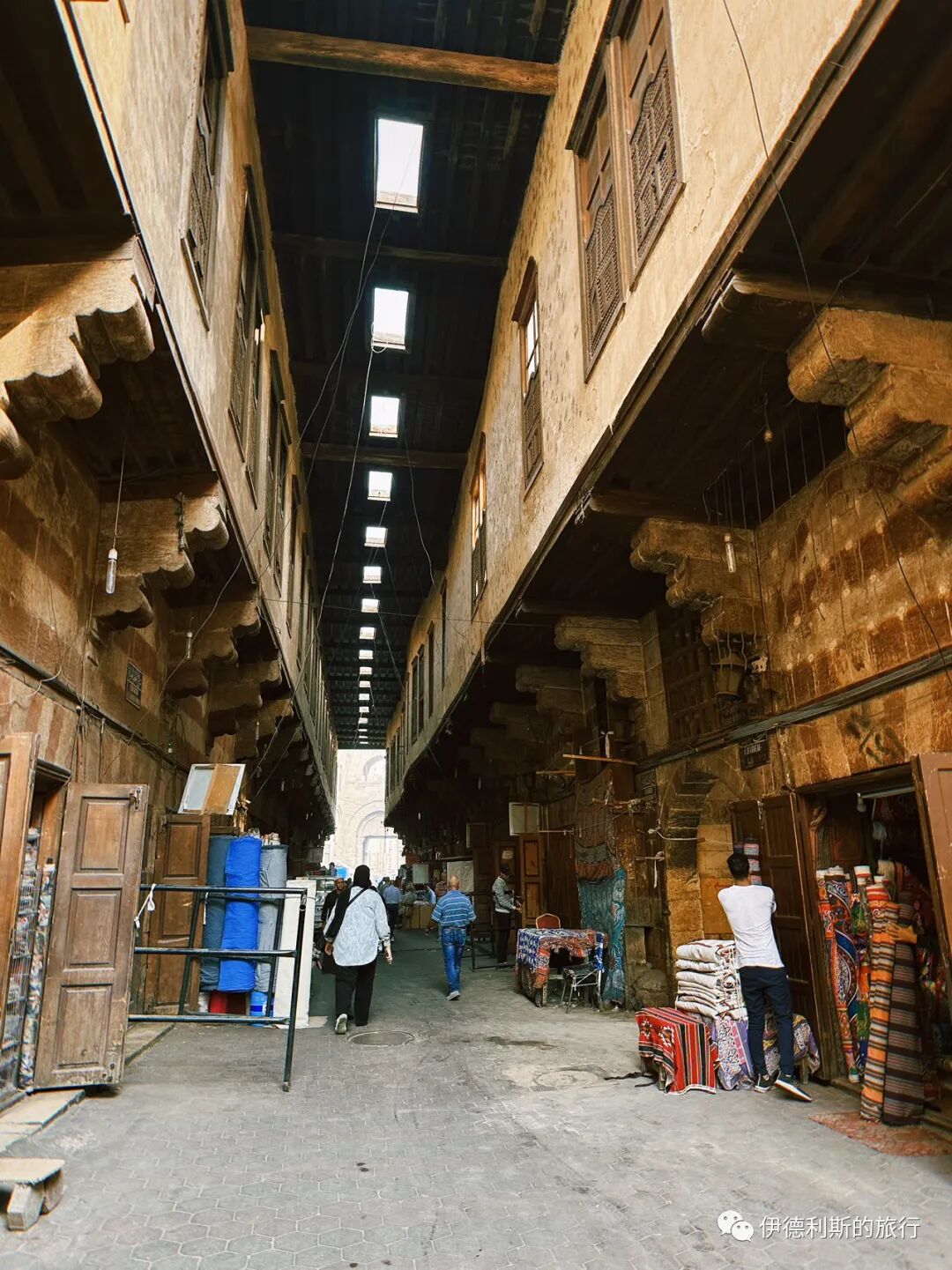
Outside the southern gate of Old Cairo sits the Souq al-Khayamiya, a textile market built in 1650 during the Ottoman period. It is the last place in Old Cairo that specializes in selling traditional Egyptian appliqué textiles known as Khayamiya.
Souq al-Khayamiya is also called Radwan Bey Qasaba. It was built by Radwan Bey, a Mamluk leader who dominated Egyptian politics from 1631 to 1656. The market stands as an important witness to Radwan Bey's efforts to expand Old Cairo southward in the 17th century.
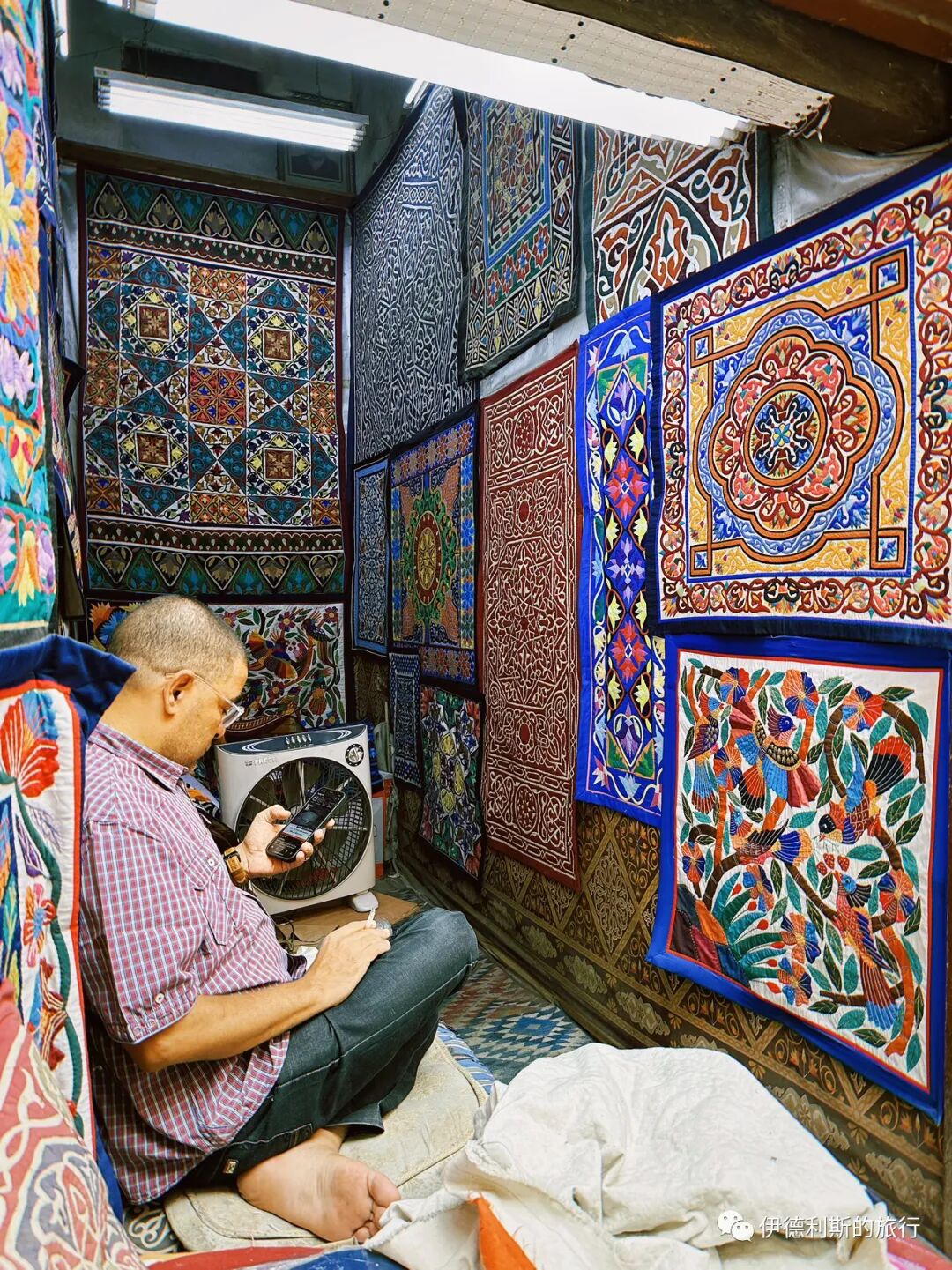
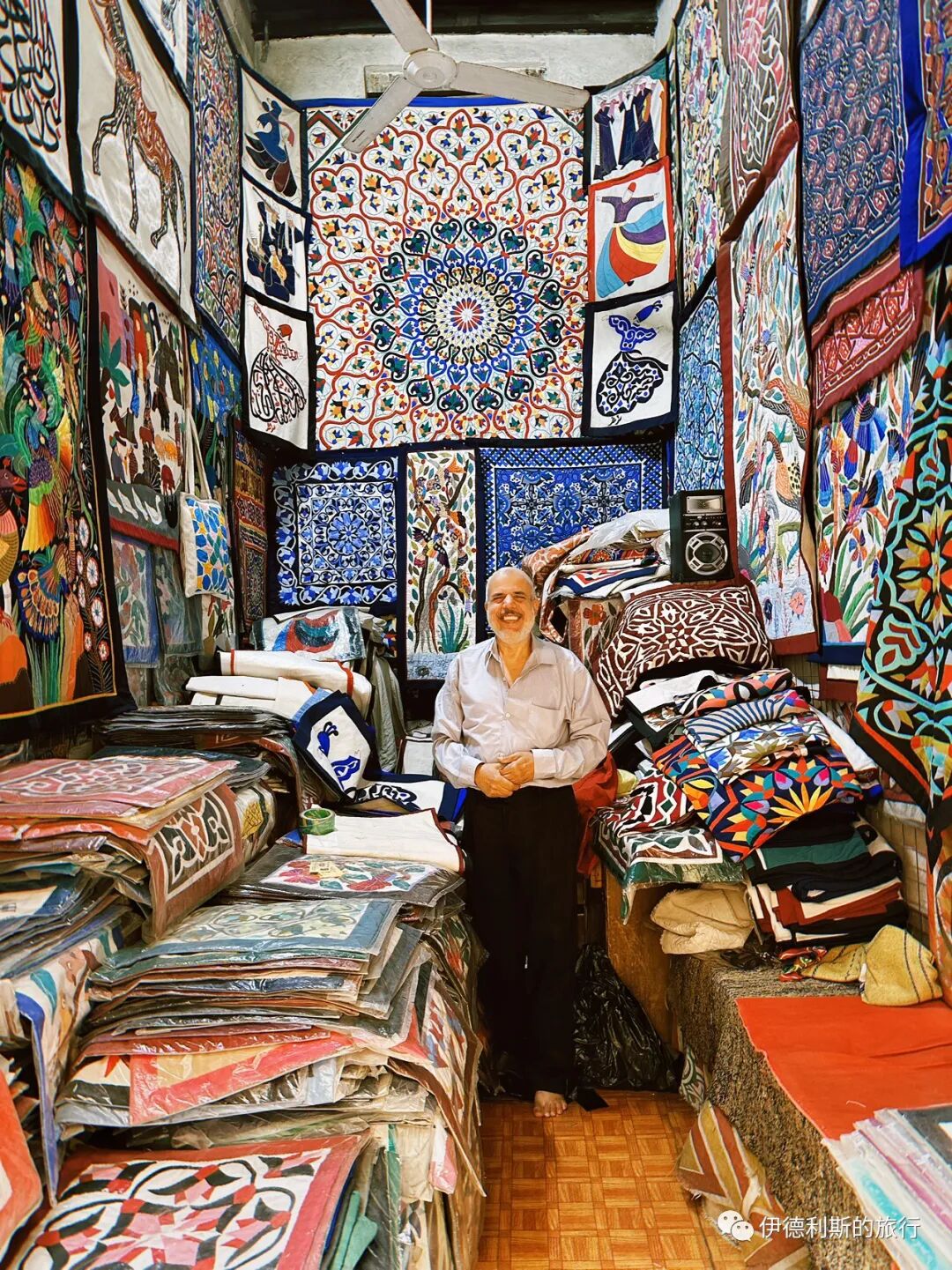
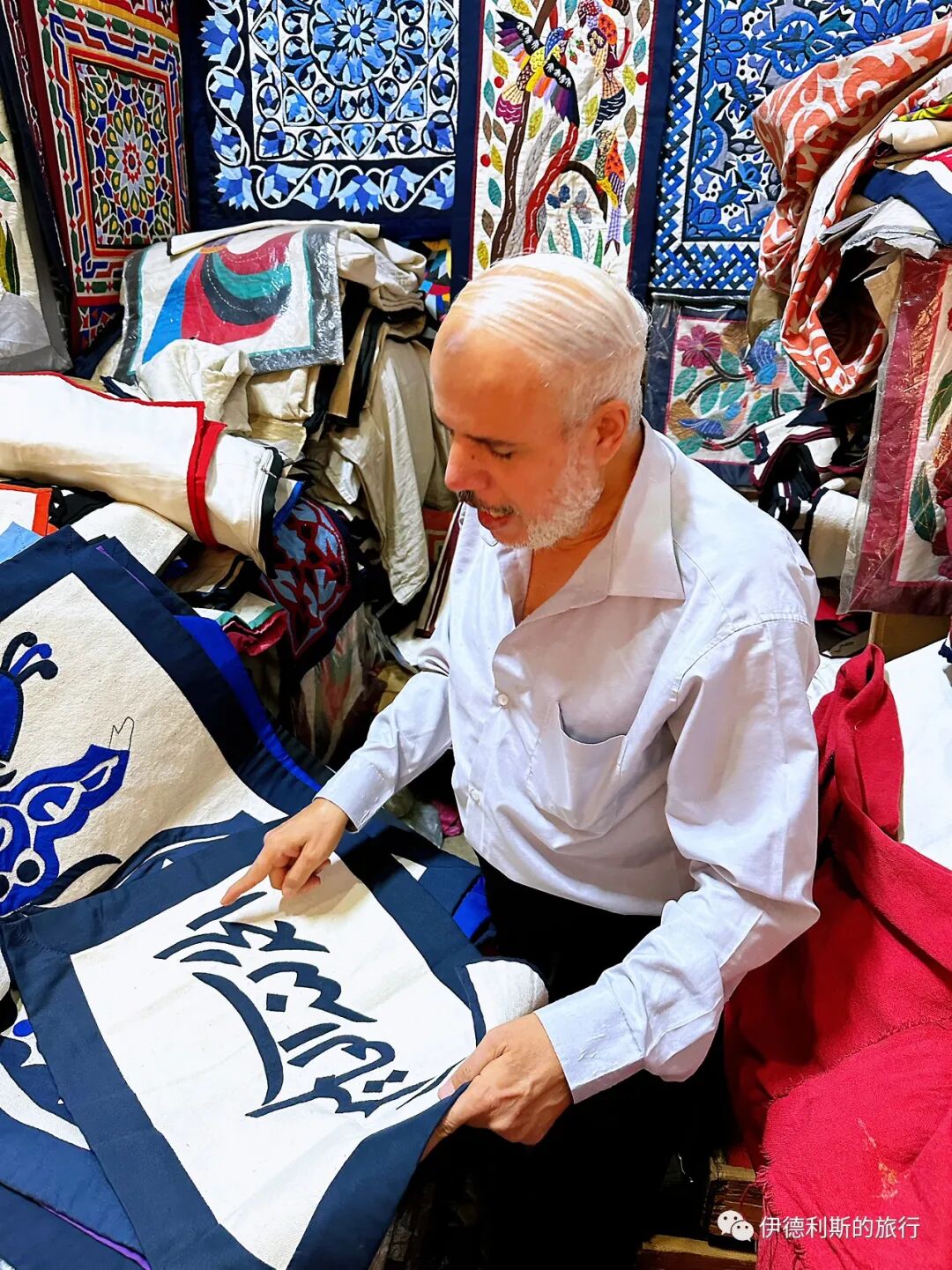
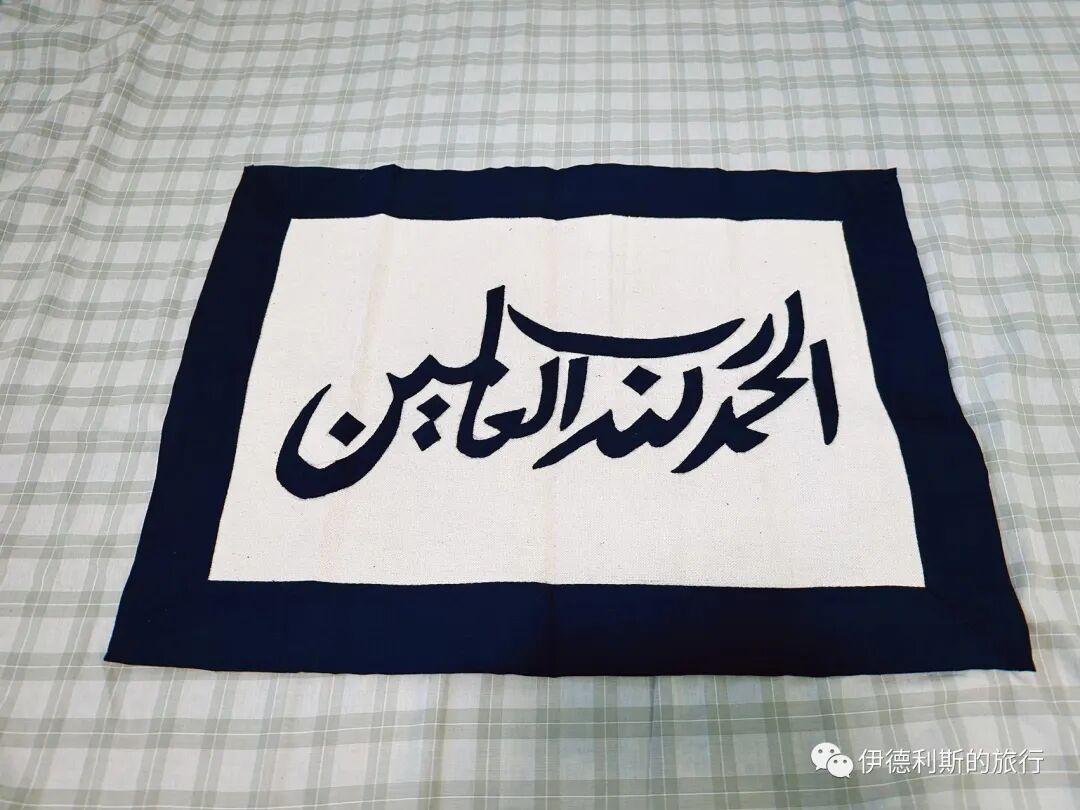
Khayamiya is a traditional type of textile that dates back to ancient Egypt. It was generally used inside tents like curtains. These textiles feature colorful cotton appliqué decorations and help protect against the hot, dry, and dusty climate. Khayamiya pieces are all hand-stitched. The patterns come from Islamic geometric designs and arabesque motifs, as well as ancient Egyptian pharaonic art. Khayamiya from the 19th and early 20th centuries usually featured large appliqué designs, while today's pieces are made with much finer detail.
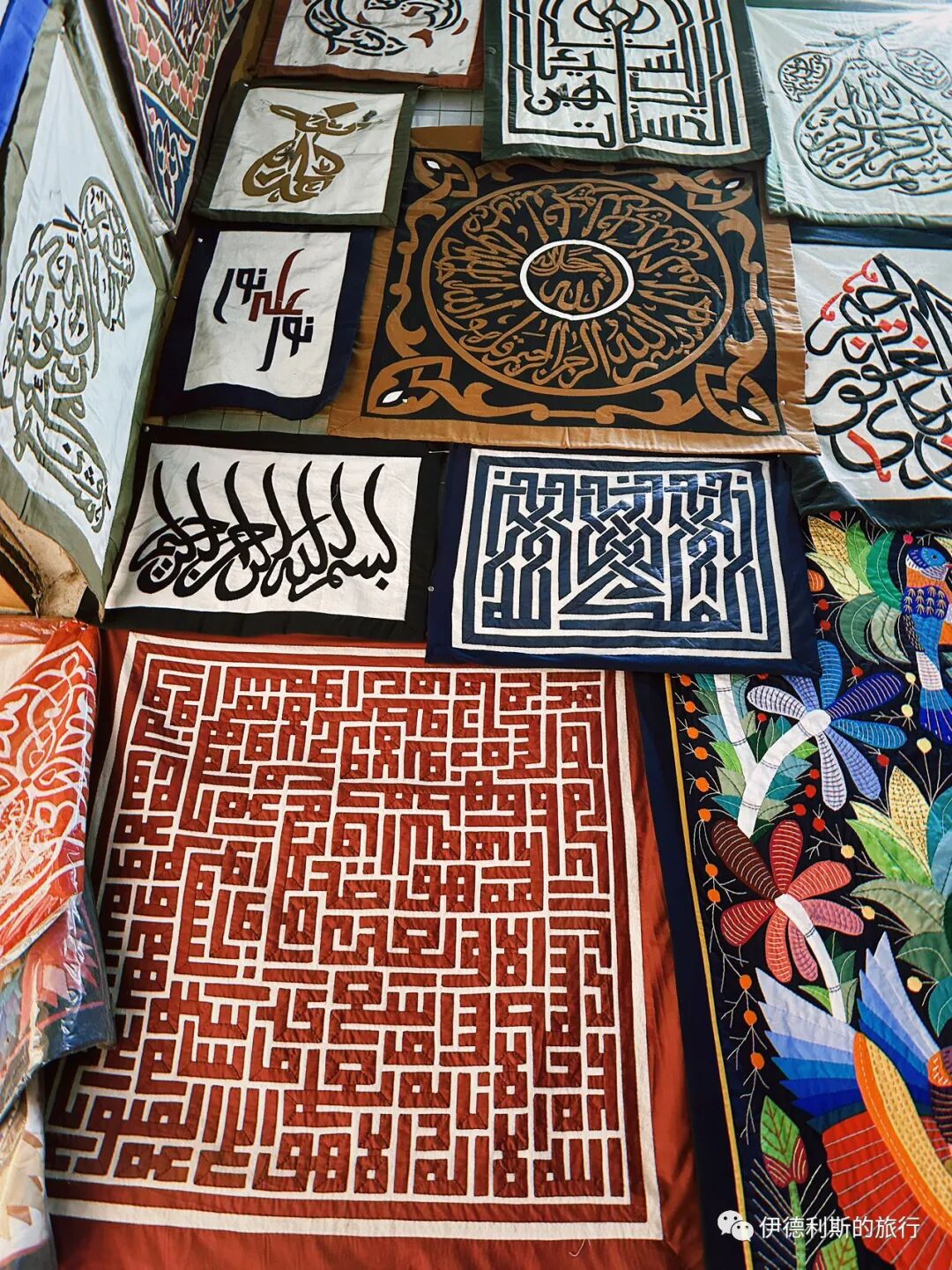
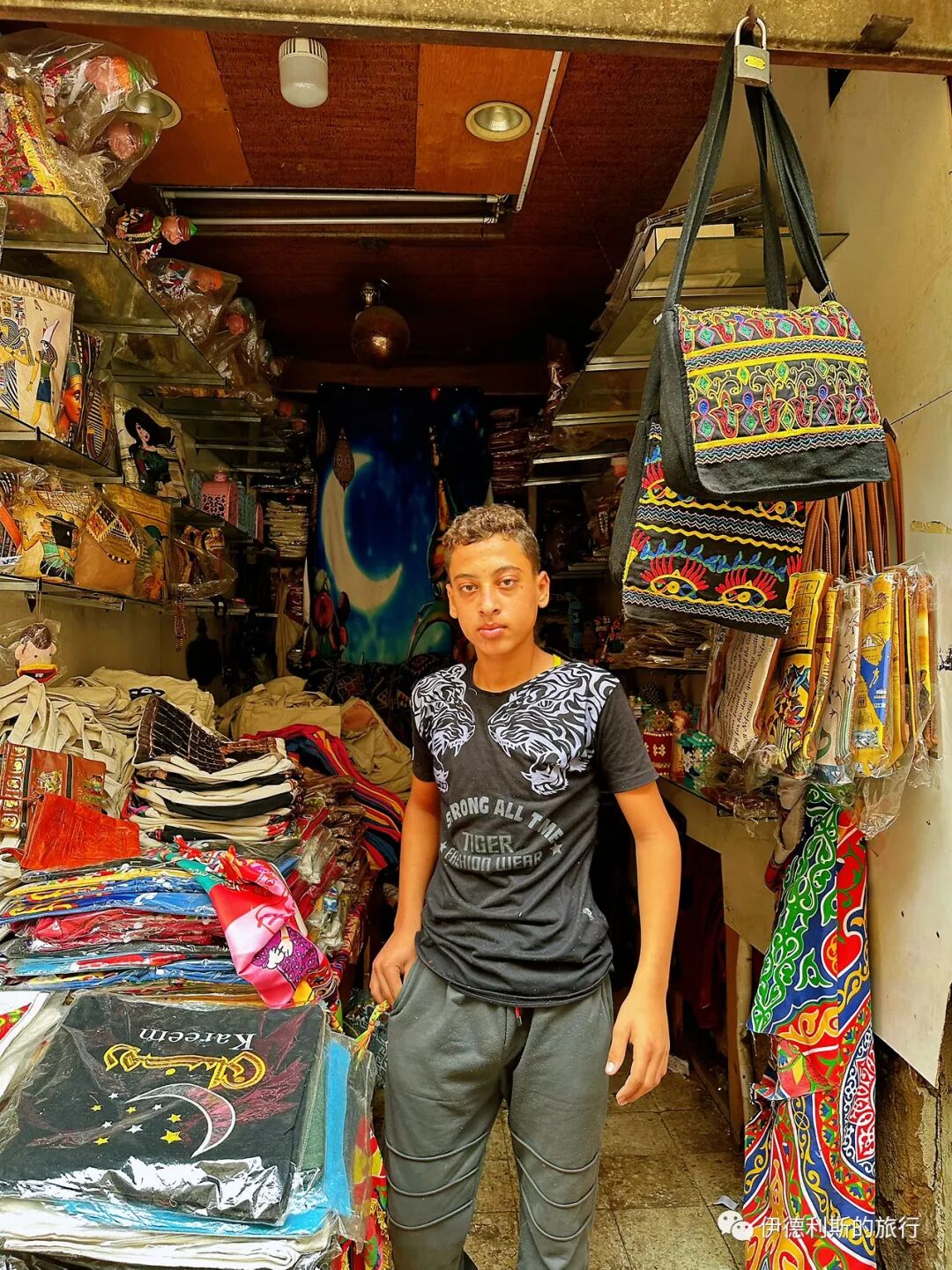
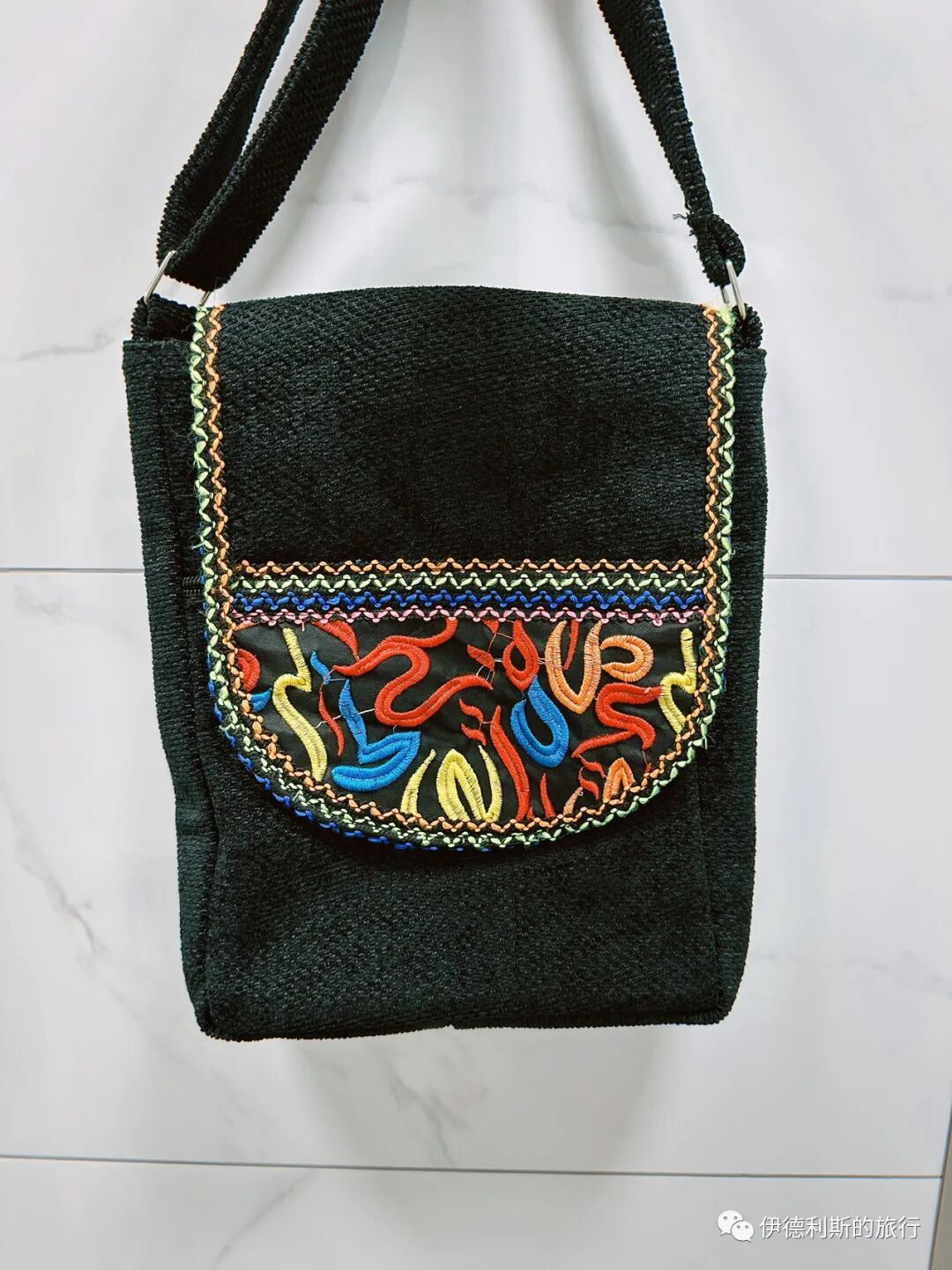
We bought a Khayamiya textile featuring traditional Arabic calligraphy at one shop and a small shoulder bag at another.
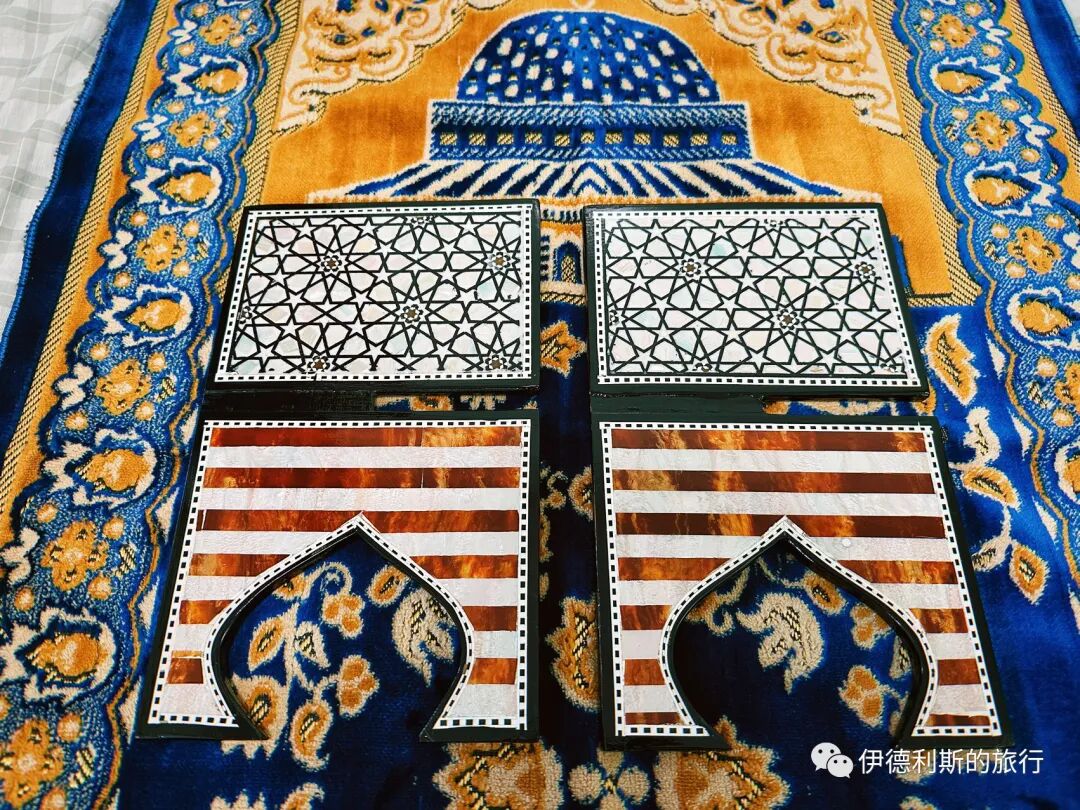
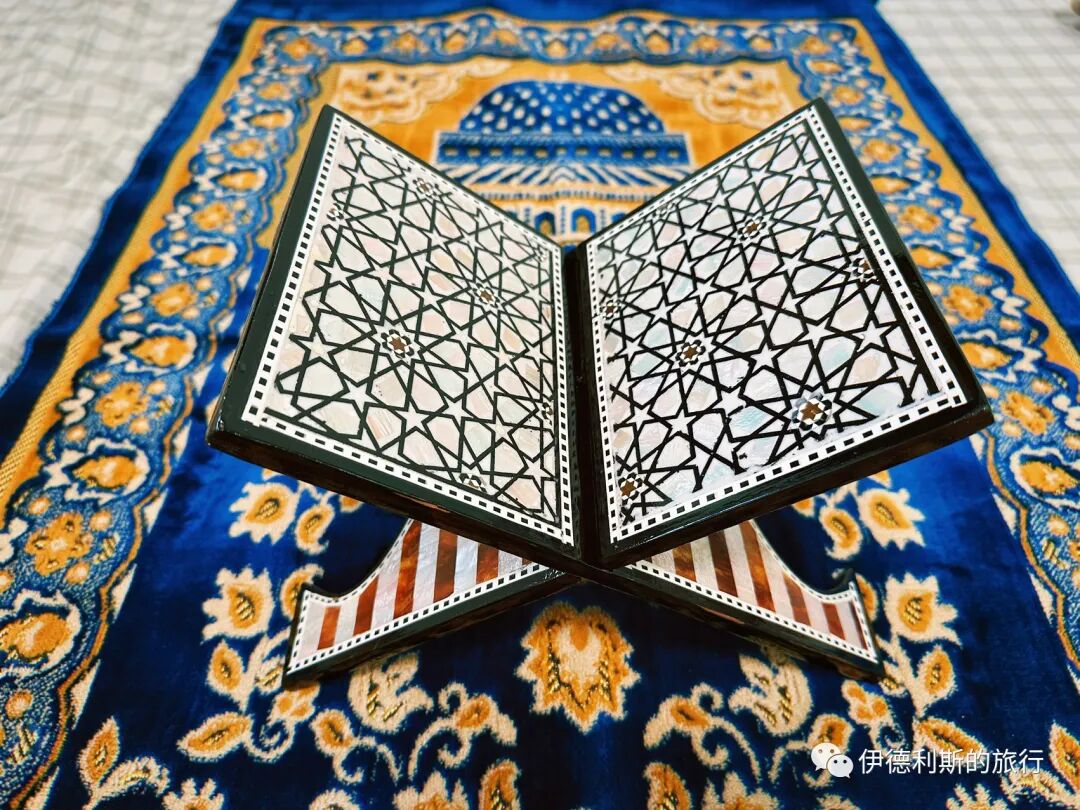
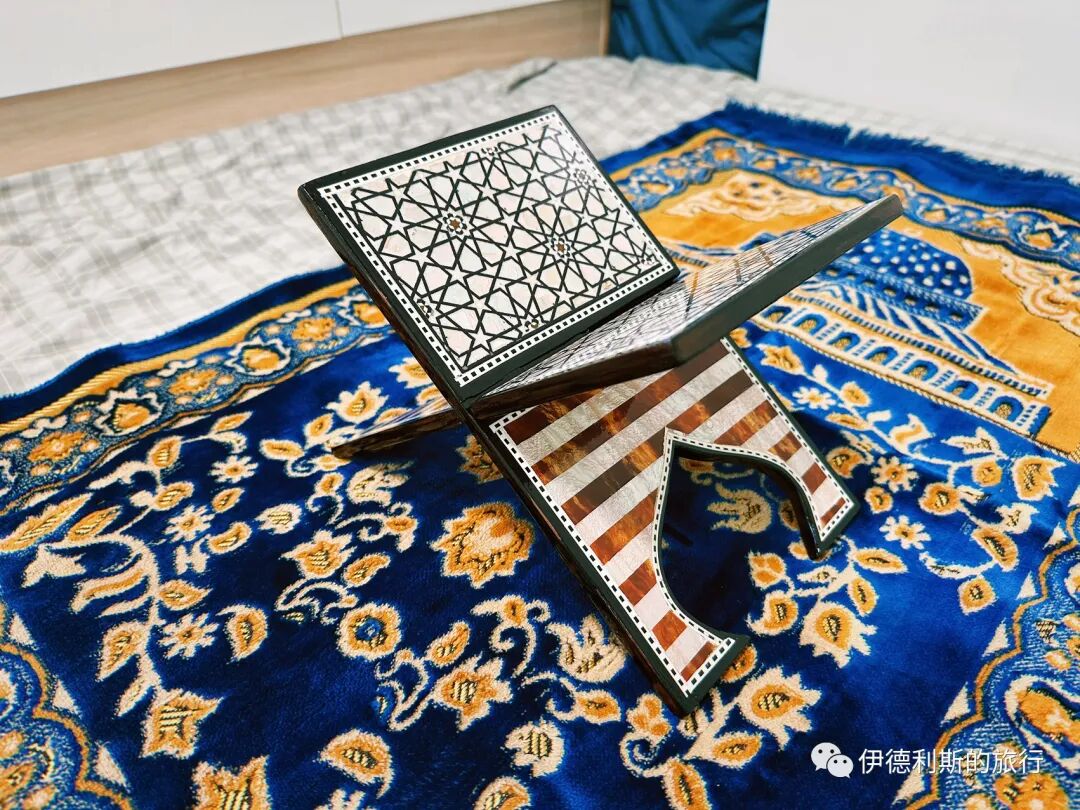
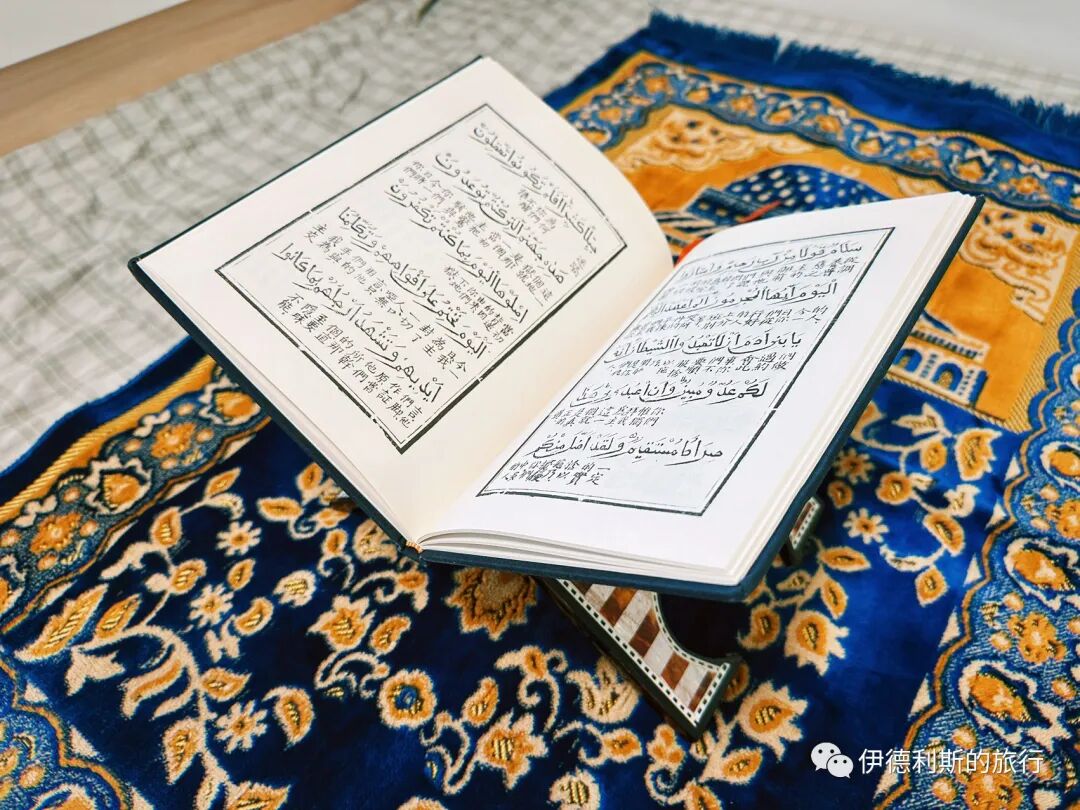
Next to Al-Azhar Mosque, we bought a traditional inlaid book stand. This inlay technique dates back to the ancient Egyptian pharaonic era around 3000 BC. It uses geometric mosaic patterns and is inlaid with mother-of-pearl.
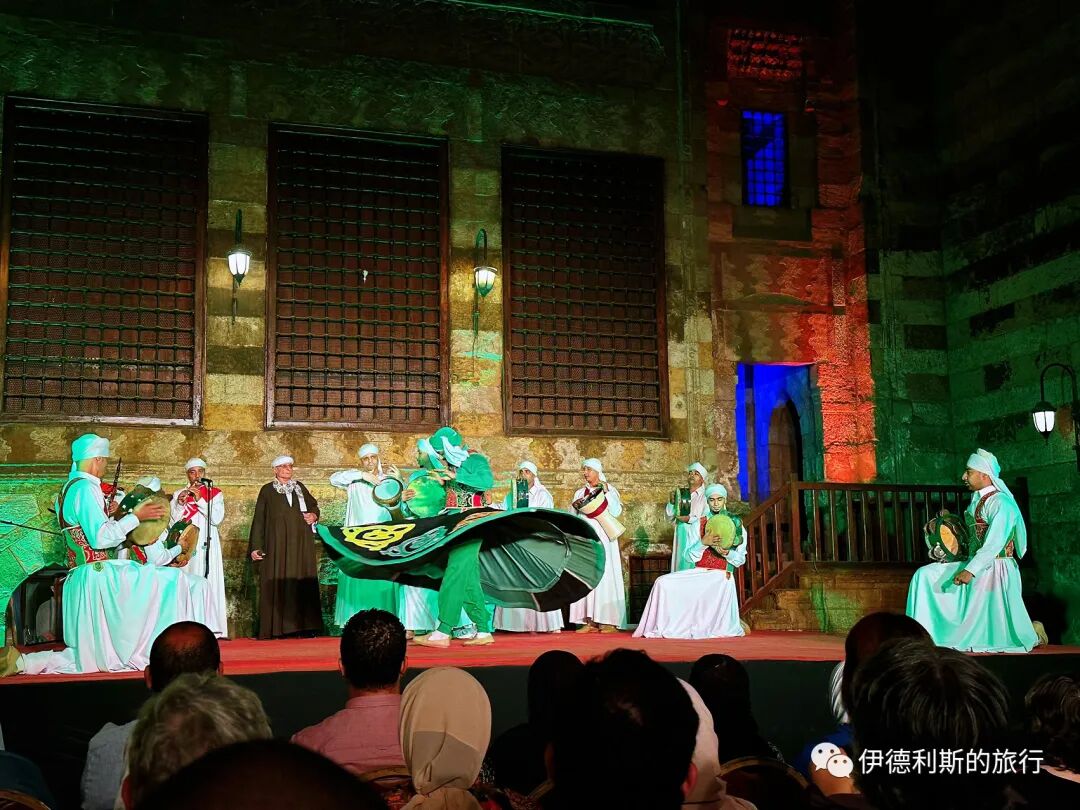
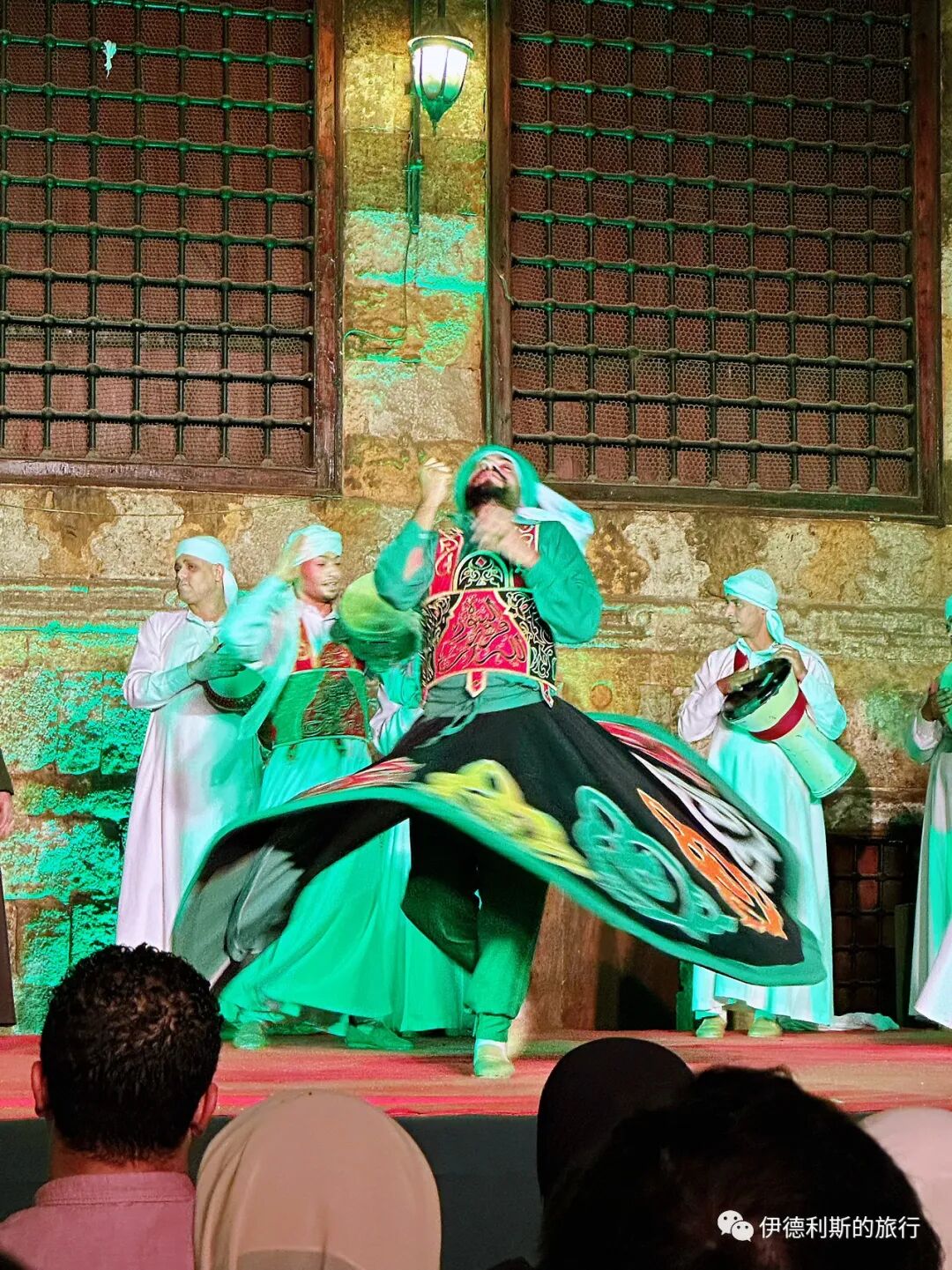
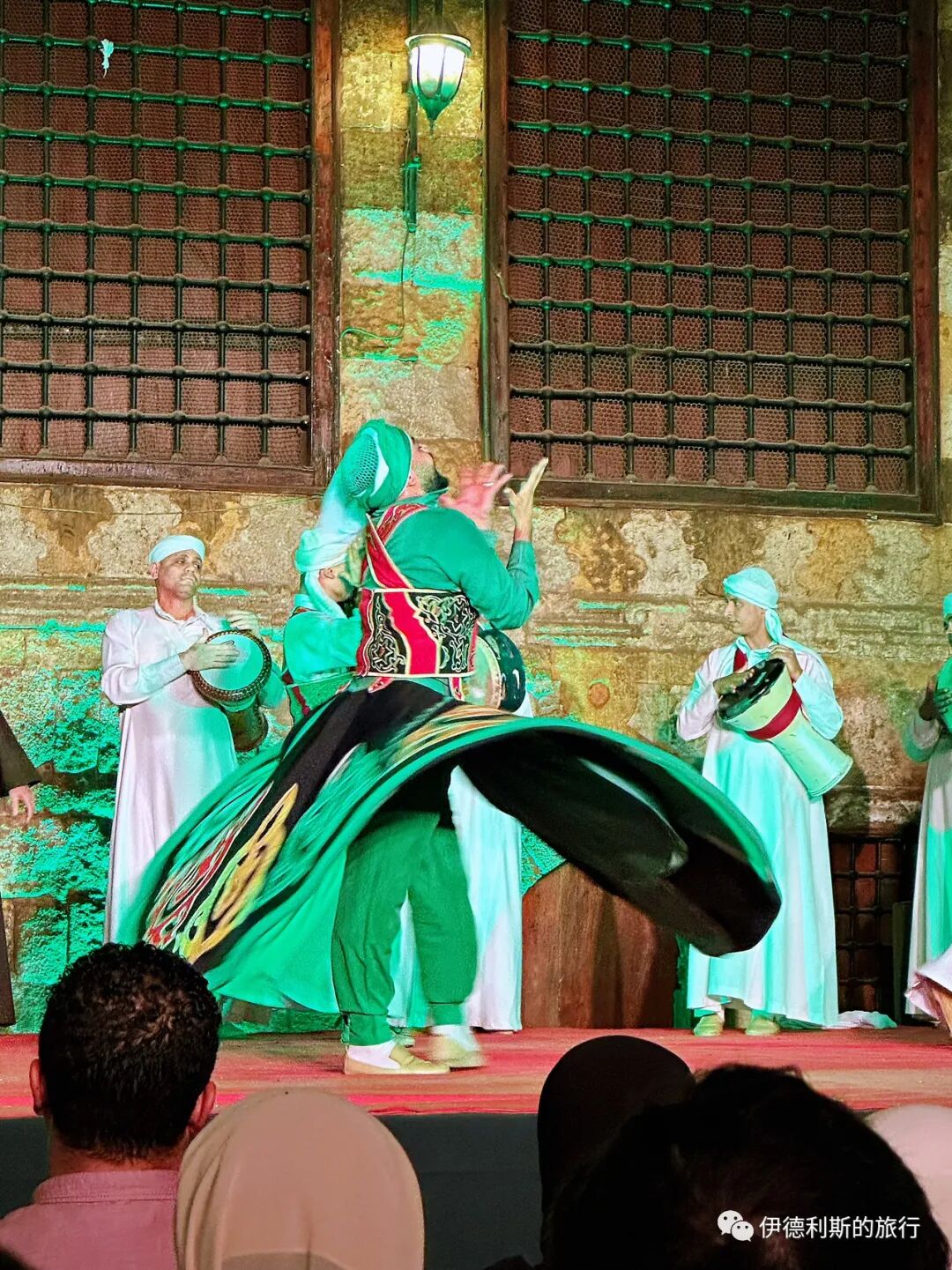
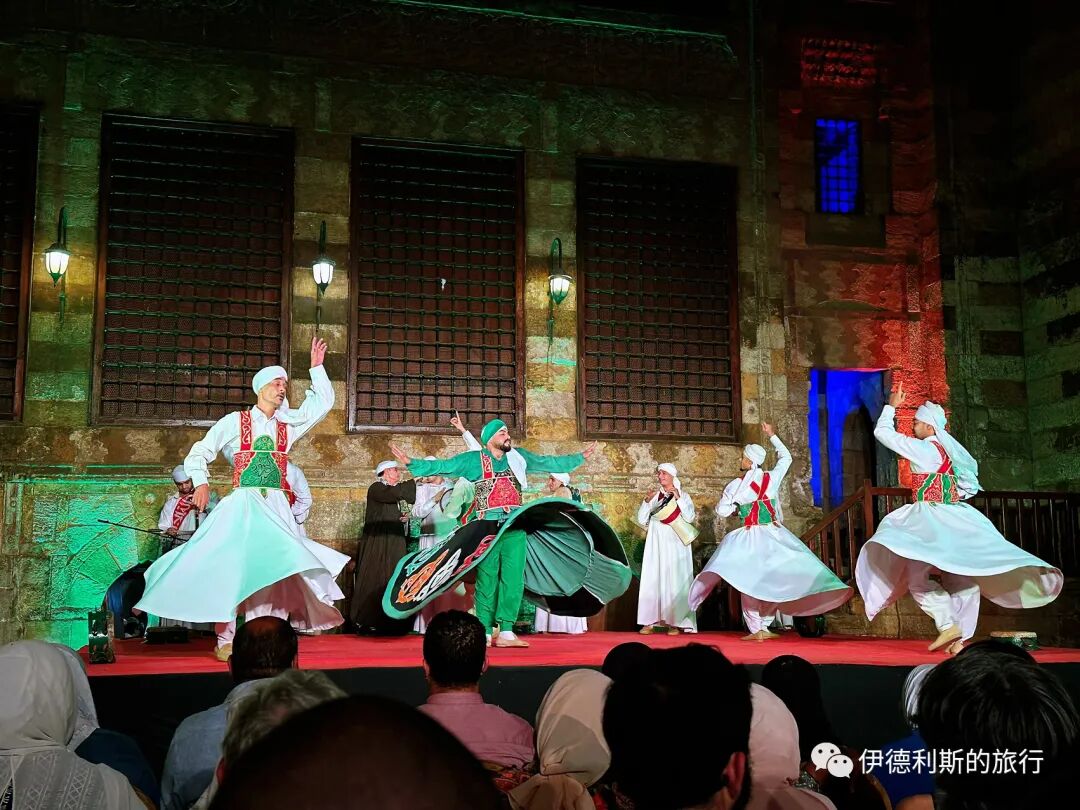
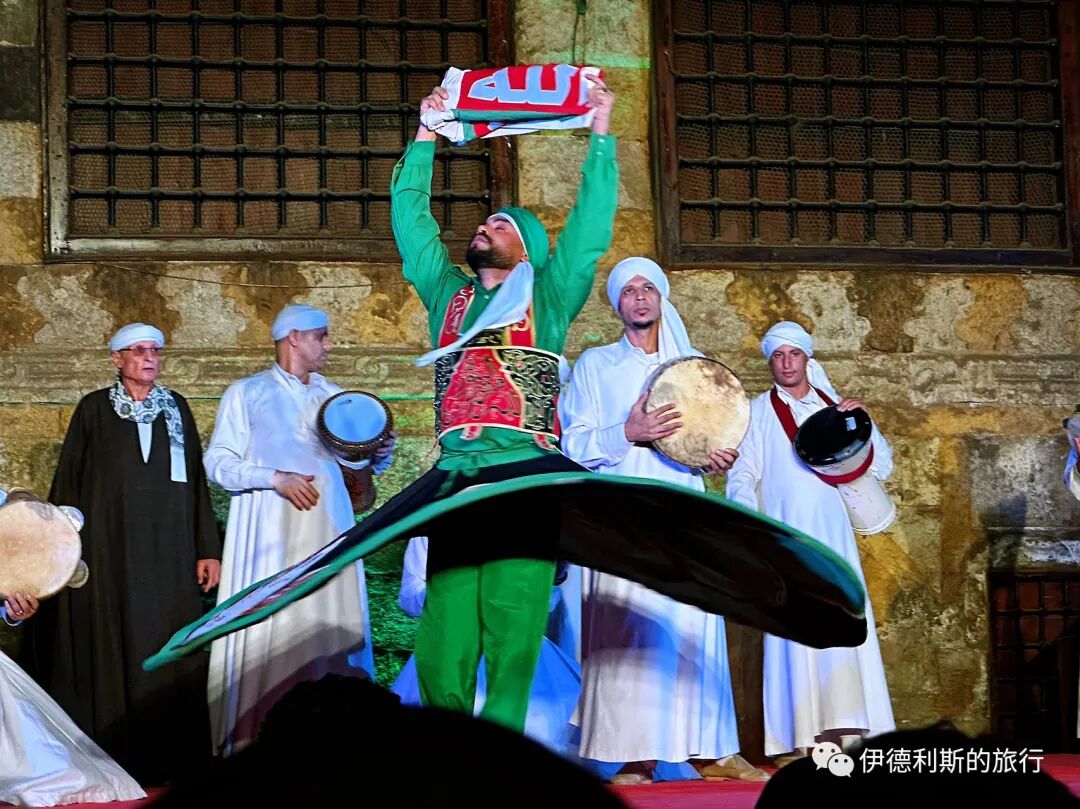
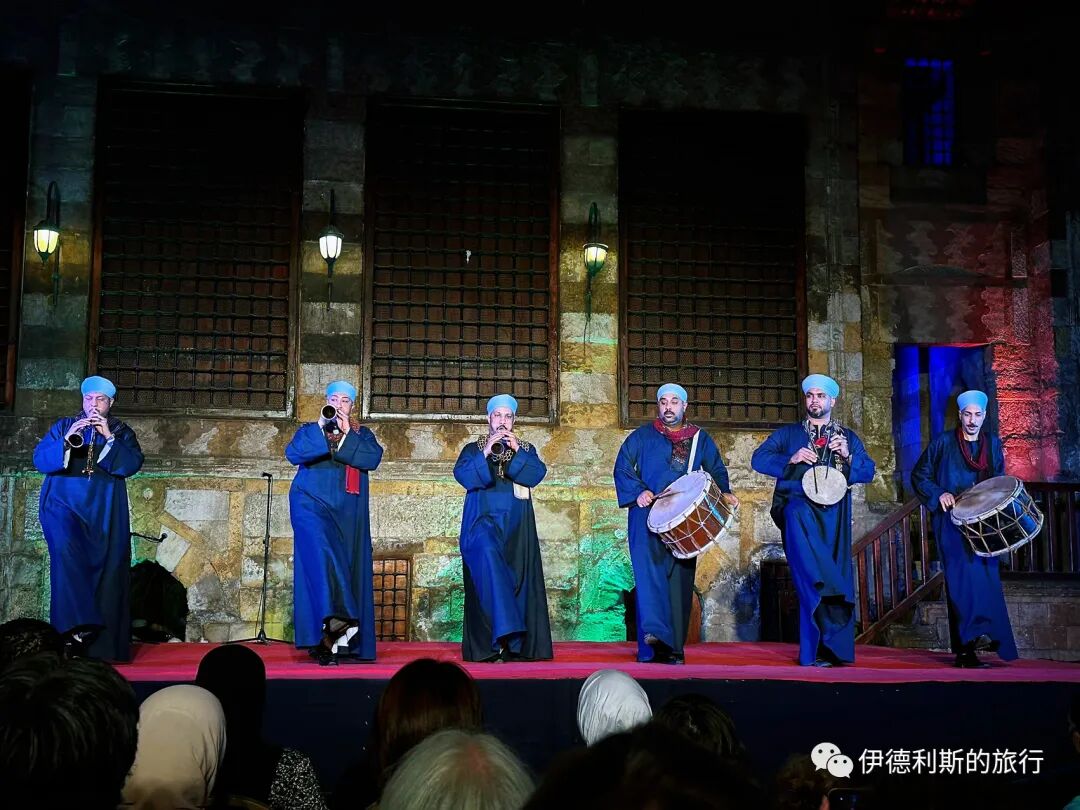
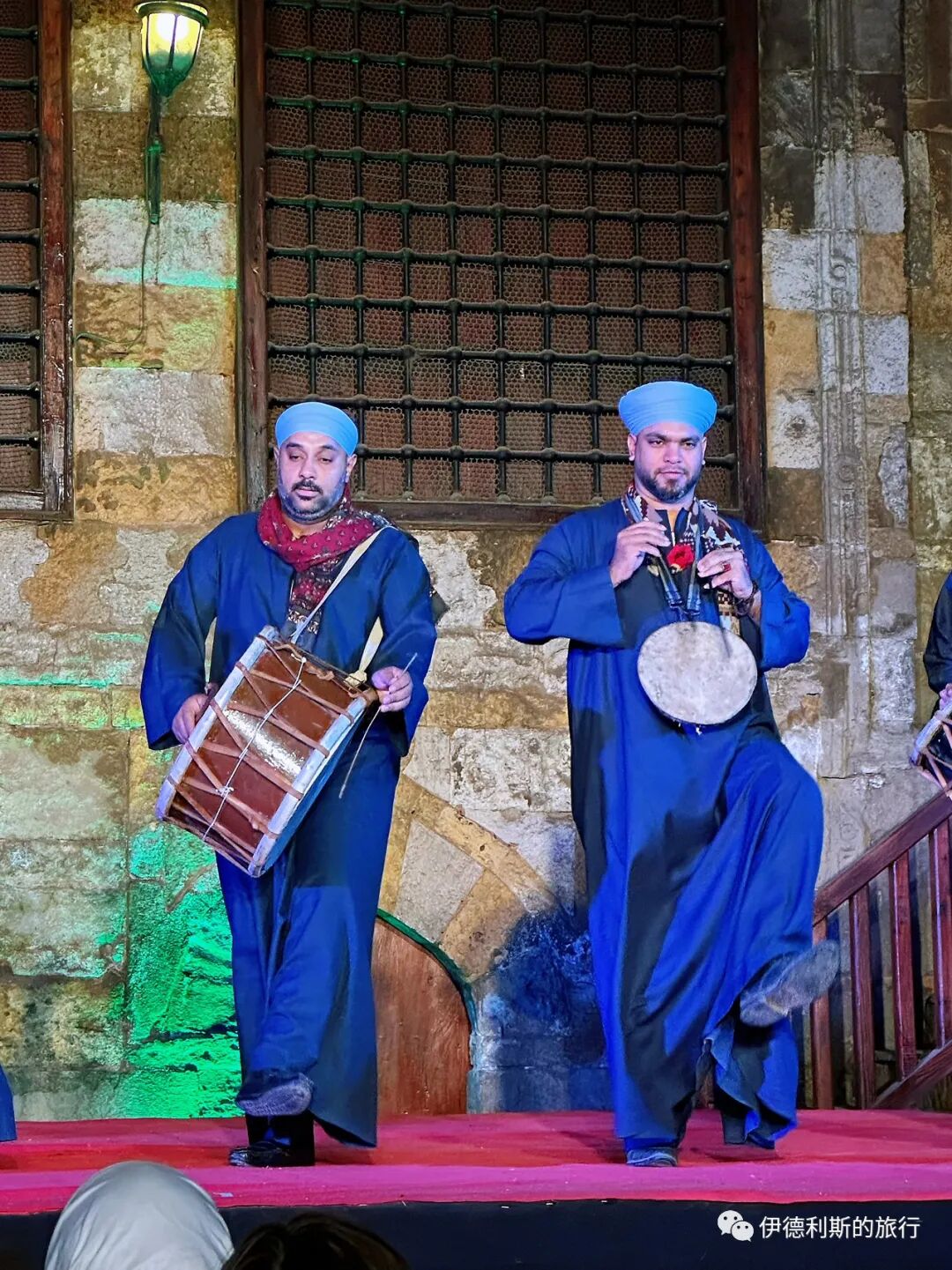
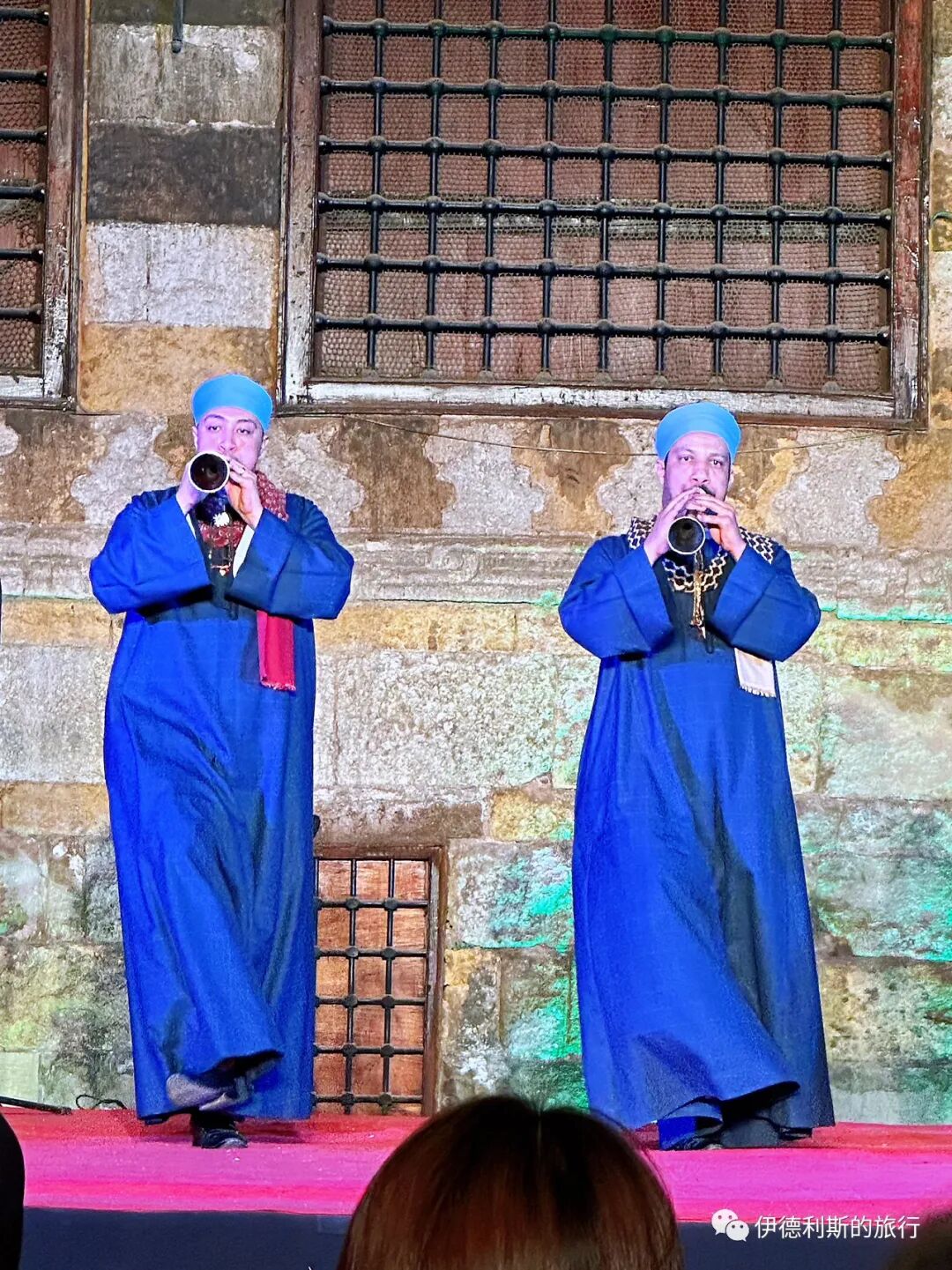
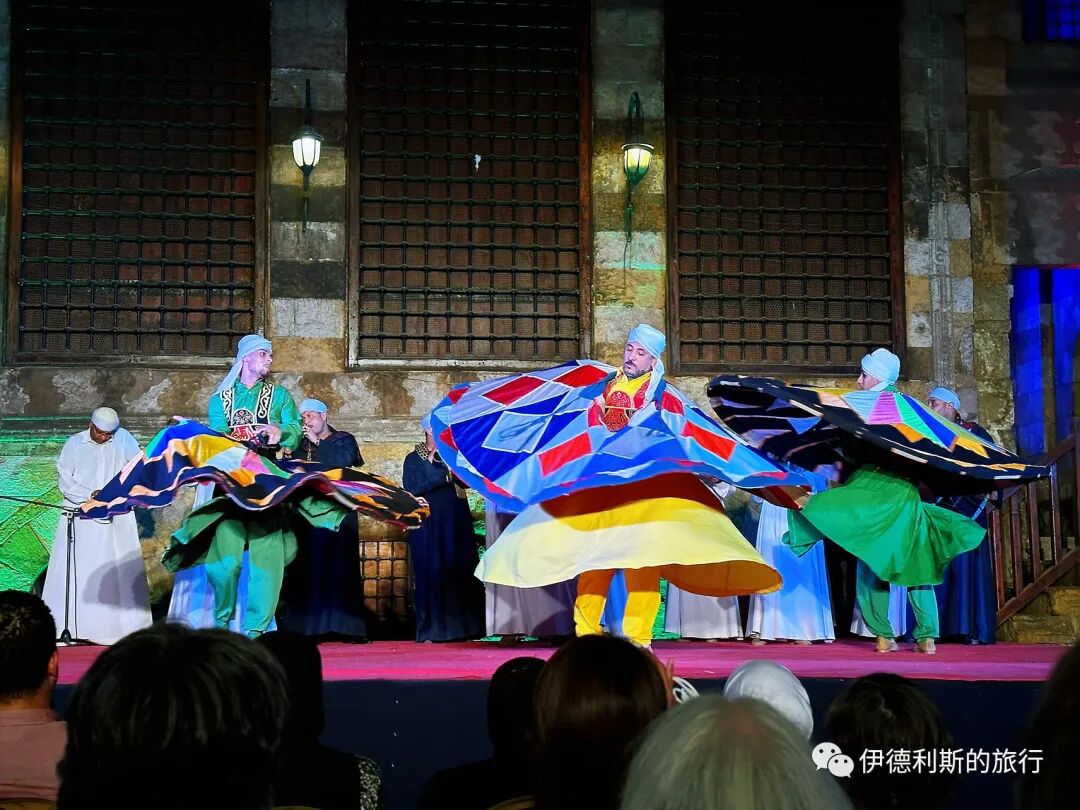
We watched a performance of traditional Sufi music and the whirling Tanoura dance by the Al Tanoura Egyptian Heritage Dance Troupe at the Khanqah of Sultan al-Ghuri, a Mamluk-era building in Old Cairo built in 1504. Since it was built, the Khanqah of Sultan al-Ghuri has been a place for Sufis to perform dhikr, or the remembrance of Allah. Today, the Al Tanoura Egyptian Heritage Dance Troupe regularly performs Sufi music and dance here.
We left the Al-Azhar Mosque area around 6:40 PM to line up. We bought our tickets and went inside shortly after, taking seats in the middle section. People kept buying tickets and coming in, and by the time the show started at 7:30 PM, the place was completely full. The entire performance was divided into three parts: the first was a display of traditional music, the second was a demonstration of the Sufi whirling ritual (El Darwish), and the third was a musical and dance improvisation.
In Arabic, Tanoura originally refers to the colorful skirts worn by Sufi practitioners. This form of dhikr developed from the Sama whirling dance of the Mevlevi Sufi order in Turkey. Today, the Tanoura is not only used for Sufi practice but has also become a part of folk dance.
Outside the southern gate of Old Cairo sits the Souq al-Khayamiya, a textile market built in 1650 during the Ottoman period. It is the last place in Old Cairo that specializes in selling traditional Egyptian appliqué textiles known as Khayamiya.
Souq al-Khayamiya is also called Radwan Bey Qasaba. It was built by Radwan Bey, a Mamluk leader who dominated Egyptian politics from 1631 to 1656. The market stands as an important witness to Radwan Bey's efforts to expand Old Cairo southward in the 17th century.
Khayamiya is a traditional type of textile that dates back to ancient Egypt. It was generally used inside tents like curtains. These textiles feature colorful cotton appliqué decorations and help protect against the hot, dry, and dusty climate. Khayamiya pieces are all hand-stitched. The patterns come from Islamic geometric designs and arabesque motifs, as well as ancient Egyptian pharaonic art. Khayamiya from the 19th and early 20th centuries usually featured large appliqué designs, while today's pieces are made with much finer detail.
We bought a Khayamiya textile featuring traditional Arabic calligraphy at one shop and a small shoulder bag at another.
Next to Al-Azhar Mosque, we bought a traditional inlaid book stand. This inlay technique dates back to the ancient Egyptian pharaonic era around 3000 BC. It uses geometric mosaic patterns and is inlaid with mother-of-pearl.
We watched a performance of traditional Sufi music and the whirling Tanoura dance by the Al Tanoura Egyptian Heritage Dance Troupe at the Khanqah of Sultan al-Ghuri, a Mamluk-era building in Old Cairo built in 1504. Since it was built, the Khanqah of Sultan al-Ghuri has been a place for Sufis to perform dhikr, or the remembrance of Allah. Today, the Al Tanoura Egyptian Heritage Dance Troupe regularly performs Sufi music and dance here.
We left the Al-Azhar Mosque area around 6:40 PM to line up. We bought our tickets and went inside shortly after, taking seats in the middle section. People kept buying tickets and coming in, and by the time the show started at 7:30 PM, the place was completely full. The entire performance was divided into three parts: the first was a display of traditional music, the second was a demonstration of the Sufi whirling ritual (El Darwish), and the third was a musical and dance improvisation.
In Arabic, Tanoura originally refers to the colorful skirts worn by Sufi practitioners. This form of dhikr developed from the Sama whirling dance of the Mevlevi Sufi order in Turkey. Today, the Tanoura is not only used for Sufi practice but has also become a part of folk dance.
