
Halal Travel Guide: Singapore - Indian Muslim Culture, Mosques and Food (Part 2)
Reposted from the web
Summary: This second Singapore article continues the walk through Indian Muslim culture, mosque spaces, food streets, and neighborhood history. It preserves the original names, food details, religious terms, and route notes in natural English.

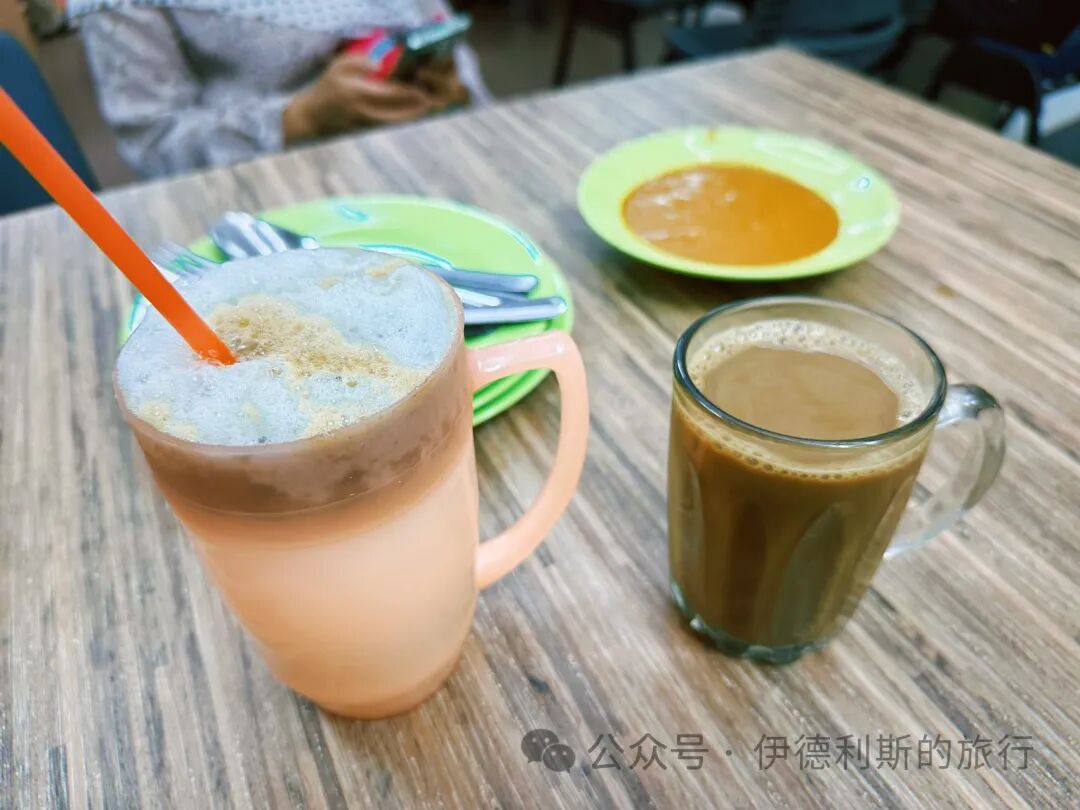
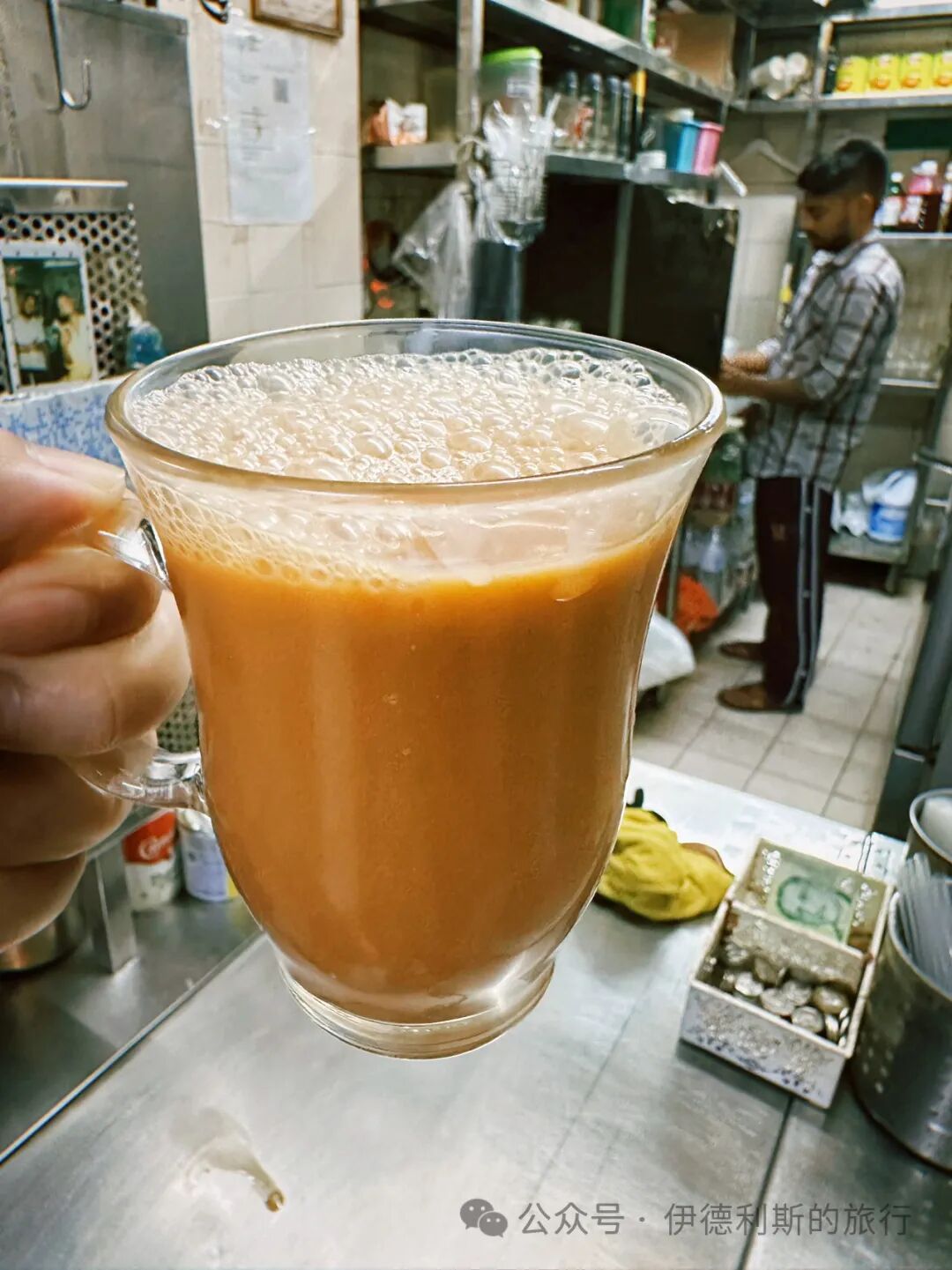
Kampong Glam is also a great place to try ginger tea (teh sarabat), also known as teh halia. Bhai Sarbat on Baghdad Street was started by an Indian Muslim in the 1950s and has been around for 70 years. Bhai means brother in Urdu. Bhai Sarbat started as a street pushcart. It moved into this shophouse on Baghdad Street in the 1970s. Today, they sell hundreds of drinks, but their ginger tea is still the most famous.

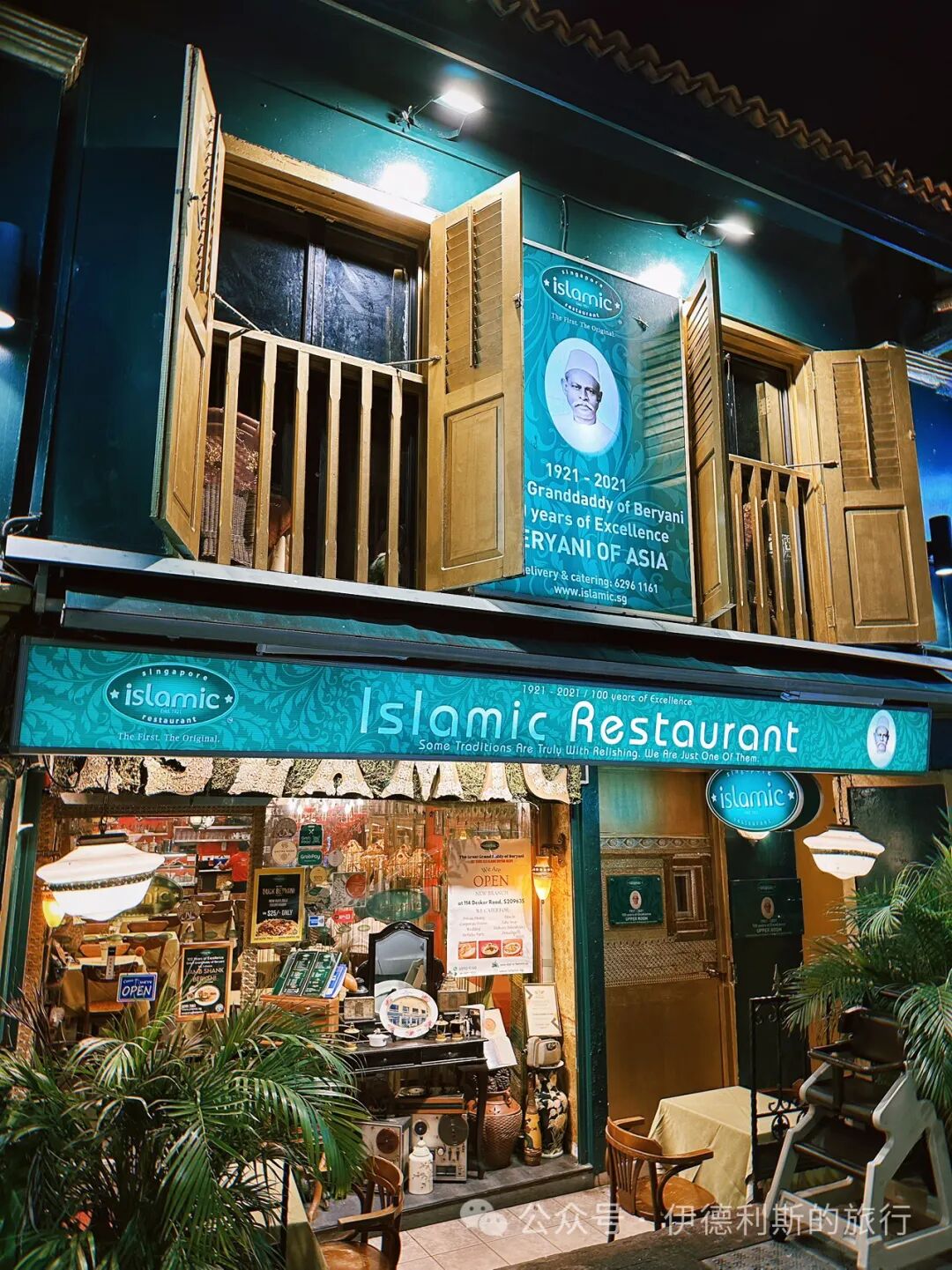
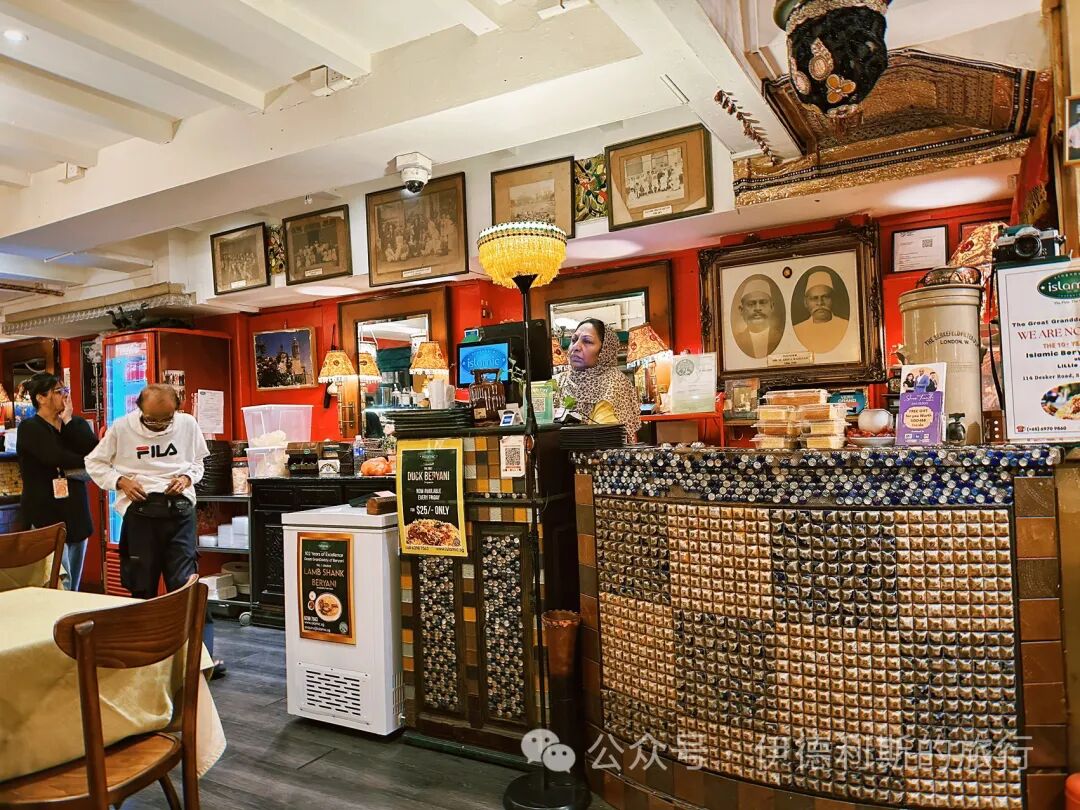
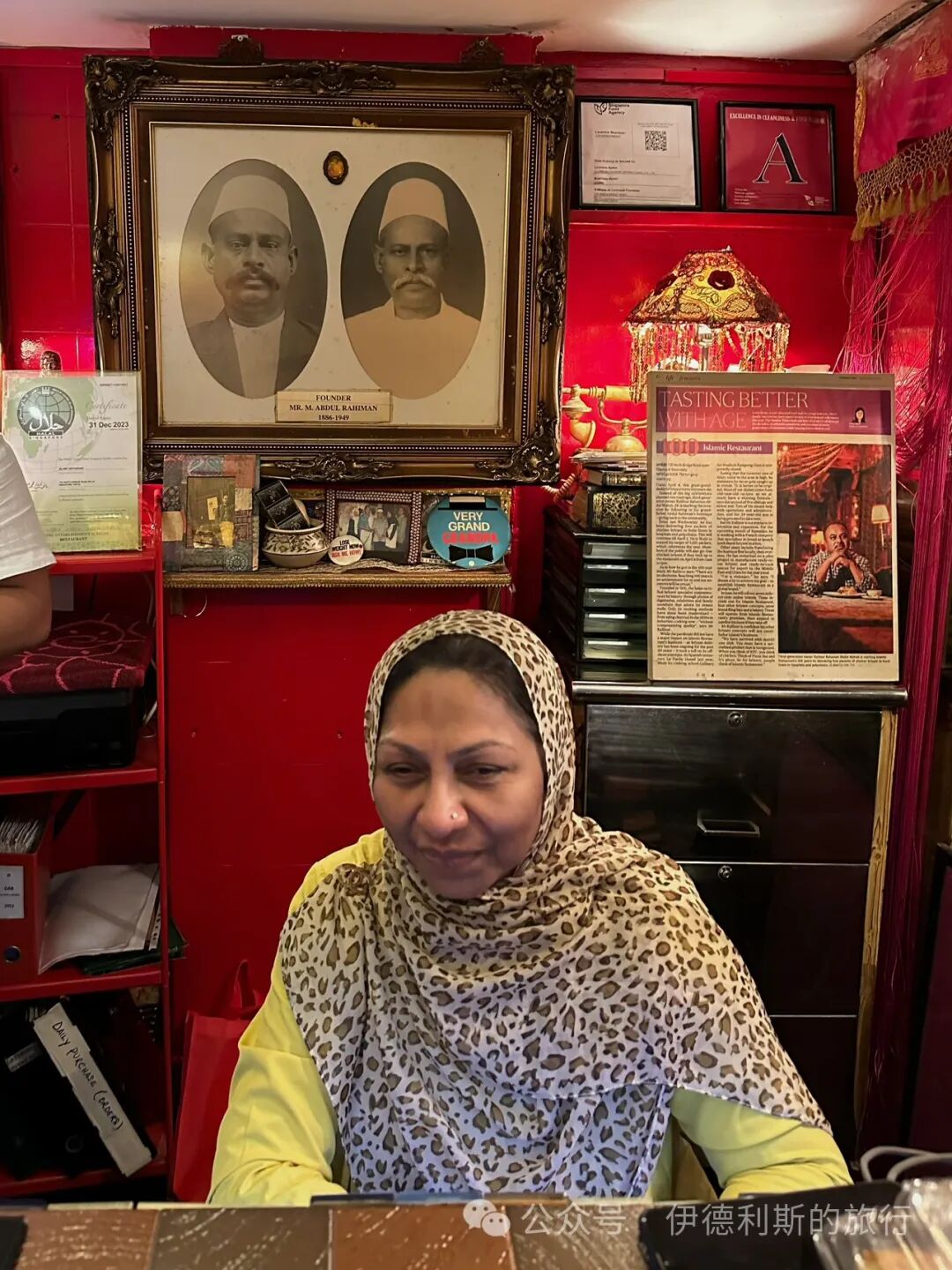
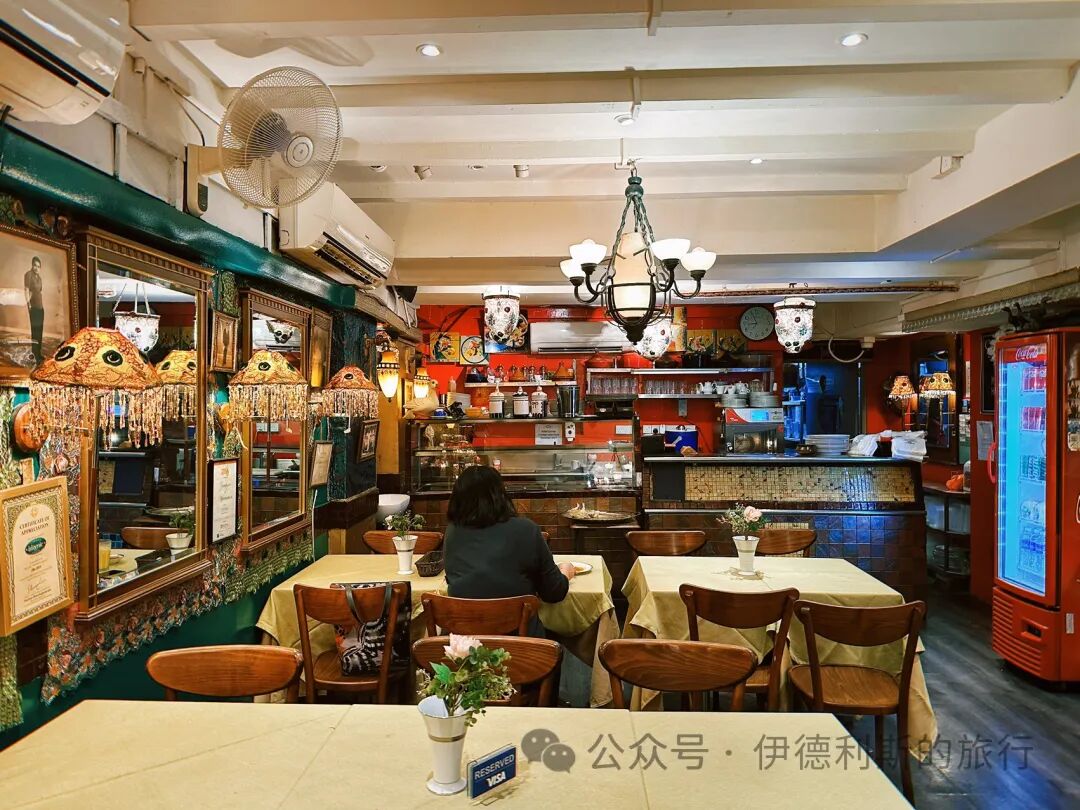
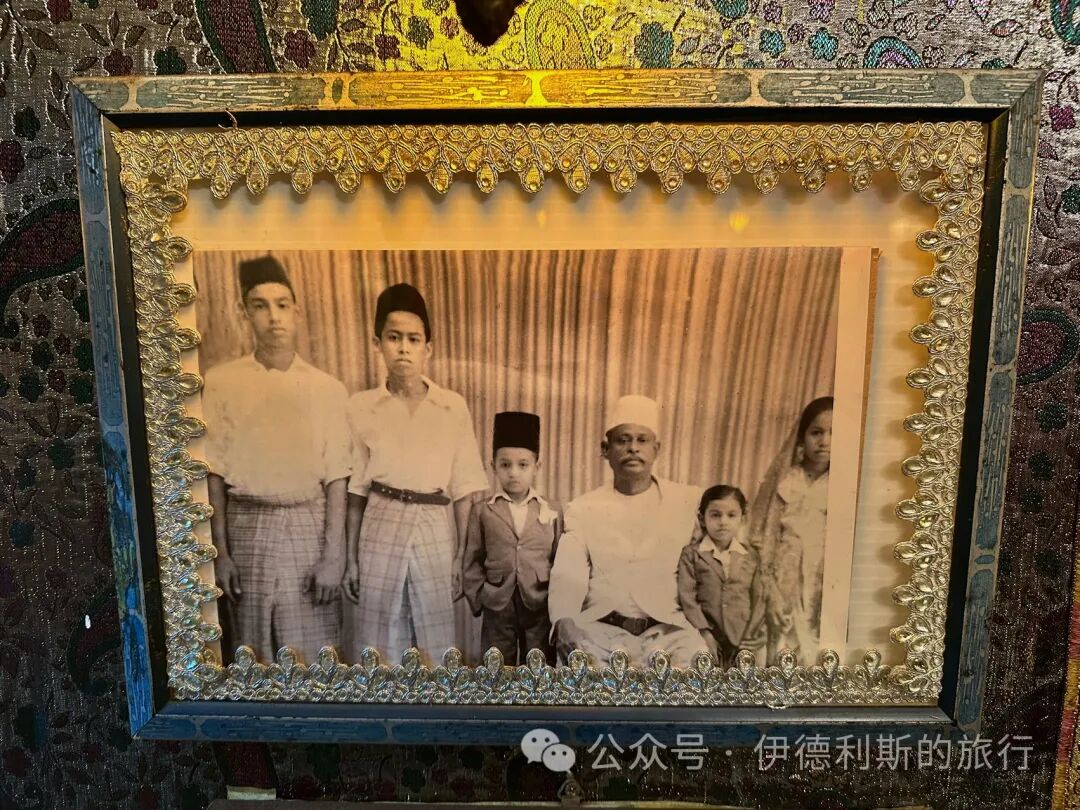
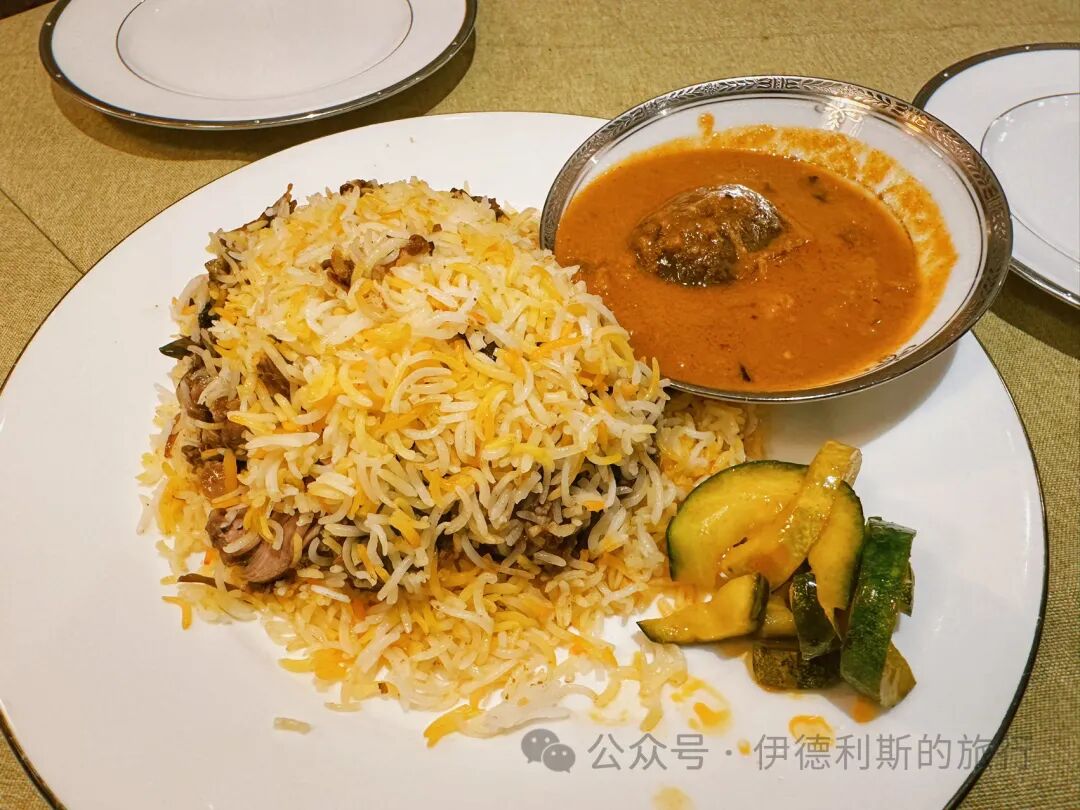
In the evening, we went to the most famous Indian halal restaurant in Kampong Glam, Islamic Restaurant. It opened in 1921 and has been in business for over a hundred years. The founder, Abdul Rahiman, was a Tamil Muslim from Tamil Nadu in southern India. After arriving in Singapore, his excellent cooking skills made him the head chef for the Alsagoff family, a wealthy family of Yemeni descent. Abdul Rahiman was best known for his biryani rice, which even the British governors loved.
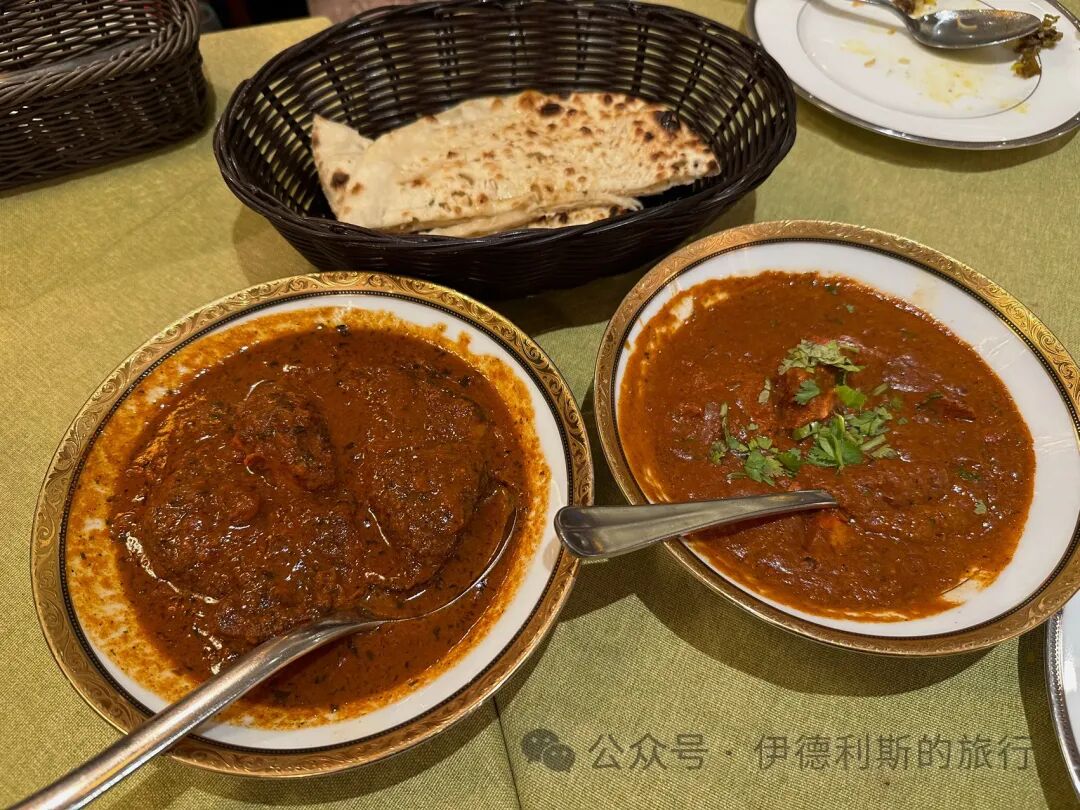
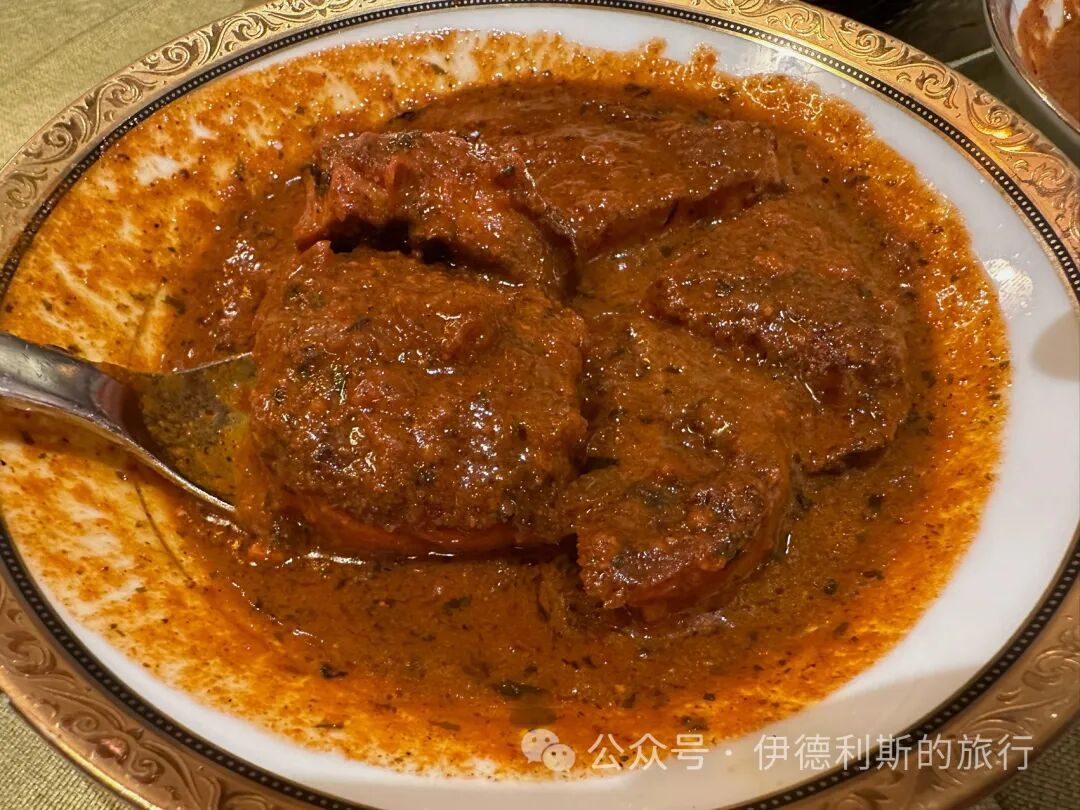
In 1921, Abdul Rahiman opened Islamic Restaurant on North Bridge Road in Kampong Glam. Singaporean politicians who had tasted his cooking at the Alsagoff family banquets came to visit, as did royalty like the Sultans of Brunei, Johor, and Perak. Today, M. Abdul Rahiman's secret spice recipe for biryani rice is carried on by his grandson, Kalil. After a hundred years, their biryani is still delicious. Besides the biryani, we ordered almond naan, chicken tikka masala, and fenugreek (methi) fish curry. Everything was fantastic. This is a truly great Indian restaurant, not just a tourist trap near a scenic spot.

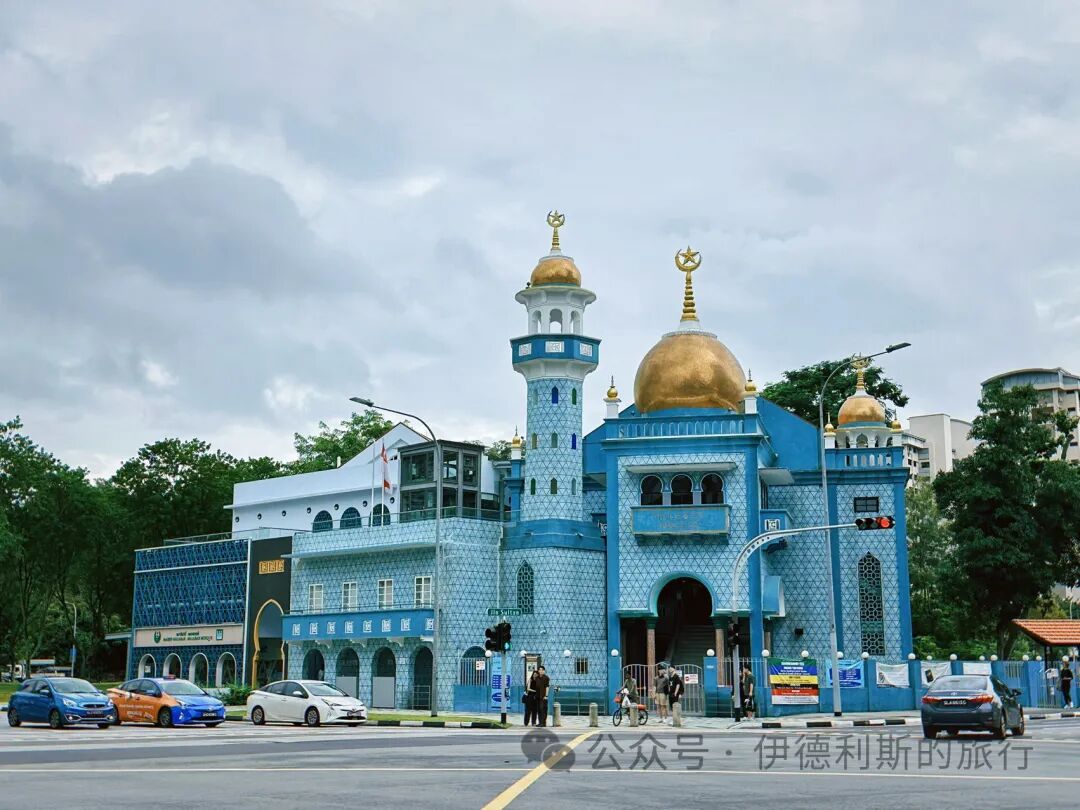
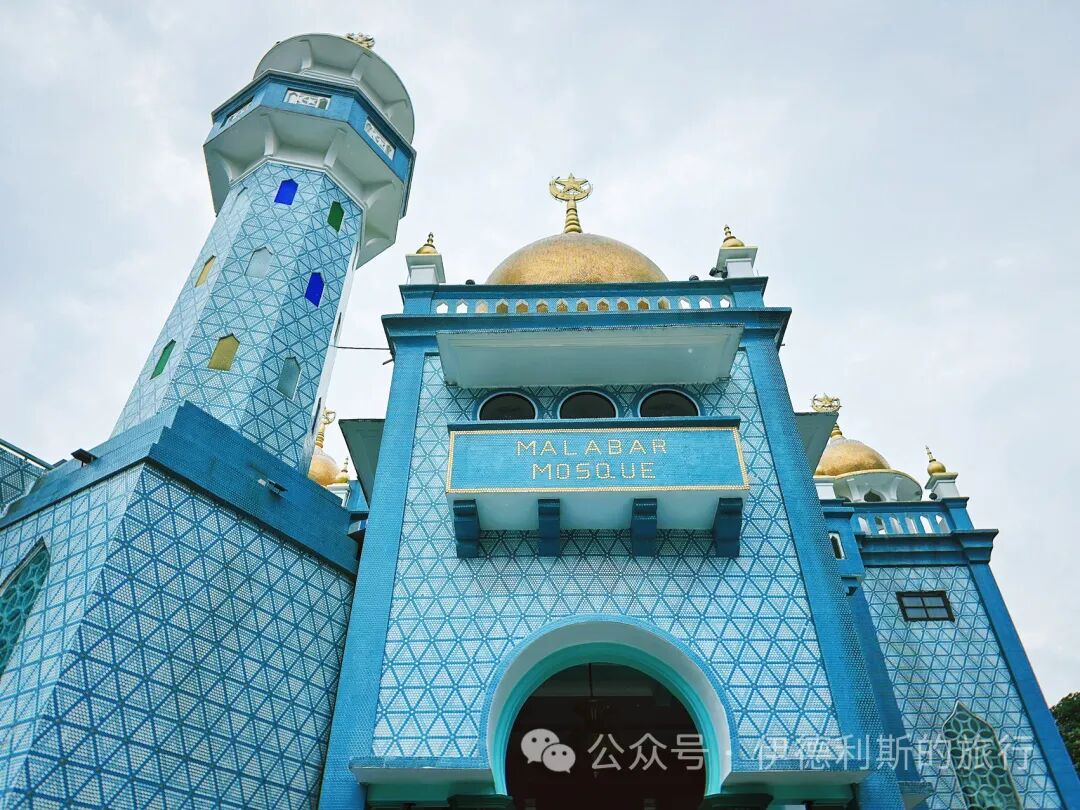
Malabar Mosque, also known as the Golden Dome Mosque, is located across from Kampong Glam in Singapore. It is the only mosque in Singapore built by Malabar Muslims from southwestern India. Malabar Muslims live in Kerala and the Lakshadweep Islands in the far southwest of the Indian peninsula. They are an ancient indigenous Muslim community in South Asia and, like the Malays, follow the Shafi'i school of jurisprudence.
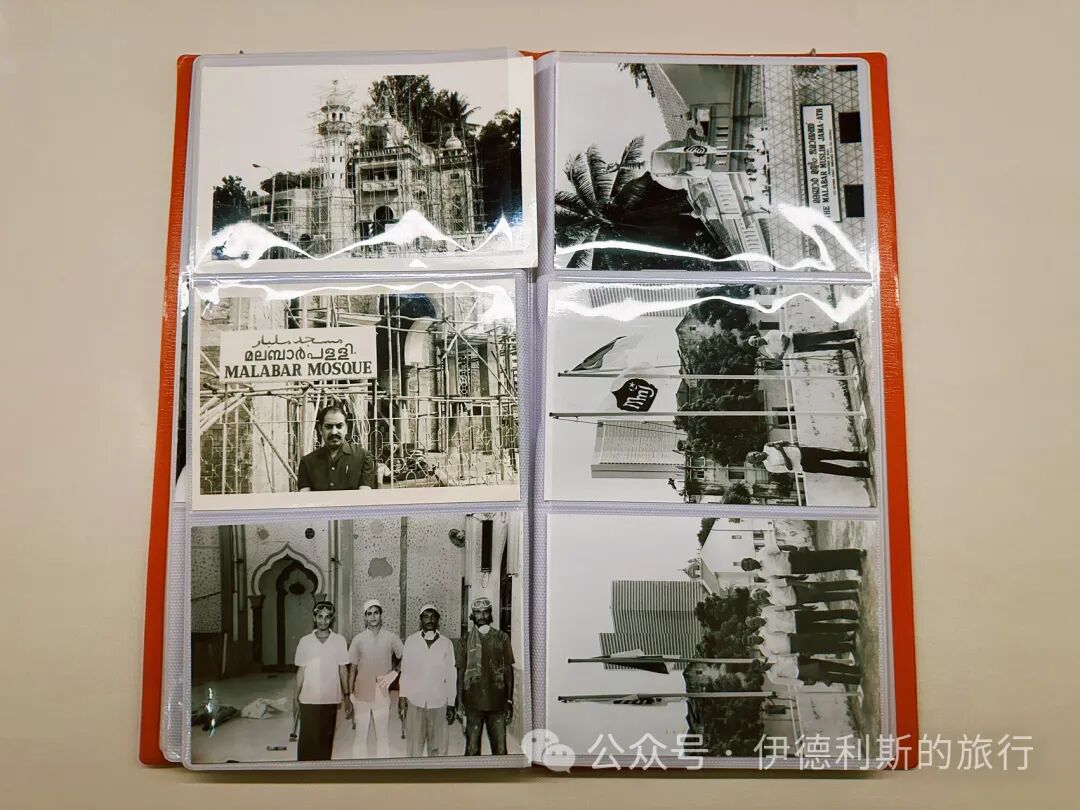
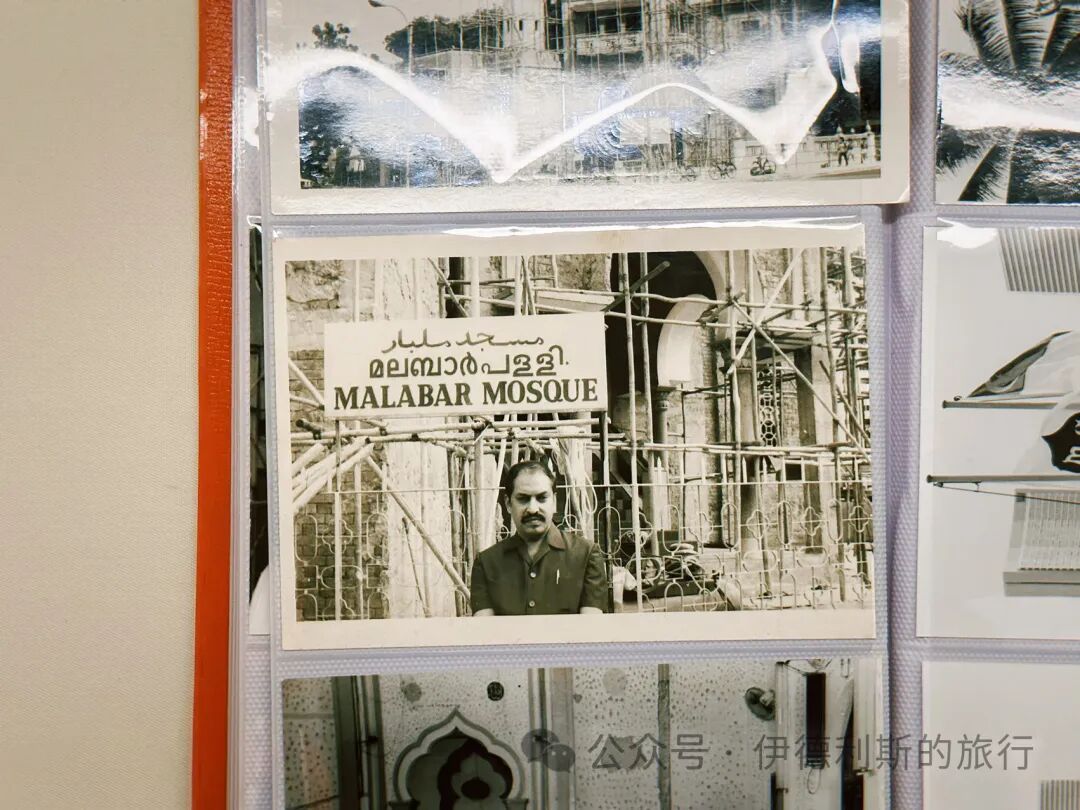
In the early 19th century, Malabar Muslims traveled along the Indian Ocean to Singapore to trade textiles and jewelry. After the 20th century, they ran several food businesses in eastern Singapore and Kampong Glam. When they passed away, they were buried in the Muslim cemetery across from Kampong Glam. In 1929, the Malabar Muslims took over the mosque in the Muslim cemetery. It was rebuilt in 1953 and officially opened in 1963. Malabar Mosque was renovated into its current appearance in 1995, with blue and white tiles covering the exterior walls.
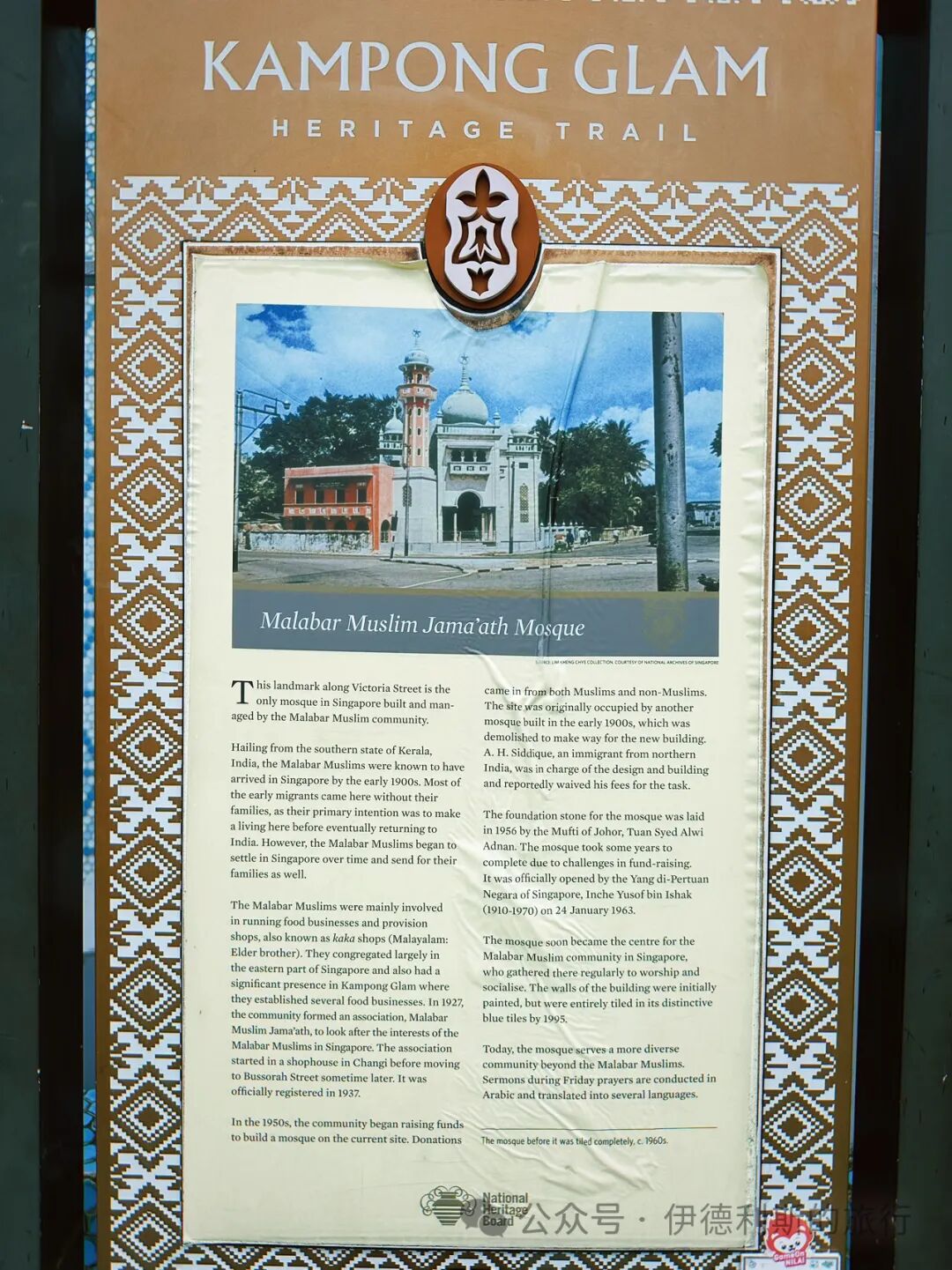
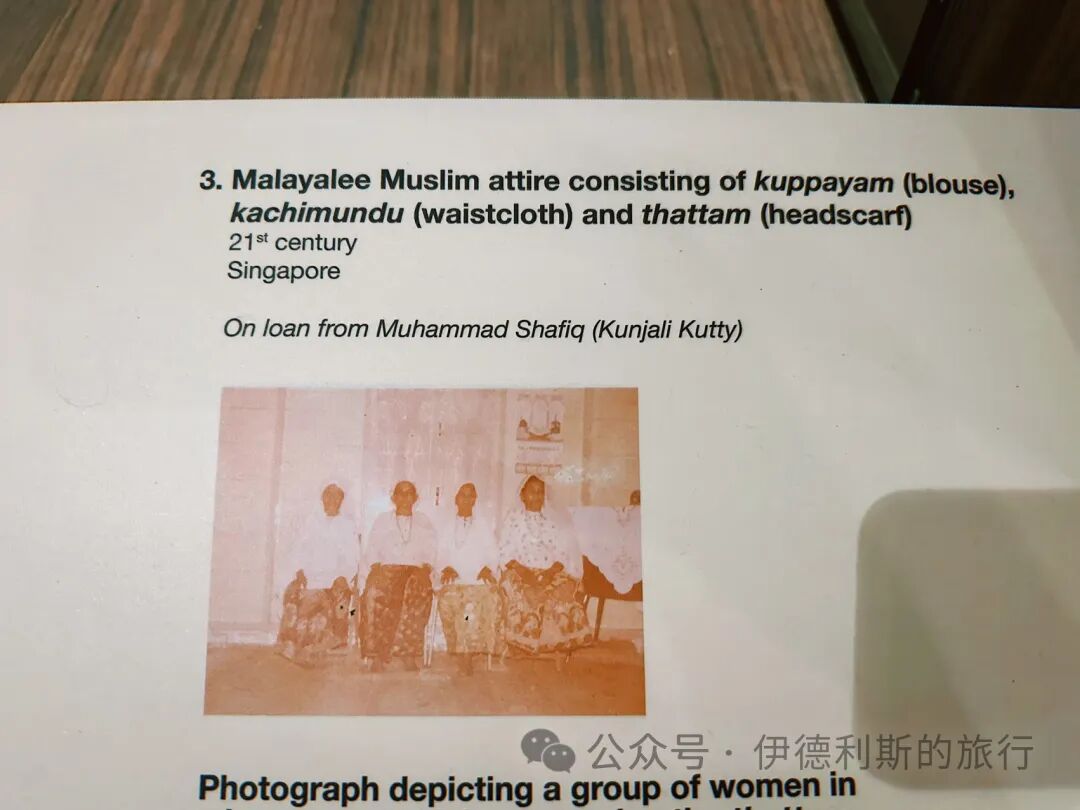
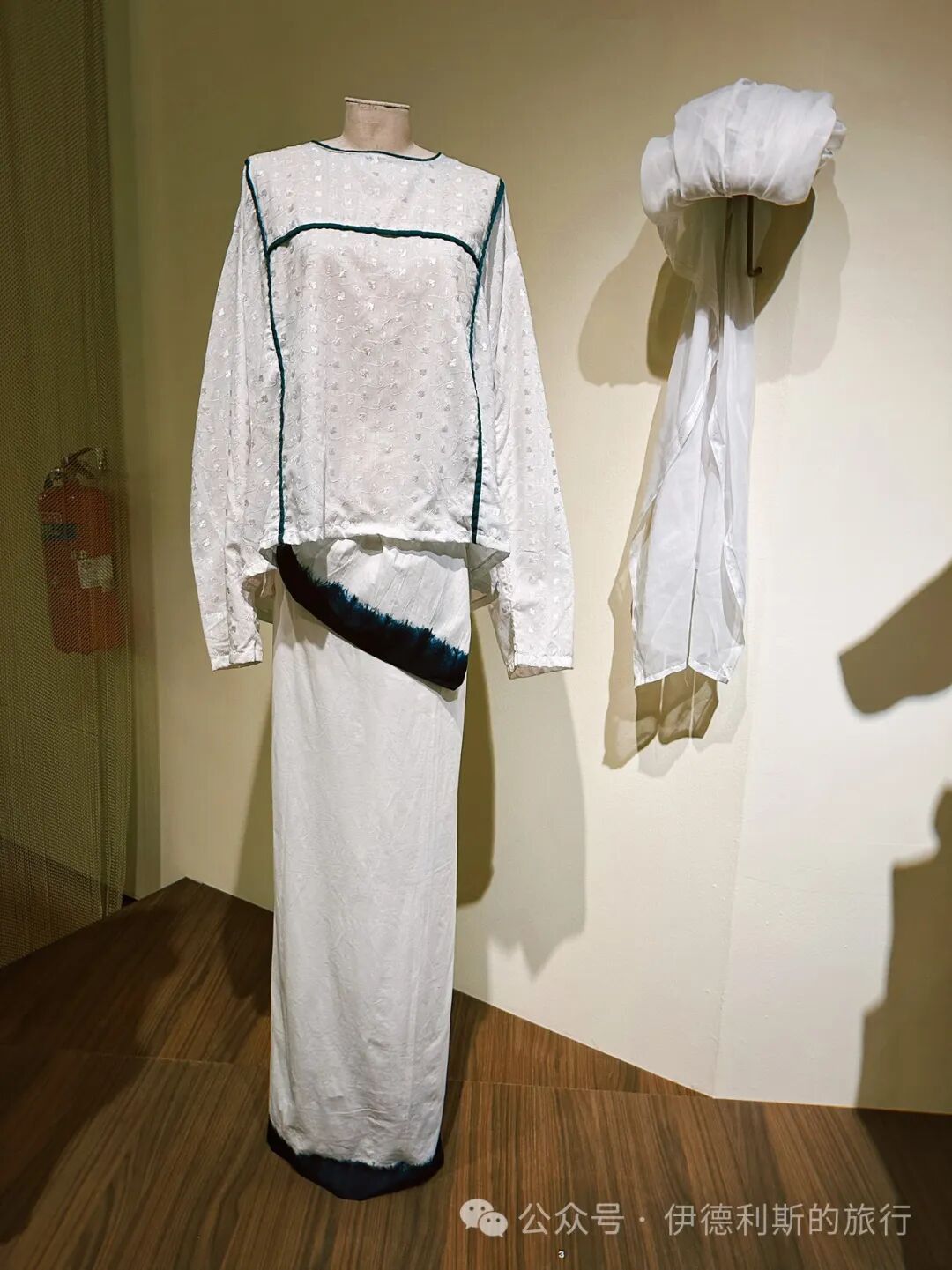
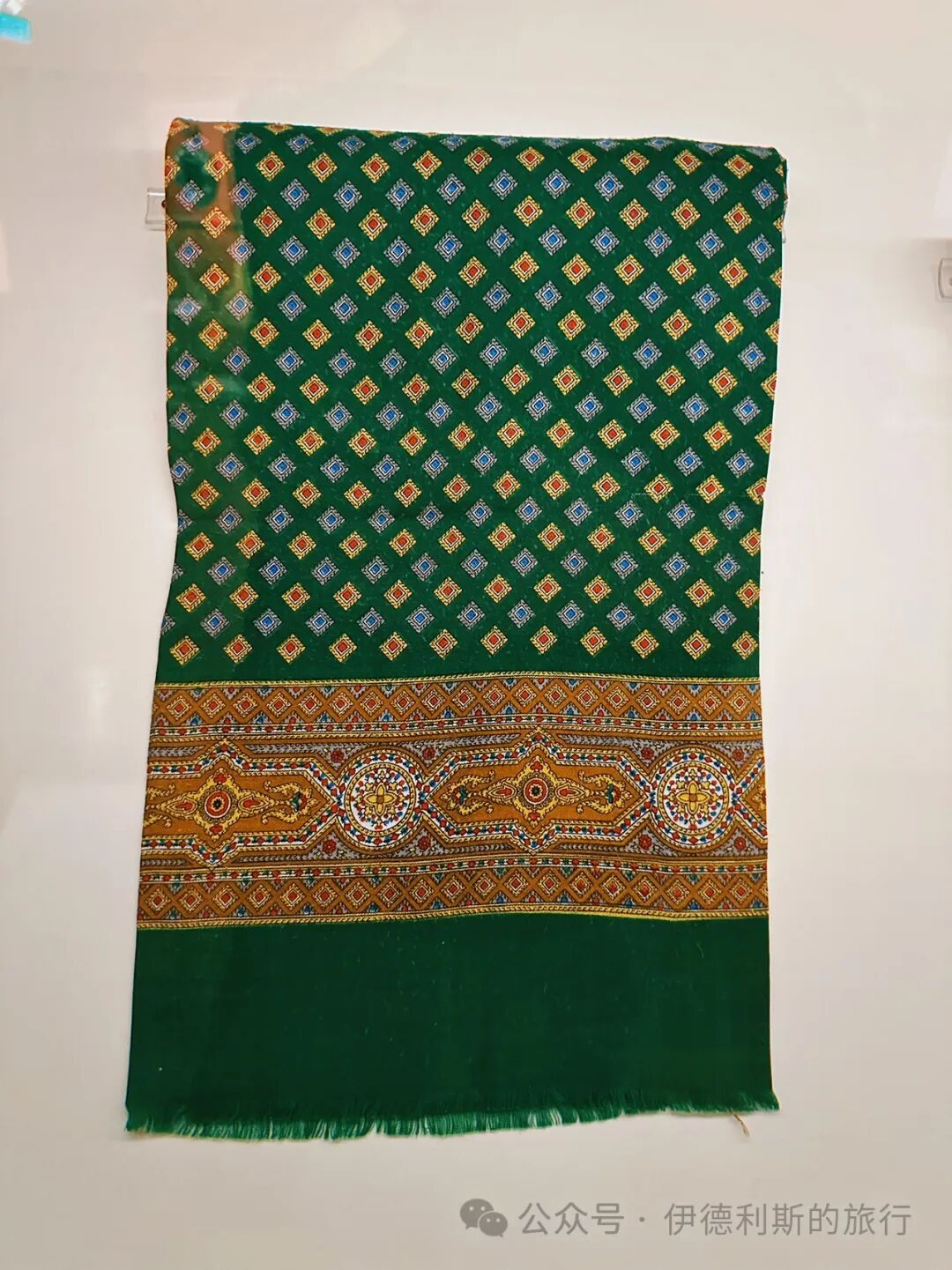
Currently, the Indian Heritage Centre in Singapore's Little India has a dedicated exhibition hall about Malabar immigrants if you are interested in learning more. The exhibit features a green shawl used for prayer in the 20th century by Abdullah bin Muhammad, on loan from the Malabar Mosque. It also includes old photos of the Malabar Mosque during its reconstruction and a set of traditional Malabar Muslim women's clothing on loan from Muhammad Shafiq, which includes a Kuppayam shirt, a Kachimundu waist cloth, and a Thattam headscarf.

Indian mosques in the Geylang area.
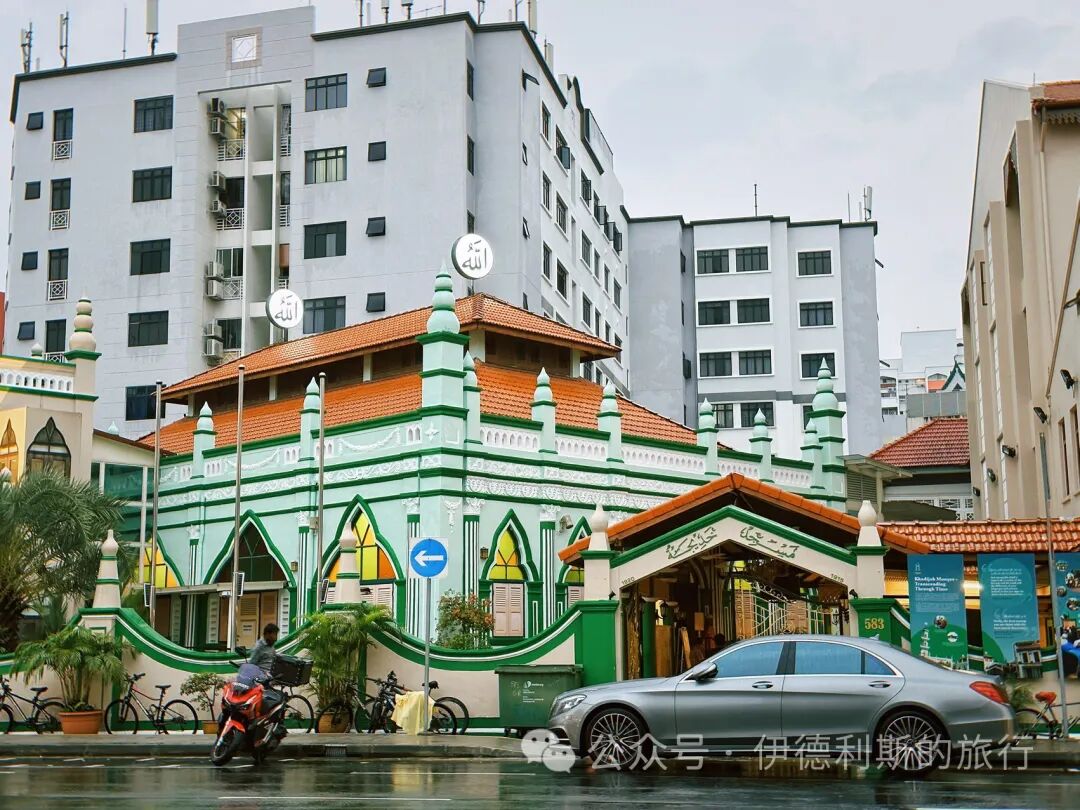
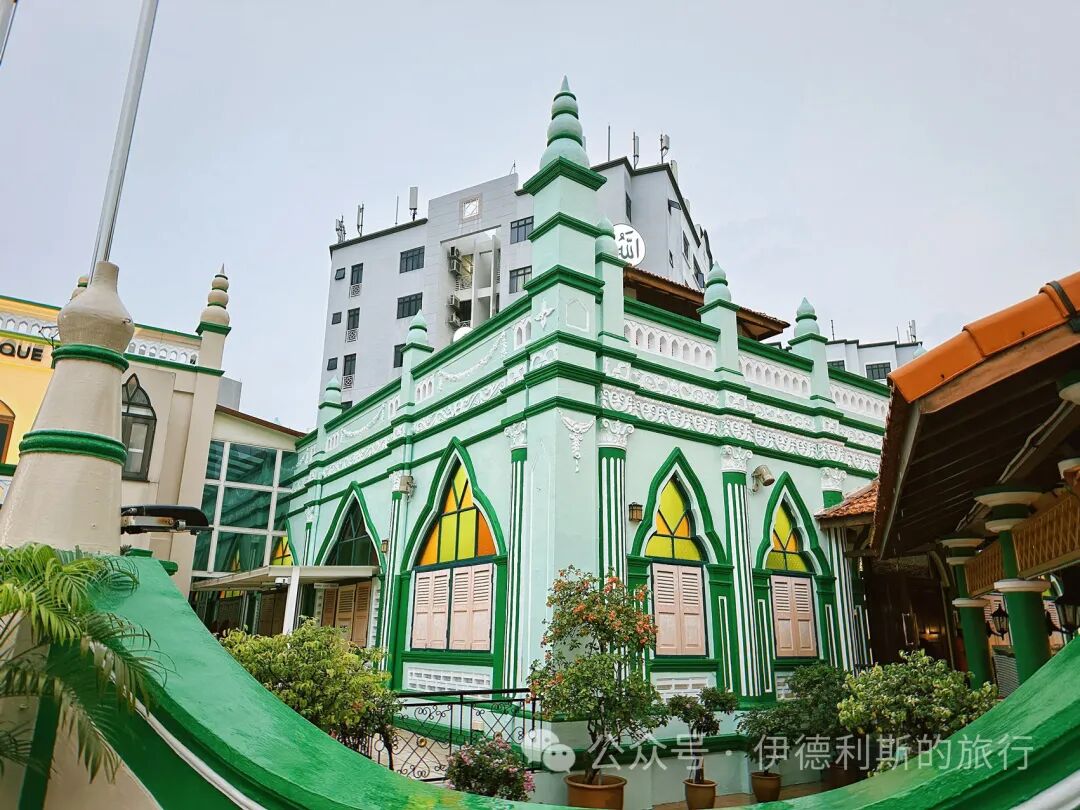
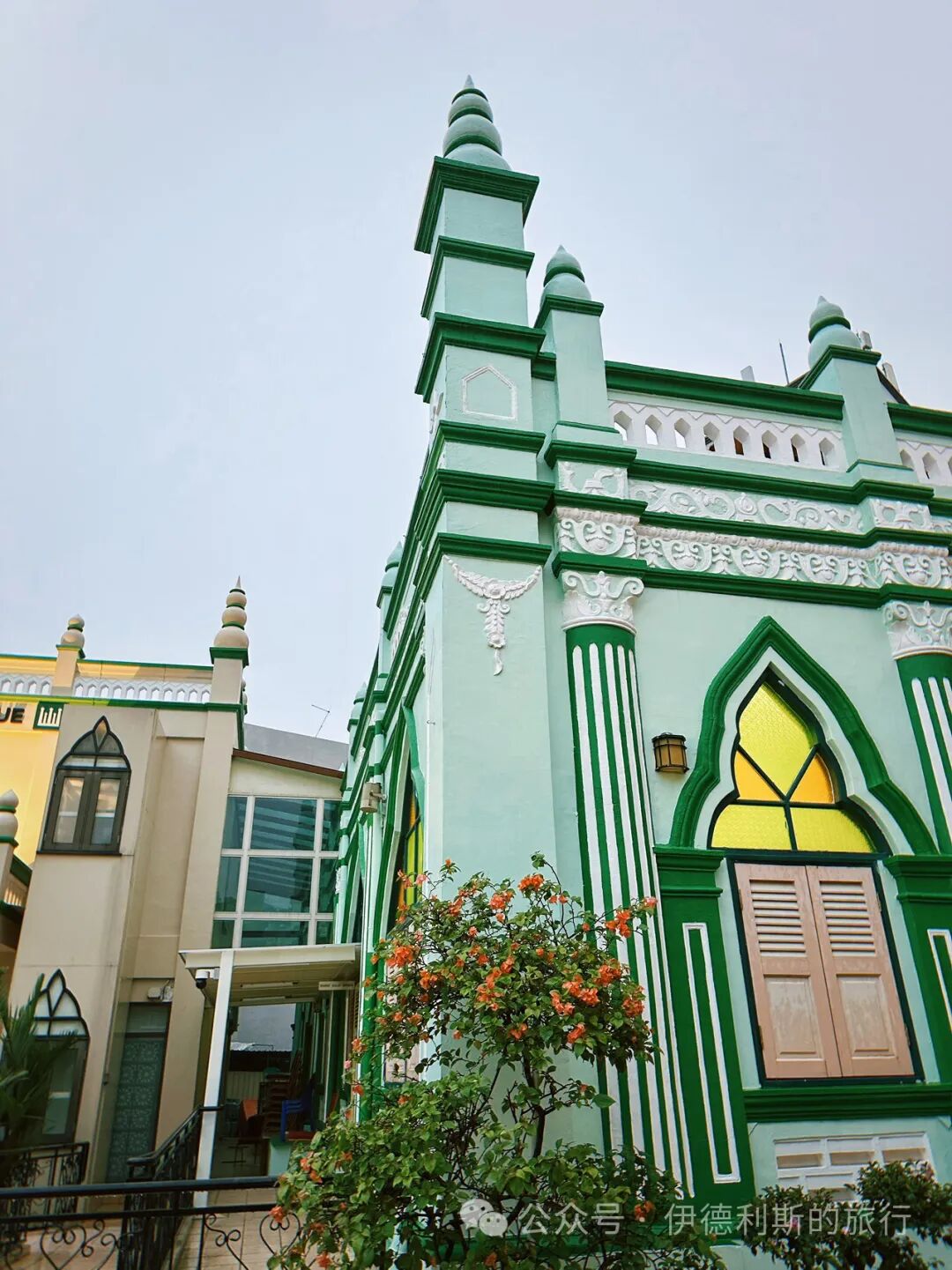
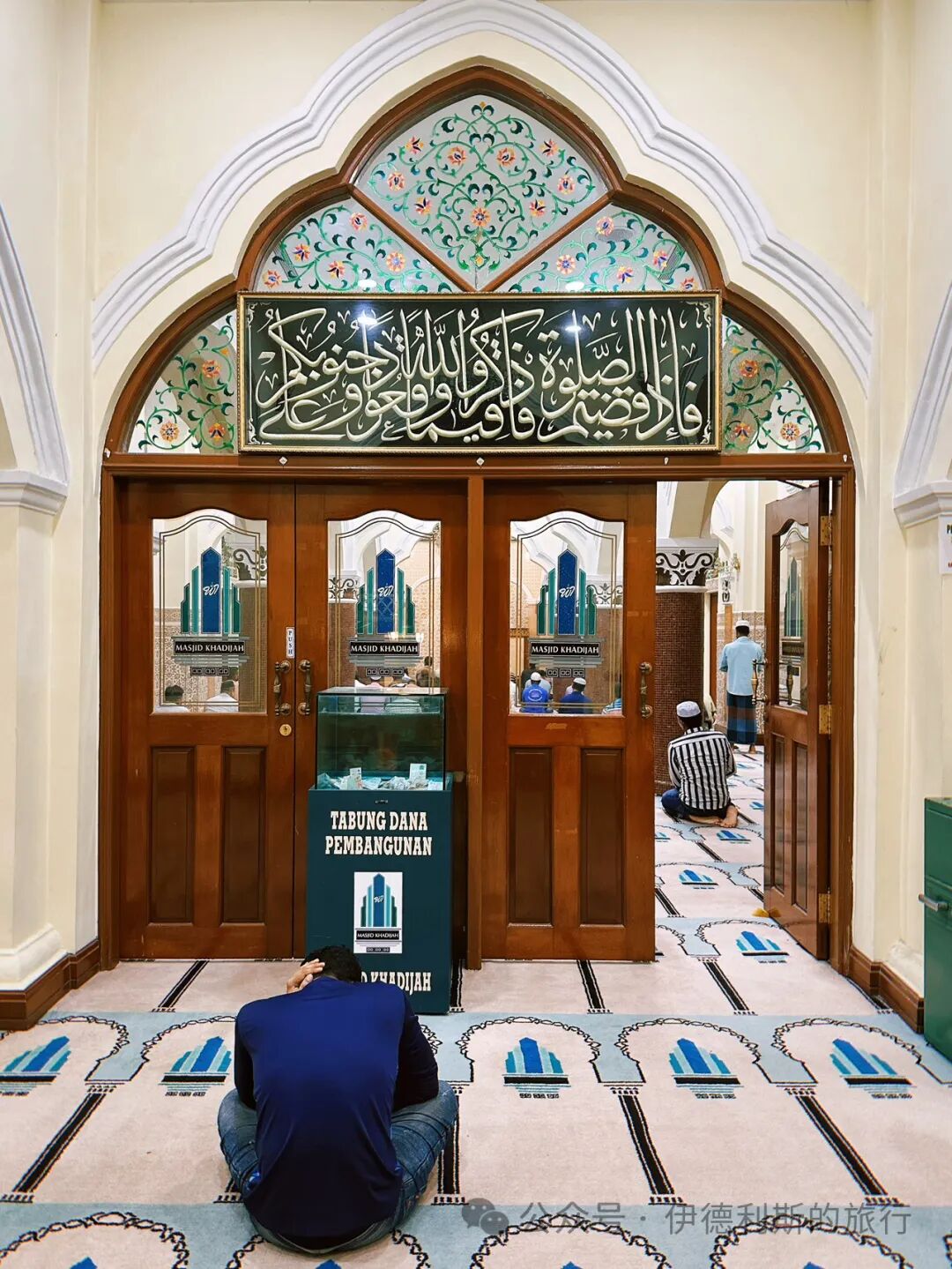
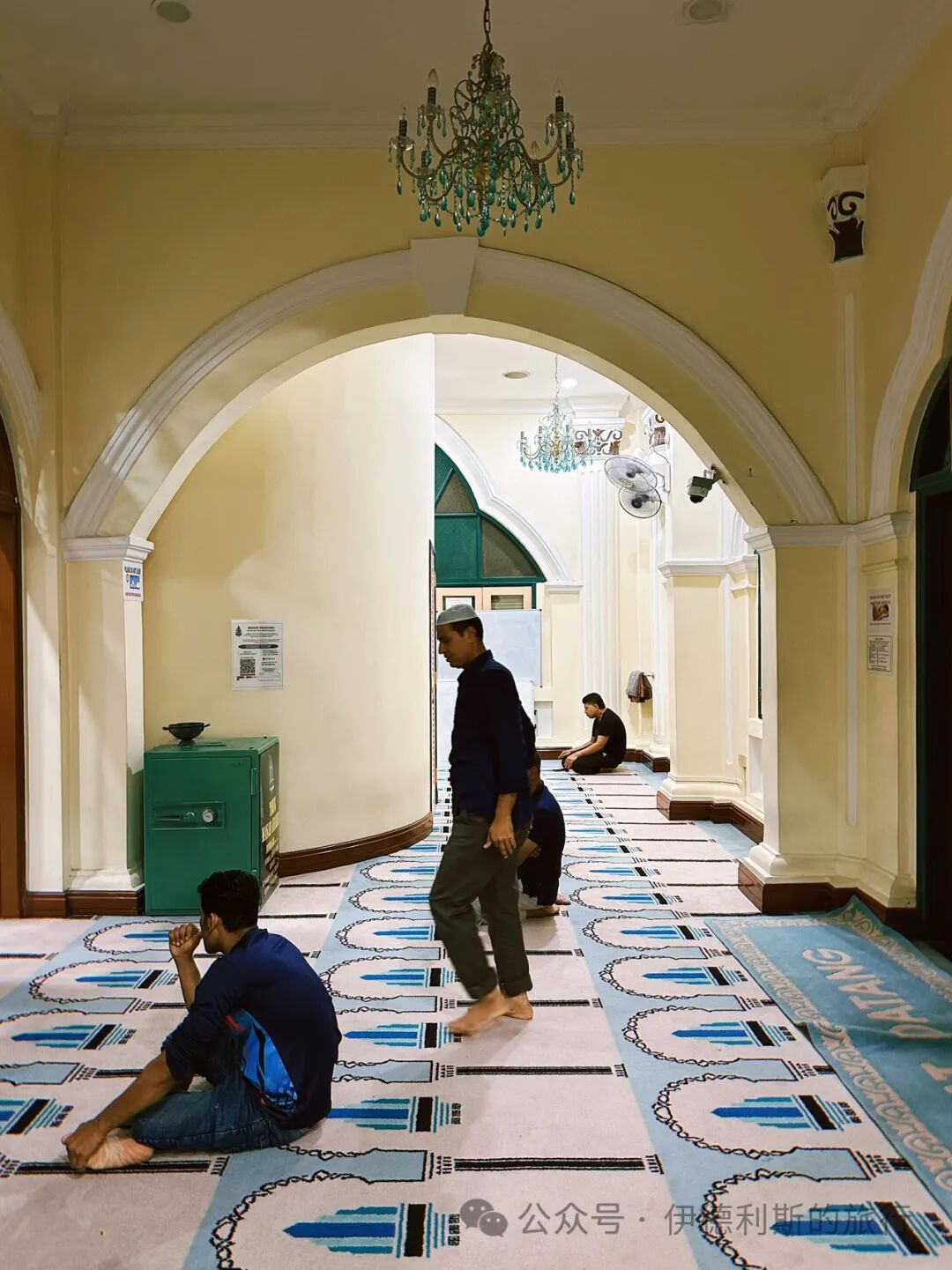
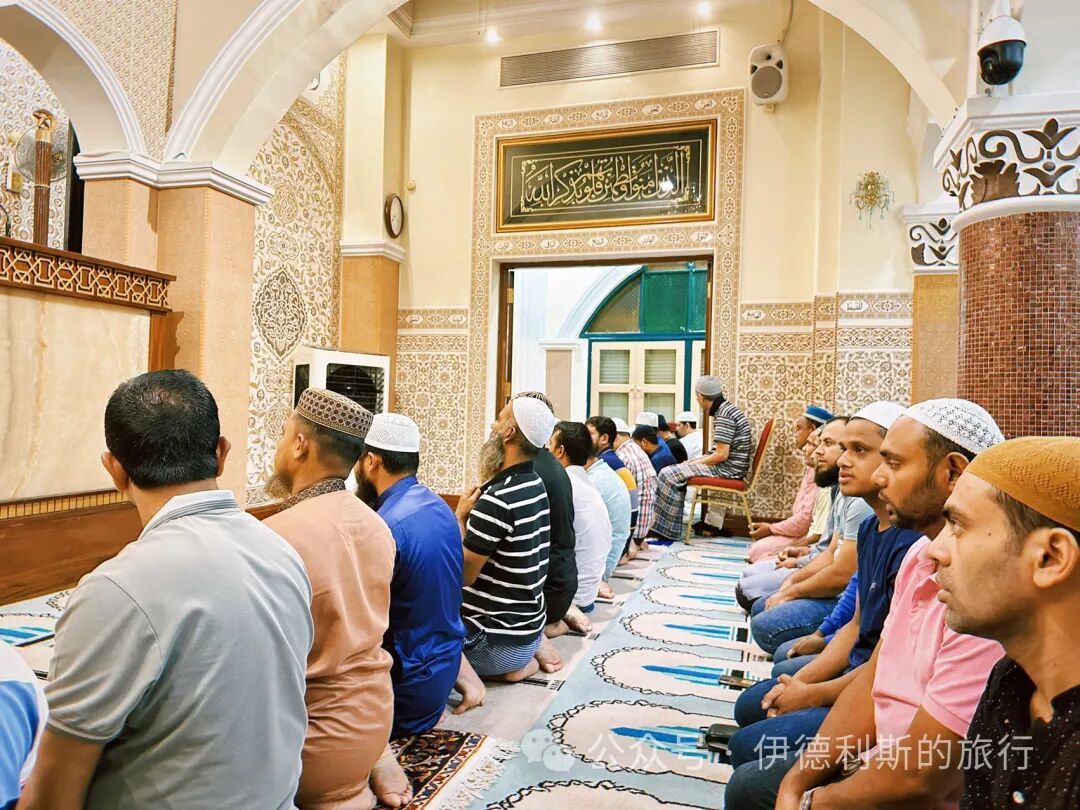
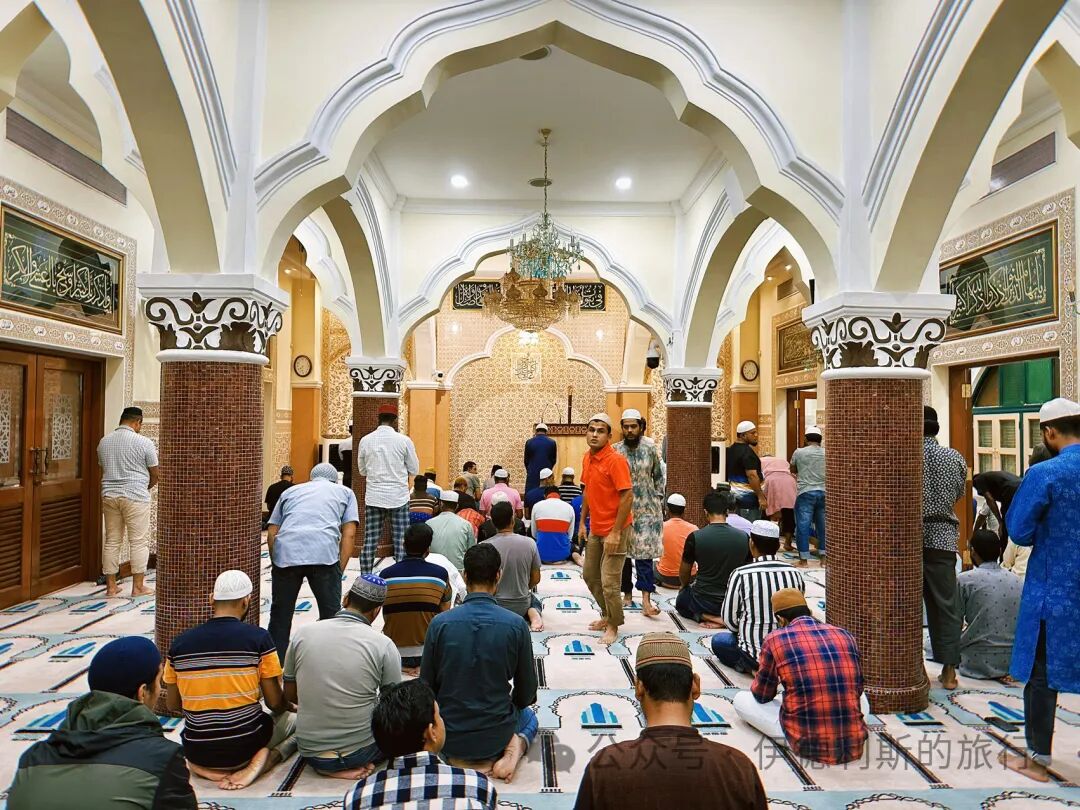
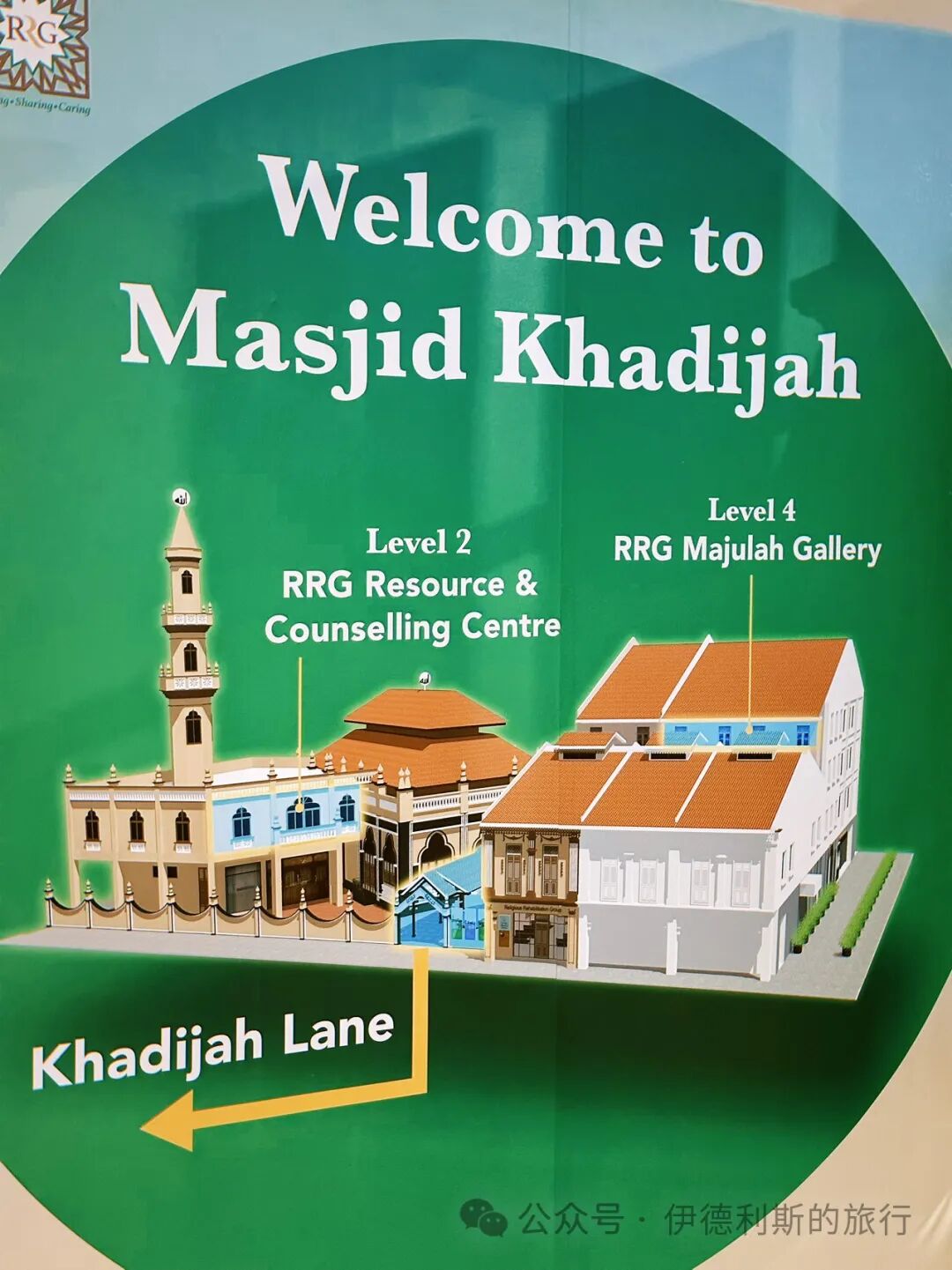
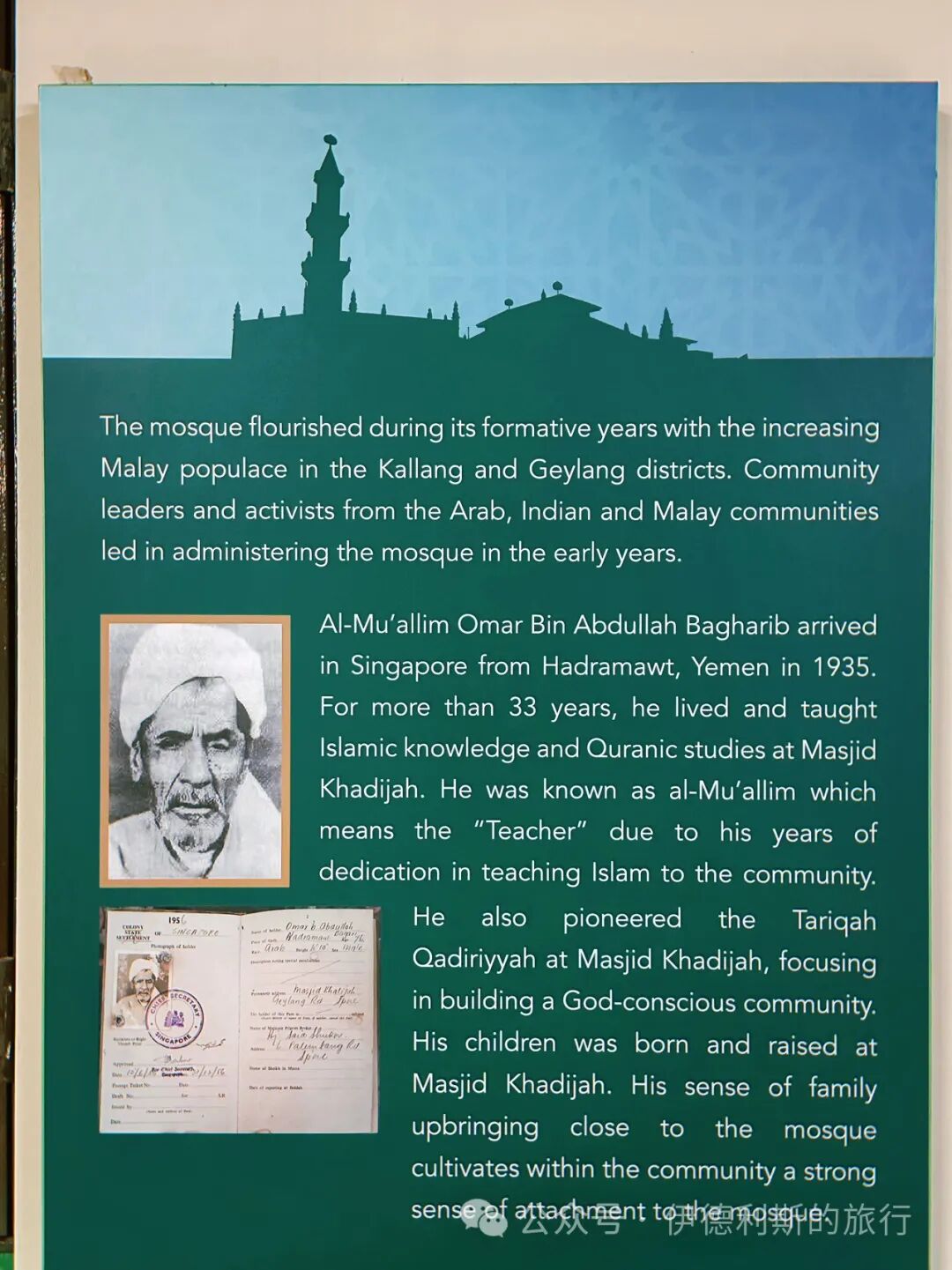
Hajjah Fatimah Mosque is located on Geylang Road in Singapore. It was built in 1920 after Hajjah Fatimah, an Indian-Muslim businesswoman and philanthropist, donated 50,000 dollars for its construction in 1915. The building blends Indian and Neoclassical styles. Because of the diverse ethnic groups in the Geylang area, Hajjah Fatimah Mosque has always been managed by Arab, Indian, and Malay Muslims together. In 1935, Al-Mu'allim Omar Bin Abdullah Bagharib arrived in Singapore from Yemen. He taught at Hajjah Fatimah Mosque for 33 years, and his descendants still live near the mosque today.
Dawoodi Bohra Shia mosque.
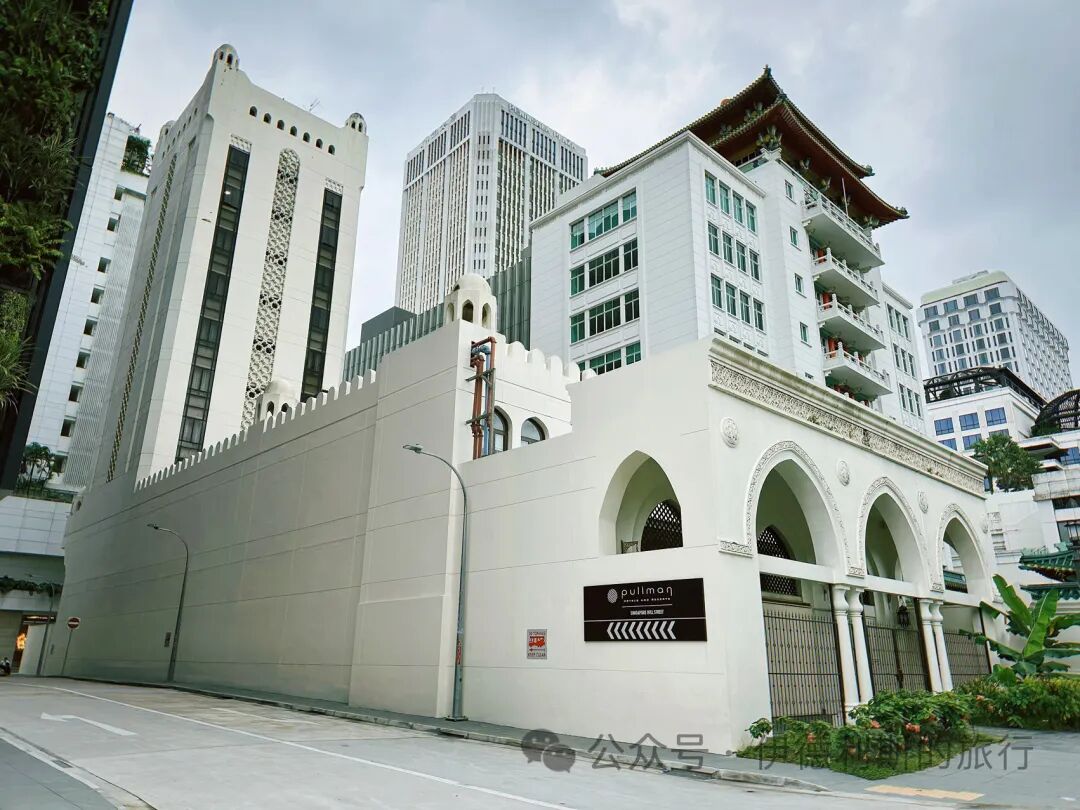
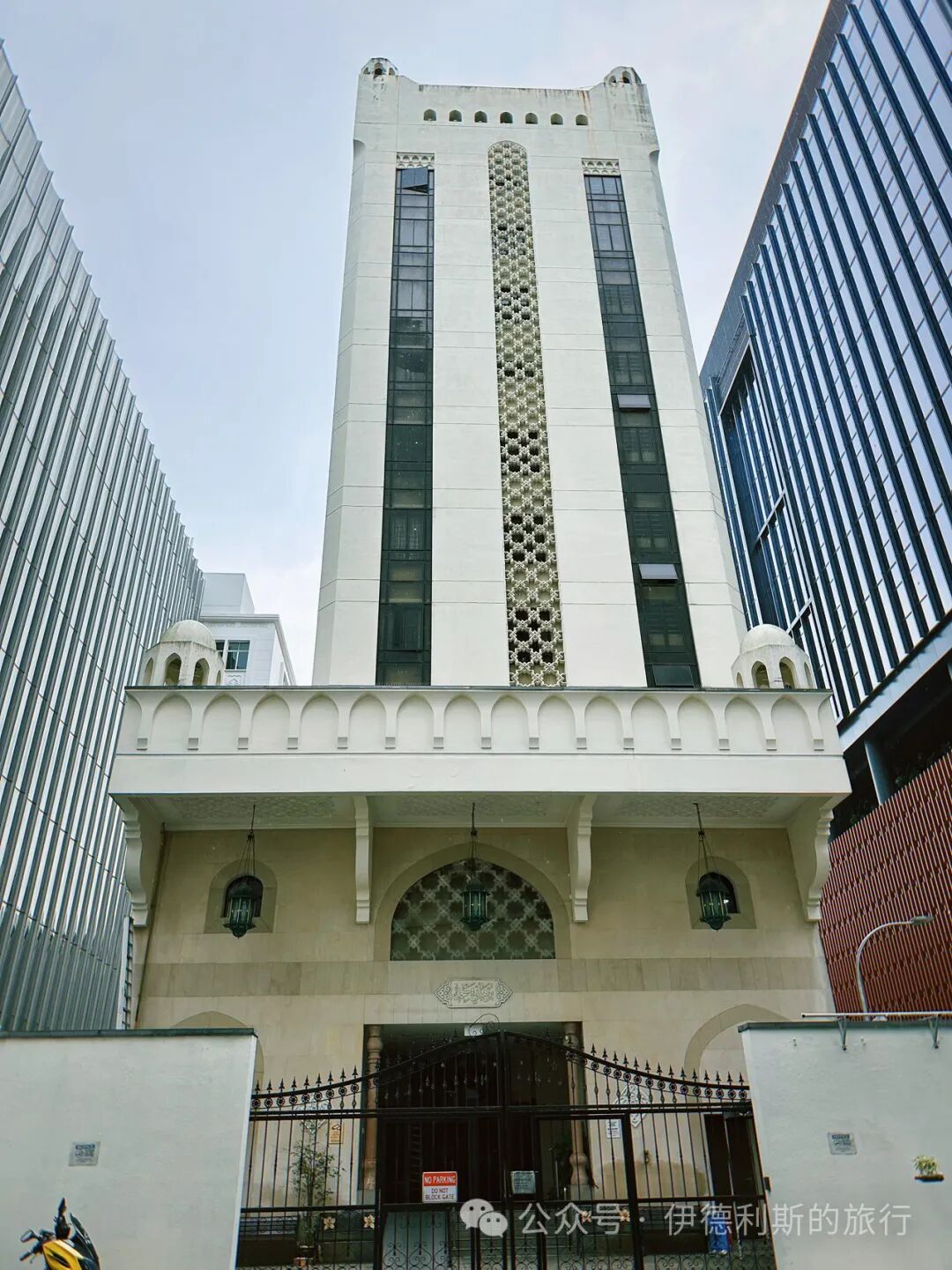
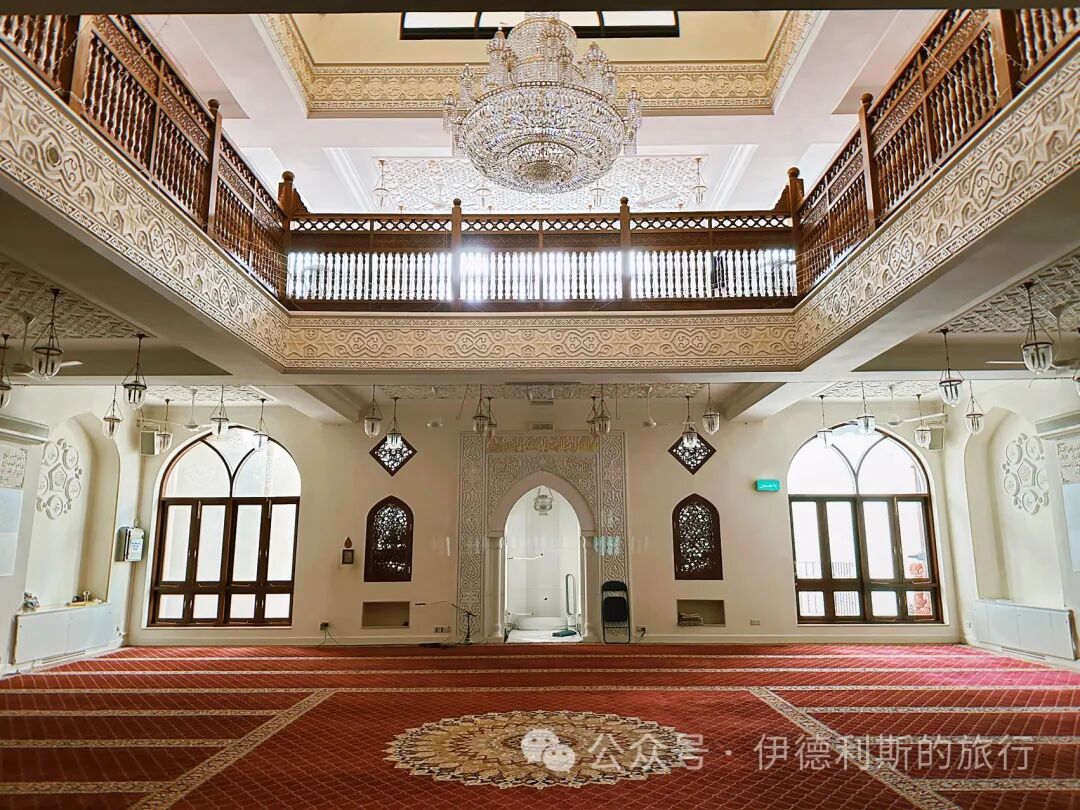
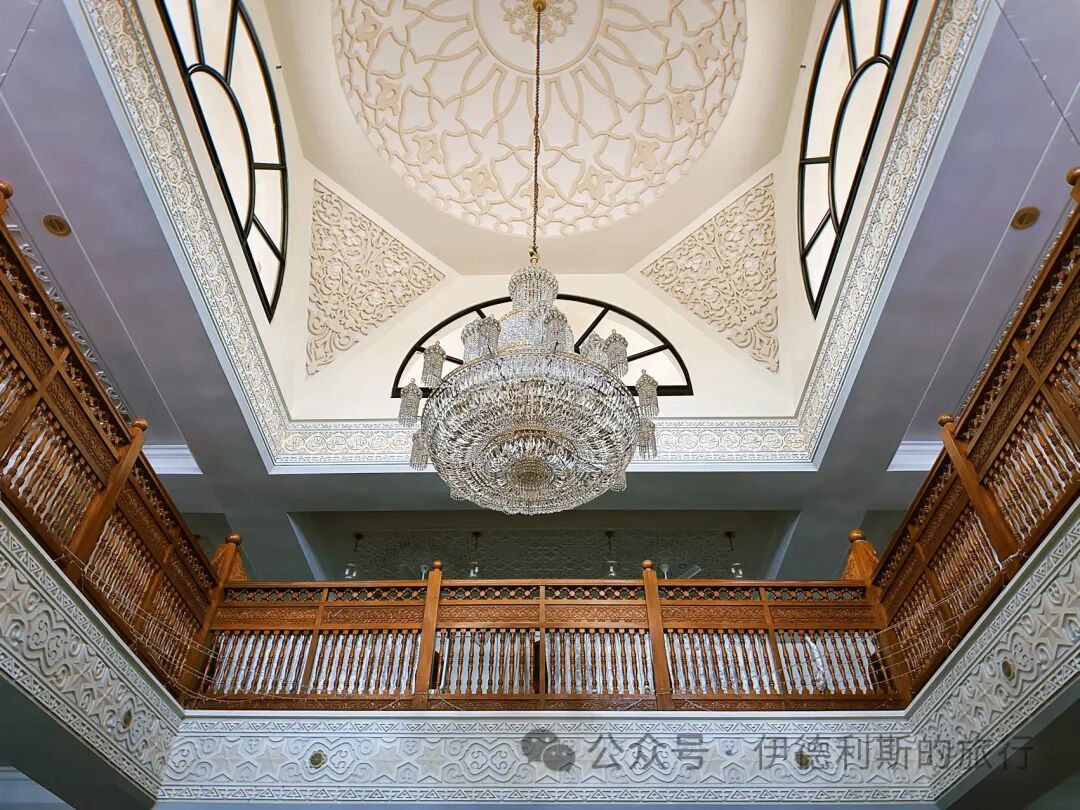
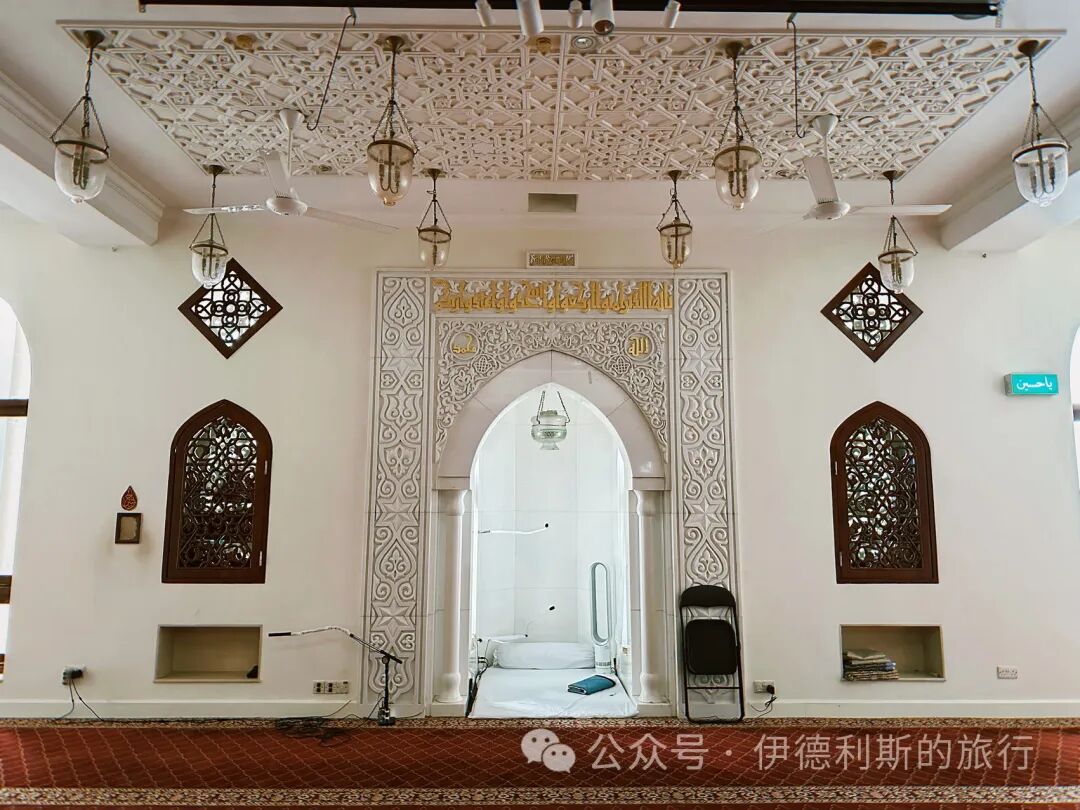
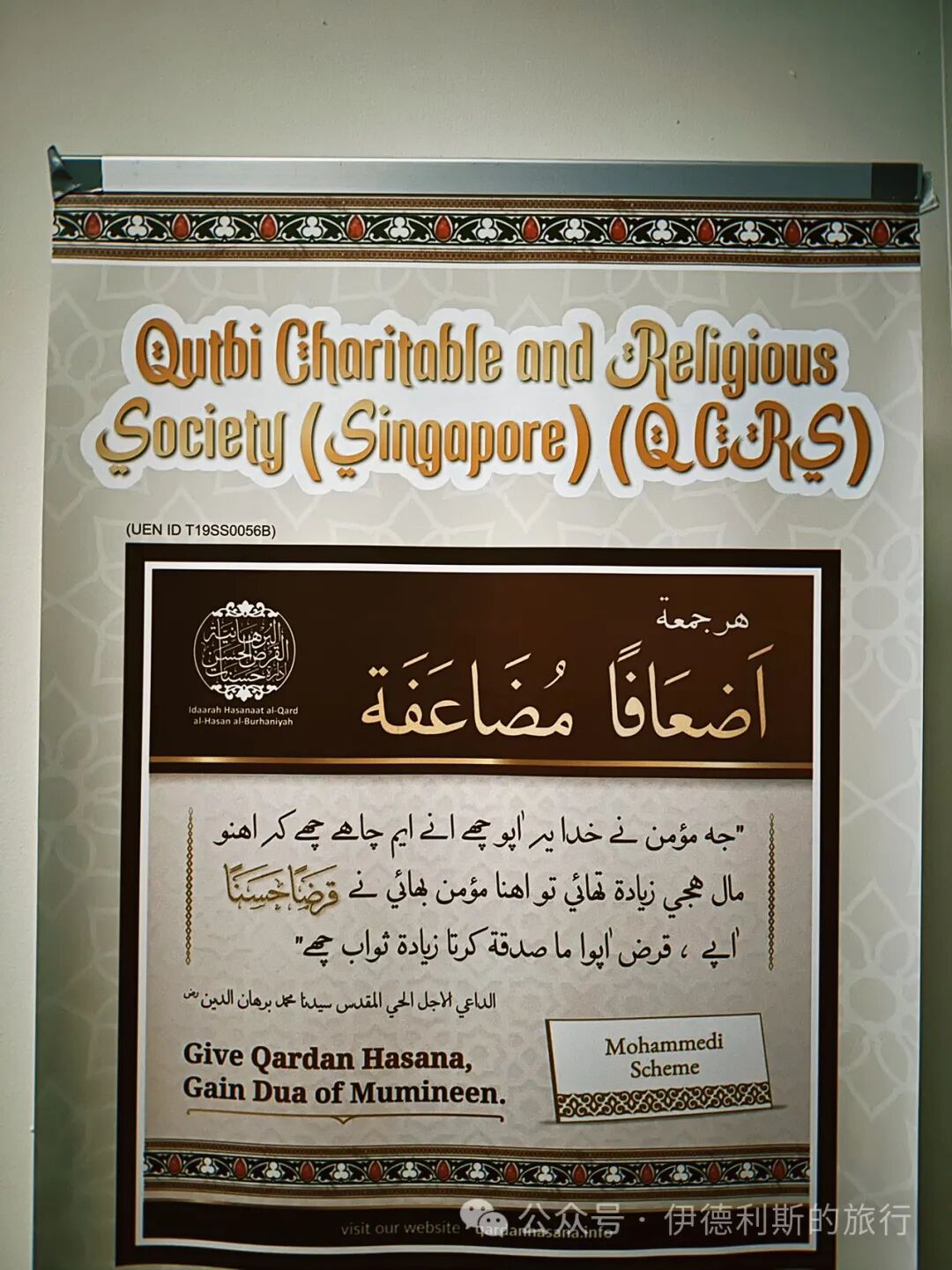
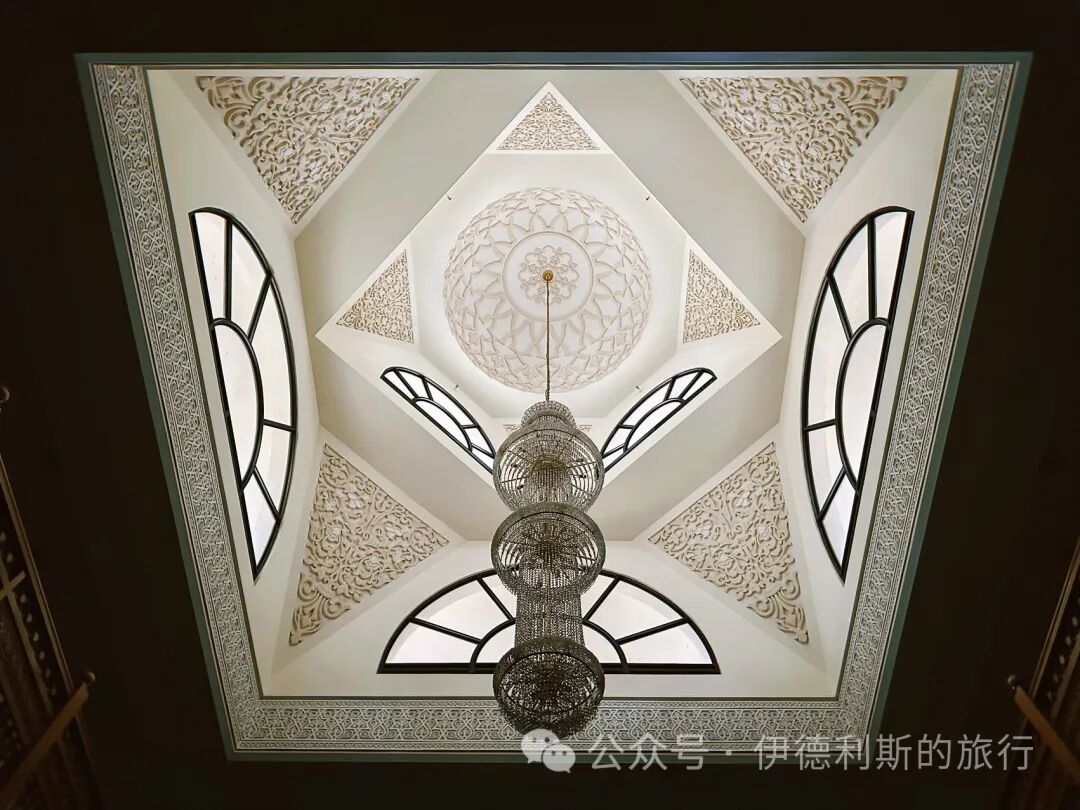
Al-Burhani Mosque is located on Hill Street, a main road in Singapore. It is the only Dawoodi Bohra Shia mosque in Singapore, and it is the second Dawoodi Bohra Shia mosque I have visited, following the one in Bangkok.
The Dawoodi Bohras originated from the Ismaili Shia Fatimid Caliphate, which ruled North Africa from the 10th to the 12th century. In 1067, the Imam of the Fatimid Caliphate sent a man named Abdullah from Yemen to Gujarat, India, to spread the faith, where he was very successful. Since then, the followers in Gujarat have kept in touch with Yemen and continued to grow. In 1589, the community leader Dawood Bin Qutubshah took office. He split from Yemen, and the group has been known as the Dawoodis ever since.
Starting in the 19th century, Dawoodi Bohra members from Gujarat, India, began traveling across the Indian Ocean to do business. They started trading dry goods and spices in Singapore in 1875. After the 1920s, more Dawoodi Bohra merchants came to Singapore from Gujarat to do business, and the Dawoodi Bohra community in Singapore was officially formed.
Al-Burhani Mosque was first built in 1895 and was originally small. The high-rise building you see today is how it looked after being rebuilt in 1997. It is a pity that there was no one inside the mosque when we visited, so we could not talk to anyone.
Ahmadiyya mosque
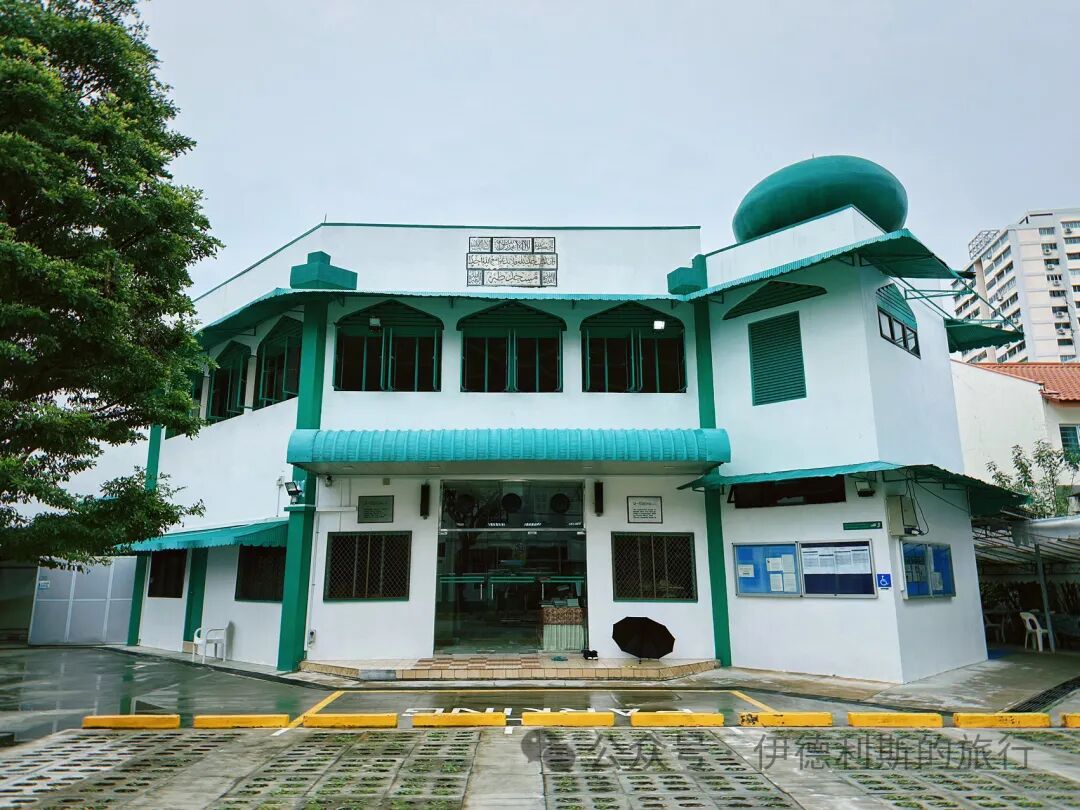
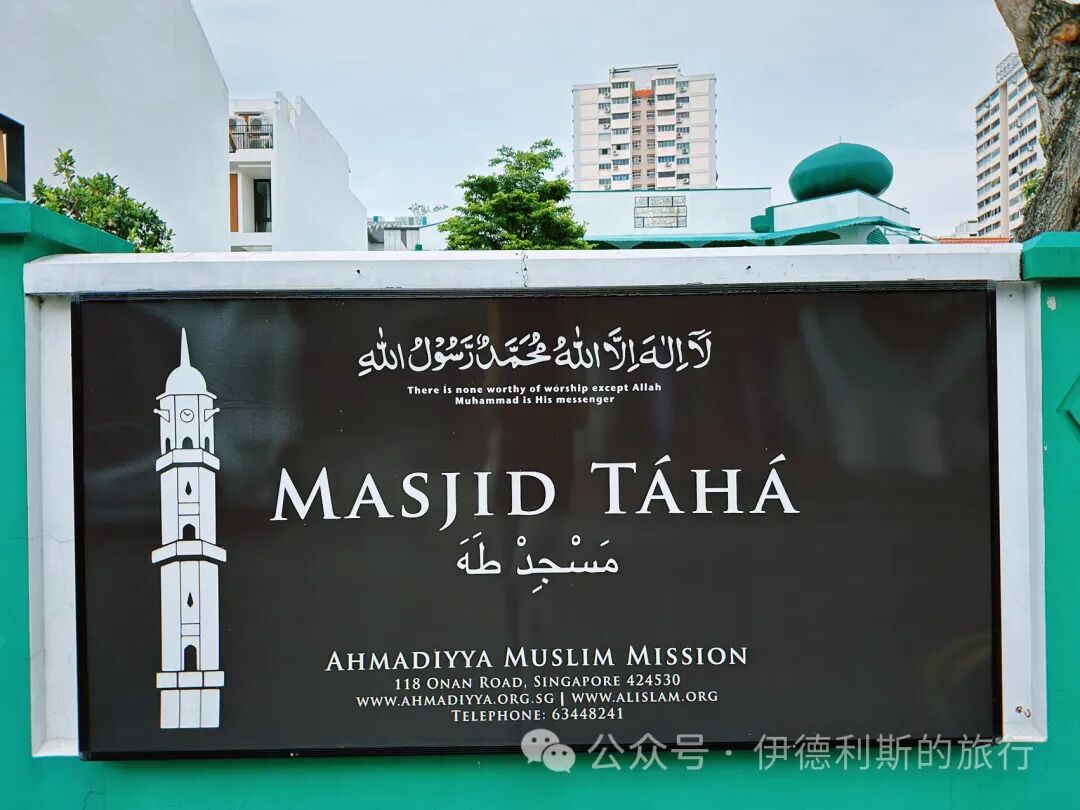
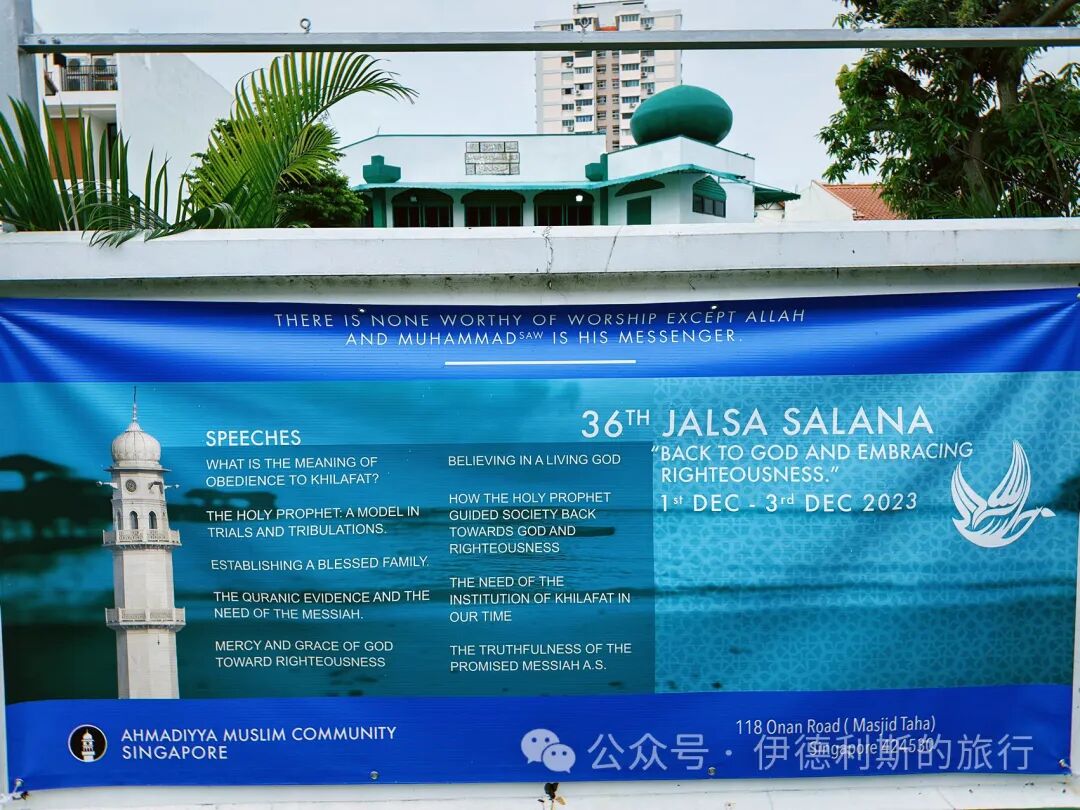
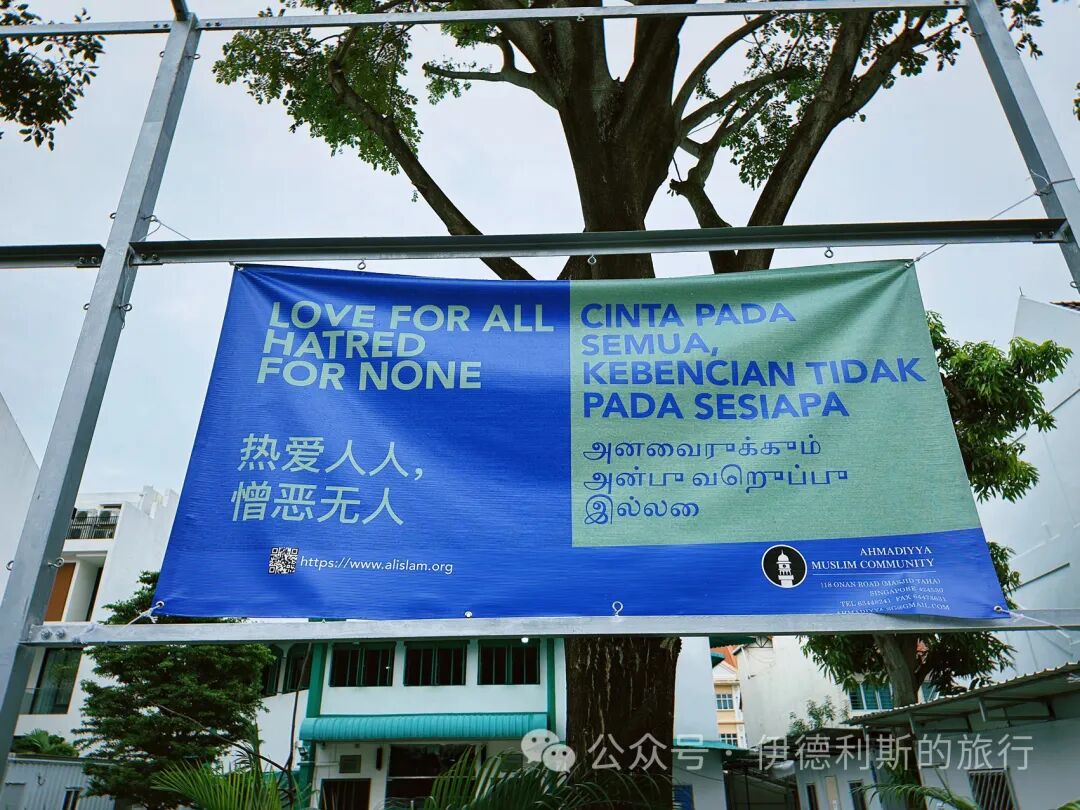
Taha Mosque is in Geylang, Singapore, and it is the only Ahmadiyya mosque in the country. Ahmadiyya is a movement that started in northern India in the late 19th century. Its founder, Mirza Ghulam Ahmad (1835-1908), claimed to be the Mahdi (savior) and officially established the community in Punjab, India, in 1889. The number of Ahmadiyya followers grew from the end of the 19th century, and the movement began spreading overseas after the 20th century.
In 1935, the second Caliph of the Ahmadiyya movement sent Ghulam Hussain Ayyaz to Singapore to preach, which officially established the Ahmadiyya community there. In 1985, the Singapore Ahmadiyya community officially built Taha Mosque, and the fourth Caliph of the Ahmadiyya movement attended the groundbreaking ceremony.
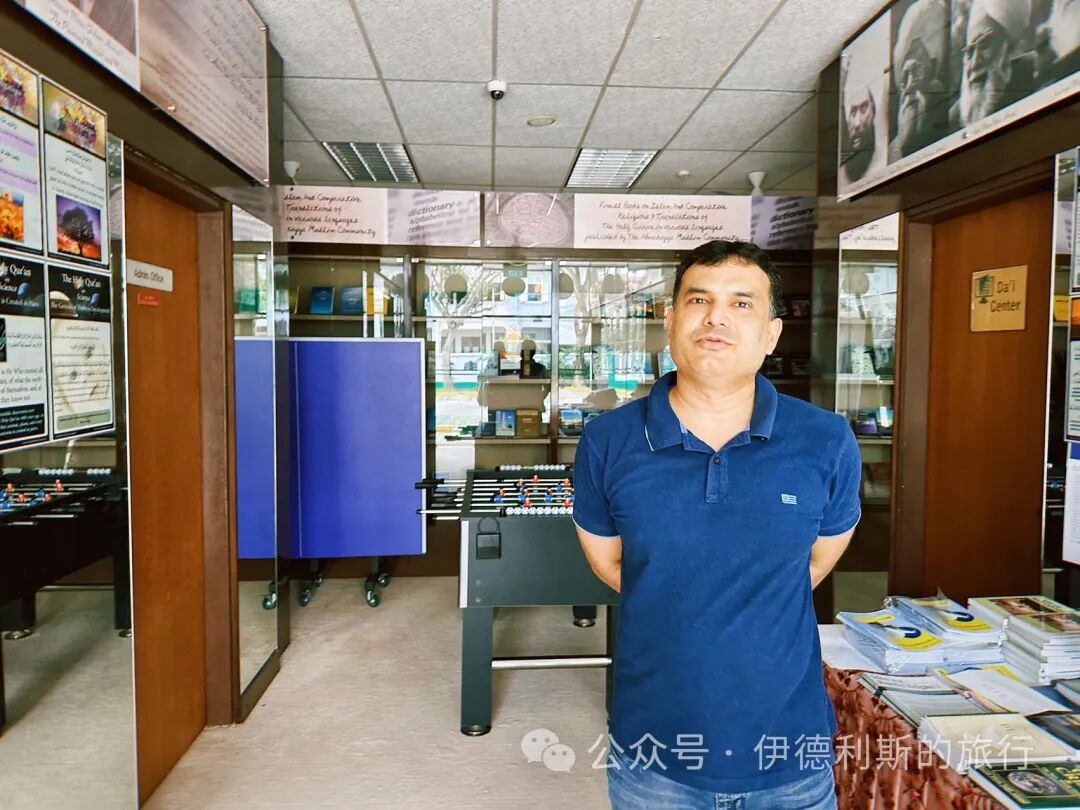
I chatted with a young man at Taha Mosque for a while, and this was my first time meeting followers of the Ahmadiyya movement.
Further reading: Indian Tamil Muslims in Penang, Malaysia
Summary: This second Singapore article continues the walk through Indian Muslim culture, mosque spaces, food streets, and neighborhood history. It preserves the original names, food details, religious terms, and route notes in natural English.
Kampong Glam is also a great place to try ginger tea (teh sarabat), also known as teh halia. Bhai Sarbat on Baghdad Street was started by an Indian Muslim in the 1950s and has been around for 70 years. Bhai means brother in Urdu. Bhai Sarbat started as a street pushcart. It moved into this shophouse on Baghdad Street in the 1970s. Today, they sell hundreds of drinks, but their ginger tea is still the most famous.
In the evening, we went to the most famous Indian halal restaurant in Kampong Glam, Islamic Restaurant. It opened in 1921 and has been in business for over a hundred years. The founder, Abdul Rahiman, was a Tamil Muslim from Tamil Nadu in southern India. After arriving in Singapore, his excellent cooking skills made him the head chef for the Alsagoff family, a wealthy family of Yemeni descent. Abdul Rahiman was best known for his biryani rice, which even the British governors loved.
In 1921, Abdul Rahiman opened Islamic Restaurant on North Bridge Road in Kampong Glam. Singaporean politicians who had tasted his cooking at the Alsagoff family banquets came to visit, as did royalty like the Sultans of Brunei, Johor, and Perak. Today, M. Abdul Rahiman's secret spice recipe for biryani rice is carried on by his grandson, Kalil. After a hundred years, their biryani is still delicious. Besides the biryani, we ordered almond naan, chicken tikka masala, and fenugreek (methi) fish curry. Everything was fantastic. This is a truly great Indian restaurant, not just a tourist trap near a scenic spot.
Malabar Mosque, also known as the Golden Dome Mosque, is located across from Kampong Glam in Singapore. It is the only mosque in Singapore built by Malabar Muslims from southwestern India. Malabar Muslims live in Kerala and the Lakshadweep Islands in the far southwest of the Indian peninsula. They are an ancient indigenous Muslim community in South Asia and, like the Malays, follow the Shafi'i school of jurisprudence.
In the early 19th century, Malabar Muslims traveled along the Indian Ocean to Singapore to trade textiles and jewelry. After the 20th century, they ran several food businesses in eastern Singapore and Kampong Glam. When they passed away, they were buried in the Muslim cemetery across from Kampong Glam. In 1929, the Malabar Muslims took over the mosque in the Muslim cemetery. It was rebuilt in 1953 and officially opened in 1963. Malabar Mosque was renovated into its current appearance in 1995, with blue and white tiles covering the exterior walls.
Currently, the Indian Heritage Centre in Singapore's Little India has a dedicated exhibition hall about Malabar immigrants if you are interested in learning more. The exhibit features a green shawl used for prayer in the 20th century by Abdullah bin Muhammad, on loan from the Malabar Mosque. It also includes old photos of the Malabar Mosque during its reconstruction and a set of traditional Malabar Muslim women's clothing on loan from Muhammad Shafiq, which includes a Kuppayam shirt, a Kachimundu waist cloth, and a Thattam headscarf.
Indian mosques in the Geylang area.
Hajjah Fatimah Mosque is located on Geylang Road in Singapore. It was built in 1920 after Hajjah Fatimah, an Indian-Muslim businesswoman and philanthropist, donated 50,000 dollars for its construction in 1915. The building blends Indian and Neoclassical styles. Because of the diverse ethnic groups in the Geylang area, Hajjah Fatimah Mosque has always been managed by Arab, Indian, and Malay Muslims together. In 1935, Al-Mu'allim Omar Bin Abdullah Bagharib arrived in Singapore from Yemen. He taught at Hajjah Fatimah Mosque for 33 years, and his descendants still live near the mosque today.
Dawoodi Bohra Shia mosque.
Al-Burhani Mosque is located on Hill Street, a main road in Singapore. It is the only Dawoodi Bohra Shia mosque in Singapore, and it is the second Dawoodi Bohra Shia mosque I have visited, following the one in Bangkok.
The Dawoodi Bohras originated from the Ismaili Shia Fatimid Caliphate, which ruled North Africa from the 10th to the 12th century. In 1067, the Imam of the Fatimid Caliphate sent a man named Abdullah from Yemen to Gujarat, India, to spread the faith, where he was very successful. Since then, the followers in Gujarat have kept in touch with Yemen and continued to grow. In 1589, the community leader Dawood Bin Qutubshah took office. He split from Yemen, and the group has been known as the Dawoodis ever since.
Starting in the 19th century, Dawoodi Bohra members from Gujarat, India, began traveling across the Indian Ocean to do business. They started trading dry goods and spices in Singapore in 1875. After the 1920s, more Dawoodi Bohra merchants came to Singapore from Gujarat to do business, and the Dawoodi Bohra community in Singapore was officially formed.
Al-Burhani Mosque was first built in 1895 and was originally small. The high-rise building you see today is how it looked after being rebuilt in 1997. It is a pity that there was no one inside the mosque when we visited, so we could not talk to anyone.
Ahmadiyya mosque
Taha Mosque is in Geylang, Singapore, and it is the only Ahmadiyya mosque in the country. Ahmadiyya is a movement that started in northern India in the late 19th century. Its founder, Mirza Ghulam Ahmad (1835-1908), claimed to be the Mahdi (savior) and officially established the community in Punjab, India, in 1889. The number of Ahmadiyya followers grew from the end of the 19th century, and the movement began spreading overseas after the 20th century.
In 1935, the second Caliph of the Ahmadiyya movement sent Ghulam Hussain Ayyaz to Singapore to preach, which officially established the Ahmadiyya community there. In 1985, the Singapore Ahmadiyya community officially built Taha Mosque, and the fourth Caliph of the Ahmadiyya movement attended the groundbreaking ceremony.
I chatted with a young man at Taha Mosque for a while, and this was my first time meeting followers of the Ahmadiyya movement.
Further reading: Indian Tamil Muslims in Penang, Malaysia
