

Singapore
Halal Travel Guide: Singapore - Arab Merchants, Kampong Glam and Muslim History
Articles • ali2007fr posted the article • 0 comments • 152 views • 2026-05-19 07:26
Summary: This Singapore article follows the history of Arab merchants and their ties to Kampong Glam, trade, migration, and Muslim community life. It keeps the original names, historical details, and travel observations in clear English.
The eastern part of Yemen on the Arabian Peninsula and its surrounding areas are traditionally known as the Hadhramaut region. The Hadharem people who live here are a branch of the Arab people. The Hadharem have a long tradition of sailing and trade. They followed the Indian Ocean monsoon winds to East Africa, southern India, and the coasts of Southeast Asia to trade goods with locals, and some chose to settle down.
After Sir Stamford Raffles established a free trade port in Singapore in 1819, Syed Mohammed bin Harun Aljunied, the head of the Hadhrami Aljunied family who was doing business in Palembang, Sumatra, immediately led his family to Singapore. Sir Raffles gave them a warm welcome. By the mid-19th century, the Aljunied family had built a spice and batik clothing trade network connecting Bangkok, Thailand, with Chennai and Mumbai in India. They bought a piece of land southwest of Kampong Glam. This area gradually attracted other Arab merchants to open shops, so it became known as Arab Street.
Today, there is a batik and Nyonya clothing store on Arab Street called Toko Aljunied, which opened in 1940 and is owned by the Aljunied family. When Toko Aljunied first opened, it sold both perfume and batik clothing. Later, they opened a separate shop called Aljunied Brothers to sell perfume, while Toko Aljunied focused on batik and Nyonya clothing. Their Nyonya clothing is especially popular, and even the mother of Singapore's founding Prime Minister Lee Kuan Yew was once a customer.
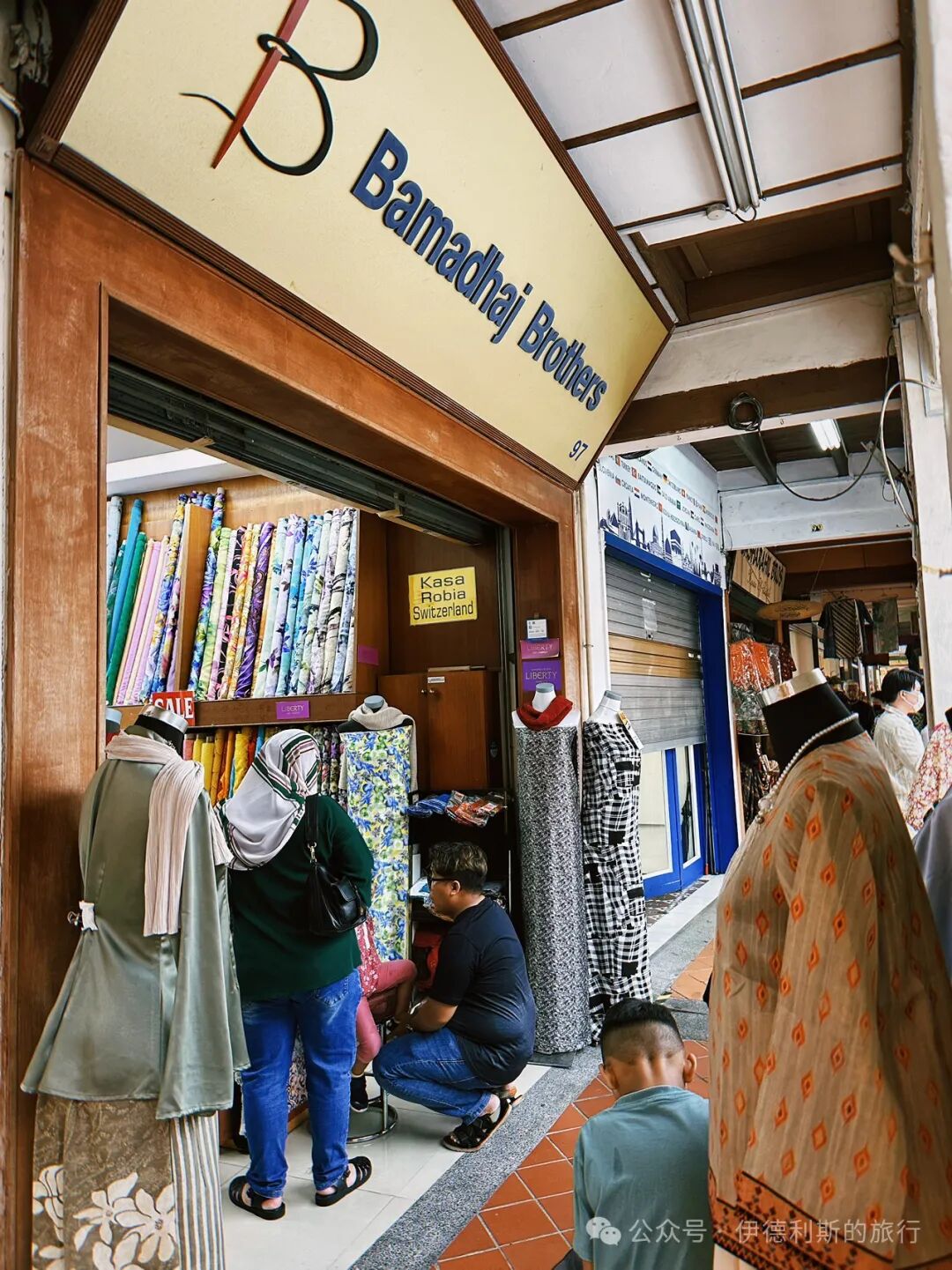
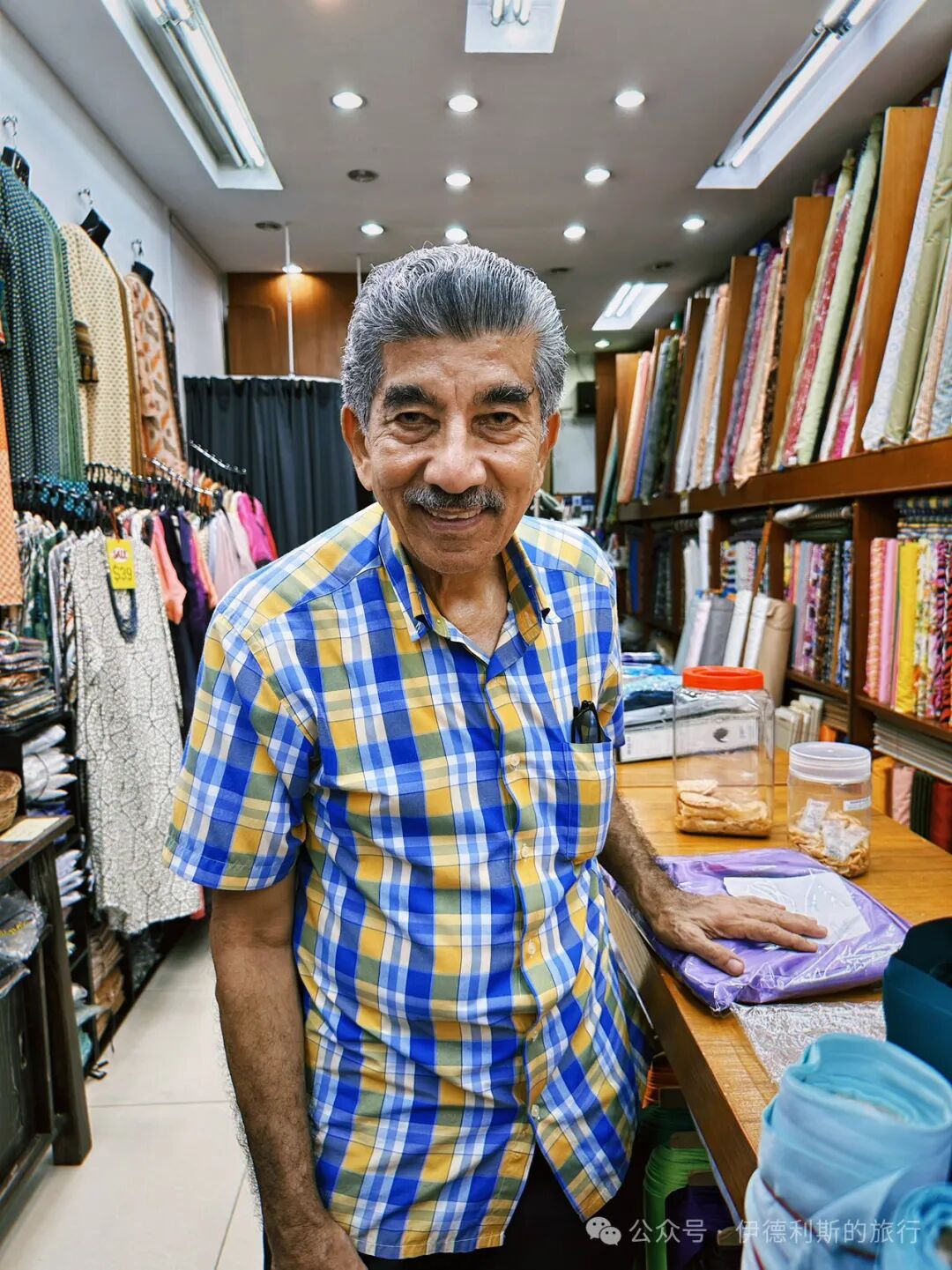
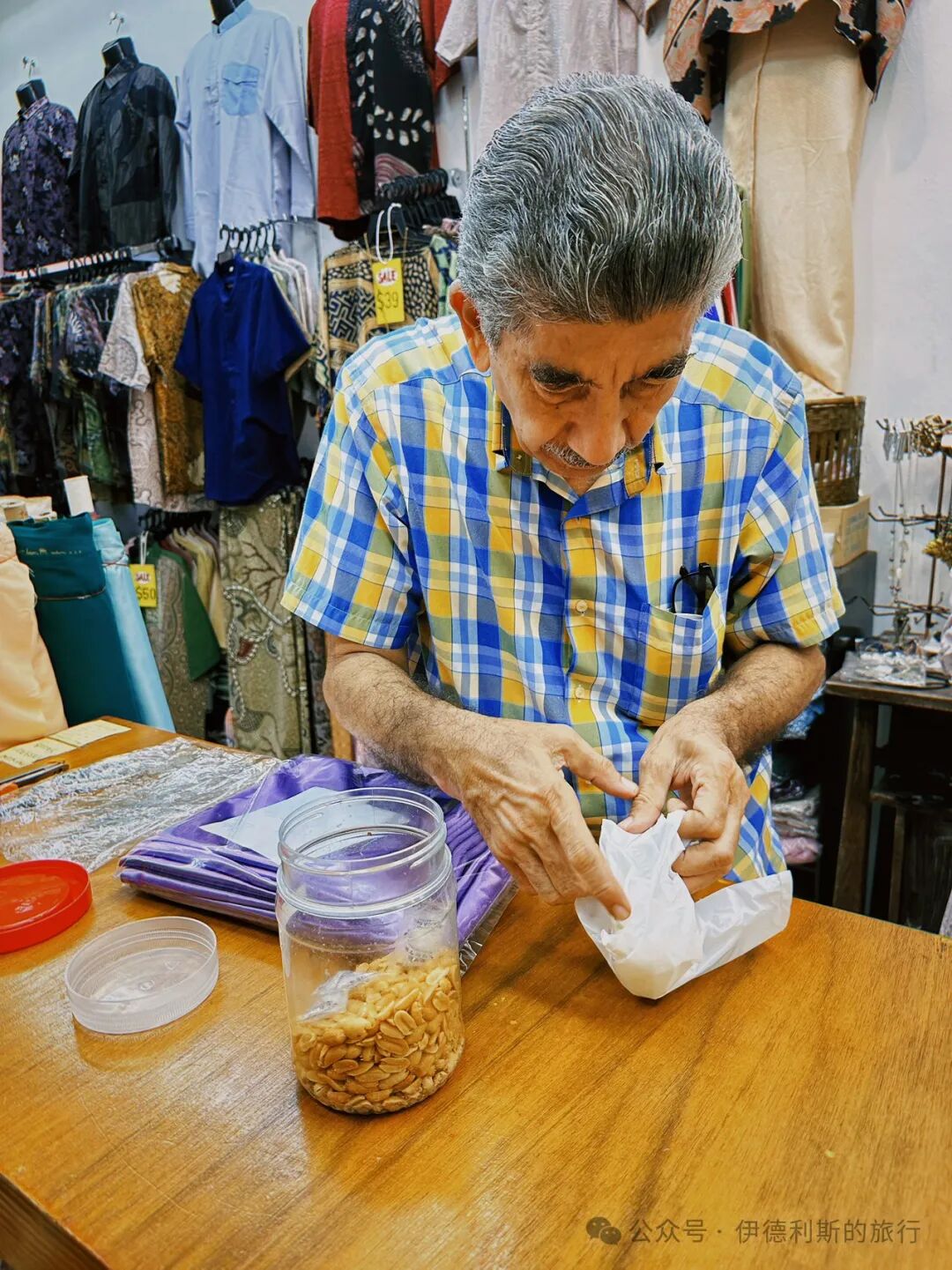
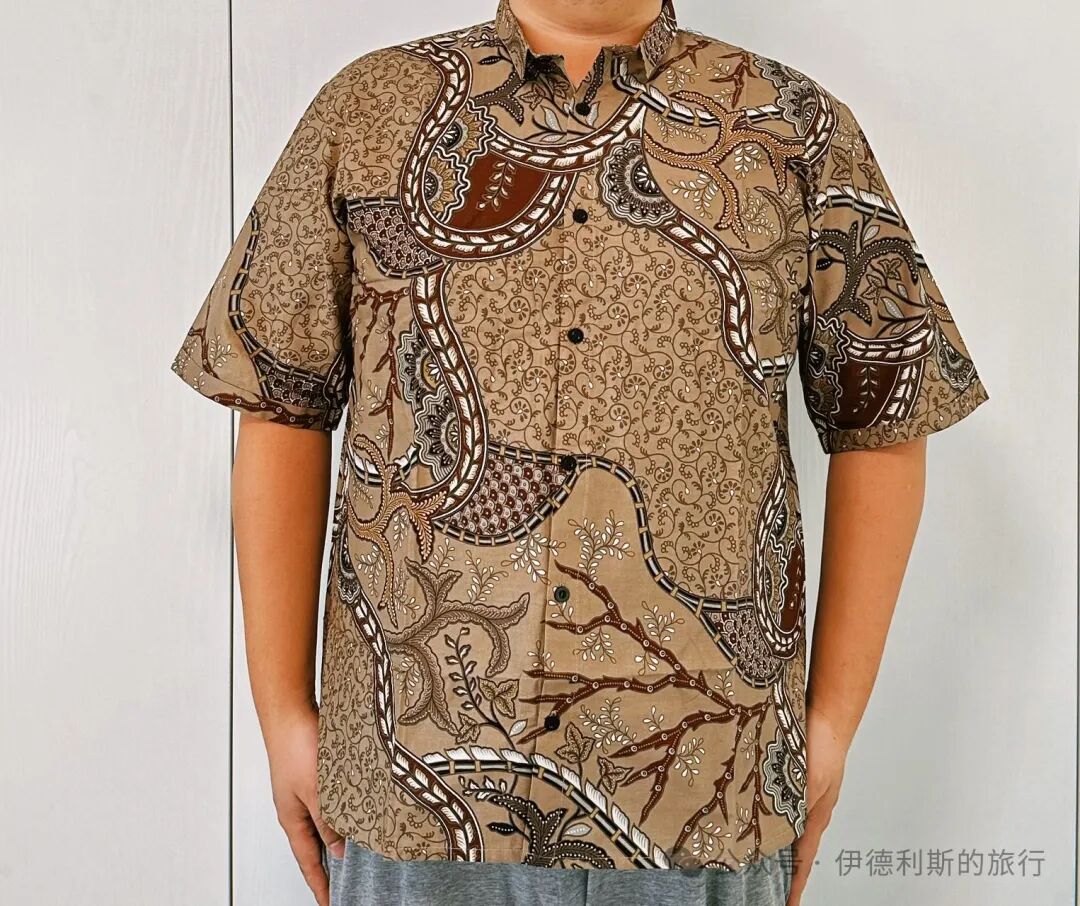
Another Hadhrami-owned batik shop we visited on Arab Street is Bamadhaj Brothers. The owner, Yacob Bamadhaj, had a grandfather who came to Singapore in 1893 to trade textiles. His father officially opened the current shop on Arab Street in 1955, and Yacob later took it over. Yacob Bamadhaj speaks Chinese and is very friendly, yet he is also very sharp. You can really see the image of a Singaporean Arab merchant in him. We bought traditional batik clothing at his shop, and it has a very authentic Nanyang style when worn.
In 1824, a Hadhrami named Syed Abdul Rahman Al-Sagoff left Yemen with his son to trade spices in Singapore. In 1848, his son officially established the Alsagoff company. The Alsagoff family later achieved great commercial success and at one point dominated the spice trade in Singapore.
In 1912, the Alsagoff family founded the Alsagoff Arab School (Madrasah Alsagoff Al-Arabiah) in Kampong Glam, which is the oldest existing Islamic school in Singapore.
Habib Noh (1788-1866) was a Sufi saint (wali) of Hadhrami descent. His father left Yemen by boat in 1788 to make a living in Penang, Malaysia, and Habib Noh was born on that ship. Habib Noh grew up in Penang, but after Sir Stamford Raffles established Singapore in 1819, he moved there to live.
Habib Noh was highly respected for his piety, kindness, and generosity. During his lifetime, he was recognized as a wali, or saint, and was seen as a protector by Malay sailors. After Habib Noh passed away in 1866, thousands of people attended his funeral. Habib Noh often spent time in quiet meditation on Palmer Hill in Singapore, and he was buried at the top of the hill according to his wishes.
In 1890, the Alsagoff family, who were also from the Hadhramaut region of Yemen, built a mausoleum for Habib Noh known as Keramat Habib Noh. The term keramat originally refers to the miracles of a Sufi wali, but in Malaysia and Singapore, it is used to refer to a Sufi gongbei.
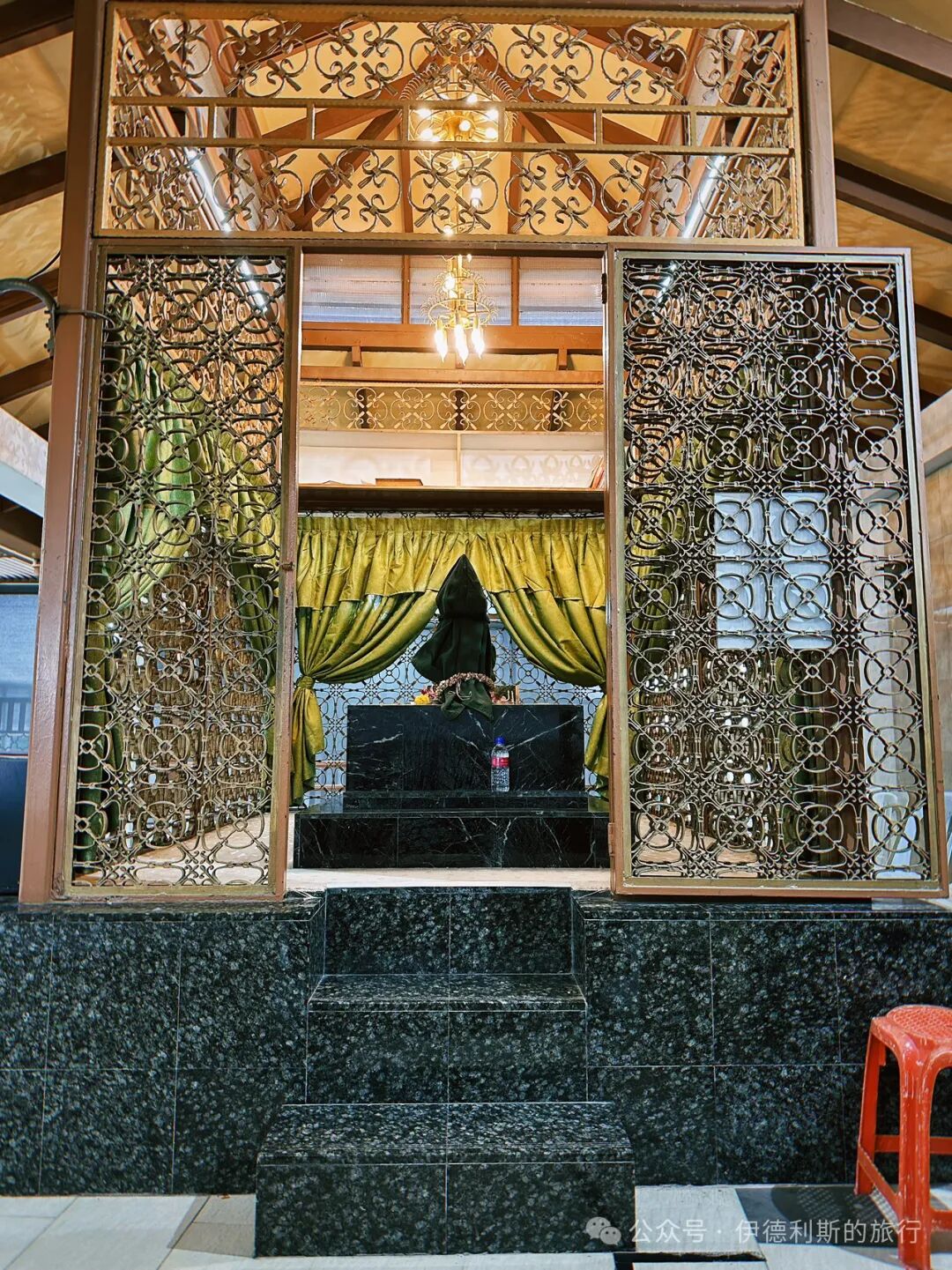
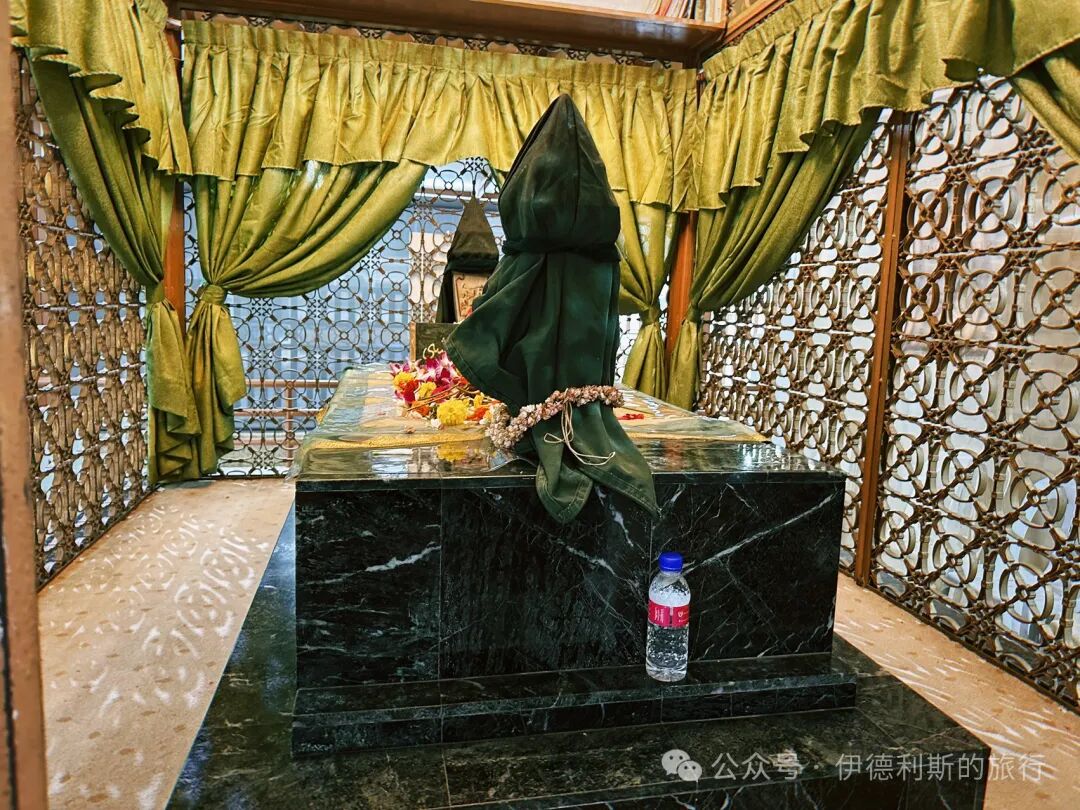
The mausoleum of Habib Noh is connected to the ground by 49 steps. Besides Habib Noh himself, his cousin Sayid Abdur Rahman bin Salim Al Habsyi is also buried here. He passed away in 1867 and was the first qadhi, or religious judge, in Singapore.
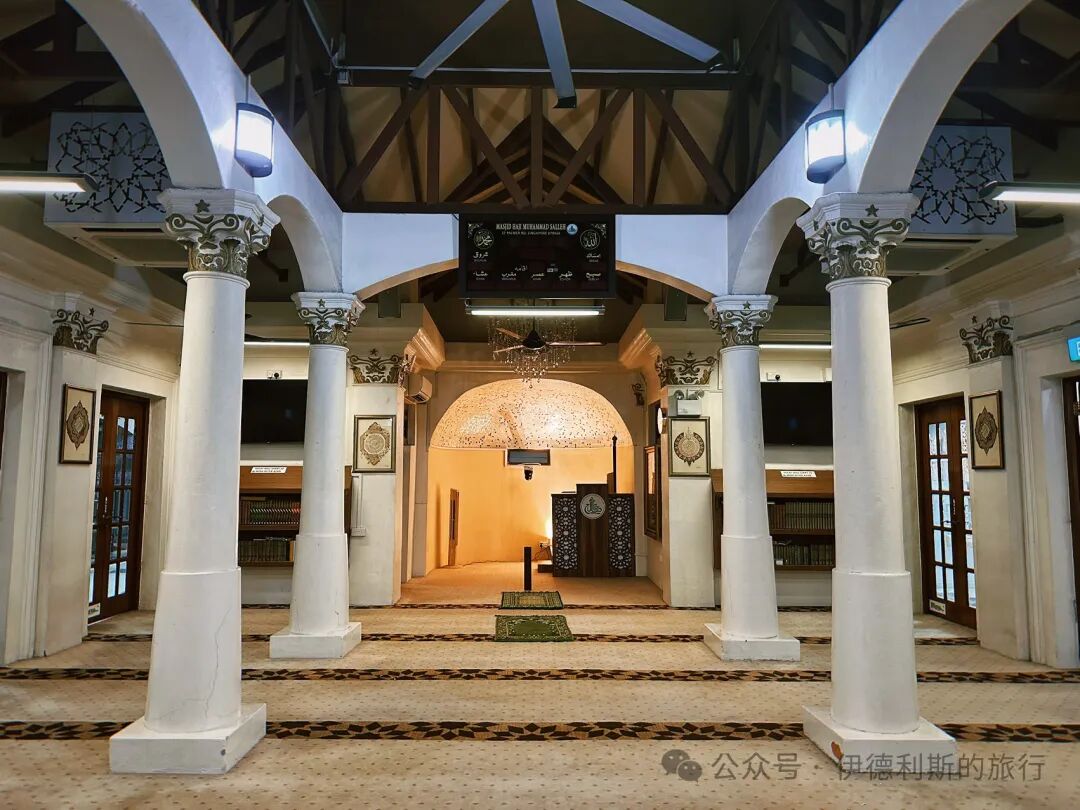
At the foot of the hill, there is also the Haji Muhammad Salleh mosque. Haji Muhammad Salleh was a merchant from Batavia, now known as Jakarta, and was a close friend of Habib Noh. While Habib Noh was still alive, he intended to build a small prayer hall (surau) for him on Palmer Hill, but it was not finished when Habib Noh passed away. The site was eventually rebuilt as the Haji Muhammad Salleh mosque in 1903. view all
Summary: This Singapore article follows the history of Arab merchants and their ties to Kampong Glam, trade, migration, and Muslim community life. It keeps the original names, historical details, and travel observations in clear English.
The eastern part of Yemen on the Arabian Peninsula and its surrounding areas are traditionally known as the Hadhramaut region. The Hadharem people who live here are a branch of the Arab people. The Hadharem have a long tradition of sailing and trade. They followed the Indian Ocean monsoon winds to East Africa, southern India, and the coasts of Southeast Asia to trade goods with locals, and some chose to settle down.
After Sir Stamford Raffles established a free trade port in Singapore in 1819, Syed Mohammed bin Harun Aljunied, the head of the Hadhrami Aljunied family who was doing business in Palembang, Sumatra, immediately led his family to Singapore. Sir Raffles gave them a warm welcome. By the mid-19th century, the Aljunied family had built a spice and batik clothing trade network connecting Bangkok, Thailand, with Chennai and Mumbai in India. They bought a piece of land southwest of Kampong Glam. This area gradually attracted other Arab merchants to open shops, so it became known as Arab Street.
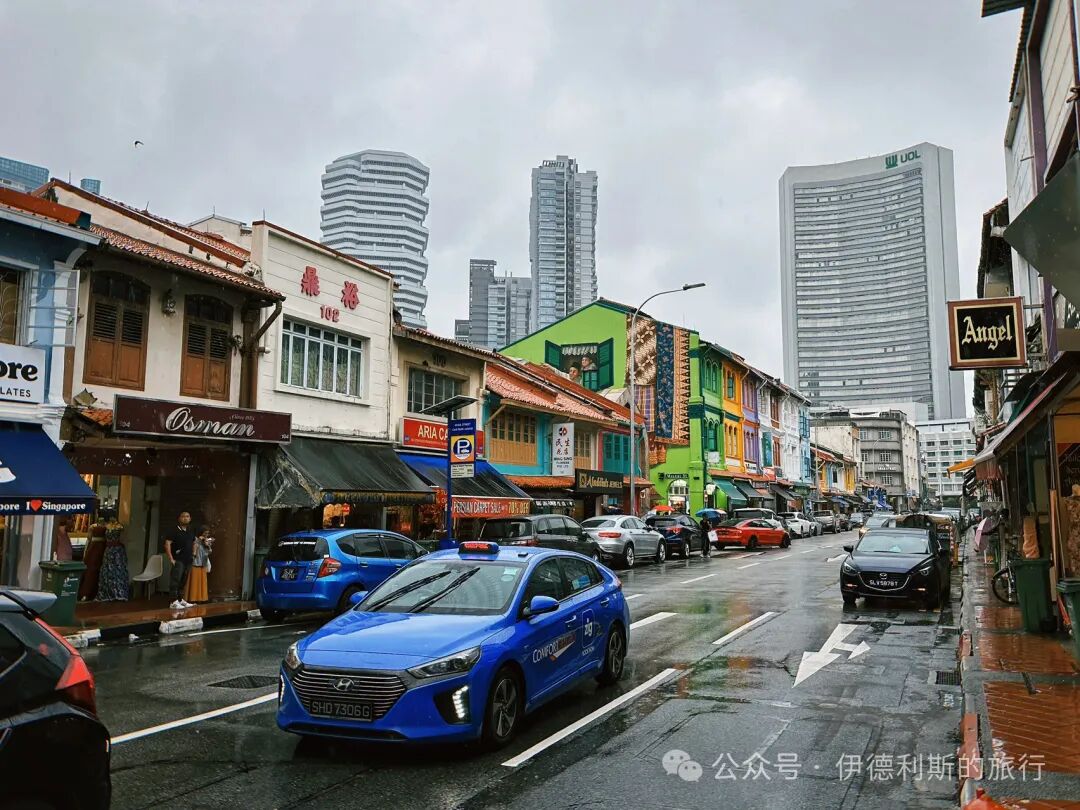
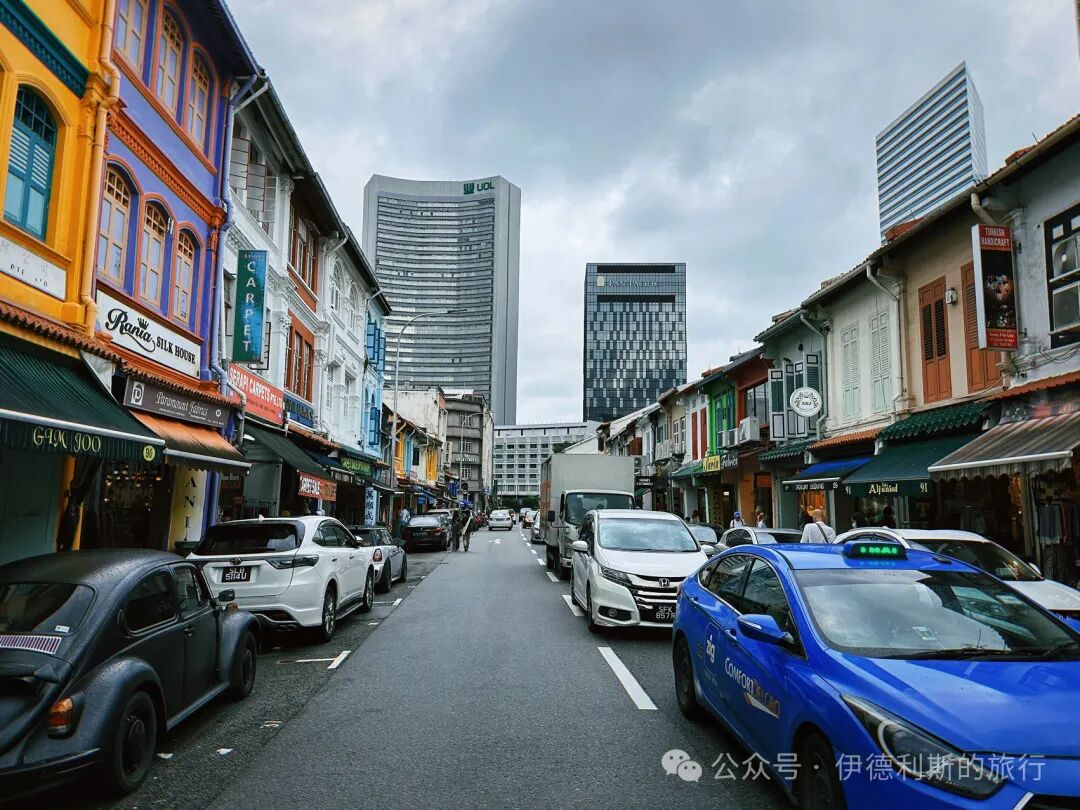
Today, there is a batik and Nyonya clothing store on Arab Street called Toko Aljunied, which opened in 1940 and is owned by the Aljunied family. When Toko Aljunied first opened, it sold both perfume and batik clothing. Later, they opened a separate shop called Aljunied Brothers to sell perfume, while Toko Aljunied focused on batik and Nyonya clothing. Their Nyonya clothing is especially popular, and even the mother of Singapore's founding Prime Minister Lee Kuan Yew was once a customer.
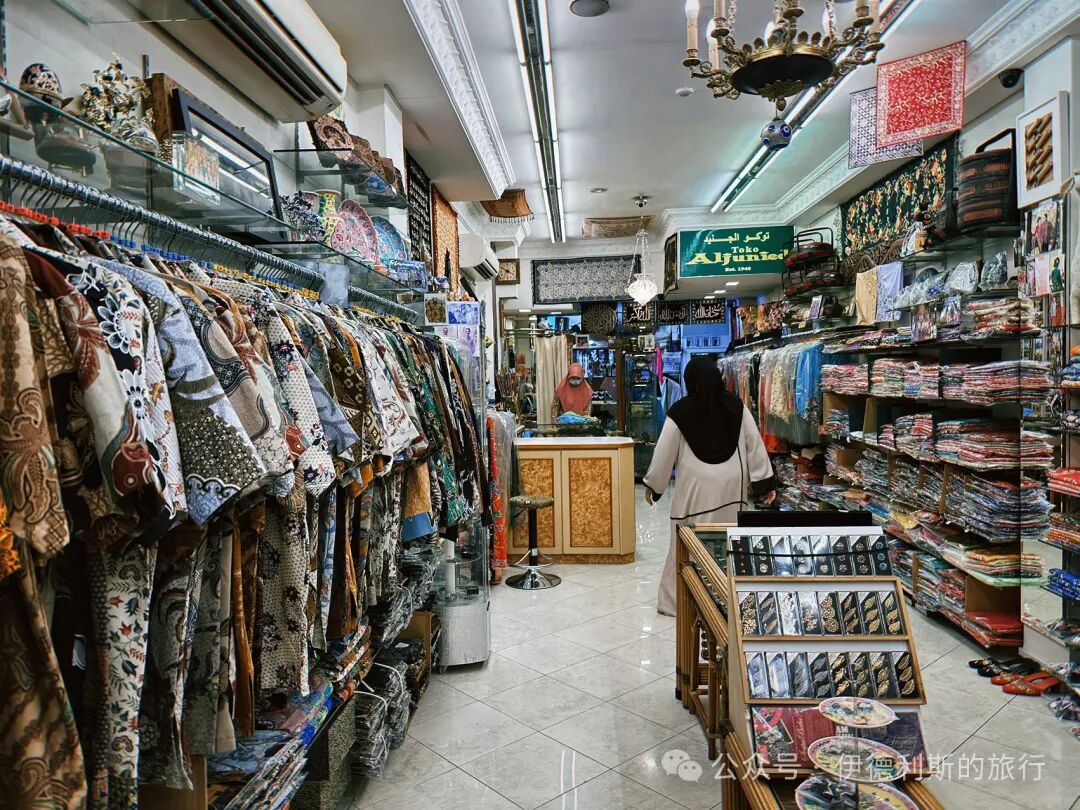
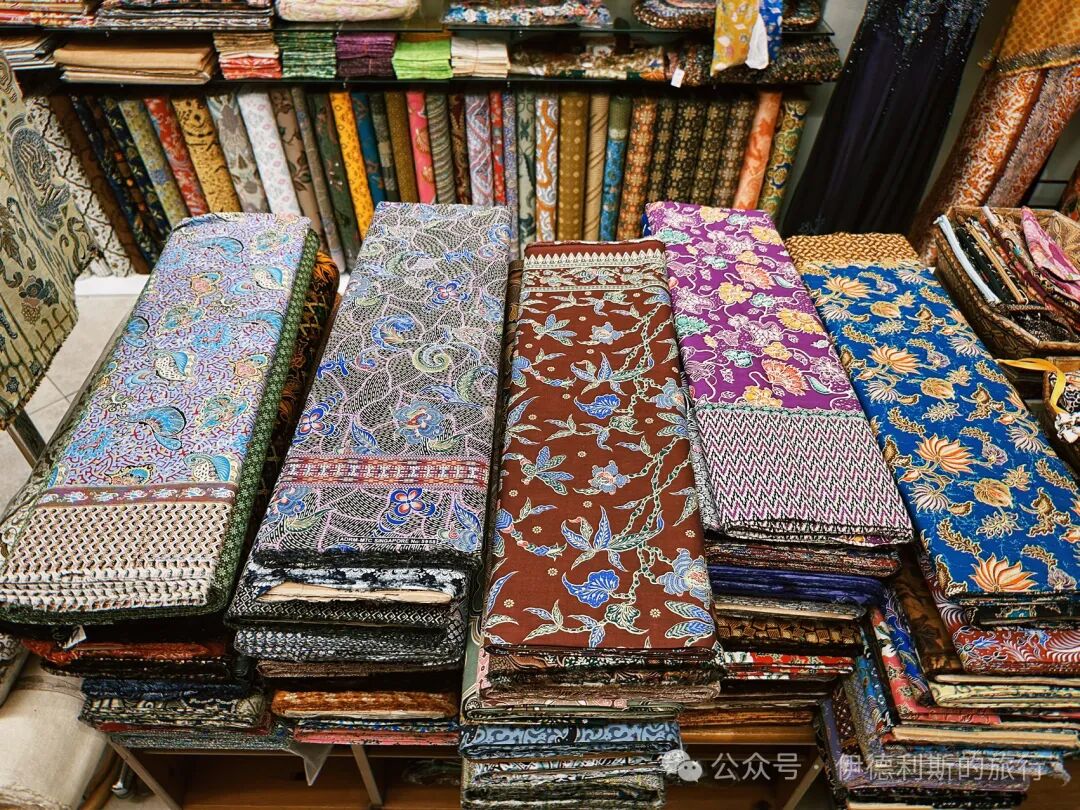
Another Hadhrami-owned batik shop we visited on Arab Street is Bamadhaj Brothers. The owner, Yacob Bamadhaj, had a grandfather who came to Singapore in 1893 to trade textiles. His father officially opened the current shop on Arab Street in 1955, and Yacob later took it over. Yacob Bamadhaj speaks Chinese and is very friendly, yet he is also very sharp. You can really see the image of a Singaporean Arab merchant in him. We bought traditional batik clothing at his shop, and it has a very authentic Nanyang style when worn.
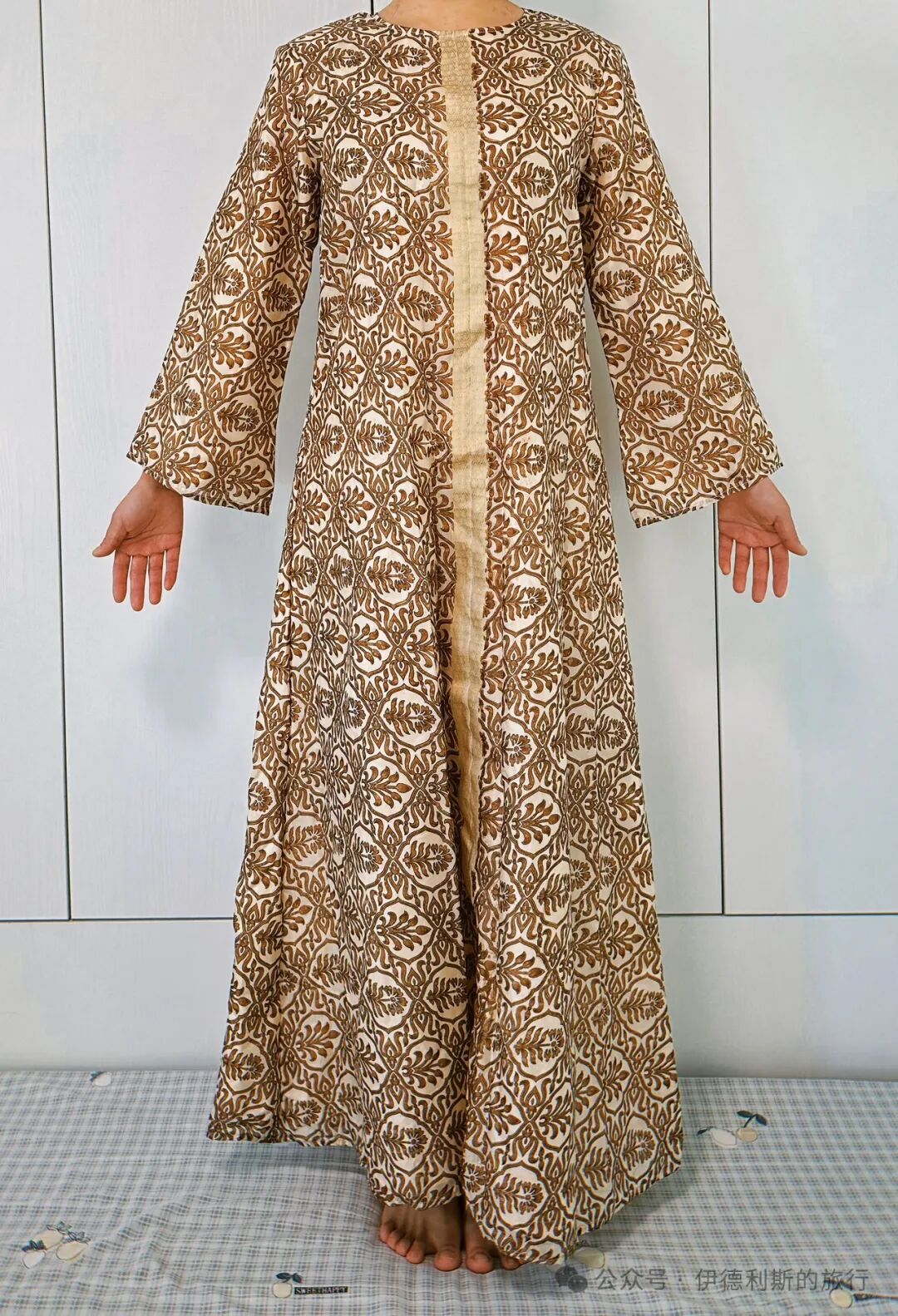
In 1824, a Hadhrami named Syed Abdul Rahman Al-Sagoff left Yemen with his son to trade spices in Singapore. In 1848, his son officially established the Alsagoff company. The Alsagoff family later achieved great commercial success and at one point dominated the spice trade in Singapore.
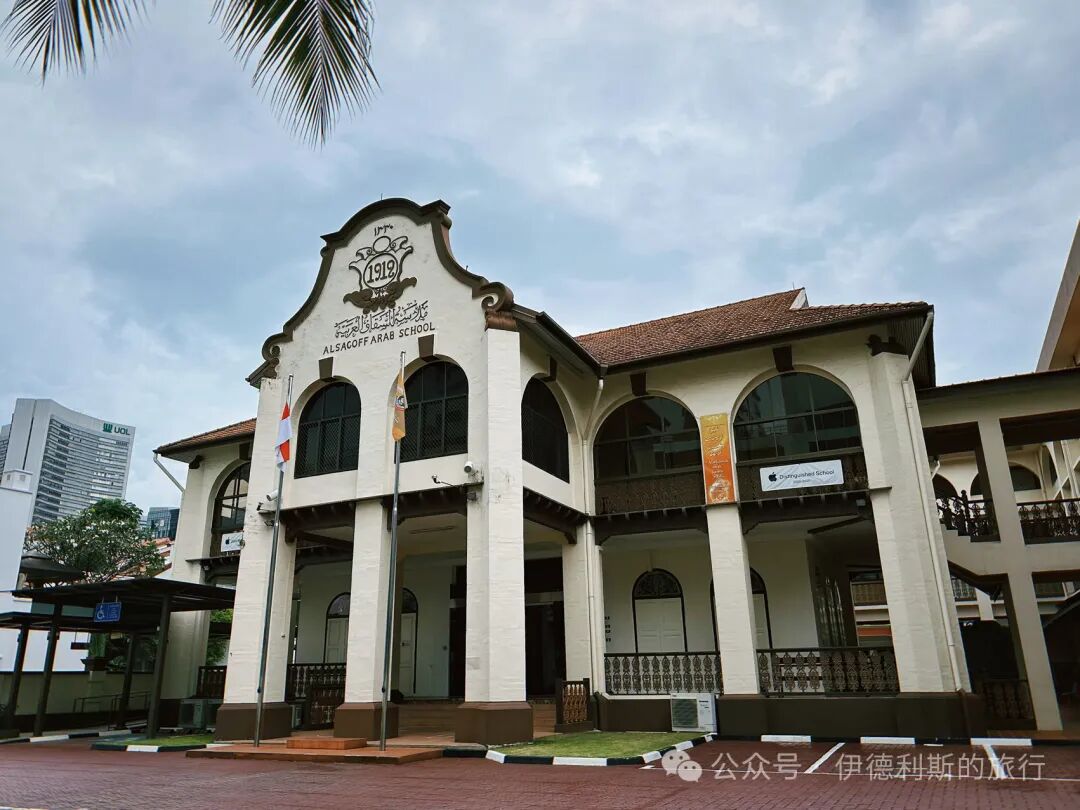
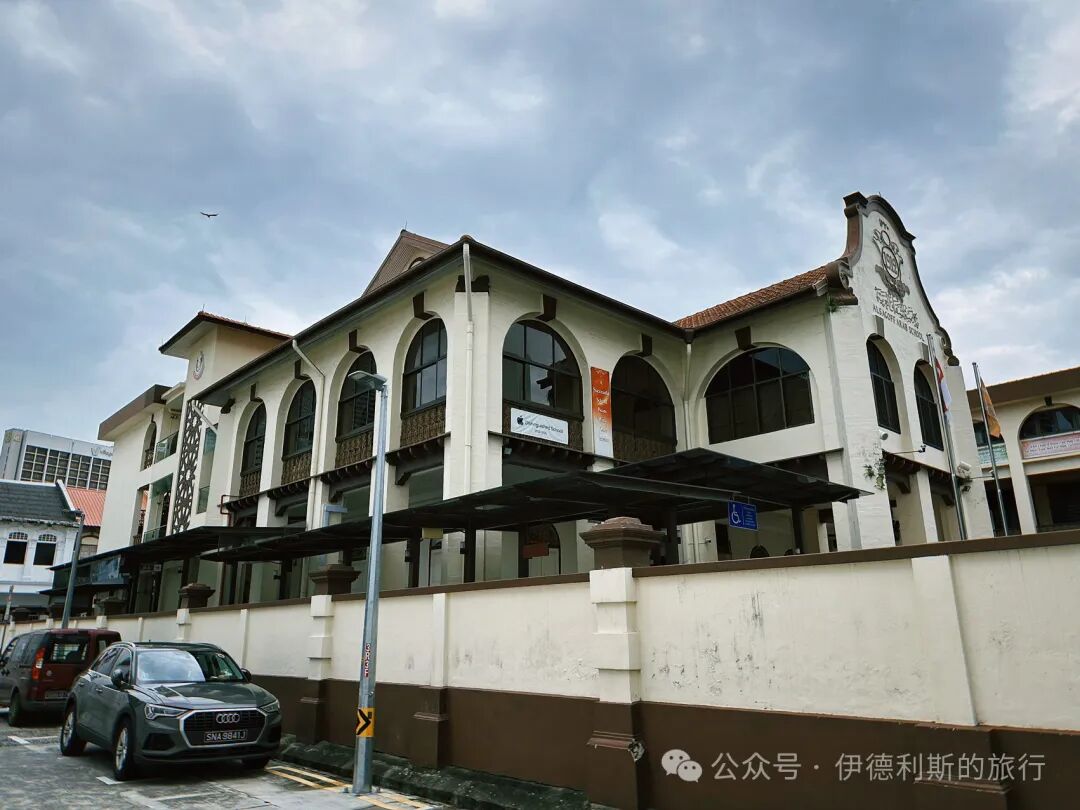
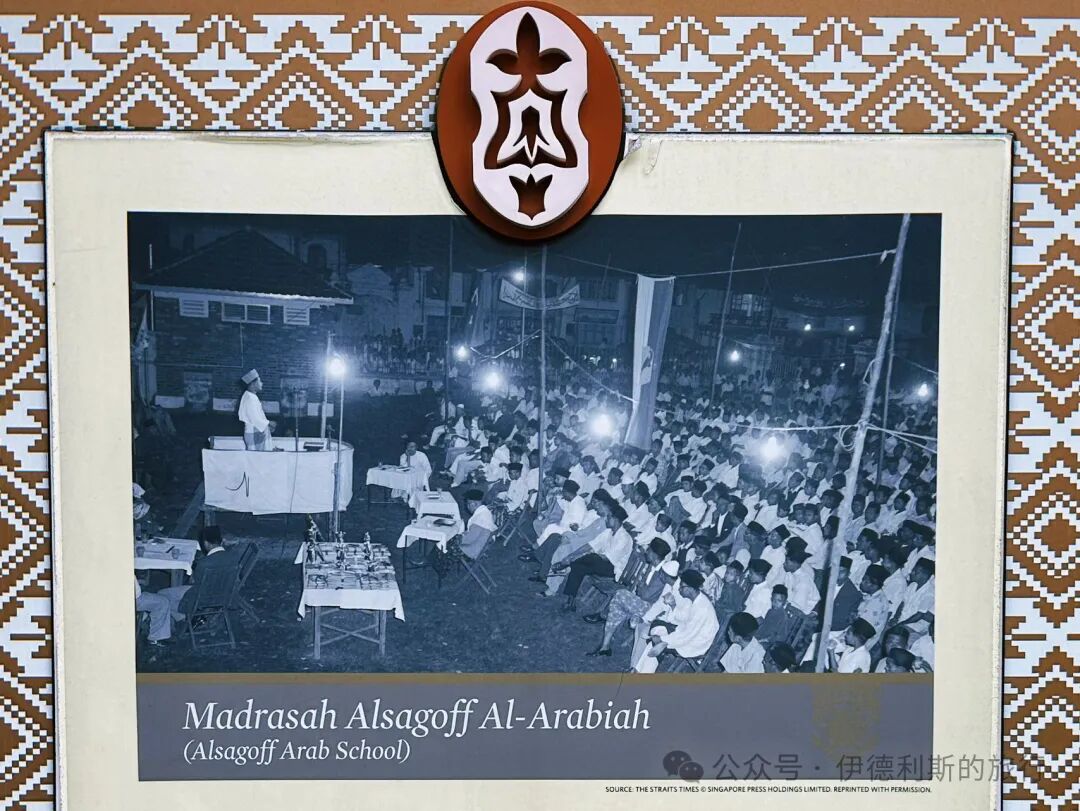
In 1912, the Alsagoff family founded the Alsagoff Arab School (Madrasah Alsagoff Al-Arabiah) in Kampong Glam, which is the oldest existing Islamic school in Singapore.
Habib Noh (1788-1866) was a Sufi saint (wali) of Hadhrami descent. His father left Yemen by boat in 1788 to make a living in Penang, Malaysia, and Habib Noh was born on that ship. Habib Noh grew up in Penang, but after Sir Stamford Raffles established Singapore in 1819, he moved there to live.
Habib Noh was highly respected for his piety, kindness, and generosity. During his lifetime, he was recognized as a wali, or saint, and was seen as a protector by Malay sailors. After Habib Noh passed away in 1866, thousands of people attended his funeral. Habib Noh often spent time in quiet meditation on Palmer Hill in Singapore, and he was buried at the top of the hill according to his wishes.
In 1890, the Alsagoff family, who were also from the Hadhramaut region of Yemen, built a mausoleum for Habib Noh known as Keramat Habib Noh. The term keramat originally refers to the miracles of a Sufi wali, but in Malaysia and Singapore, it is used to refer to a Sufi gongbei.
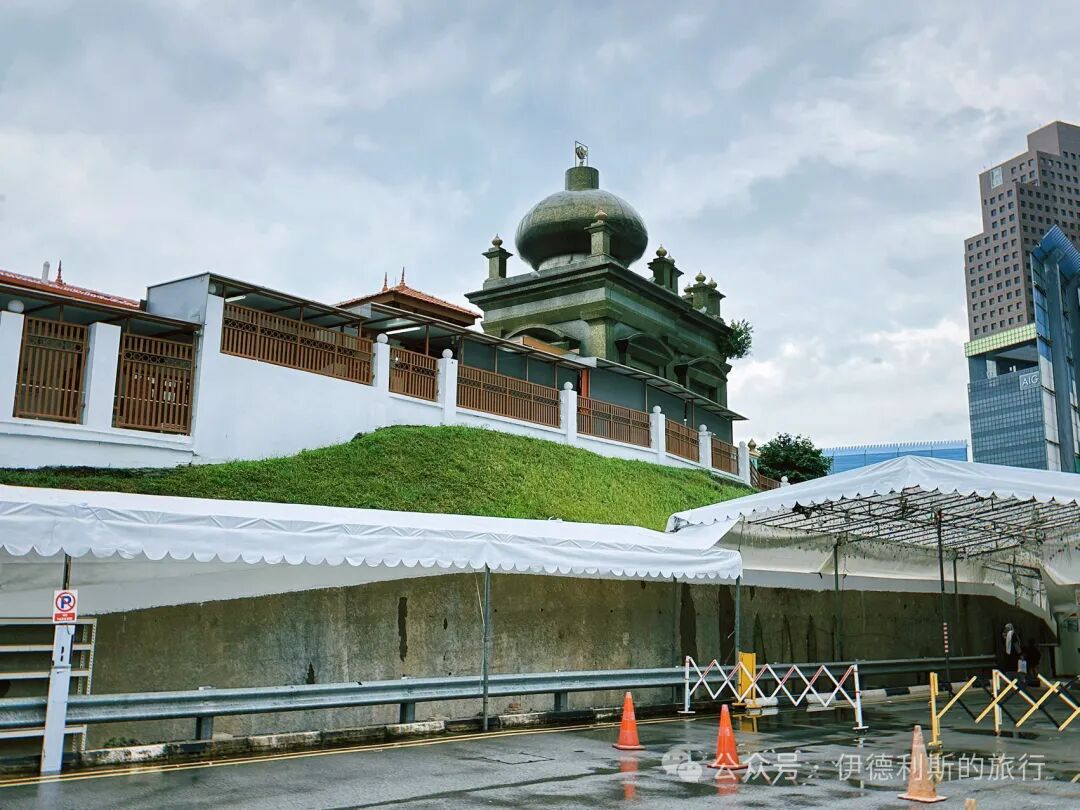
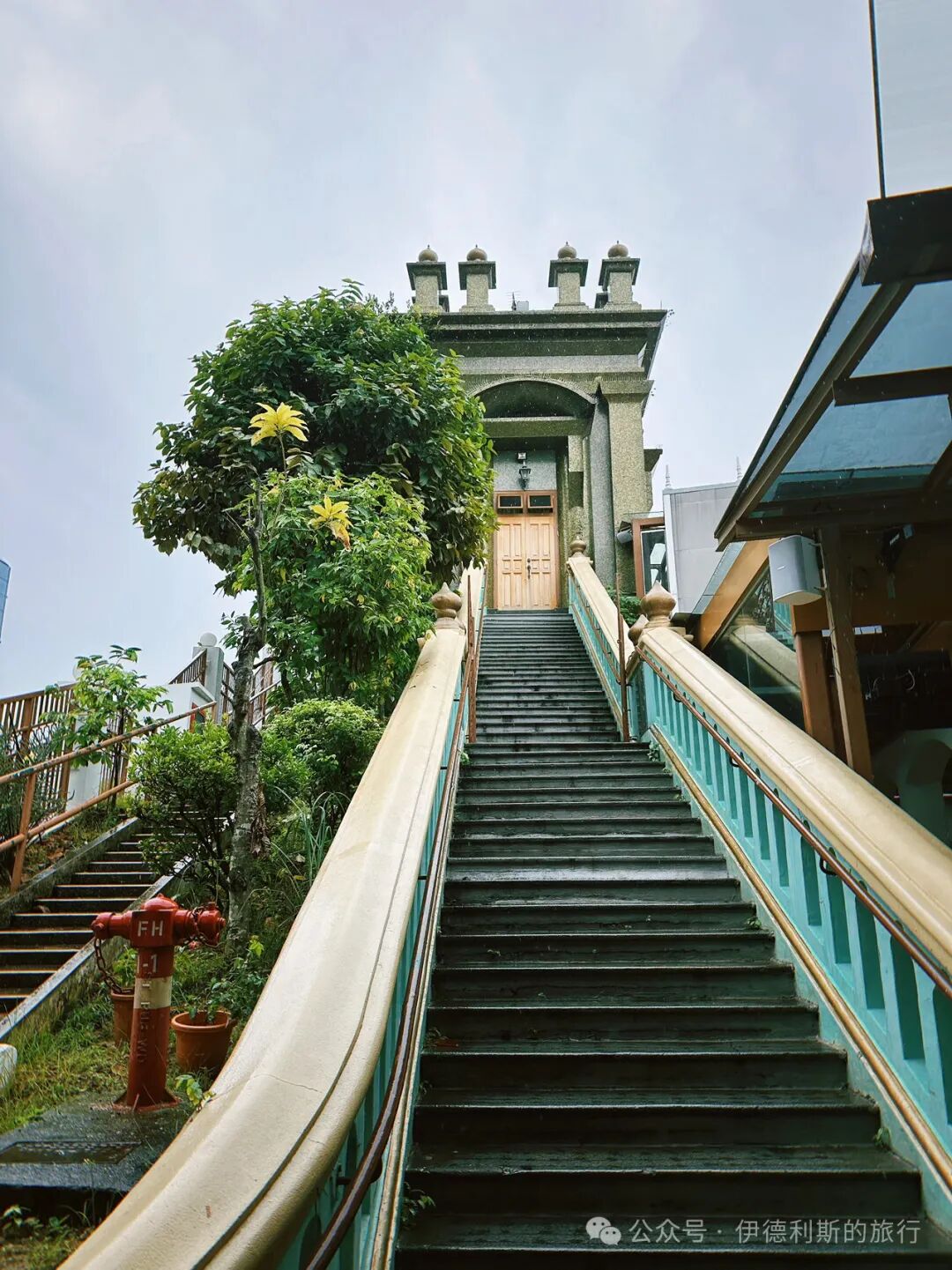
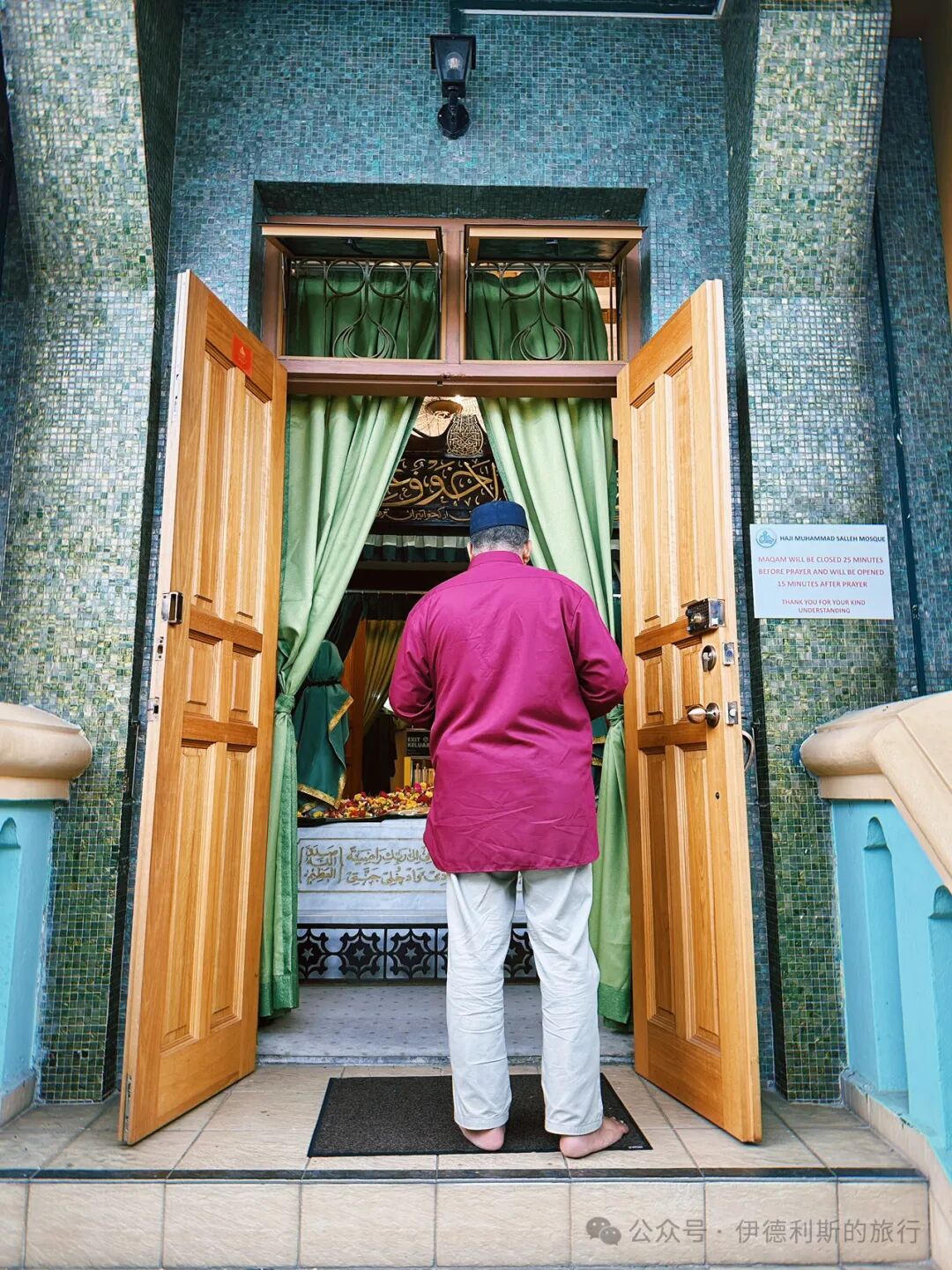
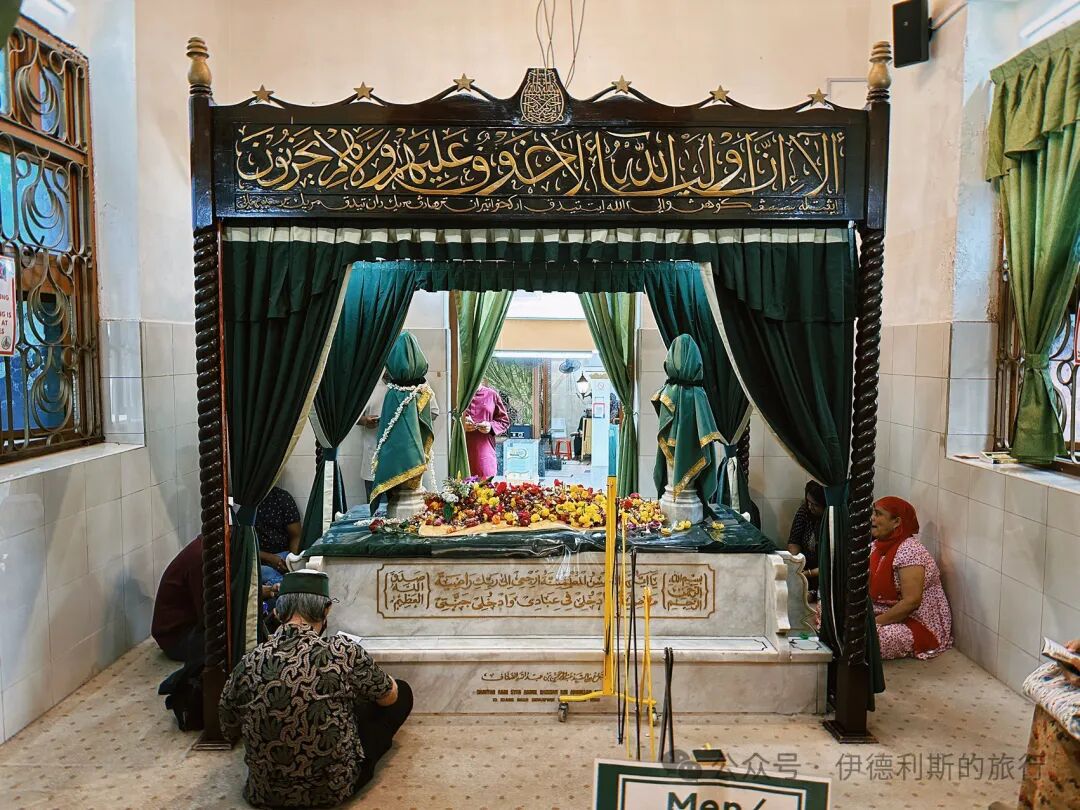
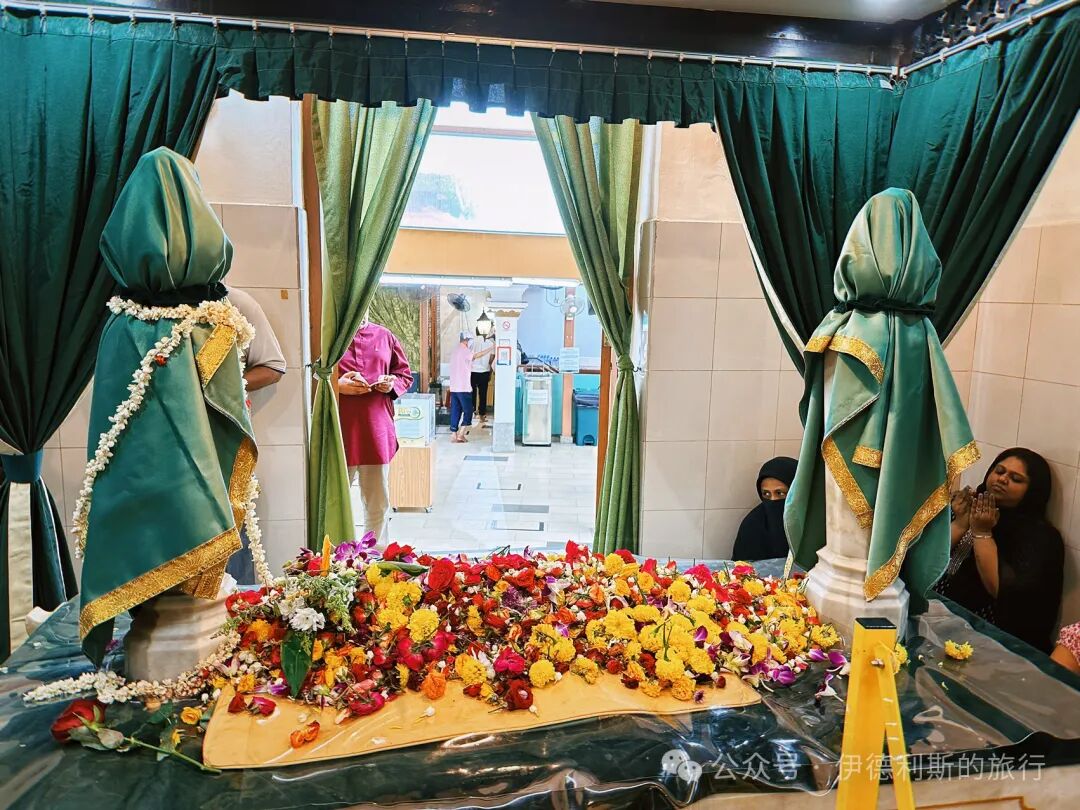
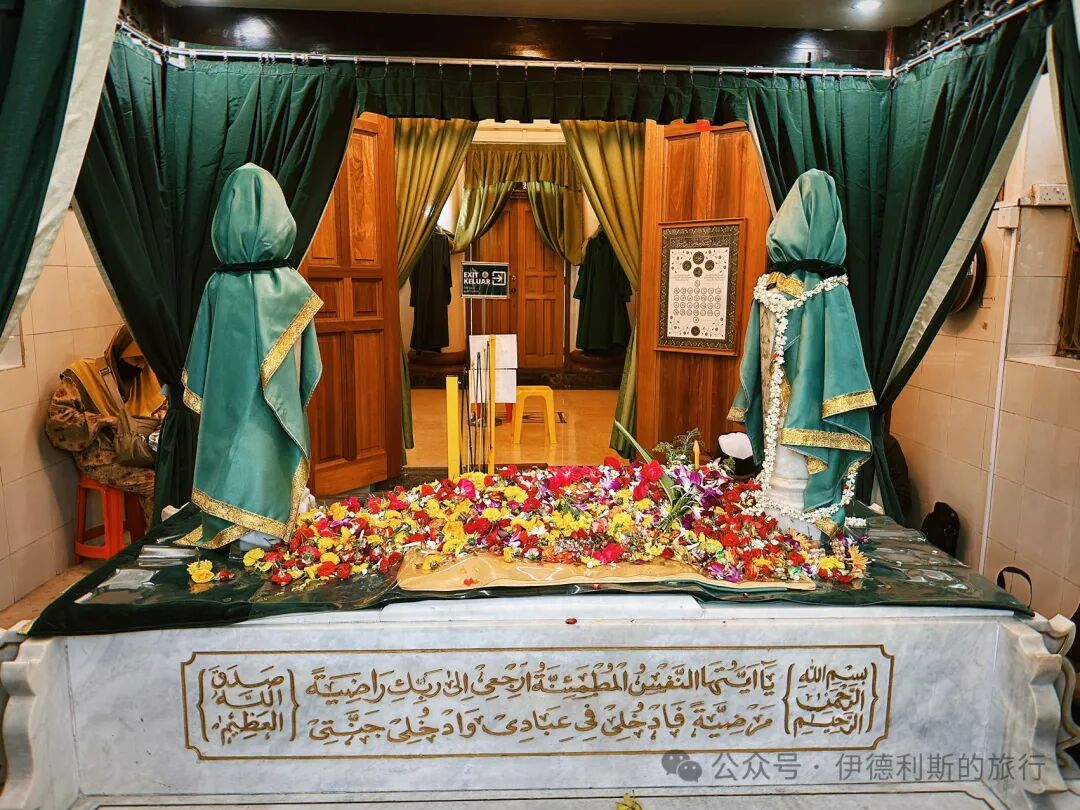
The mausoleum of Habib Noh is connected to the ground by 49 steps. Besides Habib Noh himself, his cousin Sayid Abdur Rahman bin Salim Al Habsyi is also buried here. He passed away in 1867 and was the first qadhi, or religious judge, in Singapore.
At the foot of the hill, there is also the Haji Muhammad Salleh mosque. Haji Muhammad Salleh was a merchant from Batavia, now known as Jakarta, and was a close friend of Habib Noh. While Habib Noh was still alive, he intended to build a small prayer hall (surau) for him on Palmer Hill, but it was not finished when Habib Noh passed away. The site was eventually rebuilt as the Haji Muhammad Salleh mosque in 1903.
Halal Travel Guide: Singapore - Geylang Serai Malay Market and Muslim Food
Articles • ali2007fr posted the article • 0 comments • 183 views • 2026-05-19 07:25
Summary: This Singapore article walks through the Malay market in Geylang Serai and records food, shops, neighborhood scenes, and Malay Muslim culture. It keeps the original market details, dishes, prices, and small observations in clear English.
Geylang Serai is located near the Geylang River in eastern Singapore. Geylang likely comes from the name of a tribe of indigenous sea people (Orang Laut) who lived here when the British arrived in the early 19th century. Serai refers to the lemongrass grown in nearby plantations during the late 19th century.
Malay villages were scattered along the Geylang River in the 19th century, but there were not many people there at first. After the 1920s, as rent and living costs in downtown Singapore rose, many Malays moved to the Geylang Serai area in the east. By the 1930s, Geylang Serai had become a densely populated suburb. After World War II, more Malays settled in Geylang Serai, and it became an important Malay community in Singapore.
The Malay market (pasar) in Geylang Serai dates back to the 1920s. The Japanese turned it into an amusement park during World War II, but it returned to being a busy Malay market after the war, where local Malays came to shop. Singapore started the Geylang Serai development project in 1962. The Geylang Serai market officially opened in 1964, becoming a place for Malays to buy fresh vegetables, meat, cooked food, clothing, and various groceries. The Geylang Serai market was rebuilt between 2006 and 2010. The new market has two floors and is larger and cleaner.
Since it was built, the Geylang Serai market has been the largest Malay market in Singapore and the best place to experience Malay culture.
We first ate the classic Malay street snack Putu Piring at Haig Road Putu Piring on the first floor of the Geylang Serai market. This shop has been open since 1985. We chose the durian flavor, and they really put durian fruit inside. Putu Piring was first brought to Southeast Asia by immigrants from Fujian. To make it, you put crushed peanuts, shredded coconut, and palm sugar into rice flour and press it into a special stainless steel mold.
Walking inside from the first floor, you find a place selling all kinds of traditional Malay fruits and vegetables. Then, you go up to the second floor to find where Malays buy clothes.
After going up to the second floor, we first went to the Malay cake stall Kueh Talam Asli. Kueh Talam also originated in Indonesia. Kueh means cake, and Talam is the Indonesian word for tray. Kueh Talam refers to a cake made by steaming rice flour, coconut milk, and other ingredients in a rectangular tray. Traditional Kueh Talam usually has two layers. When making it, you put the bottom layer in the tray first, steam it until it is half-cooked, and then add the top layer. The green color in the rice cakes (kueh) comes from pandan leaf juice, the brown from coconut sugar, the yellow from sweet potato, pumpkin, or corn, and the purple from purple sweet potato or taro.
Also, this stall in the market (pasar) called Warong Keluarga has a wide variety of traditional Malay cakes and snacks that I should try next time.
Otak-otak is a fish cake that started in Palembang, Sumatra. It is made by wrapping minced fish, tapioca flour, shredded coconut, and spices in a banana leaf and grilling it. Unlike the white version in Indonesia, otak-otak in Singapore and Malaysia contains chili, shrimp paste (belacan), and turmeric, which gives it an orange-red color.
Cendol is a Southeast Asian shaved ice dessert. It features pandan and glutinous rice noodles topped with coconut milk and palm sugar syrup. In traditional Javanese food, cendol usually only has green pandan noodles, unlike the versions in Singapore and Malaysia that include red beans. To show they are authentic, this cendol shop in Geylang Serai Market uses English, pinyin, Tamil, and Malay to state they do not serve red beans, which is an interesting cultural detail.
Besides Malay stalls, Geylang Serai Market also has halal Indian and Chinese stalls, showing the cultural diversity of Singapore.
We tried the classic Southeast Asian salad, rojak, at a very popular stall on the second floor of the market called Rojak & Mee Siam. Rojak is said to have started on the island of Java. It was originally a mix of fruits and vegetables with spicy palm sugar syrup, but it spread to Indonesia, Malaysia, and Singapore with Javanese migrants and developed into many different styles.
In Singapore, rojak is mainly split into fruit rojak (rojak buah) and Indian rojak (rojak india). The one we ate was Indian rojak. Indian rojak is mostly sold by Tamil Muslim stalls (mamak stalls) and includes items like bean curd, fish cakes, tempeh, cucumber, beef lung, fried dough sticks, and eggs. Customers point to what they want at the window, then the staff cuts and heats it in the back kitchen before adding a thick, spicy, sweet sauce made from mashed sweet potatoes. It is very popular with Malay people.
Next to Kueh Talam Asli is the only Chinese stall in the market, an old shop called Chee Kong clear soup (qing tang) that opened in the 1950s. The clear soup (qing tang) can be served with longan, sweet potato, and ginkgo nuts, and you can have it hot or cold. Drinking a bowl of clear soup (qing tang) is very refreshing after eating a lot of spicy Malay food.
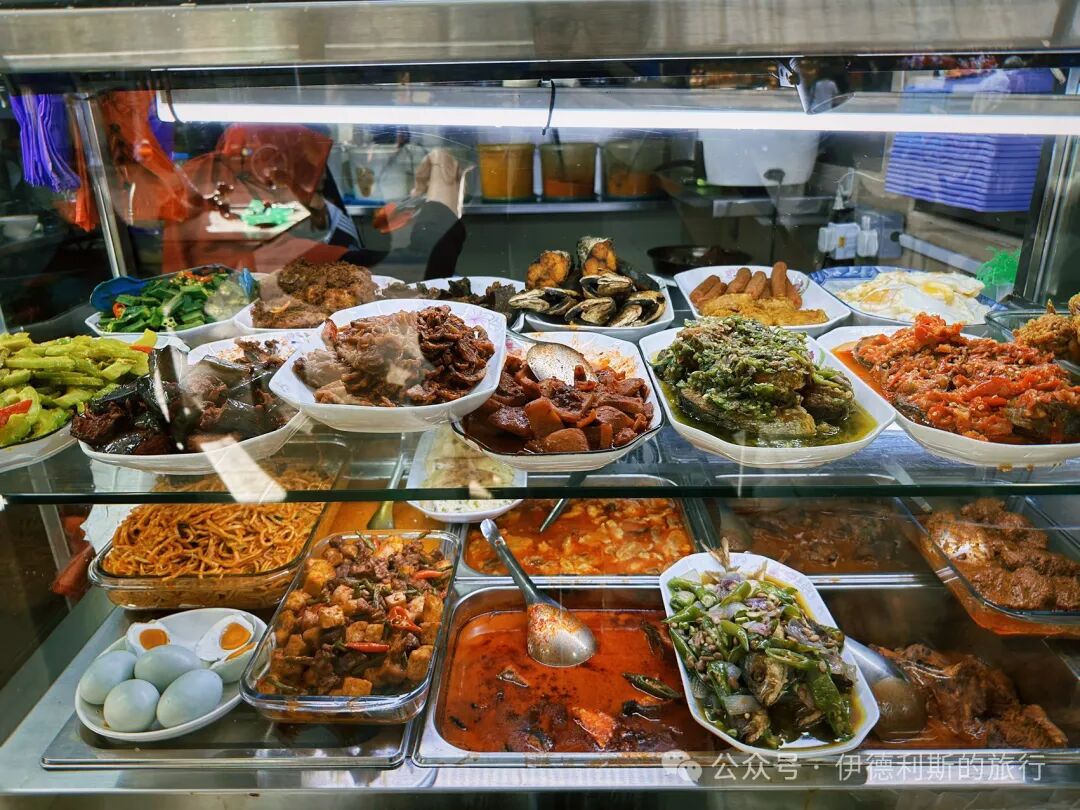
Besides Geylang Serai Market, the Haig Road Market & Food Centre to the west also has plenty of Malay food. At the first stall, we had the most affordable Malay boiled noodles (mee rebus), which features yellow egg noodles topped with a thick, sweet and spicy curry sauce, plus lime, green chili, and dried anchovies.
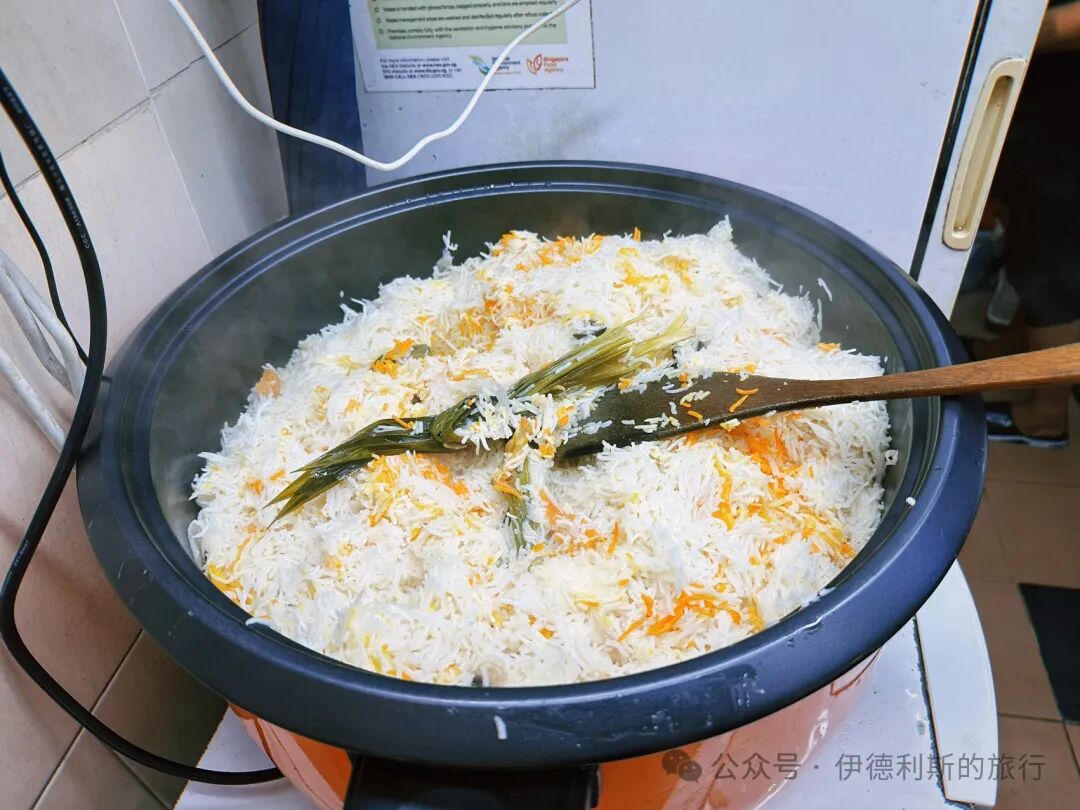
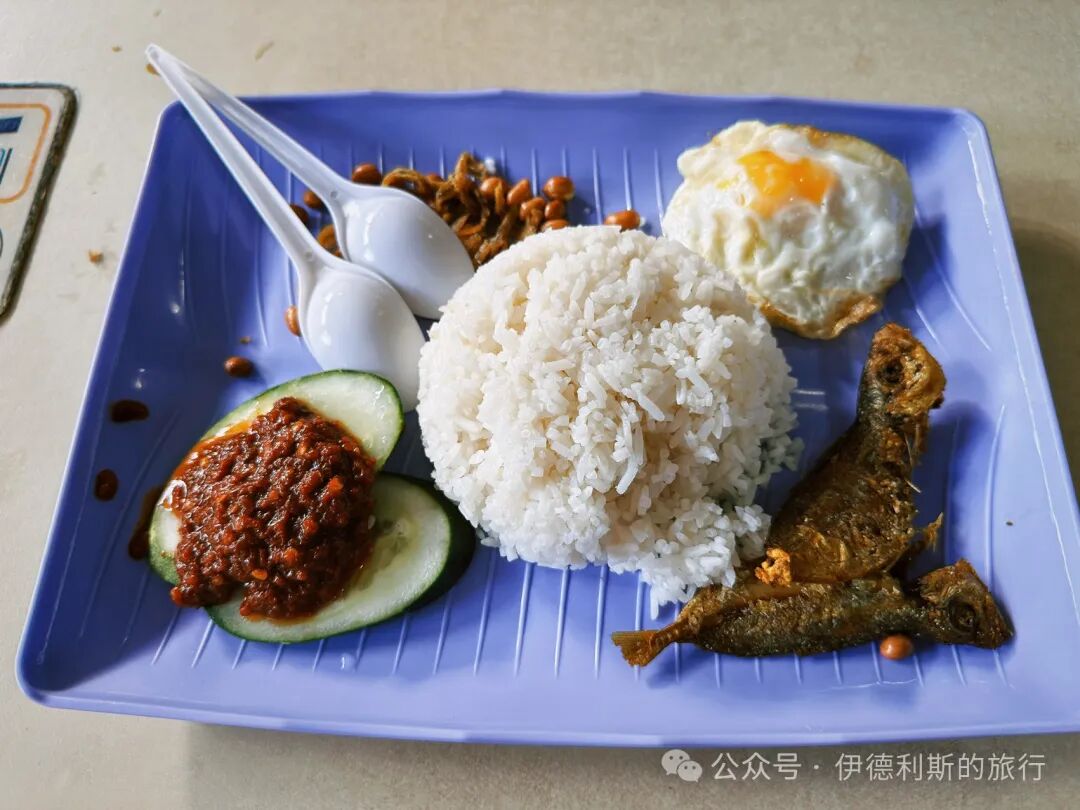
At the second stall, we had another affordable Malay snack, coconut milk rice (nasi lemak), made with rice cooked in coconut milk and pandan leaves, served with fried fish, sambal chili paste, a fried egg, fried peanuts, and dried anchovies.
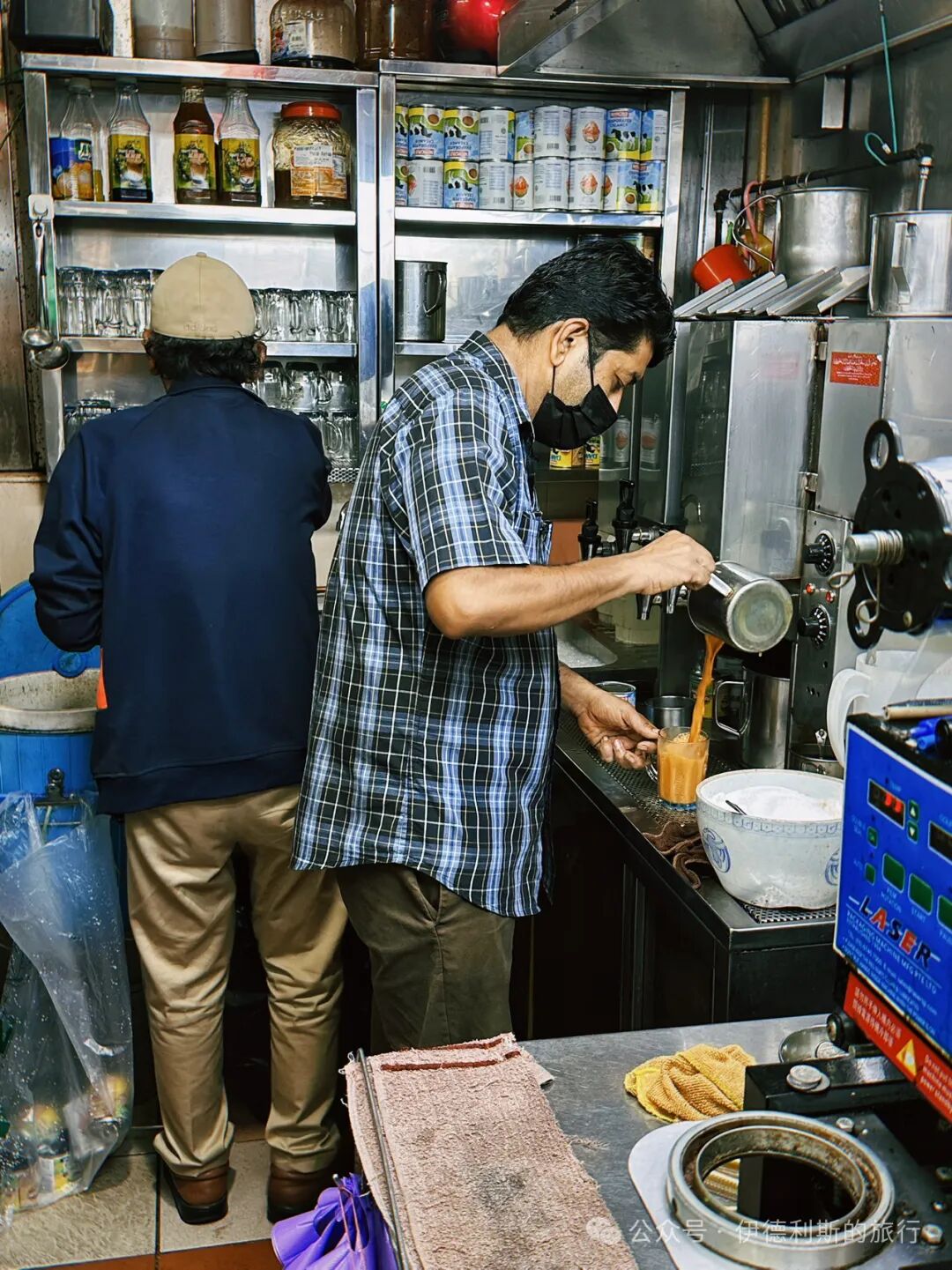
After our main meal, we chose a classic three-layer milk tea, which gets its three colors from palm sugar, milk, and black tea for a rich flavor.
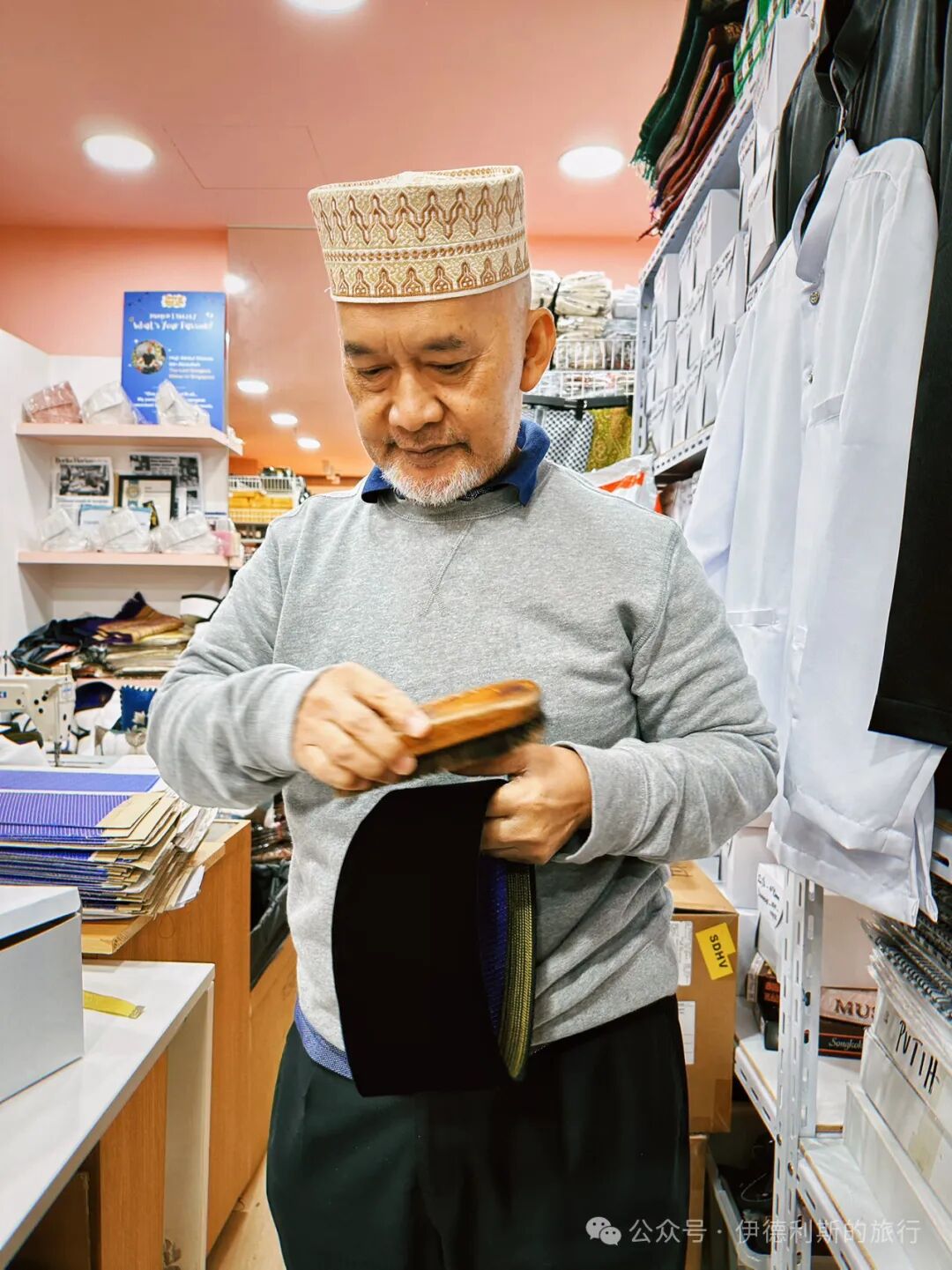
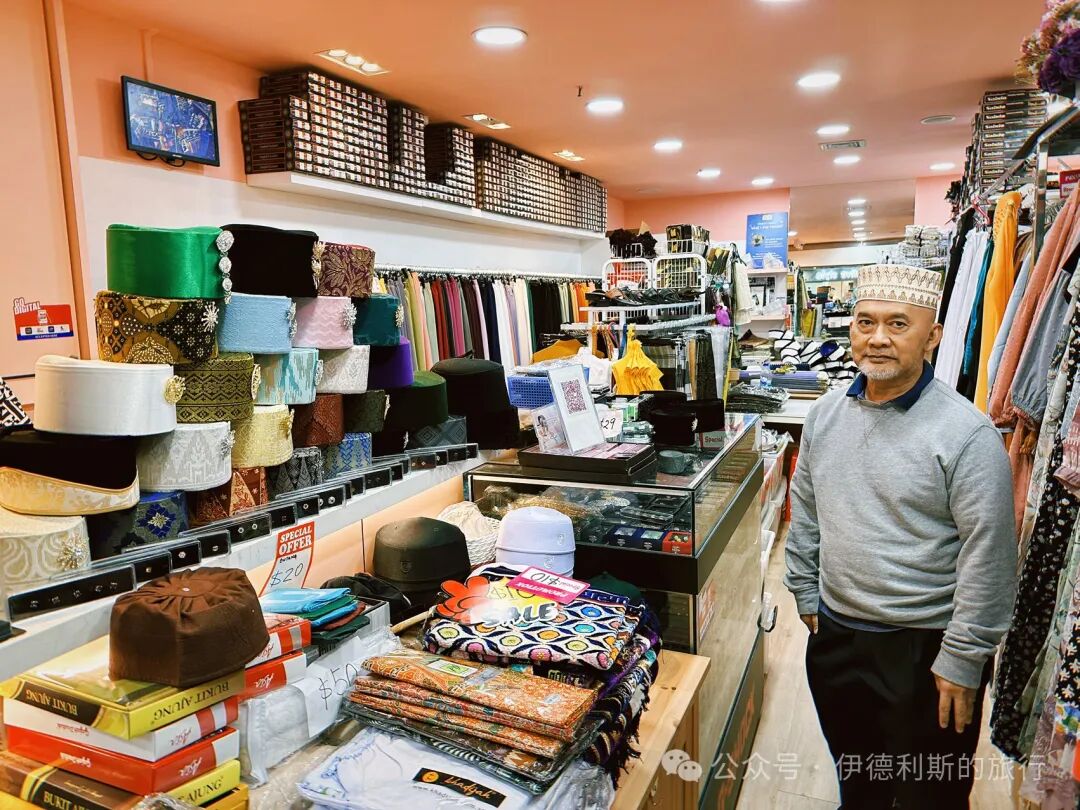
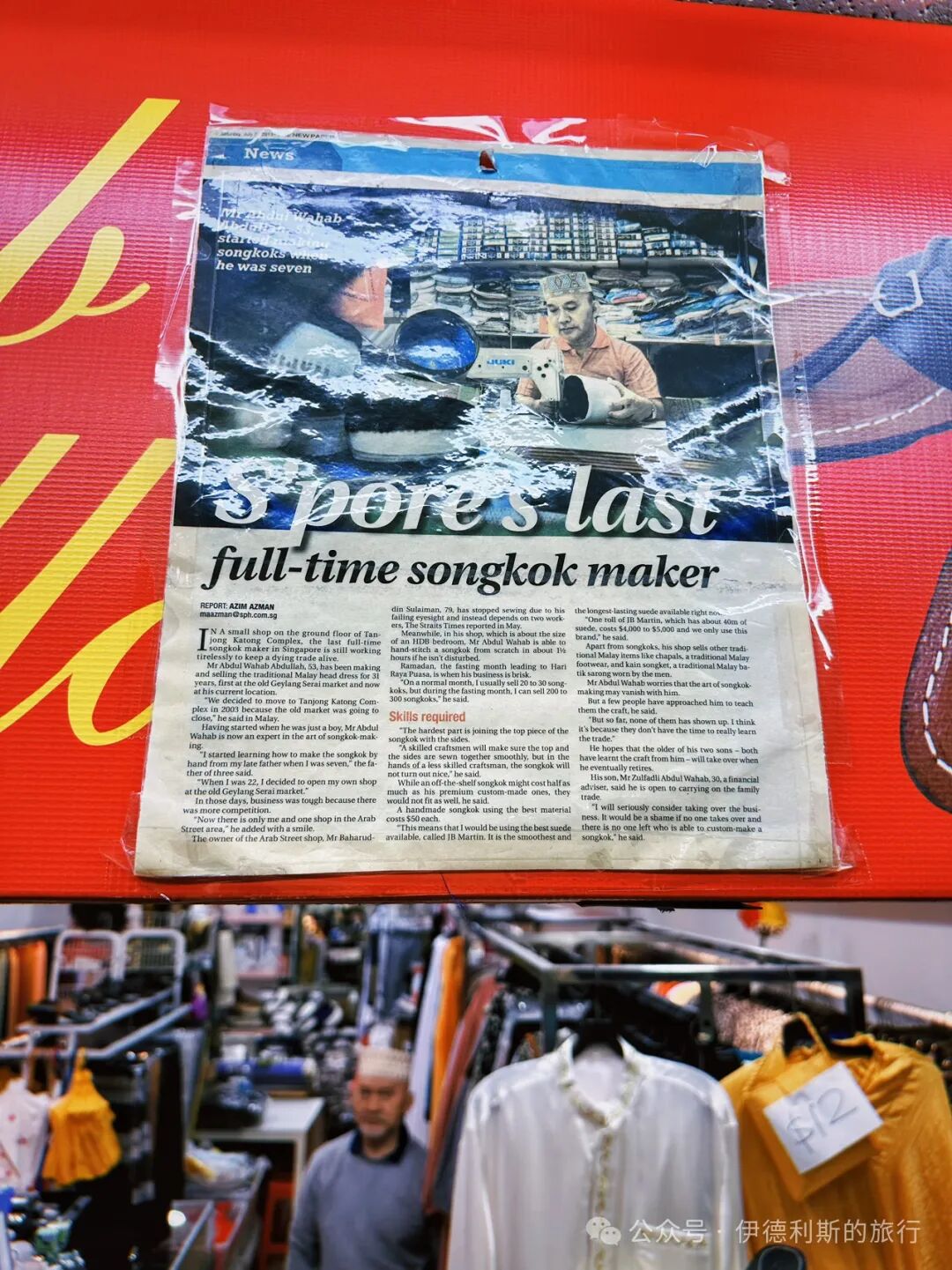
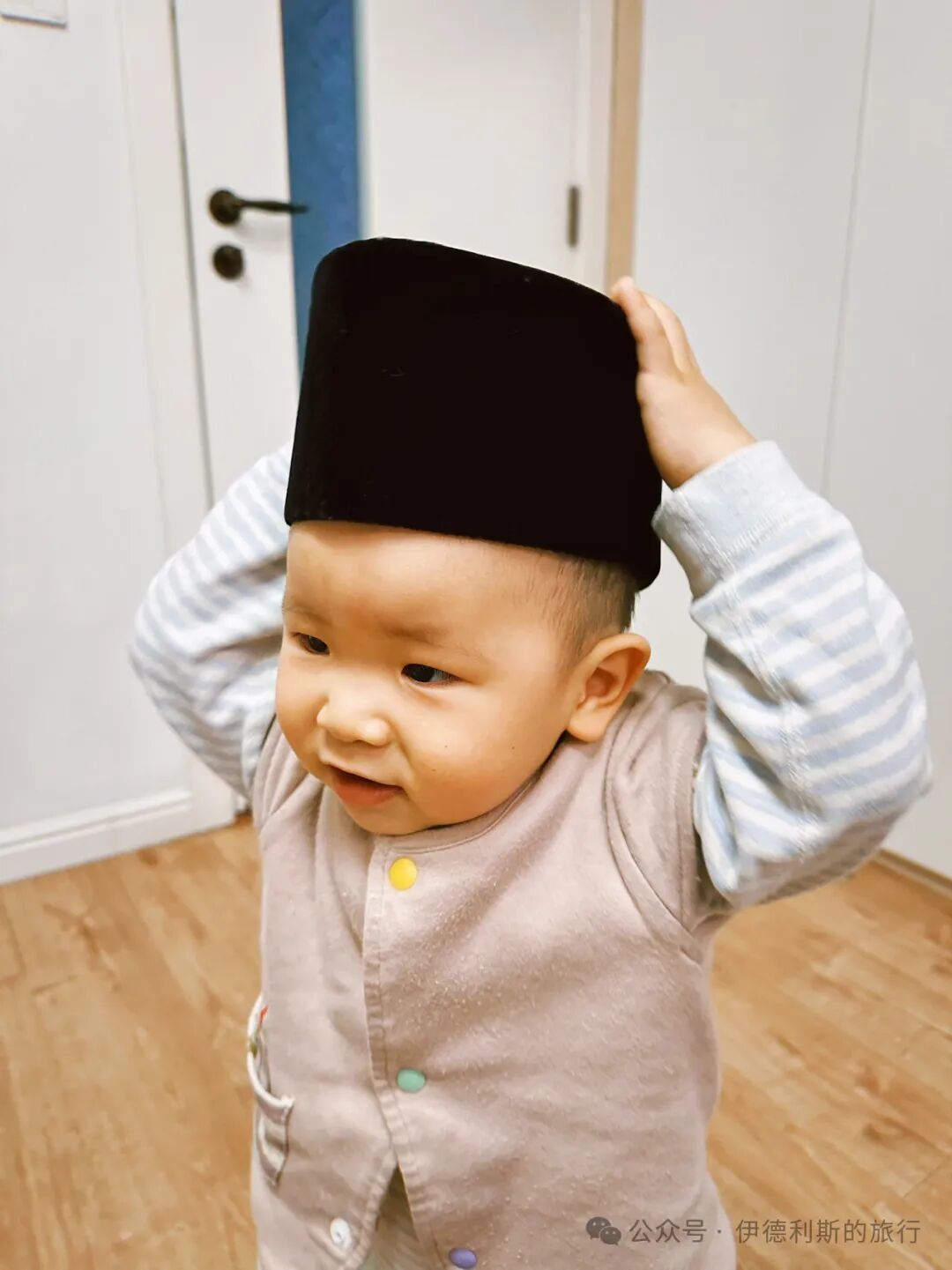
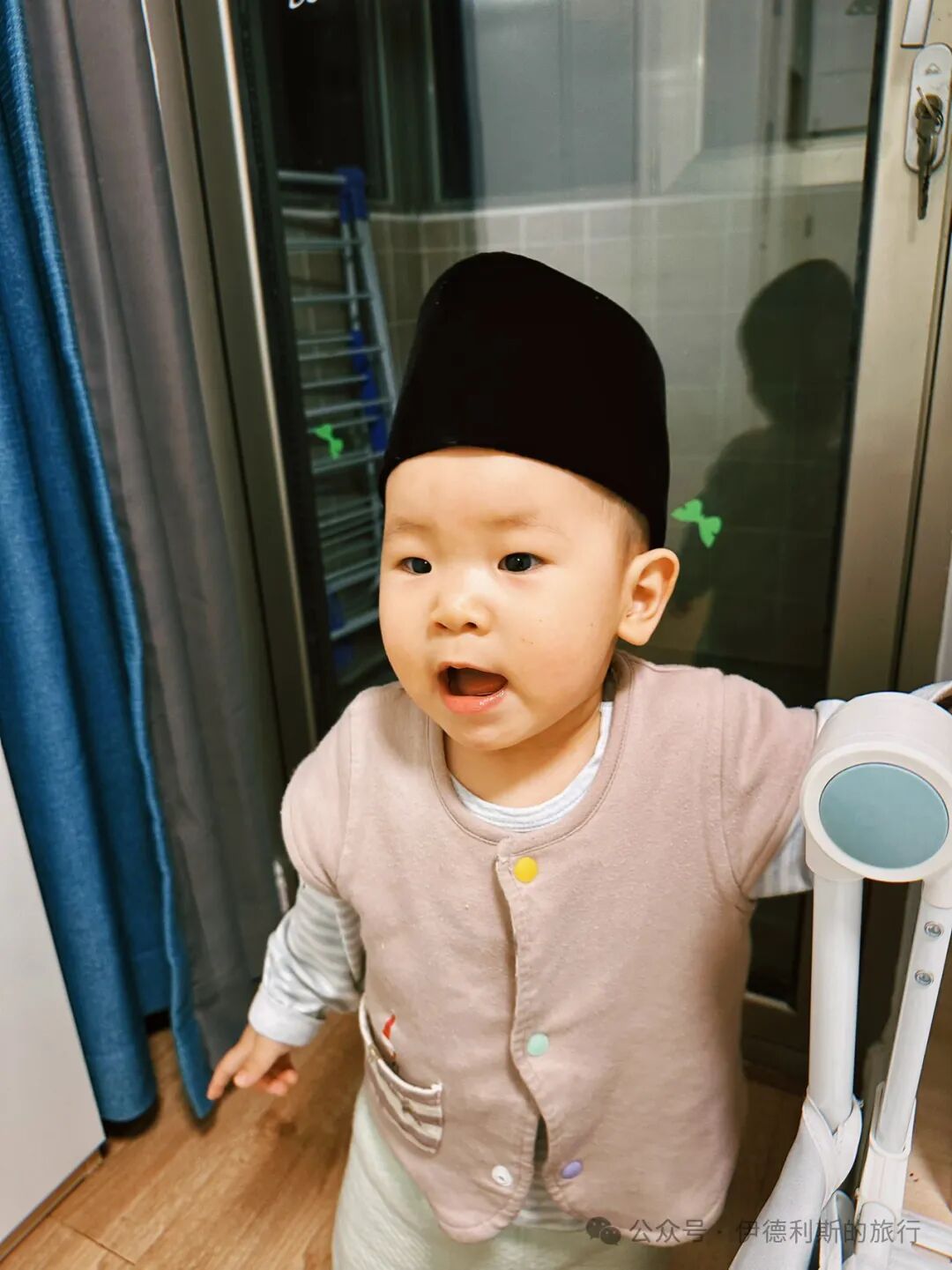
City Plaza by the Geylang River is a mall for affordable Malay clothing, and hidden on the second floor is Songkok Singapura, the last shop in Singapore that makes traditional caps (songkok) by hand. The owner, Haji Abdul Wahab, had a father who started making songkok in the 1970s, back when there were several such shops in Geylang Serai. Haji Abdul Wahab started learning to make songkok from his father as a teenager, opened his own shop at the old Geylang Serai Market at age 22, and has been doing it for 42 years since. Competition between songkok shops was very intense in the 20th century, but with the rise of machine production, Haji Abdul Wahab is now the only one left who still makes them by hand.
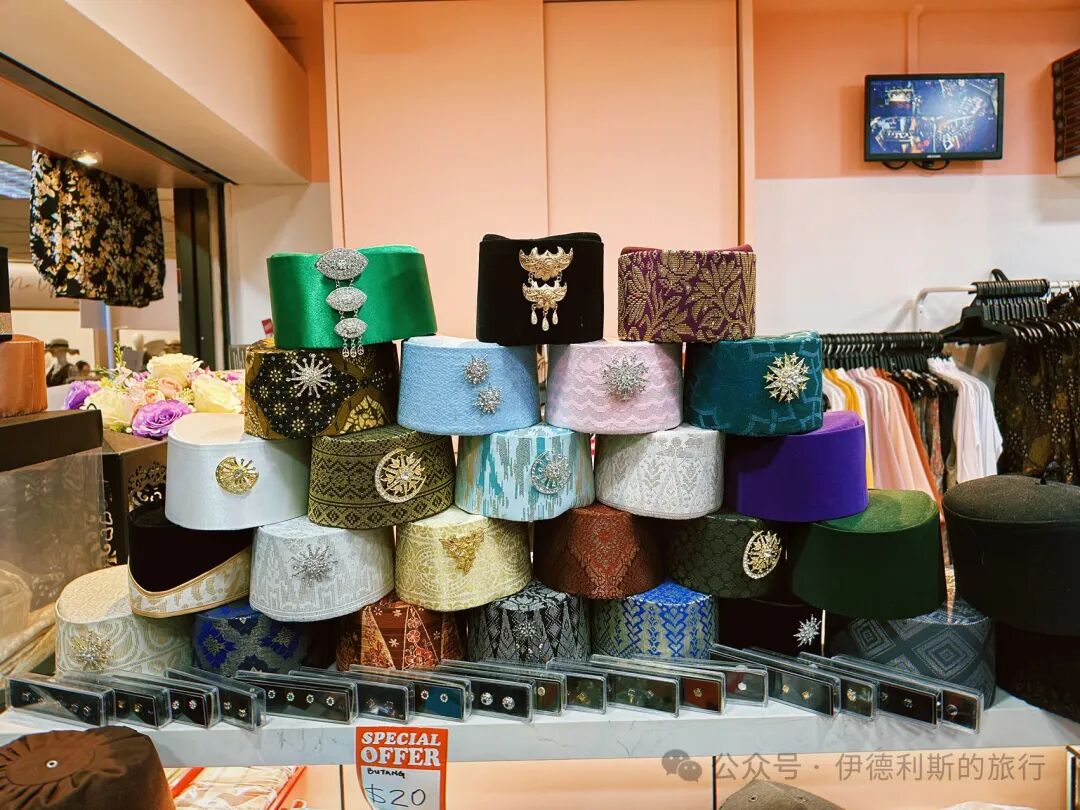
Besides traditional black velvet songkok, Haji Abdul Wahab also makes them in gold, white, and maroon, and many famous people, including the Sultan of Johor, have ordered from his shop. It takes Haji Abdul Wahab about an hour to make each songkok, and the peak season is during Ramadan, when the shop can receive up to 1,000 orders and his whole family helps out.
West of Geylang Serai Market is the newly built community center, Wisma Geylang Serai, which houses the Geylang Serai Malay Heritage Gallery. Although the gallery is small, it is a great place to learn about the history and culture of Geylang Serai.
Old photos of Malay people in Singapore.
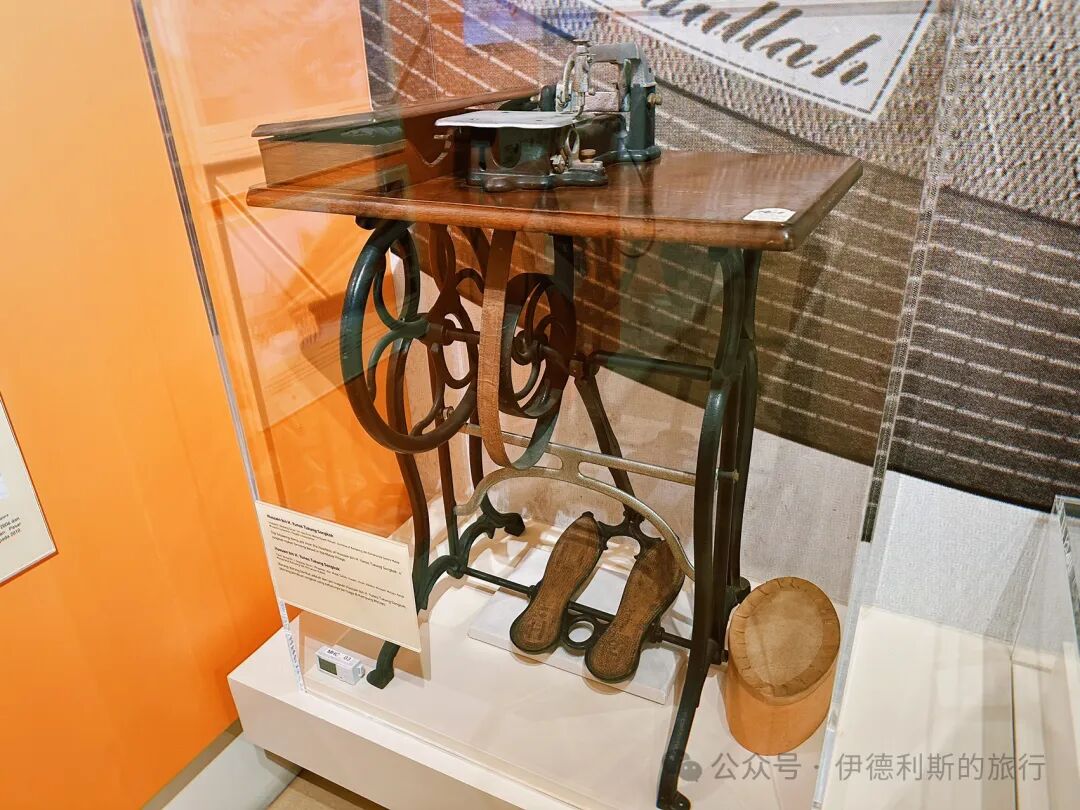
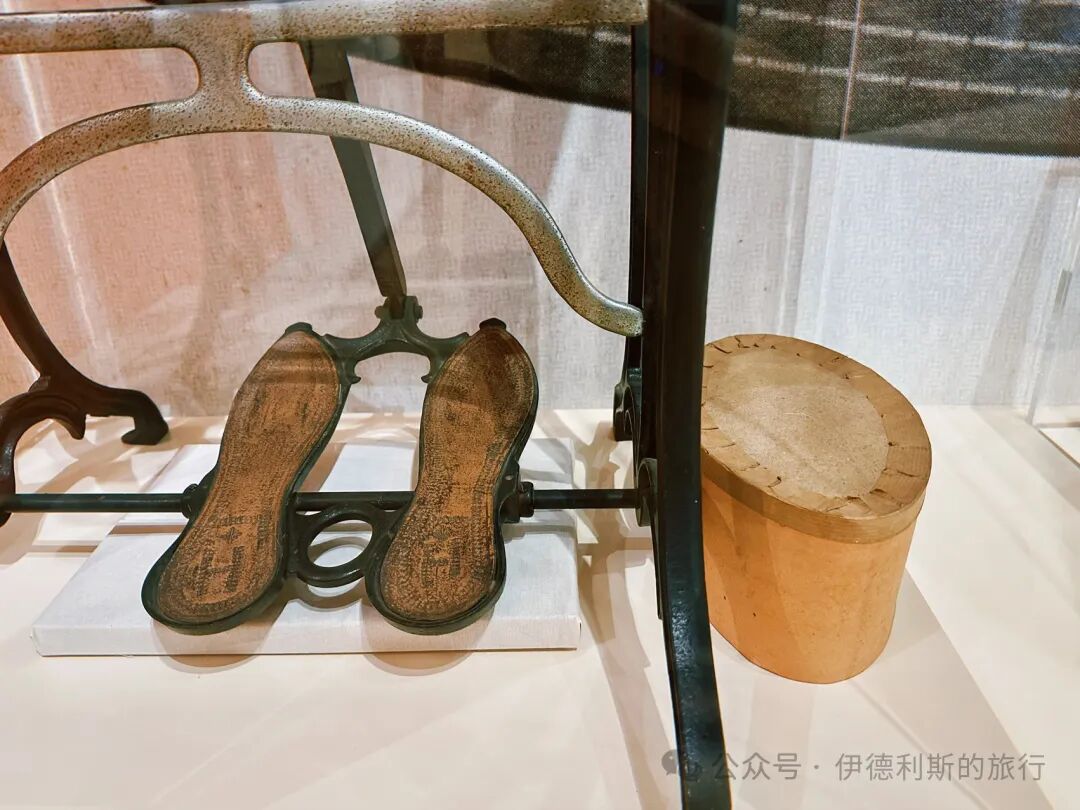
The sewing machine and hat mold used by Hussain bin H. Yunos, who once made songkok in the Geylang Serai Malay Village.
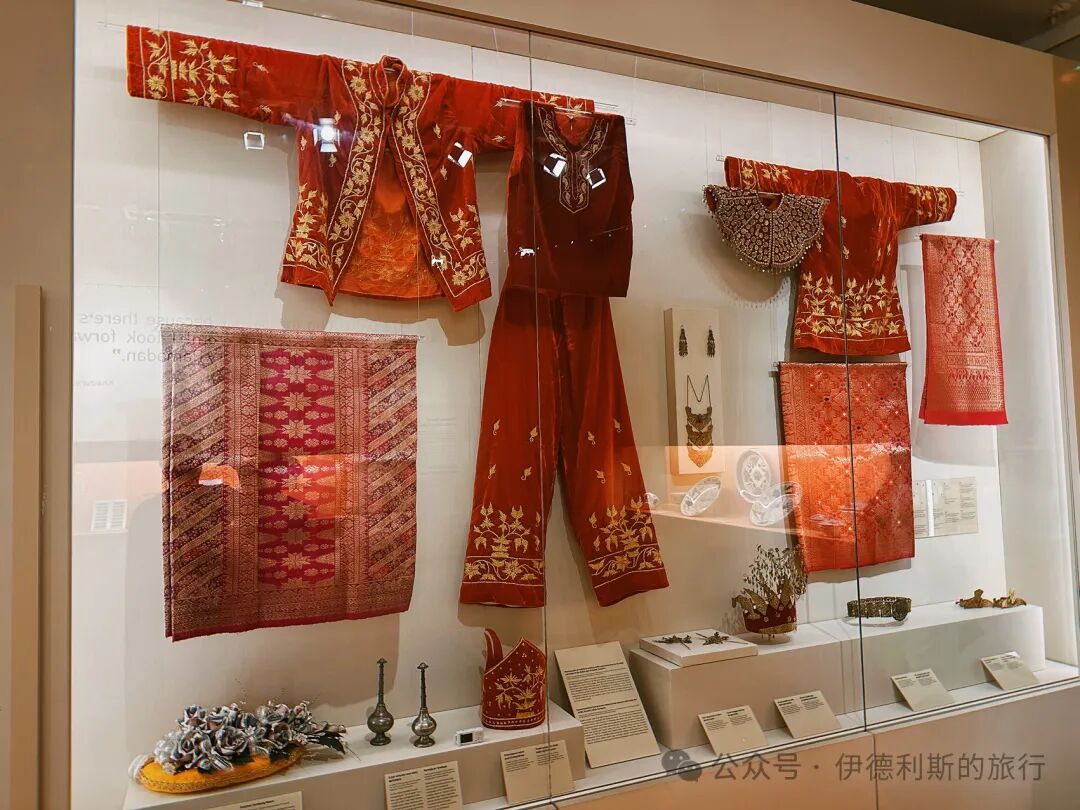
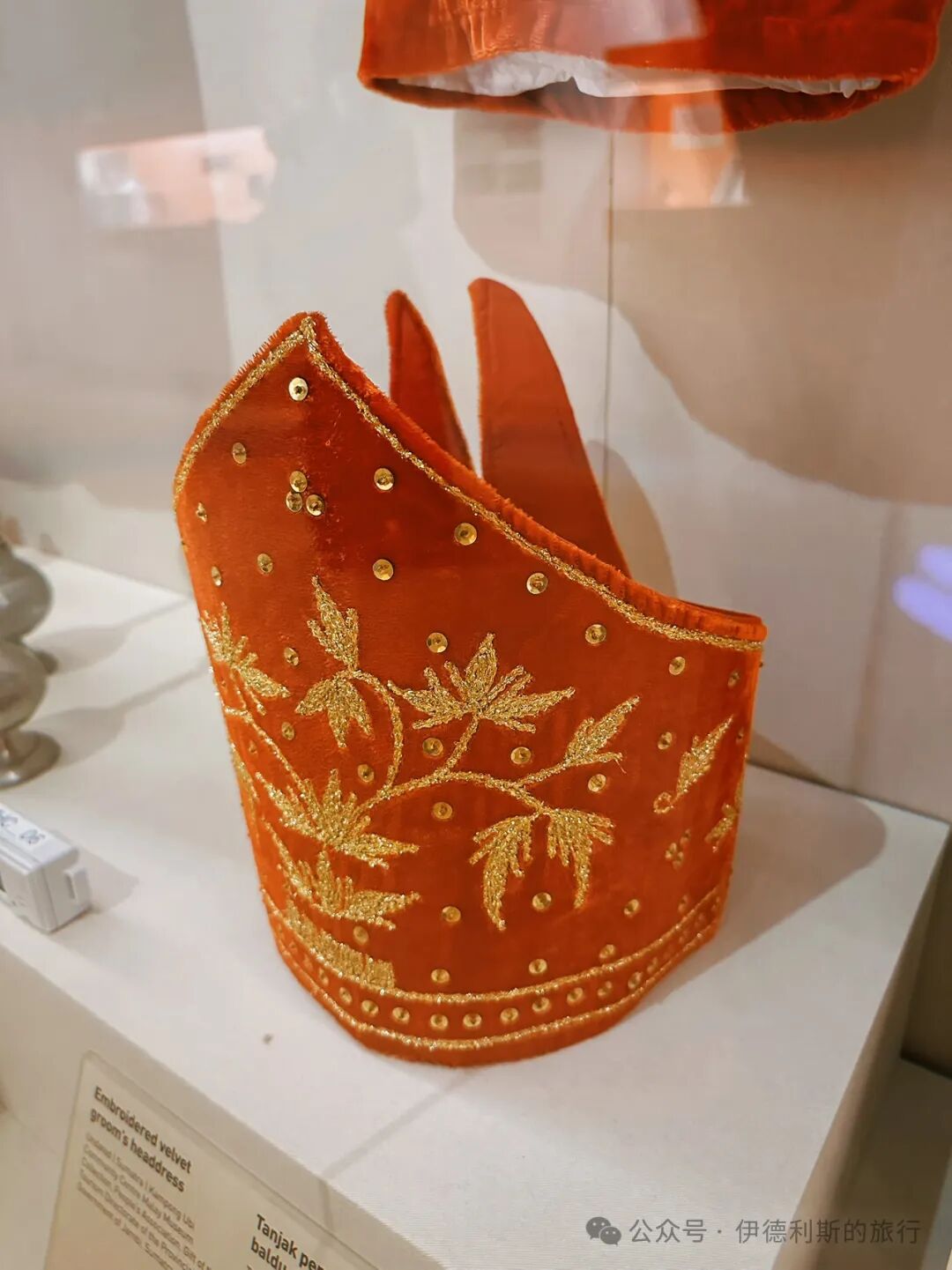
Traditional wedding attire in the Jambi Kodya style from Sumatra.
Molds used for making Malay rice cakes (kuih).
Further reading:
The early history of the Malay people and Singapore
Experience Indian Muslim culture in Singapore
Taste halal Chinese food in Singapore
Eating Peranakan food (nyonya cai) in Singapore view all
Summary: This Singapore article walks through the Malay market in Geylang Serai and records food, shops, neighborhood scenes, and Malay Muslim culture. It keeps the original market details, dishes, prices, and small observations in clear English.
Geylang Serai is located near the Geylang River in eastern Singapore. Geylang likely comes from the name of a tribe of indigenous sea people (Orang Laut) who lived here when the British arrived in the early 19th century. Serai refers to the lemongrass grown in nearby plantations during the late 19th century.
Malay villages were scattered along the Geylang River in the 19th century, but there were not many people there at first. After the 1920s, as rent and living costs in downtown Singapore rose, many Malays moved to the Geylang Serai area in the east. By the 1930s, Geylang Serai had become a densely populated suburb. After World War II, more Malays settled in Geylang Serai, and it became an important Malay community in Singapore.
The Malay market (pasar) in Geylang Serai dates back to the 1920s. The Japanese turned it into an amusement park during World War II, but it returned to being a busy Malay market after the war, where local Malays came to shop. Singapore started the Geylang Serai development project in 1962. The Geylang Serai market officially opened in 1964, becoming a place for Malays to buy fresh vegetables, meat, cooked food, clothing, and various groceries. The Geylang Serai market was rebuilt between 2006 and 2010. The new market has two floors and is larger and cleaner.
Since it was built, the Geylang Serai market has been the largest Malay market in Singapore and the best place to experience Malay culture.
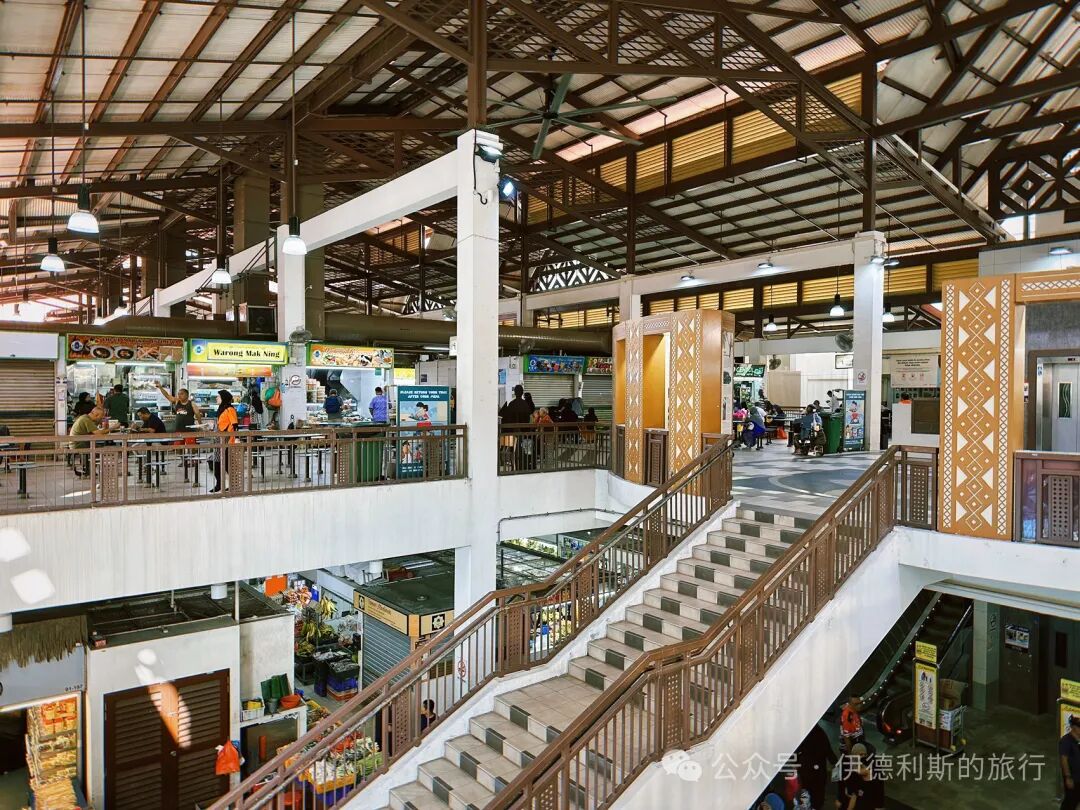
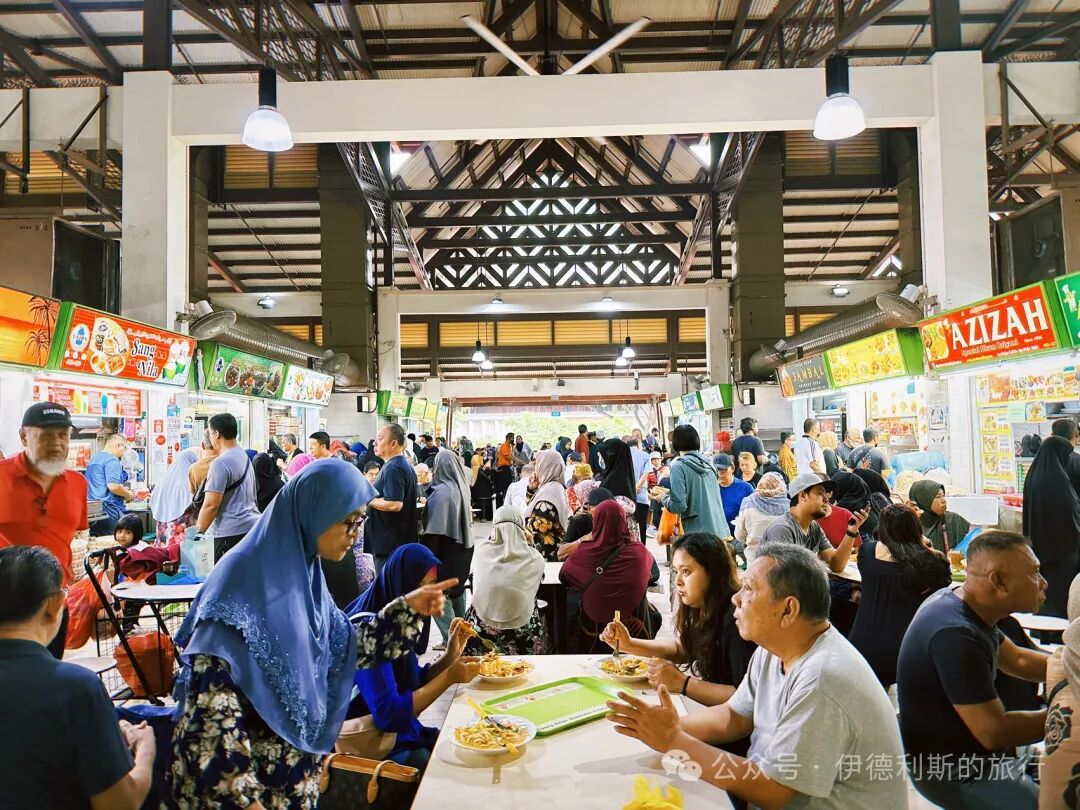
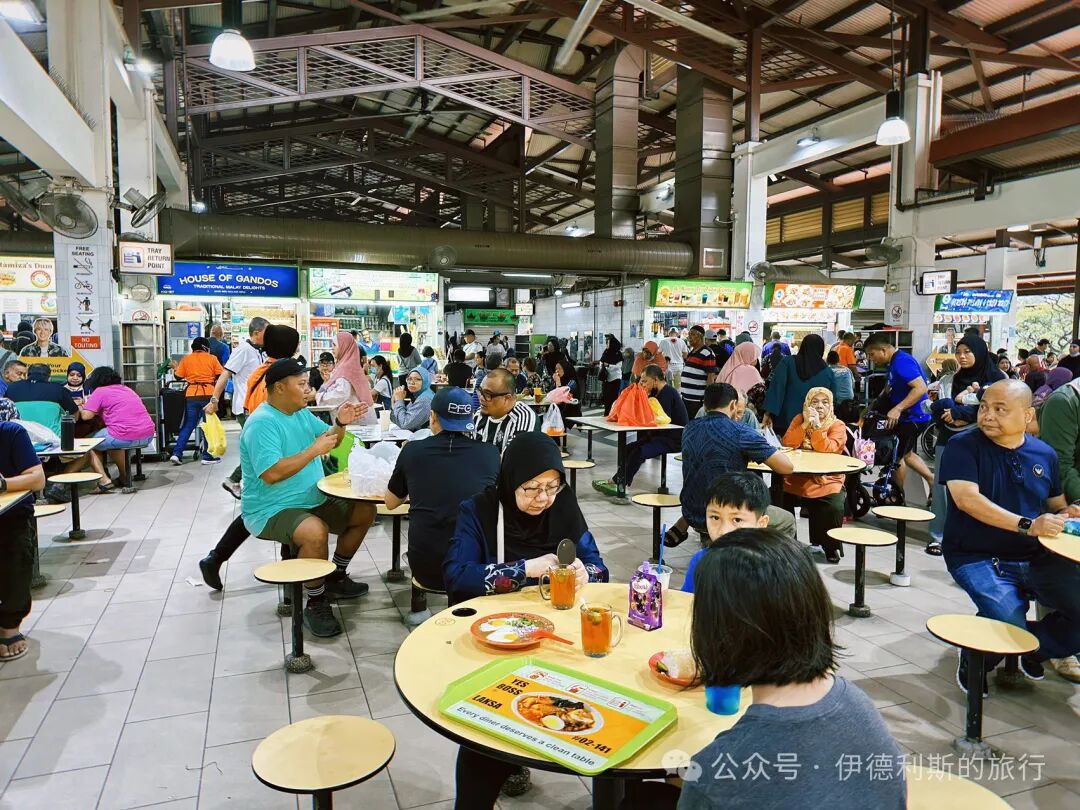
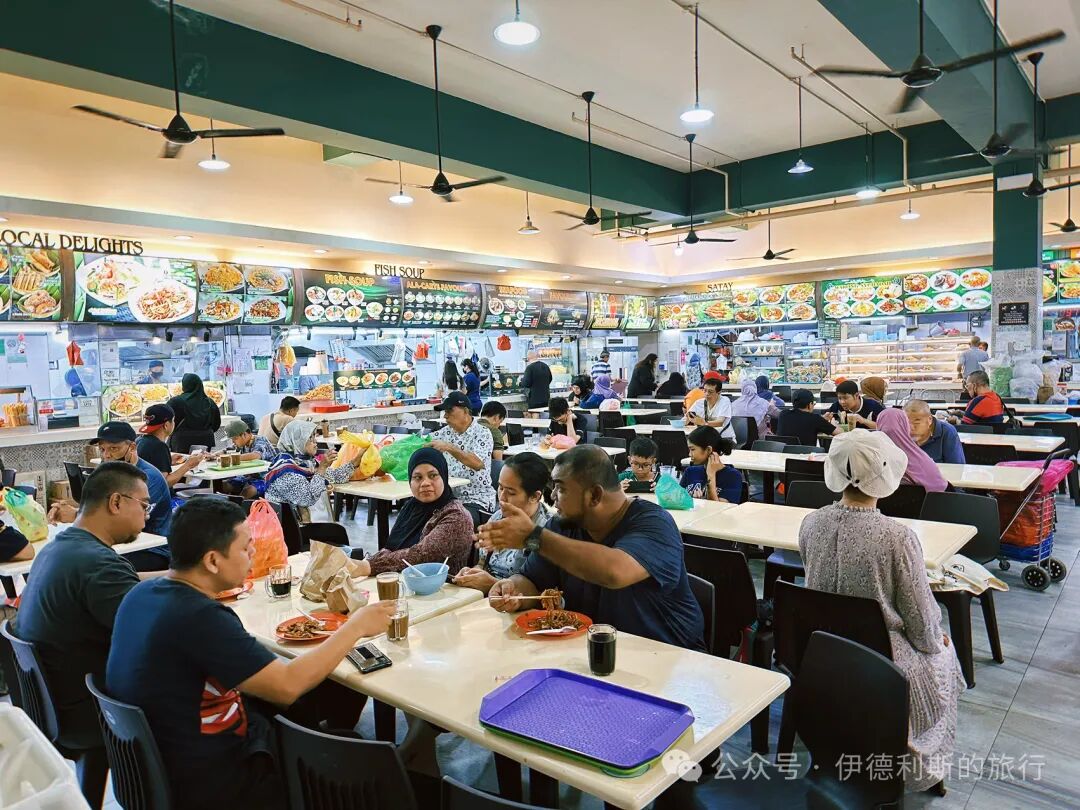
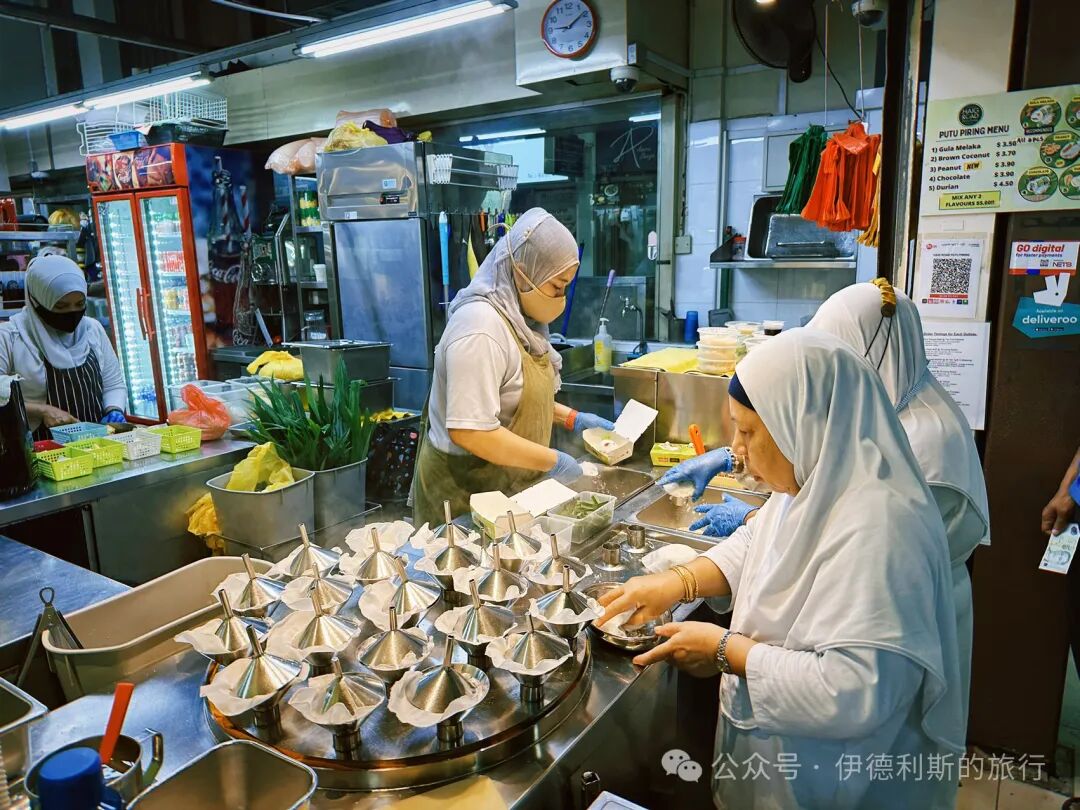
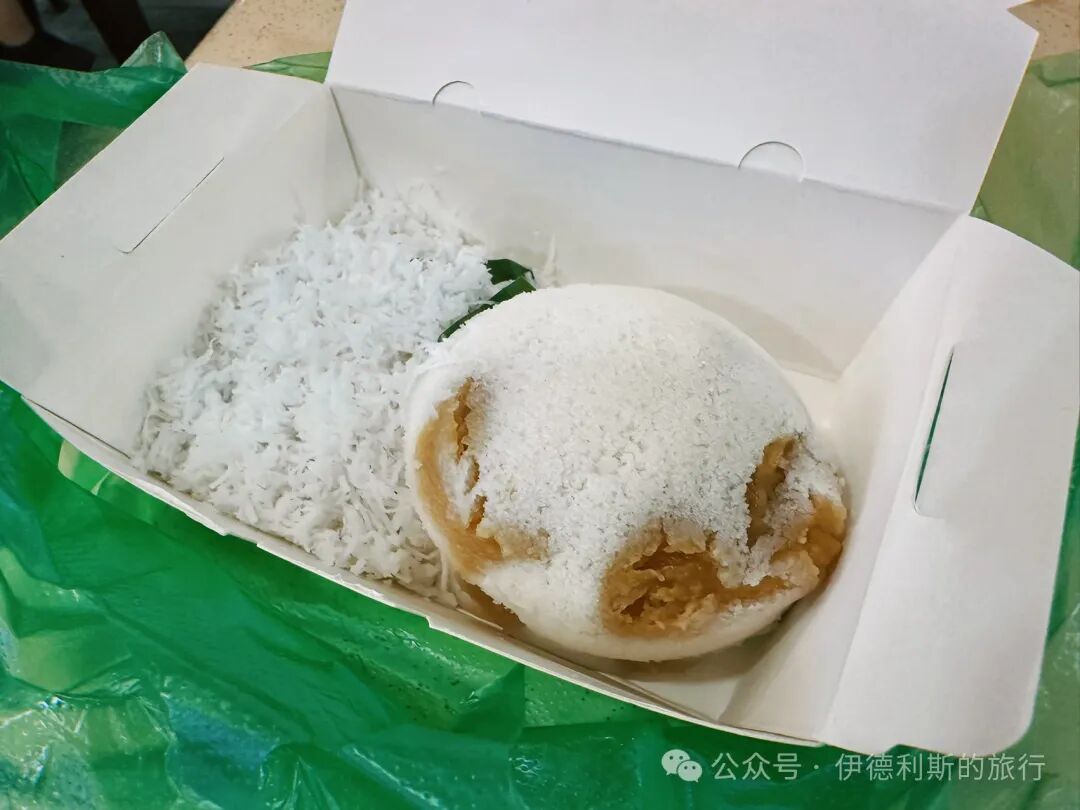
We first ate the classic Malay street snack Putu Piring at Haig Road Putu Piring on the first floor of the Geylang Serai market. This shop has been open since 1985. We chose the durian flavor, and they really put durian fruit inside. Putu Piring was first brought to Southeast Asia by immigrants from Fujian. To make it, you put crushed peanuts, shredded coconut, and palm sugar into rice flour and press it into a special stainless steel mold.
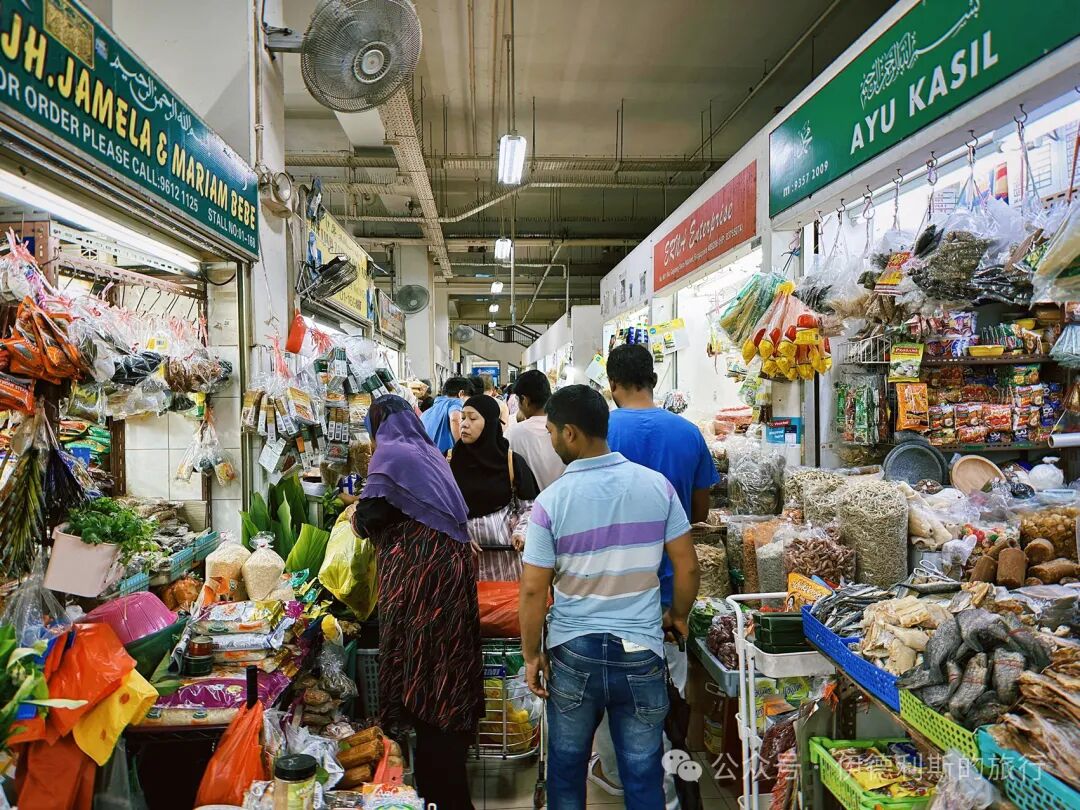
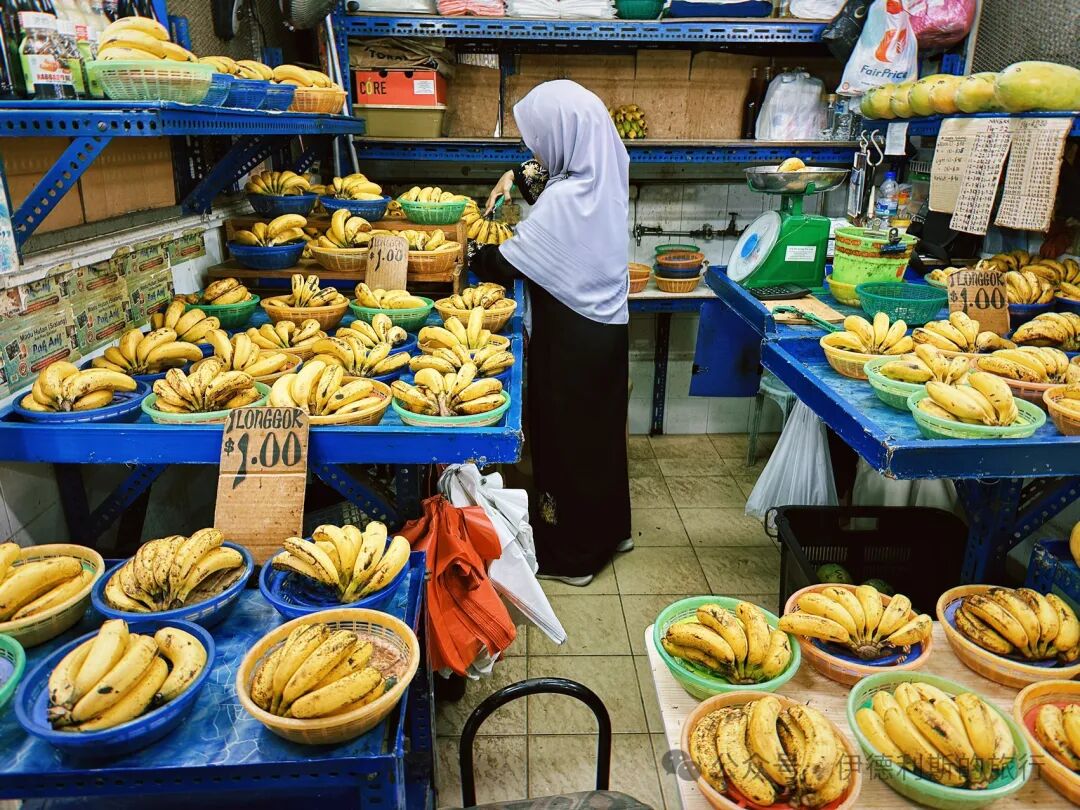
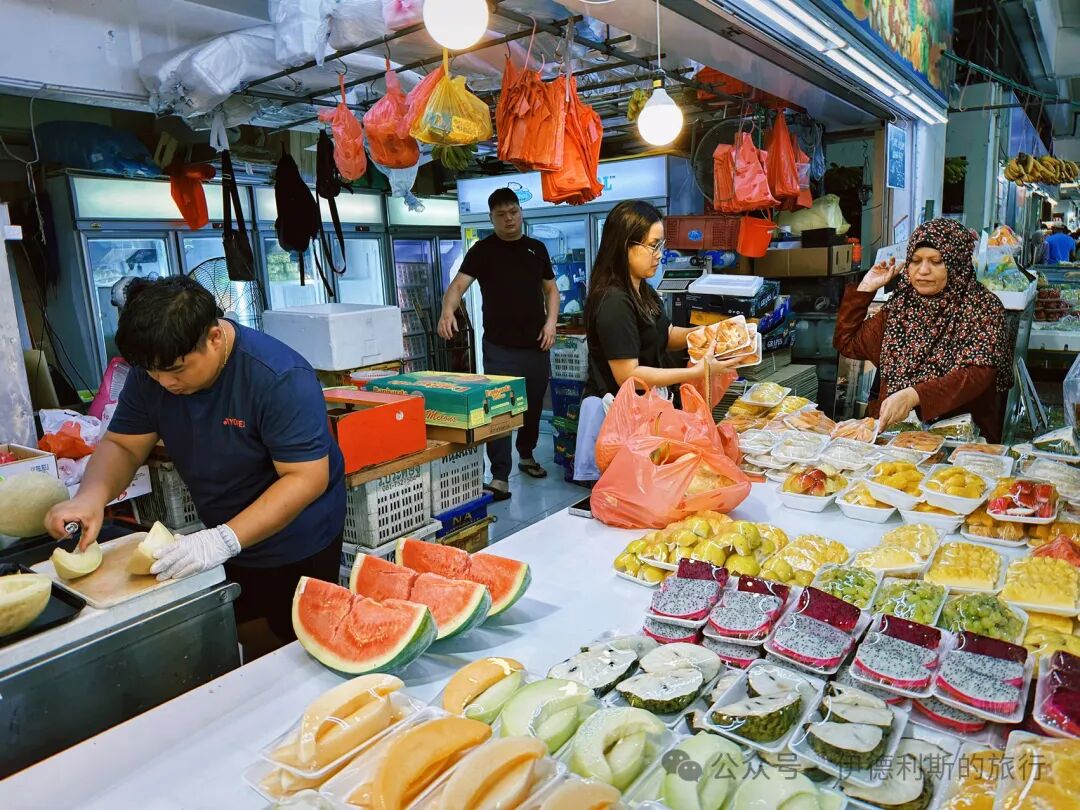
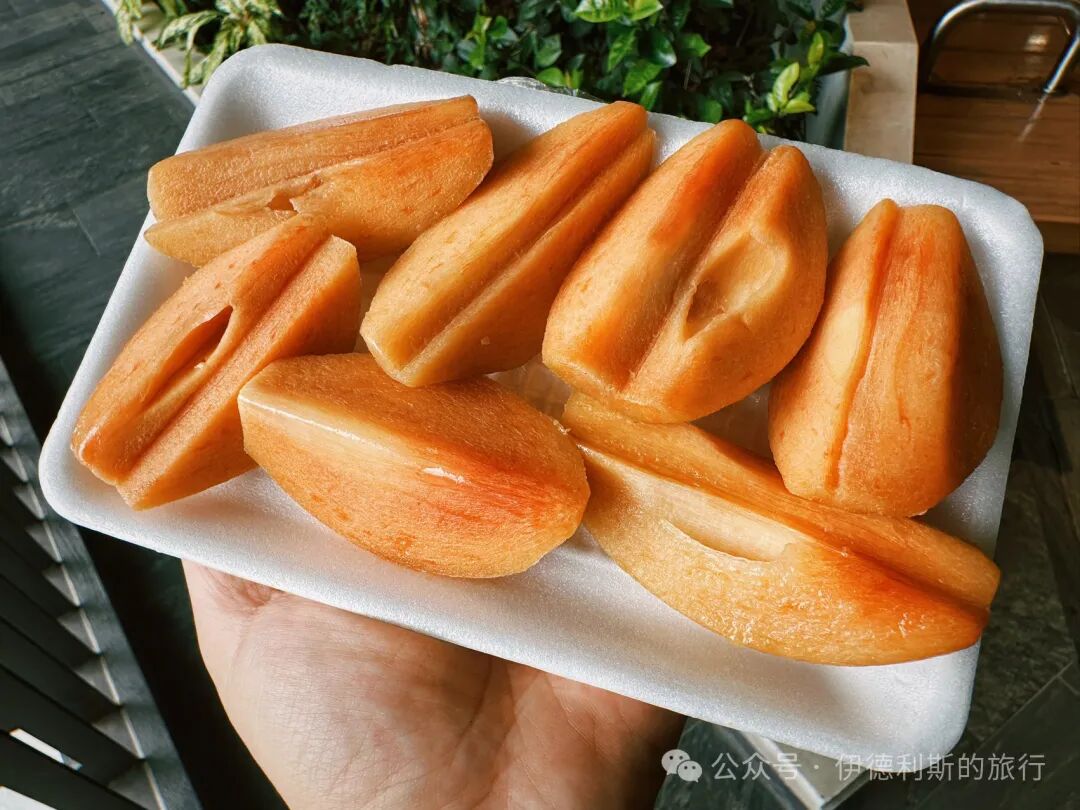
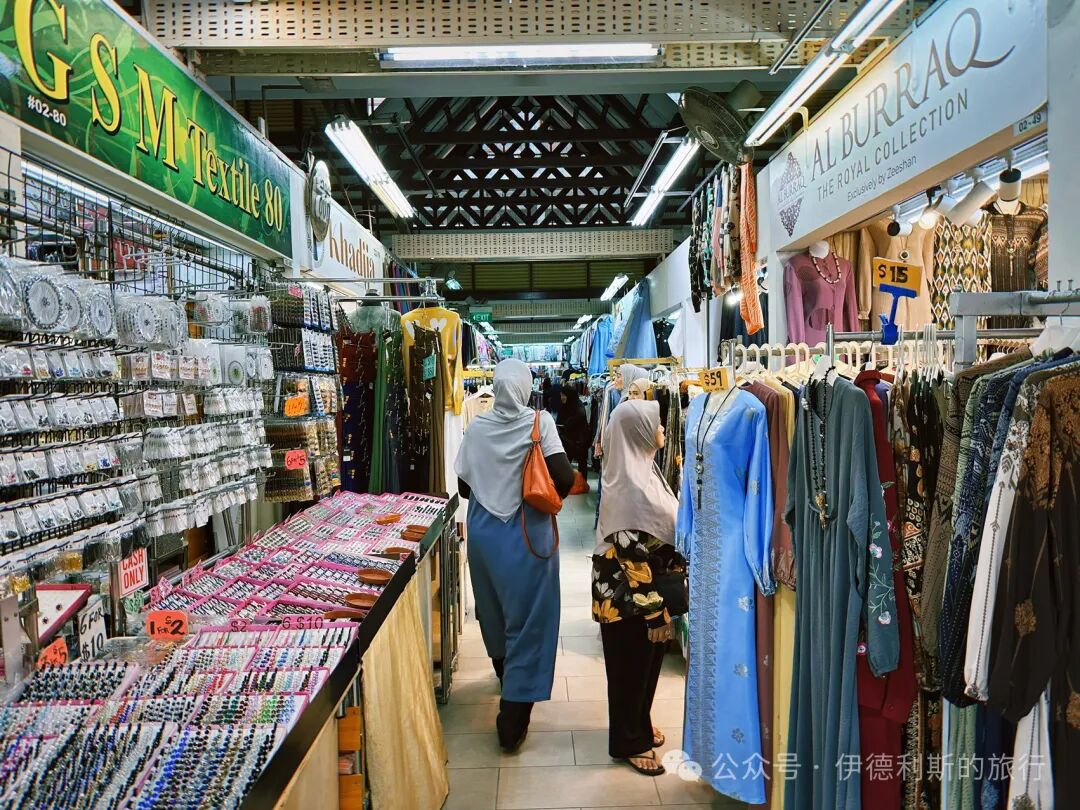
Walking inside from the first floor, you find a place selling all kinds of traditional Malay fruits and vegetables. Then, you go up to the second floor to find where Malays buy clothes.
After going up to the second floor, we first went to the Malay cake stall Kueh Talam Asli. Kueh Talam also originated in Indonesia. Kueh means cake, and Talam is the Indonesian word for tray. Kueh Talam refers to a cake made by steaming rice flour, coconut milk, and other ingredients in a rectangular tray. Traditional Kueh Talam usually has two layers. When making it, you put the bottom layer in the tray first, steam it until it is half-cooked, and then add the top layer. The green color in the rice cakes (kueh) comes from pandan leaf juice, the brown from coconut sugar, the yellow from sweet potato, pumpkin, or corn, and the purple from purple sweet potato or taro.
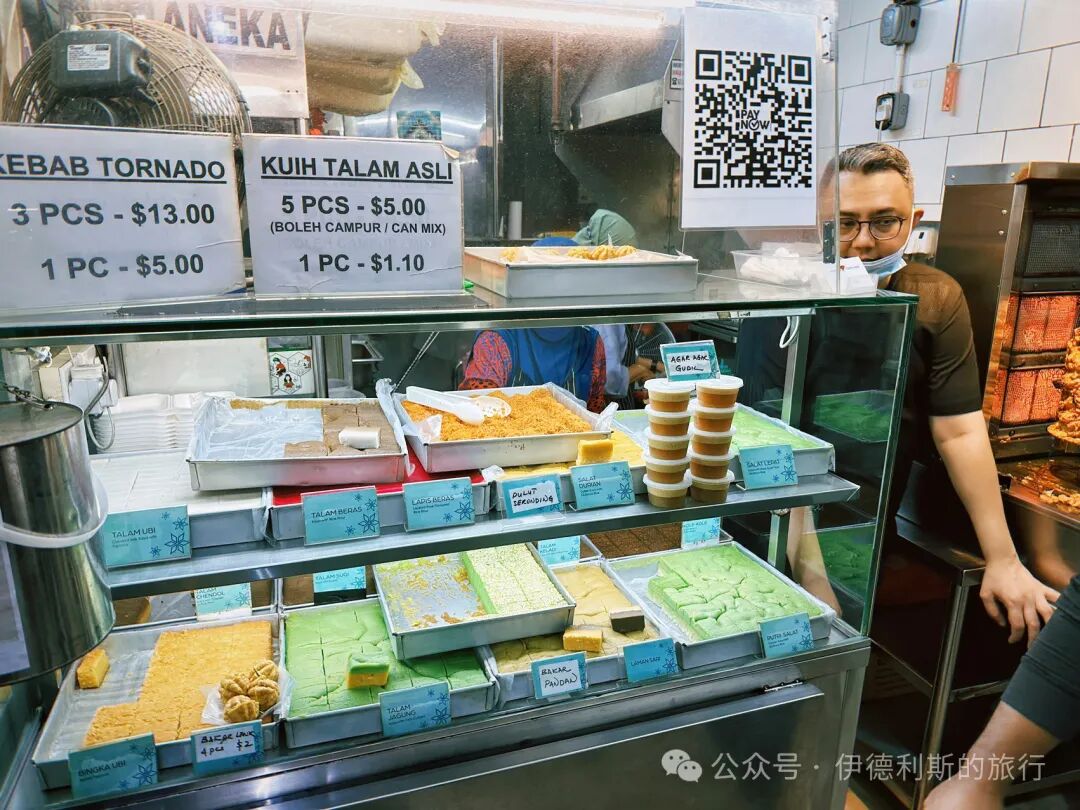
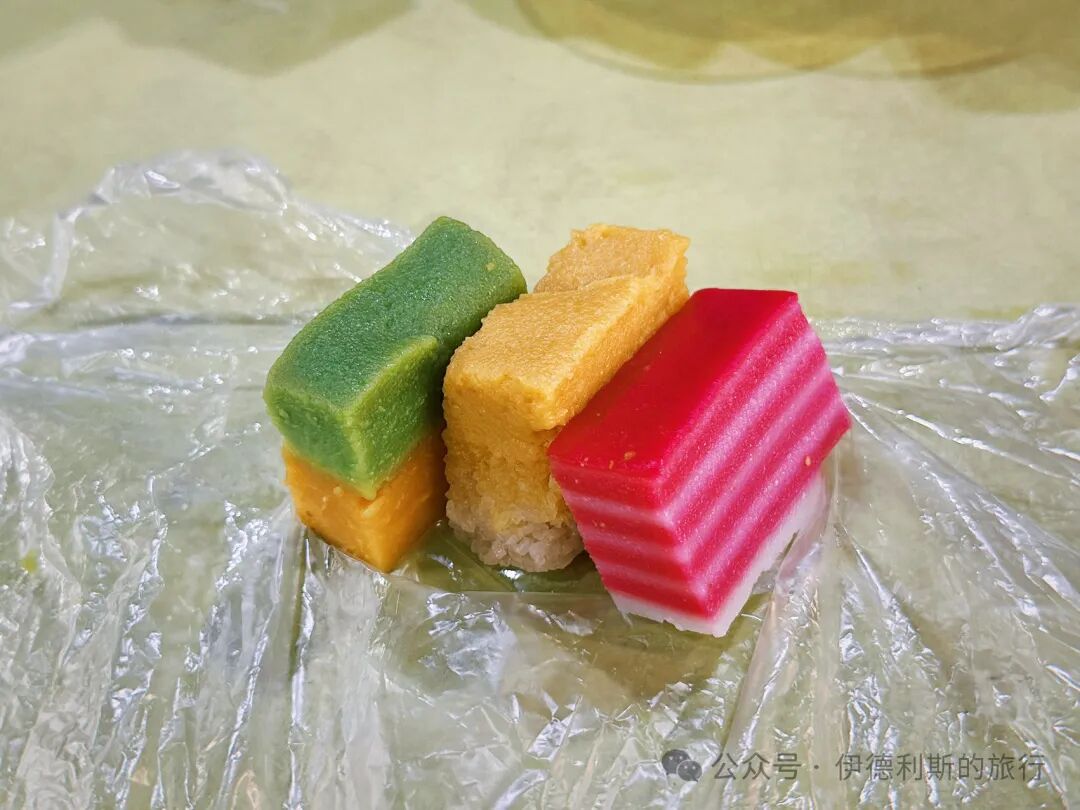
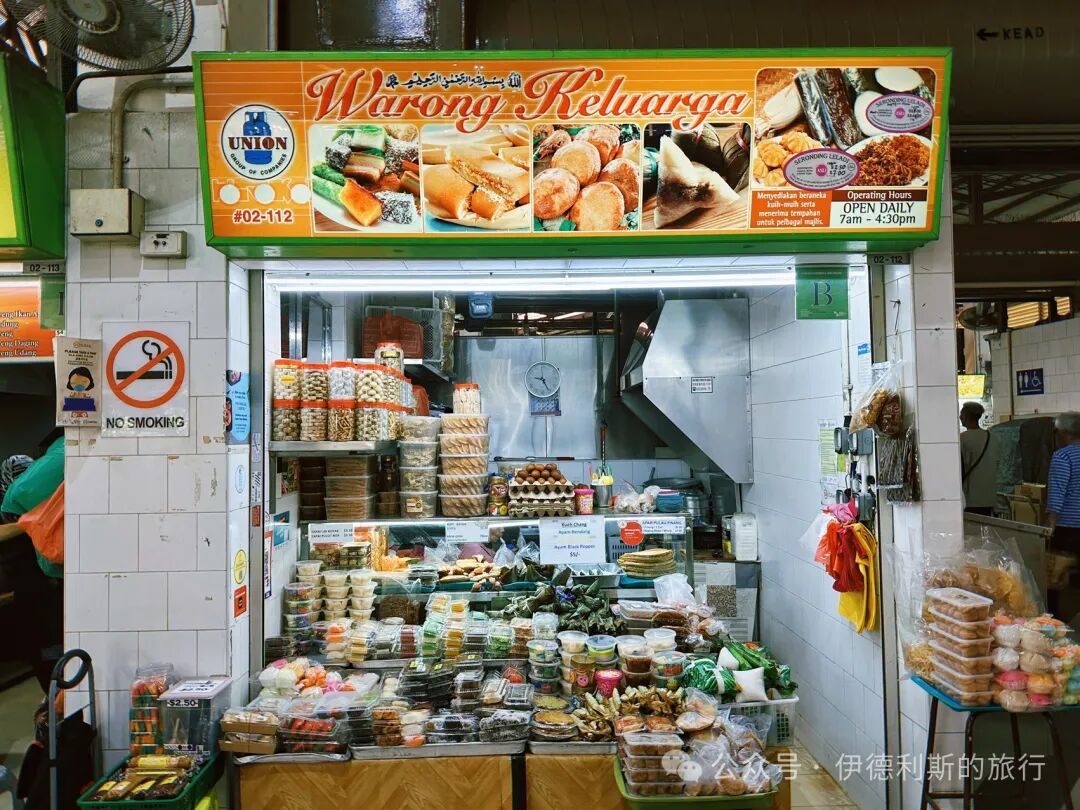
Also, this stall in the market (pasar) called Warong Keluarga has a wide variety of traditional Malay cakes and snacks that I should try next time.
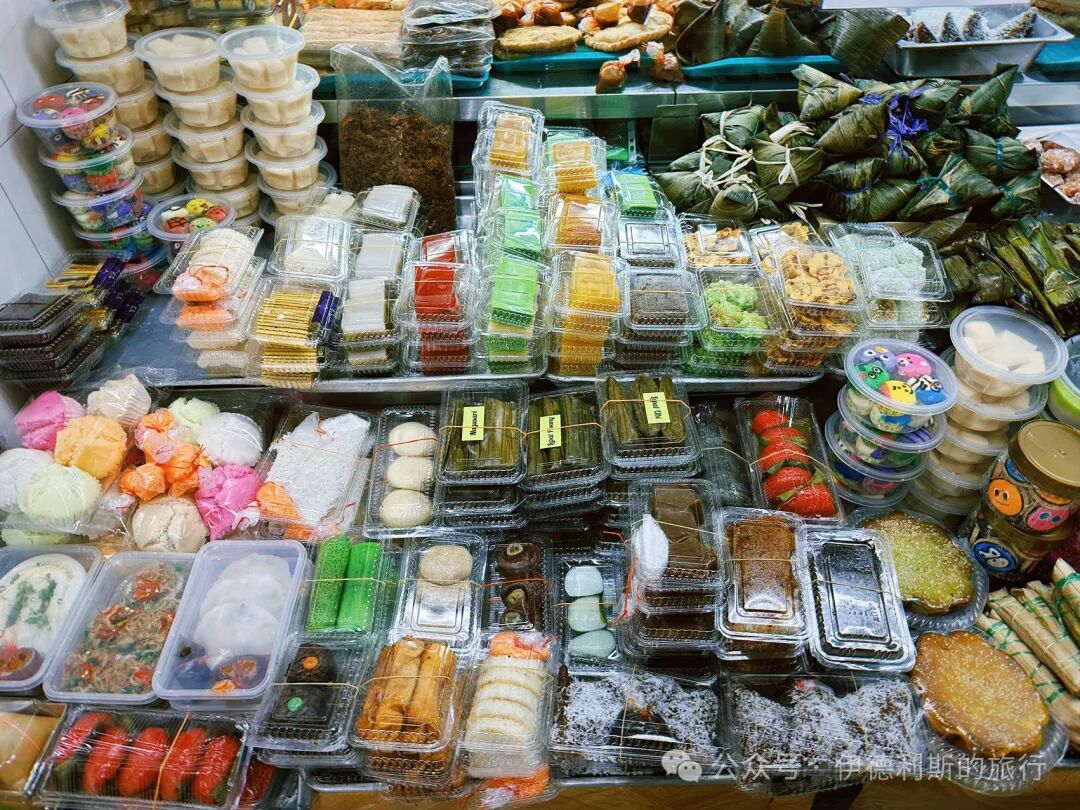
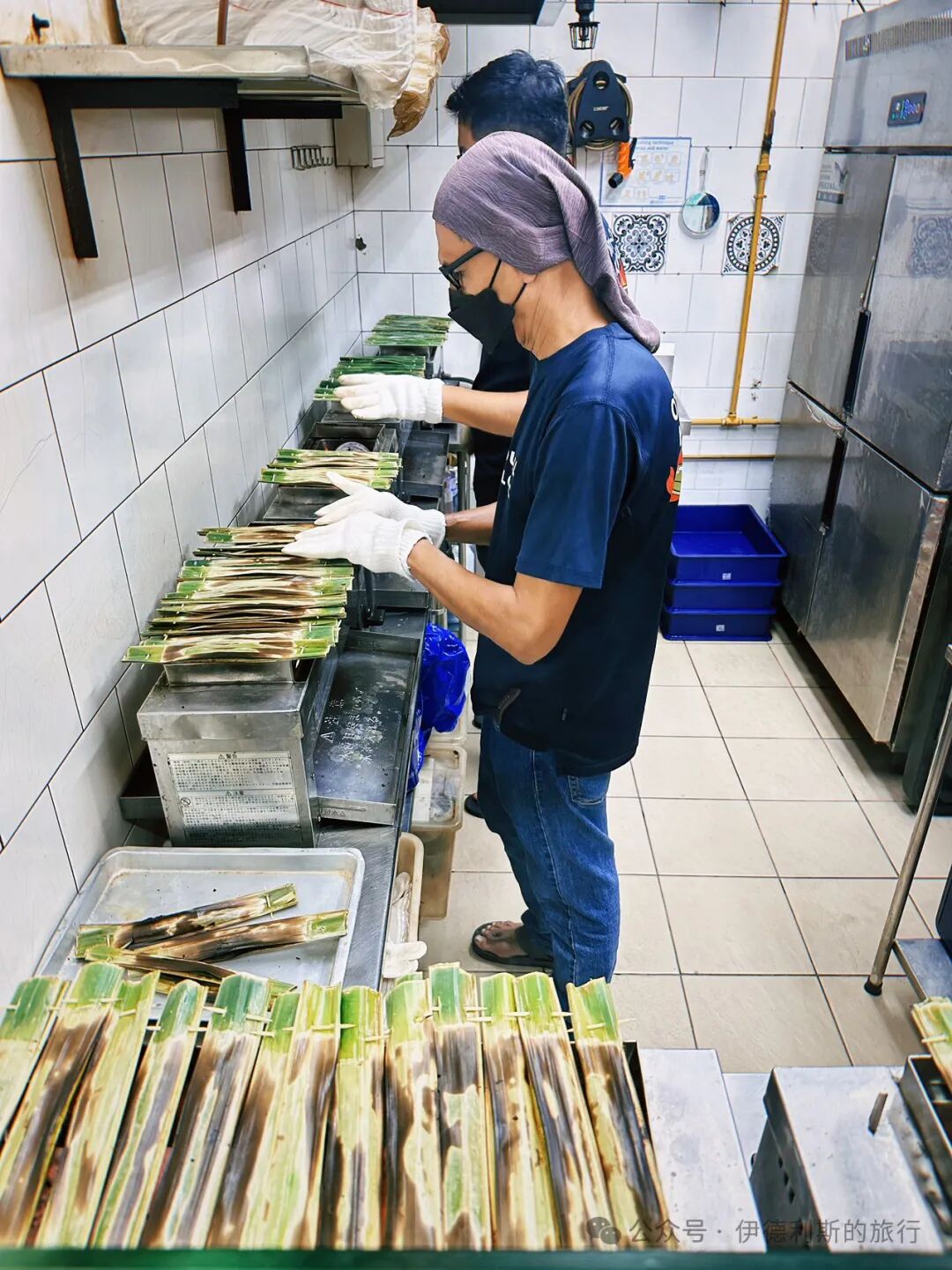
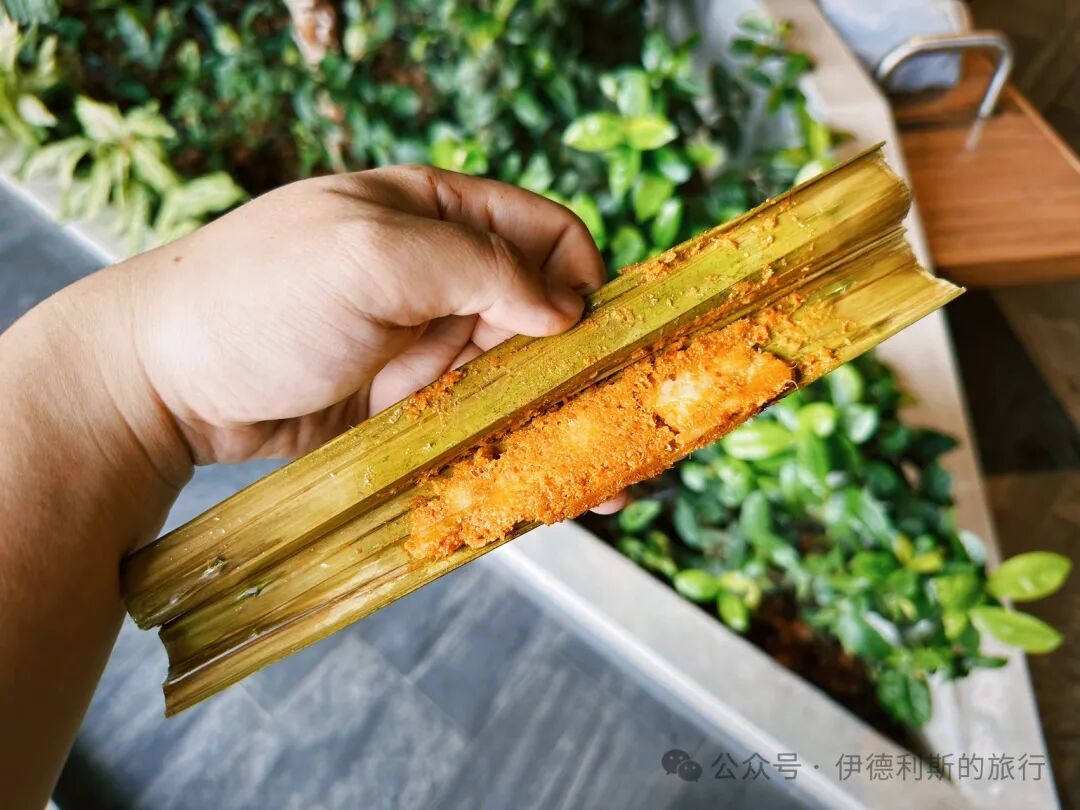
Otak-otak is a fish cake that started in Palembang, Sumatra. It is made by wrapping minced fish, tapioca flour, shredded coconut, and spices in a banana leaf and grilling it. Unlike the white version in Indonesia, otak-otak in Singapore and Malaysia contains chili, shrimp paste (belacan), and turmeric, which gives it an orange-red color.
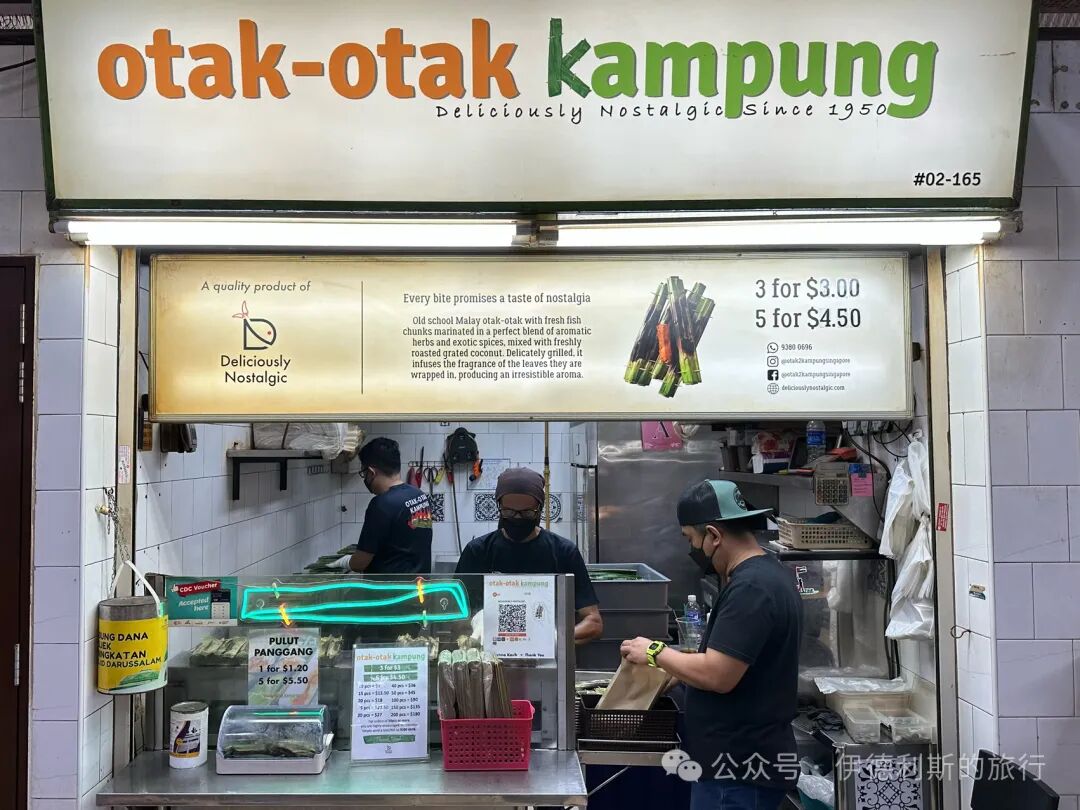
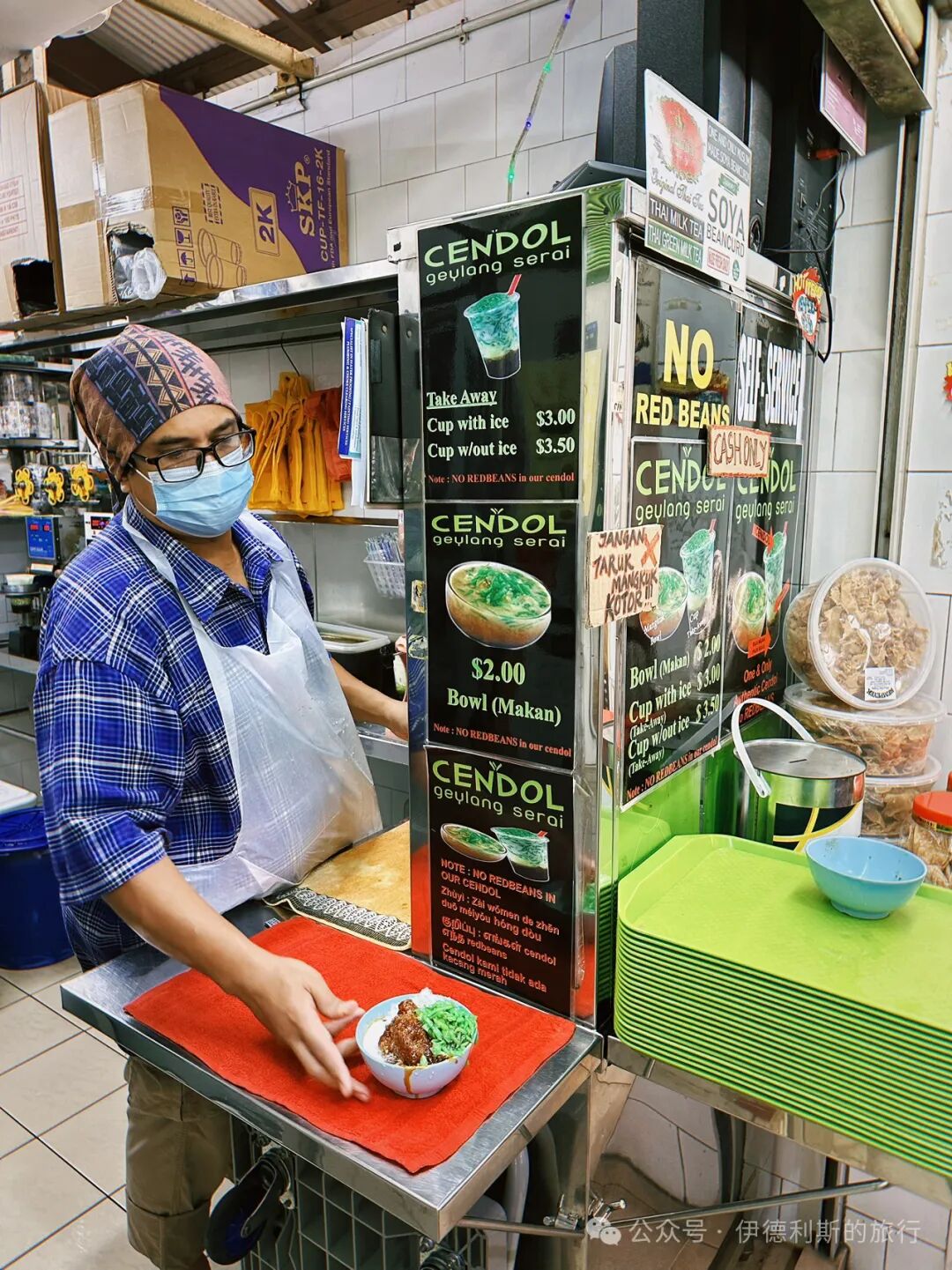
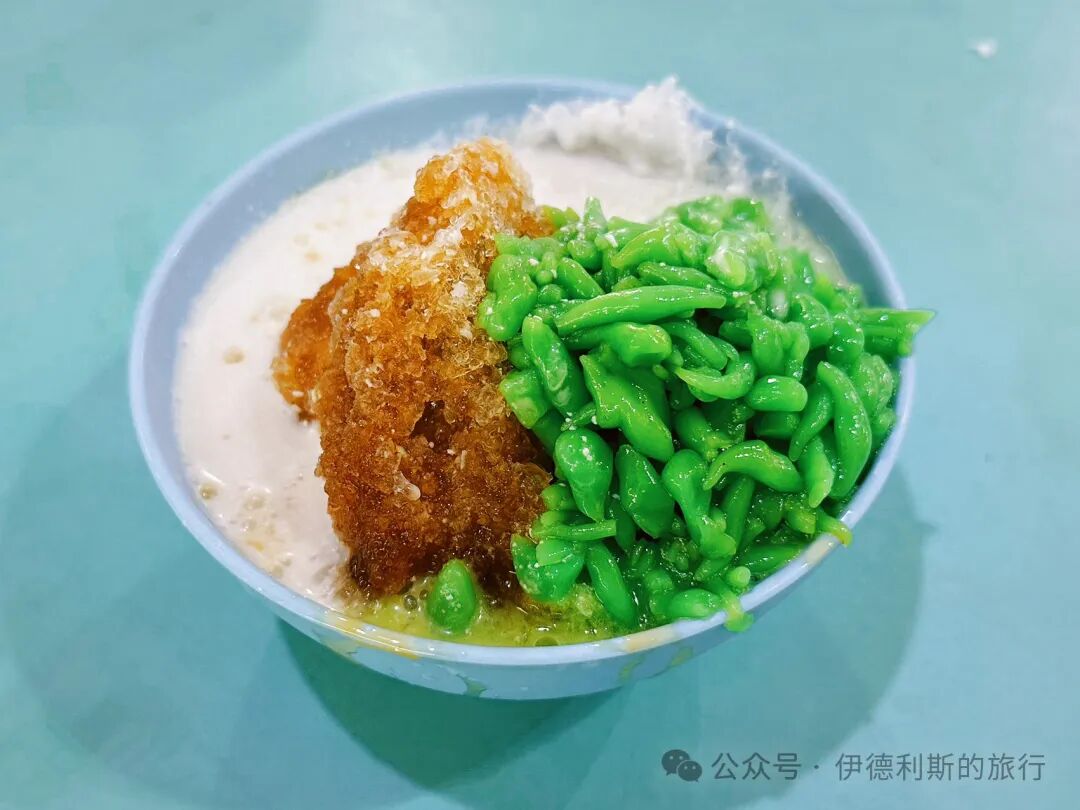
Cendol is a Southeast Asian shaved ice dessert. It features pandan and glutinous rice noodles topped with coconut milk and palm sugar syrup. In traditional Javanese food, cendol usually only has green pandan noodles, unlike the versions in Singapore and Malaysia that include red beans. To show they are authentic, this cendol shop in Geylang Serai Market uses English, pinyin, Tamil, and Malay to state they do not serve red beans, which is an interesting cultural detail.
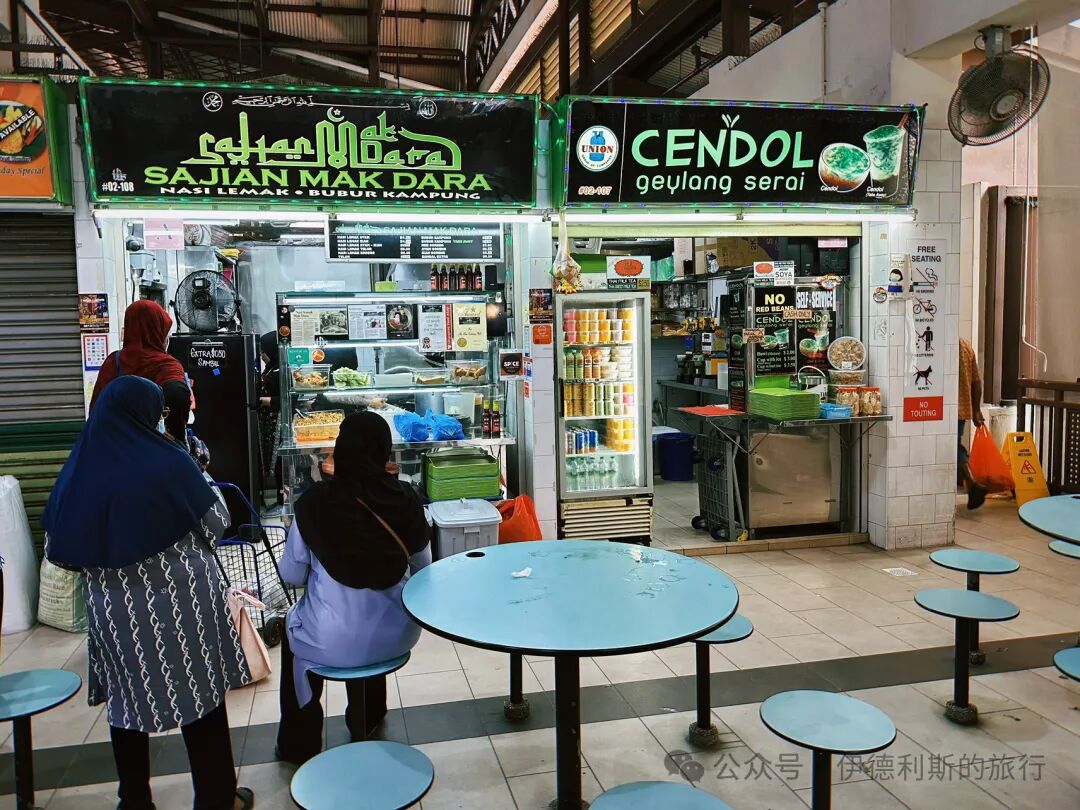
Besides Malay stalls, Geylang Serai Market also has halal Indian and Chinese stalls, showing the cultural diversity of Singapore.
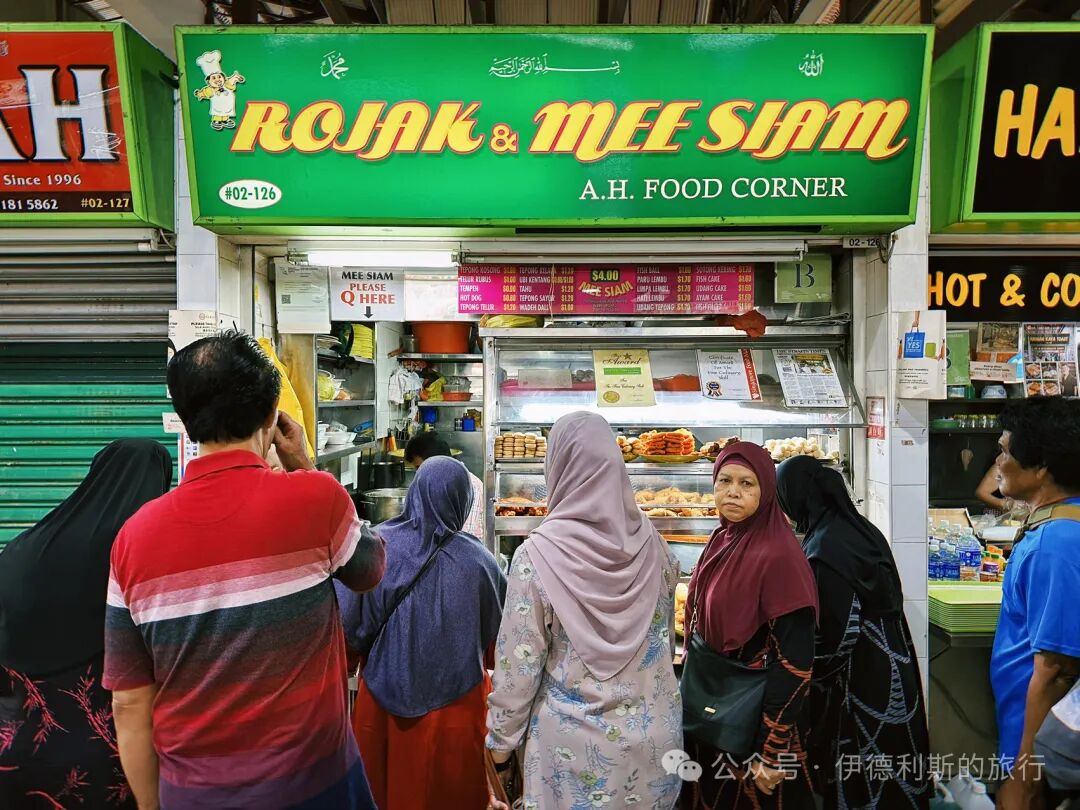
We tried the classic Southeast Asian salad, rojak, at a very popular stall on the second floor of the market called Rojak & Mee Siam. Rojak is said to have started on the island of Java. It was originally a mix of fruits and vegetables with spicy palm sugar syrup, but it spread to Indonesia, Malaysia, and Singapore with Javanese migrants and developed into many different styles.
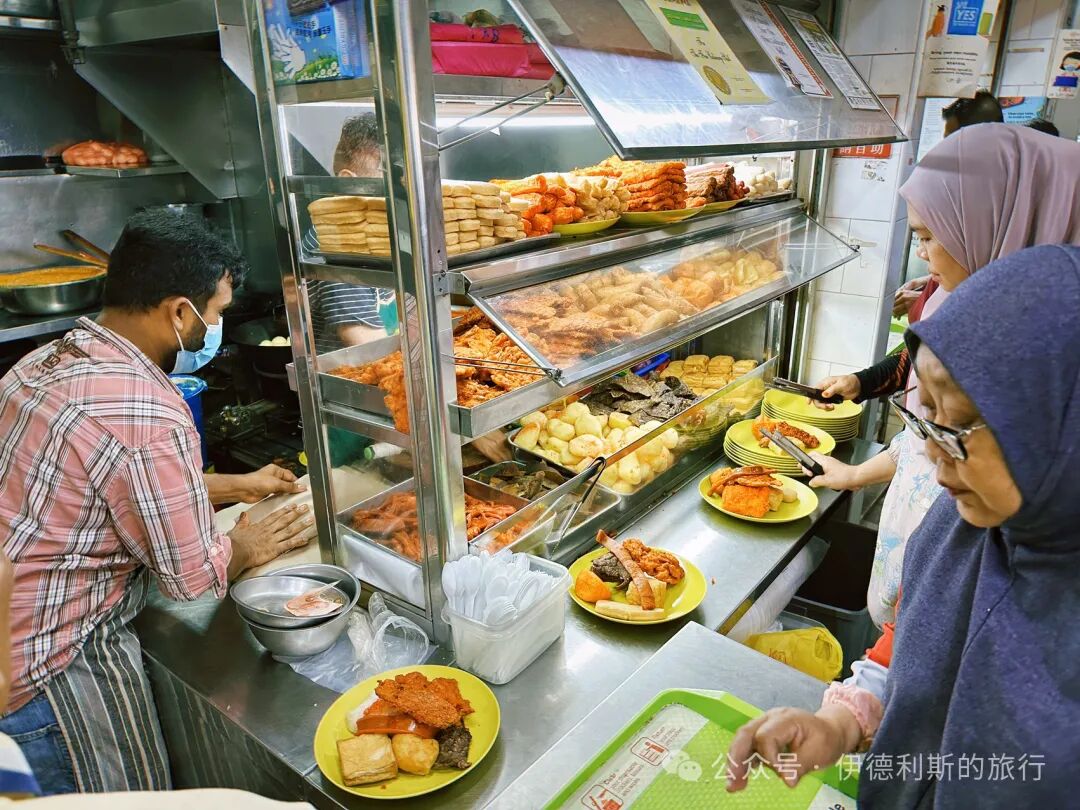
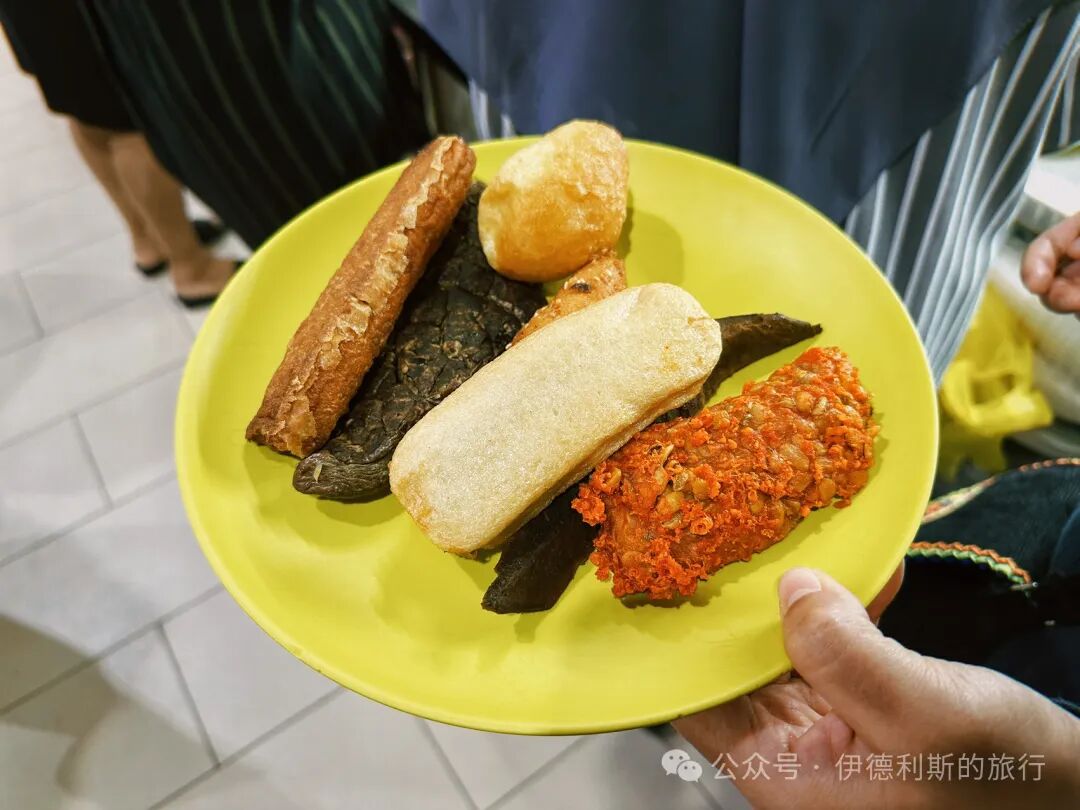
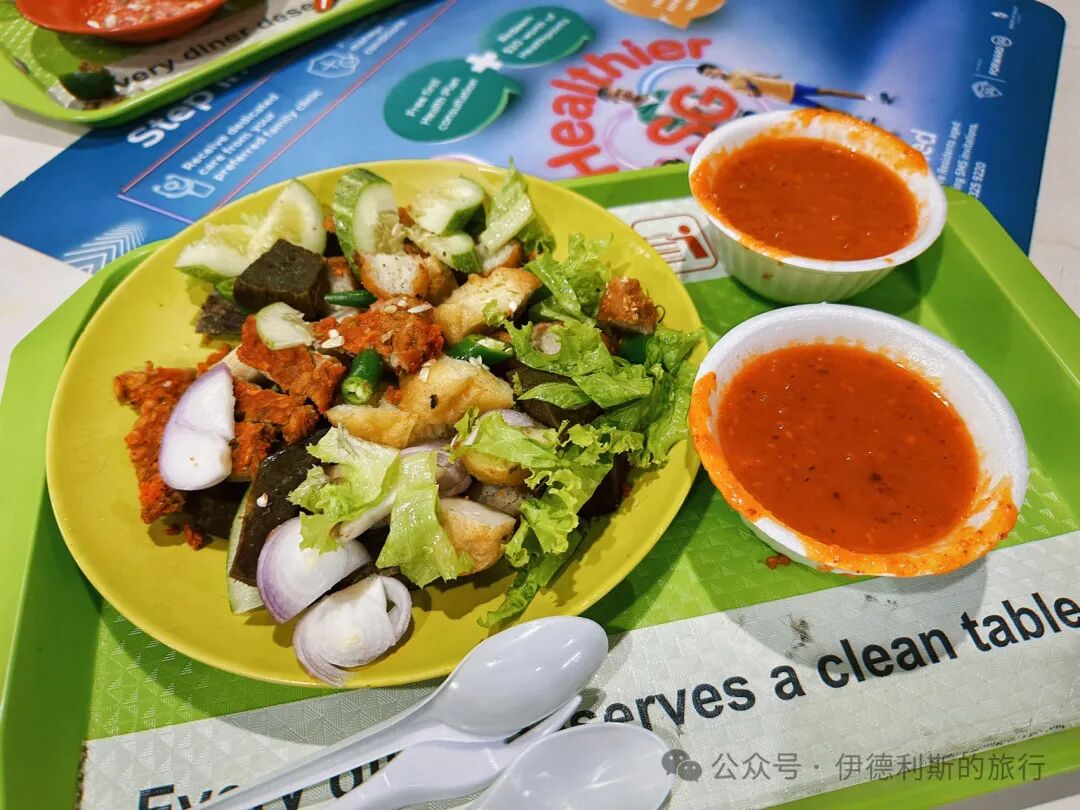
In Singapore, rojak is mainly split into fruit rojak (rojak buah) and Indian rojak (rojak india). The one we ate was Indian rojak. Indian rojak is mostly sold by Tamil Muslim stalls (mamak stalls) and includes items like bean curd, fish cakes, tempeh, cucumber, beef lung, fried dough sticks, and eggs. Customers point to what they want at the window, then the staff cuts and heats it in the back kitchen before adding a thick, spicy, sweet sauce made from mashed sweet potatoes. It is very popular with Malay people.
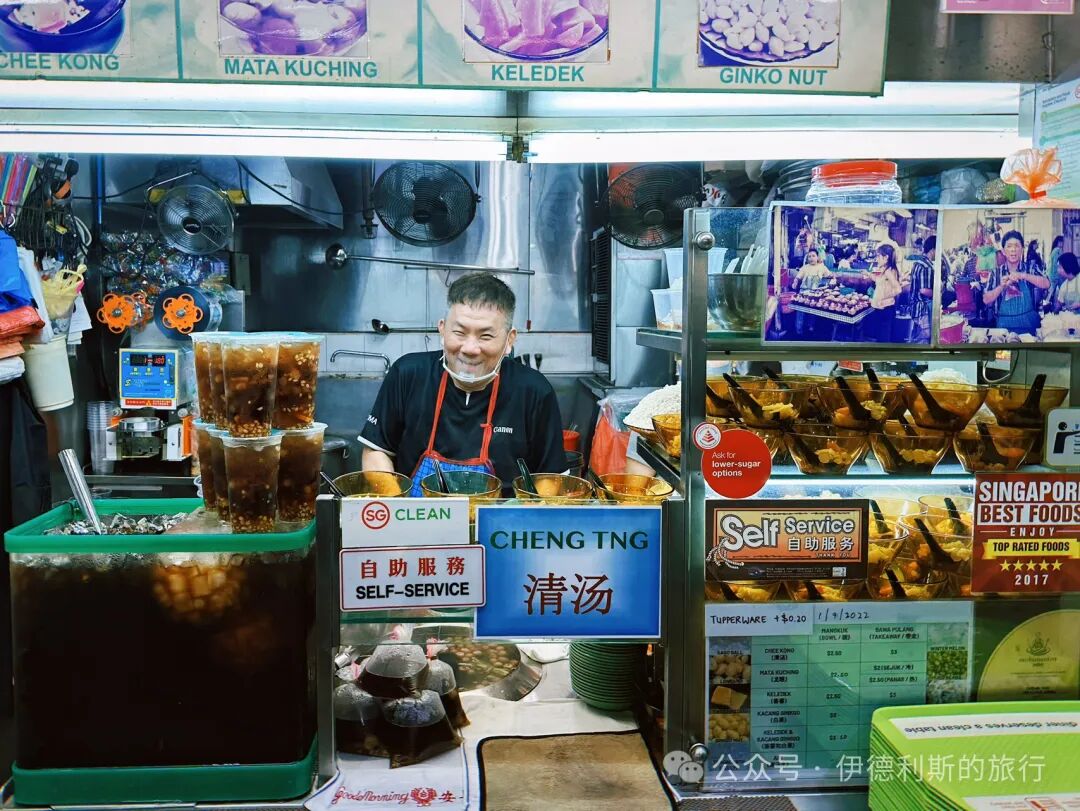
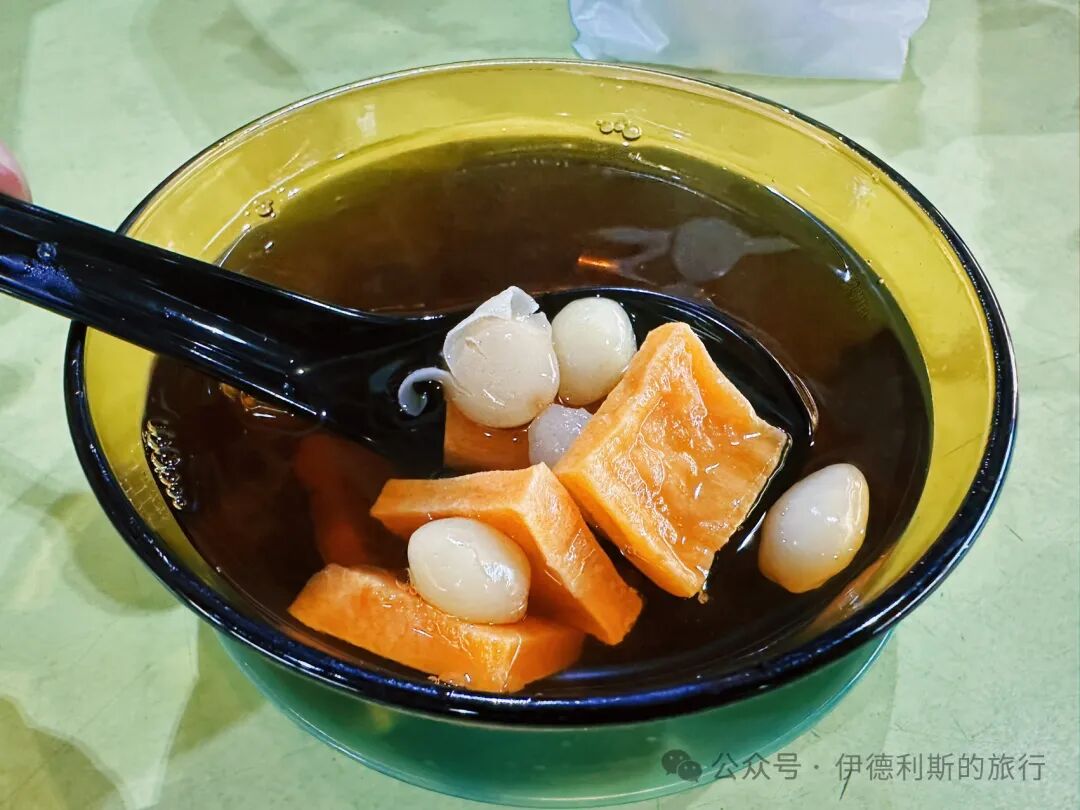
Next to Kueh Talam Asli is the only Chinese stall in the market, an old shop called Chee Kong clear soup (qing tang) that opened in the 1950s. The clear soup (qing tang) can be served with longan, sweet potato, and ginkgo nuts, and you can have it hot or cold. Drinking a bowl of clear soup (qing tang) is very refreshing after eating a lot of spicy Malay food.
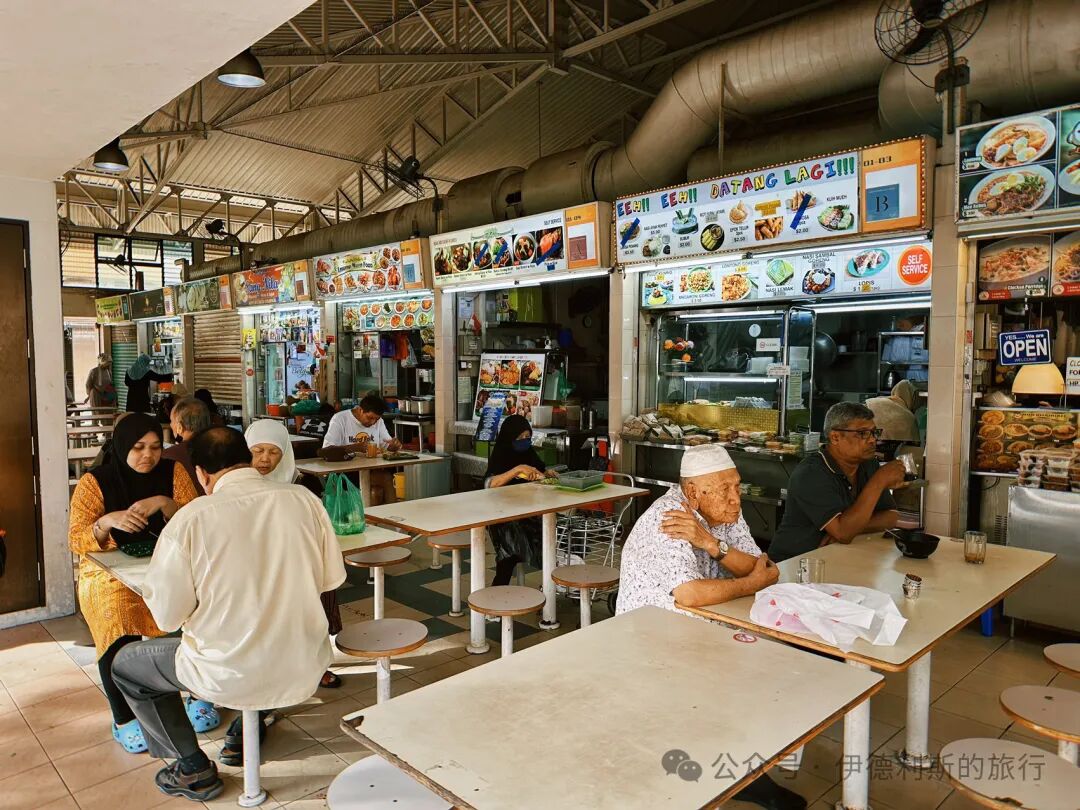
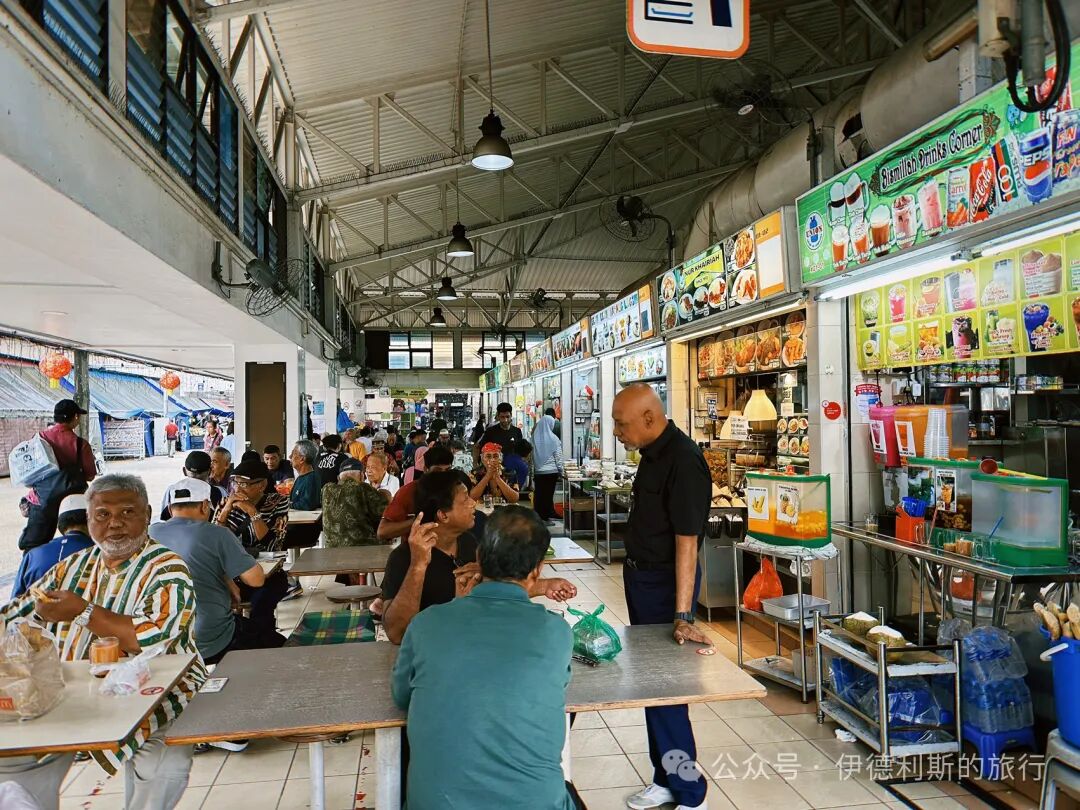
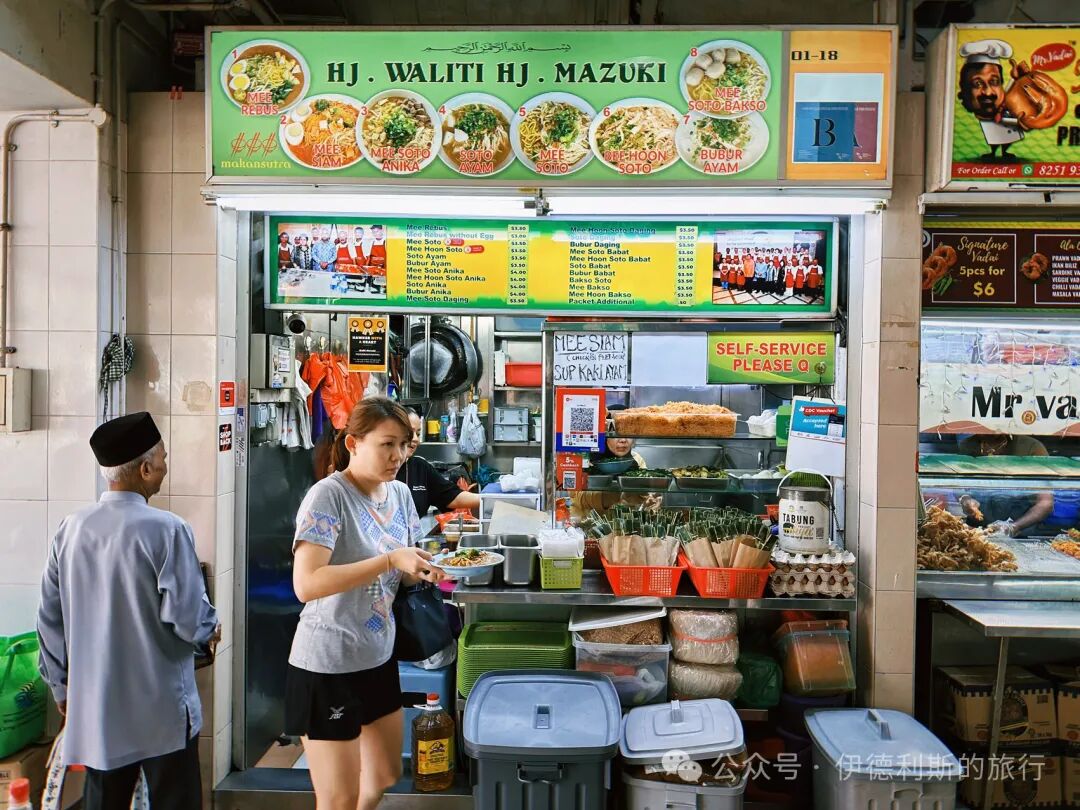
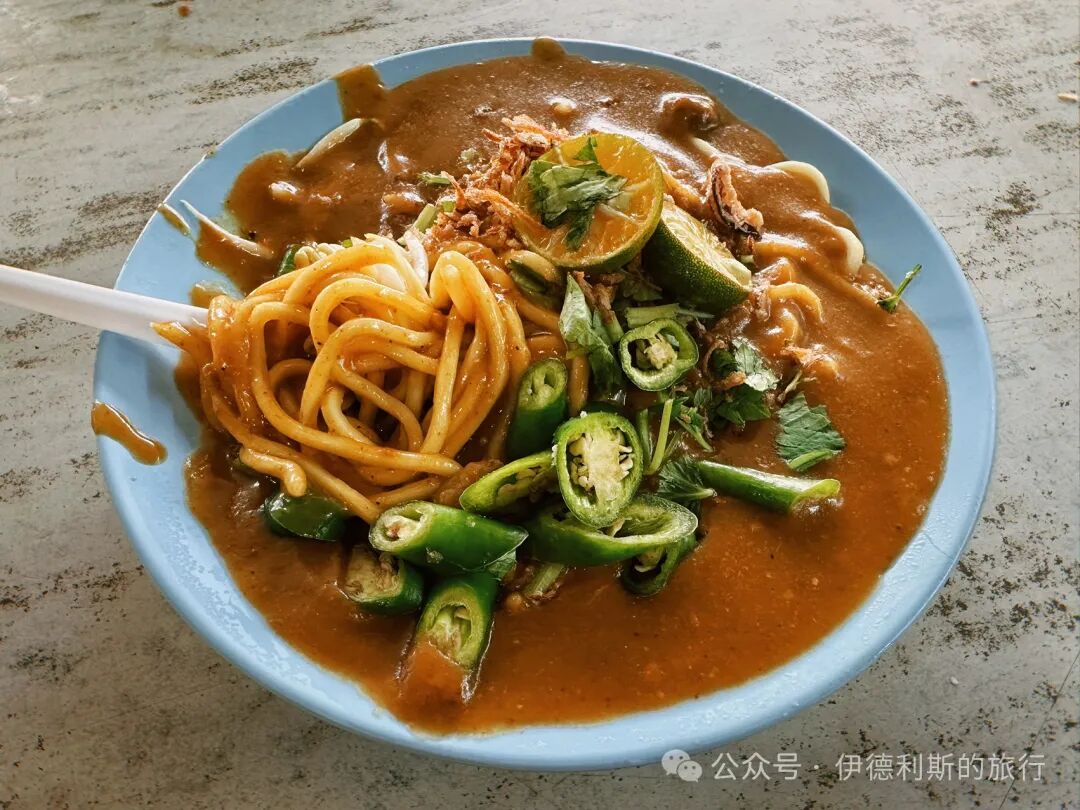
Besides Geylang Serai Market, the Haig Road Market & Food Centre to the west also has plenty of Malay food. At the first stall, we had the most affordable Malay boiled noodles (mee rebus), which features yellow egg noodles topped with a thick, sweet and spicy curry sauce, plus lime, green chili, and dried anchovies.
At the second stall, we had another affordable Malay snack, coconut milk rice (nasi lemak), made with rice cooked in coconut milk and pandan leaves, served with fried fish, sambal chili paste, a fried egg, fried peanuts, and dried anchovies.
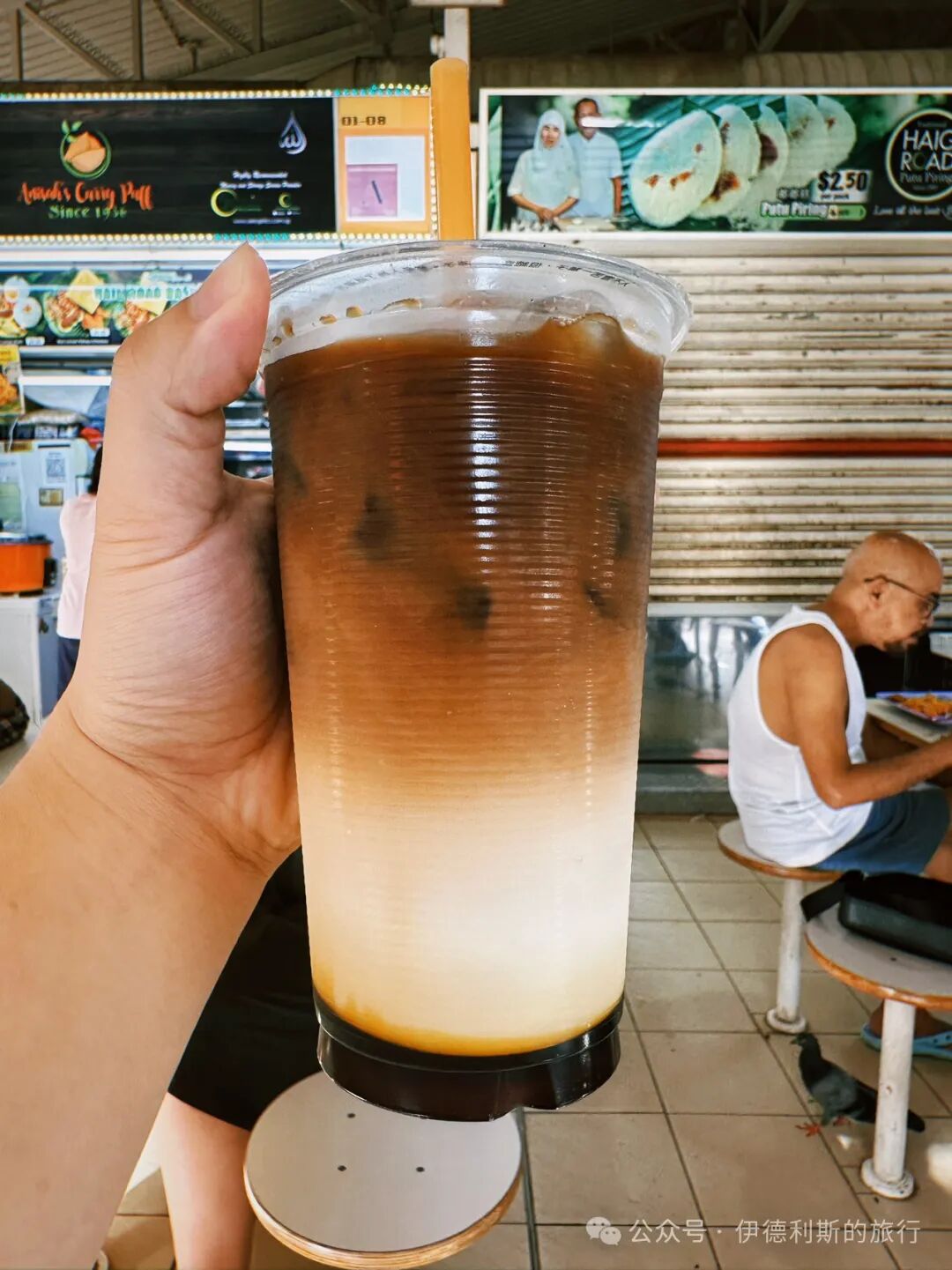
After our main meal, we chose a classic three-layer milk tea, which gets its three colors from palm sugar, milk, and black tea for a rich flavor.
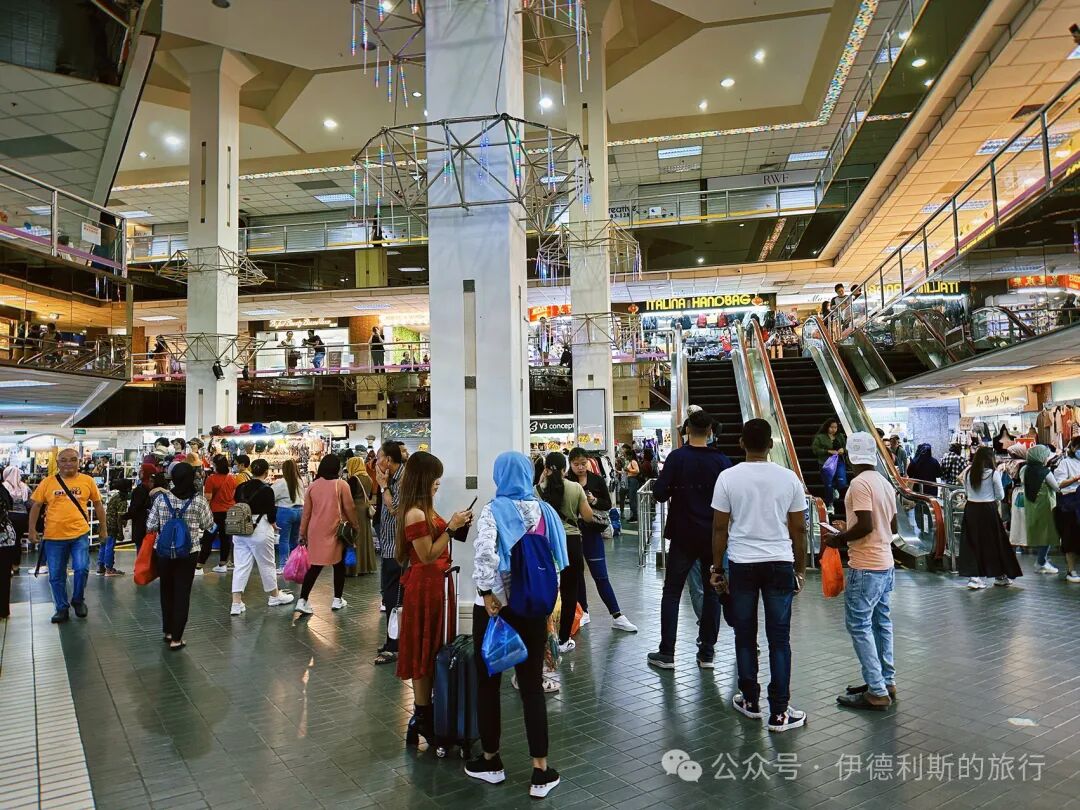
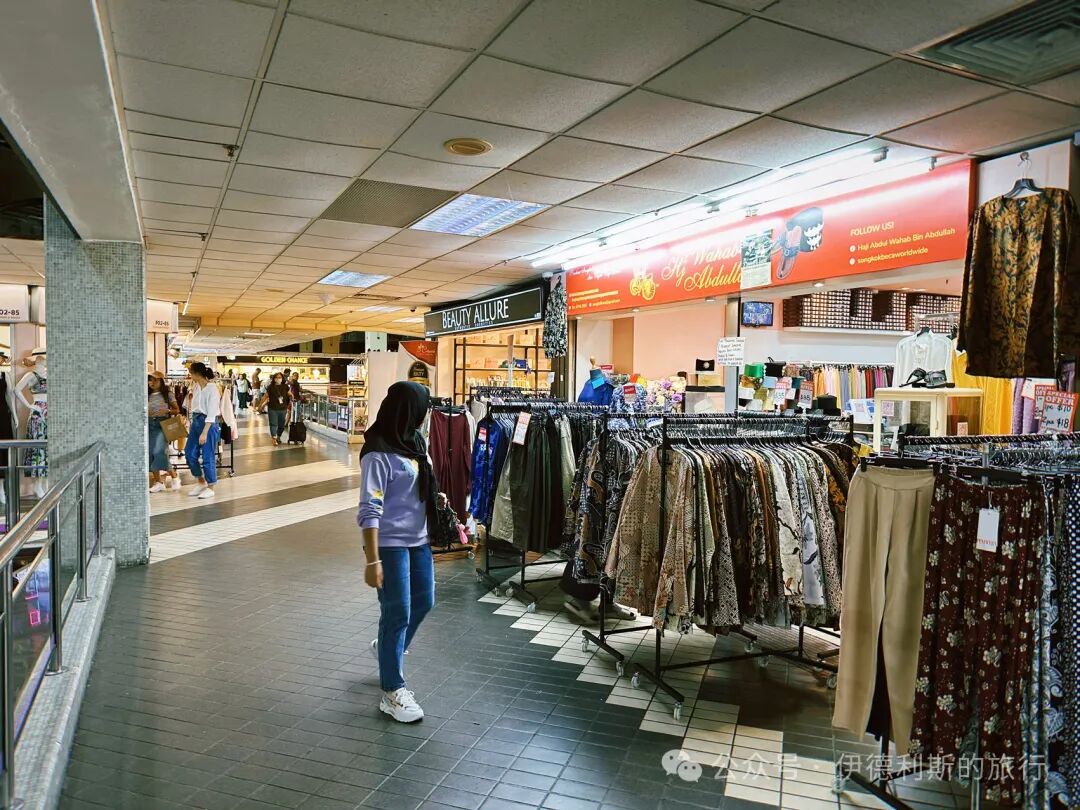
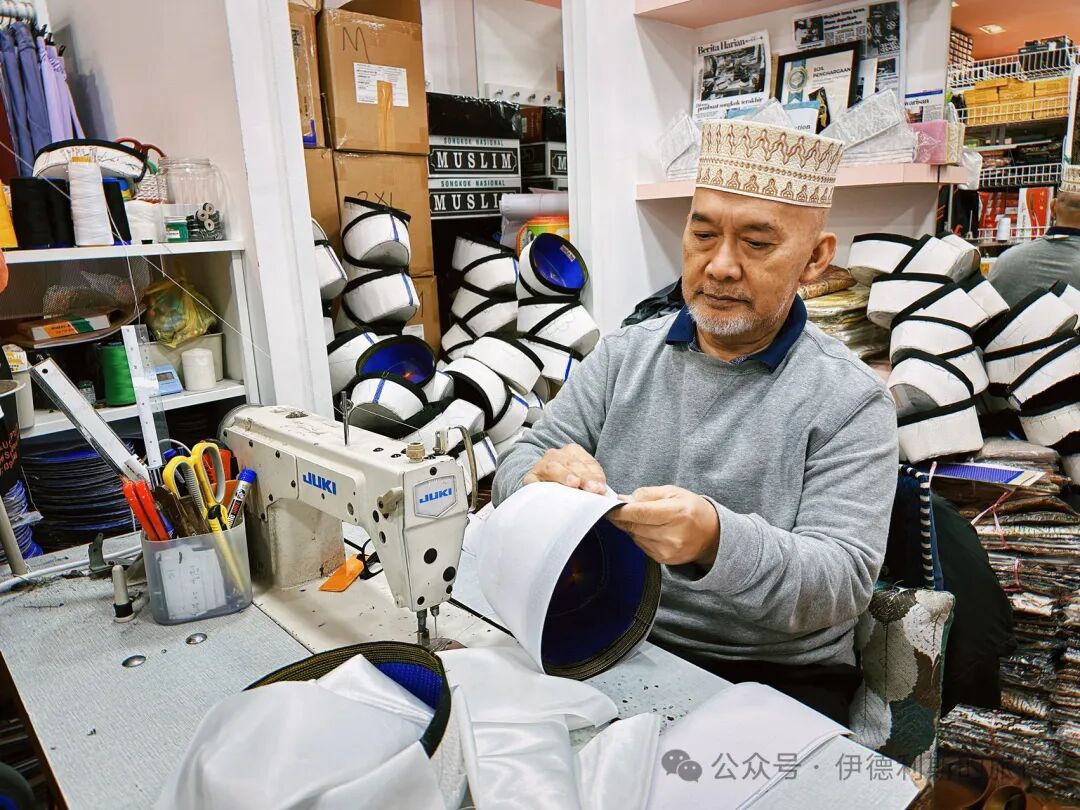
City Plaza by the Geylang River is a mall for affordable Malay clothing, and hidden on the second floor is Songkok Singapura, the last shop in Singapore that makes traditional caps (songkok) by hand. The owner, Haji Abdul Wahab, had a father who started making songkok in the 1970s, back when there were several such shops in Geylang Serai. Haji Abdul Wahab started learning to make songkok from his father as a teenager, opened his own shop at the old Geylang Serai Market at age 22, and has been doing it for 42 years since. Competition between songkok shops was very intense in the 20th century, but with the rise of machine production, Haji Abdul Wahab is now the only one left who still makes them by hand.
Besides traditional black velvet songkok, Haji Abdul Wahab also makes them in gold, white, and maroon, and many famous people, including the Sultan of Johor, have ordered from his shop. It takes Haji Abdul Wahab about an hour to make each songkok, and the peak season is during Ramadan, when the shop can receive up to 1,000 orders and his whole family helps out.
West of Geylang Serai Market is the newly built community center, Wisma Geylang Serai, which houses the Geylang Serai Malay Heritage Gallery. Although the gallery is small, it is a great place to learn about the history and culture of Geylang Serai.
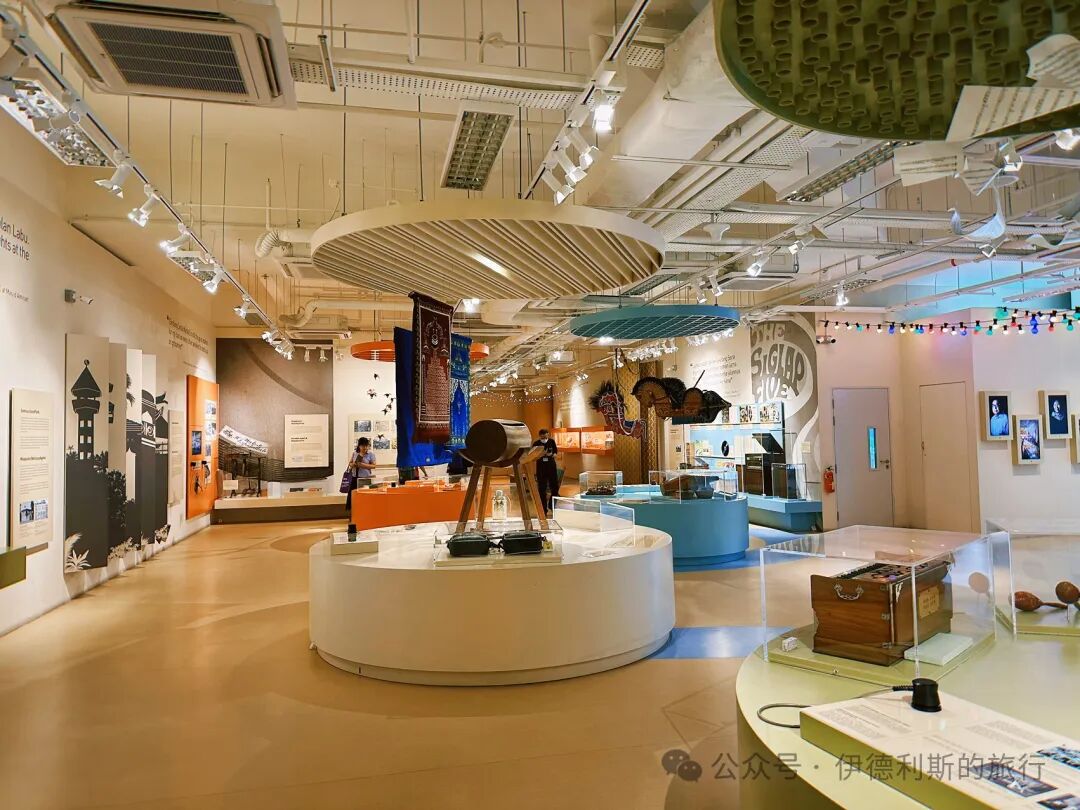
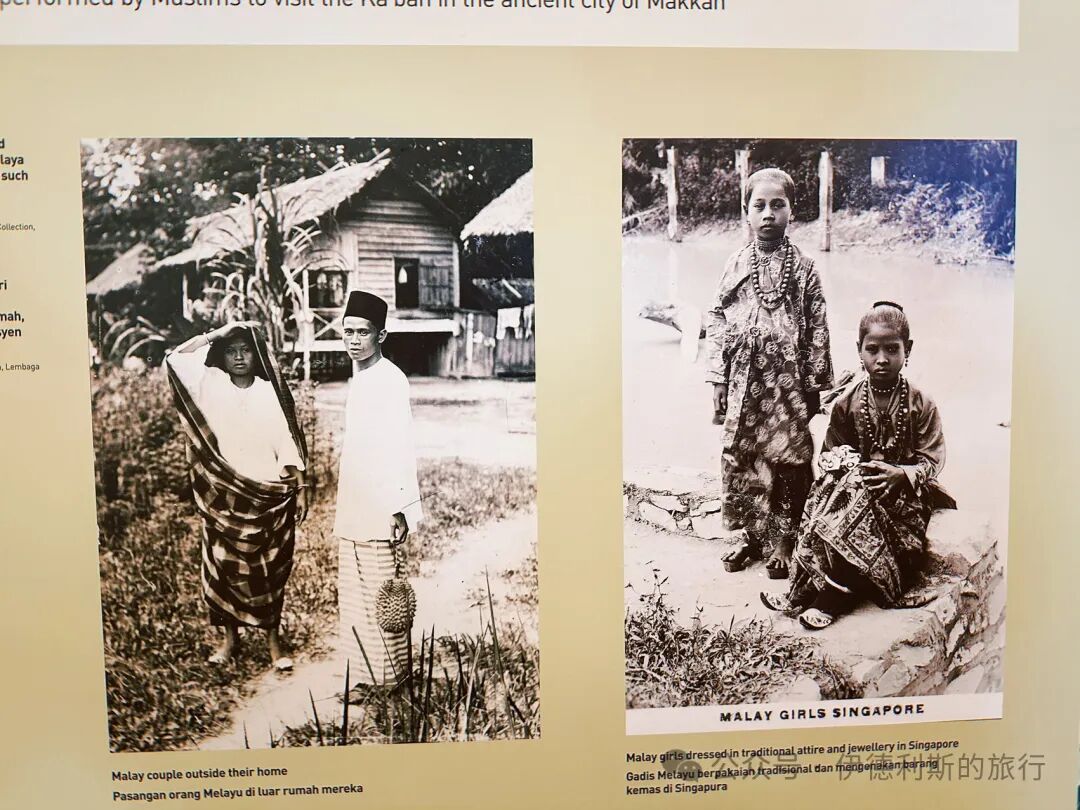
Old photos of Malay people in Singapore.
The sewing machine and hat mold used by Hussain bin H. Yunos, who once made songkok in the Geylang Serai Malay Village.
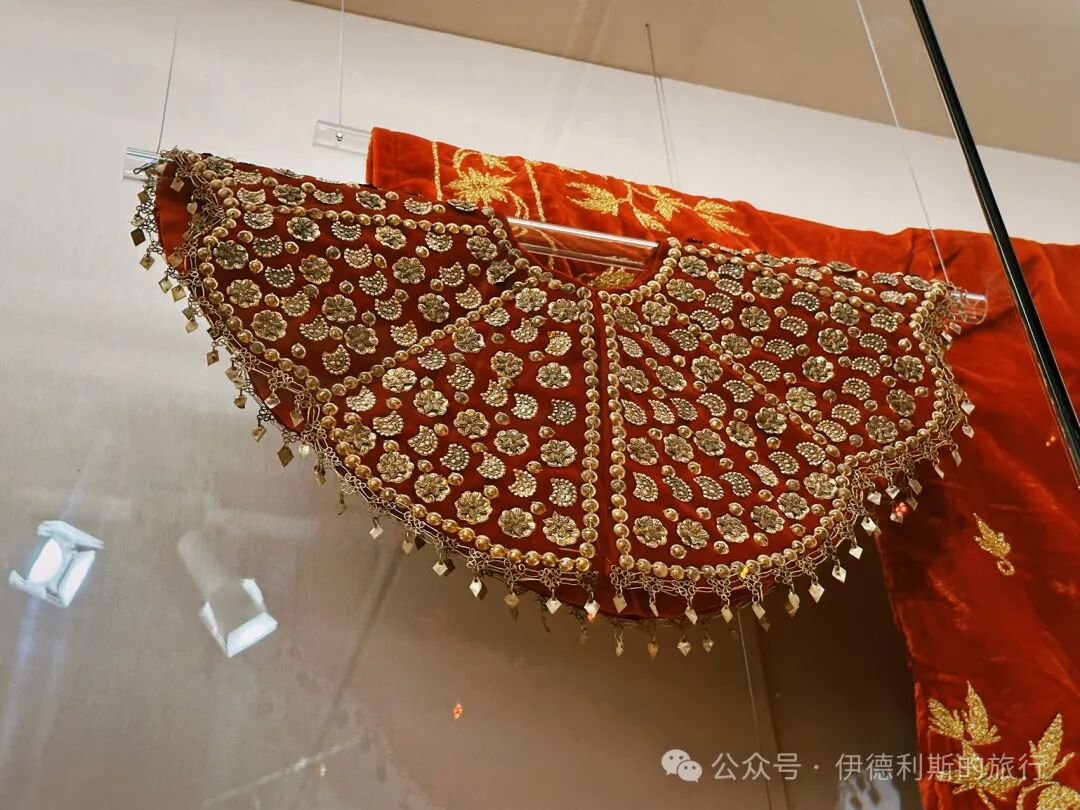
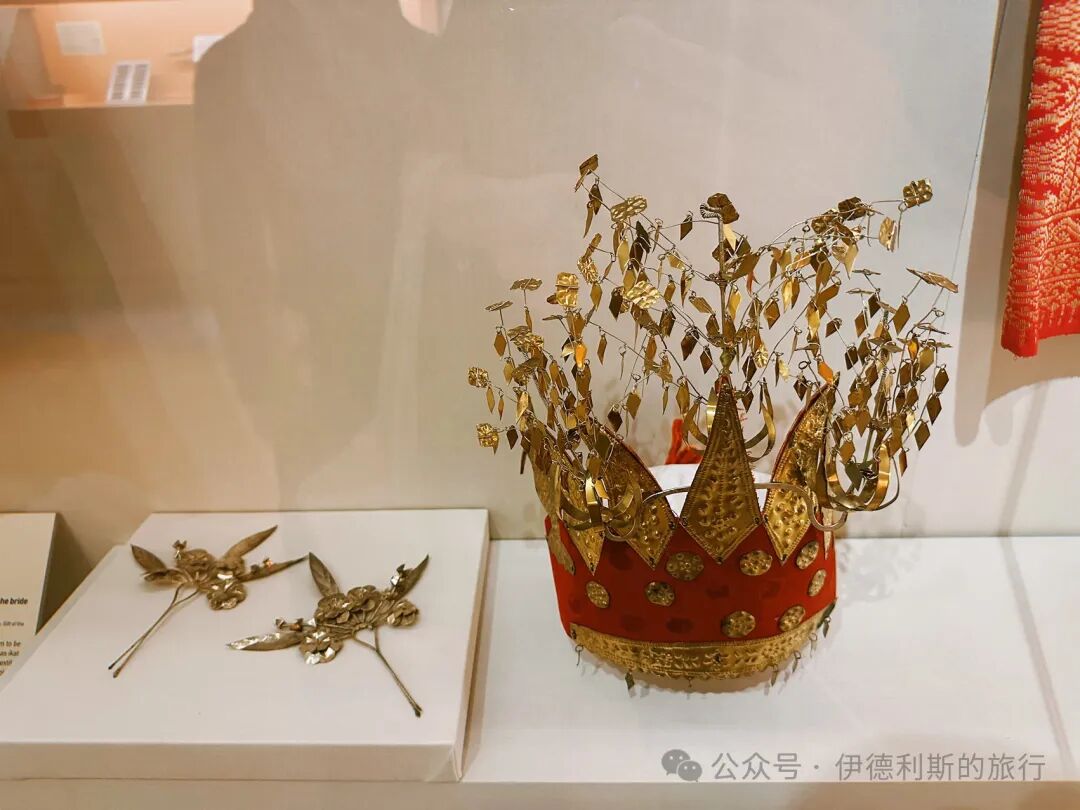
Traditional wedding attire in the Jambi Kodya style from Sumatra.
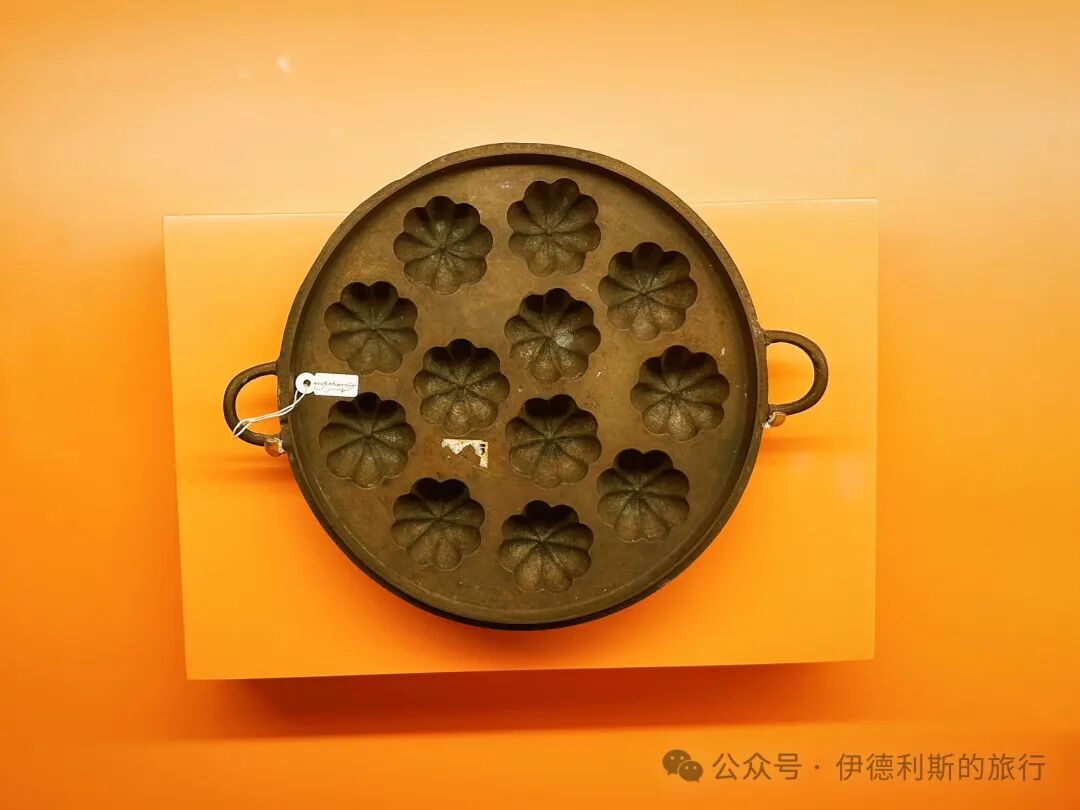
Molds used for making Malay rice cakes (kuih).
Further reading:
The early history of the Malay people and Singapore
Experience Indian Muslim culture in Singapore
Taste halal Chinese food in Singapore
Eating Peranakan food (nyonya cai) in Singapore
Halal Travel Guide: Singapore - Indian Muslim Mosques and Heritage (Part 1)
Articles • ali2007fr posted the article • 0 comments • 137 views • 2026-05-19 07:24
Summary: This first Singapore article introduces Indian Muslim culture through mosques, streets, migration history, food, and everyday community life. It keeps the original travel sequence and cultural facts while using simple English for global readers.
Since the British arrived in Singapore in 1819, Indian Muslims have continuously come to the island as laborers, merchants, and soldiers. After the 20th century, more Indian Muslims settled in Singapore. Most were Tamils from the Coromandel Coast in southeastern India, but there were also Gujaratis from western India, Malabaris from the southwest, and even Dawoodi Bohras and Ahmadis. Over time, the diverse and integrated Indian Muslim culture has become an important part of Singaporean culture. This time, I will take you to experience Singapore's Indian Muslim culture by visiting various Indian mosques, tasting Indian food, and touring the Indian Heritage Centre and the Indian Muslim Heritage Centre.
Indian mosques and shrines (gongbei) in Chinatown.
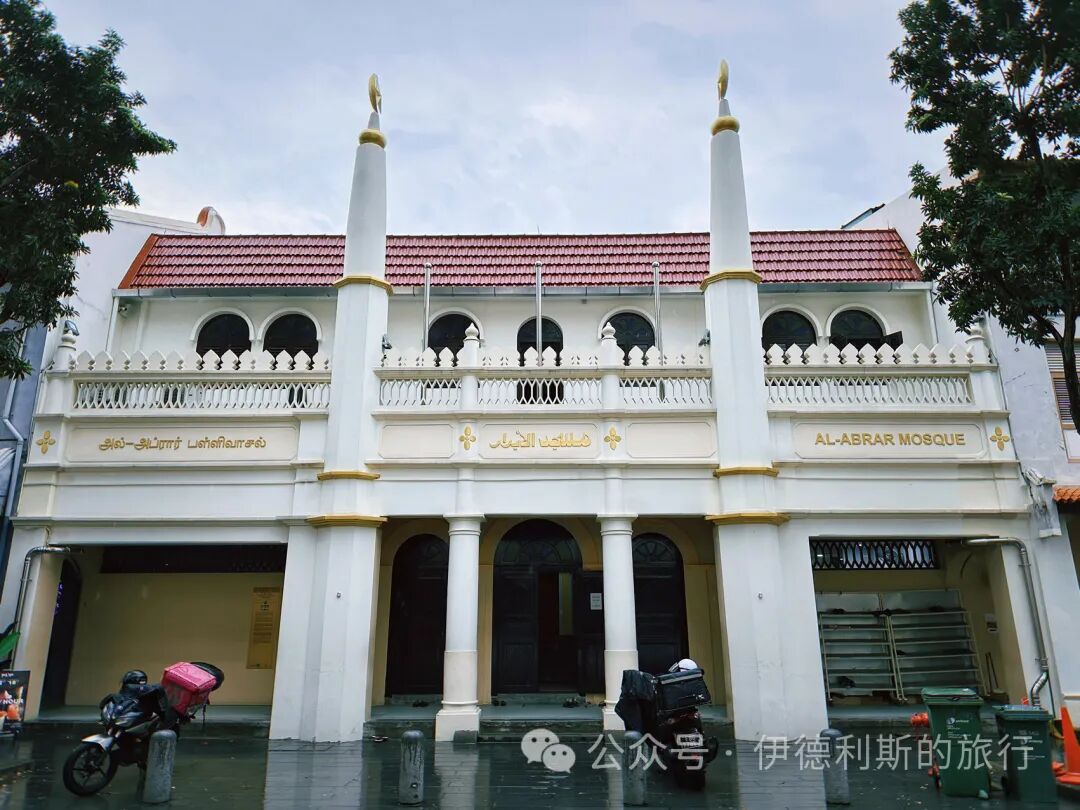
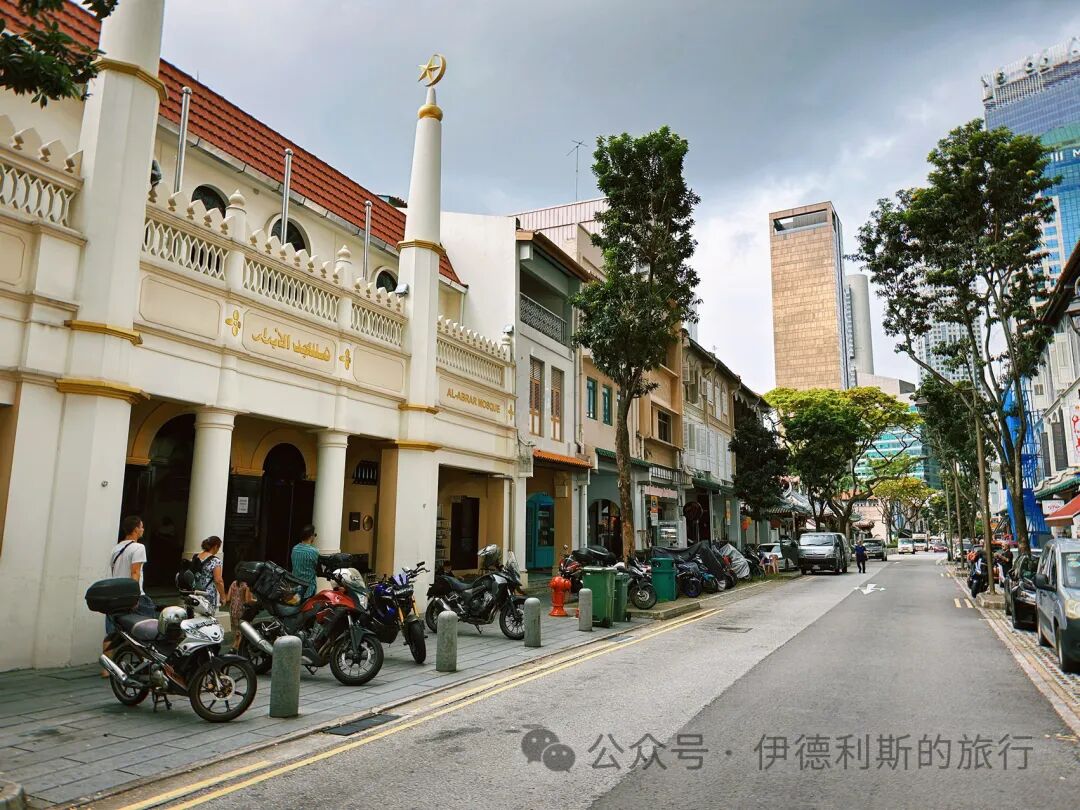
Al-Abrar Mosque is located on Telok Ayer Street in Singapore's Chinatown. It was built in 1827 by Tamil Muslims from the Coromandel Coast in southeastern India. They were also known as Chulias and mostly worked as merchants or money changers in Chinatown at the time, so this place is also called the Chulia Mosque.
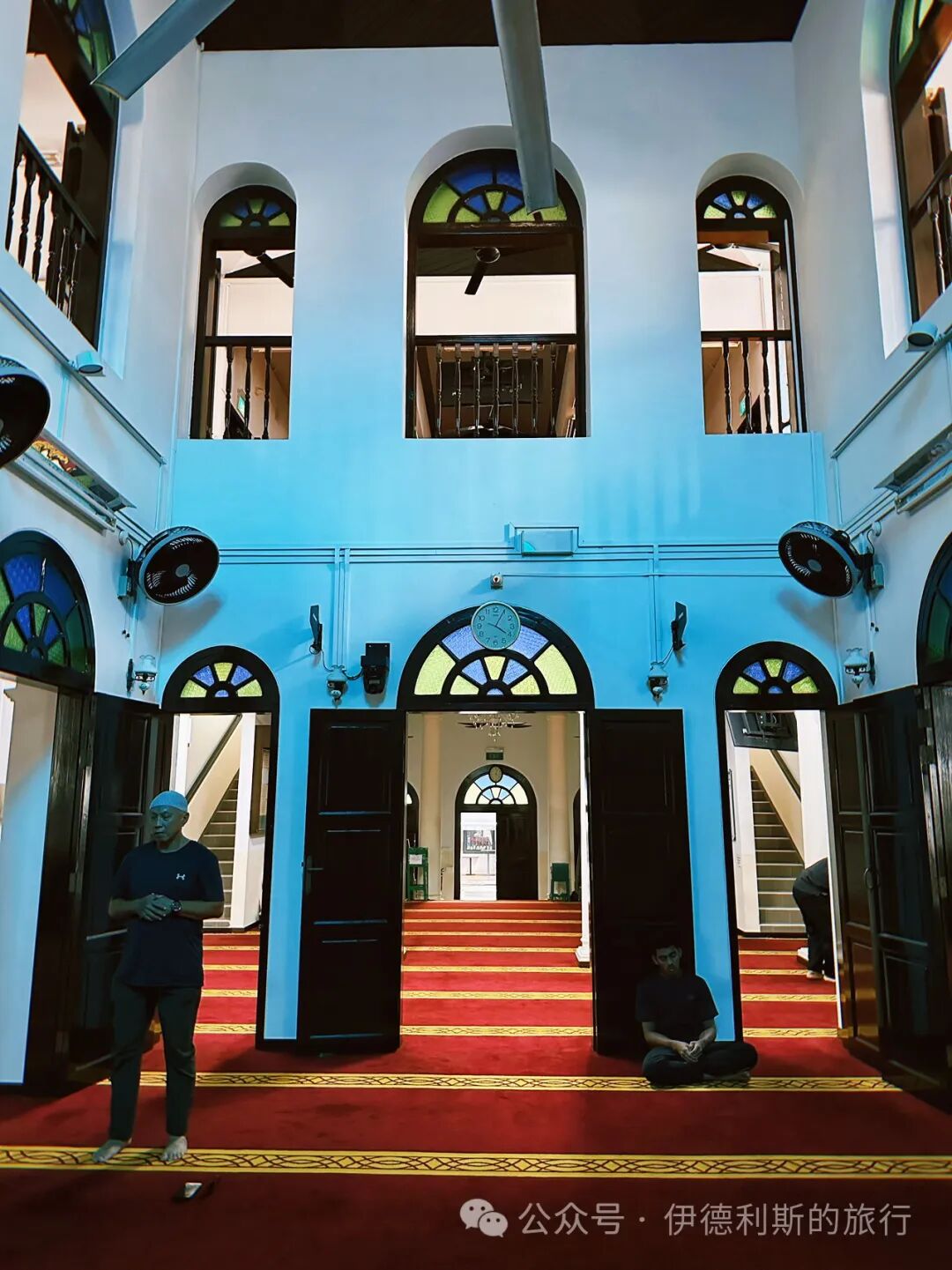
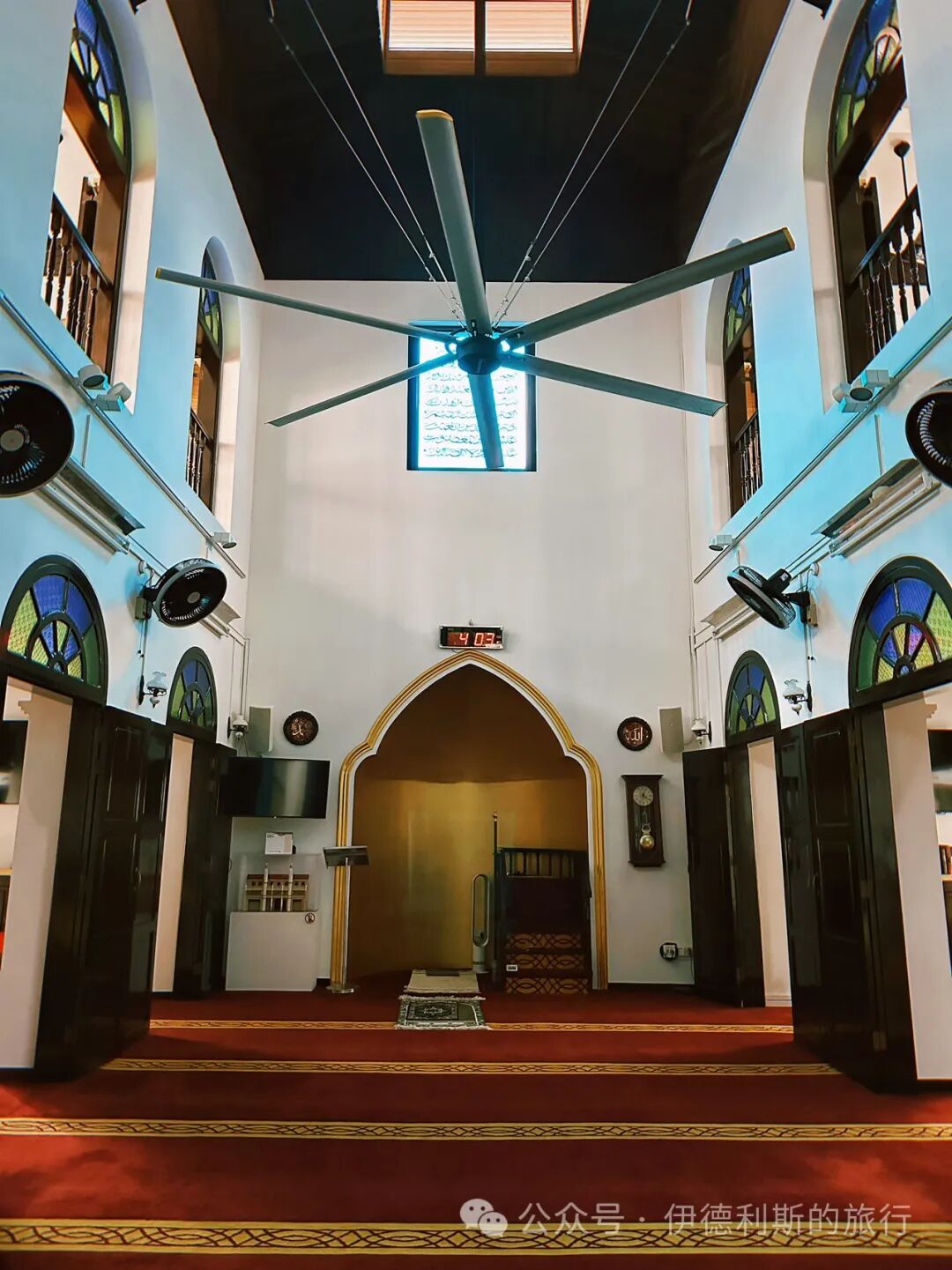
Al-Abrar Mosque is one of Singapore's oldest mosques. It started as a thatched hut, was rebuilt as a brick building with Indian features between 1850 and 1855, and was renovated into its current appearance between 1986 and 1989. The mosque sits in a row of shophouses on Telok Ayer Street and blends seamlessly with the surrounding buildings. The main entrance has two octagonal minarets topped with star and crescent symbols. The interior features European neoclassical design elements, including Doric columns and French-style shutters. Today, the mosque continues to serve the Indian Muslim community. Muslims from other ethnic groups working nearby also come here for worship, especially during the Friday congregational prayer (Jumu'ah).
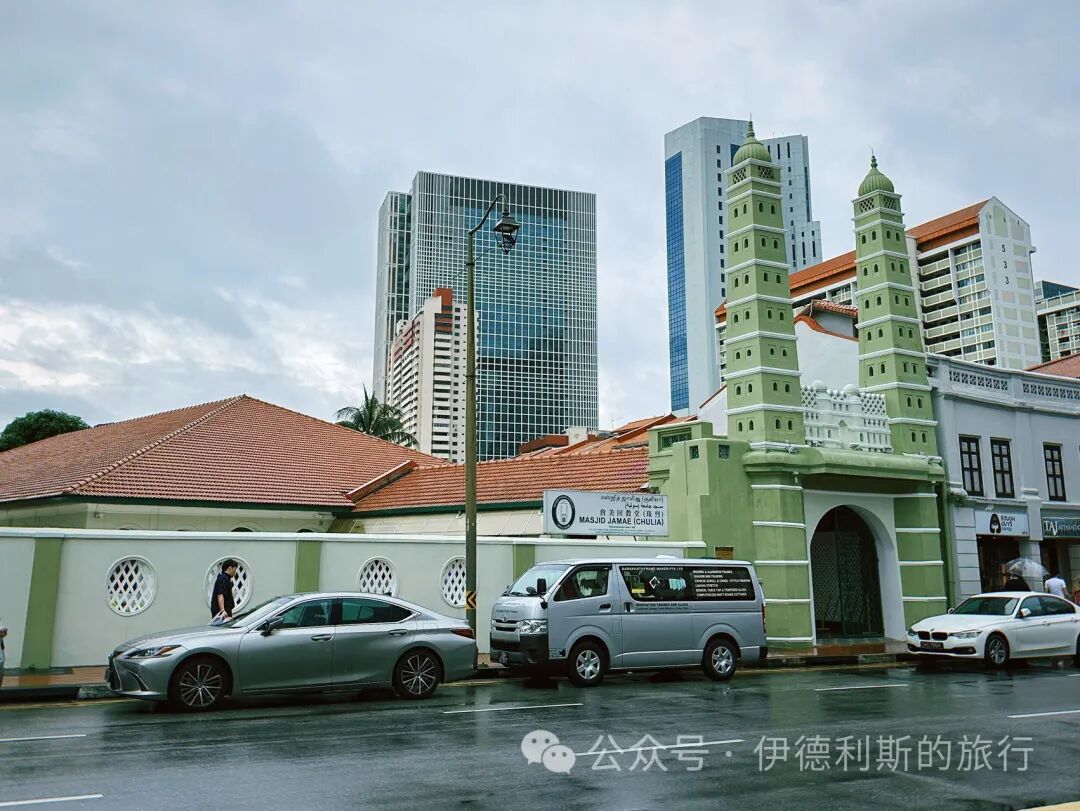
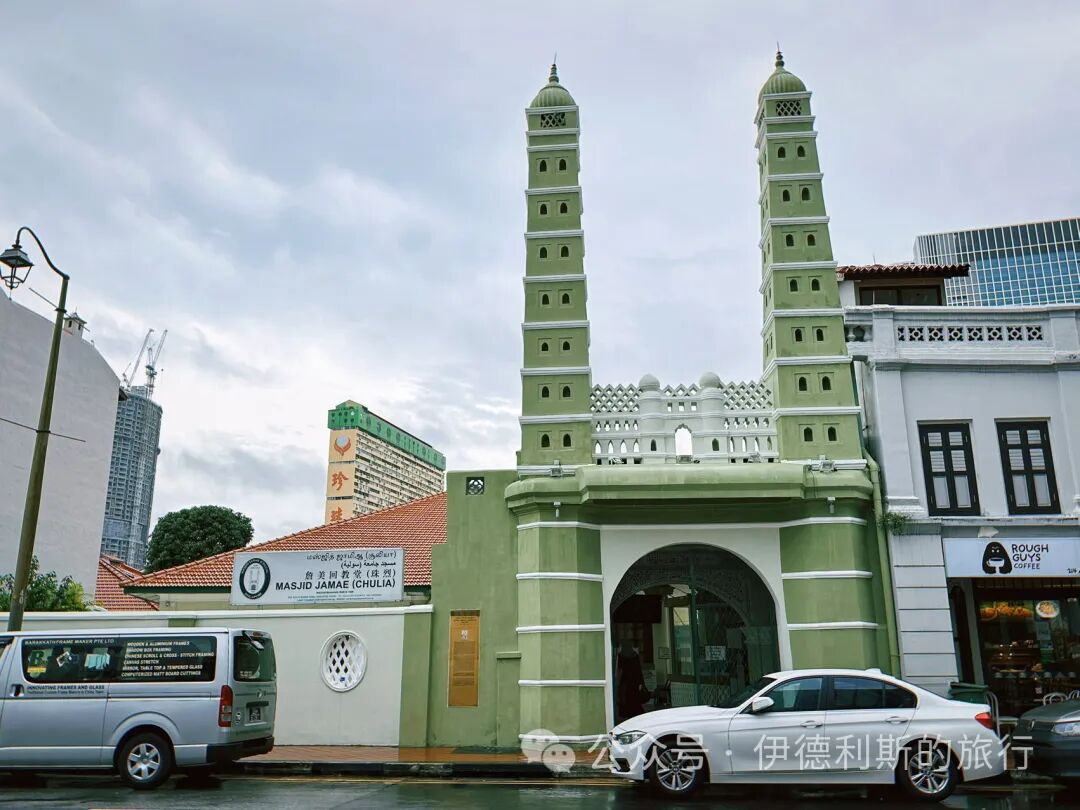
Jamae Mosque is located on South Bridge Road in Singapore's Chinatown. It was the main congregational mosque built by the Chulias in Chinatown, and like Al-Abrar Mosque, it is also known as a Chulia mosque.
Jamae Mosque was founded in 1826 and rebuilt into its current form between 1830 and 1835. The mosque's main gate has a distinct South Indian style. It features two seven-story towers on either side, each with a pair of niches on every level, and a central design modeled after a traditional Indian fortress gate. The design is very intricate. The main prayer hall features the neoclassical style typical of Singapore's colonial era, the same style used for the Old Parliament House built during the same period.
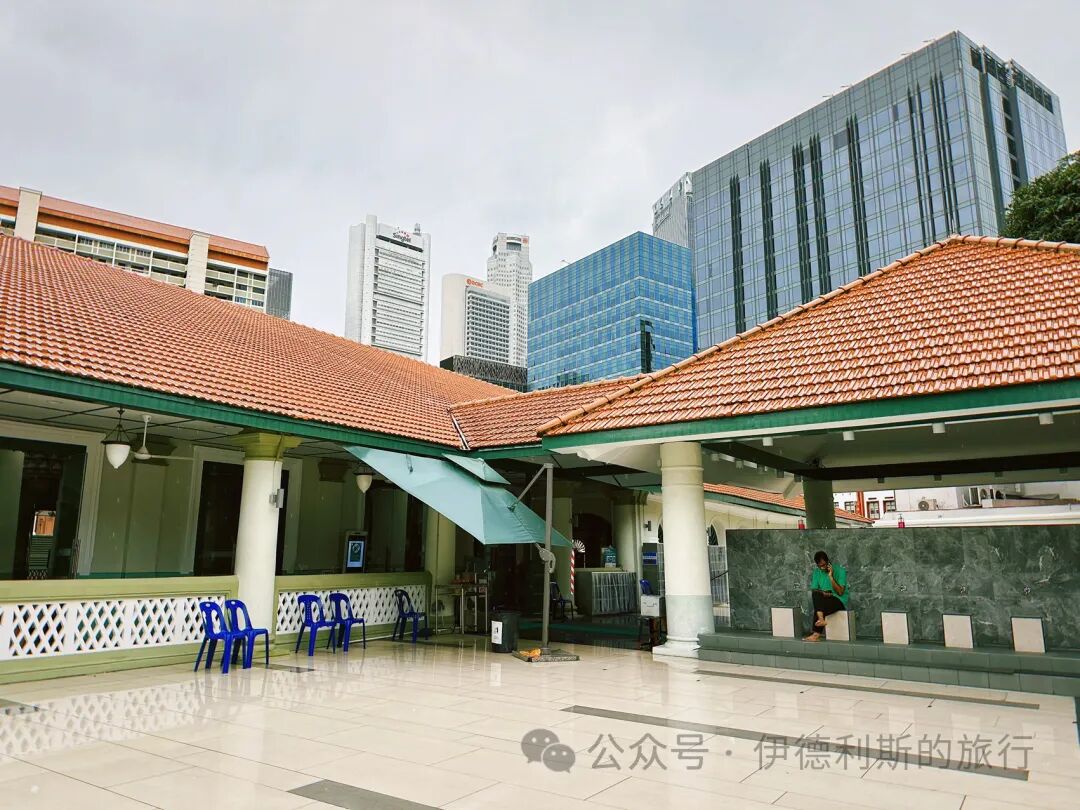
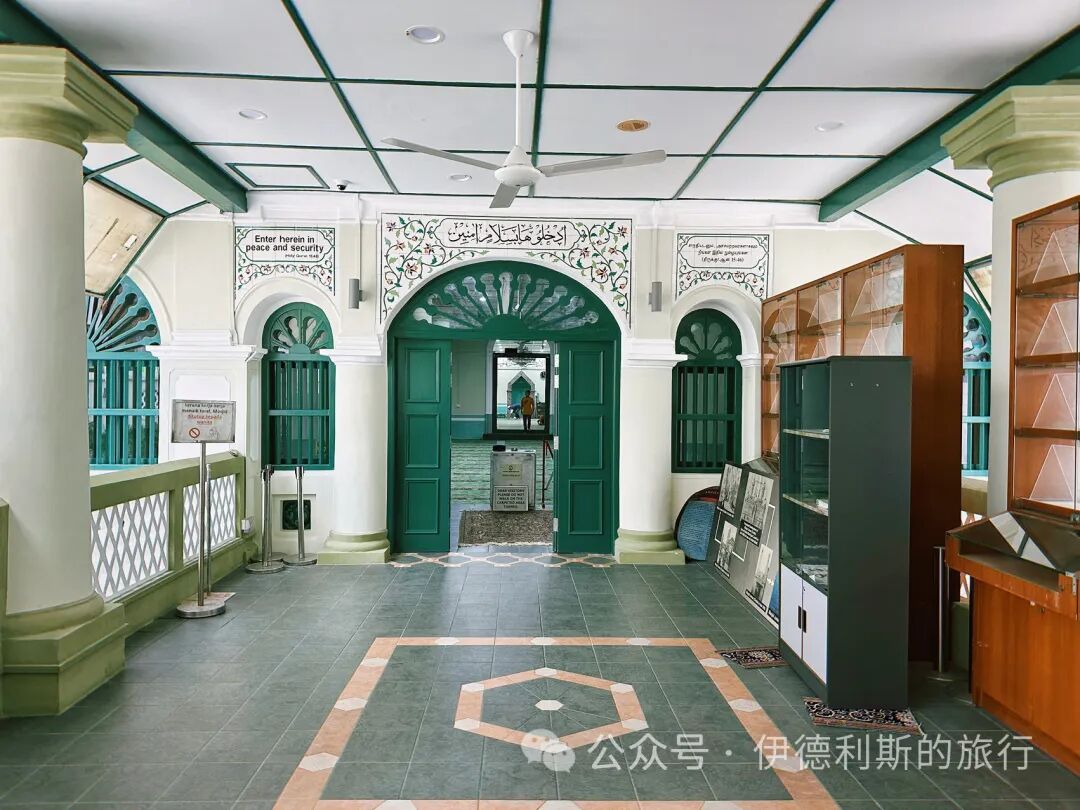
Today, Jamae Mosque remains a place of worship for Chulia Muslims and is one of the few mosques in Singapore that offers religious classes in the Tamil language. This was also my first time seeing the walls of a main prayer hall inscribed in three languages: Arabic, English, and Tamil.
The Nagore Dargha mosque (Nagore Dargha) is located on Telok Ayer Street, not far from the Al-Abrar Mosque. It was built by the Chulia people between 1828 and 1830 and serves as an important Sufi shrine (gongbei) for the Chulia community in Singapore.
The Nagore Dargha mosque was built to honor the famous 16th-century Indian Sufi saint, Syed Shahul Hamid. Shahul Hamid arrived in the town of Nagore in the Tamil Nadu state of southeastern India in 1533 to preach, and he passed away there in 1570. Legend says he performed many miracles in Nagore and even healed the king of the Vijayanagara Empire in India. To honor Shahul Hamid, locals built a shrine (gongbei) over his tomb. It later became an important Sufi center for Tamil Muslims, and many sailors and seafarers would visit the shrine to offer dua for a safe journey before heading out to sea.
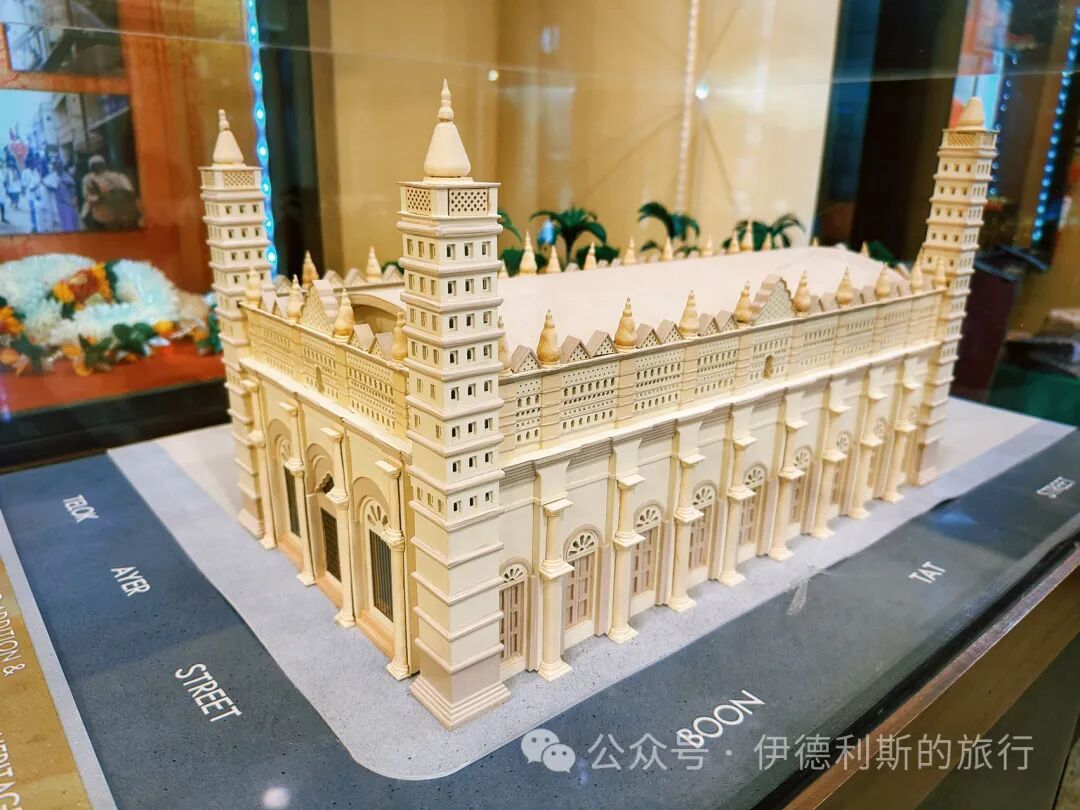
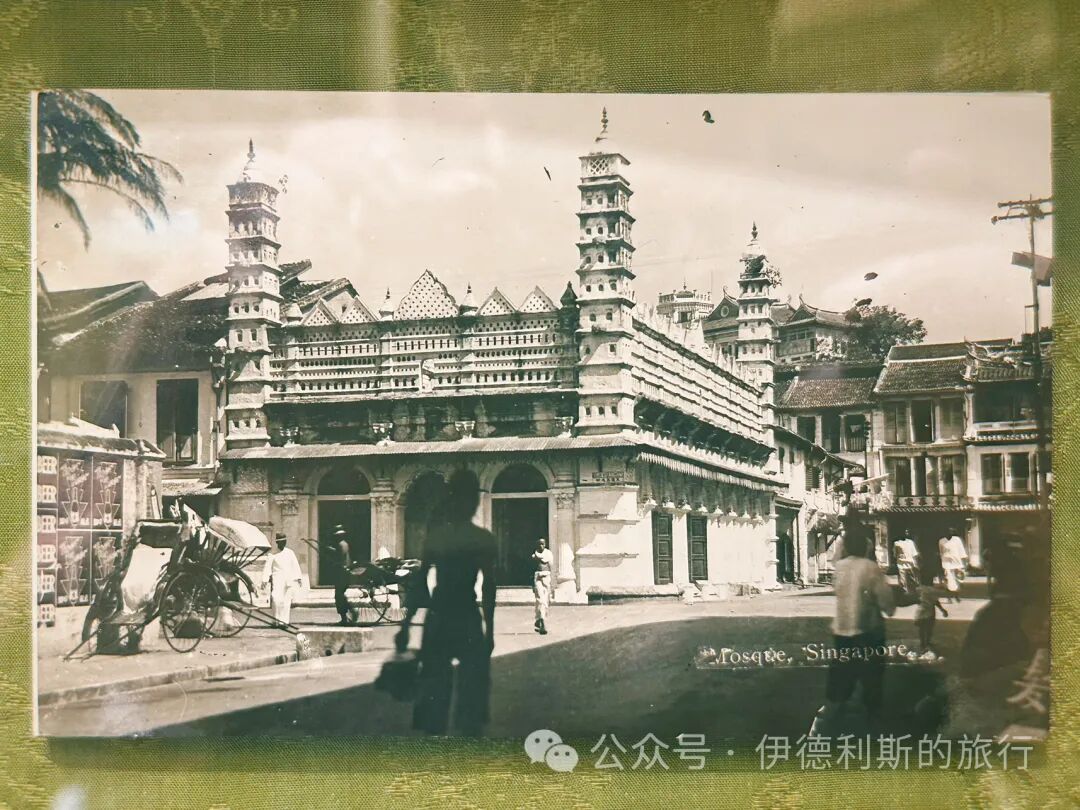
After Tamil Muslims immigrated to Penang and Singapore in the 19th century, they built a shrine in each city to honor the saint, modeling the architecture after the original shrine in Nagore. The Singapore shrine uses an eclectic style, featuring a 14-tier square minaret with niches on the outside, and Doric-style pilasters, arches, and large French-style windows on the inside.
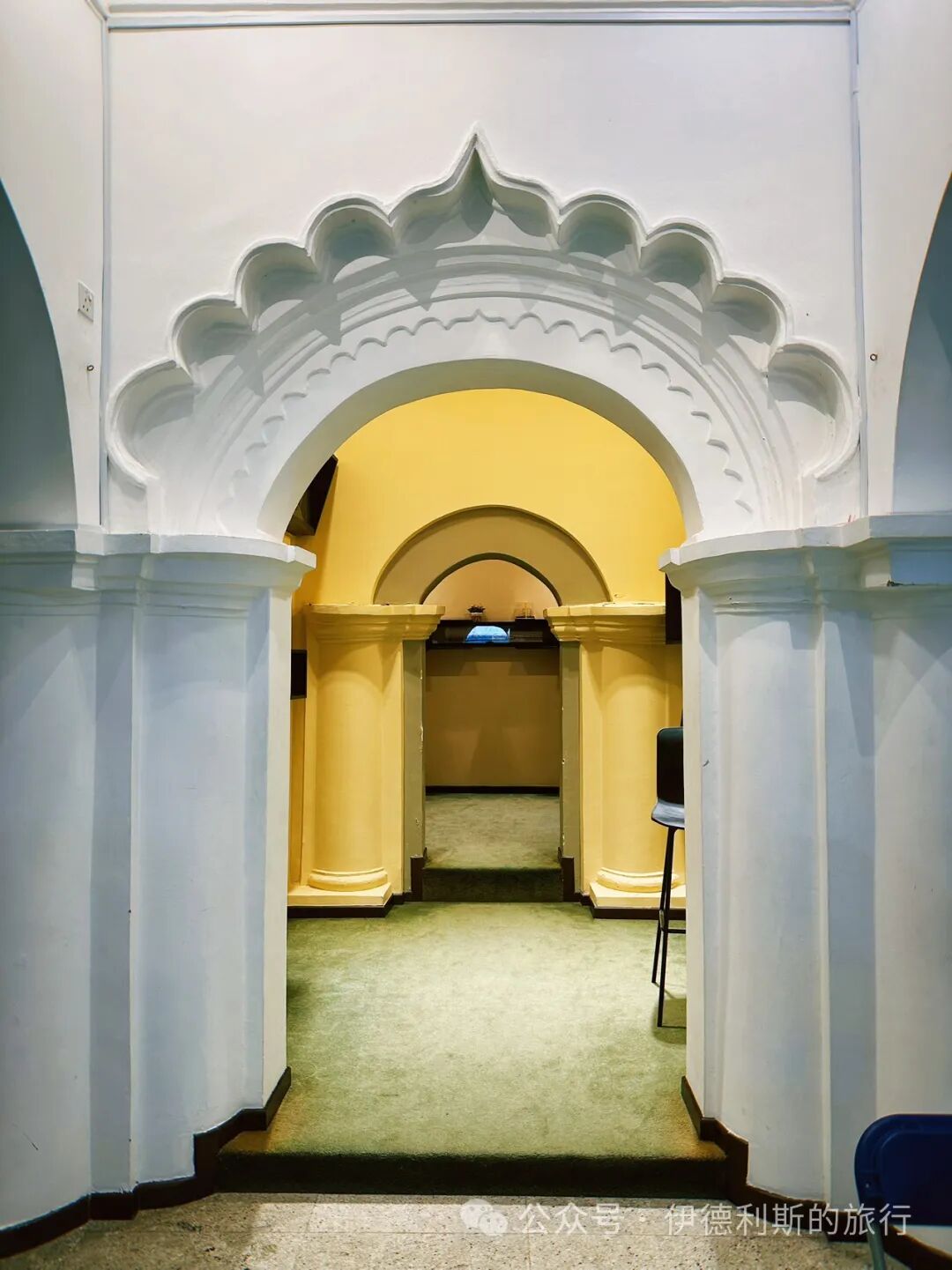
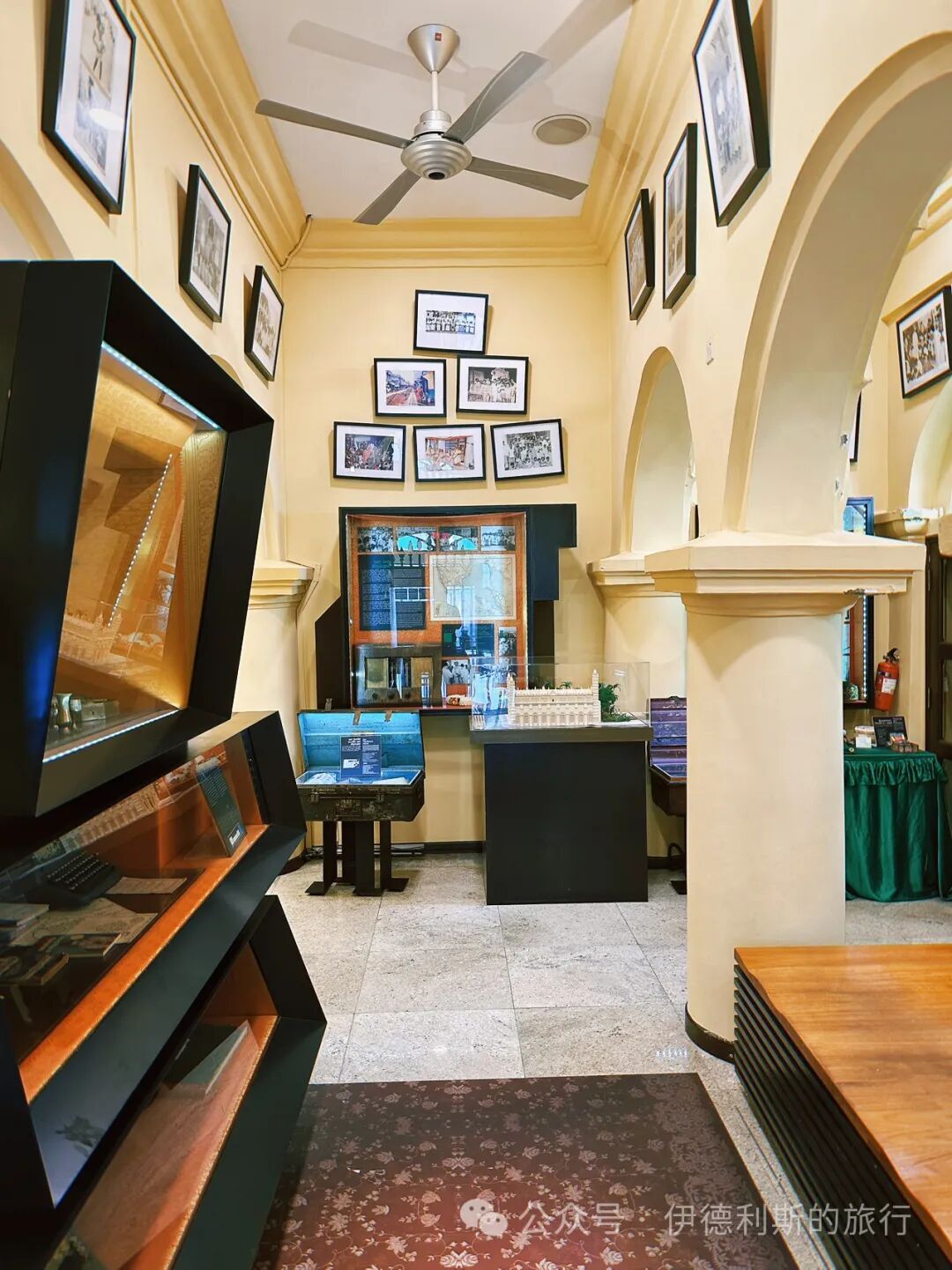
In 2011, the Nagore Dargha mosque became the Indian Muslim Heritage Centre, which provides a detailed introduction to the history and culture of Indian Muslims in Singapore.
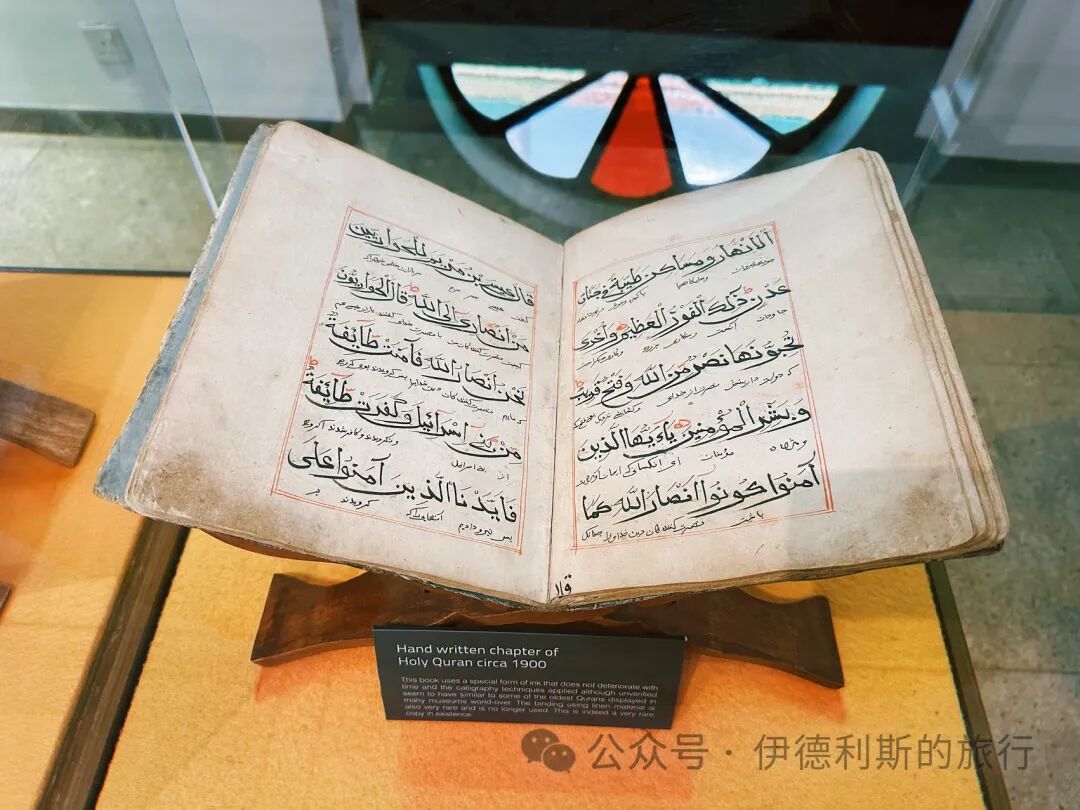
A Quran (Guerani) copied around 1900, which uses a rare linen binding method.
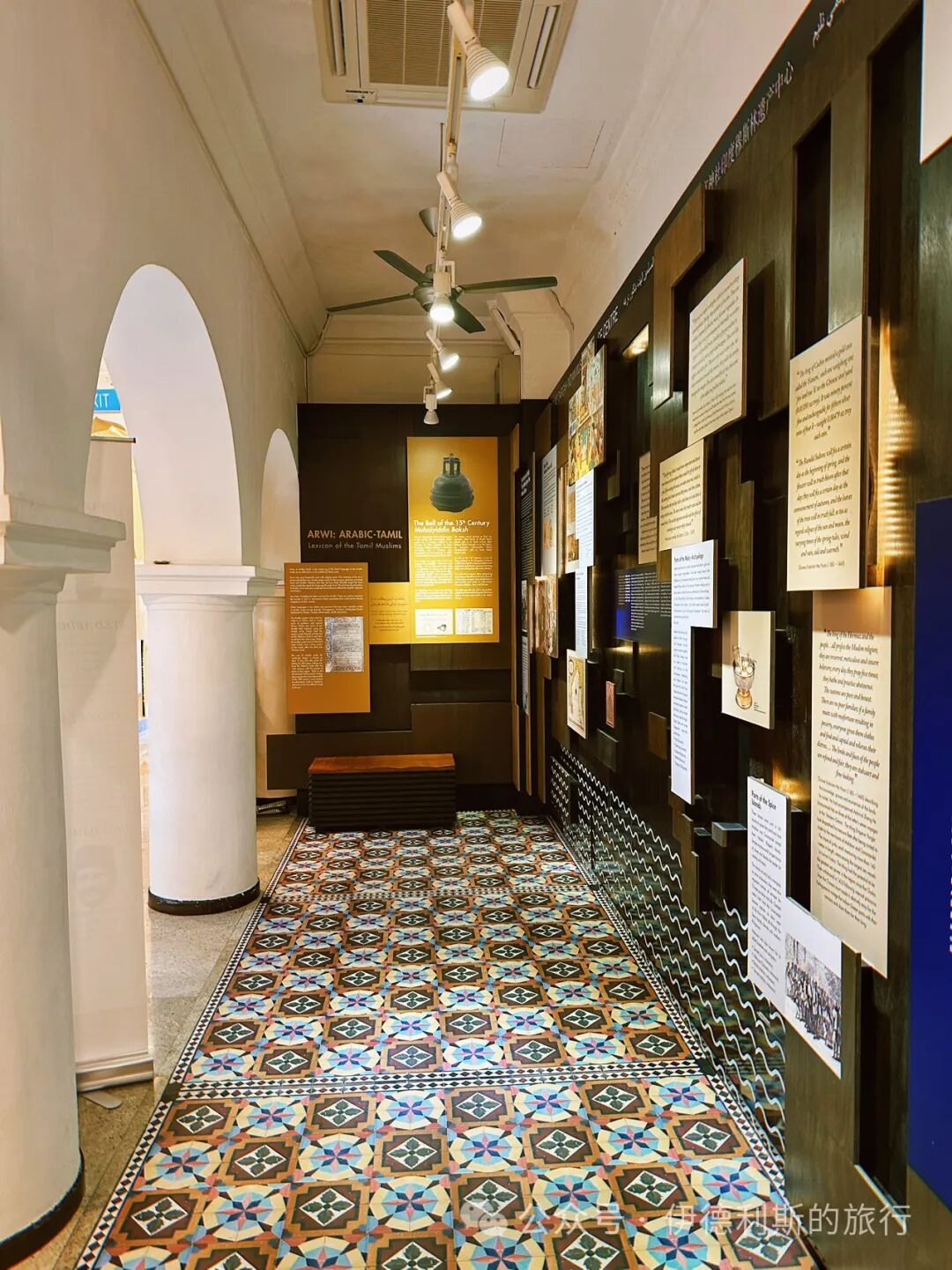
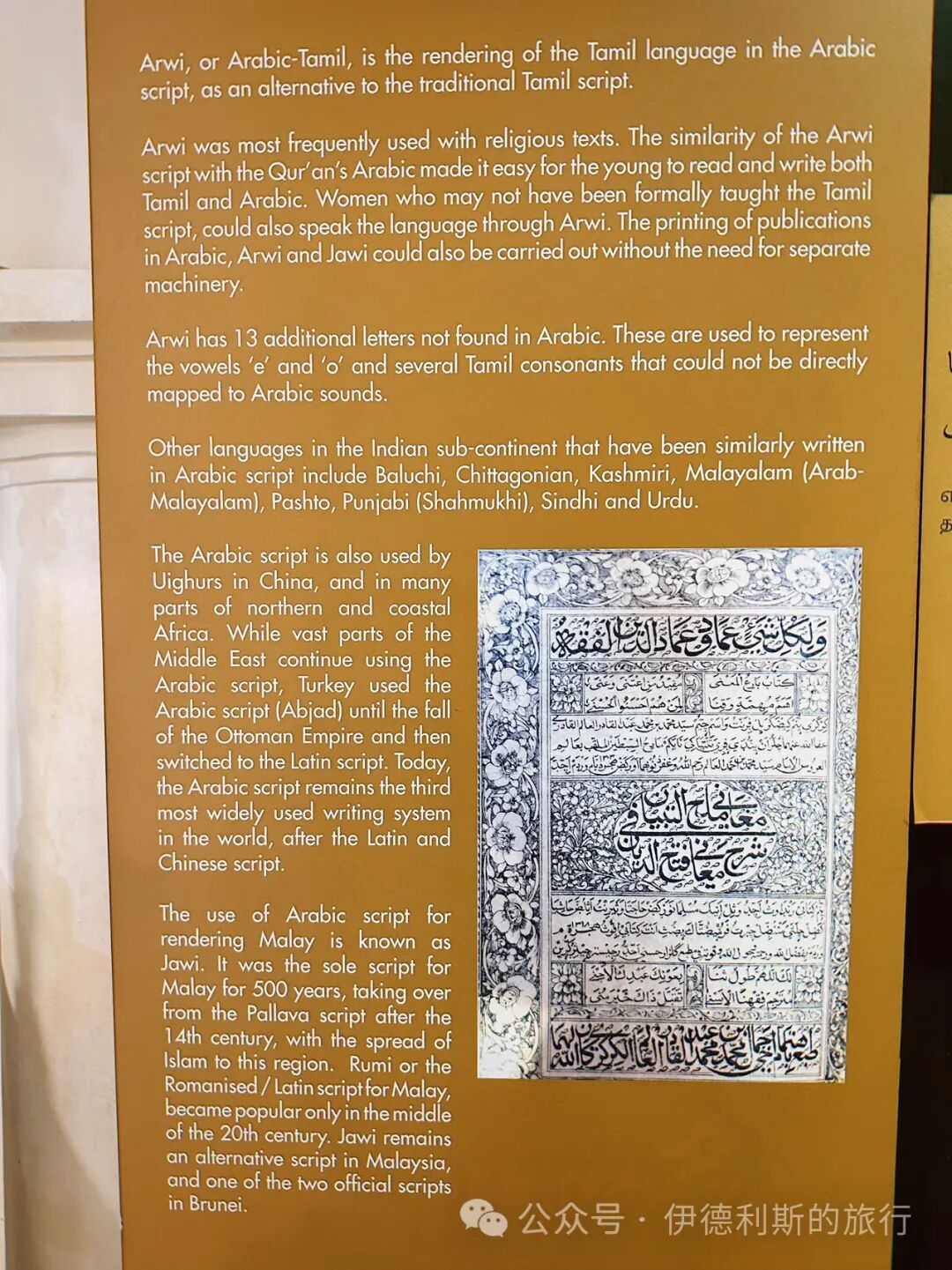
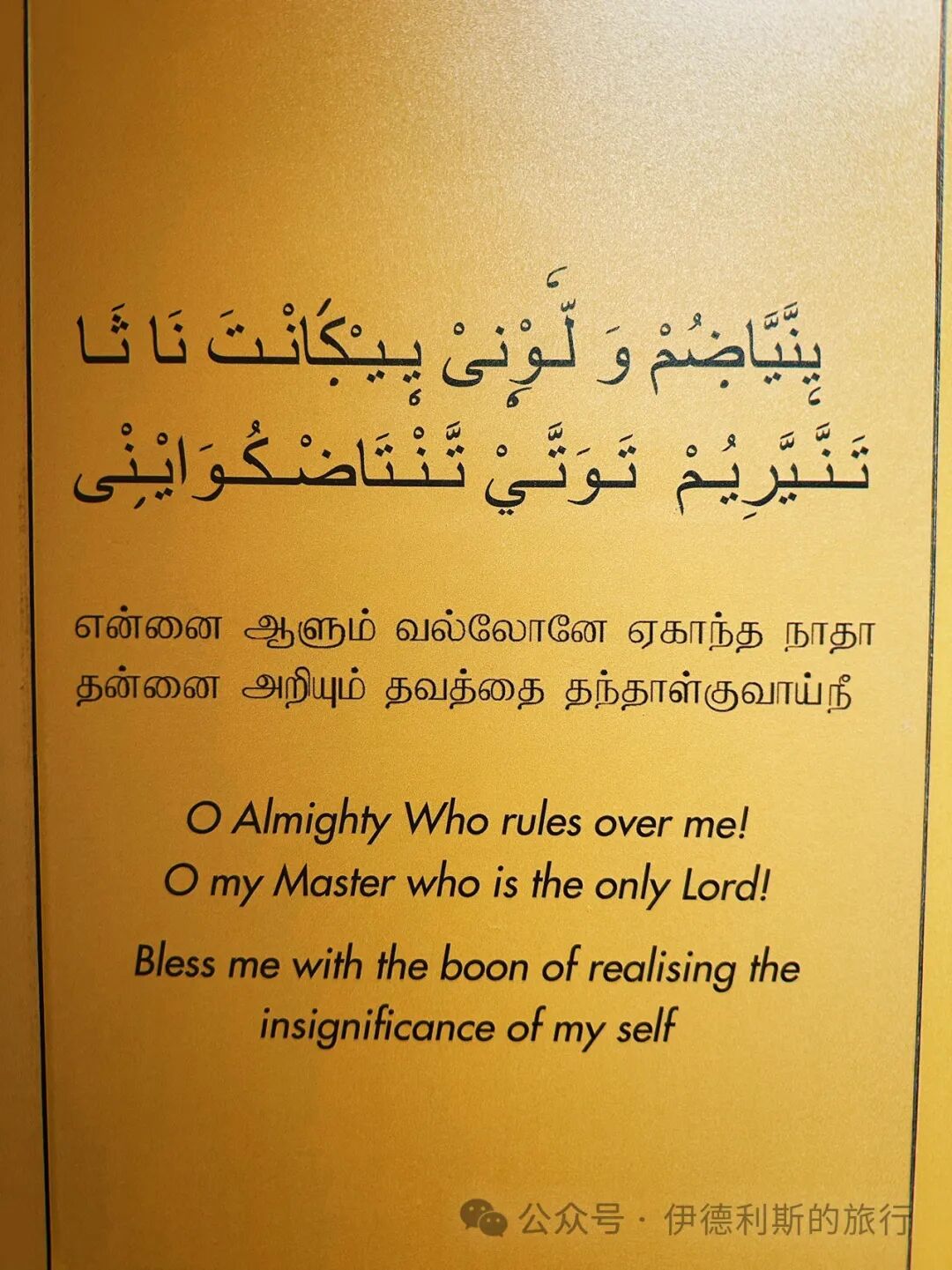
An introduction to the Arwi script. Arwi is a script that uses Arabic letters to write the Tamil language, similar to the Xiao'erjing (xiaojing) used by Hui Muslims. The Arwi script includes 13 additional letters not found in the Arabic alphabet.
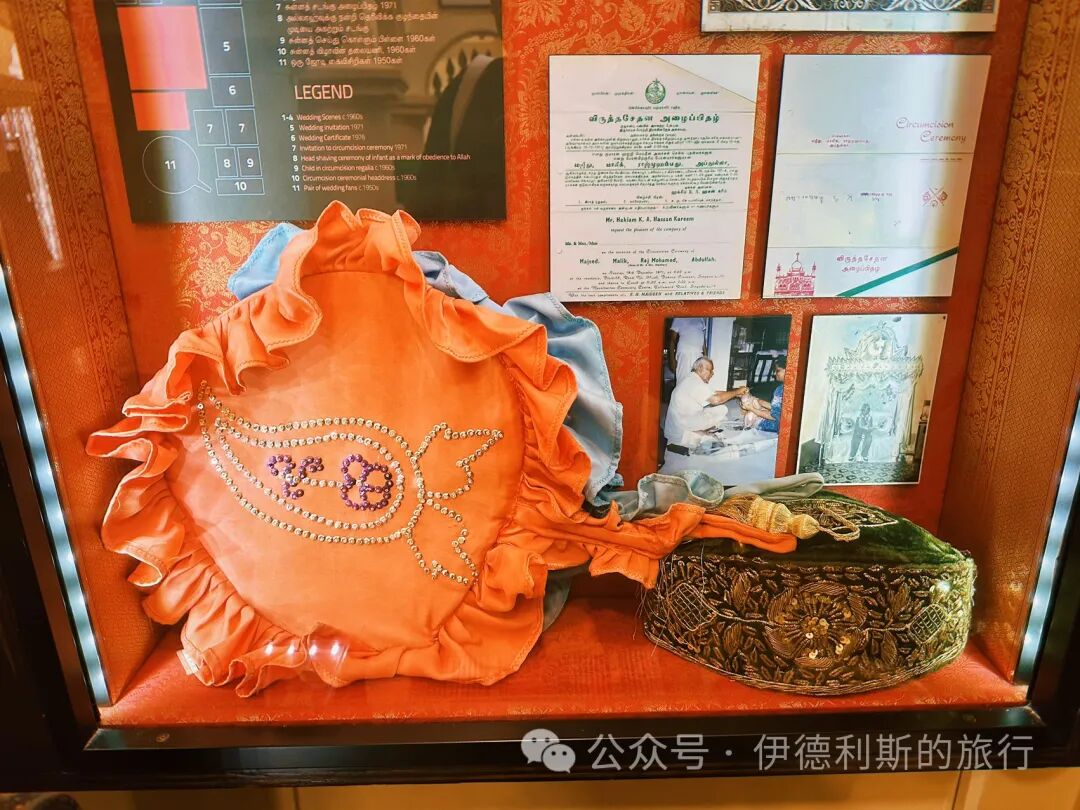
Items from an Indian Muslim wedding in Singapore during the 20th century.
Tamil language works by Singaporean Tamil Muslims.
Daily items used by Indian Muslims in Singapore.
Items brought by Muslim families who arrived in Singapore from Kadayanallur and Tenkasi in South India after World War I.
The India of Little India
Mosques, food, and the Indian Heritage Centre
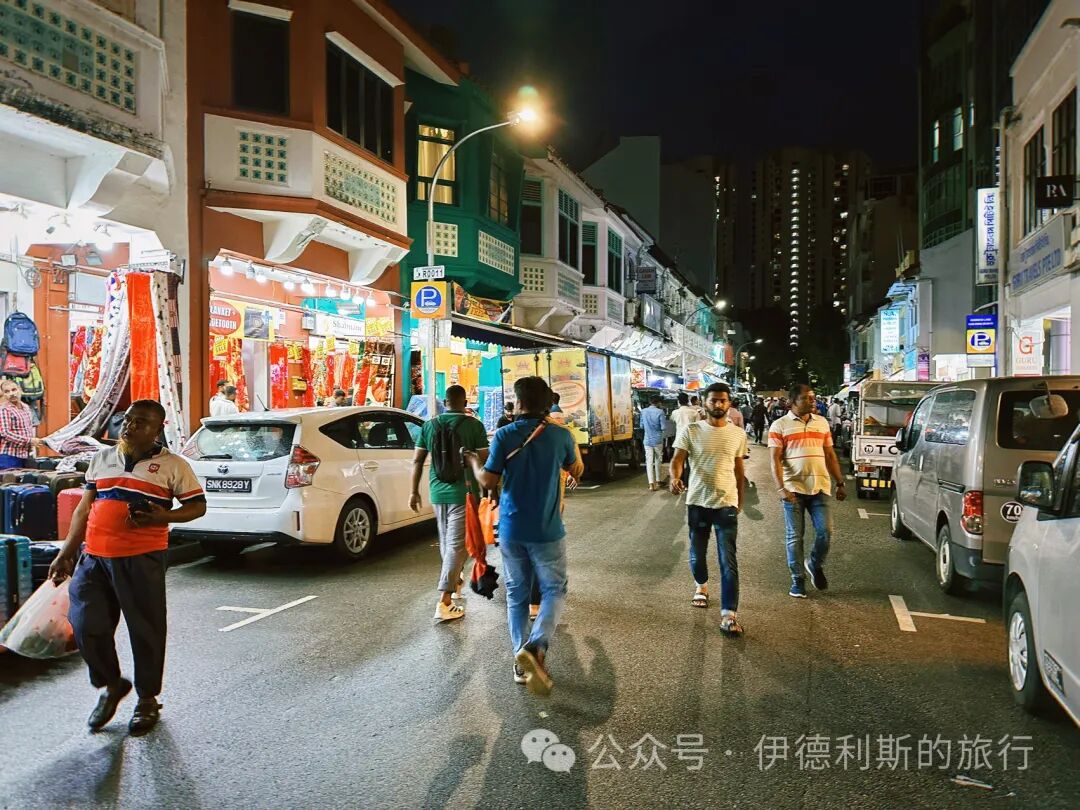
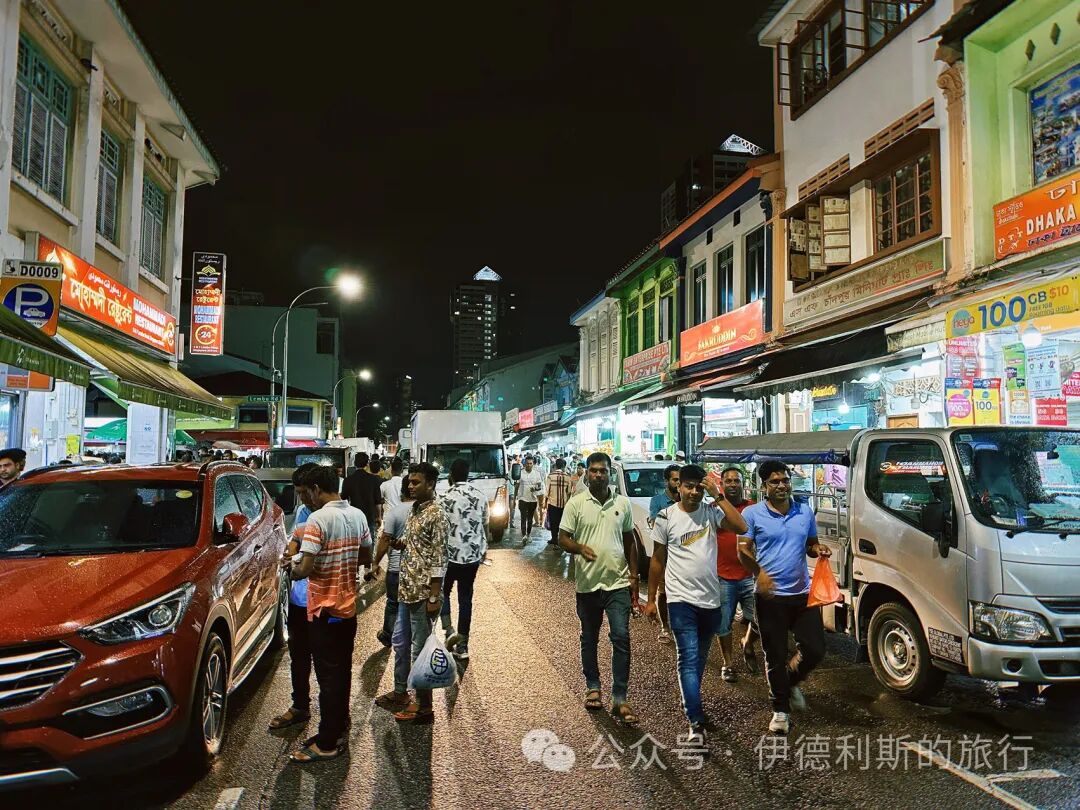
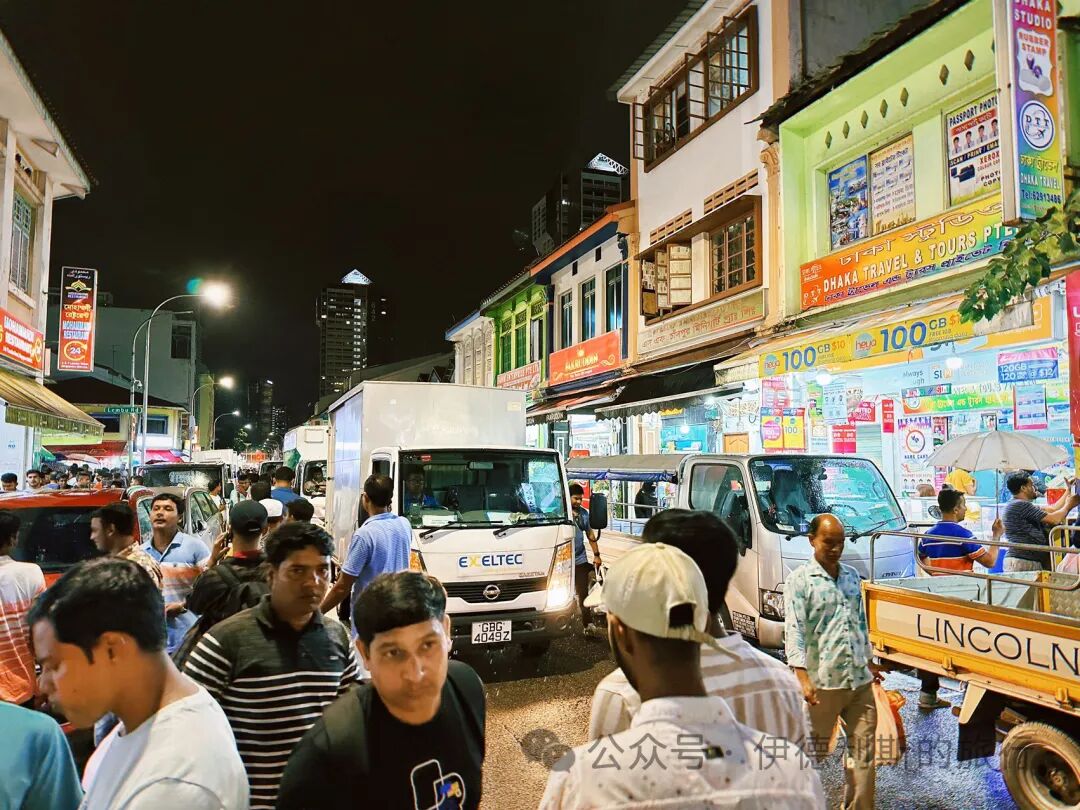
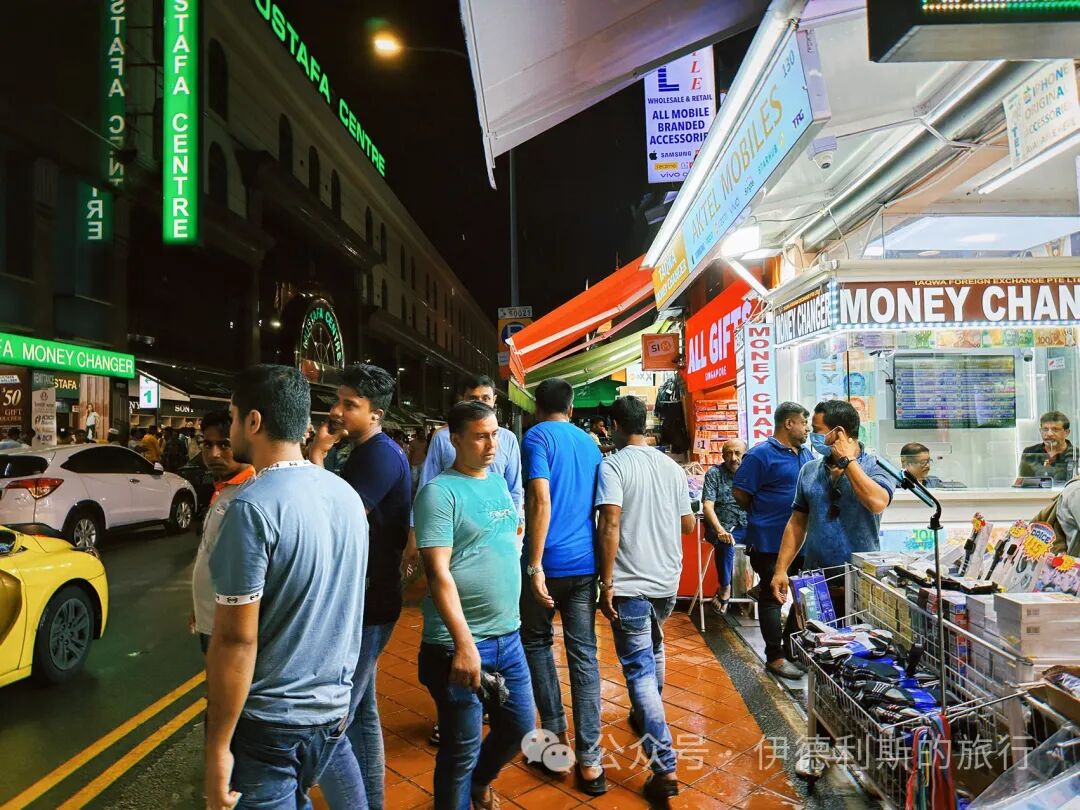
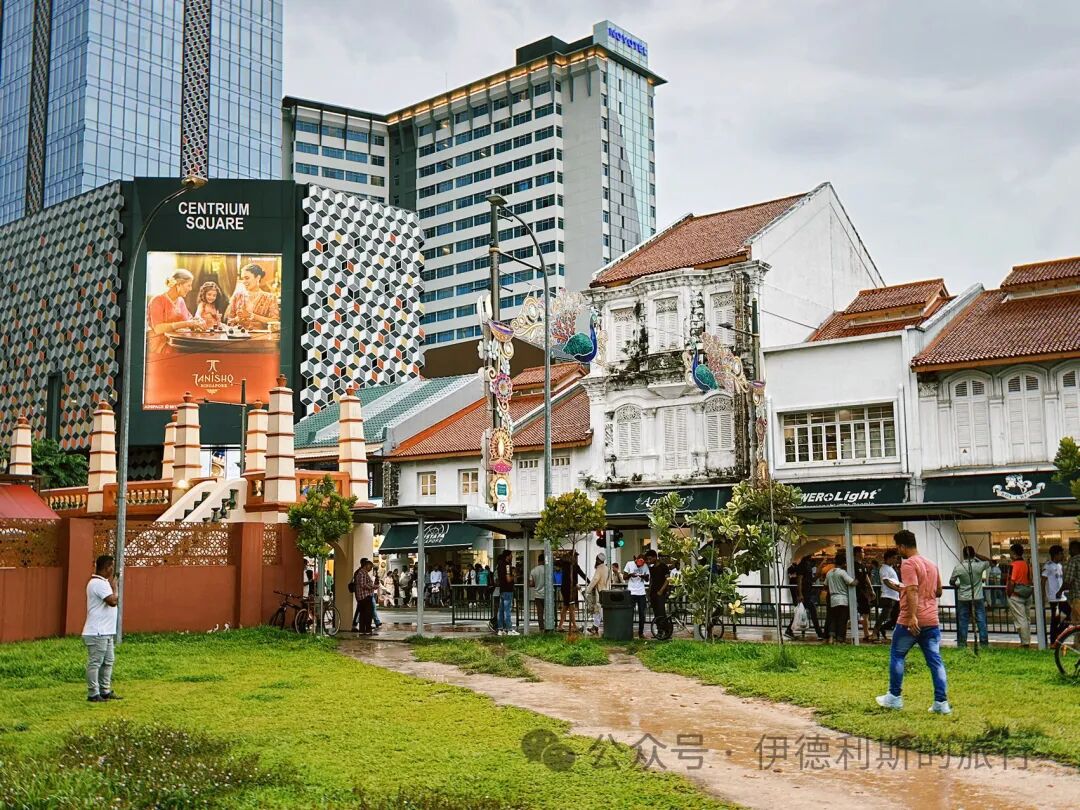
Little India is the busiest and most crowded place I visited in Singapore. It feels bigger and more like India than the Little Indias in Kuala Lumpur and Penang. Along the sides of the covered walkways (qilou) are various Indian restaurants, flower shops, and grocery stores, with many people of Indian descent busy shopping.
Unlike Chinatown or Kampong Glam, Little India was not designated for the Indian community by Sir Stamford Raffles. It was known as Serangoon until the 1980s. In the 1820s, the British built lime pits and brick kilns along Serangoon Road, and Indian laborers began working there. After the brick kilns closed in 1860, Serangoon developed a cattle industry, followed by the establishment of slaughterhouses, tanneries, and milk vendors. These industries attracted more Indians to settle here, along with others who worked nearby as port laborers and junior office clerks.
The British colonial authorities began building covered walkways (qilou) in Serangoon in the 1920s. More Indian immigrants arrived to open shops selling Indian saris, spices, and flowers, and the layout of Little India was officially formed. After Singapore was established in 1965, the government carried out urban renewal in Serangoon to improve living conditions for the local Indian residents. In the 1980s, to promote tourism, Singapore officially named the area Little India.
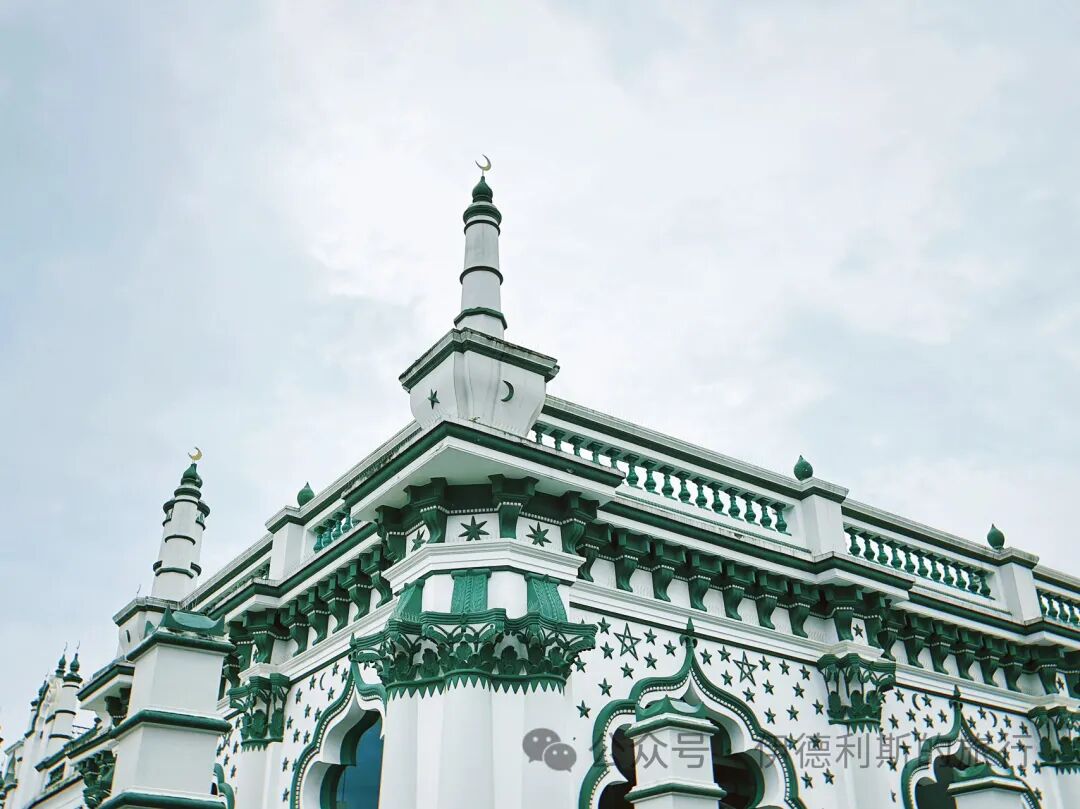
Abdul Gafoor Mosque is located at the southern end of Little India. It dates back to 1859, and in 1907, it was rebuilt into its current structure by Shaik Abdul Gafoor, a South Indian Tamil Muslim who worked as a chief clerk at a law firm. Abdul Gafoor raised funds by building shophouses near the mosque, some of which still stand today.
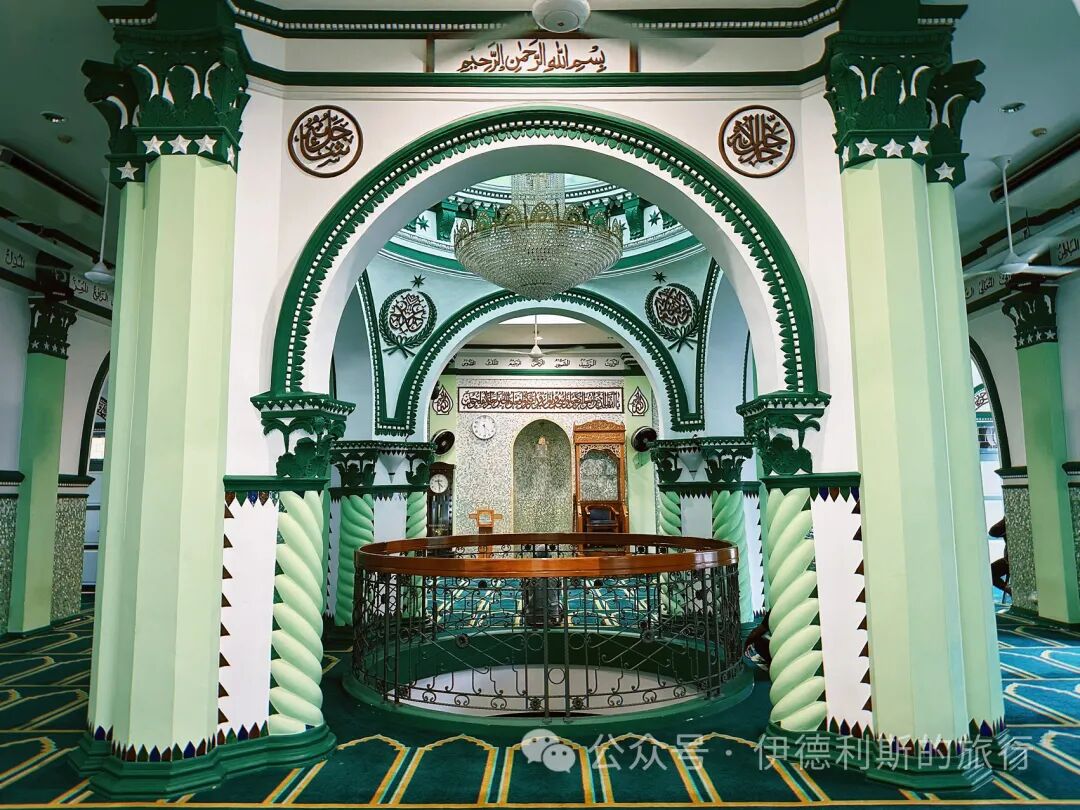
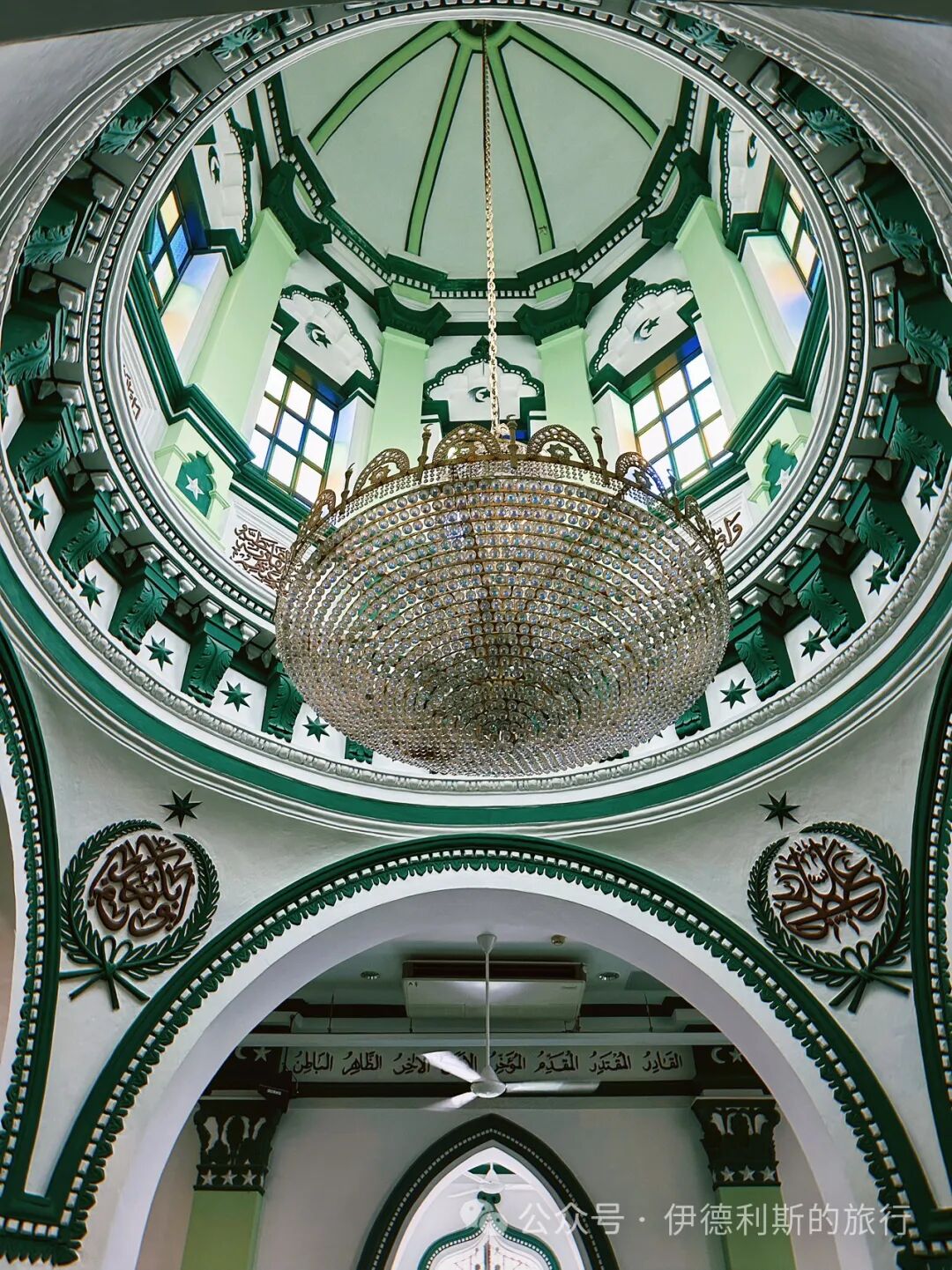
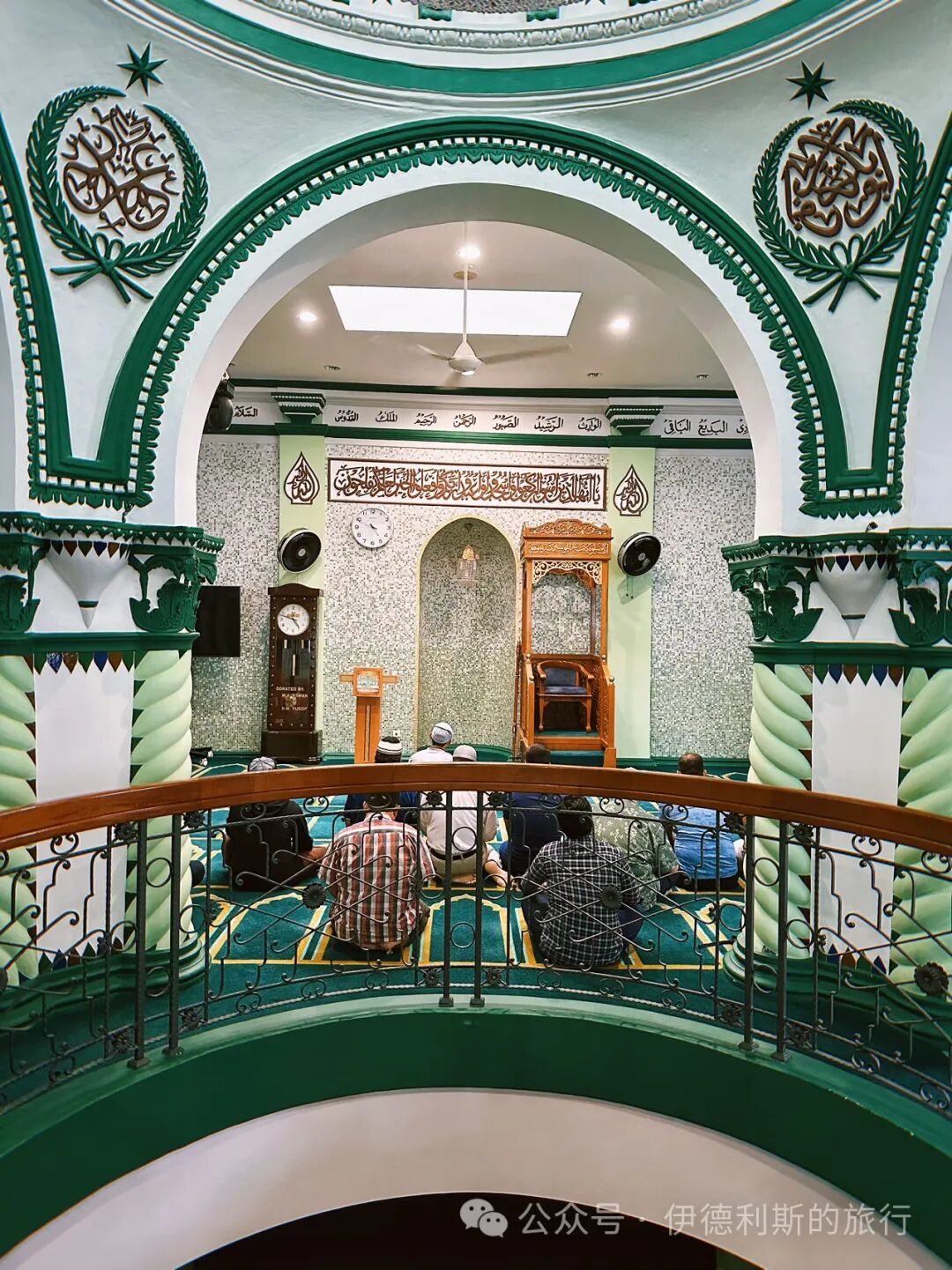
Abdul Gafoor Mosque blends Saracenic (Mughal Revival) style with Neoclassical style, featuring complex arch designs and a dome inspired by ancient Roman architecture. It is very interesting that you can see a basement inside the main prayer hall. It was only rediscovered in 1998, and after renovations, the hall can now accommodate 1,200 people.
The original congregation of Abdul Gafoor Mosque mainly consisted of Tamils from South India and Baweanese people from Bawean Island in East Java. At that time, many Tamils worked nearby as merchants and port laborers, while many Baweanese worked as horse trainers and grooms at the adjacent racecourse. The mosque installed electric lighting in 1928, making it the first mosque in Singapore to have electric lights.
Today, Abdul Gafoor Mosque continues to serve the South Indian Tamil Muslim community in Singapore and offers religious classes in the Tamil language. This is also one of the few Hanafi mosques in Singapore, where the way of performing worship is the same as that of Hui Muslims, unlike the Shafi'i school followed by the Malay people. The prayer time here is one hour later than in other Shafi'i mosques. At other times, you can see some Muslims who follow the Shafi'i school forming their own separate prayer group at the back of the main hall, which is a very unique scene in Singapore.
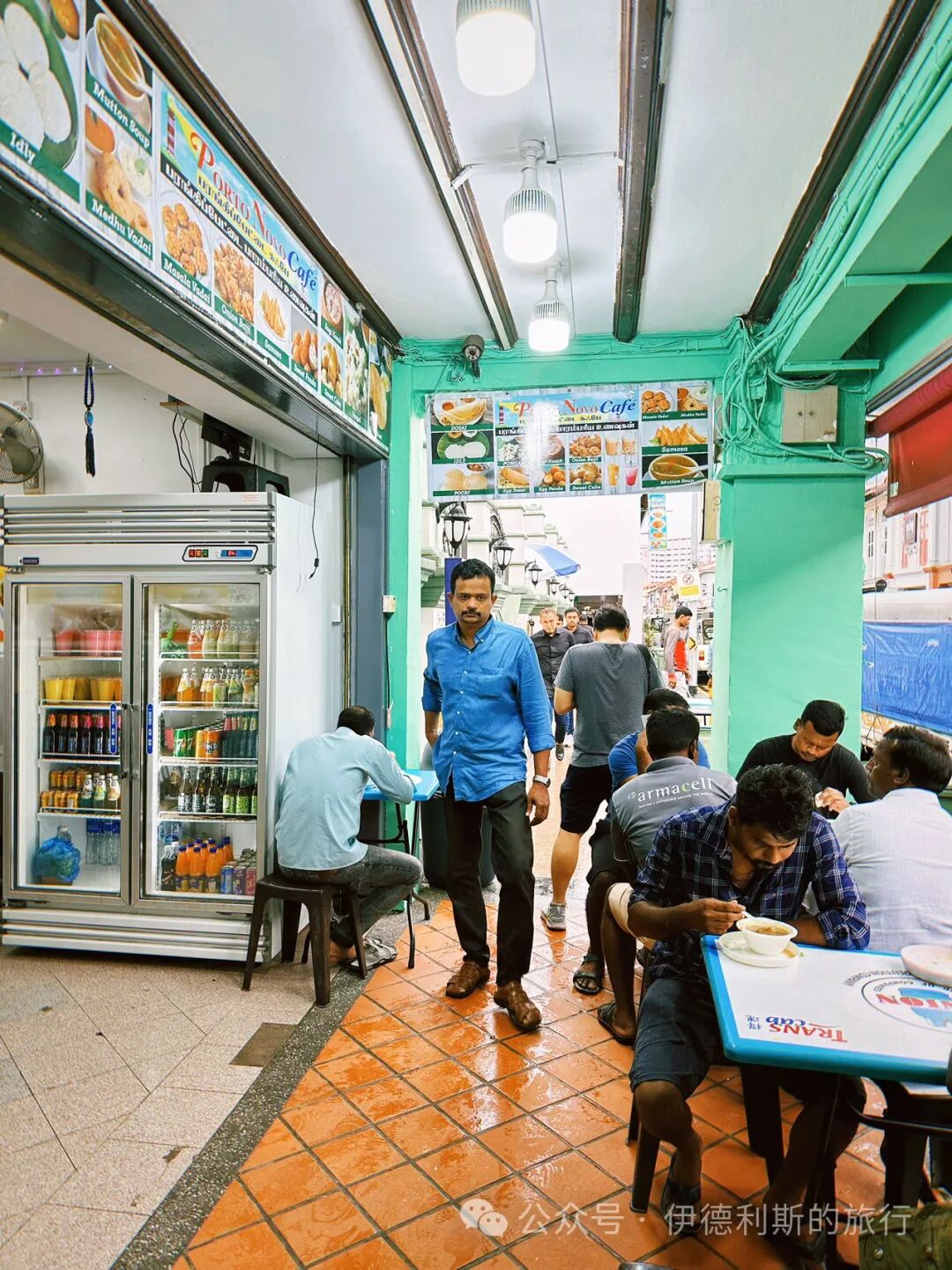
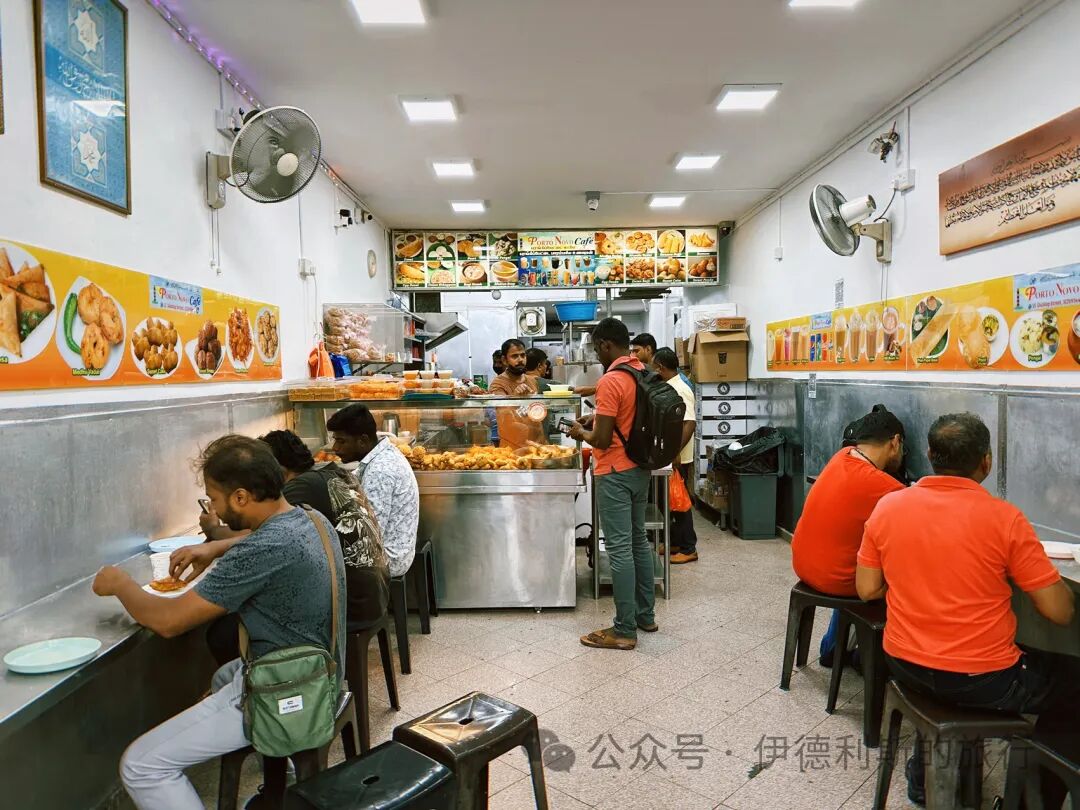
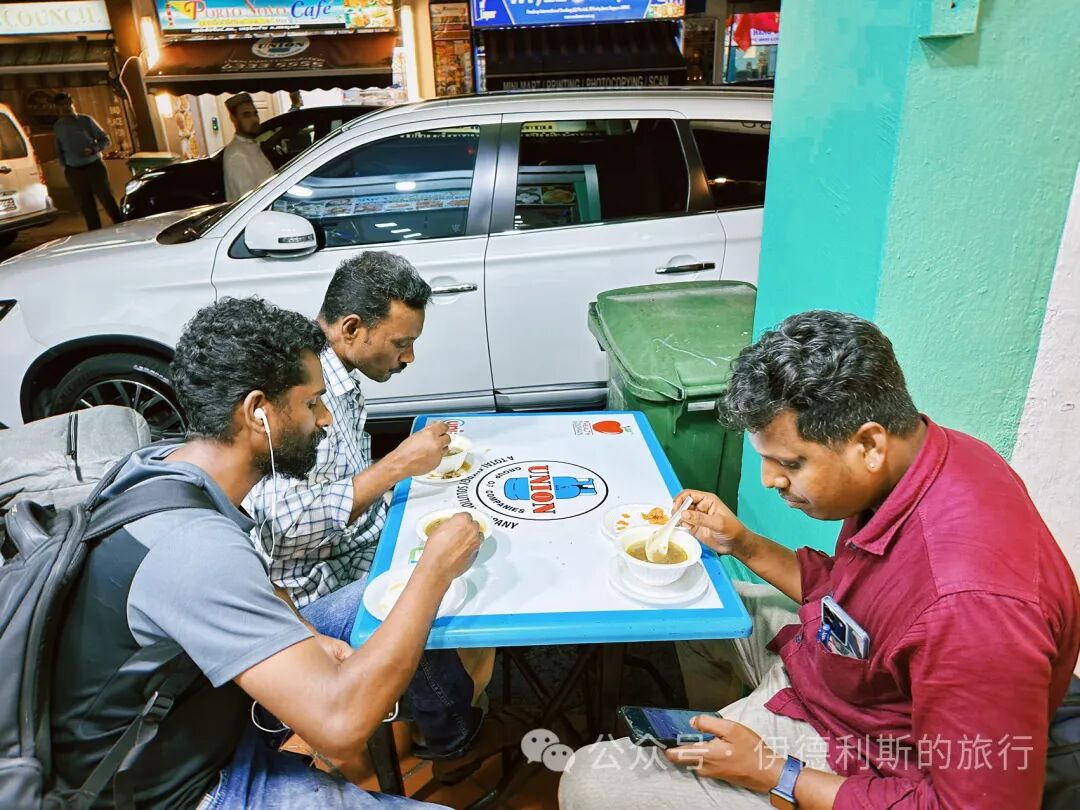
At the Indian restaurant by the mosque entrance, everyone drinks lamb bone broth (yangtang) after namaz. It is very comfortable to have a bowl on a rainy day.
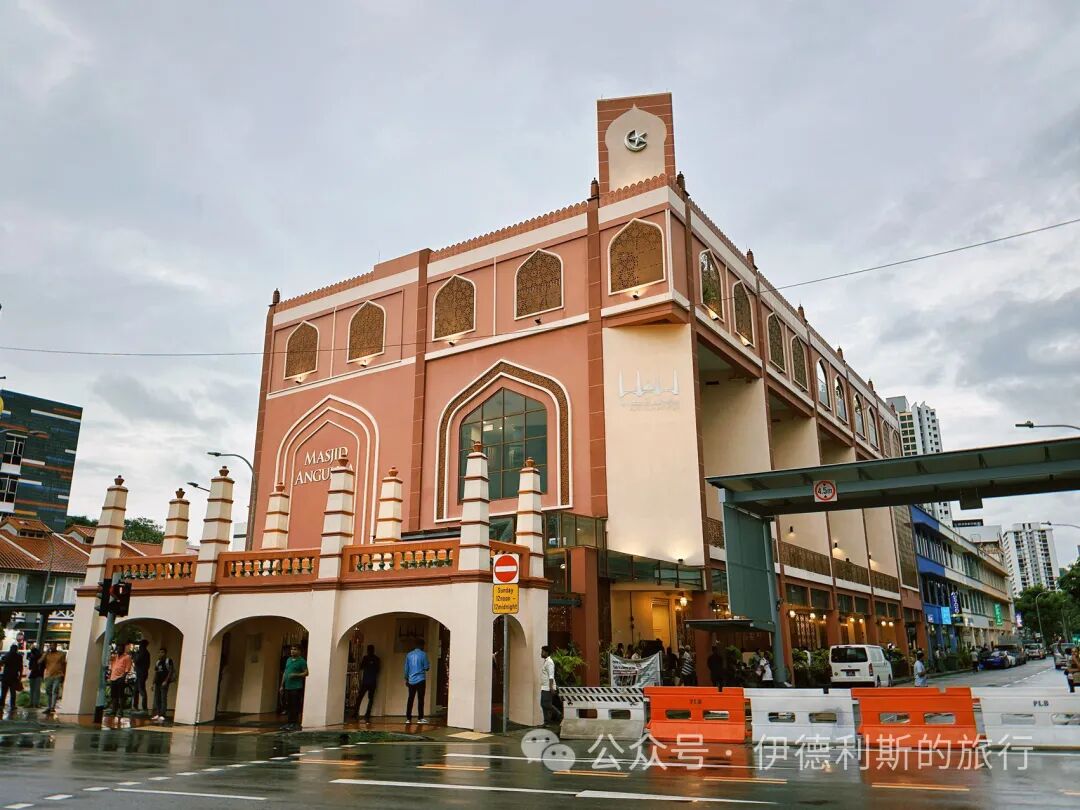
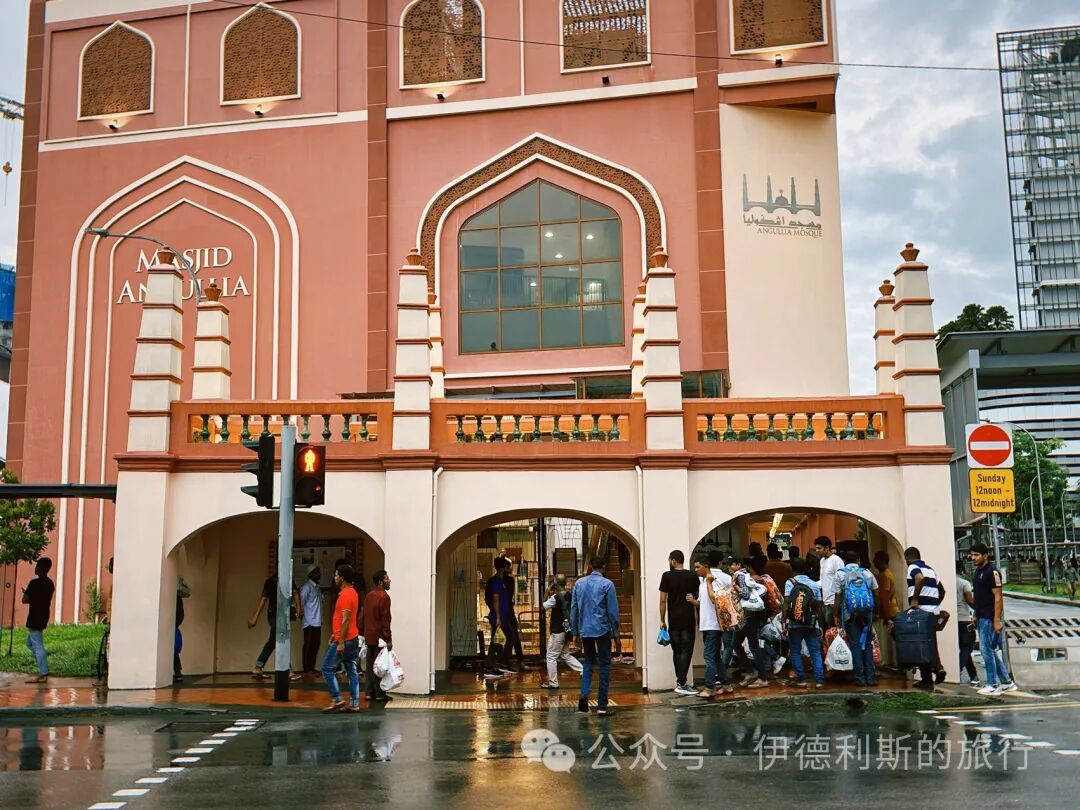
Opposite Abdul Gafoor Mosque, at the northern end of Little India, is Angullia Mosque, which was established by Gujarati Muslims from western India. The Angullia family came to Singapore from Gujarat state in the 19th century to do business. In the late 19th century, Mohammed Salleh Eussoofjee Angullia accumulated great wealth through the trade of spices, sugar, timber, and tableware, becoming a prominent figure in Singapore's Indian Muslim community. In 1890, the Angullia family donated the land, and Angullia Mosque was built in 1892. The Angullia family has managed the mosque ever since.
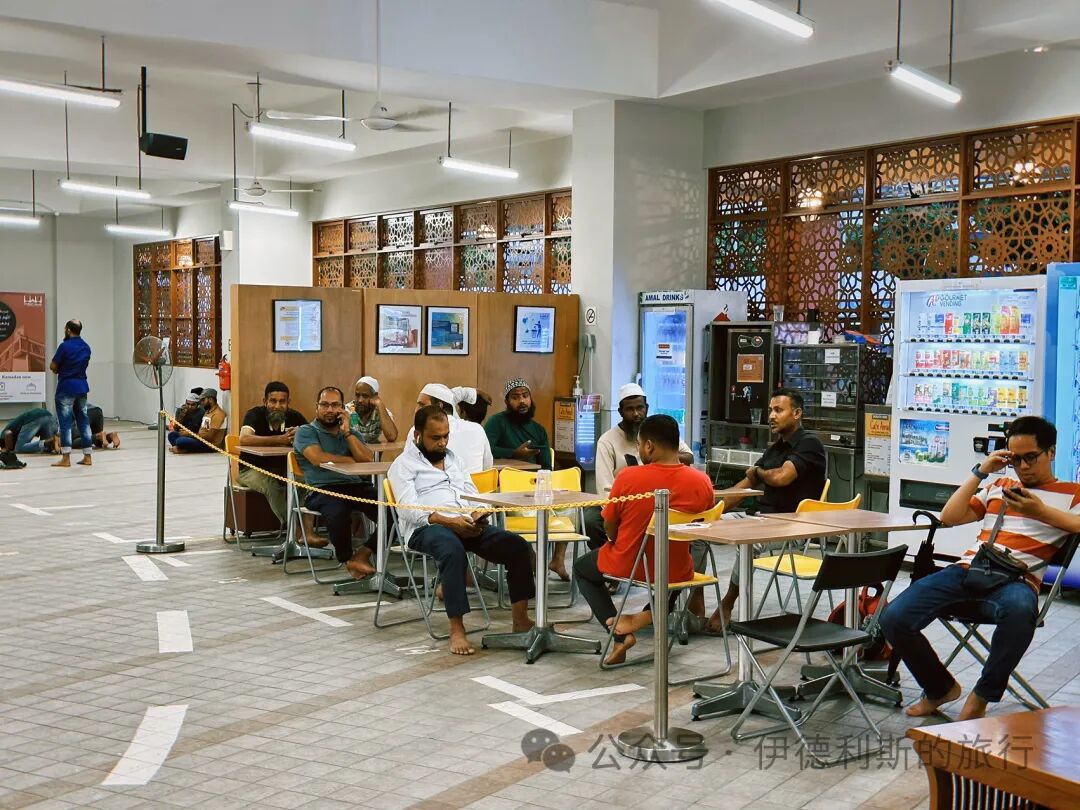
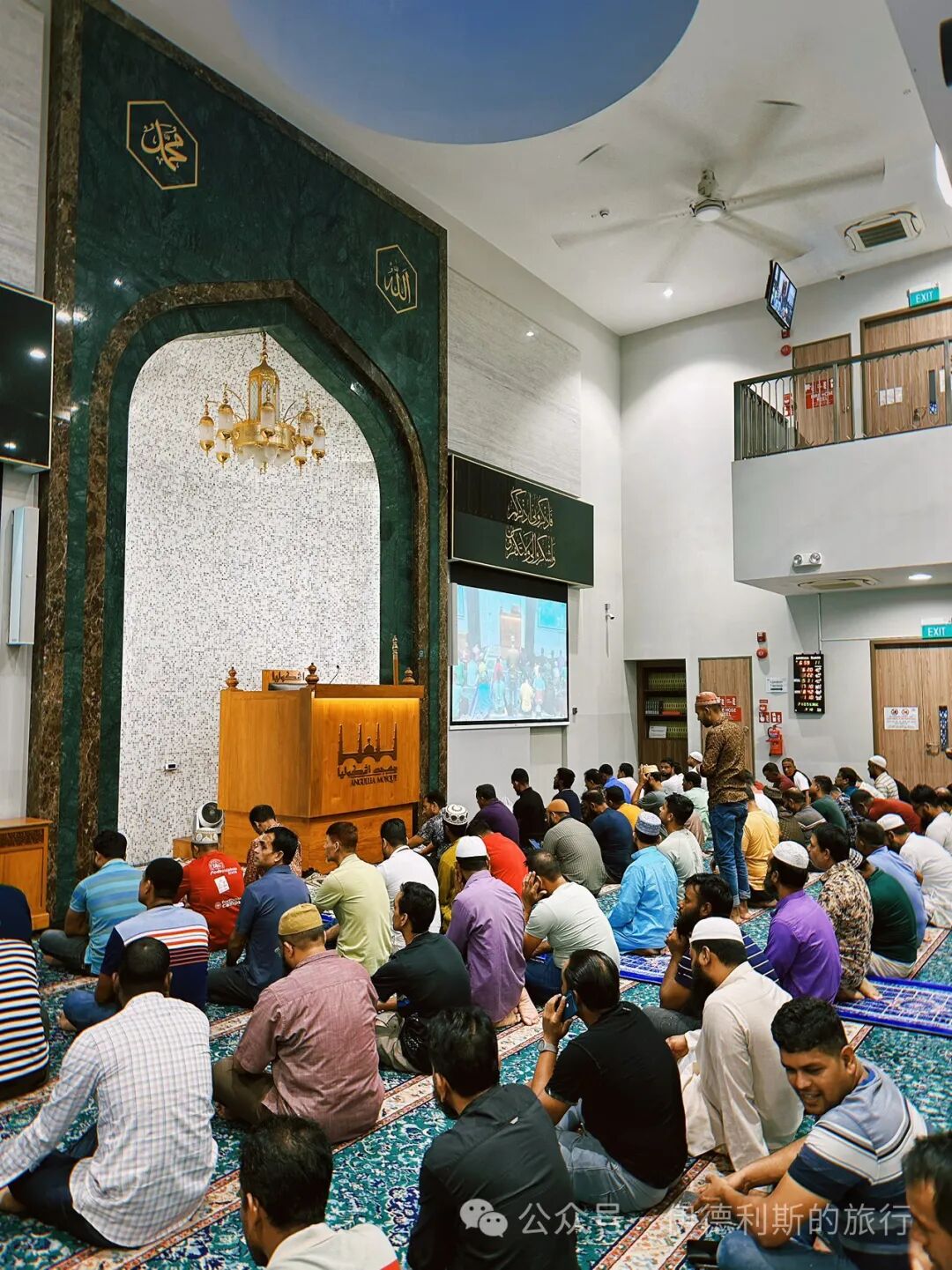
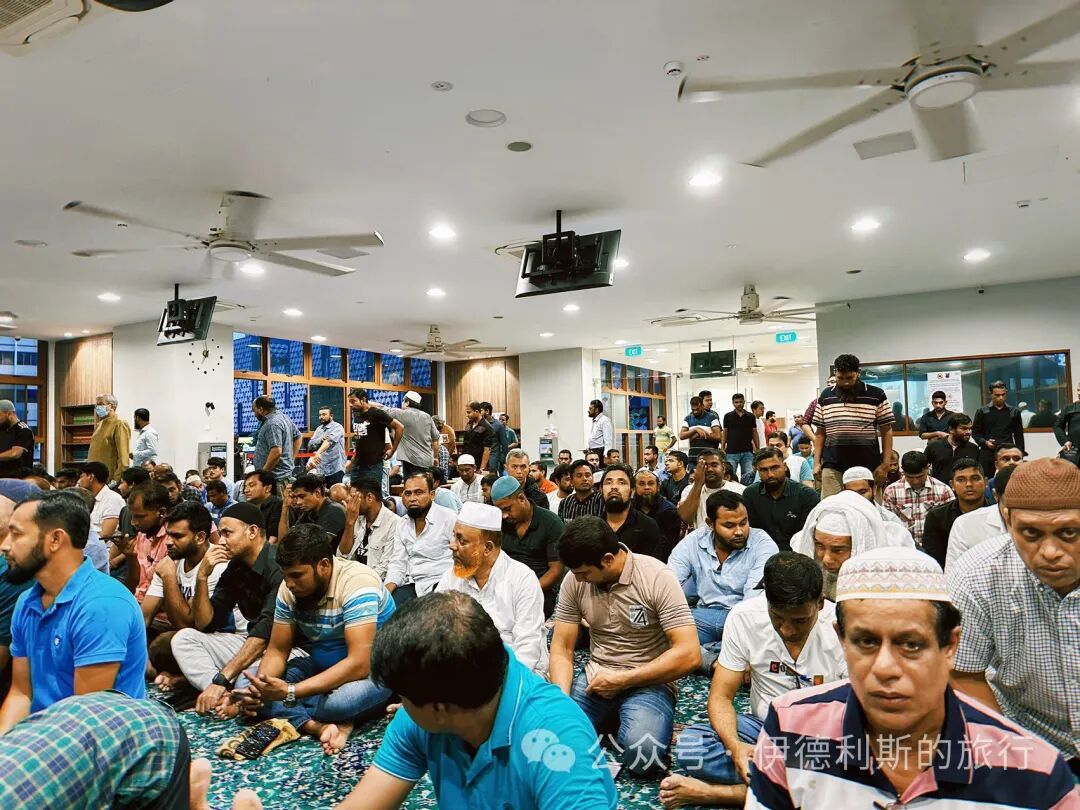
Angullia Mosque was rebuilt in 1970 and expanded again in 2020 to its current appearance. Only the gatehouse built in 1890 has been preserved to this day. Angullia Mosque is the mosque where I have seen the largest number of people praying in Singapore. As the time approached, a queue formed outside the ablution area. People filled the entire main hall, and those who arrived late had to wait outside because they could not get in. After namaz, the imam immediately told everyone to leave in an orderly manner, and the people waiting outside would form a new prayer group after everyone left.
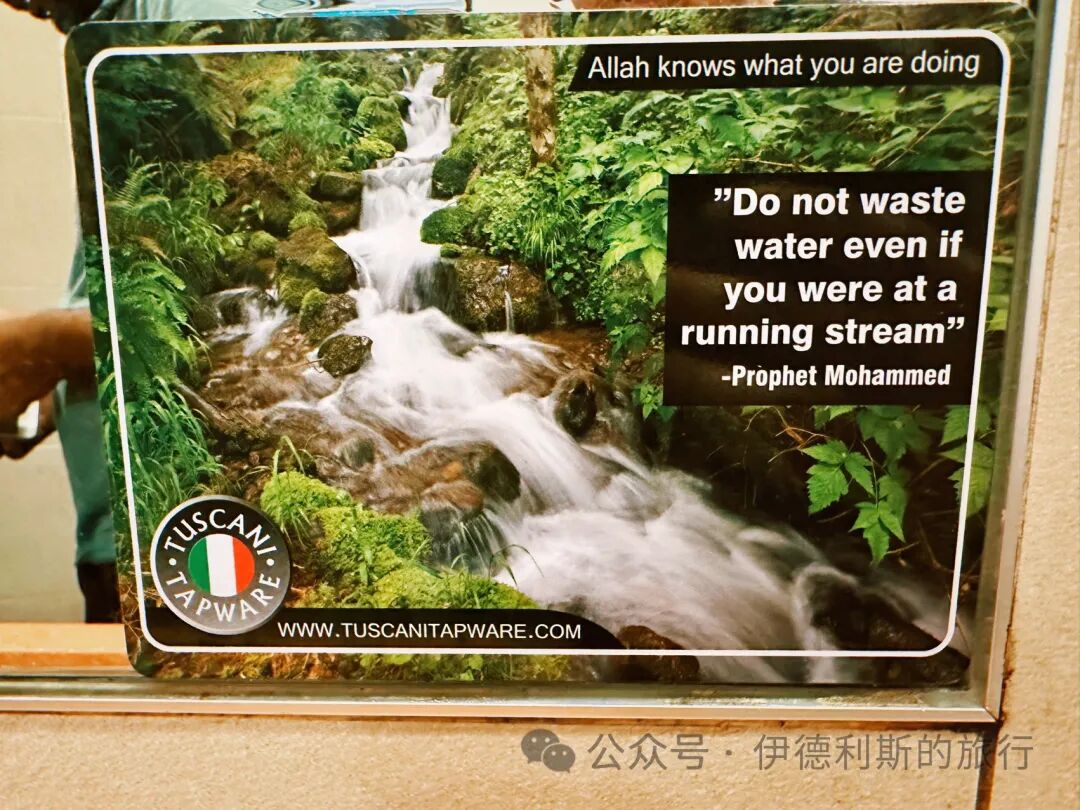
There are water-saving signs in the ablution area, and similar hadith are posted in several places. I think they are quite meaningful.
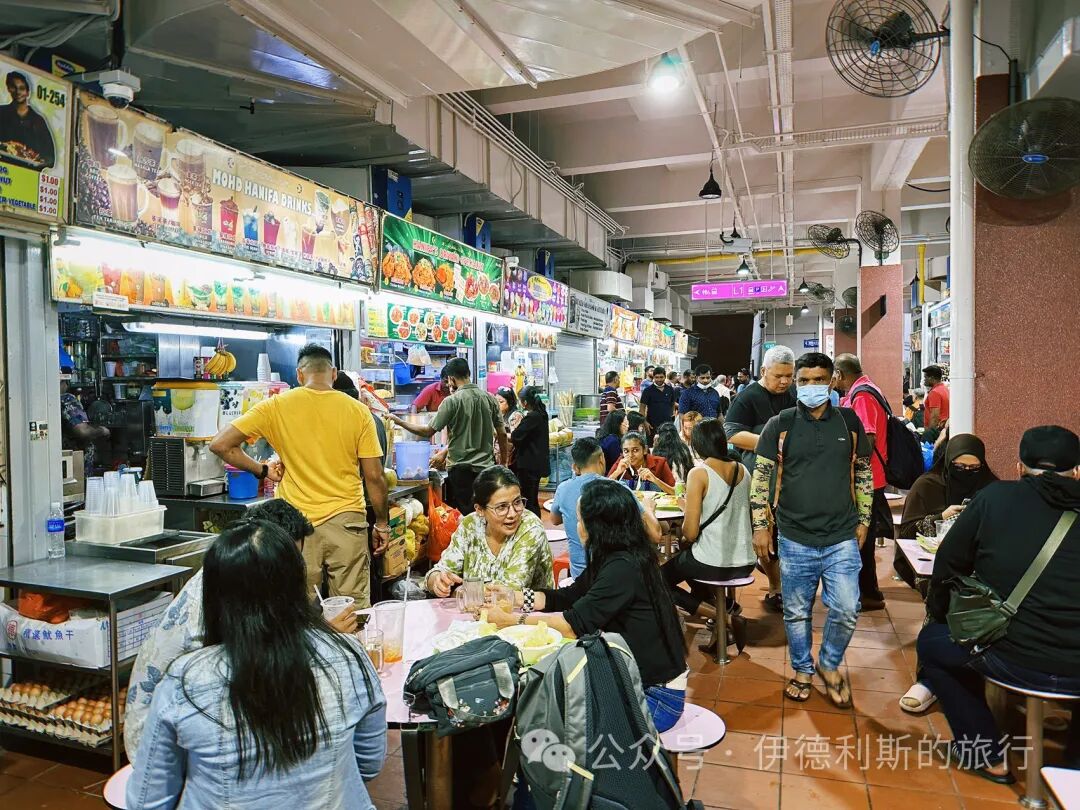
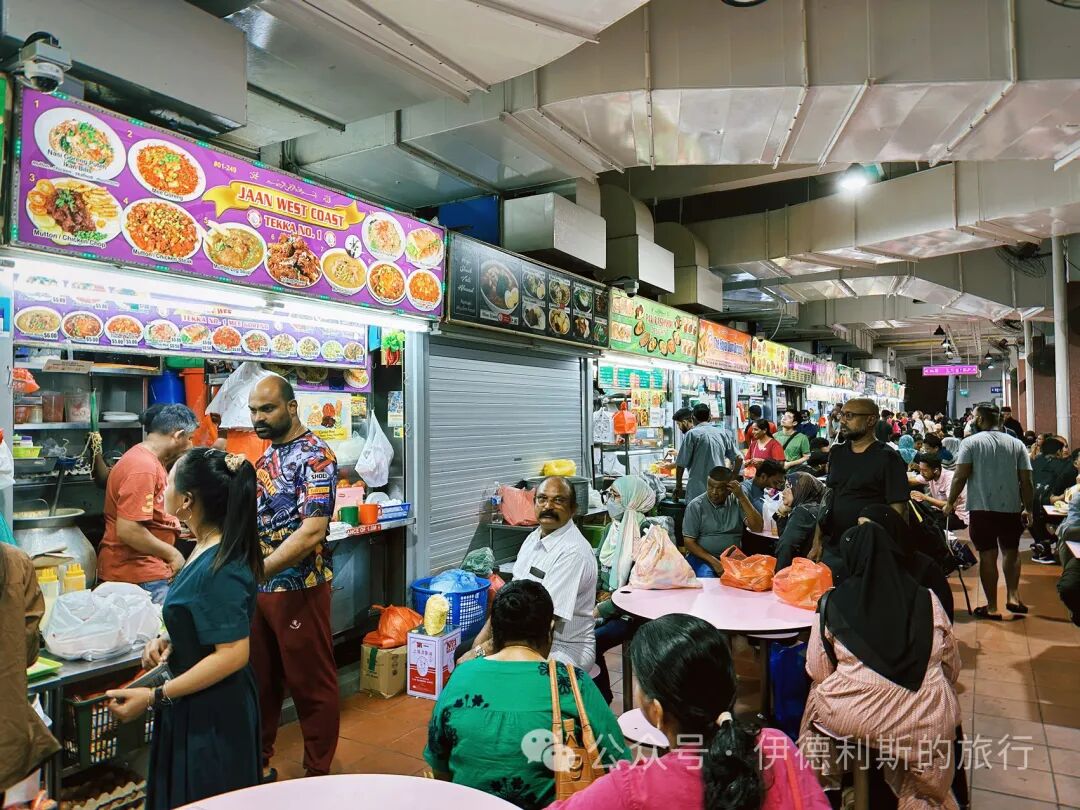
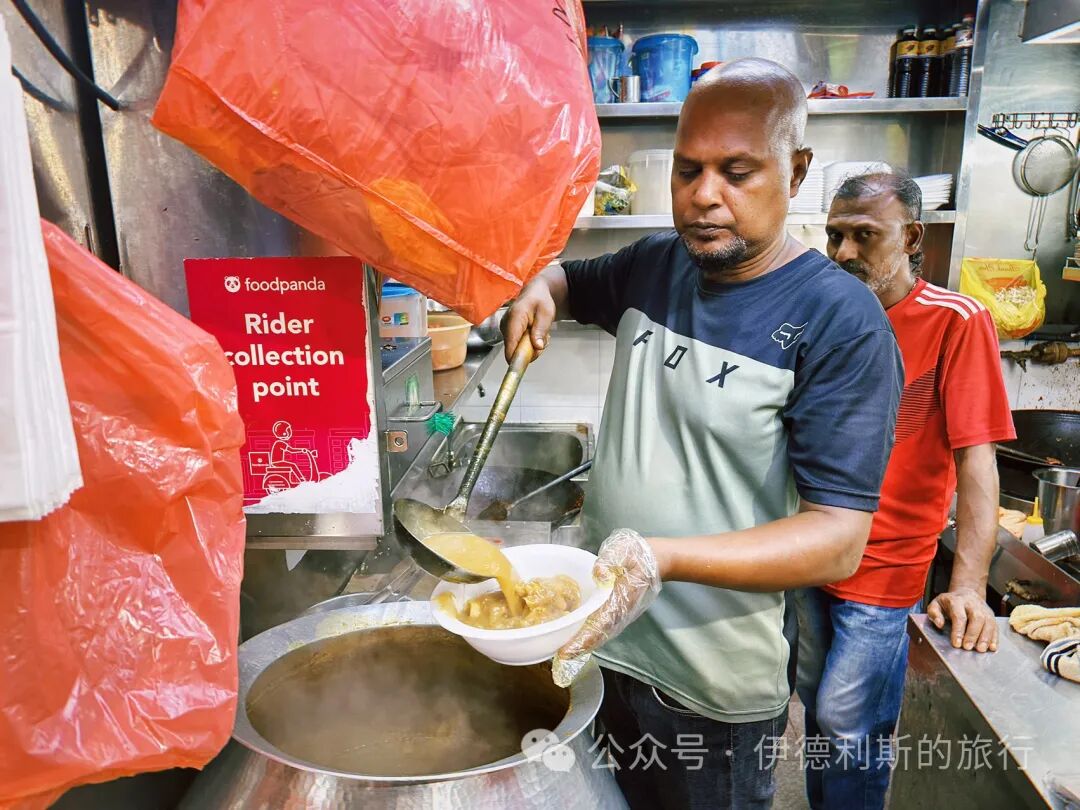
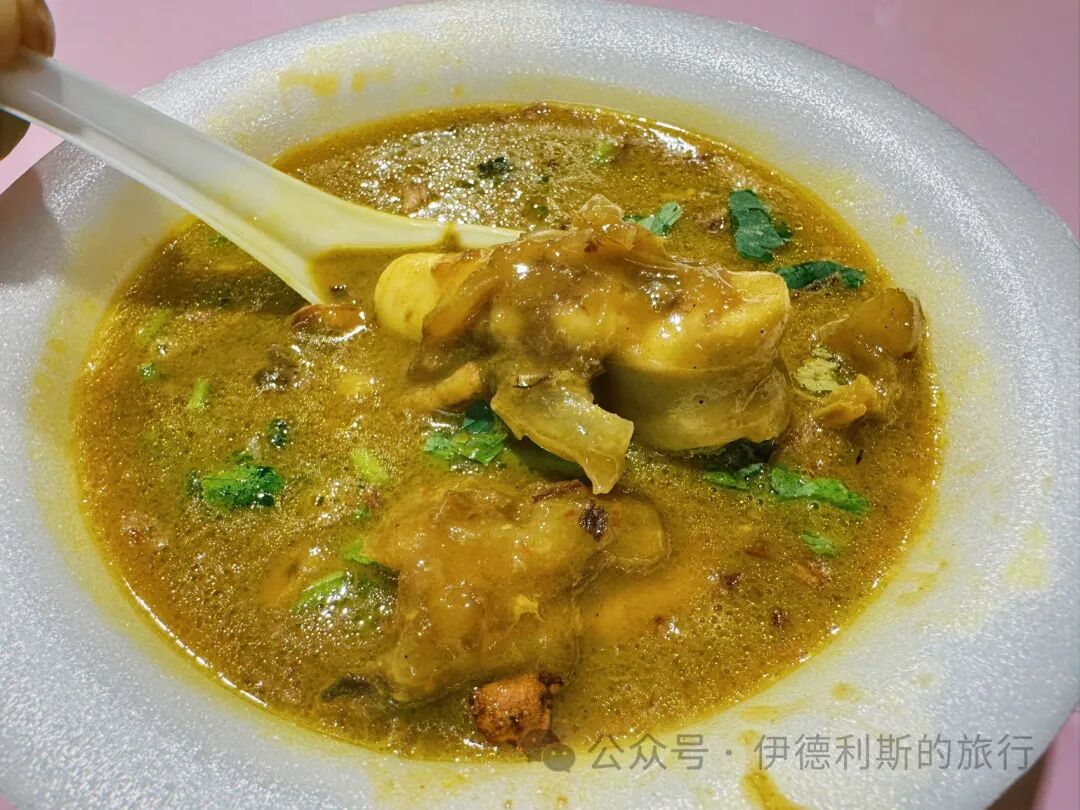
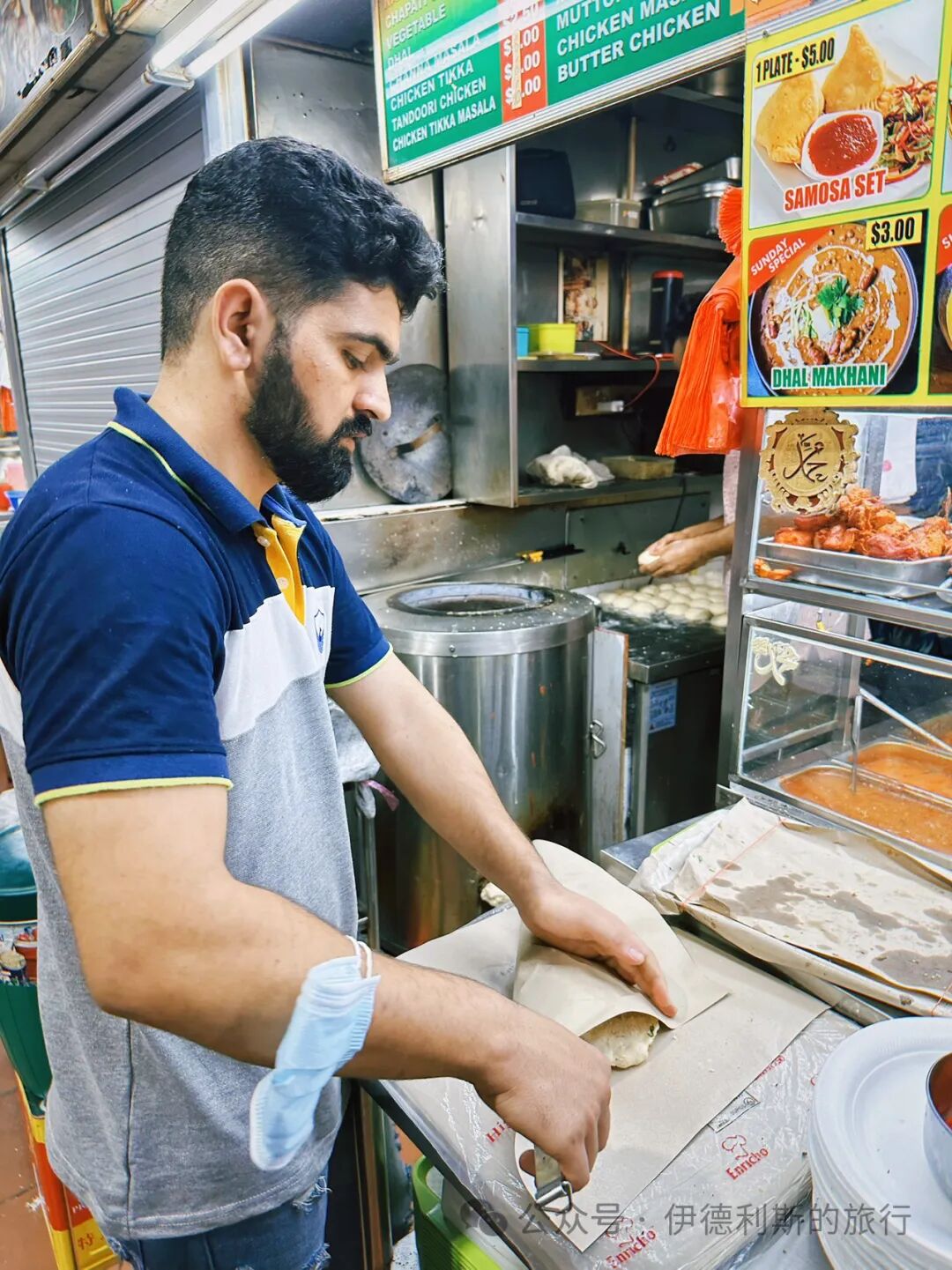
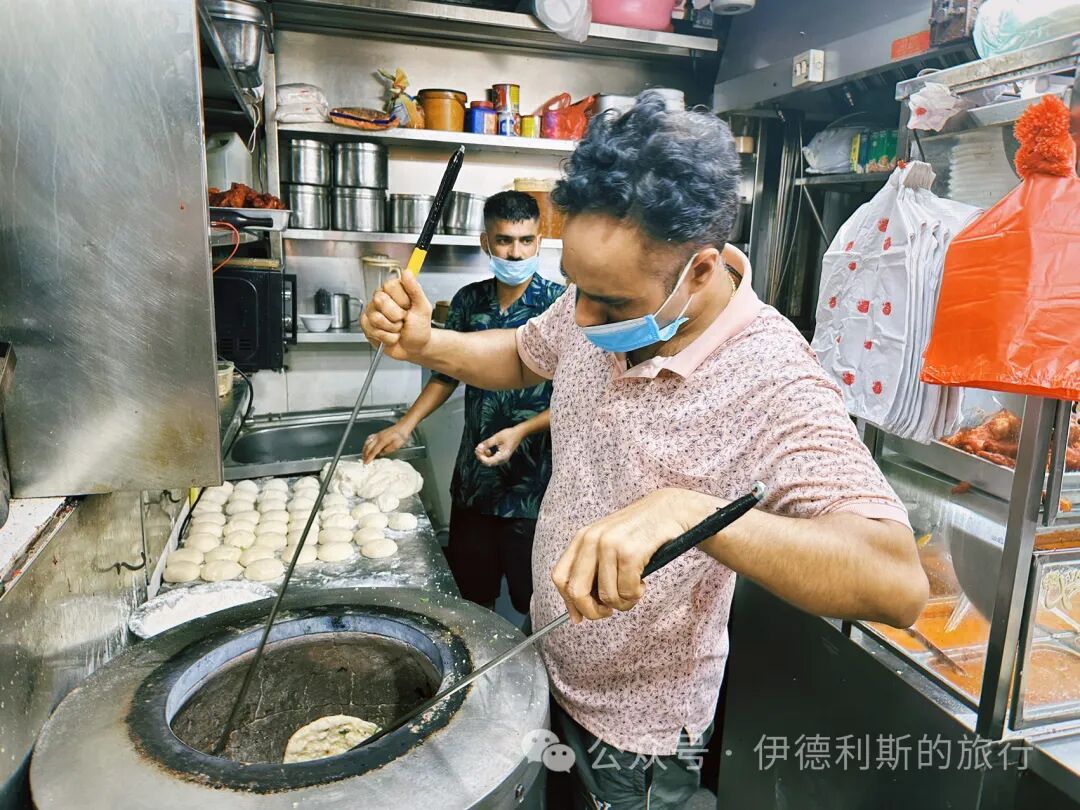
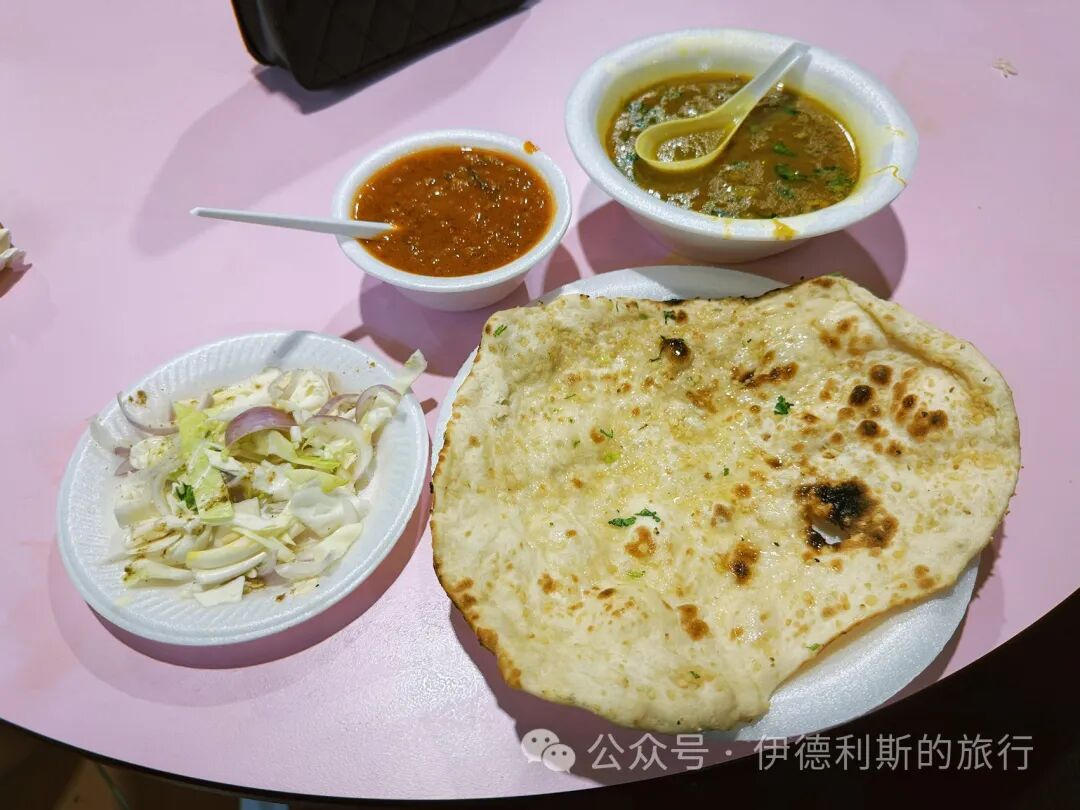
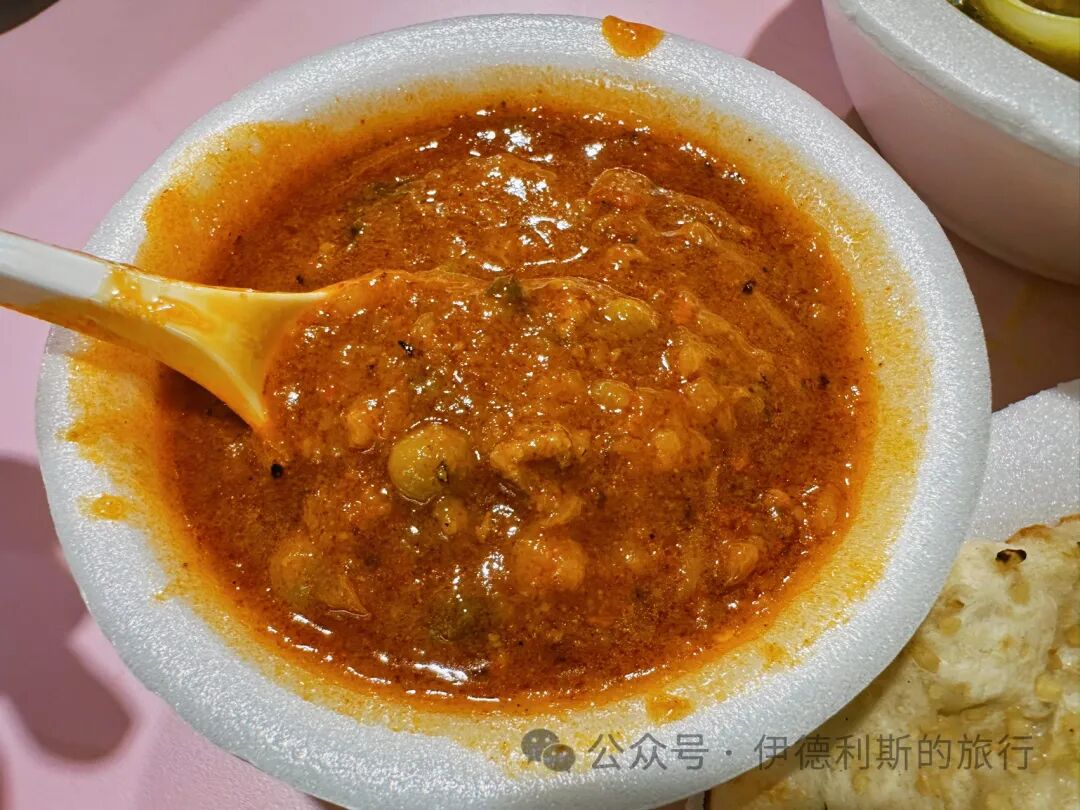
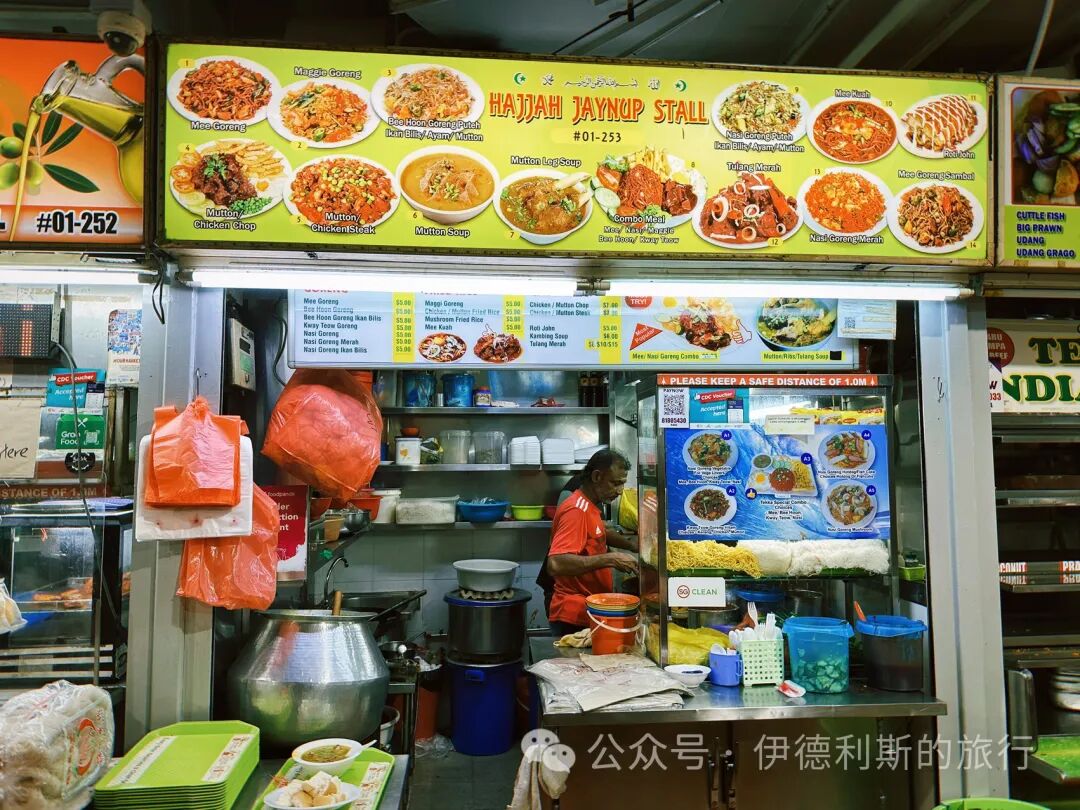
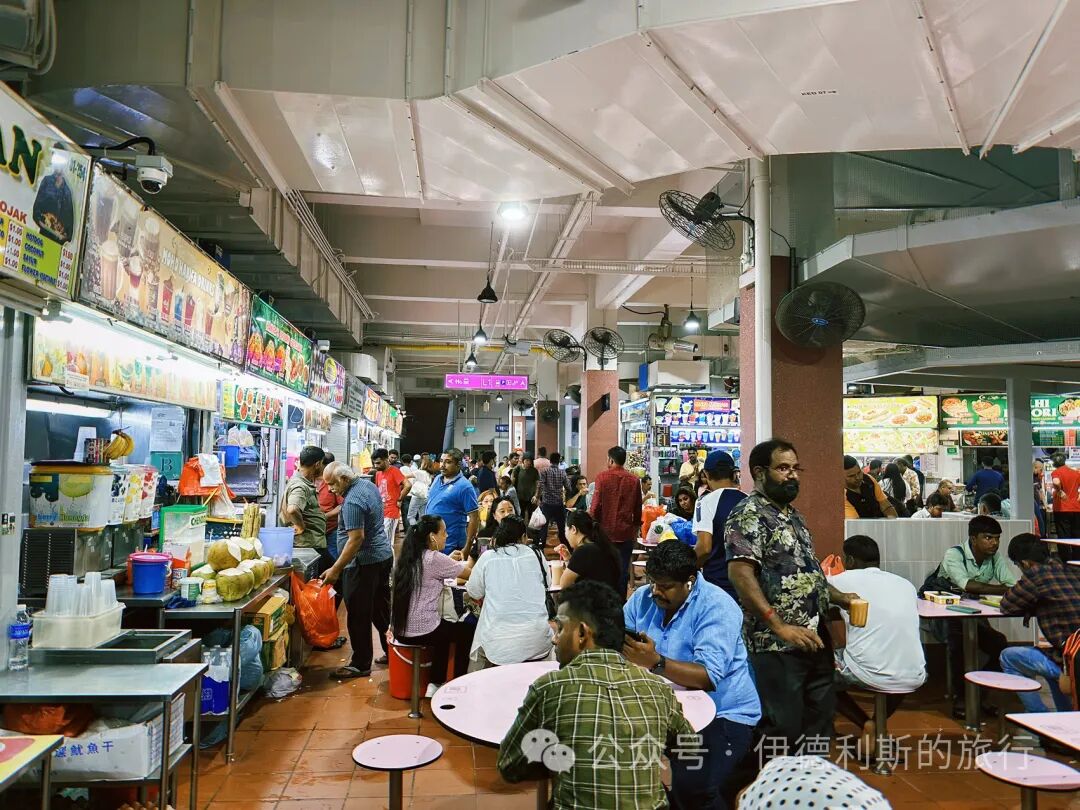
If you want to experience Indian halal food in Singapore's Little India, the most convenient place is Tekka Centre (zhujiao basha). It has a row of stalls all run by Indian Muslims, and the prices are very cheap. We first drank a bowl of lamb trotter curry soup, which was hot and perfect for a rainy day. Then we ate freshly made almond flatbread (badam naan) with minced lamb curry. Many people eat it this way, tearing off the flatbread to dip into the curry and eating it bit by bit, finally wiping up every last drop of the sauce.
Tekka Centre was first built in 1915. In the 1930s, it became popular for its wide variety of fresh meat, vegetables, and seafood, and was known to the public as the 'People's Market'. The current building was finished in 1981, and most of the stall owners inside have been running their businesses for two or three generations.
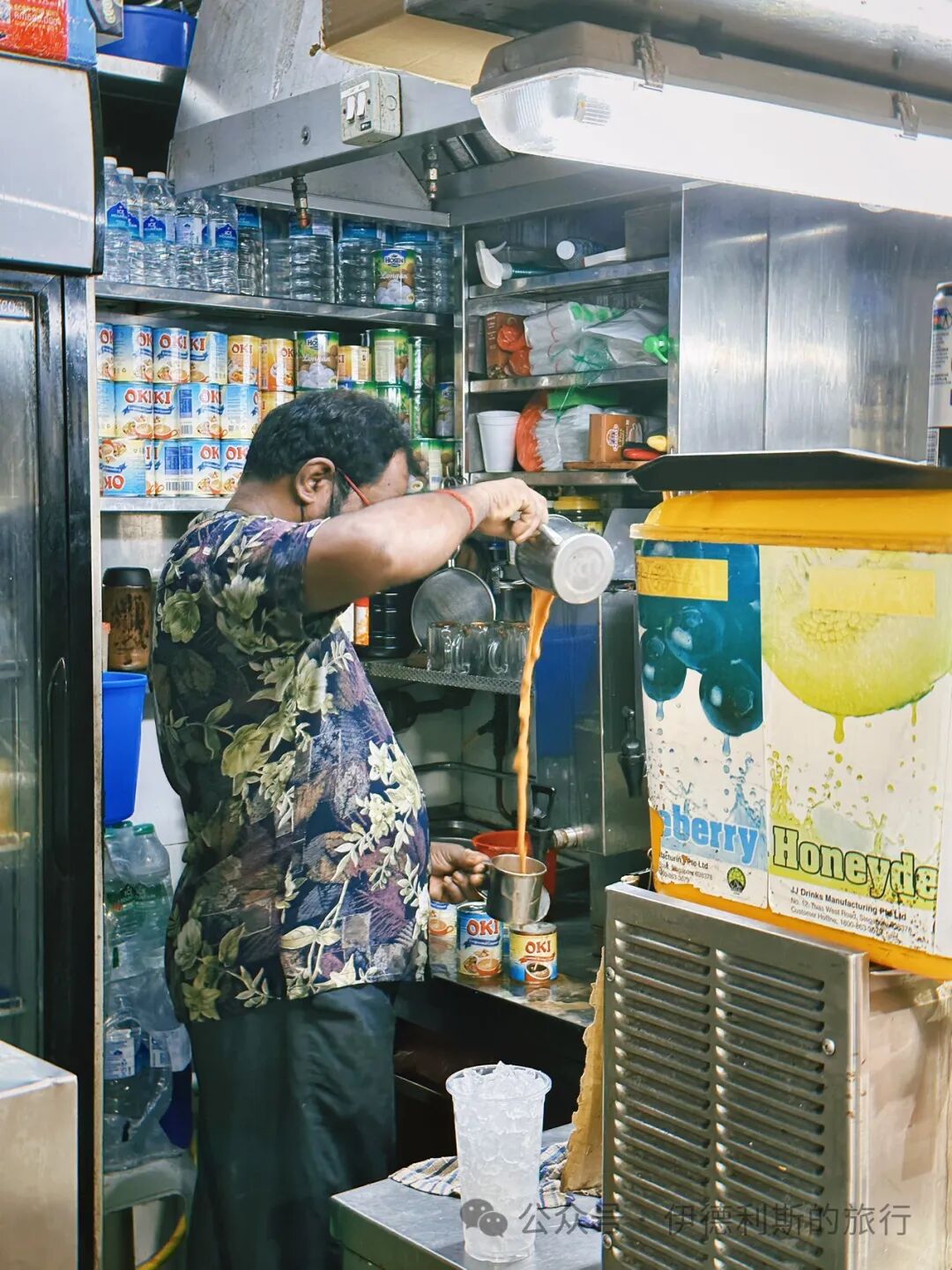
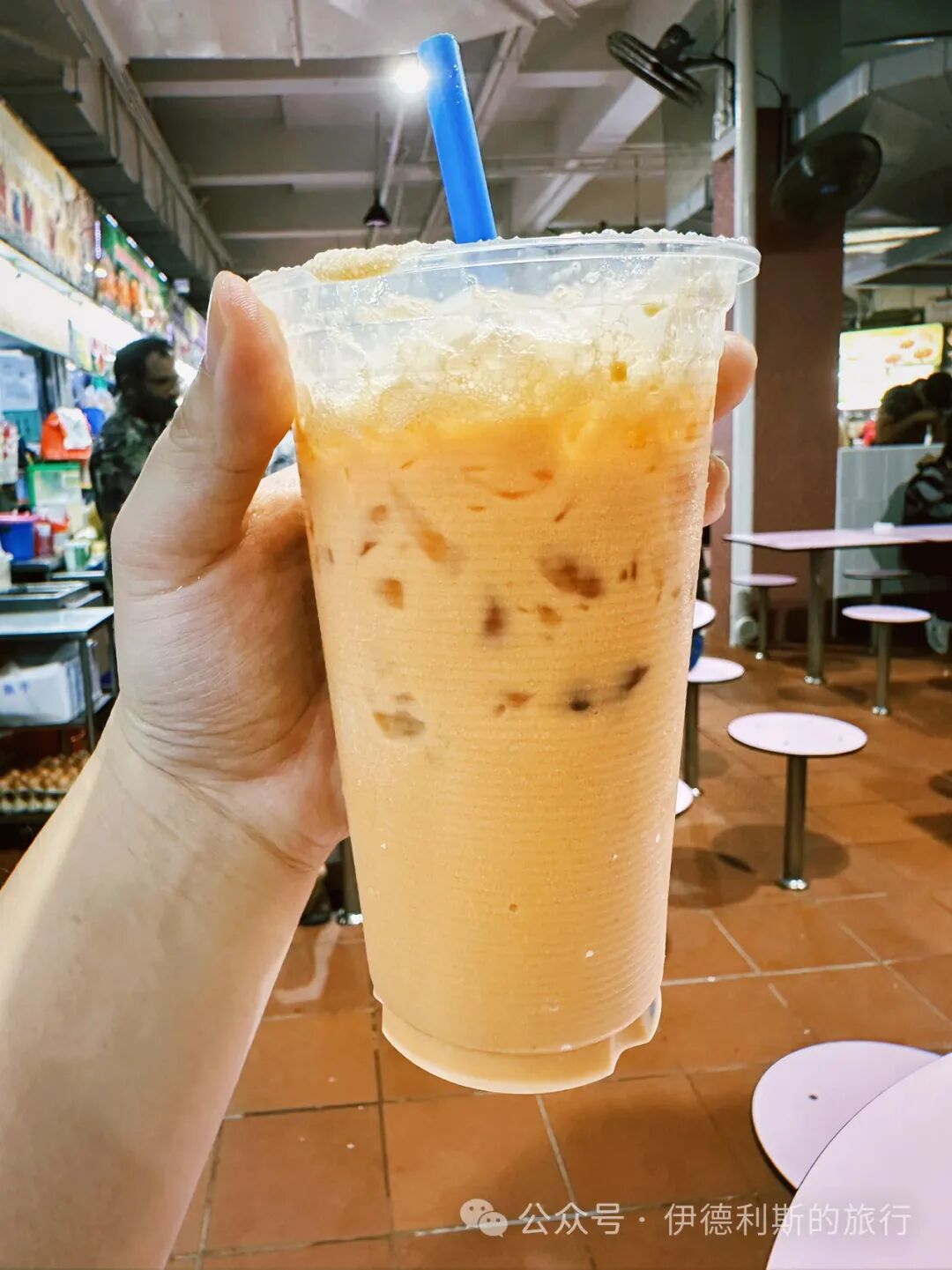
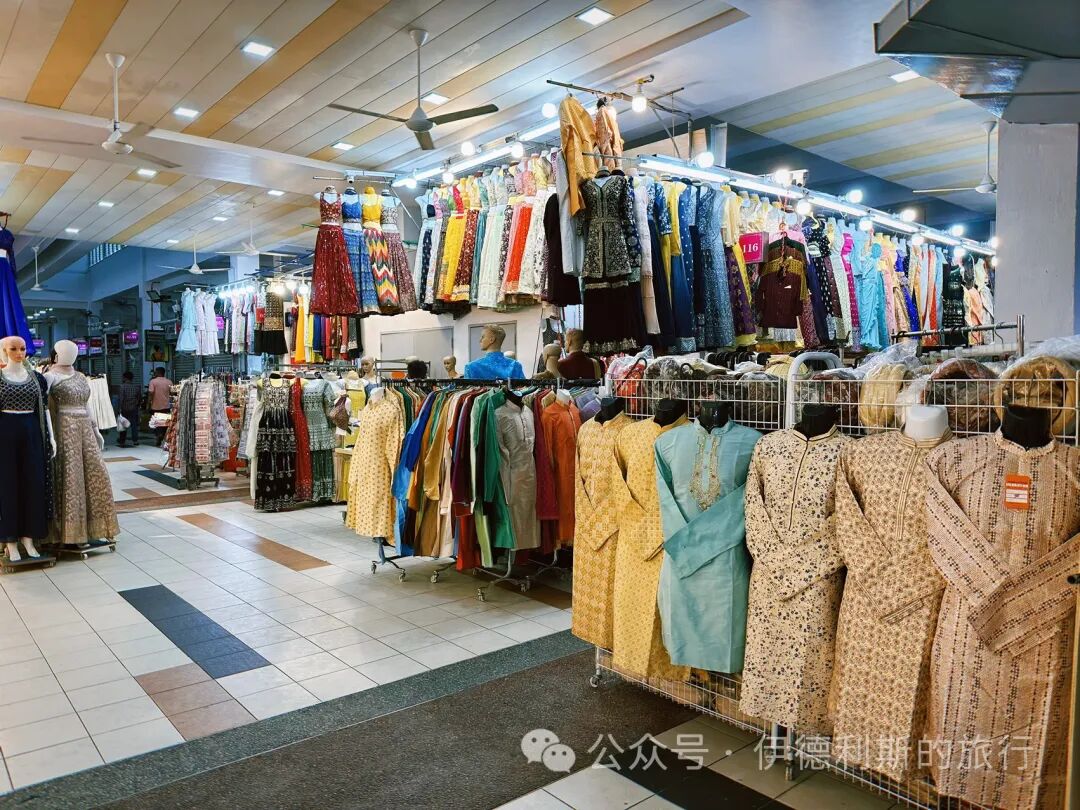
I had a cup of pulled tea (teh tarik) at the Tekka Centre, then looked around at the Indian clothing on the second floor. The saris are all very sparkly, and there are tailor shops where you can buy fabric and have clothes made on the spot.
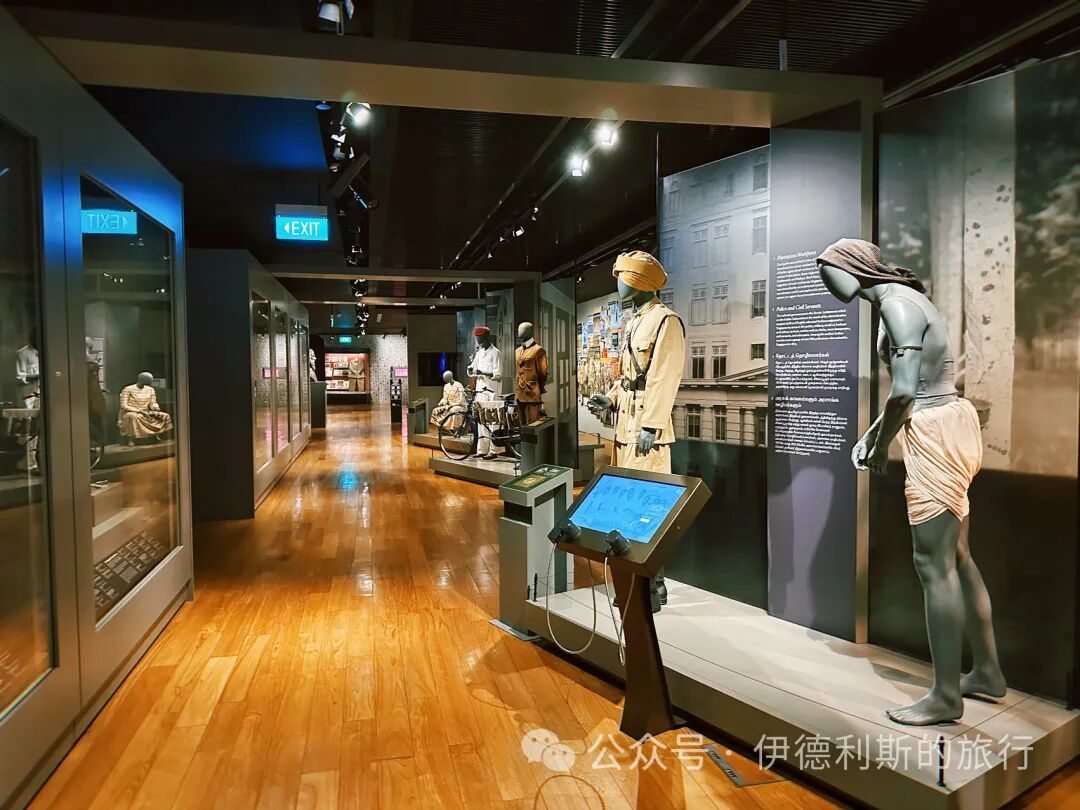
If you want to learn more about the history and culture of Singapore's Indian community, I highly recommend visiting the Indian Heritage Centre in Little India. The main exhibition hall is organized by timeline and covers five parts: early contact, origins and migration, early Indian communities in Singapore and Malaya, the social and political awakening of Indians in Singapore and Malaya, and the contributions of Indians to Singapore. Of course, this includes the culture of Singapore's Indian Muslims.
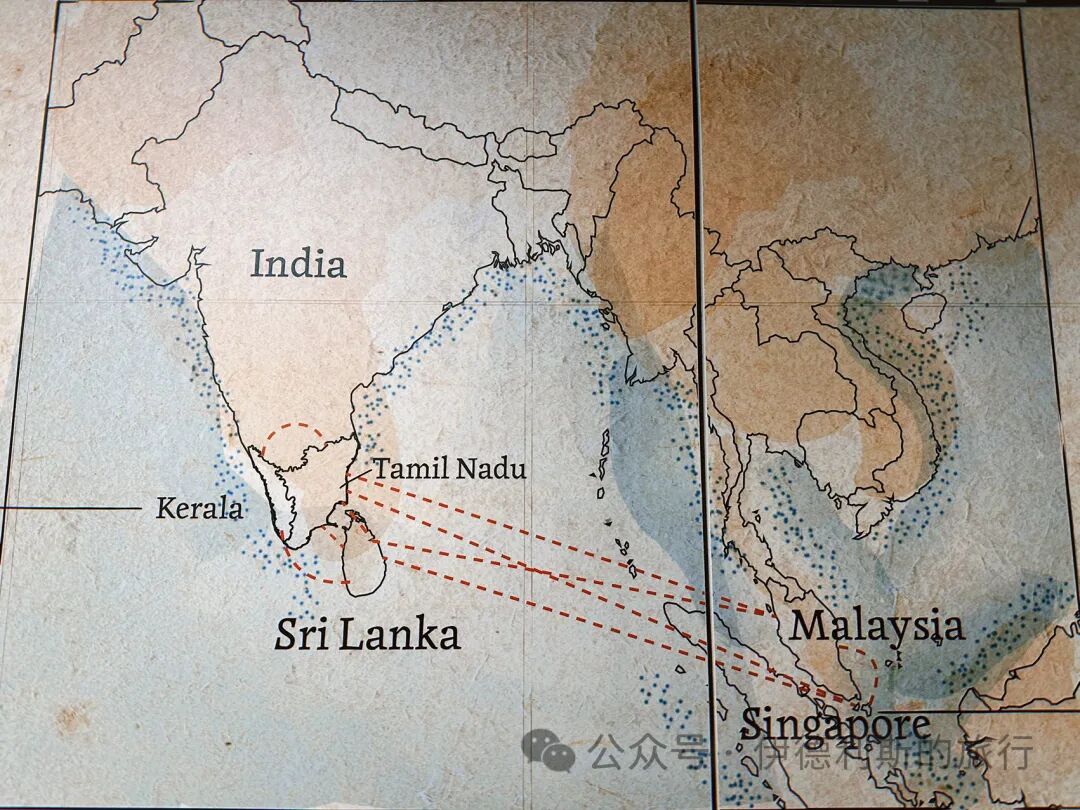
A map showing the migration of Tamils from the Coromandel Coast in southeastern India and Sri Lanka to Singapore and Malaya.
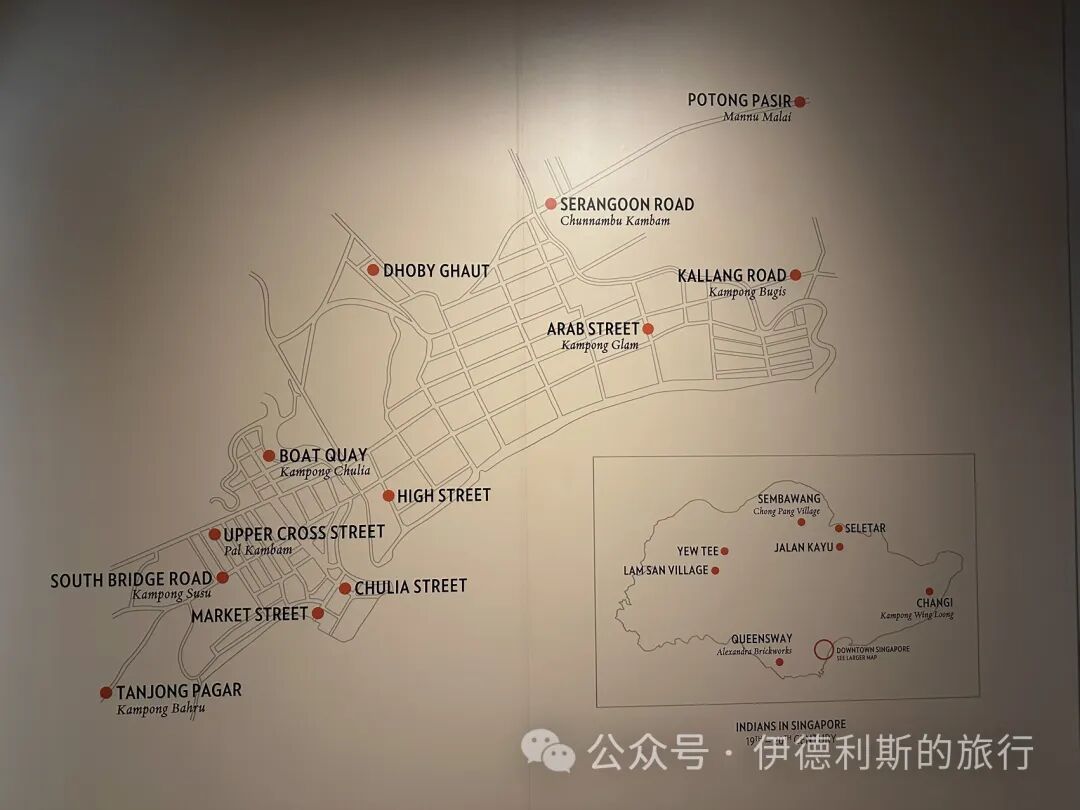
Several areas where Indian communities lived in Singapore during the 19th and 20th centuries.
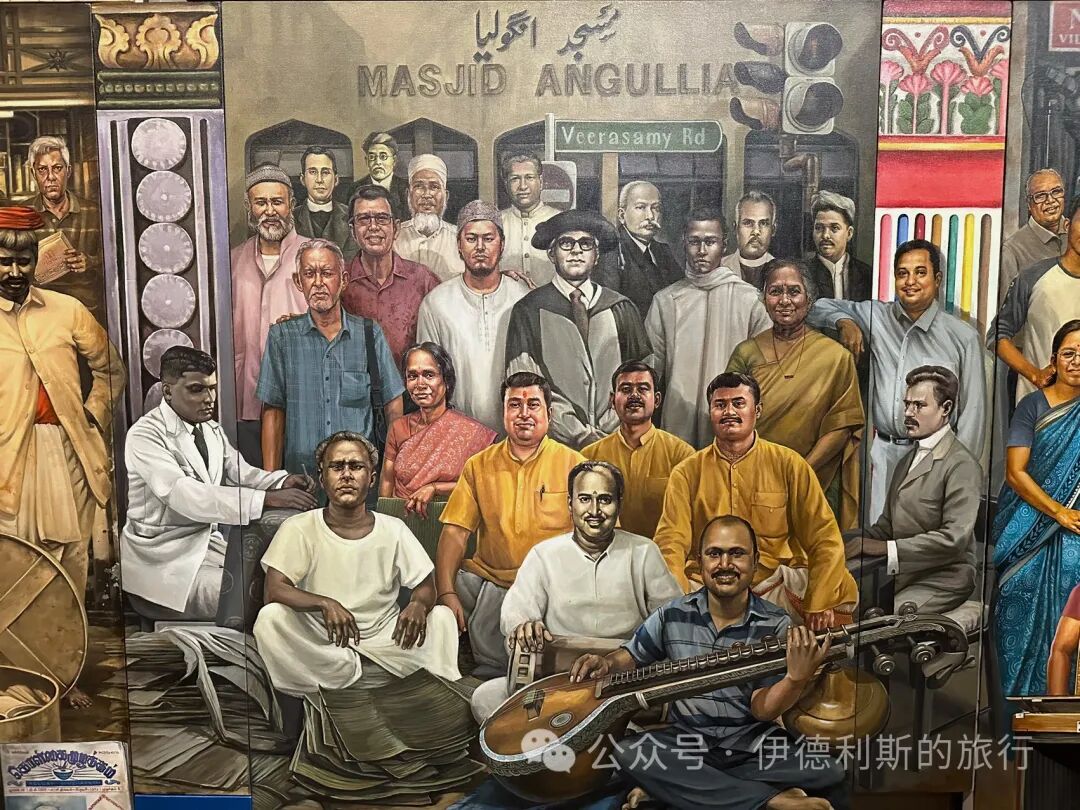
A group portrait of Singaporean Indians with the Angullia Mosque in Little India in the background.
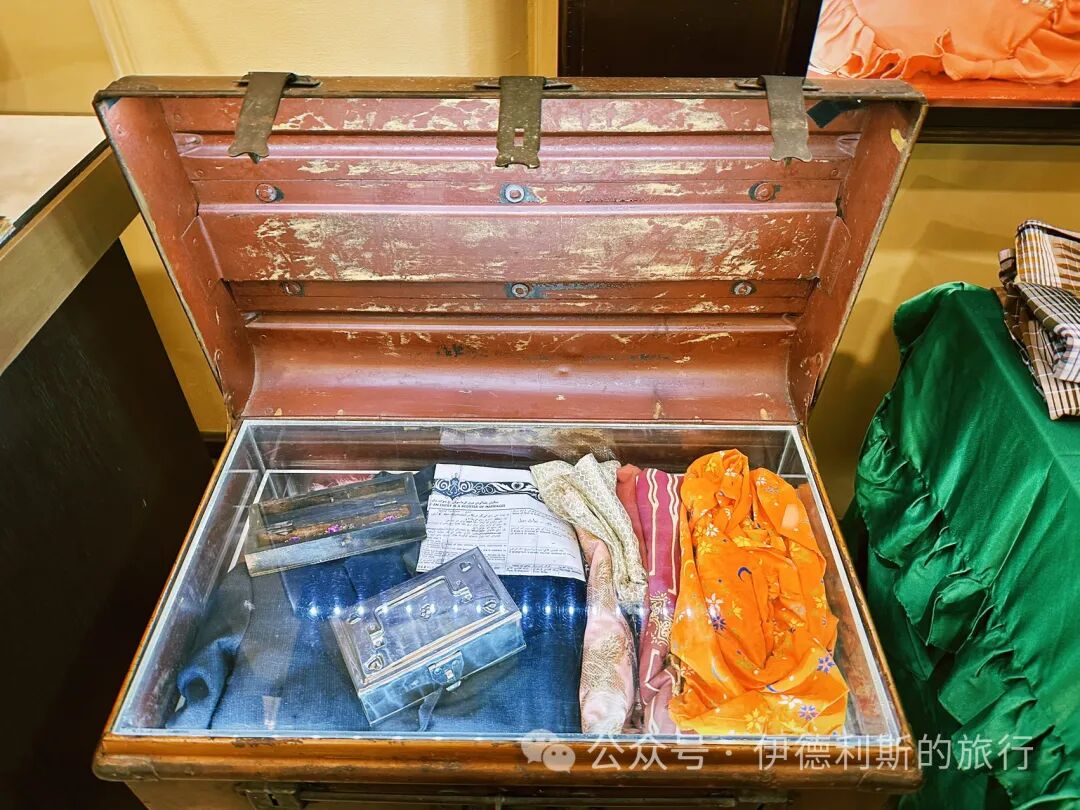
The luggage that Indian immigrants brought with them when they first arrived in Singapore, along with a passport and family photo belonging to a Muslim merchant who came to Singapore from Gujarat, India, in 1936.
A set of clay figurines of 19th-century Indian merchants.
Clothing worn by Tamil Muslims from the Coromandel Coast of southeastern India in the mid-18th century.
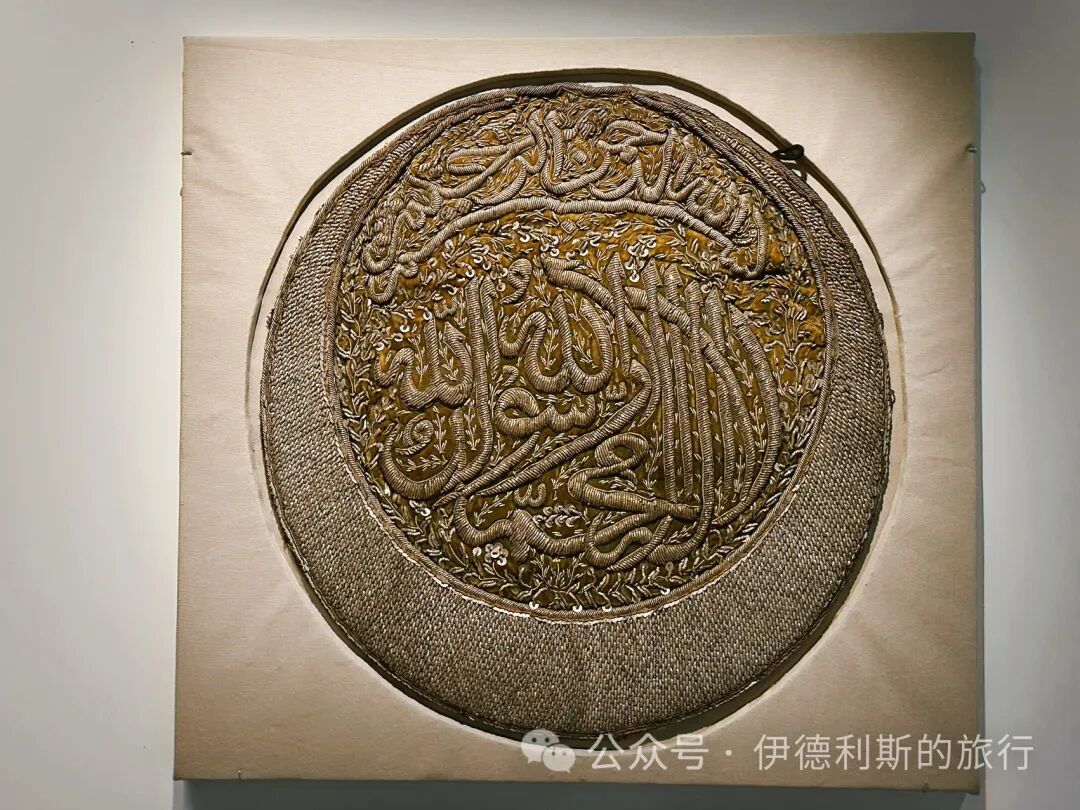
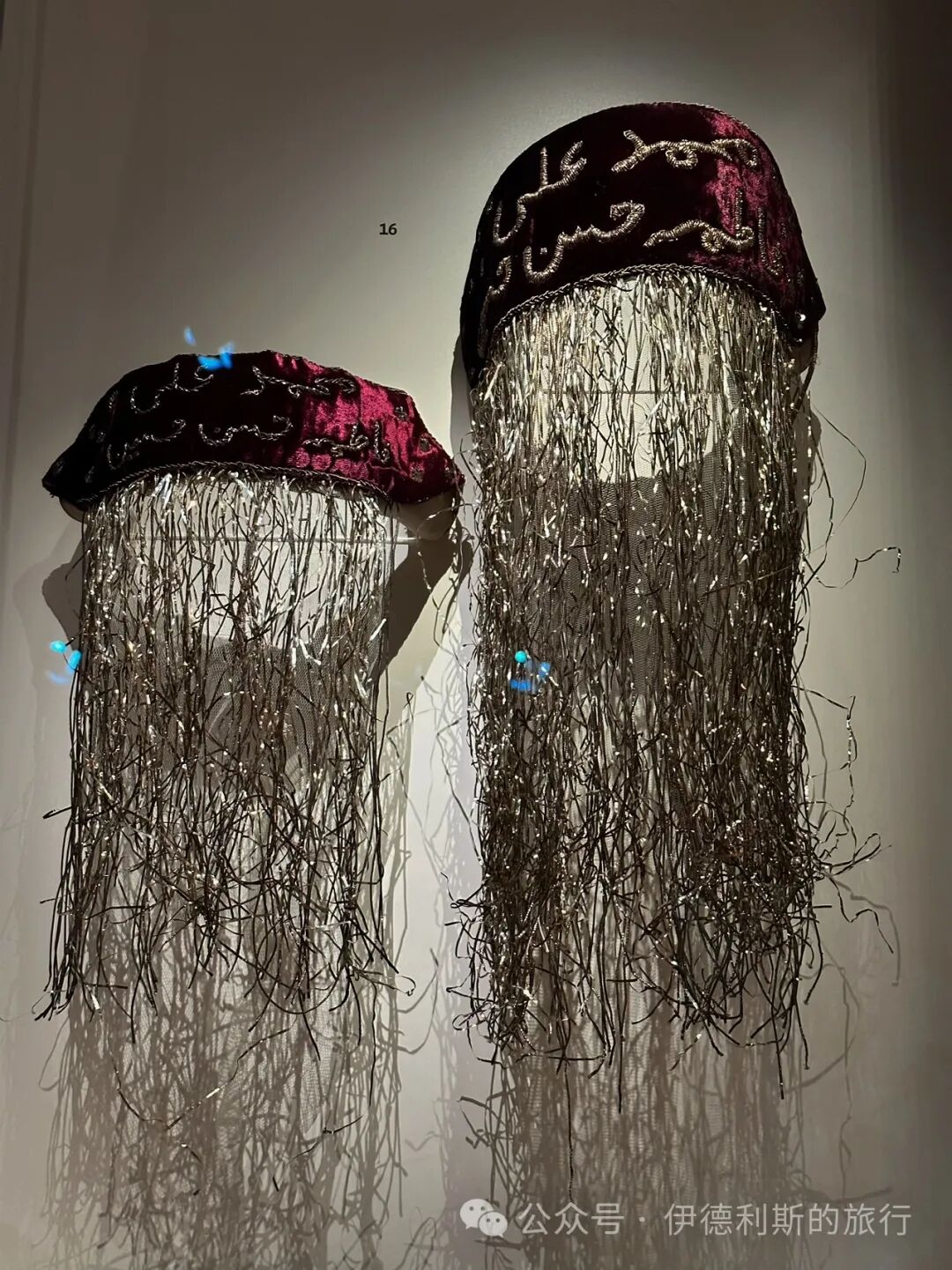
Velvet Arabic calligraphy embroidery from Andhra Pradesh, India, dating to the 20th century.
Indian book stands (rehal) from the 19th and 20th centuries.
Calligraphy from the Deccan region of India, dated 1600.
Various traditional Indian hats from the 20th century.
The Talapa of the Chetti people in Malacca, which is a type of batik headwrap.
The Khoja Turban worn by the Ismaili Shia Khoja people from Gujarat, India. Khoja comes from the Persian words 'Khwaja' or 'Hodja'. They began converting from Hinduism to Islam in the 13th century, and while they hold a Muslim identity, they have kept strong Indian caste customs.
Headwear worn by grooms and boys during circumcision in the mid-20th century.
A 19th-century portrait of Indian Muslims.
A 19th-century procession of Shia Muslims in India during Ashura. On the right is a model of the tombs of Imam Hussein and Hassan called Ta'ziya, and you can also see Alam flags.
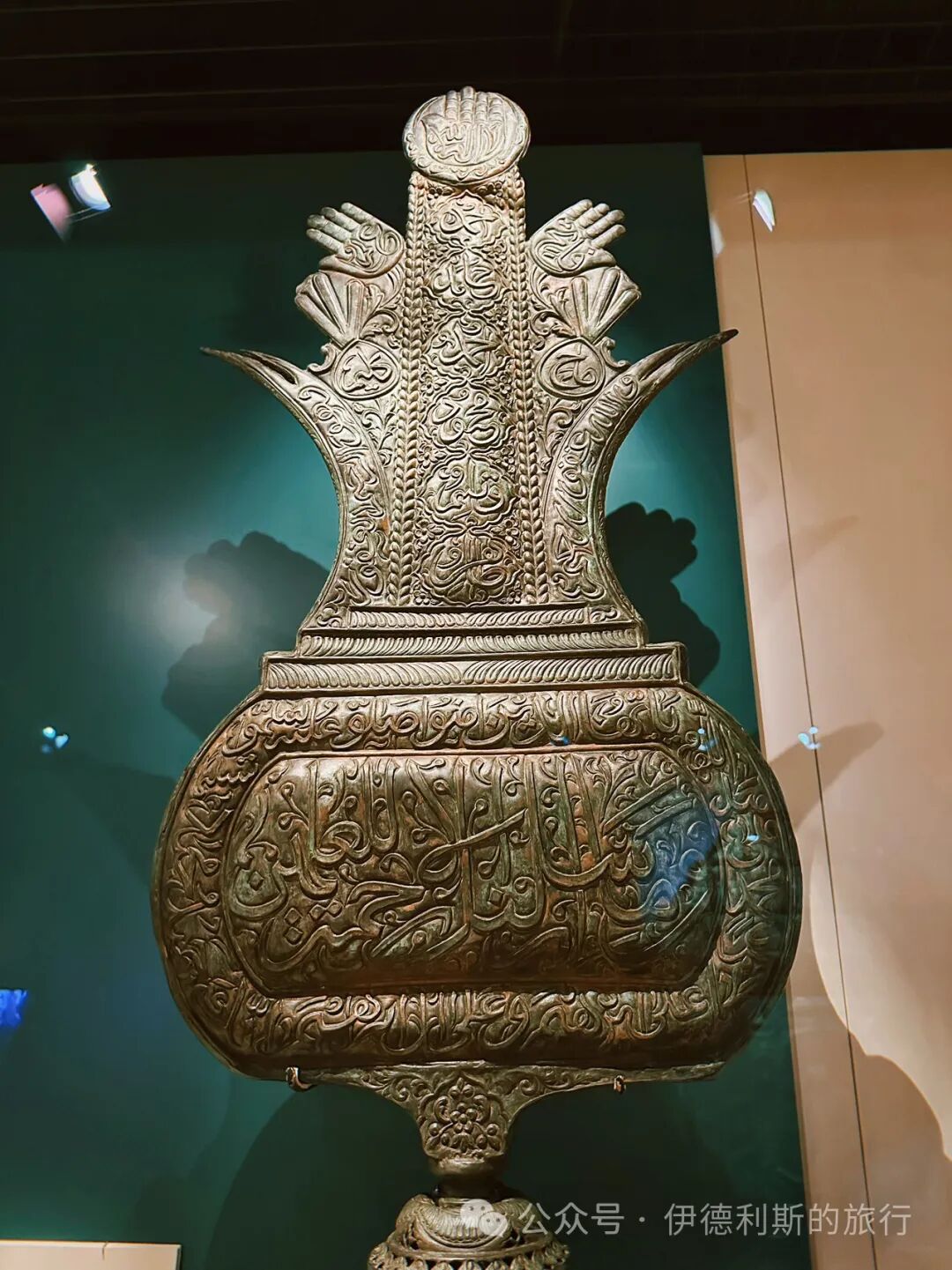
An Alam flagpole carried by Shia Muslims in South India during an Ashura procession in the 19th century.
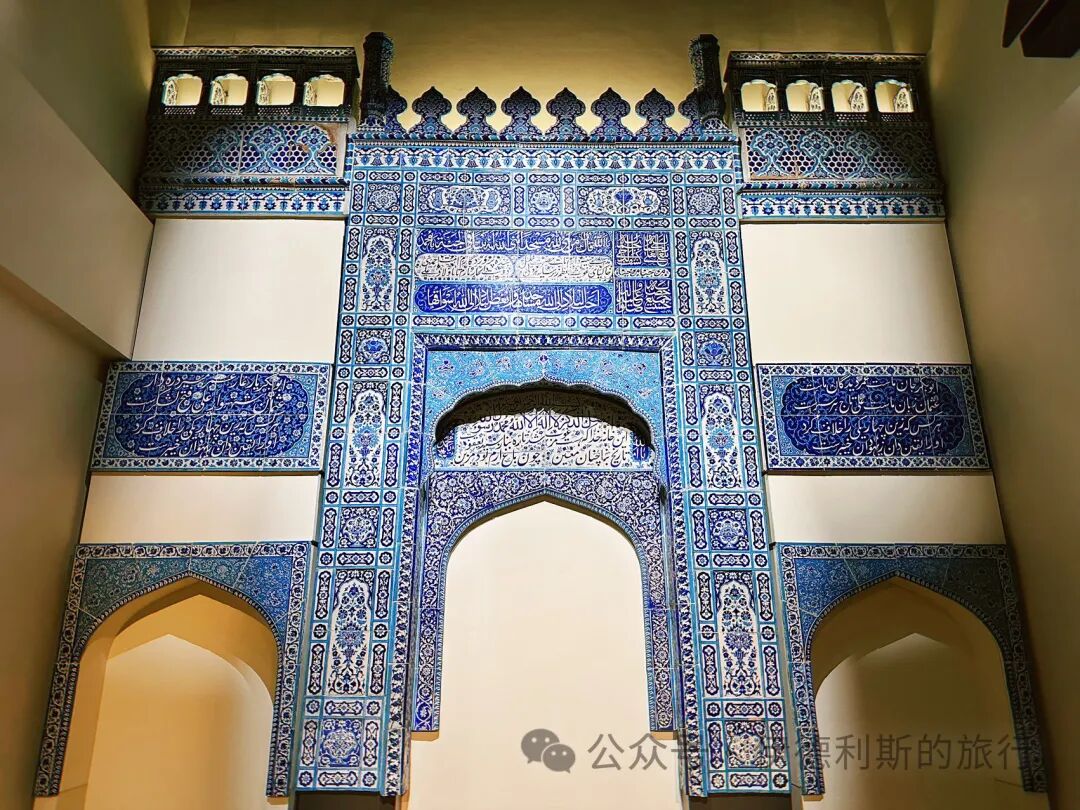
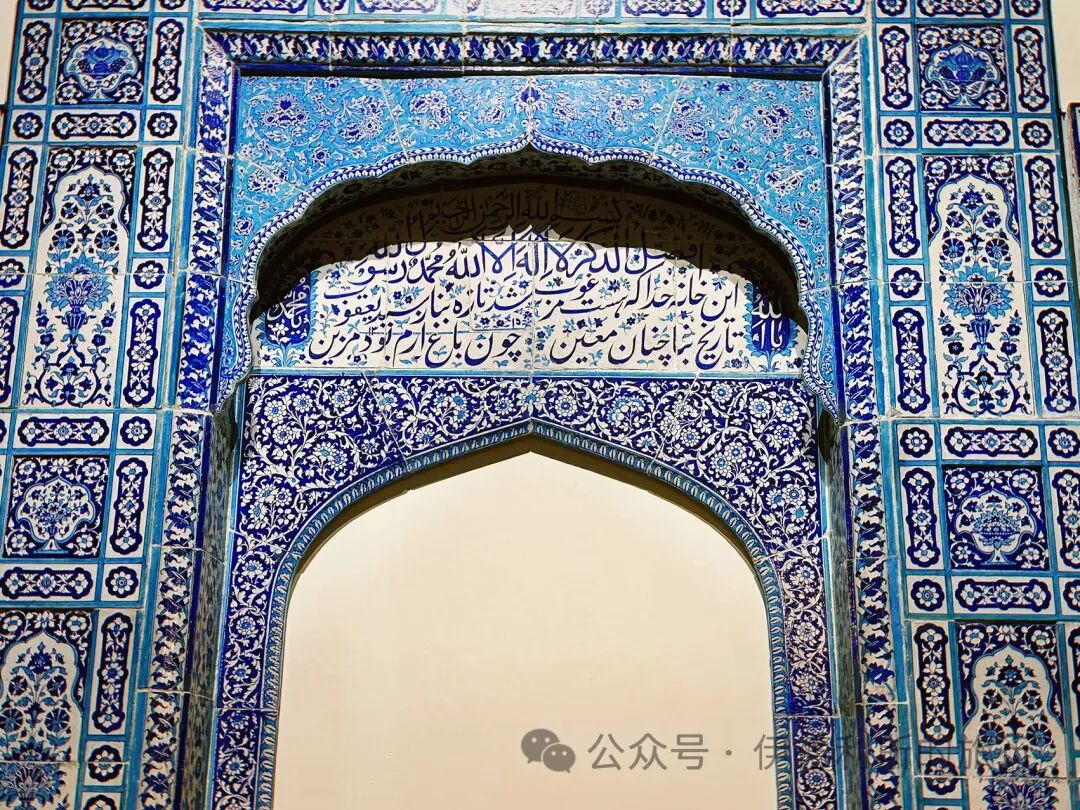
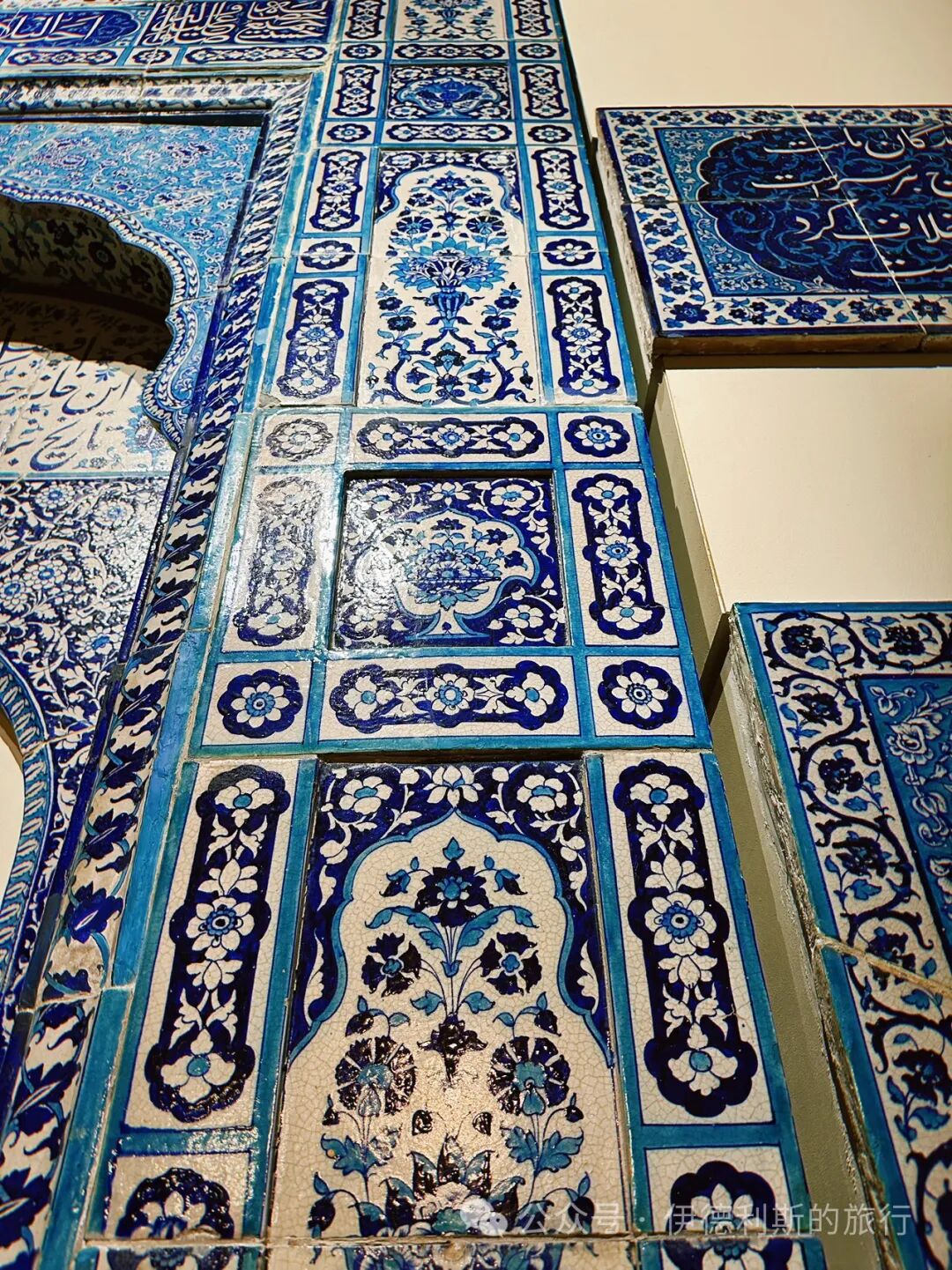
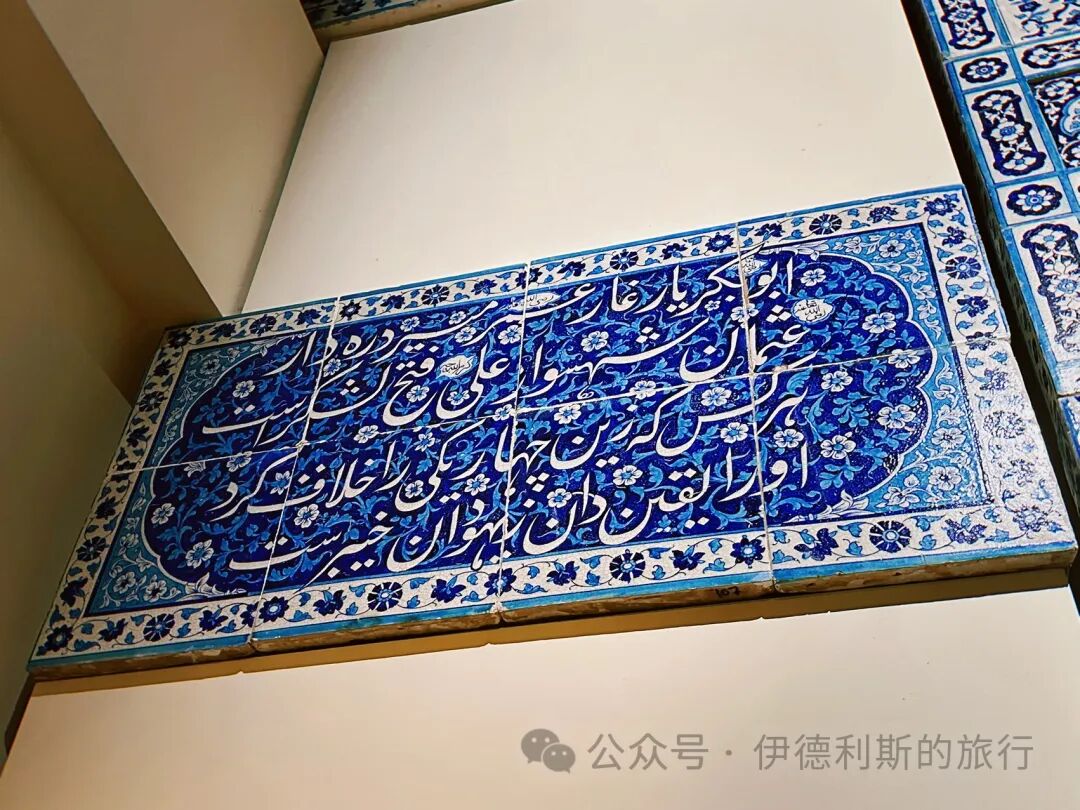
The tiled facade of a mosque in Multan, Pakistan, from 1897-1898, made using the traditional local Kashikari tile-firing technique. This type of tile decoration originated in the Mughal Empire and was influenced by Persian and Sufi cultures.
Indians in Kampong Glam.
Mosques and restaurants.
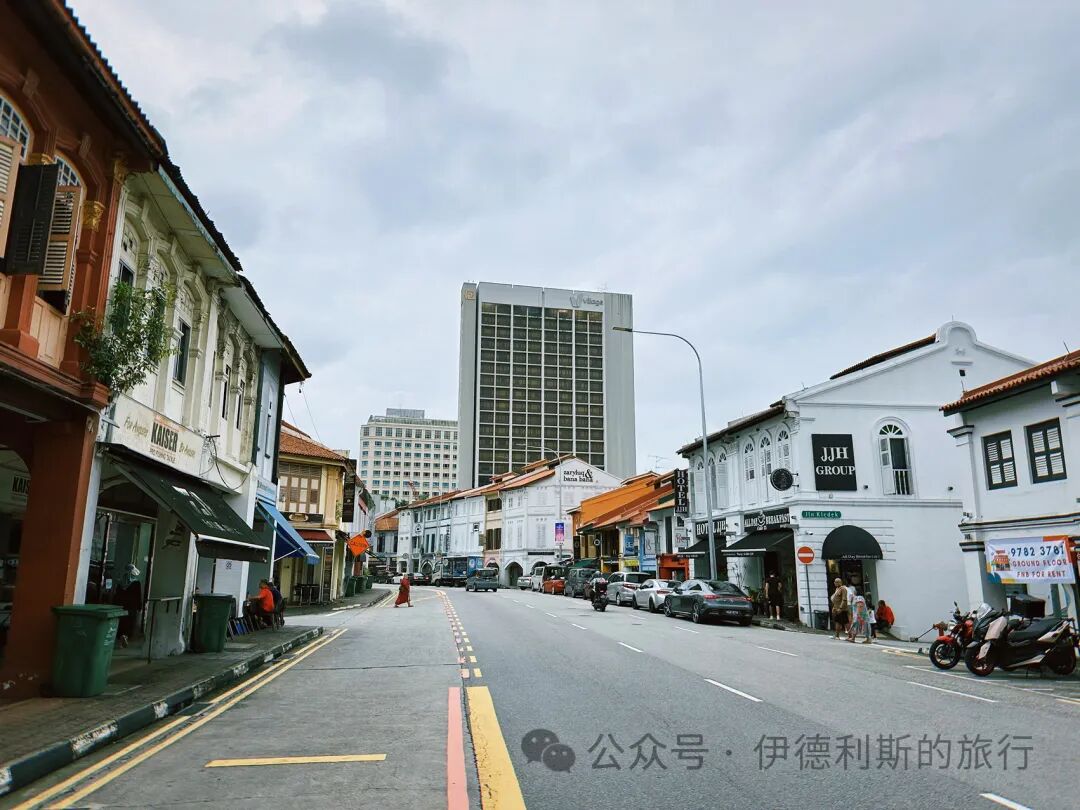
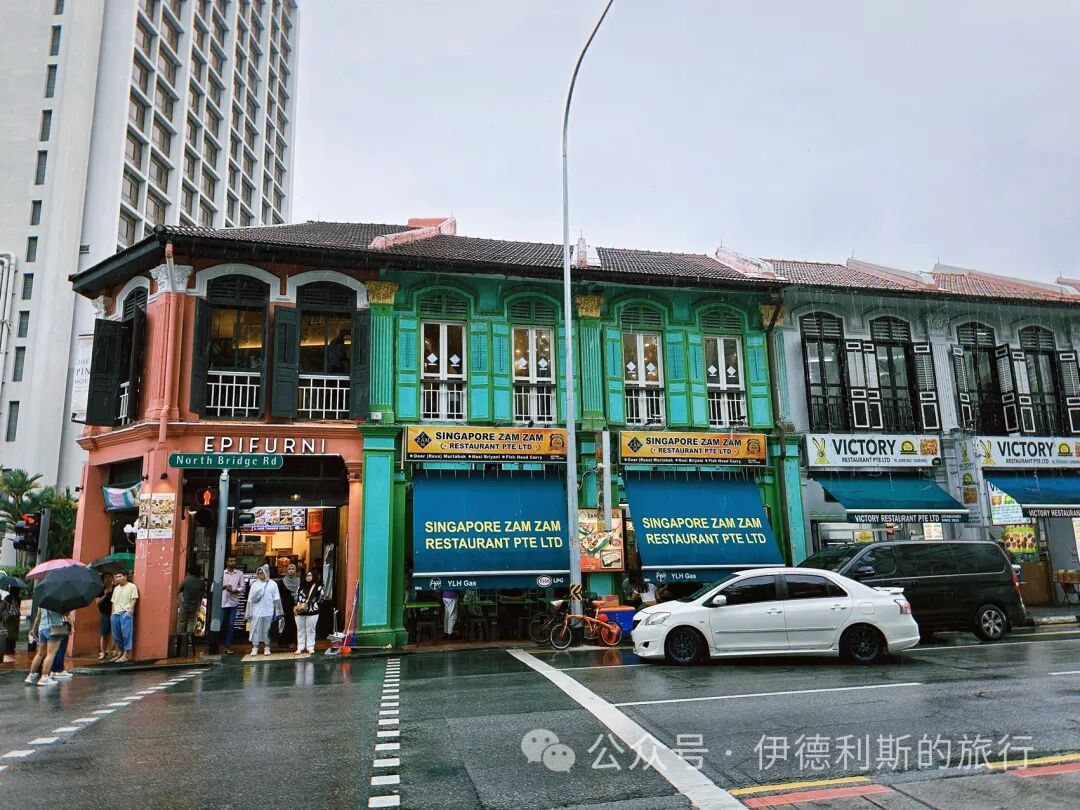
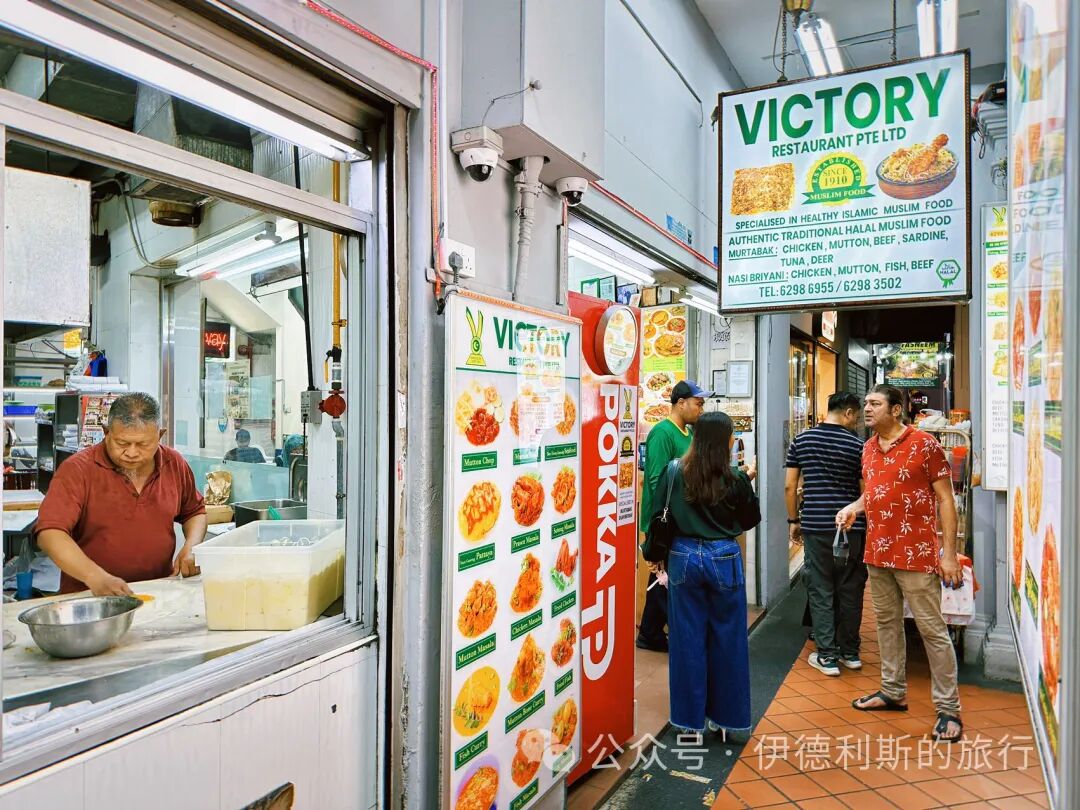
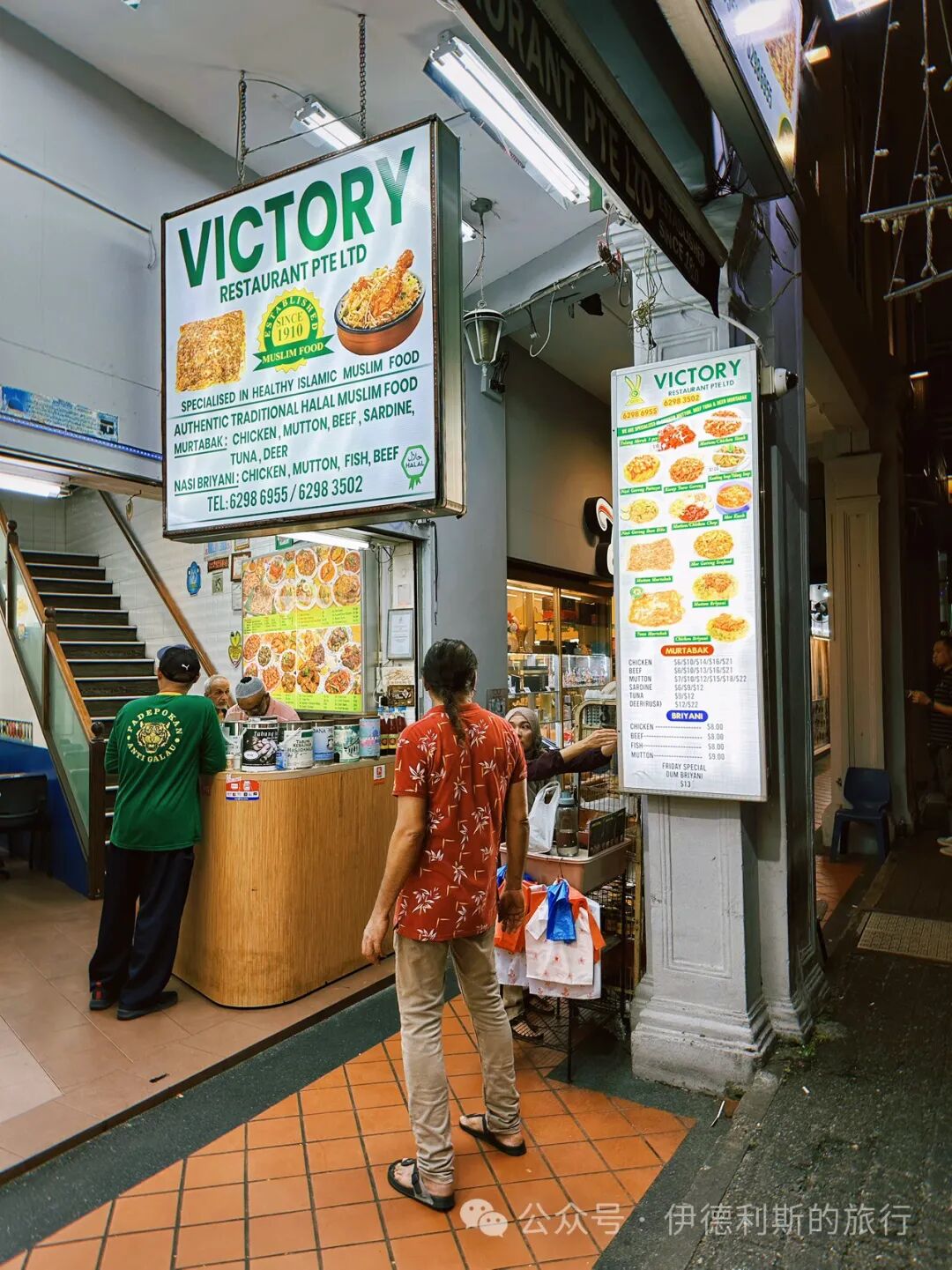
Kampong Glam is the first planned Muslim community in Singapore. In 1822, Sir Stamford Raffles gave Kampong Glam to Sultan Hussein Muhammad Shah of Johor. Besides the Sultan and his 600 family members, Kampong Glam was home to many Muslim groups at the time, including the Bugis, Arabs, Javanese, and Baweanese people. During the same period, Indian Muslims began moving to Kampong Glam for business. By the early 20th century, they opened restaurants here, the two most important being Victory and Zam Zam on North Bridge Road.
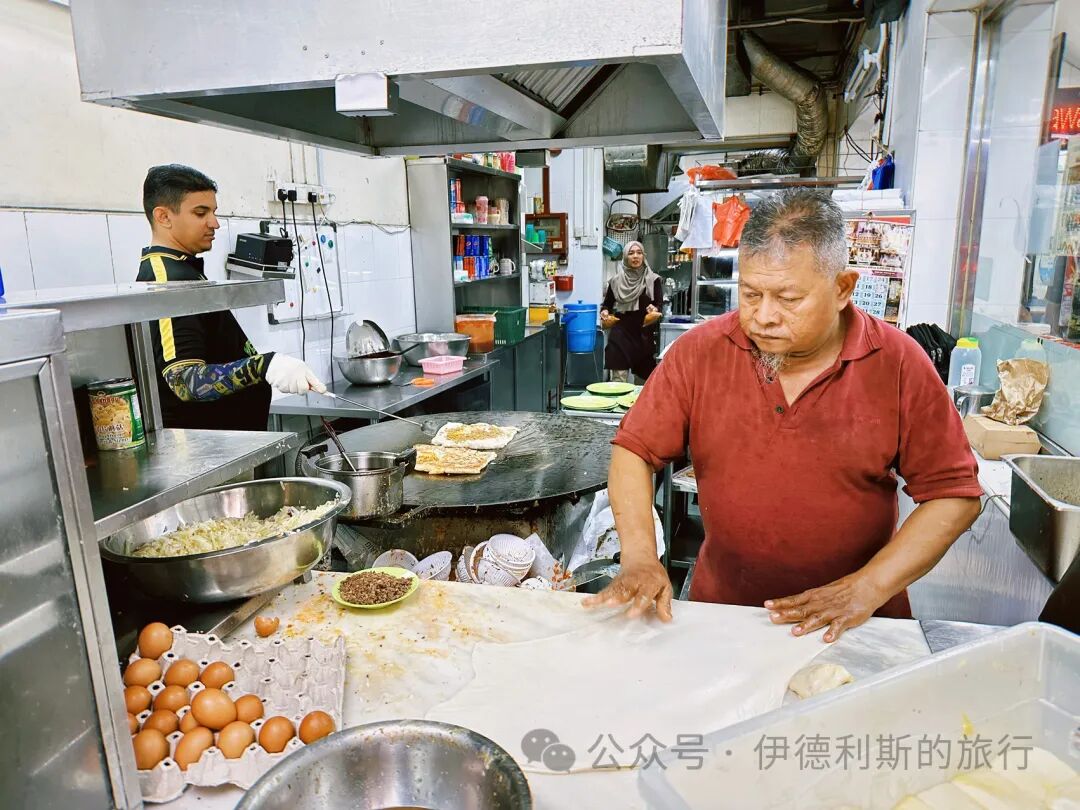
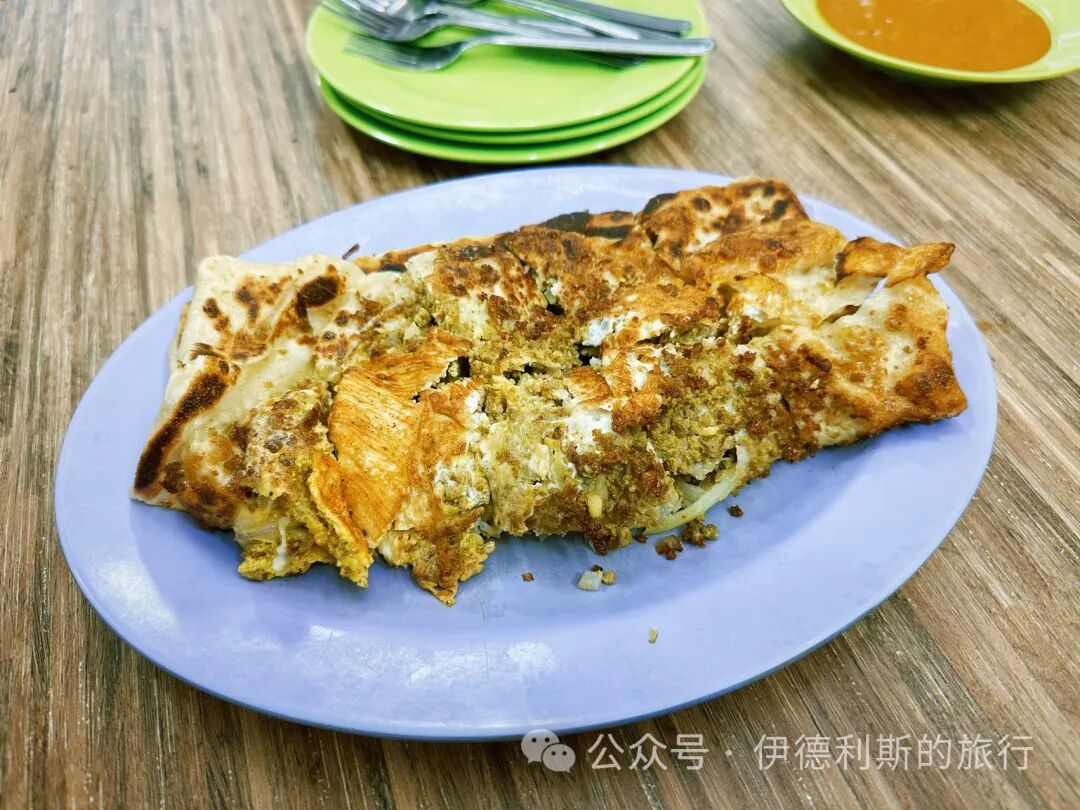
Zam Zam opened in 1908 and Victory in 1910. Both specialize in stuffed flatbread (murtabak) and have been competing for over 100 years. We tried the mutton murtabak at Victory. It tasted more like the griddle cakes (laobing) from Northern China and was not as crispy as the ones we had in Penang. view all
Summary: This first Singapore article introduces Indian Muslim culture through mosques, streets, migration history, food, and everyday community life. It keeps the original travel sequence and cultural facts while using simple English for global readers.
Since the British arrived in Singapore in 1819, Indian Muslims have continuously come to the island as laborers, merchants, and soldiers. After the 20th century, more Indian Muslims settled in Singapore. Most were Tamils from the Coromandel Coast in southeastern India, but there were also Gujaratis from western India, Malabaris from the southwest, and even Dawoodi Bohras and Ahmadis. Over time, the diverse and integrated Indian Muslim culture has become an important part of Singaporean culture. This time, I will take you to experience Singapore's Indian Muslim culture by visiting various Indian mosques, tasting Indian food, and touring the Indian Heritage Centre and the Indian Muslim Heritage Centre.
Indian mosques and shrines (gongbei) in Chinatown.
Al-Abrar Mosque is located on Telok Ayer Street in Singapore's Chinatown. It was built in 1827 by Tamil Muslims from the Coromandel Coast in southeastern India. They were also known as Chulias and mostly worked as merchants or money changers in Chinatown at the time, so this place is also called the Chulia Mosque.
Al-Abrar Mosque is one of Singapore's oldest mosques. It started as a thatched hut, was rebuilt as a brick building with Indian features between 1850 and 1855, and was renovated into its current appearance between 1986 and 1989. The mosque sits in a row of shophouses on Telok Ayer Street and blends seamlessly with the surrounding buildings. The main entrance has two octagonal minarets topped with star and crescent symbols. The interior features European neoclassical design elements, including Doric columns and French-style shutters. Today, the mosque continues to serve the Indian Muslim community. Muslims from other ethnic groups working nearby also come here for worship, especially during the Friday congregational prayer (Jumu'ah).
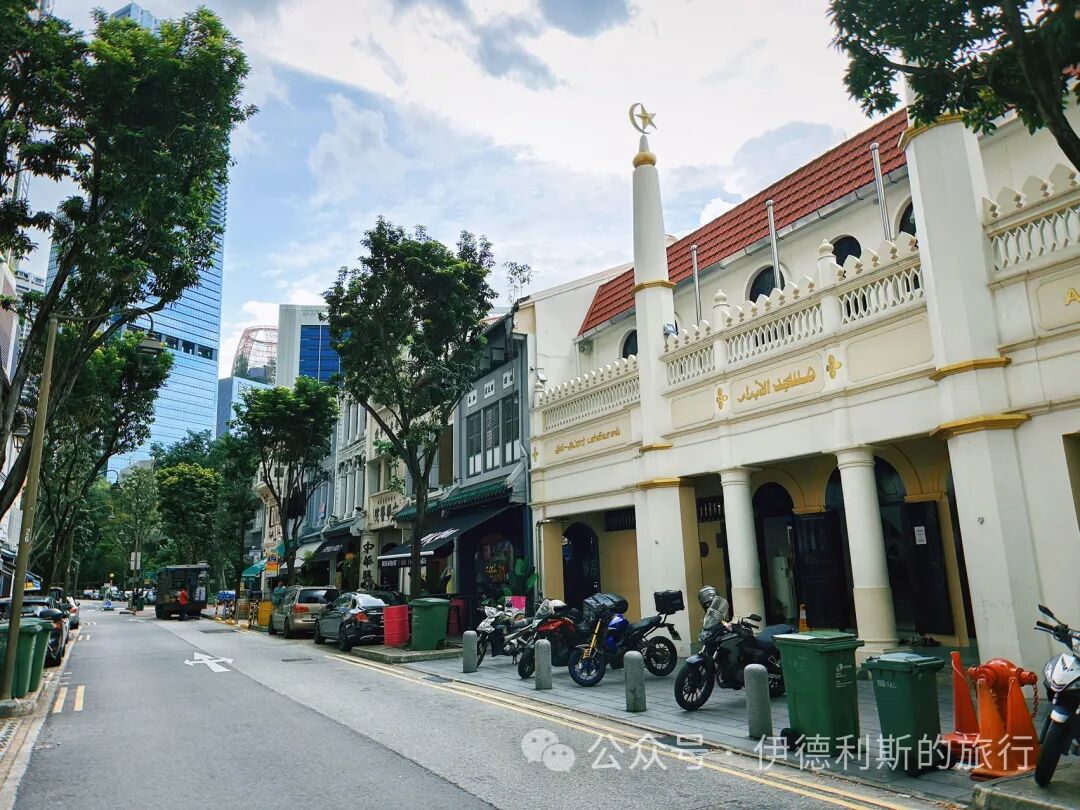
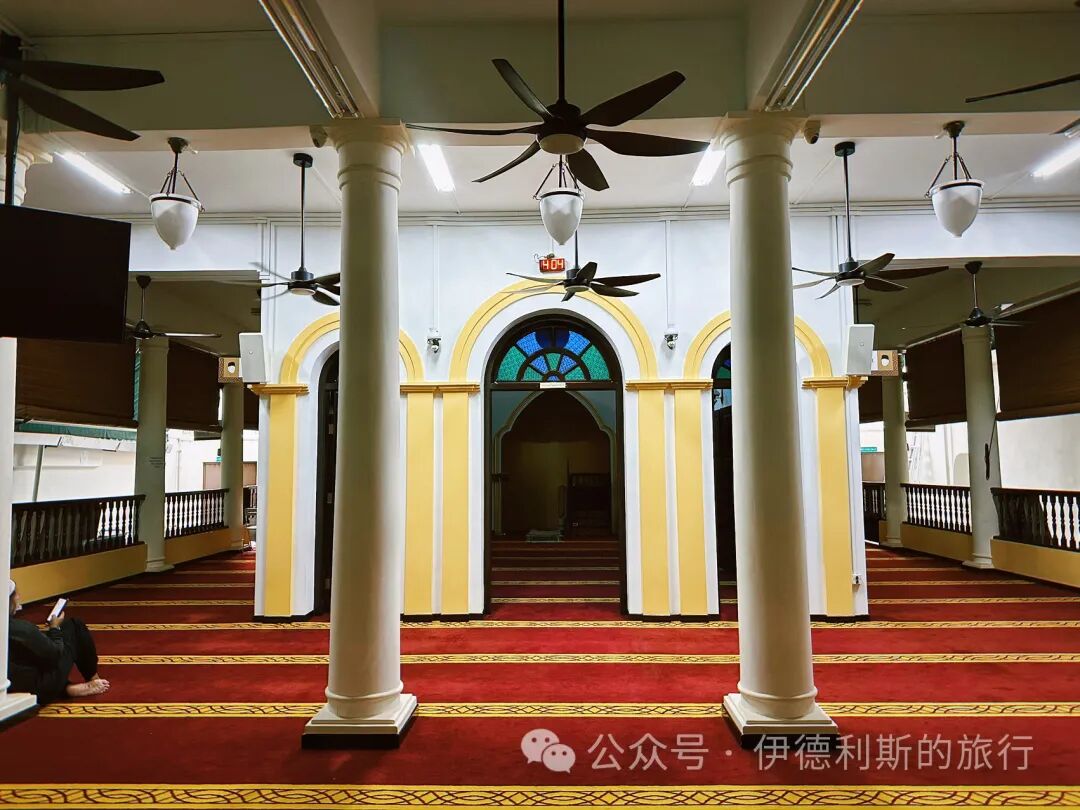
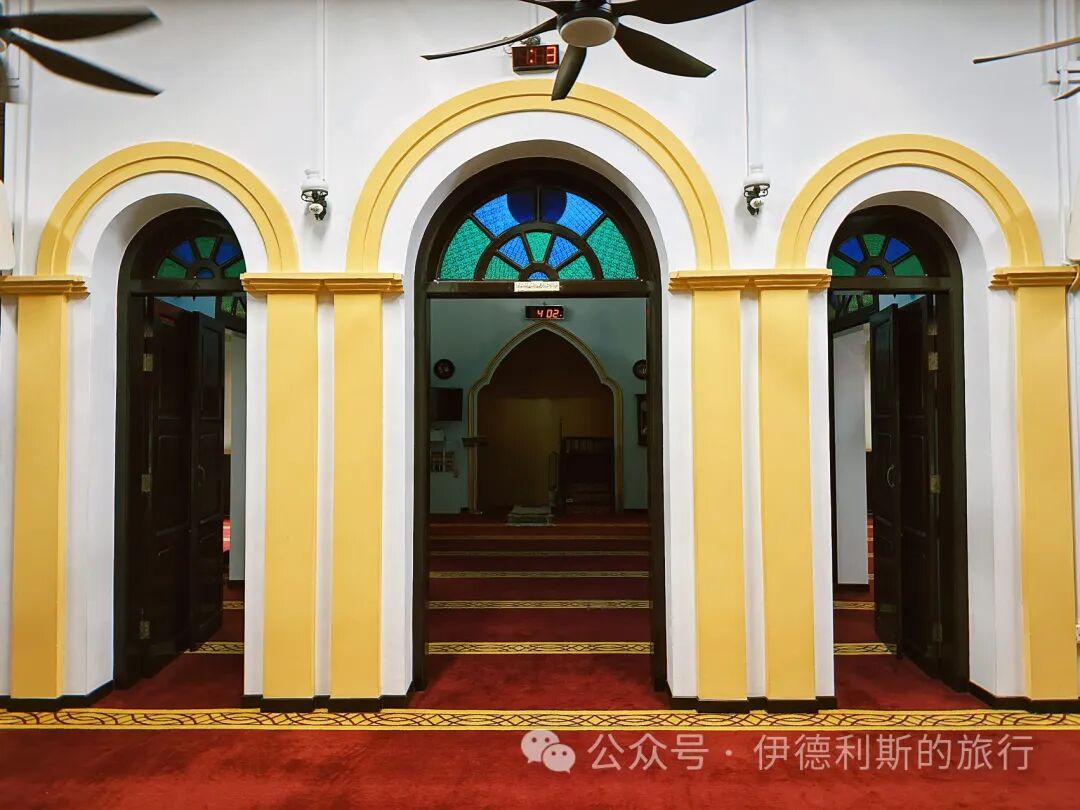
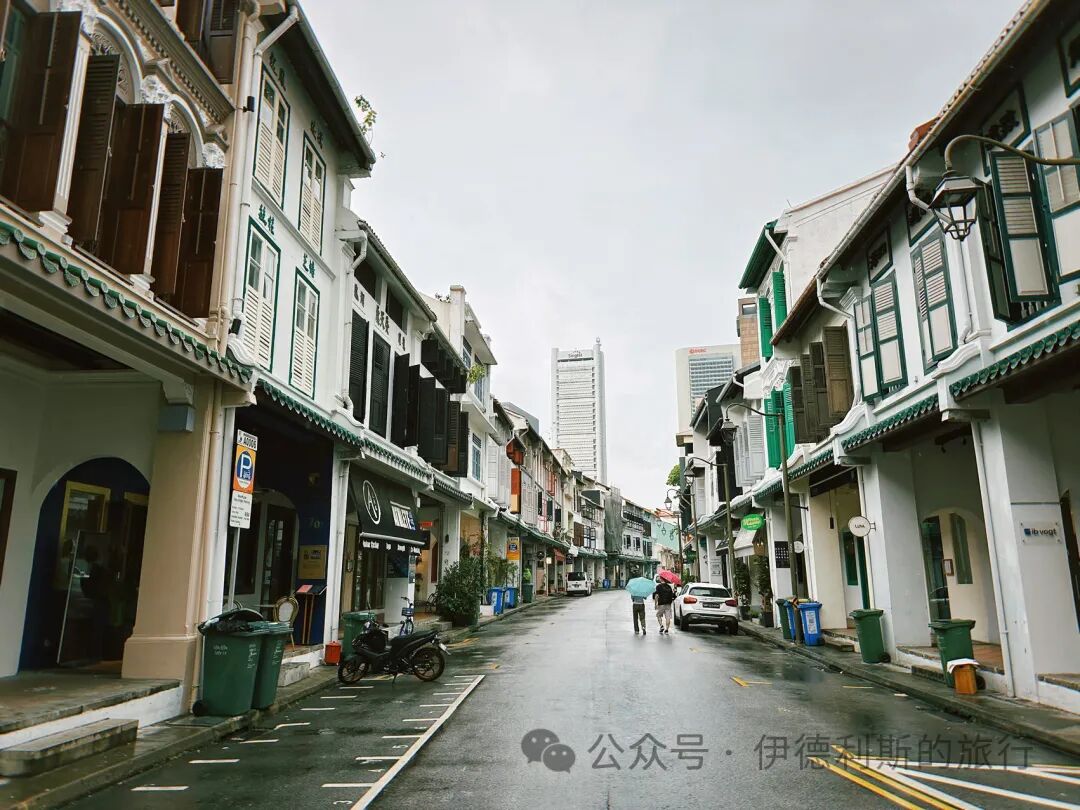
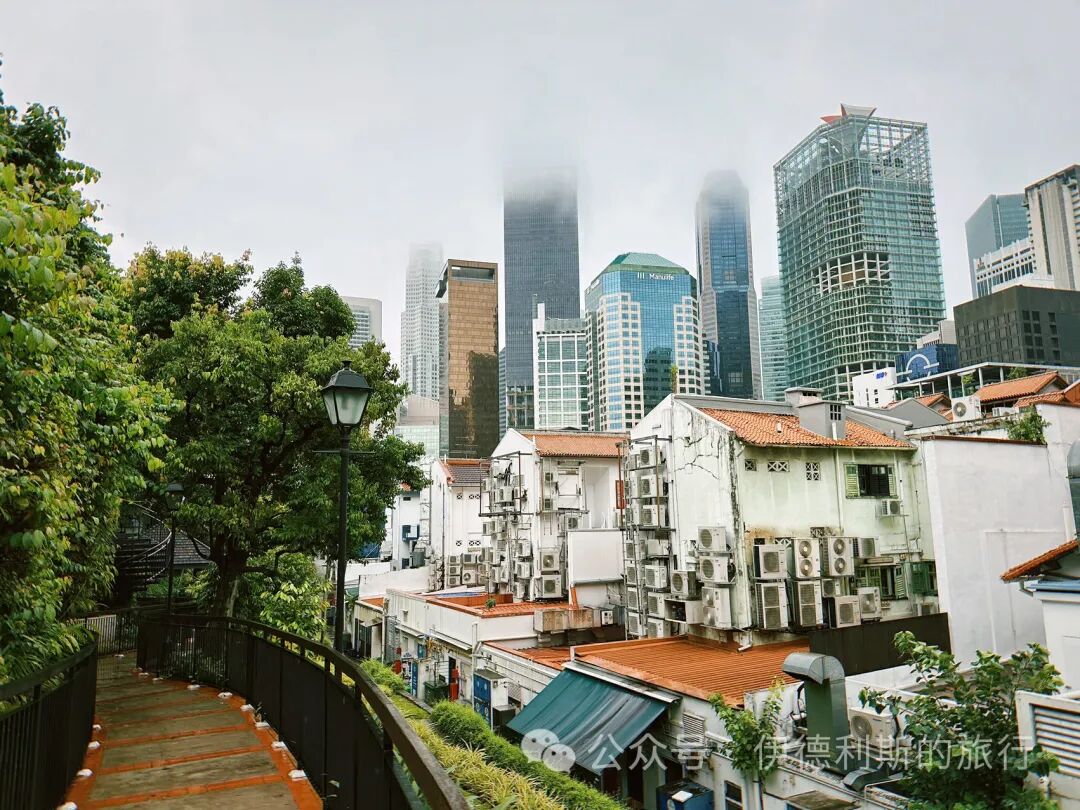
Jamae Mosque is located on South Bridge Road in Singapore's Chinatown. It was the main congregational mosque built by the Chulias in Chinatown, and like Al-Abrar Mosque, it is also known as a Chulia mosque.
Jamae Mosque was founded in 1826 and rebuilt into its current form between 1830 and 1835. The mosque's main gate has a distinct South Indian style. It features two seven-story towers on either side, each with a pair of niches on every level, and a central design modeled after a traditional Indian fortress gate. The design is very intricate. The main prayer hall features the neoclassical style typical of Singapore's colonial era, the same style used for the Old Parliament House built during the same period.
Today, Jamae Mosque remains a place of worship for Chulia Muslims and is one of the few mosques in Singapore that offers religious classes in the Tamil language. This was also my first time seeing the walls of a main prayer hall inscribed in three languages: Arabic, English, and Tamil.
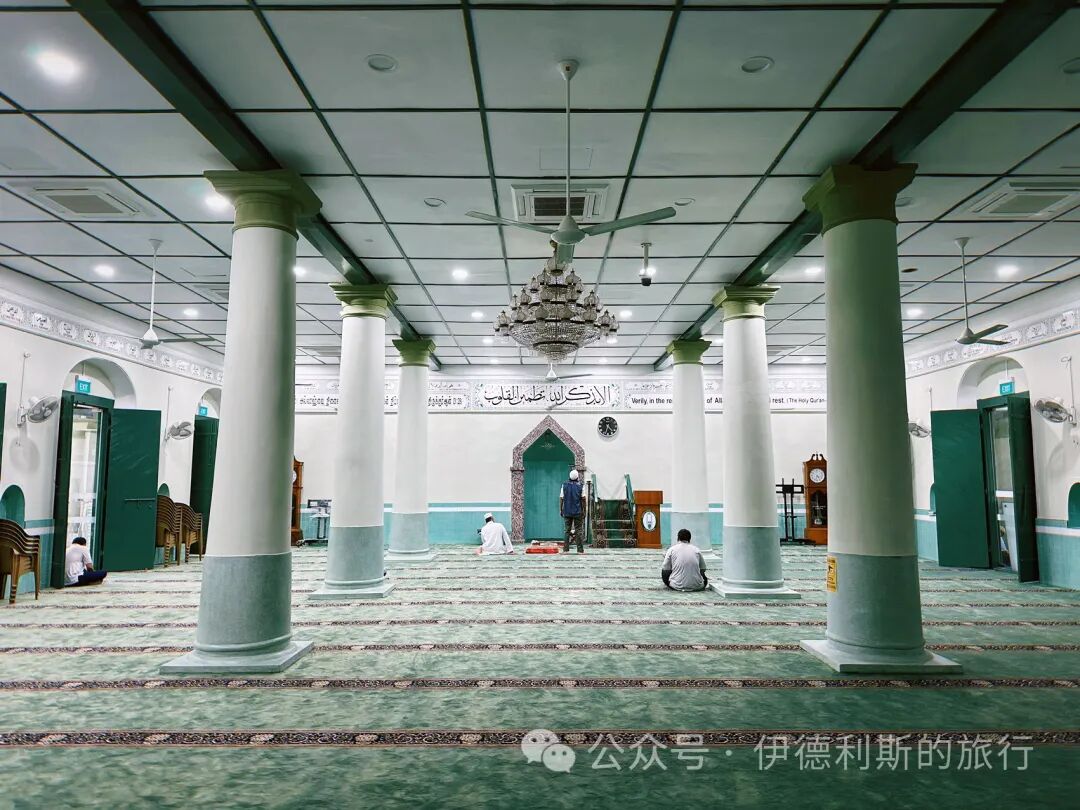
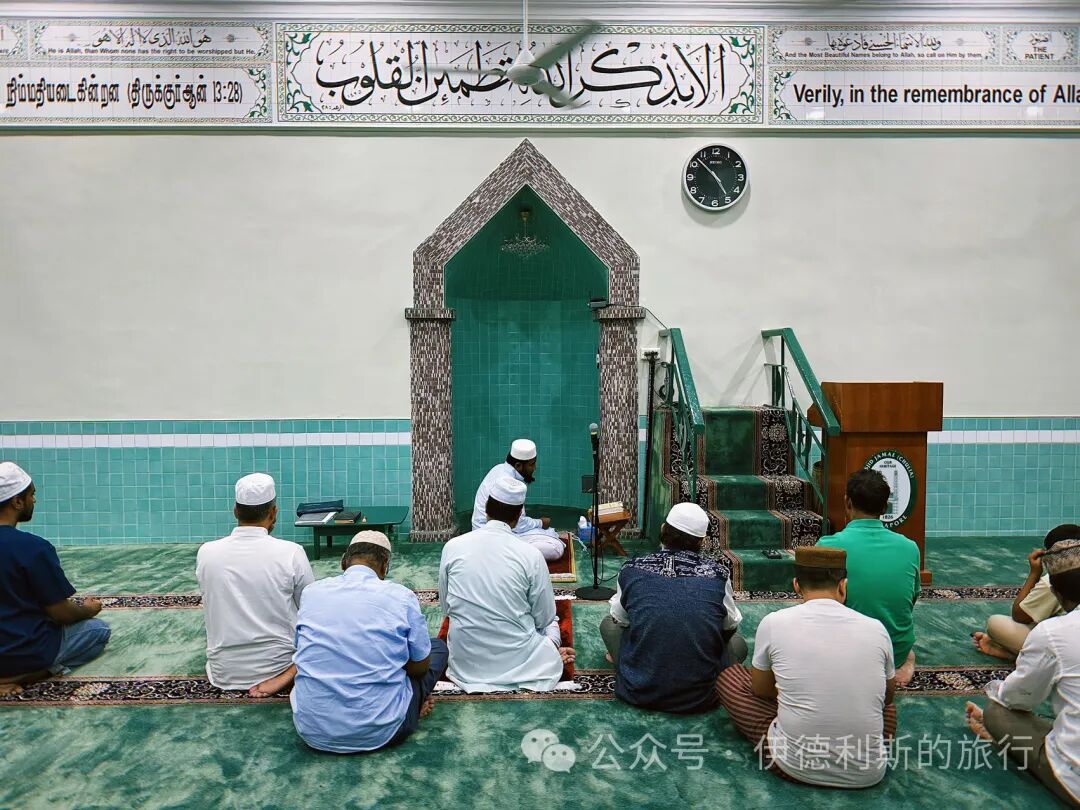
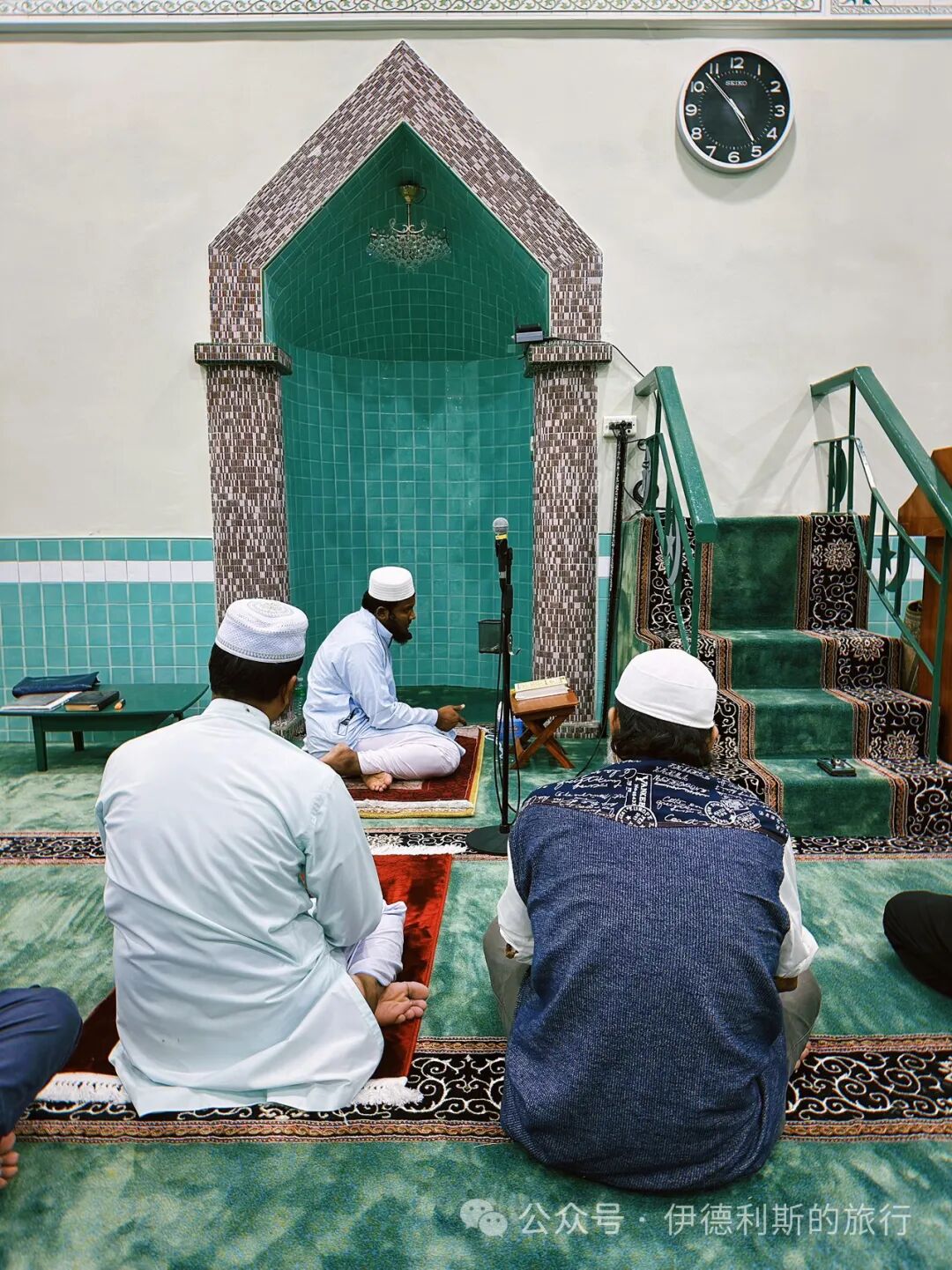
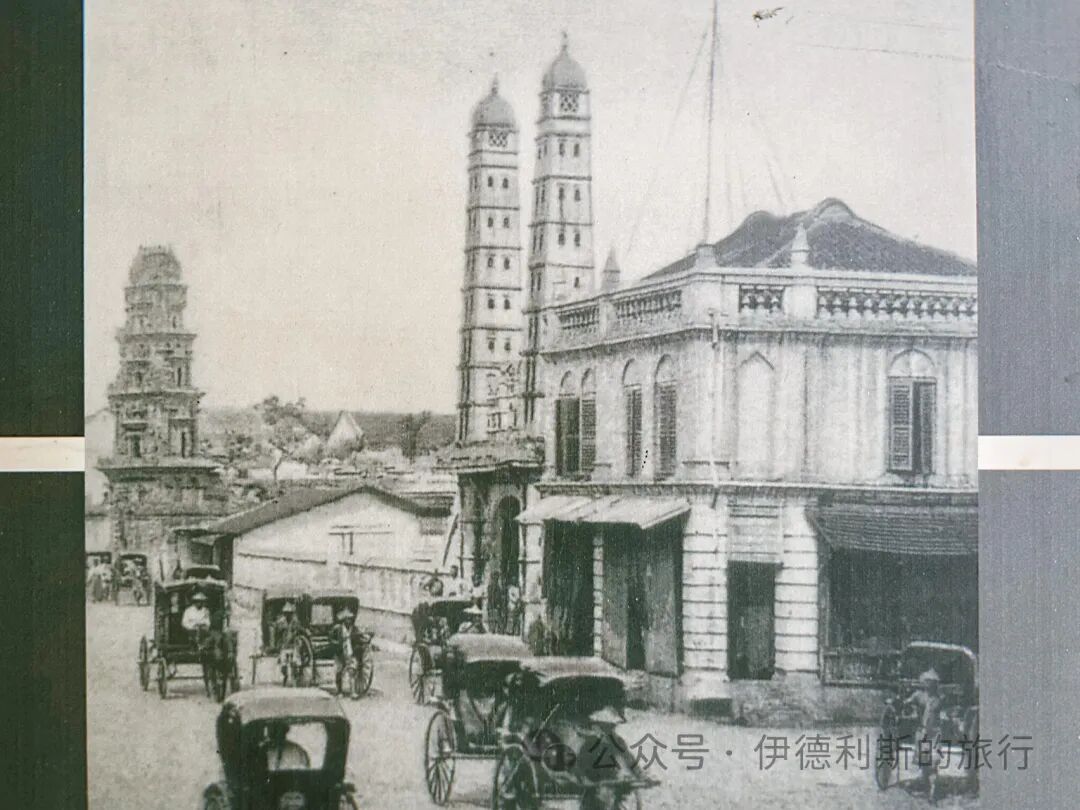
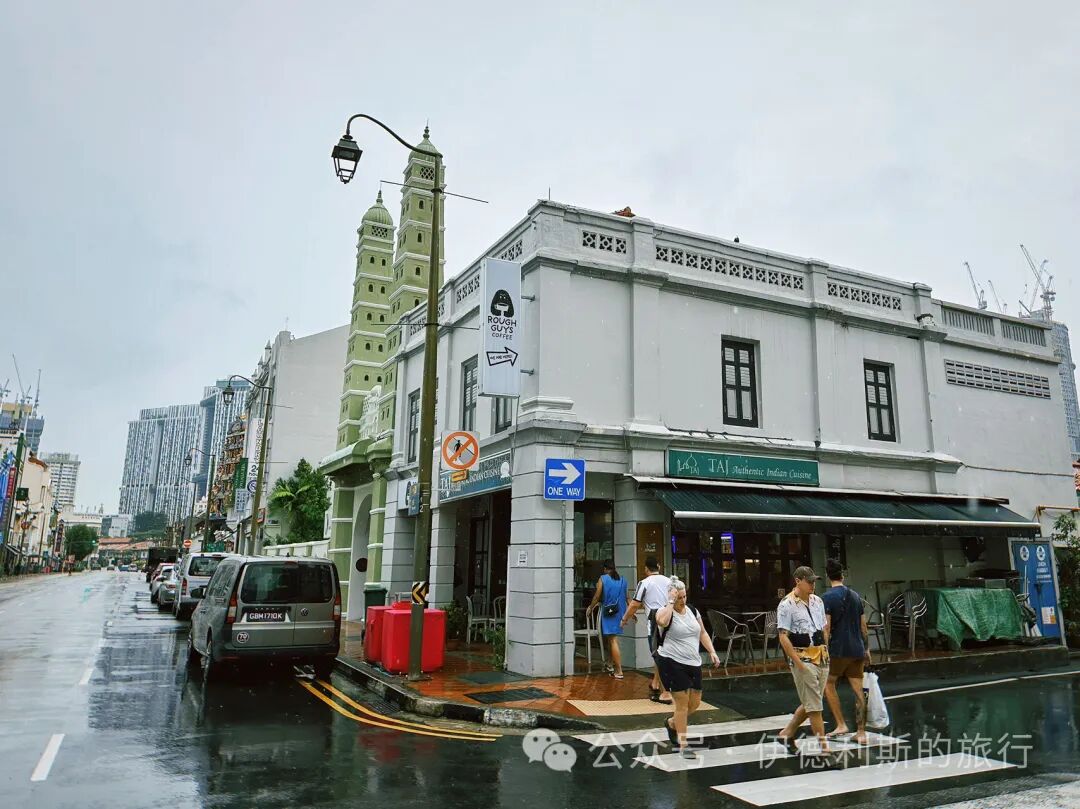
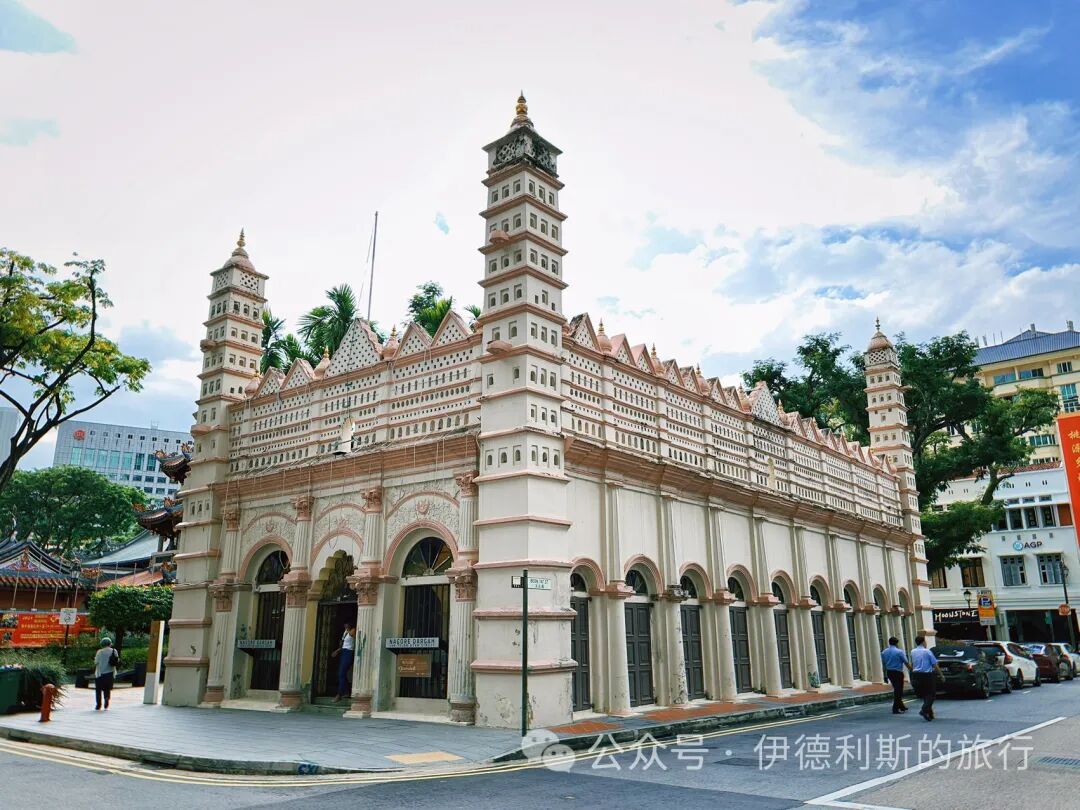
The Nagore Dargha mosque (Nagore Dargha) is located on Telok Ayer Street, not far from the Al-Abrar Mosque. It was built by the Chulia people between 1828 and 1830 and serves as an important Sufi shrine (gongbei) for the Chulia community in Singapore.
The Nagore Dargha mosque was built to honor the famous 16th-century Indian Sufi saint, Syed Shahul Hamid. Shahul Hamid arrived in the town of Nagore in the Tamil Nadu state of southeastern India in 1533 to preach, and he passed away there in 1570. Legend says he performed many miracles in Nagore and even healed the king of the Vijayanagara Empire in India. To honor Shahul Hamid, locals built a shrine (gongbei) over his tomb. It later became an important Sufi center for Tamil Muslims, and many sailors and seafarers would visit the shrine to offer dua for a safe journey before heading out to sea.
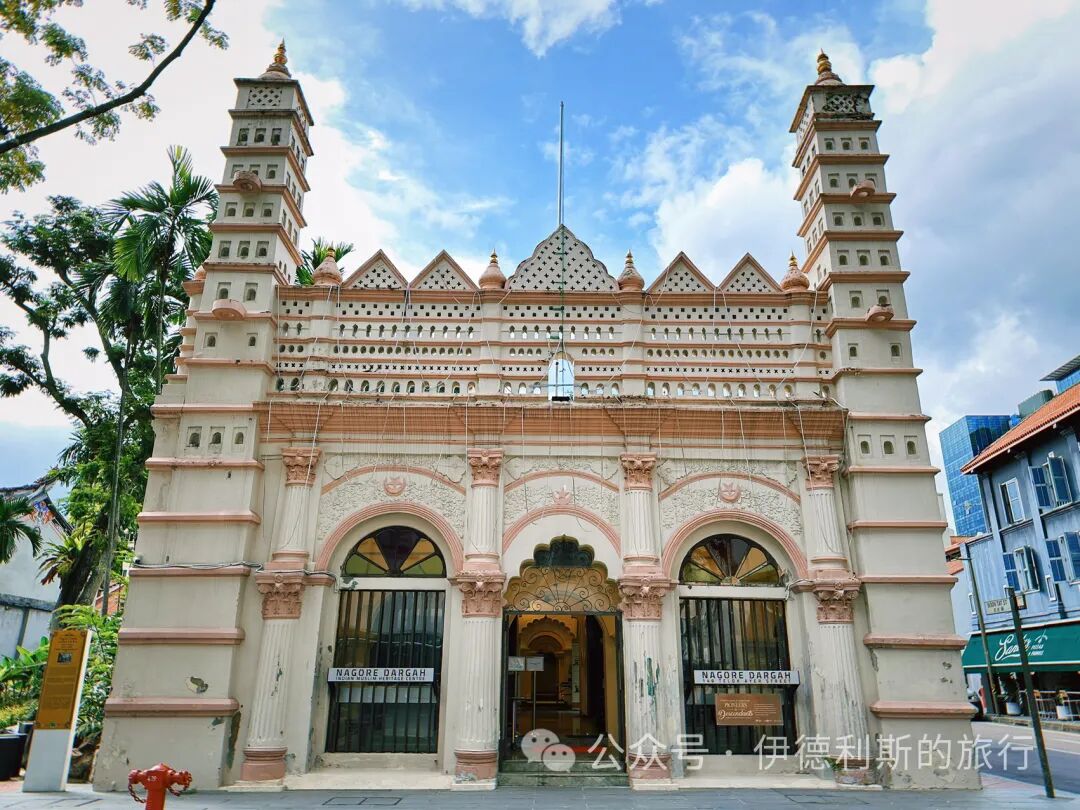
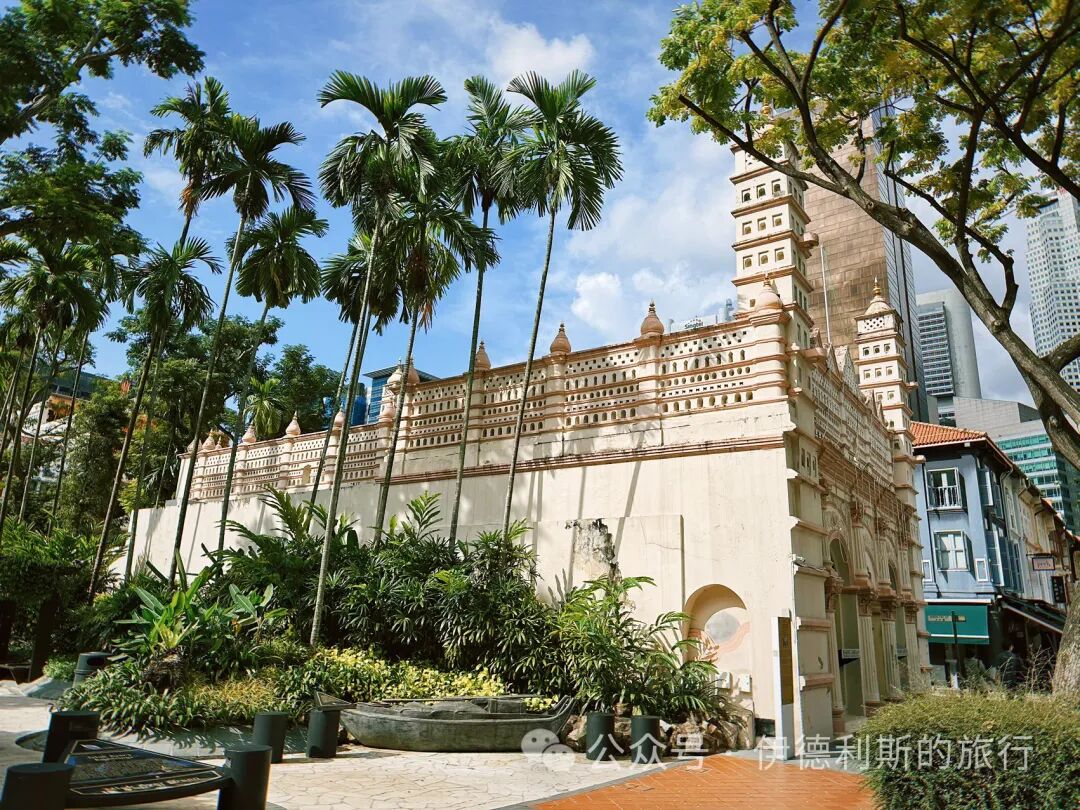
After Tamil Muslims immigrated to Penang and Singapore in the 19th century, they built a shrine in each city to honor the saint, modeling the architecture after the original shrine in Nagore. The Singapore shrine uses an eclectic style, featuring a 14-tier square minaret with niches on the outside, and Doric-style pilasters, arches, and large French-style windows on the inside.
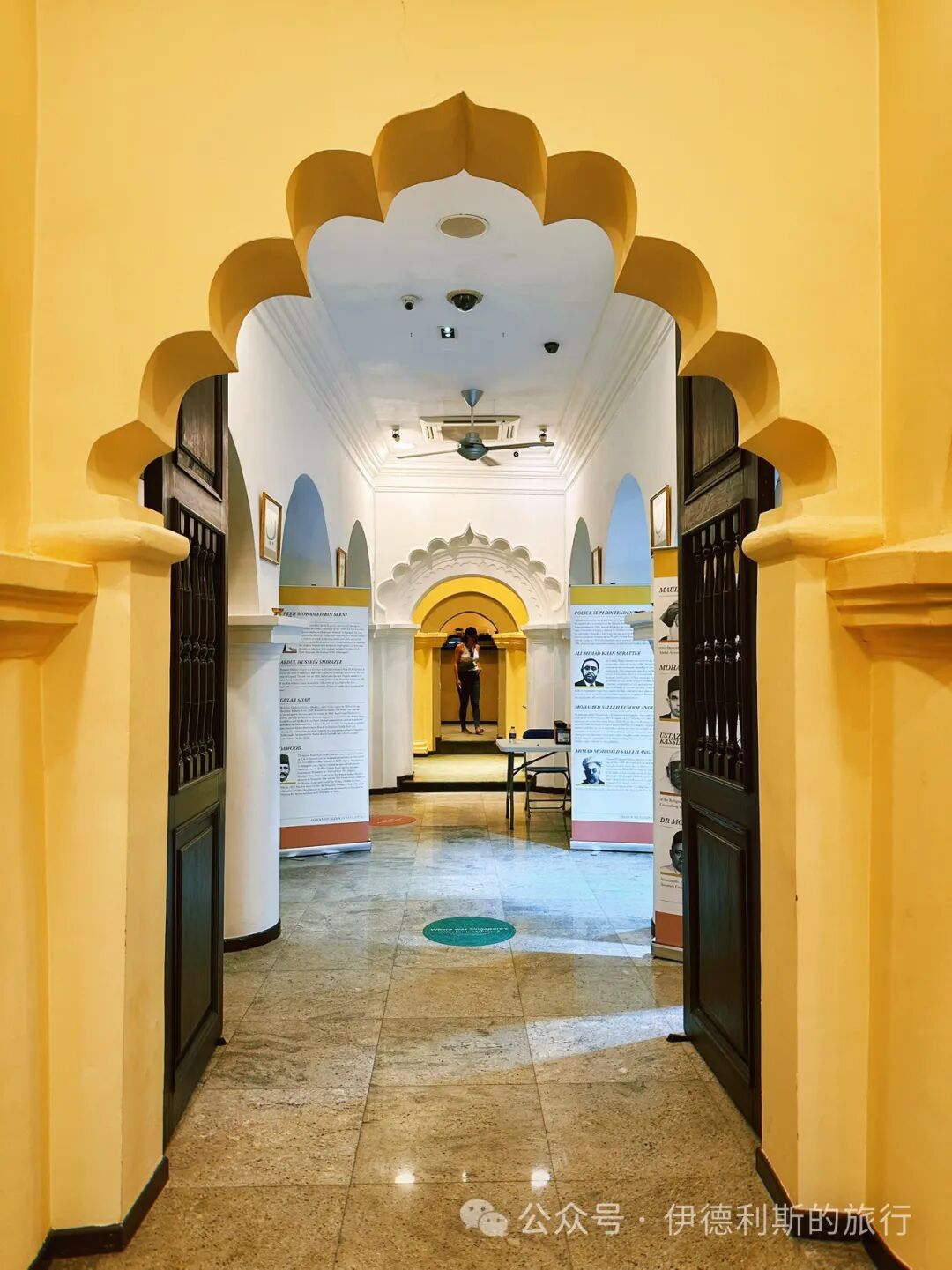
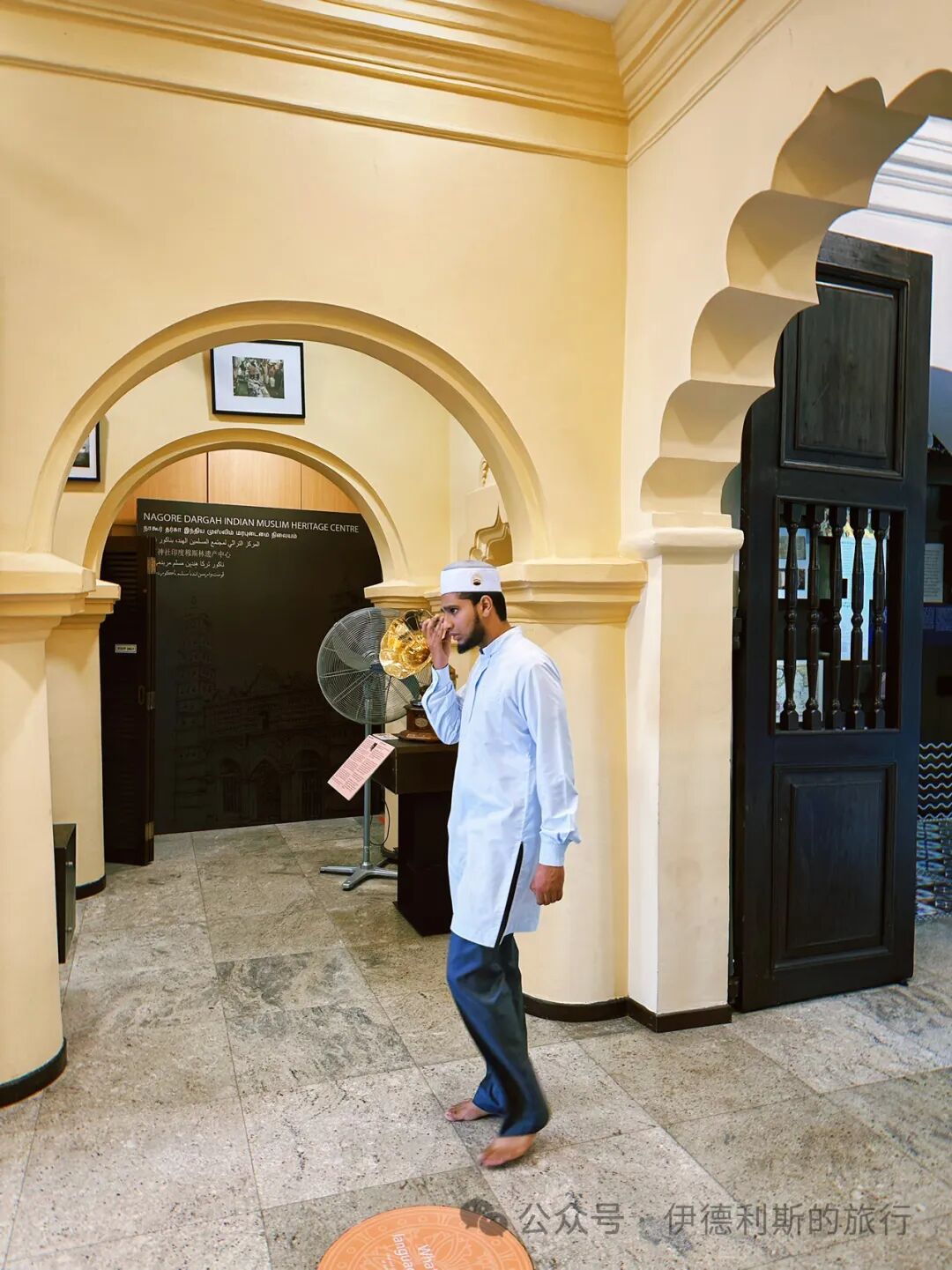
In 2011, the Nagore Dargha mosque became the Indian Muslim Heritage Centre, which provides a detailed introduction to the history and culture of Indian Muslims in Singapore.
A Quran (Guerani) copied around 1900, which uses a rare linen binding method.
An introduction to the Arwi script. Arwi is a script that uses Arabic letters to write the Tamil language, similar to the Xiao'erjing (xiaojing) used by Hui Muslims. The Arwi script includes 13 additional letters not found in the Arabic alphabet.
Items from an Indian Muslim wedding in Singapore during the 20th century.
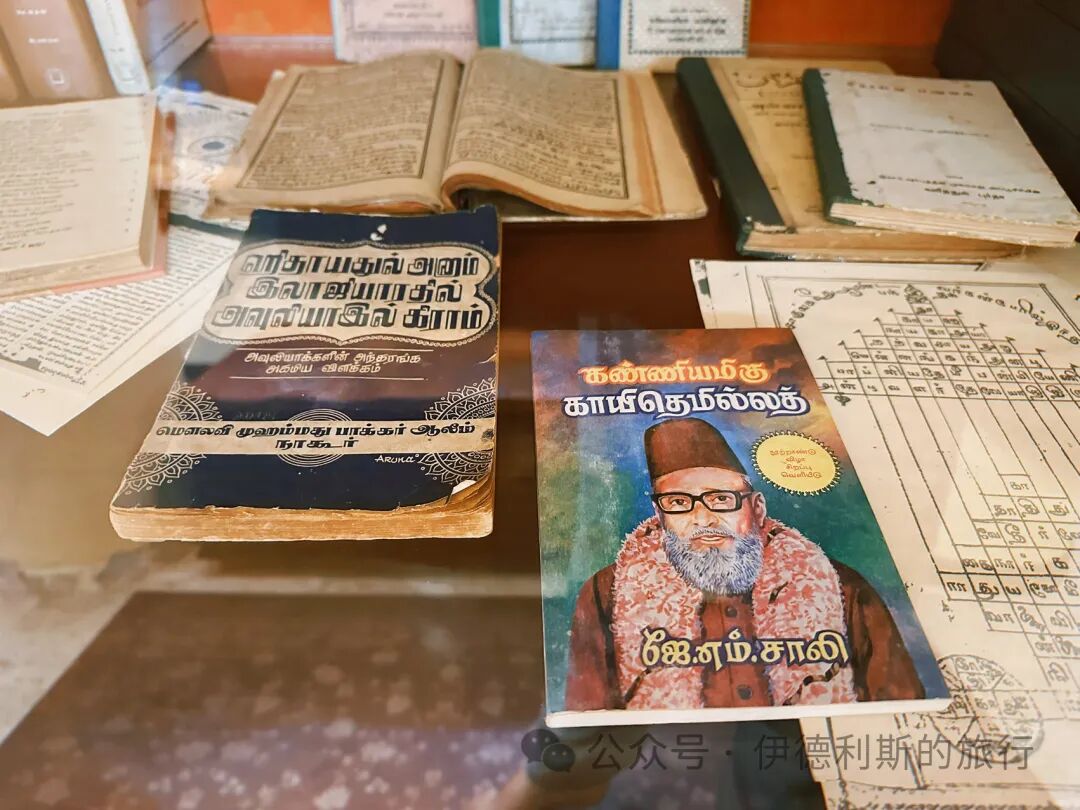
Tamil language works by Singaporean Tamil Muslims.
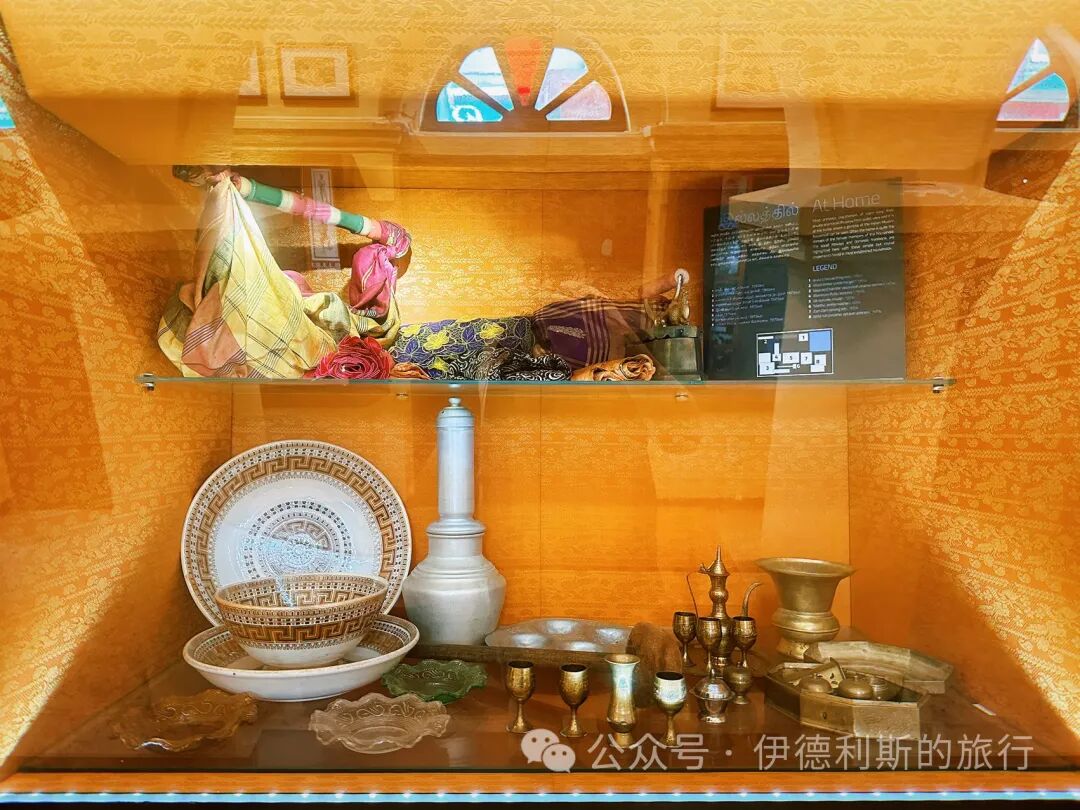
Daily items used by Indian Muslims in Singapore.
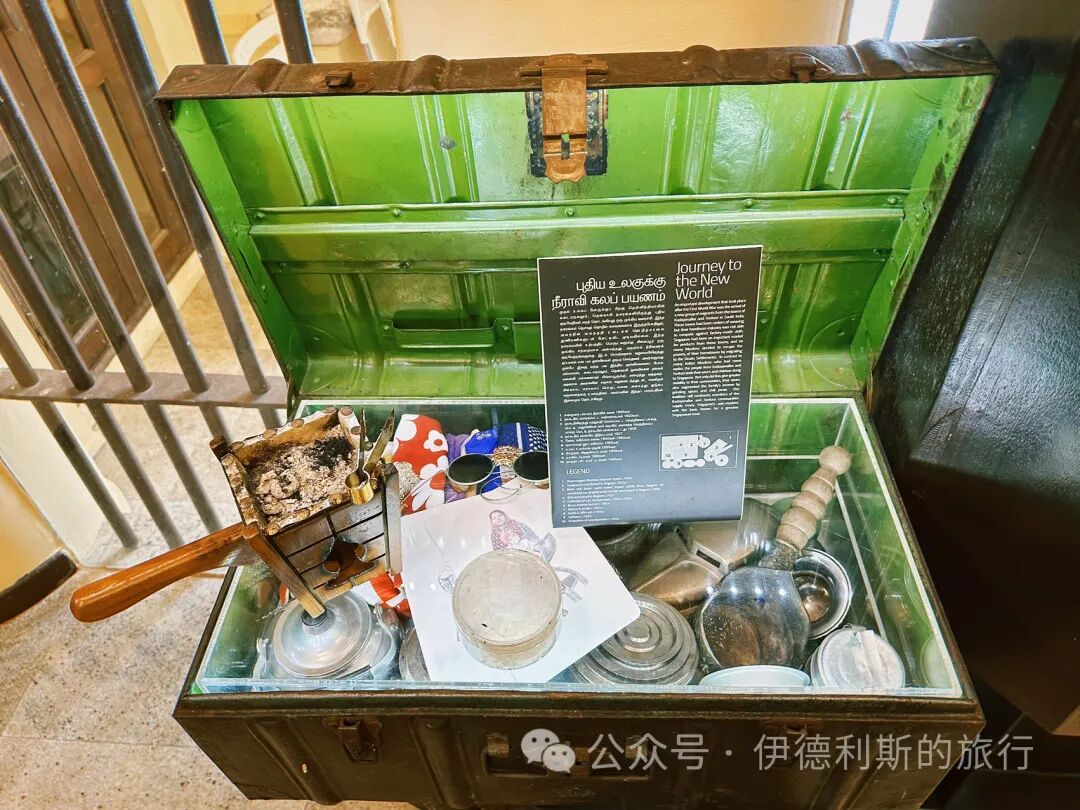
Items brought by Muslim families who arrived in Singapore from Kadayanallur and Tenkasi in South India after World War I.
The India of Little India
Mosques, food, and the Indian Heritage Centre
Little India is the busiest and most crowded place I visited in Singapore. It feels bigger and more like India than the Little Indias in Kuala Lumpur and Penang. Along the sides of the covered walkways (qilou) are various Indian restaurants, flower shops, and grocery stores, with many people of Indian descent busy shopping.
Unlike Chinatown or Kampong Glam, Little India was not designated for the Indian community by Sir Stamford Raffles. It was known as Serangoon until the 1980s. In the 1820s, the British built lime pits and brick kilns along Serangoon Road, and Indian laborers began working there. After the brick kilns closed in 1860, Serangoon developed a cattle industry, followed by the establishment of slaughterhouses, tanneries, and milk vendors. These industries attracted more Indians to settle here, along with others who worked nearby as port laborers and junior office clerks.
The British colonial authorities began building covered walkways (qilou) in Serangoon in the 1920s. More Indian immigrants arrived to open shops selling Indian saris, spices, and flowers, and the layout of Little India was officially formed. After Singapore was established in 1965, the government carried out urban renewal in Serangoon to improve living conditions for the local Indian residents. In the 1980s, to promote tourism, Singapore officially named the area Little India.
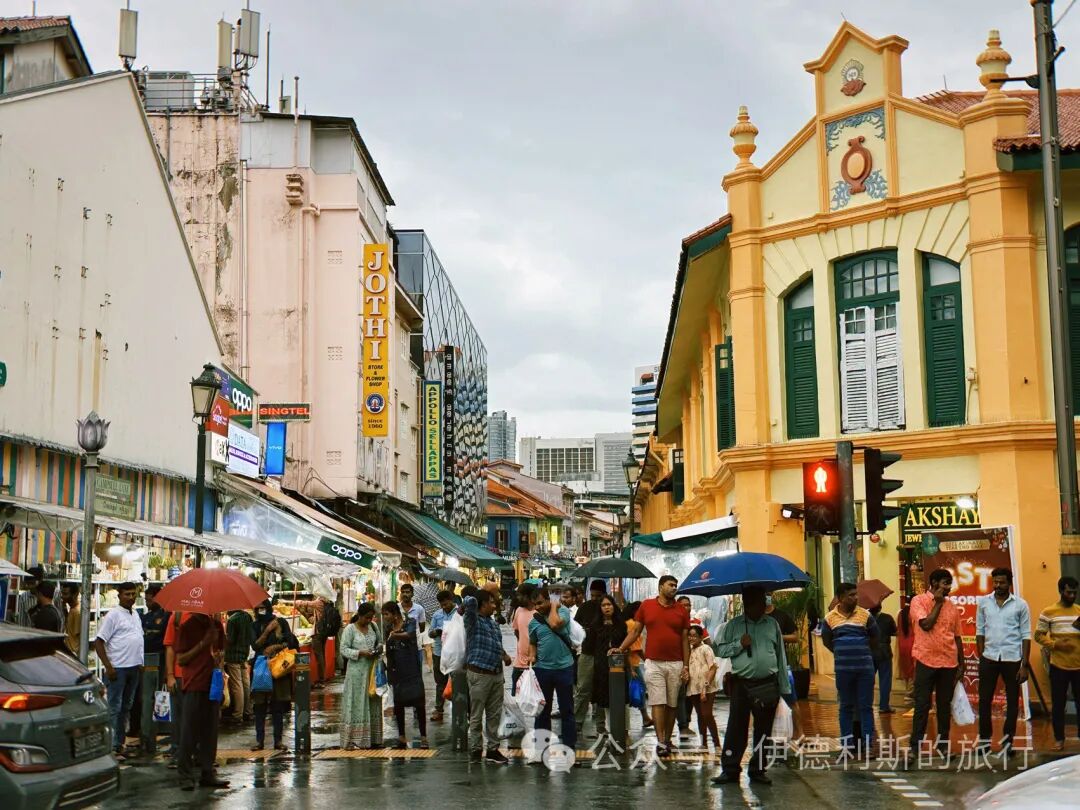
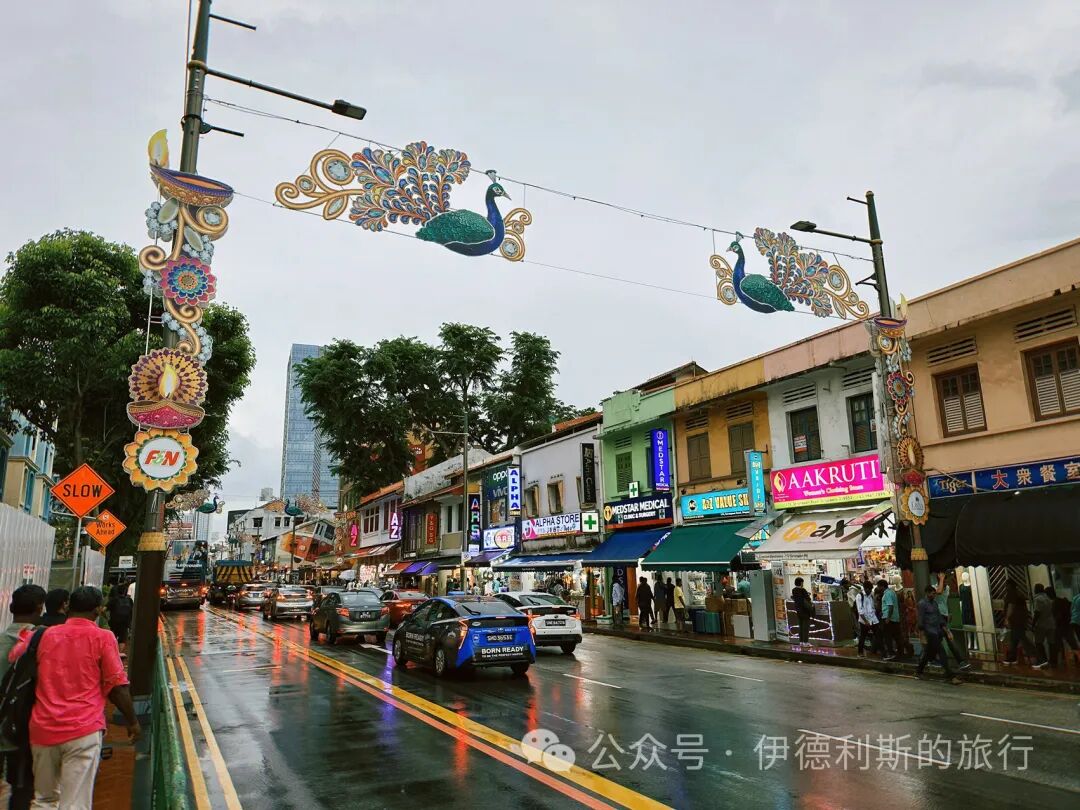
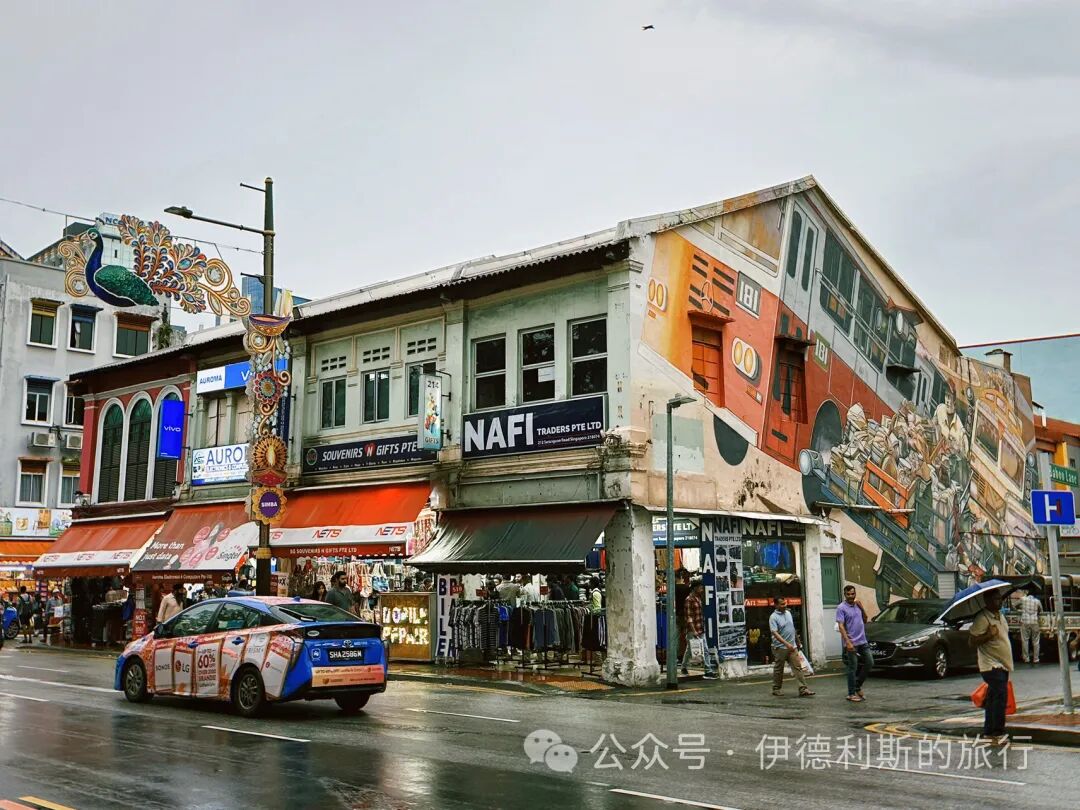
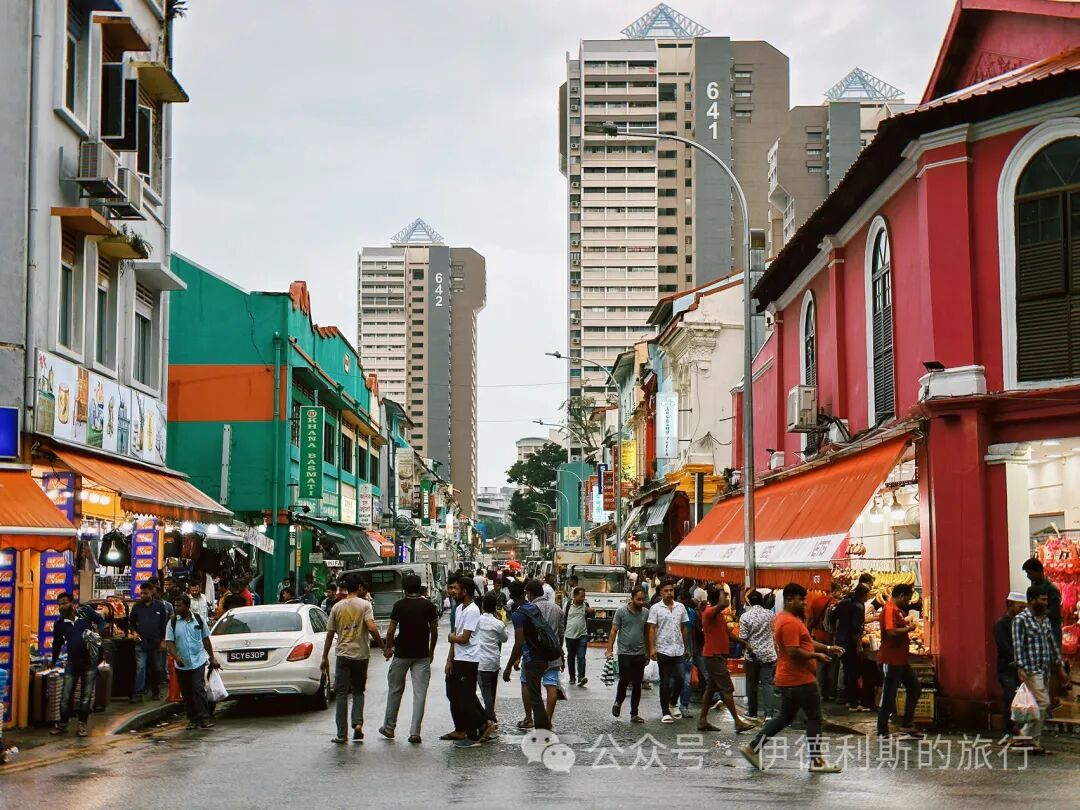
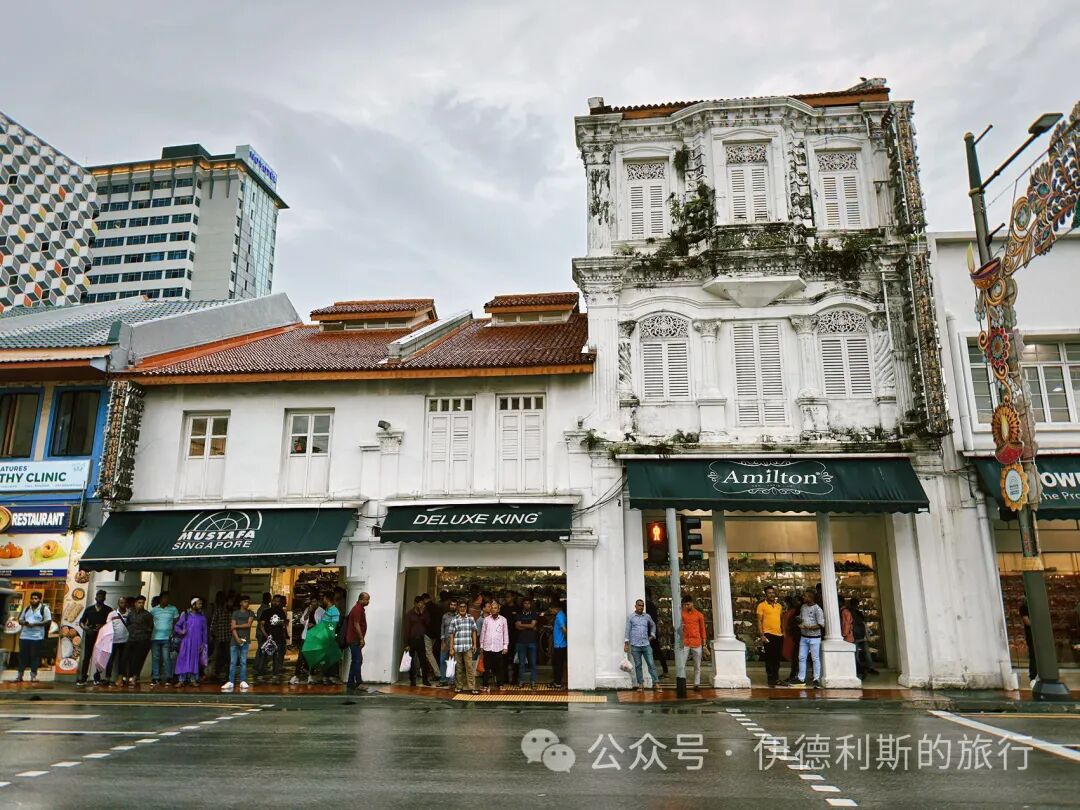
Abdul Gafoor Mosque is located at the southern end of Little India. It dates back to 1859, and in 1907, it was rebuilt into its current structure by Shaik Abdul Gafoor, a South Indian Tamil Muslim who worked as a chief clerk at a law firm. Abdul Gafoor raised funds by building shophouses near the mosque, some of which still stand today.
Abdul Gafoor Mosque blends Saracenic (Mughal Revival) style with Neoclassical style, featuring complex arch designs and a dome inspired by ancient Roman architecture. It is very interesting that you can see a basement inside the main prayer hall. It was only rediscovered in 1998, and after renovations, the hall can now accommodate 1,200 people.
The original congregation of Abdul Gafoor Mosque mainly consisted of Tamils from South India and Baweanese people from Bawean Island in East Java. At that time, many Tamils worked nearby as merchants and port laborers, while many Baweanese worked as horse trainers and grooms at the adjacent racecourse. The mosque installed electric lighting in 1928, making it the first mosque in Singapore to have electric lights.
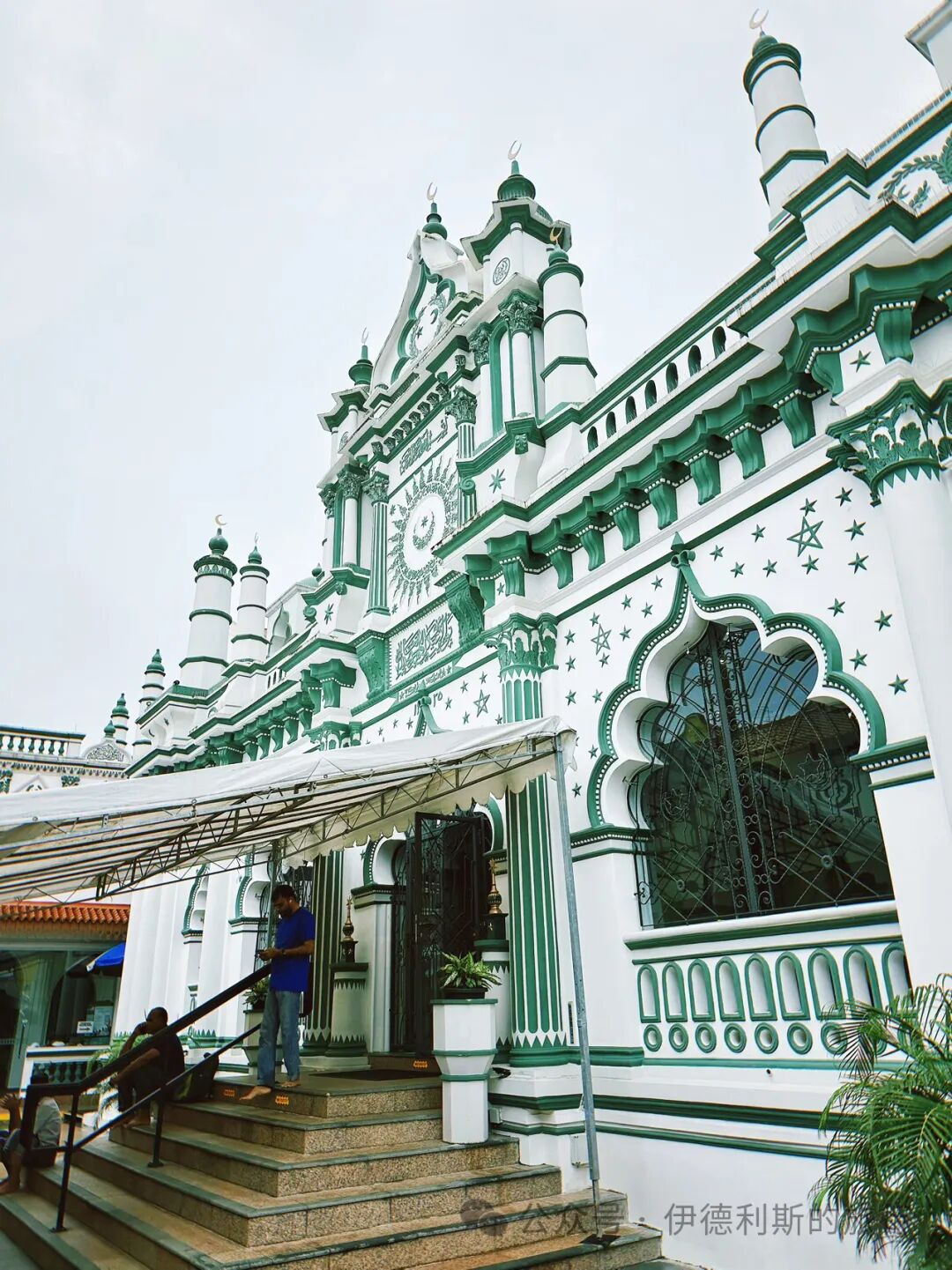
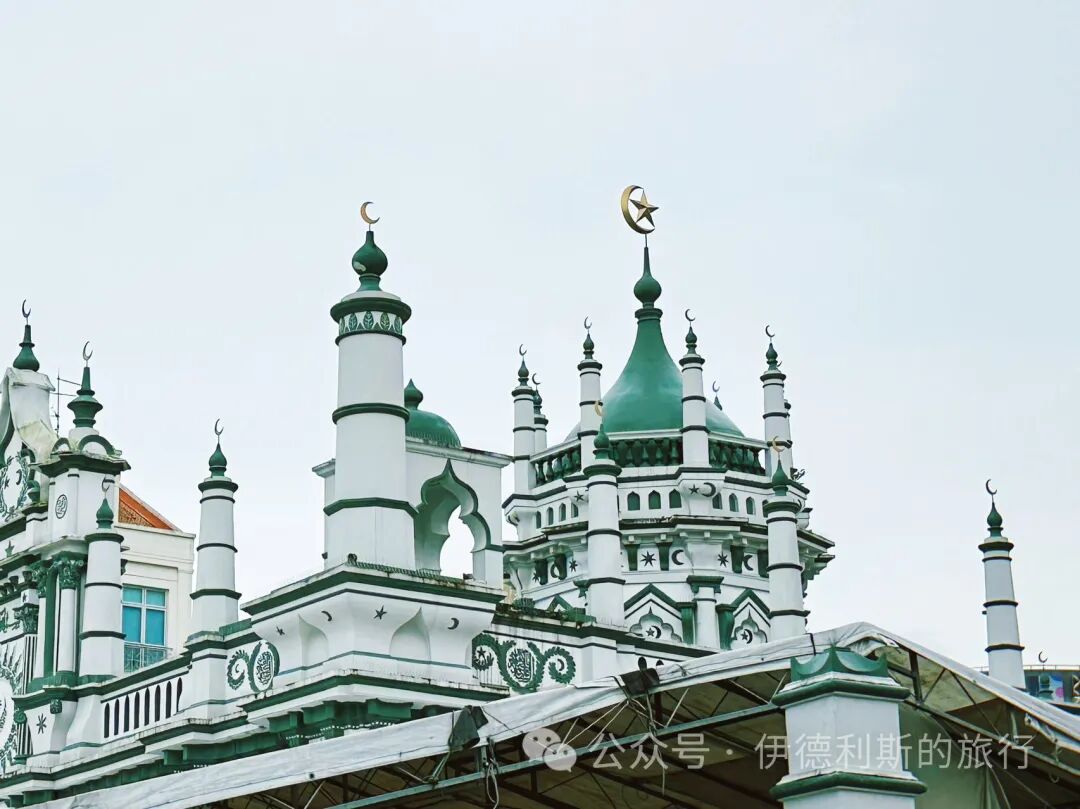
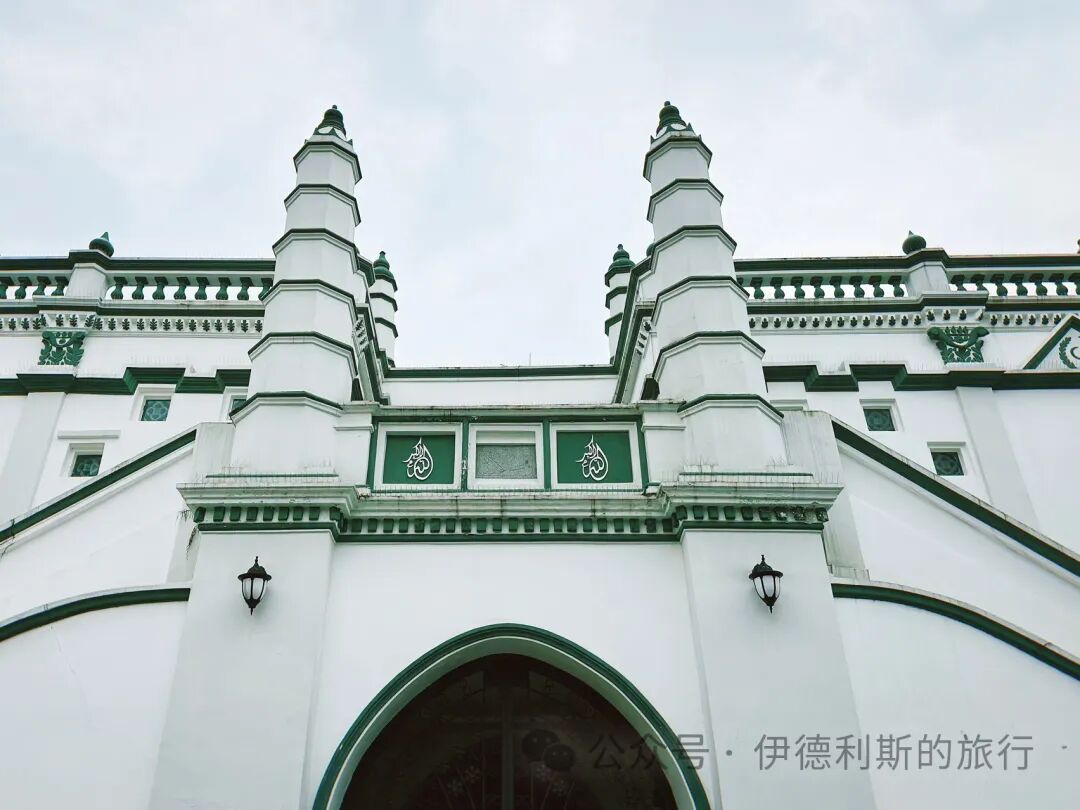
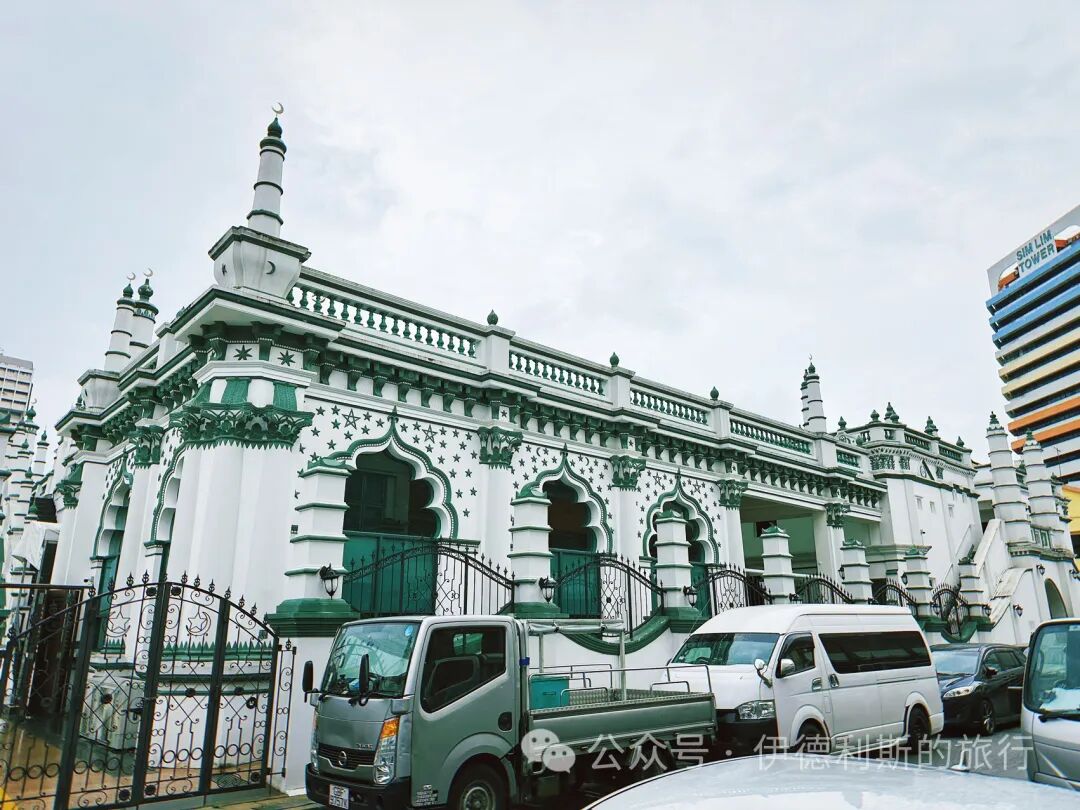
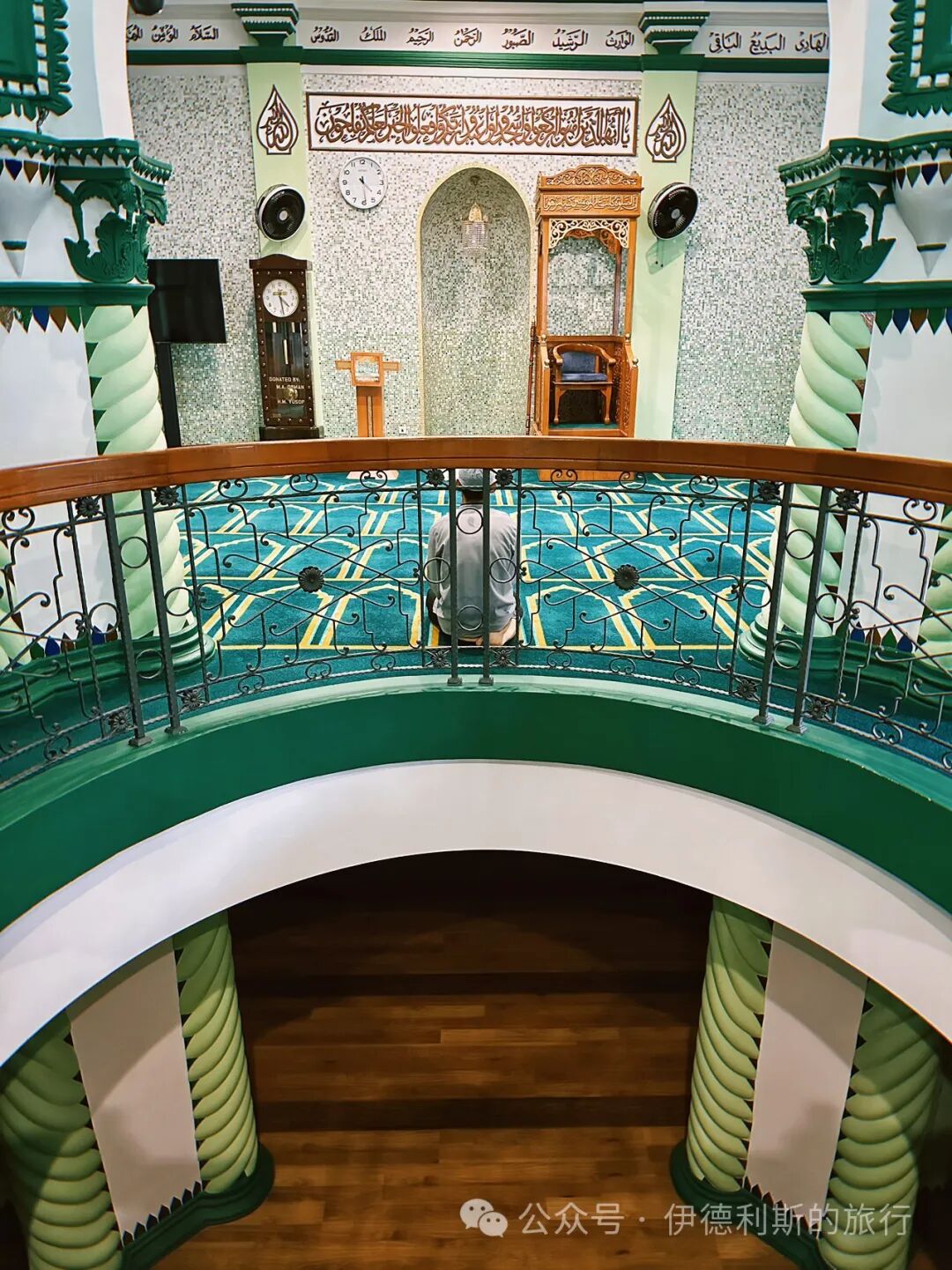
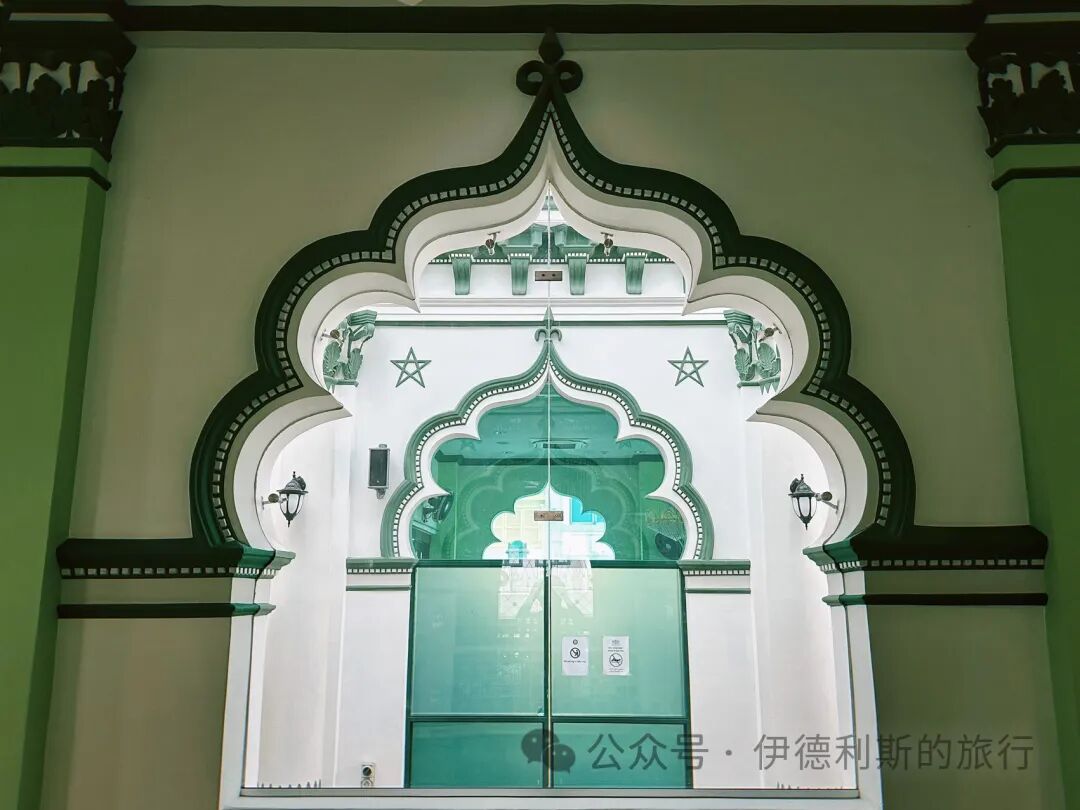
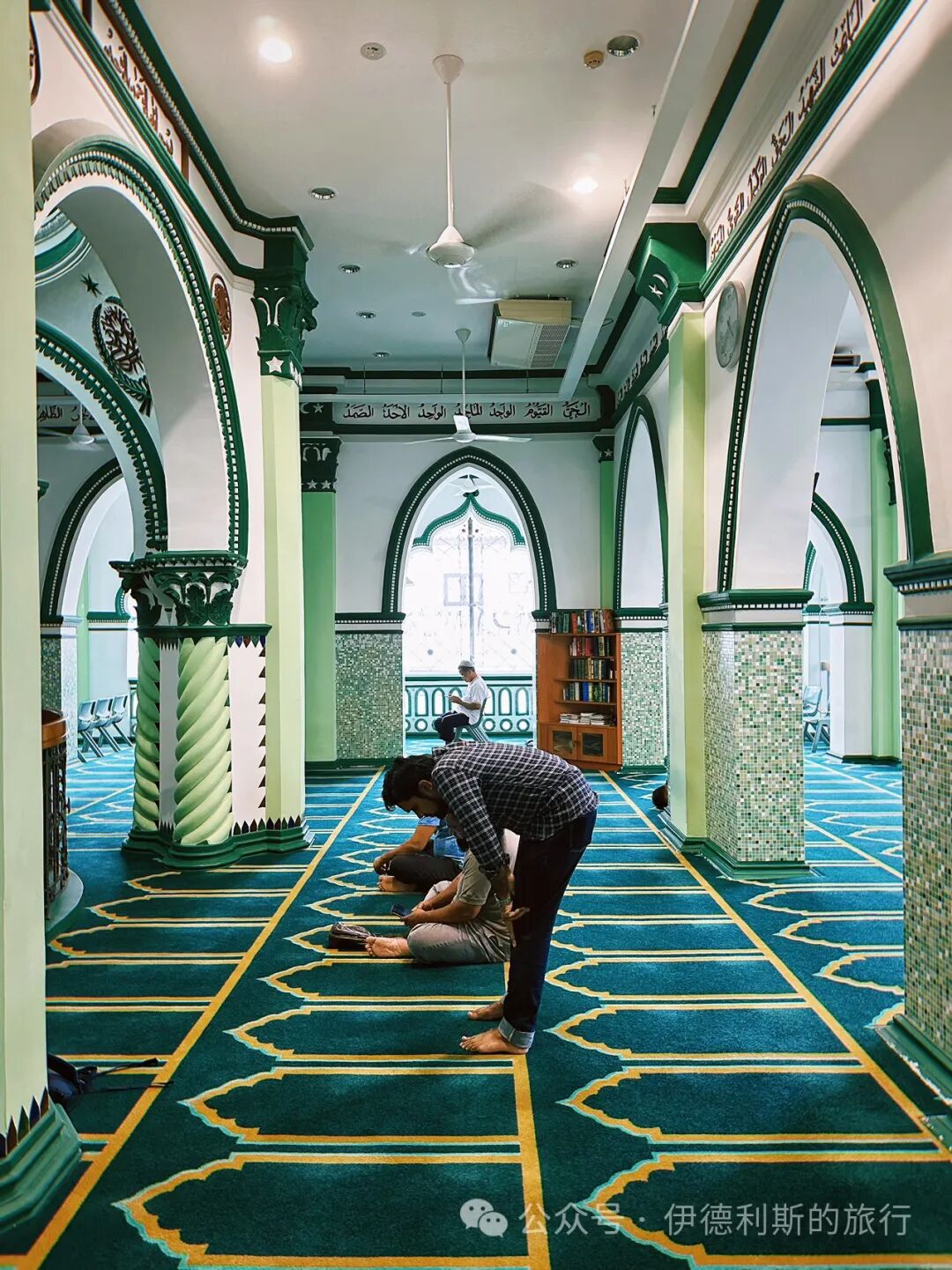
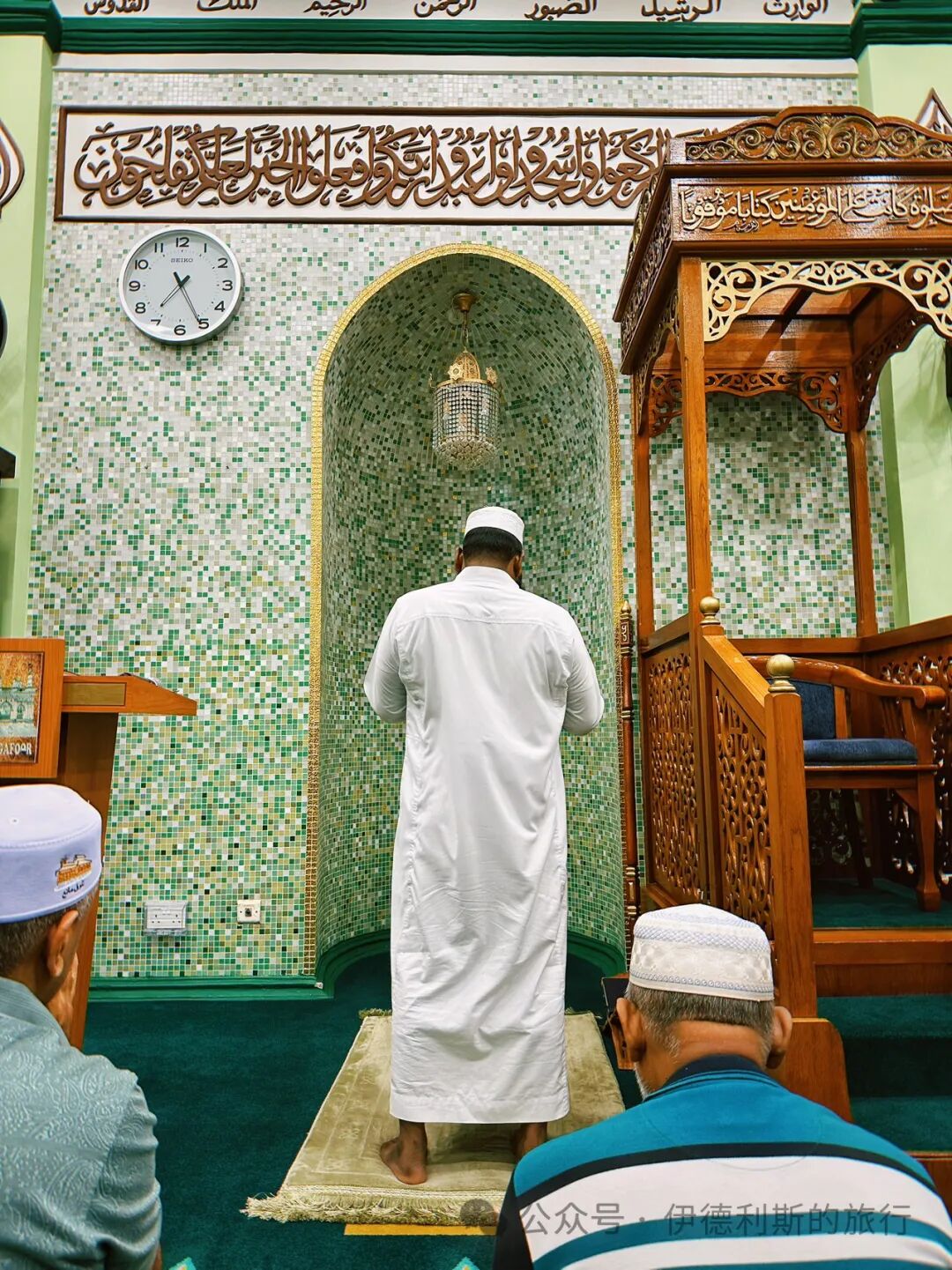
Today, Abdul Gafoor Mosque continues to serve the South Indian Tamil Muslim community in Singapore and offers religious classes in the Tamil language. This is also one of the few Hanafi mosques in Singapore, where the way of performing worship is the same as that of Hui Muslims, unlike the Shafi'i school followed by the Malay people. The prayer time here is one hour later than in other Shafi'i mosques. At other times, you can see some Muslims who follow the Shafi'i school forming their own separate prayer group at the back of the main hall, which is a very unique scene in Singapore.
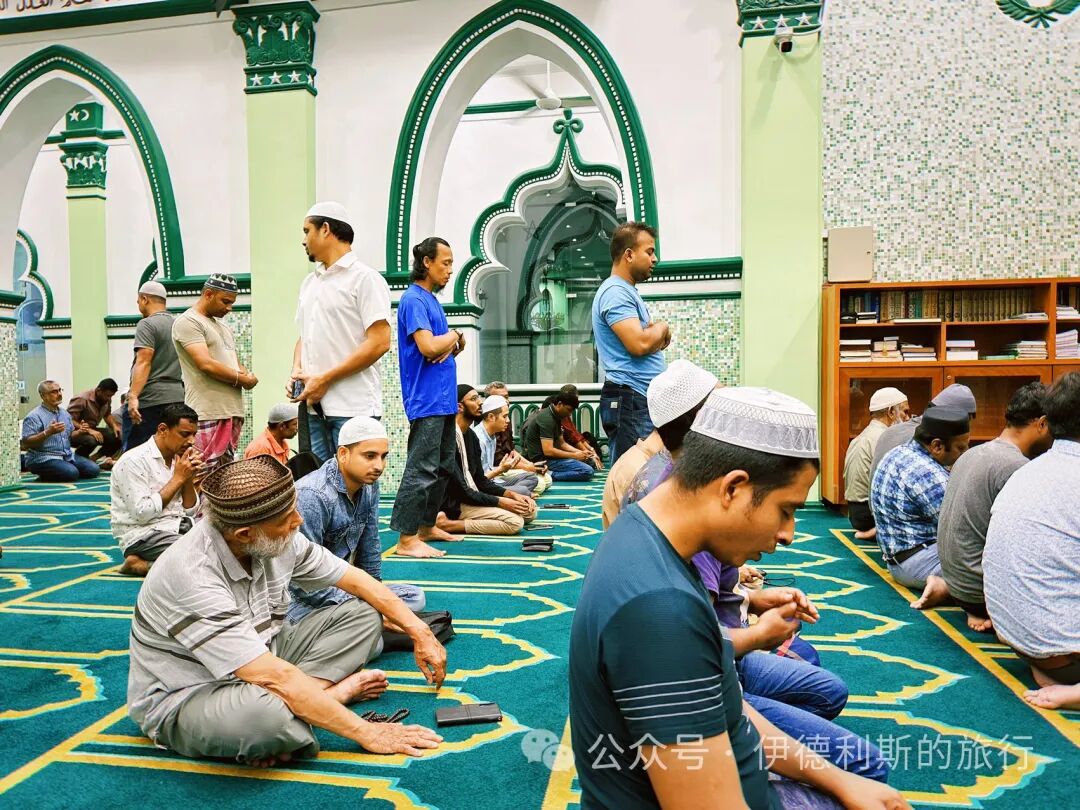
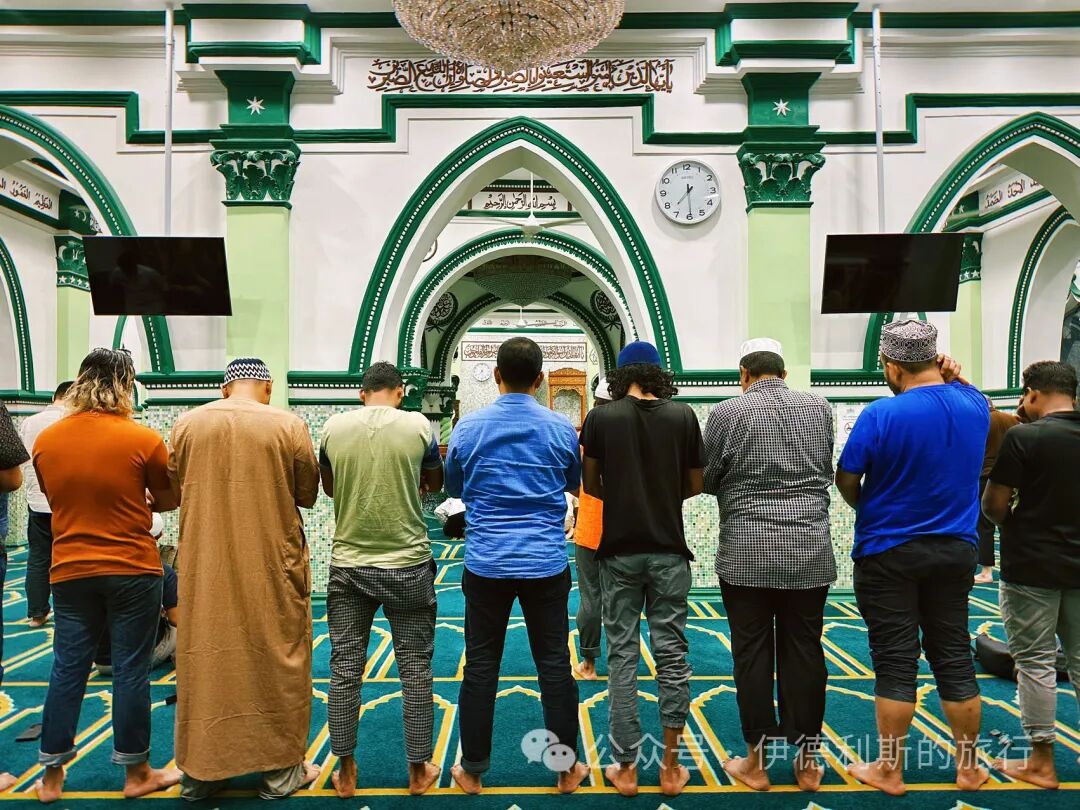
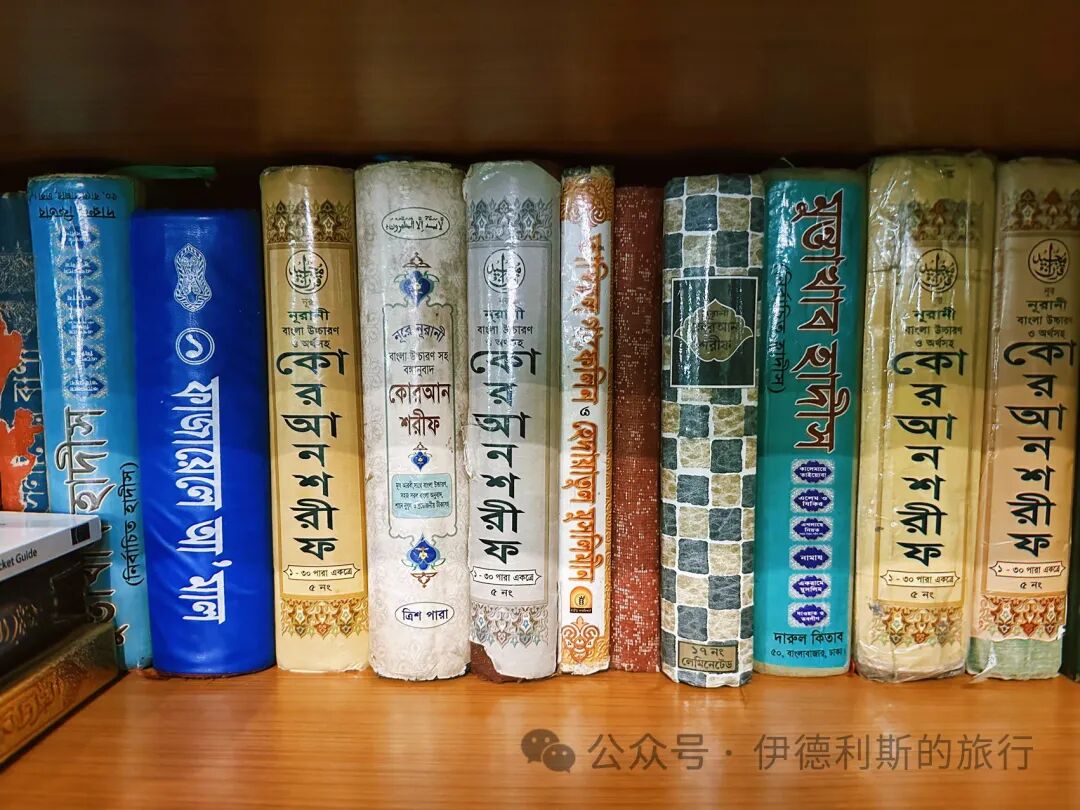
At the Indian restaurant by the mosque entrance, everyone drinks lamb bone broth (yangtang) after namaz. It is very comfortable to have a bowl on a rainy day.
Opposite Abdul Gafoor Mosque, at the northern end of Little India, is Angullia Mosque, which was established by Gujarati Muslims from western India. The Angullia family came to Singapore from Gujarat state in the 19th century to do business. In the late 19th century, Mohammed Salleh Eussoofjee Angullia accumulated great wealth through the trade of spices, sugar, timber, and tableware, becoming a prominent figure in Singapore's Indian Muslim community. In 1890, the Angullia family donated the land, and Angullia Mosque was built in 1892. The Angullia family has managed the mosque ever since.
Angullia Mosque was rebuilt in 1970 and expanded again in 2020 to its current appearance. Only the gatehouse built in 1890 has been preserved to this day. Angullia Mosque is the mosque where I have seen the largest number of people praying in Singapore. As the time approached, a queue formed outside the ablution area. People filled the entire main hall, and those who arrived late had to wait outside because they could not get in. After namaz, the imam immediately told everyone to leave in an orderly manner, and the people waiting outside would form a new prayer group after everyone left.
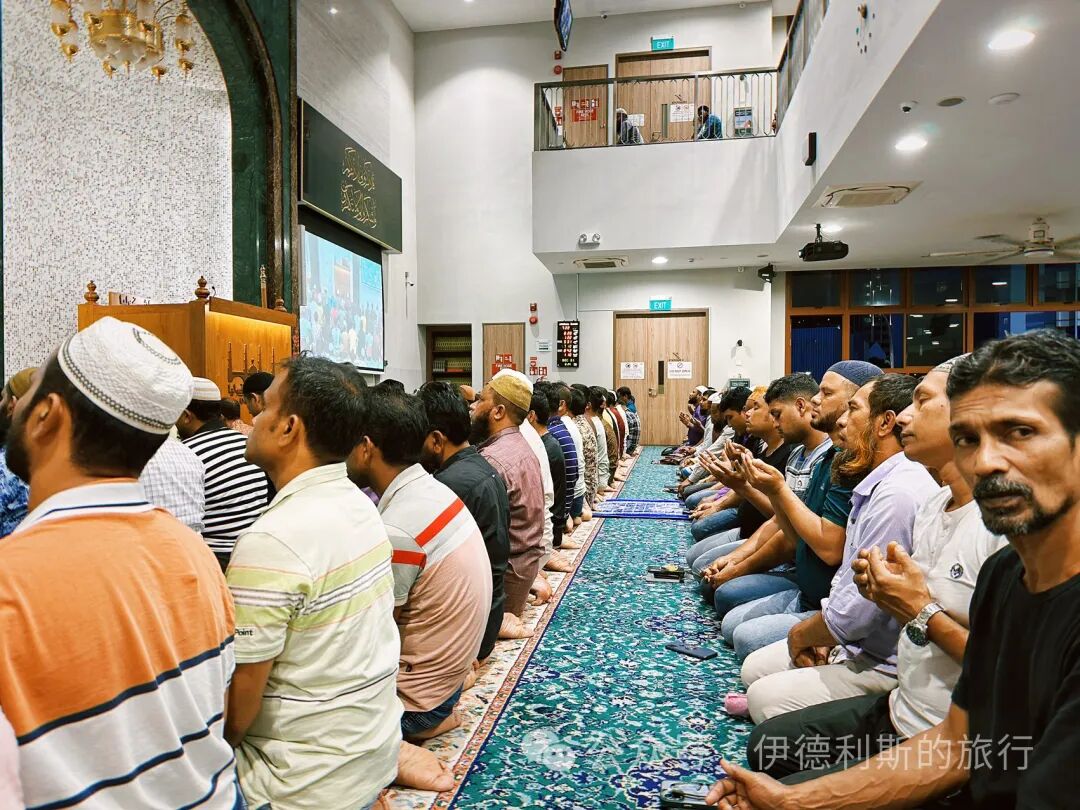
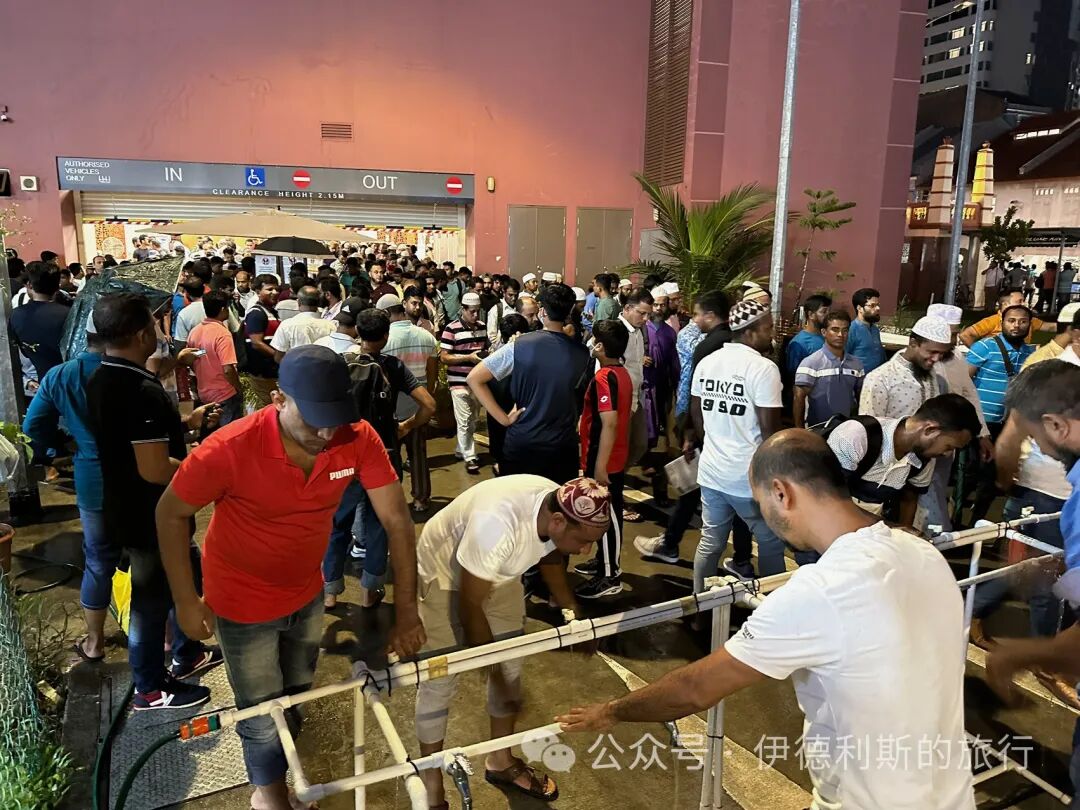
There are water-saving signs in the ablution area, and similar hadith are posted in several places. I think they are quite meaningful.
If you want to experience Indian halal food in Singapore's Little India, the most convenient place is Tekka Centre (zhujiao basha). It has a row of stalls all run by Indian Muslims, and the prices are very cheap. We first drank a bowl of lamb trotter curry soup, which was hot and perfect for a rainy day. Then we ate freshly made almond flatbread (badam naan) with minced lamb curry. Many people eat it this way, tearing off the flatbread to dip into the curry and eating it bit by bit, finally wiping up every last drop of the sauce.
Tekka Centre was first built in 1915. In the 1930s, it became popular for its wide variety of fresh meat, vegetables, and seafood, and was known to the public as the 'People's Market'. The current building was finished in 1981, and most of the stall owners inside have been running their businesses for two or three generations.
I had a cup of pulled tea (teh tarik) at the Tekka Centre, then looked around at the Indian clothing on the second floor. The saris are all very sparkly, and there are tailor shops where you can buy fabric and have clothes made on the spot.
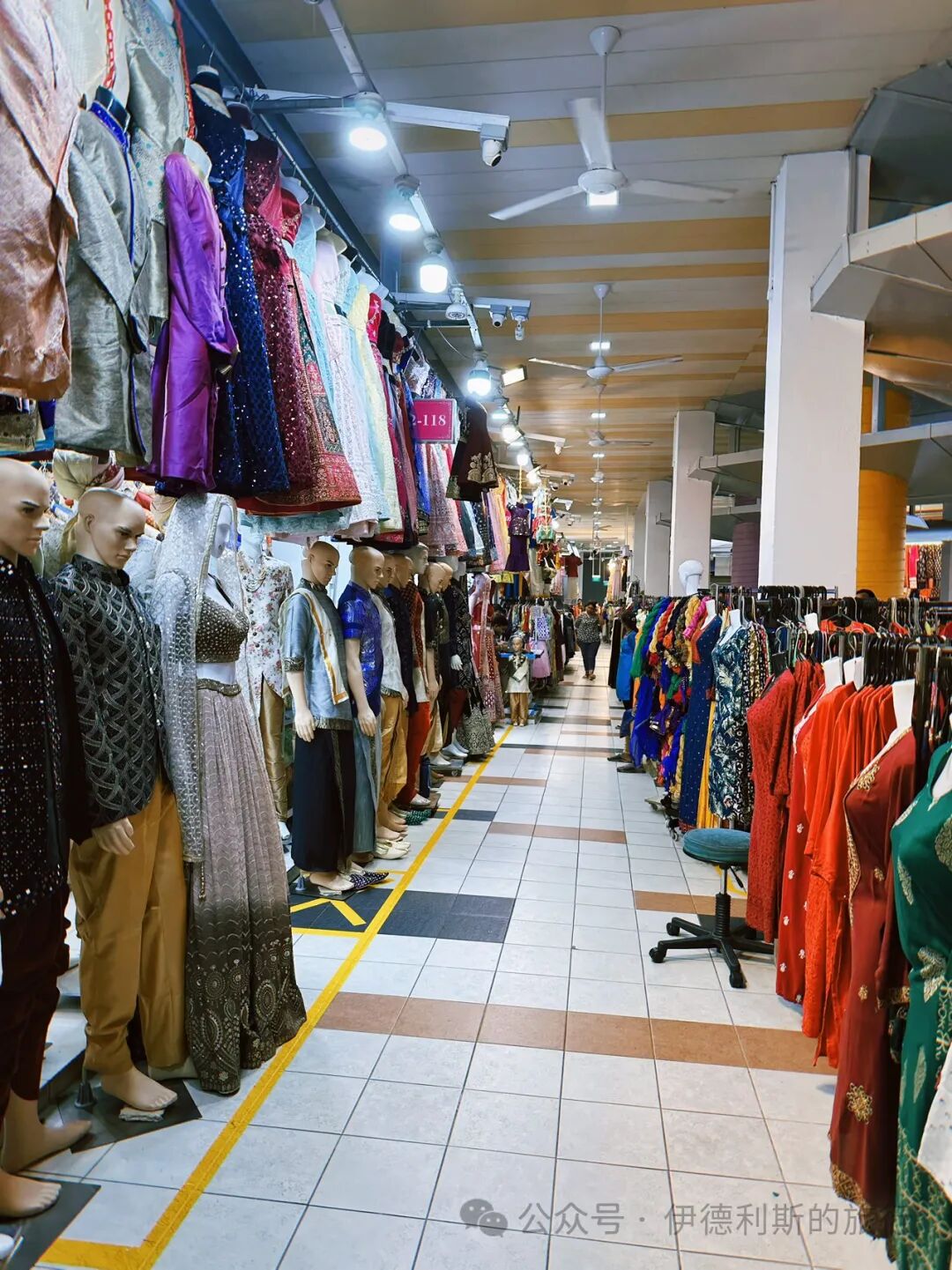
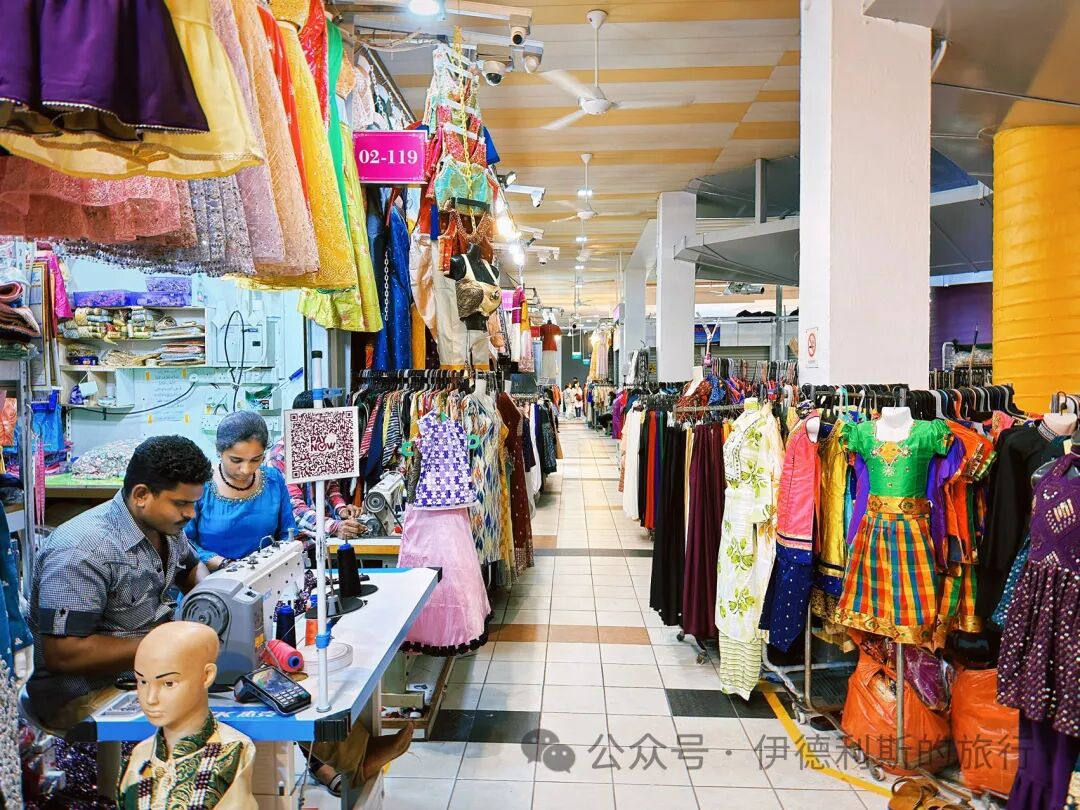
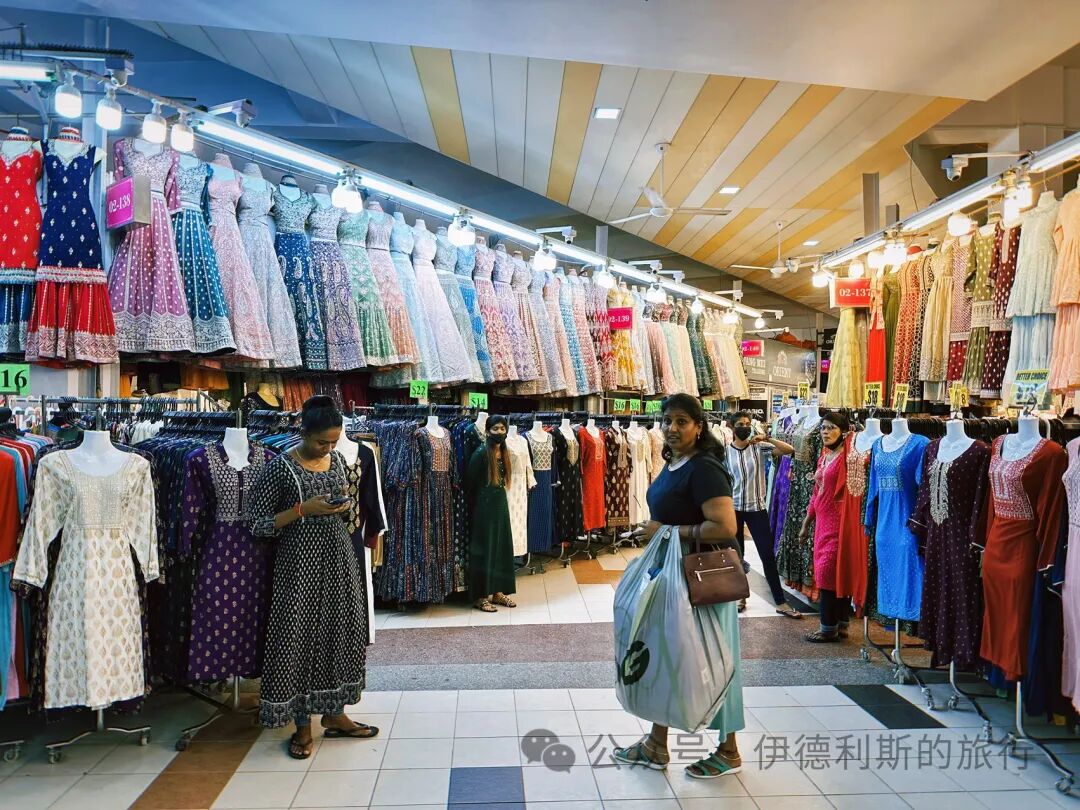
If you want to learn more about the history and culture of Singapore's Indian community, I highly recommend visiting the Indian Heritage Centre in Little India. The main exhibition hall is organized by timeline and covers five parts: early contact, origins and migration, early Indian communities in Singapore and Malaya, the social and political awakening of Indians in Singapore and Malaya, and the contributions of Indians to Singapore. Of course, this includes the culture of Singapore's Indian Muslims.
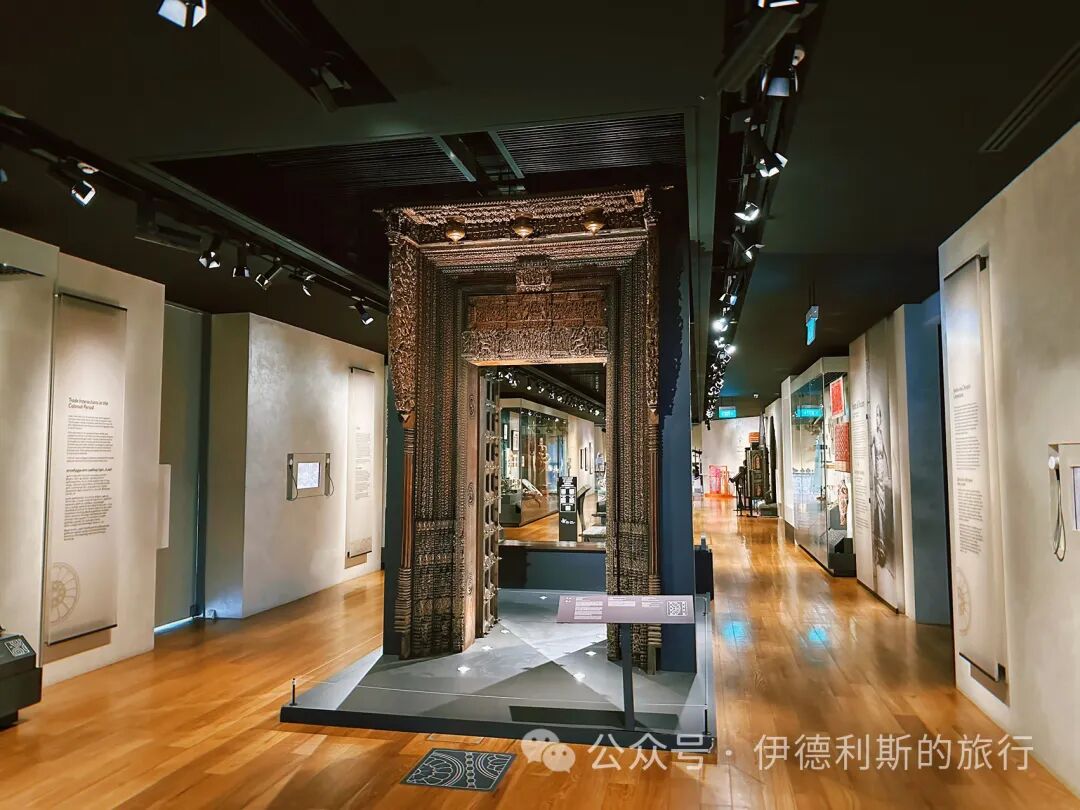
A map showing the migration of Tamils from the Coromandel Coast in southeastern India and Sri Lanka to Singapore and Malaya.
Several areas where Indian communities lived in Singapore during the 19th and 20th centuries.
A group portrait of Singaporean Indians with the Angullia Mosque in Little India in the background.
The luggage that Indian immigrants brought with them when they first arrived in Singapore, along with a passport and family photo belonging to a Muslim merchant who came to Singapore from Gujarat, India, in 1936.
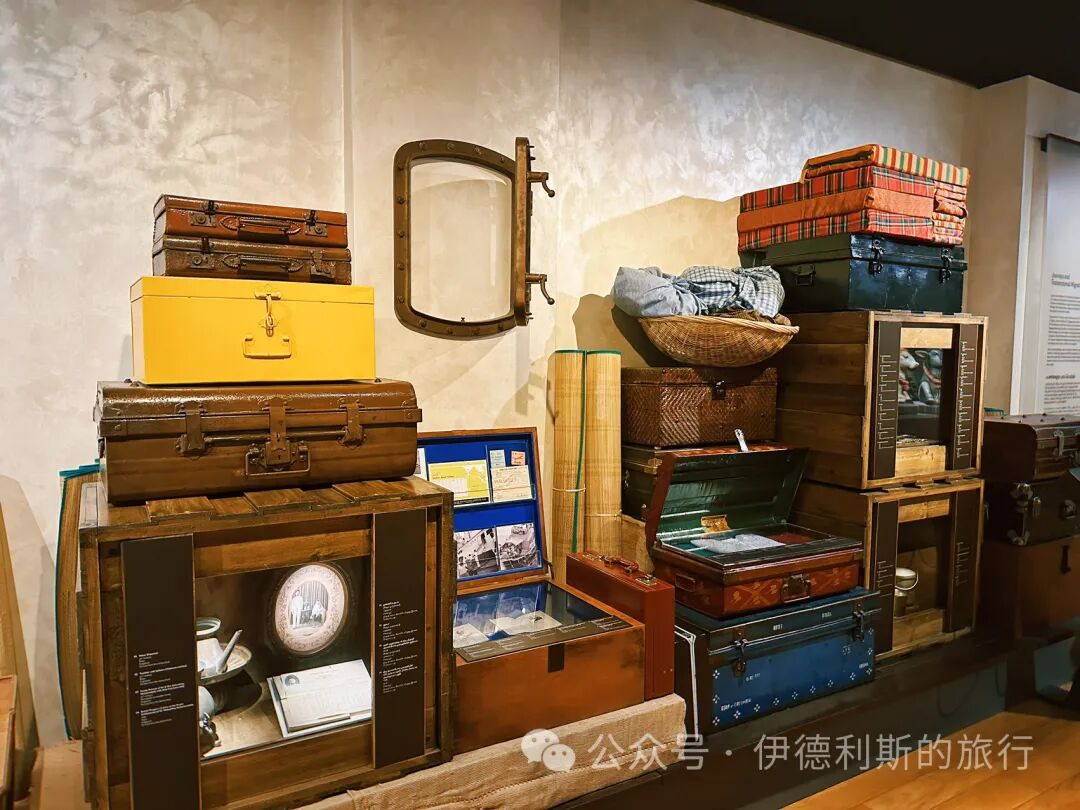
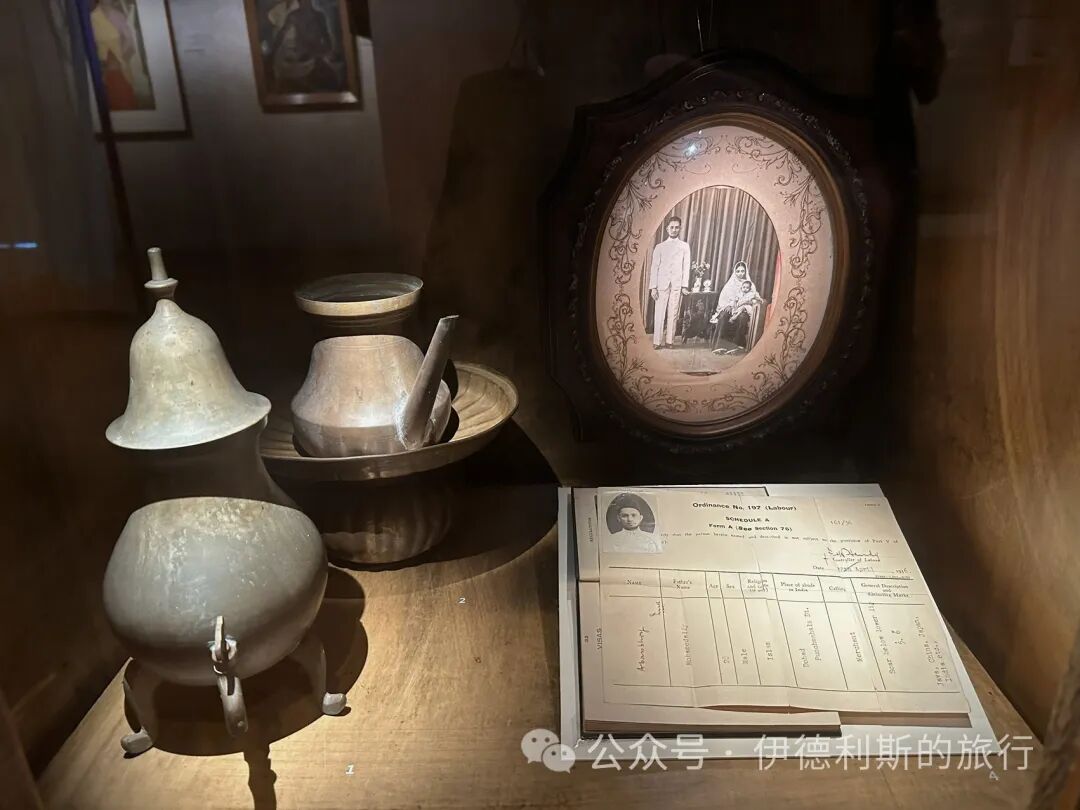
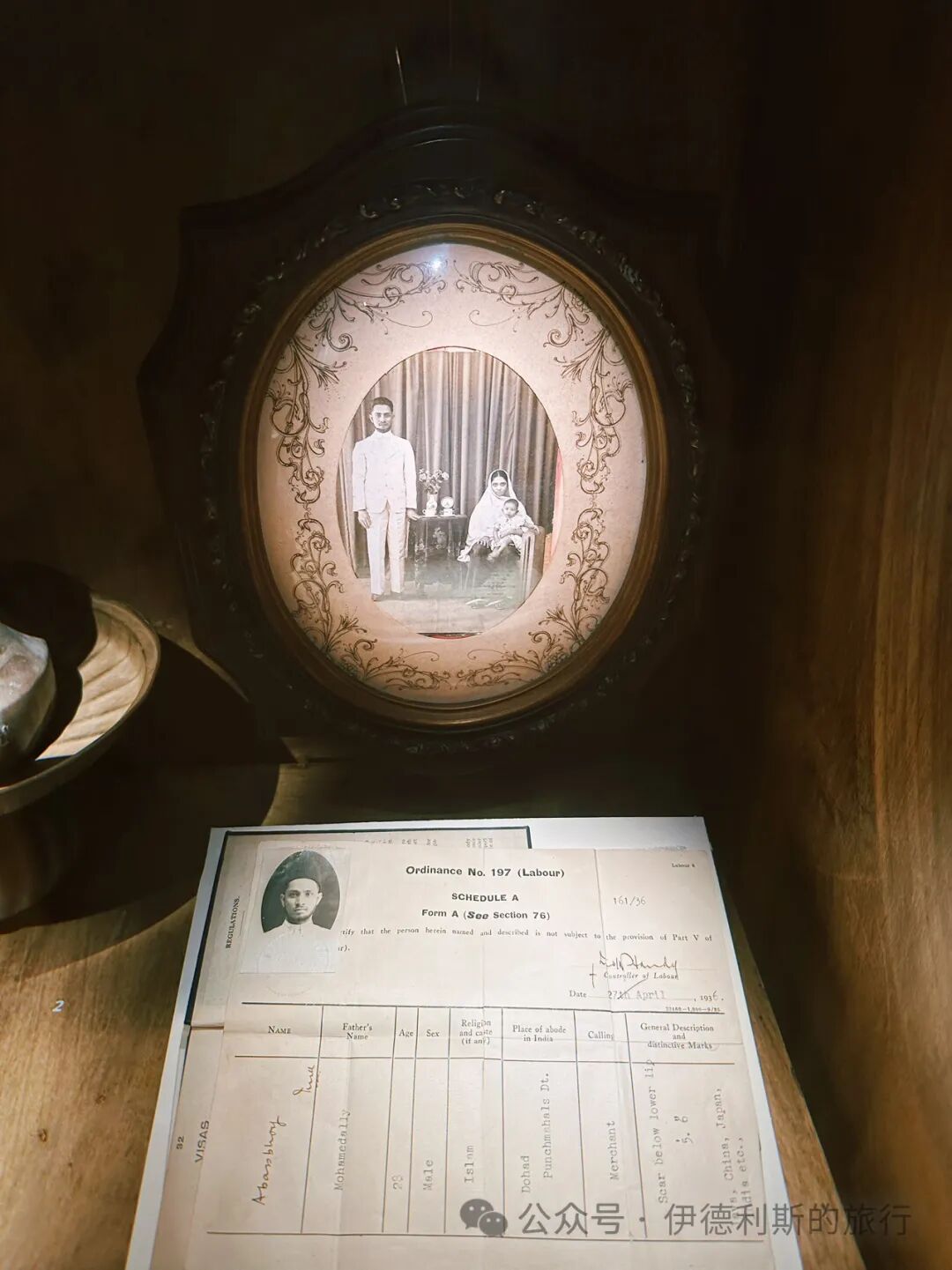
A set of clay figurines of 19th-century Indian merchants.
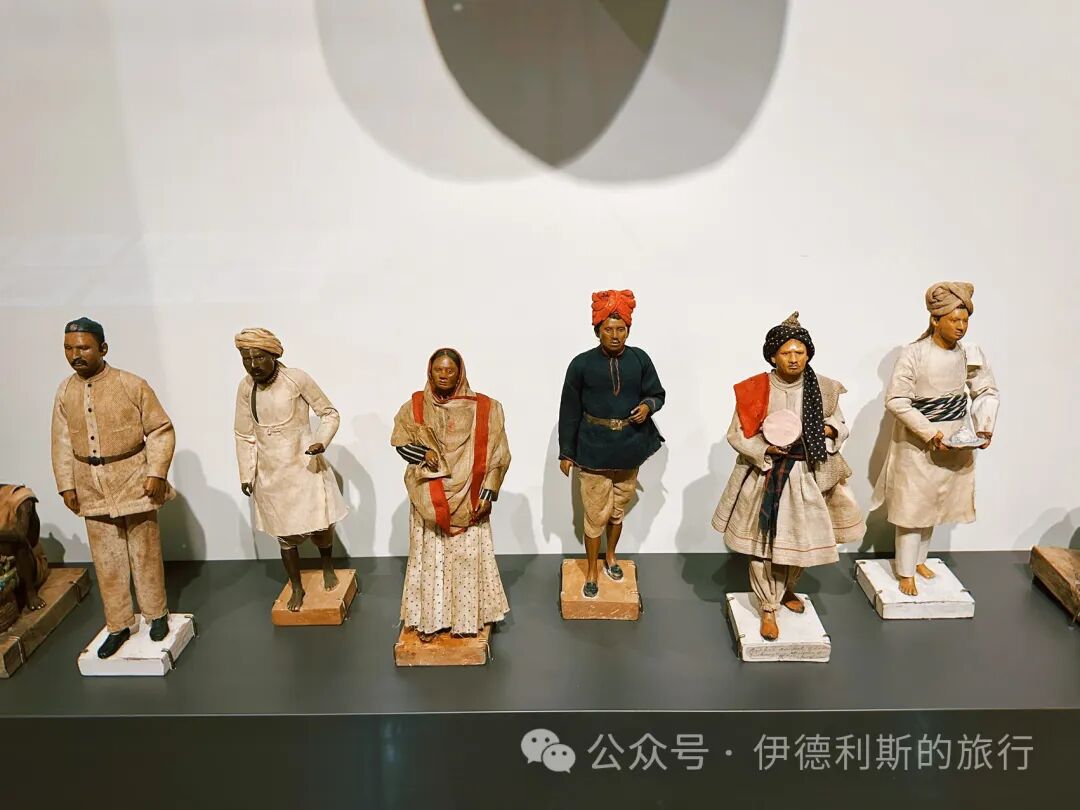
Clothing worn by Tamil Muslims from the Coromandel Coast of southeastern India in the mid-18th century.
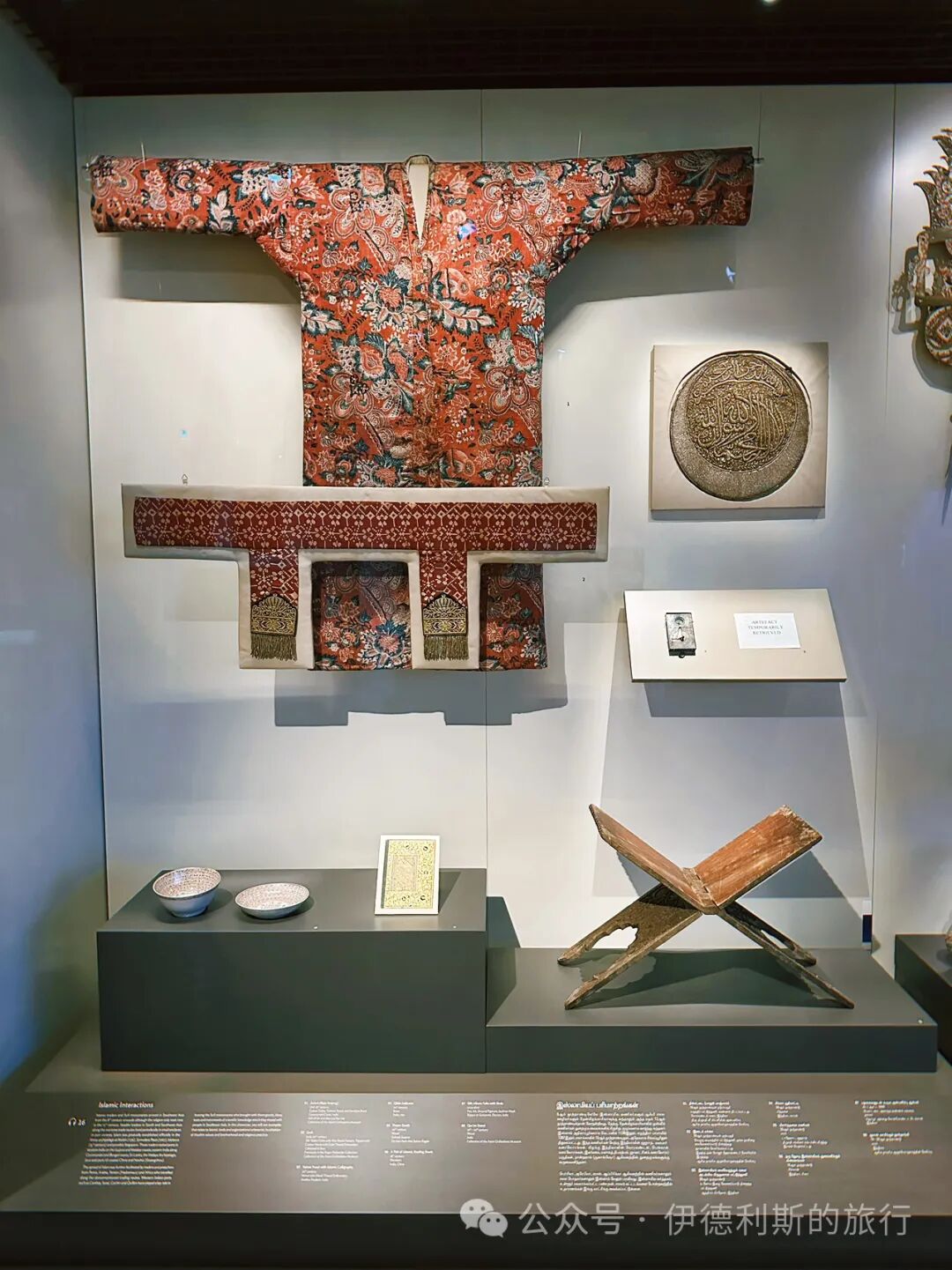
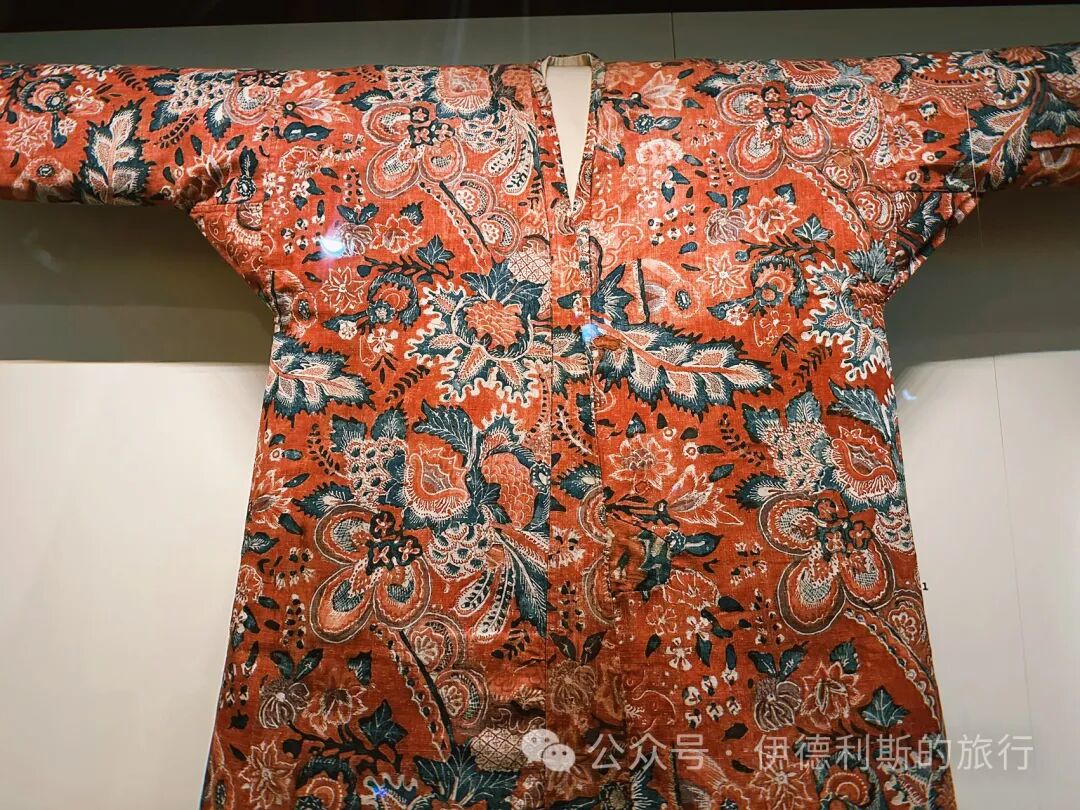
Velvet Arabic calligraphy embroidery from Andhra Pradesh, India, dating to the 20th century.
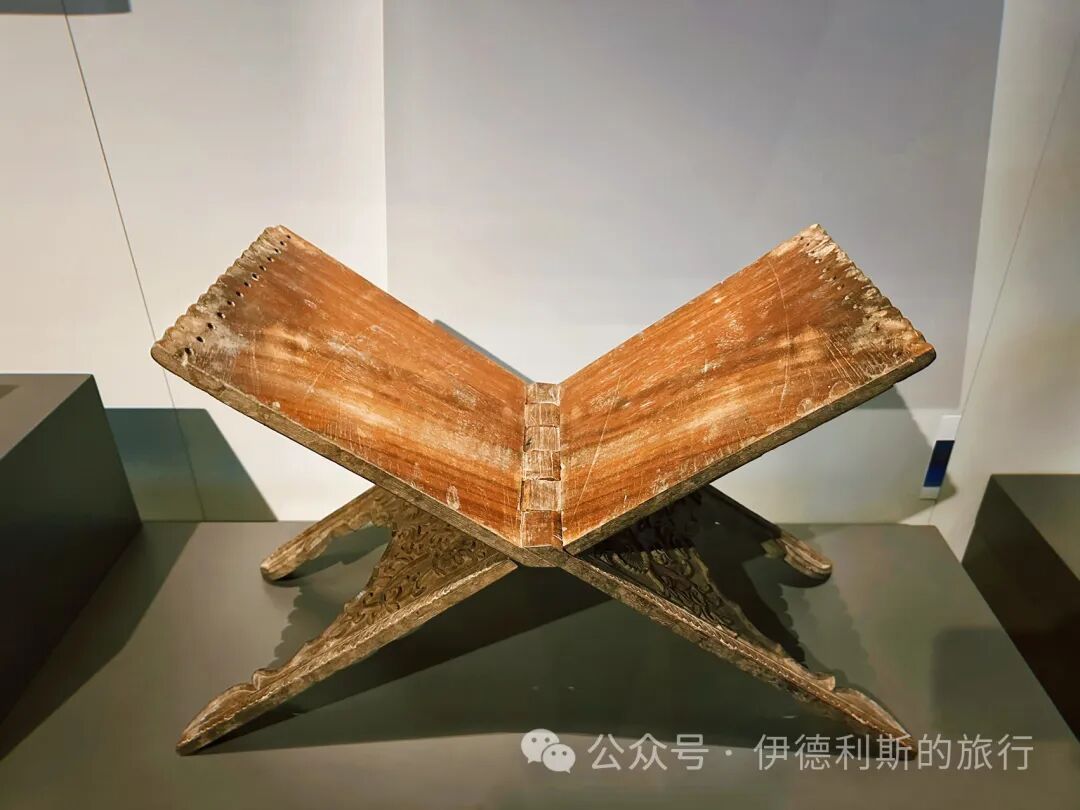
Indian book stands (rehal) from the 19th and 20th centuries.
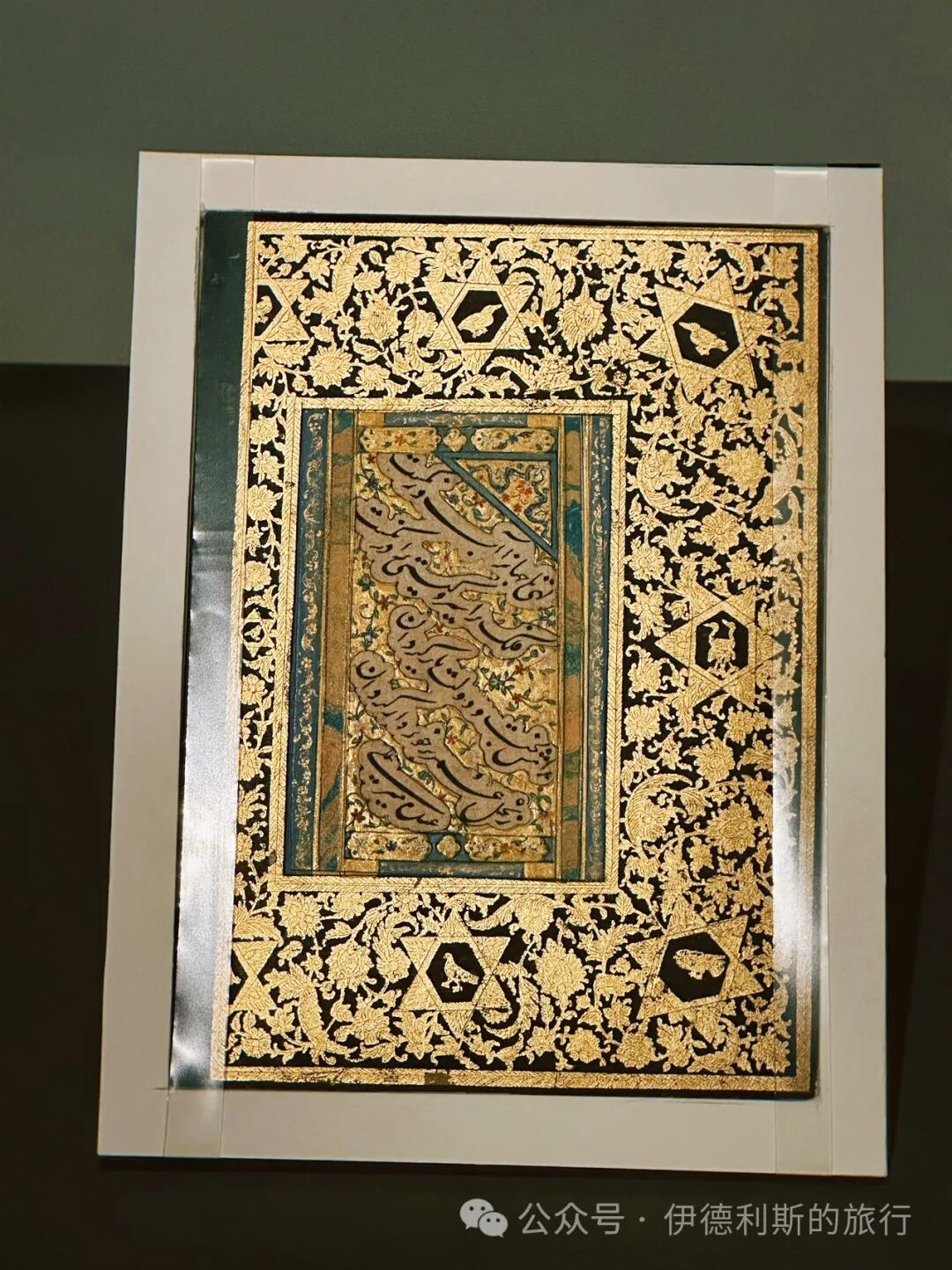
Calligraphy from the Deccan region of India, dated 1600.
Various traditional Indian hats from the 20th century.
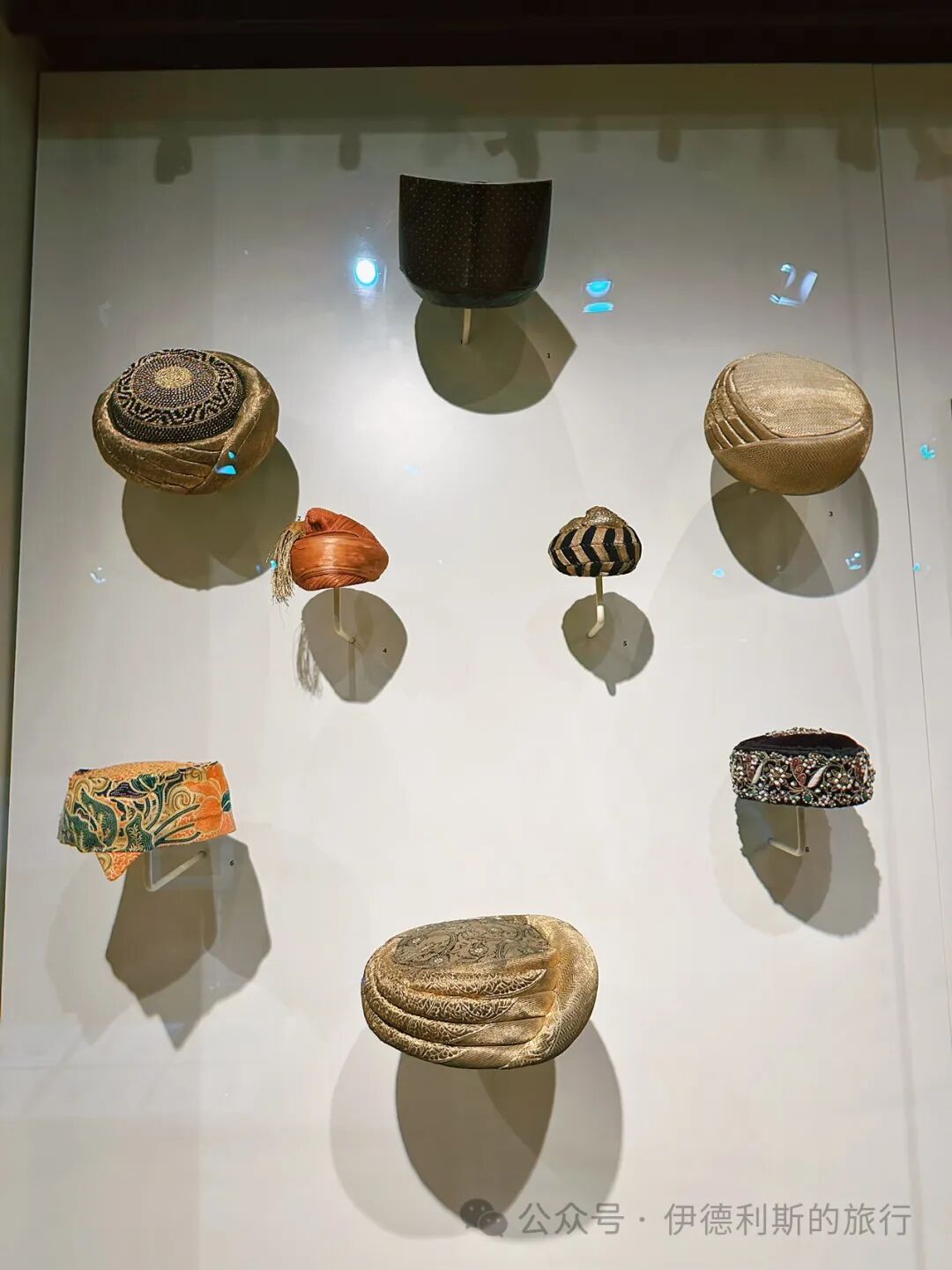
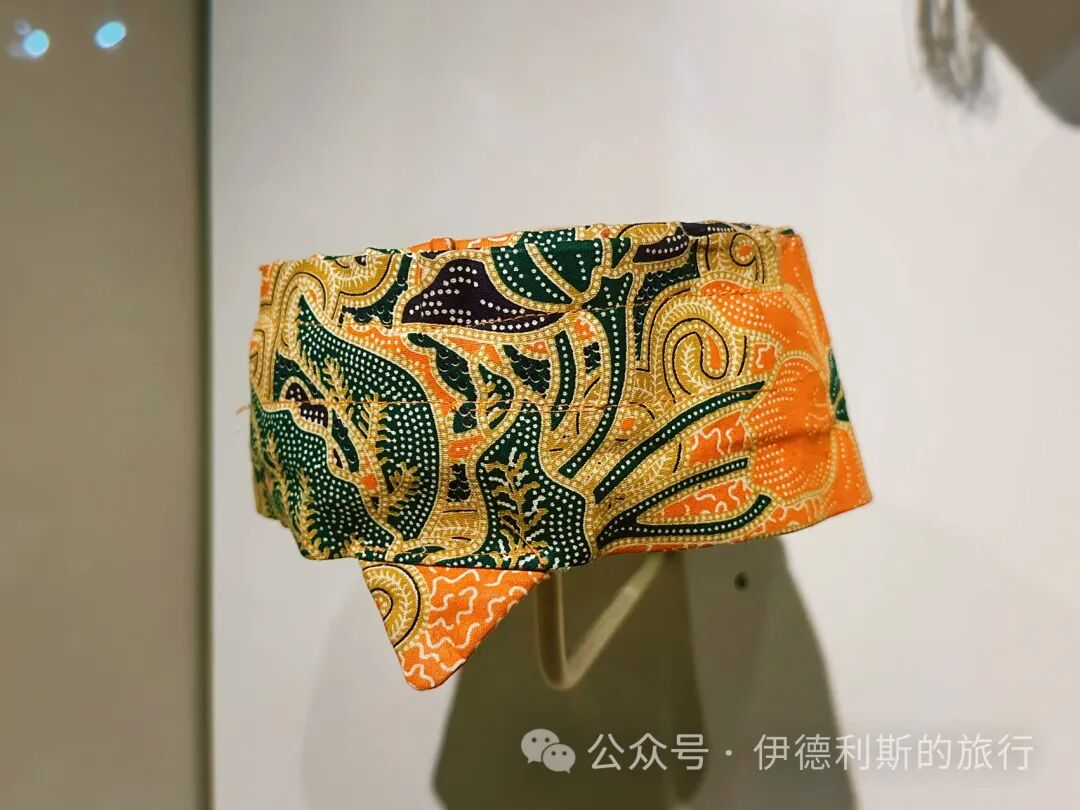
The Talapa of the Chetti people in Malacca, which is a type of batik headwrap.
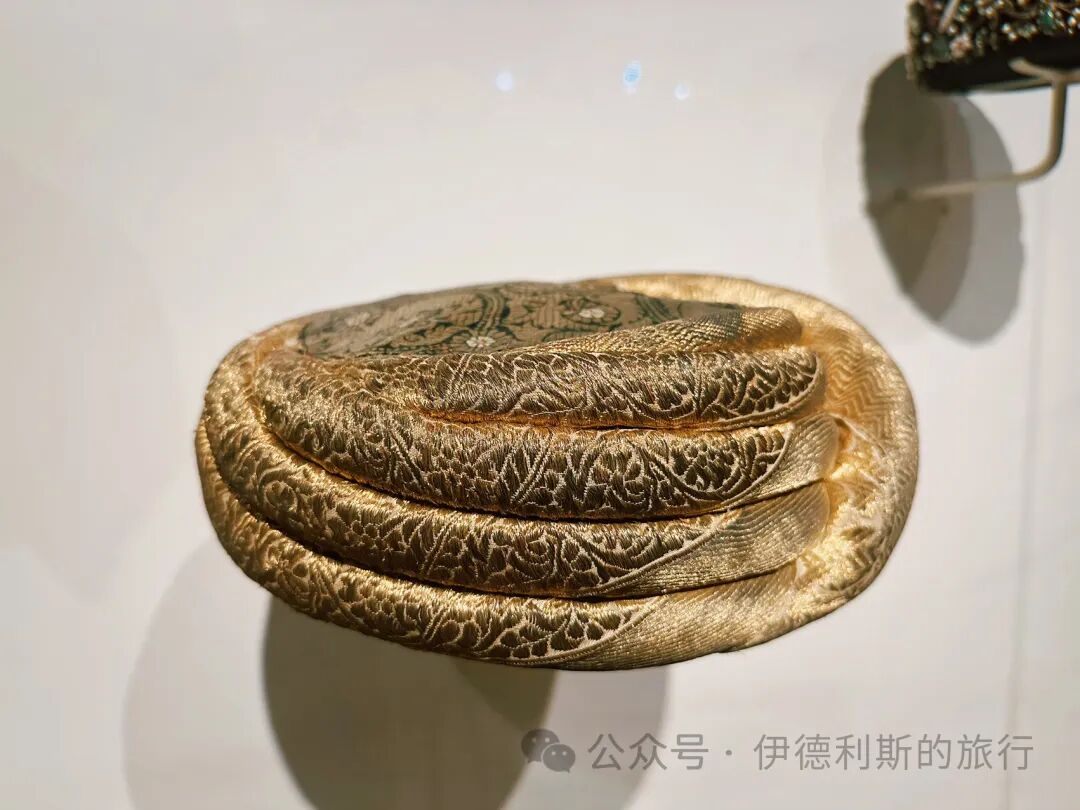
The Khoja Turban worn by the Ismaili Shia Khoja people from Gujarat, India. Khoja comes from the Persian words 'Khwaja' or 'Hodja'. They began converting from Hinduism to Islam in the 13th century, and while they hold a Muslim identity, they have kept strong Indian caste customs.
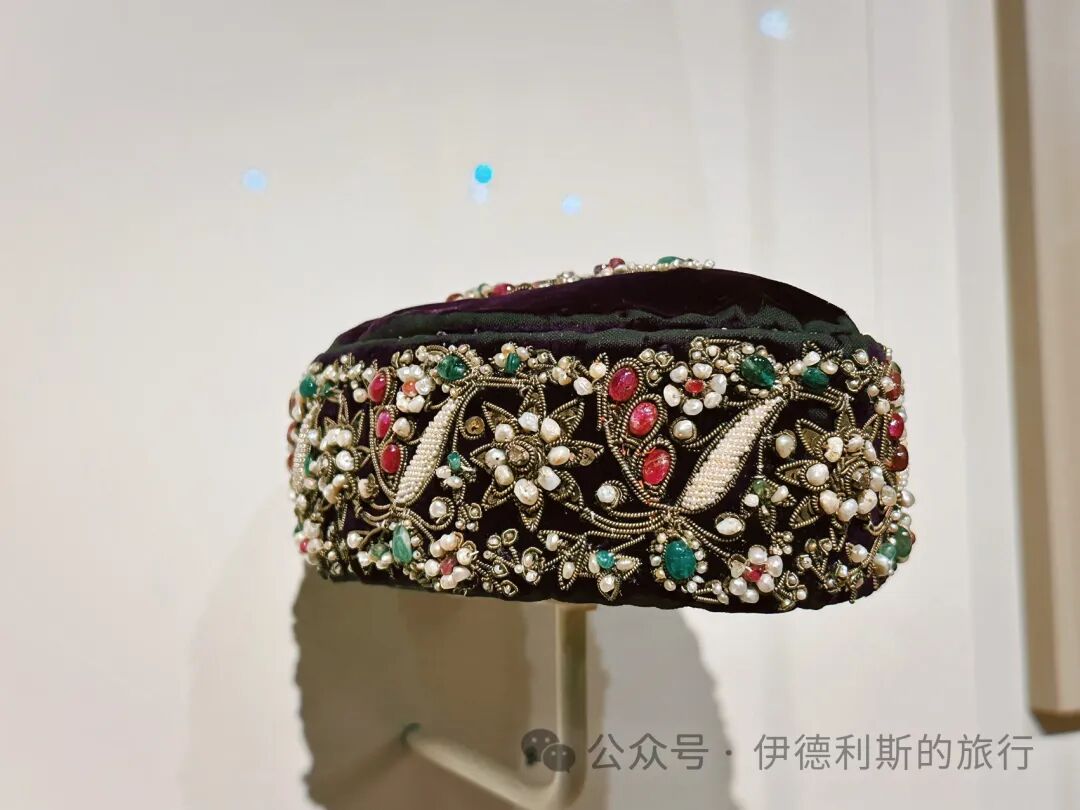
Headwear worn by grooms and boys during circumcision in the mid-20th century.
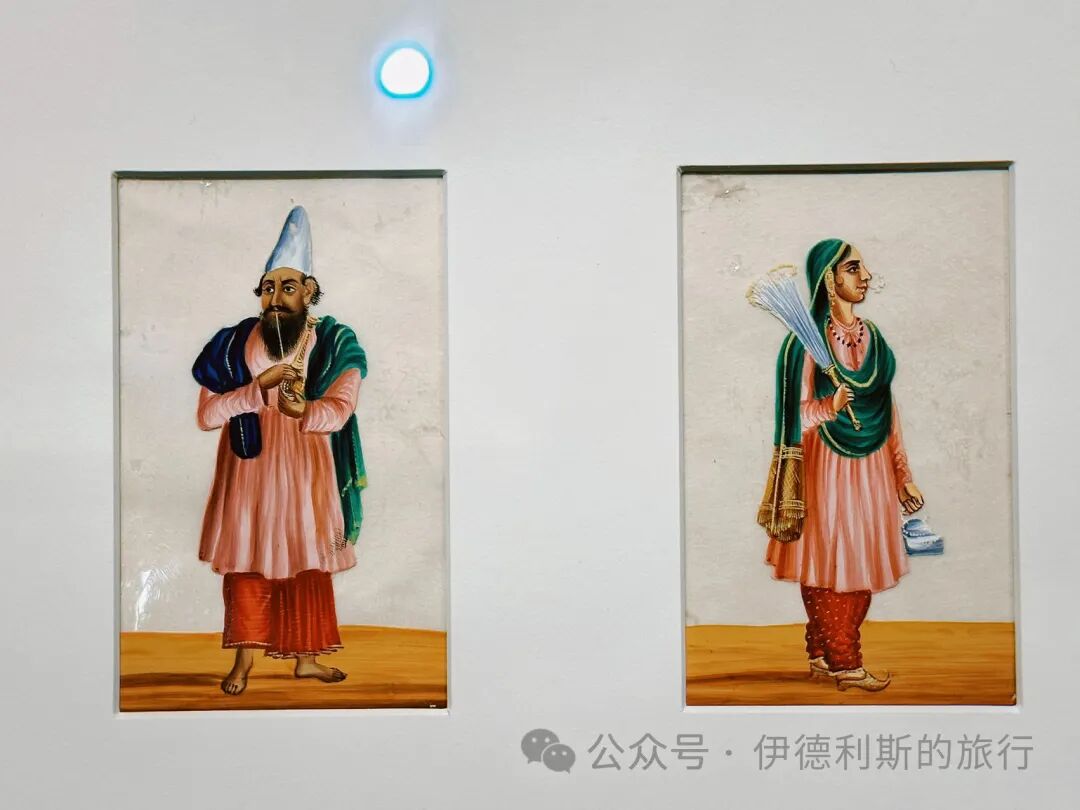
A 19th-century portrait of Indian Muslims.
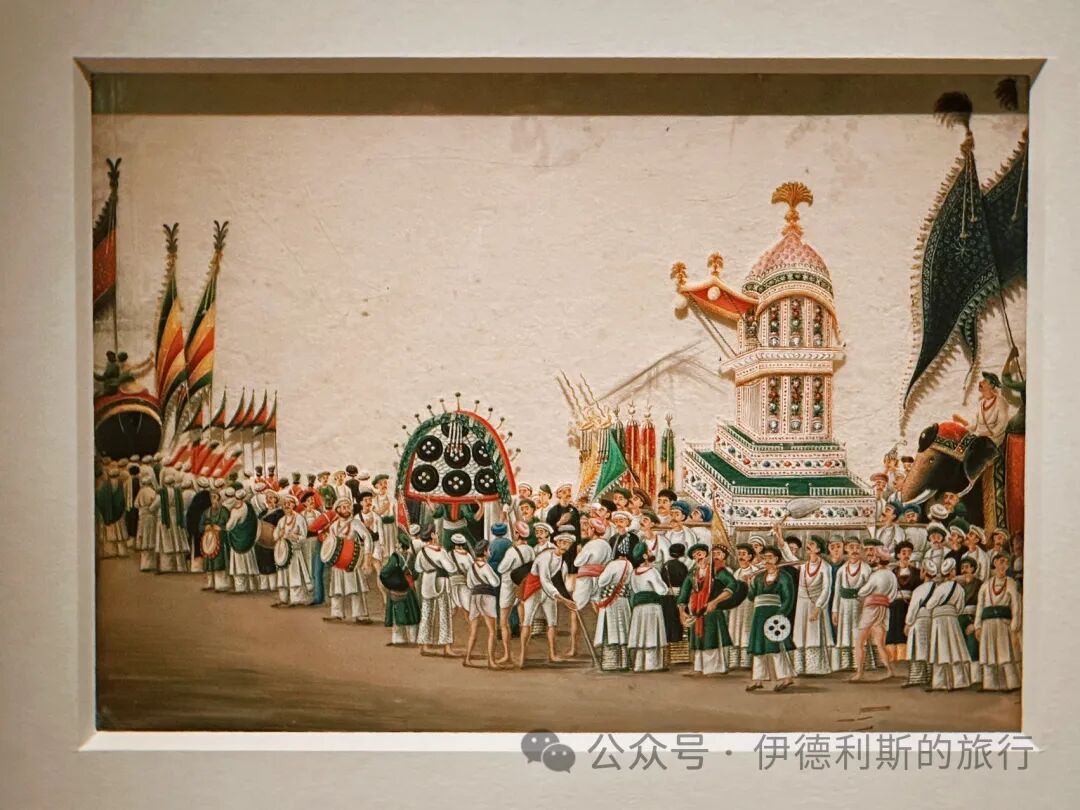
A 19th-century procession of Shia Muslims in India during Ashura. On the right is a model of the tombs of Imam Hussein and Hassan called Ta'ziya, and you can also see Alam flags.
An Alam flagpole carried by Shia Muslims in South India during an Ashura procession in the 19th century.
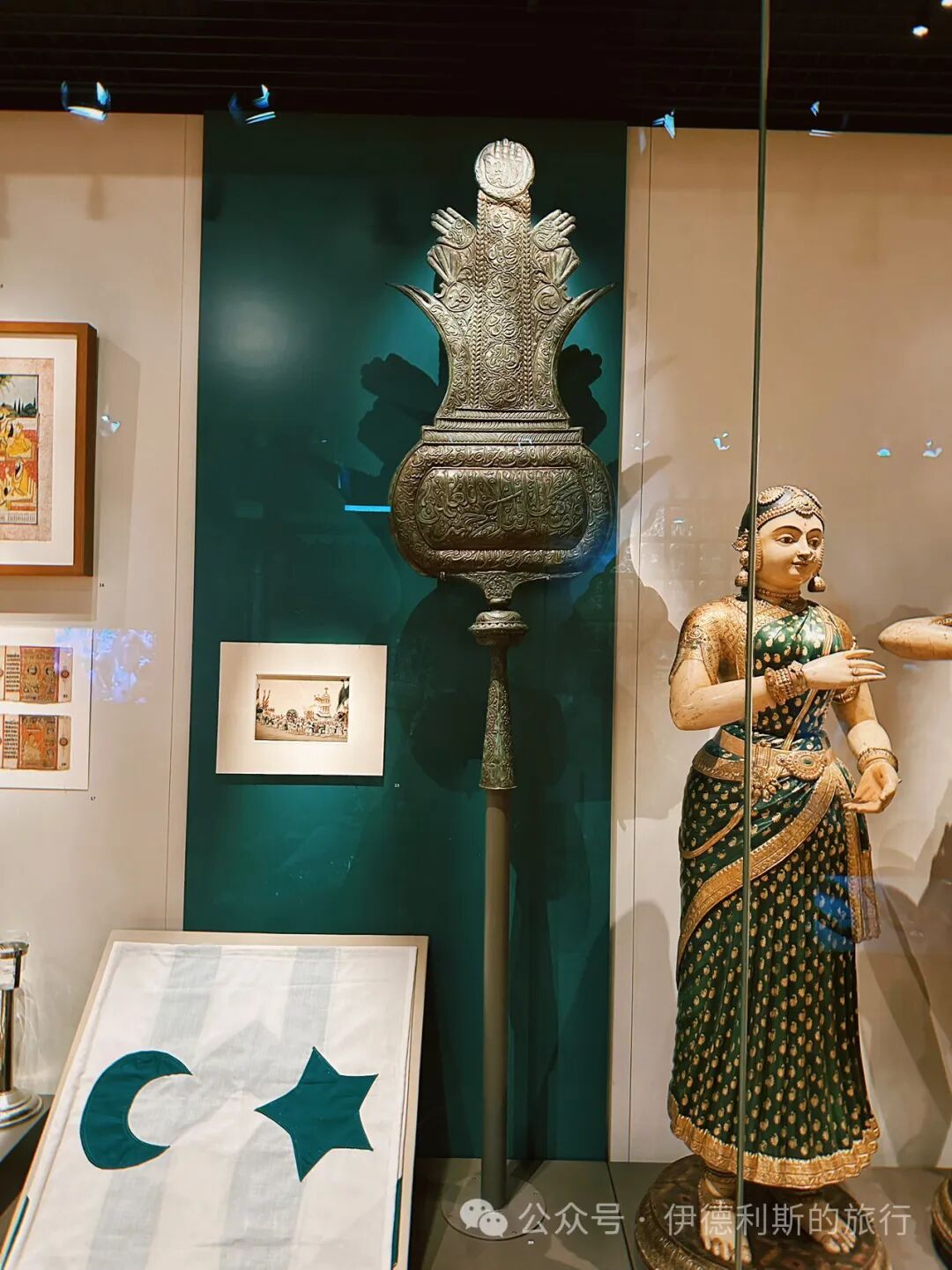
The tiled facade of a mosque in Multan, Pakistan, from 1897-1898, made using the traditional local Kashikari tile-firing technique. This type of tile decoration originated in the Mughal Empire and was influenced by Persian and Sufi cultures.
Indians in Kampong Glam.
Mosques and restaurants.
Kampong Glam is the first planned Muslim community in Singapore. In 1822, Sir Stamford Raffles gave Kampong Glam to Sultan Hussein Muhammad Shah of Johor. Besides the Sultan and his 600 family members, Kampong Glam was home to many Muslim groups at the time, including the Bugis, Arabs, Javanese, and Baweanese people. During the same period, Indian Muslims began moving to Kampong Glam for business. By the early 20th century, they opened restaurants here, the two most important being Victory and Zam Zam on North Bridge Road.
Zam Zam opened in 1908 and Victory in 1910. Both specialize in stuffed flatbread (murtabak) and have been competing for over 100 years. We tried the mutton murtabak at Victory. It tasted more like the griddle cakes (laobing) from Northern China and was not as crispy as the ones we had in Penang.
Halal Travel Guide: Singapore - Indian Muslim Culture, Mosques and Food (Part 2)
Articles • ali2007fr posted the article • 0 comments • 182 views • 2026-05-19 07:23
Summary: This second Singapore article continues the walk through Indian Muslim culture, mosque spaces, food streets, and neighborhood history. It preserves the original names, food details, religious terms, and route notes in natural English.
Kampong Glam is also a great place to try ginger tea (teh sarabat), also known as teh halia. Bhai Sarbat on Baghdad Street was started by an Indian Muslim in the 1950s and has been around for 70 years. Bhai means brother in Urdu. Bhai Sarbat started as a street pushcart. It moved into this shophouse on Baghdad Street in the 1970s. Today, they sell hundreds of drinks, but their ginger tea is still the most famous.
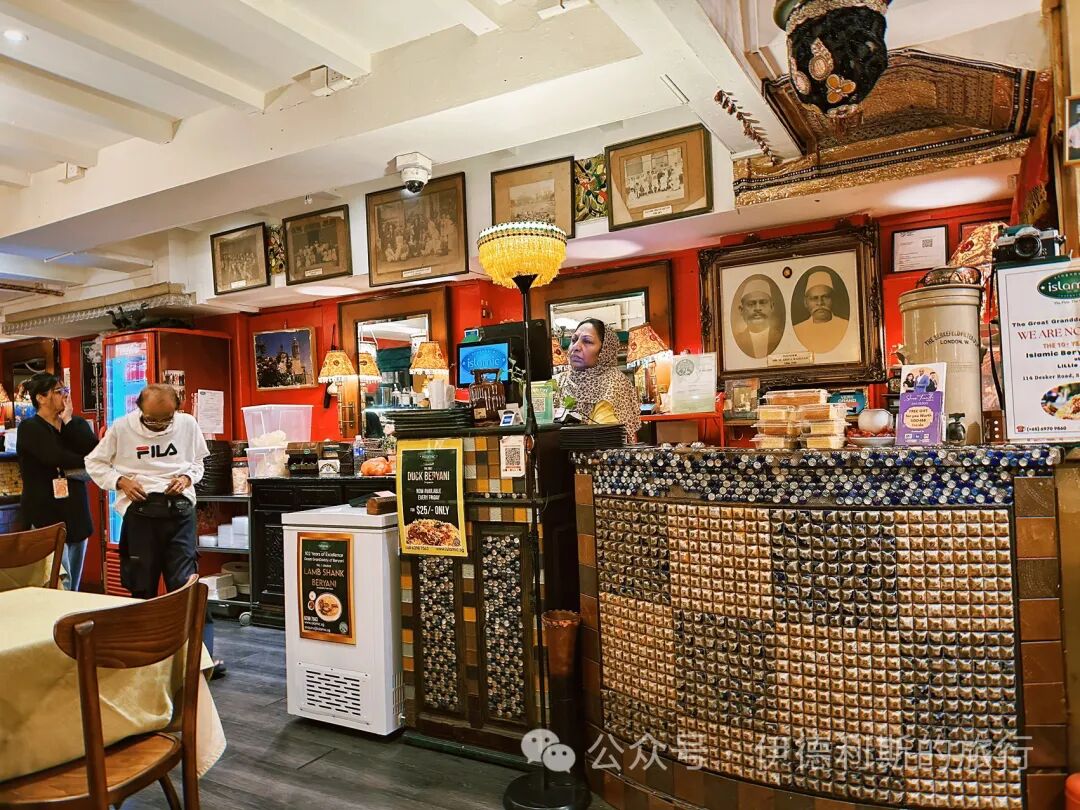
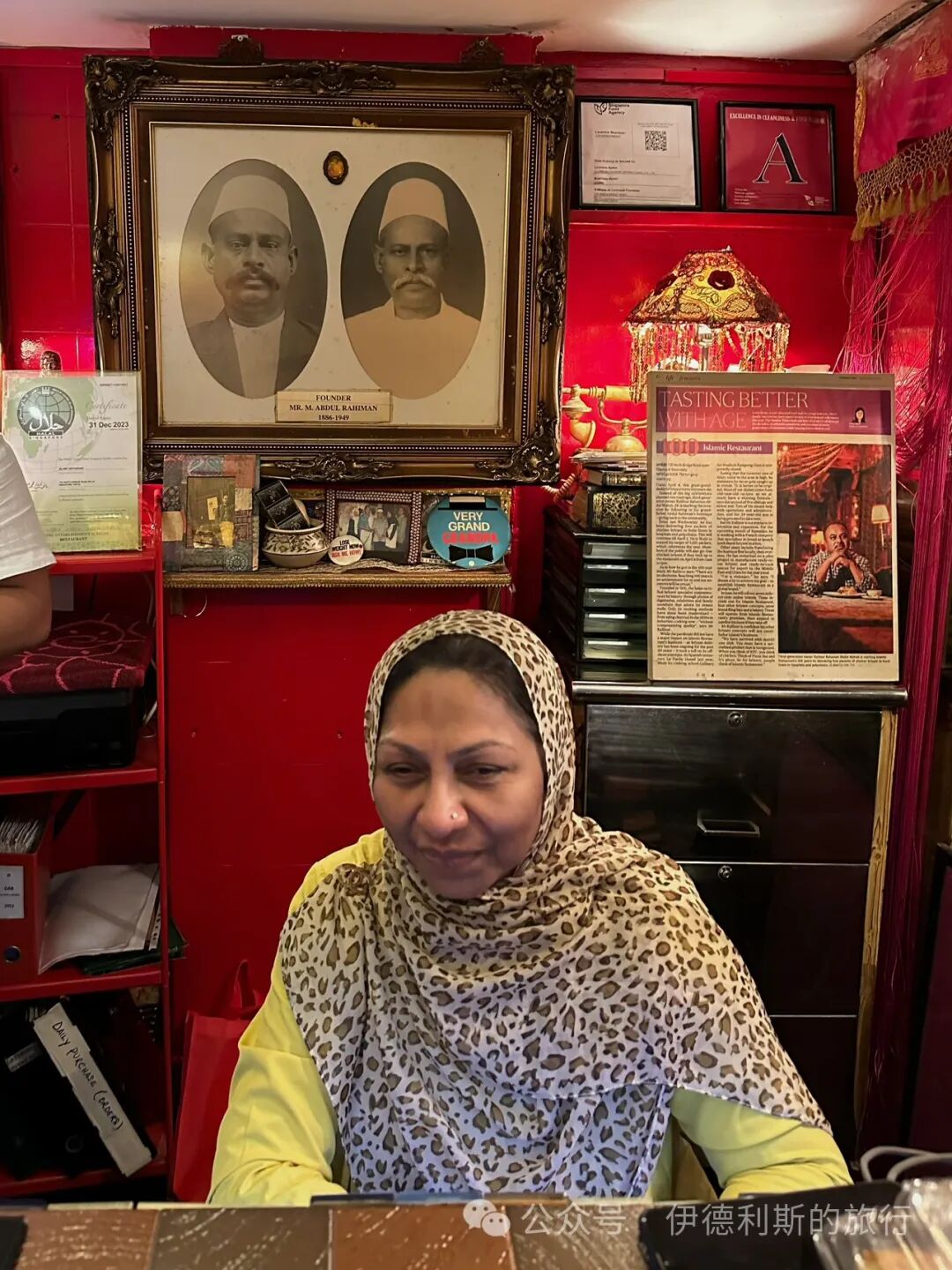
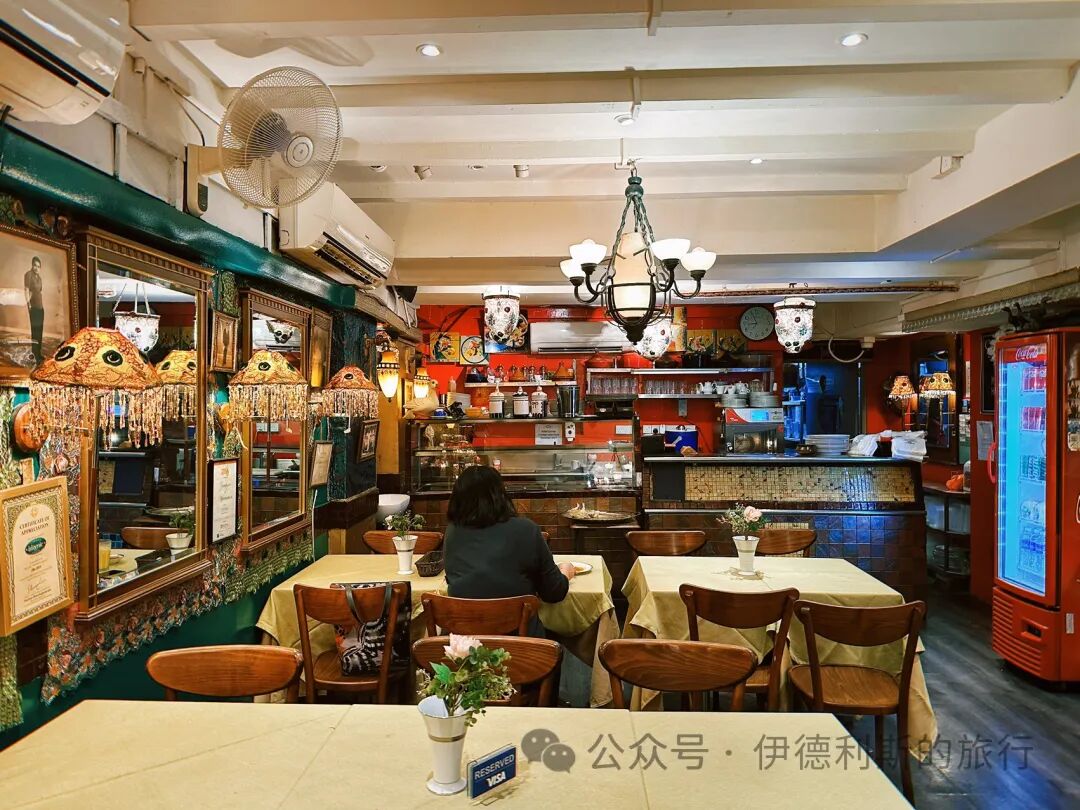
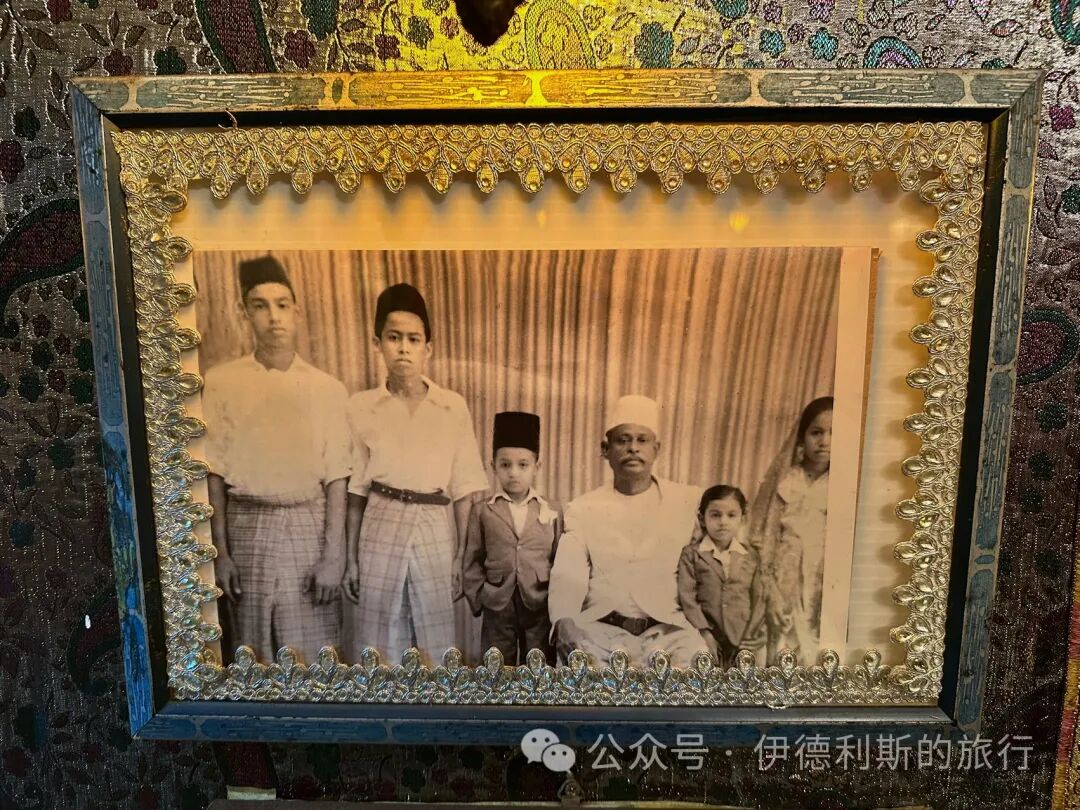
In the evening, we went to the most famous Indian halal restaurant in Kampong Glam, Islamic Restaurant. It opened in 1921 and has been in business for over a hundred years. The founder, Abdul Rahiman, was a Tamil Muslim from Tamil Nadu in southern India. After arriving in Singapore, his excellent cooking skills made him the head chef for the Alsagoff family, a wealthy family of Yemeni descent. Abdul Rahiman was best known for his biryani rice, which even the British governors loved.
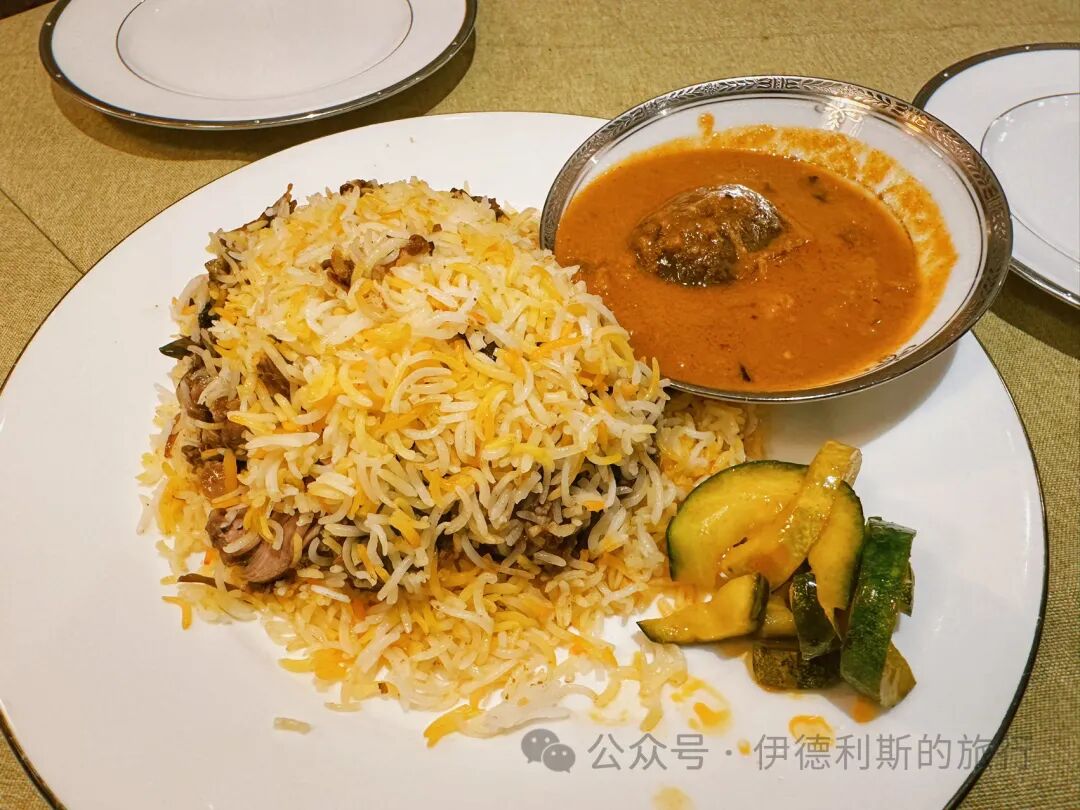
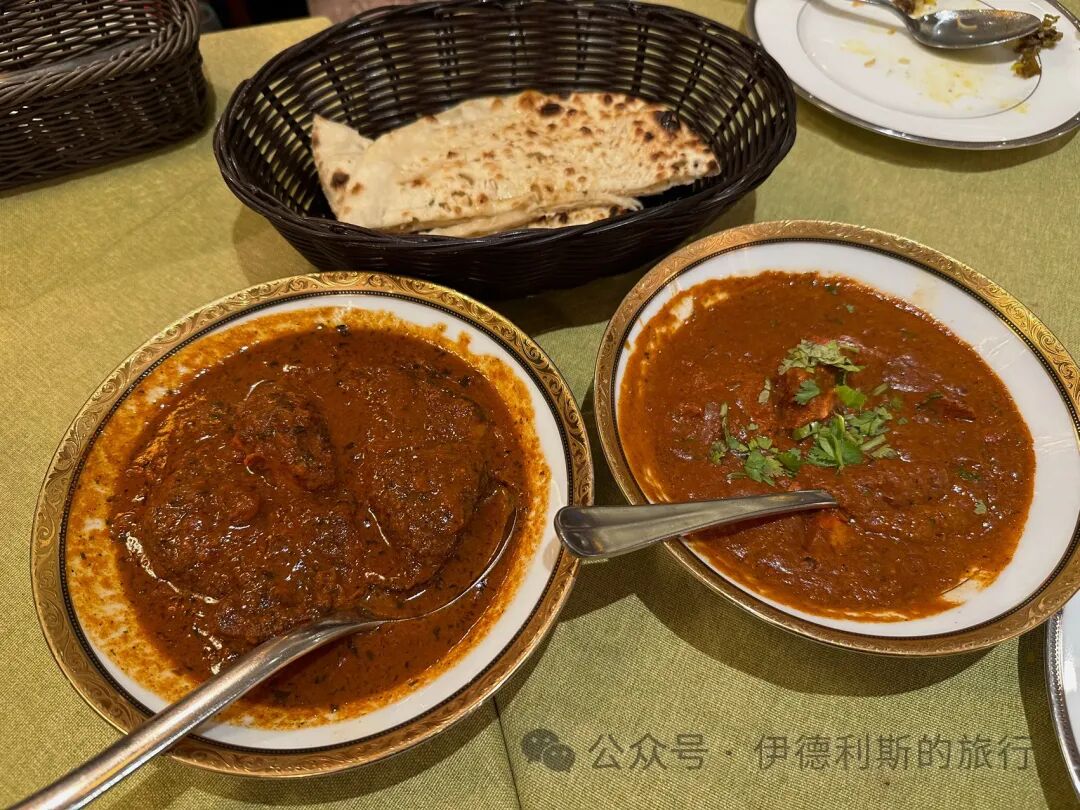
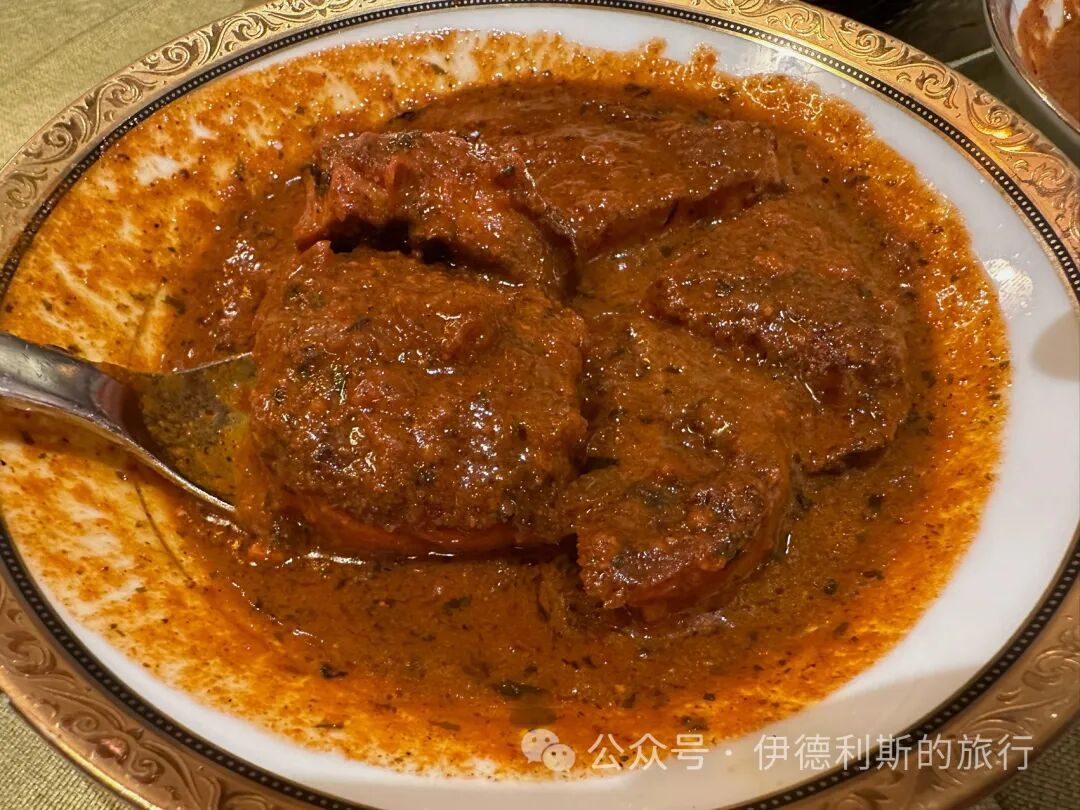
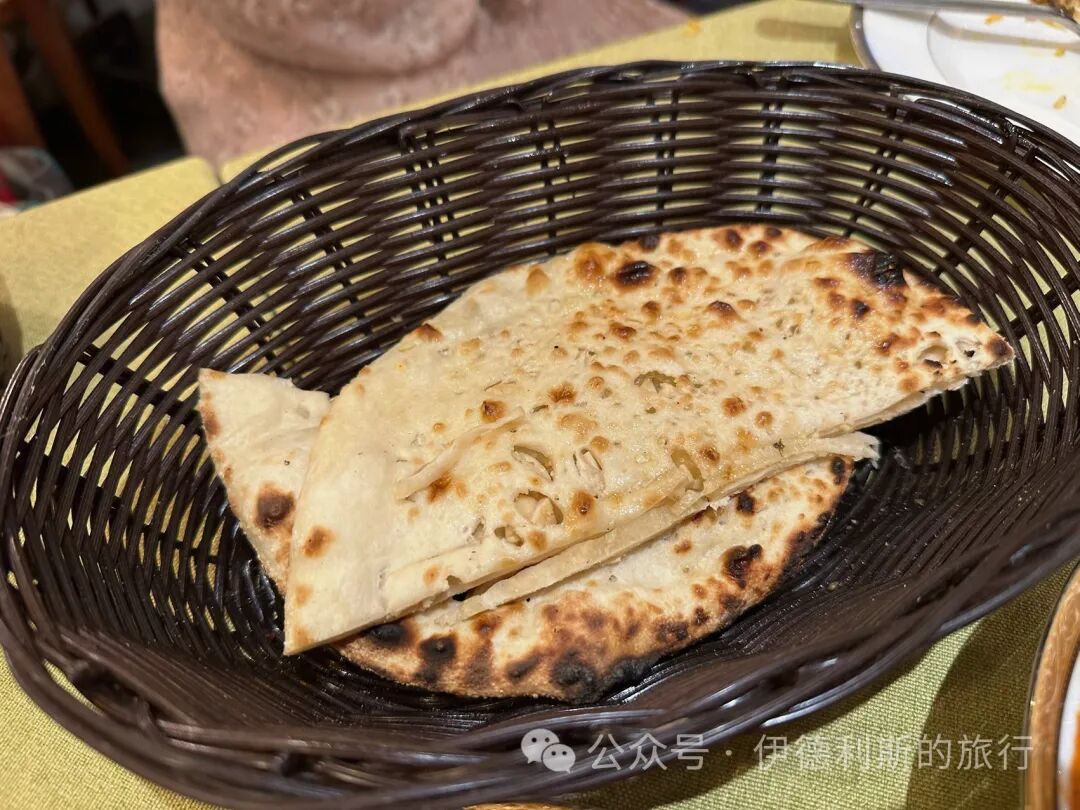
In 1921, Abdul Rahiman opened Islamic Restaurant on North Bridge Road in Kampong Glam. Singaporean politicians who had tasted his cooking at the Alsagoff family banquets came to visit, as did royalty like the Sultans of Brunei, Johor, and Perak. Today, M. Abdul Rahiman's secret spice recipe for biryani rice is carried on by his grandson, Kalil. After a hundred years, their biryani is still delicious. Besides the biryani, we ordered almond naan, chicken tikka masala, and fenugreek (methi) fish curry. Everything was fantastic. This is a truly great Indian restaurant, not just a tourist trap near a scenic spot.
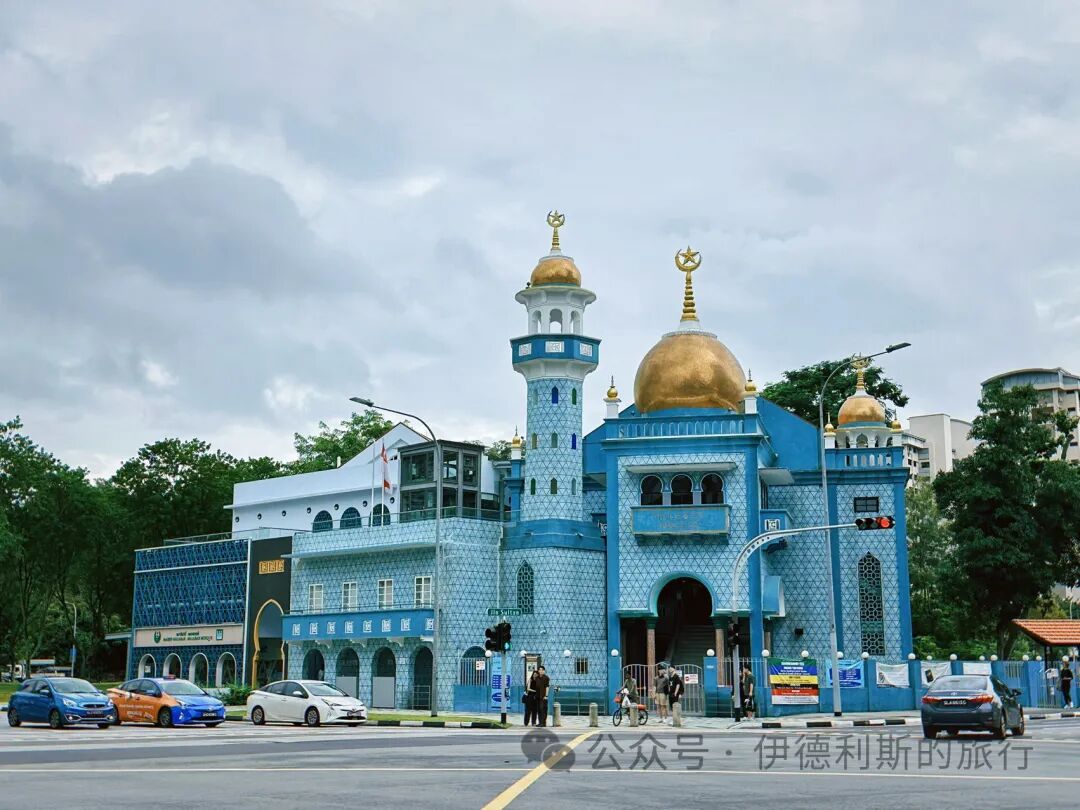
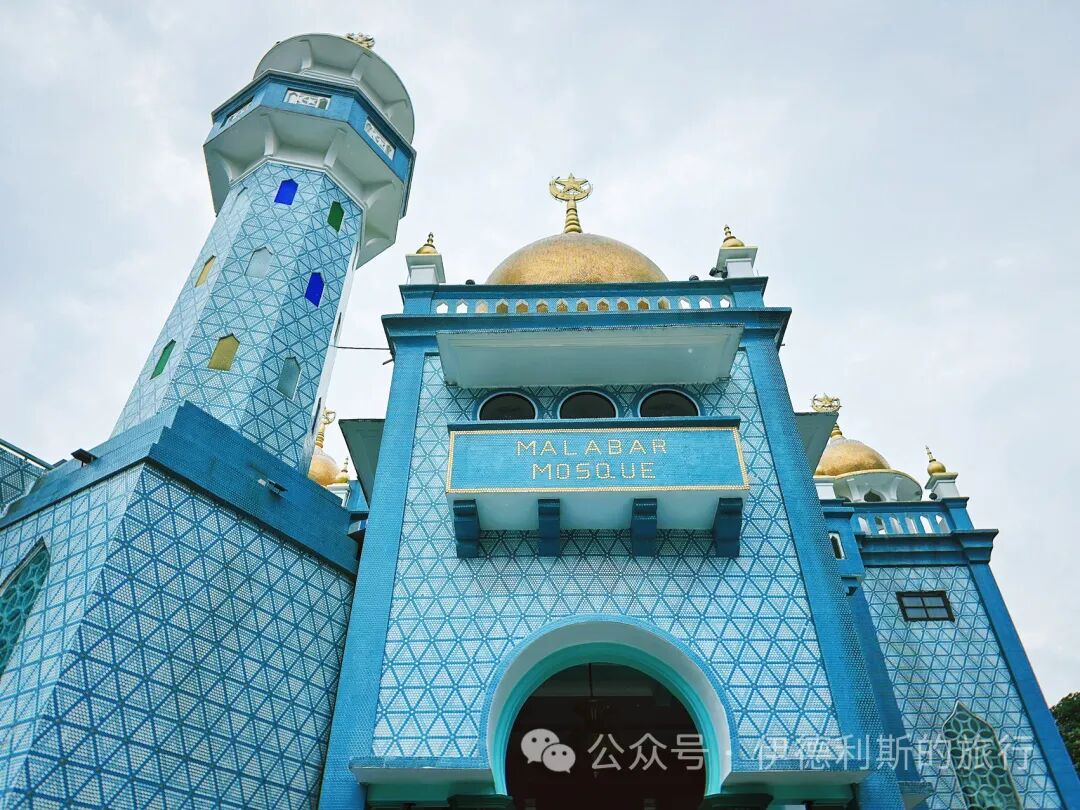
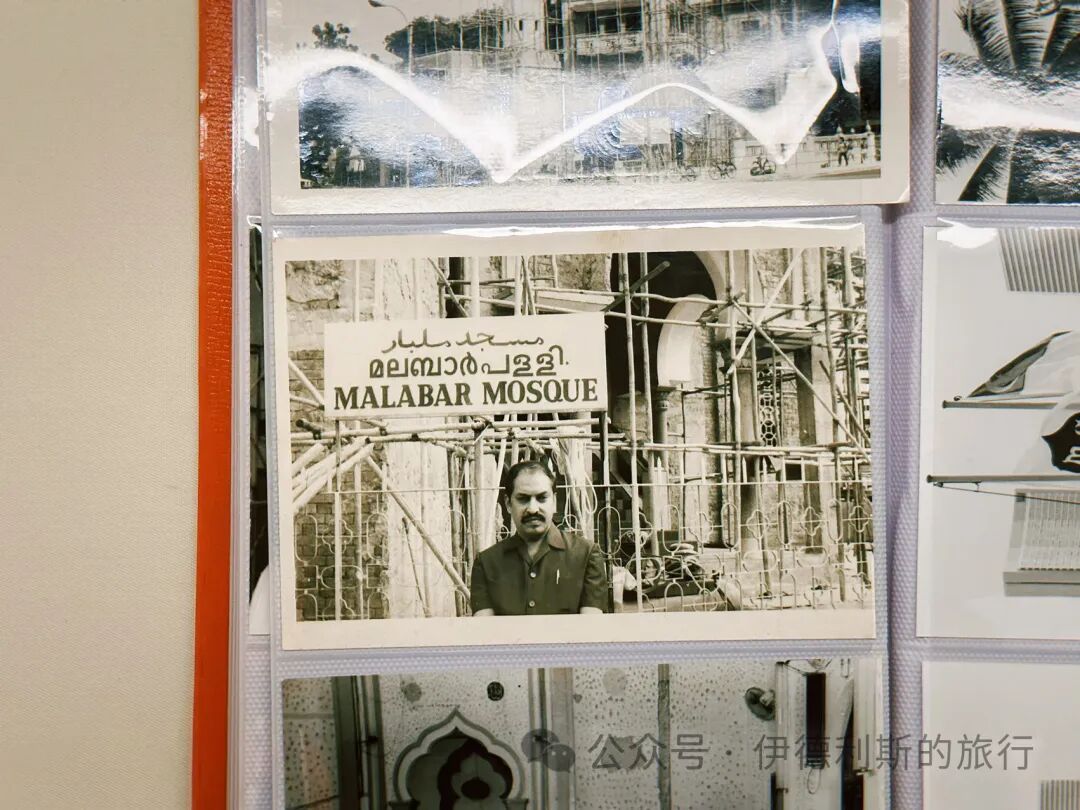
Malabar Mosque, also known as the Golden Dome Mosque, is located across from Kampong Glam in Singapore. It is the only mosque in Singapore built by Malabar Muslims from southwestern India. Malabar Muslims live in Kerala and the Lakshadweep Islands in the far southwest of the Indian peninsula. They are an ancient indigenous Muslim community in South Asia and, like the Malays, follow the Shafi'i school of jurisprudence.
In the early 19th century, Malabar Muslims traveled along the Indian Ocean to Singapore to trade textiles and jewelry. After the 20th century, they ran several food businesses in eastern Singapore and Kampong Glam. When they passed away, they were buried in the Muslim cemetery across from Kampong Glam. In 1929, the Malabar Muslims took over the mosque in the Muslim cemetery. It was rebuilt in 1953 and officially opened in 1963. Malabar Mosque was renovated into its current appearance in 1995, with blue and white tiles covering the exterior walls.
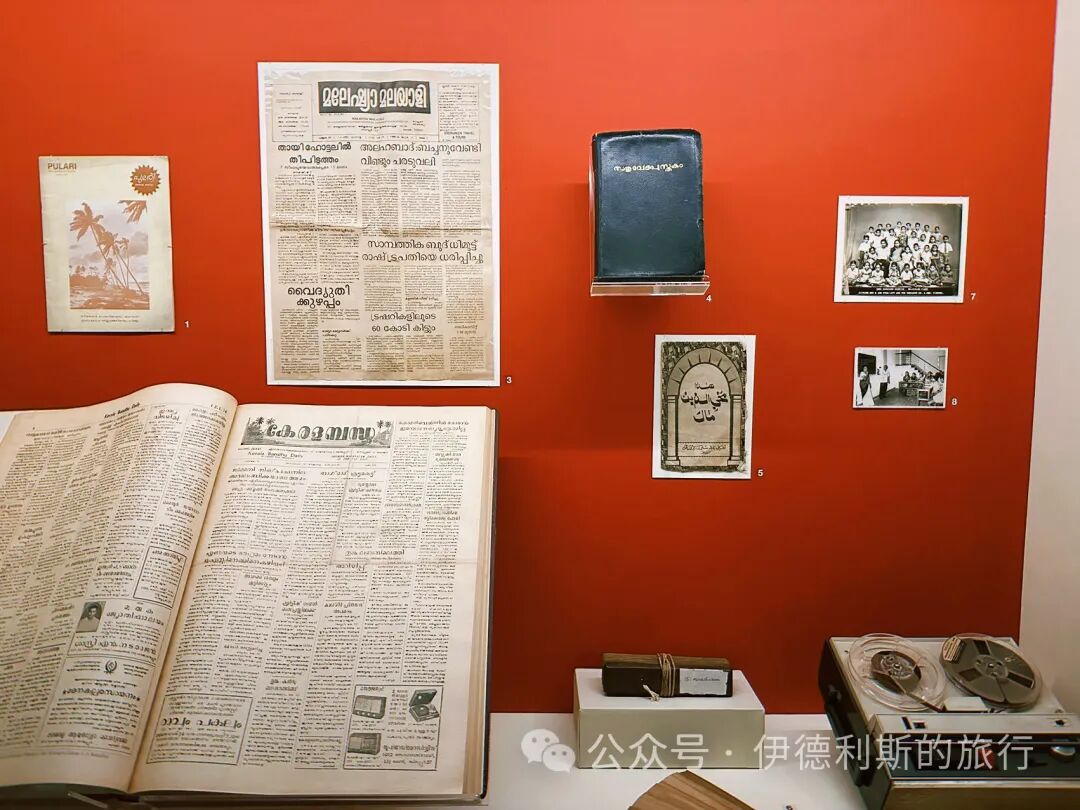
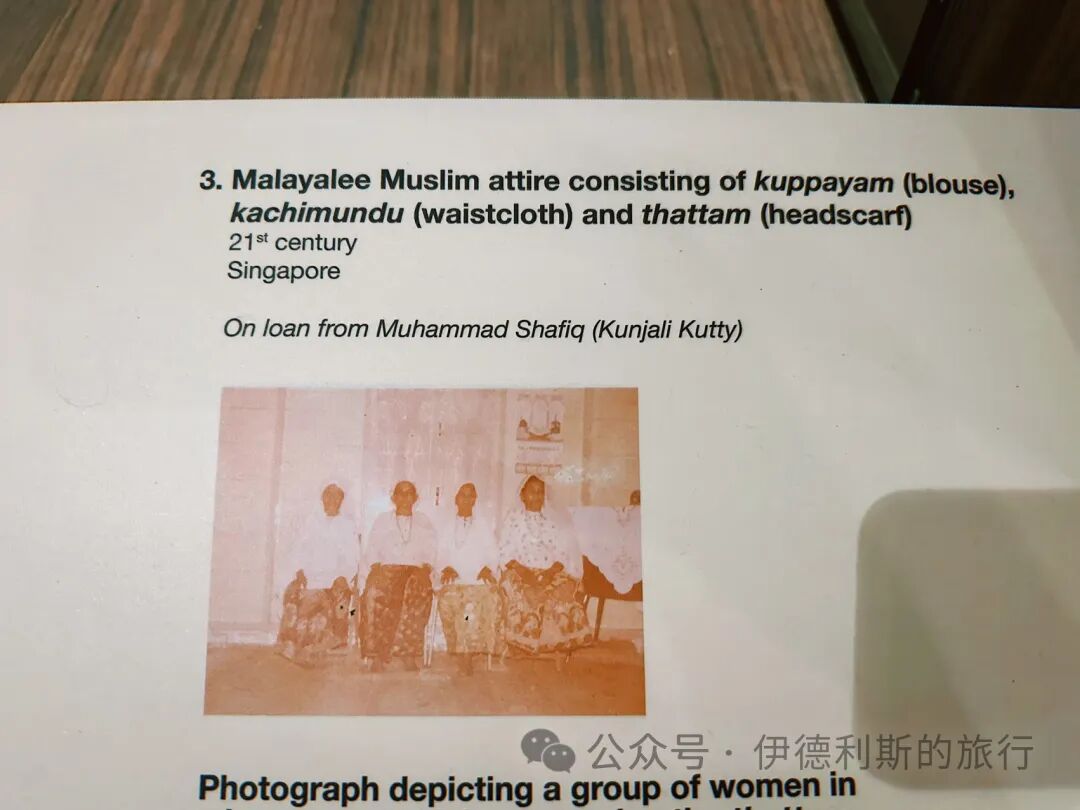
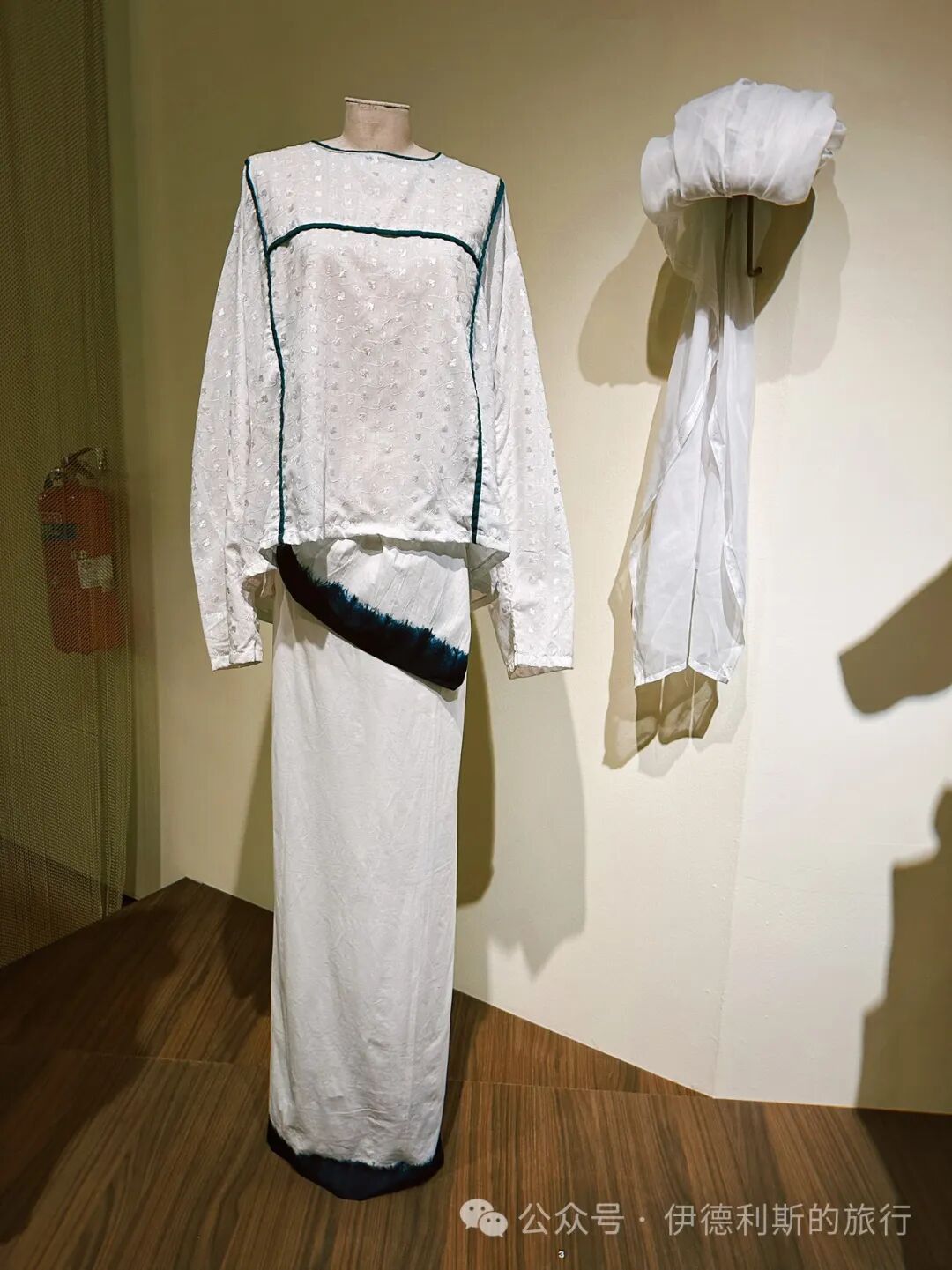
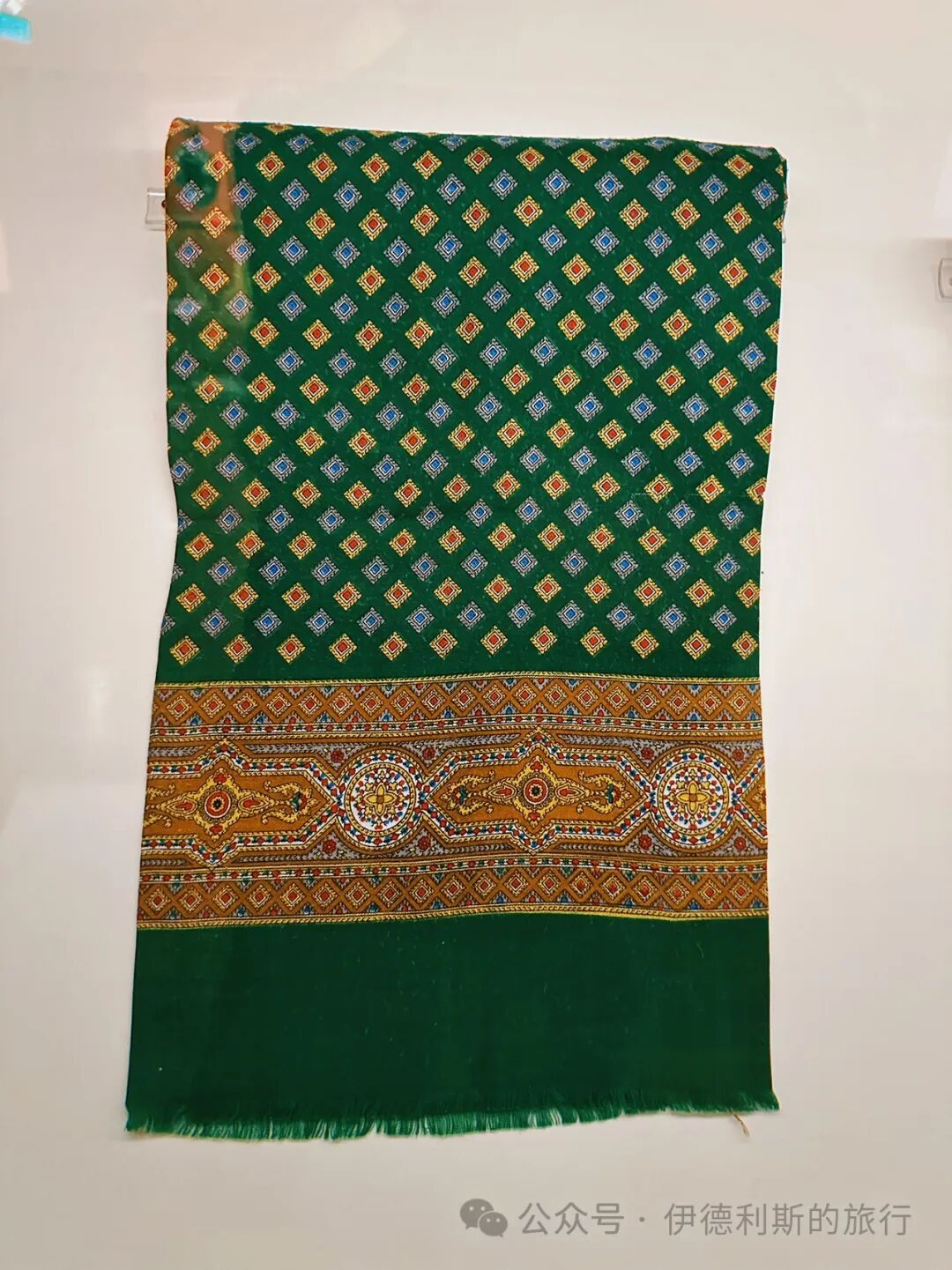
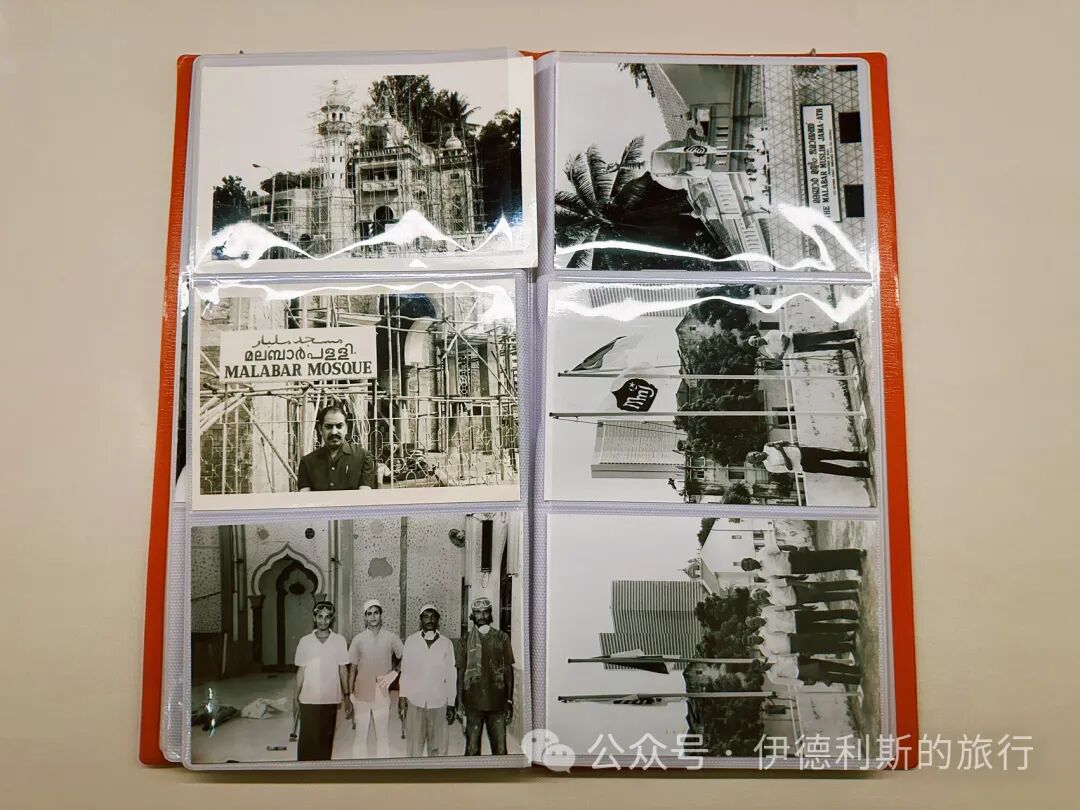
Currently, the Indian Heritage Centre in Singapore's Little India has a dedicated exhibition hall about Malabar immigrants if you are interested in learning more. The exhibit features a green shawl used for prayer in the 20th century by Abdullah bin Muhammad, on loan from the Malabar Mosque. It also includes old photos of the Malabar Mosque during its reconstruction and a set of traditional Malabar Muslim women's clothing on loan from Muhammad Shafiq, which includes a Kuppayam shirt, a Kachimundu waist cloth, and a Thattam headscarf.
Indian mosques in the Geylang area.
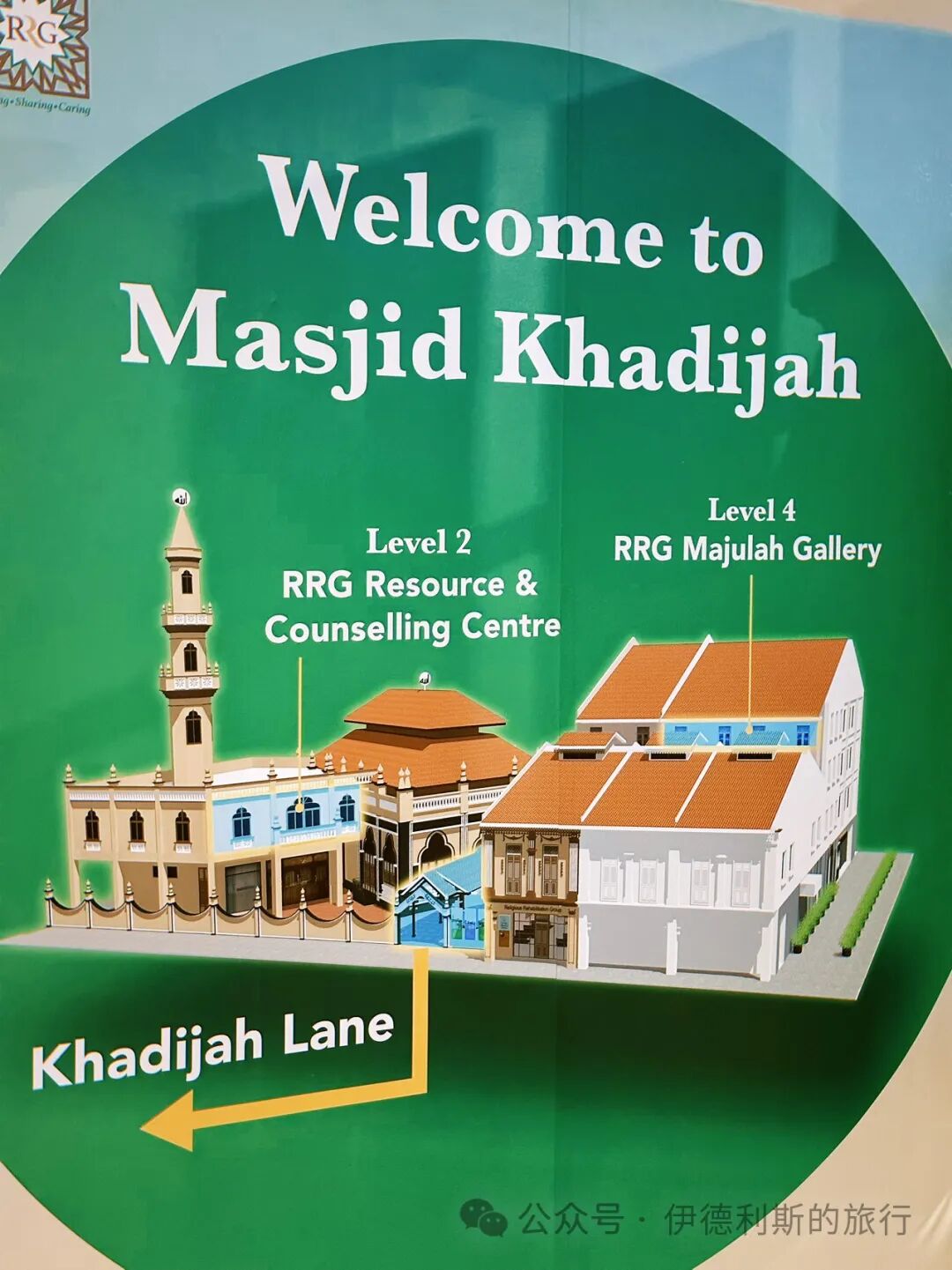
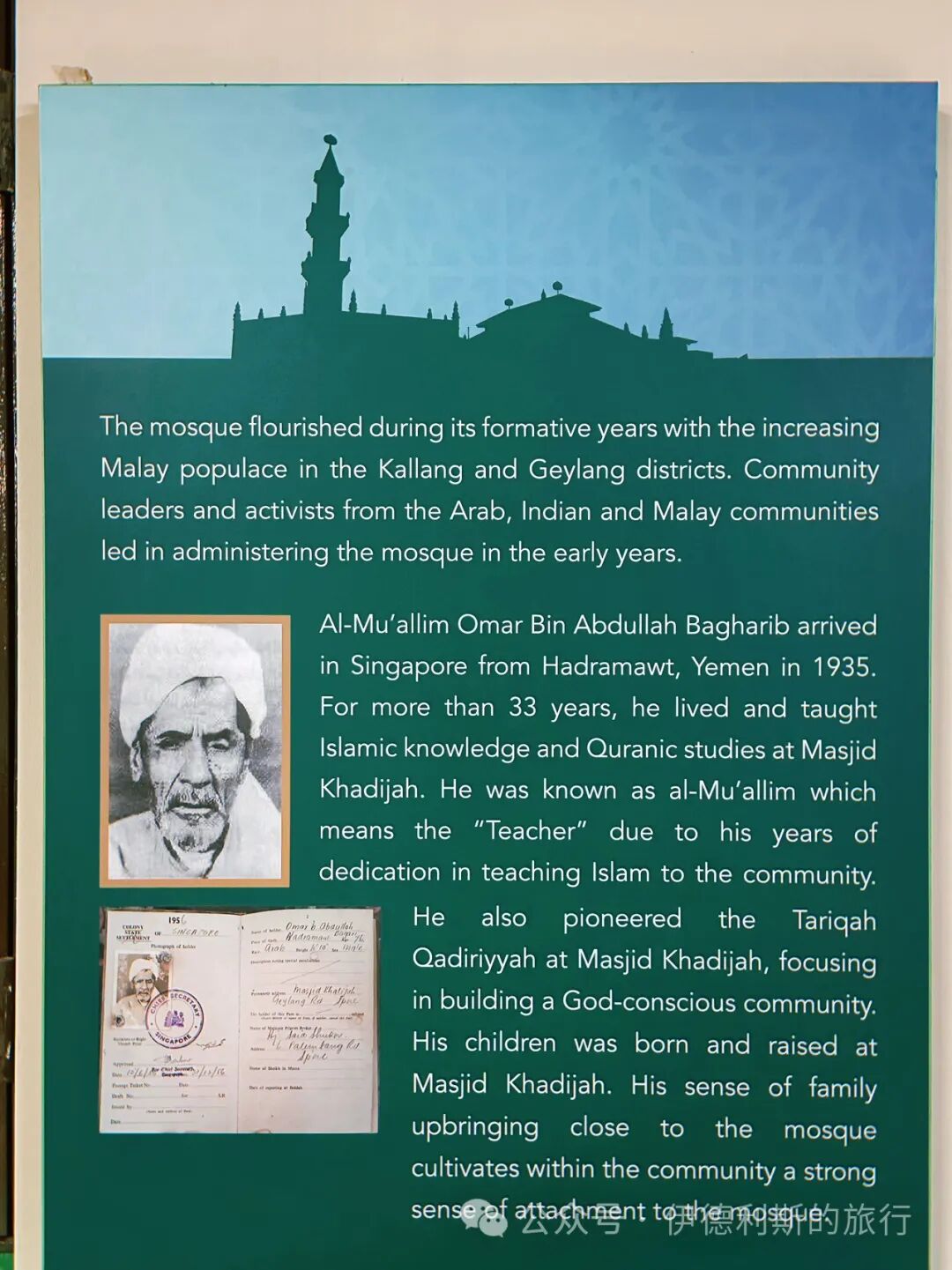
Hajjah Fatimah Mosque is located on Geylang Road in Singapore. It was built in 1920 after Hajjah Fatimah, an Indian-Muslim businesswoman and philanthropist, donated 50,000 dollars for its construction in 1915. The building blends Indian and Neoclassical styles. Because of the diverse ethnic groups in the Geylang area, Hajjah Fatimah Mosque has always been managed by Arab, Indian, and Malay Muslims together. In 1935, Al-Mu'allim Omar Bin Abdullah Bagharib arrived in Singapore from Yemen. He taught at Hajjah Fatimah Mosque for 33 years, and his descendants still live near the mosque today.
Dawoodi Bohra Shia mosque.
Al-Burhani Mosque is located on Hill Street, a main road in Singapore. It is the only Dawoodi Bohra Shia mosque in Singapore, and it is the second Dawoodi Bohra Shia mosque I have visited, following the one in Bangkok.
The Dawoodi Bohras originated from the Ismaili Shia Fatimid Caliphate, which ruled North Africa from the 10th to the 12th century. In 1067, the Imam of the Fatimid Caliphate sent a man named Abdullah from Yemen to Gujarat, India, to spread the faith, where he was very successful. Since then, the followers in Gujarat have kept in touch with Yemen and continued to grow. In 1589, the community leader Dawood Bin Qutubshah took office. He split from Yemen, and the group has been known as the Dawoodis ever since.
Starting in the 19th century, Dawoodi Bohra members from Gujarat, India, began traveling across the Indian Ocean to do business. They started trading dry goods and spices in Singapore in 1875. After the 1920s, more Dawoodi Bohra merchants came to Singapore from Gujarat to do business, and the Dawoodi Bohra community in Singapore was officially formed.
Al-Burhani Mosque was first built in 1895 and was originally small. The high-rise building you see today is how it looked after being rebuilt in 1997. It is a pity that there was no one inside the mosque when we visited, so we could not talk to anyone.
Ahmadiyya mosque
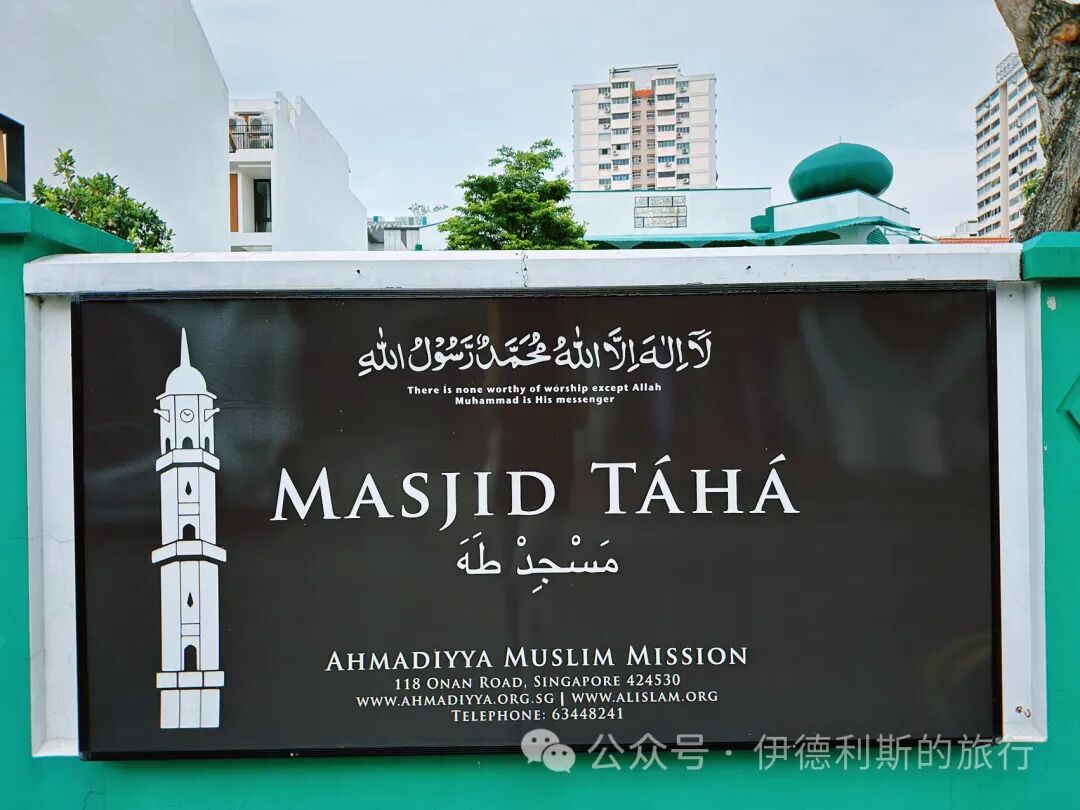
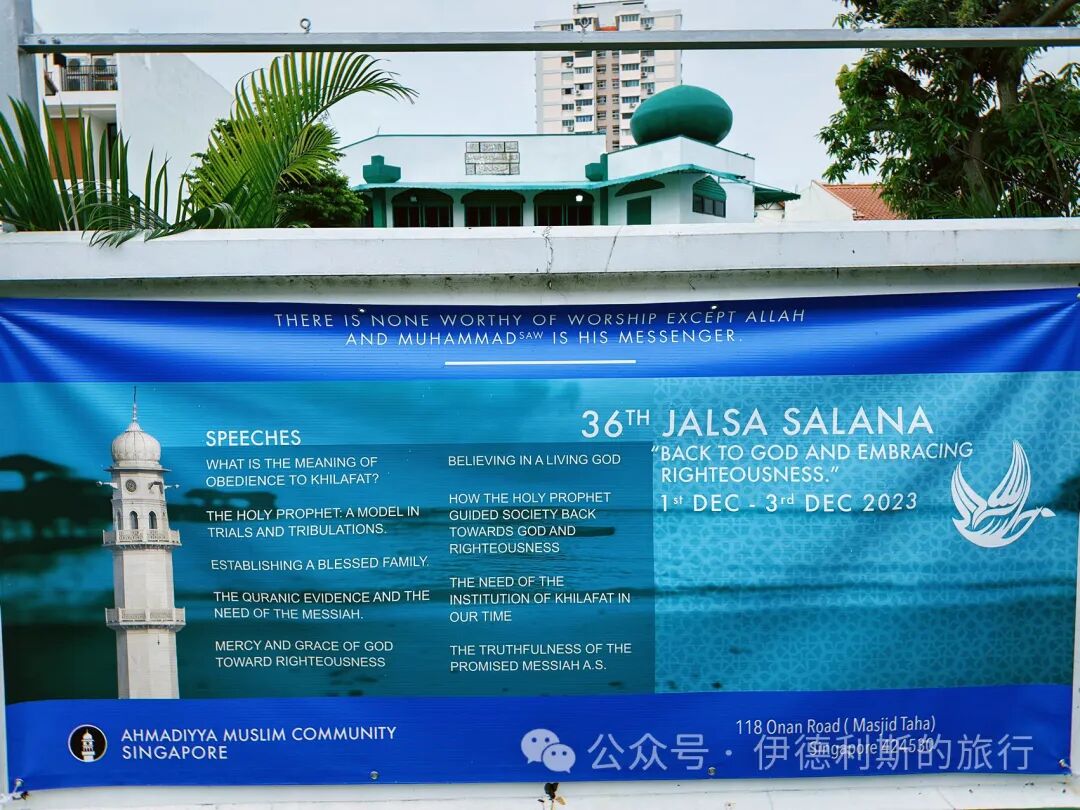
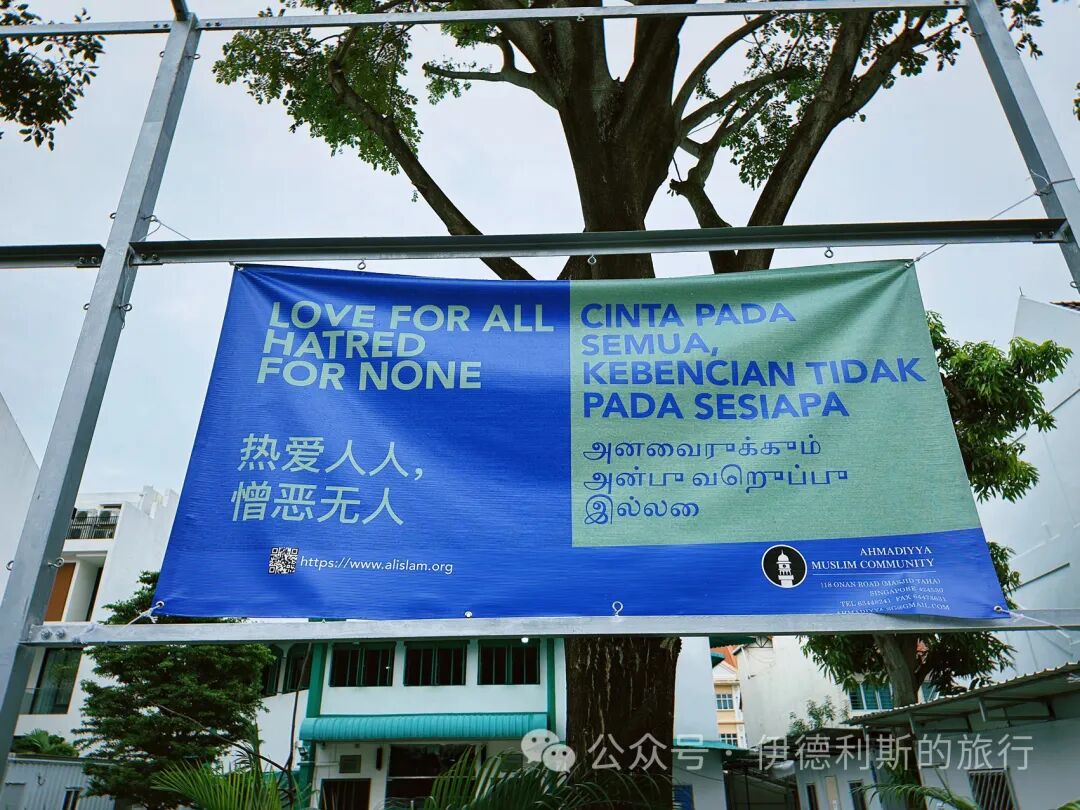
Taha Mosque is in Geylang, Singapore, and it is the only Ahmadiyya mosque in the country. Ahmadiyya is a movement that started in northern India in the late 19th century. Its founder, Mirza Ghulam Ahmad (1835-1908), claimed to be the Mahdi (savior) and officially established the community in Punjab, India, in 1889. The number of Ahmadiyya followers grew from the end of the 19th century, and the movement began spreading overseas after the 20th century.
In 1935, the second Caliph of the Ahmadiyya movement sent Ghulam Hussain Ayyaz to Singapore to preach, which officially established the Ahmadiyya community there. In 1985, the Singapore Ahmadiyya community officially built Taha Mosque, and the fourth Caliph of the Ahmadiyya movement attended the groundbreaking ceremony.
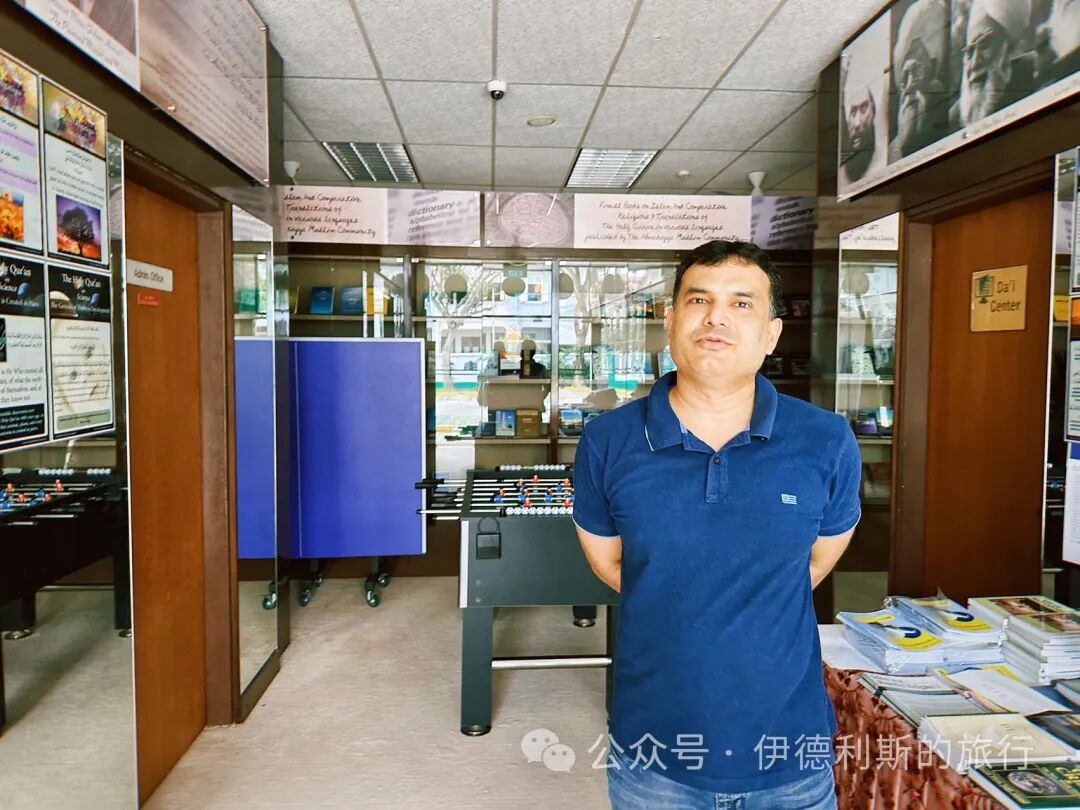
I chatted with a young man at Taha Mosque for a while, and this was my first time meeting followers of the Ahmadiyya movement.
Further reading: Indian Tamil Muslims in Penang, Malaysia view all
Summary: This second Singapore article continues the walk through Indian Muslim culture, mosque spaces, food streets, and neighborhood history. It preserves the original names, food details, religious terms, and route notes in natural English.
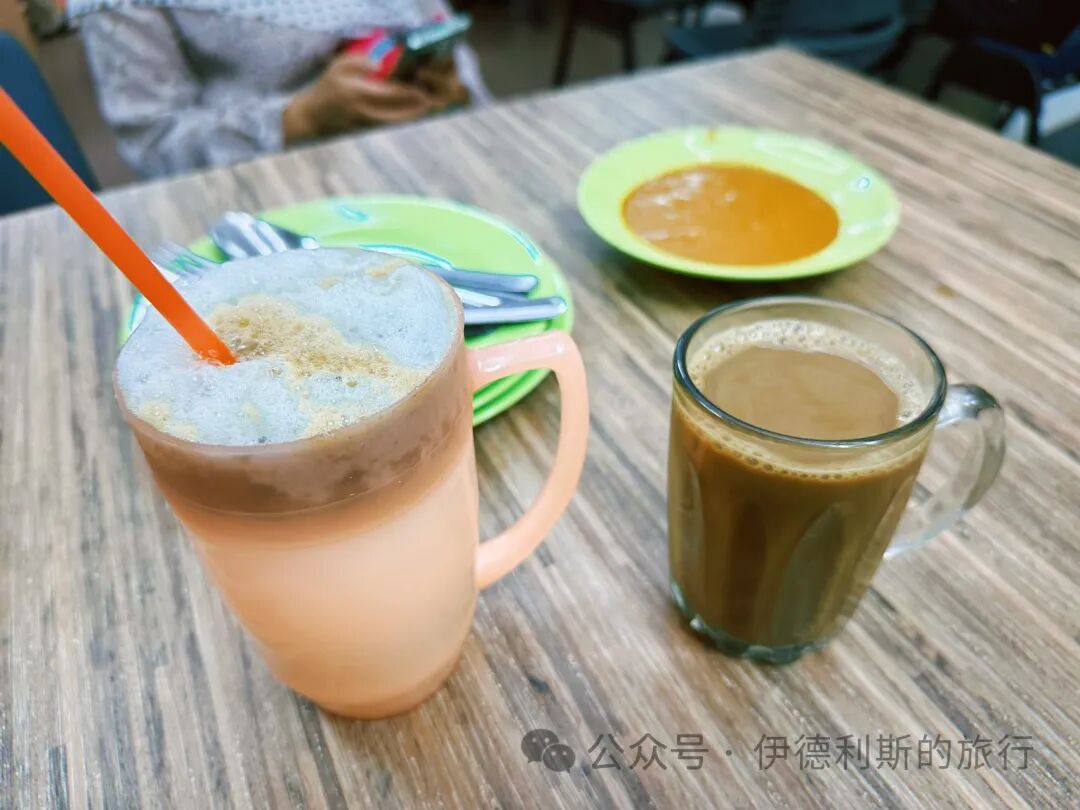
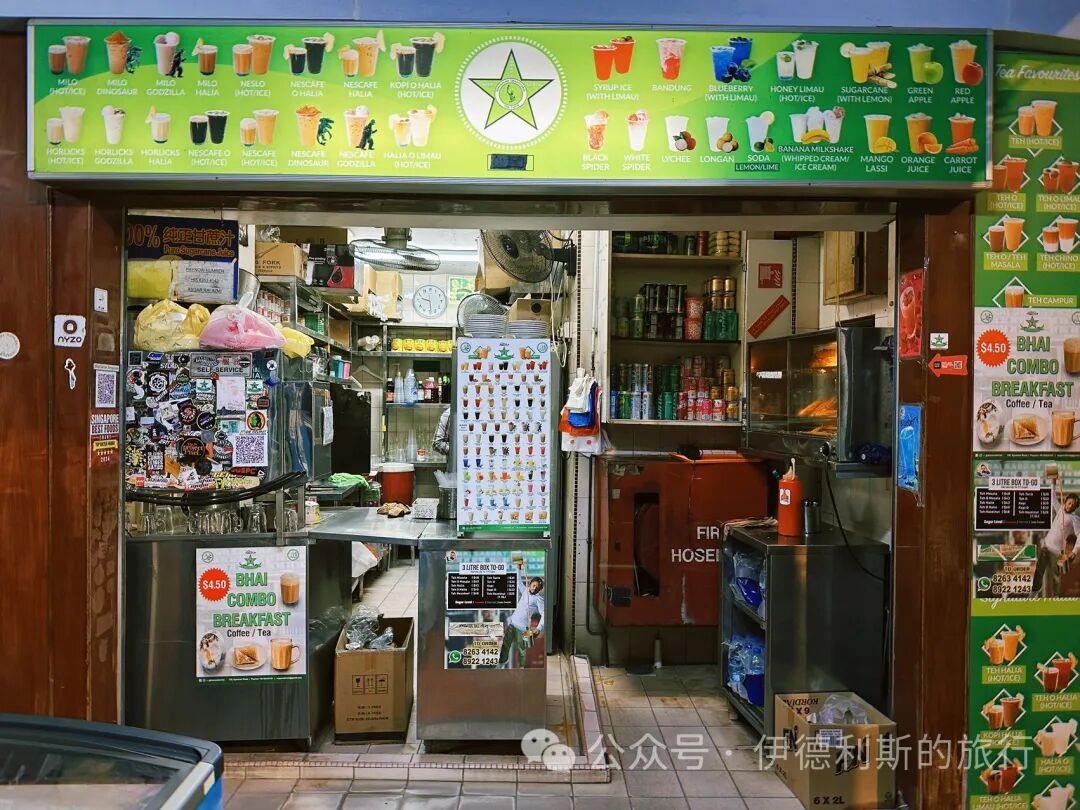
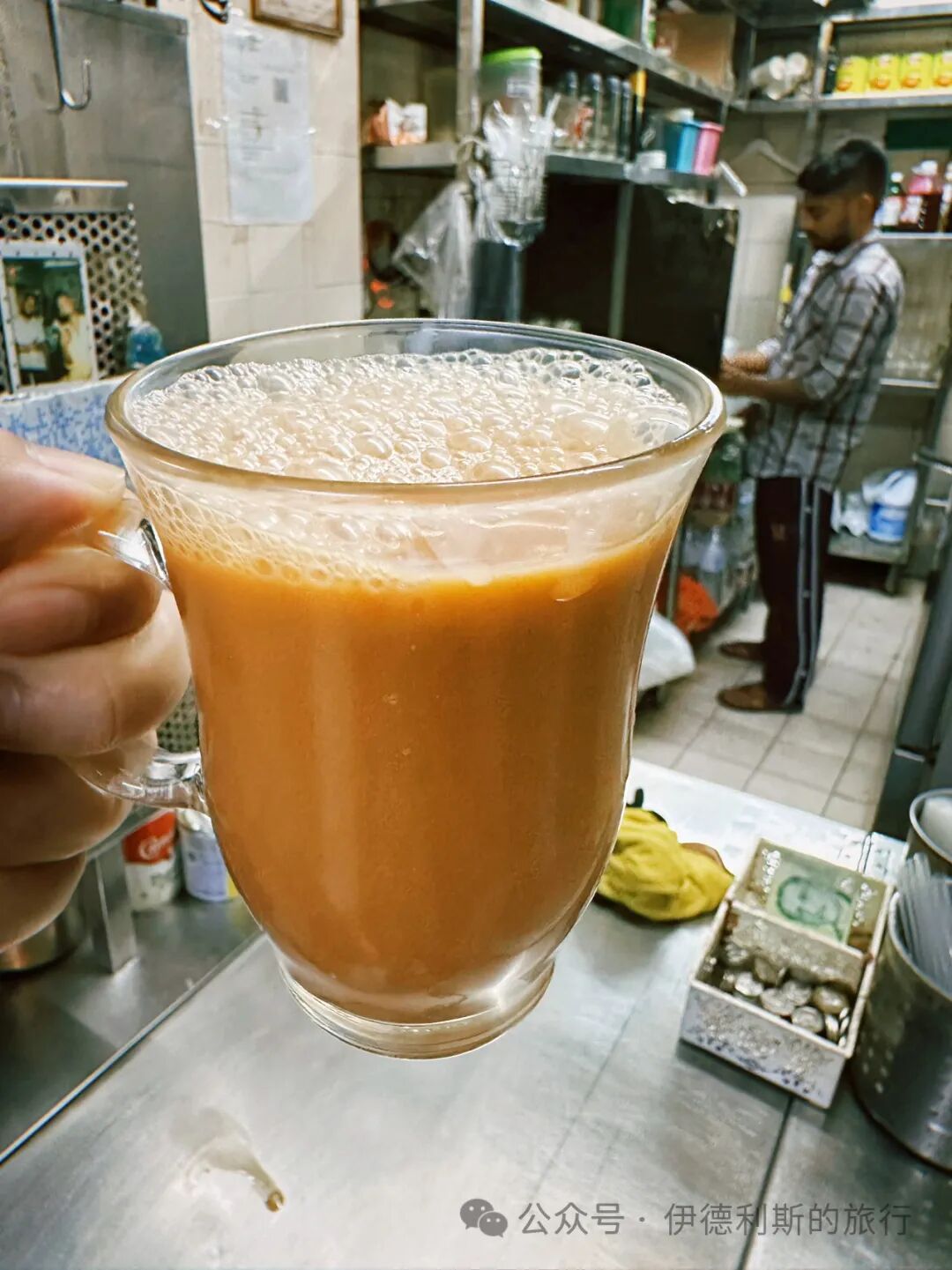
Kampong Glam is also a great place to try ginger tea (teh sarabat), also known as teh halia. Bhai Sarbat on Baghdad Street was started by an Indian Muslim in the 1950s and has been around for 70 years. Bhai means brother in Urdu. Bhai Sarbat started as a street pushcart. It moved into this shophouse on Baghdad Street in the 1970s. Today, they sell hundreds of drinks, but their ginger tea is still the most famous.
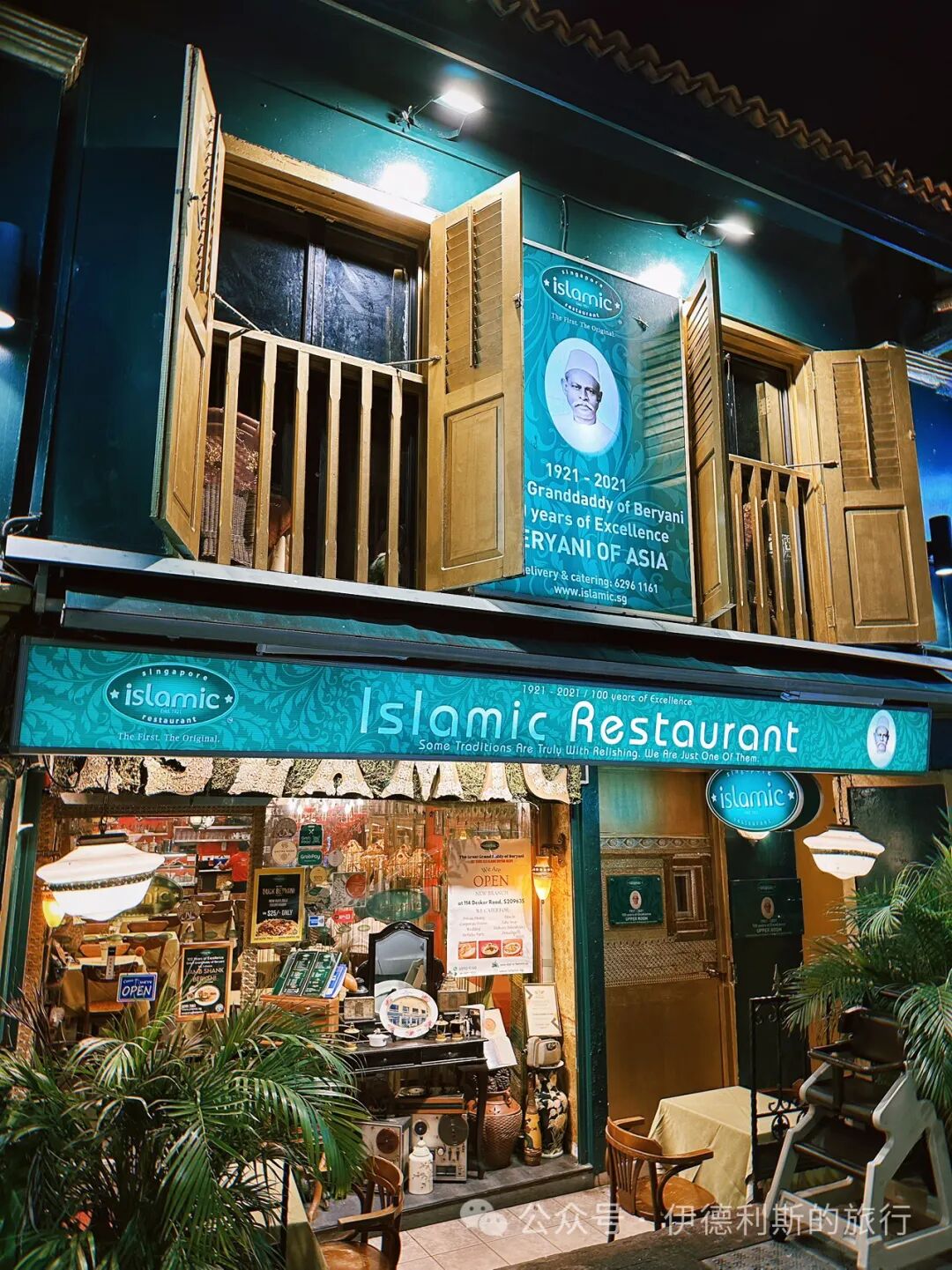
In the evening, we went to the most famous Indian halal restaurant in Kampong Glam, Islamic Restaurant. It opened in 1921 and has been in business for over a hundred years. The founder, Abdul Rahiman, was a Tamil Muslim from Tamil Nadu in southern India. After arriving in Singapore, his excellent cooking skills made him the head chef for the Alsagoff family, a wealthy family of Yemeni descent. Abdul Rahiman was best known for his biryani rice, which even the British governors loved.
In 1921, Abdul Rahiman opened Islamic Restaurant on North Bridge Road in Kampong Glam. Singaporean politicians who had tasted his cooking at the Alsagoff family banquets came to visit, as did royalty like the Sultans of Brunei, Johor, and Perak. Today, M. Abdul Rahiman's secret spice recipe for biryani rice is carried on by his grandson, Kalil. After a hundred years, their biryani is still delicious. Besides the biryani, we ordered almond naan, chicken tikka masala, and fenugreek (methi) fish curry. Everything was fantastic. This is a truly great Indian restaurant, not just a tourist trap near a scenic spot.
Malabar Mosque, also known as the Golden Dome Mosque, is located across from Kampong Glam in Singapore. It is the only mosque in Singapore built by Malabar Muslims from southwestern India. Malabar Muslims live in Kerala and the Lakshadweep Islands in the far southwest of the Indian peninsula. They are an ancient indigenous Muslim community in South Asia and, like the Malays, follow the Shafi'i school of jurisprudence.
In the early 19th century, Malabar Muslims traveled along the Indian Ocean to Singapore to trade textiles and jewelry. After the 20th century, they ran several food businesses in eastern Singapore and Kampong Glam. When they passed away, they were buried in the Muslim cemetery across from Kampong Glam. In 1929, the Malabar Muslims took over the mosque in the Muslim cemetery. It was rebuilt in 1953 and officially opened in 1963. Malabar Mosque was renovated into its current appearance in 1995, with blue and white tiles covering the exterior walls.
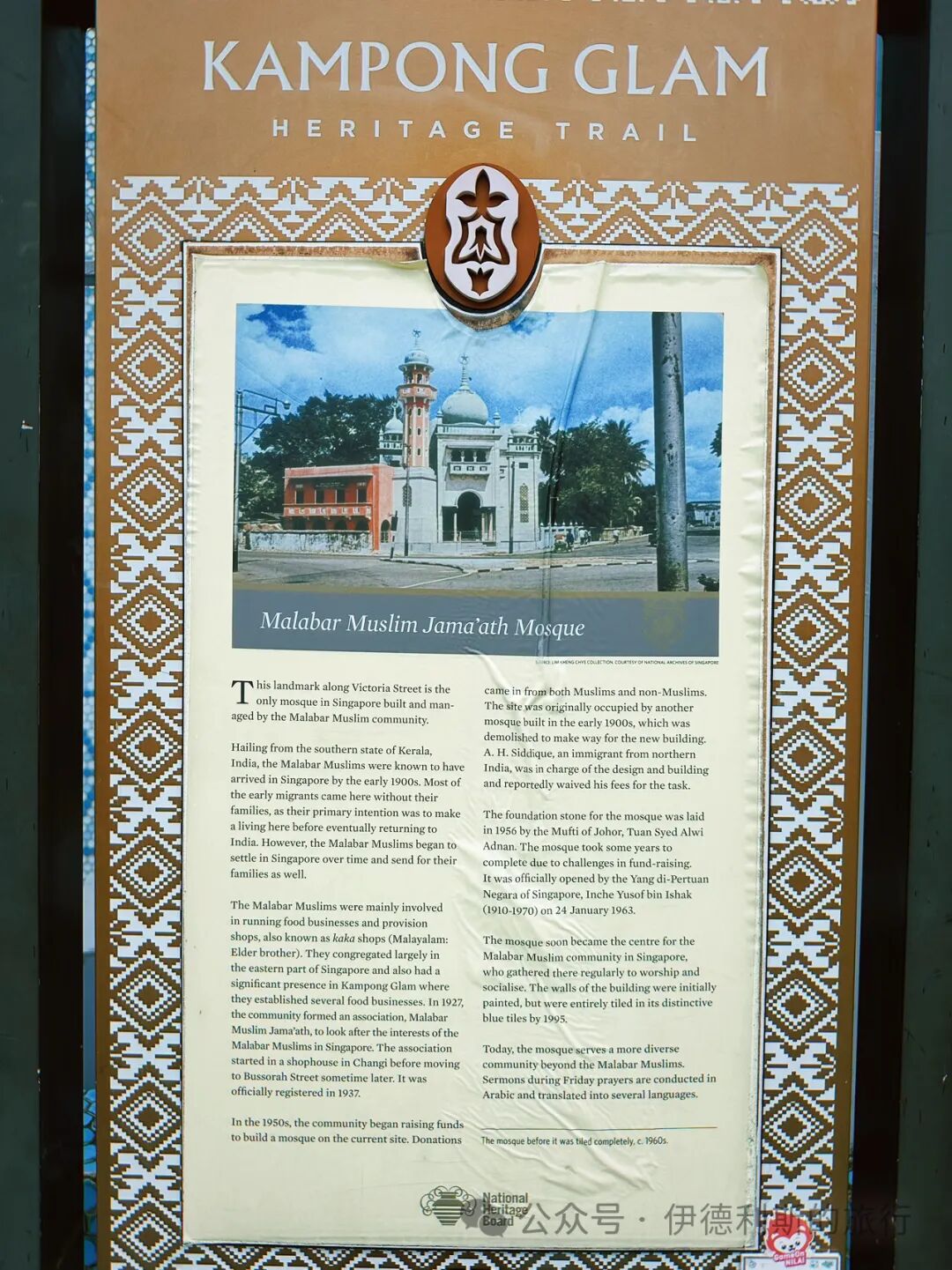
Currently, the Indian Heritage Centre in Singapore's Little India has a dedicated exhibition hall about Malabar immigrants if you are interested in learning more. The exhibit features a green shawl used for prayer in the 20th century by Abdullah bin Muhammad, on loan from the Malabar Mosque. It also includes old photos of the Malabar Mosque during its reconstruction and a set of traditional Malabar Muslim women's clothing on loan from Muhammad Shafiq, which includes a Kuppayam shirt, a Kachimundu waist cloth, and a Thattam headscarf.
Indian mosques in the Geylang area.
Hajjah Fatimah Mosque is located on Geylang Road in Singapore. It was built in 1920 after Hajjah Fatimah, an Indian-Muslim businesswoman and philanthropist, donated 50,000 dollars for its construction in 1915. The building blends Indian and Neoclassical styles. Because of the diverse ethnic groups in the Geylang area, Hajjah Fatimah Mosque has always been managed by Arab, Indian, and Malay Muslims together. In 1935, Al-Mu'allim Omar Bin Abdullah Bagharib arrived in Singapore from Yemen. He taught at Hajjah Fatimah Mosque for 33 years, and his descendants still live near the mosque today.
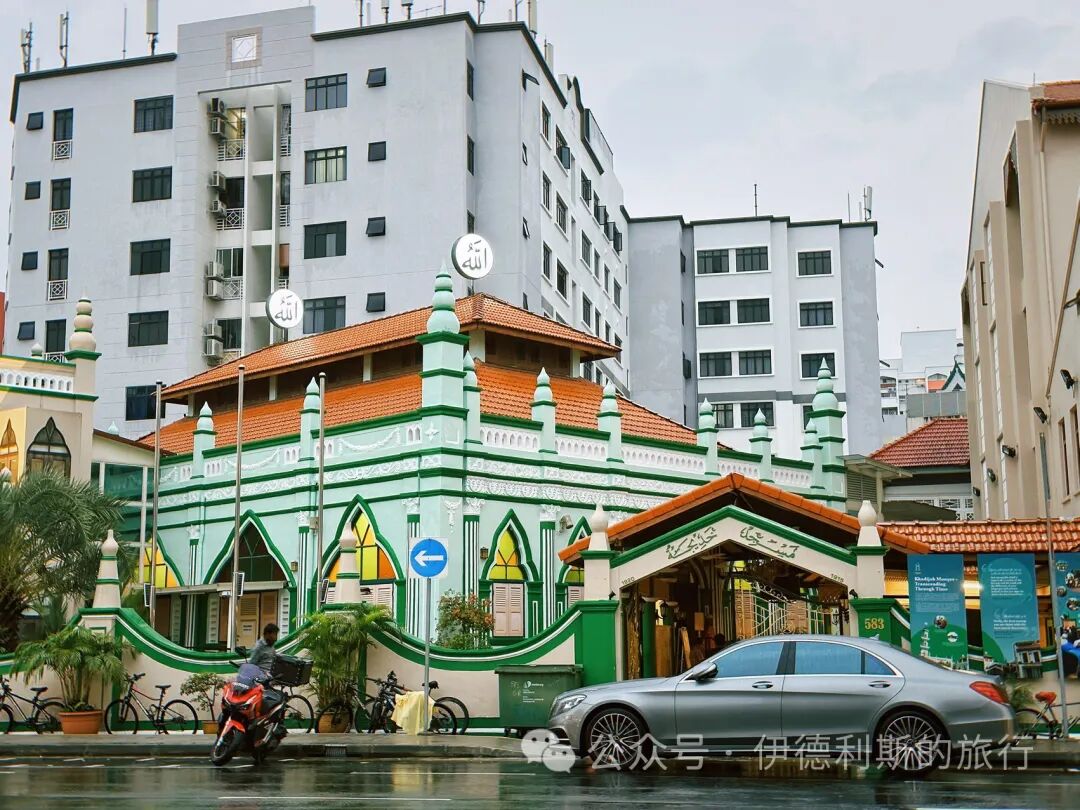
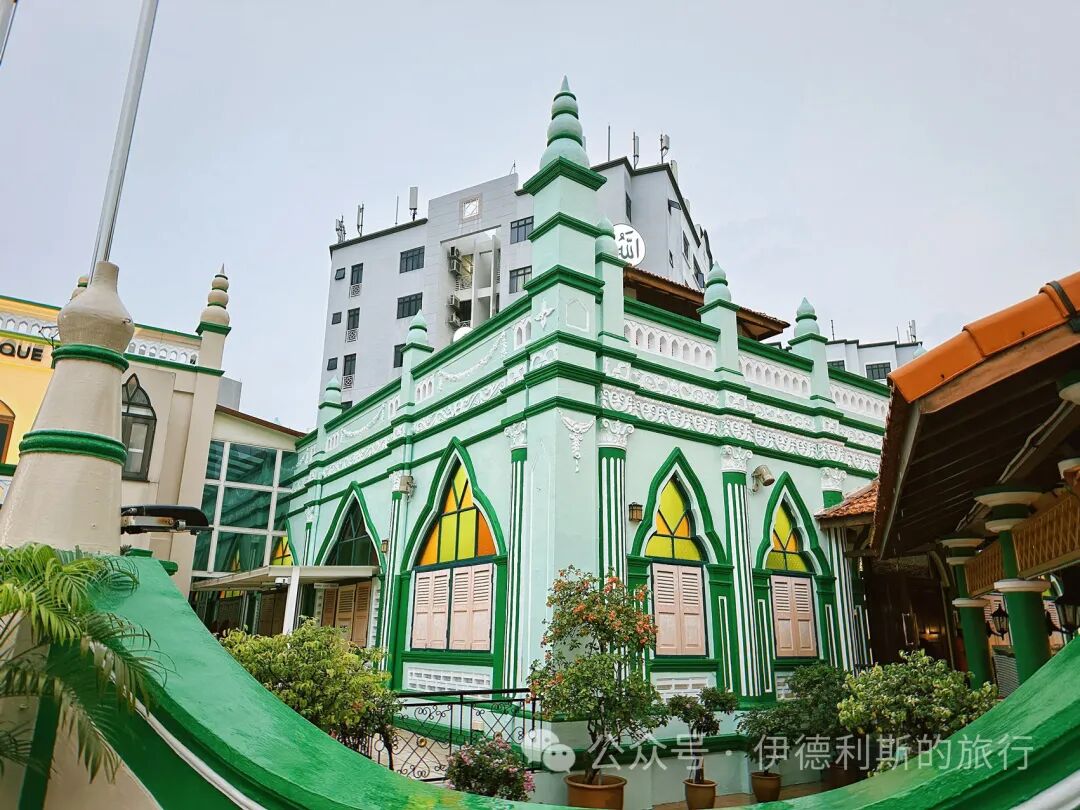
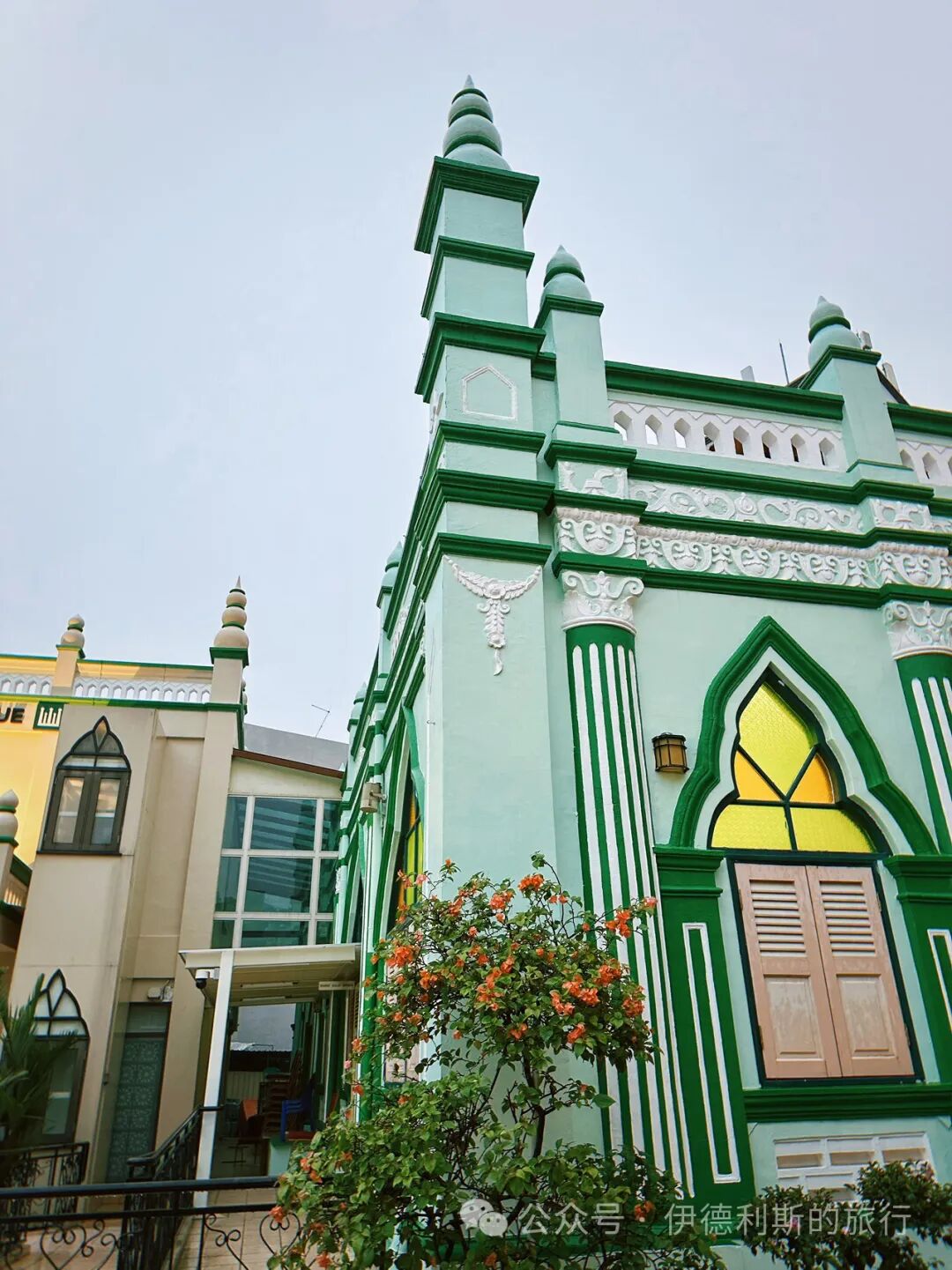
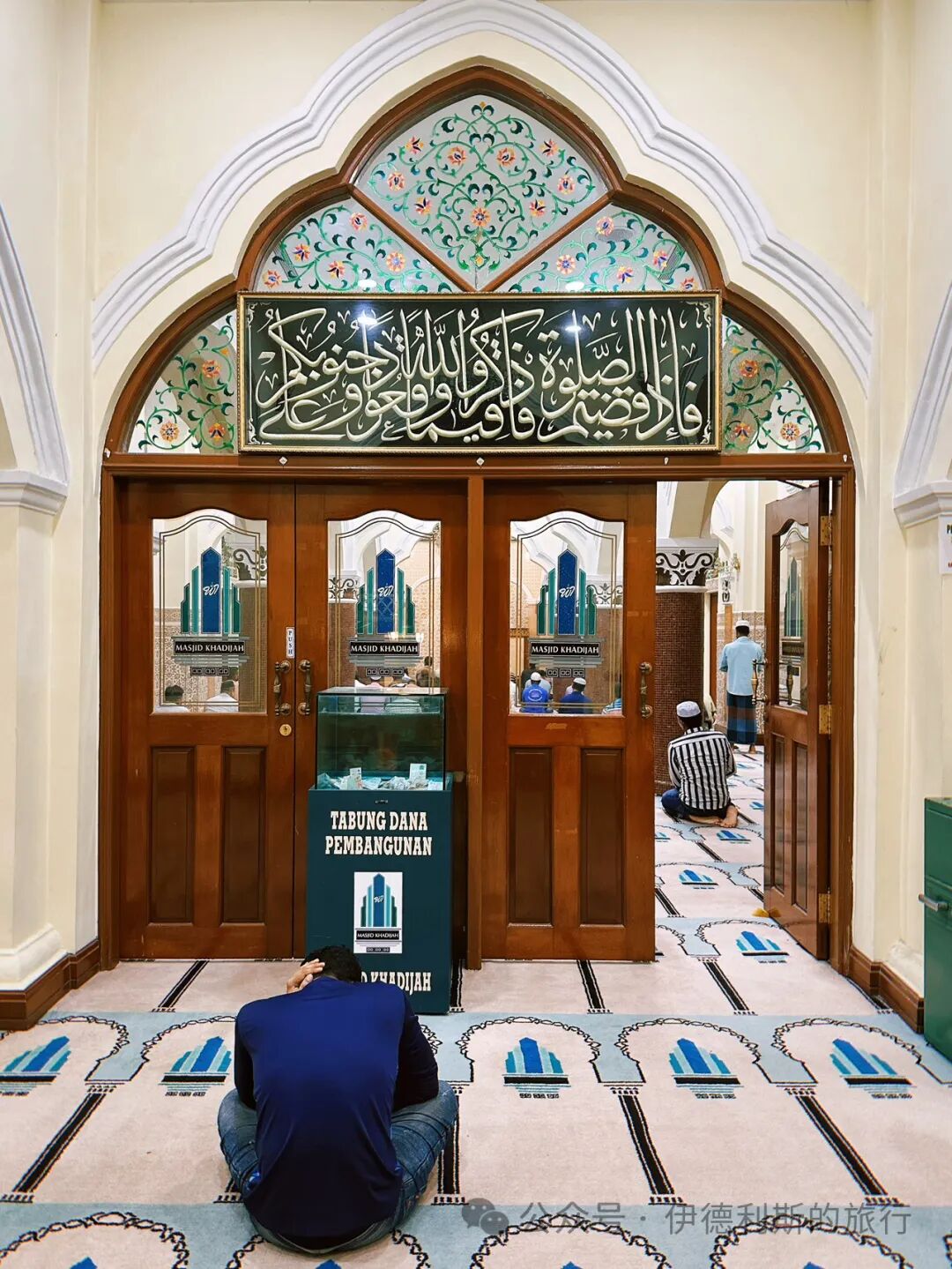
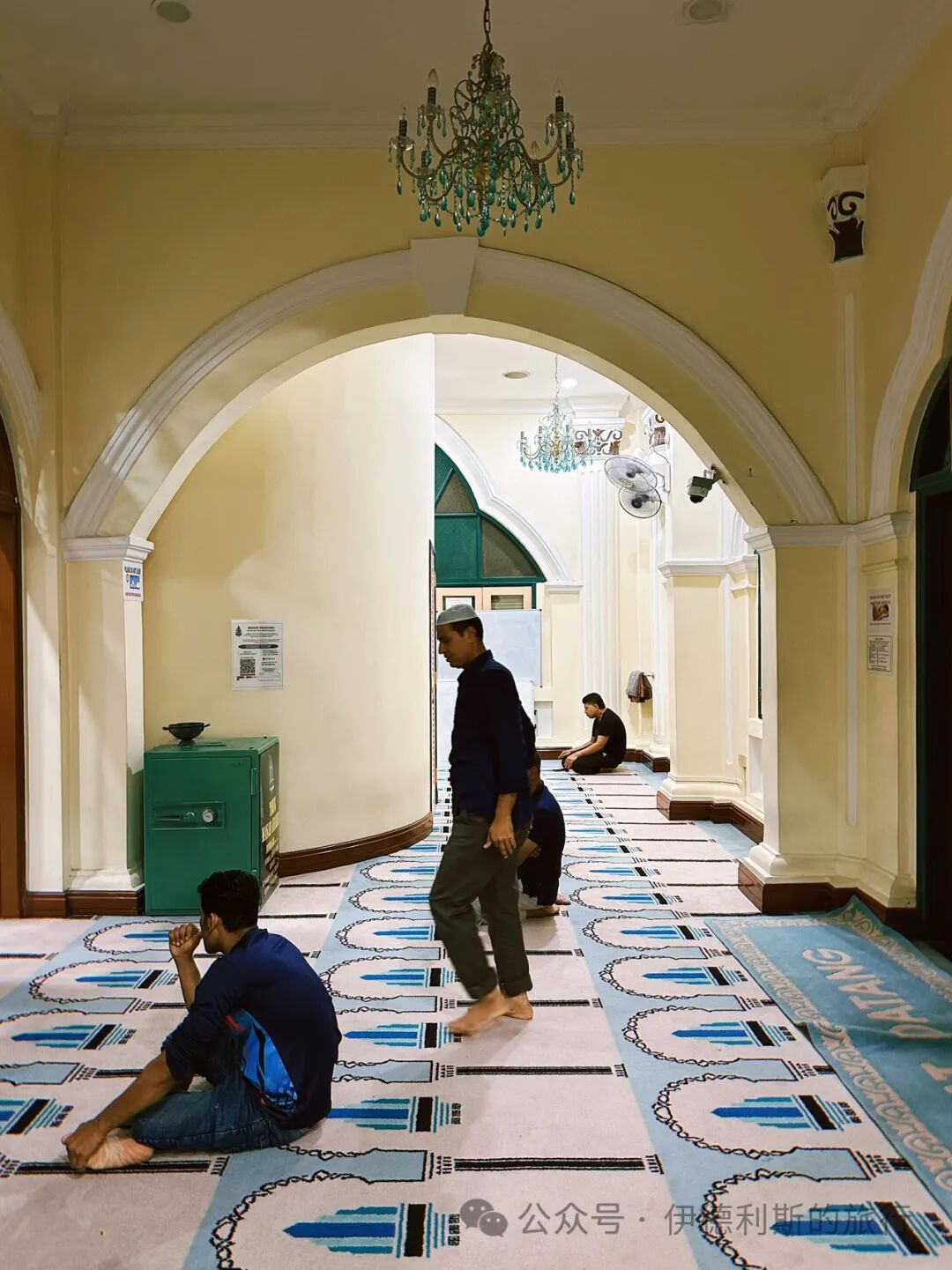
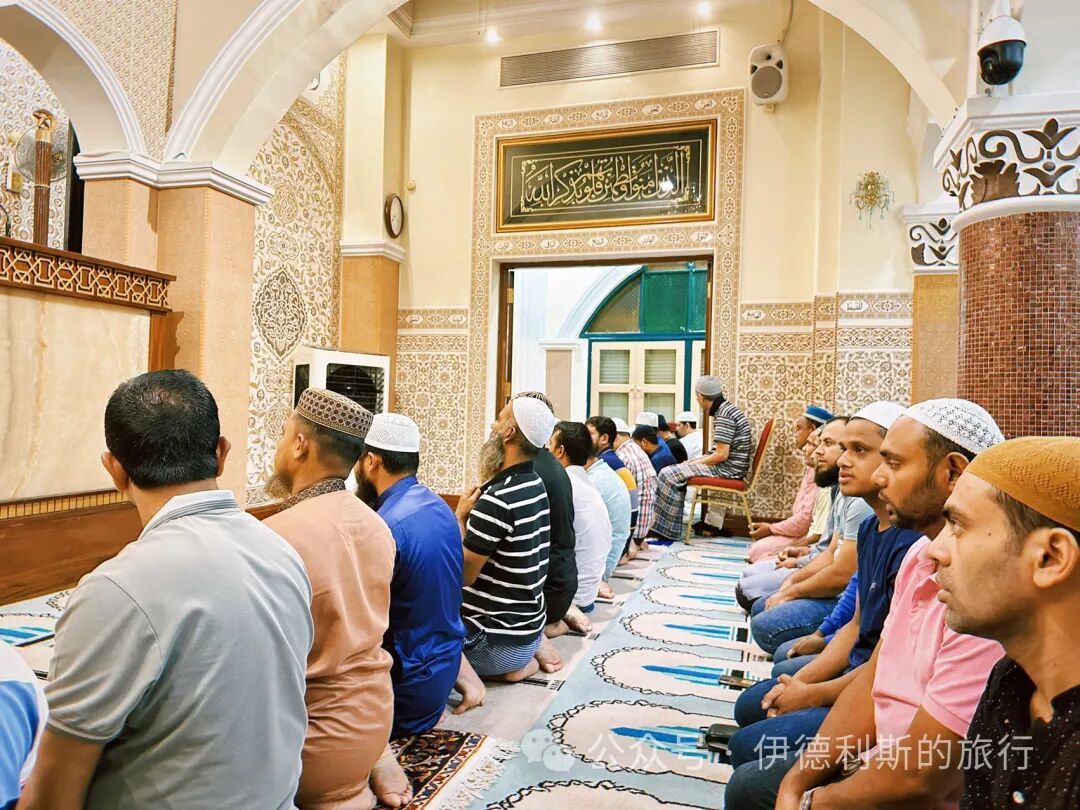
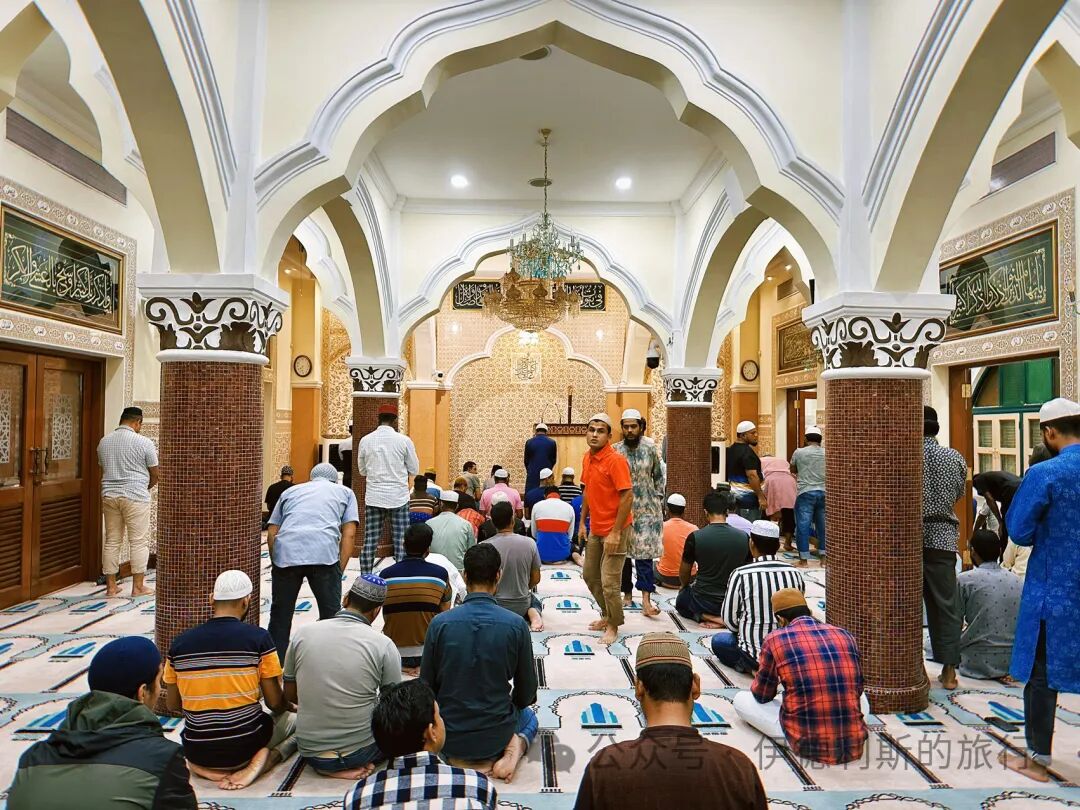
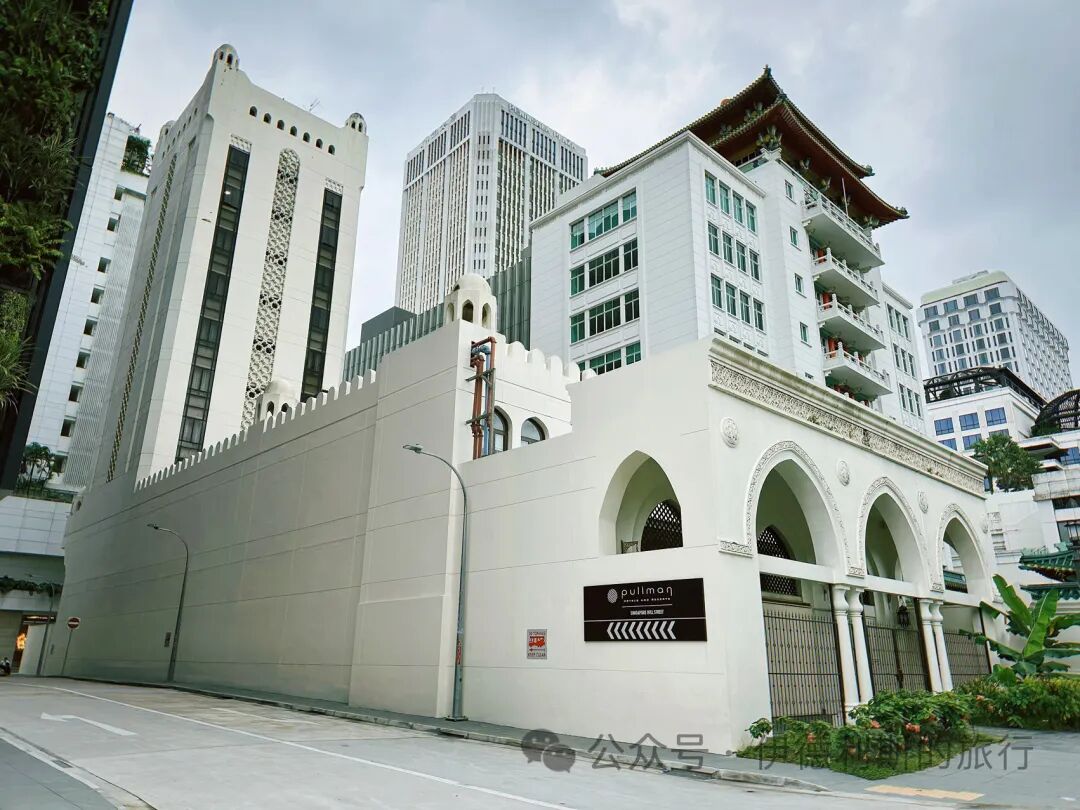
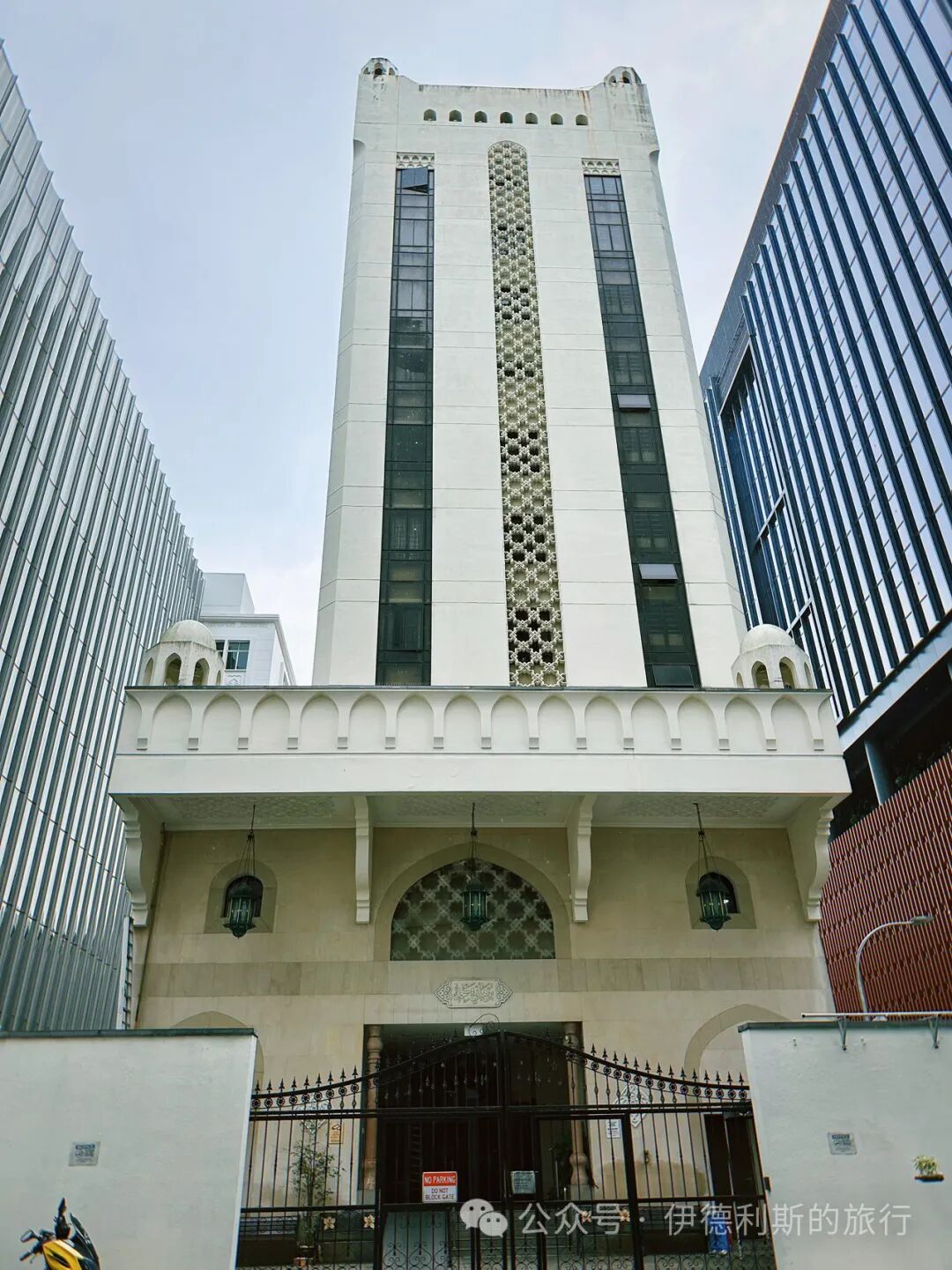
Dawoodi Bohra Shia mosque.
Al-Burhani Mosque is located on Hill Street, a main road in Singapore. It is the only Dawoodi Bohra Shia mosque in Singapore, and it is the second Dawoodi Bohra Shia mosque I have visited, following the one in Bangkok.
The Dawoodi Bohras originated from the Ismaili Shia Fatimid Caliphate, which ruled North Africa from the 10th to the 12th century. In 1067, the Imam of the Fatimid Caliphate sent a man named Abdullah from Yemen to Gujarat, India, to spread the faith, where he was very successful. Since then, the followers in Gujarat have kept in touch with Yemen and continued to grow. In 1589, the community leader Dawood Bin Qutubshah took office. He split from Yemen, and the group has been known as the Dawoodis ever since.
Starting in the 19th century, Dawoodi Bohra members from Gujarat, India, began traveling across the Indian Ocean to do business. They started trading dry goods and spices in Singapore in 1875. After the 1920s, more Dawoodi Bohra merchants came to Singapore from Gujarat to do business, and the Dawoodi Bohra community in Singapore was officially formed.
Al-Burhani Mosque was first built in 1895 and was originally small. The high-rise building you see today is how it looked after being rebuilt in 1997. It is a pity that there was no one inside the mosque when we visited, so we could not talk to anyone.
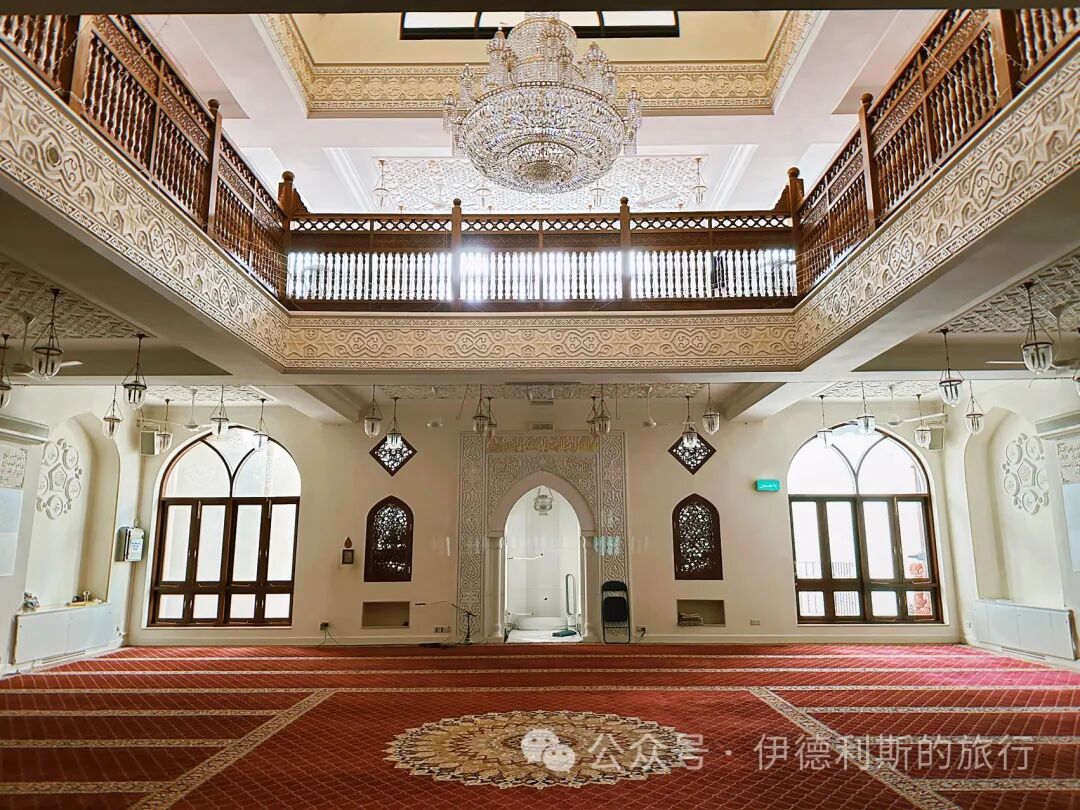
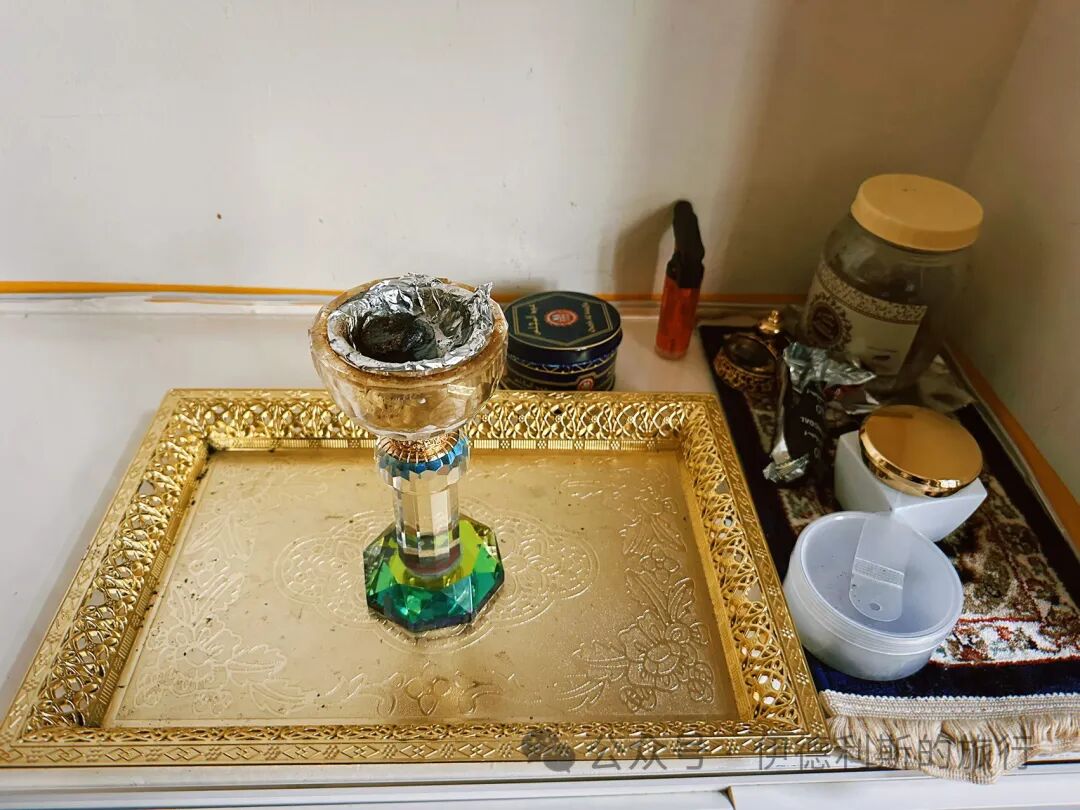
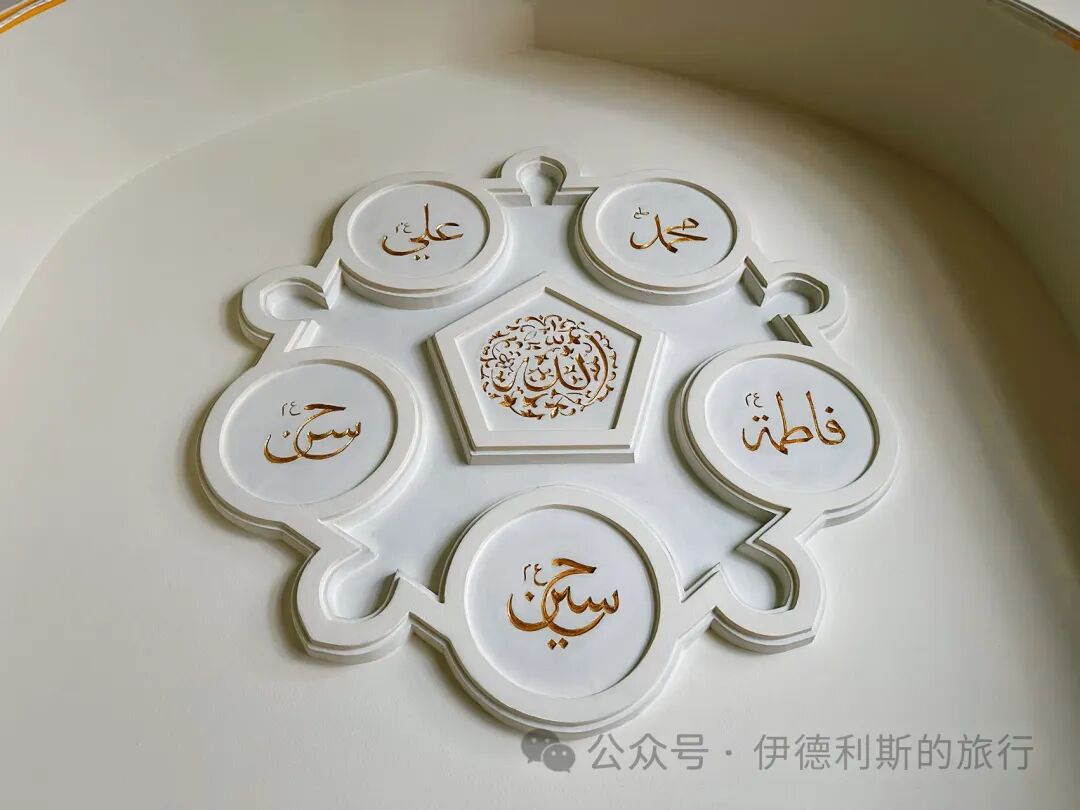
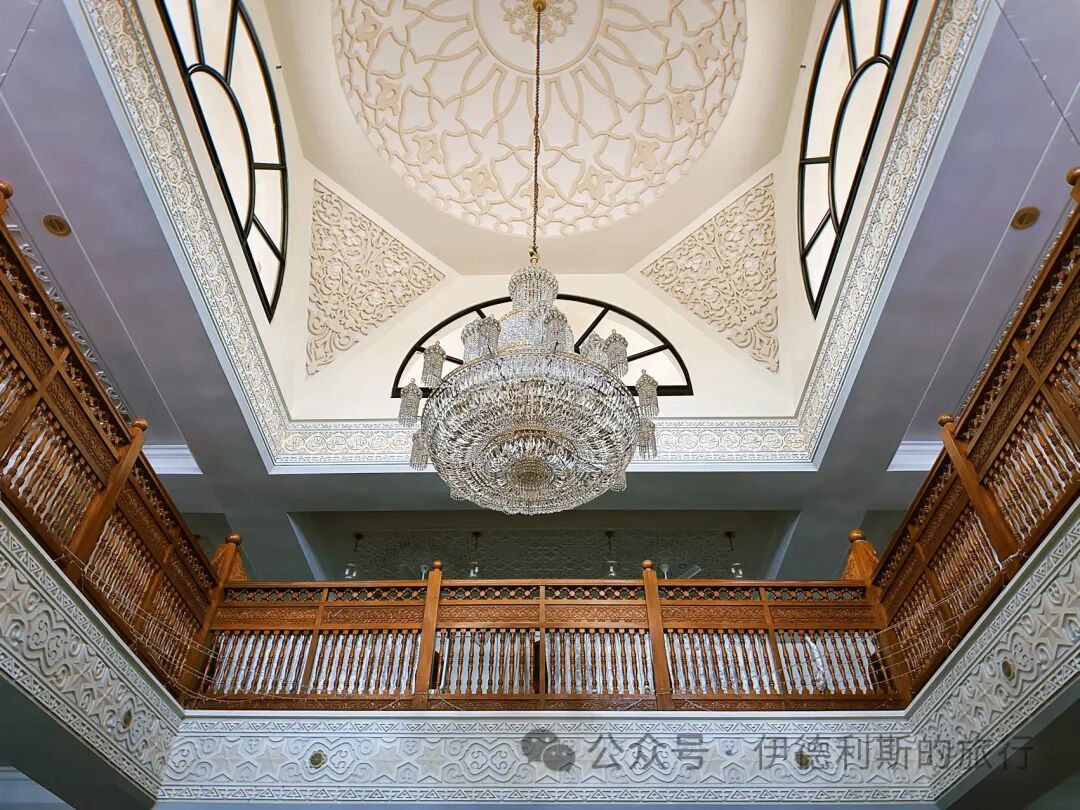
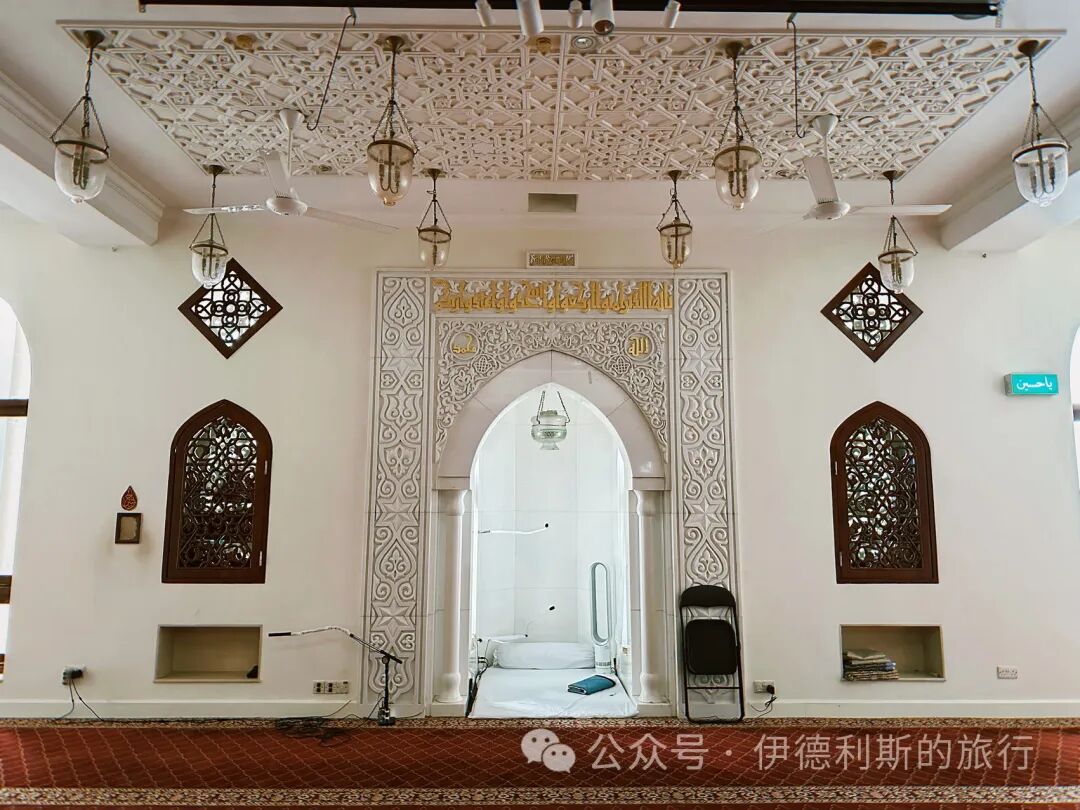
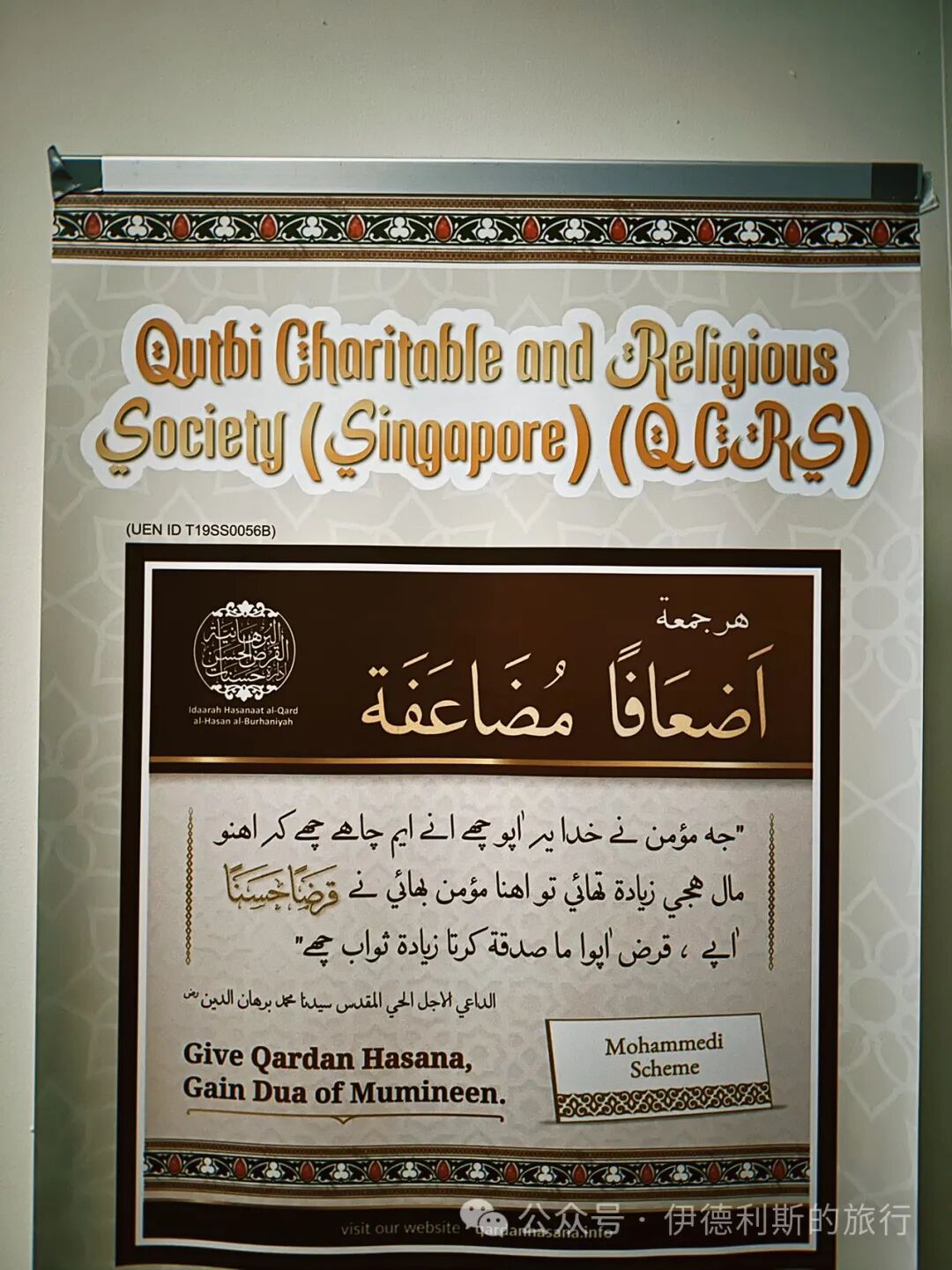
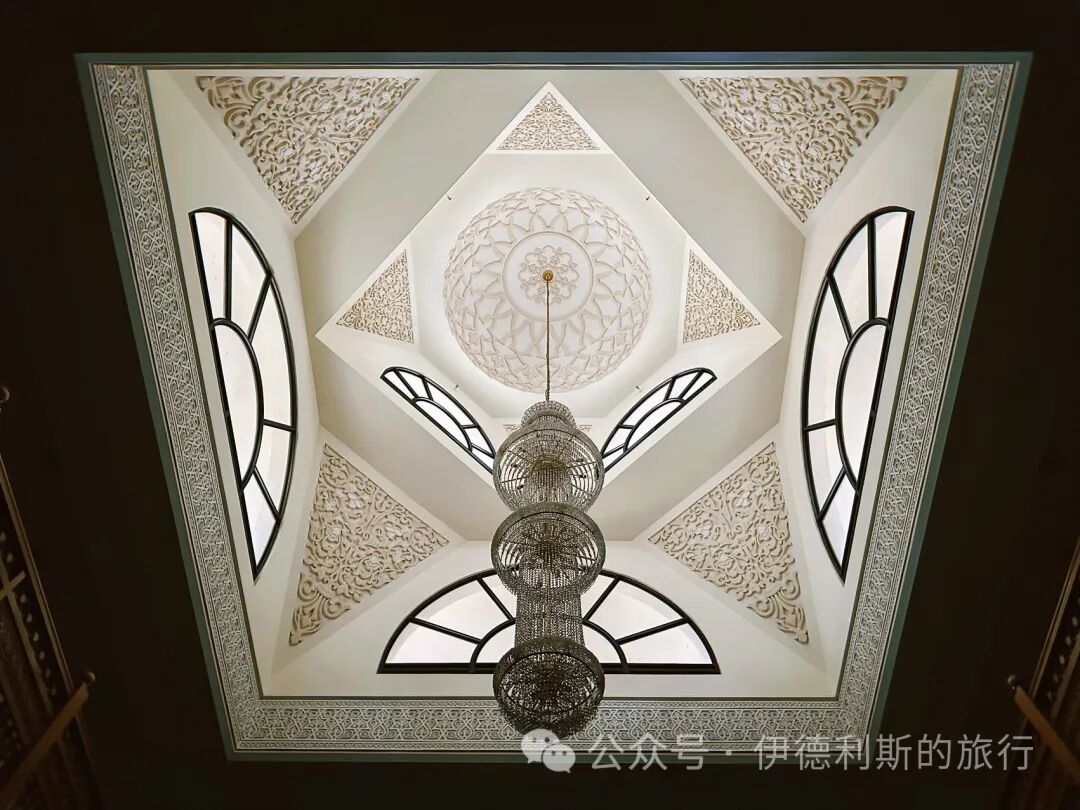
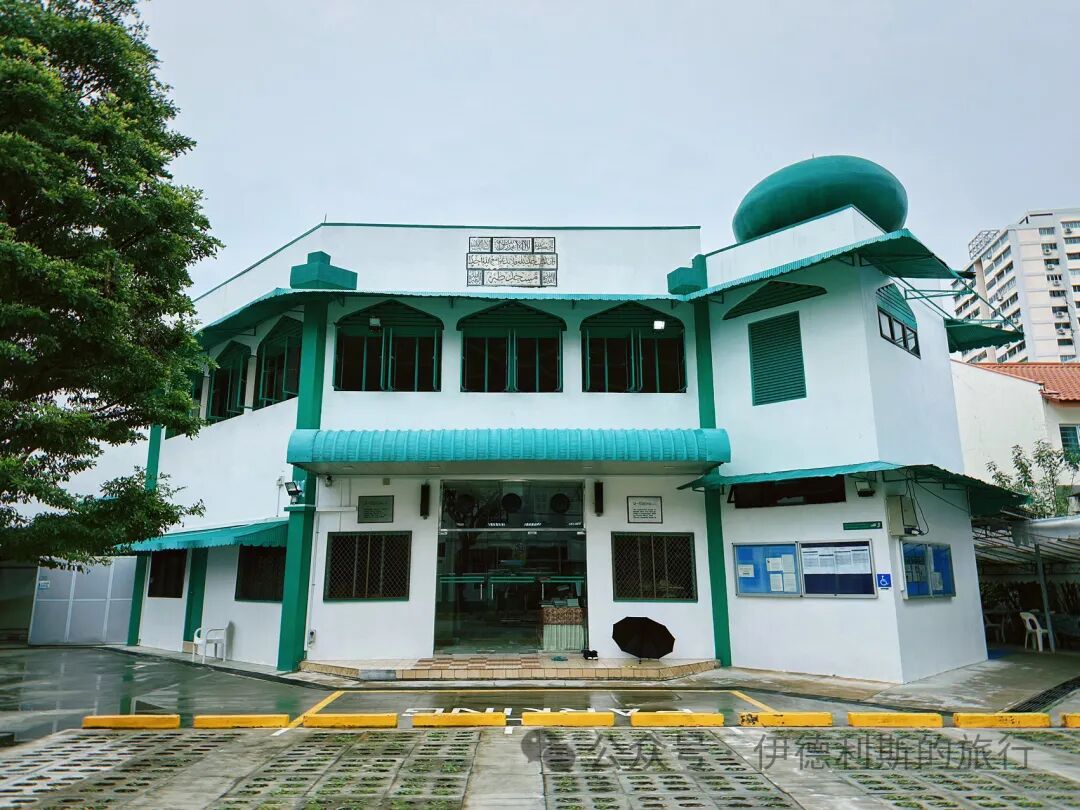
Ahmadiyya mosque
Taha Mosque is in Geylang, Singapore, and it is the only Ahmadiyya mosque in the country. Ahmadiyya is a movement that started in northern India in the late 19th century. Its founder, Mirza Ghulam Ahmad (1835-1908), claimed to be the Mahdi (savior) and officially established the community in Punjab, India, in 1889. The number of Ahmadiyya followers grew from the end of the 19th century, and the movement began spreading overseas after the 20th century.
In 1935, the second Caliph of the Ahmadiyya movement sent Ghulam Hussain Ayyaz to Singapore to preach, which officially established the Ahmadiyya community there. In 1985, the Singapore Ahmadiyya community officially built Taha Mosque, and the fourth Caliph of the Ahmadiyya movement attended the groundbreaking ceremony.
I chatted with a young man at Taha Mosque for a while, and this was my first time meeting followers of the Ahmadiyya movement.
Further reading: Indian Tamil Muslims in Penang, Malaysia
Halal Travel Guide: Singapore - Asian Civilisations Museum and Islamic Art
Articles • ali2007fr posted the article • 0 comments • 143 views • 2026-05-19 07:23
Summary: This Singapore article visits the Asian Civilisations Museum and looks closely at Islamic art, trade history, ceramics, textiles, and cultural objects. It keeps the original museum observations, object names, and historical details for English readers.
The Asian Civilisations Museum in Singapore sits by the Singapore River in a neoclassical building from 1867. It first focused on crafts from Malay and Southeast Asian indigenous peoples. After the 1990s, it expanded its collection to include West and South Asia, becoming a museum that shows the meeting of different Asian cultures and civilizations.
Two miniature paintings from the late 16th-century Shiraz school in Iran depict the famous Persian poet Nizami's masterpiece, the Five Poems (Khamsa).
A late 16th-century Ottoman miniature illustration comes from the Garden of the Blessed (Hadigat us-Su'ada), written around 1547. This illustration shows the hardships faced by the Prophet and his family. He is giving a sermon (khutbah) from a pulpit, with Imam Ali, Husayn, Hasan, and other family members below. To show respect, golden flames burn behind the Prophet, Ali, Husayn, and Hasan, and the faces of the Prophet and Ali are covered.
This 18th-19th century silk embroidery from Jaipur, India, was usually used for tapestries or curtains in tents or noble homes. The floral patterns in the center are classic Mughal dynasty designs, widely used in Rajasthan, where Jaipur is located.
This 14th-century copper bowl with gold and silver inlay is from Fars, Iran. Fars was the center of Iran's metalworking industry in the 14th and 15th centuries, and the bowl depicts the image of the Sultan at that time.
The Batu Hitam shipwreck gallery at the Asian Civilisations Museum in Singapore. 1,100 years ago, an Arab cargo ship loaded with precious goods left Guangzhou port to return to the Abbasid Caliphate. It eventually sank near the coast of Sumatra, 600 kilometers southeast of Singapore. It was not discovered until 1998 and is called the Batu Hitam (Black Rock) shipwreck because of the location where it was found. The shipwreck yielded a large number of ceramic bowls, which are the same shape as those found from the Abbasid Caliphate of the same period.
A 13th-century calligraphy fritware tile from Kashan, Iran.
A fritware jug from the late 12th-century Seljuk dynasty in Iran. Fritware is a ceramic technique invented by Middle Eastern craftsmen in the 11th century to imitate Chinese porcelain. It developed from early Egyptian faience and is made of a mixture of clay, quartz, and glaze.
A marble tombstone from early 9th-century Syria.
A late 14th-century Kufic script tile from the Timurid dynasty, likely from the tomb of a Timurid noble.
An 11th-century mihrab tile from northeastern Iran. The lamp in the center represents light (nur), symbolizing the presence of Allah.
This 11th-century tombstone tile from Afghanistan was likely embedded in the wall of a tomb.
This 14th-century sandstone calligraphy carving from western India features a three-part script style that is stretched vertically.
Renowned Arabic calligrapher Chen Jinhui created this piece in 1996, blending in techniques from Chinese ink wash painting.
This is a Persian paper-cut from Iran, dated 1891. This art form was widely used for binding Iranian manuscripts from the 15th to 17th centuries and continued until the end of the 19th century.
This 18th-century Ottoman Turkish book stand (rehal) is inlaid with tortoiseshell and mother-of-pearl.
This 19th-century Iranian book stand (rehal) is carved with beautiful floral and geometric patterns.
This 8th-to-9th-century parchment manuscript from Syria or North Africa is an early form of Kufic script. These parchment Kufic manuscripts are among the earliest Quran copies visible today.
These two religious texts, written in China and Java, show how non-native Arabic speakers wrote the language, including notes in their own native tongues.
This is an 1876 Ottoman Turkish pen case with an inkwell.
This is a pottery jug from Kashan, Iran, dating to the late 12th century.
This is a 10th-century pottery bowl from Nishapur, Iran, featuring Kufic calligraphy.
This 1887-88 sandstone screen (jali) from India was used to block the hot sun and is inscribed with praises to Allah.
This 17th-century Iranian copy of the anatomy book Tashrih-i Mansuri was originally written in the 14th century. It studies different body systems, including bones, nerves, muscles, and arteries. The final chapter explains how human organs and fetuses form, and it includes anatomical drawings of a pregnant woman.
This is a Persian version of the famous ancient Roman pharmacology book De materia medica, copied in the Deccan region of India in 1595. De materia medica was written in Greek in the 1st century AD, translated into Arabic in the 9th century, and later translated into Persian, laying an important foundation for botany and pharmacology in West Asia.
A dua shirt (dua shirt) from the Mughal Empire in India, dating from the 16th to the early 17th century. This garment is covered in scripture and the 99 names of Allah. Warriors wore it under their armor, and sick people wore it for health and safety.
A 19th-century Indian dua hat (dua hat) inscribed with scripture.
A jewelry box from Gujarat, India, made between the late 16th and 17th centuries. Muslim artisans in Gujarat crafted these fine boxes for the entire Islamic world, decorating them with finely cut mother-of-pearl.
A 1230 tile from Kashan, Iran. These octagonal tiles, paired with cross-shaped tiles, covered the walls of Iranian palaces and important tombs. They often feature Persian poetry and Quranic verses.
A 15th-century tile from Multan, Pakistan. Influenced by the Timurid Empire of Central Asia, it features a striking blue and green twelve-pointed star design.
Exquisite Chinese export porcelain, reflecting the economic and cultural exchange between China and the Islamic world at that time.
A Chinese porcelain plate from the early 17th century featuring a magic square, with black cursive scripture alternating with red scroll patterns. Magic squares were believed to help prevent disease.
An early 17th-century export porcelain plate from the Zhangzhou kiln in Fujian. It shows two peacocks under a blooming flower, surrounded by the Shahada.
A 17th-century Qing dynasty export porcelain piece, fitted with a silver rim and spout, featuring the name of Allah.
A porcelain plate from the Zhangzhou kiln in Fujian, commissioned by the Sultan of Aceh in the 17th century. The inner circle contains scripture, while the eight outer circles feature seals designed by the Sultan in imitation of the Mughal Empire. The Sultanate of Aceh (1496-1903) was located in northern Sumatra, Indonesia, and was once a major center for Islamic scholarship and trade. These plates were likely ordered during the reign of Sultan Iskandar Muda (1607-1636). Under his rule, the Sultanate of Aceh reached its peak, becoming the most powerful and wealthy state in western Indonesia and the Strait of Malacca.
An export porcelain plate commissioned by Shia Muslims in Iran or India in 1844-45, featuring Persian poetry related to the martyrdom of Imam Hussein. The teardrop-shaped pattern used here is called a boteh design in Persian.
This Canton enamel porcelain bowl was ordered by the Qajar dynasty royal family in Iran between 1883 and 1884. It mentions Prince Mass'oud Mirza Zell-e Soltan, the eldest son of the Qajar King Naser al-Din Shah (who reigned from 1848 to 1896), who served as the governor of Isfahan for over 35 years. The Qajar royal family loved Canton enamel porcelain and often ordered full sets of tableware to use at banquets.
A set of traditional Qing dynasty enamel incense tools used by Hui Muslims: an incense burner, an incense box, and a vase for incense tools. In the past, Hui Muslims usually kept these in a high place at home and only used them during religious gatherings (nieti) and the Eid festivals. Later, as stick incense became popular, the three-piece incense set was gradually replaced by a single incense burner.
The spread and evolution of blue and white porcelain in the Middle East.
The first is a blue and white porcelain plate from Jingdezhen in the 15th century. This type of floral blue and white porcelain plate was exported in large quantities to Middle Eastern countries during the Ming dynasty, and one is kept in the tomb of the famous Sufi Sheikh Safi al-Din in Iran.
The second is blue and white porcelain produced by the Ottoman Empire in the mid-15th century, representing an early Middle Eastern attempt to learn from Jingdezhen blue and white porcelain. The floral patterns are clearly influenced by China, but the cypress tree pattern is a Turkish specialty.
The third is porcelain produced around 1600 in Iznik, Turkey, under Ottoman rule. By this period, Iznik was able to produce high-quality blue and white porcelain, and the floral patterns continued to be influenced by China.
A 19th-century teak wood scripture box from northern Java. This intricately carved scripture box was generally only used in mosques and madrasas, and it features traditional Javanese-style patterns.
A Jingdezhen blue and white porcelain brush rest with the mark 'Made in the Zhengde reign of the Great Ming'. The front is written in Arabic as 'khamah' (pen), and the back is written in Arabic as 'dan' (rest).
The Islamic culture of Southeast Asia.
A collection of blessings for the Prophet (Dala'il al-Khayrat) copied in Terengganu on the Malay Peninsula in the 19th century. Malay people usually carried this book with them when they went on Hajj, so it includes diagrams of the Prophet's Mosque and the Sacred Mosque, marking the locations of the Prophet's tomb and the Kaaba. The two illustrations of the Kaaba use the ornate Terengganu decorative style and feature a lot of gold leaf.
A wooden carving of Buraq from Lanao del Sur province on Mindanao island in the southern Philippines, dating to the early 20th century; this is the mount the Prophet Muhammad rode during his Night Journey. Muslims in Mindanao display the Buraq during important feasts and holidays. Although the Hadith does not describe the face of the Buraq, it mentions it has a handsome face, so it has historically been depicted with a human face; this Buraq's headpiece and tail incorporate traditional Okir patterns from the southern Philippines.
A wooden tombstone from the southeast of Kalimantan island dated 1894; the intricately carved tombstone is a symbol of noble status and wealth, featuring both Malay and Arabic.
A prayer time chart from the mid-20th century at the Wak Sumang mosque in Punggol, Singapore, which was used until the mosque was demolished in 1995.
A book of divination (Primbon) from Semarang, Java, copied in 1824 in Jawi script (Arabic script used to write Malay). The book uses a combination of numerology and Quranic verses to provide guidance on decisions or auspicious dates and times for events ranging from moving house to getting married.
A magic square belt buckle from the late 19th to early 20th century in Kuala Kangsar, the royal city of the Sultan of Perak on the Malay Peninsula; it is inscribed with the Shahada and was part of traditional Malay attire.
Arabic calligraphy on wax-resist dyed cloth (Batik) from the Jambi region of Sumatra in the 20th century. This overall design, with four satellite patterns surrounding a central motif, originated from the Buddhist mandala and was later used by Muslims in Sumatra as a burial shroud for coffins.
A mulberry paper manuscript from Pattani, Malay Peninsula, dated 1835. This black folding manuscript is written with white talc; it was very popular in Buddhist regions of Myanmar and was later adopted by Muslims in places like Myanmar and Malaysia. The manuscript includes advice for young people, and the Song of Fatimah (Syair Dendang Fatimah) is often chanted during ceremonies for newborns.
On the left is a 19th-century Indonesian haji cap, and on the right is a Bugis songkok cap (Songkok Recca) from southern Sulawesi dating to the 19th or 20th century. White symbolizes purity and the plain white ihram garments worn during the Hajj pilgrimage; in Indonesia, it is typically worn by a haji who has returned from the pilgrimage. The black songkok cap comes from the Ottoman fez, and the Bugis people of southern Sulawesi usually wear this cap for Friday namaz. A wider gold band indicates a closer relationship with the king.
This early 20th-century batik sarong from Java depicts a Hajj pilgrimage group. The flag reads 'Bendera Radja Mekkah' (Flag of the King of Mecca), which was used during the 1916 Meccan revolt against the Ottoman Empire. The revolt was supported by the Hadharem people of Yemen. Many Arabs in Southeast Asia belong to Hadharem families, and some ran batik workshops on the north coast of Java while organizing Hajj trips for Javanese Muslims. This sarong was likely made in that context.
A scroll from the 1830s or 1840s showing a Shia Ashura procession in southern India, likely Chennai. The entire scroll is nearly 6 meters long. It shows a model of the tombs of Imam Hussein and Hassan (Ta'ziya), the mount of the Prophet during his night journey (Buraq), an Alam flag, the Hand of Abbas, a shield (Sipar), and a reenactment of the Battle of Karbala. You can also see the Chennai native infantry, people dressed as animals, and even elements of the Hindu Charak festival, which reflects India's multiculturalism.
An early 18th-century copper-gilt Alam flag pole from the Safavid dynasty in Iran, engraved with Quranic verses. The Alam flag pole is used by Shia Muslims during Ashura processions and consists of three parts. At the bottom, a cube rises on a copper axis engraved with a call to the Prophet. In the middle is a pear-shaped flat surface with a dragon head, featuring an enamel ball with colorful floral patterns. The top symbolizes the sword of Ali.
A 'Hand of Abbas' from the late 19th or early 20th century. Abbas was the son of Imam Ali. He served as the standard-bearer for his brother Imam Hussein's troops during the 680 AD Battle of Karbala against the Umayyad Caliphate. On the eve of Ashura, Abbas went to the Euphrates River to get water, but he was blocked by the enemy on his way back, his hands were cut off, and he was eventually killed. Since then, the 'Hand of Abbas' has been seen by Shia Muslims as a symbol of courage, sincerity, and self-sacrifice.
Two tombstones from the mid-15th-century Malacca Sultanate. Besides scripture, one of them is inscribed for a captain from Gujarat in western India who passed away in 1459. Muslim merchants from Gujarat played a key role in the trade of the Malacca Sultanate, where one of the four harbor masters was specifically in charge of trade with Gujarati merchants. These two tombstones were found by British engineers in the walls of the Portuguese fortress in Malacca and were among the first items collected by the Raffles Museum in Singapore, now known as the National Museum.
A gilded door panel from the early 20th century from Jepara or Kudus in Central Java. This traditional door panel is called Gebyog in Javanese and was used in traditional Javanese houses to separate the living room from the bedroom. Besides scripture, it features beautiful floral patterns. Lotus patterns were often used during the Hindu-Buddhist period, but these shifted to jasmine patterns after the arrival of Islam.
A 20th-century velvet tapestry embroidered with gold thread from Sumatra. This traditional tapestry is called Tekat. It was once used for royal clothing and buildings, but now it is mostly used at weddings or at the entrances of mosques and gongbei.
Three Southeast Asian scripture manuscripts in different styles.
A 19th-century scripture manuscript from the Terengganu region on the east coast of the Malay Peninsula. Because it uses a large amount of gold, it is believed to have been commissioned by the Sultan's court in Terengganu. This type of manuscript from the Terengganu region is dense and delicate, featuring red and gold as the main colors, followed by black and green.
A 19th-century scripture manuscript from the Aceh region of Sumatra. Like those from the Terengganu region, the Aceh manuscripts also primarily use red, gold, and black. The most unique features of the Aceh manuscripts are their triangular edges and wing-shaped patterns.
A scripture manuscript from Central Java dating to the late 19th or early 20th century. Compared to the Aceh style from Sumatra and the Terengganu style from the Malay Peninsula, Javanese-style manuscripts feature more colors and patterns. Blue is more common in Javanese manuscripts, and the swastika (wan) pattern is also unique to them. view all
Summary: This Singapore article visits the Asian Civilisations Museum and looks closely at Islamic art, trade history, ceramics, textiles, and cultural objects. It keeps the original museum observations, object names, and historical details for English readers.
The Asian Civilisations Museum in Singapore sits by the Singapore River in a neoclassical building from 1867. It first focused on crafts from Malay and Southeast Asian indigenous peoples. After the 1990s, it expanded its collection to include West and South Asia, becoming a museum that shows the meeting of different Asian cultures and civilizations.
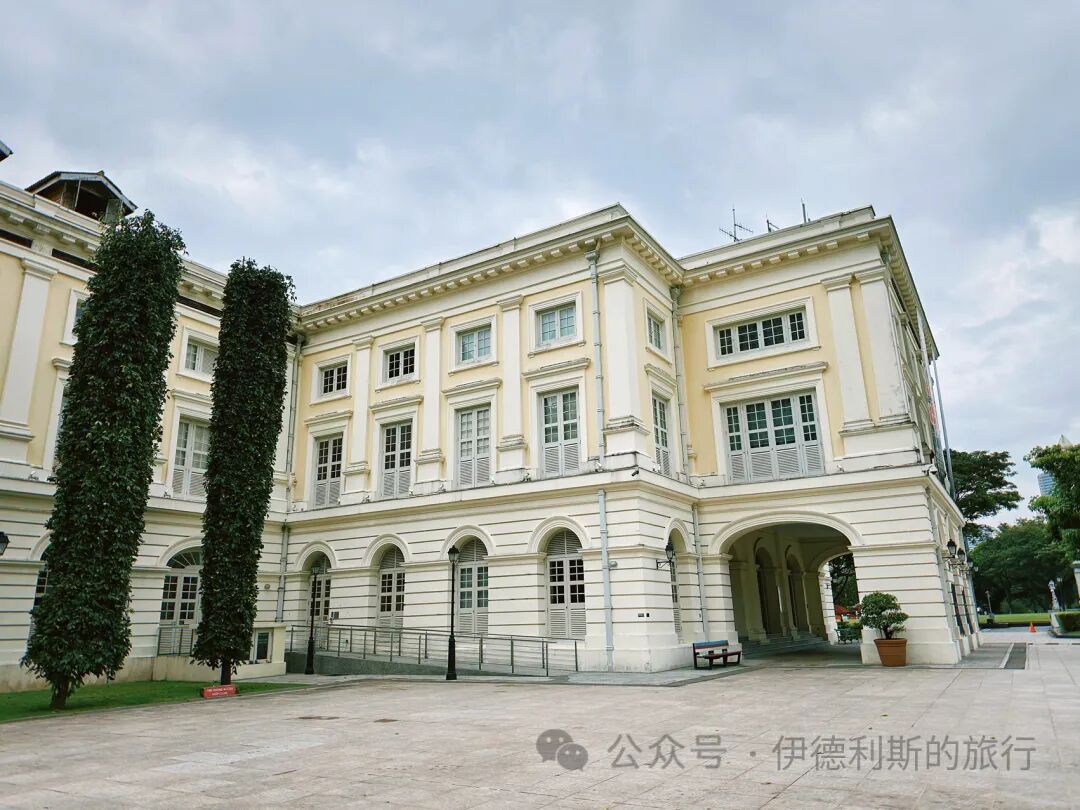
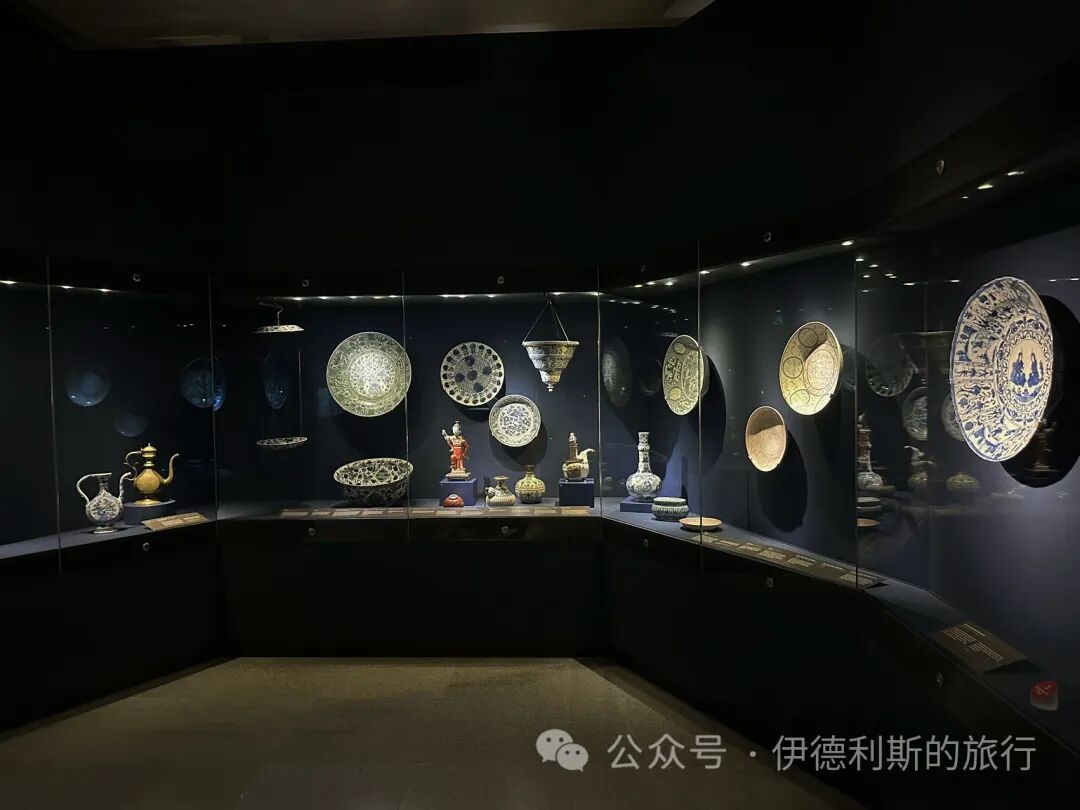
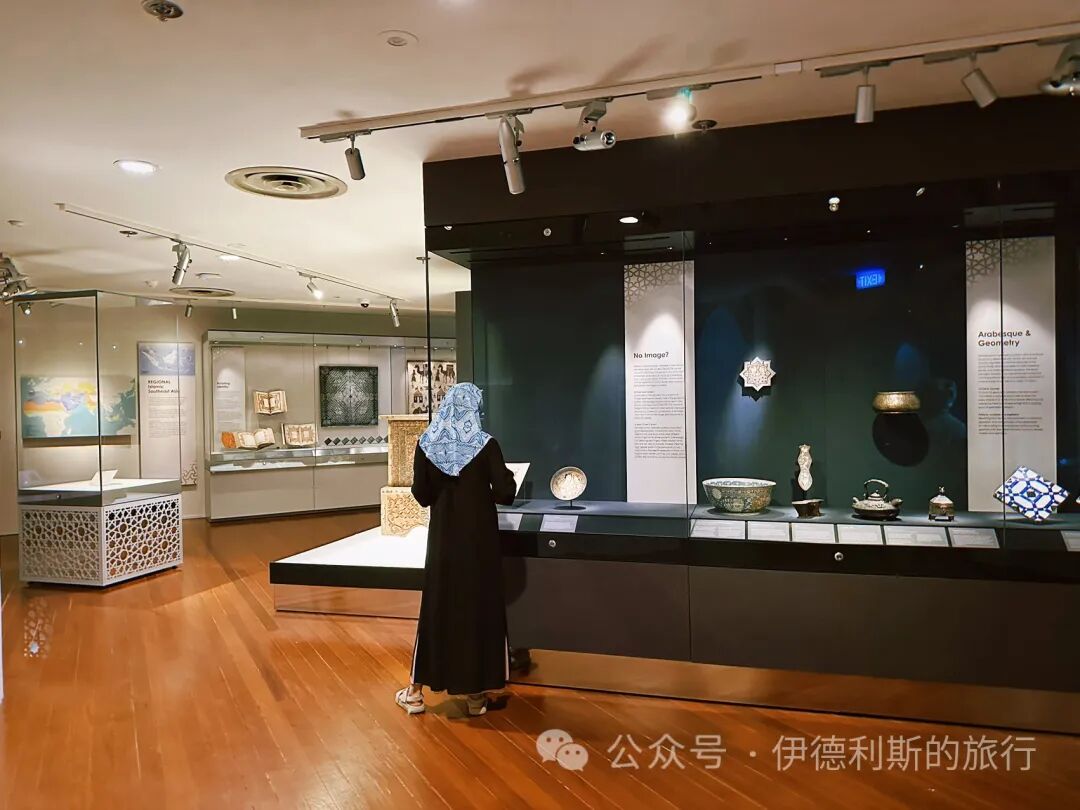
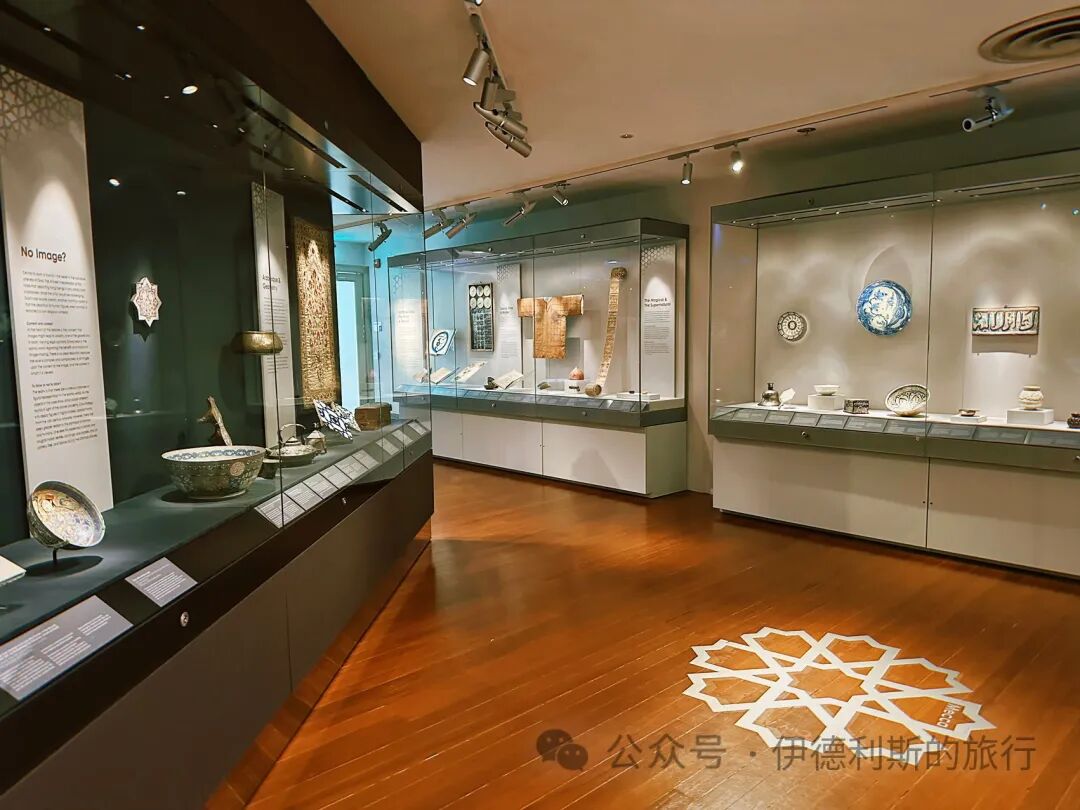
Two miniature paintings from the late 16th-century Shiraz school in Iran depict the famous Persian poet Nizami's masterpiece, the Five Poems (Khamsa).
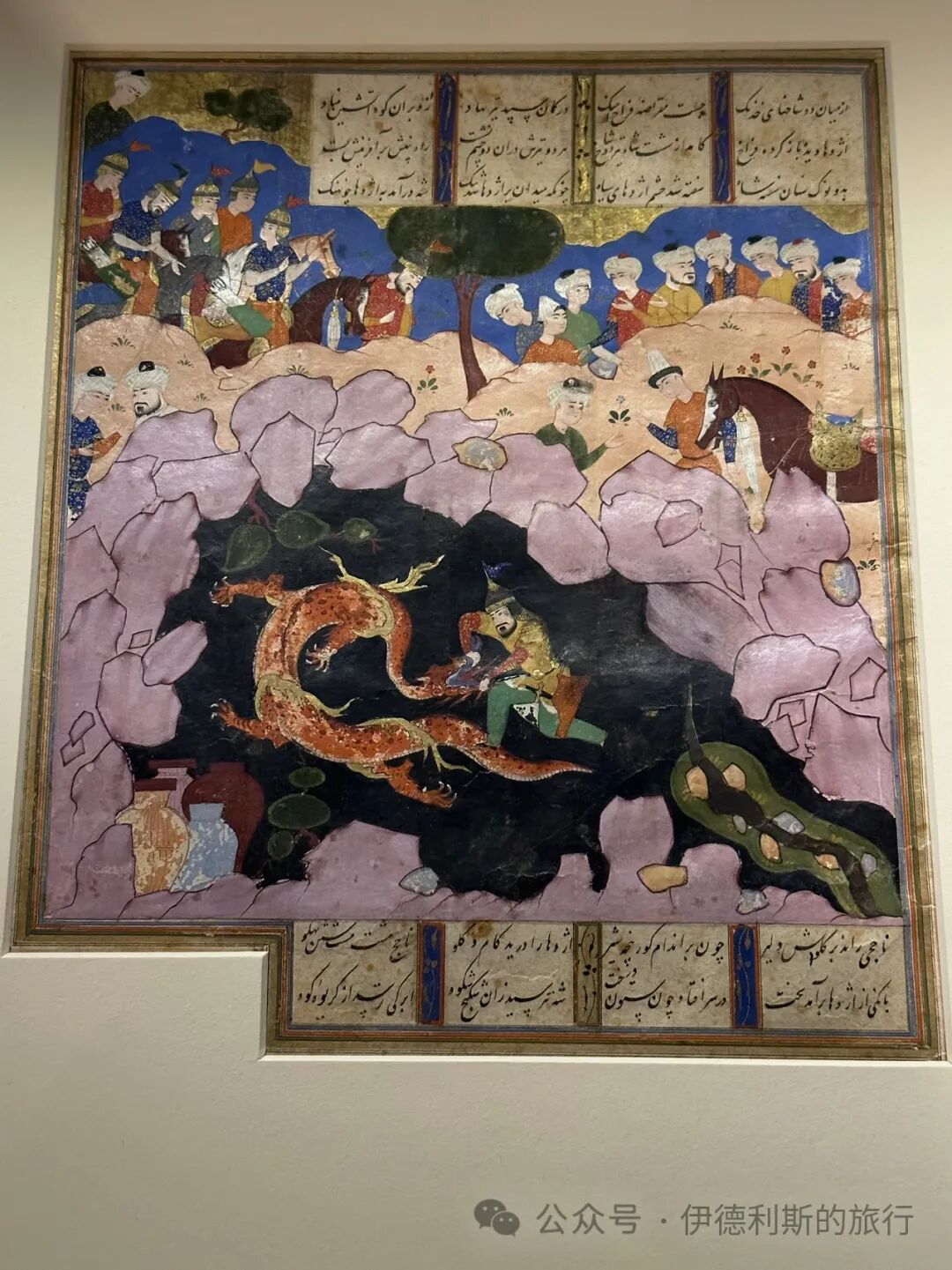
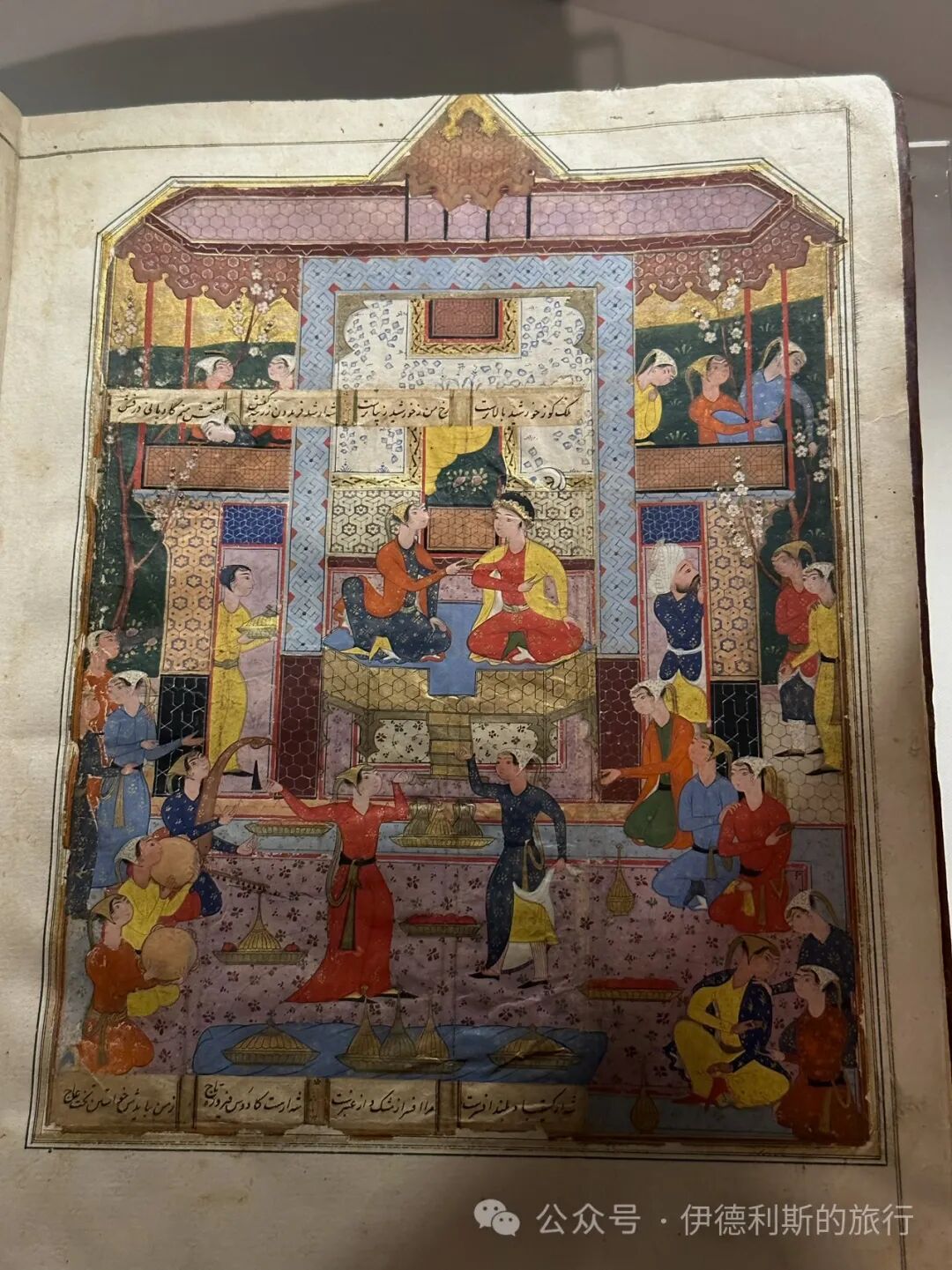
A late 16th-century Ottoman miniature illustration comes from the Garden of the Blessed (Hadigat us-Su'ada), written around 1547. This illustration shows the hardships faced by the Prophet and his family. He is giving a sermon (khutbah) from a pulpit, with Imam Ali, Husayn, Hasan, and other family members below. To show respect, golden flames burn behind the Prophet, Ali, Husayn, and Hasan, and the faces of the Prophet and Ali are covered.
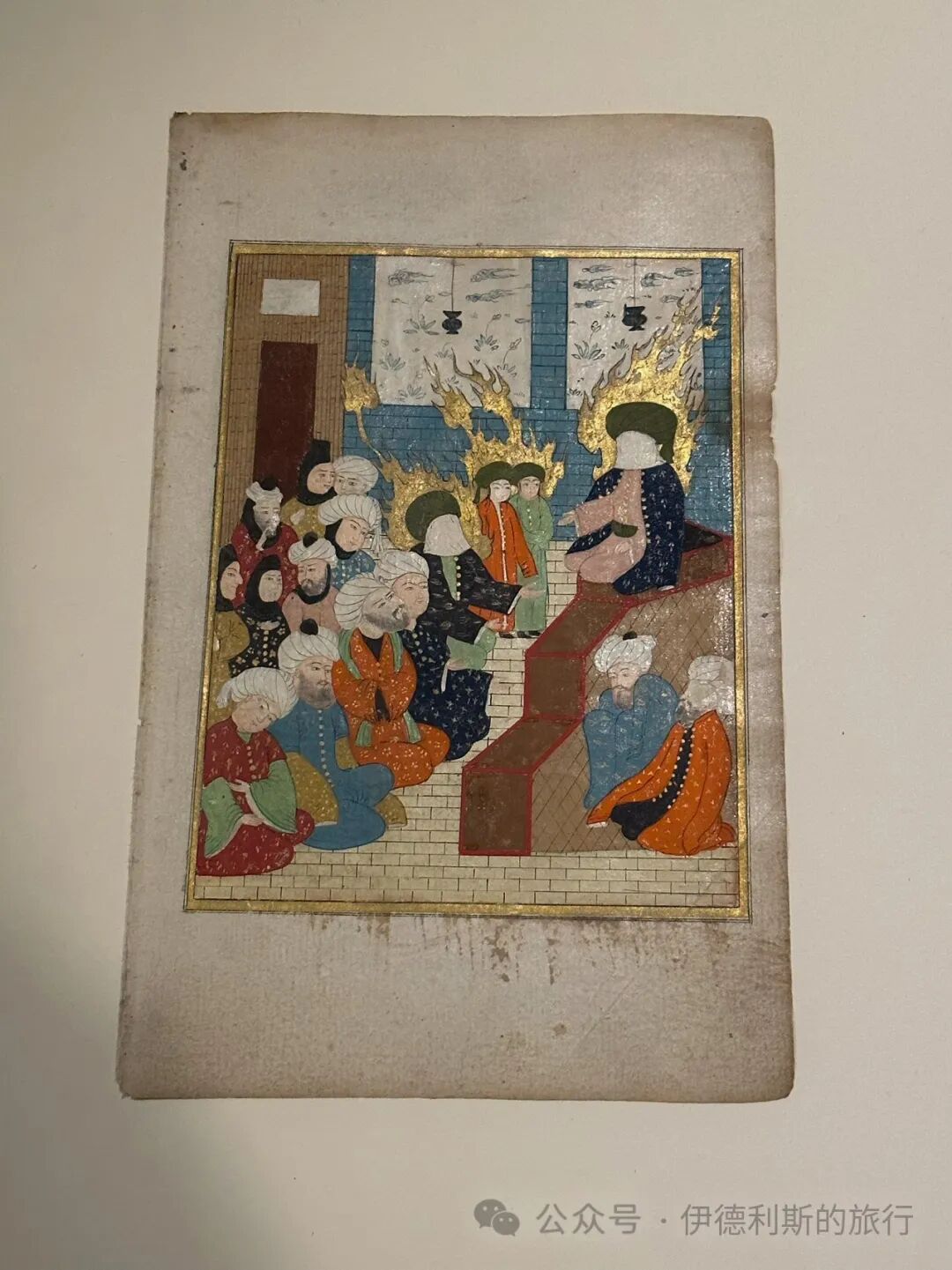
This 18th-19th century silk embroidery from Jaipur, India, was usually used for tapestries or curtains in tents or noble homes. The floral patterns in the center are classic Mughal dynasty designs, widely used in Rajasthan, where Jaipur is located.
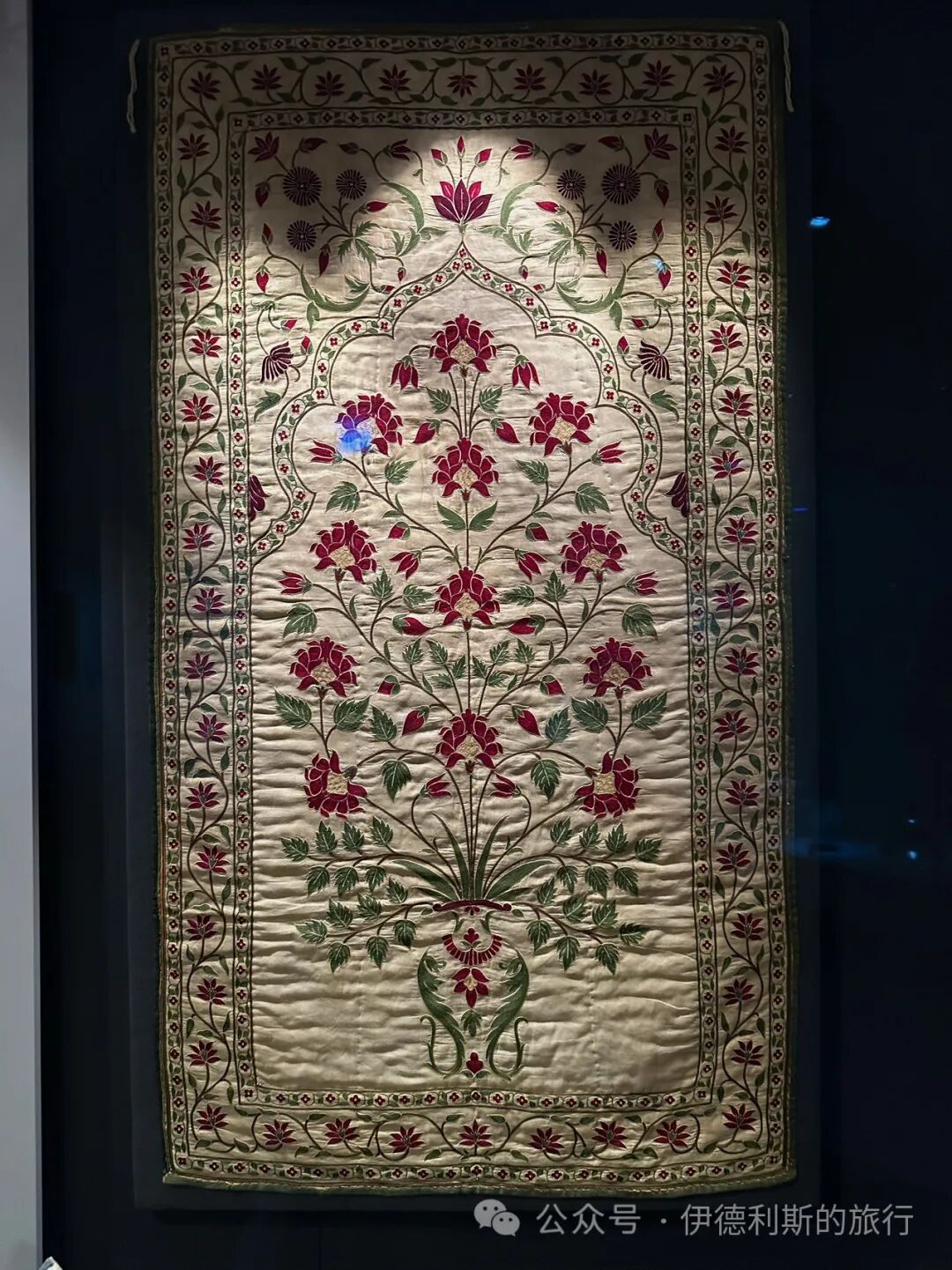
This 14th-century copper bowl with gold and silver inlay is from Fars, Iran. Fars was the center of Iran's metalworking industry in the 14th and 15th centuries, and the bowl depicts the image of the Sultan at that time.
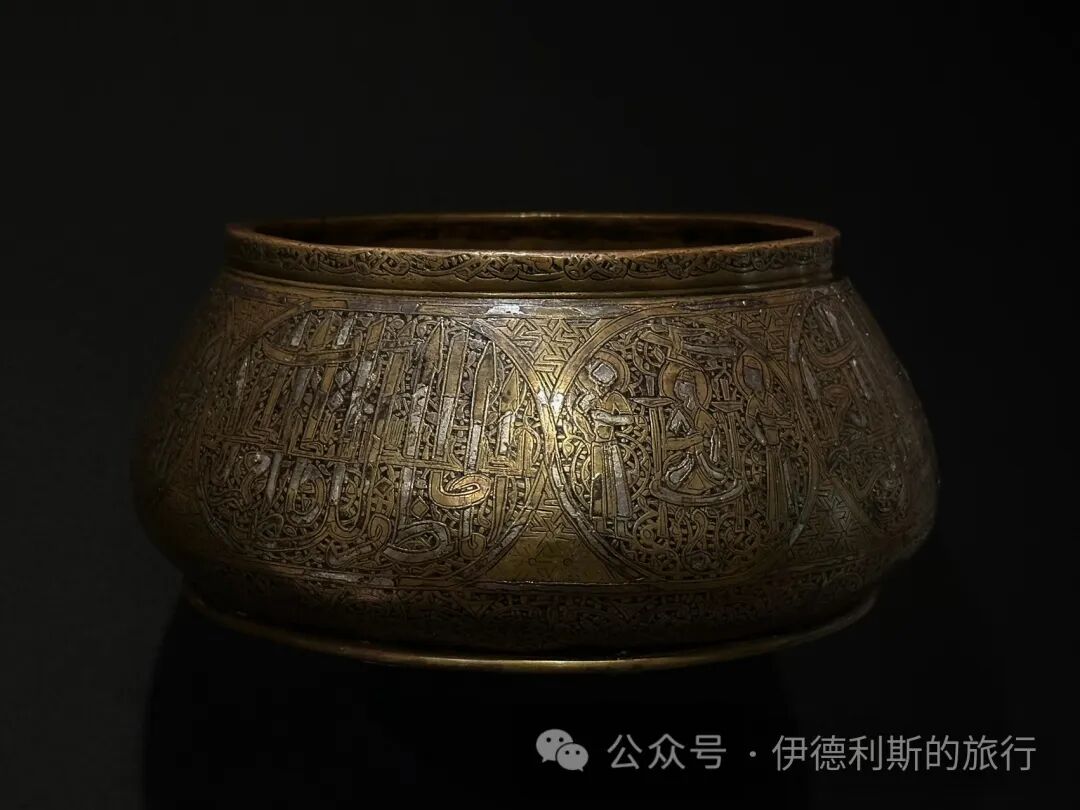
The Batu Hitam shipwreck gallery at the Asian Civilisations Museum in Singapore. 1,100 years ago, an Arab cargo ship loaded with precious goods left Guangzhou port to return to the Abbasid Caliphate. It eventually sank near the coast of Sumatra, 600 kilometers southeast of Singapore. It was not discovered until 1998 and is called the Batu Hitam (Black Rock) shipwreck because of the location where it was found. The shipwreck yielded a large number of ceramic bowls, which are the same shape as those found from the Abbasid Caliphate of the same period.
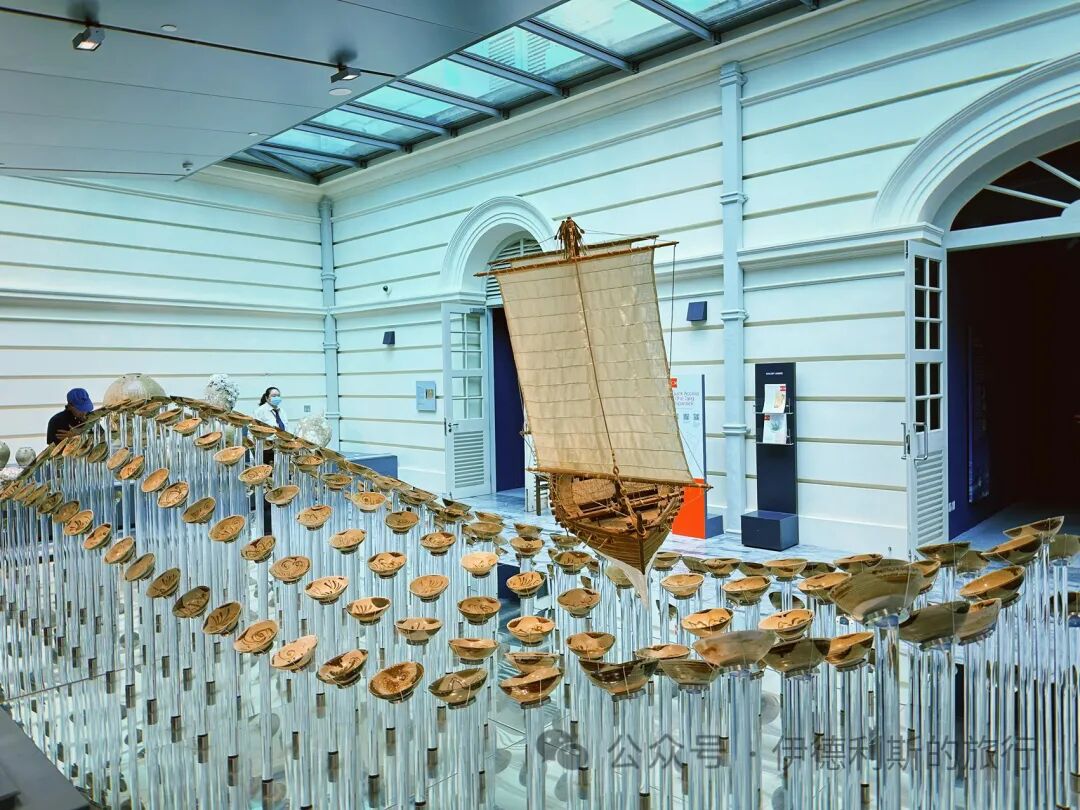
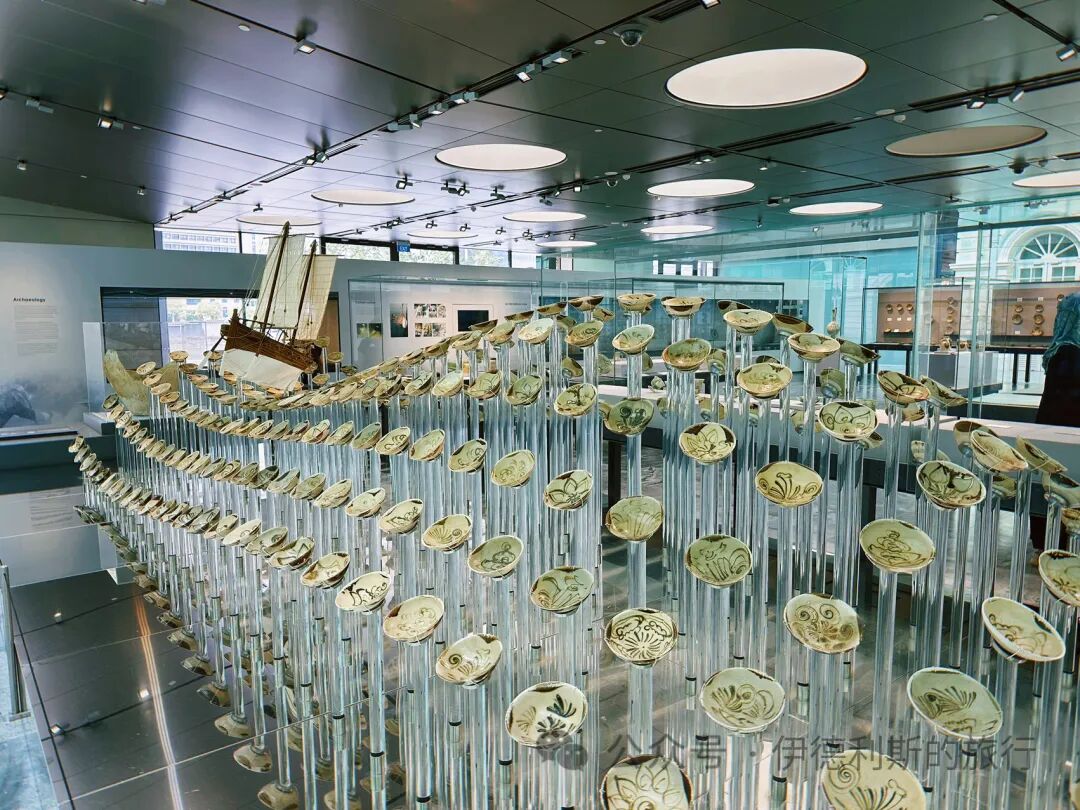
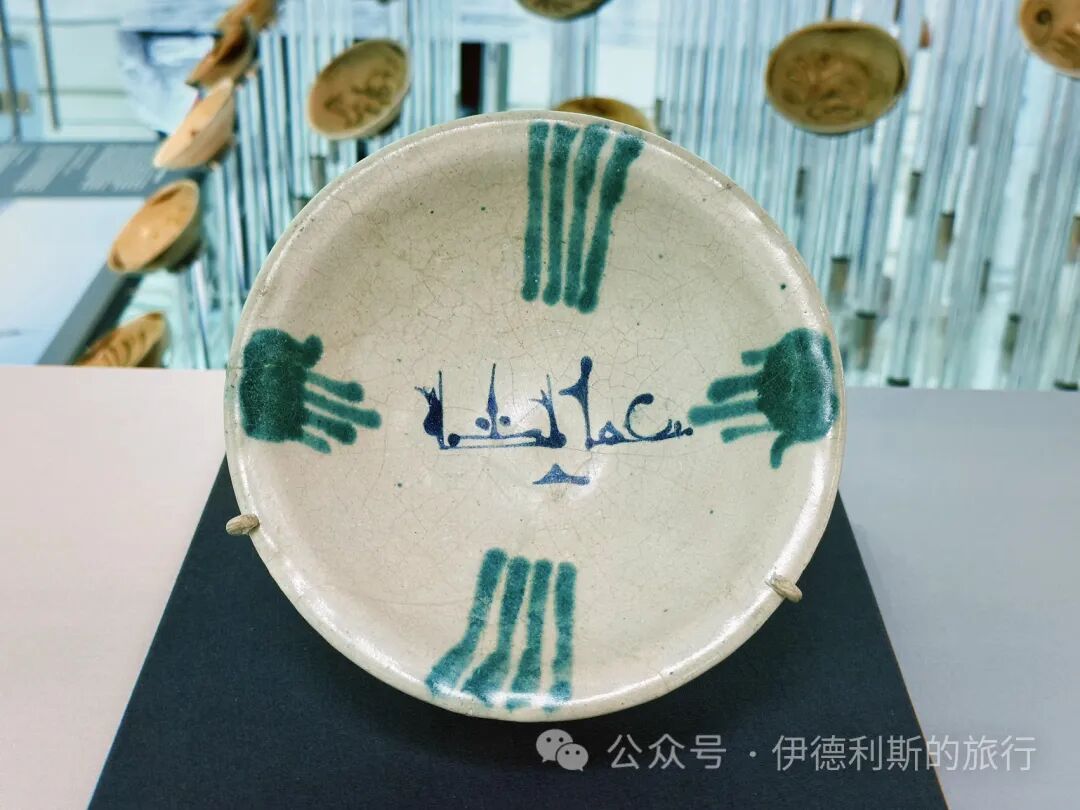
A 13th-century calligraphy fritware tile from Kashan, Iran.
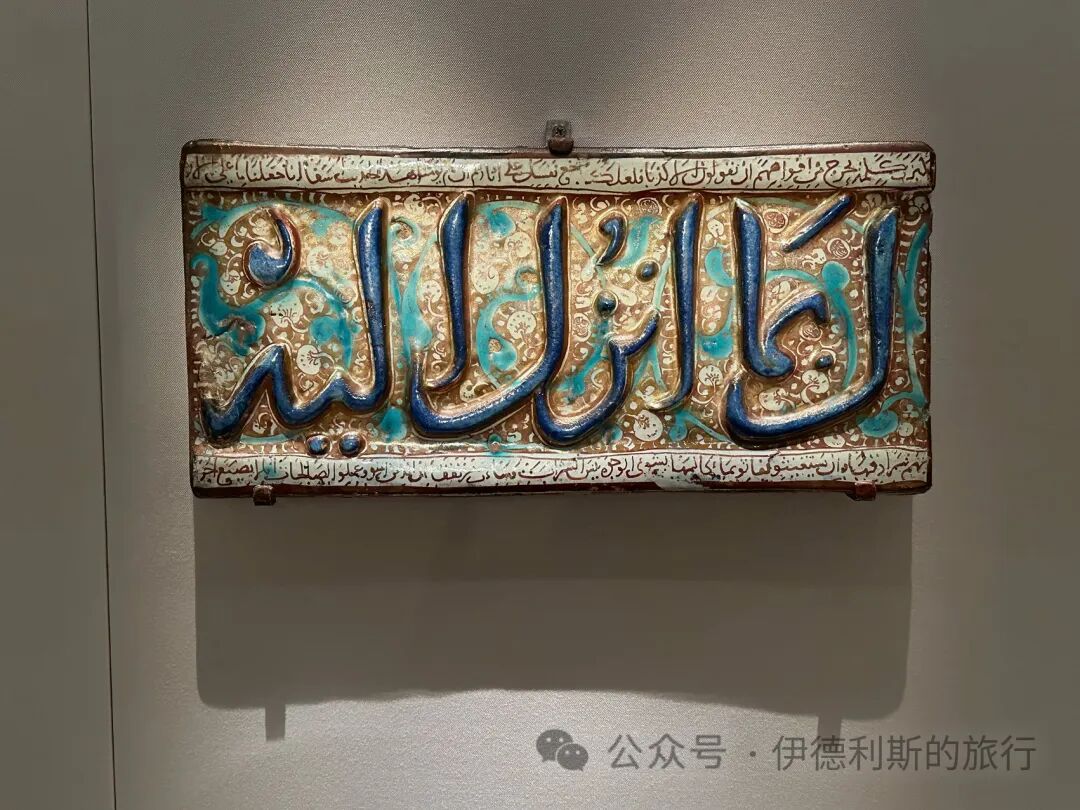
A fritware jug from the late 12th-century Seljuk dynasty in Iran. Fritware is a ceramic technique invented by Middle Eastern craftsmen in the 11th century to imitate Chinese porcelain. It developed from early Egyptian faience and is made of a mixture of clay, quartz, and glaze.
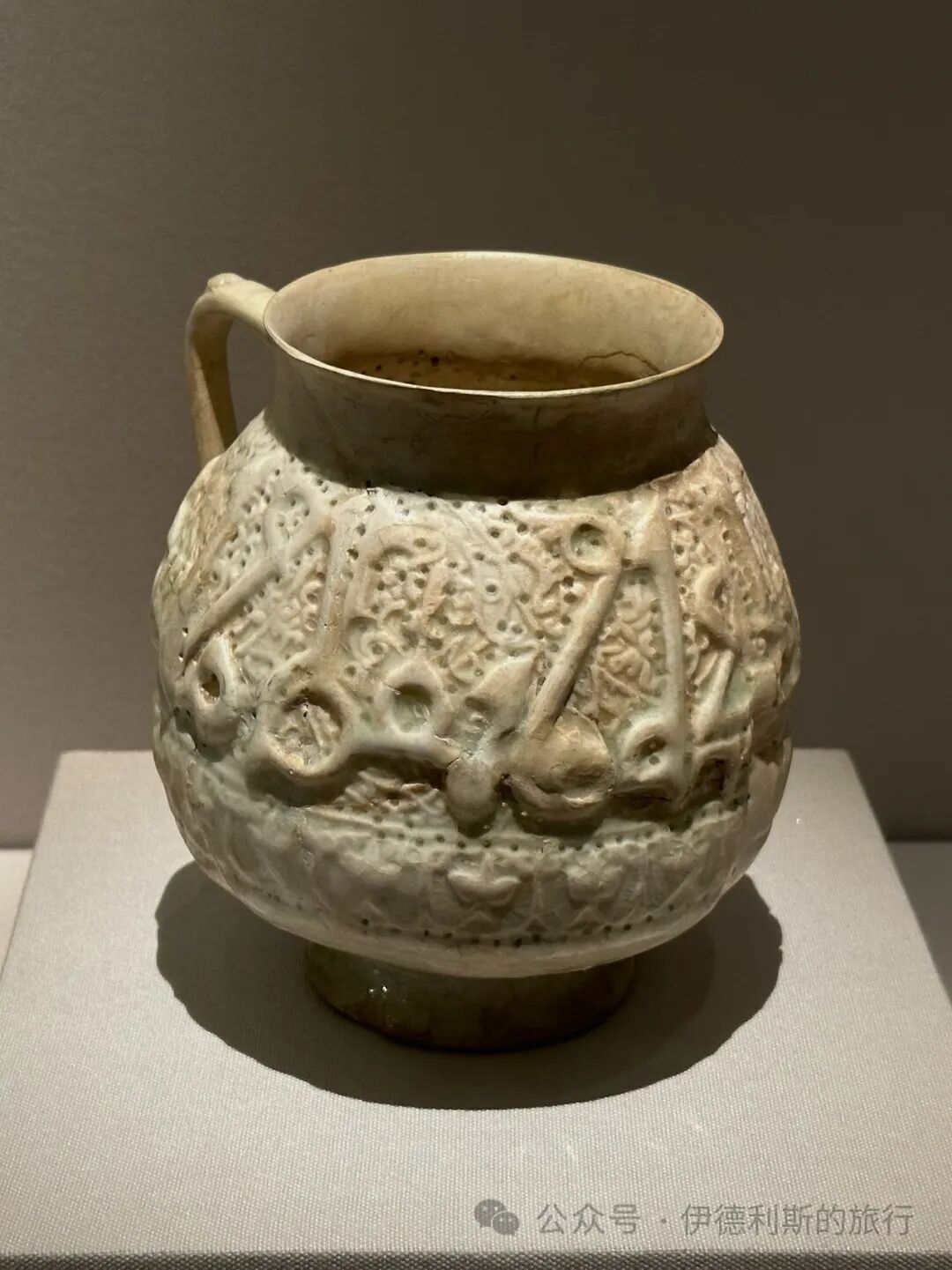
A marble tombstone from early 9th-century Syria.
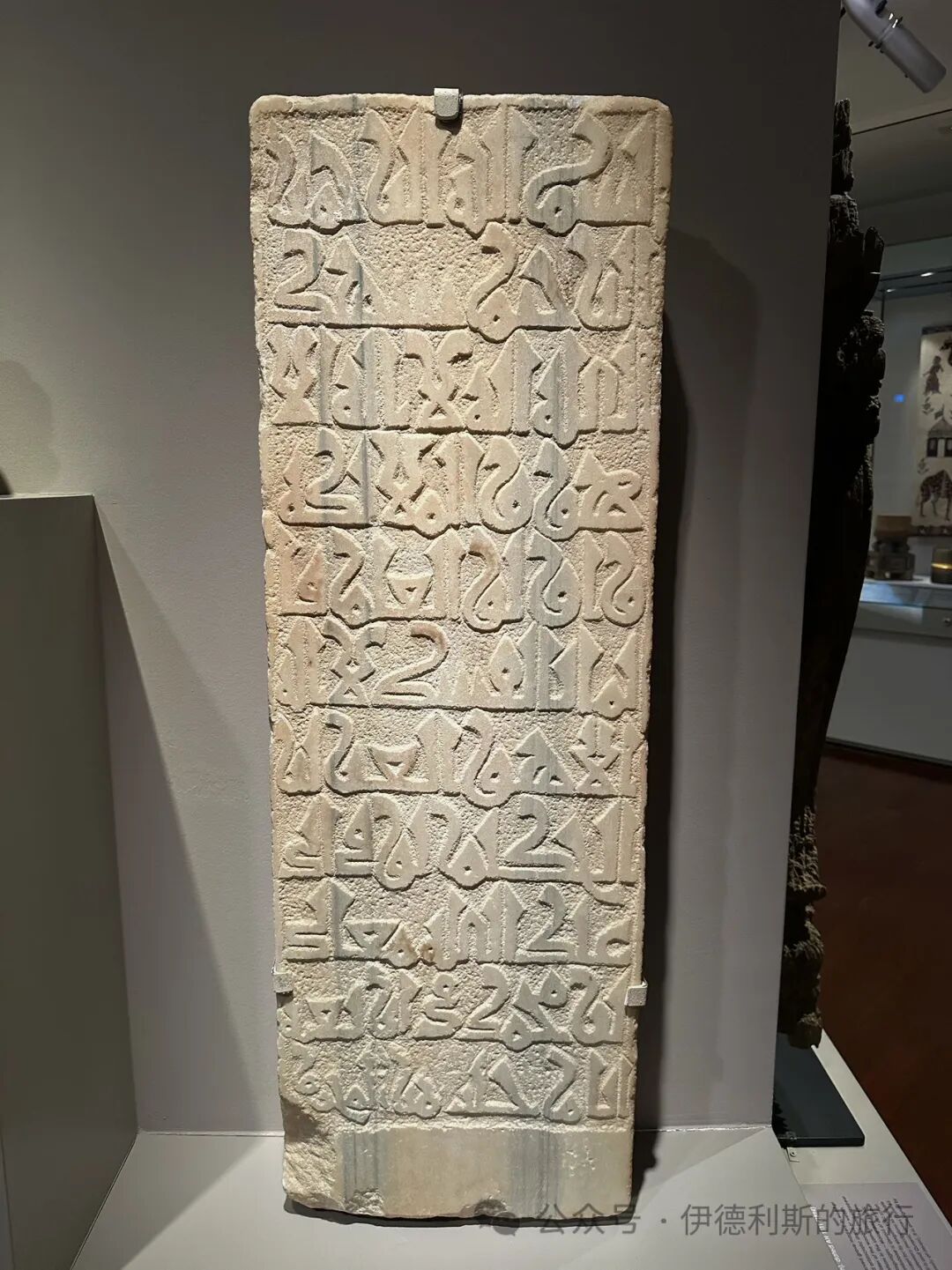
A late 14th-century Kufic script tile from the Timurid dynasty, likely from the tomb of a Timurid noble.
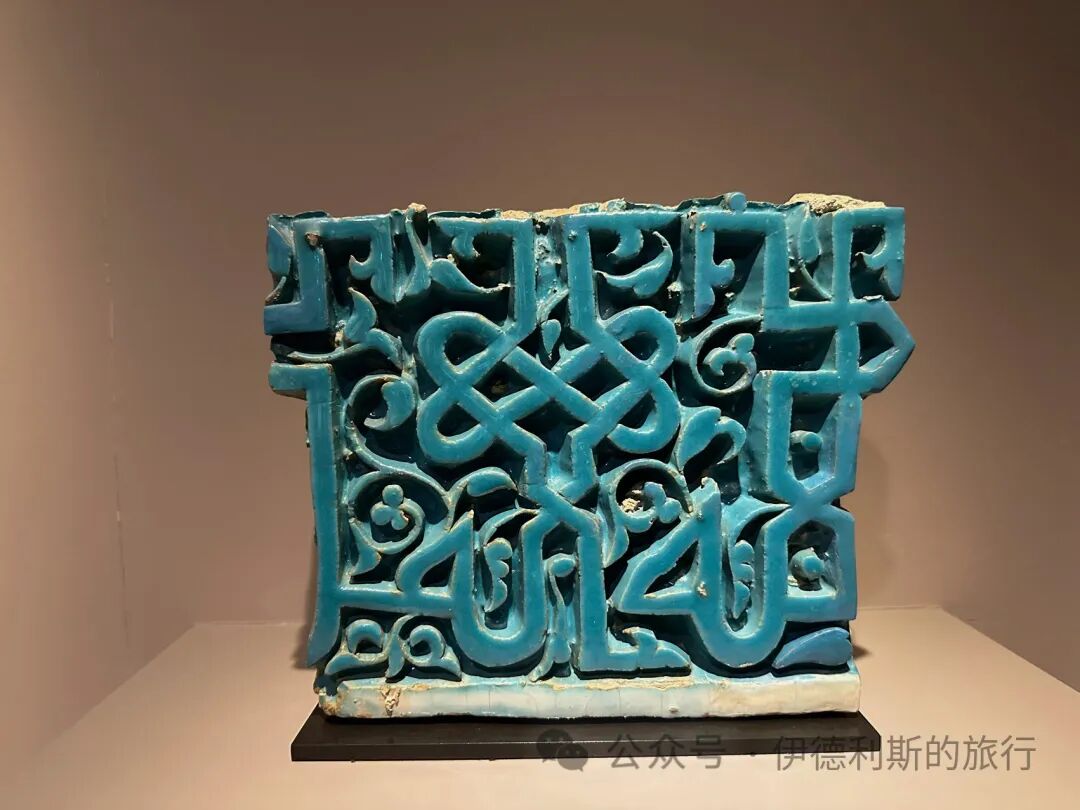
An 11th-century mihrab tile from northeastern Iran. The lamp in the center represents light (nur), symbolizing the presence of Allah.
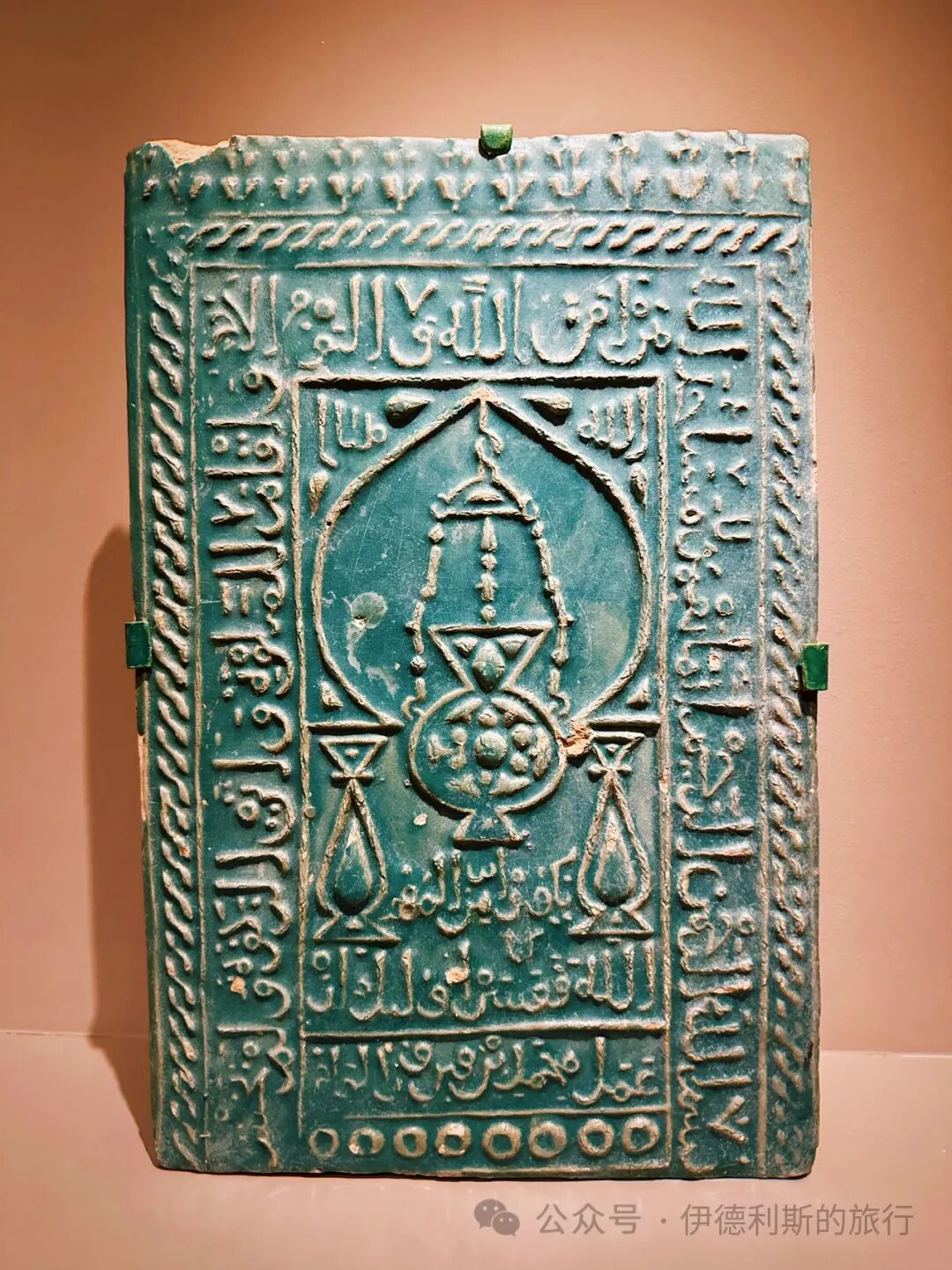
This 11th-century tombstone tile from Afghanistan was likely embedded in the wall of a tomb.
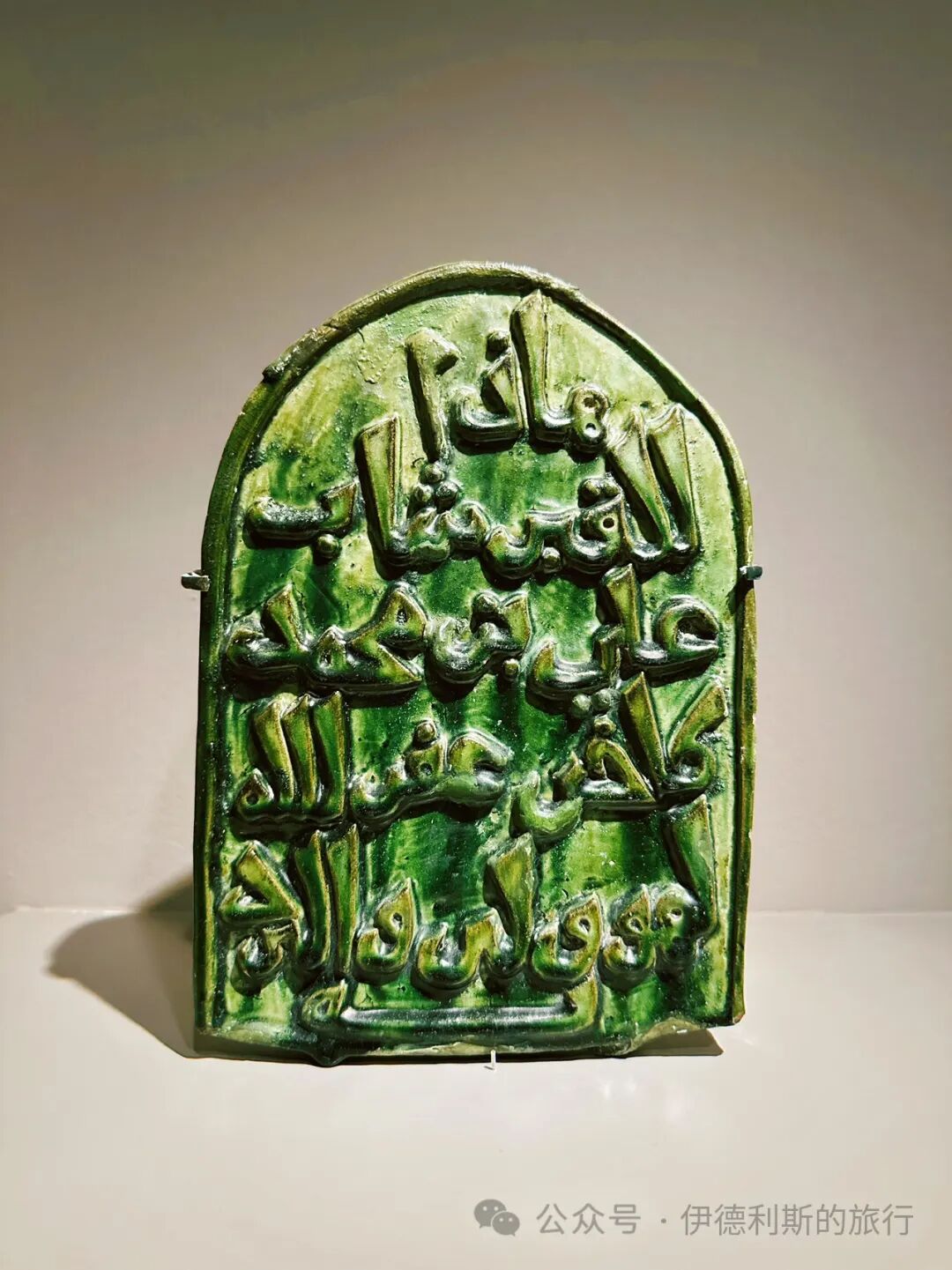
This 14th-century sandstone calligraphy carving from western India features a three-part script style that is stretched vertically.
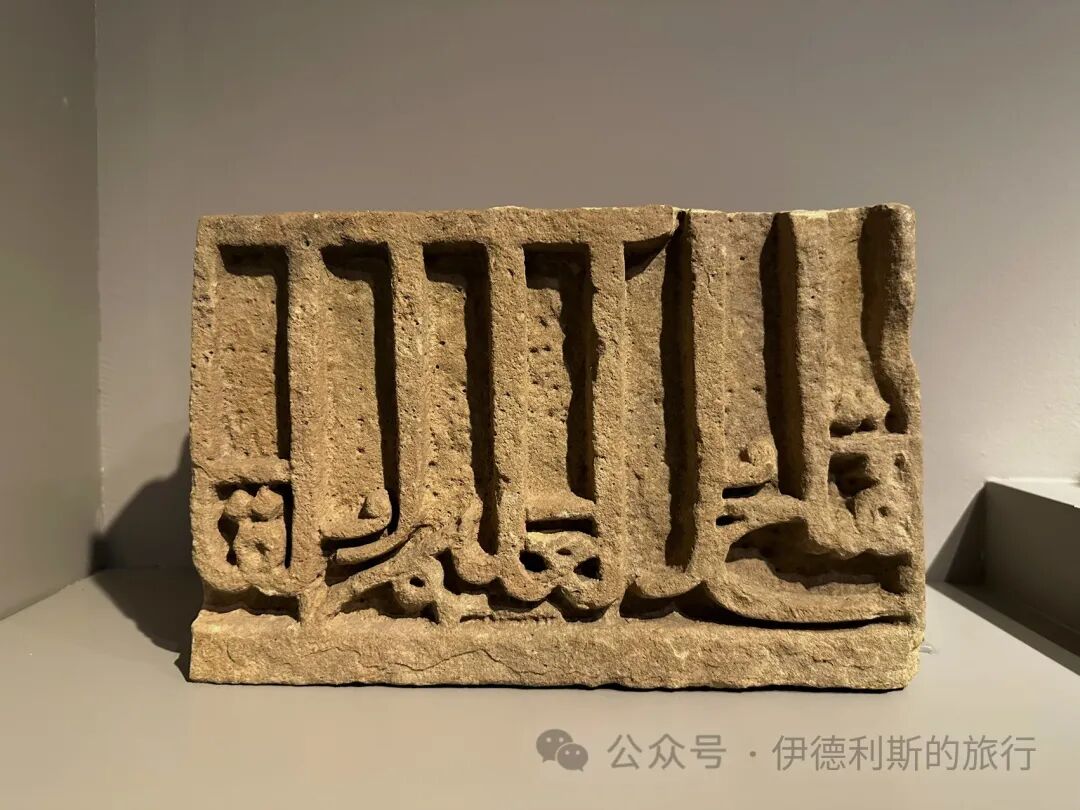
Renowned Arabic calligrapher Chen Jinhui created this piece in 1996, blending in techniques from Chinese ink wash painting.
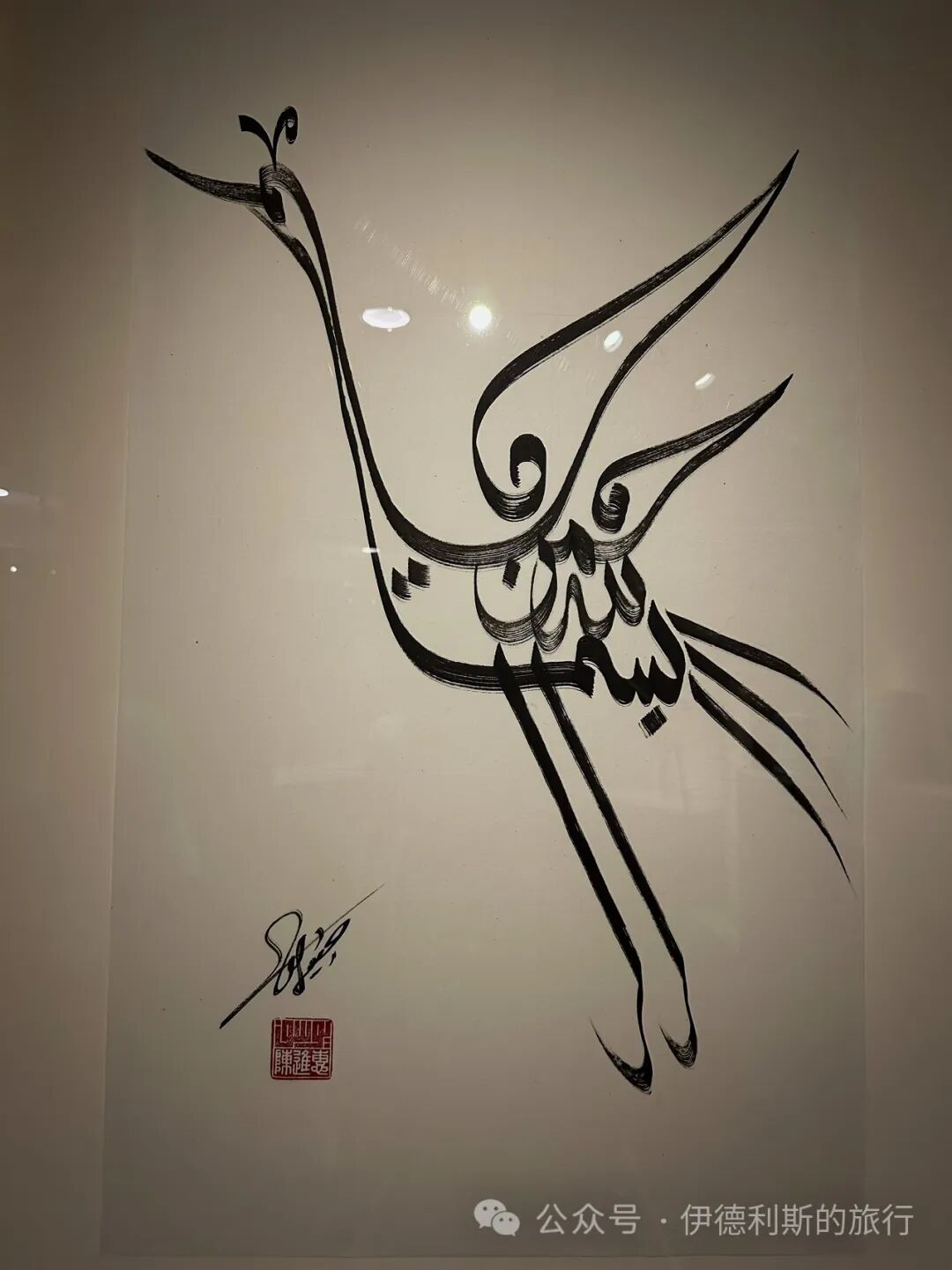
This is a Persian paper-cut from Iran, dated 1891. This art form was widely used for binding Iranian manuscripts from the 15th to 17th centuries and continued until the end of the 19th century.
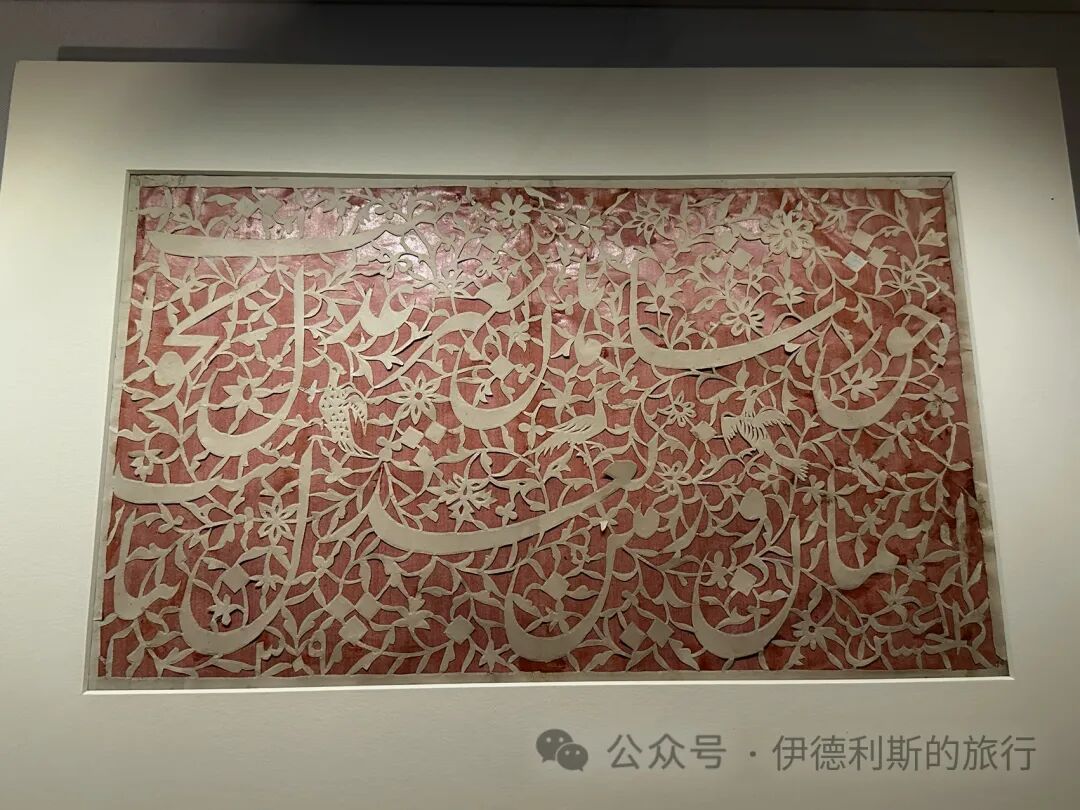
This 18th-century Ottoman Turkish book stand (rehal) is inlaid with tortoiseshell and mother-of-pearl.
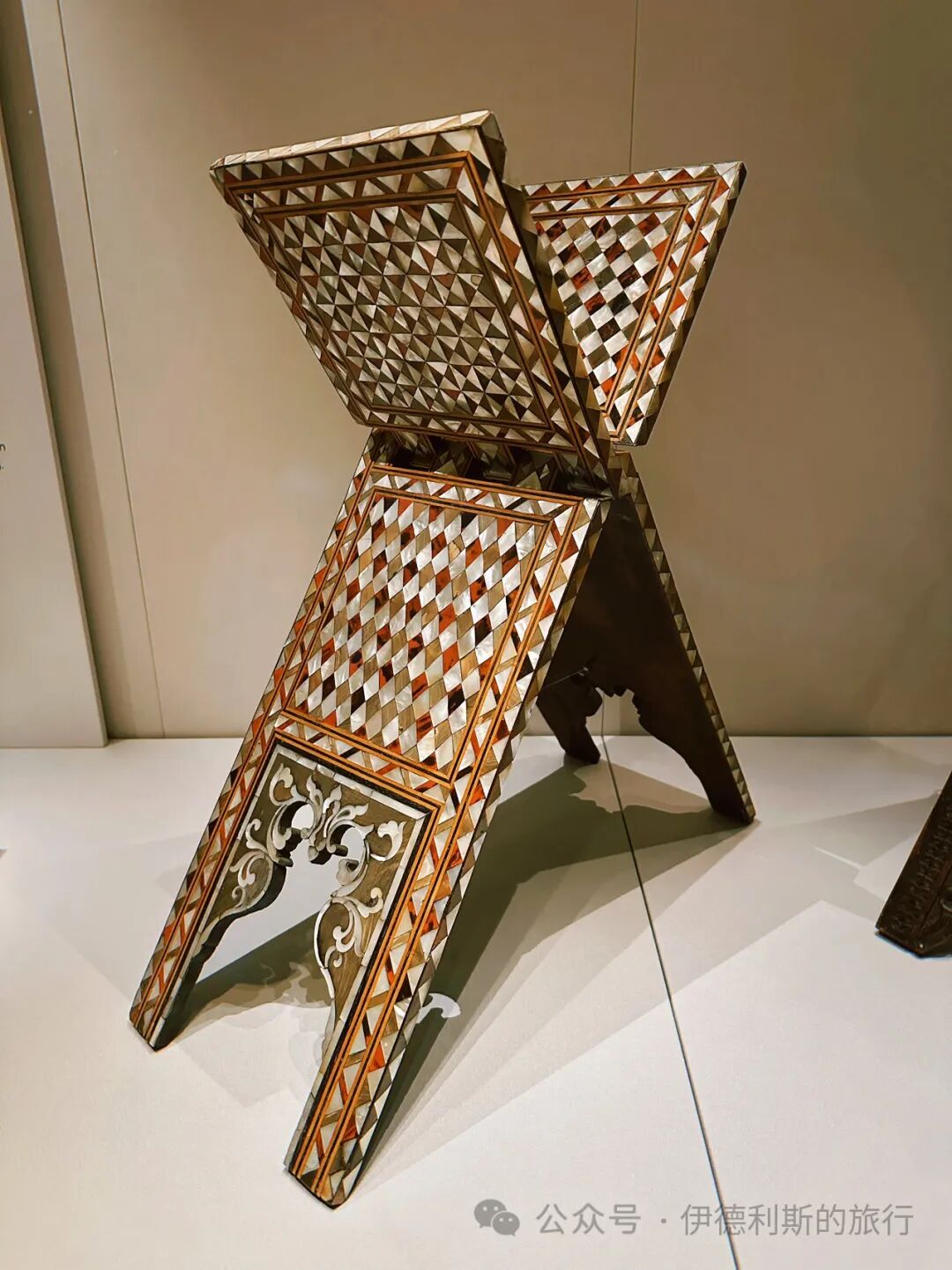
This 19th-century Iranian book stand (rehal) is carved with beautiful floral and geometric patterns.
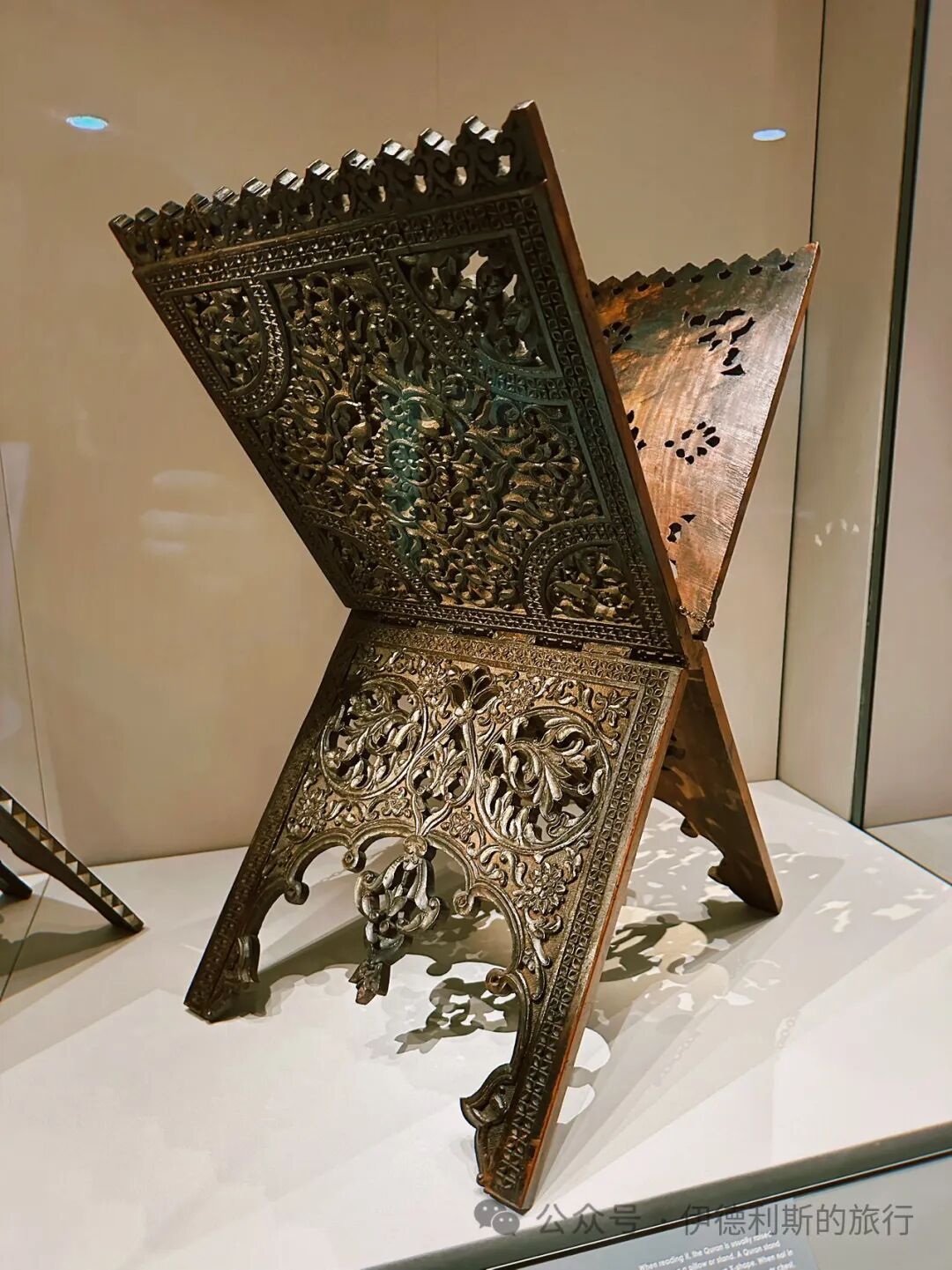
This 8th-to-9th-century parchment manuscript from Syria or North Africa is an early form of Kufic script. These parchment Kufic manuscripts are among the earliest Quran copies visible today.
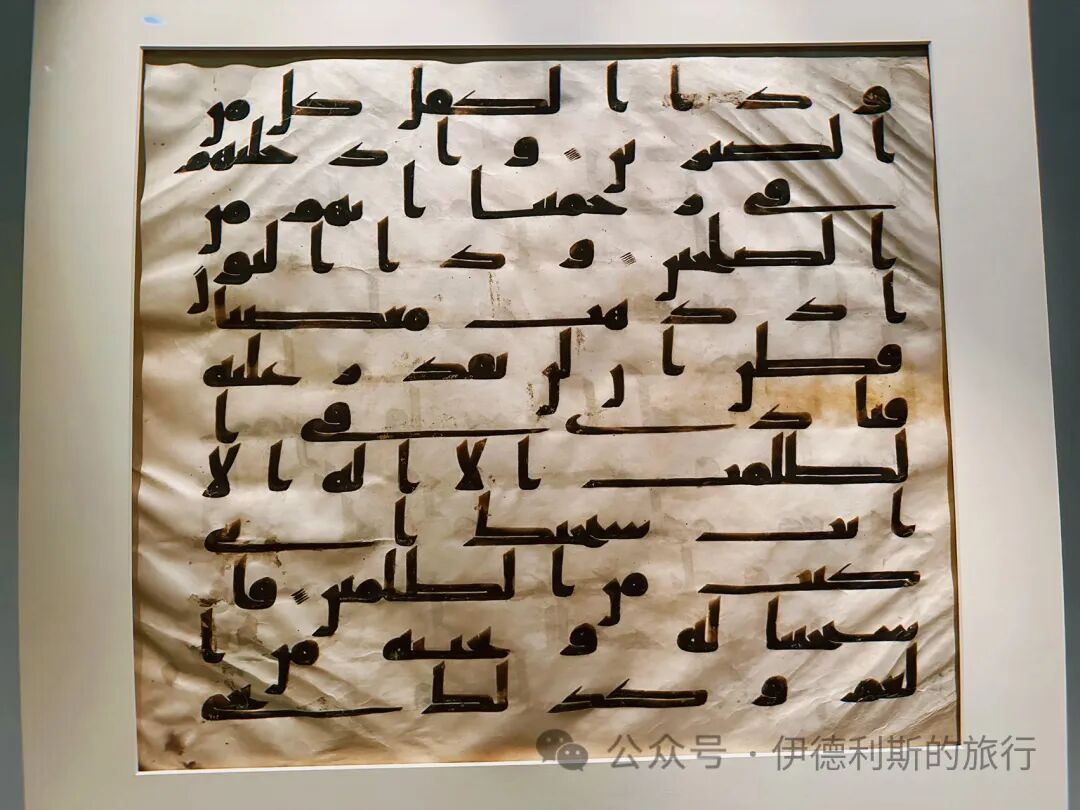
These two religious texts, written in China and Java, show how non-native Arabic speakers wrote the language, including notes in their own native tongues.
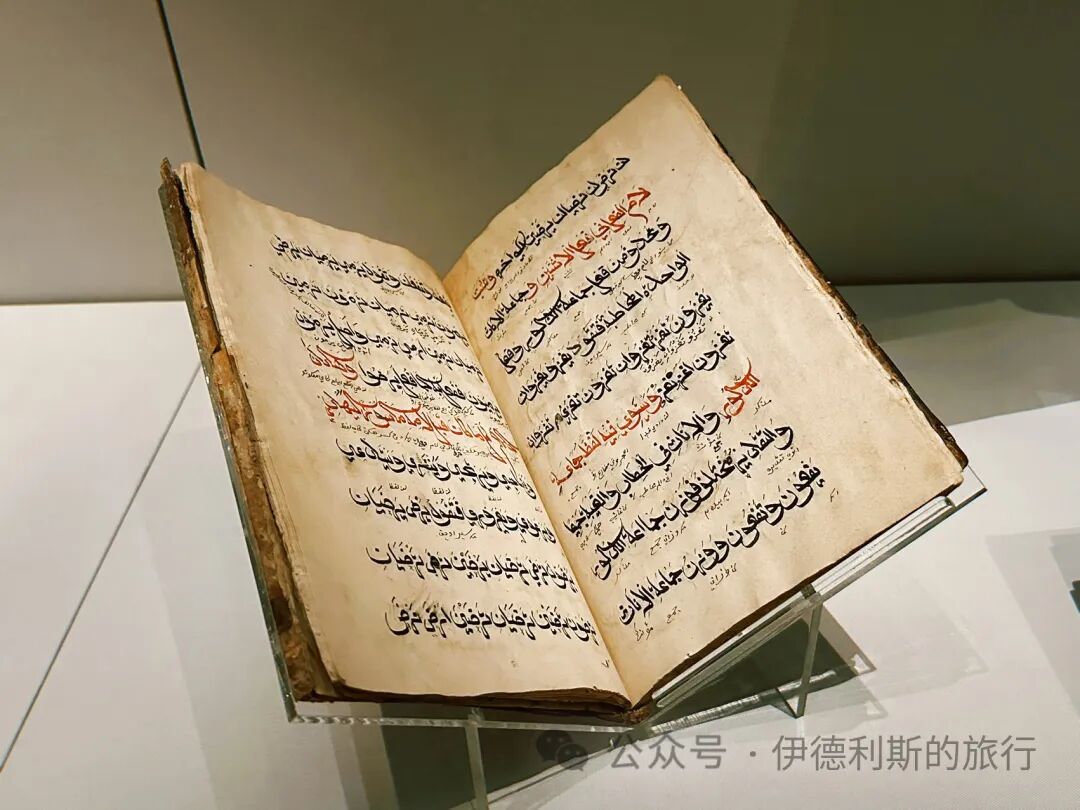
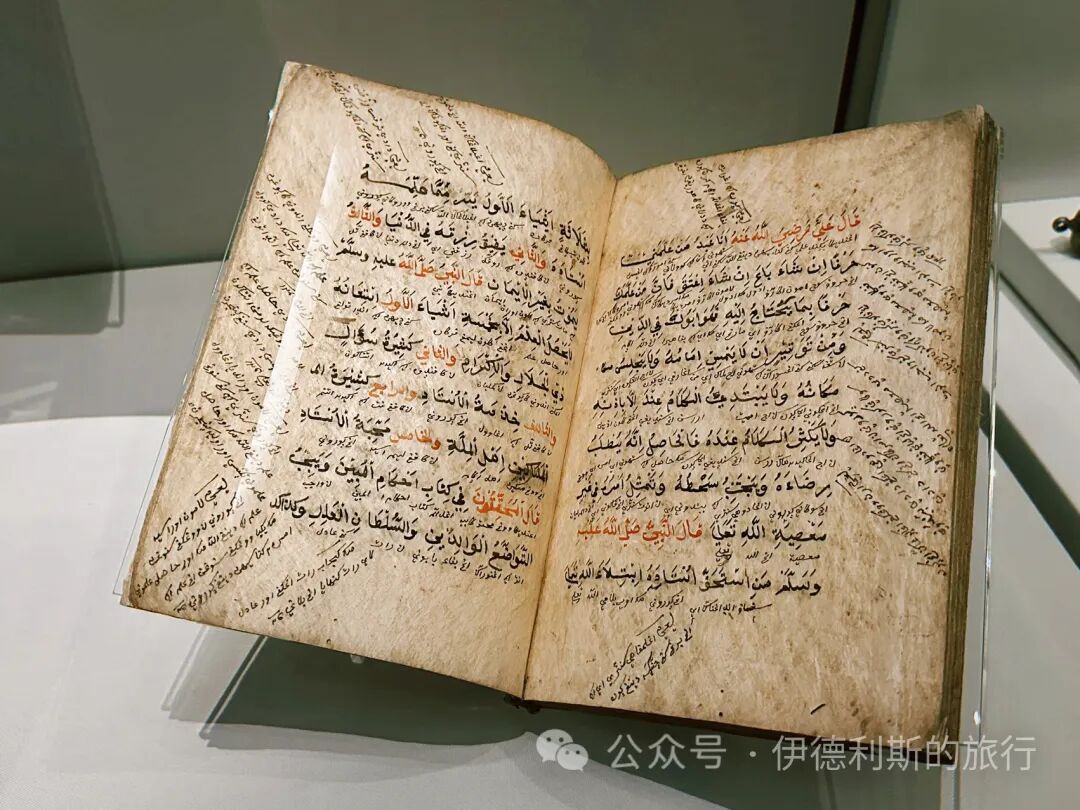
This is an 1876 Ottoman Turkish pen case with an inkwell.
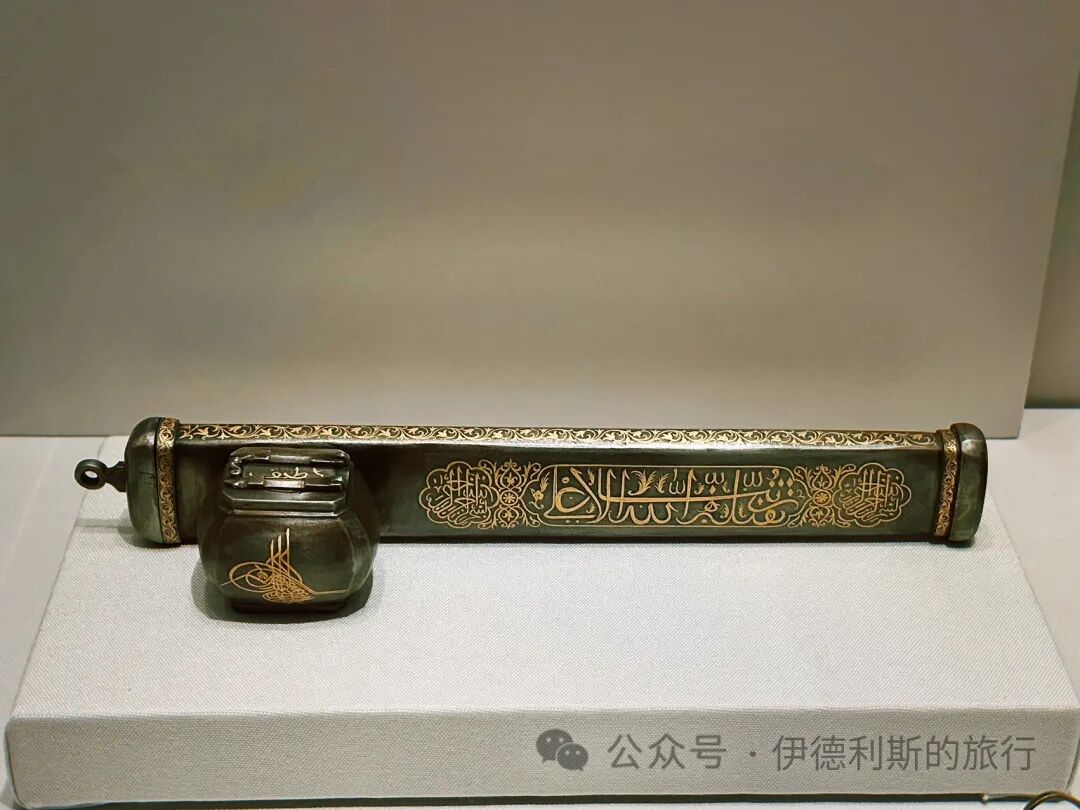
This is a pottery jug from Kashan, Iran, dating to the late 12th century.
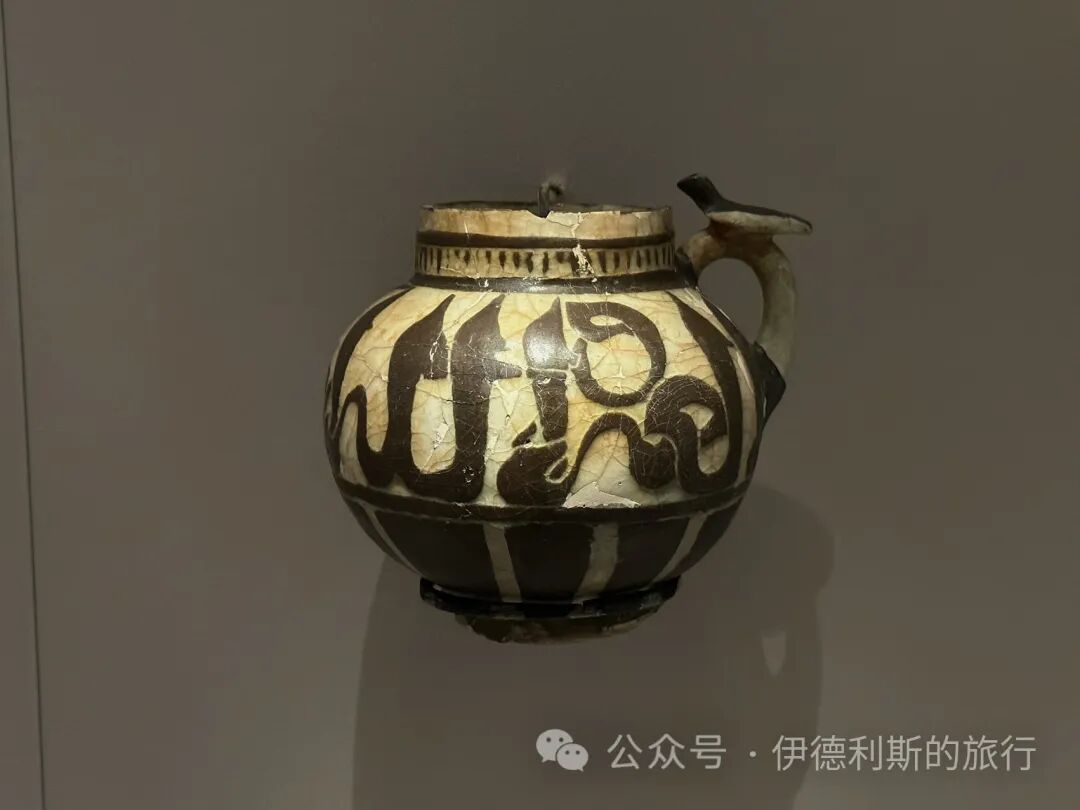
This is a 10th-century pottery bowl from Nishapur, Iran, featuring Kufic calligraphy.
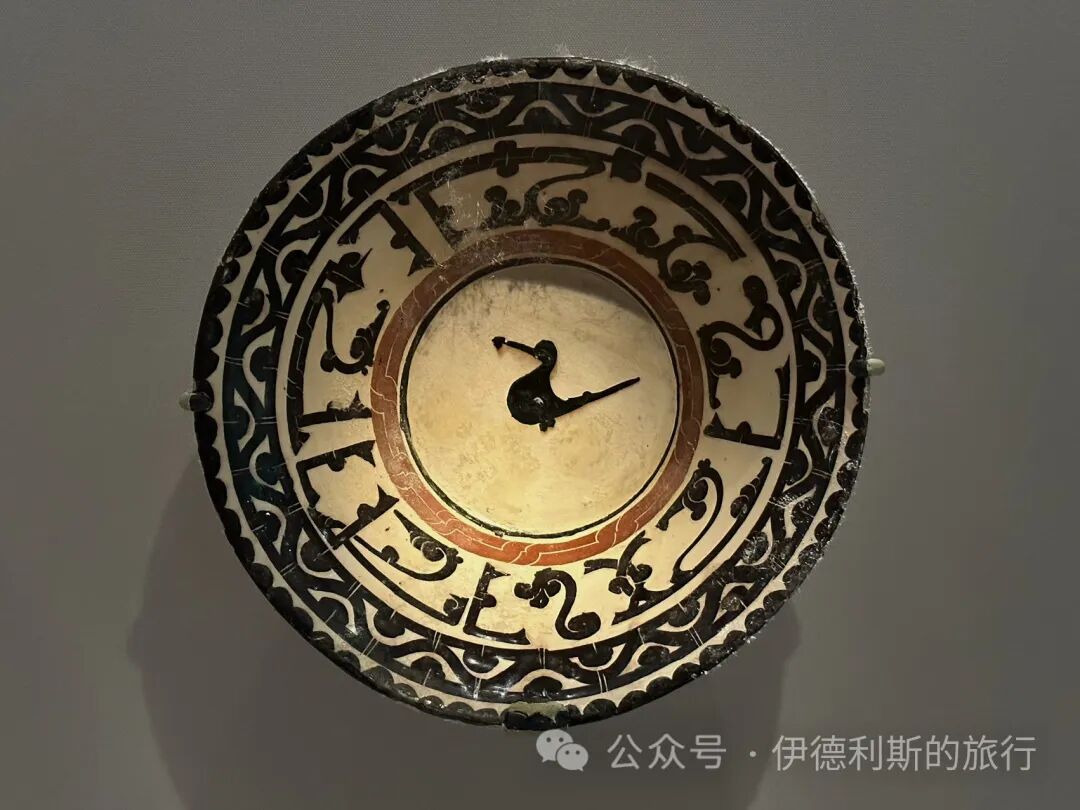
This 1887-88 sandstone screen (jali) from India was used to block the hot sun and is inscribed with praises to Allah.
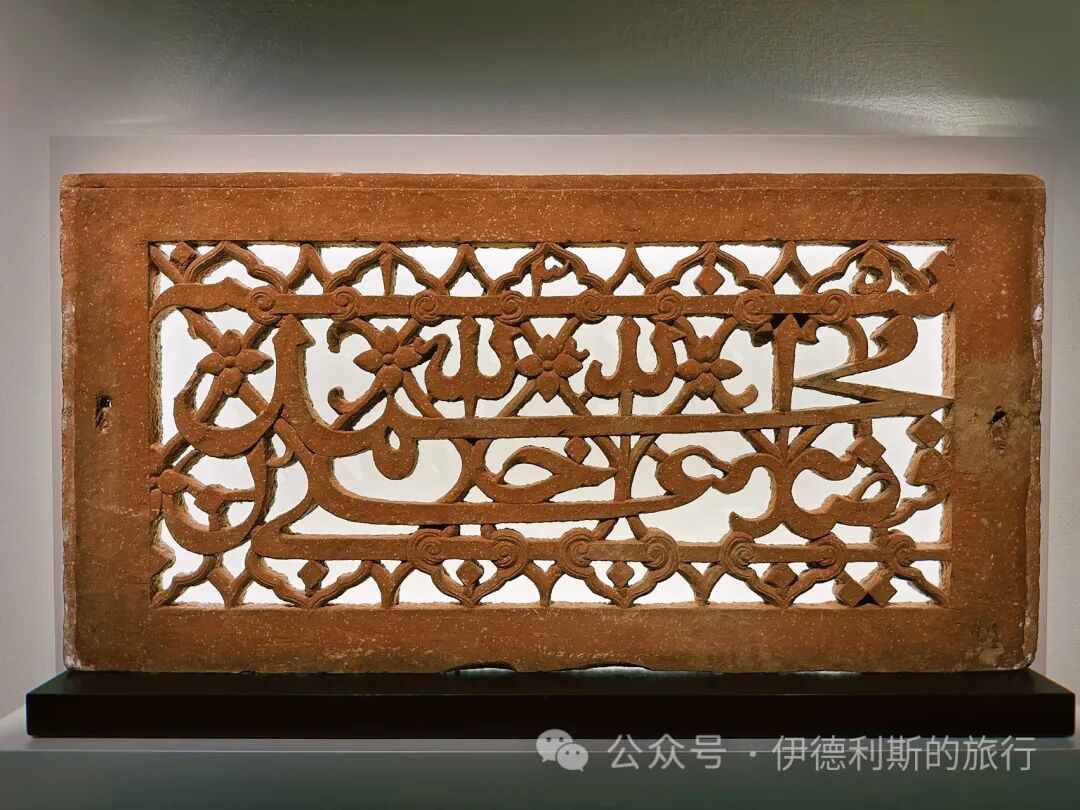
This 17th-century Iranian copy of the anatomy book Tashrih-i Mansuri was originally written in the 14th century. It studies different body systems, including bones, nerves, muscles, and arteries. The final chapter explains how human organs and fetuses form, and it includes anatomical drawings of a pregnant woman.
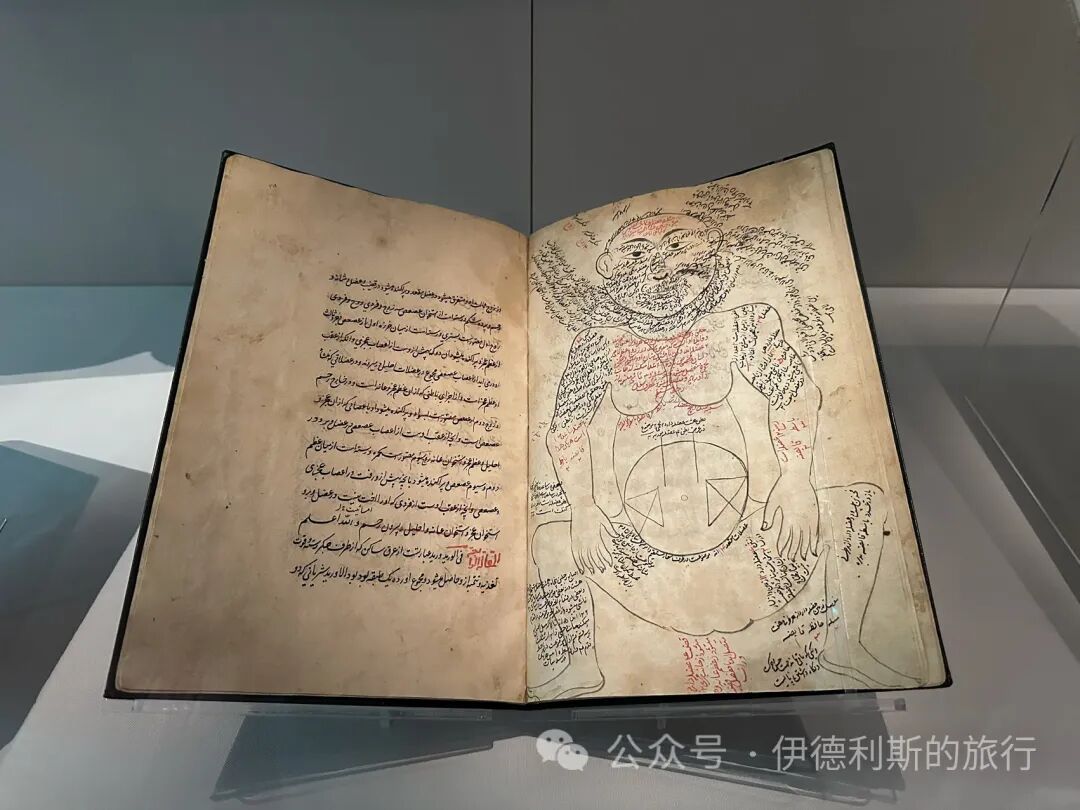
This is a Persian version of the famous ancient Roman pharmacology book De materia medica, copied in the Deccan region of India in 1595. De materia medica was written in Greek in the 1st century AD, translated into Arabic in the 9th century, and later translated into Persian, laying an important foundation for botany and pharmacology in West Asia.
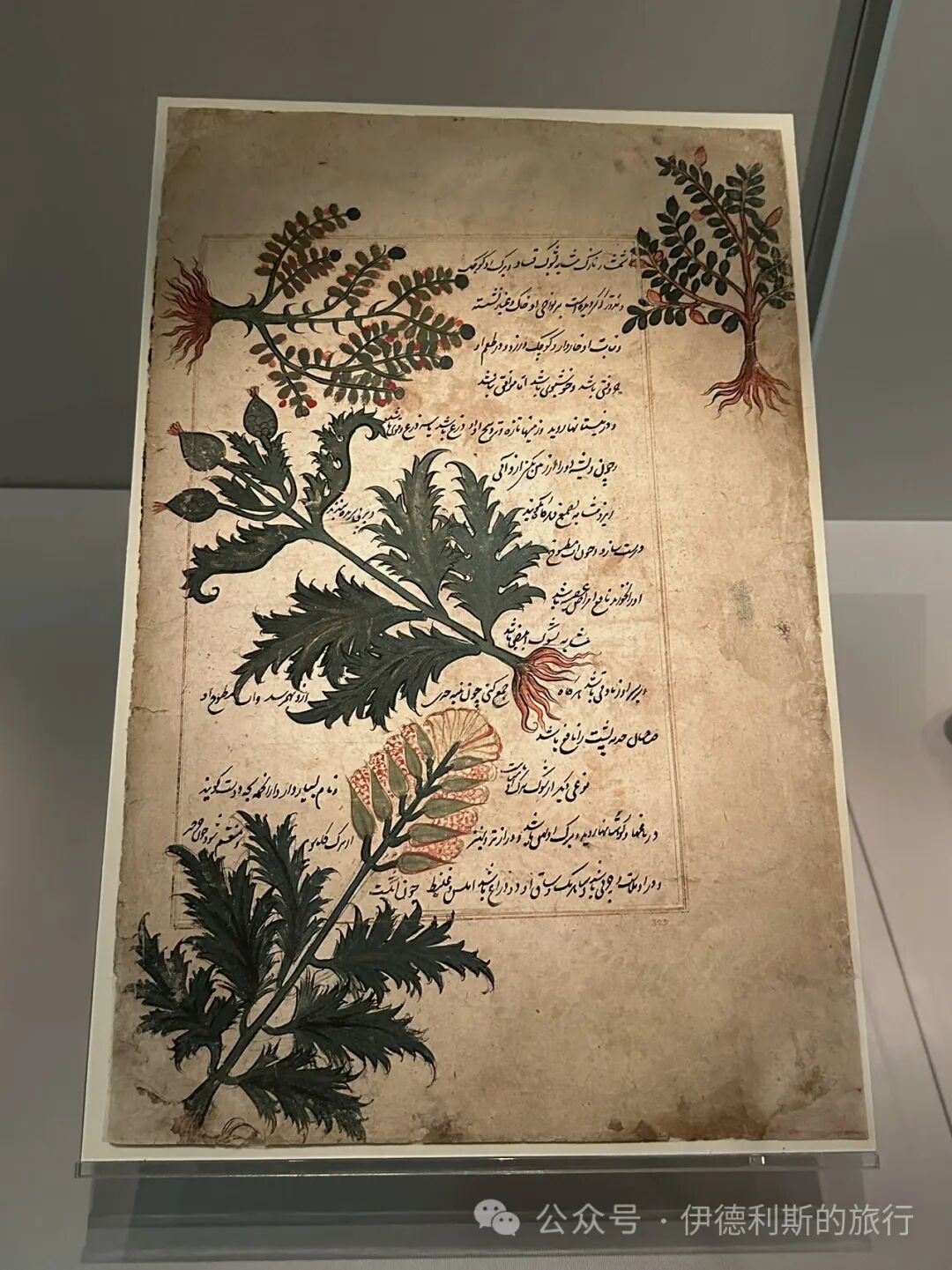
A dua shirt (dua shirt) from the Mughal Empire in India, dating from the 16th to the early 17th century. This garment is covered in scripture and the 99 names of Allah. Warriors wore it under their armor, and sick people wore it for health and safety.
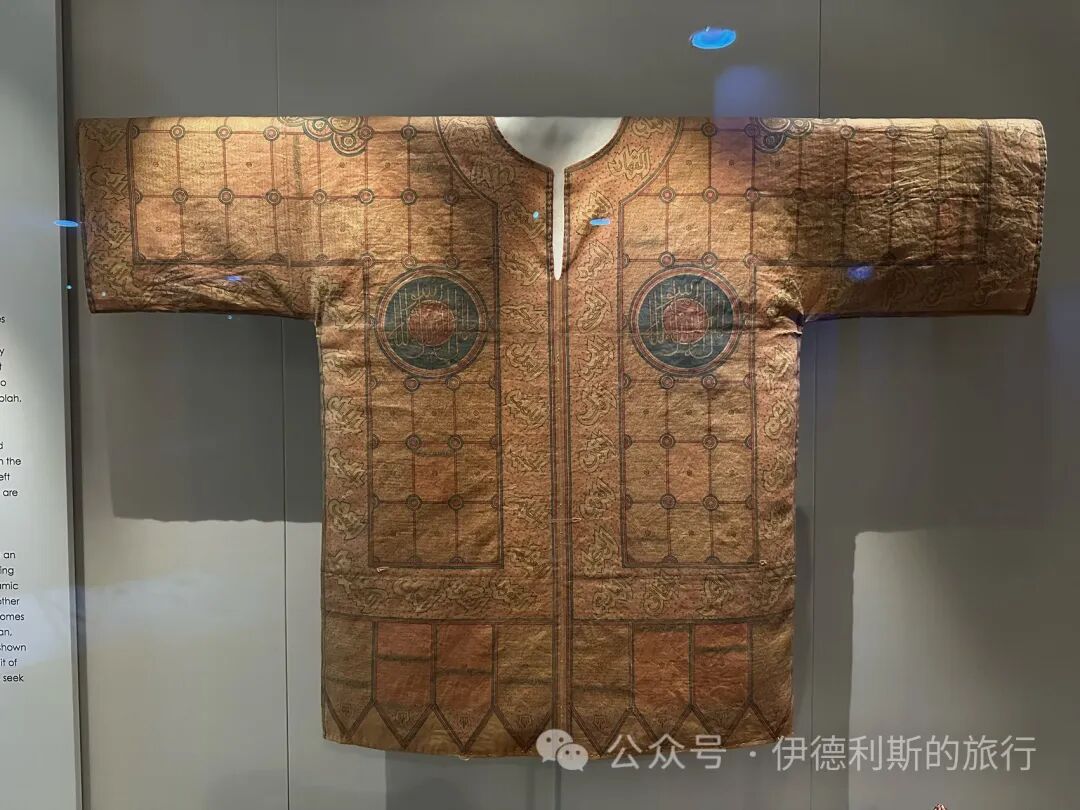
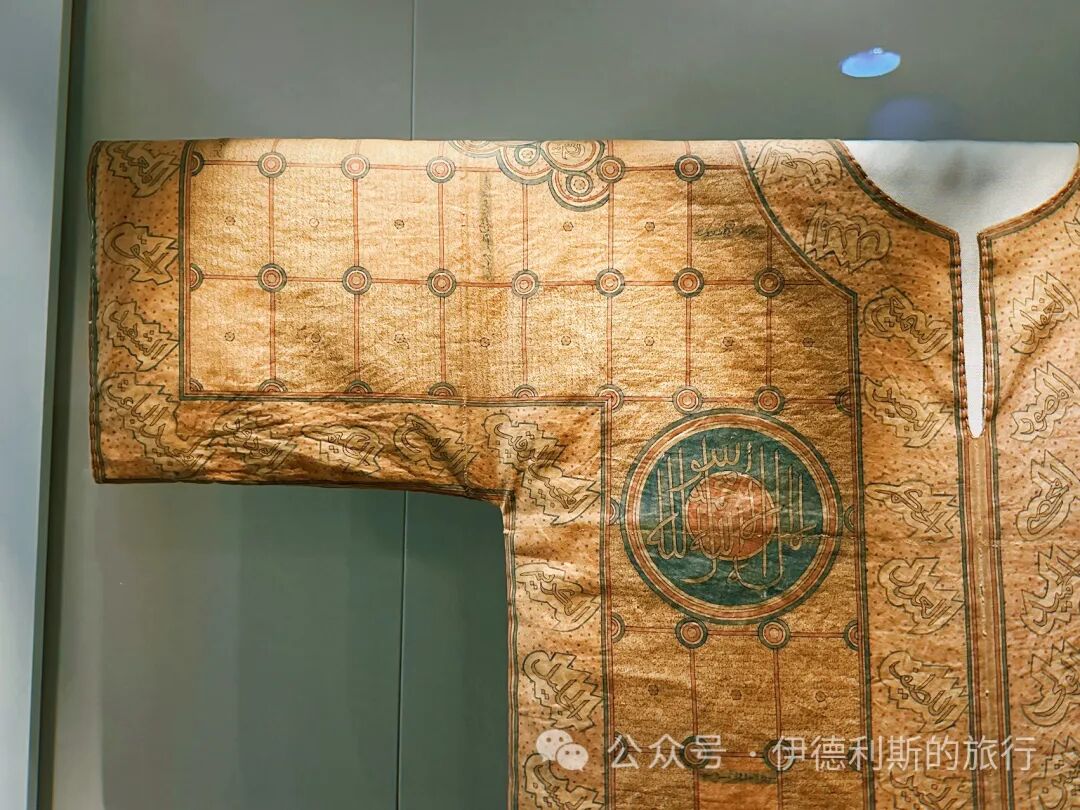
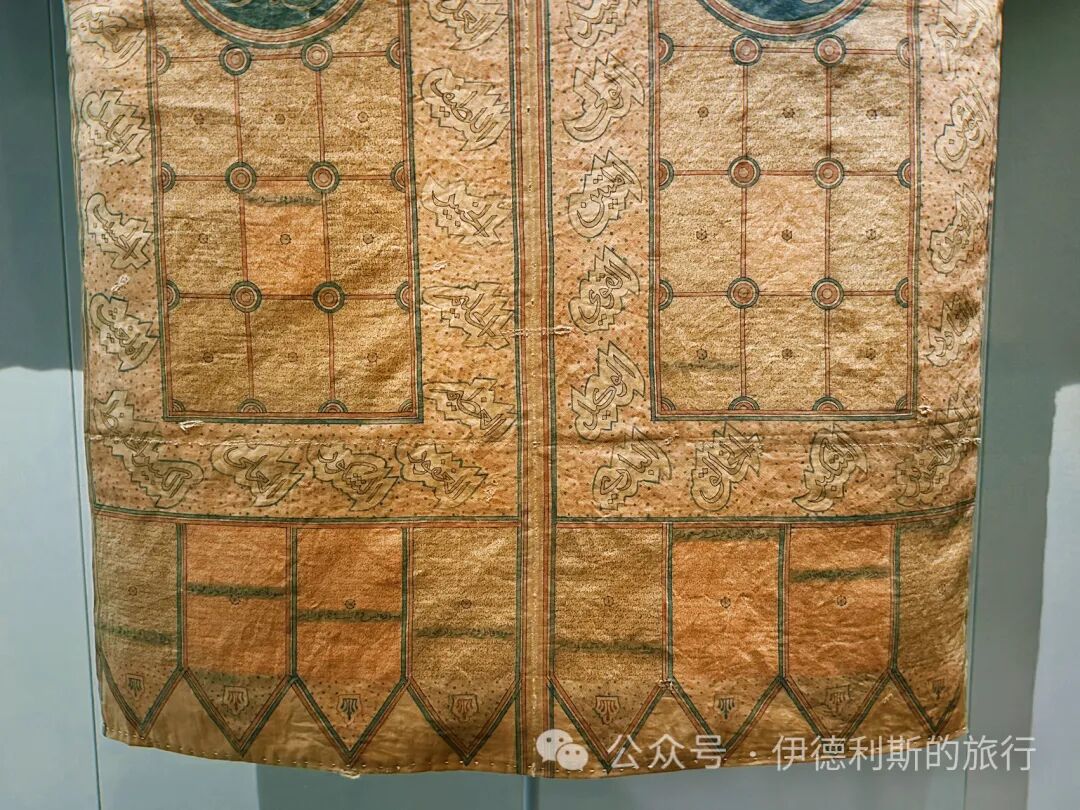
A 19th-century Indian dua hat (dua hat) inscribed with scripture.
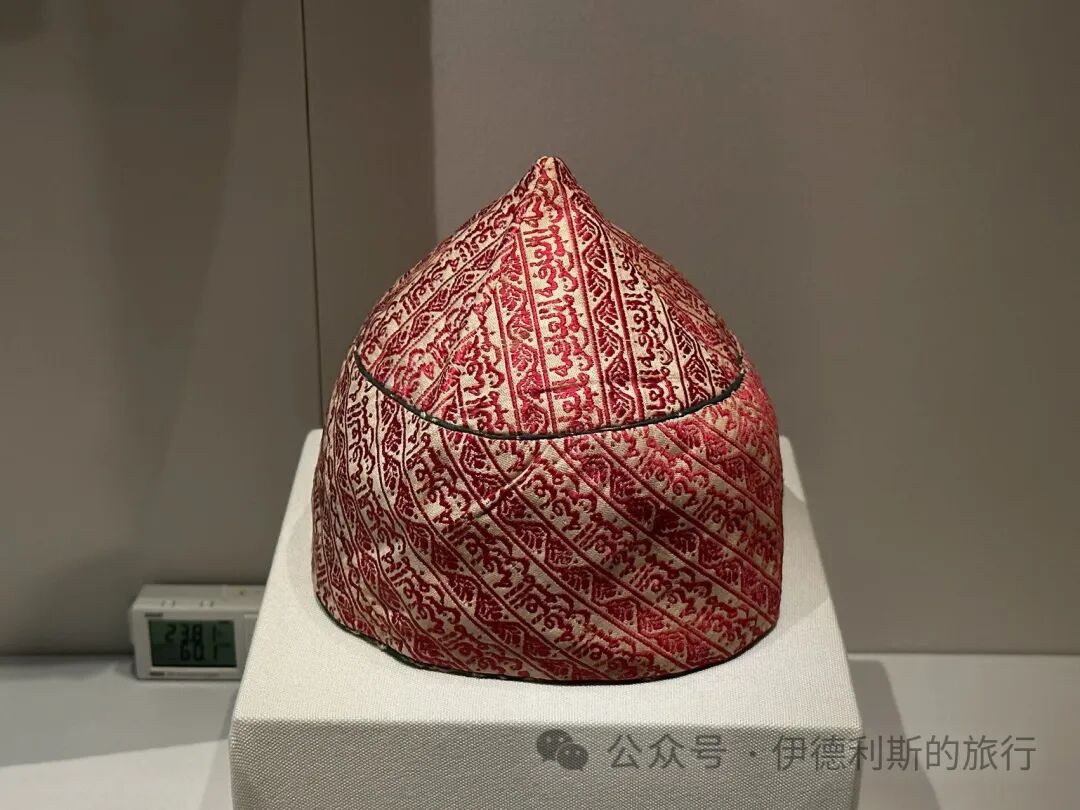
A jewelry box from Gujarat, India, made between the late 16th and 17th centuries. Muslim artisans in Gujarat crafted these fine boxes for the entire Islamic world, decorating them with finely cut mother-of-pearl.
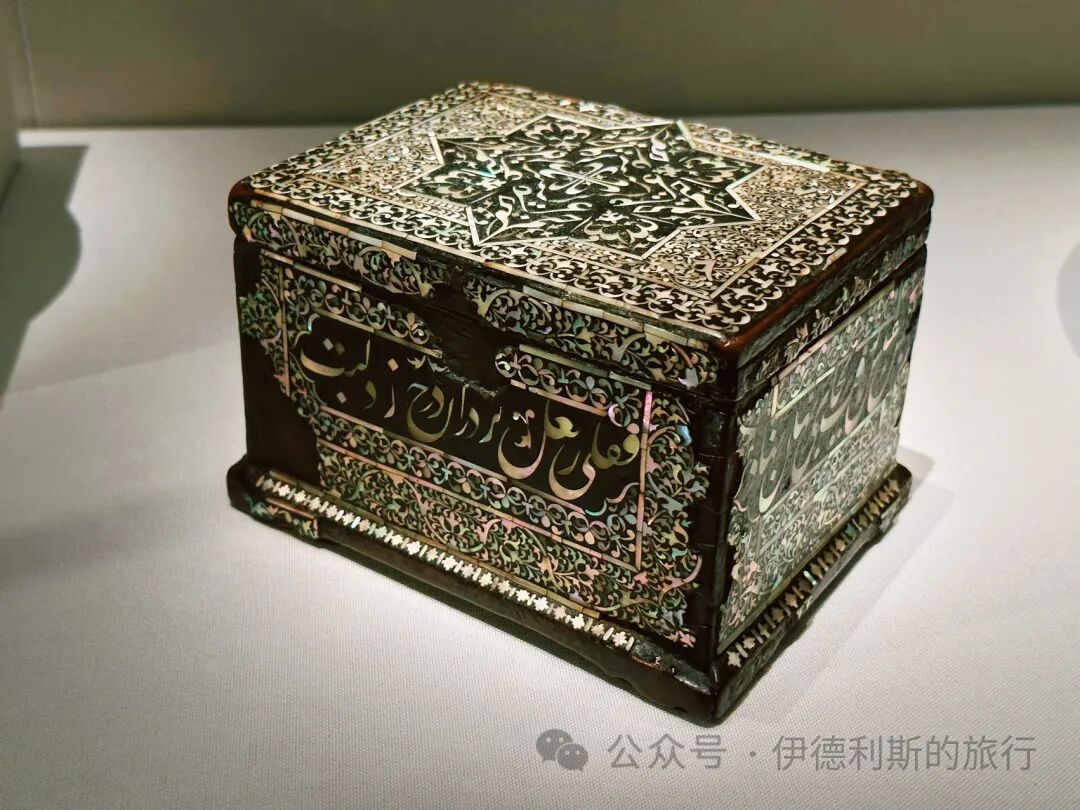
A 1230 tile from Kashan, Iran. These octagonal tiles, paired with cross-shaped tiles, covered the walls of Iranian palaces and important tombs. They often feature Persian poetry and Quranic verses.
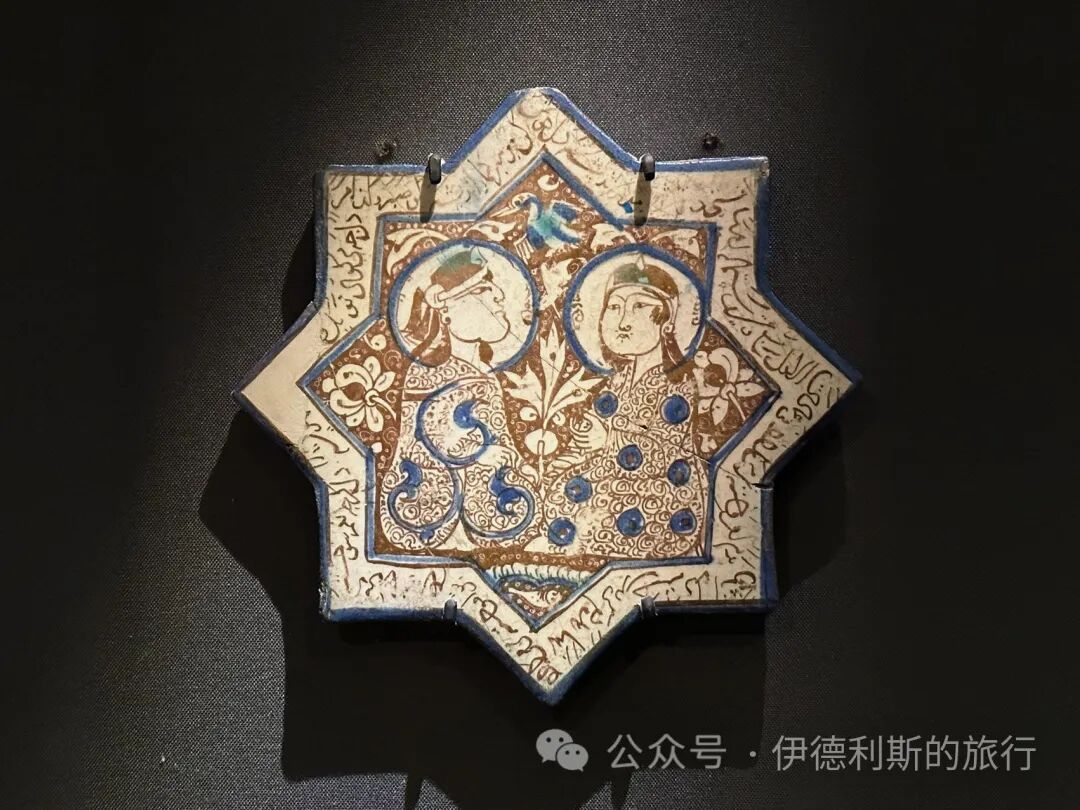
A 15th-century tile from Multan, Pakistan. Influenced by the Timurid Empire of Central Asia, it features a striking blue and green twelve-pointed star design.
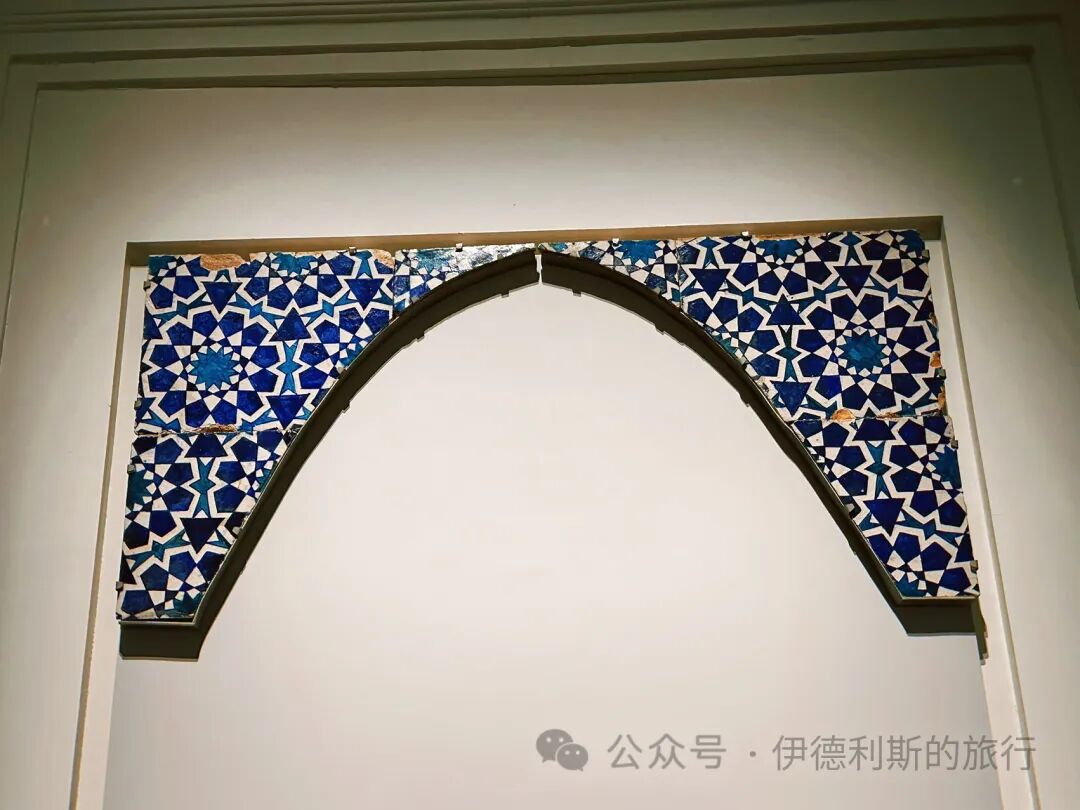
Exquisite Chinese export porcelain, reflecting the economic and cultural exchange between China and the Islamic world at that time.
A Chinese porcelain plate from the early 17th century featuring a magic square, with black cursive scripture alternating with red scroll patterns. Magic squares were believed to help prevent disease.
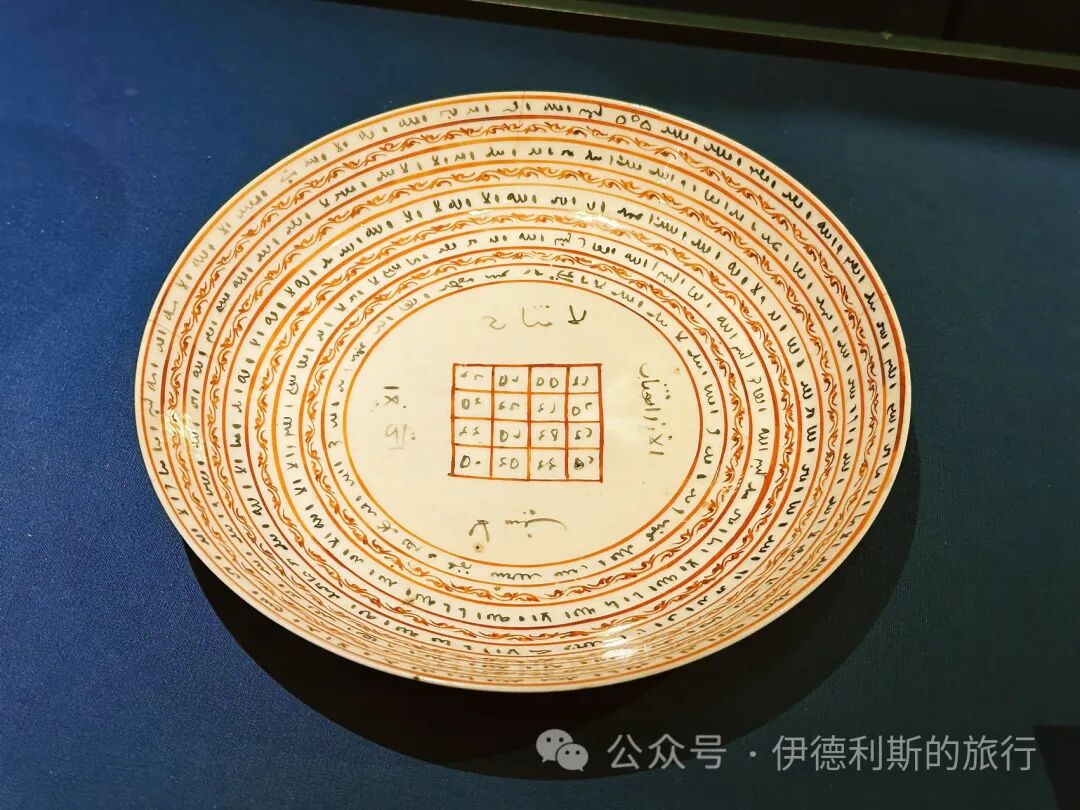
An early 17th-century export porcelain plate from the Zhangzhou kiln in Fujian. It shows two peacocks under a blooming flower, surrounded by the Shahada.
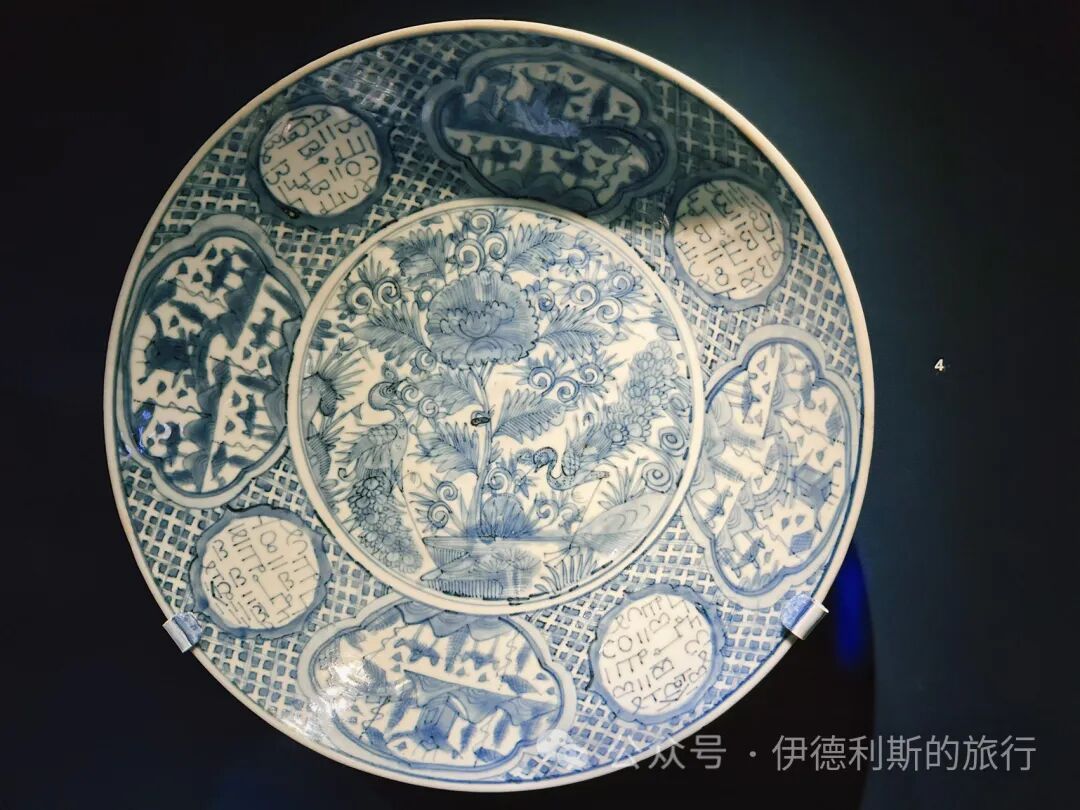
A 17th-century Qing dynasty export porcelain piece, fitted with a silver rim and spout, featuring the name of Allah.
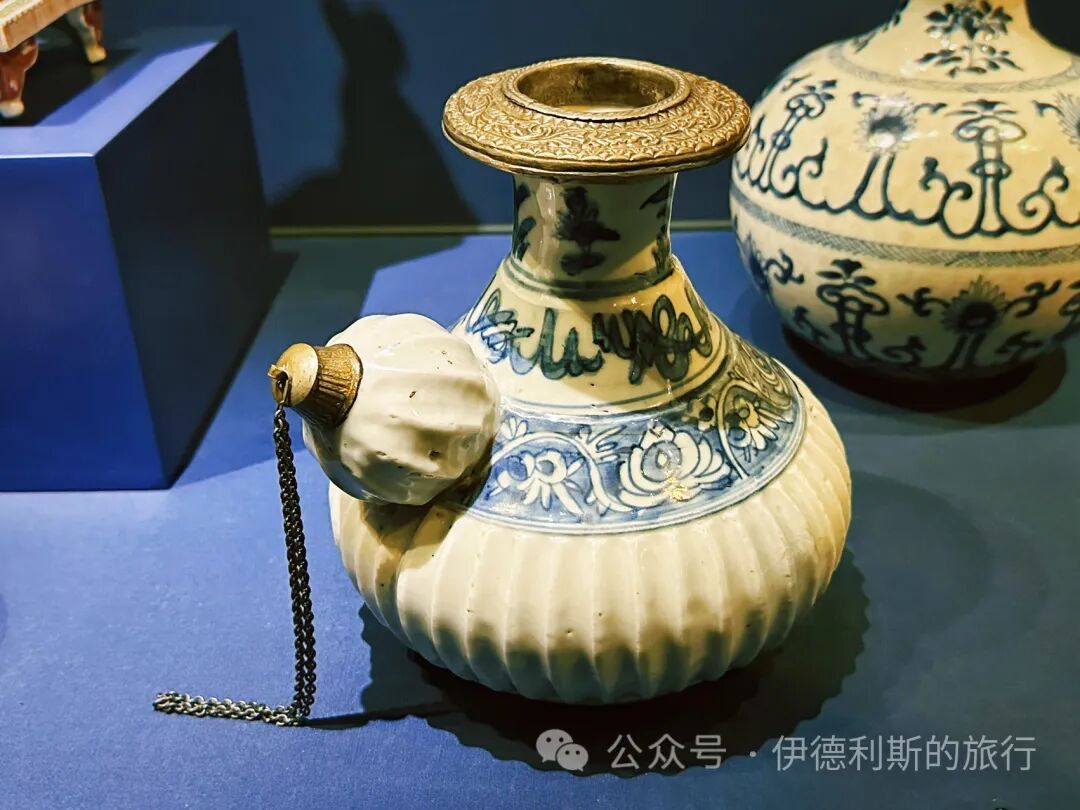
A porcelain plate from the Zhangzhou kiln in Fujian, commissioned by the Sultan of Aceh in the 17th century. The inner circle contains scripture, while the eight outer circles feature seals designed by the Sultan in imitation of the Mughal Empire. The Sultanate of Aceh (1496-1903) was located in northern Sumatra, Indonesia, and was once a major center for Islamic scholarship and trade. These plates were likely ordered during the reign of Sultan Iskandar Muda (1607-1636). Under his rule, the Sultanate of Aceh reached its peak, becoming the most powerful and wealthy state in western Indonesia and the Strait of Malacca.
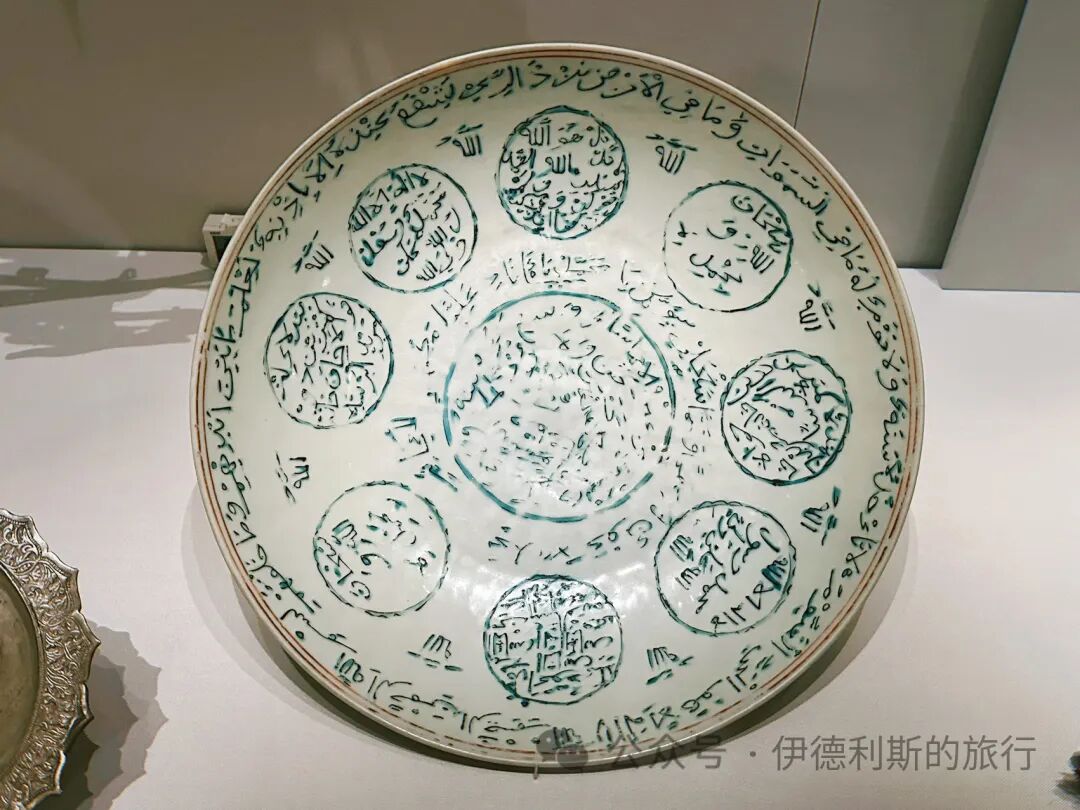
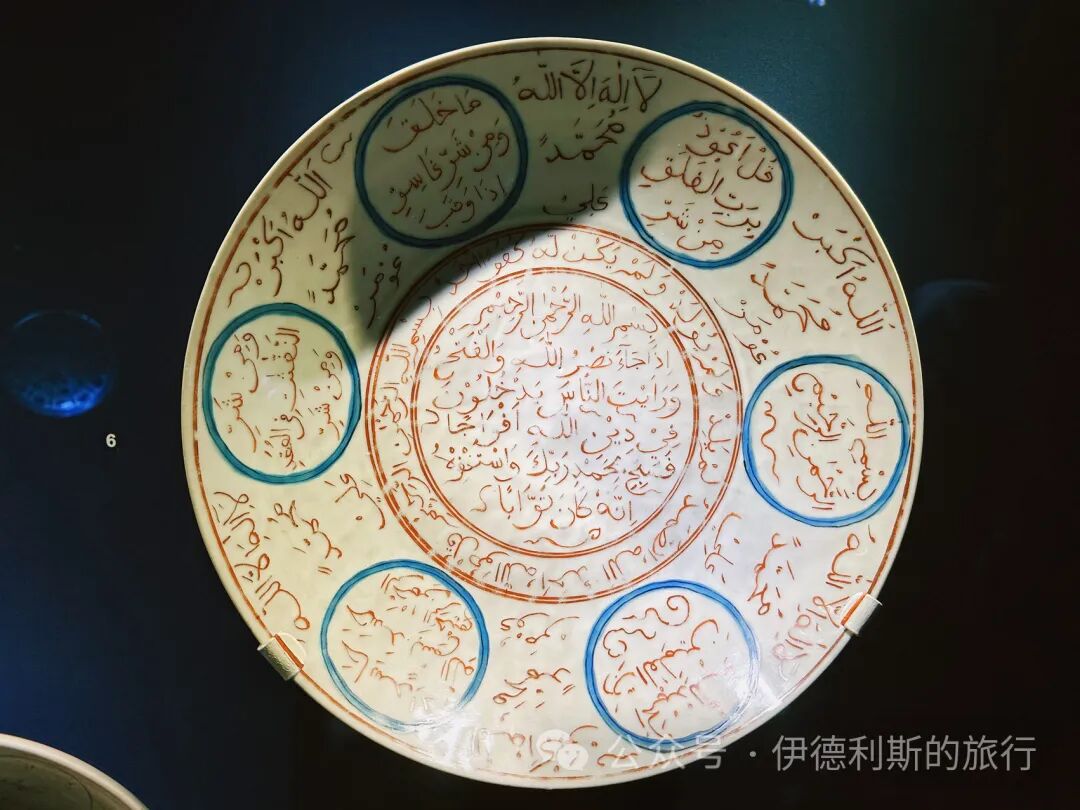
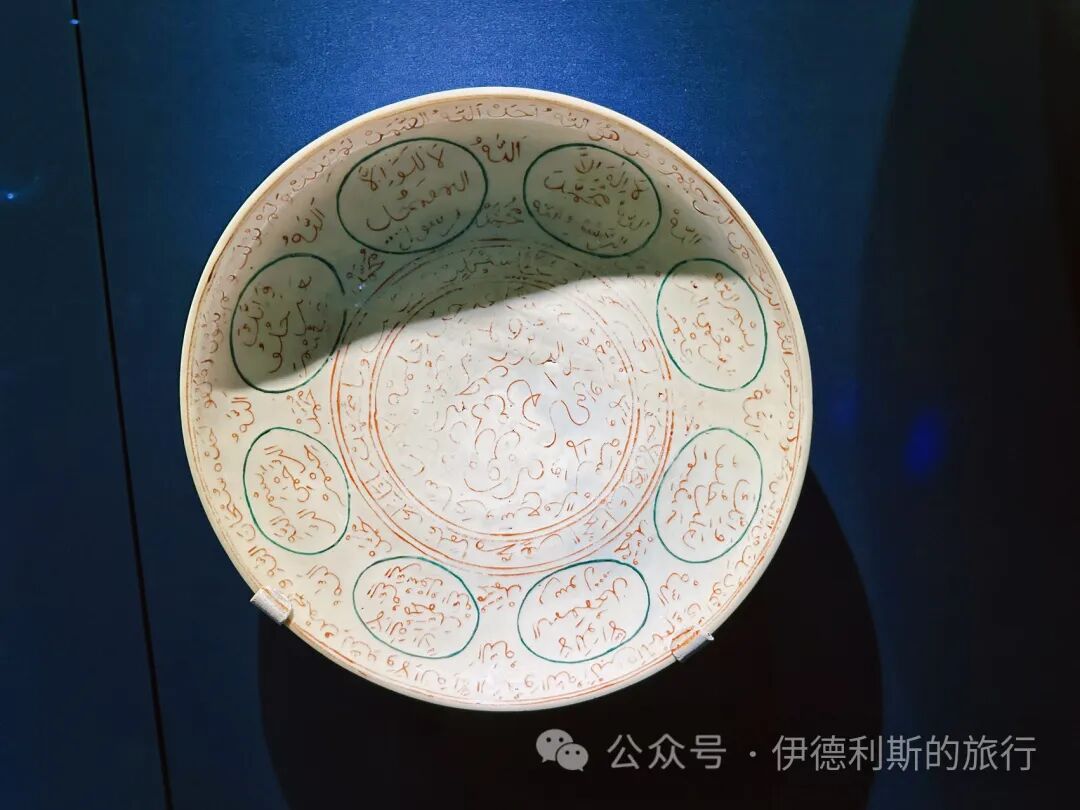
An export porcelain plate commissioned by Shia Muslims in Iran or India in 1844-45, featuring Persian poetry related to the martyrdom of Imam Hussein. The teardrop-shaped pattern used here is called a boteh design in Persian.
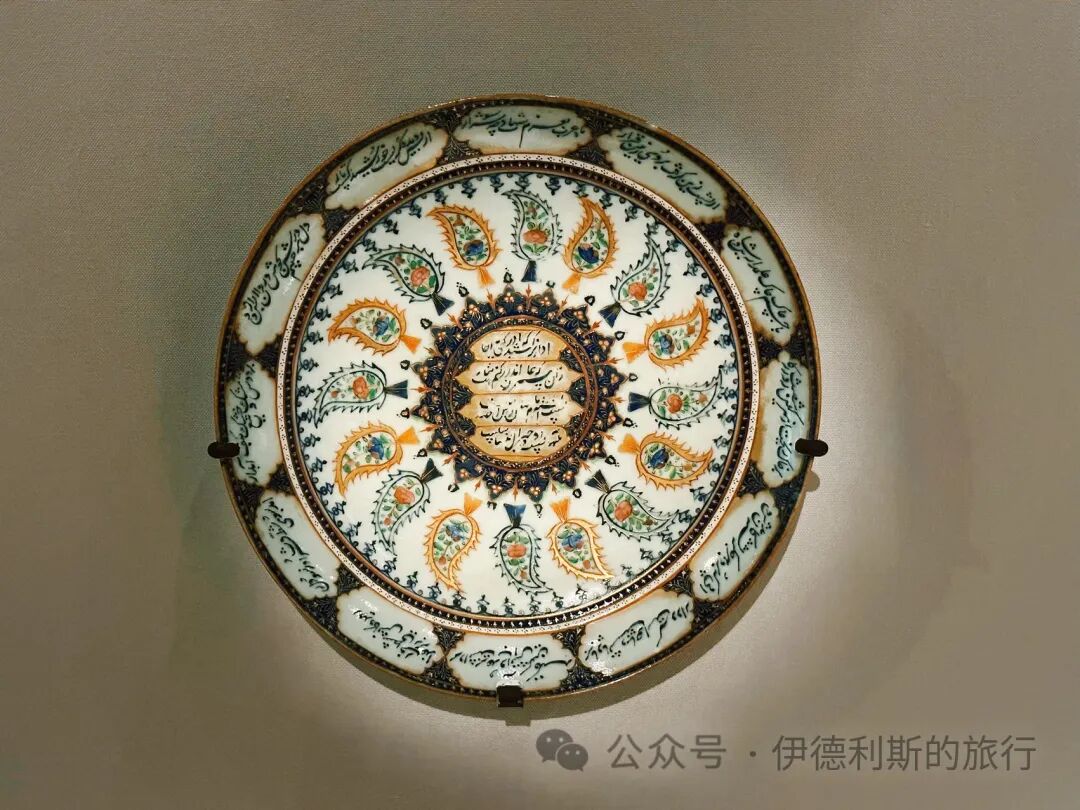
This Canton enamel porcelain bowl was ordered by the Qajar dynasty royal family in Iran between 1883 and 1884. It mentions Prince Mass'oud Mirza Zell-e Soltan, the eldest son of the Qajar King Naser al-Din Shah (who reigned from 1848 to 1896), who served as the governor of Isfahan for over 35 years. The Qajar royal family loved Canton enamel porcelain and often ordered full sets of tableware to use at banquets.
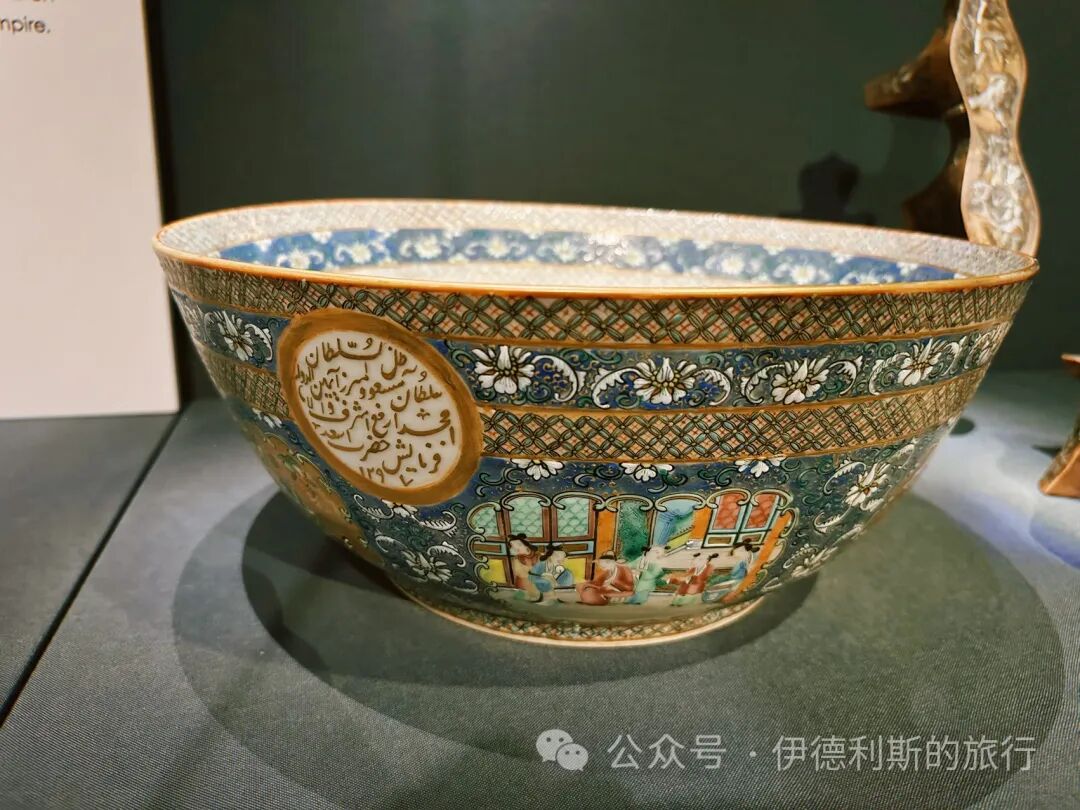
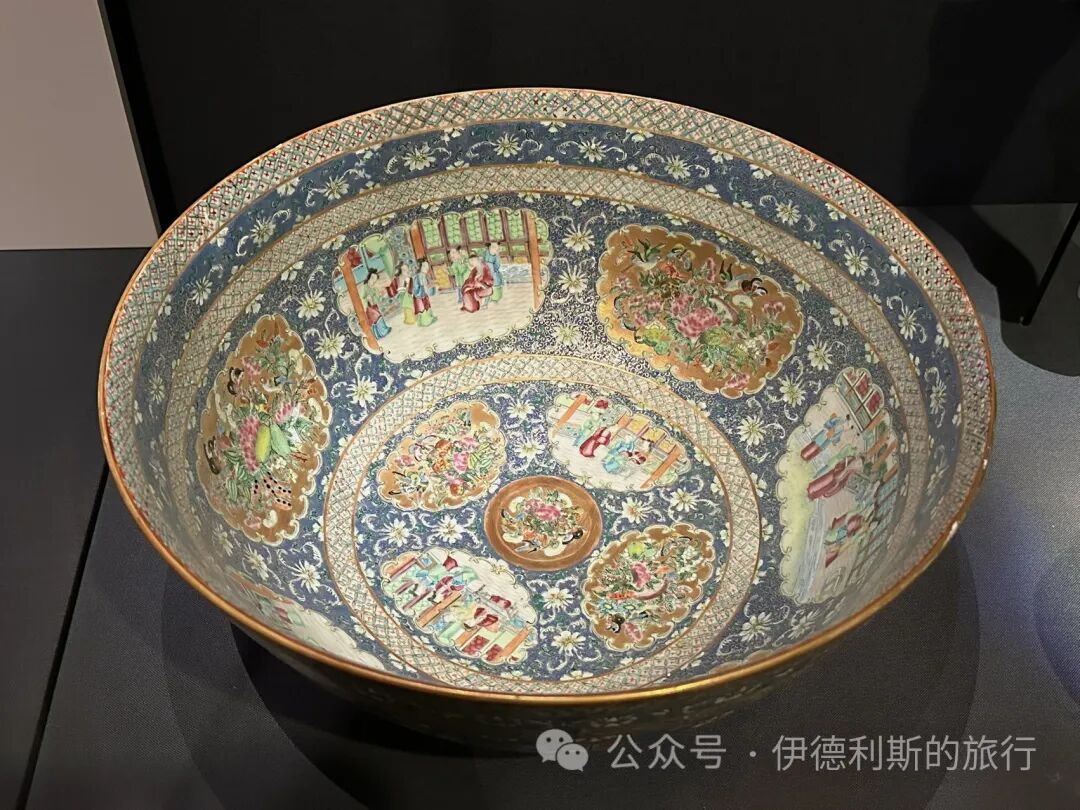
A set of traditional Qing dynasty enamel incense tools used by Hui Muslims: an incense burner, an incense box, and a vase for incense tools. In the past, Hui Muslims usually kept these in a high place at home and only used them during religious gatherings (nieti) and the Eid festivals. Later, as stick incense became popular, the three-piece incense set was gradually replaced by a single incense burner.
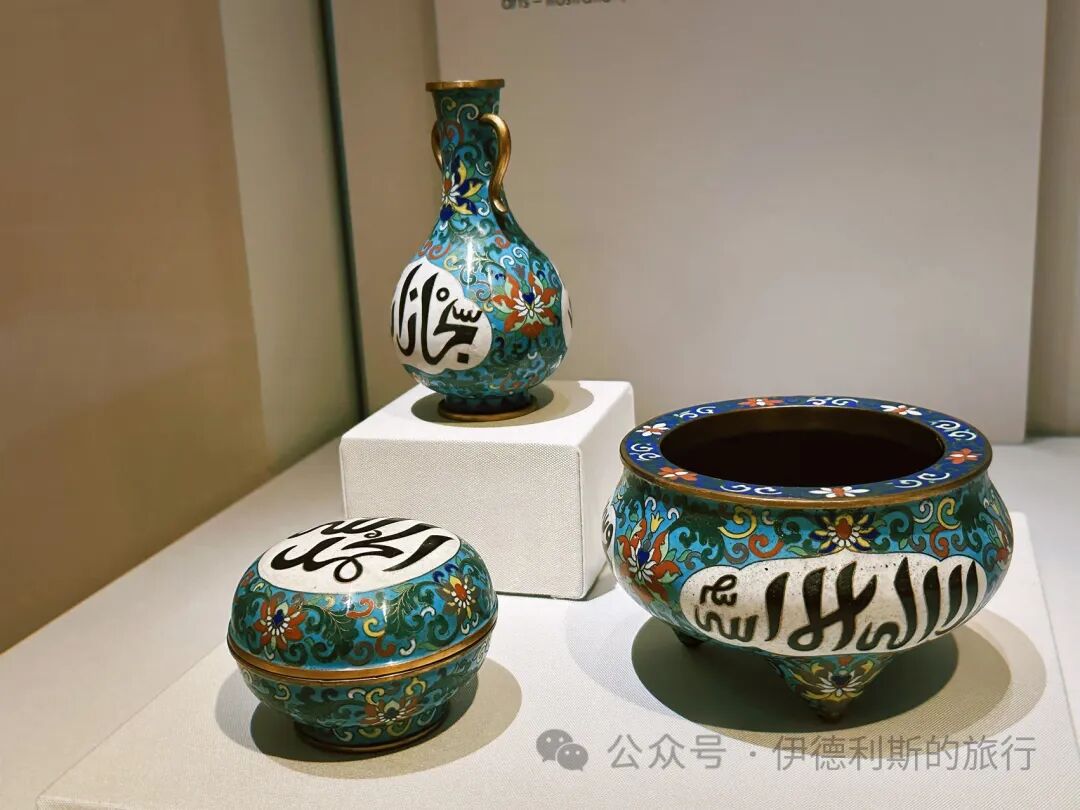
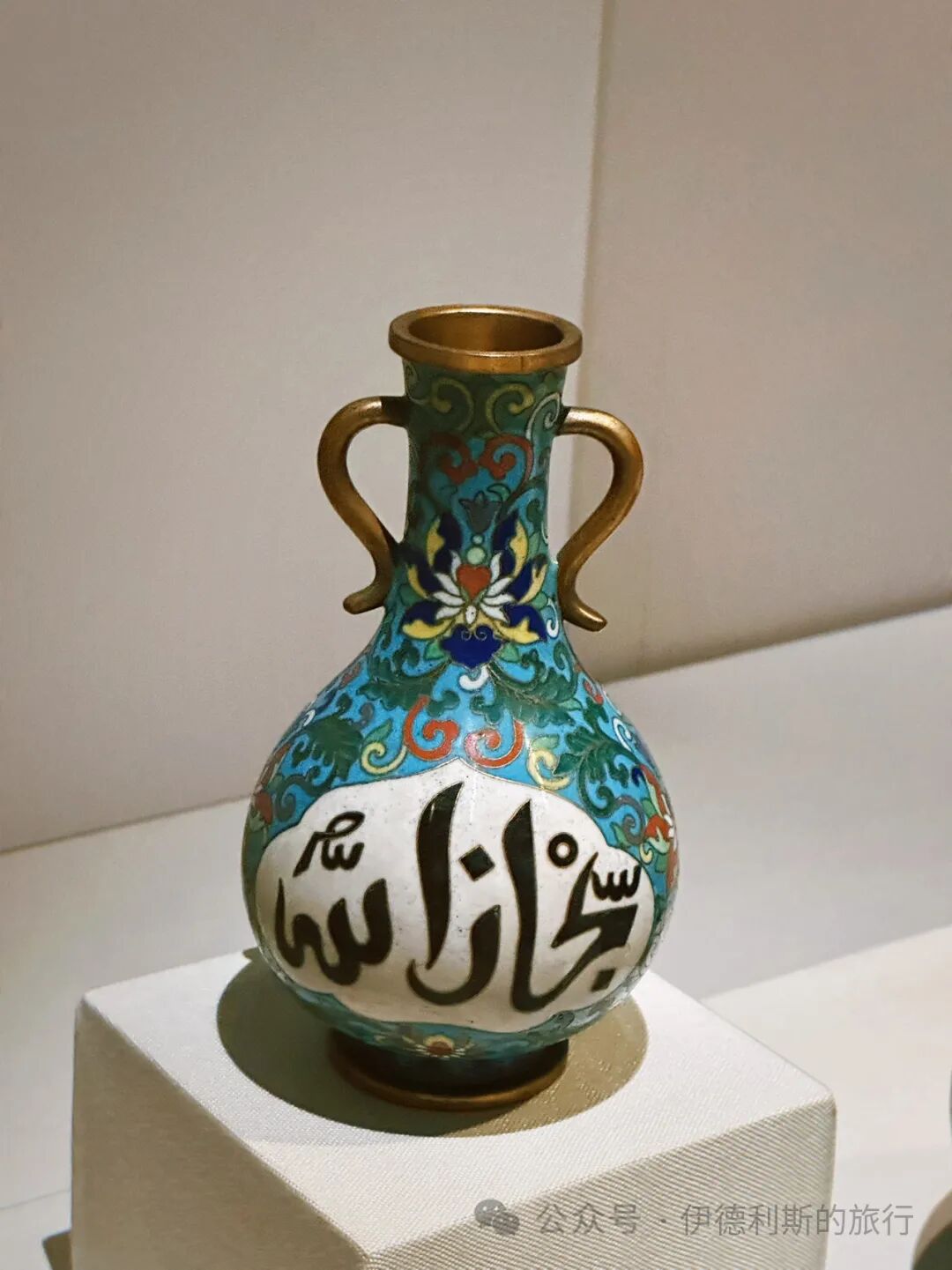
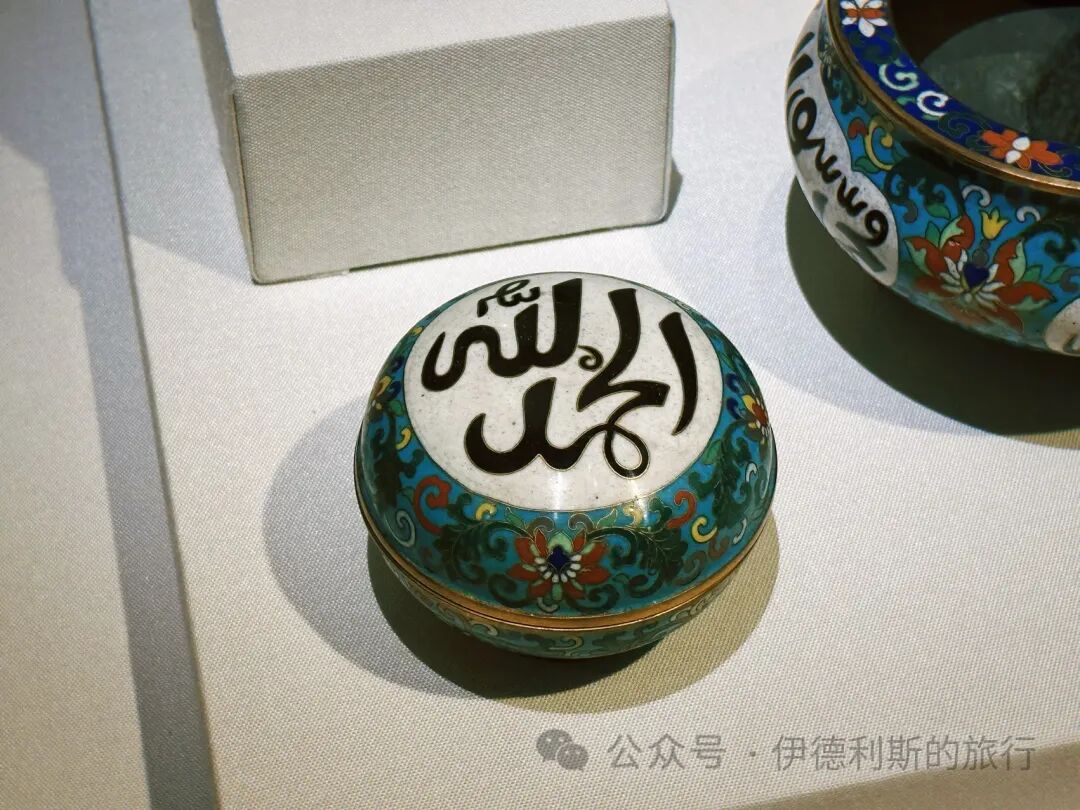
The spread and evolution of blue and white porcelain in the Middle East.
The first is a blue and white porcelain plate from Jingdezhen in the 15th century. This type of floral blue and white porcelain plate was exported in large quantities to Middle Eastern countries during the Ming dynasty, and one is kept in the tomb of the famous Sufi Sheikh Safi al-Din in Iran.
The second is blue and white porcelain produced by the Ottoman Empire in the mid-15th century, representing an early Middle Eastern attempt to learn from Jingdezhen blue and white porcelain. The floral patterns are clearly influenced by China, but the cypress tree pattern is a Turkish specialty.
The third is porcelain produced around 1600 in Iznik, Turkey, under Ottoman rule. By this period, Iznik was able to produce high-quality blue and white porcelain, and the floral patterns continued to be influenced by China.
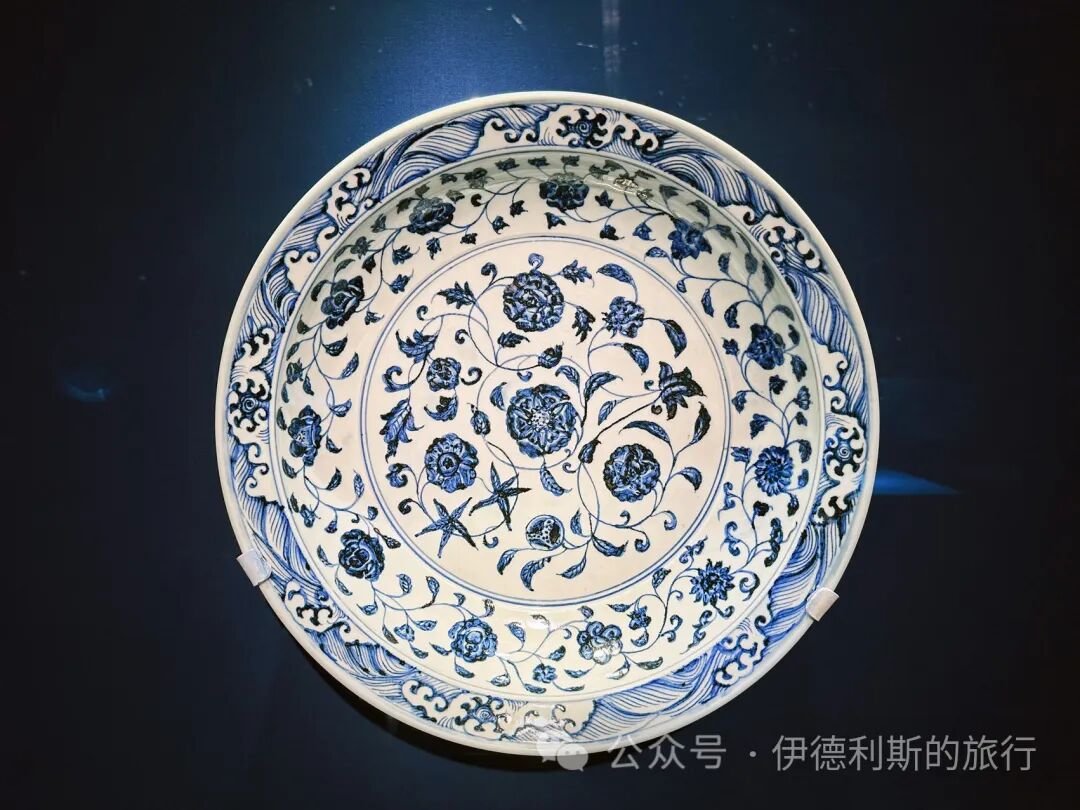
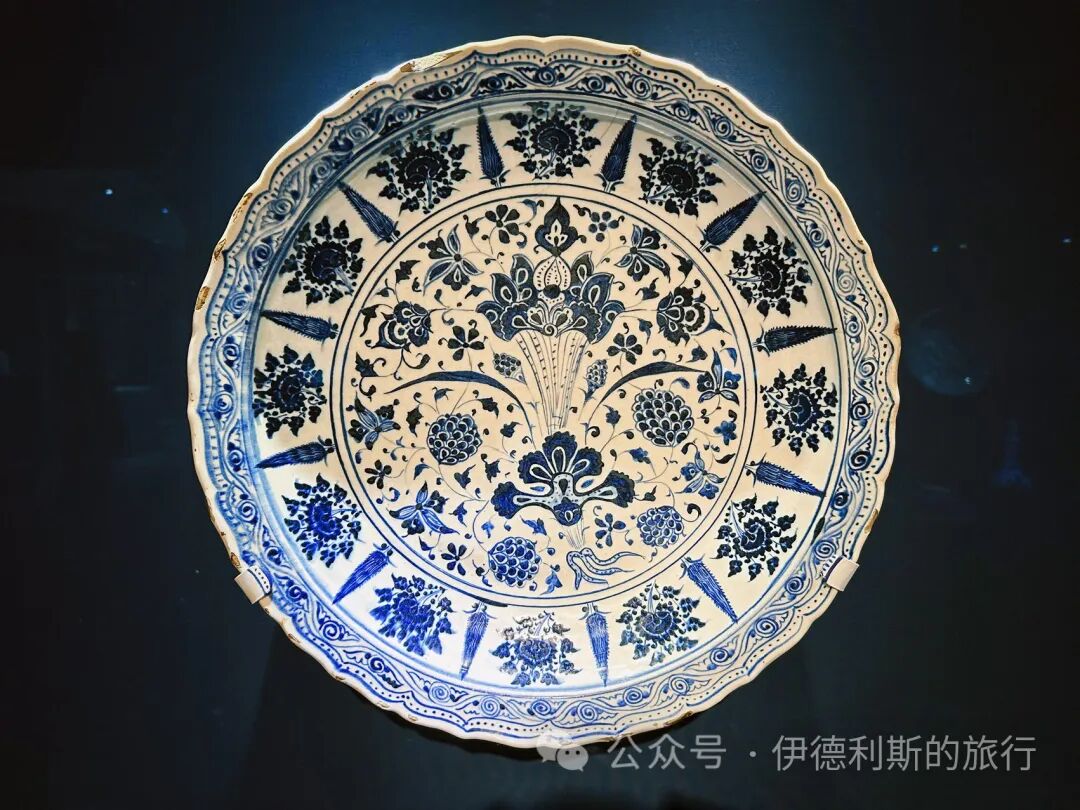
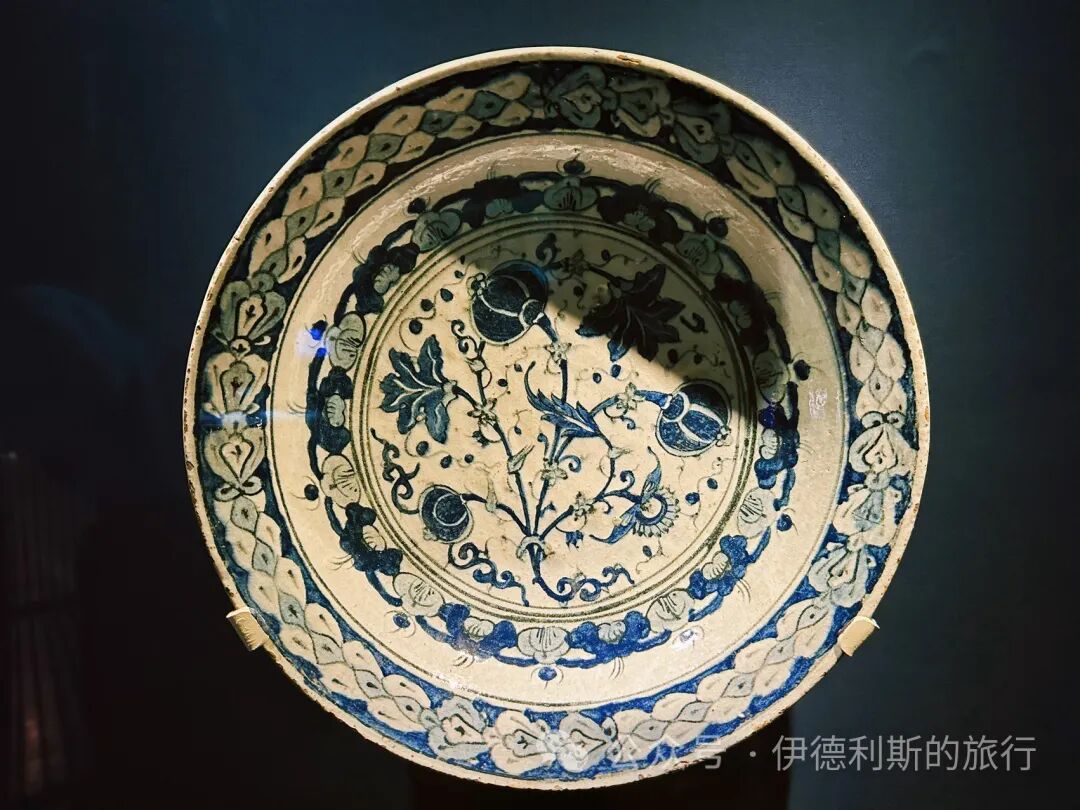
A 19th-century teak wood scripture box from northern Java. This intricately carved scripture box was generally only used in mosques and madrasas, and it features traditional Javanese-style patterns.
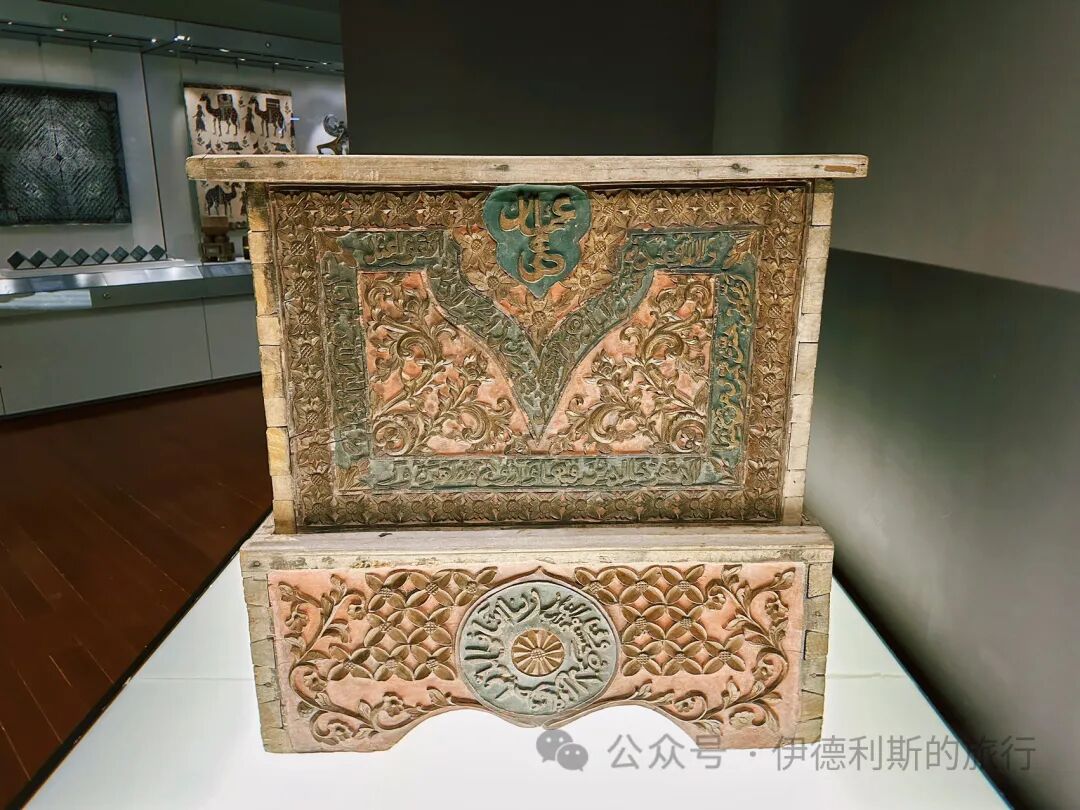
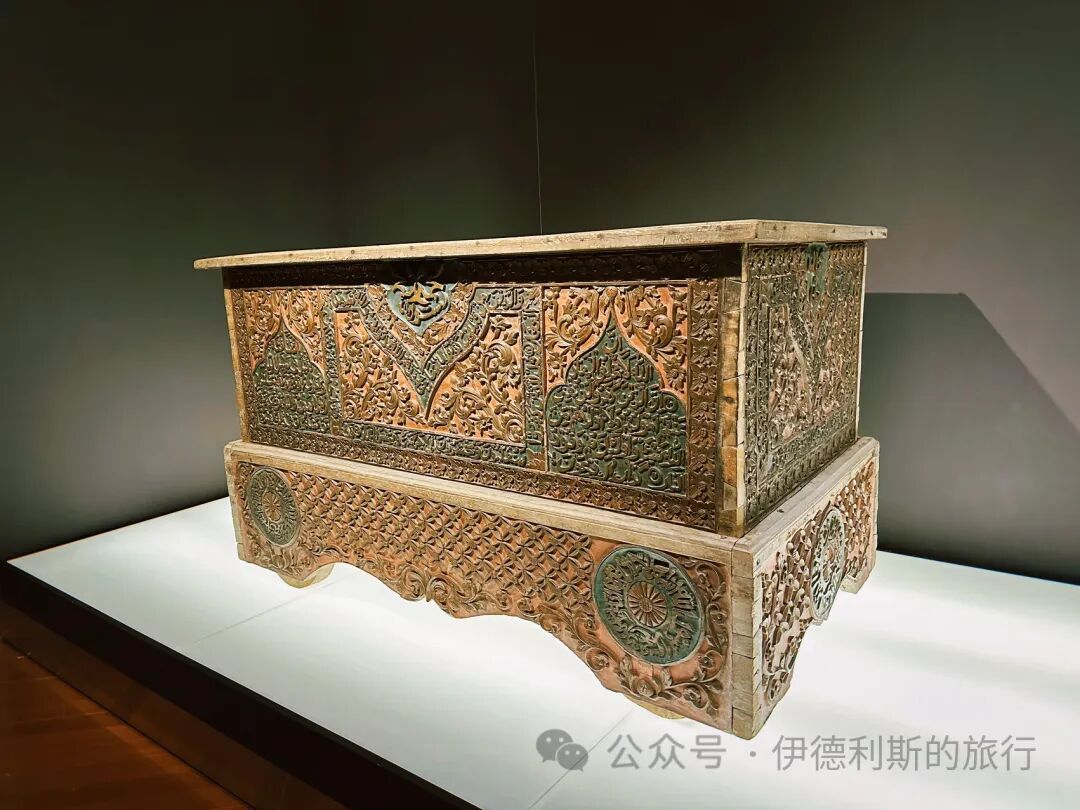
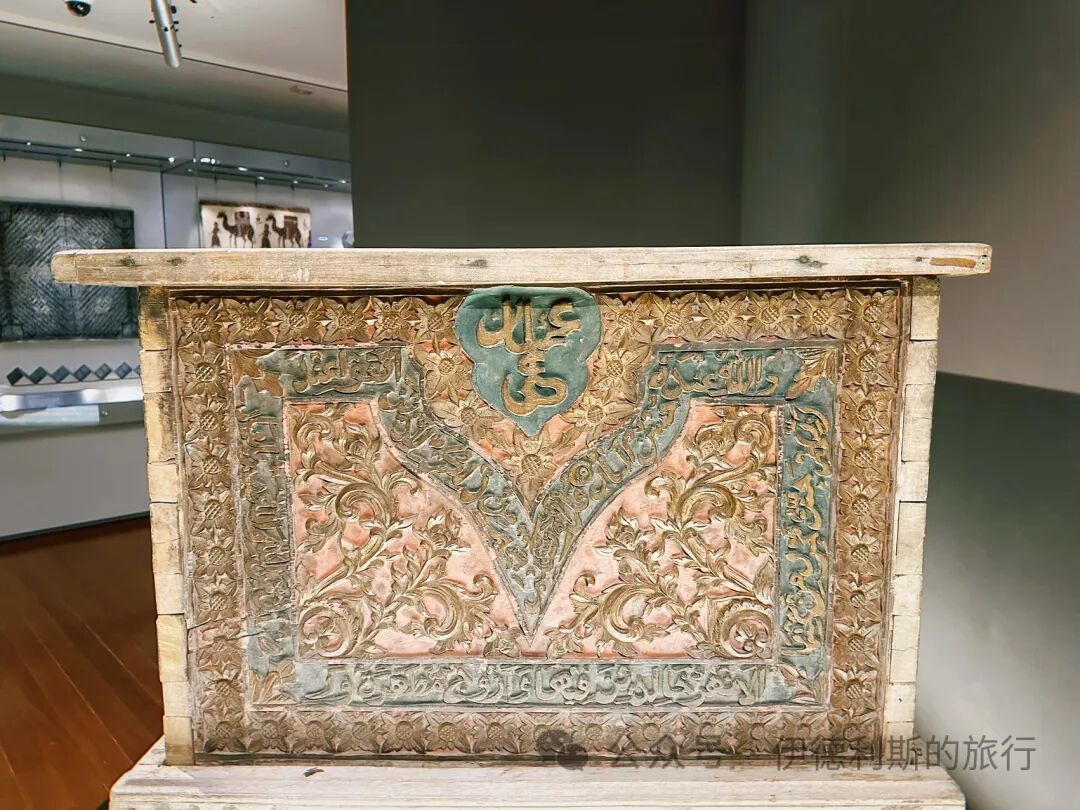
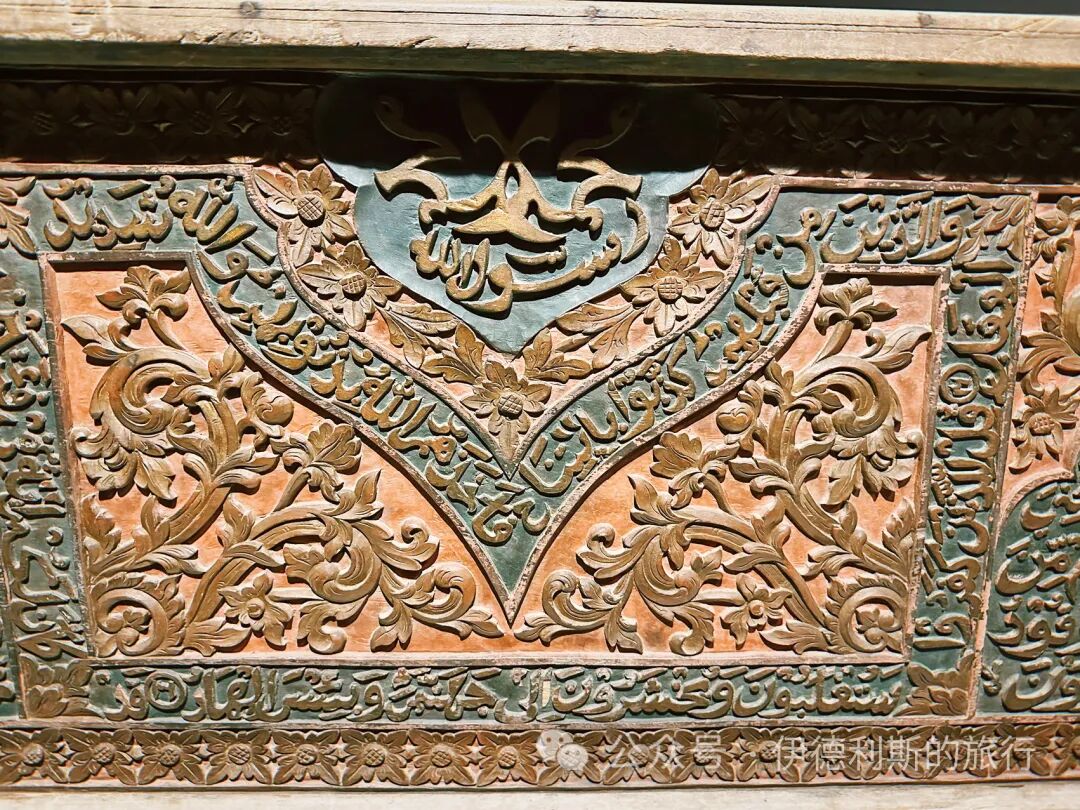
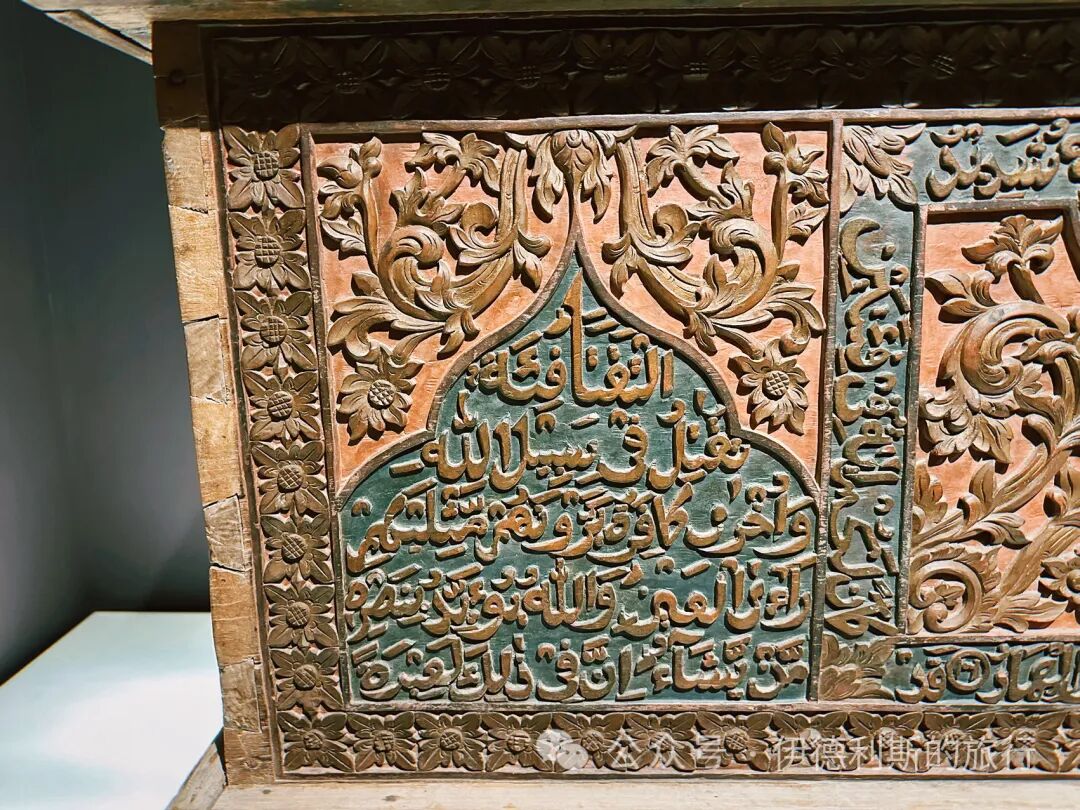
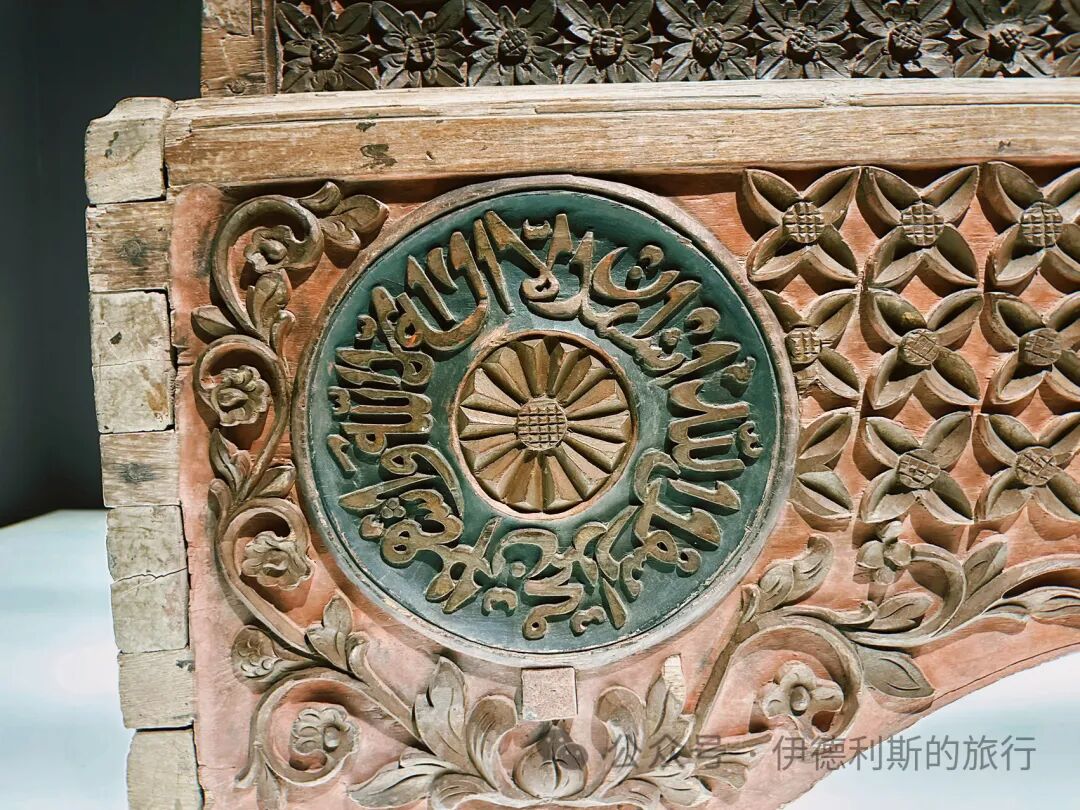
A Jingdezhen blue and white porcelain brush rest with the mark 'Made in the Zhengde reign of the Great Ming'. The front is written in Arabic as 'khamah' (pen), and the back is written in Arabic as 'dan' (rest).
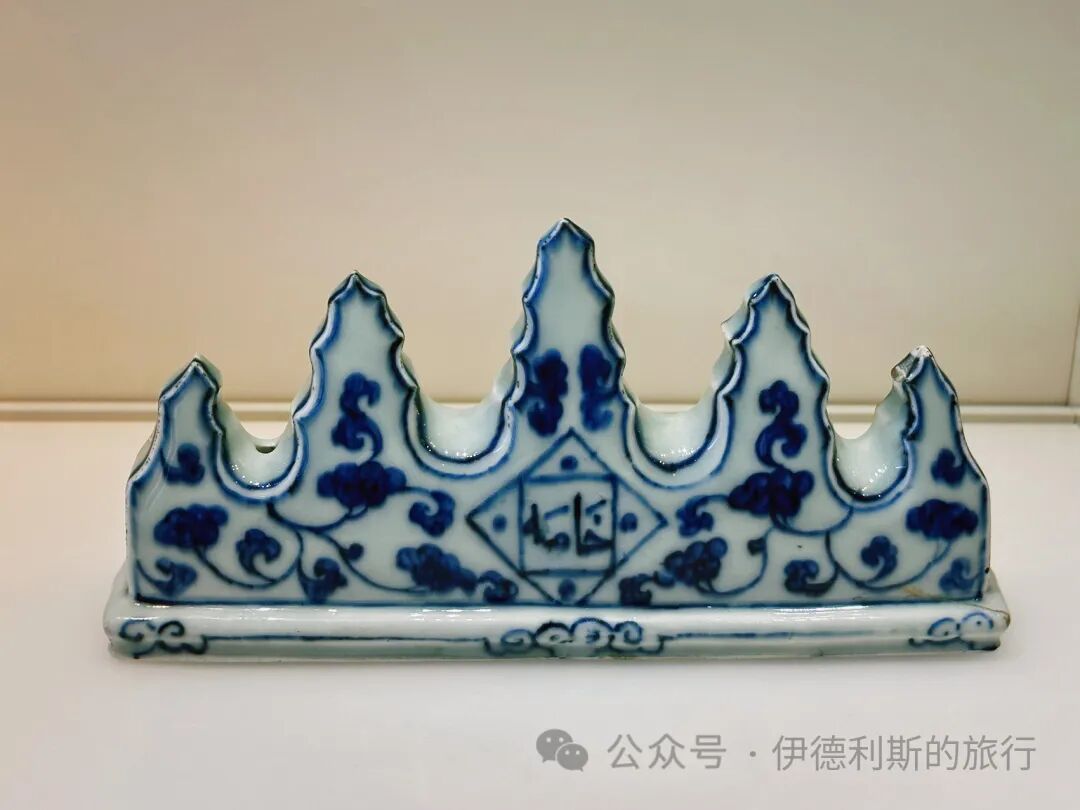
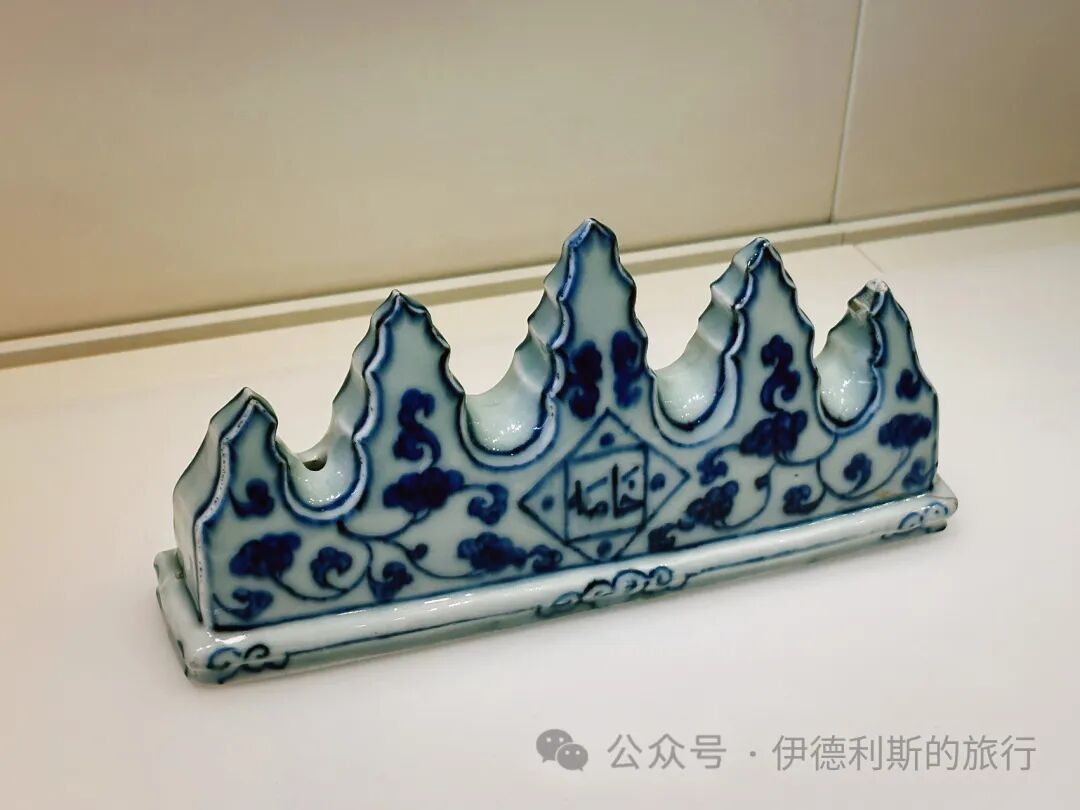
The Islamic culture of Southeast Asia.
A collection of blessings for the Prophet (Dala'il al-Khayrat) copied in Terengganu on the Malay Peninsula in the 19th century. Malay people usually carried this book with them when they went on Hajj, so it includes diagrams of the Prophet's Mosque and the Sacred Mosque, marking the locations of the Prophet's tomb and the Kaaba. The two illustrations of the Kaaba use the ornate Terengganu decorative style and feature a lot of gold leaf.
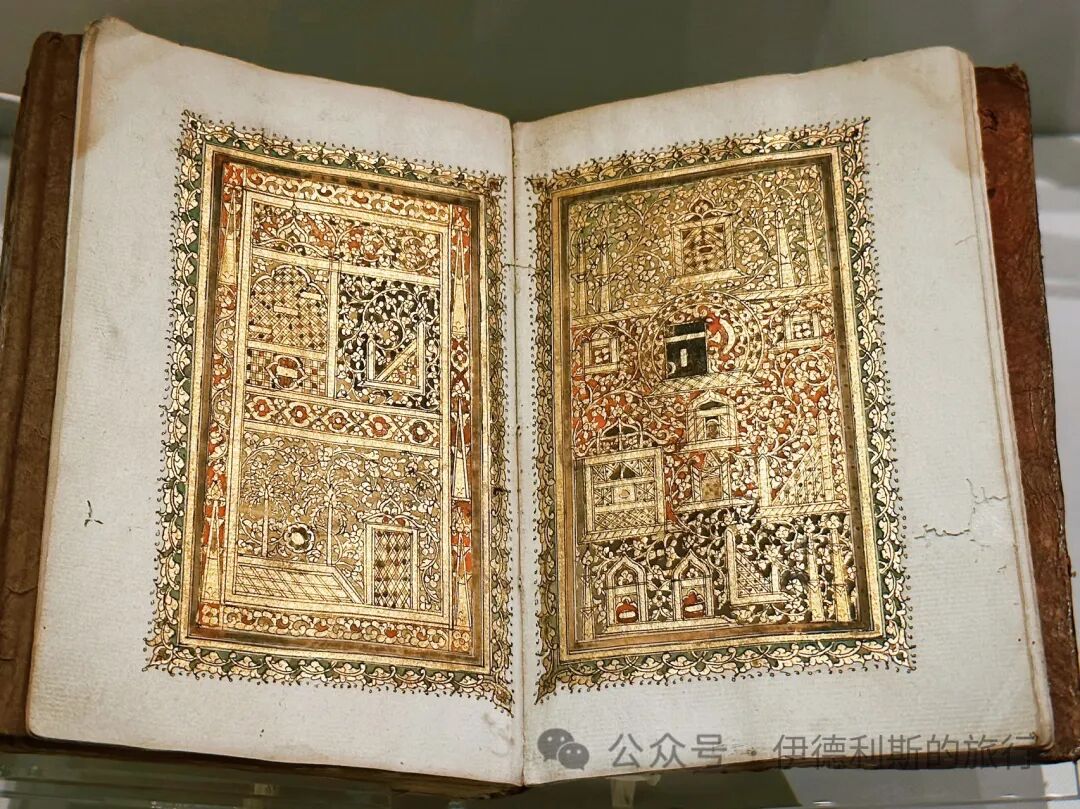
A wooden carving of Buraq from Lanao del Sur province on Mindanao island in the southern Philippines, dating to the early 20th century; this is the mount the Prophet Muhammad rode during his Night Journey. Muslims in Mindanao display the Buraq during important feasts and holidays. Although the Hadith does not describe the face of the Buraq, it mentions it has a handsome face, so it has historically been depicted with a human face; this Buraq's headpiece and tail incorporate traditional Okir patterns from the southern Philippines.
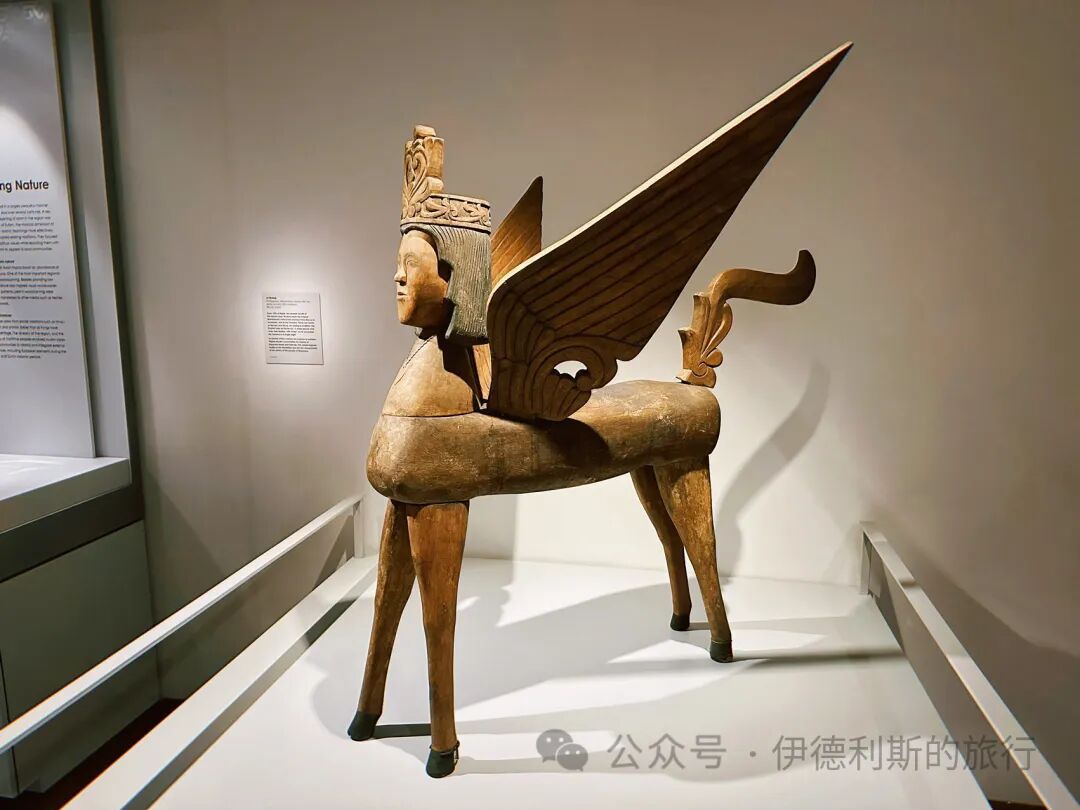
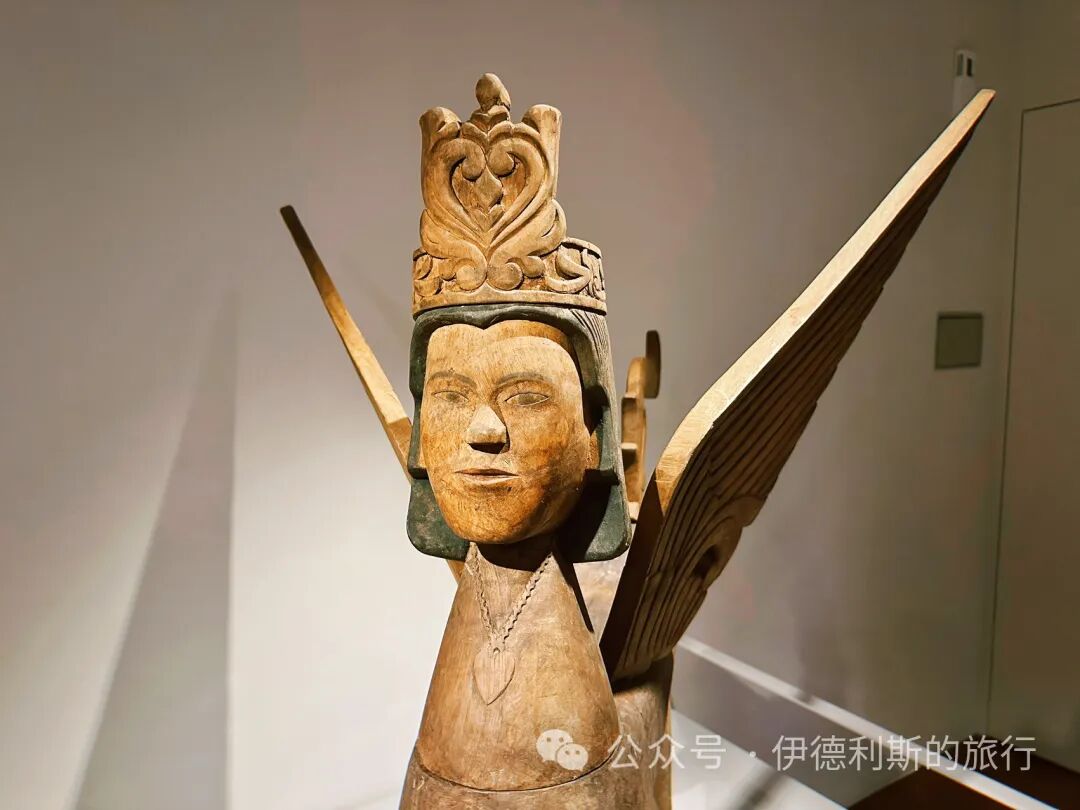
A wooden tombstone from the southeast of Kalimantan island dated 1894; the intricately carved tombstone is a symbol of noble status and wealth, featuring both Malay and Arabic.
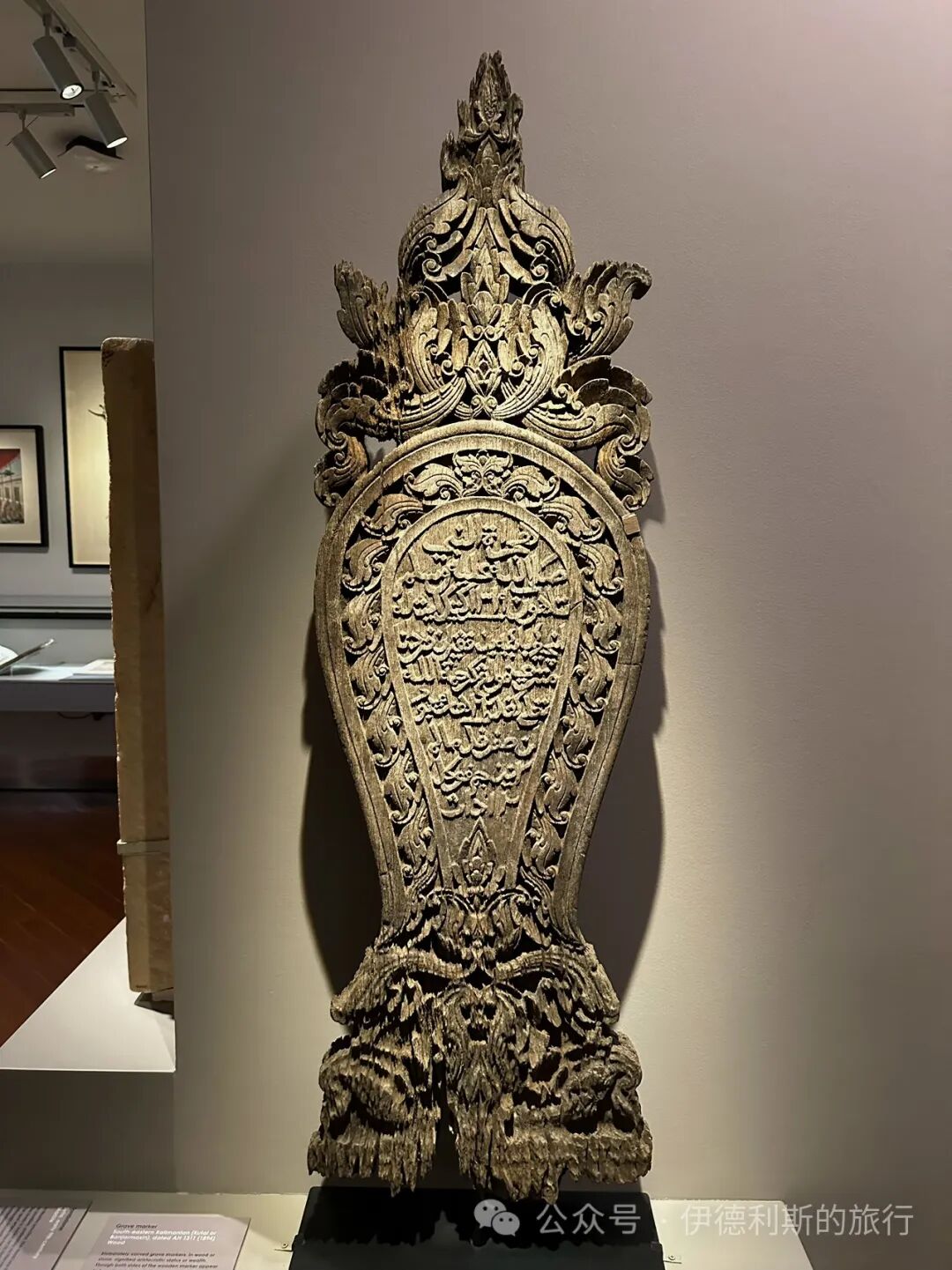
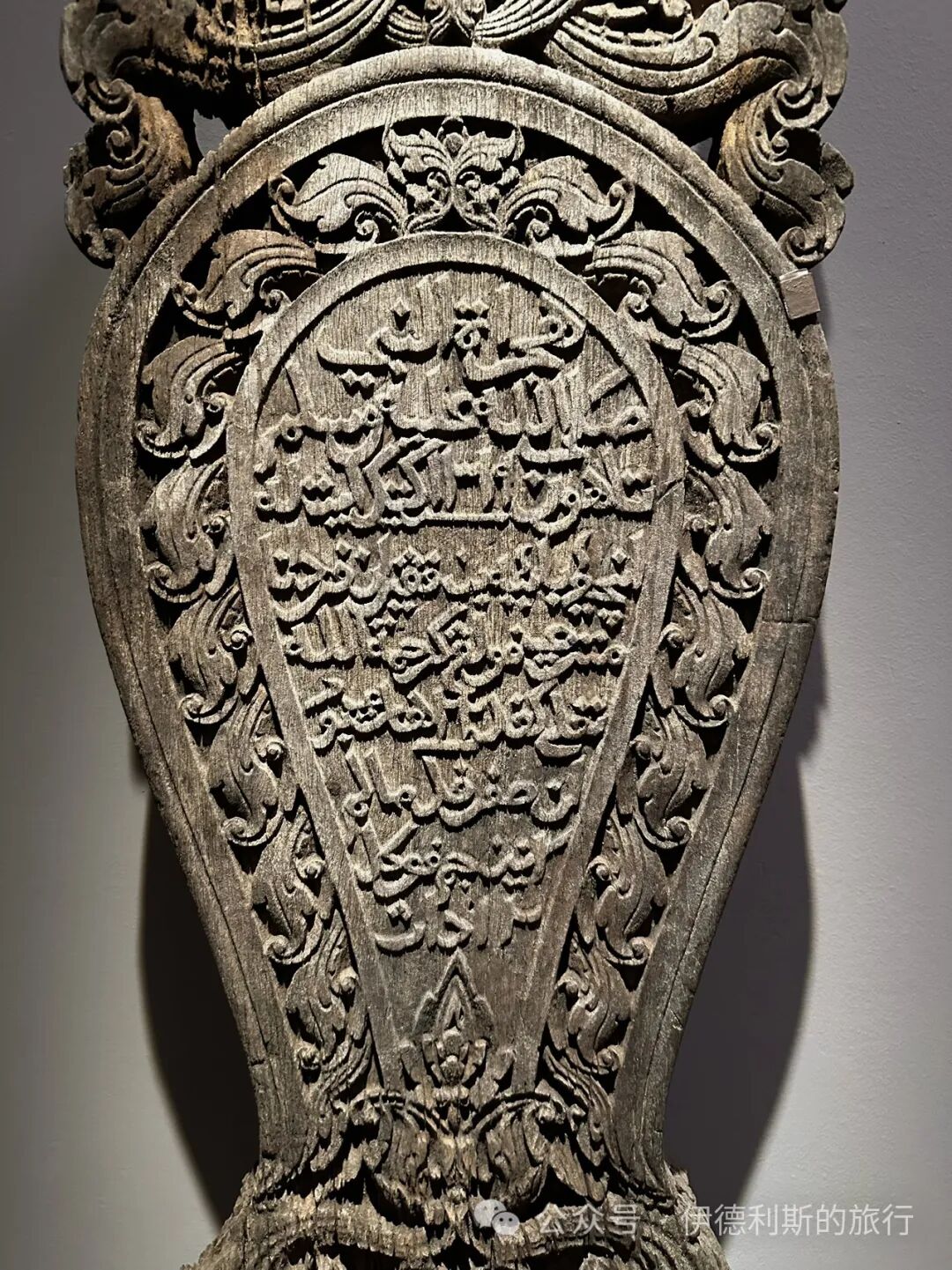
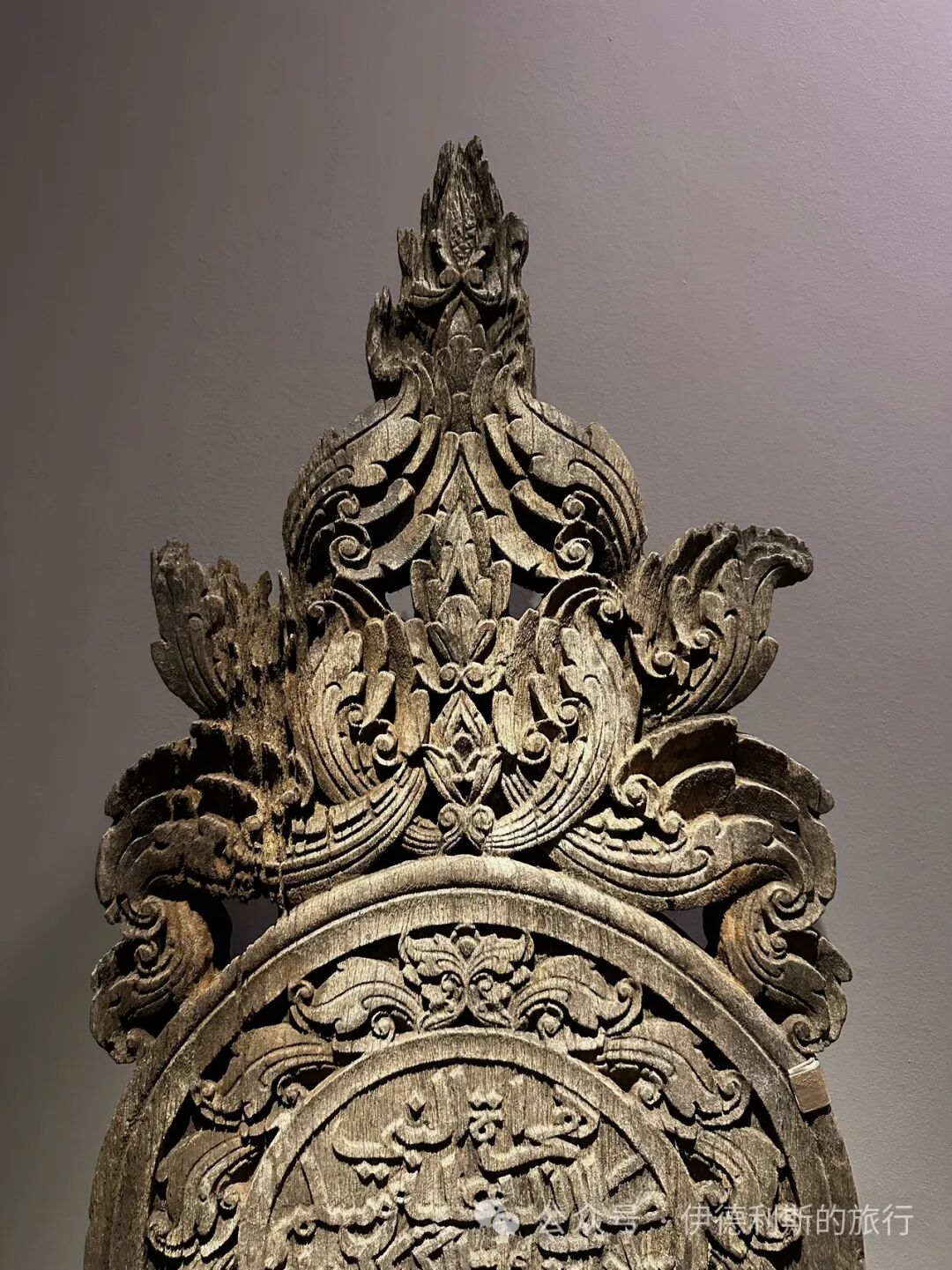
A prayer time chart from the mid-20th century at the Wak Sumang mosque in Punggol, Singapore, which was used until the mosque was demolished in 1995.
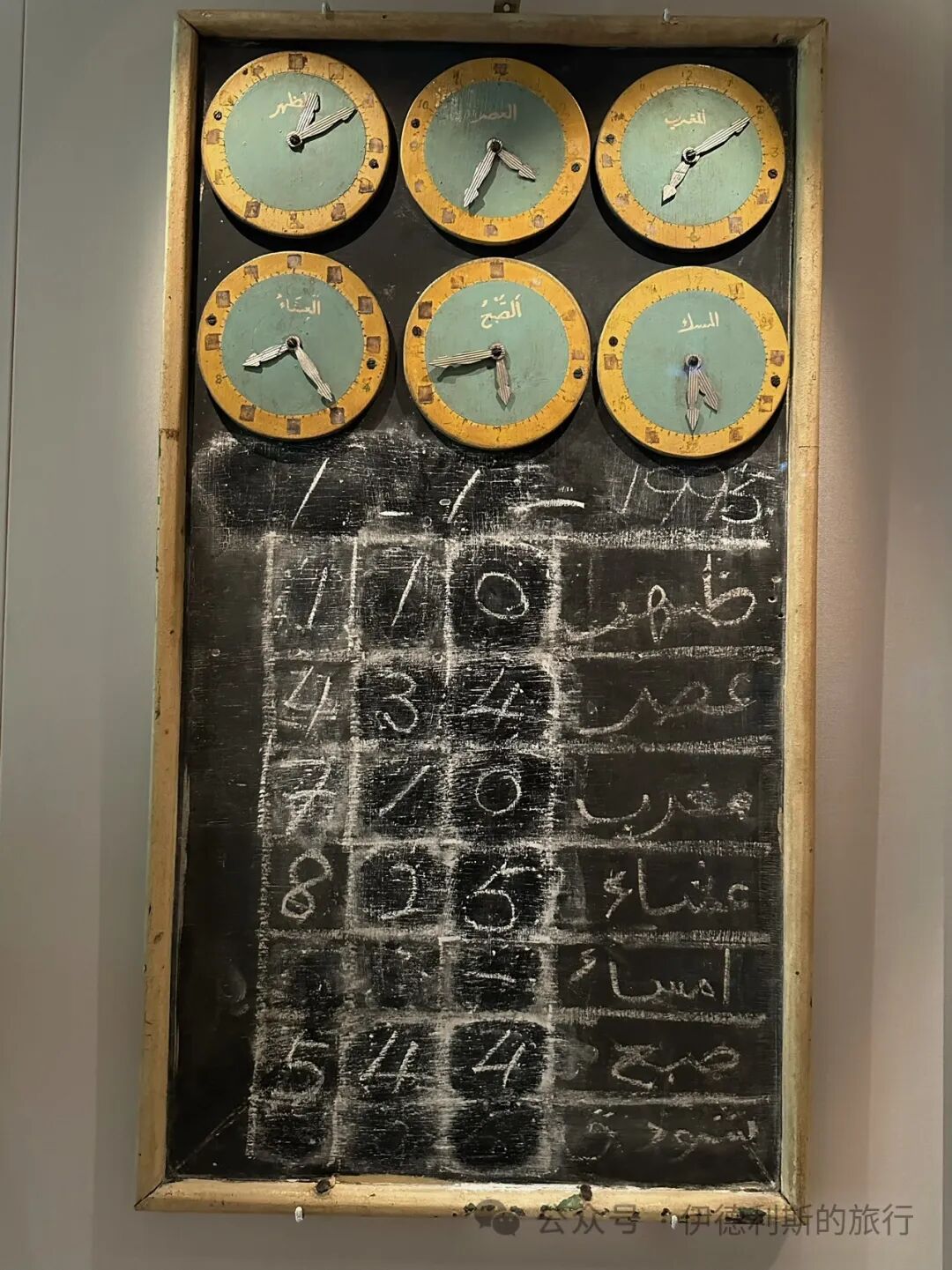
A book of divination (Primbon) from Semarang, Java, copied in 1824 in Jawi script (Arabic script used to write Malay). The book uses a combination of numerology and Quranic verses to provide guidance on decisions or auspicious dates and times for events ranging from moving house to getting married.
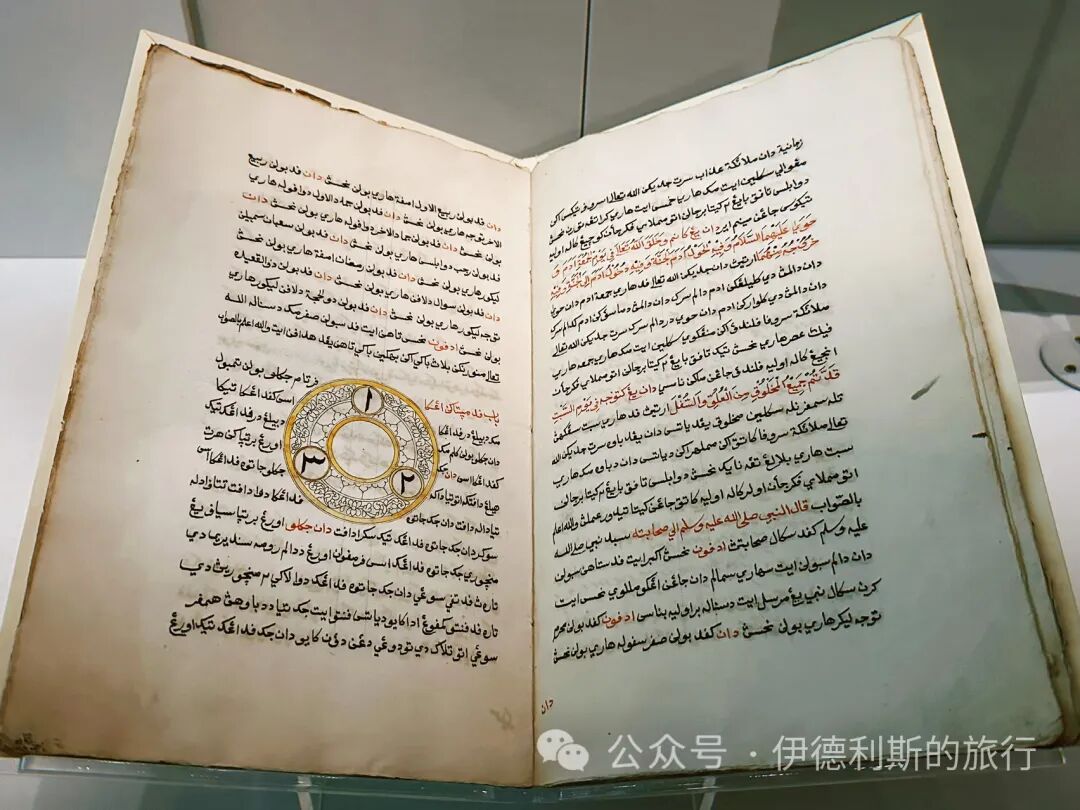
A magic square belt buckle from the late 19th to early 20th century in Kuala Kangsar, the royal city of the Sultan of Perak on the Malay Peninsula; it is inscribed with the Shahada and was part of traditional Malay attire.
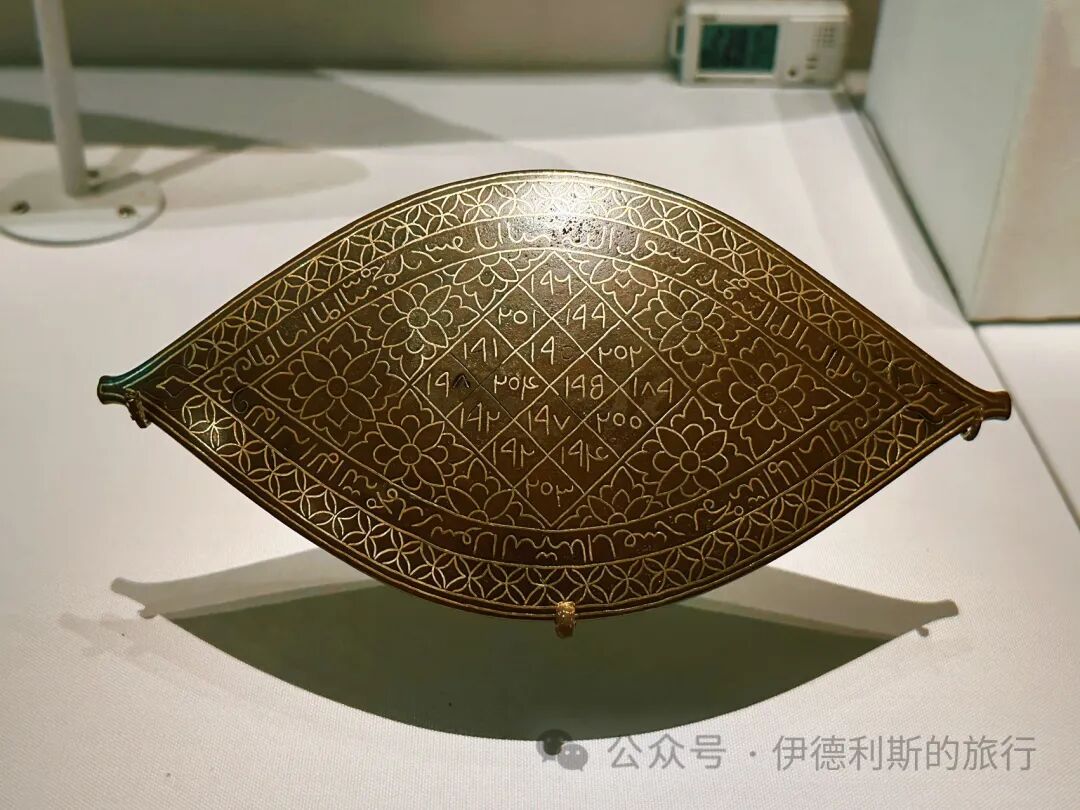
Arabic calligraphy on wax-resist dyed cloth (Batik) from the Jambi region of Sumatra in the 20th century. This overall design, with four satellite patterns surrounding a central motif, originated from the Buddhist mandala and was later used by Muslims in Sumatra as a burial shroud for coffins.
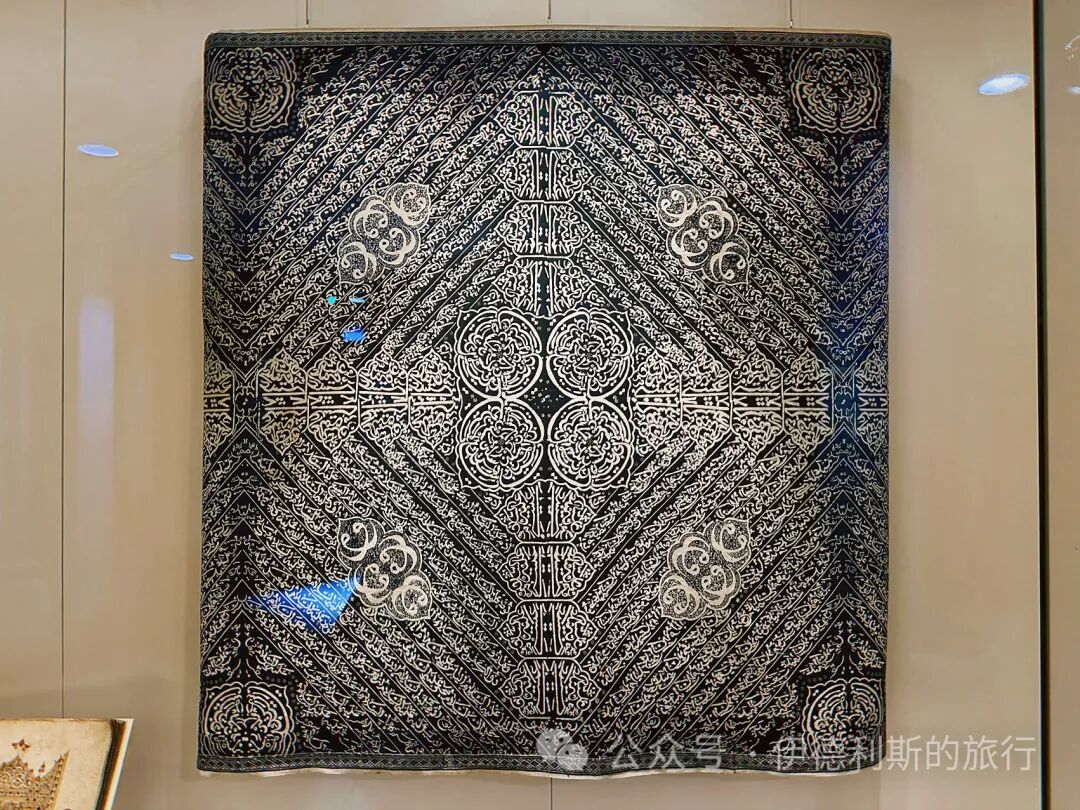
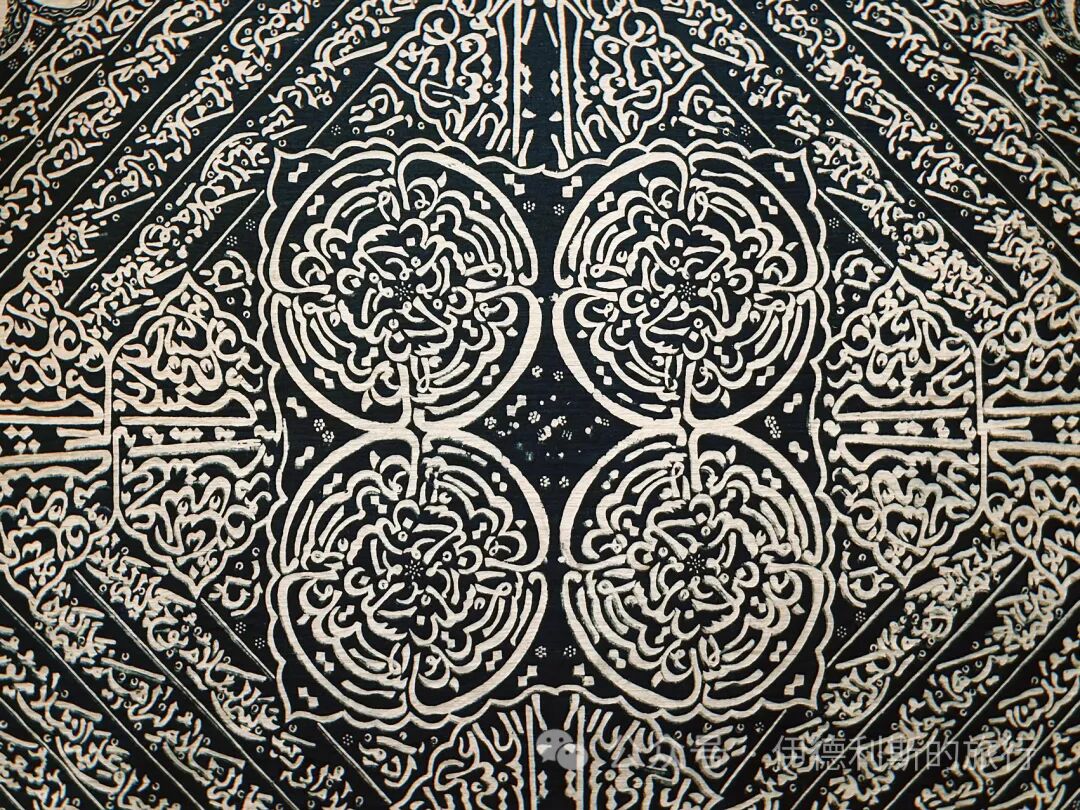
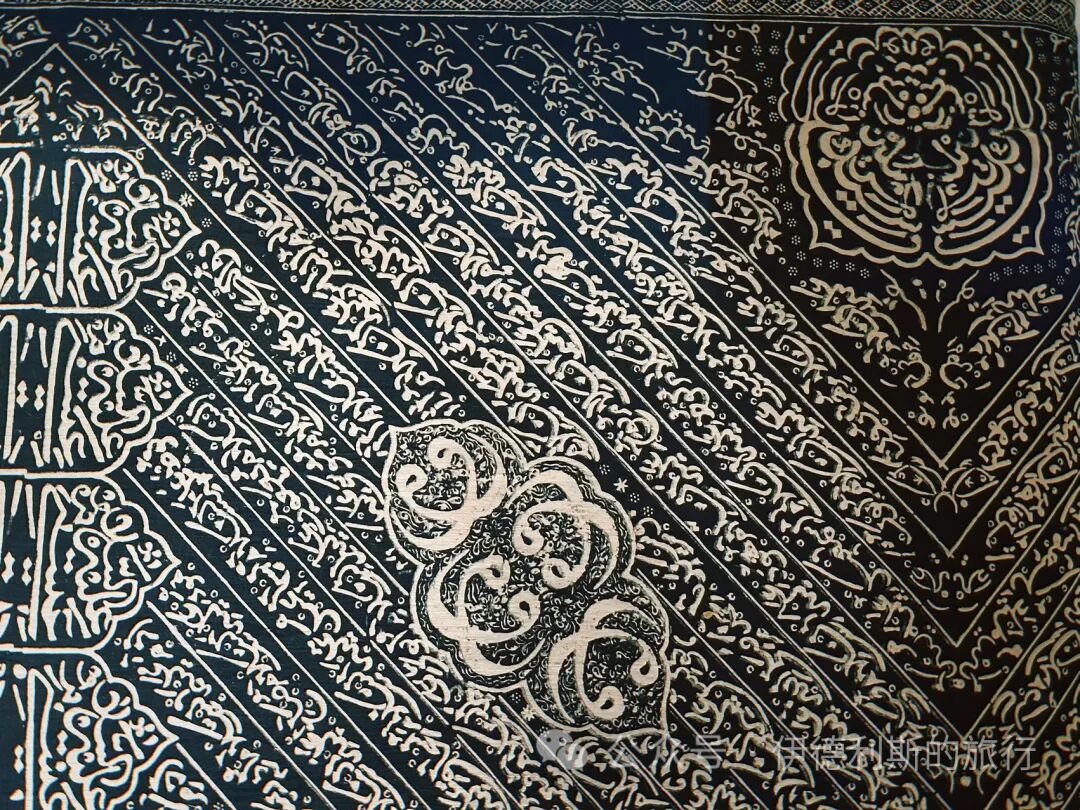
A mulberry paper manuscript from Pattani, Malay Peninsula, dated 1835. This black folding manuscript is written with white talc; it was very popular in Buddhist regions of Myanmar and was later adopted by Muslims in places like Myanmar and Malaysia. The manuscript includes advice for young people, and the Song of Fatimah (Syair Dendang Fatimah) is often chanted during ceremonies for newborns.
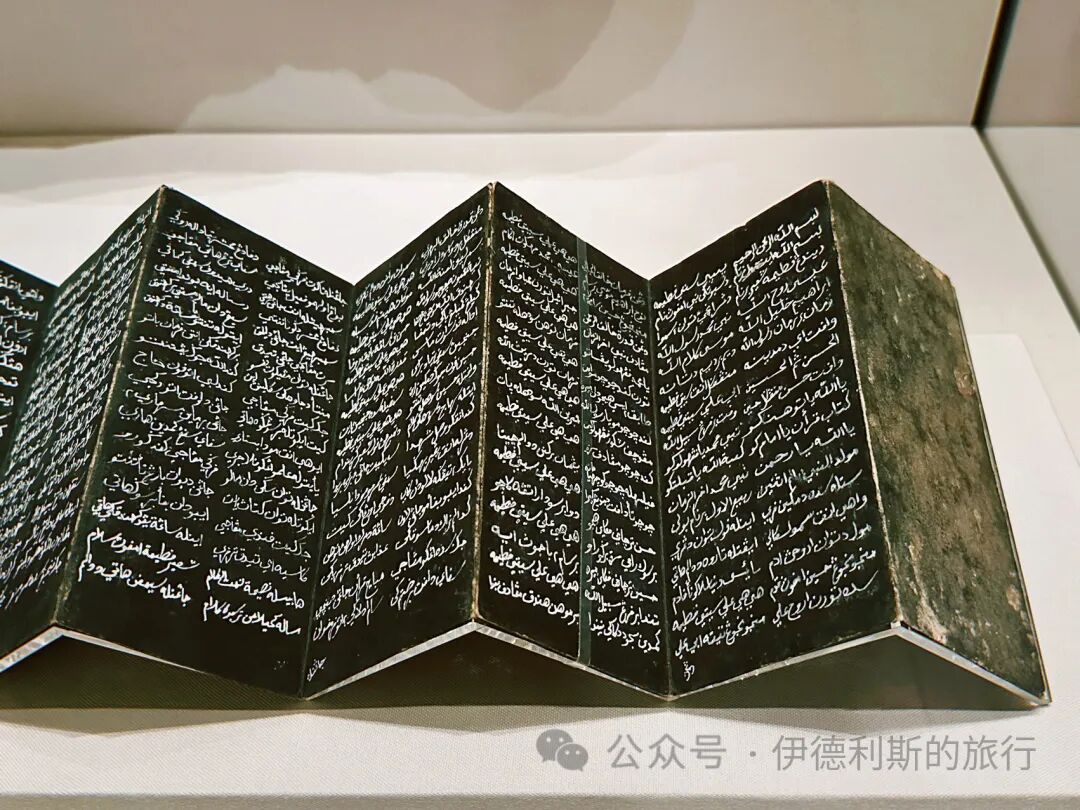
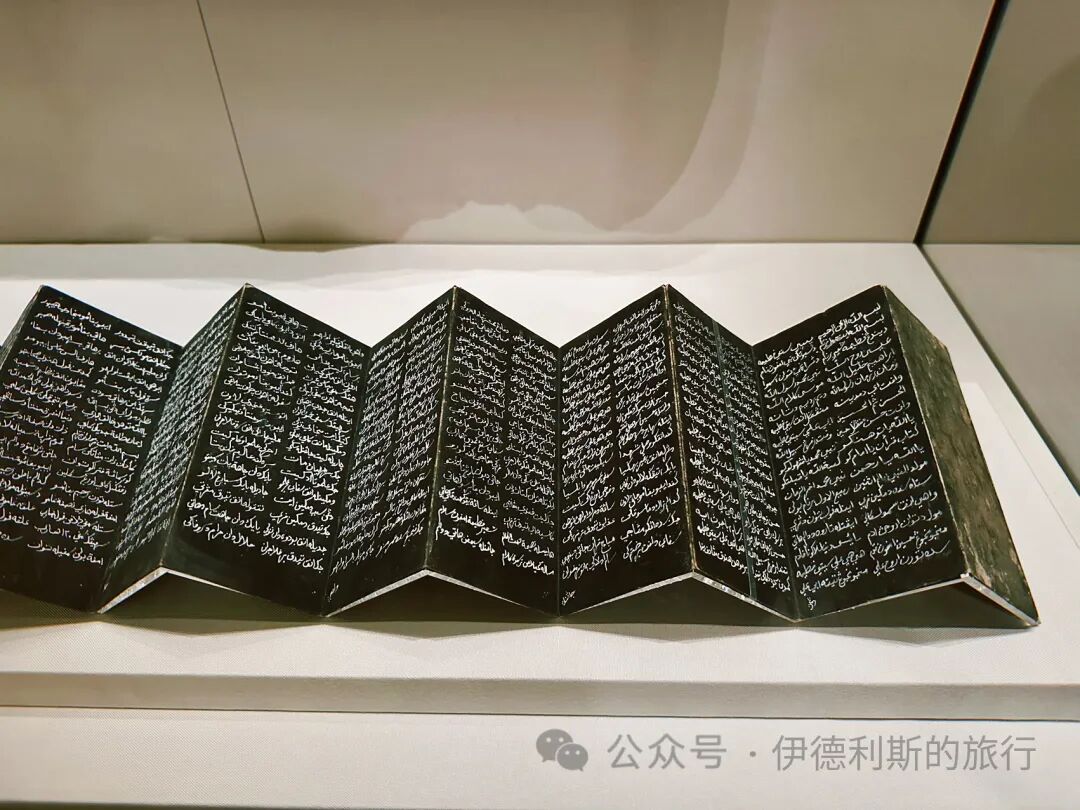
On the left is a 19th-century Indonesian haji cap, and on the right is a Bugis songkok cap (Songkok Recca) from southern Sulawesi dating to the 19th or 20th century. White symbolizes purity and the plain white ihram garments worn during the Hajj pilgrimage; in Indonesia, it is typically worn by a haji who has returned from the pilgrimage. The black songkok cap comes from the Ottoman fez, and the Bugis people of southern Sulawesi usually wear this cap for Friday namaz. A wider gold band indicates a closer relationship with the king.
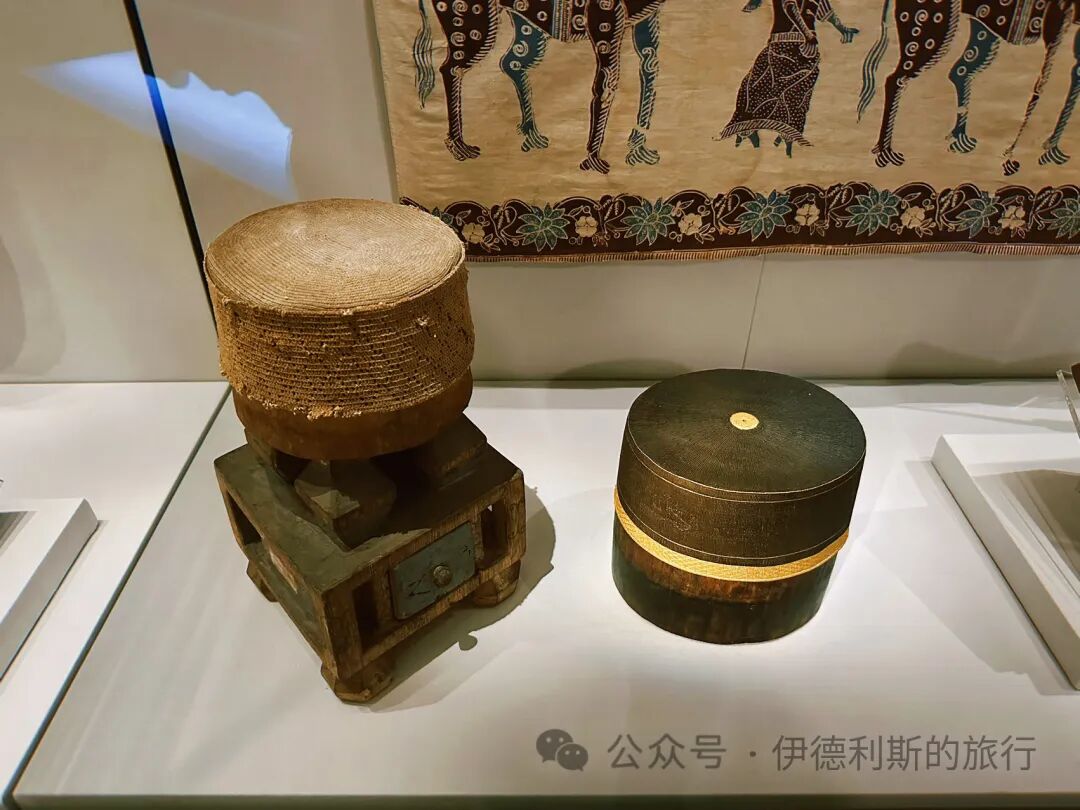
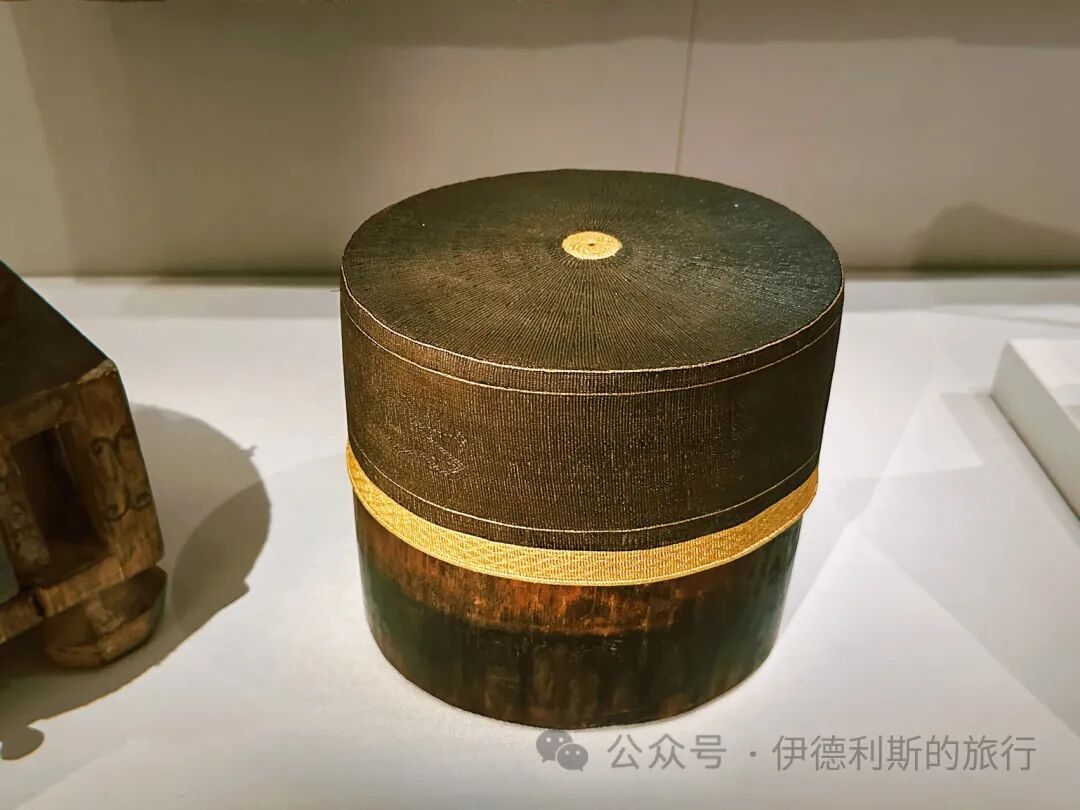
This early 20th-century batik sarong from Java depicts a Hajj pilgrimage group. The flag reads 'Bendera Radja Mekkah' (Flag of the King of Mecca), which was used during the 1916 Meccan revolt against the Ottoman Empire. The revolt was supported by the Hadharem people of Yemen. Many Arabs in Southeast Asia belong to Hadharem families, and some ran batik workshops on the north coast of Java while organizing Hajj trips for Javanese Muslims. This sarong was likely made in that context.
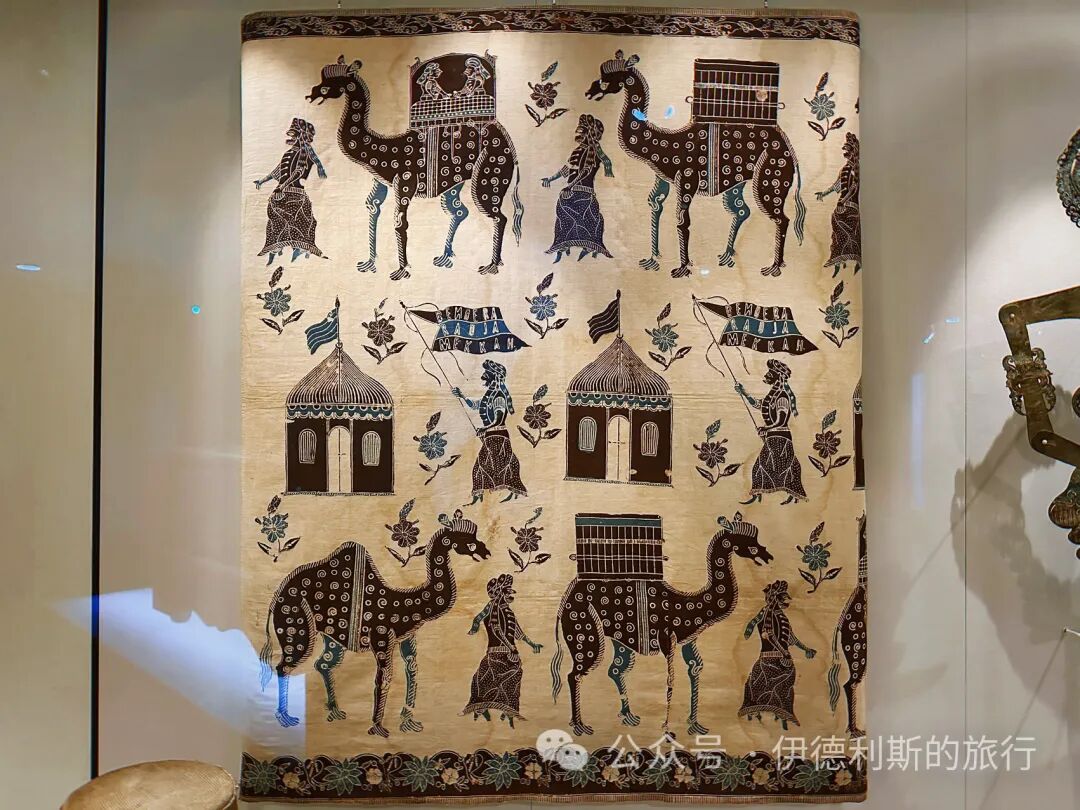
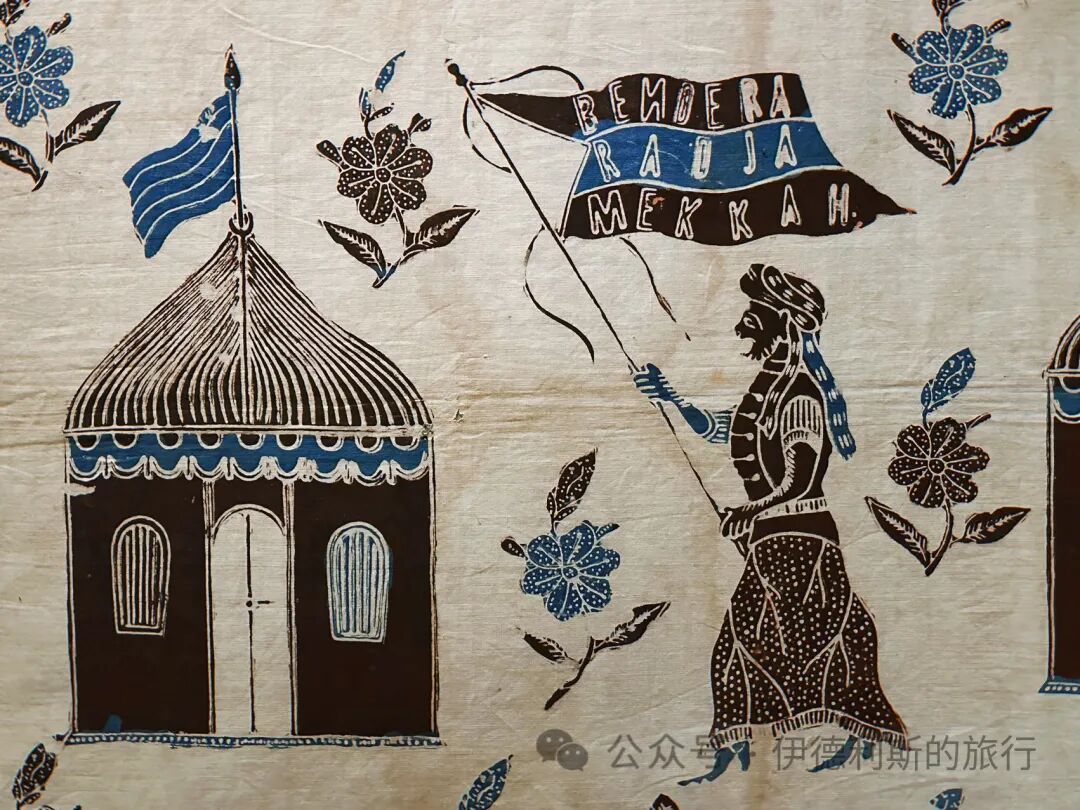
A scroll from the 1830s or 1840s showing a Shia Ashura procession in southern India, likely Chennai. The entire scroll is nearly 6 meters long. It shows a model of the tombs of Imam Hussein and Hassan (Ta'ziya), the mount of the Prophet during his night journey (Buraq), an Alam flag, the Hand of Abbas, a shield (Sipar), and a reenactment of the Battle of Karbala. You can also see the Chennai native infantry, people dressed as animals, and even elements of the Hindu Charak festival, which reflects India's multiculturalism.
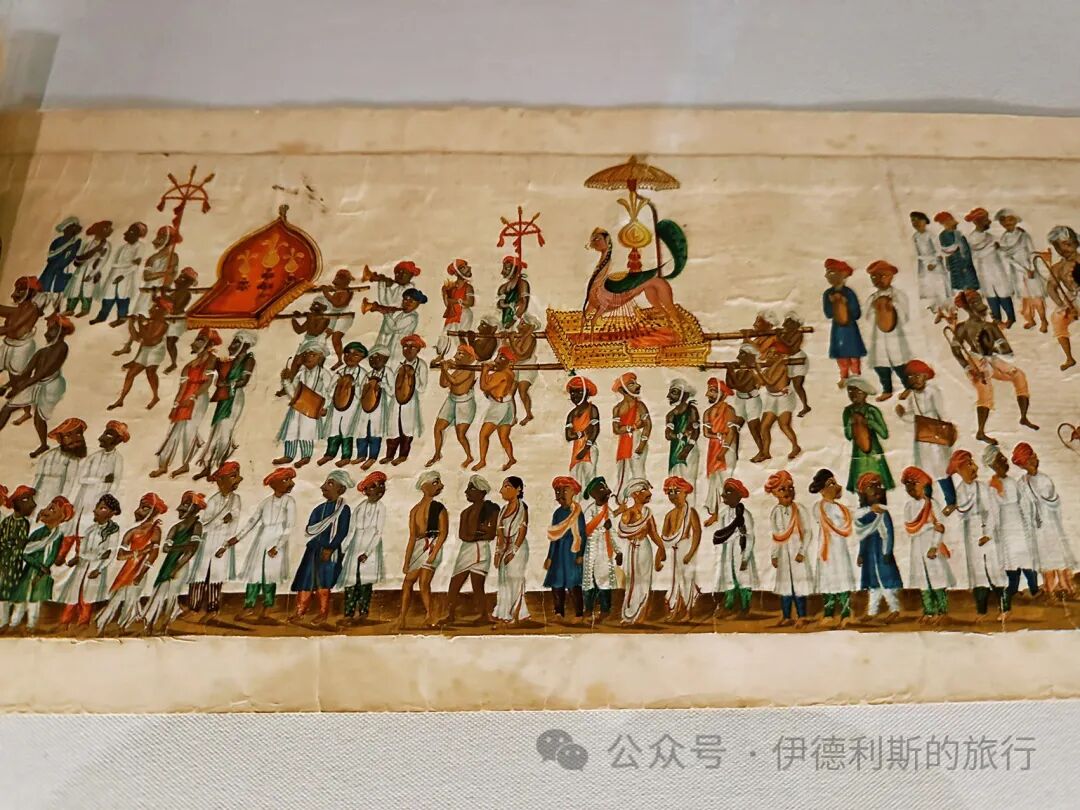
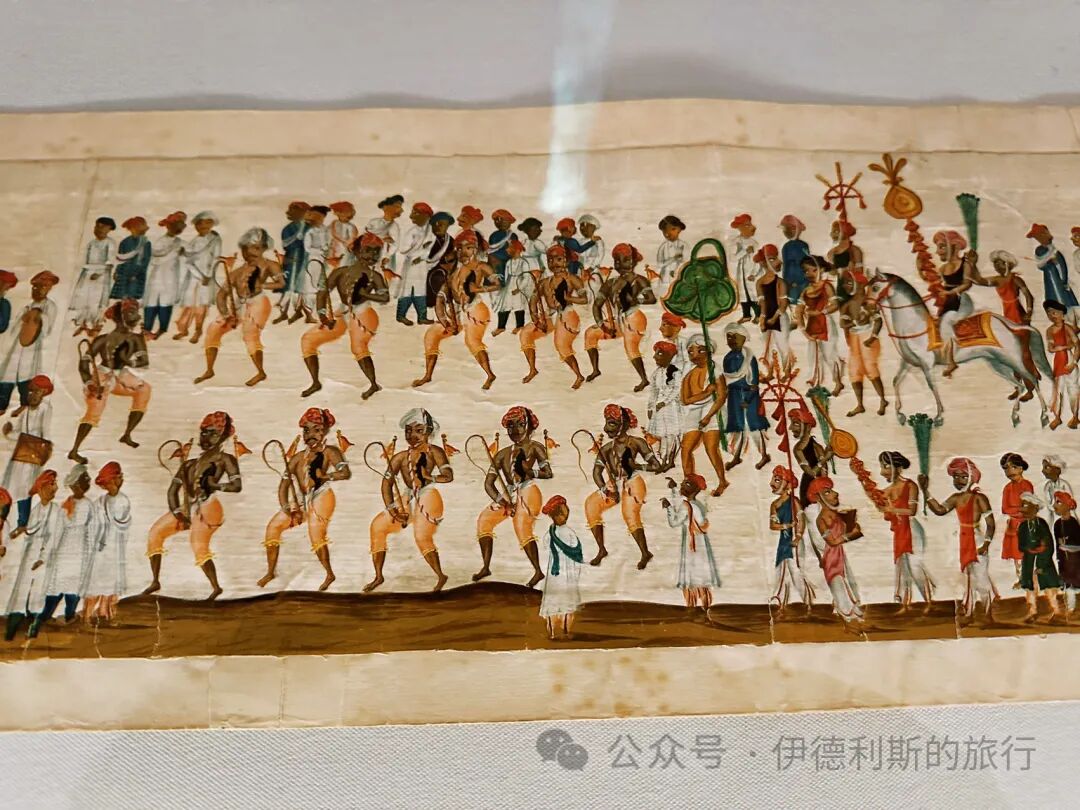
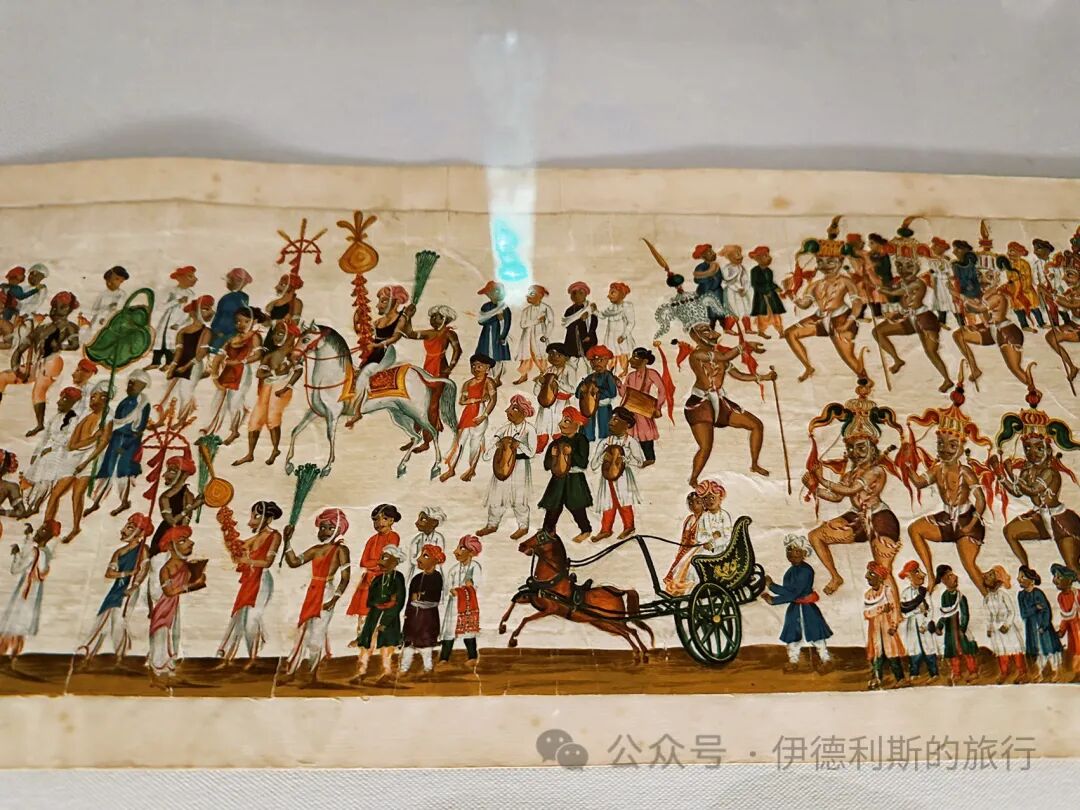
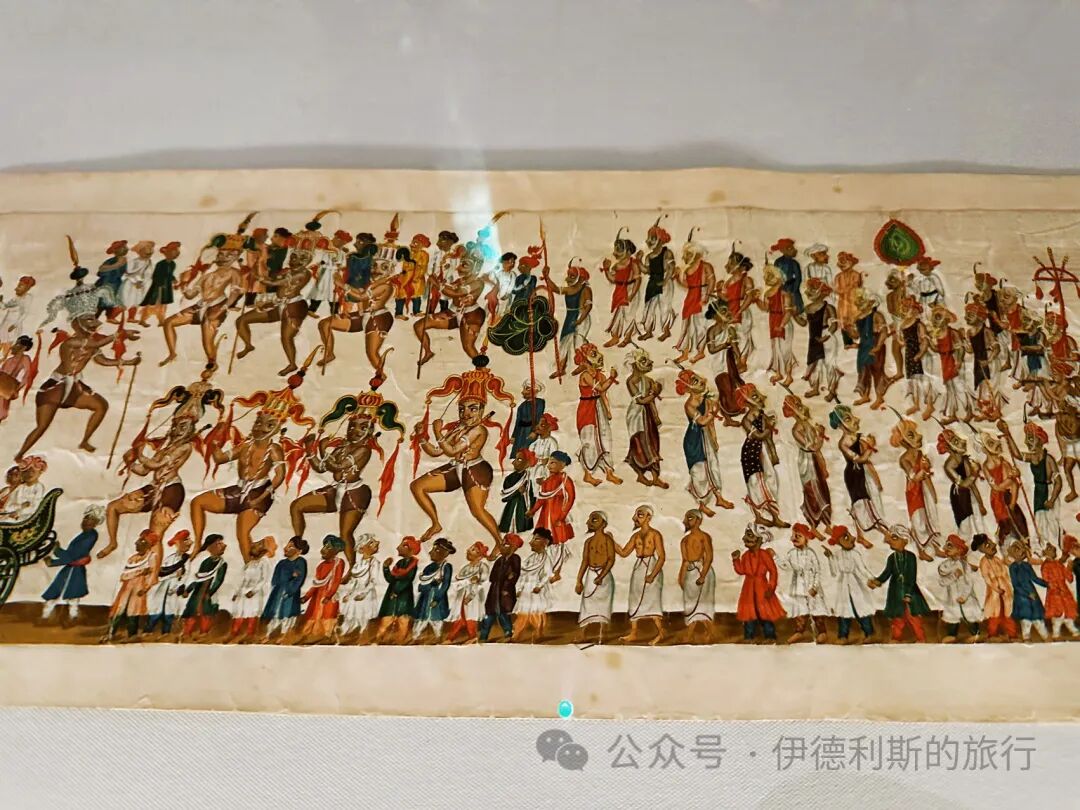
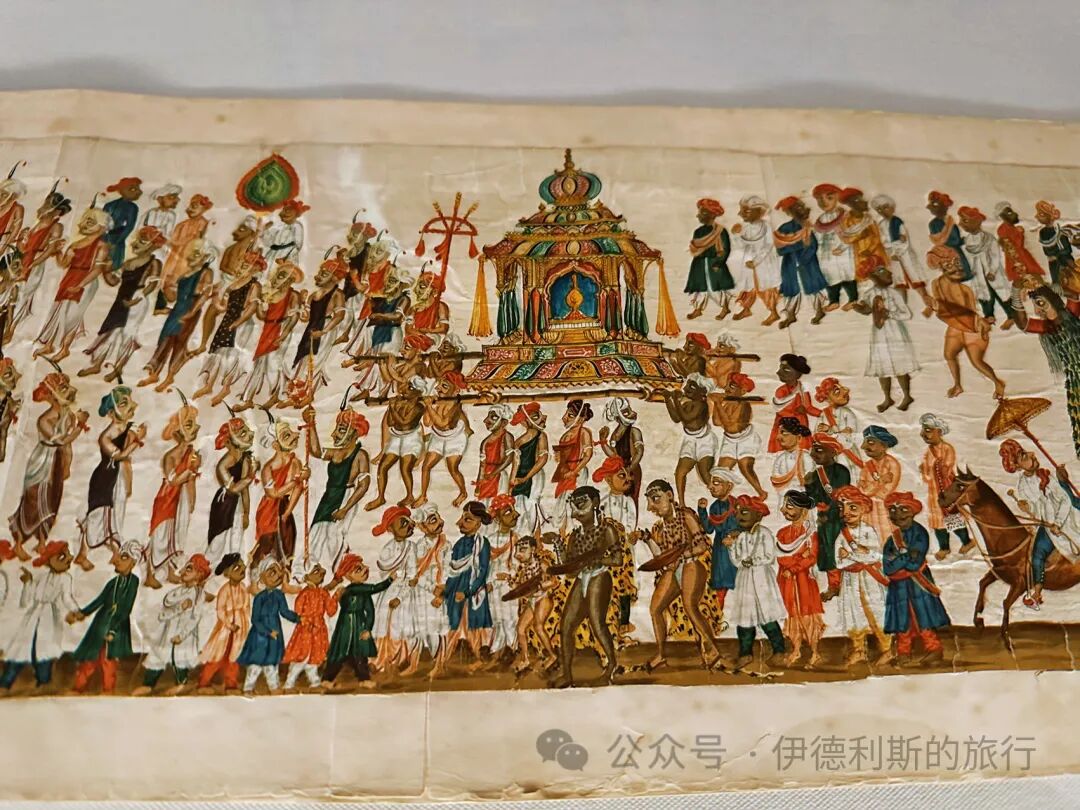
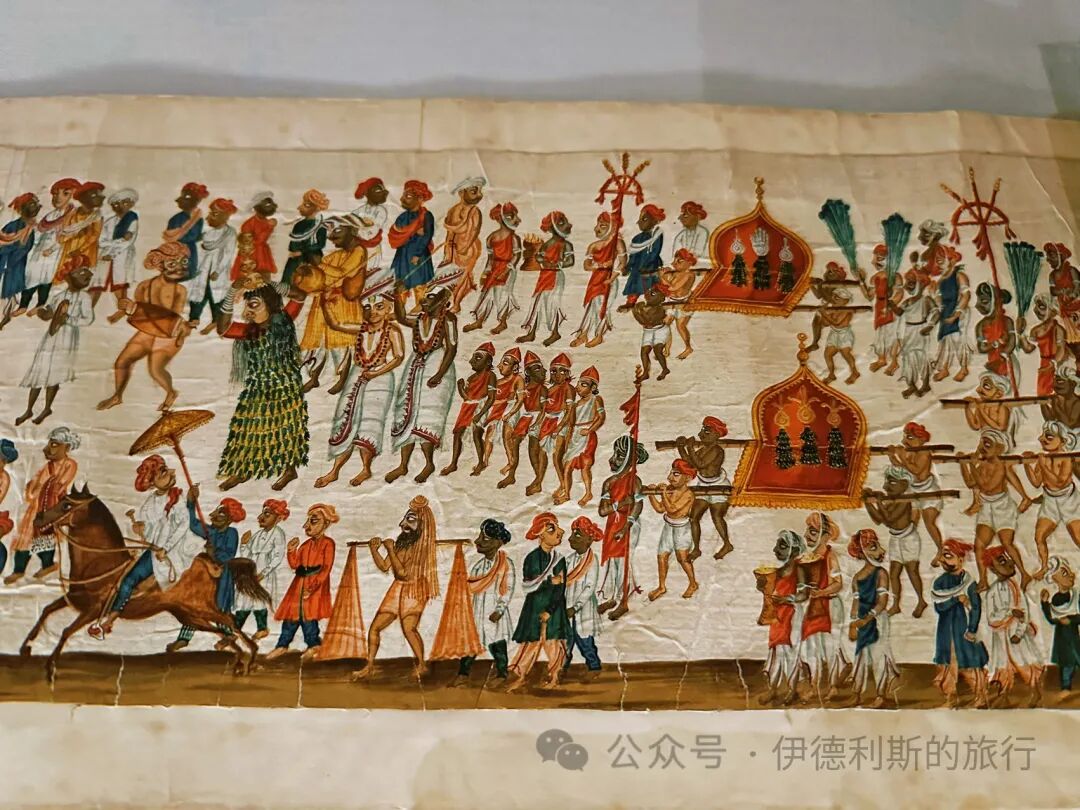
An early 18th-century copper-gilt Alam flag pole from the Safavid dynasty in Iran, engraved with Quranic verses. The Alam flag pole is used by Shia Muslims during Ashura processions and consists of three parts. At the bottom, a cube rises on a copper axis engraved with a call to the Prophet. In the middle is a pear-shaped flat surface with a dragon head, featuring an enamel ball with colorful floral patterns. The top symbolizes the sword of Ali.
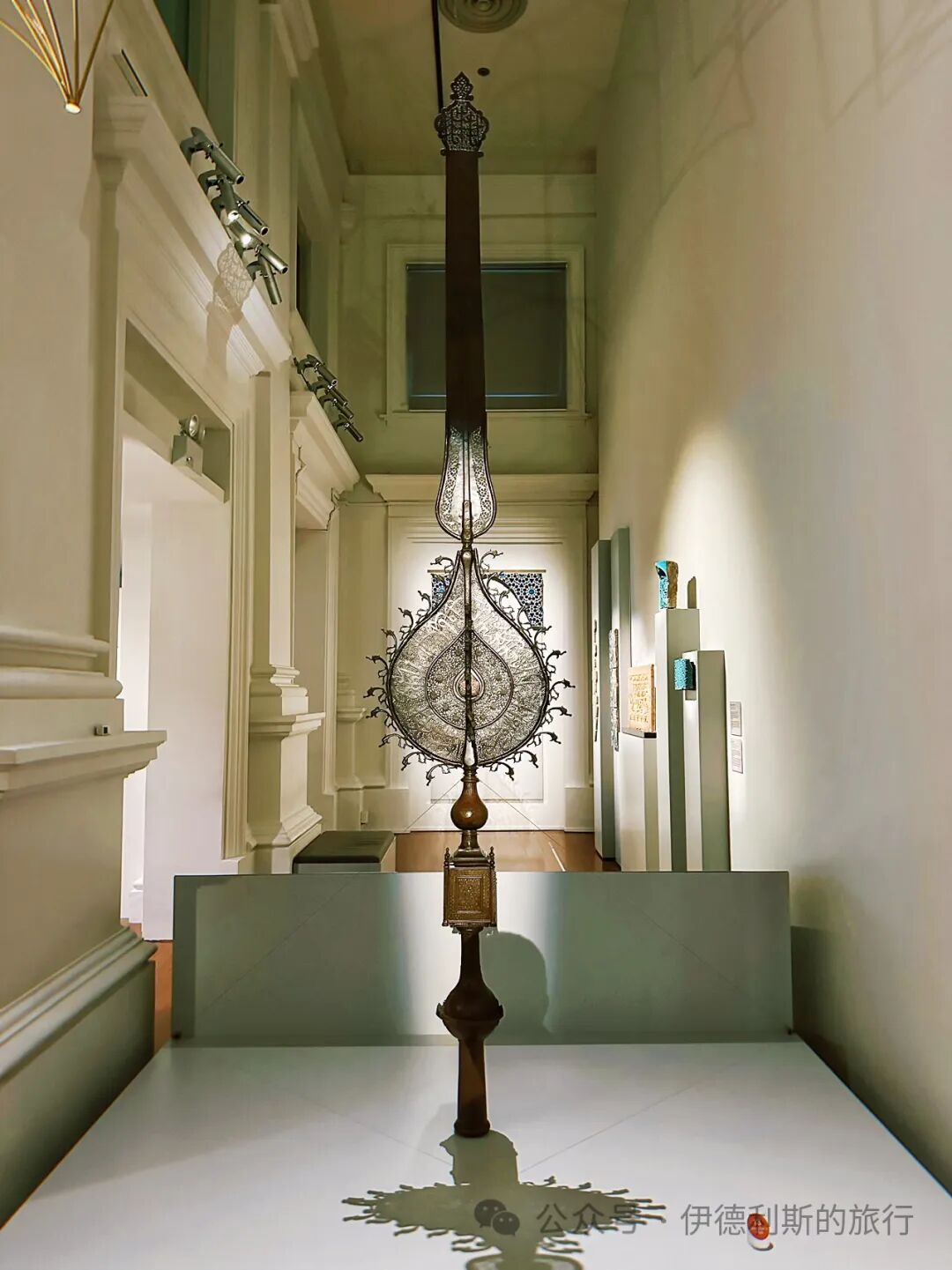
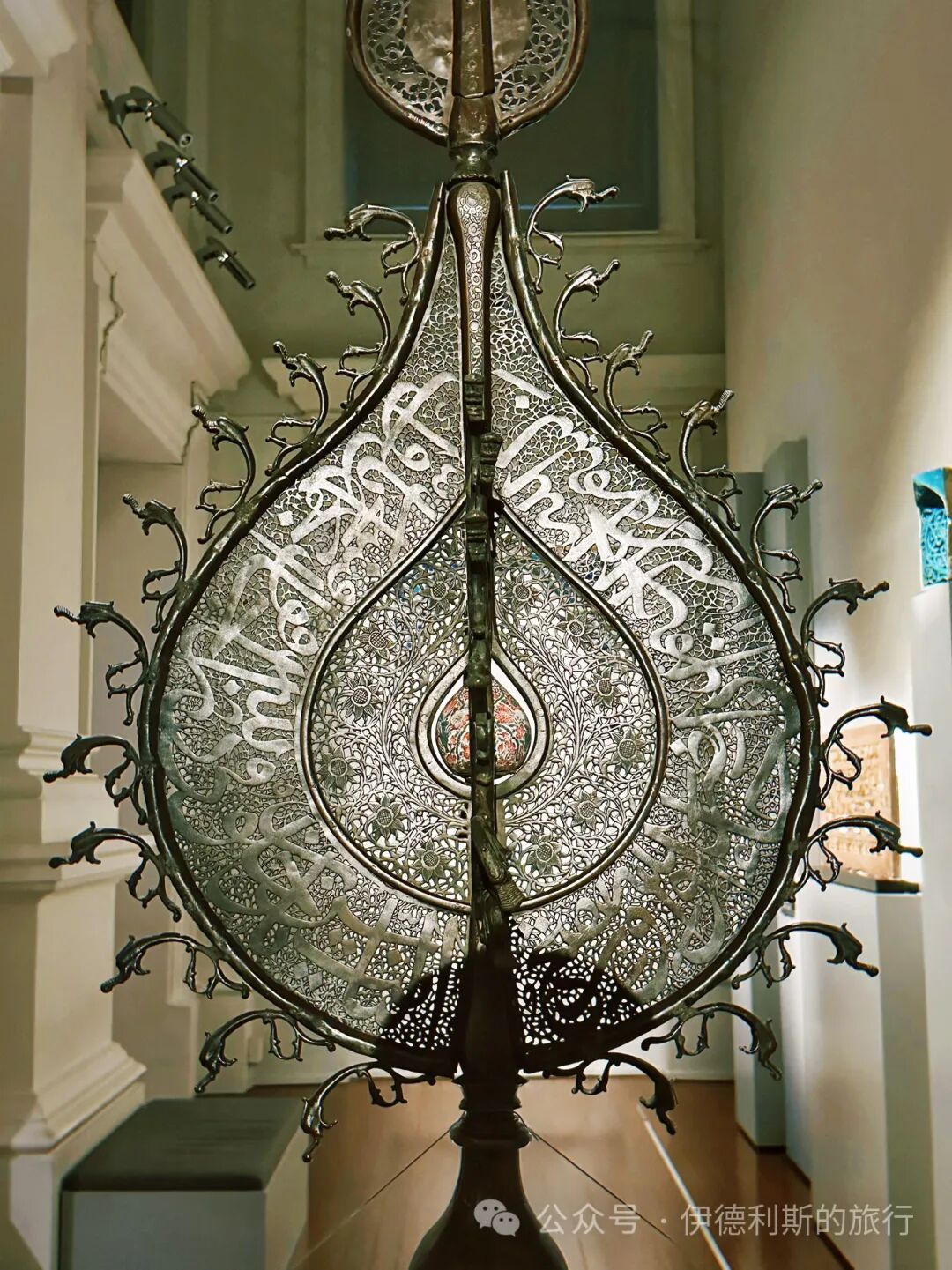
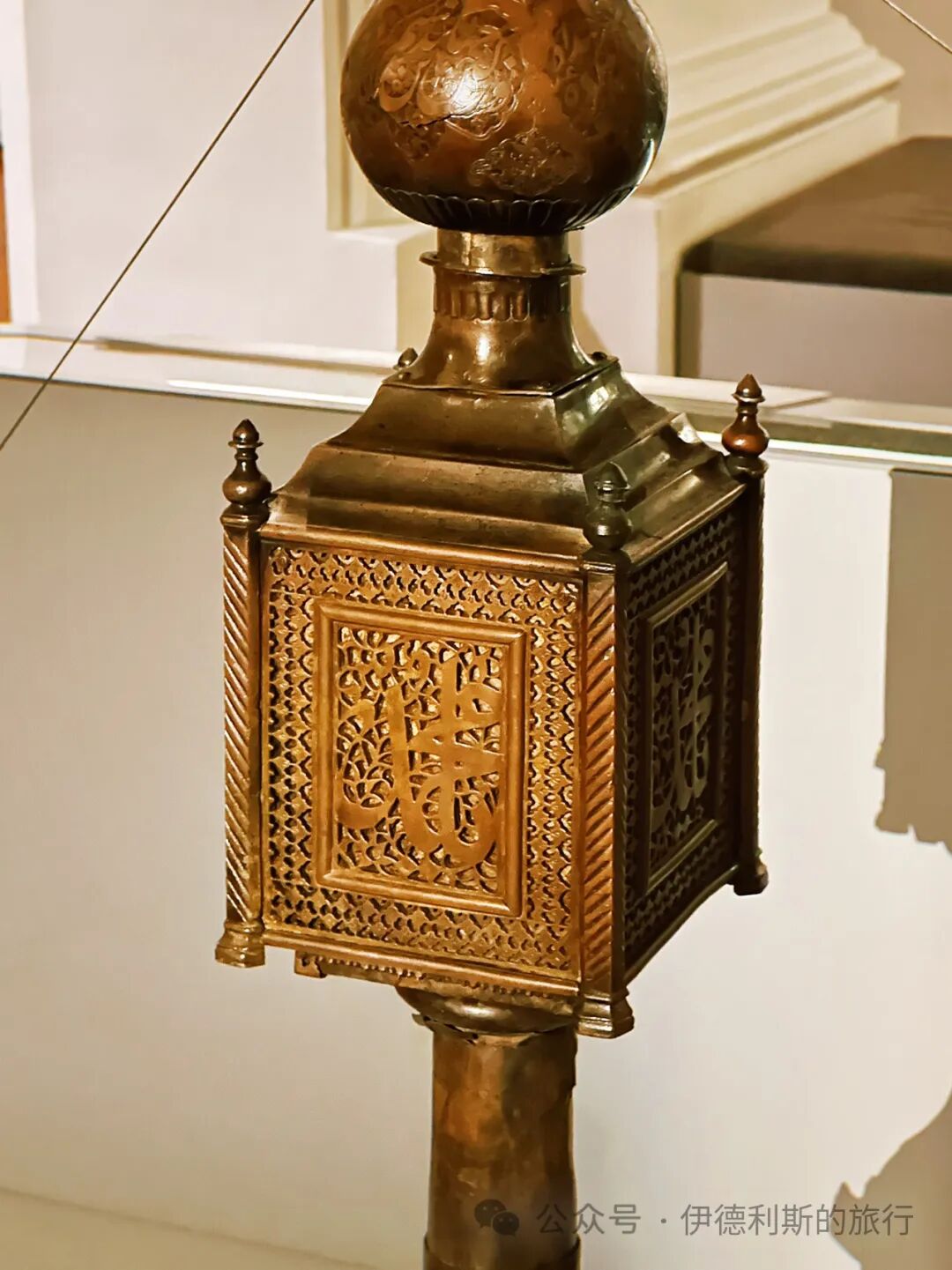
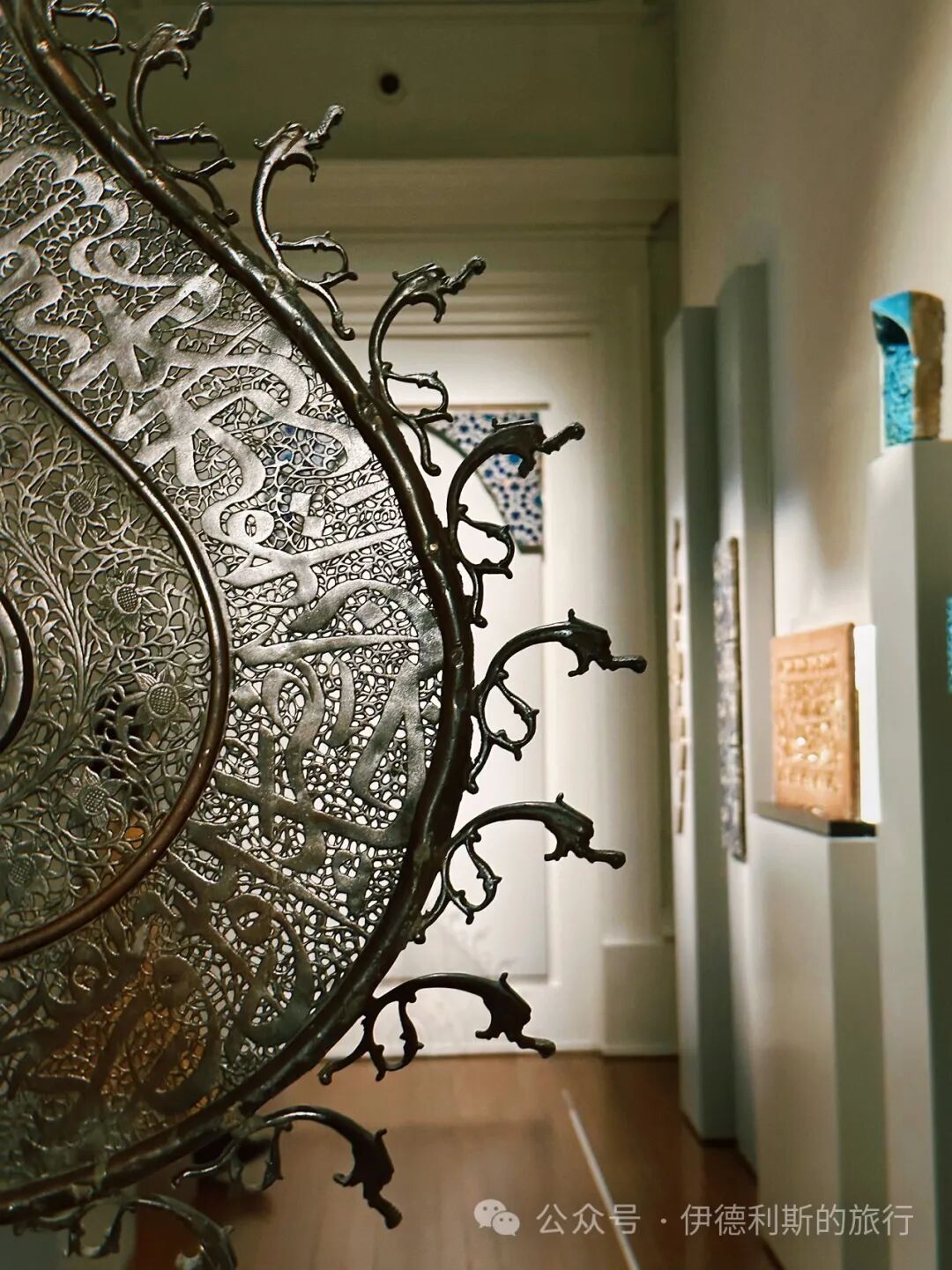
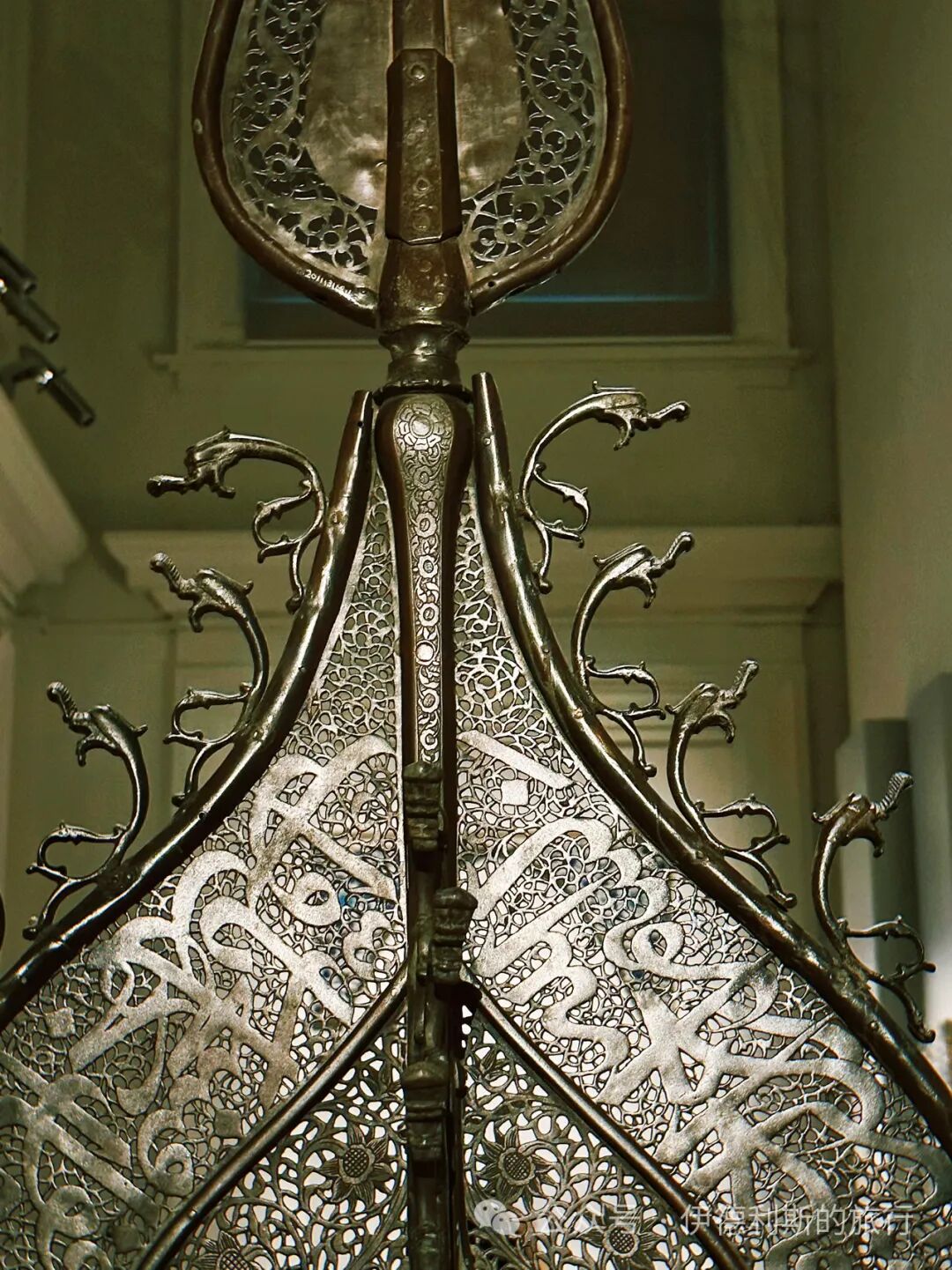
A 'Hand of Abbas' from the late 19th or early 20th century. Abbas was the son of Imam Ali. He served as the standard-bearer for his brother Imam Hussein's troops during the 680 AD Battle of Karbala against the Umayyad Caliphate. On the eve of Ashura, Abbas went to the Euphrates River to get water, but he was blocked by the enemy on his way back, his hands were cut off, and he was eventually killed. Since then, the 'Hand of Abbas' has been seen by Shia Muslims as a symbol of courage, sincerity, and self-sacrifice.
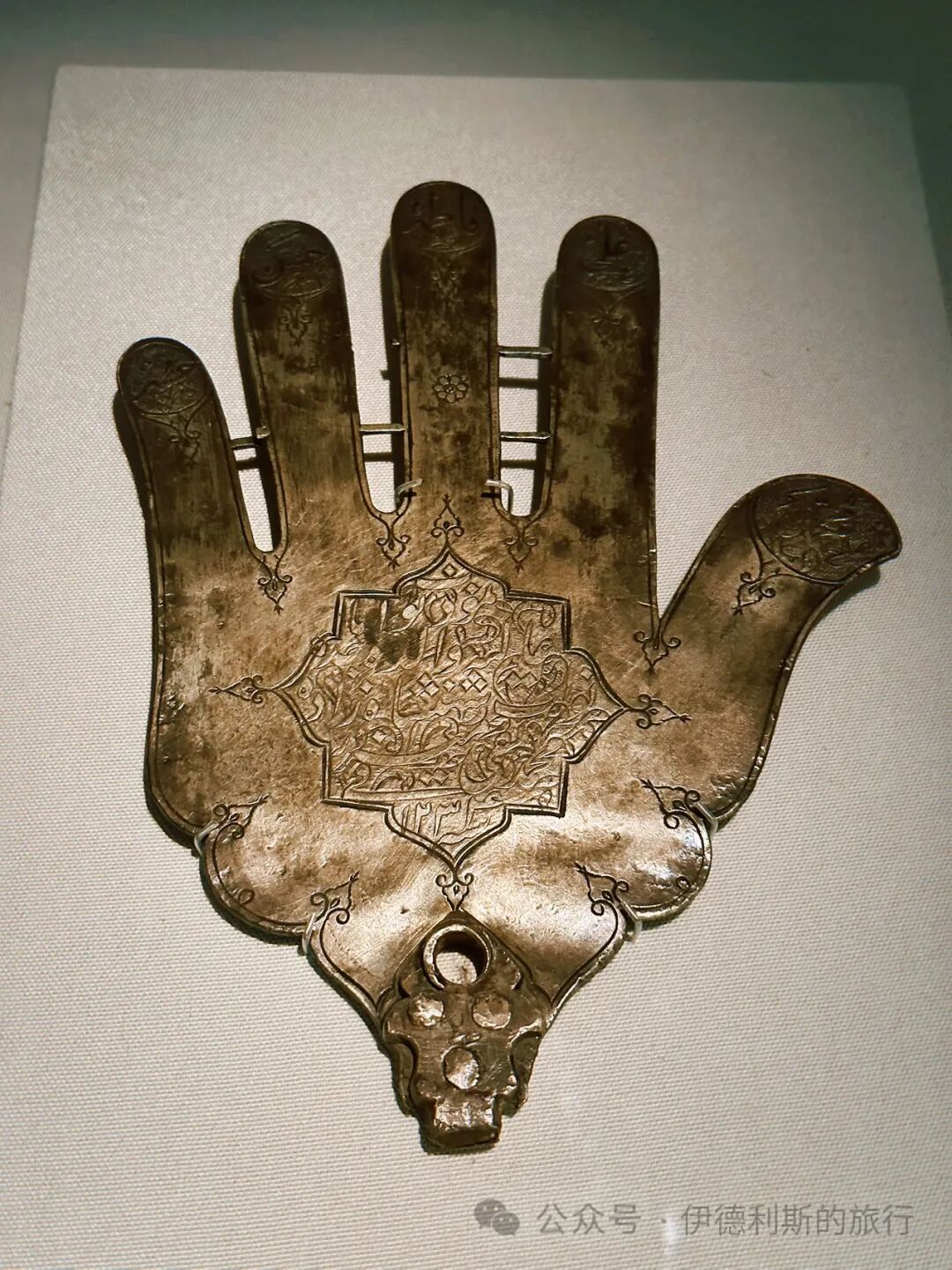
Two tombstones from the mid-15th-century Malacca Sultanate. Besides scripture, one of them is inscribed for a captain from Gujarat in western India who passed away in 1459. Muslim merchants from Gujarat played a key role in the trade of the Malacca Sultanate, where one of the four harbor masters was specifically in charge of trade with Gujarati merchants. These two tombstones were found by British engineers in the walls of the Portuguese fortress in Malacca and were among the first items collected by the Raffles Museum in Singapore, now known as the National Museum.
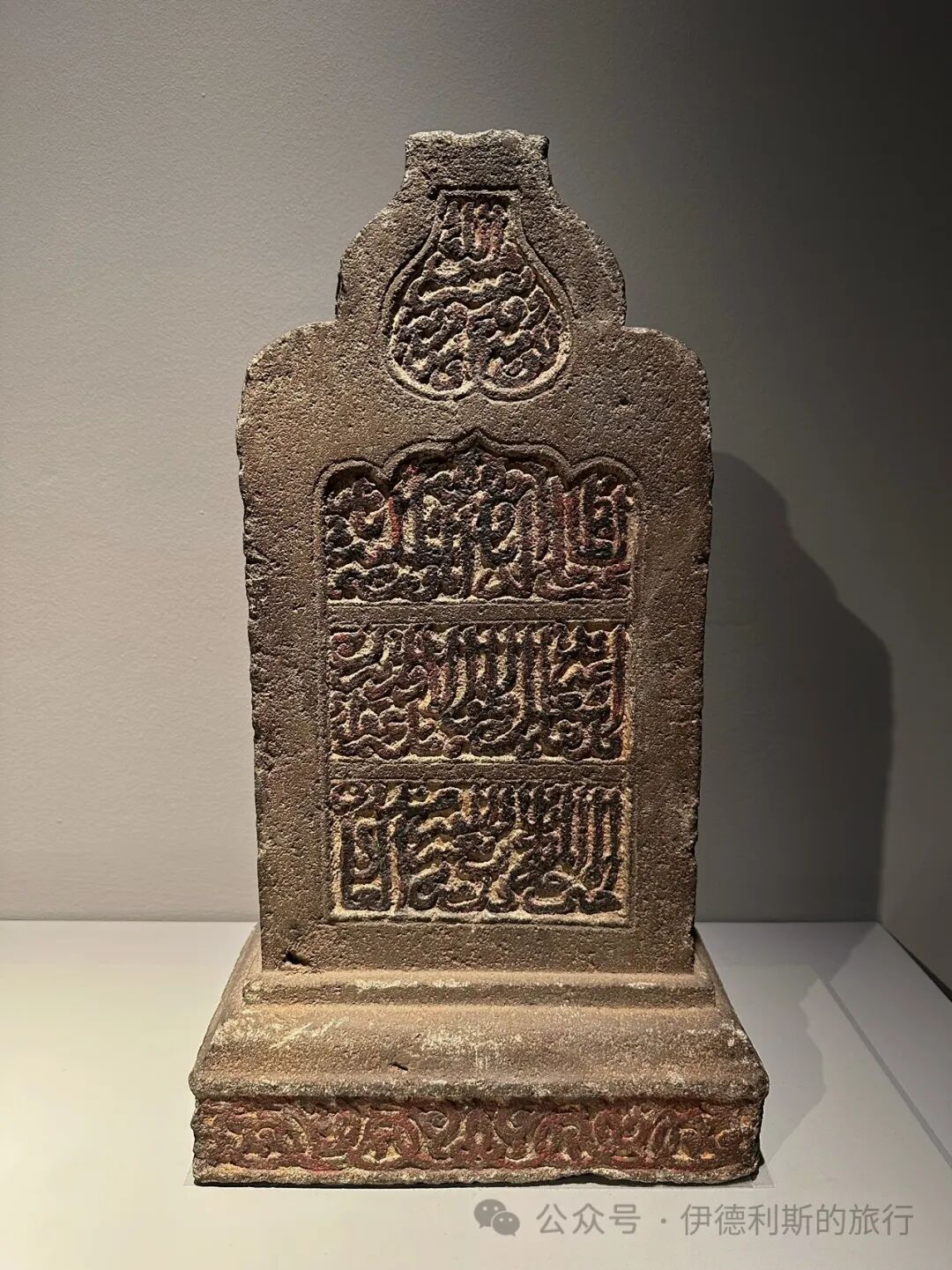
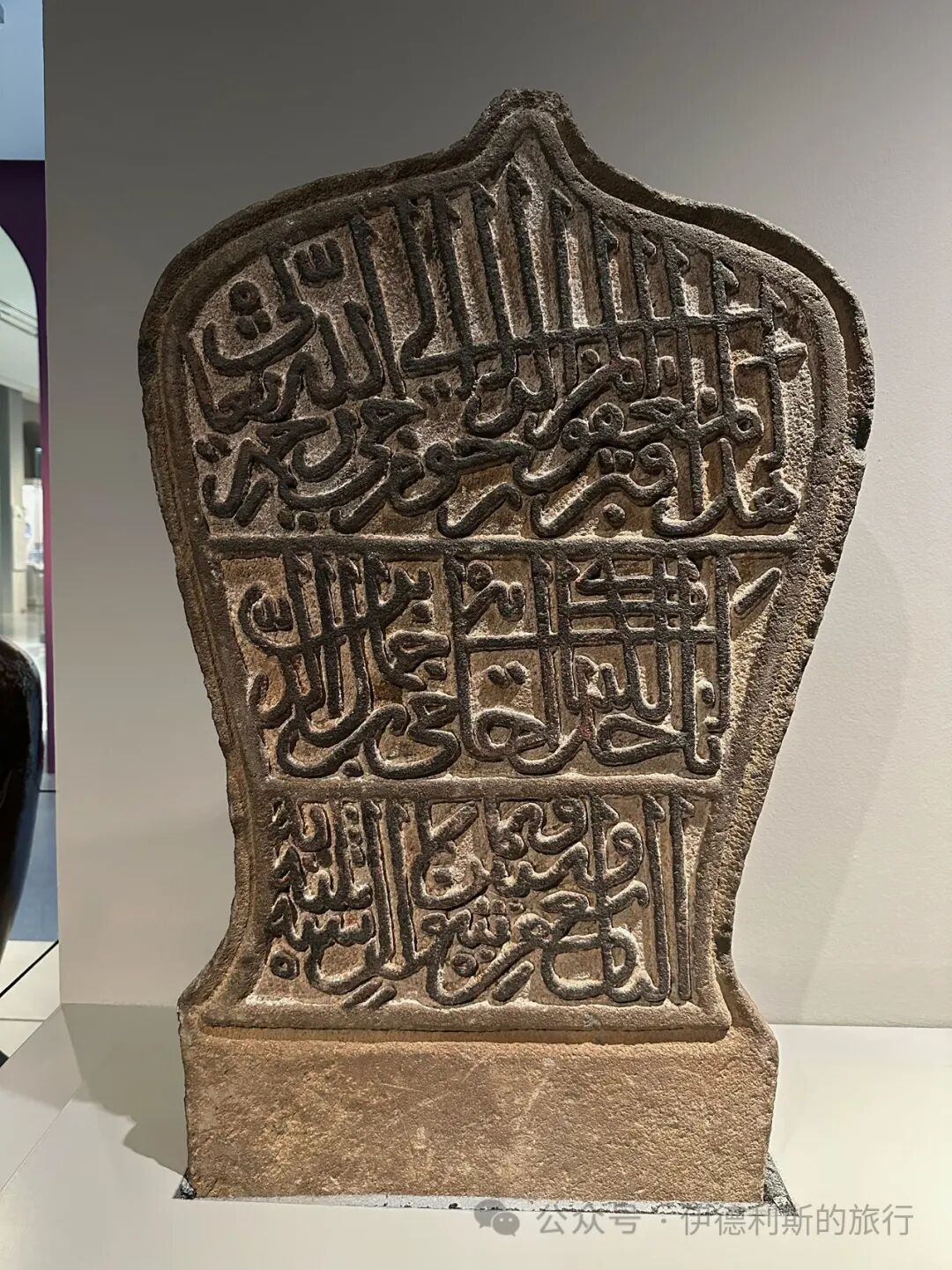
A gilded door panel from the early 20th century from Jepara or Kudus in Central Java. This traditional door panel is called Gebyog in Javanese and was used in traditional Javanese houses to separate the living room from the bedroom. Besides scripture, it features beautiful floral patterns. Lotus patterns were often used during the Hindu-Buddhist period, but these shifted to jasmine patterns after the arrival of Islam.
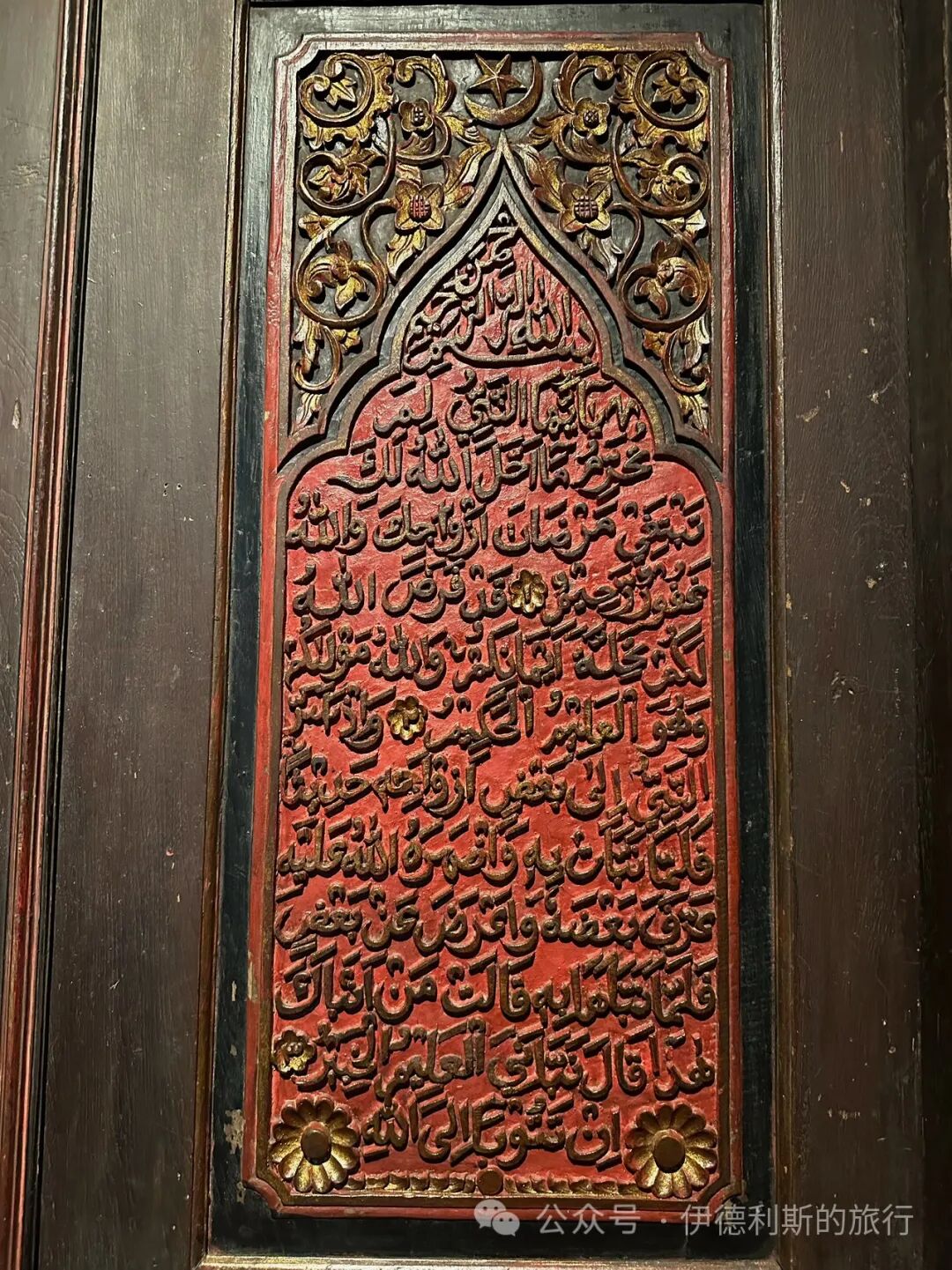
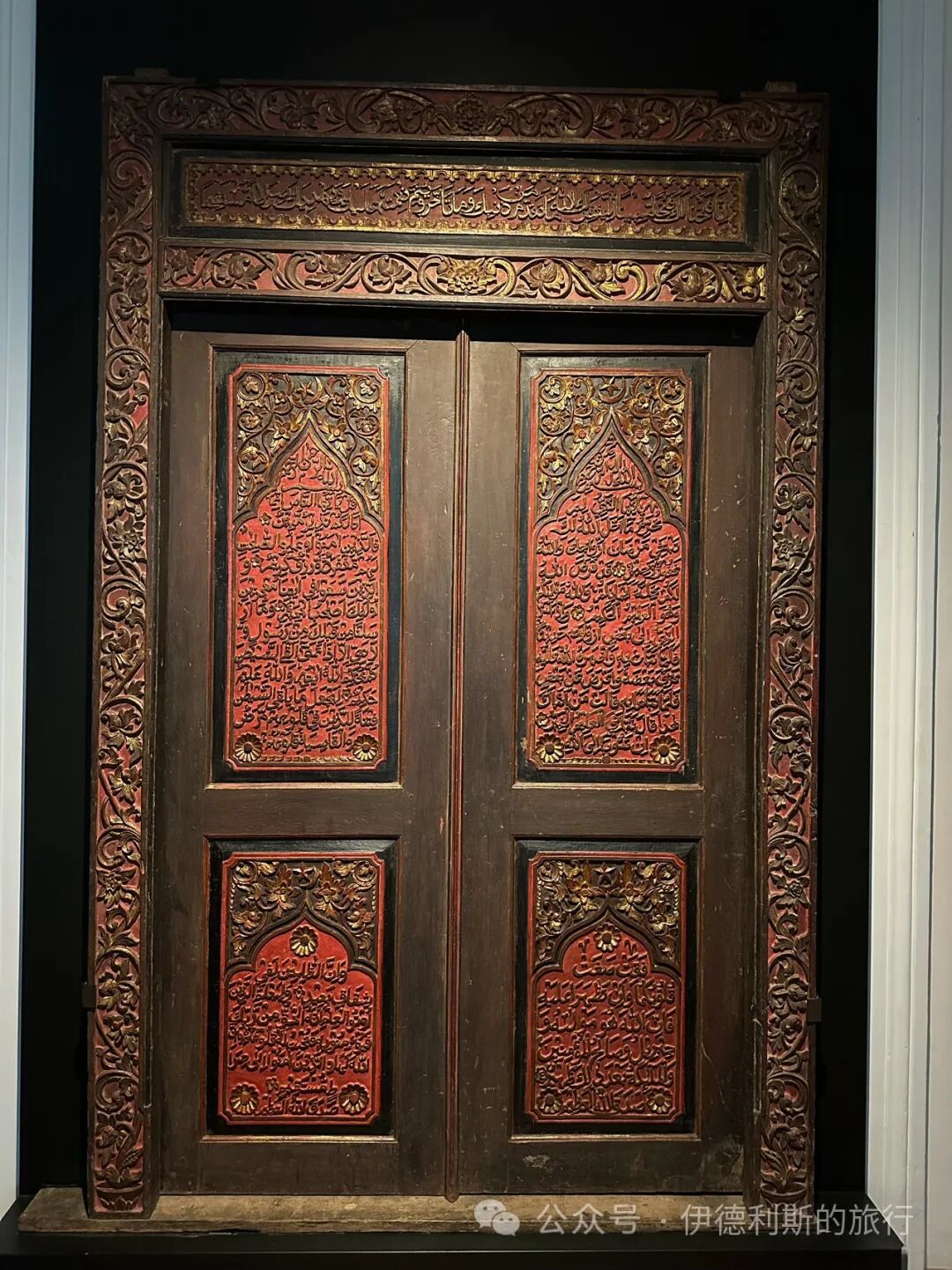
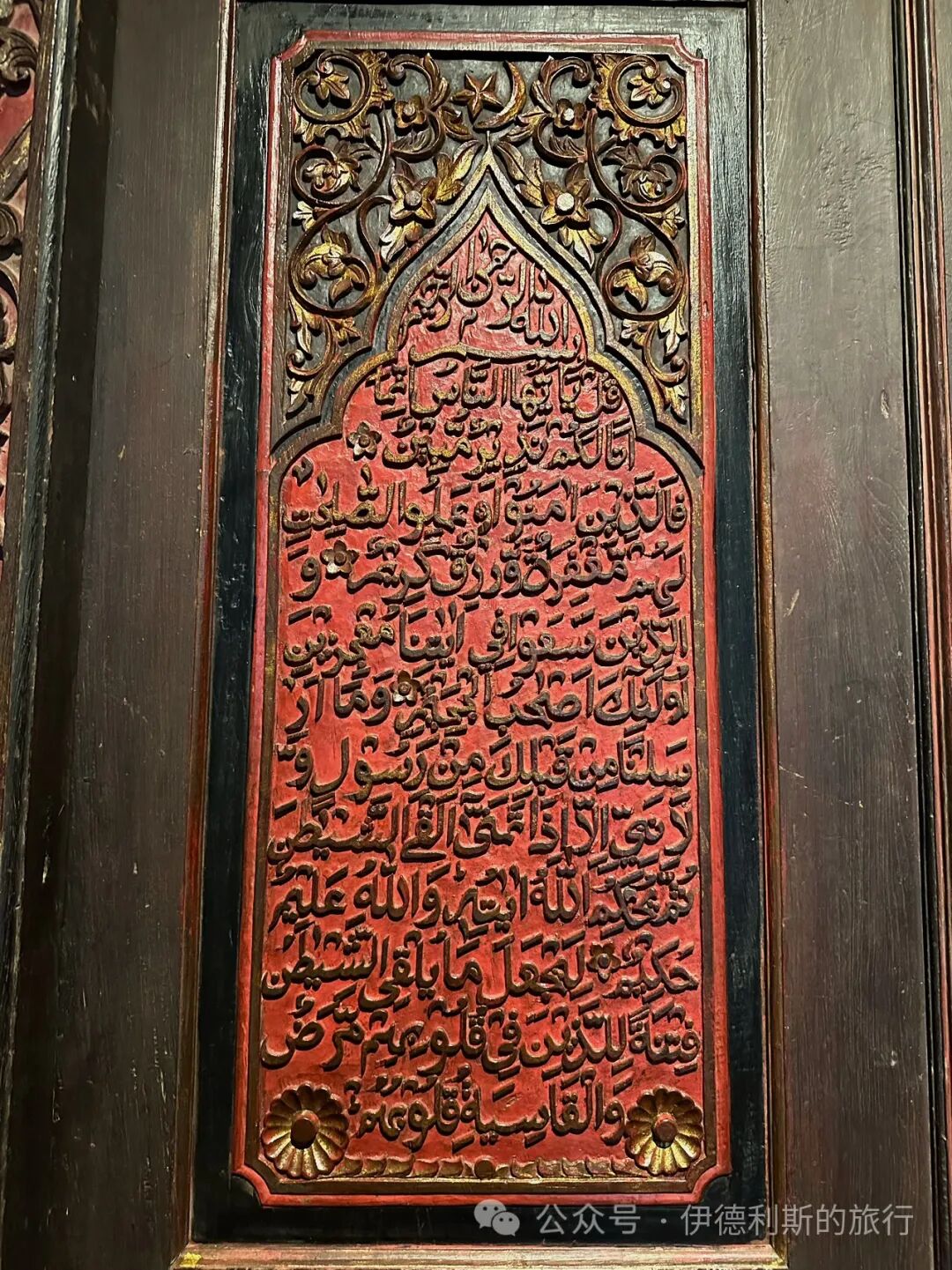
A 20th-century velvet tapestry embroidered with gold thread from Sumatra. This traditional tapestry is called Tekat. It was once used for royal clothing and buildings, but now it is mostly used at weddings or at the entrances of mosques and gongbei.
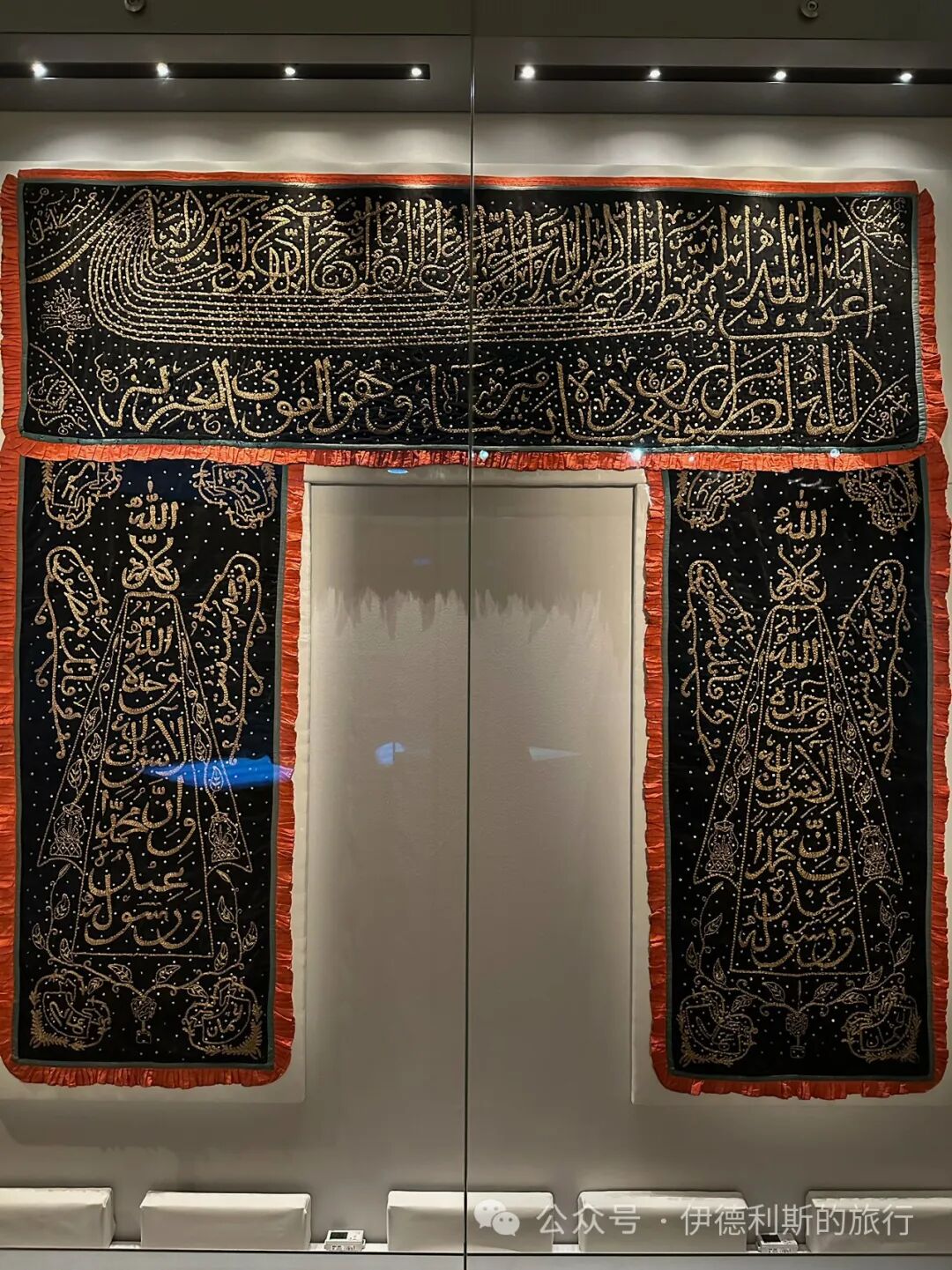
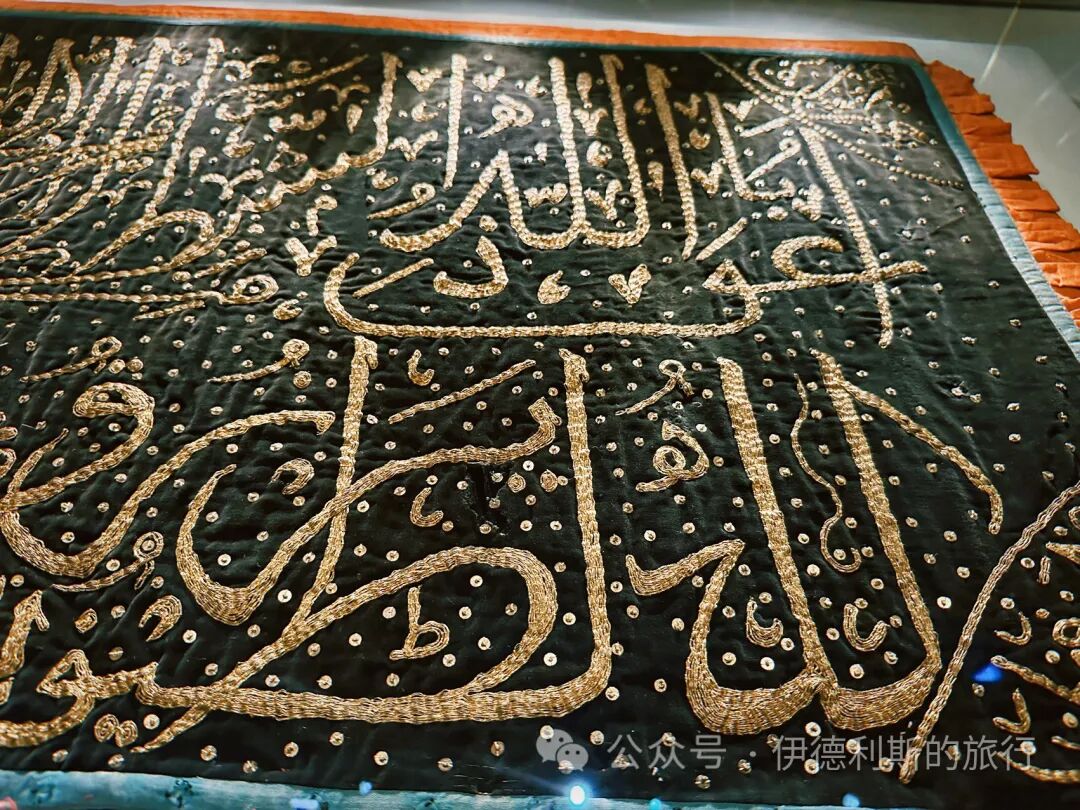
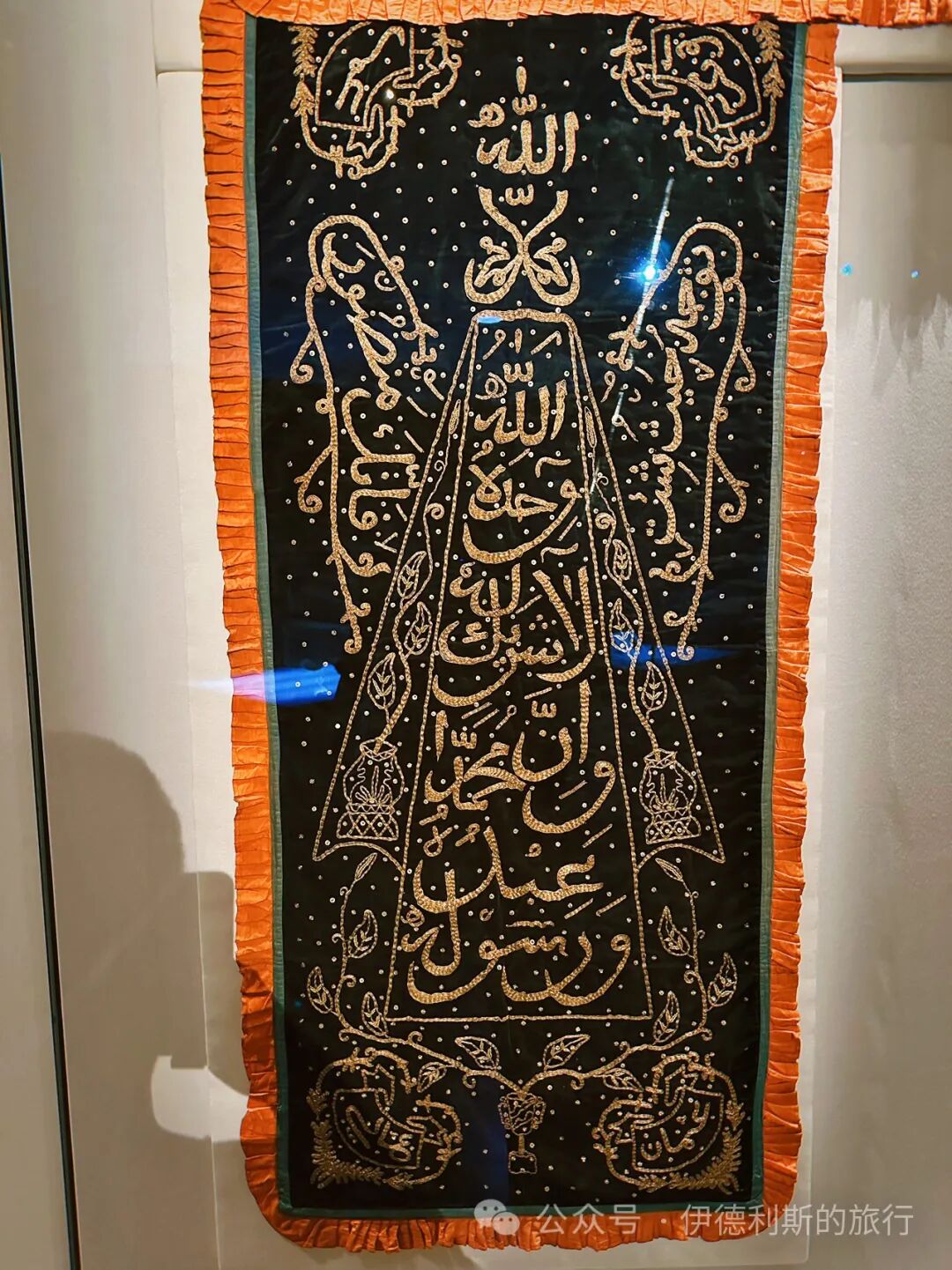
Three Southeast Asian scripture manuscripts in different styles.
A 19th-century scripture manuscript from the Terengganu region on the east coast of the Malay Peninsula. Because it uses a large amount of gold, it is believed to have been commissioned by the Sultan's court in Terengganu. This type of manuscript from the Terengganu region is dense and delicate, featuring red and gold as the main colors, followed by black and green.
A 19th-century scripture manuscript from the Aceh region of Sumatra. Like those from the Terengganu region, the Aceh manuscripts also primarily use red, gold, and black. The most unique features of the Aceh manuscripts are their triangular edges and wing-shaped patterns.
A scripture manuscript from Central Java dating to the late 19th or early 20th century. Compared to the Aceh style from Sumatra and the Terengganu style from the Malay Peninsula, Javanese-style manuscripts feature more colors and patterns. Blue is more common in Javanese manuscripts, and the swastika (wan) pattern is also unique to them.
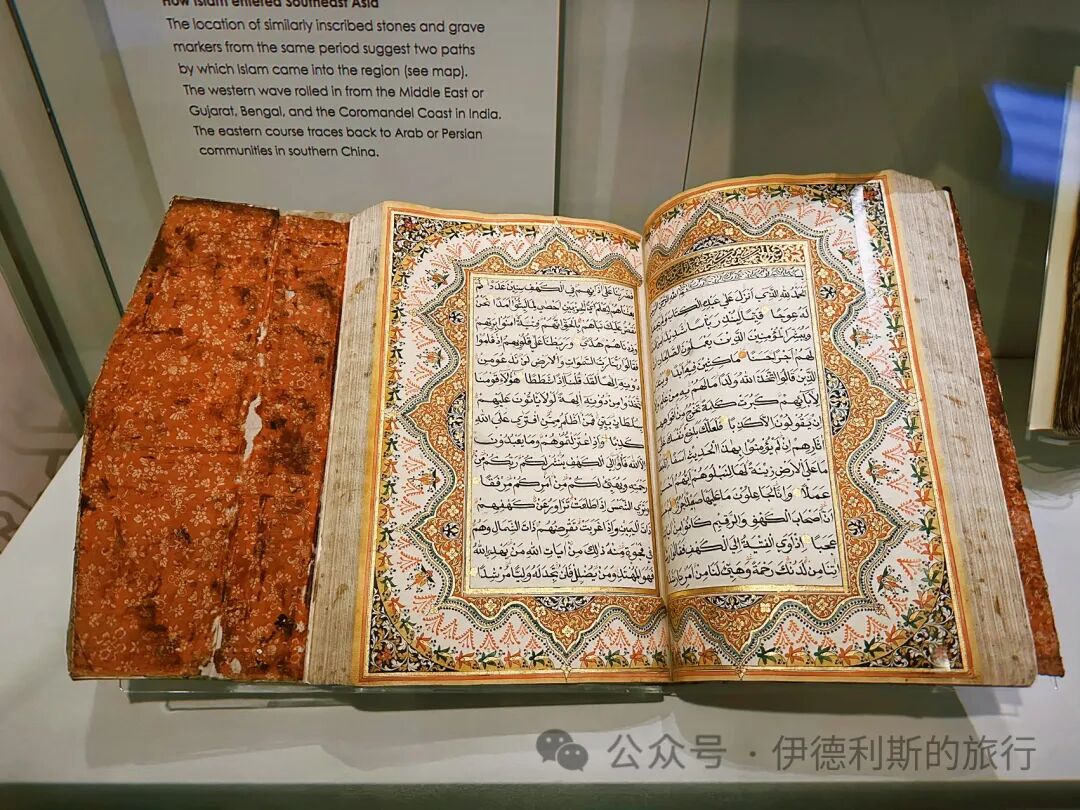
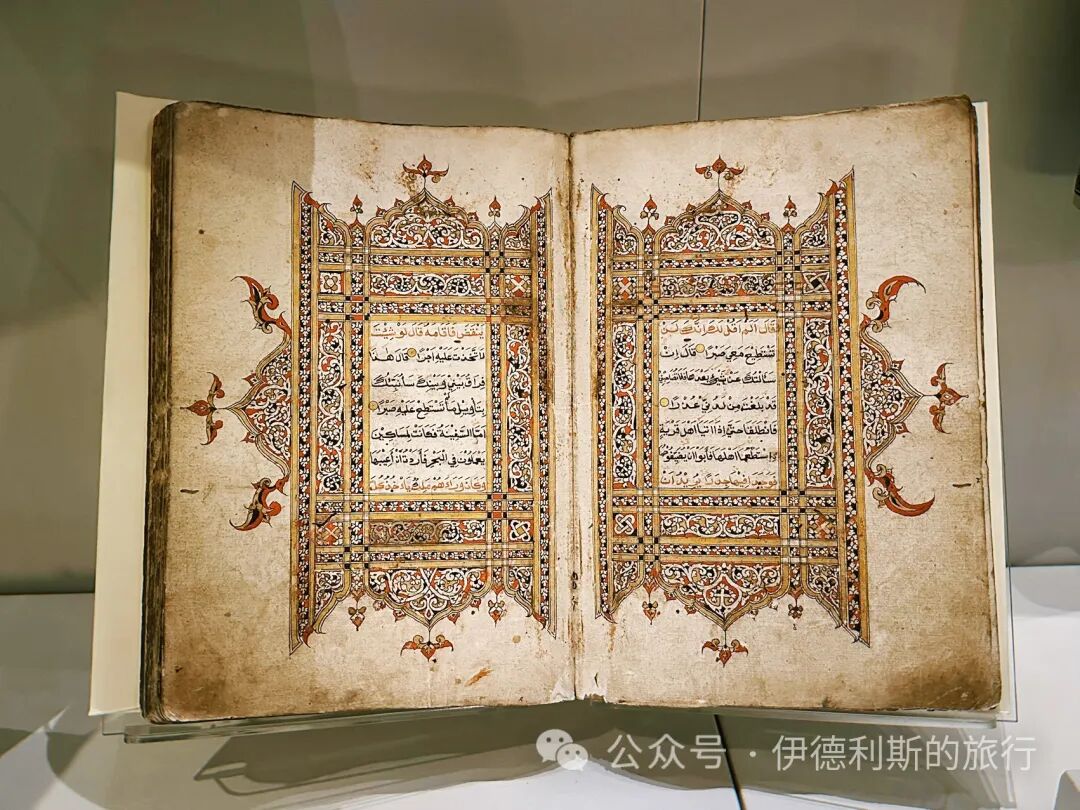
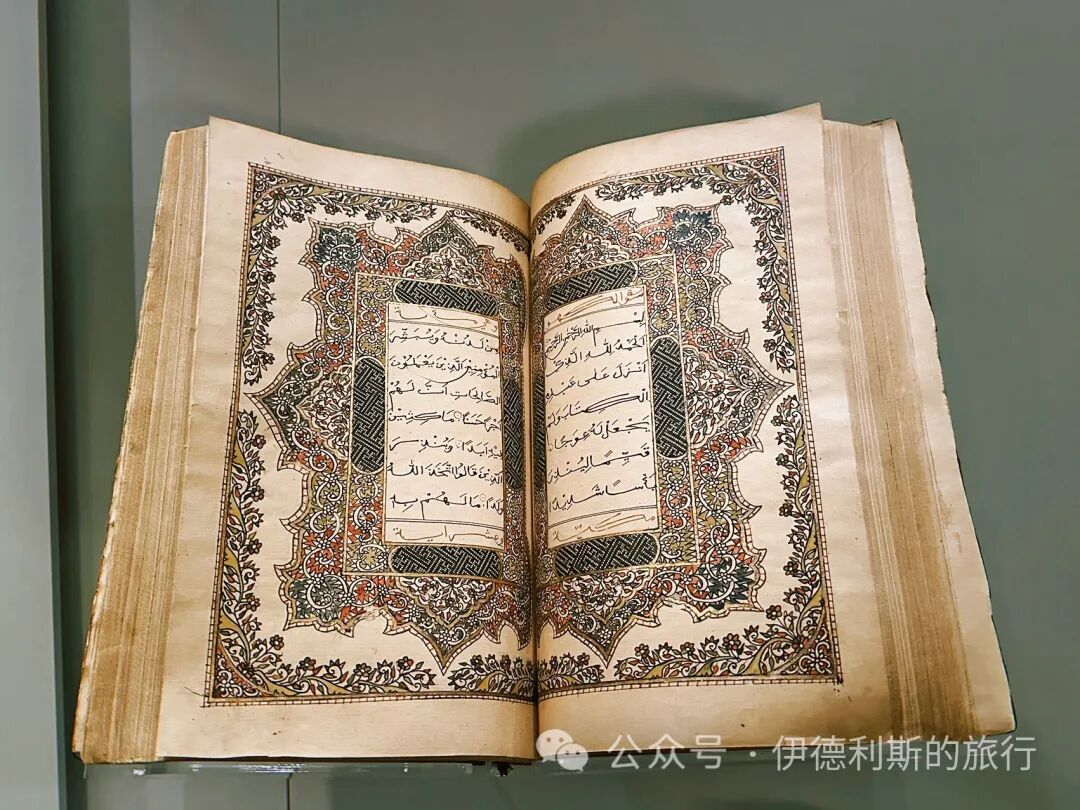
Halal Travel Guide: Singapore - Arab Merchants, Kampong Glam and Muslim History
Articles • ali2007fr posted the article • 0 comments • 152 views • 2026-05-19 07:26
Summary: This Singapore article follows the history of Arab merchants and their ties to Kampong Glam, trade, migration, and Muslim community life. It keeps the original names, historical details, and travel observations in clear English.
The eastern part of Yemen on the Arabian Peninsula and its surrounding areas are traditionally known as the Hadhramaut region. The Hadharem people who live here are a branch of the Arab people. The Hadharem have a long tradition of sailing and trade. They followed the Indian Ocean monsoon winds to East Africa, southern India, and the coasts of Southeast Asia to trade goods with locals, and some chose to settle down.
After Sir Stamford Raffles established a free trade port in Singapore in 1819, Syed Mohammed bin Harun Aljunied, the head of the Hadhrami Aljunied family who was doing business in Palembang, Sumatra, immediately led his family to Singapore. Sir Raffles gave them a warm welcome. By the mid-19th century, the Aljunied family had built a spice and batik clothing trade network connecting Bangkok, Thailand, with Chennai and Mumbai in India. They bought a piece of land southwest of Kampong Glam. This area gradually attracted other Arab merchants to open shops, so it became known as Arab Street.
Today, there is a batik and Nyonya clothing store on Arab Street called Toko Aljunied, which opened in 1940 and is owned by the Aljunied family. When Toko Aljunied first opened, it sold both perfume and batik clothing. Later, they opened a separate shop called Aljunied Brothers to sell perfume, while Toko Aljunied focused on batik and Nyonya clothing. Their Nyonya clothing is especially popular, and even the mother of Singapore's founding Prime Minister Lee Kuan Yew was once a customer.
Another Hadhrami-owned batik shop we visited on Arab Street is Bamadhaj Brothers. The owner, Yacob Bamadhaj, had a grandfather who came to Singapore in 1893 to trade textiles. His father officially opened the current shop on Arab Street in 1955, and Yacob later took it over. Yacob Bamadhaj speaks Chinese and is very friendly, yet he is also very sharp. You can really see the image of a Singaporean Arab merchant in him. We bought traditional batik clothing at his shop, and it has a very authentic Nanyang style when worn.
In 1824, a Hadhrami named Syed Abdul Rahman Al-Sagoff left Yemen with his son to trade spices in Singapore. In 1848, his son officially established the Alsagoff company. The Alsagoff family later achieved great commercial success and at one point dominated the spice trade in Singapore.
In 1912, the Alsagoff family founded the Alsagoff Arab School (Madrasah Alsagoff Al-Arabiah) in Kampong Glam, which is the oldest existing Islamic school in Singapore.
Habib Noh (1788-1866) was a Sufi saint (wali) of Hadhrami descent. His father left Yemen by boat in 1788 to make a living in Penang, Malaysia, and Habib Noh was born on that ship. Habib Noh grew up in Penang, but after Sir Stamford Raffles established Singapore in 1819, he moved there to live.
Habib Noh was highly respected for his piety, kindness, and generosity. During his lifetime, he was recognized as a wali, or saint, and was seen as a protector by Malay sailors. After Habib Noh passed away in 1866, thousands of people attended his funeral. Habib Noh often spent time in quiet meditation on Palmer Hill in Singapore, and he was buried at the top of the hill according to his wishes.
In 1890, the Alsagoff family, who were also from the Hadhramaut region of Yemen, built a mausoleum for Habib Noh known as Keramat Habib Noh. The term keramat originally refers to the miracles of a Sufi wali, but in Malaysia and Singapore, it is used to refer to a Sufi gongbei.
The mausoleum of Habib Noh is connected to the ground by 49 steps. Besides Habib Noh himself, his cousin Sayid Abdur Rahman bin Salim Al Habsyi is also buried here. He passed away in 1867 and was the first qadhi, or religious judge, in Singapore.
At the foot of the hill, there is also the Haji Muhammad Salleh mosque. Haji Muhammad Salleh was a merchant from Batavia, now known as Jakarta, and was a close friend of Habib Noh. While Habib Noh was still alive, he intended to build a small prayer hall (surau) for him on Palmer Hill, but it was not finished when Habib Noh passed away. The site was eventually rebuilt as the Haji Muhammad Salleh mosque in 1903. view all
Summary: This Singapore article follows the history of Arab merchants and their ties to Kampong Glam, trade, migration, and Muslim community life. It keeps the original names, historical details, and travel observations in clear English.
The eastern part of Yemen on the Arabian Peninsula and its surrounding areas are traditionally known as the Hadhramaut region. The Hadharem people who live here are a branch of the Arab people. The Hadharem have a long tradition of sailing and trade. They followed the Indian Ocean monsoon winds to East Africa, southern India, and the coasts of Southeast Asia to trade goods with locals, and some chose to settle down.
After Sir Stamford Raffles established a free trade port in Singapore in 1819, Syed Mohammed bin Harun Aljunied, the head of the Hadhrami Aljunied family who was doing business in Palembang, Sumatra, immediately led his family to Singapore. Sir Raffles gave them a warm welcome. By the mid-19th century, the Aljunied family had built a spice and batik clothing trade network connecting Bangkok, Thailand, with Chennai and Mumbai in India. They bought a piece of land southwest of Kampong Glam. This area gradually attracted other Arab merchants to open shops, so it became known as Arab Street.
Today, there is a batik and Nyonya clothing store on Arab Street called Toko Aljunied, which opened in 1940 and is owned by the Aljunied family. When Toko Aljunied first opened, it sold both perfume and batik clothing. Later, they opened a separate shop called Aljunied Brothers to sell perfume, while Toko Aljunied focused on batik and Nyonya clothing. Their Nyonya clothing is especially popular, and even the mother of Singapore's founding Prime Minister Lee Kuan Yew was once a customer.
Another Hadhrami-owned batik shop we visited on Arab Street is Bamadhaj Brothers. The owner, Yacob Bamadhaj, had a grandfather who came to Singapore in 1893 to trade textiles. His father officially opened the current shop on Arab Street in 1955, and Yacob later took it over. Yacob Bamadhaj speaks Chinese and is very friendly, yet he is also very sharp. You can really see the image of a Singaporean Arab merchant in him. We bought traditional batik clothing at his shop, and it has a very authentic Nanyang style when worn.
In 1824, a Hadhrami named Syed Abdul Rahman Al-Sagoff left Yemen with his son to trade spices in Singapore. In 1848, his son officially established the Alsagoff company. The Alsagoff family later achieved great commercial success and at one point dominated the spice trade in Singapore.
In 1912, the Alsagoff family founded the Alsagoff Arab School (Madrasah Alsagoff Al-Arabiah) in Kampong Glam, which is the oldest existing Islamic school in Singapore.
Habib Noh (1788-1866) was a Sufi saint (wali) of Hadhrami descent. His father left Yemen by boat in 1788 to make a living in Penang, Malaysia, and Habib Noh was born on that ship. Habib Noh grew up in Penang, but after Sir Stamford Raffles established Singapore in 1819, he moved there to live.
Habib Noh was highly respected for his piety, kindness, and generosity. During his lifetime, he was recognized as a wali, or saint, and was seen as a protector by Malay sailors. After Habib Noh passed away in 1866, thousands of people attended his funeral. Habib Noh often spent time in quiet meditation on Palmer Hill in Singapore, and he was buried at the top of the hill according to his wishes.
In 1890, the Alsagoff family, who were also from the Hadhramaut region of Yemen, built a mausoleum for Habib Noh known as Keramat Habib Noh. The term keramat originally refers to the miracles of a Sufi wali, but in Malaysia and Singapore, it is used to refer to a Sufi gongbei.
The mausoleum of Habib Noh is connected to the ground by 49 steps. Besides Habib Noh himself, his cousin Sayid Abdur Rahman bin Salim Al Habsyi is also buried here. He passed away in 1867 and was the first qadhi, or religious judge, in Singapore.
At the foot of the hill, there is also the Haji Muhammad Salleh mosque. Haji Muhammad Salleh was a merchant from Batavia, now known as Jakarta, and was a close friend of Habib Noh. While Habib Noh was still alive, he intended to build a small prayer hall (surau) for him on Palmer Hill, but it was not finished when Habib Noh passed away. The site was eventually rebuilt as the Haji Muhammad Salleh mosque in 1903.
Halal Travel Guide: Singapore - Geylang Serai Malay Market and Muslim Food
Articles • ali2007fr posted the article • 0 comments • 183 views • 2026-05-19 07:25
Summary: This Singapore article walks through the Malay market in Geylang Serai and records food, shops, neighborhood scenes, and Malay Muslim culture. It keeps the original market details, dishes, prices, and small observations in clear English.
Geylang Serai is located near the Geylang River in eastern Singapore. Geylang likely comes from the name of a tribe of indigenous sea people (Orang Laut) who lived here when the British arrived in the early 19th century. Serai refers to the lemongrass grown in nearby plantations during the late 19th century.
Malay villages were scattered along the Geylang River in the 19th century, but there were not many people there at first. After the 1920s, as rent and living costs in downtown Singapore rose, many Malays moved to the Geylang Serai area in the east. By the 1930s, Geylang Serai had become a densely populated suburb. After World War II, more Malays settled in Geylang Serai, and it became an important Malay community in Singapore.
The Malay market (pasar) in Geylang Serai dates back to the 1920s. The Japanese turned it into an amusement park during World War II, but it returned to being a busy Malay market after the war, where local Malays came to shop. Singapore started the Geylang Serai development project in 1962. The Geylang Serai market officially opened in 1964, becoming a place for Malays to buy fresh vegetables, meat, cooked food, clothing, and various groceries. The Geylang Serai market was rebuilt between 2006 and 2010. The new market has two floors and is larger and cleaner.
Since it was built, the Geylang Serai market has been the largest Malay market in Singapore and the best place to experience Malay culture.
We first ate the classic Malay street snack Putu Piring at Haig Road Putu Piring on the first floor of the Geylang Serai market. This shop has been open since 1985. We chose the durian flavor, and they really put durian fruit inside. Putu Piring was first brought to Southeast Asia by immigrants from Fujian. To make it, you put crushed peanuts, shredded coconut, and palm sugar into rice flour and press it into a special stainless steel mold.
Walking inside from the first floor, you find a place selling all kinds of traditional Malay fruits and vegetables. Then, you go up to the second floor to find where Malays buy clothes.
After going up to the second floor, we first went to the Malay cake stall Kueh Talam Asli. Kueh Talam also originated in Indonesia. Kueh means cake, and Talam is the Indonesian word for tray. Kueh Talam refers to a cake made by steaming rice flour, coconut milk, and other ingredients in a rectangular tray. Traditional Kueh Talam usually has two layers. When making it, you put the bottom layer in the tray first, steam it until it is half-cooked, and then add the top layer. The green color in the rice cakes (kueh) comes from pandan leaf juice, the brown from coconut sugar, the yellow from sweet potato, pumpkin, or corn, and the purple from purple sweet potato or taro.
Also, this stall in the market (pasar) called Warong Keluarga has a wide variety of traditional Malay cakes and snacks that I should try next time.
Otak-otak is a fish cake that started in Palembang, Sumatra. It is made by wrapping minced fish, tapioca flour, shredded coconut, and spices in a banana leaf and grilling it. Unlike the white version in Indonesia, otak-otak in Singapore and Malaysia contains chili, shrimp paste (belacan), and turmeric, which gives it an orange-red color.
Cendol is a Southeast Asian shaved ice dessert. It features pandan and glutinous rice noodles topped with coconut milk and palm sugar syrup. In traditional Javanese food, cendol usually only has green pandan noodles, unlike the versions in Singapore and Malaysia that include red beans. To show they are authentic, this cendol shop in Geylang Serai Market uses English, pinyin, Tamil, and Malay to state they do not serve red beans, which is an interesting cultural detail.
Besides Malay stalls, Geylang Serai Market also has halal Indian and Chinese stalls, showing the cultural diversity of Singapore.
We tried the classic Southeast Asian salad, rojak, at a very popular stall on the second floor of the market called Rojak & Mee Siam. Rojak is said to have started on the island of Java. It was originally a mix of fruits and vegetables with spicy palm sugar syrup, but it spread to Indonesia, Malaysia, and Singapore with Javanese migrants and developed into many different styles.
In Singapore, rojak is mainly split into fruit rojak (rojak buah) and Indian rojak (rojak india). The one we ate was Indian rojak. Indian rojak is mostly sold by Tamil Muslim stalls (mamak stalls) and includes items like bean curd, fish cakes, tempeh, cucumber, beef lung, fried dough sticks, and eggs. Customers point to what they want at the window, then the staff cuts and heats it in the back kitchen before adding a thick, spicy, sweet sauce made from mashed sweet potatoes. It is very popular with Malay people.
Next to Kueh Talam Asli is the only Chinese stall in the market, an old shop called Chee Kong clear soup (qing tang) that opened in the 1950s. The clear soup (qing tang) can be served with longan, sweet potato, and ginkgo nuts, and you can have it hot or cold. Drinking a bowl of clear soup (qing tang) is very refreshing after eating a lot of spicy Malay food.
Besides Geylang Serai Market, the Haig Road Market & Food Centre to the west also has plenty of Malay food. At the first stall, we had the most affordable Malay boiled noodles (mee rebus), which features yellow egg noodles topped with a thick, sweet and spicy curry sauce, plus lime, green chili, and dried anchovies.
At the second stall, we had another affordable Malay snack, coconut milk rice (nasi lemak), made with rice cooked in coconut milk and pandan leaves, served with fried fish, sambal chili paste, a fried egg, fried peanuts, and dried anchovies.
After our main meal, we chose a classic three-layer milk tea, which gets its three colors from palm sugar, milk, and black tea for a rich flavor.
City Plaza by the Geylang River is a mall for affordable Malay clothing, and hidden on the second floor is Songkok Singapura, the last shop in Singapore that makes traditional caps (songkok) by hand. The owner, Haji Abdul Wahab, had a father who started making songkok in the 1970s, back when there were several such shops in Geylang Serai. Haji Abdul Wahab started learning to make songkok from his father as a teenager, opened his own shop at the old Geylang Serai Market at age 22, and has been doing it for 42 years since. Competition between songkok shops was very intense in the 20th century, but with the rise of machine production, Haji Abdul Wahab is now the only one left who still makes them by hand.
Besides traditional black velvet songkok, Haji Abdul Wahab also makes them in gold, white, and maroon, and many famous people, including the Sultan of Johor, have ordered from his shop. It takes Haji Abdul Wahab about an hour to make each songkok, and the peak season is during Ramadan, when the shop can receive up to 1,000 orders and his whole family helps out.
West of Geylang Serai Market is the newly built community center, Wisma Geylang Serai, which houses the Geylang Serai Malay Heritage Gallery. Although the gallery is small, it is a great place to learn about the history and culture of Geylang Serai.
Old photos of Malay people in Singapore.
The sewing machine and hat mold used by Hussain bin H. Yunos, who once made songkok in the Geylang Serai Malay Village.
Traditional wedding attire in the Jambi Kodya style from Sumatra.
Molds used for making Malay rice cakes (kuih).
Further reading:
The early history of the Malay people and Singapore
Experience Indian Muslim culture in Singapore
Taste halal Chinese food in Singapore
Eating Peranakan food (nyonya cai) in Singapore view all
Summary: This Singapore article walks through the Malay market in Geylang Serai and records food, shops, neighborhood scenes, and Malay Muslim culture. It keeps the original market details, dishes, prices, and small observations in clear English.
Geylang Serai is located near the Geylang River in eastern Singapore. Geylang likely comes from the name of a tribe of indigenous sea people (Orang Laut) who lived here when the British arrived in the early 19th century. Serai refers to the lemongrass grown in nearby plantations during the late 19th century.
Malay villages were scattered along the Geylang River in the 19th century, but there were not many people there at first. After the 1920s, as rent and living costs in downtown Singapore rose, many Malays moved to the Geylang Serai area in the east. By the 1930s, Geylang Serai had become a densely populated suburb. After World War II, more Malays settled in Geylang Serai, and it became an important Malay community in Singapore.
The Malay market (pasar) in Geylang Serai dates back to the 1920s. The Japanese turned it into an amusement park during World War II, but it returned to being a busy Malay market after the war, where local Malays came to shop. Singapore started the Geylang Serai development project in 1962. The Geylang Serai market officially opened in 1964, becoming a place for Malays to buy fresh vegetables, meat, cooked food, clothing, and various groceries. The Geylang Serai market was rebuilt between 2006 and 2010. The new market has two floors and is larger and cleaner.
Since it was built, the Geylang Serai market has been the largest Malay market in Singapore and the best place to experience Malay culture.
We first ate the classic Malay street snack Putu Piring at Haig Road Putu Piring on the first floor of the Geylang Serai market. This shop has been open since 1985. We chose the durian flavor, and they really put durian fruit inside. Putu Piring was first brought to Southeast Asia by immigrants from Fujian. To make it, you put crushed peanuts, shredded coconut, and palm sugar into rice flour and press it into a special stainless steel mold.
Walking inside from the first floor, you find a place selling all kinds of traditional Malay fruits and vegetables. Then, you go up to the second floor to find where Malays buy clothes.
After going up to the second floor, we first went to the Malay cake stall Kueh Talam Asli. Kueh Talam also originated in Indonesia. Kueh means cake, and Talam is the Indonesian word for tray. Kueh Talam refers to a cake made by steaming rice flour, coconut milk, and other ingredients in a rectangular tray. Traditional Kueh Talam usually has two layers. When making it, you put the bottom layer in the tray first, steam it until it is half-cooked, and then add the top layer. The green color in the rice cakes (kueh) comes from pandan leaf juice, the brown from coconut sugar, the yellow from sweet potato, pumpkin, or corn, and the purple from purple sweet potato or taro.
Also, this stall in the market (pasar) called Warong Keluarga has a wide variety of traditional Malay cakes and snacks that I should try next time.
Otak-otak is a fish cake that started in Palembang, Sumatra. It is made by wrapping minced fish, tapioca flour, shredded coconut, and spices in a banana leaf and grilling it. Unlike the white version in Indonesia, otak-otak in Singapore and Malaysia contains chili, shrimp paste (belacan), and turmeric, which gives it an orange-red color.
Cendol is a Southeast Asian shaved ice dessert. It features pandan and glutinous rice noodles topped with coconut milk and palm sugar syrup. In traditional Javanese food, cendol usually only has green pandan noodles, unlike the versions in Singapore and Malaysia that include red beans. To show they are authentic, this cendol shop in Geylang Serai Market uses English, pinyin, Tamil, and Malay to state they do not serve red beans, which is an interesting cultural detail.
Besides Malay stalls, Geylang Serai Market also has halal Indian and Chinese stalls, showing the cultural diversity of Singapore.
We tried the classic Southeast Asian salad, rojak, at a very popular stall on the second floor of the market called Rojak & Mee Siam. Rojak is said to have started on the island of Java. It was originally a mix of fruits and vegetables with spicy palm sugar syrup, but it spread to Indonesia, Malaysia, and Singapore with Javanese migrants and developed into many different styles.
In Singapore, rojak is mainly split into fruit rojak (rojak buah) and Indian rojak (rojak india). The one we ate was Indian rojak. Indian rojak is mostly sold by Tamil Muslim stalls (mamak stalls) and includes items like bean curd, fish cakes, tempeh, cucumber, beef lung, fried dough sticks, and eggs. Customers point to what they want at the window, then the staff cuts and heats it in the back kitchen before adding a thick, spicy, sweet sauce made from mashed sweet potatoes. It is very popular with Malay people.
Next to Kueh Talam Asli is the only Chinese stall in the market, an old shop called Chee Kong clear soup (qing tang) that opened in the 1950s. The clear soup (qing tang) can be served with longan, sweet potato, and ginkgo nuts, and you can have it hot or cold. Drinking a bowl of clear soup (qing tang) is very refreshing after eating a lot of spicy Malay food.
Besides Geylang Serai Market, the Haig Road Market & Food Centre to the west also has plenty of Malay food. At the first stall, we had the most affordable Malay boiled noodles (mee rebus), which features yellow egg noodles topped with a thick, sweet and spicy curry sauce, plus lime, green chili, and dried anchovies.
At the second stall, we had another affordable Malay snack, coconut milk rice (nasi lemak), made with rice cooked in coconut milk and pandan leaves, served with fried fish, sambal chili paste, a fried egg, fried peanuts, and dried anchovies.
After our main meal, we chose a classic three-layer milk tea, which gets its three colors from palm sugar, milk, and black tea for a rich flavor.
City Plaza by the Geylang River is a mall for affordable Malay clothing, and hidden on the second floor is Songkok Singapura, the last shop in Singapore that makes traditional caps (songkok) by hand. The owner, Haji Abdul Wahab, had a father who started making songkok in the 1970s, back when there were several such shops in Geylang Serai. Haji Abdul Wahab started learning to make songkok from his father as a teenager, opened his own shop at the old Geylang Serai Market at age 22, and has been doing it for 42 years since. Competition between songkok shops was very intense in the 20th century, but with the rise of machine production, Haji Abdul Wahab is now the only one left who still makes them by hand.
Besides traditional black velvet songkok, Haji Abdul Wahab also makes them in gold, white, and maroon, and many famous people, including the Sultan of Johor, have ordered from his shop. It takes Haji Abdul Wahab about an hour to make each songkok, and the peak season is during Ramadan, when the shop can receive up to 1,000 orders and his whole family helps out.
West of Geylang Serai Market is the newly built community center, Wisma Geylang Serai, which houses the Geylang Serai Malay Heritage Gallery. Although the gallery is small, it is a great place to learn about the history and culture of Geylang Serai.
Old photos of Malay people in Singapore.
The sewing machine and hat mold used by Hussain bin H. Yunos, who once made songkok in the Geylang Serai Malay Village.
Traditional wedding attire in the Jambi Kodya style from Sumatra.
Molds used for making Malay rice cakes (kuih).
Further reading:
The early history of the Malay people and Singapore
Experience Indian Muslim culture in Singapore
Taste halal Chinese food in Singapore
Eating Peranakan food (nyonya cai) in Singapore
Halal Travel Guide: Singapore - Indian Muslim Mosques and Heritage (Part 1)
Articles • ali2007fr posted the article • 0 comments • 137 views • 2026-05-19 07:24
Summary: This first Singapore article introduces Indian Muslim culture through mosques, streets, migration history, food, and everyday community life. It keeps the original travel sequence and cultural facts while using simple English for global readers.
Since the British arrived in Singapore in 1819, Indian Muslims have continuously come to the island as laborers, merchants, and soldiers. After the 20th century, more Indian Muslims settled in Singapore. Most were Tamils from the Coromandel Coast in southeastern India, but there were also Gujaratis from western India, Malabaris from the southwest, and even Dawoodi Bohras and Ahmadis. Over time, the diverse and integrated Indian Muslim culture has become an important part of Singaporean culture. This time, I will take you to experience Singapore's Indian Muslim culture by visiting various Indian mosques, tasting Indian food, and touring the Indian Heritage Centre and the Indian Muslim Heritage Centre.
Indian mosques and shrines (gongbei) in Chinatown.
Al-Abrar Mosque is located on Telok Ayer Street in Singapore's Chinatown. It was built in 1827 by Tamil Muslims from the Coromandel Coast in southeastern India. They were also known as Chulias and mostly worked as merchants or money changers in Chinatown at the time, so this place is also called the Chulia Mosque.
Al-Abrar Mosque is one of Singapore's oldest mosques. It started as a thatched hut, was rebuilt as a brick building with Indian features between 1850 and 1855, and was renovated into its current appearance between 1986 and 1989. The mosque sits in a row of shophouses on Telok Ayer Street and blends seamlessly with the surrounding buildings. The main entrance has two octagonal minarets topped with star and crescent symbols. The interior features European neoclassical design elements, including Doric columns and French-style shutters. Today, the mosque continues to serve the Indian Muslim community. Muslims from other ethnic groups working nearby also come here for worship, especially during the Friday congregational prayer (Jumu'ah).
Jamae Mosque is located on South Bridge Road in Singapore's Chinatown. It was the main congregational mosque built by the Chulias in Chinatown, and like Al-Abrar Mosque, it is also known as a Chulia mosque.
Jamae Mosque was founded in 1826 and rebuilt into its current form between 1830 and 1835. The mosque's main gate has a distinct South Indian style. It features two seven-story towers on either side, each with a pair of niches on every level, and a central design modeled after a traditional Indian fortress gate. The design is very intricate. The main prayer hall features the neoclassical style typical of Singapore's colonial era, the same style used for the Old Parliament House built during the same period.
Today, Jamae Mosque remains a place of worship for Chulia Muslims and is one of the few mosques in Singapore that offers religious classes in the Tamil language. This was also my first time seeing the walls of a main prayer hall inscribed in three languages: Arabic, English, and Tamil.
The Nagore Dargha mosque (Nagore Dargha) is located on Telok Ayer Street, not far from the Al-Abrar Mosque. It was built by the Chulia people between 1828 and 1830 and serves as an important Sufi shrine (gongbei) for the Chulia community in Singapore.
The Nagore Dargha mosque was built to honor the famous 16th-century Indian Sufi saint, Syed Shahul Hamid. Shahul Hamid arrived in the town of Nagore in the Tamil Nadu state of southeastern India in 1533 to preach, and he passed away there in 1570. Legend says he performed many miracles in Nagore and even healed the king of the Vijayanagara Empire in India. To honor Shahul Hamid, locals built a shrine (gongbei) over his tomb. It later became an important Sufi center for Tamil Muslims, and many sailors and seafarers would visit the shrine to offer dua for a safe journey before heading out to sea.
After Tamil Muslims immigrated to Penang and Singapore in the 19th century, they built a shrine in each city to honor the saint, modeling the architecture after the original shrine in Nagore. The Singapore shrine uses an eclectic style, featuring a 14-tier square minaret with niches on the outside, and Doric-style pilasters, arches, and large French-style windows on the inside.
In 2011, the Nagore Dargha mosque became the Indian Muslim Heritage Centre, which provides a detailed introduction to the history and culture of Indian Muslims in Singapore.
A Quran (Guerani) copied around 1900, which uses a rare linen binding method.
An introduction to the Arwi script. Arwi is a script that uses Arabic letters to write the Tamil language, similar to the Xiao'erjing (xiaojing) used by Hui Muslims. The Arwi script includes 13 additional letters not found in the Arabic alphabet.
Items from an Indian Muslim wedding in Singapore during the 20th century.
Tamil language works by Singaporean Tamil Muslims.
Daily items used by Indian Muslims in Singapore.
Items brought by Muslim families who arrived in Singapore from Kadayanallur and Tenkasi in South India after World War I.
The India of Little India
Mosques, food, and the Indian Heritage Centre
Little India is the busiest and most crowded place I visited in Singapore. It feels bigger and more like India than the Little Indias in Kuala Lumpur and Penang. Along the sides of the covered walkways (qilou) are various Indian restaurants, flower shops, and grocery stores, with many people of Indian descent busy shopping.
Unlike Chinatown or Kampong Glam, Little India was not designated for the Indian community by Sir Stamford Raffles. It was known as Serangoon until the 1980s. In the 1820s, the British built lime pits and brick kilns along Serangoon Road, and Indian laborers began working there. After the brick kilns closed in 1860, Serangoon developed a cattle industry, followed by the establishment of slaughterhouses, tanneries, and milk vendors. These industries attracted more Indians to settle here, along with others who worked nearby as port laborers and junior office clerks.
The British colonial authorities began building covered walkways (qilou) in Serangoon in the 1920s. More Indian immigrants arrived to open shops selling Indian saris, spices, and flowers, and the layout of Little India was officially formed. After Singapore was established in 1965, the government carried out urban renewal in Serangoon to improve living conditions for the local Indian residents. In the 1980s, to promote tourism, Singapore officially named the area Little India.
Abdul Gafoor Mosque is located at the southern end of Little India. It dates back to 1859, and in 1907, it was rebuilt into its current structure by Shaik Abdul Gafoor, a South Indian Tamil Muslim who worked as a chief clerk at a law firm. Abdul Gafoor raised funds by building shophouses near the mosque, some of which still stand today.
Abdul Gafoor Mosque blends Saracenic (Mughal Revival) style with Neoclassical style, featuring complex arch designs and a dome inspired by ancient Roman architecture. It is very interesting that you can see a basement inside the main prayer hall. It was only rediscovered in 1998, and after renovations, the hall can now accommodate 1,200 people.
The original congregation of Abdul Gafoor Mosque mainly consisted of Tamils from South India and Baweanese people from Bawean Island in East Java. At that time, many Tamils worked nearby as merchants and port laborers, while many Baweanese worked as horse trainers and grooms at the adjacent racecourse. The mosque installed electric lighting in 1928, making it the first mosque in Singapore to have electric lights.
Today, Abdul Gafoor Mosque continues to serve the South Indian Tamil Muslim community in Singapore and offers religious classes in the Tamil language. This is also one of the few Hanafi mosques in Singapore, where the way of performing worship is the same as that of Hui Muslims, unlike the Shafi'i school followed by the Malay people. The prayer time here is one hour later than in other Shafi'i mosques. At other times, you can see some Muslims who follow the Shafi'i school forming their own separate prayer group at the back of the main hall, which is a very unique scene in Singapore.
At the Indian restaurant by the mosque entrance, everyone drinks lamb bone broth (yangtang) after namaz. It is very comfortable to have a bowl on a rainy day.
Opposite Abdul Gafoor Mosque, at the northern end of Little India, is Angullia Mosque, which was established by Gujarati Muslims from western India. The Angullia family came to Singapore from Gujarat state in the 19th century to do business. In the late 19th century, Mohammed Salleh Eussoofjee Angullia accumulated great wealth through the trade of spices, sugar, timber, and tableware, becoming a prominent figure in Singapore's Indian Muslim community. In 1890, the Angullia family donated the land, and Angullia Mosque was built in 1892. The Angullia family has managed the mosque ever since.
Angullia Mosque was rebuilt in 1970 and expanded again in 2020 to its current appearance. Only the gatehouse built in 1890 has been preserved to this day. Angullia Mosque is the mosque where I have seen the largest number of people praying in Singapore. As the time approached, a queue formed outside the ablution area. People filled the entire main hall, and those who arrived late had to wait outside because they could not get in. After namaz, the imam immediately told everyone to leave in an orderly manner, and the people waiting outside would form a new prayer group after everyone left.
There are water-saving signs in the ablution area, and similar hadith are posted in several places. I think they are quite meaningful.
If you want to experience Indian halal food in Singapore's Little India, the most convenient place is Tekka Centre (zhujiao basha). It has a row of stalls all run by Indian Muslims, and the prices are very cheap. We first drank a bowl of lamb trotter curry soup, which was hot and perfect for a rainy day. Then we ate freshly made almond flatbread (badam naan) with minced lamb curry. Many people eat it this way, tearing off the flatbread to dip into the curry and eating it bit by bit, finally wiping up every last drop of the sauce.
Tekka Centre was first built in 1915. In the 1930s, it became popular for its wide variety of fresh meat, vegetables, and seafood, and was known to the public as the 'People's Market'. The current building was finished in 1981, and most of the stall owners inside have been running their businesses for two or three generations.
I had a cup of pulled tea (teh tarik) at the Tekka Centre, then looked around at the Indian clothing on the second floor. The saris are all very sparkly, and there are tailor shops where you can buy fabric and have clothes made on the spot.
If you want to learn more about the history and culture of Singapore's Indian community, I highly recommend visiting the Indian Heritage Centre in Little India. The main exhibition hall is organized by timeline and covers five parts: early contact, origins and migration, early Indian communities in Singapore and Malaya, the social and political awakening of Indians in Singapore and Malaya, and the contributions of Indians to Singapore. Of course, this includes the culture of Singapore's Indian Muslims.
A map showing the migration of Tamils from the Coromandel Coast in southeastern India and Sri Lanka to Singapore and Malaya.
Several areas where Indian communities lived in Singapore during the 19th and 20th centuries.
A group portrait of Singaporean Indians with the Angullia Mosque in Little India in the background.
The luggage that Indian immigrants brought with them when they first arrived in Singapore, along with a passport and family photo belonging to a Muslim merchant who came to Singapore from Gujarat, India, in 1936.
A set of clay figurines of 19th-century Indian merchants.
Clothing worn by Tamil Muslims from the Coromandel Coast of southeastern India in the mid-18th century.
Velvet Arabic calligraphy embroidery from Andhra Pradesh, India, dating to the 20th century.
Indian book stands (rehal) from the 19th and 20th centuries.
Calligraphy from the Deccan region of India, dated 1600.
Various traditional Indian hats from the 20th century.
The Talapa of the Chetti people in Malacca, which is a type of batik headwrap.
The Khoja Turban worn by the Ismaili Shia Khoja people from Gujarat, India. Khoja comes from the Persian words 'Khwaja' or 'Hodja'. They began converting from Hinduism to Islam in the 13th century, and while they hold a Muslim identity, they have kept strong Indian caste customs.
Headwear worn by grooms and boys during circumcision in the mid-20th century.
A 19th-century portrait of Indian Muslims.
A 19th-century procession of Shia Muslims in India during Ashura. On the right is a model of the tombs of Imam Hussein and Hassan called Ta'ziya, and you can also see Alam flags.
An Alam flagpole carried by Shia Muslims in South India during an Ashura procession in the 19th century.
The tiled facade of a mosque in Multan, Pakistan, from 1897-1898, made using the traditional local Kashikari tile-firing technique. This type of tile decoration originated in the Mughal Empire and was influenced by Persian and Sufi cultures.
Indians in Kampong Glam.
Mosques and restaurants.
Kampong Glam is the first planned Muslim community in Singapore. In 1822, Sir Stamford Raffles gave Kampong Glam to Sultan Hussein Muhammad Shah of Johor. Besides the Sultan and his 600 family members, Kampong Glam was home to many Muslim groups at the time, including the Bugis, Arabs, Javanese, and Baweanese people. During the same period, Indian Muslims began moving to Kampong Glam for business. By the early 20th century, they opened restaurants here, the two most important being Victory and Zam Zam on North Bridge Road.
Zam Zam opened in 1908 and Victory in 1910. Both specialize in stuffed flatbread (murtabak) and have been competing for over 100 years. We tried the mutton murtabak at Victory. It tasted more like the griddle cakes (laobing) from Northern China and was not as crispy as the ones we had in Penang. view all
Summary: This first Singapore article introduces Indian Muslim culture through mosques, streets, migration history, food, and everyday community life. It keeps the original travel sequence and cultural facts while using simple English for global readers.
Since the British arrived in Singapore in 1819, Indian Muslims have continuously come to the island as laborers, merchants, and soldiers. After the 20th century, more Indian Muslims settled in Singapore. Most were Tamils from the Coromandel Coast in southeastern India, but there were also Gujaratis from western India, Malabaris from the southwest, and even Dawoodi Bohras and Ahmadis. Over time, the diverse and integrated Indian Muslim culture has become an important part of Singaporean culture. This time, I will take you to experience Singapore's Indian Muslim culture by visiting various Indian mosques, tasting Indian food, and touring the Indian Heritage Centre and the Indian Muslim Heritage Centre.
Indian mosques and shrines (gongbei) in Chinatown.
Al-Abrar Mosque is located on Telok Ayer Street in Singapore's Chinatown. It was built in 1827 by Tamil Muslims from the Coromandel Coast in southeastern India. They were also known as Chulias and mostly worked as merchants or money changers in Chinatown at the time, so this place is also called the Chulia Mosque.
Al-Abrar Mosque is one of Singapore's oldest mosques. It started as a thatched hut, was rebuilt as a brick building with Indian features between 1850 and 1855, and was renovated into its current appearance between 1986 and 1989. The mosque sits in a row of shophouses on Telok Ayer Street and blends seamlessly with the surrounding buildings. The main entrance has two octagonal minarets topped with star and crescent symbols. The interior features European neoclassical design elements, including Doric columns and French-style shutters. Today, the mosque continues to serve the Indian Muslim community. Muslims from other ethnic groups working nearby also come here for worship, especially during the Friday congregational prayer (Jumu'ah).
Jamae Mosque is located on South Bridge Road in Singapore's Chinatown. It was the main congregational mosque built by the Chulias in Chinatown, and like Al-Abrar Mosque, it is also known as a Chulia mosque.
Jamae Mosque was founded in 1826 and rebuilt into its current form between 1830 and 1835. The mosque's main gate has a distinct South Indian style. It features two seven-story towers on either side, each with a pair of niches on every level, and a central design modeled after a traditional Indian fortress gate. The design is very intricate. The main prayer hall features the neoclassical style typical of Singapore's colonial era, the same style used for the Old Parliament House built during the same period.
Today, Jamae Mosque remains a place of worship for Chulia Muslims and is one of the few mosques in Singapore that offers religious classes in the Tamil language. This was also my first time seeing the walls of a main prayer hall inscribed in three languages: Arabic, English, and Tamil.
The Nagore Dargha mosque (Nagore Dargha) is located on Telok Ayer Street, not far from the Al-Abrar Mosque. It was built by the Chulia people between 1828 and 1830 and serves as an important Sufi shrine (gongbei) for the Chulia community in Singapore.
The Nagore Dargha mosque was built to honor the famous 16th-century Indian Sufi saint, Syed Shahul Hamid. Shahul Hamid arrived in the town of Nagore in the Tamil Nadu state of southeastern India in 1533 to preach, and he passed away there in 1570. Legend says he performed many miracles in Nagore and even healed the king of the Vijayanagara Empire in India. To honor Shahul Hamid, locals built a shrine (gongbei) over his tomb. It later became an important Sufi center for Tamil Muslims, and many sailors and seafarers would visit the shrine to offer dua for a safe journey before heading out to sea.
After Tamil Muslims immigrated to Penang and Singapore in the 19th century, they built a shrine in each city to honor the saint, modeling the architecture after the original shrine in Nagore. The Singapore shrine uses an eclectic style, featuring a 14-tier square minaret with niches on the outside, and Doric-style pilasters, arches, and large French-style windows on the inside.
In 2011, the Nagore Dargha mosque became the Indian Muslim Heritage Centre, which provides a detailed introduction to the history and culture of Indian Muslims in Singapore.
A Quran (Guerani) copied around 1900, which uses a rare linen binding method.
An introduction to the Arwi script. Arwi is a script that uses Arabic letters to write the Tamil language, similar to the Xiao'erjing (xiaojing) used by Hui Muslims. The Arwi script includes 13 additional letters not found in the Arabic alphabet.
Items from an Indian Muslim wedding in Singapore during the 20th century.
Tamil language works by Singaporean Tamil Muslims.
Daily items used by Indian Muslims in Singapore.
Items brought by Muslim families who arrived in Singapore from Kadayanallur and Tenkasi in South India after World War I.
The India of Little India
Mosques, food, and the Indian Heritage Centre
Little India is the busiest and most crowded place I visited in Singapore. It feels bigger and more like India than the Little Indias in Kuala Lumpur and Penang. Along the sides of the covered walkways (qilou) are various Indian restaurants, flower shops, and grocery stores, with many people of Indian descent busy shopping.
Unlike Chinatown or Kampong Glam, Little India was not designated for the Indian community by Sir Stamford Raffles. It was known as Serangoon until the 1980s. In the 1820s, the British built lime pits and brick kilns along Serangoon Road, and Indian laborers began working there. After the brick kilns closed in 1860, Serangoon developed a cattle industry, followed by the establishment of slaughterhouses, tanneries, and milk vendors. These industries attracted more Indians to settle here, along with others who worked nearby as port laborers and junior office clerks.
The British colonial authorities began building covered walkways (qilou) in Serangoon in the 1920s. More Indian immigrants arrived to open shops selling Indian saris, spices, and flowers, and the layout of Little India was officially formed. After Singapore was established in 1965, the government carried out urban renewal in Serangoon to improve living conditions for the local Indian residents. In the 1980s, to promote tourism, Singapore officially named the area Little India.
Abdul Gafoor Mosque is located at the southern end of Little India. It dates back to 1859, and in 1907, it was rebuilt into its current structure by Shaik Abdul Gafoor, a South Indian Tamil Muslim who worked as a chief clerk at a law firm. Abdul Gafoor raised funds by building shophouses near the mosque, some of which still stand today.
Abdul Gafoor Mosque blends Saracenic (Mughal Revival) style with Neoclassical style, featuring complex arch designs and a dome inspired by ancient Roman architecture. It is very interesting that you can see a basement inside the main prayer hall. It was only rediscovered in 1998, and after renovations, the hall can now accommodate 1,200 people.
The original congregation of Abdul Gafoor Mosque mainly consisted of Tamils from South India and Baweanese people from Bawean Island in East Java. At that time, many Tamils worked nearby as merchants and port laborers, while many Baweanese worked as horse trainers and grooms at the adjacent racecourse. The mosque installed electric lighting in 1928, making it the first mosque in Singapore to have electric lights.
Today, Abdul Gafoor Mosque continues to serve the South Indian Tamil Muslim community in Singapore and offers religious classes in the Tamil language. This is also one of the few Hanafi mosques in Singapore, where the way of performing worship is the same as that of Hui Muslims, unlike the Shafi'i school followed by the Malay people. The prayer time here is one hour later than in other Shafi'i mosques. At other times, you can see some Muslims who follow the Shafi'i school forming their own separate prayer group at the back of the main hall, which is a very unique scene in Singapore.
At the Indian restaurant by the mosque entrance, everyone drinks lamb bone broth (yangtang) after namaz. It is very comfortable to have a bowl on a rainy day.
Opposite Abdul Gafoor Mosque, at the northern end of Little India, is Angullia Mosque, which was established by Gujarati Muslims from western India. The Angullia family came to Singapore from Gujarat state in the 19th century to do business. In the late 19th century, Mohammed Salleh Eussoofjee Angullia accumulated great wealth through the trade of spices, sugar, timber, and tableware, becoming a prominent figure in Singapore's Indian Muslim community. In 1890, the Angullia family donated the land, and Angullia Mosque was built in 1892. The Angullia family has managed the mosque ever since.
Angullia Mosque was rebuilt in 1970 and expanded again in 2020 to its current appearance. Only the gatehouse built in 1890 has been preserved to this day. Angullia Mosque is the mosque where I have seen the largest number of people praying in Singapore. As the time approached, a queue formed outside the ablution area. People filled the entire main hall, and those who arrived late had to wait outside because they could not get in. After namaz, the imam immediately told everyone to leave in an orderly manner, and the people waiting outside would form a new prayer group after everyone left.
There are water-saving signs in the ablution area, and similar hadith are posted in several places. I think they are quite meaningful.
If you want to experience Indian halal food in Singapore's Little India, the most convenient place is Tekka Centre (zhujiao basha). It has a row of stalls all run by Indian Muslims, and the prices are very cheap. We first drank a bowl of lamb trotter curry soup, which was hot and perfect for a rainy day. Then we ate freshly made almond flatbread (badam naan) with minced lamb curry. Many people eat it this way, tearing off the flatbread to dip into the curry and eating it bit by bit, finally wiping up every last drop of the sauce.
Tekka Centre was first built in 1915. In the 1930s, it became popular for its wide variety of fresh meat, vegetables, and seafood, and was known to the public as the 'People's Market'. The current building was finished in 1981, and most of the stall owners inside have been running their businesses for two or three generations.
I had a cup of pulled tea (teh tarik) at the Tekka Centre, then looked around at the Indian clothing on the second floor. The saris are all very sparkly, and there are tailor shops where you can buy fabric and have clothes made on the spot.
If you want to learn more about the history and culture of Singapore's Indian community, I highly recommend visiting the Indian Heritage Centre in Little India. The main exhibition hall is organized by timeline and covers five parts: early contact, origins and migration, early Indian communities in Singapore and Malaya, the social and political awakening of Indians in Singapore and Malaya, and the contributions of Indians to Singapore. Of course, this includes the culture of Singapore's Indian Muslims.
A map showing the migration of Tamils from the Coromandel Coast in southeastern India and Sri Lanka to Singapore and Malaya.
Several areas where Indian communities lived in Singapore during the 19th and 20th centuries.
A group portrait of Singaporean Indians with the Angullia Mosque in Little India in the background.
The luggage that Indian immigrants brought with them when they first arrived in Singapore, along with a passport and family photo belonging to a Muslim merchant who came to Singapore from Gujarat, India, in 1936.
A set of clay figurines of 19th-century Indian merchants.
Clothing worn by Tamil Muslims from the Coromandel Coast of southeastern India in the mid-18th century.
Velvet Arabic calligraphy embroidery from Andhra Pradesh, India, dating to the 20th century.
Indian book stands (rehal) from the 19th and 20th centuries.
Calligraphy from the Deccan region of India, dated 1600.
Various traditional Indian hats from the 20th century.
The Talapa of the Chetti people in Malacca, which is a type of batik headwrap.
The Khoja Turban worn by the Ismaili Shia Khoja people from Gujarat, India. Khoja comes from the Persian words 'Khwaja' or 'Hodja'. They began converting from Hinduism to Islam in the 13th century, and while they hold a Muslim identity, they have kept strong Indian caste customs.
Headwear worn by grooms and boys during circumcision in the mid-20th century.
A 19th-century portrait of Indian Muslims.
A 19th-century procession of Shia Muslims in India during Ashura. On the right is a model of the tombs of Imam Hussein and Hassan called Ta'ziya, and you can also see Alam flags.
An Alam flagpole carried by Shia Muslims in South India during an Ashura procession in the 19th century.
The tiled facade of a mosque in Multan, Pakistan, from 1897-1898, made using the traditional local Kashikari tile-firing technique. This type of tile decoration originated in the Mughal Empire and was influenced by Persian and Sufi cultures.
Indians in Kampong Glam.
Mosques and restaurants.
Kampong Glam is the first planned Muslim community in Singapore. In 1822, Sir Stamford Raffles gave Kampong Glam to Sultan Hussein Muhammad Shah of Johor. Besides the Sultan and his 600 family members, Kampong Glam was home to many Muslim groups at the time, including the Bugis, Arabs, Javanese, and Baweanese people. During the same period, Indian Muslims began moving to Kampong Glam for business. By the early 20th century, they opened restaurants here, the two most important being Victory and Zam Zam on North Bridge Road.
Zam Zam opened in 1908 and Victory in 1910. Both specialize in stuffed flatbread (murtabak) and have been competing for over 100 years. We tried the mutton murtabak at Victory. It tasted more like the griddle cakes (laobing) from Northern China and was not as crispy as the ones we had in Penang.
Halal Travel Guide: Singapore - Indian Muslim Culture, Mosques and Food (Part 2)
Articles • ali2007fr posted the article • 0 comments • 182 views • 2026-05-19 07:23
Summary: This second Singapore article continues the walk through Indian Muslim culture, mosque spaces, food streets, and neighborhood history. It preserves the original names, food details, religious terms, and route notes in natural English.
Kampong Glam is also a great place to try ginger tea (teh sarabat), also known as teh halia. Bhai Sarbat on Baghdad Street was started by an Indian Muslim in the 1950s and has been around for 70 years. Bhai means brother in Urdu. Bhai Sarbat started as a street pushcart. It moved into this shophouse on Baghdad Street in the 1970s. Today, they sell hundreds of drinks, but their ginger tea is still the most famous.
In the evening, we went to the most famous Indian halal restaurant in Kampong Glam, Islamic Restaurant. It opened in 1921 and has been in business for over a hundred years. The founder, Abdul Rahiman, was a Tamil Muslim from Tamil Nadu in southern India. After arriving in Singapore, his excellent cooking skills made him the head chef for the Alsagoff family, a wealthy family of Yemeni descent. Abdul Rahiman was best known for his biryani rice, which even the British governors loved.
In 1921, Abdul Rahiman opened Islamic Restaurant on North Bridge Road in Kampong Glam. Singaporean politicians who had tasted his cooking at the Alsagoff family banquets came to visit, as did royalty like the Sultans of Brunei, Johor, and Perak. Today, M. Abdul Rahiman's secret spice recipe for biryani rice is carried on by his grandson, Kalil. After a hundred years, their biryani is still delicious. Besides the biryani, we ordered almond naan, chicken tikka masala, and fenugreek (methi) fish curry. Everything was fantastic. This is a truly great Indian restaurant, not just a tourist trap near a scenic spot.
Malabar Mosque, also known as the Golden Dome Mosque, is located across from Kampong Glam in Singapore. It is the only mosque in Singapore built by Malabar Muslims from southwestern India. Malabar Muslims live in Kerala and the Lakshadweep Islands in the far southwest of the Indian peninsula. They are an ancient indigenous Muslim community in South Asia and, like the Malays, follow the Shafi'i school of jurisprudence.
In the early 19th century, Malabar Muslims traveled along the Indian Ocean to Singapore to trade textiles and jewelry. After the 20th century, they ran several food businesses in eastern Singapore and Kampong Glam. When they passed away, they were buried in the Muslim cemetery across from Kampong Glam. In 1929, the Malabar Muslims took over the mosque in the Muslim cemetery. It was rebuilt in 1953 and officially opened in 1963. Malabar Mosque was renovated into its current appearance in 1995, with blue and white tiles covering the exterior walls.
Currently, the Indian Heritage Centre in Singapore's Little India has a dedicated exhibition hall about Malabar immigrants if you are interested in learning more. The exhibit features a green shawl used for prayer in the 20th century by Abdullah bin Muhammad, on loan from the Malabar Mosque. It also includes old photos of the Malabar Mosque during its reconstruction and a set of traditional Malabar Muslim women's clothing on loan from Muhammad Shafiq, which includes a Kuppayam shirt, a Kachimundu waist cloth, and a Thattam headscarf.
Indian mosques in the Geylang area.
Hajjah Fatimah Mosque is located on Geylang Road in Singapore. It was built in 1920 after Hajjah Fatimah, an Indian-Muslim businesswoman and philanthropist, donated 50,000 dollars for its construction in 1915. The building blends Indian and Neoclassical styles. Because of the diverse ethnic groups in the Geylang area, Hajjah Fatimah Mosque has always been managed by Arab, Indian, and Malay Muslims together. In 1935, Al-Mu'allim Omar Bin Abdullah Bagharib arrived in Singapore from Yemen. He taught at Hajjah Fatimah Mosque for 33 years, and his descendants still live near the mosque today.
Dawoodi Bohra Shia mosque.
Al-Burhani Mosque is located on Hill Street, a main road in Singapore. It is the only Dawoodi Bohra Shia mosque in Singapore, and it is the second Dawoodi Bohra Shia mosque I have visited, following the one in Bangkok.
The Dawoodi Bohras originated from the Ismaili Shia Fatimid Caliphate, which ruled North Africa from the 10th to the 12th century. In 1067, the Imam of the Fatimid Caliphate sent a man named Abdullah from Yemen to Gujarat, India, to spread the faith, where he was very successful. Since then, the followers in Gujarat have kept in touch with Yemen and continued to grow. In 1589, the community leader Dawood Bin Qutubshah took office. He split from Yemen, and the group has been known as the Dawoodis ever since.
Starting in the 19th century, Dawoodi Bohra members from Gujarat, India, began traveling across the Indian Ocean to do business. They started trading dry goods and spices in Singapore in 1875. After the 1920s, more Dawoodi Bohra merchants came to Singapore from Gujarat to do business, and the Dawoodi Bohra community in Singapore was officially formed.
Al-Burhani Mosque was first built in 1895 and was originally small. The high-rise building you see today is how it looked after being rebuilt in 1997. It is a pity that there was no one inside the mosque when we visited, so we could not talk to anyone.
Ahmadiyya mosque
Taha Mosque is in Geylang, Singapore, and it is the only Ahmadiyya mosque in the country. Ahmadiyya is a movement that started in northern India in the late 19th century. Its founder, Mirza Ghulam Ahmad (1835-1908), claimed to be the Mahdi (savior) and officially established the community in Punjab, India, in 1889. The number of Ahmadiyya followers grew from the end of the 19th century, and the movement began spreading overseas after the 20th century.
In 1935, the second Caliph of the Ahmadiyya movement sent Ghulam Hussain Ayyaz to Singapore to preach, which officially established the Ahmadiyya community there. In 1985, the Singapore Ahmadiyya community officially built Taha Mosque, and the fourth Caliph of the Ahmadiyya movement attended the groundbreaking ceremony.
I chatted with a young man at Taha Mosque for a while, and this was my first time meeting followers of the Ahmadiyya movement.
Further reading: Indian Tamil Muslims in Penang, Malaysia view all
Summary: This second Singapore article continues the walk through Indian Muslim culture, mosque spaces, food streets, and neighborhood history. It preserves the original names, food details, religious terms, and route notes in natural English.
Kampong Glam is also a great place to try ginger tea (teh sarabat), also known as teh halia. Bhai Sarbat on Baghdad Street was started by an Indian Muslim in the 1950s and has been around for 70 years. Bhai means brother in Urdu. Bhai Sarbat started as a street pushcart. It moved into this shophouse on Baghdad Street in the 1970s. Today, they sell hundreds of drinks, but their ginger tea is still the most famous.
In the evening, we went to the most famous Indian halal restaurant in Kampong Glam, Islamic Restaurant. It opened in 1921 and has been in business for over a hundred years. The founder, Abdul Rahiman, was a Tamil Muslim from Tamil Nadu in southern India. After arriving in Singapore, his excellent cooking skills made him the head chef for the Alsagoff family, a wealthy family of Yemeni descent. Abdul Rahiman was best known for his biryani rice, which even the British governors loved.
In 1921, Abdul Rahiman opened Islamic Restaurant on North Bridge Road in Kampong Glam. Singaporean politicians who had tasted his cooking at the Alsagoff family banquets came to visit, as did royalty like the Sultans of Brunei, Johor, and Perak. Today, M. Abdul Rahiman's secret spice recipe for biryani rice is carried on by his grandson, Kalil. After a hundred years, their biryani is still delicious. Besides the biryani, we ordered almond naan, chicken tikka masala, and fenugreek (methi) fish curry. Everything was fantastic. This is a truly great Indian restaurant, not just a tourist trap near a scenic spot.
Malabar Mosque, also known as the Golden Dome Mosque, is located across from Kampong Glam in Singapore. It is the only mosque in Singapore built by Malabar Muslims from southwestern India. Malabar Muslims live in Kerala and the Lakshadweep Islands in the far southwest of the Indian peninsula. They are an ancient indigenous Muslim community in South Asia and, like the Malays, follow the Shafi'i school of jurisprudence.
In the early 19th century, Malabar Muslims traveled along the Indian Ocean to Singapore to trade textiles and jewelry. After the 20th century, they ran several food businesses in eastern Singapore and Kampong Glam. When they passed away, they were buried in the Muslim cemetery across from Kampong Glam. In 1929, the Malabar Muslims took over the mosque in the Muslim cemetery. It was rebuilt in 1953 and officially opened in 1963. Malabar Mosque was renovated into its current appearance in 1995, with blue and white tiles covering the exterior walls.
Currently, the Indian Heritage Centre in Singapore's Little India has a dedicated exhibition hall about Malabar immigrants if you are interested in learning more. The exhibit features a green shawl used for prayer in the 20th century by Abdullah bin Muhammad, on loan from the Malabar Mosque. It also includes old photos of the Malabar Mosque during its reconstruction and a set of traditional Malabar Muslim women's clothing on loan from Muhammad Shafiq, which includes a Kuppayam shirt, a Kachimundu waist cloth, and a Thattam headscarf.
Indian mosques in the Geylang area.
Hajjah Fatimah Mosque is located on Geylang Road in Singapore. It was built in 1920 after Hajjah Fatimah, an Indian-Muslim businesswoman and philanthropist, donated 50,000 dollars for its construction in 1915. The building blends Indian and Neoclassical styles. Because of the diverse ethnic groups in the Geylang area, Hajjah Fatimah Mosque has always been managed by Arab, Indian, and Malay Muslims together. In 1935, Al-Mu'allim Omar Bin Abdullah Bagharib arrived in Singapore from Yemen. He taught at Hajjah Fatimah Mosque for 33 years, and his descendants still live near the mosque today.
Dawoodi Bohra Shia mosque.
Al-Burhani Mosque is located on Hill Street, a main road in Singapore. It is the only Dawoodi Bohra Shia mosque in Singapore, and it is the second Dawoodi Bohra Shia mosque I have visited, following the one in Bangkok.
The Dawoodi Bohras originated from the Ismaili Shia Fatimid Caliphate, which ruled North Africa from the 10th to the 12th century. In 1067, the Imam of the Fatimid Caliphate sent a man named Abdullah from Yemen to Gujarat, India, to spread the faith, where he was very successful. Since then, the followers in Gujarat have kept in touch with Yemen and continued to grow. In 1589, the community leader Dawood Bin Qutubshah took office. He split from Yemen, and the group has been known as the Dawoodis ever since.
Starting in the 19th century, Dawoodi Bohra members from Gujarat, India, began traveling across the Indian Ocean to do business. They started trading dry goods and spices in Singapore in 1875. After the 1920s, more Dawoodi Bohra merchants came to Singapore from Gujarat to do business, and the Dawoodi Bohra community in Singapore was officially formed.
Al-Burhani Mosque was first built in 1895 and was originally small. The high-rise building you see today is how it looked after being rebuilt in 1997. It is a pity that there was no one inside the mosque when we visited, so we could not talk to anyone.
Ahmadiyya mosque
Taha Mosque is in Geylang, Singapore, and it is the only Ahmadiyya mosque in the country. Ahmadiyya is a movement that started in northern India in the late 19th century. Its founder, Mirza Ghulam Ahmad (1835-1908), claimed to be the Mahdi (savior) and officially established the community in Punjab, India, in 1889. The number of Ahmadiyya followers grew from the end of the 19th century, and the movement began spreading overseas after the 20th century.
In 1935, the second Caliph of the Ahmadiyya movement sent Ghulam Hussain Ayyaz to Singapore to preach, which officially established the Ahmadiyya community there. In 1985, the Singapore Ahmadiyya community officially built Taha Mosque, and the fourth Caliph of the Ahmadiyya movement attended the groundbreaking ceremony.
I chatted with a young man at Taha Mosque for a while, and this was my first time meeting followers of the Ahmadiyya movement.
Further reading: Indian Tamil Muslims in Penang, Malaysia
Halal Travel Guide: Singapore - Asian Civilisations Museum and Islamic Art
Articles • ali2007fr posted the article • 0 comments • 143 views • 2026-05-19 07:23
Summary: This Singapore article visits the Asian Civilisations Museum and looks closely at Islamic art, trade history, ceramics, textiles, and cultural objects. It keeps the original museum observations, object names, and historical details for English readers.
The Asian Civilisations Museum in Singapore sits by the Singapore River in a neoclassical building from 1867. It first focused on crafts from Malay and Southeast Asian indigenous peoples. After the 1990s, it expanded its collection to include West and South Asia, becoming a museum that shows the meeting of different Asian cultures and civilizations.
Two miniature paintings from the late 16th-century Shiraz school in Iran depict the famous Persian poet Nizami's masterpiece, the Five Poems (Khamsa).
A late 16th-century Ottoman miniature illustration comes from the Garden of the Blessed (Hadigat us-Su'ada), written around 1547. This illustration shows the hardships faced by the Prophet and his family. He is giving a sermon (khutbah) from a pulpit, with Imam Ali, Husayn, Hasan, and other family members below. To show respect, golden flames burn behind the Prophet, Ali, Husayn, and Hasan, and the faces of the Prophet and Ali are covered.
This 18th-19th century silk embroidery from Jaipur, India, was usually used for tapestries or curtains in tents or noble homes. The floral patterns in the center are classic Mughal dynasty designs, widely used in Rajasthan, where Jaipur is located.
This 14th-century copper bowl with gold and silver inlay is from Fars, Iran. Fars was the center of Iran's metalworking industry in the 14th and 15th centuries, and the bowl depicts the image of the Sultan at that time.
The Batu Hitam shipwreck gallery at the Asian Civilisations Museum in Singapore. 1,100 years ago, an Arab cargo ship loaded with precious goods left Guangzhou port to return to the Abbasid Caliphate. It eventually sank near the coast of Sumatra, 600 kilometers southeast of Singapore. It was not discovered until 1998 and is called the Batu Hitam (Black Rock) shipwreck because of the location where it was found. The shipwreck yielded a large number of ceramic bowls, which are the same shape as those found from the Abbasid Caliphate of the same period.
A 13th-century calligraphy fritware tile from Kashan, Iran.
A fritware jug from the late 12th-century Seljuk dynasty in Iran. Fritware is a ceramic technique invented by Middle Eastern craftsmen in the 11th century to imitate Chinese porcelain. It developed from early Egyptian faience and is made of a mixture of clay, quartz, and glaze.
A marble tombstone from early 9th-century Syria.
A late 14th-century Kufic script tile from the Timurid dynasty, likely from the tomb of a Timurid noble.
An 11th-century mihrab tile from northeastern Iran. The lamp in the center represents light (nur), symbolizing the presence of Allah.
This 11th-century tombstone tile from Afghanistan was likely embedded in the wall of a tomb.
This 14th-century sandstone calligraphy carving from western India features a three-part script style that is stretched vertically.
Renowned Arabic calligrapher Chen Jinhui created this piece in 1996, blending in techniques from Chinese ink wash painting.
This is a Persian paper-cut from Iran, dated 1891. This art form was widely used for binding Iranian manuscripts from the 15th to 17th centuries and continued until the end of the 19th century.
This 18th-century Ottoman Turkish book stand (rehal) is inlaid with tortoiseshell and mother-of-pearl.
This 19th-century Iranian book stand (rehal) is carved with beautiful floral and geometric patterns.
This 8th-to-9th-century parchment manuscript from Syria or North Africa is an early form of Kufic script. These parchment Kufic manuscripts are among the earliest Quran copies visible today.
These two religious texts, written in China and Java, show how non-native Arabic speakers wrote the language, including notes in their own native tongues.
This is an 1876 Ottoman Turkish pen case with an inkwell.
This is a pottery jug from Kashan, Iran, dating to the late 12th century.
This is a 10th-century pottery bowl from Nishapur, Iran, featuring Kufic calligraphy.
This 1887-88 sandstone screen (jali) from India was used to block the hot sun and is inscribed with praises to Allah.
This 17th-century Iranian copy of the anatomy book Tashrih-i Mansuri was originally written in the 14th century. It studies different body systems, including bones, nerves, muscles, and arteries. The final chapter explains how human organs and fetuses form, and it includes anatomical drawings of a pregnant woman.
This is a Persian version of the famous ancient Roman pharmacology book De materia medica, copied in the Deccan region of India in 1595. De materia medica was written in Greek in the 1st century AD, translated into Arabic in the 9th century, and later translated into Persian, laying an important foundation for botany and pharmacology in West Asia.
A dua shirt (dua shirt) from the Mughal Empire in India, dating from the 16th to the early 17th century. This garment is covered in scripture and the 99 names of Allah. Warriors wore it under their armor, and sick people wore it for health and safety.
A 19th-century Indian dua hat (dua hat) inscribed with scripture.
A jewelry box from Gujarat, India, made between the late 16th and 17th centuries. Muslim artisans in Gujarat crafted these fine boxes for the entire Islamic world, decorating them with finely cut mother-of-pearl.
A 1230 tile from Kashan, Iran. These octagonal tiles, paired with cross-shaped tiles, covered the walls of Iranian palaces and important tombs. They often feature Persian poetry and Quranic verses.
A 15th-century tile from Multan, Pakistan. Influenced by the Timurid Empire of Central Asia, it features a striking blue and green twelve-pointed star design.
Exquisite Chinese export porcelain, reflecting the economic and cultural exchange between China and the Islamic world at that time.
A Chinese porcelain plate from the early 17th century featuring a magic square, with black cursive scripture alternating with red scroll patterns. Magic squares were believed to help prevent disease.
An early 17th-century export porcelain plate from the Zhangzhou kiln in Fujian. It shows two peacocks under a blooming flower, surrounded by the Shahada.
A 17th-century Qing dynasty export porcelain piece, fitted with a silver rim and spout, featuring the name of Allah.
A porcelain plate from the Zhangzhou kiln in Fujian, commissioned by the Sultan of Aceh in the 17th century. The inner circle contains scripture, while the eight outer circles feature seals designed by the Sultan in imitation of the Mughal Empire. The Sultanate of Aceh (1496-1903) was located in northern Sumatra, Indonesia, and was once a major center for Islamic scholarship and trade. These plates were likely ordered during the reign of Sultan Iskandar Muda (1607-1636). Under his rule, the Sultanate of Aceh reached its peak, becoming the most powerful and wealthy state in western Indonesia and the Strait of Malacca.
An export porcelain plate commissioned by Shia Muslims in Iran or India in 1844-45, featuring Persian poetry related to the martyrdom of Imam Hussein. The teardrop-shaped pattern used here is called a boteh design in Persian.
This Canton enamel porcelain bowl was ordered by the Qajar dynasty royal family in Iran between 1883 and 1884. It mentions Prince Mass'oud Mirza Zell-e Soltan, the eldest son of the Qajar King Naser al-Din Shah (who reigned from 1848 to 1896), who served as the governor of Isfahan for over 35 years. The Qajar royal family loved Canton enamel porcelain and often ordered full sets of tableware to use at banquets.
A set of traditional Qing dynasty enamel incense tools used by Hui Muslims: an incense burner, an incense box, and a vase for incense tools. In the past, Hui Muslims usually kept these in a high place at home and only used them during religious gatherings (nieti) and the Eid festivals. Later, as stick incense became popular, the three-piece incense set was gradually replaced by a single incense burner.
The spread and evolution of blue and white porcelain in the Middle East.
The first is a blue and white porcelain plate from Jingdezhen in the 15th century. This type of floral blue and white porcelain plate was exported in large quantities to Middle Eastern countries during the Ming dynasty, and one is kept in the tomb of the famous Sufi Sheikh Safi al-Din in Iran.
The second is blue and white porcelain produced by the Ottoman Empire in the mid-15th century, representing an early Middle Eastern attempt to learn from Jingdezhen blue and white porcelain. The floral patterns are clearly influenced by China, but the cypress tree pattern is a Turkish specialty.
The third is porcelain produced around 1600 in Iznik, Turkey, under Ottoman rule. By this period, Iznik was able to produce high-quality blue and white porcelain, and the floral patterns continued to be influenced by China.
A 19th-century teak wood scripture box from northern Java. This intricately carved scripture box was generally only used in mosques and madrasas, and it features traditional Javanese-style patterns.
A Jingdezhen blue and white porcelain brush rest with the mark 'Made in the Zhengde reign of the Great Ming'. The front is written in Arabic as 'khamah' (pen), and the back is written in Arabic as 'dan' (rest).
The Islamic culture of Southeast Asia.
A collection of blessings for the Prophet (Dala'il al-Khayrat) copied in Terengganu on the Malay Peninsula in the 19th century. Malay people usually carried this book with them when they went on Hajj, so it includes diagrams of the Prophet's Mosque and the Sacred Mosque, marking the locations of the Prophet's tomb and the Kaaba. The two illustrations of the Kaaba use the ornate Terengganu decorative style and feature a lot of gold leaf.
A wooden carving of Buraq from Lanao del Sur province on Mindanao island in the southern Philippines, dating to the early 20th century; this is the mount the Prophet Muhammad rode during his Night Journey. Muslims in Mindanao display the Buraq during important feasts and holidays. Although the Hadith does not describe the face of the Buraq, it mentions it has a handsome face, so it has historically been depicted with a human face; this Buraq's headpiece and tail incorporate traditional Okir patterns from the southern Philippines.
A wooden tombstone from the southeast of Kalimantan island dated 1894; the intricately carved tombstone is a symbol of noble status and wealth, featuring both Malay and Arabic.
A prayer time chart from the mid-20th century at the Wak Sumang mosque in Punggol, Singapore, which was used until the mosque was demolished in 1995.
A book of divination (Primbon) from Semarang, Java, copied in 1824 in Jawi script (Arabic script used to write Malay). The book uses a combination of numerology and Quranic verses to provide guidance on decisions or auspicious dates and times for events ranging from moving house to getting married.
A magic square belt buckle from the late 19th to early 20th century in Kuala Kangsar, the royal city of the Sultan of Perak on the Malay Peninsula; it is inscribed with the Shahada and was part of traditional Malay attire.
Arabic calligraphy on wax-resist dyed cloth (Batik) from the Jambi region of Sumatra in the 20th century. This overall design, with four satellite patterns surrounding a central motif, originated from the Buddhist mandala and was later used by Muslims in Sumatra as a burial shroud for coffins.
A mulberry paper manuscript from Pattani, Malay Peninsula, dated 1835. This black folding manuscript is written with white talc; it was very popular in Buddhist regions of Myanmar and was later adopted by Muslims in places like Myanmar and Malaysia. The manuscript includes advice for young people, and the Song of Fatimah (Syair Dendang Fatimah) is often chanted during ceremonies for newborns.
On the left is a 19th-century Indonesian haji cap, and on the right is a Bugis songkok cap (Songkok Recca) from southern Sulawesi dating to the 19th or 20th century. White symbolizes purity and the plain white ihram garments worn during the Hajj pilgrimage; in Indonesia, it is typically worn by a haji who has returned from the pilgrimage. The black songkok cap comes from the Ottoman fez, and the Bugis people of southern Sulawesi usually wear this cap for Friday namaz. A wider gold band indicates a closer relationship with the king.
This early 20th-century batik sarong from Java depicts a Hajj pilgrimage group. The flag reads 'Bendera Radja Mekkah' (Flag of the King of Mecca), which was used during the 1916 Meccan revolt against the Ottoman Empire. The revolt was supported by the Hadharem people of Yemen. Many Arabs in Southeast Asia belong to Hadharem families, and some ran batik workshops on the north coast of Java while organizing Hajj trips for Javanese Muslims. This sarong was likely made in that context.
A scroll from the 1830s or 1840s showing a Shia Ashura procession in southern India, likely Chennai. The entire scroll is nearly 6 meters long. It shows a model of the tombs of Imam Hussein and Hassan (Ta'ziya), the mount of the Prophet during his night journey (Buraq), an Alam flag, the Hand of Abbas, a shield (Sipar), and a reenactment of the Battle of Karbala. You can also see the Chennai native infantry, people dressed as animals, and even elements of the Hindu Charak festival, which reflects India's multiculturalism.
An early 18th-century copper-gilt Alam flag pole from the Safavid dynasty in Iran, engraved with Quranic verses. The Alam flag pole is used by Shia Muslims during Ashura processions and consists of three parts. At the bottom, a cube rises on a copper axis engraved with a call to the Prophet. In the middle is a pear-shaped flat surface with a dragon head, featuring an enamel ball with colorful floral patterns. The top symbolizes the sword of Ali.
A 'Hand of Abbas' from the late 19th or early 20th century. Abbas was the son of Imam Ali. He served as the standard-bearer for his brother Imam Hussein's troops during the 680 AD Battle of Karbala against the Umayyad Caliphate. On the eve of Ashura, Abbas went to the Euphrates River to get water, but he was blocked by the enemy on his way back, his hands were cut off, and he was eventually killed. Since then, the 'Hand of Abbas' has been seen by Shia Muslims as a symbol of courage, sincerity, and self-sacrifice.
Two tombstones from the mid-15th-century Malacca Sultanate. Besides scripture, one of them is inscribed for a captain from Gujarat in western India who passed away in 1459. Muslim merchants from Gujarat played a key role in the trade of the Malacca Sultanate, where one of the four harbor masters was specifically in charge of trade with Gujarati merchants. These two tombstones were found by British engineers in the walls of the Portuguese fortress in Malacca and were among the first items collected by the Raffles Museum in Singapore, now known as the National Museum.
A gilded door panel from the early 20th century from Jepara or Kudus in Central Java. This traditional door panel is called Gebyog in Javanese and was used in traditional Javanese houses to separate the living room from the bedroom. Besides scripture, it features beautiful floral patterns. Lotus patterns were often used during the Hindu-Buddhist period, but these shifted to jasmine patterns after the arrival of Islam.
A 20th-century velvet tapestry embroidered with gold thread from Sumatra. This traditional tapestry is called Tekat. It was once used for royal clothing and buildings, but now it is mostly used at weddings or at the entrances of mosques and gongbei.
Three Southeast Asian scripture manuscripts in different styles.
A 19th-century scripture manuscript from the Terengganu region on the east coast of the Malay Peninsula. Because it uses a large amount of gold, it is believed to have been commissioned by the Sultan's court in Terengganu. This type of manuscript from the Terengganu region is dense and delicate, featuring red and gold as the main colors, followed by black and green.
A 19th-century scripture manuscript from the Aceh region of Sumatra. Like those from the Terengganu region, the Aceh manuscripts also primarily use red, gold, and black. The most unique features of the Aceh manuscripts are their triangular edges and wing-shaped patterns.
A scripture manuscript from Central Java dating to the late 19th or early 20th century. Compared to the Aceh style from Sumatra and the Terengganu style from the Malay Peninsula, Javanese-style manuscripts feature more colors and patterns. Blue is more common in Javanese manuscripts, and the swastika (wan) pattern is also unique to them. view all
Summary: This Singapore article visits the Asian Civilisations Museum and looks closely at Islamic art, trade history, ceramics, textiles, and cultural objects. It keeps the original museum observations, object names, and historical details for English readers.
The Asian Civilisations Museum in Singapore sits by the Singapore River in a neoclassical building from 1867. It first focused on crafts from Malay and Southeast Asian indigenous peoples. After the 1990s, it expanded its collection to include West and South Asia, becoming a museum that shows the meeting of different Asian cultures and civilizations.
Two miniature paintings from the late 16th-century Shiraz school in Iran depict the famous Persian poet Nizami's masterpiece, the Five Poems (Khamsa).
A late 16th-century Ottoman miniature illustration comes from the Garden of the Blessed (Hadigat us-Su'ada), written around 1547. This illustration shows the hardships faced by the Prophet and his family. He is giving a sermon (khutbah) from a pulpit, with Imam Ali, Husayn, Hasan, and other family members below. To show respect, golden flames burn behind the Prophet, Ali, Husayn, and Hasan, and the faces of the Prophet and Ali are covered.
This 18th-19th century silk embroidery from Jaipur, India, was usually used for tapestries or curtains in tents or noble homes. The floral patterns in the center are classic Mughal dynasty designs, widely used in Rajasthan, where Jaipur is located.
This 14th-century copper bowl with gold and silver inlay is from Fars, Iran. Fars was the center of Iran's metalworking industry in the 14th and 15th centuries, and the bowl depicts the image of the Sultan at that time.
The Batu Hitam shipwreck gallery at the Asian Civilisations Museum in Singapore. 1,100 years ago, an Arab cargo ship loaded with precious goods left Guangzhou port to return to the Abbasid Caliphate. It eventually sank near the coast of Sumatra, 600 kilometers southeast of Singapore. It was not discovered until 1998 and is called the Batu Hitam (Black Rock) shipwreck because of the location where it was found. The shipwreck yielded a large number of ceramic bowls, which are the same shape as those found from the Abbasid Caliphate of the same period.
A 13th-century calligraphy fritware tile from Kashan, Iran.
A fritware jug from the late 12th-century Seljuk dynasty in Iran. Fritware is a ceramic technique invented by Middle Eastern craftsmen in the 11th century to imitate Chinese porcelain. It developed from early Egyptian faience and is made of a mixture of clay, quartz, and glaze.
A marble tombstone from early 9th-century Syria.
A late 14th-century Kufic script tile from the Timurid dynasty, likely from the tomb of a Timurid noble.
An 11th-century mihrab tile from northeastern Iran. The lamp in the center represents light (nur), symbolizing the presence of Allah.
This 11th-century tombstone tile from Afghanistan was likely embedded in the wall of a tomb.
This 14th-century sandstone calligraphy carving from western India features a three-part script style that is stretched vertically.
Renowned Arabic calligrapher Chen Jinhui created this piece in 1996, blending in techniques from Chinese ink wash painting.
This is a Persian paper-cut from Iran, dated 1891. This art form was widely used for binding Iranian manuscripts from the 15th to 17th centuries and continued until the end of the 19th century.
This 18th-century Ottoman Turkish book stand (rehal) is inlaid with tortoiseshell and mother-of-pearl.
This 19th-century Iranian book stand (rehal) is carved with beautiful floral and geometric patterns.
This 8th-to-9th-century parchment manuscript from Syria or North Africa is an early form of Kufic script. These parchment Kufic manuscripts are among the earliest Quran copies visible today.
These two religious texts, written in China and Java, show how non-native Arabic speakers wrote the language, including notes in their own native tongues.
This is an 1876 Ottoman Turkish pen case with an inkwell.
This is a pottery jug from Kashan, Iran, dating to the late 12th century.
This is a 10th-century pottery bowl from Nishapur, Iran, featuring Kufic calligraphy.
This 1887-88 sandstone screen (jali) from India was used to block the hot sun and is inscribed with praises to Allah.
This 17th-century Iranian copy of the anatomy book Tashrih-i Mansuri was originally written in the 14th century. It studies different body systems, including bones, nerves, muscles, and arteries. The final chapter explains how human organs and fetuses form, and it includes anatomical drawings of a pregnant woman.
This is a Persian version of the famous ancient Roman pharmacology book De materia medica, copied in the Deccan region of India in 1595. De materia medica was written in Greek in the 1st century AD, translated into Arabic in the 9th century, and later translated into Persian, laying an important foundation for botany and pharmacology in West Asia.
A dua shirt (dua shirt) from the Mughal Empire in India, dating from the 16th to the early 17th century. This garment is covered in scripture and the 99 names of Allah. Warriors wore it under their armor, and sick people wore it for health and safety.
A 19th-century Indian dua hat (dua hat) inscribed with scripture.
A jewelry box from Gujarat, India, made between the late 16th and 17th centuries. Muslim artisans in Gujarat crafted these fine boxes for the entire Islamic world, decorating them with finely cut mother-of-pearl.
A 1230 tile from Kashan, Iran. These octagonal tiles, paired with cross-shaped tiles, covered the walls of Iranian palaces and important tombs. They often feature Persian poetry and Quranic verses.
A 15th-century tile from Multan, Pakistan. Influenced by the Timurid Empire of Central Asia, it features a striking blue and green twelve-pointed star design.
Exquisite Chinese export porcelain, reflecting the economic and cultural exchange between China and the Islamic world at that time.
A Chinese porcelain plate from the early 17th century featuring a magic square, with black cursive scripture alternating with red scroll patterns. Magic squares were believed to help prevent disease.
An early 17th-century export porcelain plate from the Zhangzhou kiln in Fujian. It shows two peacocks under a blooming flower, surrounded by the Shahada.
A 17th-century Qing dynasty export porcelain piece, fitted with a silver rim and spout, featuring the name of Allah.
A porcelain plate from the Zhangzhou kiln in Fujian, commissioned by the Sultan of Aceh in the 17th century. The inner circle contains scripture, while the eight outer circles feature seals designed by the Sultan in imitation of the Mughal Empire. The Sultanate of Aceh (1496-1903) was located in northern Sumatra, Indonesia, and was once a major center for Islamic scholarship and trade. These plates were likely ordered during the reign of Sultan Iskandar Muda (1607-1636). Under his rule, the Sultanate of Aceh reached its peak, becoming the most powerful and wealthy state in western Indonesia and the Strait of Malacca.
An export porcelain plate commissioned by Shia Muslims in Iran or India in 1844-45, featuring Persian poetry related to the martyrdom of Imam Hussein. The teardrop-shaped pattern used here is called a boteh design in Persian.
This Canton enamel porcelain bowl was ordered by the Qajar dynasty royal family in Iran between 1883 and 1884. It mentions Prince Mass'oud Mirza Zell-e Soltan, the eldest son of the Qajar King Naser al-Din Shah (who reigned from 1848 to 1896), who served as the governor of Isfahan for over 35 years. The Qajar royal family loved Canton enamel porcelain and often ordered full sets of tableware to use at banquets.
A set of traditional Qing dynasty enamel incense tools used by Hui Muslims: an incense burner, an incense box, and a vase for incense tools. In the past, Hui Muslims usually kept these in a high place at home and only used them during religious gatherings (nieti) and the Eid festivals. Later, as stick incense became popular, the three-piece incense set was gradually replaced by a single incense burner.
The spread and evolution of blue and white porcelain in the Middle East.
The first is a blue and white porcelain plate from Jingdezhen in the 15th century. This type of floral blue and white porcelain plate was exported in large quantities to Middle Eastern countries during the Ming dynasty, and one is kept in the tomb of the famous Sufi Sheikh Safi al-Din in Iran.
The second is blue and white porcelain produced by the Ottoman Empire in the mid-15th century, representing an early Middle Eastern attempt to learn from Jingdezhen blue and white porcelain. The floral patterns are clearly influenced by China, but the cypress tree pattern is a Turkish specialty.
The third is porcelain produced around 1600 in Iznik, Turkey, under Ottoman rule. By this period, Iznik was able to produce high-quality blue and white porcelain, and the floral patterns continued to be influenced by China.
A 19th-century teak wood scripture box from northern Java. This intricately carved scripture box was generally only used in mosques and madrasas, and it features traditional Javanese-style patterns.
A Jingdezhen blue and white porcelain brush rest with the mark 'Made in the Zhengde reign of the Great Ming'. The front is written in Arabic as 'khamah' (pen), and the back is written in Arabic as 'dan' (rest).
The Islamic culture of Southeast Asia.
A collection of blessings for the Prophet (Dala'il al-Khayrat) copied in Terengganu on the Malay Peninsula in the 19th century. Malay people usually carried this book with them when they went on Hajj, so it includes diagrams of the Prophet's Mosque and the Sacred Mosque, marking the locations of the Prophet's tomb and the Kaaba. The two illustrations of the Kaaba use the ornate Terengganu decorative style and feature a lot of gold leaf.
A wooden carving of Buraq from Lanao del Sur province on Mindanao island in the southern Philippines, dating to the early 20th century; this is the mount the Prophet Muhammad rode during his Night Journey. Muslims in Mindanao display the Buraq during important feasts and holidays. Although the Hadith does not describe the face of the Buraq, it mentions it has a handsome face, so it has historically been depicted with a human face; this Buraq's headpiece and tail incorporate traditional Okir patterns from the southern Philippines.
A wooden tombstone from the southeast of Kalimantan island dated 1894; the intricately carved tombstone is a symbol of noble status and wealth, featuring both Malay and Arabic.
A prayer time chart from the mid-20th century at the Wak Sumang mosque in Punggol, Singapore, which was used until the mosque was demolished in 1995.
A book of divination (Primbon) from Semarang, Java, copied in 1824 in Jawi script (Arabic script used to write Malay). The book uses a combination of numerology and Quranic verses to provide guidance on decisions or auspicious dates and times for events ranging from moving house to getting married.
A magic square belt buckle from the late 19th to early 20th century in Kuala Kangsar, the royal city of the Sultan of Perak on the Malay Peninsula; it is inscribed with the Shahada and was part of traditional Malay attire.
Arabic calligraphy on wax-resist dyed cloth (Batik) from the Jambi region of Sumatra in the 20th century. This overall design, with four satellite patterns surrounding a central motif, originated from the Buddhist mandala and was later used by Muslims in Sumatra as a burial shroud for coffins.
A mulberry paper manuscript from Pattani, Malay Peninsula, dated 1835. This black folding manuscript is written with white talc; it was very popular in Buddhist regions of Myanmar and was later adopted by Muslims in places like Myanmar and Malaysia. The manuscript includes advice for young people, and the Song of Fatimah (Syair Dendang Fatimah) is often chanted during ceremonies for newborns.
On the left is a 19th-century Indonesian haji cap, and on the right is a Bugis songkok cap (Songkok Recca) from southern Sulawesi dating to the 19th or 20th century. White symbolizes purity and the plain white ihram garments worn during the Hajj pilgrimage; in Indonesia, it is typically worn by a haji who has returned from the pilgrimage. The black songkok cap comes from the Ottoman fez, and the Bugis people of southern Sulawesi usually wear this cap for Friday namaz. A wider gold band indicates a closer relationship with the king.
This early 20th-century batik sarong from Java depicts a Hajj pilgrimage group. The flag reads 'Bendera Radja Mekkah' (Flag of the King of Mecca), which was used during the 1916 Meccan revolt against the Ottoman Empire. The revolt was supported by the Hadharem people of Yemen. Many Arabs in Southeast Asia belong to Hadharem families, and some ran batik workshops on the north coast of Java while organizing Hajj trips for Javanese Muslims. This sarong was likely made in that context.
A scroll from the 1830s or 1840s showing a Shia Ashura procession in southern India, likely Chennai. The entire scroll is nearly 6 meters long. It shows a model of the tombs of Imam Hussein and Hassan (Ta'ziya), the mount of the Prophet during his night journey (Buraq), an Alam flag, the Hand of Abbas, a shield (Sipar), and a reenactment of the Battle of Karbala. You can also see the Chennai native infantry, people dressed as animals, and even elements of the Hindu Charak festival, which reflects India's multiculturalism.
An early 18th-century copper-gilt Alam flag pole from the Safavid dynasty in Iran, engraved with Quranic verses. The Alam flag pole is used by Shia Muslims during Ashura processions and consists of three parts. At the bottom, a cube rises on a copper axis engraved with a call to the Prophet. In the middle is a pear-shaped flat surface with a dragon head, featuring an enamel ball with colorful floral patterns. The top symbolizes the sword of Ali.
A 'Hand of Abbas' from the late 19th or early 20th century. Abbas was the son of Imam Ali. He served as the standard-bearer for his brother Imam Hussein's troops during the 680 AD Battle of Karbala against the Umayyad Caliphate. On the eve of Ashura, Abbas went to the Euphrates River to get water, but he was blocked by the enemy on his way back, his hands were cut off, and he was eventually killed. Since then, the 'Hand of Abbas' has been seen by Shia Muslims as a symbol of courage, sincerity, and self-sacrifice.
Two tombstones from the mid-15th-century Malacca Sultanate. Besides scripture, one of them is inscribed for a captain from Gujarat in western India who passed away in 1459. Muslim merchants from Gujarat played a key role in the trade of the Malacca Sultanate, where one of the four harbor masters was specifically in charge of trade with Gujarati merchants. These two tombstones were found by British engineers in the walls of the Portuguese fortress in Malacca and were among the first items collected by the Raffles Museum in Singapore, now known as the National Museum.
A gilded door panel from the early 20th century from Jepara or Kudus in Central Java. This traditional door panel is called Gebyog in Javanese and was used in traditional Javanese houses to separate the living room from the bedroom. Besides scripture, it features beautiful floral patterns. Lotus patterns were often used during the Hindu-Buddhist period, but these shifted to jasmine patterns after the arrival of Islam.
A 20th-century velvet tapestry embroidered with gold thread from Sumatra. This traditional tapestry is called Tekat. It was once used for royal clothing and buildings, but now it is mostly used at weddings or at the entrances of mosques and gongbei.
Three Southeast Asian scripture manuscripts in different styles.
A 19th-century scripture manuscript from the Terengganu region on the east coast of the Malay Peninsula. Because it uses a large amount of gold, it is believed to have been commissioned by the Sultan's court in Terengganu. This type of manuscript from the Terengganu region is dense and delicate, featuring red and gold as the main colors, followed by black and green.
A 19th-century scripture manuscript from the Aceh region of Sumatra. Like those from the Terengganu region, the Aceh manuscripts also primarily use red, gold, and black. The most unique features of the Aceh manuscripts are their triangular edges and wing-shaped patterns.
A scripture manuscript from Central Java dating to the late 19th or early 20th century. Compared to the Aceh style from Sumatra and the Terengganu style from the Malay Peninsula, Javanese-style manuscripts feature more colors and patterns. Blue is more common in Javanese manuscripts, and the swastika (wan) pattern is also unique to them.