
Halal Travel Guide: Singapore - Arab Merchants, Kampong Glam and Muslim History
Reposted from the web
Summary: This Singapore article follows the history of Arab merchants and their ties to Kampong Glam, trade, migration, and Muslim community life. It keeps the original names, historical details, and travel observations in clear English.
The eastern part of Yemen on the Arabian Peninsula and its surrounding areas are traditionally known as the Hadhramaut region. The Hadharem people who live here are a branch of the Arab people. The Hadharem have a long tradition of sailing and trade. They followed the Indian Ocean monsoon winds to East Africa, southern India, and the coasts of Southeast Asia to trade goods with locals, and some chose to settle down.
After Sir Stamford Raffles established a free trade port in Singapore in 1819, Syed Mohammed bin Harun Aljunied, the head of the Hadhrami Aljunied family who was doing business in Palembang, Sumatra, immediately led his family to Singapore. Sir Raffles gave them a warm welcome. By the mid-19th century, the Aljunied family had built a spice and batik clothing trade network connecting Bangkok, Thailand, with Chennai and Mumbai in India. They bought a piece of land southwest of Kampong Glam. This area gradually attracted other Arab merchants to open shops, so it became known as Arab Street.
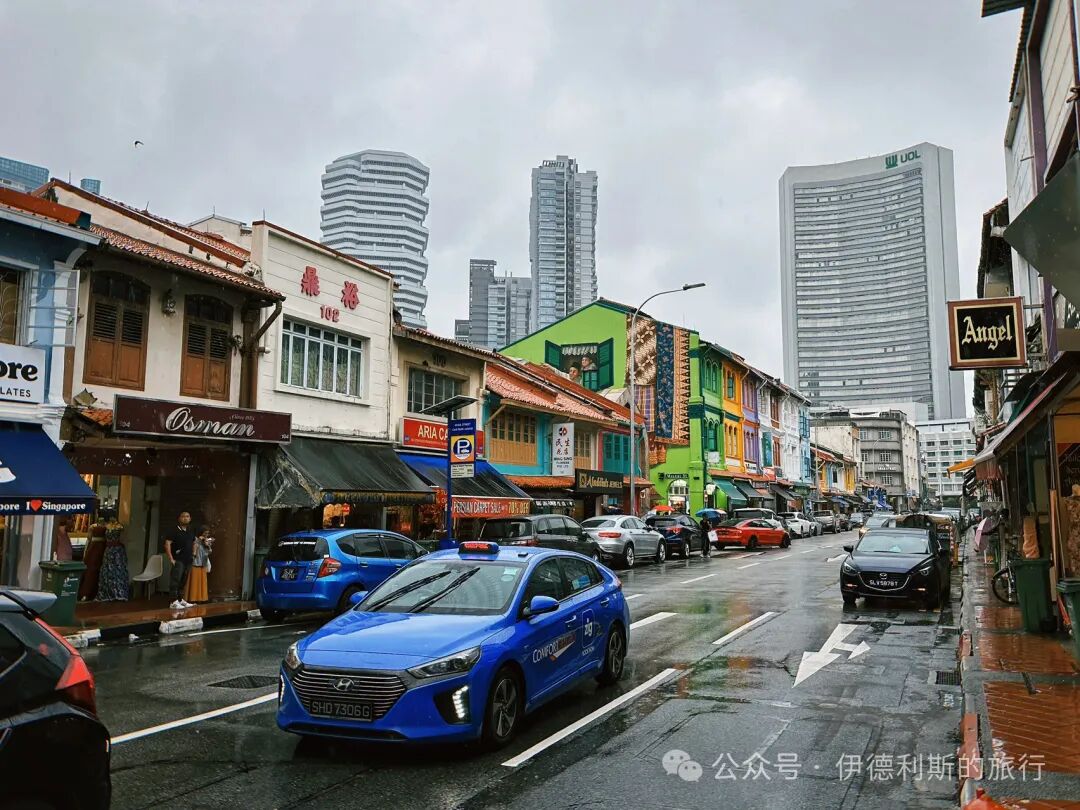
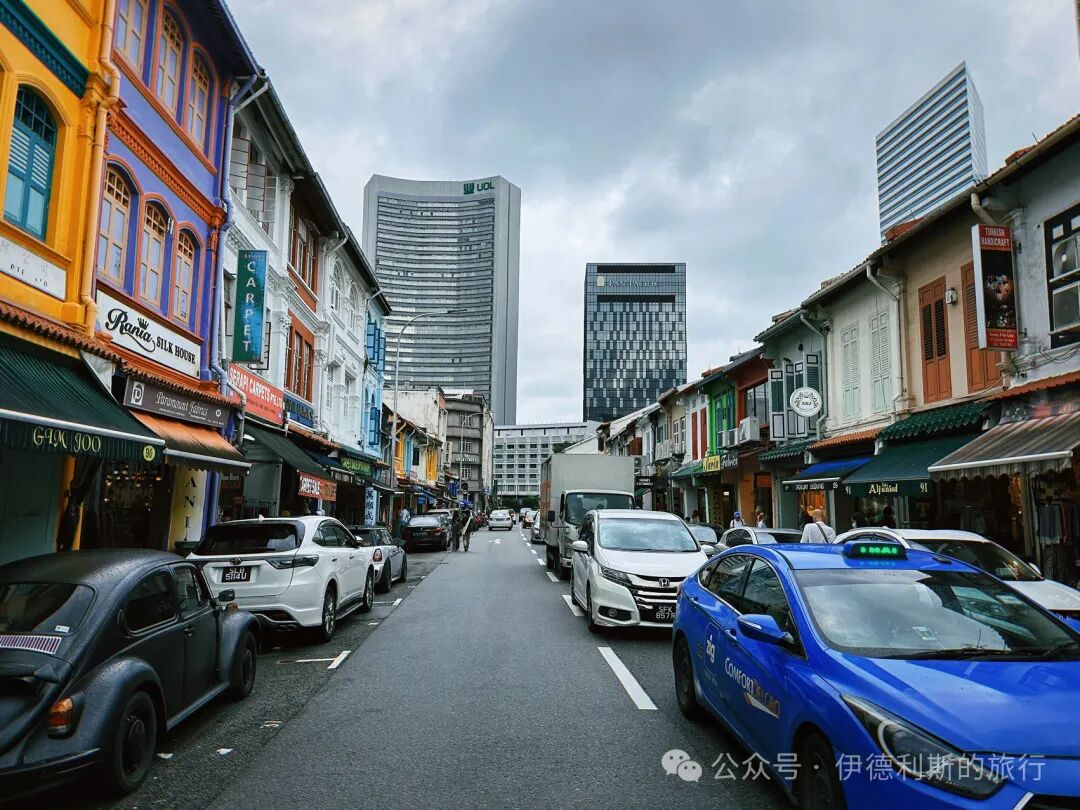
Today, there is a batik and Nyonya clothing store on Arab Street called Toko Aljunied, which opened in 1940 and is owned by the Aljunied family. When Toko Aljunied first opened, it sold both perfume and batik clothing. Later, they opened a separate shop called Aljunied Brothers to sell perfume, while Toko Aljunied focused on batik and Nyonya clothing. Their Nyonya clothing is especially popular, and even the mother of Singapore's founding Prime Minister Lee Kuan Yew was once a customer.
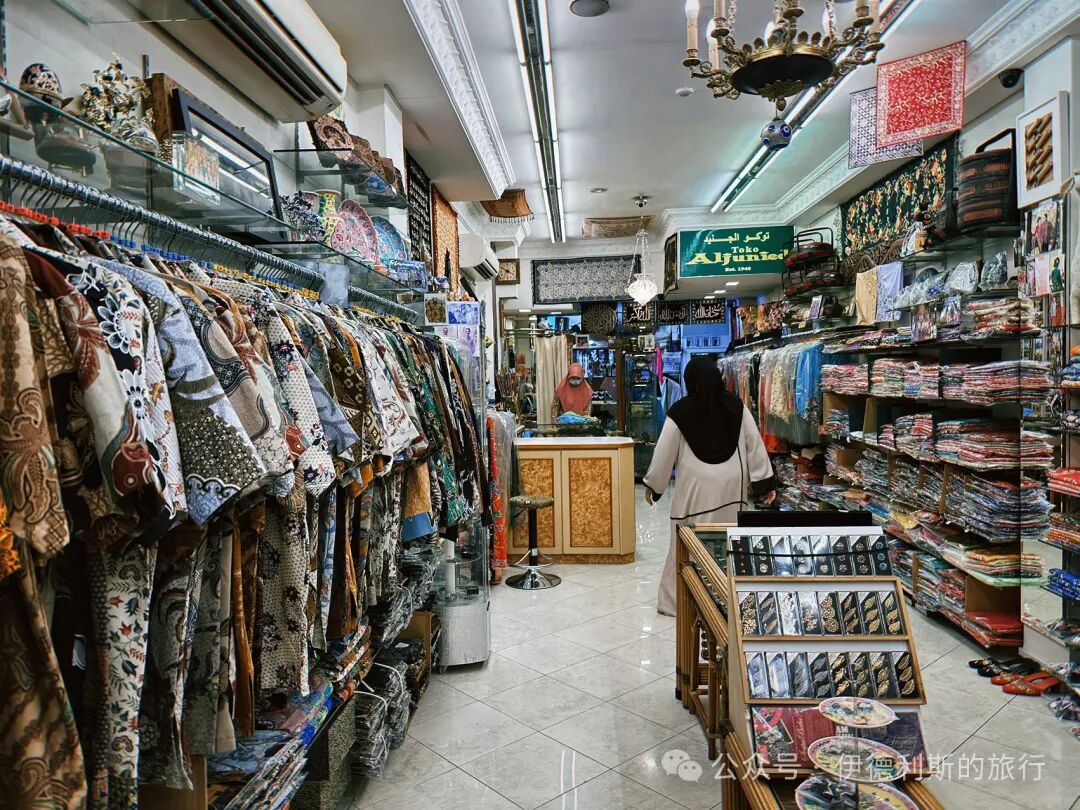
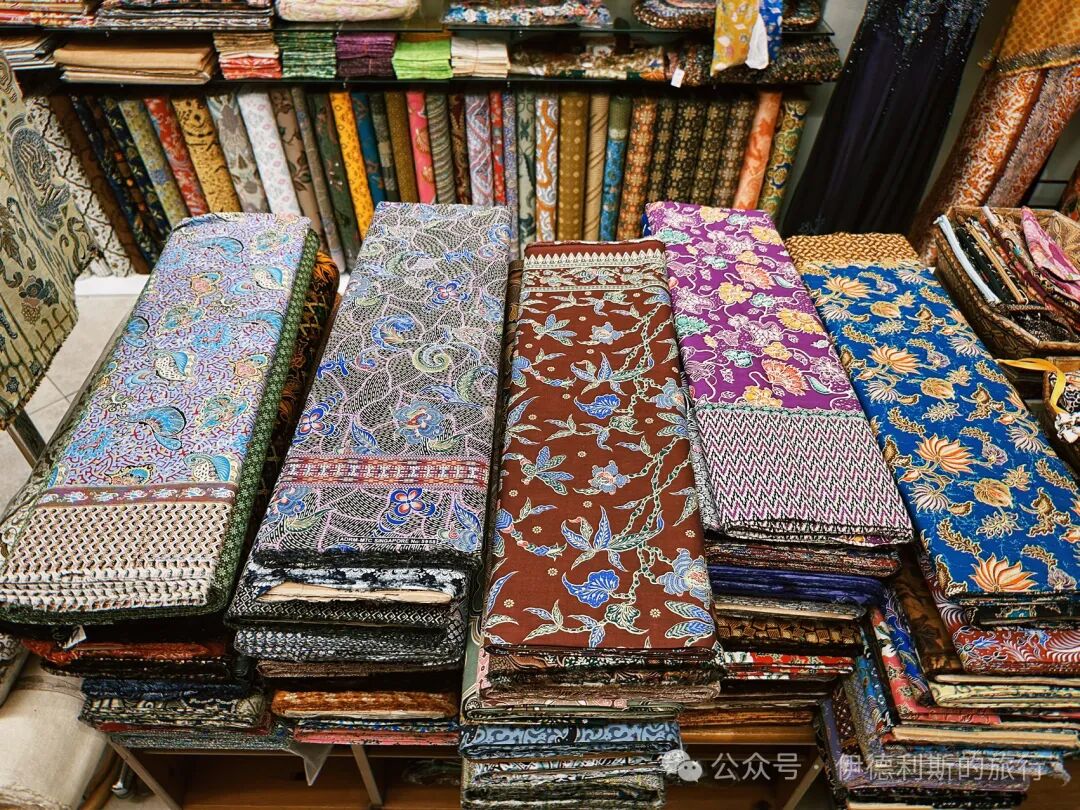
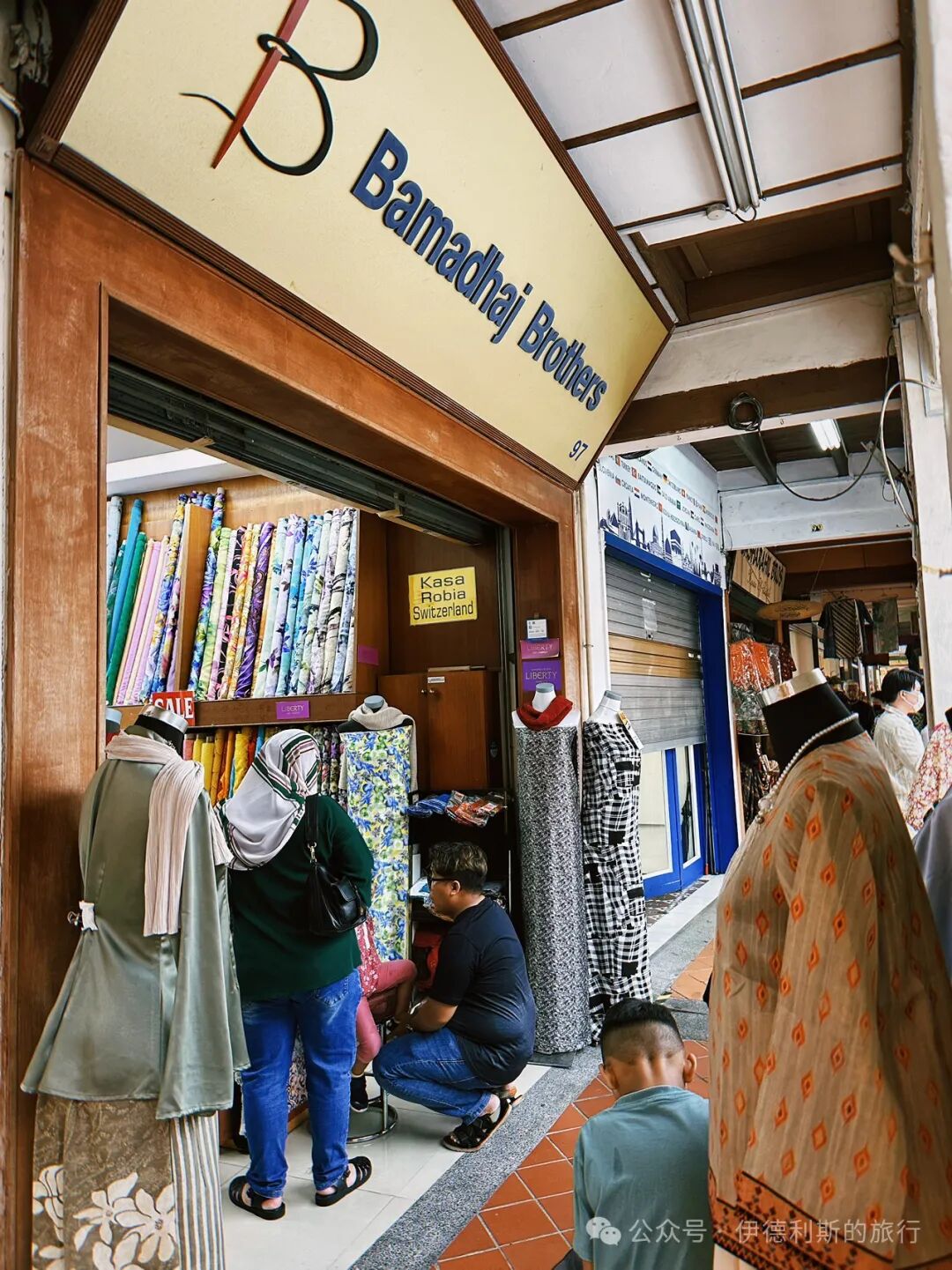
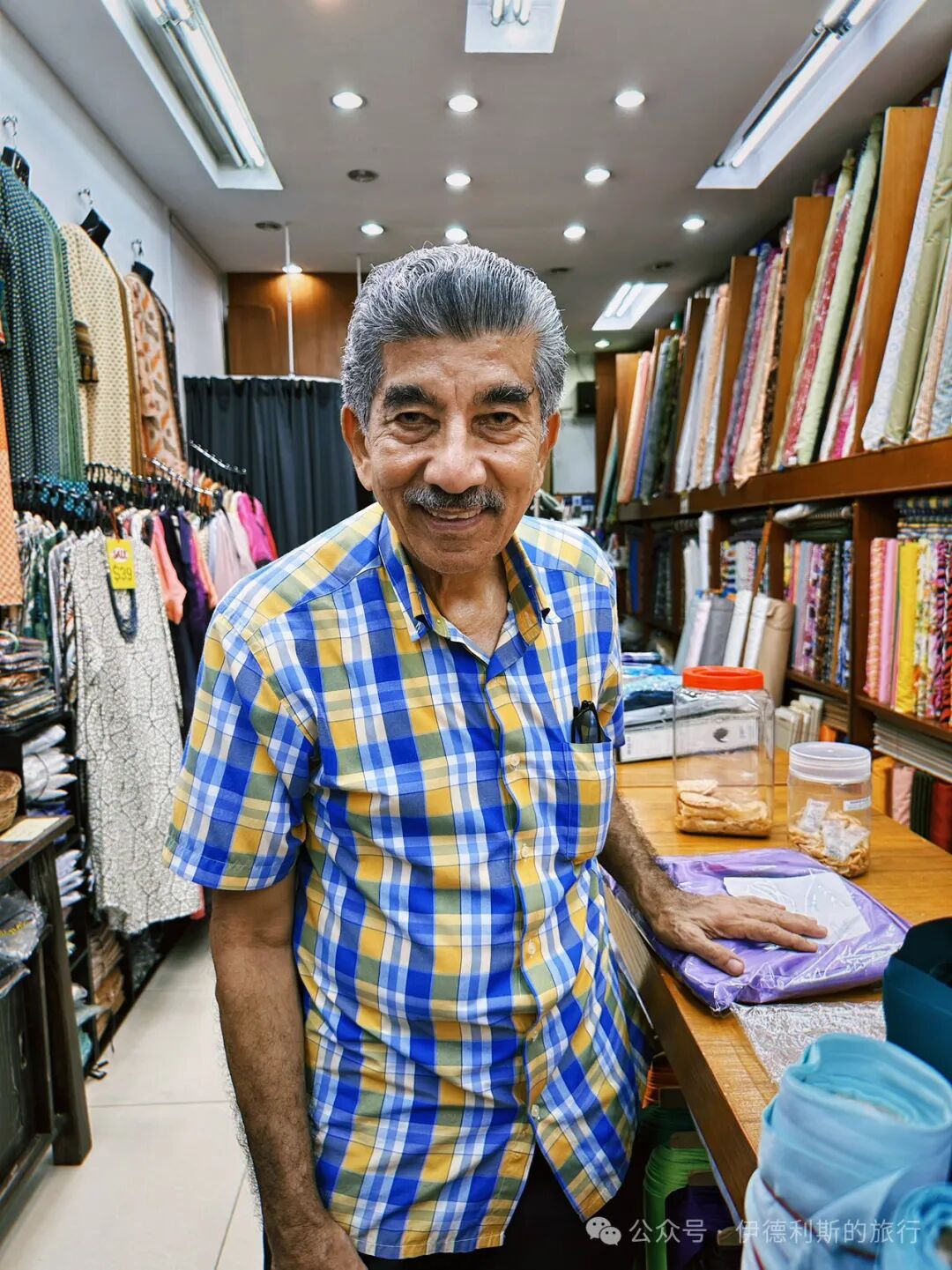
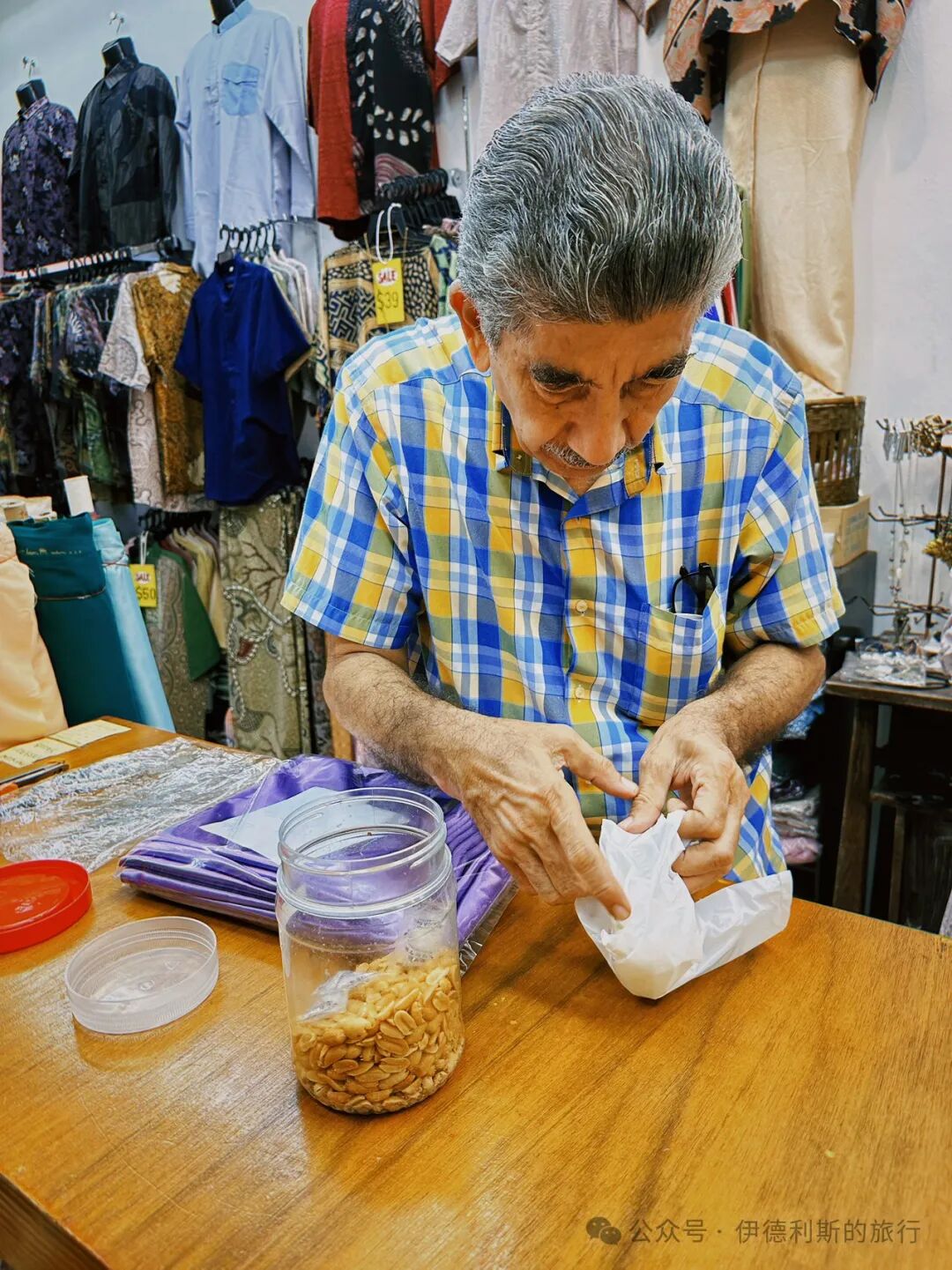
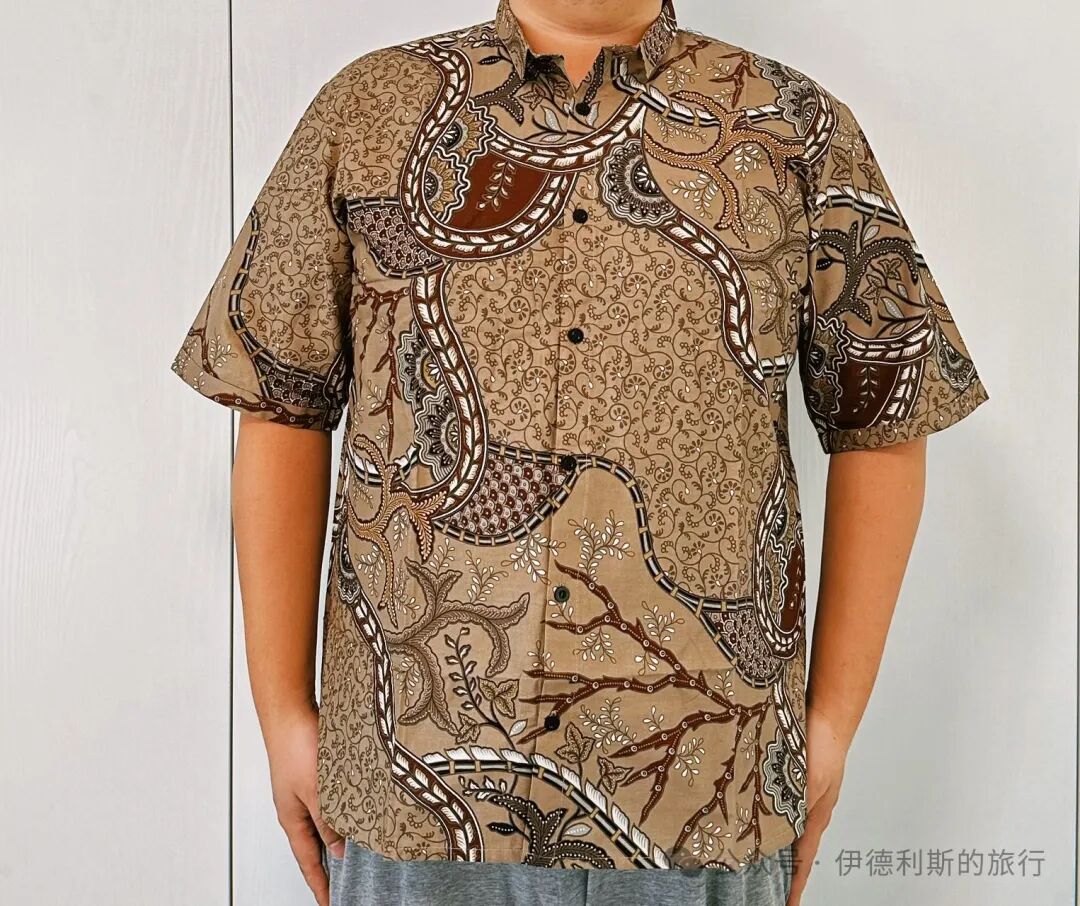
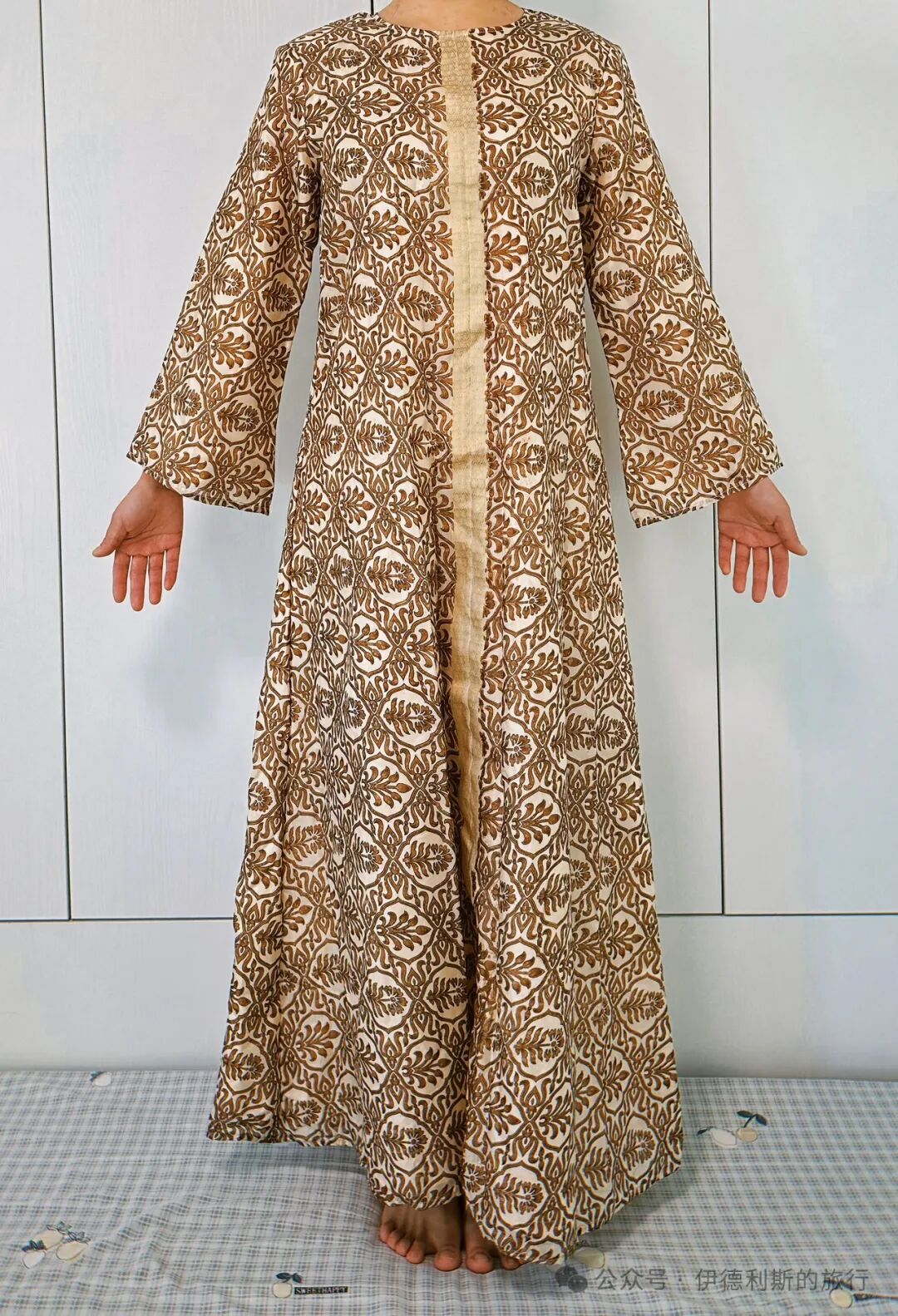
Another Hadhrami-owned batik shop we visited on Arab Street is Bamadhaj Brothers. The owner, Yacob Bamadhaj, had a grandfather who came to Singapore in 1893 to trade textiles. His father officially opened the current shop on Arab Street in 1955, and Yacob later took it over. Yacob Bamadhaj speaks Chinese and is very friendly, yet he is also very sharp. You can really see the image of a Singaporean Arab merchant in him. We bought traditional batik clothing at his shop, and it has a very authentic Nanyang style when worn.
In 1824, a Hadhrami named Syed Abdul Rahman Al-Sagoff left Yemen with his son to trade spices in Singapore. In 1848, his son officially established the Alsagoff company. The Alsagoff family later achieved great commercial success and at one point dominated the spice trade in Singapore.
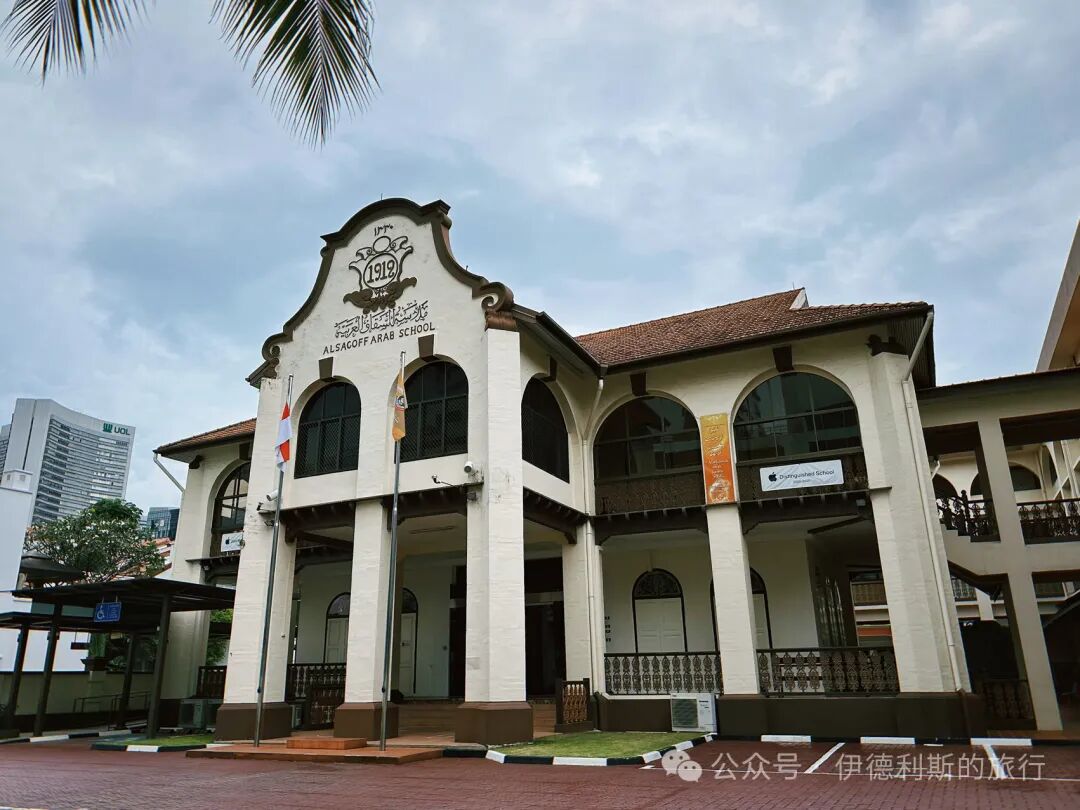
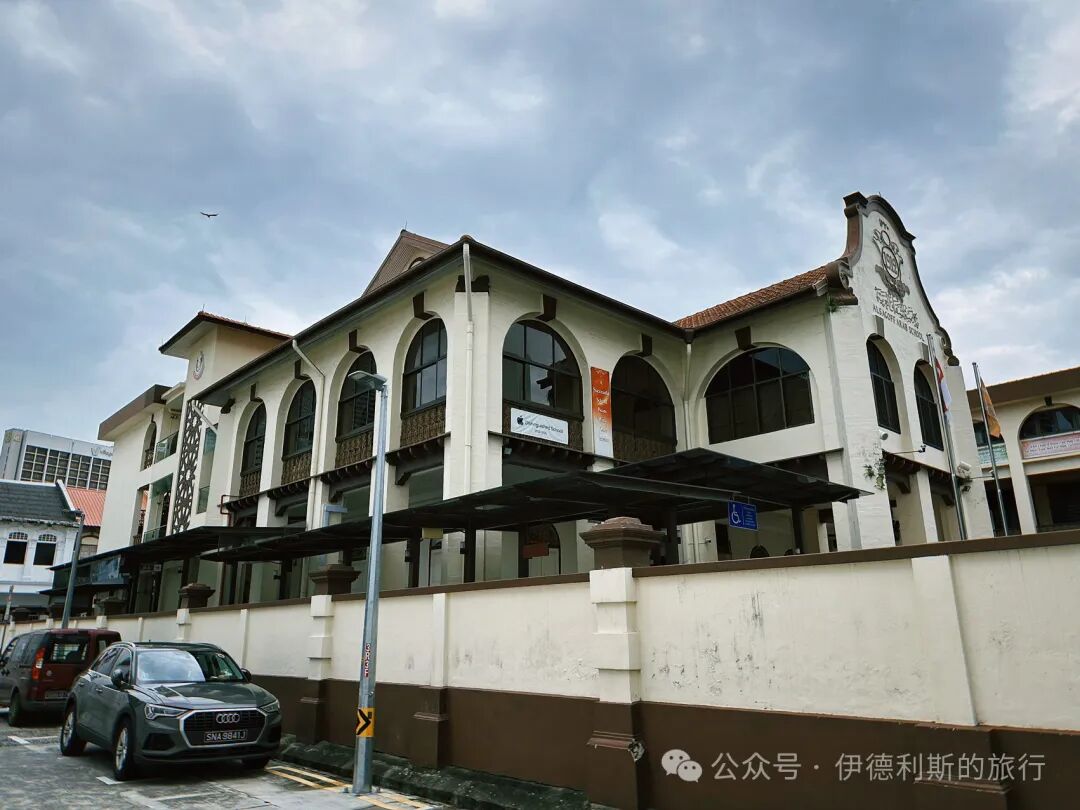
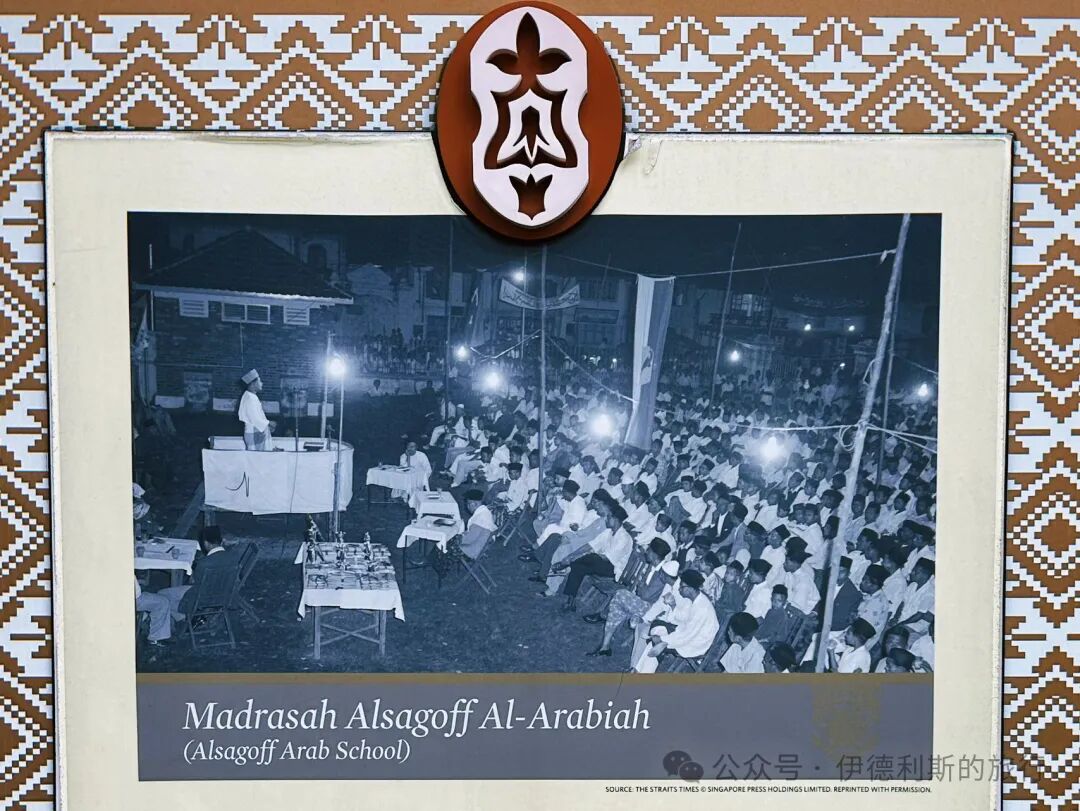
In 1912, the Alsagoff family founded the Alsagoff Arab School (Madrasah Alsagoff Al-Arabiah) in Kampong Glam, which is the oldest existing Islamic school in Singapore.
Habib Noh (1788-1866) was a Sufi saint (wali) of Hadhrami descent. His father left Yemen by boat in 1788 to make a living in Penang, Malaysia, and Habib Noh was born on that ship. Habib Noh grew up in Penang, but after Sir Stamford Raffles established Singapore in 1819, he moved there to live.
Habib Noh was highly respected for his piety, kindness, and generosity. During his lifetime, he was recognized as a wali, or saint, and was seen as a protector by Malay sailors. After Habib Noh passed away in 1866, thousands of people attended his funeral. Habib Noh often spent time in quiet meditation on Palmer Hill in Singapore, and he was buried at the top of the hill according to his wishes.
In 1890, the Alsagoff family, who were also from the Hadhramaut region of Yemen, built a mausoleum for Habib Noh known as Keramat Habib Noh. The term keramat originally refers to the miracles of a Sufi wali, but in Malaysia and Singapore, it is used to refer to a Sufi gongbei.
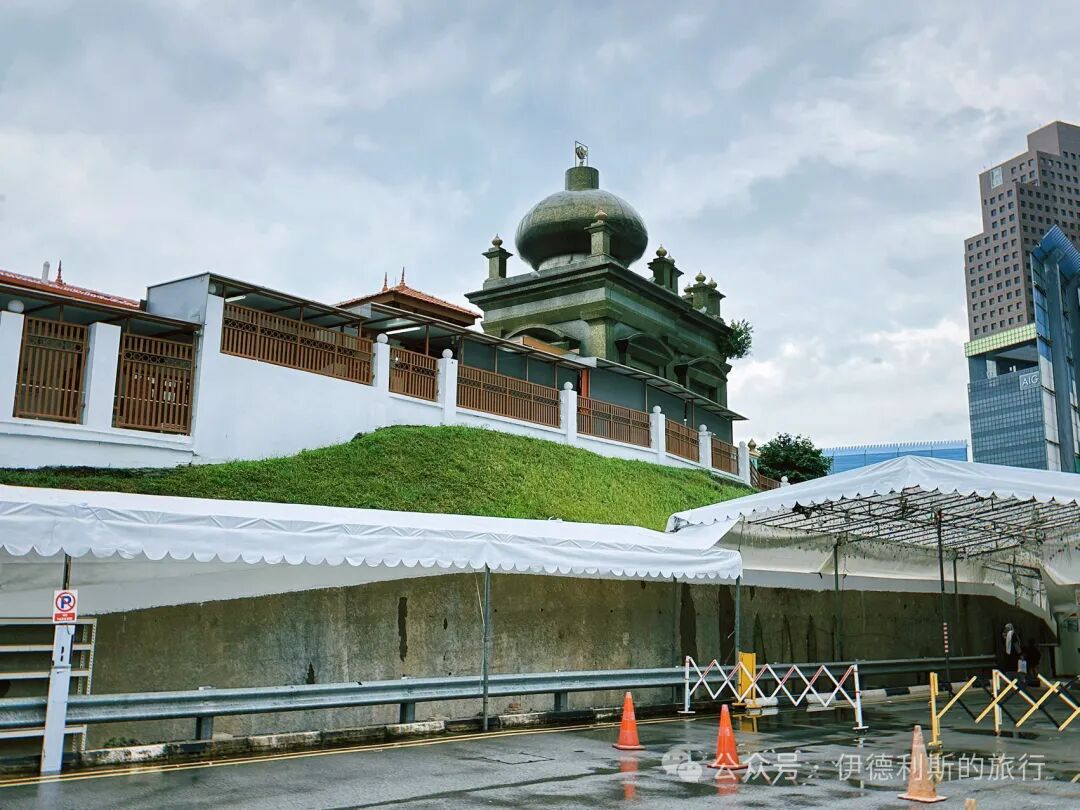
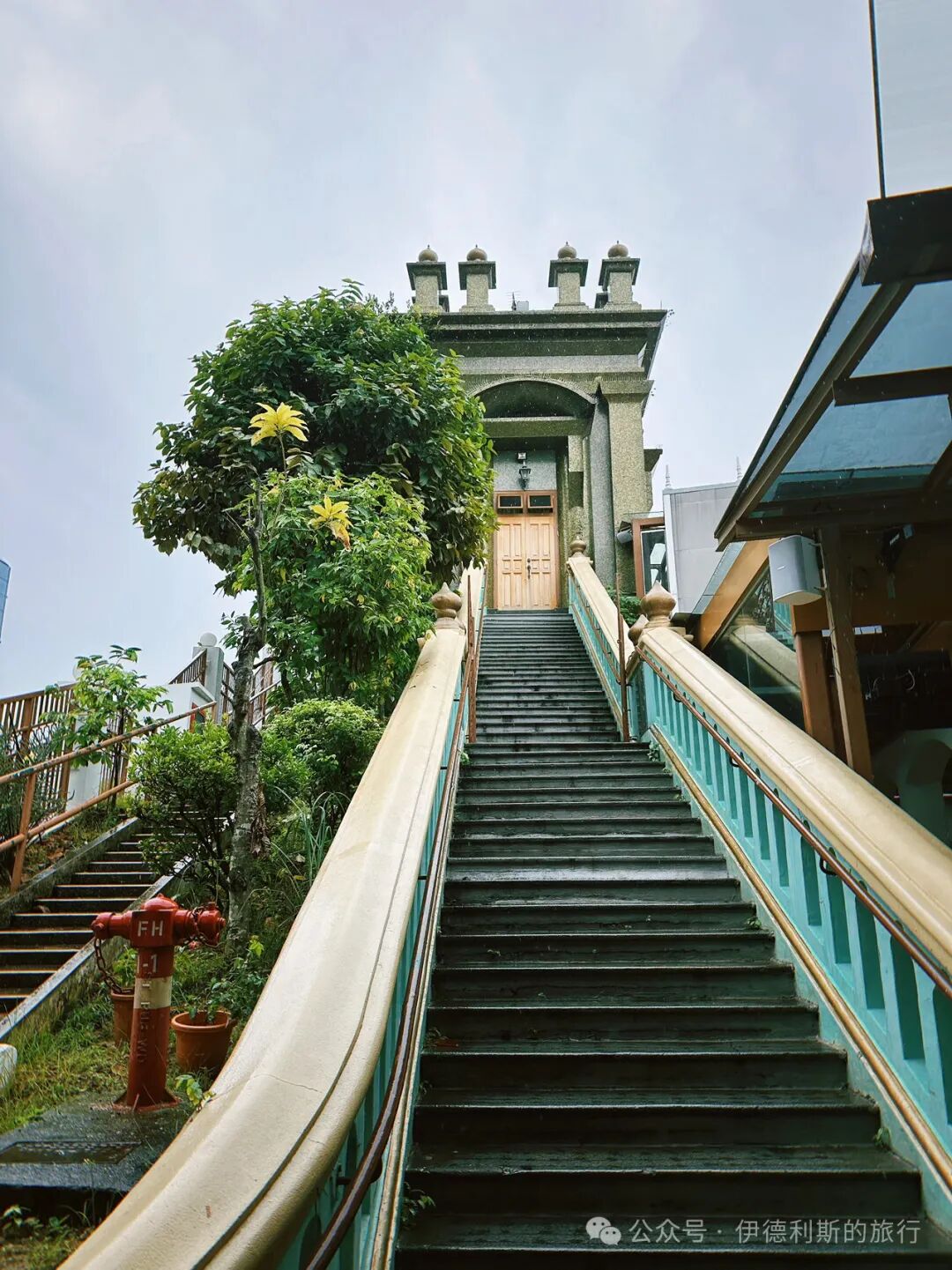
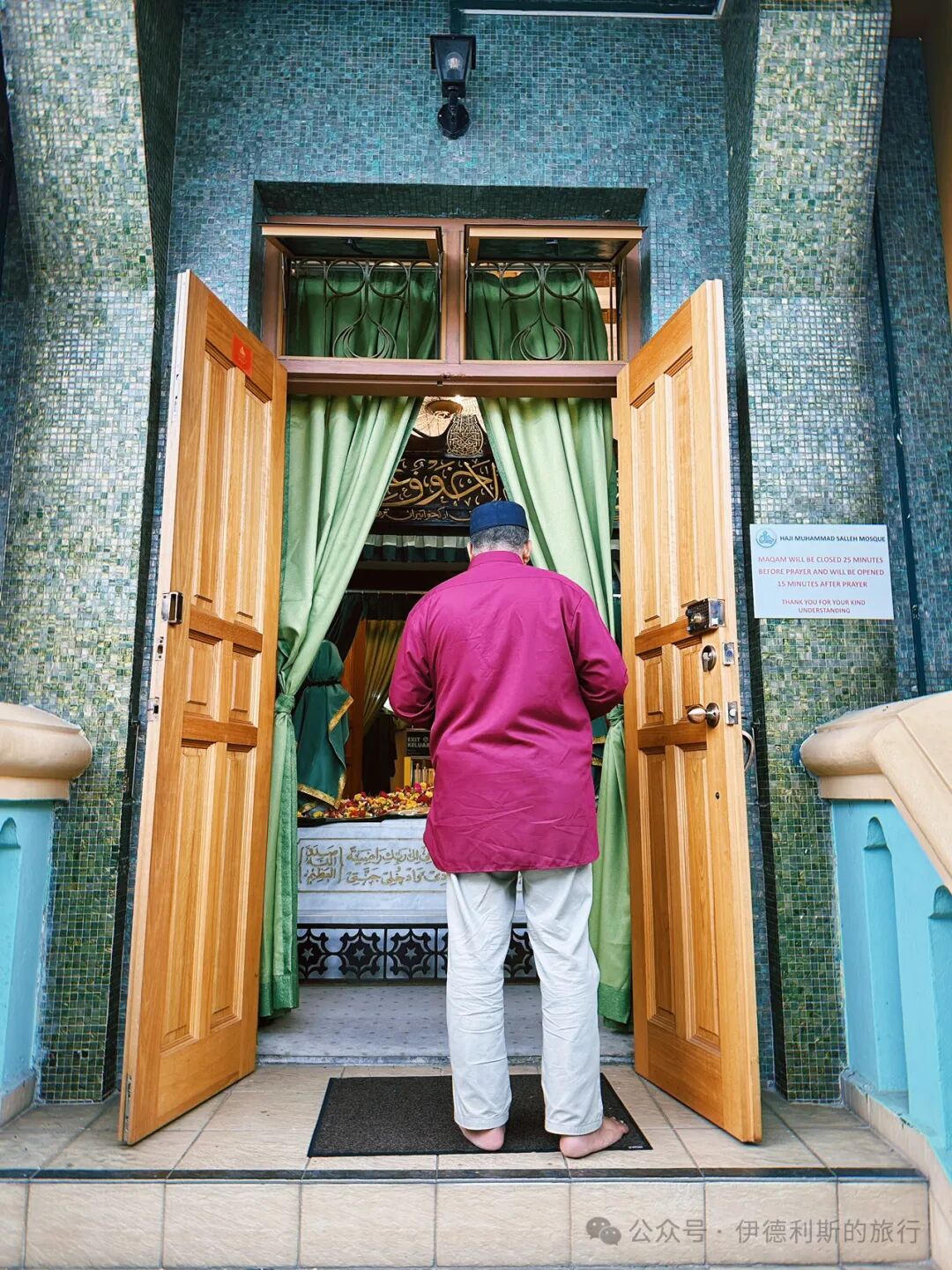
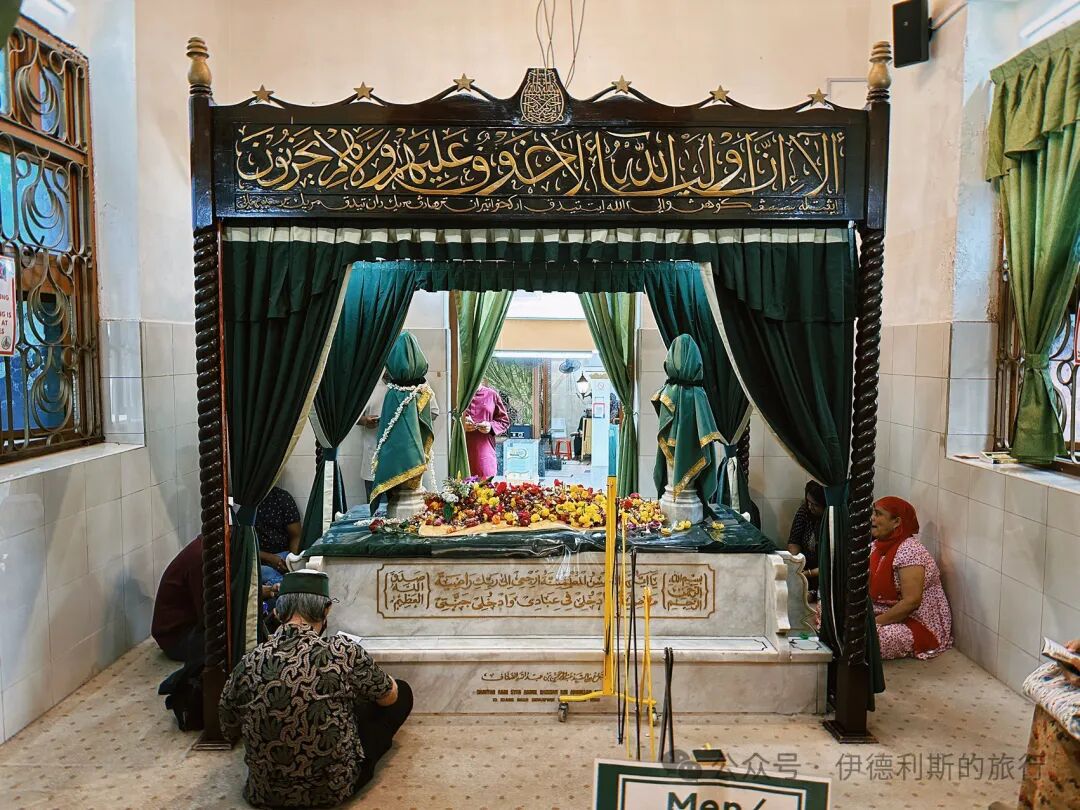
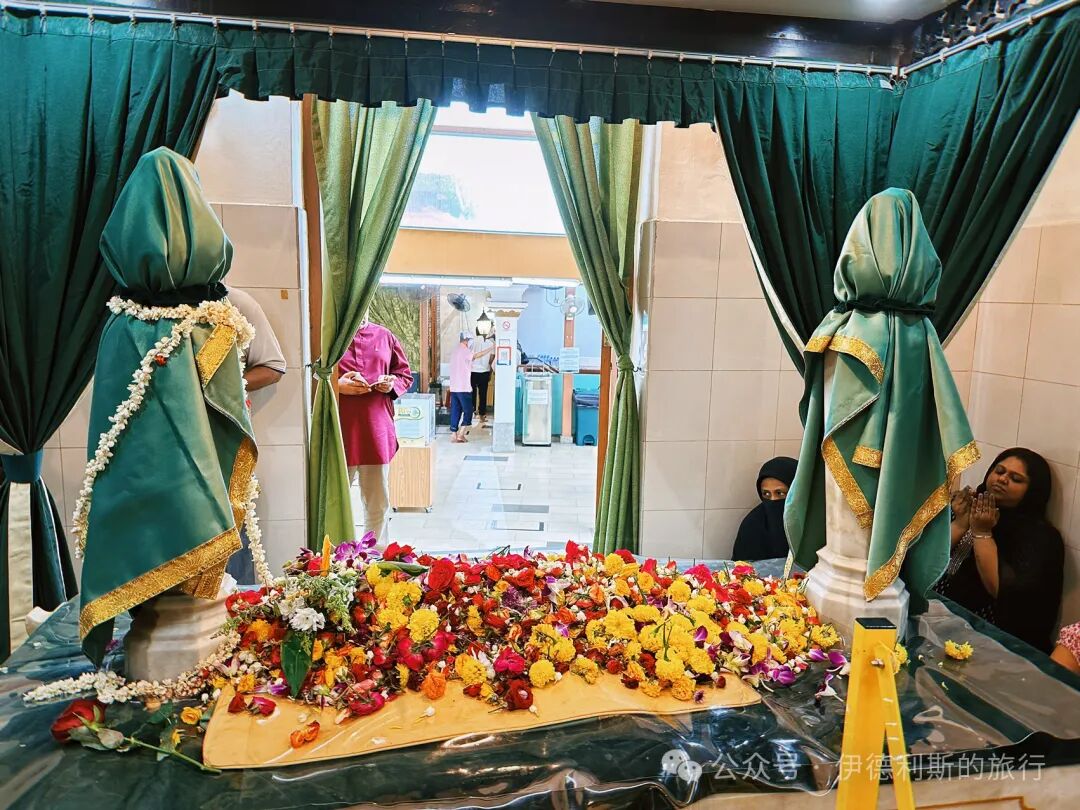
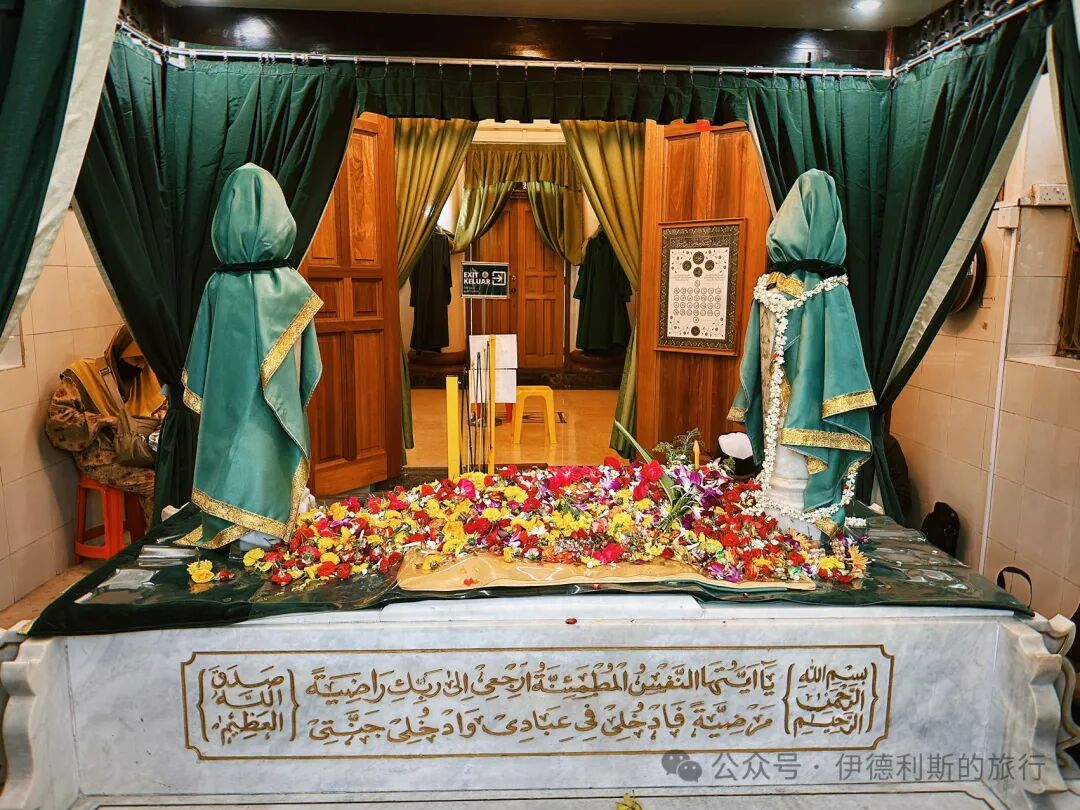
The mausoleum of Habib Noh is connected to the ground by 49 steps. Besides Habib Noh himself, his cousin Sayid Abdur Rahman bin Salim Al Habsyi is also buried here. He passed away in 1867 and was the first qadhi, or religious judge, in Singapore.
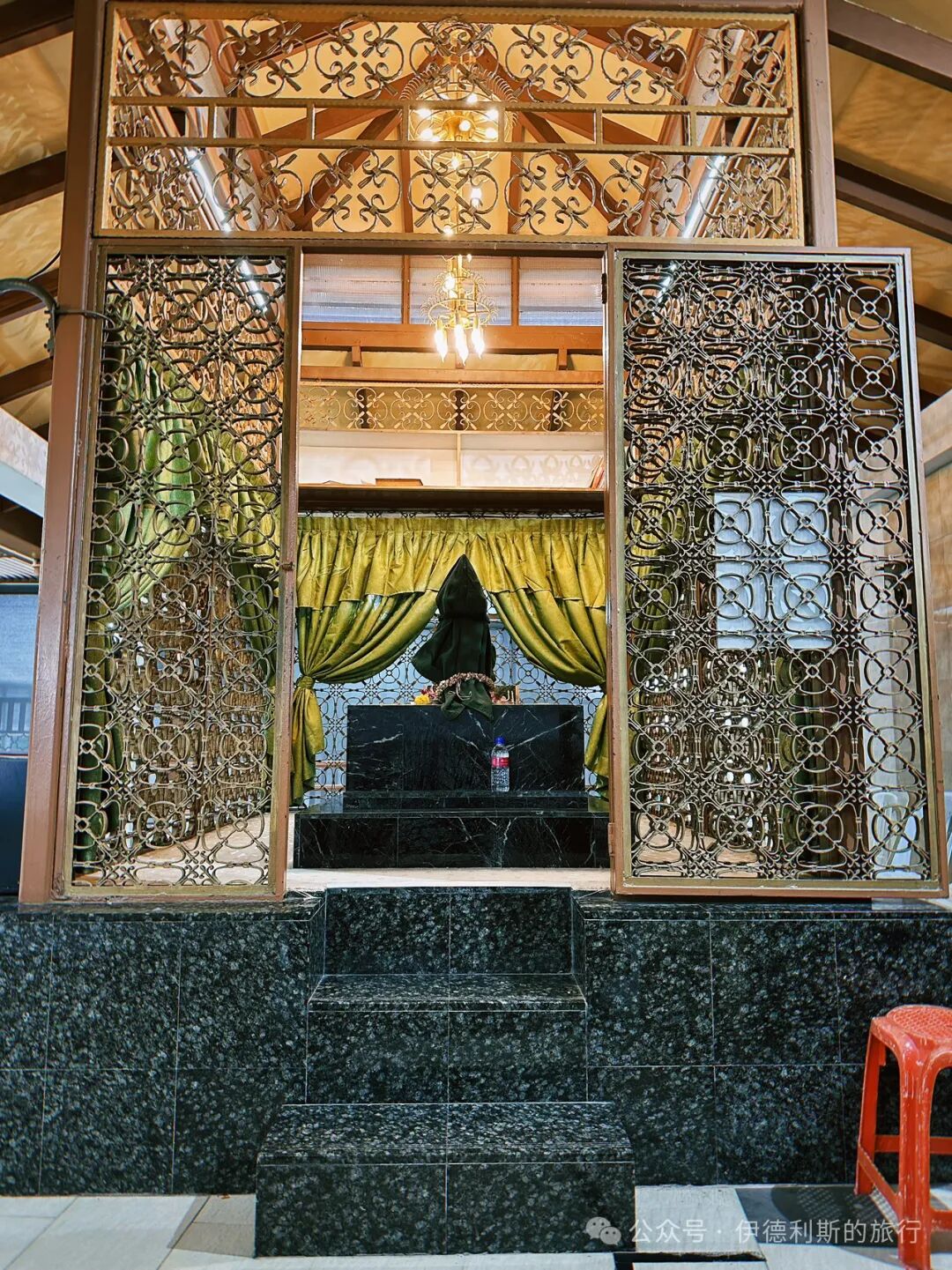
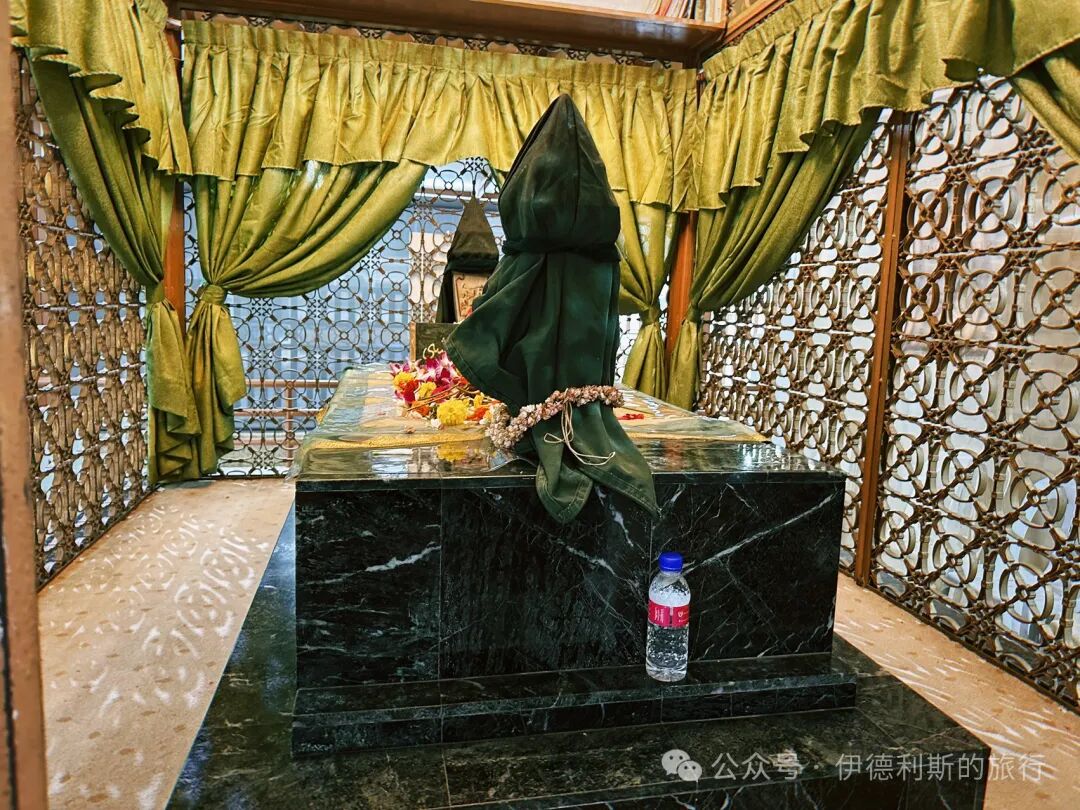
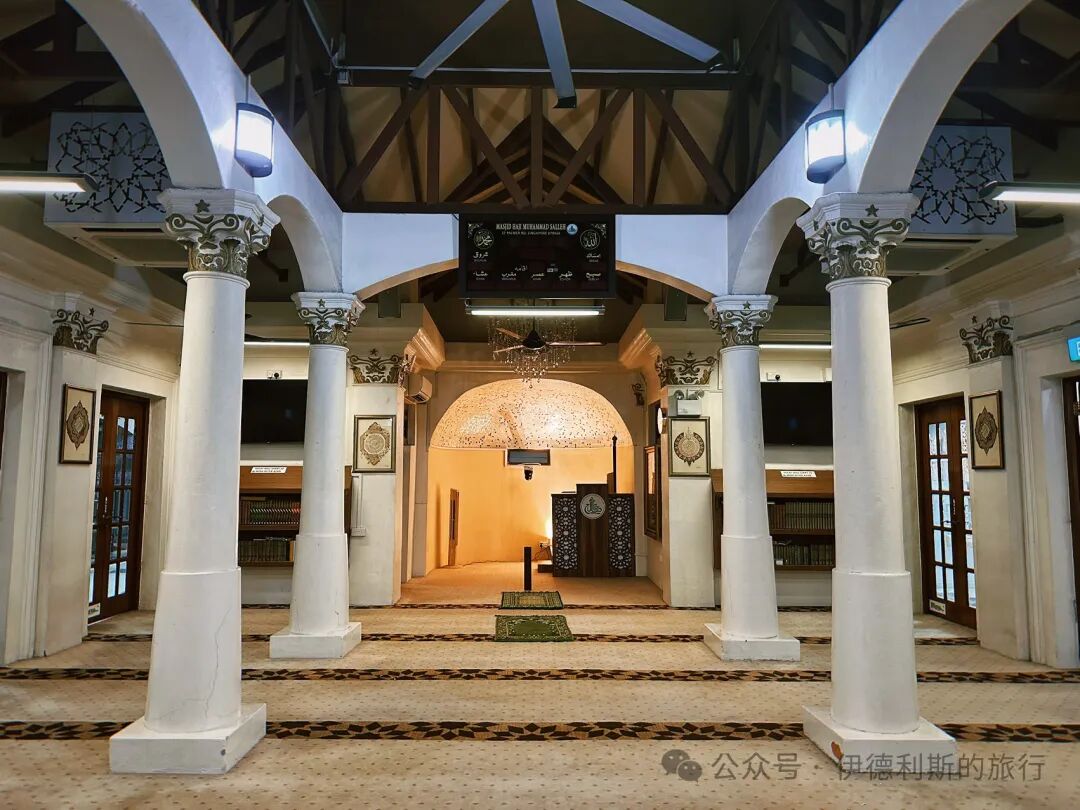
At the foot of the hill, there is also the Haji Muhammad Salleh mosque. Haji Muhammad Salleh was a merchant from Batavia, now known as Jakarta, and was a close friend of Habib Noh. While Habib Noh was still alive, he intended to build a small prayer hall (surau) for him on Palmer Hill, but it was not finished when Habib Noh passed away. The site was eventually rebuilt as the Haji Muhammad Salleh mosque in 1903.
Summary: This Singapore article follows the history of Arab merchants and their ties to Kampong Glam, trade, migration, and Muslim community life. It keeps the original names, historical details, and travel observations in clear English.
The eastern part of Yemen on the Arabian Peninsula and its surrounding areas are traditionally known as the Hadhramaut region. The Hadharem people who live here are a branch of the Arab people. The Hadharem have a long tradition of sailing and trade. They followed the Indian Ocean monsoon winds to East Africa, southern India, and the coasts of Southeast Asia to trade goods with locals, and some chose to settle down.
After Sir Stamford Raffles established a free trade port in Singapore in 1819, Syed Mohammed bin Harun Aljunied, the head of the Hadhrami Aljunied family who was doing business in Palembang, Sumatra, immediately led his family to Singapore. Sir Raffles gave them a warm welcome. By the mid-19th century, the Aljunied family had built a spice and batik clothing trade network connecting Bangkok, Thailand, with Chennai and Mumbai in India. They bought a piece of land southwest of Kampong Glam. This area gradually attracted other Arab merchants to open shops, so it became known as Arab Street.
Today, there is a batik and Nyonya clothing store on Arab Street called Toko Aljunied, which opened in 1940 and is owned by the Aljunied family. When Toko Aljunied first opened, it sold both perfume and batik clothing. Later, they opened a separate shop called Aljunied Brothers to sell perfume, while Toko Aljunied focused on batik and Nyonya clothing. Their Nyonya clothing is especially popular, and even the mother of Singapore's founding Prime Minister Lee Kuan Yew was once a customer.
Another Hadhrami-owned batik shop we visited on Arab Street is Bamadhaj Brothers. The owner, Yacob Bamadhaj, had a grandfather who came to Singapore in 1893 to trade textiles. His father officially opened the current shop on Arab Street in 1955, and Yacob later took it over. Yacob Bamadhaj speaks Chinese and is very friendly, yet he is also very sharp. You can really see the image of a Singaporean Arab merchant in him. We bought traditional batik clothing at his shop, and it has a very authentic Nanyang style when worn.
In 1824, a Hadhrami named Syed Abdul Rahman Al-Sagoff left Yemen with his son to trade spices in Singapore. In 1848, his son officially established the Alsagoff company. The Alsagoff family later achieved great commercial success and at one point dominated the spice trade in Singapore.
In 1912, the Alsagoff family founded the Alsagoff Arab School (Madrasah Alsagoff Al-Arabiah) in Kampong Glam, which is the oldest existing Islamic school in Singapore.
Habib Noh (1788-1866) was a Sufi saint (wali) of Hadhrami descent. His father left Yemen by boat in 1788 to make a living in Penang, Malaysia, and Habib Noh was born on that ship. Habib Noh grew up in Penang, but after Sir Stamford Raffles established Singapore in 1819, he moved there to live.
Habib Noh was highly respected for his piety, kindness, and generosity. During his lifetime, he was recognized as a wali, or saint, and was seen as a protector by Malay sailors. After Habib Noh passed away in 1866, thousands of people attended his funeral. Habib Noh often spent time in quiet meditation on Palmer Hill in Singapore, and he was buried at the top of the hill according to his wishes.
In 1890, the Alsagoff family, who were also from the Hadhramaut region of Yemen, built a mausoleum for Habib Noh known as Keramat Habib Noh. The term keramat originally refers to the miracles of a Sufi wali, but in Malaysia and Singapore, it is used to refer to a Sufi gongbei.
The mausoleum of Habib Noh is connected to the ground by 49 steps. Besides Habib Noh himself, his cousin Sayid Abdur Rahman bin Salim Al Habsyi is also buried here. He passed away in 1867 and was the first qadhi, or religious judge, in Singapore.
At the foot of the hill, there is also the Haji Muhammad Salleh mosque. Haji Muhammad Salleh was a merchant from Batavia, now known as Jakarta, and was a close friend of Habib Noh. While Habib Noh was still alive, he intended to build a small prayer hall (surau) for him on Palmer Hill, but it was not finished when Habib Noh passed away. The site was eventually rebuilt as the Haji Muhammad Salleh mosque in 1903.
