
Halal Travel Guide: Singapore - Indian Muslim Mosques and Heritage (Part 1)
Reposted from the web
Summary: This first Singapore article introduces Indian Muslim culture through mosques, streets, migration history, food, and everyday community life. It keeps the original travel sequence and cultural facts while using simple English for global readers.
Since the British arrived in Singapore in 1819, Indian Muslims have continuously come to the island as laborers, merchants, and soldiers. After the 20th century, more Indian Muslims settled in Singapore. Most were Tamils from the Coromandel Coast in southeastern India, but there were also Gujaratis from western India, Malabaris from the southwest, and even Dawoodi Bohras and Ahmadis. Over time, the diverse and integrated Indian Muslim culture has become an important part of Singaporean culture. This time, I will take you to experience Singapore's Indian Muslim culture by visiting various Indian mosques, tasting Indian food, and touring the Indian Heritage Centre and the Indian Muslim Heritage Centre.
Indian mosques and shrines (gongbei) in Chinatown.
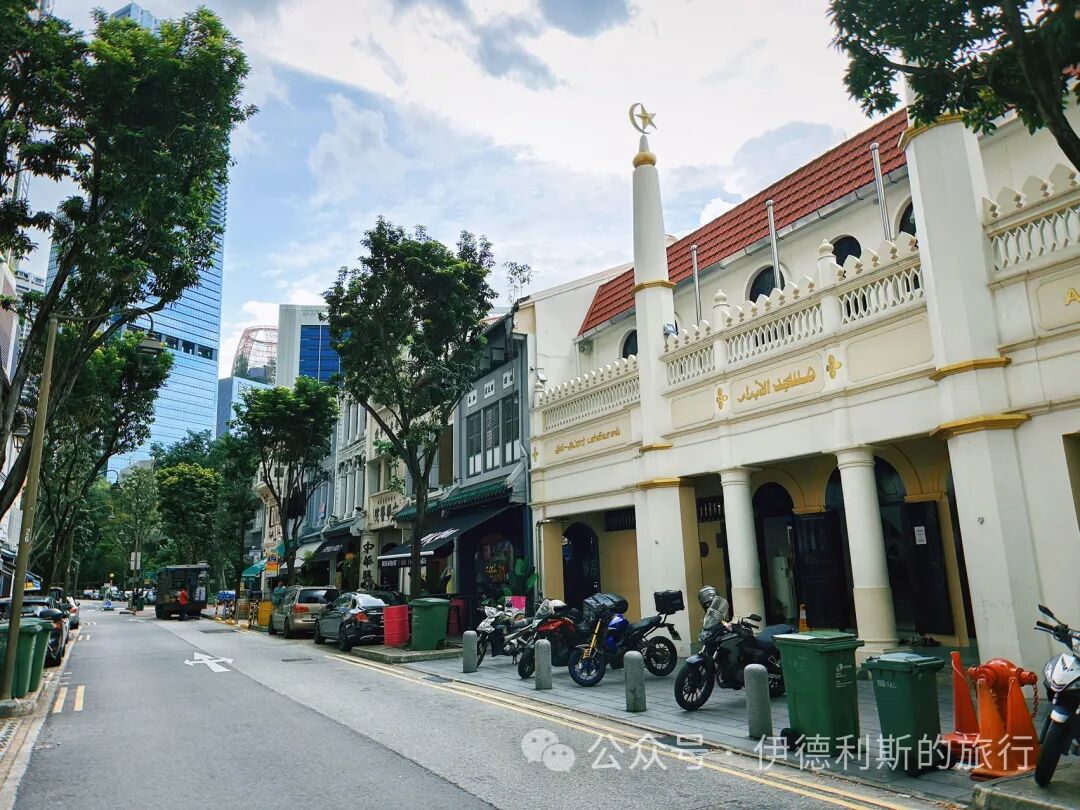
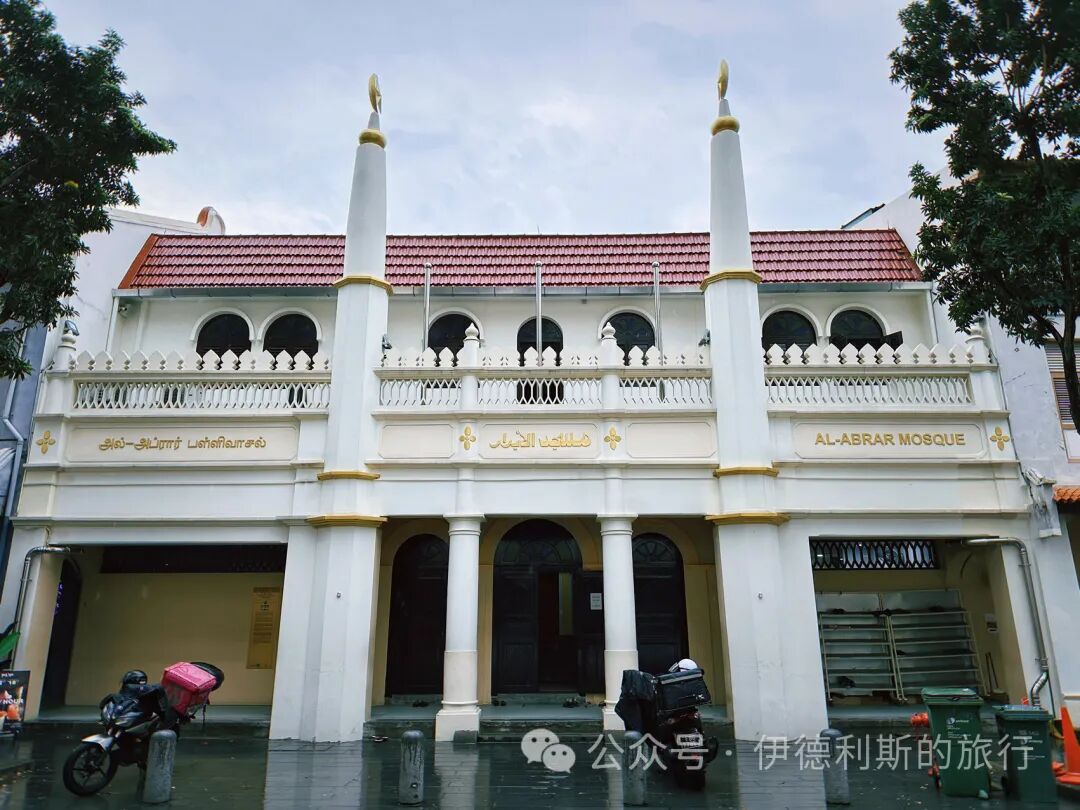
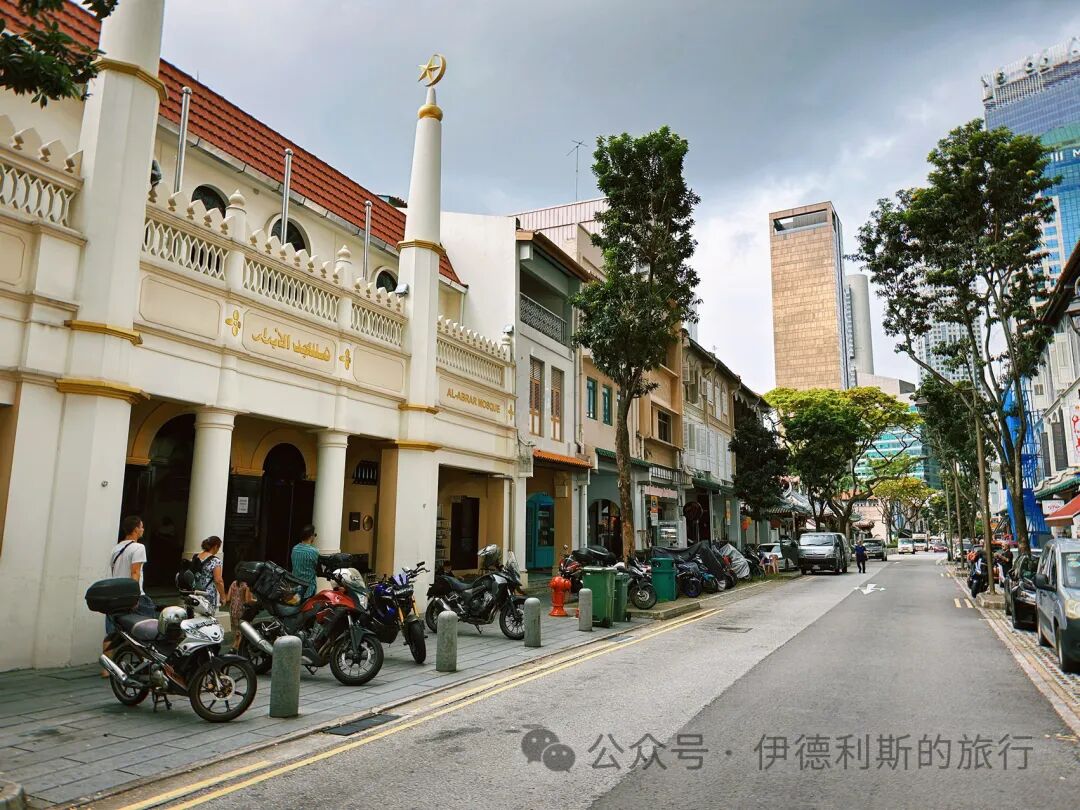
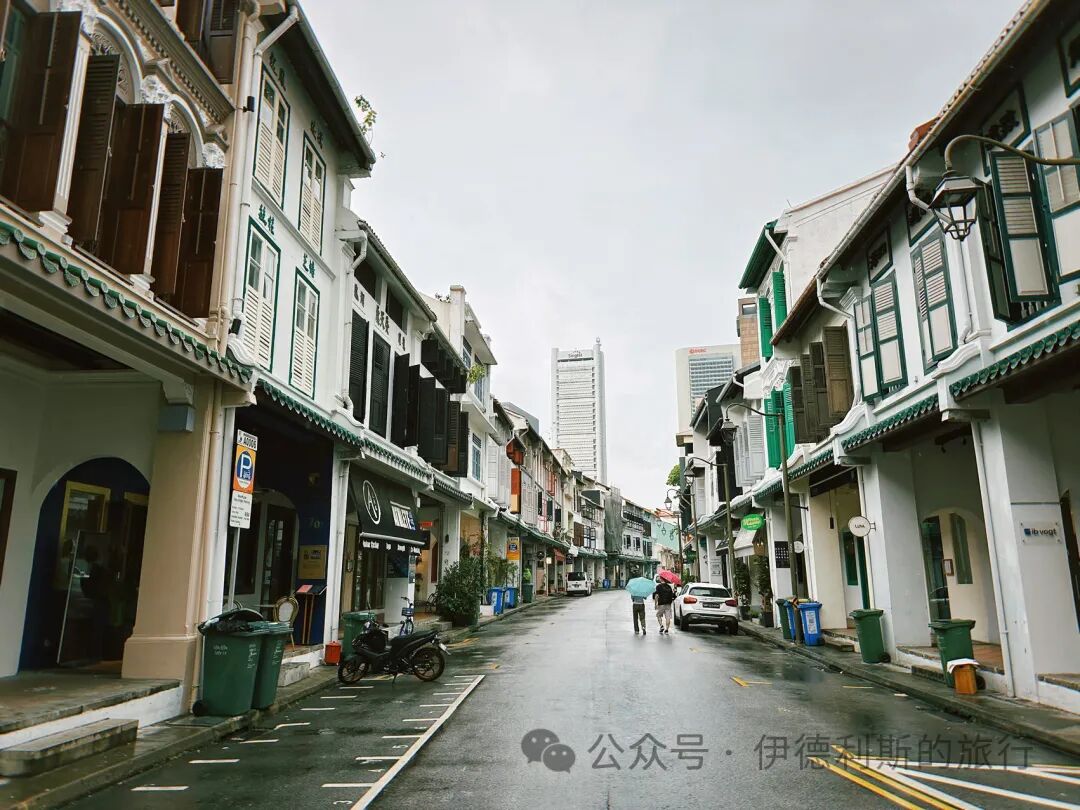
Al-Abrar Mosque is located on Telok Ayer Street in Singapore's Chinatown. It was built in 1827 by Tamil Muslims from the Coromandel Coast in southeastern India. They were also known as Chulias and mostly worked as merchants or money changers in Chinatown at the time, so this place is also called the Chulia Mosque.
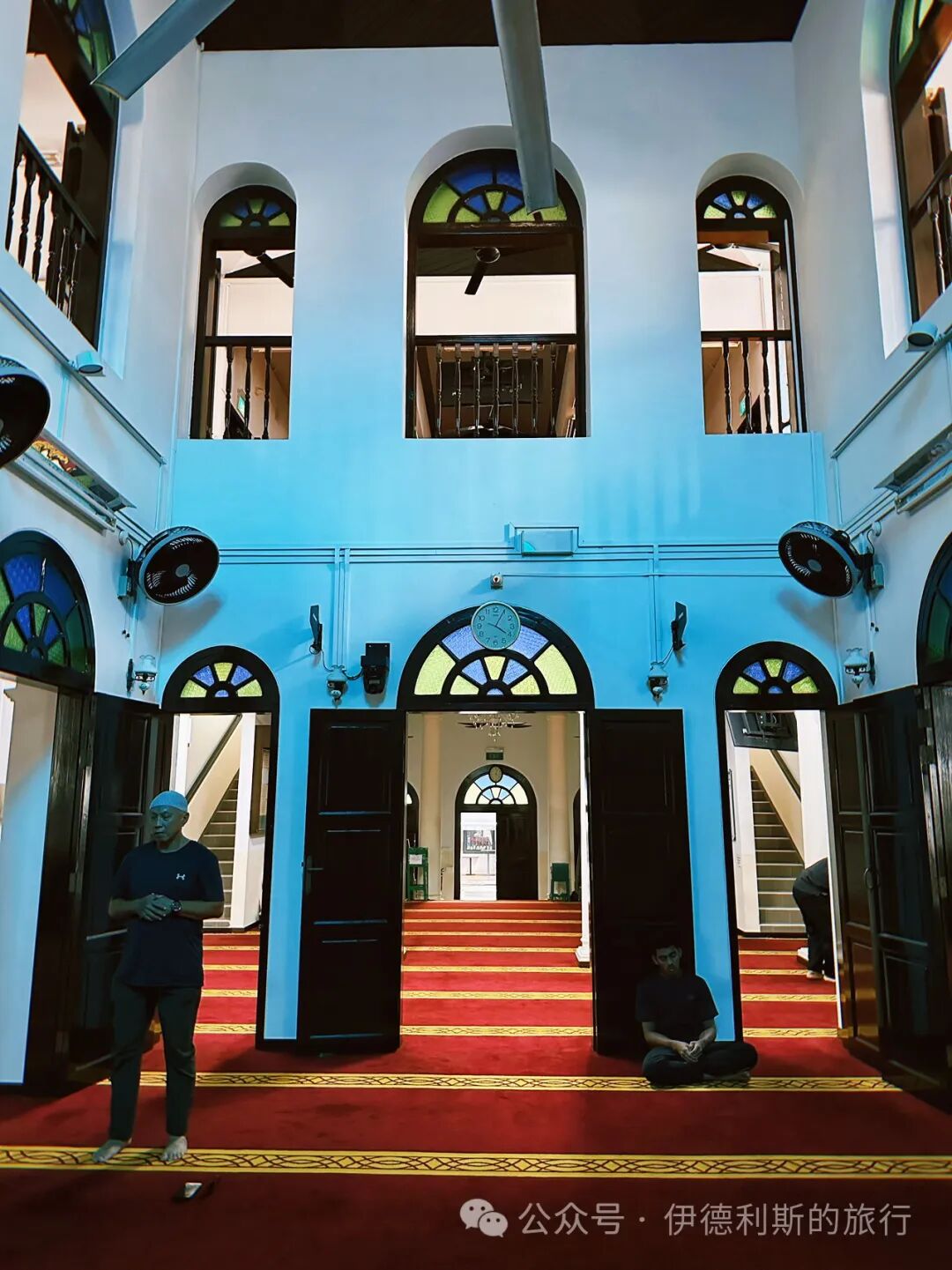
Al-Abrar Mosque is one of Singapore's oldest mosques. It started as a thatched hut, was rebuilt as a brick building with Indian features between 1850 and 1855, and was renovated into its current appearance between 1986 and 1989. The mosque sits in a row of shophouses on Telok Ayer Street and blends seamlessly with the surrounding buildings. The main entrance has two octagonal minarets topped with star and crescent symbols. The interior features European neoclassical design elements, including Doric columns and French-style shutters. Today, the mosque continues to serve the Indian Muslim community. Muslims from other ethnic groups working nearby also come here for worship, especially during the Friday congregational prayer (Jumu'ah).
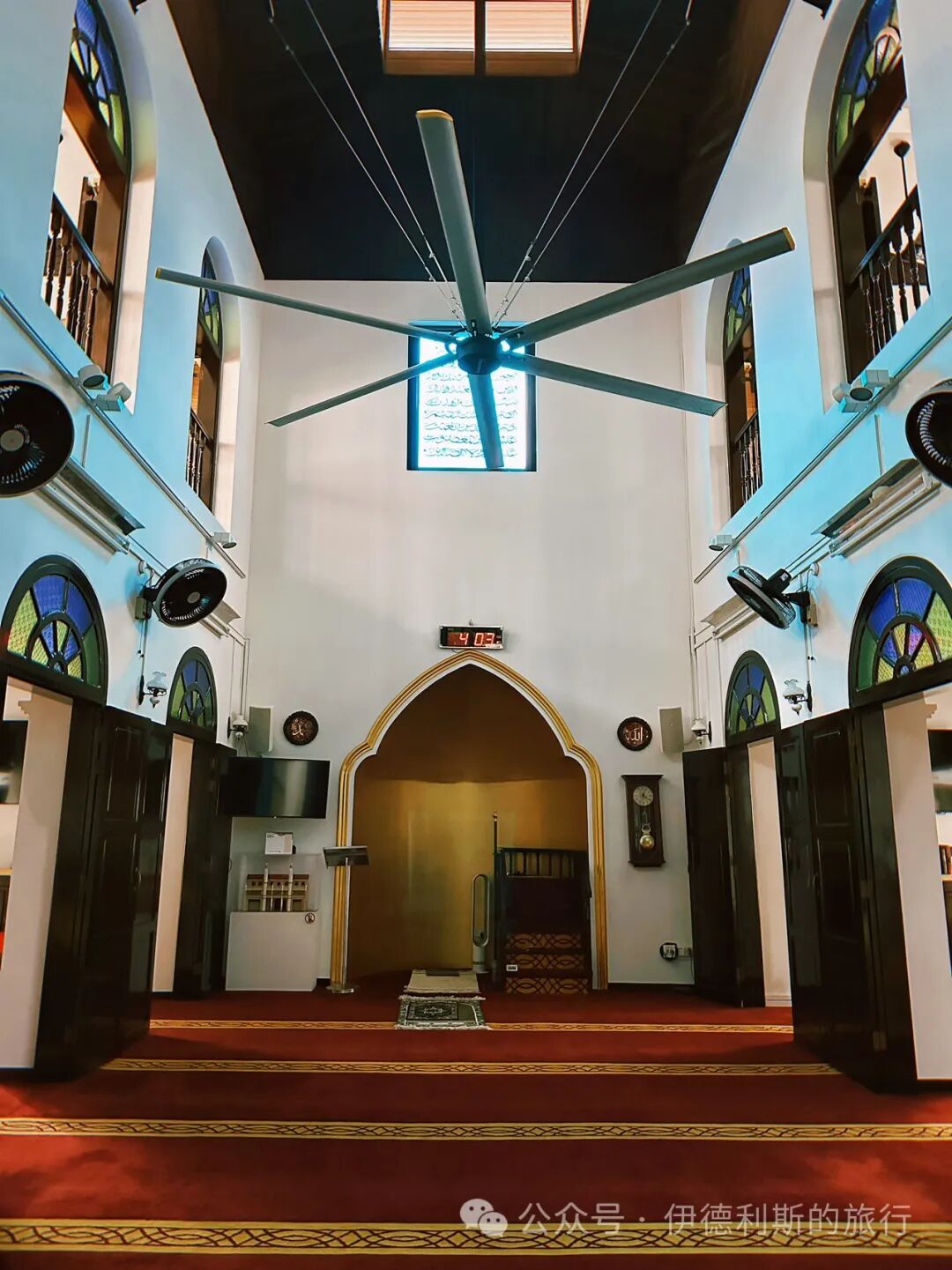
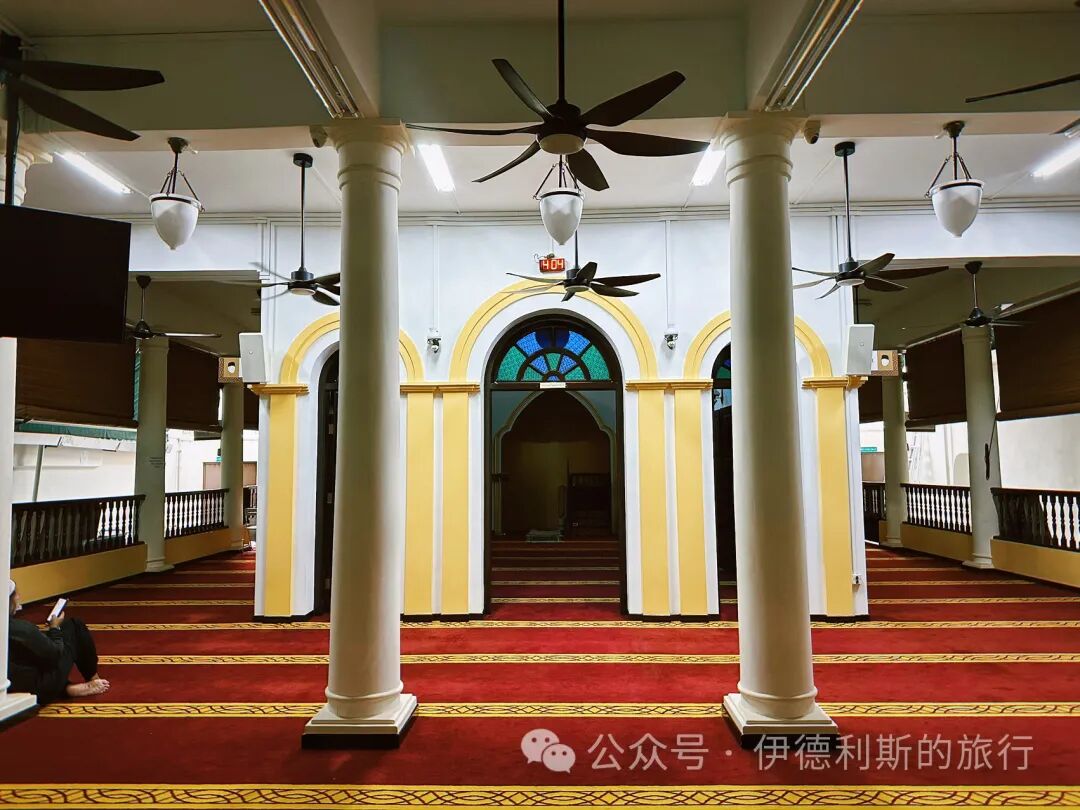
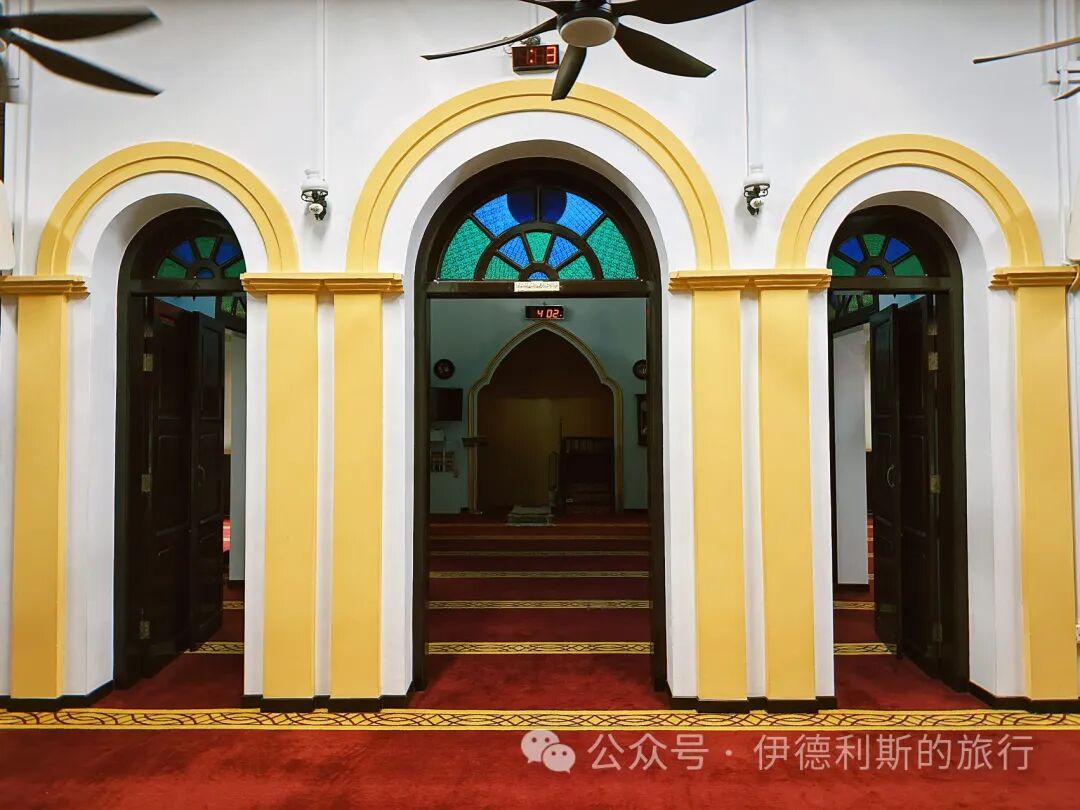
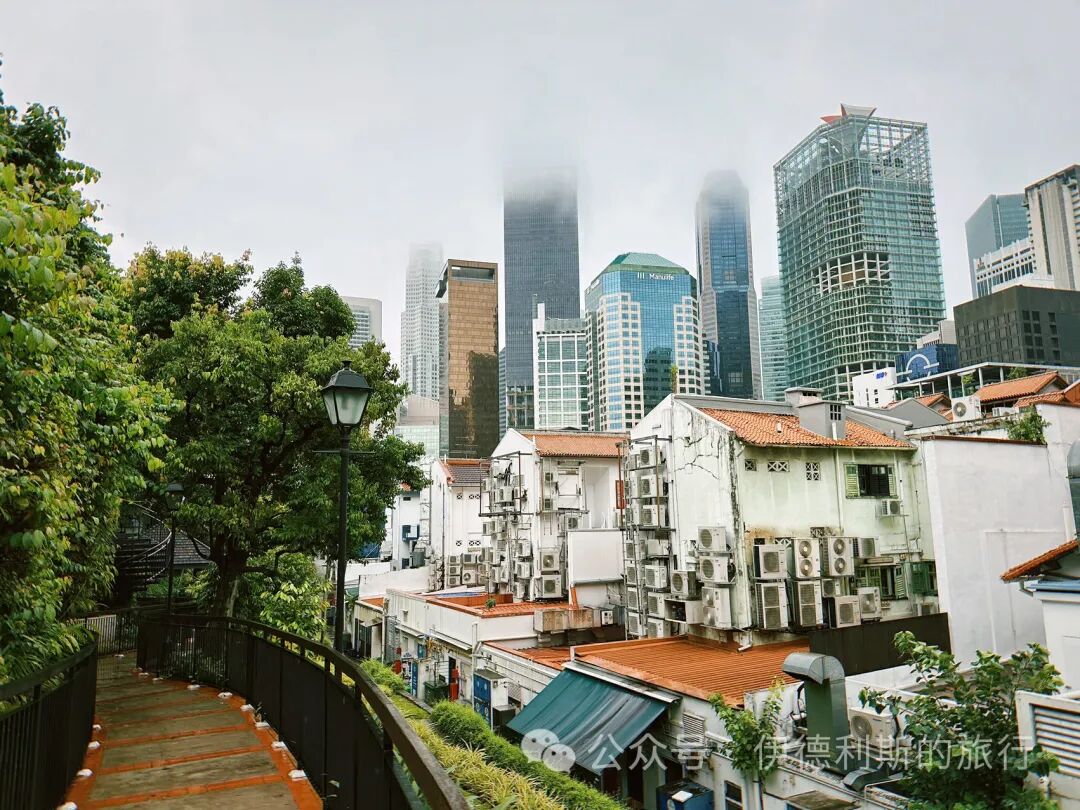
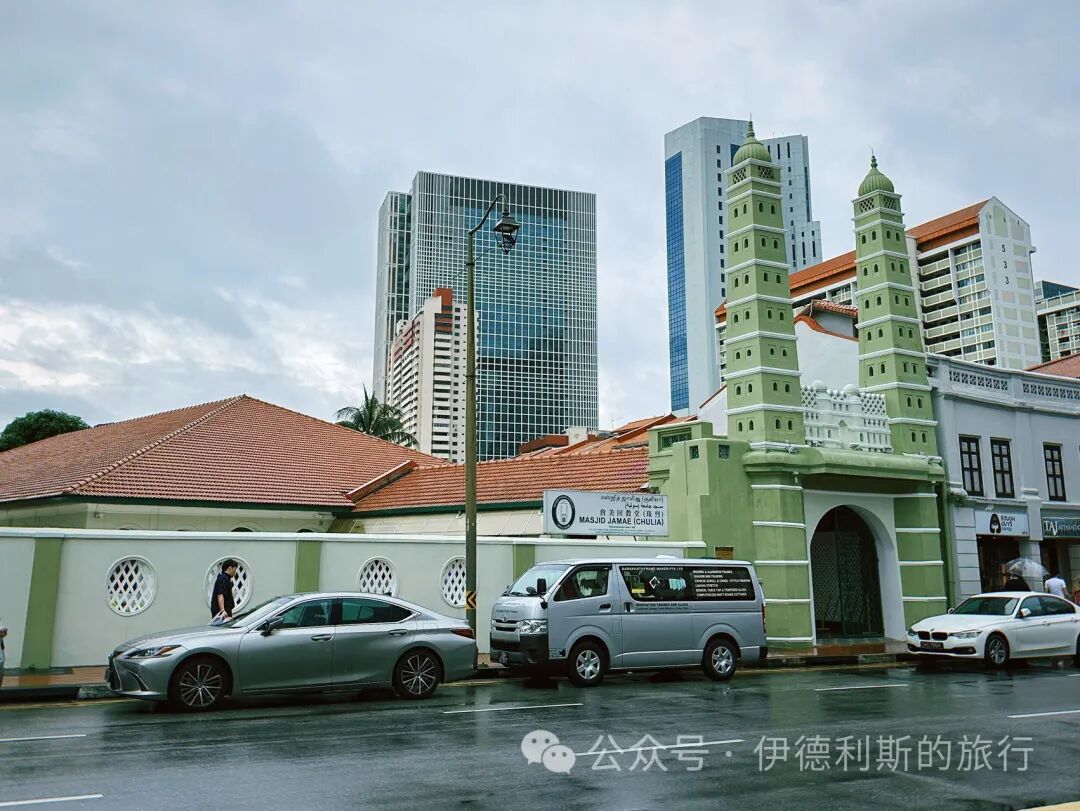
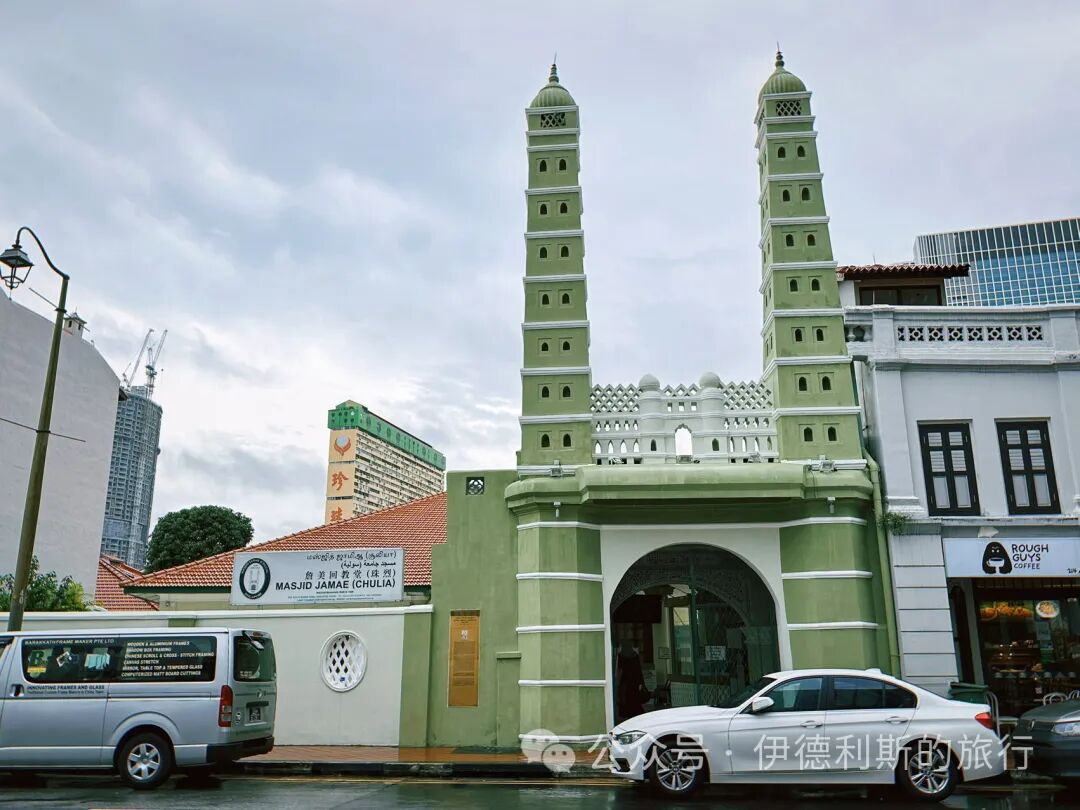
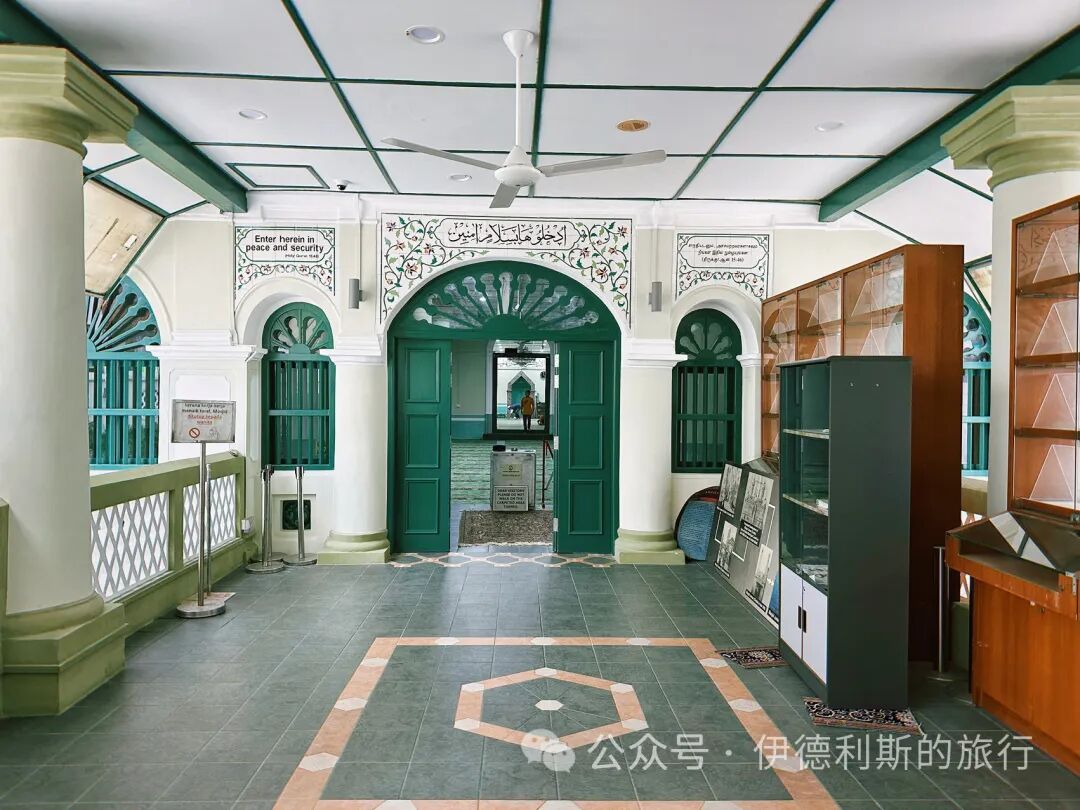
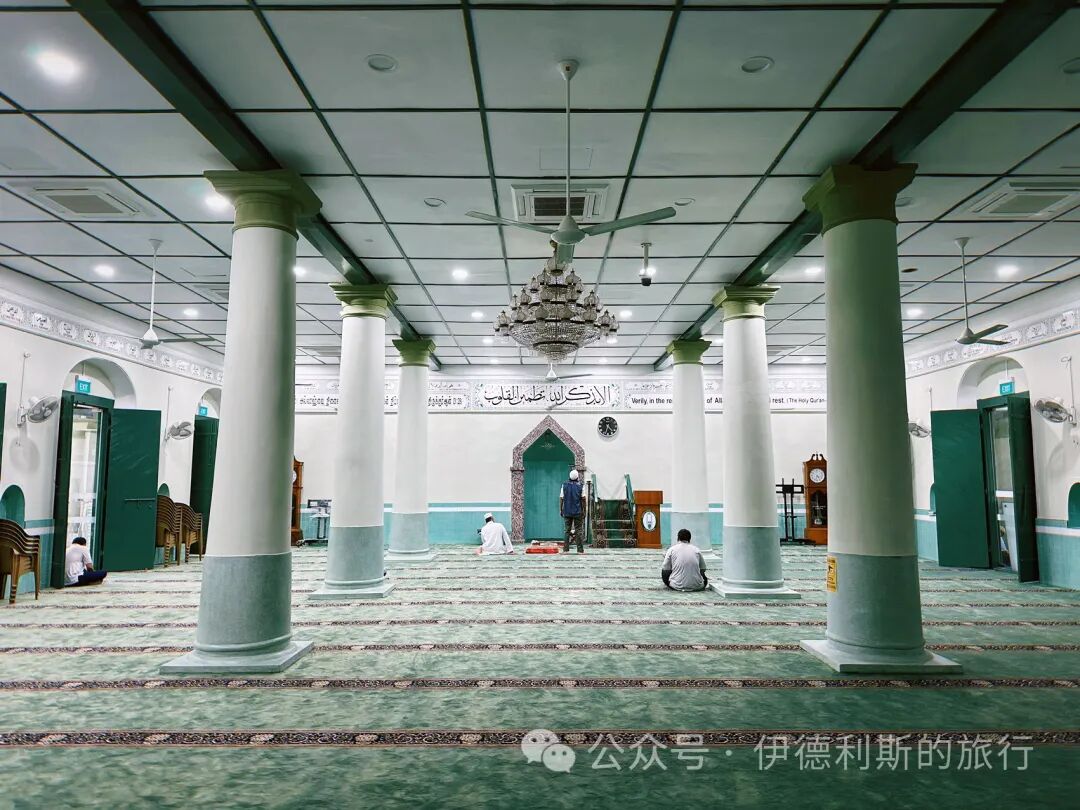
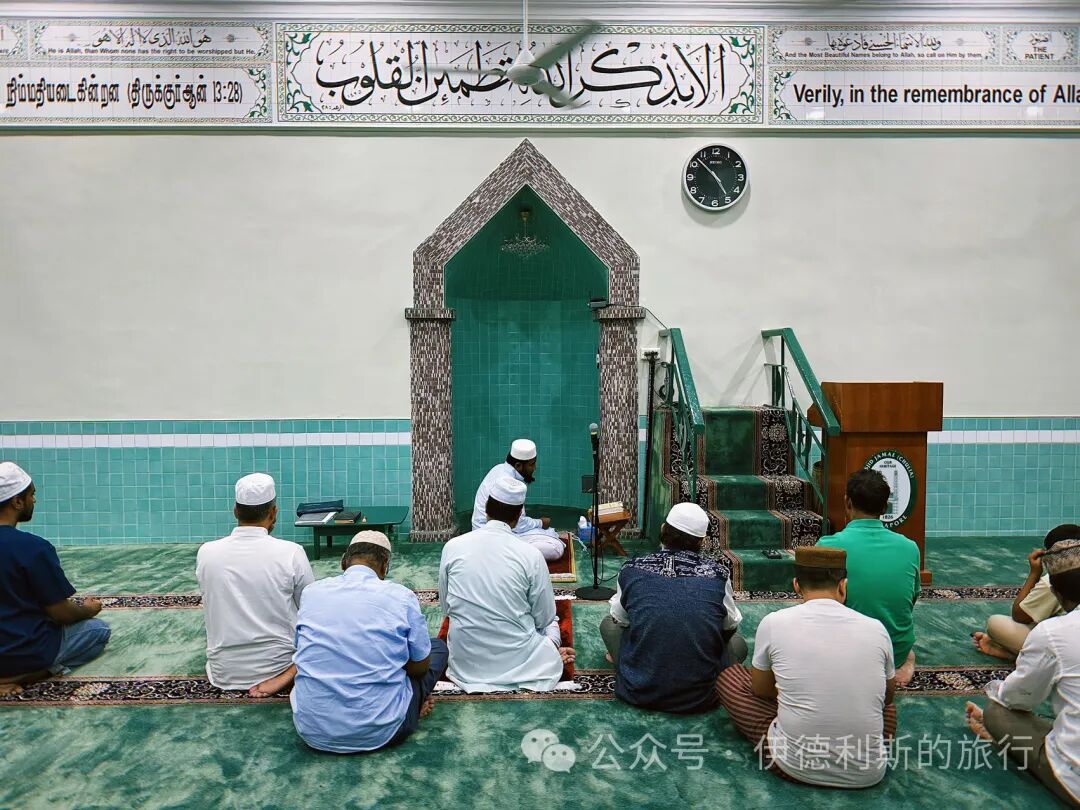
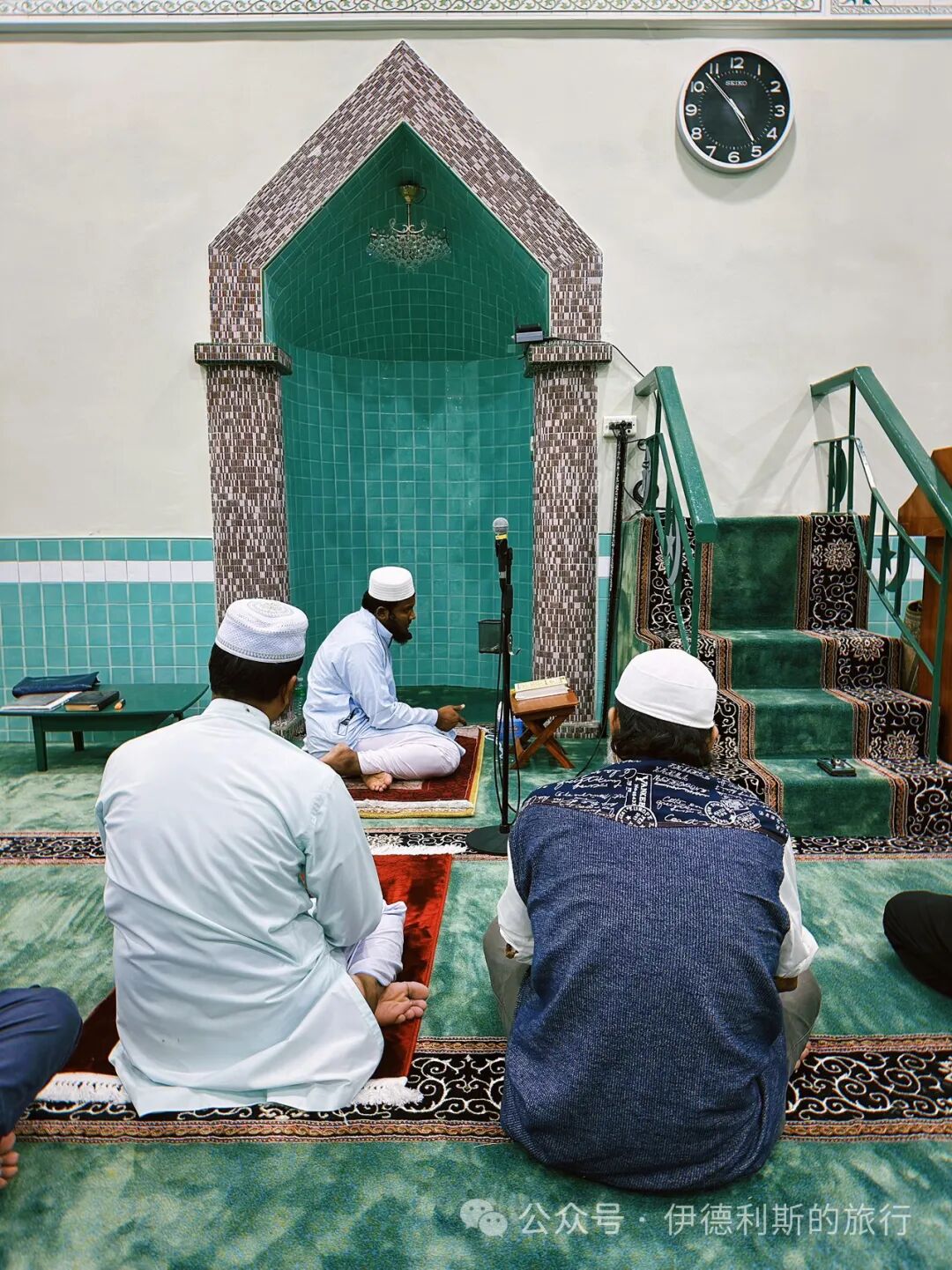
Jamae Mosque is located on South Bridge Road in Singapore's Chinatown. It was the main congregational mosque built by the Chulias in Chinatown, and like Al-Abrar Mosque, it is also known as a Chulia mosque.
Jamae Mosque was founded in 1826 and rebuilt into its current form between 1830 and 1835. The mosque's main gate has a distinct South Indian style. It features two seven-story towers on either side, each with a pair of niches on every level, and a central design modeled after a traditional Indian fortress gate. The design is very intricate. The main prayer hall features the neoclassical style typical of Singapore's colonial era, the same style used for the Old Parliament House built during the same period.
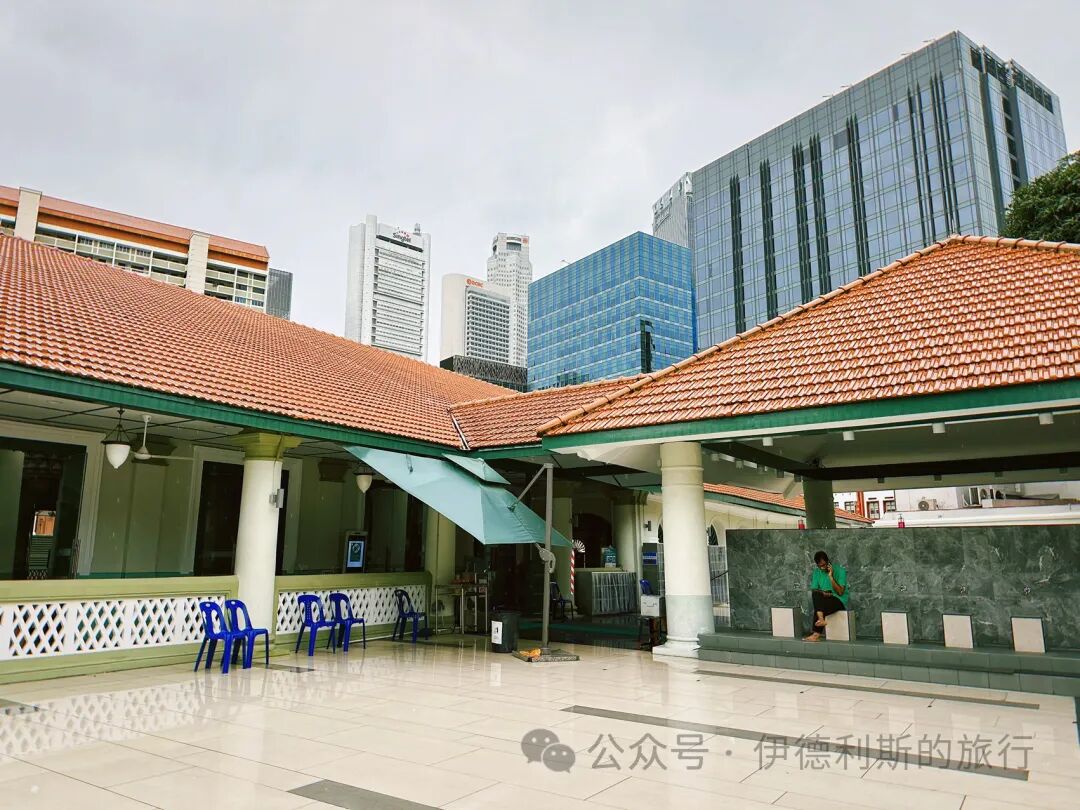
Today, Jamae Mosque remains a place of worship for Chulia Muslims and is one of the few mosques in Singapore that offers religious classes in the Tamil language. This was also my first time seeing the walls of a main prayer hall inscribed in three languages: Arabic, English, and Tamil.
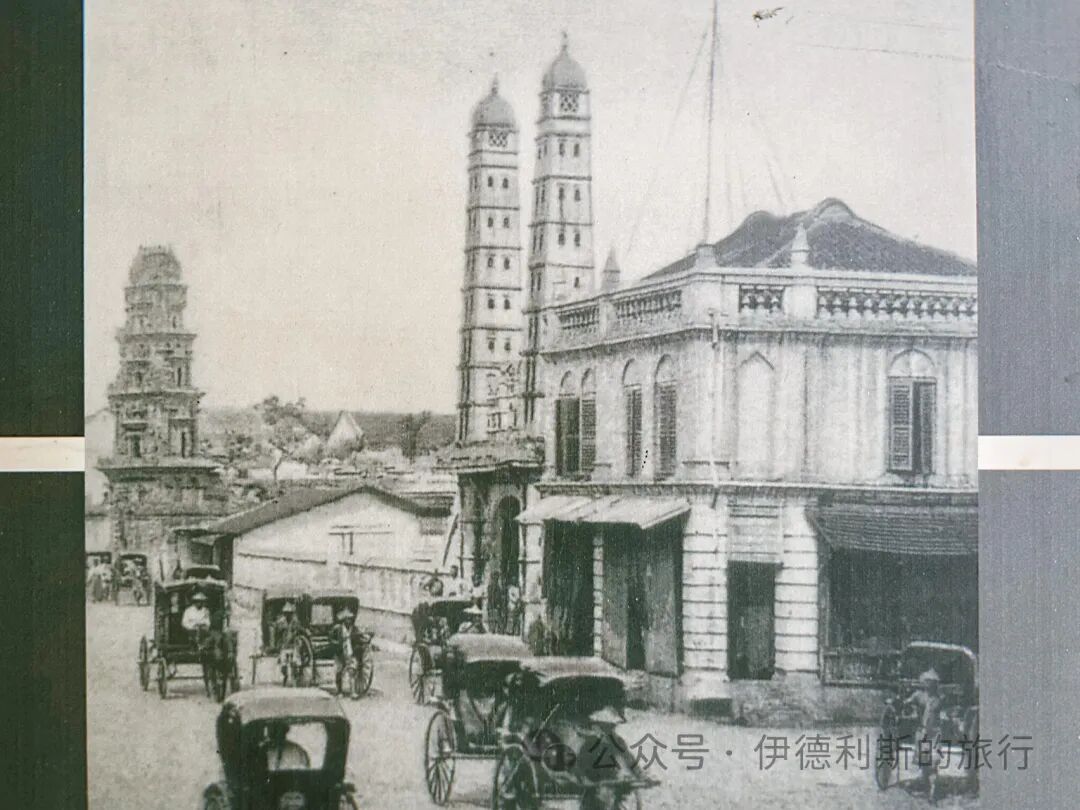
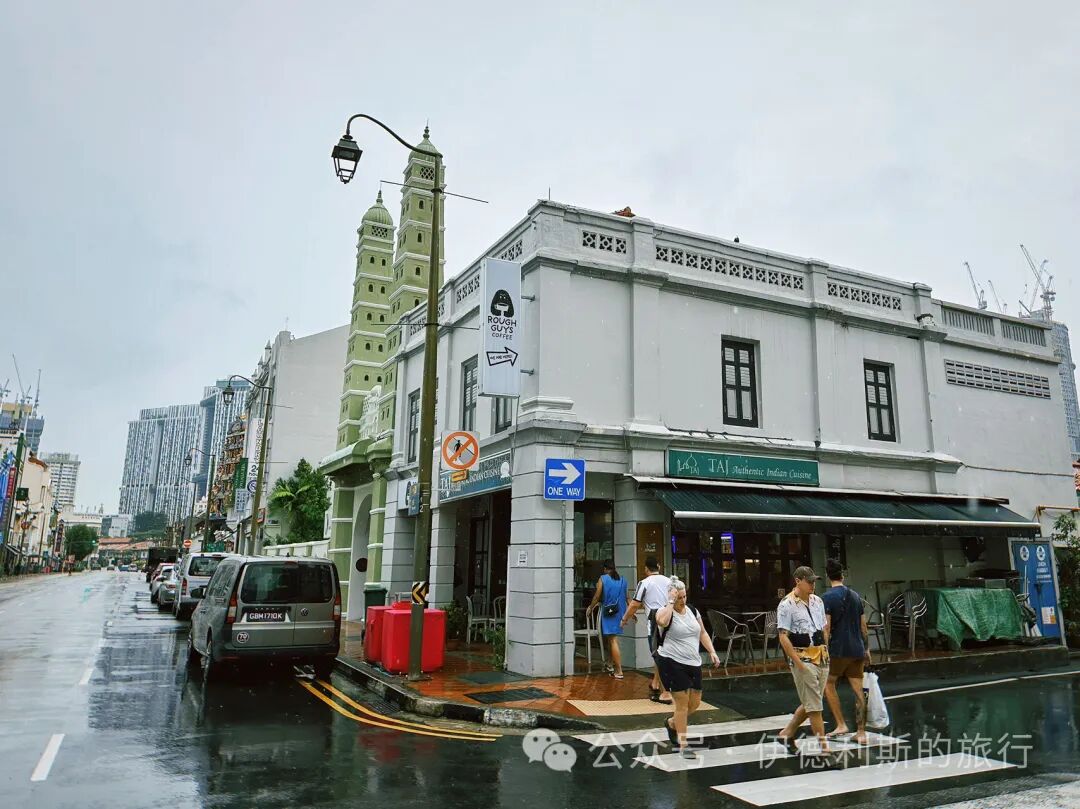
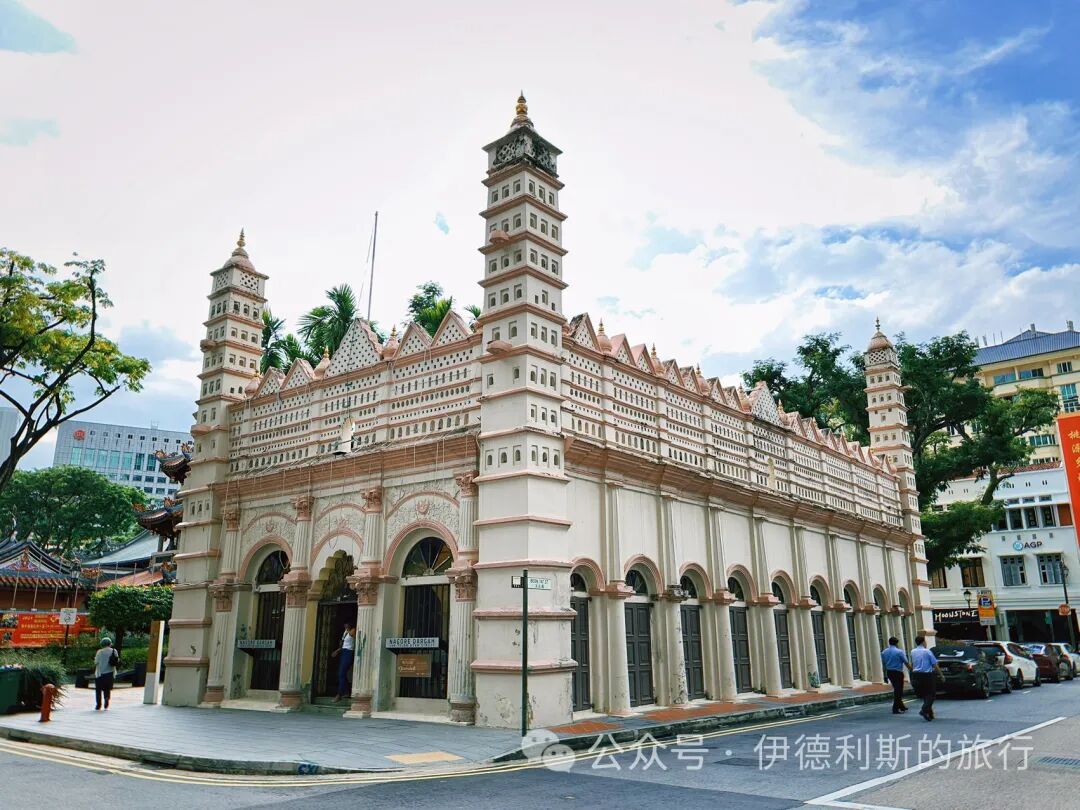
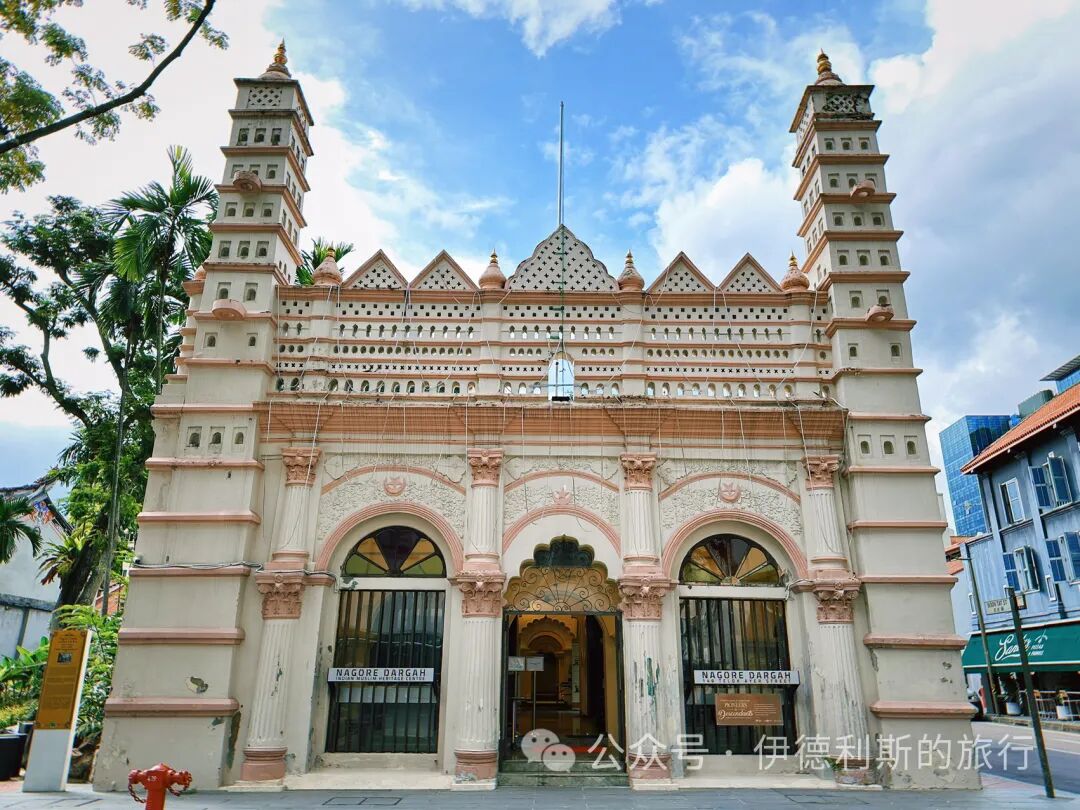
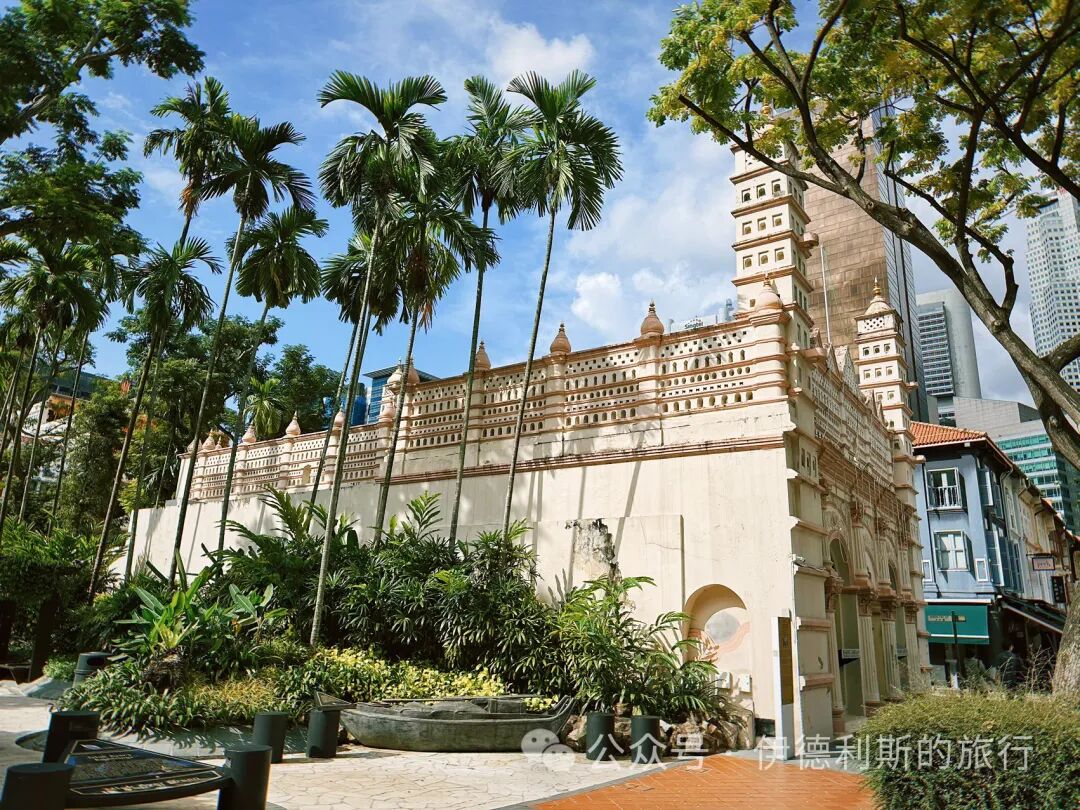
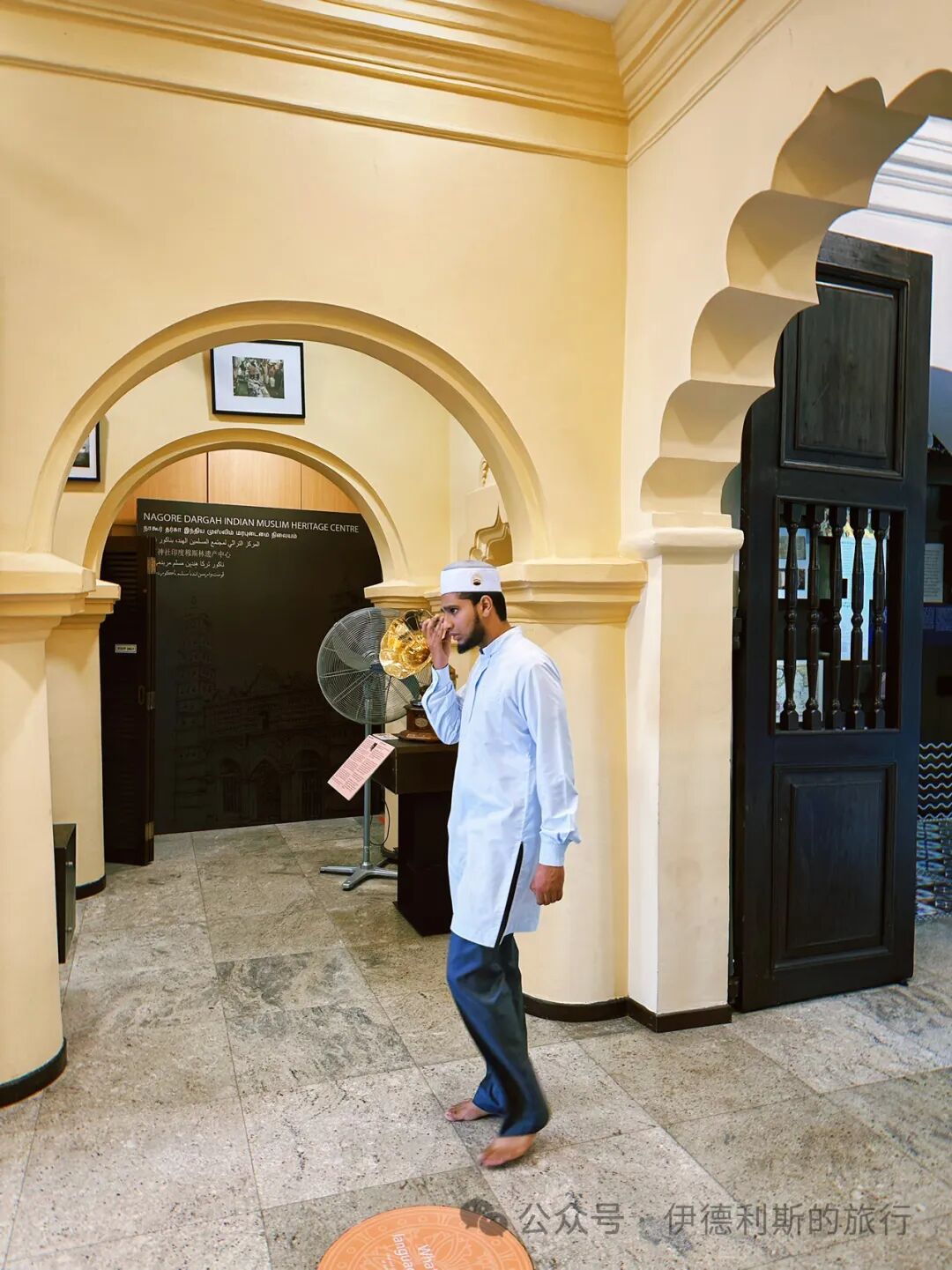
The Nagore Dargha mosque (Nagore Dargha) is located on Telok Ayer Street, not far from the Al-Abrar Mosque. It was built by the Chulia people between 1828 and 1830 and serves as an important Sufi shrine (gongbei) for the Chulia community in Singapore.
The Nagore Dargha mosque was built to honor the famous 16th-century Indian Sufi saint, Syed Shahul Hamid. Shahul Hamid arrived in the town of Nagore in the Tamil Nadu state of southeastern India in 1533 to preach, and he passed away there in 1570. Legend says he performed many miracles in Nagore and even healed the king of the Vijayanagara Empire in India. To honor Shahul Hamid, locals built a shrine (gongbei) over his tomb. It later became an important Sufi center for Tamil Muslims, and many sailors and seafarers would visit the shrine to offer dua for a safe journey before heading out to sea.
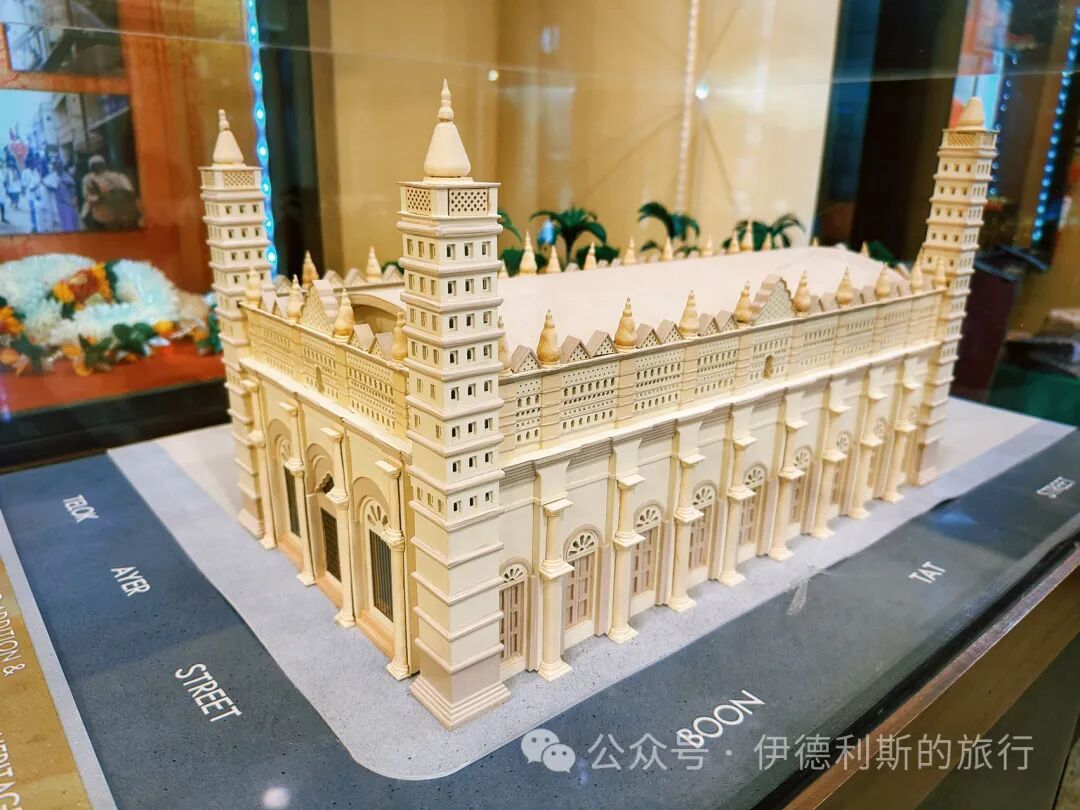
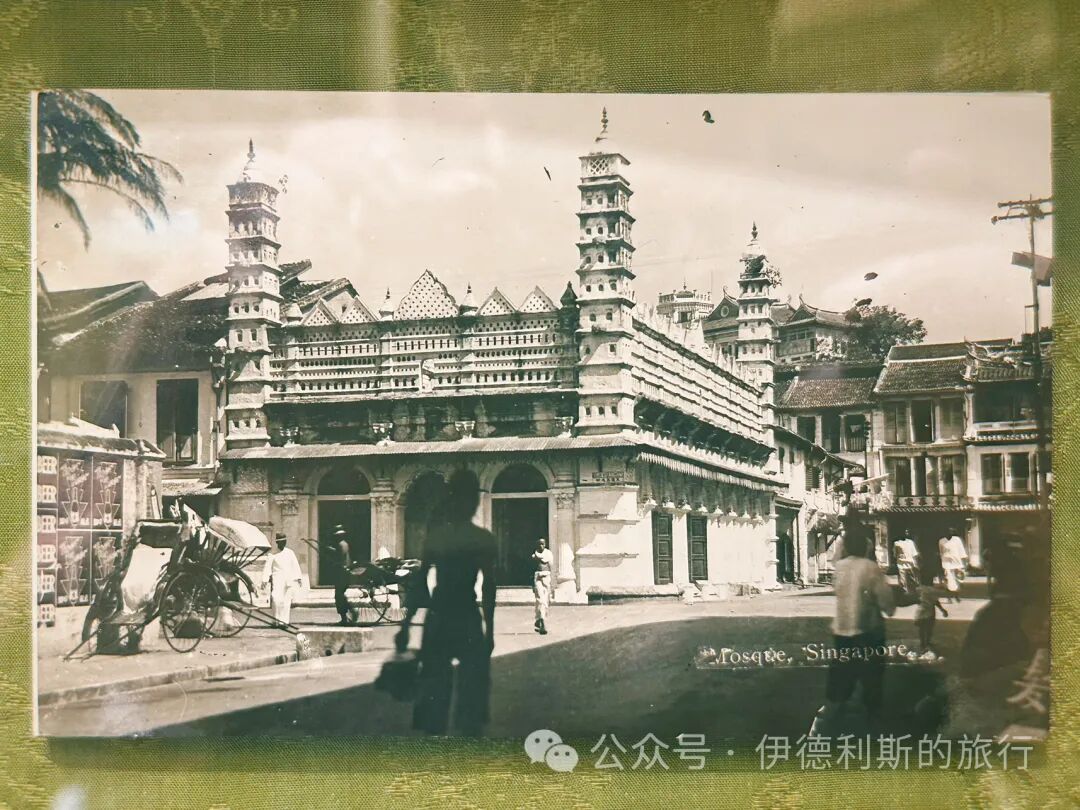
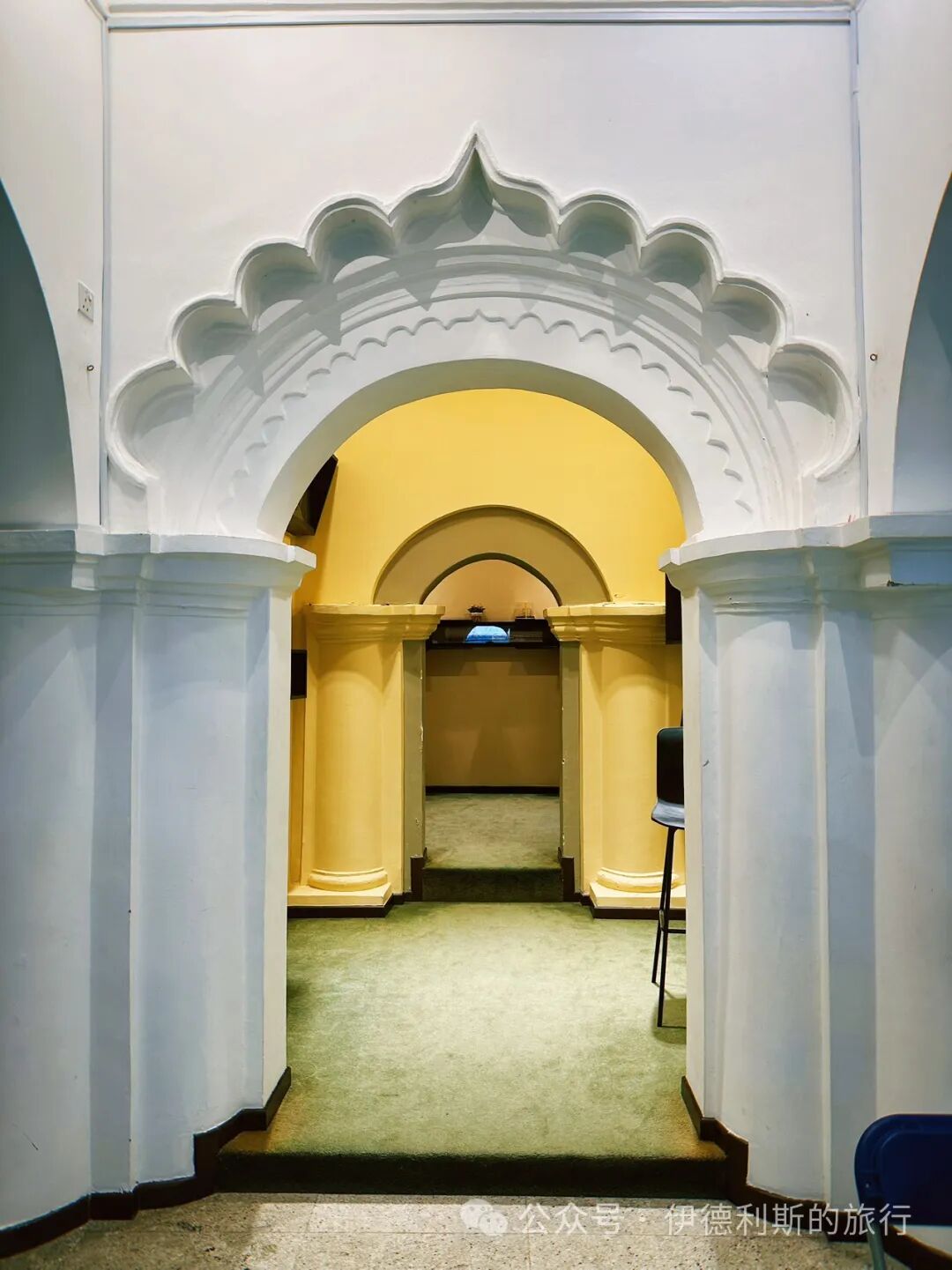
After Tamil Muslims immigrated to Penang and Singapore in the 19th century, they built a shrine in each city to honor the saint, modeling the architecture after the original shrine in Nagore. The Singapore shrine uses an eclectic style, featuring a 14-tier square minaret with niches on the outside, and Doric-style pilasters, arches, and large French-style windows on the inside.
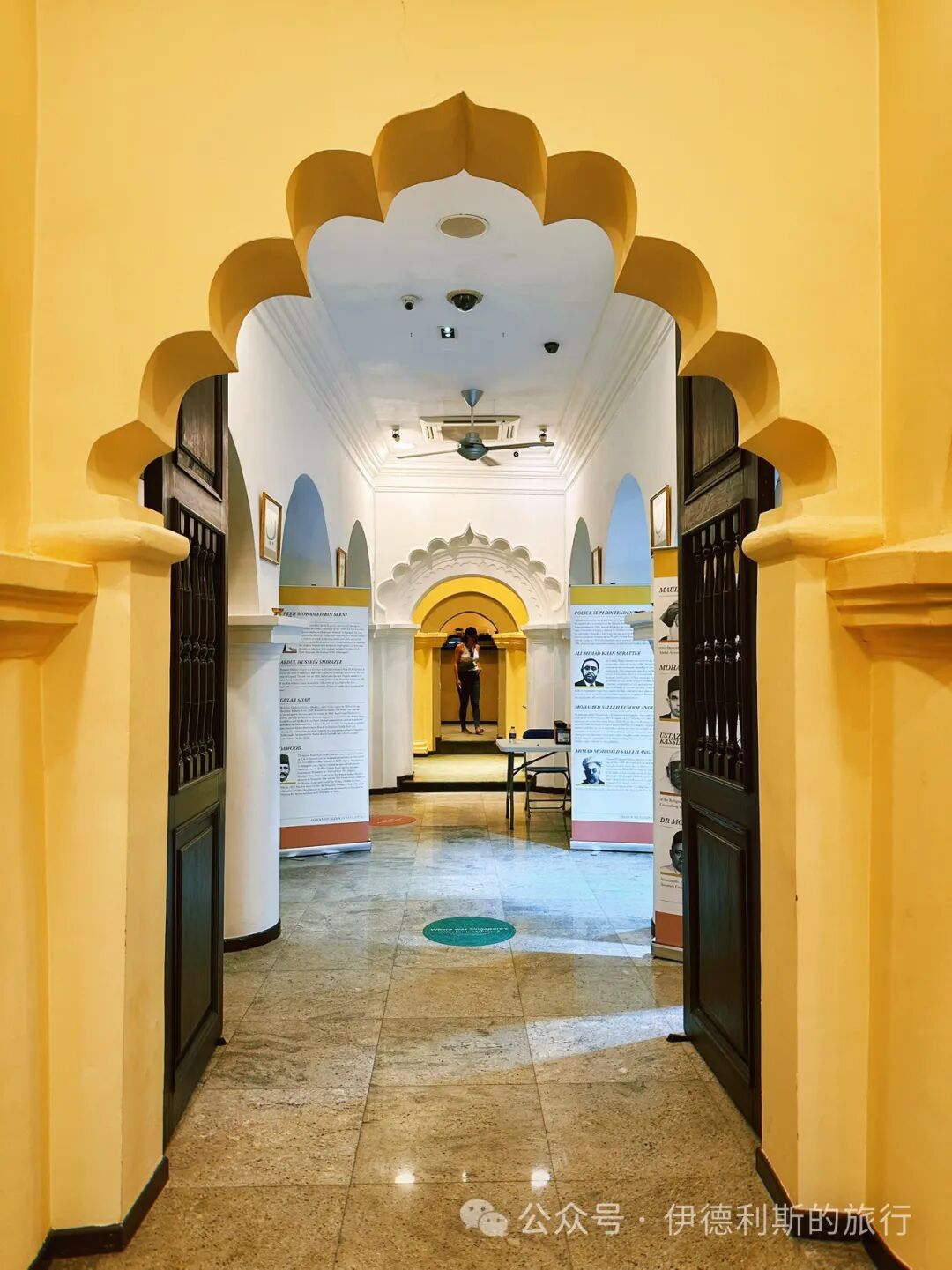
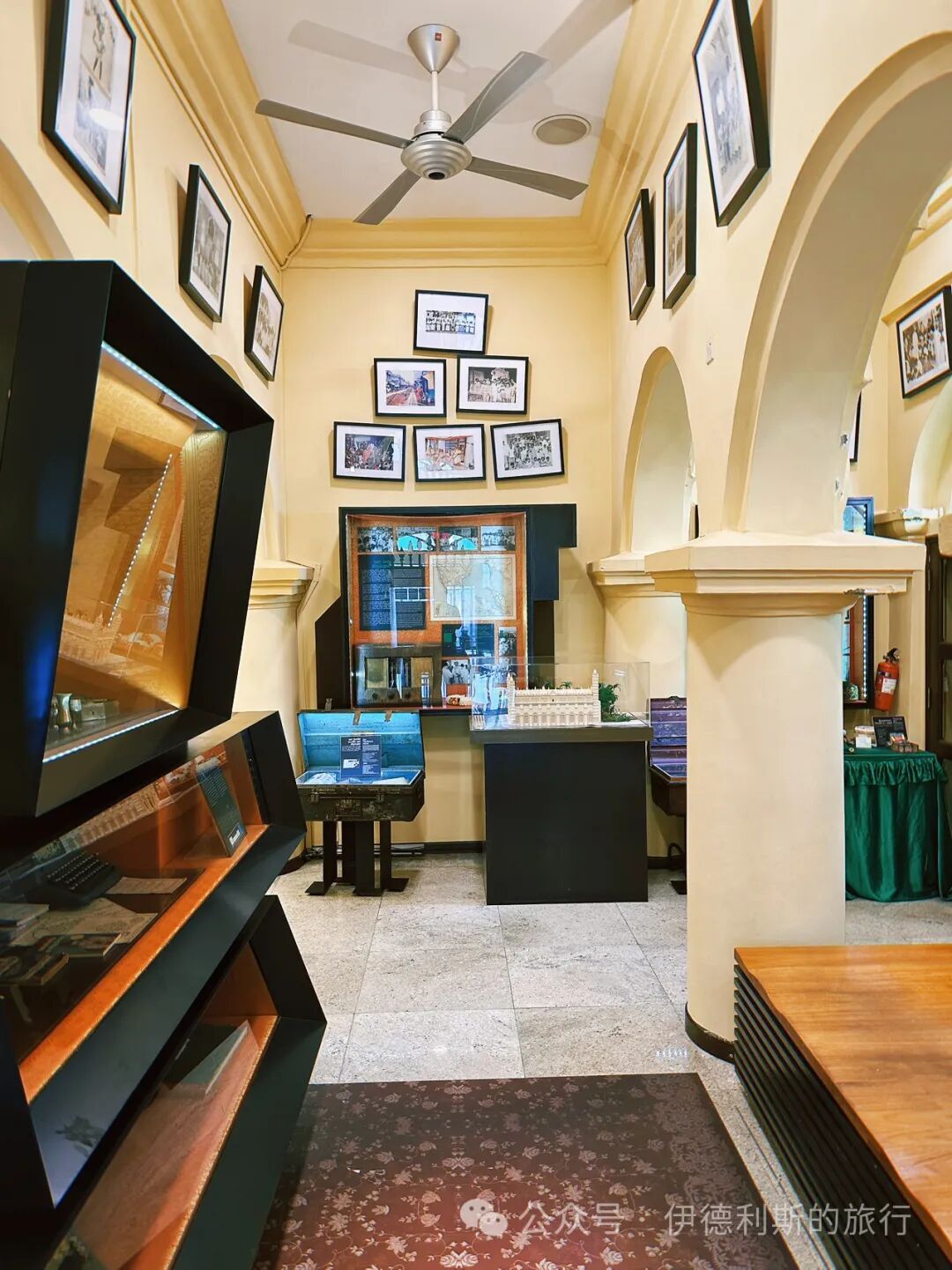
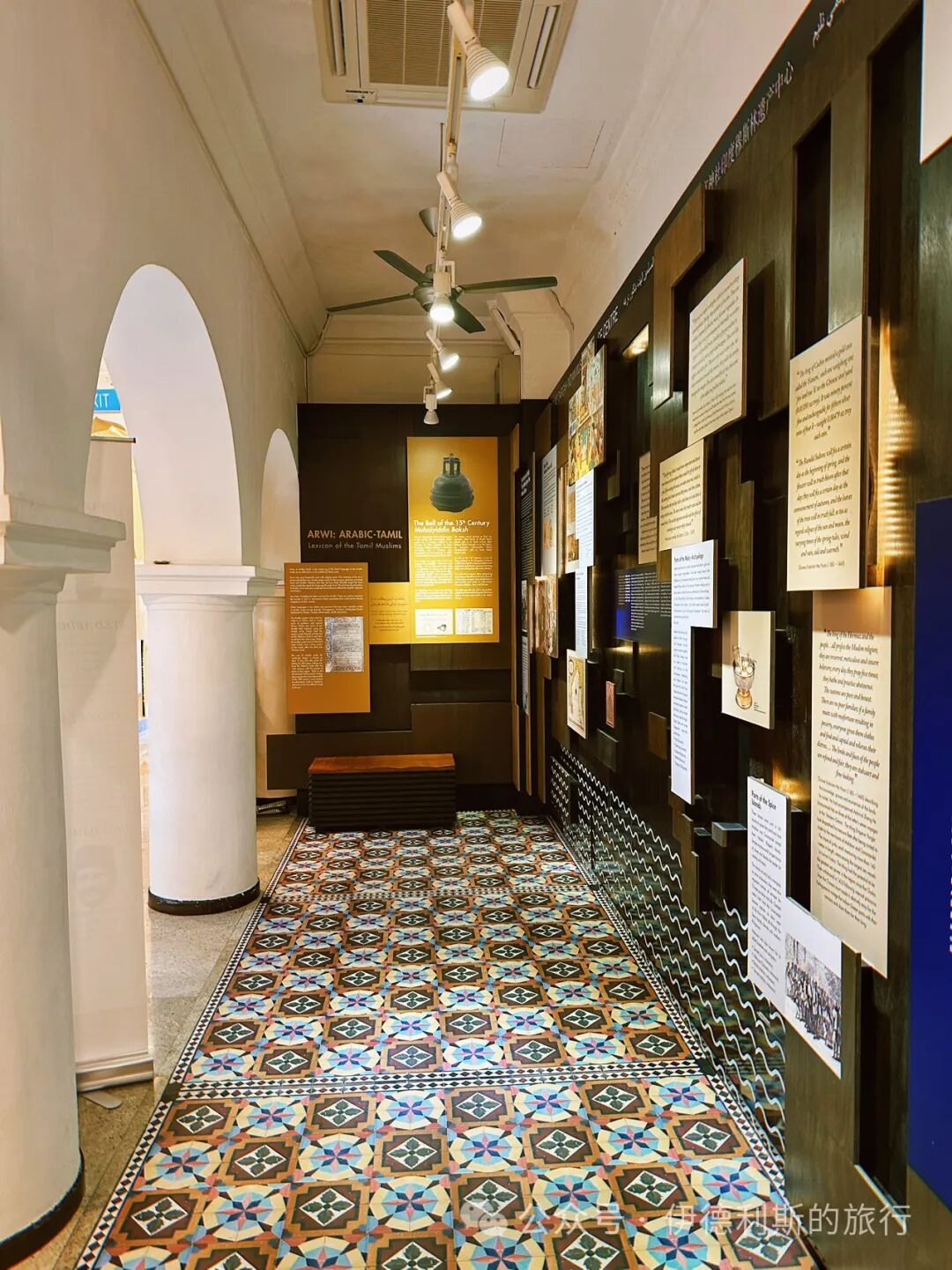
In 2011, the Nagore Dargha mosque became the Indian Muslim Heritage Centre, which provides a detailed introduction to the history and culture of Indian Muslims in Singapore.
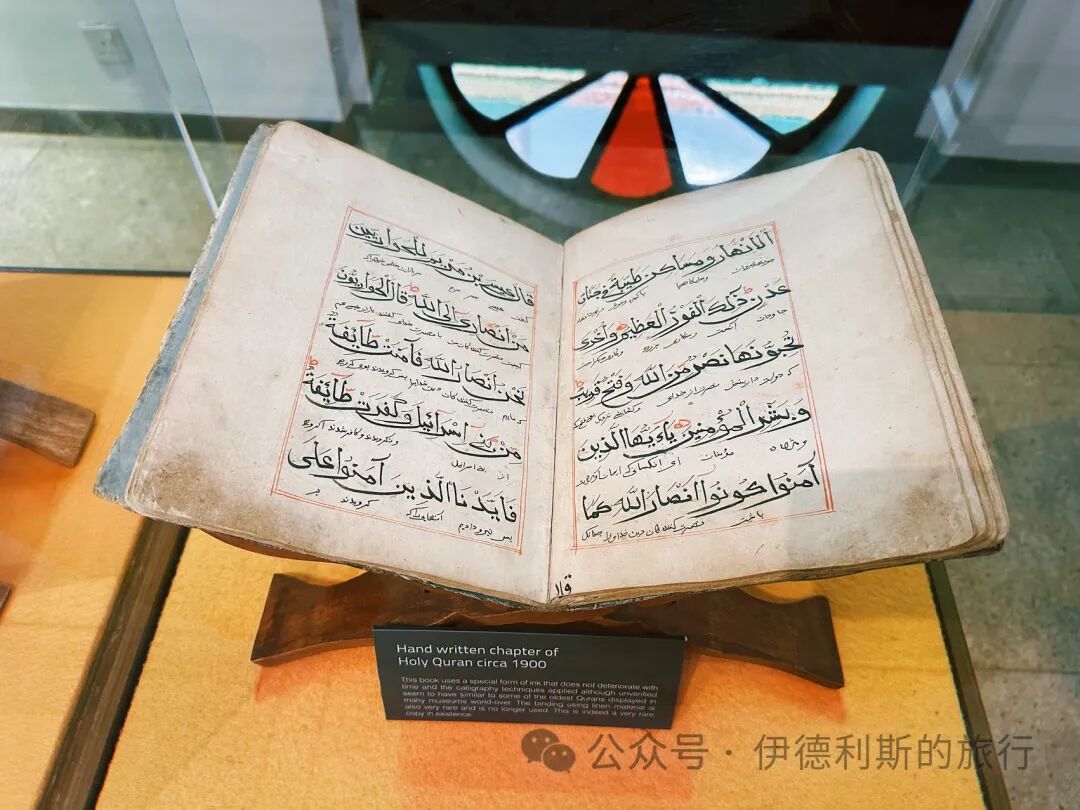
A Quran (Guerani) copied around 1900, which uses a rare linen binding method.
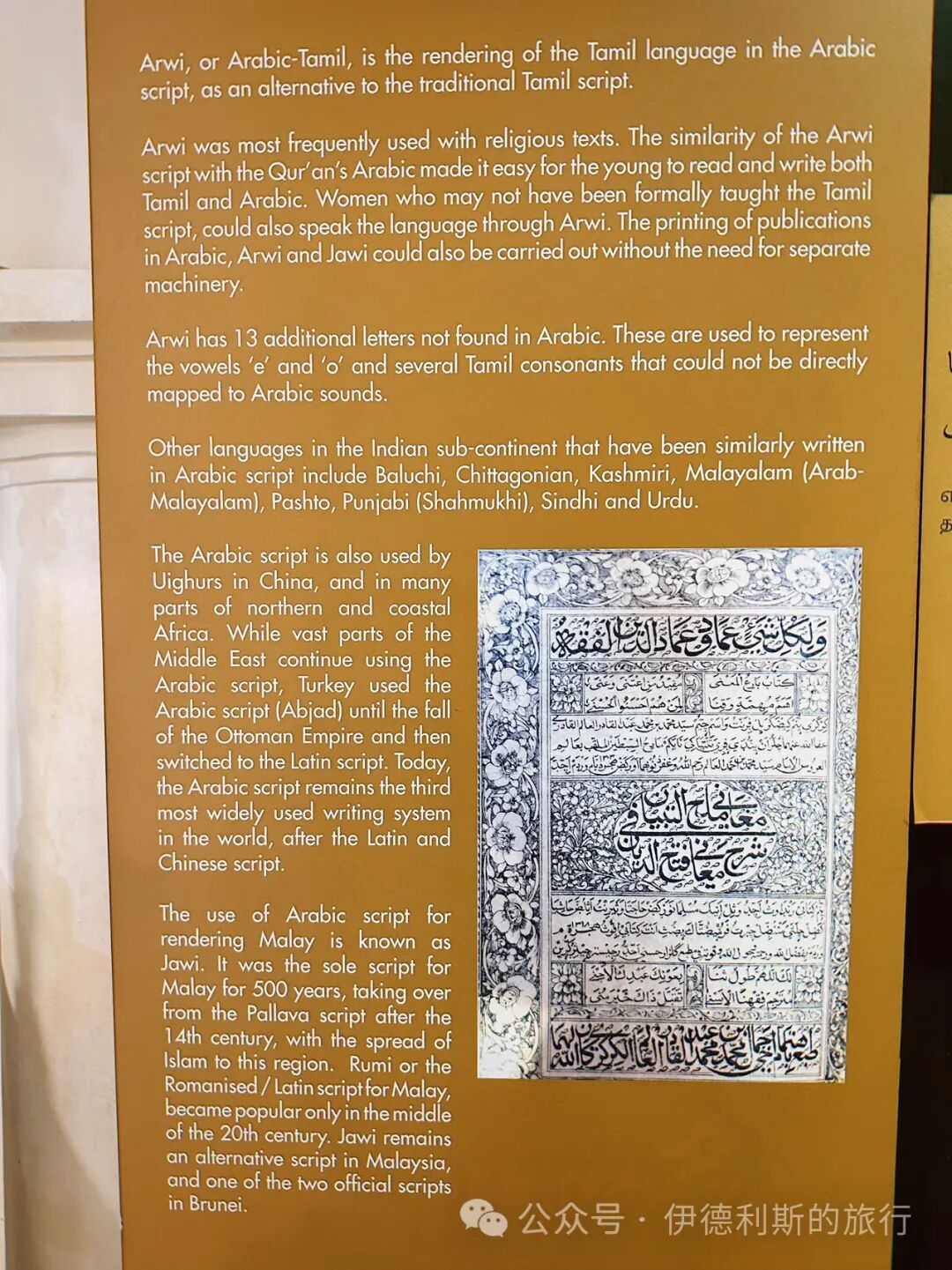
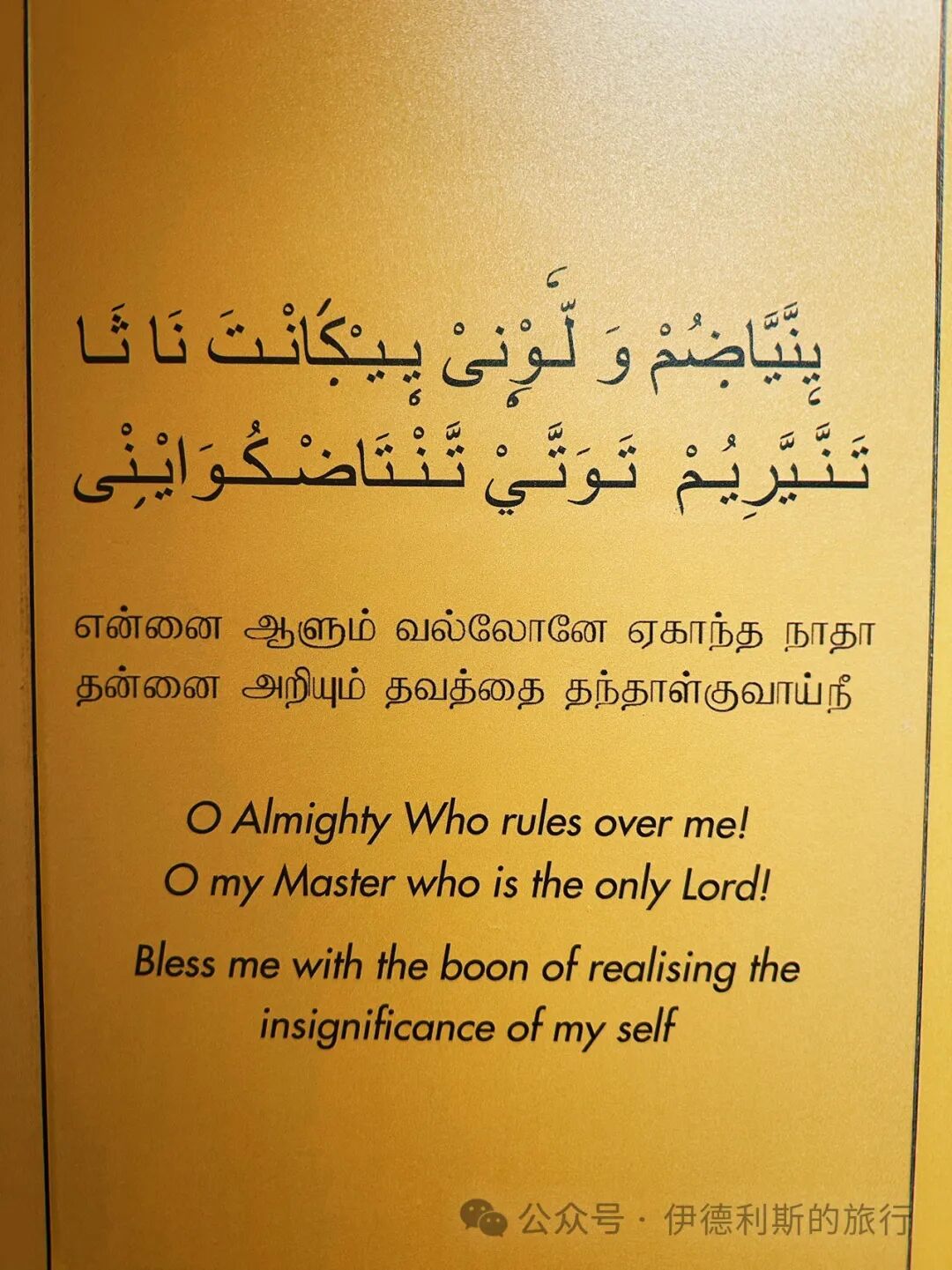
An introduction to the Arwi script. Arwi is a script that uses Arabic letters to write the Tamil language, similar to the Xiao'erjing (xiaojing) used by Hui Muslims. The Arwi script includes 13 additional letters not found in the Arabic alphabet.
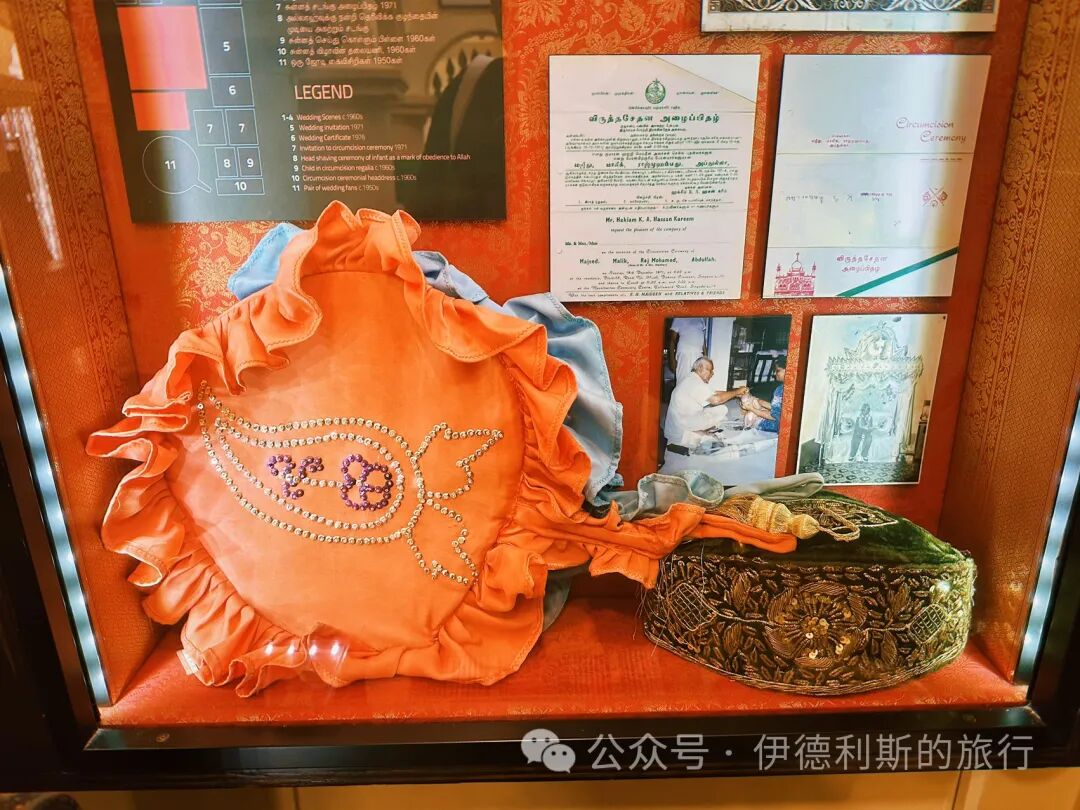
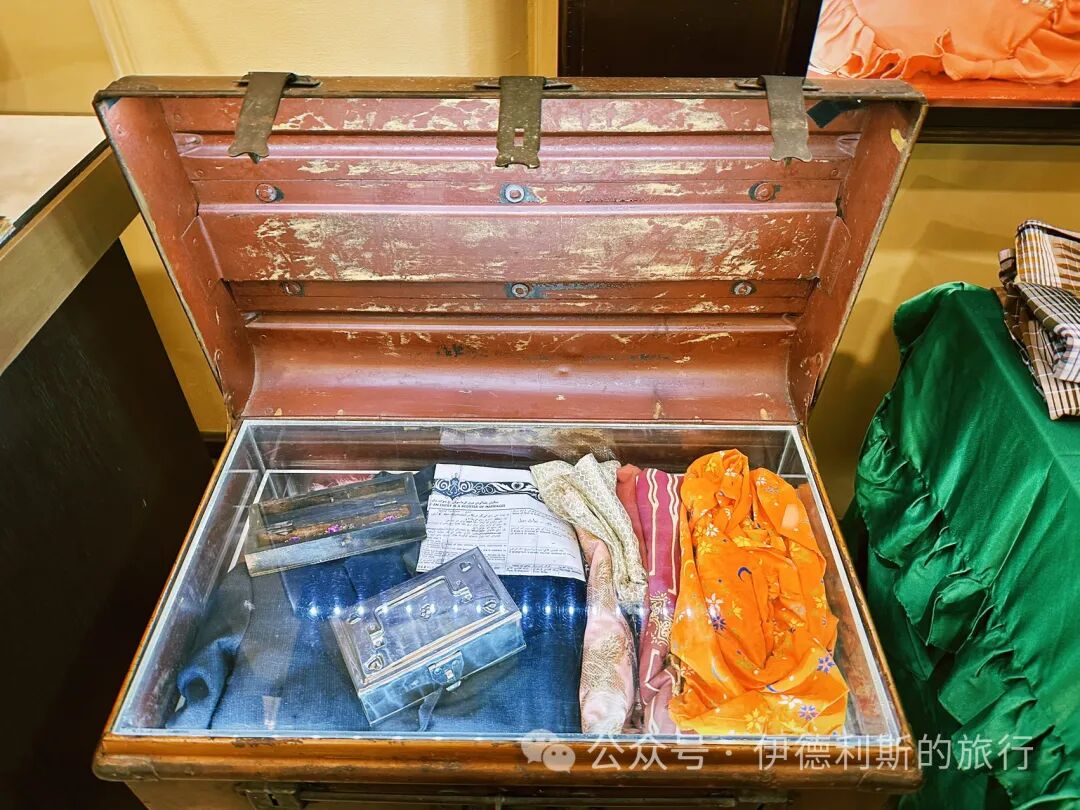
Items from an Indian Muslim wedding in Singapore during the 20th century.
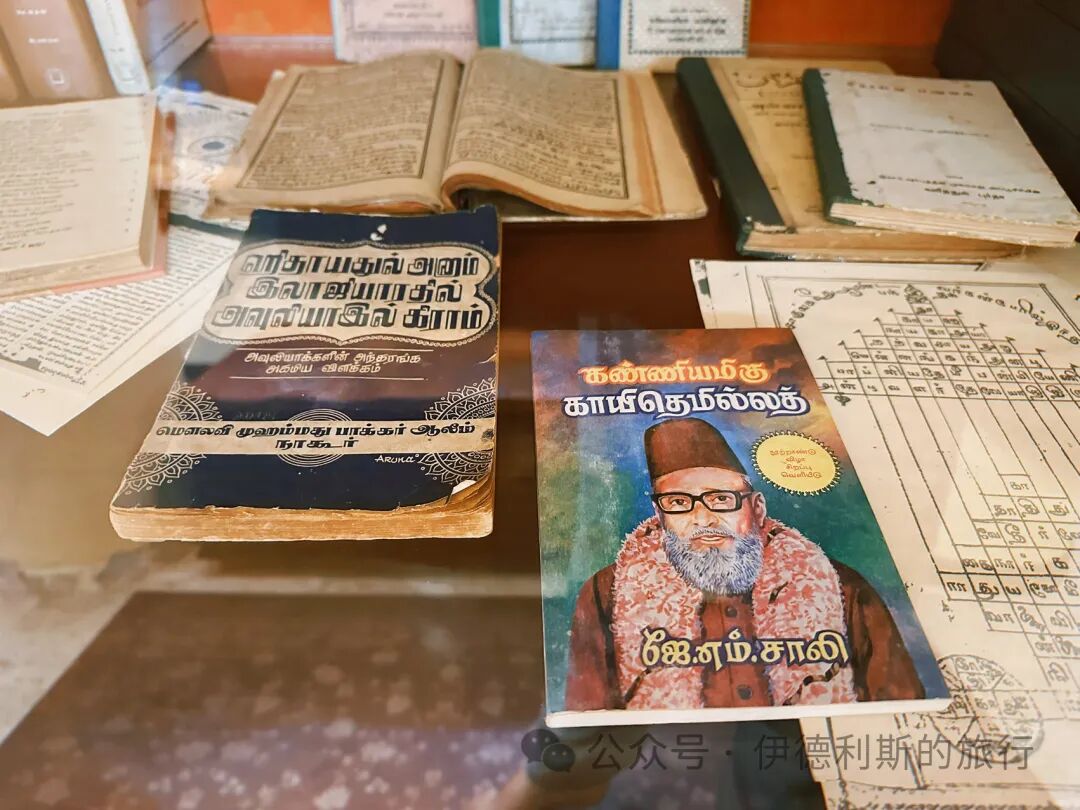
Tamil language works by Singaporean Tamil Muslims.
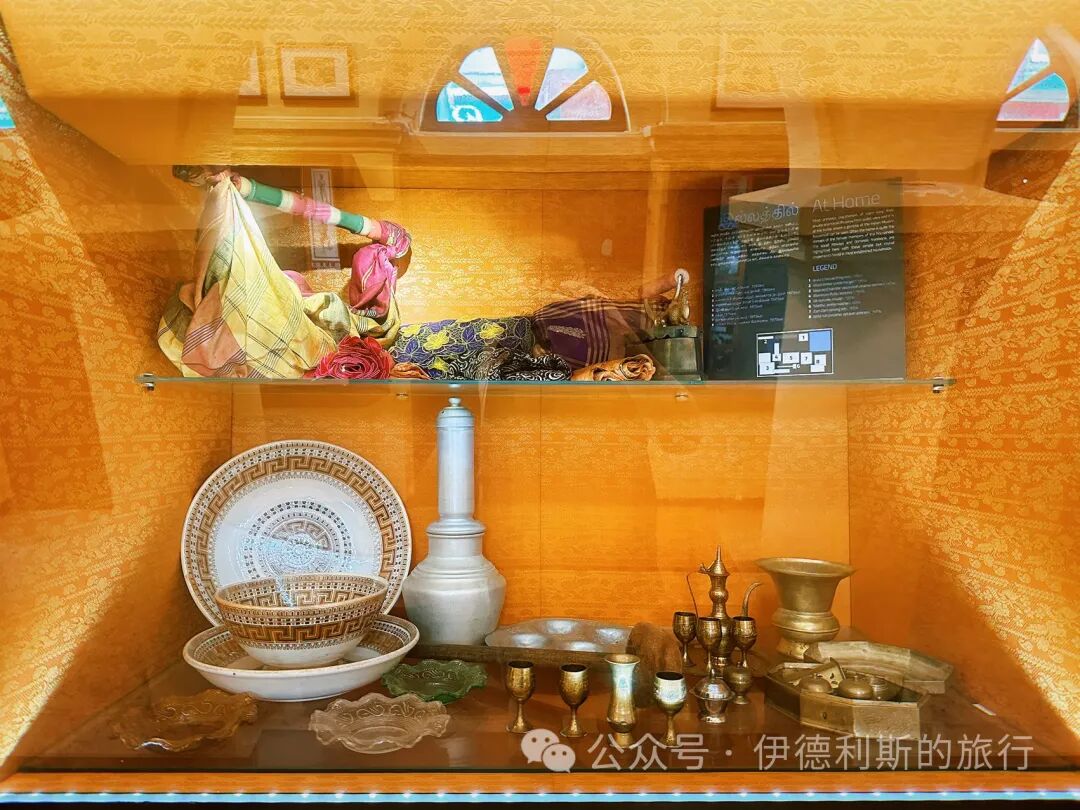
Daily items used by Indian Muslims in Singapore.
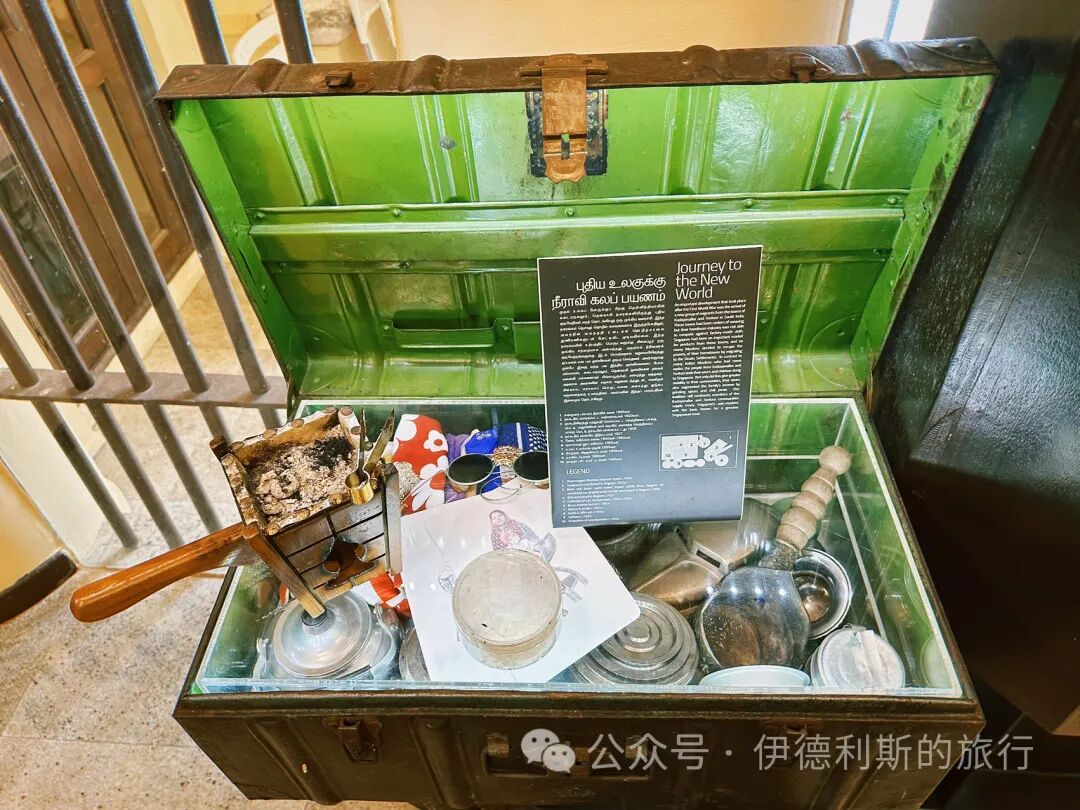
Items brought by Muslim families who arrived in Singapore from Kadayanallur and Tenkasi in South India after World War I.
The India of Little India
Mosques, food, and the Indian Heritage Centre
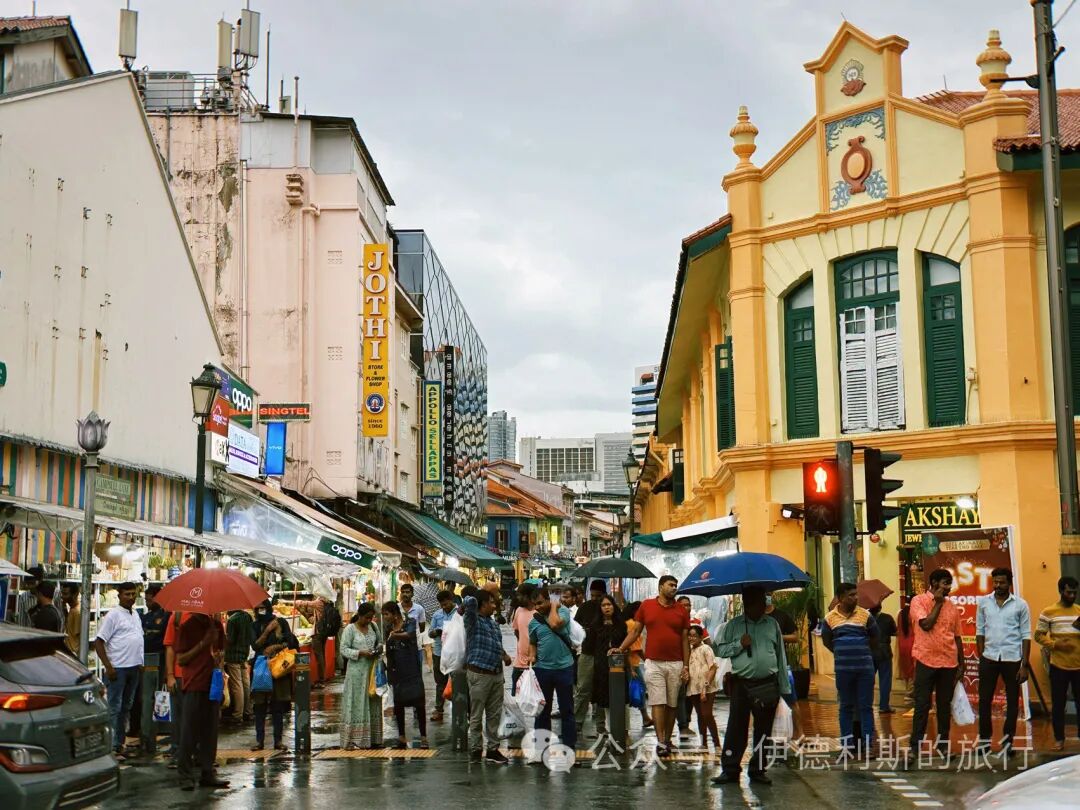
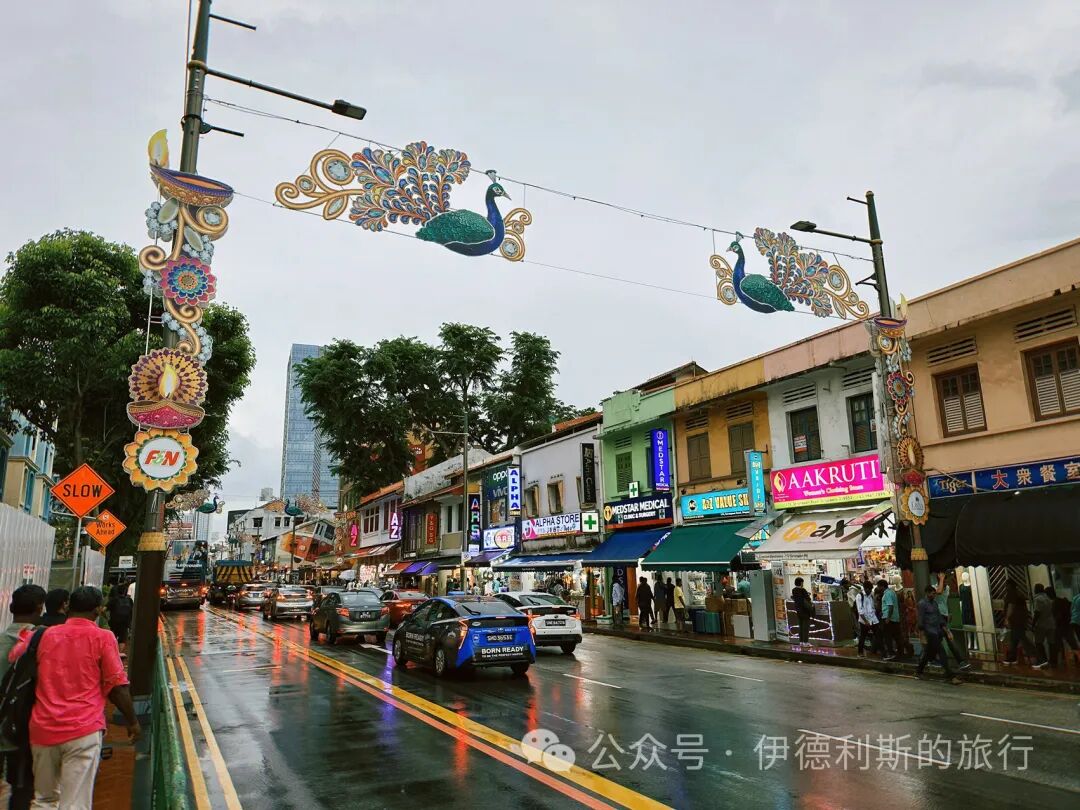
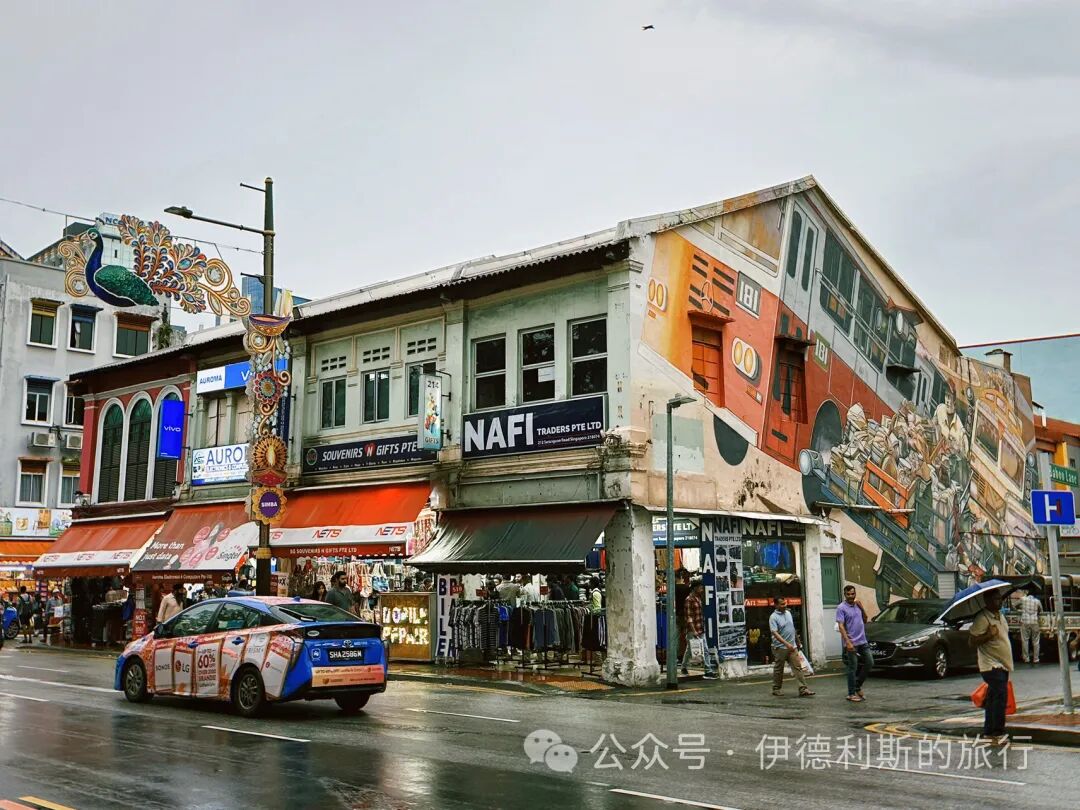
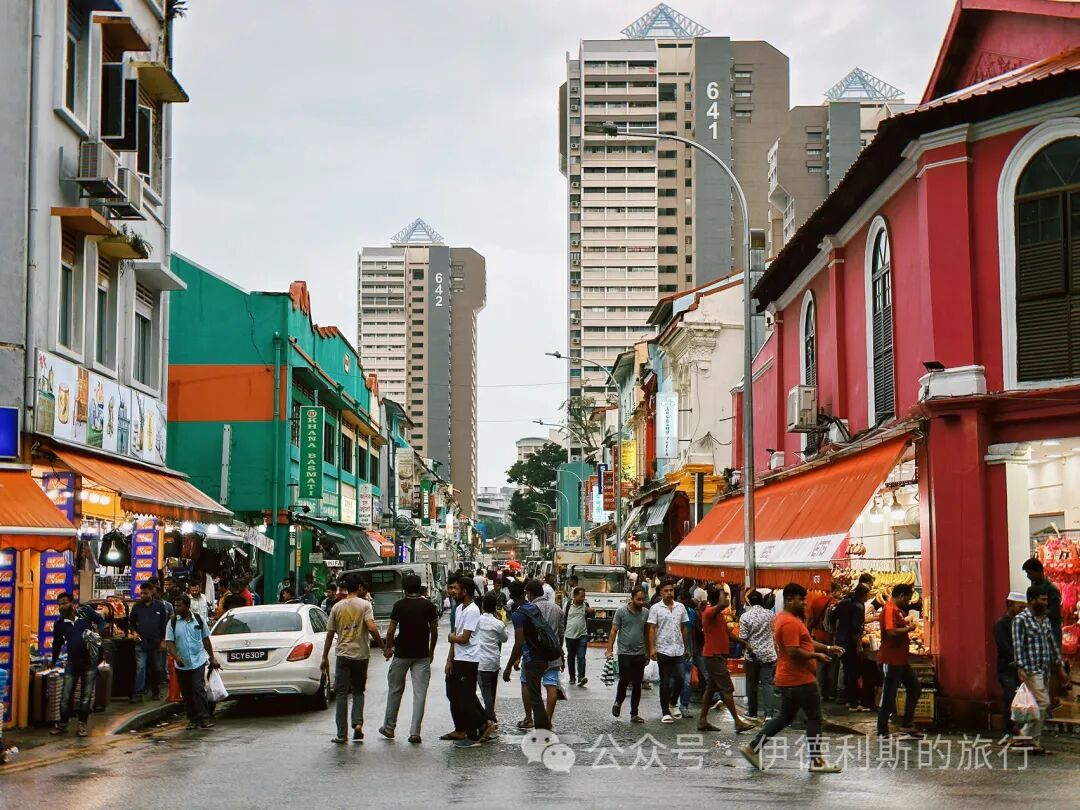
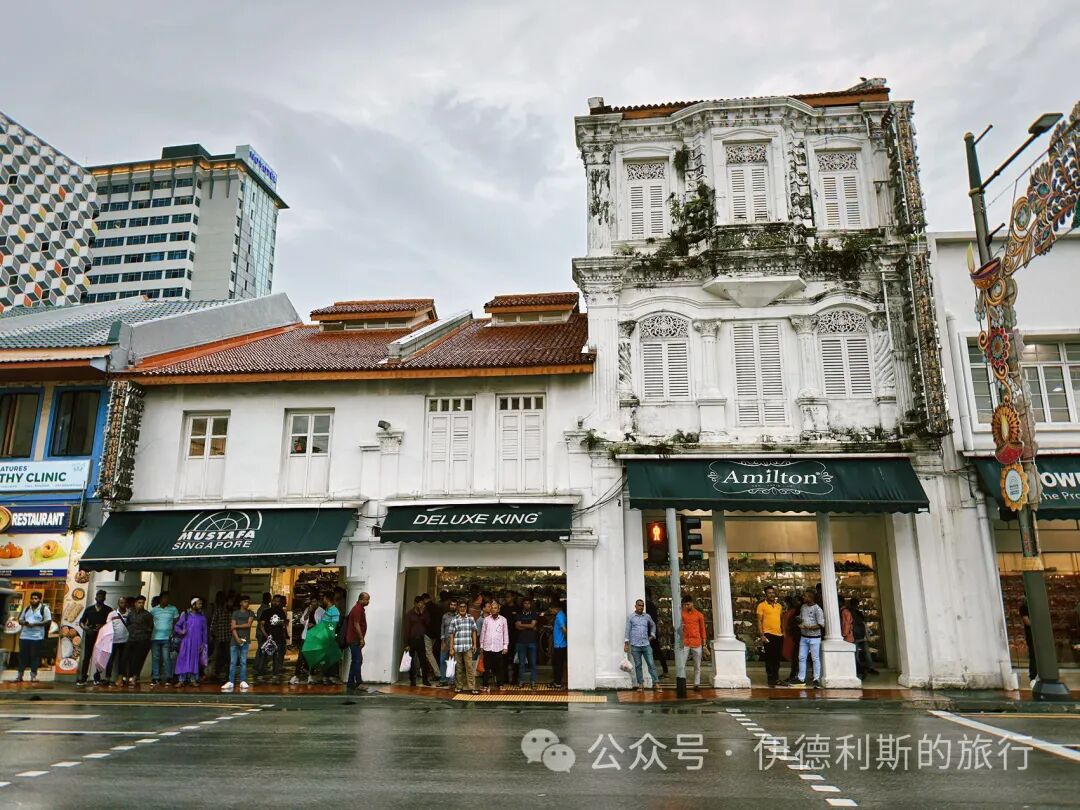
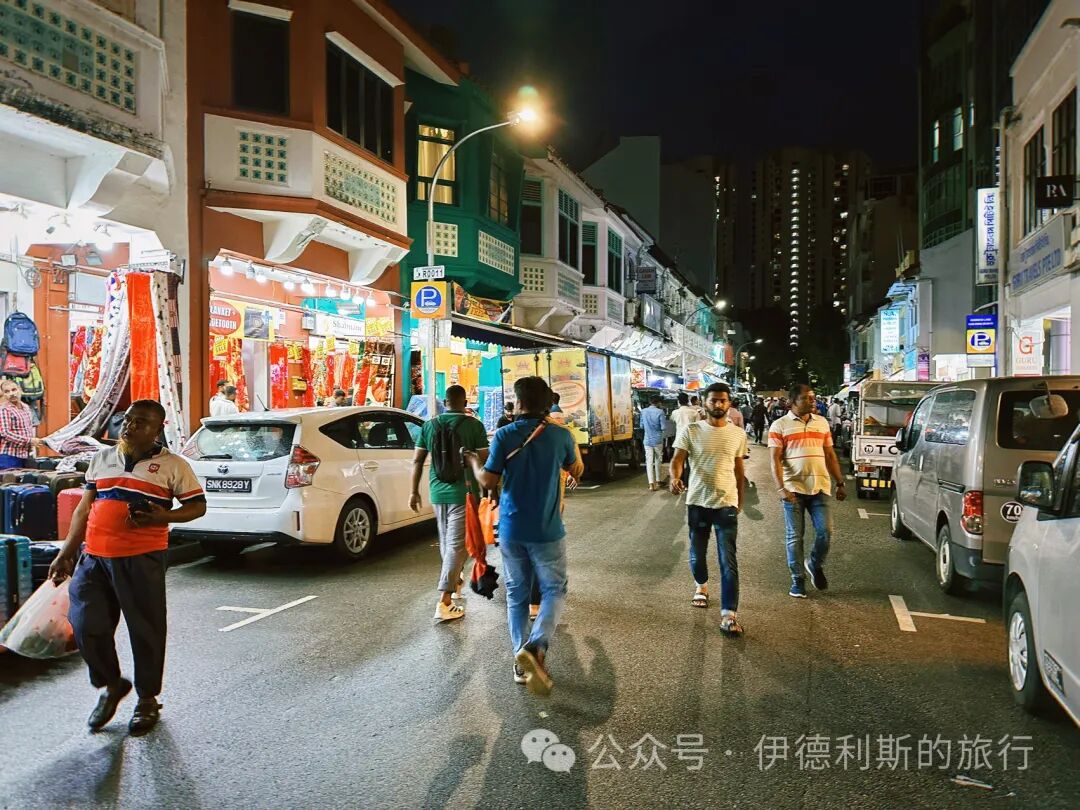
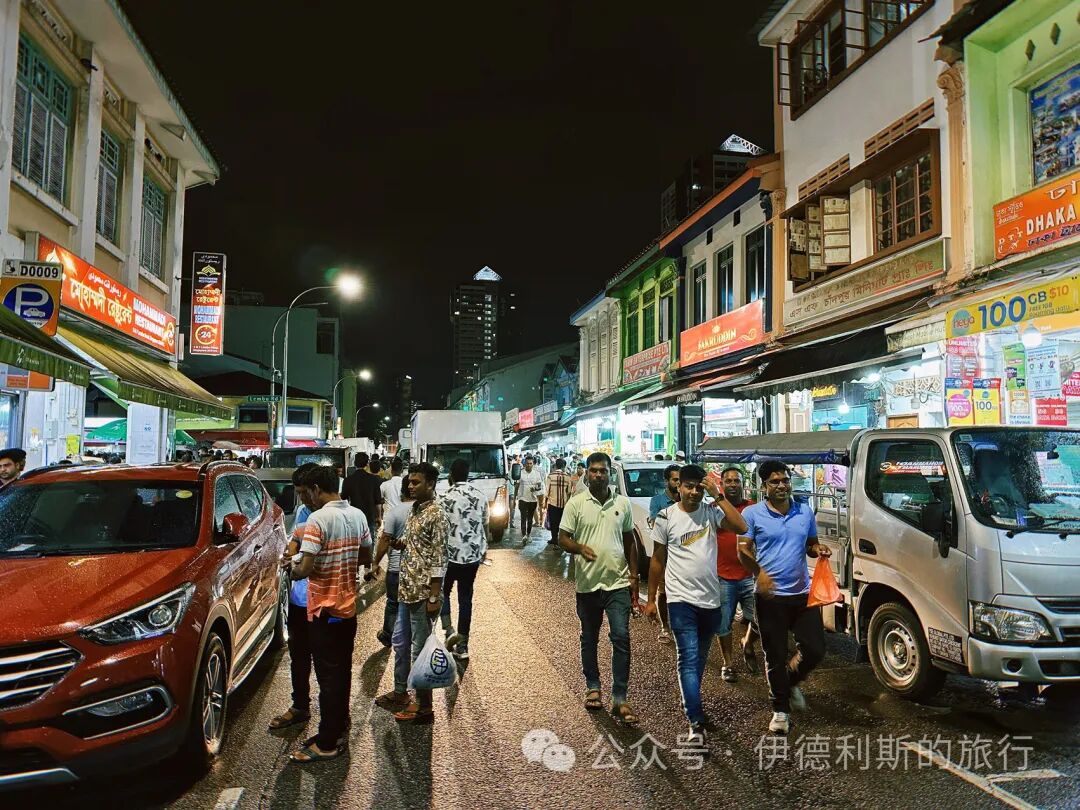
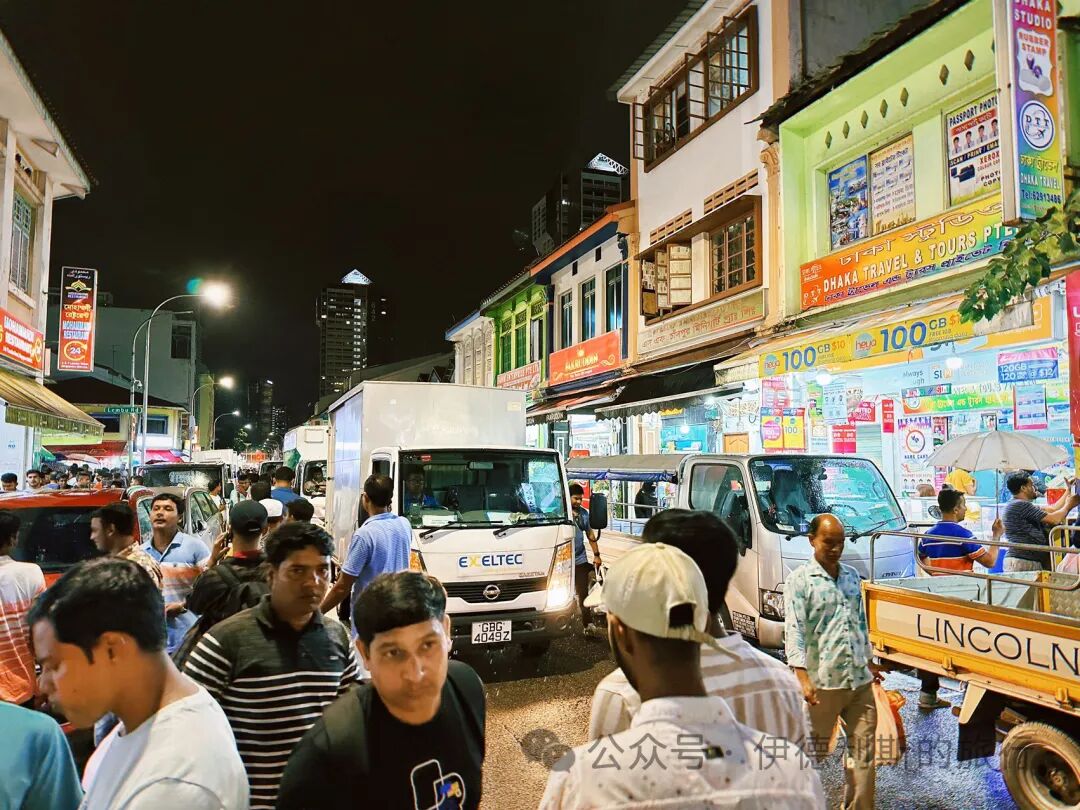
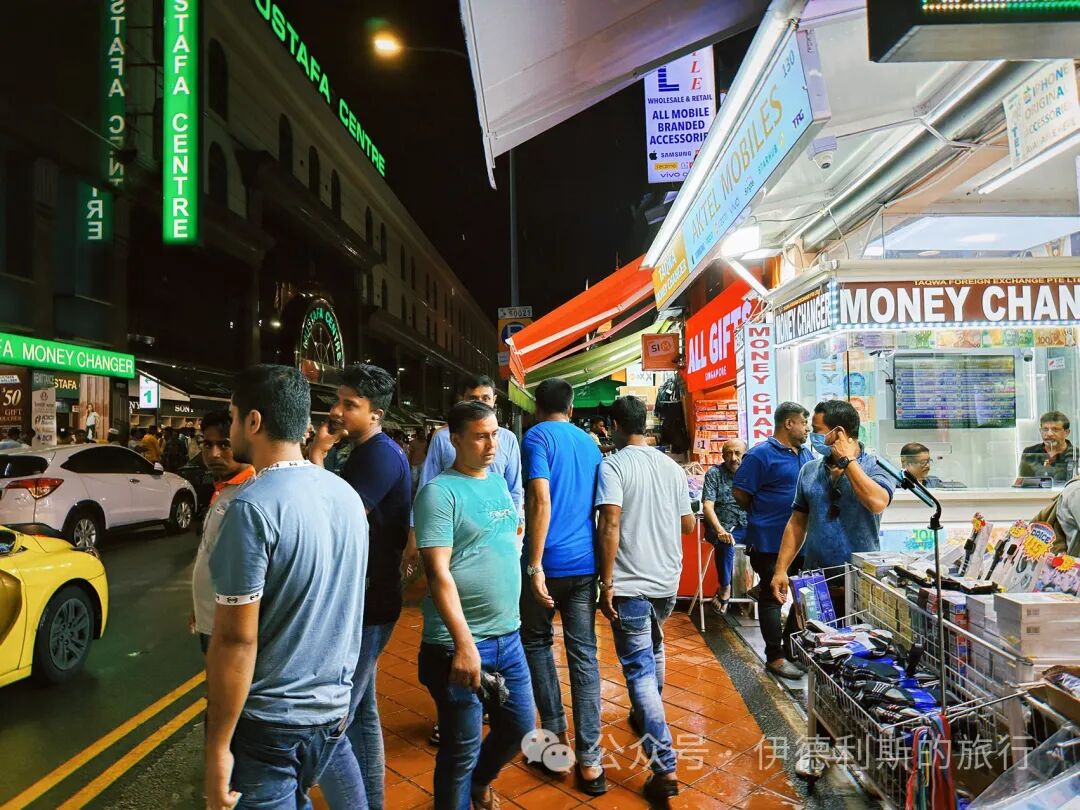
Little India is the busiest and most crowded place I visited in Singapore. It feels bigger and more like India than the Little Indias in Kuala Lumpur and Penang. Along the sides of the covered walkways (qilou) are various Indian restaurants, flower shops, and grocery stores, with many people of Indian descent busy shopping.
Unlike Chinatown or Kampong Glam, Little India was not designated for the Indian community by Sir Stamford Raffles. It was known as Serangoon until the 1980s. In the 1820s, the British built lime pits and brick kilns along Serangoon Road, and Indian laborers began working there. After the brick kilns closed in 1860, Serangoon developed a cattle industry, followed by the establishment of slaughterhouses, tanneries, and milk vendors. These industries attracted more Indians to settle here, along with others who worked nearby as port laborers and junior office clerks.
The British colonial authorities began building covered walkways (qilou) in Serangoon in the 1920s. More Indian immigrants arrived to open shops selling Indian saris, spices, and flowers, and the layout of Little India was officially formed. After Singapore was established in 1965, the government carried out urban renewal in Serangoon to improve living conditions for the local Indian residents. In the 1980s, to promote tourism, Singapore officially named the area Little India.
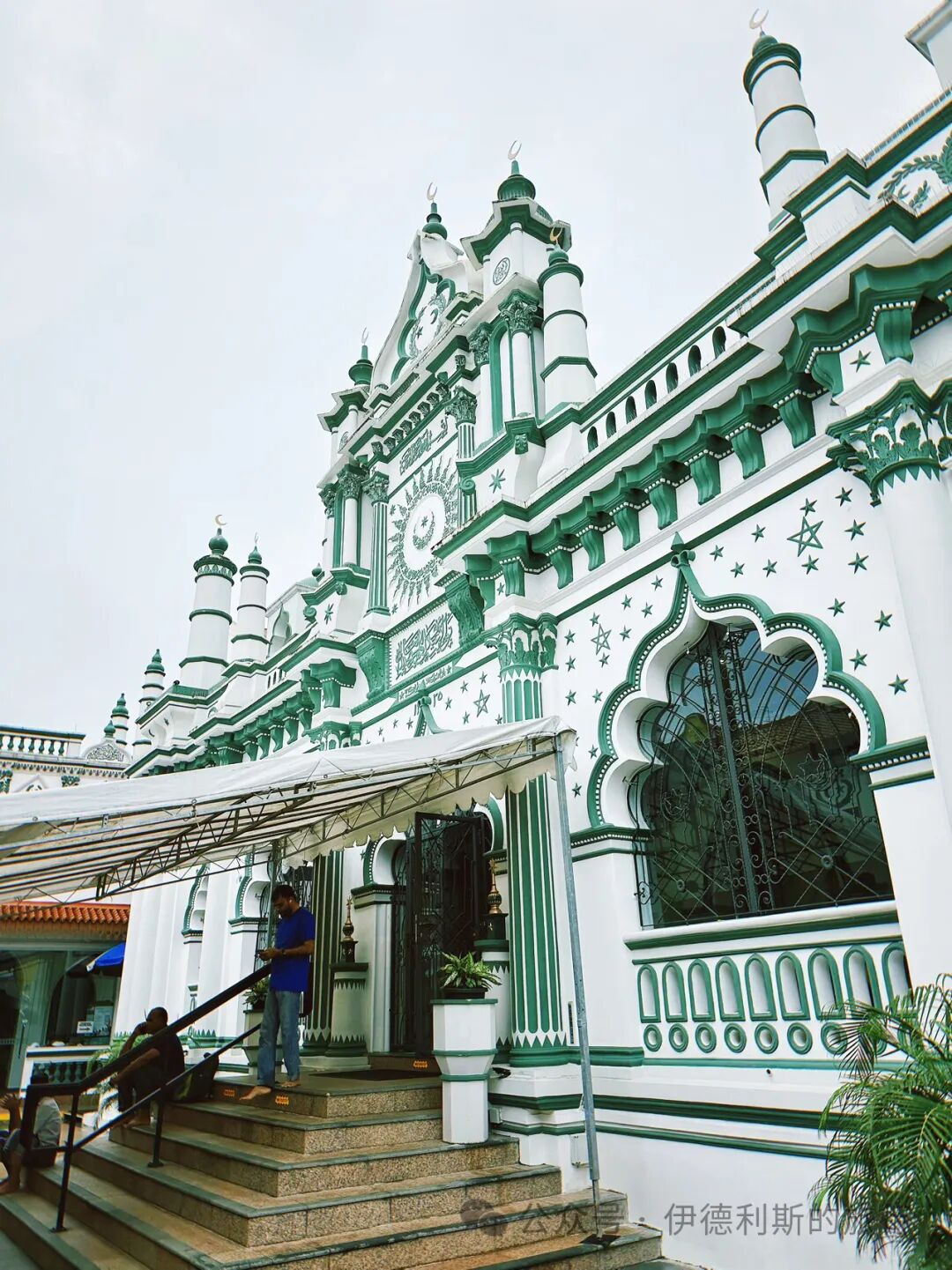
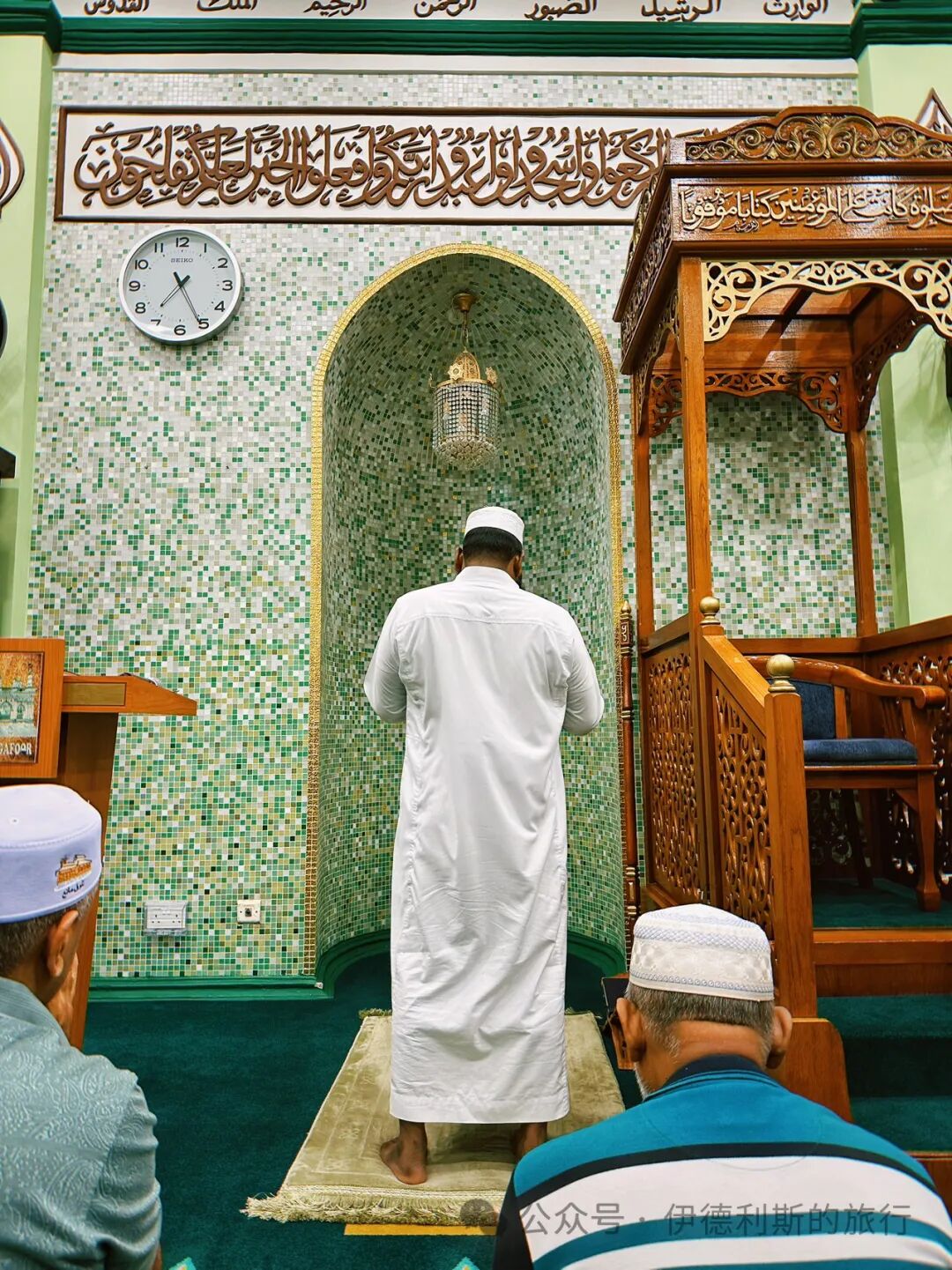
Abdul Gafoor Mosque is located at the southern end of Little India. It dates back to 1859, and in 1907, it was rebuilt into its current structure by Shaik Abdul Gafoor, a South Indian Tamil Muslim who worked as a chief clerk at a law firm. Abdul Gafoor raised funds by building shophouses near the mosque, some of which still stand today.
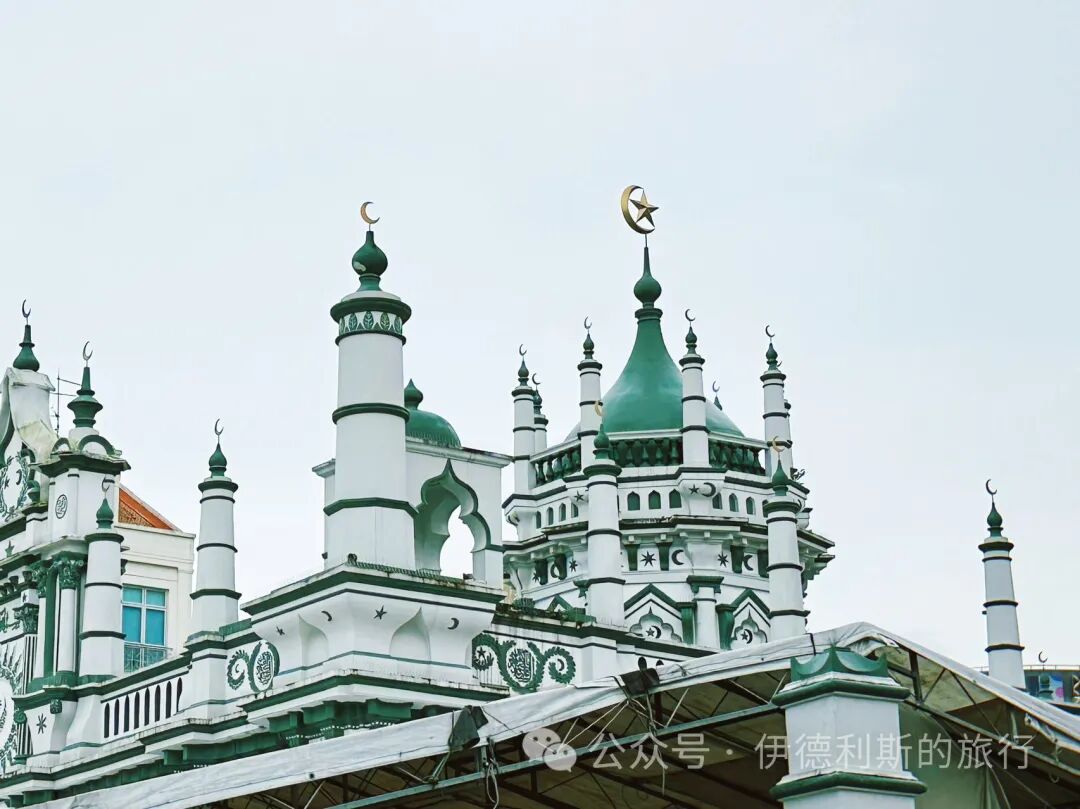
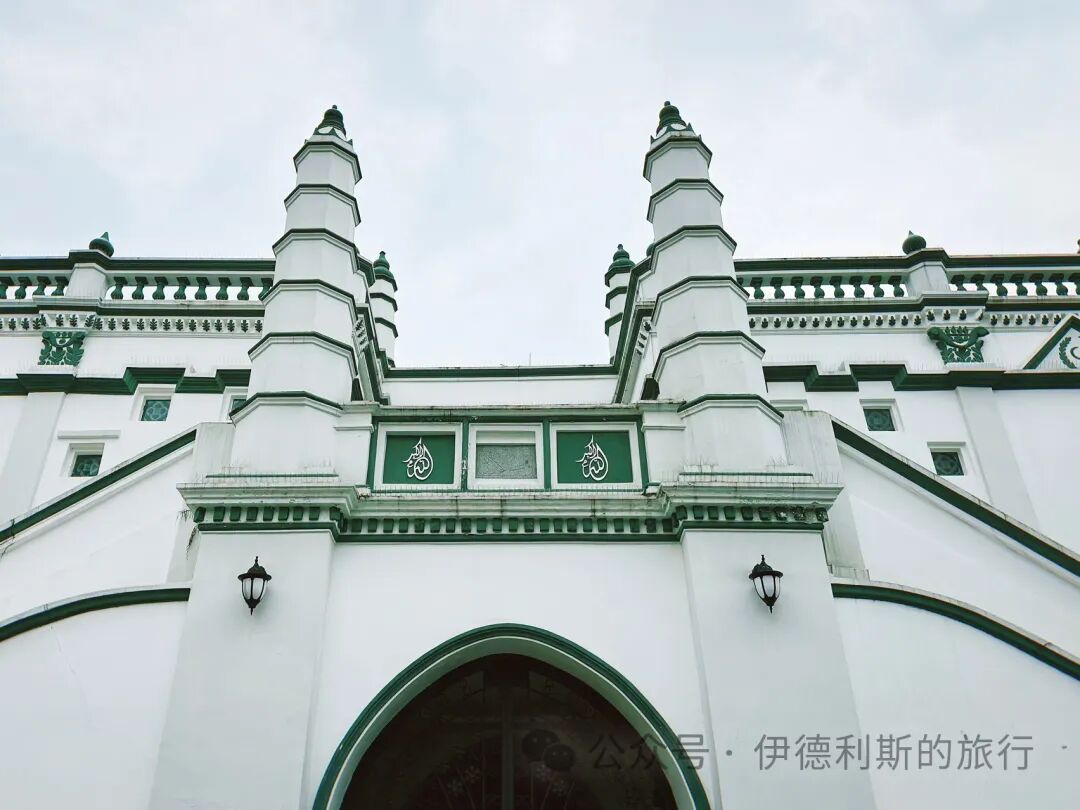
Abdul Gafoor Mosque blends Saracenic (Mughal Revival) style with Neoclassical style, featuring complex arch designs and a dome inspired by ancient Roman architecture. It is very interesting that you can see a basement inside the main prayer hall. It was only rediscovered in 1998, and after renovations, the hall can now accommodate 1,200 people.
The original congregation of Abdul Gafoor Mosque mainly consisted of Tamils from South India and Baweanese people from Bawean Island in East Java. At that time, many Tamils worked nearby as merchants and port laborers, while many Baweanese worked as horse trainers and grooms at the adjacent racecourse. The mosque installed electric lighting in 1928, making it the first mosque in Singapore to have electric lights.
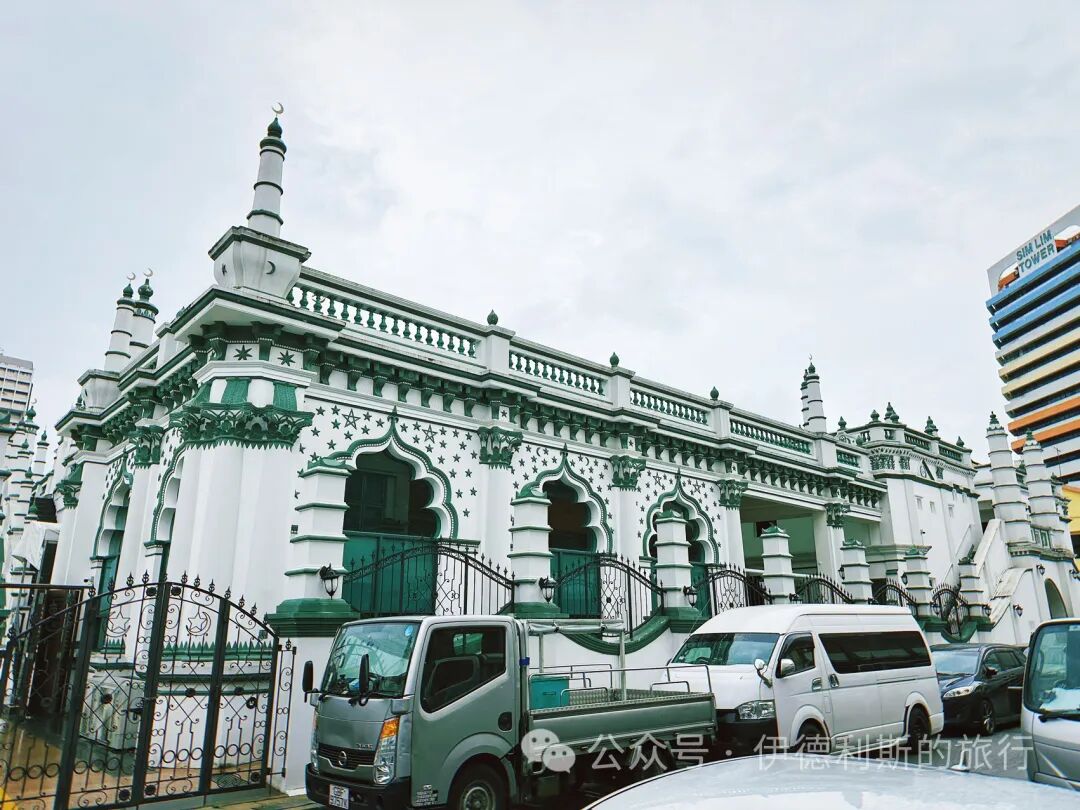
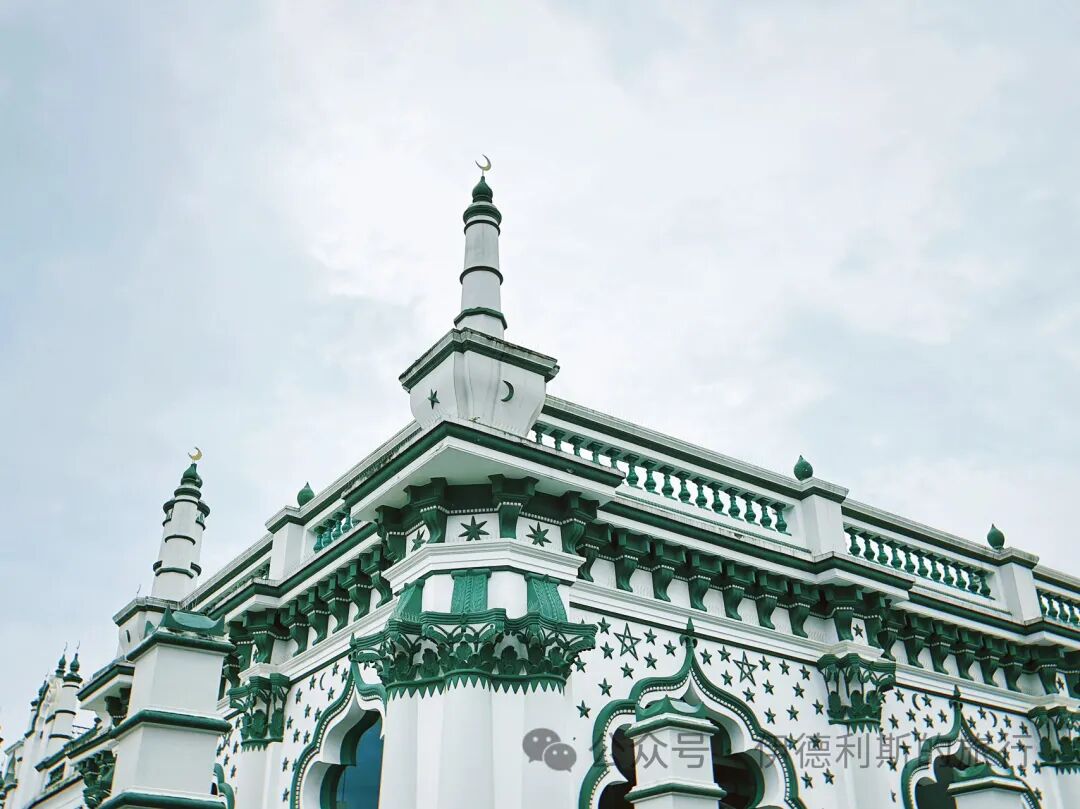
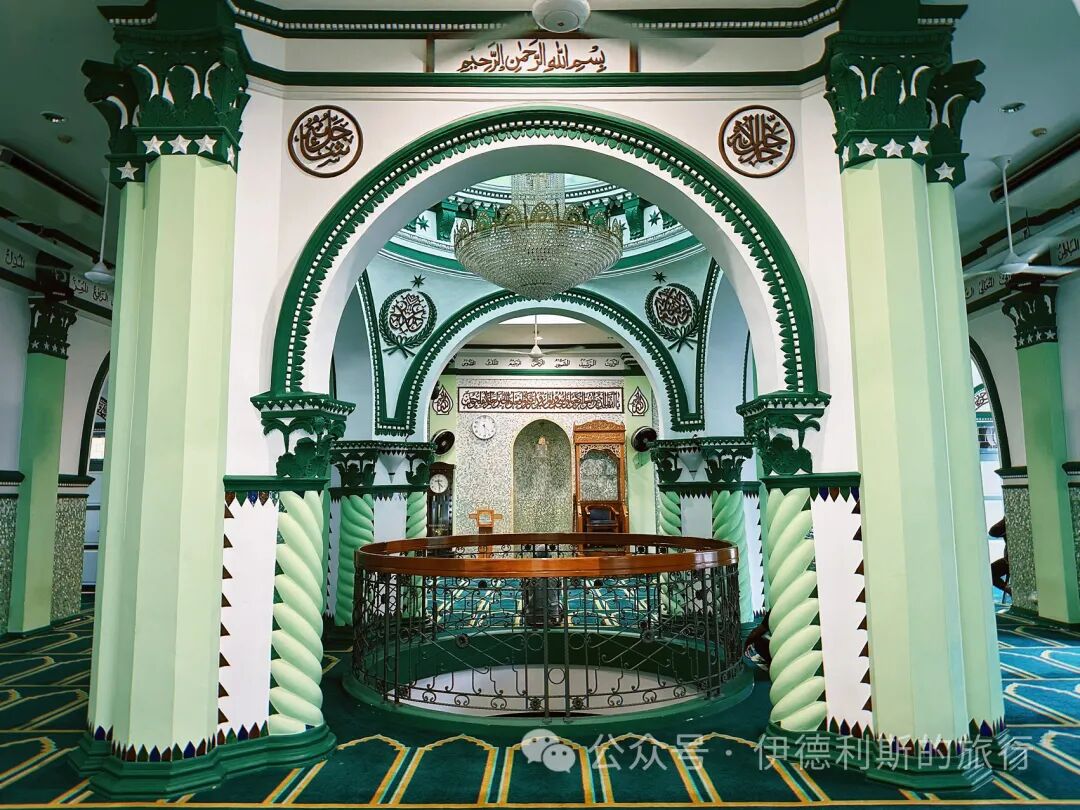
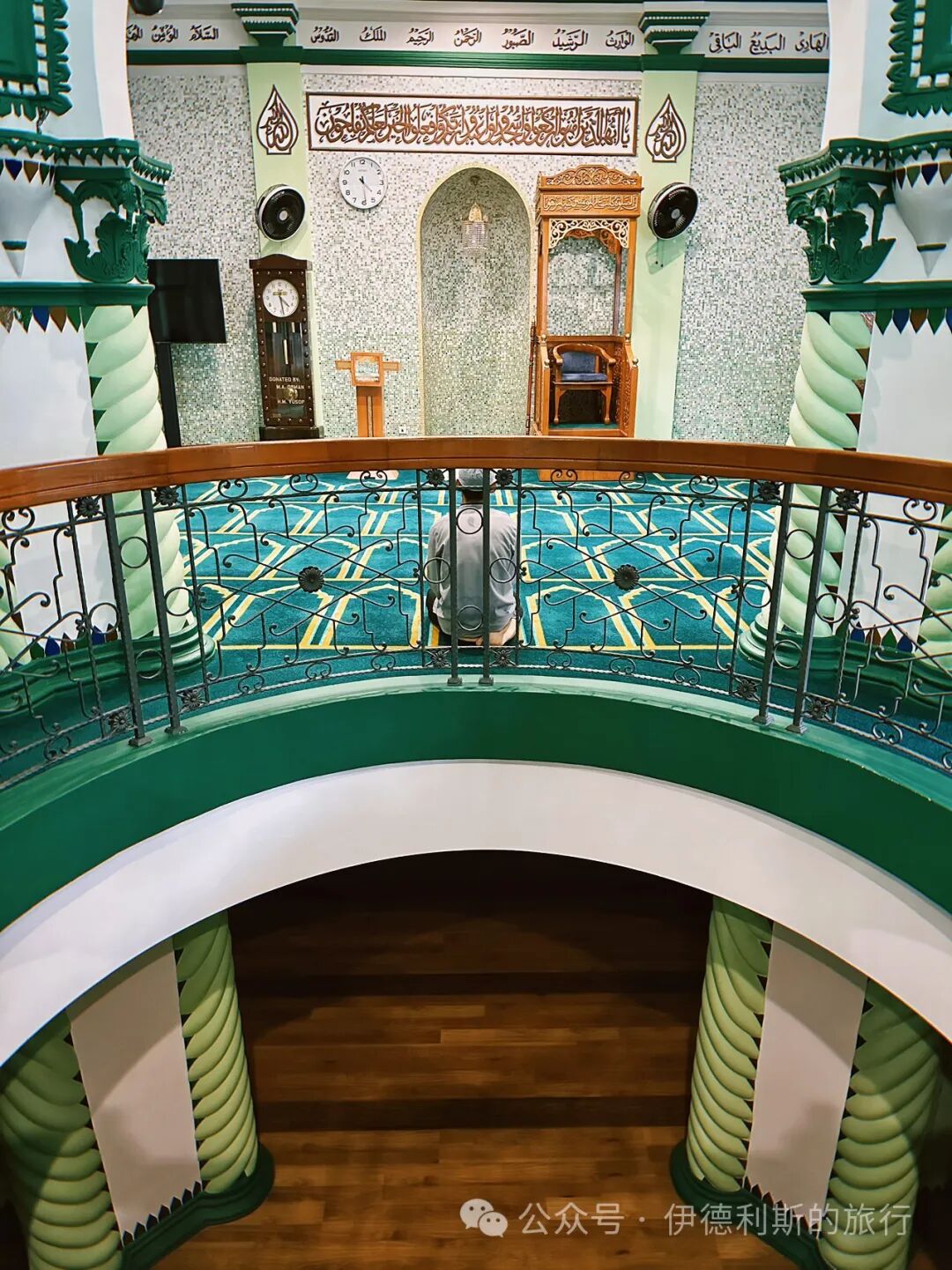
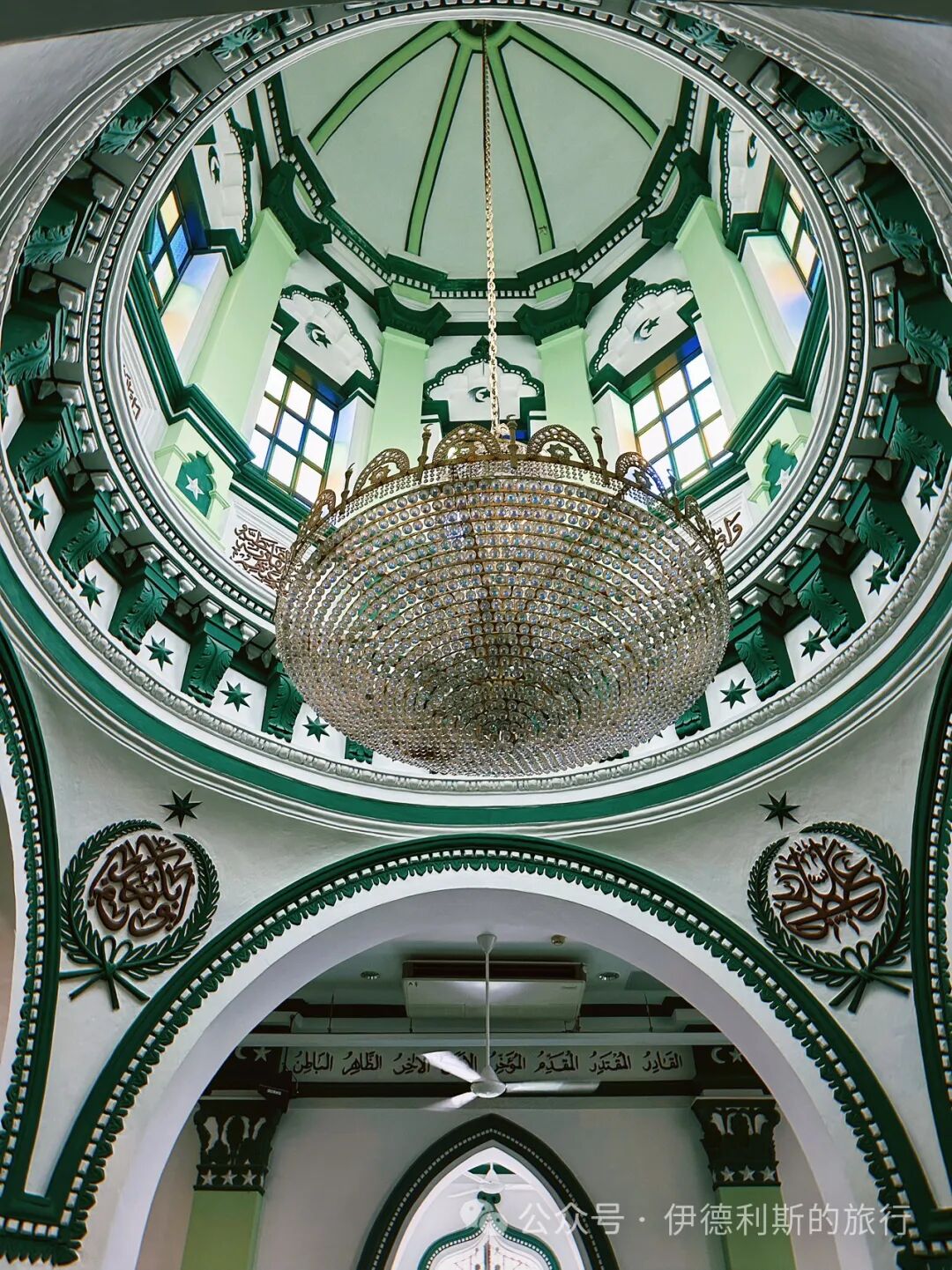
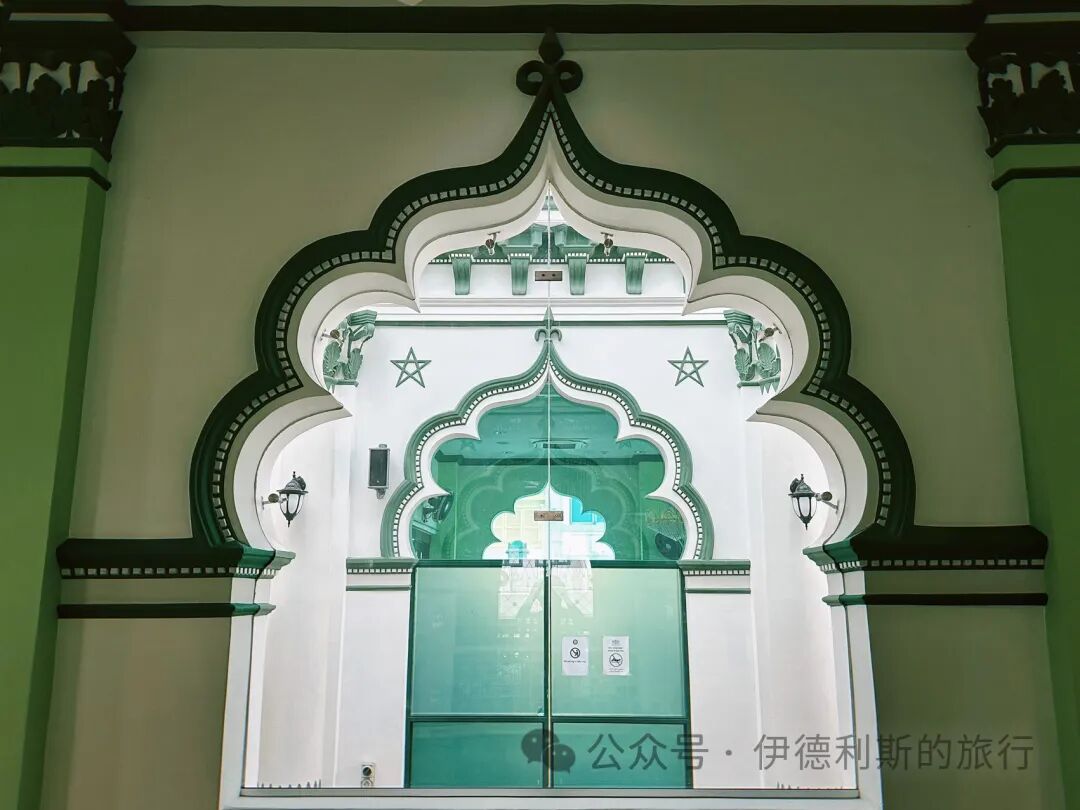
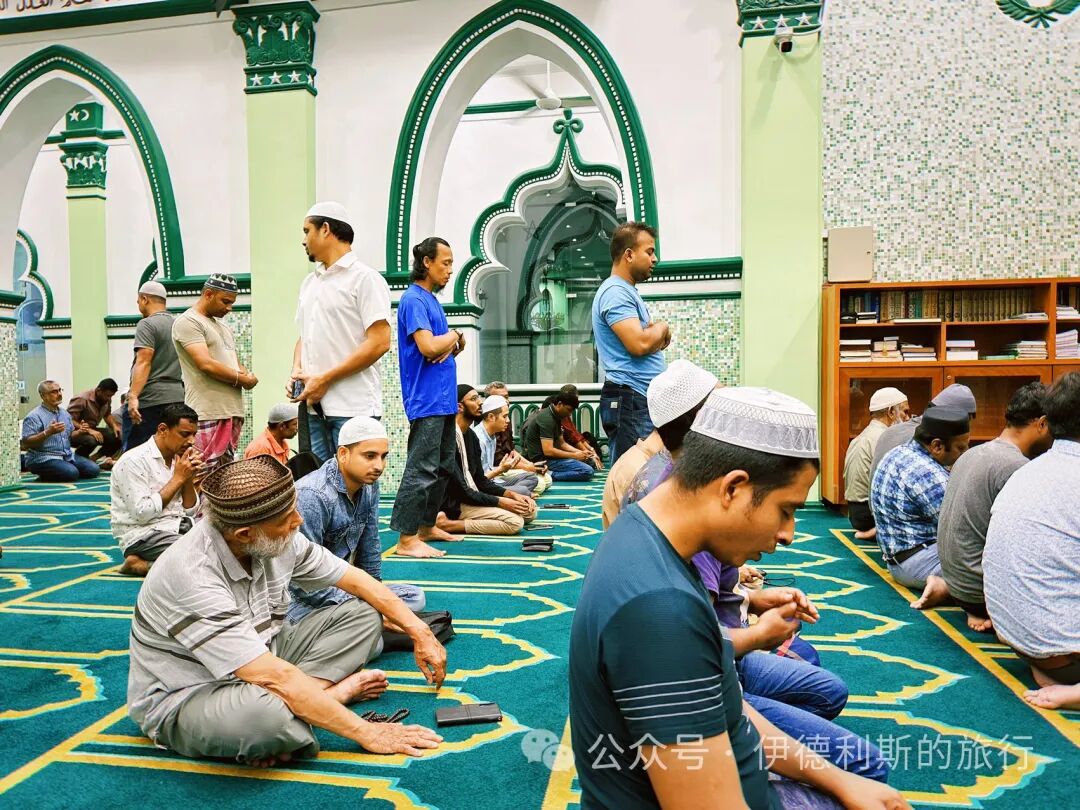
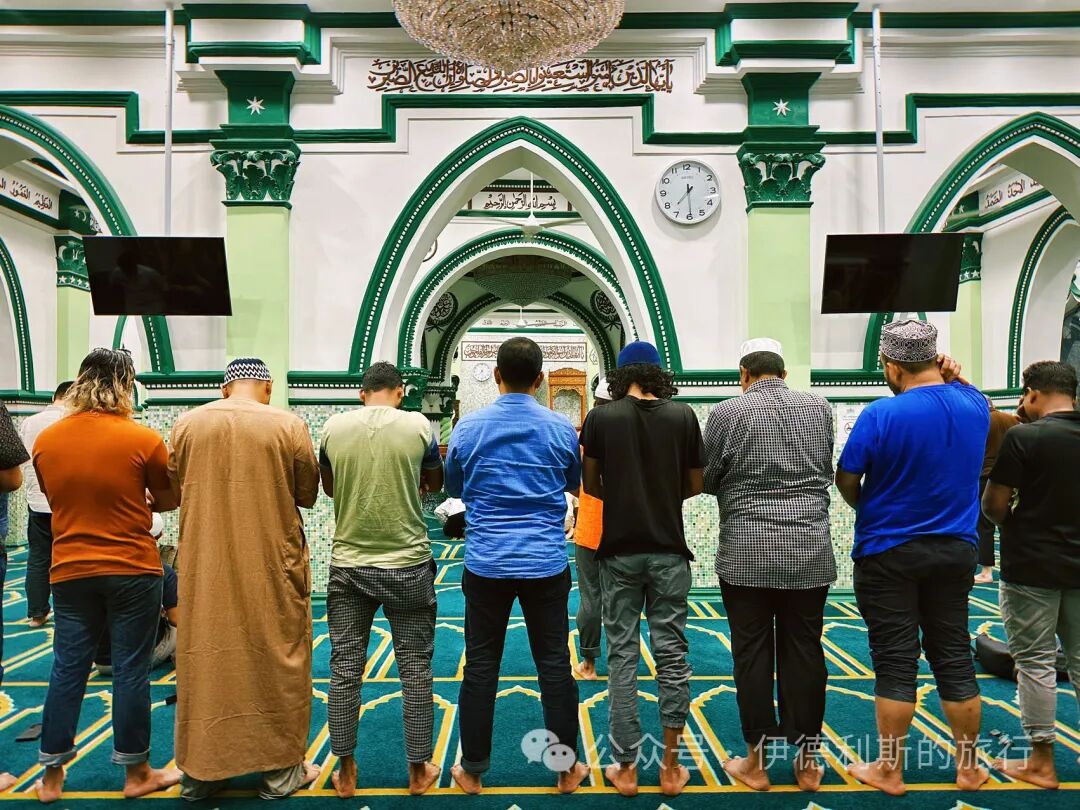
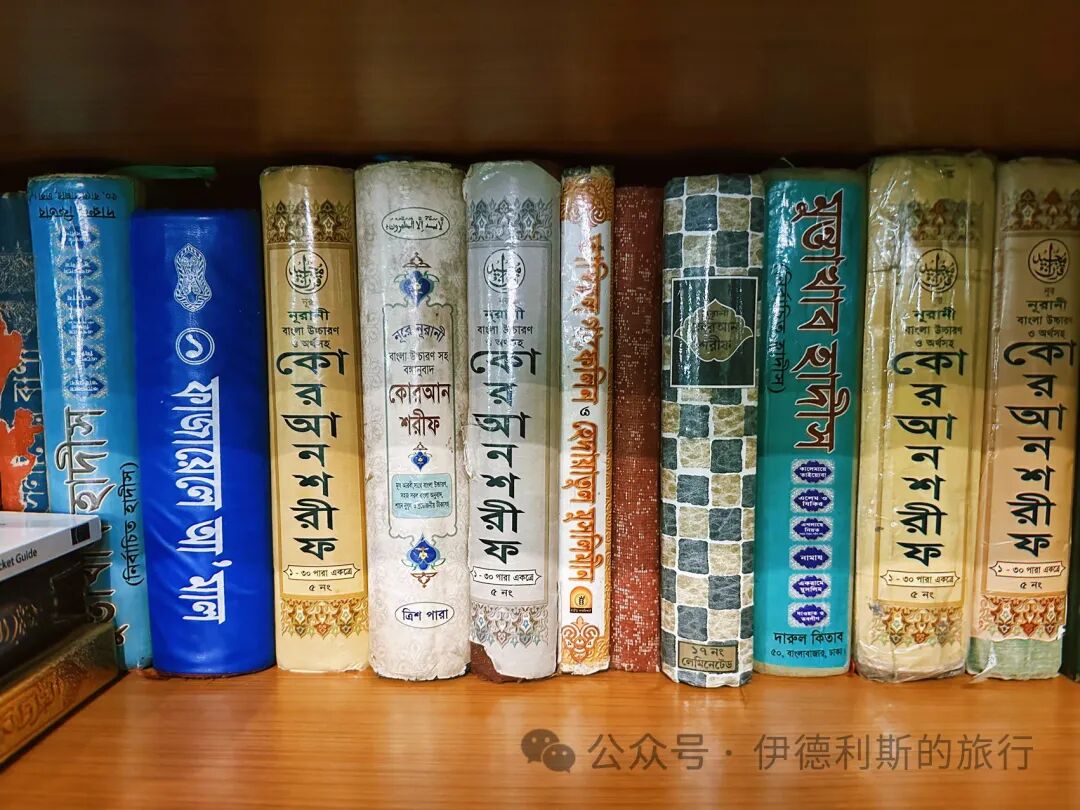
Today, Abdul Gafoor Mosque continues to serve the South Indian Tamil Muslim community in Singapore and offers religious classes in the Tamil language. This is also one of the few Hanafi mosques in Singapore, where the way of performing worship is the same as that of Hui Muslims, unlike the Shafi'i school followed by the Malay people. The prayer time here is one hour later than in other Shafi'i mosques. At other times, you can see some Muslims who follow the Shafi'i school forming their own separate prayer group at the back of the main hall, which is a very unique scene in Singapore.
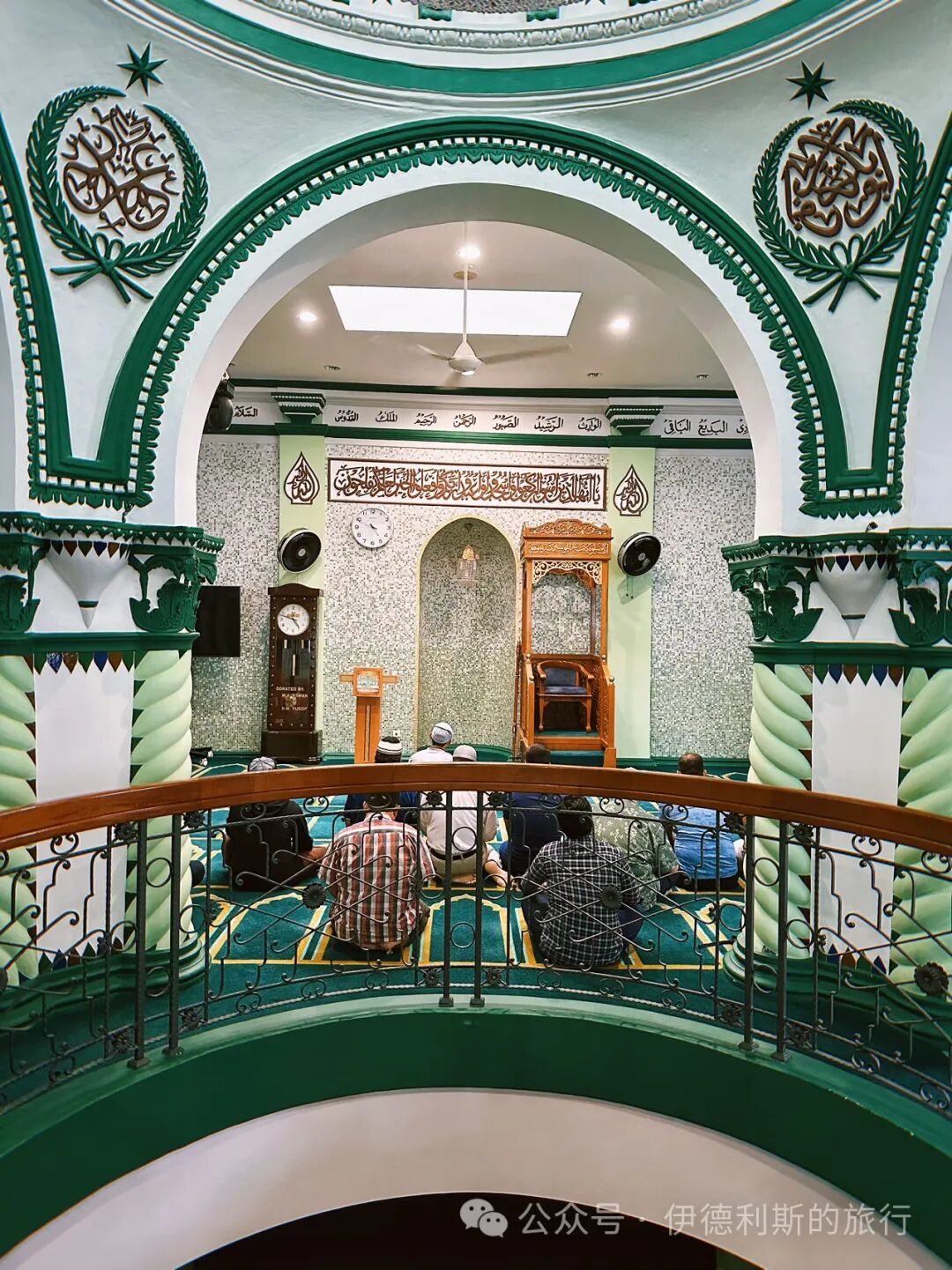
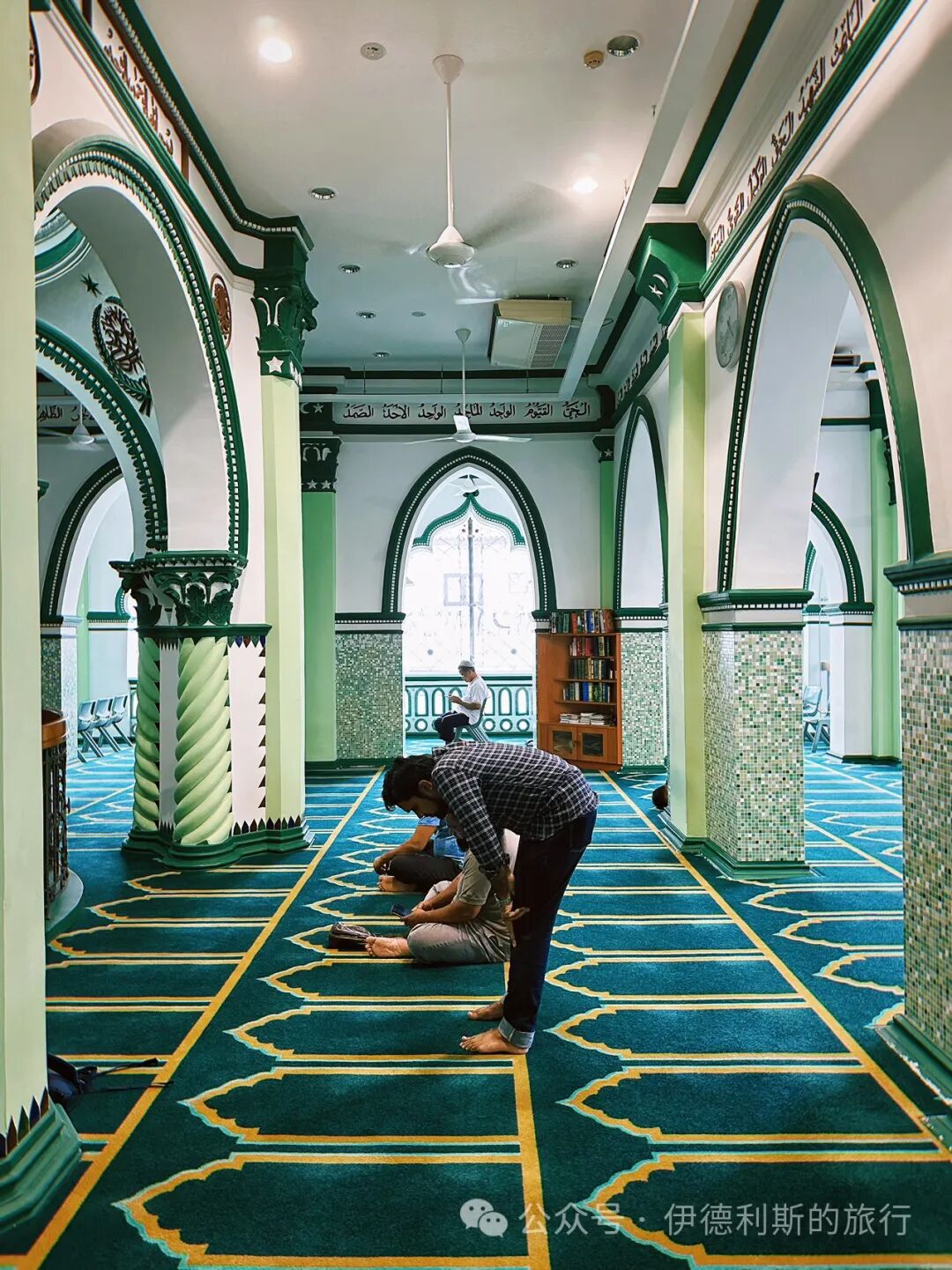
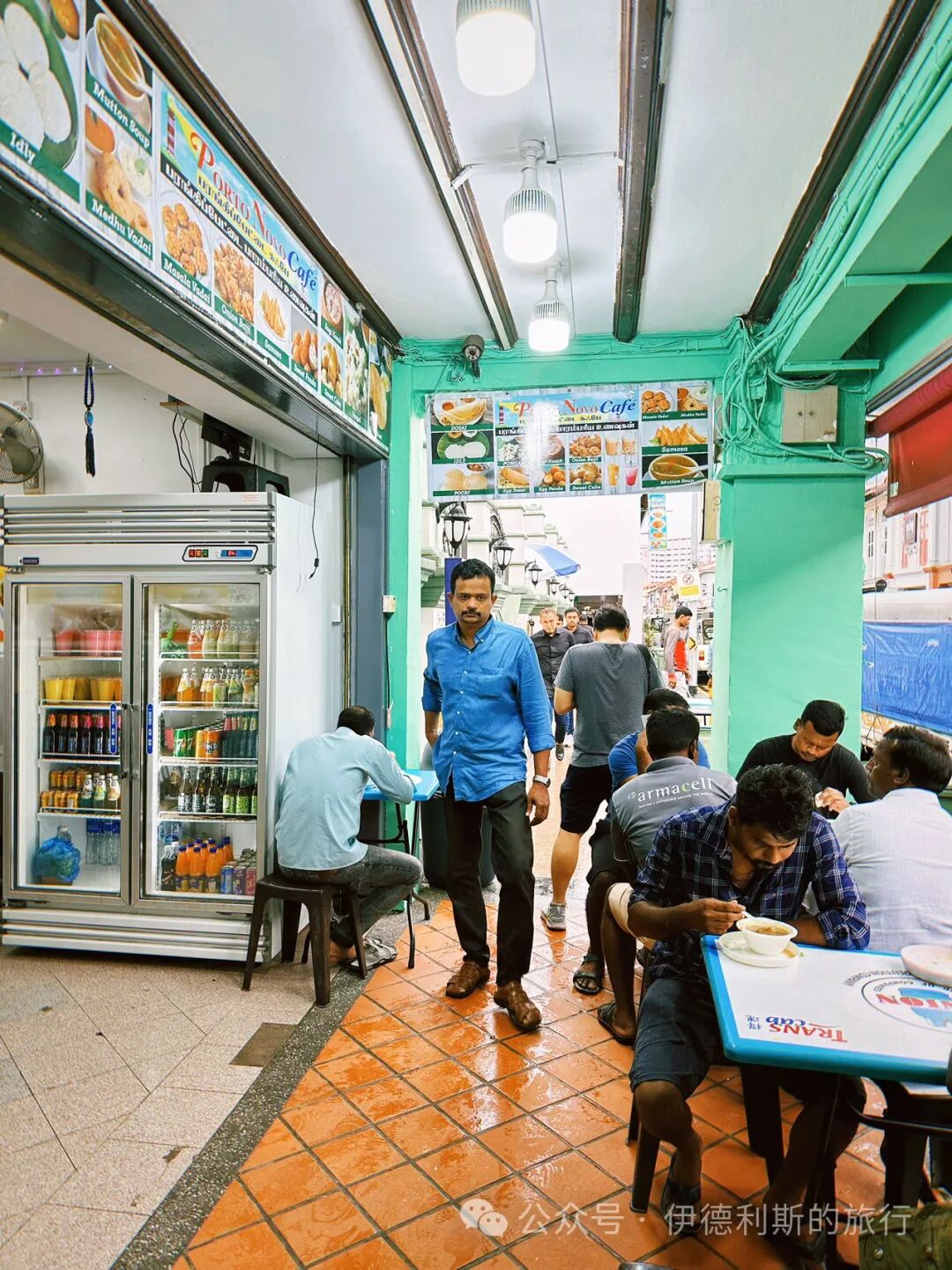
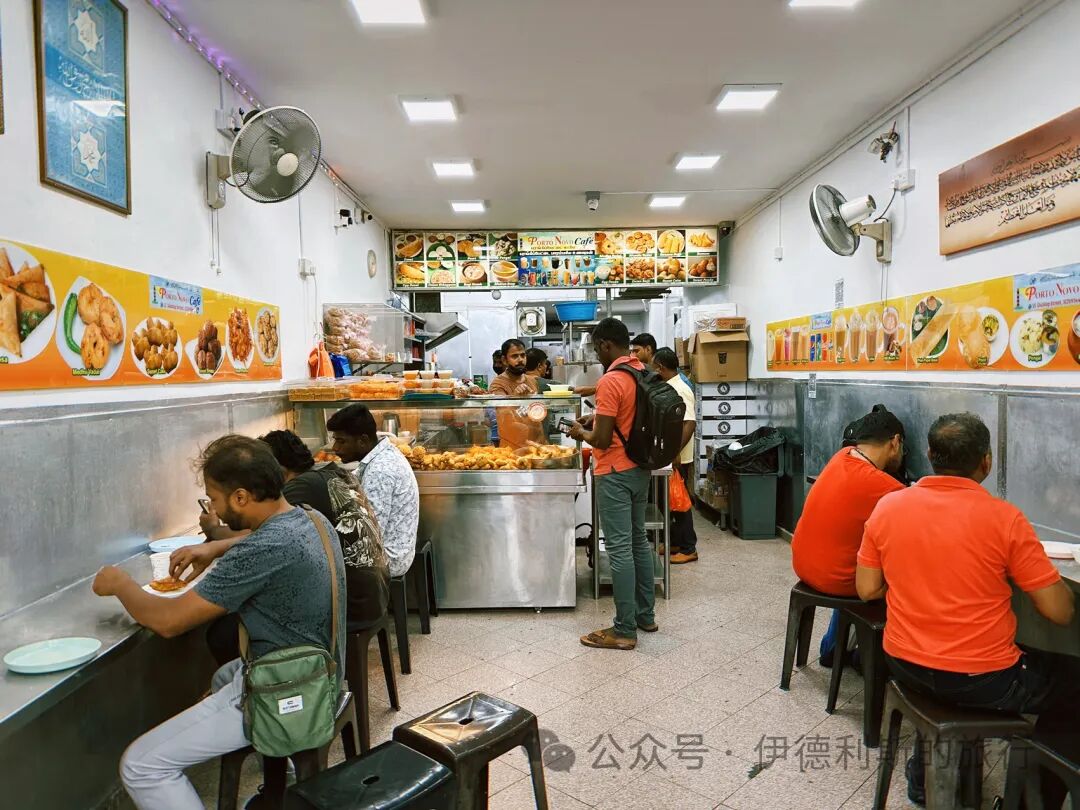
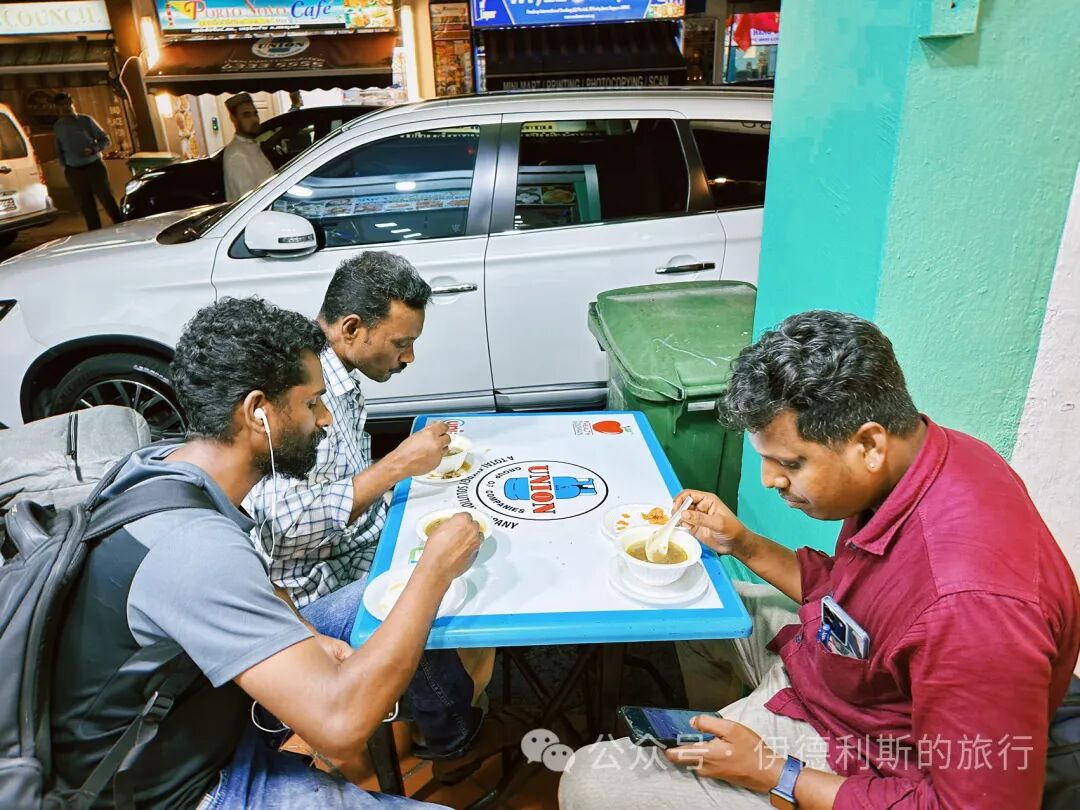
At the Indian restaurant by the mosque entrance, everyone drinks lamb bone broth (yangtang) after namaz. It is very comfortable to have a bowl on a rainy day.
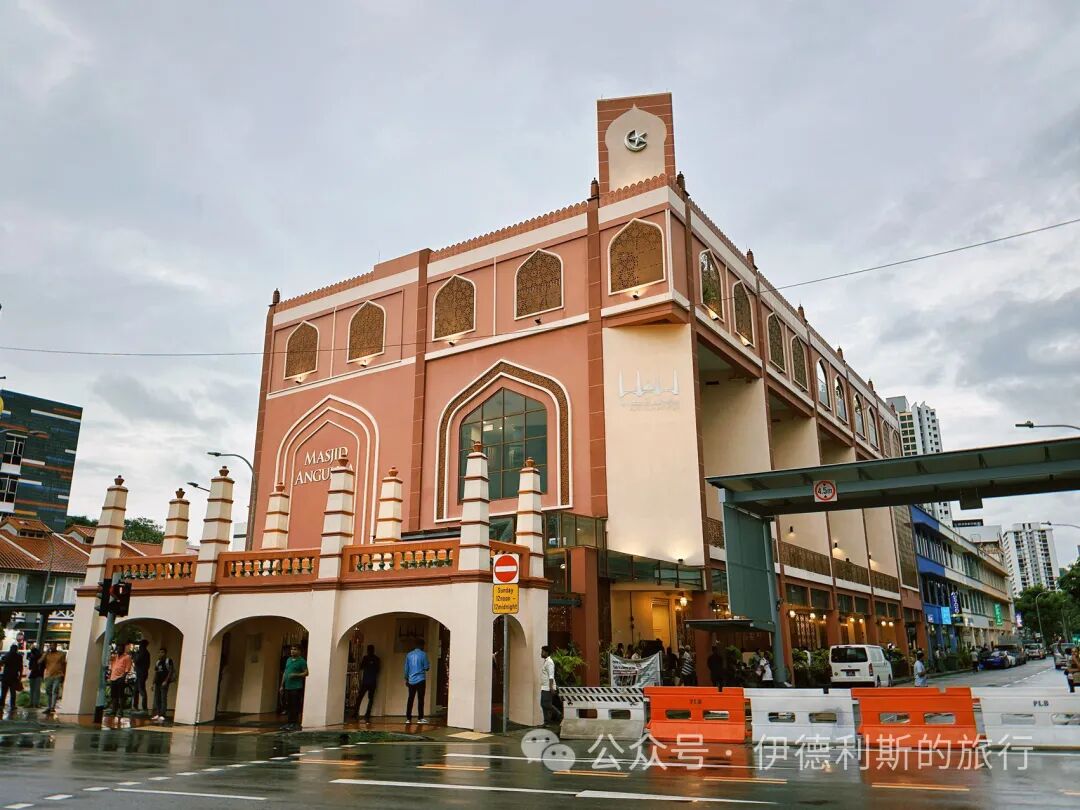
Opposite Abdul Gafoor Mosque, at the northern end of Little India, is Angullia Mosque, which was established by Gujarati Muslims from western India. The Angullia family came to Singapore from Gujarat state in the 19th century to do business. In the late 19th century, Mohammed Salleh Eussoofjee Angullia accumulated great wealth through the trade of spices, sugar, timber, and tableware, becoming a prominent figure in Singapore's Indian Muslim community. In 1890, the Angullia family donated the land, and Angullia Mosque was built in 1892. The Angullia family has managed the mosque ever since.
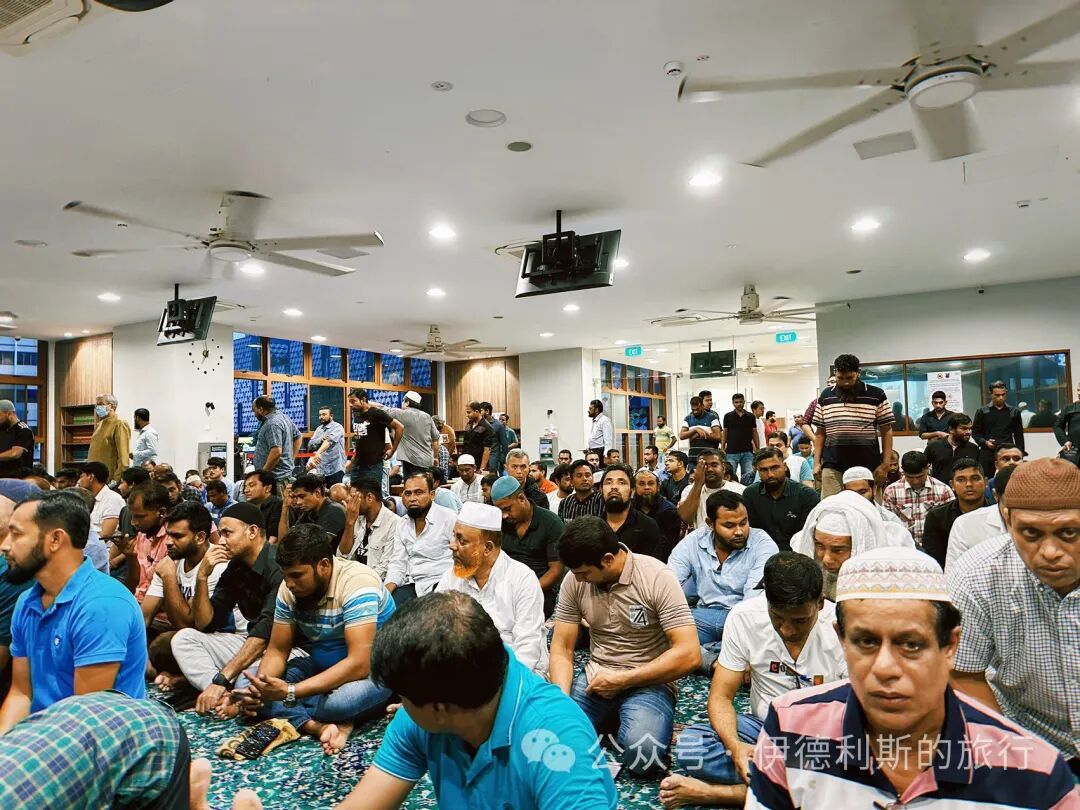
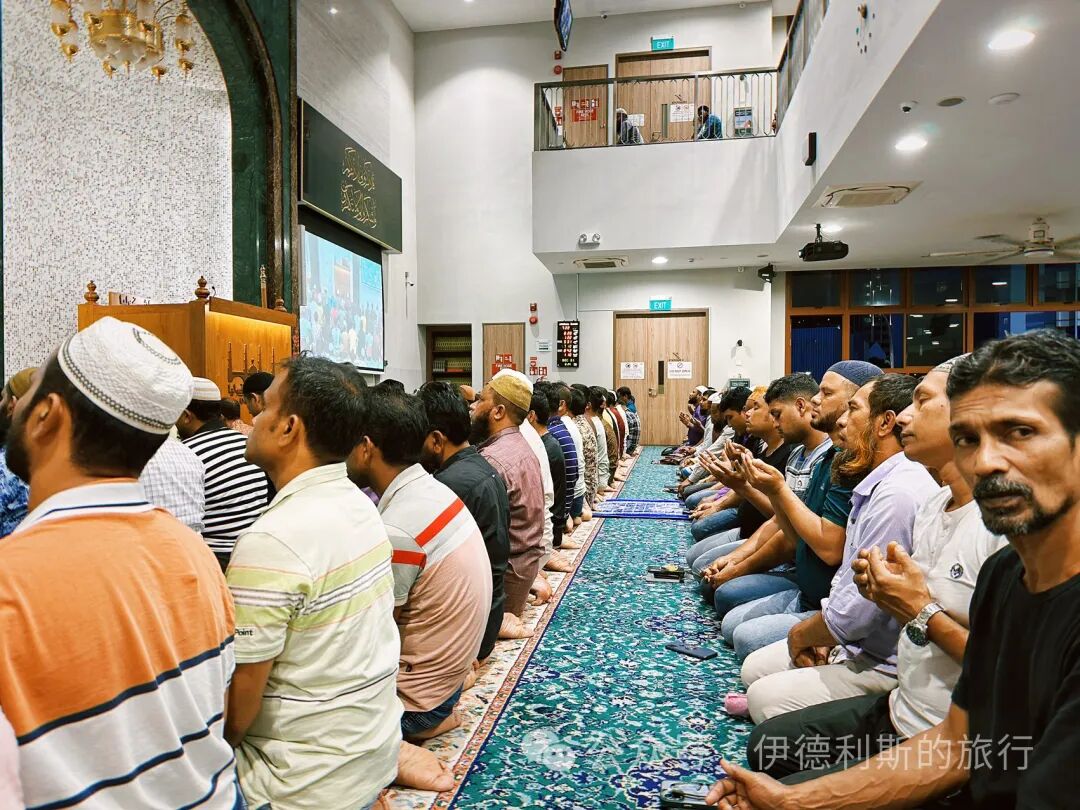
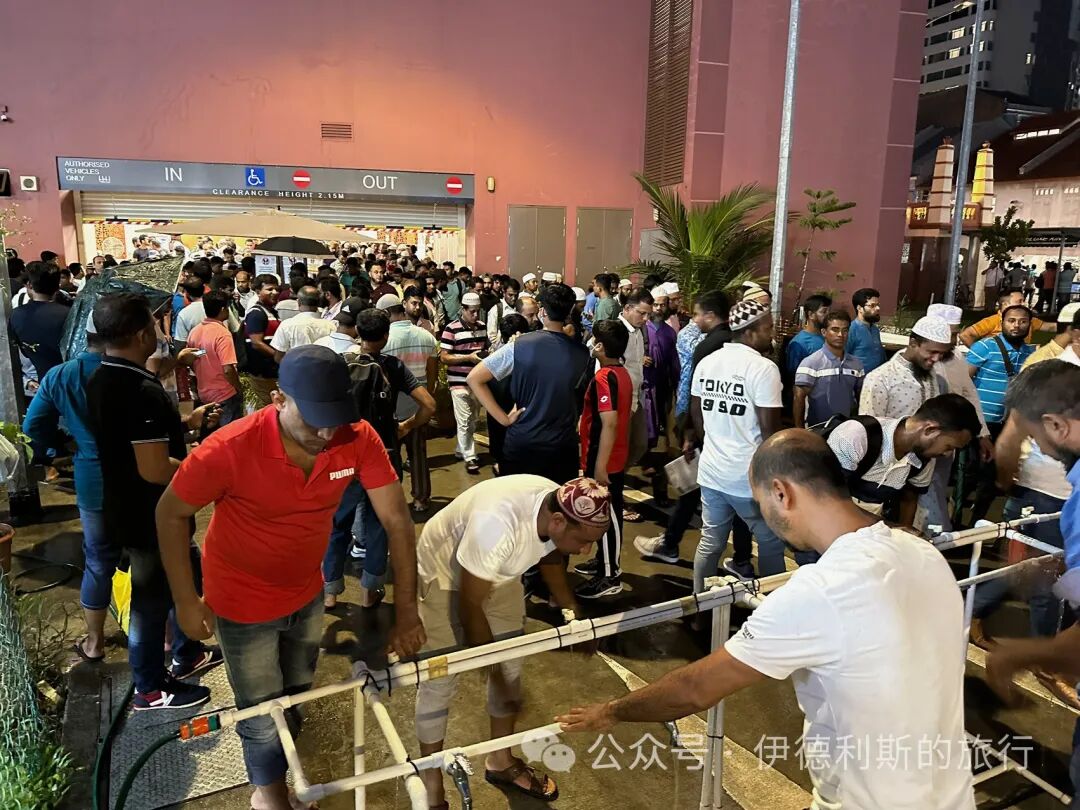
Angullia Mosque was rebuilt in 1970 and expanded again in 2020 to its current appearance. Only the gatehouse built in 1890 has been preserved to this day. Angullia Mosque is the mosque where I have seen the largest number of people praying in Singapore. As the time approached, a queue formed outside the ablution area. People filled the entire main hall, and those who arrived late had to wait outside because they could not get in. After namaz, the imam immediately told everyone to leave in an orderly manner, and the people waiting outside would form a new prayer group after everyone left.
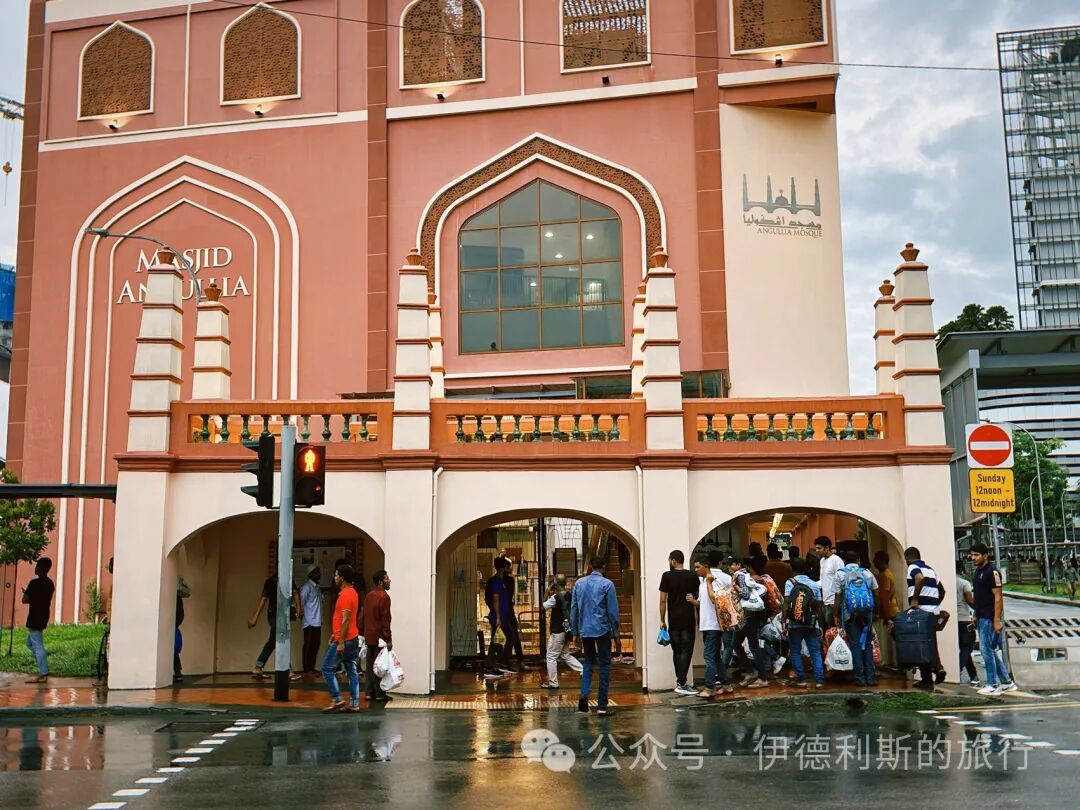
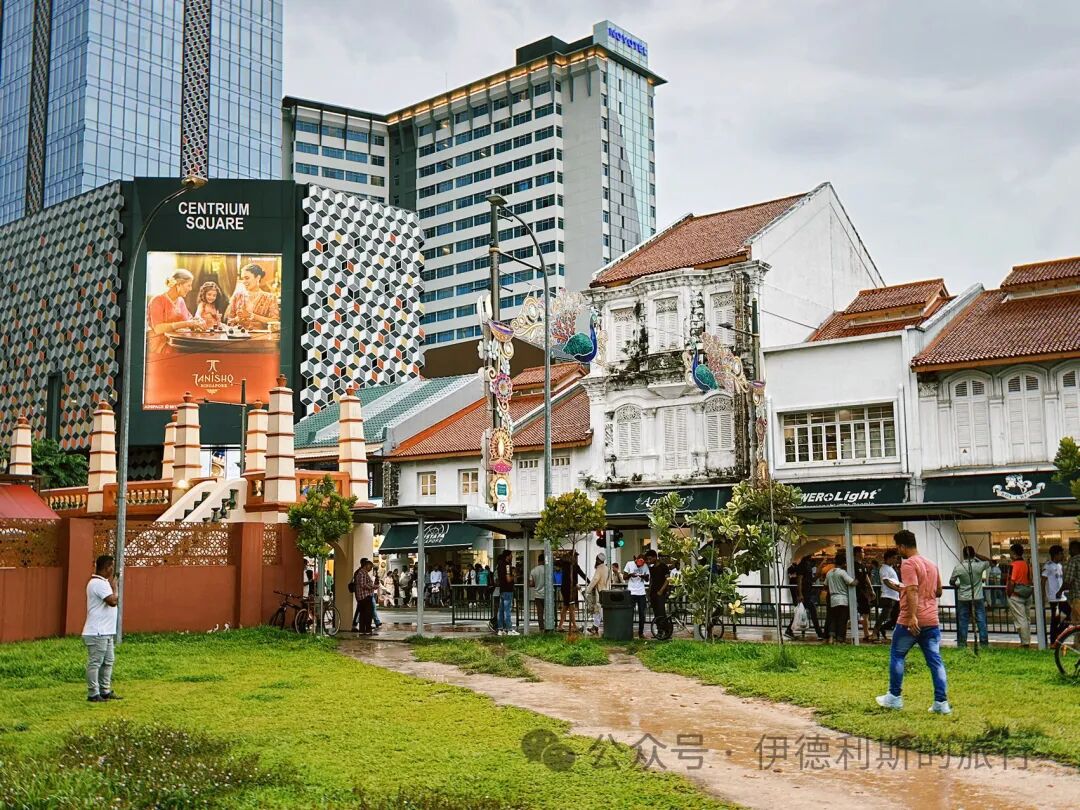
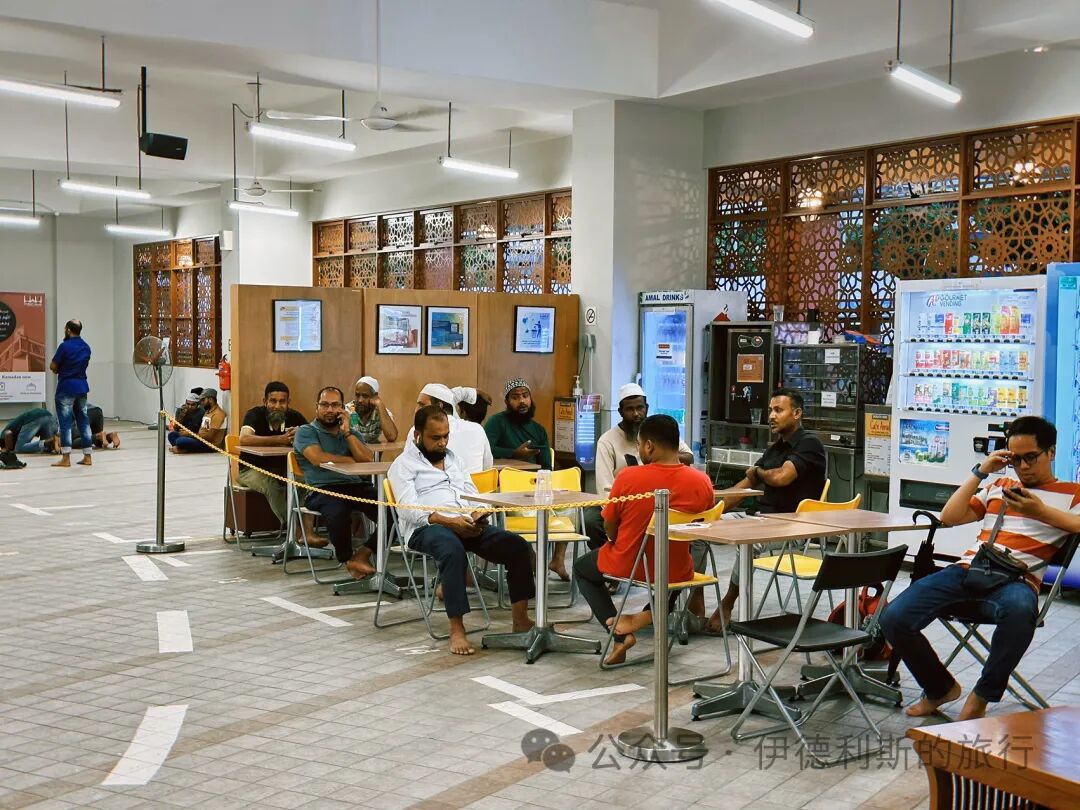
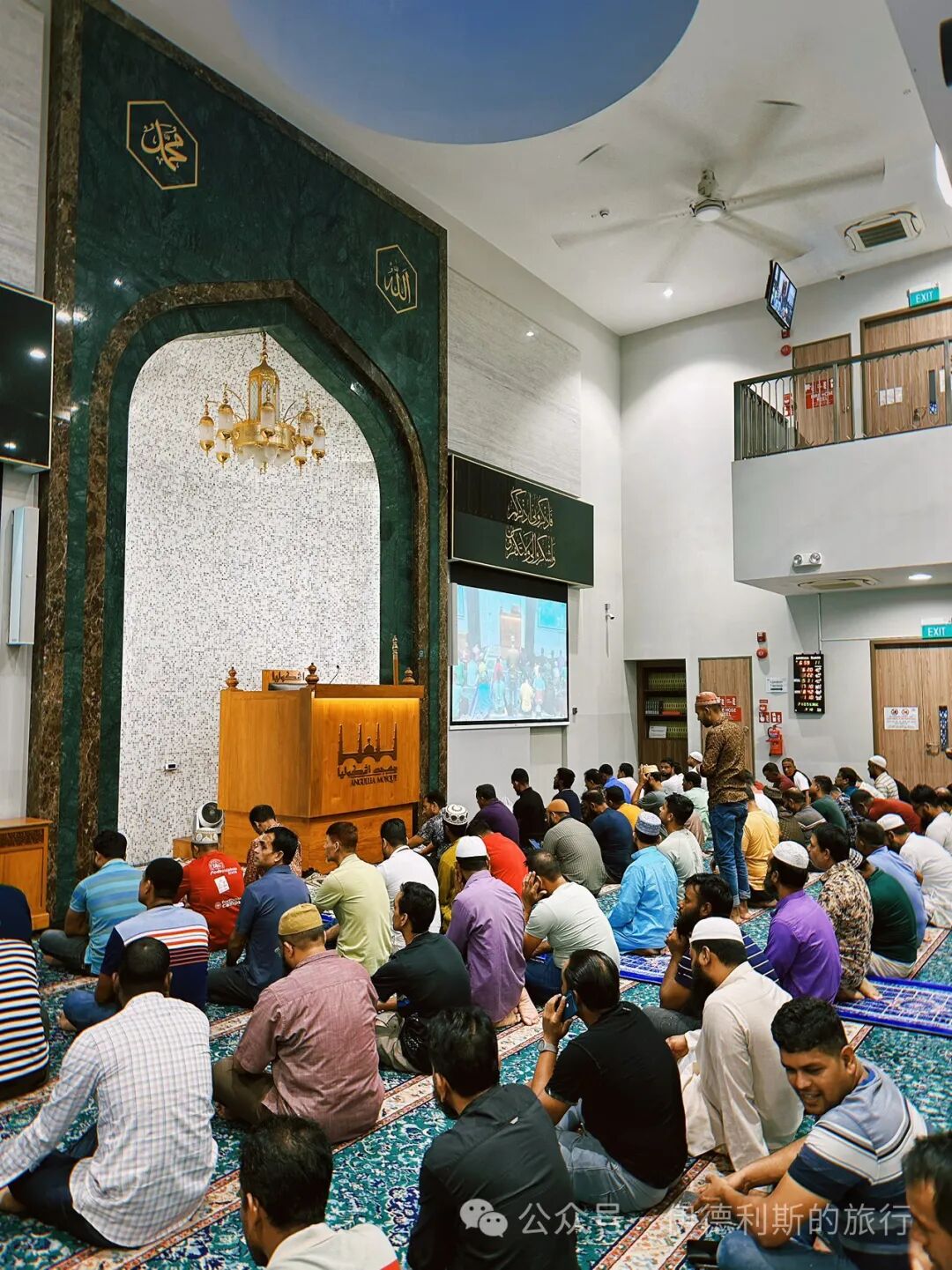
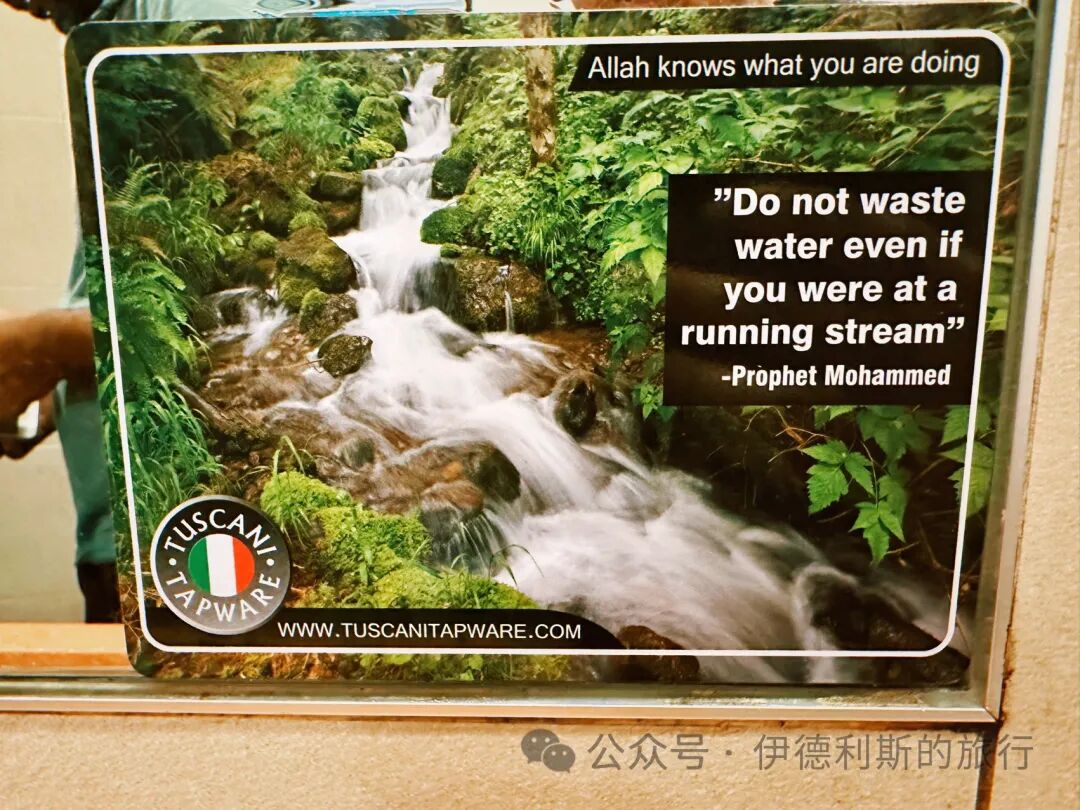
There are water-saving signs in the ablution area, and similar hadith are posted in several places. I think they are quite meaningful.
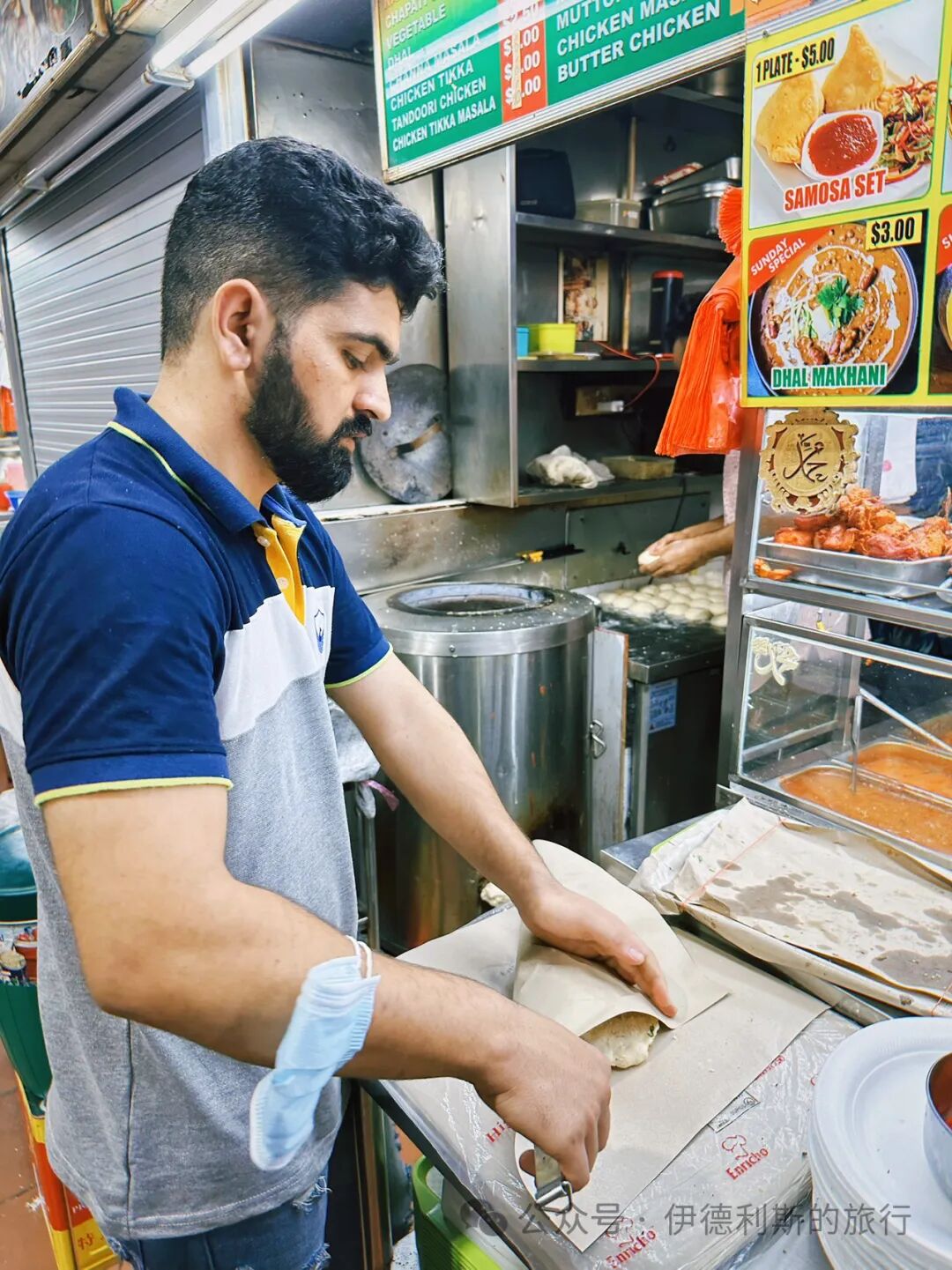
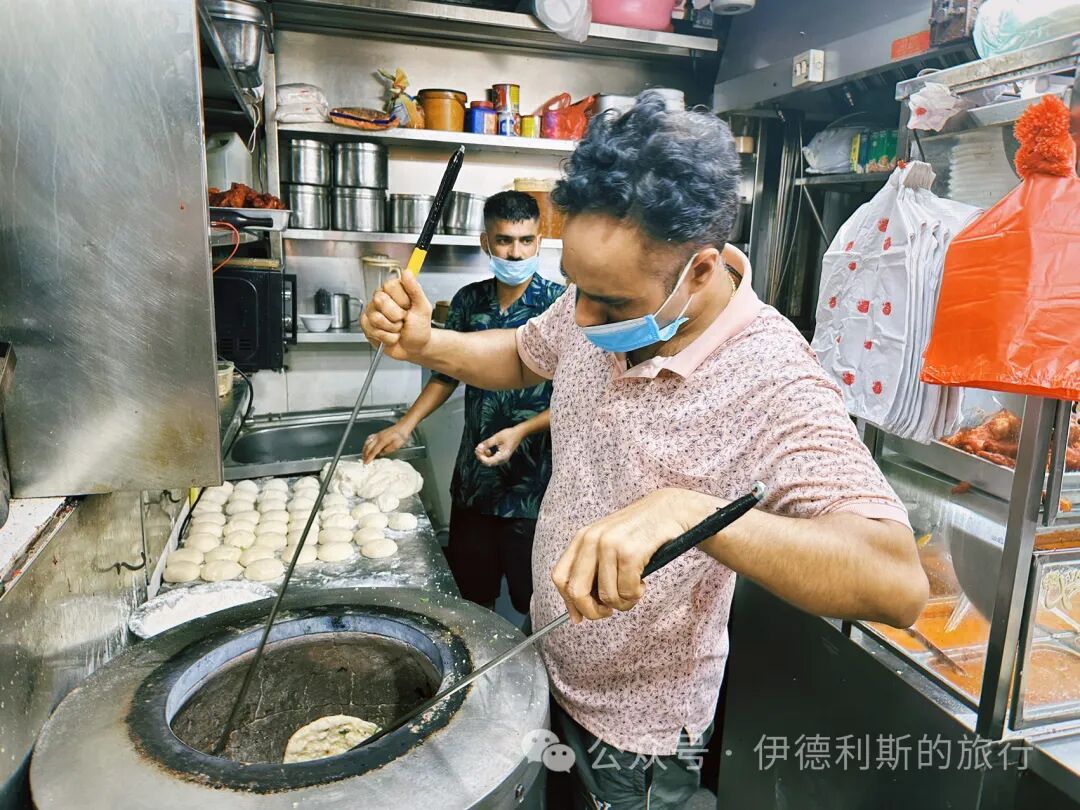
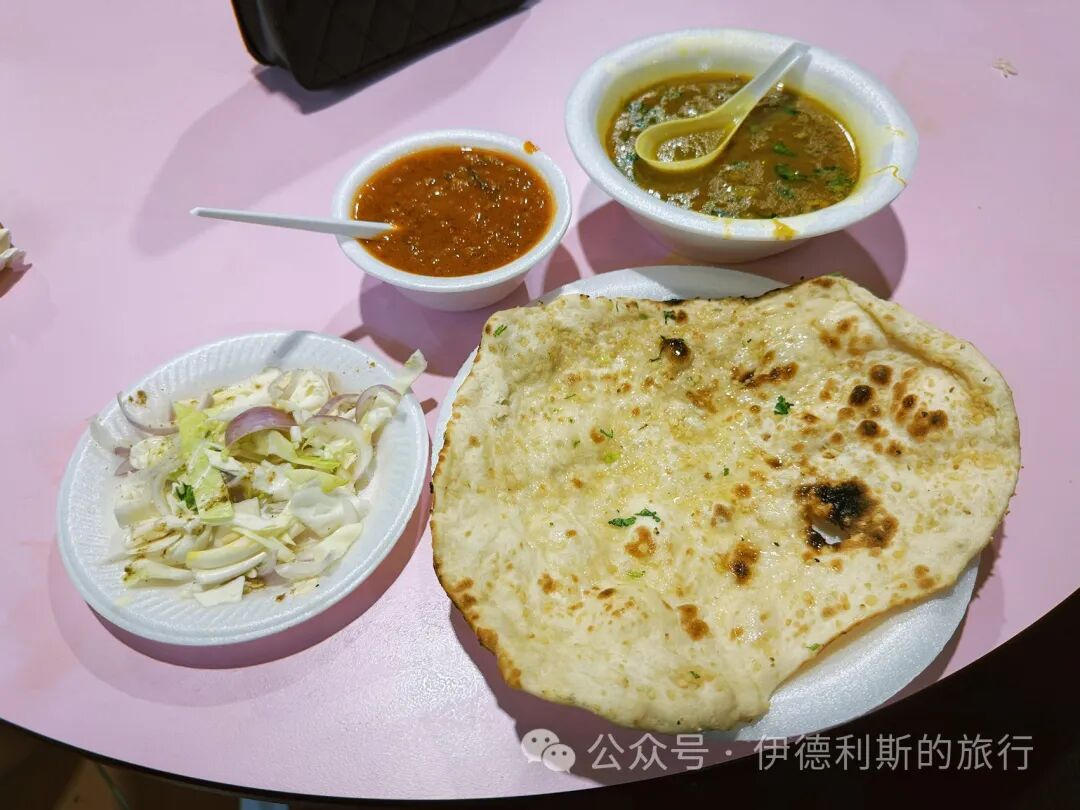
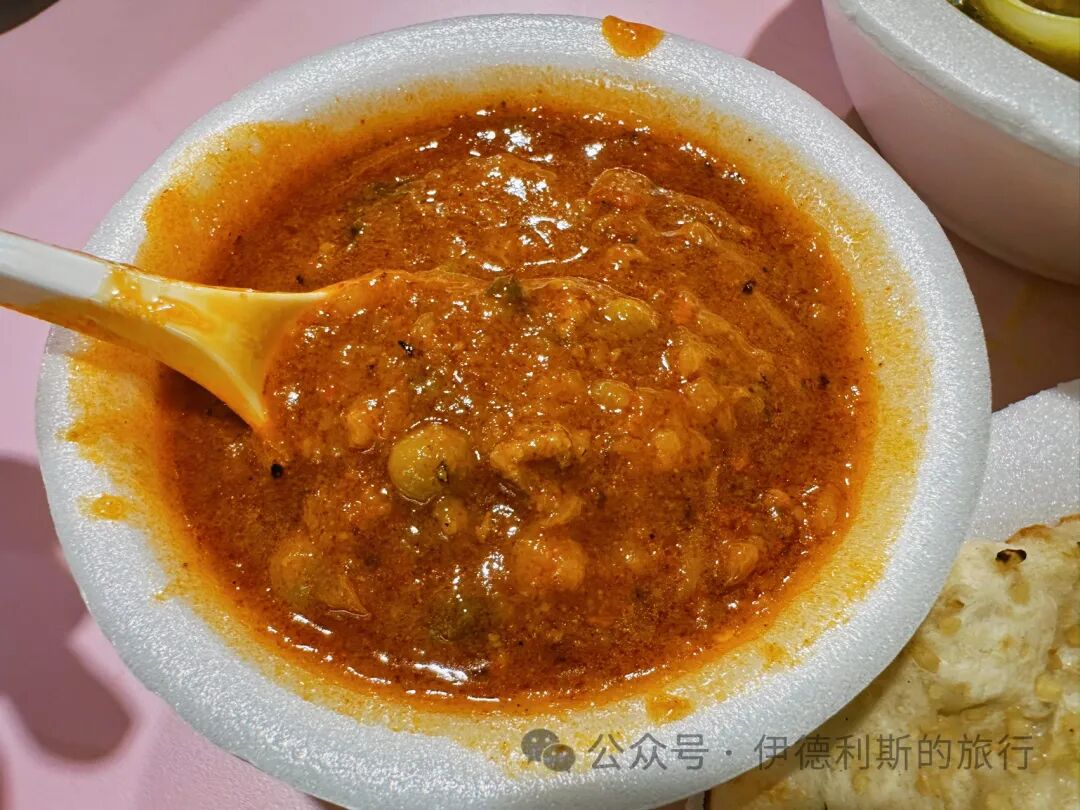
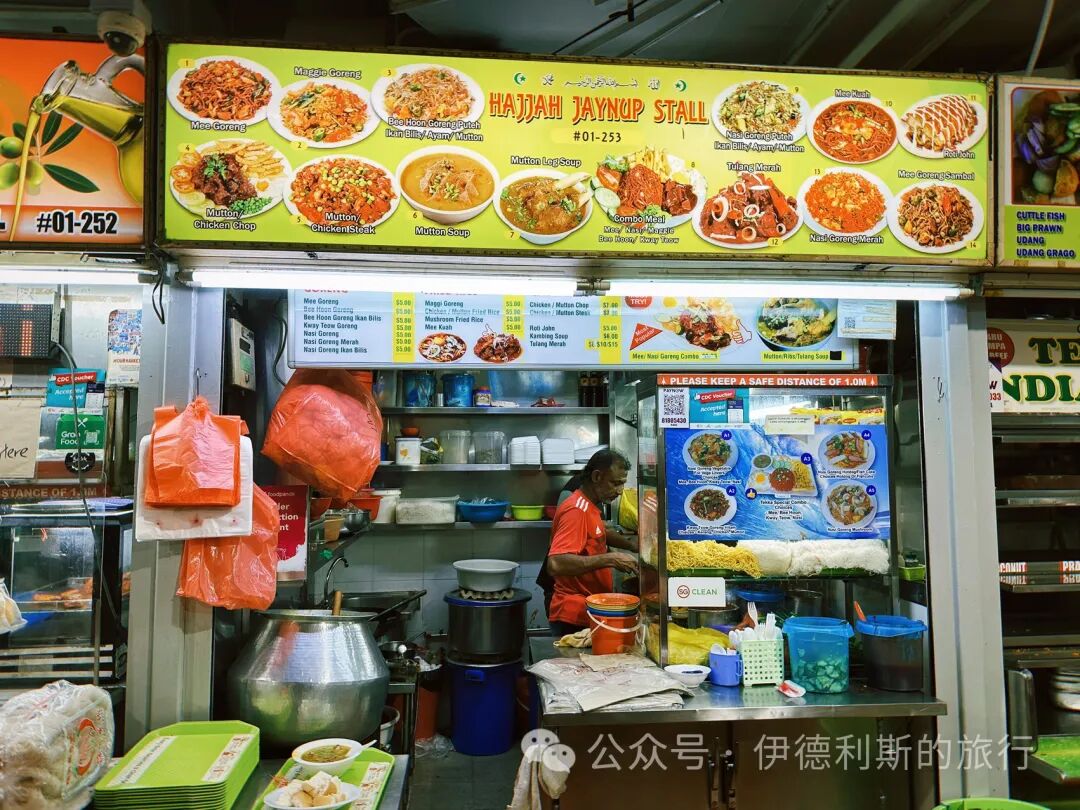
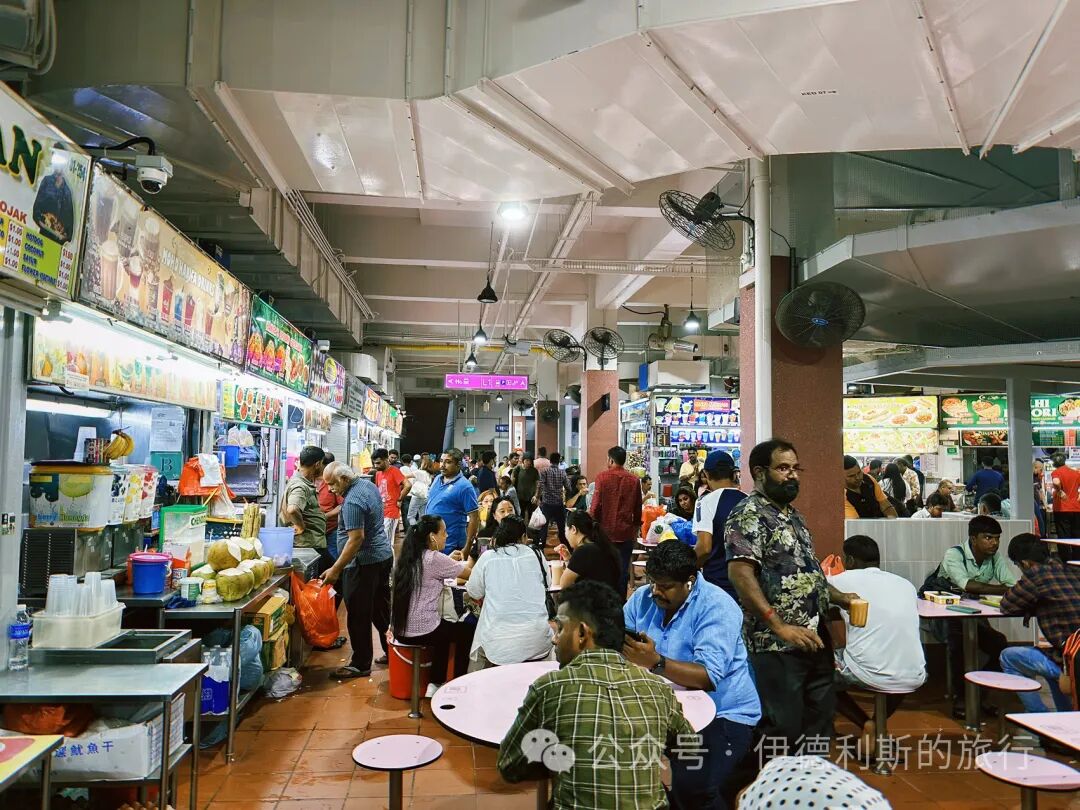
If you want to experience Indian halal food in Singapore's Little India, the most convenient place is Tekka Centre (zhujiao basha). It has a row of stalls all run by Indian Muslims, and the prices are very cheap. We first drank a bowl of lamb trotter curry soup, which was hot and perfect for a rainy day. Then we ate freshly made almond flatbread (badam naan) with minced lamb curry. Many people eat it this way, tearing off the flatbread to dip into the curry and eating it bit by bit, finally wiping up every last drop of the sauce.
Tekka Centre was first built in 1915. In the 1930s, it became popular for its wide variety of fresh meat, vegetables, and seafood, and was known to the public as the 'People's Market'. The current building was finished in 1981, and most of the stall owners inside have been running their businesses for two or three generations.
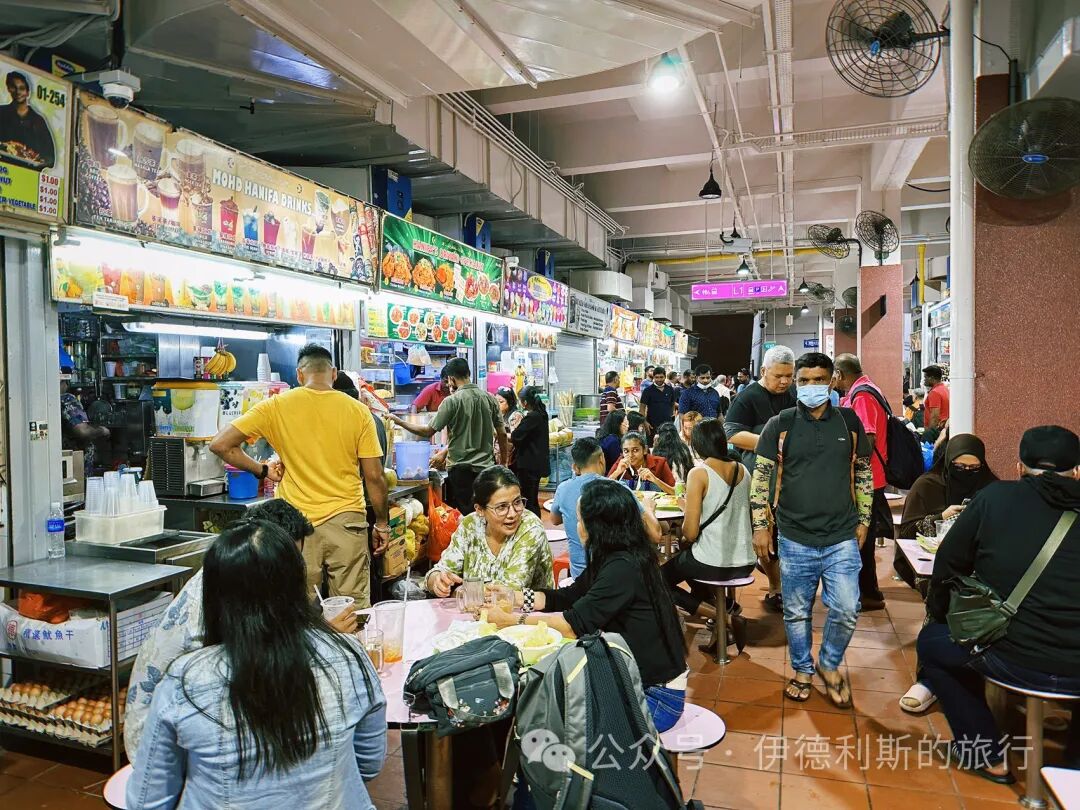
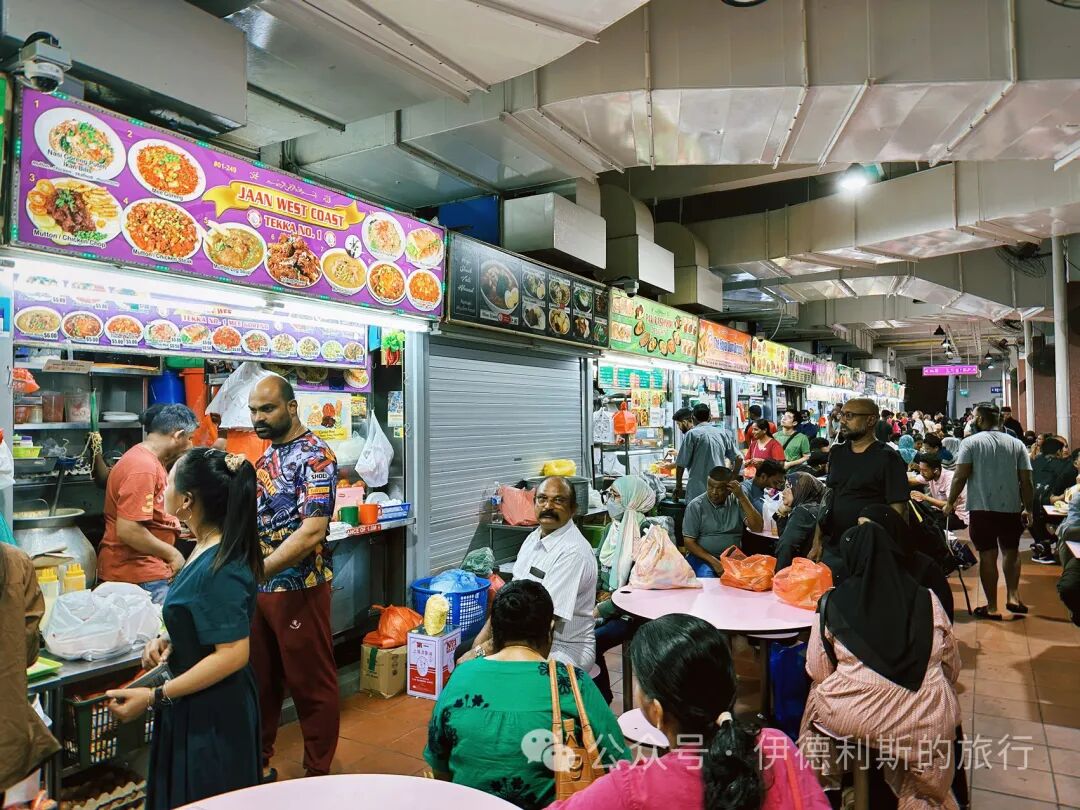
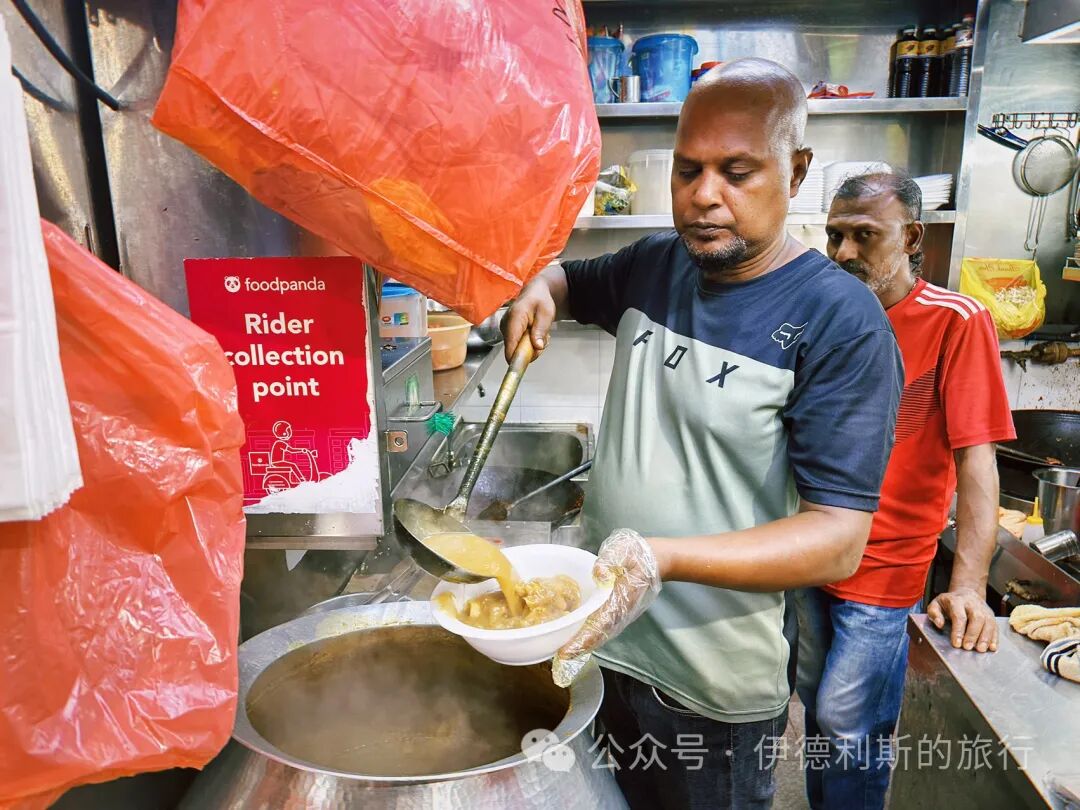
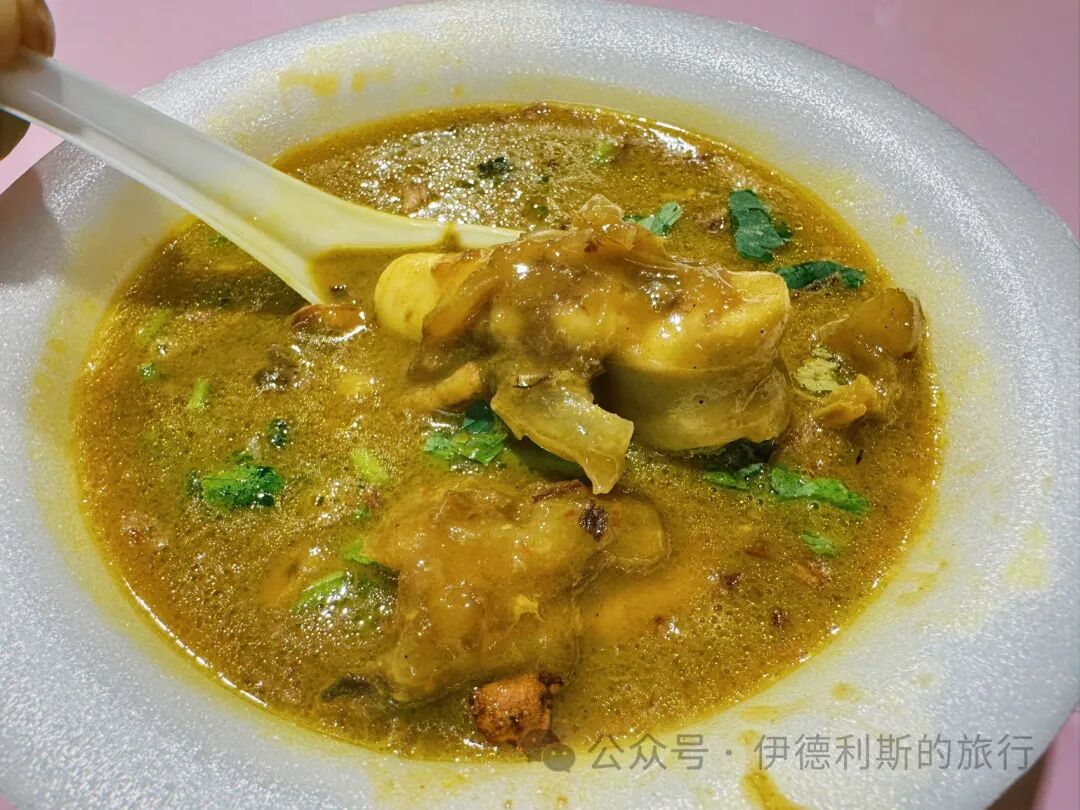
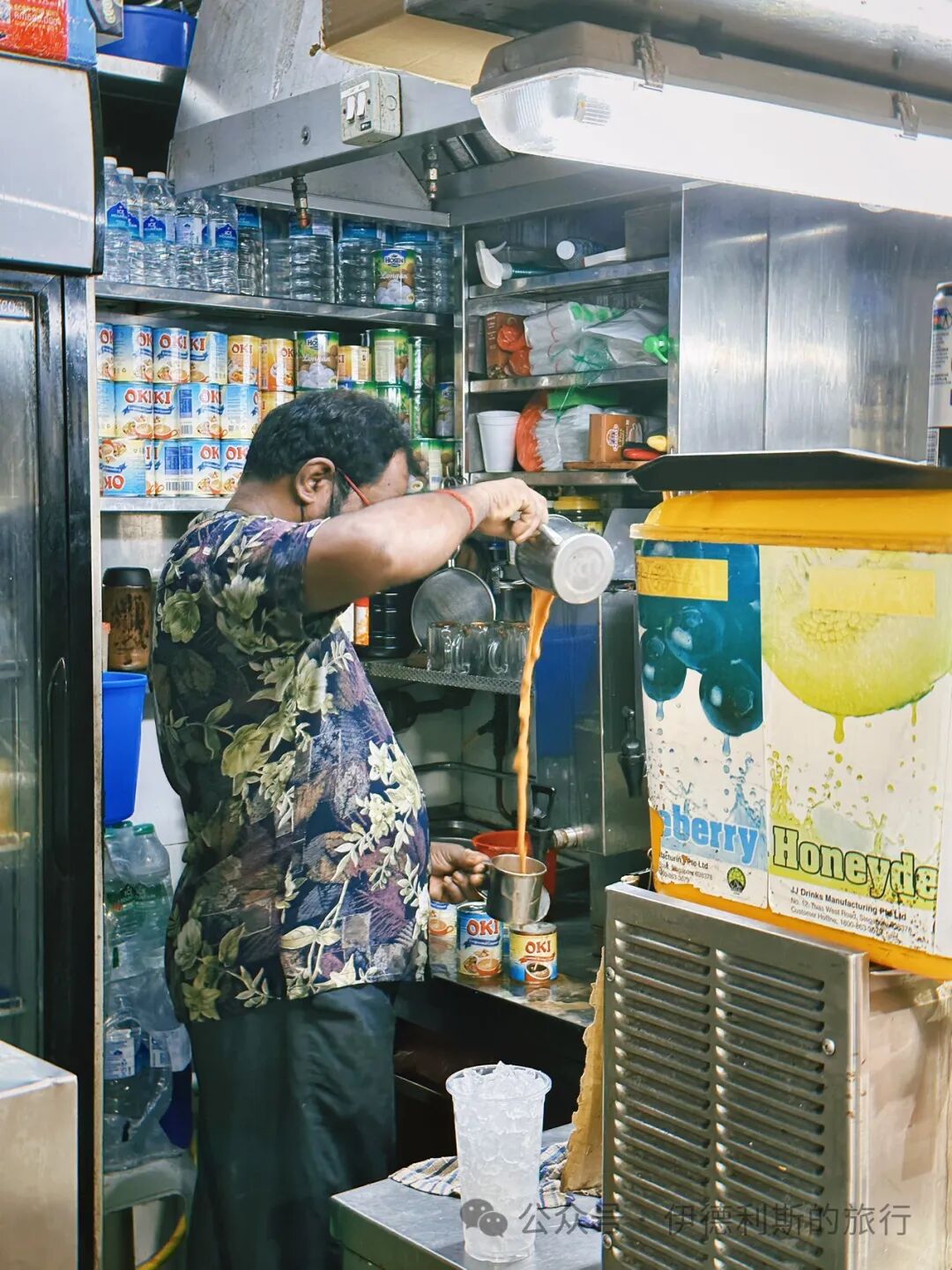
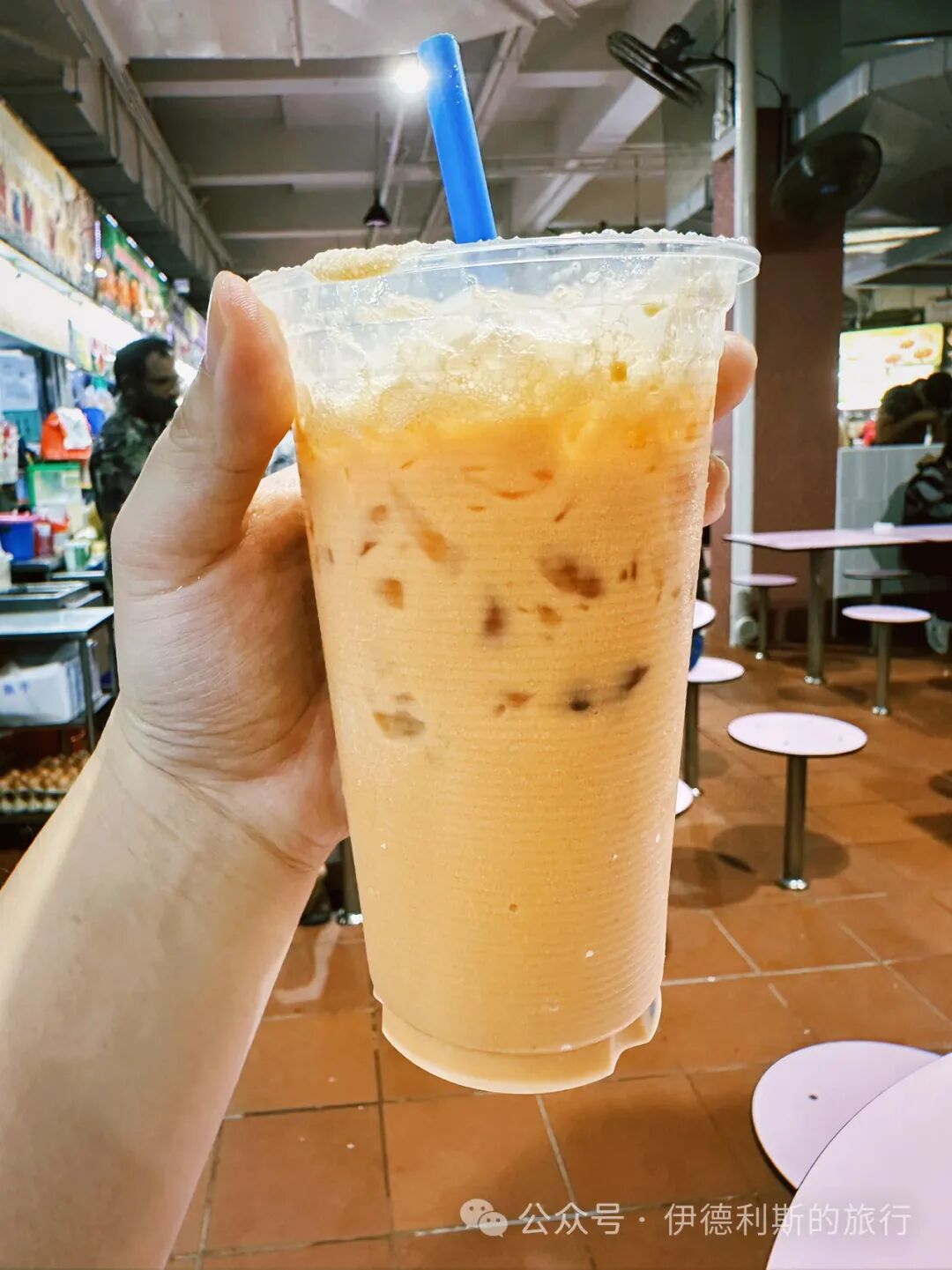
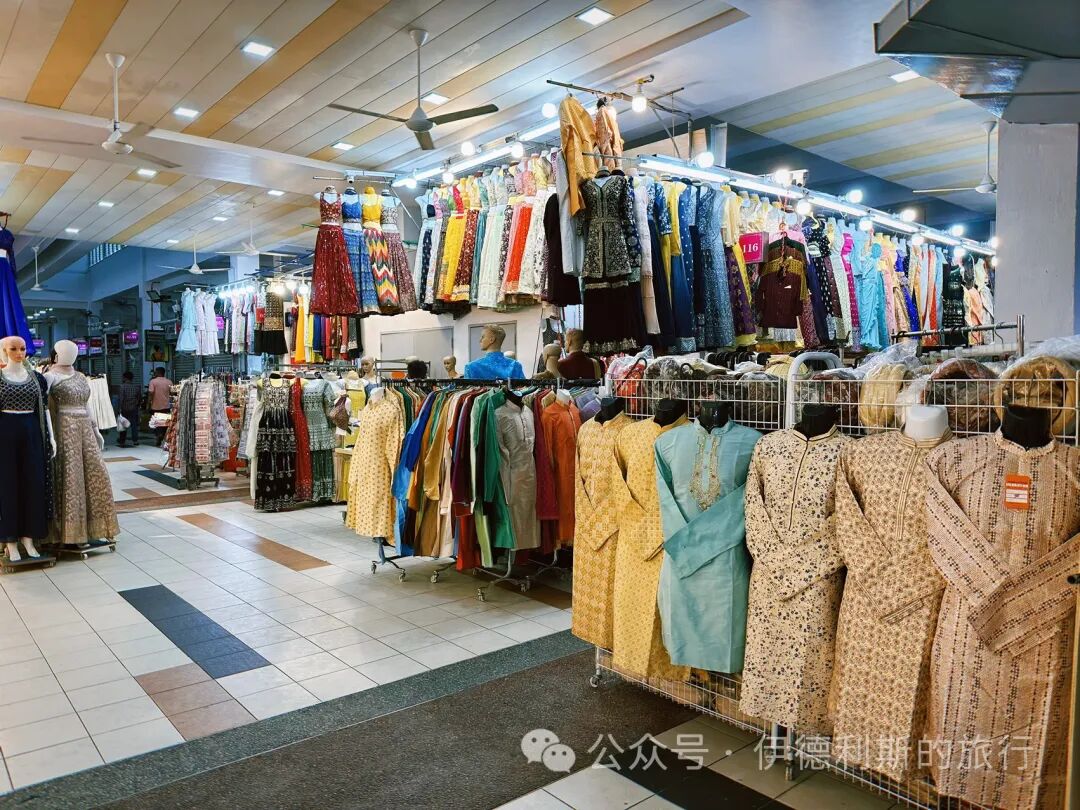
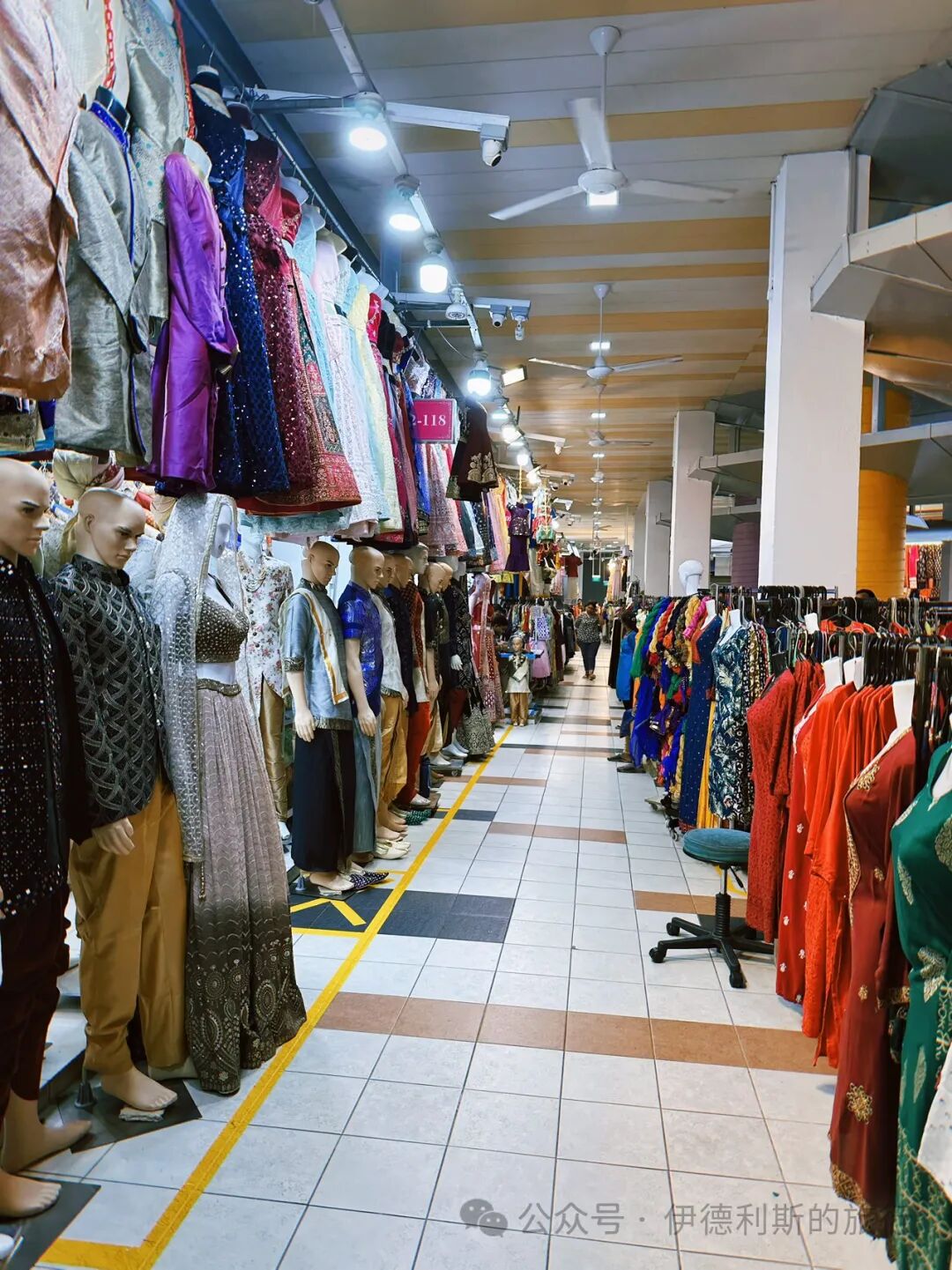
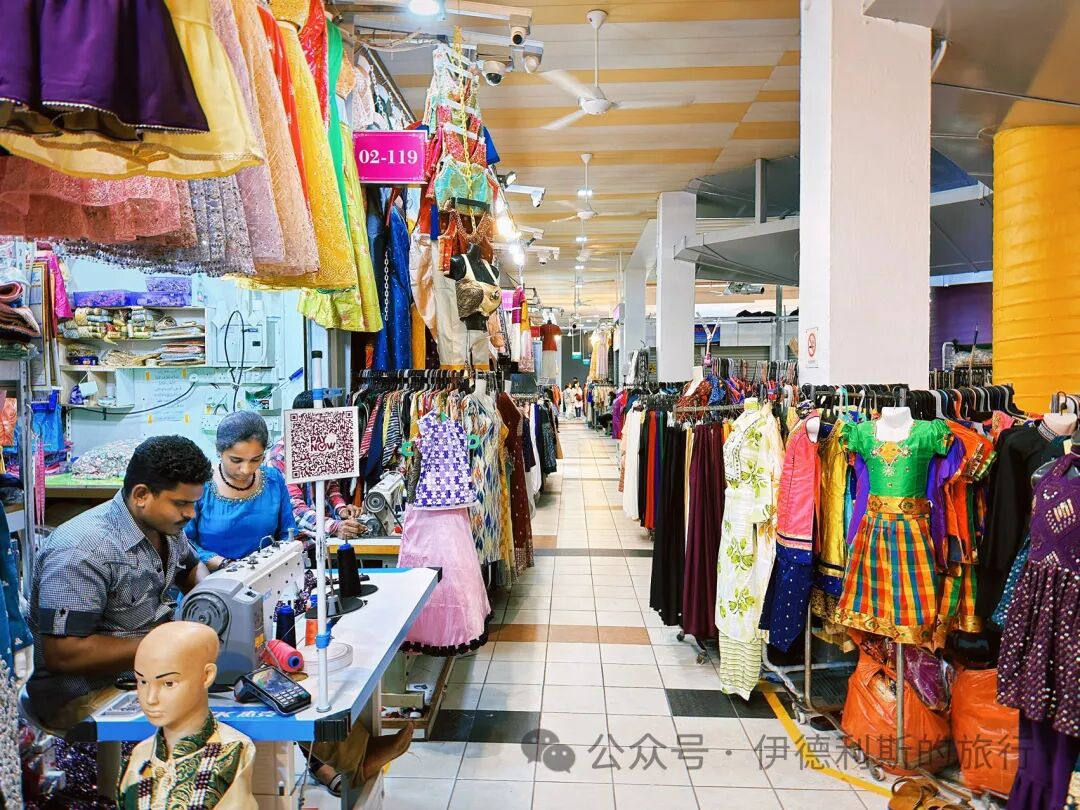
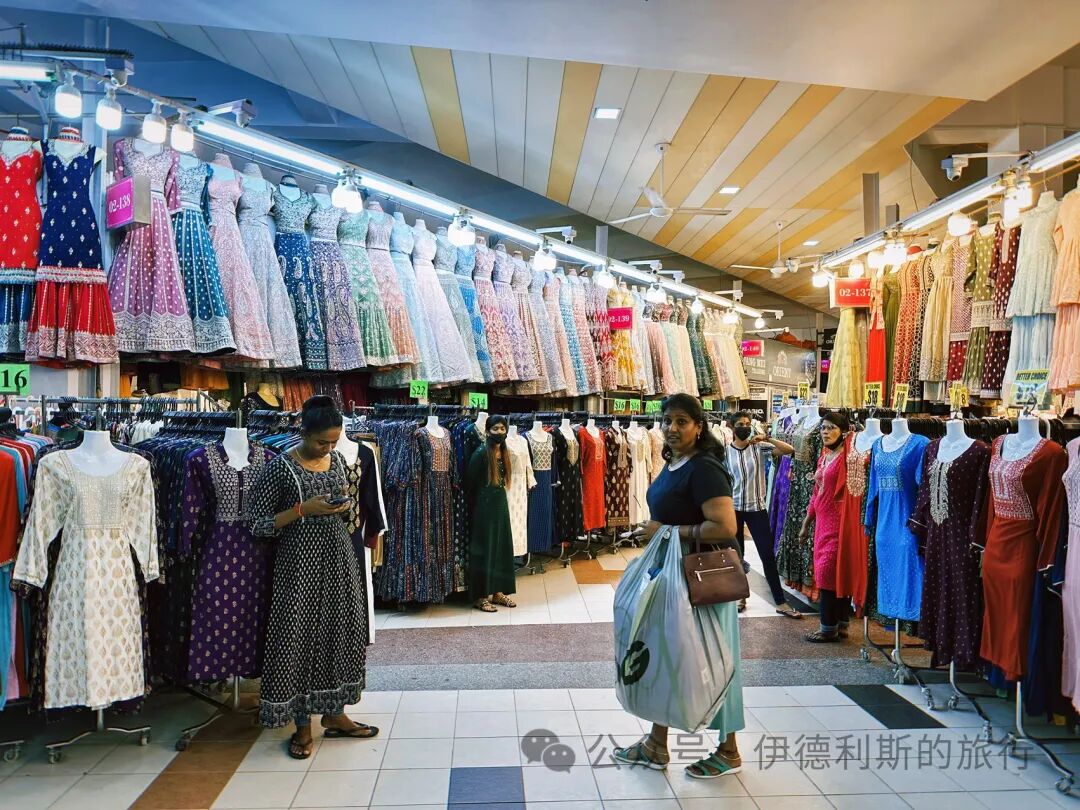
I had a cup of pulled tea (teh tarik) at the Tekka Centre, then looked around at the Indian clothing on the second floor. The saris are all very sparkly, and there are tailor shops where you can buy fabric and have clothes made on the spot.
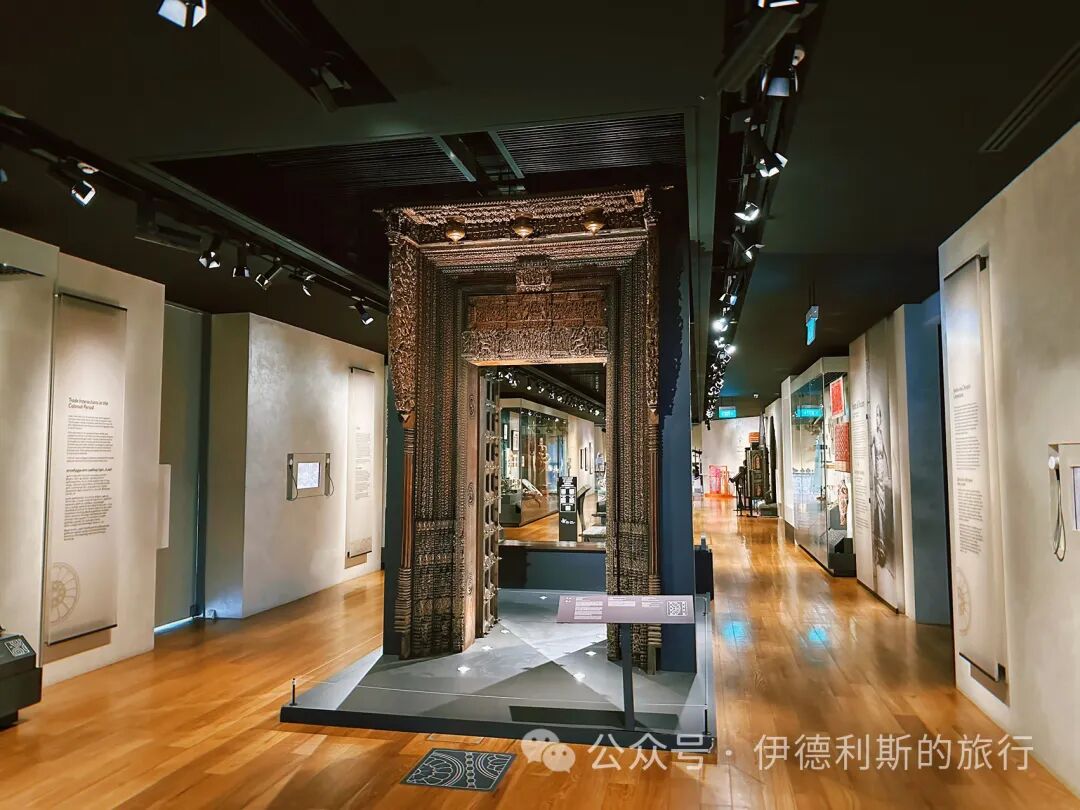
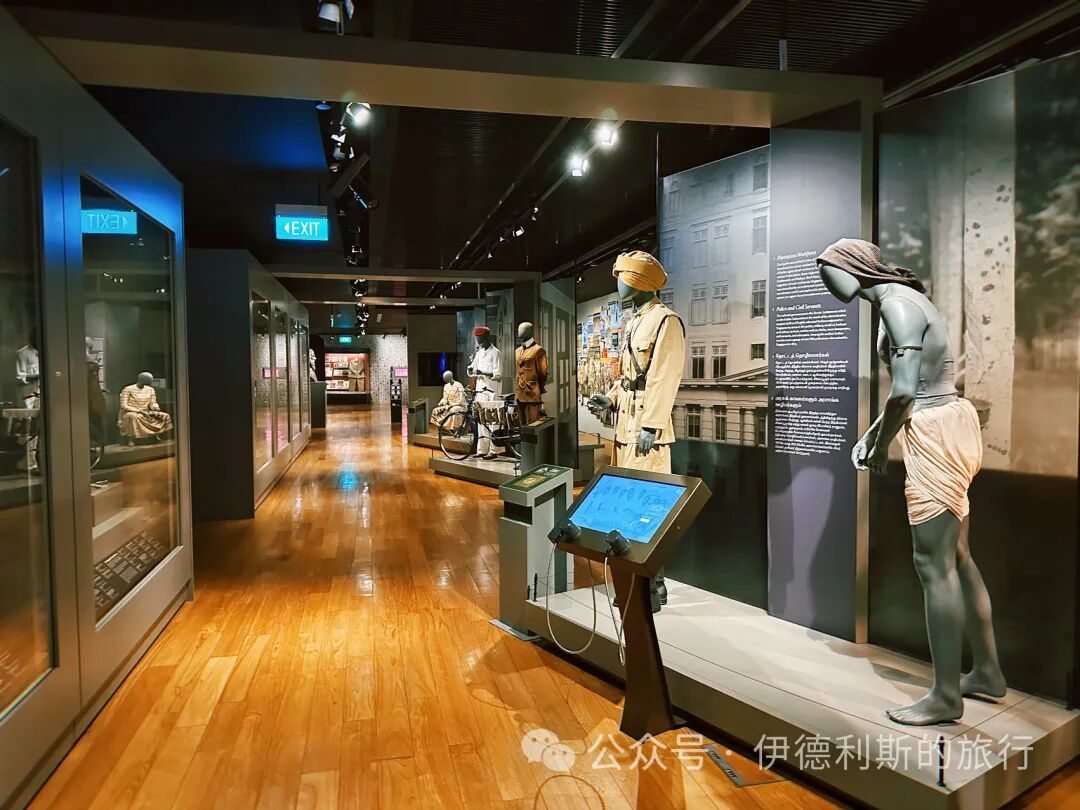
If you want to learn more about the history and culture of Singapore's Indian community, I highly recommend visiting the Indian Heritage Centre in Little India. The main exhibition hall is organized by timeline and covers five parts: early contact, origins and migration, early Indian communities in Singapore and Malaya, the social and political awakening of Indians in Singapore and Malaya, and the contributions of Indians to Singapore. Of course, this includes the culture of Singapore's Indian Muslims.
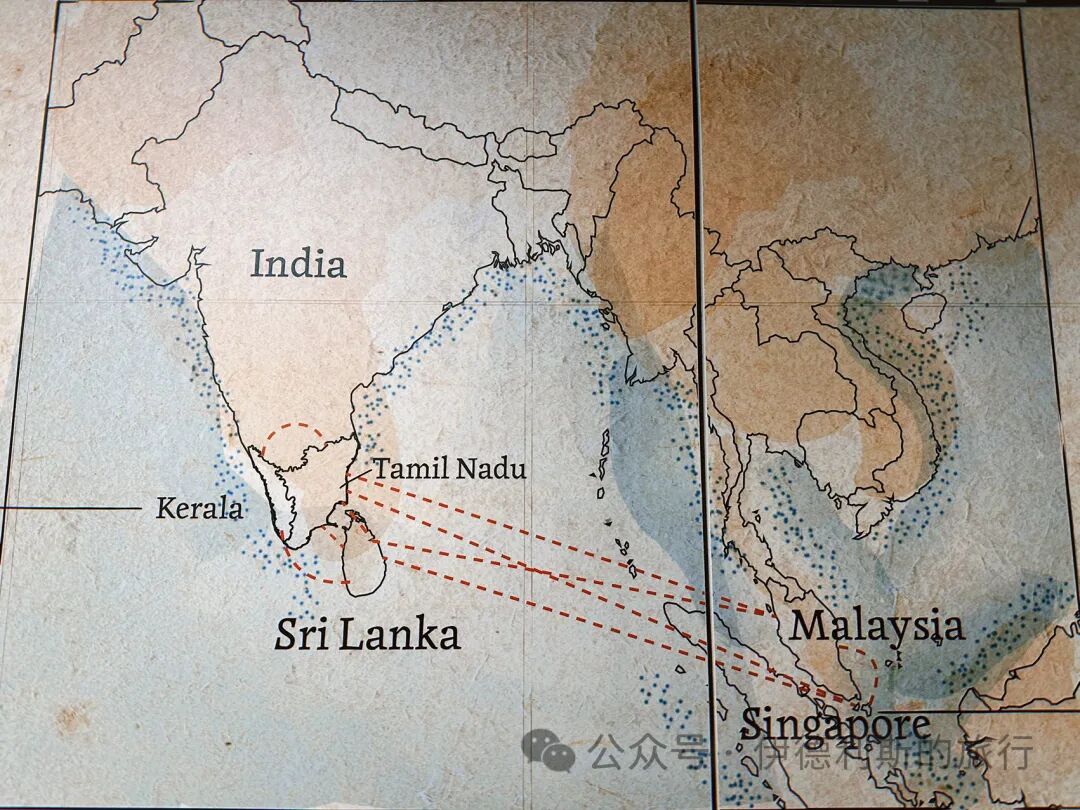
A map showing the migration of Tamils from the Coromandel Coast in southeastern India and Sri Lanka to Singapore and Malaya.
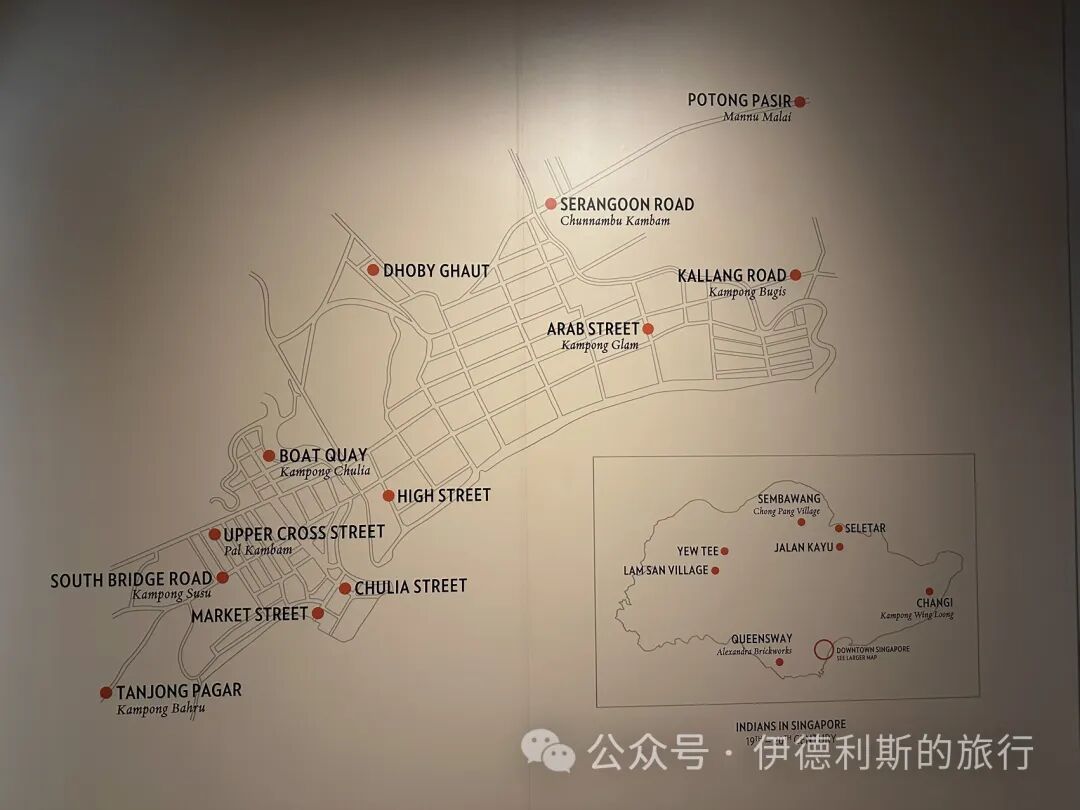
Several areas where Indian communities lived in Singapore during the 19th and 20th centuries.
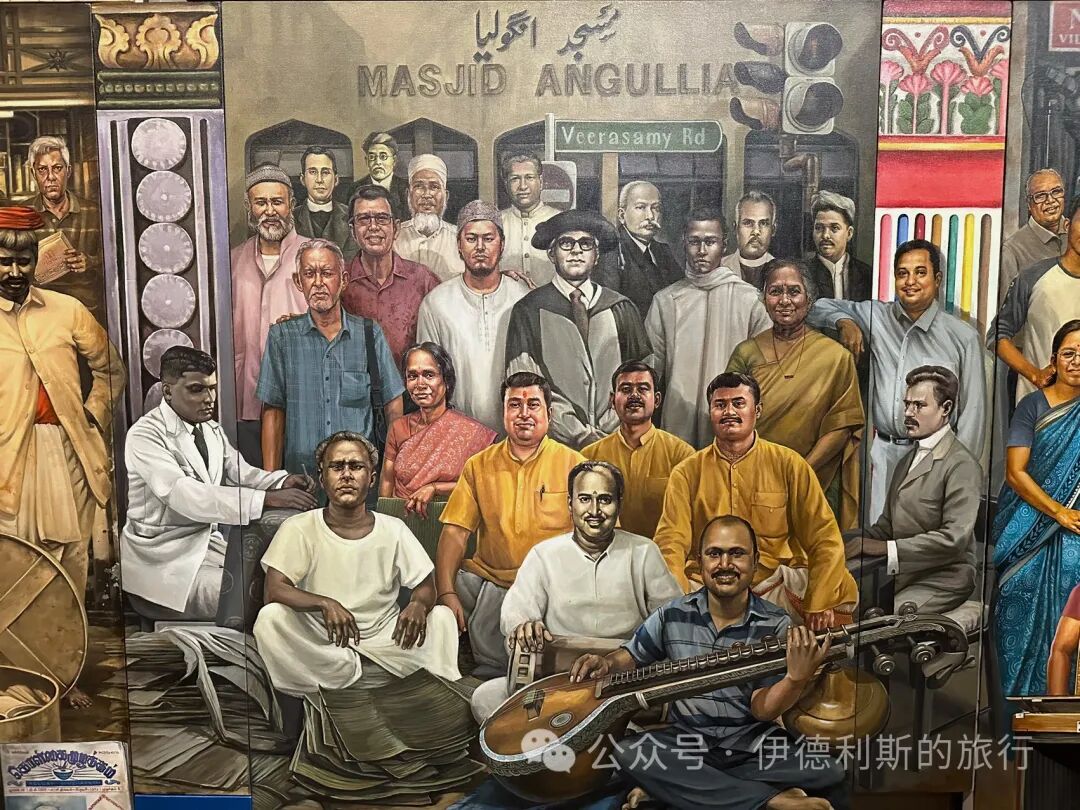
A group portrait of Singaporean Indians with the Angullia Mosque in Little India in the background.
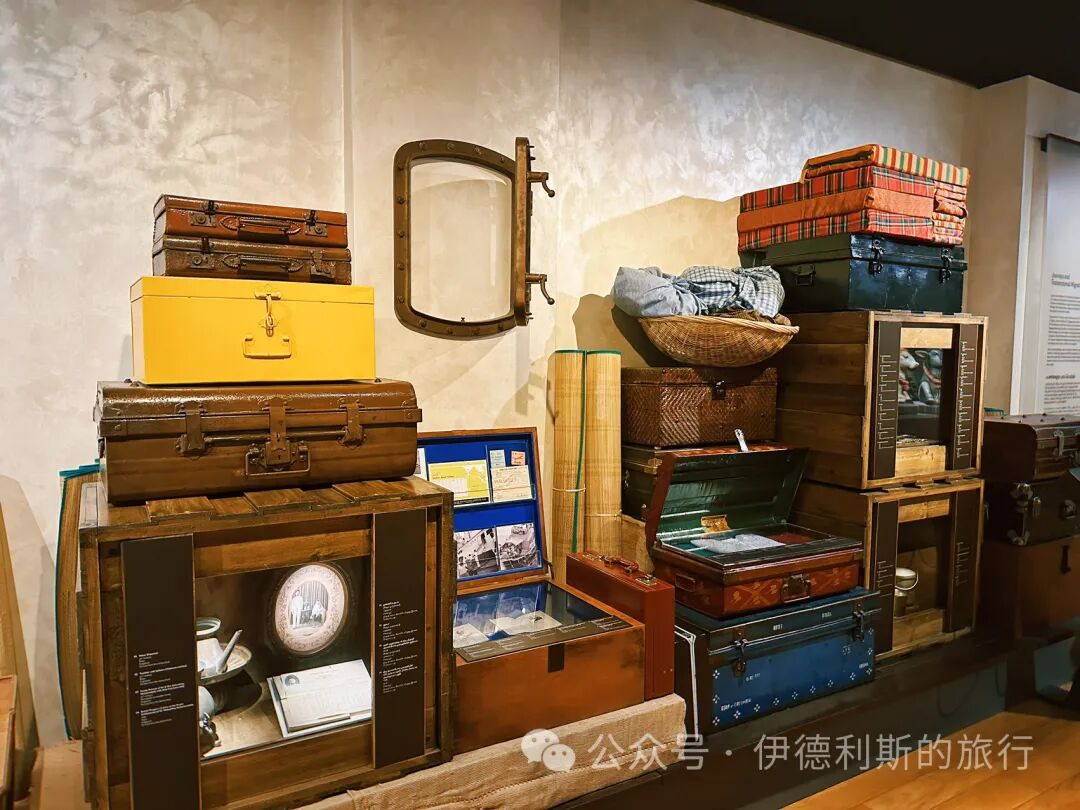
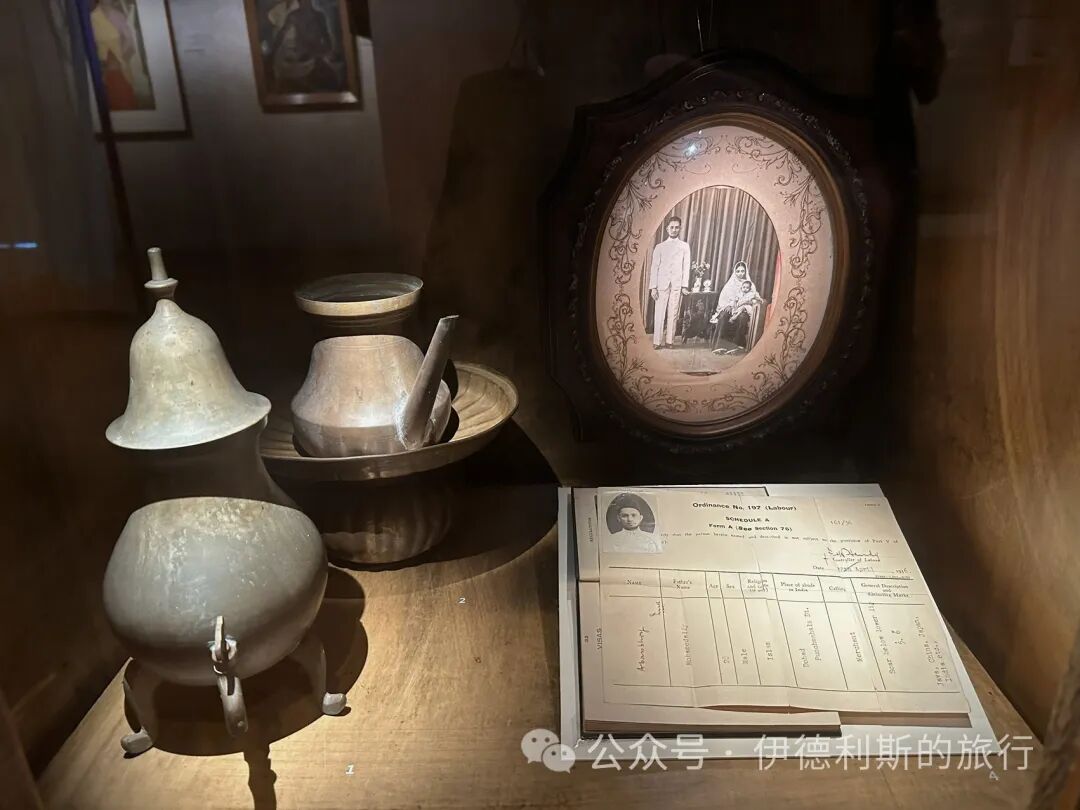
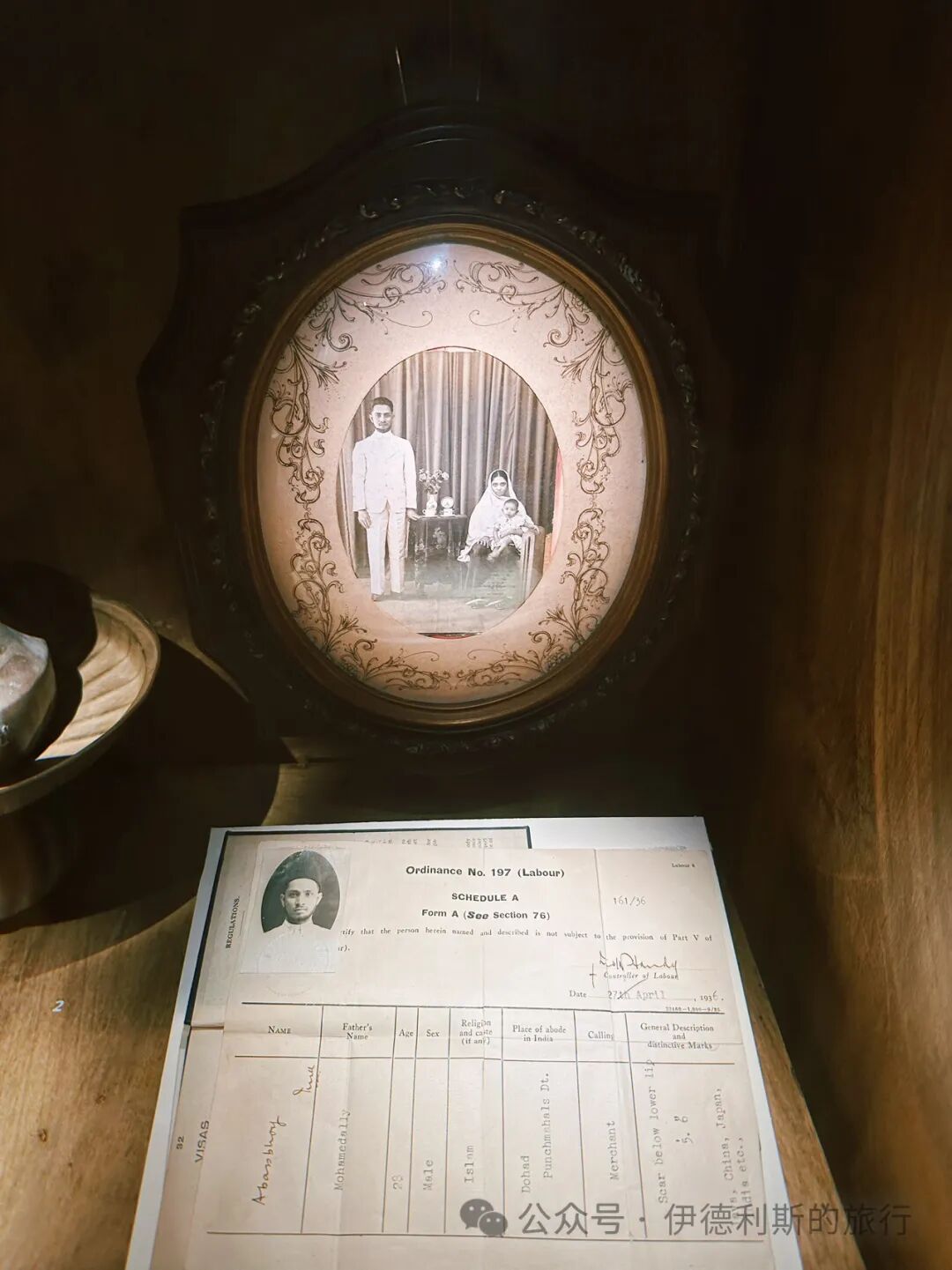
The luggage that Indian immigrants brought with them when they first arrived in Singapore, along with a passport and family photo belonging to a Muslim merchant who came to Singapore from Gujarat, India, in 1936.
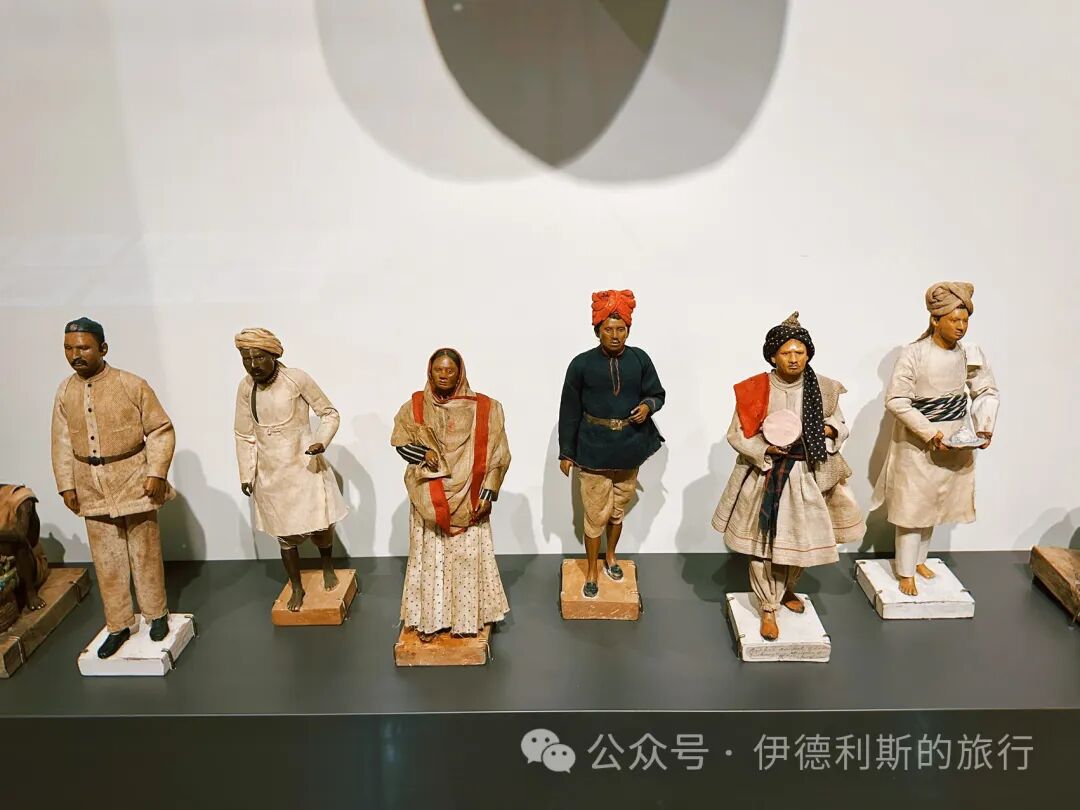
A set of clay figurines of 19th-century Indian merchants.
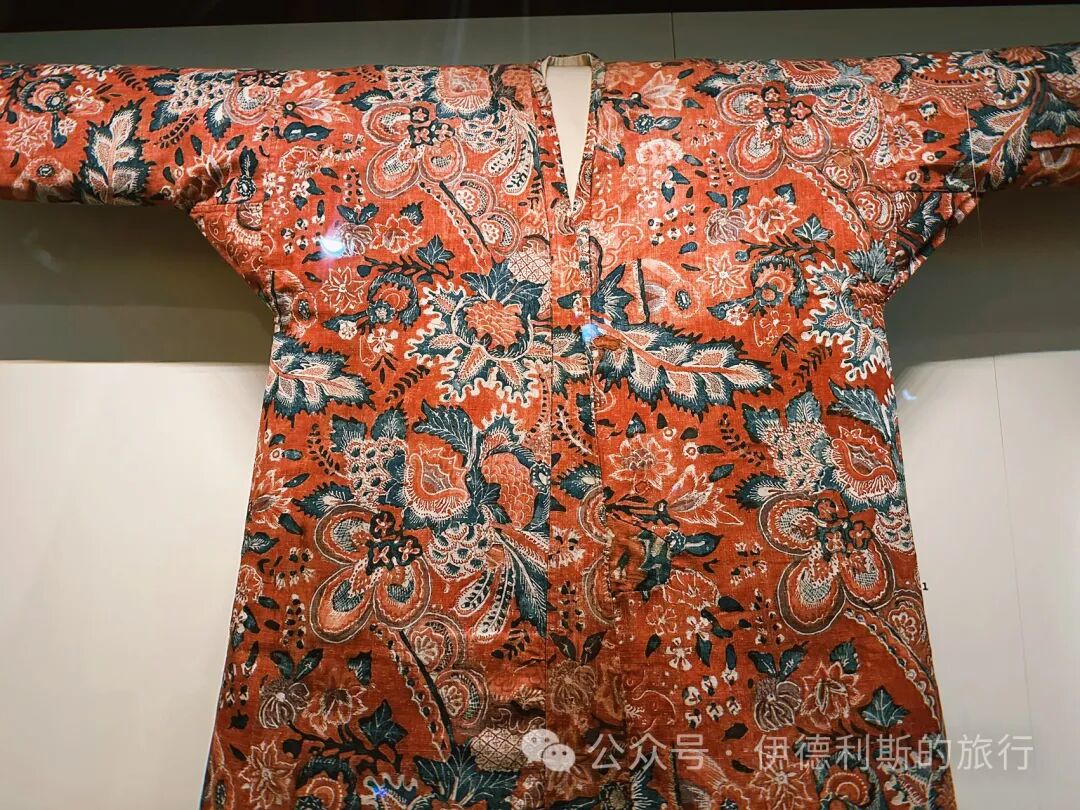
Clothing worn by Tamil Muslims from the Coromandel Coast of southeastern India in the mid-18th century.
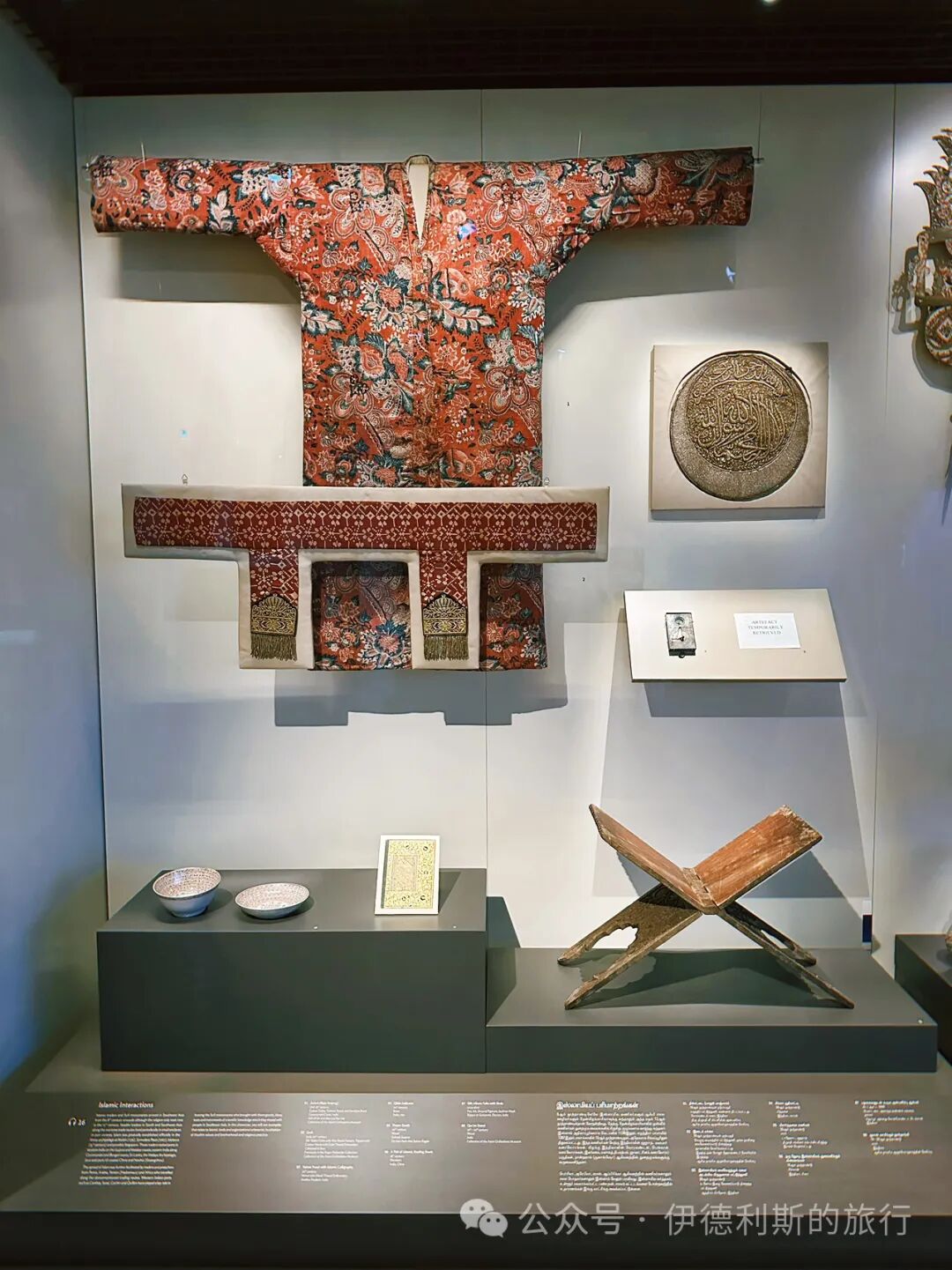
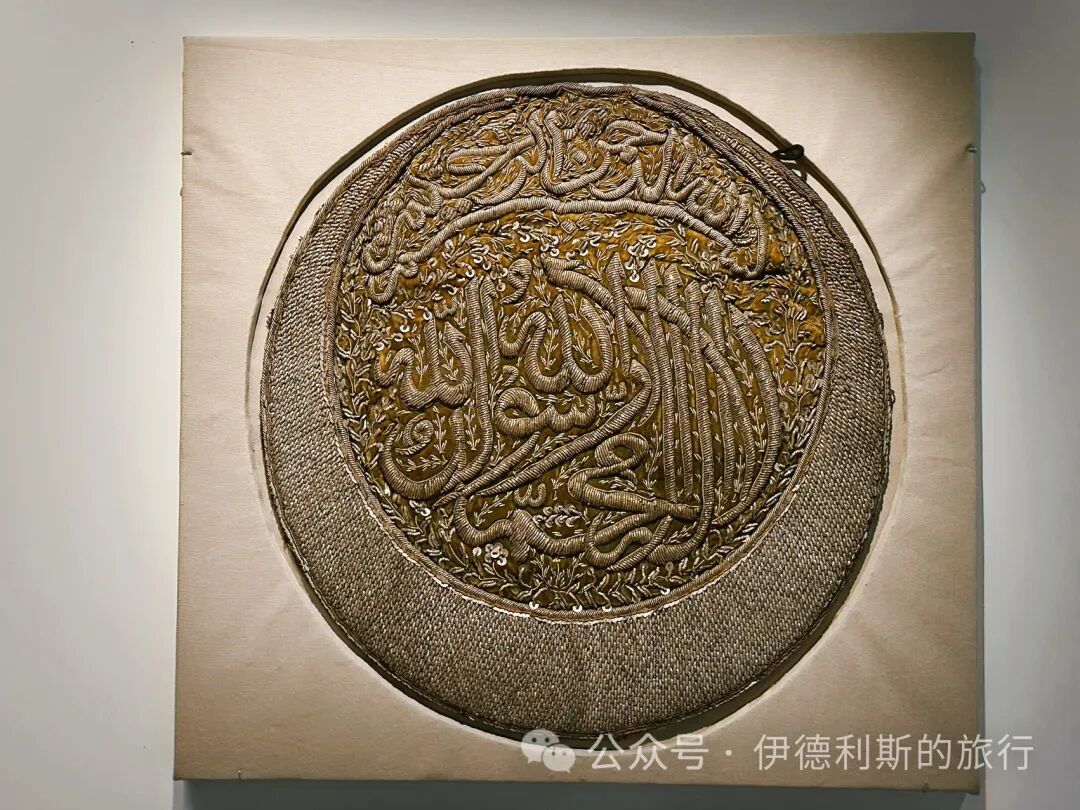
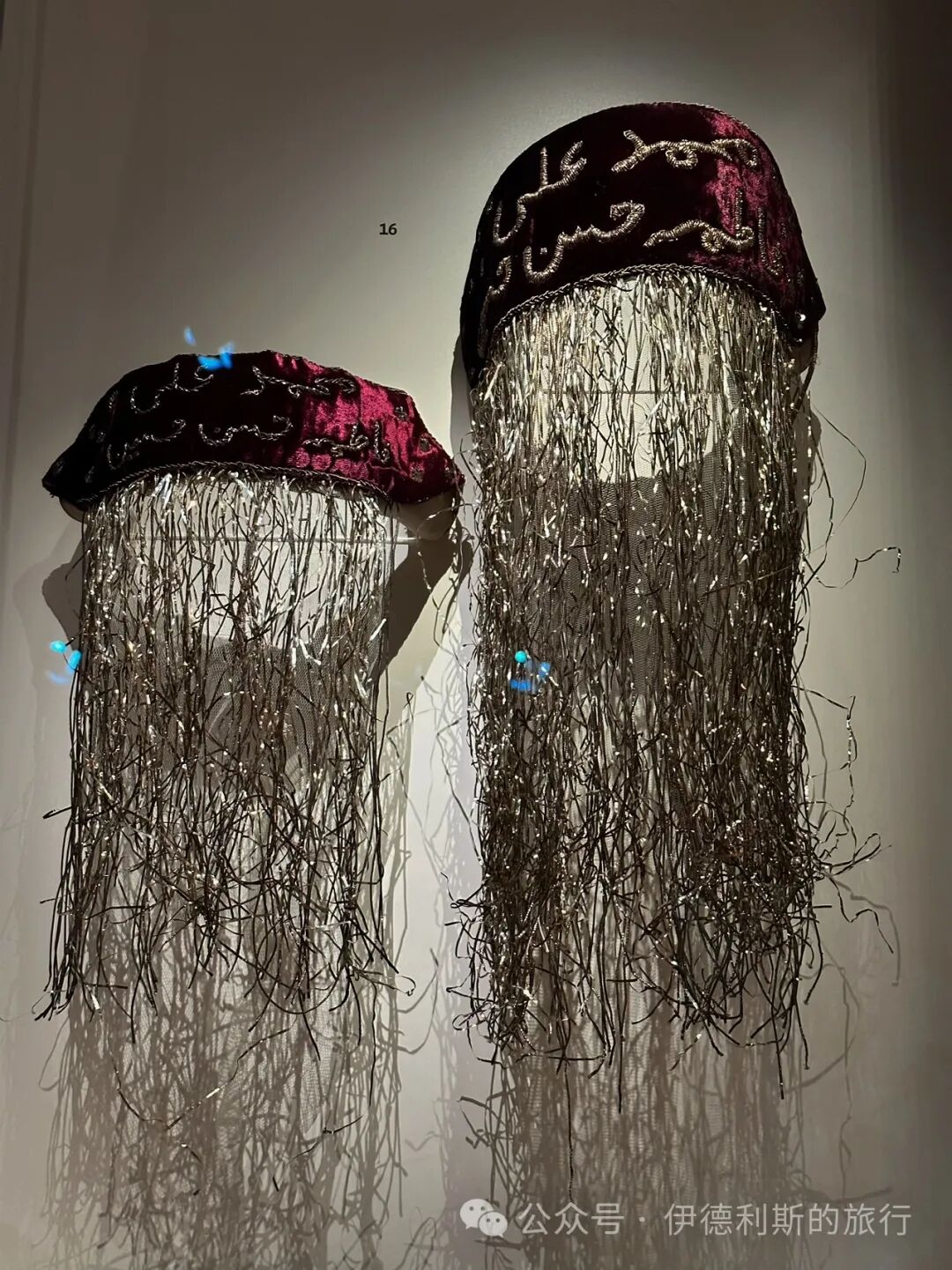
Velvet Arabic calligraphy embroidery from Andhra Pradesh, India, dating to the 20th century.
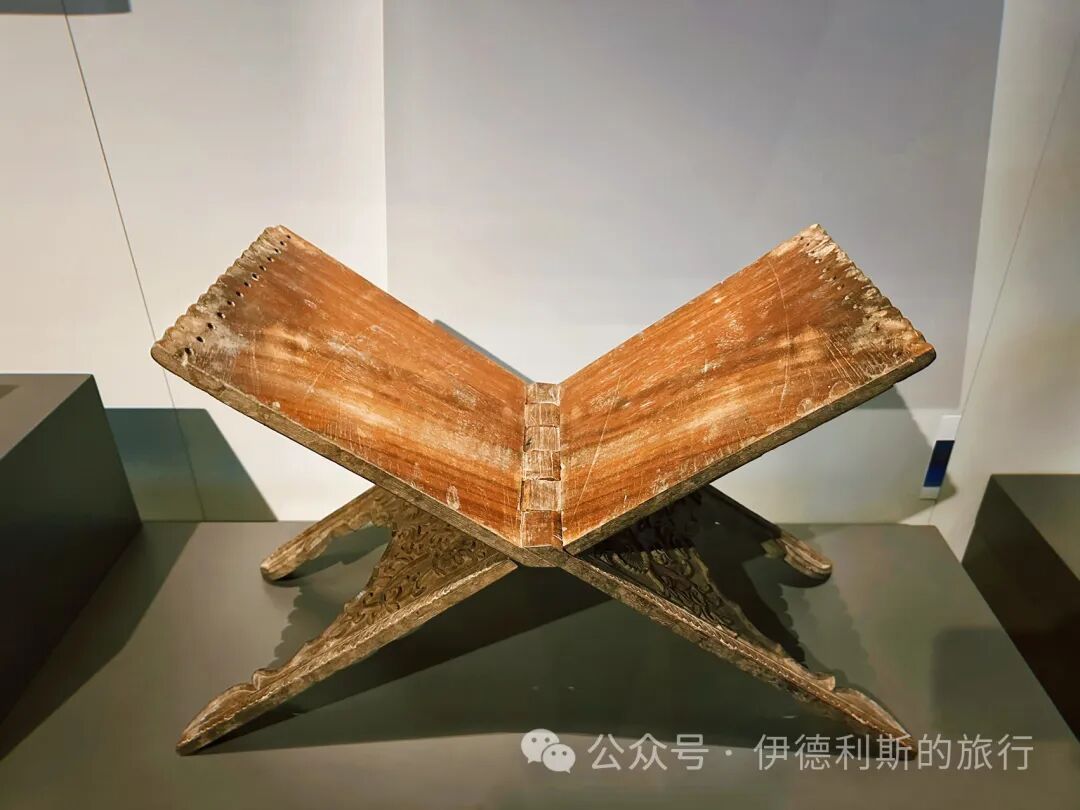
Indian book stands (rehal) from the 19th and 20th centuries.
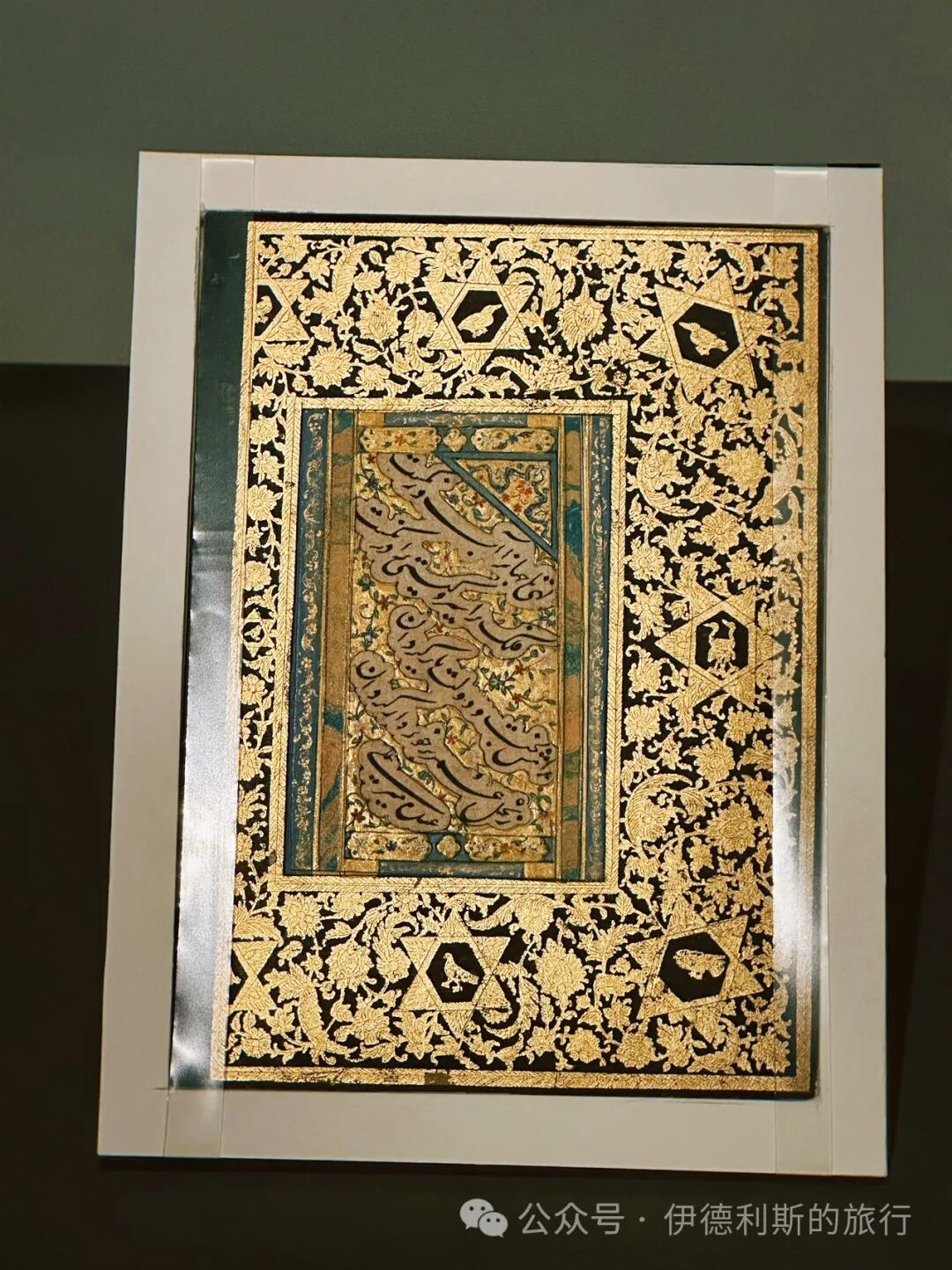
Calligraphy from the Deccan region of India, dated 1600.
Various traditional Indian hats from the 20th century.
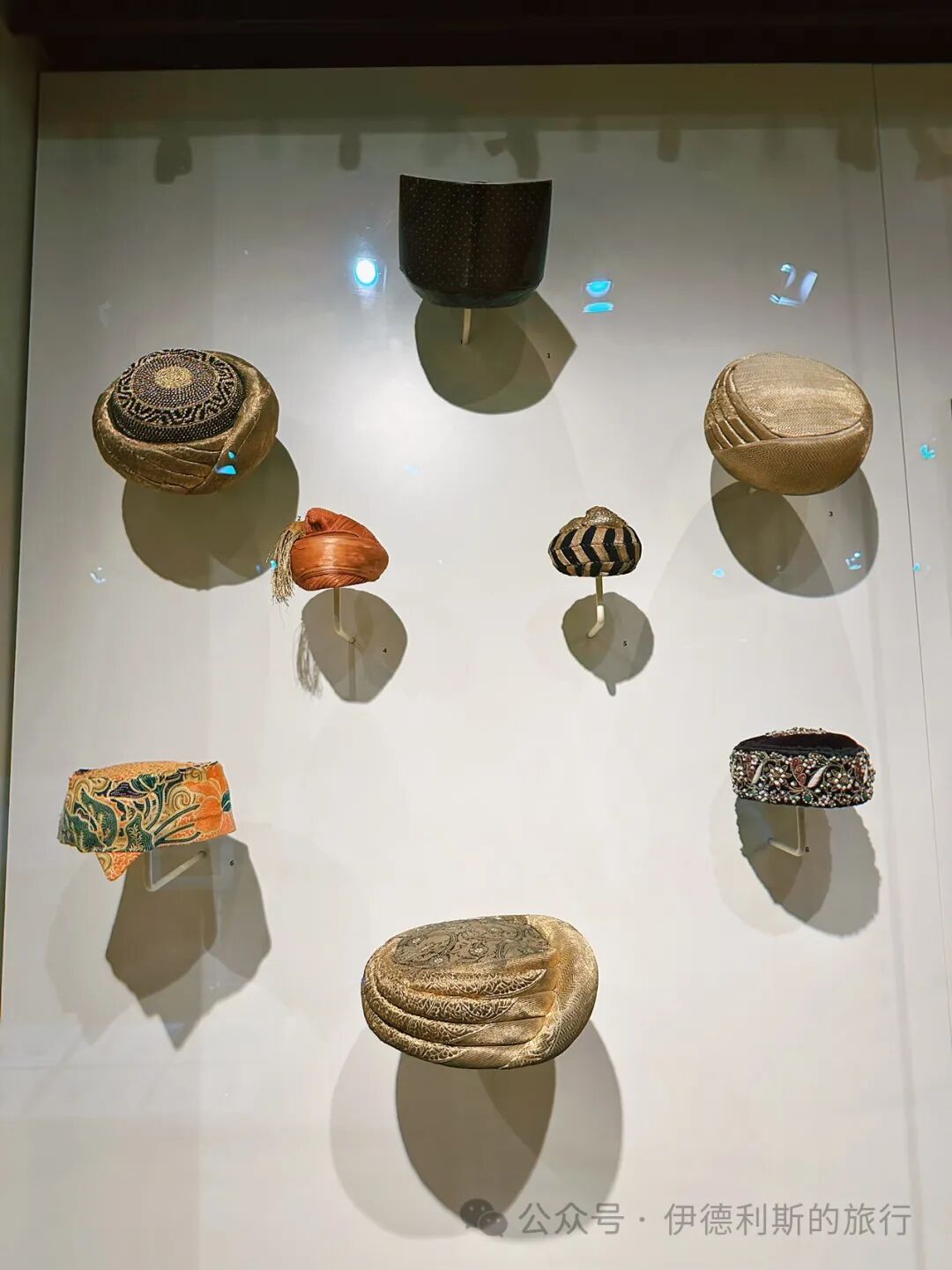
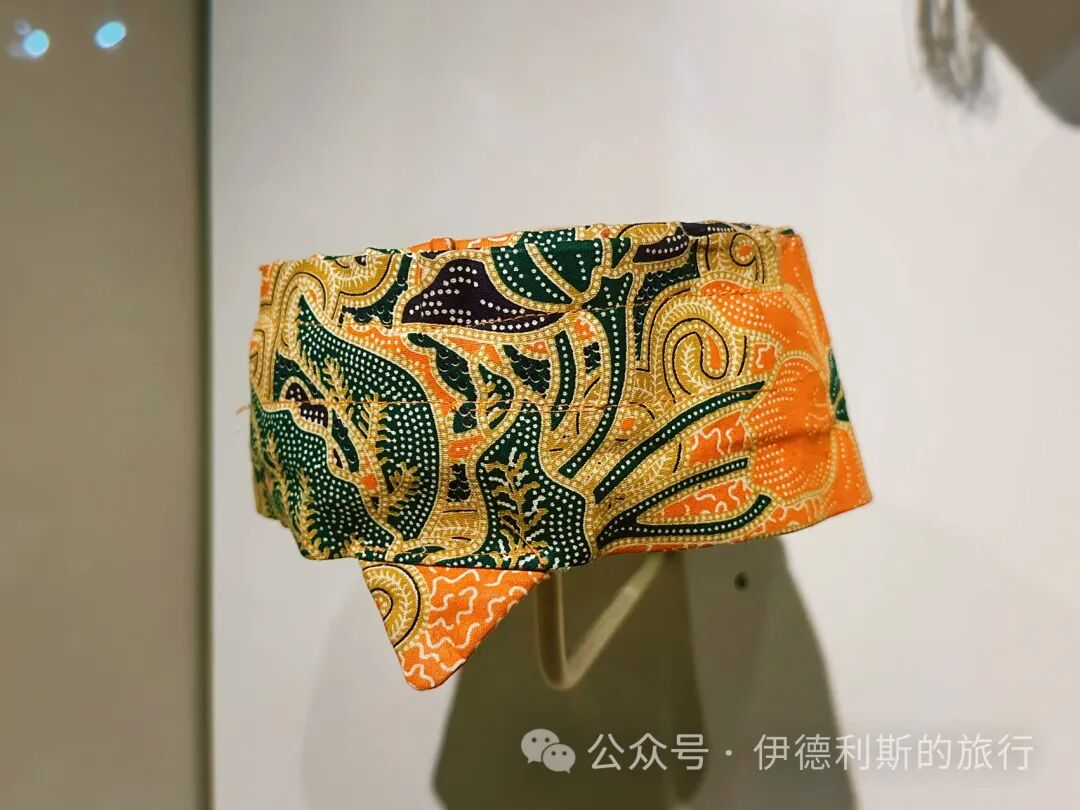
The Talapa of the Chetti people in Malacca, which is a type of batik headwrap.
The Khoja Turban worn by the Ismaili Shia Khoja people from Gujarat, India. Khoja comes from the Persian words 'Khwaja' or 'Hodja'. They began converting from Hinduism to Islam in the 13th century, and while they hold a Muslim identity, they have kept strong Indian caste customs.
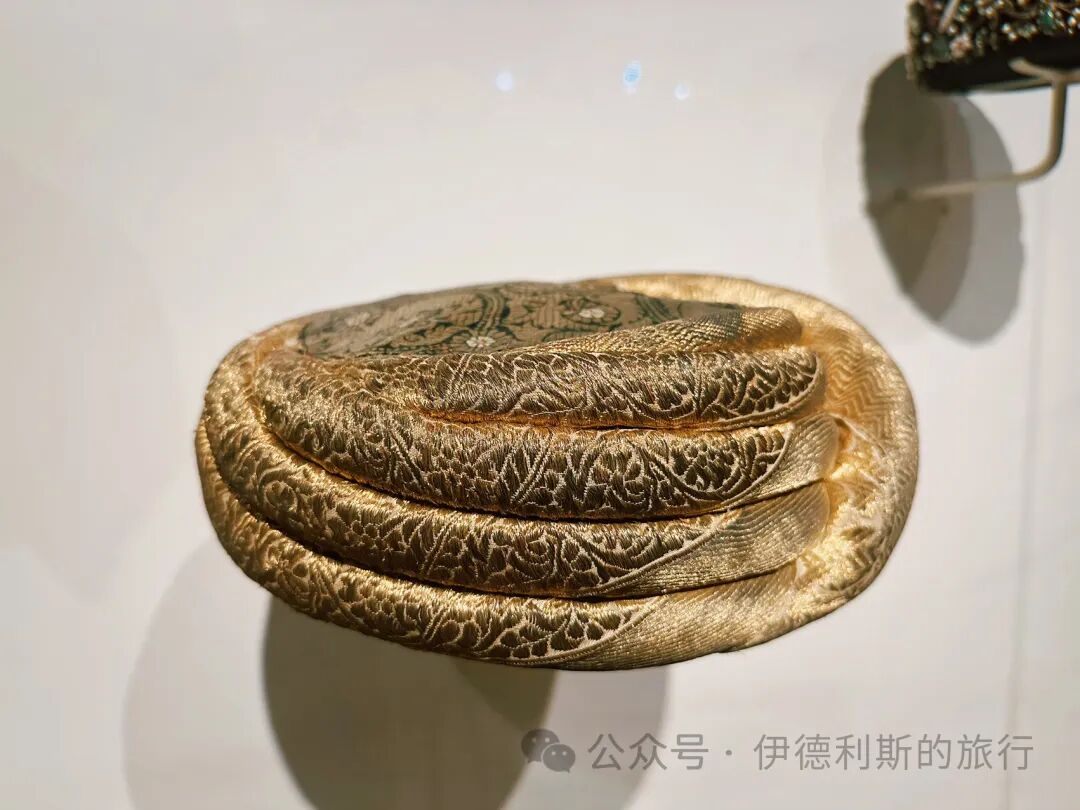
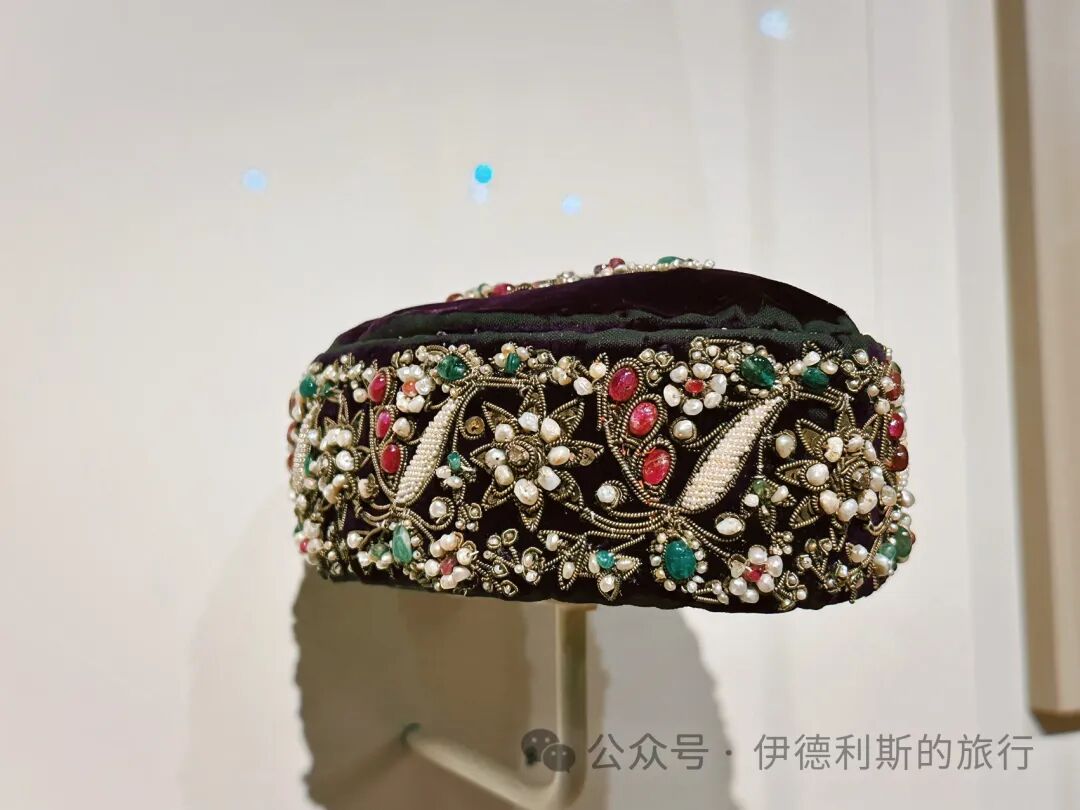
Headwear worn by grooms and boys during circumcision in the mid-20th century.
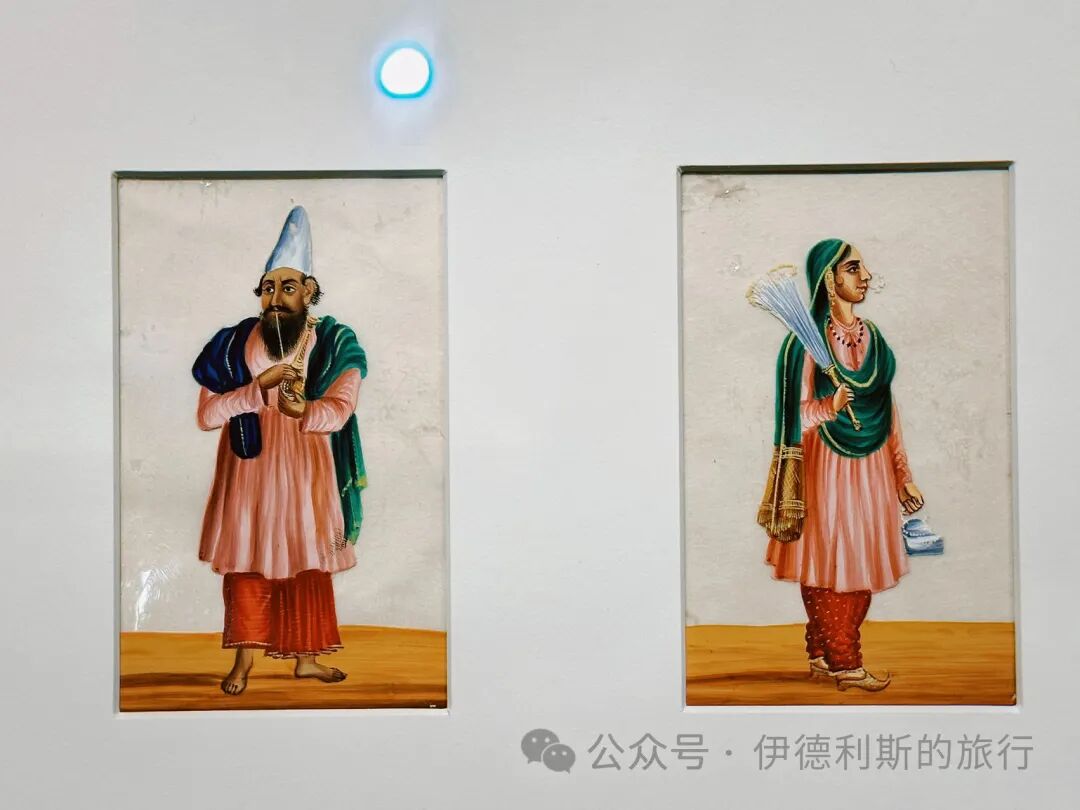
A 19th-century portrait of Indian Muslims.
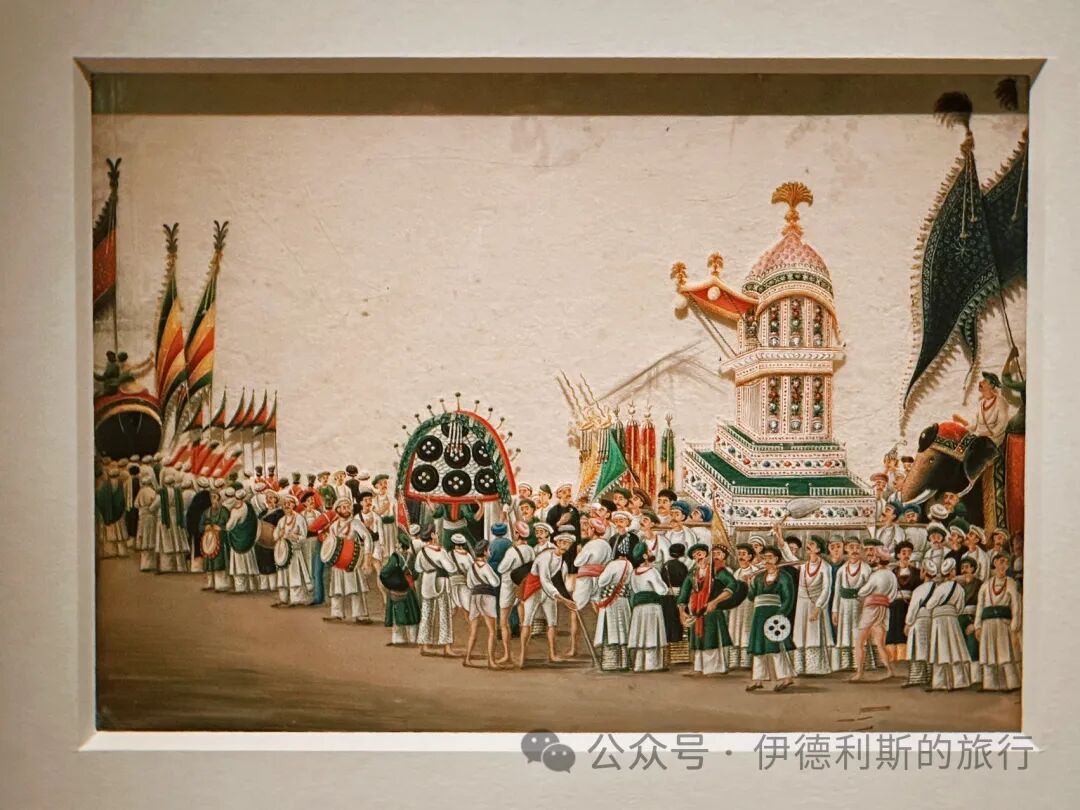
A 19th-century procession of Shia Muslims in India during Ashura. On the right is a model of the tombs of Imam Hussein and Hassan called Ta'ziya, and you can also see Alam flags.
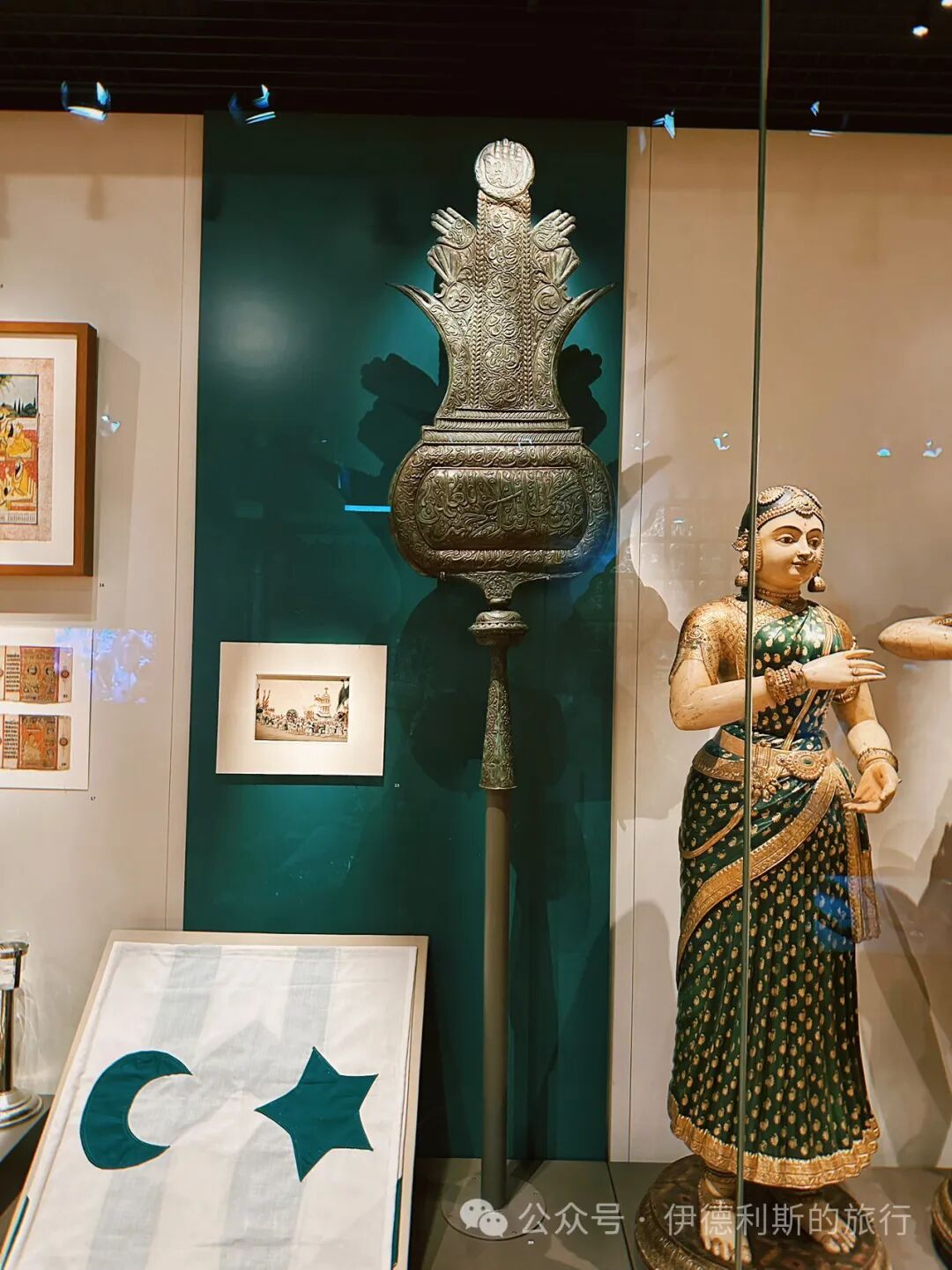
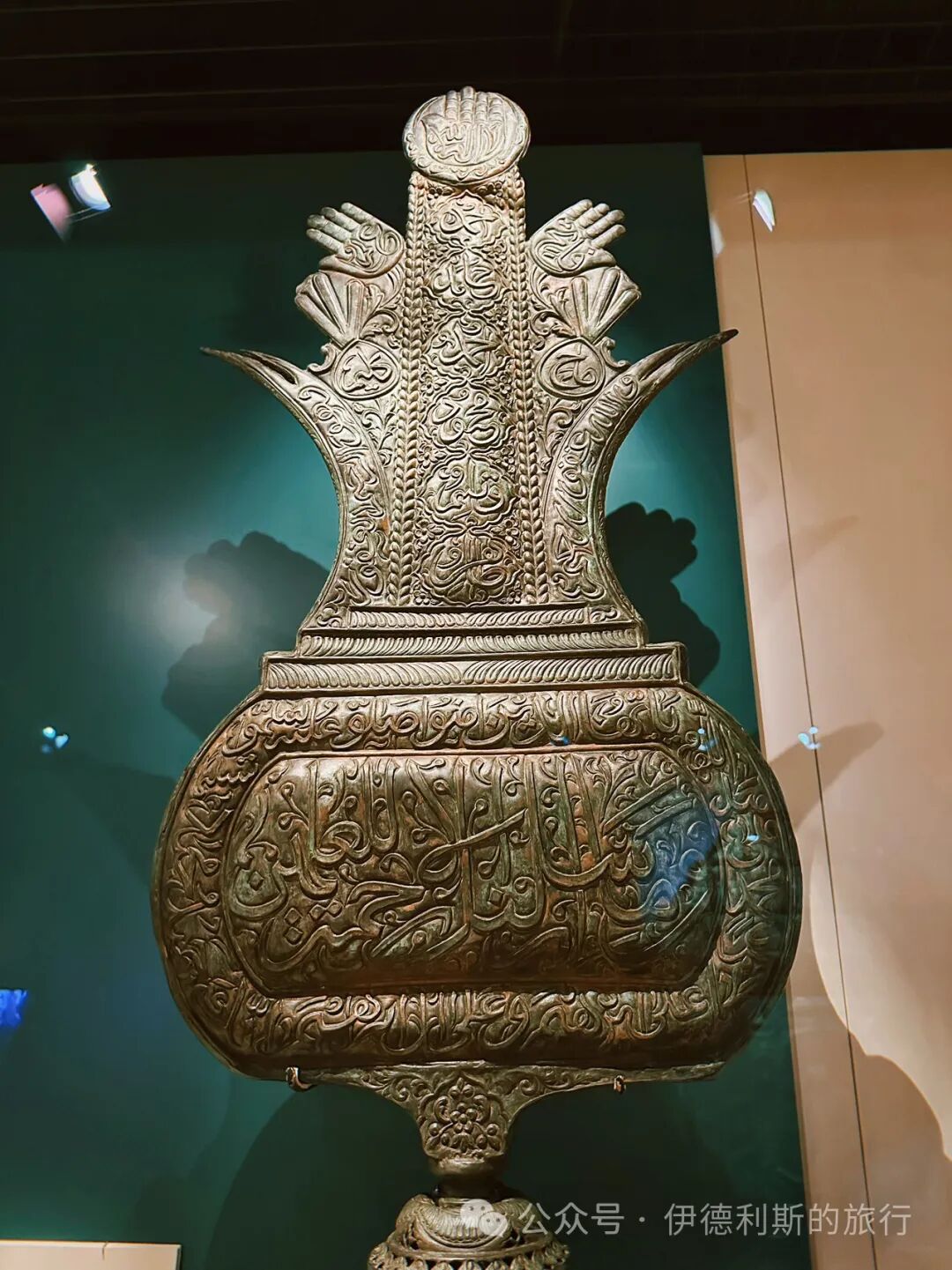
An Alam flagpole carried by Shia Muslims in South India during an Ashura procession in the 19th century.
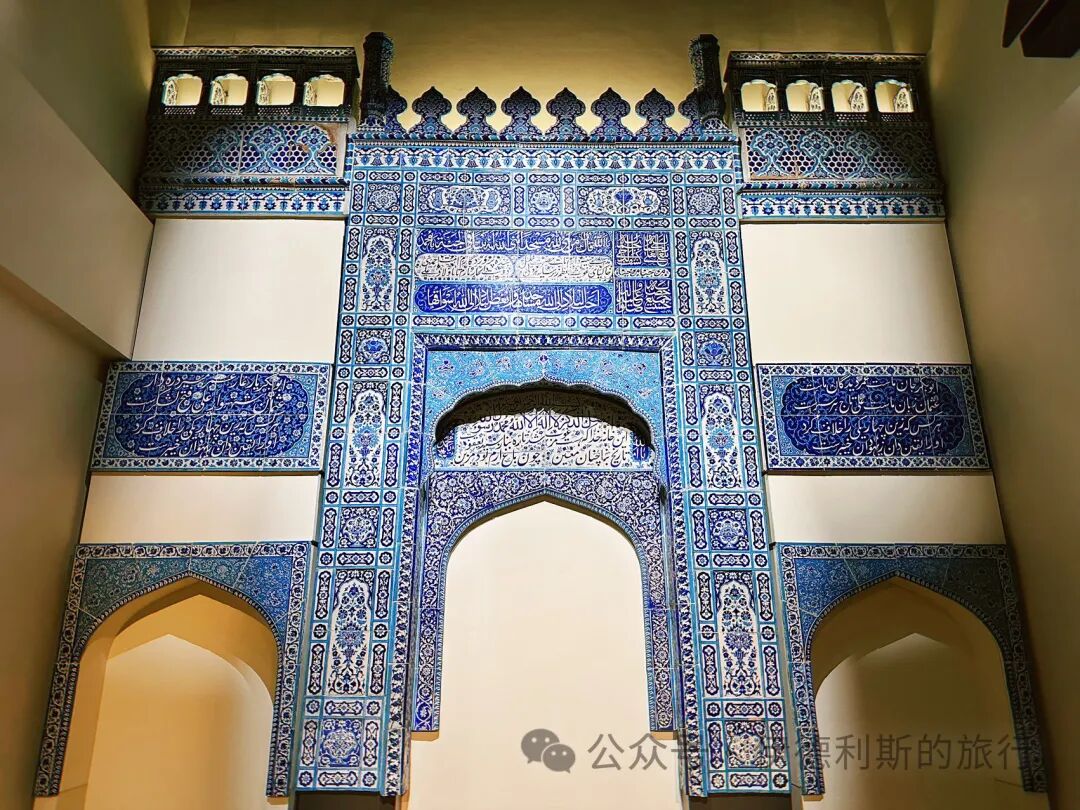
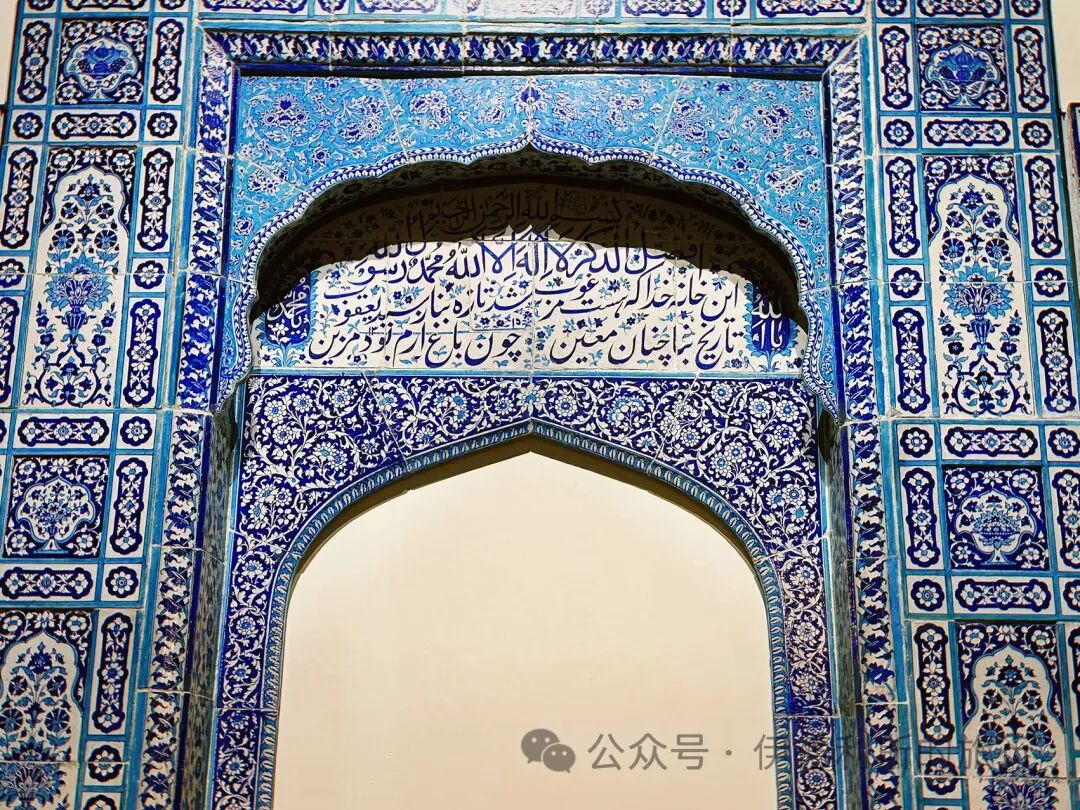
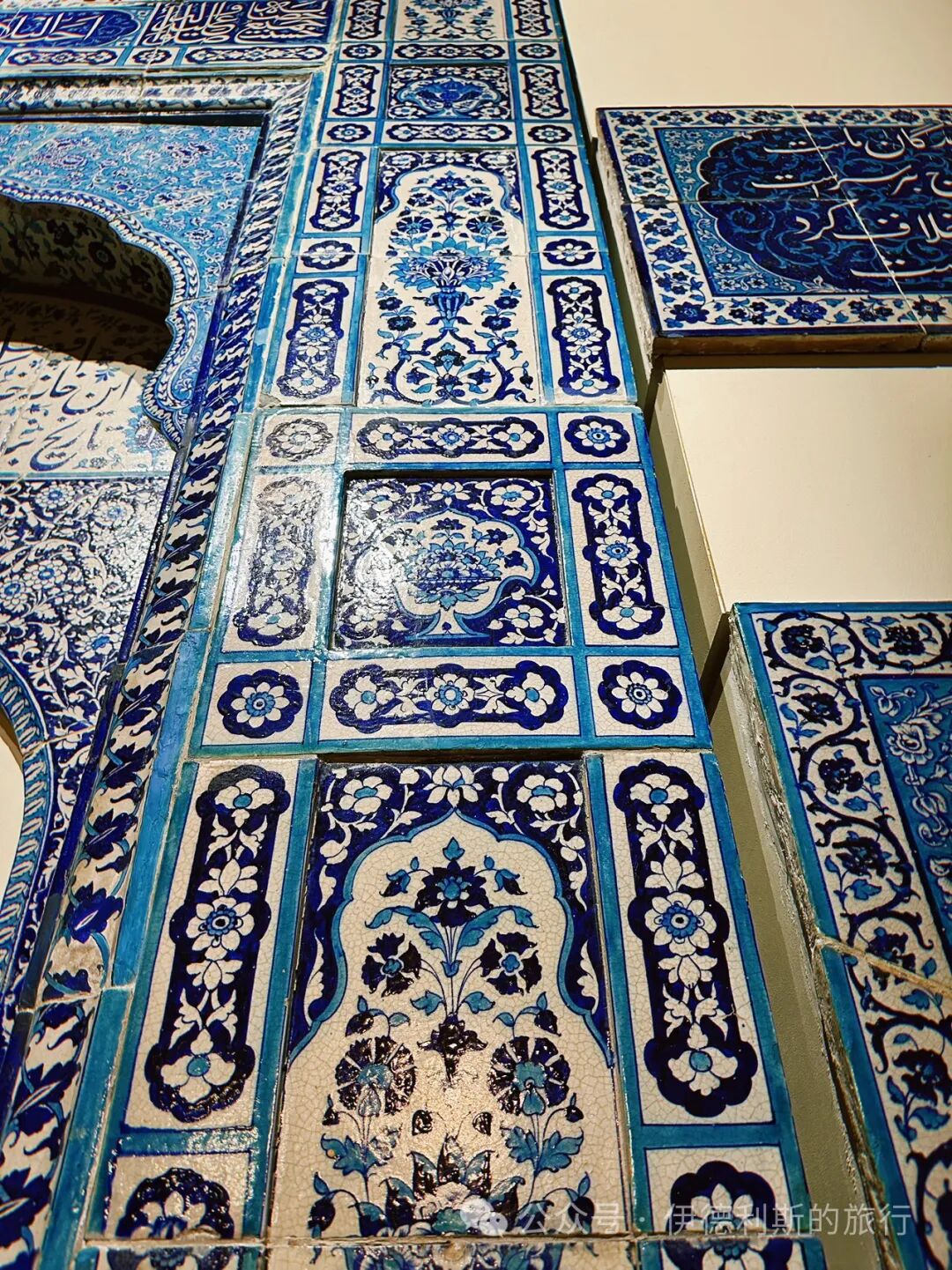
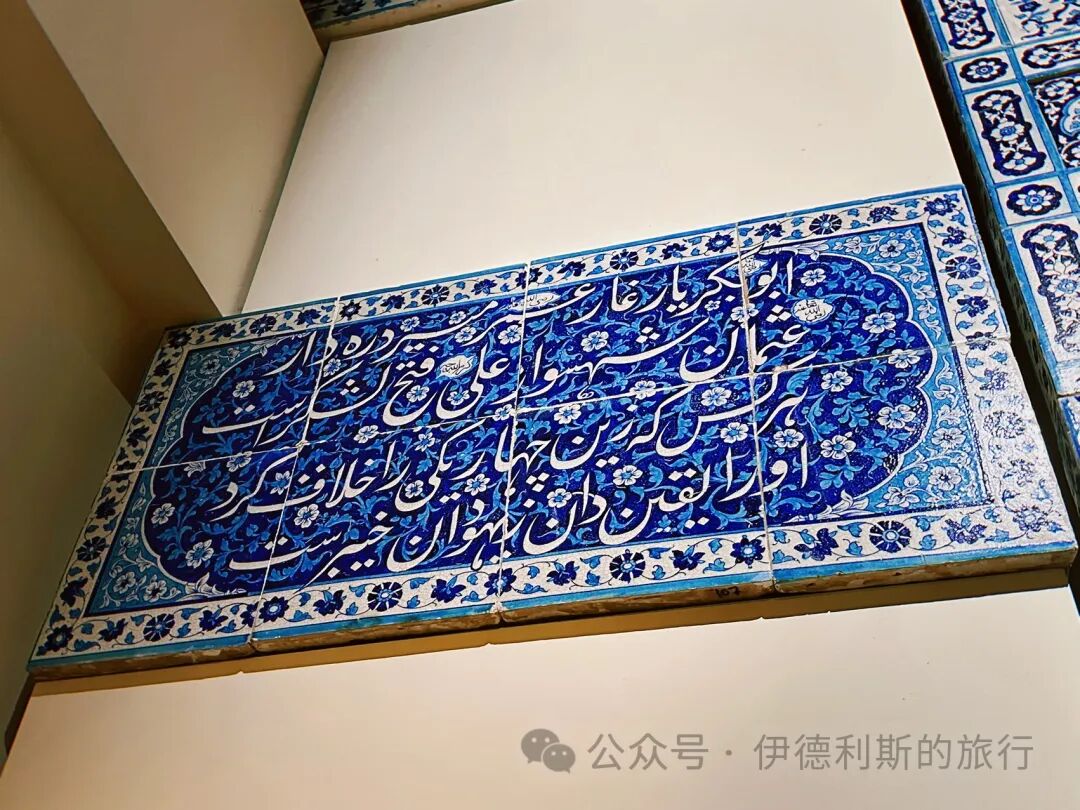
The tiled facade of a mosque in Multan, Pakistan, from 1897-1898, made using the traditional local Kashikari tile-firing technique. This type of tile decoration originated in the Mughal Empire and was influenced by Persian and Sufi cultures.
Indians in Kampong Glam.
Mosques and restaurants.
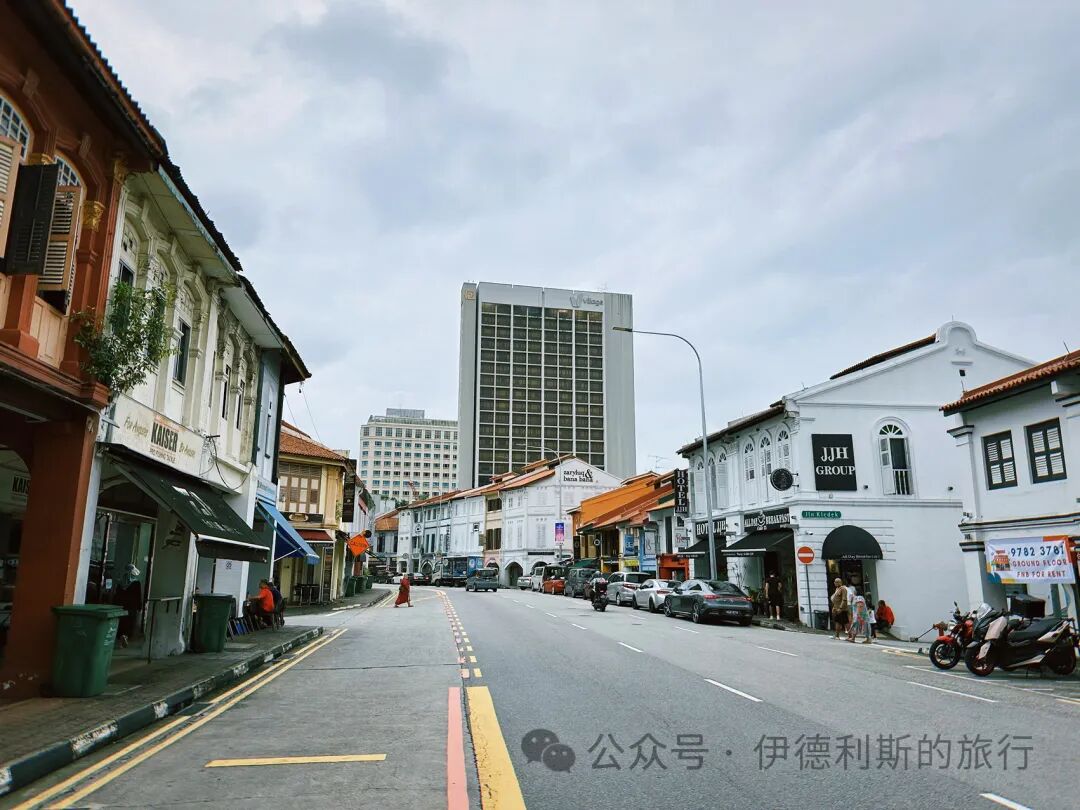
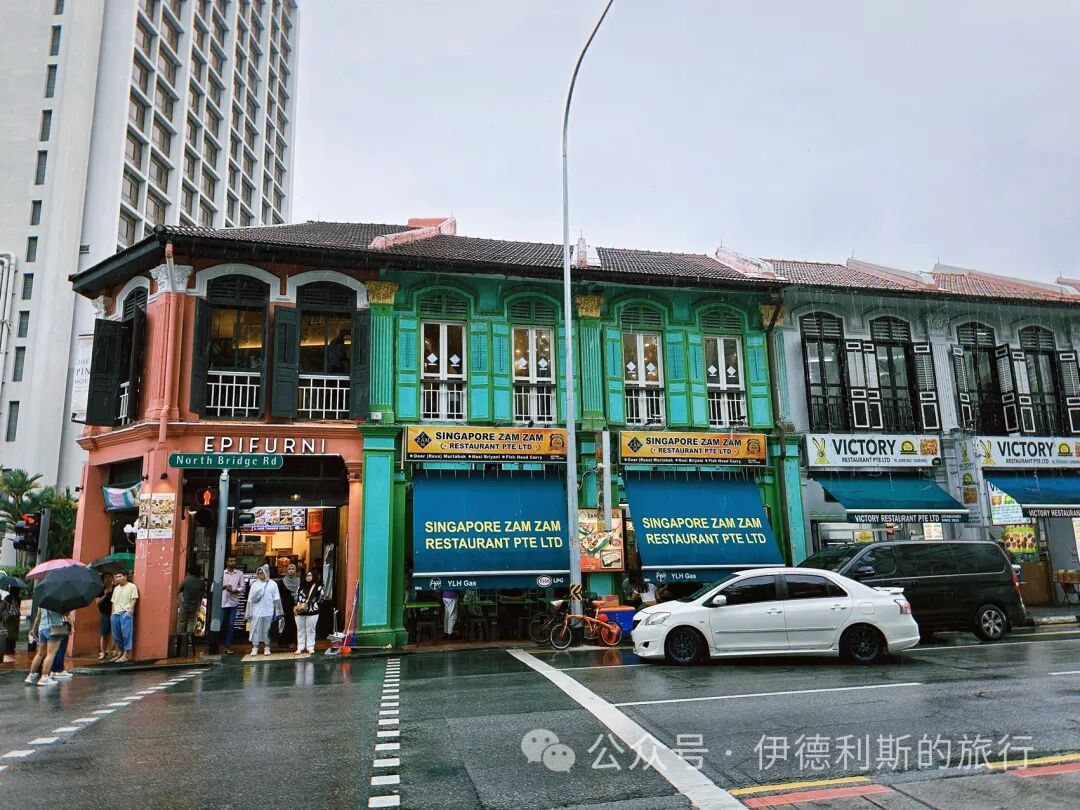
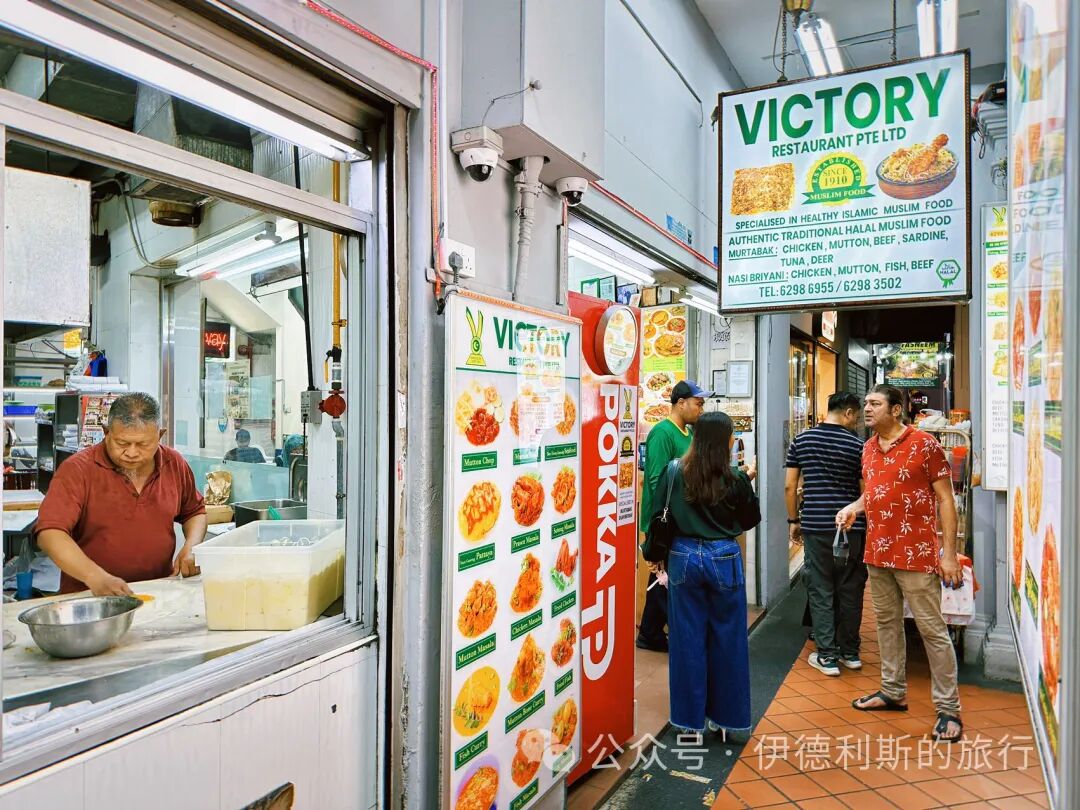
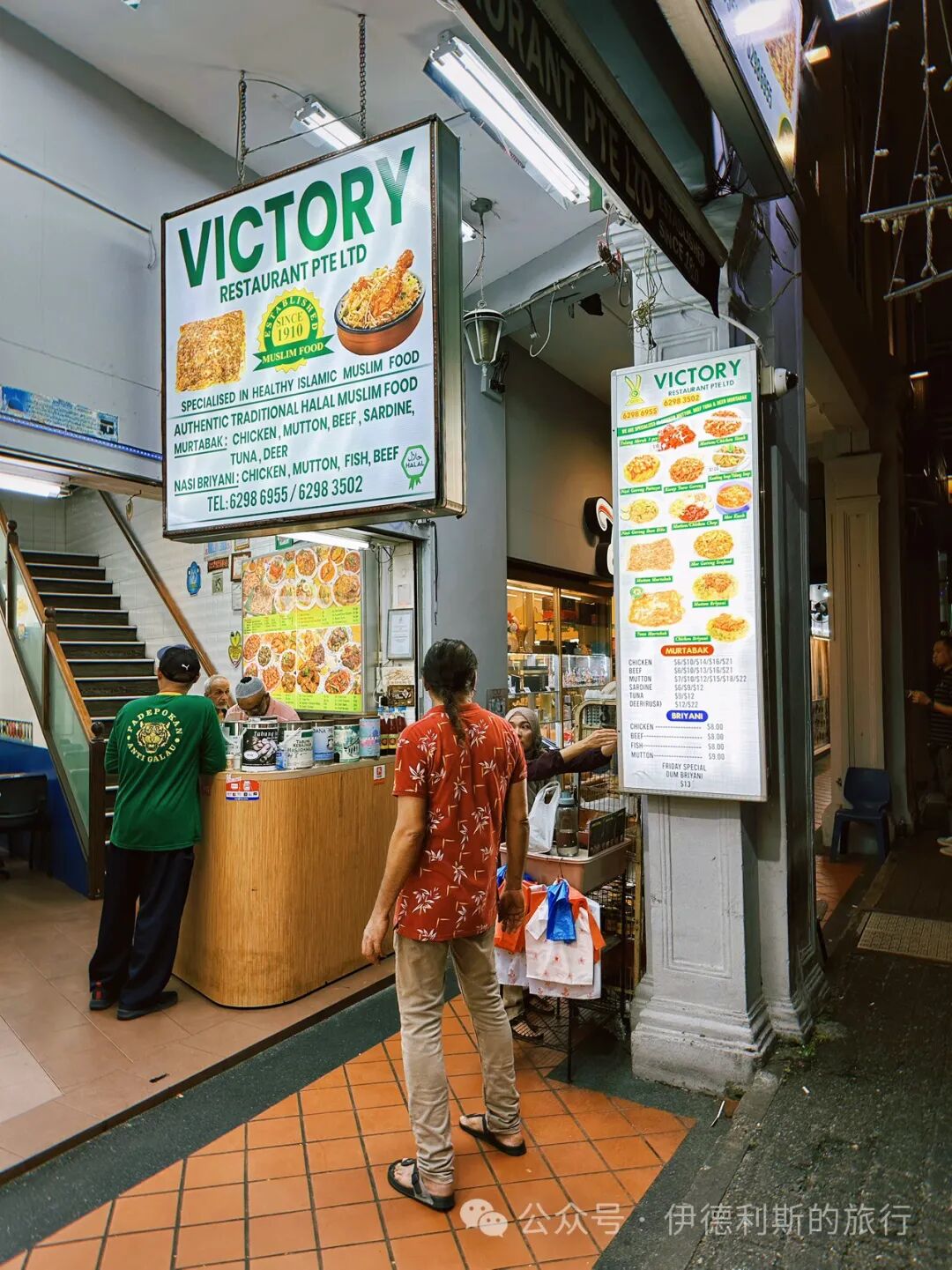
Kampong Glam is the first planned Muslim community in Singapore. In 1822, Sir Stamford Raffles gave Kampong Glam to Sultan Hussein Muhammad Shah of Johor. Besides the Sultan and his 600 family members, Kampong Glam was home to many Muslim groups at the time, including the Bugis, Arabs, Javanese, and Baweanese people. During the same period, Indian Muslims began moving to Kampong Glam for business. By the early 20th century, they opened restaurants here, the two most important being Victory and Zam Zam on North Bridge Road.
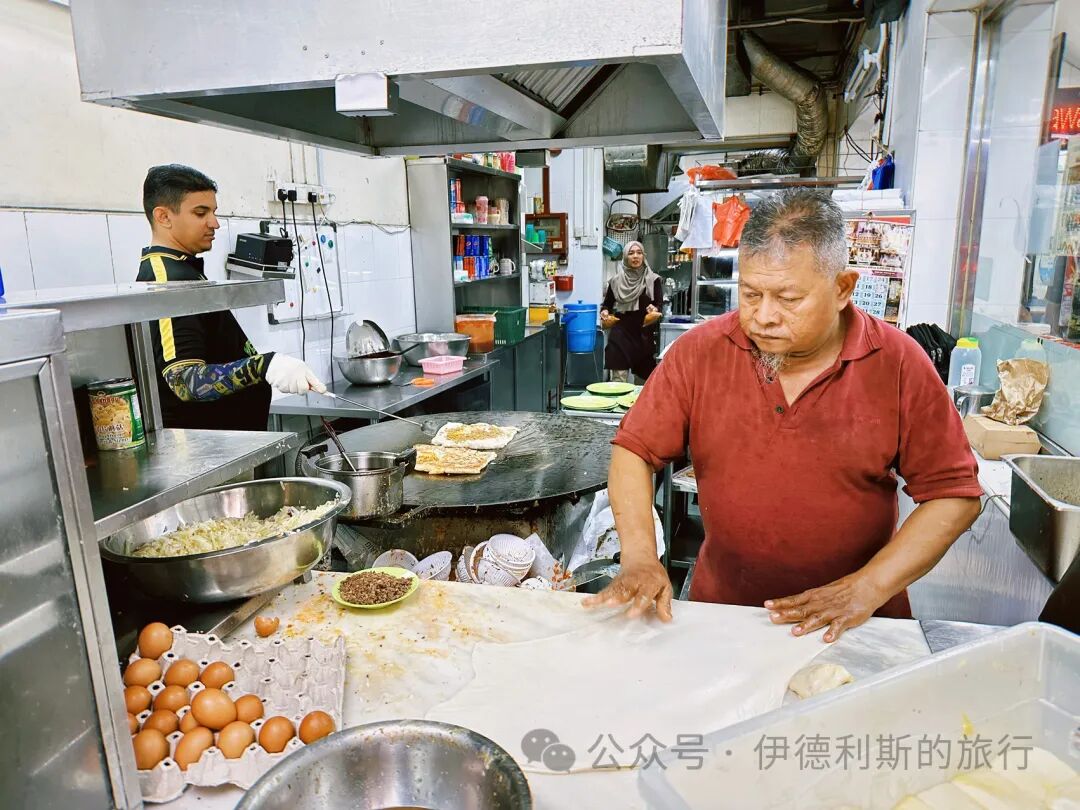
Zam Zam opened in 1908 and Victory in 1910. Both specialize in stuffed flatbread (murtabak) and have been competing for over 100 years. We tried the mutton murtabak at Victory. It tasted more like the griddle cakes (laobing) from Northern China and was not as crispy as the ones we had in Penang.
Summary: This first Singapore article introduces Indian Muslim culture through mosques, streets, migration history, food, and everyday community life. It keeps the original travel sequence and cultural facts while using simple English for global readers.
Since the British arrived in Singapore in 1819, Indian Muslims have continuously come to the island as laborers, merchants, and soldiers. After the 20th century, more Indian Muslims settled in Singapore. Most were Tamils from the Coromandel Coast in southeastern India, but there were also Gujaratis from western India, Malabaris from the southwest, and even Dawoodi Bohras and Ahmadis. Over time, the diverse and integrated Indian Muslim culture has become an important part of Singaporean culture. This time, I will take you to experience Singapore's Indian Muslim culture by visiting various Indian mosques, tasting Indian food, and touring the Indian Heritage Centre and the Indian Muslim Heritage Centre.
Indian mosques and shrines (gongbei) in Chinatown.
Al-Abrar Mosque is located on Telok Ayer Street in Singapore's Chinatown. It was built in 1827 by Tamil Muslims from the Coromandel Coast in southeastern India. They were also known as Chulias and mostly worked as merchants or money changers in Chinatown at the time, so this place is also called the Chulia Mosque.
Al-Abrar Mosque is one of Singapore's oldest mosques. It started as a thatched hut, was rebuilt as a brick building with Indian features between 1850 and 1855, and was renovated into its current appearance between 1986 and 1989. The mosque sits in a row of shophouses on Telok Ayer Street and blends seamlessly with the surrounding buildings. The main entrance has two octagonal minarets topped with star and crescent symbols. The interior features European neoclassical design elements, including Doric columns and French-style shutters. Today, the mosque continues to serve the Indian Muslim community. Muslims from other ethnic groups working nearby also come here for worship, especially during the Friday congregational prayer (Jumu'ah).
Jamae Mosque is located on South Bridge Road in Singapore's Chinatown. It was the main congregational mosque built by the Chulias in Chinatown, and like Al-Abrar Mosque, it is also known as a Chulia mosque.
Jamae Mosque was founded in 1826 and rebuilt into its current form between 1830 and 1835. The mosque's main gate has a distinct South Indian style. It features two seven-story towers on either side, each with a pair of niches on every level, and a central design modeled after a traditional Indian fortress gate. The design is very intricate. The main prayer hall features the neoclassical style typical of Singapore's colonial era, the same style used for the Old Parliament House built during the same period.
Today, Jamae Mosque remains a place of worship for Chulia Muslims and is one of the few mosques in Singapore that offers religious classes in the Tamil language. This was also my first time seeing the walls of a main prayer hall inscribed in three languages: Arabic, English, and Tamil.
The Nagore Dargha mosque (Nagore Dargha) is located on Telok Ayer Street, not far from the Al-Abrar Mosque. It was built by the Chulia people between 1828 and 1830 and serves as an important Sufi shrine (gongbei) for the Chulia community in Singapore.
The Nagore Dargha mosque was built to honor the famous 16th-century Indian Sufi saint, Syed Shahul Hamid. Shahul Hamid arrived in the town of Nagore in the Tamil Nadu state of southeastern India in 1533 to preach, and he passed away there in 1570. Legend says he performed many miracles in Nagore and even healed the king of the Vijayanagara Empire in India. To honor Shahul Hamid, locals built a shrine (gongbei) over his tomb. It later became an important Sufi center for Tamil Muslims, and many sailors and seafarers would visit the shrine to offer dua for a safe journey before heading out to sea.
After Tamil Muslims immigrated to Penang and Singapore in the 19th century, they built a shrine in each city to honor the saint, modeling the architecture after the original shrine in Nagore. The Singapore shrine uses an eclectic style, featuring a 14-tier square minaret with niches on the outside, and Doric-style pilasters, arches, and large French-style windows on the inside.
In 2011, the Nagore Dargha mosque became the Indian Muslim Heritage Centre, which provides a detailed introduction to the history and culture of Indian Muslims in Singapore.
A Quran (Guerani) copied around 1900, which uses a rare linen binding method.
An introduction to the Arwi script. Arwi is a script that uses Arabic letters to write the Tamil language, similar to the Xiao'erjing (xiaojing) used by Hui Muslims. The Arwi script includes 13 additional letters not found in the Arabic alphabet.
Items from an Indian Muslim wedding in Singapore during the 20th century.
Tamil language works by Singaporean Tamil Muslims.
Daily items used by Indian Muslims in Singapore.
Items brought by Muslim families who arrived in Singapore from Kadayanallur and Tenkasi in South India after World War I.
The India of Little India
Mosques, food, and the Indian Heritage Centre
Little India is the busiest and most crowded place I visited in Singapore. It feels bigger and more like India than the Little Indias in Kuala Lumpur and Penang. Along the sides of the covered walkways (qilou) are various Indian restaurants, flower shops, and grocery stores, with many people of Indian descent busy shopping.
Unlike Chinatown or Kampong Glam, Little India was not designated for the Indian community by Sir Stamford Raffles. It was known as Serangoon until the 1980s. In the 1820s, the British built lime pits and brick kilns along Serangoon Road, and Indian laborers began working there. After the brick kilns closed in 1860, Serangoon developed a cattle industry, followed by the establishment of slaughterhouses, tanneries, and milk vendors. These industries attracted more Indians to settle here, along with others who worked nearby as port laborers and junior office clerks.
The British colonial authorities began building covered walkways (qilou) in Serangoon in the 1920s. More Indian immigrants arrived to open shops selling Indian saris, spices, and flowers, and the layout of Little India was officially formed. After Singapore was established in 1965, the government carried out urban renewal in Serangoon to improve living conditions for the local Indian residents. In the 1980s, to promote tourism, Singapore officially named the area Little India.
Abdul Gafoor Mosque is located at the southern end of Little India. It dates back to 1859, and in 1907, it was rebuilt into its current structure by Shaik Abdul Gafoor, a South Indian Tamil Muslim who worked as a chief clerk at a law firm. Abdul Gafoor raised funds by building shophouses near the mosque, some of which still stand today.
Abdul Gafoor Mosque blends Saracenic (Mughal Revival) style with Neoclassical style, featuring complex arch designs and a dome inspired by ancient Roman architecture. It is very interesting that you can see a basement inside the main prayer hall. It was only rediscovered in 1998, and after renovations, the hall can now accommodate 1,200 people.
The original congregation of Abdul Gafoor Mosque mainly consisted of Tamils from South India and Baweanese people from Bawean Island in East Java. At that time, many Tamils worked nearby as merchants and port laborers, while many Baweanese worked as horse trainers and grooms at the adjacent racecourse. The mosque installed electric lighting in 1928, making it the first mosque in Singapore to have electric lights.
Today, Abdul Gafoor Mosque continues to serve the South Indian Tamil Muslim community in Singapore and offers religious classes in the Tamil language. This is also one of the few Hanafi mosques in Singapore, where the way of performing worship is the same as that of Hui Muslims, unlike the Shafi'i school followed by the Malay people. The prayer time here is one hour later than in other Shafi'i mosques. At other times, you can see some Muslims who follow the Shafi'i school forming their own separate prayer group at the back of the main hall, which is a very unique scene in Singapore.
At the Indian restaurant by the mosque entrance, everyone drinks lamb bone broth (yangtang) after namaz. It is very comfortable to have a bowl on a rainy day.
Opposite Abdul Gafoor Mosque, at the northern end of Little India, is Angullia Mosque, which was established by Gujarati Muslims from western India. The Angullia family came to Singapore from Gujarat state in the 19th century to do business. In the late 19th century, Mohammed Salleh Eussoofjee Angullia accumulated great wealth through the trade of spices, sugar, timber, and tableware, becoming a prominent figure in Singapore's Indian Muslim community. In 1890, the Angullia family donated the land, and Angullia Mosque was built in 1892. The Angullia family has managed the mosque ever since.
Angullia Mosque was rebuilt in 1970 and expanded again in 2020 to its current appearance. Only the gatehouse built in 1890 has been preserved to this day. Angullia Mosque is the mosque where I have seen the largest number of people praying in Singapore. As the time approached, a queue formed outside the ablution area. People filled the entire main hall, and those who arrived late had to wait outside because they could not get in. After namaz, the imam immediately told everyone to leave in an orderly manner, and the people waiting outside would form a new prayer group after everyone left.
There are water-saving signs in the ablution area, and similar hadith are posted in several places. I think they are quite meaningful.
If you want to experience Indian halal food in Singapore's Little India, the most convenient place is Tekka Centre (zhujiao basha). It has a row of stalls all run by Indian Muslims, and the prices are very cheap. We first drank a bowl of lamb trotter curry soup, which was hot and perfect for a rainy day. Then we ate freshly made almond flatbread (badam naan) with minced lamb curry. Many people eat it this way, tearing off the flatbread to dip into the curry and eating it bit by bit, finally wiping up every last drop of the sauce.
Tekka Centre was first built in 1915. In the 1930s, it became popular for its wide variety of fresh meat, vegetables, and seafood, and was known to the public as the 'People's Market'. The current building was finished in 1981, and most of the stall owners inside have been running their businesses for two or three generations.
I had a cup of pulled tea (teh tarik) at the Tekka Centre, then looked around at the Indian clothing on the second floor. The saris are all very sparkly, and there are tailor shops where you can buy fabric and have clothes made on the spot.
If you want to learn more about the history and culture of Singapore's Indian community, I highly recommend visiting the Indian Heritage Centre in Little India. The main exhibition hall is organized by timeline and covers five parts: early contact, origins and migration, early Indian communities in Singapore and Malaya, the social and political awakening of Indians in Singapore and Malaya, and the contributions of Indians to Singapore. Of course, this includes the culture of Singapore's Indian Muslims.
A map showing the migration of Tamils from the Coromandel Coast in southeastern India and Sri Lanka to Singapore and Malaya.
Several areas where Indian communities lived in Singapore during the 19th and 20th centuries.
A group portrait of Singaporean Indians with the Angullia Mosque in Little India in the background.
The luggage that Indian immigrants brought with them when they first arrived in Singapore, along with a passport and family photo belonging to a Muslim merchant who came to Singapore from Gujarat, India, in 1936.
A set of clay figurines of 19th-century Indian merchants.
Clothing worn by Tamil Muslims from the Coromandel Coast of southeastern India in the mid-18th century.
Velvet Arabic calligraphy embroidery from Andhra Pradesh, India, dating to the 20th century.
Indian book stands (rehal) from the 19th and 20th centuries.
Calligraphy from the Deccan region of India, dated 1600.
Various traditional Indian hats from the 20th century.
The Talapa of the Chetti people in Malacca, which is a type of batik headwrap.
The Khoja Turban worn by the Ismaili Shia Khoja people from Gujarat, India. Khoja comes from the Persian words 'Khwaja' or 'Hodja'. They began converting from Hinduism to Islam in the 13th century, and while they hold a Muslim identity, they have kept strong Indian caste customs.
Headwear worn by grooms and boys during circumcision in the mid-20th century.
A 19th-century portrait of Indian Muslims.
A 19th-century procession of Shia Muslims in India during Ashura. On the right is a model of the tombs of Imam Hussein and Hassan called Ta'ziya, and you can also see Alam flags.
An Alam flagpole carried by Shia Muslims in South India during an Ashura procession in the 19th century.
The tiled facade of a mosque in Multan, Pakistan, from 1897-1898, made using the traditional local Kashikari tile-firing technique. This type of tile decoration originated in the Mughal Empire and was influenced by Persian and Sufi cultures.
Indians in Kampong Glam.
Mosques and restaurants.
Kampong Glam is the first planned Muslim community in Singapore. In 1822, Sir Stamford Raffles gave Kampong Glam to Sultan Hussein Muhammad Shah of Johor. Besides the Sultan and his 600 family members, Kampong Glam was home to many Muslim groups at the time, including the Bugis, Arabs, Javanese, and Baweanese people. During the same period, Indian Muslims began moving to Kampong Glam for business. By the early 20th century, they opened restaurants here, the two most important being Victory and Zam Zam on North Bridge Road.
Zam Zam opened in 1908 and Victory in 1910. Both specialize in stuffed flatbread (murtabak) and have been competing for over 100 years. We tried the mutton murtabak at Victory. It tasted more like the griddle cakes (laobing) from Northern China and was not as crispy as the ones we had in Penang.
