
Halal Food Guide: Malaysia - Nyonya Cuisine in Johor Bahru and Kuala Lumpur
Reposted from the web
Summary: This Malaysia food note follows Peranakan Nyonya dishes in Johor Bahru and Kuala Lumpur. It preserves the original restaurant details, dish names, textures, prices, and travel observations while keeping the English natural.
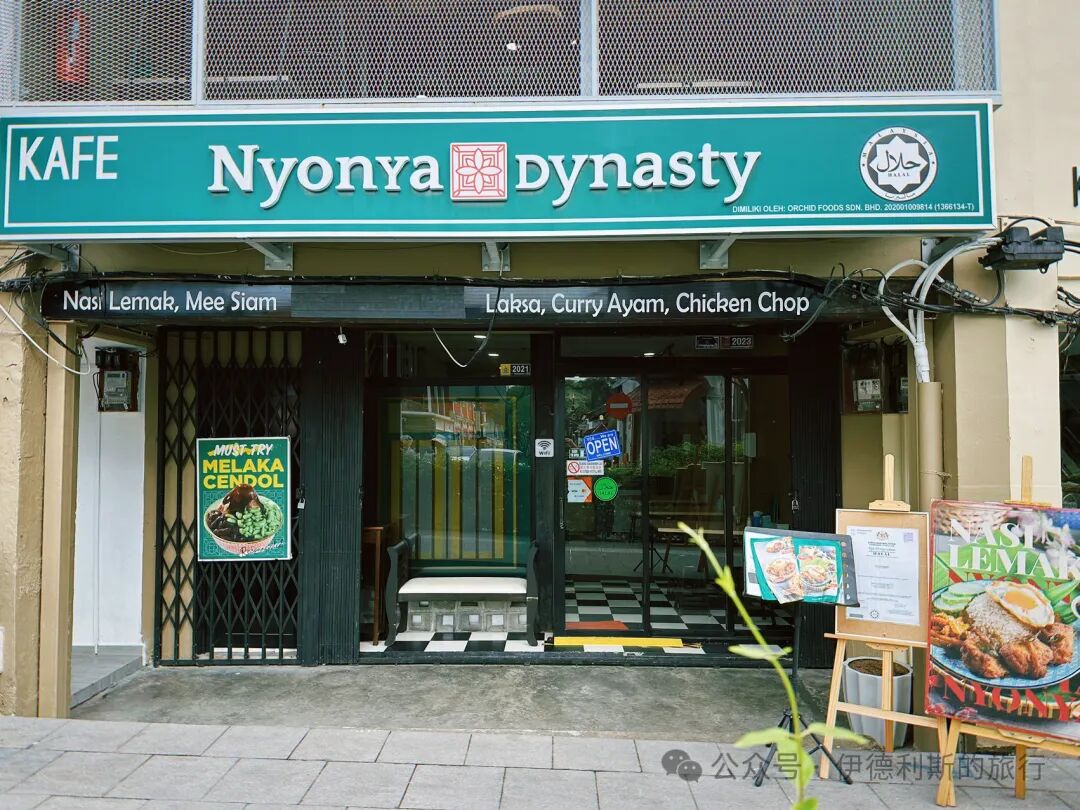
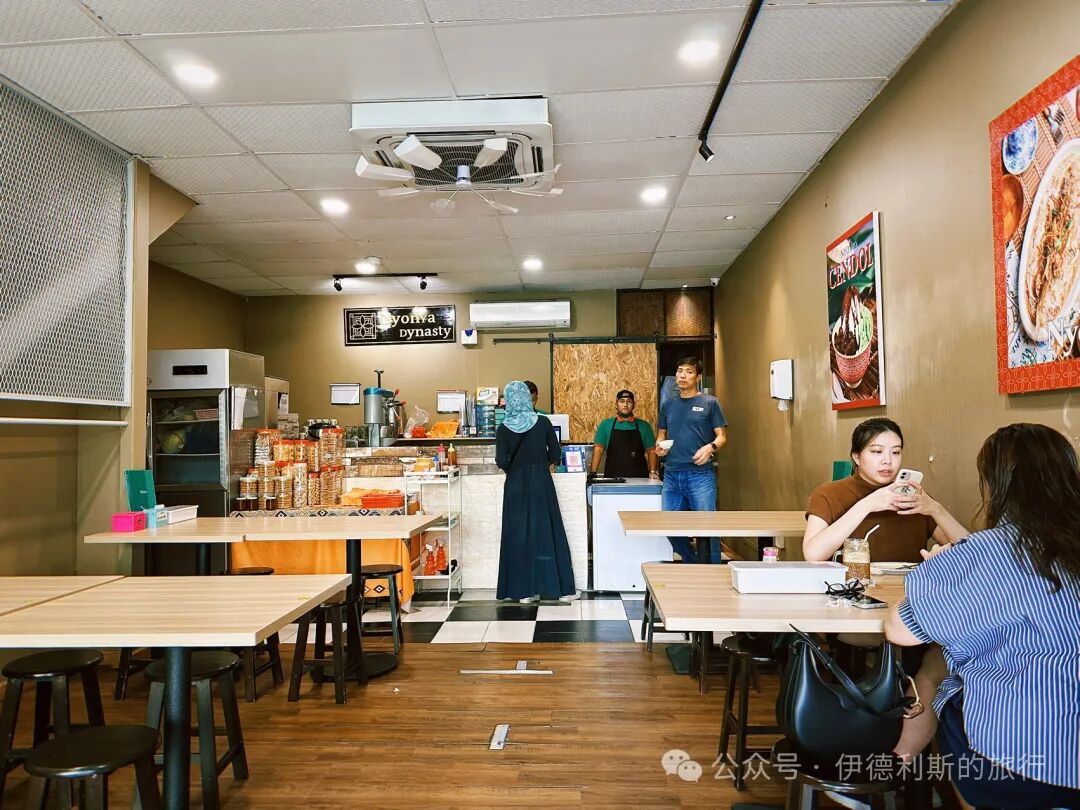
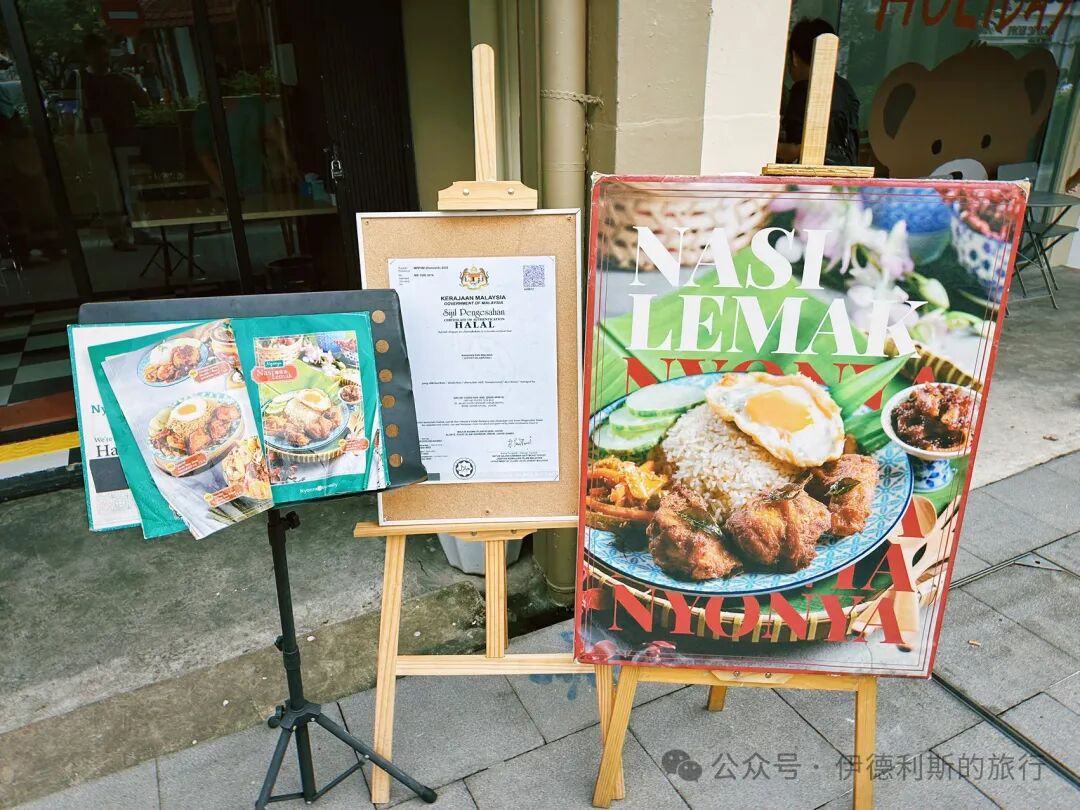
On Jalan Dhoby, a century-old street in the old town of Johor Bahru, sits Nyonya Dynasty, the first halal-certified Nyonya restaurant in the state of Johor, Malaysia. The owners, Lu Xucheng and Li Baoshan, originally ran a travel agency. When business took a hard hit in early 2020, they decided to turn part of their office space into a Nyonya cafe. The two owners learned their craft from an authentic Nyonya chef in Malacca and invited him to visit the shop every week to supervise until their dishes were consistent. Because customers loved their Nyonya food, they moved the shop to Jalan Dhoby in the old town of Johor Bahru in 2022 and officially named it Nyonya Dynasty.
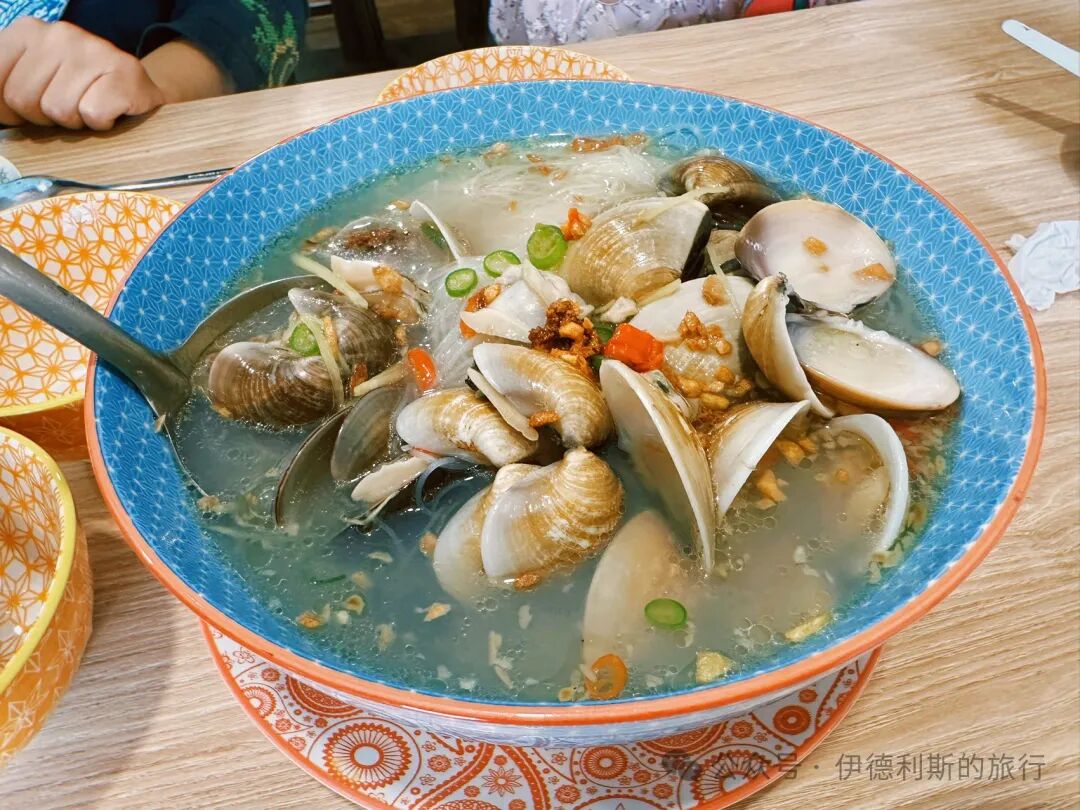
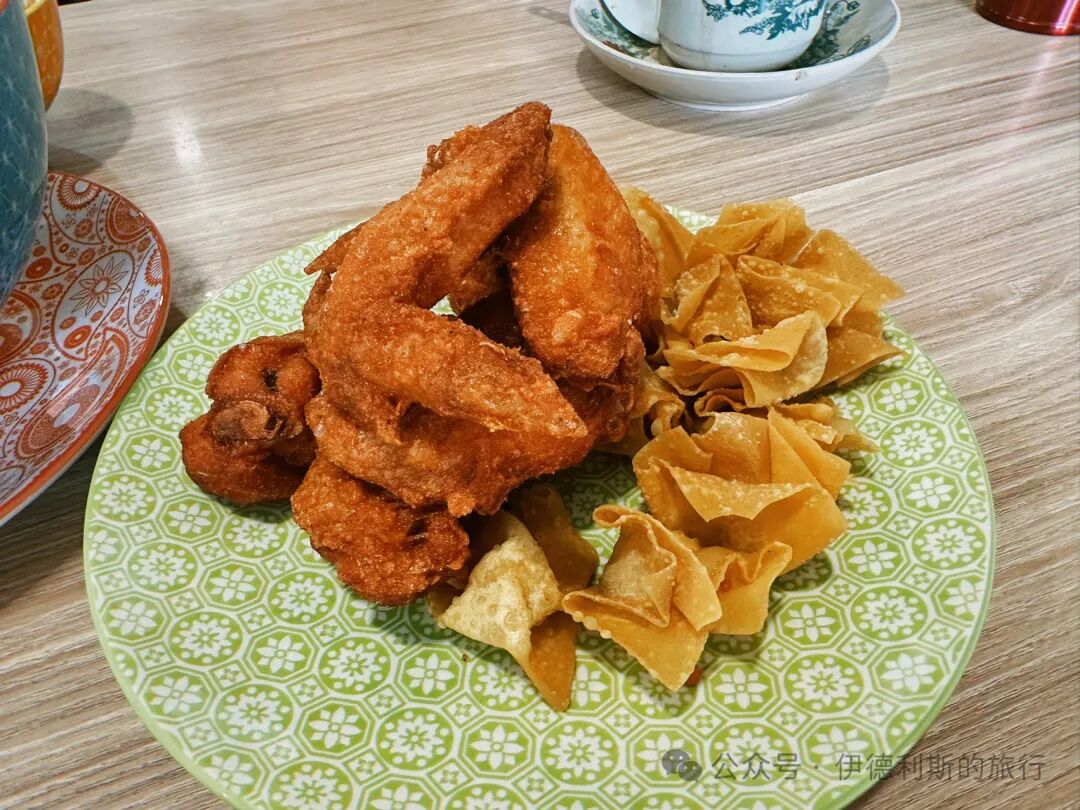
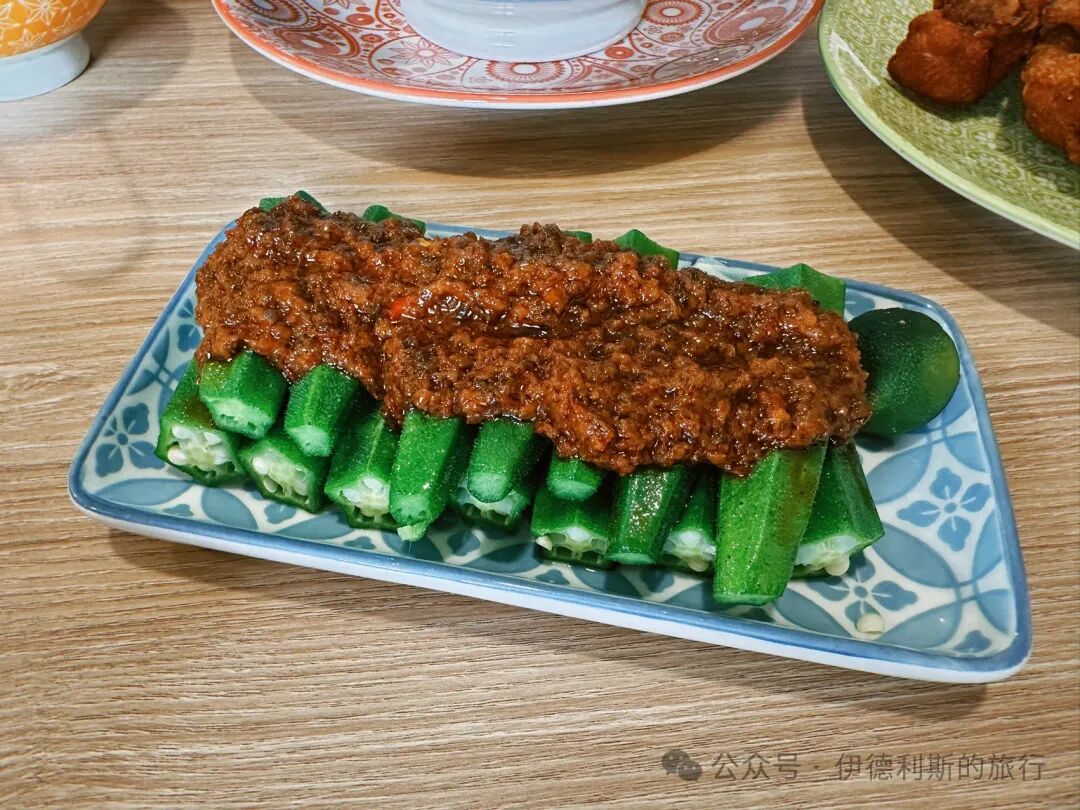
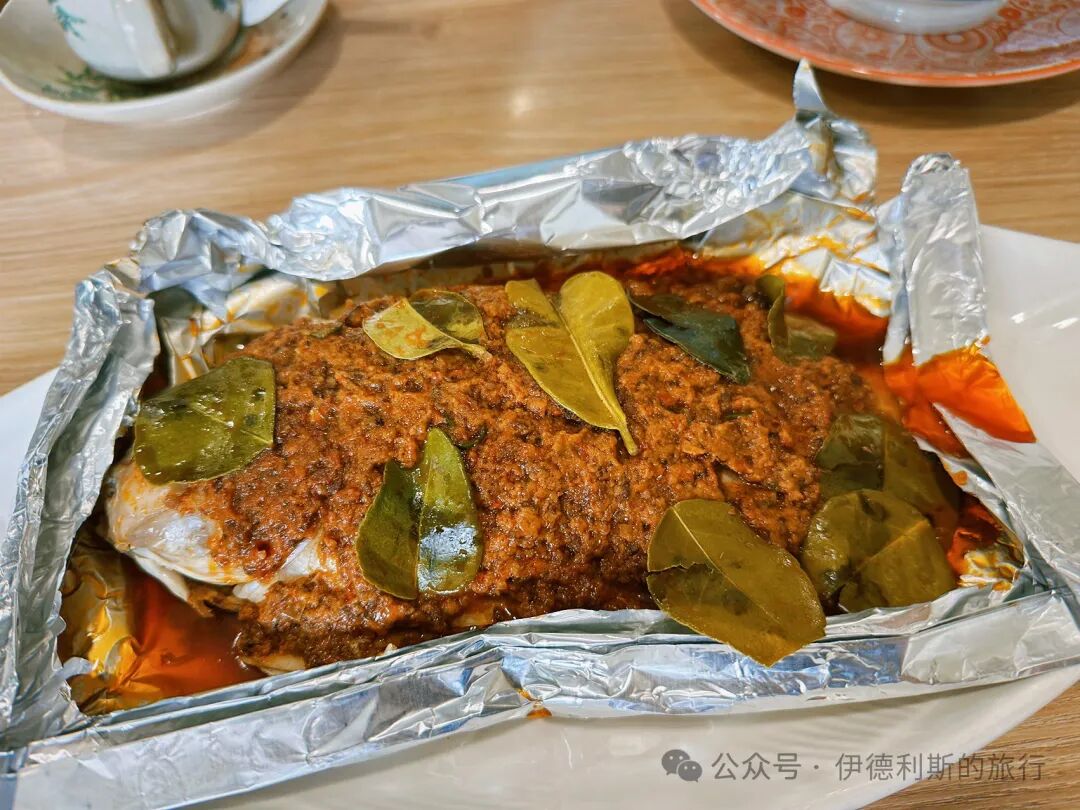
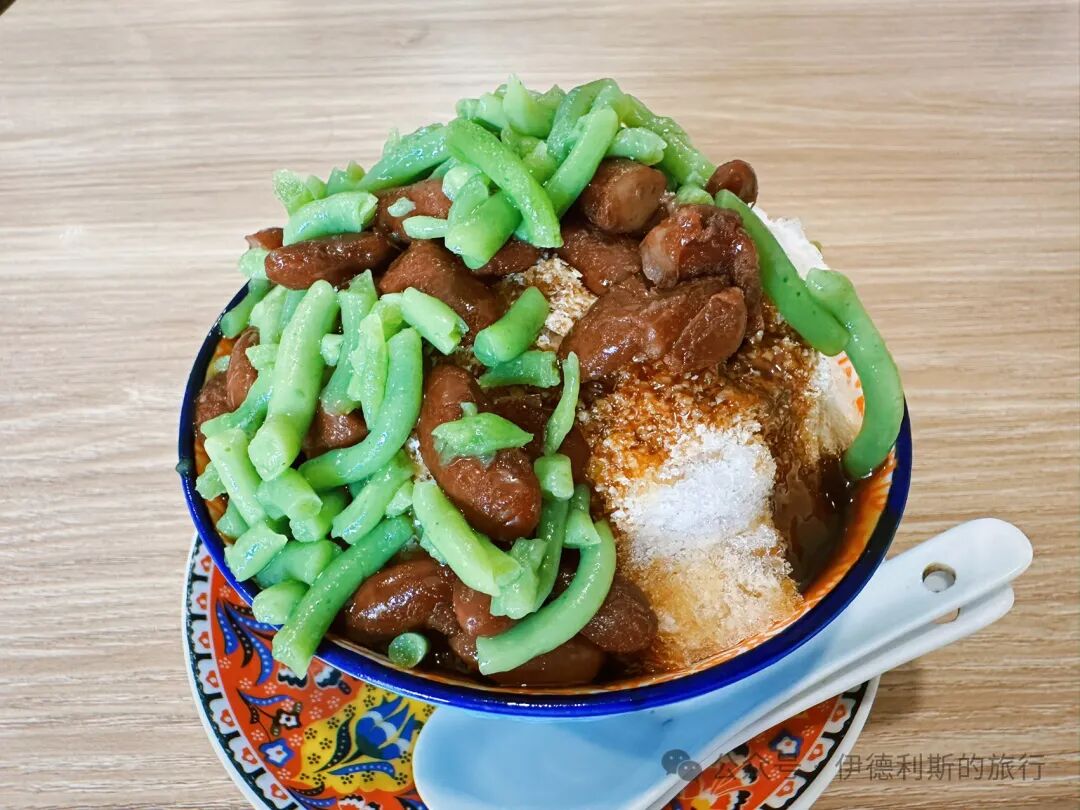
We ordered their signature Nyonya trio, which includes Nyonya clam rice noodles (lala mifen), fried shrimp wontons, and shrimp paste chicken wings. We also ordered grilled Nyonya fish, Nyonya okra, and cendol (jianrui). Lala means clams. They buy fresh clams every morning, tap each one to remove the sand, simmer them for three hours to make a rich broth, and then add bird's eye chili, scallions, and garlic. The grilled fish and okra are both topped with a signature Nyonya tamarind sauce (asam), which has a unique spicy and sour flavor. Their cendol is based on the owner's mother's family recipe. The palm sugar is simmered for two to three hours, and they use freshly squeezed coconut milk, making the texture very rich.
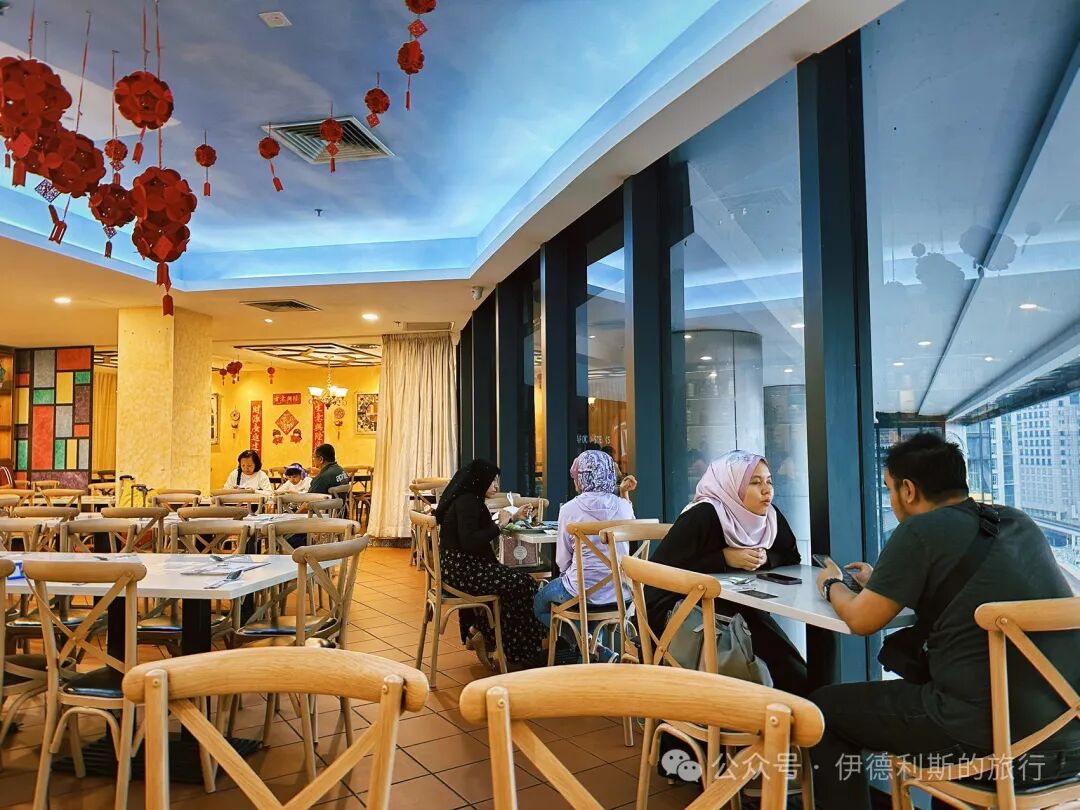
Whether it is halal Chinese food or halal Nyonya food, the Klang Valley area where Kuala Lumpur is located has the most options in Malaysia. There are three halal Nyonya restaurants just inside the NU Sentral mall opposite KL Sentral station, which is perfect for traveling friends (dostis) to stop and eat.
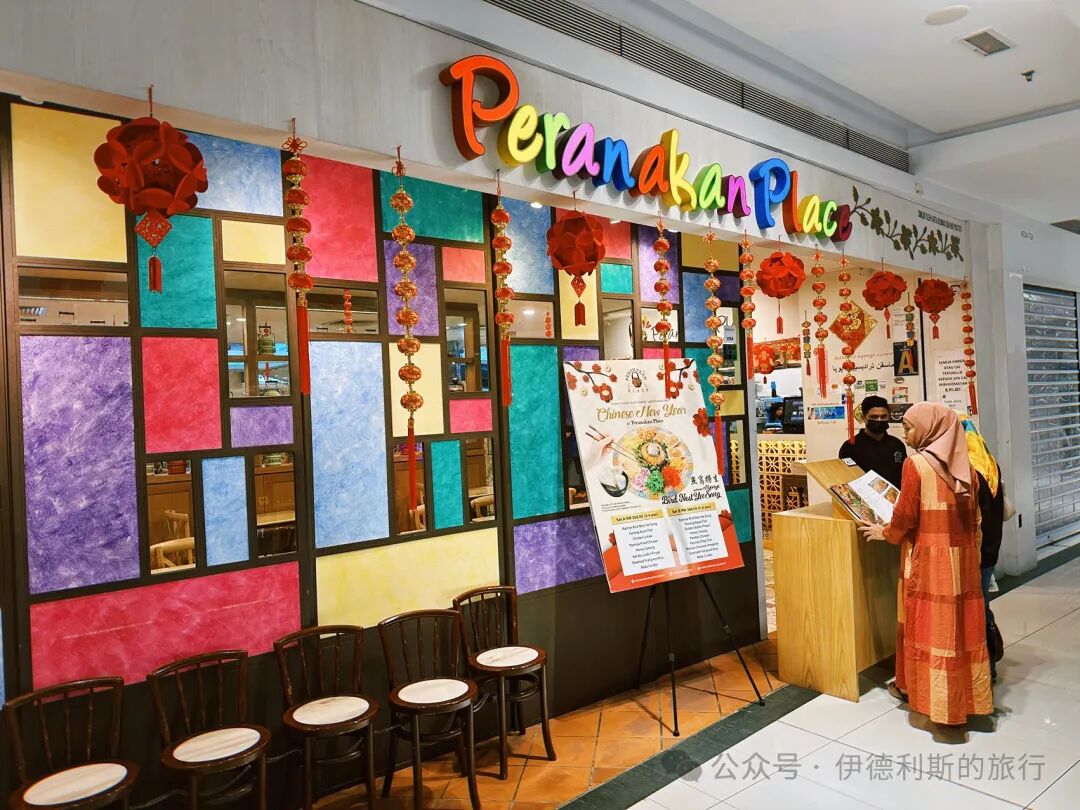
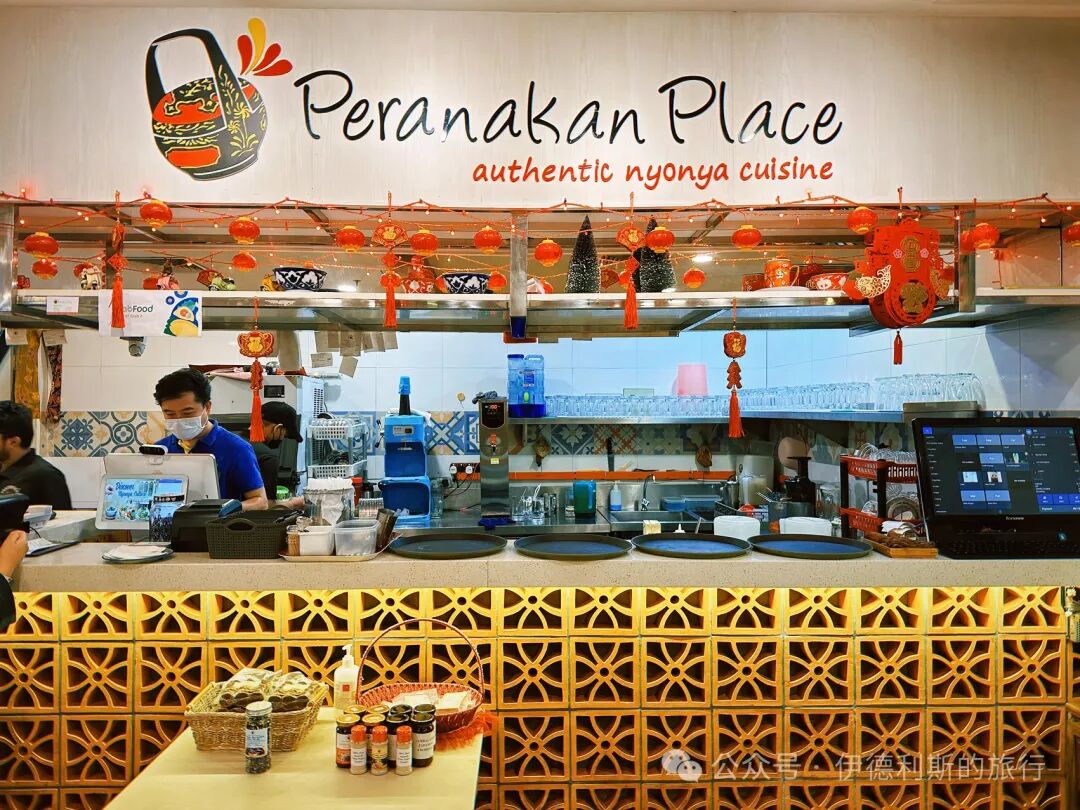
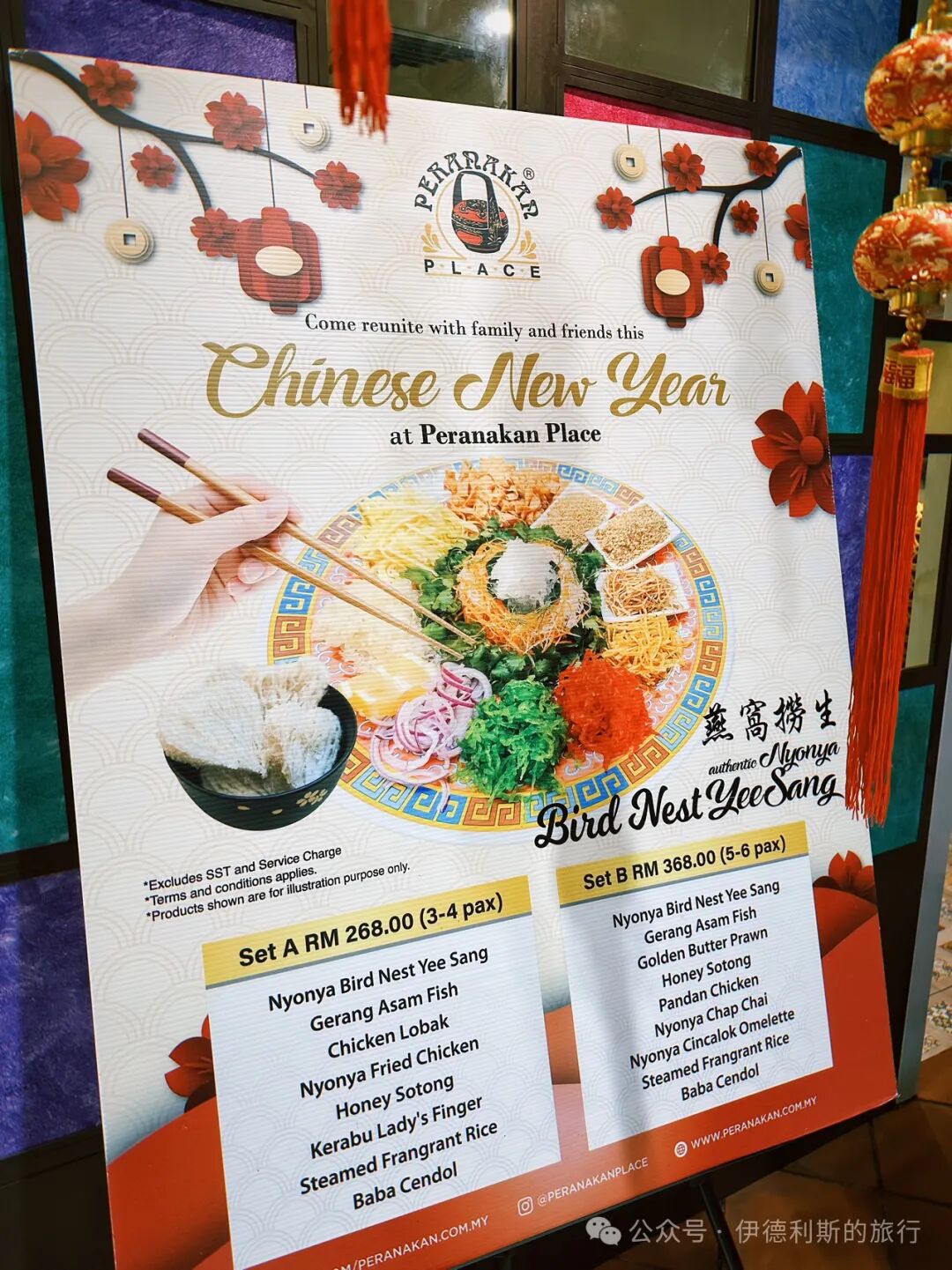
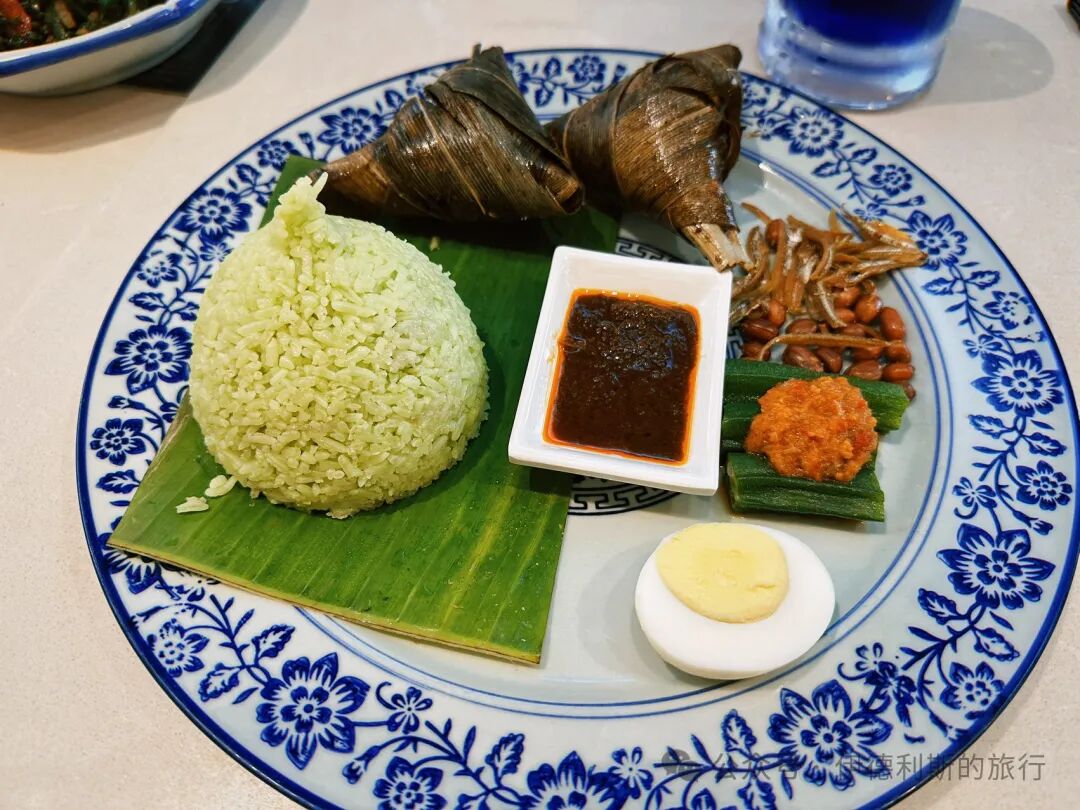
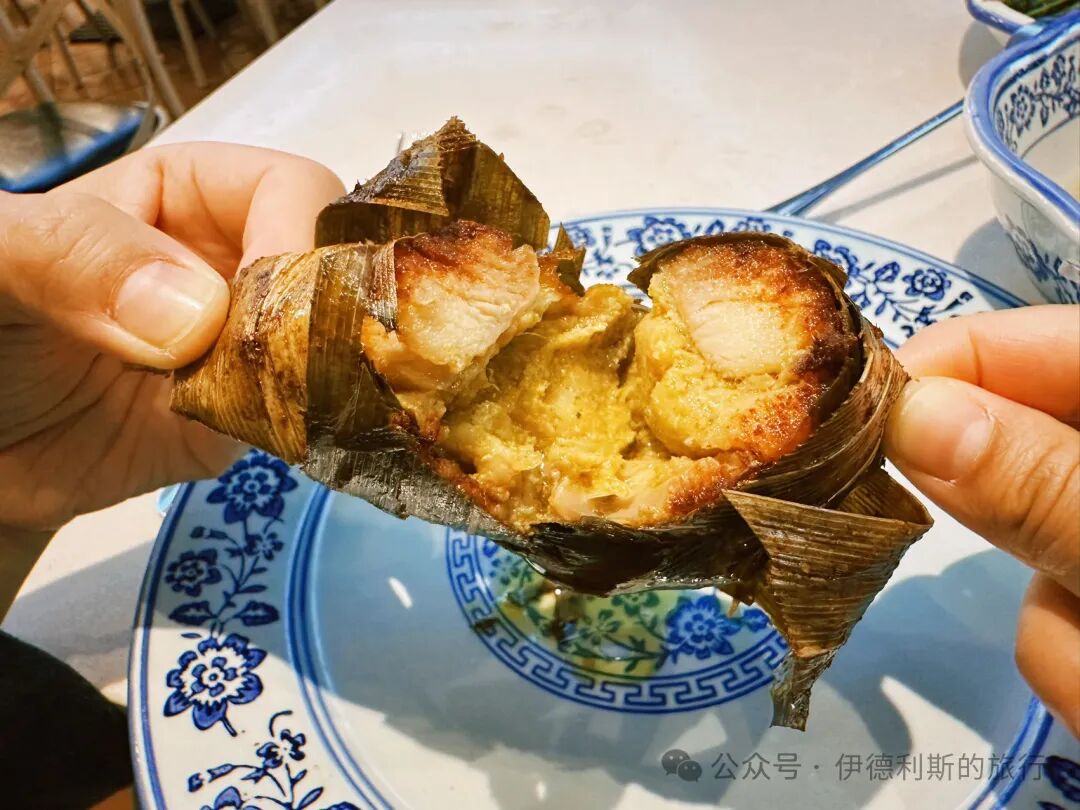
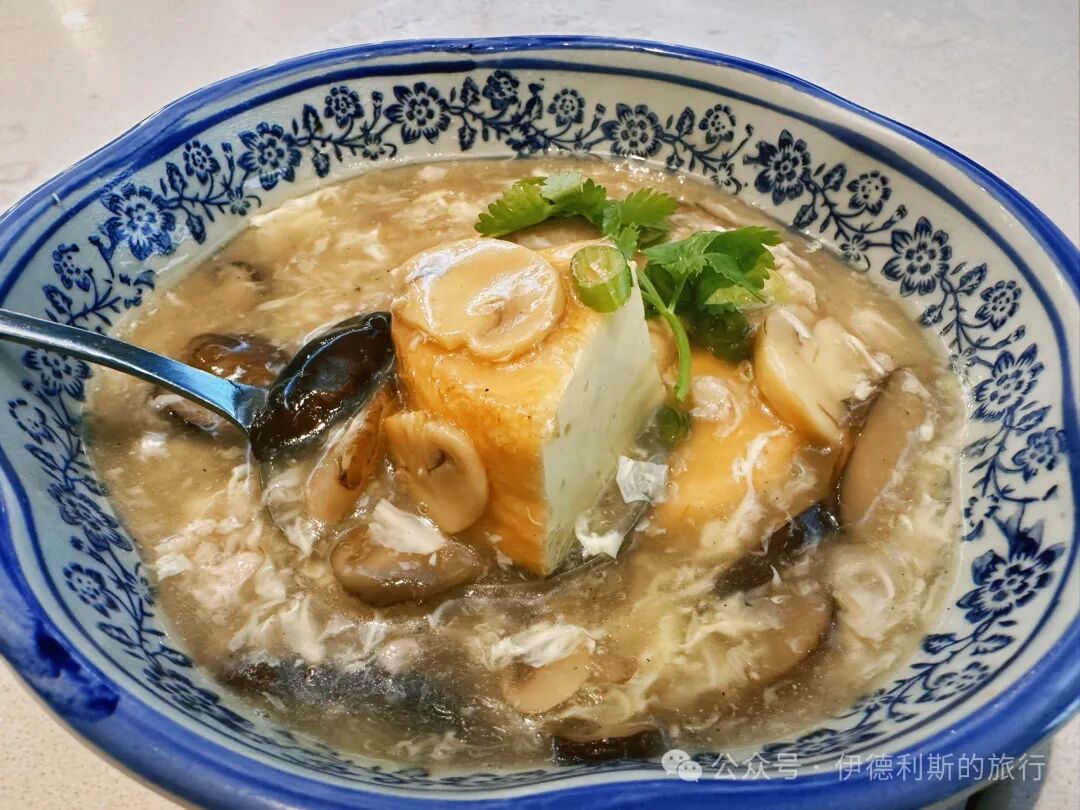
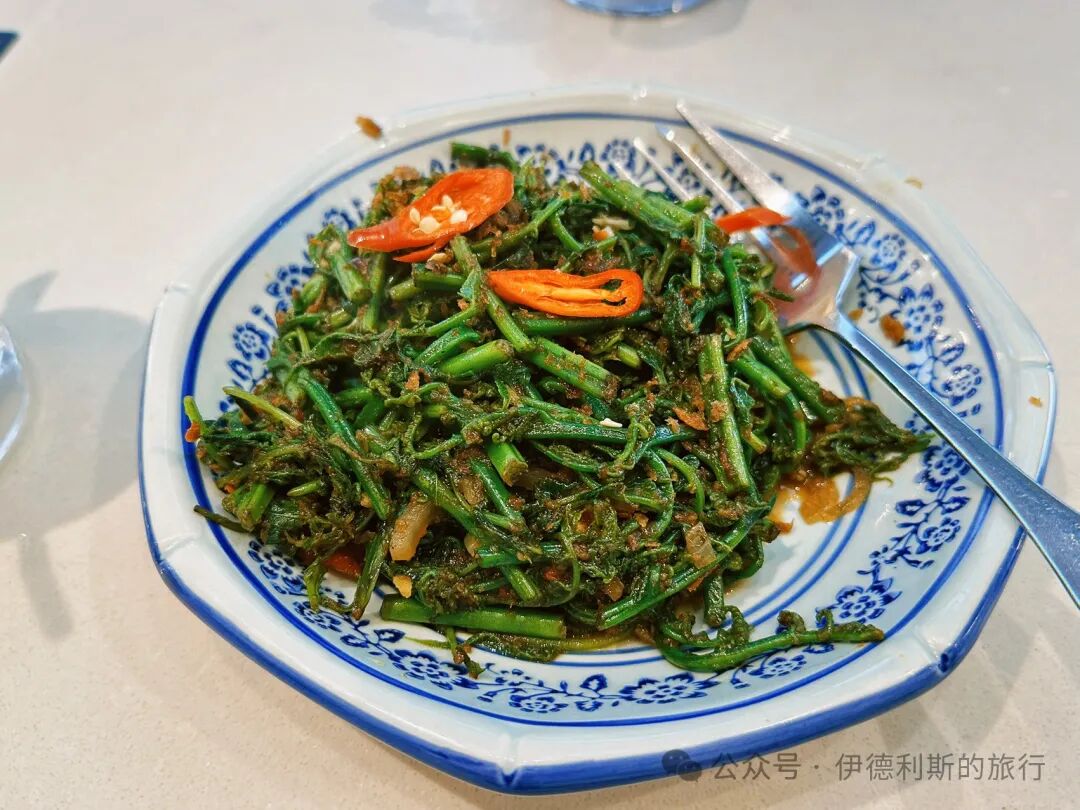
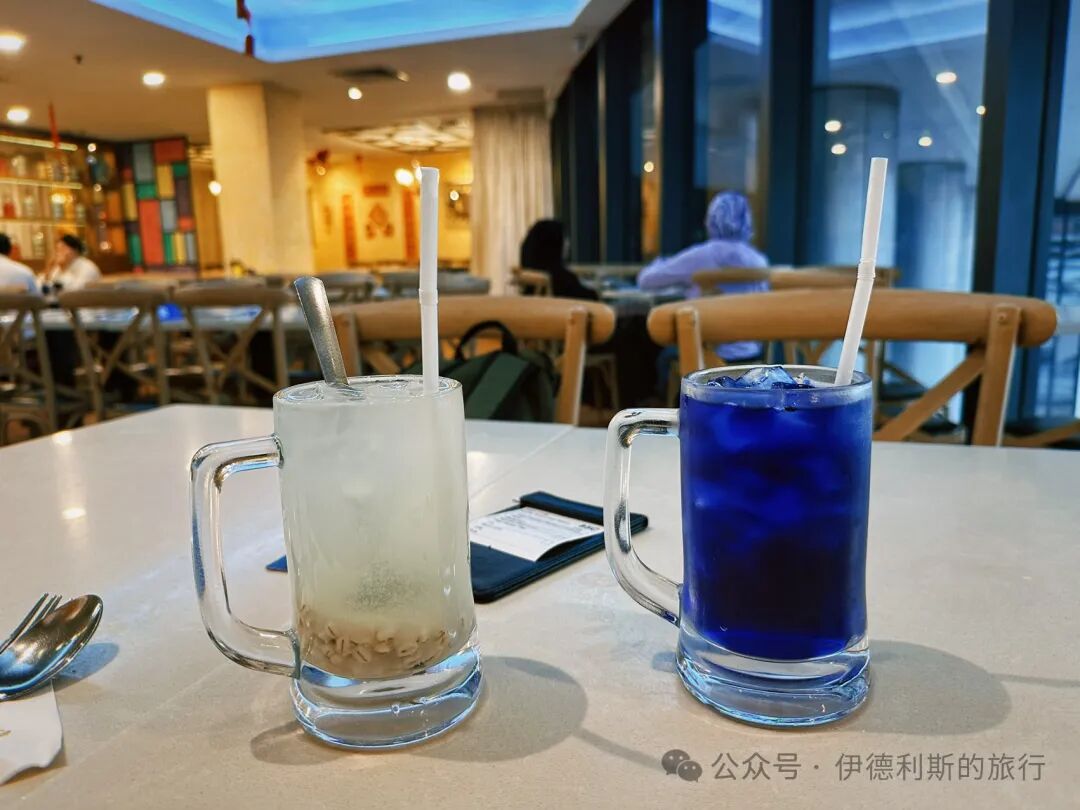
We ate at the largest of the three, Peranakan Place, which has several locations in Kuala Lumpur and Malacca. We ordered pandan coconut rice served with pandan-wrapped chicken, dried anchovies, and sambal sauce, fern shoots (paku) with shrimp paste (belacan), Nyonya minced meat tofu, and drank blue pea flower tea and barley lime water.
Fern shoots (paku) are the tender leaves of ferns. They are a classic wild vegetable from the Malaysian mountains and are known as the king of mountain vegetables. In Malaysia, fern shoots are often stir-fried with sambal sauce, but pairing them with shrimp paste (belacan) is also a classic Nyonya way to eat them. Shrimp paste (belacan), also known as malazhan, is made by steaming and mashing small silver shrimp into a paste, fermenting it, and then frying it with chili and other seasonings. It has a very unique taste. People who love it find the shrimp paste spicy and appetizing, while those who don't think it has a pungent, fermented smell.
Further reading: Eating Nyonya food in Singapore
Summary: This Malaysia food note follows Peranakan Nyonya dishes in Johor Bahru and Kuala Lumpur. It preserves the original restaurant details, dish names, textures, prices, and travel observations while keeping the English natural.
On Jalan Dhoby, a century-old street in the old town of Johor Bahru, sits Nyonya Dynasty, the first halal-certified Nyonya restaurant in the state of Johor, Malaysia. The owners, Lu Xucheng and Li Baoshan, originally ran a travel agency. When business took a hard hit in early 2020, they decided to turn part of their office space into a Nyonya cafe. The two owners learned their craft from an authentic Nyonya chef in Malacca and invited him to visit the shop every week to supervise until their dishes were consistent. Because customers loved their Nyonya food, they moved the shop to Jalan Dhoby in the old town of Johor Bahru in 2022 and officially named it Nyonya Dynasty.
We ordered their signature Nyonya trio, which includes Nyonya clam rice noodles (lala mifen), fried shrimp wontons, and shrimp paste chicken wings. We also ordered grilled Nyonya fish, Nyonya okra, and cendol (jianrui). Lala means clams. They buy fresh clams every morning, tap each one to remove the sand, simmer them for three hours to make a rich broth, and then add bird's eye chili, scallions, and garlic. The grilled fish and okra are both topped with a signature Nyonya tamarind sauce (asam), which has a unique spicy and sour flavor. Their cendol is based on the owner's mother's family recipe. The palm sugar is simmered for two to three hours, and they use freshly squeezed coconut milk, making the texture very rich.
Whether it is halal Chinese food or halal Nyonya food, the Klang Valley area where Kuala Lumpur is located has the most options in Malaysia. There are three halal Nyonya restaurants just inside the NU Sentral mall opposite KL Sentral station, which is perfect for traveling friends (dostis) to stop and eat.
We ate at the largest of the three, Peranakan Place, which has several locations in Kuala Lumpur and Malacca. We ordered pandan coconut rice served with pandan-wrapped chicken, dried anchovies, and sambal sauce, fern shoots (paku) with shrimp paste (belacan), Nyonya minced meat tofu, and drank blue pea flower tea and barley lime water.
Fern shoots (paku) are the tender leaves of ferns. They are a classic wild vegetable from the Malaysian mountains and are known as the king of mountain vegetables. In Malaysia, fern shoots are often stir-fried with sambal sauce, but pairing them with shrimp paste (belacan) is also a classic Nyonya way to eat them. Shrimp paste (belacan), also known as malazhan, is made by steaming and mashing small silver shrimp into a paste, fermenting it, and then frying it with chili and other seasonings. It has a very unique taste. People who love it find the shrimp paste spicy and appetizing, while those who don't think it has a pungent, fermented smell.
Further reading: Eating Nyonya food in Singapore
