
Halal Travel Guide: Urumqi - Hetian Street, Erdaoqiao and Tianshan Vanke
Reposted from the web
Summary: Halal Travel Guide: Urumqi - Hetian Street, Erdaoqiao and Tianshan Vanke is presented here as a firsthand travel account in clear, natural English. The account focuses on Urumqi, Xinjiang Travel, Halal Food while preserving the names, places, food, photos, and historical details from the Chinese source.
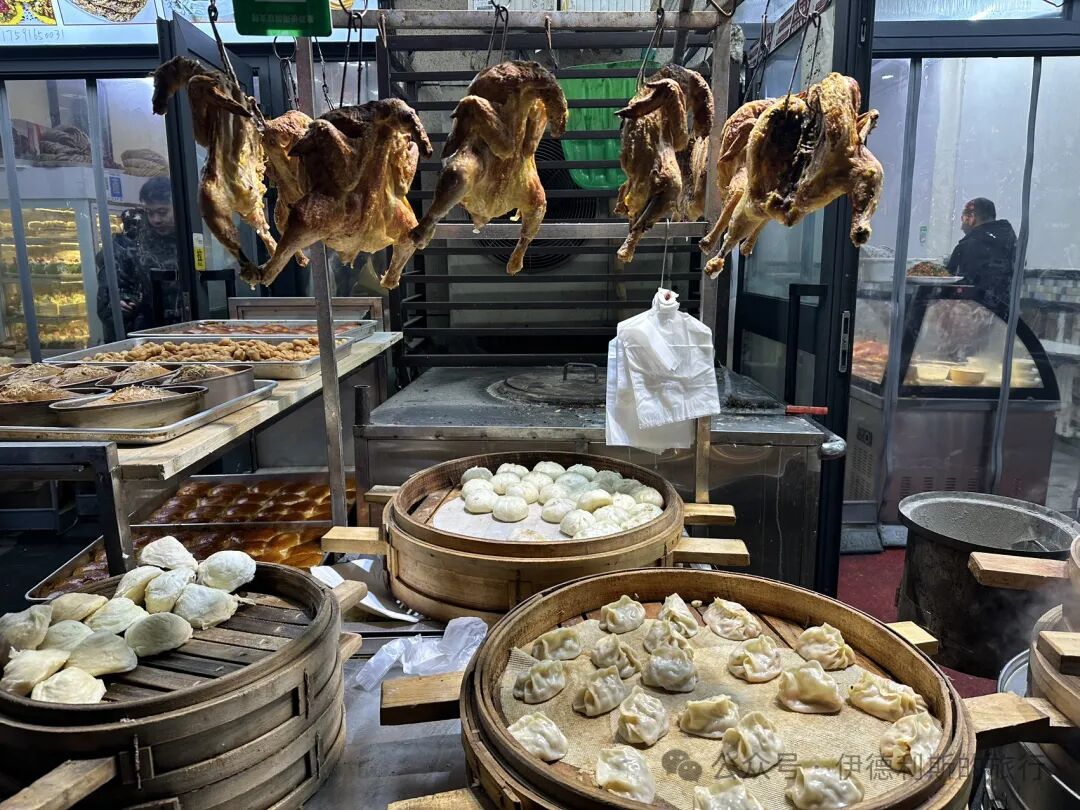
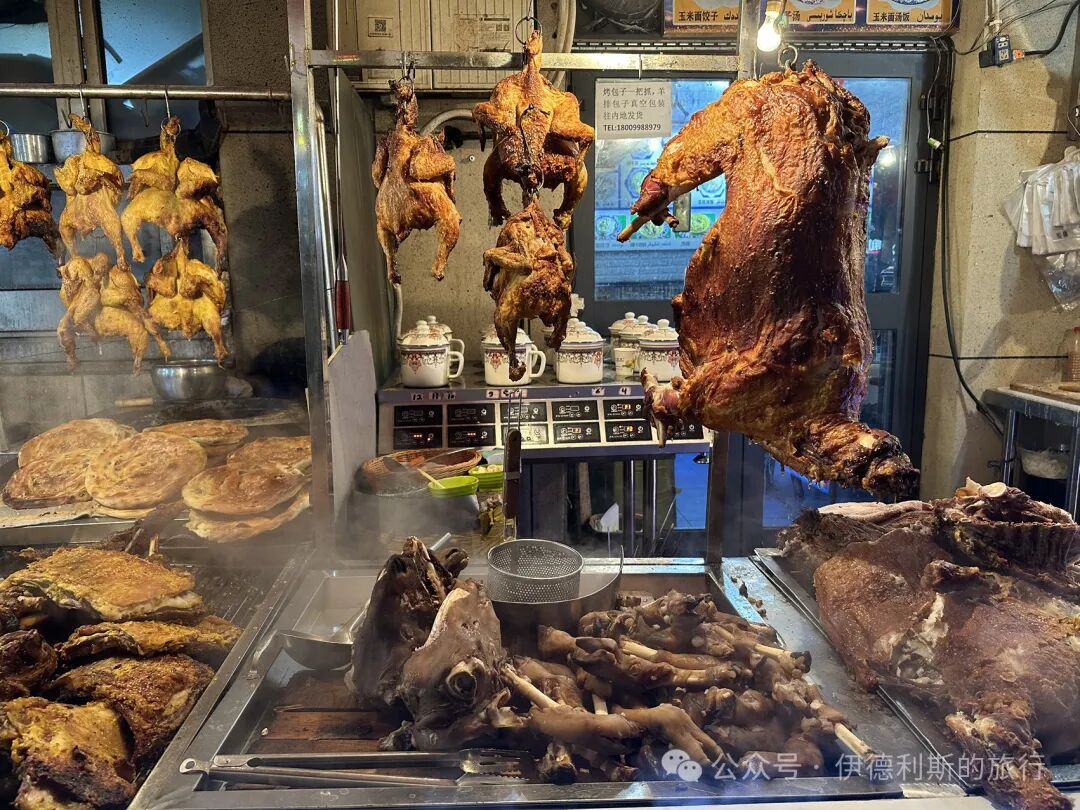
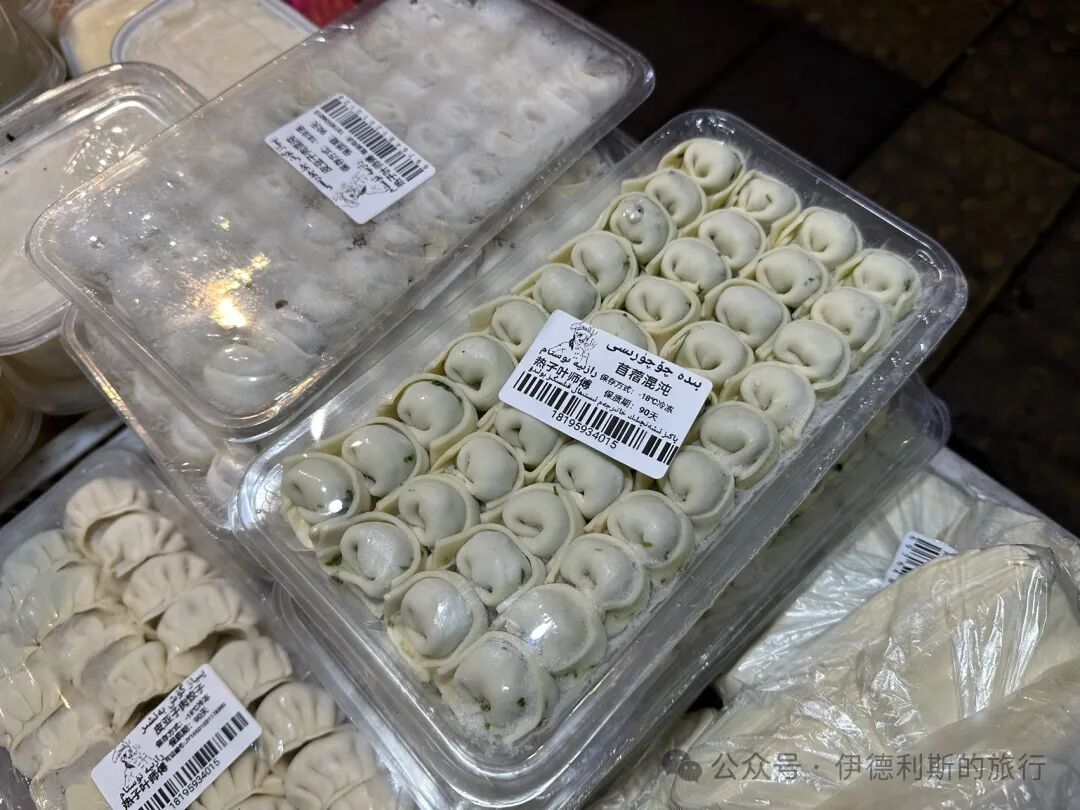
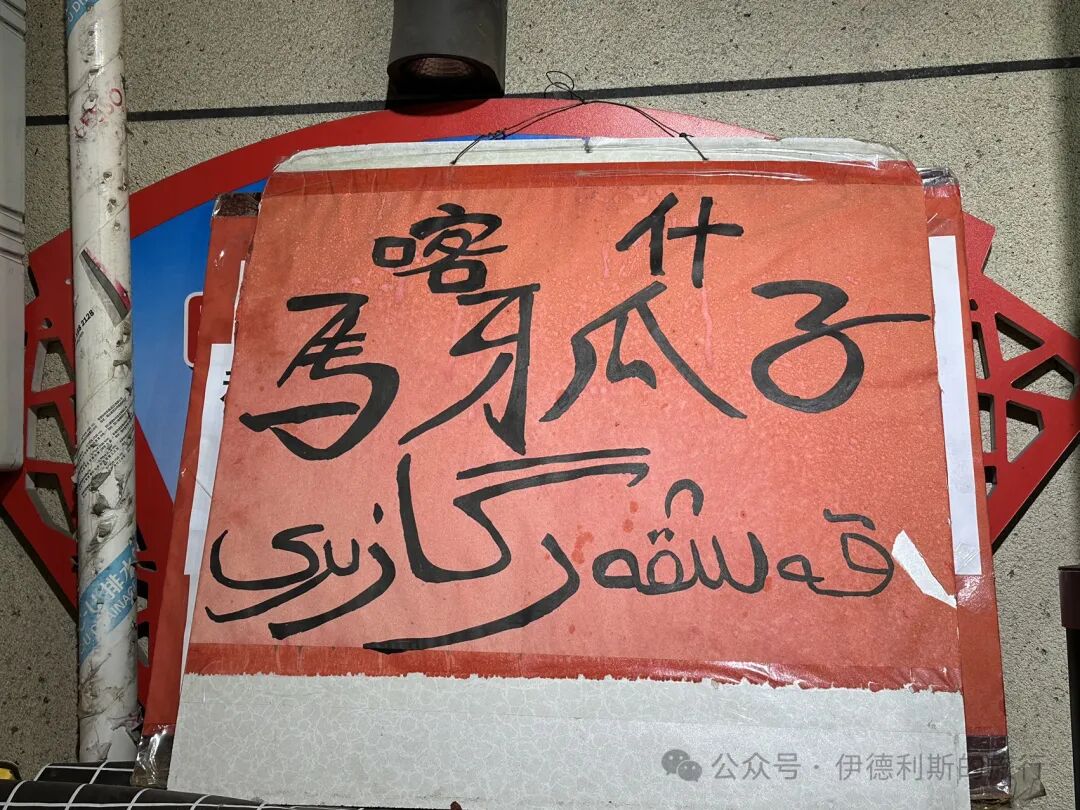
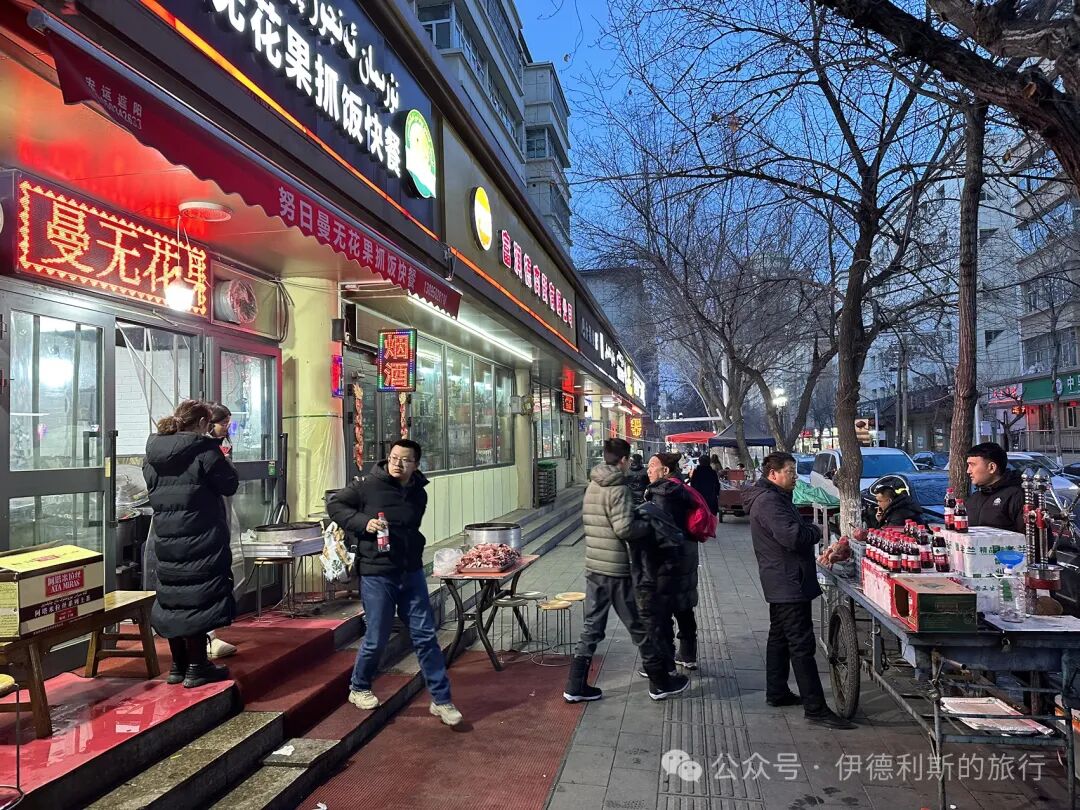
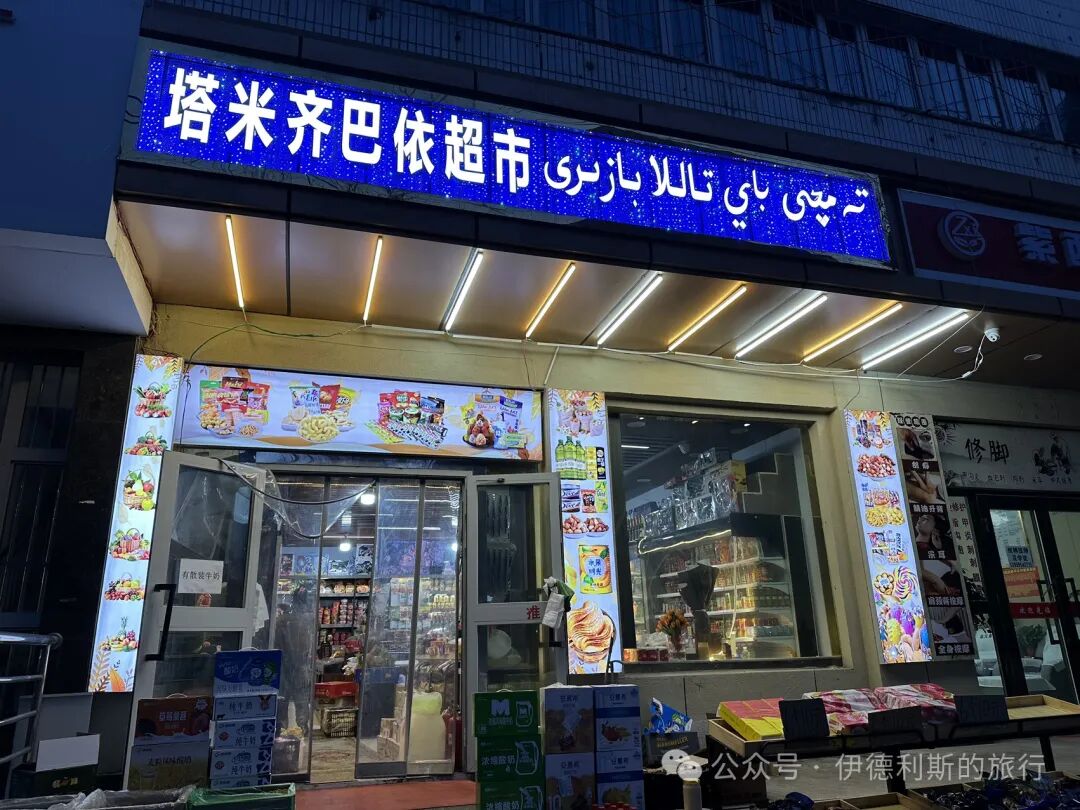
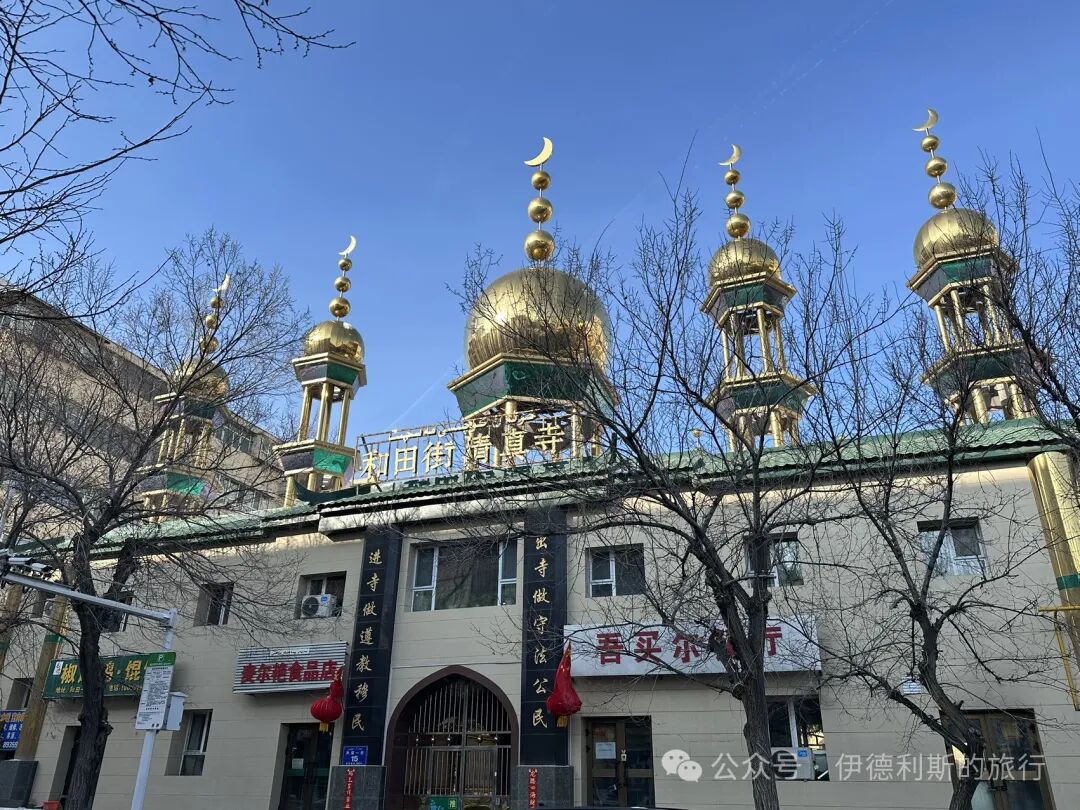
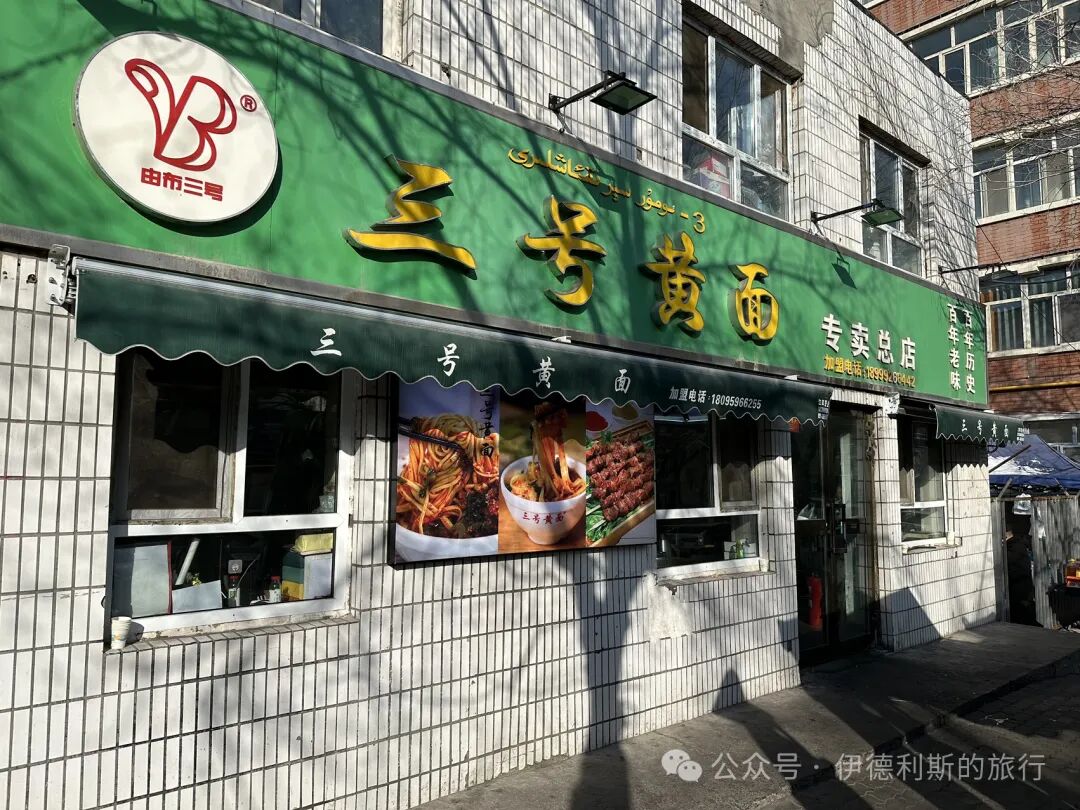
Uyghur food on Hetian Street.
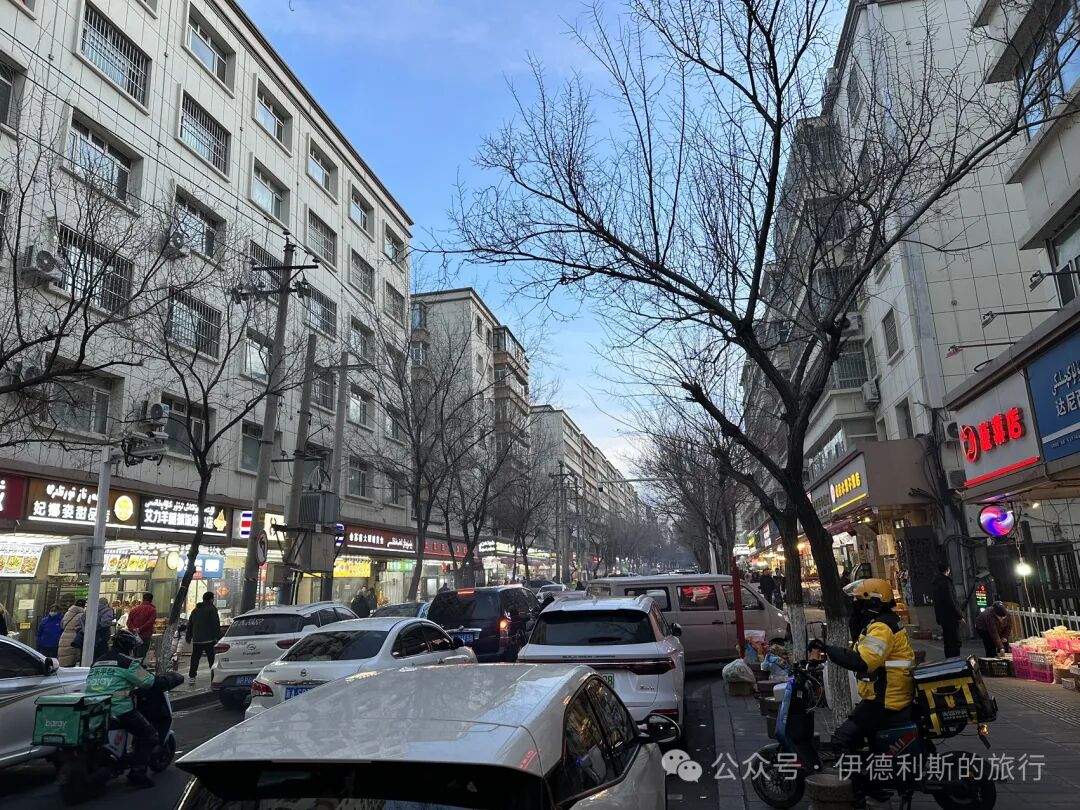
Every time I returned to Urumqi before, besides eating Hui Muslim food, I usually went to the Erdaoqiao and Dawan areas to eat Uyghur and Kazakh food. This Spring Festival, we went to another famous food street in Urumqi: Hetian Street.
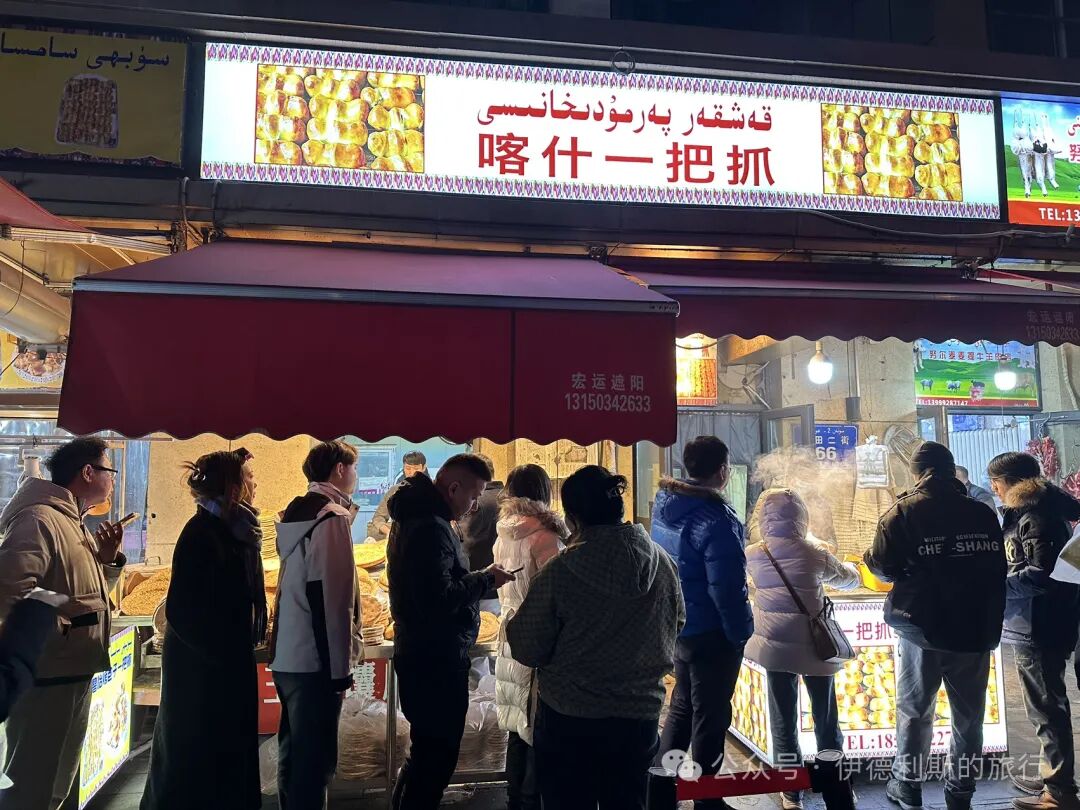
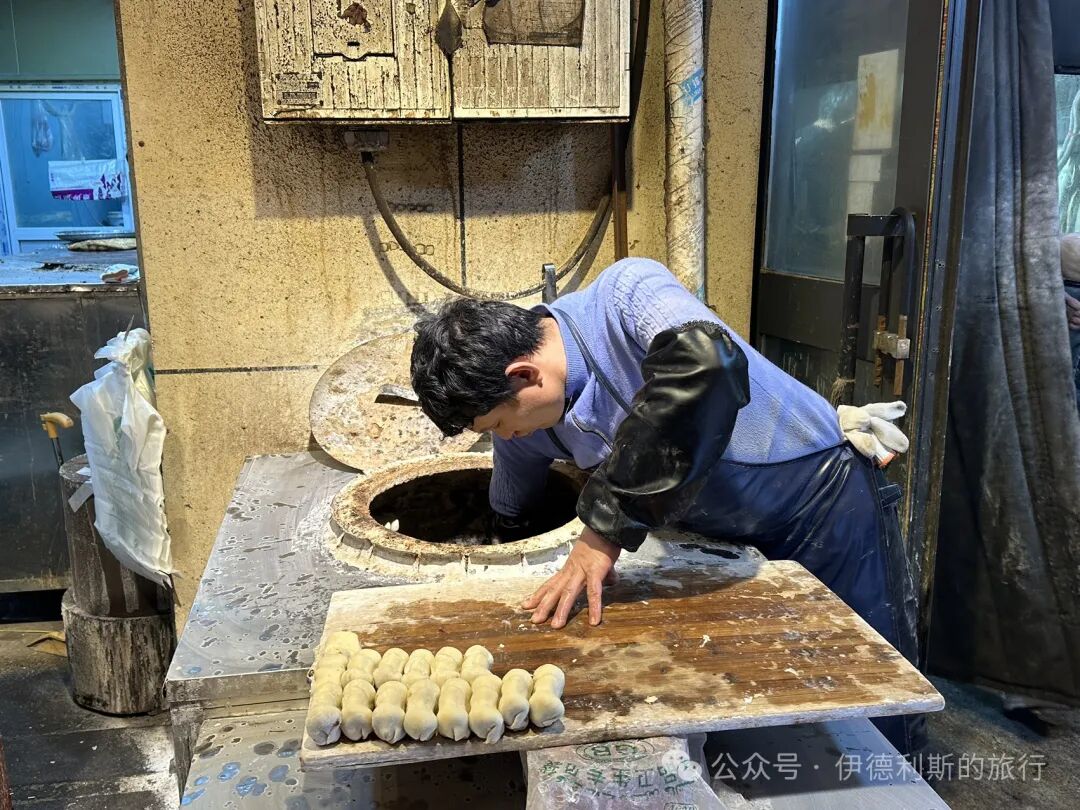
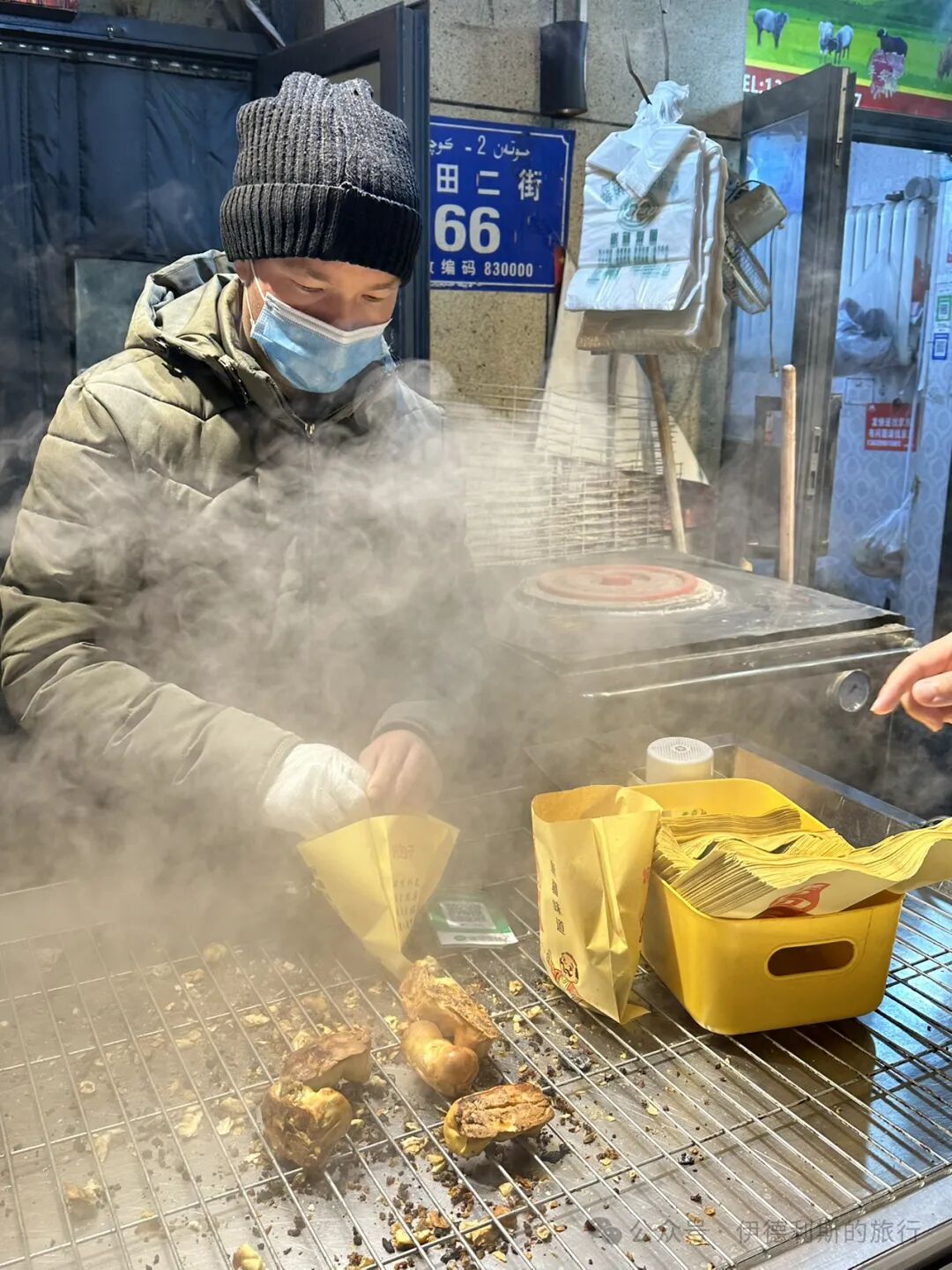
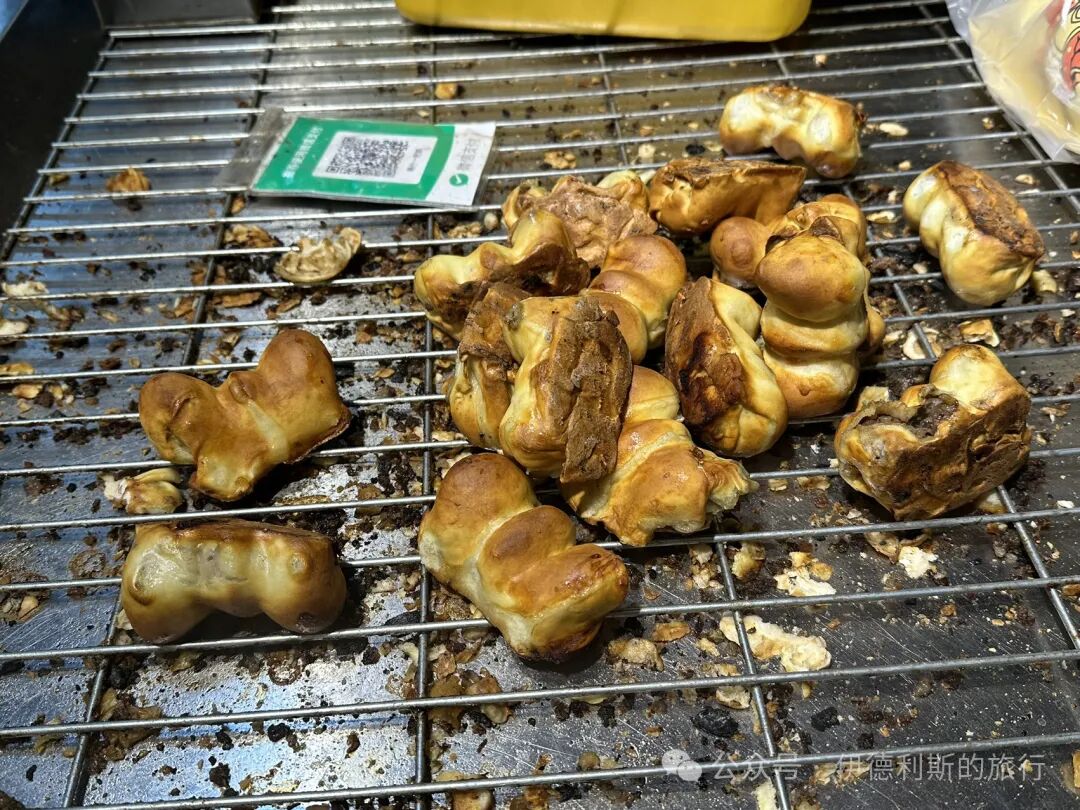
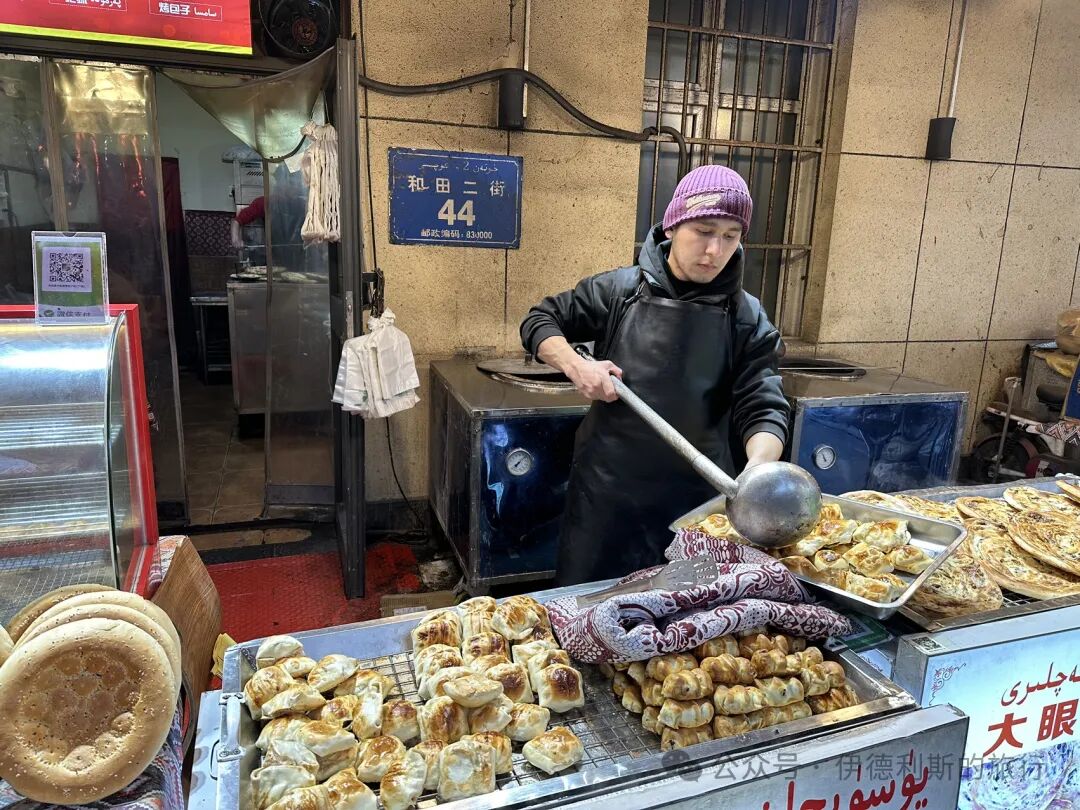
Hetian Second Street is the busiest part of the area, and the place with the longest line is Kashgar Yibazhua. Yibazhua is a small-sized baked bun (kaobaotzi) with thin skin and a large filling. It is quite delicious. It used to be more common in southern Xinjiang, but now shops have opened in Urumqi too.
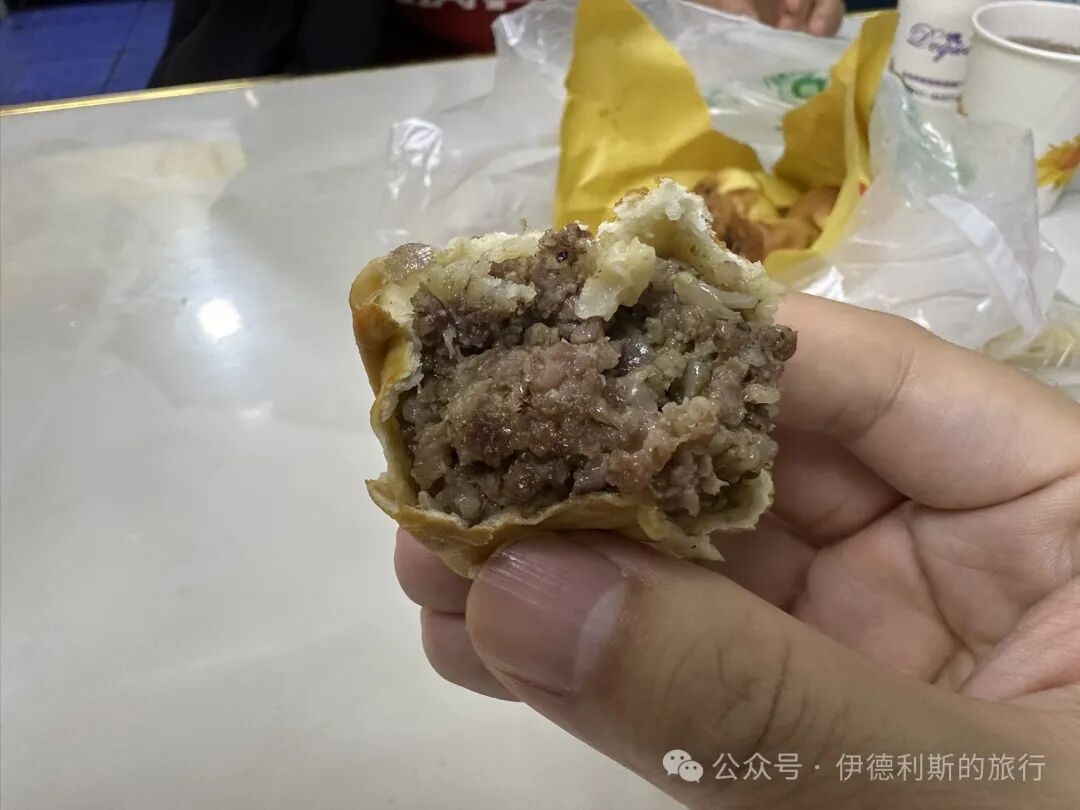
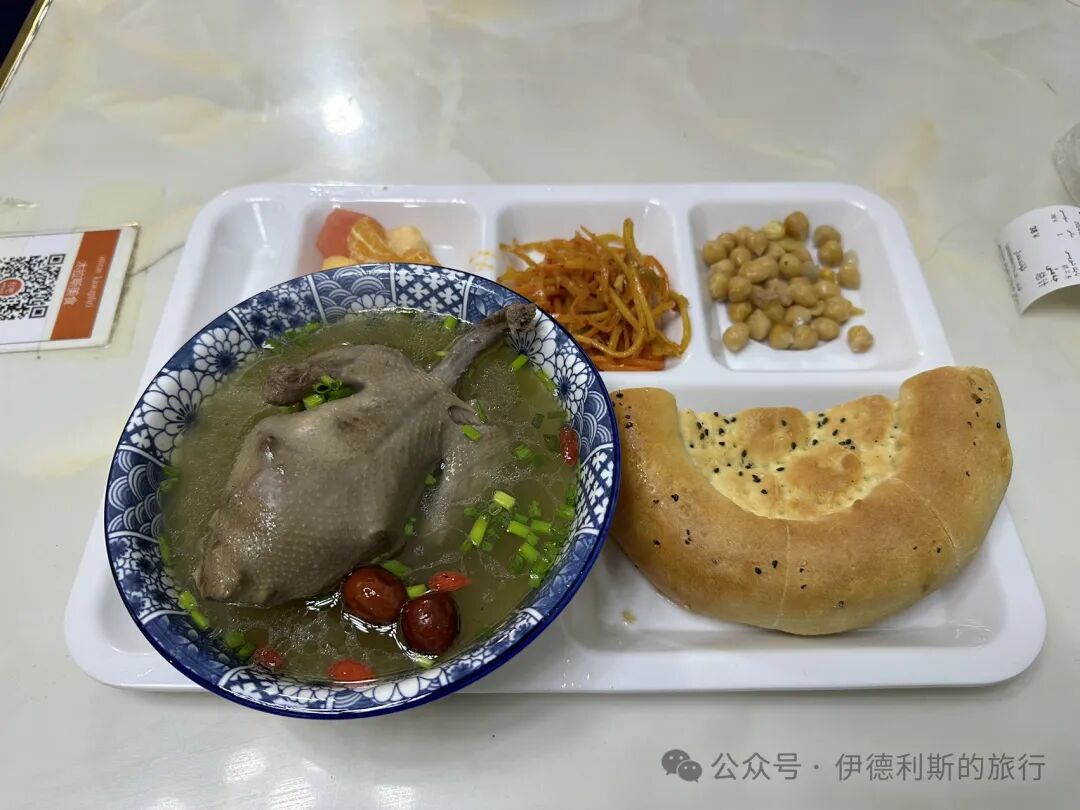
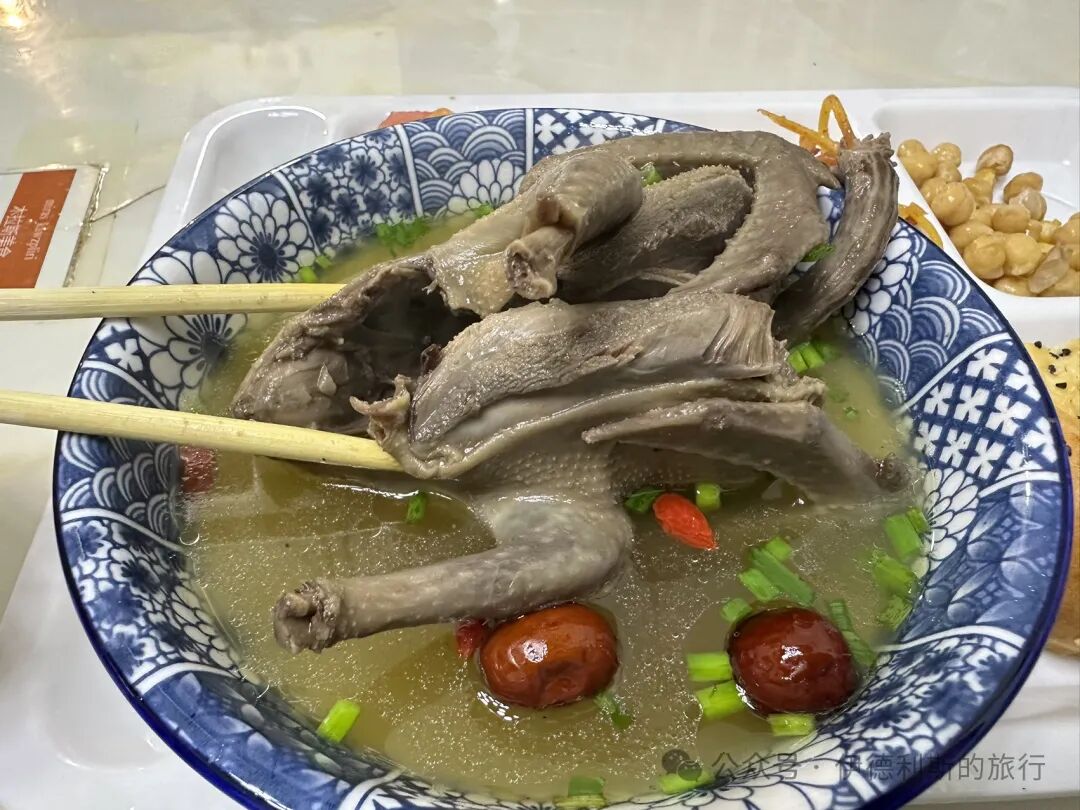
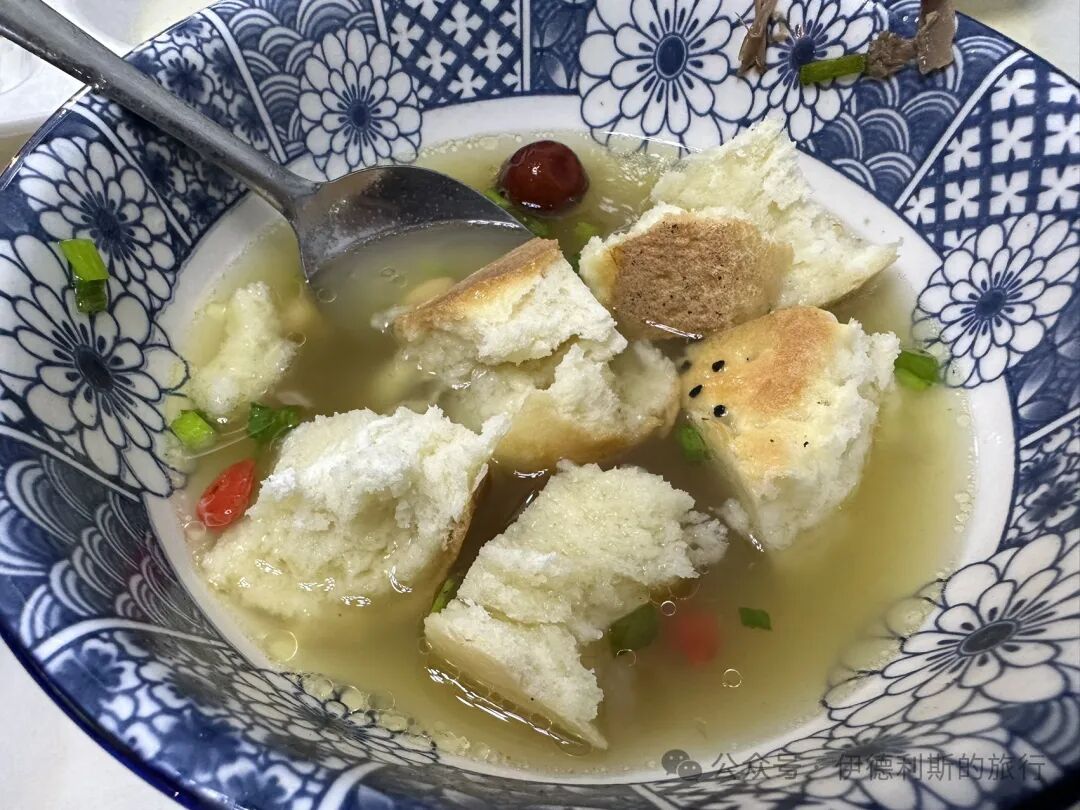
After finishing the Yibazhua, we had some pigeon soup. There are several pigeon soup shops on Hetian Second Street. The one we visited focused on an authentic taste with very few seasonings, which really highlighted the natural freshness of the pigeon soup.
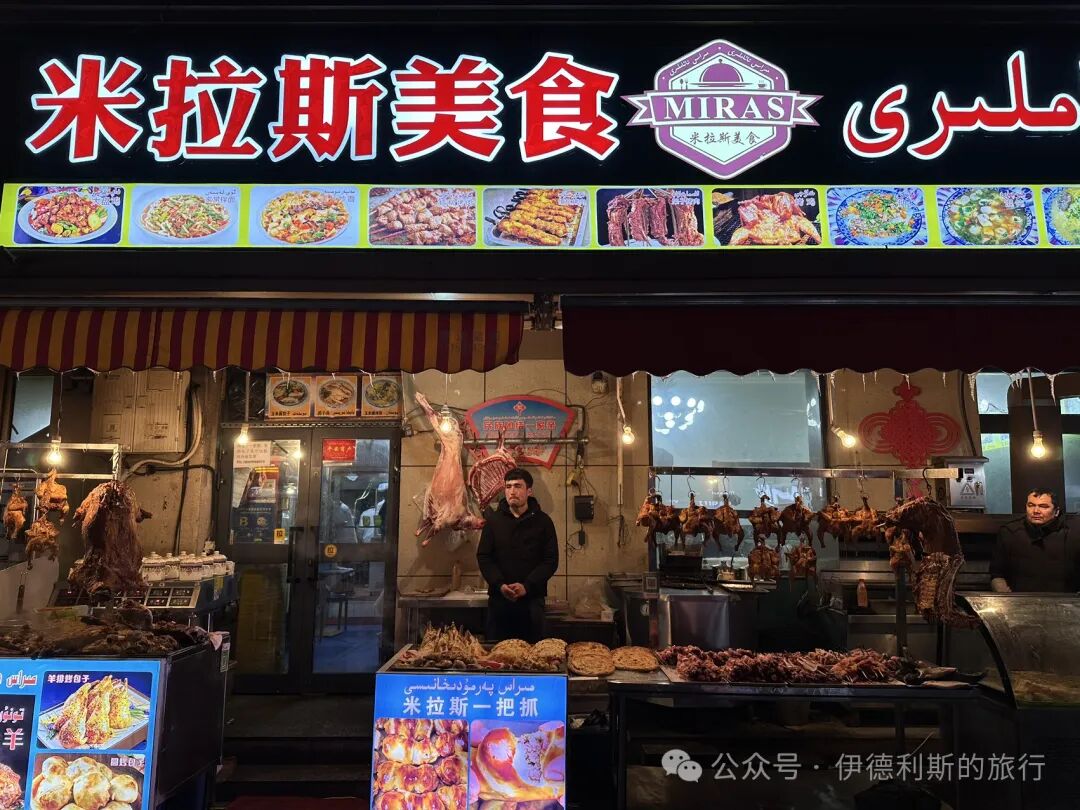
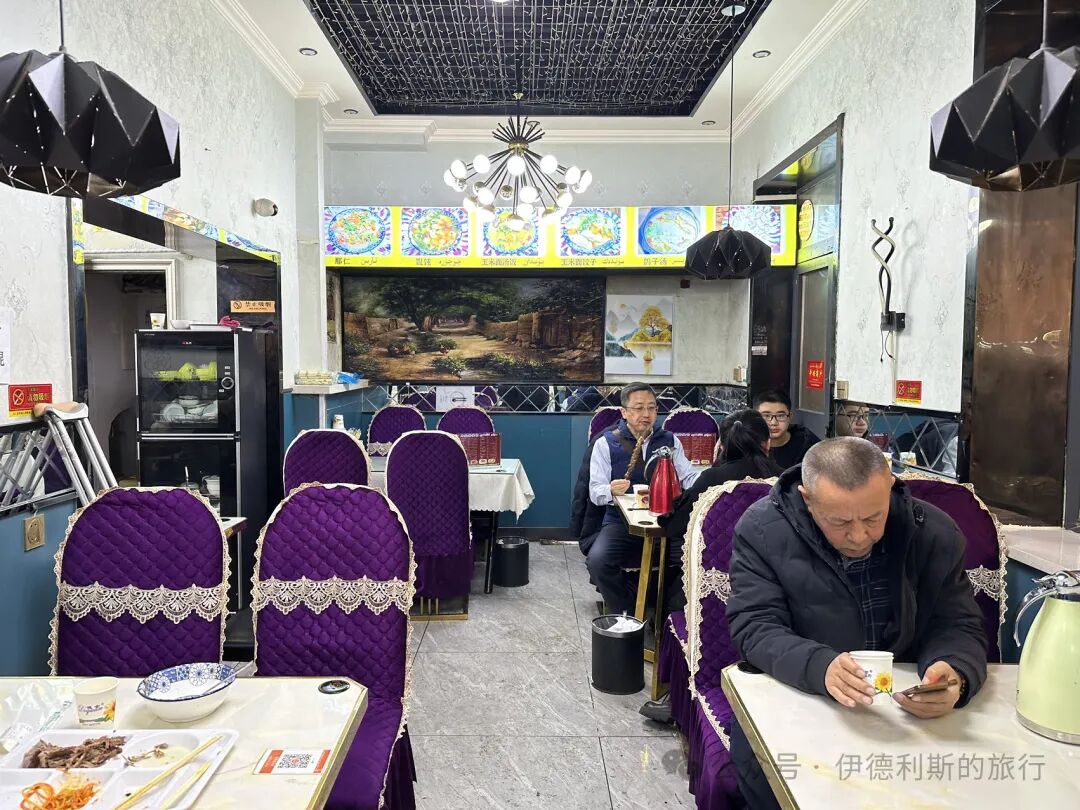
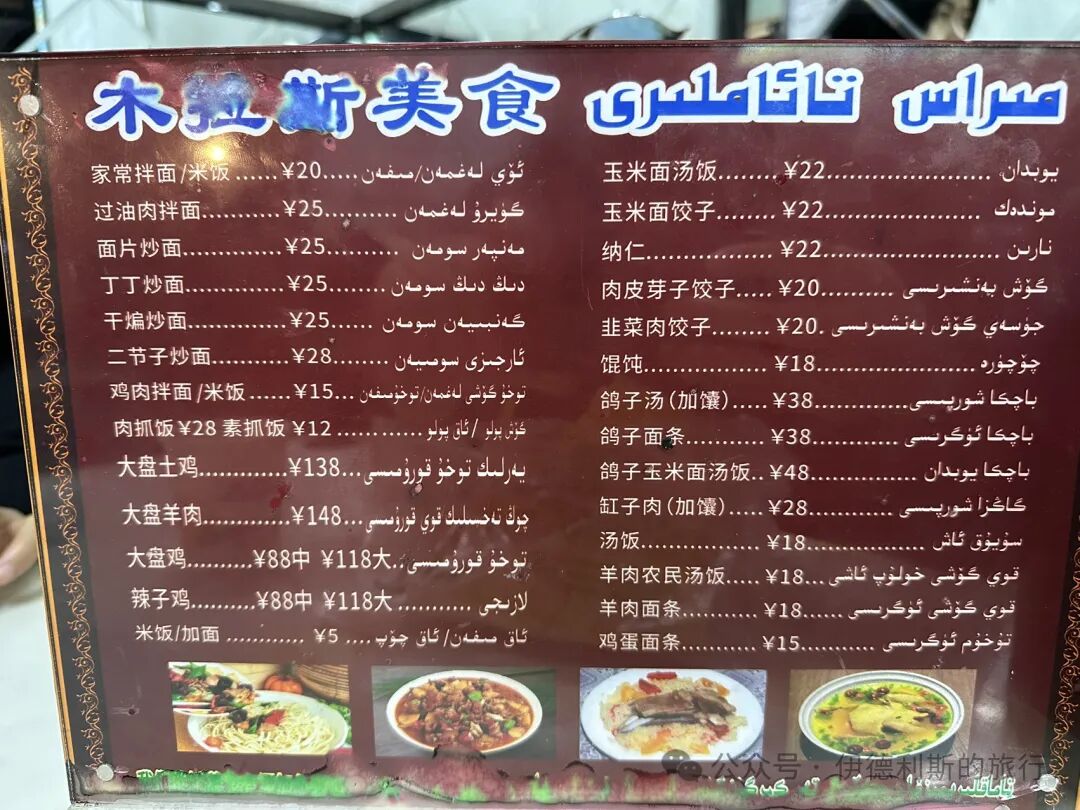
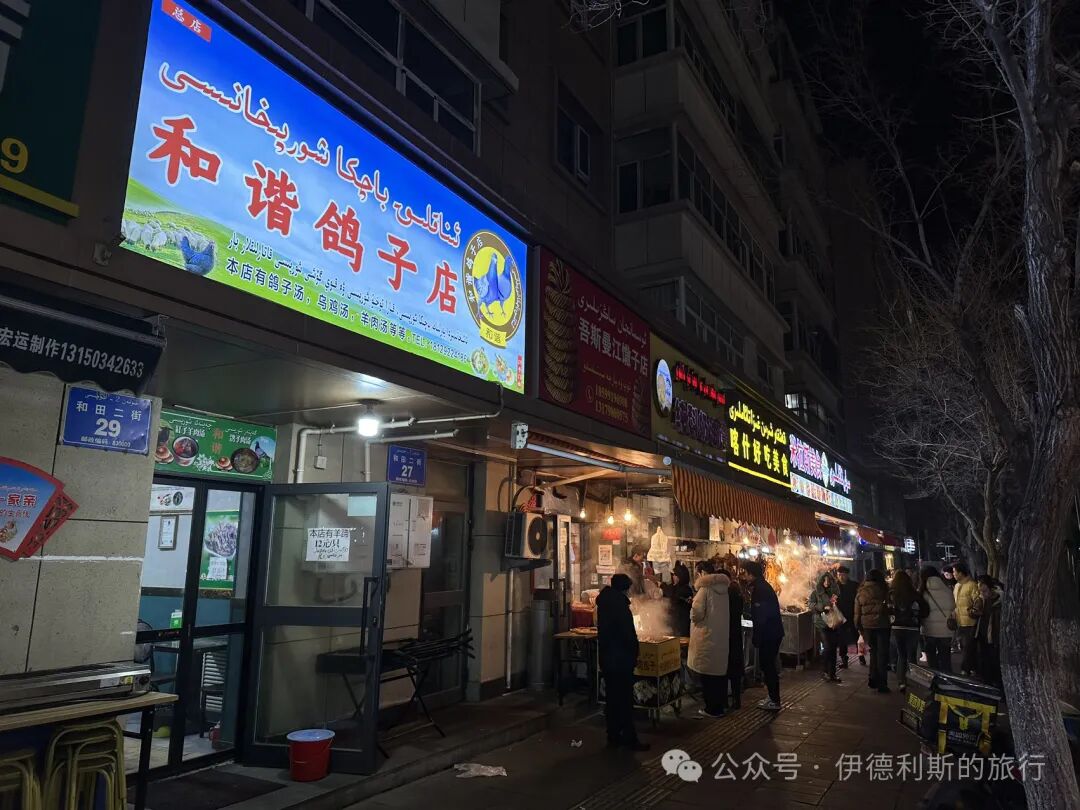
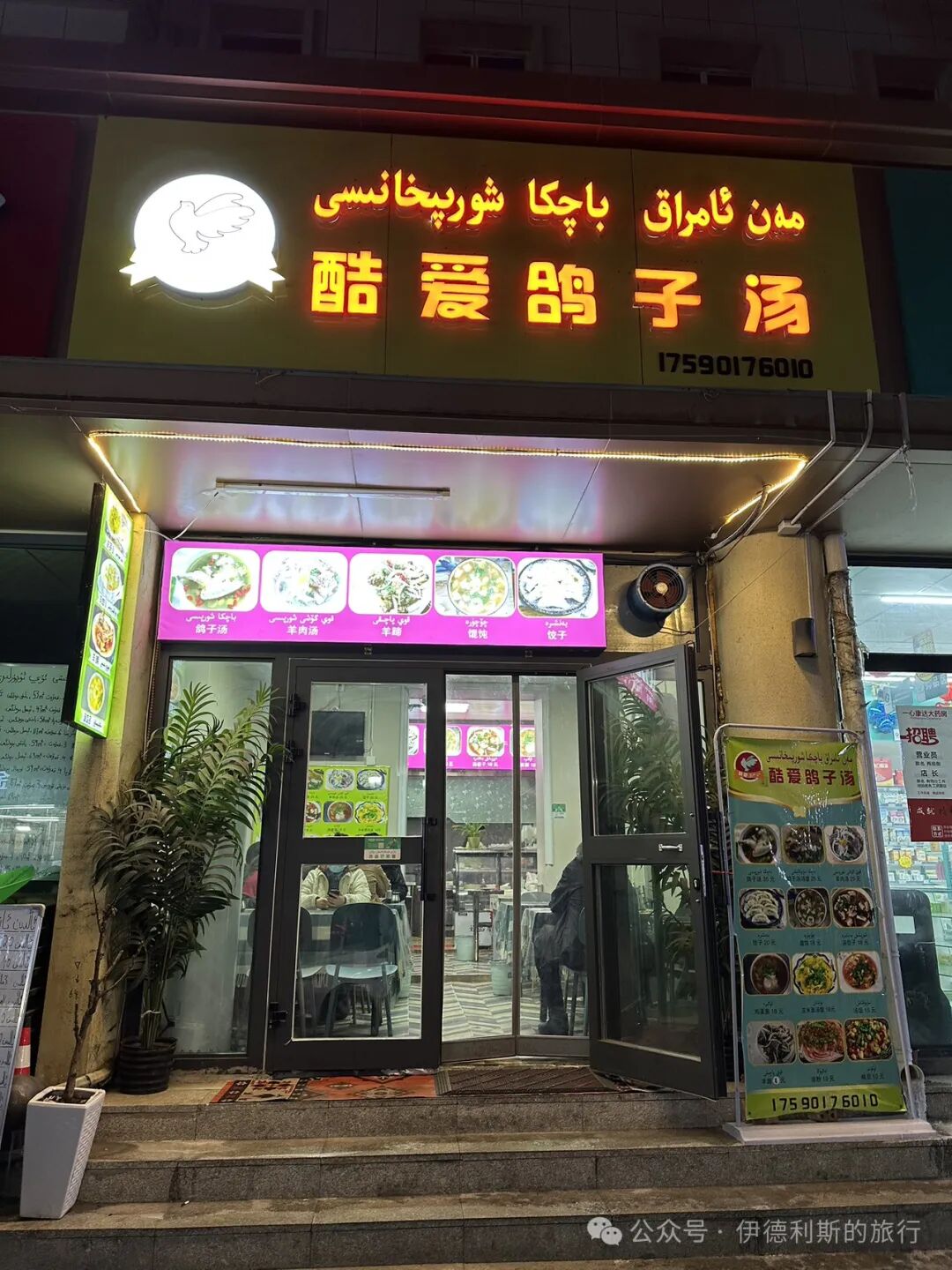
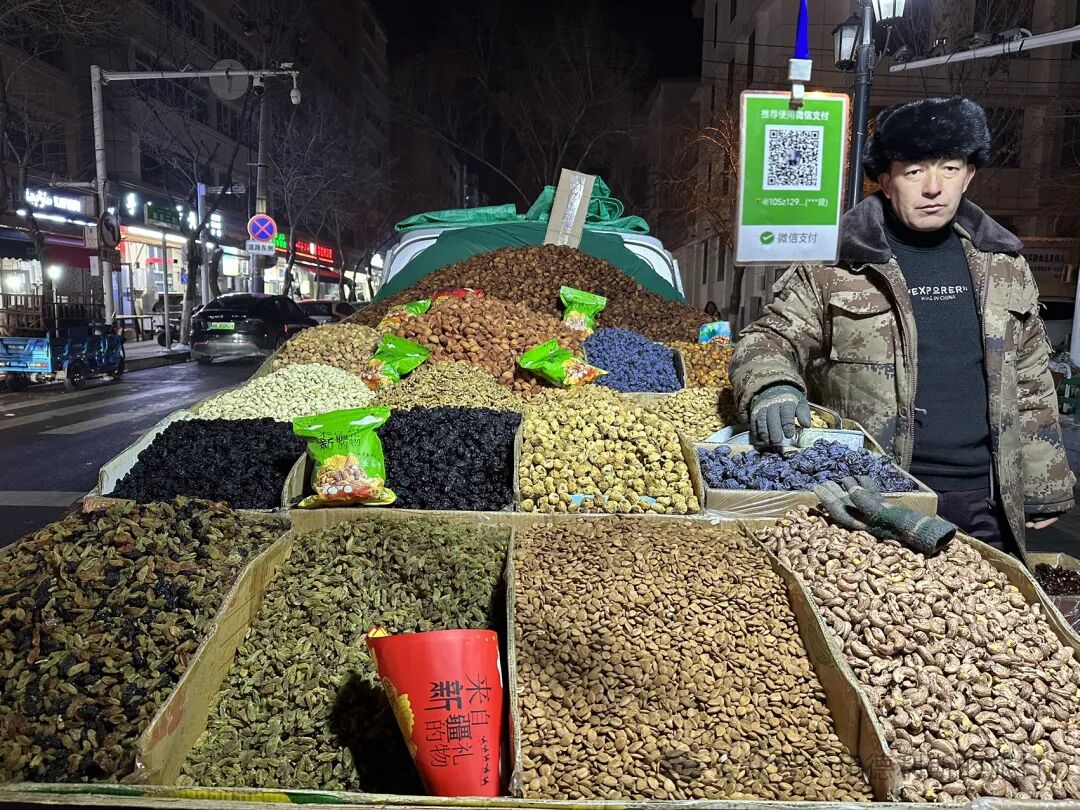
We bought some sour plums from a truck on the street that sells dried fruits and candied snacks.
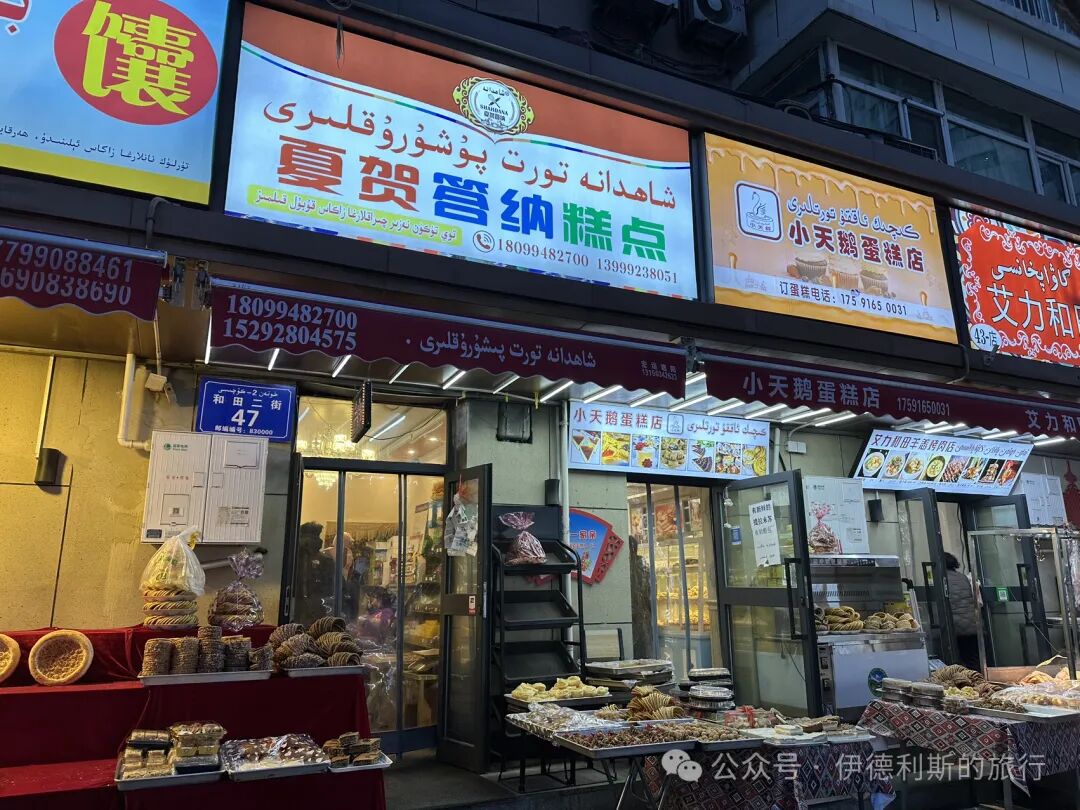
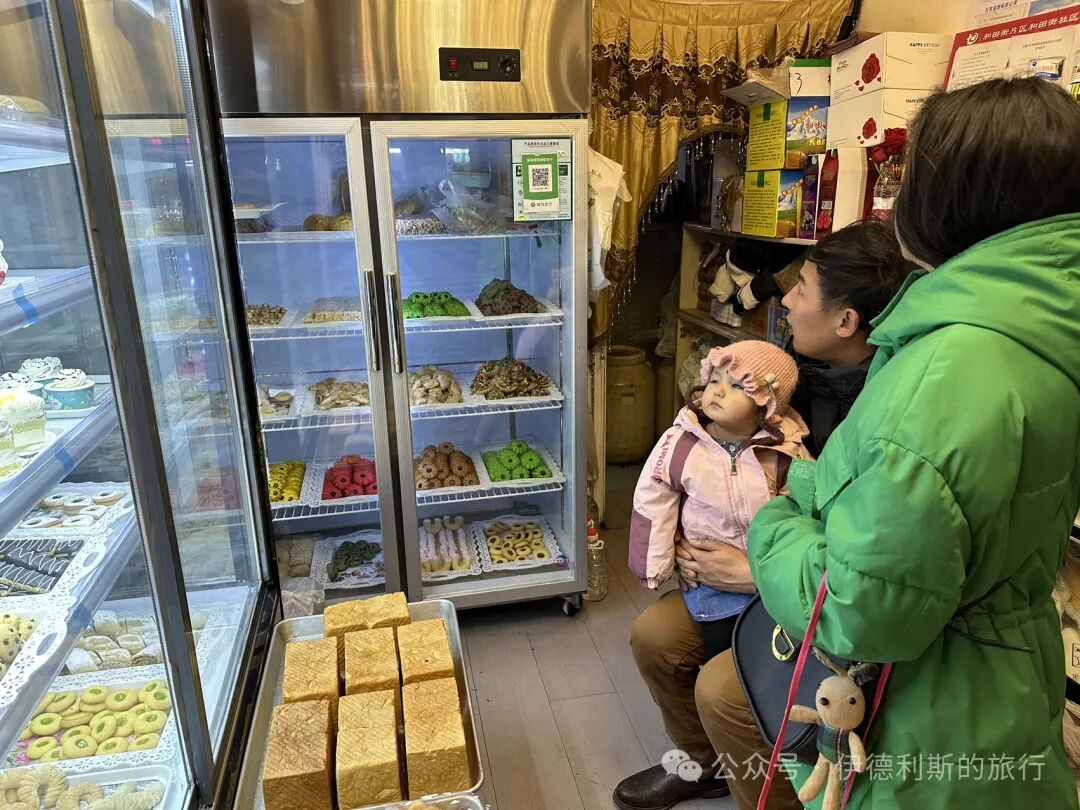
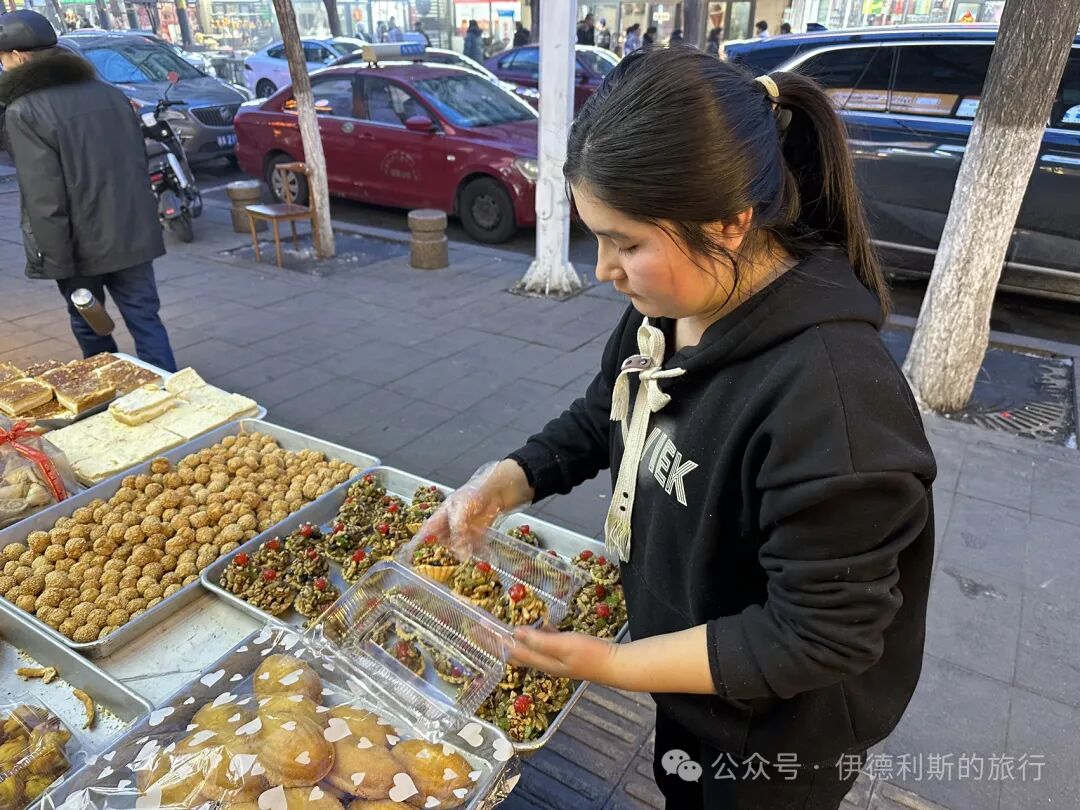
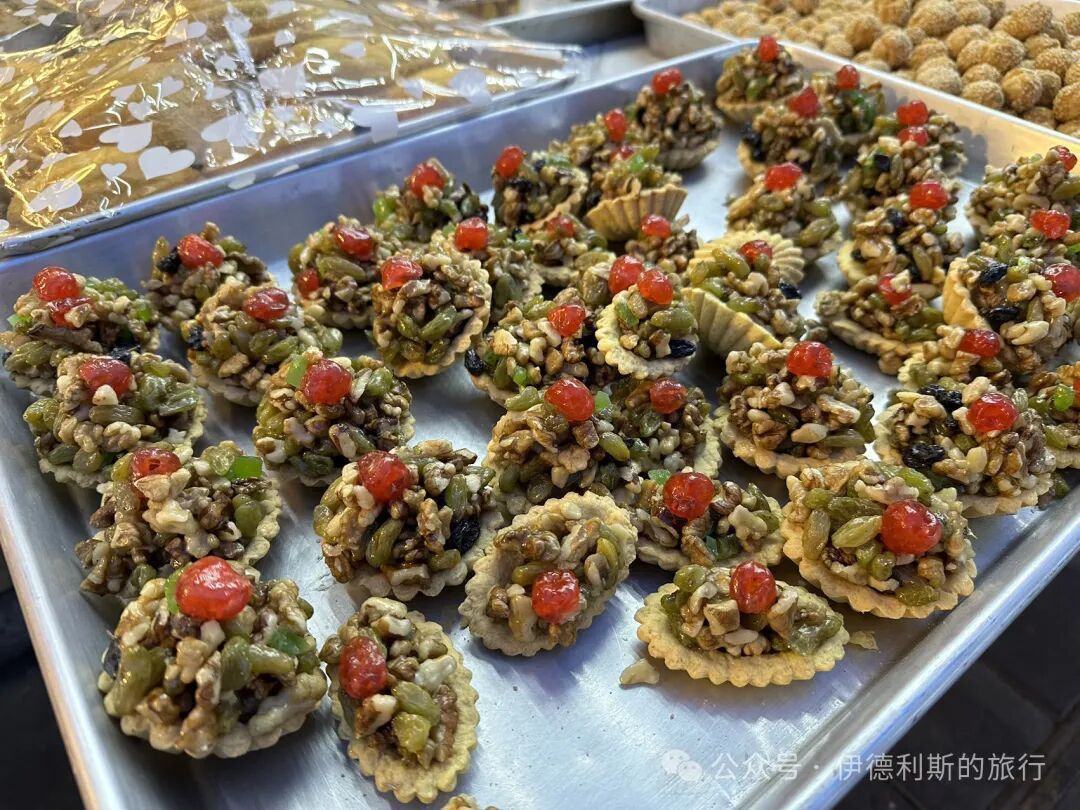
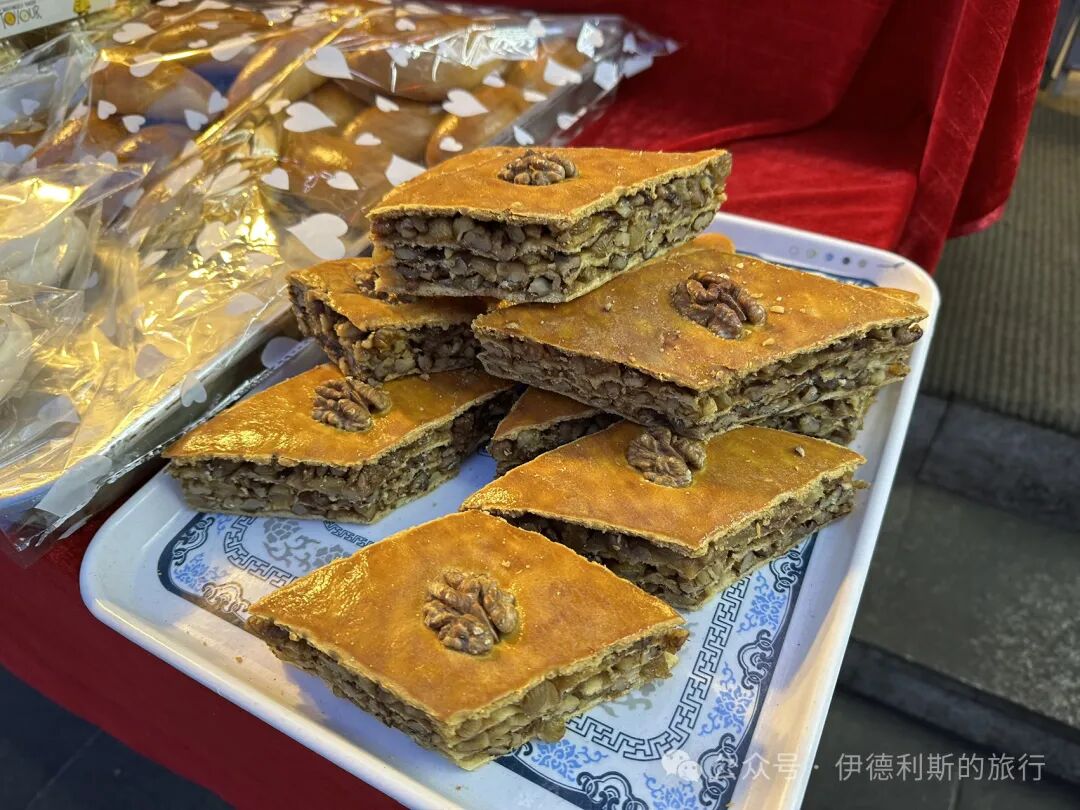
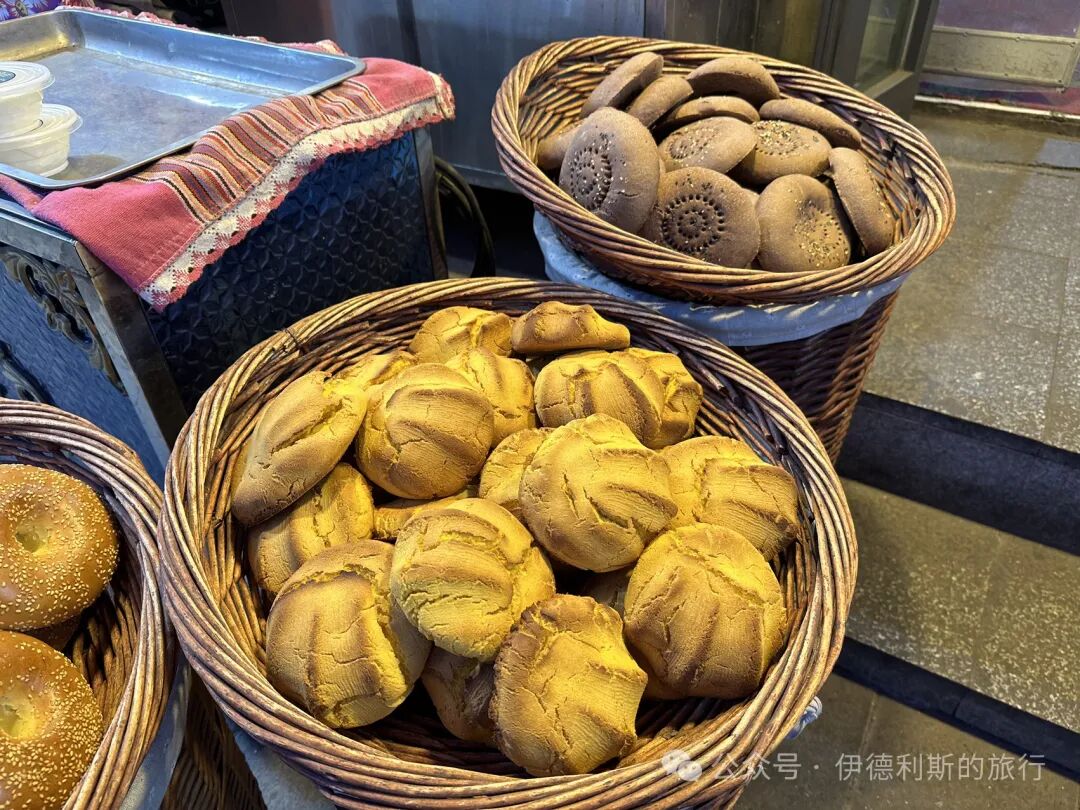
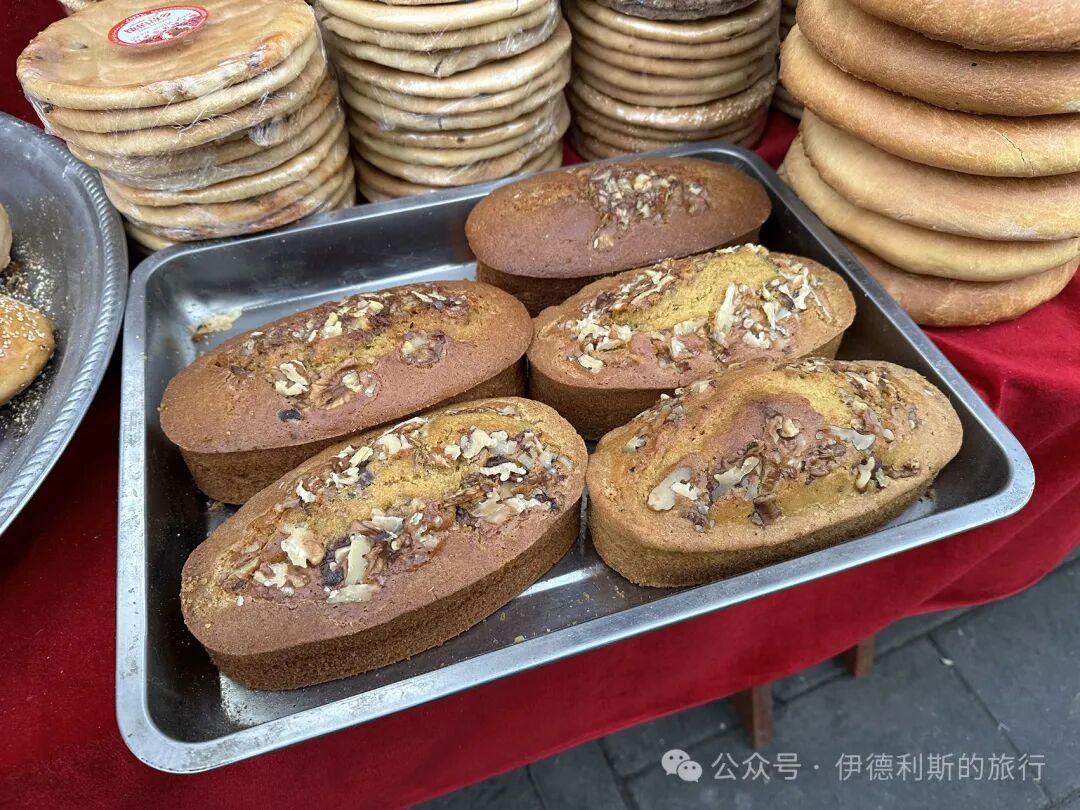
The Uyghur pastry shops on the street are also very popular. We bought baklava and nut tarts at Xiahedana Pastry, and they were both delicious. The baklava was packed with walnuts and was not as sweet as the kind in Turkey.
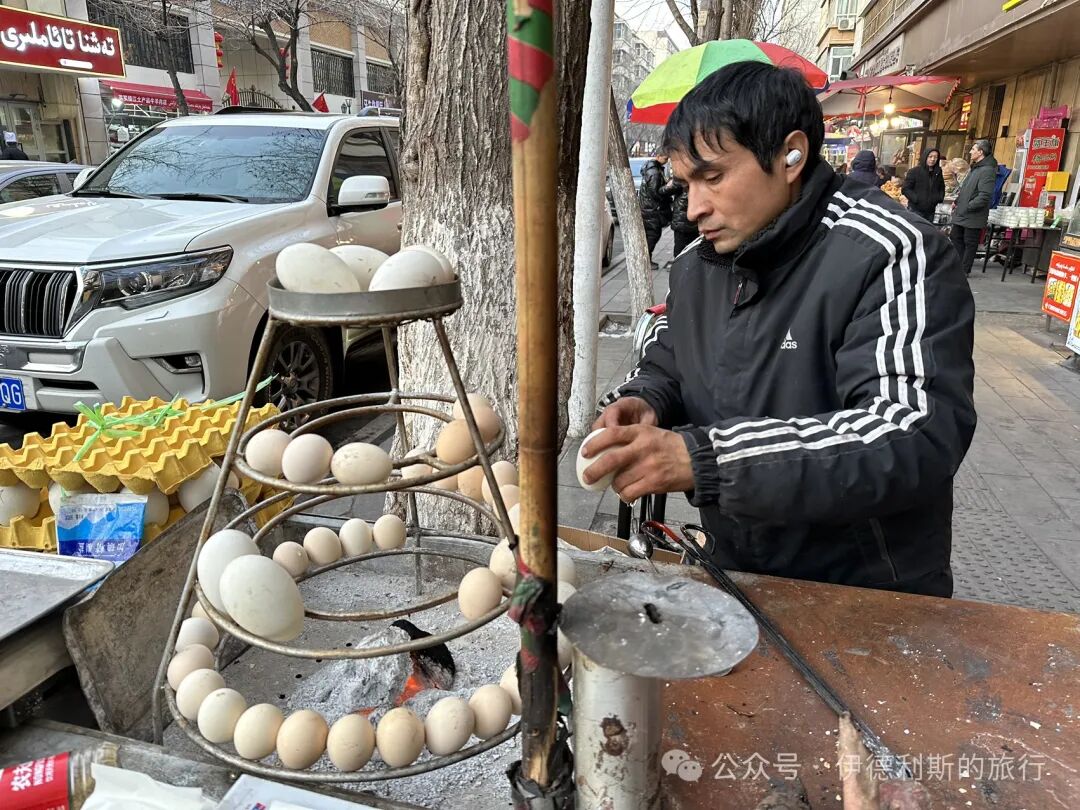
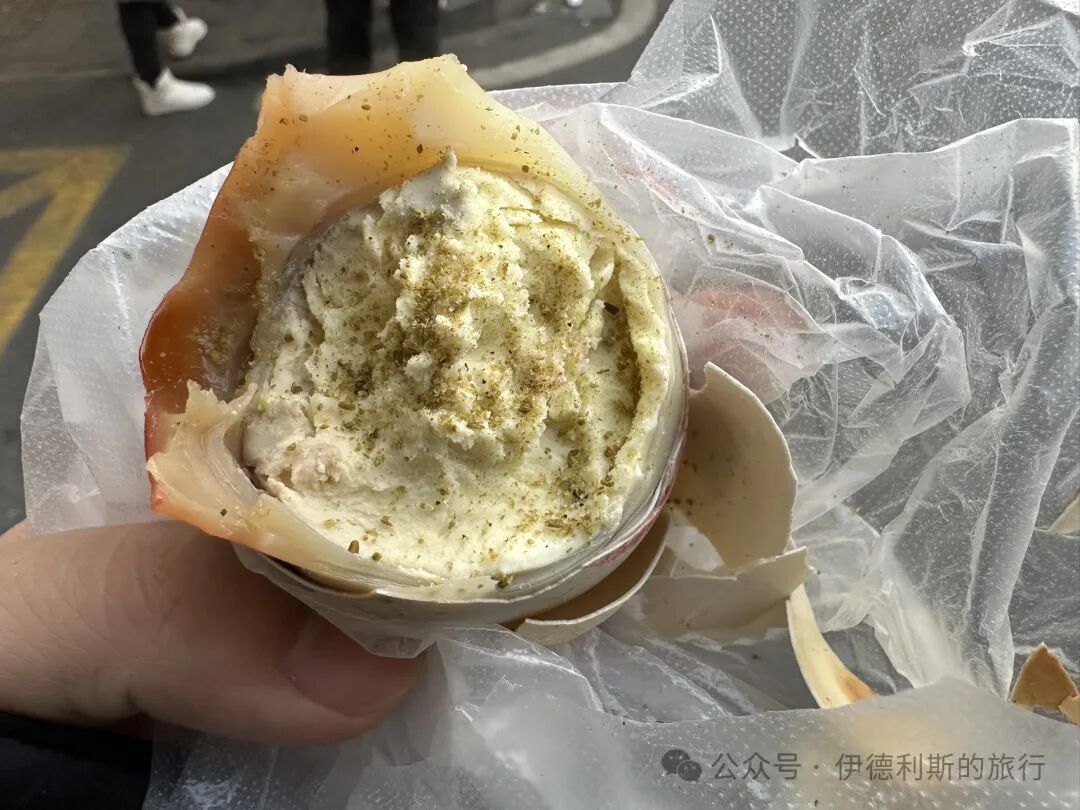
The roasted goose eggs were hot; you peel them, take a bite, and then sprinkle on the seasoning.
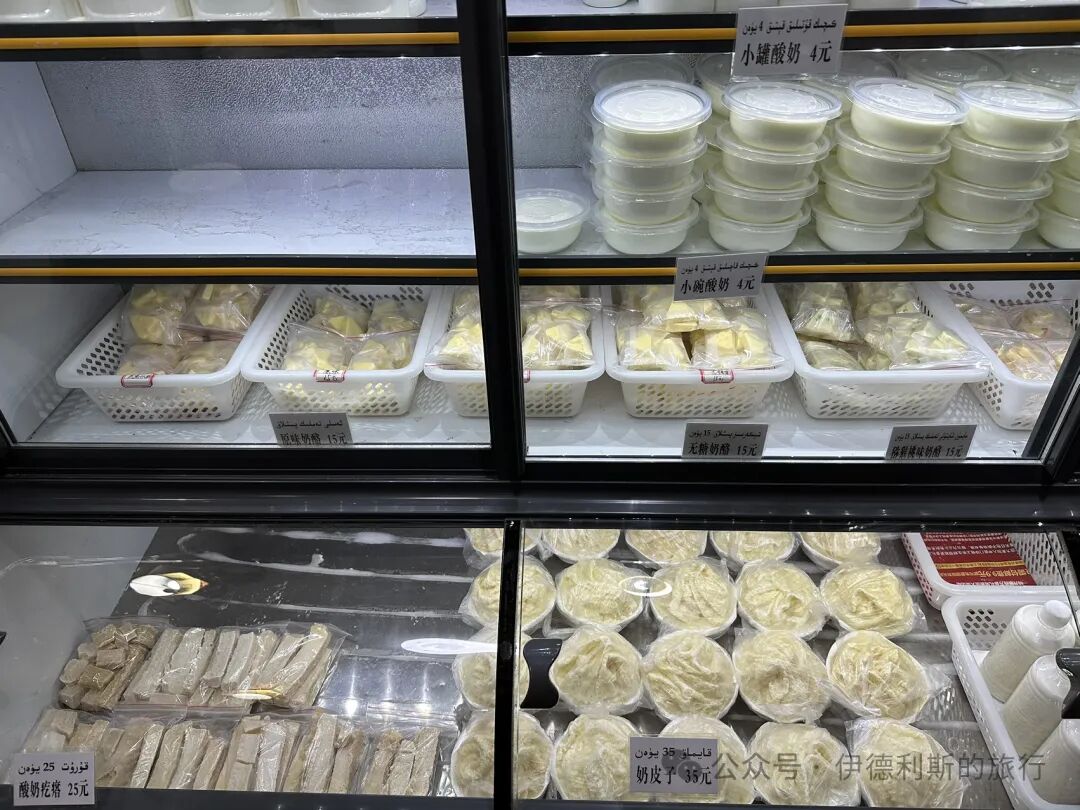
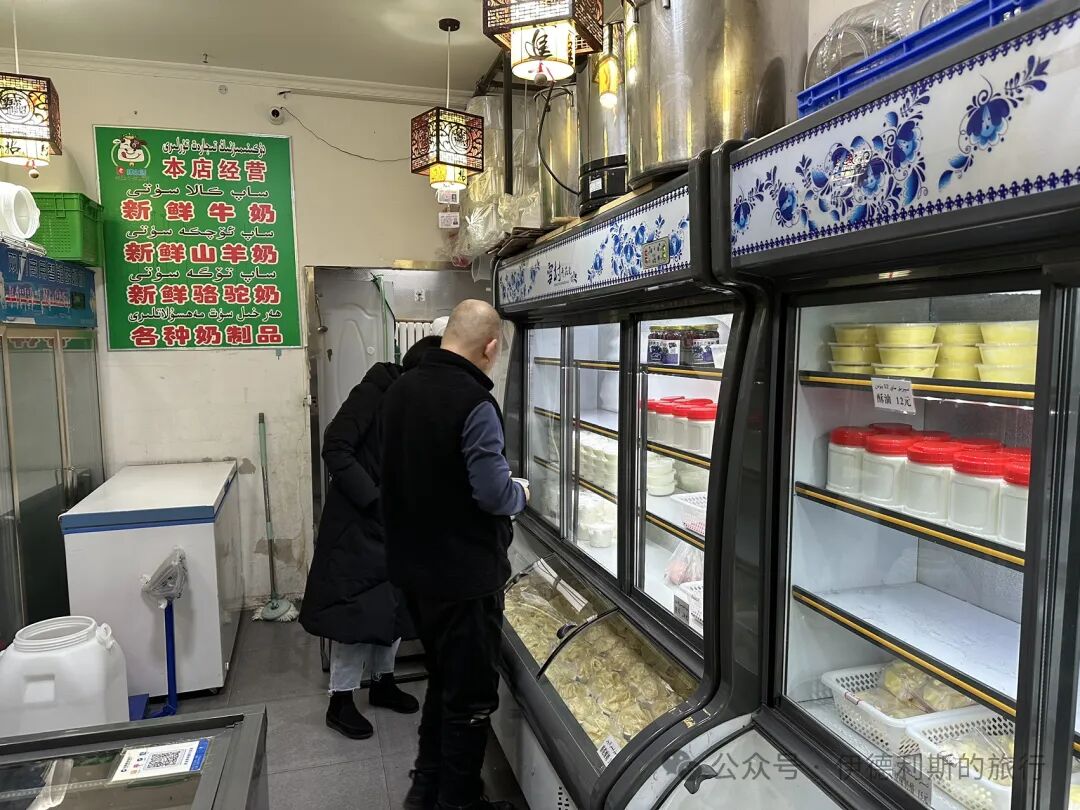
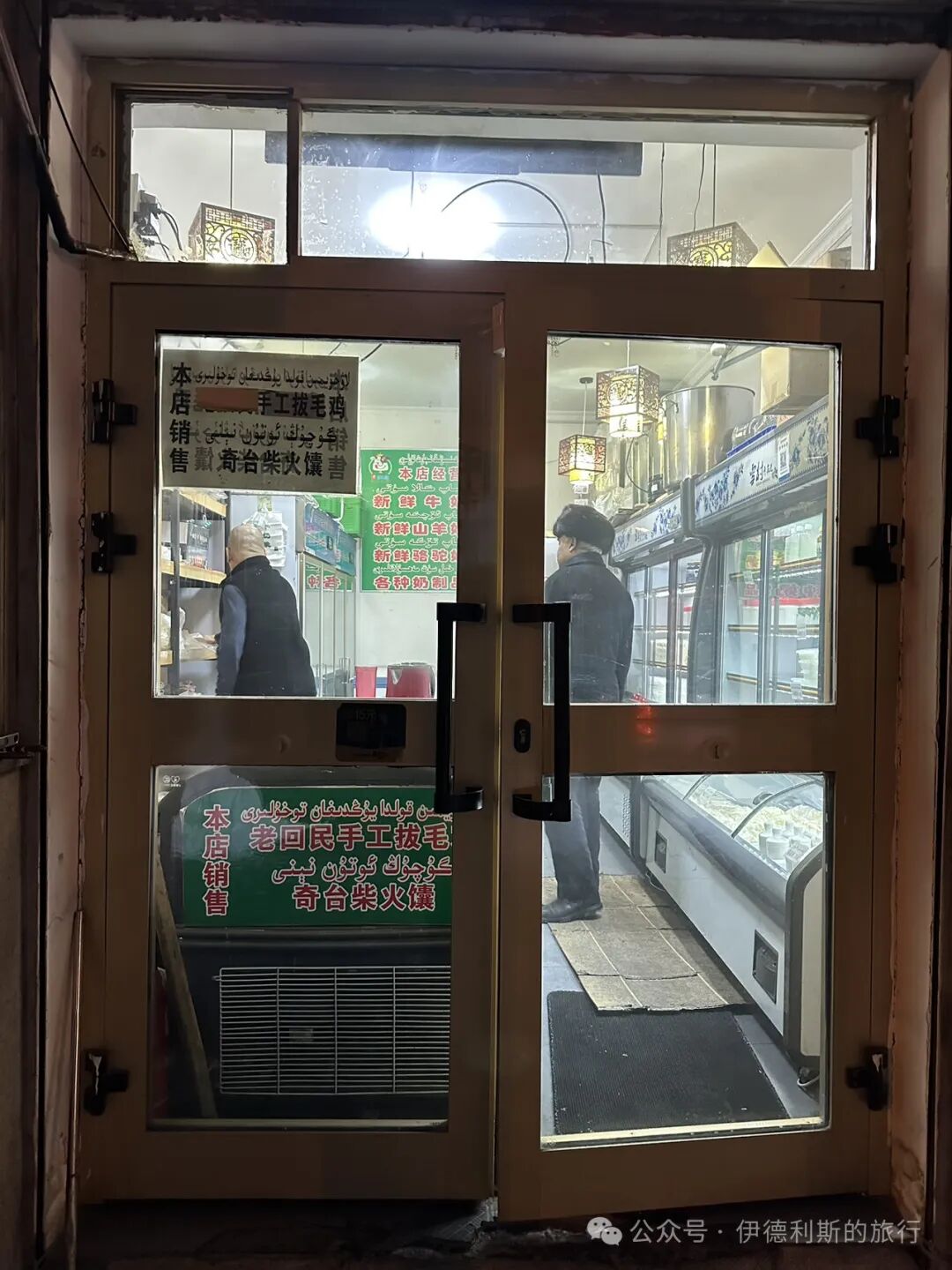
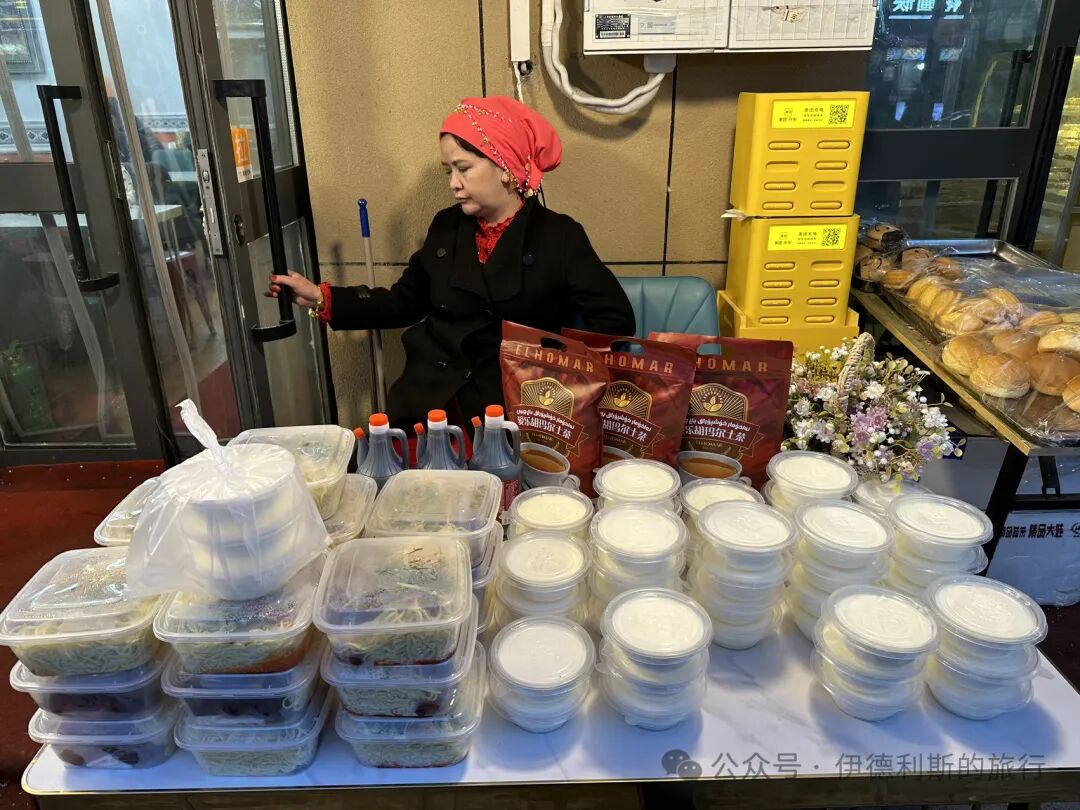
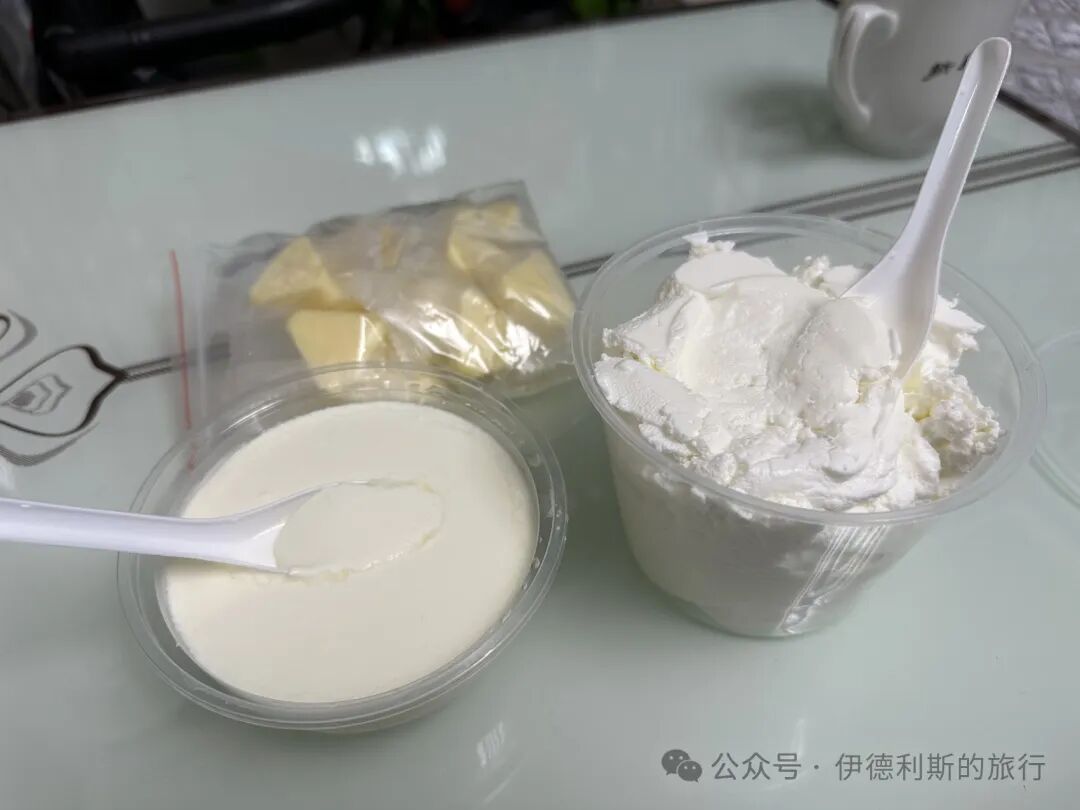
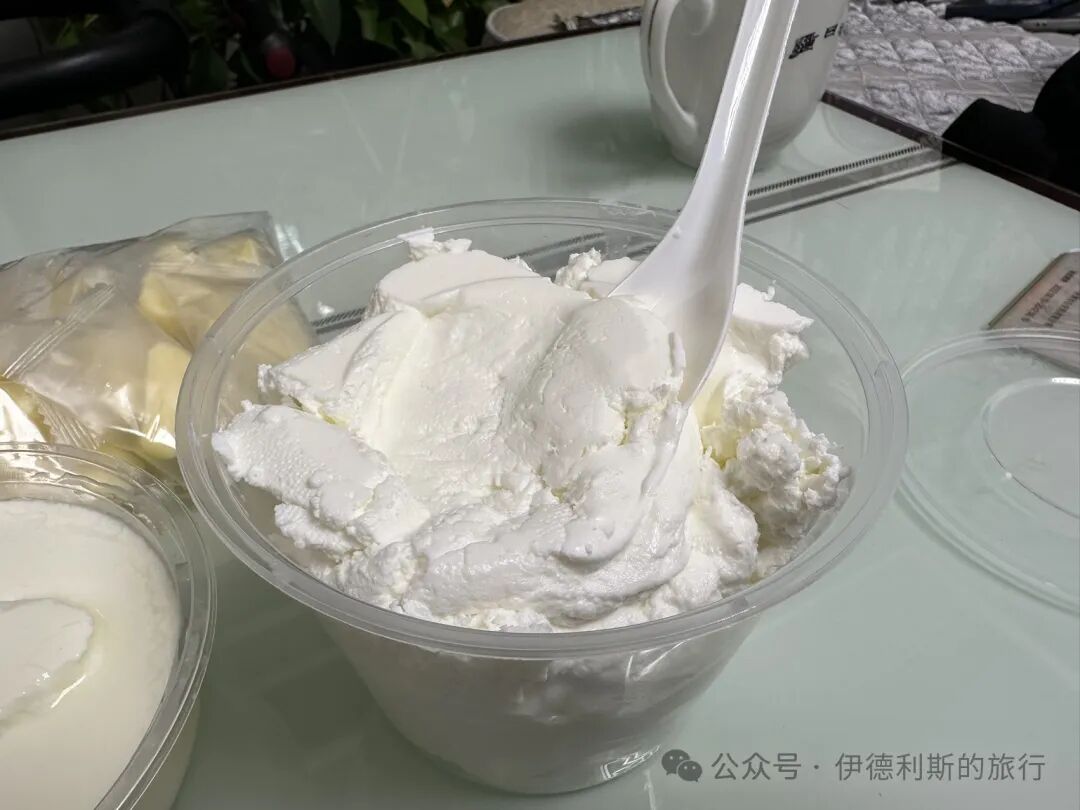
The handmade yogurt was thick and came with its own layer of milk skin; you cannot find this in Beijing at all.
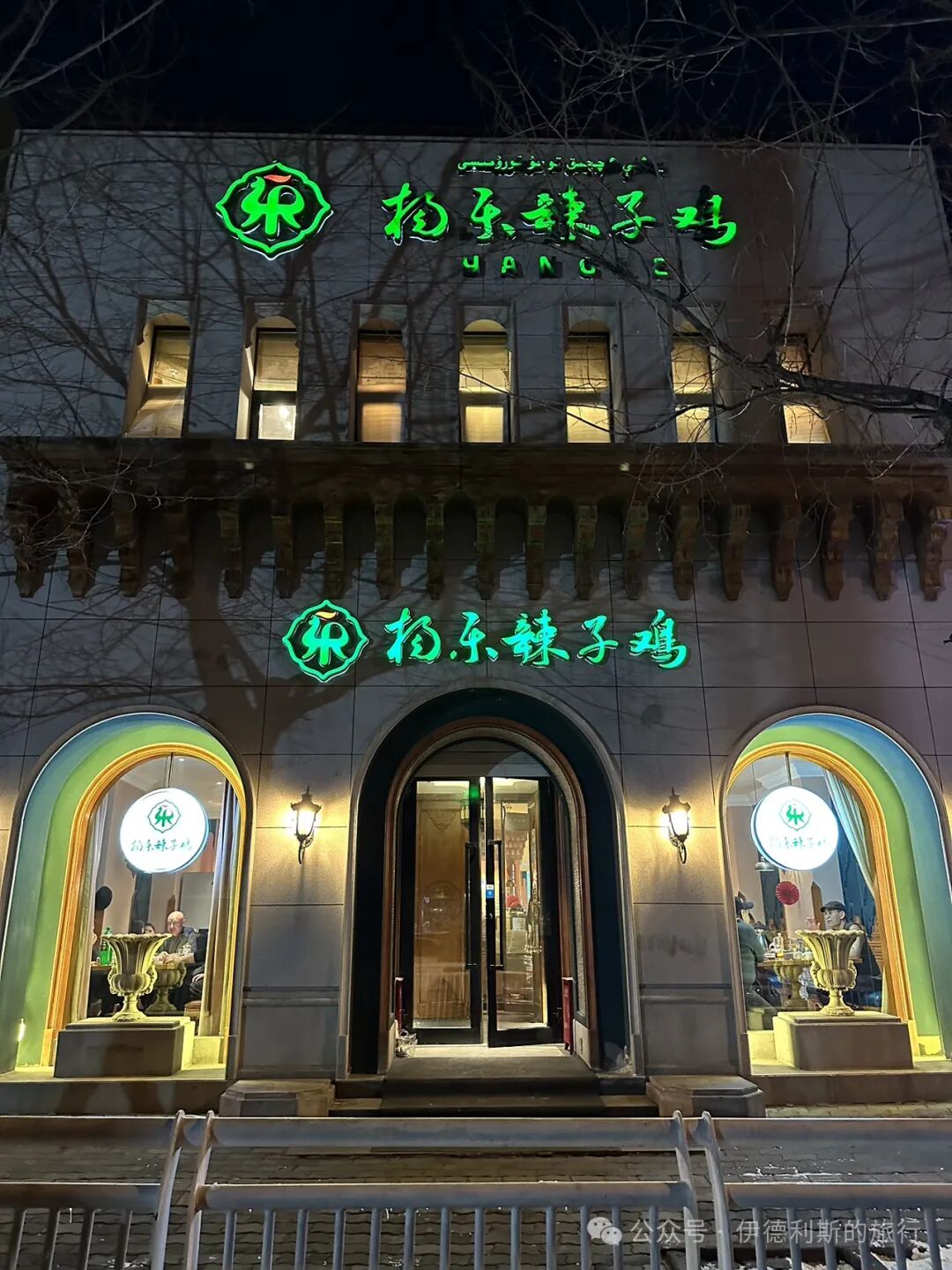
Yangle Spicy Chicken on Hetian First Street was packed. Over the years, all the bags of Yangle Spicy Chicken I bought online were shipped from here.
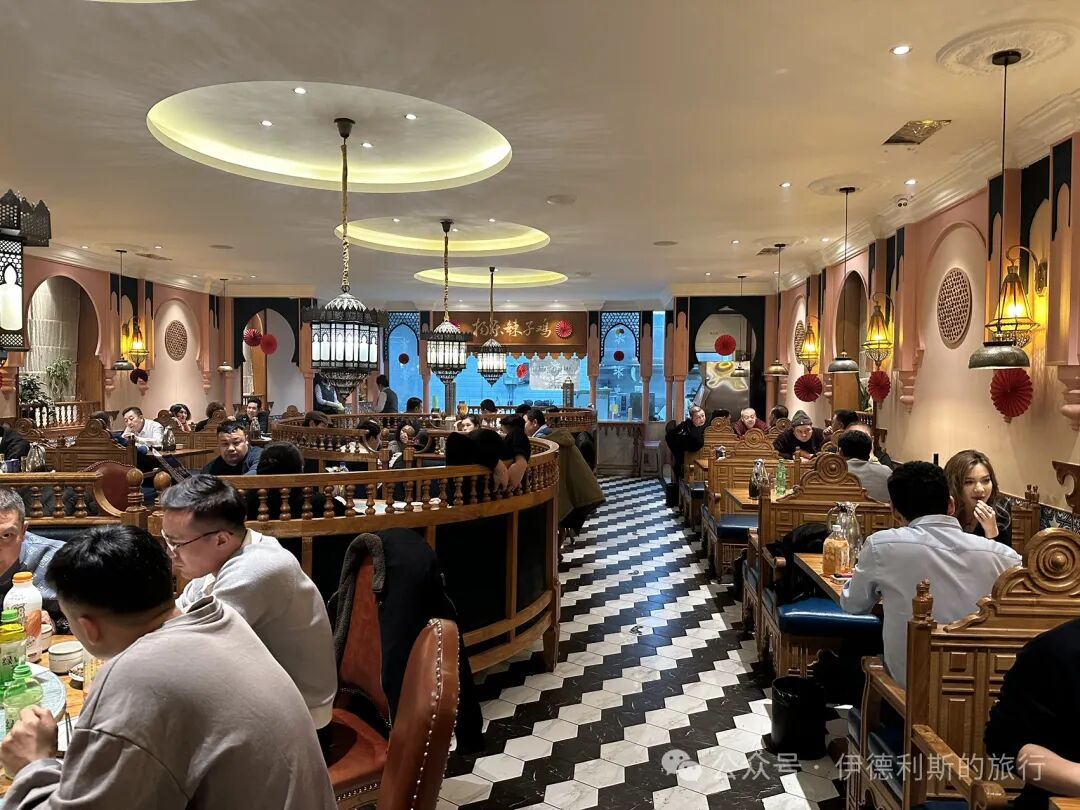
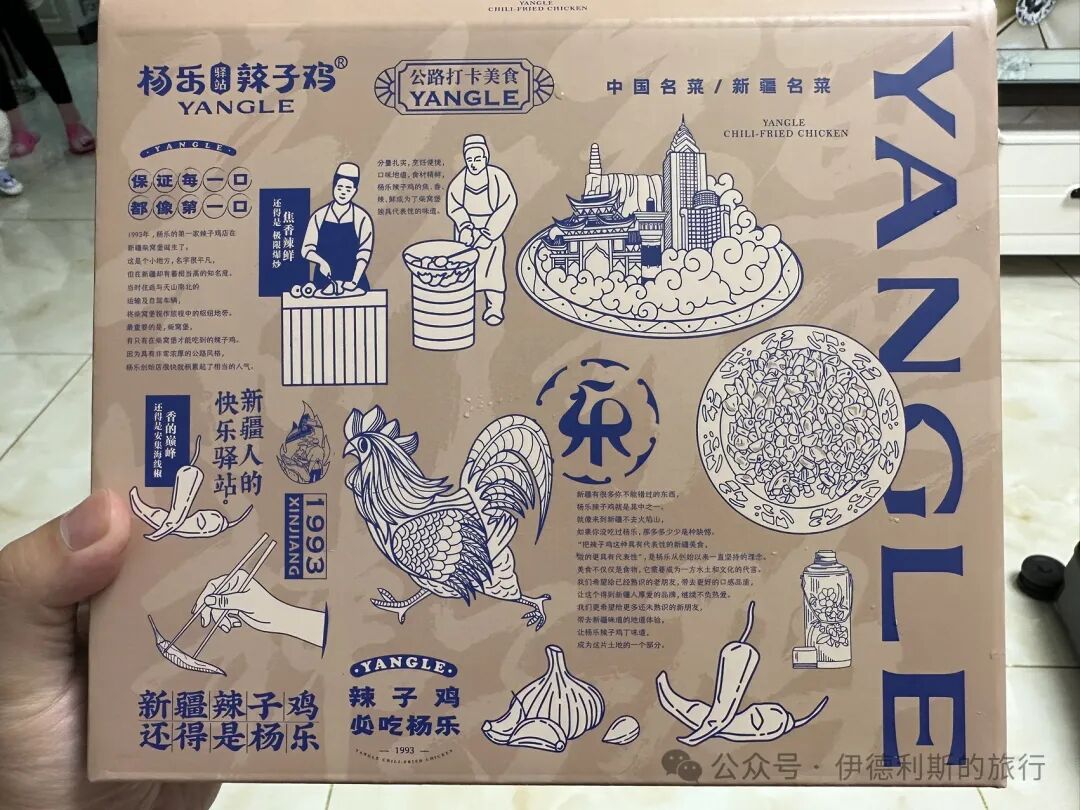
Taking photos on the street, I found the main store of Azhen Rice Noodles here. Zainabu loved eating at their place when she was in middle school.
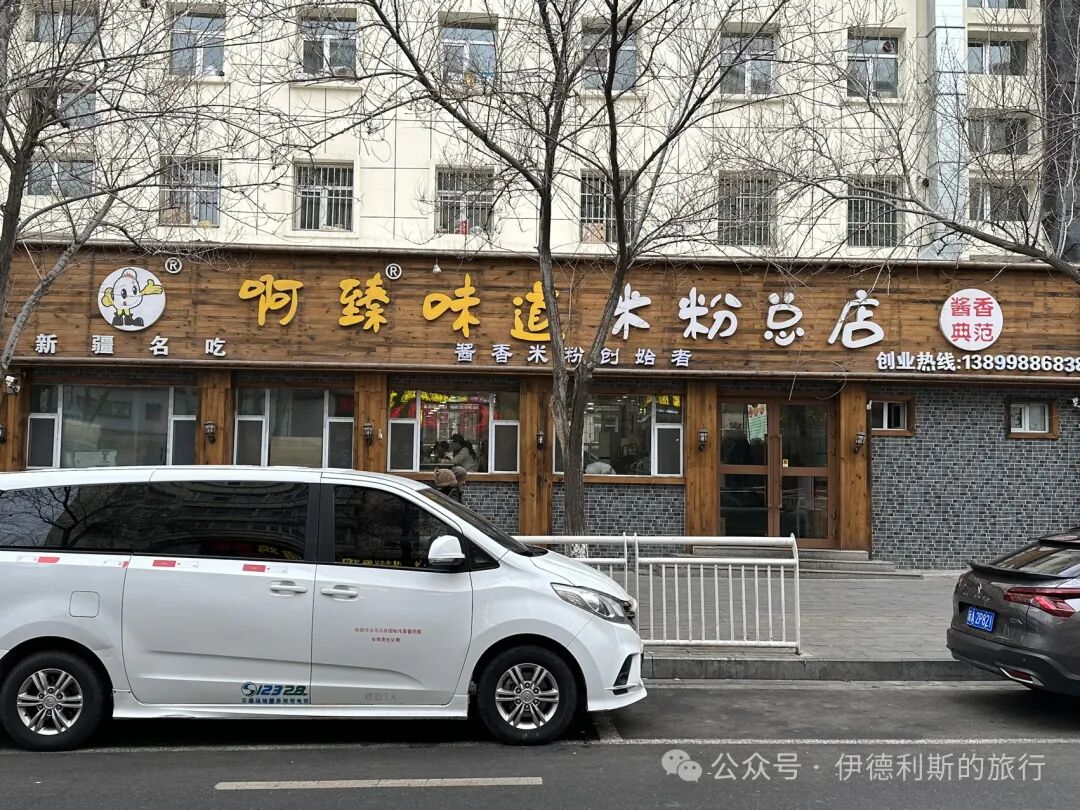
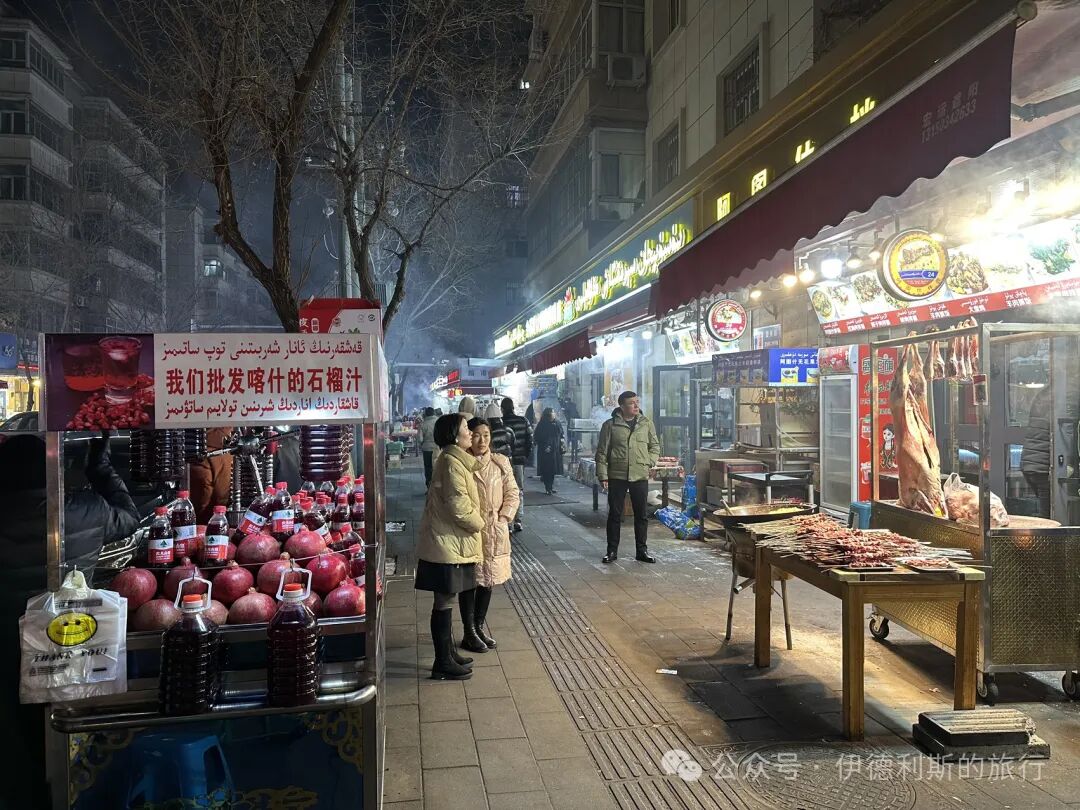
Kazakh milk tea on Hetian Street.
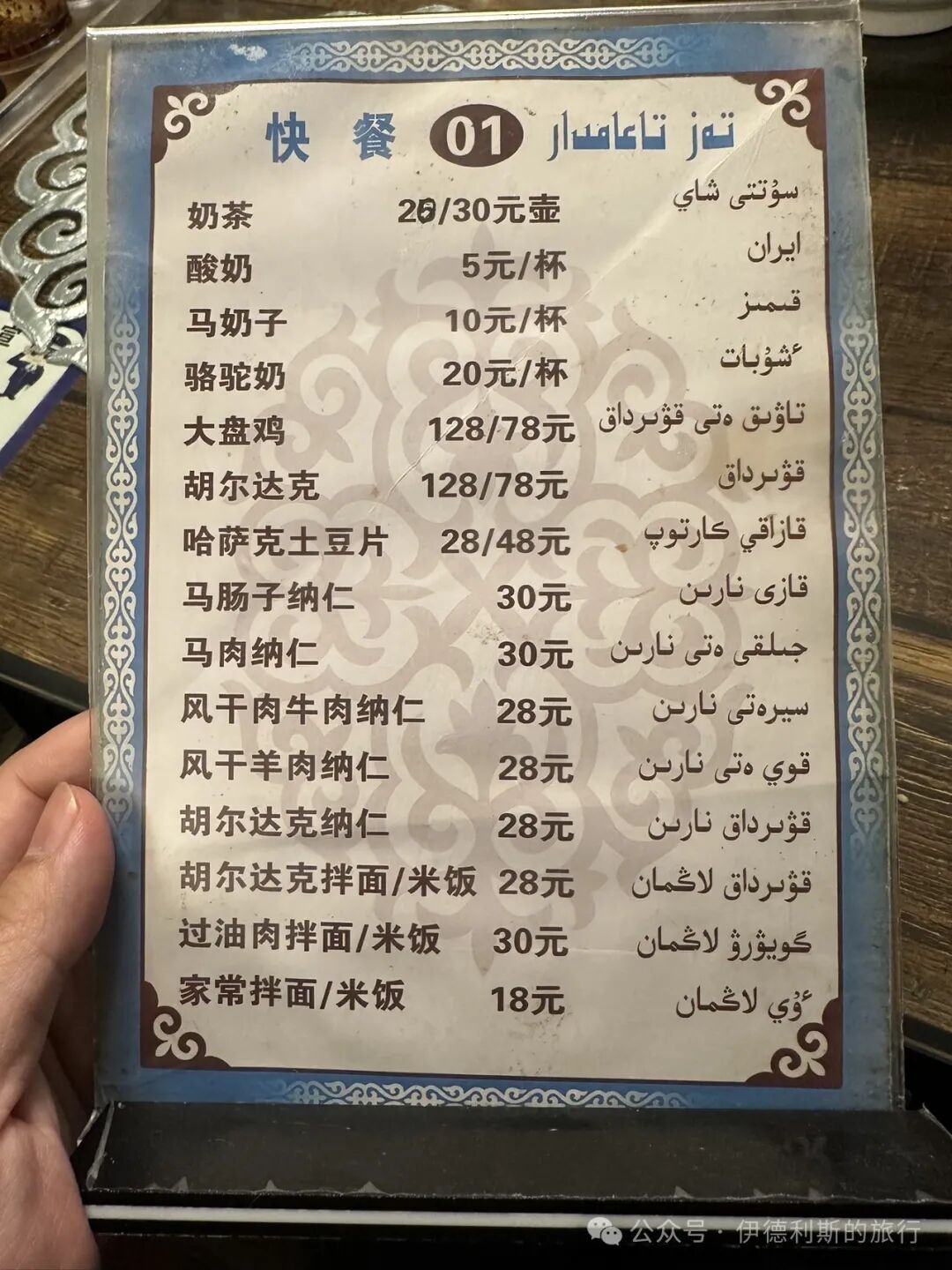
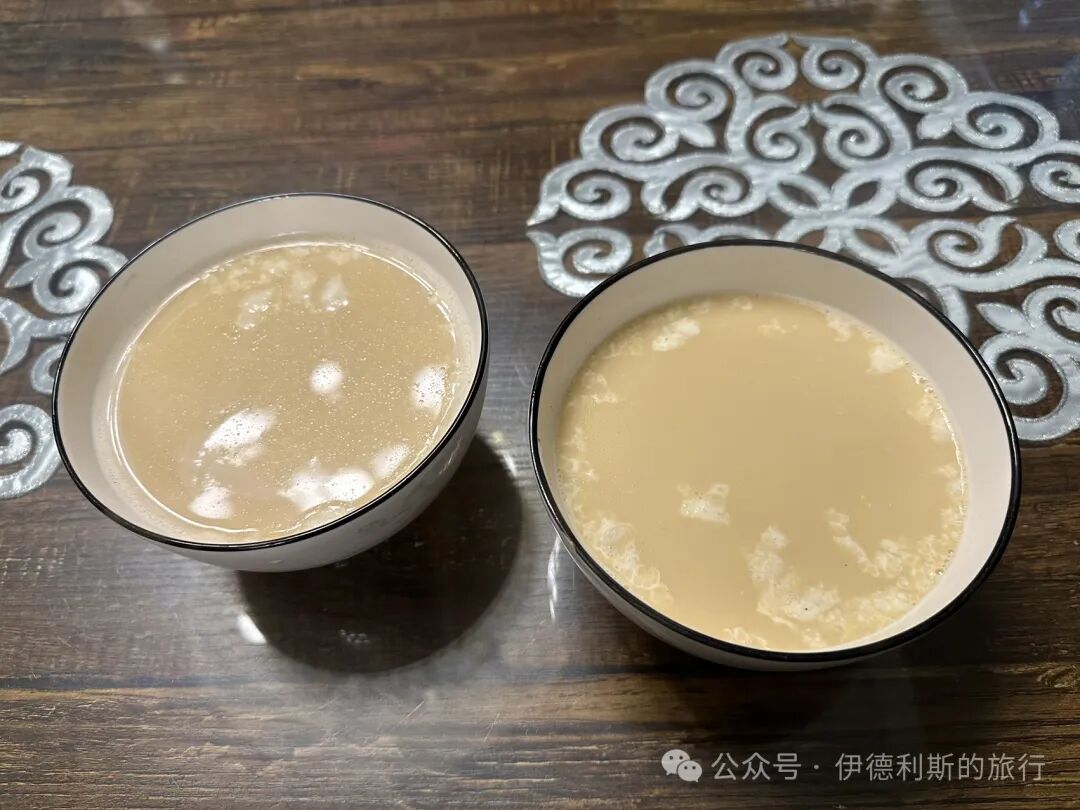
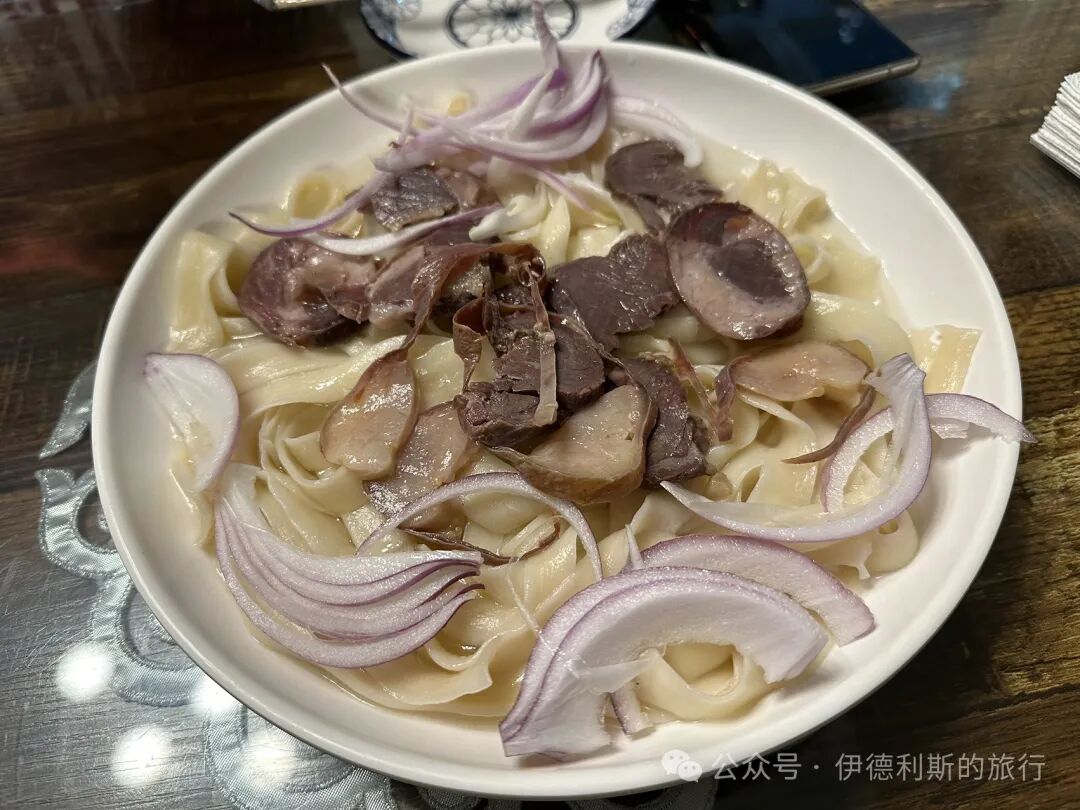
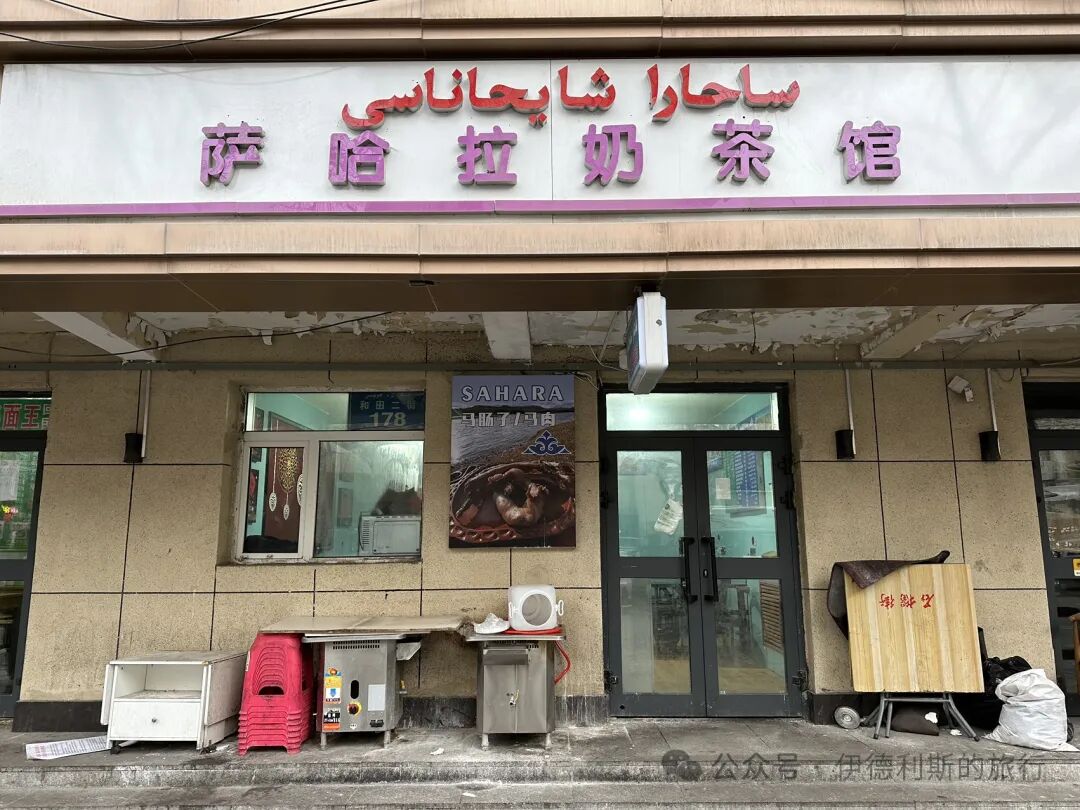
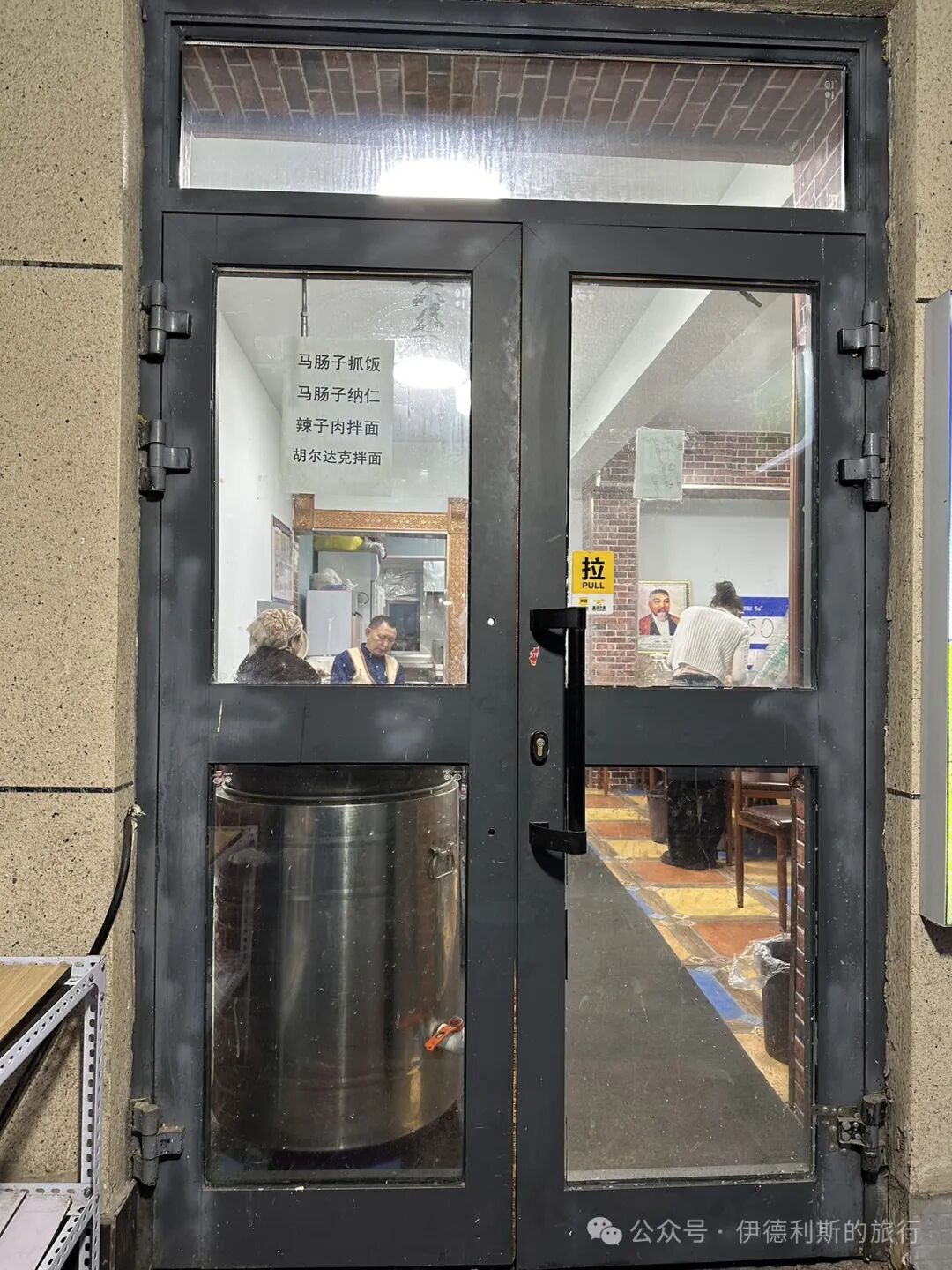
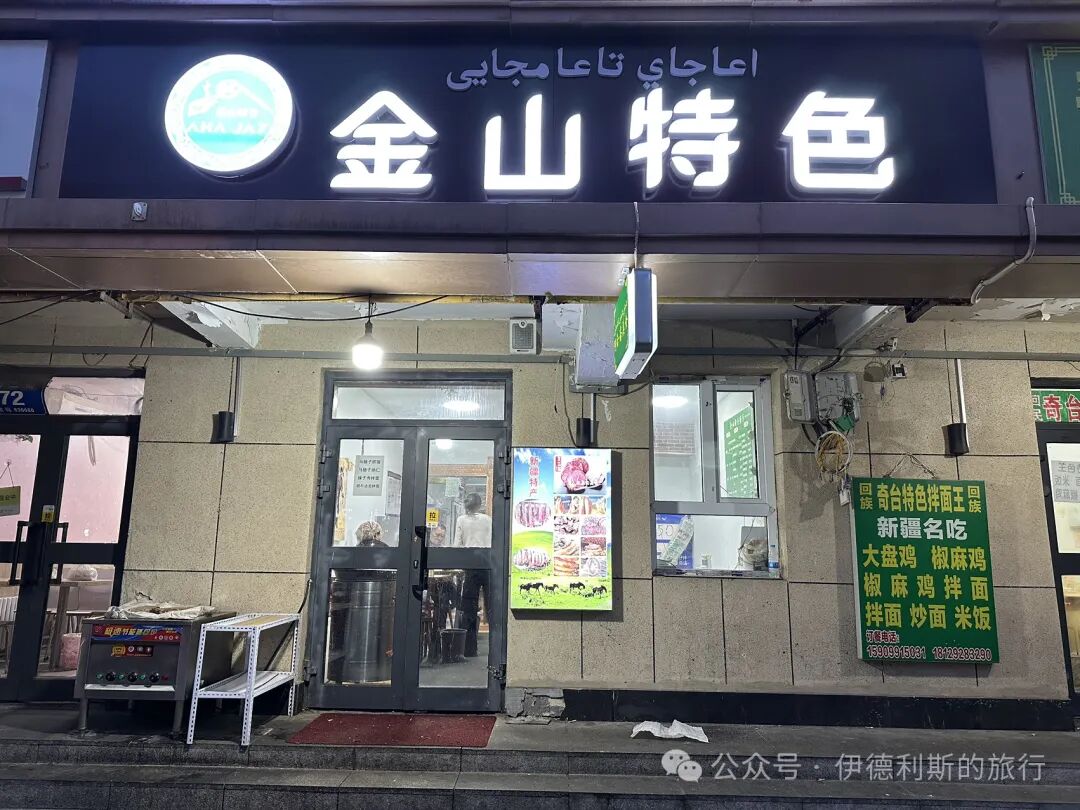
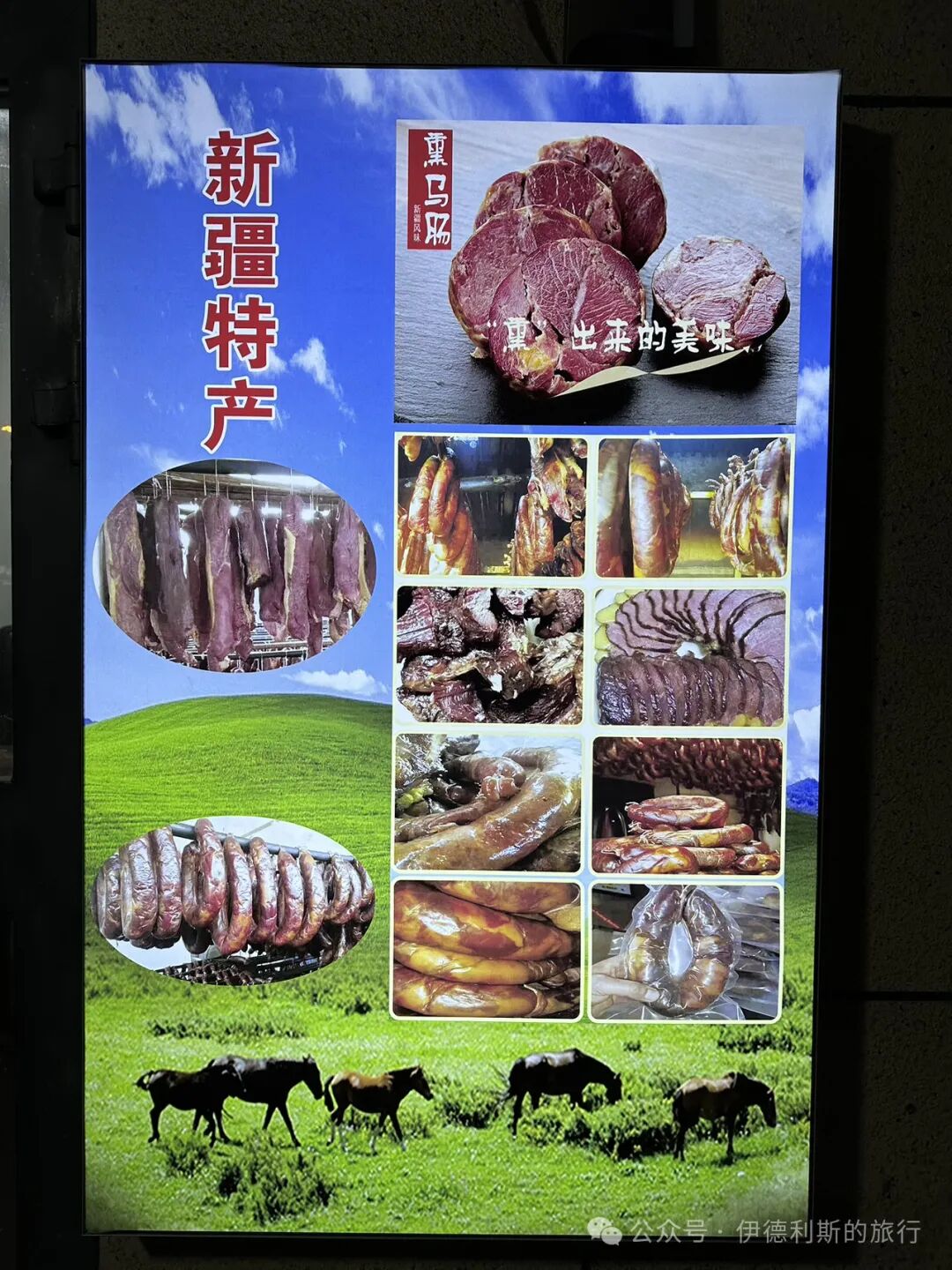
I always knew Dawan in Urumqi was a Kazakh neighborhood, but this time I found several Kazakh restaurants on Hetian Street. Just on the southern section of Hetian Second Street, there are four: Sahara Milk Tea House, Saiguluke Restaurant, Bashibai Restaurant, and Jinshan Specialty Restaurant. We ate horse sausage narin and milk tea at Saiguluke Restaurant. Next time, I want to try the khurdak and horse sausage pilaf.
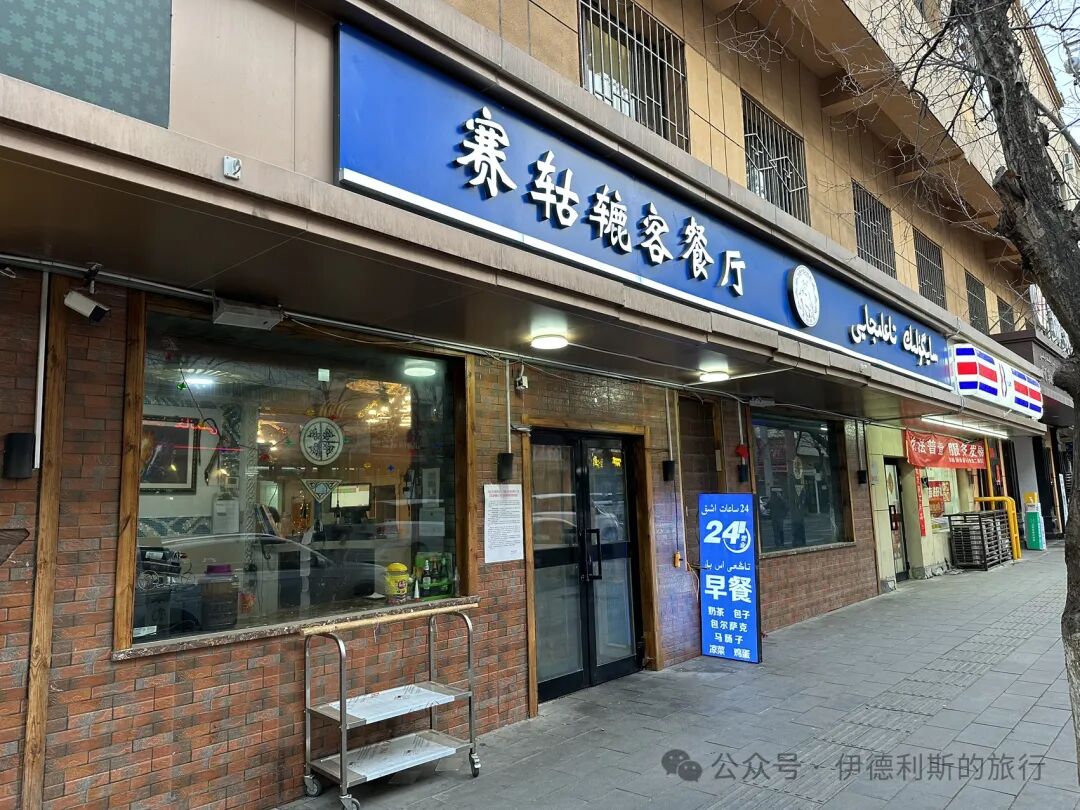
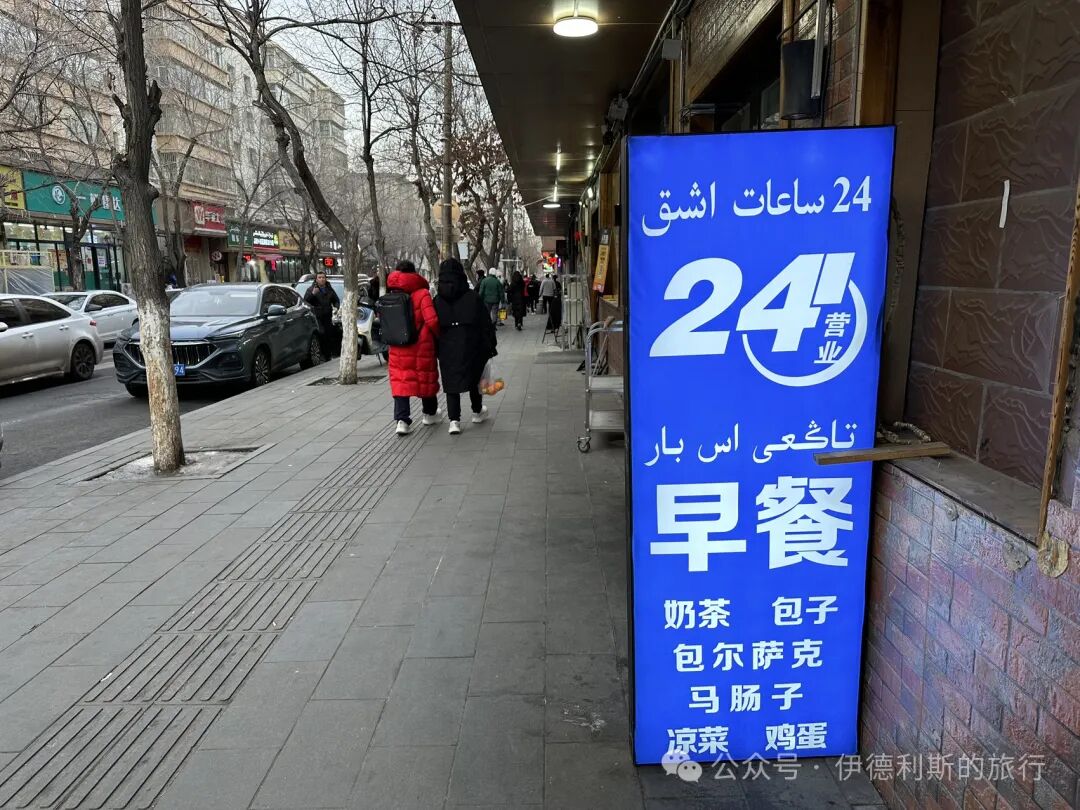
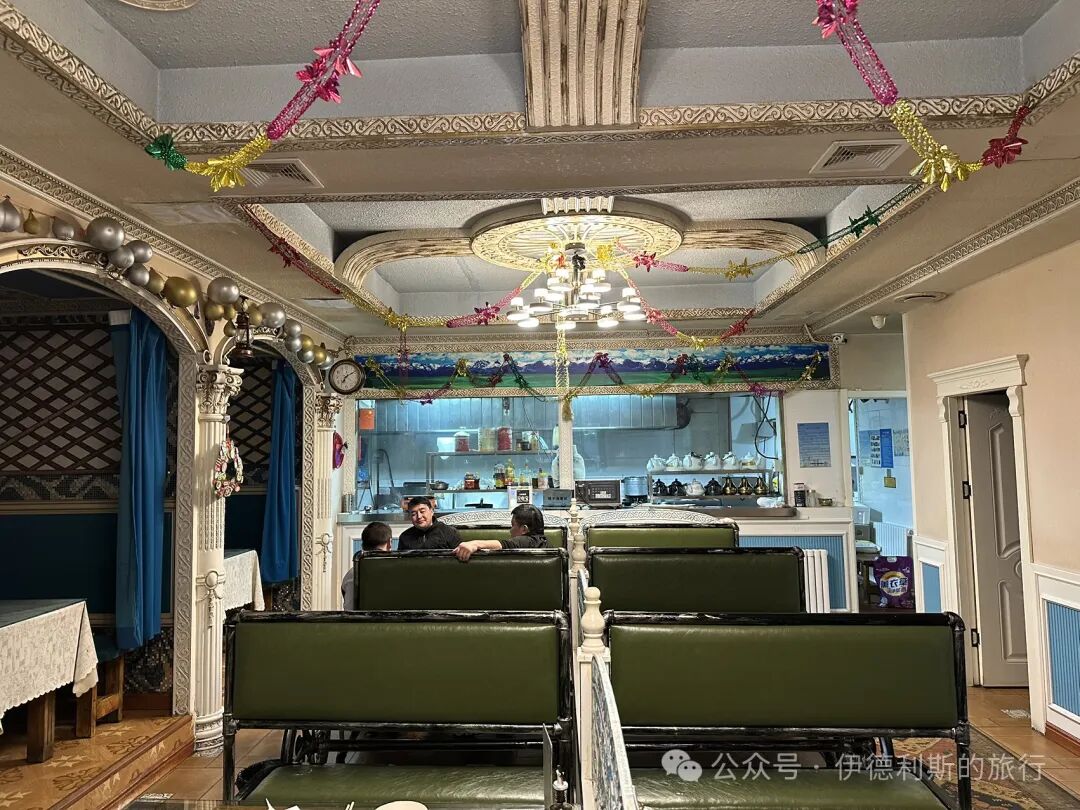
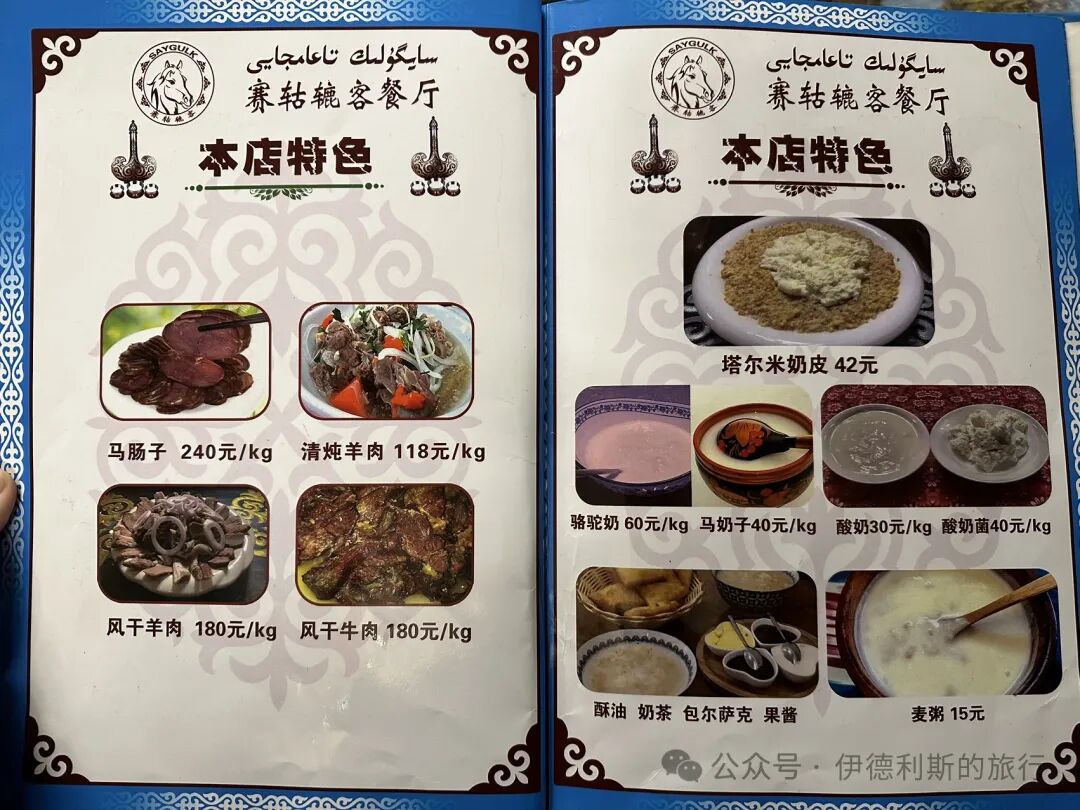
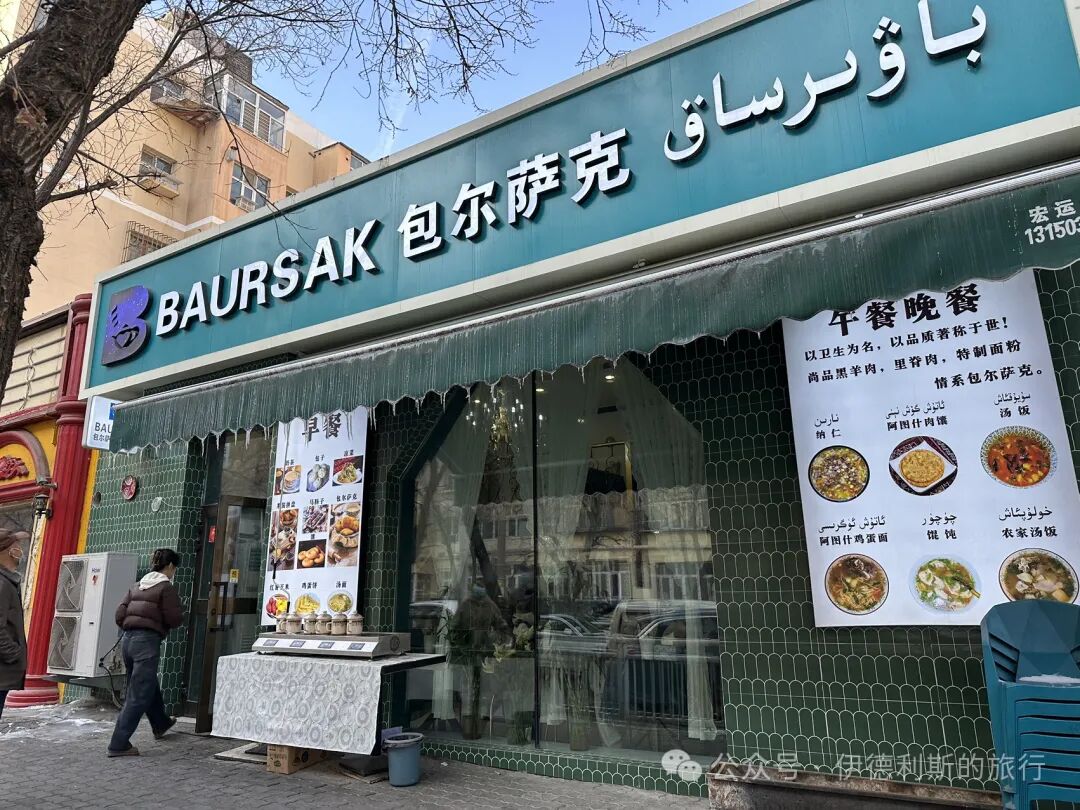
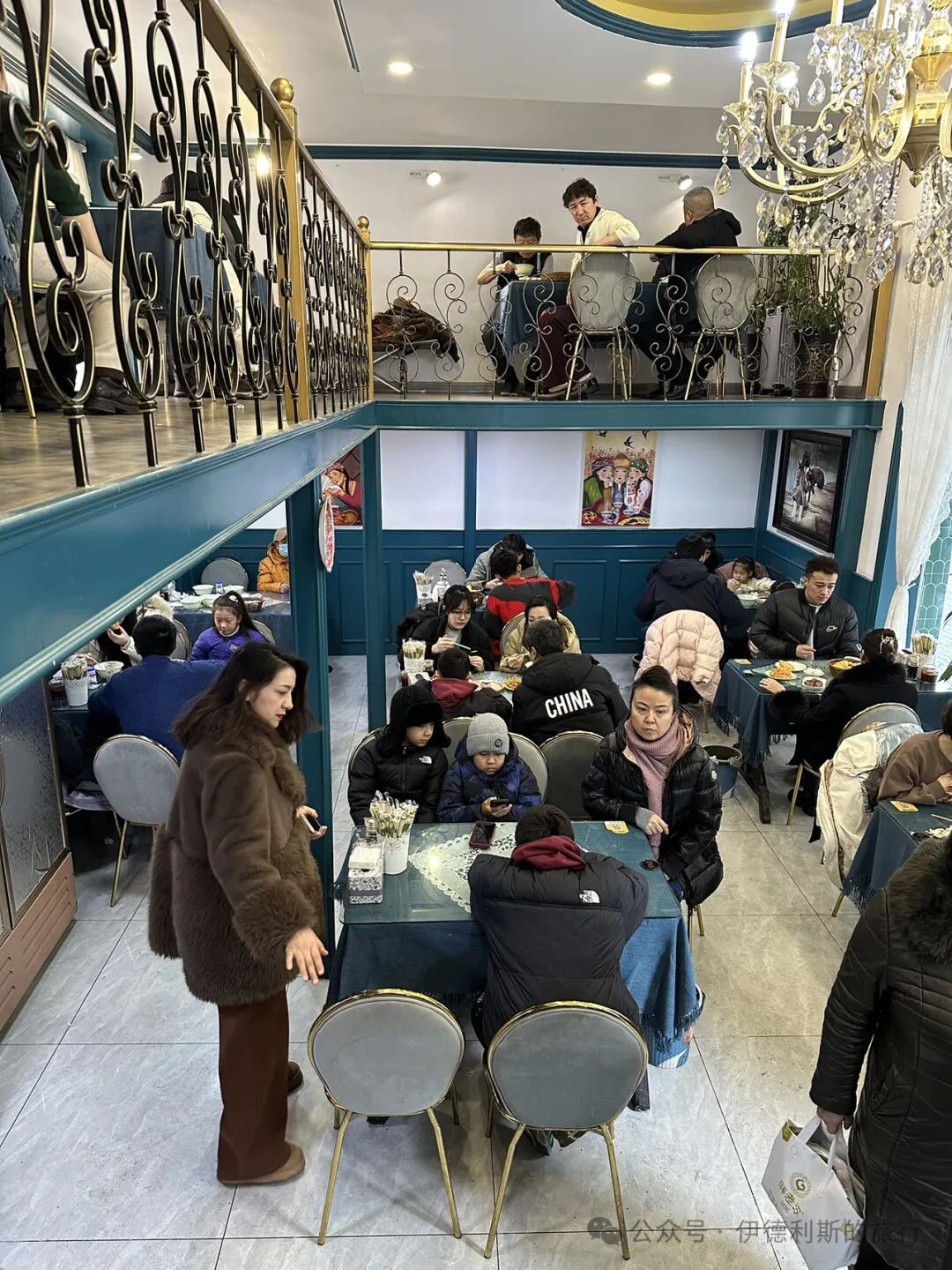
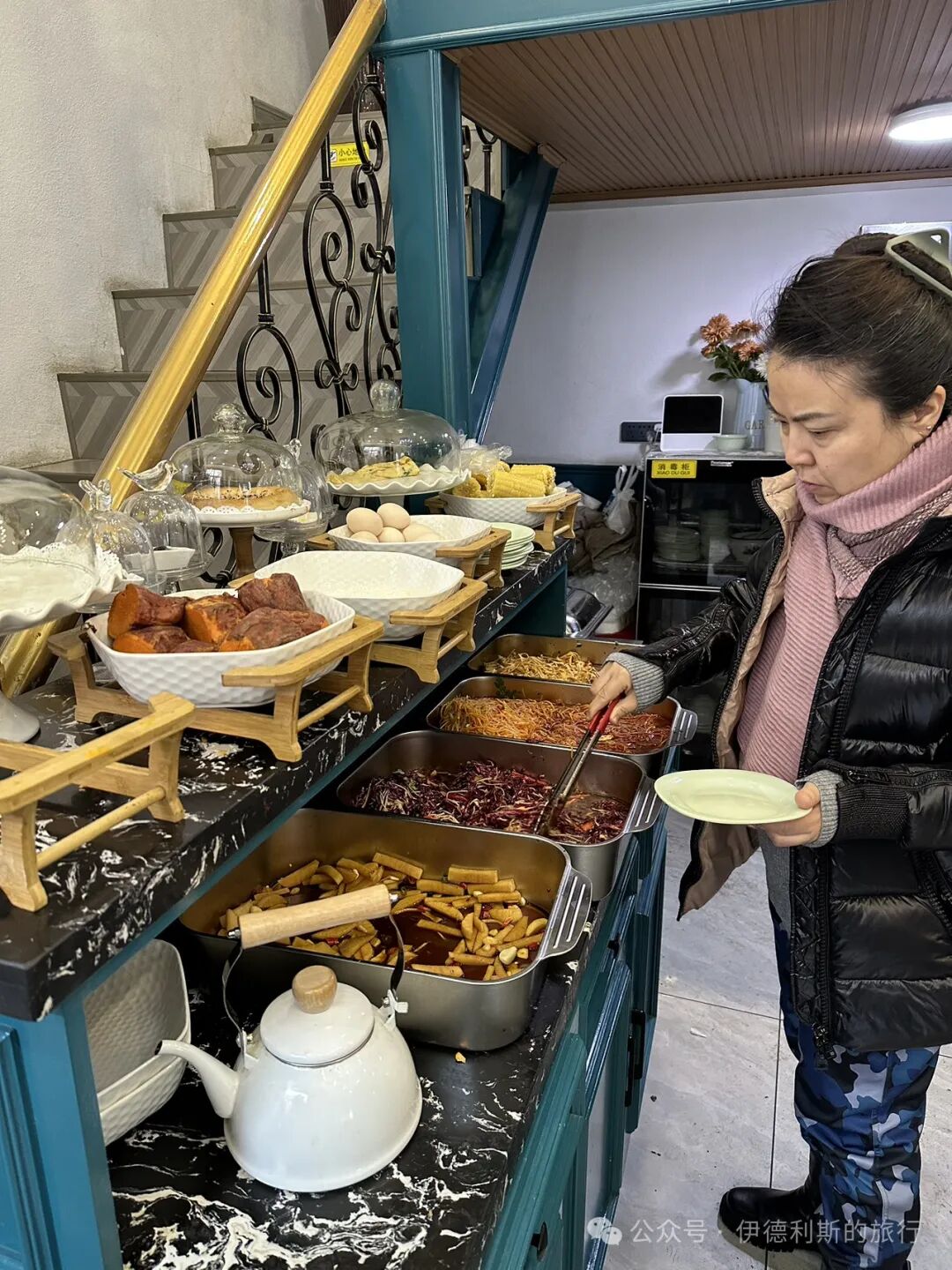
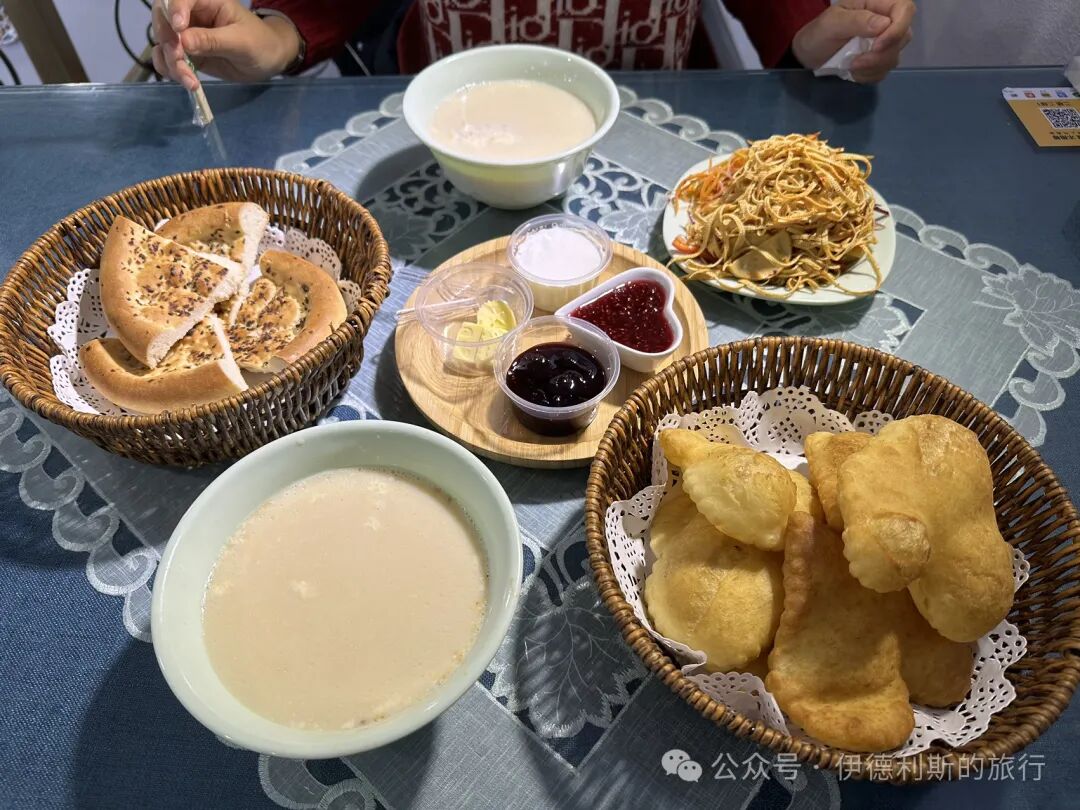
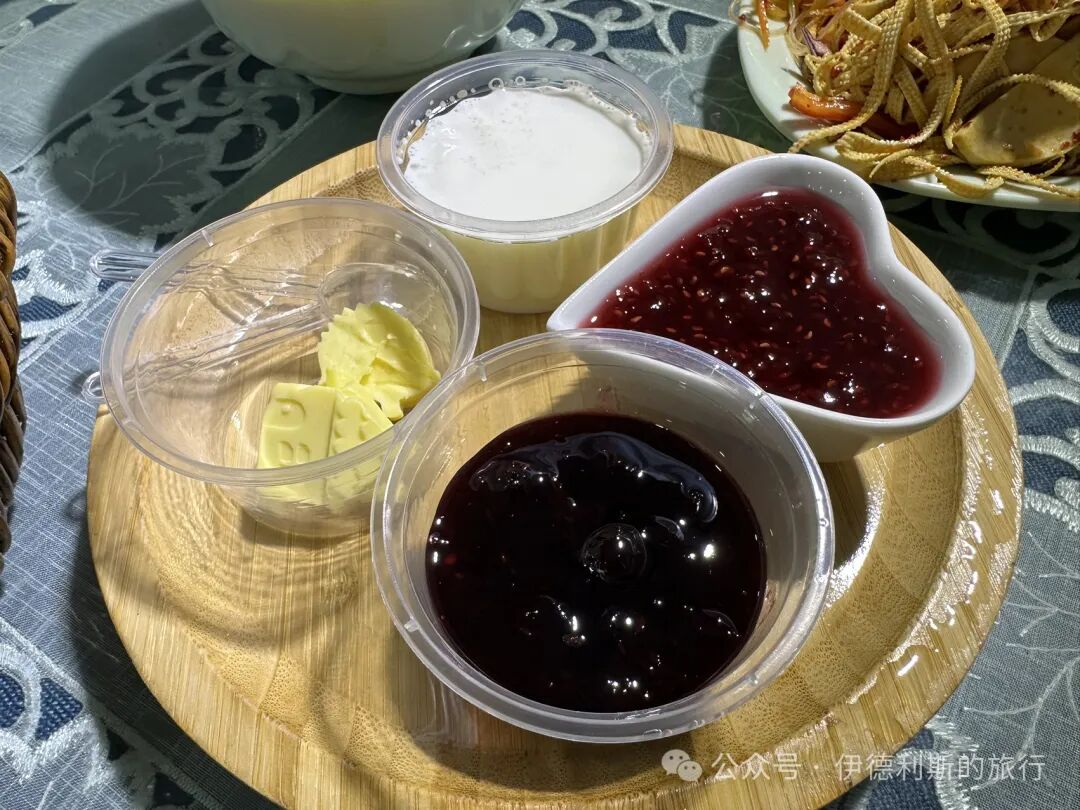
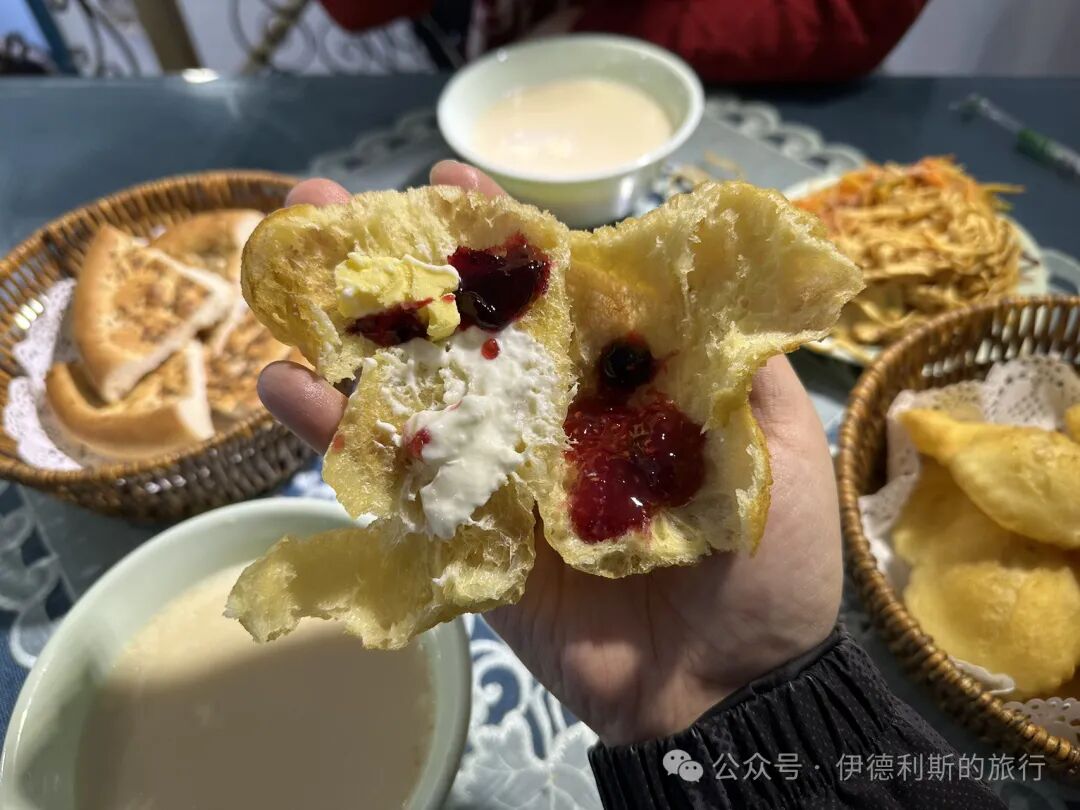
In the morning, we went to Baorsak on Hetian First Street for a Kazakh breakfast. Baorsak now has three locations. I have already eaten at the first two, the Dawan branch and the Heba Lane branch, so this time I came to try the Hetian First Street branch. We ordered a set meal for two, which included milk tea, fried dough (baorsak), jam, yogurt, cold dishes, and flatbread (nang). Even though it was the Spring Festival holiday, their business was very good. A line started forming right after we ordered. I noticed that most of the customers were local Uyghurs. It seems Kazakh breakfast is quite popular with the Uyghur community.
Musical instrument shops in Erdaoqiao.
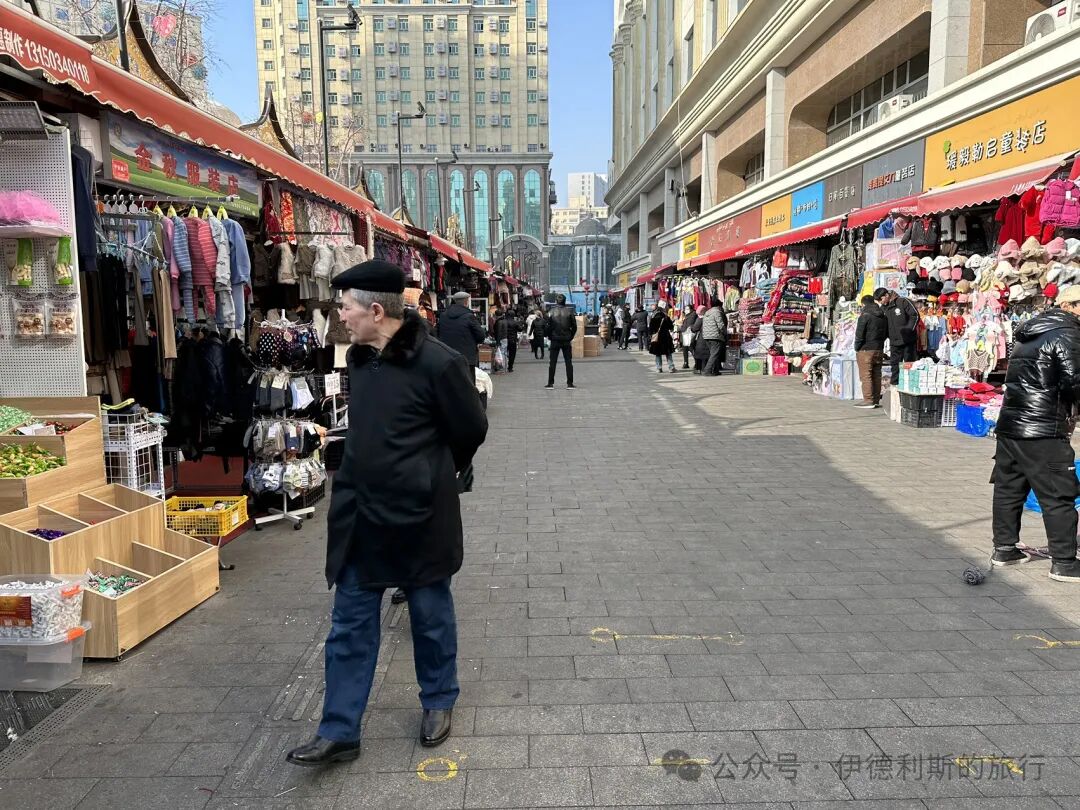
After drinking Kazakh milk tea, I went for a stroll in the Erdaoqiao Grand Bazaar. I really wanted to visit the instrument shop run by Erkin, an inheritor of the intangible cultural heritage of Uyghur instrument making, but I found it was gone. Plus, the Kazakh girl I used to take photos with in the felt tent got married and moved away. Now, the Grand Bazaar is mostly just souvenir shops.
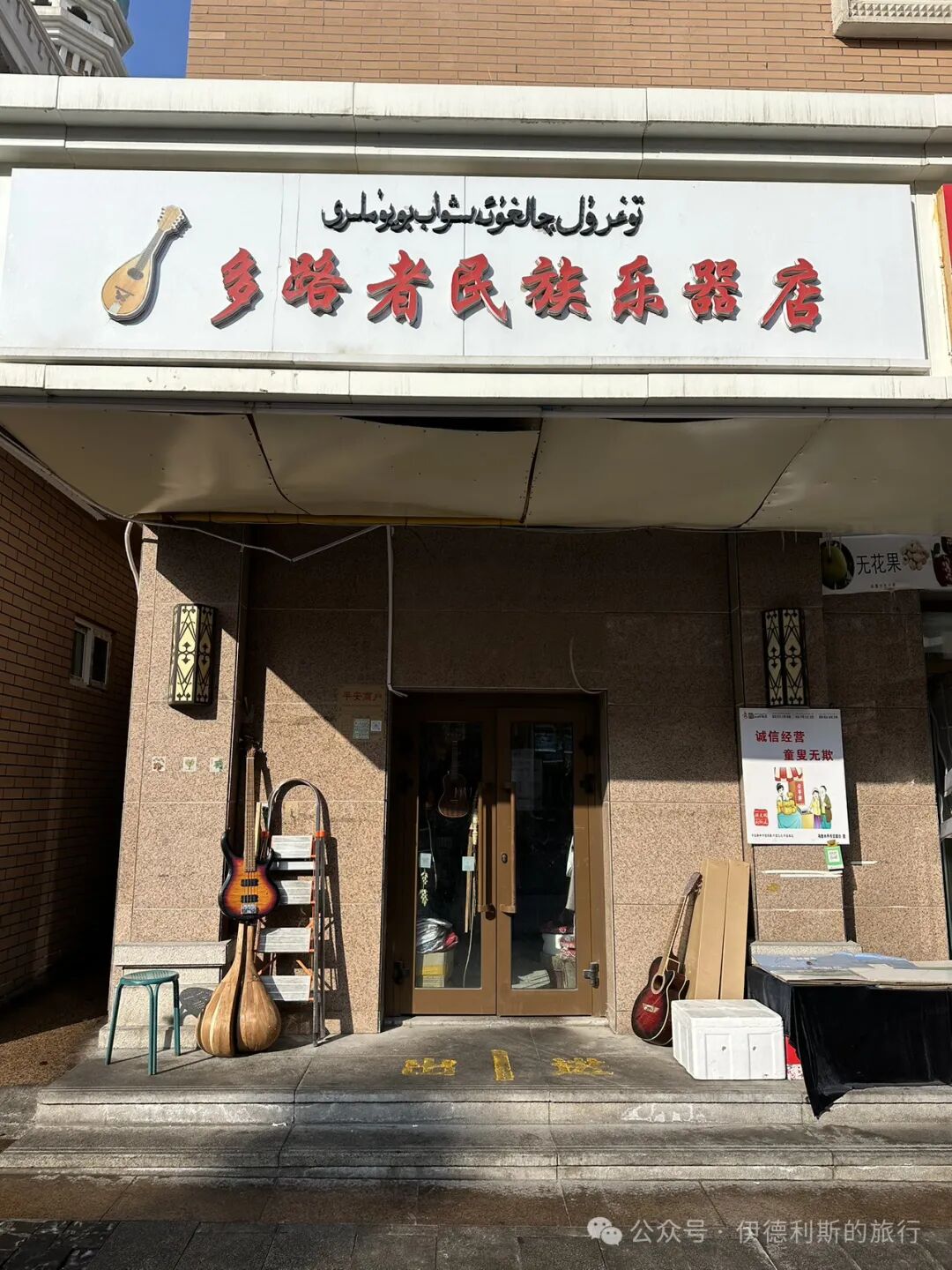
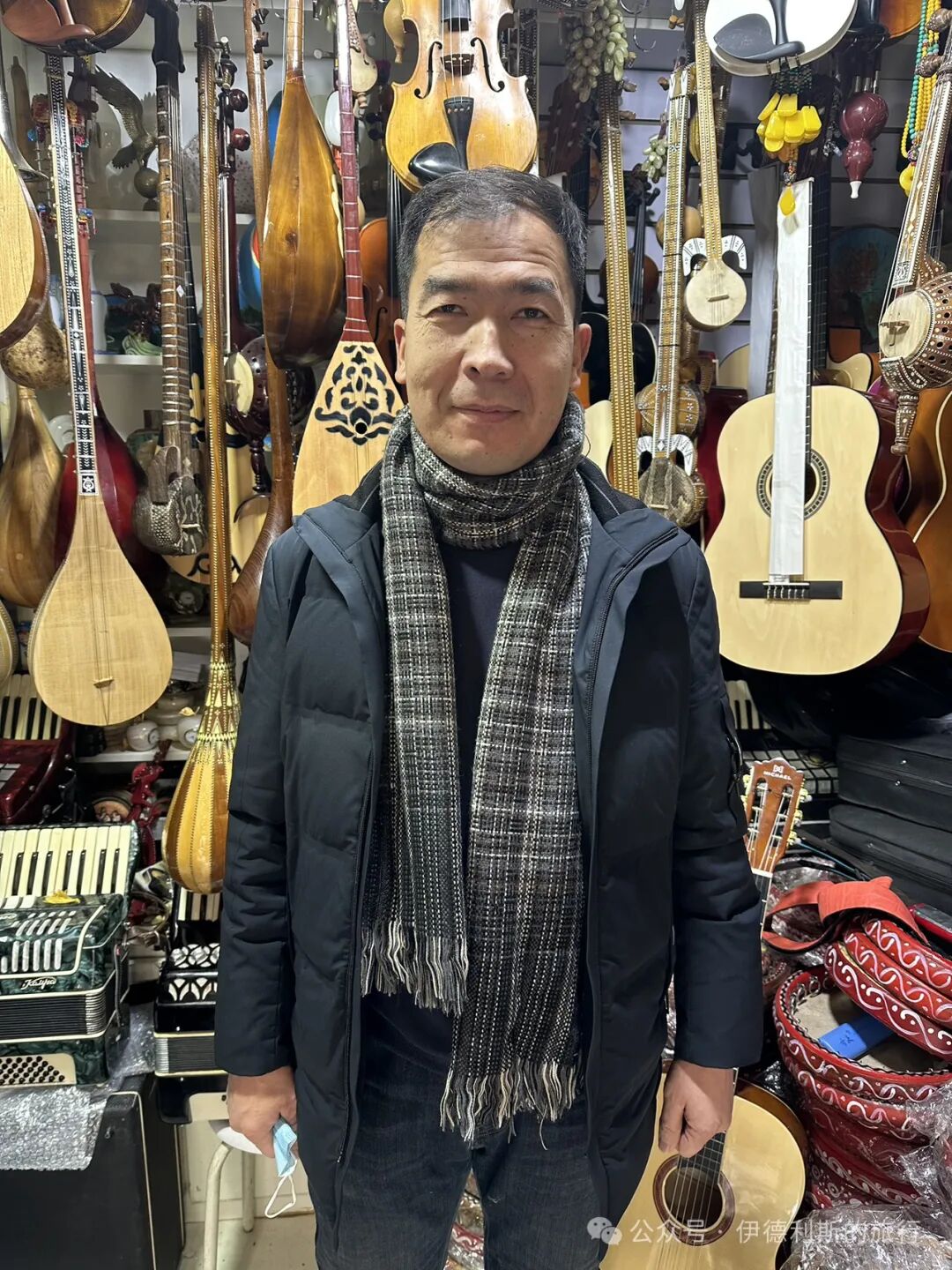
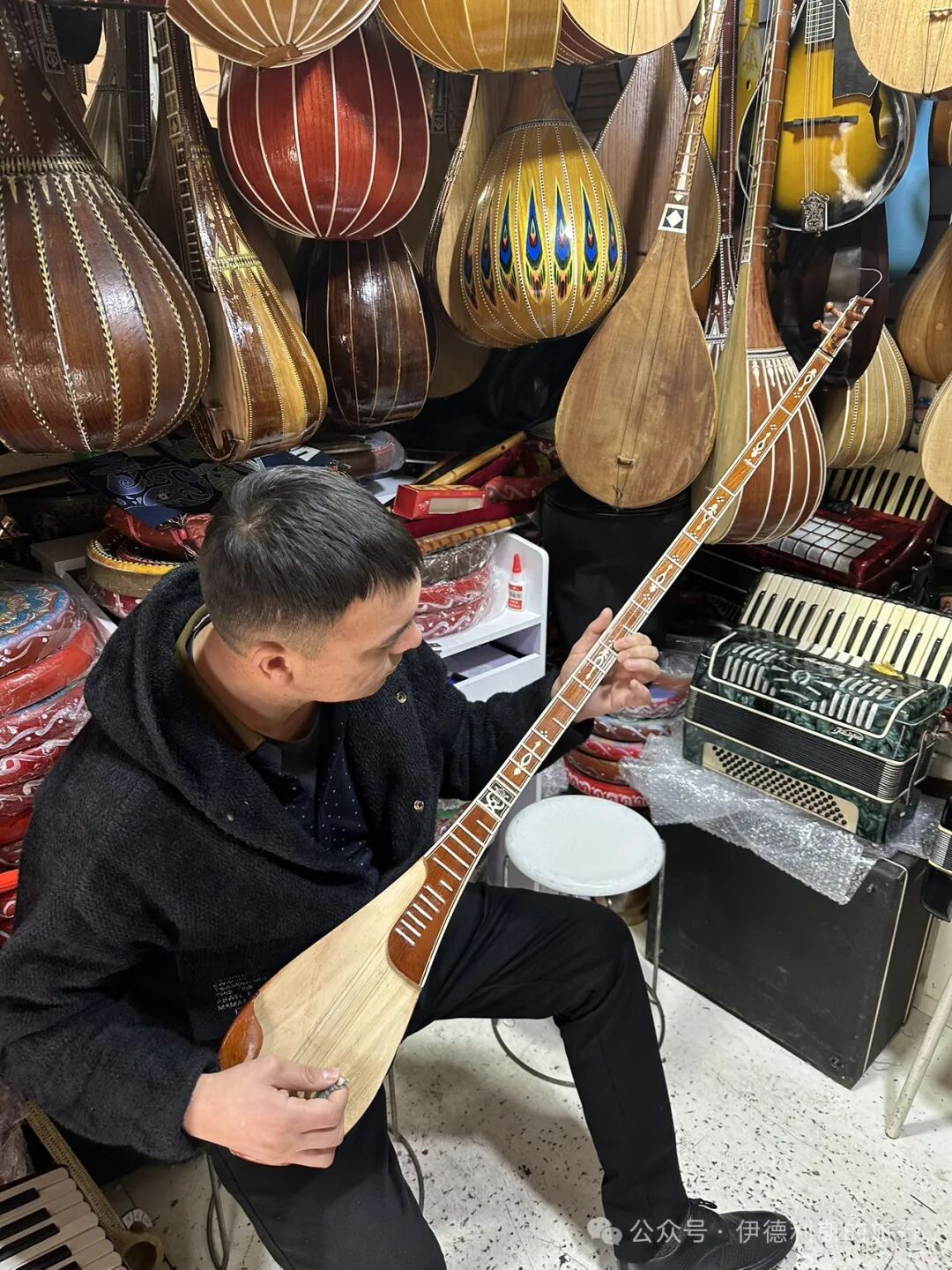
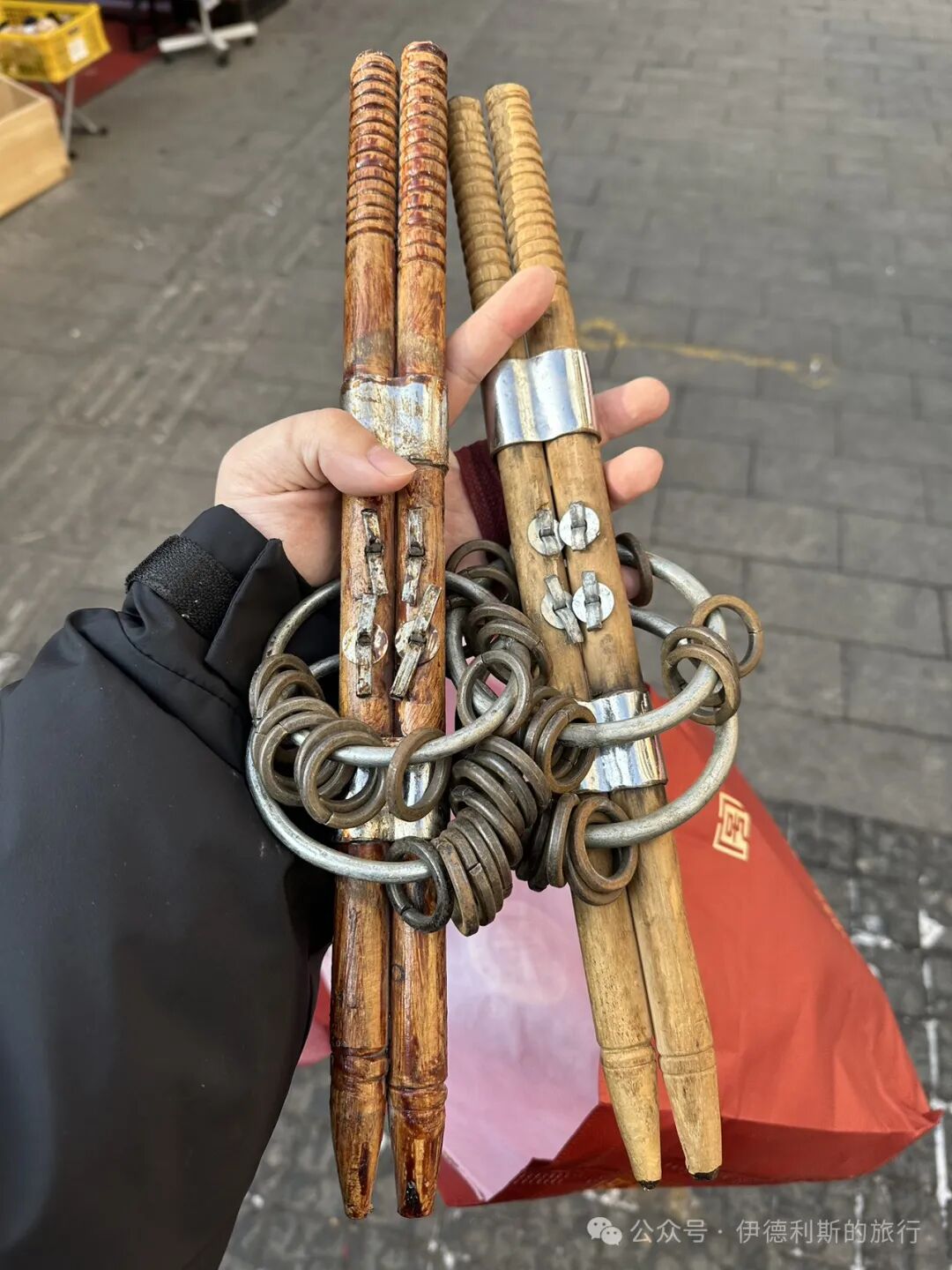
As I left through the north gate of the Grand Bazaar, I found the sabayi I had wanted to buy for a long time at Duoluzhe Ethnic Musical Instrument Shop, a place I had not paid much attention to before. They had two types: mulberry wood and desert poplar wood. The desert poplar ones were more expensive, heavier, and were made in the past. I bought two, which fulfilled a wish of mine. Before I left, the owner specifically told me to take good care of them because it will be very hard to find this kind of old-fashioned sabayi in the future.
I first learned about the sabayi in the 2010 documentary 'Ashik: The Last Troubadour' filmed by Liu Xiangchen. The sabayi is the most common accompaniment instrument when Uyghur Ashiks perform Dhikr. Accompanied by the sabayi, Sufi practitioners enter a state of ecstasy (Wajd) through Dhikr to draw closer to Allah.
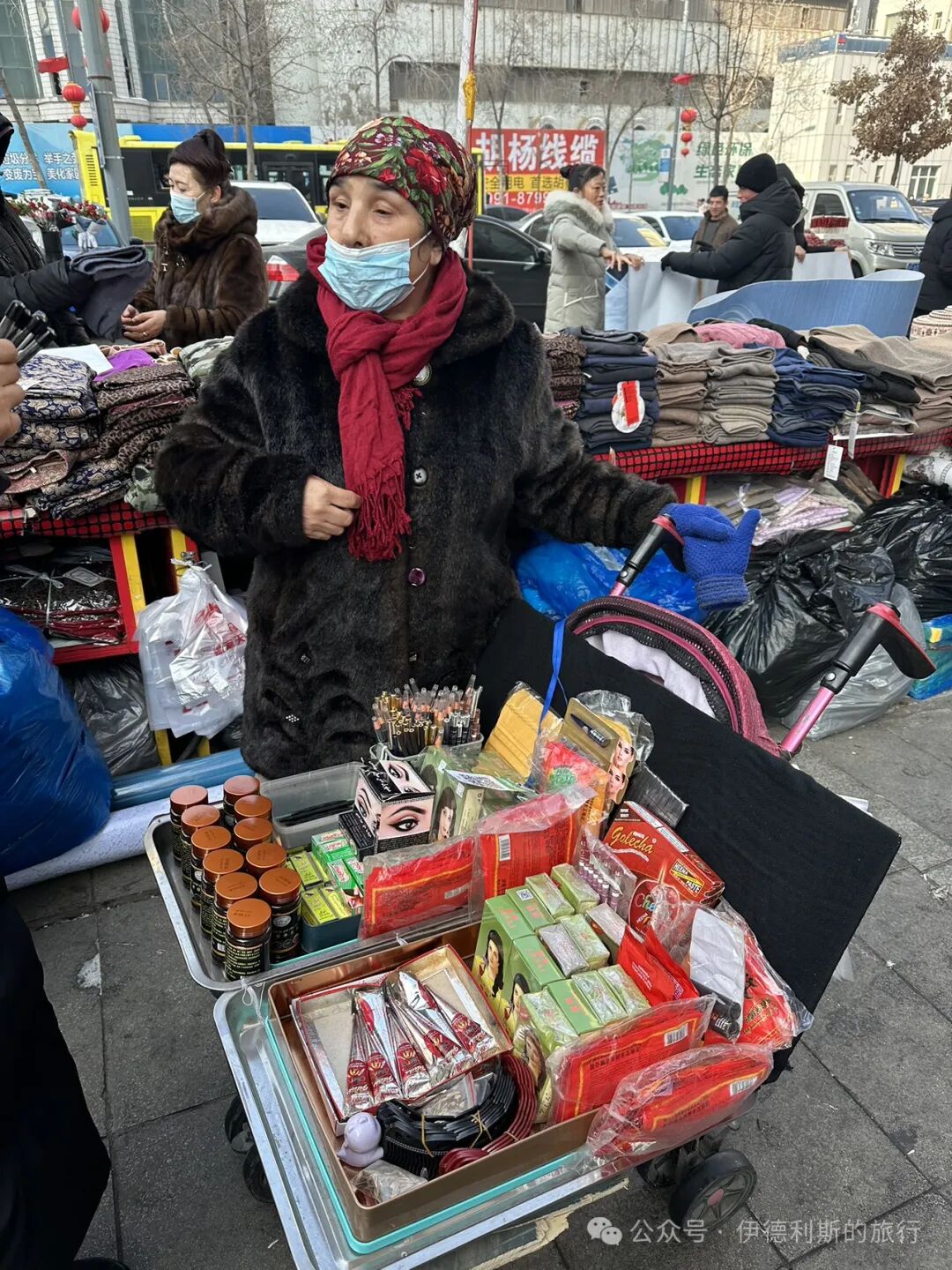
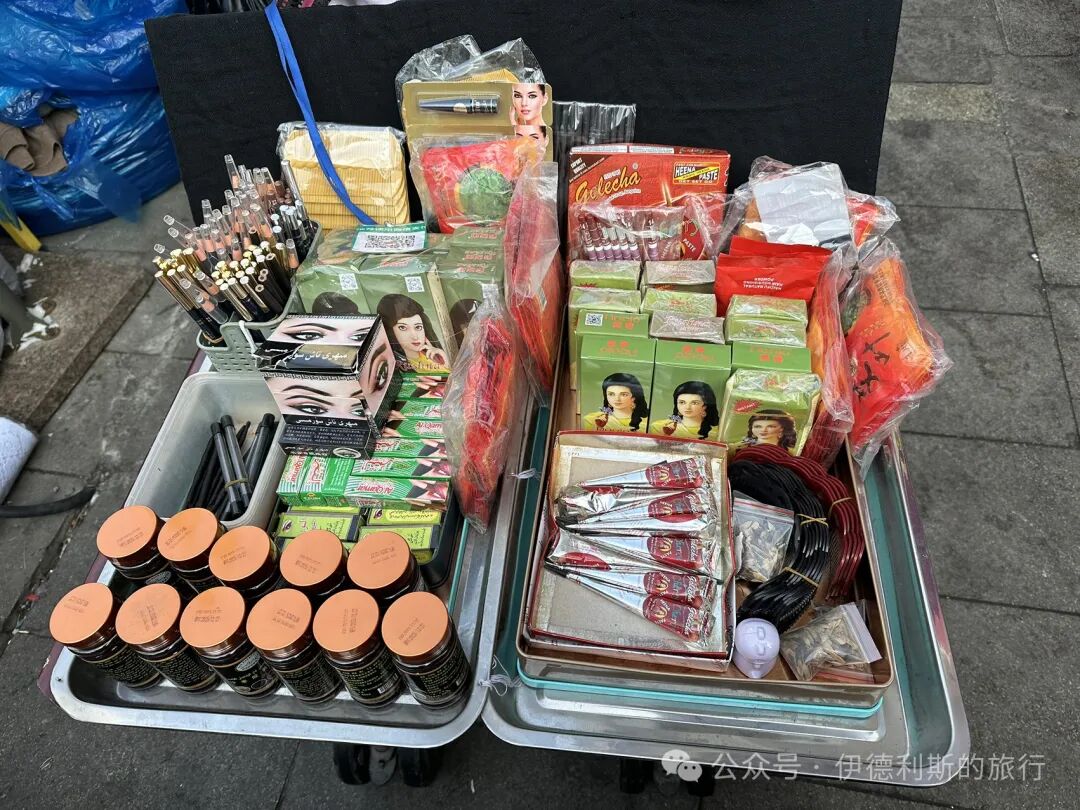
I continued walking around Erdaoqiao and bought an osma eyebrow pencil for Suleiman to use on his eyebrows when I get back. Osman grass is actually the leaf of the woad plant (banlangen), scientifically known as Isatis indigotica, which has been an important blue dye since ancient times. In Xinjiang, if a child has thin eyebrows, many parents use an Osman eyebrow pencil to paint them.
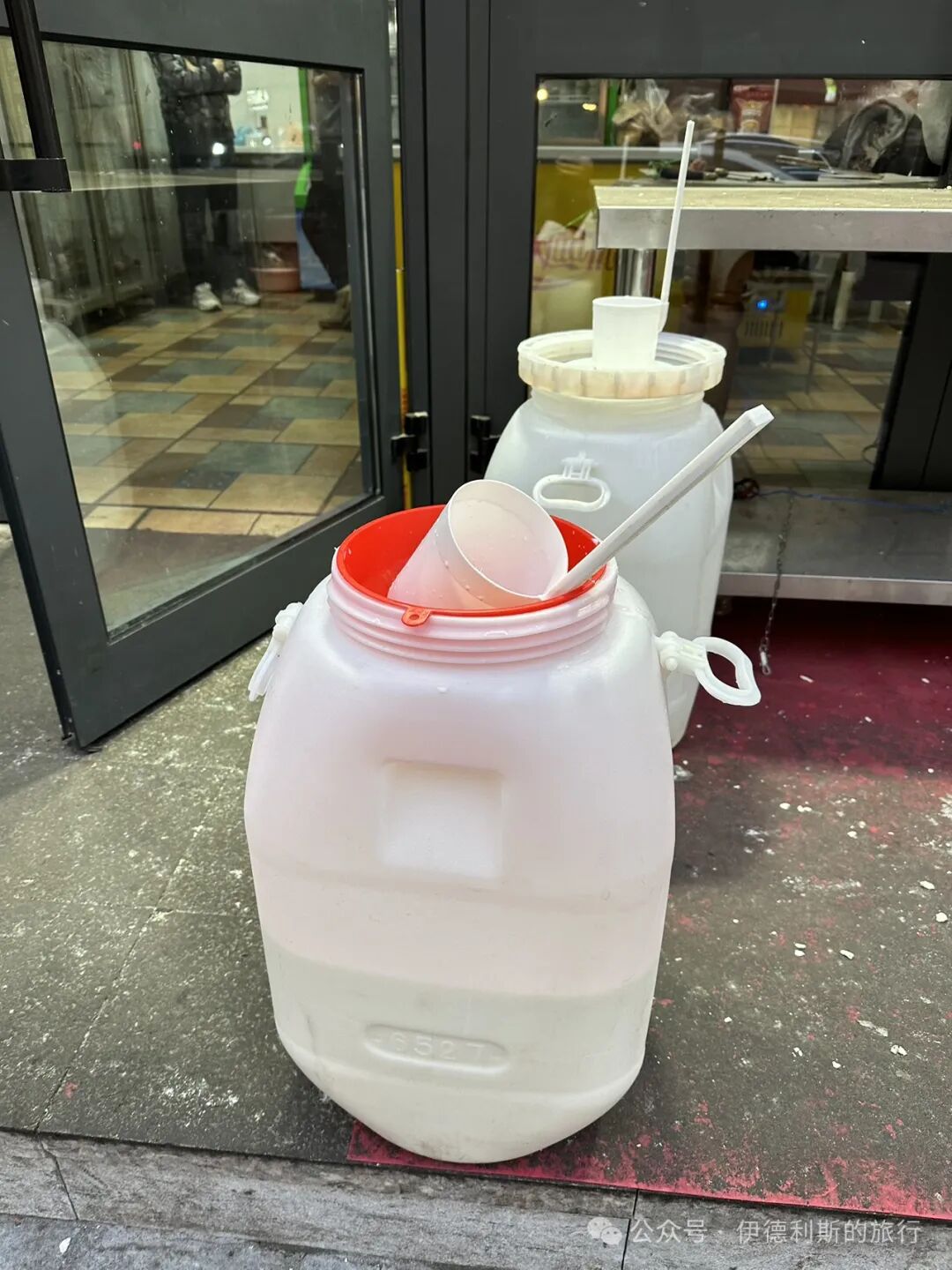
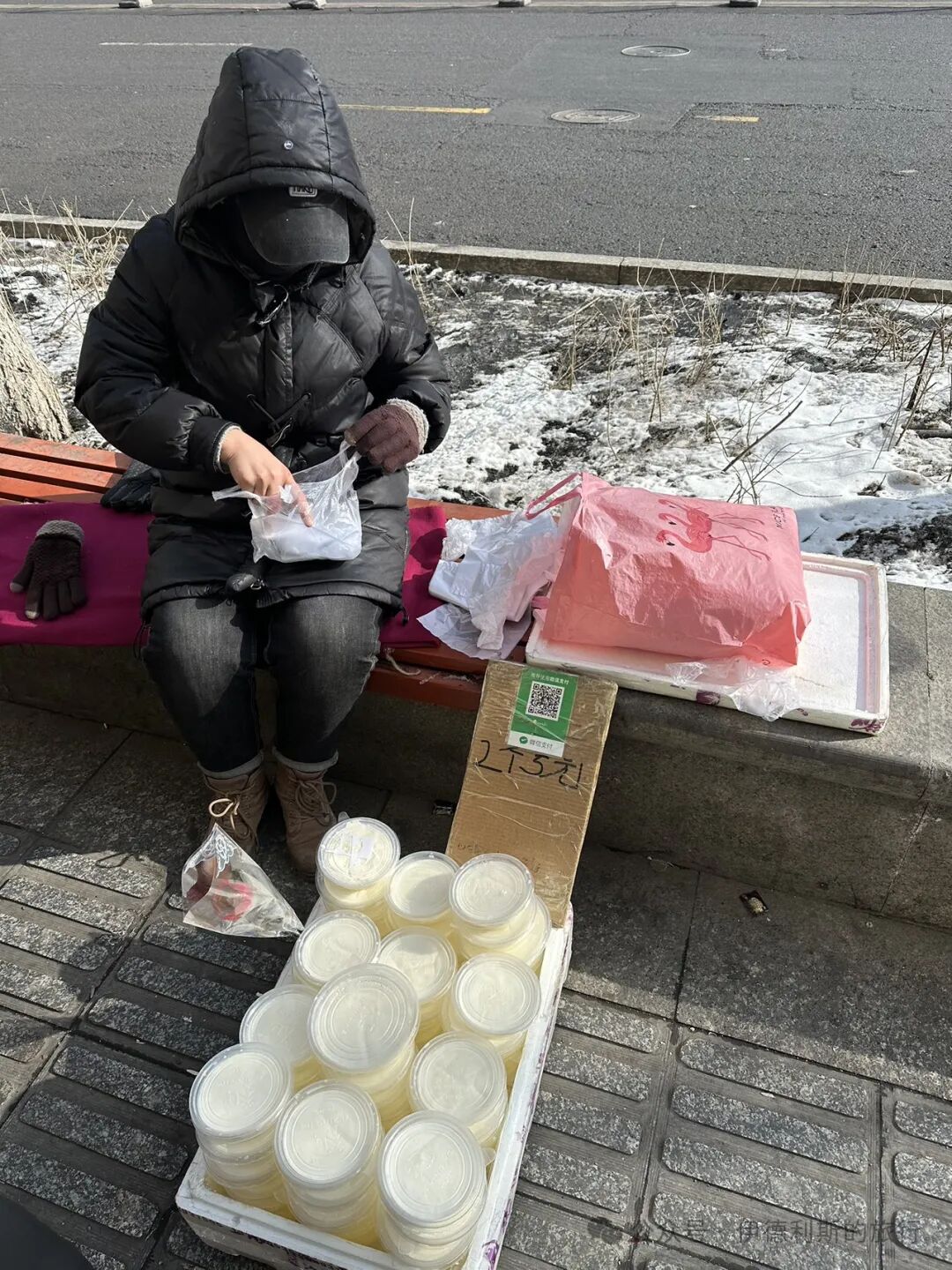
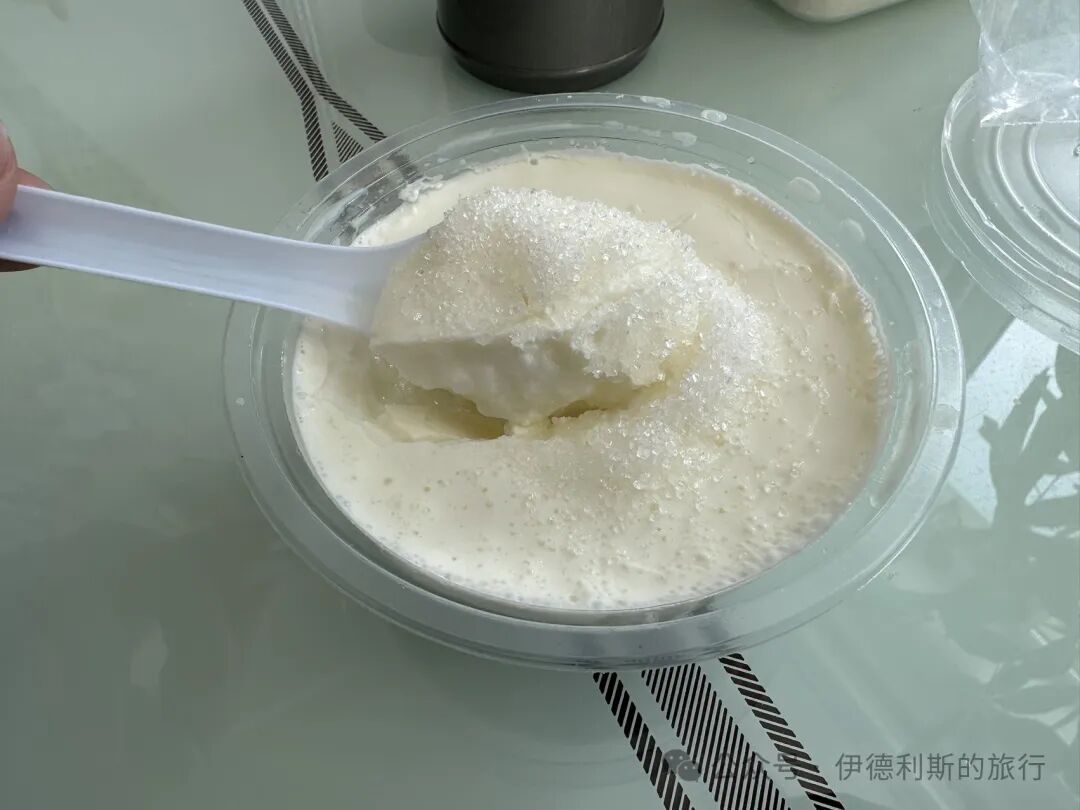
Then I bought some homemade yogurt on the street. After traveling to so many places, the best yogurt I have ever had is this kind sold on the streets of Xinjiang, with no labels, made at home and brought out to sell. It beats any packaged yogurt in the supermarket.
Tianshan Vanke
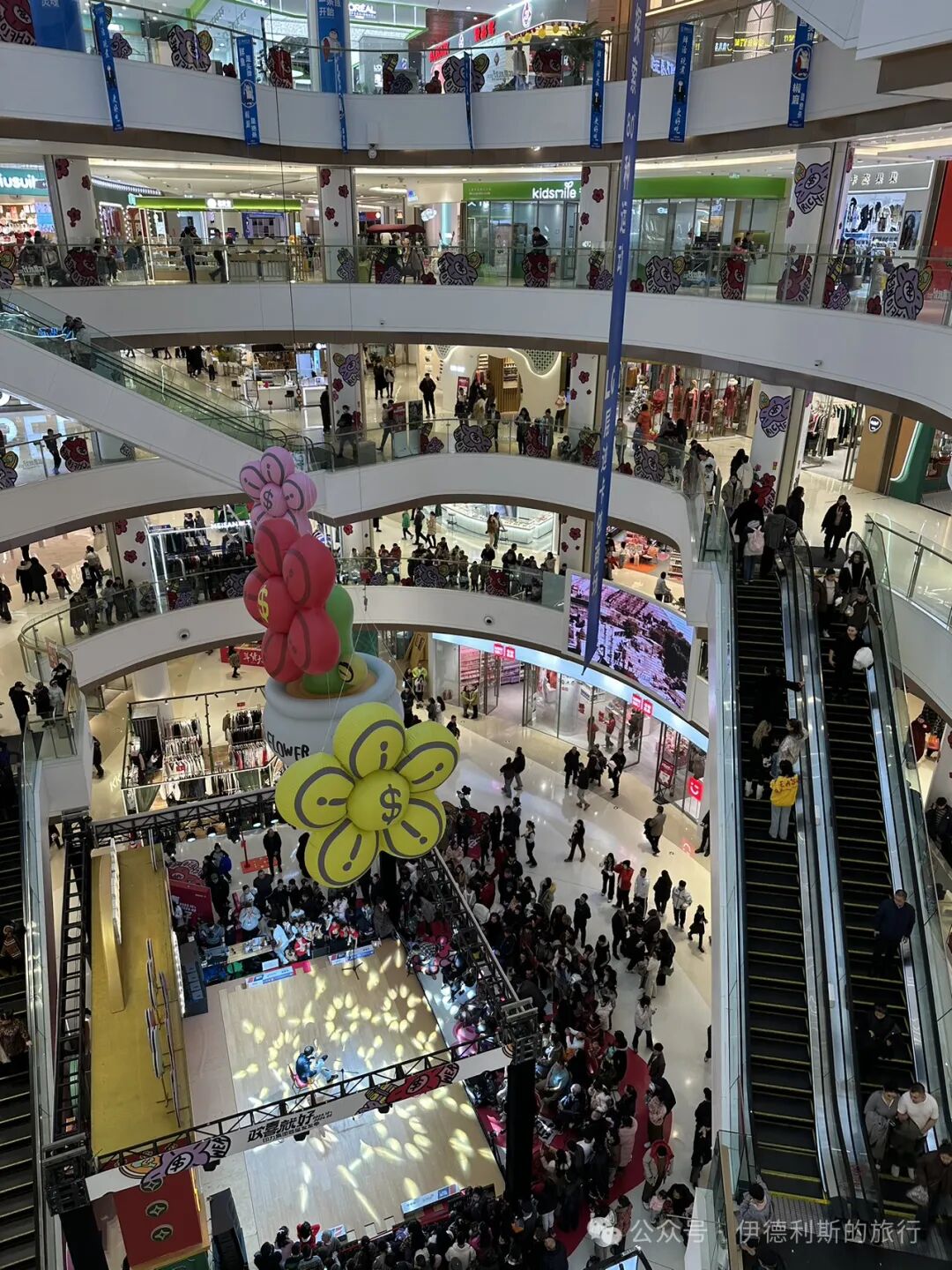
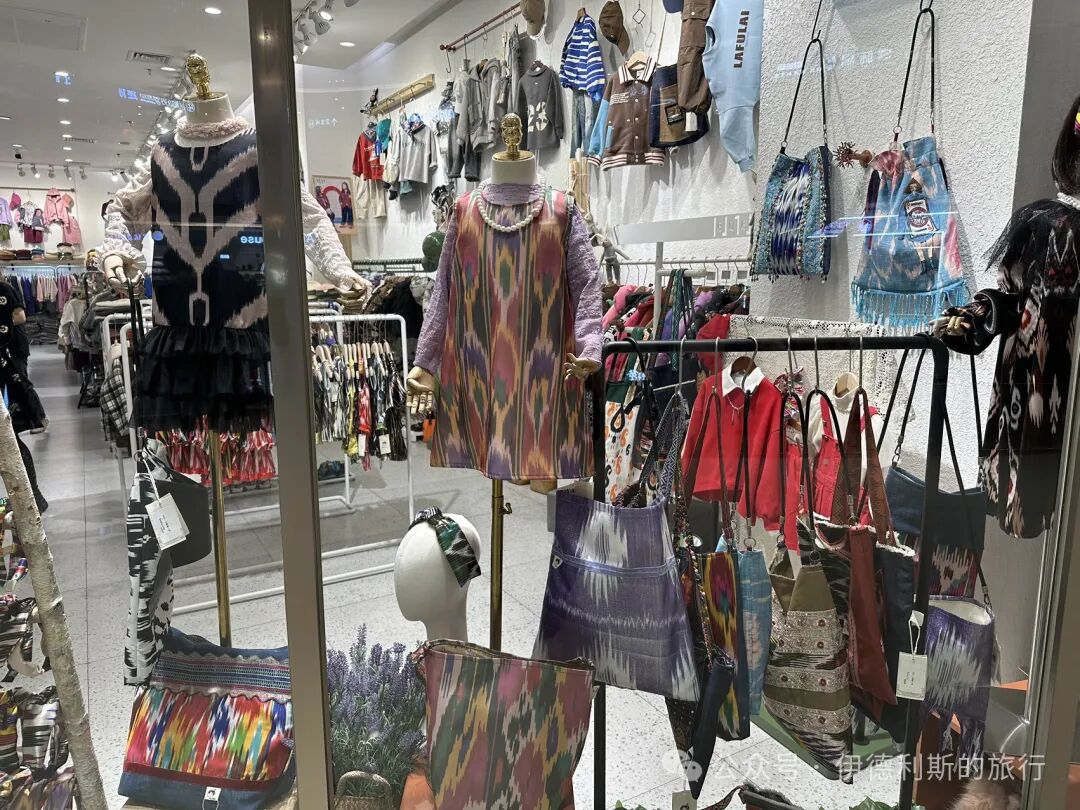
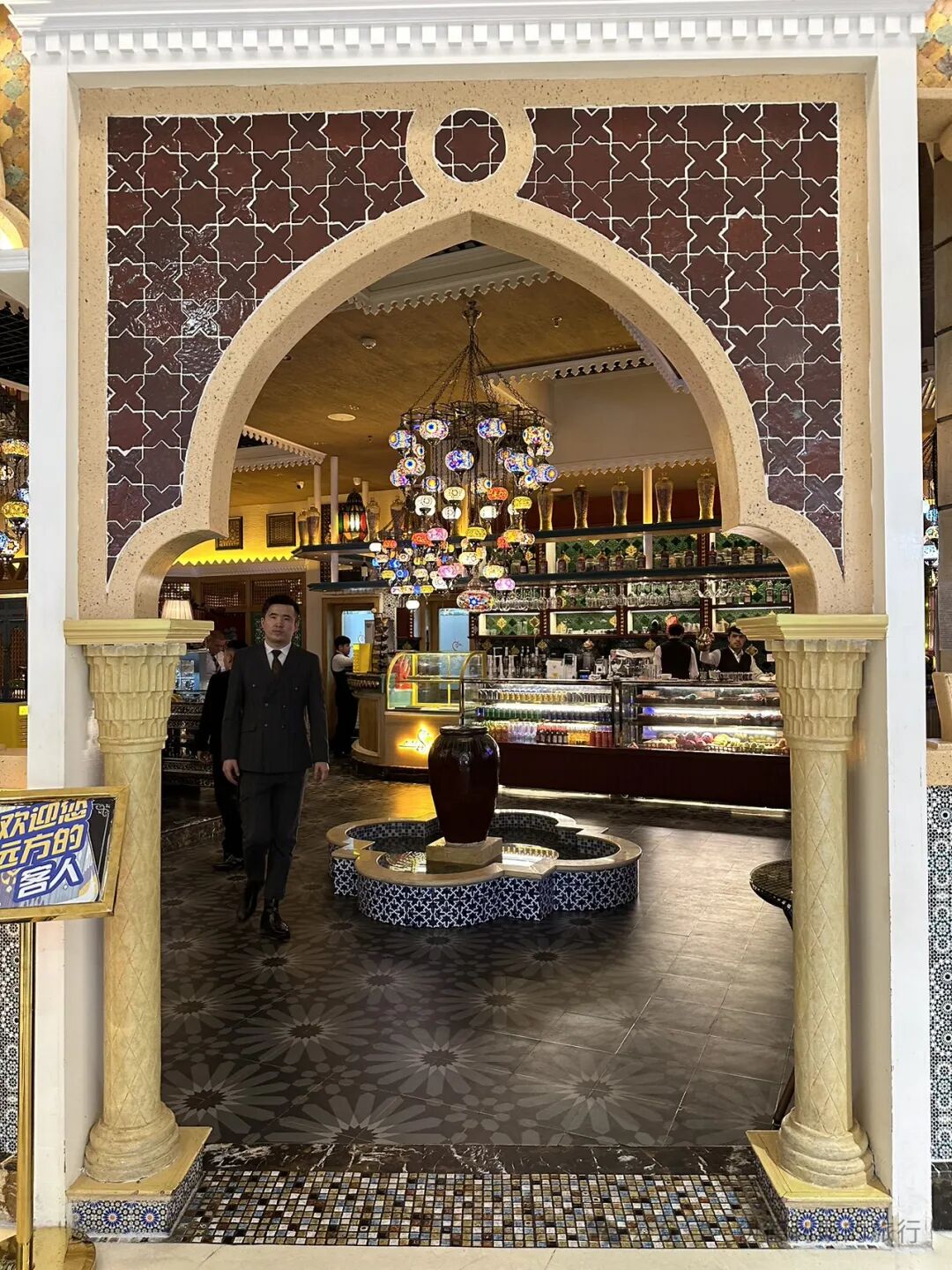
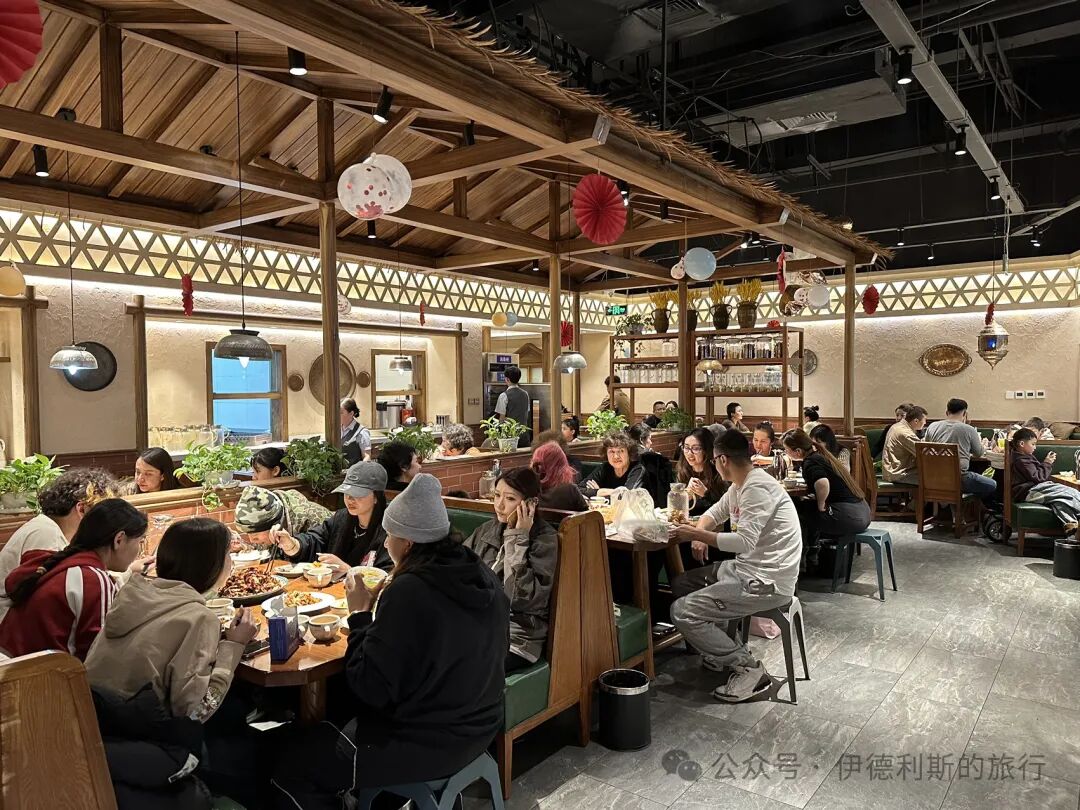
Urumqi Tianshan Vanke is near Dawan and is known as the Wangfujing for Uyghur and Kazakh people. It has Japanese, Thai, and Western food, as well as traditional Hui, Uyghur, and Kazakh restaurants. There is also spicy fish hotpot, fried chicken, burgers, and plenty of places for children to play. When we went, it was snowing, and there were so many friends (dosti) shopping at the mall.
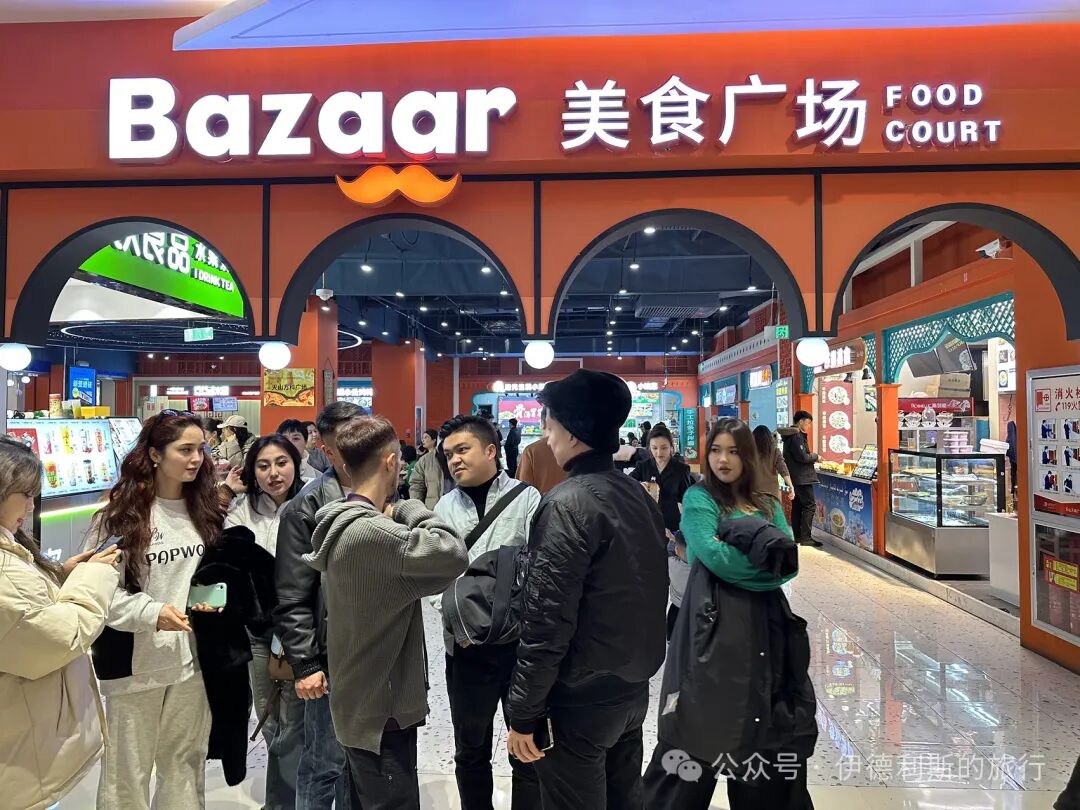
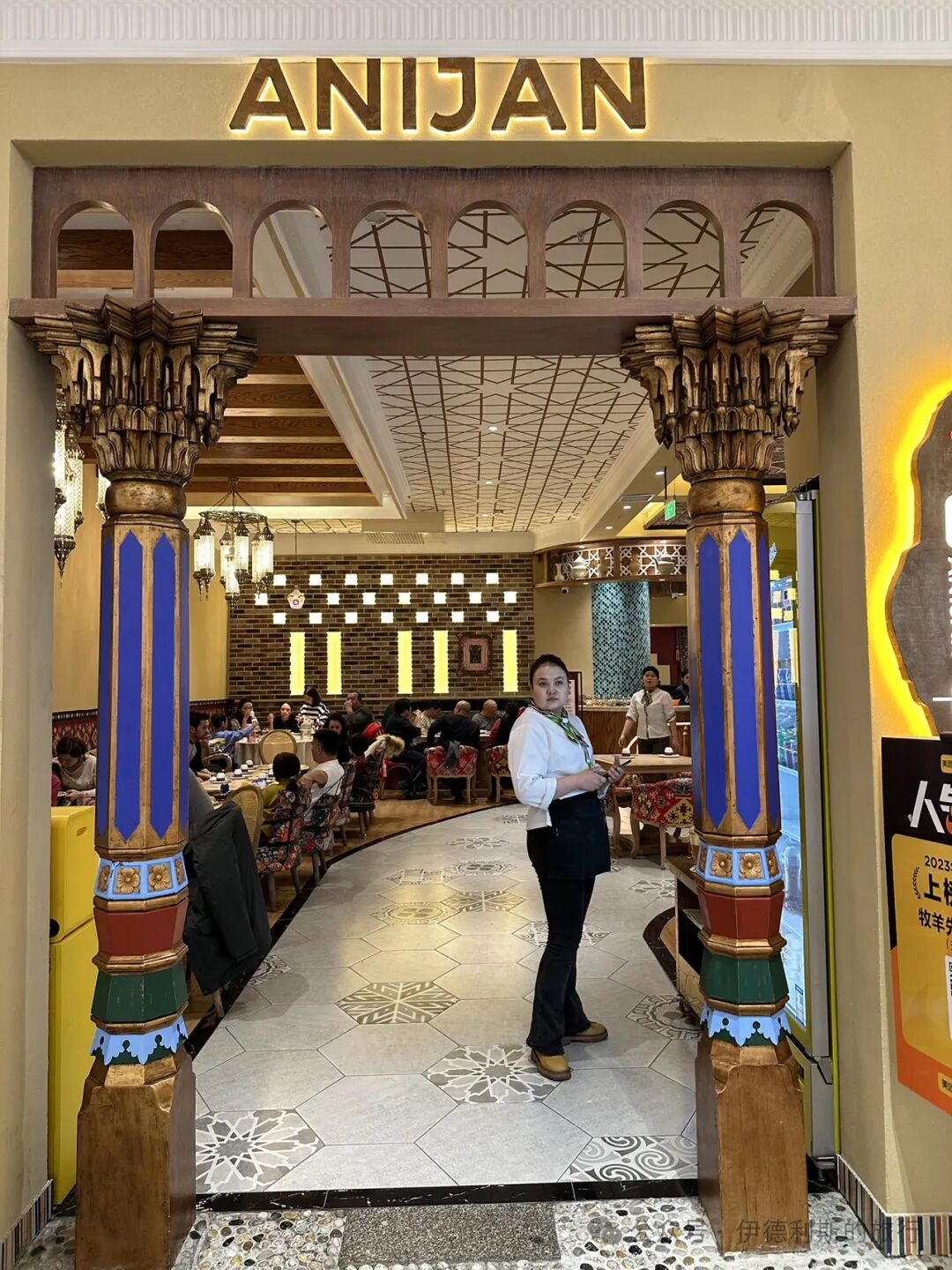
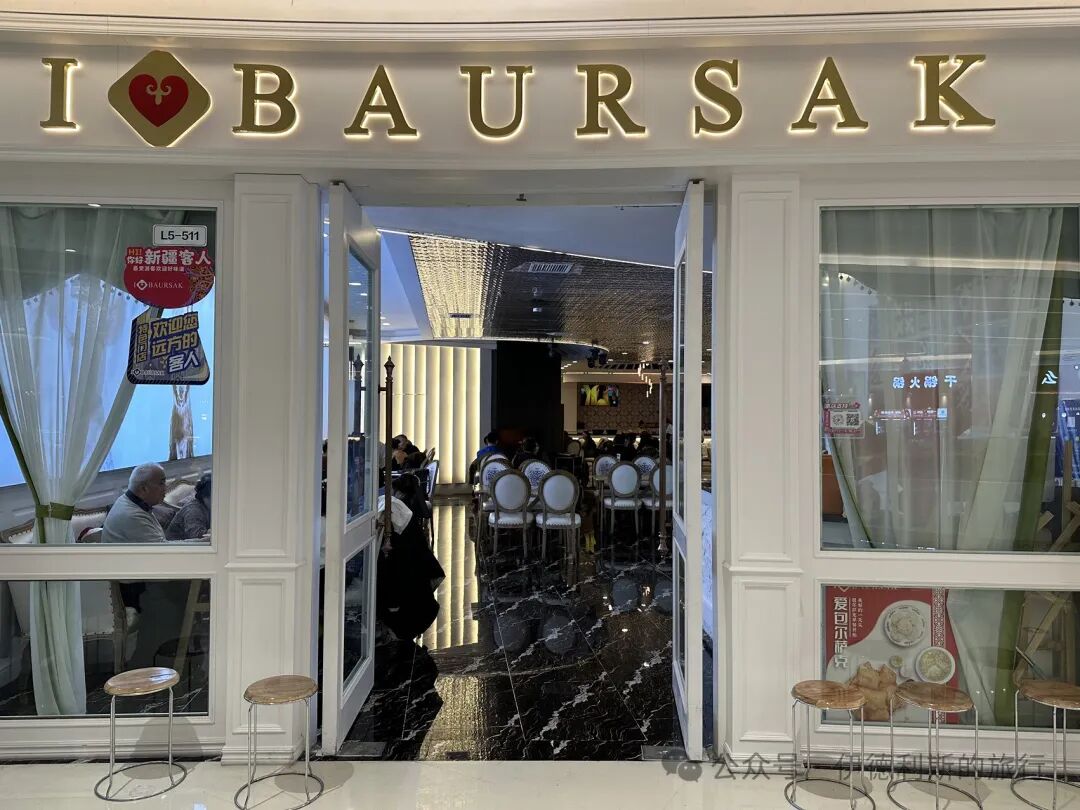
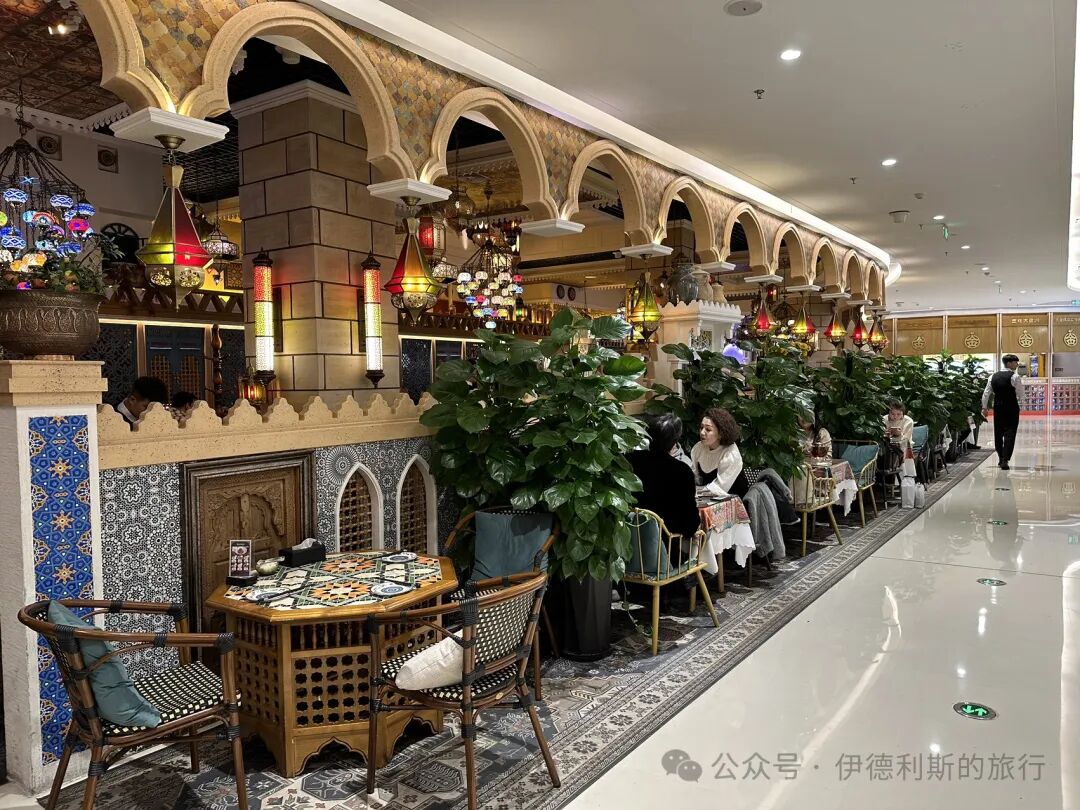
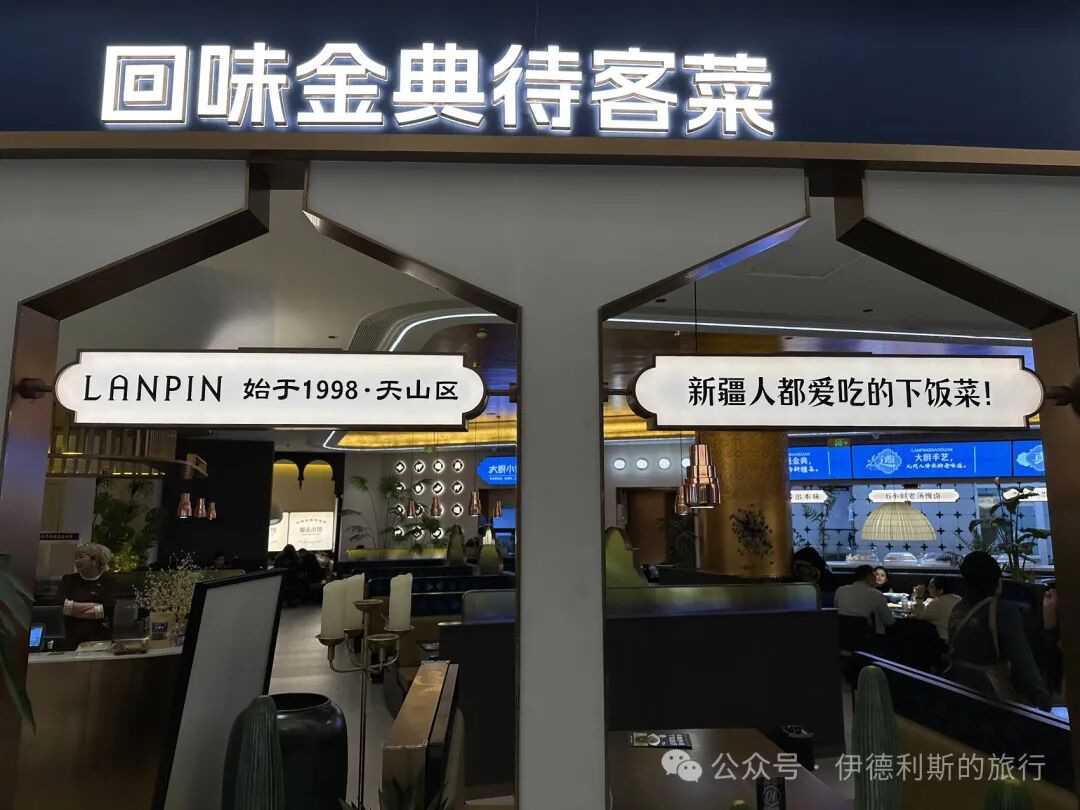
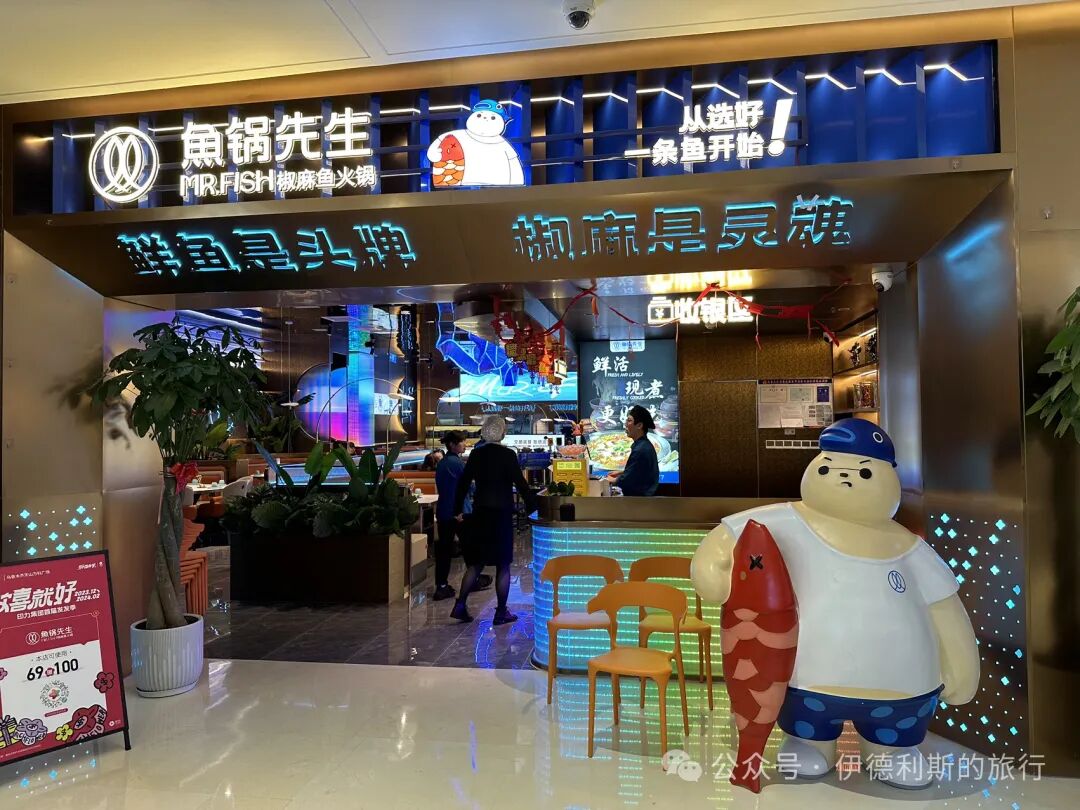
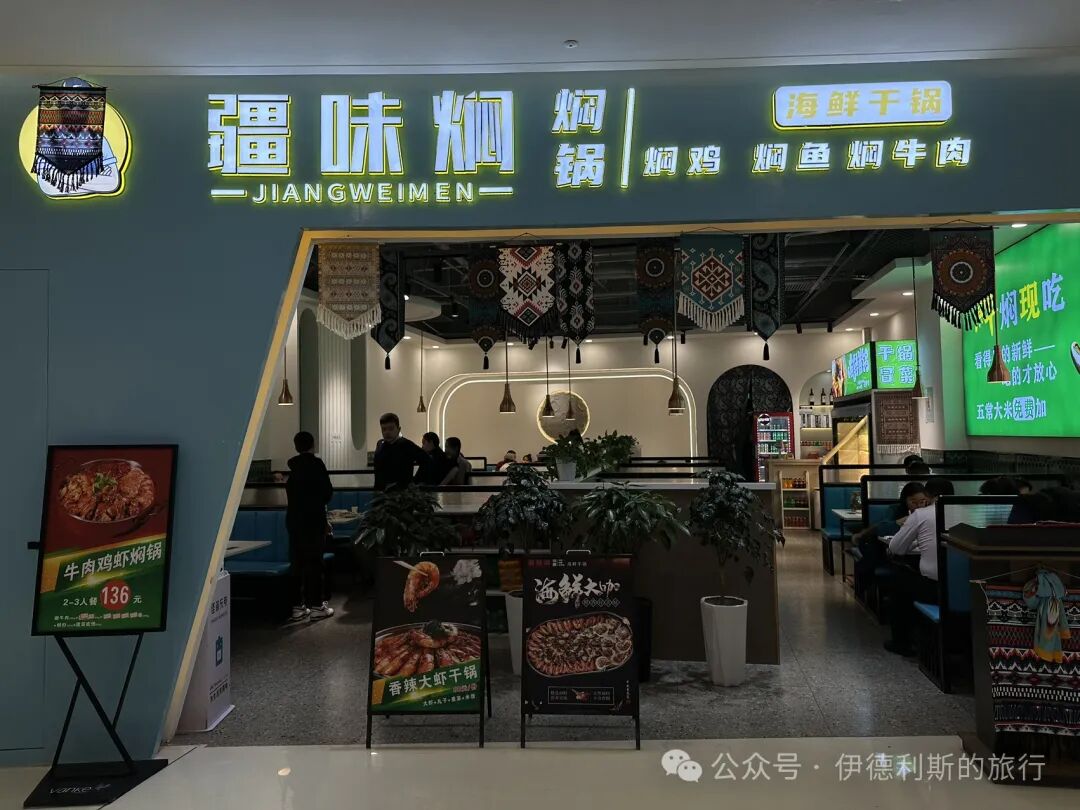
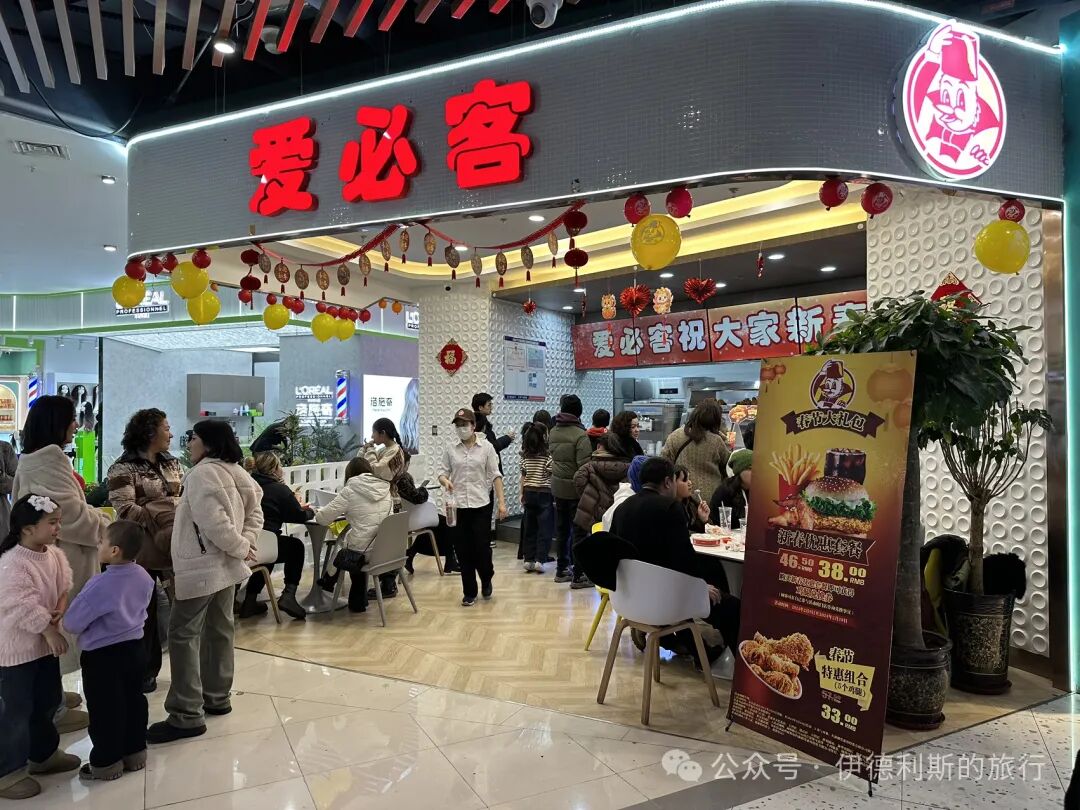
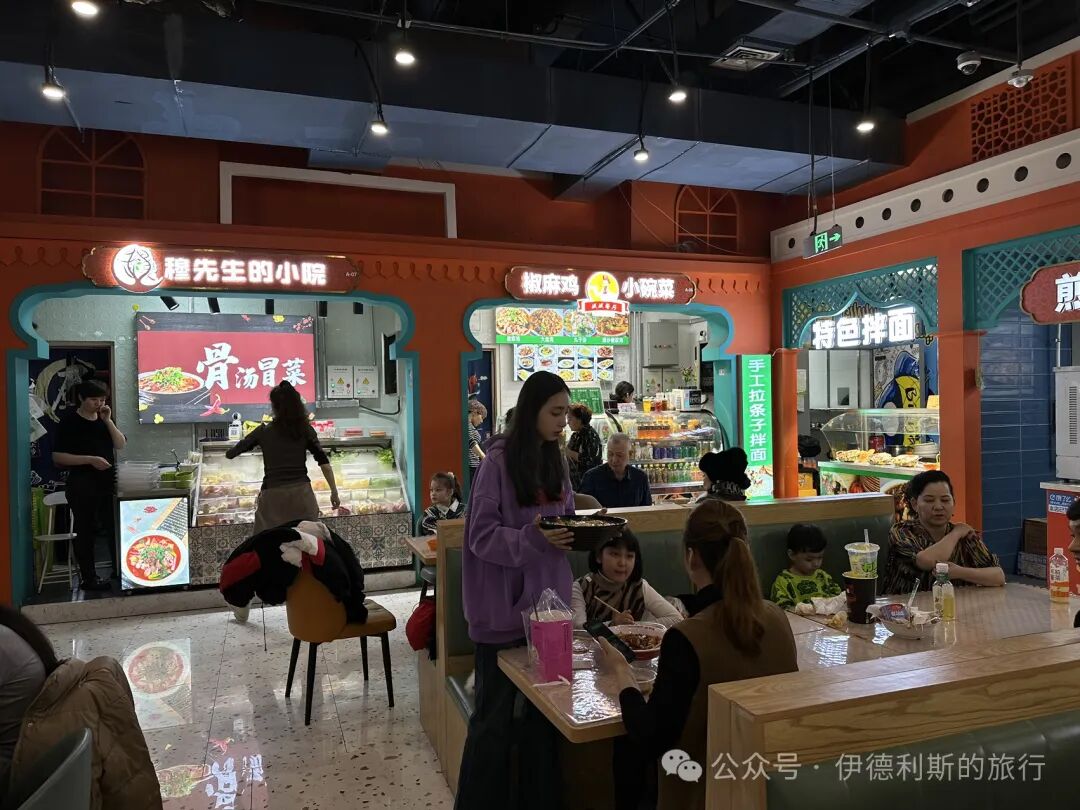
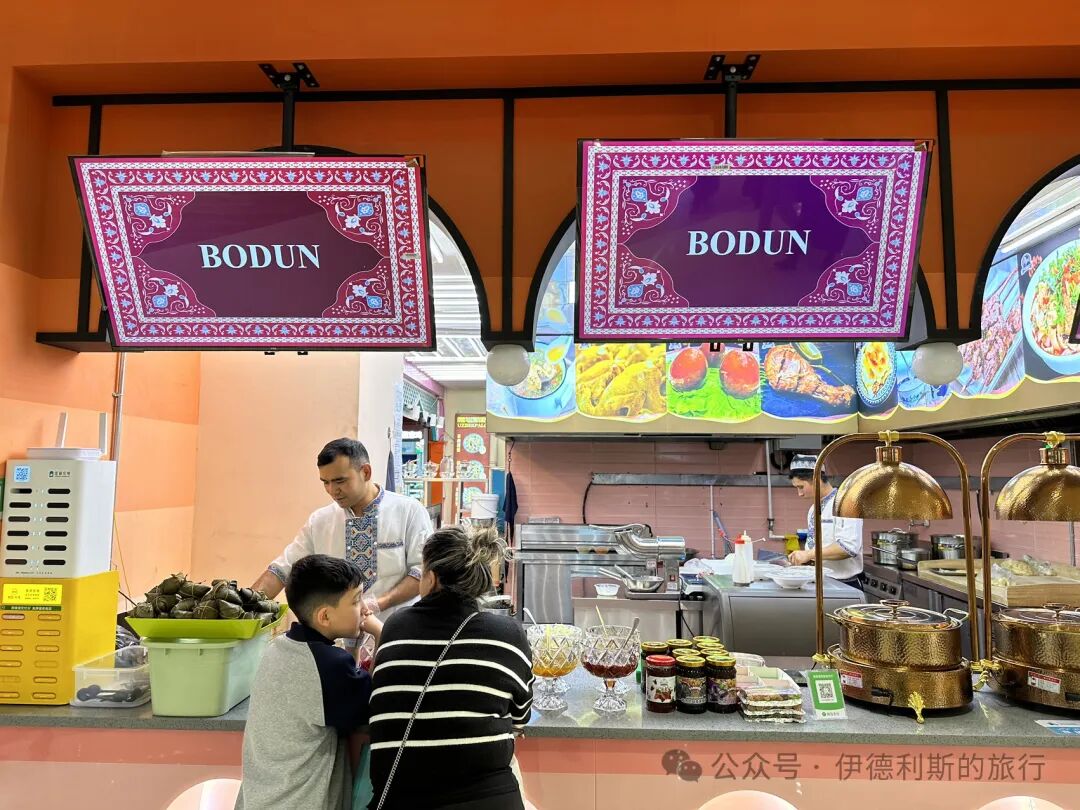
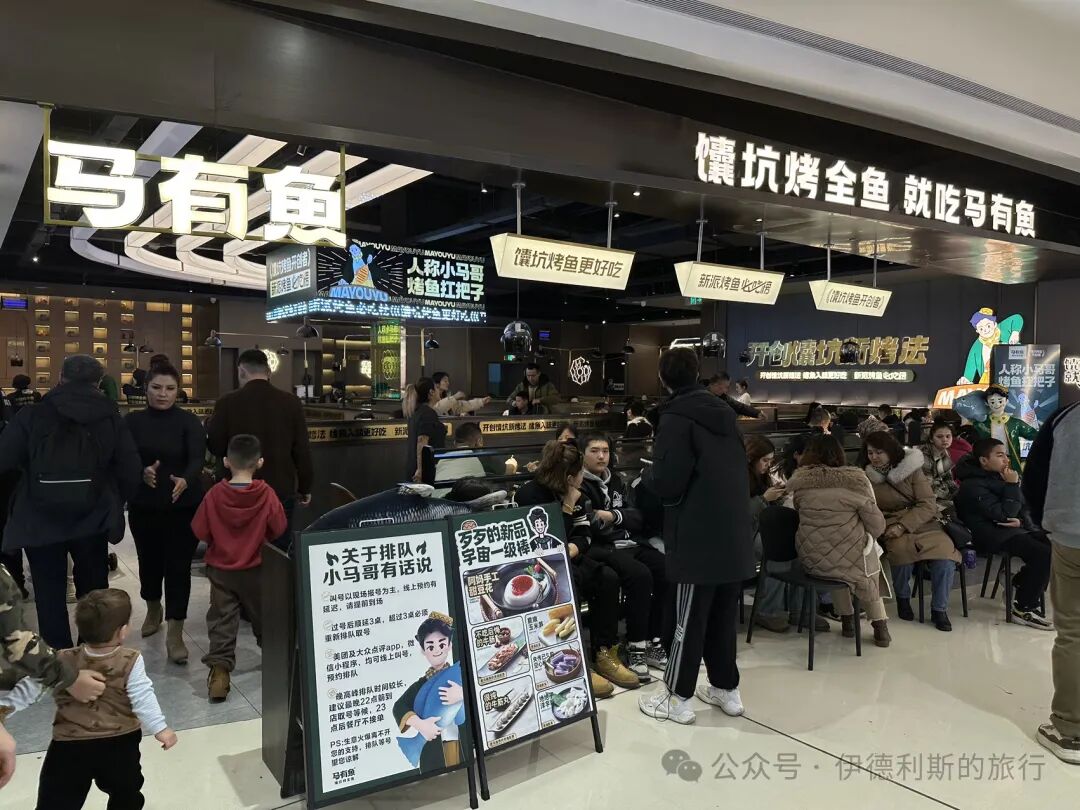
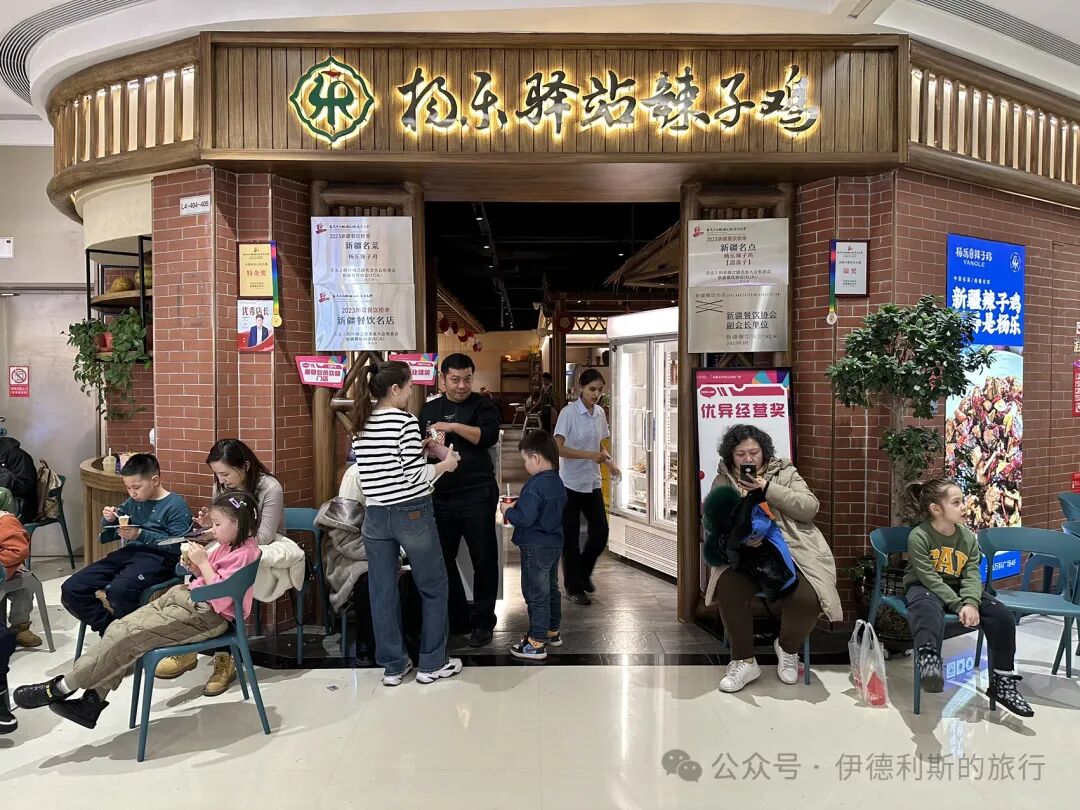
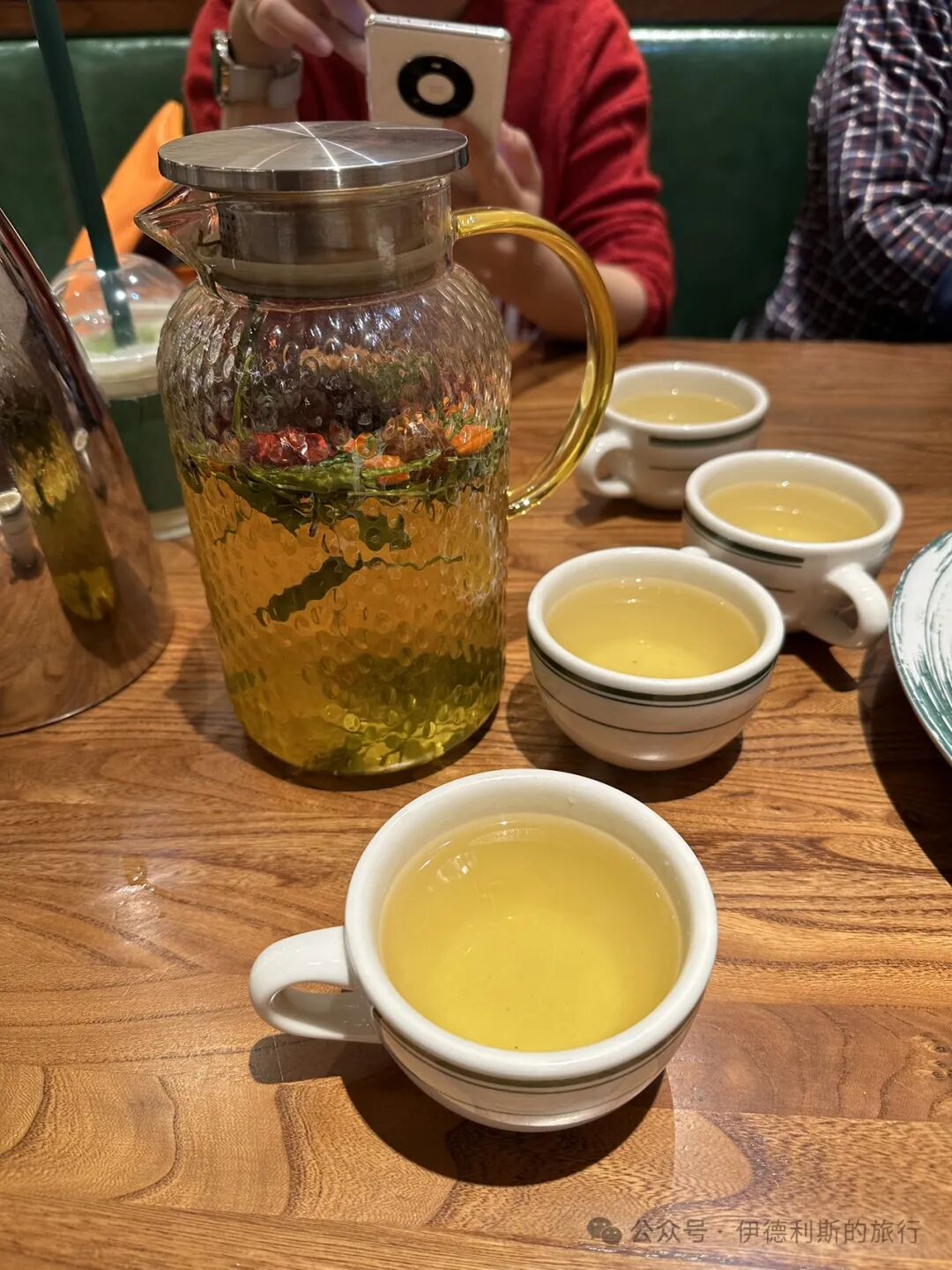
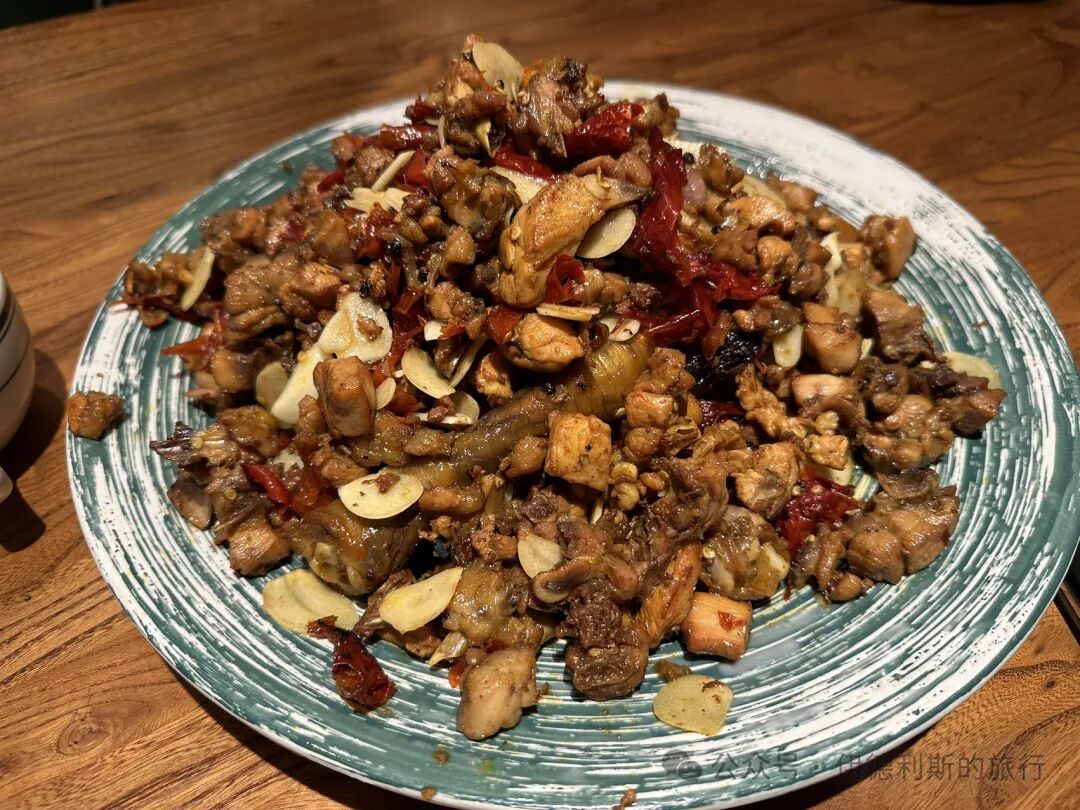
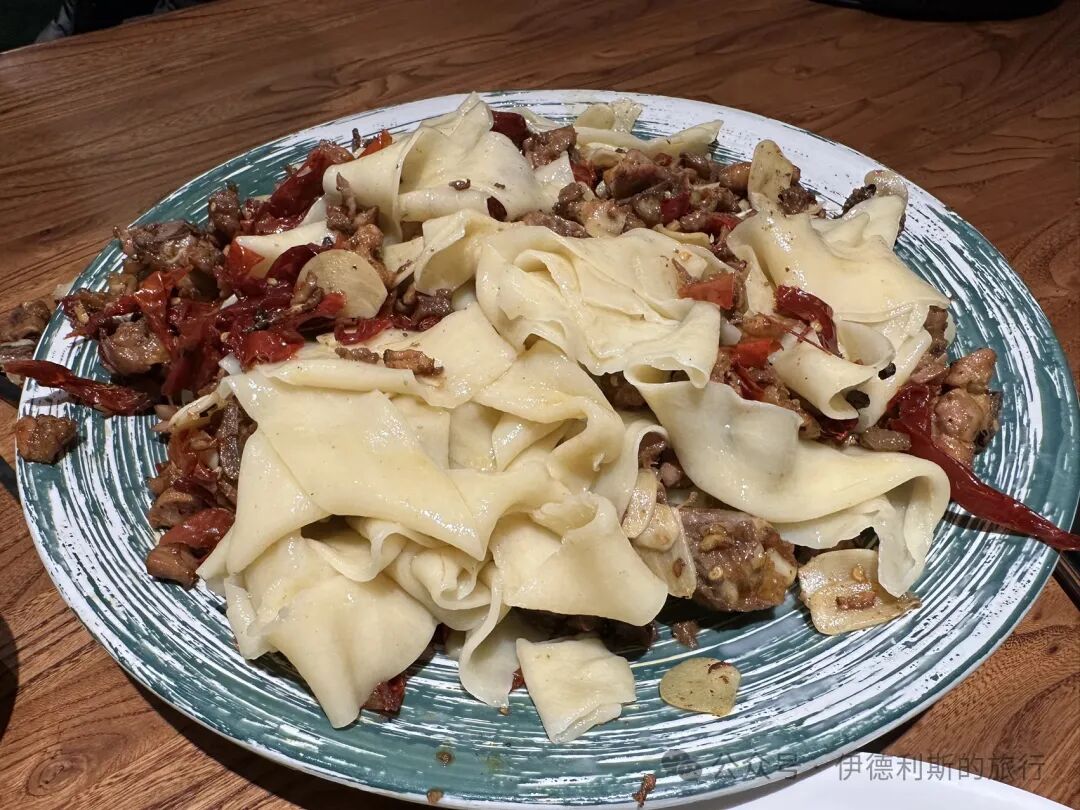
The most popular spots at Tianshan Vanke are probably Mayouyu Naan-pit Roasted Whole Fish and Yangle Spicy Chicken. We ate a spicy chicken. At first, it felt a little fishy, but it was spicy, fragrant, and very satisfying to eat.
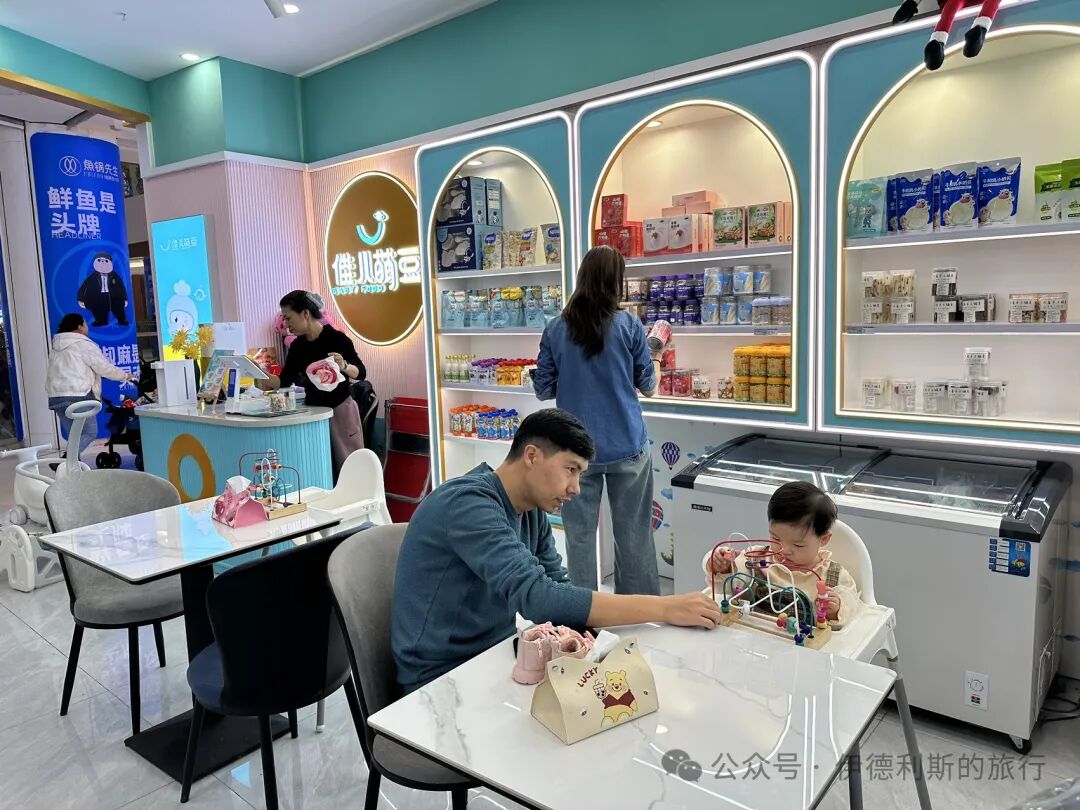
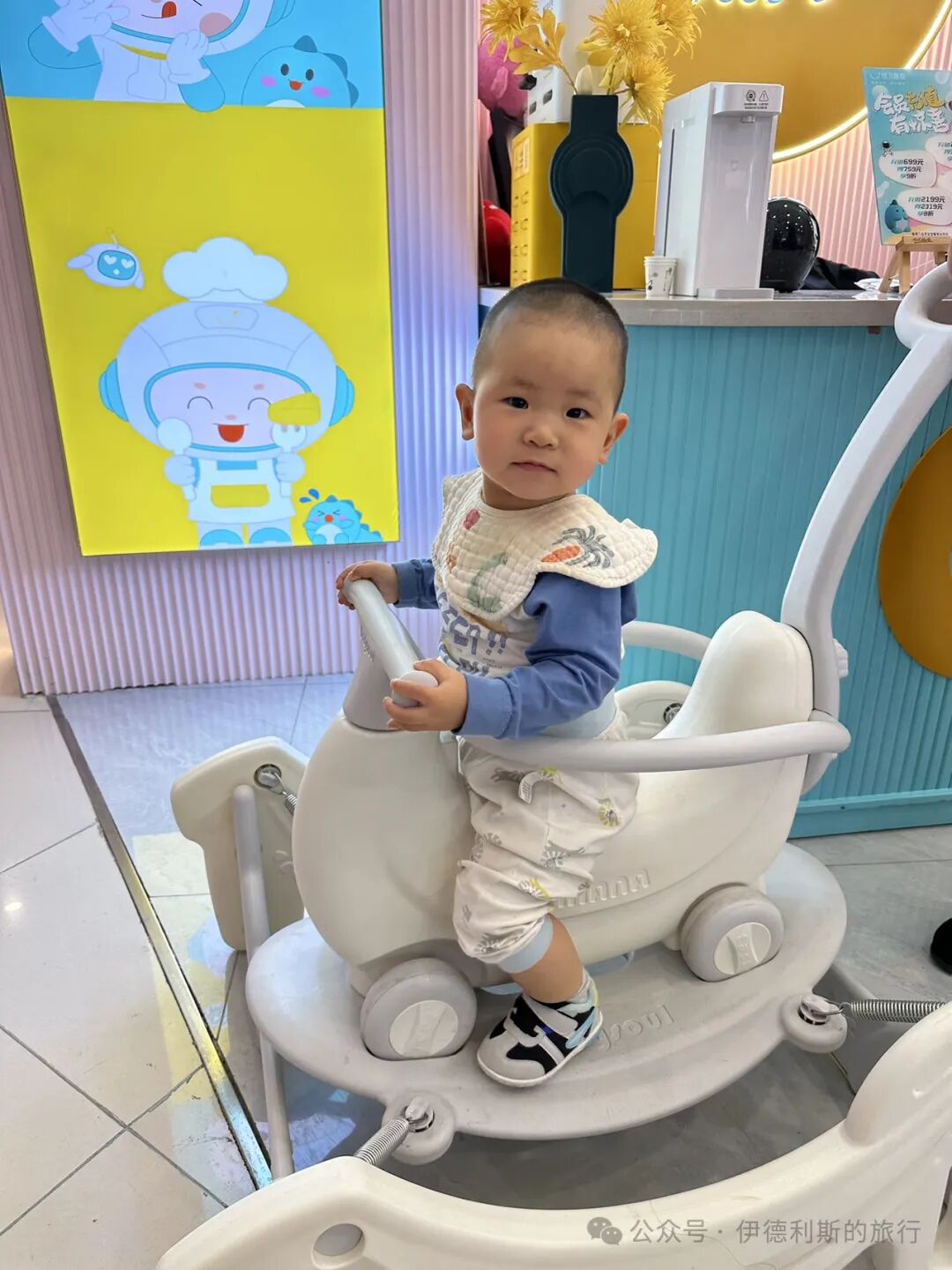
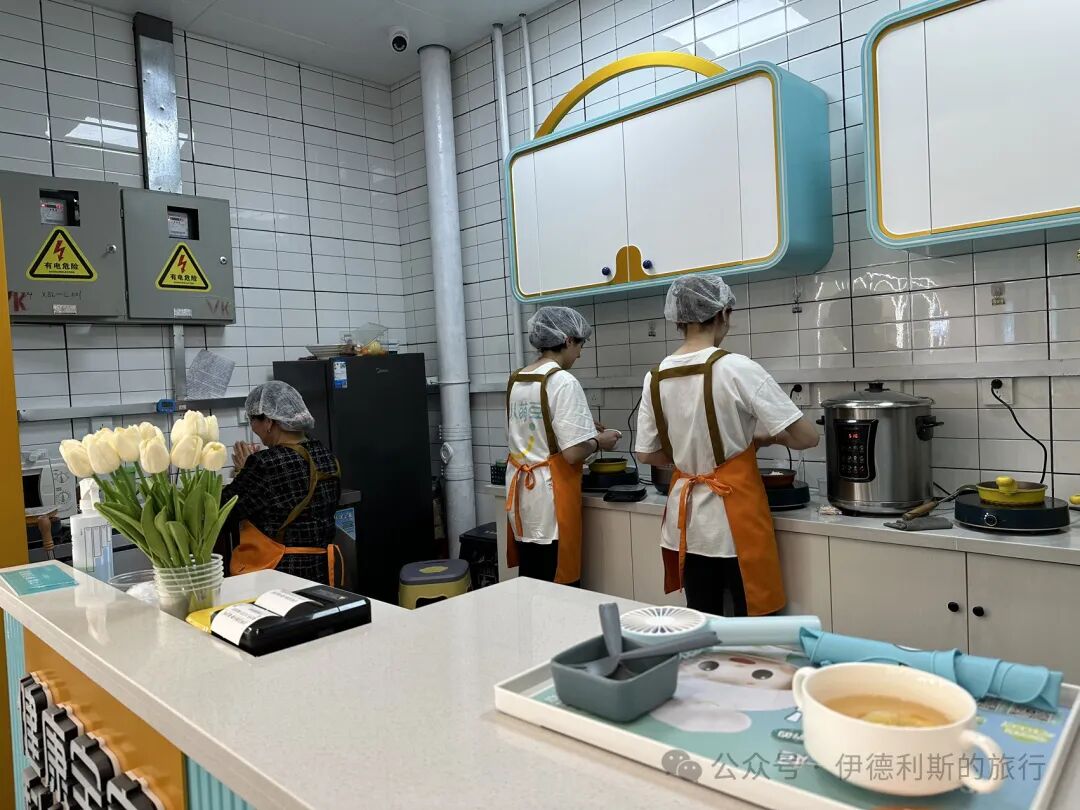
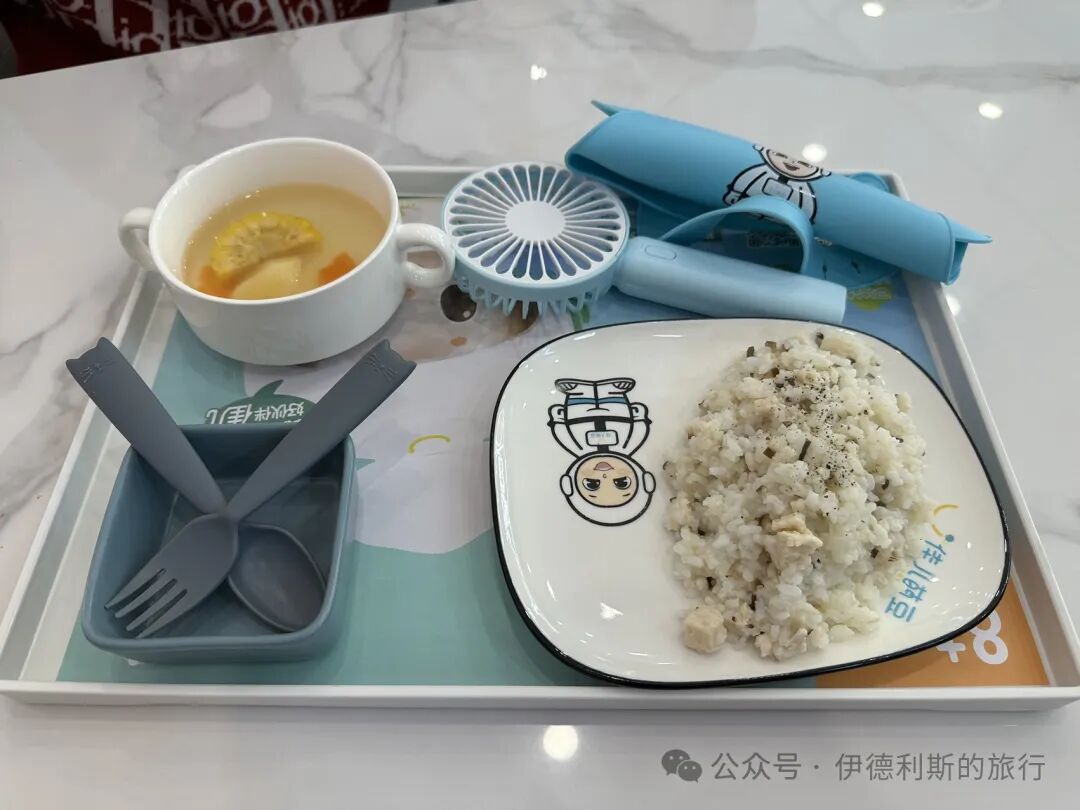
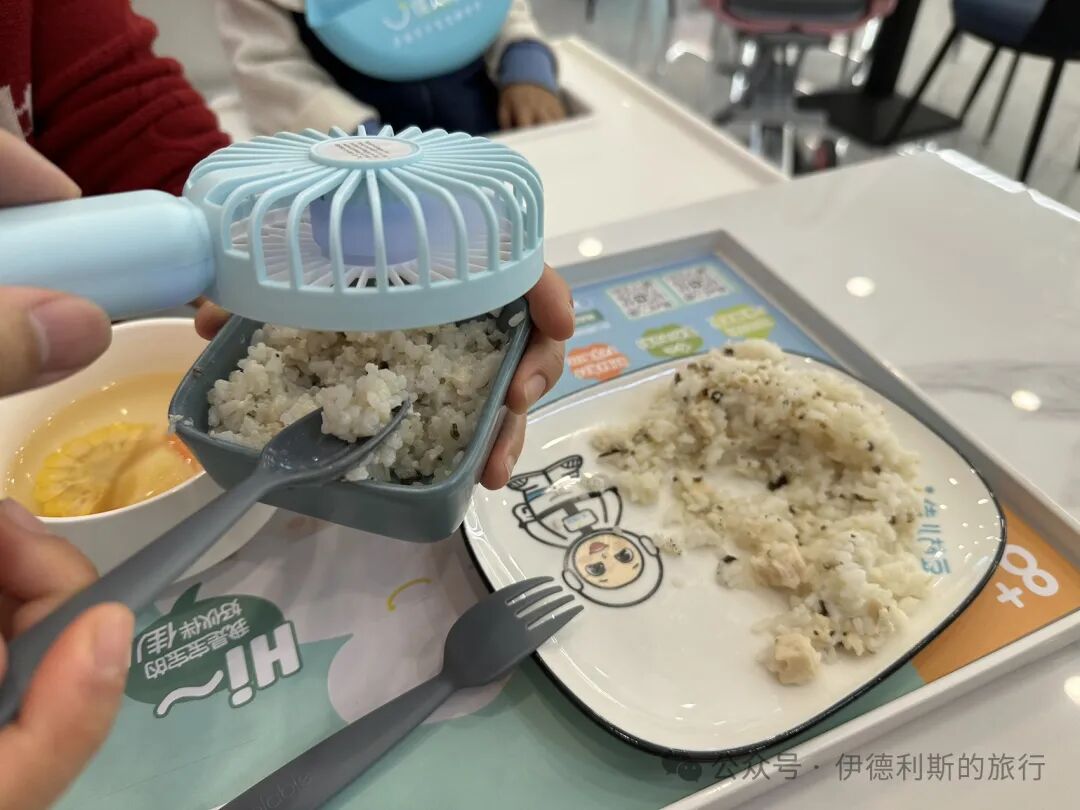
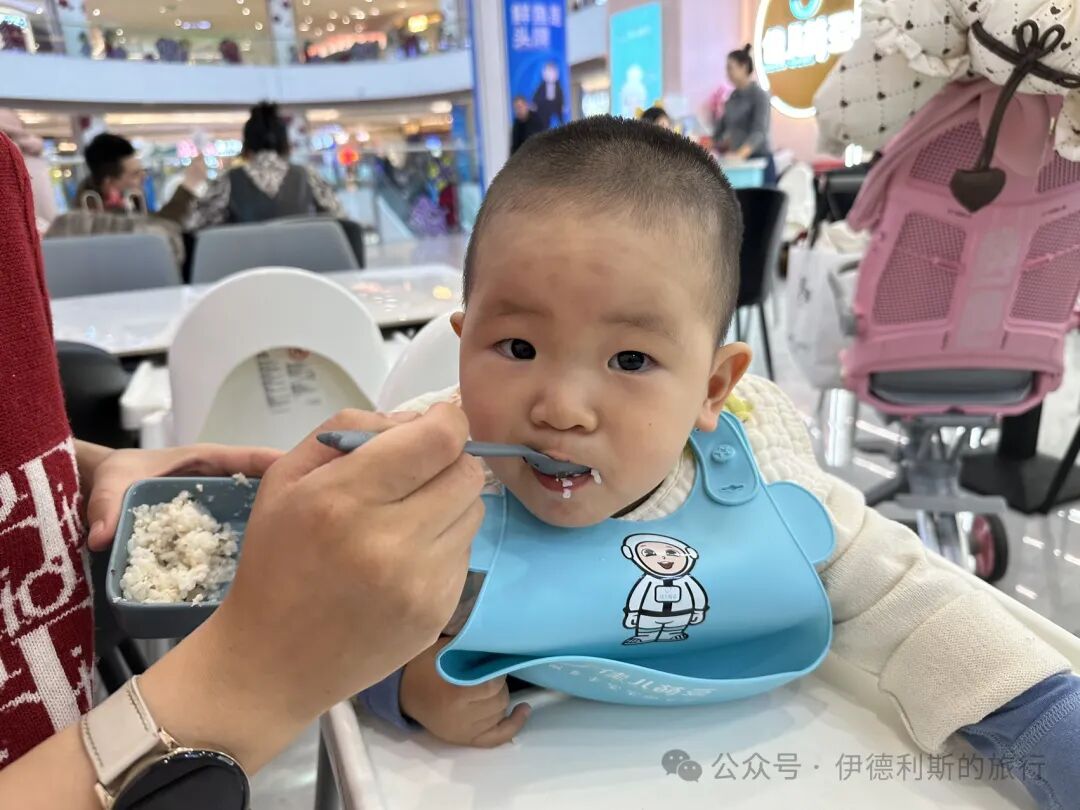
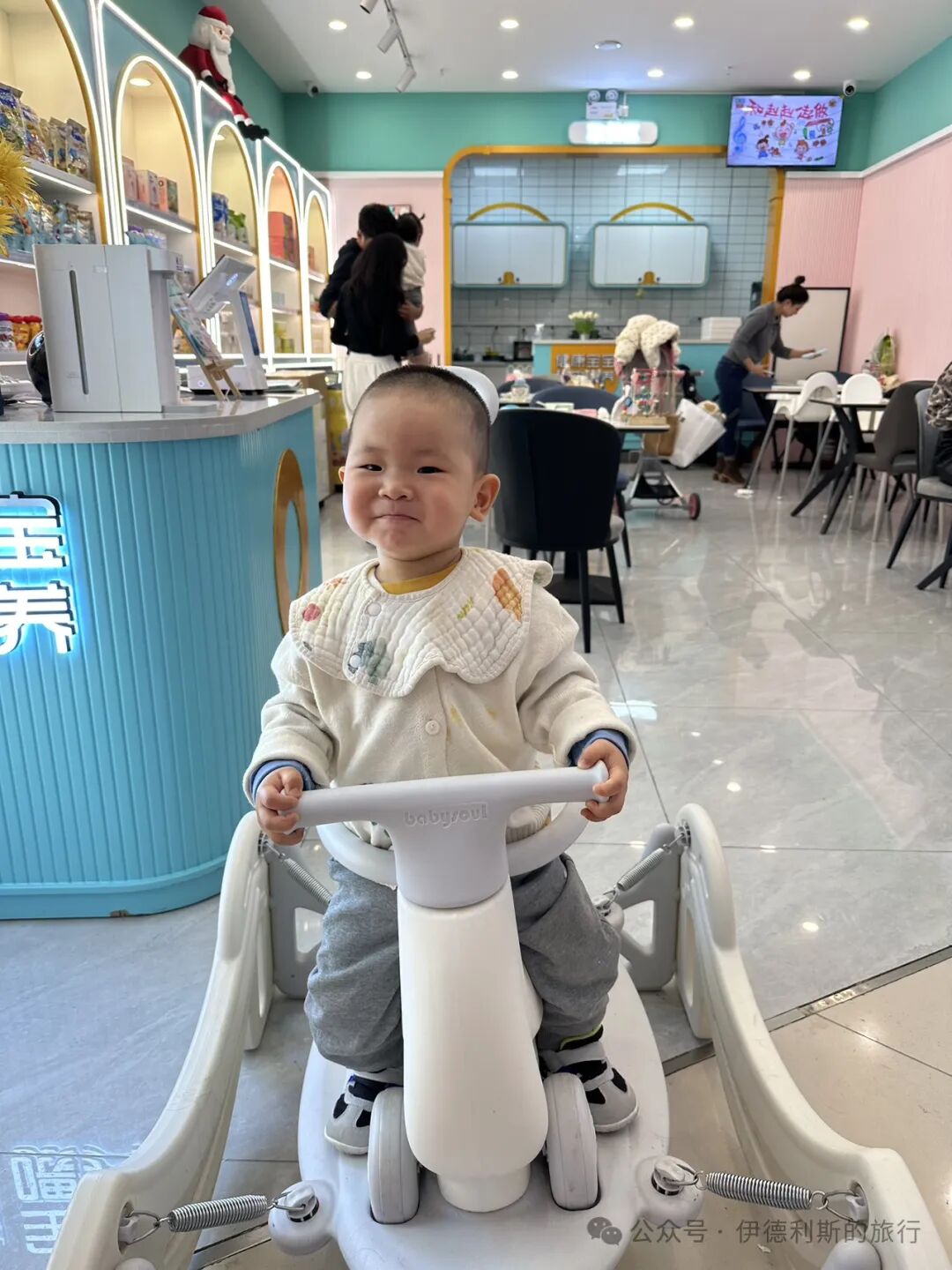
Also, the mall has a rare children's food restaurant called Jia'er Mengdou, opened by a Uyghur female boss, which is very popular with Uyghur parents. We took Suleiman to eat chicken and mushroom risotto, which came with a bowl of soup. This was Suleiman's first time eating at a restaurant in his life. They gave us a bib and a small cooling fan, which was quite thoughtful.
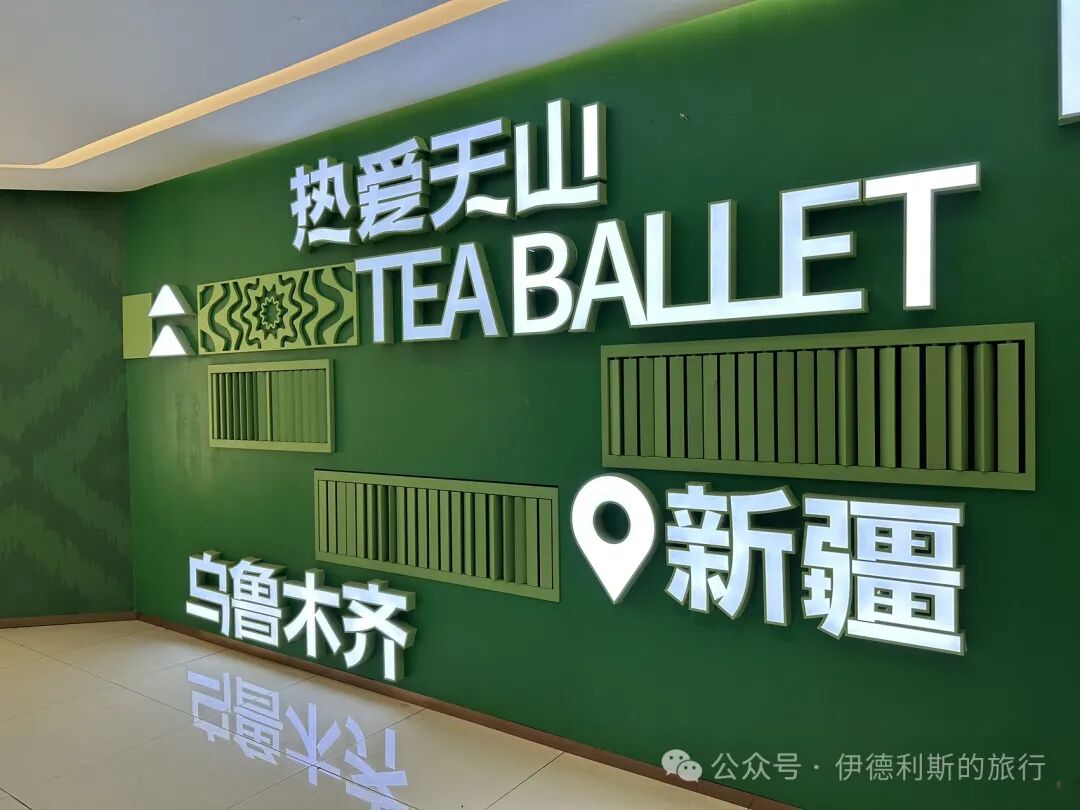
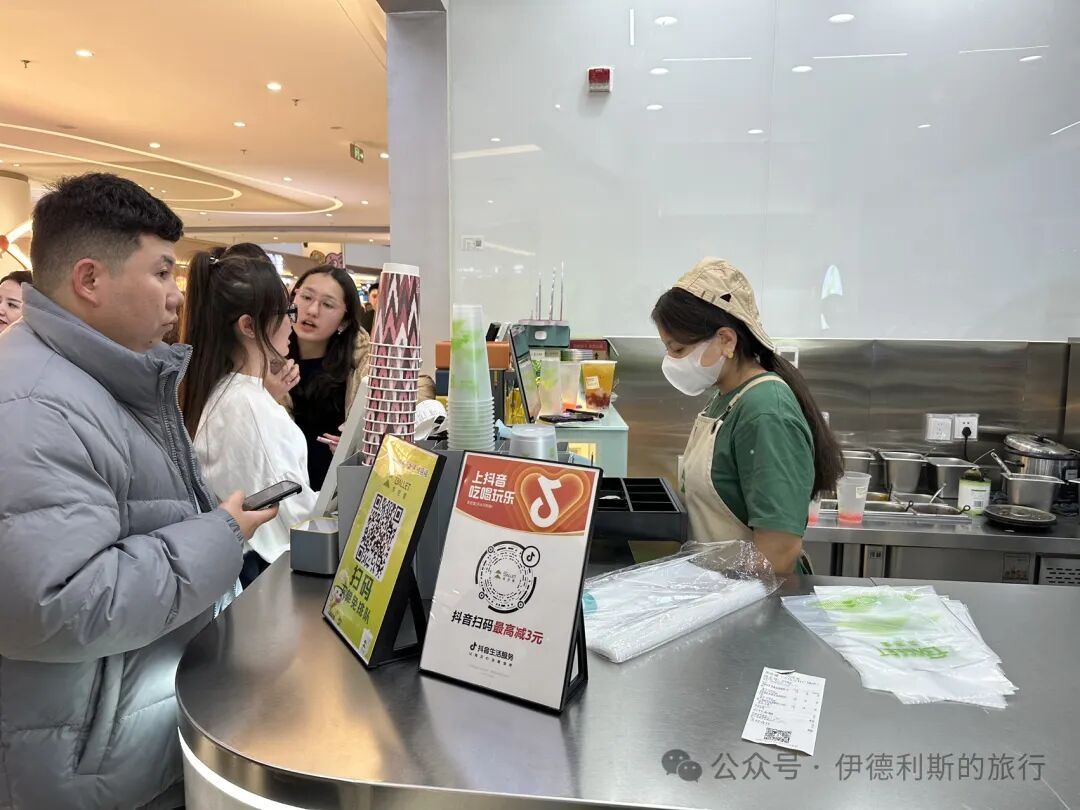
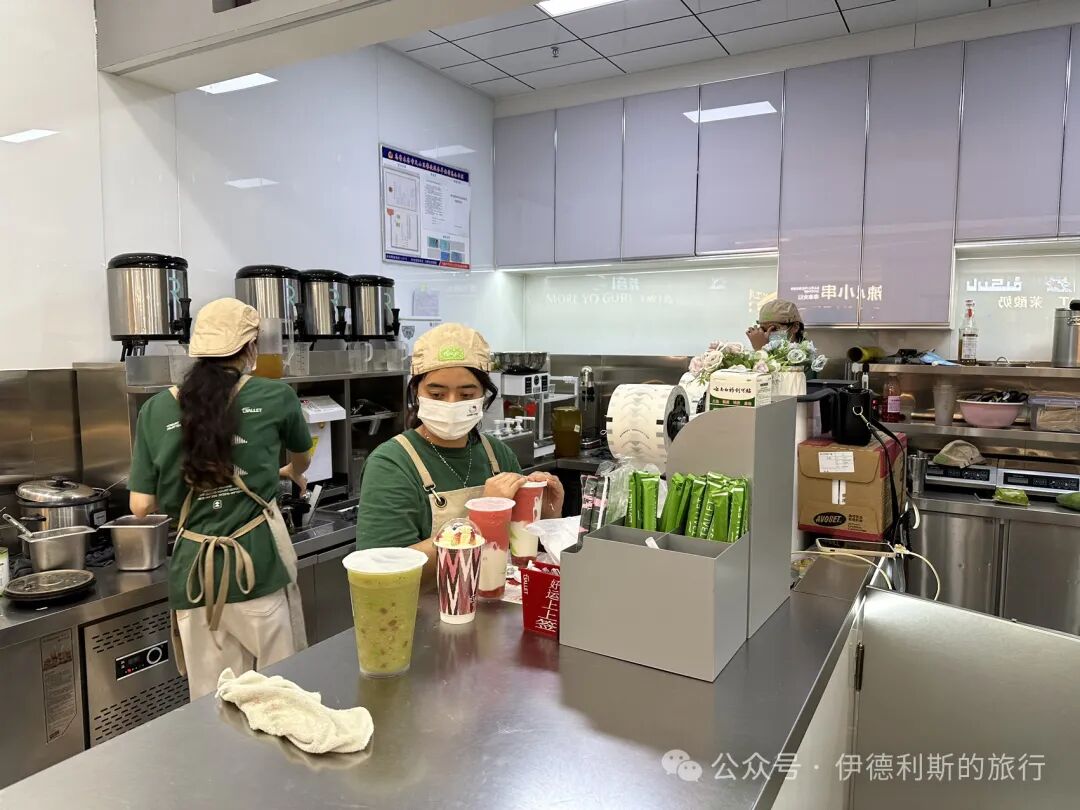
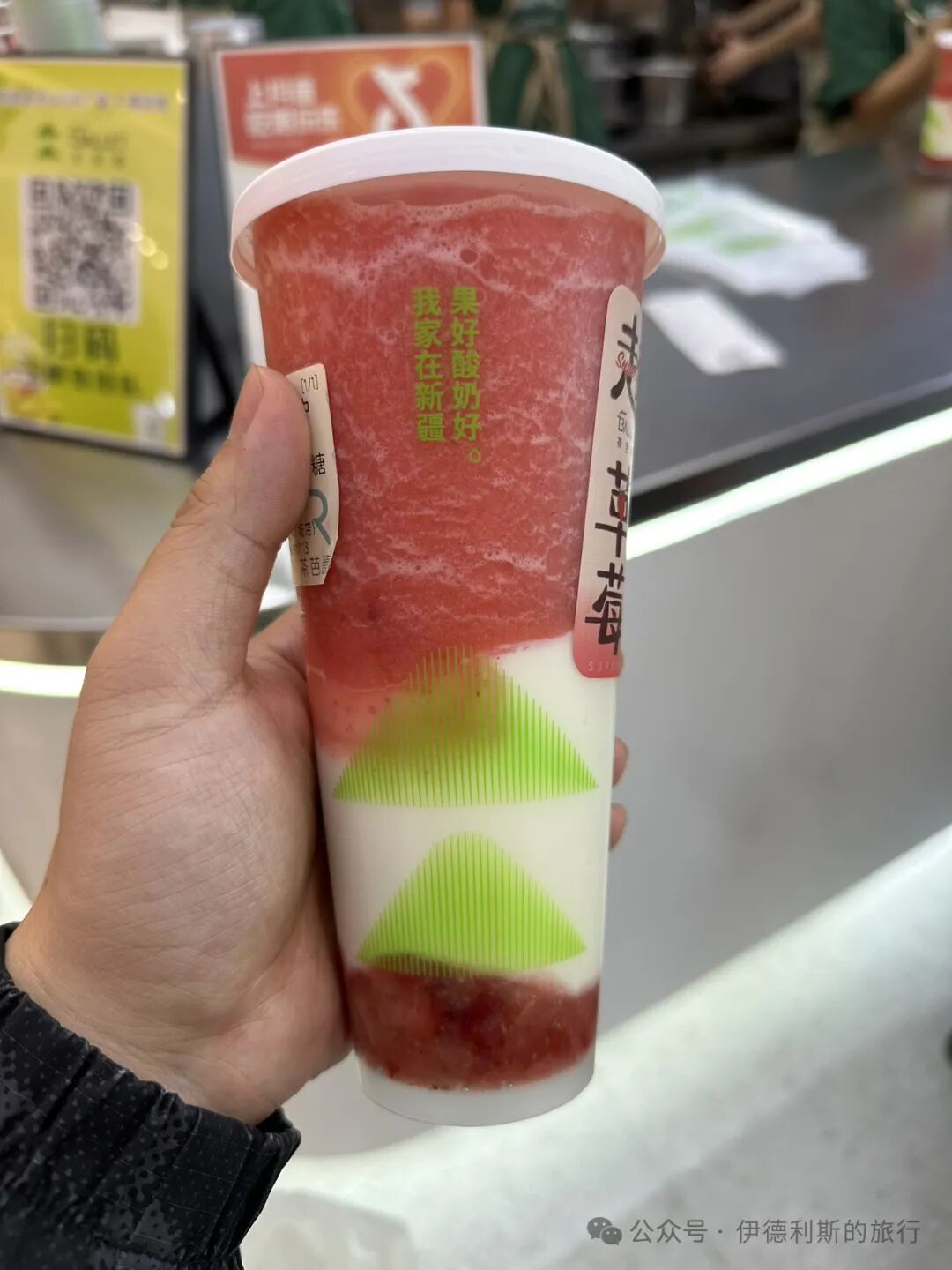
Then we checked out the local Xinjiang milk tea brand Tea Ballet, which has been very popular for the past two years. They specialize in various fruit yogurts, and the founder, Ma Xue'er, is a post-90s Urumqi native. I feel their style really suits young people, but I still prefer the handmade yogurt sold on the street.
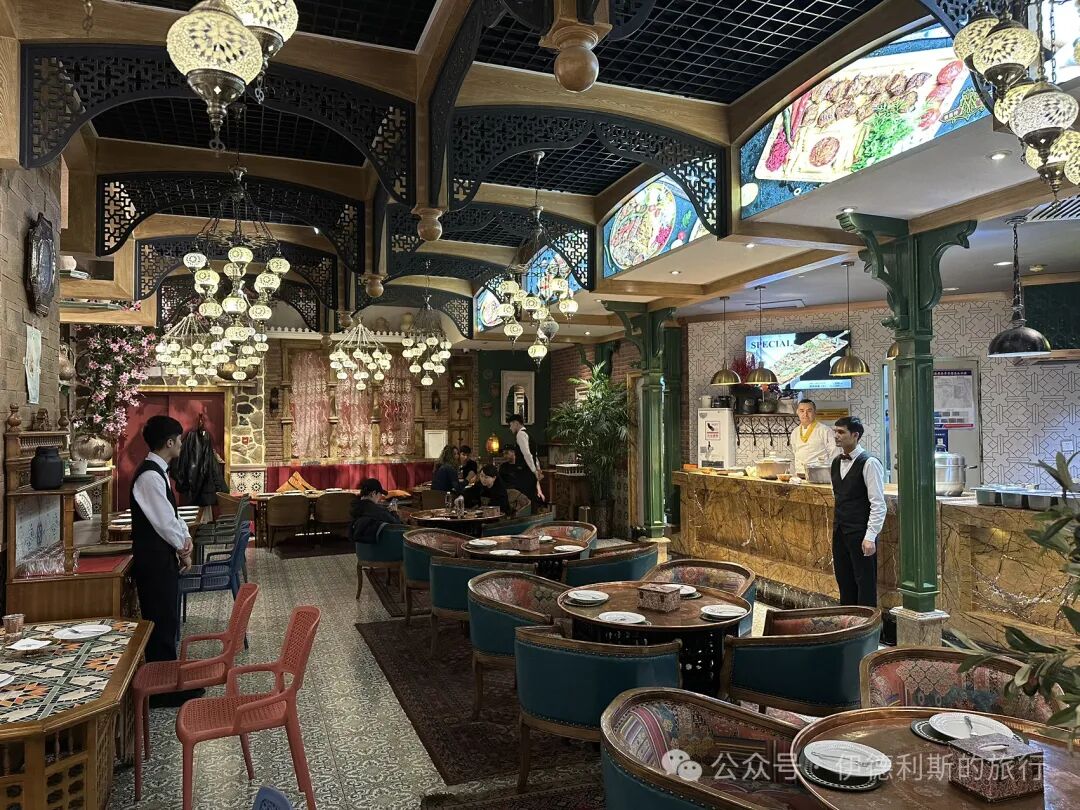
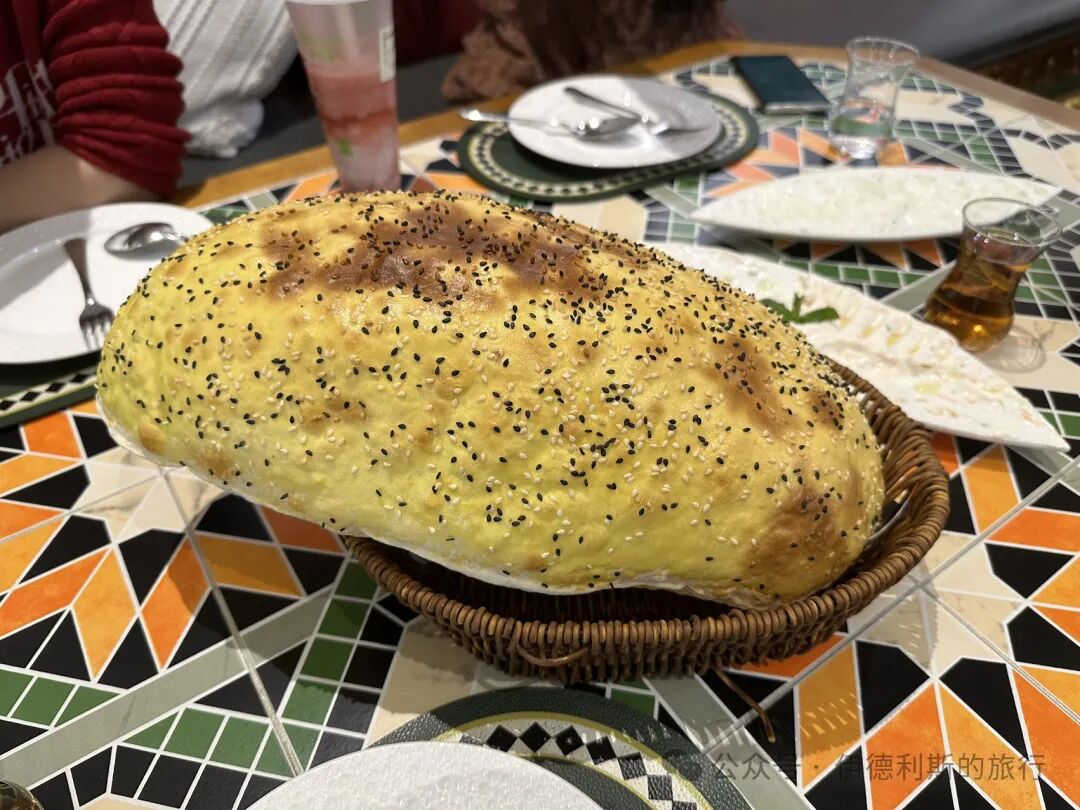
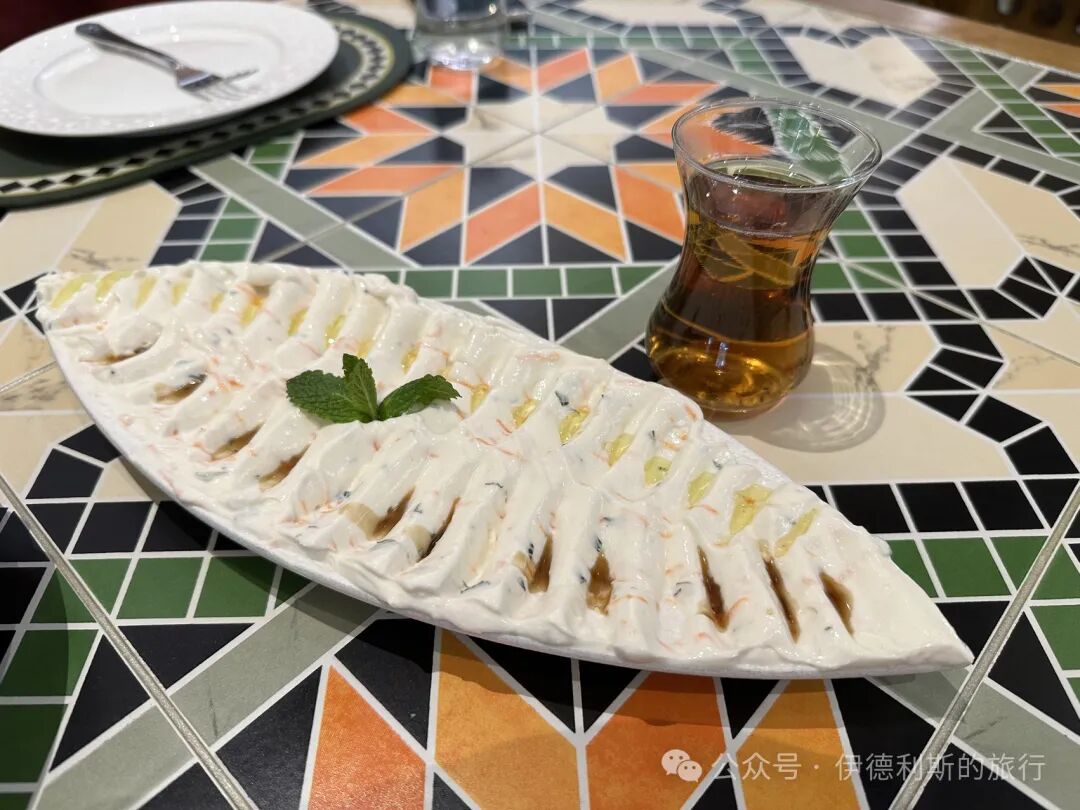
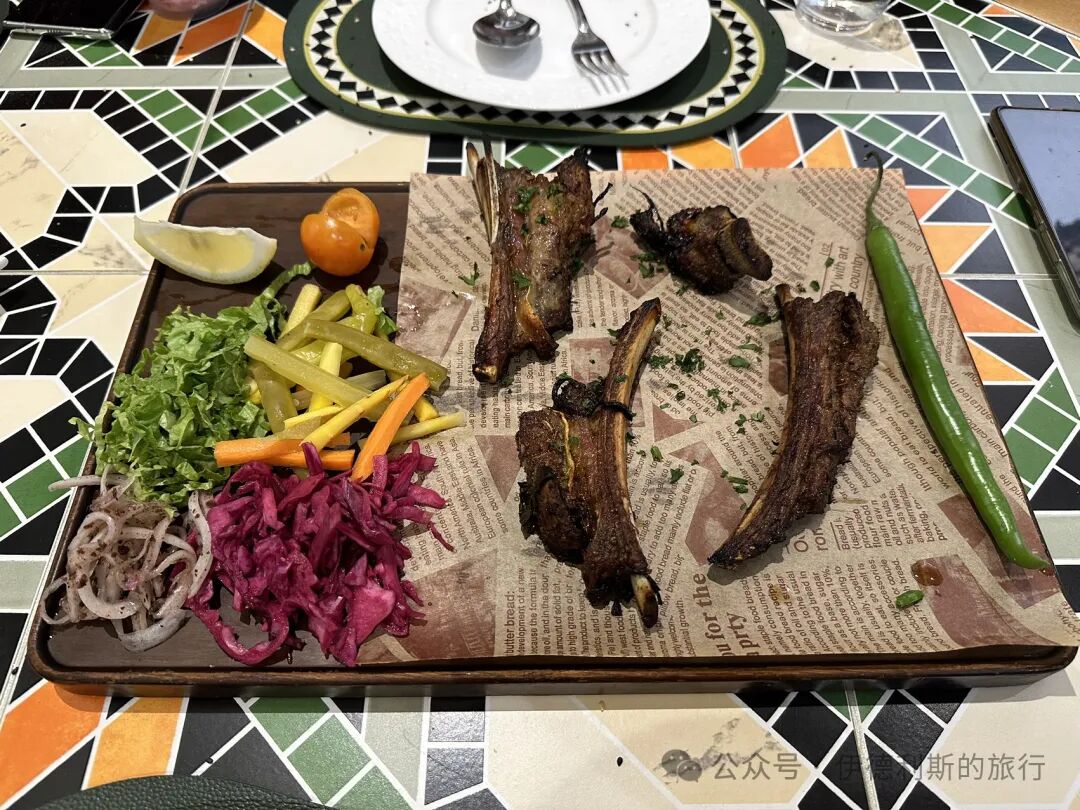
At the Turkish restaurant in the mall, we ordered hollow bread, grilled lamb chops, and mint yogurt. The prices are a bit high, and they focus on a nice atmosphere, so it feels like a good place for a date. The hollow bread (nang) is quite tasty, but the lamb chops feel a bit overcooked.
Further reading:
[Halal Travel Review] Urumqi in 2018, the beautiful Dawan area.
The night markets in Urumqi are so much fun to explore!
Getting married in Urumqi
Summary: Halal Travel Guide: Urumqi - Hetian Street, Erdaoqiao and Tianshan Vanke is presented here as a firsthand travel account in clear, natural English. The account focuses on Urumqi, Xinjiang Travel, Halal Food while preserving the names, places, food, photos, and historical details from the Chinese source.
Uyghur food on Hetian Street.
Every time I returned to Urumqi before, besides eating Hui Muslim food, I usually went to the Erdaoqiao and Dawan areas to eat Uyghur and Kazakh food. This Spring Festival, we went to another famous food street in Urumqi: Hetian Street.
Hetian Second Street is the busiest part of the area, and the place with the longest line is Kashgar Yibazhua. Yibazhua is a small-sized baked bun (kaobaotzi) with thin skin and a large filling. It is quite delicious. It used to be more common in southern Xinjiang, but now shops have opened in Urumqi too.
After finishing the Yibazhua, we had some pigeon soup. There are several pigeon soup shops on Hetian Second Street. The one we visited focused on an authentic taste with very few seasonings, which really highlighted the natural freshness of the pigeon soup.
We bought some sour plums from a truck on the street that sells dried fruits and candied snacks.
The Uyghur pastry shops on the street are also very popular. We bought baklava and nut tarts at Xiahedana Pastry, and they were both delicious. The baklava was packed with walnuts and was not as sweet as the kind in Turkey.
The roasted goose eggs were hot; you peel them, take a bite, and then sprinkle on the seasoning.
The handmade yogurt was thick and came with its own layer of milk skin; you cannot find this in Beijing at all.
Yangle Spicy Chicken on Hetian First Street was packed. Over the years, all the bags of Yangle Spicy Chicken I bought online were shipped from here.
Taking photos on the street, I found the main store of Azhen Rice Noodles here. Zainabu loved eating at their place when she was in middle school.
Kazakh milk tea on Hetian Street.
I always knew Dawan in Urumqi was a Kazakh neighborhood, but this time I found several Kazakh restaurants on Hetian Street. Just on the southern section of Hetian Second Street, there are four: Sahara Milk Tea House, Saiguluke Restaurant, Bashibai Restaurant, and Jinshan Specialty Restaurant. We ate horse sausage narin and milk tea at Saiguluke Restaurant. Next time, I want to try the khurdak and horse sausage pilaf.
In the morning, we went to Baorsak on Hetian First Street for a Kazakh breakfast. Baorsak now has three locations. I have already eaten at the first two, the Dawan branch and the Heba Lane branch, so this time I came to try the Hetian First Street branch. We ordered a set meal for two, which included milk tea, fried dough (baorsak), jam, yogurt, cold dishes, and flatbread (nang). Even though it was the Spring Festival holiday, their business was very good. A line started forming right after we ordered. I noticed that most of the customers were local Uyghurs. It seems Kazakh breakfast is quite popular with the Uyghur community.
Musical instrument shops in Erdaoqiao.
After drinking Kazakh milk tea, I went for a stroll in the Erdaoqiao Grand Bazaar. I really wanted to visit the instrument shop run by Erkin, an inheritor of the intangible cultural heritage of Uyghur instrument making, but I found it was gone. Plus, the Kazakh girl I used to take photos with in the felt tent got married and moved away. Now, the Grand Bazaar is mostly just souvenir shops.
As I left through the north gate of the Grand Bazaar, I found the sabayi I had wanted to buy for a long time at Duoluzhe Ethnic Musical Instrument Shop, a place I had not paid much attention to before. They had two types: mulberry wood and desert poplar wood. The desert poplar ones were more expensive, heavier, and were made in the past. I bought two, which fulfilled a wish of mine. Before I left, the owner specifically told me to take good care of them because it will be very hard to find this kind of old-fashioned sabayi in the future.
I first learned about the sabayi in the 2010 documentary 'Ashik: The Last Troubadour' filmed by Liu Xiangchen. The sabayi is the most common accompaniment instrument when Uyghur Ashiks perform Dhikr. Accompanied by the sabayi, Sufi practitioners enter a state of ecstasy (Wajd) through Dhikr to draw closer to Allah.
I continued walking around Erdaoqiao and bought an osma eyebrow pencil for Suleiman to use on his eyebrows when I get back. Osman grass is actually the leaf of the woad plant (banlangen), scientifically known as Isatis indigotica, which has been an important blue dye since ancient times. In Xinjiang, if a child has thin eyebrows, many parents use an Osman eyebrow pencil to paint them.
Then I bought some homemade yogurt on the street. After traveling to so many places, the best yogurt I have ever had is this kind sold on the streets of Xinjiang, with no labels, made at home and brought out to sell. It beats any packaged yogurt in the supermarket.
Tianshan Vanke
Urumqi Tianshan Vanke is near Dawan and is known as the Wangfujing for Uyghur and Kazakh people. It has Japanese, Thai, and Western food, as well as traditional Hui, Uyghur, and Kazakh restaurants. There is also spicy fish hotpot, fried chicken, burgers, and plenty of places for children to play. When we went, it was snowing, and there were so many friends (dosti) shopping at the mall.
The most popular spots at Tianshan Vanke are probably Mayouyu Naan-pit Roasted Whole Fish and Yangle Spicy Chicken. We ate a spicy chicken. At first, it felt a little fishy, but it was spicy, fragrant, and very satisfying to eat.
Also, the mall has a rare children's food restaurant called Jia'er Mengdou, opened by a Uyghur female boss, which is very popular with Uyghur parents. We took Suleiman to eat chicken and mushroom risotto, which came with a bowl of soup. This was Suleiman's first time eating at a restaurant in his life. They gave us a bib and a small cooling fan, which was quite thoughtful.
Then we checked out the local Xinjiang milk tea brand Tea Ballet, which has been very popular for the past two years. They specialize in various fruit yogurts, and the founder, Ma Xue'er, is a post-90s Urumqi native. I feel their style really suits young people, but I still prefer the handmade yogurt sold on the street.
At the Turkish restaurant in the mall, we ordered hollow bread, grilled lamb chops, and mint yogurt. The prices are a bit high, and they focus on a nice atmosphere, so it feels like a good place for a date. The hollow bread (nang) is quite tasty, but the lamb chops feel a bit overcooked.
Further reading:
[Halal Travel Review] Urumqi in 2018, the beautiful Dawan area.
The night markets in Urumqi are so much fun to explore!
Getting married in Urumqi
